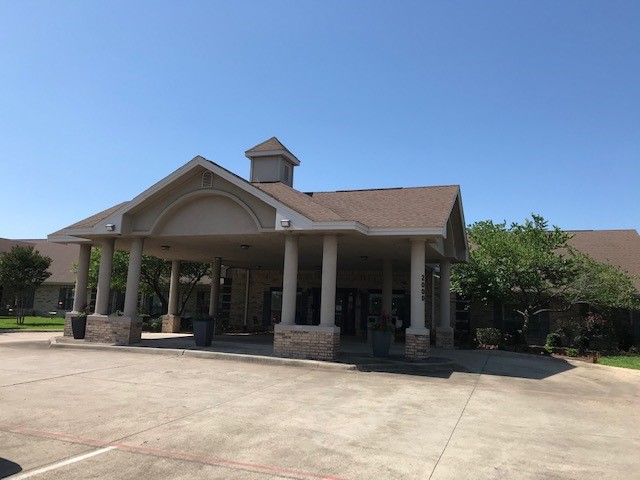
Focused Care at Cedar Bayou

2000 W Baker Road, Baytown, TX 77521 (281) 427-9120
For profit - Limited Liability company 125 Beds FOCUSED POST ACUTE CARE PARTNERS Data: November 2025 9 Immediate Jeopardy citations
Trust Grade
0/100
#983 of 1168 in TX
Last Inspection: February 2024

Within standard 12-15 month inspection cycle. Federal law requires annual inspections.

Overview

Families considering Focused Care at Cedar Bayou should be aware that it has received a Trust Grade of F, indicating significant concerns about the care provided. It ranks #983 out of 1168 facilities in Texas, placing it in the bottom half, and #79 out of 95 in Harris County, showing that there are better local options. While the facility's trend is improving, with the number of issues decreasing from 8 in 2024 to 6 in 2025, it still reported 22 total issues, including 9 critical ones. Staffing is a significant concern here, with a low rating of 1 out of 5 and a high turnover rate of 71%, which is much higher than the Texas average. Notably, there have been critical incidents, such as a failure to notify a physician about a resident's declining health, which led to hospitalization, and issues with medication management that resulted in a resident's death. These findings highlight serious weaknesses in care, despite some positive aspects in quality measures.

Trust Score
F
0/100
In Texas
#983/1168
Bottom 16%
Safety Record
High Risk
Review needed
Inspections
Getting Better
8 → 6 violations
Staff Stability
⚠ Watch
71% turnover. Very high, 23 points above average. Constant new faces learning your loved one's needs.
Penalties
⚠ Watch
$137,078 in fines. Higher than 76% of Texas facilities, suggesting repeated compliance issues.
Skilled Nurses
⚠ Watch
Each resident gets only 19 minutes of Registered Nurse (RN) attention daily — below average for Texas. Fewer RN minutes means fewer trained eyes watching for problems.
Violations
⚠ Watch
22 deficiencies on record. Higher than average. Multiple issues found across inspections.
★☆☆☆☆
1.0
Overall Rating
★☆☆☆☆
1.0
Staff Levels
★★★★☆
4.0
Care Quality
★☆☆☆☆
1.0
Inspection Score
Stable
2024: 8 issues
2025: 6 issues

The Good

  • 4-Star Quality Measures · Strong clinical quality outcomes
  • Full Sprinkler Coverage · Fire safety systems throughout facility
  • No fines on record

Facility shows strength in quality measures, fire safety.

The Bad

1-Star Overall Rating

Below Texas average (2.8)

Significant quality concerns identified by CMS

Staff Turnover: 71%

24pts above Texas avg (46%)

Frequent staff changes - ask about care continuity

Federal Fines: $137,078

Well above median ($33,413)

Significant penalties indicating serious issues

Chain: FOCUSED POST ACUTE CARE PARTNERS

Part of a multi-facility chain

Ask about local staffing decisions and management

Staff turnover is very high (71%)

23 points above Texas average of 48%

The Ugly 22 deficiencies on record

9 life-threatening
May 2025 3 deficiencies 2 IJ (2 affecting multiple)
CRITICAL (K) 📢 Someone Reported This

A family member, employee, or ombudsman was alarmed enough to file a formal complaint

Immediate Jeopardy (IJ) - the most serious Medicare violation

Notification of Changes (Tag F0580)

Someone could have died · This affected multiple residents

**NOTE- TERMS IN BRACKETS HAVE BEEN EDITED TO PROTECT CONFIDENTIALITY** Based on observation, interviews, and record reviews, the facility failed to immediately consult with the resident's physician w...

Read full inspector narrative →
**NOTE- TERMS IN BRACKETS HAVE BEEN EDITED TO PROTECT CONFIDENTIALITY** Based on observation, interviews, and record reviews, the facility failed to immediately consult with the resident's physician when there was a significant change in the resident's condition or need to alter treatment significantly for 1 of 5 residents (CR#1) reviewed for physician notification. The facility failed to properly identify and intervene in CR#1's acute change in condition related to his diabetes mellitus and congestive heart failure. The facility failed to notify physician after CR#1's vitals were declining, which lead to CR#1's hospitalization with vital organ impairment or failure. An Immediate Jeopardy (IJ) was identified on 05/07/2025 at 5:30 p.m. While the IJ was removed on 05/08/2025 at 10:50pm the facility remained out of compliance at the severity level of no actual harm with potential for more than minimal harm that is not immediate jeopardy with a scope of pattern due to the facility's need to evaluate the effectiveness of the corrective systems. This failure could affect residents by placing them at risk of delayed treatment that has the propensity to lead to death. Findings Included: Record review of CR#1's undated face sheet revealed a [AGE] year-old male who was admitted to the facility on [DATE] from the local hospital with diagnoses of coronary artery disease (reduction of blood flow to heart muscle), heart failure (the heart fails to pump enough blood to meet the body needs), hypertension (high blood pressure), diabetes mellitus (blood sugar is too high), Hyperlipidemia (too much fat in the blood), arthritis (swelling and tenderness in the joints), diverticulosis (inflammation of the colon), and other fractures. CR#1 discharged to the hospital on 5/3/2025. The discharge instructions listed primary diagnosis, reason for hospitalization, procedures and tests performed while in the hospital, taking medications and follow information regarding heart failure. Record review of CR#1's Quarterly MDS dated [DATE] revealed CR#1 has a BIMS score of 12 (means resident cognition is intact). Record review of CR#1's orders dated 5/1/2025-5/31/2025 revealed blood sugar checks two times a day for DIABETES; Midodrine HCI Oral Tablet 5 MG-give 1 tablet by mouth every 8 hours PRN (as needed) as needed for hypotension. Hold for SBR (blood Pressure) less than 90 (no date); Sodium Polystyrene Sulfonate Suspension 15GM/60ML-Give 15 gram by mouth one time only for Hyperkalemia (elevated potassium in the blood) until 5/3/2025 11:59p.m; Cozaar Tablet 100 MG (Losartan Potassium) give 1 tablet by mouth one time a day for hypertension. Hold for ABP <100 or DBP <60. Start date 4/23/2025 9:00am; Farxiga (diabetes) Oral tablet 5 mg (Dapagliflozin Propanediaol) Give 1 tablet by mouth one time a day for DM-start date 4/23/25 9:00am. Hold from 5/3/2025 to 5/5/2025 4:41pm; Prabastatin Sodium Oral Tablet 10 MG (Pravastatin Sodium) Give 1 tablet by mouth one time a day for Hyperlipidemia (for high cholesterol levels). Start date 4/23/2025 9:00am; Carvedilol Oral tablet 25 MG give one tablet by mouth two times a day for HTN (hypertension) hold for SBP <110 or HR <60. Start date 4/23/2025; Eliquis Oral tablet 5 MG (Apixaban) (blood thinner) give 1 tablet by mouth two times a day for Anticoagulant. Start date 4/23/2025 9:00am; Gilmepride (treats high blood pressure) Oral tablet 4 MG give 1 tablet by mouth two times a day for DM. Start date 4/23/2025 9:00am-Hold date 5/3/2025-5-5-2025. Record review of CR #1's care plan dated 4/22/2025, revealed the following care areas: Focus: [CR #1] I am at risk for frequent infections, pressure/venous/stasis ulcers, vision impairment, hyper/hypoglycemia, renal failure, cognitive/physical impairment/skin desensitized to pain or pressure related to diabetes melillitus. Date initiated and revision on 5/5/2025. Interventions: [CR #1] I will have no complications related to diabetes through the review date. Date initiated and revision on 5/5/2025. Target date on 5/1/2025. Interventions: [CR #1] Monitor/document/report PRN (as needed) any s/sx (signs or symptoms) of hyperglycemia (difficulty waking up); increased thirst and appetite, frequent urination, weight loss, fatigue, dry skin, poor wound healing, muscle cramps, abd (abdomen pain), Kassmaul (rapid) breathing, acetone breath (smells fruity), stupor (stated of reduced consciousness or responsiveness, where a person is almost unconscious but can be aroused by vigorous stimulation), coma (deep unconsciousness)-date initiated 5/5/2025; Monitor/document/report PRN (as needed) any s/sx (signs or symptoms) of hypoglycemia: Sweating, Tremor, increased heart rate (Tachycardia), pallor (Paleness), nervousness, confusion, slurred speech, lack of coordination, staggering gait (unsteady). Date initiated 5/5/2025. Focus: [CR #1] Potential for complications, s/sx related to diagnosis of hypertension. Receives anti hypertension and is at risk for side effects. Dated initiated 5/5/2025. Goal: [CR #1] My B/P (blood pressure) will stay within their normal limits, will not have s/s of hyper/hypo tension throughout the review date. Date initiated 5/5/2025. Target date 5/1/2025. Interventions: [CR #1] Administer anti-hypertensive medications as ordered. Monitor B/P and for side effects such as orthostatic hypotension (low blood pressure) and increased heart rate (Tachycardia), increased edema (swelling), headache, chest pain, and report abnormalities to physician. Dated initiated 5/5/2025; Monitor/Document/Report PRN any s/s of malignant hypertension (blood pressure rises rapidly): Headache, visual problems, confusion, disorientation, lethargy (usually tired, sluggish, and lacking energy), nausea (feeling sick in the stomach) and vomiting, irritability, seizure activity, and difficulty breathing (Dyspnea). Date initiated 5/5/2025. Record Review of facility's last vitals taken for CR#1's Blood Pressure 5/2/2025 at 10:18am - 98/56 5/2/2025 at 7:58pm - 80/47 5/3/2025 at 7:05am - 82/47 5/3/2025 at 2:37pm - 81/43 5/3/2025 at 4:58pm - 99/51 Record Review of facility's last vitals taken for CR#1's 02 Stats 5/2/2025 10:18am 90.0% Room Air 5/2/2025 7:59pm 92.0% Room Air 5/3/2025 7:05am 93.0% Room Air 5/3/2025 4:58pm 82.0% Room Air Record Review of facility's last vitals taken for CR#1's Blood Sugar vitals 5/3/2025 2:37pm 64.0mg (manual) 5/3/2025 3:40pm 94.0mg (manual) Record Review of skilled charting for CR#1 dated 5/2/2025 at 7:33pm by LVN A, revealed the following: vital signs taken on 5/2/2025 at 10:18am were: Temperature 97.5 taken forehead (non-contact), pulse 77(bpm), Respiration 18.0(breaths/min), Blood pressure 98/56, O2 stats 92.0% (room air). Section D: Mood and Behavior: 1b: Notable changes in mood and behavior: Resident sleeping a lot more than usual. Record Review of skilled charting for CR#1 dated 5/2/2025 at 7:56pm by LVN A revealed the following: vital signs taken on 5/2/2025 at 7:59pm were: Temperature 96.8 taken forehead (non-contact), pulse 68(bpm), Respiration 20.0(breaths/min), Blood pressure 80/47, O2 stats 92.0% (room air). Section D: Mood and Behavior: 1b: Notable changes in mood and behavior: Resident sleeping a lot more than usual. Record Review of nursing notes for CR#1 dated 5/2/2025 revealed, there were no nursing notes for this date. Record Review of nursing notes for CR#1 dated 5/3/2025 at 9:16am, revealed, Change in Condition reported on the CIC Evaluation are/were: Other change in condition Tired, Weak, Confused, or Drowsy. At the time of evaluation resident/patient vital signs, weight and blood sugar were: -Blood Pressure: 82/47 - 5/3/2025 07:05 Position: Lying r/arm -Pulse: P 68 - 5/3/2025 07:05 Pulse Type: Regular -RR: R 18.0 - 5/3/2025 07:05 -Temp: T 97.3 - 5/3/2025 07:05 Route: Forehead (Non-Contact) -Weight: W 280.0 lb - 4/29/2025 14:38 (2:38pm) Scale: Mechanical Lift -Pulse Oximetry: O2 93.0% - 5/3/2025 07:05 Method: Room Air -Blood Glucose: Record Review of nursing notes for CR#1 dated 5/3/2025 at 7:20pm, revealed, Note Text: Resident lethargic this am, blood pressure low, notified vanguard received new orders: N/O: Midodrine HCI Oral Tablet 5 MG (Midodrine HCI). Record Review of Local Hospital admission dated 5.3.2025 revealed, CR#1 presented to the ED yesterday via EMS from the facility with fatigue (extreme tiredness), lethargy (lack of energy and enthusiasm), and altered mental status (a deviation form norm). EMS found CR#1 to be hypotensive (low blood pressure) (87/58), hypoglycemic (drop in blood sugar) with blood glucose (body primary source of energy) of 35 and hyperkalemic (causes kidney disease) with a potassium level of (6) six. CR#1 received D50 (intravenous), Kayexalate (treat high levels of potassium in the blood), and midodrine (treats low blood pressure) enroute to the ED. Workup (thorough diagnostic evaluation to determine the cause of symptoms or health condition) in the ED found CR#1 to be acute hypoxic (decrease in oxygen levels in the blood) and hypercapnic respiratory failure (respiratory system cannot remove carbon dioxide from the body), septic shock (a life threatening condition that occurs with body response to a severe infection causes low blood pressure and multiple organ dysfunction), acute renal failure (Kidney failure), and persistent hyperglycemia (high blood sugar levels consistently exceeding target range). CR#1 was placed on BIPAP and initiated on a D10 infusion (IV) to maintain glucose. CR#1 was fluid resuscitated per sepsis guidelines and initiated on vasopressors (medications to cause blood vessels to constrict) to maintain adequate blood pressure. CR#1 transferred to ICU for management. Foley placed in CR#1with 1200cc returned immediately after placement. The local hospital's disposition: CR#1 to remain in ICU: CR#1 at high risk for complications CR#1 is critically ill with vital organ impairment or failure. There is a high probability of imminent or life-threatening deterioration in the patient's condition Patient is unable or incompetent to participate in giving a history and/or making decisions and discussion is necessary for determining treatment decisions. In a telephone interview on 5/6/2025 at 2:03 p.m., FM A said she is a relative of CR#1 and wanted to reiterate what was in her complaint. She stated CR#1 did not have pneumonia or sepsis before arriving to the facility 11 days ago. She stated his blood pressure has been extremely low. She stated CR#1 is in the local hospital. Stated the nursing staff did nothing to help CR#1 while in the facility. She stated if the nursing staff had checked his blood sugar like he told them they did in the hospital, they would have known that he was going into a diabetic coma. In an interview and observation on 5/6/2025 at 2:30 p.m. (at the hospital), CR#1 said he was in the facility for 11 days for rehab after having back surgery. CR#1 said after 3 days he began asking questions of the nurse regarding his glucose and checking his blood sugar levels because he was starting to feel very tired and couldn't stay awake. He said the nurse would only tell him she will be right back she had to check his orders. The nurse never returned. He said he asked this question on multiple shifts and multiple times and received the same answer. He said he started feeling lethargic and couldn't stay awake. He said he was so sleepy he went a day or two without eating. CR#1 said there was a LVN who had returned from vacation this past Saturday who listened to him, and his concerns, and she ordered labs. No other nurse did. In an Interview 5/6/2025 at 2:50pm at the hospital with FM B and FM C they stated last Thursday (5/1/2025) they tried calling resident and didn't get an answer. Both stated they called the front desk and were told he was asleep. They received the same response on Friday (5/2/2025). However, when they called Saturday (5/3/2025) and CR#1's phone went to his voicemail they had concerns and therefore called the facility. At this time FM A told FM B and FM C she didn't like what she was seeing and that she couldn't wake CR#1 after several tries. FM B said she demanded that FM D tell the facility to call 911 immediately. In a Telephone Interview 5/6/2025 at 5:30pm FM D stated this past Thursday (5/1/2025) morning CR#1 appeared unusually sleepy. She stated the nurse told her that she had given CR#1 pain medications which was why he was sleepy. FM D stated on Saturday (5/3/2025) she received a call from facility and said CR#1 was sleeping and lethargic and nurse stated she called doctor. FM D stated when she arrived at the facility Saturday (5/3/2025) the nurse had just taken his blood sugar and at that time it was 65. The nurse left the room to get some orange juice. However, while the nurse was away getting juice, FM D stated she observed the food tray with tea, and she put two packets of sugar and gave it to CR#1 herself. She stated a few moments later, the nurse returned with orange juice and sugar and gave it to resident. Stated after 30 minutes nurse re-took sugar levels and it was 93. She stated the nurse took labs. Nurse returned with lab results and said he had critical potassium levels and creatine were elevated as well. She stated the nurse said she called the doctor. However, FM D and other family members requested CR#1 go to hospital via 911. Stated the nurse returned with critical labs and stated the doctor had ordered Kayexalate (treats high blood potassium) and IV fluids; however, the nurse told her she had to get someone to come and start the IV because it was out of her range as a nurse. During this time the family continued to request CR#1 be sent out to hospital. She stated nursing staff never checked his blood sugar prior to this episode even though CR#1 and the family told the nursing staff that the hospital checked 3 times daily. She stated CR#1 asked about his blood sugar being checked and he was told by one of the nurses that the hospital told her (nurse) that he was no longer diabetic so there was no need to check his blood sugar. FM D stated CR#1 was very congested during her visit on Saturday 5/3/2025 and she told the nurse she could hear wheezing when CR#1 coughed. She stated the nurse checked CR#1's blood sugar after the family requested on Saturday, 5/3/2025. Interview on 5/6/2025 at 6:21p.m., with MA B stated she was familiar with CR#1. She stated CR#1's family members were always in the room. She stated blood sugars were to be taken before and after meals. She stated even if it was not in the orders, typically you do it for persons who were diabetic. She stated the nurse was responsible for taking the blood sugar. She stated checking the blood sugar was on the MAR. She stated the nurse will make the notation on MAR and if she hasn't noted she would find the nurse prior to giving medication. She stated she did not make any efforts to find the nurse and inquire about the blood sugar being taken. She stated she must of gotten busy. In an interview on 5/6/2025 at 6:46 p.m., LVN A stated she was familiar with CR#1. She returned to work on Monday 4/28/25 from vacation and worked with CR#1 for the first time then. She stated she worked with CR#1 on that Tuesday (4/29/2025) and again on Saturday 5/3/2025 She stated while she was working on 5/3/2025 and during her rounds she noticed CR#1 didn't look well as his face was pale looking. She stated she took his blood pressure, and it was low (82/47). She telephoned the doctor answering service and left a message. LVN A stated she honestly did not know he was diabetic until Saturday 5/3/2025. Nurse stated upon admission the medication list delivered from the hospital was sent to the doctor. The doctor was supposed to okay the orders. She stated the NP made rounds on 4/29/2025 at which time she told her that resident had serious back surgery and Tylenol was not strong enough for him. She stated the NP gave resident a prescription for an additional pain medication. LVN A stated if she had done the admission and noted the type of medication resident was taking she would have informed nursing staff that he needed blood sugar taken prior to meals and sometimes afterwards. In an interview on 5/6/2025 at 7:30 p.m., the IDON stated he spoke with the CR#1 on Friday 5/2/2025. He stated CR#1 was talking and stated he didn't feel well; however, IDON contributed it to the back issues. He stated he listened to CR#1's chest and lungs and did not get anything alarming. He stated the facility did a chest x-ray but when the results returned CR#1 had already gone to the hospital. The IDON stated the admitting nurse (facility) was responsible for submitting any resident information upon admittance to the doctor. When asked if a diabetic patient should have a glucose test before meals, he stated they could. He stated it was a nursing judgement to draw blood for glucose labs. The IDON was asked how long it takes to develop pneumonia and sepsis and he stated the resident may have come to the facility from the hospital with that diagnosis. He was asked what should have been done when resident blood pressure taken was low and he stated that the resident's medical condition will sometimes have a low blood pressure; however, it should have been documented and possibly noted as a change of condition. The IDON stated on 5/3/2025 the nurse completed a change of condition; gave resident some orange juice and it appeared his blood glucose was increasing. He initially stated he was contacted and wanted the nurse to call 911, then he was reminded that according to the nursing notes the family requested 911. In a follow-up interview on 5/7/2025 at 9:10 p.m., with IDON - He stated the blood pressure readings on 5.2.2025 were out of range and not normal. He stated he was not aware the resident was having issues on this date (5/2/2025). He stated the blood pressure on 5/2/2025 represented someone who is hypotensive. He stated the nurses should have called the doctor. He stated the nurses erred for not contacting the doctor for the decrease in blood pressure. He stated the expectation was to re-check the blood pressure every 15-30 minutes. In a follow-up telephone interview on 5/7/2025 at 11:14am with LVN A she stated a COC is anything going on with patient and out of the ordinary. Protocol is to notify doctor and get new orders. She stated CR#1's blood pressure was low after taking it 4 times 5.3.2025. CR#1's family member told her she noticed a cough and phlegm (thick mucus) afterwards. LVN A stated she contacted the doctor who ordered CR#1 to have a chest x-ray, but he didn't get it cause resident went out to hospital. LVN A stated she would not have considered a change of condition on 5.2.2025 because he was talking to her. However, he was sleeping a lot, but easily aroused. LVN A stated this is why she did not call the doctor. In an Interview on 5/7/2025 at 11:26am with CMA A is familiar with CR#1. She stated CR#1 told her that he was nausea and felt like he wanted to throw up and refused his medication on 5/2/2025. She stated he looked normal and was talking to her as usual. CMA A stated she notified LVN A who was his charge nurse. She stated throughout the day, CMA A received a phone call at the nurses' station on Friday 5/2/2025 from CR#1's family members who was concerned he was not answering his cell phone. CMA A stated she went back to CR#1's room to get him to answer his cell phone. CR#1 told her that he heard the phone and that he was just sleeping. In an Interview on 5/7/2025 at 12:55pm the NP stated she believed she examined the CR#1. She consider a change of condition for resident mental status, shortness of breath, chest pain, changes in vital signs. Staff should notify the doctor immediately. She stated staff had her private number as well and if the resident vitals being in the 80's or 90's she should have been called. She expected the nursing staff to use their own judgement. She stated due to the blood pressure levels; resident should have been placed on repeat 5 to 15 minutes. She stated she expected the nurse to take the blood sugar. She stated the protocol at this facility was to use nursing judgement, which should have been to check blood sugar. In an Interview on 5/7/2025 at 1:17pm with RN A defined a resident's Change in condition as a deviation from what was normal for the resident. She stated Notifying a physician depends on the resident and what is out of the ordinary. RN A stated A drop in blood pressure was a change of condition and using her nursing intervention, she'd do a sternum rub until resident responds, contact doctor, increase hydration, and check his cognition. RN A stated the 80/47 blood pressure was a change of condition. She stated she documented in her own notes but not in her notes. She stated she did not contact the doctor and she should have contacted the doctor. RN a stated she spoke with CR#1 and he was in good spirits. RN A stated she kept up with him (vitals) in her own records but did not document in the nursing notes. RN A stated resident's blood sugar was 68 at 9pm on 5/2/2025. She stated on 5/3/2025 at 4:00am blood pressure was 110/66. She stated she should have notified the doctor and documented a change in condition. Record Review of Facility's Change in a Resident's Condition or Status policy dated May 2017 revealed the following: 1. The nurse will notify the resident's Attending Physician or physician on call when there has been a(an): d. significant change in the resident's physical/emotional/mental condition. 2. A significant change of condition is a major decline or improvement in the resident's status that: a. Will not normally resolve itself without intervention by staff or by implementing standard disease- related clinical interventions (is not self-limiting) An Immediate Jeopardy (IJ) was identified on 05/07/2025 at which time the IJ template was provided to the IDON on 5/7/2025 at 5:30pm. The following Plan of Removal submitted by the facility was accepted on 5/8/2025 at 11:02 a.m. Allegation: The facility failed to notify physician when CR#1 had a change in condition in that his blood pressure was dropping. PLAN OF REMOVAL Name of facility: Date: 5.7.2025 Immediate action: On 5/6/2025 an investigation survey was initiated. On 5/7/2025 the surveyor provided an Immediate Jeopardy (IJ) Template notification that the Regulatory Services has determined that the condition at the facility constitutes an immediate jeopardy to resident health and safety. The notification of Immediate Jeopardy states as follows: The facility failed to notify physician when CR#1 had a change in condition in that his blood pressure was dropping. Resident CR#1 was discharged to the hospital on 5/3/2025 and remains in hospital at this time. 5/7/25 Charge Nurse (LVN/RN) will receive re-education and will receive disciplinary action if residents are not assessed timely and physicians notified of resident change in conditions, to include changes related to Diabetes mellitus and congestive heart failure. 5/7/25 Director of Nursing in-serviced LVN A and RN A on 5/7/25 on timely assessing residents of change in condition, continual documentation of change in condition to include vitals for resident until resident is stable or discharged to hospital, timely notification of change in condition of a resident to physician and/or medical director. 5/7/25 Facilities Plan to ensure compliance quickly F-580 Notification Physician of Change in Condition On 5/7/2025 Regional Nurse initiated Inservice with Nursing Staff (Assisted Director of Nursing, Director of Nursing, Certified Medication Aides, Charge Nurses, Certified Nurse Aide) on Point of Care Document- STOPWATCH. The in-service reads: Certified Nurse Aides must notify Charge Nurse of Change in Condition of Residents verbally and must document change in condition on resident Electronic Medical Records under Alerts to ensure timely follow-up of resident condition. Notifications of changes in condition will be monitored by the Assisted Director of Nursing/Designee during the daily clinical meeting and ongoing. DON will monitor this process during monthly QA. All nursing staff expected to be in-serviced prior to the next shift worked. Staff will not be allowed to provide direct care until services have been completed. This education will also be included in all new nurse orientations for any newly hired nurses and any Agency staff. The staff will not be allowed to provide resident care until training is completed. This in-service is to be completed on 5/8/2025. On 5/7/2025 Regional Nurse initiated Inservice with Nursing Staff (Assisted Director of Nursing, Director of Nursing, Certified Medication Aides, Charge Nurses) on physician notification of change in condition. The in-service reads: Resident noted with a change in condition is to be assessed by nurse and Md must be notified timely. Residents must continue to assess if the physician is unable to be reached within 2 hours by repeating the call and involve the medical director. If a resident condition appears emergent send to ER. The Charge nurses will notify MD of notifications, and the Charge Nurses will insure timely staff interventions if residents conditions are emergent. Will be monitored by the Assisted Director of Nursing/Designee during the daily clinical meeting and ongoing. DON will monitor this process during monthly QA. All nursing staff expected to be in-serviced prior to the next shift worked. This education will also be included in all new nurse orientations for any newly hired nurses and any Agency staff. The staff will not be allowed to provide resident care until training is completed. This in-service is to be completed on 5/8/2025. On 5/7/2025 Regional Nurse initiated Inservice with Nursing Staff (Assisted Director of Nursing, Director of Nursing, Certified Medication Aides, Charge Nurses) on physician notification of change in condition. The in-service reads: Resident noted with a change in condition reflecting BP out of normal range must notify physician for further guidance for resident care. Will be monitored by the Assisted Director of Nursing/Designee during the daily clinical meeting and ongoing. DON will monitor this process during monthly QA. All nursing staff expected to be in-serviced prior to the next shift worked. This education will also be included in all new nurse orientations for any newly hired nurses and any Agency staff. This in-service is to be completed on 5/8/2025. On 5/7/2025 Regional Nurse initiated Inservice with Nursing Staff (Assisted Director of Nursing, Director of Nursing, Certified Medication Aides, Charge Nurses, Therapy, Certified Nurse Aide) on Signs and symptoms of Hypoglycemia The in-service reads: TO ALL LICENSED NURSES- THIS IS IMPORTANT Abnormal low blood glucose below 70 mg/dl for a person with diabetes, and below 50 mg/dl for a person without diabetes is hypoglycemia and can be a direct effect from a medication or disease process. ASSESSMENT includes the following symptoms: Perspiring or sweating; weakness, dizziness or faintness, blurred or impaired vision, numbness to tongue or lips, headache, unconsciousness, seizures, coma. TREATMENT: j. Administer 1 tube of glucose gel (15-20 gms) orally (available in E-kit) k. Recheck glucose level in 15 minutes. l. If glucose is still <70 mg/dl administer an additional tube of oral glucose gel. m. Recheck glucose in 15 minutes. n. If a regular meal is not available within ½ hour of episode, give snack/food items o. If blood glucose levels decreases despite oral glucose administer glycogen (syringes available in E-kit.) p. Recheck blood glucose in 30 minutes and notify MD. q. If no response or resident is unconscious call 911 for emergency transport and obtain/document vital signs per vital sign instructional in-service. r. IF RESIDENT CAN'T SWALLOW give glycogen immediately and recheck glucose level in 30 minutes. Call MD anytime. Glycogen injections are given. IF NO RESPONSE TO GLYCOGON OR PATIENT BECOMES UNCONSCIOUS CALL 911 AND NOTIFY MD. YOU DO NOT HAVE TO WAIT FOR MD ORDERS TO SEND TO HOSPITAL THIS IS A LIFE-THREATENING EMERGENCY THAT REQUIRES IMMEDIATE EMERGENCY INTERVENTIONS. Residents displaying signs of hypoglycemia blood glucose below 70mg/dl for persons with diabetes, and below 50mg/dl for a person without diabetes must contact physician. MD will be notified by Charge nurse and will notify him timely. Will be monitored by the Assisted Director of Nursing/Designee during the daily clinical meeting and ongoing. DON will monitor this process during monthly QA. All nursing staff expected to be in-serviced prior to the next shift worked. Staff will not be allowed to provide direct care until services have been completed. This education will also be included in all new nurse orientations for any newly hired nurses and Agency staff. This in-service is to be completed on 5/8/2025. On 5/7/2025 Regional Nurse initiated Inservice with Nursing Staff (Assisted Director of Nursing, Director of Nursing, Staffing Nurse, Treatment Nurse, MDS Nurse) on daily monitoring of clinical records for Change in Condition. The in-service reads: Daily review of skilled charting, diagnostic test results, vitals during morning meeting to ensure areas not within normal ranges are addressed timely. All nursing staff expected to be in-serviced prior to the next shift worked. Staff will not be allowed to provide direct care until services have been completed. This education will also be included in all new nurse orientations for any newly hired nurses and Agency staff. This in-service is to be completed on 5/8/2025. Director of Nursing completed audit on 5/7/2025 of residents with DX of Diabetes to ensure sliding scale orders are in place and parameter for contacting the physician. There are no indications of non-compliance from the audit. Completed 5/7/2025 Director of Nursing completed audit on 5/7/2025 of residents with Blood pressure medication to ensure parameter for holding and contacting the physician are in place. There are no indications of non-compliance from the audit. Completed 5/7/2025 Director of Nursing completed audit on 5/7/2025 of residents with Change of Condition to ensure physician notification was completed and timely interventions put in place. There are no indications of non-compliance from the audit. Completed 5/7/2025 The Medical Director has been notified on 5/7/2025 of immediate jeopardy and reviewed the current change in condition p[TRUNCATED]
CRITICAL (K) 📢 Someone Reported This

A family member, employee, or ombudsman was alarmed enough to file a formal complaint

Immediate Jeopardy (IJ) - the most serious Medicare violation

Quality of Care (Tag F0684)

Someone could have died · This affected multiple residents

**NOTE- TERMS IN BRACKETS HAVE BEEN EDITED TO PROTECT CONFIDENTIALITY** Based on observation, interviews and record review, the facility failed to ensure CR#1 received treatment and care in accordance...

Read full inspector narrative →
**NOTE- TERMS IN BRACKETS HAVE BEEN EDITED TO PROTECT CONFIDENTIALITY** Based on observation, interviews and record review, the facility failed to ensure CR#1 received treatment and care in accordance with professional standards of practice for 1 of 5 residents (CR#1) reviewed for quality of care. The facility failed to properly identify and intervene in CR#1's acute change in condition related to his diabetes mellitus and congestive heart failure. The facility initially became aware of CR#1's declining vitals on 5/2/25 at 10:18am based on the timeline of vitals listed in nursing notes. 911 was not called until 5/3/25 at 5:30pm, which was more than 24 hours later. An Immediate Jeopardy (IJ) was identified on 05/07/2025 at 5:30 p.m. While the IJ was removed on 05/08/2025 at 10:50pm, the facility remained out of compliance at the severity level of no actual harm with potential for more than minimal harm that is not immediate jeopardy with a scope of pattern due to the facility's need to evaluate the effectiveness of the corrective systems. These failures could place residents at risk for possible serious injuries, harm and death to residents who require supervision. Findings Include: Record review of CR#1's undated face sheet revealed a [AGE] year-old male who was admitted to the facility on [DATE] from the local hospital with diagnoses of coronary artery disease (reduction of blood flow to heart muscle), heart failure (the heart fails to pump enough blood to meet the body needs), hypertension (high blood pressure), diabetes mellitus (blood sugar is too high), Hyperlipidemia (too much fat in the blood), arthritis (swelling and tenderness in the joints), diverticulosis (inflammation of the colon), and other fractures. CR#1 discharged to the hospital on 5/3/2025. The discharge instructions listed primary diagnosis, reason for hospitalization, procedures and tests performed while in the hospital, taking medications and follow information regarding heart failure. Record review of CR#1's Quarterly MDS dated [DATE] revealed CR#1 has a BIMS score of 12 (means resident cognition is intact). Record review of CR#1's orders dated 5/1/2025-5/31/2025 revealed blood sugar checks two times a day for DIABETES; Midodrine HCI Oral Tablet 5 MG-give 1 tablet by mouth every 8 hours PRN (as needed) as needed for hypotension. Hold for SBR (blood Pressure) less than 90 (no date); Sodium Polystyrene Sulfonate Suspension 15GM/60ML-Give 15 gram by mouth one time only for Hyperkalemia (elevated potassium in the blood) until 5/3/2025 11:59p.m; Cozaar Tablet 100 MG (Losartan Potassium) give 1 tablet by mouth one time a day for hypertension. Hold for ABP <100 or DBP <60. Start date 4/23/2025 9:00am; Farxiga (diabetes) Oral tablet 5 mg (Dapagliflozin Propanediaol) Give 1 tablet by mouth one time a day for DM-start date 4/23/25 9:00am. Hold from 5/3/2025 to 5/5/2025 4:41pm; Prabastatin Sodium Oral Tablet 10 MG (Pravastatin Sodium) Give 1 tablet by mouth one time a day for Hyperlipidemia (for high cholesterol levels). Start date 4/23/2025 9:00am; Carvedilol Oral tablet 25 MG give one tablet by mouth two times a day for HTN (hypertension) hold for SBP <110 or HR <60. Start date 4/23/2025; Eliquis Oral tablet 5 MG (Apixaban) (blood thinner) give 1 tablet by mouth two times a day for Anticoagulant. Start date 4/23/2025 9:00am; Gilmepride (treats high blood pressure) Oral tablet 4 MG give 1 tablet by mouth two times a day for DM. Start date 4/23/2025 9:00am-Hold date 5/3/2025-5-5-2025. Record review of CR #1's care plan dated 4/22/2025, revealed the following care areas: Focus: [CR #1] I am at risk for frequent infections, pressure/venous/stasis ulcers, vision impairment, hyper/hypoglycemia, renal failure, cognitive/physical impairment/skin desensitized to pain or pressure related to diabetes melillitus. Date initiated and revision on 5/5/2025. Interventions: [CR #1] I will have no complications related to diabetes through the review date. Date initiated and revision on 5/5/2025. Target date on 5/1/2025. Interventions: [CR #1] Monitor/document/report PRN (as needed) any s/sx (signs or symptoms) of hyperglycemia (difficulty waking up); increased thirst and appetite, frequent urination, weight loss, fatigue, dry skin, poor wound healing, muscle cramps, abd (abdomen pain), Kassmaul (rapid) breathing, acetone breath (smells fruity), stupor (stated of reduced consciousness or responsiveness, where a person is almost unconscious but can be aroused by vigorous stimulation), coma (deep unconsciousness)-date initiated 5/5/2025; Monitor/document/report PRN (as needed) any s/sx (signs or symptoms) of hypoglycemia: Sweating, Tremor, increased heart rate (Tachycardia), pallor (Paleness), nervousness, confusion, slurred speech, lack of coordination, staggering gait (unsteady). Date initiated 5/5/2025. Focus: [CR #1] Potential for complications, s/sx related to diagnosis of hypertension. Receives anti hypertension and is at risk for side effects. Dated initiated 5/5/2025. Goal: [CR #1] My B/P (blood pressure) will stay within their normal limits, will not have s/s of hyper/hypo tension throughout the review date. Date initiated 5/5/2025. Target date 5/1/2025. Interventions: [CR #1] Administer anti-hypertensive medications as ordered. Monitor B/P and for side effects such as orthostatic hypotension (low blood pressure) and increased heart rate (Tachycardia), increased edema (swelling), headache, chest pain, and report abnormalities to physician. Dated initiated 5/5/2025; Monitor/Document/Report PRN any s/s of malignant hypertension (blood pressure rises rapidly): Headache, visual problems, confusion, disorientation, lethargy (usually tired, sluggish, and lacking energy), nausea (feeling sick in the stomach) and vomiting, irritability, seizure activity, and difficulty breathing (Dyspnea). Date initiated 5/5/2025. Record Review of facility's last vitals taken for CR#1's Blood Pressure revealed: 5/2/2025 at 10:18am - 98/56 5/2/2025 at 7:58pm - 80/47 5/3/2025 at 7:05am - 82/47 5/3/2025 at 2:37pm - 81/43 5/3/2025 at 4:58pm - 99/51 Record Review of facility's last vitals taken for CR#1's 02 Stats revealed: 5/2/2025 10:18am 90.0% Room Air 5/2/2025 7:59pm 92.0% Room Air 5/3/2025 7:05am 93.0% Room Air 5/3/2025 4:58pm 82.0% Room Air Record Review of facility's last vitals taken for CR#1's Blood Sugar vitals revealed: 5/3/2025 2:37pm 64.0mg (manual) 5/3/2025 3:40pm 94.0mg (manual) Record Review of skilled charting for CR#1 dated 5/2/2025 at 7:33pm by LVN A, revealed the following: vital signs taken on 5/2/2025 at 10:18am were: Temperature 97.5 taken forehead (non-contact), pulse 77(bpm), Respiration 18.0(breaths/min), Blood pressure 98/56, O2 stats 92.0% (room air). Section D: Mood and Behavior: 1b: Notable changes in mood and behavior: Resident sleeping a lot more than usual. Record Review of skilled charting for CR#1 dated 5/2/2025 at 7:56pm by LVN A revealed the following: vital signs taken on 5/2/2025 at 7:59pm were: Temperature 96.8 taken forehead (non-contact), pulse 68(bpm), Respiration 20.0(breaths/min), Blood pressure 80/47, O2 stats 92.0% (room air). Section D: Mood and Behavior: 1b: Notable changes in mood and behavior: Resident sleeping a lot more than usual. Record Review of nursing notes for CR#1 dated 5/2/2025 revealed, there were no nursing notes for this date. Record Review of nursing notes for CR#1 dated 5/3/2025 at 9:16am, revealed, Change in Condition reported on the CIC Evaluation are/were: Other change in condition Tired, Weak, Confused, or Drowsy. At the time of evaluation resident/patient vital signs, weight and blood sugar were: -Blood Pressure: 82/47 - 5/3/2025 07:05 Position: Lying r/arm -Pulse: P 68 - 5/3/2025 07:05 Pulse Type: Regular -RR: R 18.0 - 5/3/2025 07:05 -Temp: T 97.3 - 5/3/2025 07:05 Route: Forehead (Non-Contact) -Weight: W 280.0 lb - 4/29/2025 14:38 (2:38pm) Scale: Mechanical Lift -Pulse Oximetry: O2 93.0% - 5/3/2025 07:05 Method: Room Air -Blood Glucose: Record Review of nursing notes for CR#1 dated 5/3/2025 at 7:20pm, revealed, Note Text: Resident lethargic this am, blood pressure low, notified vanguard received new orders: N/O: Midodrine HCI Oral Tablet 5 MG (Midodrine HCI). Record Review of Local Hospital admission dated 5.3.2025 revealed, CR#1 presented to the ED yesterday via EMS from the facility with fatigue (extreme tiredness), lethargy (lack of energy and enthusiasm), and altered mental status (a deviation form norm). EMS found CR#1 to be hypotensive (low blood pressure) (87/58), hypoglycemic (drop in blood sugar) with blood glucose (body primary source of energy) of 35 and hyperkalemic (causes kidney disease) with a potassium level of (6) six. CR#1 received D50 (intravenous), Kayexalate (treat high levels of potassium in the blood), and midodrine (treats low blood pressure) enroute to the ED. Workup (thorough diagnostic evaluation to determine the cause of symptoms or health condition) in the ED found CR#1 to be acute hypoxic (decrease in oxygen levels in the blood) and hypercapnic respiratory failure (respiratory system cannot remove carbon dioxide from the body), septic shock (a life threatening condition that occurs with body response to a severe infection causes low blood pressure and multiple organ dysfunction), acute renal failure (Kidney failure), and persistent hyperglycemia (high blood sugar levels consistently exceeding target range). CR#1 was placed on BIPAP and initiated on a D10 infusion (IV) to maintain glucose. CR#1 was fluid resuscitated per sepsis guidelines and initiated on vasopressors (medications to cause blood vessels to constrict) to maintain adequate blood pressure. CR#1 transferred to ICU for management. Foley placed in CR#1with 1200cc returned immediately after placement. The local hospital's disposition: CR#1 to remain in ICU. CR#1 at high risk for complications CR#1 is critically ill with vital organ impairment or failure. There is a high probability of imminent or life-threatening deterioration in the patient's condition. Patient is unable or incompetent to participate in giving a history and/or making decisions and discussion is necessary for determining treatment decisions. In a telephone interview on 5/6/2025 at 2:03 p.m., FM A stated CR#1 did not have pneumonia or sepsis before arriving to the facility 11 days ago. She stated his blood pressure has been extremely low. She stated CR#1 was in the local hospital. She stated the nursing staff did nothing to help CR#1 while in the facility. She stated if the nursing staff had checked his blood sugar like he told them they did in the hospital, they would have known that he was going into a diabetic coma. In an interview and observation on 5/6/2025 at 2:30 p.m. (at the hospital), CR#1 said he was in the facility for 11 days for rehab after having back surgery. CR#1 said after 3 days he began asking questions of the nurse regarding his glucose and checking his blood sugar levels because he was starting to feel very tired and couldn't stay awake. He said the nurse would only tell him she will be right back she had to check his orders. The nurse never returned. He said he asked this question on multiple shifts and multiple times and received the same answer. He said he started feeling lethargic and couldn't stay awake. He said he was so sleepy he went a day or two without eating. CR#1 said there was a LVN who had returned from vacation this past Saturday who listened to him, and his concerns, and she ordered labs. No other nurse did. In an Interview 5/6/2025 at 2:50pm at the hospital with FM B and FM C they stated last Thursday (5/1/2025) they tried calling resident and didn't get an answer. Both stated they called the front desk and were told he was asleep. They received the same response on Friday (5/2/2025). However, when they called Saturday (5/3/2025) and CR#1's phone went to his voicemail they had concerns and therefore called the facility. At this time FM A told FM B and FM C she didn't like what she was seeing and that she couldn't wake CR#1 after several tries. FM B said she demanded that FM D tell the facility to call 911 immediately. In a Telephone Interview 5/6/2025 at 5:30pm FM D stated this past Thursday (5/1/2025) morning CR#1 appeared unusually sleepy. She stated the nurse told her that she had given CR#1 pain medications which was why he was sleepy. FM D stated on Saturday (5/3/2025) she received a call from facility and said CR#1 was sleeping and lethargic and nurse stated she called doctor. FM D stated when she arrived at the facility Saturday (5/3/2025) the nurse had just taken his blood sugar and at that time it was 65. The nurse left the room to get some orange juice. However, while the nurse was away getting juice, FM D stated she observed the food tray with tea, and she put two packets of sugar and gave it to CR#1 herself. She stated a few moments later, the nurse returned with orange juice and sugar and gave it to resident. Stated after 30 minutes nurse re-took sugar levels and it was 93. She stated the nurse took labs. Nurse returned with lab results and said he had critical potassium levels and creatine were elevated as well. She stated the nurse said she called the doctor. However, FM D and other family members requested CR#1 go to hospital via 911. Stated the nurse returned with critical labs and stated the doctor had ordered Kayexalate (treats high blood potassium) and IV fluids; however, the nurse told her she had to get someone to come and start the IV because it was out of her range as a nurse. During this time the family continued to request CR#1 be sent out to hospital. She stated nursing staff never checked his blood sugar prior to this episode even though CR#1 and the family told the nursing staff that the hospital checked 3 times daily. She stated CR#1 asked about his blood sugar being checked and he was told by one of the nurses that the hospital told her (nurse) that he was no longer diabetic so there was no need to check his blood sugar. FM D stated CR#1 was very congested during her visit on Saturday 5/3/2025 and she told the nurse she could hear wheezing when CR#1 coughed. She stated the nurse checked CR#1's blood sugar after the family requested on Saturday, 5/3/2025. Interview on 5/6/2025 at 6:21p.m., with MA B stated she was familiar with CR#1. She stated CR#1's family members were always in the room. She stated blood sugars were to be taken before and after meals. She stated even if it was not in the orders, typically you do it for persons who were diabetic. She stated the nurse was responsible for taking the blood sugar. She stated checking the blood sugar was on the MAR. She stated the nurse will make the notation on MAR and if she hasn't noted she would find the nurse prior to giving medication. She stated she did not make any efforts to find the nurse and inquire about the blood sugar being taken. She stated she must of gotten busy. In an interview on 5/6/2025 at 6:46 p.m., LVN A stated she was familiar with CR#1. She returned to work on Monday 4/28/25 from vacation and worked with CR#1 for the first time then. She stated she worked with CR#1 on that Tuesday (4/29/2025) and again on Saturday 5/3/2025 She stated while she was working on 5/3/2025 and during her rounds she noticed CR#1 didn't look well as his face was pale looking. She stated she took his blood pressure, and it was low (82/47). She telephoned the doctor answering service and left a message. LVN A stated she honestly did not know he was diabetic until Saturday 5/3/2025. Nurse stated upon admission the medication list delivered from the hospital was sent to the doctor. The doctor was supposed to okay the orders. She stated the NP made rounds on 4/29/2025 at which time she told her that resident had serious back surgery and Tylenol was not strong enough for him. She stated the NP gave resident a prescription for an additional pain medication. LVN A stated if she had done the admission and noted the type of medication resident was taking she would have informed nursing staff that he needed blood sugar taken prior to meals and sometimes afterwards. In an interview on 5/6/2025 at 7:30 p.m., the IDON stated he spoke with the CR#1 on Friday 5/2/2025. He stated CR#1 was talking and stated he didn't feel well; however, IDON contributed it to the back issues. He stated he listened to CR#1's chest and lungs and did not get anything alarming. He stated the facility did a chest x-ray but when the results returned CR#1 had already went to the hospital. The IDON stated the admitting nurse (facility) was responsible for submitting any resident information upon admittance to the doctor. When asked if a diabetic patient should have a glucose test before meals, he stated they could. He stated it was a nursing judgement to draw blood for glucose labs. The IDON was asked how long it takes to develop pneumonia and sepsis and he stated the resident may have come to the facility from the hospital with that diagnosis. He was asked what should have been done when resident blood pressure taken was low and he stated that the resident's medical condition will sometimes have a low blood pressure; however, it should have been documented and possibly noted as a change of condition. The IDON stated on 5/3/2025 the nurse completed a change of condition; gave resident some orange juice and it appeared his blood glucose was increasing. He initially stated he was contacted and wanted the nurse to call 911, then he was reminded that according to the nursing notes the family requested 911. In a follow-up interview on 5/7/2025 at 9:10 p.m., the IDON stated the blood pressure readings on 5/2/2025 were out of range and not normal. He stated he was not aware the resident was having issues on this date (5/2/2025). He stated the blood pressure on 5/2/2025 represented someone who was hypotensive. He stated the nurses should have called the doctor. He stated the nurses erred for not contacting the doctor for the decrease in blood pressure. He stated the expectation was to re-check the blood pressure every 15-30 minutes. In a telephone interview on 5/7/2025 at 9:52am with LVN B she stated she did the intake admission for the CR#1 when he arrived at the facility and CR#1 was oriented to facility. She stated she sent the discharge summary to the physician, via celo (nursing service that communicates with the doctor); which allows the doctor to review and make changes to the discharge summary from the hospital or allow all instructions to remain in accordance with the discharge summary from the hospital. She stated in CR#1's case everything remained the same and the hospital discharge summary did not indicate taking blood glucose from CR#1 before or after meals. She stated the physician will add addendums. LVN B stated she did CR#1's vitals upon admission to facility and there were no concerns. She stated CR#1 was alert and oriented times 3-4. LVN B stated in an event a resident has a change of condition you must Notify physician and place resident on monitoring. Look at medical diagnosis because a resident with blood glucose issues could be Asymptomatic (showing no symptoms), so you must look at his medical history to see if there's a history of being hypo or hyper glycemic, orders prescribed, to see if resident has diabetes, and you must check blood sugar. In a follow-up telephone interview on 5/7/2025 at 11:14am with LVN A she stated a COC was anything going on with patient and out of the ordinary. Protocol was to notify doctor and get new orders. She stated CR#1's blood pressure was low after taking it 4 times on 5/3/2025. CR#1's family member told her she noticed a cough and phlegm (thick mucus) afterwards. LVN A stated she contacted the doctor who ordered CR#1 to have a chest x-ray, but he didn't get it because resident went out to hospital. LVN A stated she would not have considered a change of condition on 5/2/2025 because he was talking to her. However, he was sleeping a lot, but easily aroused. LVN A stated this was why she did not call the doctor. In an Interview on 5/7/2025 at 11:26am with MA A was familiar with CR#1. She stated CR#1 told her that he had nausea and felt like he wanted to throw up and refused his medication on 5/2/2025. She stated he looked normal and was talking to her as usual. MA A stated she notified LVN A who was his charge nurse. She stated throughout the day, MA A received a phone call at the nurses' station on Friday 5/2/2025 from CR#1's family members who was concerned he was not answering his cell phone. MA A stated she went back to CR#1's room to get him to answer his cell phone. CR#1 told her that he heard the phone and that he was just sleeping. In an Interview on 5/7/2025 at 12:55pm the NP stated she believed she examined the CR#1. She consider a change of condition for resident mental status, shortness of breath, chest pain, changes in vital signs. Staff should notify the doctor immediately. She stated staff had her private number as well and if the resident vitals being in the 80's or 90's she should have been called. She expected the nursing staff to use their own judgement. She stated due to the blood pressure levels; resident should have been placed on repeat 5 to 15 minutes. She stated she expected the nurse to take the blood sugar. She stated the protocol at this facility was to use nursing judgement, which should have been to check blood sugar. In an Interview on 5/7/2025 at 1:17pm with RN A defined a resident's Change in condition as a deviation from what was normal for the resident. She stated Notifying a physician depends on the resident and what is out of the ordinary. RN A stated A drop in blood pressure was a change of condition and using her nursing intervention, she'd do a sternum rub until resident responds, contact doctor, increase hydration, and check his cognition. RN A stated the 80/47 blood pressure was a change of condition. She stated she documented in her own notes but not in her notes. She stated she did not contact the doctor and she should have contacted the doctor. RN a stated she spoke with CR#1 and he was in good spirits. RN A stated she kept up with him (vitals) in her own records but did not document in the nursing notes. RN A stated resident's blood sugar was 68 at 9pm on 5/2/2025. She stated on 5/3/2025 at 4:00am blood pressure was 110/66. She stated she should have notified the doctor and documented a change in condition. An Immediate Jeopardy (IJ) was identified on 05/07/2025 at which time the IJ template was provided to the IDON on 5/7/2025 at 5:30pm. The following Plan of Removal submitted by the facility was accepted on 5/8/2025 at 11:02 a.m. Allegation: The facility failed to promptly identify and intervene in CR#1's acute change in condition related to his diabetes mellitus and congestive heart failure from 5/2/2025-5/3/2025, which resulted in hospitalization. PLAN OF REMOVAL Name of facility: Date: 5.7.2025 Immediate action: On 5/6/2025 an investigation survey was initiated. On 5/7/2025 the surveyor provided an Immediate Jeopardy (IJ) Template notification that the Regulatory Services has determined that the condition at the facility constitutes an immediate jeopardy to resident health and safety. The notification of Immediate Jeopardy states as follows: The facility failed to promptly identify and intervene in CR #1's acute change in condition related to his diabetes mellitus and congestive heart failure, from 5/2/25-5/3/25, which resulted in the family requesting he be sent to the ER on [DATE]. Resident CR#1 was discharged to the hospital on 5/3/2025 and remains in hospital at this time. 5/7/25 Charge Nurse (LVN/RN) will receive re-education and will receive disciplinary action if residents are not assessed timely and physicians notified of resident change in conditions, to include changes related to Diabetes mellitus and congestive heart failure. 5/7/25 Director of Nursing in-serviced LVN A and RN A on 5/7/25 on timely assessing residents of change in condition, continual documentation of change in condition to include vitals for resident until resident is stable or discharged to hospital, timely notification of change in condition of a resident to physician and/or medical director. 5/7/25 Facilities Plan to ensure compliance quickly F-684 Quality of Care On 5/7/2025 Regional Nurse initiated Inservice with Nursing Staff (Assisted Director of Nursing, Director of Nursing, Certified Medication Aides, Charge Nurses, Certified Nurse Aide) on Point of Care Document- STOPWATCH. The in-service reads: Certified Nurse Aides must notify Charge Nurse of Change in Condition of Residents verbally and must document change in condition on resident Electronic Medical Records under Alerts to ensure timely follow-up of resident condition. Notifications of changes in condition will be monitored by the Assisted Director of Nursing/Designee during the daily clinical meeting and ongoing. DON will monitor this process during monthly QA. All nursing staff expected to be in-serviced prior to the next shift worked. Staff will not be allowed to provide direct care until services have been completed. This education will also be included in all new nurse orientations for any newly hired nurses and any Agency staff. The staff will not be allowed to provide resident care until training is completed. This in-service is to be completed on 5/8/2025. On 5/7/2025 Regional Nurse initiated Inservice with Nursing Staff (Assisted Director of Nursing, Director of Nursing, Certified Medication Aides, Charge Nurses) on physician notification of change in condition. The in-service reads: Resident noted with a change in condition is to be assessed by nurse and Md must be notified timely. Residents must continue to assess if the physician is unable to be reached within 2 hours by repeating the call and involve the medical director. If a resident condition appears emergent send to ER. The Charge nurses will notify MD of notifications, and the Charge Nurses will insure timely staff interventions if residents conditions are emergent. Will be monitored by the Assisted Director of Nursing/Designee during the daily clinical meeting and ongoing. DON will monitor this process during monthly QA. All nursing staff expected to be in-serviced prior to the next shift worked. This education will also be included in all new nurse orientations for any newly hired nurses and any Agency staff. The staff will not be allowed to provide resident care until training is completed. This in-service is to be completed on 5/8/2025. On 5/7/2025 Regional Nurse initiated Inservice with Nursing Staff (Assisted Director of Nursing, Director of Nursing, Certified Medication Aides, Charge Nurses) on physician notification of change in condition. The in-service reads: Resident noted with a change in condition reflecting BP out of normal range must notify physician for further guidance for resident care. Will be monitored by the Assisted Director of Nursing/Designee during the daily clinical meeting and ongoing. DON will monitor this process during monthly QA. All nursing staff expected to be in-serviced prior to the next shift worked. This education will also be included in all new nurse orientations for any newly hired nurses and any Agency staff. This in-service is to be completed on 5/8/2025. On 5/7/2025 Regional Nurse initiated Inservice with Nursing Staff (Assisted Director of Nursing, Director of Nursing, Certified Medication Aides, Charge Nurses, Therapy, Certified Nurse Aide) on Signs and symptoms of Hypoglycemia. The in-service reads: TO ALL LICENSED NURSES- THIS IS IMPORTANT ]Abnormal low blood glucose below 70 mg/dl for a person with diabetes, and below 50 mg/dl for a person without diabetes is hypoglycemia and can be a direct effect from a medication or disease process. ASSESSMENT includes the following symptoms: Perspiring or sweating; weakness, dizziness or faintness, blurred or impaired vision, numbness to tongue or lips, headache, unconsciousness, seizures, coma. TREATMENT: a. Administer 1 tube of glucose gel (15-20 gms) orally (available in E-kit) b. Recheck glucose level in 15 minutes. c. If glucose is still <70 mg/dl administer an additional tube of oral glucose gel. d. Recheck glucose in 15 minutes. e. If a regular meal is not available within ½ hour of episode, give snack/food items f. If blood glucose levels decreases despite oral glucose administer glycogen (syringes available in E-kit.) g. Recheck blood glucose in 30 minutes and notify MD. h. If no response or resident is unconscious call 911 for emergency transport and obtain/document vital signs per vital sign instructional inservice. i. IF RESIDENT CANT SWALLOW give glycogen immediately and recheck glucose level in 30 minutes. Call MD anytime Glycogen injections are given. IF NO RESPONSE TO GLYCOGON OR PATIENT BECOMES UNCONSCIOUS CALL 911 AND NOTIFY MD. YOU DO NOT HAVE TO WAIT FOR MD ORDERS TO SEND TO HOSPITAL THIS IS A LIFE-THREATENING EMERGENCY THAT REQUIRES IMMEDIATE EMERGENCY INTERVENTIONS. Residents displaying signs of hypoglycemia blood glucose below 70mg/dl for persons with diabetes, and below 50mg/dl for a person without diabetes must contact physician. MD will be notified by Charge nurse and will notify him timely. Will be monitored by the Assisted Director of Nursing/Designee during the daily clinical meeting and ongoing. DON will monitor this process during monthly QA. All nursing staff expected to be in-serviced prior to the next shift worked. Staff will not be allowed to provide direct care until services have been completed. This education will also be included in all new nurse orientations for any newly hired nurses and Agency staff. This in-service is to be completed on 5/8/2025. On 5/7/2025 Regional Nurse initiated Inservice with Nursing Staff (Assisted Director of Nursing, Director of Nursing, Staffing Nurse, Treatment Nurse, MDS Nurse) on daily monitoring of clinical records for Change in Condition. The in-service reads: Daily review of skilled charting, diagnostic test results, vitals during morning meeting to ensure areas not within normal ranges are addressed timely. All nursing staff expected to be in-serviced prior to the next shift worked. Staff will not be allowed to provide direct care until services have been completed. This education will also be included in all new nurse orientations for any newly hired nurses and Agency staff. This in-service is to be completed on 5/8/2025. Director of Nursing completed audit on 5/7/2025 of residents with DX of Diabetes to ensure sliding scale orders are in place and parameter for contacting the physician. There are
CONCERN (D) 📢 Someone Reported This

A family member, employee, or ombudsman was alarmed enough to file a formal complaint

Potential for Harm - no one hurt, but risky conditions existed

Comprehensive Care Plan (Tag F0656)

Could have caused harm · This affected 1 resident

**NOTE- TERMS IN BRACKETS HAVE BEEN EDITED TO PROTECT CONFIDENTIALITY** Based on interviews and record review, the facility failed to develop and implement a comprehensive person-centered care plans f...

Read full inspector narrative →
**NOTE- TERMS IN BRACKETS HAVE BEEN EDITED TO PROTECT CONFIDENTIALITY** Based on interviews and record review, the facility failed to develop and implement a comprehensive person-centered care plans for one (Resident #1) of seven residents reviewed for comprehensive care plans in that: The facility failed to notify the PCP according to the resident care plan and physician orders when Resident #1's blood sugar level was over 401 after a blood sugar level check on 6/9/2025. This failure could place the residents at risk of harm, injuries, and delayed treatment. Findings included: Record review of Resident #1's face sheet, dated 6/11/2025, reflected a [AGE] year-old male who was admitted to the facility on [DATE]. Resident #1 diagnosis was Diabetes mellitus (high blood sugar levels). Record review of Resident #1's quarterly MDS dated [DATE] revealed he had a BIMS score of 9 (moderately cognitive impairment). Section I- Active Diagnoses included diabetes mellitus. Section N - Medications received insulin injections. Record review of Resident #1's care plan, revised on 6/11/2025, revealed the following in part: Focus: The resident [Resident #] has hyperglycemia (condition related to high sugar in the blood) r/t diabetes. Goal: The resident [Resident #1] will be free from any s/sx of hyperglycemia through the review date. Interventions: Monitor/document/report PRN for s/sx of hyperglycemia . Record review of Resident #1's Order Summary Report dated 6/11/2023 revealed the following in part: Order date 6/23/2022. Start date 6/24/2022. Insulin Lispro (1 unit dial) 100 unit/ML Solution pen-injector- Inject as per sliding scale if: 61 - 150 = 0 151 - 200 = 3 201 - 250 = 5 251 - 300 = 8 301 - 350 = 10 351 - 400 = 12 401 - 450 = 15 CALL MD, subcutaneously before meals for diabetes Record review of Resident #1's blood sugar vital log dated 6/11/2025 revealed on 6/9/2025 at 15:05 (3:05 p.m.) his blood sugar level was 403.0 mg/dL and recorded by LVN A. Record review of Resident #1's MAR dated 6/11/2025 revealed the follow: Insulin Lispro (1 unit Dial) 100 Unit/ML Solution pen injector. Inject as per sliding scale: 61 - 150 = 0 151 - 200 = 3 201 - 250 = 5 251 - 300 = 8 301 - 350 = 10 351 - 400 = 12 401 - 450 = 15 CALL MD, subcutaneously before meals for diabetes. Resident #1's MAR further revealed on 6/9/2025 at the scheduled time of 1800 hours (4:00 p.m.) revealed Resident #1 was administered 15 units of insulin subcutaneously by LVN A and the blood sugar level documented was 403. Record review of Resident #1's nursing notes dated 5/12/2025 - 6/11/2025 revealed not a nursing documentation related to Resident #1's PCP being notified of his elevated blood sugar level on 6/9/2025. Record review of the 24-hour report binder (100 hall binder for Resident #1) revealed there was not a documented nursing note related to Resident #1's PCP was notified about his elevated blood sugar level on 6/9/2025. Interview and observation on 6/11/2025 at 3:35 p.m., the DON said she was not aware of Resident #1's elevated blood sugar level on 6/9/2025. She reviewed Resident #1's parameters for insulin on his order and the MAR from 6/9/2025. The DON said the PCP should have been notified immediately along with herself. The DON said LVN A should have follow instruction given by the PCP. The DON said the resident was at risk of fatigue, lethargy, or diabetic coma. She said she was responsible for monitoring elevated vitals and reviewed them in the daily meetings. She said nurses had been trained to follow physician orders. Interview on 6/11/2025 at 3:48 p.m. with LVN A said she did not notify Resident #1's PCP on 6/9/2025 after Resident #1's blood sugar level was elevated to 403. She said, I am a new nurse and did not read the order fully. She said she had worked at the facility for two weeks. She said she was trained on medication administration by the facility. She said the resident was at risk for declining into a diabetic coma. Interview on 6/11/2025 at 4:20 p.m. with Resident #1's PCP said he was not notified on 6/9/2025 of Resident #1's elevated blood sugar level of 403. He said if he was notified, he would have advised the nursing staff to monitor the resident for signs and symptoms of diabetes, check the blood sugar level again and if it increased, he would have possibly increased the insulin dosage. He said the resident was at risk of becoming lethargic, thirst, and various side effects of elevated blood sugar levels. Interview on 6/11/2025 at 4:35 p.m., Resident #1 said he did not remember if he was told by LVN A that his blood sugar level was 403 and she needed to notify the doctor. He said he had not felt different in the last 2 days. Record review (after surveyor intervention) of Resident #1's nursing notes (by ADON) dated 6/11/2025 revealed the following: Follow up to blood sugar of 403 on 6/9/25 no new orders where given will continue monitor for any further episodes. Record Review of Facility's Change in a Resident's Condition or Status policy (revised) May 2017 revealed the following: Our facility shall promptly notify the resident, his or her Attending Physician, and representative (sponsor) of changes in the resident's medical/mental condition and/or status . 1. The nurse will notify the resident's Attending Physician or physician on call when there has been a(an): . i. specific instruction to notify the Physician of changes in the resident's condition.
Apr 2025 3 deficiencies 3 IJ (3 affecting multiple)
CRITICAL (K) 📢 Someone Reported This

A family member, employee, or ombudsman was alarmed enough to file a formal complaint

Immediate Jeopardy (IJ) - the most serious Medicare violation

Quality of Care (Tag F0684)

Someone could have died · This affected multiple residents

**NOTE- TERMS IN BRACKETS HAVE BEEN EDITED TO PROTECT CONFIDENTIALITY** Based on interview and record review, the comprehensive assessment of a resident, the facility must ensure that residents receiv...

Read full inspector narrative →
**NOTE- TERMS IN BRACKETS HAVE BEEN EDITED TO PROTECT CONFIDENTIALITY** Based on interview and record review, the comprehensive assessment of a resident, the facility must ensure that residents receive treatment and care in accordance with professional standards of practice, the comprehensive person-centered care plan, and the residents' choices for 1 of 5 residents (CR #1) reviewed for quality care. The facility failed to ensure CR #1 did not receive Hydrocodone-Acetaminophen (Norco) after it was discontinued after her hospital visit on [DATE] but was not discontinued in her chart. CR #1 received Norco more frequently than the order that remained in her chart on [DATE]. She experienced lethargy, nausea, vomiting, and decreased response to stimuli and expired at the hospital later that evening. An Immediate Jeopardy was identified on [DATE] at 4:33 p.m. While the Immediate Jeopardy was removed on [DATE], the facility remained out of compliance at a scope of pattern and a severity level of no actual harm with potential for more than minimal harm that is not immediate jeopardy due to the facility's need to evaluate the effectiveness of the corrective systems. These failures could place the resident at risk for not receiving medications as ordered resulting in serious injury, decline in health, and death. Findings included: Record review of CR #1's admission record dated [DATE] revealed a [AGE] year-old female who was readmitted to the facility on [DATE]. Her diagnoses included hypotension (low blood pressure), muscle weakness, type 2 diabetes, end stage renal disease, dependence on renal dialysis, other abnormalities of gait and mobility, need for assistance with personal care, and chronic embolism and thrombosis of other specified veins (conditions involving persistent blood clots that can obstruct blood flow). Record review of CR #1's Discharge MDS assessment-return anticipated dated [DATE] revealed her cognitive skills for daily decision making were moderately impaired. She required assistance from staff with ADL care. Record review of CR #1's care plan dated [DATE] revealed the resident was full code (providing chest compressions in the event of cardia arrest). Interventions were to monitor for decrease in change of condition and report to the MD and responsible party. Record review of CR #1's Nursing note dated [DATE] written by LVN G read in part, During morning assessment resident noted to be lethargic and not answering nurse when asking question resident eyes PERRLA aroused to touch . BP 130/86 P 87 MD made aware new orders received for stat labs CBC/BMP labs were collected. Resident went to dialysis BP was low Midodrine was given BP went up to 108/67 then started dropping again . (family) came to visit resident stated resident looks worse then [sic] yesterday and wanted her sent to ER MD made aware of family request and called for preferred to pickup . Record review of CR #1's hospital record dated [DATE] -[DATE] read in part, .chief complaint: weakness - generalized pt from (facility) and report pt has been getting weaker for several days .ED course . [DATE] at 11:32 p.m. Pt more alert on re eval, counseled on findings. Suspect that her symptoms may be due to Norco. Counseled on cessation of Norco for the next few days . Final Diagnoses: generalized weakness . Medication changes: Hydrocodone/acetaminophen 10-325 mg 1 tablet every 6 hours prn (there was a line struck through it). Record review of CR #1's nursing note dated [DATE] written by LVN N read in part, .resident return from hospital this morning aprx, 0530 (5:30 a.m.), via ambulance . resident stable, no c/o pain or discomfort noted at time of arrival . discharge instructions include DC of Norco 10-325 no other changes to medications made . Record review of CR #1's Order Summary Report dated [DATE] revealed an order for Hydrocodone-Acetaminophen (Norco) 10-325 mg 1 tablet by mouth every 6 hours as needed for pain, order date [DATE], discontinued [DATE]. Record review of CR #1's Medication Administration Record for [DATE] revealed Hydrocodone-Acetaminophen 10-325 mg 1 tablet every 6 hours as needed for pain was documented as administered on [DATE] at 8:10 a.m. There was no other administration documented on [DATE] for Hydrocodone-Acetaminophen. Record review of CR #1's Controlled Drug Administration Record for Hydrocodone-Acetaminophen (Norco) 10-325 mg dated [DATE] revealed one tablet was documented as administered to CR #1 on 4/4/(24) at 6 a.m. by LVN D and another tablet was documented as administered 2 hours later on 4/4/(24) at 8 a.m. by LVN J. Record review of CR #1's nursing note dated [DATE] at 12:38 p.m. written by LVN J read in part, 'Resident is drowsy; Norco's overdose noted. Resident has refused meals: breakfast and lunch. Monitoring in progress. Record review of CR #1's nursing note dated [DATE] at 12:56 p.m. written by the previous DON read in part, DON was called to resident's room due to resident being drowsy after returning from dialysis around on assessment resident was arousable and verbally responsive stating she was tired and wants to sleep. Charge Nurse stated resident was given PRN Norco before going to dialysis. Record review indicated resident was given an extra dose of Norco 2 hours after the previous dose instead of every 6 hours. MD made aware. MD instructed to monitor resident for responsiveness. Record review of a text message conversation provided by the facility with MD R dated [DATE] at 12:56 p.m. read, Also (CR #1) can [sic] given Norco sooner 2 hours apart instead of 6 hrs because night did not document in emar that she gave a dose a 6 pm [sic]. Morning nurse gave it again when resident asked for pain meds. She is talking but more sleepy . MD R responded, Yes she can have the early dose. Record review of CR #1's nursing note dated [DATE] at 3:06 p.m. written by LVN J read in part, Resident has nausea and vomiting. Change of condition. Has called physician for new order. Message left via voicemail. Record review of CR #1's vital signs on [DATE] at 3:36 p.m. revealed her blood pressure was 80/57 mmHg. Her respirations were 16 breaths/minute and oxygen was 96% on [DATE] at 2:11 p.m. Record review of CR #1's nursing note dated [DATE] at 6:19 p.m. written by LVN D read Patient administer oxygen per nasal canula at 3L. The EMS received vital signs and decided to transport patient for acute care . Record review of CR #1's nursing note dated [DATE] at 8:18 p.m. written by LVN D read, Upon attempting to administer patient scheduled medication, patient appears to have increased lethargy. O2 level obtained at 90% on RA upon assessment. Patient sternal rubbed and minimally responsive to stimuli. EMS Service contacted for acute care transport to ED. Pt assessed via 6 EMS transport to (hospital). Record review of CR #1's hospital records dated [DATE] read in part, .Patient presents with cardiac arrest . EMS reports (facility) staff stated pt was in respiratory distress all day and progressively getting worse. Per EMS pt was having agonal breaths upon arrival to scene and pt went inyo [sic] cardiac arrest on ambulance. Patient downtime wa [sic] 1 minute before arrival to ED, no meds given en route Medical Decision Making . EMS reports they were called to the patient's nursing home due to severe respiratory distress, on their arrival patient was obtunded, severe respiratory distress, and route to ER patient became apneic and lost pulses and they started CPR. CPR was initiated 2 minutes prior to arrival . after 20 minutes of CPR, decision was made to terminate interventions. Time of death called at 9:09 p.m. In a telephone interview on [DATE] at 10:38 a.m. the previous DON said the night nurse administered Norco to CR #1 prior to leaving her shift and documented it in the narcotic book but did not document it in the eMAR. She said the morning nurse arrived and the resident asked for pain medicine, and he administered the same medication within 2 hours instead of 6 hours. She said the Norco was scheduled for every 6 hours. She said the facility notified MD R and he said it was not a problem and ok to give the medication sooner and to just keep an eye on her. She said she could not recall if CR #1 had an order for the Norco. She said CR #1 was a little sleepy but was herself and they monitored her. She said CR #1 was in and out of the hospital very frequently and did not remember if she went out to the hospital that day. She said she in serviced LVN J who was an agency nurse and did not allow him to come back to the facility. She said staff should document administered narcotics in both the eMAR and narcotic book because there could be a risk of double dosing the resident. In an interview on [DATE] at 10:53 a.m. CR #1's family member said the resident admitted to the facility for rehabilitation. He said hospital staff informed him a few times that CR #1 was overmedicated with pain medication. He said when he visited her at the facility, she was not all the way there, she was in and out, more quiet, exhausted, and not there at all. He said she deteriorated at the facility and was never like that before. He said on [DATE] he went to the facility to check on her and she was particularly out of it that day. Her body was cold, she was responsive but was in and out. He said she vomited on herself around 11:30 a.m. - 12:30 p.m. He reported it and staff arrived but did not ask about the vomiting. He said she went to sleep and later that evening around 10:45 p.m. the facility called another family member to inform her she was at the local hospital and her oxygen was low, but blood pressure was fine. He said when he arrived at the ER he was met with an empty room and a body bag on top of the gurney. In a telephone interview on [DATE] at 11:16 a.m. LVN D said she did not remember a possible overdose and did not remember sending CR #1 to the hospital. In a telephone interview on [DATE] at 11:38 a.m. MD R said CR #1 went to the hospital on 3/22-23/24 due to generalized weakness. He said if the Norco was supposed to be stopped the facility should reconcile with the MD and it should be stopped but said he was not sure if it was discontinued because he did not see the DC in the hospital records. He said the ED recommended to stop CR #1's Norco due to weakness, not from overdosing. He said he was unsure if he was notified of the Norco overdose (on [DATE]). He said the risk of a Norco overdose would depend on the patient and monitoring was important. He said CR #1 had ESRD and should be monitored pretty closely. In a telephone interview on [DATE] at 12:02 p.m. MD G said she did not recall the incident and was not notified of anything regarding CR #1. She said if the Norco order was for every 6 hours she did not know why it was administered in 2 hours. She said Norco could upset the stomach and lethargy could happen if Norco was given too early. In an interview on [DATE] at 12:15 p.m. the Regional Nurse said she was unsure of when the facility stopped using nursing agencies. She said she was unsure of anything that happened to CR #1, only what was in the chart. She said the expectation was for nurses to document when giving the medication to the residents and they should follow the order as prescribed. If there was a change in condition the resident should be assessed, and the physician notified and documented. If the physician did not respond, staff should call back and if no response, the medical director is to be called. Depending on the status of the resident, if the resident was in respiratory distress or vital signs too low or high, staff could use nursing judgement for the resident's safety. For medication pass, it is documented on the eMAR and the narcotic count book/log. If doing medication pass, both the eMAR and narcotic book should be reviewed before administering the medication. When residents return from the hospital the discharge summary is reviewed by the nurse who is accepting the resident. The nurse will then input the discharge summary into PCC. They are checking the medications are input correctly into PCC. They are to verify the orders with the attending doctor to ensure they agree for the resident's care. If a resident is given discontinued medication, they did not follow the MD orders and the resident could be at risk. She noticed when the resident came back from the hospital, the nurse wrote D/C Norco, but it was not discontinued. She did not review the discharge hospital summary. She also read that the resident received extra Norco. Per the notes, the resident was lethargic and not as responsive. She did know she had cardiac arrest and passed away. She did not believe the extra Norco caused CR #1's death. She was unsure if the resident was to be on the Norco but noticed that it was discontinued, and did not know why. She did read the resident asked to go to the hospital previously to get Morphine. Record review of the discontinued medications policy, states the nurse documents the order to discontinue the medication in the resident's record. The Physician's order sheet (POS) and the medication administration record (MAR) are updated to indicate that the order is discontinued. Alternatively, the discontinuation order is entered into the facility's EHR system. Record review of the general guidelines for medication administration policy, states always employ the MAR during medication administration. Prior to the administration of any medication, the medication and dosage schedule on the resident's MAR are compared with the medication label. The individual who administers the medication dose records the administration on the resident's MAR directly after the medication is given. At the end of each medication pass, the person administering the medications reviews the MAR to ensure that necessary doses were administered and documented. In no case should the individual who administered the medication report off-duty without first recording the administration of any medications. Record review of Change in condition policy, states that once the nurse has notified the physician for a change in condition the resident/patient will be monitored for 1 hour until the physician has responded. The monitoring will include vital signs, pulse ox, and finger stick blood sugar if diabetic (one time only). A physical assessment should be completed relative to the symptoms present and a pain assessment. If resident/patient condition appears emergent transfer to local ER may occur without physician order. On [DATE] at 4:33 p.m. the regional nurse and administrator were informed that an Immediate Jeopardy situation was identified due to the above failures and a Plan of Removal was requested. The following Plan of Removal was submitted by the facility and accepted on [DATE] at 9:47 p.m. On [DATE] an investigation survey was initiated. On [DATE] the surveyor provided an Immediate Jeopardy (IJ) Template notification that the Regulatory Services has determined that the condition at the facility constitutes an immediate jeopardy to resident health and safety. The notification of Immediate Jeopardy states as follows: The facility failed to ensure CR #1 did not receive Hydrocodone-Acetaminophen more frequently than prescribed by the MD on [DATE]. Resident CR#1 was discharged to the hospital on [DATE] and expired due to Cardiac Arrest. Charge Nurse (LVN/RN) will receive education and/or disciplinary action if medication administration is not documented in MAR and Narcotic Control log for all Narcotic medications. Charge Nurse J was in serviced on 4/4 on medication administration and followed physician orders by director of nursing. The nurse was an agency nurse, and we will never select to use this nurse again. Facility's Plan to ensure compliance quickly. oOn [DATE] Regional Nurse initiated Inservice with Nursing Staff (Assistant Director of Nursing, Director of Nursing, Certified Medication Aides, Charge Nurses) on Following of Physician Orders. The in-service reads: Medications are to be administered as ordered by MD. PRN Narcotic medication is to be documented on MAR and Narcotic Control Log. All nursing staff expected to be in-serviced prior to the next shift worked. Staff will not be allowed to provide direct care until services have been completed. This education will also be included in all new nurse orientations for any newly hired nurses and any Agency staff. This in-service is to be completed on [DATE]. oOn [DATE] Regional Nurse initiated Inservice with Nursing Staff (Assistant Director of Nursing, Director of Nursing, Certified Medication Aides, Charge Nurses) on Medication Administration. The in-service reads: Charge nurses (LVN/RN) and Certified Medication Aides are to follow the 5 rights of medication administration. Right medication, Right patient, Right Dosage, Right Route, Right Time. All nursing staff expected to be in-serviced prior to the next shift worked. This education will also be included in all new nurse orientations for any newly hired nurses and any Agency staff. This in-service is to be completed on [DATE]. oOn [DATE] Regional Nurse initiated Inservice with Nursing Staff (Assistant Director of Nursing, Director of Nursing, Certified Medication Aides, Charge Nurses) on Change in Condition. The in-service reads: Resident noted with a change in condition is to be assessed by nurse and Md must be notified. Residents continue to be assessed if physician is unable to be reached within 2 hours repeat call and involve medical director. If resident condition appears emergent send to ER. All nursing staff expected to be in-serviced prior to the next shift worked. Staff will not be allowed to provide direct care until services have been completed. This education will also be included in all new nurse orientations for any newly hired nurses and Agency staff. This in-service is to be completed on [DATE]. oOn [DATE] Regional Nurse initiated Inservice with Nursing Staff (Assistant Director of Nursing, Director of Nursing, Certified Medication Aides, Charge Nurses) on Medication Errors. The in-service reads: Physician is to be notified of all medication errors and resident is to be monitored closely for any adverse reactions. All nursing staff expected to be in-serviced prior to the next shift worked. Staff will not be allowed to provide direct care until services have been completed. This education will also be included in all new nurse orientations for any newly hired nurses and Agency staff. This in-service is to be completed on [DATE]. oRegional Nurse/Designee initiated medication pass competency check offs on Nursing Staff (Assistant Director of Nursing, Director of Nursing, Certified Medication Aides, Charge Nurses) All nursing staff expected to be in-serviced prior to the next shift worked. Staff will not be allowed to provide direct care until services have been completed. Agency Staff medication pass competency to be completed at start of shift. This observation is to be completed on [DATE]. oAudit conducted on [DATE] of residents PRN narcotics orders to ensure MARS reflects medications are administered as indicated by physician orders for the past 30 days. On [DATE] MAR to Narcotic count sheet check completed to confirm medications are documented on MAR and Narcotic log. There are no indications of medication errors from the audit. Completed on [DATE]. oThe Medical Director has been notified on [DATE] of immediate jeopardy and reviewed the current change in condition policy and procedures, following physician order policy and procedure, medication administration policy and procedure, and medication error policy and procedure. Plan of action reviewed with the Medical Director with no changes to the current policies. This practice will be reviewed monthly with the QA committee to ensure we are compliant with the change in condition policy and procedures, medication administration policy and procedure, and medication error policy and procedure. Start Date: [DATE]. Completion Date: [DATE] Responsible: Regional Nurse/Designee Monitoring was conducted on [DATE] and [DATE] to verify the facility's plan of removal. The monitoring included: Record review of Dialyzable drugs - acetaminophen was listed, but did not affect toxicity. Hydrocodone was not listed. (Dialyzable drugs are drugs that can be removed by dialysis). Record review of In-service dated [DATE] with previous DON- transcribing medication orders in PCC. Following Hospital Medication orders; clarification and confirming orders. Identifying hazard drug alert on EMAR and blister pack. Record review of In-service dated [DATE] at 6 p.m. with previous DON - for medication administration, pain *unreadable* meds as you go in EMAR. Narcotics should be divided in eMAR and also documented in narcotic log. Record review of In-service & Education Record dated [DATE] - Description: Nurses/CMAs to follow MD orders when administering meds. Review discharge summary from hospital for current med reconciliation. Any medication that resident was receiving previously must be discontinued if not on hospital discharge summary. MD to be notified of admission and verification of meds. There were 9 signatures. Record review of Inservice & Education Record dated [DATE] - Inputting orders into PCC (an electronic medical record) - make sure order is accurate - 5 rights of med administration - order is assigned a schedule and is on correct MAR - all PRN meds go on nurses MAR (LMAR). There were 9 signatures Record review of Inservice & Education Record dated [DATE] - Medication is to be administered as ordered by the MD. Charge nurses are to follow the 5 rights of med administration - right med, right patient, right dosage, right route and right time. Staff not following the above will receive disciplinary action up to and including termination. There were 10 signatures (MA, RN, LVN) Record review of Inservice & Education Record dated [DATE] - Resident noted with a change in condition is to be assessed by the nurse and MD notified - res is to continue to be assessed if unable to reach physician within 2 hours. Repeat call - if you still cannot reach MD call the Medical Director - if resident/pt condition appears emergent send to ER. There were 8 nurse signatures. Record review of Inservice & Education Record dated [DATE] - Medication error - MD is to be notified of any medication error and resident is to be monitored for any adverse reactions. There were 8 nurse signatures. Record review of Inservice & Education Record dated [DATE] - PRN medications are to be documented on narcotic count sheet and on MAR in resident chart after medication administered. Resident to be assessed for pain with shift and document effectiveness of pain medication. There were 8 nurse signatures. Record review of Medication Pass Audits dated [DATE]. There were 5 audits conducted with no errors. Record review of Inservice & Education Record dated [DATE] - Medication Administration, prn documentation, following 6 rights of medication pass, preventing medication errors. Check and balance of admission/discharge medication reconciliation, MD orders - PCC, notification of medication error to MD, med pass audit will be observed 1st day back to work before hitting the floor to pass meds. There were 4 nurse signatures. In an interview on [DATE] at 1:18 p.m. LVN B (Charge nurse 6 a.m. - 6 p.m.) said she was trained to document changes in condition, monitor, and follow up with the MD and Medical Director. If the situation was emergent, she would send them out so the patient is not compromised. The 5 rights of medication administration include to use the right medication, patient, route, time, and document pain on MAR and on narcotic sheet and ensure the times match too because it could be a medication error. She said you document a change in condition in the assessments einteract SBAR, notify the MD right away let them know what is going on, and notify the DON of changes. She said she would keep assessing the patient for any changes either better or worse and document if interventions have helped. She said PRN medications should be reassessed around 15-45 minutes later to ensure efficacy. If there was a medication error, she would notify the DON right away, go through the steps of what happened, do an investigation, notify the MD, assess the resident for adverse reactions, and monitor them very closely for any issues. She would monitor vital signs, alertness, cognition and compare to baseline. For hospital discharge orders she would verify the medications from the hospital with the MD and enter the medication in properly. She said if a medication was discontinued, she would discontinue medication from the system, put in a progress note, and remove medication from the cart. She said she had to do a medication pass with a staff member. She said the MD order would say how often you can administer the medication; she would go in the computer to see when it was last administered and to see if it was too soon or not. She said she also checked the narcotic book just in case it was not documented in the eMAR. In an interview on [DATE] at 1:32 p.m. RN B said the 5 rights of medication pass were to ensure the right person, route, dose, medication, and time. She said a medication pass was conducted. For change in condition, she would document and notify the MD, get a timely response and follow up, send the resident out to the hospital if necessary and report to MD and oncoming shift for follow up. She said she could also reach out to the DON and Administrator and follow up with the Medical Director on what needs to get done. If severe enough send out resident to 911. For hospital discharge orders she said she would reconcile the medication and compare what is new and notify MD who does the final reconciliation. For a change in condition she would assess for new pain, assess the vital signs, check alertness/change in cognition, notify findings to MD and follow orders. She would always do a progress note and look for a change in condition form. If there was a medication error, she would complete an incident report, document, and notify superiors, MD, RP, assess the patient for changes, adverse effects, signs and symptoms to watch for, and continue to monitor the resident. When administering prn narcotics, she would document the prn narcotic in PCC and narcotic log because they do not serve the same purpose. She said PCC showed when the medication was given last, and the narcotic log count sheet purpose was to obtain a proper count. In an interview on [DATE] at 1:52 p.m. LVN F (6 a.m. - 6 p.m.) said she was trained on documenting in the MAR and narcotic book when administering a prn medication so that you do not overdose but give the proper dosage. If there was a change in condition, she would notify the MD and if they did not respond within 2 hours she would go to the medical director, if emergent call 911, don't wait. She would document the change in condition under assessments with option for change in condition. She would determine the symptoms, if new or chronic, which body system did it pertain to, most recent vitals, and situation. She would monitor the resident and implement intervention. If the intervention did not work, she would notify the doctor again. For discharge hospital orders she said if a medication was not on the discharge list you could not give it and could not just go back to what they had prior to the hospital. She said she would reconcile the orders with the MD. She said the 5 rights of medication administration were - right patient, right dosage, right form, route, and time. She said every medication should have the right time if not, question the doctor. She said for a medication error she was trained to alert whoever was in charge, start monitoring for side effects such as respiratory depression, and notify the MD. She said she would monitor the resident for at least 24 hours depending on the drug. In an interview on [DATE] at 2:13 p.m. MA J (2 p.m. - 10 p.m.) said the 5 rights of medication administration were the right patient, medication, dose, time, and route. She said she was trained to follow MD orders. She said if the resident asked for pain medication that was already given, she would notify the nurse that it was already given. She said narcotic medication should be documented on the narcotic book and on the computer. In an interview on [DATE] at 7:46 p.m. LVN E said she had recent in services on medication administration, 5 rights of medication, identifying the patients, when to send residents out, and many others. When administering medications, she would first look up the patient and go over the eMAR, verify the order is correct, and current, then she would locate the medication and ensure the order is what she is supposed to give. She would do hand hygiene, identify pt by photo and by confirming with pt. then she would verify medication at bedside, check expiration date, look over eMAR, make sure it's the right medication, then administer medication. She would document the medication on the eMAR. As soon as she realized she gave the wrong medication, she would contact provider, get baseline set of vitals and monitor condition and mental status and continue to monitor for any change in condition. She would contact 911 if change in condition or if doctor orders her to send pt out. In an interview on [DATE] at 7:55 p.m. LVN C said she had in services on medication administration, when to contact Physician, RP, POA, change in condition in services. They were given yesterday. She said she knows the 5 rights, patient, drug, dose, routes, time, follow up effectiveness, allergies, when to notify MD and antibiotics and safety concerns. She would first identify pt, double check drug, drug label against eMAR, correct dose, correct route, and time, monitor for any adverse effects. She said that she would monitor vital signs, if suspected over dose, notify physician, DON, RP , and if critical or obstruction of airway, loss of conscious, then move to code status, notify hospice if necessary, make determination if sent out for evaluation or treatment. She said if suspected over dose by resident having drugs on themselves if history of Substance abuse there may be an order of Narcan. In an observation on [DATE] at 11:18 a.m. MA J eMAR pulled up for one resident at a time. eMAR states hydrocodone/acetaminophen 1 tablet every six hours not prn. Narcotic sheet and med tablet pulled out. MA confirmed and verified medication with eMAR. Popped in medication into a medication cup and given to resident. Resident pain level 8.5 out of 10, 4 tablets remaining in blister pack. In an interview on [DATE] at 10:40 a.m. LVN K said she does not share a cart with anyone during the day. Before giving out narcotic, ask why they are asking, where the pain is, pain scale, check eMAR for when the last time medication was administered, check orders on eMAR, and on the card to verify how it is to be administered, document reason and for how much pain, verify the times match in eMAR and narcotic sheet to confirm its correct, check pills before administering. Only give if prn, but no more for the day. In an interview on [DATE] at 10:49 a.m. MA G said Last in-service was yesterday over the phone on the 5 rights, right time, right dose, right documentation, right route, right medication. Gives narcotics at noon and 1 pm, they are not prn. Check eMaR, check resident room and information 3 times, and sign out the time given. Explain to the resident what it is, locking everything up, sanitize and give to resident. In an interview on [DATE] at 11:52 a.m. CNA Z said she has been at the facility for two months. Last in-service was this past week on, abuse and neglect. The different types of physical, sexual, emotional, mental, and misappropriation of funds. She has not ever witne[TRUNCATED]
CRITICAL (K) 📢 Someone Reported This

A family member, employee, or ombudsman was alarmed enough to file a formal complaint

Immediate Jeopardy (IJ) - the most serious Medicare violation

Pharmacy Services (Tag F0755)

Someone could have died · This affected multiple residents

**NOTE- TERMS IN BRACKETS HAVE BEEN EDITED TO PROTECT CONFIDENTIALITY** Based on interview and record review, the facility failed to provide pharmaceutical services, including procedures that assure t...

Read full inspector narrative →
**NOTE- TERMS IN BRACKETS HAVE BEEN EDITED TO PROTECT CONFIDENTIALITY** Based on interview and record review, the facility failed to provide pharmaceutical services, including procedures that assure the accurate acquiring, receiving, dispensing, and administering of all drugs and biologicals to meet the needs of each resident for 1 of 5 residents (CR #1) reviewed for pharmacy services in that:. The facility failed to ensure CR #1 did not receive Hydrocodone-Acetaminophen (Norco) after it was discontinued after her hospital visit on [DATE] but was not discontinued in her chart. CR #1 received Norco more frequently than the order that remained in her chart on [DATE]. She experienced lethargy, nausea, vomiting, and decreased response to stimuli and expired at the hospital later that evening. An Immediate Jeopardy was identified on [DATE] at 4:33 p.m. While the Immediate Jeopardy was removed on [DATE], the facility remained out of compliance at a scope of pattern and a severity level of no actual harm with potential for more than minimal harm that is not immediate jeopardy due to the facility's need to evaluate the effectiveness of the corrective systems. These failures could place the resident at risk for not receiving medications as ordered resulting in serious injury, decline in health, and death. Findings included: Record review of CR #1's admission record dated [DATE] revealed a [AGE] year-old female who was readmitted to the facility on [DATE]. Her diagnoses included hypotension (low blood pressure), muscle weakness, type 2 diabetes, end stage renal disease, dependence on renal dialysis, other abnormalities of gait and mobility, need for assistance with personal care, and chronic embolism and thrombosis of other specified veins (conditions involving persistent blood clots that can obstruct blood flow). Record review of CR #1's Discharge MDS assessment-return anticipated dated [DATE] revealed her cognitive skills for daily decision making were moderately impaired. She required assistance from staff with ADL care. Record review of CR #1's care plan dated [DATE] revealed the resident was full code (providing chest compressions in the event of cardia arrest). Interventions were to monitor for decrease in change of condition and report to the MD and responsible party. Record review of CR #1's Nursing note dated [DATE] written by LVN G read in part, During morning assessment resident noted to be lethargic and not answering nurse when asking question resident eyes PERRLA aroused to touch . BP 130/86 P 87 MD made aware new orders received for stat labs CBC/BMP labs were collected. Resident went to dialysis BP was low Midodrine was given BP went up to 108/67 then started dropping again . (family) came to visit resident stated resident looks worse then [sic] yesterday and wanted her sent to ER MD made aware of family request and called for preferred to pickup . Record review of CR #1's hospital record dated [DATE] -[DATE] read in part, .chief complaint: weakness - generalized pt from (facility) and report pt has been getting weaker for several days .ED course . [DATE] at 11:32 p.m. Pt more alert on re eval, counseled on findings. Suspect that her symptoms may be due to Norco. Counseled on cessation of Norco for the next few days . Final Diagnoses: generalized weakness . Medication changes: Hydrocodone/acetaminophen 10-325 mg 1 tablet every 6 hours prn (there was a line struck through it). Record review of CR #1's nursing note dated [DATE] written by LVN N read in part, .resident return from hospital this morning aprx, 0530 (5:30 a.m.), via ambulance . resident stable, no c/o pain or discomfort noted at time of arrival . discharge instructions include DC of Norco 10-325 no other changes to medications made . Record review of CR #1's Order Summary Report dated [DATE] revealed an order for Hydrocodone-Acetaminophen (Norco) 10-325 mg 1 tablet by mouth every 6 hours as needed for pain, order date [DATE], discontinued [DATE]. Record review of CR #1's Medication Administration Record for [DATE] revealed Hydrocodone-Acetaminophen 10-325 mg 1 tablet every 6 hours as needed for pain was documented as administered on [DATE] at 8:10 a.m. There was no other administration documented on [DATE] for Hydrocodone-Acetaminophen. Record review of CR #1's Controlled Drug Administration Record for Hydrocodone-Acetaminophen (Norco) 10-325 mg dated [DATE] revealed one tablet was documented as administered to CR #1 on 4/4/(24) at 6 a.m. by LVN D and another tablet was documented as administered 2 hours later on 4/4/(24) at 8 a.m. by LVN J. Record review of CR #1's nursing note dated [DATE] at 12:38 p.m. written by LVN J read in part, 'Resident is drowsy; Norco's overdose noted. Resident has refused meals: breakfast and lunch. Monitoring in progress. Record review of CR #1's nursing note dated [DATE] at 12:56 p.m. written by the previous DON read in part, DON was called to resident's room due to resident being drowsy after returning from dialysis around on assessment resident was arousable and verbally responsive stating she was tired and wants to sleep. Charge Nurse stated resident was given PRN Norco before going to dialysis. Record review indicated resident was given an extra dose of Norco 2 hours after the previous dose instead of every 6 hours. MD made aware. MD instructed to monitor resident for responsiveness. Record review of a text message conversation provided by the facility with MD R dated [DATE] at 12:56 p.m. read, Also (CR #1) can [sic] given Norco sooner 2 hours apart instead of 6 hrs because night did not document in emar that she gave a dose a 6 pm [sic]. Morning nurse gave it again when resident asked for pain meds. She is talking but more sleepy . MD R responded, Yes she can have the early dose. Record review of CR #1's nursing note dated [DATE] at 3:06 p.m. written by LVN J read in part, Resident has nausea and vomiting. Change of condition. Has called physician for new order. Message left via voicemail. Record review of CR #1's vital signs on [DATE] at 3:36 p.m. revealed her blood pressure was 80/57 mmHg. Her respirations were 16 breaths/minute and oxygen was 96% on [DATE] at 2:11 p.m. Record review of CR #1's nursing note dated [DATE] at 6:19 p.m. written by LVN D read Patient administer oxygen per nasal canula at 3L. The EMS received vital signs and decided to transport patient for acute care . Record review of CR #1's nursing note dated [DATE] at 8:18 p.m. written by LVN D read, Upon attempting to administer patient scheduled medication, patient appears to have increased lethargy. O2 level obtained at 90% on RA upon assessment. Patient sternal rubbed and minimally responsive to stimuli. EMS Service contacted for acute care transport to ED. Pt assessed via 6 EMS transport to (hospital). Record review of CR #1's hospital records dated [DATE] read in part, .Patient presents with cardiac arrest . EMS reports (facility) staff stated pt was in respiratory distress all day and progressively getting worse. Per EMS pt was having agonal breaths upon arrival to scene and pt went inyo [sic] cardiac arrest on ambulance. Patient downtime wa [sic] 1 minute before arrival to ED, no meds given en route Medical Decision Making . EMS reports they were called to the patient's nursing home due to severe respiratory distress, on their arrival patient was obtunded, severe respiratory distress, and route to ER patient became apneic and lost pulses and they started CPR. CPR was initiated 2 minutes prior to arrival . after 20 minutes of CPR, decision was made to terminate interventions. Time of death called at 9:09 p.m. Observation and Interview on [DATE] at 8:15 a.m. revealed that one tablet of Senna 8.6 mg was administered by MA G to Resident #59 and Folic Acid was not administered to Resident #59. MA G said that the medication was not available and came from the pharmacy. In a telephone interview on [DATE] at 10:38 a.m. the previous DON said the night nurse administered Norco to CR #1 prior to leaving her shift and documented it in the narcotic book but did not document it in the eMAR. She said the morning nurse arrived and the resident asked for pain medicine, and he administered the same medication within 2 hours instead of 6 hours. She said the Norco was scheduled for every 6 hours. She said the facility notified MD R and he said it was not a problem and ok to give the medication sooner and to just keep an eye on her. She said she could not recall if CR #1 had an order for the Norco. She said CR #1 was a little sleepy but was herself and they monitored her. She said CR #1 was in and out of the hospital very frequently and did not remember if she went out to the hospital that day. She said she in serviced LVN J who was an agency nurse and did not allow him to come back to the facility. She said staff should document administered narcotics in both the eMAR and narcotic book because there could be a risk of double dosing the resident. In an interview on [DATE] at 10:53 a.m. CR #1's family member said the resident admitted to the facility for rehabilitation. He said hospital staff informed him a few times that CR #1 was overmedicated with pain medication. He said when he visited her at the facility, she was not all the way there, she was in and out, more quiet, exhausted, and not there at all. He said she deteriorated at the facility and was never like that before. He said on [DATE] he went to the facility to check on her and she was particularly out of it that day. Her body was cold, she was responsive but was in and out. He said she vomited on herself around 11:30 a.m. - 12:30 p.m. He reported it and staff arrived but did not ask about the vomiting. He said she went to sleep and later that evening around 10:45 p.m. the facility called another family member to inform her she was at the local hospital and her oxygen was low, but blood pressure was fine. He said when he arrived at the ER he was met with an empty room and a body bag on top of the gurney. In a telephone interview on [DATE] at 11:16 a.m. LVN D said she did not remember a possible overdose and did not remember sending CR #1 to the hospital. In a telephone interview on [DATE] at 11:38 a.m. MD R said CR #1 went to the hospital on 3/22-23/24 due to generalized weakness. He said if the Norco was supposed to be stopped the facility should reconcile with the MD and it should be stopped but said he was not sure if it was discontinued because he did not see the DC in the hospital records. He said the ED recommended to stop CR #1's Norco due to weakness, not from overdosing. He said he was unsure if he was notified of the Norco overdose (on [DATE]). He said the risk of a Norco overdose would depend on the patient and monitoring was important. He said CR #1 had ESRD and should be monitored pretty closely. In a telephone interview on [DATE] at 12:02 p.m. MD G said she did not recall the incident and was not notified of anything regarding CR #1. She said if the Norco order was for every 6 hours she did not know why it was administered in 2 hours. She said Norco could upset the stomach and lethargy could happen if Norco was given too early. In an interview on [DATE] at 12:15 p.m. the Regional Nurse said she was unsure of when the facility stopped using nursing agencies. She said she was unsure of anything that happened to CR #1, only what was in the chart. She said the expectation was for nurses to document when giving the medication to the residents and they should follow the order as prescribed. If there was a change in condition the resident should be assessed, and the physician notified and documented. If the physician did not respond, staff should call back and if no response, the medical director is to be called. Depending on the status of the resident, if the resident was in respiratory distress or vital signs too low or high, staff could use nursing judgement for the resident's safety. For medication pass, it is documented on the eMAR and the narcotic count book/log. If doing medication pass, both the eMAR and narcotic book should be reviewed before administering the medication. When residents return from the hospital the discharge summary is reviewed by the nurse who is accepting the resident. The nurse will then input the discharge summary into PCC. They are checking the medications are input correctly into PCC. They are to verify the orders with the attending doctor to ensure they agree for the resident's care. If a resident is given discontinued medication, they did not follow the MD orders and the resident could be at risk. She noticed when the resident came back from the hospital, the nurse wrote D/C Norco, but it was not discontinued. She did not review the discharge hospital summary. She also read that the resident received extra Norco. Per the notes, the resident was lethargic and not as responsive. She did know she had cardiac arrest and passed away. She did not believe the extra Norco caused CR #1's death. She was unsure if the resident was to be on the Norco but noticed that it was discontinued, and did not know why. She did read the resident asked to go to the hospital previously to get Morphine. Record review of the discontinued medications policy, states the nurse documents the order to discontinue the medication in the resident's record. The Physician's order sheet (POS) and the medication administration record (MAR) are updated to indicate that the order is discontinued. Alternatively, the discontinuation order is entered into the facility's EHR system. Record review of the general guidelines for medication administration policy, states always employ the MAR during medication administration. Prior to the administration of any medication, the medication and dosage schedule on the resident's MAR are compared with the medication label. The individual who administers the medication dose records the administration on the resident's MAR directly after the medication is given. At the end of each medication pass, the person administering the medications reviews the MAR to ensure that necessary doses were administered and documented. In no case should the individual who administered the medication report off-duty without first recording the administration of any medications. Record review of Change in condition policy, states that once the nurse has notified the physician for a change in condition the resident/patient will be monitored for 1 hour until the physician has responded. The monitoring will include vital signs, pulse ox, and finger stick blood sugar if diabetic (one time only). A physical assessment should be completed relative to the symptoms present and a pain assessment. If resident/patient condition appears emergent transfer to local ER may occur without physician order. On [DATE] at 4:33 p.m. the regional nurse and administrator were informed that an Immediate Jeopardy situation was identified due to the above failures and a Plan of Removal was requested. The following Plan of Removal was submitted by the facility and accepted on [DATE] at 9:47 p.m. On [DATE] an investigation survey was initiated. On [DATE] the surveyor provided an Immediate Jeopardy (IJ) Template notification that the Regulatory Services has determined that the condition at the facility constitutes an immediate jeopardy to resident health and safety. The notification of Immediate Jeopardy states as follows: The facility failed to ensure CR #1 did not receive Hydrocodone-Acetaminophen more frequently than prescribed by the MD on [DATE]. Resident CR#1 was discharged to the hospital on [DATE] and expired due to Cardiac Arrest. Charge Nurse (LVN/RN) will receive education and/or disciplinary action if medication administration is not documented in MAR and Narcotic Control log for all Narcotic medications. Charge Nurse J was in serviced on 4/4 on medication administration and followed physician orders by director of nursing. The nurse was an agency nurse, and we will never select to use this nurse again. Facility's Plan to ensure compliance quickly. Tag cited: F-760 oOn [DATE] Regional Nurse initiated Inservice with Nursing Staff (Assistant Director of Nursing, Director of Nursing, Certified Medication Aides, Charge Nurses) on Following of Physician Orders. The in-service reads: Medications are to be administered as ordered by MD. PRN Narcotic medication is to be documented on MAR and Narcotic Control Log. All nursing staff expected to be in-serviced prior to the next shift worked. Staff will not be allowed to provide direct care until services have been completed. This education will also be included in all new nurse orientations for any newly hired nurses and any Agency staff. This in-service is to be completed on [DATE]. oOn [DATE] Regional Nurse initiated Inservice with Nursing Staff (Assistant Director of Nursing, Director of Nursing, Certified Medication Aides, Charge Nurses) on Medication Administration. The in-service reads: Charge nurses (LVN/RN) and Certified Medication Aides are to follow the 5 rights of medication administration. Right medication, Right patient, Right Dosage, Right Route, Right Time. All nursing staff expected to be in-serviced prior to the next shift worked. This education will also be included in all new nurse orientations for any newly hired nurses and any Agency staff. This in-service is to be completed on [DATE]. oOn [DATE] Regional Nurse initiated Inservice with Nursing Staff (Assistant Director of Nursing, Director of Nursing, Certified Medication Aides, Charge Nurses) on Change in Condition. The in-service reads: Resident noted with a change in condition is to be assessed by nurse and Md must be notified. Residents continue to be assessed if physician is unable to be reached within 2 hours repeat call and involve medical director. If resident condition appears emergent send to ER. All nursing staff expected to be in-serviced prior to the next shift worked. Staff will not be allowed to provide direct care until services have been completed. This education will also be included in all new nurse orientations for any newly hired nurses and Agency staff. This in-service is to be completed on [DATE]. oOn [DATE] Regional Nurse initiated Inservice with Nursing Staff (Assistant Director of Nursing, Director of Nursing, Certified Medication Aides, Charge Nurses) on Medication Errors. The in-service reads: Physician is to be notified of all medication errors and resident is to be monitored closely for any adverse reactions. All nursing staff expected to be in-serviced prior to the next shift worked. Staff will not be allowed to provide direct care until services have been completed. This education will also be included in all new nurse orientations for any newly hired nurses and Agency staff. This in-service is to be completed on [DATE]. oRegional Nurse/Designee initiated medication pass competency check offs on Nursing Staff (Assistant Director of Nursing, Director of Nursing, Certified Medication Aides, Charge Nurses) All nursing staff expected to be in-serviced prior to the next shift worked. Staff will not be allowed to provide direct care until services have been completed. Agency Staff medication pass competency to be completed at start of shift. This observation is to be completed on [DATE]. oAudit conducted on [DATE] of residents PRN narcotics orders to ensure MARS reflects medications are administered as indicated by physician orders for the past 30 days. On [DATE] MAR to Narcotic count sheet check completed to confirm medications are documented on MAR and Narcotic log. There are no indications of medication errors from the audit. Completed on [DATE]. oThe Medical Director has been notified on [DATE] of immediate jeopardy and reviewed the current change in condition policy and procedures, following physician order policy and procedure, medication administration policy and procedure, and medication error policy and procedure. Plan of action reviewed with the Medical Director with no changes to the current policies. This practice will be reviewed monthly with the QA committee to ensure we are compliant with the change in condition policy and procedures, medication administration policy and procedure, and medication error policy and procedure. Start Date: [DATE]. Completion Date: [DATE] Responsible: Regional Nurse/Designee Monitoring was conducted on [DATE] and [DATE] to verify the facility's plan of removal. The monitoring included: Record review of Dialyzable drugs - acetaminophen was listed, but did not affect toxicity. Hydrocodone was not listed. (Dialyzable drugs are drugs that can be removed by dialysis). Record review of In-service dated [DATE] with previous DON- transcribing medication orders in PCC. Following Hospital Medication orders; clarification and confirming orders. Identifying hazard drug alert on EMAR and blister pack. Record review of In-service dated [DATE] at 6 p.m. with previous DON - for medication administration, pain *unreadable* meds as you go in EMAR. Narcotics should be divided in eMAR and also documented in narcotic log. Record review of In-service & Education Record dated [DATE] - Description: Nurses/CMAs to follow MD orders when administering meds. Review discharge summary from hospital for current med reconciliation. Any medication that resident was receiving previously must be discontinued if not on hospital discharge summary. MD to be notified of admission and verification of meds. There were 9 signatures. Record review of Inservice & Education Record dated [DATE] - Inputting orders into PCC (an electronic medical record) - make sure order is accurate - 5 rights of med administration - order is assigned a schedule and is on correct MAR - all PRN meds go on nurses MAR (LMAR). There were 9 signatures Record review of Inservice & Education Record dated [DATE] - Medication is to be administered as ordered by the MD. Charge nurses are to follow the 5 rights of med administration - right med, right patient, right dosage, right route and right time. Staff not following the above will receive disciplinary action up to and including termination. There were 10 signatures (MA, RN, LVN) Record review of Inservice & Education Record dated [DATE] - Resident noted with a change in condition is to be assessed by the nurse and MD notified - res is to continue to be assessed if unable to reach physician within 2 hours. Repeat call - if you still cannot reach MD call the Medical Director - if resident/pt condition appears emergent send to ER. There were 8 nurse signatures. Record review of Inservice & Education Record dated [DATE] - Medication error - MD is to be notified of any medication error and resident is to be monitored for any adverse reactions. There were 8 nurse signatures. Record review of Inservice & Education Record dated [DATE] - PRN medications are to be documented on narcotic count sheet and on MAR in resident chart after medication administered. Resident to be assessed for pain with shift and document effectiveness of pain medication. There were 8 nurse signatures. Record review of Medication Pass Audits dated [DATE]. There were 5 audits conducted with no errors. Record review of Inservice & Education Record dated [DATE] - Medication Administration, prn documentation, following 6 rights of medication pass, preventing medication errors. Check and balance of admission/discharge medication reconciliation, MD orders - PCC, notification of medication error to MD, med pass audit will be observed 1st day back to work before hitting the floor to pass meds. There were 4 nurse signatures. In an interview on [DATE] at 1:18 p.m. LVN B (Charge nurse 6 a.m. - 6 p.m.) said she was trained to document changes in condition, monitor, and follow up with the MD and Medical Director. If the situation was emergent, she would send them out so the patient is not compromised. The 5 rights of medication administration include to use the right medication, patient, route, time, and document pain on MAR and on narcotic sheet and ensure the times match too because it could be a medication error. She said you document a change in condition in the assessments einteract SBAR, notify the MD right away let them know what is going on, and notify the DON of changes. She said she would keep assessing the patient for any changes either better or worse and document if interventions have helped. She said PRN medications should be reassessed around 15-45 minutes later to ensure efficacy. If there was a medication error, she would notify the DON right away, go through the steps of what happened, do an investigation, notify the MD, assess the resident for adverse reactions, and monitor them very closely for any issues. She would monitor vital signs, alertness, cognition and compare to baseline. For hospital discharge orders she would verify the medications from the hospital with the MD and enter the medication in properly. She said if a medication was discontinued, she would discontinue medication from the system, put in a progress note, and remove medication from the cart. She said she had to do a medication pass with a staff member. She said the MD order would say how often you can administer the medication; she would go in the computer to see when it was last administered and to see if it was too soon or not. She said she also checked the narcotic book just in case it was not documented in the eMAR. In an interview on [DATE] at 1:32 p.m. RN B said the 5 rights of medication pass were to ensure the right person, route, dose, medication, and time. She said a medication pass was conducted. For change in condition, she would document and notify the MD, get a timely response and follow up, send the resident out to the hospital if necessary and report to MD and oncoming shift for follow up. She said she could also reach out to the DON and Administrator and follow up with the Medical Director on what needs to get done. If severe enough send out resident to 911. For hospital discharge orders she said she would reconcile the medication and compare what is new and notify MD who does the final reconciliation. For a change in condition she would assess for new pain, assess the vital signs, check alertness/change in cognition, notify findings to MD and follow orders. She would always do a progress note and look for a change in condition form. If there was a medication error, she would complete an incident report, document, and notify superiors, MD, RP, assess the patient for changes, adverse effects, signs and symptoms to watch for, and continue to monitor the resident. When administering prn narcotics, she would document the prn narcotic in PCC and narcotic log because they do not serve the same purpose. She said PCC showed when the medication was given last, and the narcotic log count sheet purpose was to obtain a proper count. In an interview on [DATE] at 1:52 p.m. LVN F (6 a.m. - 6 p.m.) said she was trained on documenting in the MAR and narcotic book when administering a prn medication so that you do not overdose but give the proper dosage. If there was a change in condition, she would notify the MD and if they did not respond within 2 hours she would go to the medical director, if emergent call 911, don't wait. She would document the change in condition under assessments with option for change in condition. She would determine the symptoms, if new or chronic, which body system did it pertain to, most recent vitals, and situation. She would monitor the resident and implement intervention. If the intervention did not work, she would notify the doctor again. For discharge hospital orders she said if a medication was not on the discharge list you could not give it and could not just go back to what they had prior to the hospital. She said she would reconcile the orders with the MD. She said the 5 rights of medication administration were - right patient, right dosage, right form, route, and time. She said every medication should have the right time if not, question the doctor. She said for a medication error she was trained to alert whoever was in charge, start monitoring for side effects such as respiratory depression, and notify the MD. She said she would monitor the resident for at least 24 hours depending on the drug. In an interview on [DATE] at 2:13 p.m. MA J (2 p.m. - 10 p.m.) said the 5 rights of medication administration were the right patient, medication, dose, time, and route. She said she was trained to follow MD orders. She said if the resident asked for pain medication that was already given, she would notify the nurse that it was already given. She said narcotic medication should be documented on the narcotic book and on the computer. In an interview on [DATE] at 7:46 p.m. LVN E said she had recent in services on medication administration, 5 rights of medication, identifying the patients, when to send residents out, and many others. When administering medications, she would first look up the patient and go over the eMAR, verify the order is correct, and current, then she would locate the medication and ensure the order is what she is supposed to give. She would do hand hygiene, identify pt by photo and by confirming with pt. then she would verify medication at bedside, check expiration date, look over eMAR, make sure it's the right medication, then administer medication. She would document the medication on the eMAR. As soon as she realized she gave the wrong medication, she would contact provider, get baseline set of vitals and monitor condition and mental status and continue to monitor for any change in condition. She would contact 911 if change in condition or if doctor orders her to send pt out. In an interview on [DATE] at 7:55 p.m. LVN C said she had in services on medication administration, when to contact Physician, RP, POA, change in condition in services. They were given yesterday. She said she knows the 5 rights, patient, drug, dose, routes, time, follow up effectiveness, allergies, when to notify MD and antibiotics and safety concerns. She would first identify pt, double check drug, drug label against eMAR, correct dose, correct route, and time, monitor for any adverse effects. She said that she would monitor vital signs, if suspected over dose, notify physician, DON, RP , and if critical or obstruction of airway, loss of conscious, then move to code status, notify hospice if necessary, make determination if sent out for evaluation or treatment. She said if suspected over dose by resident having drugs on themselves if history of Substance abuse there may be an order of Narcan. In an observation on [DATE] at 11:18 a.m. MA J eMAR pulled up for one resident at a time. eMAR states hydrocodone/acetaminophen 1 tablet every six hours not prn. Narcotic sheet and med tablet pulled out. MA confirmed and verified medication with eMAR. Popped in medication into a medication cup and given to resident. Resident pain level 8.5 out of 10, 4 tablets remaining in blister pack. In an interview on [DATE] at 10:40 a.m. LVN K said she does not share a cart with anyone during the day. Before giving out narcotic, ask why they are asking, where the pain is, pain scale, check eMAR for when the last time medication was administered, check orders on eMAR, and on the card to verify how it is to be administered, document reason and for how much pain, verify the times match in eMAR and narcotic sheet to confirm its correct, check pills before administering. Only give if prn, but no more for the day. In an interview on [DATE] at 10:49 a.m. MA G said Last in-service was yesterday over the phone on the 5 rights, right time, right dose, right documentation, right route, right medication. Gives narcotics at noon and 1 pm, they are not prn. Check eMaR, check resident room and information 3 times, and sign out the time given. Explain to the resident what it is, locking everything up, sanitize and give to re[TRUNCATED]
CRITICAL (K) 📢 Someone Reported This

A family member, employee, or ombudsman was alarmed enough to file a formal complaint

Immediate Jeopardy (IJ) - the most serious Medicare violation

Deficiency F0760 (Tag F0760)

Someone could have died · This affected multiple residents

**NOTE- TERMS IN BRACKETS HAVE BEEN EDITED TO PROTECT CONFIDENTIALITY** Based on interview and record review the facility failed to ensure residents were free of any significant medication errors for ...

Read full inspector narrative →
**NOTE- TERMS IN BRACKETS HAVE BEEN EDITED TO PROTECT CONFIDENTIALITY** Based on interview and record review the facility failed to ensure residents were free of any significant medication errors for 1 of 5 residents (CR #1) reviewed for significant medication errors. The facility failed to ensure CR #1 did not receive Hydrocodone-Acetaminophen (Norco) after it was discontinued after her hospital visit on [DATE] but was not discontinued in her chart. CR #1 received Norco more frequently than the order that remained in her chart on [DATE]. She experienced lethargy, nausea, vomiting, and decreased response to stimuli and expired at the hospital later that evening. An Immediate Jeopardy was identified on [DATE] at 4:33 p.m. While the Immediate Jeopardy was removed on [DATE], the facility remained out of compliance at a scope of pattern and a severity level of no actual harm with potential for more than minimal harm that is not immediate jeopardy due to the facility's need to evaluate the effectiveness of the corrective systems. These failures could place the resident at risk for not receiving medications as ordered resulting in serious injury, decline in health, and death. Findings included: Record review of CR #1's admission record dated [DATE] revealed a [AGE] year-old female who was readmitted to the facility on [DATE]. Her diagnoses included hypotension (low blood pressure), muscle weakness, type 2 diabetes, end stage renal disease, dependence on renal dialysis, other abnormalities of gait and mobility, need for assistance with personal care, and chronic embolism and thrombosis of other specified veins (conditions involving persistent blood clots that can obstruct blood flow). Record review of CR #1's Discharge MDS assessment-return anticipated dated [DATE] revealed her cognitive skills for daily decision making were moderately impaired. She required assistance from staff with ADL care. Record review of CR #1's care plan dated [DATE] revealed the resident was full code (providing chest compressions in the event of cardia arrest). Interventions were to monitor for decrease in change of condition and report to the MD and responsible party. Record review of CR #1's Nursing note dated [DATE] written by LVN G read in part, During morning assessment resident noted to be lethargic and not answering nurse when asking question resident eyes PERRLA aroused to touch . BP 130/86 P 87 MD made aware new orders received for stat labs CBC/BMP labs were collected. Resident went to dialysis BP was low Midodrine was given BP went up to 108/67 then started dropping again . (family) came to visit resident stated resident looks worse then [sic] yesterday and wanted her sent to ER MD made aware of family request and called for preferred to pickup . Record review of CR #1's hospital record dated [DATE] -[DATE] read in part, .chief complaint: weakness - generalized pt from (facility) and report pt has been getting weaker for several days .ED course . [DATE] at 11:32 p.m. Pt more alert on re eval, counseled on findings. Suspect that her symptoms may be due to Norco. Counseled on cessation of Norco for the next few days . Final Diagnoses: generalized weakness . Medication changes: Hydrocodone/acetaminophen 10-325 mg 1 tablet every 6 hours prn (there was a line struck through it). Record review of CR #1's nursing note dated [DATE] written by LVN N read in part, .resident return from hospital this morning aprx, 0530 (5:30 a.m.), via ambulance . resident stable, no c/o pain or discomfort noted at time of arrival . discharge instructions include DC of Norco 10-325 no other changes to medications made . Record review of CR #1's Order Summary Report dated [DATE] revealed an order for Hydrocodone-Acetaminophen (Norco) 10-325 mg 1 tablet by mouth every 6 hours as needed for pain, order date [DATE], discontinued [DATE]. Record review of CR #1's Medication Administration Record for [DATE] revealed Hydrocodone-Acetaminophen 10-325 mg 1 tablet every 6 hours as needed for pain was documented as administered on [DATE] at 8:10 a.m. There was no other administration documented on [DATE] for Hydrocodone-Acetaminophen. Record review of CR #1's Controlled Drug Administration Record for Hydrocodone-Acetaminophen (Norco) 10-325 mg dated [DATE] revealed one tablet was documented as administered to CR #1 on 4/4/(24) at 6 a.m. by LVN D and another tablet was documented as administered 2 hours later on 4/4/(24) at 8 a.m. by LVN J. Record review of CR #1's nursing note dated [DATE] at 12:38 p.m. written by LVN J read in part, 'Resident is drowsy; Norco's overdose noted. Resident has refused meals: breakfast and lunch. Monitoring in progress. Record review of CR #1's nursing note dated [DATE] at 12:56 p.m. written by the previous DON read in part, DON was called to resident's room due to resident being drowsy after returning from dialysis around on assessment resident was arousable and verbally responsive stating she was tired and wants to sleep. Charge Nurse stated resident was given PRN Norco before going to dialysis. Record review indicated resident was given an extra dose of Norco 2 hours after the previous dose instead of every 6 hours. MD made aware. MD instructed to monitor resident for responsiveness. Record review of a text message conversation provided by the facility with MD R dated [DATE] at 12:56 p.m. read, Also (CR #1) can [sic] given Norco sooner 2 hours apart instead of 6 hrs because night did not document in emar that she gave a dose a 6 pm [sic]. Morning nurse gave it again when resident asked for pain meds. She is talking but more sleepy . MD R responded, Yes she can have the early dose. Record review of CR #1's nursing note dated [DATE] at 3:06 p.m. written by LVN J read in part, Resident has nausea and vomiting. Change of condition. Has called physician for new order. Message left via voicemail. Record review of CR #1's vital signs on [DATE] at 3:36 p.m. revealed her blood pressure was 80/57 mmHg. Her respirations were 16 breaths/minute and oxygen was 96% on [DATE] at 2:11 p.m. Record review of CR #1's nursing note dated [DATE] at 6:19 p.m. written by LVN D read Patient administer oxygen per nasal canula at 3L. The EMS received vital signs and decided to transport patient for acute care . Record review of CR #1's nursing note dated [DATE] at 8:18 p.m. written by LVN D read, Upon attempting to administer patient scheduled medication, patient appears to have increased lethargy. O2 level obtained at 90% on RA upon assessment. Patient sternal rubbed and minimally responsive to stimuli. EMS Service contacted for acute care transport to ED. Pt assessed via 6 EMS transport to (hospital). Record review of CR #1's hospital records dated [DATE] read in part, .Patient presents with cardiac arrest . EMS reports (facility) staff stated pt was in respiratory distress all day and progressively getting worse. Per EMS pt was having agonal breaths upon arrival to scene and pt went inyo [sic] cardiac arrest on ambulance. Patient downtime wa [sic] 1 minute before arrival to ED, no meds given en route Medical Decision Making . EMS reports they were called to the patient's nursing home due to severe respiratory distress, on their arrival patient was obtunded, severe respiratory distress, and route to ER patient became apneic and lost pulses and they started CPR. CPR was initiated 2 minutes prior to arrival . after 20 minutes of CPR, decision was made to terminate interventions. Time of death called at 9:09 p.m. In a telephone interview on [DATE] at 10:38 a.m. the previous DON said the night nurse administered Norco to CR #1 prior to leaving her shift and documented it in the narcotic book but did not document it in the eMAR. She said the morning nurse arrived and the resident asked for pain medicine, and he administered the same medication within 2 hours instead of 6 hours. She said the Norco was scheduled for every 6 hours. She said the facility notified MD R and he said it was not a problem and ok to give the medication sooner and to just keep an eye on her. She said she could not recall if CR #1 had an order for the Norco. She said CR #1 was a little sleepy but was herself and they monitored her. She said CR #1 was in and out of the hospital very frequently and did not remember if she went out to the hospital that day. She said she in serviced LVN J who was an agency nurse and did not allow him to come back to the facility. She said staff should document administered narcotics in both the eMAR and narcotic book because there could be a risk of double dosing the resident. In an interview on [DATE] at 10:53 a.m. CR #1's family member said the resident admitted to the facility for rehabilitation. He said hospital staff informed him a few times that CR #1 was overmedicated with pain medication. He said when he visited her at the facility, she was not all the way there, she was in and out, more quiet, exhausted, and not there at all. He said she deteriorated at the facility and was never like that before. He said on [DATE] he went to the facility to check on her and she was particularly out of it that day. Her body was cold, she was responsive but was in and out. He said she vomited on herself around 11:30 a.m. - 12:30 p.m. He reported it and staff arrived but did not ask about the vomiting. He said she went to sleep and later that evening around 10:45 p.m. the facility called another family member to inform her she was at the local hospital and her oxygen was low, but blood pressure was fine. He said when he arrived at the ER he was met with an empty room and a body bag on top of the gurney. In a telephone interview on [DATE] at 11:16 a.m. LVN D said she did not remember a possible overdose and did not remember sending CR #1 to the hospital. In a telephone interview on [DATE] at 11:38 a.m. MD R said CR #1 went to the hospital on 3/22-23/24 due to generalized weakness. He said if the Norco was supposed to be stopped the facility should reconcile with the MD and it should be stopped but said he was not sure if it was discontinued because he did not see the DC in the hospital records. He said the ED recommended to stop CR #1's Norco due to weakness, not from overdosing. He said he was unsure if he was notified of the Norco overdose (on [DATE]). He said the risk of a Norco overdose would depend on the patient and monitoring was important. He said CR #1 had ESRD and should be monitored pretty closely. In a telephone interview on [DATE] at 12:02 p.m. MD G said she did not recall the incident and was not notified of anything regarding CR #1. She said if the Norco order was for every 6 hours she did not know why it was administered in 2 hours. She said Norco could upset the stomach and lethargy could happen if Norco was given too early. In an interview on [DATE] at 12:15 p.m. the Regional Nurse said she was unsure of when the facility stopped using nursing agencies. She said she was unsure of anything that happened to CR #1, only what was in the chart. She said the expectation was for nurses to document when giving the medication to the residents and they should follow the order as prescribed. If there was a change in condition the resident should be assessed, and the physician notified and documented. If the physician did not respond, staff should call back and if no response, the medical director is to be called. Depending on the status of the resident, if the resident was in respiratory distress or vital signs too low or high, staff could use nursing judgement for the resident's safety. For medication pass, it is documented on the eMAR and the narcotic count book/log. If doing medication pass, both the eMAR and narcotic book should be reviewed before administering the medication. When residents return from the hospital the discharge summary is reviewed by the nurse who is accepting the resident. The nurse will then input the discharge summary into PCC. They are checking the medications are input correctly into PCC. They are to verify the orders with the attending doctor to ensure they agree for the resident's care. If a resident is given discontinued medication, they did not follow the MD orders and the resident could be at risk. She noticed when the resident came back from the hospital, the nurse wrote D/C Norco, but it was not discontinued. She did not review the discharge hospital summary. She also read that the resident received extra Norco. Per the notes, the resident was lethargic and not as responsive. She did know she had cardiac arrest and passed away. She did not believe the extra Norco caused CR #1's death. She was unsure if the resident was to be on the Norco but noticed that it was discontinued, and did not know why. She did read the resident asked to go to the hospital previously to get Morphine. Record review of the discontinued medications policy, states the nurse documents the order to discontinue the medication in the resident's record. The Physician's order sheet (POS) and the medication administration record (MAR) are updated to indicate that the order is discontinued. Alternatively, the discontinuation order is entered into the facility's EHR system. Record review of the general guidelines for medication administration policy, states always employ the MAR during medication administration. Prior to the administration of any medication, the medication and dosage schedule on the resident's MAR are compared with the medication label. The individual who administers the medication dose records the administration on the resident's MAR directly after the medication is given. At the end of each medication pass, the person administering the medications reviews the MAR to ensure that necessary doses were administered and documented. In no case should the individual who administered the medication report off-duty without first recording the administration of any medications. Record review of Change in condition policy, states that once the nurse has notified the physician for a change in condition the resident/patient will be monitored for 1 hour until the physician has responded. The monitoring will include vital signs, pulse ox, and finger stick blood sugar if diabetic (one time only). A physical assessment should be completed relative to the symptoms present and a pain assessment. If resident/patient condition appears emergent transfer to local ER may occur without physician order. On [DATE] at 4:33 p.m. the regional nurse and administrator were informed that an Immediate Jeopardy situation was identified due to the above failures and a Plan of Removal was requested. The following Plan of Removal was submitted by the facility and accepted on [DATE] at 9:47 p.m. On [DATE] an investigation survey was initiated. On [DATE] the surveyor provided an Immediate Jeopardy (IJ) Template notification that the Regulatory Services has determined that the condition at the facility constitutes an immediate jeopardy to resident health and safety. The notification of Immediate Jeopardy states as follows: The facility failed to ensure CR #1 did not receive Hydrocodone-Acetaminophen more frequently than prescribed by the MD on [DATE]. Resident CR#1 was discharged to the hospital on [DATE] and expired due to Cardiac Arrest. Charge Nurse (LVN/RN) will receive education and/or disciplinary action if medication administration is not documented in MAR and Narcotic Control log for all Narcotic medications. Charge Nurse J was in serviced on 4/4 on medication administration and followed physician orders by director of nursing. The nurse was an agency nurse, and we will never select to use this nurse again. Facility's Plan to ensure compliance quickly. oOn [DATE] Regional Nurse initiated Inservice with Nursing Staff (Assistant Director of Nursing, Director of Nursing, Certified Medication Aides, Charge Nurses) on Following of Physician Orders. The in-service reads: Medications are to be administered as ordered by MD. PRN Narcotic medication is to be documented on MAR and Narcotic Control Log. All nursing staff expected to be in-serviced prior to the next shift worked. Staff will not be allowed to provide direct care until services have been completed. This education will also be included in all new nurse orientations for any newly hired nurses and any Agency staff. This in-service is to be completed on [DATE]. oOn [DATE] Regional Nurse initiated Inservice with Nursing Staff (Assistant Director of Nursing, Director of Nursing, Certified Medication Aides, Charge Nurses) on Medication Administration. The in-service reads: Charge nurses (LVN/RN) and Certified Medication Aides are to follow the 5 rights of medication administration. Right medication, Right patient, Right Dosage, Right Route, Right Time. All nursing staff expected to be in-serviced prior to the next shift worked. This education will also be included in all new nurse orientations for any newly hired nurses and any Agency staff. This in-service is to be completed on [DATE]. oOn [DATE] Regional Nurse initiated Inservice with Nursing Staff (Assistant Director of Nursing, Director of Nursing, Certified Medication Aides, Charge Nurses) on Change in Condition. The in-service reads: Resident noted with a change in condition is to be assessed by nurse and Md must be notified. Residents continue to be assessed if physician is unable to be reached within 2 hours repeat call and involve medical director. If resident condition appears emergent send to ER. All nursing staff expected to be in-serviced prior to the next shift worked. Staff will not be allowed to provide direct care until services have been completed. This education will also be included in all new nurse orientations for any newly hired nurses and Agency staff. This in-service is to be completed on [DATE]. oOn [DATE] Regional Nurse initiated Inservice with Nursing Staff (Assistant Director of Nursing, Director of Nursing, Certified Medication Aides, Charge Nurses) on Medication Errors. The in-service reads: Physician is to be notified of all medication errors and resident is to be monitored closely for any adverse reactions. All nursing staff expected to be in-serviced prior to the next shift worked. Staff will not be allowed to provide direct care until services have been completed. This education will also be included in all new nurse orientations for any newly hired nurses and Agency staff. This in-service is to be completed on [DATE]. oRegional Nurse/Designee initiated medication pass competency check offs on Nursing Staff (Assistant Director of Nursing, Director of Nursing, Certified Medication Aides, Charge Nurses) All nursing staff expected to be in-serviced prior to the next shift worked. Staff will not be allowed to provide direct care until services have been completed. Agency Staff medication pass competency to be completed at start of shift. This observation is to be completed on [DATE]. oAudit conducted on [DATE] of residents PRN narcotics orders to ensure MARS reflects medications are administered as indicated by physician orders for the past 30 days. On [DATE] MAR to Narcotic count sheet check completed to confirm medications are documented on MAR and Narcotic log. There are no indications of medication errors from the audit. Completed on [DATE]. oThe Medical Director has been notified on [DATE] of immediate jeopardy and reviewed the current change in condition policy and procedures, following physician order policy and procedure, medication administration policy and procedure, and medication error policy and procedure. Plan of action reviewed with the Medical Director with no changes to the current policies. This practice will be reviewed monthly with the QA committee to ensure we are compliant with the change in condition policy and procedures, medication administration policy and procedure, and medication error policy and procedure. Start Date: [DATE]. Completion Date: [DATE] Responsible: Regional Nurse/Designee Monitoring was conducted on [DATE] and [DATE] to verify the facility's plan of removal. The monitoring included: Record review of Dialyzable drugs - acetaminophen was listed, but did not affect toxicity. Hydrocodone was not listed. (Dialyzable drugs are drugs that can be removed by dialysis). Record review of In-service dated [DATE] with previous DON- transcribing medication orders in PCC. Following Hospital Medication orders; clarification and confirming orders. Identifying hazard drug alert on EMAR and blister pack. Record review of In-service dated [DATE] at 6 p.m. with previous DON - for medication administration, pain *unreadable* meds as you go in EMAR. Narcotics should be divided in eMAR and also documented in narcotic log. Record review of In-service & Education Record dated [DATE] - Description: Nurses/CMAs to follow MD orders when administering meds. Review discharge summary from hospital for current med reconciliation. Any medication that resident was receiving previously must be discontinued if not on hospital discharge summary. MD to be notified of admission and verification of meds. There were 9 signatures. Record review of Inservice & Education Record dated [DATE] - Inputting orders into PCC (an electronic medical record) - make sure order is accurate - 5 rights of med administration - order is assigned a schedule and is on correct MAR - all PRN meds go on nurses MAR (LMAR). There were 9 signatures Record review of Inservice & Education Record dated [DATE] - Medication is to be administered as ordered by the MD. Charge nurses are to follow the 5 rights of med administration - right med, right patient, right dosage, right route and right time. Staff not following the above will receive disciplinary action up to and including termination. There were 10 signatures (MA, RN, LVN) Record review of Inservice & Education Record dated [DATE] - Resident noted with a change in condition is to be assessed by the nurse and MD notified - res is to continue to be assessed if unable to reach physician within 2 hours. Repeat call - if you still cannot reach MD call the Medical Director - if resident/pt condition appears emergent send to ER. There were 8 nurse signatures. Record review of Inservice & Education Record dated [DATE] - Medication error - MD is to be notified of any medication error and resident is to be monitored for any adverse reactions. There were 8 nurse signatures. Record review of Inservice & Education Record dated [DATE] - PRN medications are to be documented on narcotic count sheet and on MAR in resident chart after medication administered. Resident to be assessed for pain with shift and document effectiveness of pain medication. There were 8 nurse signatures. Record review of Medication Pass Audits dated [DATE]. There were 5 audits conducted with no errors. Record review of Inservice & Education Record dated [DATE] - Medication Administration, prn documentation, following 6 rights of medication pass, preventing medication errors. Check and balance of admission/discharge medication reconciliation, MD orders - PCC, notification of medication error to MD, med pass audit will be observed 1st day back to work before hitting the floor to pass meds. There were 4 nurse signatures. In an interview on [DATE] at 1:18 p.m. LVN B (Charge nurse 6 a.m. - 6 p.m.) said she was trained to document changes in condition, monitor, and follow up with the MD and Medical Director. If the situation was emergent, she would send them out so the patient is not compromised. The 5 rights of medication administration include to use the right medication, patient, route, time, and document pain on MAR and on narcotic sheet and ensure the times match too because it could be a medication error. She said you document a change in condition in the assessments einteract SBAR, notify the MD right away let them know what is going on, and notify the DON of changes. She said she would keep assessing the patient for any changes either better or worse and document if interventions have helped. She said PRN medications should be reassessed around 15-45 minutes later to ensure efficacy. If there was a medication error, she would notify the DON right away, go through the steps of what happened, do an investigation, notify the MD, assess the resident for adverse reactions, and monitor them very closely for any issues. She would monitor vital signs, alertness, cognition and compare to baseline. For hospital discharge orders she would verify the medications from the hospital with the MD and enter the medication in properly. She said if a medication was discontinued, she would discontinue medication from the system, put in a progress note, and remove medication from the cart. She said she had to do a medication pass with a staff member. She said the MD order would say how often you can administer the medication; she would go in the computer to see when it was last administered and to see if it was too soon or not. She said she also checked the narcotic book just in case it was not documented in the eMAR. In an interview on [DATE] at 1:32 p.m. RN B said the 5 rights of medication pass were to ensure the right person, route, dose, medication, and time. She said a medication pass was conducted. For change in condition, she would document and notify the MD, get a timely response and follow up, send the resident out to the hospital if necessary and report to MD and oncoming shift for follow up. She said she could also reach out to the DON and Administrator and follow up with the Medical Director on what needs to get done. If severe enough send out resident to 911. For hospital discharge orders she said she would reconcile the medication and compare what is new and notify MD who does the final reconciliation. For a change in condition she would assess for new pain, assess the vital signs, check alertness/change in cognition, notify findings to MD and follow orders. She would always do a progress note and look for a change in condition form. If there was a medication error, she would complete an incident report, document, and notify superiors, MD, RP, assess the patient for changes, adverse effects, signs and symptoms to watch for, and continue to monitor the resident. When administering prn narcotics, she would document the prn narcotic in PCC and narcotic log because they do not serve the same purpose. She said PCC showed when the medication was given last, and the narcotic log count sheet purpose was to obtain a proper count. In an interview on [DATE] at 1:52 p.m. LVN F (6 a.m. - 6 p.m.) said she was trained on documenting in the MAR and narcotic book when administering a prn medication so that you do not overdose but give the proper dosage. If there was a change in condition, she would notify the MD and if they did not respond within 2 hours she would go to the medical director, if emergent call 911, don't wait. She would document the change in condition under assessments with option for change in condition. She would determine the symptoms, if new or chronic, which body system did it pertain to, most recent vitals, and situation. She would monitor the resident and implement intervention. If the intervention did not work, she would notify the doctor again. For discharge hospital orders she said if a medication was not on the discharge list you could not give it and could not just go back to what they had prior to the hospital. She said she would reconcile the orders with the MD. She said the 5 rights of medication administration were - right patient, right dosage, right form, route, and time. She said every medication should have the right time if not, question the doctor. She said for a medication error she was trained to alert whoever was in charge, start monitoring for side effects such as respiratory depression, and notify the MD. She said she would monitor the resident for at least 24 hours depending on the drug. In an interview on [DATE] at 2:13 p.m. MA J (2 p.m. - 10 p.m.) said the 5 rights of medication administration were the right patient, medication, dose, time, and route. She said she was trained to follow MD orders. She said if the resident asked for pain medication that was already given, she would notify the nurse that it was already given. She said narcotic medication should be documented on the narcotic book and on the computer. In an interview on [DATE] at 7:46 p.m. LVN E said she had recent in services on medication administration, 5 rights of medication, identifying the patients, when to send residents out, and many others. When administering medications, she would first look up the patient and go over the eMAR, verify the order is correct, and current, then she would locate the medication and ensure the order is what she is supposed to give. She would do hand hygiene, identify pt by photo and by confirming with pt. then she would verify medication at bedside, check expiration date, look over eMAR, make sure it's the right medication, then administer medication. She would document the medication on the eMAR. As soon as she realized she gave the wrong medication, she would contact provider, get baseline set of vitals and monitor condition and mental status and continue to monitor for any change in condition. She would contact 911 if change in condition or if doctor orders her to send pt out. In an interview on [DATE] at 7:55 p.m. LVN C said she had in services on medication administration, when to contact Physician, RP, POA, change in condition in services. They were given yesterday. She said she knows the 5 rights, patient, drug, dose, routes, time, follow up effectiveness, allergies, when to notify MD and antibiotics and safety concerns. She would first identify pt, double check drug, drug label against eMAR, correct dose, correct route, and time, monitor for any adverse effects. She said that she would monitor vital signs, if suspected over dose, notify physician, DON, RP , and if critical or obstruction of airway, loss of conscious, then move to code status, notify hospice if necessary, make determination if sent out for evaluation or treatment. She said if suspected over dose by resident having drugs on themselves if history of Substance abuse there may be an order of Narcan. In an observation on [DATE] at 11:18 a.m. MA J eMAR pulled up for one resident at a time. eMAR states hydrocodone/acetaminophen 1 tablet every six hours not prn. Narcotic sheet and med tablet pulled out. MA confirmed and verified medication with eMAR. Popped in medication into a medication cup and given to resident. Resident pain level 8.5 out of 10, 4 tablets remaining in blister pack. In an interview on [DATE] at 10:40 a.m. LVN K said she does not share a cart with anyone during the day. Before giving out narcotic, ask why they are asking, where the pain is, pain scale, check eMAR for when the last time medication was administered, check orders on eMAR, and on the card to verify how it is to be administered, document reason and for how much pain, verify the times match in eMAR and narcotic sheet to confirm its correct, check pills before administering. Only give if prn, but no more for the day. In an interview on [DATE] at 10:49 a.m. MA G said Last in-service was yesterday over the phone on the 5 rights, right time, right dose, right documentation, right route, right medication. Gives narcotics at noon and 1 pm, they are not prn. Check eMaR, check resident room and information 3 times, and sign out the time given. Explain to the resident what it is, locking everything up, sanitize and give to resident. In an interview on [DATE] at 11:52 a.m. CNA Z said she has been at the facility for two months. Last in-service was this past week on, abuse and neglect. The different types of physical, sexual, emotional, mental, and misappropriation of funds. She has not ever witnessed abuse or neglect at this facility. If suspected, it should be reported immediately to the nurse and DON and the abuse coordinator, [TRUNCATED]
Feb 2024 8 deficiencies 4 IJ (2 affecting multiple)
CRITICAL (J) 📢 Someone Reported This

A family member, employee, or ombudsman was alarmed enough to file a formal complaint

Immediate Jeopardy (IJ) - the most serious Medicare violation

Free from Abuse/Neglect (Tag F0600)

Someone could have died · This affected 1 resident

**NOTE- TERMS IN BRACKETS HAVE BEEN EDITED TO PROTECT CONFIDENTIALITY** Based on interview, observation, and record review, the facility failed to ensure one of twelve residents (Resident #3) reviewed...

Read full inspector narrative →
**NOTE- TERMS IN BRACKETS HAVE BEEN EDITED TO PROTECT CONFIDENTIALITY** Based on interview, observation, and record review, the facility failed to ensure one of twelve residents (Resident #3) reviewed for abuse, neglect, and/or exploitation remained free of abuse. -Resident #3 alleged that LVN B kicked her in her side/back after she had fallen in her restroom in November 2023 This failure could place residents at risk for abuse, pain, fear, and psychosocial impairment. The noncompliance was identified as PNC. The IJ began on 11/20/2023 and ended on 11/21/2023. The facility had corrected the noncompliance before the survey began. Findings include: Record review of Resident #3's face sheet dated 2/6/2024 revealed a [AGE] year-old woman admitted on [DATE]. The face sheet documented her diagnoses included dementia (group of symptoms that affects memory, thinking and interferes with daily life), major depressive disorder (MDD, mental health disorder having episodes of psychological depression), a history of falling, cerebral infarction (stroke), unspecified psychosis (symptoms of more than one disorder that don't fit the full criteria for any and can't be explained by another medical condition), schizoaffective disorder(mental disorder in which a person experiences a combination of symptoms of schizophrenia and mood disorder), unsteadiness on her feet, contractures (abnormal shortening of muscle tissue), abnormal posture, lack of coordination, hemiplegia (paralysis of one side of the body) and hemiparesis(one-sided muscle weakness), and chronic embolism and thrombosis (blood clots) of the deep veins on her right lower extremity. Record review of Resident #3's quarterly MDS dated [DATE] with an ARD of 1/1/2024 revealed a BIMS score of 9 indicating significant cognitive impairment. The MDS documented she had no potential indicators of psychosis, behaviors affecting others, rejection of care, or wandering behaviors. Per the MDS, Resident #3 had impairment to one side of her upper and lower extremities and used a wheelchair for mobility. The MDS revealed she either did not, or it was unknown if she had any unplanned or unexpected significant weight loss. The MDS documented she had received OT but it ended on 1/1/2024, and she had received PT from 9/6/2023 to 9/28/2023. Record review of Resident #3's care plan dated 1/17/2024 revealed a focus on her history of falls with interventions including encouragement to ask for assistance, ensuring the call light was within reach, and therapy as per physician's orders. The care plan documented a focus on her actual falls with interventions including an assistance bar in the restroom, bed in a low position, fall mats, ensuring her wheelchair was accessible from her bed, pharmacy consultation, and posting signs to remind her to ask for assistance. The care plan included a focus on her ADL deficit with interventions including assistance with bathing/showering, bed mobility, dressing, toileting, and transfers. The care plan revealed a focus on her physical mobility limitations with interventions including use of a wheelchair, monitoring to ensure the contractures were not worsening, and PT and OT as ordered. Record review of Resident #3's incident note dated 11/19/2023 revealed she had fallen while using the restroom unassisted. The note documented she was assessed and found with no injury. Record review of Resident #3's progress note dated 11/20/2023 revealed she was found lying on the floor in her bathroom. The note documented she had gone to the restroom unattended and fallen. Record review of Resident #3's nurse's note dated 11/22/023 revealed she was found on the floor next to her wheelchair in the bathroom. The note documented the CNA had assisted her to the restroom and stepped out for privacy. Per the note, when the CNA returned to the restroom Resident #3 was on the floor. The note revealed Resident #3 did not request assistance or press the call light prior to falling. The note documented no injuries were observed. Interview on 2/7/2024 at 1:14 PM with Resident #3, she said she had fallen many times recently, but she did not know why. Resident #3 said she recalled when a nurse had become upset with her after Resident #3 had fallen in November of 2023. Resident #3 said she did not know why the nurse became upset with her. Resident #3 said the nurse kicked her. Resident #3 said the nurse kicked her in the side or back. Resident #3 said it had hurt when she was kicked. Resident #3 said she did not know why the nurse kicked her. Resident #3 said she had not seen the nurse since that time. Resident #3 said she had never been treated in a similar manner by other staff at the facility. Interview on 2/7/2024 at 4:01 PM with Resident #3, she said when LVN B kicked her she felt like she was crazy. Resident #3 said the incident made her think something was wrong with her, and she had caused LVN B to kick her. Resident #3 said she was afraid of being thrown out of the facility. Resident #3 said she was also afraid she may be hurt again by other staff. Resident #3 said she was afraid of LVN B. Interview on 2/6/2024 at 8:38 AM with Resident #56 he said he had never had any concerns with abuse, neglect, and/or exploitation at the facility. Resident #56 said the CNA's were good, but the nurses would not answer the call lights. Mr. [NAME] said he had never seen or heard other residents being abused, neglected, and/or exploited. Interview on 2/8/2024 at 11:36 AM with Resident #22, he said he had no concerns with the care he received. Resident #22 said the staff took care of all his needs. Resident #22 said he had never told anyone he had any concerns with the care he received. Resident #22 denied ever being the victim of abuse, neglect, and/or exploitation. Interview on 2/8/2024 at 12:55 with Resident #71, she said she did not have any concerns with the staff being rude any longer. Resident #71 said she had informed the facility of her concerns and were immediately addressed. Resident #71 said she had never seen any staff being abusive to her or other residents. Resident #71 said she had no concerns with the care provided. Interview on 2/8/2024 at 1:01 PM with Resident #24, she said she did not recall ever telling anyone she had any concerns with the care she received. Resident #24 said she had no concerns with the care she received. Resident #24 denied ever being the victim of abuse, neglect, and or exploitation at the facility. Interview on 2/7/2024 at 1:51 PM with the Admin, she said she had interviewed Resident #3 on 11/20/2023 after former CNA A reported LVN B had kicked Resident #3. The Admin said she also sat in during the interview with LVN B and the DON after the incident. The Admin said LVN B had reported she put her foot on Resident #3's legs to stop her from getting up after she had fallen in her restroom. The Admin said LVN B said she had used her foot to stop Resident #3 from getting up so Resident #3 did not hurt herself. The Admin said she informed LVN B that she should not restrain a resident, and especially with her foot. The Admin said when she interviewed Resident #3, she said she had fallen in the restroom and LVN B was angry at her. The Admin said Resident #3 reported LVN came into the restroom and kicked her. The Admin said Resident #3 reported she was kicked in the upper body. The Admin said she informed LVN B that her actions constituted abuse. The Admin said LVN B's employment was terminated at that time. The Admin said Resident #3 was assessed by the DON and there were no injuries observed. The Admin said the facility provided an in-service training to all staff related to abuse, neglect, and/or exploitation of a resident. The Admin said typically after any allegation of abuse, neglect, and/or exploitation of a resident the facility surveyed all other residents related to the parties to ensure they were not any other victims. The Admin said she believed that was done after this incident. Interview on 2/7/2024 at 1:51 PM with the DON, she said she was informed on 11/20/2023 by CNA C that she had observed LVN B putting her foot on Resident #3's legs. The DON said she asked Resident #3 what had occurred. The DON said Resident #3 responded that LVN B had kicked her. The DON said Resident #3 said Resident #3 said LVN B kicked her because LVN B was upset that Resident #3 had fallen. The DON said she and the Admin interviewed LVN B. The DON said LVN B said she had put her foot on Resident #3 to stop her from getting up from a fall. The DON said LVN B was sent home at that time. The DON said she and the Admin investigated the allegations and CNA A reported she had seen LVN B kick Resident #3. The DON said LVN B was terminated at that time. The DON said after the incident the staff were provided with an in-service training related to abuse, neglect, and/or exploitation of the residents. The DON said other residents were interviewed and none reported any concerns. The DON said the staff are trained regularly to report any concerns that a resident may be the victim of abuse, neglect, and/or exploitation to the abuse coordinator. The DON said the abuse coordinator is the Admin. Interview on 2/8/2024 at 8:56 AM with CNA F, she said she had been employed for one year. CNA F said her primary duties included ensuring all residents' needs were met and their ADL's were completed. CNA F said she had been trained by the facility on resident abuse, neglect, and exploitation. CNA F said the different types of abuse included physical, verbal, sexual, mental, and neglect. CNA F said a resident who had been abused may become scared or withdrawn. CNA F said a resident may have physical signs or symptoms such as bruising. CNA F said if she thought a resident was the victim of abuse, neglect, and/or exploitation she would inform the Admin immediately. Interview on 2/8/2024 with at 8:59 AM with LVN G, she said she had been employed for two weeks. LVN G said she had been trained by the facility on resident abuse, neglect, and exploitation. LVN G said the different types of abuse included physical, sexual, mental, verbal, and financial. LVN G said she would inform the abuse coordinator immediately if she was concerned a resident was the victim of abuse, neglect, and/or exploitation. LVN G said the Admin was the abuse coordinator. Interview on 2/8/2024 at 9:08 AM with MA H, she said she had been employed for five years. MA H said her primary duties included medication administration and resident care. MA H said she had been trained by the facility on resident abuse, neglect, and/or exploitation. MA H said abuse included verbal, physical, and sexual abuses and neglect. MA H said if she felt a resident was the victim of abuse, neglect, and/or exploitation she would inform the Admin immediately. Interview on 2/8/2024 at 9:46 AM with CNA D, she said she had been employed for three years. CNA D said her primary duties included providing resident care and assisting the residents with ADL's. CNA D said she had received resident abuse, neglect, and exploitation training from the facility. CNA D said the had been informed on different types of abuse including verbal, physical, and sexual, and what neglect entailed. CNA D said if she ever suspected a resident was the victim of abuse, neglect, and/or exploitation she would report that to the abuse coordinator immediately. CNA D said the abuse coordinator was the Admin. Interview on 2/8/2024 at 9:52 AM with CNA E, she said she had been employed since August of 2023. CNA E said she her primary duties included direct resident care and ensuring residents ADL's were completed. CNA E said she had been trained by the facility on resident abuse, neglect, and exploitation. CNA E said physical, verbal, sexual, and mental were types of abuse. CNA E said a resident may act scared, aggressive, or have other behavior changes if they were the victim of abuse, neglect, and/or exploitation. CNA E said a resident may have bruises or other physical signs of abuse as well. CNA E said she would immediately report any concerns a resident was the victim of abuse, neglect, and/or exploitation to her abuse coordinator, the Admin. Telephone interview on 2/8/2024 at 1:30 PM with LVN B, she said she had been in the room next door to Resident #3 and heard a loud noise. LVN B said she went to Resident #3's room and found her on the floor in her bathroom. LVN B said Resident #3 was lying with her head facing the door. LVN B said she had placed her foot under Resident #3's head to ensure it did not hit the floor. LVN B said she was informed that someone had said she had tried to kick Resident #3. LVN B denied kicking Resident #3 or any other residents at any time. LVN B said she did not know why anyone would say she had kicked a resident. LVN B said Resident #3 continually attempted to go to the restroom unassisted and fell. LVN B said she heard Resident #3 fall, and she put her foot under Resident #3's head to stop her head from falling to the ground. Interview on 2/9/2024 at 11:28 AM with LVN S, she said she had been employed for almost two years. LVN S said her primary duties included obtaining resident blood glucose levels, obtaining vital signs, tracheostomy care, calling physicians and families, and documentation. LVN S said she had been recently trained on resident abuse, neglect, and exploitation. LVN S said abuse included physical, verbal, and sexual abuses, and resident exploitation. LVN S said a resident may become fearful, pull away from someone who had abused them, have behavior changes, bruising, and unexplained injuries if he/she had been the victim of abuse. LVN S said if she was concerned a resident was the victim of abuse, neglect, and/or exploitation she would inform the facility's abuse coordinator. LVN S said the facility's abuse coordinator was the Admin. LVN S said she had also received in-service training related to resident rights and restraints. LVN S said a resident should never be restrained without physician orders, and she was to report any incidents of a resident who was restrained without physician orders. Interview on 2/9/2024 at 11:34 AM with PTA N, he said he had recently received training related to resident abuse, neglect, and exploitation. PTA N said he was instructed to ask residents about their care and look for signs and symptoms of resident abuse, neglect, and/or exploitation. PTA N said he was instructed to inform the facility's abuse coordinator if he had any indication a resident was the victim of abuse, neglect, and/or exploitation. PTA N said he had also received in-service training related to resident restraints and rights. PTA N said he was informed that residents should never be restrained without physician's orders. PTA N said if he observed a resident being restrained without orders, he was required to inform the Admin and DON. PTA N said residents rights were protected by law. Interview on 2/9/2024 at 11:39 AM with CNA T, she said she had recently received an in-service training. CNA T said abuse included verbal, physical, and emotional abuse. CNA T said a resident may exhibit bruising or begin acting fearful if he/she was the victim of abuse, neglect, and/or exploitation. CNA T said if she had any concerns a resident was the victim of abuse, neglect, and/or exploitation she was required to inform the Admin. CNA T said she had also received in-service training related to resident restraint and rights. CNA T said residents were not to be restrained without a physician's order and to inform the Admin if she ever observed a resident restrained. CNA T said resident rights were the same as everyone else's and were protected by law. Interview on 2/9/2024 at 1:16 PM with MA Q, she said she had recently received an in-service training related to resident abuse, neglect, and exploitation. MA Q said she had learned that abused could include physical, verbal, mental, or sexual abuses, neglect, and/or misappropriation of resident property or funds. MA Q said if she was ever concerned a resident was the victim of abuse, neglect, and/or exploitation she would immediately inform the Admin. MA Q said a resident may become scared, isolate more often, act out in inappropriate manners, or have bruises or unexplained injuries if she/he was the victim of abuse, neglect, and/or exploitation. MA Q said she also was informed that residents were never to be restrained. MA Q said if a resident was acting out in an inappropriate manner, she was required to redirect him/her verbally or distract her/him. Interview on 2/10/2024 at 10:44 AM with LVN K, she said she had been employed for seven months. LVN K said her primary duties included ensuring the residents' safety and care, assessing vital signs, medication administration, providing tracheostomy care, and documentation of care. LVN K said she had recently received in-service training related to resident restraints, resident abuse, neglect, and exploitation, resident elopement, and resident rights. LVN K said the in-service related to resident abuse, neglect, and exploitation informed her that abuse included physical, mental, sexual, and verbal abuse, neglect, and exploitation of residents' property or funds. LVN K said was also informed how to prevent resident abuse, neglect, and/or exploitation and the signs and symptoms of abuse. LVN K said if she was concerned a resident was the victim of abuse, neglect, and/or exploitation she would immediately report those concerns to the Admin, who was the facility's abuse coordinator. LVN K said she learned during the resident restraint in-service training that residents were never to be restrained. LVN K said a restraint could include anything prohibiting the movement of a resident including placing a bedside table in front of them or putting pillow around them. LVN K said if she was concerned a resident was restrained, she would first remove the restraint, and then she would tell the Admin and DON. LVN K said during the resident rights in-service training she was taught that residents had the same rights as anyone else, including the right to refuse care or treatment. LVN K said a resident's rights were protected by the staff, administration, and the law. Interview on 2/10/2024 at 10:50 AM with the ADON, she said she had recently received in-service training related to resident restraints, resident rights, and resident abuse, neglect, and exploitation. The ADON said she had learned during those in-service trainings the different types of abuse including physical, mental, sexual, neglect, and exploitation. The ADON said she also learned that no resident should ever be restrained. The ADON said she was instructed to inform the Admin if she was ever concerned a resident was the victim of abuse, neglect, and/or exploitation, or was restrained. The ADON said she was instructed that residents should have the same expectation of rights as anyone else. The ADON said residents could refuse care and/or treatments. Record review of the facility's internal investigation revealed that Resident #3 was restrained by a nurse, LVN B, after Resident #3 fell. The investigation documented LVN B was observed by another team member, CNA A, reported she observed LVN B kick and speak rudely to Resident #3. Per the investigation, Resident #3 was observed with no injuries after the incident. The investigation revealed LVN B denied kicking Resident #3, but she admitted to using her foot to hold Resident #3 down because she would not be still. The investigation documented the incident was confirmed to have occurred. Record review of a written statement prepared by the DON, documenting the statement from LVN B, dated 11/20/2023 revealed LVN B entered Resident #3's room and found her lying on the floor trying to get up. The statement documented LVN B held Resident #3 down and told her not to get up because she would hurt herself. Per the statement, Resident #3 continued to attempt to get up and LVN B used her foot to hold Resident #3 down while using her arms to attempt to take Resident #3's blood pressure. The note revealed LVN B attempted to hold Resident #3's hand down because Resident #3 was trying to mover her arm when LVN B was taking her blood pressure. The note documented when the incident was concluded, LVN B and CNA A helped Resident #3 back into her wheelchair. The statement was signed by the DON, the Admin, and LVN B. Record review of a written statement prepared by the DON, documenting the statement of CNA A, dated 11/20/2023 revealed LVN B had asked CNA A to assist her transferring Resident #3 from the floor. The statement documented CNA A observed LVN B kick Resident #3 in the back and shove her hand because LVN B needed to take Resident #3's blood pressure. Per the statement, Resident #3 tried to move her arm again and LVN B shoved Resident #3's arm. The note revealed that CNA A said after she and LVN B moved Resident #3 to her wheelchair, LVN B told Resident #3 that she was going to break her neck and must want to die because she did not listen to LVN B. The statement was signed by the DON and CNA A. Record review of a written statement prepared by the DON, documenting the statement of CNA C, dated 11/20/2023 revealed Resident #3 had put herself on her toilet and fallen. The statement documented CNA C heard LVN B tell Resident #3 to lay there before I put my foot on your head so you don't move. Per the statement, CNA C went to Resident #3's room and found her on the floor and another CNA went to help her off the floor. The statement revealed CNA C did not witness any abuse but heard a verbally abusive statement. The DON said CNA C reported the incident to the ADON. Record review of Safe Survey Interviews dated 11/21/2023 revealed that seven interviews were conducted on the 100-Hall of the facility. Of the seven interviews, one reported the resident had experienced staff being physically abusive, rude, or rough with him at the facility. The resident reported the staff had placed mustard and milk on his tray indicating this was the abuse. All the residents denied seeing staff physically aggressive, rude, or abusive with other residents. All the resident reported they knew who to report concerns of abuse, neglect, and/or exploitation to. Record review of LVN B's personnel file revealed a copy of the facility's 5/7/2018 Abuse policy signed by LVN B. The file included two Acknowledgement of Abuse Policy forms dated 5/13/2019 and 7/22/2019. Two Abuse and Neglect exams dated 1/19/2021 and 4/14 of an unknown year that were completed by LVN B was in her personnel file. Record review of LVN B's employee termination form dated 11/22/2023 revealed she was terminated for misconduct. The form included a note which read Resident fell and kept trying to get up and team member restrained res with her foot to keep res from getting up. Res stated team member kicked her. Record review of the facility's Abuse policy dated 2/1/2017 revealed a policy statement which read The purpose of this policy is to ensure that each resident has the right to be free from any type of Abuse, Neglect, Intimidation, Involuntary Seclusion/Confinement, and or Misappropriation of property. The policy documented residents would not be subjected to abuse by anyone in the facility. Per the policy, if a resident was the alleged victim of abuse, the facility would identify the perpetrator and remove him/her from the facility until the end of the investigation. Record review of the facility's In-service and Education Record form dated 11/21/2023 revealed staff were provided in-service training on 11/21/2023. The form documented the curriculum for the training was the facility's Abuse policy dated 1/1/2023. The in-service was signed by multiple disciplines including CNA's, MA's LVN's RN's, housekeeping, staffing, and PT. Record review of the facility's POR revealed head-to-toe assessments would be completed for any non-verbal residents. The facility provided a total of nine skin assessments completed on 2/7/2024 for the non-verbal residents. The skin assessments were for Resident #'s 11, 13, 14, 28, 33, 35, 37, 62, and 63. Resident #11's skin assessment documented he had discoloration to his sacrum, a bunion on both large toes, yellow discoloration to the right side of his chest with a healing light pink scab. Resident #13's skin assessment revealed her skin was intact, but that she had a colostomy bag and G-Tube. Per Resident #14's skin assessment, he had a healing stage II pressure wound, dry skin, discoloration of the left knee, redness of his left second toe, and a scratch on his right second toe. Resident #28's skin assessment documented a fistula on his left arm and intact skin. Resident #33's skin assessment revealed both of her legs and arms had contractions, both feet had drop, and she had dry skin on the lower extremities. Per resident #35's skin assessment, her skin was intact and she had abdominal scarring from a former g-tube site. Resident #37's skin assessment documented his left arm was contracted, he had a G-Tube, pink scarring to both legs, and a scar on his left outer knee. Resident #62's skin assessment revealed she utilized a G-Tube, had dry scabs on her right legs, discoloration of both legs, pink circular discoloration on the upper back, and a light pink discoloration under the right breast. Per Resident #62's skin assessment, she had been treated for shingles in January 2024. Resident #63's skin assessment documented he received wound care to both feet daily. Resident #63's skin assessment revealed he had scarring to the scrum and buttocks, both hands and legs were had been contracted, and discoloration to both arms near the elbows. Record review of the facility's Focused Care Partner Rounds checklist revealed the facility had completed rounds for each resident on 2/7/2024, 2/8/2024, and 2/9/2024. The checklists included the following areas for review: odor in rooms, clean floors, dishes in the room, a full water pitcher within reach, a made and locked bed, the bed crank was down, a working and clean privacy curtain, clean closets, a neat and clean room and restroom, covering and labeling on the urinal and bed pan, no taped and/or handwritten signage, oxygen tubing labeled and off the floor, clean walls free of holes, appropriate resident positioning, appropriate resident grooming, proper covering and labeling of a urine bag, call light placement, IV Pole cleanliness and placement, proper labeling and storage of toiletries, gloves available, soap and paper towels available, nasal cannulas and tubing dated within a week, bedside table and bedrail cleanliness, no medications in the rooms, air conditioner and/or heater functioning, toilet and sink free of leaks and/or cracks, and proper linen storage. Record review of the facility's daily incident report log dated 2/8/2024 revealed one incident was reviewed. The report documented Resident #3 had an incident on 2/7/2024. Per the report, the incident was number 1228. Record review of the facility's daily incident report log dated 2/9/2024 revealed two incidents were reviewed. Incident number 1229 for Resident #3 and incident number 1230 for Resident #10. Record review of the facility's daily incident report review dated 2/10/2024 revealed three incidents, incident numbers 1231, 1232, and 1233, were reviewed by both the DON and Admin. Record review of Resident #10's nurse's note dated 2/8/2024 revealed she was found sitting on the floor mat on the left side of the bed. The note documented her back was against the bed and her knees were brought up to her chest. Per the note, Resident #10 said she had slid down the bed when she was eating her lunch. The note revealed a head-to-toe assessment was completed and she was found to have redness to her upper back. The note documented Resident #10 was able to move both her upper and lower extremities, she denied hitting her head, and she was transferred back to the bed by two staff. Per the note, neurological assessments were initiated. Record review of the facility's incident report #1228 revealed Resident #3 had an unwitnessed fall on 2/7/2023. The report documented a nurse was informed by another resident she was found on the floor in her restroom. Per the report, Resident #3 said she had attempted to stand and wash her hands and fell. The Report revealed Resident #3 was assessed for injuries with none noted and neurological assessments were conducted by a nurse. Record review of the facility's incident report #1229 revealed Resident #3 had an unwitnessed fall on 2/8/2024. The report documented she was found on the floor in the middle of her room. Per the report, Resident #3 reported she had fallen trying to stand and reach a pair of pants. The note revealed she had been assessed for injuries with none noted, she denied any pain, and she was not sent to the hospital. Record review of the facility's incident report #1230 revealed Resident #10 had an unwitnessed fall on 2/8/2024. The report documented she was found sitting on her fall mat on the left side of her bed. Per the report, Resident #10 was found with her back against the bed and her knees pulled up to her chest. The report revealed she reported she had been eating her lunch on her bed, that was placed on the bedside table, and she slid to the floor. The report documented a head-to-toe assessment was completed and she had redness to the upper back. Per the report, Resident #10 reported no pain, denied hitting her head, and was able to move her upper and lower extremities with no discomfort. The note revealed neurological assessments were initiated and she was transferred to her bed with the assistance of two staff. Record review of the facility's incident report #1231 dated 2/9/2024 revealed Resident #175 had reported he had fallen getting out of bed. The report documented Resident #175 had complained he fell on his left side hurting his shoulder and leg. Per the report, resident was assessed for injuries and no visible injuries were observed. The report revealed he was provided with as-needed pain medication. Record review of the facility's incident report #1232 dated 2/9/2024 revealed Resident #66 had a skin tear on her leg and blood on her sheets. The report documented Resident #66 was found in her room, sitting on her bed, with her feet in the seat of her wheelchair. Per the report, Resident #66 had a skin tear of the lower left leg. The report revealed she could not provide any information on what occurred. The note documented Resident #66 had asked how she had been injured. Per the note, Resident #66's skin tear was cleansed and covered with gauze. Record review of the facility's incid[TRUNCATED]
CRITICAL (J) 📢 Someone Reported This

A family member, employee, or ombudsman was alarmed enough to file a formal complaint

Immediate Jeopardy (IJ) - the most serious Medicare violation

Accident Prevention (Tag F0689)

Someone could have died · This affected 1 resident

**NOTE- TERMS IN BRACKETS HAVE BEEN EDITED TO PROTECT CONFIDENTIALITY** Based on observation, interview, and record review, the facility failed to provide adequate supervision to prevent accidents for...

Read full inspector narrative →
**NOTE- TERMS IN BRACKETS HAVE BEEN EDITED TO PROTECT CONFIDENTIALITY** Based on observation, interview, and record review, the facility failed to provide adequate supervision to prevent accidents for 1 (Resident #18) of 6 residents reviewed for accidents hazards/supervision. The facility failed to prevent Resident #18 from eloping from the facility without the staff's knowledge despite the resident wearing a wander guard. The facility failed to ensure the facility exit doors were secured/locked to prevent resident elopement. An Immediate Jeopardy was identified on 02/08/24. The Immediate Jeopardy was lowered on 02/11/24; however, the facility remained out of compliance at a severity level of no actual harm with potential for more than minimal harm that is not immediate jeopardy and a scope of isolated due to the facility's need to complete in-service training and evaluate the effectiveness of the corrective systems. This failure could place residents at risk of serious injuries due to lack of supervision. Findings include: Record review of Resident #18's face sheet dated 2/8/24 revealed a [AGE] year-old man admitted on [DATE]. The face sheet documented his diagnoses included encephalopathy (medical term used to describe a disease that affects brain structure or function. It causes altered mental state and confusion), psychotic disorder (are severe mental disorders that cause abnormal thinking and perceptions) with delusions (fixed, false conviction in something that is not real or shared by other people), cerebral infarction (stroke), history of falling, unspecified lack of coordination, aphasia(an impairment of language, affecting the production or comprehension of speech and the ability to read or write), insomnia (inability to fall and/or stay asleep), recurrent depressive disorders (mental disorder characterized by sustained depression of mood, anhedonia, sleep and appetite disturbances, and feelings of worthlessness, guilt, and hopelessness), anxiety (group of mental illnesses that cause constant fear and worry), ataxic gait (clumsy, staggering movements with a wide-based gait), difficulty in walking, paranoid schizophrenia (mental disorder in which people interpret reality abnormally), and convulsions (a type of seizure consisting of a series of involuntary contractions of the voluntary muscles). Record review of Resident #18's case notes revealed that the resident resided with a family member in the same room. On 1/29/24 he was transferred to a different room due to a Covid positive test which was one room away from the facility exit door. Record review of Resident #18's quarterly MDS dated [DATE] revealed a BIMS score of 4 indicating a severe cognitive impairment. The MDS documented he had no potential indicators of psychosis, behaviors affecting others, rejection of care, or wandering behaviors. Per the MDS, Resident #18 had an impairment to one side of his upper and lower extremities, and he used a wheelchair for mobility. The MDS revealed he was administered antipsychotic and antidepressant medications. The MDS documented he received OT services. Record review of Resident #18's care plan dated 2/6/24 revealed a focus on his history of falls with interventions including the use of assistance bars, placing his bed in the lowest position, ensuring fall mats were in place, medication review, use of a scoop mattress, and ensuring the call light was in place. The care plan documented a focus on his behavior plans with interventions including intervention as needed to ensure his and other residents' safety and rights were protected. The care plan included a focus on Resident #18's wander guard elopement device with interventions including frequently monitoring his location, attempts to divert his behaviors, and provision of structured activities. The care plan revealed a focus on his actual falls with interventions including fall cause determinations, education, ensuring the bed was in a low position, and ensuring the room was free of clutter. The care plan documented a focus on his communication problem with interventions including allowing adequate time to respond, referral to speech therapy, and repeating his responses. The care plan included a focus on Resident #18's elopement risk with interventions including fall risk assessment, distraction, provision of structured activities, use of a wander guard elopement reducing device, and completing rounds to ensure his presence. The care plan revealed a focus on his impaired cognitive impairment with interventions including medication administration, use of yes/no questions, cuing and reorienting, and provision of a consistent routine. The care plan revealed a focus on Resident #18's history of seizures with interventions including monitoring for seizures, padded side rails if needed, remaining with the resident during a seizure, and following the facility's seizure protocol. Record review of Resident #18's LVN X's note dated 2/6/24 at 1:30 AM revealed he had left the facility through the back door and was returned to the facility by law enforcement. The note documented that the officer reported Resident #18 was found across the street from the facility. Per the note, Resident #18 reported he had been looking for a man he knew, had left the facility with ketchup to eat, and had left the facility in a jacket and shoes with a blanket. Record review of resident #18's elopement assessments found in the Electronic Health Record (EHR) revealed assessments were completed on 1/7/21, 3/16/22, 4/24/22, 6/14/22, 8/16/22, 11/16/22, 1/26/23, 4/26/23. 7/1/23, 12/15/23, and 2/6/23. All the assessments reported Resident #18 had risk of elopement with the 6/14/22, 8/16/22, 11/16/22, 4/26/23, 7/1/23, 12/15/23, and 2/6/24 indicating he was at a high risk of elopement. Record review of Resident #18's February TAR dated 2/8/24 revealed an order to assess his wander guard for placement and function every shift. The TAR documented this was done every morning shift from 2/1/24 through 2/8/24, and on the night shift on 2/1/24, 2/2/24, 2/4/24, 2/5/24, 2/6/24, and 2/7/24. Per the TAR, Resident #18's wander guard was assessed on 2/5/24 during the night shift by LVN J. Observation and interview on 2/6/24 at 9:10 am, there were no staff in front of Resident #18's door. There was one staff member assisting other residents with their breakfast trays. Resident #18 was lying in bed, he said he did not think he had covid. Observation and interview on 2/7/24 at 12:20 pm, the Receptionist was sitting in the hallway in front of Resident #18's room. She said she was assigned to sit outside Resident #18's room for the day. She said Resident #18 eloped but was not sure what day that happened. Interview on 2/7/24 at 1:22 pm with Resident #18's family member, he said he got a phone call from the facility at 1:06 am on 2/6/24. The facility informed him Resident #18 eloped from the facility and police brought him back. The family said he did not think the facility was doing anything to keep Resident #18 from escaping the facility. The family said the codes for the front door to get in and out of the facility have not changed in years. The family member said the facility wanted to move Resident #18 to a secure unit. The family member would like Resident #18 to stay because his current roommate is a family member. Interview with the DON on 2/7/24 at 1:45 pm, she said Resident #18 was supposed to be on 1:1 monitoring until Resident #18 can be transferred to a secure unit. She said they did not have enough staff to watch him, so she had staff conduct hourly checks instead. Interview with LVN J on 2/8/24 at 8:31 am, she said on the evening of 2/5/24 she checked Resident #18's wander guard for placement but not for function. LVN J said she did not check for function because Resident #18 was in bed sleeping. Interview with the Director of Plant Operations on 2/8/24 at 8:52 am, he said the front door is the only door that has an alarm for the wander guard, the rest of the exit doors were delayed egress emergency doors (the exit door had to be pushed for 15 seconds before emergency door opened). Observation and interview on 2/8/24 beginning at 9:00 am revealed the Director of Plant Operations tested the alarm for the exit doors on the 100 hall, 200 hall, 300 hall, and 400 hall. All alarms sounded when he pushed on the doors for 15 seconds and opened them. The Director of Plant Operations said once the exit door has been opened, staff must reset the alarm on the keypad by the door, the light on the keypad will turn green when the alarm has been set. The Director of Plant Operations was responsible for ensuring the exit doors were secured. Observation on 2/8/24 at 10:14 am, Resident #18 was in the hallway of the Covid unit, he was trying to get staff's attention because he wanted something to drink, he said his throat was hurting. CNA V was at the end of the hallway moving boxes in a room. CNA U was in a room helping a resident, she shouted at CNA V to make sure Resident #18 was in his room. CNA V approached Resident #18 and told him to go back into his room. Observation a nd interview with Resident #18 on 2/8/24 at 10:16 am, Resident #18 pulled down his sock on his left ankle and revealed a wander guard. Resident #18 said he remembered leaving the facility earlier this week. He said the professor gave him some papers to read for a test. Interview with CNA V on 2/8/24 at 10:19 am, she said she did 1:1 monitoring for Resident #18 on Tuesday morning for her entire shift. CNA V said she did not have any information on Resident #18 when he eloped Tuesday morning. Interview with the Administrator on 2/8/24 at 11:32 am, she said Resident #18 went out the back door in the Covid unit. The Administrator said Resident #18 had a history of eloping. The Administrator said she did not think Resident #18 left the property and she needed to get more details from staff that worked that night. On 02/08/24 at 3:03 p.m., the administrator was informed that an Immediate Jeopardy situation was identified due to the above failures. Interview with CNA U on 2/9/24 at 11:10 am she said Resident #18 was on 1:1 checks as of last night. Resident #18 has moved back to the 400 hall, so this may have changed. She said the wander guard is supposed to be checked for placement every shift and the resident must be brought to the front door to check for function. Interview with CNA C on 2/9/24 11:14 am, she said Resident #18 is now on hourly checks and the wander guard had to be checked for placement and function. Interview with LVN S on 2/9/24 at 11:20 am, she said Resident #18 is on hourly checks. The wander guard should be checked by walking him to the front door and checked for placement. Interview with the DON, on 2/9/24 at 11:25 am she said the facility did not have a system in place to check the wander guard for function when residents were placed in the Covid unit. She said the policy should be updated by the charge nurse and either she or the ADON would verify the policy. She said the risk to the resident would be the resident could be harmed if they eloped. Interview with the ADON on 2/9/24 at 11:30 am, she said Resident #18 was back on the hourly checks, she said the wander guard would have to be checked for placement and to checked for function. She said to check for function she would sure the green light is on. Interview with CNA W on 2/9/24 at 12:25 pm, she said Resident #18 left out the side door of Hall 200, she said the door was unlocked that night and she was not sure why. She was not sure what time he left the building and said they did not notice until it was time to take his medications which was around 11:00 pm. She said the police found him across the street and brought him back. Interview with LVN X on 2/9/24 at 1:49 pm she said on 2/5/24 between 11:15 pm and 11:30 pm she saw Resident #18 sitting in his room in his wheelchair . LVN X said Resident #18 was asking for some more pull ups. LVN said she was finishing up taking vitals with other residents in the 200 hall and then went to a different area to get the pull ups. LVN X said when she came back around 11:50 pm, Resident #18 was not in his room. LVN checked Resident #18's bathroom and he was not in there. LVN said she checked the other resident's rooms in the 200 hallway and could not find him. She then went to the Nurse's station located in the center of the building and asked the other staff members if they had seen Resident #18 walk by and they did not see him. LVN X and other staff proceeded to check all the rooms and the restrooms in the building, then went outside to look for him. LVN X said they checked inside and outside the building at least 3 times and then decided to call the police. By the time they got back in the building to call the police, a police officer from the local police department escorted Resident #18 back into the building. LVN X said the police officer found Resident #18 across the street in the hospital parking lot. LVN X said a police report was not filed and she did not get the policeman's name. LVN X said she did not hear a door alarm go off when Resident #18 left the building. LVN X said she went back to check the exit doors for the 200 hallway, and she said the alarms went off when she pushed on the back exit door and the side exit door. LVN X said if staff use any of the exit doors located in the resident hallways, they need to type in a code to exit and enter the building. LVN X said she did not think that Resident #18 knew the code to exit the building. The facility's Plan of Removal was accepted on 02/09/24 at 5:38 p.m., and included: Action: o Conducted audit of all residents who are an elopement risk to ensure appropriate interventions are in place: Completed on 2/9/2024 by DCO. Intervention in place o Reviewed procedure for moving residents to the COVID hall by Admin and DON 2/9/2024 to include identifying placement for residents that are high risk for elopement. o No exit codes are posted next to the exit doors. Confirmed with State Investigator and she removed that statement from her report. Completed on 2/8/2024. o All staff were in-serviced on elopement policy to include checking of wander guard system, interventions to prevent elopement and checking security of emergency exit doors by DCO 2/9/2024 Elopement drills initiated for all staff. Scenario used of a missing resident at the facility by DCO 2/8/2024. o Elopement binder updated completed on 2/8/2024 o All wander guards were checked and working properly 2/6/2024, 2/7/2024 and 2/8/2024 o All exit doors were checked and were working properly 2/6/2024, 2/7/2024 and 2/8/2024 o Head to toe assessment completed on Resident #18 no injuries or adverse effects noted from elopement incident. 2/6/2024 o Reviewed resident care plans. 2/9/24 o Resident remains on one on one until discharged to a secure unit 2/6/2024. o Maintenance Director and/or designee to complete Daily Monitoring of exit doors and wander guard system started on 2/8/2024 o Nursing and/or designee will test wander guard device q shift to ensure that they are properly alarming started on 2/8/2024. o The Medical Director has been notified of the Elopement and reviewed current policy and procedures to keep residents safe from Elopement. Plan of action reviewed with Medical Director with no changes to the current policy. This practice will be reviewed monthly with the QA committee to ensure we are in compliance with Elopement Policy and Procedures completed on 2/8/2024. o All new hires will be trained on Elopement policy and procedure prior to working shift. Started on 2/8/2024. Start Date: 2/8/2024. Completion Date: 2/9/2024 Responsible: EDO and DCO On 02/10/24 and 02/11/24, the surveyor confirmed the plan of removal had been implemented sufficiently to remove the Immediate Jeopardy by: Observation on 2/10/2024 at 9:03 AM of Resident #18 revealed there was no staff in Resident 18's room or outside his door. Staff was observed entering his room to pick up the breakfast trays for him and his roommate. The staff member brought the breakfast trays from the room and exited to other rooms on the hall. Interview on 2/10/2024 at 9:04 AM with LVN S, she said Resident 18 should have a CNA assigned as a one-to-one monitor. LVN S said Resident #18 had a one-to-one monitor during the night shift and a new monitor was assigned that morning. LVN S said the monitor was not in the room. LVN S said the monitor may have gone to the restroom. LVN S said if the monitor had gone to the restroom, she should have informed other staff to ensure continuous coverage for the one-to-one monitoring for Resident #18. LVN S said Resident #18 did not have one-to-one coverage at that moment. LVN S moved to stand in Resident #18's room to provide one-to-one coverage. Interview on 2/10/24 at 9:06 AM with the DON, she said she was aware there was not one-to-one monitoring occurring for Resident #18 at that time. The DON said she had called the monitor's supervisor to locate the monitor. The DON said if the monitor had gone to the restroom, she should have informed other staff to ensure Resident #18 always remained on one-to-one monitoring. The DON said because Resident #18 did not have one-to-one coverage for any amount of time he could have eloped from the facility again. The DON said the staff assigned to provide Resident #18 one-to-one monitoring knew she was assigned to provide him with that monitoring. Record review of Resident #18's Nurse's note dated 2/10/2024 at 9:52 AM revealed he had stayed in his bed for most of the night shift and an elopement monitor was positioned bedside. The note documented Resident #18 would remain on one-to-one elopement monitoring. Record review of Resident #18's Nurse's note dated 2/10/2024 at 10:10 AM revealed he had been in bed and in his wheelchair in his room. The note documented he remained on one-to-one elopement monitoring. Record review of Resident #18's Nurse's note dated 2/9/2024 at 10:59 PM revealed he returned to his original room as he had completed his COVID isolation. The note documented he was on one-to-one elopement monitoring. Observation on 2/10/2024 at 12:31 PM revealed two staff were in Resident #18's room. One staff was standing near the door and the other was seated near his bed. Record review of the facility's elopement binder on 2/10/24 at 12:40 pm revealed it contained information for a total of six residents. The binder included the name, age, sex, weight, race, hair color, eye color, identifying marks or tattoos, mobility devices utilized, physical impairments, language, diagnoses, behavior concerns, and a list of known friends and relatives. The binder contained an area for completion if a resident was determined to be missing with information including the time the resident was discovered missing, the last known location of the resident, a description of the resident's clothing at the time she/he went missing, and medications. The binder included the face sheet for each resident, with a photograph, on the reverse of the missing resident profile. The binder included the information for Resident #'s 18, 25, 45, 53, 66, and 68. Record review of in-service dated 2/8/24 conducted by the DON was about Elopement and Elopement Drill. Record review of in-service dated 2/10/24 conducted by the DON was about one-on-one sitter. Record review of the wander guard daily testing log for February 2024 revealed daily testing on 2/1/24, 2/2/24, 2/3/24, 2/4/24, 2/5/24, 2/6/24, 2/7/24, 2/8/24, 2/9/24, and 2/10/24. Record review of the Elopement Policy dated 11/01/19 read in part .check all offices and any locked doors to ensure none were left unlocked . Interview with LVN K on 2/11/24 at 11:14 AM she said she was in-serviced on restraints and elopement with missing resident drill. Interview with LVN S on 2/11/24 at 11:23 am she said she was in-serviced on resident rights and elopement. She said she was not supposed to put a resident who was at risk of elopement next to exit door. Interview with MA M on 2/11/24 at 11:43 PM she said she was in-serviced on abuse and neglect, pain, medication, and elopement. Interview with MA H on 2/11/24 at 11:50 PM she said she was in-serviced on pain management and medication, abuse and neglect, elopement. She said when you arrived for your shift, conduct a walk around to make sure all residents are accounted for. She said if a resident was missing, the nurse needed to be notified and the facility needed to be checked. If the resident was not found inside the facility, expand the search outside. She said staff needed to work together to search different areas to find the resident as quickly as possible and adhere to timeline to notify family, doctor, and state. Interview on 2/11/24 at 1:26pm with HK AA, she said 1 on 1 supervision meant that the resident must be supervised 24 hours a day. She said that she was in-serviced on elopement and sitting. She said that she understood if she was monitoring a resident and needed to step away, then she should call someone else to supervise until she returned. The Admin was notified on 2/11/2024 at 1:28 pm, the Immediate Jeopardy was removed. While the IJ was lowered on 2/11/24, the facility remained out of compliance at a scope of isolated and a severity level of no actual harm with potential for more than minimal harm that is not immediate jeopardy due to the facility continuing education to facility staff. .
CRITICAL (K)

Immediate Jeopardy (IJ) - the most serious Medicare violation

Deficiency F0697 (Tag F0697)

Someone could have died · This affected multiple residents

**NOTE- TERMS IN BRACKETS HAVE BEEN EDITED TO PROTECT CONFIDENTIALITY** Based on observation, interview, record review, the facility failed to ensure that pain management was provided to residents who...

Read full inspector narrative →
**NOTE- TERMS IN BRACKETS HAVE BEEN EDITED TO PROTECT CONFIDENTIALITY** Based on observation, interview, record review, the facility failed to ensure that pain management was provided to residents who require such services, consistent with professional standards of practice, the comprehensive person-centered care plan, and the residents' goals and preferences for 1 of 7 residents reviewed for pain management. The facility failed to provide medications Hydrocodone-Acetaminophen 10- 325mg per order for Resident #129 when admitted on [DATE] and after Resident #129 complained of continued pain and requested medication. No pain medication was provided until 2/6/24 when MD visited and changed medication orders. An Immediate Jeopardy (IJ) situation was identified on 2/08/2024. The IJ template was provided to the facility on 2/08/2024 at 3:03 PM While the IJ was removed on 2/12/2024, the facility remained out of compliance at a severity level of no actual harm with potential for more than minimal harm that was not immediate jeopardy and a scope of pattern due to the facility's need to evaluate the effectiveness of the corrective systems. This failure could place residents on controlled pain medication at risk of not receiving appropriate pain management resulting in pain. Findings included: Record review of Resident #129's admission Record revealed he was a [AGE] year-old male who admitted to the facility on [DATE]. His diagnoses included chronic gout (a painful condition in which uric acid builds in the blood and causes inflammation in the joints), metabolic encephalopathy (problem in the brain caused by chemical imbalance in the blood), type 2 diabetes mellitus (the body's impaired used of blood sugar), and stroke (impaired blood flow to the brain). No MDS to review [new admit]. No baseline or comprehensive care plan to review. Record review of the Resident #129's orders revealed that his pain medications ordered upon admission included: Hydrocodone- Acetaminophen Oral Tablet 10-325 MG (Give 1 tablet by mouth every 6 hours as needed for pain)- Ordered by LVN G on 2/4/24 at 3:22 PM. [Resident #129 did not receive this medication prior to 2/08/2024.] Record review of the Nexsys inventory sheet dated 2/7/2024 revealed the electronic dispensing medication device Nexsys (used as e-kit) contained both Eliquis (Position B 3-8) and Hydrocodone 10/325 (Position A-1). Record review of Resident #129 Medication Administration Record dated 2/8/24 revealed: Resident #129 did not receive any pain medication of any kind on the following days: 2/4/24-none given 2/5/24-none given 2/6/24- none given in the morning Resident #129 received first dose of pain medication (Acetaminophen-codeine 30mg) on 2/6/24 at 3PM. Resident #129 had no documented pain levels on 2/4/24 or 2/5/24. Record review of progress notes revealed there was no nursing documentation concerning Resident #129's pain. Record review of therapy noted dated 2/5/24 at 12:57 PM by PT M revealed: Patient with significant [NAME] arthritis pain but participated with evaluation. Record review of therapy note dated 2/6/2024 5:21 PM by OT H revealed: Pt required frequent rest breaks d/t pain in BUE (bilateral upper extremities) Record review of therapy note dated 2/6/2024 7:17 PM by SLP C revealed: Pt participated with conversations and cognitive task. He did indicate that he was unhappy and needed additional help. Will continue to monitor. Observation and interview on 2/7/24 at 9:15 AM with Resident #129, he said that he feels his problems are not being addressed: gout flare, lack of therapy. Resident #129 lifted his left arm and showed where he was unable to move his wrist and hand, then said that the pain in his left hand is a 9/10 and the pain in his right thumb is 6/10. He said the pain was due to being in a gout flare. He said that he did not feel enough was being done to get it under control so that he could participate in therapy. He said he had been in bed since Sunday [3 days], and that's just making everything worse. He said that he complained of pain to everyone that came to his room on those days including the therapists. He said that he did ask about the hydrocodone and a different medicine [Eliquis] that he was on prior to facility admit, but he was never given an answer as to why it was not being provided to him. Interview on 2/7/24 at 9:30 AM with PTA N, he said CNA L called him yesterday to see Resident #129 because he was very upset. He said that he went to talk with the Resident #129, and that the resident expressed concerns about desiring therapy but being unable to tolerate due to gout pain. PTA N said, after his encounter with Resident #129, he talked to the OT N to let her know that the resident was in pain before she went to work with him. PTA N said that he also told the nurse aide. He said he was not sure who Resident #129's nurse was but thought the aide would pass along the message. Interview on 2/7/24 at 9:40 AM CNA L, she said that she asked PT N to see Resident #129 because she has seen the resident feed himself but then he asks for help with simple tasks like getting a drink of water or using the remote to change the channels on the television. She said he has complained about some pain, but when he does, she will let the nurse know and the nurse will give him something. Interview on 2/7/23 at 9:45 AM with OTA N, she said that she worked Resident #129 yesterday, but her visit was limited due to him being in pain. She said that she was unable to notify the nurse right away but did notify the ADON when she found her later. Interview on 2/7/24 at 1:57 PM with LVN G. She said that she was the admitting nurse for Resident #129. She said that she reconciled his medications upon admission and notified the physician for review. She said that she only entered the orders and did not follow up with the pharmacy because that's something that would have been done by the oncoming morning nurse, LVN K. She said she was unaware that Resident #129 was in pain. Interview on 2/7/2024 at 2:35 pm with MD R. He said Resident #129 admitted to the facility from the hospital with a prescription for Hydrocodone. He said that he did approve use of this medication for severe pain and sent an order to the pharmacy on 2/4/24. He said that he cannot explain why the medication was not provided to the resident. He said that the Acetaminophen Codeine was added on 2/6/24 as a scheduled medication to address moderate pain . He said he was not made aware that Resident #129's pain was not being managed with Tylenol #3. Attempted to call LVN K on 2/7/24 at 2:55 PM and on 2/8/24 at 8:53 AM, voicemails left requesting a call back. LVN K was Resident #129's nurse on 2/5/24 and 2/6/24. Interview on 2/8/24 at 9:15 AM with the DON. She said residents should be assessed for pain before receiving pain medications and a half an hour to 1 hour after pain medication has been administered. She said this is to ensure that the medication is working. The DON said if a resident experiences pain during therapy, then therapy should communicate that with the resident's nurse immediately. She said the timing of the pain medication can be modified so that the resident receives their medication prior to therapy to keep them resident comfortable. The DON said that failure to follow this process could result in the resident being in pain. The DON said that failure to provide pain management can result in the resident being in pain. Record review and interview on 2/8/24 at 9:15 am, the DON reviewed Resident #129's orders and said that she was able to identify where Resident #129 was ordered Hydrocodone upon admission on [DATE] but did not receive it or any alternative pain medication until he was ordered a different one on 2/6/24. She said failure to administer pain medication could result in unnecessary pain. Interview on 2/8/24 at 9:20 AM with the ADON. She said at no point did therapy notify her Resident #129 was experiencing pain on 2/5/24 or 2/6/24. She said if a resident is in pain, they would be assessed by a nurse, then administered pain medication per order. She said failure to do so could result in the resident experiencing pain. Interview on 2/8/24 at 9:50 AM with the Administrator. She said she expected her nursing staff to follow up to the extent necessary to make sure the residents receive their medications. She said failure to receive pain medications in a timely manner can result in the resident being in pain. Record review of the facility's Pain Management Policy dated 8/10/2021 revealed in part: It is the policy of this community that residents experiencing pain will be assessed and pain management provided to the degree possible to provided comfort and enhance the resident's quality of life. 1. Each resident's pain will be assessed using the Pain Tool UDA in PCC upon admission, readmission, the onset, or an increase in pain, quarterly, and whenever there is a significant change in condition that may cause an increase in pain. 2. The community promotes residents self-reporting as the most reliable indicator of pain. 5. The community will treat the resident under the premise that pain is present whenever the resident says that it is. 6. Nursing staff will identify situations or interventions where an increase in the resident's pain may be anticipated (i.e., wound care, ambulation, repositioning). Pain medication will be offered appropriately preceding these identified activities. 7. The resident's pain will be evaluated routinely each shift. Documentation will be done on the EMAR/ETAR. 9. Nursing staff will evaluate how pain is affecting mood, activities of daily living, sleep and the resident's quality of life including complications. (i. e., falls, gait disturbance, social isolation). 10. The physician will order appropriate pain medication intervention both routine and PRN to address the individual's pain. 11. Residents with unrelieved pain will be evaluated by the nurse and the physician notified. Pain interventions will be adjusted accordingly and may include non-pharmacological measures. 13. A care plan will be completed with goals for pain treatment, pharmacological and nonpharmacological interventions. Plan will be updated appropriately. Record review of the facility's Controlled Substance Prescriptions Policy dated 8/2020 revealed in part: A chart order is not equivalent to a prescription for controlled medications. Therefore, the prescriber issuing the chart order must also provide the pharmacy with a valid prescription to ensure delivery of medication. The written prescription may be faxed to the pharmacy for long-term care facility residents. Verbal orders for controlled medications are permitted for Schedule II substances only in emergency situations. Verbal orders for controlled medications received by facility nursing staff should be noted in the resident's medical record and nursing facility staff must confirm that the prescriber or the prescriber's agent has communicated the order to the pharmacy. 2. The prescriber is contacted for direction when the medication is not or will not be available for administration or in accordance with facility policy. An Immediate Jeopardy (IJ) was identified on 2/08/2024. The Administrator, and DON were notified. The IJ template was provided to the administrator via email on 2/08/2024 at 3:03 pm and a POR was requested. The following Plan of Removal was submitted by the facility and accepted on 2/10/2024 at 9:50 AM: On 2/7/2024 an abbreviated survey was initiated. On 2/8/2024 the surveyor provided an Immediate Jeopardy (IJ) Template notification that the Regulatory Services has determined that the condition at the facility constitutes an immediate jeopardy to resident health and safety. The notification of Immediate Jeopardy states as follows: The facility failed to ensure pain management was provided to residents who require such services. F-697 Action: The RDCO will provide education on pain management to the DCO. 2/8/2024 The RDCO provided education to the therapy team on pain management and the need to communicate to nursing when a resident complains of pain. 2/8/2024 In-services on Pain Management Policy and Procedures and use of Nexys machine for first-time medication doses initiated by DCO on 2/8/2024 to all licensed nurses. All licensed nurses expected to be in-serviced prior to the next shift worked. All licensed nurses expected to be in-serviced by 2/9/2024. Charge nurse were in-serviced on what to do if a resident is in pain and what the charge nurses responsibility is for residents that are in pain 2/9/2024 All residents were assessed for pain to ensure no resident had any unidentified pain issues that were not being addressed by DCO/Designee. No residents were assessed to have any unidentified pain issue. Completed 2/8/2024 Cart audits were completed to ensure physician-ordered pain medications were present in the community by DCO/Designee. No physician-pain medications were not present in the community. Completed 2/8/2024 DCO/Designee to complete new admission chart reviews daily during the clinical meeting to ensure medication availability and pain management is in place. 2/9/2024 Daily Focus Care rounds will be completed by management staff to ensure residents are free from pain through resident interviews and to ensure companies policy and procedures for pain management are being followed. 2/9/2024 The Medical Director has been notified of the allegation and reviewed current policy and procedures for pain management and pharmacy procedures. Plan of action reviewed with Medical Director with no changes to the current policy. This practice will be reviewed monthly with the QA committee to ensure we are in compliance with the pain management and pharmacy procedures policy and procedures. 2/8/2024 Resident #129 was assessed for pain. Physician was notified and ordered Hydrocodone 10/325 1 tab every 6 hours 2/8/2024 Care plans and interventions were reviewed for resident that are high risk for pain 2/9/2024 Start Date: 2/8/2024. Completion Date: 2/9/2024 Responsible: RDCO and DCO/Designee Monitoring: Record review of the In-Service and Education Record dated 2/8/2024 revealed the corporate nurse provided the DON with training on Medication Administration- Routine Meds & Emergency Meds- Use of Nexsys. Record review of the In-Service and Education Record dated 2/8/2024 revealed the DON provided therapists, education on Pain Notification- When a resident complains of pain, you need to immediately let the charge nurse know. Record review of the In-Service and Education Record dated 2/8/2024 revealed the DON provided licensed nursing staff training on Pain Assessment- Administering Pain Medication- Available medication in the Nexsys of not available in community. Record review of the In-Service and Education Record dated 2/10/2023 revealed the DON gave licensed nursing staff additional training on Steps to Obtaining Medication from Nexsys when required. Record review of the Pain Assessment Scoring Report dated 2/26/2024 revealed all residents had their pain assessed on 2/8/2024. Record review of Resident #129's pain assessment dated [DATE] revealed that his pain frequency at the time of assessment was occasionally and pain rating was a 5/10. It further revealed that Resident #129 was on a scheduled pain medication regimen of Hydrocodone 10/325 MG 1 PO (by mouth) every 6 hours. Record review of Resident #129's Medication Administration Record [2/11/2024] revealed that Hydrocodone 13/125 had been added as a scheduled medication every 6 hours and his pain was being assessed. Record review of cart audits revealed that this process was overseen by the DON and all medication carts were audited for narcotic pain meds and contained the appropriate medications with orders. Licensed nurses and med aides were interviewed [2/11/2024 between 11:14 AM to 9:35 PM] to verify the training they had received regarding pain management and pharmacy procedures for obtaining controlled pain medications. They were able to verbalize their policy and process for pain management and provision of pain medication. Nurse aides were interviewed [2/11/2024 between 11:14 AM to 9:35 PM] to assess their response to resident complaints of pain. All were able to identify verbal and nonverbal indicators of pain and know to notify the nurse immediately and document on a Stop-and Watch Form. The DON was interviewed on 2/11/2024 at 11:50 AM. She said the regional corporate nurse (RDCO) provided her training on pain management. She said if the resident has pain, then nurses should administer pain medication per physician order. She said if the medication is not readily available from the pharmacy, for instance, if the resident is new, then the nurse should go to the Nexsys to see if the medication is available, get a doctor's order to obtain it from emergency supply, and then follow up with pharmacy to ensure the prescription has been received and there is no issue. If for whatever reason, the medication is not in the Nexsys, the nurse would contact the physician for an alternative medication. She said after receiving her training, she relayed this training to her licensed nurses. The information provided by the DON was verified with the previous interviews of nursing staff. The DON said that on 2/8/2024, she verified that all residents were assessed for pain to ensure no residents had any unidentified pain issues that were not being addressed. Residents on controlled pain medication were interviewed and observed [2/11/24 between 12:30 PM and 1:45 PM]. None had complaints of pain or expressed issues concerning administration of pain medicine. Verbal residents were able to verify that their pain was being assessed per shift by a nurse with pain medication being dispensed as appropriate. They verified that a manager [DON] W daily was providing frequent checks on them . Resident #129 was interviewed and observed on 2/11/2024 at 1:30 PM. He said that since Thursday [2/8/2024] he had been receiving his Hydrocodone and was feeling much better. He said the nurses were being very attentive and checking on him frequently to ask if he was in pain, and if he needed pain medication. He said if he needs it, he accepts and if he doesn't then he declines. He said appreciated that it was being offered. Observed resident lift left arm, and he said that he was not hurting at that time. The Admin was notified on 2/12/2024 at 9:20AM, the Immediate Jeopardy was removed. While the IJ was removed on 2/12/24, the facility remained out of compliance at a scope of pattern and a severity level of no actual harm with potential for more than minimal harm that is not immediate jeopardy due to the facility continuing education to facility staff.
CRITICAL (K)

Immediate Jeopardy (IJ) - the most serious Medicare violation

Pharmacy Services (Tag F0755)

Someone could have died · This affected multiple residents

**NOTE- TERMS IN BRACKETS HAVE BEEN EDITED TO PROTECT CONFIDENTIALITY** Based on interview and record review, the facility failed to provide routine and emergency drugs for 1 of 8 residents (Resident ...

Read full inspector narrative →
**NOTE- TERMS IN BRACKETS HAVE BEEN EDITED TO PROTECT CONFIDENTIALITY** Based on interview and record review, the facility failed to provide routine and emergency drugs for 1 of 8 residents (Resident #129) reviewed for pharmacy services. -The facility failed to provide Resident #129 with ordered routine medications, Eliquis 5mg (blood thinner) and Hydrocodone-Acetaminophen 10- 325mg (pain medication) upon admission and for two days thereafter resulting in the resident experiencing continued pain. An Immediate Jeopardy (IJ) situation was identified on 2/08/2024. The IJ template was provided to the facility on 2/08/2024 at 3:03 PM. While the IJ was removed on 2/11/2024, the facility remained out of compliance at a severity level of potential harm that was not immediate jeopardy and a scope of pattern due to the facility's need to evaluate the effectiveness of the corrective systems. This failure could place residents at risk of not receiving their medications as prescribed resulting in decline in health and quality of life. Findings included: Record review of Resident #129's admission Record revealed he was a [AGE] year-old male who admitted to the facility on [DATE]. His diagnoses included chronic gout (a painful condition in which uric acid builds in the blood and causes inflammation in the joints), metabolic encephalopathy (problem in the brain caused by chemical imbalance in the blood), type 2 diabetes mellitus (the body's impaired used of blood sugar), and stroke (impaired blood flow to the brain). No MDS to review [new admit]. No baseline or comprehensive care plan to review. Record review of the Resident #129's orders revealed that his medications ordered upon admission included: Hydrocodone- Acetaminophen Oral Tablet 10-325 MG (Give 1 tablet by mouth every 6 hours as needed for pain)- Ordered by LVN G on 2/4/24 at 3:22 PM. Eliquis Oral Tablet 5 MG (Give 1 tablet by mouth twice a day for A-fib (irregular/rapid heart rhythim)- Ordered by LVN G on 2/4/24 at 3:24 PM. Acetaminophen- Codeine Tablet 300-30 mg (Give 1 tablet by mouth every 8 hours for pain)- Ordered by LVN A on 2/6/ 24 at 11:11 AM. Record review of the Nexsys inventory sheet dated2/7/2024 revealed the electronic dispensing medication device Nexsys (used as e-kit) contained both Eliquis (Position B 3-8) and Hydrocodone 10/325 (Position A-1). Record review of Resident #129 Medication Administration dated 2/8/24 revealed in part: Resident #129 missed 4 doses of Eliquis including: 2/4/24-6 PM dose 2/5/24- 9 AM dose 2/5/24- 6 PM dose 2/6/24- 9 AM dose Resident #129 did not receive any pain medication of any kind on the following days: 2/4/24-none given 2/5/24-none given Resident #129 received first dose of pain medication (Acetaminophen-codeine 30mg) on 2/6/24 at 3PM. Observation and interview on 2/7/24 at 9:15 AM with Resident #129, he said that he feels his problems are not being addressed, and he was not receiving his medications that he was on prior to his admission. Resident #129 lifted his left arm and showed where he was unable to move his wrist and hand, then said that the pain in his left hand is a 9/10 and the pain in his right thumb is 6/10. He said the pain was due to being in a gout flare. He said he took Hydrocodone before he got here [to the facility] to manage that and to his knowledge, it was not taken off his medication list. He said he could not understand why he got here [to the facility] and the nurses were not following his medication routine. Resident #129 said that he was given Tylenol #3 starting on 2/6/24, but it didn't do anything for him. He said prior to that, he was not getting any pain medication at all. Resident #129 also said he was not getting his Eliquis at first, and he has been on that for a while prior to his back when he had a stroke. He said he was in pain and angry because he was paying his money to be here and get therapy but couldn't really do it because they won't give him the right pain medication. Interview on 2/7/24 at 1:57pm with LVN G, she said that she was the admitting nurse for Resident #129 and that she reconciled and entered orders for all of his medications. She said the process for entering meds for a new admit is that the admitting receives a medication list and verifies the medications with the doctor . She said if the doctor is in agreement, the orders are entered. She said pharmacy receives the orders as they are entered, however, certain medications like controlled substances require an e-script directly from the physician. She said if the medication is not received or delayed, then the oncoming nurse should follow up with the pharmacy to address the issue and then follow up with the doctor in the event that an alternate is needed. LVN G said the staff must follow physician's orders because those constituted the only care a resident should receive. LVN G said if a resident was not receiving pain medication that would be concerning. LVN G said if a resident was not receiving pain medication as ordered the resident's pain may not be managed, and he/she may not be able to participate in care services. Interview on 2/7/2024 at 2:35 PM with MD R, he said that he reconciled Resident #129's medications upon admission on [DATE] and sent off scripts for the medications that required them on that same day. He said if the resident did not receive the medications as ordered, that would be on nursing staff and he really cannot answer to why . Observed and interviewed on 2/7/2024 at 3:20 PM, the Nexsys electronic dispensing machine in the locked medication room, accompanied by the DON. She said that she could not physically remove medication from the machine without a pharmacy authorization number, however, the contents of the machine are tracked via the Nexsys Inventory List, list provided and reviewed. Unsuccessfully attempted to interview LVN K (morning nurse for Resident #129 day 1 after admit) by phone 2/7/24 and 2/8/24, voicemails left requesting a call back. Interview on 2/8/24 at 9:15 AM the DON, she said when a resident is admitted into the facility, their medications are reconciled meaning the admitting nurse enters them into the system, the physician is notified and reviews the medication, and the physician will send prescription(s) to the pharmacy. She said if the medication does not come in at the expected time or by the next shift, the oncoming nurse should follow up with the pharmacy to see why the medication has not been sent. The DON said if the problem is that the medication is not available, then the nurse would follow up with the physician to order an alternative medication. She reviewed Resident #129's orders and said that she was able to identify the lapse in medication administration and that it was unacceptable. She said according to the Nexsys Inventory List, both the Eliquis and Hydrocodone were available. She said an oversight occurred in that the Eliquis was simply not given despite being ordered and available. She said the Eliquis would be available to the med aides on the carts, however, they hydrocodone would have to be given by a licensed nurse. She said even if it was not available with the resident's other medications on the nurse's cart, it could have been obtained from the e-kit. She said failure to administer the resident's blood thinner could be dangerous for the resident and missed pain medication could result in unnecessary pain . Interview on 2/8/24 at 9:30 AM with the Administrator, she said if a medication is not here, then the nurse should immediately contact the pharmacy to find out why and contact the doctor . She said failure to provide medication can negatively impact a resident's health condition or cause the resident to be in pain. Interview on 2/8/24 at 12:45 PM with Resident #129, he said that he did notify staff that came to his room on 2/5/24 and 2/6/24 that he was in pain and asked for medication. He said that they started him on Tylenol #3 (Acetaminophen-Codeine) on the 6th, but it doesn't do anything. He said that his pain had been managed with Hydrocodone without a problem prior to his arrival in this facility. Interview on 2/11/2024 at 11:14 AM, LVN K said that she was aware of Resident #129 not receiving his Hydrocodone , but was unaware about the Eliquis. She said there was a drop off on the doctor's end in that the doctor's (MD R) office was saying they sent the prescription, but the pharmacy did not receive it. She said it is the nurses' responsibility to follow up with the physician and the pharmacy when a medication does not arrive. LVN K said that she followed up with doctor and the pharmacy on the morning and afternoon of 2/05/2024 , but did not document it. She said she did not notify the DON that there was an issue with Resident #129's medication. She said she thought she documented in a progress of Resident #129 having an issue with medication, but she must not have saved it. She said she did not have a reason as to why the medication was not accessed from the e-kit, but she has received training on accessing medication from the e-kit and following up with the physician and pharmacy. S he said failure to follow up on unreceived medications can result in residents being in pain or something else depending on the condition being treated. Record review of the facility's policy for Medication and Treatment Orders dated July 2016 revealed in part: Orders for medications and treatments will be consistent with principles of safe and effective order writing. 1. Medications shall be administered only upon the written order upon the written order of a person duly licensed and authorized to prescribe such medications in this state. 2. Only authorized, licensed practitioners, or individuals authorized to take verbal orders from practitioners, shall be allowed to write orders in the medical record. 10. Only authorized personnel shall call in orders for prescribed medications to the pharmacy. An Immediate Jeopardy (IJ) was identified on 2/08/2024. The Administrator, and DON were notified. The IJ template was provided to the administrator via email on 2/08/2024 at 3:03 pm. The following Plan of Removal was submitted by the facility and accepted on 2/09/2024 at 2:51 PM: On 2/7/2024 an abbreviated survey was initiated at Focused Care at Cedar Bayou. On 2/8/2024 the surveyor provided an Immediate Jeopardy (IJ) Template notification that the Regulatory Services has determined that the condition at the facility constitutes an immediate jeopardy to resident health and safety. The notification of Immediate Jeopardy states as follows: The facility failed to provide routine and emergency drugs for 1 of 8 residents reviewed for medication administration. F-755 o Action: o The RDCO will provide education on medication administration of routine and emergency medication to the DCO. 2/8/2024 o The RDCO provided education to the therapy team on pain management and the need to communicate to nursing when a resident complains of pain. 2/8/2024 o In-service on the use of Nexsys machine for first-time medication doses initiated by DCO on 2/8/2024 to all licensed nurses. All licensed nurses expected to be in-serviced prior to the next shift worked. All licensed nurses expected to be in-serviced by 2/9/2024. o All residents were assessed for pain to ensure no resident had any unidentified pain issues that were not being addressed by DCO/Designee. No residents were assessed to have any unidentified pain issue. Completed 2/8/2024 o Cart audits were completed to ensure physician-ordered pain medications and anticoagulants were present in the community by DCO/Designee. No physician-pain medications or anticoagulants were not present in the community. Completed 2/8/2024 o DCO/Designee to complete new admission chart reviews daily during the clinical meeting to ensure medication availability and pain management is in place. 2/9/2024 o Daily Focus Care rounds will be completed by management staff to ensure residents are free from pain and receiving their medications through resident interviews and to ensure companies policy and procedures for pain management and anticoagulants are being followed. 2/9/2024 o The Medical Director has been notified of the allegation and reviewed current policy and procedures for pain management and pharmacy procedures. Plan of action reviewed with Medical Director with no changes to the current policy. This practice will be reviewed monthly with the QA committee to ensure we are in compliance with the pain management and pharmacy procedures policy and procedures. 2/8/2024 o DCO or designee will review all new admissions medication orders to ensure that medications are received and administered as ordered during morning clinical meeting 2/9/2024 o DCO or designee will review all new admissions with a controlled medication order to ensure that medication is received and administered as ordered during the morning clinical meeting 2/9/2024 o Resident #129 was assessed for pain and Physician was notified. Physician ordered routine Hydrocodone every 6 hours for pain 2/8/2024 o admission policy and procedure was reviewed by DCO and EDO 2/9/2024 o Audit of all new admission completed to ensure that medications were administered as ordered. 2/9/2024 Start Date: 2/8/2024. Completion Date: 2/9/2024 Responsible: RDCO and DCO/Designee Monitoring: Record review of the In-Service and Education Record dated 2/8/2024 revealed the corporate nurse provided the DON with training on Medication Administration- Routine Meds & Emergency Meds- Use of Nexsys. Record review of the In-Service and Education Record dated 2/8/2024 revealed the DON provided therapists, education on Pain Notification- When a resident complains of pain, you need to immediately let the charge nurse know. Record review of the In-Service and Education Record dated 2/8/2024 revealed the DON provided licensed nursing staff training on Pain Assessment- Administering Pain Medication- Available medication in the Nexsys of not available in community. Record review of the In-Service and Education Record dated 2/10/2023 revealed the DON gave licensed nursing staff additional training on Steps to Obtaining Medication from Nexsys when required. Record review of Resident #129's Medication Administration Record dated 2/26/2024 revealed that Hydrocodone 13/125 was added as a scheduled medication every 6 hours and his pain was being assessed, and medication administered accordingly. It also revealed that the resident did not miss any more doses of Eliquis after 2/6/24 at 6 PM. Record review of cart audits revealed that this process was overseen by the DON and all medication carts were audited for narcotic pain meds and contained the appropriate medications with orders. Licensed nurses and med aides were interviewed [2/11/2024 between 11:14 AM to 9:35 PM] to verify the training they had received regarding pain management and pharmacy procedures for obtaining controlled pain medications. They were able to verbalize their policy and process for pain management and provision of pain medication. Nurse aides were interviewed [2/11/2024 between 11:14 AM to 9:35 PM] to assess their response to resident complaints of pain. All were able to identify verbal and nonverbal indicators of pain and know to notify the nurse immediately and document on a Stop-and Watch Form. The DON was interviewed on 2/11/2024 at 11:50 AM. She said the regional corporate nurse (RDCO) provided her training on pain management. She said if the resident has pain, then nurses should administer pain medication per physician order. She said if the medication is not readily available from the pharmacy, for instance, if the resident is new, then the nurse should go to the Nexsys to see if the medication is available, get a doctor's order to obtain it from emergency supply, and then follow up with pharmacy to ensure the prescription has been received and there is no issue. If for whatever reason, the medication is not in the Nexsys, the nurse would contact the physician for an alternative medication. She said after receiving her training, she relayed this training to her licensed nurses. The information provided by the DON was verified with the previous interviews of nursing staff. The DON said that on 2/8/2024, she verified that all residents were assessed for pain to ensure no residents had any unidentified pain issues that were not being addressed. Residents on controlled pain medication were interviewed and observed [2/11/24 between 12:30 PM and 1:45 PM]. None had complaints of pain or expressed issues concerning administration of pain medicine. Verbal residents were able to verify that their pain was being assessed per shift by a nurse with pain medication being dispensed as appropriate. They verified that a manager [DON] W daily was providing frequent checks on them . Resident #129 was interviewed and observed on 2/11/2024 at 1:30 PM. He said that since Thursday [2/8/2024] he had been receiving his Hydrocodone and was feeling much better. He said the nurses were being very attentive and checking on him frequently to ask if he was in pain, and if he needed pain medication. He said if he needs it, he accepts and if he doesn't then he declines. He said appreciated that it was being offered. Observed resident lift left arm, and he said that he was not hurting at that time. He said that he was receiving his Eliquis and all of his medications as he should. The Admin was notified on 2/12/2024 at 8:46 AM, the Immediate Jeopardy was removed. While the IJ was removed on 2/11/24, the facility remained out of compliance at a scope of pattern and a severity level of no actual harm with potential for more than minimal harm that is not immediate jeopardy due to the facility continuing education to facility staff.
CONCERN (D)

Potential for Harm - no one hurt, but risky conditions existed

Deficiency F0655 (Tag F0655)

Could have caused harm · This affected 1 resident

**NOTE- TERMS IN BRACKETS HAVE BEEN EDITED TO PROTECT CONFIDENTIALITY** Based on interview and record review, the facility failed to implement a baseline care plan for each resident that included the ...

Read full inspector narrative →
**NOTE- TERMS IN BRACKETS HAVE BEEN EDITED TO PROTECT CONFIDENTIALITY** Based on interview and record review, the facility failed to implement a baseline care plan for each resident that included the instructions needed to provide effective and person-centered care of the resident that meets professional standards of quality care for 1 of 10 residents (Resident #129) reviewed for care plans, in that: -A baseline care plan was not completed for Resident #129 within 48 hours of admission. This failure could affect all newly admitted residents to the facility by placing them at risk of not receiving the care and services for health promotion and continuity of care. Findings included: Resident #129 Record review of Resident #129's admission Record revealed he was a [AGE] year-old male who admitted to the facility on [DATE]. His diagnoses included: metabolic encephalopathy (problem in the brain caused by chemical imbalance in the blood), type 2 diabetes mellitus (the body's impaired used of blood sugar), stroke (impaired blood flow to the brain), chronic gout (a painful condition in which uric acid builds in the blood and causes inflammation in the joints). No MDS to review [new admit]. No baseline or comprehensive care plan to review. Interview on 2/7/24 at 1:02 PM with MDS LVN. She said the purpose of the baseline care plan was to provide guidance on how to care for resident until the comprehensive care plan was completed. She said the baseline care plan ensures the resident receives continuity of care, so they can be as happy and comfortable as they can while transitioning into the facility. She said the admitting nurse should complete the baseline care plan and an RN would sign off on it. She said the baseline care plan should be completed withing 48 hours of admission. She said failure to complete a baseline care plan could mean disruption in the resident's routines and the resident may not get the necessary care. Record review and interview with the DON on 2/7/ 2024 at 1:25 PM of Resident #129's admission Baseline care plan dated 2/4/2024, revealed that all areas were highlighted yellow, did not have any signatures, dates, and no data to print. The DON said this meant the baseline care plan was not completed. She said failure to complete the baseline care plan could mean the resident may not receive the care they should receive. Interview on 2/8/24 at 9:50 AM with the Administrator. She said the purpose of the baseline care plan was to get an understanding of resident's goals at admission and provides baseline instruction on how to care for the resident. She said here expectation was for nurses to complete the baseline care plan within 48 hours of admission. She said failure to do so can result in improper care of the resident. Record review of the facility's policy titled Resident Assessment: Baseline Care plan dated 11/01/2019 revealed in part: A baseline care plan is required to be completed within 48 hours of admission. The baseline care plan must include: o Initial goals based on admission orders o Physician Orders o Dietary Orders o Therapy Services o Social Services o PASARR (if applicable) The facility must provide the resident and their representative with a summary of the baseline care plan to include as a minimum: o Resident's initial goals o A summary of medications and dietary instructions o Any services and treatments administered by the facility and personnel acting on behalf of the facility such as therapy or psych services. o Information to properly care for the resident upon admission. o Address specific health and safety concerns The BPOC will be amended with any changes in care needs and those changes will be communicated to the resident and/or the resident's representative and noted on the BPOC and in the clinical record. The BPOC will continue until the comprehensive plan of care is completed. The comprehensive plan needs to reflect on pervious goals. When the BPOC is no longer needed, it will be scanned into PCC . Include discharge plan as voiced by resident or representative.
CONCERN (D)

Potential for Harm - no one hurt, but risky conditions existed

Comprehensive Care Plan (Tag F0656)

Could have caused harm · This affected 1 resident

**NOTE- TERMS IN BRACKETS HAVE BEEN EDITED TO PROTECT CONFIDENTIALITY** Based on observation, interview, and record review the facility failed to develop and implement a comprehensive person-centered ...

Read full inspector narrative →
**NOTE- TERMS IN BRACKETS HAVE BEEN EDITED TO PROTECT CONFIDENTIALITY** Based on observation, interview, and record review the facility failed to develop and implement a comprehensive person-centered care plan consistent with the resident rights and that includes measurable objectives and timeframes to meet a resident's medical, nursing, and mental and psychosocial needs that are identified in the comprehensive assessment and failed to describe services that are to be furnished to attain or maintain the resident's highest practicable physical, mental, and psychosocial well-being as required for 1 of 12 residents (Resident #57) reviewed for care plans. -The facility failed to document the care plan with the use of Resident #57's scoop mattress usage. This failure could place residents at risk of attaining/maintaining their highest practicable physical, mental, and psychosocial well-being. Findings included: Record review of Resident #57's face sheet dated 2/9/2024 revealed a [AGE] year-old woman admitted on [DATE]. The face sheet documented her diagnoses included encephalopathy ( medical term used to describe a disease that affects brain structure or function), cirrhosis of the liver (degenerative disease of the liver resulting in scarring and liver failure), cerebral infarction (stroke), Parkinson's Disease (brain condition that causes problems with movement, mental health, sleep, pain and other health issues), hypertension (high blood pressure), aphasia (comprehension and communication including reading, speaking, and/or writing disorder resulting from damage or injury to the specific area in the brain), dysarthria (difficulty in speech due to weakness of speech muscles), muscle weakness, difficulty walking, lack of coordination, cognitive communication deficit, and a displaced avulsion fracture of the left hip. Record review of Resident #57's admission MDS dated [DATE] with an ARD of 1/1/2024 revealed a BIMS score of 99 indicating she was unable to complete the interview. The BIMS documented she had both long and short-term memory problems, and could not recall the current season, the location of her room, staff names or faces, or that she was in a nursing home bed. Per the MDS, Resident #57 had no potential indicators of psychosis, behaviors affecting others, rejection of care, or wandering behaviors. The MDS documented Resident #57 she required assistance with bathing, dressing, and toileting prior to her admission. Per the MDS, Resident #57 required she had an impairment to one side of her upper and lower extremities, and she required a cane and or crutch to ambulate. The MDS revealed she was dependent on staff for all ADL's. The MDS documented she had not received OT services, but she was scheduled to begin them on 1/1/2024. Per the MDS, the facility had utilized no restraints or alarms for Resident #57's care. Record review of Resident #57's care plan dated 1/3/2024 revealed a focus on her actual falls on 1/15/2024 and 1/18/2024 with interventions including a fall mat, monitoring for changes in mental status, and neurological assessments after a fall for seventy-two hours. The care plan documented a focus on her impaired cognitive function with interventions including medication administration, use of yes/no questions, cuing and reorienting, and monitoring for any changes in cognitive function. The care plan included a focus on Resident #57's ADL self-care deficit with interventions including her dependence on staff for all ADL care and an OT/PT evaluation and treatment as ordered. The care plan revealed a focus on her potential for impaired mobility, communication, and cognition with interventions including medication administration, monitoring for side effects of medications, and monitoring for tremors, rigidity, and limited range of motion. The care plan did not include any focus or intervention related to a scoop mattress or any other restraint devices. Record review of Resident #57's care plan dated 1/3/2024, observed on 2/9/2024 at 11:12 AM, revealed a focus on her actual falls with interventions including use of fall mats, monitoring for changes in mental status, neurological assessments after a fall for seventy-two hours following a fall, and the use of a scoop style mattress. Record review of resident #57's nurse's note dated 1/7/2024 revealed she was found sliding from the bed to the ground. The note documented the fall mats were in place and the bed was in its lowest position. Per the note, Resident #57 sustained no injuries. The note documented the staff should ensure her fall mats were in place at all times. Record review of Resident #57's incident note dated 1/18/2024 revealed a CNA had found her on the floor and informed the nurse. The note documented she was found lying face down on the fall mat. Per the note, Resident #57 was transferred back to her bed, no injuries were observed, and her vital signs were within normal limits. The note revealed her bed was in the lowest position and the fall mats were in place. Record review of Resident #57's nurse's note dated 1/22/2024 revealed she had rolled out of her bed onto the fall mat. The note documented she sustained no injuries. Per the note, Resident #57's family member believed she may have had a seizure and fallen from the bed. The note revealed her vital signs were within normal limits. Record review of Resident #57's nurse's note dated 1/30/2024 revealed she had been found on the floor. The note documented she was lying on the floor on the fall mat. Per the note, Resident #57 had no injuries and her vital signs were obtained. Record review of Resident #57's nurse's note dated 2/1/2024 revealed the facility was informed by the resident's family member that she was seen on the floor via video monitoring. The note documented she was found on her right side on the fall mat. Per the note, Resident #57 did not sustain any injuries. Record review of Resident #57's incident note dated 2/6/2024 revealed she was found on the fall mat sitting. Per the note, she sustained no injuries. Record review of the facility's Electronic Health Record (EHR) dated 2/9/2024 revealed the facility had completed Morse Fall Scale assessments on Resident #57 on 12/30/2023, 1/11/2024, 1/15/2024, 1/18/2024, 1/30/2024, 2/1/2024, and 2/6/2024. The EHR documented all the assessments rated Resident #57 as having a high risk of falling except for the assessment completed 12/30/2023 which indicated a low risk of falling. Record review of Resident #57's Morse Fall Scale assessment dated [DATE] revealed a score of 55 indicating a high risk of falling. The assessment documented she had a history of falls, she did not ambulate, she was either on bedrest or used a wheelchair, and forgot her limits in ambulation. Observation on 2/9/2024 at 10:29 AM of Resident #57 revealed she was lying in her bed with her head elevated. Resident #57 was utilizing a G-Tube for nutrition. Resident #57's bed was in a low position and fall mats were placed on both sides of the bed. Resident #57 was lying on a scoop style air mattress. Observation on 2/9/2024 at 10:46 AM of Resident #57 revealed she was in a sitting position on the bed with her feet off the mattress near the fall mat. The ADON was informed immediately and intervened returning Resident #57 to bed. Interview on 2/9/2024 at 10:47 AM with the ADON, she said she did not know how long Resident #57 had been in a scoop mattress. The ADON said the scoop mattress was used to prevent a resident from falling from the bed or minimize the likelihood of falls. The ADON said a physician's order was not necessary for a scoop mattress. The ADON said a resident's use of a scoop mattress should be addressed in his/her care plan. Interview on 2/9/2024 at 11:00 AM with the MDS LVN, she said either she as the regional MDS coordinator or the facility's MDS coordinator was responsible for ensuring care plans were up to date. The MDS LVN said a resident who utilized a scoop mattress should have an intervention for falls noting the use of the scoop mattress. The MDS LVN said Resident #57 did not have an intervention related to falls indicating the use of a scoop mattress on her care plan. The MDS LVN said she would add that intervention to the care plan at that time. The MDS LVN said a scoop mattress was typically not utilized for a resident until other interventions such as fall mats and/or lowered bed position had been utilized. The MDS LVN said the care plan should be updated so all staff are aware of the interventions needed for a resident's care. The MDS LVN said if a resident's care plan was not updated regarding the use of a scoop mattress, if a resident was put to bed and the scoop mattress was not present the staff may not know to obtain a scoop mattress prior to assisting the resident into bed. Interview on 2/9/2024 at 11:28 AM with LVN S, she said she had been employed for almost two years. LVN S said her primary duties included obtaining resident blood glucose levels, obtaining vital signs, tracheostomy care, calling physicians and families, and documentation. LVN S said she was unsure how long Resident #57 had been using a scoop mattress. LVN S said Resident #57 was initially admitted to another hall but was moved to her hall recently. LVN S said she believed that Resident #57 had not had a scoop mattress when her room was on the other hall. LVN S said if a resident used a scoop mattress, that information should be found in the resident's care plan. Interview on 2/9/2024 at 11:34 AM with PTA N, he said he did not know how long Resident #57 had been utilizing a scoop mattress. Interview on 2/10/2024 at 9:06 AM with the DON, she said she was unsure how long Resident #57 had been using a scoop mattress. The DON said a resident who utilized a scoop mattress should have a care plan related to that use. The DON said a care plan provided specific instruction on care required for a specific resident. The DON said the care plan provides specified information related to a resident's diet, care services, and interventions. The DON said if Resident #57 did not have a care plan with an intervention related to her scoop mattress use, the care provided to her would not match the care called for in the care plan. Record review of the facility's Resident Assessment policy dated 1/20/2021 revealed a policy statement which read in part .completing and conducting Comprehensive Care Plan Meeting and Reviews by day 21 after Admission. The Care Plan is revised every quarter, significant change of condition, Annual or as the resident condition changes on an individualized basis. The Care Plan process is an ongoing review process. The resident's Care Plan will include participation from residents' representatives, external partners PASRR, Hospice, Therapy, Clinicians . The policy documented the care plan would be completed within twenty-one days of admission with the input of the IDT. Per the policy, the care plan would meet the residents' immediate care needs including fall prevention needs.
CONCERN (D)

Potential for Harm - no one hurt, but risky conditions existed

Unnecessary Medications (Tag F0759)

Could have caused harm · This affected 1 resident

**NOTE- TERMS IN BRACKETS HAVE BEEN EDITED TO PROTECT CONFIDENTIALITY** Based on observation, interview, and record review the facility failed to ensure that the medication error rate was not five per...

Read full inspector narrative →
**NOTE- TERMS IN BRACKETS HAVE BEEN EDITED TO PROTECT CONFIDENTIALITY** Based on observation, interview, and record review the facility failed to ensure that the medication error rate was not five percent or greater. The facility had a medication error rate of 6 % based on 2 errors out of 32 opportunities, which involved 1 of 8 residents (Resident #64) reviewed for medication errors, in that: MA Q failed to give Resident #64 her Sevelamer Carbonate (a medication used to lower blood phosphorus levels in patients on dialysis due to kidney disease) as ordered by her physician with meals and Carvedilol (medication used to treat high blood pressure and heart failure) as directed by pharmacy with meals. These failures could place residents at risk of not receiving the desired therapeutic effect of their medications and uncontrolled health conditions. Findings include: Resident #64 Record review of Resident #64's Face Sheet dated 02/08/2024 revealed, a [AGE] year-old female who admitted to the facility on [DATE] with diagnoses which included: hypertension (elevated blood pressure blood was pumping with more force than normal through the arteries), chronic kidney disease stage 4 (severe). Record review of Resident #64's care plan dated 05/31/2023 revealed: Focus: Potential for complications, signs and symptoms related to diagnosis of hypertension and risk for side effects; Goal: blood pressure will stay within their normal limits. Resident will not have signs and symptoms of high or low blood pressure; Interventions: Administer high blood pressure medication as ordered. Monitor blood pressure and for side effects of low blood pressure and increased heart rate. Record review of Resident #64's care plan dated 05/31/2023 revealed: Focus: Resident #64 needed dialysis related to renal failure; Goal: Resident #64 will have no signs or symptoms of complications from dialysis; Intervention: Monitor labs and report to doctor as needed. Record review of Resident #64's quarterly MDS dated [DATE] revealed, Resident #64's cognition was intact indicated by her BIMS score of 15 out of 15. Section I Active Diagnoses: revealed the resident had end stage renal dialysis, renal failure (kidney failure) and hypertension (high blood pressure). Section O: Special treatments revealed the resident was on dialysis (the process of removing excess water and toxins from the blood for people whose kidneys no longer work). Record review of Resident #64's Order Summary Report dated as of 02/08/2024 revealed Renvela oral tablet 800 Mg (Sevelamer Carbonate) Give one tablet by mouth with meals for supplement/binder. Order dated 06/16/2023. Record review of Resident #64's Order Summary Report dated as of 02/08/2024 revealed Carvedilol oral tablet 25 Mg. Give one tablet by mouth two times a day for hypertension. Blood pressure less than 110/60 hold. Order dated 05/06/2023. Record review of Resident #64's medication administration record dated 02/01/2024-02/29/2024 revealed MA Q administered Renvela oral tablet (Sevelamer Carbonate) in the morning of 2/3, 2/4, 2/7. Record review of Resident #64's medication administration record dated 02/01/2024-02/29/2024 revealed MA Q administered Carvedilol in the morning of 2/3, 2/4, 2/7. In an observation on 02/07/2024 at 7:34AM revealed Resident #64 sitting in a chair in her room awake alert and oriented. The resident's over bed table was sitting next to her. There was no food, snack or supplement in the room. MA Q dispensed one Sevelamer Carbonate 800 Mg. MA Q administered the medication to the resident. Observation of resident taking the medication. Observation of the medication container read with meals supplement binder. In an interview on 02/07/2024 at 7:42 AM Resident #64 stated she had not eaten yet today. Resident #64 stated this was the normal time she received the medication. Resident #64 stated she did not know how long she had received the medication. In an observation on 02/07/2024 at 8:08AM MA Q dispensed Carvedilol 25Mg. Observation of the medication container revealed take with food. No food or snacks were provided to the resident. In an observation on 02/07/2024 at 8:22AM breakfast tray was delivered to Resident #64. As the observation continued Resident #64 began to eat breakfast at 8:23AM. In an interview on 02/07/2024 at 1:20 PM MA Q stated the medication packets both read to give with meals or food. MA Q stated the physician's order for the Sevelamer also read give with meals. MA Q stated they should have been given with food . MA Q stated she did not know how long or how many times the medications have been given without food. MA Q stated she gave the medications normally at this time. MA Q stated she thought she had an hour before and an hour after the time scheduled to give the medications. MA Q stated now she could see the medications were to be given with food. MA Q stated one medication was a binder and needed the food. MA Q stated the risk also was nausea due to giving on an empty stomach. In an interview on 02/07/2024 at 3:08 PM the DON stated she expected the medication administration record and the physicians' orders were checked to make sure the orders were followed. The DON stated any parameters or special administration orders were to be followed such as give with food. The DON stated the risk of giving medication without food could be an upset stomach. The DON stated to prevent this in the future we would in-service to make sure the staff were reviewing the orders and instructions. In a phone interview on 02/07/2024 at 3:32 PM the facility Quality Assurance Pharmacist stated the purpose for the Sevelamer to be given with food was not clear. The pharmacist stated it could be to prevent stomach upset. The Pharmacist stated the medication was also a phosphorus binder. As the interview continued, the pharmacist stated the Carvedilol needed to be given with food to help slow absorption. He stated on an empty stomach the Carvedilol may cause the blood pressure to drop too fast. In an interview on 02/08/2024 at 9:20 AM the Admin stated she expected the staff to read the physician's orders and instructions to be followed when medications were administered. The Admin stated if the pharmacy recommend the medications to be given with food then it was to be given with food. The Admin stated the risk could be upset stomach or absorption of the medication. The Admin stated the pharmacist conducted random medication administration observations monthly. She stated the DON and ADON did observations randomly. The Admin stated they will increase the frequency of the observations. The Admin stated they would do in-services on the procedures for medication administration. In an interview on 02/08/2024 at 12:34 PM Dialysis RN R stated it was important for the Sevelamer to be administered with food. As the interview continued the RN stated the medication helped control the phosphorous levels in the blood by binding with the food. RN R stated Sevelamer needed the food in the stomach to work. The medication was to be given with every meal and snack. RN R stated if the blood phosphorus levels are high the calcium will be pulled from the bones resulting in weak bones. Record review of the facility policy titled Oral Medication Administration revision dated 08/2020 revealed .Policy medication will be administered in a safe and effective manner. The guidelines in this policy refer to oral medications. Special Considerations 2. Refer to medication reference text for administration of any medication when added to any substance such as applesauce, juice, milk or confirm with a pharmacist .
CONCERN (D)

Potential for Harm - no one hurt, but risky conditions existed

Garbage Disposal (Tag F0814)

Could have caused harm · This affected 1 resident

Based on observation and interview the facility failed to dispose of garbage and refuse properly for 1 of 1 dumpster reviewed for Food and Nutrition Services: -The facility failed to ensure the dumpst...

Read full inspector narrative →
Based on observation and interview the facility failed to dispose of garbage and refuse properly for 1 of 1 dumpster reviewed for Food and Nutrition Services: -The facility failed to ensure the dumpster lids and doors were secured. This failure could place residents at risk of infection from improperly disposed garbage. Findings included: Observation on 02/09/2024 at 8:02 AM, revealed the facility's dumpster area, which was in the lot on back side of the facility had a commercial -size with top lid completely open. Interview on 2/12/2024 at 8:45 AM DA BB said that kitchen and housekeeping staff are usually the ones that take trash to the dumpster. DA BB said the dumpster should be closed when not throwing away trash, but sometimes it is not. Interview on 2/12/24 at 9:03 AM HKM said the dumpster should be closed to prevent trash from coming out and to keep anything that shouldn't be, there out. 2/12/24 9:30 AM The Administrator said that she expects the dumpster to be completely closed, and if it is found open, then it should be closed. She said failure to close the lid could attract unwanted pests. Requested a copy of facility policy and procedure for Waste Disposal/Dumpster. Facility did not provide the requested copy before exit .
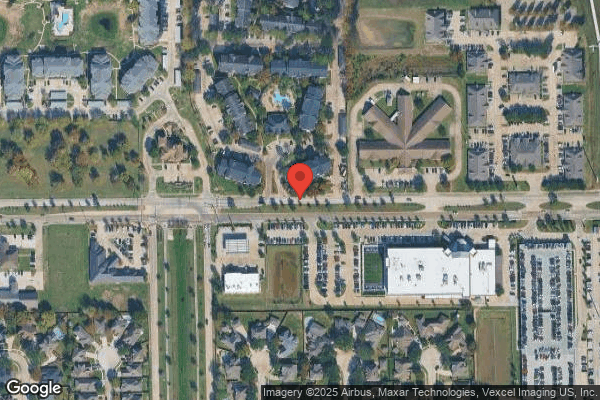
Apr 2023 1 deficiency
CONCERN (D) 📢 Someone Reported This

A family member, employee, or ombudsman was alarmed enough to file a formal complaint

Potential for Harm - no one hurt, but risky conditions existed

Safe Transfer (Tag F0626)

Could have caused harm · This affected 1 resident

**NOTE- TERMS IN BRACKETS HAVE BEEN EDITED TO PROTECT CONFIDENTIALITY** Based on interview and record review, the facility failed to follow its written policy on permitting residents to return to the ...

Read full inspector narrative →
**NOTE- TERMS IN BRACKETS HAVE BEEN EDITED TO PROTECT CONFIDENTIALITY** Based on interview and record review, the facility failed to follow its written policy on permitting residents to return to the facility after they were hospitalized for 1 of 1 closed record (Resident #1) reviewed for admission/transfer/discharge rights. CR #1 was not allowed to return to the facility after being sent to doctor's office and hospital. This failure could place residents at risk for not receiving care and services to meet their needs upon discharge, a disruption of care, and being discharged without alternate placement. The findings included: Review of CR #1's closed record's face sheet dated 04/25/23 reflected a [AGE] year-old female admitted to the facility on [DATE] with diagnoses that included: muscle weakness, difficulty in walking, repeated falls, anxiety disorder, hypothyroidism (A condition resulting from decreased production of thyroid hormones) and hypertension. Resident #1 was her own responsible party. Record review of CR #1's MDS dated [DATE] reflected her BIMs Score was 15 indicating she was mentally competent. Record review of CR #1 Hospital discharge paper dated 12/27/22 reflected CR#1 was discharged from hospital to another facility on 12/27/22. Record review of Intake ID # 415595 dated 03/31/23 reflected CR #1 was involuntary discharged from facility. Record review of facility's provided letter, titled NMNC signed by facility staff on 10/02/22 and unsigned by resident \responsible party reflected that skilled service would end on 10/03/22. Record review of nurse's note dated 12/16/2022 3:30PM, read in part: Resident went to the MD appointment on 6am-2pm shift, on this 2pm-10pm shift, PCT called and said that resident was transported to the emergency from the doctor appointment . In an interview with facility staff on 04/25/23 at 3:00PM, she said CR # 1 was issued a discharge notice on 10/20/22 and an appeal was requested on 11/10/22. She said Resident was not accepted back to the facility since resident was already issued a discharge letter while she was in and out of hospital. She said Resident #1 was in the window period of being discharged . She said the hospital Staff told her that Resident #1 was discharged to a safe place where her needs could be met. She said CR #1 would not be re-admitted to the facility due to nonpayment. She said Resident#1's Medicaid application was denied due to lack of medical necessity. Record review of Fair Hearing - Medicaid dated 12/20/2022 titled - Nursing Facility Discharge Case Number: 184427248; Appeal ID: 3614410 read in part- The Hearings Officer instructs the nursing facility to: o Allow the Appellant to remain in the facility and do not discharge Appellant from the facility. o Within 10 days from the date of this decision, the nursing facility must report compliance with this order. o This order does not preclude the nursing facility from processing any future notices of discharge, and the Appellant or Appellant's representative retains the right to appeal any future discharge actions by the nursing facility. During an interview with Hospital Social Worker B on 04/25/22 at 4:00PM, he said the initial facility was contacted prior to resident's discharge and he was told by the facility staff that the facility would not accept the resident back. He said he made other arrangements and was able to send CR # 1 to another local rehab facility for treatment. During an interview with Facility Administrator and DON on 04/25/22 beginning at 4:30PM the Administrator said it was the policy of the facility to accept resident's back to the facility. She said all discharges\readmit always come through another department that handle all admissions. She said the facility normally receive a letter from the admission team to expect the resident she said she was not at the facility during the time of Resident #1. The DON said the facility did not receive any notice from the admission team on behalf of CR #1. Record review of facility's policy on admission, transfer and discharge rights dated 2001 updated 2005 read in part-Each resident will be permitted to remain in the facility and not transferred or discharged . #2 if the resident exercises his or her right to appeal a transfer or discharge notice he\she will not be transferred or discharged while appeal is pending .
Dec 2022 5 deficiencies
CONCERN (D)

Potential for Harm - no one hurt, but risky conditions existed

PASARR Coordination (Tag F0644)

Could have caused harm · This affected 1 resident

**NOTE- TERMS IN BRACKETS HAVE BEEN EDITED TO PROTECT CONFIDENTIALITY** Based on observation, interview and record review, the facility failed to coordinate assessments with the pre-admission screenin...

Read full inspector narrative →
**NOTE- TERMS IN BRACKETS HAVE BEEN EDITED TO PROTECT CONFIDENTIALITY** Based on observation, interview and record review, the facility failed to coordinate assessments with the pre-admission screening and resident review program (PASARR) to the maximum extent practicable to avoid duplicative testing and effort for 1 of 5 (Resident #20) reviewed for PASARR. Resident #20 with diagnoses of mental illness did not receive a PASARR Level II screening. This failure could place residents at risk of not receiving needed care and services, causing a possible decline in mental health. Findings include: Review of Resident #20's face sheet, dated 11/30/22, revealed Resident #20 was a [AGE] year-old female, admitted to the facility on [DATE], with the following diagnoses: paranoid schizophrenia (Type of Mental illness) , fracture of right radius, muscle weakness, lack of coordination, and repeated falls. Review of Resident's 20's admission MDS assessment, dated 09/01/22, revealed Section A-1510 was left blank which reflected that Resident #20 was not assessed for mental illness on her admission MDS. Review of Resident #20's PASARR Level I screening (PL1), dated 08/25/22 revealed Resident #20, was positive for Mental illness (MI). Review of Resident #20's clinical record revealed there was no evidence that Resident #20 had a PASARR Level II Screening (PE). Review of Resident #20's consolidated physician Orders Report, dated 11/27/22, revealed an order for Risperdal 0.5mg by mouth 2 times a day for schizophrenia. In an interview, on 11/30/22 at 3:25 PM, MDS Coordinator stated she was responsible for PASARR screening and updating Resident's assessment. MDS Coordinator stated Resident #20 was not diagnosed with mental illness. MDS Coordinator reviewed Resident #20's diagnoses and stated it was overlooked. MDS Coordinator stated she would update the MDS and refer Resident #20 for PASRR evaluation. Review of Facility's policy on ensuring that PASRR evaluation for residents with positive PASRR on admission, was requested from the Administrator. on 11/30/22 at 4:30pm. The document provided was an information letter no. 30-41 dated 9/29/20 from Texas Department of health and Human services relating to the use of telephone interview and video conferencing . The facility Administrator stated that the document was all she had.
CONCERN (D)

Potential for Harm - no one hurt, but risky conditions existed

Tube Feeding (Tag F0693)

Could have caused harm · This affected 1 resident

**NOTE- TERMS IN BRACKETS HAVE BEEN EDITED TO PROTECT CONFIDENTIALITY** Based on observation, interview, and record review, the facility failed to ensure residents who are fed by enteral means and rec...

Read full inspector narrative →
**NOTE- TERMS IN BRACKETS HAVE BEEN EDITED TO PROTECT CONFIDENTIALITY** Based on observation, interview, and record review, the facility failed to ensure residents who are fed by enteral means and received the appropriate treatment and services to prevent complications of enteral feeding for 1 of 1 resident (Resident #13) reviewed for gastrostomy tube management. - LVN B failed to follow Resident #13's physicians orders and facility policy by dissolving medication for administration in 20-30 ml of water instead of 5 ml. - LVN B failed to check for placement prior to use of Resident #13's gastrostomy tube (G-tube, a tube inserted through the belly that brings nutrition directly to the stomach) by injecting 30 ml of water by syringe instead of air and failing to listen for bowel sounds. - LVN B failed to flush Resident #13's G-tube correctly by injecting 30 ml of water by force using a syringe instead of allowing the water to flow by gravity. - LVN B failed for follow Resident #13's physicians orders and facility policy by flushing with 30 ml of water between each medication instead of 5- 10 ml. These failures could place residents who have a g-tube, at risk for adverse reactions, inadequate therapy, and a decreased quality of life. Findings Include: Record review of Resident #13's face sheet dated 12/01/22 revealed,. a 70-yearr-old female admitted to the facility with diagnoses which included: gastrostomy status, hypertension, and tracheostomy (a surgical hole made through the neck into the windpipe to assist in breathing). Hypotension was not listed as one of Resident 13's diagnoses. Record review of Resident #13's Annual MDS dated [DATE] revealed, moderately impaired cognitive skills for daily decision making, total dependence on most ADLs, always incontinent of bladder and ostomy status. Record review of Resident #13's undated care plan revealed, focus- resident requires tube feeding related to swallowing problem; interventions- check for tube placement and gastric contents/residual volume per facility protocol. Record review of Resident #13's Physician's Order dated 03/25/22 revealed, flush tube with 30 cc before and after meds and give 5-10 ml of water between each medication. An observation on 12/01/22 beginning at 08:12AM revealed, LVN B preparing medication for administration to Resident #13. LVN B retrieved 9 solid forms and 2 liquid medications for Resident #14 in a individual medication cups, she crushed each solid form individually, returned them into their medication cups and entered into Resident #13's room. At 08:12AM she suspended each medication in 20-30 ml of water and then stirred each medication. LVN B then drew up 30 ml of water in a syringe and stated I am going to check for placement, attached the water filled syringe to Resident #13's G-tube, injected the water into the resident's G-tube and immediately pulled out residual fluid. After returning the residual (the volume of fluid remaining in the stomach) into the resident's G-tube. LVN B removed the plunger and administered the suspended medications with a 30 ml flush between each medication. In an interview on 12/01/22 at 11:25 AM, the ADON said that prior to administering medication via g-tube nursing staff must first verify the G-tube flush orders as well as the medications. She said medication should be suspended in just enough water to dissolve the medication, no more than 10 ml. LVN B should not have used 20-30 ml because administering too much water could lead to fluid overload in Resident #13. The ADON said once the medication has been prepared, nursing staff must then check for placement through auscultation (listening to sounds with a stethoscope, by injecting are into the resident's stomach while listening for bowel sounds. She said she would not have used injected water without auscultation/checking placement or use force to inject water into a resident's G-tube because, failing to check for placement prior to G-tube use could result in the injected substance entering into cavities outside of the stomach, and pushing water via the syringe could result in damage to the resident's G-tube. The ADON said failure to check for placement and flush G-tubes correctly could place resident's at risk for injury. In an interview on 12/01/22 at 11:32 AM, LVN B said crushed medication for administered via G-tube should first be dissolved in 15-20 ml of water and a flush of 10-15 ml of water should be performed between each medication during administration. She said she used 20-30 ml of water to dissolve the medications and performed a 30 ml flush in between each of Resident #'13's medication due to her miscalculation and that the use of too much fluid during medication administration could result in fluid overload in the resident. LVN B said prior to administering medication via G-tube nursing staff are expected to check for placement by injecting 10 cc of air into the tube while listening for bowel sounds and she didn't know why water could not be used. She said she did not know why she pushed 30 ml of water by force through the syringe and pulled the residual prior to medication administration to Resident #13. LVN B said failure to check for placement prior to medication administration could result in the contents of the syringe not going into the stomach and instead leaking into the surrounding area resulting in adverse reactions. LVN B said she did not know water could not be pushed by force through a syringe during G-tube administration. Interview on 12/01/22 at 12:10 PM ADON stated there was no specific policy for checking placement/residual for a resident G-tube. Record review of the facility policy dated 04/20 revealed,3- Enteral tubes are flushed with at least 5 ml of water before administering medications, between each medication, and after all medications have been administered .5- Each medication is administered separately to avoid interaction and clumping . Tablets, powders, and beads (never crushed) from open capsules, are mixed with 5 ml of water prior to administration via the tube. In an interview on 12/01/22 at 12:10 PM the ADON said there was no specific policy for checking placement/residual for a resident G-tube.
CONCERN (E)

Potential for Harm - no one hurt, but risky conditions existed

Assessment Accuracy (Tag F0641)

Could have caused harm · This affected multiple residents

**NOTE- TERMS IN BRACKETS HAVE BEEN EDITED TO PROTECT CONFIDENTIALITY** Based on observation, interview and record review the facility failed to conduct initially and periodically a comprehensive, acc...

Read full inspector narrative →
**NOTE- TERMS IN BRACKETS HAVE BEEN EDITED TO PROTECT CONFIDENTIALITY** Based on observation, interview and record review the facility failed to conduct initially and periodically a comprehensive, accurate, standardized reproducible assessment of each resident's functional capacity for 3 of 15 residents reviewed (Resident #13, #20, & #38 ) reviewed for comprehensive assessments and timing. 1. The facility failed to ensure Resident #13's most recent comprehensive MDS assessment accurately reflected her functional limitation of upper extremities and her oral cavity. 2. The facility failed to ensure Resident #20's most recent comprehensive MDS accurately reflected her mental condition. 3. The facility failed to ensure Resident #38's most recent comprehensive MDS accurately reflected his oral cavity. These failures could place residents at risk of not receiving the proper care required to attain or maintain the highest practicable physical, mental, and psychosocial well-being. The findings include: 1 Review of Resident #13's face Sheet, dated 12/01/22, revealed she was a [AGE] year-old female, admitted to the facility on [DATE] and readmitted on [DATE] with the following diagnoses: sepsis (infection) respiratory failure, depression, tracheotomy status (tracheotomy is often needed when health problems require long-term use of a machine (ventilator) to help you breathe). and hypertension. Review of Resident #13's Annual MDS assessment dated [DATE] revealed section G0400 functional limitation in range of motion upper extremities (A) was assessed as 0 indicating no limitation. The Record review of MDS Section L reflected on oral denture status was coded as none of the above indicating she had all her natural teeth. Review of MDS section G functional status was coded as total assistance on bed mobility and transfer. Observation on 11/29/22 at 10:00 AM, revealed Resident #13 was in bed, not interviewable. Observation revealed she had two teeth on her lower denture and white substance around her lips on both ends. Observation of her upper extremities revealed she was contracted on both hands in a fixed position. During an interview with MDS coordinator on 11/29/22 at 3:00 PM MDS coordinator, she stated Resident #13 was contracted on both hands. No answer was given for not coding Resident # 13 correctly on her Annual MDS assessment. She said she would correct the MDS assessment and send it in. 2. Review of Resident #20's face Sheet, dated 11/30/22, revealed she was a [AGE] year-old female, admitted to the facility on [DATE], with the following diagnoses: paranoid schizophrenia ( a form of mental illness), fracture of right radius, muscle weakness, lack of coordination, osteoarthritis (Joint pain and stiffness) , and repeated falls. Review of the admission MDS assessment, dated 09/01/22, revealed Section A-1510 for mental illness was left blank indicating that Resident # 20 did not have the diagnoses of mental illness. Review of Resident #20's PASARR screening (PL1), dated 08/25/22 revealed Resident #20, was positive for Mental illness (MI). Review of Resident #20's consolidated Physician's Order report, dated 11/27/22, revealed an order for Risperdal 0.5mg by mouth 2 times a day for schizophrenia (type of mental illness). Record review of Resident #20's admission records from a local hospital, dated 08/13/22 revealed a diagnosis of depression and psychiatric disorder. 3 Review of Resident #38's face Sheet, dated 11/30/22, revealed he was a [AGE] year-old female, admitted to the facility on [DATE] with the following diagnoses: chronic obstructive pulmonary disease, type 2 diabetes, muscle weakness and heart failure. Record Review of Resident #38's MDS admission assessment dated [DATE] revealed section L on oral denture status was coded as none of the above indicating he had all his natural teeth. Record review of Resident #38's diet orders dated 11/17/22 revealed Resident #38 was on mechanical altered diet. Observation and interview on 11/29/22 beginning at 12:00 PM, revealed Resident #39 was having his lunch. He was on mechanical altered diet. During an interview at this time, he stated he had 3 teeth on his upper oral cavity and two on his lower oral cavity that does not fits, and he cannot chew on any solid food. Resident #39 stated he does what he can with what he had. Resident #39 stated he can eat soft food and would like to see a dentist if he could but it had not been discussed at the facility. During an interview with MDS Coordinator on 11/30/22 at 11:45 AM, MDS Coordinator she stated she was responsible for completing the MDS for all the residents and insuring the MDS reflected Resident's conditions. MDS Coordinator She gave no answer as to why the MDS assessment did not reflect Resident's condition. MDS coordinator stated she completes all assessment by gathering information from all disciplines. MDS Coordinator She stated she would revisit the identified residents and complete an amendment. Review of the facility's policy on accuracy of MDS assessments was requested prior to exit on 12/01/22. The MDS coordinator stated she uses the RIA Manual. Review of the CMS RAI Version 3.0 Manual dated October 2019, reflected in part, the RAI helps nursing home staff in gathering definitive information on a resident's strengths and needs, which must be addressed in an individualized care pln. It also assists staff with evaluation goal achievement and revising care plans accordingly by enabling the nursing home to track changes in the resident's status. An RAI must be completed for any resident residing in a facility including short-term and respite residents residing for more than 14 days.
CONCERN (E)

Potential for Harm - no one hurt, but risky conditions existed

Deficiency F0725 (Tag F0725)

Could have caused harm · This affected multiple residents

Based on observation, interview and record review the facility failed to assure that there was sufficient qualified nursing staff available at all times (24-hours). The facility failed to provide 24-h...

Read full inspector narrative →
Based on observation, interview and record review the facility failed to assure that there was sufficient qualified nursing staff available at all times (24-hours). The facility failed to provide 24-hour licensed nursing (registered nurse) coverage November 21 - 26 and November 28th and 29th of 2022. This failure could place residents at risk of not receiving related services to meet the residents' needs safely and in a manner that promotes each resident's rights, physical, mental, and psychosocial well-being. Findings: Interview on 11/28/22 at 08:45 AM Administrator stated that there was no licensed nursing coverage at the facility. The facility's DON was out of the country on vacation from November 21st until the after the 1st of the year. Interview on 12/01/22 at 12:43 PM Administrator stated that she does not have a waiver for licensed nursing coverage to cover the dates of November 21, 22, 23, 24, 25, 26 , 28, and 29th of 2022. Interview on 12/02/22 at 11:18 AM Administrator stated that the facility does not have a staffing policy for licensed nursing coverage. Record review Registered Nurse (RN) staffing coverage calendar dated November 2022 showed that the facility did not have 24-hour RN coverage for November 21, 22, 23, 24, 25, 26, 28, and 29 of 2022. Record review Resident Rights undated . Your rights include but are not limited to: 1. All care necessary for you to have the highest possible level of health;
CONCERN (E)

Potential for Harm - no one hurt, but risky conditions existed

Pharmacy Services (Tag F0755)

Could have caused harm · This affected multiple residents

**NOTE- TERMS IN BRACKETS HAVE BEEN EDITED TO PROTECT CONFIDENTIALITY** Based on observation, record review and interviews, the facility failed to provide pharmaceutical services (including procedures...

Read full inspector narrative →
**NOTE- TERMS IN BRACKETS HAVE BEEN EDITED TO PROTECT CONFIDENTIALITY** Based on observation, record review and interviews, the facility failed to provide pharmaceutical services (including procedures that assure the accurate acquiring, receiving, dispensing, and administering of all drugs and biologicals) to meet the needs of 2 of 4 residents (Resident #3 and Resident #22) reviewed for pharmaceutical services. - The facility failed to administer medications to Resident #3 correctly by crushing and administering multiple pills together. - The facility failed to administer BP medication to Resident #22 as ordered by administering Midodrine (a medication for increasing low blood pressure) outside of physician ordered parameters. This failure could place residents receiving medication at risk of inadequate therapeutic outcomes, increased negative side effects, and a decline in health. Findings included: Resident #3 Record review of Resident #3's face sheet dated 12/01/22 revealed, a [AGE] year-old female admitted to the facility on [DATE] with diagnoses which included: Alzheimer's, dysphagia (difficulty swallowing), cognitive communication deficit, shortness of breath and high blood pressure. Record review of Resident #3's undated care plan revealed, Focus- anticoagulant therapy related to history of a stroke, Intervention- administer blood thinner as ordered by physician. Resident #3's care plan did not include a focus area for her dysphagia. Record review of Resident #3's Quarterly MDS dated [DATE] revealed, use of corrective lenses, moderately impaired cognitive skills for daily decision making, extensive assistance with most ADLs, use of a wheelchair and always incontinent of both bladder and bowel. Record review of Resident #3's Physician's Order dated 07/18/18 revealed, Docusate 100 mg- give 1 tablet by mouth once daily for constipation. Record review of Resident #3's Physician's Order dated 06/30/22 revealed, Eliquis 5mg- give 1 tablet by mouth two times a day for DVT (blood clot). Record review of Resident #3's Physician's Order dated 07/03/22 revealed, Crush Meds every shift. The order did not state that the medications could be crushed and administered together. Record review of Resident #3's Physician's Order dated 11/20/22 revealed, Furosemide 40 mg- give 1 tablet by mouth two times a day for diuretic. Record review of Resident #3's Order Summary dated 12/01/22 revealed, Resident #3 had no order to administer crushed medications together. An observation on 12/01/22 beginning at 08:47 AM revealed, LVN A was preparing medication for administration to Resident #3. LVN A retrieved 1 tablet of Furosemide 40mg, 1 tablet of Eliquis 5mg and 1 tablet of Docusate 100 mg, placed all 3 tablets in a single pouch, crushed them all together and mixed them in pudding. At 08:52 AM, LVN A entered Resident #3's room and administered the medication to the resident. In an interview on 12/01/22 at 11:48 AM, LVN A said that medications must be placed in separate containers, crushed separately, mixed individually in pudding and then administered separately. He said medications should not be crushed together because there is a change in the chemical structure. LVN A said when he administered medications to Resident #3 he forgot the medications should be crushed and administered separately. He said crushing medications together could lead to toxicity and place the resident at risk of not getting the desired therapeutic effect. In an interview on 12/01/22 at 11:25 AM, the ADON said when crushing medication for administration, nursing staff are expected to crush each medication individually and administer them separately it the preferred vehicle (pudding/apple sauce or jelly). She said medications should not be crushed together because once crushed the chemicals might not mix well and administering the medication together could place residents at risk of not receiving the desired therapeutic effect. Record review of the facility policy Crushing Medications effective 11/01/19 revealed, 6- Each medication must be crushed and administered separately. Crushed medications should not be combined and given all at once. If the resident requires that crushed medications be administered together; a- A physician's order is required to crush and administer crushed medications together with the order clearly stated on the MAR; b- Approval must be obtained from resident. Family and/or responsible party if the resident requires to have their medications crushed and administered together; c- The care plan must reflect the resident's requirements to have all crushed medications administered together. Resident #22 Record review of Resident #22's face sheet dated 12/01/22 revealed, a [AGE] year-old female admitted to the facility on [DATE] with diagnoses which included: acute kidney function, depression, heart failure and hypotension. Record review of Resident #22's Quarterly MDS dated [DATE] revealed, intact cognition as indicated by a BIMS score of 13 out of 15, use if a walker, independence with most ADLs, occasionally incontinent of bladder and an ostomy. Record review of Resident #22's undated care plan revealed, the care plan did not address the resident's hypotension. Record review of Resident #22's Physician's Order dated 03/16/22 revealed, Midodrine 5 mg- Give 1 tablet by mouth every 8 hours for hypotension GIVE MED IF BP LESS THAN 100/55. Record review of Resident #22's MAR dated November 2022 revealed, Resident #22 received Midodrine 5 mg outside of parameters of <100/55 and received it 22 times in the month of November documented as followed: 11/02/22 at 07:00 AM- BP 111/72 by MA A 11/03/22 at 11:00 PM - BP 112/69 by Agency Staff #1 11/04/22 at 11:00 PM- BP 132/77 by Agency Staff #1 11/06/22 at 07:00 AM- BP 119/72 by MA A 11/08/22 at 07:00 AM- BP 129/81 by MA A 11/08/22 at 11:00 PM- BP 125/76 by LVN C 11/09/22 at 03:00 PM- BP 122/75 by MA A 11/10/22 at 11:00 PM- BP 140/72 by Agency Staff #2 11/11/22 at 07:00 AM- BP 119/79 by MA A 11/13/22 at 07:00 AM- BP 110/71 by MA A 11/16/22 at 11:00 PM- BP 118/83 by LVN C 11/17/22 at 07:00 AM- BP 142/85 by MA A 11/17/22 at 11:00 PM- BP 117/75 by LVN C 11/18/22 at 11:00 PM- BP 108/74 by LVN C 11/20/22 at 07:00 AM- BP 123/80 by MA A 11/21/22 at 07:00 AM- BP 124/89 by MA A 11/22/22 at 03:00 PM- BP 143/74 by the ADON 11/23/22 at 07:00 AM- BP 155/89 by MA A 11/24/22 at 07:00 AM- BP 121/74 by MA A 11/27/22 at 11:00 PM- BP 143/97 by Agency Staff #3 11/28/22 at 11:00 PM- BP 111/45 by LVN C 11/30/22 at 03:00 PM- BP 128/78 by the ADON 11/30/22 at 11:00 PM- BP 115/83 by LVN C An observation and interview on 12/01/22 beginning at 07:52 AM revealed, MA A preparing medication for administration to Resident #22. MA A entered into Resident #22's room and checked her blood pressure which resulted in 150/82 with a HR of 75. MA A returned to her medication cart and retrieved 1 tablet of Midodrine 5mg with prescriber instructions to administer for blood pressure readings < 100/55 as well as thirteen (13) other solid forms into a medication cup and entered the resident's room to administer the medication. Before MA A could administer the medication, this surveyor stopped MA A and alerted her to the blood pressure being outside of parameters for administration. MA A stated Midodrine was being administered to Resident #22 due to her low blood pressure, but she gets confused by the medication orders regularly because it gives instructions of when to administer the medication instead of when to hold the medication. MA A stated when an elevated blood pressure was entered into the EMR the system did not provide instructions to hold the medication and looking back , she remembered she had frequently administered the medications at BP reading above 100. MA A stated administering Midodrine to a patient with high blood pressure could further increase the resident's blood pressure. In an interview on 12/01/22 at 11:25 AM, ADON stated prior to administering medications to a resident nursing staff are expected to verify the orders and in the case of blood pressure was to verify the collected blood pressure against the order parameters. ADON stated Midodrine was used to treat hypotension and should only be administered below a BP reading of 100. ADON stated if a resident had an elevated BP, the medication must be held and administering Midodrine outside of parameters could place residents at risk of increased blood pressure, irregular heart rate, stroke, or a hypertensive emergency. Record review of MA A'S medication administration competency assessment dated [DATE] revealed, eight (8)- medications were administered in accordance with current physician's order reflecting; yes.
Sept 2021 2 deficiencies
CONCERN (D)

Potential for Harm - no one hurt, but risky conditions existed

Comprehensive Care Plan (Tag F0656)

Could have caused harm · This affected 1 resident

**NOTE- TERMS IN BRACKETS HAVE BEEN EDITED TO PROTECT CONFIDENTIALITY** Based on observation, interview and record review the facility failed to develop and implement a comprehensive person-centered c...

Read full inspector narrative →
**NOTE- TERMS IN BRACKETS HAVE BEEN EDITED TO PROTECT CONFIDENTIALITY** Based on observation, interview and record review the facility failed to develop and implement a comprehensive person-centered care plan for each resident, consistent with the resident rights which included measurable objectives and timeframes to meet resident's medical, nursing, mental and psychological needs for 1 of 13 residents (Resident #42) reviewed for care plan accuracy. The facility failed to ensure Resident # 42 was care planned for antipsychotic medications. This failure could place residents at risk of inaccurate delivery of care. Findings include: Record review of the face sheet for Resident # 42 revealed a [AGE] year-old male admitted to the facility on [DATE]. Diagnoses included Schizoaffective disorder, Bipolar type, Quadriplegia, neuromuscular dysfunction of bladder, attention to gastrostomy, hypertension, and muscle weakness. Record review of Resident # 42's MDS dated [DATE] revealed a BIMS score of 13 out of 15, indicating moderately impaired cognitive skills for daily decision making, and he was prescribed an antipsychotic medication. He required extensive assistance for ADL's and had mixed incontinence of bowel and bladder. Record review of Resident # 42's physician's orders dated 3/2/21 revealed orders for antipsychotic medication Risperdal Solution 1 MG/ML - give 2 ML via G-tube at bedtime related to Schizoaffective disorder, Bipolar type. Physician's orders included an order dated 5/25/21 for monitoring of antipsychotic medications every shift for side effects. Record review of Resident # 42's undated care plan revealed no care plan for antipsychotic medication or monitoring for side effects. Interview with the DON on 9/30/21 at 1:20 pm revealed the care plans needed to address all aspects of the resident's care and should be updated if anything changes. Interview with MDS nurse on 9/30/21 at 1:50 pm revealed she missed putting the antipsychotic medication on Resident # 42's care plan. She said he was on the psych med when he was admitted , and it was discontinued since he was improving, but the medication was prescribed again due to increased behaviors in March 2021. She stated she updates all the care plans with input from all departments. Record review of facility policy titled Care Planning- Interdisciplinary Team, revised September 2013, revealed, in part, .the care planning/interdisciplinary team is responsible for development of the individualized comprehensive care plan for each resident .
CONCERN (E)

Potential for Harm - no one hurt, but risky conditions existed

Medical Records (Tag F0842)

Could have caused harm · This affected multiple residents

**NOTE- TERMS IN BRACKETS HAVE BEEN EDITED TO PROTECT CONFIDENTIALITY** Based on interviews and record review, the facility failed to maintain medical records that are complete for 6 of 6 sampled resi...

Read full inspector narrative →
**NOTE- TERMS IN BRACKETS HAVE BEEN EDITED TO PROTECT CONFIDENTIALITY** Based on interviews and record review, the facility failed to maintain medical records that are complete for 6 of 6 sampled residents (Residents #37, #34, #33, #41, #49, #39) in that: Weekly weights were not kept for 6 of 6 (Residents #37, #34, #33, #41, #39, #49) new admitted residents per facility policy. This failure places residents who are newly admitted or with unplanned significant weight loss/gain at risk for not having their nutrition needs re-assessed and met in a timely manner. Findings included: Record review of Resident #37's face sheet revealed a [AGE] year-old male who was admitted into the facility on [DATE] and was diagnosed with a tracheostomy status, gastrostomy status and acute respiratory failure. Record review of Resident #37's weight records, dated 09/30/2021, revealed resident was first weighed on 09/07/2021 at 154.2lbs. No other weights were documented on the EHR. Record review of Resident #34's face sheet revealed a [AGE] year-old female who was admitted into the facility on [DATE] and was diagnosed with hypothyroidism and Chron's disease. Record review of Resident #34's weight records, dated 09/30/2021, revealed resident was first weighed on 09/07/2021 at 260lbs. No other weights were documented on the EHR. Record review of Resident #33's face sheet revealed a [AGE] year-old female who was admitted into the facility on [DATE] and was diagnosed with diabetes melitus, dysphagia and GERD. Record review of Resident #33's weight records, dated 09/30/2021, revealed resident was first weighed on 09/07/2021 at 112lbs. No other weights were documented on the EHR. Record review of Resident #41's face sheet revealed an [AGE] year-old female who was admitted into the facility on [DATE] and was diagnosed with a chronic obstructive pulmonary disease and diabetes melitus with diabetic neuropathy. Record review of Resident #41's weight records, dated 09/30/2021, revealed resident was first weighed on 09/07/2021 at 184.6 lbs. No other weights were documented on the EHR. Record review of Resident #39's face sheet revealed an [AGE] year-old male who was admitted into the facility on [DATE], and was diagnosed with respiratory failure and hypertensive heart disease. Record review of Resident #39's weight records, dated 09/30/2021, revealed resident was first weighed on 09/07/2021 at 188.6lbs. No other weights were documented on the EHR. Record review of Resident #49's face sheet revealed a [AGE] year-old female who was admitted into the facility on [DATE], and was diagnosed with adult failure to thrive, dehydration and dysphagia. Record review of Resident #49's weight records revealed resident was first weighed on 09/09/2021 at 99.2lbs and on 09/16/2021 at 99.2lbs, indicating the resident missed two opportunities for weekly weights. In an interview with the DON on 09/29/2021, at 3:35PM, she stated per facility policy, residents are to be weighed upon admission and once every week during their first four weeks to watch for weight changes. Record review of August - September 2021 Weekly weights and New Admits revealed weights for residents #33, #37 and #39 were documented incorrectly. Resident #33's weights were recorded as follows: 8/31/21 - 112lbs, 8/7/21 - 112.5lbs, 8/14/21 - 112lbs, 8/21/21 - 112lbs. Resident #37's weights were recorded as follow: 8/31/21 - 152.4lbs, 9/7/21 - 153lbs, 8/14/21 - 153lbs, 8/21/21 - 153.6lbs. Resident #39's weights were recorded as follow: 8/31/21 - 188.6lbs, 9/7/21 - 189lbs, 8/14/21 - 189lbs, 8/21/21 - 190lbs. This indicated that weights that were written by the restorative aide were incorrect given that weights were documented on dates in which residents were not yet in the facility. And weights written on 9/7/21 did not match weights that were entered on the EHR for residents #33, #37 and #39. In an interview with the restorative aide on 09/30/2021 at 10:27AM, she stated she wrote down some residents weights on her personal scratch paper and wrote some of those weights on the weekly weight document but she does not put weights on to the computer because that is how the DON wants the weight recorded. She stated she just wrote the weekly weights in for resident #37 , #33 and #39 when it was asked for by the surveyor, but when asked where the weights were previously documented, she stated she does not know where it was documented and showed only scratch paper (not dated but) reflecting admission weights for Resident #33 and Resident #37. When asked for additional written weight records for the following weeks on the residents, she stated she does not have them and that the DON she should have them. In an interview with the DON on 09/30/2021 at 10:39AM, she stated she had the restorative aide write weekly weights on the weekly weight documents for new admissions and she is to review them weekly to assess for weight changes prior to handing the records back to the restorative aide. When asked for weekly weight records on residents #37, #33, and #39 she stated she had no additional weights outside what was recorded in the record, August - September 2021 Weekly weights and New Admits In an interview with the DON on 09/30/2021 at 11:16AM, she stated the Restorative Aide was supposed to take records weights on Wednesdays, that being the reason some residents admission weights were not taken until a week after admission. She stated their weights are supposed be taken within the first two days of admission and she will have to let the restorative aide know when a new resident comes in. She also stated she was supposed to receive the weekly weights every week, but she did not receive the weights from the restorative aide for the past two weeks, so she was not able to monitor whether the resident's weights were being checked. She said the restorative aide also told her that she works on the floor a lot and she does not have time to document the residents' weights as regularly as she is supposed to. The DON stated she needed a better method to ensure weekly weights for new admits are checked and documented. Record review of facility's weight policy, not dated, stated, .Complete weekly weights on the following: new and readmits for four weeks and on residents weighing less than 100 pounds. Record review of facility's policy on Charting and Documentation, dated July 2017, revealed, .All services provided to the resident, progress toward the care plan goals, or any changes in the resident's medical, physical, functional or psychosocial condition, shall be documented in the resident's medical record. The medical record should facilitate communication between the interdisciplinary team regarding the resident's condition and response to care.
Understanding Severity Codes (click to expand)
Life-Threatening (Immediate Jeopardy)
J - Isolated K - Pattern L - Widespread
Actual Harm
G - Isolated H - Pattern I - Widespread
Potential for Harm
D - Isolated E - Pattern F - Widespread
No Harm (Minor)
A - Isolated B - Pattern C - Widespread

Questions to Ask on Your Visit

  • "What changes have you made since the serious inspection findings?"
  • "What safeguards are in place to prevent abuse and neglect?"
  • "Why is there high staff turnover? How do you retain staff?"
  • "Can I speak with families of current residents?"
  • "What's your RN coverage like on weekends and overnight?"

Our Honest Assessment

Strengths
  • • Licensed and certified facility. Meets minimum state requirements.
Concerns
  • • Multiple safety concerns identified: Federal abuse finding, 9 life-threatening violation(s), Special Focus Facility, $137,078 in fines, Payment denial on record. Review inspection reports carefully.
  • • 22 deficiencies on record, including 9 critical (life-threatening) violations. These warrant careful review before choosing this facility.
  • • $137,078 in fines. Extremely high, among the most fined facilities in Texas. Major compliance failures.
  • • Grade F (0/100). Below average facility with significant concerns.
Bottom line: This facility has a substantiated abuse finding. Extreme caution advised. Explore alternatives.

About This Facility

What is Focused Care At Cedar Bayou's CMS Rating?

CMS assigns Focused Care at Cedar Bayou an overall rating of 1 out of 5 stars, which is considered much below average nationally. Within Texas, this rating places the facility higher than 0% of the state's 100 nursing homes. A rating at this level reflects concerns identified through health inspections, staffing assessments, or quality measures that families should carefully consider.

How is Focused Care At Cedar Bayou Staffed?

CMS rates Focused Care at Cedar Bayou's staffing level at 1 out of 5 stars, which is much below average compared to other nursing homes. Staff turnover is 71%, which is 24 percentage points above the Texas average of 46%. High turnover can affect care consistency as new staff learn residents' individual needs. RN turnover specifically is 86%, which is notably high. RNs provide skilled clinical oversight, so turnover in this role can affect medical care quality.

What Have Inspectors Found at Focused Care At Cedar Bayou?

State health inspectors documented 22 deficiencies at Focused Care at Cedar Bayou during 2021 to 2025. These included: 9 Immediate Jeopardy (the most serious level, indicating potential for serious harm or death) and 13 with potential for harm. Immediate Jeopardy findings are rare and represent the most serious regulatory concerns. They require immediate corrective action.

Who Owns and Operates Focused Care At Cedar Bayou?

Focused Care at Cedar Bayou is owned by a for-profit company. For-profit facilities operate as businesses with obligations to shareholders or private owners. The facility is operated by FOCUSED POST ACUTE CARE PARTNERS, a chain that manages multiple nursing homes. With 125 certified beds and approximately 69 residents (about 55% occupancy), it is a mid-sized facility located in Baytown, Texas.

How Does Focused Care At Cedar Bayou Compare to Other Texas Nursing Homes?

Compared to the 100 nursing homes in Texas, Focused Care at Cedar Bayou's overall rating (1 stars) is below the state average of 2.8, staff turnover (71%) is significantly higher than the state average of 46%, and health inspection rating (1 stars) is much below the national benchmark.

What Should Families Ask When Visiting Focused Care At Cedar Bayou?

Based on this facility's data, families visiting should ask: "What changes have been made since the serious inspection findings, and how are you preventing similar issues?" "What safeguards and monitoring systems are in place to protect residents from abuse or neglect?" "How do you ensure continuity of care given staff turnover, and what is your staff retention strategy?" "Can you walk me through typical staffing levels on day, evening, and night shifts?" These questions are particularly relevant given the facility's Immediate Jeopardy citations, the substantiated abuse finding on record, the facility's high staff turnover rate, and the below-average staffing rating.

Is Focused Care At Cedar Bayou Safe?

Based on CMS inspection data, Focused Care at Cedar Bayou has documented safety concerns. The facility has 1 substantiated abuse finding (meaning confirmed case of resident harm by staff or other residents). Inspectors have issued 9 Immediate Jeopardy citations (the most serious violation level indicating risk of serious injury or death). The facility is currently on the Special Focus Facility watch list (a federal program monitoring the lowest-performing 1% of nursing homes nationwide). The facility has a 1-star overall rating and ranks #100 of 100 nursing homes in Texas. Families considering this facility should ask detailed questions about what corrective actions have been taken since these incidents.

Do Nurses at Focused Care At Cedar Bayou Stick Around?

Staff turnover at Focused Care at Cedar Bayou is high. At 71%, the facility is 24 percentage points above the Texas average of 46%. Registered Nurse turnover is particularly concerning at 86%. RNs handle complex medical decisions and coordinate care — frequent RN changes can directly impact care quality. High turnover means new staff may not know residents' individual needs, medications, or preferences. It can also be disorienting for residents, especially those with dementia who rely on familiar faces. Families should ask: What is causing the turnover? What retention programs are in place? How do you ensure care continuity during staff transitions?

Was Focused Care At Cedar Bayou Ever Fined?

Focused Care at Cedar Bayou has been fined $137,078 across 4 penalty actions. This is 4.0x the Texas average of $34,450. Fines at this level are uncommon and typically indicate a pattern of serious deficiencies, repeated violations, or failure to correct problems promptly. CMS reserves penalties of this magnitude for facilities that pose significant, documented risk to resident health or safety. Families should request specific documentation of what issues led to these fines and what systemic changes have been implemented.

Is Focused Care At Cedar Bayou on Any Federal Watch List?

Focused Care at Cedar Bayou is currently an SFF Candidate, meaning CMS has identified it as potentially qualifying for the Special Focus Facility watch list. SFF Candidates have a history of serious deficiencies but haven't yet reached the threshold for full SFF designation. The facility is being monitored more closely — if problems continue, it may be added to the official watch list. Families should ask what the facility is doing to address the issues that led to this status.