ROLLINGBROOK REHABILITATION AND HEALTHCARE CENTER
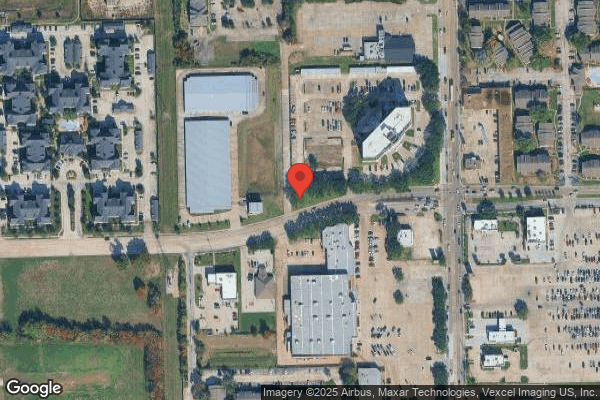
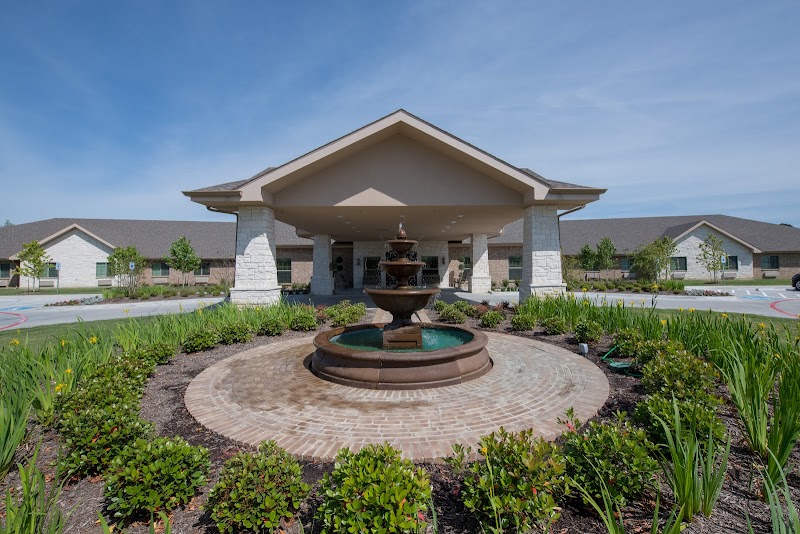
750 ROLLINGBROOK DR, BAYTOWN, TX 77521 (832) 572-7575
Government - Hospital district 130 Beds MOMENTUM SKILLED SERVICES Data: November 2025 2 Immediate Jeopardy citations
Trust Grade
16/100
#830 of 1168 in TX
Last Inspection: January 2025

Within standard 12-15 month inspection cycle. Federal law requires annual inspections.

Overview

Rollingbrook Rehabilitation and Healthcare Center has received a Trust Grade of F, indicating significant concerns about the quality of care provided. It ranks #830 out of 1168 nursing homes in Texas, placing it in the bottom half of facilities statewide, and #68 out of 95 in Harris County, meaning only a handful of local options are better. While the facility shows an improving trend in terms of issues reported, decreasing from 9 in 2023 to 2 in 2025, there are still serious concerns, including critical incidents where residents did not receive timely medical care and CPR was not administered as required. Staffing is a notable weakness, with a poor rating of 1 out of 5 stars and a high turnover rate of 74%, which is much higher than the state average, suggesting staff may not be as familiar with resident needs. Additionally, the facility has accumulated $39,269 in fines, indicating average compliance problems, and has less RN coverage than 96% of Texas facilities, raising concerns about the adequacy of oversight in resident care.

Trust Score
F
16/100
In Texas
#830/1168
Bottom 29%
Safety Record
High Risk
Review needed
Inspections
Getting Better
9 → 2 violations
Staff Stability
⚠ Watch
74% turnover. Very high, 26 points above average. Constant new faces learning your loved one's needs.
Penalties
⚠ Watch
$39,269 in fines. Higher than 94% of Texas facilities. Major compliance failures.
Skilled Nurses
⚠ Watch
Each resident gets only 9 minutes of Registered Nurse (RN) attention daily — below average for Texas. Fewer RN minutes means fewer trained eyes watching for problems.
Violations
⚠ Watch
16 deficiencies on record. Higher than average. Multiple issues found across inspections.
★★☆☆☆
2.0
Overall Rating
★☆☆☆☆
1.0
Staff Levels
★★★★☆
4.0
Care Quality
★★★☆☆
3.0
Inspection Score
Stable
2023: 9 issues
2025: 2 issues

The Good

  • 4-Star Quality Measures · Strong clinical quality outcomes
  • Full Sprinkler Coverage · Fire safety systems throughout facility
  • No fines on record

Facility shows strength in quality measures, fire safety.

The Bad

2-Star Overall Rating

Below Texas average (2.8)

Below average - review inspection findings carefully

Staff Turnover: 74%

28pts above Texas avg (46%)

Frequent staff changes - ask about care continuity

Federal Fines: $39,269

Above median ($33,413)

Moderate penalties - review what triggered them

Chain: MOMENTUM SKILLED SERVICES

Part of a multi-facility chain

Ask about local staffing decisions and management

Staff turnover is very high (74%)

26 points above Texas average of 48%

The Ugly 16 deficiencies on record

2 life-threatening
Jan 2025 2 deficiencies
CONCERN (D)

Potential for Harm - no one hurt, but risky conditions existed

Comprehensive Assessments (Tag F0636)

Could have caused harm · This affected 1 resident

**NOTE- TERMS IN BRACKETS HAVE BEEN EDITED TO PROTECT CONFIDENTIALITY** Based on interview, and record review the facility failed to ensure a comprehensive assessment of a resident's needs, strengths,...

Read full inspector narrative →
**NOTE- TERMS IN BRACKETS HAVE BEEN EDITED TO PROTECT CONFIDENTIALITY** Based on interview, and record review the facility failed to ensure a comprehensive assessment of a resident's needs, strengths, goals, life history and preferences, using the resident assessment instrument (RAI) specified by CMS was completed within 14 calendar days after admission, excluding readmissions in which there was no significant change in the resident's physical or mental condition reviewed for assessments . The facility failed to ensure Resident #35's admission MDS Assessment was completed within 14 days of admission. This failure could place residents at-risk of not having their assessments completed timely, which could result in denial of services and or payment for services. The findings include: Record review of Resident #35's admission Record, face sheet, dated 01/15/25, revealed an [AGE] year-old female who was admitted to the facility on [DATE]. Resident #35 had diagnoses which included Alzheimer's disease (a condition in which nerve cells in the brain drop out, causing a gradual decline in memory and cognitive function). chronic kidney disease (a gradual loss of kidney function), heart disease, type 2 diabetes chronic ( a condition characterized by insulin resistance and high blood sugar levels), muscle weakness, and high blood pressure . Record review of Resident #35's admission MDS revealed the MDS was signed as completed on 03/21/24 and the care summary was signed by RN as completion date on 03/25/24 which was the 17th day after admission. During an interview with MDS coordinator #1 on 01/15/25 at 10:00 AM, she said she was not present at the facility during the time of the MDS. She said all area of the MDS should be completed by the 14th day of admission and transmitted 7 days after completion of the MDS . In an interview with MDS coordinator #2 on 01/15/25 at 2:00 PM, she said she was at the facility and the MDS was completed by the 14th day, but the CAAS was signed late by the RN who was no longer working at the facility. She said she could not explain why. She said the facility followed the RAI manual by CMS for their facility policy .
CONCERN (E)

Potential for Harm - no one hurt, but risky conditions existed

Food Safety (Tag F0812)

Could have caused harm · This affected multiple residents

Based on observation, interview, and record review, the facility failed to store, prepare, distribute, and serve food in accordance with professional standards for food service safety for 1 of 1 kitch...

Read full inspector narrative →
Based on observation, interview, and record review, the facility failed to store, prepare, distribute, and serve food in accordance with professional standards for food service safety for 1 of 1 kitchen reviewed for Food and Nutrition Services. The facility failed to label, and date left over food items in walk in refrigerator\freezer. This failures could place residents at risk of foodborne illnesses. Findings included: Observation during initial tour of the kitchen on 01/13/25 at 8:45 AM, revealed a brown substance in a plastic bag which was unlabeled and undated. A bag of a left over whitish looking substances in a plastic bag was undated and unlabeled in the walk in cooler\freezer. The brown substance was identified by the DM as left-over ground beef and the whitish substance as biscuit. During an interview with the DM on 01/13/25 at 10:00 AM, she said, she was responsible to ensure that all left over food items were labeled and dated. The DM said she expected all left over food items in the fridge and walk in cooler\refrigerator to be labeled and dated to prevent cross contamination . Record review of facility's policy on food Storage Titled Date Marking for Food Safety, dated 05/20/23, revised 03/20/24, read in part 1. The individual opening or preparing a food shall be responsible for date marking the food at the time the food is opened or prepared. 2. The marking system shall consist of a color-coded label, the day/date of opening, and the day/date the item must be consumed or discarded. 3. The discard day or date may not exceed the manufacturer's use-by date, or three days, whichever is earliest. The date of opening or preparation counts as day 1. (For example, food prepared on Tuesday shall be discarded on or by Thursday.
Dec 2023 2 deficiencies 1 IJ
CRITICAL (J) 📢 Someone Reported This

A family member, employee, or ombudsman was alarmed enough to file a formal complaint

Immediate Jeopardy (IJ) - the most serious Medicare violation

Quality of Care (Tag F0684)

Someone could have died · This affected 1 resident

**NOTE- TERMS IN BRACKETS HAVE BEEN EDITED TO PROTECT CONFIDENTIALITY** Based on observation, interview, and record review the facility failed to ensure resident received treatment and care in accorda...

Read full inspector narrative →
**NOTE- TERMS IN BRACKETS HAVE BEEN EDITED TO PROTECT CONFIDENTIALITY** Based on observation, interview, and record review the facility failed to ensure resident received treatment and care in accordance with professional standards of practice and the comprehensive person-centered care plan for 1 (CR #1) out of 3 residents reviewed for quality of care in that: The facility failed to ensure oxygen was administered to CR #1 when her oxygen saturation went down to 81% on [DATE]. The facility failed to assess CR #1's vital signs during change in condition on [DATE]. The facility failed to ensure CR #1 was sent to the hospital promptly, approximately more than an hour delay, when CR #1 had change in condition on [DATE] resulting in delayed care/intervention. A private ambulance was used instead of 911 which contributed to delayed care, and the family requested CR #1 to be sent to the hospital. CR #1 continued to deteriorate and expired at the hospital on [DATE]. The facility failed to follow up and perform intervention on CR #1's abnormal lab values. The facility failed to follow up and schedule an appointment for CR #1's amputated wound as recommended by the Wound Care Doctor. An Immediate Jeopardy (IJ) situation was identified on [DATE] while the IJ was removed on [DATE] at 9:52 AM, the facility remained out of compliance at a scope of isolated with actual harm that was not immediate, due to the facility's need to evaluate the effectiveness of the corrective systems. These failures could expose residents to low quality of care, worsening of condition, hospitalization, and death. Findings included: Review of CR #1's face sheet date revealed a [AGE] year-old female who was admitted to the facility on [DATE]. CR #1's diagnoses included peripheral vascular disease (A circulatory condition in which narrowed blood vessels reduce blood flow to the limbs), atrial fibrillation (An irregular, rapid heart rate that commonly causes poor blood flow), presence of cardiac pacemaker (A device used to control the heartbeat which stimulates the heart as needed to keep it beating regularly), essential primary hypertension (hypertension occurs when you have abnormally high blood pressure that's not the result of a medical condition), atherosclerotic heart disease (disease caused by the buildup of plaque causing coronary arteries to narrow and limiting blood flow to the heart), end stage renal disease (the final permanent stage of kidney disease when the kidney can no longer function), left above-the-knee amputation, type 2 diabetes (a disease that occurs when your blood glucose, also called blood sugar, is too high), hemorrhage (bleeding), anemia (A condition in which the blood doesn't have enough healthy red blood cells), and Pancytopenia (low levels of all three blood cell types-red blood cells, white blood cells, and platelets). Review of MDS assessment dated [DATE] revealed CR #1 had a BIMS score of 11. CR #1 required substantial/maximal assistance with bed mobility and was dependent for transfers. MDS section M also revealed CR #1 had pressure ulcer and surgical wound. Review of care plan dated [DATE] revealed CR #1 had a post-surgical wound to the left thigh, the goal was the wound to be free from infection and heal, intervention included monitoring for signs and symptoms of infection, refer to follow up with surgeon as needed. Care plan also revealed CR #1 had arterial wound to the left medial thigh with the goal of pain will be relieved within one hour of intervention and no circulatory concerns will occur, intervention included to provide treatment per order and keep area clean. Care plan also revealed CR #1 had a stage III pressure injury to left lower back with goal that resident will have no complications from wound, and skin will remain clean, dry, and will heal through the next 90 days. Review of SBAR dated [DATE] by Nurse A revealed CR #1 had a change in condition with shortness of breath and in pain with new onset necrosis and fluid filled blisters. Oxygen saturation was 81%. The time of the oxygen saturation assessment was at 4:00pm on [DATE]. Vital signs on the SBAR were from previous days ([DATE] and [DATE]). SBAR also revealed CR #1's family at bedside with resident and suggested resident to go to the hospital. Review of lab dated [DATE] revealed CR #1's abnormal labs - white blood cell count was 13.0 (reference range was 4.0 - 10), RBC 2.68 (range 3.93 - 5.22), Hemoglobin 8.8 (range 11.2 - 15.7), Hematocrit 30.5 Review of CR #1's order for the month of October and [DATE] revealed lab order [DATE], on there was no other follow up lab ordered for the rest of CR #1's stay at the facility. Review of vital sign for [DATE] revealed oxygen saturation of 81% at 4:00pm and 81% at 4:03pm, there were no other vital signs documented for CR #1 on [DATE]. CR #1's vital sign on [DATE] was blood pressure = 100/70 at 11:59am and 106/56 at 6:00pm; pulse=104 bpm, no oxygen saturation assessed. Pain rating was documented as 0 on [DATE], [DATE], and [DATE]. There was no pain rating documented on [DATE] and for the rest of the days that CR #1 was in the facility. Review of private ambulance report dated [DATE] revealed the call was made to the ambulance service at 3:38pm on [DATE]. The ambulance service arrived at the facility to pick up CR #1 at 4:18pm on [DATE]. The report also revealed the resident was complaining of pain, a blister, and tenderness to her right leg. The report revealed CR #1 stated she had an amputation about a month ago and that in the past week the pain, tenderness, and blistering has gotten worse. The assessment showed that CR #1 was hypotensive and tachycardic (rapid fast heartbeat). The ambulance record did not reveal if oxygen was administered to CR #1. The ambulance arrived at the hospital at 4:48pm on [DATE]. CR #1's care transfer from the ambulance service to the ER was made at 5:41pm. Review of the hospital emergency room record dated [DATE] revealed CR #1's time of arrival at the ED was 4:52pm. CR #1 complained of leg pain x week. CR #1's Blood pressure enroute to the hospital was 88/50. CR #1's vital signs at ER at 5:18pm were blood pressure 88/50, heart rate = 117, respiration 17, and oxygen saturation 99%. The record did not indicate if oxygen was administered. The vital signs at 6:10pm were blood pressure = 73/56, heart rate = 119, respiration 20, and SpO2 = 95% on room air. The vital signs at 6:15 were blood pressure = 66/50, heart rate 120, respiration = 22, and SpO2 = 98% on room air. At 6:21pm CR #1 triggered for sepsis (the body's extreme response to an infection, when an infection triggers a chain reaction throughout your body). The vital signs at 7:15pm were blood pressure = 72/52, heart rate 108, respiration = 20, and SpO2 = 96%. The vital signs at 8:00pm were blood pressure = 78/49, heart rate 84, respiration = 21, and SpO2 = 94%. The record revealed at 8:03pm CR #1's heart rate went down to 40, respiration went down to 10, and oxygen saturation was 86%. The hospital emergency room record also revealed CR #1's was having a slowly worsening bradycardia, CR #1 had no palpable pulse, and CPR was initiated. CR #1 was pronounced dead at 8:33pm. Review of the hospital Emergency Department record dated [DATE] revealed CR #1 was at the hospital for leg pain and concern for infection at recent amputation site to lower left extremity . On [DATE] at 3:11pm in an interview with Nurse A who was taking care of CR #1 on [DATE], she stated she did not remember if she checked CR #1's vital signs on [DATE]. The State Surveyor asked how Nurse A completed her SBAR and which vital signs she recorded in the SBAR, Nurse A stated she did not know. Nurse A stated the medication aide was supposed to check CR #1's vital signs because CR #1 was getting blood pressure medication. She was not aware that the vital signs were not checked by the Med Aide, the Med Aide was supposed to check residents' blood pressure during medication administration. Nurse A said vital sign helps to know how residents are doing, and if there was anything going on, it would reflect in the vital sign and prompt intervention would be provided. she stated she did not remember if she administered oxygen to CR #1 when her oxygen saturation dropped to 81%. She said it's been a while and she did not remember. She stated she did not remember the exact time the EMS was called, and she did not remember the time they arrived at the facility. On [DATE] at 3:24pm the Wound Care Nurse said CR #1 was admitted with wounds - post-surgical wound on the amputated left stump, necrotic wound above the stump, and sacrum wound on admission which got worse. She stated she was dressing the wounds everyday and the Wound Care Doctor was seeing CR #1 too, she stated the doctor comes to the facility every week. She stated there was no specific treatment for the right foot with discoloration. The Wound Care Doctor told them to keep monitoring it. She stated she did not notice any signs of infection on the wound, no warmth to touch, no redness, and she said CR #1 did not even complain of pain to the wounds. On [DATE] at 3:37pm, in an interview with the Unit Manager , she stated she did not know if the resident was given oxygen. She said she was busy with another resident and was not present in CR#1's room at the time of the change of condition. She stated, we called 911 right away. The Unit Manager stated they took vital signs of all residents at every shift, especially the residents admitted to the skilled unit. She stated CR #1 was admitted to the skilled unit and her vitals were expected to be checked every shift because vital sign is an important signal that tells if anything was wrong with resident at any time, if they did not check the vital signs they would not know if resident was exhibiting symptoms they could not see. She stated she was not aware that CR #1's vital signs were not checked on [DATE] specially at the time of the change of condition, she stated failure to assess vital sign could prevent resident from receiving prompt intervention. The Unit manager stated that the SBAR was supposed to be completed with the vital signs checked at the time of the change in condition. She stated they would notify the doctor when lab results came back and the doctor would review the lab results to determine if any orders were needed, and failure to do this could place resident in the risk of having abnormal labs for longer time and could affect residents' health status. On [DATE] in an interview with the DON , she said the practice in the facility and the expectation from all nursing staff were to check and document residents' vital signs every shift. She stated using a previous day vital sign to complete SBAR was not right. the resident had to be assessed at the time of the change of condition, and part of the assessment was to complete vital signs. The DON stated the nurses were expected to administer oxygen to the resident at any time when O2 saturation gets low regardless of whether the resident had order for oxygen or not because O2 sat of 81% is not good as this could place resident in hypoxia (a condition in which oxygen is not available in sufficient amounts at the tissue level to maintain health stability). She stated oxygen should be administered immediately, and the order could be obtained from the doctor later, because prompt intervention must be performed. The DON stated when the doctor ordered labs the expectation was that they would notify the doctor whenever they received the lab results. The DON stated I didn't know about all these because she was not employed at the facility at that time. She started working at the facility on [DATE]. On [DATE] at 4:34pm in a further interview with the Unit Manager we call 911 right away she also said we didn't want her to stay long, if we had called the regular transportation, it would take too long, so 911 is fastest for us and that's what we called she said sometimes it take up to 2 hours for the regular transport to come, so they had to use the 911. Said they do have vital sign on all residents everyday on the floor. Said they had been doing that since the onset of covid, said they always did vital signs on all residents on the halls. On [DATE] at 1:12pm an interview with the Family Member revealed there was no oxygen administered to CR #1 when she had shortness of breath. The Family Member said it took a long time, more than an hour, for the facility to call transport. The Family member stated he requested for 911 to be called. He said it was after a long time, they waited and waited, before the ambulance arrived and it was not a 911, it was a private company ambulance. On [DATE] at 4:11pm during an interview with the Doctor who was caring for CR #1, she stated CR #1's white blood count was coming down. The Doctor said it was 12 when she came back from the hospital on [DATE] and she was hemodynamically stable and clinically stable before she came back to the facility on [DATE]. The Doctor said she suddenly decompensated and became septic, and she decompensated in one day. The Doctor stated, I think it was a very rapid deterioration. It certainly did not happen incrementally over the week, otherwise we would have noticed it. She stated she was trying to remember now because she did not have access to CR #1's record after she had been discharged . She stated she did not remember if she gave any follow-up orders regarding the labs. She stated there was no indication in the record that CR #1 was infected based off her clinical status and her vitals. She stated, I am pretty sure that I ordered labs. She said CR #1 went to the hospital on [DATE] for suicidal ideation and she came back better. Her mental status was better. When she saw CR #1, she stated she wanted to get better, and she wanted to get out of the facility to go home. The Doctor stated the situation on resident's right foot happened in a day. She stated resident recently had an amputation and there was no infection. She said the wound care doctor was managing the wound and the wound care nurse was dressing the wound everyday. She said they would have notified us if there were any changes. The Doctor said CR #1 had a lot of comorbidities and when she got septic it happened really quick. The Doctor said she saw the residents at the facility once or twice per week. She stated the last time she saw the CR #1 was on Thursday [DATE]. She said at that time she was not aware that CR #1 had any issues with the right foot. She was made aware of the necrosis on the right toe and blister on the right leg on [DATE] at the time CR #1 was sent out to the hospital. The Doctor stated at the hospital before CR #1's initial admission, her WBC (White Blood Cell) count was on [DATE] = 25; [DATE] =23; [DATE] = 18.5; [DATE] =16.5; [DATE] =12.9; [DATE] =11.4. The Doctor stated she did not remember if the resident was admitted with antibiotics. She stated the resident was on cefepime until the 25th of October of 2023. The Doctor stated a WBC count was done at the facility on [DATE] and was 13. On [DATE] it was 12.2 at the hospital and on the day the resident died her WBC was up to 19. On [DATE] at 9:59am an attempt was made to interview Medication Aide A who was caring for CR #1 on [DATE], there was no response to the call. On [DATE] at 10:25am in a further interview with Nurse A - the nurse on the floor when CR #1 was having shortness of breath. She stated when you spoke with me the other time, it was just a lot and it had been a while and she did not remember everything, she said she saw a lot of patients everyday and she was not able to remember and needed time to process the information about the resident. She stated she actually did resident's vital sign on that day [DATE], but she did not input it in the PCC, she said I am sorry. She said she also had the patient (CR#1) deep breath and CR #1's oxygen went up to 90s, she said she did not recall if it was 91% or 92%. She said the time the Oxygen saturation was taken was at 4:00pm on [DATE] and she did all the vitals all together including the O2 sat. She stated lack of oxygen could cause a person to be dizzy, weak and could cause someone to pass out and lack of oxygen can cause death. She said the first thing she did when she went in there was to look at resident's skin because of what she was told about the fluid coming out of CR #1's leg. She said she assessed the resident head-to-toe, and then from what the assessment revealed with the low oxygen, and she saw the way the resident was breathing as resident was not breathing well, then she told the resident to deep breath and the oxygen went up to 91% or 92%. She said she sent resident to hospital because of pain - she said when they turned patient during head-to-toe assessment to look at her sacrum wound, the resident stated ouch and she knew that the resident (CR #1) had pain. On [DATE] at 12:14pm in a further interview with the Wound Care Nurse , she said she did not remember because it was a while ago and she had to recall what happened. She stated she was doing wound care on that hallway, and she peeked in to see if CR #1 was in the room and ready for wound care. There was a Therapist in the room with CR #1. She said the Therapist asked her if she saw the foot of CR #1 and she came into the room to look at the right leg. She said the Doctor (who was in charge of resident's care) saw the resident the day prior ([DATE]) and told her (Wound Care Nurse) to keep monitoring and if anything changed, they should send the resident out immediately. The Wound Care Nurse started on the following day ([DATE]), the discoloration progressed from the toes to the resident's ankle and there was a blister on the right leg too. She stated that was the reason why the resident was sent out to the hospital. The Wound Care Nurse stated she was not aware if the vital signs were checked at that time. She said the Therapist checked the resident's pulse ox and felt that the oxygen level was not right. She said she did not remember the specific value, but she remembered the O2 sat started around the 80s and went up to the 90s. She stated when the nurse came into the room the nurse also checked the pulse ox and she did not recall what it was. The wound Care Nurse stated she did not remember if the blood pressure and other vital signs were checked at that time or not. She stated she was trying to calm the patient (CR #1) down because CR #1 was not happy with how her foot looked with the progression of the discoloration. The State Surveyor requested for the Wound Care Doctor's contact from the Wound Care Nurse. On [DATE] at 10:11am in an interview with the Physical Therapy Assistant, she said on [DATE], she could not recall the exact time, she did exercise with the resident's left stump. When she wanted to do the exercise with the right leg, she lifted the leg, there was a [NAME] of fluid from the leg, so she stopped. She laid the leg on a towel to soak the fluid coming out of it. She checked the resident's O2 sat and it was 80%. She wanted to step out immediately to look for a nurse, but the wound care nurse and the floor nurse came in - the wound care nurse came in first, and she was explaining what she found about the '[NAME]' of fluid from CR #1's leg to the Wound Care Nurse and the Floor nurse (Nurse A) came in after. She said she handed over to the nurses who took over CR #1 from there. She stated she did not know anything that happened after. On [DATE] at 10:15am in an interview with the Occupational Therapist, he stated he went into the room earlier to do exercise with the resident (CR#1) but he noticed CR #1 was not looking good and appeared to be have labored breathing or in severe pain. He stated he did not really know, but the resident was not looking good to him and appeared to be in some sort of distress. He stated he immediately stepped out to get a nurse to check on CR #1. He said it was hard for him to find a nurse. It took him up to 20 minutes to get a hold of a nurse. He said he did not know who the nurse was because they had agency nurses in the building at that time and he did not really know them. He said when he got a nurse and came back to CR #1's room he met the Physical Therapist Assistant and the wound care nurse in the resident's room. He stated he did not do exercise with the CR #1. On [DATE] at 12:34pm another attempt was made to interview Medication Aide A who was assigned to CR #1 on [DATE], but there was no response. The State Surveyor left a message on the voicemail. On [DATE] at 5:20pm an attempt was made to contact the Wound Care Doctor, but there was no response. The State Surveyor left a message on the voicemail. On [DATE] at 8:58am in an interview with the Wound Care Doctor, he stated he had a concern regarding CR #1's stump, the left leg that was amputated. He said when he saw CR #1 on [DATE], he personally spoke to the Family Member 1 who was at the bedside, and Family Member 2 over the phone, and told them that the resident (CR#1) needed to follow up with the surgeon who did the amputation as soon as possible. He said he told them that the stump was not looking good, he said the stump appeared necrotic upon admission. He said he did not notice any infection in any of CR #1's wound. He said The amputation wound was compromised, he said she presented from the hospital with gangrene on the amputation stump and upon noticing that on my first visit I spoke to her, I called the family member. The Wound care doctor stated he also noticed during his first assessment on [DATE] that CR #1's right foot had discoloration from poor circulation. He said that he left the information with the Wound Care Nurse who was right there with him when he was assessing CR #1 and was speaking to CR #1's family members. The Wound care doctor stated he did not know if the resident made the appointment to the surgeon. He said I left that with the treatment nurse to follow up particularly for the amputation because the wound was not doing well regarding CR #1's right foot with discoloration, the Wound Care Doctor said he did not recall and had to look at his notes. He said there was not much treatment involved with that except to monitor it and that was my recommendation. He said it was a result of CR #1's poor circulation. On [DATE] at 9:23am an attempt was made to obtain further interview from the Wound Care Nurse regarding the recommendations from the wound care Doctor to schedule an appointment with the Surgeon for CR #1's wound. There was no response to the call. On [DATE] at 10:06am in an interview with Family Member 2, she stated someone spoke with her over the phone at the time CR #1 was just admitted to the facility, but she didn't know who it was. She said Family Member 1 was there at the bedside at the time the person, who she believed to be a doctor, was speaking with her over the phone regarding CR #1's wound. She said the doctor gave the recommendation that they needed to see the surgeon to follow up on the left stump because it was not looking good. She said, I also had a concern about that wound too, but I am not a doctor, I don't know anything. She said she spoke with the receptionist at the surgeons office who said the resident would be due for the two week follow up and the family member should go ahead and schedule the follow up appointment. The receptionist also stated they should take a picture of the stump, send it in to their office, and if there was anything wrong, they could get CR #1 in sooner. She stated she went ahead to schedule the appointment for two weeks, and the receptionist told her they needed to send in a picture for them to see how the wound looked. She said she was not there at the facility but Family Member 1 was there at the facility, and she told him (Family Member 1) to take a picture of the stump. She stated Family Member 1 said he took the picture, and he gave it to a lady who was one of the staff members (he did not know the name of the staff). She said when she came to the facility to visit CR #1 a few days later, she spoke to a lady who was dressing the wound of CR#1. She believed the nurse was the wound care nurse, and the wound care nurse said they had already contacted the surgeon, provided a picture of the stump, they spoke with the surgeon, and everything was fine. She said about a week later when she followed up at the surgeon's office, the receptionist told her that they never received any pictures. She asked Family Member 1 and he (Family Member 1) was upset because he said he took the picture and gave it to one of the staff along with the number of the surgeon's office so they could send the picture in to them. She stated CR #1 did not make it to the surgeon follow-up appointment before she passed. Review of policy titled 'Vital Signs' dated [DATE] revealed, in part, vital signs shall be obtained at least in the following circumstances . at least daily for a resident receiving skilled services .when the residents general condition changes. Review of policy titled 'Oxygen Administration' dated 10/2023 revealed in part, Oxygen is administered to residents who need it, consistent with professional standards of practice .and the resident's goals . Review of policy titled 'Laboratory Services and Reporting' dated [DATE] revealed in part, The facility must provide or obtained laboratory services when ordered by a physician, physician assistant, nurse practitioner, or clinical nurse specialist in accordance with the state law .Promptly notify the ordering physician, physician assistant, nurse practitioner, or clinical nurse specialist of the laboratory results that fall outside the clinical reference range. This was determined to be an Immediate Jeopardy (IJ) on [DATE] The Administrator was notified. The Administrator was provided with the IJ template on [DATE] at 1:45pm. The following Plan of Removal submitted by the facility was accepted on [DATE] at 10:32pm. The plan of removal reflected the following: Plan of Removal Name of facility: Date: [DATE] F- 684 Problem: Failure to transfer a resident out promptly when there was a change in condition. 1. CR#1 no longer resides in the facility. 2. [DATE] The facility DON/Designee conducted an audit of the current residents' v/s to ensure all are free of changes in condition. Any issues identified were immediately addressed. 3. [DATE] The Licensed nurse assigned to the resident during the residents change in condition was placed on suspension pending investigation. The following in-services were initiated by the DON on [DATE]: Any nurse, or medication aide not present or in-serviced on [DATE], will not be allowed to resume their duties until in-serviced. Ongoing in-service will be completed by the DON, the Unit Managers, the WC nurse or the RN Supervisor, until all Licensed staff, medication aides, weekend, PRN, and agency staff have completed the in-service. In-service completion projected for [DATE]. 4. [DATE] The DON/Designee immediately initiated an in-service with the licensed nurses, including medication aides regarding what is a change in condition, resident assessment, nursing interventions, and prompt transfers. Licensed nurses will not be allowed to work until after completion of the in-service. Completed [DATE]. 5. [DATE] The DON conducted an in-service with the nursing staff including floor nurses and managers to overview the interventions a nurse must initiate in case of an emergency pending MD/NP call back/approval such as with hypoxia/hypotension episodes based on the facility Medical Director Protocol. Nursing staff will not be allowed to work until after completion of the in-service. Completed [DATE]. 6. [DATE] The DON conducted an in-service with the nurse management team on the facility expectations to assist floor nurses during emergencies including assessment, intervention, and prompt transfers. Nursing managers will not be allowed to work until after the completion of the in-service. Completed [DATE]. 7. [DATE] Re-in-service licensed staff, including medication aides on Immediately reporting sentinel events to the DON and/or the Administrator including but not limited to the residents' changes in condition, transfers, any allegations regardless of time or day. Licensed nurses will not be allowed to work until after completion of in-service. Completed [DATE]. 8. [DATE] The DON/designee began a questionnaire to validate effectiveness of the training. The questionnaire is conducted with Licensed staff. Immediate re-education will be completed by the DNS/designee if any staff is unable to answer appropriately to the questions on the questionnaire. Staff will not be allowed to work until after completion on the questionnaire. Completed [DATE]. Monitoring as of [DATE]: 9. [DATE] The DON or administrator is notified of all resident changes in condition, emergencies, and resident transfers to provide guidance and ensure proper assessment, interventions, and transfers are done appropriately. Issues identified will be immediately addressed through further education, disciplinary action, and or termination of employment. 10. [DATE] The DON/IDT reviews the SBARS and transfers out of the facility from the prior day at least 5x per week to ensure the process was appropriately followed. Any issues identified will be addressed immediately. 11. An impromptu QAPI meeting was conducted with the facility Medical Director, on [DATE] to notify of the potential for noncompliance and the action plan implemented for approval. Plan approved on [DATE]. 12. [DATE] The Administrator, DNS/Designee will report the findings to the QI process and QA committee monthly until deemed no longer necessary. Any concerns or recommendations will be addressed immediately. The State Surveyor confirmed the Plan of Removal for the IJ by monitoring from [DATE] through [DATE] as follows: On [DATE] at 2:12pm in an interview with Nurse B (the weekend supervisor), she stated she got a training this morning when she first got to the floor. She said the Administrator trained her on an in-service today [DATE], and the training was about vital signs. They must ensure to always check their residents vital signs every shift. They must check resident's blood pressure for blood pressure medications and document when blood pressure was taken. If the blood pressure was outside the parameters prescribed by the prescriber, the medication would be held (not given to the patient), and the reason for not giving it would be documented as well as the value of the blood pressure. She said she was also in-serviced to always see what happened when any of the nurses have issues with any of their residents and to go in there in person to see what was going on. On [DATE] at 2:20pm in an interview with Nurse C, she said she had training today ([DATE]). The training was about vital sign monitoring every shift and as needed. She said she had a training, about when to call a manager, or a supervisor in charge of the shift or in charge of the hall. She said the supervisor should be called when a resident had a change of condition, when
CONCERN (D) 📢 Someone Reported This

A family member, employee, or ombudsman was alarmed enough to file a formal complaint

Potential for Harm - no one hurt, but risky conditions existed

Pharmacy Services (Tag F0755)

Could have caused harm · This affected 1 resident

**NOTE- TERMS IN BRACKETS HAVE BEEN EDITED TO PROTECT CONFIDENTIALITY** Based on observation, interview and record review the facility failed to provide pharmaceutical services, including procedures t...

Read full inspector narrative →
**NOTE- TERMS IN BRACKETS HAVE BEEN EDITED TO PROTECT CONFIDENTIALITY** Based on observation, interview and record review the facility failed to provide pharmaceutical services, including procedures that assure the accurate acquiring, receiving, dispensing, and administering of all drugs and biologicals, to meet the needs of each resident for 1 of 3 residents (CR#1) reviewed for drug administration. 1. The facility failed to obtain vital signs for CR #1 on [DATE] . 2. The facility failed ensure CR #1's Midodrine medication (medication prescribed to increase blood pressure for residents with persistent low blood pressure) was not withheld. CR #1 continued to deteriorate and expired at the hospital on [DATE]. 3. The facility failed to ensure CR #1 received pain medication when she was in pain on [DATE]. CR #1 continued to deteriorate and expired at the hospital on [DATE]. An Immediate Jeopardy (IJ) situation was identified on [DATE]. While the IJ was removed on [DATE] at 9:52 AM, the facility remained out of compliance at a scope of isolated with actual harm that was not immediate, due to the facility's need to evaluate the effectiveness of the corrective systems. These failures could place residents at risk of low quality of care, worsening of condition, hospitalization and death. Findings include: Record review of CR #1's face sheet reflected a [AGE] year-old female who was admitted to the facility on [DATE]. CR #1 had diagnoses which included peripheral vascular disease (A circulatory condition in which narrowed blood vessels reduce blood flow to the limbs), atrial fibrillation (An irregular, rapid heart rate that commonly causes poor blood flow), presence of cardiac pacemaker (A device used to control the heartbeat which stimulates the heart as needed to keep it beating regularly), essential primary hypertension (hypertension occurs when you have abnormally high blood pressure that's not the result of a medical condition) and atherosclerotic heart disease (disease caused by the buildup of plaque causing coronary arteries to narrow and limiting blood circulation). Record review of CR #1's physician order, dated [DATE], reflected: Midodrine HCL oral tablet 5 mg. Give 3 tablets by mouth three times a day for hypotension. Hold if SBP is >120 mm Hg. Record review of CR #1's vital sign reflected Pain rating was documented as 0 on [DATE], [DATE], and [DATE], there was no pain rating assessed and documented for the rest of the days CR #1 was in the facility. Record review of CR #1's order, dated [DATE], reflected CR #1 had as needed pain medication Oxycodone HCI oral tablet 5 mg, give 1 tablet by mouth every 8 hours as needed for pain, max daily amount 15 mg Record review of CR #1's Medication Administration Record for the month of [DATE] reflected there was no documentation of pain medication administered to CR #1 on [DATE]. Record review of CR #1's Medication Administration Record for the month of [DATE] reflected there was no documentation of midodrine medication administered to CR #1 on [DATE]. The MAR reflected the medication was withheld due to vital sign out of parameter. The MAR also reflected no vital signs documented. Record review of CR #1's vital sign reflected there was no vital sign documented for CR #1 on [DATE]. Record review of hospital emergency room record dated [DATE], reflected CR #1's time of arrival at the ED was 4:52 PM. CR #1's Blood pressure enroute to the hospital was 88/50. CR #1's vital signs at the ER at 5:18 pm were blood pressure 88/50, heart rate = 117, respiration 17, and oxygen saturation 99. Vital sign at 6:10 PM were blood pressure = 73/56, heart rate = 119, respiration 20, SpO2 = 95% on room air. Vital sign at 6:15pm were blood pressure = 66/50, heart rate 120, respiration = 22, SpO2 = 98% on room air. Vital sign at 7:15 PM were blood pressure = 72/52, heart rate 108, respiration = 20, SpO2 = 96%. Vital sign at 8:00 PM were blood pressure = 78/49, heart rate 84, respiration = 21, SpO2 = 94%. The record reflected at 8:03 PM CR #1's heart rate went down to 40, respiration went down to 10, and oxygen saturation was 86%. CR #1 was having a slowly worsening bradycardia (slow heart rate), CR #1 had no palpable pulse at 8:07 PM and CPR initiated. CR was pronounced dead at 8:33 PM. Interview on [DATE] at 3:11 PM with Nurse A who was taking care of CR #1 on [DATE], she stated she did not remember if she checked CR #1's vital signs on [DATE]. The State Surveyor asked how Nurse A completed her SBAR and which vital signs she recorded in the SBAR, Nurse A stated she did not know . Nurse A stated the medication Aide was supposed to check CR #1's vital signs because CR #1 was getting blood pressure medication midodrine. She stated she was not aware the vital signs were not checked by the Med Aide and she was not aware the blood pressure medication was not given. She stated the Medication Aide was supposed to notify her (Nurse A) when holding medication due to vital signs out of parameter. Interview on [DATE] at 3:37 PM with the Unit Manager, she stated she was busy with another resident and was not present in the CR#1's room at the time of the change of condition and she did not know CR #1's medication (Midodrine) was not given. The Unit Manager stated they took vital signs of all residents at every shift, especially the residents admitted to the skilled unit. She stated CR #1 was admitted to the skilled unit and her vitals were expected to be checked every shift by the nurse, and the medication aides were supposed to check residents' vital sign before giving them (or withholding) blood pressure medications. She stated she was not aware CR #1 was not given midodrine on [DATE] and she was not aware of CR #1's vital sign value, and the vital signs were not documented. The Unit manager stated Medication Aide who withheld Midodrine on [DATE] no longer worked at the facility . She stated the Medication Aide was supposed to document the vital signs and notify the nurse on the floor about the decision to hold the medication. Interview on [DATE] with the DON, she said the practice in the facility and the expectation from all nursing staff was all residents on blood pressure medication must have their blood pressure checked before administering medication. She stated if the vitals fell outside the parameter, the medication would not be given. She said the vital signs would be documented along with the reason for not administering the medication, and the nurse in care of the resident would be notified as well. The DON stated I didn't know about all these, she stated she did not know about everything that happened to Cr #1 because she was not employed at the facility at that time, because she started working at the facility on [DATE]. Interview on [DATE] at 4:11 PM with the Doctor who was caring for CR #1, she stated the expectation was for the facility to follow orders, which included medication orders, prescribed for all residents, and if any resident had a change in condition, they would notify her (the Doctor). Attempted interview on [DATE] at 9:59am with the Medication Aide A working on the floor on [DATE] there was no response to the call. On [DATE] at 12:34 PM another attempt was made to interview the Medication Aide who was assigned to CR #1 on [DATE] but there was no response, the Surveyor left message on the voicemail. Interview on [DATE] at 10:02 AM with Medication Aide B, she said she had administered midodrine to residents in the past and she currently had a resident getting midodrine. Medication Aide B said there was usually a parameter given by the prescriber for all blood pressure medications. She said if the blood pressure was too high, she would not give midodrine, and would tell the nurse, and would come back to recheck the blood pressure again. She said she would document the vital signs and put code #4 which meant the blood pressure was outside the parameters, she would document the blood pressure value in the resident's medication administration record. She stated the vital sign was part of resident's record and must be documented because it was the evidence why the medication was withheld. On [DATE] at 10:25am in a further interview with Nurse A - the nurse on the floor when CR #1 was having shortness of breath. She stated when you spoke with me the other time, it was just a lot and it had been a while and she did not remember everything, she said she saw a lot of patients everyday and she was not able to remember and she needed time to process the information about the CR #1 in her mind. She stated she did not administer pain medication to CR #1 on [DATE] and she did not remember the reason why she did not administer pain medication to CR #1. Nurse A stated pain could cause residents to become uncomfortable and to be intolerance to care interventions. Record review of the facility's policy titled Medication Administration, dated 12/2020, reflected, in part, obtain and record vital signs when applicable or per physician orders . When applicable hold medication for those vital signs outside the physicians prescribed parameters .For those medications requiring vital signs, record the vital signs onto the MAR. Record review of the facility's policy titled Vital Signs, dated [DATE], reflected, in part, vital signs shall be obtained at least in the following circumstances . at least daily for a resident receiving skilled services .when the residents general condition changes. This was determined to be an Immediate Jeopardy (IJ) on [DATE]. The Administrator was notified. The Administrator was provided with the IJ template on [DATE] at 1:45pm. While the IJ was removed on [DATE] at 9:52am the facility remained out of compliance at a severity level of actual harm that is not immediate jeopardy and a scope of isolated due to the facility's need to evaluate the effectiveness of the corrective systems that were put into place. The following Plan of removal submitted by the facility was accepted on [DATE] at 10:32 PM: Plan of Removal Problem: Failure to obtain v/s and withheld anti-hypotensive medication. 1. CR# 1 no longer resides in the facility. 2. [DATE] The facility DON/Designee conducted an audit of current residents with order for midodrine to ensure blood pressure parameters are obtained and followed. Any issues identified were immediately addressed. 3. The Medication Aide who did not document the blood pressure is no longer employed by the facility since [DATE] . The following in-services were initiated by the DON [DATE]: Any nurse or medication aide not present or in-serviced on [DATE], will not be allowed to assume their duties until in-serviced. Ongoing In-services will be completed by DON, Unit Managers, WC nurse or RN Supervisor, until all licensed staff, weekend, prn, and agency staff in completed. In-services completion projected for [DATE]. 4. [DATE] The DON/designee conducted an in-service with the facility licensed staff, including medication aides regarding midodrine management to include following parameter, notifying the licensed nurse when the BP is low and medication held, and EMAR documentation of V/S. Licensed staff will not be allowed to work until they are in-serviced. Completed [DATE]. 5. [DATE] the DON/Designee immediately initiated an in-service with the licensed nurses, including medication aides regarding what is a change in condition including resident assessment, nursing interventions, and prompt transfers. Licensed staff will not be allowed to work until after completion of in-service. Completed [DATE]. 6. [DATE] The DON conducted an in-service with the nursing staff including floor nurses and managers to overview interventions a nurse must initiate in case of emergency pending MD/NP called back/approval such as with hypoxia/hypotension episodes based on the facility Medical Director Protocol. Licensed staff will not be allowed to work until after completion of in-service. Completed [DATE]. 7. [DATE] The DON conducted an in-service with the nurse management team on the facility expectations to assist floor nurses during emergencies including assessment, intervention, and prompt transfers. Nurse managers will not be allowed to work their shift until completion of in-service. Completed [DATE]. 8. [DATE] Re-in-services licensed staff, including medication aides on Immediately reporting sentinel events to the DON and or Administrator including by not limited to residents' changes in condition, transfers, any allegations regardless of time or day. Staff will not be allowed to work until after completion of in-service. Completed [DATE] . 9. [DATE] The DON conducted and in-service with the unit managers, wc nurse and RN supervisor on how to review the weights and vitals dashboard and the Not administered Med Passes in last 24-Hours reports in PCC to monitor abnormal v/s and ensure medications are provided as indicated. Unit managers will not be allowed to work until after completion of in-service. Completed [DATE]. 10. [DATE] The DON/designee began a questionnaire to validate effectiveness of the training. The questionnaire is conducted with Licensed staff. Immediate re-education will be completed by the DNS/designee if any staff is unable to answer appropriately to the questions on the questionnaire. Staff will not be allowed to work until after completion on the questionnaire Completed [DATE]. Monitoring as of [DATE]: 11. [DATE] The DON or administrator is notified of all resident changes in condition, emergencies, and resident transfers to provide guidance and ensure proper assessment, interventions and transfers are done appropriately. Issues identified will be immediately addressed through further education, disciplinary action and or termination of employment. 12. [DATE] The DON, ADON and unit managers review the weights and vitals dashboard and the Not administered Med Passes in last 24-Hours reports in PCC during the clinical morning meeting at least daily to identify abnormal v/s and missed medication on the MARS to ensure proper follow up. Any resident with abnormal blood pressure is reassessed by their nurse. 13. An impromptu QAPI meeting was conducted with the facility Medical Director, on [DATE] to notify of the potential for noncompliance and the action plan implemented for approval. Plan approved on [DATE]. 14. [DATE] The Administrator/Designee will report the findings to the QI process and QA committee monthly until deemed no longer necessary. Any concerns or recommendations will be addressed immediately. The State Surveyor confirmed the Plan of Removal for the IJ by monitoring from [DATE] through [DATE] as follows : Interview on [DATE] at 2:12 PM with Nurse B , the weekend supervisor, she stated she did a training this morning when she first got to the floor. She said the Administrator trained her today [DATE], and the training was about vital signs that they must ensure to always check their residents vital signs every shift, and to check the resident's blood pressure for blood pressure medications, to document whenever the blood pressure was taken, and if the blood pressure was outside the parameter prescribed by the prescriber, the medication would be held and not given to the patient, and the reason for not giving it would be documented and the value of the blood pressure would be documented as well. Interview on [DATE] at 2:20 PM with Nurse C, she said she had training today ([DATE]). The training was about vital sign monitoring every shift and as needed. She said before giving blood pressure medication, she had to check vital signs and hold medication if vitals were outside parameters and document the vital signs. Interview on [DATE] at 2:36 PM with Nurse D, she said she had a training today. She said the training was about vital signs and parameters. She said they had to check vital signs of all residents every shift and before blood pressure medications, and during change of condition. Interview on [DATE] at 2:39 PM with Nurse E, she said she had to train today and yesterday. She said she was in-serviced on checking residents' blood pressure before giving blood pressure medications. She stated she was also trained to hold blood pressure medication if the vitals were not within the specified range by the doctor and she must document it in the resident's chart. Interview on [DATE] at 12:59 PM with CMA C, she said she had in-service this morning about blood pressure. She stated she was trained to check the resident's blood pressure before administration of the blood pressure medications, and if the blood pressure was outside the parameter on the doctor order she said she would let the nurse know. She said she usually would check twice to confirm. She said if after she checked twice and the vital signs were still outside the parameter of what the doctor ordered, she would hold the medication, she would notify the nurse, and she will document in the PCC. Interview on [DATE] at 6:04 AM with Nurse G, she said she entered the facility to resume her shift and she did the in-service this morning. She said the training was about checking resident vital signs every shift. She said they should always monitor residents with blood pressure medication to make sure the CNA checked the resident's blood pressure during administration of the blood pressure medication. She said if the blood pressure was outside the ordered parameter, it should be documented on the MAR and the medication would be withheld. Interview on [DATE] at 6:17 AM with Medication Aide B, she said she was in serviced about checking resident's blood pressure accurately during administration of blood pressure medications. She said if a resident's blood pressure was outside the prescribed parameter, she would hold the medication and would check the blood pressure again and would inform the nurse in charge of the resident. She said she would also document the blood pressure in the medication administration record and state the reason why the medication was not given. Interview on [DATE] at the 6:22am with Medication Aide C, she stated she was trained today when she came in and she was also trained over the phone by the unit manager and the DON. She said she must be sure to check resident's vital signs before administering blood pressure medication and if the blood pressure was not within the parameter the doctor ordered, she would hold the medication and notify the nurse so the nurse could notify the doctor. She said she would also recheck the blood pressure again and she would document everything in the MAR. Record review reflected: - Impromptu QAPI meeting of the Administrator with the medical Director; - In-service training documentations were reviewed. - Questionnaire for nursing staffs were also reviewed. The Administrator was informed the Immediate Jeopardy was removed on [DATE] at 9:52am. The facility remained out of compliance at a severity level of actual harm that is not immediate jeopardy and a scope of isolated due to the facility's need to evaluate the effectiveness of the corrective systems that were put into place.
Nov 2023 3 deficiencies
CONCERN (D)

Potential for Harm - no one hurt, but risky conditions existed

PASARR Coordination (Tag F0644)

Could have caused harm · This affected 1 resident

**NOTE- TERMS IN BRACKETS HAVE BEEN EDITED TO PROTECT CONFIDENTIALITY** Based on observation, interview, and record review, the facility failed to coordinate assessments with the Preadmission Screenin...

Read full inspector narrative →
**NOTE- TERMS IN BRACKETS HAVE BEEN EDITED TO PROTECT CONFIDENTIALITY** Based on observation, interview, and record review, the facility failed to coordinate assessments with the Preadmission Screening and Resident Review (PASARR) program to the maximum extent practicable for 1 of 7 residents (Resident #24) reviewed for PASARR. -The facility failed to update the PASARR Level 1 forms for Resident #24 after a diagnoses of mental illness This failure could place residents requiring PASARR services at risk of not having their special needs assessed and met by the facility. Findings include: Resident #24 Record review of Resident #24's admission Record, dated 11/16/2023, revealed a-[AGE] year-old female who admitted to the facility on [DATE] and readmitted on [DATE]. His diagnoses included diverticulosis of the intestine (a condition in which small, bulging pouches develop in the digestive tract), colostomy status (an opening in the large intestine or a surgical procedure that creates one), Dementia (a group of symptoms affecting memory, thinking and social abilities severely enough to interfere with daily life), Parkinson's (a disorder of the central nervous system that affects movement, often including tremors), schizophrenia (a disorder that affects a person's ability to think feel and behave clearly), and psychotic disorder with hallucination due to unknown physiological condition (a severe mental condition in which thought and emotions are so affected that contact is lost with external reality that could include the apparent perception of something not present). Record review of Resident #24's Significant Change assessment dated [DATE] revealed a BIMS score of 14 out of 15 reflecting cognitively intact cognition. Further review of section A 1510 PASRR condition complete if A0310 =1, 3,4, or 5; was left blank. Record review of Resident #24's care plan with an initiation date of 07/10/2023 and a revision date of 07/10/23 read in part Resident #24 has a diagnosis of Schizophrenia and has a history of altered thought processes and is at risk for reality disorientation comprehension Awareness Sound Judgement An inaccurate interpretation of her environment. The inability to evaluate reality accurately. Goal-Resident #24 will display safe behavior through the review period . Resident #24 will interact with others appropriately through the review period . Resident #24 will demonstrate socially appropriate behavior as evidence by a decrease in suspiciousness, aggression, and provocative behavior through the review period. Initiated 07/10/2023 with a revision date 07/24/2023 and target date of 01/20/2024. Interventions: Be matter of fact and respectful when correcting the resident's misperceptions of reality; Demonstrate tolerance of fluctuations in affect and mood. Address inappropriate affect, behavior and/or mood in a calm, yet firm matter. Do not define the resident by the behavior; Maintain routine interactions and activities without increasing the resident's suspiciousness; Orient as needed; Psychological support services as needed and as ordered. Resident #24 had an order for Quetiapine 25mg for Schizophrenia with an order date 11/14/23, a start date of 11/14/2023 and an order status as active. Observation and interview on 11/13/23 at 10:43 am revealed Resident #24 asleep in bed and easily arousable to verbal stimuli. Resident #24 had a slower speech pattern and said that she had no care concerns. She said she received her medications but did not know what medications she had been taking. During an interview with MDS Coordinator on 11/16/23 at 1:13pm, she said Resident #24's PASRR on admission was negative and she was recently diagnosed with schizophrenia on 5/5/23. She said she did not know that all residents with negative level 1 PASRR were supposed to be reassessed after a diagnosis of mental illness . The MDS Coordinator did not say if she had any PASARR training. The MDS Coordinator said she completed the 1012 form on 11/16/23 after surveyors kept asking for the PASARR positive list/ list of the residents with a denial of services letter. She did not say whether or not she had received any training regarding PASARR or form 1012. She said she would wait to see what the recommendations were after the form 1012 was submitted and processed. She did not know why the form had not been completed on 5/5/23 and she said that it would be important for a resident to receive PASARR services if they qualified. The MDS Coordinator said that the potential risk to a resident for not having the corrected forms submitted to identify mental illness, would be that they would not receive the necessary services they qualified for. Record review of Mental Illness/Dementia Resident Review Form 1012 dated 11/16/23 revealed in Section C. Mental Illness (MI) Indication revealed the following: Does this individual have a diagnosis of: 1. Schizophrenia .Yes .Date of Onset: 5/5/2023. Record review of the facility's Form 1012, Mental Illness/Dementia Resident Review dated 11/17/23 at 5:00pm revealed in part . Form 1012 assists nursing facilities in determining whether a resident with a negative Preadmission Screening and Resident Review (PASARR) Level I (PL1) Screening form was submitted into the Long-Term Care (LTC) Portal, needs further evaluation for Mental Illness (MI). When to prepare. The NF completes Form 1012 following: A determination that a resident with a negative PL1 screening form submitted into the LTC portal needs further evaluation for MI. An individual's diagnosis is changed. Record review of the facility's Resident Assessment-Coordination with PASARR Program policy dated implemented 2/2023 and Date Reviewed/Revised: 10/20231 revealed 9. Any resident who exhibits a newly evident or possible serious mental disorder, intellectual disability, or a related condition will be referred promptly to the state mental health or intellectual disability authority for a level II resident review .b. A resident whose intellectual disability or related was not previously identified and evaluated through PASARR.
CONCERN (E)

Potential for Harm - no one hurt, but risky conditions existed

Pharmacy Services (Tag F0755)

Could have caused harm · This affected multiple residents

**NOTE- TERMS IN BRACKETS HAVE BEEN EDITED TO PROTECT CONFIDENTIALITY** Based on observation, interview, and record review, the facility failed to provide pharmaceutical services (including procedures...

Read full inspector narrative →
**NOTE- TERMS IN BRACKETS HAVE BEEN EDITED TO PROTECT CONFIDENTIALITY** Based on observation, interview, and record review, the facility failed to provide pharmaceutical services (including procedures that assure the accurate acquiring, receiving, dispensing, and administering of all drugs and biologicals) to meet the needs of each resident for 7 of 10 Residents (Resident #32, Resident #52, Resident #53, Resident #75, Resident #85, Resident #78, Resident #292) reviewed for pharmacy services. The facility failed to ensure controlled drug medications were stored correctly. This failure could place residents who receive medications at risk of not receiving the intended therapeutic benefit of the medications. Findings included: Review of Resident #32's face sheet, dated 11/17/23, revealed the resident was admitted to the facility on [DATE] with diagnoses that included: dementia (the loss of cognitive functioning thinking, remembering, and reasoning to such an extent that it interferes with a person's daily life and activities) and a right femur fracture (a break in the thighbone). Review of Resident #52's face sheet, dated 11/17/23, revealed the resident was admitted to the facility on [DATE] with diagnoses that included: dementia (the loss of cognitive functioning thinking, remembering, and reasoning to such an extent that it interferes with a person's daily life and activities); a right femur fracture (a break in the thighbone); and osteoarthritis (a degenerative joint disease, in which the tissues in the joint break down over time). Review of Resident #53's face sheet, dated 11/17/23, revealed the resident was admitted to the facility on [DATE] with primary diagnosis of Chronic Heart Failure (a long-term condition that happens when your heart can't pump blood well enough to give your body a normal supply). Review of Resident #75's face sheet, dated 11/17/23, revealed the resident was admitted to the facility on [DATE] with primary diagnosis of Alzheimer Disease (a type of dementia that affects memory, thinking and behavior). Review of Resident #78's face sheet, dated 11/17/23, revealed the resident was admitted to the facility on [DATE] with primary diagnosis of Cellulitis of the face (a bacterial infection of the skin spreading to the tissues under your skin). Review of Resident #292's face sheet, dated 11/17/23, revealed the resident was admitted to the facility on [DATE] with primary diagnosis of chronic obstructive pulmonary disease (a condition caused by damage to the airways or other parts of the lung that blocks airflow and makes it hard to breathe). Observation and interview on 11/17/23 at 12:20 PM, the DON revealed that she stored an overflow of controlled substance medications in the DON office in a closet. On observation of the medications stored, there was a total of seven resident's-controlled substance medications stored in the DON's office closet, but not in the designated patient care area medication. The DON stated that the process was implemented on 10/20/2023 and staff was trained and was expected to contact the DON prior to ordering additional medications from the pharmacy when there is not a supply of the medication in the designated medication cart. At the time of the interview, the DON stated that there was not a process in place to account for the medications that was stored in the DON's office closet. Observation revealed: 1. Resident #32, ACETAMINOPHEN/CODEINE 300MG/30MG TAB were not stored in a permanently affixed compartments for storage of controlled drugs. 2. Resident #52, LORAZEPAM 0.5 TAB and TRAMADOL HCL 50MG TAB were not stored in a permanently affixed compartments for storage of controlled drugs. 3. Resident #53, LORAZEPAM 0.5 TAB were not stored in a permanently affixed compartments for storage of controlled drugs. 4. Resident #75, TRAMADOL HCL 50MG TAB were not stored in a permanently affixed compartments for storage of controlled drugs. 5. Resident #85, TRAMADOL HCL 50MG TAB were not stored in a permanently affixed compartments for storage of controlled drugs. 6. Resident #78, HYDROcodone-Acetaminophen10-325MG TAB were not stored in a permanently affixed compartments for storage of controlled drugs. 7. Resident #292, LORAZEPAM 0.5 TAB were not stored in a permanently affixed compartments for storage of controlled drugs. Interview on 11/17/23 at 2:00 PM, the facility's Consultant Pharmacist revealed that he was made aware of the stored overflow of controlled substance medications a couple of months ago but could not recall an actual date. He was not aware of the facility policy and safeguards in place to prevent loss, diversion, or accidental exposure. He revealed that he was not aware of how the medication was being accounted for. According to the Consultant Pharmacist, he does not monitor the facility for drug storage. He stated that he usually complete destruction of medication when notified by the DON. The last destruction took place on 11/14/2023. Interview and observation on 11/17/23 at 4:13 PM with LVN C, assigned to the 100 Hall Nurse Cart revealed that she was not aware of the facility police related the storing the controlled substance. LVN, C stated that no training was provided but the new process was implemented a couple of months ago. She stated that she was made aware that staff should contact the DON prior to ordering from the pharmacy if there is not a supply of controlled substance medication. The surveyor asked, what was the process and how do staff know what medication was available in the overflow supply. LVN C stated that the medication count on the medication cart had Call DON before ordering written on the bottom of the sheet. Observation of the 100 Hall Nurse cart, Resident #52 and Resident#75 Controlled substance record was congruent with the count available in the 410 Hall Nurse Cart but there was no record of the overflow supply that had been removed from the cart and stored in the DON's office. Interview and observation on 11/17/23 at 4:30 PM with LVN T, assigned to the 400 Hall Nurse Cart revealed that she was not aware of the facility policy related the storing the controlled substance. LVN T stated that no training was provided but the new process was implemented approximately a months ago. She stated that she was made aware that staff should contact the DON prior to ordering from the pharmacy if there is not a supply of controlled substance medication. The surveyor asked, what was the process and how do staff know what medication was available in the overflow supply. LVN T stated that there is no way of knowing what medications was available in the overflow supply. LVN T stated that the controlled medication was usually secured in a locked cart that is assigned to the primary nurse or medication aide. Observation of the 400 Hall Nurse cart, Resident #85 Controlled substance record was congruent with the count available in the 400 Hall Nurse Cart but there was no record of the overflow supply that had been removed from the cart and stored in the DON's office. Interview with the DON and the Facility Administrator on 11/17/23 at 5:00 PM the Facility Administrator revealed that she was aware of the storage of overflow-controlled substance in the DON's office. Facility Administrator stated that the process was implemented on October 20th, 2023. The administrator stated that the staff is expected to contact the DON prior to order additional controlled medications from the pharmacy. Facility Administrator stated that she did not know how the process was being monitored. The surveyor asked how the overflow supply was accounted for. The DON stated that she had not implemented a process to account for the overflow-controlled substance stored in the DON's office closet as of 11/17/23. The DON stated that she was the only staff that have access to the medication. The DON stated that there was not a controlled drug record and daily visual audit documented on the overflow-controlled substance. The Facility Administrator revealed that she was not aware of how the medication was being accounted for. The DON revealed that there was no policy update since the change was implemented on the October 20th, 2023. Both, the DON, and the Facility aAdministrator revealed that the current implemented process was not congruent with the facility's policy. Review of the training record titled Narcotic Overflow' dated 10/20/23 revealed that all staff was not trained on the new process. The recorded reflected that five leadership staff (non-direct patient care staff) members were trained. Review of the facility's policy titled, Controlled Substance Administration and Accountability, revised February 2023, revealed in part the following The facility will have safeguards in place to prevent loss, diversion, or accidental exposure. The Controlled Drug Record is a permanent medical record document and in conjunction with the MAR is the source for documenting any patient specific narcotic dispensed from the pharmacy. The charge nurse or other designee conducts a daily visual audit of the required documentation of controlled substances. The medication delivered are immediately recorded on the appropriate drug disposition record and store in the controlled drug store are by the nurse accepting delivery. The original Controlled Drug Record form remain in the care area to account for each dose administered. For areas without automated dispensing systems, two licensed nurses account for all controlled substance at the end of each shift.
CONCERN (E) 📢 Someone Reported This

A family member, employee, or ombudsman was alarmed enough to file a formal complaint

Potential for Harm - no one hurt, but risky conditions existed

Deficiency F0761 (Tag F0761)

Could have caused harm · This affected multiple residents

**NOTE- TERMS IN BRACKETS HAVE BEEN EDITED TO PROTECT CONFIDENTIALITY** Based on observation, interview, and record review, the facility failed to provide pharmaceutical services (including procedures...

Read full inspector narrative →
**NOTE- TERMS IN BRACKETS HAVE BEEN EDITED TO PROTECT CONFIDENTIALITY** Based on observation, interview, and record review, the facility failed to provide pharmaceutical services (including procedures that assure the accurate acquiring, receiving, dispensing, and administering of all drugs and biologicals) to meet the needs of each resident for 7 of 10 Residents (Resident #32, Resident #52, Resident #53, Resident #75, Resident #85, Resident #78, Resident #292) reviewed for pharmacy services. The facility failed to ensure controlled drug medications were stored correctly. This failure could place residents who receive medications at risk of not receiving the intended therapeutic benefit of the medications. Findings included: Review of Resident #32's face sheet, dated 11/17/23, revealed the resident was admitted to the facility on [DATE] with diagnoses that included: dementia (the loss of cognitive functioning thinking, remembering, and reasoning to such an extent that it interferes with a person's daily life and activities) and a right femur fracture (a break in the thighbone). Review of Resident #52's face sheet, dated 11/17/23, revealed the resident was admitted to the facility on [DATE] with diagnoses that included: dementia (the loss of cognitive functioning thinking, remembering, and reasoning to such an extent that it interferes with a person's daily life and activities); a right femur fracture (a break in the thighbone); and osteoarthritis (a degenerative joint disease, in which the tissues in the joint break down over time). Review of Resident #53's face sheet, dated 11/17/23, revealed the resident was admitted to the facility on [DATE] with primary diagnosis of Chronic Heart Failure (a long-term condition that happens when your heart can't pump blood well enough to give your body a normal supply). Review of Resident #75's face sheet, dated 11/17/23, revealed the resident was admitted to the facility on [DATE] with primary diagnosis of Alzheimer Disease (a type of dementia that affects memory, thinking and behavior). Review of Resident #78's face sheet, dated 11/17/23, revealed the resident was admitted to the facility on [DATE] with primary diagnosis of Cellulitis of the face (a bacterial infection of the skin spreading to the tissues under your skin). Review of Resident #292's face sheet, dated 11/17/23, revealed the resident was admitted to the facility on [DATE] with primary diagnosis of chronic obstructive pulmonary disease (a condition caused by damage to the airways or other parts of the lung that blocks airflow and makes it hard to breathe). Observation and interview on 11/17/23 at 12:20 PM, the DON revealed that she stored an overflow of controlled substance medications in the DON office in a closet. On observation of the medications stored, there was a total of seven resident's-controlled substance medications stored in the DON's office closet, but not in the designated patient care area medication. The DON stated that the process was implemented on 10/20/2023 and staff was trained and was expected to contact the DON prior to ordering additional medications from the pharmacy when there is not a supply of the medication in the designated medication cart. At the time of the interview, the DON stated that there was not a process in place to account for the medications that was stored in the DON's office closet. Observation revealed: 1. Resident #32, ACETAMINOPHEN/CODEINE 300MG/30MG TAB were not stored in a permanently affixed compartments for storage of controlled drugs. 2. Resident #52, LORAZEPAM 0.5 TAB and TRAMADOL HCL 50MG TAB were not stored in a permanently affixed compartments for storage of controlled drugs. 3. Resident #53, LORAZEPAM 0.5 TAB were not stored in a permanently affixed compartments for storage of controlled drugs. 4. Resident #75, TRAMADOL HCL 50MG TAB were not stored in a permanently affixed compartments for storage of controlled drugs. 5. Resident #85, TRAMADOL HCL 50MG TAB were not stored in a permanently affixed compartments for storage of controlled drugs. 6. Resident #78, HYDROcodone-Acetaminophen10-325MG TAB were not stored in a permanently affixed compartments for storage of controlled drugs. 7. Resident #292, LORAZEPAM 0.5 TAB were not stored in a permanently affixed compartments for storage of controlled drugs. Interview on 11/17/23 at 2:00 PM, the facility's Consultant Pharmacist revealed that he was made aware of the stored overflow of controlled substance medications a couple of months ago but could not recall an actual date. He was not aware of the facility policy and safeguards in place to prevent loss, diversion, or accidental exposure. He revealed that he was not aware of how the medication was being accounted for. According to the Consultant Pharmacist, he does not monitor the facility for drug storage. He stated that he usually complete destruction of medication when notified by the DON. The last destruction took place on 11/14/2023. Interview and observation on 11/17/23 at 4:13 PM with LVN C, assigned to the 100 Hall Nurse Cart revealed that she was not aware of the facility police related the storing the controlled substance. LVN, C stated that no training was provided but the new process was implemented a couple of months ago. She stated that she was made aware that staff should contact the DON prior to ordering from the pharmacy if there is not a supply of controlled substance medication. The surveyor asked, what was the process and how do staff know what medication was available in the overflow supply. LVN C stated that the medication count on the medication cart had Call DON before ordering written on the bottom of the sheet. Observation of the 100 Hall Nurse cart, Resident #52 and Resident#75 Controlled substance record was congruent with the count available in the 410 Hall Nurse Cart but there was no record of the overflow supply that had been removed from the cart and stored in the DON's office. Interview and observation on 11/17/23 at 4:30 PM with LVN T, assigned to the 400 Hall Nurse Cart revealed that she was not aware of the facility policy related the storing the controlled substance. LVN T stated that no training was provided but the new process was implemented approximately a months ago. She stated that she was made aware that staff should contact the DON prior to ordering from the pharmacy if there is not a supply of controlled substance medication. The surveyor asked, what was the process and how do staff know what medication was available in the overflow supply. LVN T stated that there is no way of knowing what medications was available in the overflow supply. LVN T stated that the controlled medication was usually secured in a locked cart that is assigned to the primary nurse or medication aide. Observation of the 400 Hall Nurse cart, Resident #85 Controlled substance record was congruent with the count available in the 400 Hall Nurse Cart but there was no record of the overflow supply that had been removed from the cart and stored in the DON's office. Interview with the DON and the Facility Administrator on 11/17/23 at 5:00 PM the Facility Administrator revealed that she was aware of the storage of overflow-controlled substance in the DON's office. Facility Administrator stated that the process was implemented on October 20th, 2023. The administrator stated that the staff is expected to contact the DON prior to order additional controlled medications from the pharmacy. Facility Administrator stated that she did not know how the process was being monitored. The surveyor asked how the overflow supply was accounted for. The DON stated that she had not implemented a process to account for the overflow-controlled substance stored in the DON's office closet as of 11/17/23. The DON stated that she was the only staff that have access to the medication. The DON stated that there was not a controlled drug record and daily visual audit documented on the overflow-controlled substance. The Facility Administrator revealed that she was not aware of how the medication was being accounted for. The DON revealed that there was no policy update since the change was implemented on the October 20th, 2023. Both, the DON, and the Facility aAdministrator revealed that the current implemented process was not congruent with the facility's policy. Review of the training record titled Narcotic Overflow' dated 10/20/23 revealed that all staff was not trained on the new process. The recorded reflected that five leadership staff (non-direct patient care staff) members were trained. Review of the facility's policy titled, Controlled Substance Administration and Accountability, revised February 2023, revealed in part the following The facility will have safeguards in place to prevent loss, diversion, or accidental exposure. The Controlled Drug Record is a permanent medical record document and in conjunction with the MAR is the source for documenting any patient specific narcotic dispensed from the pharmacy. The charge nurse or other designee conducts a daily visual audit of the required documentation of controlled substances. The medication delivered are immediately recorded on the appropriate drug disposition record and store in the controlled drug store are by the nurse accepting delivery. The original Controlled Drug Record form remain in the care area to account for each dose administered. For areas without automated dispensing systems, two licensed nurses account for all controlled substance at the end of each shift.
Oct 2023 1 deficiency
CONCERN (D) 📢 Someone Reported This

A family member, employee, or ombudsman was alarmed enough to file a formal complaint

Potential for Harm - no one hurt, but risky conditions existed

Comprehensive Care Plan (Tag F0656)

Could have caused harm · This affected 1 resident

**NOTE- TERMS IN BRACKETS HAVE BEEN EDITED TO PROTECT CONFIDENTIALITY** Based on observation, interview, and record review, the facility failed to implement an accurate comprehensive person- centered ...

Read full inspector narrative →
**NOTE- TERMS IN BRACKETS HAVE BEEN EDITED TO PROTECT CONFIDENTIALITY** Based on observation, interview, and record review, the facility failed to implement an accurate comprehensive person- centered care plan for 1 of the 5 (Resident #414) residents reviewed for care plans. The facility failed to provide a fall mat to Resident #414 which was documented as an intervention in the resident's care plan. This failure could place resident at risk for unmet care needs and decreased quality of care. Findings included: Record review of Resident #414's face sheet dated 10/06/2023 indicated that the resident was an 80 -year-old female who admitted on [DATE] with primary diagnosis of Alzheimer' disease (affects memory), hemiplegia, unspecified affecting side (weakness on one side of body), spondylosis (age- related wear to spine), chronic obstructive pulmonary disease (difficulty breathing), and chronic kidney disease Record review of Resident #414's care plan dated 09/20/23 and additional care review updated on 09/23/2023 indicated that Resident #414 was at risk for fall, recommendations for a fall mat to the bed was added and initiated in the resident's care plan on 08/28/2023. During an interview and observation with Resident #414, at 12:50pm, was observed lying in bed without a fall mat to residents' bedside. The resident was able to engage in the interview, providing simple responses such as yes or no. The surveyor asked the resident if she could recall what happened at the time of recent fall on 08/21/2023 and 09/23/2023. The resident stated no while shaking her head from left to right. The resident denied that she was experiencing pain related to the right femoral fracture, at the time of the interview. The resident acknowledged that it was okay to reach out to Family Member - C to obtain addition information related to the resident's fall history. During an interview and observation with assigned Certified Nurse Aide (CNA - K), on 10/06/2023, at 1:54pm, CNA - K stated that she was employed at the facility for a month as a part -time CNA. The surveyor asked CNA - K if she had received training at the facility related to resident falls. CNA - K stated that she had received training. The surveyor asked CNA-K to explain the facility's policy and expectation related to resident's fall protocol and intervention. CNA - K stated that if a resident fell it is the staff's responsibility to notify the nurse so that the nurse could assess the patient immediately. CNA - K stated that residents who are at risk for falls are identified using a facility implemented system The Falling Star, where a gold star in placed outside the resident's room door to the side of the resident's name tag. The surveyor asked how staff communicates fall intervention to be implemented for a resident who is identified as a fall risk. CNA - K stated she believed that the resident assigned nurse would communicate any special needs such as vital checks. The surveyor asked if a patient required an intervention such as a fall mat, how was the information communicated. CNA -K stated that she was not aware, but if a fall mat was required it was placed next to the resident's bed side. The surveyor asked CNA-K if Resident #414 was identified as a fall risk. The CNA - K stated that Resident #414 was identified as a fall risk. CNA - K stated that she did not know if the patient had a recent fall. CNA - K stated that she did not know if the resident required a fall mat at the bedside. The surveyor asked CNA - K how she would find out. The CNA stated that she would check the resident room to see if a fall mat was in place. The surveyor and CNA- K visited the patient's room and CNA - K acknowledged that there was not a fall mat next to the bed nor was there a fall mat in the resident room. The surveyor asked the CNA - K if the CNA staff had the ability to check the resident's care plan to verify fall intervention. CNA-K stated that the CNA staff have access to the resident's care plan, but she did not know if fall interventions were documented in the resident's care plan. The surveyor asked how often should staff check the care plan. CNA-K did not know how often the care plan should be checked. The surveyor asked CNA - K who was responsible for ensuring that fall interventions were implemented and were congruent with the resident's care plan. CNA-K stated that all staff is responsible for ensuring safety interventions are implemented. The surveyor asked what could happen to a resident who is at risk for fall when recommended safety interventions were not implemented. CNA - K stated that the resident could become injured. During an interview and record review on 10/06/2023, at 1:55pm with Resident #414's assigned nurse (LVN - K), the surveyor asked LVN - K if she had received training at the facility related to resident falls and potential interventions. LVN - K stated that she's worked in the facility for a while and had received training related to fall interventions and residents at risk. The surveyor asked LVN - K if she were assigned to a resident requiring the implementation of a fall mat next to the bedside. LVN - K stated that she did not know but stated that she had a few assigned residents who were identified as at risk for fall. The surveyor asked how staff communicates fall intervention to be implemented for a resident who was identified as a fall risk. LVN - K stated that residents who are at risk for fall are identified using a facility implemented system The Falling Star, where a gold star in placed outside the resident's room door to the side of the resident's name tag. LVN - K stated that fall interventions to be implemented were also communicated during the shift handoff report. The surveyor asked LVN - K if she was aware of recommended fall intervention for Resident #414. LVN - K stated that she was not aware of fall accommodation recommended for Resident #414. The surveyor asked LVN - K where would she find the information if information was not communicated during shift handoff. LVN - K stated that she could possibly check to see if there was an order written. The surveyor asked if the information could be found anywhere else. LVN - K stated that she was not aware of any other place where the information would be documented. The surveyor asked if the resident's care plan could a point of reference. LVN - K stated did not know if the fall interventions were documented in the resident's care plan. The surveyor asked LVN - K if they could look at Resident #414's care plan together. LVN - K was able to navigate to the care plan and identified that Resident #414 had recommendations for a fall mat to the bed was added and initiated in the resident's care plan on 08/28/2023. At 2:10, the surveyor and LVN - K observed that there was no fall mat next to Resident #414's bedside. The surveyor asked if there was a reason the resident's fall safety intervention was not implemented. LVN - K stated that she was not aware that there was an indication for the fall mat.The surveyor asked what could happen to a resident who is at risk for fall when recommended safety accommodates are not implemented. LVN - K stated that the resident could become injured. Phone Interview - on 10/06/2023 at 2:24pm, with Resident #414's Family Member - C. The family member expressed no concerns related to the resident's needs. Family Member - C stated that she was made aware of previous fall occurrence and injury. Family Member - C stated that she was informed that the facility would continue to have a mat next to the bedside to prevent injury, but she was not aware if this accommodation had been implemented after Resident #414's return from hospitalization on 09/23/23. During an interview on 10/06/2023 beginning at 3:00pm, with the Director of Nursing (DON), and the MDS Nurse, the surveyor asked who was responsible for ensuring that fall safety intervention are communicated, documented, and implemented. Per the DON, fall interventions are documented by the DON in the care plan and are communicated with the MDS Nurse and staff when there was a significant change. The DON stated that the nursing staff are responsible for communicating special fall interventions at the start and end of each shift, during the nurse-to -nurse handoff report. The surveyor asked was staff supposed to document that interventions are in place. The DON stated that the information could be documented in a progress note, but it was not a requirement. The surveyor asked who was responsible for ensuring that interventions to accommodate residents' needs are implement. The DON stated that the nursing rounds are completed each shift to ensure that resident's needs are met. The DON stated that staff was trained on how to care for residents at risk for fall upon hire, annually, and additional in-services are provided, as necessary. The DON and the MDS Nurse, confirmed that Resident #414's Care Plan/MDS dated with updates on 09/23/23 was the current resident care plan. The DON confirmed that a fall mat to the resident beside was a current intervention to was initiated on 08/28/2023 and was also a part of the current care plan revised on 09/23/23. The DON stated that she was made aware about 15 minutes prior, by LVN - K that the resident did not have a fall mat next to the resident's beside. She stated that, the staff was working to get a mat placed to the resident's bedside. The DON stated that she was aware that the resident had an actual fall with a right femoral fracture on 09/23/23. She stated that at the time of the fall on 09/23/23, the resident had a fall mat to the beside. The DON did not disclose how she knew that the fall mat was next to the beside at on 09/23/23. The surveyor asked if there was a reason the resident's fall safety intervention was not implemented at this time. The DON stated that she recently started with the facility a couple of weeks ago and realized that there was a system failure and communication gap related to resident's who are at risk for fall. The DON stated that she recently implemented The Falling Star system to identify residents at risk for falls. She stated that moving forward she will educate nursing staff on the importance of reviewing the resident's care plan per shift to ensure that recommended accommodations are implemented. The surveyor asked what could happen to a resident who was at risk for fall when recommended safety accommodates are not implemented. The DON and the MDS Nurse stated that the resident could become injured. During an interview on 10/06/2023 at 4:45pm with the Administrator and Director of Nursing (DON), both agreed that the facility failed to implement safety accommodates for #414. The surveyor requested the facility policy related to accommodation of needs, care planning, and fall safety. Record review of the facility's provided policy, titled Falls and Risk Managing, dated December 2007, indication Policy Statement staff will identify interventions related to the resident specific risks to try to minimize complications from falling. Fall Impact Reduction Methods Mat placed on floor . Facility failed to provide additional requested policies, related to accommodation of needs and care planning prior to exit on 10/06/2023 at 5:00pm.
Mar 2023 2 deficiencies
CONCERN (D) 📢 Someone Reported This

A family member, employee, or ombudsman was alarmed enough to file a formal complaint

Potential for Harm - no one hurt, but risky conditions existed

Pressure Ulcer Prevention (Tag F0686)

Could have caused harm · This affected 1 resident

**NOTE- TERMS IN BRACKETS HAVE BEEN EDITED TO PROTECT CONFIDENTIALITY** Based on observation, interview and record review the facility failed to ensure residents with pressure ulcers received necessar...

Read full inspector narrative →
**NOTE- TERMS IN BRACKETS HAVE BEEN EDITED TO PROTECT CONFIDENTIALITY** Based on observation, interview and record review the facility failed to ensure residents with pressure ulcers received necessary treatment and services consistent with professional standards of practice to promote healing, prevent infection and prevent new ulcers from developing for 1(Resident #1) of 7 residents reviewed for pressure ulcers. The facility failed to ensure Resident #1's heels were not in contact with a surface to prevent further skin breakdown. This failure could place residents with wounds or residents at risk of developing wounds, at risk of infection, a decline in health, pain, and hospitalization. Findings included: Record review of the admission sheet for Resident #1 revealed a [AGE] year-old female admitted on [DATE]. Her diagnoses included fracture to the bone around the left eye; falls, seizures; low blood pressure and collapse; HTN; muscle weakness; difficulty swallowing; cognitive communication deficit and dementia. Record review of Resident#1's care plan, initiated 02/28/23, revealed the following read in part: .Focus: Resident #1 has a Stage 3 pressure injury to the right heel. Goal: The resident will have no complications from wound through the review period. Interventions: Assist with turn/repositioning every two hours and as needed .Pressure relieving mattress to bed .Treatment/wound care per MD orders Focus: Resident #1 has a DTI pressure injury to left heel. Goal: The resident will have no complications from wound through the review period. Interventions: Assist with turn/repositioning every two hours and as needed .Perform treatment per order, if not improved within two weeks-report to MD .Pressure relieving mattress to bed .Provide pressure relieving device for bed . Treatment/wound care per MD orders. Record review of Resident#1's Comprehensive admission MDS assessment, dated 02/14/2023, revealed a BIMS score of 13 out of 15 indicating the resident was cognitively intact. The resident required limited assistance from one staff for bed mobility, transfers, dressing, toilet use and personal hygiene. The resident was always incontinent of urine and of bowel. Further review M0150. Risk of Pressure Ulcers/Injuries revealed Resident #1 was at risk of developing pressure ulcer or injuries. Section M0120 indicated the resident did not have unhealed pressure ulcers/injuries. Record review of the wound evaluation & management summary dated 2/28/2023 read in part: .Focused Wound Exam (Site 2) Stage 2 pressure wound of the right heel full thickness, wound size (L x W x D): 2 x 2 x 0.2 cm Recommendations: Float heels in bed; off-load wound .Wound Exam (Site 3) Unstageable DTI of the left heel, partial thickness, wound size (L x W x D): 1.5 x 1.5 x Not Measurable cm .Recommendations: Off-load wound; Float heels in bed . Record review of Resident #1's Order Summary Report revealed an active physician's order to float heels at all times every shift, start date 03/03/2023. Record review of Resident#1's March 2023 MAR/TAR revealed, float heels at all times every shift (days, evenings and nights) with the order date 03/03/2023. The nurses documented this order was started on the night shift of 03/03/2023. Observation on 03/08/2023 at 7:47 AM, Resident #1 was sitting up in bed eating breakfast. Her feet were straight out on the bed and not propped up off the bed. Observation on 03/08/2023 at 10:30AM, CNA A walked out of Resident #1's room caring garbage bag. Unit Manager said CNA A had just performed patient care. Resident #1 was lying on her left side with knees slightly bent. The resident's feet were touching the bed. Unit Manager reposition Resident #1 onto her back with the HOB raised. Wound care to the resident's right heel, left heel and sacrum was completed by the Unit Manager. The resident was lying on her back and then complained that her right knee was uncomfortable, and it needed to be in a bent position. Unit Manager took one flat pillow and positioned it under the resident's right knee and right shin. The right heel and left heel were resting on the bed. The heels were not elevated to prevent heels from touching the bed. Observation on 03/08/2023 at 12:15 PM, Resident #1 was sitting up in bed eating lunch. She had the one pillow under the right knee and right calf and no pillow under the left leg. Both heels were touching the bed. In an interview on 03/08/2023 at 1:40 PM, CNA A stated she worked PRN but was familiar with Resident #1. CNA A stated Resident #1 had a pressure sore on her sacrum and her feet were sensitive but did not have any wounds to the feet. CNA A stated she encouraged Resident #1 to move from side to side when in bed and this was done to prevent open wounds. She stated the resident was verbal, letting her know if she needed help with repositioning. CNA A stated she would keep a close watch on her making sure Resident #1 was repositioning herself. CNA A stated her last in-service on ADL care/positioning and Neglect was about 8 or 9 days ago. In an interview and observation on 03/08/2023 at 1:47 PM, LVN A stated Resident #1 had wounds to her right heel, left heel and sacrum. LVN A stated we must take the pressure off the heels when in bed by floating them and reposition the resident every 2 hours to prevent further breakdown. She stated she would use pillows between the knees as well to help accomplish this. She stated to float the heels, some residents used heel protectors or the use of pillows. She stated all the nursing staff were responsible to float heels. Resident #1 was lying in bed on her back with the HOB raised. LVN A observed Resident #1's feet position in bed and stated the heels were not floating. She stated the heels were touching the bed and that she will need to add another pillow to raise the legs higher as the pillow under her right leg was very flat. In an interview on 03/08/2023 at 2:05 PM, Unit Manager stated Resident #1's feet/heels should be floated off the bed. When asked, why did she not float Resident #1's heels earlier when wound care was completed, Unit Manager stated she put the pillow under the knee because Resident #1 asked for it and she was unaware that her heels were touching the bed. Unit Manager stated this affects Resident #1 because her feet should be off-loaded. She stated the CNAs and nurses were responsible to ensure heels are floating and off the bed as much as possible. In an interview on 03/08/2023 at 2:40 PM, the DON stated heels should be off-loaded and it was reasonable when providing care to the resident, that if heel wounds were present anytime the nursing staff enter a resident room, they should check to ensure heels were floating. DON stated, heels should not be directly contacting surfaces, this is basic care. The DON stated the nurses were responsible but did not expect the CNAs to always be responsible because they may not understand wounds as well or understand about off-loading or floating heels. Nurses should check Resident #1 frequently to ensure heels are floating. DON stated she was unfamiliar with Resident #1 to know if she moved around a lot, kicking pillows away but if nurses see something was wrong, she expected they need to fix it. The DON stated the responsibility to ensure the CNAs are aware of floating heels should come from the charge nurse. The DON stated, the Unit Manager probably missed floating the heels for Resident #1 in that moment due to nerves. The DON stated Unit Manager had just returned from a vacation and did not usually do wound care. Record review of the facility policy for Pressure Ulcer/Skin Injury Management and Prevention implemented on 01/08/2023 read in part, Policy: The facility is committed to the prevention of avoidable pressure injuries, unless clinically unavoidable, and to provide treatment and services to heal the pressure ulcer/injury, prevent infection and the development of additional pressure ulcers/injuries 8. Interventions for Prevention and to Promote Healing .c. Evidence-based interventions for prevention will be implemented for all residents who are assessed at risk or who have a pressure injury present. Basic or routine care interventions could include, but are not limited to: i. Redistribute pressure (such as repositioning, protecting and/or offloading heels, etc.) . Record review of the facility policy for Pressure Injury Prevention Guidelines implemented on 01/2023 read in part, Policy: To prevent the formation of avoidable pressure injuries and to promote healing of existing pressure injuries, it is the policy of this facility to implement evidence-based interventions for all residents who are assessed at risk or who have a pressure injury present. Policy Explanation and Compliance Guidelines: . 3. Interventions will be implemented in accordance with physician orders, including the type of prevention devices to be used and for tasks, the frequency for performing them 6. Guidelines for prevention may be utilized in obtaining physician orders .c. When physician orders are present, the facility will follow the specific physician orders Preventative Skin Care: .6. Use positioning devices or folded linens to keep body surfaces from rubbing against one another .Repositioning: .f. Ensure tht heels are floated off the surface of the bed, using pillows or devices that elevated and offload the heel in such a way as to distribute the weight of the leg along the calf without placing pressure on the Achilles tendon .
CONCERN (D) 📢 Someone Reported This

A family member, employee, or ombudsman was alarmed enough to file a formal complaint

Potential for Harm - no one hurt, but risky conditions existed

Pharmacy Services (Tag F0755)

Could have caused harm · This affected 1 resident

**NOTE- TERMS IN BRACKETS HAVE BEEN EDITED TO PROTECT CONFIDENTIALITY** Based on observation, interview, and record review, the facility failed to provide pharmaceutical services including procedures ...

Read full inspector narrative →
**NOTE- TERMS IN BRACKETS HAVE BEEN EDITED TO PROTECT CONFIDENTIALITY** Based on observation, interview, and record review, the facility failed to provide pharmaceutical services including procedures that assure the accurate acquiring, receiving, dispensing, and administering of all drugs and biologicals to meet the needs of each resident for 1 of 2 residents (Resident #1) reviewed for pharmacy services as evidenced by: -LVN A signed the MAR three and a half hours before administering the Lac-Hydrin lotion to Resident #1. This failure could place residents who receive medications at risk of not receiving the intended therapeutic benefit of the medications. Findings included: Record review of the admission sheet for Resident #1 revealed a [AGE] year-old female admitted on [DATE]. Her diagnoses included fracture to the bone around the left eye; falls, seizures; low blood pressure and collapse; HTN; muscle weakness; difficulty swallowing; cognitive communication deficit and dementia. Record review of Resident#1's care plan, initiated 02/28/23, revealed there was no care plan for dermatitis/eczema. Record review of Resident#1's Comprehensive admission MDS assessment, dated 02/14/2023, revealed a BIMS score of 13 out of 15 indicating the resident was cognitively intact. The resident required limited assistance from one staff for bed mobility, transfers, dressing, toilet use and personal hygiene. The resident was always incontinent of urine and of bowel. Further review M0150. Risk of Pressure Ulcers/Injuries revealed Resident #1 was at risk of developing pressure ulcer or injuries. Section M1200: Skin and Ulcer/Injury Treatments, indicated the resident had applications of ointments/medications other than to the feet. Record review of the specialty physician wound evaluation & management summary dated 2/28/2023 read in part: .Other diagnosis: Dermatitis/Eczema; Additional Information: bilateral lower extremities; Treatment: Lac-Hydrin to whole body twice a day excluding skin folds and web spaces . Record review of Resident #1's Order Summary Report revealed an active physician's order for Lac-Hydrin to whole body twice daily, excluding skin folds and web spaces two times a day, between 7:00 AM and 12:00 PM and again between 7:00 PM and 10:00 PM. The order date was 02/28/2023 and the start date was 03/01/2023. Record review of Resident#1's March 2023 MAR/TAR printed (uploaded by Surveyor) on 03/08/2023 at 8:53 AM revealed, the 03/08/2023 morning dose of Lac-Hydrin lotion was check marked as administered by LVN A. During an observation on 03/08/2023 at 10:30AM during wound care, Resident #1 had areas of dry flaky skin to both lower extremities. Interview on 03/08/2023 at 12:15 PM, Resident #1 stated no one put lotion on her legs or any part of her body this morning. She stated this morning they only put something on her right knee. Interview and observation on 03/08/2023 at 12:30 PM, LVN A stated she started work at 6:00 AM and she had not applied the Lac-Hydrin lotion to Resident #1 yet. She searched the med cart and stated the lotion was not in the cart. She searched the medication room and stated there were no new bottles of the lotion. LVN A stated the lotion is something the facility provided and was not a prescription lotion. LVN A then checked another med cart that contained a bottle of Lac-Hydrin lotion. LVN A filled a med cup with lotion from the bottle, returned to Resident #1's room and applied the lotion to the resident's skin. In an interview on 03/08/2023 at 3:48PM, LVN A was asked, why she check marked the Lac-Hydrin morning dose was administered if she had not given it until the afternoon. LVN A stated it was on her to do list and the day got busy when she was assisting with a wound care. She stated the administration time is anytime in the morning. LVN A stated normally she would have had administered it on time. LVN A stated she could have asked for help to be on time with passing medications, but she did not speak up. In an interview on 03/8/2023 at 6:05 PM, the Regional IP nurse stated she expected the nurse to follow Resident #1's physician orders as written because that is our duty but that sometimes there may be delays because of resident emergencies that come first. Record review of the facility policy for Medication Administration reviewed/revised on 02/2023 read in part, Policy: Medications are administered by licensed nurses, or other staff who have legally authorized to do so in this state, as ordered by the physician and in accordance with professional standards of practice, .Policy explanation and Compliance Guidelines: .11. b. Administer within 60 minutes prior to or after scheduled time unless otherwise ordered by physician .17. Sign MAR after administered .20. Correct any discrepancies and report to nurse manager .Medication Administration times (codes) .M (morning) 7:00 AM to 11:30 AM .
Jan 2023 1 deficiency 1 IJ
CRITICAL (J) 📢 Someone Reported This

A family member, employee, or ombudsman was alarmed enough to file a formal complaint

Immediate Jeopardy (IJ) - the most serious Medicare violation

Deficiency F0678 (Tag F0678)

Someone could have died · This affected 1 resident

**NOTE- TERMS IN BRACKETS HAVE BEEN EDITED TO PROTECT CONFIDENTIALITY** Based on observations, interviews, and record reviews, the facility failed to ensure personnel provided basic life support, incl...

Read full inspector narrative →
**NOTE- TERMS IN BRACKETS HAVE BEEN EDITED TO PROTECT CONFIDENTIALITY** Based on observations, interviews, and record reviews, the facility failed to ensure personnel provided basic life support, including CPR, to a resident requiring such emergency care prior to the arrival of emergency medical personnel and subject to related physician orders and the resident's advance directives for 1 of 15 residents (CR #1) reviewed for cardio-pulmonary resuscitation. LVN A failed to initiate life-saving measures (CPR) when CR #1, who was on hospice and had a code status of full code (meaning the person wants all resuscitation procedures provided if their heart stops beating and/or they stop breathing), was found unresponsive and died. An Immediate Jeopardy (IJ) situation was identified on [DATE] at 12:34 p.m. While the IJ was removed on [DATE], the facility remained out of compliance at the severity level of actual harm with a scope identified as isolated due to the facility's need to evaluate the effectiveness of the corrective systems. This failure placed residents on full code status at risk of death from not receiving life-saving measures. Findings include: Record review of CR #1's face sheet revealed she was a [AGE] year-old female who was admitted to the facility on [DATE]. She was diagnosed with cerebral infarction (ischemic stroke; disrupted blood flow to the brain), metabolic encephalopathy (a problem in the brain caused by a chemical imbalance in the brain), neurologic neglect syndrome (malfunction in one hemisphere of the brain), stage 3 chronic kidney disease (mild to moderate kidney disease), diabetes mellitus (too much sugar in the blood), hypertension (a condition in which the force of the blood against the artery wall is too high), dysphagia (difficulty swallowing), vascular dementia (brain damage caused by multiple strokes characterized by memory loss in older adults), and atherosclerotic heart disease (the buildup of fats, cholesterol, and other substances in and on the artery walls). CR #1 died in the facility on the morning of [DATE]. No code status was listed for CR#1 as of [DATE] at 1:04 p.m. Record review of CR #1's Physician Progress Note dated [DATE] revealed she was listed as full code status. Record review of CR #1's Physician Progress Note dated [DATE] revealed she was listed as Do Not Attempt to Resuscitate (DNR/No CPR) status. Record review of CR #1's MDS dated [DATE] revealed she usually made herself understood and sometimes understood others; she had a BIMS score of 02 (severe cognitive impairment); she required extensive physical assistance from at least two staff for bed mobility, transfers, dressing, and personal hygiene (one staff) and she was totally dependent on staff for toilet use and bathing; she ambulated via wheelchair with staff assistance; and she was always incontinent of bowel and bladder. CR #1's code status was not addressed in the MDS. Record review of CR #1's undated care plan revealed she had a code status of DNR (Goal: Status will be maintained. Interventions: Inform staff of code status; Monitor for any changes in CR #1's code status; Monitor for decrease in change of condition and report to doctor; Review code status quarterly and as needed); and she required hospice services (Goal: Dignity will be maintained, and resident will be kept comfortable and pain free within one hour of intervention. Interventions: Admit to hospice; Assist with ADL's and provide comfort measures as needed; Ensure advanced directives are in place per resident and responsible party request'; Monitor for decreased appetite, weight loss, skin break down and report to hospice; Monitor for signs and symptoms of increased pain, discomfort and give medications/treatment- monitor for relief). Record review of CR #1's MAR for [DATE] revealed, Advance Directive: Do Not Resuscitate. Record review of CR #1's progress notes for [DATE] revealed: On [DATE] at 6:40 a.m., LVN A wrote, During morning rounds writer entered resident's room, resident showed no signs of life. Resident's body was warm to touch, no audible breaths noted. Family, hospice, and DON notified. EMS was contacted due to DNR not in place. Hospice nurse and [family member] at bedside when EMS arrived, [family member] stated, she did not want CPR performed on resident. Resident was pronounced [dead] per hospice nurse. Record review of Provider Investigation Report dated and signed by the Administrator on [DATE] revealed at 4:30 a.m. on [DATE], LVN A observed CR #1 with no signs of life. No treatment was provided to CR #1. The investigation findings were inconclusive. In-services were started on code status and DNRs after the investigation. The following summary, completed by the Administrator and DON (their names were typed at the end of the document but there were no signatures) dated [DATE], was attached to the report: To Whom It May Concern: . On [DATE] DON received a phone call stating resident expired around 4:30 a.m., nurse on duty state that family was at bedside and hospice nurse was on her way in when she (the hospice nurse) called facility to notify her (LVN A) that she (the hospice nurse) could not locate an Out of Hospital DNR and did not have one on file. Nurse stated family did not wish to initiate CPR at that time, 911 (were) called with EMS/Police who verified no signs of life in which family restated their wishes to not initiate CPR. Hospice nurse arrived and pronounced death at bedside ([DATE] 6:28 a.m.) and mortician picked up resident to transport to funeral home of resident's choice. Administrator, doctor, police, and HHSC was notified. Nurse on duty, LVN A, stated that order in resident's chart stated, Do Not Resuscitate, DNR binder located on crash cart had resident's name on log when first opened but could not locate an Out of Hospital DNR but trusted that there was one in place since resident was on hospice services. In review of chart, resident started on hospice services on [DATE] and DNR order entered on [DATE]. Per nurse, LVN B, order was received from hospice and given to her from Social Worker to be updated. Care Plan note from Social Worker [DATE] states, RP requested for resident to be given ensure, resident will continue to be DNR and receive long-term services from facility. Per reports from nurse on duty (LVN A), family member verified that Social Worker thought she (the family member) had signed the OOHDNR previously, but she (the family member) never did. LVN A was suspended pending the investigation and ultimately terminated due to not following facility protocol in verifying and OOHDNR is visualized before withholding initiation of CPR. The Social Worker received disciplinary action for inaccurate documentation, failure to follow facility protocol and ensuring documents were current, correct, and accurate. Nurse who entered DNR order (LVN B) into resident's chart without visualizing OOHDNR received disciplinary action . In an interview with the DON on [DATE] at 10:32 p.m., she said LVN A called her the previous morning ([DATE]) around 5:30 a.m. and said during her rounds, she noted CR #1 had coded and expired. She said LVN A told her at that time CR #1's family member was at her bedside and the hospice nurse was on her way to the facility. She said LVN A told her she called the DON because when she (LVN A) heard back from the hospice nurse, the hospice nurse told her CR #1 did not have an OOHDNR on file with them. The DON said she told LVN A to initiate CPR and check the facility's binder for a DNR form on CR #1. She said LVN A told her she could not find a DNR form on CR #1 in the binder or in her chart. The DON said she instructed LVN A to call 911. The DON said LVN A later told her CR #1's family refused CPR and the EMS arrived 5-10 minutes after that. The DON said LVN A told her CR #1's family member refused CPR from EMS as well. The DON said CR #1's family member never said why they did not execute a DNR. The DON said the SW updated the code status book log daily. She said the log for [DATE] had CR #1's name under DNR, but they shred the forms daily. The DON said after the incident with CR #1, the book was audited and updated on [DATE]. In a telephone interview with LVN A on [DATE] at 10:38 p.m., she said she frequently worked with CR #1 (she worked the 6:00 p.m. - 6:00 a.m. shift) and cared for her on Monday, [DATE]. She said when she arrived at her shift on Monday, [DATE], an aide said CR #1 was having trouble breathing. LVN A said CR #1 told her she was ok, and she was not in distress. LVN A said she asked the aide to sit CR #1 up to give her better lung expansion. She said CR #1's vital signs were all normal and she did not complain of pain. LVN A said her next interaction with CR #1 was later in the evening when she went by her room to check on her. She said she heard a little crackle (bubbling) in CR #1's chest and asked her to cough to clear her throat. She said the crackle cleared up after CR #1 coughed and she said she felt better. She said her next interaction with CR #1 was when she checked on her and heard crackling a little more. LVN A said she left the room to see if CR #1 had an order for medication to help the crackling and she saw the order for atropine (used to help reduce saliva, mucus, or other secretions in the airway). She said she gave CR #1 the atropine and later returned at 11:00 p.m. to give her a scheduled pain medication. She said she returned to CR #1's room at 4:30 a.m. and found she had passed away. She said she kept trying to arouse CR #1 because it looked like she was asleep. LVN A said she could tell CR #1 was not breathing because she did not hear the crackle anymore. She said she checked CR #1's vital signs but there was nothing. She said she called CR #1's hospice and the answering service picked up. She said a hospice nurse called her back about 20 minutes later. She said she told the hospice nurse CR #1 had no vital signs and had passed away. She said the hospice nurse told her she was on her way. She said about 20-30 minutes later, the hospice nurse called her back and said there was no DNR on file with hospice. LVN A said she told the hospice nurse they must have had it because it was on all of CR #1's orders. LVN A said she pulled up CR #1's profile on her electronic record and the screen said DNR. She said she went and got the code status binder the facility kept on the crash cart. She said she found CR #1's name on the log sheet, which indicated she was DNR status. She said CR #1 had to have an OOHDNR form because it would not be in their electronic system if she did not. She said she flipped through every page in the code status book and could not locate an actual DNR form for CR #1. She said when the hospice nurse called and said she did not have a copy of CR #1's DNR, she (LVN A) thought that hospice just did not have a copy and not that the DNR form did not exist because she had seen DNR in CR #1's record for months. She said she confidently went to the book and thought the form would be there. She said she was shocked when she did not see a form for CR #1 in the book and she thought the form had to be in the building somewhere. She said she stayed on the phone with the hospice nurse the whole time while she searched for the DNR form and she asked what to do. She said the hospice nurse said since CR #1 passed away and was not coming back, she (LVN A) should call 911, and have CR #1's family say they did not want CR #1 resuscitated. LVN A said she spoke to CR #1's family member and explained the situation. She said the family member said she did not want that (CPR after she passed away) done to CR #1. She said the family member told her she had not signed a DNR, and the SW was previously under impression that she had signed a DNR before. LVN A said when EMS arrived, they asked CR #1's family member about initiating CPR but she refused. LVN A said normally, if she found a resident unresponsive and they had DNR, she would call hospice, the family, the doctor, and the DON. She said if the resident did not have a DNR, she would start CPR immediately. She said she was prepared to initiate CPR for CR #1 after the fact as well. She said she would have done whatever she needed to do to get it right. In a telephone interview with the facility's SW on [DATE] at 11:28 p.m., she said she had not completed a DNR with CR #1 or her family and there was no form on file at the facility. She said in most cases, she would be the person to complete an OOHDNR form at the facility. The SW said the DNR binder was always available at the facility's crash cart. She said she was responsible for updating the log sheet daily from their electronic system in the resident portal. The SW said she previously had a conversation with CR #1's family member, but she could not say exactly when. She said CR #1 was initially full code but then transitioned to hospice. She said she had a care planning meeting with CR #1's family member a few months ago when she transitioned to hospice. She said she could not say the hospice agency said CR #1 was DNR status. The SW said the facility's nurses usually put code statuses in the computer system and they had her as DNR in the electronic system. She said she usually shredded the old papers from the logbook. She said when she looked back at her notes from her conversation with CR #1's family member, the notes said CR #1 would continue to be what she was before, which was DNR according to the electronic record. The SW said she did not realize CR #1 did not have a DNR form because her family member could have filled one out with hospice or one of the facility nurses. She said she had never previously cross-referenced the log sheets with actual forms in the book, but she started auditing each form in the book instead of just putting the code status on the log sheet. She said if a resident was already DNR, there would be a copy in the book. She said she was not checking them before the situation with CR #1. In a telephone interview with CR #1's family member on [DATE] at 8:55 a.m., she said there was a care planning meeting a couple of months ago (she could not recall which month) and the facility's SW mentioned that she had signed an OOHDNR form. The family member said she told the SW she never signed the DNR, and she wanted CR #1 to remain on full code status. She said the social worker with the hospice agency had previously spoken to her about signing a DNR, but she had to talk with another family member first. The family member said she absolutely expected the facility's nurse to initiate CPR on CR #1 when she was found unresponsive. She said the nurse should have saved CR #1's life because she was not terminally ill. She said the facility could not have listed someone as DNR if the papers were never signed. She said LVN A called her on [DATE] at 4:44 a.m. and very nonchalantly said CR #1 passed away. She said EMS was not called until an hour after she got to the facility. She said LVN A approached her about signing a DNR after CR #1 was already dead. In an interview with the DON on [DATE] at 11:30 a.m., she said LVN B told her she received a written order from CR #1's hospice on [DATE] which said she was DNR. The DON said she had searched for the written order, but she could not locate it. She said she asked someone in the medical records department to look for it, but they could not locate the order either. The DON said there was some back and forth about between LVN B and the SW about entering the DNR status change into the system. The DON said she was not sure why LVN B changed CR #1's status to DNR when there was not an actual form presented. She said before [DATE], CR #1 was full code. She said CR #1 was admitted to hospice on [DATE]. The DON said nurses should have an actual DNR form for a resident before they change the code status. She said the SW should coordinate with family or hospice for DNR's. In a telephone interview with CR #1's physician (also the facility's medical director) on [DATE] at 10:48 a.m., he stated his office did not have a DNR form for CR #1. He said the code statuses listed on his progress notes in CR #1's electronic record came from the facility's computer system. He said he did not know who changed code statuses for the facility, but he would have gotten the code status from whomever updated the system. He said he assumed the DNR was already executed and was on file if the electronic health record stated she was DNR. He said he assumed somebody at facility had checked it. In a telephone interview with the hospice agency's Administrator on [DATE] at 11:07 a.m., she stated the hospice agency never had a DNR in place for CR #1. She said there was never any paperwork or order of any kind sent to the facility that indicated CR #1 had a DNR. She said a social worker from the hospice agency attempted to get CR #1's family to execute a DNR but all information they sent to the facility indicated CR #1 was full code status. She said according to the hospice agency notes, LVN A called the on-call hospice nurse on [DATE] at 4:37 a.m. and said she went into CR #1's room and found her unresponsive. She said LVN A told the hospice nurse she had already called CR #1's family. She said the hospice nurse informed LVN A at that time that CR #1 was not on DNR status. She said LVN A told the hospice nurse CR #1 was listed as DNR on their master copy. She said on [DATE] at 5:10 a.m., LVN A called the hospice nurse back and said CR #1 did not have a DNR on file. She said the hospice nurse told LVN A she needed to call 911 and LVN A said CR #1's family was already at her bedside and refused CPR. In a telephone interview with LVN B on [DATE] at 11:20 a.m., she said she changed CR #1's code status in the facility's electronic system in [DATE] when the SW gave her an order signed by the previous medical director to change the code status to DNR. LVN B said CR #1 was going on hospice and that (changing CR #1's code status to DNR) was the last piece to make it official. She said normally, orders went into medical records, but when the DON went to look for it after CR #1 died, nobody could locate it. She said she would never change a code status without someone telling her to do it, but nobody ever told her they needed an actual DNR form to change code status. She said CR #1's was the first time she changed a code status. She said before then, she always handed them off to the facility social workers to change, but the SW had not been there that long. She said she should have done what she usually did and given it to the SW. She said she now knew to look at the actual DNR form before changing the status in the system. She said she thought it was an overall system failure, and not just one person's fault. She said the order was changed in [DATE] and the incident happened in December. She said this information should be reviewed and audited daily. She said if the system worked well, the information should have been caught before CR #1 died. She stated she no longer worked at the facility. In an interview with the Administrator on [DATE] at 12:45 p.m., she stated there was a breakdown in the facility's system and process of changing code status to DNR and it was not executed correctly by staff in place. She said the negative outcome was that CR #1 passed away. She stated the DON, LVN A, and LVN B no longer worked at the facility. Record review of the facility's Advance Directive policy, revised [DATE], revealed, Advance directives will be respected in accordance with state law and facility policy . 6. Prior to or upon admission of a resident, the social services director or designee will inquire of the resident, his/her family members and/or his or her legal representative, about the existence of any written advance directives. 7. Information about whether or not the resident has executed an advance directive shall be displayed prominently in the medical record . 19. Changes or revocation of a directive must be submitted in writing to the administrator . The care plan team will be informed of such changes and/or revocations so that appropriate changes can be in the assessment (MDS) and care plan . Record review of the facility's policy on Resident Rights, revised [DATE] revealed, . 1. Federal and state laws guarantee certain basic rights to all residents of this facility. These rights include the resident's right to: . e. self-determination . Record review of facility policy, Conformity with Laws and Professional Standards, revised [DATE] revealed, Our facility operates and provides services in compliance with current federal, state, and local laws, regulations, codes, and professional standards of practice that apply to our facility and types of services provided. 1. Our facility is in conformity with all federal, state, and local laws relating to ., postmortem procedures, resident rights, and confidentiality of information as well as other relevant health and safety requirements . Record review of facility policy, Abuse and Neglect - Clinical Protocol, revised [DATE] revealed, . 2. Neglect means the failure of the facility, its employees or service providers to provide goods and services to a resident that are necessary to avoid physical harm, pain, mental anguish, or emotional distress . An Immediate Jeopardy (IJ) was identified on [DATE] at 12:34 p.m. due to the above failures. The Administrator and DON were notified of the IJ and the IJ template was provided on [DATE] at 12:34 p.m. The following Plan of Removal submitted by the facility was accepted on [DATE] at 7:47 a.m. and included the following: PLAN OF REMOVAL Immediate action: 1. An audit was performed on [DATE] by the DNS, ADON; SW on all resident's currently residing in the facility code status (OOHDNR/ Full Code) ensuring code status accurately reflected in the electronic record as well ensuring resident who wish to be OOHDNR have a form completed and in the code book. No other discrepancies were found. 2. An audit was performed on [DATE] by the DNS/Designee to ensure code status are accurate and up to date in the electronic med record PCC and the Code Binder log. No other discrepancies were found. 3. [DATE] LVN A was immediately suspended pending investigation. 4. [DATE] The SW received disciplinary action for inaccurate documentation, failure to follow facility protocol and ensuring documents are current, correct, and accurate. 5. [DATE] The facility DON/Designee verified code status of all residents under hospice care with their respective hospice provider to ensure OOHDNR or Full code status are consistent. No other issues were identified 6. [DATE] The facility Administrator submitted a Self -report to the HHSC complaint line due failure to provide CPR by the assigned Licensed nurse. Investigation of incident initiated at this time. Intake number 395633 Facility's Plan to ensure compliance 7. [DATE] in-service initiated by the DON/Designee with the facility Licensed nurses regarding: License nurses will communicate all new orders received for OOHDNR, resident/RP desire to change status or conflicting/unclear orders information to the Resident, Responsible Party, SW, DON and or Administrator immediately via phone call/ message at any time. This includes new and re-admissions. 8. [DATE] The SW/designee received a 1:1 in-service re: SW will print the DNR report daily Mon-Fri from the electronic records and physically compare it against the actual OOHDNR forms completed during the morning meeting. The Adm/designee will verify process and initial report to indicate accuracy. MOD will run DNR report and compare it against the actual DNR forms, if/when changes are noted MOD will report it to the SW, DON and/or administrator immediately meeting via phone message/call for follow up when if needed. 9. An in-service was initiated by the DON/Designee on [DATE] all staff on the Changes of Condition/code status/CPR process: on residents with a change of condition to include Hospice residents. If the resident is found to be a full code, then immediate implementation of CPR must be initiated and 911 called. If the resident is a DNR the nurse is to visualize OOHDNR form and the responsible party, DON, physician, and hospice, if indicated, will be notified. In-services completed [DATE]. 10. [DATE] The DNS/designee began an in-service the licensed nursing staff on checking the code status when/if resident have a change in condition. If the resident's code status cannot be verified by visualization of the OOHDR the resident will be considered a full code until the necessary, document is in place. Completed [DATE] 11. On [DATE] the DNS/designee began 1:1 in-servicing clinical non-clinical staff on notifying changes in condition to the nurse if the patient is found unresponsive and to obtain verification of OOHDNR/code status and let the licensed nurse know what the code status is. If a resident is a Full Code, then immediate implementation of CPR must be initiated and 911 called. If the resident is a DNR then the physician and family will be notified. The in-service also included initiation of code status if code status is unknown. Completed on [DATE] 12. On [DATE] the DNS/Designee conducted an in-service with social worker and Licensed nurses on the OOHDNR process, including what to do when a OOHDNR is desired by the resident/PR/Physician and at what point the nurses are to update the order of OOHDNR or Full Code. Completed [DATE] 13. [DATE] The DON/designee began a questionnaire to validate effectiveness of training. The random questionnaire is be conducted for both clinical and non-clinical staff. Immediate re-education will be completed by the DNS/designee if any staff is unable to answer appropriately to the questions on the questionnaire. Completed [DATE]. 14. The DON/Designee will run the physician orders from prior day, any new order received for a code status change will be immediately verified by actual visualization of OOHDNR forms in the code binder. Issues identified will be immediately corrected. 15. An impromptu QAPI meeting was conducted with the facility Medical Director, on [DATE] and [DATE] to notify him of the potential for noncompliance and the action plan implemented for approval. He approved the plan on [DATE]. 16. The Administrator, DON/Designee will report the findings to the QI process and QA committee monthly. Any concerns or recommendations will be address immediately. 17. When an order for OOHDNR/Full code is added into the electronic medical record the face sheet is automatically updated by the system without the need of staff to make that change. 18. All resident admitted to the facility are either a Full code unless an OOHDNR form is submitted to the facility by the resident or their responsible party. The social worker/administrator verifies accuracy and validity or the documents. Issues identified are immediately addressed with the resident and or RP. Residents who present forms with incomplete, incorrect or with conflicting information remain Full Code until the form is properly completed as per instruction. If the OOHDNR form is valid then a copy is provided to nursing to obtain a physician order, enter the order into the electronic medical record and place the form in the Code Binder. A second copy is provided to Medical Records to upload the document into the resident Medical Record. The resident code status is review by the IDT during the care plan meeting, education to the Resident and or Responsible party on the topic is provided at this time. Monitoring of the plan of removal included: Following acceptance of the facility's Plan of Removal, the facility was monitored from [DATE] to [DATE]. Record review of In-Service Attendance Record dated [DATE] revealed the Administrator educated the SW on DNR Procedures/Policies. The document read in part, The SW will print DNR sheet daily and check against DNR's that are physically in the DNR Book. Will double check PCC to be sure it shows resident code status correctly. Will initial that it is complete. Social Worker will then give completed items to Administrator to check as a second look that all DNR's are present. Record review of In-Service Record dated [DATE] revealed RN C educated the SW, all licensed nurses, other clinical staff, and non-clinical staff on Changes of Condition/Code Status/CPR Process. The document read in part, When a change of condition is noted, or a resident is found unresponsive the staff member will: Immediately get assistance for resident by calling out Code Blue . A staff member will promptly verify code status in the resident's E-chart and the Code Binder to visualized OOHDNR. If the resident's code status is Full Code - CPR will be immediately initiated, 911 will be called and a staff member will bring the crash cart to the resident room. CPR will continue until EMS arrives and takes over . If the resident is noted with code status - DNR the staff member will verify the OOHDNR form is completed and notify the physician, responsible party, and DON/Hospice. If the resident noted with No code status - CPR will be immediately initiated, 911 will be called and a staff member will bring the crash cart to the resident room. CPR will continue until EMS arrives and takes over. The charge nurse will then inform the physician, responsible party, and DON . Record review of In-Service Record dated [DATE] revealed RN C educated the SW, licensed nurses, other clinical staff, and non-clinical staff on Notification of Changes in Resident Condition. The document read in part, Staff will communicate changes in resident condition to the charge nurse immediately utilizing the Stop and watch Tool. The original sheets will be given to the nurse in charge with the written statement of the noted changes to conduct an assessment . Record review of In-Service Record dated [DATE] revealed RN C educated the SW, licensed nurses, other clinical staff, and non-clinical staff on OOHDNR Process. The document read in part, When an order is received for OOHDNR the social worker will coordinate with the resident, the resident responsible party, and the physician to ensure all parties agree and complete the form as per instructions. Once the form is properly completed it is brought up to nursing, then nursing is to change the order to Do Not Resuscitate (DNR) in the resident medical records. The physician is made aware to sign the order and validate resident plan of care changed. A copy of the signed OOHDNR is kept in the Code Binder on top of the crash cart and uploaded into the resident medical record . Record review of In-Service Record dated [DATE] revealed RN D educated the SW, licensed nurses, other clinical staff, and non-clinical staff o[TRUNCATED]
Aug 2022 5 deficiencies
CONCERN (D)

Potential for Harm - no one hurt, but risky conditions existed

Pressure Ulcer Prevention (Tag F0686)

Could have caused harm · This affected 1 resident

**NOTE- TERMS IN BRACKETS HAVE BEEN EDITED TO PROTECT CONFIDENTIALITY** Based on observation, interview, and record review the facility failed to ensure that residents received treatment and care in a...

Read full inspector narrative →
**NOTE- TERMS IN BRACKETS HAVE BEEN EDITED TO PROTECT CONFIDENTIALITY** Based on observation, interview, and record review the facility failed to ensure that residents received treatment and care in accordance with the comprehensive assessment, professional standards of practice, the comprehensive person-centered care plan, and the residents' choices for one resident (Resident #21) out of one resident reviewed for wound assessments. 1. RN A failed to change her gloves after cleaning Resident #21's wound and before applying the new dressing. This failure could place residents at risk of cross contamination, infection, and further deterioration of exiting wound. Findings include: Review of Resident #21's face sheet reflected the resident was a female admitted to the facility on [DATE]. Her diagnosis included a pressure ulcer of the sacral region. Review of Resident #21's Wound care order: Type of wound: pressure ulcer Location of wound: sacrum Cleanse wound w/NS, apply Santyl to wound bed, Soak gauze in Betadine onto either kerlix or 4x4 sponge applied to site. Cover with: Bordered gauze. everyday shift for Wound Care Assess for pain before, during and after dressing change and every 24 hours as needed. On 08/17/2022 at 1:17 p.m. during wound care observation revealed RN A removed Resident #21's wound and cleaned it. She failed to change the gloves and perform hand hygiene before applying the clean wound dressing. During an interview on 08/17/2022 at 1:35 p.m. RN A stated she was not doing the wound care often, she said she was a PRN (as needed) nurse and had to do it for the resident because the wound care nurse was not in the facility that day. She stated failure to change her gloves could contaminate the wound and increase risk of infection for the resident. RN A states she had received infection control training on hand washing, donning and doffing gloves. During an interview with the DON on 08/17/2022 at 1:42 p.m., she stated the failure could cause cross contamination from the dirty gloves to the wound and place the resident at risk for infection. The DON stated they had a series of trainings being offered to the employees. She said they had a check list where they would observe employees performing hand hygiene, donning and doffing gloves, hand washing and they also had online training. Record review of the facility policy titled 'Wound Care (revised May 2022) Steps in the Procedure revealed after removing old dressing and cleaning the wound, employees were to remove gloves and drop them into the appropriate receptacle. The policy reflected employees were to perform hand hygiene followed by wearing clean gloves to perform the wound dressing.
CONCERN (D)

Potential for Harm - no one hurt, but risky conditions existed

Deficiency F0757 (Tag F0757)

Could have caused harm · This affected 1 resident

**NOTE- TERMS IN BRACKETS HAVE BEEN EDITED TO PROTECT CONFIDENTIALITY** Based on observation, interview, and record review, the facility failed to ensure each resident's drug regimen was free from unn...

Read full inspector narrative →
**NOTE- TERMS IN BRACKETS HAVE BEEN EDITED TO PROTECT CONFIDENTIALITY** Based on observation, interview, and record review, the facility failed to ensure each resident's drug regimen was free from unnecessary medications (without adequate indications for use) for 1 (Resident #88) of 16 residents reviewed for unnecessary medications: Resident #88 was receiving anticoagulant Apixaban (reduces risk of blood clots, Eliquis) without an inappropriate indication for its use or diagnosis. This failure could place residents at risk of serious harm due to side effects and adverse reactions from the medication. Findings included: Resident #88 Record review of Resident #88's clinical record revealed an [AGE] year-old female admitted to the facility on [DATE] and a readmission date 7/30/22 with diagnoses which included congestive heart failure (CHF), type 2 diabetes mellitus, chronic respiratory failure, dementia without behavioral disturbance, anxiety disorder and insomnia. Record review of Resident #88's care plan, dated 6/09/22, revealed Resident was receiving anticoagulant therapy. She will have no complications through the review, monitor labs as per MD order and report lab results to MD. Record review of Resident #88's Consolidated Physician's Order, dated August 2022, revealed to give Apixaban 2.5 mg 1 tab twice daily (BID) for anticoagulant, start date 7/31/22. No diagnosis or appropriate indication for use of the anticoagulant. Record review of the MAR, dated August 2022, revealed Resident #88 received Apixaban 2.5 mg 1 tab twice daily (BID) for anticoagulant, start date 7/31/22. No diagnosis or appropriate indication for use of the anticoagulant. In an interview on 8/18/22 11:45 AM the DON stated the MD ordered that all anticoagulant medications to have appropriate indication for its use, and to schedule at every 12 hrs intervals 9:00 AM, 9:00 PM instead of BID. She added she would in-service staff regarding specific time intervals with anticoagulant med administration and with appropriate indication for its use or proper diagnosis. She stated the new unit managers on training will follow-up with reconciliation of monthly consolidated physician's orders and she would be monitoring them. In an interview on 8/18/22 at 3:40 PM the Administrator stated they would follow-up all the medication issues with QAPI. Record review of facility provided policy titled, Pharmacy Services dated April 2007, revealed develop, implement, evaluate and revise (prn) the procedures for the provision of all aspects of pharmacy services (including ordering, delivery, acceptance .administration, documentation and reconciliation of all meds and biologicals . and to identify corrective actions for problems related to pharmacy services and medications including med error.
CONCERN (D)

Potential for Harm - no one hurt, but risky conditions existed

Medication Errors (Tag F0758)

Could have caused harm · This affected 1 resident

**NOTE- TERMS IN BRACKETS HAVE BEEN EDITED TO PROTECT CONFIDENTIALITY** Based on interview and record review, the facility failed to reevaluate the use of a PRN psychoactive drug, for one Resident (#8...

Read full inspector narrative →
**NOTE- TERMS IN BRACKETS HAVE BEEN EDITED TO PROTECT CONFIDENTIALITY** Based on interview and record review, the facility failed to reevaluate the use of a PRN psychoactive drug, for one Resident (#88) of twelve residents reviewed for psychoactive medications, in that: The facility administered a psychoactive medication (Ativan) PRN (as needed) to Resident #88, for more than 14 days, without an evaluation by Resident #88's Physician for the appropriateness of the medication. This failure could place all residents on psychotropic medications at risk for receiving unnecessary drugs. Findings included: Record review of Resident #88's clinical record revealed an [AGE] year-old female admitted to the facility on [DATE] and a readmission date 7/30/22 with diagnoses which included type 2 diabetes mellitus, chronic respiratory failure, dementia without behavioral disturbance, anxiety disorder, insomnia, and congestive heart failure. Record review of Resident #88's quarterly Minimum Data Set assessment, dated 8/05/22, revealed she was able to make herself understood and usually understands, total BIMS score of 9, with moderately impaired cognitive status. No hallucination or delusions. She received anti-anxiety meds for 7 days. Record review of Resident #88's care plan, dated 6/09/22, revealed the resident with hospice dx CHF. Further review indicated psychological services as needed with dx of anxiety disorder, and to allow the resident to express her feelings. Record review of Resident #88's Consolidated Physician's Orders, dated August 2022, revealed to give Ativan 0.5 mg 1 tab every 2 hrs as needed (PRN), for anxiety, start date 6/07/22. No Stop date order for PRN Ativan after 14 days. Ativan 0.5 mg give 1 tab po three times a day (TID) for anxiety, start date 6/07/22. Record review of the MAR, dated August 2022, revealed Resident #88 received Ativan 0.5 mg 1 tab po three times a day (TID) for anxiety, start date 6/07/22. Ativan 0.5 mg 1 tab every 2 hrs as needed (PRN), for anxiety, start date 6/07/22. No Stop date order for PRN Ativan after 14 days. Record review of facility Consultant Pharmacist recommendation, dated 7/31/22, revealed Resident #88 was newly admitted on a psychotropic medication, Ativan ordered PRN and does not have a stop date after 14 days. Suggest review/discuss with IDT shortly after admission for Pt. assessment that include dx, associated symptoms and meds, determine whether the med can be D/C vs extended or changed. Also, assess for possible consult with psych services and/or psychiatrist evaluation. Per guidelines this is relevant to all residents including those receiving Hospice services. Also, assess for possible consult with psychiatry services and/or psychiatrist evaluation. Per guidelines this is relevant to all residents including those receiving Hospice services. Interview on 8/18/22 11:40 AM the DON stated Resident #88 had an Ativan PRN order since 6/07/22, more than 14 days, which should not be given longer than two weeks PRN. She stated moving forward they would ensure PRN psychotropic medication orders had a stop date after 14 days. The DON stated she just asked PCP/ MD and MD told her that he would not agree on psychiatry services as per MRR, for the reason related to family request for Resident's psychotropic Ativan. The DON stated she would follow-up on the MRR issues, and she will be monitoring them. There was no documentation in Resident #88's medical record of an evaluation by resident 's physician for the appropriateness of the use of Ativan PRN for more than two weeks. In an interview on 8/18/22 at 3:40 PM the Administrator stated they would follow-up all the medication issues with QAPI. Record review of the facility's policy titled, Antipsychotic Medication Use dated December 2016 revealed, the need to continue PRN orders for Psychotropic medications beyond 14 days requires that the practitioner document the rationale for extended order. Record review of facility's policy titled, Medication Regimen Reviews, revised date April 2007 revealed: The primary purpose of this review is to help the facility maintain each resident's highest practicable level of functioning by helping them utilize medications appropriately and prevent or minimize adverse consequences related to medication therapy to the extent possible.
CONCERN (E)

Potential for Harm - no one hurt, but risky conditions existed

Unnecessary Medications (Tag F0759)

Could have caused harm · This affected multiple residents

**NOTE- TERMS IN BRACKETS HAVE BEEN EDITED TO PROTECT CONFIDENTIALITY** Based on observation, interview, and record review, the facility failed to ensure it was free of medication error rate of five p...

Read full inspector narrative →
**NOTE- TERMS IN BRACKETS HAVE BEEN EDITED TO PROTECT CONFIDENTIALITY** Based on observation, interview, and record review, the facility failed to ensure it was free of medication error rate of five percent or greater. A total of two errors out of 29 opportunities resulting in 6 % error rate. Two of four staff (LVN D and MA C) observed made errors during the medication pass for 2 of 5 residents (Resident #49 and #192) reviewed for medication errors, in that: MA C failed to administer Fluticasone Propionate (Flonase, for allergies) steroid nasal spray to Resident #49 because it was unavailable. LVN D failed to administer Juven packet (for wound healing) mixed in 8 - 10 oz of water as per manufacturer instructions. These failures could affect all residents who take medications and place them at risk of their medications not being administered per physician orders, and at risk of inadequate therapeutic outcomes and decline in health. Findings Included: Resident #49 Record review of Resident #49's clinical record revealed a [AGE] year-old male admitted to the facility on [DATE]. His diagnoses included heart failure, personal history of covid-19, anxiety disorder, depression and dementia without behavioral disturbance. Record review of Resident #49's Physician's Order dated August 2022 revealed an order to give Fluticasone Propionate 50 MCG/ACT Suspension (Flonase) 1 spray in both nostril one time a day for allergies, start date 10/13/21. Record review of Resident #49's MAR dated August 2022 revealed a missed dose of Fluticasone Propionate 50 MCG/ACT Suspension on 08/17/22, (Flonase) 1 spray in both nostrils one time a day for allergies. During observation of medication administration and interview on 08/17/22 at 10:30 AM, revealed Fluticasone Propionate suspension (steroid nasal spray) was not administered to Resident #49. MA C stated she could not administer Resident #49's nasal spray, since the Fluticasone Propionate was unavailable. MA C stated she was new to the facility, and the nurse was informed. In an interview on 08/18/22 at 11:30 AM, the DON stated Resident #49 missed his Fluticasone Propionate yesterday 8/17/22, since it was unavailable, but it was administered today to the resident. She stated they would in-service MAs on notifying nurses timely if medications were not readily available and nurses to follow-up with the pharmacy, and she would like to be notified to elicit assistance. Resident #192 Record review of Resident #192's clinical record revealed an [AGE] year-old male admitted to the facility on [DATE]. His diagnoses included protein-calorie malnutrition, adult failure to thrive, malignant neoplasm (cancer) of esophagus and Parkinson's disease. Record review of Resident #192's Physician's Order dated August 2022, revealed give Juven 1 packet nutritional supplement via GT one time a day, start date 6/17/22. There was no order with the amount of water to mix the Juven packet. Record review of the MAR dated August 2022 revealed Resident #192 received Juven 1 packet nutritional supplement via GT one time a day, start date 6/17/22. There was no order received with amount of water to mix the Juven packet. Observation of medication administration on 8/17/22 a t 11:40 AM revealed LVN D checked Resident #192's GT placement via residual. Further observed LVN D mixed the Juven 1 packet in 4oz of water then administered the Juven via GT. Observed GT was flushed with 30 ml of water before and after medications administered. Observation and interview on 8/17/22 at 11:50 AM revealed LVN D read the Juven packet's manufacturer instructions, which noted to mix in 8 -10 oz of water. LVN D stated she only mixed Resident #192's Juven 1 packet in 4 oz water. LVN D stated the resident's Juven packet order was incomplete, with no administration directions to mix in a minimum of 8 oz water. In an interview on 8/18/22 at 11:35 AM, the DON stated moving forward she would follow-up to ensure residents' medication orders were complete and accurate with administration directions, and she would be monitoring them. Record review of the facility Consultant Pharmacist recommendations, dated 7/31/22, revealed Please be sure that All order entry complete and accurate including med, strength, dosage form and directions .Please be sure that all orders for MiraLAX have mix in a minimum of 4oz water included in the directions .orders for ProStat and Med Pass have the quantity to give . Record review of facility provided policy titled, Pharmacy Services dated April 2007, revealed to develop, implement, evaluate and revise (prn) the procedures for the provision of all aspects of pharmacy services (including ordering, delivery, acceptance . administration, documentation and reconciliation of all meds and biologicals . and to identify corrective actions for problems related to pharmacy services and medications including med errors.
CONCERN (E)

Potential for Harm - no one hurt, but risky conditions existed

Food Safety (Tag F0812)

Could have caused harm · This affected multiple residents

Based on observation, interview and record review the facility failed to store, prepare, distribute, and serve food in accordance with professional standards for food service safety for 1 of 1 kitchen...

Read full inspector narrative →
Based on observation, interview and record review the facility failed to store, prepare, distribute, and serve food in accordance with professional standards for food service safety for 1 of 1 kitchen reviewed for kitchen sanitation in that the facility failed to ensure that- -the kitchen floors and walk in refrigerator were kept clean, free of crumbs and debris. -the vent hood was free of grease build up. -the table-mounted can opener blade and the steel base and body were kept clean and free of debris. -failed to thaw ground frozen beef correctly (under running water) -foods were stored, prepared and served under sanitary conditions. -left over food items were properly covered, labeled, and dated. These failures could place residents at risk for food-borne illness and cross contamination. Observation and interview on 08/16/22 at 9:00 AM to 9:15 AM, revealed the kitchen floors were dirty with food particles and used paper towels. The cooking stove had grease build up on top and around the stove. The grill above the stove had grease build up and the vent hood had grease build up. In an interview the Dietary Manager said the vent hood was scheduled for cleaning every quarter, but she would find out the last time it was cleaned. She said she was new to the facility. Observation of one of one table-mounted can opener revealed it had debri on the blade and along the steel base and body. Observation and interview on 08/16/22 at 9:10AM, revealed the counter table by one of two sink areas in the kitchen had, 2- 10Ibs of ground beef in a baking pan. The Dietary manager said the ground beef was for lunch and should be kept under running water. Observation of the walk in-cooler revealed a solidified white build up substance on the floor covering about a 12 by 12 area. The Dietary Manager said it was a milk spill. Observation of the walk-in freezer revealed a frozen apple pile partially covered and dated 04/25/22. The Dietary Manager took it out of the freezer. Further observation revealed an unknown red-looking substance in a large plastic bag undated and unlabeled. The Dietary Manager looked at the substance and said she did not know what it was. She said all left over food products were supposed to be labeled and dated with a used by date. Record review of facility policy titled Food receiving and Storage reflected in part: 1. Food services, or other designated staff will always maintain clean food storage area. 7. All food stored in the refrigerator or freezer will be covered, labeled, and dated (use by date). 8. The freezer must be kept frozen solid. Wrappers of frozen foods must stay intact until thawing.
Understanding Severity Codes (click to expand)
Life-Threatening (Immediate Jeopardy)
J - Isolated K - Pattern L - Widespread
Actual Harm
G - Isolated H - Pattern I - Widespread
Potential for Harm
D - Isolated E - Pattern F - Widespread
No Harm (Minor)
A - Isolated B - Pattern C - Widespread

Questions to Ask on Your Visit

  • "What changes have you made since the serious inspection findings?"
  • "Why is there high staff turnover? How do you retain staff?"
  • "Can I speak with families of current residents?"
  • "What's your RN coverage like on weekends and overnight?"

Our Honest Assessment

Strengths
  • • Licensed and certified facility. Meets minimum state requirements.
Concerns
  • • Multiple safety concerns identified: 2 life-threatening violation(s), $39,269 in fines. Review inspection reports carefully.
  • • 16 deficiencies on record, including 2 critical (life-threatening) violations. These warrant careful review before choosing this facility.
  • • $39,269 in fines. Higher than 94% of Texas facilities, suggesting repeated compliance issues.
  • • Grade F (16/100). Below average facility with significant concerns.
Bottom line: Trust Score of 16/100 indicates significant concerns. Thoroughly evaluate alternatives.

About This Facility

What is Rollingbrook Rehabilitation And Healthcare Center's CMS Rating?

CMS assigns ROLLINGBROOK REHABILITATION AND HEALTHCARE CENTER an overall rating of 2 out of 5 stars, which is considered below average nationally. Within Texas, this rating places the facility higher than 0% of the state's 100 nursing homes. A rating at this level reflects concerns identified through health inspections, staffing assessments, or quality measures that families should carefully consider.
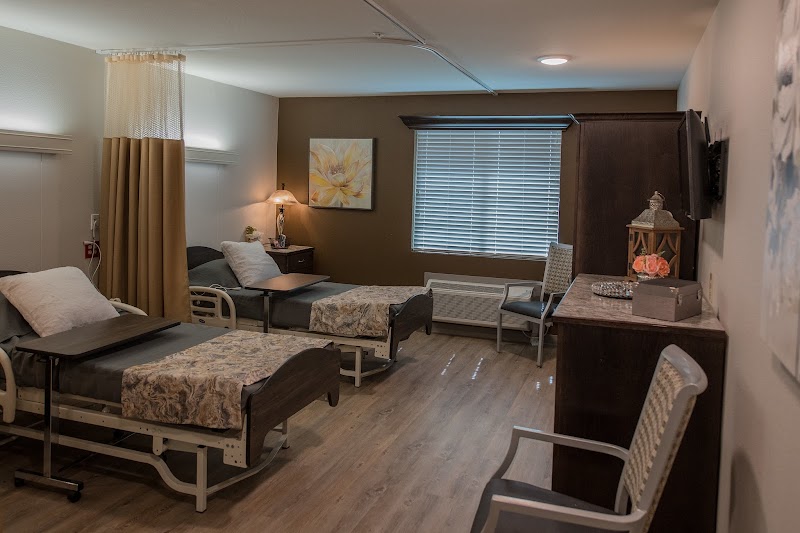
How is Rollingbrook Rehabilitation And Healthcare Center Staffed?

CMS rates ROLLINGBROOK REHABILITATION AND HEALTHCARE CENTER's staffing level at 1 out of 5 stars, which is much below average compared to other nursing homes. Staff turnover is 74%, which is 28 percentage points above the Texas average of 46%. High turnover can affect care consistency as new staff learn residents' individual needs. RN turnover specifically is 67%, which is notably high. RNs provide skilled clinical oversight, so turnover in this role can affect medical care quality.

What Have Inspectors Found at Rollingbrook Rehabilitation And Healthcare Center?

State health inspectors documented 16 deficiencies at ROLLINGBROOK REHABILITATION AND HEALTHCARE CENTER during 2022 to 2025. These included: 2 Immediate Jeopardy (the most serious level, indicating potential for serious harm or death) and 14 with potential for harm. Immediate Jeopardy findings are rare and represent the most serious regulatory concerns. They require immediate corrective action.
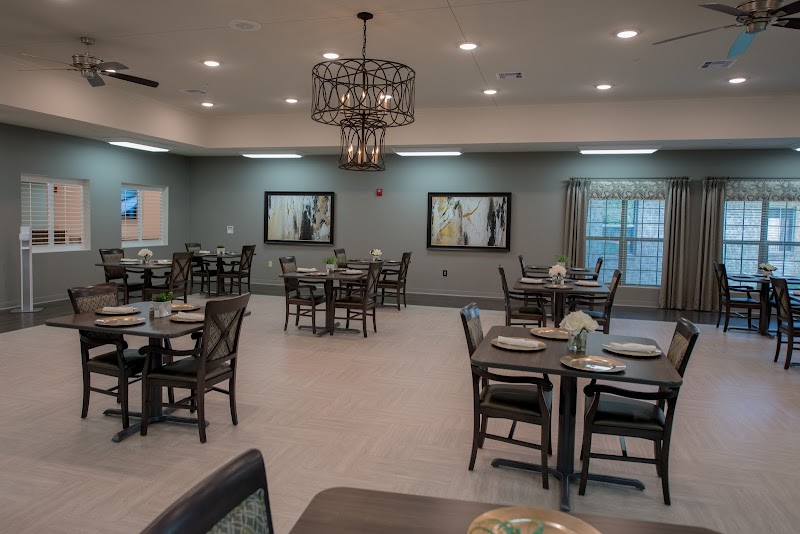
Who Owns and Operates Rollingbrook Rehabilitation And Healthcare Center?

ROLLINGBROOK REHABILITATION AND HEALTHCARE CENTER is owned by a government entity. Government-operated facilities are typically run by state, county, or municipal agencies. The facility is operated by MOMENTUM SKILLED SERVICES, a chain that manages multiple nursing homes. With 130 certified beds and approximately 89 residents (about 68% occupancy), it is a mid-sized facility located in BAYTOWN, Texas.
How Does Rollingbrook Rehabilitation And Healthcare Center Compare to Other Texas Nursing Homes?

Compared to the 100 nursing homes in Texas, ROLLINGBROOK REHABILITATION AND HEALTHCARE CENTER's overall rating (2 stars) is below the state average of 2.8, staff turnover (74%) is significantly higher than the state average of 46%, and health inspection rating (3 stars) is at the national benchmark.

What Should Families Ask When Visiting Rollingbrook Rehabilitation And Healthcare Center?

Based on this facility's data, families visiting should ask: "What changes have been made since the serious inspection findings, and how are you preventing similar issues?" "How do you ensure continuity of care given staff turnover, and what is your staff retention strategy?" "Can you walk me through typical staffing levels on day, evening, and night shifts?" "Can I visit during a mealtime to observe dining assistance and food quality?" These questions are particularly relevant given the facility's Immediate Jeopardy citations, the facility's high staff turnover rate, and the below-average staffing rating.

Is Rollingbrook Rehabilitation And Healthcare Center Safe?

Based on CMS inspection data, ROLLINGBROOK REHABILITATION AND HEALTHCARE CENTER has documented safety concerns. Inspectors have issued 2 Immediate Jeopardy citations (the most serious violation level indicating risk of serious injury or death). The facility has a 2-star overall rating and ranks #100 of 100 nursing homes in Texas. Families considering this facility should ask detailed questions about what corrective actions have been taken since these incidents.

Do Nurses at Rollingbrook Rehabilitation And Healthcare Center Stick Around?

Staff turnover at ROLLINGBROOK REHABILITATION AND HEALTHCARE CENTER is high. At 74%, the facility is 28 percentage points above the Texas average of 46%. Registered Nurse turnover is particularly concerning at 67%. RNs handle complex medical decisions and coordinate care — frequent RN changes can directly impact care quality. High turnover means new staff may not know residents' individual needs, medications, or preferences. It can also be disorienting for residents, especially those with dementia who rely on familiar faces. Families should ask: What is causing the turnover? What retention programs are in place? How do you ensure care continuity during staff transitions?

Was Rollingbrook Rehabilitation And Healthcare Center Ever Fined?

ROLLINGBROOK REHABILITATION AND HEALTHCARE CENTER has been fined $39,269 across 2 penalty actions. The Texas average is $33,472. While any fine indicates a compliance issue, fines under $50,000 are relatively common and typically reflect isolated problems that were subsequently corrected. Families should ask what specific issues led to these fines and confirm they've been resolved.

Is Rollingbrook Rehabilitation And Healthcare Center on Any Federal Watch List?

ROLLINGBROOK REHABILITATION AND HEALTHCARE CENTER is not on any federal watch list. The most significant is the Special Focus Facility (SFF) program, which identifies the bottom 1% of nursing homes nationally based on persistent, serious quality problems. Not being on this list means the facility has avoided the pattern of deficiencies that triggers enhanced federal oversight. This is a positive indicator, though families should still review the facility's inspection history directly.