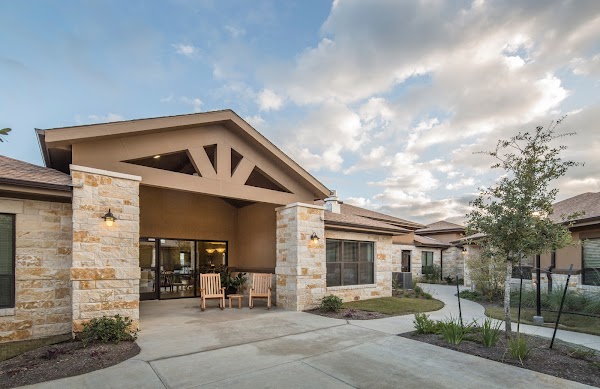
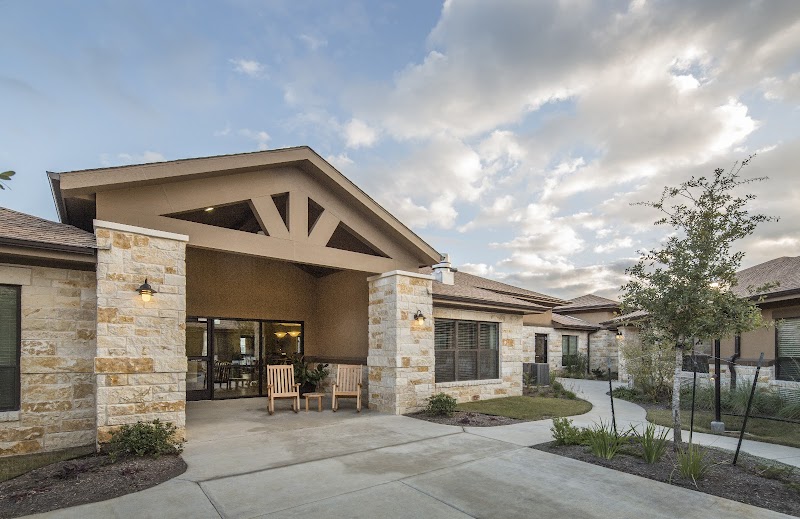


Park Manor Bee Cave

14058 Bee Caves Parkway, Bldg B, Bee Cave, TX 78738 (512) 872-8170
For profit - Corporation 140 Beds THE ENSIGN GROUP Data: November 2025 2 Immediate Jeopardy citations
Trust Grade
0/100
#1078 of 1168 in TX
Last Inspection: August 2024

Within standard 12-15 month inspection cycle. Federal law requires annual inspections.

Overview

Park Manor Bee Cave has received a Trust Grade of F, indicating significant concerns and poor performance in care quality. It ranks #1078 out of 1168 facilities in Texas, placing it in the bottom half, and #26 out of 27 in Travis County, meaning there is only one local option that is better. The facility is showing some signs of improvement, as it has reduced its issues from 17 in 2024 to 9 in 2025, but it still faces serious staffing challenges, with only 1 out of 5 stars in that category and a turnover rate of 59%, which is around the state average. The facility has incurred $23,020 in fines, which is concerning and suggests ongoing compliance problems. There is less RN coverage than 87% of Texas facilities, which could lead to missed issues that CNAs might not catch. Notable incidents include severe lapses in pain management for residents, where two residents went without necessary pain medication for days, resulting in excruciating pain, and failures in providing adequate respiratory care for another resident, leading to hospitalization due to respiratory failure. Overall, while there are some improvements, the facility's serious deficiencies and low ratings raise significant red flags for families considering care for their loved ones.

Trust Score
F
0/100
In Texas
#1078/1168
Bottom 8%
Safety Record
High Risk
Review needed
Inspections
Getting Better
17 → 9 violations
Staff Stability
⚠ Watch
59% turnover. Above average. Higher turnover means staff may not know residents' routines.
Penalties
⚠ Watch
$23,020 in fines. Higher than 89% of Texas facilities, suggesting repeated compliance issues.
Skilled Nurses
⚠ Watch
Each resident gets only 13 minutes of Registered Nurse (RN) attention daily — below average for Texas. Fewer RN minutes means fewer trained eyes watching for problems.
Violations
⚠ Watch
32 deficiencies on record. Higher than average. Multiple issues found across inspections.
★☆☆☆☆
1.0
Overall Rating
★☆☆☆☆
1.0
Staff Levels
★★★☆☆
3.0
Care Quality
★☆☆☆☆
1.0
Inspection Score
Stable
2024: 17 issues
2025: 9 issues

The Good

  • Full Sprinkler Coverage · Fire safety systems throughout facility
  • No fines on record

Facility shows strength in fire safety.

The Bad

1-Star Overall Rating

Below Texas average (2.8)

Significant quality concerns identified by CMS

Staff Turnover: 59%

13pts above Texas avg (46%)

Frequent staff changes - ask about care continuity

Federal Fines: $23,020

Below median ($33,413)

Minor penalties assessed

Chain: THE ENSIGN GROUP

Part of a multi-facility chain

Ask about local staffing decisions and management

Staff turnover is elevated (59%)

11 points above Texas average of 48%

The Ugly 32 deficiencies on record

2 life-threatening 5 actual harm
Sept 2025 3 deficiencies 1 Harm
SERIOUS (G) 📢 Someone Reported This

A family member, employee, or ombudsman was alarmed enough to file a formal complaint

Actual Harm - a resident was hurt due to facility failures

Quality of Care (Tag F0684)

A resident was harmed · This affected 1 resident

**NOTE- TERMS IN BRACKETS HAVE BEEN EDITED TO PROTECT CONFIDENTIALITY** Based on observation, interview and record review, the facility failed to ensure that residents receive treatment and care in ac...

Read full inspector narrative →
**NOTE- TERMS IN BRACKETS HAVE BEEN EDITED TO PROTECT CONFIDENTIALITY** Based on observation, interview and record review, the facility failed to ensure that residents receive treatment and care in accordance with professional standards of practice, the comprehensive person-centered care plan, and the residents' choices for 1 (Resident #1) of 6 residents reviewed for quality of care. The facility failed to ensure Resident #1's brief was changed, and she was put back in bed after she was transferred to her wheelchair on [DATE] at 8:45 AM until approximately 6:00 PM which resulted in skin breakdown on her sacral area. This failure could place residents at risk of not receiving adequate care, harm, or injuries. Findings included: Review of Resident #1 face sheet dated [DATE] reflected a [AGE] year old female admitted on [DATE] and discharged on [DATE] with diagnoses of dysphagia (difficulty swallowing), aphasia following nontraumatic subarachnoid hemorrhage (difficulty with speaking due to brain bleed), tracheostomy status (surgical procedure that creates an opening in windpipe to help with breathing), chronic respiratory failure (condition where lungs are unable to adequately exchange oxygen and carbon dioxide over a prolonged period), muscle wasting and atrophy (loss of muscle tissue, size and strength), muscle weakness, other lack of coordination, and nontraumatic subarachnoid hemorrhage (bleeding in the brain without external trauma). Review of Resident #1's initial care plan dated [DATE] reflected Resident #1 had pressure ulcer or potential for pressure ulcer development on sacrum related to bed bound status and poor nutritional station. Goal included pressure ulcer will show signs of healing and remain free from infection by / through review date, and Resident #1 will have intact skin, free of redness, blisters or discoloration by/through review date Interventions included roll left and right, sit to lying, and lying to sitting on side of bed. Review of Resident #1's MDS 5-day assessment dated [DATE] reflected Resident #1 had a short-term and long-term memory problem. Review of functional abilities reflected at admission Resident #1 was dependent of for all ADLs (eating, oral hygiene, toileting hygiene, shower/bathing). Further review reflected Resident #1 was dependent for chair/bed-to-chair transfers, going from sitting to lying position, and rolling left and right and. Review also reflected that resident was always incontinent of bowel and bladder. Review of MDS skin conditions reflected Resident #1 had no pressure ulcer/injury upon admission and was at risk for developing pressure injuries or ulcers. Review reflected resident had other open lesions or rashes and moisture associated skin damage. Review of Resident #1's initial admission record dated [DATE] reflected Resident #1 used alternating air mattress and pressure re-distributing overlay mattress. Resident #1 was admitted alert to person, but was not alert to place or time and was unable to follow simple commands. Further review reflected resident was incontinent of bowel and bladder and required briefs. Skin problems noted upon admission included traumatic tongue wound prior to admission and surgical site from ankle fracture. Review of Resident #1's skin assessment dated [DATE] reflected Resident #1 had a traumatic tongue wound prior to admission and surgical site to right ankle. There were no other skin issues noted on the assessment. Review of grievance resolution form dated [DATE] reflected Resident #1's family had concerns regarding frequency of checks and new redness to perineal area. Resolution reflected that the DON spoke with family and implemented check and change for frequent rounding. Review of visual/bedside Kardex (electronic health record) report for Resident #1 dated [DATE] reflected under the skin section resident needed monitoring/remining/assistance to turn or reposition. Review reflected Resident #1 required 2 person mechanical lift for all transfers. Review of POC (plan of care) response history for Resident #1 reflected incontinence care was marked as provided on [DATE] at 3:32 AM and 11:41 PM. Review reflected incontinence care was marked as not provided on [DATE] at 11:38 AM. Review of 1 hour checks for Resident #1 reflected sections titled Check, Change, Suctioning and Trach Care. Review for 09-05-2025 hour checks reflected change was not selected between 9:00 am and 6:00 PM. Note on the document reflected Qhour Checks: Please indicate care provided during rounding. Review reflected Resident #1 was checked each hour between 9:00 am and 6:00 pm. Review reflected resident had suctioning completed at 12:00 AM, 4:00 AM, 8:00 AM, 12:00 PM, 4:00 PM,6:00 PM, 7:00 PM, 8:00 PM, 9:00 PM, 10:00 PM and 11:00 PM. Review reflected tracheostomy care was provided at 4:00 AM, 8:00 AM, 10:00 AM (nebulizer treatment), 2:00 PM (nebulizer treatment), 6:00 PM (nebulizer treatment), 7:00 PM (nebulizer treatment), 8:00 PM, 9:00 PM, 10:00 PM and 11:00 PM. Review of occupational therapy treatment encounter note dated [DATE] reflected OT checked Resident #1's brief and it was dry and fresh. Review reflected OT then transferred Resident #1 with mechanical lift from bed to geriatric chair. OT then informed ADON that Resident was in chair with mechanical lift sling beneath her. Observation of facility recorded camera footage for Resident #1 room dated [DATE] revealed footage started at 5:53 AM and ended at 6:30 PM. Observation revealed mechanical lift was taken into Resident #1's room by OT at 8:45 AM. OT exited Resident #1's room at 9:07 AM. Observation of footage revealed a mechanical lift was not returned into Resident #1's room until 5:45 PM. Observation of Resident #1 video camera footage dated [DATE] at 10:48 AM revealed Resident #1 sat in a geriatric chair in the room. Observation of Resident #1 video camera footage dated [DATE] at 6:00 PM revealed Resident #1 sat in a geriatric chair in the room. Observation of Resident #1 video camera footage dated [DATE] at 6:55 PM revealed Resident #1 was transferred from geriatric chair to bed. Observation of picture dated [DATE] at 6:07 AM reflected sacral area (area at the base of the spine) revealed a shallow, broken skin that was light pink with spots of darker red and white flakey skin on the gluteus area. A darker spot shallow opening in the skin was observed in the fold of the gluteus. Review of change of condition evaluation dated [DATE] reflected upon discharge Resident #1 had a rash to right buttock and left buttock. Review of the hospital notes dated [DATE] reflected Resident #1 had wound care evaluation on [DATE]. Resident #1 was admitted with small area of partial skin thickness injury from moisture and from flaky skin loss due to fungal irritation. Orders placed for groin, perineal and perianal/wound areas to decrease fungal irritation. During an interview on [DATE] at 11:49 AM, the FM stated that Resident #1 was no longer at the facility and FM had requested Resident #1 be sent to the hospital. The FM stated that on [DATE] Resident #1 was left in her wheelchair for hours and had not been changed. The FM stated that there was a camera in Resident #1's room and Resident #1 was not transferred into bed until other family arrived on [DATE]. During an interview on [DATE] at 3:27 PM, the OT stated that he transferred Resident #1 from bed to wheelchair on [DATE] in the morning. The OT stated that he checked Resident #1's brief prior to transfer and that Resident #1 was dry and did not observe any skin redness. The OT stated that after Resident #1 was placed in the geriatric chair he notified ADON as ADON was right outside Resident #1's room. The OT stated that usually therapy did not put resident back in wheelchair after assisting them unless nursing staff specifically asked. The OT stated, it sounds like she was up in the chair all day from what I was told. The OT stated he was unsure where he heard this information from or who. During an interview on [DATE] at 3:29 PM, CNA B stated she was familiar with Resident #1. CNA B stated that Resident #1 was not able to talk and wore briefs. CNA B stated that she noticed normal irritation on Resident #1's perineal area and denied any open areas or bleeding. CNA B stated normal irritation was some redness. CNA B stated that she put barrier cream on Resident #1 during brief changes for the redness. CNA B stated the last time she worked with Resident #1 was the day she went to the hospital ([DATE]). CNA B stated that any changes or open areas observed were reported to the nurse immediately. CNA B stated Resident #1 had an extra list that every time she was changed or checked the staff were required to mark off on a piece of paper. During an interview on [DATE] at 4:08 PM, CNA A state she recalled working with Resident #1 and providing care for Resident #1. CNA A stated that the last time she worked with Resident #1 was on [DATE] during the 6:00 PM to 6:00 AM shift. CNA A stated when she arrived Resident #1 was sitting in the geriatric chair in her room. CNA A stated when she arrived CNA C tried to put Resident #1 in the bed, but the mechanical lift's battery was dead. CNA C stated she charged the battery and the put Resident #1 into bed. CNA A stated she changed Resident #1's brief and the only skin issues were some redness, but it was not open or bleeding. CNA A stated that any new redness or open areas would be reported to the charge nurse. During an interview on [DATE] at 4:21 PM, CNA C stated she was familiar with Resident #1. CNA C stated that she took over the shift on [DATE] around 3:00 PM for CNA D. CNA C stated that she was unsure why CNA D did not tell her that Resident #1 was in the geriatric chair. CNA C stated Resident #1 never came out of her room and it was her first day getting up out of bed. CNA C stated that she did not know Resident #1 was out of bed in the geriatric chair that day. CNA C stated Resident #1's family would notify staff if they needed something and they did not call CNA C until around 5:30 PM because they wanted Resident #1 to be transferred in bed. CNA C stated that she tried to use the mechanical lift, but the battery was dead and she went to find another mechanical lift, but they were being used. CNA C stated it was after 6:00 PM and she let the next shift know Resident #1 needed to be transferred and then left. CNA C stated that prior to 5:30 PM she had not seen Resident #1 during the shift and did not provide care to Resident #1. CNA C stated that CNA D told her all the residents had already been changed. CNA C stated that Resident #1's FM told her that Resident #1 had been in the chair all day. CNA C stated she wished CNA D told CNA C that Resident #1 was in the chair before CNA D left the shift so Resident #1 could have been transferred back in bed. During an interview on [DATE] at 6:45 PM CNA E stated she normally works 6:00 am to 6:00 pm shifts. CNA E stated she was familiar with Resident #1 and had worked with Resident #1 several times. CNA E stated the most recent time she worked with Resident #1 was when she was going to leave her shift and the night she needed help to put Resident #1 in bed. CNA E stated that she had changed Resident #1's brief and did not observe any open area or bleeding. CNA E stated that residents who required a mechanical lift to transfer would have to be laid back down in bed to have their brief changed. CNA E stated residents cannot be left in a chair for nine hours as the resident could be really soaks and get a skin rash or they could slip out of the chair and fall. CNA E stated that rounds were done every two hours and during rounds residents were checked and changed and laid down for a nap with they were up. CNA E stated changes in a Resident's skin would be reported to the nurse. During an interview on [DATE] at 1:29 PM, RN F stated she was the wound care nurse. RN F stated that residents who required mechanical lift should be checked on at least every two hours and this included checking their brief and more frequently if needed. RN F stated perineal care cannot be performed in a chair and the resident would have to be transferred with the mechanical lift to complete perineal before bed. RN F stated residents who required a mechanical lift were not able to reposition themselves and would be more vulnerable for skin breakdown. RN F stated that it was not okay for a resident to be in a chair for 9 hours and not changed for 9 hours. RN F stated a resident that was left in a chair for hours could have issues with their skin integrity and that risk for skin breakdown. RN F stated that residents need to be turned and have perineal care. RN F stated that she was familiar with Resident #1 and that she had some redness in her perineal area and it was blanchable (skin turns pale or white when pressure is applied and then returns to normal color). RN F stated Resident #1's last skin assessment was done on [DATE] and she had redness to her sacral area, but it was not open. During an interview on [DATE] at 2:08 PM, RN G stated that residents who required a mechanical lift to transfer were supposed to sit in their wheelchair between one to two hours at a time, but no more than 2 hours. RN G stated 9 hours was way too long and that the position could be challenging for a resident. RN G stated that perineal care could not be done unless a resident was transferred via mechanical lift back to their bed. RN G stated residents who used a mechanical lift for transfers were at a higher risk for skin breakdown and are often incontinent which can mean skin is more prone to breakdown. RN G stated he worked with Resident #1 on [DATE] from 6:00 pm to 6:00 am. He stated that he did not provide any perineal care or incontinent care and that the aides provided that care. RN G stated that he worked with CNA A and that she did not report any changes in skin to him. RN G stated during his shift rounds were conducted hourly for Resident #1 and that he and CNA A alternated the rounds. RN G stated that any changes would have been reported to the DON or ADON. During an interview on [DATE] at 3:07 PM, LVN H stated that resident who required the mechanical lift to transfer were usually laid back down in bed to give their bottom a rest, but the resident required incontinent or perineal care every two hours. LVN H stated it was not okay for a resident to be in a wheelchair for nine hours as sitting on their bottom would not allow for good circulation. LVN H stated residents who used a mechanical lift to transfer were at a higher risk for skin breakdown. During an interview on [DATE] at 3:31 PM, CNA D stated that she worked with Resident #1 on [DATE] and she left early. CNA D stated that Resident #1 was in her room most of the day. CNA D stated the last time she saw Resident #1 was before breakfast time and she did not see Resident #1 after breakfast at all as CNA D left around 10:00 am or 11:00 am. CNA D stated she did not change Resident #1's brief during her shift on [DATE]. CNA D stated she worked with Resident #1 in previous days and she did not observe any skin breakdown or redness that she could recall. CNA D stated she never transferred Resident #1 in or out of bed. CNA D stated the amount of time residents remain in their wheelchair depended on what therapy said how long the resident could tolerate. CNA D stated that nine hours was too long to be in the chair and stated I bet it is uncomfortable. CNA D stated Resident #1 would have to be transferred with the mechanical lift to have her brief changed in bed. CNA D stated rounds were done at least every two hours and during that time residents were turned and their brief was checked. CNA D stated when she checked on Resident #1 during rounds she was usually went and needed to be changed. CNA D stated it was everyone's responsibility to ensure that a resident was transferred back into bed. CNA D stated any skin changes would be documented and reported to the charge nurse. During an interview on [DATE] at 4:11 PM, the ADON stated that Resident #1's family requested that she be checked on every hour for tracheostomy care and suctioning and in general to ensure Resident #1 was okay. The ADON stated on [DATE] therapy, aides and the ADON were in Resident #1's room. The ADON stated she did not change Resident #1's brief on [DATE]. The ADON stated therapy provided perineal care for Resident #1 on [DATE] and that it was around 10:30 AM or 11:00 AM. The ADON stated that CNA D was the aide for half the shift and then CNA C took over. The ADON stated that Resident #1 was in the geriatric chair when her family arrived and they asked to have her put to bed around 5:00 PM. The ADON stated that Resident #1's family around after lunch time. The ADON stated they were not able to transfer Resident #1 at that time because the mechanical lift battery died and the other lifts were being used so she informed the family the next shift would be notified. The ADON stated that she did not know if any transfers occurred for Resident #1 between 11:00 am to 5:00 pm. The ADON stated she assumed the check off for Resident #1 was for the nurses until she looked at the document and saw it had check and change. The ADON stated that Resident #1 would have had to be transferred from her wheelchair to her bed within an hour to be changed. The ADON stated that typically residents who rely on mechanical lift to be transferred are in the wheelchair for a couple of hours and then they are put in bed, laid down and changed. The ADON stated if a resident cannot verbalize that they want to stay in bed or get back up staff will leave the resident laying down to rest and then get them back up. The ADON stated that residents who required the mechanical lift for transfers were at a high risk for skin breakdown. The ADON stated if they are sitting on that spot of a long time they have decrease circulation and boney areas have pressure. The ADON stated that it was not acceptable for a resident to be in the wheelchair from 10:00 am to 5:00 pm. The ADON stated she left around 6:30 pm on [DATE] and that night shift went into Resident #1's room around 6:00 pm and transferred her. During an interview on [DATE] at 4:35 PM, the NP stated that she saw Resident #1 the day after she admitted to the facility. She stated that it was not generally okay for Resident #1 to sit in a wheelchair for nine hours unless Resident #1 was verbally able to say she did not want to get into bed. The NP stated that Resident #1 was not able to verbalize her needs when she saw Resident #1. The NP stated Resident #1 was a higher risk for skin breakdown because she was not able to care for herself. The NP stated that Resident #1 was able to move around a bit, but required a mechanical lift to transfer. The NP stated at her visit Resident #1 had not been out of bed. The NP stated if Resident #1 sat in a chair she could have had breakdown and irritation for nine hours and for sure MASD was possible. The NP stated redness would have most likely occurred. During an interview on [DATE] at 4:51 PM, the DON stated that Resident #1 was dependent on the mechanical lift for transfers. The DON stated that typically when a resident was in a wheelchair it was for a max of two hours unless therapy has cleared the resident for [NAME] time or they have wound care. The DON stated that she expected Resident #1 to be transferred with the mechanical lift to bed for any type of care they might have needed. The DON stated that residents who were dependent on mechanical lift for transfers were at higher risk for skin breakdown and if they were not used to being up. The DON stated that the resident could also be at a risk if they were incontinent and if they urinated the entire time they were up in the chair. The DON stated that it did not meet her expectation that resident be up in a wheelchair for nine hours. The DON stated it was ultimately the responsibility of the charge nurse to ensure the resident was transferred up to the wheelchair or laid down. The DON stated the house checks came about because on [DATE] the family was concerned regarding perineal care. Resident #1 was assessed by wound care and had slight excoriation (irritation) on her perineal area and frequent rounding was implemented. The DON stated that it was designed for the nurse or CNA to check and/or change Resident #1 and to see if she needed anything or was okay. The DON stated that staff checked off if they performed care listed for Resident #1. The DON stated that she interviewed staff and staff sated that they went in and did checks and changes with Resident #1 on [DATE]. The DON stated that some staff said they forgot to check it off, but she could only speak to what the staff told her. The DON stated no change of condition was reported to her prior to Resident #1 going out to the hospital and it was by family request that she went to the hospital on [DATE]. The DON stated Resident #1 returned within 4 hours and family refused any care and requested she be sent out again to the hospital. The DON stated that when she spoke with Resident #1's family they referenced [DATE] and that Resident #1 was up in the chair all day. The DON stated that it was reported to her about Resident #1 being in the chair mid-morning on [DATE]. During an interview on [DATE] at 5:15 PM, the ADM stated that there were hour checks for Resident #1 because her family had concerns about frequency of checks and wanted continuous care and more one-on-one level. The ADM stated that from his understanding and based on the logs she was checked on hourly. The ADM stated that staff were expected to see if the resident or family needed anything and if Resident #1's brief was dry. The ADM stated that when he tried to speak with Resident #1 she could not respond verbally. The ADM stated on [DATE] therapy put Resident #1 in her wheelchair and she had not been put in a chair before. The ADM stated that staff reported she was more responsive and able to use her call light after she was up. The ADM stated that when he reviewed the hourly check he believed there was a gap on that particular day. The ADM stated that he did not know how long Resident #1 was in her chair that day and stated he knew she was in chair a good part of the day and did not think she was in the chair for nine hours. The ADM stated that Resident #1 used a mechanical lift to transfer and would have expected staff to have transfer her from her wheelchair to provide care as they could not do if she was in her chair. The ADM stated the risk of Resident #1 being in her chair for an extended time was skin breakdown, pressure, ulcers, pain and being uncomfortable in general. The ADM stated that he did not think Resident #1 was able to make her needs known. Review of facility policy dated 02/2025 titled Resident Rights reflected residents had the right to be treated with consideration, respect, and full recognition of his or her dignity and individuality. Review of facility in-services for last sixty days [DATE], [DATE] and [DATE] reflected no in-services were conducted on rounding or check and change rounding for Resident #1.
CONCERN (D) 📢 Someone Reported This

A family member, employee, or ombudsman was alarmed enough to file a formal complaint

Potential for Harm - no one hurt, but risky conditions existed

Respiratory Care (Tag F0695)

Could have caused harm · This affected 1 resident

**NOTE- TERMS IN BRACKETS HAVE BEEN EDITED TO PROTECT CONFIDENTIALITY** Based on observation, interview and record review, the facility failed to ensure that residents who needed respiratory care were...

Read full inspector narrative →
**NOTE- TERMS IN BRACKETS HAVE BEEN EDITED TO PROTECT CONFIDENTIALITY** Based on observation, interview and record review, the facility failed to ensure that residents who needed respiratory care were provided with such care, consistent with professional standards of practice for three (Resident #2, Resident #3, and Resident #4) of six residents reviewed for respiratory care. The facility failed to ensure RN G did not test the yankauer (tool for suctioning) in an open container of water prior to suctioning Resident #2's tracheostomy. The facility failed to ensure RN G monitored Resident #2's oxygen during tracheostomy care. The facility failed to ensure RN G did not continue with tracheostomy care when the yankauer was not functioning for Resident #2. These failures could place residents at risk of inadequate care, respiratory distress and hospitalization. Review of Resident #2's face sheet dated 09/09/2025 reflected a [AGE] year-old female admitted on [DATE] with diagnoses of anoxic brain damage (occurs when brain is deprived of oxygen for an extended period), acute respiratory failure (life-threatening condition where the lungs cannot adequately exchange oxygen and carbon dioxide), dysphagia (difficulty swallowing), and tracheostomy status (surgical procedure that creates an opening in windpipe to help with breathing). Review of Resident #2's physician orders dated 09/09/025 reflected an order for an x-ray due to increased secretions. Review reflected and order dated 07/01/2025 to check and record oxygen saturation every shift while suctioning for Resident #2. Further review reflected an order dated 07/01/2025 for tracheostomy care as needed and every shift. Review reflected continuous oxygen at 8 liters per minute to maintain oxygen saturation of 92% and above dated 07/22/2025. Review of Resident #2's September 2025 MAR reflected oxygen saturation was checked each shift (twice a day) from 09/01/2025 through 09/09/2025. Further review reflected Resident #2's oxygen saturation was checked while suctioning every shift from 09/01/2025 to 09/09/2025 and remained above 92%. Review reflected tracheostomy care was provided for Resident #2 each shift from 09/01/2025 to 09/09/2025. Review of Resident #2's quarterly MDS dated [DATE] reflected Resident #2 had a short term and long-term memory problem and having tracheostomy present. Review of Resident #2 care plan dated 08/15/2025 reflected a goal to have no signs of symptoms of infection with interventions of administer oxygen as ordered. Further review of care plan reflected Resident #2 has oxygen therapy with no signs or symptoms of poor oxygen absorption with interventions to provide oxygen per physician orders. Review of chest x-ray results for Resident #2 dated 09/09/2025 reflected lungs are clear and well inflated bilaterally with no findings. Observation on 09/09/2025 at 12:45 PM revealed Resident #2 laid in bed with continues oxygen via tracheostomy flowing at 8 liters per minute. Resident #2 was observed to have drool around her mouth and oxygen mask with white colored mucus. Observation on 09/09/2025 at 1:16 PM revealed RN G donned surgical mask, donned gown and donned gloves without performing hand hygiene. RN G grabbed yankauer from packaging in Resident #2's bedside table and placed it in an open container of clear liquid that sat on Resident #2's bedside. Observation of the container reflected there was no label to indicate a date or contents of the container. RN G suctioned oxygen mask of Resident #2 and cleared mucus. RN G then placed yankauer in open container of clear liquid and placed it back in packaging in Resident #2's bedside table. RN G doffed the gown and gloves and washed his hands. Observation on 09/09/2025 at 2:29 PM revealed an open container of clear fluid placed on Resident #2's bedside table, the container was undated and unlabeled. Further observation revealed a container of normal saline placed on the beside table. Observation and interview on 09/10/2025 at 12:15 PM revealed RN G gathered 2 100 ml bottles of normal saline, 1 tracheostomy with [NAME] gloves kit and a vinyl gown. RN G entered Resident #2's room washed his hands in the bathroom and returned to the medication cart just outside Resident #2's room door. RN G donned a gown, surgical mask and gloves. RN G proceeded to lock his medication cart with the gloves on, touch the light switch and closed Resident #2's room door with the same gloves on. RN G approached Resident #2's bedside and opened the tracheostomy kit over the bedside table. RN G did not sanitize the bedside table and had other items (towel, plastic syringe) that remained on the table. RN G raised the bedside table with the same gloves on and lowered the oxygen to 4 liters per minute. RN G laid a towel across Resident #2's chest. RN G opened a bottle of saline and poured contents in one side of a two-sided tracheostomy tray kit. RN G opened a second bottle of saline and poured contents into the other section of the tracheostomy tray kit that sat on the tray table. RN G turned his back to the sterile field (tray table with open saline) and disconnected tracheostomy oxygen mash (no hand hygiene or gloves changed prior). RN G grabbed yankauer from package in Resident #2's beside table ad attempted to suction thick light yellow secretions and it was revealed that no contents were suction out of the oxygen mask. RN G then placed tip of yankauer in open contain of clear fluid on Resident #2's bedside table. RN G then moved a switch on suction device and placed tip of yankauer again in open contain of clear fluid. RN G placed the yankauer back in packaging in Resident #2's bedside table and stated it was not working. Without performing hand hygiene or changing gloves, RN G removed dressing from around tracheostomy site and doffed gloves. RN G donned sterile gloves without performing hand hygiene and picked up q-tips and pipe cleaner from supplies and dropped in saline basin. RN G laid out the gauze, grabbed q-tip from saline solution and wiped the upper portion around the tracheostomy and disposed q-tip in trash. RN G grabbed a new q-tip from saline in trap and wiped the bottom part of Resident #2's tracheostomy, grabbed gauze and wiped the right side of the tracheostomy, then disposed of gauze and used his right hand to remove the inner cannula and placed it in the saline. RN G's gown was observed touching the outside of his gloves. RN G grabbed pipe cleaner from salutation and used the pipe cleaner to cleanse inside of the inner cannula. RN G used a dry pipe cleaner to dry the inside of the inner cannula twice and then disposed in the trash. RN G used his right hand to replace the inner cannula inside the outer cannula of the tracheostomy. Clear sputum (mixture of saliva and mucus) was observed handing from the tracheostomy. RN G picked up gauze and cleaned the sputum from the outer cannula and disposed of gauze. RN G picked up new gauze and placed under the flange of the tracheostomy. RN G adjusted the tracheostomy and it was observed to be secure on both sides. RN G cleaned oxygen collar with clean, dry gauze and disposed of the gauze. RN G placed oxygen collar over the tracheostomy, and doff gloves, donned new gloves (without performing hand hygiene). RN G increased oxygen to 8 liters per minute and placed call light on Resident's chest. RN G doffed gloves and washed his hands. RN G did not utilize pulse oximeter to monitor oxygen during care. Review of Resident #3'a face sheet dated 09/10/2025 revealed a [AGE] year-old male admitted on [DATE] with diagnoses of traumatic subdural hemorrhage with loss of consciousness (serious condition where blood forms between brain and inner layer of skull causing pressure and loss of consciousness), tracheostomy status (surgical procedure that creates an opening in windpipe to help with breathing), and chronic respiratory failure (condition where lungs are unable to adequately exchange oxygen and carbon dioxide over a prolonged period. Review of Resident #3's physician orders reflected an order with a start date of 07/15/2025 for tracheostomy care every shift and as needed. Review of Resident #3's care plan dated 08/21/2025 reflected Resident #3 had a tracheostomy related to injury with a goal to have no signs or symptoms of infection. Review of Resident #3's admission MDS dated [DATE] reflected Resident #3 had a BIMS of 0 which indicated severe cognitive impairment. Observation of Resident #3 on 09/09/2025 at 4:38 PM revealed Resident #3 laid in bed and did not respond to questions. Further observation revealed an open container of clear liquid placed on Resident #3's bedside that was undated and unlabeled. Review of Resident #4's face sheet dated 09/10/2025 reflected a [AGE] year-old-man admitted on [DATE] with diagnoses of anoxic brain damage(occurs when brain is deprived of oxygen for an extended period), tracheostomy status (surgical procedure that creates an opening in windpipe to help with breathing) and compression of brain (increased pressure on the brain tissue caused by buildup of fluid, blood or a tumor). Review of Resident #4's physician orders reflected and order dated 07/03/2025 to provide tracheostomy care every shift and as needed. Review of Resident #4's care plan dated 07/08/2025 reflected Resident #4 had tracheostomy and pulled at tracheostomy with goal to be free from signs or symptoms of infection. Review of Resident #4's significant change MDS dated [DATE] reflected Resident #4 had a BIMS of 0 which indicated severe cognitive impairment. Observation on 09/09/2025 at 4:43 PM revealed Resident #4 laid in bed and did not respond to questions. Further observation revealed an open container of clear liquid on bedside that was unlabeled and undated. During an interview on 09/09/2025 at 2:17 PM, LVN H stated if she needed to suction a resident she would wash hands when she entered the room, get gloves and gather supplies. LVN H stated she would have saline ready and that you do not suction for a long time just a short time and allow the resident to recover. LVN H stated that you are supposed to check oxygen with a pulse oximeter after you suction the resident. LVN H stated that the yankauer is cleared with saline prior to use and you were supposed to clean it first before you suction and after you suction to ensure it was working properly. LVN H stated that it should be cleared with a new bottle of saline every time. LVN H stated it was important to wash hands prior to doing tracheostomy care for infection control and that you did not want to introduce any infection and cause potential respiratory infection to the resident. During an interview on 09/09/2025 at 2:32 PM, RN I stated before suctioning a resident or before tracheostomy care, staff were supposed to wash their hands in the bathroom. RN I stated everything was supposed to be sterile. RN I stated that it was important to use sterile gloves because if you are doing anything respiratory staff had to prevent infection for the resident. RN I stated every time staff suctioned the resident, they were supposed to get new saline and that was located in the nurses cart. During an interview on 09/09/2025 at 6:06 PM, the RT stated that hand hygiene should be performed prior to providing tracheostomy care and between glove changes. The RT stated that sterile saline should be used during tracheostomy care and the yankauer should be flushed with saline and discarded after use. During an interview on 09/10/2025 at 1:29 PM, RN F stated she has received training on tracheostomy care and stated that she would knock, enter the resident's room, wash hands, don a gown, gloves and mask. RN F stated she would have a sterile field set up with tracheostomy cleaning supplies, but prior to placing the supplies she would sanitize the tray table. RN F stated she would then wash her hands again and don gloves. RN F stated she would clean around the trach area, check for signs of infection and then doff gloves and perform hand hygiene and don sterile gloves. RN F stated she would clean the outer trach and would rinse it, let it dry and would then doff gloves, perform hand hygiene and don gloves and insert the outer trach back in. RN F stated when staff wore sterile gloves the gown should not be over the gloves because the gown could have been contaminated. RN F stated that there was usually a canister of water at bedside, and it should be covered and dated and replaced every twenty-four hours. RN F stated that items should be grabbed from the medication cart with gloves on and then go to perform care because it was an infection control issue. RN F stated the yankauer should have been tested prior to started tracheostomy care and the value should be check and tested with water. RN F stated if the yankauer was observed to not be working staff were not to proceed with care. RN F stated staff were supposed to have a pulse oximeter on the resident because extra secretions can cause oxygen levels to decrease. RN F stated she would not turn oxygen down because it could decrease during care. During an interview on 09/10/2025 at 2:08 PM, RN G stated that he worked at the facility PRN and started working full time again two or three weeks ago. RN G stated when he returned he did not complete tracheostomy care training. RN G stated that he usually turned lights on with his elbow and was not supposed to touch the environment or lights with gloves on then perform care. RN G stated that during tracheostomy care the dirty part (cleaning) happened first and then sterile gloves were put on. RN G stated that he had cleaned the tray table in the morning when he started his shift and that was why he put a paper down on the area next to the towel. RN G stated he did not sanitize the area and that it should have been sanitized. RN G stated when he changed gloves he was not supposed to wash his hands or use hand sanitizer only before he was going to start providing care. RN G stated that sterile gloves should not be touching anything including the gown. RN G stated he was supposed to stay facing the sterile field because you hafpve items there and it could be contaminated if you are not watching it. RN G stated that he normally turned the oxygen down because this was what he was taught in school for tracheostomy care. RN G stated he was supposed to check oxygen saturation during tracheostomy care and he did not check Resident #2's because he probably forgot. RN G stated that he usually checked oxygen when suctioning and stated he had a pulse oximeter in his pocked today (09/10/2025). RN G stated the yankauer was working previously and that he was supposed to check if it was working properly before providing care and that ias why there was water at the bedside. RN G stated he did not think the water had to be sterile and that he did not think the water had to be covered and it got changed out every shift and it was supposed to be dated and have the time. RN G stated he could tell the water was brand new just by looking at it. During an interview on 09/10/2025 at 3:07 PM, LVN H stated that staff should only have supplies for tracheostomy care on the tray table and it should be sanitized prior to laying the supplies down. LVN H stated the yankauer should be primed prior to use and a new cup of saline is opened for suctioning every time. LVN H stated staff would not want to primer the yankauer in an open container of water that was sitting out because it was unknown if it was sterile. LVN H stated that the yankauer should have been tested prior to suctioning if it was not working tracheostomy care should not be performed. LVN H stated sterile gloves should not have the gown pulled over them on the wrist or anything touching the outside of the gloves. LVN H stated that saturation should be checked and oxygen flow be increased a little bit. LVN H stated that it was important to hands to be washed in between gloves changes to prevent introduced more germs to the resident. During an interview on 09/10/2025 at 4:11 PM, the ADON stated that she expected hand hygiene to be performed prior to putting gloves on and after taking them off. ADON stated that the yankauer should be tested prior to tracheostomy care. The ADON stated it should have been tested by suctioning a small amount of water and that the water should be sterile. The ADON stated it was not acceptable for staff to test the yankauer in an open container on a resident's bedside table. The ADON stated that sterile water should be poured into a small basin to test. The ADON stated if a yankauer was not working tracheostomy care should be stopped and a new yankauer should be retrieved. The ADON stated that the yankauer should be tested prior to started tracheostomy care so if it is not working the sterile field is not broken. The ADON stated that oxygen should have been monitored during tracheostomy care with a pulse oximeter placed on the resident's finger. The ADON stated oxygen is not decreased or increased and stayed the same. The ADON stated that nothing besides the sterile field should be touching sterile gloves and a sterile field should never leave sight of vision. The ADON stated a gown should not have touched sterile gloves. The ADON stated gloves should have been changed after gathering supplies and hand hygiene performed when the gloves were changed. The ADON stated hand hygiene was important to prevent cross contamination because residents with tracheostomy had a decreased immune system. The ADON stated that the areas for sterile supplies should be sterilized before the supplies were laid out and that nothing else should be on the same area that is not being used for that care. During an interview on 09/10/2025 at 4:35 PM, the NP stated that the yankauer should be tested prior to use and staff can hear it was working by turning it on. The NP stated staff could use water to clear the link of the yankauer and it was okay to use water and not saline since staff were not doing anything with the patient and just to clear the tube. The NP stated that when staff did deeper suctioning sterile gloves were used, but not when providing routine tracheostomy care and stated its an open hole so its not really sterile. The NP stated she used to have to have sterile gloves to clean the inner cannula, but she was not sure what the protocol was anymore. The NP stated that she expected staff to use hand sanitizer any time they walked into a resident's room and prior to donning gloves and after doffing gloves. The NP stated that gloves from a hallway or touching the environment was not generally a good thing and that staff really should not put on gloves until they were ready to perform care. During an interview on 09/10/2025 at 4:51 PM, the DON stated she expected staff to perform hand hygiene before and after patient care, before entering a room, when hands were soiled or dirty and in between glove changes. The DON stated she expected staff to use sterile gloves for tracheostomy care and foley changes. The DON stated she expected staff to test the yankauer prior to starting tracheostomy care and it could be tested by touching the tip of the yankauer to the staff's gloved thumb. The DON stated she personally would not test the yankauer in an open container of water and staff should have opened a new sterile water container. The DON stated that prior to set up, the area that items were paced on should have been sanitized and a sterile field should not have been taken out of the staff's line of vision. The DON stated staff should not have touched the nurse's cart or light switch without performing hand hygiene prior to providing resident care and changing gloves. The DON stated hand hygiene was important to not introduce infection to the resident. The DON stated that oxygen was monitored during tracheostomy care, before and after. The DON stated that she expected staff to preoxygenate before suctioning to ensure they have the appropriate amount of oxygen and she would not expect staff to lower the oxygen flow and would increase it during tracheostomy care. During an interview on 09/10/2025 at 5:15 PM, the ADM stated he expected staff to perform hand hygiene before they interact with residents, especially if they were on enhanced barrier precautions, handling meals, before and after perineal care and before and after putting on gloves. The ADM stated that he knew a tracheostomy was having a hole in the throat and from what he has learned they required regular suctioning, but he would defer to the DON. Review of facility in-services for last sixty days July 2025, August 2025 and September 2025 reflected no in-services were conducted on tracheostomy care. Review of facility policy with subject Tracheostomy, Care and Cleaning of with revision date of 05/2007 reflected This is a STERILE procedure. Further review reflected staff should wash hands prior to beginning the procedure, open plastic bag and cuff and place within reach so you do no to reach across the sterile field to discard items. Review of undated skills check off titled Tracheal Suctioning reflected perform hand hygiene and follow any necessary infection control guidelines, prepare suction equipment, turn on suction machine, open the suction catheter and sterile basin and fill with sterile normal saline. Review also reflected to preoxygenate the individual to maximize oxygen saturation in preparation for suctioning. Further review reflected remove gloves and perform hand hygiene.
CONCERN (E) 📢 Someone Reported This

A family member, employee, or ombudsman was alarmed enough to file a formal complaint

Potential for Harm - no one hurt, but risky conditions existed

Infection Control (Tag F0880)

Could have caused harm · This affected multiple residents

**NOTE- TERMS IN BRACKETS HAVE BEEN EDITED TO PROTECT CONFIDENTIALITY** Based on observation, interview, and record review, the facility failed to maintain an infection prevention and control program ...

Read full inspector narrative →
**NOTE- TERMS IN BRACKETS HAVE BEEN EDITED TO PROTECT CONFIDENTIALITY** Based on observation, interview, and record review, the facility failed to maintain an infection prevention and control program designed to provide a safe, sanitary, and comfortable environment and to help prevent the development and transmission of communicable diseases and infections for 1 (Resident #2) of 6 residents observed for infection control. The facility failed to ensure RN G performed hand hygiene before and during tracheostomy care glove changes for Resident #2. The facility failed to ensure RN G did not test the yankauer in an open container of clear fluid and then suction Resident #2. The facility failed to ensure RN G sanitize the area prior to placing sterile supplies for tracheostomy care performed for Resident #2. These failures placed residents at an increased risk of exposure to infections, development of infections, decreased quality of life and/or hospitalizations.Findings included: Review of Resident #2 face sheet reflected a [AGE] year-old female admitted on [DATE] with diagnoses of anoxic brain damage (occurs when brain is deprived of oxygen for an extended period), acute respiratory failure (life-threatening condition where the lungs cannot adequately exchange oxygen and carbon dioxide), dysphagia (difficulty swallowing), and tracheostomy status (surgical procedure that creates an opening in windpipe to help with breathing). Review of Resident #2 physician orders dated 09/09/025 reflected an order for an x-ray due to increased secretions. Review reflected and order dated 07/01/2025 to check and record oxygen saturation every shift while suctioning for Resident #2. Further review reflected an order dated 07/01/2025 for tracheostomy care as needed and every shift. Review reflected continuous oxygen at 8 liters per minute to maintain oxygen saturation of 92% and above dated 07/22/2025. Review of Resident #2 September 2025 MAR reflected oxygen saturation was checked each shift (twice a day) from 09/01/2025 through 09/09/2025. Further review reflected Resident #2's oxygen saturation was checked while suctioning every shift from 09/01/2025 to 09/09/2025 and remained above 92%. Review reflected tracheostomy care was provided for Resident #2 each shift from 09/01/2025 to 09/09/2025. Review of Resident #2 quarterly MDS dated [DATE] reflected Resident #2 had a short term and long-term memory problem. Review of Resident #2 care plan dated 08/15/2025 reflected a goal to have no signs of symptoms of infection with interventions of administer oxygen as ordered. Further review of care plan reflected Resident #2 has oxygen therapy with no signs or symptoms of poor oxygen absorption with interventions to provide oxygen per physician orders. Observation on 09/09/2025 at 1:16 PM revealed RN G donned surgical mask, donned gown and donned gloves without performing hand hygiene. RN G grabbed yankauer from packaging in Resident #2's bedside table and placed it in an open container of clear liquid that sat on Resident #2's bedside. Observation of the container reflected there was no label to indicate a date or contents of the container. RN G suctioned oxygen mask of Resident #2 and cleared mucus. RN G then placed yankauer in open container of clear liquid and placed it back in packaging in Resident #2's bedside table. RN G doffed the gown and gloves and washed his hands. Observation on 09/09/2025 at 2:29 PM revealed an open container of clear fluid placed on Resident #2's bedside table, the container was undated and unlabeled. Further observation revealed a container of normal saline placed on the beside table. Observation and interview on 09/10/2025 at 12:15 PM revealed RN G gathered 2 100 ml bottles of normal saline, 1 tracheostomy with [NAME] gloves kit and a vinyl gown. RN G entered Resident #2's room washed his hands in the bathroom and returned to the medication cart just outside Resident #2's room door. RN G donned a gown, surgical mask and gloves. RN G proceeded to lock his medication cart with the gloves on, touch the light switch and closed Resident #2's room door with the same gloves on. RN G approached Resident #2's bedside and opened the tracheostomy kit over the bedside table. RN G did not sanitize the bedside table and had other items (towel, plastic syringe) that remained on the table. RN G raised the bedside table with the same gloves on and lowered the oxygen to 4 liters per minute. RN G laid a towel across Resident #2's chest. RN G opened a bottle of saline and poured contents in one section of the tracheostomy tray kit and opened a second bottle of saline and poured contents into the other section of the tracheostomy tray kit that sat on the tray table. RN G turned his back to the sterile field (tray table with open saline) and disconnected tracheostomy oxygen mash (no hand hygiene or gloves changed prior). RN G grabbed yankauer from package in Resident #2's beside table and attempted to suction thick light yellow secretions and it was revealed that no contents were suction out of the oxygen mask. RN G then placed tip of yankauer in open contain of clear fluid on Resident #2's bedside table. RN G then moved a switch on suction device and placed tip of yanauer again in open contain of clear fluid. RN G placed the yankauer back in packaging in Resident #2's bedside table and stated it was not working. Without performing hand hygiene or changing gloves, RN G removed dressing from around tracheostomy site and doffed gloves. RN G donned sterile gloves without performing hand hygiene and picked up q-tips and pipe cleaner from supplies and dropped in saline basin. RN G laid out the gauze, grabbed q-tip from saline solution and wiped the upper portion around the tracheostomy and disposed q-tip in trash. RN G grabbed a new q-tip from saline in trap and wiped the bottom part of Resident #2's tracheostomy, grabbed gauze and wiped the right side of the tracheostomy, then disposed of gauze and used his right hand to remove the inner cannula and placed it in the saline. RN G's gown was observed touching the outside of his gloves. RN G grabbed pipe cleaner from salutation and used the pipe cleaner to clease inside of the inner cannula. RN G used a dry pipe cleaner to dry the inside of the inner cannula twice and then disposed in the trash. RN G used his right hand to replace the inner cannula inside the outer cannula of the tracheostomy. Clear sputum (mixture of saliva and mucus) was observed handing from the tracheostomy. RN G picked up gauze and cleaned the sputum from the outer cannula and disposed of gauze. RN G picked up new gauze and placed under the flange of the tracheostomy. RN G adjusted the tracheostomy tie and it was observed to be secure on both sides. RN G cleaned oxygen collar with clean, dry gauze and disposed of the gauze. RN G placed oxygen collar over the tracheostomy, and doff gloved, donned new gloves (without performing hand hygiene). RN G increased oxygen to 8 liters per minute and placed call light on Resident's chest. RN G doffed gloves and washed his hands. RN G did not utilize pulse oximeter to monitor oxygen during care. During an interview on 09/10/2025 at 3:07 PM, LVN H stated that staff should only have supplies for tracheostomy care on the tray table and it should be sanitized prior to laying the supplies down. LVN H stated the yankauer should be primed prior to use and a new cup of saline is opened for suctioning every time. LVN H stated staff would not want to primer the yankauer in an open container of water that was sitting out because it was unknown if it was sterile. LVN H stated that the yankauer should have been tested prior to suctioning if it was not working tracheostomy care should not be performed. LVN H stated sterile gloves should not have the gown pulled over them on the wrist or anything touching the outside of the gloves. LVN H stated that saturation should be checked and oxygen flow be increased a little bit. LVN H stated that it was important to hands to be washed in between gloves changes to prevent introduced more germs to the resident. During an interview on 09/09/2025 at 6:06 PM, RT stated that hand hygiene should be performed prior to providing tracheostomy care and between glove changes. RT stated that sterile saline should be used during tracheostomy care and the yankauer should be flushed with saline and discarded after use. During an interview on 09/10/2025 at 1:29 PM, RN F stated she has received training on tracheostomy care and stated that she would knock, enter the resident's room, wash hands, don a gown, gloves and mask. RN F stated she would have a sterile field set up with tracheostomy cleaning supplies, but prior to placing the supplies she would sanitize the tray table. RN F stated she would then wash her hands again and don gloves. RN F stated she would clean around the trach area, check for signs of infection and then doff gloves and perform hand hygiene and don sterile gloves. RN F stated she would clean the outer trach and would rinse it, let it dry and would then doff gloves, perform hand hygiene and don gloves and insert the outer trach back in. RN F stated when staff wore sterile gloves the gown should not be over the gloves because the gown could have been contaminated. RN F stated that there is usually a canister of water at bedside, and it should be covered and dated and replaced every twenty-four hours. RN F stated that items should be grabbed from the medication cart with gloves on and then go to perform care because it was an infection control issue. RN F stated the yankauer should have been tested prior to started tracheostomy care and the value should be check and tested with water. RN F stated if the yankauer is observed to not be working staff were not to proceed with care. RN F stated staff were supposed to have a pulse oximeter on the resident because extra secretions can cause oxygen levels to decrease. RN F stated she would not turn oxygen down because it could decrease during care. During an interview on 09/10/2025 at 2:08 PM, RN G stated that he worked at the facility PRN and started working full time again two or three weeks ago. RN G stated when he retuned he did not complete tracheostomy care training. RN G stated that he usually turned lights on with his elbow and was not supposed to touch the environment or lights with gloves on then perform care. RN G stated that during tracheostomy care the dirty part (cleaning) happened first and then sterile gloves were put on. RN G stated that he had cleaned the tray table in the morning when he started his shift and that is why he put a paper down on the area next to the el. RN G stated he did not sanitize the area and that it should have been sanitized. RN G stated when he changed gloves he was not supposed to wash his hands or use hand sanitizer only before he was going to start providing care. RN G stated that sterile gloves should not be touching anything including the gown. RN G stated he was supposed to stay facing the sterile filed because you have items there and it could be contaminated if you are not watching it. RN G stated that he normally turned the oxygen down because this is what he was taught in school for tracheostomy care. RN G stated he was supposed to check oxygen saturation during tracheostomy care and he did not check Resident #2's because he probably forgot. RN G stated that he usually checked oxygen when suction and stated he had a pulse oximeter in his pocked today (09/10/2025). RN G stated the yankauer was working previously and that he was supposed to check if it was working properly before providing care and that is why there was water at the bedside. RN G stated he did not think the water had to be sterile and that he did not think the water had to be covered and it got changed out every shift and it was supposed to be dated and have the time. RN G stated he could tell the water was brand new just by looking at it. During an interview on 09/10/2025 at 3:07 PM, LVN H stated that staff should only have supplies for tracheostomy care on the tray table and it should be sanitized prior to laying the supplies down. LVN H stated the yankauer should be primed prior to use and a new cup of saline is opened for suctioning every time. LVN H stated staff would not want to primer the yankauer in an open container of water that was sitting out because it was unknown if it was sterile. LVN H stated that the yankauer should have been tested prior to suctioning if it was not working tracheostomy care should not be performed. LVN H stated sterile gloves should not have gown over them or anything touching the gloves. LVN H stated that saturation should be checked and oxygen flow be increased a little bit. LVN H stated that it was important to hands to be washed in between gloves changes to prevent introduced more germs to the resident. During an interview on 09/10/2025 at 3:15 PM, CNA E stated that hand hygiene should be performed before and after care. CNA E stated that when she wore glove, she performed hand hygiene put the gloves on, performed care, threw the gloves away, performed hand hygiene and put on new gloves. CNA E stated it was important to perform hand hygiene to prevent spreading germs. During an interview on 09/10/2025 at 3:31 PM, CNA D stated hand hygiene should be performed before and after working with a resident, before entering a resident room and after exiting. CNA D stated that in between glove changes hand hygiene should also be performed. CNA D stated that it was important to do hand hygiene to not spread any germs to the resident and get the resident sick. During an interview on 09/10/2025 at 4:11 PM, the ADON stated that she expected hand hygiene to be performed prior to putting gloves on and after taking them off. The ADON stated that the yankauer should be tested prior to tracheostomy care. The ADON stated it should have been tested by suctioning a small amount of water and that the water should be sterile. The ADON stated it was not acceptable for staff to test the yankauer in an open container on a resident's bedside table. The ADON stated that sterile water should be poured into a small basin to test. The ADON stated if a yankauer was not working tracheostomy care should be stopped and a new yankauer should be retrieved and that the yankauer should be tested prior to started tracheostomy care so if it is not working the sterile field is not broken. The ADON stated that oxygen should have been monitored during tracheostomy care with a pulse oximeter placed on the resident's finger. The ADON stated oxygen is not decreased or increased and stayed the same. The ADON stated that nothing besides the sterile field should be touching sterile gloves and a sterile field should never leave sight of vision. The ADON stated a gown should not have touched sterile gloves. The ADON stated gloves should have been changed after gathering supplies and hand hygiene performed when the gloves were changed. The ADON stated hand hygiene was important to prevent cross contamination because residents with tracheostomy had a decreased immune system. The ADON stated that the areas for sterile supplies should be sterilized before the supplies were laid out and that nothing else should be on the same area that is not being used for that care. During an interview on 09/10/2025 at 4:35 PM, the NP stated that the yankauer should be tested prior to use and staff can hear it was working by turning it on.The NP stated staff could use water to clear the link of the yankauer and it was okay to use water and not saline since staff were not doing anything with the patient and just to clear the tube. The NP stated that when staff did deeper suctioning sterile gloves were used, but not when providing routine tracheostomy care and stated its an open hole so its not really sterile. The NP stated she used to have to have sterile gloves to clean the inner cannula, but she was not sure what the protocol was anymore. The NP stated that she expected staff to use hand sanitizer any time they walked into a resident's room and prior to donning gloves and after doffing gloves. The NP stated that gloves from a hallway or touching the environment was not generally a good thing and that staff really should not put on gloves until they were ready to perform care. During an interview on 09/10/2025 at 4:51 PM, the DON stated she expected staff to perform hand hygiene before and after patient care, before entering a room, when hands were soiled or dirty and in between glove changes. The DON stated she expected staff to use sterile gloves for tracheostomy care and foley changes. The DON stated she expected staff to test the yankauer prior to starting tracheostomy care and it could be tested by touching the tip of the yankauer to the staff's gloved thumb. The DON stated she personally would not test the yankauer in an open container of water and staff should have opened a new sterile water container. The DON stated that prior to set up, the area that items were paced on should have been sanitized and a sterile field should not have been taken out of the staff's line of vision. The DON stated staff should not have touched the nurse's cart or light switch without performing hand hygiene prior to providing resident care and changing gloves. The DON stated hand hygiene was important to not introduce infection to the resident. The DON stated that oxygen was monitored during tracheostomy care, before and after. The DON stated that she expected staff to preoxygenate before suctioning to ensure they have the appropriate amount of oxygen and she would not expect staff to lower the oxygen flow and would increase it during tracheostomy care. During an interview on 09/10/2025 at 5:15 PM, the ADM stated he expected staff to perform hand hygiene before they interact with residents, especially if they are on enhanced barrier precautions, handling meals, before and after perineal care and before and after putting on gloves. The ADM stated that he knew a tracheostomy was having a hole in the throat and from what he has learned they required regular suctioning, but he would defer to the DON. Review of facility in-services for last sixty days July 2025, August 2025 and September 2025 reflected no in-services were conducted on tracheostomy care. Review of facility policy titled Infection Prevention and Control Program with revision date of 10/2022 reflected facility staff will conduct themselves and provide care in a way that minimizes the spread of infection and staff will wash their hands after each direct resident contact for which hand washing is indicated by accepted professional practice. Review of facility policy titled Hand Hygiene with revision date of 04/2025 reflected hand hygiene is a general term that applies to hand washing antiseptic hand wash and alcohol-based hand rub. Review reflected to use alcohol-based hand rub before and after direct contact with residents, before performing any non-surgical invasive procedures, before donning sterile close, before handing clean or soiled dressings, after handling used dressings, and after removing gloves.
Aug 2025 1 deficiency
CONCERN (D) 📢 Someone Reported This

A family member, employee, or ombudsman was alarmed enough to file a formal complaint

Potential for Harm - no one hurt, but risky conditions existed

PASARR Coordination (Tag F0644)

Could have caused harm · This affected 1 resident

**NOTE- TERMS IN BRACKETS HAVE BEEN EDITED TO PROTECT CONFIDENTIALITY** Based on interview and record review, the facility failed to coordinate assessments with the Preadmission Screening and Resident...

Read full inspector narrative →
**NOTE- TERMS IN BRACKETS HAVE BEEN EDITED TO PROTECT CONFIDENTIALITY** Based on interview and record review, the facility failed to coordinate assessments with the Preadmission Screening and Resident Review (PASRR) program under Medicaid to the maximum extent practicable to avoid duplicative testing and efforts and did not incorporate the recommendations from the PASRR evaluation report into the resident's assessment, care planning, and transition of care for 1 of 1 resident (Resident #1) reviewed for PASRR. The facility failed to submit a complete and accurate request for Nursing Facility Specialized Services (NFSS) in the LTC Online Portal within 20 business days after the Interdisciplinary Team (IDT) meeting for Resident #1. This failure could place residents at risk of not receiving necessary care or specialized services, which could diminish their quality of life and ability to achieve the highest practical level of functioning.Record review of Resident #1's admission record, dated 08/18/2025, reflected a [AGE] year-old female who was admitted to the facility on [DATE]. Resident #1 had diagnoses which included aphasia (communication disorder), chronic kidney disease, muscle wasting, generalized weakness, dysphagia (difficulty swallowing), malnutrition, anemia (shortage of healthy red blood cells), and a history of cerebral infarction (past strokes).Record review of Resident #1's Quarterly MDS assessment, dated 08/10/2025, documented a BIMS score of 00, which indicated severely impaired cognitive function.Record review of Resident #1's Habilitation Service Plan, dated 03/14/2025, reflected in Section 5 the Outcome Action Plan to identify NF specialized services PT, OT, and ST.Interview with the DOR on 08/18/2025 at 4:19 PM revealed NFSS should be completed within 14 days after the IDT meeting. The DOR stated that failure to submit NFSS in a timely manner could result in the resident losing access to therapy services, limiting health improvement.Interview with the Administrator on 08/18/2025 at 5:14 PM revealed uncertainty regarding the NFSS submission timeframe after the IDT meeting.Record review of the facility's PASRR Level I Screening report reflected Resident #1's screening dated 09/10/2024. PASRR Screening reflects that there is evidence or indicators that Resident #1 has a Developmental Disability other than an Intellectual Disability. The PASRR Evaluation Summary report reflected Resident #1's Level II evaluation completed 04/15/2025. This report reflects that Resident #1 was recommended for the following Nursing Facility Specialized Services (IDD Only). Physical Therapy (PT), Occupational Therapy (OT), Speech Therapy (ST) Specialized Assessment Speech Therapy (ST), Specialized Assessment Physical Therapy (PT), Specialized Assessment Occupational Therapy (OT). Record review of the PASRR Nursing Facility Specialized Services report reflected Resident #1's NFSS form was not submitted until 05/14/2025. The NFSS form was submitted 217 days later which is more than 20 business days past the required timeframe.Staff within the HHSC PASRR Unit reflected per 26 TAC Chapter 554, Subchapter BB S554.2704(i)(7), the facility failed to submit a complete and accurate NFSS request in the LTC Online Portal within the required timeframe.
Jun 2025 1 deficiency
CONCERN (D) 📢 Someone Reported This

A family member, employee, or ombudsman was alarmed enough to file a formal complaint

Potential for Harm - no one hurt, but risky conditions existed

Notification of Changes (Tag F0580)

Could have caused harm · This affected 1 resident

**NOTE- TERMS IN BRACKETS HAVE BEEN EDITED TO PROTECT CONFIDENTIALITY** Based on interview and record review, the facility failed to immediately consult with the resident's physician when there was a ...

Read full inspector narrative →
**NOTE- TERMS IN BRACKETS HAVE BEEN EDITED TO PROTECT CONFIDENTIALITY** Based on interview and record review, the facility failed to immediately consult with the resident's physician when there was a significant change in the resident's mental and psychosocial status (that is, a deterioration in health, mental, or psychosocial status in either life-threatening conditions or clinical complications) for one (Resident #1) of four residents reviewed for notification of changes. The facility failed to immediately notify the physician/provider when Resident #1 was found with the belt of her robe around her neck and tied to her bed rail on 05/31/2025. This failure could result in decreased continuity of care, and a delay in needed treatment and services. Findings include: Review of Resident #1 face sheet dated 06/02/2025 reflected a 52- year-old woman re-admitted on [DATE] with original admission date of 02/25/2025 with diagnoses of bipolar disorder (mental health condition characterized by extreme mood swings), generalized anxiety disorder (mental health condition characterized by persistent and excessive worry), mild cognitive impairment (condition where individuals experience noticeable but not severe memory and thinking problems), paranoid schizophrenia (mental health condition characterized by delusions and hallucinations), schizoaffective disorder (bipolar type) (mental health condition with symptoms of both schizophrenia and bipolar disorder), paranoid personality disorder (mental health condition characterized by pattern of distrust or suspicion of others as have malicious intentions), and legal blindness. Review of Resident #1 discharge MDS date 05/25/2025 reflected Resident #1 had a memory problem and had moderately impaired daily decision making. Review of Resident #1 psychological service progress note reflected Resident received initial diagnostic assessment on 03/12/2025 and established treatment goals. Review of Resident #1 social services assessment dated [DATE] reflected Resident #1 was re-referred to psychiatric and psychological services for medication management and emotional support following readmission from hospital stay. Review of Resident #1 care plan dated 04/03/2025 reflected Resident #1 had a potential for psychosocial well-being problem related to paranoid schizophrenia and schizoaffective disorder with intervention added 06/01/2025 that Resident #1 was placed on 1:1 for self-harm attempt. Resident #1 care plan dated 06/02/2025 reflected Resident had ineffective coping related to bipolar, schizophrenia and depression. Interventions included psych services as indicated and ordered. Review of Resident #1 progress note by RN A dated 05/31/2025 at 11:43 PM reflected a CNA called RN A into Resident #1's room and that Resident #1 had tied her neck with belt of her nightgown and tied it to the bed rail and applied slight traction and stated she did not want to live. RN A's note read that the belt was removed, and Resident #1 was assessed with no changes in her vital signs. RN A's note read that on-call (ADON) was contacted and Resident #1 was put on 15-minute checks. Further review of Resident #1 progress note, by DON dated 06/01/2025 reflected that 1:1 was initiated, and DON notified NP at 8:32 AM. Review of 15-minute check sheet for Resident #1 dated 05/31/2025 to 06/01/2025 reflected Resident #1 had no further incidents and remained on 15-minute checks until 8:30 AM on 06/01/2025 and was put on 1:1 supervision. Review of Resident #1's PHQ-9 assessment date 05/30/2025 reflected she had no signs or symptoms of depression or thoughts she would be better off death. Review of Resident #1's psychological progress note date 05/23/2025 reflected Resident #1 indicated no risk factors of suicide or self-injury. Review of statement by CNA B dated 06/01/2025 reflected that CNA B reported RN A placed CNA B on 1:1 with Resident #1 after her self-harm attempt. CNA B reported that she remained on 1:1 with Resident #1 throughout her shift and during her 30-minute break RN A was 1:1 with Resident #1. During an interview on 06/02/2025 at 1:20 PM, LVN F stated that she did not observed any changes or signs or symptoms of depression or anxiety with Resident #1. LVN F stated that during her shift on 06/01/2025 Resident #1 stated she was okay and appeared relaxed. LVN F stated that she assessed Resident #1 for suicidal ideation and Resident #1 stated she would never do it again. An interview was attempted with CNA B on 06/02/2025 at 1:35 PM, but no call was returned on 05/30/2025. During an interview on 06/02/2025 at 2:02 PM, CNA C stated he worked with Resident #1 stated that Resident #1 was pleasant during his shift and denied that Resident #1 was tearful. During an interview on 06/02/2025 at 2:18 PM, LVN D stated that Resident #1 was not tearful during her shift on 05/29/2025. LVN D stated Resident #1 returned from the hospital on this day. LVN D stated that Resident #1 was alert and talkative during her shift. LVN D stated that Resident #1 did not mention wanting to harm herself and did not mention not wanting to live during her shift. During an interview on 06/02/2025 at 2:26 PM CNA E stated that she worked with Resident #1 on 06/01/2025 following the incident. CNA E stated Resident #1 was in a good mood and CNA E asked Resident #1 how she was feeling and what happened the evening before (05/31/2025). CNA E stated that Resident #1 stated that she wanted to harm herself last night but no longer felt that way. CNA E stated that she felt Resident #1 was sad when she talked about her family. CNA E stated Resident #1 was not tearful or crying during their conversation. CNA E stated that she and LVN F alternated 1:1 with Resident #1. CNA E stated that someone was in the room with Resident #1 at all times and if other residents had needs she and LVN F would switch. During an interview on 06/02/2025 at 2:43 PM, NP stated that she saw Resident #1 on 05/30/2025 and there were no indications of suicidal ideation or self-harm. NP denied that the facility reached out to the on-call provider on 05/31/2025 after Resident #1 was found with a belt around her neck. NP stated if there was a self-harm attempt, she would have expected the facility to communicate to the provider, but not for suicidal ideation. During an interview on 06/02/2025 at 2:58 PM, RN A stated that the CNA reported that Resident #1 had the belt from the nightgown around her neck and the bed rail. RN A stated that the belt was loose around Resident #1's neck and he assessed Resident #1 for any injuries, and none were noted. RN A stated Resident #1 had no redness or bruising on her neck and her vitals were normal. RN A stated he contacted on-call nurse manager who was ADON. RN A stated he did not contact the NP or MD and was instructed by ADON to initiate 15-minute checks. RN A stated that MD or NP is contacted when anything happens with a resident or if there was an emergency or change of condition. RN A stated in the moment he did not consider what happened with Resident #1 an emergency because she was stable, the belt was loose and there were no injuries. During an interview on 06/02/2025 at 3:10 PM, ADON stated that he received a call from RN A regarding suicidal ideation of Resident #1 and instructed RN A to initiate 15-minute checks. ADON stated that he understood that Resident #1 expressed suicidal ideation with no plan or action. ADON stated that RN A did not report that Resident #1 had a belt around her neck. ADON stated that he expected that RN A would have called the provider due to Resident #1's actions. ADON stated that 911 was contacted on 06/01/2025 and Resident #1 was declined to be taken by EMS. ADON stated that 911 was called again and Resident #1 wanted an evaluation, so she was sent out for further evaluation. During an interview on 06/02/2025 at 3L25 PM, SW stated that after a resident is readmitted from the hospital they were re-referred to psychiatric or psychological services. SW stated that Resident #1 struggled with depression and anxiety. SW stated that Resident #1 did not express wanting to harm herself or that she wanted to harm herself. SW stated she last saw Resident #1 on 05/23/2025 when she was re-referred to psych services after she returned from the hospital. During an interview on 06/02/2025 at 3:34 PM the DON stated that she was notified of the incident with Resident #1 the morning of 06/01/2025 after she checked in with ADON and ADON stated there was suicidal ideation with Resident #1. The DON stated she reviewed the notes and saw it was more than ideation at that point. The DON stated that upon investigation with RN A and CNA B that CNA B remained in the room with Resident #1 and RN A remained outside of Resident #1's room throughout the remained of their shifts. The DON stated she would have expected RN A to notify the provider that Resident #1 was found with a belt around her neck and tied to her bed. During interviews on 06/02/2025 between 2:00 PM and 4:12 PM, 4 CNAs, 2 LVNs and 1 RN stated that they received an in-service on signs and symptoms of depression, recognizing signs or symptoms of suicidal idea and in-service on what to do if a resident has suicidal ideation or suicidal attempt. Interviewed staff listed changes in behavior, isolation, stating someone wished they were no long here as signs or symptoms to look for. Interviewed staff stated that they would report any of these symptoms or signs to the charge nurse, ADON, DON and ADM immediately. Interviewed LVNs and RN stated they would notify the physician immediately, as well as the DON and ADM, initiate 1:1 with the resident, remain with the resident and call 911 for any attempted self-harm displayed by a resident. During an interview on 06/02/2025 at 4:54 PM, the ADM stated that the difference between suicidal ideation were thoughts, loneliness, sadness and stating one did not want to be here versus a self-harm attempt was to have a plan and going from emotion to action. The ADM stated even if a resident could not execute the plan, even if they were bed bound, if the resident expressed they had a plan it would be considered an attempt. The ADM stated he expected staff to notify the provider for a self-harm attempt. Review of in-services reflected in-services was completed with staff on what to do if a resident had suicidal ideation and suicidal attempt each dated 06/01/2025. In-service reflected any attempt or suicidal ideation need to notify the proper channels and included the resident's nurse, on-call provider, DON and ADM. Review of QAPI meeting sign-in dated 06/01/2025 reflected NP, DON, ADON, ADM and corporate leaders was held to discussed incident with Resident #1. Review of facility policy titled Change in Condition with revision date of 04/2025 reflected [t]here will be certain circumstances where immediate attention will be warranted, and nursing will be responsible for notifying the appropriate department for evaluation. The nurse shall use his / her clinical judgment and shall contact the physician based on the urgency of the situation. The Medical Director shall be notified in the event that the Attending Physician or on-call Physician cannot be reached.
May 2025 1 deficiency 1 Harm
SERIOUS (H) 📢 Someone Reported This

A family member, employee, or ombudsman was alarmed enough to file a formal complaint

Actual Harm - a resident was hurt due to facility failures

Respiratory Care (Tag F0695)

A resident was harmed · This affected multiple residents

**NOTE- TERMS IN BRACKETS HAVE BEEN EDITED TO PROTECT CONFIDENTIALITY** Based on interview and record review, the facility failed to ensure that residents who needed respiratory care were provided wit...

Read full inspector narrative →
**NOTE- TERMS IN BRACKETS HAVE BEEN EDITED TO PROTECT CONFIDENTIALITY** Based on interview and record review, the facility failed to ensure that residents who needed respiratory care were provided with such care, consistent with professional standards of practice for one (Resident #1) of three residents reviewed for respiratory care. The facility failed to ensure nurses were documenting the oxygen flow rate or response to oxygen therapy for Resident #1. The facility failed to have an ongoing system of monitoring Resident #1 as her oxygen saturations dropped below 92% on several occasions, she could no longer participate in therapy, her CO2 lab value was 40 (normal range was 23-31), and she continued to be short of breath days prior to hospitalization on 04/12/25 where she was diagnosed with acute and chronic hypoxic (low levels of oxygen in your body tissues) and hypercapnic (an excess of carbon dioxide in the blood stream) respiratory failure and CHF exacerbation. This deficient practice could place residents at risk for inadequate care, respiratory distress, and hospitalization. Findings included: Review of Resident #1's undated face sheet reflected a [AGE] year-old female who was admitted to the facility on [DATE] with diagnoses including acute and chronic respiratory failure with hypoxia, chronic obstructive pulmonary disease (a progressive lung disease that makes it difficult to breathe), unspecified heart disease, and dependence on supplemental oxygen. Review of Resident #1's admission MDS assessment, dated 03/31/25, reflected a BIMS of 15, indicating she was cognitively intact. Section O (Special Treatments, Procedures, and Programs) reflected she required oxygen therapy. Review of Resident #1's admission care plan, dated 03/24/25, reflected she had asthma and COPD with an intervention of monitoring for s/sx of acute respiratory insufficiency: anxiety, confusion, restlessness, SOB at rest. Review of Resident #1's preadmission clinicals, dated 03/17/25, reflected she was on continuous use of oxygen at 2 liters for chronic respiratory failure. Review of Resident #1's physician order, dated 03/25/25, reflected O2 at 2-4 L/Min prn to keep sats >= 90% and avoid 4 liters if possible as she retained CO2. Review of Resident #1's lab results, dated 04/09/25, reflected a critically high CO2 level of 40 (Reference Range: 23-31 mEq/L). Review of Resident #1's NP note, dated 04/09/25, reflected the following: Chief Complaint: abnormal lab, increased SOB, pain . [Resident #1] reports increased dyspnea (shortness of breath), which she notes began around the same time she started using an inhaler . She is currently on 3 L of oxygen and uses a BiPAP machine due to hypercapnia. She mentions that her oxygen levels dropped during the night, and she has been experiencing difficulty taking deep breaths, describing it as laborious. . Physical Exam: General: Dyspneic, in bed, color wnl Resp: Oxygen saturation 91-95% on 3 liters of oxygen, diminished breath sounds throughout, decreased to 87% on 2 liters; no wheezing auscultated; labored breathing noted. Review of Resident #1's IDT Care Plan Review, dated 04/10/25, reflected the following: Additional Comments: [Resident #1] and FM A were concerned about the level of O2 she has been on and said that they would like her to go back to using 2 liters of O2 rather than 4. . Therapy Services Plan of Care: [OT B] participated care plan for [Resident #1] with IDT and [FM A] in order to communicate regarding recent change in condition (extreme fatigue and headache) and decreasing oxygen saturation (79%), resulting in limited participation in therapy this week, functional levels and treatment outcomes prior to this week with strength, balance, and hygiene focus, and frequency in OT and PT. Review of Resident #1's NP note, dated 04/11/25, reflected the following: Chief Complaint: abnormal urine, hypoxia . Nursing reported that [Resident #1]'s oxygen saturation was 84% this morning but is currently 92%. She is using BiPAP but is unhappy with the current mask size and request a medium-sized mask. DON was notified of [Resident #1] asking for a different mask and this was obtained almost immediately . She is still feeling more SOB than her baseline and CXR was ordered and completed and showed no acute cardiopulmonary disease. Physical Exam: Resp: Labored, expiratory wheezing throughout. Additional Notes: Chronic obstructive pulmonary disease with acute lower respiratory infection Worse/Exac: - Oxygen sat 91-92% on 3 liters during visit. - Increased prednisone dosage: starting at 40 mg daily for 3 days, then titrating down by 10 mg every 3 days. - Initiated Brovana and budesonide via Nebulizer twice a day. - Continues on DuoNeb 4 times a day and albuterol every 4 hours as needed. - Continue on roflumilast. - Discontinued AirSupra as nebulizers provide more effective medication delivery. - Patient advised to avoid exertion and use BiPAP as needed to alleviate shortness of breath. - Can wear bipap all the time for now to assist with CO2 retention. - Follow-up scheduled for Monday to assess patient's condition and response to treatment. - Instructed to ask to go the hospital if she feels like she's not getting better or is getting worse. . New lower extremity edema - may need diuretics with elevated CO2 and treating UTI will f/u Monday. Heart Failure - Now with edema which is new today. [Resident #1] has a history of mild congestive heart failure. Review of Resident #1's x-ray results, dated 04/11/25, reflected the following: There is no abnormal radiopaque foreign body. The cardiac silhouette is enlarged. There is no pneumothorax visible. There is no radiographic evidence of pulmonary edema. There is no radiographic evidence of pneumonia. IMPRESSION: There is no radiographic evidence of acute disease. Review of Resident #1's Infection Surveillance assessment, dated 04/11/25, reflected she had a new or increased cough, and her oxygen saturation was less than 94% on room air or a reduction in oxygen saturation of >3% from baseline with an onset of 04/10/25. She was started on Cipro (antibiotic) on 04/11/25. Review of Resident #1's progress note, dated 04/12/25 at 5:37 AM and documented by LVN C, reflected the following: CNA notified this nurse that [Resident #1] was experiencing difficulty breathing. Upon immediate assessment, [Resident #1] was noted to be in respiratory distress with O2 saturation at 54% on pulse oximeter. [Resident #1] observed with labored breathing and cyanosis (blue/purple in color) to lips. 911 was called immediately. EMS arrived promptly and initiated oxygen therapy; [Resident #1]'s O2 saturation improved to 97% following their interventions . Review of Resident #1's progress notes, from 03/24/25 - 04/12/25, reflected the nurses were not documenting the flow rate she was receiving or her response to the oxygen therapy. Review of Resident #1's hospital paperwork, dated 04/12/25, reflected the following: [Resident #1] had noticed worsening shortness of breath for the last 2-3 days . [Resident #1] was requiring increasing oxygen requirements, had to increase her O2 to 4L, received IV furosemide. . Carbon Dioxide - 39 . Final Result: Findings of CHF/volume overload. . [Resident #1] admitted to the ICU with acute and chronic hypoxic and hypercapnic resp failure and CHF exacerbation. During a telephone interview on 05/27/25 at 4:29 PM, FM A stated on multiple occasions, Resident #1 would tell the NP, I do not feel good, I feel like I need to go to the hospital. She stated the NP would respond, I cannot stop you from going to the hospital, but I think you should wait. She stated she was notified on occasions where her oxygen saturations would drop in the 80's (percent). She stated because she had COPD, they were used to them dropping low, but when they did, she was always sent to the hospital in the past. She stated she knew it was common for someone with COPD to develop CHF and that was what she was worried about because the last time Resident #1 was hospitalized , the doctor had told her she had the beginning stages of CHF. She stated instead of trying to treat what was wrong, they (facility staff) just kept increasing the liters of oxygen she was receiving. She stated at the facility, the NP would tell her everyone with COPD had CHF, and she believed that was not a reason to not treat her. She stated she received a call on 04/12/25 at 5:30 AM informing her Resident #1 was being sent to the hospital. She stated she was diagnosed with full-blown CHF with fluid on her heart and lungs. She stated the doctor at the hospital told her if Resident #1's oxygen had dropped below 88 (percent) at any time, she should have been sent to the hospital. She stated the facility did not take Resident #1 seriously, she was suffocating and drowning with the fluid build-up. She stated Resident #1 was currently at a rehab facility and would not be returning to (facility). During a telephone interview on 05/28/25 at 12:07 PM, the MD stated ideally, it would be important to document how many liters of oxygen a resident was on because it would be hard to treat a resident without knowing. She stated if a resident had a critical lab value for their CO2 levels, it would depend on what condition they were in as to what she would have done next. She stated if the resident had diagnoses of COPD or hypoxia, she would have evaluated their mental status at that time and if they were continuing to complain of shortness of breath. She stated if a resident was in hypercapnic failure, their mental status would normally be altered, and oxygen saturations would be low. She stated Resident #1 had requested a new mask which they (staff) obtained for her. She stated despite placing the new mask, she could have continued to deteriorate due to underlying issues such as pneumonia. She stated her severe obesity could play a part for how she was compensating for her hypercapnia failure, but they (staff) did the right thing by changing the mask. She stated with Resident #1 continuing to have her oxygen desaturating and with the critical level of her CO2, it would have been prudent to have sent her to the ER for further assessments/care. During an interview on 05/28/25 at 12:25 PM, Resident #1's NP stated it would sure help and make it nice for nurses to document how liters of oxygen a resident was receiving so they could tracker her oxygen saturations and on how many liters. She stated symptoms of a high CO2 level would be increased confusing, increased shortness of breath, low oxygen saturation, and lethargy. She stated some people tend to run high (CO2 levels) and it more so depended on how they were presenting. She stated in some people, an increase in CO2 could lead to death. She stated if a resident was taking off their bipap or cpap or not wearing it regularly, it could make their CO2 levels increase. She stated she was never notified of Resident #1 taking off her bipap. She stated for someone with COPD, you wanted to keep it on the lowest level of oxygen possible with still maintaining 92 percent saturations, as you did not want an unnecessary amount of oxygen. She stated Resident #1 was normally on 2-3 liters of oxygen. She stated on 04/11/25, a nurse told her she had been at 84% that morning, so she started her on prednisone (worked as an asthma treatment). She stated that same day (04/11/25), Resident #1 was more wheezy, short of breath, and more anxious. She stated if someone was short of breath, that would be the reason they were more anxious. She stated any kind of decline in someone's health could make heart failure worse, including increased levels of CO2. She stated she had not ordered for Resident #1 to be sent to the hospital sooner because sometimes going to the hospital could be worse for the residents. She stated she never told Resident #1 she could not go to the hospital. She stated her blood work had been okay, chest x-rays were fine, she started her (on 04/11/25) an antibiotic for a possible UTI, and ordered prednisone. During an interview on 05/28/25 at 2:28 PM, OT B stated Resident #1 started presenting with fatigue and headache on 04/08/25. She stated that was also when her oxygen saturations started being affected (dropping). She stated she started to not want to get out of bed and they could not encourage her to get up . She stated the nursing staff knew, and she brought it up in her care plan meeting on 04/10/25. During an interview on 05/28/25 at 3:03 PM, the DON stated the nurses would probably document the amount of liters of oxygen a resident was receiving in their skilled nursing note. She stated it was important to document so they would know how they were doing each day. She stated if a resident had abnormal lab values, she would always follow the provider's orders. She stated the NP was very involved in Resident #1's care because she was here so often. She stated her CO2 level was elevated, but because her COPD was so severe, it was not too abnormal to see that. She stated her chest x-rays had been normal and believed the next step would be starting Lasix. She stated she knew her oxygen saturations were dipping from time-to-time, but that was to be expected, especially in therapy. She stated she believed they (staff) were managing her symptoms pretty well. She stated she would expect the nurses to monitor Resident #1's oxygen saturations more often, especially if they were lower than 92 percent. She stated she believed they were doing that but should have absolute been documented in her EMR. She stated not monitoring her oxygen saturations more often could lead to a decline in her health. She stated symptoms of hypercapnia were higher CO2 levels and shortness of breath, but hypercapnia was usually figured out by blood levels which were only done in the hospital. During an interview on 05/28/25 at 3:16 PM, LVN D stated she worked with Resident #1 the day before she went to the hospital on [DATE]. She stated she remembered her oxygen saturations being in the 80's that morning and she notified the NP. She stated she could not remember how many liters of oxygen she was receiving. She stated whenever someone had low oxygen, she would re-check it and re-check it. She stated she had been fairly new to the facility and was still learning their EMR system and admitted she failed to document when she re-checked her oxygen saturation levels and the oxygen flow rate . She stated in her opinion, Resident #1 did not seem to be struggling to breathe or having a change in condition that day. Review of the facility's undated Oxygen Administration Policy reflected the following: It is the policy of this facility that oxygen therapy is administered, as ordered by the physician or as an emergency measure until the order can be obtained. The purpose of oxygen therapy is to provide sufficient oxygen to the blood stream and tissues. . 16. Document all appropriate information in medical record. A. Oxygen therapy B. Respiratory assessment findings C. Method of oxygen delivery D. Flow Rate E. Resident's response
Apr 2025 1 deficiency 1 Harm
SERIOUS (G) 📢 Someone Reported This

A family member, employee, or ombudsman was alarmed enough to file a formal complaint

Actual Harm - a resident was hurt due to facility failures

Pharmacy Services (Tag F0755)

A resident was harmed · This affected 1 resident

**NOTE- TERMS IN BRACKETS HAVE BEEN EDITED TO PROTECT CONFIDENTIALITY** Based on interview and record review, the facility did not provide pharmaceutical services to meet the needs of each resident fo...

Read full inspector narrative →
**NOTE- TERMS IN BRACKETS HAVE BEEN EDITED TO PROTECT CONFIDENTIALITY** Based on interview and record review, the facility did not provide pharmaceutical services to meet the needs of each resident for one (Resident #1) of four residents reviewed for pharmaceutical services. The facility failed to ensure Resident #1 was administered her prescribed Keppra (anticonvulsant), Buprenorphine (for pain), and Buspirone (for depression and anxiety) until five hours after the scheduled administration time on 04/22/25 causing her to be in increased pain, anxiety, and continuous spasms in her legs. This failure could place residents at risk of not receiving the intended therapeutic benefit of the medications and supplements or could result in worsening or exacerbation of chronic medical conditions. Findings included: Review of Resident #1's undated face sheet reflected a [AGE] year-old female who was admitted to the facility on [DATE] with diagnoses including cerebral palsy (a group of disorders that affect movement and muscle tone or posture), major depressive disorder, post-traumatic stress disorder, chronic pain, and generalized anxiety disorder. Review of Resident #1's quarterly MDS assessment, dated 03/06/25, reflected a BIMS score of 15, indicating she was cognitively intact. Review of Resident #1's quarterly care plan, dated 01/14/25, reflected she was taking anti-anxiety and anti-depressant medication with an intervention of giving anti-anxiety and anti-depressant medications as ordered by the physician. Review of Resident #1's physician order, dated 01/07/25, reflected Buprenorphine HCl - Give one film sublingually every 12 hours for pain. Review of Resident #1's MAR Audit, dated 04/22/25, reflected her Buprenorphine was scheduled for 8:00 AM but not was administered until 1:01 PM by the ADON. Review of Resident #1's physician order, dated 02/18/25, reflected Buspirone HCl Oral Tablet - 10 MG - Give two tablets by mouth two times a day related to major depressive disorder and generalized anxiety disorder. Review of Resident #1's MAR Audit, dated 04/22/25, reflected her Buspirone was scheduled for 8:00 AM but not was administered until 12:55 PM by the ADON. Review of Resident #1's physician order, dated 04/17/25, reflected Keppra Oral Tablet - 250 MG - Give one tablet by mouth one time a day for anticonvulsants. Review of Resident #1's MAR Audit, dated 04/22/25, reflected her Keppra was scheduled for 8:00 AM but not was administered until 12:55 PM by the ADON. During an interview on 04/29/25 at 9:29 AM, Resident #1 stated medications were administered late very often. She stated she had not received her morning medications yet. She stated it was frustrating because not getting her medications on time, especially her Cerebral Palsy medications, truly affected her. She stated one day a week prior, morning medications were not administered until 1:00 PM. She stated she could not function or get out of bed. She stated she was in so much pain, was extremely anxious, and her legs would not stop jerking uncontrollably which was very uncomfortable. She stated she felt like she was going to have a panic attack just waiting for her medications. During a telephone interview on 04/29/25 at 1:04 PM, NP A stated some medications were not as time sensitive as others. She stated usually missing a dose by an hour or two would not be that big of a deal. She stated regarding Resident #1 and her diagnoses and the medications she was on, not getting her medications until five hours after they were scheduled could definitely cause her a lot of pain, anxiety, and for her legs to have increased jerking/spasming. She stated anxiety was one of her main issues and she hoped being administered medications that late was a rare occasion. During a telephone interview on 04/29/25 at 1:38 PM, NP B stated usually scheduled medications were to be administered within an hour before or an hour after the scheduled time. If a resident did not receive their medication until after a five-hour timeframe from the scheduled time she would expect for them to be in increased pain, primarily. During an interview on 04/29/25 at 2:15 PM, the ADON stated he did not normally pass medications. He stated he was new to the facility and did pass medications on 04/22/25. He stated he probably was late with administering the medications because he was training with the DON. He stated he was not running on time due to him explaining all the medications to the residents. He stated medications should be administered punctually. He stated normally the orders have a window (timeframe), but Resident #1's medications did not. He stated it was more important that she received the medications than not get the medications. He stated not getting the medications all together would be a more serious situation. During an interview on 04/29/25 at 2:47 PM, the DON stated her expectations on medication administration was that they were administered effectively per the residents' MAR. She stated she wanted to make all the medication times liberalized so that the timeframe would be, for example, between 7:00 AM and 12:00 PM for morning medications. She stated on 04/22/25 it was the ADON's first day being trained all the medication cart. She stated he was trying to explain all of the medications to the residents, and she realized they ran late with the administration . She stated a negative outcome of receiving medications late could be increased pain or anxiety. She stated, however, Resident #1 was always experiencing pain and anxiety. Review of the facility's Medication Administration Policy, revised 11/13/18, reflected the following: Medications are administered as prescribed in accordance with good nursing principles and practices and only by persons legally authorized to do so. . Medications are administered within (60 minutes) of scheduled time . Unless otherwise specified by the prescriber, routine medications are administered according to the established medication administration schedule for the facility.
Jan 2025 2 deficiencies
CONCERN (D) 📢 Someone Reported This

A family member, employee, or ombudsman was alarmed enough to file a formal complaint

Potential for Harm - no one hurt, but risky conditions existed

Assessment Accuracy (Tag F0641)

Could have caused harm · This affected 1 resident

**NOTE- TERMS IN BRACKETS HAVE BEEN EDITED TO PROTECT CONFIDENTIALITY** Based on interview and record review the facility failed to have assessments that accurately reflected the status for one (Resid...

Read full inspector narrative →
**NOTE- TERMS IN BRACKETS HAVE BEEN EDITED TO PROTECT CONFIDENTIALITY** Based on interview and record review the facility failed to have assessments that accurately reflected the status for one (Resident #1) of five residents reviewed for assessment accuracy. The facility failed to ensure Resident #1's transfer status was accurate in her MDS as it did not reflect she required a mechanical lift. This deficient practice could result in errors in care and treatment. Findings included: Review of Resident #1's undated face sheet reflected a [AGE] year-old female who was admitted to the facility on [DATE] with diagnoses including displaced comminuted fracture of shaft of right femur (thigh bone), unsteadiness on feet, and muscle wasting and atrophy (wasting away). Review of Resident #1's admission MDS assessment, dated 11/04/24, reflected a BIMS score of 12, indicating a moderate cognitive impairment. Section GG (Functional Abilities) reflected she was dependent with transfers, utilized a manual wheelchair, and did not require a mechanical lift. Review of Resident #1's admission care plan, dated 11/06/24, reflected she had ADL self-care performance deficit related to impaired mobility with an intervention of requiring total assistance with transfers. Review of Resident #1's Daily Skilled with Self-Care Mobility Assessment, dated 01/09/25, reflected Limited ROM requires x2 persons assist to transfer bed to chair, bed and into the wheelchair. Mechanical lift to transfer [sic]. During an interview on 01/10/25 at 9:34 AM, LVN A stated Resident #1 required a mechanical lift transfer with two staff members assistance for all transfers as she was unable to bear weight. During an interview on 01/10/25 at 12:21 PM, the DON stated it was the nursing department's responsibility to ensure the MDS and care plan matched the residents' transfer status. She stated it was her expectation that they were up to date, matched, and staff knew how to properly transfer each resident. She stated it was important to ensure they were providing the best care to the residents. She stated a negative outcome of the assessments not matching would depend on the situation, but it was important for safety reasons. Review of the facility's Nursing Services - ADLs Policy, revised 05/2007, reflected the following: Each resident is assessed for their ability to perform ADLs and the assistance needed, and a plan of care is developed and interventions are implemented based on their needs, goals of care and preferences. Each resident receives adequate supervision and assistive devices as needed.
CONCERN (D) 📢 Someone Reported This

A family member, employee, or ombudsman was alarmed enough to file a formal complaint

Potential for Harm - no one hurt, but risky conditions existed

Comprehensive Care Plan (Tag F0656)

Could have caused harm · This affected 1 resident

**NOTE- TERMS IN BRACKETS HAVE BEEN EDITED TO PROTECT CONFIDENTIALITY** Based on interview and record review, the facility failed to develop and implement a comprehensive person-centered care plan for...

Read full inspector narrative →
**NOTE- TERMS IN BRACKETS HAVE BEEN EDITED TO PROTECT CONFIDENTIALITY** Based on interview and record review, the facility failed to develop and implement a comprehensive person-centered care plan for each resident that included measurable objectives and timetables to meet a resident's medical, nursing, and mental and psychosocial needs for one (Resident #1) of five residents reviewed for care plans. The facility failed to ensure Resident #1's transfer status was accurate in her care plan as it did not reflect she required a mechanical lift. This deficient practice could result in errors in care and treatment. Findings included: Review of Resident #1's undated face sheet reflected a [AGE] year-old female who was admitted to the facility on [DATE] with diagnoses including displaced comminuted fracture of shaft of right femur (thigh bone), unsteadiness on feet, and muscle wasting and atrophy (wasting away). Review of Resident #1's admission MDS assessment, dated 11/04/24, reflected a BIMS score of 12, indicating a moderate cognitive impairment. Section GG (Functional Abilities) reflected she was dependent with transfers, utilized a manual wheelchair, and did not require a mechanical lift. Review of Resident #1's admission care plan, dated 11/06/24, reflected she had ADL self-care performance deficit related to impaired mobility with an intervention of requiring total assistance with transfers. Review of Resident #1's Daily Skilled with Self-Care Mobility Assessment, dated 01/09/25, reflected Limited ROM requires x2 persons assist to transfer bed to chair, bed and into the wheelchair. Mechanical lift to transfer [sic]. During an interview on 01/10/25 at 9:34 AM, LVN A stated Resident #1 required a mechanical lift transfer with two staff members assistance for all transfers as she was unable to bear weight. During an interview on 01/10/25 at 12:21 PM, the DON stated it was the nursing department's responsibility to ensure the MDS and care plan matched the residents' transfer status. She stated it was her expectation that they were up to date, matched, and staff knew how to properly transfer each resident. She stated it was important to ensure they were providing the best care to the residents. She stated a negative outcome of the assessments not matching would depend on the situation, but it was important for safety reasons. Review of the facility's Nursing Services - ADLs Policy, revised 05/2007, reflected the following: Each resident is assessed for their ability to perform ADLs and the assistance needed, and a plan of care is developed and interventions are implemented based on their needs, goals of care and preferences. Each resident receives adequate supervision and assistive devices as needed.
Aug 2024 14 deficiencies
CONCERN (D)

Potential for Harm - no one hurt, but risky conditions existed

Safe Environment (Tag F0584)

Could have caused harm · This affected 1 resident

**NOTE- TERMS IN BRACKETS HAVE BEEN EDITED TO PROTECT CONFIDENTIALITY** Based on observation, interview, and record review, the facility failed to ensure residents had a safe, clean, comfortable, and ...

Read full inspector narrative →
**NOTE- TERMS IN BRACKETS HAVE BEEN EDITED TO PROTECT CONFIDENTIALITY** Based on observation, interview, and record review, the facility failed to ensure residents had a safe, clean, comfortable, and homelike environment for 2 of 8 residents (Residents #40 and 56) reviewed for environment. The facility failed to ensure lightbulbs were promptly replaced when they began blinking in light fixtures in Residents #40 and 56's rooms. This failure placed residents at risk of diminished quality of life and falls. Findings included: Review of the undated face sheet for Resident #56 reflected a [AGE] year-old female admitted to the facility on [DATE]. Her diagnoses included major depressive disorder, anxiety disorder, history of transient ischemic attack (temporary blockage of blood flow to the brain), muscle weakness, and need for assistance with personal care. Review of the quarterly MDS assessment for Resident #56 dated 05/20/24 reflected a BIMS score of 15, indicating intact cognition. Review of the maintenance log from July 2024 to August 2024 on 08/06/24 reflected a lightbuld out in Resident #56's room was listed as a closed maintenance item. The light in Resident #40's room was not listed on the log. During a Resident Council meeting on 08/06/24 at 04:06 PM, eight anonymous residents stated the facility used to be really good but had become horrible. They all stated they notified staff about the problems and were always told we're working on it. They all stated they were not aware of any method by which the facility management provided resolutions to the concerns that came up in the resident council minutes. They all stated there were issues with the maintenance of the physical environment. They stated they had never seen any kind of written paper or grievance form that reflected their concerns and requests during resident council or explained any resolution. They stated they had become tired of saying anything to the staff, because nothing ever changed. They stated the AD did a great job and listened to them, and they did not feel the problem was with the AD. They stated the problem was because there had been a revolving door of administrators, and they never knew who was in charge. They stated they had just learned that a new administrator had started that day, and they hoped he would do something about all the issues they had. During an interview on 08/06/24 at 04:06 PM, Resident #56 stated the middle light bulb in her vanity had been flickering for a couple of months and she had reported it several times to her aides and nurses, but it was still not fixed. She stated she had finally asked a CNA to unscrew the bulb so it would stop flickering. She stated she did not know why nobody ever came to fix the maintenance issues in their rooms. Observation on 08/07/24 at 08:20 AM revealed Resident #56's vanity light over the bathroom sink was not lit while the other two lights were lit. Review of the undated face sheet for Resident #40 reflected a [AGE] year-old female admitted to the facility on [DATE]. Her diagnoses included dementia, mixed receptive-expressive language disorder, weakness, history of transient ischemic attack, expressive language disorder, cognitive social or emotional deficit following cerebral infarction (stroke caused by a blocked blood vessel), and apraxia (dysfunction in certain regions of the brain). Review of the annual MDS assessment for Resident #40 dated 06/11/24 reflected a BIMS score of 13, indicating intact cognition. Observation on 08/07/24 at 08:28 AM revealed the SC went into Resident #40's room to deliver breakfast and the overhead light in the entryway was flickering for 20 minutes of observation. During an interview on 08/07/24 at 08:55 AM, Resident #40 stated her light had been flickering like that for months, and she stated, Of course I don't like it, it is driving me crazy! She stated she had reported it , but nothing ever got done. During an interview on 08/08/24 at 10:52 AM, the MAINT stated he had rooms that needed new lightbulbs and had a list of them in his office. He stated he had just ordered light bulbs yesterday (8/7/24) and with the transition to the new administrator, there were some gaps in getting supplies ordered. He stated he did have Resident #56's vanity light on his list, but he would have to replace the entire vanity. He stated he was not aware of the issue in Resident #40's room. He stated he just started a month ago and was trying to catch up. During an interview on 08/07/24 at 11:00 AM the SC stated he did not notice the light flickering when he delivered the meal tray to Resident #40's room yesterday and has never noticed it flickering. During an interview on 08/08/24 at 03:24 PM, the ADM stated residents needed for broken or malfunctioning lightbulbs to be replaced immediately. He stated having a lightbulb not working properly could place residents in danger of falling. He stated the responsibility for these repairs was on the MAINT. A facility policy on Safe, Clean, Comfortable, Homelike Environment was requested but not provided by the time of exit.
CONCERN (D)

Potential for Harm - no one hurt, but risky conditions existed

ADL Care (Tag F0677)

Could have caused harm · This affected 1 resident

**NOTE- TERMS IN BRACKETS HAVE BEEN EDITED TO PROTECT CONFIDENTIALITY** Based on observation, interview, and record review, the facility failed to ensure a resident who was unable to carry out activit...

Read full inspector narrative →
**NOTE- TERMS IN BRACKETS HAVE BEEN EDITED TO PROTECT CONFIDENTIALITY** Based on observation, interview, and record review, the facility failed to ensure a resident who was unable to carry out activities of daily living received the necessary services to maintain good grooming and personal hygiene for 1 (Resident #77) of 8 residents reviewed for showers. The facility failed to provide Resident #77 showers as scheduled from 07/22/24 to 08/08/24. This failure placed residents at risk of skin breakdown and infection. Findings included: Review of the undated face sheet for Resident #77 reflected a [AGE] year-old female admitted to the facility on [DATE]. Her diagnoses included rheumatoid arthritis, chronic pain syndrome, major depressive disorder, unsteadiness on feet, dementia, cognitive communication deficit, and muscle weakness. Review of the annual MDS assessment for Resident #77 dated 06/21/24 reflected a BIMS score of 15, indicating intact cognition. It reflected that she was totally dependent on her caregiver during baths/showers. Review of the care plan for Resident #77 dated 08/25/23 reflected the following: [Resident #77] has an ADL Self Care Performance Deficit r/t weakness. Will maintain current level of function through the review date. Bathing - assist of one. Review of CNA tasks for Resident #77 from 07/22/24 to 08/08/24 reflected Not Applicable had been marked on 07/22/24, 07/25/24, 07/30/24, 08/03/24, and 08/08/24. 08/05/24 was marked as a refusal. Review of paper shower sheets spanning 07/08/24 to 08/08/24 from the hall in which Resident #77 lived reflected no shower sheet for Resident #77. Observation of Resident #77 on 08/06/24 at 08:10 AM revealed she was lying in her bed having breakfast. She had greasy, mussed hair. During an interview on 08/07/24 at 07:35 PM, CNA C stated she had not signed off on giving Resident #77 a shower and was not sure who had last given her a shower. CNA C stated she was not sure who had Resident #77 on their list to shower that evening. Observation and interview of Resident #77 on 08/08/24 at 08:30 AM revealed her hair was very greasy. During an interview, she stated she did not know when she showered last and could not remember. She stated she thought she would get a shower later that day. During an interview on 08/08/24 at 08:34 AM, CNA B stated she had just started working on the hall where Resident #77 lived, so she did not know her that well, but she had not given Resident #77 a shower. CNA B stated Resident #77 got her shower at night on the night shift, which started at 06:00 PM. During an interview on 08/08/24 at 12:07 PM, the DON stated she had identified some issues with showers since she started on 06/26/24 but had not been able to create a news system yet to fix the problem. She stated showers needed to be offered as scheduled, and Resident #77 needed to have showers. She stated the potential impact was poor hygiene or infection. During an interview on 08/08/24 at 03:24 PM, the ADM stated residents should have received showers according to the shower schedule, which should have been three times per week. The ADM stated if they refused, they should have been offered the opportunity to shower at another time, and the nursing department should have ensured they tried to accommodate the needs and preferences of the residents. He stated the potential negative impact of the failure was on the resident's health and quality of life . A facility policy on ADL Care was requested but not provided by the time of exit.
CONCERN (D)

Potential for Harm - no one hurt, but risky conditions existed

Deficiency F0679 (Tag F0679)

Could have caused harm · This affected 1 resident

**NOTE- TERMS IN BRACKETS HAVE BEEN EDITED TO PROTECT CONFIDENTIALITY** Based on interview and record review, the facility failed to provide, based on the comprehensive assessment and care plan and th...

Read full inspector narrative →
**NOTE- TERMS IN BRACKETS HAVE BEEN EDITED TO PROTECT CONFIDENTIALITY** Based on interview and record review, the facility failed to provide, based on the comprehensive assessment and care plan and the preferences of each resident, an ongoing program to support residents in their choice of activities, both facility-sponsored group and individual activities and independent activities, designed to meet the interests of and support the physical, mental, and psychosocial well-being of each resident, encouraging both independence and interaction in the community for 1 of 8 residents (Resident #76) reviewed for activities. The facility failed to provide Resident #76 with activities from 08/06/24-08/08/24. This failure placed residents at risk of not having their recreational and social needs met. Findings included: Review of the undated face sheet for Resident #76 reflected a [AGE] year-old male admitted to the facility on [DATE]. His diagnoses included infection and inflammatory reaction due to indwelling urethral catheter, methicillin-resistant staphylococcus aureus infection, mild persistent asthma, chronic obstructive pulmonary disease, fatigue, nausea, lack of coordination, unsteadiness on feet, cognitive communication deficit, blindness of right eye, reduced mobility, functional quadriplegia, congestive heart failure, delusional disorders, psychophysiological insomnia, and malignant neoplasm of scrotum. Review of the quarterly MDS assessment for Resident #76 dated 07/12/24 reflected a BIMS score of 15, indicating intact cognition. It reflected he was completely dependent on staff for transfer from bed to chair and back to bed. Review of the care plan for Resident #76 dated 10/11/24 reflected the following: [Resident #76] is Dependent on staff for activities, cognitive stimulation, social interaction r/t Physical Limitations. Will attend/participate in activities of choice by next review date. Invite to scheduled activities. Needs assistance/escort activity functions. Review of the admission activity evaluation for Resident #76 completed by the AD on 07/10/24 reflected he was currently interested in: knitting and crocheting, drawing and painting, singing and music, watching TV and movies, talking and conversing, dogs and cats, and working on his internet business. It reflected his assessed needs were assistance getting in and out bed and activity reminders. Review of the one-on-one activity logs from January 2024 through August 2024 reflected Resident #76 had no activities on the logs. During an interview on 08/06/24 at 02:58 PM, Resident #76 stated he was not getting PT or OT and did not participate in any activities . He stated he was not bored, because he had his computer and his phone, and he could entertain himself. He stated he did like to go outside and having outside time was very important to him. He stated he could not remember being outside in a whole year except to go to the hospital or to a doctor. Resident #76 stated he had given up on ever spending time outside. He stated God had given him the grace to get through each day, because he did not feel bored or depressed. During an interview on 08/08/24 at 12:07 PM, the DON stated she had not seen Resident #76 receive activities. She stated she tried to make a point to walk over to that side of the facility and check on things, but she could not confirm or deny if he was gotten up to go outside or participate in activities. During an interview on 08/08/24 at 02:47 PM, Resident #76 stated he had not participated in any activities or been offered any specific activities since the surveyors had met with him on 08/06/24. During an interview on 08/08/24 at 03:00 PM, the AD stated Resident #76 did not participate in group activities and he mostly kept to himself and entertained himself. She stated she had given him materials for art and drawing, and she did bring him to the July 4th party, which was outside. She stated he did not participate in activities any more frequently than that and had not participated in activities during the survey period from 08/06/24 to 08/08/24 . During an interview on 08/08/24 at 03:24 PM, the ADM stated he had gotten to meet Resident #76 and understood that he was a younger guy who was very smart and needed activities that were tailored to his interests. The ADM stated getting outside was very important to someone who liked to be outside. He stated it was important for residents to have activities they really liked, because if they did not, it could cause depression and acting out. The ADM stated he did believe that the AD was telling the truth about Resident #76 going outside for the July 4th party, because he knew her to be a very honest person, but he confirmed that she really needed some help in the form of an activity assistant. Review of facility policy dated 12/23 and titled Activity Program reflected the following: It is the policy of this facility to ensure that activities are available to meet resident needs and interests that support the physical, mental, and psychosocial well-being of the resident. Activities may be facility-sponsored group or independent.
CONCERN (D)

Potential for Harm - no one hurt, but risky conditions existed

Quality of Care (Tag F0684)

Could have caused harm · This affected 1 resident

**NOTE- TERMS IN BRACKETS HAVE BEEN EDITED TO PROTECT CONFIDENTIALITY** Based on observation, interview, and record review the facility failed to ensure, based on the comprehensive assessment of a res...

Read full inspector narrative →
**NOTE- TERMS IN BRACKETS HAVE BEEN EDITED TO PROTECT CONFIDENTIALITY** Based on observation, interview, and record review the facility failed to ensure, based on the comprehensive assessment of a resident, that residents received treatment and care in accordance with professional standards of practice, the comprehensive person-centered care plan, and the resident's choices for 1 of 2 residents (Resident #10) reviewed for quality of care. The facility failed to ensure Resident #10's wound care orders were followed on 8/6/24 as ordered. This failure could place residents at risk for worsening of wounds, development of infections, and loss of the highest practicable level of functioning. Findings include: Record review of Resident #10's undated face sheet, revealed she was a [AGE] year-old female admitted [DATE] with diagnoses of Fracture of Left Femur (Thigh Bone) eft side paralysis following stroke, Diabetes, Malnutrition, Right arm skin tear, and anxiety. Record review of Resident #10's initial MDS assessment dated 7 /10/24 revealed a BIMS score of 13, which indicated the resident's cognition level was intact. Record review of Resident #10's Care Plan, reflected a Focus area was initiated on 8/1/2024 for a right arm skin tear. The goal was for the right arm to heal, and the interventions were to: Monitor/document location, size and treatment of skin tear and perform Wound care as ordered. Record review of Resident #10's orders on 7/23/2024 reflected an order: Right arm: cleanse with normal saline/wound cleanser pat dry, apply Xeroform (Dressing) and cover with a dry dressing every-other-day and as needed for dressing removal and soilage. May discontinue when healed. Record review of Resident #10's TAR reflected, the right arm dressing was documented as changed on 8/2/24, 8/4/24, and 8/6/24- reflecting every-other-day pattern ordered by the physician. Observation on 08/08/24 at 11:12 AM revealed Resident #10 seated in her wheelchair near the nurse's station. She had a bandage on her right wrist/arm dated 08/04/24. She did not respond to any questions about the bandage. Observation on 08/08/24 at 11:46 am revealed Resident #10's uncovered right arm wound was pinkish skin with no open areas. There was no sign of infection. During an interview on 08/08/24 at 11:32 AM, the WND stated Resident #10 had a skin tear on her right arm and was receiving treatments every other day. The WND stated she was providing most of Resident #10's treatments, and she had performed the treatment on 08/02/24, saw the wound was almost healed, and planned to discontinue the treatment after the8/3-8/4 weekend if the skin tear continued to look good. The WND stated, she thought she did the treatment this week (8/6/24), but she was not sure. She stated, she was sure it was in the TAR and documented. She looked at the bandage on Resident #10's arm and stated she must not have done the treatment on 08/06/24. She stated, she did not know why she signed the TAR when she did not do the treatment. The WND stated the only thing she could say was that she made a mistake and had to take responsibility for it. She stated she did not think missing the treatment would have had a negative impact on Resident #10, because the wound was already healed and treatment could have already been discontinued. In an interview on 8/8/2024 at 1:33 pm, the DON stated, the policy to follow doctors' orders on dressing change schedules and to chart it appropriately was important to ensure proper wound care is done and to promote wound healing. The DON stated the negative outcome to residents if this was not done would be worsening of wounds and potentially adverse effects. In an interview on 8/8/2024 at 1:48 pm, the ADM stated, the policy for following doctors' orders on dressing change schedules and charting it appropriately was to follow whatever the order said. The ADM stated, it was important to follow the orders and accurately document the care to prevent infection and spread of diseases and the negative outcome to the resident if it was not done would be diseases could spread. Record review of facility policy titled, Wound Management reflected, It is the policy of this facility to have a system to enable medical staff to evaluate status of wounds. The list of wounds includes lacerations. It further says treatment ordered by the physician will be used for a two-week period. If no improvement, the physician will be called for an evaluation.
CONCERN (D)

Potential for Harm - no one hurt, but risky conditions existed

Pressure Ulcer Prevention (Tag F0686)

Could have caused harm · This affected 1 resident

**NOTE- TERMS IN BRACKETS HAVE BEEN EDITED TO PROTECT CONFIDENTIALITY** Based on observations, interviews, and record review the facility failed to ensure residents received care, consistent with prof...

Read full inspector narrative →
**NOTE- TERMS IN BRACKETS HAVE BEEN EDITED TO PROTECT CONFIDENTIALITY** Based on observations, interviews, and record review the facility failed to ensure residents received care, consistent with professional standards of practice to prevent pressure ulcers from developing and promote healing for 1 of 2 residents (Resident #12) reviewed for pressure ulcers prevention. The facility failed to ensure Resident #12's pressure relieving low air loss mattress was plugged in and always functioning. This failure could place residents at risk of worsening pressure ulcers and the development of new pressure ulcers. Findings included: Record review of Resident #12's AR, dated 8/6/2024, reflected an [AGE] year-old female, who admitted to the facility on [DATE]. She was diagnosed with Dementia (which was a disease that affected memory, thought, and interfered with daily life) and Pressure Ulcer of Sacral Region (which were ulcers on the resident's lower back which formed due to body weight continually pressed against other surfaces.) Record review of Resident #12's Order Summary Report, dated 8/6/2024, reflected an order for low air loss mattress to Resident #12's bed. The order entered on, and active, since 9/18/2023, indicated the low air loss mattress was supposed to be in place and functioning every shift for pressure relieving intervention. (A low air loss mattress was a mattress that had an attached electronic pressure gage, which read the air pressure in the mattress and regulated its pressure with respect to the resident's body pressure. The electronic pressure gage was housed in a small rectangular box kept at the foot of the resident's bed. There was an air hose that led to the mattress and an electricity cord that ran from the electronic box to a wall outlet. There was a power button, which illuminated green when the power was on.) Record review of Resident #12's Quarterly MDS assessment, dated 6/6/2024, reflected Section C., Cognitive Patterns: Resident's cognitive skills for daily decision making (assessed by staff) were severely impaired. Section GG., Functional Abilities and Goals: Resident had impairment on both sides of their upper (shoulder, elbow, wrist, and hand) and lower (hip, knee, ankle, and foot) extremities and utilized a wheelchair for mobility. Resident was dependent upon staff for eating, oral hygiene, toileting hygiene, shower/bathe self, upper body dressing, lower body dressing, putting on/talking off shoes, personal hygiene, roll left and right, sit to lying, lying to sitting on side of bed, chair bed transfer, toilet transfer, tub shower transfer. Dependent meant the helper did all the effort. Resident did none of the effort to complete the activity. Section H., Bladder and Bowel (Bladder:) Resident was always incontinent. Section H., Bladder and Bowel (Bowel:) Resident was always incontinent. Section M., Skin Conditions: Resident #12 had 1-Stage 4 pressure ulcer that was not present at the time of admission/reentry; Resident #12 received skin and ulcer/injury treatments, such as pressure reducing device for bed, and pressure ulcer/injury care. Record review of Resident #12's CP reflected a Focus Area for resident's potential for pressure ulcer development evidenced by history of pressure ulcers and immobility, initiated 8/4/2022. The Goal, initiated 8/23/2022, was for the resident to have intact skin by target date of 8/6/2024. The Interventions for nursing staff were to have educated the resident and responsible parties to the cause of skin breakdown, initiated 8/4/2022; having turned, repositioned, and provided assistance as necessary, initiated 8/4/2022; having protected resident's heels by having floated in protective equipment, initiated 10/27/2022; having notified nursing staff for any new skin breakdown, initiated 8/4/2022; having used a pressure reducing mattress, initiated 8/4/2022; having conducted weekly head to toe skin assessments, initiated 8/4/2022. Resident #12 had a second Focus Area for Pressure Ulcers, initiated 9/18/2023, evidenced by a stage 4 Pressure Ulcer to the lower back region. The Goal, initiated 9/18/2023, indicated the pressure ulcer would show signs of improvement by review date, 8/6/2024. The Interventions for nursing staff were to administer treatments as ordered by medical doctor and monitor for effectiveness, initiated 9/18/2023; having assessed monitored and recorded wound healing progress, initiated 9/18/2023; avoid positioning on back, initiated 9/18/2023; install a low air loss mattress, initiated 9/18/2023; transfer resident with mechanical lift with two staff members, initiated 3/26/2024. Wound management documentation: Record review of the facility's wound evaluation and management summary report, dated 9/22/2023, indicated Resident #12 had a stage 4 pressure ulcer on her lower back. The wound was 4.3 centimeters long (x) 3.8 centimeters wide (x) .9 centimeters deep. Duration - greater than 6 days; Objective- heal/maintain healing. Record review of the facility's wound evaluation and management summary report, dated 12/20/2023, indicated Resident #12 had an unstageable (unable to determine present damage or health of) pressure ulcer on her lower back. The wound was 4.0 centimeters long (x) 3.5 centimeters wide (x) .3 centimeters deep. Duration - greater than 91 days; Objective- heal/maintain healing. Record review of the facility's wound evaluation and management summary report, dated 2/28/2024, indicated Resident #12 had a stage 4 pressure ulcer on her lower back. The wound was 3.0 centimeters long (x) 3.0 centimeters wide (x) .4 centimeters deep. Duration - greater than 161 days; Objective- heal/maintain healing. Record review of the facility's wound evaluation and management summary report, dated 5/8/2024, indicated Resident #12 had a stage 4 pressure ulcer on her lower back. The wound was 2.5 centimeters long (x) 2.5 centimeters wide (x) .1 centimeters deep. Duration - greater than 231 days; Objective- heal/maintain healing. Record review of the facility's wound evaluation and management summary report, dated 8/7/2024, indicated Resident #12 had a stage 4 pressure ulcer on her lower back. The wound was 1.8 centimeters long (x) 2.0 centimeters wide (x) .1 centimeters deep. Duration - greater than 322 days; Objective- heal/maintain healing. Observation and interview on 8/6/2024 at 2:54 PM of Resident #12 revealed a 2-person mechanical lift transfer, by CNA M and CNA N, from the resident's padded Geri-chair to her low air loss mattress (a Geri-chair was a large ambulation device, similar to a wheel-chair, with a high back, foot stirrups, and extra padding; a mechanical lift was a sturdy based electronic lifting device that raised and lowered the resident.) Resident showed no signs of distress and made no verbal sounds of distress. Interview with CNA M revealed Resident #12 was transferred by mechanical lift with 2 people every time she was moved. When in bed, or in her Geri-chair, the resident was repositioned every two hours, or as needed. Resident was observed having been positioned on her right side and propped up with a pillow and blanket; not placed on her lower back area. Observations and interview on 8/7/2024 at 9:55 AM of Resident #12 revealed her in bed, positioned on her side, quietly resting. No distress noted. Observations of Resident #12's low air loss mattress system revealed the small rectangular box, kept at the foot of the resident's bed to regulate air pressure, did not show signs of power supply. The air hose was connected to the mattress and the electric cord led under the resident's bed; however, the green light was not illuminated and there were no sounds emitting from the small rectangular box. The facility's WND inspected the low air loss mattress system for power disruption. The WND discovered the power cord, which led under the resident's bed to the wall outlet, was not plugged into the wall outlet. The low air loss mattress system was not functioning as ordered because it was not plugged in. The WND was observed plugging the cord into the wall. The green light, on the small rectangular box, illuminated and there were sounds emitting from the small rectangular box. Interview with the WND revealed that nursing staff was trained to ensure the low air loss mattress systems were plugged in and always functioning. She did not know why the machine was unplugged. The WND stated Resident #12's inoperable low air loss mattress placed the resident at risk of worsening pressure ulcers and increased risk of skin breakdown in other areas. Interview on 8/7/2024 at 11:49 AM with CNA O revealed her shift began at 6:30 AM on 8/7/2024 and Resident #12 was in one of her assigned rooms. CNA O stated the purpose of Resident #12's low air loss mattress was to regulate the pressure of the resident's body weight against the mattress and make pressure adjustments as needed. When she came on shift, 6:30 AM on 8/7/2024, she stated she did not notice the green light on the small rectangular box was not illuminated. If the mattress was not functioning correctly, the air mattress could go flat, and the resident's body weight would press against the bed frame and cause skin breakdown. CNA O stated her instructions were to check on, and reposition, Resident #12 every two hours, or as needed to protect her skin. CNA O had not received any special instruction on troubleshooting the low air loss mattress system, or making sure it was always plugged in. Observation on 8/7/2024 at 12:35 PM of Resident #12's room revealed the low air loss mattress system was plugged in and the power light was illuminated green. Resident was not in the room. The plug, which attached to the wall outlet, was a firm connection. It did not wiggle to the touch. Observation on 8/7/2024 at 12:38 PM of Resident #12 in the lobby near the nurse's station revealed her resting in her padded Geri-chair. She was well groomed and was looking at her surroundings. She did not appear to be in any distress. Resident #12 was not interviewable. Telephone interview on 8/7/2024 at 2:15 PM with Resident #12's RP revealed he was aware that Resident #12 was treated for pressure ulcers. Resident #12's RP stated he was in the facility, on or about 8/1/2024, and noticed the low air loss mattress system was unplugged. He did not know why, and he did not say anything at the time. Resident #12's RP did not think Resident #12's care was neglected. Interview on 8/8/2024 with LVN P revealed that nursing staff was trained to check on, and reposition, residents every 2 hours or as needed for pressure ulcer prevention. Interventions for pressure ulcer relief were the use of soft materials to shift a resident's body weight from a particular spot, or to use special low air loss mattresses. LVN P stated nursing staff was trained to make sure the air mattresses were always plugged in. Inoperable low air loss mattress systems placed the resident at risk of worsening pressure ulcers and skin breakdown in other areas. Interview on 8/8/2024 at 9:25 AM with CNA Q revealed nursing staff was trained to prevent pressure ulcers in residents by making sure residents were out of the bed as much as possible, repositioned every 2 hours, and received barrier creams after incontinent care. CNA Q stated nursing staff was trained to make sure low air loss mattresses were in place, aired up, and under power. Residents who did not receive adequate treatment for pressure ulcers risked the worsening of existing wounds and the development of new wounds. Interview on 8/8/2024 at 9:54 AM with the DON revealed staff was trained to prevent pressure ulcers and skin breakdown by getting residents up, and out of bed, as much as possible. When in bed, or in a chair, staff was trained to check on, and reposition, residents every 2 hours. Nursing staff was trained to verify low air loss mattresses were filled with air, plugged in, and to check for supplied power. Residents who did not receive effective pressure ulcer prevention risked worsening wounds or the development of new wounds. There were no specific safeguards in place to have drawn attention to check for low air loss mattresses power supply. Interview on 8/8/2024 at 12:00 PM with HKS revealed her cleaning staff did not utilize electric equipment to clean the facility. She stated the housekeeping staff would not have had any reason to remove an electric cord from the wall in a resident's room. Interview on 8/8/2024 at 12:07 PM with the ADM revealed he expected his staff to provide pressure ulcer prevention in accordance with wound care/prevention policies, the CP, and doctor's orders. The failure to make sure the low air loss mattress system was plugged in fell upon staff observation while performing room rounds or providing care. There were no specific safeguards in place to periodically check for power supply to the low air loss mattress system. A resident having not received adequate pressure ulcer prevention risked delayed progress in healing current wounds and further development of others. Record review of the facility's In-Service Training, dated 7/2/2024, reflected it covered the facility's Skin and Wound Monitoring and Management Policy, dated December 2023. LVN staff attended training for skin and wound monitoring/management, completing daily wound care, and weekly skin assessments. It was the policy of the facility to have ensured any resident having had a pressure injury received any necessary treatments and services to have promoted healing, prevented infection, and prevented new avoidable pressure injuries from having developed. Prevention in the development of skin breakdown, or to have prevented existing pressure ulcers from worsening, required the use of pressure relieving/reducing devices such as low air loss mattresses. CNAs were supposed to review the CP for interventions; Licensed nursing staff were supposed to document the presence of reducing devices. Record review of the facility's Pressure Ulcer Management Protocol Policy, dated May 2007, reflected the goal of pressure ulcer management/treatment was to prevent further deterioration of pressure ulcers. An intervention for pressure ulcers was the use of pressure relief devices, as indicated, based on therapy assessments.
CONCERN (D)

Potential for Harm - no one hurt, but risky conditions existed

Pharmacy Services (Tag F0755)

Could have caused harm · This affected 1 resident

**NOTE- TERMS IN BRACKETS HAVE BEEN EDITED TO PROTECT CONFIDENTIALITY** Based on observation, interview, and record review, the facility failed to provide pharmaceutical services (including procedures...

Read full inspector narrative →
**NOTE- TERMS IN BRACKETS HAVE BEEN EDITED TO PROTECT CONFIDENTIALITY** Based on observation, interview, and record review, the facility failed to provide pharmaceutical services (including procedures that assure the accurate acquiring, receiving, dispensing, and administering of all drugs and biologicals) to meet the needs of each resident and to establish a system of records of receipt and disposition of all controlled drugs in sufficient detail to enable an accurate reconciliation for 1 of 8 residents (Resident #74) reviewed for pharmaceutical services. The facility failed to ensure Resident #74's discontinued APAP/Codeine Tab 300-30 mg was removed from the medication cart and the failure to remove the discontinued APAP/Codeine resulted in one tablet of APAP/Codeine being removed and unaccounted for. This failure placed residents at risk of drug diversion and giving the wrong medication. Findings included: Review of the undated face sheet for Resident #74 reflected a [AGE] year-old female admitted to the facility on [DATE]. Her diagnoses included spinal stenosis (a condition that narrows the space inside the backbone, putting pressure on the spinal cord and nerves), radiculopathy (pinched nerve), low back pain, generalized anxiety disorder, major depressive disorder, multiple sclerosis (potentially disabling disease of the brain and spinal cord), cognitive communication deficit, and chronic pain syndrome. Review of the quarterly MDS assessment for Resident #74 dated 06/06/24 reflected a BIMS score of 13, indicating intact cognition. It also reflected she had received scheduled and PRN pain medications and experienced pain frequently during the assessment period. Review of the care plan for Resident #74 reflected the following: [Resident #74] has potential for pain r/t MS, lumbar spinal stenosis, chronic pain and lumbar radiculopathy. Will verbalize adequate relief of pain or ability to cope with incompletely relieved pain through the review date. Follow pain scale to medicate as ordered. Review of physician orders for Resident #74 reflected an order for APAP/Codeine Tab 300-30 mg started on 06/03/24 and discontinued on 07/10/24. Review of the July 2024 MAR for Resident #74 reflected APAP/Codeine Tab 300-30 mg administered on 07/07/24 and discontinued (with an x in the section indicating administration) on 07/10/24. Review of the Individual Patient's Antibiotic/Narcotic Record for Resident #74 dated 06/03/24 reflected an administration on 07/07/24 which brought the count to 29. This administration was documented by LVN I. An administration was documented on 07/15/24 (after the discontinue date) by someone with different handwriting, which brought the count to 28, but this administration had a line drawn through it. Another administration followed, this one with the date 09/17 , and this brought the count to 28. There was a number 27 in the Amt Remaining column, but it was crossed out. These last two lines had an illegible signature in the Nurse/Med Aide Signature column. During an interview on 08/07/24 at 09:30 AM, Resident #74 stated she did have pain, and she was given Tylenol for that sometimes. During an interview on 08/08/24 at 09:25 AM, LVN G stated she thought Resident #74 received Tylenol with codeine. She opened the medication cart and opened the narcotics drawer within. Observation on 08/08/24 at 09:26 AM revealed a blister package of APAP/Codeine Tab 300-30 mg for Resident #74 in the narcotics drawer of the medication cart serving halls 200 and 300. The blister package contained 28 pills. During an interview on 08/08/24 at 12:07 PM, the DON stated she had a quality improvement plan in place and had been doing spot checks more recently, but she had not addressed the specific system for making sure discontinued medications were pulled. She stated the process should have been to give her the discontinued medication. She stated she did not know who had administered the medication as she did not recognize the signature on the narcotic log for Resident #74's APAP/Codeine. She stated she did not have a way to track who was signing the narcotics log so she could be sure to address any discrepancies with the staff responsible. The stated the potential impact of the failure was giving the wrong medication. Review of in-services reflected one dated 06/15/24 and ongoing on MAR omission and Narcotics Process, signed by seven facility nurses. It also reflected an in-service conducted in July 2024 on medication errors and medication administration signed by medication aides and nurses.
CONCERN (D)

Potential for Harm - no one hurt, but risky conditions existed

Deficiency F0806 (Tag F0806)

Could have caused harm · This affected 1 resident

**NOTE- TERMS IN BRACKETS HAVE BEEN EDITED TO PROTECT CONFIDENTIALITY** Based on observation, interview, and record review, the facility failed to ensure each resident received and the facility provid...

Read full inspector narrative →
**NOTE- TERMS IN BRACKETS HAVE BEEN EDITED TO PROTECT CONFIDENTIALITY** Based on observation, interview, and record review, the facility failed to ensure each resident received and the facility provided food that accommodated resident preferences for 1 of 8 residents (Resident #60) reviewed for food preferences. The facility failed to ensure Resident #60's lunch tray was free of iced tea, in accordance with his dislikes listed on his meal ticket, on 08/06/24, 08/07/24, and 08/08/24. This failure placed residents at risk of diminished quality of life. Findings included: Review of the undated face sheet for Resident #60 reflected a [AGE] year-old male admitted to the facility on [DATE]. His diagnoses included cerebral infarction (troke caused by blocked blood vessel), hemiplegia and hemiparesis (paralysis on one side of the body), major depressive disorder, gastroesophageal reflux disease, benign prostatic hyperplasia (prostate swelling and disfigurement) with lower urinary tract symptoms, chronic kidney disease stage four, and cognitive communication deficit. Review of the quarterly MDS assessment for Resident #60 dated 07/22/24 reflected a BIMS score of 9, indicating moderate cognitive impairment. It reflected he required only supervision and set up with eating. Review of the care plan for Resident #60 dated 06/30/24 reflected the following: [Resident #60]'s ADL Self Care Performance Deficit r/t CVA with R sided weakness, impaired mobility. Will maintain current level of function in ADLs through the review date. EATING: The resident is able to feed self. Observation on 08/06/24 at 01:17 PM revealed Resident #60 had a meal ticket on his lunch tray with iced tea printed as one of his dislikes but iced tea was on his tray. Observation on 08/07/24 at 12:57 PM revealed Resident #60 had a meal ticket on his lunch tray with iced tea printed as one of his dislikes but iced tea was on his tray. Observation on 08/08/24 at 01:08 PM revealed Resident #60 had a meal ticket on his lunch tray with iced tea printed as one of his dislikes but iced tea was on his tray. During an interview on 08/08/24 at 01:00 PM, a FM of Resident #60 stated it was important that he not drink dark liquids such as tea and coffee, because he had kidney disease and was susceptible to dehydration. The FM stated he would not drink the tea because he knew better, but it felt insulting that the kitchen staff did not pay attention to his preferences. During an interview on 08/08/24 at 01:03 PM, DA H stated she spoke only Spanish. She stated she got the drinks ready on the trays. During an interview on 08/08/24 at 01:06 pm, the DM stated he thought DA H could read English on the tickets but was not sure. The DM stated he ensured resident preferences were honored by explaining to the kitchen staff about allergies and preferences and that dislikes were especially important. He stated a negative impact was the resident could get frustrated and depending on how cognitive they were, it might put them in an emotional state to shut down in the facility. During an interview on 08/08/24 at 03:24 PM, the ADM stated preferences needed to be followed. He stated it was the DM's responsibility to ensure that happened, and the nurse on the floor was also responsible for checking the trays to make sure they were accurate. He stated a potential impact of not honoring preferences on the residents was dissatisfaction. Review of facility policy dated 12/23 and titled Food and Nutrition Services reflected the following: It is the policy of this facility to assure that menus are developed and prepared to meet the nutritional needs of the residents and resident choices, including their nutritional, religious, cultural, and ethnic needs while using established national guidelines. Reasonable effort means assessing individual resident needs and preferences and demonstrating actions to meet those needs and preferences.
CONCERN (D)

Potential for Harm - no one hurt, but risky conditions existed

Infection Control (Tag F0880)

Could have caused harm · This affected 1 resident

**NOTE- TERMS IN BRACKETS HAVE BEEN EDITED TO PROTECT CONFIDENTIALITY** Based on observation, interview, and record review the facility failed to establish and maintain an infection prevention and con...

Read full inspector narrative →
**NOTE- TERMS IN BRACKETS HAVE BEEN EDITED TO PROTECT CONFIDENTIALITY** Based on observation, interview, and record review the facility failed to establish and maintain an infection prevention and control program designed to provide a safe, sanitary, and comfortable environment and to help prevent the transmission of communicable diseases and infections for 1 of 1 resident (Resident #12) reviewed for infection control. The facility failed to ensure WND performed proper hand hygiene when performing wound care on Resident #12. This failure could place residents at risk for development of communicable diseases and infections. Findings include: Record review of Resident #12's undated face sheet, revealed she was an [AGE] year-old female admitted [DATE] with diagnoses of Dementia, Multiple Sclerosis (Disease that weakens muscles), Malnutrition, Stage 4 Pressure Ulcer, and Dysphagia (difficulty swallowing). Record review of Resident #12's Quarterly MDS assessment dated [DATE] revealed a BIMS score of 3, which indicated the resident's cognitive ability was severely impaired. The MDS also indicated she was at risk for pressure ulcers. Record review of Resident #12's Care Plan, reflected a Focus area was initiated for a Stage 4 pressure wound coccyx, on 12/18/23 with a goal to remain free from infection. Resident #12's interventions included to administer treatments as ordered by physician. Record review of Resident #12's Orders, reflected wound care ordered 1/31/2024 for Stage 4 pressure wound coccyx (tailbone) full thickness. Cleanse site with normal saline/wound cleanser, pat dry, apply Leptospermum Honey and Silver Alginate Calcium, cover with foam with border dressing daily. Record review of Resident #12's Orders, reflected wound care ordered 11/15/2023 for peg (feeding tube) site MASD (Moisture-Associated Skin Damage): clean area with Vashe wound cleanser, pat dry, apply Calcium Alginate and cover with split gauze, change daily and as needed for soiling or dislodgement. Observation on 8/7/2024 at 10:16 am revealed WND removed Resident #12's soiled dressing from the coccyx pressure ulcer wound, cleaned the site, and reapplied a new dressing as ordered by the physician. WND did not change her gloves and sanitize her hands between the soiled dressing removal and reapplying the clean dressing. The pressure ulcer did not show any signs of infection. Observation on 8/7/2024 at 10:16 am revealed after completing the pressure ulcer dressing, WND then changed her gloves and sanitized her hands. Observation then revealed that WND removed the soiled dressing from the feeding tube site, cleaned the site and reapplied a new dressing as ordered by the physician. WND did not change her gloves and sanitize her hands between the soiled dressing removal and reapplying the clean dressing. The tube site did not show any signs of infection. In an interview on 8/7/2024 at 10:41 am the WND stated, she did not remove her gloves and sanitize her hands between removing the 2 soiled dressings and applying the new dressings and there was no sanitizing gel on her table of supplies. She stated that she knows to perform that step and usually does do it, but she forgot today. The WND stated the reason to change gloves and sanitize between the dirty step (removing soiled dressings) and the clean step (applying new dressings) was to avoid cross-contamination for infection control. She stated the result of not doing so could lead to infections in the wounds. She also stated, the coccyx wound had improved and then worsened again. In an interview on 8/7/2024 at 1:33 pm the DON stated, the policy for using hand hygiene during wound care was to do hand hygiene before, during, and after. She stated hand hygiene should be done between dirty and clean steps, during wound care. The DON stated, it was important to do hand hygiene between dirty and clean steps to prevent infection and the negative outcome to a resident if it was not done was wound infections and worsening wounds. In an interview on 8/7/2024 at 1:48 pm the ADM stated, the policy for using hand hygiene during wound care was to do hand hygiene before and after. He stated hand hygiene was important for infection control and to stop bacteria and the negative outcome to residents if it was not done would be increased infections. A record review of the facility policy titled, Hand Hygiene and dated 05/2007 with a last revision date of 12/2023 reflected the following: It is the policy of this facility to provide the necessary oversight to ensure healthcare workers perform hand hygiene, which is one of the most effective measures to prevent the spread of infection, based on accepted standards. Use an alcohol- based hand rub g) before handling clean or soiled dressings, gauze pads, etc . Use an alcohol- based hand rub h) before moving from a contaminated body site to a clean body site during resident care. Use an alcohol- based hand rub k) after handling used dressings.
CONCERN (E)

Potential for Harm - no one hurt, but risky conditions existed

Deficiency F0557 (Tag F0557)

Could have caused harm · This affected multiple residents

**NOTE- TERMS IN BRACKETS HAVE BEEN EDITED TO PROTECT CONFIDENTIALITY** Based on interview and record review, the facility failed to ensure residents' right retain and use personal possessions for 3 o...

Read full inspector narrative →
**NOTE- TERMS IN BRACKETS HAVE BEEN EDITED TO PROTECT CONFIDENTIALITY** Based on interview and record review, the facility failed to ensure residents' right retain and use personal possessions for 3 of 8 residents (Residents #56, 68, and 74) reviewed for rights. The facility failed to ensure the former administrator introduced herself and requested permission to search the rooms of Residents #56, 68, and 74 prior to doing so on an undisclosed date. This failure placed residents at risk of misappropriation and feelings of indignity. Findings included: Review of the undated face sheet for Resident #56 reflected a [AGE] year-old female admitted to the facility on [DATE]. Her diagnoses included major depressive disorder, anxiety disorder, history of transient ischemic attack (temporary blockage of blood flow to the brain), muscle weakness, and need for assistance with personal care. Review of the quarterly MDS assessment for Resident #56 dated 05/20/24 reflected a BIMS score of 15, indicating intact cognition. During an interview on 08/06/24 at 03:45 PM, Resident #56 stated she had walked in on the former administrator in her room looking through her things. Resident #56 stated the former administrator did not ask permission or even notify Resident #56 that she would be looking through her things. Resident #56 stated the former administrator confiscated some body spray and some lotion, and Resident #56 was annoyed by it. She stated the former administrator had said something about having to remove items that someone could use to harm themselves if they had dementia and wandered into a room. Resident #56 stated she did not care that much about the items themselves, but it was the principle of having her room searched without permission. Review of the undated face sheet for Resident #68 reflected a [AGE] year-old female admitted to the facility on [DATE]. Her diagnoses included seizures, epilepsy, major depressive disorder, Wernicke's encephalopathy (neurological symptoms caused by biochemical lesions of the central nervous system after exhaustion of B-vitamin reserves), anxiety disorder, insomnia, muscle weakness, cognitive communication deficit, and bipolar disorder. Review of the quarterly MDS assessment for Resident #68 dated 07/12/24 reflected a BIMS score of 15, indicating intact cognition. During an interview on 08/06/24 at 04:40 PM, Resident #68 stated the former administrator had come into her room looking for e-cigarettes. Resident #68 stated the former administrator did not ask permission to look in her room. Resident #68 stated she never had an e-cigarette in her room or anywhere else and knew they were against the rules. Resident #68 stated she did not think the search of her room was fair, and the former administrator did not introduce herself. Review of the undated face sheet for Resident #74 reflected a [AGE] year-old female admitted to the facility on [DATE]. Her diagnoses included spinal stenosis (a condition that narrows the space inside the backbone, putting pressure on the spinal cord and nerves), radiculopathy (pinched nerve), low back pain, generalized anxiety disorder, major depressive disorder, multiple sclerosis (potentially disabling disease of the brain and spinal cord), cognitive communication deficit, and chronic pain syndrome. Review of the quarterly MDS assessment for Resident #74 dated 06/06/24 reflected a BIMS score of 13, indicating intact cognition. During an interview on 08/07/24 at 09:30 AM, Resident #74 stated two weeks prior, she had felt bad and was resting in her bed in the middle of the day. She stated the former administrator walked into her room without knocking, did not introduce herself, and began looking through Resident #74's belongings. Resident #74 stated the former administrator was looking in her cabinets and closet and through all her things. Resident #74 stated she asked the former administrator what was going on, and the former administrator said there was a black purse missing in the facility. Resident #74 stated she had a black purse that belonged to her so Resident #74 became upset and told the former administrator she did not have the purse. Resident #74 stated the former administrator staid it was a mistake and left the room. Resident #74 stated she would have given the former administrator permission to look through her things if she had asked. Resident #74 stated it made her feel insulted. An attempt was made to interview the former administrator by telephone on 08/07/24 at 05:15 PM. A voicemail was left but no return contact was made. During an interview on 08/08/24 at 03:24 PM, the ADM stated if they needed to search a resident's room, they had to ask for permission and could not confiscate items without resident permission. The ADM stated the potential impact on residents was financial, and it was a rights violation. A facility policy on Personal Privacy was requested but not provided by the time of exit.
CONCERN (E)

Potential for Harm - no one hurt, but risky conditions existed

Deficiency F0565 (Tag F0565)

Could have caused harm · This affected multiple residents

Based on interview and record review, the facility failed to consider the views of the resident or family group and act promptly upon the grievances and recommendations of such groups concerning issue...

Read full inspector narrative →
Based on interview and record review, the facility failed to consider the views of the resident or family group and act promptly upon the grievances and recommendations of such groups concerning issues of resident care and life in the facility or to demonstrate their response and rationale for such response for 1 of 1 resident council reviewed. The facility failed to follow up on concerns and requests expressed in resident council meetings from May 2024 through June 2024 . This failure placed residents at risk of not having their preferences honored. Findings included: Review of Resident Council minutes reflected the following with no documentation of the facility's responses to the grievances: 05/31/24 Dietary: suggestion when they bring certain things can we please have condiments. Had salad for two weeks with no dressing. They work hard, but they don't understand exactly how to put things for better. I think that it would be good to have one designated person to speak English for better communication. Dry pinto beans. Too much salt and too much pepper. Food has been overcooked and dried out lately. Eggs were undercooked. Dark place on ticket that says what we don't want, but nobody reads it. The dressing to the salad is never available but we don't have a choice. Maybe if we change a few things at a time and fix those problems we can move onto the next set of issues. Resident said the food is horrible and there is no fruit. Sloppy cake and nasty noodles. Maintenance: (former maintenance director) does everything he's supposed to do and (former maintenance director) needs help. Nursing: they desperately need some CNAs and extra help because they have not had any help on the floor. CNA came in and threw something in the room and walked out. Resident said we only have one CNA for both halls five and six at nighttime. If they can close the door when they are changing people. There was a girl in there who didn't like me, and she was very rude. CNAs are pathetic at nighttime. Resident said she's about to go to the state because some CNAs are working two and three hallways by themselves. 06/26/24 Dietary: the food here is very unhealthy, everything is fried. The apple juice and cranberry juice are watered down. Resident want someone who can communicate in English to be in the kitchen at all times. The residents were informed the facility is not willing to spend the money on healthier options. Everything is fried. Maintenance: things have not been getting fixed very good. One resident had to clean her own filter in her A/C. Another resident said the A/C never gets cleaned. Nursing: 'so we got a new DON.' The CNAs are overworked. The residents want a new doctor on staff or PA . 07/29/24 Nursing: expressed a desire for a consistent nurse on the 200 hall and inquired about a particular nurse absence. They also want to know the status of the (local hospital) contract and requested regular CNAs instead of relying solely on agency staff. Laundry: residents requested stain ed sheets and towels be replaced. Tattered fitted sheets. Also need to be discarded. One resident reported that her blue towel was bleached. Dietary: residents collectively agreed that the food has improved. However, when resident reported not receiving silverware with her meals, and another complaint of receiving duplicate meals in her room. Concerns were also raised about the cleanliness of the fryer and the flavor of the pasta, which has shown some improvement During a Resident Council meeting on 08/06/24 at 04:06 PM, eight anonymous residents stated the facility used to be really good but had become horrible. They all stated they notified staff about the problems and were always told we're working on it. They all stated they were not aware of any method by which the facility management provided resolutions to the concerns that came up in the resident council minutes. They all stated most of the complaints were about the food, the facility being short staffed, and the maintenance of the physical environment. They stated they did not have meal of the month or discuss their rights during meetings. They stated they had never seen any kind of written paper or grievance form that reflected their concerns and requests during resident council or explained any resolution. They stated they had become tired of saying anything to the staff, because nothing ever changed. They stated the AD did a great job and listened to them, and they did not feel the problem was with the AD. They stated the problem was because there had been a revolving door of administrators, and they never knew who was in charge. They stated they had just learned that a new administrator had started that day, and they hoped he would do something about all the issues they had. One resident stated they wanted a public restroom for the inmates. The other seven residents stated they felt like calling themselves inmates and not residents. During an interview on 08/07/24 at 03:42 PM, the AD stated she had worked at the facility for one year. She stated she attended the Resident Council and wrote down minutes for the meetings. She stated when the residents at Resident Council had a concern or a problem, she wrote it down and turned it in to the department head responsible. The AD stated she spoke to the DON or the former director of nursing, to the DM or the former dietary manager, or to the MAINT or the former maintenance director. The AD stated the DON had only been working at the facility for one month, the DM had only been working at the facility for two weeks, and the MAINT had only been working at the facility for about three weeks. The AD stated she thought the concerns were written down on paper after they were brought to the department head responsible, but she did not see any official forms that were ever turned back into her or submitted. The AD stated the concerns about the food, the nursing staff, the maintenance issues, and the lack of supplies were all documented in the Resident Council minutes, and she did not know how the issues were resolved or what was communicated to the Resident Council. The AD stated things were not being fixed when they were broken, and she had conveyed that to the former administrator. The AD stated the former director of nursing, and the former administrator told her they were handling the concerns, and she did not have the authority to question that. The AD stated the former dietary manager and maintenance director took the concerns, but she did not know what she did with them. The AD stated most of what she reported about maintenance and dietary were reported directly to the former administrator. The AD stated the resolution of concerns had been a roller coaster for the residents due to the staff turnover, but she felt the new team would become stable and fix the issues that had not yet been fixed. The AD stated she had not reported all the issues from six months of Resident Council minutes to the new department heads, but she had been to them with new concerns. The AD stated the ADM had just started the day before, so she had not reported anything to him. The AD stated she had developed her method for addressing Resident Council concerns herself and had not been trained in any other method. She stated she was responsible for holding the Resident Council itself, but the department heads were responsible for resolutions to problems in their departments. She stated the potential negative impact of not having resolutions to their concerns was that Resident Council members might feel like they had no power in their homes. During an interview on 08/08/24 at 12:07 PM, the DON stated she had seen none of the concerns from Resident Council, because everything was going through the former administrator. The DON stated she had only been working at the facility for one month and did not know how the Resident Council concerns were addressed prior to her being at the facility. During an interview on 08/08/24 at 03:24 PM, the ADM stated the procedure for Resident Council ought to have been whoever was there should have documented and readdressed the resolutions with the Council. The ADM stated it was only his third day in the position, so he had not had a chance to develop a system for addressing Resident Council concerns, but the interdisciplinary team should have followed up with the Council regardless of the system in place. The ADM stated the AD was responsible for hosting the Resident Council meetings, but he would need to work with his team to figure out how follow up with the Council occurred and with whom. The ADM stated the potential impact of not having the Resident Council receive follow up on their concerns was psychological in that it could make them feel defeated. Review of facility policy dated 12/23 and titled Grievances reflected the following: It is the policy of this facility to establish a grievance process that allows the residents a way to execute their right to voice concerns or grievances to the facility or other agencies/entity without fear of discrimination or reprisal. General concerns may be voiced at resident and/or family council meetings. Review of facility policy dated 07/07 and titled Resident Council Meeting reflected the following: It is the policy of this facility to 1. Provide a forum, through which constructive suggestions, ideas and concerns may be offered and projects initiated for the mutual benefit of the institution and the residents of the facility; 2. Provide information to the residence on action taken on recommendations made at the resident council meetings; and 3. Give residents a certain degree of self-determination, the planning of upcoming recreational events, outings, and contributions to schedule activities.
CONCERN (E)

Potential for Harm - no one hurt, but risky conditions existed

Comprehensive Care Plan (Tag F0656)

Could have caused harm · This affected multiple residents

**NOTE- TERMS IN BRACKETS HAVE BEEN EDITED TO PROTECT CONFIDENTIALITY** Based on interview and record review, the facility failed to develop and implement a comprehensive person-centered care plan tha...

Read full inspector narrative →
**NOTE- TERMS IN BRACKETS HAVE BEEN EDITED TO PROTECT CONFIDENTIALITY** Based on interview and record review, the facility failed to develop and implement a comprehensive person-centered care plan that includes measurable objectives and time frames to meet a resident's mental and psychosocial needs for 5 of 8 residents (Residents #14, 32, 74, 76, and 77) reviewed for care plans. The facility failed to ensure the care plans for Residents #14, 32, 74, 76, and 77 included person-centered goals and interventions for activities. This failure placed residents at risk of not having their recreational and social needs met. Findings included: Review of the undated face sheet for Resident #14 reflected a [AGE] year-old female admitted to the facility on [DATE]. Her diagnoses included Major depressive disorder, generalized anxiety disorder, dementia, lack of physical exercise, muscle weakness, and cognitive communication deficit. Review of the quarterly MDS assessment for Resident #14 dated 04/17/24 reflected a BIMS score of 15, indicating intact cognition. Review of the care plan for Resident #14 dated 05/08/24 reflected no care planning for activities. It reflected the following: Potential for adjustment issues due to admission. Will maintain the ability to seek social contact and stimulation through the review date. Will receive daily opportunities for social contact through the review date. Encourage ongoing family involvement. Invite family to attend special events, activities, meals. o Encourage to participate in conversation with staff, other residents daily. o Introduce to residents with similar background, interests and encourage/facilitate interaction. Review of the undated face sheet for Resident #32 reflected an [AGE] year-old female admitted to the facility on [DATE]. Her diagnoses included dementia, type two diabetes mellitus, major depressive disorder, muscle atrophy (wasting or thinning of muscle mass), muscle weakness, unsteadiness on feet, lack of coordination, cognitive communication deficit, fatigue, and mild cognitive impairment. Review of the quarterly MDS assessment for Resident #32 dated 07/01/24 reflected a BIMS score of 12, indicating moderate cognitive impairment. Review of the care plan for Resident #32 dated 7/15/24 reflected the following: Dependent on staff for activities, cognitive stimulation, social interaction r/t Physical Limitations. Will attend/participate in activities of choice by next review date. Will maintain involvement in cognitive stimulation, social activities as desired through review date. There were no interventions related to specific activities enjoyed by Resident #32. Review of the undated face sheet for Resident #74 reflected a [AGE] year-old female admitted to the facility on [DATE]. Her diagnoses included spinal stenosis (a condition that narrows the space inside the backbone, putting pressure on the spinal cord and nerves), radiculopathy (pinched nerve), low back pain, generalized anxiety disorder, major depressive disorder, multiple sclerosis (potentially disabling disease of the brain and spinal cord), cognitive communication deficit, and chronic pain syndrome. Review of the quarterly MDS assessment for Resident #74 dated 06/06/24 reflected a BIMS score of 13, indicating intact cognition. Review of the care plan for Resident #74 dated 06/28/24 reflected no care planning related to activities. It reflected the following: Potential for a psychosocial well-being problem r/t Anxiety, insomnia and depression for which no medication interventions are required at this time. Will identify individual strengths by the review date. Will demonstrate adjustment to nursing home placement by/through review date. Allow time to answer questions and to verbalize feelings perceptions, and fears. o Consult with: Social services, Psych services as indicated. o Monitor/document resident's usual response to problems: Internal - how individual makes own changes, External - expects others to control problems or leaves to fate, or luck. o Needs assistance/supervision/support with identification of potential solutions to present problems. o Observe for side effects and adverse reactions of hypnotic medications: burning or tingling in the hands, arms, feet, or legs, change in appetite, constipation, diarrhea, difficulty with balance, dizziness, weakness, drowsiness, dry mouth, headache, GI upset, stomach pain or tenderness, uncontrollable shaking of a body part, unusual dreams o Provide opportunities for family to participate in care. Review of the undated face sheet for Resident #76 reflected a [AGE] year-old male admitted to the facility on [DATE]. His diagnoses included infection and inflammatory reaction due to indwelling urethral catheter, methicillin-resistant staphylococcus aureus infection, mild persistent asthma, chronic obstructive pulmonary disease, fatigue, nausea, lack of coordination, unsteadiness on feet, cognitive communication deficit, blindness of right eye, reduced mobility, functional quadriplegia (complete inability to move without damage or injury to the spinal cord), congestive heart failure, delusional disorders, psychophysiological insomnia (heightened worries about sleep), and malignant neoplasm of scrotum (scrotal skin cancer). Review of the quarterly MDS assessment for Resident #76 dated 07/12/24 reflected a BIMS score of 15, indicating intact cognition. Review of the care plan for Resident #76 dated 10/11/23 reflected the following: [Resident #76] is Dependent on staff for activities, cognitive stimulation, social interaction r/t Physical Limitations. Will attend/participate in activities of choice by next review date. Invite to scheduled activities. Needs assistance/escort activity functions. There were no interventions related to specific activities enjoyed by Resident #76. Review of the undated face sheet for Resident #77 reflected a [AGE] year-old female admitted to the facility on [DATE]. Her diagnoses included rheumatoid arthritis, chronic pain syndrome, major depressive disorder, unsteadiness on feet, dementia, cognitive communication deficit, and muscle weakness. Review of the quarterly MDS assessment for Resident #77 dated 06/21/24 reflected a BIMS score of 15, indicating intact cognition. Review of the care plan for Resident #77 dated 08/25/23 reflected the following: [Resident #77] is Dependent on staff for activities, cognitive stimulation, social interaction. Will attend/participate in activities of choice by next review date. Invite to scheduled activities. Needs assistance/escort activity functions. There were no interventions related to specific activities enjoyed by Resident #77. During an interview on 08/08/24 at 03:14 PM, the MDSN stated she had been in the position for a week and a half. She stated part of her role and responsibility was to create care plans from the MDS care area assessments. The MDSN stated she needed to gather information from the other department heads, especially in the area of activities, to create person-centered care plans. The MDSN stated generic care planning for activities was not consistent with policy, and the care plans should have been personalized and specific. The MDSN stated ensuring care plans were personalized would be her responsibility, but she and the DON were both new, so they had not created a system yet. The MDSN stated the potential impact of not having personalized care plans was that the resident might not have the best care possible . During an interview on 08/08/24 at 03:24 PM, the ADM stated care plans should have been personalized. He stated ultimately the care plans were the DON 's responsibility, but the whole interdisciplinary team should have been involved. Review of facility policy dated 12/23 and titled Comprehensive Resident Centered Care Plan reflected the following: It is the policy of this facility that the interdisciplinary team should develop a comprehensive person-centered care plan for each resident that includes measurable objectives, and time frames to meet a residents. Medical, nursing, mental and psychosocial needs that are identified in the comprehensive assessment. The facility IDT will develop and implement a comprehensive person centered, culturally, competent, and trauma informed care plan for each resident . And will include resident needs identified in the comprehensive assessment, and residence, goals, and desired outcomes, preferences for future discharge, and discharge plan.
CONCERN (E)

Potential for Harm - no one hurt, but risky conditions existed

Respiratory Care (Tag F0695)

Could have caused harm · This affected multiple residents

**NOTE- TERMS IN BRACKETS HAVE BEEN EDITED TO PROTECT CONFIDENTIALITY** Based on observations, interviews, and record review the facility failed to ensure a resident who needs respiratory care is prov...

Read full inspector narrative →
**NOTE- TERMS IN BRACKETS HAVE BEEN EDITED TO PROTECT CONFIDENTIALITY** Based on observations, interviews, and record review the facility failed to ensure a resident who needs respiratory care is provided such care, consistent with professional standards of practice, the comprehensive person-centered care plan, and the resident's goals and preferences for 3 of 3 residents (Residents #20, 46, and 298). The facility failed to ensure Resident #20's, #46's, and #298's oxygen tubing and humidifier bottles were dated to ensure they were changed weekly. This failure placed the residents at risk of developing a respiratory infection from contamination of the tubing and humidifier water. Findings include: Record review of Resident #20's undated face sheet reflected he was a [AGE] year-old male admitted [DATE] with diagnoses of Orthostatic Hypotension (unstable blood pressure), Malnutrition, COPD (lungs do not exchange oxygen well), Diabetes, Anxiety Disorder, Legal Blindness, Tumor of Pancreas, and Obesity. Record review of Resident #20's initial MDS assessment dated [DATE], reflected a BIMS score of 15, which indicated the resident's cognition was intact. The MDS also reflected the need for Oxygen treatments. Record review of Resident #20's Care Plan, reflected a Focus area was initiated 7/5/2024 for risk for skin impairment related to morbid obesity, limited mobility and oxygen use with a goal to maintain intact skin. Record review of Resident #20's Orders reflected a 7/4/2024 order for Oxygen at 3 Liters/Minute via nasal canula continuous flow. The orders also reflected an order to change oxygen tubing and humidifier bottle weekly, every Sunday night shift. Observation on 8/6/2024 at 10:28 am revealed Resident #20 with humidified oxygen connected to a nasal canula tubing with a flow rate of 3 liters/minute. The tubing and the humidifier water bottle did not have a date to indicate when they were last changed. Record review of Resident #46's undated face sheet reflected she was a [AGE] year-old female admitted [DATE] with diagnoses of COPD (lungs do not exchange oxygen well), Chronic Respiratory Failure with hypoxia (low oxygen), Reflux, Anemia, Malnutrition, weakness, and a 2nd degree burn. Record review of Resident #46's initial MDS assessment dated [DATE], reflected a BIMS score of 15, which indicated the resident's cognition was intact. Record review of Resident #46's Care Plan, reflected a Focus area was initiated 7/3/2024 for her breathing disease, COPD. The goal was to avoid rehospitalization and the interventions included oxygen therapy as ordered by the physician. Record review of Resident #46's Orders reflected a 6/20/2024 order for Oxygen at 2-4 Liters/Minute via nasal canula continuous flow. The orders also reflected a 6/20/2024 order to change oxygen tubing and humidifier bottle weekly, every Sunday night shift. Observation on 8/6/2024 at 10:12 am revealed Resident #46 with humidified oxygen connected to nasal canula tubing with a flow rate of 3 liters/minute. The tubing and the humidifier water bottle did not have a date to indicate when they were last changed. Record review of Resident #298's undated face sheet reflected he was a [AGE] year-old male admitted [DATE] with diagnoses of Cerebral Infarction (Stroke), Dysphagia (difficulty swallowing), left side paralysis, COPD (lungs do not exchange oxygen well), Chronic Respiratory Failure, Heart Failure, and Myocardial Infarction (heart attack). Record review of Resident #298's initial MDS assessment dated [DATE], reflected that the resident was too severely impaired to perform a BIMS. Resident was non-verbal himself and extremely limited in non-verbal responses. Record review of Resident #298's Care Plan, reflected a Focus area was initiated 7/21/2024 for Tracheostomy related to acute respiratory failure secondary to a stroke. The goal was to remain free of infection and the intervention included, Administer oxygen as needed. Record review of Resident #298's Orders reflected a 7/28/2024 order to change all respiratory connecting tubing, suction catheters, water trap, mask weekly, every Wednesday night shift. Observation on 8/6/2024 at 10:03 am revealed Resident #298 with humidified oxygen connected to tracheostomy tubing. Neither the tubing nor the humidifier bottle had a date to indicate when they were last changed. In an interview on 8/8/24 at 1:33 pm the DON stated the policy for changing oxygen tubing and the humidifier bottle was to change every 7 days on Wednesday night. She stated, changing it timely was important to prevent bacteria and infection. The DON stated, if it was not changed the resident would be at risk for an infection. In an interview on 8/8/24 at 1:48 pm the ADM stated, the policy for changing oxygen tubing and the humidifier bottle was that they are generally changed 1 x per week and changing it timely was important for infection control and preventing bacteria from growing. The ADM stated the negative outcome to residents if it was not changed, would be infections. Record review of the facility policy titled Oxygen Administration (Mask, Cannula, Catheter) with a last revised date of 05/2007 reflected the following: Oxygen tubing is to be replaced every 7 days. Oxygen mask or nasal prongs are to be replaced every 7 days. Replace disposable humidifiers every 7 days or as needed when empty. the policy did not address the labeling/dating.
CONCERN (E)

Potential for Harm - no one hurt, but risky conditions existed

Deficiency F0761 (Tag F0761)

Could have caused harm · This affected multiple residents

**NOTE- TERMS IN BRACKETS HAVE BEEN EDITED TO PROTECT CONFIDENTIALITY** Based on observation, interview, and record review the facility failed to ensure that drugs and biologicals used in the facility...

Read full inspector narrative →
**NOTE- TERMS IN BRACKETS HAVE BEEN EDITED TO PROTECT CONFIDENTIALITY** Based on observation, interview, and record review the facility failed to ensure that drugs and biologicals used in the facility were stored properly for 1 (Hall 200) of 2 Medication storage rooms reviewed for drug storage. The facility failed to ensure 2 expired I.V. PICC Line Stat lock Plus Stabilizations devices, 1 expired Covid 19 Test, and 3 expired laboratory bacterial swabs were removed from the Hall 200 medication storage room. These failures could place residents who needed I.V. medications at risk to have unsecured IV PICC Lines, which could cause the resident to have an unnecessary invasive PICC replacement procedure or put them at risk of infection. Expired Covid test and lab swabs could lead to inaccurate diagnosis and worsening of resident's health due to inaccurate and ineffective treatments. Use of these supplies would not meet acceptable standards of medical practice and could result in resident's harm. Findings include: Observation on [DATE] at 9:20 am of the Medication Room on hall 200 revealed the following: 2 I.V. PICC Line Stat lock Plus Stabilizations Devices-Expiration date of [DATE]. Lab supply: 1 Covid 19 Test Kit-Expiration date of [DATE] Lab supply: 3 Bacterial Swabs-Expiration date of [DATE] In an interview on [DATE] at 9:33 am LVN-A stated, the risk of using expired items is they may not be effective for treatment. Resident lab testing may not get appropriate result and an expired Stat Lock may not stick to the skin to maintain sterility and this could increase the risk of infection. LVN-A stated expired lab swabs and Covid Test may not catch accurate results. In an interview on [DATE] at 1:33 pm the DON stated, the policy for expired medical supplies is to destroy them. She stated this is important because they create a risk for altered lab results and identification of the wrong bacteria causing infections. The DON stated the negative outcome to residents would be infections, wrong medications, or wrong diagnosis of Covid. In an interview on [DATE] at 1:48 pm the ADM stated, the policy for expired medical supplies in the medication storage area is for them to be disposed of as the manufacturer recommends. He stated this is important because the supplies may not work as the manufacturer intended and that could cause infections for residents, or some items could lose potency if expired. Record review of the undated facility policy titled, Medication Storage reflected, Medications that are discontinued, expired, or deteriorated .are removed from the locked medication storage area and disposed of in accordance with the Facility policies and procedures.
CONCERN (E)

Potential for Harm - no one hurt, but risky conditions existed

Deficiency F0809 (Tag F0809)

Could have caused harm · This affected multiple residents

Based on observation, interview, and record review, the facility failed to ensure a nourishing snack was served at bedtime, when more than 14 hours and up to 16 hours elapsed between a substantial eve...

Read full inspector narrative →
Based on observation, interview, and record review, the facility failed to ensure a nourishing snack was served at bedtime, when more than 14 hours and up to 16 hours elapsed between a substantial evening meal and breakfast the following day for 3 of 6 halls (100, 200, and 300 halls on the long-term care unit) reviewed for evening snack. The facility failed to offer or serve a substantial snack on the evening of 08/07/24 after dinner was served at 05:15 PM and breakfast was not served the next day until 08:00 AM (14.75 hours between meal services). This failure placed residents at risk of hunger and weight loss. Findings included: Observation on 08/07/24 at 07:30 PM revealed a snack tray on the long-term care side of the facility nurse's station (the station serving halls 100, 200, and 300) with sandwiches, bananas, oatmeal cream pies, pudding, juice, and peanut butter crackers at the nurse's station. The nurse's station had an open area where staff sat and documented and could see out and where residents could see in. There was another area of the nurse's station that was behind a wall and not visible to anyone not behind the desk. The snack tray was on the desk behind the wall where no residents could have seen it. There was a total of 20 food snacks and five cups of juice. Observation from 07:30 PM to 08:00 PM revealed the snacks were not offered to any resident, and no resident asked for the snacks. During an interview on 08/07/24 at 07:34 PM, CNAs E and F stated dining set out a snack tray at the nurse's station for residents to come get a snack if they wanted one. They stated they did not usually go around to each room and offer a snack. CNA E stated if every single resident wanted a snack, there would only be a snack on the tray for half the residents on that side of the facility. Observation on 08/07/24 at 07:37 PM revealed no tray of snacks on the skilled nursing side of the facility (halls 400, 500, and 600). During an interview on 08/07/24 at 07:35 PM, CNA C stated she was not sure who passed out snack on the skilled nursing side of the facility. During an interview on 08/07/24 at 07:40 PM, LVN D stated there had been snacks on the skilled side of the facility that night and they were being passed out. During interviews on 08/07/24 between 07:45 and 08:00 PM six anonymous residents stated they did not receive snacks regularly around bedtime and had not received any snacks that night and did not know there were any available. Each of the six residents stated they did want snacks and would have enjoyed having a snack at bedtime. During an interview on 08/08/24 at 01:06 PM, the DM stated dinner had been served at 05:15 PM the night before and breakfast served that morning at 08:00 PM. He stated he prepared the snack trays for bedtime hour, but he did not ensure they were offered. He stated snacks should have been offered at night, because there were more than 16 hours between supper and breakfast. He stated a potential impact of not offering snacks was they might get hungry or not have their nutritional needs met. During an interview on 08/08/24 at 03:24 PM, the ADM stated snacks should be offered to residents at night, not just sit at the nurse's station for people to come request. The ADM stated he had already talked to the DON about how snacks should have been offered and that bowls of snacks should be more available. A potential negative impact of not offering snacks at bedtime was residents might be hungry or depressed. A facility policy on Snacks was requested but not provided by the time of exit.
Aug 2024 1 deficiency
CONCERN (D) 📢 Someone Reported This

A family member, employee, or ombudsman was alarmed enough to file a formal complaint

Potential for Harm - no one hurt, but risky conditions existed

Incontinence Care (Tag F0690)

Could have caused harm · This affected 1 resident

**NOTE- TERMS IN BRACKETS HAVE BEEN EDITED TO PROTECT CONFIDENTIALITY** Based on observation, interview, and record review the facility failed to ensure that a resident who was incontinent of bladder ...

Read full inspector narrative →
**NOTE- TERMS IN BRACKETS HAVE BEEN EDITED TO PROTECT CONFIDENTIALITY** Based on observation, interview, and record review the facility failed to ensure that a resident who was incontinent of bladder received appropriate treatment and services for 1 of 3 residents (Resident #1) reviewed for urinary catheters in that: The facility failed to ensure Resident #1's Foley catheter was secure to prevent trauma and CNA A failed to provide catheter care properly to Resident #1 to prevent infection. Findings included: Review of Resident #1's face sheet date 08/01/2024 reflected a [AGE] year-old male admitted to the facility on [DATE] and readmitted on [DATE] with diagnoses that included Urinary Tract Infection (infection in any part of the urinary system), infection and inflammatory reaction due to indwelling urethral catheter, acute cystitis with hematuria (bladder infection with blood in the urine). Review of Resident #1's Nursing Home Quarterly MDS assessment dated [DATE] reflected a BIMS score of 15 which indicated no cognitive impairment. The MDS also reflected Resident #1 had an indwelling catheter. Review of Resident #1's care plan initiated 10/05/2023 and revised 07/26/2024 reflected Resident #1 was on antibiotic therapy for a UTI, had ADL's self-care performance deficit related to quadriplegia (paralysis of all four limbs) , bladder incontinence due related to quadriplegic, indwelling catheter due to neurogenic bladder (is a condition where a person loses control of their bladder due to problems in the brain, spinal cord, or nerve). with goal to be free from catheter related trauma through the review period target date of 08/06/2024. Review of Resident #1's physician's order reflected the following orders: Catheter care every shift, monitor urethral site for sign and symptoms of skin breakdown, pain, discomforts, unusual odor, urine characteristics or secretions, catheter pulling causing tension dated 07/11/2024. Secure catheter with leg strap/leg band or anchor to minimize catheter related injury and accidental removal or obstruction of urine outflow dated 07/11/2024. Bactrim DS Tablet 800-160 MG (Sulfamethoxazole- Trimethoprim) Give 1 tablet by mouth every 12 hours for bacterial infection dated 07/19/2024. Review of Resident #1's TAR reflected RN A signed off on the TAR indicating Resident #1's catheter was secured 07/29/2024 and 07/30/2024. During an interview on 08/01/2024 at 10:27 am Resident #1 stated he had concerns regarding his Foley catheter. Resident #1 stated the facility staff was supposed to have a strap to keep his Foley catheter in place to prevent it from pulling but it was never there. Resident #1 also stated he was concerned that he was always being diagnosed with a UTI , and his catheter care was not being done properly . During an observation on 08/01/2024 at 10:52 am, revealed RN A and CNA B were observed during a skin assessment and catheter care on Resident #1. It was observed Resident #1 did not have leg strap as ordered to secure his Foley catheter. CNA B was observed cleaning Resident #1's penis and wiping in the direction of the Foley catheter insertion site. CNA B was also observed wiping from back to front multiple times when performing peri care. While still performing catheter care, CNA B stated, The catheter is pulling out. And Resident #1 stated, It is always like that. RN A stated, I did not see a stat-lock (catheter securement device) the last time I worked. Resident #1's urethral was noted to have some split/tear. During an interview on 08/01/2024 at 11:08 am CNA B stated she had been trained on peri care and catheter care. CNA B stated she was supposed to wipe away from the Foley catheter insertion site and wipe from front to back but was not sure if Resident #1's skin still had BM, so she wanted to make sure it was clean. CNA B stated wiping away from the Foley catheter insertion site and wiping from front to back was to prevent infection. CNA B stated Resident #1's Foley catheter was pulling out when she was performing foley catheter care and he stated it hurt , and that Resident #1 had complained in the past but like RN A said, she looked and did not find the stat-lock to secure Resident #1's catheter. During an interview on 08/01/2024 at 11:34 am RN A stated she did not observe the catheter care when CNA B was performing it. RN A stated she observed some part of the peri care when CNA B was wiping Resident #1 and CNA B did a couple of back and forth wiping. RN A stated CNA B was supposed to wipe from front to back to prevent, away from the front to keep the dirty away from the clean. RN A stated she worked with Resident #1 on 07/30/2024 and he did not have a stat-lock to prevent his Foley catheter from pulling out and trauma; she looked for stat-lock on 07/30/2024 and did not find one. RNA B stated central supply was responsible to ensure stat-lock was in the facility and they were aware there were no stat-locks in the facility. During an interview on 08/01/2024 at 3:03 pm the DON said it was her expectation that catheter care was done every shift and with every peri care. The DON stated catheter care was cleaning from the meatus outward (away from the insertion site) and peri care from the tip of the penis downward, never go upwards to prevent introducing infection to the resident. The DON stated it was important to anchor the Foley catheter to prevent trauma to catheter insertion site, if a stat-lock is not in place, there would be trauma and hypothetically the catheter would be pulled out. The DON stated the facility had stat-locks in stock in the nurse's supply closet. During an observation on 08/01/2024 at about 3:15 pm, the Surveyor and the DON observed stat-locks in the 2 nurses' supply closets. Review of facility's policy titled Indwelling Urinary Catheter Care-Quality of Care revised 01/2022 reflected: Policy --It is the policy of this facility that each resident with an indwelling catheter will receive catheter care daily and as needed (PRN) for soiling. Purpose --To promote hygiene, comfort, and decrease the risk of infection for a resident with an indwelling urinary catheter. Procedure --Using moistened disposable wipe, clean the catheter in a downward motion (front to back) beginning at the urinary meatus (insertion point) and at least 4 inches down (from resident toward the collection bag). Use a new disposable wipe for each one cleansing motion. --Dry the resident perinea! area with a clean cloth if soap and water was used in place of disposable wipes. --May secure the tubing with a securement device, as needed (PRN) to prevent migration, friction, or tension of the catheter. Review of facility's policy titled IPCP Standard and Transmission-Based Precaution: Infection Control revised 07/20222 reflected: It is the policy of this facility to implement infection control measures to prevent the spread of communicable diseases and conditions. In Long Term Care (LTC), it is appropriate to individualize decisions regarding resident placement (shared or private), balancing infection risks with the need for more than one occupant in the room, the presence of risk factors that increase the likelihood of transmission, and the potential for adverse psychological impact on the infected or colonized resident. It is therefore appropriate to use the least restrictive approach possible that adequately protects the resident and others. Maintaining isolation longer than necessary may adversely affect psychosocial well-being. Where possible, the goal is to isolate the organism, not the resident.
Jul 2024 2 deficiencies 2 IJ (2 affecting multiple)
CRITICAL (K) 📢 Someone Reported This

A family member, employee, or ombudsman was alarmed enough to file a formal complaint

Immediate Jeopardy (IJ) - the most serious Medicare violation

Deficiency F0697 (Tag F0697)

Someone could have died · This affected multiple residents

**NOTE- TERMS IN BRACKETS HAVE BEEN EDITED TO PROTECT CONFIDENTIALITY** Based on observation, interview, and record review, the facility failed to ensure that pain management was provided to a residen...

Read full inspector narrative →
**NOTE- TERMS IN BRACKETS HAVE BEEN EDITED TO PROTECT CONFIDENTIALITY** Based on observation, interview, and record review, the facility failed to ensure that pain management was provided to a resident who required such services, consistent with professional standards of practice for two (Resident #1 and Resident #2) of four residents reviewed for pain. The facility failed to provide effective pain management for Residents #1 and #2 as they went multiple days without their pain medication leaving them in excruciating pain. This failure resulted in an identification of an Immediate Jeopardy (IJ) on 07/19/24 at 3:00 PM. While the IJ was removed on 07/21/24 at 12:50 PM, the facility remained at a level of no actual harm at a scope of pattern that is not immediate jeopardy due to the facility's need to evaluate the effectiveness of the corrective systems. This failure placed residents at risk for prolonged and unnecessary pain and suffering and a decreased quality of life. Findings included: Resident #1 Review of Resident #1's undated face sheet reflected a [AGE] year-old female who was admitted to the facility on [DATE] with diagnoses including major depressive disorder, anxiety disorder, muscle wasting and atrophy (wasting away), and chronic pain syndrome. Review of Resident #1's quarterly MDS assessment, dated 04/26/24, reflected a BIMS of 15, indicating she was cognitively intact. Section J (Health Conditions) reflected she received a scheduled and PRN pain medication regimen and was frequently in pain. Review of Resident #1's quarterly care plan, dated 07/01/24, reflected she was currently prescribed an opioid medication for her history of pain with an intervention of administering opioids as prescribed. Review of Resident #1's physician order, dated 06/06/24, reflected Oxycodone-Acetaminophen Oral Tablet 10-325 MG - Give 2 tablet by mouth four times a day for chronic pain. Review of Resident #1's Mar, July 2024, reflected from 07/05/24 - 07/07/024 she missed five doses due to the medication being unavailable. From 07/14/24 - 07/17/24 she missed 11 consecutive doses due to the medication being unavailable. Review of Resident #1's documented pain scale from 07/05/24 - 07/07/24 reflected her highest rating was a 7. Review of Resident #1's documented pain scale from 07/14/24 - 07/17/24 reflected her highest rating was a 10. Review of Resident #1's progress notes, dated 07/05/24 at 3:25 AM and documented by LVN A, reflected the following: Oxycodone-Acetaminophen Oral Tablet 10-325 MG - Give 2 tablet by mouth four times a day for chronic pain . Medication unavailable. Last Pill taken 7/5/24 at 10:00 PM. Nurse on duty does not have pyxis (emergency kit) access. Review of Resident #1's progress notes, dated 07/06/24 at 9:50 AM and documented by LVN A, reflected the following: Oxycodone-Acetaminophen Oral Tablet 10-325 MG - Give 2 tablets by mouth four times a day for chronic pain . not available. Review of Resident #1's progress notes, dated 07/07/24 at 2:44 PM and documented by LVN B, reflected the following: Oxycodone-Acetaminophen Oral Tablet 10-325 MG - Give 2 tablet by mouth four times a day for chronic pain . waiting for pharmacy. Review of Resident #1's progress notes, dated 07/14/24 at 11:28 PM and documented by LVN C, reflected the following: Oxycodone-Acetaminophen Oral Tablet 10-325 MG - Give 2 tablet by mouth four times a day for chronic pain . medicine reorder- and stated in 24-hour report. Review of Resident #1's progress notes, dated 07/15/24 at 4:56 PM and documented by LVN D, reflected the following: Oxycodone-Acetaminophen Oral Tablet 10-325 MG - Give 2 tablet by mouth four times a day for chronic pain . Medication not available to administer. Medication has been reordered by previous nurse. Review of Resident #1's progress notes, dated 07/16/24 at 5:40 AM and documented by LVN E, reflected the following: Oxycodone-Acetaminophen Oral Tablet 10-325 MG - Give 2 tablet by mouth four times a day for chronic pain . Waiting for pharmacy to deliver. Review of Resident #1's progress notes, dated 07/16/24 at 10:09 AM and documented by the ADON, reflected the following: This nurse was notified by [Resident #1] that her oxycodone-acetaminophen was out of stock. This nurse asked CMA who informed that they did not in-fact have her routine oxycodone-acetaminophen. This nurse called NP to inform medication was out and triplicate needed to be sent. NP informed this nurse that triplicate was sent day prior. This nurse called pharmacy. Pharmacy stated triplicate not showing on their end. Re-called NP to make aware. This nurse informed script would be re-sent . Medication placed on hold until received. During a telephone interview on 07/19/24 at 11:26 AM, LVN E stated LVN D informed him at shift-change on 07/16/24 that Resident #1 was out of her oxycodone but she had re-ordered it and would come in by that night. He stated he waited but it never came. He stated he did not reach out to the pharmacy or NP. He stated Resident #1 was in pain but she did sleep that night. During a telephone interview on 07/19/24 at 1:20 PM, LVN B stated she was not sure what happened with Resident #1's oxycodone (at the beginning of July) but it was not reordered on time. She stated she was informed that another nurse had reordered it. She stated she believed it arrived on her shift and the resident was administered the medication. She stated when a resident is running low on any medication it should be reordered at least a week in advance. During a telephone interview on 07/19/24 at 2:12 PM, LVN C stated she could not remember what happened with Resident #1's medication on 07/14/24. She stated Resident #1 had run out of her pain medications a few times on different occasions. She stated during the week, staff do not order medications and it was often not there for the weekend shift. She stated Resident #1 was in continuous pain and could not miss a dose. She stated she did not reach out to the NP or the pharmacy. During a telephone interview on 07/19/24 at 2:00 PM, LVN D stated she did receive information regarding Resident #1's pain medication in the 24-hour report but she was shadowing a nurse and she was not her patient. She stated she remembered Resident #1 was asking for her pain mediation and other nurses were saying they were trying to reorder but there was an issue. She stated she did not reach out to the NP or pharmacy. Resident #2 Review of Resident #2's undated face sheet reflected an [AGE] year-old female who was admitted to the facility on [DATE] with diagnoses including unspecified dementia, muscle wasting and atrophy, and pain. Review of Resident #2's quarterly MDS assessment, dated 07/03/24, reflected a BIMS of 4, indicating a severe cognitive impairment. Section J (Health Conditions) reflected she received a scheduled and PRN pain medication regimen and was frequently in pain. Review of Resident #2's quarterly care plan, dated 05/08/24, reflected she had chronic pain and was on pain management related to chronic physical disability with an intervention of monitoring/reporting to nurse complaints of pain or requests for pain treatment. Review of Resident #2's physician order, dated 06/01/24, reflected Fentanyl Transdermal Patch - 72-hour 37.5 MCG/HR - apply 1 patch trans dermally every 72 hours for chronic pain and remove per schedule. Review of Resident #2's MAR, July 2024, reflected she went without a fentanyl patch from 07/07/24 - 07/10/24 and on 07/16/24 due to none being available. Review of Resident #2's documented pain scale from 07/07/24 - 07/10/24 and on 07/16/24 reflected her highest rating was an 8. Review of Resident #2's progress notes, dated 07/07/24 at 1:09 PM and documented by RN F, reflected the following: This nurse reports that the time of completing the patch change, he notices that there is no stock to make the change, he proceeds to call the pharmacy . Review of Resident #2's progress notes, dated 07/07/24 at 4:55 PM and documented by RN F, reflected the following: Fentanyl Transdermal Patch 72-hour 37.5 MCG/HR - Apply 1 patch trans dermally every 72 hours for chronic and pain and remove per schedule. This nurse cannot comply with this indication today due to the lack of medication . During a telephone interview on 07/19/24 at 11:30 AM, RN F stated when he went to change Resident #2's fentanyl patch on 07/07/24, there were not any available patches in the cart. He stated he notified the DON and stated to move the order until the next morning and wait for the pharmacy to deliver it. He stated the resident was complaining of pain and he did administer a PRN Tramadol . He stated he did not contact the NP at this time. During an interview on 07/19/24 at 12:04 PM, Resident #1 and #2's NP stated sometimes she was given ample time for medication refill requests from staff and sometimes she was not. She stated sometimes she was made aware of residents going without medications after the fact. She stated she was not aware Resident #1 or #2 went a long period of time without pain medication. She stated if she had known, it would have been handled sooner. She stated the ADON asked her to put Resident #2's fentanyl patch on hold until a new one was delivered and was not sure why it was not put on her until 07/10/24. She stated the nurse could have easily put in a new order to restart the patch. She stated she was in the facility on 07/16/24 when Resident #1 sought her out, was very tearful, and was in moderate/severe pain. She stated she had not been notified by staff that she had been out of her pain medication for several days. She stated Resident#1 had chronic pain and should not miss any doses. She stated she was not always notified in a timely manner and would prefer to be notified of refill requests at least three days in advance. During an interview on 07/19/24 at 1:42 PM, the DON stated it was not her expectations for residents to go multiple days without their pain medications. She stated she expected nurses to re-order medications when there were seven days remaining. She stated it was all of the clinical staff's responsibility this was getting done. She stated a negative outcome of not reordering pain medications in a timely manner was increased pain, could lead to falls, or withdrawals. Review of the facility's Pain Recognition and Management Policy, revised 12/2023, reflected the following: Policy: It is the policy of this to ensure that pain management is provided to residents who require such services, consistent with professional standards of practice, comprehensive and routine assessments, person-centered care plan, and the residents' goals and preferences. .3. Management .c. If the pain management program is not effective, the licensed nurse will contact the resident's physician. The ADM was notified on 07/19/24 at 3:00 PM that an Immediate Jeopardy had been identified due to the above failures and an IJ template was provided. The following POR was accepted on 07/20/24 at 6:52 PM: F697: Pain Management: The notification of Immediate Jeopardy states as follows: On 7/19/2024, the facility failed to administer narcotic medication to resident # 1 and #2. 1. Medical Director was notified of the IJ on 7/19/24 at 4:55pm. The Pharmacist was notified of the IJ on 7/19/2024 at 4:58pm. 2. Resident #1 and #2 had pain assessments completed and medication audited on 7/19/2024 by a sister facility DON. 3. 100% audit of every MAR/TAR for pain triggers and that appropriate interventions were completed by a sister facility DON. If pain triggers are noted the auditing nurse will ensure that the appropriate pain meds are available and administered per MD orders or notify the MD to obtain any needed additional orders and ensure the patient is reassessed immediately by the nursing staff and pain is no longer triggering in the assessment. 4. 100% audit that all ordered pain medications are in house, and facility has minimum seven-day supply. Any needed re-orders were initiated on 7/19/24 by a sister facility DON. Pain medications are stored on nursing and CMA carts and in the e-kits. If a pain medication is not available CMA's are to notify the charge nurse and licensed nurses are to notify the MD or NP immediately. 5. In-servicing began on 7/19/2024 for Licensed Nurses and CMA's to include reordering of medications and what to do if a medication is not available and will be completed by 7/20/2024 by DON or designee. Any Nurse or CMA who has not received the in-service will not be allowed to work until in-service has been completed. Any agency, PRN or new CMA or licensed nurse will be in-serviced prior to their shift. In-service completed by DON/Designee. The DON was in-serviced and quizzed by regional consultant on 7/19/24 via phone. The staffing schedule will be assessed daily prior to each shift by the ED/DON or designee to ensure compliance. All staff will be in-serviced regarding the process of re-ordering pain medications and signs and symptoms of pain in residents upon hire, annually, and as needed by administrator/DON/designee starting on 7/19/24 and will be ongoing. 6. DON or Designee will monitor MAR/TAR and pain medications stored on carts 2 times per week to ensure pain medication availability. This practice will be ongoing. 7. Train the trainer in-servicing was given to the ED, DON, and RN/ED Cluster Partners by the regional consultant. The training consisted of 1) Process for Reordering Pain Medications, 2) Signs and Symptoms of Pain in Residents. Summary of IJ and corrective action to be reviewed by QAPI Committee weekly x 4 weeks beginning 7/19/2024 or until substantial compliance established and continue monthly for 90 days to ensure ongoing compliance. The Surveyor monitored the POR on 07/21/24 as followed: Observations made on 07/21/24 from 11:30 AM - 11:52 PM revealed three residents' scheduled narcotics matched with the narcotic count sheet on the medication carts. One of the medications was down to four days' worth left and had already been reordered. Resident #2's fentanyl patches (quantity of four) had been delivered on 07/19/24. Observation of the patch on Resident #2's right shoulder revealed the patch with the date of 07/20/24 (which coincides with her MAR). During interviews on 07/21/24 from 11:42 AM - 2:25 PM, one RN, three LVNs, and three MAs from different shifts all stated they had been in-serviced on reordering medications and pain management before working the floor. All stated that any medication needed to be reordered when there was only seven days left of medication. They then stated they would then follow-up with the pharmacy to get an ETA, and if not delivered during their shift, they would notify the NP and DON. They all stated if another staff member informed them they reached out to the pharmacy for a refill, they would not just take their word but would call the pharmacy to verify themselves. Each staff member stated if a resident was in pain, they would administered pain medication immediately. They described several signs and symptoms of non-verbal pain such as facial grimacing, moaning, and agitation. Each staff member stated it was unacceptable for a resident to go without a prescribed medication, especially if they were in pain. Review of the facility's QAPI agenda, dated 07/19/24, reflected the MD, DON, ADM, LNFAML, DON, and RNCL were in attendance. Review of an in-service entitled Process for Reordering Pain Medications and Signs and Symptoms of Pain in Residents, dated 07/19/24 and conducted by the LNFAML, reflected the ADM and DON were reeducated on the process. Review of a Medication Audit of Narcotics, dated 07/20/24, reflected pain medications on all medication carts were audited and accounted for. Review of an in-service entitled Process for Reordering Pain Medications and Signs and Symptoms of Pain in Residents, from 07/20/24 - 07/21/24, reflected all medication aides and nurses were educated on the process. While the IJ was removed on 07/21/24 at 12:50 PM, the facility remained at a level of actual no actual harm at a scope of pattern that is not immediate jeopardy due to the facility's need to evaluate the effectiveness of the corrective systems.
CRITICAL (K) 📢 Someone Reported This

A family member, employee, or ombudsman was alarmed enough to file a formal complaint

Immediate Jeopardy (IJ) - the most serious Medicare violation

Pharmacy Services (Tag F0755)

Someone could have died · This affected multiple residents

**NOTE- TERMS IN BRACKETS HAVE BEEN EDITED TO PROTECT CONFIDENTIALITY** Based on observation, interview, and record review, the facility did not provide pharmaceutical services to meet the needs of ea...

Read full inspector narrative →
**NOTE- TERMS IN BRACKETS HAVE BEEN EDITED TO PROTECT CONFIDENTIALITY** Based on observation, interview, and record review, the facility did not provide pharmaceutical services to meet the needs of each resident for two (Resident #1 and Resident #2) of four residents reviewed for pharmaceutical services. The facility failed to ensure Residents #1 and #2's pain medication was ordered in a timely manner. On several occasions they went without their pain medication subsequently leaving them in excruciating pain. This failure resulted in an identification of an Immediate Jeopardy (IJ) on 07/19/24 at 3:00 PM. While the IJ was removed on 07/21/24 at 12:50 PM, the facility remained at a level of no actual harm at a scope of pattern that is not immediate jeopardy due to the facility's need to evaluate the effectiveness of the corrective systems. This failure placed residents at risk for prolonged and unnecessary pain and suffering and a decreased quality of life. Findings included: Resident #1 Review of Resident #1's undated face sheet reflected a [AGE] year-old female who was admitted to the facility on [DATE] with diagnoses including major depressive disorder, anxiety disorder, muscle wasting and atrophy (wasting away), and chronic pain syndrome. Review of Resident #1's quarterly MDS assessment, dated 04/26/24, reflected a BIMS of 15, indicating she was cognitively intact. Section J (Health Conditions) reflected she received a scheduled and PRN pain medication regimen and was frequently in pain. Review of Resident #1's quarterly care plan, dated 07/01/24, reflected she was currently prescribed an opioid medication for her history of pain with an intervention of administering opioids as prescribed. Review of Resident #1's physician order, dated 06/06/24, reflected Oxycodone-Acetaminophen Oral Tablet 10-325 MG - Give 2 tablet by mouth four times a day for chronic pain. Review of Resident #1's Mar, July 2024, reflected from 07/05/24 - 07/07/024 she missed five doses due to the medication being unavailable. From 07/14/24 - 07/17/24 she missed 11 consecutive doses due to the medication being unavailable. Review of Resident #1's documented pain scale from 07/05/24 - 07/07/24 reflected her highest rating was a 7. Review of Resident #1's documented pain scale from 07/14/24 - 07/17/24 reflected her highest rating was a 10. Review of Resident #1's progress notes, dated 07/05/24 at 3:25 AM and documented by LVN A, reflected the following: Oxycodone-Acetaminophen Oral Tablet 10-325 MG - Give 2 tablet by mouth four times a day for chronic pain . Medication unavailable. Last Pill taken 7/5/24 at 10:00 PM. Nurse on duty does not have pyxis (emergency kit) access. Review of Resident #1's progress notes, dated 07/06/24 at 9:50 AM and documented by LVN A, reflected the following: Oxycodone-Acetaminophen Oral Tablet 10-325 MG - Give 2 tablets by mouth four times a day for chronic pain . not available. Review of Resident #1's progress notes, dated 07/07/24 at 2:44 PM and documented by LVN B, reflected the following: Oxycodone-Acetaminophen Oral Tablet 10-325 MG - Give 2 tablet by mouth four times a day for chronic pain . waiting for pharmacy. Review of Resident #1's progress notes, dated 07/14/24 at 11:28 PM and documented by LVN C, reflected the following: Oxycodone-Acetaminophen Oral Tablet 10-325 MG - Give 2 tablet by mouth four times a day for chronic pain . medicine reorder- and stated in 24-hour report. Review of Resident #1's progress notes, dated 07/15/24 at 4:56 PM and documented by LVN D, reflected the following: Oxycodone-Acetaminophen Oral Tablet 10-325 MG - Give 2 tablet by mouth four times a day for chronic pain . Medication not available to administer. Medication has been reordered by previous nurse. Review of Resident #1's progress notes, dated 07/16/24 at 5:40 AM and documented by LVN E, reflected the following: Oxycodone-Acetaminophen Oral Tablet 10-325 MG - Give 2 tablet by mouth four times a day for chronic pain . Waiting for pharmacy to deliver. Review of Resident #1's progress notes, dated 07/16/24 at 10:09 AM and documented by the ADON, reflected the following: This nurse was notified by [Resident #1] that her oxycodone-acetaminophen was out of stock. This nurse asked CMA who informed that they did not in-fact have her routine oxycodone-acetaminophen. This nurse called NP to inform medication was out and triplicate needed to be sent. NP informed this nurse that triplicate was sent day prior. This nurse called pharmacy. Pharmacy stated triplicate not showing on their end. Re-called NP to make aware. This nurse informed script would be re-sent . Medication placed on hold until received. During a telephone interview on 07/19/24 at 11:26 AM, LVN E stated LVN D informed him at shift-change on 07/16/24 that Resident #1 was out of her oxycodone but she had re-ordered it and would come in by that night. He stated he waited but it never came. He stated he did not reach out to the pharmacy or NP. He stated Resident #1 was in pain but she did sleep that night. During a telephone interview on 07/19/24 at 1:20 PM, LVN B stated she was not sure what happened with Resident #1's oxycodone (at the beginning of July) but it was not reordered on time. She stated she was informed that another nurse had reordered it. She stated she believed it arrived on her shift and the resident was administered the medication. She stated when a resident is running low on any medication it should be reordered at least a week in advance. During a telephone interview on 07/19/24 at 2:12 PM, LVN C stated she could not remember what happened with Resident #1's medication on 07/14/24. She stated Resident #1 had run out of her pain medications a few times on different occasions. She stated during the week, staff do not order medications and it was often not there for the weekend shift. She stated Resident #1 was in continuous pain and could not miss a dose. She stated she did not reach out to the NP or the pharmacy. During a telephone interview on 07/19/24 at 2:00 PM, LVN D stated she did receive information regarding Resident #1's pain medication in the 24-hour report but she was shadowing a nurse and she was not her patient. She stated she remembered Resident #1 was asking for her pain mediation and other nurses were saying they were trying to reorder but there was an issue. She stated she did not reach out to the NP or pharmacy. Resident #2 Review of Resident #2's undated face sheet reflected an [AGE] year-old female who was admitted to the facility on [DATE] with diagnoses including unspecified dementia, muscle wasting and atrophy, and pain. Review of Resident #2's quarterly MDS assessment, dated 07/03/24, reflected a BIMS of 4, indicating a severe cognitive impairment. Section J (Health Conditions) reflected she received a scheduled and PRN pain medication regimen and was frequently in pain. Review of Resident #2's quarterly care plan, dated 05/08/24, reflected she had chronic pain and was on pain management related to chronic physical disability with an intervention of monitoring/reporting to nurse complaints of pain or requests for pain treatment. Review of Resident #2's physician order, dated 06/01/24, reflected Fentanyl Transdermal Patch - 72-hour 37.5 MCG/HR - apply 1 patch trans dermally every 72 hours for chronic pain and remove per schedule. Review of Resident #2's MAR, July 2024, reflected she went without a fentanyl patch from 07/07/24 - 07/10/24 and on 07/16/24 due to none being available. Review of Resident #2's documented pain scale from 07/07/24 - 07/10/24 and on 07/16/24 reflected her highest rating was an 8. Review of Resident #2's progress notes, dated 07/07/24 at 1:09 PM and documented by RN F, reflected the following: This nurse reports that the time of completing the patch change, he notices that there is no stock to make the change, he proceeds to call the pharmacy . Review of Resident #2's progress notes, dated 07/07/24 at 4:55 PM and documented by RN F, reflected the following: Fentanyl Transdermal Patch 72-hour 37.5 MCG/HR - Apply 1 patch trans dermally every 72 hours for chronic and pain and remove per schedule. This nurse cannot comply with this indication today due to the lack of medication . During a telephone interview on 07/19/24 at 11:30 AM, RN F stated when he went to change Resident #2's fentanyl patch on 07/07/24, there were not any available patches in the cart. He stated he notified the DON and stated to move the order until the next morning and wait for the pharmacy to deliver it. He stated the resident was complaining of pain and he did administer a PRN Tramadol. He stated he did not contact the NP at this time. During an interview on 07/19/24 at 12:04 PM, Resident #1 and #2's NP stated sometimes she was given ample time for medication refill requests from staff and sometimes she was not. She stated sometimes she was made aware of residents going without medications after the fact. She stated she was not aware Resident #1 or #2 went a long period of time without pain medication. She stated if she had known, it would have been handled sooner. She stated the ADON asked her to put Resident #2's fentanyl patch on hold until a new one was delivered and was not sure why it was not put on her until 07/10/24. She stated the nurse could have easily put in a new order to restart the patch. She stated she was in the facility on 07/16/24 when Resident #1 sought her out, was very tearful, and was in moderate/severe pain. She stated she had not been notified by staff that she had been out of her pain medication for several days. She stated Resident#1 had chronic pain and should not miss any doses. She stated she was not always notified in a timely manner and would prefer to be notified of refill requests at least three days in advance. During an interview on 07/19/24 at 1:42 PM, the DON stated it was not her expectations for residents to go multiple days without their pain medications. She stated she expected nurses to re-order medications when there were seven days remaining. She stated it was all of the clinical staff's responsibility this was getting done. She stated a negative outcome of not reordering pain medications in a timely manner was increased pain, could lead to falls, or withdrawals. Review of the facility's Controlled Medications Policy, revised 12/2023, reflected the following: Schedule II controlled medications are reordered when a seven-day supply remains to allow time for transmittal of the required original written prescription to the provider pharmacy. The ADM was notified on 07/19/24 at 3:00 PM that an Immediate Jeopardy had been identified due to the above failures and an IJ template was provided. The following POR was accepted on 07/20/24 at 6:52 PM: F755: Pharmacy Services: The notification of Immediate Jeopardy states as follows: On 7/19/2024, The facility must provide pharmaceutical services (including procedures that assure the accurate acquiring, receiving, dispensing, and administering of all drugs and biologicals) to meet the needs of each resident. The facility failed to implement a process for reordering medications in a timely manner. 1. Medical Director was notified of the IJ on 7/19/2024 at 4:55pm. The Pharmacist was notified of the IJ on 7/19/2024 at 4:58pm. 2. Resident #1 and #2 medications audited on 7/19/2024 by a sister facility DON. 3. 100% audit that all ordered pain medications are in house, and facility has minimum seven-day supply and any needed re-orders are completed by sister facility DON. 4. In-servicing began on 7/19/2024 for Licensed Nurses and CMA's to include reordering of medications and what to do if a medication is not available and will be completed by 7/20/2024 by DON or designee. All nurses and CMA's will receive in-service training. Any Nurse or CMA who has not received the in-service will not be allowed to work until in-service has been completed. Any agency, PRN or new CMA or licensed nurse will be in-serviced prior to their shift. In-service completed by DON/Designee. The DON was in-serviced and quizzed by regional consultant on 7/19/24 via phone. If medication is not available CMA's are to notify the charge nurse and licensed nurses are to notify the MD or NP immediately. The staffing schedule will be assessed daily prior to each shift by the ED/DON or designee to ensure compliance. 5. DON or Designee will monitor MAR/TAR and pain medications stored on carts weekly to ensure pain medication availability. This will practice will be ongoing. 6. DON/ADON or Designee will review order listing report daily to ensure medication availability. This process will be ongoing. 7. DON/ADON or Designee will review pain medication every Wednesday and order any that have a supply of 7 days or less. This process will be ongoing. 8. Train the Trainer in-servicing was given to the ED, DON, and RN/ED Cluster Partners by the regional consultant. 9. Summary of IJ and corrective action to be reviewed by QAPI Committee weekly x 4 weeks beginning 7/19/2024 or until substantial compliance established and continue monthly for 90 days to ensure ongoing compliance. The Surveyor monitored the POR on 07/21/24 as followed: Observations made on 07/21/24 from 11:30 AM - 11:52 PM revealed three residents' scheduled narcotics matched with the narcotic count sheet on the medication carts. One of the medications was down to four days' worth left and had already been reordered. Resident #2's fentanyl patches (quantity of four) had been delivered on 07/19/24. Observation of the patch on Resident #2's right shoulder revealed the patch with the date of 07/20/24 (which coincides with her MAR). During interviews on 07/21/24 from 11:42 AM - 2:25 PM, one RN, three LVNs, and three MAs from different shifts all stated they had been in-serviced on reordering medications and pain management before working the floor. All stated that any medication needed to be reordered when there was only seven days left of medication. They then stated they would then follow-up with the pharmacy to get an ETA, and if not delivered during their shift, they would notify the NP and DON. They all stated if another staff member informed them they reached out to the pharmacy for a refill, they would not just take their word but would call the pharmacy to verify themselves. Each staff member stated if a resident was in pain, they would administered pain medication immediately. They described several signs and symptoms of non-verbal pain such as facial grimacing, moaning, and agitation. Each staff member stated it was unacceptable for a resident to go without a prescribed medication, especially if they were in pain. Review of the facility's QAPI agenda, dated 07/19/24, reflected the MD, DON, ADM, LNFAML, DON, and RNCL were in attendance. Review of an in-service entitled Process for Reordering Pain Medications and Signs and Symptoms of Pain in Residents, dated 07/19/24 and conducted by the LNFAML, reflected the ADM and DON were reeducated on the process. Review of a Medication Audit of Narcotics, dated 07/20/24, reflected pain medications on all medication carts were audited and accounted for. Review of an in-service entitled Process for Reordering Pain Medications and Signs and Symptoms of Pain in Residents, from 07/20/24 - 07/21/24, reflected all medication aides and nurses were educated on the process. While the IJ was removed on 07/21/24 at 12:50 PM, the facility remained at a level of actual no actual harm at a scope of pattern that is not immediate jeopardy due to the facility's need to evaluate the effectiveness of the corrective systems.
Nov 2023 2 deficiencies 1 Harm
SERIOUS (H) 📢 Someone Reported This

A family member, employee, or ombudsman was alarmed enough to file a formal complaint

Actual Harm - a resident was hurt due to facility failures

Pharmacy Services (Tag F0755)

A resident was harmed · This affected multiple residents

**NOTE- TERMS IN BRACKETS HAVE BEEN EDITED TO PROTECT CONFIDENTIALITY** Based on interview, observation, and record review, the facility failed to provide accurate and timely pharmaceutical services t...

Read full inspector narrative →
**NOTE- TERMS IN BRACKETS HAVE BEEN EDITED TO PROTECT CONFIDENTIALITY** Based on interview, observation, and record review, the facility failed to provide accurate and timely pharmaceutical services to meet the needs of each resident, in that: Three residents (Resident #1, Resident #2, Resident #3) out of six reviewed had not consistently received medications ordered to meet their needs. The facility failed to acquire and administer prescribed drugs as ordered; Resident #1 had not received all doses of his Triamcinolone Cream as ordered, Resident #2 had not received all doses of her sleep-aide medication (Temazepam) and pain medication (Norco) as ordered, and Resident #3 had not received all doses of her pain medication (Morphine Sulfate) as ordered. This failure resulted in unnecessary discomfort and pain, psychosocial distress, and insomnia (trouble falling asleep, staying asleep, or getting good quality of sleep). Findings Included: 1.Record Review of Resident #1s face sheet, dated 11/16/23, reflected a [AGE] year-old admitted on [DATE] from Acute Care Hospital after a diagnosis of Chronic Obstructive Pulmonary Disease (a respiratory disorder that requires ongoing medical attention) exacerbation (a temporary worsening). Resident #1 face sheet reflected a diagnosis of Quadriplegia (paralysis of both arms and both legs), that he was blind in one eye, had a history of Psoriasis (skin condition that causes red, scaley itchy patches and has high rate of recurrence in those afflicted), and had an anxiety disorder. Record review of Resident #1s Care Plan entry dated 10/10/2023 reflected Focus: Potential for behavioral problems AEB (as evidenced by) verbal complaints about facility as well as adjustments to medications per resident's request with later statements that medications are not being given the way he requested. Record review of Resident #1s Care Plan entry dated 10/06/2023 reflected Focus: Resident #1 has adjustment issues due to admission and medication administration and prefers to have medications given by nurses. Record review of Resident #1s Order Summary Report dated 11/16/2023 reflected that Triamcinolone Acetonide External Cream 0.5% was ordered on 10/03/2023 by the Physician to be applied to affected areas (where his rash was present) two times a day. The order was active on investigation date and had been ongoing since it was initially ordered on 10/03/2023. Record review of EMAR for November 2023 reflected that the Triamcinolone Cream Acetonide External Cream 0.5% was not applied on 11/02/2023, that it was applied one time on 11/03/2023, that it was not applied 11/11/2023, 11/12/2023, 11/13/2023, and that one dose was applied on 11/14/2023. Resident #1 was observed and interviewed on 11/16/2023 at 11:00 AM Resident #1 was observed to have red scaly rash to chest, arms, shoulders, and back. Resident #1 stated the rash itched a lot and made him feel miserable. Resident #1 stated the rash was very itchy. Resident #1 stated he had not been able to get his Triamcinolone Cream applied as it was ordered. Resident #1 stated it was ordered by the doctor to be applied two times a day and he had been told many times by the nursing staff that the cream was not available. Resident #1 was unable to give specific dates and scheduled doses that were missed but stated it happens all of the time. I blame the facility. They don't order my medications on time and then it is time to give them, and they (the medications) aren't here. 2.Record review of Resident #2s face sheet dated 11/16/2023 reflected an [AGE] year-old admitted on [DATE] from Acute Care Hospital with diagnoses of Pain in Unspecified Joint, Insomnia (difficulty falling asleep, staying asleep, and/or the quality of sleep is poor), Polyneuropathy (the malfunction of nerves throughout the body, symptoms include burning and/or pins-and needles type of pain, numbness, lack of sensation), Cognitive deficit (difficulty remembering, speaking, and understanding), and Alzheimer's Disease (a progressive disease that destroys memory and other mental functions). Record review of Resident #2s Care Plan dated 06/15/2023 reflected the resident has chronic pain. The interventions for chronic pain dated 06/15/2023 included Administer analgesia medication as per orders. Anticipate need for pain relief and respond immediately to any complaint of pain. Record review of Resident #2 Order Summary Report dated 11/16/2023 reflected that Norco, generic name Hydrocodone/Apap (Hydrocodone, the opioid component and Apap also known as Acetaminophen, the Tylenol component) 10/325 (strength) was ordered by Physician on 03/15/2023 as one tablet by mouth four times daily. The order was active and had been ongoing since initial order date. The scheduled times for administration were listed as: 07:00 AM, Noon, 4:00 PM, and 8:00 PM. Record review of Resident #2 Order Summary Report dated 11/16/2023 reflected that Temazepam 15 mg by mouth at bedtime was ordered by Physician on 05/16/2023 and was active and had been ongoing since initial order date. The scheduled time for Temazepam was 7:00 PM. Record review of Resident #2 EMARs for September, October, and November 1-16, 2023 revealed the following missed doses: September 2023 -Hydrocodone/Apap 10/325 one tablet was missed on 09/11/2023 at the 07:00 AM, Noon, and 4:00 PM dosage times. The record review of the EMAR and nurses' notes for these time periods had not indicated the reason that the dosages were not given. October 2023 -Hydrocodone/Apap 10/325 one tablet was missed on 10/02/2023 noon dose; on 10/05/2023 at noon, on 10/26/2023 at 8:00 PM, and on 10/31/2023 at noon. The record review of the EMAR and nurses' notes for these time periods had not indicated the reason that the dosages were not given. November 2023 -Hydrocodone/Apap 10/325 one tablet was missed on 11/03/2023 at noon. The record review of the EMAR and nurses' notes for this time-period had not indicated the reason that the dosage was not given. -Temazepam 15 mg was not given on 11/07/2023. A code 7 was entered on the EMAR and CMA A initials were reflected on EMAR for this dose which corresponded to Other/See Nurses' Notes. The record review of the EMAR and nurses' notes for this time-period did not reflect a reason that the dose was not given. An interview was attempted with Resident #2 on 11/16/2023 at 2:30 PM, Resident #2 verbalized that she wanted to take a nap and did not wish to be bothered with an interview. An interview with FM of Resident #2 was conducted by telephone on 11/16/2023 at 2:30 PM. The FM stated that it was important that Resident #2 get her pain medication, Norco (an opioid analgesic, hydrocodone, combined with acetaminophen), and her sleep aide medication, Temazepam (a benzodiazepine, a medication that is used to help with relaxation) on time and consistently as Resident #2 had taken these medications for many years. Both medications had the potential for physical dependence to be developed in the user. The FM stated that Resident #2 has had opioid-withdrawal symptoms when she had not received her pain medication on time and consistently. The FM stated that Resident #2 relied on Temazepam to help her sleep. The FM stated that Resident #2 had missed a dose or two of Norco in September 2023, had missed a dose or two in October 2023, and had missed a dose on 11/07/2023. The FM further stated that in the past few months she was told by (unknown) facility staff (on unknown date) that the facility did not have Resident #2's pain medication, that they had run out. The FM of Resident #2 stated that she was told by (unknown) facility staff member that the reason that the medication runs out at times was due to a lack of communication. The FM of Resident #2 was unclear what this meant. The FM of Resident #2 stated that she could not indicate who had failed to communicate, but this was the reason given to her by an unknown facility staff member. The FM of Resident #2 stated that she was told another time in the past few months (by unknown staff, unknown date) that they could get the sleeping pill out of the emergency kit (a locked emergency drug kit where nurses pulled medications that have just been ordered and/or were otherwise unavailable). The FM of Resident #2 stated that this was done, however, Resident #2 still had to wait a long time before she received the medication at 2:00 - 3:00 am. The FM of Resident #2 stated that these events have caused stress to Resident #2. The FM of Resident #2 stated that she had observed Resident #2 in the facility when she experienced withdrawal symptoms from not having received her Norco. The FM of Resident #2 stated that Resident #2 was distressed on another occasion as she did not get sleep the night before, attributed to not receiving her Temazepam as scheduled. The FM of Resident #2 stated that Resident #2 experienced withdrawal symptoms of headache, restlessness, and agitation when she had not received her Norco. The FM of Resident #2 stated that when the Temazepam was given late or not at all, Resident #2's sleep pattern was interrupted which caused her to be in a bad mood the next day. During the interview with FM of Resident #2, it was stated that she felt that the medication was not being reordered timely and this had caused the facility to run out. 3.Record review of Resident #3s Face Sheet dated 11/16/2023 reflected an [AGE] year-old admitted to the facility on [DATE] from Acute Care Hospital. The record review of Resident #3 Face Sheet reflected that Resident #3 diagnoses of Chronic Pain Syndrome (everyday symptoms beyond pain alone, including anxiety and depression, and must be treated), Anxiety, and Depression. An interview was conducted with Resident #3 on 11/16/2023 at 2:45 PM. Resident #3 stated that she has had Morphine Sulfate (an opioid analgesic) scheduled for her pain condition. Morphine Sulfate was a drug which could lead to physical dependence and cause symptoms of withdrawal in someone who had taken it routinely. Resident #3 stated that she had not always received her pain medication and had missed a dose five times in the past few months. Resident #3 stated that she had chronic pain related to a prior hip and leg surgery. Resident #3 stated that her pain level was a 5-6 out of a 1-10 scale (10 being the worst pain experienced, 1 being no pain) all of the time, even when she received her Morphine Sulfate as scheduled. Resident #3 stated that her pain level had risen on the pain scale when she had not received her pain medication. Resident #3 stated that she had required scheduled dosing to keep her comfortable enough to get through each day at a 5-6 pain level. Resident #3 added that she was not the only resident who had not received their pain medication. Resident #3 offered that she was familiar with Resident #2 and witnessed when Resident #2 had not received her pain medication on one occasion and she that she had witnessed Resident #2 when she screamed at the nurse due to the pain medication being unavailable. Resident #3 stated that she had witnessed Resident #2 Family Member being very upset when she was told that Resident #2's pain medication was not available. Resident #3 stated that she had witnessed them both being upset, loud, and angry, when they blamed the staff verbally for not having provided a scheduled dose of pain medication to Resident #2. Resident #3 stated that she had chosen not to say anything to the facility staff about her own missed doses as she felt that it would not have done any good. Resident #3 stated that she felt it was the fault of the CMAs that she had missed doses of her medication, that the CMAs had not been mindful of getting the medication reordered. Resident #3 stated that it seemed that the events of missed doses usually happened on the weekends. Record review of Order Summary Report dated 11/16/2023 for Resident #3 reflected that Morphine Sulfate ER (extended release, pain relief effect lasted longer) 10 mg by mouth two times a day was ordered by Physician for pain on 07/01/2022, was an active order and had been ongoing since it was first ordered. The medication was scheduled for 07:00 AM and 7:00 PM. Record review of EMAR for month of August 2023 reflected that on 08/02/2023, the morning dose and the evening dose were not given. A code 2 was reflected on the EMAR and initialed by LVN A for the AM dose not given and a code 7 on the EMAR and initialed was reflected by CMA B for the PM dose not given. A code 2 indicated Hold/See Nurses Notes and a code 7 indicated Other/See Nurse Notes; the number codes corresponded to a key found on the EMAR reviewed. No nurses' notes were found which indicated why the medications were held for this time-period. Record review of the EMAR codes dated 08/01/2023 - 11/16/2023 reflected that a checkmark along with initials of person who had administered medications appeared in entry boxes where medications had been administered. This same system was present on all EMARS reviewed when medications were administered. An interview was conducted with the DON on 11/16/2023 at 3:40 PM the DON stated that when a medication was not available, there was the capability to have a medication sent over stat (promptly) from the pharmacy. The DON stated she was aware of one dose of Resident #2's Temazepam which had not been given and when she was informed, she was able to get the medication sent over stat (promptly) from the pharmacy. The DON stated medications were reordered five days before they ran out. The DON stated controlled medications (those with stricter federal regulations to have them controlled) such as Temazepam, Morphine Sulfate, and Norco are audited at each medication cart each morning and medications that needed to be reordered were flagged. The DON stated that medications that needed triplicate prescriptions (an added measure of security to prevent drug diversion; Morphine Sulfate and Norco/Hydrocodone require a paper prescription in triplicate) are ordered by Nurse Practitioner A or Nurse Practitioner B right away when they are needed. Record review of the facility policy Medication Ordering and Receiving from Pharmacy Provider dated 11/13/2018 stated that Schedule II (a I-IV number assigned to a controlled drug based on risk for abuse) controlled substance medications, such as Morphine Sulfate and Hydrocodone/Apap , are reordered when a seven-day supply remained to allow for transmission of the required original written prescription to the pharmacist. The policy reflected that other medications should be reordered seven days in advance to assure an adequate supply was on hand. The policy also reflected that the Administrator, Director of Nursing, and provider pharmacy establish a daily delivery and pick-up schedule for medication orders.
CONCERN (D) 📢 Someone Reported This

A family member, employee, or ombudsman was alarmed enough to file a formal complaint

Potential for Harm - no one hurt, but risky conditions existed

Deficiency F0602 (Tag F0602)

Could have caused harm · This affected 1 resident

**NOTE- TERMS IN BRACKETS HAVE BEEN EDITED TO PROTECT CONFIDENTIALITY** Based on interview, observation, and record review, the facility failed to ensure resident right to be free from misappropriatio...

Read full inspector narrative →
**NOTE- TERMS IN BRACKETS HAVE BEEN EDITED TO PROTECT CONFIDENTIALITY** Based on interview, observation, and record review, the facility failed to ensure resident right to be free from misappropriation of resident property for one resident (Resident #4) of four reviewed for misappropriation, in that: The facility failed to prevent diversion of four fentanyl patches (a synthetic opioid-based pain reliever which is absorbed over a 72-hour period through a patch applied to the skin) prescribed to Resident #4 and stored in the medication cart by the facility. This failure could affect residents who required use of a fentanyl patch or other Schedule II medications (medications prescribed for health-related indications but with high potential for addiction) by making the medications unavailable for administration as ordered per the residents' needs; this failure may exacerbate (worsen) symptoms that a Schedule II medication was ordered to treat such as pain, anxiety, sleeplessness. This failure could affect all residents in that an unsecured Schedule II medication could have life-threatening or deadly consequences, in the form of anaphylaxis (severe allergic reaction) or overdose, if taken by a resident for whom the medication was not prescribed. Findings Included: Record review of Resident #4 face sheet dated 11/16/2023 reflected a [AGE] year-old resident admitted on [DATE] from home. The record review reflected that Resident #4 was her own responsible party. The diagnoses reflected on the face sheet were low back pain and spinal stenosis (narrowing of the spinal cord canal which can cause pain and other symptoms). Record review of Physician Order for Resident #4 dated 08/23/2023 reflected the following: Fentanyl Patch 72-hour 50 MCG/HR (50 micrograms per hour dose absorbed over a 72-hour period through the skin where it is applied). Apply 1 patch transdermally (to be absorbed through the skin) every 72 hours for pain and remove (remove the patch) per schedule. Record review of RX #301159971 Individual Patient's Fentanyl Record dated 10/24/2023 indicated that a quantity of ten Fentanyl (drug that provides pain relief and often produced feelings of euphoria) 50 mcg/hr were received from the Pharmacy on 10/24/2023 at unknown time. The record review reflected that while the date was entered, a dash was placed through the time box. The record review reflected that the medications had been signed in by LVN B. The record review reflected that a patch was removed on 10/26/2023, 10/29/2023, 11/01/2023, 11/04/2023, 11/07/2023, and 11/10/2023. The record review reflected that when the patch was removed on 11/10/2023 at 7:40 AM by LVN C, the box contained four remaining patches. Record review of the EMAR reflected that a Fentanyl 50 mcg/hr 72-hour patch was applied to Resident #4's back at 07:45 AM on 11/10/2023 by LVN C. An interview was conducted with Resident #4 on 11/16/2023 at 11:45 AM, Resident #4 stated she had been informed that some of her Fentanyl patches had been taken. Resident #4 stated that she did not miss any doses of the Fentanyl patch as the facility replaced the patches that had disappeared. An interview was conducted with LVN C on 11/16/2023 at 2:15 PM, LVN C stated that she applied the Fentanyl patch to Resident #4 on 11/10/2023 morning as it was ordered. LVN C stated that LVN A had been there when she opened the sealed (glued cardboard ends of box, no outer wrap) box and removed a patch. LVN C stated that she removed a patch but did not remove and count the contents of the rest of the box at that time as she had just opened the unsealed box and trusted that four patches remained. LVN C stated that there had been no evidence of tampering to the Fentanyl box. LVN C stated that she returned the box to the medication cart storage compartment after removing the one patch. LVN C stated that at 12:00 PM on 11/10/2023 another nurse, RN B, came to the facility for work and he would now be responsible for the medication cart that contained the Fentanyl box for Resident #4. During the interview of 11/16/2023 at 2:15 PM, LVN C recounted finding the four Fentanyl patches gone. LVN C stated that per the facility protocol for safeguarding narcotics (medications that have high risk for abuse), when the keys which secured the medications are handed off to another nurse or med aide, the narcotics are counted together by the off-going nurse/med aide and the on-coming nurse/med aide. LVN C counted the cart with the oncoming RN B at 12:00 on 11/10/2023. LVN C stated while counting the narcotics with RN B, it was observed that one foil envelope with the Fentanyl patch inside was completely missing and the remaining three foil packages inside the box had been cut open and the Fentanyl patches had been taken. The Fentanyl 50 mcg/hr patches had been diverted from the box labeled by the Pharmacy for Resident #4. LVN C stated that after she finished counting the rest of the narcotics with RN B, she went to the ADON office and told the ADON about the diversion that she had just discovered. LVN C stated that her keys to her medication cart had not been out of her custody during her shift. LVN C stated that she had not given her keys to any other employees and had not laid them down in a resident room, bathroom, or anywhere else during her shift. LVN C stated that there were no other medications missed from her cart on 11/10/2023. LVN C stated that she has not discovered further diverted medications from her cart when she has worked since the incident on 11/10/2023. LVN C stated that she did not know if law enforcement was notified of the diversion. LVN C stated that she was never questioned by law enforcement. LVN C stated that she was not asked or required to submit to any form of drug testing after the event. LVN C stated that no disciplinary action was taken. An interview was conducted with RN B on 11/16/2023 at 2:28 PM by telephone. RN B stated that he and LVN C were counting the narcotics that were locked up on the nurse medication cart on 11/10/2023 around 12:00 PM. RN B stated that he had just arrived for his shift. RN B stated that he and LVN C were counting the narcotics on the cart where they were stored as RN B was going to take over the care of the residents who had medications stored on the cart. RN B stated that narcotics were counted on the cart when another nurse assumed control of that cart. RN B stated that this was a routine task when shifts or assignments changed. RN B stated that when LVN C opened the box he saw the drug literature and the foil envelopes. RN B stated that he did not remember how many patches there was supposed to be at that time. RN B stated that he observed that the paper pharmaceutical literature was in the box and that the foil envelopes which should have contained the Fentanyl patches had been cut and opened and that there were no patches inside of them. RN B stated that the DON later asked him what he witnessed. An interview was conducted with the DON on 11/16/2023 at 10:30 AM. The DON stated that LVN C opened a new box of five fentanyl patches on 11/10/2023 in the morning and applied one to Resident #4. The DON stated that at the time of Resident #4 Fentanyl patch application on the morning of 11/10/2023, LVN C had stated that she believed the Fentanyl box was sealed and had not observed that the patches had been tampered with. The DON stated that LVN C reported that she believed she saw the pharmaceutical literature in the box and the correct number of foil envelopes when she opened the box. The DON stated that LVN C had applied the scheduled patch to Resident #4 with a witness (unknown name) present on 11/10/2023 morning. The witness had been present as the second person required to witness the removal of the Fentanyl patch that had been applied 72 hours earlier; it was to be removed when it was replaced by the new Fentanyl patch one (it is the Standard of Care to have someone witness the removal and wastage of a Fentanyl patch when it is removed as it still contains varying amounts of the drug). The DON stated that about 2:00 PM on 11/10/2023, a second nurse, RN B, came on shift and that RN B was to take over the cart. When LVN C and RN B counted the narcotics on the cart at this shift change, it was realized by the two nurses that there were only three foil envelopes in the Fentanyl box for Resident #4 and that the three foil envelopes which remained inside had been cut and opened and the patches removed. Three cut foil envelopes and the pharmaceutical literature were found inside the Fentanyl box by LVN C and RN B. LVN C and RN B observed that there was one foil envelope which was not contained within the Fentanyl box, for a total of four patches not accounted for. The DON stated that LVN C stated that her cart had been kept locked during her shift except at times when she directly accessed it. The DON stated that LVN C stated that she had not given her keys to another staff member when she went on lunch. The DON stated that LVN C stated that she had not left her keys in a resident room or anywhere else during the shift. The DON stated that each medication cart has its own unique set of keys, that narcotics are kept until double lock (the cart locked and there was also a permanently affixed storage box inside with a separate lock) on the medication cart, and that she was the only one to have a copy of the keys to the medication carts. The DON stated that Resident #4 was notified of the missing Fentanyl patches and that the Fentanyl patches for Resident #4 were replaced by the facility. The DON stated that Resident #4 did not miss any of her scheduled doses of the Fentanyl patch. The DON stated that the Pharmacy was notified of the diversion. In an interview with the DON on 11/16/2023 at 3:40 PM, the DON stated that the Pharmacy delivered ten patches of Fentanyl on 10/23/2023, unknown time. The DON stated that the ten patches were contained in two boxes of five patches each. The DON stated that the five patches of box 1 of 2 was administered as ordered to Resident #4 by multi nurses over a period of time. The DON stated that the Pharmacy did not send a partial box of Fentanyl and that box 2 of 2 should have contained five patches when it was opened. The DON stated that in the time since the event occurred, she has in-serviced multiple nurses and CMA's on counting narcotics, opening packages, and verifying accuracy of contents. The DON stated that these in-services were conducted beginning on 11/10/2023 through an in-service meeting and individually/verbally by the DON and the ADON. The DON stated that immediately after the diversion was discovered on 11/10/2023, an audit was done of all residents who had Fentanyl patches ordered to ensure that their Fentanyl patches had not been removed from their person. The DON stated that all medication carts which contained narcotics were audited to ensure that other narcotics were accounted for on 11/10/2023 and there were no other missing narcotics found. The DON stated that medication carts are audited on a daily basis from 11/10/2023 to ensure that diversion has not occurred and this practice will be continued. No further diversions have been found since 11/10/2023. The DON stated in the interview of 11/16/2023 at 3:40 PM that there are multiple medication carts at the facility and that each cart used a separate and unique main key for entry into the cart. There was only one copy of each of these keys, which she kept. The DON stated that controlled medications (medications which are tightly controlled due to abuse potential) are kept in a second locked box within the cart. The locked boxes on each of the medication carts required a separate and unique second key to access, for which only she had a copy. An observation was made of a medication cart and the enclosed locked box on 11/16/2023 at 11:16 AM with Agency Nurse A. It was confirmed that the cart is locked/unlocked with one key and the separate locked box contained therein, required a separate key to access once the main lock on the cart was unlocked. Record review was done of the in-services conducted on 11/10/2023. The record review indicated that 17 staff persons who administered medications were in-serviced. Record review of the Facility Roster of 11/16/2023 reflected that there were approximately 31 staff members with the classification of CMA, RN, or LVN; the staff who administered medications. An observation was done on 11/16/2023 at 3:40 PM of the Fentanyl box that was the subject of diversion and the three foil envelopes which had been cut open. The Fentanyl box was the manufacturer's turquoise-colored cardboard box, labeled with the product it contained by the manufacturer. The box was observed to be the one that was commonly used as the vessel for which pharmacies sent Fentanyl patches to nursing facilities. The box was not observed to be torn or cut abnormally and the dried adhesive was visible on the opened flaps of the box ends; it had not appeared unusual. An interview with the DON and the ADM was conducted on 11/16/2023 at 5:00 PM. It was stated by the DON that during Covid-19 she observed a change in practice of pharmaceutical couriers whereby the couriers had not waited at the facilities for the time period necessary when they dropped off medications which allowed nurses the time needed to sign-in the medications and reconcile the quantity of medications with the invoices sent by the pharmacies. The DON acknowledged that this practice had continued post-early Covid-19 and continued at the facility. The DON stated that because of the diversion found on 11/10/2023, she had requested to the Pharmacy that Fentanyl patches be delivered in clear plastic zipped bags instead of a box. This allowed the Fentanyl foil envelopes to be readily seen, examined for integrity/intactness, and easily counted. The ADM and the DON acknowledged that accountability for the medications needed to start from the time that the medications are dropped off. Record review of the policy Ordering and Receiving Medications from (Proper Name) Pharmacy dated 11/13/2018 was done. The policy stated that the facility maintains accurate records of medication order and receipt. The policy stated that a licensed nurse verifies medications received. The policy stated that a licensed nurse promptly reports discrepancies and omissions to the issuing pharmacy and to the charge nurse/supervisor. The policy stated that back-up keys to all medication storage areas, including those for controlled medications, are in the control of the Director of Nursing.
Oct 2023 1 deficiency 1 Harm
SERIOUS (H) 📢 Someone Reported This

A family member, employee, or ombudsman was alarmed enough to file a formal complaint

Actual Harm - a resident was hurt due to facility failures

Incontinence Care (Tag F0690)

A resident was harmed · This affected multiple residents

**NOTE- TERMS IN BRACKETS HAVE BEEN EDITED TO PROTECT CONFIDENTIALITY** Based on interview and record review the facility failed to ensure that a resident who is incontinent of bladder receives approp...

Read full inspector narrative →
**NOTE- TERMS IN BRACKETS HAVE BEEN EDITED TO PROTECT CONFIDENTIALITY** Based on interview and record review the facility failed to ensure that a resident who is incontinent of bladder receives appropriate treatment and services to prevent urinary tract infections to the extent possible for one (Resident #1) of three residents reviewed for indwelling urinary catheters, in that: The facility failed to change Resident #1's foley catheter bag or collect a specimen from him for urinalysis according to physician orders. This failure could place residents with indwelling urinary catheters at risk of sepsis, renal failure, urinary tract infections, and pain. Findings Included: Review of Resident #1's undated face sheet reflected a [AGE] year-old male who was admitted to the facility on [DATE] with diagnoses including morbid obesity, spinal stenosis (a condition where the space for the spinal cord and nerves in the spine becomes narrow causing pressure and pain), and muscle wasting and atrophy (wasting away). Resident #1 was discharged from the facility on 09/13/23. Review of Resident #1's admission MDS assessment, dated 08/21/23, reflected a BIMS score of 11, indicating a moderate cognitive impairment. Section H (Bladder and Bowel) reflected he had an indwelling catheter. Review of Resident #1's admission care plan, dated 09/21/23, reflected he had an indwelling catheter related to urinary retention with an intervention of changing the catheter bag and tubing as ordered and monitoring/recording/reporting to MDS for s/sx of UTI: pain, burning, tinged urine, cloudiness, etc. Review of Resident #1's NP note in his EMR, dated 08/31/23, reflected a UA C&S was ordered due to sedimentation (crystals, bacteria, or blood exiting through the urine) noted to indwelling foley catheter and purulent (discharge) drainage to urethra (a tube that connects the urinary bladder to the urinary meatus (opening of the urethra) for the removal of urine from the body) noted. Review of Resident #1's physician order, dated 08/31/23, reflected to change the urinary catheter bag one time only for increased sedimentation for one day. Review of Resident #1's physician order, dated 08/31/23, reflected a UA C&S one time only for penile discharge and increased urinary sedimentation for one day. Review of Resident #1's TAR in his EMR, from August of 2023, reflected the UA C&S was not collected nor was the urinary foley catheter bag changed as ordered. Review of Resident #1's TAR in his EMR, from September of 2023, reflected staff documented they were monitoring for signs and symptoms of a UTI. Review of Resident #1's NP note in his EMR, dated 09/05/23, reflected UA and C&S not collected, reordered. Sedimentation noted and purulent drainage from urethra noted. Ordered for nursing to exchange tubing and bag for foley catheter. Review of Resident #1's laboratory results, on 10/11/23, reflected his urine was collected on 09/06/23 by the facility, the laboratory received the urine on 09/07/23, and the results were reported to the facility on [DATE]. The results reflected Resident #1 had a UTI. Review of Resident #1's physician order, dated 09/09/23, reflected an order for Cefepime HCl Infection Solution Reconstituted 2 GM. Use 2 gram intravenously two times a day for Pseudomonas aeruginosa (an infection requiring antibiotics) more than 2,000,000 for 10 days untiled finished. During a telephone interview on 10/11/23 at 11:26 AM, Resident #1's NP stated she did put in orders for a change of his foley catheter bag as well as collecting a sample of urine for a UA on 08/31/23 due to sediment in in his foley catheter tubing and bag. She stated her expectations were that these orders were followed through when they were ordered. She stated on 09/05/23 she noticed neither order had been followed and she re-wrote the orders. She stated she was not sure why they weren't followed through, as there was no documentation indicating Resident #1 had refused. She stated she normally wrote orders for the changing of a foley catheter bag when she wanted to ensure it was draining properly and to be able to monitor more closely if the sedimentation was decreasing or not. She stated not changing the foley catheter right away as ordered would not affect the treatment but would hinder the effectiveness of monitoring appropriately. She stated not ensuring a UA was conducted right away, as it was ordered to be done, would not have exacerbated or worsened the UTI symptoms, but would put a delay in treatment. During an interview on 10/11/23 at 2:22 PM, the IDON stated if the NP's orders should have been followed through the same day unless the resident refused. She stated if the order was not a STAT order for the collection of specimens for a UA, her expectations would be that it was at least collected by the same night so that specimens could be sent to the lab the following morning. She stated a negative outcome of not following NP orders promptly could result in a delay in treatment. Review of the facility's Medications and Treatment Orders Policy, revised May of 2007, reflected it focused on following medication orders and did not address UA or foley catheter physician orders.
Jun 2023 3 deficiencies
CONCERN (D)

Potential for Harm - no one hurt, but risky conditions existed

Deficiency F0655 (Tag F0655)

Could have caused harm · This affected 1 resident

**NOTE- TERMS IN BRACKETS HAVE BEEN EDITED TO PROTECT CONFIDENTIALITY** Based on observation, interview and record review, the facility failed to develop a baseline care plan within 48 hours of a resi...

Read full inspector narrative →
**NOTE- TERMS IN BRACKETS HAVE BEEN EDITED TO PROTECT CONFIDENTIALITY** Based on observation, interview and record review, the facility failed to develop a baseline care plan within 48 hours of a resident's admission for 4 (Resident's #52, #82, #43, and #135) of 4 residents reviewed for baseline care plans. The facility failed to develop baseline care plans within the required 48-hour timeframe for Residents #52, #82, #43, and #135. This failure could place residents at risk for not receiving necessary care and services or having important care needs identified and met. Findings included : Resident #52 Review of Resident #52's face sheet dated [DATE] revealed Resident #52 was a [AGE] year-old female admitted on [DATE] with diagnoses including Parkinson's disease (a chronic degenerative disorder of the central nervous system that mainly affect the motor system), dementia (a group of conditions characterized by implement of at least two brain functions, such as memory loss and judgement), Dysphagia (difficulty in swallowing), and COPD (a type of progressive lung disease characterized by long-term respiratory symptoms and airflow limitation). Review of the most recent MDS dated [DATE] reflected Resident #52 had a BIMS score of 03 indicating Resident #52 was severely cognitively impaired and unable to complete the interview. Resident # 52 required limited assistance for bed mobility, transfers, dressing, and toilet use. Review of Resident #52's clinical record revealed a baseline care plan was not completed and there was no comprehensive care plan done in place of the baseline care plan . Resident #82 Review of Resident #82's face sheet dated [DATE] revealed Resident #82 was a [AGE] year-old male admitted on [DATE] with diagnoses including acute cholecystitis (inflammation of the gall bladder), Hypertension (high blood pressure), duodenal ulcer (a sore that is on the inside of the stomach lining in the upper part of the small intestine), and unspecified severe protein-calorie nutrition (when 2 or more following characteristics are present: obvious significant muscle wasting, loss of subcutaneous fat, nutritional intake of less than 50 percent of recommended intake for 2 weeks or more, bedridden or otherwise significantly reduced functional capacity, or weight loss of more than 2 percent in 1 week). Review of the most recent MDS dated [DATE] reflected Resident #82 had a BIMS score of 00 indicating Resident # 82 was severely cognitively impaired and would have been unable to complete the interview. Record review of resident physician orders dated [DATE] revealed Resident #82 was under the care of hospice services and expired in facility on [DATE]. Review of Resident #82's clinical record revealed a baseline care plan was not completed and there was no comprehensive care plan done in place of the baseline care plan . Resident #43 Record review of the Resident #43's face sheet dated [DATE], revealed the resident was an 92- year-old female who was admitted to the facility on [DATE] and had diagnoses which included acute kidney failure (sudden decrease in kidney function that develops within 7 days), retention of urine (difficulty urinating and completely emptying the bladder), muscle weakness (decreased strength in the muscle), and cognitive communication deficit (difficulty with thinking and how someone uses language). Record review of Resident #43's Quarterly MDS dated [DATE] revealed the resident had a BIMS score of 13, which indicated the resident was cognitively intact and was able to complete the interview and Resident #43 required one person assistance for bed mobility, transfers, dressing, and toilet use. Record review of Resident #43's baseline care plan revealed an initiation date of [DATE]. In an interview on [DATE] at 11:18 AM Resident #43 stated staff treated her okay and they were all nice. Resident #43 stated she had a way to call for help and she felt safe at the facility. She stated she had no concerns with her care. Resident #135 Review of Resident #135's face sheet dated [DATE] revealed Resident #135 was a [AGE] year-old female admitted on [DATE] with diagnoses including hypertension (high blood pressure), atherosclerotic heart disease (when blood vessels that carry oxygen and nutrients from the heart to the rest of the body (arteries) become thick and stiff), tremors (involuntary quivering movements), and syncope and collapse (loss of consciousness for a short period of time). Review of the most recent MDS dated [DATE] reflected Resident #135 had a BIMS score of 15 indicating Resident #135 was cognitively intact and able to complete the interview. Resident #135 required supervision and set up help only for bed mobility, transfers, dressing, and toilet use. Review of Resident #135's clinical record revealed an initial care plan had a date of [DATE] and only had 2 problems that included code status and discharge plans. In an interview on [DATE] at 11:18 AM Resident #43 stated staff treated her okay and they were all nice. Resident #43 stated she had a way to call for help and she felt safe at the facility. She stated she had no concerns with her care. In an interview on [DATE] at 11:56 AM Resident #135 stated things were ok at the facility , and she just got done with physical therapy. Resident # 135 stated staff were mostly terrific at the facility and they met her needs. Observation on [DATE] at 10:49 AM revealed Resident #52 was sitting upright in a high back wheelchair in the day area in front of nurse's station. Resident # 52 appeared pleasantly confused. Resident #52 appeared clean and did not appear to be in any sign of distress or pain. In an interview on [DATE] at 01:33 PM with LVN D, she stated she was responsible for completing MDS assessments and comprehensive and quarterly care plans. She stated she believed the admission nurse was responsible for completing the initial baseline care plan. She stated the DON and ADON checked the accuracy of care plans after admission, and she looked over the care plans when the MDS assessments were due and checked for accuracy of care plans and added or changed things as needed. She stated she felt if a date on the initiation of a care plan was different than the problems reflected in the care plan, the initiation date was only the date the care plan was opened but not completed. She stated the care plan problems were automatically dated on the day they were opened. She stated she was not sure of the exact policy on baseline care plans, but she felt like baseline care plans were supposed to be done in the first 24 or 48 hours. She stated she had been in-serviced on the completion of care plans as a part of her job description. She stated if a care plan was not completed accurately in a timely manner, it could affect the quality of care for a resident. In an interview on [DATE] at 02:14 PM with the DON, she stated nurses that were responsible for the individual residents' admissions were responsible for completion of baseline care plans. She stated her and the ADON checked for the accuracy and completion of initial care plans . She stated baseline care plans should be completed following facility policy. She stated staff that were responsible for baseline and comprehensive care plans have been in-serviced on completion of care plans as part of their job description. She stated the staff responsible for completing baseline and comprehensive care plans have been spoken to regarding care plans and she has been re-educating staff on completion and accuracy of care plans. She stated if a care plan was not completed or not completed correctly, it could potentially cause residents to not get the care he or she needs. In an interview on [DATE] at 01:40 PM with ADM, he stated nurses were responsible for completion of baseline care plans. He stated he was not sure who checked for the accuracy and completion of care plans. He stated baseline care plans should be completed following facility policy. He stated he believed the staff that were responsible for baseline and comprehensive care plans have been in-serviced on completion of care plans as part of their job description, but he had not in-serviced the staff himself. He stated if a care plan was not completed or not completed correctly, it could potentially cause harm to the resident, and they have to make sure they are following the policies and procedures to ensure residents are receiving the proper care because that is the most important thing. Record review of the facility policy, Comprehensive Person-Centered Care Planning revised 08/2017 revealed: Policy: It is the policy of this facility that the interdisciplinary team (IDT) shall develop a comprehensive person-centered care plan for each resident that includes measurable objectives and timeframes to meet a resident's medical, nursing, mental, and psychosocial needs that are identified in the comprehensive assessment. The IDT team will also develop and implement a baseline care plan for each resident within 48 hours of admission, that includes minimum healthcare information necessary to promptly care for each resident and instructions needed to provide effective and person-centered care that meet professional standards and quality care. Procedures: 1. Within 48 hours of the resident's admission, the facility will develop and implement a baseline care plan that includes instructions needed to provide effective and person-centered care. 2. The baseline care plan will include minimum healthcare information necessary to properly care for a resident including, but not limited to: a) Initial goals based on admission orders, b) Physician orders, c) Dietary orders, d) Therapy services, e) Social services; and f) PASARR recommendations, if applicable. 3. The facility team will provide written summary of the baseline care plan to the resident or the resident representative by completion of the comprehensive care plan. Record review of staff in-servicing dated [DATE] titled Trauma Informed Care, Assessments, Care Plans, Interventions, and requirements of participation revealed staff were in-serviced on care plans and that DON, ADON, and LVN D were included in staff signatures for those attending the in-service.
CONCERN (D)

Potential for Harm - no one hurt, but risky conditions existed

Comprehensive Care Plan (Tag F0656)

Could have caused harm · This affected 1 resident

**NOTE- TERMS IN BRACKETS HAVE BEEN EDITED TO PROTECT CONFIDENTIALITY** Based on observation, interviews and record reviews, the facility failed to develop and implement a comprehensive person-centere...

Read full inspector narrative →
**NOTE- TERMS IN BRACKETS HAVE BEEN EDITED TO PROTECT CONFIDENTIALITY** Based on observation, interviews and record reviews, the facility failed to develop and implement a comprehensive person-centered care plan for each resident, which included measurable objectives and timeframes to meet a resident's medical, nursing, and mental and psychosocial needs for 3 of 4 residents (Residents #52, #82 and #135) reviewed for care plans, in that: The facility failed to develop comprehensive care plans within the required timeframe for Residents #52, #82, and #135. This failure could place residents at risk for not receiving necessary care and services or having important care needs identified and met. Findings included: Resident #52 Review of Resident #52's face sheet dated [DATE] revealed Resident #52 was a [AGE] year-old female admitted on [DATE] with diagnoses including Parkinson's disease (a chronic degenerative disorder of the central nervous system that mainly affect the motor system), dementia (a group of conditions characterized by implement of at least two brain functions, such as memory loss and judgement), Dysphagia (difficulty in swallowing), and COPD (a type of progressive lung disease characterized by long-term respiratory symptoms and airflow limitation). Review of the most recent MDS dated [DATE] reflected Resident #52 had a BIMS score of 03 indicating Resident #52 was severely cognitively impaired and unable to complete the interview and Resident #52 required limited assistance for bed mobility, transfers, dressing, and toilet use . Review of Resident #52's clinical record revealed a comprehensive care plan had a date of [DATE] but when opened reflected data found and revealed the care plan was not completed. Resident #82 Review of Resident #82's face sheet dated [DATE] revealed Resident #82 was a [AGE] year-old male admitted on [DATE] with diagnoses including acute cholecystitis (inflammation of the gall bladder), Hypertension (high blood pressure), duodenal ulcer (a sore that is on the inside of the stomach lining in the upper part of the small intestine), and unspecified severe protein-calorie nutrition (when 2 or more following characteristics are present: obvious significant muscle wasting, loss of subcutaneous fat, nutritional intake of less than 50 percent of recommended intake for 2 weeks or more, bedridden or otherwise significantly reduced functional capacity, or weight loss of more than 2 percent in 1 week). Review of the most recent MDS dated [DATE] reflected Resident #82 had a BIMS score of 00 indicating Resident #82 was severely cognitively impaired and would have been unable to complete the interview . Record review revealed Resident #82 was under the care of Hospice services and expired in facility on [DATE]. Review of Resident #82's clinical record revealed a comprehensive care plan had a date of [DATE] but when opened reflected no data found and revealed the care plan was not completed. Resident #135 Review of Resident #135's face sheet dated [DATE] revealed Resident #135 was a [AGE] year-old female admitted on [DATE] with diagnoses including hypertension (high blood pressure), atherosclerotic heart disease (when blood vessels that carry oxygen and nutrients from the heart to the rest of the body (arteries) become thick and stiff), tremors (involuntary quivering movements), and syncope and collapse (loss of consciousness for a short period of time). Review of the most recent MDS dated [DATE] reflected Resident #135 had a BIMS score of 15 indicating Resident #135 was cognitively intact and able to complete the interview and Resident #135 required supervision and set up help only for bed mobility, transfers, dressing, and toilet use . Review of Resident #135's clinical record revealed a comprehensive care plan had a date of [DATE] but was not completed and only had 2 problems that included code status and discharge plans. In an interview on [DATE] at 11:56 AM Resident #135 stated things were ok here, and she just got done with physical therapy. Resident #135 stated staff were mostly terrific in the facility and they met her needs. Observation on [DATE] at 10:49 AM revealed Resident #52 was sitting upright in a high back wheelchair in the day area in front of nurses station in facility. Resident #52 appeared pleasantly confused. Resident #52 appeared clean and did not appear to be in any sign of distress or pain. In an interview on [DATE] at 01:33 PM with LVN D, she stated she was responsible for completing MDS assessments and comprehensive and quarterly care plans. She stated the DON and ADON checked the accuracy of care plans after admission, and she looked over the care plans when the MDS assessments were due and checked for accuracy of care plans and added or changed things as needed. She stated she believed if a care plan is opened and had an initiation date and the care plan reflected no data found, it meant the care plan assessment was opened but not completed. She stated she felt if a date on the initiation of a care plan was different than the problems inside the care plan, the initiation date is only the date the care plan was opened but not completed. She stated the care plan problems were automatically dated on the day they were opened. She stated the comprehensive care plan was due within the first 14 days of admission along with the MDS assessment or maybe even 7 days after that. She stated she had been in-serviced on completion of care plans as a part of her job description. She stated if a care plan was not completed accurately in a timely manner, it could affect the quality of care for a resident. In an interview on [DATE] at 02:14 PM with DON, she stated the MDS nurse was responsible for completing comprehensive care plans. She stated if a care plan had an open assessment date of one date and when opened the care plan stated no data found it meant someone had opened the care plan but had not done anything to it. She stated if a care plan had an initiation date of one date and the problems in the care plan had other dates then the dates on the problems were the dates the care plan problem was done, and it was not done in a timely fashion if the dates of the problems did not match the dates of the initiation. She stated comprehensive care plans should be completed following facility policy. She stated staff that were responsible for comprehensive care plans had been in-serviced on completion of care plans as part of their job description. She stated the staff responsible for completing comprehensive care plans have been spoken to regarding care plans and she had been re-educating staff on completion and accuracy of care plans. She stated if a care plan was not completed or not completed correctly, it could potentially cause residents to not get the care he or she needs. In an interview on [DATE] at 01:40 PM with ADM, he stated the MDS nurse was responsible for completing comprehensive care plans. He stated he was not sure who checks for the accuracy and completion of care plans. He stated if a care plan had an open assessment date and when opened the care plan reflected no data found it meant the care plan was not complete. He stated if a care plan had an initiation date of one date and the problems in the care plan had other dates than the date on the initiation, he was not sure when the care plan problem was done. He stated comprehensive care plans should be completed following facility policy. He stated he believed the staff that were responsible for comprehensive care plans had been in-serviced on completion of care plans as part of their job description, but he had not in-serviced the staff himself. He stated if a care plan was not completed or not completed correctly, it could potentially cause harm to the resident, and they had to make sure they are following the policies and procedures to ensure residents were receiving the proper care because that was the most important thing. Record review of the facility policy, Comprehensive Person-Centered Care Planning revised 08/2017 revealed: Policy: It is the policy of this facility that the interdisciplinary team (IDT) shall develop a comprehensive person-centered care plan for each resident that includes measurable objectives and timeframes to meet a resident's medical, nursing, mental, and psychosocial needs that are identified in the comprehensive assessment. .4. The comprehensive care plan will be developed by the IDT within (7) days of completion of the Resident Minimum Data Set (MDS) and will include resident's needs identified in the comprehensive assessment, any specialized services as a result of PASARR recommendation, and resident's goals and desired outcomes, preferences for future discharge and discharge plans. Record review of staff in-servicing dated [DATE] titled Trauma Informed Care, Assessments, Care Plans, Interventions, and requirements of participation revealed staff were in-serviced on care plans and that DON, ADON, and LVN D were included in staff signatures for those attending the in-service.
CONCERN (E)

Potential for Harm - no one hurt, but risky conditions existed

Deficiency F0680 (Tag F0680)

Could have caused harm · This affected multiple residents

Based on interview and record review the facility failed to provide an activities program directed by a qualified therapeutic professional in that The facility failed to designate a qualified professi...

Read full inspector narrative →
Based on interview and record review the facility failed to provide an activities program directed by a qualified therapeutic professional in that The facility failed to designate a qualified professional to direct the activity program, The Facility had no qualified activities professional since 5/12/23 This failure could lead to the resident experience a decline in their psychosocial wellbeing. Interview with the OT on 6/12/23 at 10:30 am revealed therapy have opened up their group exercise sessions to all residents since the activities director left about 6 weeks ago. The nursing staff are really good about helping the residents get to the gym. Interview with CNA C on 6/12/23 at 11:00 am revealed the residents missed the scheduled activities and she encourages them to go to the gym and offers to assist them if needed. Interview with the OTA on 6/14 /23 at 12:00 pm revealed she coordinated the group exercise activities at 7 am and 11 am Monday thru Friday and has incorporated activities that all the residents can participate in. Interview with the DPT on 6/14/23 at 12:25 pm revealed that activities and therapy have always worked well together and when the activity director had to leave it was almost natural for therapy to help fill in the gaps. Therapy have invited every resident to their group exercise activities and have adjusted them so that all skill levels can participate,. The DPT stated thathe is not sure how the residents that cannot or will not come activities needs are being met . DPT also stated that he is not really sure how lack of activities affected the residents that do not choice to come to the gym or cannot leave their rooms. Interview with the SW on 6/14/23 at 1:31 pm revealed that since the activity director left the most activities are in the gym and are group exercises . A volunteer comes in an calls BINGO twice a week , and she is not sure what is being done for the residents that choose not to participate or cannot leave their rooms. She stated that residents can experience increased depression symptoms if they don't have an activity to participate in. Interview with the DON on 6/14/23 at 2:33 pm revealed they had been without an activities director for almost 6 weeks, and they are actively looking to fill the position. Currently the volunteer comes on Tuesday and Thursday and calls bingo, she believes the volunteer visits some residents, but she is not sure which residents she interacts with . She plans to meet with the volunteer 6/20/2023 to incorporate more structured activities and room visits when she is at the facility. The DON stated that residents who do not participate in activities that want could suffer for loneliness and/or depression. Interview with ADM on 6/14/23 at 2:53 pm revealed that therapy have been picking up the slack with group exercise activities, he is not sure how the residents that will not or cannot leave their rooms are having their activities needs met. There is no plan in place to cover as the position is a high priority hire and he does not anticipate it to be vacant long. The ADM stated the potential harm to the residents without activities can be a generalized decline. Review of Administration personal list date 6/12/23 show no Activities Director. Review of the activity calendar reflected Monday's, Wednesday's and Friday's there were group exercise activities in the physical therapy gym at 7 am and 11 am. On Tuesday's and Thursday's there were group eexercise activities in the gym at 7 am and 11 am and Bingo at 3pm. There were no activities scheduled on the weekends. Review of the Activity policy and procedure revealed 5. Calendars will include a variety of activities designed to meet resident preferences and request as much as possible. Calendars will provide activity choices for weekdays, weekends, as well as evening programing.
Understanding Severity Codes (click to expand)
Life-Threatening (Immediate Jeopardy)
J - Isolated K - Pattern L - Widespread
Actual Harm
G - Isolated H - Pattern I - Widespread
Potential for Harm
D - Isolated E - Pattern F - Widespread
No Harm (Minor)
A - Isolated B - Pattern C - Widespread

Questions to Ask on Your Visit

  • "What changes have you made since the serious inspection findings?"
  • "Why is there high staff turnover? How do you retain staff?"
  • "Can I speak with families of current residents?"
  • "What's your RN coverage like on weekends and overnight?"

Our Honest Assessment

Strengths
  • • Licensed and certified facility. Meets minimum state requirements.
Concerns
  • • Multiple safety concerns identified: 2 life-threatening violation(s), 5 harm violation(s). Review inspection reports carefully.
  • • 32 deficiencies on record, including 2 critical (life-threatening) violations. These warrant careful review before choosing this facility.
  • • $23,020 in fines. Higher than 94% of Texas facilities, suggesting repeated compliance issues.
  • • Grade F (0/100). Below average facility with significant concerns.
Bottom line: Trust Score of 0/100 indicates significant concerns. Thoroughly evaluate alternatives.

About This Facility

What is Park Manor Bee Cave's CMS Rating?

CMS assigns Park Manor Bee Cave an overall rating of 1 out of 5 stars, which is considered much below average nationally. Within Texas, this rating places the facility higher than 0% of the state's 100 nursing homes. A rating at this level reflects concerns identified through health inspections, staffing assessments, or quality measures that families should carefully consider.

How is Park Manor Bee Cave Staffed?

CMS rates Park Manor Bee Cave's staffing level at 1 out of 5 stars, which is much below average compared to other nursing homes. Staff turnover is 59%, which is 13 percentage points above the Texas average of 46%. High turnover can affect care consistency as new staff learn residents' individual needs. RN turnover specifically is 67%, which is notably high. RNs provide skilled clinical oversight, so turnover in this role can affect medical care quality.

What Have Inspectors Found at Park Manor Bee Cave?

State health inspectors documented 32 deficiencies at Park Manor Bee Cave during 2023 to 2025. These included: 2 Immediate Jeopardy (the most serious level, indicating potential for serious harm or death), 5 that caused actual resident harm, and 25 with potential for harm. Immediate Jeopardy findings are rare and represent the most serious regulatory concerns. They require immediate corrective action.

Who Owns and Operates Park Manor Bee Cave?

Park Manor Bee Cave is owned by a for-profit company. For-profit facilities operate as businesses with obligations to shareholders or private owners. The facility is operated by THE ENSIGN GROUP, a chain that manages multiple nursing homes. With 140 certified beds and approximately 119 residents (about 85% occupancy), it is a mid-sized facility located in Bee Cave, Texas.

How Does Park Manor Bee Cave Compare to Other Texas Nursing Homes?

Compared to the 100 nursing homes in Texas, Park Manor Bee Cave's overall rating (1 stars) is below the state average of 2.8, staff turnover (59%) is significantly higher than the state average of 46%, and health inspection rating (1 stars) is much below the national benchmark.

What Should Families Ask When Visiting Park Manor Bee Cave?

Based on this facility's data, families visiting should ask: "What changes have been made since the serious inspection findings, and how are you preventing similar issues?" "How do you ensure continuity of care given staff turnover, and what is your staff retention strategy?" "Can you walk me through typical staffing levels on day, evening, and night shifts?" "Can I visit during a mealtime to observe dining assistance and food quality?" These questions are particularly relevant given the facility's Immediate Jeopardy citations, the facility's high staff turnover rate, and the below-average staffing rating.

Is Park Manor Bee Cave Safe?

Based on CMS inspection data, Park Manor Bee Cave has documented safety concerns. Inspectors have issued 2 Immediate Jeopardy citations (the most serious violation level indicating risk of serious injury or death). The facility has a 1-star overall rating and ranks #100 of 100 nursing homes in Texas. Families considering this facility should ask detailed questions about what corrective actions have been taken since these incidents.

Do Nurses at Park Manor Bee Cave Stick Around?

Staff turnover at Park Manor Bee Cave is high. At 59%, the facility is 13 percentage points above the Texas average of 46%. Registered Nurse turnover is particularly concerning at 67%. RNs handle complex medical decisions and coordinate care — frequent RN changes can directly impact care quality. High turnover means new staff may not know residents' individual needs, medications, or preferences. It can also be disorienting for residents, especially those with dementia who rely on familiar faces. Families should ask: What is causing the turnover? What retention programs are in place? How do you ensure care continuity during staff transitions?

Was Park Manor Bee Cave Ever Fined?

Park Manor Bee Cave has been fined $23,020 across 2 penalty actions. This is below the Texas average of $33,309. While any fine indicates a compliance issue, fines under $50,000 are relatively common and typically reflect isolated problems that were subsequently corrected. Families should ask what specific issues led to these fines and confirm they've been resolved.

Is Park Manor Bee Cave on Any Federal Watch List?

Park Manor Bee Cave is not on any federal watch list. The most significant is the Special Focus Facility (SFF) program, which identifies the bottom 1% of nursing homes nationally based on persistent, serious quality problems. Not being on this list means the facility has avoided the pattern of deficiencies that triggers enhanced federal oversight. This is a positive indicator, though families should still review the facility's inspection history directly.