Avir at Beeville

600 S Hillside Dr, Beeville, TX 78102 (361) 358-8880
For profit - Limited Liability company 120 Beds AVIR HEALTH GROUP Data: November 2025 1 Immediate Jeopardy citation
Trust Grade
63/100
#186 of 1168 in TX
Last Inspection: August 2025

Inspected within the last 6 months. Data reflects current conditions.

Overview

Avir at Beeville has a Trust Grade of C+, indicating it is slightly above average but not exceptional. It ranks #186 out of 1,168 facilities in Texas, placing it in the top half, and is the best option out of the two nursing homes in Bee County. The facility is showing improvement, with issues decreasing from 7 in 2024 to 3 in 2025. Staffing is rated well, with a score of 4 out of 5 stars and a turnover rate of 39%, which is lower than the state average of 50%, suggesting that staff members are stable and familiar with residents. However, there are concerns, including $38,687 in fines, which indicates compliance issues, and troubling incidents such as failure to protect residents from sexual abuse and not administering prescribed medications, which could lead to serious health risks. Overall, while there are strengths in staffing and improvements in compliance, families should be aware of significant safety concerns.

Trust Score
C+
63/100
In Texas
#186/1168
Top 15%
Safety Record
High Risk
Review needed
Inspections
Getting Better
7 → 3 violations
Staff Stability
○ Average
39% turnover. Near Texas's 48% average. Typical for the industry.
Penalties
✓ Good
$38,687 in fines. Lower than most Texas facilities. Relatively clean record.
Skilled Nurses
○ Average
Each resident gets 35 minutes of Registered Nurse (RN) attention daily — about average for Texas. RNs are the most trained staff who monitor for health changes.
Violations
⚠ Watch
11 deficiencies on record. Higher than average. Multiple issues found across inspections.
★★★★☆
4.0
Overall Rating
★★★★☆
4.0
Staff Levels
★★★★☆
4.0
Care Quality
★★★★☆
4.0
Inspection Score
Stable
2024: 7 issues
2025: 3 issues

The Good

  • 4-Star Staffing Rating · Above-average nurse staffing levels
  • 4-Star Quality Measures · Strong clinical quality outcomes
  • Full Sprinkler Coverage · Fire safety systems throughout facility
  • No fines on record
  • Staff turnover below average (39%)

    9 points below Texas average of 48%

Facility shows strength in staffing levels, quality measures, fire safety.

The Bad

Staff Turnover: 39%

Near Texas avg (46%)

Typical for the industry

Federal Fines: $38,687

Above median ($33,413)

Moderate penalties - review what triggered them

Chain: AVIR HEALTH GROUP

Part of a multi-facility chain

Ask about local staffing decisions and management

The Ugly 11 deficiencies on record

1 life-threatening
Aug 2025 1 deficiency
CONCERN (D)

Potential for Harm - no one hurt, but risky conditions existed

Infection Control (Tag F0880)

Could have caused harm · This affected 1 resident

**NOTE- TERMS IN BRACKETS HAVE BEEN EDITED TO PROTECT CONFIDENTIALITY** Based on observation, interview, and record review, the facility failed to maintain an infection prevention and control program,...

Read full inspector narrative →
**NOTE- TERMS IN BRACKETS HAVE BEEN EDITED TO PROTECT CONFIDENTIALITY** Based on observation, interview, and record review, the facility failed to maintain an infection prevention and control program, including hand hygiene, designed to provide a safe, sanitary, and comfortable environment, and to help prevent the development and transmission of communicable diseases and infections for one (Resident #2) of fifteen residents reviewed for infection control practices, in that: The facility failed to ensure the WCN performed hand hygiene for at least 20 seconds prior and after performing Resident #2's wound care. This failure could place residents that require wound care at risk for healthcare associated cross-contamination and infections. Findings include:Record review of Resident #2's face sheet dated 08/19/25 reflected a [AGE] year-old-female with an original admission date of 05/06/2012. Diagnoses included Alzheimer's disease (progressive brain disorder that slowly damages memory, thinking, and learning skills), dementia (loss of thinking, remembering, and reasoning skills), cerebral infarction (occurs when the blood vessel in the brain is blocked, leading to a lack of blood supply and oxygen to the brain), chronic atrial fibrillation (long-standing and persistent uncoordinated activation of the atria leading to irregular heartbeats) and hypertension (high blood pressure). During an observation on 08/19/2025 at 9:00 AM, the WCN washed her hands for approximately 9 seconds prior to providing wound care on Resident #2. During an observation on 08/19/2025 at 9:21 AM, the WCN washed her hands for approximately 18 seconds after completing wound care on Resident #2. Record review of Resident #2's physician orders dated 06/20/25 reflected:Cleanse re-opened stage four (severe type of pressure injury, extending deeply into muscle, tendons, and even bone) to coccyx (tailbone) with normal saline, pat dry with gauze, apply collagen sheet (aides in enhancing the body's natural healing process that promotes new tissue growth) to wound bed, cover with calcium alginate (highly absorbent dressing made from alginate that promotes moisture balance and keep wounds clean and supports the healing process) and cover with silicone super absorbent dressing (absorbent dressing that aides in wound healing) daily and as needed. In an interview on 08/19/2025 9:25 AM, the WCN stated hand washing should be at least 20 seconds or greater. The WCN stated she sang Happy Birthday twice in her head and thought she washed her hands long enough. She stated she was nervous. The WCN stated washing hands for the appropriate amount of time was important to stop the spread of infection and to prevent cross contamination. The WCN stated Resident #2's wound could get infected if exposed to bacteria. In an interview on 08/20/2025 at 9:13 AM, the DON stated staff should perform hand hygiene for 20 seconds minimum to ensure to get all the bacteria off the hands, around the wrist, the cuticles, and under the nails. The DON stated Resident #2 could be at risk for infection if the wound came in contact with germs. In an interview on 08/20/2025 at 9:16 AM, the Staff Development Nurse stated when washing hands, the lathering should be done for a minimum of 20 seconds to create friction. The Staff Development Nurse stated staff are taught to sing Happy Birthday twice or count to 20 seconds during the lathering process to prevent cross contamination. The Staff Development Nurse stated the WCN was checked of last month on handwashing and did well with no concerns. The Staff Development Nurse stated the WCN was probably just nervous. Record review of the facility's Handwashing/Hand Hygiene policy dated August 2019 reflected:Policy StatementThis facility considers hand hygiene the primary means to prevent the spread of infections. 2. All personnel shall follow the handwashing/hand hygiene procedures to help prevent the spread of infections to other personnel, residents, and visitors. ProcedureWashing Hands2. Rub hands together vigorously for at least 15 seconds, covering all surfaces of the hands and fingers. Record review of the facility's Hand Washing Procedure Form reflected: WHAT IS THE RIGHT WAY TO WASH YOUR HANDS?Rub your hands together to make a lather and scrub them well; be sure to scrub the backs of your hands, between fingers & under your nails.Continue rubbing your hands for at least 20 seconds. Need a timer? Hum the Happy Birthday song twice from beginning to end.
Jul 2025 1 deficiency
CONCERN (D) 📢 Someone Reported This

A family member, employee, or ombudsman was alarmed enough to file a formal complaint

Potential for Harm - no one hurt, but risky conditions existed

Infection Control (Tag F0880)

Could have caused harm · This affected 1 resident

**NOTE- TERMS IN BRACKETS HAVE BEEN EDITED TO PROTECT CONFIDENTIALITY** Based on observation, interview and record review the facility failed to establish and maintain an infection prevention and cont...

Read full inspector narrative →
**NOTE- TERMS IN BRACKETS HAVE BEEN EDITED TO PROTECT CONFIDENTIALITY** Based on observation, interview and record review the facility failed to establish and maintain an infection prevention and control program designed to provide a safe, sanitary, sanitary and comfortable environment and to help prevent the development and transmission of communicable diseases and infections for 1 of 1 Residents (Resident #1) reviewed for infection control and transmission-based precautions policies and practices. 1. CNA A failed to don the appropriate PPE before she entered Resident #1's room. This failure could place residents at risk for infection through cross-contamination of pathogens and infectious diseases. The findings include: Record review of Resident #1's face sheet, dated 07/01/25, revealed a [AGE] year-old female who was admitted to the facility on [DATE]. Resident #1 had diagnoses which included: chronic obstructive pulmonary disease, unspecified (progressive lung disease that makes it hard to breath), type 2 diabetes mellitus (the body has trouble controlling blood sugar and using it for energy, with other diabetic arthropathy disease or disorder of joints), and hypertensive heart disease without heart failure (caused by long term high blood pressure but without the hearts inability to pump blood effectively). Record review of Resident #1's admission Minimum Data Set assessment, dated 06/16/25, revealed Resident #1 had a BIMS score of 15, which indicated she was cognitively intact. Record review of Resident #1's care plan, with an initiation date of 01/31/25, revealed Resident #1 had a focus of, [Resident #1] has a diagnosis of COVID 19 . with an initiation date of 06/17/25 and an intervention of Implement isolation precautions ordered/necessary. with an initiation date of 06/17/25. Record review of Resident #1's physician's orders, reviewed from 06/12/25 to 07/01/25 did not reveal any order related to isolation precautions. Record review of Resident #1's nursing note, dated 06/17/25 at 2:18AM by LVN B, stated Resident is COVID positive. Droplet precautions are in place for resident. Record review of Resident #1's nursing note, dated 06/25/25 at 11:50 PM by LVN B, stated Resident is on isolation due to being COVID (+) day 9/10. Observation of Resident #1's signage posted on the outside of her door on 06/25/25 at 11:04 AM revealed the resident was on contact, droplet and airborne precautions. Observation on 06/25/25 at 11:04 AM revealed prior to entering Resident #1's room, who was COVID positive and on contact, droplet and airborne precautions, CNA A donned gloves, gown and an N95 (respirator) over her surgical mask which was already in use. CNA A did not don any eye protection or face shield prior to entering Resident #1's room. CNA A was in Resident #1's room for approximately 10 minutes until 11:14 AM when she exited the room with her N95 mask worn over her surgical mask. During an interview with CNA A on 06/25/25 at 11:15 AM, she stated Resident #1 was COVID positive, and on droplet and airborne precautions. CNA A stated when entering Resident #1's room, or residents who were on the same precautions, staff should be using face masks, gowns, and gloves, and stated currently they were wearing regular (surgical) face masks in the building and used N95's over the surgical masks when entering rooms with residents on precautions and then would remove the N95 after exiting the room and kept the surgical masks on. CNA A stated when entering Resident #1's room she wore her N95 over her surgical mask and stated she had worn her PPE correctly. CNA A stated she was trained over these procedures by RN C a couple of weeks prior and she was told to use the N95 and had not been told to put the N95 over the surgical mask but had seen others doing it so she did is as well. CNA A stated no one told her anything about her use of an N95 over a surgical mask and stated no one ever said not to use the surgical mask underneath. CNA A stated based off the droplet precautions and the training from RN C she had to make sure her eyes, mouth, and nose were fully covered, and she they were all covered except for her eyes. CNA A stated she wore her N95 over her surgical mask because that's what she had seen before and for double precautions. CNA A stated she could not comment how her N95 should have been worn because they had not told her anything. CNA A stated it was important to wear her N95 and all PPE appropriately to protect both the resident, and herself from any bacteria. CNA A was unable to comment on the facility policy in regard to PPE use and stated to the best of her knowledge she did follow the facility policy. CNA A stated not wearing an N95's and PPE appropriate could negatively impact the residents because both the resident and herself could get sick. During a follow up interview via telephone on 07/01/25 at 2:43 PM, CNA A stated she was not wearing a face shield or eye protection when she entered Residents #1's room on 06/25/25. CNA A stated she should have been wearing eye protection but did not see any face shields. CNA A stated they had sufficient N95 masks but did not know if they had sufficient eye protection or face shields for use. During an interview with RN C on 07/01/25 at 3:31 PM, she stated she was the infection preventionist. RN C stated on 06/25/25, Resident #1 was COVID positive and was on contact, airborne and droplet precautions. RN C stated when working with COVID residents' staff should use gowns, gloves, face shields or goggles and an N95 mask. RN C stated staff which included CNA C were trained over those procedures monthly by her and RN D. RN C stated an N95 mask should be used as the primary mask and should be put on first. RN C stated placing a surgical mask underneath an N95 would break the seal and the N95 was used to create a seal. RN C did not have an answer for why CNA A wore her surgical mask under her N95. RN C stated CNA A should have worn eye protection when entering Resident #1's room and did not have an answer as to why she did not. RN C stated isolation carts were stocked with both goggles and face shields. RN C stated they had sufficient N95's for staff and sufficient face shields and eye protection for staff to use. RN C stated it was important to wear N95's and PPE appropriately to protect yourself and other people who they took care of. RN C stated they did not want to spread germs around from people who were COVID positive and stated wearing PPE appropriately stopped the spread of the virus. RN C stated the facility policy stated when anybody was on contact, droplet or airborne precautions, they educated the use of PPE was important and PPE and the use of appropriate PPE was a priority when someone had the flu, a cold or anything contagious. RN C stated CNA A did not follow the facility policy and CNA A did use an N95, but did not use a face shield. RN C stated not appropriately wearing N95's or PPE could negatively impact residents because it could spread COVID and other contagious viruses. During an interview with the DON on 07/01/25 at 4:00 PM, she stated on 06/25/25 Resident #1 was COVID positive and was on contact and airborne precautions. The DON stated when working with COVID residents' staff should use gowns, gloves, face shields and an N95 mask. The DON stated staff which included CNA A were trained over those procedures frequently by RN D. The DON stated CNA A did not wear her N95 correctly when she wore a surgical mask under it, when entering Resident #1's room on 06/25/25 and that was not how it should have been worn and the N95 should go first. The DON stated CNA A told her she previously had COVID and still had a slight cough and did not want to give it to anyone. The DON stated CNA A should have worn goggles or a face shield when entering Resident #1's room and did not have an answer as to why she did not and was not aware she had not worn eye protection. The DON stated they had sufficient N95's for staff and sufficient face shields and eye protection for staff to use. The DON stated it was important to wear N95's and PPE appropriately to prevent contact with droplets. The DON stated the facility policy stated staff should be wearing their PPE. The DON stated CNA A did not follow the facility policy. The DON stated not appropriately wearing N95's or PPE could negatively impact residents because they would be at risk of catching an organism if CNA A was carrying an organism. Record review of CNA A's annual Personal Protective Equipment (PPE) Competency Validation revealed she was competent in donning PPE which included donning and doffing a mask/respirator and goggles or face shield. CNA A was also marked as competent in correctly identifying the appropriate PPE for use with standard precautions, contact, droplet and airborne precautions. Record review of the facility's policy titled, Coronavirus Disease (COVID-19) - Infection Prevention and control Measures with a revised date of May 2023 and a updated date of July 2024, included a policy statement that stated, The facility follows infection prevention and control (IPC) practices recommended by the Centers of disease Control and Prevention to prevent the transmission of COVID-19 within the facility. The section titled Policy Interpretation and Implementation included the following verbiage, 1. The infection prevention and control measures that are implemented to address the SARS-CoV-2 pandemic are incorporated into the facility infection prevention control plan. These measures include .f. implementing source control measures .h. implementing use of PPE for staff as indicated.
Jun 2025 1 deficiency
CONCERN (E) 📢 Someone Reported This

A family member, employee, or ombudsman was alarmed enough to file a formal complaint

Potential for Harm - no one hurt, but risky conditions existed

Pharmacy Services (Tag F0755)

Could have caused harm · This affected multiple residents

**NOTE- TERMS IN BRACKETS HAVE BEEN EDITED TO PROTECT CONFIDENTIALITY** Based on interview and record review, the facility failed to provide pharmaceutical services, (including procedures that assure ...

Read full inspector narrative →
**NOTE- TERMS IN BRACKETS HAVE BEEN EDITED TO PROTECT CONFIDENTIALITY** Based on interview and record review, the facility failed to provide pharmaceutical services, (including procedures that assure the accurate acquiring, receiving, dispensing, and administering of all drugs and biologicals) to meet the needs of 1 of (Resident #1) of 5 residents reviewed for pharmacy services. The facility failed to administer from 1/03/2025-01/06/2025 Resident #1's anticoagulant medication Eliquis 5MG BID. LVN A and RN A did not administer Resident #1's anticoagulation medication from 01/03/2025-01/06/2025 as prescribed. This failure could place residents at risk for serious complications such as atrial fibrillation, blood clots, and/or stoke. The findings included: Record review of admission record dated 06/23/2025 revealed Resident #1 was an [AGE] year-old male, who was initially admitted on [DATE] and readmitted on [DATE]. Resident #1 was admitted with diagnoses of paroxysmal atrial fibrillation (irregular heartbeat), unspecified atherosclerosis of native arteries of extremities of right and left leg (plaque builds up in the arteries that can cause heart attacks, strokes), venous insufficiency (blood doesn't flow back properly to the heart, causing blood to pool in the veins in your legs), chronic/peripheral and unspecified systolic (congestive) heart failure. Record review of Resident #1's Quarterly MDS dated [DATE] revealed Resident #1 had a BIMS score of 3 which indicated severe cognition impairment, while additionally was dependent of staff for ADLs. Resident #1 was also coded for having heart concerns such as heart failure, hypertension (high blood pressure), and orthostatic hypotension (low blood pressure when changing positions). Record review of Resident #1's Care Plan date initiated 12/09/2024 revealed [Resident #1] was on anticoagulant/antiplatelet therapy R/T Paroxysmal Atrial Fibrillation. Goal: [Resident #1] will be free from discomfort or adverse reactions related to anticoagulant/antiplatelet use through the review date. Interventions: Administer Anticoagulant/Antiplatelet medications as ordered by physician. Monitor for side effects and effectiveness Q-SHIFT. Daily skin inspection. Report abnormalities to the nurse. Eliquis Tablet 5mg (Apixaban): Give one tablet by mouth two times a day. Monitor/document/report PRN adverse reactions of Anticoagulant/Antiplatelet therapy: blood tinged or red blood in urine, black tarry stools, dark or bright red blood in stools, sudden severe headaches, nausea, vomiting, diarrhea, muscle joint pain, lethargy, bruising, blurred vision, SOB, loss of appetite, sudden changes in mental status, significant or sudden changes in V/S. Record review of Resident #1's Active Physician Orders, ordered on 04/28/2025 revealed anticoagulant medication - monitor for discolored urine, black tarry stools, sudden severe headache, N&V, diarrhea, muscle joint pain, lethargy, bruising, sudden changes in mental status and/ or V/S, SOB, nose bleeds. Record review of Resident #1's Physician Orders revealed Resident #1 was ordered on 1/11/2023 and discontinued on 02/03/2025 the medication Eliquis Tablet 5 MG (Apixaban). Directions: Give 5MG by mouth two times a day related to Paroxysmal Atrial Fibrillation monitor and report S/S unusual bleeding. Record review of Resident #1's Physician Orders revealed on 02/09/2025 a new medication order of Eliquis 5 MG Tablet was ordered. Directions: GIVE 5 MG by mouth two times a day related to Paroxysmal Atrial Fibrillation monitor and report S/S unusual bleeding. Record review of Resident #1's MAR for January 2025 revealed on 01/03/2025 at 1700 (5:00PM), 01/04/2025 at 0800 (8:00am) and 1700 (5:00PM), on 01/05/2025 at 1700 (5:00PM), on 01/06/2025 at 8:00AM and 5:00PM did not receive Resident #1's prescribed anticoagulant medication Eliquis 5mg. Record review of Resident #1's progress notes, vital signs (blood pressure, heart rate), provided no indication that there were adverse effects of the missed anticoagulant medication. There was no indication of shortness of breath or palpitations noted. Record review of provider investigation report dated 01/17/25 reflected Investigation Summary: [Federal Government Agent] made facility visit for this resident. It was found by the [Federal Government Agent] that this resident had missing doses of Eliquis from 1/3/25-1/6/25 d/t medication not available. The medication needed to be refilled. In total there were 6 missed doses. [Nurse manager], immediately conducted a head to toes assessment and neuro assessment on the resident. There were no negative findings. Resident is alert with baseline chronic confusion and in no distress. He has no s/s of embolism. No C/O of SOB, localized redness, swelling, pain to arms or legs, dizziness, or cold sweats. Medical director was notified at 1425 (2:25PM) and gave no new orders. PT/INR and CBC were ordered per [Federal Government Agent] request. [family member] was notified at 1426 (2:26PM) and had no concerns at the time, [family member] wanted to be informed of findings of head-to-toe assessment. Return phone call was made to [family member] by assessing nurse. [Family member] had no concerns or questions at this time. Resident continues with no display of adverse reactions or negative outcomes. He continues at his baseline. This incident was reported to HHS via TULIP. The facility started a cart audit for Eliquis and Xarelto. It was identified that all orders for the anticoagulants had sufficient supply on hand. Anticoagulants were pulled from drawer into the control locked box. Sign out sheet was added to the control log and anticoagulants will be counted off at shift change with the narcotics. In-service was started with licensed nurses and medication aides on How to order refills and when to order refills in PCC and Education was also provided for the effects of Eliquis and what may happen if medication is stopped. Resident was seen by our medical director in the facility with no significant findings and no concern for future reactions. Medical director also indicated that no hematological monitoring is warranted. To date, resident still has no adverse reactions from the missing doses. Post investigation: Facility will continue with educating and auditing staff's knowledge of how and when to order medications and what indicates on the blister pack that it is time to reorder the medication. Anticoagulants will remain in the narcotic lock box with sign out form so they can be counted along with the narcotics. During a phone interview on 06/23/2025 at 2:05PM, RN A stated she could not recall the definitive date of the medication discrepancy regarding Resident #1, however did recall being spoken to by the DON. RN A stated she recalled when she was going to administer Resident #1's anticoagulant medication, she recalled that there was no medication available within her cart or Resident #1's blister medication pack, and therefore documented that the medication was unavailable. RN A stated she did not recall notifying the DON or MD of the lack of anticoagulation medication for Resident #1. RN A gave no definitive answer as to why she did not notify her DON or MD. RN A stated Resident #1's anticoagulation medication Eliquis, was utilized to minimize blood clots. RN A stated blood clots could potentially have a detrimental effect on Resident #1 as blood clots could travel to vital organs, for instance, lungs, veins, heart, and brain, which could potentially cut off oxygenation to those organs and cause a stroke, breathing problems or worse, death. RN A stated she was educated by the facility that she should have initially notified the DON, MD, of the medication issue, but continued to state Resident #1 did not have any adverse effects due to the lack of medication administration of his anticoagulant medication. RN A gave no definitive answer as to why she did not attempt to advocate for Resident #1's anticoagulant medication, and stated she wanted to terminate the interview. During a phone interview on 06/23/2025 at 2:40PM LVN A stated she vaguely recalled the details to the medication discrepancy regarding Resident #1. LVN A stated she did recall notifying one of her colleagues about Resident #1 not having his anticoagulant medication, and to her recollection that unknown colleague stated she would take care of the medication follow up. LVN A stated she could not recall who she spoke to about Resident #1's unavailable anticoagulation medication and documented in Resident #1's electronic health record that the medication was unavailable. LVN A stated she did not recall notifying the DON or MD about the medication irregularity, and continued to state, the DON spoke to her and reeducated her on what to do if she were to notice medication unavailable. LVN A stated Eliquis was utilized to prevent clots as clots could potentially negatively affect Resident #1's wellbeing. LVN A stated clots could travel throughout Resident #1's body and could have cut-off oxygenation to his vital organs. LVN A stated then Resident #1's vital organs would not receive oxygen and could have led to a stroke, however, did not. LVN A stated she was educated that she should have notified the DON about Resident #1's unavailable anticoagulation medication and will if she were to be met with the same situation in the future. LVN A stated she was in-serviced on 01/17/2025 about when to order medication refills, and the side effects of Eliquis. LVN A reiterated Resident #1 did not have any adverse effects when the medication was unavailable. During an interview on 06/23/2025 at 3:00PM, the DON stated from 01/03/2025-01/06/2025, she was never notified by the clinical staff that Resident #1 ran out of his anticoagulant medication. The DON stated there were two clinical staff members who currently work as needed, who were noted to be working with Resident #1 from 01/03/2025- 01/06/2025. The DON stated she was made aware of the medication administration irregularity by a Federal Government Agent, on or around 01/17/2025, while he was reviewing Resident #1's electronic health record. The DON stated the Federal Government Agent notified her that from 01/03/2025-01/06/2025 Resident #1 did not receive his Eliquis 5MG BID medication. The DON stated once she was made aware of the medication irregularity, she commenced an investigation into the details surrounding the medication irregularity. The DON stated the normal procedure for medication refills, was when a resident was close to finishing their medication, there was a designated day on the blister pack that would trigger the clinical nurse to request medication refills from the pharmacy. The DON stated specifically for Resident #1, he had an indefinite order for Eliquis 5MG BID, and therefore the clinical nurses would just have to request medication refill from the pharmacy. The DON stated from 01/03/2025-01/06/2025 no clinical staff requested Eliquis 5MG refill for Resident #1 nor did the clinical staff notify her of the completion of his medication. The DON stated, had she been notified of the medication necessity for Resident #1, she would have directed the clinical staff to retrieve the medication from the facility's emergency medication kit that was available to all nurses. The DON stated the clinical nursing staff from 01/03/2025-01/06/2025 should have notified her that Resident #1's medication was unavailable and additionally should have notified the MD, however, did not, and could have potentially compromised Resident #1's well-being. The DON stated due to Resident #1's cardiac rhythmic irregularity, Resident #1 was at risk for blood clots, however there was no adverse effects due to the non-administration of his anticoagulation medication from 01/03/2025-01/06/2025. The DON stated potential side effects of blood clots could terminate oxygenation to vital organs which would compromise the integrity of the functionality of those organs, but reiterated, for this medication irregularity for Resident #1 there was no adverse effect. The DON stated once she was made aware of the medication irregularity, she conducted an impromptu in-service on 01/17/2025 regarding medication administration, when to reorder medication, as well as the side effects of Eliquis. Record review of the facility's 01/17/2025 in-service regarding Medication administration: what to do if medication is unavailable? When to reorder? Notification of medication not given. How to reorder medication? was reviewed. Record review of the facility's 01/17/2025 in-service regarding Eliquis: side effects, what it is used for, what happens if you stop taking it? Was reviewed. Record review of the facility's Administering Medications policy revised on April 2019 documented, 4. Medications are administered in accordance with prescriber orders, including any required time frame.
Jul 2024 5 deficiencies
CONCERN (D)

Potential for Harm - no one hurt, but risky conditions existed

Tube Feeding (Tag F0693)

Could have caused harm · This affected 1 resident

**NOTE- TERMS IN BRACKETS HAVE BEEN EDITED TO PROTECT CONFIDENTIALITY** Based on observation, interview, and record review, the facility failed to ensure that residents receiving enteral feeding recei...

Read full inspector narrative →
**NOTE- TERMS IN BRACKETS HAVE BEEN EDITED TO PROTECT CONFIDENTIALITY** Based on observation, interview, and record review, the facility failed to ensure that residents receiving enteral feeding received appropriate care and services to prevent complication of enteral feeding for 1 of 1 resident (Resident #34) reviewed for enteral feeding. The facility failed to ensure LVN A verified placement and checked residual (something left behind) of Resident #34's G-tube (a tube into the stomach that delivers formula for nutrition and medication) by checking for tube placement and residual before enteral administration of water and medications. These failures could place residents receiving medications at increased risk of serious complications. Findings included: Review of Resident #34's face sheet dated 07/12/24, revealed the resident was a [AGE] year-old female admitted on [DATE] and initially admitted on [DATE] with diagnose that included dysphagia (difficulty or discomfort swallowing). Aphasia (a language disorder that affects how you communicate), cerebral infarction(stroke), Alzheimer's (a brain disorder that slowly destroys memory and thinking skills, dementia (impaired ability to remember, think, or make decisions that interferes with doing everyday activities), hemiplegia (one sided muscle paralysis or weakness), pain, unspecified and gastrostomy status (a tube into the stomach that delivers formula for nutrition. Record review of Resident #34's quarterly MDS assessement dated 06/28/24, revealed a BIMS score at 03 indicating severely impaired cognition. Resident #34's nutritional approach was feeding tube. Record review of Resident #34's care plan revised dated 03/19/24 revealed she had a feeding tube. Interventions included to administer fluids per G-tube as ordered. Record review of Resident #34's physician order dated 07/01/24 revealed NPO diet and order dated 10/17/22 Enteral Feed Order every shift flush tube with 30ml of water before and after medications. During an observation during medication administration on 07/11/24 at 8:45 AM of Resident #34, LVN A did not check placement or residual prior to administration of water flushes and medication through the G-tube. During an observation during medication administration on 07/11/24 at 08:45 AM, LVN A did not check placement of Resident #34's G-tube prior to administration of water flushes and medications through the G-tube. LVN A flushed the tube with water, he drew up the medications individually with the syringe, administered the medications using the plunger in the syringe, drew up the water between medications using the syringe, flushed the water using the plunger in the syringe, then did the final flush of the tube with water. During an interview on 07/11/24 at 08:45AM, LVN A stated he forgot to check placement and residual prior to administering water flushes and medications through the G-tube. He stated placement needs to be checked to make sure the G-tube is in the correct spot. The negative outcome was that the medication could lead to somewhere else in the body. During an interview on 7/11/24 at 3:17PM with the DON, stated that the G-tube medication administration starts by doing hand hygiene, crushing medications, getting water ready, and check residual. She stated residual needs to be checked by aspirating and make sure patent (suction and make sure it is open/unobstructed) . The DON stated the negative outcome was that the G-tube could be clogged, and resident will not get the medication. Record review of the Administering Medications through an Enteral Tube policy and procedure revised November 2018 indicated Purpose: The purpose of this procedure is to provide guidelines for the safe administration of medications through an enteral tube. Steps in the Procedure: 6. Verify placement of feeding tube: a. If you suspect improper tube positioning, do not administer feeding or medication. Notify the Charge Nurse or Physician.
CONCERN (D)

Potential for Harm - no one hurt, but risky conditions existed

Respiratory Care (Tag F0695)

Could have caused harm · This affected 1 resident

**NOTE- TERMS IN BRACKETS HAVE BEEN EDITED TO PROTECT CONFIDENTIALITY** Based on observation, interview, and record review, the facility failed to ensure that a resident who needs respiratory care was...

Read full inspector narrative →
**NOTE- TERMS IN BRACKETS HAVE BEEN EDITED TO PROTECT CONFIDENTIALITY** Based on observation, interview, and record review, the facility failed to ensure that a resident who needs respiratory care was provided such care consistent with professional standards of practice for 1 of 16 (Resident #34) residents reviewed for oxygen in that: Resident #34's oxygen tubing was not connected to the concentrator. This failure could place residents who receive oxygen at risk of developing respiratory complications and a decreased quality of care. The findings included: Record Review of Resident #34's face sheet dated 7/11/2024 indicated she was a [AGE] year old female initially admitted on [DATE] and readmitted [DATE] with the diagnoses of Chronic Obstructive Pulmonary Disease (lung disease that blocks the air flow), Cerebral Infarction (condition that occurs when blood flow is disrupted causing brain tissue to die), Severe vascular dementia (brain damage caused by multiple strokes), generalized muscle weakness. Record review of Resident #34's comprehensive care plan dated 6/21/2024 indicated Resident #34 has oxygen therapy r/t COPD, Monitor for s/sx of respiratory distress, OXYGEN SETTINGS: O2 via: NC at 2L PRN. Date Initiated: 02/22/2024 Revision on: 02/22/2024 Record Review of Resident #34's significant change Minimum Data Set assessment dated [DATE] indicated she had a BIMS score of 3 (indicting she was severely impaired). Record Review of Resident #34's significant change Minimum Data Set assessment dated [DATE] indicated she received oxygen therapy while a resident. Record review of Resident #34's July 2024 physician's orders indicated OXYGEN at 2 Liters per minute via nasal cannula as needed every shift Observation of Resident #34 on 07/11/24 at 8:10am revealed LVN A was administering Resident #34 her medications through her feeding tube. Throughout the care, LVN A did not notice Resident #34 was not receiving oxygen. Resident #34's oxygen tubing was not positioned correctly as the nasal prongs were positioned on Resident #34's left cheek rather than her nostrils . The oxygen tubing was not connected to the Oxygen concentrator however the concentrator was on and set at 2 liters per minute. LVN A checked Resident #34's oxygen saturation and received a reading of 89%. After LVN A correctly placed the oxygen tubing in Resident #34's nares and connected the tubing to the oxygen concentrator, Resident #34's oxygen saturation increased to 97% . Interview on 7/11/2024 at 8:11am with Resident #34 revealed that she was not interviewable. Interview with LVN A on 7/11/24 at 8:45am revealed he was Resident #34's nurse and was not aware Resident #34 was not receiving oxygen until told by the surveyor. LVN A stated he checked Resident #34's oxygen every chance he got. LVN A stated Resident #34 was to receive continuous oxygen at 2 liters per minute. LVN A stated the negative outcome of not receiving oxygen would be oxygen saturations would drop. LVN A stated he could not recall when he was last In-serviced on respiratory care. LVN A said a reading of 89% oxygen saturation level was considered low. LVN A said a reading of 97% oxygen saturation is within normal limits. During an Interview with the DON on 07/11/24 at 3:13 PM revealed she said LVN A was in charge to check oxygen administration at least every shift and whenever the nurse was providing care. The DON stated hypoxia (low oxygen level in the blood) and respiratory distress could occur if oxygen administration was not provided as ordered. Record review of the facility's oxygen administration policy dated October 2010, reflected Oxygen therapy is administered by way of an oxygen nasal cannula, and/or nasal catheter. The nasal cannula is a tube that is placed approximately one-half inch into the resident's nose. It is held in place by an elastic band placed around the resident's head . Check the tubing connected to the oxygen cylinder to assure that is free of kinks.
CONCERN (D)

Potential for Harm - no one hurt, but risky conditions existed

Unnecessary Medications (Tag F0759)

Could have caused harm · This affected 1 resident

**NOTE- TERMS IN BRACKETS HAVE BEEN EDITED TO PROTECT CONFIDENTIALITY** Based on observation, interview and record review the facility failed to ensure the medication error rate was not five percent o...

Read full inspector narrative →
**NOTE- TERMS IN BRACKETS HAVE BEEN EDITED TO PROTECT CONFIDENTIALITY** Based on observation, interview and record review the facility failed to ensure the medication error rate was not five percent or greater. The facility had a medication error rate of 8% based on 2 errors out of 25 opportunities, which involved 1 of 4 residents (Resident #34) reviewed for medication errors. Resident #34's Acetaminophen-Codeine Oral Tablet was prescribed for pain and Memantine tablet was prescribed for Alzheimers were administered by Gastrostomy tube (G-Tube), and the medication cups used contained residual medication after the medications were administered. These failures could place residents at risk of not receiving the desired therapeutic effect of their medications to manage their medical conditions and decline in health. Findings included: Review of Resident #34's face sheet dated 07/12/24, revealed the resident was a [AGE] year-old female admitted on [DATE] and initially admitted on [DATE] with diagnose that included dysphagia (difficulty or discomfort swallowing). Aphasia (a language disorder that affects how you communicate), cerebral infarction(stroke), Alzheimer's (a brain disorder that slowly destroys memory and thinking skills, dementia (impaired ability to remember, think, or make decisions that interferes with doing everyday activities), hemiplegia (one sided muscle paralysis or weakness), pain, unspecified and gastrostomy status (a tube into the stomach that delivers formula for nutrition and medication administration. Record review of Resident #34's quarterly MDS assessment dated [DATE], revealed a BIMS score at 03 indicating severely impaired cognition. Resident #34's pain frequency was unable to answer due to low BIMS score. Record review of Resident #34's care plan revised dated 03/19/24 revealed she had potential for pain. Interventions included to administer acetaminophen-codeine tablet for pain. Care plan also revealed diagnosis of Alzheimer's disease. Interventions included to administer all medication as prescribed by the physician. Record review of Resident #34's physician order dated 06/25/24 revealed Acetaminophen-Codeine Oral Tablet 300-30 MG (Acetaminophen w/ Codeine) Give 1 tablet via G-Tube every 6 hours as needed for pain and order dated 11/04/22 for Namenda Tablet 10 MG (Memantine HCl) Give 1 tablet via G-Tube two times a day related to Alzheimer's disease. During an observation and interview during medication administration on 07/11/24 at 8:45 AM of Resident #34, LVN A poured the crushed Memantine 10mg tablet mixed with 10cc water into the syringe. He then followed that with 30cc of water. Observation of the medication cup that held the crushed Memantine, revealed a thick, residual in the bottom of the medication cup. LVN A poured the crushed Acetaminophen-Codeine 300-30mg tablet mixed with 10cc water into the syringe. He then followed with the remaining 20cc of water. Observation of the medication cup that held the crushed Acetaminophen-Codeine, revealed a thick, residual in the bottom of the medication cup due to not mixing it well. He stated that he did not notice that there was any medication residual in the medication cup. LVN A stated that giving the residents everything that is in the medication cup was important because the resident does not get their full dose. The negative outcome was that the resident might have side effects from not getting their full dose. During an interview on 7/11/24 at 3:17 PM with the DON, stated that her expectation of the nurses administering G-tube medications, was for there to not be any residual left in the medication cup. If there was medication residual, then nurse should put a little bit more water and give the amount that remained in medicine cup. DON stated the negative outcome of not doing this was the resident does not get the correct dose of medication that was ordered. Record review of the Administering Medications through an Enteral Tube policy and procedure revised November 2018 indicated Purpose: The purpose of this procedure is to provide guidelines for the safe administration of medications through an enteral tube. Steps in the Procedure: 9. Dilute medication: a. Add medication and appropriate amount of water to dilute. b. Dilute crushed (powdered) medication with at least 30ml purified water (or prescribed amount).
CONCERN (D)

Potential for Harm - no one hurt, but risky conditions existed

Food Safety (Tag F0812)

Could have caused harm · This affected 1 resident

Based on observation, interviews, and record reviews, the facility failed to store, prepare, distribute, and serve food in accordance with professional standards for food service safety for 2 of 2 uni...

Read full inspector narrative →
Based on observation, interviews, and record reviews, the facility failed to store, prepare, distribute, and serve food in accordance with professional standards for food service safety for 2 of 2 unit refrigerators (unit 1 and unit 2) reviewed for sanitation. The facility failed to ensure unit refrigerators were free of unlabeled and undated items. This failure could place residents at risk for foodborne illess due to cross contamination from unlabeled and undated items in the unit refrigerators. Findings included: Observation of 2 of 2 unit refrigerators (unit 1 and unit 2) on 07/11/24 at 4:10 pm revealed 1 near empty 24-ounce bottle of salad dressing, wrapped in a paper towel, was unlabeled and undated in unit 1. There were 3, 16.9-ounce bottles of water, 1 hamburger bun, 1 hamburger patty, and 1, 6.75-ounce near empty container of orange juice, all undated and unlabeled in unit 2. Interviews with LVN D and LVN E on 07/11/24 at 4:12 pm both stated the refrigerators were kept locked for patient safety because the residents were in the locked unit. They both stated only the nurse for the units held the key to the unit refrigerators. They both stated everything in the unit refrigerators was supposed to be labeled and dated. They both stated they did not know how the unlabeled and undated items got into the refrigerators or who they belonged to. They both stated it was important to have items in the unit refrigerators labeled and dated because they did not know if the items belonged to the residents or to the staff and because cross contamination could occur and make the resident's sick. They both stated the refrigerators (unit 1 and unit 2) were supposed to be only for residents, but the unlabeled and undated items did not look like resident belongings. Neither would say who or how someone else would have obtained they keys to the unit refrigerators if only the nurse had possession of the keys. An interview with the DON on 07/11/24 at 4:15 pm stated the two LVN's should know better than to allow unlabeled and undated items in the unit refrigerators because they were trained and were told by her repeatedly about labeling and dating items in the refrigerators. A facility policy regarding food storage in unit refrigerators was requested. Record review of a blue sign affixed to the front of the unit 2 refrigerator stated Personal Fridge Safety Tips and continued with, Fridge must have thermometer. Fridge must be kept at a safe temp. Fridge must be clean. All items must have a date received. Disposal of food after day seven. Keeping you safe. Record review of the facility policy received, instead of a policy regarding food storage, titled, Foods Brought by Family/Visitors revised March 2022. Policy interpretation and implementation 5. Food brought by family/visitors that is left with the residents to consume later is labeled and stored in a manner that it is clearly distinguishable from facility prepared food. 5a. Non-perishable foods are stored in re-sealable containers with tightly fitting lids. Intact fresh fruit may be stored without a lid. 5b. Perishable foods are stored in re-sealable containers with tightly fitting lids in a refrigerator. Containers are labeled with the resident's name, the item and the use by date. 6. The nursing staff will discard perishable foods on or before the use by date. 7. The nursing and/or food service staff will discard any foods prepared for the resident that show obvious signs of potential foodborne danger. 8. Potentially hazardous foods that are left out for the resident without a source of heat or refrigeration longer than 2 hours are discarded.
CONCERN (D)

Potential for Harm - no one hurt, but risky conditions existed

Infection Control (Tag F0880)

Could have caused harm · This affected 1 resident

**NOTE- TERMS IN BRACKETS HAVE BEEN EDITED TO PROTECT CONFIDENTIALITY** Based observation, interview, and record review, the facility failed to maintain an Infection Prevention and Control Program des...

Read full inspector narrative →
**NOTE- TERMS IN BRACKETS HAVE BEEN EDITED TO PROTECT CONFIDENTIALITY** Based observation, interview, and record review, the facility failed to maintain an Infection Prevention and Control Program designed to provide a safe, sanitary, and comfortable environment and to help prevent the development and transmission of communicable diseases and infections for three (Resident #19 and Resident #34, and Resident #218) of five residents observed for infection control. 1. LVN A did not remove his gloves after insulin medication preparation for Resident #19 and administered insulin medication with the same pair of gloves. 2. The facility failed to ensure LVN A washed his hands or used hand sanitizer between glove changes while performing medication administration for Resident #34. 3. LVN F failed to wash her hands for 20 seconds or greater after performing wound care on Resident #218. These deficient practices have the potential to affect residents in the facility receiving care by exposing them to care that could lead to cross contamination and the spread of infection. Findings included: 1. Review of Resident #19's Face Sheet, dated 06/11/2024, reflected resident was a [AGE] year-old female admitted on [DATE]. Relevant diagnoses included type 2 diabetes mellitus with hyperglycemia (high blood sugar), hypertensive heart disease with heart failure (a long-term condition that develops over many years in people who have high blood pressure), chronic kidney disease stage 3, and peripheral vascular disease (reduced circulation of blood to a body part, other than the brain or heart). Review of Resident #19's Quarterly MDS Assessment, dated 06/18/2024, reflected Resident #19 had a moderately cognitive impairment with a BIMS score of 12. Review of Resident #19's Comprehensive Care Plan, dated 05/06/2024, reflected Resident #19 is at risk for skin problems r/t impaired mobility, incontinence, diabetes and fragile skin from the aging process. Interventions: Notify nurse immediately of any new areas of skin breakdown. Observation and interview on 07/11/2024 at 8:45 AM revealed LVN A did not remove his gloves after insulin medication preparation for Resident #19. He walked down the hallway without removing his gloves. LVN A then proceeded to enter Resident #19's room without changing out gloves and then administered insulin. He stated he was supposed to change out gloves but forgot to change them out. 2. Review of Resident #34's face sheet dated 07/12/24, revealed the resident was [AGE] year-old female admitted on [DATE] and initially admitted on [DATE] with diagnose that including dysphagia (difficulty or discomfort swallowing). Aphasia (a language disorder that affects how you communicate), cerebral infarction (stroke), Alzheimer's (a brain disorder that slowly destroys memory and thinking skills), dementia (impaired ability to remember, think, or make decisions that interferes with doing everyday activities), hemiplegia (one sided muscle paralysis or weakness), pain, unspecified and gastrostomy status (a tube into the stomach that delivers formula for nutrition). Record review of Resident #34's quarterly MDS assessment dated [DATE], revealed a BIMS score at 03 indicating severely impaired cognition. Record review of Resident #34's care plan revised dated 03/19/24 revealed she had a feeding tube. Interventions included to clean insertion site daily as ordered, monitoring for s/s infection or breakdown such as redness, pain, drainage, swelling, and/or ulceration and report to MD if symptoms arise. Observation and interview on 07/11/2024 at 8:45 AM revealed LVN A did not wash his hands or used hand sanitizer between glove changes while performing medication administration for Resident #34. He stated he forgot to change them. LVN A stated that by not changing gloves and performing hand hygiene, it can cause contamination. He stated the negative outcome would be that it can cause contamination spread of infection to the residents. In service for infection control was done earlier this year but he is not sure of the exact month. LVN A stated infection control training was done online as well. Record review of LVN A's, Hand Washing training dated 07/10/24, revealed he performed hand washing procedure in accordance with the facility's standard of practice. 3. Record review of Resident #218's face sheet dated 7/9/24 reflected an [AGE] year-old-female with an original admission date of 5/6/22. Diagnoses included dementia (general decline in cognitive abilities that affects a person's ability to perform everyday tasks), Alzheimer's disease (type of brain disorder that causes problems with memory thinking and behavior), atrial fibrillation (abnormal heart rhythm characterized by rapid and irregular beating of the atrial chambers of the heart), pain, muscle wasting and atrophy. Record review of Resident #218's physician orders dated 7/3/24 stated: -Cleanse sacrum with normal saline, pat dry with gauze and apply Triad Cream (cream that helps heal minor wounds and reduce pain) daily and as needed every day/shift. Record review of Resident 218's care plan stated: Resident #218 was at risk for skin breakdown related to abnormalities of gait & mobility. Resident #218 requires assistance with ADL's and incontinence. Interventions included: -Nystatin Powder to buttocks every shift for rash. -Keep skin clean and dry. Use lotion on dry skin. -Weekly skin assessments. Record review of Resident #218's quarterly MDS dated [DATE] reflected a BIMS score 5 (severe cognitive impairment) and at risk for developing a pressure ulcer/injury. During an observation of wound care on 07/09/24 at 03:10 PM LVN F performed wound care as ordered on Resident #218. LVN F removed her gloves and washed hands for approximately 11 seconds. In an interview on 07/09/24 03:20 PM LVN F stated handwashing should be about 20 seconds from start to finish. LVN F stated she sang the Happy Birthday song twice in her head and thought she washed her hands long enough. LVN F stated it was important to wash hands correctly to stop the spread of infections to residents, staff, and visitors. LVN stated the last in-service on handwashing was approximately 6 months ago but could not remember. In an interview on 07/09/24 at 03:35 PM the DON stated handwashing should be 20 seconds or greater and all staff are expected to wash their hands according to CDC guidelines. The DON stated while washing hands, staff should lather their hands with soap and water for at least 20 seconds. The DON stated she was going to conduct a focused in-service immediately on handwashing with LVN F and staff. The DON stated it is important to wash hands accurately to make sure to kill germs and stop the spread of infection to other staff and residents. Record review on 07/09/24 at 03:43 PM of Handwashing in-service conducted on 7/9/24. In-service stated the steps on how to wash hands according to CDC guidelines and reflected hands on training for handwashing. Record review of the facility's Handwashing/Hand Hygiene Policy and procedure dated August 2019 stated: Policy Statement: This facility considers hand hygiene the primary means to prevent the spread of infection. Policy Interpretation and Implementation 1. All personnel shall be trained and regularly in-service on the importance of hand hygiene in preventing the transmission of healthcare associated infections. 2. All personnel shall follow the handwashing/hand hygiene procedures to help prevent the spread of infection to other personnel, residents, and visitors. 7. Use an alcohol-based hand rub containing at least 62% alcohol; or, alternatively, soap (antimicrobial or non-antimicrobial) and water for the following situations. b. Before and after direct contact with residents. c. Before preparing or handling medications. i. After contact with a residents intact skin. m. After removing gloves. 8. Hand Hygiene is the final step after removing and disposing of personal protective equipment. Applying and Removing Gloves 1. Perform hand hygiene before applying nonsterile gloves. 2. When applying, remove one glove from the dispensing box at a time, touching only the top of the cuff. 3. When removing gloves, pinch the glove at the wrist and peel away from the hand, turning the glove inside out. 4. Hold the removed glove in the gloved hand and remove the other glove by rolling it down the hand and folding it into the first glove. 5. Perform hand hygiene. Record review of Hand Washing Steps provided by the facility stated: Continue rubbing your hands for at least 20 seconds. Need a timer? Hum the Happy Birthday song twice from beginning to end.
Jun 2024 2 deficiencies 1 IJ
CRITICAL (J) 📢 Someone Reported This

A family member, employee, or ombudsman was alarmed enough to file a formal complaint

Immediate Jeopardy (IJ) - the most serious Medicare violation

Free from Abuse/Neglect (Tag F0600)

Someone could have died · This affected 1 resident

**NOTE- TERMS IN BRACKETS HAVE BEEN EDITED TO PROTECT CONFIDENTIALITY** Based on observation, interview and record review the facility failed to ensure residents were free from sexual abuse for 2 resi...

Read full inspector narrative →
**NOTE- TERMS IN BRACKETS HAVE BEEN EDITED TO PROTECT CONFIDENTIALITY** Based on observation, interview and record review the facility failed to ensure residents were free from sexual abuse for 2 residents (Residents #2, and Resident #3) of 3 reviewed for abuse and neglect in that: The facility failed to supervise and protect Resident #2, who had a BIMS score of 3 (severe cognitive impairment), from harm and sexual abuse when Resident #2's family member provided video footage of Resident #3 grabbing Resident #2's breast on 11/7/23 and failed to protect vulnerable residents from harm and sexual abuse. An IJ was identified on 6/13/24. The IJ template was provided to the facility Administrator on 6/13/24 at 2:52pm. While the IJ was removed on 6/16/24 the facility remained out of compliance at a scope of isolated and a severity level of no actual harm with potential for more than minimal harm that is not immediate jeopardy because of the facility's need to monitor and evaluate the effectiveness of the corrective systems. These deficient practices placed residents at risk of psychosocial harm and continued abuse. The findings included: 1. Record review of Resident #2's face sheet dated 6/11/24 reflected a [AGE] year-old-female who was initially admitted to the facility on [DATE]. Diagnoses included end stage renal disease (gradual loss of kidney function), congestive heart failure (impairment in the heart's ability to pump blood), Alzheimer's disease (brain disorder that destroys memory and thinking skills), dementia (general decline in cognitive abilities that affects a person's ability to perform everyday tasks), and bipolar disorder (mental illness characterized by extreme mood swings). Resident #2's MDS reflected a BIMS score of 3 (severe cognitive impairment) on 11/7/23 and a current BIMS score of 1 (severe cognitive impairment) as of 6/13/24. Resident 2's care plan initially dated 6/26/21 stated: o Resident #2 has impaired cognition R/T dementia and CVA with a BIMS score of 1. o Resident #2 has disorganized thinking and inattention o Does not make needs known consistently and clearly o Psychiatric/Psychogeriatric consult as indicated. o Resident #2 is attention seeking from males (staff or residents). She at times makes inappropriate sexual comments to males. o Resident #2 has also made false accusations against staff. o Resident does perform sexual self-gratification o Resident #2 and her family have selected to have a camera in the room. Interventions include: o If reasonable, discuss the resident's behavior. Explain/reinforce why behavior is inappropriate and/or unacceptable. o Intervene as necessary to protect the rights and safety of others. Approach/Speak in a calm manner. Divert attention. Remove from situation and take to alternate location as needed. 2. Record review of Resident #3's face sheet dated 6/13/24 reflected a [AGE] year-old-male who was initially admitted to the facility on [DATE] with Alzheimer's disease (brain disorder that destroys memory and thinking skills), and cognitive communication deficit. Resident #3's MDS reflected Resident #3 had a BIMS score of 15 (cognitively intact). Resident #3's care plan initially dated 10/5/23 stated: o Resident #3 has impaired cognition R/T Dementia. He has poor decision-making skills. BIMS of 15. Interventions included: o Monitor/document/report PRN any changes in cognitive function, specifically changes in: decision making ability, memory, recall and general awareness, difficulty expressing self, difficulty understanding others, level of consciousness, mental status. Record review of provider investigation dated 11/21/23 provided evidence video surveillance stated: On the evening of 11/8/23 at approximately 5:00pm, Resident #2's family member went to the facility and spoke to LVN A and stated that she did not want any male residents in Resident #2's room. The family member showed LVN A, a video of an interaction between Resident #2 and Resident #3 that occured on 11/7/24. LVN A called the Administrator and informed her of Resident #2's family member's request and the video that she was shown. The Administrator called the DON and discussed the encounter between Resident #2 and Resident #3. The video revealed that Resident #2 was lying in bed wearing only a T-shirt, a brief, and had no blankets covering her. Resident #2 began to call Resident #3 into her room by waving her hand motioning Resident #3 into her room and was speaking to him in Spanish and English. Resident #2 told Resident #3 Aver, let me see, vente apa (come here daddy). Resident #2 was laughing and was cheerful as Resident #3 wheeled himself to Resident #2's bed. Resident #3 offered Resident #2 his hand. Resident #2 continued to hold Resident #3's hand with her left hand and with her right hand she appeared to be touching Resident #3's legs and trying to lift Resident #3's night gown. Resident #2 told Resident #3, aye apa aver (oh daddy, let me see), estas bien bueno (you look so good). Resident #3 was seen trying to pull his gown back down over his legs. Resident #3 replied to Resident #2 and stated, mira no mas que [NAME] estas (just look at how good you are). Resident #2 replied stating, que bueno apasito (so good daddy), Resident #2 and Resident #3 continued to laugh. Resident #3 touched Resident #2's breast over her gown. Resident #3 pulled away from Resident #2 and started to wheel away. As Resident #3 wheeled away, Resident #2 told Resident #3, I like it. Resident #3 turned and asked Resident #2, you like it? Resident #2 replied yes, and Resident #3 told Resident #2 he would come back later, and Resident #2 invited Resident #3 to lay down in her bed with her. Resident #2 and Resident #3 both laughed, and Resident #3 exited the room and did not return to Resident #2's room. During the incident on 11/7/23, Resident #3 was in Resident #2's room for approximately 3 to 5 minutes. In an interview and observation on 6/10/24 at 11:40am, Resident #2 was lying in bed watching TV. Resident #2 noted with a camera in the room. Resident #2 could not recall the incident and stated she did not know who Resident #3 was. In an interview on 6/10/24 at 1:35pm, Resident #2's family member stated on 11/7/23 she saw on video Resident #3 wheel himself into Resident #2's room and grab Resident #2's breast. Resident #2's family member stated, Resident #2 did not seem fearful, scared, and did not tell Resident #3 to stop. Resident #2's family member stated she asked the facility to not allow male residents into Resident #2's room as Resident #2 was flirtatious with male residents and did not feel Resident #2 was capable of making those decisions. Resident #2's family member stated that was the first and last incident of its kind to have happened to Resident #2. Resident #2's family member stated she had no concerns anymore about Resident #2's care at the facility and stated that Resident #3 was no longer at the facility. In an interview on 6/10/24 at 4:04pm, the DON stated the facility was not aware of the incident until the next day after the incident occurred when Resident #2's family member came to the facility and provided video footage. The DON stated the video footage showed Resident #3 going into Resident #2's room and touching Resident #2 inappropriately. The DON stated Resident #3 was living across the hall from Resident #2. The DON stated Resident #2 called Resident #3 into her room while she was in bed by waiving to Resident #3. The DON stated Resident #3 and Resident #2 were flirting and Resident #2 was pulling up Resident #3's gown and put her hand on Resident #3's leg. The DON stated Resident #3 then touched Resident #2's upper thigh and breast over the gown. The DON stated both Resident #2 and Resident #3 had a small conversation and Resident #3 left Resident #2's room. The DON stated at no point did Resident #2 become fearful or angry about the situation as Resident #2 was laughing with Resident #3. The DON stated the Ombudsman came into the facility with Resident #2's family member and requested Resident #2 had no male visitors in her room. The DON stated on 11/15/23 per family request, Resident #2 was moved closer to the nurse's station. Initially the DON stated according to Resident #2's BIMS score of a 1 (severe cognitive impairment) Resident #2 would not be able to consent to sexual activities and/or touching. The DON then stated she did not know how to answer the question if Resident #2 was cognitively able to consent to sexual activities. The DON stated Resident #2 was able to make her own decisions on needs and Resident #2 has rights. The DON stated due to Resident #2's cognitive status, Resident #2 was unable to sign her own admissions agreement and plan of care. The DON stated since Resident #2 was unable to sign for her own plan of care, medical decisions, and had a responsible party, the DON stated, I guess she wasn't able to consent to sexual activities. In an interview on 6/11/24 at 1:27pm, the Administrator stated the facility was unaware of the incident until Resident #2's family member notified the staff about the incident the next day. The Administrator stated in the video that was provided by Resident #2's family member, Resident #2 was seen calling Resident #3 over into her room. and the family requested Resident #2 be moved to a new room closer to the nurse's station. The Administrator stated staff was educated on monitoring Resident #2 and making sure male residents did not go into Resident #2's room, but no in-service documentation was provided for surveyor review. The Administrator stated Resident #2 was not showing any signs of fear or being scared. The Administrator stated after the facility learned about the incident, the facility investigated the incident, and it was unfounded. The Administrator stated Resident #2's family was not concerned about Resident #2's safety. The Administrator stated being able to consent was based on how the resident was able to voice their needs and felt it was Resident #2's right. The Administrator would not give an answer when asked if Resident #2 was able to consent to sexual activities. In an interview on 6/11/24 at 1:51pm, LVN A stated Resident #2's family member came to the facility and showed her a video of the sexual activity between Resident #2 and Resident #3 on 11/7/23. LVN A stated the video showed Resident #2 calling over Resident #3 and Resident #2 touching his leg, holding hands, and Resident #3 grabbing Resident #2's breast over her gown. LVN A stated Resident #2 was asking Resident #3 to come lay down with her but Resident #3 ended up leaving the room and not returning. LVN A stated Resident #2 was able to voice needs at times. LVN A said she could not say if Resident #2 was able to consent to sexual activity. LVN A stated the staff were educated on monitoring Resident #2's room to make sure no other male residents went into her room but could not remember when the last abuse and neglect training was. The facility did not provide a copy of Resident #2's in-service on supervison or any specific monitoring for making sure Resident #2 did not have any male visitors. In an interview on 6/12/24 at 10:06am, the SW stated due to Resident #2's low BIMS score, the SW professional opinion was Resident #2 was unable to consent to sexual activity. In a phone interview on 6/12/24 at 11:42am, Resident #2's MD stated he saw Resident #2 on a regular basis, and it was likely Resident #2 was aware of what was going on. MD stated Resident #2 was able to voice her needs and wants at times. Resident #2's MD stated it was questionable if Resident #2 was able to give consent. MD stated he was unable to say yes or no if Resident #2 could consent to sexual activity as Resident #2 had some cognitive ability but was not sure if Resident #2 was able to fully understand the effects of the situation. Record review of the Abuse, Neglect, Exploitation or Misappropriation -Reporting and Investigating policy dated 9/2022 stated: Policy Statement All reports of resident abuse (including injuries of unknown origin), neglect, exploitation, or theft/misappropriation of resident property are reported to local, state, and federal agencies (as required by current regulations and thoroughly investigated by facility management. Findings of all investigations are documented and reported. 1. If resident abuse, neglect, exploitation, misappropriation of resident property or injury of unknown source is suspected, the suspicion must be reported immediately to the administrator and to other officials according to state law. 2. The administrator or the individual making the allegation immediately reports his or her suspicion to the following persons or agencies: a. The state licensing/certification agency responsible for surveying/licensing the facility; e. Law enforcement officials; Reporting Allegations to the Administrator and Authorities 3. Immediately is defined as: a. within two hours of an allegation involving abuse or result in serious bodily injury; or b. within 24 hours of an allegation that does not involve abuse or result in serious bodily injury. An IJ was identified on 6/13/24. The IJ template was provided to the facility Administator on 6/13/24 at 2:52pm. While the IJ was removed on 6/16/24 the facility remained out of compliance at a scope of isolated and a severity level of no actual harm with potential for more than minimal harm that is not immediate jeopardy because of the facility's need to monitor and evaluate the effectiveness of the corrective systems. Record review of : Plan of Removal Immediate Action: Resident #3 discharged from Birchwood of Beeville on 12/1/23 at 8:24 a.m. Immediate Action: Resident #2 was assessed and found to be in no immediate physical or mental harm safety check in place 6/13/2024. Resident refused skin assessment on 6/13/24. Attempted again on 6/14/24 and completed. No signs of physical harm. Immediate Action: 26 Interview able residents have been identified and resident safe surveys were initiated on 6/13/2024. No abuse or Neglect was reported Immediate Action: On 6-13-2024 Review of the F-tag 600 Immediate Action: Medical Director notified on 6/13/24. Immediate Action: DON and the Administrator were in-serviced over the abuse and neglect policy and procedure by the Chief Operating Officer - date this was completed: 6/13/24. Immediate Action: 6-13-2024 One to one staff supervision or safety checks will be applied to any resident who alleges abuse and or causes abuse until the investigation is thoroughly completed. Safety checks mean checking the resident frequently. This is in the Policy and Procedure- Identify Sexual Abuse and Capacity to Consent section Investigation an Allegation or Suspicion of Sexual Abuse. Immediate Action: 6-13-2024 The Abuse and Neglect Policy and Procedure (identifying sexual abuse capacity) was reviewed in the facility protocol. All staff will be in-service before the start of their shift and no staff will be allowed to start work until the training has been completed. The estimated date of completion will be 6/17/2024. Immediate Action: 6-13-2024 Walkie talkies purchased to help increase communication between the staff to assist with increased resident supervision. The nurse staff: charge nurse and certified nurse aide will use radios. In place 6/14/24. There were three other residents identified as having inappropriate sexual behavior. No incidents with other residents. The three resident cognitive ability for consent is as follows: Resident with Behaviors: Resident 1- no cognitive ability for consent, care plans/care profile reviewed & updated. Resident 2- no cognitive ability for consent, care plans/care profile reviewed & updated. Resident 3- no cognitive ability for consent, care plans/care profile reviewed & updated. The Staff Development Coordinator is training the staff. Staff Development Coordinator is monitoring. The Staff Development Coordinator will oversee the training and staff's knowledge. They are going to analyze the monitoring by doing Daily monitoring. It will occur in the daily clinical meeting. Weekend supervisor would monitor during weekend. The Director of Nursing will be responsible for gathering and reviewing. It is going to be reviewed in our daily QAPI and the third Wednesday QAPI with Medical Director. Resident #2's care plan was updated, and it does include specific interventions for monitoring. Resident #2 interventions were updated in care plan. Plan of care updated for the staff to monitor the resident for noted sexual expressions frequently. One on one supervision is put in immediately. Safety checks are documented every 15 minutes for the next 72 hours. Safety check starts immediately when staff starts shift. Then the IDT team will reconvene to see if the checks need to increase or decrease. Safety check will be documented by designate staff and will be left in place until the IDT determines no longer needed. It will be documented and uploaded in Point Click Care. Resident #3 has been removed from the facility and is not a potential harm to residents. Psych services to continue monthly visits with the resident to assist with her psychosocial well-being related to her ability to have needed sexual expression. Updates made for Resident #2: has some difficulty processing information R/T CVA and Dementia AEB BIMS 1 and confusion. The resident does not have the capacity to consent to sextual contact. Intervention- Encourage the resident to continue stating thoughts even if having difficulty. Focus on a word or phrase that makes sense or responds to the feelings the resident is trying to express. A psychosocial assessment is pending date for revisit due to new psych service. The facility's process for determining whether residents have capability to give consent to sexual activities is BIMs, Resident Assessment and Care Plan, and Family Responsible Party Consent. The facility will recognize residents who lack capacity to make decisions or are making unsafe decisions by the Resident Assessment and Care Plan. Verification of the facility's Plan of Removal on 6/16/24: Reviewed the facility conducted 100% review of all residents. 4 residents were identified with inappropriate sexual behaviors. Record review of Resident #2's Care Plan revised on 06/14/2024 reflected Resident #2 was attention seeking from males (staff or residents) and at times made inappropriate sexual comments to males. Resident #2 does not have the capacity to consent to sexual contact, AEB BIMS of 1 (severe cognitive impairment). Resident #2 had also made false accusations against staff. Resident #2 does perform sexual self-gratification. Goal: Resident #2 will have fewer episodes of inappropriate behaviors by review date. Interventions: If reasonable, discuss the Resident #2's behavior. Explain/reinforce why behavior was inappropriate and/or unacceptable. Intervene as necessary to protect the rights and safety of others. Approach/Speak in a calm manner. Divert attention. Remove from situation and take to alternate location as needed. Praise any indication of the resident's, progress, or improvement in behavior. Resident #2s care plan did not reflect any updated supervision changes after the incident occured on 11/7/23. Resident #2's care plan was updated on 06/13/24 reflecting no specific supervision interventions. Record review of Resident #2' s 1:1 log sheet dated 06/15/2024 documented beginning 1:1 at 5:15PM on 06/15/2024 and maintained current during observation through review on 06/16/2024 1:15PM Record review of Resident #2's special instructions undated, reflected sexually inappropriate behaviors on electronic health record. Record review of Resident #15's Care Plan revision date on 06/13/2024 reflected, special instruction- sexually inappropriate behaviors, Resident #15 had a behavior problem R/T Dementia, Cerebral Infarction (stroke, necrotic tissue of the brain), visual disturbance AEB inappropriate verbal/physical sexual behaviors with female staff, refusing care, public sexual acts, rummaging, disruptive sounds, and wanders into other rooms. Goal: Resident #15 will have fewer episodes of behaviors by review date. Interventions: Intervene as necessary to protect the rights and safety of others. Approach/Speak in a calm manner. Divert attention. Remove from situation and take to alternate location as needed. Minimize potential for the resident's disruptive behaviors by offering tasks which divert attention. Redirect resident as needed. Record review of Resident #16's Care Plan revision date 06/13/2024 reflected, Resident #16 had impaired cognition R/T Dementia with a BIMS of 3 (severe cognitive impairment). Resident #16 had inattention and disorganized thinking. At times he would be sexually inappropriate with female staff. Goal: Would be able to communicate basic needs on a daily basis through the review date. Interventions: Administer medications as ordered. Engage in simple, structured activities that avoid overly demanding tasks. Face the resident when speaking and make eye contact. Reduce any distractions, turn off TV, radio, close door etc. Keep routine consistent & try to provide consistent care givers as much as possible in order to decrease confusion. Monitor/document /report to MD any changes in cognitive function, specifically changes in: decision making ability, memory, recall and general awareness, difficulty expressing self, difficulty understanding others, level of consciousness, mental status. Use task segmentation to support short term memory deficits. Provide 1 step directions. During an observation and interview on 06/16/2024 at 1:00PM, Resident #2 was outside in the sitting area, with RN B. Resident #2 was not displaying any signs or symptoms of distress. Resident #2 was not exhibiting any signs of fearfulness. Resident #2 stated she was not fearful of any person within the facility. Resident #2 stated when she needs assistance staff members attend to her needs. Resident #2 did not verbalize any concern regarding abuse. During an interview on 06/16/2024 at 5:24PM [NAME] Resident #17 stated that the staff members are nice to her. Resident #17 she is not fearful of living at the facility, and that no one has touched her inappropriately. Resident #17 stated when she needs assistance the staff assist her. Resident #17 stated no one has ever hit, hurt, or made her feel intimidated or sad. Resident #17 does not verbalize any concerns. During an interview on 06/16/2024 at 5:28PM Resident #18 stated the staff are nice to her and treated her with respect. Resident #18 stated no one has ever touched her inappropriately and was not fearful of living at the facility. Resident #18 stated when she needs assistance, staff members do assist her. Resident #18 stated no one has ever hit, hurt, or made her feel intimidated. Resident #18 stated she was not fearful of the residents nor staff members. Resident #18 does not verbalize any concerns. Interviews beginning on 06/16/2024 at 2:11PM, RN B, RN C, RN D, LVN D, LVN E, LVN F, CNA A, CNA B, CNA C, CNA D, CNA E, CNA F, and CNA G from various shifts, were all able to state if they were to be made aware of any incident of inappropriate touching or any abuse of a resident , they would immediately stop the action and remove the aggressor to a different area of the facility. All staff stated the next step would be to implement a 1:1 on the person that was assaulted, and the aggressor and they would ask another one of their colleagues to call local law enforcement, abuse coordinator, the Administrator, followed by performing a thorough assessment of both psychological, and physical. All staff stated they would implement safety checks and keep the victim safe. Staff stated they would also use the walkie talkie system to maintain communication with their colleagues followed by documenting in a nursing note, behavioral note, and incident report under the risk management. All staff stated they were educated about sexual, physical, mental, and emotional abuse during a previous in-service on 06/13/2024. All staff were able to identify the different types and signs and symptoms of abuse. During an interview on 06/16/2024 at 4:29PM, the DON stated that for all allegations of abuse will immediately report in Tulip followed by immediately conducting the investigation process. The DON stated new implementation are paying more attention to BIMS score, and auditing special instructions- to say, inappropriate sexual behaviors. The DON stated in the MAR there was an implemented safety check order, and when the MAR pops up, the nurse would be able to document what would be the current state of each resident who was audited for inappropriate sexual behaviors. The DON stated after any allegation of abuse, a 1:1 will be implemented for both victim and perpetrator, and any aggressor would be advocated to be moved to a different behavioral facility. The DON stated for any allegation of abuse, an IDT meeting would take place, and if there was no evidence of actual abuse, the facility would remove the 1:1, but still implement a 30 minute where is your resident now check, and clinical staff will continue to monitor the victim frequently through the shift. The DON stated the facility would advocate for the perpetrator to be removed from facility and sent to another appropriate facility. The DON stated if there would be no placement for the perpetrator, the facility would maintain a 1:1 with the perpetrator and would then issue a 30-day notice of discharge due to not being able to provide 1:1 service indefinitely to meet the perpetrators needs. During an interview on 06/16/2024 at 6:25PM, the Administrator stated going forward the facility will follow its' policy and procedure regarding abuse and neglect. Record review of the facility's residents audited for wandering behaviors- reviewed no concerns noted. Record review of the facility's What to do if you witness or suspect sexual abuse in-service dated 06/13/2024- had 100% clinical staff in attendance. Record review of the facility's in-service dated 06/13/2024 objective of the In-service: Free of accidents/hazards/supervision/devices, facility will provide adequate supervision to prevent sexual abuse, facility will provide interventions and monitoring to ensure residents safety from sexual abuse, freedom from abuse/neglect/ Misappropriation of property/and exploitation, facility will provide an environment free from sexual abuse-had Administrator and DON in attendance. Record review of the facility's in-service dated 06/13/2024 objective of the In-service: Two-way walkie talkie's will be utilized in the facility to communicate with each other for the resident and staff safety. Please use same channel to communicate effectively to each other. Return radios to the charger ports after your shift. We must have radios on through your shift to communicate any behavior in the residents that maybe concern. If radios are not functioning, please use other means of communication such as your cell phone on the facility phone located at the nurse stations. Communication examples include telling staff of a resident that is exit seeking to keep close eye on a resident that has a change in condition to watch for, a resident having a behavior, you need assistance with a resident's care, report resident wandering in and out of rooms, any other concerns to report to other staff. - 100% clinical staff in-serviced. An IJ was identified on 6/13/24. The IJ template was provided to the facility Administrator on 6/13/24 at 2:52pm. While the IJ was removed on 6/16/24 the facility remained out of compliance at a scope of isolated and a severity level of no actual harm with potential for more than minimal harm that is not immediate jeopardy because of the facility's need to monitor and evaluate the effectiveness of the corrective systems.
CONCERN (E) 📢 Someone Reported This

A family member, employee, or ombudsman was alarmed enough to file a formal complaint

Potential for Harm - no one hurt, but risky conditions existed

Report Alleged Abuse (Tag F0609)

Could have caused harm · This affected multiple residents

**NOTE- TERMS IN BRACKETS HAVE BEEN EDITED TO PROTECT CONFIDENTIALITY** Evidence for tag placed under [NAME], [NAME] 609 - Reporting of Alleged Violations - E Based on, interview and record review, th...

Read full inspector narrative →
**NOTE- TERMS IN BRACKETS HAVE BEEN EDITED TO PROTECT CONFIDENTIALITY** Evidence for tag placed under [NAME], [NAME] 609 - Reporting of Alleged Violations - E Based on, interview and record review, the facility failed to ensure that all alleged violations involving abuse, were reported immediately, but not later than 2 hours to the State Survey Agency and other officials, for 4 residents (Resident #2, Resident #3, Resident #5, and Resident #1) of 6 residents reviewed for abuse, in that: 1. The facility did not report to the Health and Human Services Commission (HHSC)/State Survey Agency and other officials for one incident of possible sexual abuse for Resident #2 and Resident #3 on 11/08/23. 2. The facility did not report to the Health and Human Services Commission (HHSC)/State Survey Agency and other officials for one incident of an unwitnessed fall resulting in an elbow fracture for Resident #5. 4. The facility failed to report the allegation of abuse to the local law enforcement agency when they were made aware of an allegation of abuse regarding Resident #1 on 07/18/2023. These deficient practices could affect residents residing in the facility and place them at risk of further abuse and delays in having their incidents investigated timely by the facility and state agency to ensure policies and procedures were implemented for the prevention and protection of abuse. The findings included: 1. Resident #2 Record review of Resident #2's face sheet dated 6/11/24 reflected a [AGE] year-old-female who was initially admitted to the facility on [DATE]. Diagnoses included end stage renal disease (gradual loss of kidney function), congestive heart failure (impairment in the heart's ability to pump blood), Alzheimer's disease (brain disorder that destroys memory and thinking skills), dementia (general decline in cognitive abilities that affects a person's ability to perform everyday tasks), and bipolar disorder (mental illness characterized by extreme mood swings). Resident #2's MDS reflected a BIMS score of 3 (severe cognitive impairment) on 11/6/23 and a current BIMS score of 1 (severe cognitive impairment) as of 6/13/24. Resident 2's care plan initially dated 6/26/21 stated: o Resident #2 has impaired cognition R/T dementia and CVA with a BIMS score of 1. o Resident #2 has disorganized thinking and inattention o Does not make needs known consistently and clearly o Psychiatric/Psychogeriatric consult as indicated. o Resident #2 is attention seeking from males (staff or residents). She at times makes inappropriate sexual comments to males. o Resident #2 has also made false accusations against staff. o Resident does perform sexual self-gratification o Resident #2 and her family have selected to have a camera in the room. Interventions include: o If reasonable, discuss the resident's behavior. Explain/reinforce why behavior is inappropriate and/or unacceptable. o Intervene as necessary to protect the rights and safety of others. Approach/Speak in a calm manner. Divert attention. Remove from situation and take to alternate location as needed. 2. Resident #3 Record review of Resident #3's face sheet dated 6/13/24 reflected a [AGE] year-old-male who was initially admitted to the facility on [DATE] with Alzheimer's disease (brain disorder that destroys memory and thinking skills), and cognitive communication deficit. Resident #3's MDS reflected Resident #3 had a BIMS score of 15 (cognitively intact). Resident #3's care plan initially dated 10/5/23 stated: o Resident #3 has impaired cognition R/T Dementia. He has poor decision-making skills. BIMS of 15. Interventions included: o Monitor/document/report PRN any changes in cognitive function, specifically changes in: decision making ability, memory, recall and general awareness, difficulty expressing self, difficulty understanding others, level of consciousness, mental status. Record of provider investigation dated 11/21/23 provided evidence video surveillance stated: On the evening of 11/8/23 at approximately 5:00pm, Resident #2's family member spoke to LVN A and stated that she did not want any male residents in Resident #2's room. The family member showed LVN A, a video of an interaction between Resident #2 and Resident #3. LVN A called the Administrator and informed her of Resident #2's family member's request and the video that she was shown. The Administrator called the DON and discussed the encounter between Resident #2 and Resident #3. The video revealed that Resident #2 was lying in bed wearing only a T-shirt, a brief, and had no blankets covering her. Resident #2 began to call Resident #3 into her room by waving her hand motioning Resident #3 into her room and was speaking to him in Spanish and English. Resident #2 told Resident #3 Aver, let me see, vente apa (come here daddy). Resident #2 was laughing and was cheerful as Resident #3 wheeled himself to Resident #2's bed. Resident #3 offered Resident #2 his hand. Resident #2 continued to hold Resident #3's hand with her left hand and with her right hand she appeared to be touching Resident #3's legs and trying to lift Resident #3's night gown. Resident #2 told Resident #3, aye apa aver (oh daddy, let me see), estas bien bueno (you look so good). Resident #3 was seen trying to pull his gown back down over his legs. Resident #3 replied to Resident #2 and stated, mira no mas que [NAME] estas (just look at how good you are). Resident #2 replied stating, que bueno apasito (so good daddy), Resident #2 and Resident #3 continued to laugh. Resident #3 touched Resident #2's breast over her gown. Resident #3 pulled away from Resident #2 and started to wheel away. As Resident #3 wheeled away, Resident #2 told Resident #3, I like it. Resident #3 turned and asked Resident #2, you like it? Resident #2 replied yes, and Resident #3 told Resident #2 he would come back later, and Resident #2 invited Resident #3 to lay down in her bed with her. Resident #2 and Resident #3 both laughed, and Resident #3 exited the room and did not return to Resident #2's room. The incident was not reported to HHS or local law enforcement as the Administrator felt the incident was consensual and part of resident rights. In an interview on 6/10/24 at 1:35pm, Resident #2's family member stated she saw on video Resident #3 wheel himself into Resident #2's room and grab Resident #2's breast. Resident #2's family member stated, Resident #2 did not seem fearful, scared, and did not tell Resident #3 to stop. Resident #2's family member stated she asked the facility to not allow male residents into Resident #2's room as Resident #2 was flirtatious with male residents and did not feel Resident #2 was capable of making those decisions. Resident #2's family member stated that was the first and last incident of its kind to have happened to Resident #2. Resident #2's family member stated she had no concerns anymore about Resident #2's care at the facility and stated that Resident #3 was no longer at the facility. In an interview on 6/10/24 at 4:04pm, the DON stated the facility was not aware of the incident until the next day after the incident occurred when Resident #2's family member came to the facility and provided video footage. The DON stated the video footage showed Resident #3 going into Resident #2's room and touching Resident #2 inappropriately. The DON stated Resident #3 was living across the hall from Resident #2. The DON stated Resident #2 called Resident #3 into her room while she was in bed by waiving to Resident #3. The DON stated Resident #3 and Resident #2 were flirting and Resident #2 was pulling up Resident #3's gown and put her hand on Resident #3's leg. The DON stated Resident #3 then touched Resident #2's upper thigh and breast over the gown. The DON stated both Resident #2 and Resident #3 had a small conversation and Resident #3 left Resident #2's room. The DON stated at no point did Resident #2 become fearful or angry about the situation as Resident #2 was laughing with Resident #3. The DON stated the Ombudsman came into the facility with Resident #2's family member and requested Resident #2 had no male visitors in her room. The DON stated on 11/15/23 per family request, Resident #2 was moved closer to the nurse's station. Initially the DON stated according to Resident #2's BIMS score of a 1 (severe cognitive impairment) Resident #2 would not be able to consent to sexual activities and/or touching. The DON then stated she did not know how to answer the question if Resident #2 was cognitively able to consent to sexual activities. The DON stated Resident #2 was able to make her own decisions on needs and Resident #2 has rights. The DON stated due to Resident #2's cognitive status, Resident #2 was unable to sign her own admissions agreement and plan of care. The DON stated since Resident #2 was unable to sign for her own plan of care, medical decisions, and had a responsible party, the DON stated, I guess she wasn't able to consent to sexual activities. The DON stated the facility should make a report to the HHS within two hours for abuse and that was not done regarding the incident between Resident #2 and Resident #3. The DON stated there was no reason why the incident was not reported in the appropriate time frame. The DON stated the proper procedures would be to report the abuse to HHSC within two hours, remove the cause of abuse, and notify local law enforcement. The DON stated that the facility assumed Resident #2 lured Resident #3 into the room and did not think it was abuse at that time. The DON stated by not reporting the incident to appropriate authorities as stated in the Abuse, Neglect, and Exploitation policy, it could lead to continued sexual abuse and/or injury to the resident. The DON stated law enforcement was called but a week later and the incident was eventually reported to HHS. In an interview on 6/11/24 at 1:27pm, the Administrator stated Resident #2's family member notified the staff about the incident the next day. The Administrator stated in the video that was provided by Resident #2's family member, Resident #2 was seen calling Resident #3 over into her room. and the family requested resident be moved to a new room closer to the nurse's station. The Administrator stated staff was educated on monitoring Resident #2 and making sure male residents did not go into Resident #2's room. The Administrator stated Resident #2 was not showing any signs of fear or being scared. The Administrator stated after the facility learned about the incident, the facility investigated the incident, and it was unfounded. The Administrator stated Resident #2's family was not concerned about the Resident #2's safety and the incident was not reported to HHS due to the incident not being unwanted and felt like it was consensual interaction. The Administrator stated being able to consent was based on how the resident was able to voice their needs and felt it was Resident #2's right. The Administrator would not give an answer when asked if Resident #2 was able to consent to sexual activities. The Administrator stated the reason the incident was reported to HHS and local law enforcement was because the Ombudsman came to a care plan meeting and stated the incident needed to be reported. In a phone interview on 6/12/24 at 11:42am, Resident #2's MD stated he saw Resident #2 on a regular basis, and it was likely Resident #2 was aware of what was going on. MD stated Resident #2 was able to voice her needs and wants at times. Resident #2's MD stated it was questionable if Resident #2 was able to give consent. MD stated he was unable to say yes or no if Resident #2 could consent to sexual activity as Resident #2 had some cognitive ability but was not sure if Resident #2 was able to fully understand the effects of the situation. In an interview on 6/12/24 at 10:06am, the SW stated the Ombudsman came to facility with Resident #2's family member and showed staff a video of the incident between Resident #2 and Resident #3. The SW stated the Administrator started an investigation and he interviewed Resident #2. The SW stated Resident #2 did not state she was fearful, nor did Resident #2 display signs and symptoms of being emotionally distressed. The SW stated resident had a history of flirting with men and having verbal outbursts with profane language. The SW stated Resident #2 does not target just a certain type of male but would flirt and seek attention from any male she saw. The SW stated due to Resident #2's low BIMS score, Resident #2 was unable to consent to sexual activity. 3. Resident #5 Record review of Resident #5's face sheet dated 06/10/2024 reflected an [AGE] year-old male with an original admission date of 12/30/2022. Pertinent diagnoses include Dementia (mental decline that affects the quality of daily living), Major Depressive Disorder (mental disorder characterized by a depressed mood, low self-esteem, and a loss of interest in normally enjoyable activities), and Chronic Pain. Record review of Resident #5's MDS dated [DATE] reflected a BIMS score of 5 (Severe Cognitive Impairment). Record review of Resident #5's comprehensive care plan dated 03/24/2024 indicated a problem with falls, stating he had a history of falls prior to admission with additional falls since admission. Interventions used in preventing injuries from falls included anticipating the needs of Resident #5, encouraging Resident #5 to use the call light, keeping the call light within reach, ensuring Resident #5 is wearing appropriate footwear, keeping furniture in a locked position, and keeping needed items within reach. Record review of Resident #5's progress note dated 12/24/2023 at 6:45 AM written by LVN G revealed that an unnamed CNA found Resident #5 sitting on the floor of his room. LVN G entered the room and noted the patient was sitting up against the bed on his bottom, alert and talking. Resident #5 was assessed with no injuries noted. Resident #5 stated he was trying to transfer from his bed to his wheelchair but did not lock his wheelchair. Resident #5 stated that his wheelchair started to roll away from him and he sat down on the floor. Resident #5 denied pain or discomfort at this time. Record review of Resident #5's progress note dated 12/27/2023 at 9:34 AM written by the DON revealed that Resident #5 had a visit from a veteran's affairs nurse and a social worker. Resident #5 reported at that time that his left elbow was hurting since his fall on Sunday (12/24/2023). Record review of Resident #5's x-ray results dated 12/27/2023 at 7:46 PM revealed that Resident #5 had an acute radial head fracture (a break to the radius bone in the forearm just below the elbow joint) on his left elbow. In an interview with LVN H on 06/11/2024 at 11:23 AM, LVN H stated that Resident #5 was a fall risk. LVN H stated that in the case of an unwitnessed fall, he would check for injuries before assisting the patient up, complete a head-to-toe assessment, check vitals, ask about any specific pain, and apprise the family, DON, and medical director of the unwitnessed fall. In an interview with Resident #5 on 06/11/2024 at 11:31 AM, Resident #5 stated that he did not remember experiencing a fall on 12/24/2023. He also stated that he feels like he gets treated well at the facility and could not come up with any complaints. He stated that he has pain all over, but especially in his back. He stated that he gets medication for his pain which helps him a lot. He stated that he never tries to hide his pain from any of the nurses. In an interview with the Administrator on 06/11/2024 at 2:30 PM, the Administrator stated that it is a group decision between her, the DON, an ADON if present, and potentially others on whether to report an incident to HHS or not. The Administrator stated they have an algorithm they use to help make these decisions. The Administrator stated that the resident does not get a vote when deciding if incidents should be reported to HHS. The Administrator stated either her or the DON file reports in TULIP. The Administrator stated that falls with no witnesses that result in a fracture should be reported to HHS. The Administrator stated that if the fracture was found several days after the suspected fall, then she would report it as an injury of unknown origin because she could not be certain if the fall caused the injury or not. In an interview with the DON on 06/11/2024 at 4:11 PM, the DON stated that in response to a fall, nurses will do an assessment before helping the resident get up. The DON stated that nurses conduct a 72 hour follow-up to ensure the mental status of the resident has not changed and what the resident's pain level is. The DON stated that the family and medical director are notified as well. The DON stated that any unwitnessed fall with major injuries is always reported in TULIP. The DON stated that in the instance an injury was found several days after a fall, and the injury could not be traced directly back to the fall, then it would be reported in TULIP as an injury of unknown origin. In an interview with LVN G on 06/12/2024 at 3:48 PM, LVN G stated that the fall Resident #5 experienced on 12/24/2023 was not witnessed. LVN G stated she was present the day Resident #5 had his fall on 12/24/2023. LVN G stated she was informed by a CNA of Resident #5's fall and proceeded to go through her procedure of assessing the resident, including checking for any injuries and asking about pain level immediately after the incident was brought to her attention. LVN G stated that no injuries were noted at the time of her initial assessment. 4. Resident #1 Record review of Resident #1's Face Sheet dated 06/11/2024 documented a [AGE] year-old female resident originally admitted to the facility on [DATE] and was readmitted on [DATE]. Her diagnoses were: vascular dementia (cognition impairment), cognitive communication deficit, muscle wasting, and atrophy, syncope (fainting or passing out), and collapse. Record review of Resident #1's Quarterly Minimum Data Set, dated [DATE] noted the following: Brief interview of mental status summary score of 8- (severe cognitive impairment). MDS coded Resident#1 to need total dependence for toilet use, transfers, and bed mobility. Functional Status: required substantial/maximal assistance for toileting, transfers, and bed mobility, as well as setup or clean-up assistance for eating. Record review of Resident#1's Care Plan revision date 06/03/2024 revealed [Resident #1] has impaired cognition related to Dementia AEB BIMS of 8 which would be indicative of moderate cognitive impairment. She has a HX of hallucinations & delusions. HX of false allegations. Goal: Will be able to communicate basic needs on a daily basis through the review date. Interventions: engage in simple, structured activities that avoid overly demanding tasks. Face the resident when speaking and make eye contact. Reduce any distractions turn off TV, radio, close door etc. Keep routine consistent & try to provide consistent care givers as much as possible in order to decrease confusion. Monitor/document /report to MD any changes in cognitive function, specifically changes in: decision making ability, memory, recall and general awareness, difficulty expressing self, difficulty understanding others, level of consciousness, mental status, understands consistent, simple, directive sentences. Provide with necessary cues - stop and return if agitated, use task segmentation to support short term memory deficits. Provide 1 step directions. Record review of Resident #4's Progress note dated 07/18/2023 at 12:17PM, RN A documented during a care plan meeting, resident reported approximately 2 weeks ago she was going to her room and recalls the linen and trash barrels were in front of her closed door, she moved them to enter her room. She opened the door and then quickly closed it, when she thought she saw staff member lying over roommate in bed. She told her [family member] and at that time [family member] present during meeting & verified her telling him that day. He said he didn't say anything because he didn't believe it happened. He said [Resident #4] sometimes sees things that aren't really there. Administrator & DON, ADON were immediately called into the meeting for further interview. During an interview on 06/10/2024 at 4:31PM the DON stated on 07/18/2023, after Resident #4's care plan meeting, she was made aware of the allegation made by Resident #4 stating Resident#4 verbalized witnessing an unknown CNA on top of Resident #1. The DON stated she, in conjunction with the Administrator began the investigation into the allegation of potential abuse. The DON stated Resident #1 had a history of being a poor historian, due to her cognitive impairment related to dementia. The DON stated she interviewed Resident #1, and Resident #1 responded with denying allegation of abuse, as well as denied allegations of any person on top of her or her bed. The DON stated as part of the facility's policy and procedures the normal course of action for any allegation of abuse, would be to notify Administrator followed by the proper agencies including the local police department. The DON stated, when asked if the facility notified the local police department of this allegation of abuse, the facility did not notify the local authorities due to them concluding the allegation of abuse was unfounded. The DON stated if a resident expresses fearfulness or if there were any findings that would conclude abuse then the facility would notify the local authorities, but in this case did not. The DON stated consequences for not following the facility's policy and procedure, of notifying the local law enforcement regarding abuse, could cause the victim to continually be exposed to the potential abusive perpetrator. The DON stated, when asked how the facility ruled out abuse, the DON said due to the lack of evidentiary support to substantiate the allegation of abuse and the environmental safety resident surveys, the facility could not substantiate the allegation of abuse. The DON reiterated the reason the facility did not notify the local law enforcement regarding the allegation of abuse was that there was not enough evidence to conclude abuse. The DON stated due to Resident #1's history of verbalizing false allegations, this situation the facility will still look into the allegation and follow the abuse policy and procedure process, but certain situations necessitate calling the police immediately, this incident did not. During an interview on 06/12/24 at 4:15 PM the Administrator stated, Resident #1 never gets out of bed, and felt the most likely scenario was a CNA reaching over the resident. The Administrator stated she began the investigation promptly. The Administrator stated the facility did not notify local law enforcement on this investigation due to the conclusion that the accusation and evidence of the allegation were inconclusive. The Administrator stated if somebody said they were raped then she would call the police immediately in that situation before completing her own investigation. The Administrator stated she would not treat complaints differently from residents who have a history of making false accusations or psychiatric disorders. The Administrator stated after gathering evidence, a clinical team meeting was held and attempted to determine what happened for this allegation of abuse. When the Administrator was asked why the local law enforcement agency were not notified of the allegation of abuse, she did not respond with a reasoning as to why the facility did not follow their policy and procedure regarding allegations of abuse. Record review of the facility's provider investigation report dated 07/21/2023, revealed incident category: abuse; description of the allegation: [Resident #4] reported during a care plan meeting on 07/18/2023 that two weeks ago she saw a female CNA on top her roommate (Resident #1). Record review of the Abuse, Neglect, Exploitation or Misappropriation -Reporting and Investigating dated 9/2022 stated: Policy Statement All reports of resident abuse (including injuries of unknown origin), neglect, exploitation, or theft/misappropriation of resident property are reported to local, state, and federal agencies (as required by current regulations and thoroughly investigated by facility management. Findings of all investigations are documented and reported. 1. If resident abuse, neglect, exploitation, misappropriation of resident property or injury of unknown source is suspected, the suspicion must be reported immediately to the administrator and to other officials according to state law. 2. The administrator or the individual making the allegation immediately reports his or her suspicion to the following persons or agencies: a. The state licensing/certification agency responsible for surveying/licensing the facility; e. Law enforcement officials; Reporting Allegations to the Administrator and Authorities 3. Immediately is defined as: a. within two hours of an allegation involving abuse or result in serious bodily injury; or b. within 24 hours of an allegation that does not involve abuse or result in serious bodily injury.
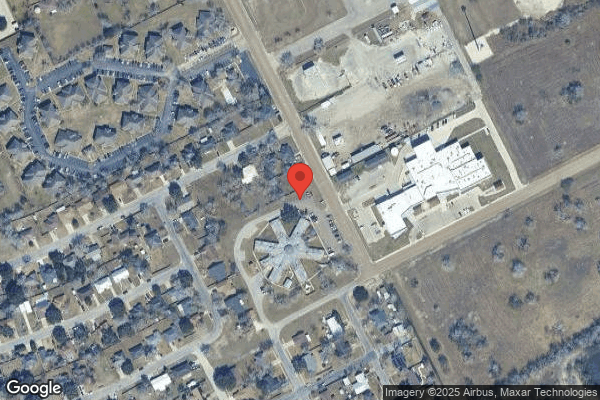
Apr 2023 1 deficiency
CONCERN (E)

Potential for Harm - no one hurt, but risky conditions existed

Comprehensive Care Plan (Tag F0656)

Could have caused harm · This affected multiple residents

**NOTE- TERMS IN BRACKETS HAVE BEEN EDITED TO PROTECT CONFIDENTIALITY** Based on interview and record review the facility failed to develop and implement a comprehensive person-centered care plan that...

Read full inspector narrative →
**NOTE- TERMS IN BRACKETS HAVE BEEN EDITED TO PROTECT CONFIDENTIALITY** Based on interview and record review the facility failed to develop and implement a comprehensive person-centered care plan that includes measurable objectives and time frames to meet a resident's medical and nursing needs to be furnished to attain or maintain the resident's highest practicable physical, mental, and psychosocial well-being for 3 of 16 residents (Resident #29, Resident #17, Resident #16) reviewed for care plans in that: The facility failed to develop a comprehensive person-centered care plan for Resident #17, use of anticoagulant medication. The facility failed to develop a comprehensive person-centered care plan for Resident #29 placement in the memory unit. The facility failed to develop a comprehensive person-centered care plan for Resident #16 for a left femur fracture sustained on 3/8/2023. These deficient practices could place residents in the facility at risk of not being provided with the necessary care or services and having personalized plans developed to address their specific needs. The findings included: 1)Record review of the admission record for Resident #29 dated 04/13/23 indicated Resident #29 was admitted on [DATE] and re-admitted on [DATE]. Resident #29 was a [AGE] year-old female with diagnosis that included urinary tract infection (infection in the urinary tract), diabetes (high blood sugars), alzheimer's disease (cause of dementia), cognitive communicative deficit, dysphagia (difficulty swallowing), anxiety disorder, cerebral infarction (stroke), disorientation, and depression. Record review of Resident #29's physician orders dated 04/13/23 indicated Resident #29 may reside in memory care unit, start date, 03/18/23. Record review of Resident #29's admission MDS dated [DATE] indicated Resident #29 was cognitively impaired, required extensive assistance by one person for bed mobility, transfers, transfers dressing, and personal hygiene. Resident #29 used anti-psychotic and antidepressant medications. Record review of Resident #29's care plans dated 04/03/23, indicated no care plan for the residing in the memory care unit. Observation and interview on 04/11/23 at 10:34 am revealed Resident #29 in the memory care unit, sitting in wheelchair in the dining room, calm and in no distress. Resident #29 responded she was doing good. Interview on 04/13/23 at 9:55 am with LVN A revealed the care plans were developed to include goals and interventions of focused areas of care. LVN A said a resident residing in the memory unit had special needs or care areas that were different than living in the general facility such as requiring more supervision, the resident's cognitive dementia, different activities and were exit seeking. LVN A said she had not seen a care plan for Resident #29 residing in the memory care unit. LVN A said she had not informed the MDS Coordinator/RN B to update and include a care plan for Resident #29 living in the memory care unit. Interview on 04/13/23 at 10:09 am with MDS Coordinator/RN B revealed a care plan for Resident #29 residing in the memory care unit should have been developed. MDS Coordinator/RN B said she had overlooked the care plan for Resident #29. Interview on 04/13/23 at 10:29 am with the DON revealed that there was not a care plan developed for Resident #29 living in the memory care unit. The DON said this could cause staff not to provide the necessary care such as more supervision and other interventions that would be developed for this area of care. 2) Record review of the admission record for Resident #17 dated 4/13/2023 indicated Resident #17 was admitted on [DATE] with a re-admit date of 4/01/2023. Resident #17 was a [AGE] year old female with a diagnoses that included Hypoxia (respiratory failure), Congestive Heart Failure (the heart muscles do not pump blood as well as it should), Atrial Fibrillation (irregular and often faster heartbeat), Atrial Flutter (abnormal heart rhythm), Aortic Stenosis ( narrowing of the aortic valve), Dementia (loss of cognitive function), Atrophy (wasting of muscles), Fluid overload (too much fluid in your body), and Depression. Record review of Resident #17's physician orders dated 3/19/2023 indicated an order for Eliquis (anticoagulant medication) 2.5 mg, give 1 tablet by mouth two times a day related to presence of heart-valve replacement. Record review of Resident #17's quarterly MDS dated [DATE] indicated a BIM score of 12. Resident #17 required extensive assistance by two persons for bed mobility, dressing, required extensive assistance by one person for, transfers, eating, toilet use and personal hygiene. Record review of Resident #17's care plans dated 03/31/23, indicated no care plan for the anticoagulant medication, Eliquis. Observation of Resident # 17 on 04/11/23 at 10:37 am revealed Resident #17 in wheelchair going into her room to grab a crossword puzzle and go sit outside with staff member. Resident #17 was in a pleasant mood. Interview with the Care Plan Coordinator on 04/13/23 at 10:10 am., the Care Plan Coordinator stated, only Coumadin was care planned and the facility typically does not care plan for Eliquis. The Care plan Coordinator stated, Eliquis was not care planned because it does not require special monitoring and if the resident was noted with bruising, then it would be care planned. The Care Plan Coordinator stated that the facility will start care planning for Eliquis but has not been since the medication Coumadin, has more known side effects than Eliquis and did not think it needed to be care planned. This surveyor asked if anticoagulant medications have mostly the same side effects, and Care Plan Coordinator stated, Yes. Side effects can include bruising and bleeding, but some residents respond differently, and Coumadin has more of a risk. The Care Plan Coordinator stated the facility will start to care plan all anticoagulants from now on. According to [NAME], Eliquis side effects could be, bruising, hemorrhaging, anemia (low blood cell count), low blood pressure, thrombocytopenia (low platelet count). Interview with the DON on 04/13/23 at 10:28 am., the DON stated, usually the facility does not care plan Eliquis because there are no labs drawn and monitoring for that medication. The DON stated, it wasn't care planned since there is no monitoring required for Eliquis, but since the medication Eliquis was the same classification (anticoagulants), the medication Eliquis could pose with the same side effects, and the facility will start care planning for all anticoagulants. 3) Record review of the admission record for Resident #16 dated 4/12/2023 indicated Resident #16 was admitted on [DATE] with a re-admit date of 4/01/2023. Resident #16 was a [AGE] year-old female with a diagnoses that included, Cerebral Infarction (stroke), Type 2 diabetes (insufficient production of insulin causing high blood sugar), Chronic Obstructive Pulmonary Disease (a condition that affects respiratory functions and system), Alzheimer's Disease (brain disorder that causes problems with memory, thinking and behavior), Fracture to Left Femur (as of 3/08/2023), Heart failure, and Atrophy (muscle wasting). Record review of Resident #16's quarterly MDS dated [DATE] indicated Resident #16 had a BIM score of 3, and required extensive assistance by two persons for eating, and total dependance-full staff performance every time during entire 7-day period for bed mobility, transfers, locomotion to unit, locomotion off unit, dressing, personal hygiene, and toilet use. Record review of Resident #16's care plans dated 03/22/23, indicated no care plan for a left femur fracture. Interview with the Care Plan Coordinator on 4/11/2023 at 2:30pm., the Care Plan Coordinator stated, care plan for Resident #16, does not state anything about the fracture injury that occurred on 3/8/23. The Care Plan Coordinator stated, the care plan should have been updated for Resident #16 and was not sure if she was in the Care Plan Coordination position at the time of Resident #16's left femur fracture, and it might have been the DON who was doing care plans at that time. As of 4/1/2023, facility changed ownership and she was Care Plan Coordinator prior to the change in ownership of the facility and then the DON took over for about month up until 4/1/2023. The Care Plan Coordinator stated, all care plans must be updated for any change of condition so staff can properly care for the residents. Interview with the DON on 4/11/23 at 2:40pm., the DON stated, care plans were updated for any change of conditions in residents, quarterly, yearly and with any incident. The DON stated, there was no reason for the care plan not to be updated and it was important for the care plan to be updated on every resident so individualized care can be given for that resident. The Care Plan Coordinator is responsible for updating all care plans for residents. Review of facility Care Plan Policy dated 3/13/2020 and revised on 10/2020 states, It is the practice of this facility to develop and implement a comprehensive person-centered care plan for each resident, consistent with resident rights, that includes measurable objectives and time frames to meet a resident's rights, that includes measurable objectives and time frames to meet a resident's medical, nursing, and mental and psychosocial needs that are identified in the resident's comprehensive assessment. The facility will ensure resident who display or are diagnosed with dementia receive the appropriate treatment and services to attain or maintain his or her highest practicable physical, mental, and psychosocial well-being. Person-centered care means to focus on the resident as the locus of control and support the resident in making their own choices and having control over their daily lives. The facility supports the resident's right to be informed of, and participate in, his or her care planning and treatment (implementation of care). Standard of Practice Explanation and Compliance Guidelines: Line 14 states, The comprehensive care plan will be reviewed and revised by the interdisciplinary team after each comprehensive, significant change of condition and quarterly MDS assessment.
Understanding Severity Codes (click to expand)
Life-Threatening (Immediate Jeopardy)
J - Isolated K - Pattern L - Widespread
Actual Harm
G - Isolated H - Pattern I - Widespread
Potential for Harm
D - Isolated E - Pattern F - Widespread
No Harm (Minor)
A - Isolated B - Pattern C - Widespread

Questions to Ask on Your Visit

  • "What changes have you made since the serious inspection findings?"
  • "Can I speak with families of current residents?"
  • "What's your RN coverage like on weekends and overnight?"

Our Honest Assessment

Strengths
  • • 39% turnover. Below Texas's 48% average. Good staff retention means consistent care.
Concerns
  • • Multiple safety concerns identified: 1 life-threatening violation(s), $38,687 in fines. Review inspection reports carefully.
  • • 11 deficiencies on record, including 1 critical (life-threatening) violation. These warrant careful review before choosing this facility.
  • • $38,687 in fines. Higher than 94% of Texas facilities, suggesting repeated compliance issues.
Bottom line: Mixed indicators with Trust Score of 63/100. Visit in person and ask pointed questions.

About This Facility

What is Avir At Beeville's CMS Rating?

CMS assigns Avir at Beeville an overall rating of 4 out of 5 stars, which is considered above average nationally. Within Texas, this rating places the facility higher than 99% of the state's 100 nursing homes. This rating reflects solid performance across the metrics CMS uses to evaluate nursing home quality.

How is Avir At Beeville Staffed?

CMS rates Avir at Beeville's staffing level at 4 out of 5 stars, which is above average compared to other nursing homes. Staff turnover is 39%, compared to the Texas average of 46%. This relatively stable workforce can support continuity of care.

What Have Inspectors Found at Avir At Beeville?

State health inspectors documented 11 deficiencies at Avir at Beeville during 2023 to 2025. These included: 1 Immediate Jeopardy (the most serious level, indicating potential for serious harm or death) and 10 with potential for harm. Immediate Jeopardy findings are rare and represent the most serious regulatory concerns. They require immediate corrective action.

Who Owns and Operates Avir At Beeville?

Avir at Beeville is owned by a for-profit company. For-profit facilities operate as businesses with obligations to shareholders or private owners. The facility is operated by AVIR HEALTH GROUP, a chain that manages multiple nursing homes. With 120 certified beds and approximately 60 residents (about 50% occupancy), it is a mid-sized facility located in Beeville, Texas.

How Does Avir At Beeville Compare to Other Texas Nursing Homes?

Compared to the 100 nursing homes in Texas, Avir at Beeville's overall rating (4 stars) is above the state average of 2.8, staff turnover (39%) is near the state average of 46%, and health inspection rating (4 stars) is above the national benchmark.

What Should Families Ask When Visiting Avir At Beeville?

Based on this facility's data, families visiting should ask: "What changes have been made since the serious inspection findings, and how are you preventing similar issues?" "Can I visit during a mealtime to observe dining assistance and food quality?" "How do you handle medical emergencies, and what is your hospital transfer rate?" "Can I speak with family members of current residents about their experience?" These questions are particularly relevant given the facility's Immediate Jeopardy citations.

Is Avir At Beeville Safe?

Based on CMS inspection data, Avir at Beeville has documented safety concerns. Inspectors have issued 1 Immediate Jeopardy citation (the most serious violation level indicating risk of serious injury or death). The facility has a 4-star overall rating and ranks #1 of 100 nursing homes in Texas. Families considering this facility should ask detailed questions about what corrective actions have been taken since these incidents.

Do Nurses at Avir At Beeville Stick Around?

Avir at Beeville has a staff turnover rate of 39%, which is about average for Texas nursing homes (state average: 46%). Moderate turnover is common in nursing homes, but families should still ask about staff tenure and how the facility maintains care continuity when employees leave.

Was Avir At Beeville Ever Fined?

Avir at Beeville has been fined $38,687 across 1 penalty action. The Texas average is $33,466. While any fine indicates a compliance issue, fines under $50,000 are relatively common and typically reflect isolated problems that were subsequently corrected. Families should ask what specific issues led to these fines and confirm they've been resolved.

Is Avir At Beeville on Any Federal Watch List?

Avir at Beeville is not on any federal watch list. The most significant is the Special Focus Facility (SFF) program, which identifies the bottom 1% of nursing homes nationally based on persistent, serious quality problems. Not being on this list means the facility has avoided the pattern of deficiencies that triggers enhanced federal oversight. This is a positive indicator, though families should still review the facility's inspection history directly.