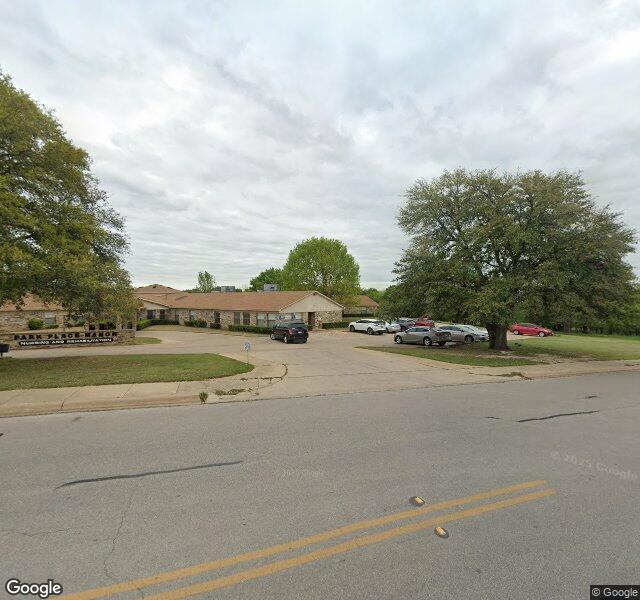
PARK PLACE MANOR

810 E 13TH AVE, BELTON, TX 76513 (254) 939-1876
For profit - Limited Liability company 114 Beds FOURCOOKS SENIOR CARE Data: November 2025 3 Immediate Jeopardy citations
Trust Grade
0/100
#539 of 1168 in TX
Last Inspection: September 2024

Within standard 12-15 month inspection cycle. Federal law requires annual inspections.

Overview

Park Place Manor has received a Trust Grade of F, indicating serious concerns about the facility's operations and care quality. Ranking #539 out of 1168 in Texas places it in the top half of facilities, but this is overshadowed by the poor Trust Grade. The facility's issues have remained stable, with 10 problems reported in both 2023 and 2024. Staffing is a relative strength with a turnover rate of 38%, lower than the Texas average of 50%, but the nursing coverage is concerning as it falls below 90% of Texas facilities. However, the facility has faced significant fines totaling $249,817, which is more than 94% of Texas facilities, indicating ongoing compliance issues. Specific incidents include failing to notify a resident's physician about missed medication doses, which could lead to serious health complications, and not using proper safety measures when assisting a resident, resulting in a fall and fracture. While the quality measures rating is excellent at 5/5, the health inspection and staffing ratings of 2/5 indicate notable weaknesses that families should consider carefully.

Trust Score
F
0/100
In Texas
#539/1168
Top 46%
Safety Record
High Risk
Review needed
Inspections
Holding Steady
10 → 10 violations
Staff Stability
○ Average
38% turnover. Near Texas's 48% average. Typical for the industry.
Penalties
○ Average
$249,817 in fines. Higher than 59% of Texas facilities. Some compliance issues.
Skilled Nurses
⚠ Watch
Each resident gets only 10 minutes of Registered Nurse (RN) attention daily — below average for Texas. Fewer RN minutes means fewer trained eyes watching for problems.
Violations
⚠ Watch
22 deficiencies on record. Higher than average. Multiple issues found across inspections.
★★★☆☆
3.0
Overall Rating
★★☆☆☆
2.0
Staff Levels
★★★★★
5.0
Care Quality
★★☆☆☆
2.0
Inspection Score
Stable
2023: 10 issues
2024: 10 issues

The Good

  • 5-Star Quality Measures · Strong clinical quality outcomes
  • Full Sprinkler Coverage · Fire safety systems throughout facility
  • No fines on record
  • Staff turnover below average (38%)

    10 points below Texas average of 48%

Facility shows strength in quality measures, fire safety.

The Bad

3-Star Overall Rating

Near Texas average (2.8)

Meets federal standards, typical of most facilities

Staff Turnover: 38%

Near Texas avg (46%)

Typical for the industry

Federal Fines: $249,817

Well above median ($33,413)

Significant penalties indicating serious issues

Chain: FOURCOOKS SENIOR CARE

Part of a multi-facility chain

Ask about local staffing decisions and management

The Ugly 22 deficiencies on record

3 life-threatening 2 actual harm
Dec 2024 2 deficiencies 2 Harm
SERIOUS (G) 📢 Someone Reported This

A family member, employee, or ombudsman was alarmed enough to file a formal complaint

Actual Harm - a resident was hurt due to facility failures

Resident Rights (Tag F0550)

A resident was harmed · This affected 1 resident

**NOTE- TERMS IN BRACKETS HAVE BEEN EDITED TO PROTECT CONFIDENTIALITY** Based on observation, interview, and record review, the facility failed to ensure each resident was treated with respect, dignit...

Read full inspector narrative →
**NOTE- TERMS IN BRACKETS HAVE BEEN EDITED TO PROTECT CONFIDENTIALITY** Based on observation, interview, and record review, the facility failed to ensure each resident was treated with respect, dignity, and care in a manner and in an environment that promoted maintenance or enhancement of his or her quality of life for 1 of 7 residents (Resident #4) reviewed for Resident Rights. The facility failed to ensure Resident #4 was treated with respect, dignity, and care while CNA A was assisting her to attend to grooming and dressing for breakfast in the dining room. This failure could place residents at risk for a loss of dignity, decreased self- worth, and decreased self-esteem. The non-compliance was identified as PNC. The noncompliance began on 12/03/2024 and ended on 12/5/2024. The facility had corrected the non-compliance before the investigation began. Finding included: Review of the Face Sheet for Resident #4 dated 12/03/2024 reflected a [AGE] year-old female admitted to the facility on [DATE] with diagnoses of Alzheimer's Disease (a brain disorder that causes a gradual decline in memory, thinking, and reasoning skills) and Need for Assistance with Personal Care. Review of the MDS assessment for Resident #4 dated 11/26/2024 reflected Resident #4 required assistance in all activities of daily living. Review of the Care Plan for Resident #4 revised 01/22/2024 reflected the following: (Resident #4) has an ADL Self Care Performance (Bed Mobility, Transfers, Eating, Bathing, Dressing, and Personal Hygiene) Deficits r/t: Activity Intolerance, Disease Process (Post-Polio Syndrome), Depression, Fatigue, Impaired balance. The resident will maintain current level of function in Bed Mobility, Transfers, Eating, Dressing, Toilet Use and Personal Hygiene over next 90 days. Locomotion on and off unit: Resident needs assist of 1 staff to transfer with assist of gait belt. Resident utilizes a wheelchair as adaptive device for mobility and require assist of 1 staff for mobility on and off unit. Resident is able to wheel self. Transfer: the resident is limited assistance for transfers. Provide 2 person for transfer. Encourage and remind resident to hold onto handles during transfer. Provide reassurance as needed. Observe extremities and devices during transfer and position for comfort. Ensure wheelchair is available to facilitate transfers. Personal Hygiene: the resident is limited assistance with personal hygiene. Ensure that hygiene items are available for use. Offer resident hygiene items and provide reminders, verbal cues and encouragement as needed. Do not rush, allow resident time to complete task. Provide assistance as needed to complete tasks. Check nail length and trim and clean per facility guidelines and as necessary. Report any changes to the nurse. Prior to trimming nail verify with Nurse for contraindications. Dressing: The resident requires limited assistance with dressing. Encourage and allow resident to choose weather appropriate clothing, non-slip/skid shoes/socks of choice. Provide encouragement, verbal cues and simple 1-2 step instruction as needed. Provide assistance with buttons, zippers, tying shoes etc. to compete tasks. Record review of the facility investigation report on 12/18/2024 reflected the following event: The administrator was notified by the DON on 12/3/2024 Resident #4 made an allegation of abuse against CNA A. Resident #4 informed CNA B and DON that CNA A grabbed her roughly out of bed and yanked and pulled her hair while combing it. At that time, continuous monitoring of the resident was implemented by CNA B. Record review of the Facility Investigation Reports and interviews of CNA B and DON confirmed that Resident #4 reported she was rudely awakened and treated rudely and roughly by CNA A. Record Review of the Facility Investigation and Follow Up Report and confirmed in interview with the Administrator immediate action to ensure the safety of the resident was implemented. The following observations, assessments, and interventions occurred on 12/3/24: CNA B observed Resident #4 crying and reporting abuse by CNA A. CNA B began continuous monitoring of Resident #4. The DON was notified, and she notified the Administrator that Resident #4 made an allegation of abuse against CNA A. The DON assessed Resident #4 for signs of trauma to the scalp or body. The assessment was reflected in the Record review of the documentation of the Facility Investigation, record review of the progress note submitted by the DON and confirmed per interview with the DON. There was no evidence of injury. Record review of the documentation included in the Facility Investigation Report contained a statement submitted by the SW on 12/3/24. The documentation revealed that Resident #4 stated she did not feel safe due to the treatment she received from CNA A. Record review of the facility policy, Prevention and Reporting of Suspected Resident Abuse and Neglect stated Upon identification of suspected abuse and/or neglect, provide for the immediate safety of the resident. Means of providing protection may include but are not limited to moving resident to another room or unit; provide one-on-one monitoring as appropriate; suspend suspected employee(s) pending outcome of the investigation. Based on record review of the facility investigation and confirmed in an interview with the Administrator, upon receiving notification of the allegation, the Administrator suspended CNA A. Record review of CNA A personnel file demonstrates documentation of the suspension dated 12/03/2024. The facility policy, 'Prevention and Reporting of suspected Resident Abuse and Neglect stated Investigation of all alleged violations will be done under the direction of the DON and/or Administrator. Record review of the documentation of the facility investigation and confirmed during interview with the Administrator, an investigation was initiated immediately after the report was received. The investigation was completed on 12/03/2024. Record review of staff training records demonstrated the staff were inserviced on the Abuse Policy, Resident Rights, Code of Conduct/Code of Ethics, Standard of Conduct, Suspected Abuse/Neglect Checklist was completed on 12/03/2024. Record review of CNA A employee file contained documentation of termination dated 12/05/2024. This was confirmed in interview with Administrator. A telephone interview was conducted on 12/18/2024 11:07 AM with Resident #4's family member. The family member confirmed that he was notified of the event and the actions taken afterward. The family member stated he believed the incident was handled appropriately and Resident #4 was well taken care of. Observation of Resident #4 was conducted in the Dining Room on 12/18/2024 11:12 AM. Resident #4 was clean and dressed in clothing appropriate to the situation. Resident #4 did not have any signs of fear or abuse. In an interview of Resident #4 she stated she did not remember anyone ever being rough with her. A phone interview was conducted with CNA B 12/18/2024 at 3:53pm. She stated that she went into Resident #4's room to take her tray and noticed Resident #4 was crying and jumpy. CNA B stated that Resident #4 told her she was treated badly by another staff member. CNA B stated that she went and got the DON and went back to Resident #4's room. CNA B heard Resident #4 tell the DON that she was afraid to be left alone. Record Review of the DON's statement for the Facility Investigation report and confirmed per interview with the DON revealed Resident #4 was trembling and stated please don't hurt me. Additionally, Resident #4 reported the CNA A pulled her hair and shoved and jerked her out of the bed. CNA B stated she heard from other residents that they do not receive abuse from CNA A; however, they state that sometimes she does not get them to the shower when they ask. A phone interview was conducted with CNA D 12/18/2024 at 3:58 PM. CNA D stated she walked to Resident #4's room to pick up a tray, but the door was closed. CNA D opened the door and noticed CNA B was present. CNA D stated Resident #4 was hysterical and kept asking why she did this to me. CNA D stated Resident #4 said that she was pushed in the restroom forcefully and that her hair was combed roughly by the other lady. CNA D stated she sat with Resident #4 for a while, until she calmed down. CNA D confirmed record review of inservice documentation of inservice training received on Abuse and Neglect. Record review of personnel file for CNA A, reflected required background checks, and orientation/training on abuse/neglect/exploitation, resident rights, and dementia care. Observed 2 different individual in-services dated 4/19/24 and 7/11/24 for Standard of Conduct, Code of Ethics, Patient Care, Resident rights. The file also contained the Verbal Warning disciplinary notice of suspension dated 12/03/2024 and the Termination Notice dated 12/05/2024. Record review of the Texas Health and Human Services/ Texas Long-Term Care Ombudsman Nursing Facility Residents [NAME] of Rights dated November 2021 revealed: Residents Rights Residents of Texas nursing facilities have all the rights, benefits, responsibilities, and privileges granted by the Constitution and laws of this state and the United States. They have the right to be free of interference, coercion, discrimination, and reprisal in exercising these rights as citizens of the United States. Dignity and Respect You have a right to be treated with dignity, courtesy, consideration, and respect.
SERIOUS (G) 📢 Someone Reported This

A family member, employee, or ombudsman was alarmed enough to file a formal complaint

Actual Harm - a resident was hurt due to facility failures

Free from Abuse/Neglect (Tag F0600)

A resident was harmed · This affected 1 resident

**NOTE- TERMS IN BRACKETS HAVE BEEN EDITED TO PROTECT CONFIDENTIALITY** Based on observation, interview, and record review, the facility failed to ensure the resident had the right to be free from phy...

Read full inspector narrative →
**NOTE- TERMS IN BRACKETS HAVE BEEN EDITED TO PROTECT CONFIDENTIALITY** Based on observation, interview, and record review, the facility failed to ensure the resident had the right to be free from physical abuse for 1 of 7 residents (Resident #4) reviewed for abuse. CNA A awakened Resident #4 abruptly, was rude and rough with her. The resident stated CNA A dug the comb in her scalp while combing her hair. Resident #4 was crying, shaking, and stated she did not feel safe. The non-compliance was identified as PNC. The noncompliance began on 12/03/2024 and ended on 12/5/2024. The facility had corrected the non-compliance before the investigation began. This failure placed residents at risk of fear and physical/psychosocial injury. Findings included: Review of the Face Sheet for Resident #4 dated 12/03/2024 reflected a [AGE] year-old female admitted to the facility on [DATE] with diagnoses of Alzheimer's Disease (a brain disorder that causes a gradual decline in memory, thinking, and reasoning skills) and Need for Assistance with Personal Care. Review of the MDS assessment for Resident #4 dated 11/26/2024 reflected . Resident #4 required assistance in all activities of daily living. Review of the Care Plan for Resident #4 revised 01/22/2024 reflected the following: (Resident #4) has an ADL Self Care Performance (Bed Mobility, Transfers, Eating, Bathing, Dressing, and Personal Hygiene) Deficits r/t: Activity Intolerance, Disease Process (Post-Polio Syndrome), Depression, Fatigue, Impaired balance. The resident will maintain current level of function in Bed Mobility, Transfers, Eating, Dressing, Toilet Use and Personal Hygiene over next 90 days. Locomotion on and off unit: Resident needs assist of 1 staff to transfer with assist of gait belt. Resident utilizes a wheelchair as adaptive device for mobility and require assist of 1 staff for mobility on and off unit. Resident is able to wheel self. Transfer: the resident is limited assistance for transfers. Provide 2 person for transfer. Encourage and remind resident to hold onto handles during transfer. Provide reassurance as needed. Observe extremities and devices during transfer and position for comfort. Ensure wheelchair is available to facilitate transfers. Personal Hygiene: the resident is limited assistance with personal hygiene. Ensure that hygiene items are available for use. Offer resident hygiene items and provide reminders, verbal cues and encouragement as needed. Do not rush, allow resident time to complete task. Provide assistance as needed to complete tasks. Check nail length and trim and clean per facility guidelines and as necessary. Report any changes to the nurse. Prior to trimming nail verify with Nurse for contraindications. Dressing: The resident requires limited assistance with dressing. Encourage and allow resident to choose weather appropriate clothing, non-slip/skid shoes/socks of choice. Provide encouragement, verbal cues and simple 1-2 step instruction as needed. Provide assistance with buttons, zippers, tying shoes etc. to compete tasks. Record review of the facility investigation report on 12/18/2024 reflected the following event: The administrator was notified by the DON on 12/3/2024 Resident #4 made an allegation of abuse against CNA A. Resident #4 informed CNA B and DON that CNA A grabbed her roughly out of bed and yanked and pulled her hair while combing it. At that time, continuous monitoring of the resident was implemented by CNA B. Record Review of the Facility Investigation and Follow Up Report and confirmed in interview with the Administrator immediate action to ensure the safety of the resident was implemented. The following observations, assessments, and interventions occurred on 12/3/24: CNA B observed Resident #4 crying and reporting abuse by CNA A. CNA B began continuous monitoring of Resident #4. The DON was notified, and she notified the Administrator that Resident #4 made an allegation of abuse against CNA A. The DON assessed Resident #4 for signs of trauma to the scalp or body. The assessment was reflected in the Record review of the documentation of the Facility Investigation, record review of the progress note submitted by the DON and confirmed per interview with the DON. There was no evidence of injury. The Administrator implemented an investigation beginning with an interview of Resident #4. Next, the Administrator interviewed CNA A and asked her to write a statement regarding the incident. Record review of the statement demonstrated that the resident was upset about getting hair combed and did not want to get up like ever morning. There was no admission/denial of abuse to the resident. Interview with the Administrator confirmed CNA A denied the allegation and responded by stating what else do you want me to write? when invited to add to her statement. The Administrator suspended CNA A immediately. The Administrator then administered the facility Resident Abuse/Neglect Questionnaire to Resident #4. Record review of the Questionnaire demonstrated that Resident #4 understood what it meant to be abused or neglected, a statement that this was the first time Resident #4 had been abused or neglected by a staff member, Resident #4 stated she would notify the Head Nurse if feeling she had been abused or neglected, and that she had nothing else she wanted to share. Per Record Review of the Facility Investigation report and confirmed by interview with the Administrator Safety Rounds were immediately implemented. Confirmed per Record review of the safety rounds and Administrator interview, all other residents assessed denied having been mistreated or harmed by any staff. Following this, the Administrator interviewed staff present to include the DON, other CNA's and the Social Worker. After the interviews were completed, the Administrator notified the Chief of Operations and Clinical Director. The DON notified the resident's responsible party and the physician. Inservice training on the following was implemented: Abuse Policy, Resident Rights, Code of Conduct/Code of Ethics, Standard of Conduct, and suspected Abuse Checklist. The Administrator performed safety rounds on residents who also resided on the same hallway where CNA A was assigned. The Social Worker performed an assessment to assess for negative emotional outcomes. She also notified the Resident's Representative of the event and notified him that CNA A will no longer be employed at the facility. On 12/5/2024, CNA A was terminated. Record review of the facility policy, Prevention and Reporting of Suspected Resident Abuse and Neglect stated Upon identification of suspected abuse and/or neglect, provide for the immediate safety of the resident. Means of providing protection may include but are not limited to: moving resident to another room or unit; provide one-on-one monitoring as appropriate; suspend suspected employee(s) pending outcome of the investigation. Based on record review of the facility investigation and confirmed in an interview with the Administrator, upon receiving notification of the allegation, the Administrator suspended CNA A. Record review of CNA A personnel file demonstrates documentation of the suspension dated 12/03/2024. The facility policy, 'Prevention and Reporting of suspected Resident Abuse and Neglect stated Investigation of all alleged violations will be done under the direction of the DON and/or Administrator. Record review of the documentation of the facility investigation and confirmed during interview with the Administrator, an investigation was initiated immediately after the report was received. The investigation was completed on 12/03/2024. Record review of staff training records demonstrated the staff were inserviced on the Abuse Policy, Resident Rights, Code of Conduct/Code of Ethics, Standard of Conduct, Suspected Abuse/Neglect Checklist was completed on 12/03/2024. Record review of CNA A employee file contained documentation of termination dated 12/05/2024. This was confirmed in interview with Administrator. Record Review of Psychological Services progress note dated 12/04/2024 at 12:12pm revealed that Resident #4 did not express any particular complaints or ongoing concerns about the issue. A telephone interview was conducted on 12/18/2024 11:07AM with Resident #4's family member. The family member confirmed that he was notified of the event and the actions taken afterward. The family member stated he believed the incident was handled appropriately and Resident #4 was well taken care of. Resident #4 was observed in the Dining Room on 12/18/2024 11:12AM. Resident #4 was clean and dressed in clothing appropriate to the situation. Resident #4 did not have any signs of fear or abuse. In an interview of Resident #4 she stated she did not remember anyone ever being rough with her. A phone interview was conducted with CNA B 12/18/2024 at 3:53pm. She stated that she went into Resident #4's room to take her tray and noticed Resident #4 was crying and jumpy. CNA B stated that Resident #4 told her she was treated badly by another staff member. CNA B stated that she went and got the DON and went back to Resident #4's room. CNA B heard Resident #4 tell the DON that she was afraid to be left alone. Record Review of the DON's statement for the Facility Investigation report and confirmed per interview with the DON revealed Resident #4 was trembling and stated please don't hurt me. Additionally, Resident #4 reported the CNA A pulled her hair and shoved and jerked her out of the bed. CNA B stated she heard from other residents that they do not receive abuse from CNA A; however, they state that sometimes she does not get them to the shower when they ask. A phone interview was conducted with CNA D 12/18/2024 at 3:58 PM. CNA D stated she walked to Resident #4's room to pick up a tray, but the door was closed. CNA D opened the door and noticed CNA B was present. CNA D stated Resident #4 was hysterical and kept asking why she did this to me. CNA D stated Resident #4 said that she was pushed in the restroom forcefully and that her hair was combed roughly by the other lady. CNA D stated she sat with Resident #4 for a while, until she calmed down. CNA D confirmed record review of inservice documentation of inservice training received on Abuse and Neglect. Interview with LVN F was conducted at 12/18/2024 4:30 PM . LVN F verbally confirmed she received training regarding Abuse Policy, Resident Rights, code of Conduct/Code of Ethics, Standards of Conduct, and Education on Suspected Abuse and Neglect Checklist on 12/3/2024 as documented on the Inservice Sheet for that date. Interview with LVN G was conducted at 12/18/2024 4:40 PM. LVN G verbally confirmed she received training regarding Abuse Policy, Resident Rights, code of Conduct/Code of Ethics, Standards of Conduct, and Education on Suspected Abuse and Neglect Checklist on 12/3/2024 as documented on the Inservice Sheet for that date. Record Review of in-service for 12/03/2024 revealed training on Abuse Policy, Resident Rights, Code of Conduct/Code of Ethics, Standards of Conduct, and Education on Suspected Abuse and Neglect Checklist received by direct care staff, housekeeping, dietary, and nonclinical staff . There were a total of 41 signatures on the inservice record. Review of personnel file for CNA A, reflected required background checks, and orientation/training on abuse/neglect/exploitation, resident rights, and dementia care. Observed 2 different individual in-services dated 4/19/24 and 7/11/24 for Standard of Conduct, Code of Ethics, Patient Care, Resident rights. The file also contained the Verbal Warning disciplinary notice of suspension dated 12/03/2024 and the Termination Notice dated 12/05/2024. Review of facility policy titled Prevention and Reporting of Suspected Resident Abuse and Neglect on 12/18/2024 11:07 AM reflected the following: this facility has designed and implemented processes, which strive to ensure the prevention and reporting of suspected or alleged resident abuse and neglect. This facility has implemented the follow processes in an effort to provide resident and staff a comfortable and safe environment. The administrator and Director of Nursing are responsible for the implementation and ongoing monitoring of abuse policies and procedures. Implementation and ongoing monitoring consist of the following policies: Screening, Training, Prevention, Identification, Protection, Investigation and Reporting.
Sept 2024 5 deficiencies
CONCERN (D) 📢 Someone Reported This

A family member, employee, or ombudsman was alarmed enough to file a formal complaint

Potential for Harm - no one hurt, but risky conditions existed

Deficiency F0558 (Tag F0558)

Could have caused harm · This affected 1 resident

**NOTE- TERMS IN BRACKETS HAVE BEEN EDITED TO PROTECT CONFIDENTIALITY** Based on observations, interviews, and record review the facility failed to ensure the right to receive services in the facility...

Read full inspector narrative →
**NOTE- TERMS IN BRACKETS HAVE BEEN EDITED TO PROTECT CONFIDENTIALITY** Based on observations, interviews, and record review the facility failed to ensure the right to receive services in the facility with reasonable accommodation of resident needs and preferences for 1 (Resident #12) of 10 residents reviewed for reasonable accommodation of needs. The facility failed to ensure the call light system in Resident #12's room was in a position that was accessible to Resident #12. This failure could place Resident#12 at risk of being unable to obtain assistance when needed and help in the event of an emergency. Findings included: Review of Resident #12's Face Sheet, dated 09/11/2024, reflected that Resident #12 was a [AGE] year-old female admitted on [DATE]. Resident #12 was diagnosed with hemiplegia (muscle weakness affecting one side of the body) affecting left non- dominant side. Review of Resident #12's Quarterly MDS (Minimum Data Set: tool to assess health and functional capabilities) Assessment, dated 08/29/2024, reflected that Resident #12 was cognitively intact with a BIMS (Brief Interview for Mental Status: tool used to evaluate cognitive impairment) score of 15. Resident #12 used a walker to ambulate and required assistance with some activities of daily living. Review of Resident #12's Comprehensive Care Plan, dated 08/26/2024, reflected that Resident #12 was at risk for falls due to unsteady gait, decreased balance, medications, poor safety awareness. Resident uses a mobility device. Requires assistance with transfers. One intervention is to provide assistance to keep area of ambulation free from clutter, trip, spill hazards. An observation and interview on 09/10/24 at 08:59 AM revealed that Resident #12 was sitting in a recliner in her room. Resident #12's walker was positioned in front of the recliner and slightly to the right. The call light was secured to the side of Resident #12's bed. It was placed on the side of the bed that faced where the Resident #12 was sitting. The bed was approximately 6 feet from where Resident #12 sat in her recliner. Resident #12 stated that she could not reach the call light and that sometime they don't put it where I can reach it. Resident #12 stated that she had to be careful when she walked to the bed to get her call light. During an interview with CNA B on 09/10/24 at 11:20 AM, she stated that the call light is the residents' lifeline and that it allowed them to call for anything that they needed. CNA B stated that having the call light in reach was also important because the residents felt more secure. During an interview with LVN B on 09/10/24 at 11:35 AM, he stated the call light should have been within Resident #12's reach in case she had a need for anything. LVN B stated that was important because it could help prevent the resident from getting up and potentially falling. During an interview with the ADON on 09/10/24 at 11:42 AM, she stated that the resident's call light should be in reach for their safety and to prevent falls. The facility's policy Use of Call Light, Procedure 230 reflected When providing care to residents be sure to position the call light conveniently for the resident to use. Tell the resident where the call light is and show him/her how to use the call light. Undated.
CONCERN (D) 📢 Someone Reported This

A family member, employee, or ombudsman was alarmed enough to file a formal complaint

Potential for Harm - no one hurt, but risky conditions existed

Infection Control (Tag F0880)

Could have caused harm · This affected 1 resident

**NOTE- TERMS IN BRACKETS HAVE BEEN EDITED TO PROTECT CONFIDENTIALITY** Based on observations, interviews, and record review, the facility failed to maintain an infection control program designed to p...

Read full inspector narrative →
**NOTE- TERMS IN BRACKETS HAVE BEEN EDITED TO PROTECT CONFIDENTIALITY** Based on observations, interviews, and record review, the facility failed to maintain an infection control program designed to provide a sanitary environment and to help prevent the development and transmission of communicable diseases and infections for 1 (Resident #50) of 4 residents observed for Infection Control. The facility failed to ensure that CNA B changed gloves and performed hand hygiene while providing incontinent care to Resident #50. These failures could place the residents at risk of cross-contamination and development of infections. Findings included: Review of Resident #50's Face Sheet, dated 09/11/24, reflected that Resident #50 was a [AGE] year-old female admitted on [DATE]. Resident #50 was diagnosed with atrial fibrillation (irregular heart rate that can prevent the heart from pumping blood properly), myocardial infarction (also known as heart attack: blockage of blood flow to the heart muscle) and arthritis (joint pain and stiffness). Review of Resident #50's Quarterly MDS Assessment, dated 08/14/24, reflected that Resident #50 was cognitively intact with a BIMS score of 15. Resident #50 was incontinent of bowel and bladder. Review of Resident #50's care plan, dated 09/05/24, reflected that Resident #50 is currently incontinent of bladder/ bowel. At risk for altered skin integrity. Resident is total dependent on staff for transfers and toileting. An observation on 09/11/24 at 09:30 AM revealed that CNA B provided incontinent care to Resident #50. CNA B entered Resident #50's room and told her she was going to do peri care. CNA B went to the resident's restroom and washed her hands. CNA B put on gloves and opened the resident's brief. CNA B cleaned each side of the peri area, then down the middle, using a different wipe for each pass. CNA B removed her soiled gloves but did not wash her hands before putting on a clean pair of gloves. Resident #50 rolled to her right side. CNA B wiped each side of resident's bottom, then the rectal area, using a clean wipe with each pass. She removed the soiled gloves and put on clean gloves without washing her hands. She placed a clean brief under the resident. Resident #50 rolled to her back and CNA B fastened her brief. CNA B removed her gloves but did not wash her hands before pulling up Resident #50's top sheet to cover her. CNA B washed her hands in the resident's restroom before leaving the room. In an interview on 09/11/24 at 09:40 AM, CNA B stated she should have washed her hands each time she removed her dirty gloves. CNA B stated she was nervous and forgot to. CNA B stated it was important to wash her hands or use hand sanitizer so that she did not spread germs. CNA B stated that she wanted to protect her residents and herself when she provided care to the residents. In an interview on 09/11/24 at 9:50 AM, the DON stated that CNA B should have used hand sanitizer or washed her hands each time she removed soiled gloves. The DON stated that performing hand hygiene prevented cross contamination and spreading bacteria. In an interview on 09/11/24 at 09:55 AM, the ADON stated that CNA B was supposed to use sanitizer or wash hands after removing soiled gloves and before CNA B had put on clean gloves. The ADON stated this prevents infection and cross contamination. The ADON stated that proper hand hygiene also protects the staff. The facility did not provide a policy for infection control or hand hygiene before exit.
CONCERN (E)

Potential for Harm - no one hurt, but risky conditions existed

Safe Environment (Tag F0584)

Could have caused harm · This affected multiple residents

**NOTE- TERMS IN BRACKETS HAVE BEEN EDITED TO PROTECT CONFIDENTIALITY** Based on observations, interviews, and record review the facility failed to provide a safe, clean, comfortable, and homelike env...

Read full inspector narrative →
**NOTE- TERMS IN BRACKETS HAVE BEEN EDITED TO PROTECT CONFIDENTIALITY** Based on observations, interviews, and record review the facility failed to provide a safe, clean, comfortable, and homelike environment including but not limited to receiving treatment and supports for daily living safely for 5 (room [ROOM NUMBER], #2, #3, #4, and #5) of 12 resident rooms reviewed for cleanliness and sanitization. The facility failed to ensure that Resident Rooms #1, #2, #3, #4, and #5 were thoroughly cleaned and sanitized. This deficient practice could place residents at risk of living in an unclean and unsanitary environment which could lead to a decreased quality of life. Findings included: An observation on 09/10/24 at 10:33 AM of Resident room [ROOM NUMBER] reflected the floor in the resident's bathroom had dark orange stains circling the toilet and on the bottom of the toilet. An observation on 09/10/24 at 10:36 AM of Resident room [ROOM NUMBER] reflected the floor in the resident's bathroom had dark orange stains circling the toilet. The inside of the toilet had a long dark rust in color stain (approximately 3 inches in length). An observation on 09/10/24 at 10:42 AM of Resident room [ROOM NUMBER] reflected the floor in the resident's bathroom had dark orange stains circling the toilet and on the bottom of the toilet. An observation on 09/10/24 at 10:54 AM of Resident room [ROOM NUMBER] reflected the floor in the resident's bathroom had dark orange stains circling the toilet and on the bottom of the toilet. An observation on 09/10/24 at 11:24 AM of Resident room [ROOM NUMBER] reflected the floor in the resident's bathroom had dark orange stains circling the toilet and in the corners of the floor. In an interview on 09/12/24 at 11:00 AM, the Housekeeping Supervisor stated she had been at the facility for 15 years. She stated the staff were to clean the entire room, including the resident bathroom. She was shown the concerns observed in Resident room [ROOM NUMBER], #2, #3, #4, and #5. She stated housekeeping were to clean the areas observed and they just hired a floor tech to assist in cleaning the bathroom floors around the toilets, which were heavily stained. She stated the risk of the areas not being cleaned would not be good for the resident and she would not like the stains in her bathroom. In an interview on 09/12/24 at 11:08 AM, Housekeeping J stated she had been at the facility for over 24 years. She stated she cleaned rooms on hall 100 and 600. She stated she deeps cleans the room once a day, including the bathroom. She was shown pictures of the concerns observed in the Resident room [ROOM NUMBER], #2, #3, #4, and #5, and she stated they were responsible for cleaning the areas mentioned. She stated they had tried to scrub the areas in the bathroom around the toilet but had been unable to get it cleaned. She stated the risk to the resident was that they would not like it. In an interview on 09/12/24 at 11:20 AM, the Administrator stated she had not been made fully aware of the concerns observed in the resident rooms. She was shown pictures of the concerns observed in resident room [ROOM NUMBER], #2, #3, #4, and #5. She stated that she would follow-up with the housekeeping supervisor to ensure these concerns were addressed. She stated her expectation was for housekeeping to ensure they were thoroughly cleaning resident rooms. She stated the risk of not thoroughly cleaning resident rooms could result in infections and it was not good for their dignity. Review of the facility's policy on Internal Environmental Services (undated) reflected: Assure that the resident remains a pleasant, clean, and safe place to live. Procedure: The residence will be kept clean and well maintained. This will be accomplished through a regular cleaning schedule, a preventive maintenance program, and repair the or enhancement of existing structures, systems, equipment, and fixtures.
CONCERN (E) 📢 Someone Reported This

A family member, employee, or ombudsman was alarmed enough to file a formal complaint

Potential for Harm - no one hurt, but risky conditions existed

Respiratory Care (Tag F0695)

Could have caused harm · This affected multiple residents

**NOTE- TERMS IN BRACKETS HAVE BEEN EDITED TO PROTECT CONFIDENTIALITY** Based on observations, interviews, and record review, the facility failed to ensure that residents, who needed respiratory care,...

Read full inspector narrative →
**NOTE- TERMS IN BRACKETS HAVE BEEN EDITED TO PROTECT CONFIDENTIALITY** Based on observations, interviews, and record review, the facility failed to ensure that residents, who needed respiratory care, were provided care consistent with professional standards of practice for 7 (Resident #24, Resident #25, Resident #12, Resident #31, Resident #54, Resident #17, and Resident #16) of 10 residents reviewed for Respiratory Care. 1. The facility failed to ensure that Resident #24's nasal cannula (flexible tube used to deliver oxygen to the nose through two prongs) was properly stored. 2. The facility failed to ensure that Resident #25's nebulizer (machine that turns liquid medication into a mist and breathed directly into the lungs) face mask was properly stored. 3. The facility failed to ensure that Resident #12's CPAP (continuous positive airway pressure: machine used to deliver pressurized air through a mask to keep airways open) was stored properly. 4. The facility failed to ensure that Resident #31's nebulizer face mask was properly stored. 5. The facility failed to ensure resident #54's nebulizer face mask was properly stored. 6. The facility failed to ensure that Resident #17's CPAP was properly stored. 7. The facility failed to ensure that Resident #16's nebulizer face mask was properly stored. These failures could place the residents at risk for respiratory infection and not having their respiratory needs met. Findings included: Resident #24 Review of Resident #24's Face Sheet, dated 09/16/2024, reflected that resident was an [AGE] year-old female admitted on [DATE]. Resident #24 was diagnosed with COPD (Chronic Obstructive Pulmonary Disease: lung disease that blocks airflow and makes it difficult to breathe). Review of Resident #24's Quarterly MDS Assessment, dated 08/28/2024, reflected that Resident #24 had an intact cognition with a BIMS (Brief Interview for Mental Status: test used to measure cognitive decline) score of 15. Resident #24 was administered oxygen therapy. Review of Resident #24's Comprehensive Care Plan, dated 08/05/2024, reflected that Resident #24 was at risk for shortness of breath, respiratory distress, increased anxiety due to DX COPD . An intervention was to observe for shortness of breath, respiratory distress, increased anxiety and implement appropriate ordered interventions. Notify medical doctor if interventions were not effective. An observation 09/10/24 at 08:49 AM revealed Resident #24's nasal cannula was hanging over the back of Resident #24's wheelchair. The nasal cannula was not stored properly. Resident #25 Review of Resident #25's Face Sheet, dated 09/16/2024, reflected that Resident #25 was an [AGE] year-old female admitted on [DATE]. Resident #25 was diagnosed with Asthma (chronic lung disease) and OSA (Obstructive Sleep Apnea: sleep-related breathing disorder). Resident #25 had severe cognitive impairment with a BIMS score of 04. Resident #25 was treated for chronic respiratory failure. Review of Resident #25's Comprehensive Care Plan, dated 07/01/2024, reflected that Resident #25 had altered respiratory status and difficulty breathing related to Asthma and OSA. An intervention was to educate resident/family/caregivers regarding side effects and overuse of inhalers and nebulizers. An observation on 09/10/24 at 08:56 AM revealed that Resident #25's nebulizer mask was hanging from the bed controller that was on Resident #25's bedside table. The nebulizer mask was not stored properly. Resident #12 Review of Resident #12's Face Sheet, dated 09/11/2024, reflected that Resident #12 was a [AGE] year-old female admitted on [DATE]. Resident #12 was diagnosed with Asthma and OSA. Review of Resident #12's Quarterly MDS Assessment, dated 08/29/2024, reflected that Resident #12 was cognitively intact with a BIMS score of 15. Resident #12 used a non-invasive mechanical ventilator (delivers oxygen to lungs). Review of Resident #12's Comprehensive Care Plan, dated 08/26/2024, reflected that Resident #12 was at risk for complications of Asthma. One intervention was monitor vital signs, skin color, pulse oximetry, airway functioning and degree of restlessness which may indicate hypoxia. An observation on 09/10/24 at 08:59 AM revealed Resident #12's CPAP face mask was on Resident #12's bedside table and was not stored properly. Resident #31 Review of Resident #31's Face Sheet, dated 09/16/2024, reflected that the resident was a [AGE] year-old male admitted on [DATE]. Resident #31 was diagnosed with COPD. Review of Resident #31's Quarterly MDS Assessment, dated 07/22/2024, reflected that Resident #31 was cognitively intact with a BIMS score of 15. Resident #31 had shortness of breath when lying flat. Review of Resident #31's Comprehensive Care Plan, dated 08/08/2024, reflected that Resident #31 was at increased risk for shortness of breath, respiratory distress and increased anxiety related to COPD. The interventions were to educate resident/family/caregivers regarding side effects and overuse of inhalers and nebulizers and to monitor vital signs, skin color, pulse oximetry, airway functioning and degree of restlessness which may indicate hypoxia. An observation on 09/10/24 at 09:02 AM revealed that Resident #31's nebulizer mask was on the table next to Resident #31's bed and was not stored properly. Resident #54 Review of Resident #54's Face Sheet, dated 09/16/2024, reflected that the resident was a [AGE] year-old female admitted on [DATE]. Resident #54 was diagnosed with cerebral infarction (also known as a stroke: a serious condition that occurs when blood flow to the brain is blocked), dysphagia (difficulty swallowing), and spastic hemiplegia (muscles on one side of the body are in a constant state of contraction) affecting the left non-dominant side. Review of Resident #54's Order Summary Report, dated 09/12/24, reflected an order on 09/03/24 for Ipratropium-Albuterol Inhalation Solution 0.5-2.5 (3) MG/3ML (Ipratropium-Albuterol) 1 inhalation inhale orally every 6 hours for cough/congestion. Review of Resident #54's Quarterly MDS Assessment, dated 08/15/2024, reflected that Resident #54 was cognitively intact with a BIMS score of 13. The Quarterly MDS Assessment indicates that Resident #54 did not experience shortness of breath or symptoms of a swallowing disorder. Review of Resident #54's Comprehensive Care Plan, dated 05/16/2024, reflected that Resident #54 required a pureed diet and thickened liquids related to cerebral infarction and dysphagia. One intervention was to observe for signs of aspiration to include but not limited to: choking, gagging, sinus drainage, gurgling, wet vocal quality. An observation on 09/10/24 at 09:07 AM revealed Resident #54's nebulizer mask was on the table next to Resident #54's bed and not stored properly. Resident #17 Review of Resident #17's Face Sheet, dated 09/16/2024, reflected that the resident was a [AGE] year-old female admitted on [DATE]. Resident #17 was diagnosed with Sleep Apnea (interrupted breathing during sleep). Review of Resident #17's Quarterly MDS Assessment, dated 08/21/2024, reflected that Resident #17 was cognitively intact with a BIMS score of 15 and used a CPAP at bedtime. Review of Resident #17's Comprehensive Care Plan, dated 05/16/2024, reflected that Resident #17 had altered respiratory status/Difficulty Breathing r/t related to chronic respiratory failure and wears a CPAP at bedtime. One intervention was to monitor/document/report abnormal breathing patterns to MD: increased rate, decreased rate, periods of apnea An observation 09/10/24 at 09:15 AM revealed Resident #17's CPAP tubing was draped over the side of the bed rail and the mask was lying on the resident's bed. It was not stored in a bag. Resident #16 Review of Resident #16's Face Sheet, dated 09/11/2024, reflected that the resident was a [AGE] year-old female admitted on [DATE]. Resident #16 was diagnosed with myocardial infarction (heart attack: blockage of blood flow to the heart) and combined systolic and diastolic heart failure (types of heart failure that affect the heart's ability to pump blood). Review of Resident #16's Quarterly MDS Assessment, dated 08/21/2024, reflected that Resident #16 had moderate cognitive impairment with a BIMS score of 08. Resident #16 was administered oxygen therapy. Review of Resident #16's Comprehensive Care Plan, dated 05/16/2024, reflected that Resident #16 had oxygen therapy related to shortness of breath. One intervention was to monitor for signs of respiratory distress and report to MD PRN: Respirations, Pulse oximetry, Increased heart rate, Restlessness, Diaphoresis. An observation on 09/10/24 at 10:56 AM revealed Resident #16's nebulizer mask was on the table next to Resident #16's bed and not stored properly. During an interview with the Staffing Coordinator on 09/10/24 at 11:04 AM, he stated that he was a CNA. The Staffing Coordinator stated that the residents' nasal cannulas should have been bagged, when not used, to prevent contamination. The Staffing Coordinator stated that the nebulizers and CPAP machines should have also been stored in bags, when not in use, so they do not get contaminated. During an interview with LVN B on 09/10/24 at 11:38 AM, he stated that the nebulizer masks and oxygen tubing should have been in a bag unless the resident was using them. LVN B stated it was important to keep these items clean and prevent infection. During an interview with the DON, on 09/11/24 at 08:17 AM, she stated when not in use, oxygen tubing, nebulizer masks, and CPAP masks should have been placed in bags. The DON stated it was important to prevent infection and that she would not want to put a nasal cannula in her nose that was not covered. The DON stated that the staff member who had removed the resident's nasal cannula should have placed it in a bag. Review of the facility's policy Breathing Therapy Devices, undated, reflected to wash with soap and water, rinse, and air-dry all reusable equipment and store in a clean plastic bag for future use.
CONCERN (F) 📢 Someone Reported This

A family member, employee, or ombudsman was alarmed enough to file a formal complaint

Potential for Harm - no one hurt, but risky conditions existed

Food Safety (Tag F0812)

Could have caused harm · This affected most or all residents

Based on observations, interviews, and record review the facility failed to ensure food was stored, prepared, distributed, and served in accordance with professional standards for food service safety ...

Read full inspector narrative →
Based on observations, interviews, and record review the facility failed to ensure food was stored, prepared, distributed, and served in accordance with professional standards for food service safety for the facility's only kitchen, reviewed for food storage, labeling, dating, and kitchen sanitation. 1. The facility failed to ensure the tea was covered with a lid. 2. The facility failed to ensure expired foods in the facility's refrigerator and freezer were discarded according to guidelines. 3. The facility failed to ensure foods in the refrigerator and freezer were properly sealed from air-borne contaminations. 4. The facility failed to ensure hairnets were worn while in the kitchen, while breakfast was being prepared and served, in the kitchen area. 5. The facility failed to clean the food storage bins in the dry food storage area. These failures could place residents at risk for cross contamination and other air-borne illnesses. Findings included: Observations on 09/10/24 from 8:39 AM to 9:00 AM in the facility's main kitchen reflected: Cook A was observed in the kitchen area during breakfast service, not wearing a hairnet covering. One large tea dispenser filled with tea, located in the kitchen area near the entry into the kitchen, was uncovered and exposed to air-borne contaminants. The findings in the kitchen freezer included the following: One large bag of frozen chicken patties was not dated, and no visible expiration date was observed. One large tray of oatmeal and sugar cookies was not sealed, undated, and exposed to air-borne contaminants. One large bag of meat (roast) with no expiration date and covered in frost. One large bag of frozen chicken unlabeled and undated. One large bag of corn empanadas unlabeled and undated. One large box of premade hamburger patties, not properly sealed, and exposed to air contaminants. One large bag containing Black beans covered in frost. One large bag of sliced seasoned potatoes not properly sealed and exposed to air contaminants. One large bag of tater tots not properly sealed and exposed to air contaminants. One large bag of French fries covered in frost, was not dated, and no visible expiration date was observed. One large bag of whole celery, located in the freezer, was not sealed, and was exposed to air-borne contaminants. The findings in the dry food storage area included the following: Three large bins containing sugar, flour, and powdered onion, had one lid cracked, covered in a brownish and blackish dirt stains on the top portion of the bins. One large bag of chips, not properly sealed, and exposed to air contaminants. In an interview with Dietary Manager on 09/10/2024 at 8:55 AM, was advised of the concerns observed in the kitchen area. The DM stated the expectation of the kitchen staff was to make tea an hour before the meal service and the tea dispenser was supposed to be covered during and after the brewing process. The DM stated the tea was prepared by her staff that day around 6:30 AM, and it was not covered. The DM agreed regarding the concerns observed in the kitchen and stated preparing tea and not covering the tea dispenser may cause cross contamination and could lead to sickness among residents. In a follow up interview with Dietary Manager on 09/12/24 at 10:00 AM, she stated she was the person overall responsible for ensuring the kitchen was meeting guidelines for food storage and kitchen sanitization. She was shown images of all the concerns observed in the kitchen. The DM advised she spoke with staff about ensuring the tea was covered once it was prepared. The DM was advised of a staff member being observed not wearing the proper head covering. The DM advised this has been an ongoing issue and it has been addressed but that she will address it again. She did a full in-service of food rotation and storage pertaining to what the proper procedures were dealing with food rotation, storage. Further they completed a customer satisfaction training in reference to resident rights, and options on the food items. The DM advised a full in-service was done regarding proper labeling and cleaning logs, of food items. The DM stated the proper procedure would be to make sure the facility stores, prepare, distribute, and serve food in accordance with professional standards for food service safety. The DM stated these failures could affect residents who received their meals from the facility's only kitchen, by placing them at risk for food-borne illness if consumed, and food contamination. In an interview on 09/12/24 at 12:50 PM, the Administrator was advised there were concerns observed in the kitchen. She was advised of these concerns and has spoken with the DM. She advised that the issues could cause food contamination and this matter would be resolved. She stated the risk of all these concerns observed in the kitchen could result in residents getting sick. Follow up interview with the DM on 09/12/24 at 10:00 AM she stated everyone in the kitchen, including herself, were responsible for dating and labeling items in the kitchen. Record Review of the Facility'sundated policy, titled Dietary/Food Services undated, revealed: Policy: Storage of Food in Refrigeration Procedure: - all containers must be labeled with the contents and date food item was placed in storage. Review of the facility's undated policy titled Employee Hygiene , revealed: Procedure: -Employees must keep hair from contacting exposed food, clean equipment, utensils, and linens. All food handling and safety must comply with the Texas Food Establishment Rules (TFER ) and the CMS and Texas Health and Human Services Commission (HHSC ). Review of the U.S. Food and Drug Administration (FDA ) Code (2022) revealed, PACKAGED FOOD shall be labeled as specified in LAW, including 21 CFR 101 FOOD Labeling, 9 CFR 317 Labeling, Marking Devices, and Containers, and 9 CFR 381 Subpart N Labeling and Containers, and as specified under § 3-202.18. FOOD shall be protected from contamination that may result from a factor or source not specified under Subparts 3-301 - 3-306. Review of TITLE 21--FOOD AND DRUGS CHAPTER I--FOOD AND DRUG ADMINISTRATION DEPARTMENT OF HEALTH AND HUMAN SERVICES SUBCHAPTER B - FOOD FOR HUMAN CONSUMPTION PART 110 -- CURRENT GOOD MANUFACTURING PRACTICE IN MANUFACTURING, PACKING, OR HOLDING HUMAN FOOD (6) Wearing, where appropriate, in an effective manner, hair nets, headbands, caps, beard covers, or other effective hair restraints.
Jul 2024 2 deficiencies
CONCERN (D) 📢 Someone Reported This

A family member, employee, or ombudsman was alarmed enough to file a formal complaint

Potential for Harm - no one hurt, but risky conditions existed

Resident Rights (Tag F0550)

Could have caused harm · This affected 1 resident

**NOTE- TERMS IN BRACKETS HAVE BEEN EDITED TO PROTECT CONFIDENTIALITY** Based on observation, interview, and record review, the facility failed to treat each resident with respect and dignity and care...

Read full inspector narrative →
**NOTE- TERMS IN BRACKETS HAVE BEEN EDITED TO PROTECT CONFIDENTIALITY** Based on observation, interview, and record review, the facility failed to treat each resident with respect and dignity and care for each resident in a manner and in an environment that promotes maintenance or enhancement of his or her quality of life for one of five residents (Resident #2) reviewed for dignity. The facility failed to ensure Resident #2's catheter bag was covered while he was in a communal area on 07/03/24. This failure placed residents at risk of embarrassment and diminished quality of life. Findings included: Review of Resident #2's quarterly MDS assessment, dated 04/16/24, Section A (Identification Information) reflected a [AGE] year-old male originally admitted to the facility 02/15/24 and re admitted on [DATE]. Section I (Active Diagnoses) reflected diagnoses including hypertension, obstructive uropathy, hyperlipidemia (abnormally high level of fats in the blood), seizure disorder, depression, and neoplasm of left kidney (cancer in the kidney). Section C (Cognitive Patterns) reflected a BIMS score of 12 indicating moderately impaired cognition. Section H (Bladder and Bowel) reflected a urinary catheter. Section GG (Functional Abilities) reflected the resident required substantial/maximal assistance with toileting hygiene. Review of Resident #2's comprehensive care plan, revised on 06/24/24, reflected the resident had an indwelling catheter (a tube inserted into the bladder to drain urine from the bladder to a collection bag) related to urinary retention with goals the catheter remained patent (properly working) and the resident have no injuries or complications related to the catheter. Interventions included assessing and maintaining the catheter. Review of Resident #2's order summary report reflected a physician's order dated 07/02/24, Change foley catheter monthly on the 15th and PRN occlusion/leaking. May flush with 30-60cc saline PRN occlusion. 18Fr and 10cc (18Fr refers to the size of the catheter and the 10cc refers to the size of the balloon that holds the catheter in place). During an observation and interview on 07/03/24 at 9:20 AM, revealed Resident #2 sitting in his wheelchair in the doorway of the sunroom. He had a catheter bag hanging towards the back of the wheelchair. The bag and the tubing contained yellow fluid. There was no privacy bag in place. There were two other residents in the sunroom behind him. Resident #2 requested assistance with the tubing to his catheter. He stated he was afraid he was going to step on it when moving his wheelchair and he did not want to pull on it. He stated the catheter was usually in a blue bag and then the tubing was not a problem. He stated he was kind of embarrassed about the whole thing. An observation of 07/03/24 at 9:31 AM revealed LVN C in the hallway talking with Resident #2. She walked away then returned to the resident and applied a privacy cover to his catheter bag. There were three other residents in the hallway. During an interview on 07/03/24 at 2:22 PM, the DON stated residents should have a privacy bag over their catheter bag, any time you can see the bag. She stated if the resident was in bed and the bag was visible from the hall, the privacy bag should have been in place. She stated that during morning rounds, they monitored for privacy bags. She stated Resident #2 usually used a leg bag when he was up in the daytime. She stated he sometimes requested a privacy bag when he did not have one. She stated it did not meet her expectations that the resident was in a common area without a privacy bag. She stated it could be a dignity issue for the resident if not covered. During an interview on 07/03/24 at 2:33 PM, LVN C stated catheters were assessed for output, leaking, securing strap, and privacy bag at least every shift. She stated privacy bags were used any time the resident was out of bed. She stated if the privacy bag was not in place, it could have been humiliating for the resident. LVN C stated Resident #2 had just returned from the hospital so maybe the old privacy bag had been misplaced. Review of the facility's policies, Catheter Care, Indwelling Catheter and Catheter (Indwelling), Insertion and Removal of (Female and Male), both undated, did not address the use of a privacy bag.
CONCERN (D) 📢 Someone Reported This

A family member, employee, or ombudsman was alarmed enough to file a formal complaint

Potential for Harm - no one hurt, but risky conditions existed

Infection Control (Tag F0880)

Could have caused harm · This affected 1 resident

**NOTE- TERMS IN BRACKETS HAVE BEEN EDITED TO PROTECT CONFIDENTIALITY** Based on observation, interview, and record review, the facility failed to maintain an infection prevention and control program ...

Read full inspector narrative →
**NOTE- TERMS IN BRACKETS HAVE BEEN EDITED TO PROTECT CONFIDENTIALITY** Based on observation, interview, and record review, the facility failed to maintain an infection prevention and control program designed to provide a safe, sanitary, and comfortable environment to help prevent the development and transmission of communicable diseases and infections for one (Resident #1) of five residents reviewed for infection control practices. CNA A failed to perform proper hand hygiene and glove changes while providing incontinence care to Resident #1 on 07/03/24. This failure could place residents at risk for the spread of infection. Findings included: Review of Resident #1's quarterly MDS assessment, dated 06/16/23, Section A (Identification Information) reflected a [AGE] year-old female originally admitted to the facility 03/11/21 and readmitted on [DATE]. Section I (Active Diagnoses) reflected diagnoses including orthostatic hypotension (low blood pressure when you stand up from sitting or lying down), renal insufficiency (impaired kidney function), hyperlipidemia (abnormally high level of fats in the blood), dementia, depression, dysphagia (difficulty swallowing), and lack of coordination. Section C (Cognitive Patterns) reflected a BIMS score of 3 indicating severely impaired cognition. Section H (Bladder and Bowel) reflected resident was always incontinent of bladder and frequently incontinent of bowel. Section GG (Functional Abilities) reflected resident required partial to moderate assistance with toileting hygiene. Review of Resident #1's comprehensive care plan, revised 06/23/24, reflected resident was incontinent of bowel and bladder and she required assistance with toileting. An observation of incontinence care for Resident #1 on 07/03/24 at 10:52 AM revealed CNA B washed her hands and donned a pair of gloves she pulled out of her pocket before commencing care. CNA A washed her hands then donned clean gloves. Both CNAs unfastened the soiled brief then CNA A removed two disposable wipes from the package. She folded the wipes in half then wiped the right leg crease, she folded the wipes again and wiped the left leg crease. She folded the wipes again, spread the labia and wiped front to back. CNA A told the resident she wanted to apply some cream to the reddened peri-area. She doffed her gloves and without hand hygiene, opened drawers and moved objects looking for cream. She checked the bathroom then left the room to get cream. She returned to the room and donned clean gloves. Both CNAs reposition the resident on her side. CNA A repositioned the dirty brief, moved the clean brief on the bed, then removed a disposable wipe from the package. CNA A wiped one area of the buttocks, folded the wipe, wiped another area of the buttock, folded the wipe again and cleaned the center crease. Without changing gloves, she placed the clean brief under the resident and used her gloved hand to apply cream to the resident's buttocks. CNA A removed the one glove covered with cream, and without hand hygiene, donned a clean glove. Both CNAs completed the application of the new brief. CNA A doffed her gloves and without hand hygiene, donned new gloves. The CNAs repositioned the resident and gathered the trash. During an interview on 07/03/24 at 11:04 AM, CNA A stated she had multiple in-services and trainings regarding Infection control. She stated recently there was one about handwashing. She stated you had to wash your hands for at least 20 seconds. She stated she had not been trained to use a disposable wipe only once and thought it was acceptable to have folded the wipe and used it again. CNA A stated she did not think it was necessary to perform hand hygiene with every glove change. She stated not performing proper hand hygiene could spread infection. During an interview on 07/03/24 at 11:10 AM, CNA B stated she usually kept gloves in her pocket just in case she was in a room and needed gloves. She stated the gloves were stored on the linen carts and those were not always nearby. When asked if it was acceptable to keep gloves in her pocket she said, It's okay isn't it? During an interview on 07/03/24 at 11:22 AM, CNA B stated, keeping gloves in the pocket could have been an infection control problem. During an interview on 07/03/24 at 2:08 PM, the ADM stated she expected staff to follow the policy about hand washing and infection control in general. She stated the Infection Control Preventionist/DON were responsible for training and monitoring infection control practices. During an interview on 07/03/24 at 2:22 PM, the DON stated it did not meet her expectations that hand hygiene was not completed properly and that gloves were kept in pockets. She stated she, the ADON and the scheduler were responsible for training. She stated they had recently done hand hygiene check offs with nursing staff. The DON stated she, the ADON, and MDS nurse were responsible to monitor training and infection control. During an interview on 07/02/14 at 2:33 PM, LVN C stated hand hygiene was performed before and after everything. She stated, you do hand hygiene before you touch a resident, after you touch a resident, before you put on gloves, after you take off the gloves. She stated either you washed your hands or used hand sanitizer. She stated not performing hand hygiene could spread bacteria. She stated she had recent training on infection control and had been observed providing peri-care and catheter care. Review of the facility in-service records reflected training on urinary and fecal incontinence on 03/28/24. Review of the facility skills checks on Washing hands (hand hygiene) reflected training for 56 staff including CNA A. Review of the facility's undated Hand Washing policy reflected in part, Purpose: Hand washing will be regarded by this facility as the single most important means of preventing the spread of infections. Procedure: 1. All personnel will follow the facility's established handwashing procedures to prevent the spread of infection and disease to other personnel, residents, and visitors. 2. Hands should be washed twenty (20) seconds under the following conditions e. Before handling clean or soiled dressings, gauze pads, etc. h. After contact with blood, body fluids, excretions, secretions, mucous membranes, or nonintact skin i. After handling items potentially contaminated with blood, body fluids, excretions, or secretions k. After removing gloves .
May 2024 1 deficiency
CONCERN (D) 📢 Someone Reported This

A family member, employee, or ombudsman was alarmed enough to file a formal complaint

Potential for Harm - no one hurt, but risky conditions existed

Infection Control (Tag F0880)

Could have caused harm · This affected 1 resident

**NOTE- TERMS IN BRACKETS HAVE BEEN EDITED TO PROTECT CONFIDENTIALITY** Based on observation, interview, and record review, the facility failed to establish and maintain an infection prevention and co...

Read full inspector narrative →
**NOTE- TERMS IN BRACKETS HAVE BEEN EDITED TO PROTECT CONFIDENTIALITY** Based on observation, interview, and record review, the facility failed to establish and maintain an infection prevention and control program designed to provide a safe, sanitary, and comfortable environment and to help prevent the development and transmission of communicable diseases and infections for one (1) of four (4) residents (Resident #1) reviewed for indwelling catheter care and one (1) of seven (7) medication carts (Medication Cart #1 ) reviewed for contamination. 1. The facility failed to ensure CNA A appropriately sanitized his hands during indwelling catheter care for Resident #1. 2. The facility failed to ensure LVN B kept medication cart #1 free from contamination of exposed food and drink. These failures could result in the spread of diseases to residents which could result in decreased quality of life, illness, and hospitalization. Findings include: 1. Review of Resident #1's face sheet dated 5/18/2024 reflected a [AGE] year-old male admitted to the facility on [DATE] with diagnoses that included: Chronic Respiratory Failure, Epilepsy (seizure disorder) Disorders of Kidney and Ureter , (tube leading from the kidneys to the bladder) Hypertension, Benign Prostatic Hyperplasia (enlargement of the Prostate gland) and Urine Retention. Review of Resident #1's quarterly MDS assessment dated [DATE] reflected a BIMS score of 12 suggesting moderate cognitive impairment. Review of the MDS section on Bladder and Bowel reflected Resident #1 had an indwelling catheter. Review of Resident #1's care plan dated 5/17/2024 reflected the problem Resident has an indwelling catheter. At risk for UTI, complications r/t Urinary Retention, BPH, difficulty starting/stopping urine flow, urinary obstruction, and adverse reactions to medication; with a goal of Resident will have no injuries, infections or complications related to indwelling catheter and interventions that included: Catheter care per facility policy and PRN. Review of Resident #1's orders reflected an order dated 2/15/2024 for Foley catheter care ad output every shift During an observation on 5/18/2024 at 1:04 pm, CNA - A was performing catheter care on Resident #1. CNA - A doffed his gloves after taking Resident #1's brief off and performed hand hygiene using alcohol-based hand rub (ABHR). CNA-A was observed applying the ABHR and rubbing just the palms of his hands together. CNA - A was not observed rubbing the backs of his hands, between his fingers or under his fingernails with the ABHR. CNA-A was then observed fanning his right hand around in the air. During an interview on 5/18/2024 at 1:32 pm, CNA-A stated he had been waving his right hand around in the air to dry his hand from the ABHR, realized it was wrong and caught himself. He stated he had received training on hand hygiene but failed to properly sanitize all surfaces of his hands before donning a new set of gloves while performing catheter care. He stated he had been working at the facility about a month and did not recall getting training on how to properly perform catheter care. He stated not properly sanitizing your hands during resident care could spread germs and cause infections to residents. During an interview on 5/23/204 at 1:48 pm, the DON stated staff was supposed to be performing hand hygiene before starting catheter care and when changing gloves. She stated washing hands was best, but it was acceptable for staff to use hand sanitizer providing they sanitized all surfaces of their hands in a motion just like washing their hands. She stated it was not ok to fan hands in the air to speed up the drying of hand sanitizer on the hands. She stated this would expose the hands to more germs and be an infection control concern. She stated this would not meet her expectations and that staff received training as part of the onboarding process and mentorship on how to correctly perform catheter care. Review of the facility's in-service sheet dated 5/3/2024 titled Catheter care/Indwelling reflected CNA-A's name and signature on the form which was pointed out and verified by the DON. 2. During an observation on 5/18/2024 at 9:49 am, Medication Cart #1 was noted to have a drink cup with a dark liquid in it and a straw sticking out, on the top of the med cart. Further observation revealed medication cart #1 had an open white bag with a food item in the bag also sitting on top of medication cart #1. During an interview on 5/18/2023 at 1:38 pm, the DON stated food and drink should definitely not be on the cart. She stated there should also be no food or drink at the nurse's station and all food and drink should have been put away as it would be an infection control issue. During an interview on 5/18/2024 at 2:08 pm, RN B stated she was the one that had left the food and drink on medication cart #1. She stated she normally put her food and drink items in the conference room, but it was locked when she came in. She stated she had had a staff call out and had gotten in a hurry to count the carts with the off going medication aide and had just set those items down. She stated she had been trained on how to properly handle personal food and drink items and they were not allowed on the carts or at the nurses station. She stated having food and drink on a med cart, there was a risk of cross contamination with other items including resident medications. She stated all residents in the facility were at risk of infection from cross contamination. During an interview on 5/23/2024 at 9:23 am, the AD stated food and drink was not to be stored on medication carts as it is against their policy. She stated they should not be stored on medication carts for infection control purposes - to prevent the spread of infection She stated staff should take their food or drink to the breakroom and go there to eat or drink. Review of undated, facility policy titled Hand washing reflected the Purpose: Hand washing will be regarding by this facility as the single most important means of preventing the spread of infections. Review of undated, facility procedure titled Hand washing, Procedure 430 reflected the purpose: medical asepsis to control infection, to reduce transmission of organisms from resident to resident; to reduce transmission of organisms form nursing staff to resident; to reduce transmission of organisms from resident to nursing staff. Review of facility's policy titled Medication Storage in the Facility dated 4/1/2023, reflected 15. Medication storage areas are kept clean, well-lit and free of clutter. Review of facility's policy titled Equipment and Supplies for Administering Medications dated 4/1/2023, reflected The facility maintains equipment and supplies necessary for the preparation and administration of medications to residents; 2. The charge nurse on duty makes sure equipment and supplies relating to medication storage and use are clean and orderly.
Dec 2023 2 deficiencies
CONCERN (E) 📢 Someone Reported This

A family member, employee, or ombudsman was alarmed enough to file a formal complaint

Potential for Harm - no one hurt, but risky conditions existed

Deficiency F0883 (Tag F0883)

Could have caused harm · This affected multiple residents

**NOTE- TERMS IN BRACKETS HAVE BEEN EDITED TO PROTECT CONFIDENTIALITY** Based on interview and record review, the facility failed to ensure the resident's medical record included documentation that in...

Read full inspector narrative →
**NOTE- TERMS IN BRACKETS HAVE BEEN EDITED TO PROTECT CONFIDENTIALITY** Based on interview and record review, the facility failed to ensure the resident's medical record included documentation that indicates the resident received education on the influenza immunizations of 3 of 7 residents (Residents #1, Resident #2, and Resident #3) reviewed for immunizations. The facility failed to ensure Resident #1, Resident #2, and Resident #3 received education on the influenza immunization. This failure could place residents at risk for contracting a viral disease and cause respiratory complications and potential adverse health outcomes. Findings include: Review of Resident #1's undated face sheet reflected a [AGE] year-old female admitted to the facility 06/01/21 and readmitted [DATE]. Her diagnoses included atherosclerotic heart disease (A condition where the arteries become narrowed and hardened due to buildup of fats in the artery wall), dysphagia (difficulty in swallowing food or liquid), severe protein-calorie malnutrition, cauda equina syndrome (bundle of nerves below the end of the spinal cord known is damaged which can cause low back pain, pain that radiates down the leg, and loss of bowel or bladder control), hypertension (high blood pressure), and unspecified osteoarthritis (Inflammation of one or more joints). Review of Resident #1's quarterly MDS assessment dated [DATE] reflected a BIMS score of 14 indicating intact cognition. Review of Resident #1's physician order dated 12/14/22 reflected, Resident may have flu vaccine annually per consent and CDC recommendations. Review of Resident #1's immunization record reflected she had been given the influenza vaccine on 10/31/23. Review of Resident #1's progress notes from 10/17/23 through 12/08/23 reflected no documentation of ifluenza vaccine education provided to the resident. Review of Resident #2's undated face sheet reflected a [AGE] year-old female admitted to the facility 06/10/20. Her diagnoses included anxiety, dysphagia (difficulty in swallowing food or liquid), contracture both hands (tightening of the muscles and tendons causing the joints to shorten and stiffen), cognitive communication deficit (difficulty with communication resulting from a brain injury), Alzheimer's disease, and hypertensive heart disease without heart failure (high blood pressure). Review of Resident #2's quarterly MDS assessment dated [DATE], reflected she was sometimes understood and sometimes understood others. The assessment reflected she had impaired short- and long-term memory impairment. Review of Resident #2's physician order dated 01/24/22 reflected, annual influenza vaccine if family agrees and no contraindications. Review of Resident #2's immunization record reflected she had been given the influenza vaccine on 10/31/23. Review of Resident #2's progress notes from 10/17/23 through 12/08/23 reflected no documentation of ifluenza vaccine education provided to the resident. Review of Resident #3's undated face sheet reflected a [AGE] year-old female admitted to the facility 03/29/17. Her diagnoses included unspecified dementia, severe protein-calorie malnutrition, chronic obstructive pulmonary disease (obstructed air flow from the lungs), repeated fall, cognitive communication disorder (difficulty with communication resulting from a brain injury), osteoporosis (bone strength weakens and is susceptible to fracture), and atrial fibrillation (irregular heartbeat). Review of Resident #3's quarterly MDS assessment dated [DATE] reflected a BIMS score of 3 indicating severe cognitive impairment. Review of Resident #3's physician order dated 01/21/22 reflected, annual influenza vaccine if family agrees and no contraindications. Review of Resident #3's immunization record reflected she had been given the influenza vaccine on 10/31/23. Review of Resident #3's progress notes from 10/17/23 through 12/08/23 reflected no documentation of ifluenza vaccine education provided to the resident. During an interview on 12/8/23 at 4:10 PM, Resident #1 stated she had been provided with education about the flu vaccine but, Not this time but I wasn't going to object anyway. During an interview on 12/8/23 at 4:20 PM, the ADM stated the DON and ADON were responsible for administering and documenting immunizations including the education provided. She stated the consents for the immunizations were uploaded to the electronic medical record but the education was not included on the consent form. She stated usually the residents are provided with the VIS (vaccine information sheet) but she was unable to find any documentation of the VIS. The ADM stated both the DON and ADON were out of the building . Review of the facility's undated policy titled Vaccinations - Residents and Staff, reflected in part, Residents 3. Upon admission to the facility, permission must be obtained from the resident or representative to administer influenza vaccine annually (in the fall). The policy did not address providing or documenting education about the immunization.
CONCERN (F) 📢 Someone Reported This

A family member, employee, or ombudsman was alarmed enough to file a formal complaint

Potential for Harm - no one hurt, but risky conditions existed

Deficiency F0882 (Tag F0882)

Could have caused harm · This affected most or all residents

Based on interviews, and record reviews, the facility failed to ensure a person designated as the infection preventionist worked at least part-time at the facility for one of one infection preventioni...

Read full inspector narrative →
Based on interviews, and record reviews, the facility failed to ensure a person designated as the infection preventionist worked at least part-time at the facility for one of one infection preventionist reviewed. The facility did not have an infection preventionist in place who worked at least part-time at the facility. The DON was the infection preventionist and did not work at least part-time in the position at the facility. This deficient practice could place residents at risk of cross contamination and infection. Findings included: During an interview on 12/08/23 at 11:15 AM, the ADM stated the DON was the Infection Preventionist for the facility. During an interview on 12/08/23 at 2:55 PM, the ADM stated the previous IP had left the facility in August. She stated she was not aware if any other staff who had completed the IP training. The ADM presented a copy of the DON's completion of module 13 of the IP training and stated she did not have the certification of completion yet. During an interview on 12/08/23 at 4:19 PM, the ADM stated she had a screen shot of the IP training transcript and a screen shot of the certificate. She stated the DON did not work in the position of IP on a part time basis. Review of the DON's personnel file revealed she was hired on 10/25/23. Review of the screen shot of the DON's IP training transcript reflected the DON had completed the IP training 11/01/23. Review of the facility's undated policy titled Infection Preventionist Designation and Responsibilities reflected in part, Qualifications: 2. Be qualified by education, training, experience or certification; 3. Work at least part-time at the facility .
Aug 2023 5 deficiencies 2 IJ (2 affecting multiple)
CRITICAL (K) 📢 Someone Reported This

A family member, employee, or ombudsman was alarmed enough to file a formal complaint

Immediate Jeopardy (IJ) - the most serious Medicare violation

Notification of Changes (Tag F0580)

Someone could have died · This affected multiple residents

**NOTE- TERMS IN BRACKETS HAVE BEEN EDITED TO PROTECT CONFIDENTIALITY** Based on interviews and record reviews, the facility failed to notify the physician and the resident's responsible party for 1 (...

Read full inspector narrative →
**NOTE- TERMS IN BRACKETS HAVE BEEN EDITED TO PROTECT CONFIDENTIALITY** Based on interviews and record reviews, the facility failed to notify the physician and the resident's responsible party for 1 (Resident #18) of 3 residents reviewed for resident rights. The facility failed to notify Resident #18's physician and RP that the resident did not receive 12 doses of Torsemide between 08/01/23 and 08/07/23 as ordered.) This failure resulted in the identification of Immediate Jeopardy (IJ) on 08/15/23 at 3.22 PM. While the immediacy was removed on 08/18/23 at 10:50 AM, the facility remained out of compliance with a severity of no actual harm due to the facility's need to monitor the implementation of the plan of removal. This failure could place residents at risk of complications from deterioration in health, worsening of conditions, extended recoveries, and hospitalizations. Findings included: Record review of Resident #18's admission record dated 08/15/23 revealed a [AGE] year-old female who was admitted to the facility on [DATE] with diagnoses which included, acute on chronic systolic (congestive) heart failure (a chronic condition in which the heart does not pump blood as well as it should), chronic respiratory failure with hypercapnia (result of mechanical defects, central nervous system depression, imbalance of energy demands and supplies and/or adaptation of central controllers), chronic kidney disease (long standing disease of the kidneys leading to renal failure) and diabetes (a group of diseases that result in too much sugar in the blood). Record review of Resident #18's quarterly MDS assessment, dated 06/08/23, revealed a BIMS of 15, which indicated she was cognitively intact. Resident #18 required supervision and one-person physical assistance with bed mobility and eating, and extensive assist with one-person physical assistance for transfers, dressing, toilet use, and personal hygiene. Record review of Resident #1's Nursing Progress Note, dated 08/07/23 at 13:36 (1:36 PM) by the ADON revealed the following: While assessing resident this morning, resident stated she had not received her torsemide since last Tuesday. Upon looking into her medication administration, I noticed the med had been ordered but had not been delivered. I contacted Pharmacy and they stated it would not be refillable until 8/11 and I stated she needed it now since she had already been without it. Pharmacy information was incorrect in regard to her order. They were showing it was to be given once a day and our order shows twice a day. I faxed them the order and they stated they would send out today. I requested her weight, and it reflected a gain of 14 pounds since Friday, August 4th. On-call was paged. Doctor on-call asked to give IM of Lasix, but resident refused and requested to go to [NAME] and [NAME] so they could take the fluid off quickly. Son was on phone with her at the time and was requesting she be sent out as well. Vital signs WNL: Bp 134/62,T 97.7, P 62, Resp 20. Resident was not having any signs of distress and denied having any pain. Weight on Friday was 314 and today was 328. On-call doctor was made aware she was sent out and [family member], was contacted as well. Record Review of Resident #18's progress notes revealed facility did not contact MD or on call doctors during time between 08/01/23 and 08/07/23 in regard to missing diuretic medication. MD was contacted in regard to another issue but still was not informed of missing medication. Record review of Resident #18's physician orders dated 08/15/23 revealed Torsemide Oral Tablet 20 mg give 4 tablets by mouth two times a day. Record review of Resident #18's MAR for June 2023 revealed Torsemide 100 mg by mouth two times a day was ordered from 07/23/23 to 08/10/2023 and changed to Torsemide 20 mg give 4 tablets by mouth two times daily on 08/10/23. Record review of Resident #18's MAR for June 2023 revealed Torsemide 100 mg by mouth two times a day was given on 08/01/23 as ordered and the 8:00 AM dose on 08/02/23 and the 13:00 (1:00 pm) dose of Torsemide 100 mg by mouth two times a day was not given from 08/02/23 to 08/07/23 when medication error was discovered at 13:36 (1:36 pm) by the ADON. Torsemide 100 mg 1 tablet by mouth two times a day. This medication can treat fluid retention(edema) caused by congestive heart failure, kidney disease, or liver disease. It can also treat high blood pressure alone or in combination with other medications per Google. Record review of residents care plan dated 08/15/23 revealed: Resident #18 has renal insufficiency r/t chronic severe stage 4 kidney disease. Goals: I will be free from infection through the review date, I will have no s/s of complications r/t fluid deficit through the review date., and I will be able to resume normal daily activities of daily living through the review date. Interventions: Monitor/document/report for s/sx of acute renal failure: Oliguria (urine output <400ml per 24 hr.); Increased BUN and Creatinine; In the Diuretic phase, (output >500 ml/24 hr) the BUN and Creatinine level out, and Monitor/document/report to MD PRN the following s/sx: Edema; weight gain of over 2 lbs a day; neck vein distension; difficulty breathing (Dyspnea); increased heart rate (Tachycardia); elevated blood pressure (Hypertension); skin temperature; peripheral pulses; level of consciousness ; Monitor breath sounds for crackles. During an interview on 08/15/23 at 2:27 PM with Resident #18, she stated she received her last dose of diuretic medication on the morning of August 1st, 2023, and she had not received or refused it since. She stated she did not refuse the medication at all during the time of the last dose of medication and until the problem was discovered as to why her medication was not being delivered to the facility by the pharmacy, which was Monday, August 7th. She stated she went to the hospital on that day because she had gained 14 pounds over the weekend. She stated she received a huge dose of IV Lasix and she immediately lost 7 pounds. She stated she had received the medication since she returned to the facility from the emergency room with no problems. She stated she had refused the diuretic medication at times due to it causing her to urinate so much during the day and night and it kept her up at night. She stated she communicated with her doctor regarding the diuretic medication and the doctor made changes as needed. During an interview on 08/15/23 at 10:05 AM with the ADON, she stated if a resident was out of a medication that was ordered to be given, staff should have ordered the medication immediately, called the physician, and called the pharmacy and found out why the medication had not been sent. She stated the pharmacy could also call another local pharmacy to supply the medication if needed. She stated the staff should also have checked the E-kit to ensure residents did not miss any doses of medication. She stated there are possible risks involved if a resident missed doses of a medication, such as a high blood pressure medication missed could have caused a residents blood pressure to go up. She stated if medications were missed for a long period of time, it could possibly have caused harm to a resident. She stated she considered a couple of days a long period of time and that if a resident had an order for a medication to be given daily, it should have been given as ordered. She stated if the medication missed was a diuretic medication, it could cause fluid to build up on a resident. She stated regarding the incident involving Resident #18, where Resident #18 missed 12 doses of ordered diuretic medication, the medication aide had told the nurse that the resident was out of the medication. She stated the nurse called the pharmacy, and the pharmacy told the nurse the medication had been ordered. She stated when the medications were delivered that night to the facility, the medication still did not come in. She stated the next day the medication aide asked the nurse to get the medication out of the E-kit and when the nurse went to get the medication, there was none of that kind of medication in the E-kit. She stated the nurse called the pharmacy again and the pharmacy told the nurse again they were sorry they didn't send the medication and they would send it that night. She stated that Monday, she had worked the floor and had took care of Resident #18. She stated Resident #18 told her that she hadn't gotten her diuretic in a few days. She stated she told Resident #18 that she was going to check into it and that is when she found out the medication was not in the facility. She stated she called the pharmacy, and they told her it was on order, and she told them the facility had been getting told that. She stated the pharmacy then told her the medication was not fillable until the 11th. She stated she told the pharmacy the medication was needed then, and resident had been out and had not received it in 4 days. She stated pharmacy told her the order they had an order that the medication was to be given once a day and the order the facility had was for resident to get the medication twice a day and that is why it was not able to be filled. She stated she had already paged the on-call doctor to inform of incident, she faxed the correct order to the pharmacy and called to ensure the order was received and the medication would be sent that day. She stated she was not sure why the pharmacy did not update the order when the order was changed because the pharmacy pulled it straight from the system in which the facility put orders in. She stated she had staff weigh Resident #18 and Resident #18 had gained 14 pounds from Friday to Monday. She stated the on-call doctor called her back and she informed doctor of the incident. She stated the doctor ordered an IM injection of Lasix (another diuretic medication), but Resident #18 refused the medication and requested to be sent to the emergency room for the hospital to give her the medication IV. She stated she notified the doctor that Resident #18 refused the medication and wanted to be sent to the hospital and the resident's family wanted Resident #18 to go to the emergency room as well. She stated the doctor gave orders for Resident #18 to be sent to the hospital and she arranged transportation for Resident #18 to be transported to hospital. She stated Resident #18 went to hospital and returned the same evening. She stated the hospital had given Resident #18 80 mg of Lasix IV and had gotten 2 liters of fluid off of Resident #18. She stated Resident #18 was very non-complaint with her diet and asked for things such as bacon, even though she was on a low sodium diet. She stated Resident #18's family brought her pizzas and things that were not on Resident #18's diet as well and she did not think all that weight was just from fluid buildup. She stated she was not sure of what Resident #18's weight was upon return from hospital. She stated Resident #18's routinely ordered medication, did come in from the pharmacy that day and Resident #18 had been on her routinely scheduled medication since returning from the hospital with no interruption due to medication not being in facility. She stated Resident #18 had a history of refusing medications and had refused the diuretic medication about 2 or 3 times since returned from emergency room visit. She stated Resident #18 said she refused the medication at times because she did not want to urinate so much. She stated she in-serviced staff on reordering medications and medication errors. She stated the staff were also in-serviced on the 8 rights of medications and medication administration. She stated if staff were checking the medication card with the medication order in the system the error may not have occurred because it would have been noticed earlier. She stated anytime a resident was out of their medication, the staff should be ordering a week prior to the resident running out of the medication. She stated if it was not received, they should inform the nurse. She stated the nurse should follow up with the pharmacy and find out if there was an issue with the medication and what needs to be done to ensure a resident did not miss any doses. She stated the nurse should also inform management for follow up and if there were any issues. During an interview on 08/15/23 at 10:48 AM with the DON, she stated if a resident was out of a medication that was ordered to be given, staff should call the pharmacy to see if medication can be expedited over, and if not, they should contact a local pharmacy where medication could be picked up. She stated if an ordered medication was missed, lab values could be affected or fluid levels could fluctuate, or mood could be affected, it just depended on the medication. She stated if the medication missed was a diuretic medication, it could possibly cause fluid level to fluctuate, swelling or edema, and respiratory distress. She stated regarding the incident involving Resident #18, where Resident #18 missed 12 doses of ordered diuretic medication, the medication was not in the facility. She stated the pharmacy had been reached out to a few times and told the facility the medication was being sent those days, but medication was not received. She stated the staff were in-serviced on if they contacted the pharmacy and still didn't receive the medications, they should notify the ADONs and herself and they can call the pharmacy and find the issue and get it fixed so that resident doesn't miss any medication. She stated if they cannot get the medication that day, the staff should call the physician to get a hold order for that medication until medication can be provided, or to get a substitution until medication can be provided. She stated Resident #18 had a history of refusing the medication on some days due to going out on pass because Resident #18 did not want to urinate a lot. She stated she in-serviced staff on reordering medications and medication errors, the 8 rights of medications and medication administration. She stated she also did 1 on 1 in-servicing as needed with staff if there was disciplinary action needed or check off's with staff. She stated, medication aides should notify the nurse immediately and nurses should contact the pharmacy right away and notify the ADONs anytime a resident was out of their medication. During an interview on 08/15/23 at 12:03 PM with the MD, she stated if a resident missed one dose of a medication, it could potentially cause harm, depending on the medication. She stated if a resident missed multiple doses of a diuretic specifically, depending on residents clinical standpoint, if it was a onetime dose, it may not cause any harm, but if it was multiple doses, it could potentially cause fluid overload, and that could cause symptoms such as shortness of breath, pain if there is a significant amount of edema, and heart or kidney failure exacerbation if resident was diagnosed with heart or kidney failure. She stated it is very individualized for each person, so the potential outcomes vary. She stated the medical team was made aware of the incident regarding Resident #18, and they were informed as soon as the facility realized Resident #18 did not have the medication available. She stated the medical team gave a dose of medication as an alternative, but Resident #18 declined and wanted to go to the emergency room at that time. During an interview on 08/15/23 at 12:22 PM with the ADM and DON, they stated they had not had any QAPI meetings since 07/28/2023 and they did not discuss any concerns with medications during that meeting. They stated they had a policy that was in place for receiving medications and ensuring residents do not go without their medications. They stated the failure in the incident with Resident #18 not having medication in the facility, was a failure to follow policy; not that there was not a policy developed. During an interview on 08/15/23 at 2:46 PM with the DON, she stated Resident #18 refused the diuretic on 08/04/23 due to going out on pass with family. She stated it was documented on the MAR by the medication aide that the medication was not given on the 4th of August, but the medication aide had put NA for the reason why. She stated this medication aide was educated on not documenting NA but to document a description of what happened. She stated the nurse working that day later went in and documented that the resident refused the medication that day due to going out on pass. She stated she believed Resident #18 was not offered the medication when she refused it, but that Resident #18 told staff earlier in the day that she did not want her diuretic medication because she was going out on pass with family, and she did not want to be urinating the whole time. During an interview on 08/15/23 at 4:47 PM with ADON, she stated she does not believe Resident#18's doctor was notified during the time Resident #18 was missing her medication. She stated she believes the doctor was not notified until she did on 08/07/23. She stated staff should have notified the doctor as soon as the Resident #18 missed the first dose. During an interview on 08/15/23 at 4:49 PM with ADM, she stated she is not aware if Resident #18's doctor was notified during the time when Resident #18 was missing her diuretic medication. During an interview on 08/15/23 at 4:52 PM with DON, she stated she had nothing to show that staff informed the doctor of Resident #18's diuretic medication being missed. She stated she knew the staff notified the doctor about another issue going on with Resident #18, but not concerning the missed medication. During an interview on 08/15/23 at 4:56 PM with LVN B, he stated medications should be administered as ordered by physician. He stated he administered medication as a part of his job description. He stated if a resident was out of a medication that was ordered to be given, he would look for the medication, contact the pharmacy to find out what is going on, and if there were missed doses, he would contact the on-call doctor and notify them as well. He stated he would try to find out how long the resident had been out of the medication and why it was not brought to anyone's attention in a timely manner. He stated if a resident missed doses of a medication, it could potentially cause harm, depending on the medication. He stated if the medication missed was a diuretic medication, it could cause harm in the long run, and depending on how long, it could cause acute problems such as swelling and shortness of breath as well. He stated he was in-serviced on 08/10/23 on reordering medications and medication errors. He stated the in-services covered the steps on what to take on missed medications. During an interview on 08/15/23 at 5:07 PM with LVN C, she stated medications should be administered as ordered by physician. She stated she administered medication as a part of her job description. She stated if a resident was out of a medication that was ordered to be given or missed doses of a medication, she would look into the E-kit to see if the med was available and contact the pharmacy to see if she could get an order sent STAT. She stated if a resident missed doses, she would report it to the ADON and DON so they could follow up on it. She stated she would also inform the physician if a resident missed doses of a medication. She stated if a resident missed doses of a medication, it could potentially cause harm, depending on the medication. She stated there is a reason why medication is prescribed. She stated if the medication missed was a diuretic medication, it could cause urinary retention, increased edema, and it could affect the heart in a negative way. She stated she was in-serviced on 08/10/23 on reordering medications and medication errors, and contacting the provider, ADON, Administrator, and family to inform them if resident missed a dose of medications. During an interview on 08/15/23 at 5:24 PM, MA D stated medications should be administered as ordered by physician. She stated she administered medication is a part of her job description. She stated if a resident was out of a medication that was ordered to be given, she would inform her nurse. She stated if a resident missed doses of a medication, it could potentially cause harm, depending on the medication. She stated if the medication missed was a diuretic medication, it could cause weight gain or it could affect the heart. She stated regarding the incident involving Resident #18, where Resident #18 missed 12 doses of ordered diuretic medication, she let her nurse know that the medication was missing, and she was told by the nurse that the medication was not in the E-kit. She stated she documented it each day the medication was not given. She stated she was in-serviced on 08/10/23 on reordering medications and medication errors, abuse and neglect and resident rights. She stated she will now let the nurse know the next steps that need to be done if they did not know and she would also inform the DON anytime a resident is out of their medication. During an interview on 08/15/23 at 5:35 PM with LVN A, she stated she administered medication as a part of her job description. She stated if a resident was out of a medication that was ordered to be given, she would check to see if it is in the E-kit to be given and order it from the pharmacy as well. She stated if a resident actually missed doses of a medication, she would contact the pharmacy and she would inform whoever is on-call and the doctor. She stated if a resident missed doses of a medication, it could potentially cause harm, depending on the medication. She stated if the medication missed was a diuretic medication, it could cause shortness of breath and increased edema. She stated regarding the incident involving Resident #18, where Resident #18 missed 12 doses of an ordered diuretic medication, she worked the weekend of the 4th, 5th, and 6th of August 2023. She stated on the 4th she was told Resident #18 refused the diuretic medication because resident was going out on pass that day, which was normal for Resident #18 to do. She stated on Saturday, the 5th, her medication aide told her that Resident #18 did not have the medication. She stated the medication was not in their E-kit and it was not carried in the E-kit here in the facility. She stated she then ordered the medication to be delivered that evening. She stated on Sunday, the following day, the medication aide informed her the medication had not came in on the previous day when she ordered it and so she looked into the system, and it showed the medication had been ordered. She stated she did not call the physician regarding Resident #18 missing the diuretic medication. She stated Resident #18 did not voice any concerns or complaints to her and it was her understanding that the medication would be delivered that Saturday, and that was why she didn't inform the physician about Resident #18 missing doses of the medication. She stated she did not call the pharmacy again on that Sunday because it was to her understanding that the pharmacy did not deliver medications on Sundays. She stated she was in-serviced on reordering medications and medication errors on 08/10/23. She stated the in-services covered missed doses of medication and explained what to do in the future and how to handle it if a resident missed a dose of medications. She stated she would call the emergency pharmacy number and see if the medication could be delivered and if medication was still unavailable, she would contact the physician and see what the physician wanted her to do and follow those orders anytime a resident was out of their medication. During an interview on 08/15/23 at 5:53 PM with the ADM, she stated medications should be administered to residents as ordered by physician. She stated she did not administer medication as a part of her job description. She stated if a resident was out of a medication that was ordered to be given or missed doses of medication, staff should contact the charge nurse and DON, contact the pharmacy to order the medication, and contact the medical director to inform of the situation. She stated if a medication is missed there is a risk for potential harm. She stated if the medication missed was a diuretic medication, it could cause possible heart issues if a resident had a diagnosis of congestive heart failure. She stated regarding the incident involving Resident #18 , where resident missed 12 doses of ordered diuretic medication, the missed medication was discovered, and she was informed. She stated she alerted her chief officer of operations of the facility, Resident #18's responsible party, and HHSC. She stated the Medical Director was notified upon discovery of missed medications. She stated the nurse should have notified the doctor with the first dose of medication. She stated she in-serviced staff on reordering medications and medication errors. She stated the in-services covered missing medications and what to do in the case of a resident missing a medication. She stated staff should now be notifying the medical director and following orders, notifying the pharmacy and using the emergency protocol to get the medication here to the facility STAT anytime a resident is out of their medication. 08/15/23 Record review of facility policy titled Administering Medications - Oral which was undated revealed: To ensure that medications are administered within the restrictions of employee licensure and per regulation and best practice in the industry. Procedure: Administering Oral Medications: General guidelines and precautions: 5. Follow the six rights of medication administration. - Right patient, right drug, right dose, right route, right time, right documentation. 6. Read the label 3 times as you prepare medication, carefully checking the drug label against the medication administration record (MAR), med card or physicians orders, according to facility policy: check #1 as you take the medicine from the storage area, check #2 as you pour the medicine, check #3: for multi-dose drugs - as you replace the label container into storage area. For unit-dose drugs - at the bedside, before opening the unit-dose medicine package.7. If a medication is unavailable or missing, notify the charge nurse. a. unavailable medication: charge nurse will check the E-kit to see if the dose is available. If not in the E-kit, the charge nurse will reach out to the facility pharmacy to initiate emergency refill if the cutoff time has already passed for the next scheduled delivery. b. Missing medication: charge nurse will begin search for missing medication. If the medication cannot be located, the charge nurse will notify the Director of Nursing and facility administration to initiate an investigation and proceed with the steps listed under bullet point a above. Assessments (Activities to be completed prior to preparing medications) 1. Check medication card or MAR against physician's orders medication Kardex, according to facility policy. 2. Check for the six rights. 4. Review resident data and observe and assess residents as an on-going basis to determine therapeutic effects, side effects, drug allergies, contraindications, and nursing implications. Administration: 11. Give ordered medication(s) to resident by cup or gently place medicine in residents mouth if indicated. (Follow the six rights). Policy has no clear guidance on physician notification regarding missed medication doses. 08/15/23 Record review of facility policy titled: Receiving medications from the pharmacy which is undated revealed: It is the policy of this facility to assure all medications are correctly delivered and errors rectified as soon as possible, to assure proper handling of all medications and to assure a system is adhered to at all times. On 08/15/23 at 3:22 PM, an Immediate Jeopardy (IJ) was identified. The ADM and DON was notified on 08/15/23 at 6:57 PM. The ADM was provided with the IJ template, and a Plan of Removal (POR) was requested at that time. 08/17/23 Record review of facility plan of removal for pharmacy services revealed: Facility Policy on and Notifications to Physicians, Family, and others - In-services on the topic Notification to Physician, Family and Others began on 8/16/23 and were completed with current nursing staff on 8/16/23 by the DON and nurse educators. The RN, LVN, and Medication Aides were taught that the facility will inform the resident; consult with resident's physician; medical director, and notify, consistent with his or her authority, the resident representative and document in the resident's medical record. The nurses and medication aides currently on shift will pass a post-test of 5 questions pertaining to the Notification to Physician, Family and Others policy to demonstrate competency/understanding and a required grade of 100%. If they fail they will be immediately reeducated and required to retake the post-test and achieve 100%. The RN, LVN, and Medication Aides not currently on shift will be in-serviced before taking any assignment in the facility by 8/17/2023. The nurse educators will be in-serviced by the Director of Nursing on the notifying the medical provider and medical; director on 8/16/2023, and then the DON/RN, and both ADON's will educate the nursing staff on 8/16/2023-8/17/2023. Nurses and Medication Aides will receive training on the same topics during new employee orientation. The DON, ADON, and Administrator performed an audit from the 24-hour report on 8/08/2023 to ensure no other residents had missing or unavailable medication, and there were no other discrepancies. All remaining Nurses and Medication Aides not present will be required to be in-service on the above topics and pass the post-test for prior taking any assignment in the facility. A Quality Assurance Performance Improvement meeting was held on 8/16/2023 to review the allegations surrounding the Immediate Jeopardy and the plan moving forward related to the Plan of Removal. The Medical Director was notified on 8/15/23 of the Immediate Jeopardy For the next 30 days, the Director of Nursing will monitor three (3) nurses per week on the listed educational topics and the post-test given to determine retention of knowledge. Should one of the nurses fail the post-test immediate re-education will be provided and the post-test administered again until a 100% score is achieved. For the next 30 days, the Director of Nursing will monitor three (1) medication aide per week on Administering Medication and the post-test given to determine retention of knowledge. Should one of the Medication Aides fail the post-test immediate re-education will be provided and the post-test administered again until a 100% score is achieved. The Director of Nursing and the Administrator will review the 24-hour report Monday-Friday and the weekend report will be reviewed on Monday, promulgated by Point Click Care to review any medications listed as not given, NA, or medication on order and will follow-up immediately with the pharmacy and/or physician or other mid-level practitioner assigned to the residents care to ensure appropriate follow through. The following was monitoring of the facility's corrective actions between 08/16/23 and 8/18/23: During an interview on 08/16/23 at 9:03 AM with the MD, she stated if she was made aware that Resident #18 was missing doses of medication, she would have substituted the medication for something else or arranged for the medication to be picked up by family or staff at a local pharmacy. She stated she was not made aware of the medication not being administered until 08/07/23. During an interview on 08/16/2023 at 1:32 PM with MA E, she stated she was in-serviced on 08/16/23 regarding policy for passing medications correctly and it incorporated who to notify in different instances. She stated she took a post-test after her in-servicing was complete. She stated if a medication was unavailable on the medication cart, she would notify her charge nurse. She stated it was true that if a medication was unavailable, it could potentially cause a clinical issue. She stated anytime a medication was not in the facility, she would notify the Administrator. She stated anytime a resident missed a dose of medication, she would [TRUNCATED]
CRITICAL (K) 📢 Someone Reported This

A family member, employee, or ombudsman was alarmed enough to file a formal complaint

Immediate Jeopardy (IJ) - the most serious Medicare violation

Deficiency F0760 (Tag F0760)

Someone could have died · This affected multiple residents

**NOTE- TERMS IN BRACKETS HAVE BEEN EDITED TO PROTECT CONFIDENTIALITY** Based on interview and record review, the facility failed to ensure residents were free of any significant medication errors for...

Read full inspector narrative →
**NOTE- TERMS IN BRACKETS HAVE BEEN EDITED TO PROTECT CONFIDENTIALITY** Based on interview and record review, the facility failed to ensure residents were free of any significant medication errors for 1 of 3 residents (Resident #18) reviewed for pharmacy services. The facility failed to ensure Resident #18 received 12 doses (08/01/23 to 08/07/23) of Torsemide (for the treatment of fluid retention (edema) caused by congestive heart failure, kidney disease, or liver disease due to its unavailability in facility. This failure resulted in the identification of Immediate Jeopardy (IJ) on 08/15/23 at 3.22 PM. While the immediacy was removed on 08/18/23 at 10:50 AM, the facility remained out of compliance with a severity of no actual harm due to the facility's need to monitor the implementation of the plan of removal. This failure could place residents at risk of complications from deterioration in health, worsening of conditions, extended recoveries, and hospitalizations. Findings included: Record review of Resident #18's admission record dated 08/15/23 revealed a [AGE] year-old female who was admitted to the facility on [DATE] with diagnoses which included, acute on chronic systolic (congestive) heart failure (a chronic condition in which the heart does not pump blood as well as it should), chronic respiratory failure with hypercapnia (result of mechanical defects, central nervous system depression, imbalance of energy demands and supplies and/or adaptation of central controllers ), chronic kidney disease (long standing disease of the kidneys leading to renal failure) and diabetes (a group of diseases that result in too much sugar in the blood). Record review of Resident #18's quarterly MDS assessment, dated 06/08/23, revealed a BIMS of 15, which indicated she was cognitively intact. Resident #18 required supervision and one-person physical assistance with bed mobility and eating, and extensive assist with one-person physical assistancefor transfers, dressing, toilet use, and personal hygiene. Record review of residents care plan dated 08/15/23 revealed: Resident #18 has renal insufficiency r/t chronic severe stage 4 kidney disease. Goals: I will be free from infection through the review date, I will have no s/s of complications r/t fluid deficit through the review date., and I will be able to resume normal daily activities of daily living through the review date. Interventions: Monitor/document/report for s/sx of acute renal failure: Oliguria (urine output <400ml per 24 hr.); Increased BUN and Creatinine; In the Diuretic phase, (output >500 ml/24 hr) the BUN and Creatinine level out, and Monitor/document/report to MD PRN the following s/sx: Edema; weight gain of over 2 lbs a day; neck vein distension; difficulty breathing (Dyspnea); increased heart rate (Tachycardia); elevated blood pressure (Hypertension); skin temperature; peripheral pulses; level of consciousness ; Monitor breath sounds for crackles. Record review of Resident #18's physician orders dated 08/15/23 revealed Torsemide Oral Tablet 20 mg give 4 tablets by mouth two times a day. Record review of Resident #18's MAR for June 2023 revealed Torsemide 100 mg by mouth two times a day was ordered from 07/23/23 to 08/10/2023 and changed to Torsemide 20 mg give 4 tablets by mouth two times daily on 08/10/23 Record review of Resident #18's MAR for June 2023 revealed Torsemide 100 mg by mouth two times a day was given on 08/01/23 as ordered and the 8:00 AM dose on 08/02/23 and the 13:00 (1:00 pm) dose of Torsemide 100 mg by mouth two times a day was not given from 08/02/23 to 08/07/23 when medication error was discovered at 13:36 (1:36 pm) by the ADON. Record review of Resident #1's Nursing Progress Note , dated 08/07/23 at 13:36 (1:36 PM) by the ADON revealed the following: While assessing resident this morning, resident stated she had not received her torsemide since last Tuesday. Upon looking into her medication administration, I noticed the med had been ordered but had not been delivered. I contacted Pharmacy and they stated it would not be refillable until 8/11 and I stated she needed it now since she had already been without it. Pharmacy information was incorrect in regard to her order. They were showing it was to be given once a day and our order shows twice a day. I faxed them the order and they stated they would send out today. I requested her weight, and it reflected a gain of 14 pounds since Friday, August 4th. On-call was paged. Doctor on-call asked to give IM of Lasix, but resident refused and requested to go to [NAME] and [NAME] so they could take the fluid off quickly. Son was on phone with her at the time and was requesting she be sent out as well. Vital signs WNL: Bp 134/62,T 97.7, P 62, Resp 20. Resident was not having any signs of distress and denied having any pain. Weight on Friday was 314 and today was 328. On-call doctor was made aware she was sent out and family member , was contacted as well. During an interview on 08/15/23 at 2:27 PM with Resident #18, she stated she received her last dose of diuretic medication on the morning of August 1st, 2023, and she had not received or refused it since. She stated she did not refuse the medication at all during the time of the last dose of medication and until the problem was discovered as to why her medication was not being delivered to the facility by the pharmacy, which was Monday, August 7th. She stated she went to the hospital on that day because she had gained 14 pounds over the weekend. She stated she received a huge dose of IV Lasix and she immediately lost 7 pounds. She stated she had received the medication since she returned to the facility from the emergency room with no problems. She stated she had refused the diuretic medication at times due to it causing her to urinate so much during the day and night and it kept her up at night. She stated she communicated with her doctor regarding the diuretic medication and the doctor made changes as needed. During an interview on 08/15/23 at 10:05 AM with the ADON , she stated if a resident was out of a medication that was ordered to be given, staff should have ordered the medication immediately, called the physician, and called the pharmacy and found out why the medication had not been sent. She stated the pharmacy could also call another local pharmacy to supply the medication if needed. She stated the staff should also have checked the E-kit to ensure residents did not miss any doses of medication. She stated there are possible risks involved if a resident missed doses of a medication, such as a high blood pressure medication missed could have caused a residents blood pressure to go up. She stated if medications were missed for a long period of time, it could possibly have caused harm to a resident. She stated she considered a couple of days a long period of time and that if a resident had an order for a medication to be given daily, it should have been given as ordered. She stated if the medication missed was a diuretic medication, it could cause fluid to build up on a resident. She stated regarding the incident involving Resident #18, where Resident #18 missed 12 doses of ordered diuretic medication, the medication aide had told the nurse that the resident was out of the medication. She stated the nurse called the pharmacy, and the pharmacy told the nurse the medication had been ordered. She stated when the medications were delivered that night to the facility, the medication still did not come in. She stated the next day the medication aide asked the nurse to get the medication out of the E-kit and when the nurse went to get the medication, there was none of that kind of medication in the E-kit. She stated the nurse called the pharmacy again and the pharmacy told the nurse again they were sorry they didn't send the medication and they would send it that night. She stated that Monday, she had worked the floor and had took care of Resident #18. She stated Resident #18 told her that she hadn't gotten her diuretic in a few days. She stated she told Resident #18 that she was going to check into it and that is when she found out the medication was not in the facility. She stated she called the pharmacy, and they told her it was on order, and she told them the facility had been getting told that. She stated the pharmacy then told her the medication was not fillable until the 11th. She stated she told the pharmacy the medication was needed then, and resident had been out and had not received it in 4 days. She stated pharmacy told her the order they had an order that the medication was to be given once a day and the order the facility had was for resident to get the medication twice a day and that is why it was not able to be filled. She stated she had already paged the on-call doctor to inform of incident. She faxed the correct order to the pharmacy and called to ensure the order was received and the medication would be sent that day. She stated she was not sure why the pharmacy did not update the order when the order was changed because the pharmacy pulled it straight from the system in which the facility put orders in. She stated she had staff weigh Resident #18 and Resident #18 had gained 14 pounds from Friday to Monday. She stated the on-call doctor called her back and she informed doctor of the incident. She stated the doctor ordered an IM injection of Lasix (another diuretic medication), but Resident #18 refused the medication and requested to be sent to the emergency room for the hospital to give her the medication IV. She stated she notified the doctor that Resident #18 refused the medication and wanted to be sent to the hospital and the resident's family wanted Resident #18 to go to the emergency room as well. She stated the doctor gave orders for Resident #18 to be sent to the hospital and she arranged transportation for Resident #18 to be transported to hospital. She stated Resident #18 went to hospital and returned the same evening. She stated the hospital had given Resident #18 80 mg of Lasix IV and had gotten 2 liters of fluid off of Resident #18. She stated Resident #18 was very non-complaint with her diet and asked for things such as bacon, even though she was on a low sodium diet. She stated Resident #18's family brought her pizzas and things that were not on Resident #18's diet as well and she did not think all that weight was just from fluid buildup. She stated she was not sure of what Resident #18's weight was upon return from hospital. She stated Resident #18's routinely ordered medication, did come in from the pharmacy that day and Resident #18 had been on her routinely scheduled medication since returning from the hospital with no interruption due to medication not being in facility. She stated Resident #18 had a history of refusing medications and had refused the diuretic medication about 2 or 3 times since returned from emergency room visit. She stated Resident #18 said she refused the medication at times because she did not want to urinate so much. She stated she in-serviced staff on reordering medications and medication errors. She stated the staff were also in-serviced on the 8 rights of medications and medication administration. She stated if staff were checking the medication card with the medication order in the system the error may not have occurred because it would have been noticed earlier. She stated anytime a resident was out of their medication, the staff should be ordering a week prior to the resident running out of the medication. She stated if it was not received, they should inform the nurse. She stated the nurse should follow up with the pharmacy and find out if there was an issue with the medication and what needs to be done to ensure a resident did not miss any doses. She stated the nurse should also inform management for follow up and if there were any issues. During an interview on 08/15/23 at 10:48 AM with the DON, she stated if a resident was out of a medication that was ordered to be given, staff should call the pharmacy to see if medication can be expedited over, and if not, they should contact a local pharmacy where medication could be picked up. She stated if an ordered medication was missed, lab values could be affected or fluid levels could fluctuate, or mood could be affected, it just depended on the medication. She stated if the medication missed was a diuretic medication, it could possibly cause fluid level to fluctuate, swelling or edema, and respiratory distress. She stated regarding the incident involving Resident #18, where Resident #18 missed 12 doses of ordered diuretic medication, the medication was not in the facility. She stated the pharmacy had been reached out to a few times and told the facility the medication was being sent those days, but medication was not received. She stated the staff were in-serviced on if they contacted the pharmacy and still didn't receive the medications, they should notify the ADONs and herself and they can call the pharmacy and find the issue and get it fixed so that resident doesn't miss any medication. She stated if they cannot get the medication that day, the staff should call the physician to get a hold order for that medication until medication can be provided, or to get a substitution until medication can be provided. She stated Resident #18 had a history of refusing the medication on some days due to going out on pass because Resident #18 did not want to urinate a lot. She stated she in-serviced staff on reordering medications and medication errors, the 8 rights of medications and medication administration. She stated she also did 1 on 1 in-servicing as needed with staff if there was disciplinary action needed or check off's with staff. She stated, medication aides should notify the nurse immediately and nurses should contact the pharmacy right away and notify the ADONs anytime a resident was out of their medication. During an interview on 08/15/23 at 12:03 PM with the MD, she stated if a resident missed one dose of a medication, it could potentially cause harm, depending on the medication. She stated if a resident missed multiple doses of a diuretic specifically, depending on residents clinical standpoint, if it was a onetime dose, it may not cause any harm, but if it was multiple doses, it could potentially cause fluid overload, and that could cause symptoms such as shortness of breath, pain if there is a significant amount of edema, and heart or kidney failure exacerbation if resident was diagnosed with heart or kidney failure. She stated it is very individualized for each person, so the potential outcomes vary. She stated the medical team was made aware of the incident regarding Resident #18, and they were informed as soon as the facility realized Resident #18 did not have the medication available. She stated the medical team gave a dose of medication as an alternative, but Resident #18 declined and wanted to go to the emergency room at that time. During an interview on 08/15/23 at 12:22 PM with the ADM and DON, they stated they had not had any QAPI meetings since 07/28/2023 and they did not discuss any concerns with medications during that meeting. They stated they had a policy that was in place for receiving medications and ensuring residents do not go without their medications. They stated the failure in the incident with Resident #18 not having medication in the facility, was a failure to follow policy; not that there was not a policy developed. During an interview on 08/15/23 at 2:46 PM with the DON, she stated Resident #18 refused the diuretic on 08/04/23 due to going out on pass with family. She stated it was documented on the MAR by the medication aide that the medication was not given on the 4th of August, but the medication aide had put NA for the reason why. She stated this medication aide was educated on not documenting NA but to document a description of what happened. She stated the nurse working that day later went in and documented that the resident refused the medication that day due to going out on pass. She stated she believed Resident #18 was not offered the medication when she refused it, but that Resident #18 told staff earlier in the day that she did not want her diuretic medication because she was going out on pass with family, and she did not want to be urinating the whole time. During an interview on 08/15/23 at 4:56 PM with LVN B, he stated medications should be administered as ordered by physician. He stated he administered medication as a part of his job description. He stated if a resident was out of a medication that was ordered to be given, he would look for the medication, contact the pharmacy to find out what is going on, and if there were missed doses, he would contact the on-call doctor and notify them as well. He stated he would try to find out how long the resident had been out of the medication and why it was not brought to anyone's attention in a timely manner. He stated if a resident missed doses of a medication, it could potentially cause harm, depending on the medication. He stated if the medication missed was a diuretic medication, it could cause harm in the long run, and depending on how long, it could cause acute problems such as swelling and shortness of breath as well. He stated he was in-serviced on 08/10/23 on reordering medications and medication errors. He stated the in-services covered the steps on what to take on missed medications. During an interview on 08/15/23 at 5:07 PM with LVN C, she stated medications should be administered as ordered by physician. She stated she administered medication as a part of her job description. She stated if a resident was out of a medication that was ordered to be given or missed doses of a medication, she would look into the E-kit to see if the med was available and contact the pharmacy to see if she could get an order sent STAT. She stated if a resident missed doses, she would report it to the ADON and DON so they could follow up on it. She stated she would also inform the physician if a resident missed doses of a medication. She stated if a resident missed doses of a medication, it could potentially cause harm, depending on the medication. She stated there is a reason why medication is prescribed. She stated if the medication missed was a diuretic medication, it could cause urinary retention, increased edema, and it could affect the heart in a negative way. She stated she was in-serviced on 08/10/23 on reordering medications and medication errors, and contacting the provider, ADON, Administrator, and family to inform them if resident missed a dose of medications. During an interview on 08/15/23 at 5:24 PM,MD stated medications should be administered as ordered by physician. She stated she administered medication is a part of her job description. She stated if a resident was out of a medication that was ordered to be given, she would inform her nurse. She stated if a resident missed doses of a medication, it could potentially cause harm, depending on the medication. She stated if the medication missed was a diuretic medication, it could cause weight gain or it could affect the heart. She stated regarding the incident involving Resident #18, where Resident #18 missed 12 doses of ordered diuretic medication, she let her nurse know that the medication was missing, and she was told by the nurse that the medication was not in the E-kit. She stated she documented it each day the medication was not given. She stated she was in-serviced on 08/10/23 on reordering medications and medication errors, abuse and neglect and resident rights. She stated she will now let the nurse know the next steps that need to be done if they did not know and she would also inform the DON anytime a resident is out of their medication. During an interview on 08/15/23 at 5:35 PM with LVN A, she stated she administered medication as a part of her job description. She stated if a resident was out of a medication that was ordered to be given, she would check to see if it is in the E-kit to be given and order it from the pharmacy as well. She stated if a resident actually missed doses of a medication, she would contact the pharmacy and she would inform whoever is on-call and the doctor. She stated if a resident missed doses of a medication, it could potentially cause harm, depending on the medication. She stated if the medication missed was a diuretic medication, it could cause shortness of breath and increased edema. She stated regarding the incident involving Resident #18, where Resident #18 missed 12 doses of an ordered diuretic medication, she worked the weekend of the 4th, 5th, and 6th of August 2023. She stated on the 4th she was told Resident #18 refused the diuretic medication because resident was going out on pass that day, which was normal for Resident #18 to do. She stated on Saturday, the 5th, her medication aide told her that Resident #18 did not have the medication. She stated the medication was not in their E-kit and it was not carried in the E-kit here in the facility. She stated she then ordered the medication to be delivered that evening. She stated on Sunday, the following day, the medication aide informed her the medication had not came in on the previous day when she ordered it and so she looked into the system, and it showed the medication had been ordered. She stated she did not call the physician regarding Resident #18 missing the diuretic medication. She stated Resident #18 did not voice any concerns or complaints to her and it was her understanding that the medication would be delivered that Saturday, and that was why she didn't inform the physician about Resident #18 missing doses of the medication. She stated she did not call the pharmacy again on that Sunday because it was to her understanding that the pharmacy did not deliver medications on Sundays. She stated she was in-serviced on reordering medications and medication errors on 08/10/23. She stated the in-services covered missed doses of medication and explained what to do in the future and how to handle it if a resident missed a dose of medications. She stated she would call the emergency pharmacy number and see if the medication could be delivered and if medication was still unavailable, she would contact the physician and see what the physician wanted her to do and follow those orders anytime a resident was out of their medication. During an interview on 08/15/23 at 5:53 PM with the ADM, she stated medications should be administered to residents as ordered by physician. She stated she did not administer medication as a part of her job description. She stated if a resident was out of a medication that was ordered to be given or missed doses of medication, staff should contact the charge nurse and DON, contact the pharmacy to order the medication, and contact the medical director to inform of the situation. She stated if a medication is missed there is a risk for potential harm. She stated if the medication missed was a diuretic medication, it could cause possible heart issues if a resident had a diagnosis of congestive heart failure. She stated regarding the incident involving Resident #18 , where resident missed 12 doses of ordered diuretic medication, the missed medication was discovered, and she was informed. She stated she alerted her chief officer of operations of the facility, Resident #18's responsible party, and HHSC. She stated the Medical Director was notified upon discovery of missed medications. She stated the nurse should have notified the doctor with the first dose of medication. She stated she in-serviced staff on reordering medications and medication errors. She stated the in-services covered missing medications and what to do in the case of a resident missing a medication. She stated staff should now be notifying the medical director and following orders, notifying the pharmacy and using the emergency protocol to get the medication here to the facility STAT anytime a resident is out of their medication. Record review of facility's undated policy titled Administering Medications - Oral revealed: To ensure that medications are administered within the restrictions of employee licensure and per regulation and best practice in the industry. Procedure: Administering Oral Medications: General guidelines and precautions: 5. Follow the six rights of medication administration. - Right patient, right drug, right dose, right route, right time, right documentation. 7. If a medication is unavailable or missing, notify the charge nurse. a. unavailable medication: charge nurse will check the E-kit to see if the dose is available. If not in the E-kit, the charge nurse will reach out to the facility pharmacy to initiate emergency refill if the cutoff time has already passed for the next scheduled delivery. Record review of facility's undated policy titled Receiving medications from the pharmacy revealed: It is the policy of this facility to assure all medications are correctly delivered and errors rectified as soon as possible, to assure proper handling of all medications and to assure a system is adhered to at all times. On 08/15/23 at 3:22 PM, an Immediate Jeopardy (IJ) was identified. The ADM and DON was notified on 08/15/23 at 6:57 PM. The ADM was provided with the IJ template, and a Plan of Removal (POR) was requested at that time. Record review of facility plan of removal for pharmacy services revealed: Facility Policy on Administering Medication - Oral - In-services on the following topic Administering Medication Policy began on 8/16/23 and were completed with current RN, LVN, and Medication Aides on 8/16/23. The Administering Medication policy was revised by the Chief Operations Officer on 8/15/2023 to instruct the RN, LVN, and Medication Aides what actions to take if a medication is unavailable or missing. If medication is unavailable or missing the charge nurse will be notified by the Medication Aide. If unavailable the charge nurse will check the eKit, and if not in the eKit the charge nurse will contact the pharmacy for emergency refill immediately. If medication is missing the charge nurse will search for the medication. If the medication is not located, the charge nurse will notify the Director of Nursing and facility administration immediately to initiate an investigation. RN, LVN and Medication Aides currently on shift will pass a post-test of 5 questions to demonstrate competency/understanding of what to do when medication is unavailable or missing and a required grade of 100%. If they fail, they will be immediately reeducated by the DON and/or nurse educators and required to retake the post-test and achieve 100%. RN, LVN and Medication Aides not currently on shift will be in-serviced before taking any assignment in the facility by 8/17/2023. The DON was in-service by the Director of Clinical service on 8/16/20203. The nurse educators will be in-service by the Director of Nursing on the Administering Medication-Oral Policy and Physician Notification by 8/16/2023 and then the DON/RN, and both ADON's will educate the RN, LVN and Medication Aides from 8/16/2023-8/172023. All new hires that are Med Aides or Nurses will receive training on the same topics during new employee orientation. The DON, ADON, and Administrator performed an audit from the 24-hour report on 8/08/2023 to ensure no other residents had missing or unavailable medication, and there were no other discrepancies. All remaining Nurses and Medication Aides not present will be required to be in-serviced on the above topics and pass the post-test for prior taking any assignment in the facility. The Director of Nursing and Administrator will monitor the 24-hour report to ensure all medications have arrived from the pharmacy and administered to residents as prescribed. The medical provider, and medical director will be notified by the charge nurse immediately of any medication pending delivery from pharmacy and request for alternative order if unable to be filled. The nursing staff was in service on notifying the medical director from 8/16/2023-8/17/2023. A Quality Assurance Performance Improvement meeting was held on 8/16/2023 to review the allegations surrounding the Immediate Jeopardy and the plan moving forward related to the Plan of Removal. The Medical Director was notified on 8/15/23 of the Immediate Jeopardy The Director of Nursing and the Administrator will review the 24-hour report Monday-Friday and the weekend report will be reviewed on Monday, promulgated by electronic records system to review any medications listed as not given, NA, or medication on order and will follow-up immediately with the pharmacy and/or physician or other mid-level practitioner assigned to the residents care to ensure appropriate follow through. The following was monitoring of the facility's corrective actions between 08/16/23 and 08/18/23: During an interview on 08/16/23 at 9:03 AM with the MD, she stated if she was made aware that Resident #18 was missing doses of medication, she would have substituted the medication for something else or arranged for the medication to be picked up by family or staff at a local pharmacy. She stated she was not made aware of the medication not being administered until 08/07/23. During an interview on 08/16/2023 at 1:32 PM with MA E, she stated she was in-serviced on 08/16/23 regarding policy for passing medications correctly and it incorporated who to notify in different instances. She stated she took a post-test after her in-servicing was complete. She stated if a medication was unavailable on the medication cart, she would notify her charge nurse. She stated it was true that if a medication was unavailable, it could potentially cause a clinical issue. She stated anytime a medication was not in the facility, she would notify the Administrator. She stated anytime a resident missed a dose of medication, she would notify her charge nurse. During an interview on 08/16/2023 at 1:58 PM with LVN F, she stated she was in-serviced 08/16/23 regarding medication administration and what to do if they do not have a medication available. She stated she took a post-test after her in-servicing was complete. She stated if a medication was unavailable on the medication cart, she would call the pharmacy and call the provider to get any new orders, or for a local pharmacy to send out within 24 hours so that she could give the medication. She stated it was true that if a medication was unavailable, it could potentially cause a clinical issue. She stated anytime a medication was not in the facility, she would notify the residents provider to see if provider wanted to put it on hold or whatever next steps to follow and contact the pharmacy to get the medication in the facility. She stated anytime a resident missed a dose of medication, she would notify the provider. During an interview on 08/16/2023 at 2:38 PM with MA G, she stated she was in-serviced 08/16/23 regarding policies about administering medications and notification to physician and family. She stated she took a post-test after her in-servicing was complete. She stated if a medication was unavailable on the medication cart, she would notify her charge nurse. She stated if a medication was unavailable, it could potentially cause a clinical issue. She stated anytime a medication was not in the facility, she would notify her charge nurse. She stated anytime a resident missed a dose of medication, she would notify the charge nurse. During an interview on 08/16/2023 at 2:59 PM with LVN H, she stated she was in-serviced 08/16/23 regarding medication administration and what to do if medications were not in the facility. She stated they went over when to notify physicians and responsible parties as well. She stated she took a post-test after her in-servicing was complete. She stated if a medication was unavailable on the medication cart, she would look for the medication, call the pharmacy to try to get the medication here in the facility, if they could not get it when needed, she would call the doctor to get a hold order for the medication. She stated it was true that if a medication was unavailable, it could potentially cause a clinical issue. She stated anytime a medication was not in the facility, she would call the doctor and pharmacy. She stated anyti[TRUNCATED]
CONCERN (D)

Potential for Harm - no one hurt, but risky conditions existed

Deficiency F0558 (Tag F0558)

Could have caused harm · This affected 1 resident

**NOTE- TERMS IN BRACKETS HAVE BEEN EDITED TO PROTECT CONFIDENTIALITY** Based on observations, interviews, and record reviews, the facility failed to ensure residents received services in the facility...

Read full inspector narrative →
**NOTE- TERMS IN BRACKETS HAVE BEEN EDITED TO PROTECT CONFIDENTIALITY** Based on observations, interviews, and record reviews, the facility failed to ensure residents received services in the facility with reasonable accommodations of each resident's needs for 1 of 8 residents (Resident #32) reviewed for resident rights in that: The facility failed to ensure Resident #32's call light was within reach. This failure could affect residents who needed assistance with activities of daily living and could result in needs not being met. Findings included: Record review of Resident #32's admission record dated 08/17/23 documented a [AGE] year-old female admitted on [DATE]. Resident #32 had diagnoses included: nonalcoholic steatohepatitis (a range of conditions caused by a build-up of fat in the liver), Type 2 diabetes mellitus with mild non-proliferative diabetic retinopathy without macular edema (swelling of the tiny blood vessels in the retina), Type 2 diabetes mellitus with diabetic chronic kidney disease (a condition in which kidneys are damaged and cannot filter blood as well as they should), and unspecified cirrhosis of liver (a disorder characterized by replacement of the liver parenchyma with fibrous tissue and regenerative nodules). Record review of Resident #32's MDS assessment dated [DATE] revealed the resident had a BIMS score of 10 indicating the resident was cognitively intact. The MDS also revealed the resident required extensive assistance in various areas of activities of daily living such as locomotion on unit, locomotion off unit and dressing. Record review of Resident #32's care plan dated 08/17/23 revealed Resident #32 was care planned for falls and had a intervention call light in reach in room and answered promptly. During an observation and interview of Resident #32 on 08/15/23 at 9:00am, Resident #32 stated that her call light was often out of reach. Resident #32 stated that if she needs assistance, she has to wait for someone to come in her room or she will yell for assistance. Resident #32's call light was observed behind her bed and out of her reach. Observation on 08/15/23 at 2:45pm revealed Resident #32's call light was behind her bed and out of her reach. Observation on 08/15/23 at 6:15pm revealed Resident #32's call light was on the floor beside her bed and out of her reach. An interview with CNA #A on 08/17/23 at 10:35am revealed CNA #A stated the call light should've been in reach for a resident so they can call for assistance. CNA #A stated that if a call light is not in reach, then the resident might fall trying to get assistance. CNA #A stated that residents are checked on at least every two hours. CNA #A stated that when making rounds, CNAs look to see if residents, need assistance, make sure the resident is comfortable, and to make sure the call light is in place. An interview with the DON on 08/17/23 at 10:45am revealed the DON stated the purpose of call light was to call for assistance or sometimes the residents use the call button just to talk with staff. DON stated that if a resident's call light was not in reach, then a resident wouldn't get assistance or may try to get up without assistance and that may cause a fall. DON stated that CNAs should be making sure call lights are in place during their rounds. Record review of the facility's undated Call Light policy revealed The purpose of this procedure is to respond to the residents and needs. .4. Be sure that the call light is plugged in at all times. 5. When the resident is in bed or confined to a chair be sure the call light is within easy reach of the resident. 6. Some residents may not be able to use their call light. Be sure you check these residents frequently .
CONCERN (F)

Potential for Harm - no one hurt, but risky conditions existed

Deficiency F0809 (Tag F0809)

Could have caused harm · This affected most or all residents

**NOTE- TERMS IN BRACKETS HAVE BEEN EDITED TO PROTECT CONFIDENTIALITY** Based on record review and interviews, the facility failed to meet the minimum of 14 hours between a substantial evening meal, d...

Read full inspector narrative →
**NOTE- TERMS IN BRACKETS HAVE BEEN EDITED TO PROTECT CONFIDENTIALITY** Based on record review and interviews, the facility failed to meet the minimum of 14 hours between a substantial evening meal, dinner, and breakfast the following morning without providing a nourishing snack or attaining a resident group agreement to expand up to 16 hours for the meal span, for 5 of its 68 residents (Res # 18, # 35, # 62, # 52, and # 222) observed in the dining observation task. 1. The facility failed to provide a nourishing evening snack to each resident consisting of enough calories and nourishment to last from dinner, served at 4:45 PM until breakfast the next morning, at 7:45 AM; which was 15 hours. 2. The facility failed to consult with the resident population to seek input on extended times between mealtimes and the provision of a nourishing snack. The facility's failure placed residents at risk of hunger, malnutrition, unintended weight loss, dehydration, low blood sugar, and weakness. Finding include: Record review of Res # 18's face sheet revealed that Res # 18 was a [AGE] year-old who has been residing at the facility since 11/14/2022. She has a diagnosis of Type-2 diabetes. Interview on 8-17-2023 at 10:24 AM with Res # 18 revealed she is a diabetic and that she did not get a snack provided to her at night, or on a frequent basis. She stated one time that her blood sugar was so low that she woke up in sweats. Res # 18 stated that LVN H responded to her call, took her blood sugars, which were forty-five, and brought her juice and graham crackers. Record review of Res # 35's face sheet revealed that Res # 35 was a [AGE] year-old who has been residing at the facility since 12/27/2021. She has a diagnosis of Parkinson's Disease. Interview on 8-17-2023 at 11:10 AM with Res # 35 revealed that they that do not get provided a nourishing snack each night. Res # 35 stated that she keeps snacks in the room because the staff do not provide one. Record review of Res # 62's face sheet revealed that Res # 62 was an [AGE] year-old who has been residing at the facility since 8/9/2022. She has a diagnosis of Senile Degeneration of Brain. Interview on 8-17-2023 at 11:11 AM with Res # 62 revealed that they that do not get provided a nourishing snack each night. She said that she can ask the staff and they would bring her one. Record review of Res # 52's face sheet revealed that Res # 52 was an [AGE] year-old who has been residing at the facility since 03/16/2023. She has a diagnosis of Unspecified Dementia. Interview on 8-17-2023 at 11:12 AM with Res # 52 revealed that they that do not get provided a nourishing snack each night. Res # 52 stated that she keeps snacks in the room because the staff do not provide one. Record review of Res # 222's face sheet revealed that Res #222 was an [AGE] year-old who has been residing at the facility since 8/14/2023. She has a diagnosis of Alzheimer's. Interview on 8-17-2023 at 11:13 AM with Res # 222 revealed that they that do not get provided a nourishing snack each night. Res # 222 stated that staff can get her a snack if she wants one. Interview on 8-16-2023 at 12:09 PM with the Regional Dietary Manager (RDM) revealed the evening meal, dinner, was served at 4:45 PM and the next meal, breakfast, was served at 7:45 AM. RDM acknowledged that the time between the meal services was 15 hours. RDM stated they were not aware of the 14-hour minimum length of time between the two meals. RDM was not aware that the provision of a nourishing snack and an agreement with resident council could extend that length of time from 14 to 16 hours. RDM stated that that they would consult the policy. Interview on 8-17-2023 at 8:26 AM with LVN H revealed that the dining hours changed from dinner at 4:45 PM to 5:30 PM and that breakfast has changed from 7:45 AM to 7:30 AM. LVN H stated that they changed the hours to meet the 14-hour minimum time between dinner and the next day's breakfast. Interview on 8-17-2023 at 8:45 AM with the Kitchen Manager (KM) revealed that the facility had snacks available for residents throughout the day and at night. She stated that there are items prepared each day and stored in the kitchen. She explained that staff can go the kitchen and get snacks anytime they need. KM stated that the snacks are prepared daily. KM stated that there is not any specific list of snacks that she prepares and does not have a specific number of snacks to prepare. She stated that she does not prepare 68 snacks for the 68 residents but could feed all 68 if they wanted something. Interview on 8-17-2023 at 9:19 AM with the RDM revealed that the facility changed the dining hours to accommodate for regulatory compliance since they were not providing the residents with a nourishing snack in the evening. She stated that facility will address the meal frequency with the residents and make any changes or meet any requirements. She stated that they will abide by resident wishes. Interview on 8-17-2023 at 9:26 AM with the Director of Nursing (DON) revealed that the frequency of meals was important to the resident's health. She stated that frequent meals, and snacks, are necessary for residents with diabetic issues; residents with healing wounds; and for residents who are hungry and hesitant to ask. Interview on 8-17-2023 at 12:35 PM with the Administrator (ADM) revealed that mealtimes were changed since yesterday, 8-16-2023, to meet regulatory compliance. She stated that she was unaware of the regulation but was going to address the mealtimes with staff and the residents to come to an amicable conclusion. ADM stated that frequent meals and snacks are necessary for the residents, especially those who are diabetic and those who have healing wounds. She stated that she would have dietary communicate with the residents to address the resident's wants and needs.
CONCERN (F)

Potential for Harm - no one hurt, but risky conditions existed

Food Safety (Tag F0812)

Could have caused harm · This affected most or all residents

**NOTE- TERMS IN BRACKETS HAVE BEEN EDITED TO PROTECT CONFIDENTIALITY** Based on observation, interview, and record review, the facility failed to store food in accordance with professional standards ...

Read full inspector narrative →
**NOTE- TERMS IN BRACKETS HAVE BEEN EDITED TO PROTECT CONFIDENTIALITY** Based on observation, interview, and record review, the facility failed to store food in accordance with professional standards for food safety in the facility's only kitchen. The facility failed to label foods stored in the facility's pantry, refrigerator, and freezer with an open date and a date of expiration; the facility failed to keep food from being stored directly on the floor. These failures placed residents at risk for transmission of food borne pathogens. Findings include: Observations on 8-15-2023 at 8:15 AM of the pantry in facility's kitchen revealed: Five large bags of pasta that had been opened. They were closed with a tie, but they had no label to identify the date opened or the date to expire. Six large bags of assorted cereals that were not opened. They had no label to identify the date received or the date they would expire; 1 25-pound bag of jumbo yellow onions was stored directly on the floor. 1 50-pound bag of classic grains rice was stored directly on the floor. Observations on 8-15-2023 at 8:15 AM of the refrigerator of the facility's kitchen revealed: One plastic tub of tomatoes that was not sealed with a lid or wrap. There was no label to identify the date of product expiration. One medium sized bag of carrots. There was no label to identify the date of product expiration. One bag of low moist bag of mozzarella cheese. There was no label to identify the date the product was opened or a date for the product expiration. Observations on 8-15-2023 at 8:15 AM of the freezer of the facility's kitchen revealed: Two bags that contained unidentifiable brown stick like items in a loosely sealed bag. There was no label to identify the product, date the product was opened, or a date for the product expiration. Interview on 8-15-2023 at 8:30 AM with Kitchen Employee A ([NAME] A) revealed that the kitchen policy for foods stored in the refrigerator is to label and date the product with open date; and then add 7 days for the expiration (7-day rule.) [NAME] A stated that the 7-day rule is something that they teach the staff. [NAME] A stated that the foods in dry storage, the refrigerator, and the freezer were not labeled and dated like they should. [NAME] A stated that every item was supposed to be wrapped, labeled, and dated. Interview on 8-17-2023 at 8:51 AM with the Kitchen Manager (KM) revealed that foods were not stored properly in the pantry, the freezer, or the refrigerator. KM was unable to produce a kitchen policy, but she stated she would check with the ADM. KM provided her kitchen managers course certificate. Record review of the KM's course, Learn2Serve Texas Food Manager Certification Program, was completed on 8-15-2023. Interview on 8-17-2023 at 12:50 PM with the Administrator (ADM) revealed the deficiencies found in the dry storage, the freezer, and the refrigerator. ADM agreed that improperly stored food could cause bacteria to grow. ADM stated that proper nutrition, free from pathogens, is necessary for good health. The ADM stated that the KM will make the necessary corrections. Record review of the facility's undated dietary and food check list revealed that employees were trained to 1. Label, date, store all food items correctly and in a timely manner. (Document stated 483.60(i) as a reference) 2. Wraps, dates, and labels all food properly. (Document stated 483.60(i)(2) as a reference)
Jul 2023 2 deficiencies
CONCERN (D) 📢 Someone Reported This

A family member, employee, or ombudsman was alarmed enough to file a formal complaint

Potential for Harm - no one hurt, but risky conditions existed

Quality of Care (Tag F0684)

Could have caused harm · This affected 1 resident

**NOTE- TERMS IN BRACKETS HAVE BEEN EDITED TO PROTECT CONFIDENTIALITY** Based on observation, interview and record review, the facility failed to ensure that residents received treatment and care in a...

Read full inspector narrative →
**NOTE- TERMS IN BRACKETS HAVE BEEN EDITED TO PROTECT CONFIDENTIALITY** Based on observation, interview and record review, the facility failed to ensure that residents received treatment and care in accordance with professional standard of practice, the physicians orders and a comprehensive person-centered care plan for 1 of 8 residents reviewed for quality of care ( Resident #1) The facility failed to ensure Resident #1 received daily leg wraps to decrease edema, resident had 3 + edema to lower extremities upon assessment. The failure put the resident at risk for discomfort, decreased quality of life and hospitalization. Findings include: Review of Resident # 01s face sheet dated 7/5/23 reflected an 7 year old female admitted on [DATE] with the diagnoses that include Acute on Chronic Systolic ( congestive) Heart Failure, ( a problem with how the left side of the heart pumps blood to the rest of the body or how that side of the heart improperly fills with blood ( Acute is sudden onset, Chronic occurs over a period of time )), Type 2 diabetes Mellitus with other circulatory complications ( a chronic condition that affect the way the bod processes blood sugar, the body either does not produce enough insulin or it resists the insulin produced by the body, this can cause narrowing of the small vessels that carry blood through the body leading to issues with circulation) Review of Resident #01s Quarterly MDS assessment dated [DATE] reflected a BIM'S score of 15 on a scale of 1-15 which indicated the resident is cognitively intact. Review of Resident #01 Care plan updated 6/18/23 reflected Resident #01 has edema to bilateral lower extremities with the goal of having no complications related to edema over the next 90 days. Interventions include apply leg wraps as ordered, assist with applying and removing as ordered. Review of Resident #01's Orders dated 6/26/23 reflected 7p-7a charge nurse to use ACE wraps, apply to bilateral lower extremities from toes to knees daily. Weekend day charge nurse will wrap in am. *on in am, off at Hour of Sleep Review of Resident #01's Treatment administration record dated 7/4/23 reflected order to wrap legs was initialed as being completed by 7 pm nurse. An agency LVN. Interview of Resident #01 on 7/5/23 at 10:15 am revealed resident did not have legs wrapped this morning and she stated she was not asked by the night nurse if she wanted them done or not. She stated she did report to the day nurse (RN A) they were not done, and the nurse stated she would do them but did not give the resident a time frame. Observation of Resident #01 on 7/5/23 at 8:44 am revealed resident up in wheelchair with no leg wraps in place. Observation of Resident # 01 on 7/5/23 at 10:15 am revealed resident sitting up in wheelchair, no leg wraps in place, leg with pitting edema (a type of edema that is associated with pitting or indentation in the affected areas) to feet and ankles. Interview of RN A on 7/5/23 at 2:45 state she was an agency nurse that had been to the facility a couple of times. She was aware the Resident #01s' legs were not wrapped but was not given that information in report. Nurse reported she had planned to wrap the legs of Resident # 01, but the resident was busy all morning. Interview with the DON on 7/5/23 at 3:00 pm stated she had been here several months and was new to SNF with a background in acute care. She stated her expectation was that physician's orders per carried out and all documentation be factual and correct. If a resident does not have a physician's order carried out if could have a negative outcome on the health and possible safety of the resident. Interview with administrator on 7/5/23 at 3:30 pm stated his expectation was that physicians order be carried out and documentation be accurate. Negative outcome to the resident can be decreased health or safety of the resident.
CONCERN (D) 📢 Someone Reported This

A family member, employee, or ombudsman was alarmed enough to file a formal complaint

Potential for Harm - no one hurt, but risky conditions existed

Unnecessary Medications (Tag F0759)

Could have caused harm · This affected 1 resident

**NOTE- TERMS IN BRACKETS HAVE BEEN EDITED TO PROTECT CONFIDENTIALITY** Based on Observation, interview and record review the facility failed to ensure medication error rates are not 5 percent or grea...

Read full inspector narrative →
**NOTE- TERMS IN BRACKETS HAVE BEEN EDITED TO PROTECT CONFIDENTIALITY** Based on Observation, interview and record review the facility failed to ensure medication error rates are not 5 percent or greater during observation of one MAs (MA B) administering medication to 1 of 5 Residents (Resident #01). There were seven errors out of 49 opportunities, resulting in a 14 percent medication error rate in that: Resident #01's scheduled for 7/3/23 at 7 am medications (Ropinirole 0.5 mg, 8 am Bupropion HCT 75 mg, Cetirizine 1 tablet, Aspirin 81 mg, Jardiance 10 mg, MiraLAX 17 gm, Entresol table 49-51 )were not given within one hour before or after scheduled medication time. This failure could result in resident not receiving the highest possible therapeutic outcome for the medication regimen. Also adverse effects such as effects of Heart failure and diabetic complications. Findings include Review of Resident # 01's face sheet dated 7/5/23 reflected an [AGE] year old female admitted on [DATE] with the diagnoses that include Acute on Chronic Systolic ( congestive) Heart Failure, ( a problem with how the left side of the heart pumps blood to the rest of the body or how that side of the heart improperly fills with blood ( Acute is sudden onset, Chronic occurs over a period of time )), Type 2 diabetes Mellitus with other circulatory complications ( a chronic condition that affect the way the body processes blood sugar, the body either does not produce enough insulin or it resists the insulin produced by the body, this can cause narrowing of the small vessels that carry blood through the body leading to issues with circulation) Review of Resident #01's Quarterly MDS assessment dated [DATE] reflected a BIM'S score of 15 on a scale of 1-15 which indicated the resident is cognitively intact. Review of Resident # 01's MAR dated 07/03/23 AT 1:13 PM reflected the time the following medications were to be administered: -Bupropion HCT 75 mg ½ tab bid for depression ordered on 10/18/2022 scheduled time 0800am, -Cetirizine 1 tablet daily for allergies ordered on 11/25/22 scheduled time 0800 am, -Aspirin 81 mg daily prevention for heart attack or stroke ordered on 5/24/22 scheduled time 0800 am , -Jardiance 10 mg 1 tablet daily for diabetes ordered 11/21/22 schduled time 0800 am, -MiraLAX 17 gm daily for constipation ordered on 06/08/23 scheduled time 0800 am, -Entresto Tablet 49-51 1 tablet twice a day for congestive heart failure ordered 3/28/23 scheduled time 0800 am, and -Ropinirole 0.5 mg 1 table three times a day for Parkinson disease ordered 9/16/22 schedule time 0700am . Observation of Medication pass on 7/3/23 at 09:45 am with CMA B revealed that AM medications were administered these included the following: -Bupropion HCT 75 mg ½ tab bid , -Cetirizine 1 tablet daily, -Aspirin 81 mg daily, -Jardiance 10 mg 1 tablet daily, -MiraLAX 17 gm daily, -Entresol Tablet 49-51 1 tablet twice a day, and -Ropinirole 0.5 mg 1 table three times a day. Interview with Resident # 01 on 7/5/23 at 10:15 am stated that her morning medications are usually given between 0900 am and 1000 am . Interview with MA A on 7/5/23 at 0800 am she has worked at the facility for 4 months and they recently changed from 8 to 12 hours shifts. She reported she has 3 halls and about the time she gets halfway down the third hall her scheduled medications for 0700 am and 0800 am medications are late. The facility recently changed some assignments around, but it was still an issue. Interview with the DON on 7/5/23 at 0300 pm, she stated her expectation with medication pass was that the residents get there medications with in the 1 hour before and 1 hour after the scheduled time per their policy. She stated she was aware of the some of the issues with medication administration being on time and have adjusted the assignments of the CMAs to redistribute the pass but stated she had thought the issue was resolved. She stated medication pass times had not been taken to QAPI for PPI yet. She stated depending on the medication given, harm from a late medication can range from an inconvenience for the resident to a significate health issue for the resident. Interview with Administrator on 7/5/23 at 03:30 pm he stated his expectation was the residents get their medications on time which was one hour before or up to one hour after scheduled times. He stated he was aware of some issues with medication times but thought they had been addressed with the 12 hours shift implemented recently. He was not exactly sure of the negative outcome of late medications but imagine the residents are not happy Review of Policy on 7/3/23 at 11:00 am titled Medicat Pass, real time Method undated states under Procedures C. Follow the Eight Rights of Medication Adminitration 1. Right resdient 2. Right Drug 3. Right Dosage 4. Right Time 5. Right Route 6. Right Record/Documentiation 7. Right Postition 8 Right to Refuse.
May 2023 1 deficiency 1 IJ
CRITICAL (J) 📢 Someone Reported This

A family member, employee, or ombudsman was alarmed enough to file a formal complaint

Immediate Jeopardy (IJ) - the most serious Medicare violation

Accident Prevention (Tag F0689)

Someone could have died · This affected 1 resident

**NOTE- TERMS IN BRACKETS HAVE BEEN EDITED TO PROTECT CONFIDENTIALITY** Based on observation, interview, and record review the facility failed to ensure each resident received adequate supervision and...

Read full inspector narrative →
**NOTE- TERMS IN BRACKETS HAVE BEEN EDITED TO PROTECT CONFIDENTIALITY** Based on observation, interview, and record review the facility failed to ensure each resident received adequate supervision and assistance devices to prevent accidents for one of four residents (Resident # 1) reviewed for accident hazards and supervision. The facility failed to ensure CNA A used a gait belt while ambulating Resident #1 to the dining hall on 04/30/2023, Resident #1 fell and sustained a fracture of the right distal radial. An Immediate Jeopardy (IJ) situation was identified on 05/16/2023 at 3:19 p.m. While the IJ was removed on 05/18/2023 at 8:57 a.m., the facility remained out of compliance at a scope of isolated with actual harm that is not immediate jeopardy, due to the facility's need to evaluate the effectiveness of the corrective systems. This deficient practice placed residents at risk for accidents, falls, fractures, and a diminished quality of life. Findings include: Record review of Resident #1's, undated, face sheet revealed an [AGE] year-old female who was admitted to the facility on [DATE]. Resident #1 had diagnoses which included repeated falls, Parkinson disease (brain disorder that causes unintended or uncontrollable movements, such as shaking, stiffness, and difficulty with balance and coordination), displaced fracture of right ulna styloid process (the styloid process of the ulna is a bony prominence found at distal end of the ulna in the forearm.), subsequent encounter for closed fracture with routine healing; other intraarticular fracture of lower end of right radius, subsequent encounter for closed fracture with routine healing dated 04/30/2023. Record review or Resident #1's fall risk assessment, dated 1/19/2023, reflected a score 12, with 10 or greater being high risk for fall. Review of document presented by the therapy department titled Walking: to dine/around the facility/wherever you would like to walk Resident indicated Resident #1 was placed on the list as of 02/17/2023. Record review of Resident #1's POC for CNAs, dated 02/20/2023, reflected: Walk-to-dining program: assist resident to walk to and from dining room for all meals with RW SBA and gait belt donned. Record review of Resident #1's quarterly MDS assessment, dated 03/11/2023, revealed a BIMS score of 11, which indicated moderate impaired cognition. It was also revealed Resident #1 required 1-person physical assist with walking in the corridor. Record review of Resident #1's Care Plan, dated 03/25/2023, revealed Resident #1 was at risk for falls due to Parkinson's, Syncope/collapse, unsteady gait, decreased balance, medications, and poor safety awareness. Resident #1 used a mobility device, required assistance with transfers- observe resident when ambulating for unsteady gait, dizziness, decreased balance, weakness and provide assist as needed, provide assistance to keep area of ambulation free from cluster, trip, spill hazards. Record review of Resident #1's incident report, dated 04/30/2023, reflected Resident #1 had a fall while going to the dining hall for lunch. It was also indicated the corner of Resident #1's walker got stuck by the wall and the resident complained her arm hurt after the fall. Record review of Resident #1's progress notes, dated 04/30/2023, at 12:42 p.m., written by LVN A, reflected the following: Resident was taken to the emergency department after sustaining injuries from a fall. Incident took place around 11:30 AM and picked up by ambulance around 11:52 (a.m). Doctor, DON, and family notified. Incident report completed. Record review or Resident #1's fall risk assessment, dated 04/30/2023, reflected a score 14, with 10 or greater being high risk for fall. Record review of Resident #1's local hospital record, dated 04/30/2023, reflected an X-ray result, with 2 views of the right wrist: Findings: Interval reduction of acute, obliquely oriented fracture of the distal radial metaphyseal region with improved alignment. Displaced ulnar styloid avulsion (caused by traction from ligamentous structures, often from a fall onto an outstretched hand, and typically results in a stable styloid tip fracture) fracture is again noted. Scattered osteoarthritis of the right wrist. (Radial fracture is a break in the radius bone. The radius is a bone in the forearm, on the same side as the thumb. The forearm is the part of the arm that is between the elbow and the wrist. A radial fracture near the wrist (distal radio/fracture) is the most common type of broken arm.) In an interview on 05/16/2023 at 12:09 p.m., CNA A stated she was the staff who assisted Resident #1 with ambulation to the dining hall on 04/30/2023 when she fell. CNA A stated she and Resident #1 were walking, she (CNA A) was halfway side and halfway back of Resident #1 while they were walking. CNA A stated she and Resident #1 were rounding the corner to the dining hall when Resident #1' s walker remained standing while Resident #1 fell. CNA A stated she grabbed Resident #1 by the back of her pants for balance, but she still fell. CNA A stated she was supposed to apply a gait belt on Resident #1, but she (CNA A) was in a hurry, so she did not apply the gait belt. CNA A stated she was trained on how to transfer a resident with a gait belt from the bed to the chair and vice versa but not on ambulation. In an interview on 05/16/2023 at 11:42 p.m., the DOR stated Resident #1 was on a walk to dine program prior to her fall on 04/30/2023. The DOR stated the CNAs were supposed to have a walker, a wheelchair and a gait belt when assisting a resident to ambulate to the dining hall. She stated the therapy department communicated with the nursing department before Resident #1 was transferred to the CNAs for the walk to dine program that Resident #1 required standby assist with a gait belt for ambulation. In an interview on 05/16/2023 at 12:42 p.m., the DON stated she was aware of Resident #1's fall on 04/30/2023. The DON stated Resident #1 was ambulating to the dining hall while assisted by CNA A, Resident #1's walker hit the wall and she fell. The DON stated the therapy department usually communicate with nursing department when a resident is being put on the walk to dine program by indicating how much assistance was needed. She stated the communication from the therapy department was put in the POC for the CNAs to know how much assistance Resident #1 needed for mobility/ambulation. The DON stated, while she looked at the POC for Resident #1's mobility, the POC was printed directly from the CNAs POC for Resident #1 and CNA A should have known to apply a gait belt while she assisted Resident #1. The DON stated a gait belt should be in place when transferring and ambulating a resident. In an interview on 05/17/2023 at 10:05 a.m., the PTA D stated she worked with Resident #1 prior to her fall on 04/30/2023. She stated she communicated with nursing about Resident #1's walk to dine program and how much assistance was needed. PTA D stated she specifically spoke with CNA A on how to ambulate Resident #1 to the dining hall. The PTA D stated when a Resident #1 was stand-by assist, the staff still had to don a gait belt for safety. The PTA D stated, depending on what the resident was wearing, you could not hold the balance by grabbing their clothes, so it was advisable to use a gait belt. She also stated, if someone fell and there was no gait belt to hold, that's liability issue. In an interview on 05/16/2023 at 11:25 p.m., the Medical Director stated the nursing staff were supposed to get approval from the family and medical team for therapy recommendations. She stated the CNAs were expected to follow the POC entered into PCC for any given resident. She stated if the POC for Resident #1 indicated CNAs had to don a gait belt when ambulating, the CNAs were expected to don gait belt. In an interview on 05/17/2023 at 3:23 p.m., LVN C stated he was the nurse in charge of Resident #1 on 04/30/2023 when she fell. He stated he heard a commotion from the hall close to the entrance of the dining hall like someone had fallen. He stated CNA A stated the fall happened so fast and she was not able to catch Resident #1. He stated CNA A would have used the gait belt to catch Resident #1. He also stated, after the fall, he did not look to ensure the gait belt was on Resident #1 while she was on the floor. LVN C stated Resident #1 required a gait belt, walker and wheelchair while being ambulated. He stated Resident #1 had history of falls and fracture and required cautions during ambulation. Interview on 05/17/2023 at 3:40 p.m., the DON stated she did not know CNA A did not use a gait belt while ambulating Resident #1 on 04/30/2023 until the State Surveyor began asking questions. She also stated she is not sure if Resident #1's fall would have been prevented if a gait belt was applied. Record review of the facility's, undated, policy titled General Safety Policy reflected the following: In general, all employees will maintain a safe environment and report any issues immediately . Employees should be cautious when walking or pushing carts around [NAME] corner Record review of the facility's, undated, policy titled Fall and Post-Fall Management reflected the following: Each resident must be assessed on admission, quarterly and any change in condition for potential risk for falls in order to take a preventative approach for resident as well as staff safety. Discussions regarding the acceptable level of risk must be based on individual assessment with input from the resident and/or Substitute Decision Maker (SDM) and interdisciplinary team with these notes documented in the resident medical chart and care plan. .Identify residents at risk for falls during ADL execution by resident individually or with staff assistance .Initiate preventative approaches where appropriate. Provide appropriate strategies and interventions directed to resident, environmental factors and staff. Record review of the facility's, undated, policy titled Ambulation with or without gait belt reflected the following: Licensed Nurse and Nursing Assistant, Restorative Nursing Assistant, Physical Therapist and Occupational Therapist . ? To assist resident to achieve maximum function. ? To provide assistance to resident that is identified as requiring such assistance. ? To supervise and assess resident function in order to plan care to maintain optimum ambulation function as long as possible. ? To re-educate resident in ambulation techniques. ? To teach resident use of assistive devices (where necessary) tco maintain optimum ambulation function as long as possible. ? To reduce risk of falls and injury. Procedure: The following is suggested for those residents that require assistance with ambulation . Review the [NAME] in Point Click Care for the MOBILITY STATUS (example: their level of required assistance such as . use of gait belt per their required level of assistant to include Stand-by-Assist and Contact Guard assist or greater.) 3. Move behind and slightly to one side of the resident. 4. Encourage resident to stand until good balance 1st established. 5. During ambulation, position yourself on the resident's strong side. 6. Walk with the resident with your gait matching the resident's gait. This was determined to be an Immediate Jeopardy (IJ) on 05/16/2023 at 3:19 p.m. The Chief Operational Officer, DON and the Administrator in Training were notified. The Chief Operational Officer, DON and the Administrator were provided with the IJ template on 05/16/2023 at 3:19 p.m. The following Plan of Removal submitted by the facility was accepted on 05/18//2023 at 8:57 a.m.: Plan of Removal - 5.16.23 SUBMISSION #5 Events Leading to the Deficient Practice: Due to the resident not wearing the gait belt as recommended by therapy, during a survey visit for a self-report and complaint, and Immediate Jeopardy was called on 5/16/2023 and the official l IJ Template was received by this facility at 3:19pm on the same day. Other residents affected Three (3) current residents on the Walk-to-Dine designation as recommended by the therapy department have the potential to be affected by the deficient practice. The failure is as follows: The CNA walking with the resident did not don the gait belt on the resident per therapy recommendation. fll-ser vici 11g/education provided in response: I. Facility Policy on Ambulation - In- services began on 5/16/23 and were completed with current nursing staff on 5/17/23. All employees currently on shift will pass a post-test of 5 questions pertaining to the policy to demonstrate competency/understanding and a required grade of 100 %. If they fail, they will be immediately reeducated and required to retake the post-test and achieve 100%. All other nursing staff not currently on shift will be in-serviced before taking any assignment in the facility. The nurse educators will be in-serviced by the Director of Rehab on the Ambulation Policy and then the DON/RN, and both ADON' s will educate the nursing staff on the Ambulation Policy. All new-hire s will receive training g on the same topics during new employee orientation and prior to providing resident care. 2. Facility Policy on Gait Belt usage - In-services began on 5/16/23 and were completed with current nursing staff on 5/17/23. All nursing employees currently on shift will pass a post-test 5 questions pertaining to the policy to demonstrate competency/understanding. If they fail, they will be immediately reeducated and required to retake the post-test and achieve I 00 %. All other nursing staff not currently on shift will be in-serviced and a post-test administered before taking any assignment in the facility. The nurse educators will be in-serviced by the Director of Rehab on the Gait Belt Policy and then the DON/RN, and both ADON's will educate the nursing staff on the Gait Belt Policy. All new- hires wi ll receive training on the same topics during new employee orientation and prior to providing resident care. 3. Facility process on how to access the [NAME] in Point Click Care - In-services began on 5/16/23 and were completed with current nursing staff on 5/17/23. All other nursing staff not currently on shift will be in-serviced and a post-test administered before taking any assignment in the facility. The DON/RN, and both ADON' s will educate the nursing staff on accessing the [NAME]. All new hires will receive training on the same topics during new employee orientation and prior to providing resident care. NOTE: all remaining nursing staff not present will be required to be in-serviced on the above topics and pass the post-test for #1/#2 combined, and #3 prior taking any assignment in the facility. Staff Reprimands 1. CNA will be terminated from employment on 5/17/2023 prior to clocking in for her regular shift A Quality Assurance Performance Improvement meeting was held on 5/16/2023 to review the allegations surrounding the Immediate Jeopardy and the plan moving forward related to the Plan of Removal. All Walk-to-Dine recommendations for Residents #2, #3, and #4 were notated and communicated by the Director of Therapy to the Director of Nursing and care plans were updated by the MDS nurse to reflect the therapy recommendations for the Walk-to-Dine designation and was confirmed to be in place by the Director of Nursing. Monitoring For the next 30 days, the Director of Nursing will monitor three (3) nursing staff per week on the above listed educational topics and the post-test given (those with such a created post-test) to determine retention of knowledge. Should a staff member fail the post-test immediate reeducation will be provided, and the post-test administered again until 100%. For the next 30 days, the Director of Nursing will monitor the three (3) residents with a Walk-to-Dine designation to ensure that they are being appropriately ambulated with as recommended by therapy and that a gait belt is present. Preventing Reoccurrence The facility will utilize the Point Click Care [NAME] section to communicate with nursing staff related to the MOBILITY STATUS of the residents. Therapy recommendations specific to MOBILITY STATUS surrounding Walk-to Dine designations will be reviewed weekly in the Standards of Care Meeting and the [NAME] updated accordingly when someone is added or removed from such a program. Monitoring of the plan of removal was completed on 05/18/2023 through 01/13/2023 and revealed the following: During an observation on 05/18/2023 at 11:36 a.m., Resident #2 was observed being ambulated to the dining hall for lunch by CNA B. Resident #2 was noted with his walker and gait belt around his waist while CNA B was observed holding the gait belt attached to Resident #2's waist, a wheelchair, walking behind Resident #2. During an interview on 05/18/2023 at 11:05 a.m., the Chief Operational Officer stated he filled in for the Administrator position. He stated the staff were expected to present therapy recommendations to the IDT for discussion and approval. He stated the CNAs were expected to follow Resident's task in the [NAME] that were communicated to them. He stated Resident #1 was stand by assist and not contact guard, meaning the staff did not have to touch Resident #1, and was not sure if the gait belt would have prevented the fall from occurring. He stated QAPI had a meeting on 05/16/2023 after the IJ was called to discuss the POR. He stated the facility-initiated trainings for staff on 05/17/2023, Ambulation with or without gait belt. Accessing the [NAME] from PCC to verify walk to dine, and they were being trained before working the floor. In an interview on 05/18/2023 at 11:30 a.m., CNA G stated he was trained on 05/16/2023 on how to pull resident's information for care in PCC on the kiosk. He stated each hall had a kiosk, CNAs were trained to log onto PPC, find the resident, go to [NAME], and look for mobility or any other care are. He also stated he was trained on the proper use of gait belt. He stated there were 3 residents in the facility that were on the walk to dine program, he listed the 3 residents and stated gait belt was required for ambulation with those residents. In an interview on 05/18/2023 at 11:40 a.m. CNA B stated she was trained/in-serviced on 05/17/2023 and 05/18/2023 on how to use the kiosk to log into PCC, select a resident, select [NAME] and check the mobility status. She stated after the training, she took a test, made 100 percent in the result. She stated she was also trained on how to walk Residents to the dining hall. She stated there were 2 residents on her assigned hall that were on the walk to dine program. In an interview on 05/18/2023 at 11:56 a.m. CNA H stated she was trained on 05/17/2023 and 05/18/2023 on how to use the kiosk to log into PCC, select a resident, select [NAME] and check the mobility status. She stated she took a test after the training and had to get a 100 percent result. She stated she was trained on how to ambulate a resident to the dining hall who was on the walk to dine program. She stated she had 1 resident who was on the walk to dine program on her assigned hall Interview with the DON, ADON E, the MDS nurse, 2 LVNs and 3 CNAs all reflected they were trained and in serviced on ambulating a resident with or without gait belt, how to access the [NAME] through PCC to verify walk-to-dine at the beginning of their shifts. They all were able to state the process of verifying resident's mobility needs and how ambulate a resident. They were all aware of Residents that were on the walk to dine program in the facility. In an interview on 05/18/2023 at 12:46 p.m., the DON stated she and the 2 ADONs were trained by the DOR, and they were responsible to train other staff. She stated the ADONs were focused on training the staff while she was focused on monitoring staff to ensure the trainings were effective. The DON also stated there were 3 residents in the facility who were on the walk to dine program. Record review of the facility's POR documentations reflected the QAPI team met on 05/16/2023 and the MD attended via phone. Record review of facility's Inservice, dated 05/17/2023, reflected the following trainings were instructed by the DOR and participants were the DON, ADON E and ADON F, post test results were attached: Ambulation with or without gait belt. Accessing the [NAME] from PCC to verify walk to dine. Record review of facility's Inservice, dated 05/17/2023, reflected the following conducted by ADON E, ADON F and participants were other CNAs and nurses: It was also reflected that there was a checklist to indicate staff that had been trained along with post test results with passing mark of 100 percent. Ambulation with or without gait belt. Accessing the [NAME] from PCC to verify walk to dine. The DON and the Administrator in Training were informed the Immediate Jeopardy was removed on 05/18/2023 at 1:14 p.m. The facility remained out of compliance at a severity level of actual harm that is not immediate jeopardy with a scope of isolated due to the facility's need to evaluate the effectiveness of the corrective systems that were put into place.
Nov 2022 1 deficiency
CONCERN (D) 📢 Someone Reported This

A family member, employee, or ombudsman was alarmed enough to file a formal complaint

Potential for Harm - no one hurt, but risky conditions existed

Infection Control (Tag F0880)

Could have caused harm · This affected 1 resident

**NOTE- TERMS IN BRACKETS HAVE BEEN EDITED TO PROTECT CONFIDENTIALITY** Based on observations, interviews, and record reviews the facility failed to establish and maintain an infection prevention and ...

Read full inspector narrative →
**NOTE- TERMS IN BRACKETS HAVE BEEN EDITED TO PROTECT CONFIDENTIALITY** Based on observations, interviews, and record reviews the facility failed to establish and maintain an infection prevention and control program to provide a safe, sanitary, and comfortable environment and to help prevent the development and transmission of communicable diseases and infection. The facility failed to ensure CNA A wore the required face mask correctly, and that LVN A wore the required personal protective equipment when entering the resident's room that was in isolation precautions. This deficient practice could place residents at risk of acquiring infectious diseases, including COVID 19, leading to illness and possible hospitalization. The findings included: 1. Observation on 11/30/2022 at 09:54 a.m., revealed facility signage in residential hallways 100, 200, 300, 400, 500, and 600 which reflected facial masks were required at all times. Observation on 11/30/2022 at 10:04 a.m., revealed CNA A walking on the 500 hallway , with no COVID-19 positive or presumed residents. There were no residents walking by or talking to CNA A. CNA A was incorrectly wearing a facemask which was underneath her nose and mouth area, on CNA A's lower jaw area, exposing CNA A's nose and mouth. CNA A then proceeded to place the facemask over her exposed nose and mouth area. Interview on 11/30/2022 at 10:54 a.m., CNA A stated she was an agency staff. CNA A stated PPE was required; masks were required to be worn correctly. CNA A stated if masks were down and if residents had and infection that was airborne, it could spread to other residents. CNA A stated masks were supposed to be worn, if it was down (not covering both the nose and mouth) infections could spread to staff ; it was all about safety. CNA A stated that masks may move down accidentally, and all that can be done is readjust the mask. Interview on 11/30/2022 at 12:24 p.m., LVN B, the facility's Infection Control Preventionist, stated that masks, 100 percent should always be worn in the hallways. LVN B stated masks must cover the nose and mouth. LVN B stated the only exceptions were in the breakroom, when eating or drinking, or in personal offices with no residents around. LVN B stated not wearing masks properly put all residents and employees at risk, by spreading germs. LVN B stated it was flu season, residents were at risk for pneumonia, and any germs that the staff spread could pose a risk. Interview on 11/30/2022 at 04:13 p.m., the DON stated that it is not acceptable for staff to wear masks on their chin, even if it is a short period of time. The DON stated certain exceptions are only in the break room or in a private office. The DON stated it is unacceptable for staff to not wear their masks incorrectly in the hallways. Interview on 11/30/2022 at 4:37 p.m., the ADM stated the risks of not wearing masks correctly is that it potentially exposes the staff and residents, if they should have an infectious airborne disease. The DM stated that staff have been in-serviced and educated and will be reeducated on this day due to the findings. Review of the CDC website on 11/30/22 , CDC COVID Data Tracker: Home, COVID Data Tracker , revealed the county in which the facility was located was green, indicating a low rate. Record review of the facility's COVID-19 Prevention and Control policy, no date, revealed the section for Healthcare Workers, #2. Commensurate with PPE availability, all staff will wear a facemask for the duration of the declared emergency while in the facility (effective 04/06/2020). Record review of the facility's Facemasks Do's and Don'ts For Healthcare Personnel, dated 06/02/2020, revealed when wearing a facemask, don't do the following: DON'T wear your facemask under your nose or mouth. Record review of the facility's Infection Control Plan: Overview, dated 12/08/2021, revealed its Goals, #4. Reduce the occurrence of communicable disease. 2. Record review of Resident #1's face sheet revealed an [AGE] year-old-female admitted to the facility on [DATE] with a diagnoses of MRSA infection and pneumonia. Observed on 11/30/2022 at 10:25 a.m., LVN A prepared to walk into Resident #1's room. The resident's room door revealed signs that the resident was on isolation precautions. The sign reflected, Standard Precautions-Droplet Isolation-Prior to entering the room: clean hands, mask, eye protection, or mask + eye protection, Contact Precautions (Must wear Gown/Gloves/Masks when Entering this Room). Further observation revealed LVN A performed a hand sanitization procedure, donned a gown, an N-95 mask, and donned gloves. LVN A had eyeglasses and entered the room without safety goggles. Observation of the PPE shelf outside of Resident #1's room revealed, gloves, N-95 masks, surgical masks, hand sanitizer, disinfectant wipes, and eye protection goggles. Observation revealed LVN A removed and disposed PPE properly and washed hands with soap and water. Interview on 11/30/2022 at 10:30 a.m., LVN A stated she was the facility's wound care nurse. LVN A stated the reason she entered Resident #1's room was for a skin assessment. LVN A stated all staff that enter in the room must wear all required PPE. LVN A stated the risks associated of not complying with isolation precautions is that staff are going room to room and exposing other patients to infections. LVN A stated Resident #1 has MRSA. LVN A stated the safety goggles should have been used. Interview on 11/30/2022 at 12:24 p.m., LVN B, the facility's Infection Control Preventionist, confirmed Resident #1 is on contact droplet precautions due to having MRSA and pneumonia, found in Resident #1's saliva. LVN B stated all PPE is needed, even safety goggles. LVN B stated the goggles are needed because they are closed on the sides and the top, and eyeglasses do not substitute as a PPE due to having too many openings for potential exposure. LVN B stated any germs that they spread can pose a risk. LVN B stated there are no other residents on isolation precautions for MRSA. Interview on 11/30/2022 at 04:13 p.m., the DON stated isolation precautions and procedures must be followed. The DON stated PPE, including safety goggles, must be worn as Resident #1 has MRSA with pneumonia. The DON stated if Resident #1 had coughed or sneezed, the bacteria could potentially be in the air. The DON stated the risks is that the disease can spread to other residents, staff can transmit base to base, person to person, and host to host. Interview on 11/30/2022 at 4:37 p.m., the ADM stated if staff wore only eyeglasses it increases the risks for employees to contract the disease. The ADM stated not complying with proper PPE, specifically goggles, may place residents at risk because staff can spread communicable diseases. The ADM stated staff have been in-serviced and educated on infection control practices and will be reeducated on this day due to the findings. Review of the CDC website on 11/30/2022, https://www.cdc.gov/mrsa/healthcare/index.html, MRSA-Healthcare Settings, last reviewed 2/28/2019, revealed in healthcare facilities, such as a hospital or nursing home, MRSA could cause severe problems including pneumonia and people who carry MRSA but did not have signs of infection can spread the bacteria to others. Review of the CDC website on 11/30/2022, Isolation Precautions | Guidelines Library | Infection Control | CDC, revealed, last reviewed 7/22,2019, revealed Use PPE to protect the mucous membranes of the eyes, nose and mouth during procedures and patient-care activities that are likely to generate splashes or sprays of blood, body fluids, secretions and excretions. Select masks, goggles, face shields, and combinations of each according to the need anticipated by the task performed. Record review of the facility's Infection Control Plan: Overview, dated 12/08/2021, revealed its Goals, #4. Reduce the occurrence of communicable disease. Record review of the facility's Sequence of Putting on PPE, no date, revealed #3. Goggles or Face Shield-Place over eyes face and eyes and adjust to fit; use safe work practices to protect yourself and limit the spread of contamination.
Jun 2022 1 deficiency
CONCERN (E)

Potential for Harm - no one hurt, but risky conditions existed

Infection Control (Tag F0880)

Could have caused harm · This affected multiple residents

**NOTE- TERMS IN BRACKETS HAVE BEEN EDITED TO PROTECT CONFIDENTIALITY** Based on observations, interviews, and record review the facility failed to establish and maintain an infection prevention and c...

Read full inspector narrative →
**NOTE- TERMS IN BRACKETS HAVE BEEN EDITED TO PROTECT CONFIDENTIALITY** Based on observations, interviews, and record review the facility failed to establish and maintain an infection prevention and control program designed to provide a safe, sanitary and comfortable environment for three (200 , 600 and 400 ) of six halls reviewed for infection control. 1. The facility failed to properly screen and monitor incoming guests and staff which may have resulted in a COVID outbreak currently including 12 positive residents and 8 positive staff members. 2. The facility failed to ensure LVN B and CNA C screened in prior to working their shift on halls 400 and 600. 2. The facility failed to ensure staff that worked in the hot zone area wore appropriate mask, follow general hand hygiene, and proper donning and doffing of PPE. These failures placed all residents at risk of increased COVID-19 viruses and actual contaction of COVID-19, which could decrease their psycho-social well-being and quality of life. Findings included: Review of face sheet dated 06/08/2022 of Resident #1 revealed she was a [AGE] year-old female who was admitted to the facility on [DATE] with diagnoses of malignant neoplasm of large intestine and rectum (cancer of the large intestine and rectum), personal history of COVID-19, Dementia (loss of memory), and Type 2 Diabetes Record review of handwritten spreadsheet that was given by the ADON that had a list of staff and residents who have tested positive for COVID-19 with the date they tested positive and whether they were symptomatic or asymptomatic. Resident #1 was listed on the sheet as testing positive on 06/02/2022 and was symptomatic. Review of face sheet dated 06/08/2022 of Resident #2 revealed she was an [AGE] year-old female who was admitted to the facility on [DATE] with diagnoses of Dementia with behavioral disturbances (memory loss), psychotic disorder (psychological disorder), personal history of COVID-19, and Parkinson's disease (disease of the nervous system). Record review of handwritten spreadsheet that was given by the ADON that had a list of staff and residents who have tested positive for COVID-19 with the date they tested positive and whether they were symptomatic or asymptomatic. Resident #2 was listed on the sheet as testing positive on 06/02/2022 and was symptomatic. Review of face sheet dated 06/08/2022 of Resident #3 revealed she was a [AGE] year-old female who was admitted to the facility on [DATE] with diagnoses of chronic systolic (congestive) heart failure (failure of the heart to pump efficiently), muscle weakness, zoster (shingles), and Vascular Dementia (memory loss Record review of handwritten spreadsheet that was given by the ADON that had a list of staff and residents who have tested positive for COVID-19 with the date they tested positive and whether they were symptomatic or asymptomatic. Resident #3 was listed on the sheet as testing positive on 06/02/2022 but was asymptomatic. Record review dated 6/7/2022 in a hand written page from the DON revealed 8 staff member names and 12 resident names of those that have tested positive for COVID from dates 6/2/2022 - 6/7/2022. Observation on 6/7/22 at 8:50 AM three surveyors entered the facility through the front door and observed a thermometer on the stand at the front door and a sign in sheet that had a place to write date, time, visitors name, Resident visited, phone number, symptoms, and temp. There was no one (facility staff) at the front door to ensure that every person that entered the facility screens and checks their temperature. On the stand at the front door there was a box of surgical masks. Observation and interview on 6/7/22 at 9:42 AM revealed Environmental Services Director, wearing a KN95 mask below her nose. She opened the door to the COVID unit which was indicated with a handwritten page that said COVID UNIT and walked into the entry of the hallway, where she stood and talked with LVN A. LVN A was wearing a KN95 mask with the ear straps behind his head on the nape of his neck. Environmental Services Director and LVN A were standing approximately 2'-3' way from each othere. When asked what type of mask she (Environmental Services Director) should be wearing onto the COVID unit she stated that she can wear either a KN95 or a N95 it doesn't matter. She stated that she did not know the difference between a KN95 and a N95. She also stated that she was not aware that her mask was under her nose and that it must just slid down. Interview on 6/7/22 9:45 AM with Activities Director (who was sitting at the front receptionist desk) stated that she has only worked at the facility for about one week but the COO had asked to sit at the receptionist desk until the receptionist came in at 10:00 AM. She said that she was supposed to be making sure that every visitor took their temperature and completed the sign in sheet. She said that she does not ask any of the questions for screening, she merely sits and makes sure that every person takes their temperature and completes the sheet at the front door. She stated that she sat there and ensured that every person that came in the front door took their temperature with the hand held thermometer and signed the sheet at the door. Interview with ADON on 6/7/22 at 9:46 AM, asked her why there were KN95 masks at the front door for visitors to wear at this time and when the surveyors entered the facility earlier there were surgical masks out for visitors to she said that they ran out of KN95 masks yesterday and they were locked in the closet in the DON's office and she (DON) was the only one that had a key to the closet, so when she came in today, she got the masks out of the closet. She said that if the DON isn't available then she would have to find some masks to put out for visitors. Interview with DON on 6/7/22 at 11:46 AM revealed she was not responsible for reviewing the screenings for the facility. She stated that the Administrator kept a copy of the schedules and compares them to the screening logs. When asked who monitored the screenings when the Administrator was not in the facility, she said that she was unsure as she was fairly new to the facility. She said that visitors come through the front door of the facility and the facility staff enter and exit through a side door where the staff screen themselves in and document their temperature. She said that there were cameras all over the facility and if a person was seen entering the facility and not screening in then they will be stopped by [Administrator] and asked to screen in Interview on 6/7/22 at 2:43 PM with COO revealed that there should be a receptionist at the front desk to ensure that all visitors screen in and put a mask on. He stated that the staff should enter from the side door and should be screening themselves in before starting their shift. He said he doesn't know who has been monitoring the screening logs as he had merely been in the building due to that Administrator being out sick with COVID-19. Observation on 6/7/2022 at 2:50 PM revealed a side entrance where staff were entering. There was a infra-red thermometer hanging on the wall and a clipboard with a sign in sheet that had a space for name, temperature and yes/no (for the staff to circle if they have symptoms). Observation on 6/7/22 at 10:26 AM of the COVID unit revealed signs on the double closed door that read: green sign COVID area, purple sign on door reminder social distancing 6 feet apart from others!! Pink sign did you wash them, handwashing prevents disease. Observation on 6/7/22 at 10:28 AM revealed pink signs scattered throughout the floor at entry to the COVID unit. Observation revealed LVN A standing at med cart, wearing a cloth gown, face shield, KN95 mask (straps at nape of neck), and gloves. He was preparing medications for a resident, as he was seen putting putting pills in a med cup. There was a metal cart right inside the door with gowns, and gloves on the cart as well as juices for the residents. There were no N95 masks on the cart and no face shields. Observation and interview on 6/7/22 at 10:31 AM revealed CNA C exiting room [ROOM NUMBER] room of Resdient #1 who was COVID-19 positive. She was wearing a KN95 mask (straps attached to a device to attach the straps to) and goggles. She exited the room and did not perform any hand hygiene. When asked about when she would wash her hands she replied I would wash my hands when the hand sanitizer gets sticky on my hands. She said that she does change gloves in between residents but does not change her gown. Interview with CNA D on 6/7/22 at 10:33 AM she said she worked on the COVID unit. She said she should wear a gown, mask, gloves and goggles and shoe protectors on the COVID unit. She said that she should just change her gloves in between resident's rooms. When asked how frequently she should wash her hands she said that she would wash them when the hand sanitizer gets sticky. She said she would wash her hands after she changes a dirty diaper and if she takes the trash out. She said if the trash was nasty then she would wash her hands. Interview with LVN A on 6/7/22 at 10:36 AM when asked where staff should be washing their hands on the COVID unit he said that room [ROOM NUMBER] was where the staff sit and that was also where they wash their hands, in the bathroom there. She stated that after caring for a resident the staff should go to room [ROOM NUMBER] and wash their hands in the bathroom sink. Observation on 6/7/22 at 10:37 AM revealed CNA C entered room of COVID positive residents (Resident #1 and Resident #2)both were COVID-19 positive. She was in the front of the Resident #2 talking to her and then helped the resident comb her hair.CNA C was wearing a LN95 mask and a cloth gown CNA C then exited the room and removed her gloves and threw them in the trash can attached to the med cart, but did not wash her hands or use hand sanitizer before she proceeded to room of Resident #3 to assist the resident in that room. She stated that she thought that was all she had to do. Observation on 6/7/22 at 10:40 AM revealed there were 12 residents on the COVID unit all of which had their doors open. There were signs on the door that read leave the door open. Observation revealed LVN A enter room of Resident #3 and place a med cup on the overbed table and walked out of the room. LVN A was wearing a KN95 mask with ear loops secured behind his head at the nape of his neck. He did not use hand sanitizer or wash his hands. He then used the mouse on the med cart before he removed his gloves and threw them in the trash on the med cart. He did not use hand sanitizer or wash his hands before he prepared the medications for another resident. Interview with LVN A on 6/7/22 at 10:45 AM, he said he washed his hands anytime he used the bathroom, when they were visibly soiled and after every 3rd time to use sanitizer, and when he goes in to assess a resident. He then said, Oh I better go wash my hands now and he proceeded into the bathroom of room [ROOM NUMBER]. Observation and interview on 6/7/22 at 10:52 AM revealed, surveyor entered bathroom where LVN A had just went in and washed his hands. There were no paper towels in the bathroom and none seen in the trash can in the bathroom. LVN A said there hasn't been any paper towels since he came on shift at 7 this morning. Observation and interview on 6/7/22 at 10:57 AM surveyor prepared to exit the COVID unit and back out in the cold halls of the facility. There was no trash can close to the exit and no place to doff PPE and wash surveyor's hands prior to exit or immediately after exit. LVN A was asked where COVID unit visitors were supposed to doff PPE and wash their hands. He said as he pointed to the end of the hallway, you can doff at the exit door down there and use the hand sanitizer, you can exit through that door and walk around the outside of the building and then reenter at the front of the building, He said there isn't a place to wash your hands down there though.He then got a biohazard box and placed it next to the metal cart with the clean PPE on it. Interview and observation on 6/7/22 at 11:05 AM with ADON, when asked what the difference was between a KN95 and a N95 mask and what mask should be worn on a COVID unit, she said there was no difference. She then began to look something up on the computer and said, oh I know the difference, a KN95 mask is made in China. She stated that they have not been fit tested for a N95 at the facility. When asked why they now had KN95 masks at the front door and upon entry there were surgical masks she stated that they ran out of KN95 masks and they were locked in the DON's closet and no one had a key to the closet except the DON since there were discontinued narcotics stored in the closet. Observation and Interview on 6/7/22 at 11:18 AM when asked to view the PPE storage places, ADON said that most of the PPE was stored on the carts (the metal cart on the COVID 19 unit) and then there was a closet that had some PPE in it also. Observation of the hall 300 closet revealed a box of approx. 75 gowns, 14 KN95 masks and 14 N95 masks. When asked why they had N95 masks if they were not wearing them, she replied, if a staff member feels more comfortable wearing a N95 mask then they can wear one of these. ADON said no there was more PPE in a storage outside. Surveyor and ADON walked out to the maintenance shop where the maintenance director was present. There were a total of 150 gowns stored in there, and 36 cloth gowns in a box. There were no masks in the area. The ADON said that she doesn't think the Maintenance Director orders PPE, she said she thinks the DON does the ordering. Interview with DON on 6/7/22 at 11:46 AM, revealed that if a resident test positive via a rapid COVID-19 test then they were quarantined to the COVID unit for 7-19 days depending on their signs and symptoms. She stated that If the resident that tested positive for COVID was moved to the 200 hall (COVID hall) then the roommate of the positive resident was tested, if they test negative then they do not test them again for 7 days; however, the remaining roommate should be on isolation and have an isolation cart (3 drawer plastic cart) beside their door and that this should be designated in the facility policy. She said she could not recall how long the roommate should quarantine, bust says it should also be in the policy.When asked the difference between a KN95 mask and a N95 mask she replied that a N95 us supposed to be the best. She stated that everyone on the COVID unit should be wearing a N95 mask; however, every staff member in the facility should be fit tested for the N95 and she has ordered the fit testing kit when she got approval from corporate. She also said that the staff that were assigned to work the COVID unit, do not rotate to any other halls, they were only assigned to the COVID unit. She stated she did not know where a doffing station would be located on the COVID unit or where staff were washing their hands if they work on the COVID unit. The DON stated that she was responsible for ordering PPE she said she typically ordered PPE when it got low but was not aware that the supply was low as staff will typically tell her. When asked what staff should be wearing on the COVID unit she replied gowns, gloves, face shields, N95 masks. She stated that the doors to the resident's rooms on the COVID unit should be closed at all times. She also stated that when a staff member exits the room of a COVID positive resident they should doff all of their PPE (gloves, gown and face shield) but should keep their N95 mask on and they should wash their hands. She said she knew that some in-services had been done but she cannot recall which ones. She stated that the infection preventionist [LVN E] was responsible for the in-services. Interview on 6/7/22 at 12:21 PM with LVN E she stated that she was the facility's Infection Preventionist. She said her office was located on the COVID unit. When asked what the difference in a KN95 and a N95 mask, she replied that the difference was that N95 you have to be fit tested for. She said she has not been fit tested, but doesn't know about any of the other staff. A N95 should be worn into a COVID rooms. She said that when COVID first started in the facility about 2 weeks ago, she had stocked N95's back there. LVN E said she put a box of the N95 masks, and a box of gloves, she also put 2 boxes in the storage closet, and said that she always put the N95's back there (on COVID Unit) on the cart. LVN E also stated that the staff were supposed to let them know when they need items on the COVID unit. She said that if a resident test positive for COVID then they were quarantined for 7 days then tested at 7 days and if negative they can come out, if positive they stay on unit. She said if test was negative and symptomatic they get to come out. She said they can have a cough and runny nose and still come back to their original room; it doesn't matter if they had a roommate. She also stated that there had been some in-services on the COVID unit procedures but has not done any that specifically say what type of mask to wear when working on the COVID unit, she could not recall when the in-services eere completed nor who completed them. Interview with COO on 6/7/22 at 1:40 PM, the COO stated there was not a central supply clerk at the facility, the assistant BOM, that was previously employed at the facility was responsible for ordering PPE; however, they do not have that position filled at the time. The COO stated that he DON should be doing the ordering right now. The maintenance director kept counts of PPE, he then tells the DON what has been used. Review of screening logs for staff and time punches from date 6/7/22, revealed there were 2 staff LVN B and CNA C members after comparing staff time punches and the screening logs for the daythat could be determined to not have screened in at the start of their shift. LVN B and CNA C who had punched in for their 2:00 PM shift whose names were not on the screening sheet whom did not complete the screening in process; verified with the schedules and time punches. Interview with LVN B on 6/7/22 at 4:10 PM revealed, she said she didn't screen infor her shift today (6/7/2022) because she didn't know how to use the thermometer. She said she had worked there for over 6 months, but they used to use the regular thermometer now there was the one on the wall. She stated she didn'tsk for assistance in using the wall thermometer. She said she hasn't been screening in for the past coupe of weeksand would go straight to her medication cart and would check her temperature with the thermometer on the medication cart. When asked what the risk she was posing by not screening in prior to starting her shift she replied if she had COVID she would spread it. Interview on 6/7/22 at 4:20 PM with CNA C said she thought she did screen in today (6/7/2022, but could not locate her name on the screening log. She reviewed the staff screening log sheets and said she could not find her name listed on the sheets. She said she screened in but don't know why her name wasn't listed on the sheet. Review of facility policy no date on meaningful separation from the COVID-19 Response plan dated 12/31/21 read : Create an isolation wing/unit for residents with a COVID-19 positive status. Identify a separate, well-ventilated area to use as an isolation area [as needed]. This NF area should be an isolated wing/unit, or floor that provides meaningful separation between COVID-19 positive residents and the space where the NF cares for residents who are COVID-19 negative or untested and asymptomatic. A curtain or a moveable screen does not provide meaningful separation. Review of Facility policy not dated titled FourCooks Senior Care, LLC. Infection Control Policy: Donning and Doffing Identify the proper PPE to gather that is necessary for the task and situation. Examine PPE for and noticeable defects Donning Wash hands using hand sanitizer for 20 seconds cleansing all parts of hands, finger, and nail beds Don isolation gown Don N95 respirator while ensuring air-tight fit Performs seal check Don face shield Don gloves covering wrist of gown Doffing Wash hands using hand sanitizer on gloves Doff gloves using glove in glove technique Doff gown without contamination using arm cross method Perform hand hygiene Doff face shield Exits resident room Performs hand hygiene Doff N95 respirator Perform hand hygiene Review of facility policy no date located titled FourCooks Senior Care, LLC. Section 12 - Infection Control Policy: Personal Protective Equipment - Gloves Objectives 1. To Prevent the spread of infection; 3.To protect hands from potentially infectious material; and Miscellaneous 1. When gloves are indicated, use disposable single-use gloves. 2. Discard used gloves into the waste receptacle inside the examination or treatment room. 4.Use non-sterile gloves primarily to prevent the contamination of the employee's hands when providing treatment or services to the patient and when cleaning contaminated surfaces. 5. Wash hands after removing gloves (note: Gloves do not replace handwashing.) Review of facility policy note dated titled FourCooks Senior Care, LLC Section 12- infection Control Policy: Hand washing Purpose: Hand washing will be regarded but this facility as the single most important means of preventing the spread of infections. Procedure: 1. All personnel will follow the facility's established handwashing procedures to prevent the spread of infection and disease to other personnel, resident, and visitors. 2. Hands should be washed twenty (20) seconds under the following conditions: a. When coming on duty b. Whenever hands are obviously soiled c. Before performing invasive procedures d. Before preparing or handling medications e. Before handling clean or soiled dressings, gauze pads, etc. h. After handling items potentially contaminated with blood, body fluids, excretions, or secretions. i. After using the toilet, blowing or wiping the nose, smoking, combing the hair etc. j. After removing gloves k. Before and after eating l. Whenever in doubt m. Upon completion of duty. Review of facility policy not dated,titled FourCooks Senior care, LLC COVID-19 Policy: COVID-19 Prevention and Control This facility follows current CDC guidelines and recommendations for the prevention and control of COVID-19. ENTRY AND SCREENING PROCESS 2.Only ONE entrance designated by the facility will be utilized that all must use. 3. All exit door codes will be changed temporarily and only the main entrance code will be shared unless the facility doesn't have a code system the doors will be locked 4. All VISITORS/CONSULTANTS/CONTRACTORS OR OTHERWISE and HEALTHCARE WORKERS will be screen prior to or at entry to the facility. The screening will include the following: a. SIGN-IN b. Complete a questionnaire about symptoms, travel and direct exposure/contact with others who are infected or suspected to be infected, to include (See COVID-19 Questionnaire): Fever, defined as temperature of 100.4 Fahrenheit and above; Signs, or symptoms of COVID-19, including chills, cough, shortness of breath or difficulty breathing, fatigue, muscled or body aches, headache, new loss of taste of smell, sore throat, congestion or runny nose, nausea of vomiting, or diarrhea. Any other signs and symptoms as outlined by CDC in Symptoms of Coronavirus at CDC.gov; Close contact in the last 14 days with someone who has a confirmed diagnoses of COVID-19, is under investigation for COVID-19, or is ill with a respiratory illness, regardless of the visitor's vaccination status; or Has tested positive for COVID-19 in the last 10 days. Page 2 of 11: HEALTHCARE WORKERS 1. All HEALTHCARE WORKERS will follow the ENTRY AND SCREENING PROCESS section. 2. Commensurate with PPE availability, all staff will wear a facemask for the duration of the declared emergency while in the facility (effective 4/06/2020). i. A designated biohazard receptacle (with either yellow biohazard bag or water soluble laundry bag) will be placed at the dedicated entrance/exit Page 5 of 11: PPE 1. The facility will have at least 2 weeks of necessary PPE on hand at all times, contingent upon availability, If this can't be arranged all efforts will be documented for particular supplies and the date of such efforts. 2. The facility will follow all CDC guidelines on the optimization of PPE when supply limitations require PPE too be reused. Page 6 of 11: Standard Precautions 1. During the care of any resident, all team members shall adhere to standard precautions, which are the foundation for preventing transmission of infectious agents in all healthcare settings. 2. Hand hygiene: a. Team members will perform hand hygiene frequently, including before and after all resident contact, contact with potentially infectious material, and before putting on and upon removal of personal protective equipment, including gloves. b. Hand hygiene in healthcare settings will be performed by washing with soap and water or using alcohol-based hand rubs. If hands are visibly soiled, soap and water, not alcohol-based hand rubs, will be used. c. Supplies for performing hand hygiene are available throughout the facility. 3. Gloves a. Gloves will be worn for any contact with potentially infectious material. b. Gloves will be removed after contact, followed by hand hygiene 4. Gowns a. Gowns will be worn for any resident-care activity when contact with blood, body fluids, secretions (including respiratory), or excretions is anticipated. b. Gown will be removed, and hand hygiene performed before leaving the resident's environment. c. The same gown will not be worn for care of more than one resident. Page 7 of 11: TRAINING AND EDUCATION 1. The Infection Preventionist and Director of nursing Services or other designee will train and educate staff. 2. All team members will receive job or task-specific education and training on preventing transmission of infectious agents, including COVID-19, associated with healthcare during orientation to the facility. 4.Competency will be documented initially and periodically thereafter, as appropriate, for the specific staff positions. 5. Key aspects of COVID-19 and its prevention will be emphasized to all staff, including: a. COVID-19 signs, symptoms, complications, and risk for complications. c. Appropriate use of personal protective equipment including respirator fit testing and fit checks if indicated; and Review of facility policy Page 1 of 6: titled FourCooks Senior Care, LLC COVID-19; not dated Policy: COVID-19 Testing Policy Policy Explanation and Compliance Guidelines: 1. The facility will conduct testing through the use of rapid Point-of-care (POC) diagnostic testing devices or through an arrangement with an offsite laboratory. 2. The facility will screen all staff each shift, each resident daily, and all persons entering the facility, such as vendors, volunteers, and visitors, for signs and symptoms of COVID-19.
Understanding Severity Codes (click to expand)
Life-Threatening (Immediate Jeopardy)
J - Isolated K - Pattern L - Widespread
Actual Harm
G - Isolated H - Pattern I - Widespread
Potential for Harm
D - Isolated E - Pattern F - Widespread
No Harm (Minor)
A - Isolated B - Pattern C - Widespread

Questions to Ask on Your Visit

  • "What changes have you made since the serious inspection findings?"
  • "What safeguards are in place to prevent abuse and neglect?"
  • "Can I speak with families of current residents?"
  • "What's your RN coverage like on weekends and overnight?"

Our Honest Assessment

Strengths
  • • 38% turnover. Below Texas's 48% average. Good staff retention means consistent care.
Concerns
  • • Multiple safety concerns identified: Federal abuse finding, 3 life-threatening violation(s), 2 harm violation(s), $249,817 in fines. Review inspection reports carefully.
  • • 22 deficiencies on record, including 3 critical (life-threatening) violations. These warrant careful review before choosing this facility.
  • • $249,817 in fines. Extremely high, among the most fined facilities in Texas. Major compliance failures.
  • • Grade F (0/100). Below average facility with significant concerns.
Bottom line: This facility has a substantiated abuse finding. Extreme caution advised. Explore alternatives.

About This Facility

What is Park Place Manor's CMS Rating?

CMS assigns PARK PLACE MANOR an overall rating of 3 out of 5 stars, which is considered average nationally. Within Texas, this rating places the facility higher than 99% of the state's 100 nursing homes. This mid-range rating indicates the facility meets federal standards but may have areas for improvement.

How is Park Place Manor Staffed?

CMS rates PARK PLACE MANOR's staffing level at 2 out of 5 stars, which is below average compared to other nursing homes. Staff turnover is 38%, compared to the Texas average of 46%. This relatively stable workforce can support continuity of care.

What Have Inspectors Found at Park Place Manor?

State health inspectors documented 22 deficiencies at PARK PLACE MANOR during 2022 to 2024. These included: 3 Immediate Jeopardy (the most serious level, indicating potential for serious harm or death), 2 that caused actual resident harm, and 17 with potential for harm. Immediate Jeopardy findings are rare and represent the most serious regulatory concerns. They require immediate corrective action.

Who Owns and Operates Park Place Manor?

PARK PLACE MANOR is owned by a for-profit company. For-profit facilities operate as businesses with obligations to shareholders or private owners. The facility is operated by FOURCOOKS SENIOR CARE, a chain that manages multiple nursing homes. With 114 certified beds and approximately 58 residents (about 51% occupancy), it is a mid-sized facility located in BELTON, Texas.

How Does Park Place Manor Compare to Other Texas Nursing Homes?

Compared to the 100 nursing homes in Texas, PARK PLACE MANOR's overall rating (3 stars) is above the state average of 2.8, staff turnover (38%) is near the state average of 46%, and health inspection rating (2 stars) is below the national benchmark.

What Should Families Ask When Visiting Park Place Manor?

Based on this facility's data, families visiting should ask: "What changes have been made since the serious inspection findings, and how are you preventing similar issues?" "What safeguards and monitoring systems are in place to protect residents from abuse or neglect?" "Can you walk me through typical staffing levels on day, evening, and night shifts?" "Can I visit during a mealtime to observe dining assistance and food quality?" These questions are particularly relevant given the facility's Immediate Jeopardy citations, the substantiated abuse finding on record, and the below-average staffing rating.

Is Park Place Manor Safe?

Based on CMS inspection data, PARK PLACE MANOR has documented safety concerns. The facility has 1 substantiated abuse finding (meaning confirmed case of resident harm by staff or other residents). Inspectors have issued 3 Immediate Jeopardy citations (the most serious violation level indicating risk of serious injury or death). The facility has a 3-star overall rating and ranks #1 of 100 nursing homes in Texas. Families considering this facility should ask detailed questions about what corrective actions have been taken since these incidents.

Do Nurses at Park Place Manor Stick Around?

PARK PLACE MANOR has a staff turnover rate of 38%, which is about average for Texas nursing homes (state average: 46%). Moderate turnover is common in nursing homes, but families should still ask about staff tenure and how the facility maintains care continuity when employees leave.

Was Park Place Manor Ever Fined?

PARK PLACE MANOR has been fined $249,817 across 4 penalty actions. This is 7.0x the Texas average of $35,577. Fines at this level are uncommon and typically indicate a pattern of serious deficiencies, repeated violations, or failure to correct problems promptly. CMS reserves penalties of this magnitude for facilities that pose significant, documented risk to resident health or safety. Families should request specific documentation of what issues led to these fines and what systemic changes have been implemented.

Is Park Place Manor on Any Federal Watch List?

PARK PLACE MANOR is not on any federal watch list. The most significant is the Special Focus Facility (SFF) program, which identifies the bottom 1% of nursing homes nationally based on persistent, serious quality problems. Not being on this list means the facility has avoided the pattern of deficiencies that triggers enhanced federal oversight. This is a positive indicator, though families should still review the facility's inspection history directly.