REAGAN COUNTY CARE CENTER

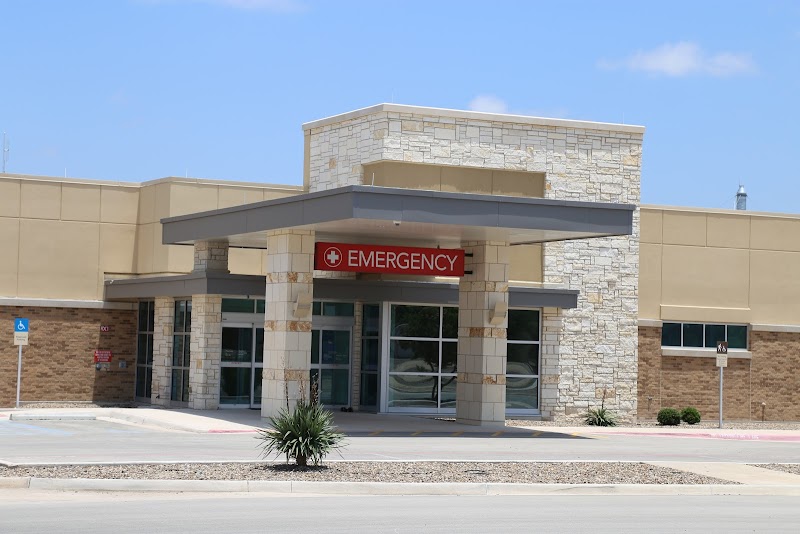
1300 NORTH MAIN, BIG LAKE, TX 76932 (325) 884-5614
For profit - Corporation 36 Beds Independent Data: November 2025
Trust Grade
65/100
#326 of 1168 in TX
Last Inspection: May 2025

Inspected within the last 6 months. Data reflects current conditions.

Overview

Reagan County Care Center has a Trust Grade of C+, which indicates that it is slightly above average but not exceptional in terms of care quality. It ranks #326 out of 1,168 facilities in Texas, placing it in the top half, and is the only nursing home in Reagan County. The facility is improving, as the number of issues reported decreased from 5 in 2024 to 4 in 2025. Staffing is a relative strength, with a turnover rate of 0%, significantly better than the Texas average of 50%. However, the center has faced concerning fines totaling $135,642, which is higher than 98% of Texas facilities, suggesting ongoing compliance issues. While the nursing home offers good RN coverage, it has reported incidents such as failing to maintain a sanitary environment, with cat feces found in outdoor areas, and not following proper infection control practices during resident care, which could lead to health risks. These findings highlight the need for both strengths and weaknesses to be carefully considered when evaluating this facility.

Trust Score
C+
65/100
In Texas
#326/1168
Top 27%
Safety Record
Moderate
Needs review
Inspections
Getting Better
5 → 4 violations
Staff Stability
○ Average
Turnover data not reported for this facility.
Penalties
✓ Good
$135,642 in fines. Lower than most Texas facilities. Relatively clean record.
Skilled Nurses
○ Average
Each resident gets 37 minutes of Registered Nurse (RN) attention daily — about average for Texas. RNs are the most trained staff who monitor for health changes.
Violations
⚠ Watch
11 deficiencies on record. Higher than average. Multiple issues found across inspections.
★★★★☆
4.0
Overall Rating
★★★☆☆
3.0
Staff Levels
★★☆☆☆
2.0
Care Quality
★★★★☆
4.0
Inspection Score
Stable
2024: 5 issues
2025: 4 issues

The Good

  • Full Sprinkler Coverage · Fire safety systems throughout facility
  • No fines on record

Facility shows strength in fire safety.

The Bad

Federal Fines: $135,642

Well above median ($33,413)

Significant penalties indicating serious issues

The Ugly 11 deficiencies on record

May 2025 4 deficiencies
CONCERN (D) 📢 Someone Reported This

A family member, employee, or ombudsman was alarmed enough to file a formal complaint

Potential for Harm - no one hurt, but risky conditions existed

Deficiency F0657 (Tag F0657)

Could have caused harm · This affected 1 resident

**NOTE- TERMS IN BRACKETS HAVE BEEN EDITED TO PROTECT CONFIDENTIALITY** Based on observation, interview, and record review, the facility failed to review and revise the care plans for 1 of 4 residents...

Read full inspector narrative →
**NOTE- TERMS IN BRACKETS HAVE BEEN EDITED TO PROTECT CONFIDENTIALITY** Based on observation, interview, and record review, the facility failed to review and revise the care plans for 1 of 4 residents (Resident #21) whose care plans were reviewed in that: The facility failed to ensure Resident #21's care plan was revised to accurately reflect current indwelling urinary foley catheter status that was removed on 02/12/2025. These failures could place residents at risk of receiving inadequate individualized care and services. Findings included: Record review of Resident #21's electronic admission record dated 05/13/2025 indicated he was admitted to the facility on [DATE] with diagnoses of overactive bladder and Parkinson's disease. He was [AGE] years of age. Record review of Resident #21's care plan revised 12/18/24 indicated in part: Focus: Resident has foley catheter due to Benign prostatic hyperplasia with urinary retention. Will refer him to Urologist (doctor who focuses on the diagnosis and treatment of conditions related to the urinary [NAME]). GOAL: Resident will be/remain free from catheter-related trauma through review date. Interventions: Check tubing for kinks each shift. Monitor/document for pain/discomfort due to catheter. Record review of Resident #21's quarterly MDS assessment dated [DATE] indicated in part: BIMS = 7 indicating had severe impairment. Section H Bladder and bowel indicated none for indwelling catheter. Record review of Resident #21's order summary report for May 2025 documented in part: Discontinue Catheter today. May replace catheter if unable to void within 6-8 hours after removing catheter. Order start date: 01/16/2025. During an interview and observation on 05/14/25 at 10:52 AM Resident #21 was sitting up in his recliner in his room awake and alert. There was no observation of an indwelling urinary catheter being used by the resident. Resident #21 said he used to have a catheter some months ago but no longer had one and that it had been removed. The resident said he now used a urinal to pee whenever he had to go. During an interview on 05/14/25 at 11:55 AM CNAs A and B said Resident #21 no longer had an indwelling urinary catheter but did have one several months ago. During an interview on 05/14/25 at 2:35 PM charge nurse RN E said she was Resident #21's charge nurse. RN E said the resident did not have an indwelling catheter anymore at this time. RN E said she had removed that urinary catheter back in January 2025 but had restarted it back on 02/04/2025 then another nurse discontinued it again on 02/12/25. Record review of Resident #21's nurses note indicated 2/12/2025 04:42 am, Foley catheter. Discontinued per order, resident tolerated procedure well, urine yellow in color without sediment. Completed LVN F. During an interview on 05/14/25 at 2:45 PM the MDS coordinator said she updated the care plans as needed or quarterly or annual as triggered on the MDS. The coordinator said if for example a resident went off an indwelling urinary catheter then it should have come off the care plan. The coordinator said she must have missed that because she had not removed the indwelling urinary catheter from Resident #21's care plan and that she would update it. During a phone interview on 05/14/25 at 4:00 LVN F stated she had discontinued Resident #21's indwelling catheter on 02/12/2025 and as far as she knew the resident did not have another one reinserted. During an interview on 05/15/25 at 3:10 PM the DON stated that the MDS coordinator was the person in charge of updating the care plans whenever there was a change and that he would sign off on them. The DON said after Resident #21 had his urinary indwelling catheter discontinued back in February 2025 then it should have been removed from his care plan, but it was missed. During an interview on 05/15/25 at 3:24 PM the Administrator said it was expected for the resident's care plans to be kept up to date. The Administrator said that the indwelling urinary catheter care should have been removed from the care plan, but it was missed. The Administrator said the care plan had already been updated to reflect what?. Record Review of the facility's policy titled Care Plans dated 2001 indicated in part: A comprehensive, person-centered care plan that includes measurable objectives and timetables to meet the resident's physical, psychosocial and functional needs is developed and implemented for each resident. The interdisciplinary team (IDT) in conjunction with the resident and his/her family or legal representative, develops and implements a comprehensive, person-centered care plan for each resident. The care plan interventions are derived from a thorough analysis of the information gathered as part of the comprehensive assessment. The comprehensive, person-centered care plan includes: measurable objectives and time frames; describes the services that are to be furnished to attain or maintain the resident's highest practicable physical. Mental and psychosocial well-being. Assessments of residents are ongoing and care plans are revised as information about the residents and the residents' condition change. The interdisciplinary team reviews and updates the care plan: at least quarterly, in conjunction with the required quarterly MDS assessment.
CONCERN (D) 📢 Someone Reported This

A family member, employee, or ombudsman was alarmed enough to file a formal complaint

Potential for Harm - no one hurt, but risky conditions existed

Food Safety (Tag F0812)

Could have caused harm · This affected 1 resident

Based on observation, interview, and record review, the facility failed to store and prepare food in accordance with professional standards for food service safety for 1 of 1 kitchen and 1 of 2 Mainte...

Read full inspector narrative →
Based on observation, interview, and record review, the facility failed to store and prepare food in accordance with professional standards for food service safety for 1 of 1 kitchen and 1 of 2 Maintenance personnel (Ground Maintenance D) reviewed for kitchen sanitation in that: The facility failed to ensure Ground Maintenance D was wearing a moustache guard or a beard guard when he was in the kitchen and while staff was preparing uncovered food. These deficient practices could place residents who consumed meals and/or snacks from the kitchen at risk for food borne illness. The findings included: During an observation on 05/13/25 at 10:05 AM the facility Ground Maintenance Man D was observed in the kitchen while food was being prepared by the kitchen staff. Ground maintenance man D was observed to have a moustache and beard which was not covered. On the kitchen entrance door was a posted sign that indicated Notice hairnets and beard must be covered beyond this point. During an interview on 05/14/25 at 3:45 PM Ground Maintenance Man D said that he normally wore a face mask when he entered the kitchen. He said yesterday when he had entered the kitchen, he had gone in to repair the food disposal and forgot to wear his mask. During an interview on 05/15/25 at 9:52 AM the Dietary Supervisor said that staff were expected to wear a hair or beard restraint whenever they entered the kitchen to prevent hair from landing on the food. The Dietary Supervisor said Ground Maintenance Man D had entered the kitchen to unstick (unclog) the food disposal but that he should have covered his beard and moustache. During an interview on 05/15/25 at 3:36 PM the Administrator said it was expected for staff to put on a hair net and beard restraint when entering the kitchen. The Administrator was made aware of the observation of Ground Maintenance D seen in the kitchen without a beard restraint while there was food in the open. The Administrator said the maintenance man should have put a beard restraint on as not wearing one could lead hair landing on the food. The Administrator said he believed the failure occurred because the maintenance man forgot to put on a beard restraint. Record review of the facility's policy titled Preventing foodborne illness-employee hygiene and sanitary practices and dated May 2021 indicated in part: Hairnets or caps and/or beard restraints must be worn to keep hair from contacting exposed food, clean equipment, utensils, and linens.
CONCERN (E) 📢 Someone Reported This

A family member, employee, or ombudsman was alarmed enough to file a formal complaint

Potential for Harm - no one hurt, but risky conditions existed

Infection Control (Tag F0880)

Could have caused harm · This affected multiple residents

**NOTE- TERMS IN BRACKETS HAVE BEEN EDITED TO PROTECT CONFIDENTIALITY** Based on observation, interview, and record review, the facility failed to maintain an infection prevention and control program ...

Read full inspector narrative →
**NOTE- TERMS IN BRACKETS HAVE BEEN EDITED TO PROTECT CONFIDENTIALITY** Based on observation, interview, and record review, the facility failed to maintain an infection prevention and control program designed to provide a safe, sanitary and comfortable environment to help prevent the development and transmission of communicable diseases and infections for 1 of 2 residents (Resident #2) reviewed for incontinent care. The facility failed insure CNA A changed her contaminated gloves and clean Resident #2's penis area during incontinent care. These failures could place resident's risk for cross contamination and the spread of infection. Finding included: 1. Record review of Resident #2's electronic admission record dated 05/14/2025 indicated he was admitted to the facility on [DATE] with diagnoses of Alzheimer ' s disease and aphasia (difficult talking). He was [AGE] years of age. Record review of Resident #2's care plan revised 11/22/23 indicated in part: Focus: Resident has frequent bladder and bowel incontinence. Is at risk for skin breakdown and infection. GOAL: Resident will have minimal to no signs/symptoms of skin breakdown or infection due to incontinence and brief use. Interventions: Clean peri-area with each incontinence episode. Record review of Resident #2 ' s quarterly MDS dated [DATE] indicated in part: BIMS = 5 indicating the resident had severe impairment. Bladder and bowel: Urinary continence = Occasionally incontinent. Bowel continence = Occasionally incontinent. During an observation on 05/13/25 at 11:22 AM CNA A and CNA B performed incontinent care for Resident #2. Both staff members entered the resident's room, sanitized their hands, and put some gloves on. CNA A then undid the resident's brief, took some wet wipes, and cleansed the resident's scrotum but did not perform peri-care to the resident's penis. Both CNAs then turned the resident on his side and without changing gloves CNA A wiped the residents ' buttocks with some wipes and then took some barrier cream and applied it to the residents ' buttocks. While still wearing the same gloves first put on by CNA A, CNA A took the new brief and fastened it to Resident #2, pulled up the resident's pants, placed the mechanical lift sling under the resident and handled the mechanical lift machine remote to transfer the resident to the Geri- chair. After they were done the CNA ' s sanitized their hands and exited the room. During an interview on 05/15/25 at 3:07 PM the DON was made aware of the observation of the incontinent care performed by CNA A. The DON said it was expected for the CNAs to change gloves once they became contaminated to prevent cross contamination. The DON said it was also expected for CNAs to perform peri-care to the resident penis. The DON said that the ADON and himself were responsible to monitor that staff was using infection control procedures. The DON said they did that by rounds being conducted and in-services on proper incontinent care. The DON said the CNA not providing proper incontinent care and not changing her gloves could lead to cross contamination and possibility of UTIs. During an interview on 05/15/25 at 3:20 PM the Administrator was made aware of the observation of the incontinent care performed by CNA A. The Administrator said it was expected for the CNA to change their gloves once they became contaminated to prevent cross contamination. The Administrator said the CNA should have performed incontinent care to the resident ' s penis. The Administrator said he believed the failure occurred because CNA A got nervous and forgot the steps. The Administrator said the CNA ' s received in-services and training of proper incontinent care and glove use. Record review of the facility's policy titled Perineal Care dated 02/2018 indicated in part: Purpose - The purpose of this procedure are to provide cleanliness and comfort to the resident, to prevent infections and skin irritation and to observe the resident ' s skin condition. Preparation - review the resident ' s care plan to assess for any special needs of the resident. Assemble the equipment and supplies as needed. For a male resident - wet washcloth and apply soap or skin cleansing agent. Wash perineal area starting with urethra and working outward. Retract foreskin of the uncircumcised male. Wash and rinse urethral area using a circular motion. Continue to wash the perineal area including the penis, scrotum, and inner thighs. Thoroughly rinse perineal area in same order, using fresh water and clean washcloth. Reposition foreskin of uncircumcised male. Ask the resident to turn on his side with is upper leg slightly bent, if able. Rinse washcloth and apply soap or skin cleansing agent. Wash and rinse the rectal area thoroughly, including the area under the scrotum, the anus, and the buttocks. Dry area thoroughly. Discard disposable items into designated containers. Remove gloves and discard into designated container. Wash and dry your hands thoroughly. Record review of the facility's policy titled Handwashing/Hand hygiene dated 2001 indicated in part: This facility considers hand hygiene the primary means to prevent the spread of healthcare-associated infections. Indications for hand hygiene - Hand hygiene is indicated after contact with blood, body fluids or contaminated surfaces; after touching a resident; Before moving from work on a soiled body site to a clean body site on the same resident and immediately after glove removal. Use an alcohol-based hand rub containing 60% alcohol for most clinical situations: Single-use disposable gloves should be used; before aseptic procedures; when anticipating contact with blood or body fluids; The use of gloves does not replace handwashing/hand hygiene.
CONCERN (F)

Potential for Harm - no one hurt, but risky conditions existed

Staffing Data (Tag F0851)

Could have caused harm · This affected most or all residents

Based on interview and record review, the facility failed to follow guidelines for mandatory submission of staffing information based on payroll data in a uniform format. Long-term care facilities mus...

Read full inspector narrative →
Based on interview and record review, the facility failed to follow guidelines for mandatory submission of staffing information based on payroll data in a uniform format. Long-term care facilities must electronically submit to CMS (Centers for Medicare & Medicaid Services) complete and accurate direct care staffing information, including information for agency and contract staff, based on payroll and other verifiable and auditable data in a uniform format according to specifications established by CMS . The facility failed to submit Payroll Based Journal staffing information to CMS for the fiscal year Quarter 1 2025 (October 1 - December 31). The facility's failure could place residents at risk for personal needs not being identified and met, decreased quality of care, decline in health status, and decreased feelings of well-being within their living environment. The findings included: Record review of the PBJ Staffing Data Report CASPER Report 1705D FY (Fiscal Year) Quarter 1 2025 (October 1 - December 31) dated 05/12/2025, revealed the following entry: Failed to Submit Data for the Quarter .Triggered .Triggered=No Data Submitted for the Quarter. Review of the facility's Employee List dated 6/27/23 indicated the following staff quantities: 1 Administrator 3 RNs (included DON) 5 LVNs. 14 CNAs 3 Maintenance Personnel 9 Housekeeping Personnel 1 Human Resources 10 Dietary Personnel 1 Activity Director. Record review of the facility CMS form 672 (Resident Census and Conditions of Residents) dated 05/13/2025 provided by the DON indicated a total of 27 residents in the facility. During an interview on 05/13/2025 at 10:45 AM Chief Financial Officer (CFO), stated that Quarter 1 was the first time she had submitted the data on her own and assumes she did it wrong. CFO stated she had submitted the information, but it apparently did not go through. CFO stated she did not know she was supposed to receive an email, so she did not follow up with it. CFO stated since it was past the deadline it would not let her submit any data. CFO stated that she has all the data to submit and was submitting early, so she had a few days to follow up and correct anything if needed.
Apr 2024 5 deficiencies
CONCERN (D)

Potential for Harm - no one hurt, but risky conditions existed

Comprehensive Care Plan (Tag F0656)

Could have caused harm · This affected 1 resident

**NOTE- TERMS IN BRACKETS HAVE BEEN EDITED TO PROTECT CONFIDENTIALITY** Based on interview and record review, the facility failed to develop and implement a comprehensive, person-centered care plan fo...

Read full inspector narrative →
**NOTE- TERMS IN BRACKETS HAVE BEEN EDITED TO PROTECT CONFIDENTIALITY** Based on interview and record review, the facility failed to develop and implement a comprehensive, person-centered care plan for each resident that included measurable objectives and time frames to meet, attain, and/or maintain the resident's highest practicable physical, mental, and psychosocial well-being for 1 of 28 residents (Residents #11) reviewed for care plans in that: The facility failed to ensure Resident #11's Care Plan addressed her hospice status. This failure could affect residents by placing them at risk of not receiving individualized care and services to meet their needs. The findings included: Record Review of Resident #11's face sheet revealed an [AGE] year-old female with an admission date of 04/11/17. Resident #11 was admitted with diagnoses including atherosclerotic heart disease (thickening of arteries), dementia (progressive loss of intellectual functions), anxiety disorder (excessive worry), major depressive disorder (persistent depressed mood). Record Review of Resident #11's Quarterly MDS assessment dated [DATE] revealed a BIMs score of 11 out of 15 indicating cognition was moderately impaired. Record Review of Resident #11's care plan dated 01/05/24 reflected it had not been updated with being admitted to hospice. Record Review of Resident #11's physician orders revealed an order on 03/12/24 stating admit to nursing facility under Hospice for routine care with a diagnosis of hypertensive heart disease with heart failure. Interview on 04/03/24 at 02:15 PM with MDS consultant stated she took over as MDS consultant for this facility on March 1, 2024. MDS consultant stated she was in facility on 3/13/24 and thought Resident #11 was an ongoing hospice resident. MDS consultant stated she was not kept up to date by the facility on the status of this resident. She stated she is not in charge of creating care plans and she is unsure who is. Interview on 04/03/24 at 02:33 PM with ADON stated that MDS consultant was in the building on 3/13/24 and was made aware of Resident #11's status by ADON. ADON stated that MDS consultant is responsible for creating care plans. Interview on 04/03/24 at 02:40 PM with Administrator stated that MDS consultant was contracted to complete all care plans. Administrator stated that the facility and the consultant have a contract in place, however the MDS consultant works out of another city and rarely comes into the facility. Administrator stated that he is aware that the ultimate responsibility falls on the facility to ensure care plans are completed. Review of facility policy Care Plans dated March 2022 revealed in part: A care plan includes instructions needed to provide effective, person-centered care plan of the resident that meet professional standards of quality care. A comprehensive care plan is developed within 7 days of completing the resident assessment.
CONCERN (D)

Potential for Harm - no one hurt, but risky conditions existed

Deficiency F0761 (Tag F0761)

Could have caused harm · This affected 1 resident

Based on observation and interview the facility failed to ensure all controlled drugs and biologicals were stored in separately locked and permanently affixed compartments for 1 of 1 medication storag...

Read full inspector narrative →
Based on observation and interview the facility failed to ensure all controlled drugs and biologicals were stored in separately locked and permanently affixed compartments for 1 of 1 medication storage compartments (DON's office) reviewed for labeling/storage of drugs and biologicals. The facility failed to ensure stored discontinued controlled medications and biologicals were separately locked and in a permanently affixed compartment kept in the DON's office. This failure could place residents at risk of drug diversion and unauthorized access to medications. The findings included: During observation and interview on 4/4/24 at 1:25 PM with the ADON of the discontinued controlled medication cabinet in the DON's office it was noted that the cabinet only had one functioning lock. The medications were stored in the bottom drawer of a two-drawer filing cabinet that was bolted to the wall. The bottom drawer had an external pad lock on the left side of the bottom drawer and the built-in lock on the top right side to lock both drawers. The ADON stated that the built in lock was a functioning lock, but the key had been lost when the facility had moved furniture around and the cabinet was not being used to store the discontinued medications. The ADON stated that initially there was a second padlock on the right side of the bottom drawer, but it had to be removed because the drawer was getting stuck when it was opened. The ADON confirmed that meant there was only one drawer lock and the office door lock. She stated the DON, herself, the Administrator and possibly the housekeeping staff had keys to the DON's office, but she would have to confirm that with the housekeeping supervisor. In an interview on 4/4/24 at 1:45 PM the Housekeeping Supervisor stated that she had a master key to the DON's office but none of her staff had access to the office and only went into that office when the DON or ADON were present. She stated that she knew the Maintenance Director and his staff all had master keys as well. In an interview on 4/4/24 at 2:00 PM the Maintenance Director stated that he and all of his staff were required to have master keys to all offices in the facility for safety reasons such as fire. He stated that including himself there were four maintenance staff bringing the total of people with keys to the DON's office to seven. He stated there was no way to put an additional lock on the office door because the maintenance department would still need to have access, but he would be able to put an additional lock on the cabinet until a different solution could be worked out by the ADON and the Administrator. In an interview on 4/4/24 at 2:40 PM the Administrator stated that he had been made aware of the issue with the need for double locks on the discontinued controlled medication storage cabinet in the DON's office. He stated that during a previous survey the facility was told that having one lock on the cabinet and the lock on the office door was sufficient. After the findings were fully explained to him, he agreed that seven people having access to the office without a double locked cabinet was a high risk for a drug diversion and he would start looking at alternative storage options. At the time of exit the facility had not provided a policy on medication storage for review on 4/4/24.
CONCERN (E)

Potential for Harm - no one hurt, but risky conditions existed

Deficiency F0637 (Tag F0637)

Could have caused harm · This affected multiple residents

**NOTE- TERMS IN BRACKETS HAVE BEEN EDITED TO PROTECT CONFIDENTIALITY** Based on interview and record review, the facility failed to complete a significant change MDS assessment within 14 days after a...

Read full inspector narrative →
**NOTE- TERMS IN BRACKETS HAVE BEEN EDITED TO PROTECT CONFIDENTIALITY** Based on interview and record review, the facility failed to complete a significant change MDS assessment within 14 days after a significant change of condition for 1 (Resident #11) of 28 residents reviewed for assessments, in that: The facility failed to complete a Significant Change MDS for Resident #11 within 14 days after the resident was admitted to hospice services. This failure could affect any resident who experienced a significant change in their condition requiring an MDS assessment and placed them at risk of not receiving needed services. Findings Included: Record Review of Resident #11's face sheet revealed an [AGE] year-old female with an admission date of 04/11/17. Resident #11 was admitted with diagnoses including atherosclerotic heart disease (thickening of arteries), dementia (progressive loss of intellectual functions), anxiety disorder (excessive worry), major depressive disorder (persistent depressed mood). Record Review of Resident #11's Quarterly MDS assessment dated [DATE] revealed a BIMs score of 11 out of 15 indicating cognition was moderately impaired. There was no Significant Change MDS found in resident's records. Record Review of Resident #11's care plan dated 01/05/24 reflected it had not been updated with being admitted to hospice. Record Review of Resident #11's physician orders revealed an order on 03/12/24 stating admit to nursing facility under Hospice for routine care with a diagnosis of hypertensive heart disease with heart failure. Interview on 04/03/24 at 02:15 PM with MDS consultant stated she took over as MDS consultant for this facility on March 1, 2024. MDS consultant stated she was in the facility on 3/13/24 and thought Resident #11 was an ongoing hospice resident. MDS consultant stated she was not kept up to date by the facility on the status of this resident, therefore a significant change MDS was not completed. She stated that she will do one now. Interview on 04/03/24 at 02:33 PM with ADON stated that MDS consultant was responsible for completing MDS and she was in the building on 3/13/24 and was made aware of Resident #11's status by ADON. Interview on 04/03/24 at 02:40 PM with Administrator stated that MDS consultant was contracted to complete all MDS assessments. Administrator stated that the facility and the consultant have a contract in place, however the MDS consultant works out of another city and rarely comes into the facility. Administrator stated that he is aware that the ultimate responsibility falls on the facility to ensure a change of status MDS is completed. Record Review of facility policy titled Change in a Resident's Condition or Status revised February 2021 read in part: A significant change of condition is a major decline or improvement in the resident's status that requires interdisciplinary review and/or revision to the care plan. If a significant change in the resident's physical or mental condition occurs, a comprehensive assessment of the resident's condition will be conducted as required by current OBRA regulations governing resident assessments and as outlined in the MDS RAI instruction manual.
CONCERN (E)

Potential for Harm - no one hurt, but risky conditions existed

Infection Control (Tag F0880)

Could have caused harm · This affected multiple residents

**NOTE- TERMS IN BRACKETS HAVE BEEN EDITED TO PROTECT CONFIDENTIALITY** Based on observation, interview, and record review, the facility failed to maintain an infection prevention and control program ...

Read full inspector narrative →
**NOTE- TERMS IN BRACKETS HAVE BEEN EDITED TO PROTECT CONFIDENTIALITY** Based on observation, interview, and record review, the facility failed to maintain an infection prevention and control program designed to provide a safe, sanitary, and comfortable environment to help prevent the development and transmission of communicable diseases and infections for 3 (Resident #5, #6 and #26) of 5 residents reviewed for infection control. Staff failed to place Resident #5's and #26's SVN (a machine that mixes medicine and converts it into a mist.) masks in a bag when not in use. CNA A failed to wash or sanitize her hands after removing her gloves and putting on a clean pair of gloves while assisting Resident #6 with incontinent care. This failure could place residents at risk for cross contamination and the spread of infection. Finding include: RESIDENT #5 Record review of Resident #5's admission record dated 04/03/2024 indicated she was admitted to the facility on [DATE] with diagnoses of dementia and chronic obstructive pulmonary disease (a chronic condition in which a patient's lungs are susceptible to infections and moreover, the infections show exaggerated symptoms in the patients). She was [AGE] years of age. Record review of Resident #5's physician orders dated 04/03/2024 indicated in part: Albuterol Sulfate Inhalation Nebulization Solution (2.5 MG/3ML) 0.083% Albuterol Sulfate (Albuterol belongs to a class of drugs known as bronchodilators. It works by relaxing the muscles around the airways so that they open up and you can breathe more easily) one vial inhale orally via nebulizer one time a day related to COPD. Start date 12/05/2023. Record review of Resident #5's care plan dated 11/22/23 indicated in part: Focus: Resident requires continuous oxygen therapy r/t ineffective gas exchange secondary to COPD. Goal: Resident will have minimal to no s/s of poor oxygen absorption through the review date. Interventions: Give medications as ordered by physician. Monitor/document side effects and effectiveness. Record review of Resident #5's MDS dated [DATE] indicated in part: Section C - BIMS = 11 indicated resident was moderately impaired Section O - Special Treatments, Procedures, and Programs: Respiratory Treatments. During an observation and interview on 04/02/24 at 11:06 AM Resident #5's SVN machine was seen on her couch and the SVN mask was laying on top of the couch and not stored in a bag. Resident #5 said staff usually stored the SVN mask in a bag but there was not one to put it in at this time. RESIDENT #26 Record review of Resident #26's admission record dated 04/03/2024 indicated she was admitted to the facility on [DATE] with diagnoses of stroke and chronic obstructive pulmonary disease (a chronic condition in which a patient's lungs are susceptible to infections and moreover, the infections show exaggerated symptoms in the patients). She was [AGE] years of age. Record review of Resident #26's physician orders dated 04/03/2024 indicated in part: Xopenex Nebulization Solution 0.63 MG/3ML (Levalbuterol HCl) - (Bronchodilator, It can treat or prevent bronchospasm) 3 milliliter inhale orally via nebulizer every 6 hours related to COPD. Start date 02/10/2024. Record review of Resident #26's care plan dated 04/04/24 indicated in part: Focus: Resident has potential for impaired gas exchange and impaired airway clearance secondary to COPD. At risk for further decline in pulmonary function and at risk for respiratory infections. Goal: Resident Will Remain Free of Secondary Complications through the review date. will have minimal to no s/s of respiratory infections through the review date. Resident will display optimal breathing patterns daily. Interventions: Monitor for difficulty breathing (Dyspnea) on exertion. Remind the resident not to push beyond endurance. Monitor for s/s of acute respiratory insufficiency, Anxiety, Confusion, Restlessness, SOB at rest. Record review of Resident #26's MDS dated [DATE] indicated in part: Section C - BIMS = 08 indicated resident was moderately impaired Section O - Special Treatments, Procedures, and Programs: Respiratory Treatments. During an observation on 04/02/24 at 2:36 PM Resident #26's SVN mask was laying on top of the bedside dresser and not stored in a bag. Resident #26 said she would use the breathing machine at times but did not know anything about a bag. During an interview on 04/03/24 at 3:22 PM RN B said the SVN masks were supposed to be stored when they were not in use. RN B said if the SVN masks were not stored in a bag it could lead to infections. RN B said that perhaps the residents took the masks off at times and they placed them just anywhere. RN B said it was their responsibility to make sure the masks were kept stored in a bag. RESIDENT #6 Record review of Resident #6's admission record dated 04/03/2024 indicated she was admitted to the facility on [DATE] with diagnoses of mild intellectual disabilities and generalized anxiety disorder. She was [AGE] years of age. Record review of Resident #6's care plan dated 03/28/24 indicated in part: Focus: Resident has frequent bladder and bowel incontinence. Goal: Resident will remain free from skin breakdown due to incontinence and brief/pull up use through the review date. Interventions: Clean peri-area with each incontinence episode. Record review of Resident #6's MDS assessment dated [DATE] indicated in part: BIMS = 12 indicating resident was moderately cognitively impaired. Urinary continence = Always incontinent (no episodes of continent voiding). Bowel continence = Frequently incontinent (2 or more episodes of bowel incontinence, but at least one continent bowel movement). During an observation on 04/02/24 at 2:42 PM CNA A performed incontinent care for Resident #6. CNA A entered the resident's room, washed her hands and put on some gloves. CNA A undid the Resident #6's brief and with some wet wipes she wiped the resident's vaginal area from front to back then turned the resident on her side and again wiped from front to back with the wet wipes. CNA A's gloves came in contact with the resident's vaginal and rectal area during the wiping. The resident had voided as her brief was noted to be wet. CNA A then pulled the brief off and threw it in the trash and then removed her gloves. Without washing her hands or sanitizing her hands the CNA put on a new pair of gloves and then applied the new brief to Resident #6 and then covered her back up. During an interview on 04/03/24 at 2:38 PM CNA A said she should have washed her hands or sanitized prior to putting on the clean pair of gloves. CNA A said she had been trained on that but just forgot. CNA A said if she did not sanitize or wash her hands in between glove changes that could lead to cross contamination. Record review of the facility's policy titled Respiratory therapy - prevention of infection dated 11/2011 indicated in part: The purpose of this procedure is to guide prevention of infection associated with respiratory therapy tasks and equipment, including ventilators among residents and staff. Infection control considerations related to medication nebulizers/continuous aerosol: 1. Obtain equipment (i.e. administration set up plastic bag, gauze sponges). 2. wash hands. 3. After completion of therapy. a. remove the nebulizer container. b. rinse the container. c. dry on a clean paper towel or gauze sponge. 4. Reconnect to the administration set up when air dried. 5. Take care not to contaminate internal nebulizer tubes. 6. Wipe the mouthpiece with damp paper towel or gauze sponge. 7. store the circuit in plastic bag marked with date and resident name, between uses. 8. Wash hands. 9, Discard the administration set up every seven (7) days. During an interview on 04/04/24 at 12:36 PM the ADON said it was her expectation for staff to wash or sanitize their hands prior to putting gloves on or after they removed them. The ADON said staff were expected for the SVN masks to be stored in a bag when not in use. The ADON said if staff did not wash or sanitize their hands at the appropriate times it could lead to cross contamination. The ADON said if staff did not place the SVN masks in a bag then that could lead to germs getting into the mask and residents breathing them. During an interview on 04/04/24 at 01:26 PM the Administrator said it was expected for staff to wash or sanitize their hands prior to putting gloves on or after they removed them. The Administrator said if the staff did not sanitize their hands it could lead to cross contamination. The Administrator said the SVN masks were expected to be stored in a bag to prevent cross contamination. The Administrator said the staff would forget to place the items in the bags or to wash or sanitize their hands as they would get nervous at times. Record review of the facility's policy titled Standard precautions dated 09/2022 indicated in part: Standard precautions are used in the care of all residents regardless of their diagnoses or suspected or confirmed infection status. Standard precautions presume that all blood, body fluids, secretions and excretions (except sweat) non-intact skin and mucous membranes may contain transmissible infectious agents. Standard precautions include the following practices: Hand Hygiene - hand hygiene refers to handwashing with soap or the use of alcohol-based hand rub which does not require access to water - after removing gloves. Gloves are changes as necessary during the care of a resident to prevent cross contamination from one body site to another (when moving from dirty site to a clean site). Record review of the facility's policy titled Handwashing/hand hygiene dated 08/2019 indicated in part: This facility considers hand hygiene the primary means to prevent the spread of infections. Use an alcohol-based hand rub containing at least 62% alcohol or alternatively soap and water for the following situations. Before moving from a contaminated body site to a clean body site during resident care; after contact with a resident's intact skin/ after contact with blood or bodily fluids; after removing gloves. Hand hygiene is the final step after removing and disposing of personal protective equipment. The use of gloves does not replace handwashing/hand hygiene.
CONCERN (F)

Potential for Harm - no one hurt, but risky conditions existed

Safe Environment (Tag F0921)

Could have caused harm · This affected most or all residents

Based on observation, interview and record review the facility failed to provide a safe, functional, sanitary and comfortable environment for residents, staff and the public for 1 of 1 back patio revi...

Read full inspector narrative →
Based on observation, interview and record review the facility failed to provide a safe, functional, sanitary and comfortable environment for residents, staff and the public for 1 of 1 back patio reviewed for environment. The facility failed to keep a landscaped area on the back patio free of cat feces. This failure could lead to unsanitary conditions for residents and staff and possible parasitic infection. The findings included: Observation on 04/03/24 at 12:40 PM of back patio area/smoking area revealed approximately fifteen feet straight out from the door, was a large circle (approximately 10 feet in diameter) of rocks with a tree planted in the center. There was visible cat feces in several spots as well as multiple areas of dirt that had been dug out by an animal with claw marks visible in the dirt. The places that had been dug out were surrounding the base of the tree and all rocks had been removed from the area. There was a slight fecal odor noted to the area. In an interview on 04/03/24 at 01:09 PM the Maintenance Director stated that he had his guys go out 2-3 times a week to clean out cat poop in the front and back of the facility. He stated there had been no discussion of using litter boxes because the cats were wild animals, and they probably would not have used them. He stated that the smell did become an issue when it was hot outside, but he and his crew tried to stay on top of it. In an interview on 04/04/24 at 10:45 AM the Administrator stated that the cats did use the area under the tree as a makeshift litterbox and he agreed that was an issue. He stated that he believed putting litterboxes out and digging up the dirt and rocks surrounding the tree to remove the scent and re-landscaping that area would help deter the cats from using the tree as a bathroom. He stated that the maintenance is responsible for keeping the area clean. He stated there is no facility policy regarding the cats or the care of the cats, but he is currently working on making one. Review of www.CDC.gov Toxoplasmosis Epidemiology & Risk Factors Page last reviewed: September 4, 2018 Content source: Global Health, Division of Parasitic Diseases and Malaria revealed, in part: Toxoplasmosis is caused by the protozoan parasite Toxoplasma gondii. In the United States it is estimated that 11% of the population 6 years and older have been infected with Toxoplasma. In various places throughout the world, it has been shown that more than 60% of some populations have been infected with Toxoplasma. Infection is often highest in areas of the world that have hot, humid climates and lower altitudes, because the oocysts survive better in these types of environments. Animal-to-human (zoonotic) transmission: Cats play an important role in the spread of toxoplasmosis. They become infected by eating infected rodents, birds, or other small animals. The parasite is then passed in the cat's feces in an oocyst form, which is microscopic. Kittens and cats can shed millions of oocysts in their feces for as long as 3 weeks after infection. Mature cats are less likely to shed Toxoplasma if they have been previously infected. A Toxoplasma-infected cat that is shedding the parasite in its feces contaminates the litter box. If the cat is allowed outside, it can contaminate the soil or water in the environment as well. People can be infected by: Accidental ingestion of oocysts after cleaning a cat's litter box when the cat has shed Toxoplasma in its feces. Accidental ingestion of oocysts after touching or ingesting anything that has come into contact with a cat's feces that contain Toxoplasma. Accidental ingestion of oocysts in contaminated soil (e.g., not washing hands after gardening or eating unwashed fruits or vegetables from a garden) Drinking water contaminated with the Toxoplasma parasite.
Feb 2023 2 deficiencies
CONCERN (D)

Potential for Harm - no one hurt, but risky conditions existed

Deficiency F0698 (Tag F0698)

Could have caused harm · This affected 1 resident

**NOTE- TERMS IN BRACKETS HAVE BEEN EDITED TO PROTECT CONFIDENTIALITY** Based on interview and record review, the facility failed to ensure dialysis service was provided consistently with professional...

Read full inspector narrative →
**NOTE- TERMS IN BRACKETS HAVE BEEN EDITED TO PROTECT CONFIDENTIALITY** Based on interview and record review, the facility failed to ensure dialysis service was provided consistently with professional standards of practice for 1 of 2 residents (Resident #25) reviewed for dialysis services. The facility failed to keep ongoing communication with the dialysis facility for Resident #25. The facility failed to have a contract with Resident #25's providing dialysis center prior to 02/23/23. This failure could place residents who received dialysis at risk for complications and not receiving proper care and treatment to meet their needs. Findings included: Review of Resident #25's admission Record, dated 2/21/23, revealed he was a [AGE] year-old male originally admitted to the facility on [DATE] with diagnosis including Stage 5 Kidney Disease and Dependence on Renal Dialysis. Review of Resident #25's Significant Change MDS, dated [DATE], revealed: He had a cognitive status exam score of 12 of 15 (indicating he was moderately cognitively impaired). He needed one person assistance for activities of daily living. Special treatments included dialysis. Review of Resident #25's Care Plan, initiated 11/8/22, revealed Issue: Resident #25 needed hemodialysis related to renal failure. Identified goals included: Resident #25 will have immediate intervention should any signs or symptoms from dialysis occur through the review date. Identified interventions included: encourage him to go to dialysis appointments. Resident #25 receives dialysis M-W-F at [provider]. (Communicating with the provider was not an identified intervention.) Review of Resident #25's Order Summary Report, dated 2/21/23, revealed orders dated 12/15/22 for Dialysis at [Provider] Monday/ Wednesday/ Friday. Review of Resident #25's Nurse's Notes between 11/9/22 through 2/22/23 revealed the only communication with the dialysis provider was: 11/9/2022 at 05:07 a.m. a call was placed to the provider for resident's scheduling for dialysis and was not able to speak with an actual person; after selecting a few different prompts, the recording said for all other questions to call back during regular business hours, 7:30 to 5:30. The DON was notified. Review of Resident #25's Nurse's Notes between 11/9/22 and 2/22/23 revealed complications the dialysis provider should have been communicated and coordinated with include: 2/17/2023 at 2:58 p.m.: Received report from LVN from Hospital stating resident is ready to be discharged back to building. Will have new medications for the blood thinner Apixaban 2.5mg twice a day for two weeks. Administrative assistant notified so Dialysis will be notified of return to previous dialysis schedule Monday. 2/15/2023 at 3:27 p.m. Resident admitted to Hospital due to blocked shunt. 2/15/2023 at 3:24 p.m. Late Entry: Resident had two areas on shunt to left arm bleeding RN re-dressed dressing on site. Notified oncoming nurse. 12/21/2022 at 2:11 a.m.: Noted on Physician appointment form from 12/20/22 with doctor. Resident #25 had appointment with doctor to evaluate arteriovenous (into the vein) access for dialysis. Physician notes: Patient with End Stage Renal Disease on dialysis; needs arteriovenous access; arteriovenous graft placement on 1/5/23. 12/29/2022 at 3:29 p.m.: Resident returned from Hospital via facility van accompanied by staff. Resident came into facility walking with cane feeling short of breath. Resident lying in bed at this time resting. Will notify oncoming nurse. Interview on 02/21/23 at 10:34 AM Resident #25 stated he was on dialysis three times a week in a neighboring city. Interview on 2/22/23 at 4:33 PM the DON confirmed Resident #25 was on dialysis. She said she did not have a good answer for how information was communicated between the facility and the dialysis company. She said a lot of time a phone call between the facility and the doctor occurred. The DON stated she had spoken with the dialysis group, and they asked for his weight and once they informed the driver that Resident #25 had to go to the emergency room because he had a blocked shunt . She said the facility did not have a form that went with the resident to dialysis. She said care that needed to be provided to the center would be thrill and bruit (the feel and sound of blood flow through the dialysis shunt). She said the facility did weekly weights on the resident and medications. The DON said other information that needed to be communicated would be a decrease in urine output or weight gain. The DON said the nurses called the dialysis center if there were abnormal vital signs. The DON said vital signs should be documented in the resident's record. The DON stated Resident #25 had two hospitalizations that could or were complications from dialysis. She said monitoring dropped off the documentation after Resident #25's first hospitalization and when she did a chart audit on his return from the second hospitalization, she corrected the error. The DON stated in other facilities she worked at there was a form, but at this facility most of the communication was done over the phone . The DON stated the dialysis provider had been very hesitant to share information about Resident #25's condition after dialysis including fluids removed. The DON stated complications for this included a lack of continuity of care back and forth and that Resident #25's shunt could get blocked off. She said the shunt did get blocked off recently and he was in the hospital for a couple of days. Interview on 2/22/23 at 4:45 PM the Administrator stated he provided the contract from the other dialysis company used but was not sure he provided the contract from Resident #25's provider. Interview on 2/23/23 at 10:33 AM the DON stated Resident #25's shunt was placed on 1/5/23 but he had a catheter prior to that. She stated the care provided would be similar, but the shunt collapsed the first time dialysis used it. The DON stated she went through previous paperwork for communication methods. She agreed there was not a monitoring process for Resident #25's dialysis shunt prior to 2/18/23. She agreed there was not ongoing consistent communication between the nursing facility and the dialysis facility. The DON said the facility should be communicating with the dialysis company . The DON stated she did not have information as to why the dialysis provider did not give information on Resident #25 upon him leaving. The DON said she had not talked to the Dialysis provider about it. The DON said when Resident #25 was first admitted the facility had a lot of problems with his blood pressure, but he had just started dialysis. The DON stated the doctor adjusted his medications. She stated communication was primarily with hospitals. The DON said information the facility would need was his pre-dialysis weight, how much fluid was removed, and his post dialysis weight, vital signs while he was there and if there were any problems. She said she needed her nurses to check the shunt and make sure it was ok. The DON stated the facility did not have a lot of dialysis residents so not monitoring it was an oversight. The DON said the nurses were not documenting Residents #25's condition upon return and were not documenting any ongoing communication. She explained when dialysis sent Resident #25 to the hospital for the collapsed shunt the transportation team was who called the facility nurses and the facility nurses were the ones who called the hospital to give report. Interview on 2/23/23 at 2:19 PM the DON said she had no addition information on Resident #25. Review of the Nursing Home Dialysis Transfer Agreement on 2/23/23 with Resident #25's provider, dated 2/23/23 revealed: Written protocol: Center will develop a written protocol governing specific responsibilities, policies and procedures to be used in rendering dialysis services to Designated Resident at Center, including, but not limited to, the development and implementation of a Designated Resident's care plan relative to the provision of dialysis service. to Designated Resident's care plan relative to the provision of dialysis services. Facility will provide for the interchange of information useful or necessary for the care of the Designated Resident and provision of dialysis resident by Center to the Designated Residents of Facility. Notwithstanding anything herein to the contrary, Company and Center reserve the right to discontinue the provision of dialysis services to any Designated Residents of Facility who, in the sole discretion of the Company and Center, does not observe the establish responsibilities, policies and procedures of Center. (The Contract was dated after survey beginning) Review of the facility's policy and procedure on Hemodialysis, dated February 2023, revealed, The facility will assure that each resident receives care and services for the provisions of hemodialysis and/or peritoneal dialysis consistent with standards of practice, comprehensive person-centered care plan and the resident's goals and preferences to meet the special medical, nursing, mental and psychosocial needs of residents receiving hemodialysis. The facility will ensure that each residents receives care and services for dialysis consistent with practice standards, which will include: 1. Ongoing assessment of resident's conditions and monitoring for complications before and after dialysis treatments received at a certified dialysis facility. 2. Ongoing assessment and oversight of the resident, before, during, and after dialysis treatments, including monitoring of the resident's condition, implication of appropriate interventions and using appropriate infection control practices. 3, Ongoing communication and collaboration with the Dialysis Facility regarding Dialysis, regarding Dialysis. Implementation The facility will coordinate and collaborate with the dialysis facility assure that: the provision of the dialysis treatments and care of the resident meets current standards of practice for the safe administration of the dialysis treatments. Documentation requirements are met to assure that treatments are provided as ordered by the nephrologist, attending physician and dialysis team. There is ongoing communication and collaboration for the development and implementation of the dialysis care plan by the nursing home and dialysis staff.
CONCERN (E)

Potential for Harm - no one hurt, but risky conditions existed

Pharmacy Services (Tag F0755)

Could have caused harm · This affected multiple residents

Based on observation, interview, and record review, the facility failed to provide pharmaceutical services (including procedures that assure the accurate acquiring, receiving, dispensing, and administ...

Read full inspector narrative →
Based on observation, interview, and record review, the facility failed to provide pharmaceutical services (including procedures that assure the accurate acquiring, receiving, dispensing, and administering of all drugs and biologicals) to meet the needs of residents, 1 of 2 Medication Carts and 1 of 1 Medication Storage Rooms reviewed for pharmacy services. - The facility failed to ensure Medication Cart #1 did not include an expired box of Hyoscyamine SL tablets, Ondansetron tablets, and AZO Bladder Control tablets. - The facility failed to ensure the Medication Storage Room did not contain an expired box of Thick and Easy Food and Beverage Thickener, and Promethazine HCL suppositories. These failures could place residents at risk of not receiving the therapeutic benefit of medications, adverse reactions to medications and worsening of symptoms of diseases. Findings Included: Medication Cart #1 In an observation 02/22/23 at 3:50PM, inventory of Medication Cart #1 with LVN A revealed: - a box of Hyoscyamine SL tablets 0.125mg, expired 11/05/22 - a box of Ondansetron tablets 4mg, expired 08/12/22 - a bottle of AZO Bladder Control tablets, expired 01/23 Medication Storage Room In an observation on 02/22/23 at 1:45PM, inventory of the Medication Room with LVN A revealed: - one box of Thick and Easy Food and Beverage Thickener, expired 05/10/22 - eight individually packed Promethazine HCL 25mg suppositories, expired 09/22 In an interview on 02/22/23 at 4:00 PM, LVN A stated that she had only been employed at the facility for 5 days, but the DON would be available the next day for questions. In an interview on 02/23/23 at 10:30 AM the DON stated that she audits medication carts and the medication room thoroughly on a quarterly basis. The DON stated the last check was probably November 2022, there is no documentation of audit. The DON stated that she relies on her staff to check their carts, and the charge nurses are supposed to check for expired meds daily. The DON stated that it is important for expired medications to be disposed because expired medications will have decreased efficacy and will not work the way they should. Record review of the facility policy titled Storage of Medications undated reads in part: Drug containers that have missing, incomplete, improper, or incorrect labels are returned to the pharmacy for proper labeling before storing. Discontinued, outdated, or deteriorated drugs or biologicals are returned to the dispensing pharmacy or destroyed.
Understanding Severity Codes (click to expand)
Life-Threatening (Immediate Jeopardy)
J - Isolated K - Pattern L - Widespread
Actual Harm
G - Isolated H - Pattern I - Widespread
Potential for Harm
D - Isolated E - Pattern F - Widespread
No Harm (Minor)
A - Isolated B - Pattern C - Widespread

Questions to Ask on Your Visit

  • "Can I speak with families of current residents?"
  • "What's your RN coverage like on weekends and overnight?"

Our Honest Assessment

Strengths
  • • Licensed and certified facility. Meets minimum state requirements.
Concerns
  • • 11 deficiencies on record. Higher than average. Multiple issues found across inspections.
  • • $135,642 in fines. Extremely high, among the most fined facilities in Texas. Major compliance failures.
Bottom line: Mixed indicators with Trust Score of 65/100. Visit in person and ask pointed questions.

About This Facility

What is Reagan County's CMS Rating?

CMS assigns REAGAN COUNTY CARE CENTER an overall rating of 4 out of 5 stars, which is considered above average nationally. Within Texas, this rating places the facility higher than 99% of the state's 100 nursing homes. This rating reflects solid performance across the metrics CMS uses to evaluate nursing home quality.
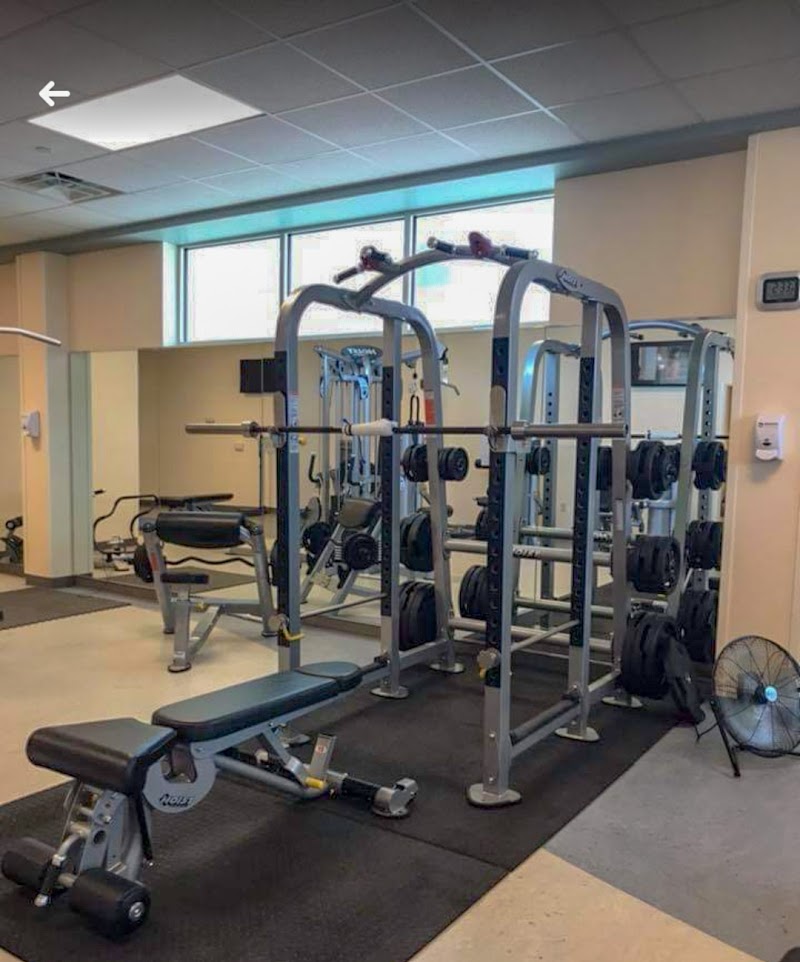
How is Reagan County Staffed?

CMS rates REAGAN COUNTY CARE CENTER's staffing level at 3 out of 5 stars, which is average compared to other nursing homes.

What Have Inspectors Found at Reagan County?

State health inspectors documented 11 deficiencies at REAGAN COUNTY CARE CENTER during 2023 to 2025. These included: 11 with potential for harm.
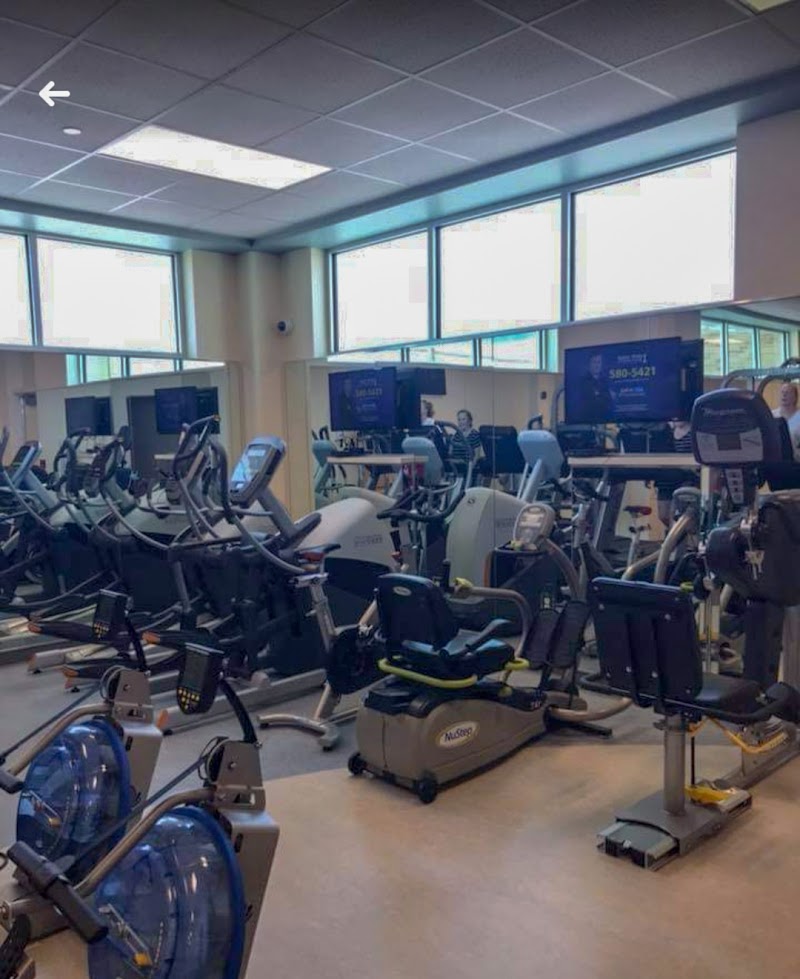
Who Owns and Operates Reagan County?

REAGAN COUNTY CARE CENTER is owned by a for-profit company. For-profit facilities operate as businesses with obligations to shareholders or private owners. The facility operates independently rather than as part of a larger chain. With 36 certified beds and approximately 27 residents (about 75% occupancy), it is a smaller facility located in BIG LAKE, Texas.
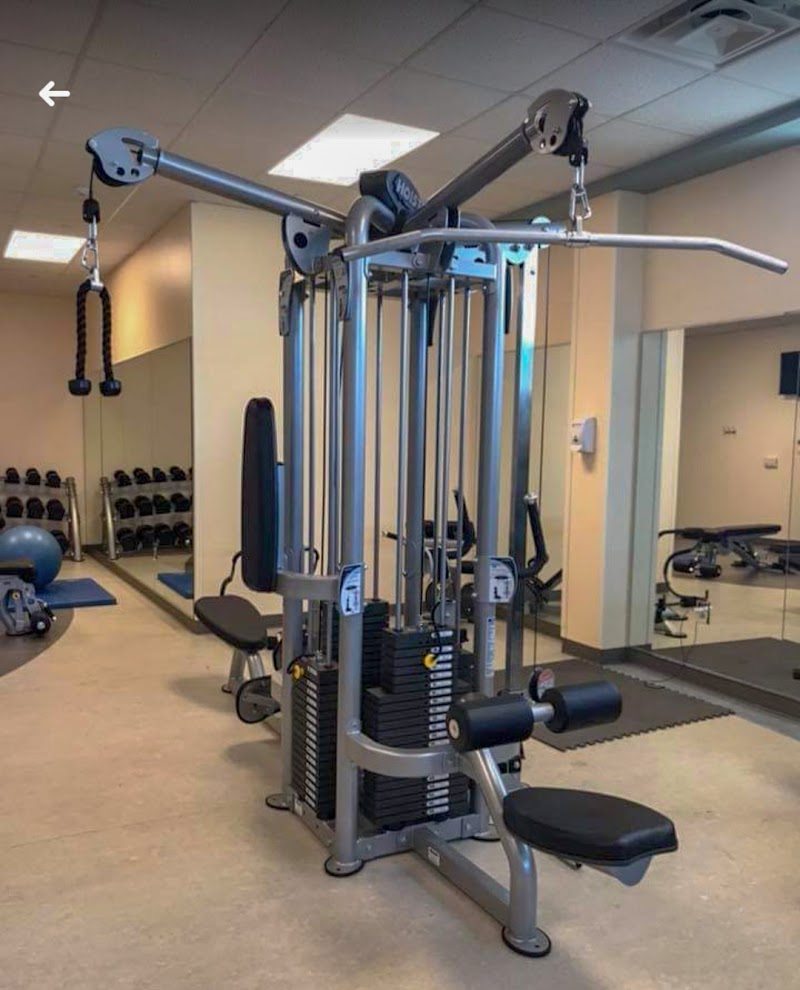
How Does Reagan County Compare to Other Texas Nursing Homes?

Compared to the 100 nursing homes in Texas, REAGAN COUNTY CARE CENTER's overall rating (4 stars) is above the state average of 2.8 and health inspection rating (4 stars) is above the national benchmark.

What Should Families Ask When Visiting Reagan County?

Based on this facility's data, families visiting should ask: "Can I visit during a mealtime to observe dining assistance and food quality?" "How do you handle medical emergencies, and what is your hospital transfer rate?" "Can I speak with family members of current residents about their experience?"

Is Reagan County Safe?

Based on CMS inspection data, REAGAN COUNTY CARE CENTER has a clean safety record: no substantiated abuse findings (meaning no confirmed cases of resident harm), no Immediate Jeopardy citations (the most serious violation level indicating risk of serious injury or death), and is not on the Special Focus Facility watch list (a federal program monitoring the lowest-performing 1% of nursing homes). The facility has a 4-star overall rating and ranks #1 of 100 nursing homes in Texas. While no facility is perfect, families should still ask about staff-to-resident ratios and recent inspection results during their visit.

Do Nurses at Reagan County Stick Around?

REAGAN COUNTY CARE CENTER has not reported staff turnover data to CMS. Staff turnover matters because consistent caregivers learn residents' individual needs, medications, and preferences. When staff frequently change, this institutional knowledge is lost. Families should ask the facility directly about their staff retention rates and average employee tenure.

Was Reagan County Ever Fined?

REAGAN COUNTY CARE CENTER has been fined $135,642 across 21 penalty actions. This is 3.9x the Texas average of $34,435. Fines at this level are uncommon and typically indicate a pattern of serious deficiencies, repeated violations, or failure to correct problems promptly. CMS reserves penalties of this magnitude for facilities that pose significant, documented risk to resident health or safety. Families should request specific documentation of what issues led to these fines and what systemic changes have been implemented.

Is Reagan County on Any Federal Watch List?

REAGAN COUNTY CARE CENTER is not on any federal watch list. The most significant is the Special Focus Facility (SFF) program, which identifies the bottom 1% of nursing homes nationally based on persistent, serious quality problems. Not being on this list means the facility has avoided the pattern of deficiencies that triggers enhanced federal oversight. This is a positive indicator, though families should still review the facility's inspection history directly.