BIG SPRING CENTER FOR SKILLED CARE
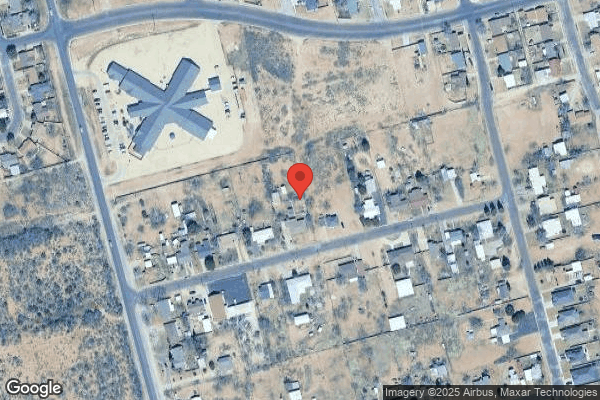
3701 WASSON RD, BIG SPRING, TX 79720 (432) 606-5012
For profit - Limited Liability company 120 Beds CREATIVE SOLUTIONS IN HEALTHCARE Data: November 2025
Trust Grade
38/100
#645 of 1168 in TX
Last Inspection: February 2025

Within standard 12-15 month inspection cycle. Federal law requires annual inspections.

Overview

The Big Spring Center for Skilled Care has received a Trust Grade of F, indicating poor performance with significant concerns. Ranking #645 out of 1168 facilities in Texas places them in the bottom half, and they are last among the three nursing homes in Howard County. Although the facility is showing signs of improvement, with issues decreasing from 17 in 2024 to 6 in 2025, some serious concerns remain. Staffing is a major weakness, with a low rating of 1 out of 5 stars and a high turnover rate of 64%, which is above the Texas average of 50%. Specific incidents included a serious medication error that led to a resident being hospitalized and failures in providing residents with information about their rights to file grievances, as well as food safety violations in the kitchen, which could risk residents' health. Overall, while there are some positive trends, families should weigh these significant weaknesses carefully.

Trust Score
F
38/100
In Texas
#645/1168
Bottom 45%
Safety Record
Moderate
Needs review
Inspections
Getting Better
17 → 6 violations
Staff Stability
⚠ Watch
64% turnover. Above average. Higher turnover means staff may not know residents' routines.
Penalties
⚠ Watch
$8,184 in fines. Higher than 89% of Texas facilities, suggesting repeated compliance issues.
Skilled Nurses
⚠ Watch
Each resident gets only 15 minutes of Registered Nurse (RN) attention daily — below average for Texas. Fewer RN minutes means fewer trained eyes watching for problems.
Violations
⚠ Watch
27 deficiencies on record. Higher than average. Multiple issues found across inspections.
★★☆☆☆
2.0
Overall Rating
★☆☆☆☆
1.0
Staff Levels
★★★★☆
4.0
Care Quality
★★★☆☆
3.0
Inspection Score
Stable
2024: 17 issues
2025: 6 issues

The Good

  • 4-Star Quality Measures · Strong clinical quality outcomes
  • Full Sprinkler Coverage · Fire safety systems throughout facility
  • No fines on record

Facility shows strength in quality measures, fire safety.

The Bad

2-Star Overall Rating

Below Texas average (2.8)

Below average - review inspection findings carefully

Staff Turnover: 64%

18pts above Texas avg (46%)

Frequent staff changes - ask about care continuity

Federal Fines: $8,184

Below median ($33,413)

Minor penalties assessed

Chain: CREATIVE SOLUTIONS IN HEALTHCARE

Part of a multi-facility chain

Ask about local staffing decisions and management

Staff turnover is elevated (64%)

16 points above Texas average of 48%

The Ugly 27 deficiencies on record

1 actual harm
Mar 2025 2 deficiencies
CONCERN (D) 📢 Someone Reported This

A family member, employee, or ombudsman was alarmed enough to file a formal complaint

Potential for Harm - no one hurt, but risky conditions existed

Abuse Prevention Policies (Tag F0607)

Could have caused harm · This affected 1 resident

**NOTE- TERMS IN BRACKETS HAVE BEEN EDITED TO PROTECT CONFIDENTIALITY** Based on interviews and record review, the facility failed to implement written policies and procedures that prohibit and preven...

Read full inspector narrative →
**NOTE- TERMS IN BRACKETS HAVE BEEN EDITED TO PROTECT CONFIDENTIALITY** Based on interviews and record review, the facility failed to implement written policies and procedures that prohibit and prevent abuse and neglect for 2 of 5 residents (Resident #1, and #2) reviewed for abuse. A. The Former ADM (Abuse Preventionist) failed to follow the facility's abuse policy by not reporting the allegation of abuse to HHSC regarding the Resident-to-Resident altercation (between Resident #1 and Resident #2) that occurred on 3/14/25. B. The facility staff (CNA A, E, and LVN C) failed to follow the facility's abuse policy by not reporting the allegation of abuse to the Former ADM (Abuse Preventionist) regarding the Resident-to-Resident altercation (between Resident #1 and Resident #2) that occurred on 3/14/25. C. The facility (the ADON) failed to follow the facility's abuse policy by not assessing Resident #1 and #2 at the time of a Resident-to-Resident altercation that occurred on 03/14/25. These failures could place residents as risk for abuse and neglect. Findings included: Resident #1 Record review of Resident #1's face sheet, dated 03/28/25, revealed a [AGE] year-old-male was admitted to the facility on [DATE] with diagnoses to include dementia (memory loss). Record review of Resident #1's Comprehensive Minimum Data Set, dated [DATE], revealed: Section C Brief Interview for Mental Status score revealed a score of 2, which indicated the resident's cognition was severely impaired. Section B Hearing, Speech, and Vision revealed Resident #1 had clear speech, usually could make self-understood, and sometimes had the ability to understand others. Section E Behavior revealed Resident #1 had exhibited verbal behaviors (1-3 days) that impacted the resident's care and had impacted the privacy or activity of others. The behaviors indicated had significantly disrupted the care or living environment. Resident #1 also had a presence of wandering behavior that occurred daily, significantly impacted the privacy or activities of others and had worsened. Section V Care Area Assessment (CAA) Summary: Section V CAA Results: 09. Behavioral Symptoms. Record review of Resident #1's physician order's, active as of 3/28/25, revealed: Resident #1 was prescribed Donepezil 10 mg once a day for dementia (start date 2/07/25). Record review of Resident #1's care plan, dated 2/6/25, revealed: Focus (initiated 02/06/25; revised 3/17/25): Resident #1 had a behavior of wandering d/t dementia. Goal (initiated 02/06/25; revised 3/17/25): Resident #1 would not leave the facility unattended through the review period (target date: 5/20/25). Interventions: Distract Resident #1 from wandering by offering pleasant diversions. Identify patterns of wandering. Focus (initiated 03/17/25; revised 3/17/25): Resident #1 had a potential to demonstrate physical behaviors d/t dementia. Goal (initiated 03/17/25; revised 3/17/25): Resident #1 would not harm himself or others through the review period (target date: 5/20/25). Interventions: Assess and address for contributing sensory deficits. Assess and anticipate resident needs. If Resident #1 has physical behaviors immediately intervene. Monitor and notify doctor if he is a danger to himself or others. Record review of Resident #1's progress notes, dated 1/27/25-03/28/25, revealed: On 03/15/25 at 7:00 AM the ADON documented: During rounds this morning CNA A informed me (the ADON) that before she left yesterday (03/14/25) she found Resident #1 and Resident #2 in another resident's room and they were involved in an altercation. CNA A saw Resident #1 hit Resident #2 in the face with his shoe and he (Resident #1) had Resident #2 on the bed where he (Resident #2) couldn't get up. Resident #2 was yelling for help. CNA A separated the residents in different areas, CNA A then went to main nurses station to report and the nurses were not available so she returned to the unit where she kept the residents separated. On 03/15/25 at 7:49 AM the ADON documented: Assessed resident VSS, A/O x 1, ambulatory, speech is appropriate for him, PERRLA, HRRR, BBS clear x 4, Abd soft nondistended, skin assessment- resident denies any injury and no visible injuries noted. During an interview on 03/28/25 at 3:20 PM Resident #1 recalled hitting someone but was unable to report pertinent information such as when, who, or why. Resident #2 Record review of Resident #2's face sheet, dated 03/28/25, revealed a [AGE] year-old-male was admitted to the facility on [DATE] with diagnoses to include Alzheimer's (memory loss), dementia (memory loss), cognitive communication deficit (impaired thought process that allow humans to function successfully and interact meaningfully with each other), and wandering. Record review of Resident #2's Comprehensive Minimum Data Set, dated [DATE], revealed: Section C Brief Interview for Mental Status score revealed a score of 00, which indicated the resident's cognition was unable to complete the interview. Section B Hearing, Speech, and Vision revealed Resident 2 had clear speech, sometimes could make self-understood, and sometimes had the ability to understand others. Section E Behavior revealed Resident #2 had no behaviors documented other than wandering which occurred daily. Resident #2's wandering significantly intruded on the privacy of others. Section V Care Area Assessment (CAA) Summary: Section V CAA Results: 09. Behavioral Symptoms. Record review of Resident #2's physician order's, dated active as of 03/28/25, revealed: Resident #2 did not take any medication related to behaviors. Record review of Resident #2's care plan, dated 3/25/25, revealed: Focus (initiated 06/01/24; revised 10/29/24): Resident #2 had a behavior of wandering in and out of other's rooms. Goal (initiated 06/01/24; revised 6/21/24): Resident #2 would have fewer behaviors by review date (target date: 6/23/25). Interventions: Anticipate the resident needs, intervene as necessary to protect the rights and safety of others, monitor behavior. Record review of Resident #2's progress notes, dated 1/27/25- 03/28/25, revealed: On 03/15/25 at 7:00 AM the ADON documented: During rounds this morning CNA A informed me (the ADON) that before she (CNA A) left yesterday she found Resident #1 and Resident #2 another resident room and they were involved in an altercation. CNA A saw Resident #1 hit Resident #2 in the face with his shoe. He (Resident #1) had Resident #2 on the bed where he couldn't get up. Resident #2 was yelling for help. CNA A separated the residents in different areas, CNA A then went to main nurses station to report and the nurses were not available so she returned to the unit where she kept the residents separated. I (the ADON) informed administration as so as it was reported to me. On 3/15/25 at 8:22 AM the ADON documented: Assessed resident VSS, A/O x 1, ambulatory, speech is appropriate for him, PERRLA, HRRR, BBS clear x 4, Abd soft nondistended, skin assessment, old scarring and bruising to bilateral arms Resident has new abrasion on top of his nose. No other visible injuries were noted. Cleansed nose with wound cleaner. On 03/17/25 at 4:28 the SW documented: Incident reported on 3/14/25 with resident on resident. SW administered Safe Survey to staff and to POA/RP/families of residents on 400 hall. Trauma Informed assessment completed. Secure Care Pack consult with held with Former ADM, Plan in place to encourage resident to participate in activities off the unit. Resident #2 enjoys helping others and staff can monitor resident while safely assisting others during mealtime. During an interview on 03/28/25 at 3:27 PM, Resident #2 was unable to answer any questions regarding the altercation that occurred on 3/14/25 involving him and Resident #1. During an interview on 3/28/25 at 9:00 AM, the Regional Compliance Nurse stated she was notified on the morning of 3/15/25 that Resident #1 threw a shoe at Resident #2 while being in another resident's room. She said CNA A separated both Resident #1 and #2. CNA A reported that she went to report the incident to the nurse, but no one was at the nurse's station. The Regional Compliance Nurse stated once it was reported to her on 3/15/25, she started her investigation and placed Resident #1 on 1:1 monitoring as he was reported as the aggressor. She said they consulted with psychiatric services to address the behaviors of Resident #1. She said both residents were assessed on 03/15/25. She said CNA A was suspended as a result of the incident (failure to report when the incident occurred on 03/14/25). The Regional Compliance nurse said the Former ADM was terminated for failing to suspend CNA A immediately and for failing to report. The Regional Compliance Nurse stated she suspended CNA A because she failed to report the Resident-to Resident altercation but did not have concerns with her being involved. She said she started in-servicing on ANE to include reporting. She stated she coached CNA A on reporting timely. She stated the altercation between Resident #1 and #2 was a one-time occurrence. During an interview on 03/28/25 at 9:05 AM the Interim ADM stated she had no information regarding the altercation between Resident #1 and #2. She said she had only been at the facility for three days. During an interview on 03/28/25 at 10:00 AM, CNA A was able to name who the abuse coordinator was at the time of the interview, and at the time Resident #1 and #2 had their altercation. She stated she had received ANE training. She said she had been trained on what to do during a resident-to-resident altercation. She stated she knew to separate the residents, prevent and protect them, and report the incident to the charge nurse. She stated the residents involved should be assessed. CNA A stated Resident #1 and #2 had never had an altercation. She stated on 03/14/25, while attending to another resident/task, she heard Resident #1 holler for help. She went to another resident's room, where the noise was coming from. She stated she observed Resident #1 standing over Resident #2, hitting him (alternating with his hand and a shoe in the other hand). She stated she separated the two residents and placed them in their rooms. She stated she went to the nurse's station to call for assistance and to report it, but no one was there. She said she returned to the memory unit, where both residents were in their rooms. She asked Resident #2 if he was ok and in any pain. He (Resident #2) stated no. She stated she proceeded with her day and never saw the nurse for the remainder of the night until she was leaving. She stated there was no further incident for the remainder of the night. She stated the incident occurred at 3:00 PM and had her note in the system by 3:13 PM. She stated the two had never had an altercation but had wandering behaviors. She stated she was trained with her experience to redirect them in the appropriate areas. She stated that Resident #1 would wander, but he was very helpful in helping to get other residents to their beds. She stated Resident #2 also wandered and would go into other residents' rooms and sleep on their beds. She stated she had been trained through experience to redirect him and encourage him to go to his room. She stated on 03/14/25, she did not report the altercation that occurred between Resident #1 and #2 to the charge nurse because no one was at the nurse's station. She stated that night, CNA B relieved her, and she did tell her because it was a part of the report and wanted her to keep an eye on them. She stated the next day when she came in, the ADON came in, and she reported the incident to her. She stated the ADON immediately assessed the resident (Resident #2), and he did not recall the incident. She stated she did not say anything to LVN D because they usually give reports to the staff in the same roles. She stated after she reported the incident to the ADON, she (the ADON) reported it to the Former ADM. CNA A stated the Former ADM thought the incident occurred on the morning of 03/15/25. She stated she completed a witness statement. She stated the following morning, the Regional Compliance Nurse came in and coached her on reporting promptly. She stated although she did not report the incident the day of, she thought she had 24 hours to report. She stated she did not report the incident because after the residents were separated and safe, she became busy and forgot to report it after her first attempt . During an interview on 03/31/25 at 10:36 AM, the ADON was able to name who the abuse coordinator was at the time Resident #1 and #2 had their altercation. She stated she had abuse training. She stated if there was a resident-to-resident altercation, the residents had been trained to separate them. The nurse should complete a head-to-toe assessment for all residents involved. She stated on the afternoon (03/14/25), CNA A went to the nurse's station, but no one was there. She stated CNA A told her that she forgot to tell her that Resident #1 and #2 had an altercation. She stated on 03/14/25, she had gone to the memory unit after the incident and had never been told anything about the altercation between Resident #1 and #2. She stated she was unsure if the oncoming staff was told about the incident. She stated she left on 3/14/25 around 7-8 PM and was never told anything about the altercation. She stated she returned to work the following morning (03/15/25) and was told around 6 or 7 AM by CNA A that Resident #1 and Resident #2 had an altercation. She ensured Resident #1 and #2 were separated, and they were. She stated she assessed both residents. Resident #1 did not have any injuries. Resident #2 did have a mark on his nose. She stated outside of the delay in reporting, she felt that the altercation had been handled correctly. She stated she assessed the residents, but there could have been a delay in treatment if there had been an injury. She stated Resident #1 and #2 had never had an altercation. She stated both residents' wander. She stated Resident #1 would wander but also help other residents get to their rooms. She stated Resident #2 was quiet but would wander and had to be redirected out of the other room. She stated Resident #1 had never exhibited aggression. During an interview on 03/31/25 at 11:15 AM, CNA E stated she relieved CNA A of her duties on 03/14/25. She stated she was told by CNA A Resident #1 and #2 had a physical altercation and to watch them. She said there was no incident the remainder of the evening. She said she did not tell anyone about the incident because she thought it had already been reported. She said she was told by CNA A that the incident had been reported. She said LVN C also knew about it because he had come into the memory unit to check on the residents. She said Resident #1 and #2 were in their rooms the majority of the night. During an interview on 03/31/25 at 11:30 AM, LVN C stated he worked the night of 03/14/25, but the incident between Resident #1 and #2 did not happen during his shift. He stated it was reported to him that Resident #1 and #2 had an altercation. He stated he could not remember by whom, but it had to be the nurse that was going off duty. He stated it was reported to him that Resident #2 had come into Resident #1's room, and Resident #1 told him to get out. He stated he checked on them throughout the night, and there was no incident. He stated both residents were in their rooms throughout the night. He stated he did not report the incident to management because it did not happen on his shift. He stated that he generally would ask if it had been reported but could not say if it had been reported to the abuse coordinator. He was able to report who the abuse coordinator was and who he would report a resident-to-resident altercation to if it occurred on his shift. He stated he would report the incident to the ADM, the ADON, and the DON. During an interview on 03/31/25 at 11:46 AM, the Former ADM stated she was no longer the administrator at the facility. She stated on Saturday (03/15/25) the ADON texted her. She said CNA A heard a noise and followed it to find Resident #1 hitting Resident #2 with a shoe. She stated that neither resident was in their assigned room. CNA A separated the residents. CNA A went to locate a nurse but could not find one. She stated CNA A reported that the incident happened Friday (3/14/25) but reported the incident on Saturday (03/15/25). She stated as soon as CNA A reported the incident, she then reported the incident to HHSC and the Regional Compliance Nurse. She stated they met about the incident and discussed the resident's behaviors. She stated Resident #1 had never done anything aggressive before but had the existing wandering behavior. She stated Resident #2 also had wandering behaviors. She said he would go into others' rooms and lay in their bed, and staff knew to redirect him. She said the altercation between Resident #1 and #2 was a one-off. She stated there were no additional incidents, and the residents sat together during lunch since the incident. She said the staff were doing additional rounds for monitoring. She said CNA A was suspended because of the failure to report. She said she did not suspend her initially that morning because she was unaware that the incident had occurred the day before, and after she found out, she just did not think about it (suspending CNA A). During an interview on 3/31/25 at 1:14 PM with the Regional Compliance Nurse, she stated she was familiar with the facility's abuse policy. She stated the purpose of the abuse policy was to prevent abuse to the residents. She stated the potential negative outcome of not following the abuse policy was that a resident could have been harmed. She stated she was aware that they failed to follow the abuse policy when CNA A did not report the incident to the charge nurse. She stated she was aware that the residents were not assessed at the time of the incident but were assessed as soon as it was reported with no significant injuries. She stated that no other staff knew about the incident before 03/15/25. She stated not reporting the incident could delay treatment if needed and they should report to the appropriate agencies. She said the system they use to monitor following the abuse policy was educating staff. She stated that she had been trained on the abuse policy, and all of the staff had been trained. She stated there were no staff members who have not been trained on the abuse policy. She stated the facility staff were trained annually upon hire. She stated that she expected the abuse policy to be followed. She stated the residents involved should be assessed immediately, and the incident should be reported immediately. She said they were all responsible for following the abuse policy. She said there was no reason why CNA A did not report the incident to the charge nurse. She said the charge nurse (the ADON) did not assess the residents at the time of the incident because she was not notified. During an interview on 03/31/25 at 2:10 PM, the ADM stated she was familiar with the facility's abuse policy. She stated the purpose of the abuse policy was so that the facility staff had guidelines to go by when there was an allegation of abuse or when there was a resident-to-resident altercation. She stated that the potential negative outcome of not following the abuse policy was a resident could get injured, or there could be alternative poor outcomes for the other residents. She stated she was not the Interim ADM at the time of the incident, but since her arrival at the facility, she was made aware that the incident report was not made timely. She stated she was unaware the residents involved were not assessed at the time of the incident. She stated she had been trained on the facility abuse policy, and all staff had been trained. She stated she expected all staff to follow the abuse policy. She stated the administrator was ultimately responsible, but all staff, including department heads, were responsible for following the abuse policy. She stated she was unaware of a reason why the abuse policy was not followed and was shocked that it was not followed. Record review of the facility policy, Abuse/Neglect, dated 03/29/18, revealed: The resident has the right to be free from abuse, neglect Residents should not be subjected to abuse by anyone, including, but not limited to other residents. It is each individual's responsibility to recognize and report actual or alleged abuse. Reporting Any person having reasonable cause to believe an elderly or incapacitated adult is suffering from abuse, neglect must report this to the DON, administrator, state and or adult protective services. Facility employees must report all allegations of abuse to the facility administrator. The facility administrator or designee will report to HHSC . If the allegations involve abuse or result in serious bodily injury the report must be made within 2 hours of the allegation. Resident- to Resident The above policy will apply to potential-to-resident abuse. Record review of the facility's policy, Resident to Resident Abuse Investigation Checklist, dated 2003, revealed: Assess resident injury Notify charge nurse and or DON See reporting guidelines to state .
CONCERN (D) 📢 Someone Reported This

A family member, employee, or ombudsman was alarmed enough to file a formal complaint

Potential for Harm - no one hurt, but risky conditions existed

Deficiency F0625 (Tag F0625)

Could have caused harm · This affected 1 resident

**NOTE- TERMS IN BRACKETS HAVE BEEN EDITED TO PROTECT CONFIDENTIALITY** Based on interviews and record review, the facility failed to provide the resident and/or resident representative written notice...

Read full inspector narrative →
**NOTE- TERMS IN BRACKETS HAVE BEEN EDITED TO PROTECT CONFIDENTIALITY** Based on interviews and record review, the facility failed to provide the resident and/or resident representative written notice which specified the duration of the bed-hold policy at the time of transfer of a resident for hospitalization for 2 of 5 residents (Resident #2 and #3) reviewed for transfers. The facility did not ensure Resident #2 and her representative were provided with a written bed-hold policy on the following dates when the resident was transferred from the facility: 2/08/25. The facility did not ensure Resident #3 and her representative were provided with a written bed-hold policy on the following dates when the resident was transferred from the facility: 3/17/25. This failure could place residents at risk of being improperly discharged and placed in unsafe conditions. The findings included: Resident #2 Record review of Resident #2's face sheet, dated 03/28/25, revealed a [AGE] year-old-male was admitted to the facility on [DATE] with diagnoses to include Alzheimer's (memory loss), dementia (memory loss), cognitive communication deficit (impaired thought process that allow humans to function successfully and interact meaningfully with each other), and wandering. Record review of Resident #2's Comprehensive Minimum Data Set, dated [DATE], revealed: Section C Brief Interview for Mental Status score revealed a score of 00, which indicated the resident's cognition was unable to complete the interview. Section B Hearing, Speech, and Vision revealed Resident #2 had clear speech, sometimes could make self-understood, and sometimes had the ability to understand others. Record review of Resident #2's progress notes, dated 1/27/25- 03/28/25, revealed: On 02/08/25 at 11:17 AM the RN F documented: Resident #2 was transferred to a hospital on [DATE] 11:30 AM related to URI (upper raspatory infection) with hypoxia (lack of oxygen). Record review of Resident #2's census record indicated that she was discharged from the facility and stop billing occurred on the following dates: 2/08/25. During an interview on 03/28/25 at 3:27 PM, Resident #2 was unable to answer any questions regarding bed hold notices. Resident #3 Record review of Resident #3's face sheet, dated 03/28/25, revealed a [AGE] year-old-female was admitted to the facility on [DATE] with diagnoses to include epilepsy (excessive and abnormal brain cell activity that causes seizures), and type 2 diabetes mellitus with ketoacidosis (weakness and fatigue) without coma (a serious complication that can occur in people with both type 1 and type 2 diabetes). Record review of Resident #3's Comprehensive Minimum Data Set, dated [DATE], revealed: Section C Brief Interview for Mental Status score revealed a score of 12, which indicated the resident's cognition was mildly impaired. Section B Hearing Speech, and Vision revealed Resident #3 had clear speech, could make self-understood, and had the ability to understand others. Record review of Resident #3's progress notes, dated 1/27/25-03/28/25, revealed: On 03/17/25 at 7:26 AM LVN B documented: Resident #3 was transferred to a hospital on [DATE] 7:30 AM related to Resident having seizure, CBG greater than 600. Record review of Resident #3's census record indicated that she was discharged from the facility and stop billing occurred on the following dates: 3/17/25. Resident #3 was not interviewed during the visit d/t her being hospitalized in a different city at the time of the visit. During an interview on 03/31/25 at 12:57 PM, the Regional Compliance nurse stated no bed hold notifications were given for Resident #2 or #3. During an interview on 03/31/25 at 1:14 PM, the Regional Compliance nurse stated she was familiar with the bed hold policy. She stated the issue was they (the facility) had not had a BOM for a few months. She stated if the BOM did not give the notice, then the Former ADM should have been the person to cover the bed hold notice. She stated it would have been admissions to cover the bed holds. She said the potential negative outcome was the resident may not have a place to return to. She stated she was unaware Resident #2 and # 3 had not been given bed hold notices. She stated the system for bed hold notices was the BOM would usually give the notice. She stated she had not identified this as an issue before. She stated the system to monitor bed hold notifications was, the BOM was the person that usually gave them out, and if there was no BOM, the ADM would step in. She stated she had not been trained on bed hold notifications. She stated she expected the bed hold policy to be followed and notices to be given according to the policy. She stated the notices were not given because they did not have a BOM. She stated the Former ADM had not been at the facility very long during the time. She stated they had not had a BOM for the past three months. She stated their corporate team would come twice a week. During an interview on 03/31/25 at 2:10 PM, the ADM stated she was familiar with the bed hold policy. She stated the purpose was to notify residents and their representative there was a room for them to return to. She stated the potential negative outcome was the resident could lose their room to a new admission. She stated she was not concerned about the residents losing their room because they could get a new room, and if they were Medicaid, they generally did not take the residents out of their room. She stated she was unaware that the notices were not given to Residents #2 and #3. She stated the system to monitor and ensure the notices were given was admissions would give the bed hold notices. She stated she had been trained, but it had only been a while. She stated she was the interim ADM and had not been in the facility long. She stated she would not have been at the facility when the bed hold notices would have been given. She stated she expected bed hold notices to be given per policy. She stated the ADM was ultimately responsible because they should know who was admitted and discharged from the facility. She stated the administrator who managed the census would ensure the notice was given. She stated she did not know why the notice was not given. Record review of the facility policy, Bed Hold and In-House Transfer Policy, dated 02/03/05, revealed: One copy each must be given to the resident and his/her family member/legal representative upon admission. One copy each (signed and dated by the resident AND family member) must be given to the resident AND family member each time of transfer for hospitalization or therapeutic leave.
Feb 2025 4 deficiencies
CONCERN (D) 📢 Someone Reported This

A family member, employee, or ombudsman was alarmed enough to file a formal complaint

Potential for Harm - no one hurt, but risky conditions existed

Deficiency F0645 (Tag F0645)

Could have caused harm · This affected 1 resident

**NOTE- TERMS IN BRACKETS HAVE BEEN EDITED TO PROTECT CONFIDENTIALITY** Based on interview and record review, the facility failed to ensure the Pre-admission Screening and Resident Review (PASRR) Leve...

Read full inspector narrative →
**NOTE- TERMS IN BRACKETS HAVE BEEN EDITED TO PROTECT CONFIDENTIALITY** Based on interview and record review, the facility failed to ensure the Pre-admission Screening and Resident Review (PASRR) Level I assessment accurately reflected the resident's status for 1 of 5 residents (Resident #49) reviewed for PASRR Level I screenings. The facility failed to ensure the accuracy of the PASRR Level 1 screening for Resident #49. The PASRR Level 1 screening did not indicate a diagnosis of mental illness, although the diagnoses Post-Traumatic Stress Disorder were present upon Resident #49's admission date on 10/07/24. This failure could place residents who had a mental illness at risk of not receiving a needed assessment PASRR Evaluation, individualized care, or specialized services to meet their needs. Findings included: Record review of Resident #49's face sheet, dated 02/27/25, indicated she was a [AGE] year-old female, admitted to the facility on [DATE], and readmitted most recently on 01/22/25. Her diagnoses included Post-Traumatic Stress Disorder, epilepsy (seizure disorder), diabetes (high blood sugar), depression (feeling of sadness and loss of interest), and anxiety (feeling of fear and worry). Record review of Resident #49's comprehensive MDS assessment, dated 11/25/24, indicated she had a BIMS score of 12, which indicated mildly impaired cognition. Section I - Active Diagnoses indicated Resident #49 had Post Traumatic Stress Disorder. Record review of Resident #49's PASRR Level 1 Screening, dated 10/07/24, indicated that in Section C, Mental Illness was marked as no, which indicated Resident #49 did not have a mental illness. Record review of Resident #49's PASRR Level 1 Screening, dated 11/21/24, indicated that in Section C, Mental Illness was marked as no, which indicated Resident #49 did not have a mental illness. During an interview on 02/27/25 at 9:47 AM, with the MDS nurse, she stated resident #49 had a negative PL1. She stated she was not aware that Resident #49 had diagnosis PTSD on admission. She stated no PASRR evaluation had been done. During an interview on 02/27/25 at 11:10 AM with the MDS nurse, she stated she was not the MDS nurse at the time Resident #49 was admitted to the facility. She stated she is responsible for checking the PASRR for accuracy when residents were admitted . She stated she is responsible for entering the admitting diagnosis into the EMR on admission and checks them with the PASRR received on admission. She stated the MDS nurse was responsible for PASRR corrections. She stated the potential negative outcome is the resident would not be accurately listed as PASRR positive. She stated the only available services for MI residents were only available to people within the community. She stated there were no services available for PTSD. She stated her expectation was to have a hundred percent accuracy. She stated she had been trained on PASRR. During an interview on 02/27/24 at 11:30 AM with the ADM, she said the MDS Coordinator is responsible for completing PASRR evaluations. She stated she expects the PASRR to be completed properly. She stated the potential negative outcome of inaccurate PASRR evaluation could be delay of treatment and referrals for the resident. Record review of the facility policy titled, PASRR Level 1 Screen, revised date 3-6-19 indicated, Policy: It is the policy of Creative Solutions in Healthcare facilities to obtain a PL1 screening form from the RE (referring entity) prior to admission to the NF. The PL1 will be submitted via SimpleLTC timely per PASRR Regulatory timeframes. PASRR is a federally mandated program requiring all states to pre-screen all individuals seeking admission to a Medicaid-certified nursing facility, regardless of payor source or age. The PASRR Program is important because it provides options for individuals to choose where they live, who they live with and the training and therapy they need to live as independently as possible. PASRR Program has 3 Goals: 1. To identify individuals with MI, ID, or DD/RC (this includes adults and children); 2. To ensure appropriate placement whether in a community or in a NF; 3. To ensure individuals receive the required services for their MI, ID or DD . 3. The facility will review the PL1 screening form for completion and correctness prior to admission and submit the PL1 form per regulation. The type of admission is reviewed for correctness .
CONCERN (E) 📢 Someone Reported This

A family member, employee, or ombudsman was alarmed enough to file a formal complaint

Potential for Harm - no one hurt, but risky conditions existed

Grievances (Tag F0585)

Could have caused harm · This affected multiple residents

Based on observation, interview, and record review, the facility failed to provide information to resident's and their representatives on their rights related to filing grievances or concerns for 12 o...

Read full inspector narrative →
Based on observation, interview, and record review, the facility failed to provide information to resident's and their representatives on their rights related to filing grievances or concerns for 12 of 21 confidential residents. The facility failed to ensure 12 confidential residents were provided access to the Grievance form and provided the procedure for how to file an anonymous grievance. This failure could place the residents at risk of unresolved grievances and decreased quality of life. Findings include: Interviews and record review during Resident Council on, 02/1/2025 at 2:00 p.m., 12 confidential residents, stated they did not have access to the Grievance form, they did not know they could file a Grievance anonymously, the Grievance procedure had never been discussed in Resident Council, and they had not observed a posting of the Grievance procedure in prominent locations. Residents attending Resident Council did not know where to acquire a grievance form, who to turn the form into, and what happens once a grievance was filed. The Residents did not know they had the right to receive a written decision once their grievance was resolved Record review of the facility Grievance policy on 2/27/2025 at 11:07 a.m.; according to the facilities' Grievance policy a copy of the Grievance/complaint procedure should be posted on the resident bulletin board. Observation of prominent postings on 2/27/2025 at 11:30 a.m., the facility displayed the information regarding the administrator being the Grievance officer, however, the information displayed did not include instructions regarding the Grievance procedure with any of the prominent postings. Grievance forms were not available and there was no access to submit a Grievance anonymously. Interview with the ADM on 2/27/2024 at 2:35 p.m., the ADM stated she was the Grievance Officer for the facility. The ADM stated she was responsible for the review of Grievances and assign them to department heads. The ADM stated the Grievance form was kept in a folder outside her office; however, she stated the forms availability was not helpful to residents if they did not know where the form is kept. The ADM stated staff completed Grievance forms for Residents, Residents do not ask for forms and complete them on their own. The ADM stated there was no procedure for Residents to submit Grievances anonymously. The ADM stated there is a box outside of her office that could be utilized for filing an anonymous Grievance; however, this procedure had never been evoked. The ADM stated the facility has 72 hours to resolve Grievances once they were submitted. The ADM stated she assigned the Grievance to the appropriate department, that department addresses the grievance with the complainant, resolved the grievance, and explained the resolution to the complainant. The resolution was documented on the Grievance form and the completed form was submitted to the ADM for review. The ADM stated completed Grievance forms were kept in a notebook. The ADM stated she monitored the Grievance process for success by following up with the staff member assigned to resolve the Grievance, the ADM stated she will also meet with the complainant to ensure they were satisfied with the resolution, and Grievances were discussed at morning meeting. The ADM stated she was responsible for ensuring staff were trained on the Grievance process. The ADM stated she was not aware the Grievance procedure was not being discussed in Resident Council. The ADM stated the potential negative outcome for the Grievance policy not being followed was Resident issues will not be resolved. Record Review of the Grievance Policy last updated in 2016. Policy Statement: Residents has the right to file grievances, either orally or in writing, to the facility staff or to the agency designated to hear grievances without discrimination or reprisal and without fear of discrimination or reprisal. Such grievances include those with respect to care and treatment which has been furnished as well as that which has not been furnished, the behavior of staff and of other residents; and other concerns regarding their LTC facility stay, the resident has the right to and the facility must make promote efforts by the facility to resolve grievances the resident may have. 1. The facility will notify residents on how to file a grievance orally, in writing, or anonymously with postings in prominent locations. 2. The grievance official of this facility is the administrator or their designee. 3. The grievance official will: oversee the grievance process, receive, and track grievances to their conclusion, lead any necessary investigations by the facility, maintain the confidentiality of all information associated with grievances, issue written grievances decisions to the resident. 4. The facility will take immediate action to prevent further potential violations of any resident right while the alleged violation is being investigated. 5. All grievances involving alleged allegations of neglect, abuse, including injuries of an unknown source, and/or misappropriation of resident property, by anyone furnishing services on behalf of the provider, to the abuse preventionist. 6. All written grievance decisions will include the date the grievance was received, a summary statement of the residents' grievances, the steps taken to investigate, a summary of findings, a statement as to whether the grievance was confirmed, any corrective action, and the date the written decision was issued. 7. The facility will take appropriate corrective action in accordance with state law if the alleged violation of the residents' rights is confirmed by the facility or outside entity having jurisdiction. 8. Maintain evidence of the grievance results for 3 years.
CONCERN (E) 📢 Someone Reported This

A family member, employee, or ombudsman was alarmed enough to file a formal complaint

Potential for Harm - no one hurt, but risky conditions existed

Food Safety (Tag F0812)

Could have caused harm · This affected multiple residents

Based on observation, interview, and record review, the facility failed to store, prepare, distribute, and serve food in accordance with professional standards for food service safety in 1 of 1 kitche...

Read full inspector narrative →
Based on observation, interview, and record review, the facility failed to store, prepare, distribute, and serve food in accordance with professional standards for food service safety in 1 of 1 kitchen reviewed for dietary services, in that: The facility failed to store and date foods stored in the refrigerator. These failures could place residents at risk for food contamination and foodborne illness. The findings included: The following observations were made on 02/25/25 at 09:58 AM during initial observation of the kitchen: Observed the following in the walk-in refrigerator: -Plastic container with mixed fruit open with no label and no date. -Metal bowl covered with tin foil with no label and no date. -Plastic container with lid open with label Taco Bake expired date 02/20. -Plastic container with label Pudding expired date 02/20. -Plastic container with label Mash Potatoes no date. During an interview on 02/27/25 at 10:28 AM with DM, she stated all food in the refrigerator was to be sealed and dated. She stated all food should be thrown out or used by the expired date. She stated all staff are responsible for sealing and dating food placed in the refrigerator. She stated all staff have had proper training. She stated the potential negative outcome could be the food going bad and cause food poisoning. During an interview on 02/27/25 at 10:35 AM with [NAME] A, she stated food placed in refrigerator should be sealed and dated. She stated all food should be used or thrown out by the expired date. She stated she had been trained. She stated the potential negative outcome could be a resident getting sick from eating expired food. During an interview on 02/27/25 at 11:25 AM with ADM, she stated all food placed in refrigerator should be covered or sealed and dated. She stated the DM is responsible for monitoring the refrigerator along with all dietary staff. She stated everyone should be checking the refrigerator every shift. She stated the potential negative outcome could be a resident getting sick from eating expired or spoiled food. Record review of the facility policy, titled Food Storage and Supplies, dated 2012 reflected the following: All facility storage areas will be maintained in an orderly manner that preserves the conditions of food and supplies. We will ensure storage areas are clean, organized, dry and protected from vermin, and insects. Procedure: . 4. Open packages of food are stored in closed containers with covers or in sealed bags, and dated as to when opened .
CONCERN (E) 📢 Someone Reported This

A family member, employee, or ombudsman was alarmed enough to file a formal complaint

Potential for Harm - no one hurt, but risky conditions existed

Infection Control (Tag F0880)

Could have caused harm · This affected multiple residents

**NOTE- TERMS IN BRACKETS HAVE BEEN EDITED TO PROTECT CONFIDENTIALITY** Based on observation, interview and record review, the facility failed to maintain an infection control program designed to prov...

Read full inspector narrative →
**NOTE- TERMS IN BRACKETS HAVE BEEN EDITED TO PROTECT CONFIDENTIALITY** Based on observation, interview and record review, the facility failed to maintain an infection control program designed to provide a safe, comfortable, and sanitary environment to help prevent the development and transmission of communicable diseases for 2 of 3 residents (Resident #40 and Resident #51) and 3 of 6 staff (CNA E, CNA H, and CNA I) reviewed for infection control. 1. CNA E failed to follow policy and procedure for handwashing while providing incontinent care for Resident #40. 2. CNA H and CNA I failed to follow policy and procedure for handwashing while providing incontinent care for Resident #51. These failures could place residents at risk for spread of infection and cross contamination. Findings included: Resident #40 Record review of Resident #40s face sheet dated 02/17/25 revealed a [AGE] year-old male with an original admission date of 05/30/2025 and a readmission date of 02/17/25 with the following diagnoses: pneumonia, acute respiratory failure, sepsis with septic shock (dramatic drop in blood pressure that can damage the lungs, kidneys, liver, and other organs), anemia (a condition in which the blood does not have enough healthy red blood cells and hemoglobin, a protein found in red blood cells), weakness, hypothyroidism (a condition in which the thyroid gland does not produce enough thyroid hormone), atherosclerosis (the buildup of fats, cholesterol, and other substances in and other substances in and on the artery walls), muscle wasting, unsteadiness on feet, hyperlipidemia (a condition in which there are high levels of fat particles in the blood), dementia, high blood pressure, rheumatoid arthritis (a chronic inflammatory disorder usually affecting small joints in the hands and feet), end stage renal disease (a condition in which the kidneys lose the ability to remove waste and balance fluids), dysphagia, cognitive communication deficit (cognitive impairment), stroke, renal dialysis (a life-saving treatment that filters excess fluids, toxins, and solutes from the blood when the kidneys are no longer able to). Record review of Resident #40's admission MDS dated [DATE] revealed a BIMS score listed as 4 meaning moderate cognitive impairment. The MDS under functional abilities for toileting (The ability to maintain perineal hygiene, adjust clothes before and after voiding or having a bowel movement. If managing an ostomy, include wiping the opening but not managing equipment), listed Resident #30 as a 3 meaning: Partial/moderate assistance - Helper does less than half the effort. Helper lifts, holds, or supports trunk or limbs, but provides less than half the effort. Record review of Resident #40's Care Plan dated 06/06/23, revealed that Resident #40 was listed as occasional bowel incontinence. During an observation on 02/26/2025 at 11:41 AM, CNA D and CNA E provided incontinent care for Resident #40. CNA D used hand sanitizer prior to gathering supplies. CNA D laid out supplies on a clean towel on the bedside table. CNA D washed hands for 23 seconds before starting incontinent care. CNA D put on clean gloves. CNA E did not wash hands prior to assisting with incontinent care. CNA E put on clean gloves. CNA E removed the front of Resident #40's brief and tucking it in between the legs. CNA D provided incontinent care to the front side of Resident #40. CNA E turned Resident #40 on right side. CNA D removed gloves, discarded them, and used hand sanitizer. CNA D put on clean gloves. Resident #40 had feces on the backside that looked dried. CNA D provided incontinent care to the backside of Resident #40. CNA D and CNA E had run out of wipes. CNA E removed gloves and discarded them in the trash. CNA E did not wash hands. CNA E went to get more wipes and returned to Resident 40's room. CNA E rinsed her hands under the water for 6 seconds but did not use soap. CNA D continued to provide incontinent care to the backside of Resident #40 until he was clean. CNA D removed gloves and discarded them in the trash. CNA D used hand sanitizer and put on clean gloves. CNA D placed a clean brief underneath Resident #40 and laid him back. CNA E gathered dirty linens and placed in bag. CNA D fastened Resident #40's clean brief and covered him up. CNA E gathered all trash in a separate bag. CNA D removed gloves and discarded them in the trash. CNA D washed hands with soap for 24 seconds before rinsing underneath the water. CNA E washed hands with soap for 12 seconds before rinsing under water. During an interview on 02/26/25 at 12:22 PM, CNA D stated that she had been trained in handwashing through Relias, monthly. CNA E stated that she did not know how long she was supposed to wash her hands. CNA E stated that she does not usually count, she just washes her hands. CNA E stated that the negative outcome for not following handwashing process would be that germs could be spread. Resident #51 Record review of Resident #51's face sheet dated 02/05/25 revealed a [AGE] year-old female with an original admission date of 02/15/2023 and a readmission date of 07/15/4 with the following diagnoses: type 2 diabetes, cognitive communication deficit (cognitive impairment), muscle wasting, seizures, spondylosis (age related wear and tear of the spinal disks), [NAME] cardia (slower than expected heart rate), anxiety, hypothyroidism (a condition in which the thyroid gland does not produce enough thyroid hormone), neuromuscular dysfunction of bladder (the nerves that carry messages back and forth between the bladder and the spinal cord and brain do not work the way they should), hyperlipidemia (a condition in which there are high levels of fat particles in the blood), high blood pressure, acid reflux. Record review of Resident #51's admission MDS dated [DATE] revealed a BIMS score of 14, which indicated the resident was cognitively intact. The MDS under functional abilities for toileting (The ability to maintain perineal hygiene, adjust clothes before and after voiding or having a bowel movement. If managing an ostomy, include wiping the opening but not managing equipment), listed Resident #51 as a 3 meaning: Partial/moderate assistance - Helper does less than half the effort. Helper lifts, holds, or supports trunk or limbs, but provides less than half the effort. Record review of Resident #51's Care Plan dated 05/23/23, revealed that Resident #51 was listed as bowel incontinence. During an observation on 02/26/25 at 11:01 AM, CNA H and CNA I provided peri care for Resident #51. CNA H gathered clean peri care supplies without washing her hands or using clean gloves. Prior to providing peri care, CNA I washed her hands for 5 seconds with soap before rinsing. CNA H washed her hands for 9 seconds with soap before rinsing. CNA H and CNA put on yellow gown and gloves because Resident #51 is listed as enhanced barrier precautions. CNA I had already been by Resident #51 pulling down her blankets and positioning the resident before putting on PPE, while CNA H was washing her hands. Resident #51 had dried feces on her catheter tubing, on the bandage coving a wound on the left upper leg, on her upper right crease, and her backside. CNA H had to use the wipes to scrub Resident #51 because feces were dried on her. CNA H had run out of wipes and had to remove her gown and gloves. CNA H washed her hands for 8 seconds with soap before rinsing her hands. CNA H gathered more wipes to complete the peri care. CNA H put on yellow gown and gloves and continued to provide peri care to the backside of the resident. CNA H had to scrub the backside due to feces being dried on her and Resident #51 kept saying, Ouch, Ouch. CNA I removed dirty gloves, discarded in the trash, and washed her hands for 4 seconds with soap before rinsing her hands under water. CNA I put on clean gloves and continued to assist with the peri care by positioning Resident #51 and gathering trash. CNA H continued to wipe Resident #51's backside a few more times before removing her dirty gloves and disposing them in the trash. CNA H used hand sanitizer and put on clean gloves. CNA I fastened the clean brief on Resident #51. Dried feces were still on Resident #51's backside and on the bandage covering a wound. CNA H removed the draw sheet and replaced with a clean draw sheet. CNA I noticed that feces were on the resident's blanket, and she removed the blanket and told the resident that she would bring back a clean blanket. CNA I removed her dirty gloves and discarded in the trash. CNA I washed her hands for 7 seconds with soap before rinsing her hands with water. CNA H washed her hands with soap for 9 seconds before rinsing under water. During an interview on 02/26/25 at 3:58 PM, CNA H stated that the policy for handwashing stated to wash hands for 20 seconds before rinsing. CNA H stated that she thought she had washed for the entire happy birthday song but could not be sure because she was nervous. CNA H stated that she did realize that the resident had dried feces on her, but she could not get it off. CNA H stated that she would have normally used peri wash to clean the resident, but she did not know if she could since she was being washed. CNA H stated that she had been trained in hand washing and infection control through in-services, monthly. CNA H stated that by not providing proper hand washing techniques she could have spread germs and cross contamination. During an interview on 02/27/25 at 11:20 AM, CNA I stated that she had been trained in hand washing and infection control practices through in-services, monthly. CNA I stated that the DON had provided the training. CNA I stated that she had been in a hurry and was nervous. CNA I stated that the negative outcome of not providing proper handwashing is that it could cause the spread of infections and bacteria that could be passed. During an interview on 02/27/25 at 12:50 PM, the Administrator stated that the policy for handwashing that proper hand washing is required before, during, and after providing care for residents. The Administrator stated that she also expects staff to wash their hands with soap and water after using hand sanitizer three times in a row. The Administrator stated that all residents should be thoroughly cleaned and should not be left with urine or feces on them. The Administrator stated that the DON is responsible for over seeing the training and that all staff have completed it. The Administrator stated that if handwashing is not done then it could spread diseases and illness. The Administrator stated that if urine or feces were left on a resident it could also cause skin breakdown or skin infections. Record review of the facility-provided policy titled, Hand Hygiene, undated, revealed: You may use alcohol-based hand cleanser or soap/water for the following: Before and after entering isolation precaution settings Before and after assisting a resident with personal care (e.g., oral care, bathing) Before and after handling peripheral vascular catheters and other invasive devices Upon and after coming into contact with a resident's intact skin (e.g., when taking a pulse or blood pressure, and lifting a resident) After contact with a resident's mucous membranes and body fluids or excretions After handling soiled or used linens, dressings, bedpans, catheters, and urinals. After removing gloves or aprons. You must use soap/water for the following: (alcohol-based hand cleaner is not recommended) When hands are visibly soiled. Before and after assisting a resident with toileting (hand washing with soap and water). Record review of the facility-provided policy titled, Enhanced Barrier Precautions, undated, revealed: Enhanced Barrier Precautions (EBP) refers to an infection control intervention designed to reduce transmission of multi-drug-resistant organisms that employ targeted gown and glove use during high contact resident care activities. EBP is used in conjunction with standard precautions and expand the use of PPE to donning of gown and gloves during high contact resident care activities that provide opportunities for transfer of MDROs to staff hands and clothing. A single set of PPE cannot be used for more than one patient. EBP are indicated for residents with any of the following: Colonization with a CDC-targeted MDRO when contact precautions do not otherwise apply. Wounds and/or indwelling medical devices even if the resident is not known to be infected or colonized with MDRO. Indwelling medical device examples include central lines, urinary catheters, feeding tubes, and tracheostomies. Record review of the facility-provided policy titled, Perineal Care, dated 04/25/2022, revealed: Introduction: An incontinent resident of urine and/or bowel should be identified, assessed, and provided appropriate treatment and services to restore as much normal bladder/bowel function as possible. It is essential that residents using various devices, absorbent products, external collection devices, etc., be checked (and changed as needed) on a schedule based upon the resident's voiding pattern, professional standards of practice, and the manufacture's recommendations. Skin problems associated with incontinence and moisture can range from irritation to an increased risk of skin breakdown. Moisture may make the skin more susceptible to damage from friction and shear during repositioning. Procedure: 10. Perform hand hygiene 11. [NAME] gloves and all other PPE per standard precautions. 12. Soak towels in a washbasin filled with warm water and facility approved cleansing agent or remove an adequate number of pre-moistened cleansing wipes. 13. Reposition the resident on their back on their back with legs fixed and separated as able. 14. Limit resident exposure to the perineal area, provide privacy at all times. 15. If required, use a towel or extra incontinence pad to protect the mattress cover from being soiled. 16. Wipe across the pubis area 17. Gently perform perineal care, wiping from clean urethral area to dirty rectal area, to avoid contaminating the urethral area, Clean to dirty. 18. If visibly moist, pat the areas dry with a clean, dry towel or washcloth. 19. Doff gloves and PPE Back: 20. Reposition the resident to their side. 21. Gently perform care to the buttocks and anal area, working from front to back without contaminating the perineal area. 22. If visibly moist, pat the areas dry with a clean, dry towel or washcloth. 23. Note skin changes and apply moisture barrier cream as directed 24. Doff gloves and PPE 25. Perform hand hygiene. Conclude: 26. Provide resident comfort and safety by re-clothing, straightening bedding, adjusting the bed and/or side rails, and placing call light within resident's reach 27. Clean and store reusable items 28. If visibly soiled or contaminated during the procedure, disinfect, or discard the barrier towel on the table 29. Return resident items on the table 30. Tie off the disposable plastic bag of trash and/or linen 31. Perform hand hygiene 32. Thank the resident for assisting in self-care. 33. Document Important Points: If heavily soiled, use an incontinence pad, brief, towel, or wipes to remove soiling, from front to back, prior to performing perineal care. Do not wipe more than once with the same surface. Doffing and discarding of gloves are required if visibly soiled. Always perform hand hygiene before and after glove use PPE for enhanced barrier precautions is only necessary when performing high-contact care activities and may not need to be donned prior to entering the resident's room. For example, staff entering the resident's room to answer a call light, converse with a resident, or provide medications who do not engage in high-contact resident care activity would not need to employ EBP while interacting with the residents. Record review of the facility-provided policy titled, Infection Control Plan, dated 2019, revealed: Infection Control: The facility will establish and maintain an Infection Control Program designed to provide a safe, sanitary, and comfortable environment and to help prevent the development and transmission of disease and infection. Preventing Spread of Infection: 3). The facility will require staff to wash their hands after each contact direct resident contact for which hand washing is indicated by accepted professional practice. Record review of the Centers for Disease Control website (www.cdc.gov) article titled Clinical Safety: Hand Hygiene for Healthcare Workers, dated February 27, 2024, revealed: Know how to wash hands with soap and water. . 3. Rub hands together vigorously for at least 15 seconds, covering all surfaces of the hands and fingers.
Oct 2024 2 deficiencies
CONCERN (D) 📢 Someone Reported This

A family member, employee, or ombudsman was alarmed enough to file a formal complaint

Potential for Harm - no one hurt, but risky conditions existed

Grievances (Tag F0585)

Could have caused harm · This affected 1 resident

**NOTE- TERMS IN BRACKETS HAVE BEEN EDITED TO PROTECT CONFIDENTIALITY** Based on interview and record review the facility failed to ensure prompt efforts by the facility were made to resolve grievance...

Read full inspector narrative →
**NOTE- TERMS IN BRACKETS HAVE BEEN EDITED TO PROTECT CONFIDENTIALITY** Based on interview and record review the facility failed to ensure prompt efforts by the facility were made to resolve grievances for the residents for 1 of 6 residents (Resident #1) reviewed for grievances. A. The Social Worker failed to ensure a grievance was filled out and followed up on after Resident #1 requested a room change and reported that she felt uncomfortable because of staff working in the facility. This failure could place residents at risk for decreased quality of life and feelings of neglect. Findings included: 1.Record review of Resident #1's face sheet, dated 10/11/24, revealed a [AGE] year-old-female was admitted to the facility on [DATE] with diagnoses to include cognitive communication deficit, muscle weakness and urinary incontinence. Record review of Resident #1's Comprehensive Minimum Data Set, dated [DATE], revealed: *Section B0800. Ability to understand others, Resident #1 had clear speech, could make herself understood and usually understood others. *Section C Brief Interview for Mental Status score revealed a score of 12, which indicated the resident's cognition was moderately impaired. Record review of Resident #1's care plan, dated 08/26/24, did not reveal any indication that Resident #1 had any known behaviors, had frequent room change request or anything concerning her cognition. Record review of Resident #1's progress notes for the time period 08/10/24-10/11/24 did not reveal any information regarding Resident #1 reporting the allegation of abuse or filing a grievance regarding staff treatment. Record review of Resident #1's room form, dated 10/02/24, indicated Resident #1 initiated a room change; however, a reason was not revealed. Record review of the facility grievance report, dated from August 2024- October 2024 did not reveal a grievance regarding Resident #1 concern for CNA A. During an interview on 10/11/24 at 9:53 AM, Resident #1 stated that she was in a different hall but requested to be moved to a different hall because the staff in her previous hall was mean to her. She said she could not remember the exact date, but it was a weekend. She said CNA A was the primary staff member who was mean to her. She said she told staff she felt uncomfortable with CNA A but cannot remember who she told. She said no one was mean to her but CNA A was the only person that was. She said she felt dirty because when her adult brief needed to be changed, CNA A told her she would not change her. She said that she had not had any contact with CNA A on her new hall and now felt safe, but when she was in her previous hall, she did not feel safe. She stated no one approached her and asked why she moved. During an interview on 10/11/24 at 1:17 PM, the Social Worker stated that Resident #1 had requested to be moved but that she could not remember the exact date. She stated that she did not remember specifically what Resident #1 said but that she had an issue with a CNA. She stated Resident #1 did not name any specific staff but was uncomfortable with the staff on her hall. She stated she did not file a grievance on the resident's behalf. She stated Resident #1 did not appear upset when she requested to move. She stated Resident #1 had issues in the past with other residents. She stated that she may have documentation to support that Resident #1 had a history of having problems with roommates (Documentation was never provided). She stated that she did not take any further action to investigate why Resident #1 wanted to move. She stated that she had been trained and was familiar with the facility's grievance policy and process. She stated that not addressing grievances according to policy could potentially harm residents or cause their rights not to be upheld. The Social Worker stated she was aware that Resident #1 wanted to move but did not know why. She stated that she had not taken any further actions outside of initiating the room change. She said the facility's system was to follow the grievance policy, and the concern would have been assigned to the appropriate department head. She stated if the policy had been followed, Resident #1's concern would have been assigned to the DON. She stated she had not seen any abnormal activity between staff and Resident #1. She stated that if any resident expressed concern, they should look into the situation thoroughly and get back to the resident who expressed concern. She stated she did follow up with Resident #1 to see if she liked her new placement and was told by Resident #1 that she did like her new placement. She stated she and the ADM was responsible for grievances. She stated she did not follow the grievance policy because Resident #1 did not visibly seem upset. During an interview on 10/11/24 at 1:45 PM, the DON stated that Resident #1 room change was made at her request. She said it was her understanding that Resident #1 told the Social Worker that she wanted to move but did not report a reason why. The DON stated she did not follow up with the Social Worker or Resident #1 to see why Resident #1 wanted to move rooms. She stated that it was the resident's right/choice if she wanted to move rooms. The DON stated she was familiar with and had been trained on the facility policy regarding grievances. She stated that the potential negative outcome of not following the grievance policy could affect customer service and keep residents safe. She stated grievances were how residents express their concerns, and not following the policy compromises their ability to express their concerns. She stated she was unaware that a grievance had not been completed on behalf of Resident #1. She stated that the person who received the complaint should have completed a grievance and then provided it to the Social Worker. The Social Worker would then initiate the process in the EMR system. She stated that the abuse prevention ADM would then review all grievances. She stated that the appropriate department head would receive and address the grievance accordingly. She stated that everyone was responsible for grievances and did not have a reason for the Social worker not following the process. During an interview on 10/11/24 at 2:06 PM, the ADM stated she does not recall that room move for Resident #1. She stated she did not have a reason why the policy was not followed. She stated that even if she was not physically in the facility as the administrator, she was responsible for all activity that occurred in the facility. She stated that because she was not made aware of Resident #1 being upset or alleging that staff made her uncomfortable, she did not follow the abuse policy or grievance policy, investigate. or report the incident to HHSC. She stated that she was assigned to the facility as of 10/01/24, and the incident occurred prior to her transition to becoming the facility administrator. She stated she was familiar with and had been trained on the facility grievance policy. She stated that the potential negative outcome of not following the facility's grievance policy was that the residents could be unhappy. She stated that after the complaint was reported to the Social Worker, it should have been reported to the ADM and DON so that additional actions could be taken. She stated that all staff were responsible for grievances. She said she was unaware of any reason why the Social Worker did not follow the policy. Record review of the facility policy, Resident Rights, dated 2003 revealed: Policy We believe each resident has a right to a dignified existence, self-determination, and communication with and access to persons and services inside and outside our facility. We protect and promote the following right of each resident. Each resident is encouraged and assisted, throughout the period of stay, to exercise her rights as a resident and as a citizen, and to this end, may voice grievances . Record review of the facility policy, Grievances, revised 11/2/2016 revealed: The resident has the right to voice grievances to the facility or other agency or entity that hears grievances without discrimination or reprisal . Such grievances include those with respect to care and treatment which as been furnished well as that which has not been furnished, the behavior of staff and of other residents; and other concerns regarding their LTC facility stay. The grievance official of the facility is the administrator or their designee. The grievance official will: oversee the grievance process, receive and track grievances to their conclusion, lead any necessary investigations by the facility, issue written grievance decisions to the resident and coordinate with state and federal agencies as necessaries. As needed, the facility will take immediate action to prevent further potential violations of any resident right while the alleged violation is being investigated. All grievances involving alleged violations of neglect, abuse, injuries of unknown source, and/or misappropriation of resident property, by anyone furnishing services on behalf of the provider, to the abuse preventionist.
CONCERN (D) 📢 Someone Reported This

A family member, employee, or ombudsman was alarmed enough to file a formal complaint

Potential for Harm - no one hurt, but risky conditions existed

Abuse Prevention Policies (Tag F0607)

Could have caused harm · This affected 1 resident

**NOTE- TERMS IN BRACKETS HAVE BEEN EDITED TO PROTECT CONFIDENTIALITY** Based on Interviews and record review, the facility failed to develop and implement written policies and procedures that prohibi...

Read full inspector narrative →
**NOTE- TERMS IN BRACKETS HAVE BEEN EDITED TO PROTECT CONFIDENTIALITY** Based on Interviews and record review, the facility failed to develop and implement written policies and procedures that prohibit and prevent abuse and neglect for 1 of 6 residents (Resident #1) reviewed for abuse. A. The Social Worker failed to follow the facility's abuse policy by not reporting the allegation/concern to the abuse preventionist when Resident #1 requested a room change and reported that she felt uncomfortable because of staff working in the facility. B. A confidential interview revealed that they did not follow the facility's abuse policy by not reporting the allegation/concern to the abuse preventionist when Resident #1 reported that she felt uncomfortable due to staff treatment from CNA A, CNA D, LVN E, and MA F on an unknown date. C. LVN C failed to follow the facility's abuse policy by not reporting the allegation/concern to the abuse preventionist when an unidentified staff reported that Resident #1 felt uncomfortable/dirty because of staff working in the facility. These failures could place residents as risk for abuse and neglect. Findings included: Record review of the facility policy, Resident Rights, dated 2003 revealed: Policy Each resident is free from mental and physical abuse . Record review of the facility policy, Abuse/ Neglect, revised 03/29/18 revealed: The resident has the right to be free from abuse, neglect, misappropriation of resident property . Residents should not be subjected to abuse by anyone, including, but not limited to, facility staff, other residents, consultants or volunteers . The facility will provide and ensure the promotion and protection of resident rights. It is each individual's responsibility to recognize, report, and promptly investigate actual or alleged abuse, neglect, exploitation, mistreatment of residents or misappropriation of resident property abuse and situations that may continue abuse neglect to any resident in the facility. Prevention The facility will provide the residents, families, and staff an environment free from abuse and neglect. All reports of abuse or suspicion of abuse/neglect or potentially criminal behavior will be investigated as per facility protocol. Investigations will be reviewed by the facility administrator and or Abuse Preventionist within 24 hours of complaint. Appropriate notification to state and home office will be the responsibility of the administrator and per policy. The facility will be responsible to identify, correct, intervene in situations of possible abuse/neglect. The facility has in place a method to identify occurrences, patterns, and trends that may constitute abuse. All occurrences of potential abuse or criminal behavior will be investigated by the Abuse Preventionist and or designee. Identification Any person having reasonable cause to believe an elderly or incapacitated adult is suffering from abuse, neglect or exploitation MUST report this to the DON, administrator, state and or adult protective services. State law mandates that citizens report all suspected cases of abuse, neglect or financial exploitation of the elderly and incapacitated persons. When a suspected abused, neglected, exploited, mistreated or potential victim of misappropriation of property comes to the attention of any employee, that employee will make an immediate verbal report to the abuse preventionist or designee. If the discovery occurs outside of normal business hours, the Abuse Preventionist and or designee will be called. Record review of the facility policy, Grievances, revised 11/2/2016 revealed: As needed, the facility will take immediate action to prevent further potential violations of any resident right while the alleged violation is being investigated. All grievances involving alleged violations of neglect, abuse, injuries of unknown source, and/or misappropriation of resident property, by anyone furnishing services on behalf of the provider, to the abuse preventionist. 1.Record review of Resident #1's face sheet, dated 10/11/24, revealed a [AGE] year-old-female was admitted to the facility on [DATE] with diagnoses to include cognitive communication deficit, muscle weakness and urinary incontinence. Record review of Resident #1's Comprehensive Minimum Data Set, dated [DATE], revealed: *Section B0800. Ability to understand others, Resident #1 had clear speech, could make herself understood and usually understood others. *Section C Brief Interview for Mental Status score revealed a score of 12, which indicated the resident's cognition was moderately impaired. Record review of Resident #1's care plan, dated 08/26/24, did not reveal any indication that Resident #1 had any known behaviors, had frequent room change request or anything concerning her cognition. Record review of Resident #1's progress notes for the time period 08/10/24-10/11/24 did not reveal any information regarding Resident #1 reporting the allegation of abuse or filing a grievance regarding staff treatment. Record review of Resident #1's room form, dated 10/02/24, indicated Resident #1 initiated a room change; however, a reason was not revealed. Record review of HHSC reporting intake website did not reveal any reports/intakes of abuse involving Resident #1 from September 2024 through 10/11/24. Record review of the facility grievance report, dated from August 2024- October 2024 did not reveal a grievance regarding Resident #1 concern for CNA A. Record review of HHSC reporting intake website did not reveal any reports/intakes of abuse involving Resident #1 from August 2024 through 10/11/24. During an interview on 10/11/24 at 9:53 AM, Resident #1 stated that she was in a different hall but requested to be moved to a different hall because the staff in her previous hall was mean to her. She said she could not remember the exact date, but it was a weekend. She said CNA A was the primary staff member who was mean to her. She said she told staff she felt uncomfortable with CNA A but cannot remember who she told. She said no one was mean to her but CNA A was the only person that was. She said she felt dirty because when her adult brief needed to be changed, CNA A told her she would not change her. She said that she had not had any contact with CNA A on her new hall and now felt safe, but when she was in her previous hall, she did not feel safe. She stated no one approached her and asked why she moved. During an interview on 10/11/24 at 11:43 AM, LVN C stated that she had been trained on ANE. She said if she suspected or witnessed abuse, she had been trained to ensure resident safety and then report it to the ADM. She said Resident #1 was moved from one hall to another because the staff on her original hall made her feel uncomfortable and dirty because she had lice. She stated she did not know the details of Resident #1's complaint, or the staff involved. She stated that she received the information secondhand in report in between shifts. She said she could not remember which staff member had told her the information but that it was the night nurse from a couple of weeks ago. She stated once she received the information, she did not report the information any further. She said she was told that the ADM and the DON already knew about the situation and that rumors were unnecessary. During an interview on 10/11/24 at 12:29 PM, Family Member B stated she was not notified of Resident #1's room change and had not been notified of any allegations of ANE. An unsuccessful attempt to interview CNA A was made on 10/11/24 at 12:40 PM. An unsuccessful attempt to interview LVN E was made on 10/11/24 at 12:43 PM. During an interview on 10/11/24 at 1:17 PM, the Social Worker stated that Resident #1 had requested to be moved but that she did not remember the exact date. She stated that she did not remember specifically what Resident #1 said but that she had an issue with a CNA. She stated Resident #1 did not name any specific staff but was uncomfortable with the staff on her hall. She stated she did not file a grievance on the resident's behalf. She stated Resident #1 did not appear upset when she requested to move. She stated Resident #1 had had issues in the past with other residents. She stated that she may have documentation to support that Resident #1 had a history of having problems with roommates (Documentation was never provided). She stated that she did not take any further action to investigate why Resident #1 wanted to move. The Social Worker stated she was aware that Resident #1 wanted to move but did not know why. She stated that she had not taken any further actions outside of initiating the room change. She stated she had not seen any abnormal activity between staff and Resident #1. She stated that if any resident expressed concern, they should look into the situation thoroughly and get back to the resident who expressed concern. She stated she had been trained on ANE. If she suspects or witnesses abuse, she was instructed to report it to the ADM so that the allegations of ANE could be investigated and reported to HHSC. She could not recall if the room change, and the root cause of Resident #1 ever came up during morning meetings. During an interview on 10/11/24 at 1:45 PM, the DON stated that Resident #1's room change was made at her request. She said it was her understanding that Resident #1 told the Social Worker that she wanted to move but did not report a reason why. The DON stated she did not follow up with the Social Worker or Resident #1 to see why Resident #1 wanted to move rooms. She stated that it was the resident's right/choice if she wanted to move rooms. She stated she was familiar with and had been trained on the facility's abuse policy. She stated she was unaware that there were staff not following the abuse policy. She stated the potential negative outcome of not following the abuse policy was that it could place residents at risk for abuse. She stated that the facility's system to ensure that they were following the policy was to do annual training and frequent training on ANE. She stated that if the staff suspected or witnessed abuse, they should report immediately to the DON and ADM (also the abuse coordinator). She stated that depending on the specific incident, it would have determined how soon the incident needed to be reported to HHSC. She stated that even though it was a suspected rumor, the staff had been trained to report as it was not a place to investigate the instances. She stated that all residents' concerns should start as grievances. It will then go to the ADM as the abuse coordinator to ensure there were no allegations of ANE. She stated that the allegation of abuse would have been identified when the ADM reviewed the grievance. She stated she was not notified that Resident #1 had any issues. She stated she had not observed any abnormal activity between any staff and Resident #1. She stated all staff were responsible for following the facility's abuse policy. She stated that because she was not made aware of Resident #1 being upset or alleging that staff made her uncomfortable, she did not follow the abuse policy or grievance policy, investigate, or report the incident to HHSC. She stated that even if she was not physically in the facility as the DON, she was responsible for all activities that occurred there. A confidential interview revealed that Resident #1 disclosed to them that CNA A, CNA D, LVN E, and MA F would not provide care for her. They said they did not see it personally because it happened when they were not in the facility. They said that Resident #1 said that her brief was dirty, that Resident #1 had lice, and that the staff Resident #1 named would not care for her. They said resident #1 felt dirty when the staff did not provide care. They said resident #1 cried when she told her about the staff being mean. They said they did not report this to their abuse preventionist because everyone at the facility knew about the situation. They said it was being passed in report and everyone at the facility discussed it. They said they did report the incident to LVN C and were told by her that she would address it. They stated they had been trained that if they suspected or witnessed abuse, they were to report it to the ADM immediately. They did not have the exact incident date but believed it happened on 9/28/24. They stated they had heard CNA A can be rude, but they never reported it because everyone knew, and nothing was ever done about it because CNA A was related to LVN E. During an interview on 10/11/24 at 2:06 PM, the ADM stated she does not recall that room move for Resident #1. She stated she was familiar with and had been trained on the facility's abuse policy. She stated the potential negative outcome of not following the facility's abuse policy was the residents could be unhappy. She stated she was unaware that there were any staff in the facility not following the abuse policy. She stated the system to monitor was training the staff to follow the abuse policy. She stated staff were trained upon hire, annually, and anytime there is a facility-reported abuse-related incident. She stated she expected the facility staff to follow the abuse policy. She stated all staff were responsible for following the policy. She stated she did not have a reason why the policy was not followed. She stated that even if she was not physically in the facility as the administrator, she was responsible for all activity that occurred in the facility. She stated that because she was not made aware of Resident #1 being upset or alleging that staff made her uncomfortable, she did not follow the abuse policy or grievance policy, investigate, or report the incident to HHSC. She stated that she was assigned to the facility as of 10/01/24, and the incident occurred prior to her transition to becoming the facility administrator.
May 2024 3 deficiencies 1 Harm
SERIOUS (G) 📢 Someone Reported This

A family member, employee, or ombudsman was alarmed enough to file a formal complaint

Actual Harm - a resident was hurt due to facility failures

Deficiency F0760 (Tag F0760)

A resident was harmed · This affected 1 resident

**NOTE- TERMS IN BRACKETS HAVE BEEN EDITED TO PROTECT CONFIDENTIALITY** Based on interview, and record review, the facility failed to ensure 1 of 4 residents (Resident #1) reviewed for medication admi...

Read full inspector narrative →
**NOTE- TERMS IN BRACKETS HAVE BEEN EDITED TO PROTECT CONFIDENTIALITY** Based on interview, and record review, the facility failed to ensure 1 of 4 residents (Resident #1) reviewed for medication administration were free of significant medication errors. CMA A on [DATE] administered Resident #2's medications to Resident #1, which caused her blood pressure (BP) to decrease, and she was sent to the hospital. This failure could place residents at risk for receiving medications that were ordered for a different resident and could have possible adverse reactions. Findings included: Record review of Resident #1's Order Summary Report with active orders as of [DATE] indicated she was admitted to the facility on [DATE] with diagnoses of other specified Hypothyroidism (thyroid gland doesn't produce enough thyroid hormone that can disrupt heart rate, body temperature and all aspects of metabolism), need for assistance with personal care, Alzheimer's disease with late onset (progressive decline in episodic memory, with variable involvement of other cognitive domains), Epilepsy (a disorder in which nerve cell activity in the brain is disturbed, causing seizure), Hyperlipidemia, (high levels of fat particles (lipids) in the blood), Hypertension (force of the blood against the artery walls is too high), and Dementia (group of thinking and social symptoms that interferes with daily functioning). This report included the following orders for the 6 P.M. medication administration: Donepezil HCI tablet 10 mg, give 1 tablet by mouth one time a day related to Alzheimer's disease with late onset; Olanzapine oral tablet 15 mg, given by mouth at bedtime related to psychotic delusions due to known psychological condition; Pravastatin Sodium tablet 40 mg, give one tablet by mouth one time a day related to mixed hyperlipidemia; Gabapentin oral capsule 100 mg, give 1 capsule 100 mg by mouth two times a day for neuropathy (weakness, numbness, and pain from nerve damage, usually in the hands and feet): Keppra tablet 500 mg, give one tablet by mouth two times a day related to Epilepsy, Acetaminophen tablet 325 mg, give 2 tablets by mouth three times a day for pain, and Buspirone HCI oral tablet 10 mg, give 1.5 tablet by mouth three times a day related to dementia. Record review of Resident #1's Medication Administration Record for [DATE] - [DATE] indicated on [DATE], she was scheduled to receive at 7:00 P.M. the following medications: Donepezil HCL tablet 10 milligrams (mg) one time a day related to Alzheimer's disease with late onset, and documented with a 6 by RN A. This MAR indicated the code 6 was for hospitalized ; Olanzapine oral tablet 15 mg, give 15 mg by mouth at bedtime related to psychotic disorder with delusions due to known psychological condition and documented with a 6 by RN A; Pravastatin Sodium Tablet 40 mg, give 1 tablet by mouth one time a day related to mixed hyperlipidemia documented with a 6 by RN A; Gabapentin oral capsule 100 mg, give 1 capsule by mouth two times a day for neuropathy (weakness, numbness, and pain from nerve damage, usually in the hands and feet), was documented with a 6 by RN A; Keppra Tablet 500 mg, give 1 tablet by mouth two times a day related to other Epilepsy, was documented with a 6 by RN A; Acetaminophen tablet 325 mg give 1 tablet by mouth three times a day for pain, give two tablets of 325 mg tablets=650 mg, Buspirone HCl oral tablet 10 mg, give 1.5 tablets by mouth three times a day related to unspecified dementia with agitation, was documented with a 6 by RN A. Record review of Resident #2's Order Summary Report with active order as of [DATE] indicated he was admitted to the facility [DATE] with diagnoses of need for assistance with personal care, cognitive communications deficit, hypertension (force of the blood against the artery walls is too high), Alzheimer's disease (a progressive disease that destroys memory and other important functions), and Hyperlipidemia (high levels of fat particles (lipids) in the blood). This report included the following orders for the 6 P.M. medication administration: Atorvastatin Calcium Oral Tablet 40 mg, give 1 tablet by mouth one time a day related to Hyperlipidemia; Levothyroxine Sodium oral tablet 88 MCG related to Hypothyroidism; and Spironolactone oral tablet, give 1 tablet by mouth two times a day for edema/fluid retention. Review of Resident #2's Medication Administration Record for [DATE] - [DATE] indicated he was supposed to be administered Atorvastatin Calcium Oral Tablet 40 mg, give 1 tablet by mouth one time a day related to Hyperlipidemia; Levothyroxine Sodium oral tablet 88 MCG (one millionth of one gram) related to Hypothyroidism; and Spironolactone oral tablet, give 1 tablet by mouth two times a day for edema/fluid retention. Record review of facility's Medication Error dated [DATE] at 6:34 P.M. indicated on [DATE] at 6:30 P.M. the error was wrong medication administered. The description of this error was There was a medication error by incorrect resident that occurred and transferred to ER. The error was caused by a medication precupping (putting medications into a cup prior to medication pass) and administering to the wrong resident. Error was discovered when Certified Medication Aide A and she reported error to LVN A. CMA A stated she identified the medication error within 5 to 10 minutes of administering medications, stopped medication pass, and notified LVN A. LVN A assessed Resident #1, who had a blood pressure (BP) of 67 over 47, which was too low (average blood pressure of 120/80 is defined as a systolic pressure of less than 120 and a diastolic pressure of less than 80). Record review of Resident #1's Nursing Progress Note written by LVN A on [DATE] at 4:56 P.M., indicated on [DATE] at 9:42 P.M. Upon assessment writer noticed Resident #1s blood pressure (BP) was below normal. No signs of distress noted. Attempted to increase BP with initiating IV fluids while awaiting DON response via phone for further instructions. 24 gauge to left wrist, started 500 ml of 0.9% sodium chloride at 250 ml/hr. No increase in BP after several minutes. Sent to hospital's ER via ambulance per DON. And Physician and responsible party were notified. Record review of Resident #1's SBAR dated [DATE] at 6:30 P.M. indicated her functional status changed because she was hypotensive (low blood pressure, which can cause fainting or dizziness because the brain doesn't receive enough blood), her blood pressure was 67/47, pulse was 50, respirations were 20, temperature 97.1 and saturation was 96 at room air. Resident #1 was administered with 24 gauge to left wrist 500 ml of 0.9% sodium chloride at 250 mL/hr (volume divided by total time in hours) with no improvement. This included order from MD to send to the ER. Record review of Resident #1's Emergency Department Document dated [DATE] indicated EMS received call from facility that Resident #1 received Spironolactone and her blood pressure was running low. EMS noted Resident 1's pulse rate was 50, oxygen saturation was 94, and blood pressure was 110/83. This report indicated complaint for Resident #1 was for hypotensive, and she was transferred to the ER. During an interview on [DATE] at 11:42 A.M. Family Member (FM A) indicated on [DATE] at approximately 9 P.M., LVN A called her to inform her that Resident #1 was sent to the hospital because her blood pressure was low and if she tested ok, she would return to the facility. RP A said LVN A did not inform her that Resident #1 was administered medications that belonged to another resident at approximately 6:30 pm. RP A said the hospital's nurse (unknown name) informed her that facility's staff said they had administered Resident #1 too much Spironolactone (diuretic). FMA asked how much, and the nurse replied 25 mg. That was when RP A informed the hospital nurse that Resident #1 does not take Spironolactone. On [DATE], RP A said she called the facility and spoke to the Administrator and informed him the hospital nurse informed her the facility's staff gave Resident #1 too much Spironolactone, which caused her blood pressure to decrease. The Administrator informed her that CMA A administered Resident #2's medication to Resident #1. RP A said she was upset because the facility on [DATE] did not inform her of Resident' #1s medication error or that they had to start an IV on her before she was sent to the hospital. RP A said facility's staff know they are supposed to call her, especially with giving Resident #1 another resident's medication, that caused her to be administered an IV at the facility. FMA said Resident #1 is ill, frail, confused and could have died. During an interview on [DATE] at 4:24 P.M. with LVN B said she was working on [DATE] when LVN A informed her CMA A administered Resident #2's medications to Resident #1. LVN B said LVN A reported that Resident #1's blood pressure had dropped because she was administered Spironolactone and wanted to know the fastest way to increase her blood pressure. LVN B directed her to notify the physician. Shortly afterwards, LVN B said she saw LVN A with all the supplies for administering an IV. During an interview on [DATE] at 8:01 A.M. CNA A indicated she was working on [DATE] when at approximately 6:30 P.M. she overheard a CMA A say Resident #2's medication was administered to Resident #1. Afterwards, CNA A said she saw LVN A continuously entering Resident #1's room, and LVN A placed an IV on her arm. During an interview on [DATE] at 8:24 A.M. LVN A indicated she was working on [DATE], when at approximately 6:37 P.M. CMA A said she administered Resident #2's medications to Resident #1. LVN A said CMA A got confused with the medications because the cups, which had been set up before she started her shift, had Resident #2's first name and Resident #1's last name, which are almost the same. LVN A said she monitored Resident #1's blood pressure, which remained between 67/48 and 15 minutes later at 71/54 (average blood pressure of 120/80 is defined as a systolic pressure of less than 120 and a diastolic pressure of less than 80). LVN A said she did not call the MD A immediately because Resident #1 did not have any signs or symptoms of distress but did call him later. MD A directed her to send Resident #1 to the hospital's emergency room (ER). LVN A said at 9:50 P.M. she sent Resident #1 to the ER, then notified RP Aat 9:52 P.M. LVN A said CMA A, who normally works as the CNA, was asked to fill in as the CMA, because the CMA scheduled to work had to leave early. LVN said she recalled seeing two cups labeled with Resident #'s last name and Resident #1's last name, which are almost the same. During an interview on [DATE] at 9:17 A.M. CMA A indicated she was asked to fill in as the CMA on [DATE], because the CMA on duty could not work late. CMA A said she went to the facility and directly into the medication room, where she was met by LVN C, who gave her report and directed her to pass the medications. CMA A said she started her medication pass and saw that all the medications were in cups labeled with resident's names in the medication cart. CMA A said in the middle of administering medications, the DON directed her to go to hall 200; even though she told her she was administering medications. CMA A said in hall 200, which was the secured unit, she filled in as the CNA and CMA. Afterwards she returned to the main dining area where she continued administering medications from two medication carts that had cups with medications and labeled with residents' names. CMA A said she administered Resident #1 her medications, but when she walked away, she realized the cup was labeled with Resident #2's first name, which closely matches Resident #1's last name. CMA A said she immediately informed LVN A of this error. During an interview on 05/14 24 at 10:42 A.M. with LVN D indicated she was working on [DATE], when she pulled medications for CMA A to store in her carts. LVN D said she did not see medications cup with pills in the medication cart. During an interview on [DATE] at 12:26 P.M. with DON indicated on [DATE] CMA B was assigned to work from 6 A.M. to 4 P.M. and CMA C was assigned to work from 6 P.M. to 7 P.M.; however; she could not work. DON contacted CMA Awho agreed to work as the CMA from 4 P.M. to 7 P.M. DON said she was not aware the medications were placed into cups and labeled with the residents' names. After the medications error involving Resident #1 being administered Resident #2's medications on [DATE] at approximately 6:30 P.M. and CMA A took full responsibility for this error. DON said LVN A left her a message at 6:50 P.M. informing her about the medication error and did not make it sound urgent and to call her at her earliest convenience. DON said later, LVN A informed her that MD A had given an order to administer IV to Resident #1 because her blood pressure was 67/47 (normal range 120/80) for more than an hour. That was when DON called LVN A and directed her to suspend CMA A. During an interview on [DATE] at 11:04 AM, CMA B indicated she worked on [DATE] from approximately 6 A.M. to 2 P.M., when she was informed by DON that CMA A would take over her shift because she had to leave early. CMA B said she asked DON if she could help CMA A with the medications, because she had never administered medications to the residents at the facility, and she was not familiar with the medication carts and process. The DON replied she could help her out, and that was why she set up cups with medications and labeled them with resident's names. CMA B said she recalled labeling a cup with Resident #2's first name and Resident #1's last name, which are very similar. Afterwards, CMA B said she left the facility at 2 P.M. and CMA A started her shift at 4 P.M. Record review of the facility's policy and procedure dated 2003 for Medication Administration Procedures indicated Open the unit dose package only when you are administering medication directly to the resident. Removing the medication from its unit dose packaging in advance lessens the ability to positively identify the medication and increase the chances of drug administration errors and contamination. Before administering the dose, the nurse must make certain to correctly identify the resident to whom the medication is being administered. After the resident has been identified, administer the medication and immediately chart doses administered on the medication administration record. It is recommended that medications be charted immediately after administration, but if facility policy permits, medications may be charted immediately before administration. Initials are to be used. Check marks are not acceptable.
CONCERN (D) 📢 Someone Reported This

A family member, employee, or ombudsman was alarmed enough to file a formal complaint

Potential for Harm - no one hurt, but risky conditions existed

Notification of Changes (Tag F0580)

Could have caused harm · This affected 1 resident

**NOTE- TERMS IN BRACKETS HAVE BEEN EDITED TO PROTECT CONFIDENTIALITY** Based on interview and record review, the facility failed to immediately notify the resident's physician and representative(s) w...

Read full inspector narrative →
**NOTE- TERMS IN BRACKETS HAVE BEEN EDITED TO PROTECT CONFIDENTIALITY** Based on interview and record review, the facility failed to immediately notify the resident's physician and representative(s) when there was a significant change in the resident's physical status for one (Resident #1) of four residents reviewed for changes in condition, in that: The facility failed to immediately notify the Physician (MD A) and Responsible Party (RP A) of a medication error that involved Resident #1 receiving resident#2's medication. This error cause Resident #1's blood pressure to decrease, to be administered and IV, and to be sent to the hospital. This failure placed residents at risk of not having physician (MD) and Responsible Party (RP) input and involvement in their care and treatment decisions. Findings included: Record review of Resident #1's Order Summary Report with active orders as of [DATE] indicated she was admitted to the facility on [DATE] with diagnoses of other specified Hypothyroidism (thyroid gland doesn't produce enough thyroid hormone that can disrupt heart rate, body temperature and all aspects of metabolism), need for assistance with personal care, Alzheimer's disease with late onset (progressive decline in episodic memory, with variable involvement of other cognitive domains), Epilepsy (a disorder in which nerve cell activity in the brain is disturbed, causing seizure), Hyperlipidemia, (high levels of fat particles (lipids) in the blood), Hypertension (force of the blood against the artery walls is too high), and Dementia (group of thinking and social symptoms that interferes with daily functioning). This report included the following orders for the 6 P.M. medication administration: Donepezil HCI tablet 10 mg, give 1 tablet by mouth one time a day related to Alzheimer's disease with late onset; Olanzapine oral tablet 15 mg, given by mouth at bedtime related to psychotic delusions due to known psychological condition; Pravastatin Sodium tablet 40 mg, give one tablet by mouth one time a day related to mixed hyperlipidemia; Gabapentin oral capsule 100 mg, give 1 capsule 100 mg by mouth two times a day for neuropathy (weakness, numbness, and pain from nerve damage, usually in the hands and feet): Keppra tablet 500 mg, give one tablet by mouth two times a day related to Epilepsy, Acetaminophen tablet 325 mg, give 2 tablets by mouth three times a day for pain, and Buspirone HCI oral tablet 10 mg, give 1.5 tablet by mouth three times a day related to dementia. Record review of Resident #1's Medication Administration Record for [DATE] - [DATE] indicated on [DATE], she was scheduled to receive at 7:00 P.M. the following medications: Donepezil HCL tablet 10 milligrams (mg) one time a day related to Alzheimer's disease with late onset, and documented with a 6 by RN A. This MAR indicated the code 6 was for hospitalized ; Olanzapine oral tablet 15 mg, give 15 mg by mouth at bedtime related to psychotic disorder with delusions due to known psychological condition and documented with a 6 by RN A; Pravastatin Sodium Tablet 40 mg, give 1 tablet by mouth one time a day related to mixed hyperlipidemia documented with a 6 by RN A; Gabapentin oral capsule 100 mg, give 1 capsule by mouth two times a day for neuropathy (weakness, numbness, and pain from nerve damage, usually in the hands and feet), was documented with a 6 by RN A; Keppra Tablet 500 mg, give 1 tablet by mouth two times a day related to other Epilepsy, was documented with a 6 by RN A; Acetaminophen tablet 325 mg give 1 tablet by mouth three times a day for pain, give two tablets of 325 mg tablets=650 mg, Buspirone HCl oral tablet 10 mg, give 1.5 tablets by mouth three times a day related to unspecified dementia with agitation, was documented with a 6 by RN A. Record review of Resident #2's Order Summary Report with active order as of [DATE] indicated he was admitted to the facility [DATE] with diagnoses of need for assistance with personal care, cognitive communications deficit, hypertension (force of the blood against the artery walls is too high), Alzheimer's disease (a progressive disease that destroys memory and other important functions), and Hyperlipidemia (high levels of fat particles (lipids) in the blood). This report included the following orders for the 6 P.M. medication administration: Atorvastatin Calcium Oral Tablet 40 mg, give 1 tablet by mouth one time a day related to Hyperlipidemia; Levothyroxine Sodium oral tablet 88 MCG related to Hypothyroidism; and Spironolactone oral tablet, give 1 tablet by mouth two times a day for edema/fluid retention. Review of Resident #2's Medication Administration Record for [DATE] - [DATE] indicated he was supposed to be administered Atorvastatin Calcium Oral Tablet 40 mg, give 1 tablet by mouth one time a day related to Hyperlipidemia; Levothyroxine Sodium oral tablet 88 MCG (one millionth of one gram) related to Hypothyroidism; and Spironolactone oral tablet, give 1 tablet by mouth two times a day for edema/fluid retention. Record review of facility's Medication Error dated [DATE] at 6:34 P.M. indicated on [DATE] at 6:30 P.M. the error was wrong medication administered. The description of this error was There was a medication error by incorrect resident that occurred and transferred to ER. The error was caused by a medication precupping (putting medications into a cup prior to medication pass) and administering to the wrong resident. Error was discovered when Certified Medication Aide A and she reported error to LVN A. CMA A stated she identified the medication error within 5 to 10 minutes of administering medications, stopped medication pass, and notified LVN A. LVN A assessed Resident #1, who had a blood pressure (BP) of 67 over 47, which was too low (average blood pressure of 120/80 is defined as a systolic pressure of less than 120 and a diastolic pressure of less than 80). Record review of Resident #1's Nursing Progress Note written by LVN A on [DATE] at 4:56 P.M., indicated on [DATE] at 9:42 P.M. Upon assessment writer noticed Resident #1s blood pressure (BP) was below normal. No signs of distress noted. Attempted to increase BP with initiating IV fluids while awaiting DON response via phone for further instructions. 24 gauge to left wrist, started 500 ml of 0.9% sodium chloride at 250 ml/hr. No increase in BP after several minutes. Sent to hospital's ER via ambulance per DON. And Physician and responsible party were notified. Record review of Resident #1's SBAR dated [DATE] at 6:30 P.M. indicated her functional status changed because she was hypotensive (low blood pressure, which can cause fainting or dizziness because the brain doesn't receive enough blood), her blood pressure was 67/47, pulse was 50, respirations were 20, temperature 97.1 and saturation was 96 at room air. Resident #1 was administered with 24 gauge to left wrist 500 ml of 0.9% sodium chloride at 250 mL/hr (volume divided by total time in hours) with no improvement. This included order from MD to send to the ER. Record review of Resident #1's Emergency Department Document dated [DATE] indicated EMS received call from facility that Resident #1 received Spironolactone and her blood pressure was running low. EMS noted Resident 1's pulse rate was 50, oxygen saturation was 94, and blood pressure was 110/83. This report indicated complaint for Resident #1 was for hypotensive, and she was transferred to the ER. During an interview on [DATE] at 11:42 A.M. Family Member (FM A) indicated on [DATE] at approximately 9 P.M., LVN A called her to inform her that Resident #1 was sent to the hospital because her blood pressure was low and if she tested ok, she would return to the facility. RP A said LVN A did not inform her that Resident #1 was administered medications that belonged to another resident at approximately 6:30 pm. RP A said the hospital's nurse (unknown name) informed her that facility's staff said they had administered Resident #1 too much Spironolactone (diuretic). FMA asked how much, and the nurse replied 25 mg. That was when RP A informed the hospital nurse that Resident #1 does not take Spironolactone. On [DATE], RP A said she called the facility and spoke to the Administrator and informed him the hospital nurse informed her the facility's staff gave Resident #1 too much Spironolactone, which caused her blood pressure to decrease. The Administrator informed her that CMA A administered Resident #2's medication to Resident #1. RP A said she was upset because the facility on [DATE] did not inform her of Resident' #1s medication error or that they had to start an IV on her before she was sent to the hospital. RP A said facility's staff know they are supposed to call her, especially with giving Resident #1 another resident's medication, that caused her to be administered an IV at the facility. FMA said Resident #1 is ill, frail, confused and could have died. During an interview on [DATE] at 4:24 P.M. with LVN B said she was working on [DATE] when LVN A informed her CMA A administered Resident #2's medications to Resident #1. LVN B said LVN A reported that Resident #1's blood pressure had dropped because she was administered Spironolactone and wanted to know the fastest way to increase her blood pressure. LVN B directed her to notify the physician. Shortly afterwards, LVN B said she saw LVN A with all the supplies for administering an IV. During an interview on [DATE] at 8:01 A.M. CNA A indicated she was working on [DATE] when at approximately 6:30 P.M. she overheard a CMA A say Resident #2's medication was administered to Resident #1. Afterwards, CNA A said she saw LVN A continuously entering Resident #1's room, and LVN A placed an IV on her arm. During an interview on [DATE] at 8:24 A.M. LVN A indicated she was working on [DATE], when at approximately 6:37 P.M. CMA A said she administered Resident #2's medications to Resident #1. LVN A said CMA A got confused with the medications because the cups, which had been set up before she started her shift, had Resident #2's first name and Resident #1's last name, which are almost the same. LVN A said she monitored Resident #1's blood pressure, which remained between 67/48 and 15 minutes later at 71/54 (average blood pressure of 120/80 is defined as a systolic pressure of less than 120 and a diastolic pressure of less than 80). LVN A said she did not call the MD A immediately because Resident #1 did not have any signs or symptoms of distress but did call him later. MD A directed her to send Resident #1 to the hospital's emergency room (ER). LVN A said at 9:50 P.M. she sent Resident #1 to the ER, then notified RP Aat 9:52 P.M. LVN A said CMA A, who normally works as the CNA, was asked to fill in as the CMA, because the CMA scheduled to work had to leave early. LVN said she recalled seeing two cups labeled with Resident #'s last name and Resident #1's last name, which are almost the same. During an interview on [DATE] at 9:17 A.M. CMA A indicated she was asked to fill in as the CMA on [DATE], because the CMA on duty could not work late. CMA A said she went to the facility and directly into the medication room, where she was met by LVN C, who gave her report and directed her to pass the medications. CMA A said she started her medication pass and saw that all the medications were in cups labeled with resident's names in the medication cart. CMA A said in the middle of administering medications, the DON directed her to go to hall 200; even though she told her she was administering medications. CMA A said in hall 200, which was the secured unit, she filled in as the CNA and CMA. Afterwards she returned to the main dining area where she continued administering medications from two medication carts that had cups with medications and labeled with residents' names. CMA A said she administered Resident #1 her medications, but when she walked away, she realized the cup was labeled with Resident #2's first name, which closely matches Resident #1's last name. CMA A said she immediately informed LVN A of this error. During an interview on 05/14 24 at 10:42 A.M. with LVN D indicated she was working on [DATE], when she pulled medications for CMA A to store in her carts. LVN D said she did not see medications cup with pills in the medication cart. During an interview on [DATE] at 12:24 P.M. MD A indicated the nurse should have notified him immediately after she was notified of the medication error that involved Resident #1 being administered Resident #2's medication. During an interview on [DATE] at 12:26 P.M. with DON indicated on [DATE] CMA B was assigned to work from 6 A.M. to 4 P.M. and CMA C was assigned to work from 6 P.M. to 7 P.M.; however; she could not work. DON contacted CMA A who agreed to work as the CMA from 4 P.M. to 7 P.M. DON said she was not aware the medications were placed into cups and labeled with the residents' names. After the medications error involving Resident #1 being administered Resident #2's medications on [DATE] at approximately 6:30 P.M. and CMA A took full responsibility for this error. DON said LVN A left her a message at 6:50 P.M. informing her about the medication error and did not make it sound urgent and to call her at her earliest convenience. DON said later, LVN A informed her that MD A had given an order to administer IV to Resident #1 because her blood pressure was 67/47 (normal range 120/80) for more than an hour. That was when DON called LVN A and directed her to suspend CMA A. DON said LVN A should have called MD A immediately and family prior to calling her. During an interview on [DATE] at 11:04 AM, CMA B indicated she worked on [DATE] from approximately 6 A.M. to 2 P.M., when she was informed by DON that CMA A would take over her shift because she had to leave early. CMA B said she asked DON if she could help CMA A with the medications, because she had never administered medications to the residents at the facility, and she was not familiar with the medication carts and process. The DON replied she could help her out, and that was why she set up cups with medications and labeled them with resident's names. CMA B said she recalled labeling a cup with Resident #2's first name and Resident #1's last name, which are very similar. Afterwards, CMA B said she left the facility at 2 P.M. and CMA A started her shift at 4 P.M. Record review of the facility's policy and procedure dated 2003 indicated Medication errors and adverse drug reactions are immediately reported to the resident's Physician. In addition, the Director of Nurses and/or designee should be notified of any medication's errors. The policy and procedure for Medication Incident Report Procedure dated 2003 indicated The attending physician and family member will be promptly notified of any medication administration incident. The policy and procedure for Resident Rights dated [DATE] indicated the resident had the right for Notification of changes, A facility must immediately inform the resident; consult with the resident's physician; and notify, consistent with his or her authority, the resident representative.
CONCERN (D) 📢 Someone Reported This

A family member, employee, or ombudsman was alarmed enough to file a formal complaint

Potential for Harm - no one hurt, but risky conditions existed

Accident Prevention (Tag F0689)

Could have caused harm · This affected 1 resident

**NOTE- TERMS IN BRACKETS HAVE BEEN EDITED TO PROTECT CONFIDENTIALITY** Based on interview and record review the facility failed to ensure each resident received adequate supervision and assistance de...

Read full inspector narrative →
**NOTE- TERMS IN BRACKETS HAVE BEEN EDITED TO PROTECT CONFIDENTIALITY** Based on interview and record review the facility failed to ensure each resident received adequate supervision and assistance devices to prevent accidents for 1 of 5 residents (Resident #3) reviewed for accidents and hazards. NA A used a sliding board to transfer Resident #3 on a sliding board she had not been trained to use. This deficient practice could place residents transferred via sliding board at risk of falls which could result in injury and hospitalization. Findings include: Record review of Resident #3's admission Record indicated he was admitted to the facility on [DATE]. This report included his diagnoses as pressure ulcer of right heel (caused by factors such as pressure shear and friction) and acquired absence of left leg below the knee. Record review of Resident #3's admission Minimum Data Set (MDS) assessment dated [DATE] indicated he scored a 14 on his Brief Interview for Mental Status, which indicated he was cognitively intact. This MDS's Functional Abilities and Goals indicated he used a wheelchair; and the area for transfers and toileting were left blank. Record review of Resident #3's Fall-Risk assessment dated [DATE] indicated he was admitted to the facility on [DATE] with diagnoses of pressure ulcer of right heel and acquired absence of left leg below the knee and had scored a 6 (medium risk). And his predisposing conditions included hypotension (can cause fainting or dizziness because the brain doesn't receive enough blood), vertigo (a sensation of motion or spinning that is often described as dizziness), Parkinson's disease (a disorder of the central nervous system that affects movement, often including tremors), loss of limb, seizures (uncontrolled jerking, loss of consciousness, blank stares, or other symptoms caused by abnormal electrical activity in the brain, arthritis (swelling and tenderness in one or more joints, causing joint pain or stiffness that often gets worse with age), osteoporosis, and fractures (the cracking or breaking of a bone). This report indicate Resident #3 could not stand. Record review of Resident #3's Initial Skin assessment dated [DATE] indicated he had no bruises, skin tears, abrasion, lacerations, surgical incision, rash, and other skin findings (unstageable to right heel, no treatment orders at this time). Record review of Resident #3's Event Nurses' Note - Fall dated 05/09/24 and signed by RN B, reflected he had an assisted fall, and he was oriented. The nursing description of the event indicated he had active range of motion to bilateral lower extremities, tender upon touch to left side, physician was notified of finding and received order for portable x-ray to left hip and left femur and continue to monitor per facility's policy and procedures. Resident #3 rated his pain on a scale of 1 to 10 at a 3. This report indicted Resident #3 said the girl was putting me on the toilet with the board, it moved, she held me, and I hurt my hip area. The physician was notified on 05/09/24 at 1 pm. Record review of Skilled Nurses Notes dated 05/08/24 indicated Resident #3 indicated he had no pain in the last 5 days, and for transfers, he needs help with sit to stand, chair/bed to chair transfer, and toilet transfer. Record review of Resident #1's Radiology Report dated 05/09/24 at 4:15 P.M. the x-rays to the left femur indicated he had no definite evidence of acute fracture or dislocation, he had mild osteoporosis (bones are weak and brittle), and mild osteoarthritis (arthritis that occurs when flexible tissue at the ends of bone wears down). Record review of Resident #1's Nursing Progress Report dated 05/10/24 at 4:09 P.M. Indicated his pelvis pain, was due to osteopenia (body does not make new bone as quickly as it reabsorbs old bone, and degenerative disease (function or structure of the affected tissue or organs changes for the worse over time, no acute pathology). Review of MDS dated [DATE] indicated Resident #3 discharged from the facility on 05/10/24 (approximatley 7:43 per family member). During a telephone interview on 05/13/24 at 12:56 P.M., Family Member (FM A) assisted Resident #3 with this interview, and he said he needed to go to the bathroom. That was when Nurse Aide (NA A) directed him to place his arms around her neck as she transferred him from the bed to the wheelchair as he sat and slid across the sliding board. Resident #3 said NA A used the same method to transfer him from his wheelchair to the toilet, but the board slipped, and he landed on the stump causing it to open. Resident #3 said NA A struggled to put him back on the toilet but between them, he was able to slide back onto the board to his wheelchair. Resident #3 said he was at the facility for therapy but due to this injury he asked his family to take him home, because he feared being dropped again. On 05/10/24, Resident #3 said he informed FM A that he was dropped while being transferred and his hip was hurting. FM A said she discharged him from the facilty on 05/10/24 at approximatley 7:43 pm. During an interview on 05/13/24 at 3:07 P.M, with Director of Rehabilitation (DOR) indicated Resident #3's PT evaluation dated 05/09/24 included he reported having fallen during the night while being transferred. On 05/09/24, DOR said he overheard Resident #3 report to Physical Therapist Assistant (PTA A) that he was dropped but she did not see a fall report. DOR said she asked Resident #1 if he was in pain and he said yes on his left leg and hip, and he showed her the scab on his stump that had opened. DOR said Resident #3 should not have been transferred by staff via a sliding board, because there must be an in-service and demonstration on the use of this board by the rehabilitation department. During an interview on 05/13/24 at 3:56 P.M. with PTA A indicated he was teaching Resident #3 on the use of the sliding board, when Resident #1 said he fell off the sliding board and hit the floor, when an NA (tried to transfer him on the sliding board that was in his room.) PTA A said Resident #3 complained of hip pain and pain on his stump, and a gash on his stump, as witnessed by PTA A. During an interview on 05/13/24 at 4:24 P.M. with LVN B indicated she worked caring for Resident #3 from 6 P.M. on 05/08/24 to 6 A.M. on 05/09/24 and the Nurse Aide caring for him was NA A. LVN B said it was not reported to her that Resident #1 had a fall during the night, and if he had one, the NA was responsible for reporting this to her charge nurse. During an interview on 05/13/24 at 7:25 P.M. RN A indicated she was not aware Resident #3 had fallen during the night and did not receive that during her shift report on 05/09/24 at 6 AM. RN A said NA A was the only assigned staff to Hall 100 from 6 P.M. on 05/08/24 to 6 A.M. on 05/09/24, and she never mentioned any issues with transferring Resident #3. During an interview on 05/13/24 at 8:20 A.M. with Nurse Aide (NA A) indicated she was working hall 100, when Resident #3 requested to go to the toilet. NA A said she assisted Resident #3 from his bed to his wheelchair by sliding on his sliding board. In the bathroom, NA A said she transferred Resident #3 from his wheelchair to the toilet using the sliding board. NA A said she was standing behind Resident #3 when his buttocks slipped off. That was when she placed her arms under his arm pits and after struggling, she managed to put him back on the board. NA A said Resident #3 went down a bit, but she squatted and used her leg strength to keep him from falling. Afterwards, NA A said she put him on his wheelchair as he scooted on the sliding board, then transferred him back on his bed in the same manner using the sliding board. NA A said at the start of her shift she didn't receive a shift report, and this was the first time she met Resident #3 was when she transferred him. NA A said she didn't know he had a missing leg. NA A said she did not ask for a second person to assist her with Resident #3's transfer because he told her what to do. NA A said she had not been in-serviced on how to use a sliding board, and this was the first time she had used one to transfer a resident. NA A said she did not report this incident because Resident #3 did not fall to the floor, instead she stopped him from falling on the floor. During an interview on 05/14/24 at 12:26 pm with DON indicated an unintentional change in plane is considered a fall, which includes a resident being assisted to the floor by staff. DON said she was informed on 05/09/24 that Resident #3 sustained a fall while NA A was using a sliding board. DON said NA A was using a sliding board that she had not been trained to use. DON said she did not even know Resident #3 was using a sliding board. Record review of policies and procedures for Preventive Strategies to Reduce Fall Risk dated 10/05/2016 indicated The goal of fall prevention strategies is to design interventions that minimize fall risk by eliminating or managing contributing factors while maintain or improving the resident's mobility. Procedures: After risk is assessed, individualized nursing care plan will be implemented to prevent fall. The resident and family members will be educated on methods to prevent falls. Interventions will focus on manipulating the environment, educating the resident/family, implementing rehabilitation programs to improve functional ability, and care monitoring of medication side effects. Incident Reporting: Reported falls will be thoroughly investigated to assess fall risk factors and contributing factors in order to provide a safe environment for the residents. Education: the importance of calling for assistance during periods of increased risk, and what to do if a fall occurs etc. Record review of Job Description for Student Nurse Aide dated 2010 indicated Ambulate and transfer residents, utilizing appropriate assistive devices and body mechanics. And this position reports directly to the Charge Nurse.
Mar 2024 3 deficiencies
CONCERN (E) 📢 Someone Reported This

A family member, employee, or ombudsman was alarmed enough to file a formal complaint

Potential for Harm - no one hurt, but risky conditions existed

Free from Abuse/Neglect (Tag F0600)

Could have caused harm · This affected multiple residents

**NOTE- TERMS IN BRACKETS HAVE BEEN EDITED TO PROTECT CONFIDENTIALITY** Based on interview and record review the facility failed to ensure the residents had the right to be free from neglect for 2 of ...

Read full inspector narrative →
**NOTE- TERMS IN BRACKETS HAVE BEEN EDITED TO PROTECT CONFIDENTIALITY** Based on interview and record review the facility failed to ensure the residents had the right to be free from neglect for 2 of 5 residents (Resident #1, Resident #2), reviewed for neglect. CNA A neglected Resident #1 by failing to provide 1 person assistance and clocking out without informing the oncoming shift when she left Resident #1 alone in the facility shower room. CNA A neglected Resident #2 by failing to provide 1 person assistance when she left Resident #2 in a shower chair alone in his restroom shower area when she took Resident #1 to the shower room down the hall. This failure could affect all residents by placing them at risk of neglect, falls, mental anguish and emotional distress. Findings include: Record review of a face sheet dated [DATE] revealed Resident #1 was a [AGE] year-old male and admitted on [DATE] with diagnoses including Parkinson's disease (a progressive disorder that affects the central nervous system), Muscle wasting and atrophy (breakdown of muscles), unspecified abnormalities of gait and mobility, lack of coordination, cognitive communication deficit, muscle weakness. Record review of the quarterly MDS dated [DATE] revealed Resident # 1 had a BIMS of 11 which indicated moderate cognitive impairment. Resident #1 required Supervision or touching assistance (Helper provides verbal cues and/or touching/steadying and/or contact guard assistance as resident completes activity) for toileting hygiene, upper body dressing personal hygiene, Sit to lying, sit to stand, chair/bed to chair transfer and toilet transfer; Substantial/Maximal assistance (helper does more than half the effort. Helper lifts or hold trunk or limbs and provides more than half the effort) for Shower/bathing and tub/shower transfer; and Partial/Moderate assistance (Helper does less than half the effort. Helper lifts, holds, or supports trunk or limbs but provides less than half the effort) for lower body dressing and putting on/taking off footwear. Resident #1 required use of a manual wheelchair and had a documented history of falls in which 2 or more resulted in no injuries and 1 fall that resulted in an injury. Record review of Resident #1's care plan dated [DATE] revealed a diagnosis of Parkinson's disease with an intervention to monitor for risk of falls; monitor/document/report signs/symptoms of poor coordination, tremors, gait disturbance and decline in range of motion. Focus area: Fall risk with actual falls on [DATE], [DATE], [DATE], [DATE], [DATE], [DATE] with interventions: anticipate and meet resident needs, call light within reach and safe environment with even floors, free from spills and/or clutter, working and reachable call light, handrails on walls, personal items within reach. Resident #1 has an ADL self-care performance deficit and requires 1 staff for assistance for bathing, bed mobility, dressing, eating, toilet use, transferring, walking, personal hygiene/oral care, uses wheelchair and encourage resident to use bell to call for assistance. Record review of a face sheet dated [DATE] revealed Resident #2 was a [AGE] year-old male admitted to the facility on [DATE] with the following diagnoses: Parkinson's, Cellulitis (bacterial infection involving inner layers of skin), Chronic Obstructive Pulmonary Disease (COPD refers to a group of diseases that cause airflow blockage and breathing-related problems), Muscle Wasting and Atrophy (breakdown of muscle), Muscle Weakness, Lack of coordination, history of falling, abnormal posture. Record review of the quarterly MDS dated [DATE] revealed Resident #2 had a BIMS of 13 which indicated intact cognition. Resident #1 required Substantial/Maximal assistance (helper does more than half the effort. Helper lifts or hold trunk or limbs and provides more than half the effort) for Shower/bathing and personal hygiene; Partial/Moderate assistance (Helper does less than half the effort. Helper lifts, holds, or supports trunk or limbs but provides less than half the effort) for oral hygiene, toileting hygiene, upper and lower body dressing, putting on/taking off footwear; Dependent (helper does all the effort. Resident does none of the effort to complete the activity or requires 2 or more helpers) for tub/shower transfer. Resident #1 requires use of a manual wheelchair and has a documented history of falls in which fall that resulted in no injury. Record review of Resident #2's care plan dated [DATE] revealed a diagnosis of Parkinson's disease with an intervention to monitor for risk of falls; monitor/document ability to perform ADLS; Risk of falls due to incontinence, Parkinson's and fluctuating cognition, with interventions that included call light in reach, appropriate footwear, keep bed in lowest position with wheels locked, furniture in locked position, safe environment with even floors, free from spills and/or clutter, working and reachable call light, handrails on walls, personal items within reach, staff x1 to assist with transfers; ADL self-care performance deficit that requires interventions of 1x staff assistance for bathing, bed mobility, dressing, toilet use, transferring and requires use of wheelchair. Resident #2 requires total assist for bathing/showering. Record review of the facility provided Provider Investigation Report, revealed incident date [DATE] at 6:30 a.m. in Hall 200 shower room for Neglect of Resident #1 by alleged perpetrators CNA A and CNA B. Description of the allegation, it is alleged that staff left [Resident #1] in the shower room unattended for approximately 20 minutes. Investigation Summary: On [DATE], [Resident #1] was found unaccompanied in the shower room by day staff coming on shift. When asked why he was in the shower by himself, he stated that a lady had wheeled him in there to shower and left him there by himself. He stated that he had been in there approximately 20-30 minutes. He was found at approximately 6:04a.m. Staff said to be involved were suspended pending further investigation. Interviews were conducted and it was found that [CNA A] was working the 200 halls on [DATE] and admitted to leaving [Resident #1] in the shower room. Investigation findings: Confirmed. Post investigation provider action: Continued Resident monitoring, continued in-services of abuse/neglect and not leaving residents in the shower room unattended. [CNA A] was terminated, and [CNA B] was allowed to return to work. Record Review of the facility provided Incident Report dated [DATE] at 12:56 p.m. documented by the DON revealed: Received report from staff that while getting residents up for breakfast and doing initial beginning of shift rounds, resident was found to have been left in the shower room unattended. Mental status documented as: orientated to place, person, and situation. No injuries observed post incident. Record review of CNA A's statement signed and dated [DATE] from the [DATE] provider investigation report, revealed in part, I worked hall 200 from 10 p-6a. In the beginning of my last round I asked [Resident #1] if he wanted to take his shower and he denied his shower but asked if I could help him get dressed. I proceeded with assisting him with getting dressed. After helping him I get [Resident #2] up for his shower and while gathering [Resident #2's] things for his shower, [Resident #1] asked if he could use the restroom. I informed him that [Resident #2] was in the shower already and it'd be a little bit and he asked if he could use another residents restroom, but I told him we can't go into another residents room to use their restroom. I told him I was on my way to the big shower room to grab towels for [Resident #2] and if he would like to use the restroom in there. He (Resident #1) agreed, and I took him. I told him I would be back soon and let him take his time while I showered [Resident #2]. I continue to check on him after I'm done with [Resident #2's] shower and he tells me after each time I've asked him, that he's not done yet. I told him to call me on the light when he's ready to get out, but he never does. I go back 3 minutes before 6 am to check on him and he informed me he still wasn't finished. I tell him to still call but it was close to shift change so I didn't know if it would be me or another CNA helping him out the restroom. Within the minutes passing, I'm on my way to tell a nurse but go back to my hall to gather my things before leaving. I do get distracted and made the mistake of not informing a charge nurse and leave the building. [Resident #1] was only in the shower room to use the restroom but never for a shower. Record review of CNA C's statement signed and dated [DATE] from the [DATE] provider investigation report, revealed in part, The morning of [DATE] at approximately 6:04 a.m., upon unlocking shower room I noticed [Resident #1] completed unclothed, shaking from lack of heat on shower chair. My coworker LVN was also present in shower room and noticed patient unclothed in shower chair. I asked [Resident #1] why he was alone in shower room. [Resident #1] stated the girl (night shift aide) left me in here to shower and said she will be back but never followed back I was still waiting. So I assured [Resident #1] I would bathe and dress him to which he thanked me for not leaving patient by himself. Shower was completed. Patient dressed, assisted to chair, assisted to dining room for breakfast. Record review of the LVN's statement signed and dated [DATE] from the [DATE] provider investigation report, revealed in part, This morning upon entering locked shower room, patient [Resident #1] was on the shower chair completely undressed. Lights were on, heater off, water off as well. When this writer asked patient what are you doing in here by yourself? Patient stated, the girls told me to shower and would be back, but they never came back. I have been in here waiting. This writer and other aide (CNA C) repositioned patient on shower chair and bathed patient, clean clothes were put on patient and assisted patient to wheelchair. This writer then informed DON of what happened. [Resident #1] was assisted to dining room for breakfast. Record review of Resident #1's statement taken by the facility ADM, signed, and dated [DATE] from the [DATE] provider investigation report, revealed in part, Patient stated, I was undressed on the shower chair this morning. I say I was in there about 20 minutes alone in the shower. I was scared they wouldn't shower me since I hadn't been showered in 3 or 4 days. She has long black hair, real pretty, I don't remember the color of her shirt. She is one of the sisters that works here. Patient was asked by this writer Have they ever not showered you? Patient responded yes. I was glad [CNA C] came in and found me. Record review of CNA B's statement signed and dated [DATE] from the [DATE] provider investigation report, revealed in part, I was working hall 400, 2-27-24. I did not assist [Resident #1]. I had no knowledge of the incident until 20 minutes after 6 a.m. that morning. Record review of the BOM's statement signed and dated [DATE] from the [DATE] provider investigation report, revealed in part, I was serving as a witness to a phone call with [DON] and [CNA A] on [DATE]. During this phone call, [CNA A] stated she was at fault for the entire situation and stated [CNA B] had nothing to do with this as [CNA B] was on another hall. [CNA A] again stated, this is all on me. I did it, [CNA B] doesn't have anything to do with this. Record review of the DOR's statement signed and dated [DATE] from the [DATE] provider investigation report, revealed in part, I spoke with [Resident #1] about what happened [DATE] with the shower room. [Resident #1] stated that a young pretty girl took me in the shower room. I sat in a shower chair. She left because she forgot something. I did ask [Resident #1] if he knew how long and he stated, no but felt like over 30 minutes. I asked him if he got worried about falling or when she would come back and he said no, I knew I would be ok. During an interview with the DON on [DATE] at 6:24 a.m. she stated on [DATE] she was informed by the LVN that she and CNA C found Resident #1 alone in the shower room on a shower chair and was he was nude. The DON stated that Resident #1 stated that he was left alone in the shower room by a female staff who was later identified as CNA A. The DON stated that initially the facility was unsure of which CNA it was because Resident #1 stated it was one of the sisters and CNA A and CNA B were sisters. The DON stated that CNA A stated that she had left Resident #1 on the commode, and he was fully dressed. The DON stated that Resident #1's care plan required assistance with transfers, using the restroom, showers and changing clothes. The DON stated she believed that CNA A neglected Resident #1 when she left Resident #1 alone in the shower room. The DON stated that the risk of CNA A leaving Resident #1 unattended included that Resident #1 could fall and that could result in injuries, and no one would have known to look for him in the shower room. The DON stated that Resident #1 was found on the shower chair and not on the commode and Resident #1 could not have transferred himself from the commode to the shower chair himself at that time. The DON stated Resident #1 had Parkinson's disease and a week prior leading up to the incident he had a decline and was completely dependent on staff. The DON stated that had Resident #1 had any significant health issue like a cardiac arrest and his decline, or if he had fallen or had a significant health issue, being left alone like that could have resulted in death and no one would have known he was in there until he was accidently discovered. The DON stated that all staff were trained on care plans and CNA A had been trained on showering, abuse, and neglect. The DON stated that Resident #1 was deceased and died a few days after the incident. The DON stated there was no reason to believe that the incident had anything to do with his death due to Resident #1 not having any injuries from being left alone. The DON stated that at no time should a resident who required 1 person assist be left alone in the shower room. During an interview on [DATE] at 8:40 a.m. the LVN stated that on [DATE] she arrived shortly after 6 a.m. to assist CNA C with shower duties. The LVN stated that shortly after 6:00 a.m. she entered the shower room behind CNA C. The LVN stated that Resident #1 was found sitting in the shower chair completely nude. The LVN stated Resident #1 stated he had not had a shower yet and said the girls left him in there. The LVN stated that Resident #1 was dry, the heat was off, and it was cold in the shower room. The LVN stated that Resident #1's wheelchair was not within reach and where Resident #1 was seated in the shower chair, the call light was not in reach. The LVN stated that the shower chair was between the commode and shower stall and a few feet forward from the wall where the call light was. The LVN stated that Resident #1 stated he was not cold but stated his skin was cold to the touch and he had goosebumps on his skin. The LVN stated that Resident #1 had an imprint on his buttocks from sitting in the shower chair but had no injuries. The LVN stated that she told CNA C to stay with Resident #1 to get warm towels. The LVN stated that Resident #1 had a recent decline after a hospital stay for a UTI (Urinary Tract Infection) and he was not at his baseline. The LVN stated that had Resident #1 been at his baseline, he still would have required 1 person assistance with his ADLS that included using the toilet, undressing, and showering. The LVN stated that Resident #1 could not have transferred himself from the toilet to the shower chair and required a gait belt for transfers. The LVN stated there was no gait belt on Resident #1 or in the shower room. The LVN stated that Resident #1's clean clothes were on the shower bench and his dirty clothes were thrown on the floor near soiled towels. The LVN stated that Resident #1 had a previous shoulder fracture that would have prevented him from removing his clothes. The LVN stated that CNA A was already gone before she arrived to work that day, and no one was aware that Resident #1 had been left in the shower room. The LVN stated that 1 person assist meant that staff must stay in the room at all times and Resident #1 should not have been left on the toilet alone or on the shower chair. The LVN stated that Resident #1 had no access to towels to cover himself. The LVN stated Resident #1 was upset and stated, I am so glad yall are here. The LVN stated that Resident #1 was at risk for falls and injuries by being left alone in the shower room. The LVN stated that Resident #1 was unsteady on his feet and required staff to be in there. The LVN stated that staff are trained on abuse and neglect and are trained on the care areas for the residents they work with. During an interview on [DATE] at 10:03 a.m. CNA C stated that on [DATE] she arrived at approximately 6 a.m. to assist the LVN with showers in 200 halls. Stated that she entered the shower room to grab supplies and found Resident #1 in the shower chair naked. CNA C stated it was approximately 6:04 a.m. and the LVN came in behind her. CNA C stated that Resident #1 stated that he was left in there by the girl. CNA C stated it was cold, the heat was off, and the water was off. CNA C stated she turned the heat on and turned the water on to warm up after Resident #1 stated he wanted a shower. CNA C stated that Resident #1 required staff to assist with showers, transfers and using the toilet because his gait was not steady, and he had a history of falls. CNA C stated that Resident #1's dirty clothes were on the floor, his clean clothes were on the bench and his wheelchair was against the wall across the shower room and not in reach. CNA C stated that Resident #1 was nude, had no gait belt on and there was no gait belt in the shower room. CNA C stated that Resident #1 required assistance to clean himself after a bowel movement and there was no evidence that he had a bowel movement in the toilet nor was there any feces on Resident #1. CNA C stated Resident #1 stated please, please help me. CNA C stated that Resident #1 stated that CNA A stated she would come back but never came back for him. CNA C stated that it was not possible for Resident #1 to transfer himself, get off the commode or get into the shower chair without assistance. CNA C stated staff had been trained on how to provide showers, not to leave residents alone, abuse and neglect and resident care plans. CNA C stated that Resident #1 should never have been left alone in the shower room and CNA A was gone before she arrived and none of the staff knew Resident #1 had been left alone. During a phone interview on [DATE] at 12:30 p.m. CNA A stated that on [DATE] she was in hall 200 and was in Resident #1 and Resident #2's room. CNA A stated that Resident #1 and Resident #2 are roommates and have a private restroom with shower in their room. CNA A stated that Resident #1 was asked if he wanted a shower, and he denied one. CNA A stated that the roommate, Resident #2 stated he wanted a shower and she put him into the shower chair in the room restroom, undressed him and got him ready to shower. CNA A stated that Resident #1 then asked if she could assist him and get him dressed. CNA A stated she dressed Resident #1 who then asked if he could use the restroom because he needed to have a bowel movement. CNA A stated that she told Resident #1 that Resident #2 was in there and Resident #1 asked if he could use another resident's restroom. CNA A stated she told him he could not use another resident's restroom, but she was going to the shower room to get towels for Resident #2 and asked Resident #1 if he wanted to use the toilet in the shower room and Resident #1 stated yes. CNA A stated that she left Resident #2 in the restroom in his shower chair and took Resident #1 to the shower room and assisted him on the toilet and told him she would return. CNA A stated that she removed Resident #1's pants, moved the shower chair into the shower stall and put Resident #1's wheelchair right in front of him. CNA A stated she told Resident #1 to use the call light if he needed her and she was headed back to assist Resident #2 with his shower. CNA A stated she went back to the resident shared room and showered and dressed Resident #2, before going back to the shower room down the hall for Resident #1. CNA A stated that Resident #1 was still on the commode and stated he was not done, and she told him to use the call light to call when he was finished. CNA A stated that she returned five minutes later, and Resident #1 stated he was not done yet. CNA A stated that she returned to the shower room at 5:57 a.m. and Resident #1 was still on the toilet and stated he was not done. CNA A stated she reminded Resident #1 to use the call light and advised him her shift was almost over and another aide may be the one to assist him. CNA A stated that she left for the day and did not inform anyone that Resident #1 was in the shower room. CNA A stated she meant to tell the nurse that Resident #1 was in the shower room but forgot to. CNA A stated that Resident #1 had a recent decline and was not acting like himself and had pulled some stuff off a shelf in the dining room that day. CNA A stated that Resident #1 care plan stated that he required a one person assist but Resident #1 could transfer himself, undress himself and could get into a shower chair himself. CNA A stated that Resident #2 had to be supervised in the shower per his care plan but that he was in a shower chair and was fine when she left to get towels from the shower room. CNA A stated that she had been trained on Resident #1 and Resident #2's hallway and had been trained on Resident #1 and Resident #2's care plans and they required 1 person assist with showering, toileting, and transfers. CNA A stated that there was no risk of Resident #1 falling because she put his wheelchair in front of him when he was on the commode and the shower chair was out of reach. CNA A stated Resident #2 was not at risk of falling because she put him in the shower chair, and he needed assistance to get out of the shower chair. CNA A stated that Resident #1 was not in the right state of mind and had not been the same the last week or so. CNA A stated that she did not understand why she was being asked about Resident #2 because she was terminated for leaving Resident #1 alone in the shower and Resident #2 was not brought up. CNA A stated she had been trained on care plans, showers, transfers and abuse and neglect. CNA A stated she did nothing wrong except that she left at the end of her shift and did not inform anyone that Resident #1 was left on the commode. Record Review of CNA A's time punch detail revealed CNA A punched in at 6:16 p.m. on [DATE] and clocked out at 6:02 p.m. on [DATE]. During an interview on [DATE] at approximately 12:50 p.m. with the ADM, the ADM stated he had not been aware that CNA A left Resident #2 alone in the resident room restroom in the shower chair when she went to the shower room with Resident #1. The ADM stated that during the facility investigation it was not revealed that Resident #2 was also involved in this incident. The ADM stated that staff should never leave a resident alone in the shower room and that Resident #2 required assistance with his ADLS. During an interview and observation on [DATE] at 1:05 p.m. with Resident #2 revealed he was in his room sitting in his power wheelchair. Resident #2 stated that he has a restroom with a shower in his room. Resident #2 stated that Resident #1 was his roommate before Resident #1 passed away. Resident #2 stated that he remembered the day that CNA A assisted him with a shower. Resident #2 stated that CNA A put him into the shower and then left for a few minutes to get towels. Resident #2 stated that he was not aware that Resident #1 went to the shower room down the hall with CNA A when he was in the shower. Resident #2 stated that CNA A came back and got him out of the shower and put a towel on him to dry. Resident #2 stated that CNA A then left again for about 2 minutes to get him clothes from his room. Resident #2 stated that he felt safe and required assistance to get transferred from his wheelchair into the shower chair and to be dressed. Resident #2 stated that his roommate, Resident #1 needed his wheelchair to get around and needed staff to assist him with transfers. Resident #2 stated that Resident #1 had a history of falls and had been confused around the time leading up to his death. Resident #2 stated that CNA A knew that they both needed assistance with showers and transfers and that Resident #1 had falls in the past because she always worked their hall. During an interview on [DATE] at 1:25 p.m. CNA C stated that Resident #2 needed total assistance for transfers and bathing and Resident #2 was only able to wash his private area. CNA C stated that Resident #2 had a history of falls, and it was not safe to leave him alone in a shower chair. CNA C stated that Resident #2 could bear some weight on his legs and had he attempted to get up from the shower chair alone, he could have fallen on the wet floor. During an interview on [DATE] at 1:35 p.m. the DON stated that she was not aware that CNA A left Resident #2 alone in the shower when she took Resident #1 to the shower room. The DON stated that Resident #2 had a spine curvature and had he leaned to the side or the front he would fall face first and would be injured with no staff to assist because it was not known he had also been left alone. The DON stated that CNA A did not reveal in her facility statement that she left Resident #2 alone and CNA A had been trained to not leave residents alone during showers or if they needed 1 person assist. Record Review of facility provided policy, Toileting, Bedside Commode/Bathroom dated 2023, revealed in part: Become familiar with the ability of the resident to perform toileting procedures independently or amount of assistance needed, type of toileting facility the resident will use, need for monitoring. Assist to bathroom and assuming sitting position on toilet, assist with cleansing following elimination, encourage resident to use holding bars in the bathroom to prevent falls. Record Review of facility provided policy, Bath, Tub/Shower, dated 2023, revealed in part: Become familiar with the type and pattern of bathing, assistance or aids needed. Transport resident via shower chair; remain with the resident if he is weak or assistance is needed in washing, protect from drafts and chilling during bathing. Place call light in reach for resident to call for assistance; remain with the resident if weak. Assist out of the tub or shower, wrap in bath towel, allow to sit on a chair and assist to dry if needed. Assist to dress if needed or supply aids. Assist the resident with transfer to room or location of choice. Record Review of facility provided policy, Abuse/Neglect, Revised [DATE], revealed in part: The resident has the right to be free from abuse, neglect. This includes but not limited to, involuntary seclusion and any physical/chemical restraint note required to treat the resident's medical symptoms. Neglect is the failure of the facility, its employees or service providers to provide goods and services to a resident that are necessary to avoid physical harm, pain, mental anguish, or emotional distress. The facility will train through orientation and on-going in-services on issues related to abuse/neglect prohibition practices regularly. Record Review of CNA A's employee record revealed that CNA A was hired, received, and signed orientation training on [DATE] that included the following topics: Resident dignity and privacy, No abuse, neglect and/or unnecessary restring; Resident abuse, neglect, and mandatory reporting. Record Review of CNA A's employee disciplinary record revealed that CNA A was terminated on [DATE] due to an incident of Neglect on [DATE]. Specific Reason for Disciplinary Action: On [DATE], [CNA A] was suspended pending an investigation into resident neglect: those allegations were substantiated. It was found that [CNA A] left a resident in the shower room, unattended, for at least thirty minutes. This is a violation of the resident's rights, a violation of her job duties/responsibilities and of the Corporate Code of Conduct. Employee confirmed during a neglect investigation that she knowingly left a resident unattended in the shower room and did not report to anyone that resident was in the shower room.
CONCERN (E) 📢 Someone Reported This

A family member, employee, or ombudsman was alarmed enough to file a formal complaint

Potential for Harm - no one hurt, but risky conditions existed

Abuse Prevention Policies (Tag F0607)

Could have caused harm · This affected multiple residents

**NOTE- TERMS IN BRACKETS HAVE BEEN EDITED TO PROTECT CONFIDENTIALITY** Based on record review and interview the facility failed to develop and implement written policies and procedures that prohibit ...

Read full inspector narrative →
**NOTE- TERMS IN BRACKETS HAVE BEEN EDITED TO PROTECT CONFIDENTIALITY** Based on record review and interview the facility failed to develop and implement written policies and procedures that prohibit and prevent abuse, neglect and exploitation of resident and misappropriation of resident property for 2 of 2 residents (Resident #1 and Resident #2) reviewed. CNA A neglected Resident #1 by failing to provide 1 person assistance and clocking out without informing the oncoming shift when she left Resident #1 alone in the facility shower room. CNA A neglected Resident #2 by failing to provide 1 person assistance when she left Resident #2 in a shower chair alone in his restroom shower area when she took Resident #1 to the shower room down the hall. This failure could affect all residents by placing them at risk of neglect, falls, mental anguish and emotional distress. Findings include: Record review of a face sheet dated [DATE] revealed Resident #1 was a [AGE] year-old male and admitted on [DATE] with diagnoses including Parkinson's disease (a progressive disorder that affects the central nervous system), Muscle wasting and atrophy (breakdown of muscles), unspecified abnormalities of gait and mobility, lack of coordination, cognitive communication deficit, muscle weakness. Record review of the quarterly MDS dated [DATE] revealed Resident # 1 had a BIMS of 11 which indicated moderate cognitive impairment. Resident #1 required Supervision or touching assistance (Helper provides verbal cues and/or touching/steadying and/or contact guard assistance as resident completes activity) for toileting hygiene, upper body dressing personal hygiene, Sit to lying, sit to stand, chair/bed to chair transfer and toilet transfer; Substantial/Maximal assistance (helper does more than half the effort. Helper lifts or hold trunk or limbs and provides more than half the effort) for Shower/bathing and tub/shower transfer; and Partial/Moderate assistance (Helper does less than half the effort. Helper lifts, holds, or supports trunk or limbs but provides less than half the effort) for lower body dressing and putting on/taking off footwear. Resident #1 required use of a manual wheelchair and had a documented history of falls in which 2 or more resulted in no injuries and 1 fall that resulted in an injury. Record review of Resident #1's care plan dated [DATE] revealed a diagnosis of Parkinson's disease with an intervention to monitor for risk of falls; monitor/document/report signs/symptoms of poor coordination, tremors, gait disturbance and decline in range of motion. Focus area: Fall risk with actual falls on [DATE], [DATE], [DATE], [DATE], [DATE], [DATE] with interventions: anticipate and meet resident needs, call light within reach and safe environment with even floors, free from spills and/or clutter, working and reachable call light, handrails on walls, personal items within reach. Resident #1 has an ADL self-care performance deficit and requires 1 staff for assistance for bathing, bed mobility, dressing, eating, toilet use, transferring, walking, personal hygiene/oral care, uses wheelchair and encourage resident to use bell to call for assistance. Record review of a face sheet dated [DATE] revealed Resident #2 was a [AGE] year-old male admitted to the facility on [DATE] with the following diagnoses: Parkinson's, Cellulitis (bacterial infection involving inner layers of skin), Chronic Obstructive Pulmonary Disease (COPD refers to a group of diseases that cause airflow blockage and breathing-related problems), Muscle Wasting and Atrophy (breakdown of muscle), Muscle Weakness, Lack of coordination, history of falling, abnormal posture. Record review of the quarterly MDS dated [DATE] revealed Resident #2 had a BIMS of 13 which indicated intact cognition. Resident #1 required Substantial/Maximal assistance (helper does more than half the effort. Helper lifts or hold trunk or limbs and provides more than half the effort) for Shower/bathing and personal hygiene; Partial/Moderate assistance (Helper does less than half the effort. Helper lifts, holds, or supports trunk or limbs but provides less than half the effort) for oral hygiene, toileting hygiene, upper and lower body dressing, putting on/taking off footwear; Dependent (helper does all the effort. Resident does none of the effort to complete the activity or requires 2 or more helpers) for tub/shower transfer. Resident #1 requires use of a manual wheelchair and has a documented history of falls in which fall that resulted in no injury. Record review of Resident #2's care plan dated [DATE] revealed a diagnosis of Parkinson's disease with an intervention to monitor for risk of falls; monitor/document ability to perform ADLS; Risk of falls due to incontinence, Parkinson's and fluctuating cognition, with interventions that included call light in reach, appropriate footwear, keep bed in lowest position with wheels locked, furniture in locked position, safe environment with even floors, free from spills and/or clutter, working and reachable call light, handrails on walls, personal items within reach, staff x1 to assist with transfers; ADL self-care performance deficit that requires interventions of 1x staff assistance for bathing, bed mobility, dressing, toilet use, transferring and requires use of wheelchair. Resident #2 requires total assist for bathing/showering. Record review of the facility provided Provider Investigation Report, revealed incident date [DATE] at 6:30 a.m. in Hall 200 shower room for Neglect of Resident #1 by alleged perpetrators CNA A and CNA B. Description of the allegation, it is alleged that staff left [Resident #1] in the shower room unattended for approximately 20 minutes. Investigation Summary: On [DATE], [Resident #1] was found unaccompanied in the shower room by day staff coming on shift. When asked why he was in the shower by himself, he stated that a lady had wheeled him in there to shower and left him there by himself. He stated that he had been in there approximately 20-30 minutes. He was found at approximately 6:04a.m. Staff said to be involved were suspended pending further investigation. Interviews were conducted and it was found that [CNA A] was working the 200 halls on [DATE] and admitted to leaving [Resident #1] in the shower room. Investigation findings: Confirmed. Post investigation provider action: Continued Resident monitoring, continued in-services of abuse/neglect and not leaving residents in the shower room unattended. [CNA A] was terminated, and [CNA B] was allowed to return to work. Record Review of the facility provided Incident Report dated [DATE] at 12:56 p.m. documented by the DON revealed: Received report from staff that while getting residents up for breakfast and doing initial beginning of shift rounds, resident was found to have been left in the shower room unattended. Mental status documented as: orientated to place, person, and situation. No injuries observed post incident. Record review of CNA A's statement signed and dated [DATE] from the [DATE] provider investigation report, revealed in part, I worked hall 200 from 10 p-6a. In the beginning of my last round I asked [Resident #1] if he wanted to take his shower and he denied his shower but asked if I could help him get dressed. I proceeded with assisting him with getting dressed. After helping him I get [Resident #2] up for his shower and while gathering [Resident #2's] things for his shower, [Resident #1] asked if he could use the restroom. I informed him that [Resident #2] was in the shower already and it'd be a little bit and he asked if he could use another residents restroom, but I told him we can't go into another residents room to use their restroom. I told him I was on my way to the big shower room to grab towels for [Resident #2] and if he would like to use the restroom in there. He (Resident #1) agreed, and I took him. I told him I would be back soon and let him take his time while I showered [Resident #2]. I continue to check on him after I'm done with [Resident #2's] shower and he tells me after each time I've asked him, that he's not done yet. I told him to call me on the light when he's ready to get out, but he never does. I go back 3 minutes before 6 am to check on him and he informed me he still wasn't finished. I tell him to still call but it was close to shift change so I didn't know if it would be me or another CNA helping him out the restroom. Within the minutes passing, I'm on my way to tell a nurse but go back to my hall to gather my things before leaving. I do get distracted and made the mistake of not informing a charge nurse and leave the building. [Resident #1] was only in the shower room to use the restroom but never for a shower. Record review of CNA C's statement signed and dated [DATE] from the [DATE] provider investigation report, revealed in part, The morning of [DATE] at approximately 6:04 a.m., upon unlocking shower room I noticed [Resident #1] completed unclothed, shaking from lack of heat on shower chair. My coworker LVN was also present in shower room and noticed patient unclothed in shower chair. I asked [Resident #1] why he was alone in shower room. [Resident #1] stated the girl (night shift aide) left me in here to shower and said she will be back but never followed back I was still waiting. So I assured [Resident #1] I would bathe and dress him to which he thanked me for not leaving patient by himself. Shower was completed. Patient dressed, assisted to chair, assisted to dining room for breakfast. Record review of the LVN's statement signed and dated [DATE] from the [DATE] provider investigation report, revealed in part, This morning upon entering locked shower room, patient [Resident #1] was on the shower chair completely undressed. Lights were on, heater off, water off as well. When this writer asked patient what are you doing in here by yourself? Patient stated, the girls told me to shower and would be back, but they never came back. I have been in here waiting. This writer and other aide (CNA C) repositioned patient on shower chair and bathed patient, clean clothes were put on patient and assisted patient to wheelchair. This writer then informed DON of what happened. [Resident #1] was assisted to dining room for breakfast. Record review of Resident #1's statement taken by the facility ADM, signed, and dated [DATE] from the [DATE] provider investigation report, revealed in part, Patient stated, I was undressed on the shower chair this morning. I say I was in there about 20 minutes alone in the shower. I was scared they wouldn't shower me since I hadn't been showered in 3 or 4 days. She has long black hair, real pretty, I don't remember the color of her shirt. She is one of the sisters that works here. Patient was asked by this writer Have they ever not showered you? Patient responded yes. I was glad [CNA C] came in and found me. Record review of CNA B's statement signed and dated [DATE] from the [DATE] provider investigation report, revealed in part, I was working hall 400, 2-27-24. I did not assist [Resident #1]. I had no knowledge of the incident until 20 minutes after 6 a.m. that morning. Record review of the BOM's statement signed and dated [DATE] from the [DATE] provider investigation report, revealed in part, I was serving as a witness to a phone call with [DON] and [CNA A] on [DATE]. During this phone call, [CNA A] stated she was at fault for the entire situation and stated [CNA B] had nothing to do with this as [CNA B] was on another hall. [CNA A] again stated, this is all on me. I did it, [CNA B] doesn't have anything to do with this. Record review of the DOR's statement signed and dated [DATE] from the [DATE] provider investigation report, revealed in part, I spoke with [Resident #1] about what happened [DATE] with the shower room. [Resident #1] stated that a young pretty girl took me in the shower room. I sat in a shower chair. She left because she forgot something. I did ask [Resident #1] if he knew how long and he stated, no but felt like over 30 minutes. I asked him if he got worried about falling or when she would come back and he said no, I knew I would be ok. During an interview with the DON on [DATE] at 6:24 a.m. she stated on [DATE] she was informed by the LVN that she and CNA C found Resident #1 alone in the shower room on a shower chair and was he was nude. The DON stated that Resident #1 stated that he was left alone in the shower room by a female staff who was later identified as CNA A. The DON stated that initially the facility was unsure of which CNA it was because Resident #1 stated it was one of the sisters and CNA A and CNA B were sisters. The DON stated that CNA A stated that she had left Resident #1 on the commode, and he was fully dressed. The DON stated that Resident #1's care plan required assistance with transfers, using the restroom, showers and changing clothes. The DON stated she believed that CNA A neglected Resident #1 when she left Resident #1 alone in the shower room. The DON stated that the risk of CNA A leaving Resident #1 unattended included that Resident #1 could fall and that could result in injuries, and no one would have known to look for him in the shower room. The DON stated that Resident #1 was found on the shower chair and not on the commode and Resident #1 could not have transferred himself from the commode to the shower chair himself at that time. The DON stated Resident #1 had Parkinson's disease and a week prior leading up to the incident he had a decline and was completely dependent on staff. The DON stated that had Resident #1 had any significant health issue like a cardiac arrest and his decline, or if he had fallen or had a significant health issue, being left alone like that could have resulted in death and no one would have known he was in there until he was accidently discovered. The DON stated that all staff were trained on care plans and CNA A had been trained on showering, abuse, and neglect. The DON stated that Resident #1 was deceased and died a few days after the incident. The DON stated there was no reason to believe that the incident had anything to do with his death due to Resident #1 not having any injuries from being left alone. The DON stated that at no time should a resident who required 1 person assist be left alone in the shower room. During an interview on [DATE] at 8:40 a.m. the LVN stated that on [DATE] she arrived shortly after 6 a.m. to assist CNA C with shower duties. The LVN stated that shortly after 6:00 a.m. she entered the shower room behind CNA C. The LVN stated that Resident #1 was found sitting in the shower chair completely nude. The LVN stated Resident #1 stated he had not had a shower yet and said the girls left him in there. The LVN stated that Resident #1 was dry, the heat was off, and it was cold in the shower room. The LVN stated that Resident #1's wheelchair was not within reach and where Resident #1 was seated in the shower chair, the call light was not in reach. The LVN stated that the shower chair was between the commode and shower stall and a few feet forward from the wall where the call light was. The LVN stated that Resident #1 stated he was not cold but stated his skin was cold to the touch and he had goosebumps on his skin. The LVN stated that Resident #1 had an imprint on his buttocks from sitting in the shower chair but had no injuries. The LVN stated that she told CNA C to stay with Resident #1 to get warm towels. The LVN stated that Resident #1 had a recent decline after a hospital stay for a UTI (Urinary Tract Infection) and he was not at his baseline. The LVN stated that had Resident #1 been at his baseline, he still would have required 1 person assistance with his ADLS that included using the toilet, undressing, and showering. The LVN stated that Resident #1 could not have transferred himself from the toilet to the shower chair and required a gait belt for transfers. The LVN stated there was no gait belt on Resident #1 or in the shower room. The LVN stated that Resident #1's clean clothes were on the shower bench and his dirty clothes were thrown on the floor near soiled towels. The LVN stated that Resident #1 had a previous shoulder fracture that would have prevented him from removing his clothes. The LVN stated that CNA A was already gone before she arrived to work that day, and no one was aware that Resident #1 had been left in the shower room. The LVN stated that 1 person assist meant that staff must stay in the room at all times and Resident #1 should not have been left on the toilet alone or on the shower chair. The LVN stated that Resident #1 had no access to towels to cover himself. The LVN stated Resident #1 was upset and stated, I am so glad yall are here. The LVN stated that Resident #1 was at risk for falls and injuries by being left alone in the shower room. The LVN stated that Resident #1 was unsteady on his feet and required staff to be in there. The LVN stated that staff are trained on abuse and neglect and are trained on the care areas for the residents they work with. During an interview on [DATE] at 10:03 a.m. CNA C stated that on [DATE] she arrived at approximately 6 a.m. to assist the LVN with showers in 200 halls. Stated that she entered the shower room to grab supplies and found Resident #1 in the shower chair naked. CNA C stated it was approximately 6:04 a.m. and the LVN came in behind her. CNA C stated that Resident #1 stated that he was left in there by the girl. CNA C stated it was cold, the heat was off, and the water was off. CNA C stated she turned the heat on and turned the water on to warm up after Resident #1 stated he wanted a shower. CNA C stated that Resident #1 required staff to assist with showers, transfers and using the toilet because his gait was not steady, and he had a history of falls. CNA C stated that Resident #1's dirty clothes were on the floor, his clean clothes were on the bench and his wheelchair was against the wall across the shower room and not in reach. CNA C stated that Resident #1 was nude, had no gait belt on and there was no gait belt in the shower room. CNA C stated that Resident #1 required assistance to clean himself after a bowel movement and there was no evidence that he had a bowel movement in the toilet nor was there any feces on Resident #1. CNA C stated Resident #1 stated please, please help me. CNA C stated that Resident #1 stated that CNA A stated she would come back but never came back for him. CNA C stated that it was not possible for Resident #1 to transfer himself, get off the commode or get into the shower chair without assistance. CNA C stated staff had been trained on how to provide showers, not to leave residents alone, abuse and neglect and resident care plans. CNA C stated that Resident #1 should never have been left alone in the shower room and CNA A was gone before she arrived and none of the staff knew Resident #1 had been left alone. During a phone interview on [DATE] at 12:30 p.m. CNA A stated that on [DATE] she was in hall 200 and was in Resident #1 and Resident #2's room. CNA A stated that Resident #1 and Resident #2 are roommates and have a private restroom with shower in their room. CNA A stated that Resident #1 was asked if he wanted a shower, and he denied one. CNA A stated that the roommate, Resident #2 stated he wanted a shower and she put him into the shower chair in the room restroom, undressed him and got him ready to shower. CNA A stated that Resident #1 then asked if she could assist him and get him dressed. CNA A stated she dressed Resident #1 who then asked if he could use the restroom because he needed to have a bowel movement. CNA A stated that she told Resident #1 that Resident #2 was in there and Resident #1 asked if he could use another resident's restroom. CNA A stated she told him he could not use another resident's restroom, but she was going to the shower room to get towels for Resident #2 and asked Resident #1 if he wanted to use the toilet in the shower room and Resident #1 stated yes. CNA A stated that she left Resident #2 in the restroom in his shower chair and took Resident #1 to the shower room and assisted him on the toilet and told him she would return. CNA A stated that she removed Resident #1's pants, moved the shower chair into the shower stall and put Resident #1's wheelchair right in front of him. CNA A stated she told Resident #1 to use the call light if he needed her and she was headed back to assist Resident #2 with his shower. CNA A stated she went back to the resident shared room and showered and dressed Resident #2, before going back to the shower room down the hall for Resident #1. CNA A stated that Resident #1 was still on the commode and stated he was not done, and she told him to use the call light to call when he was finished. CNA A stated that she returned five minutes later, and Resident #1 stated he was not done yet. CNA A stated that she returned to the shower room at 5:57 a.m. and Resident #1 was still on the toilet and stated he was not done. CNA A stated she reminded Resident #1 to use the call light and advised him her shift was almost over and another aide may be the one to assist him. CNA A stated that she left for the day and did not inform anyone that Resident #1 was in the shower room. CNA A stated she meant to tell the nurse that Resident #1 was in the shower room but forgot to. CNA A stated that Resident #1 had a recent decline and was not acting like himself and had pulled some stuff off a shelf in the dining room that day. CNA A stated that Resident #1 care plan stated that he required a one person assist but Resident #1 could transfer himself, undress himself and could get into a shower chair himself. CNA A stated that Resident #2 had to be supervised in the shower per his care plan but that he was in a shower chair and was fine when she left to get towels from the shower room. CNA A stated that she had been trained on Resident #1 and Resident #2's hallway and had been trained on Resident #1 and Resident #2's care plans and they required 1 person assist with showering, toileting, and transfers. CNA A stated that there was no risk of Resident #1 falling because she put his wheelchair in front of him when he was on the commode and the shower chair was out of reach. CNA A stated Resident #2 was not at risk of falling because she put him in the shower chair, and he needed assistance to get out of the shower chair. CNA A stated that Resident #1 was not in the right state of mind and had not been the same the last week or so. CNA A stated that she did not understand why she was being asked about Resident #2 because she was terminated for leaving Resident #1 alone in the shower and Resident #2 was not brought up. CNA A stated she had been trained on care plans, showers, transfers and abuse and neglect. CNA A stated she did nothing wrong except that she left at the end of her shift and did not inform anyone that Resident #1 was left on the commode. Record Review of CNA A's time punch detail revealed CNA A punched in at 6:16 p.m. on [DATE] and clocked out at 6:02 p.m. on [DATE]. During an interview on [DATE] at approximately 12:50 p.m. with the ADM, the ADM stated he had not been aware that CNA A left Resident #2 alone in the resident room restroom in the shower chair when she went to the shower room with Resident #1. The ADM stated that during the facility investigation it was not revealed that Resident #2 was also involved in this incident. The ADM stated that staff should never leave a resident alone in the shower room and that Resident #2 required assistance with his ADLS. During an interview and observation on [DATE] at 1:05 p.m. with Resident #2 revealed he was in his room sitting in his power wheelchair. Resident #2 stated that he has a restroom with a shower in his room. Resident #2 stated that Resident #1 was his roommate before Resident #1 passed away. Resident #2 stated that he remembered the day that CNA A assisted him with a shower. Resident #2 stated that CNA A put him into the shower and then left for a few minutes to get towels. Resident #2 stated that he was not aware that Resident #1 went to the shower room down the hall with CNA A when he was in the shower. Resident #2 stated that CNA A came back and got him out of the shower and put a towel on him to dry. Resident #2 stated that CNA A then left again for about 2 minutes to get him clothes from his room. Resident #2 stated that he felt safe and required assistance to get transferred from his wheelchair into the shower chair and to be dressed. Resident #2 stated that his roommate, Resident #1 needed his wheelchair to get around and needed staff to assist him with transfers. Resident #2 stated that Resident #1 had a history of falls and had been confused around the time leading up to his death. Resident #2 stated that CNA A knew that they both needed assistance with showers and transfers and that Resident #1 had falls in the past because she always worked their hall. During an interview on [DATE] at 1:25 p.m. CNA C stated that Resident #2 needed total assistance for transfers and bathing and Resident #2 was only able to wash his private area. CNA C stated that Resident #2 had a history of falls, and it was not safe to leave him alone in a shower chair. CNA C stated that Resident #2 could bear some weight on his legs and had he attempted to get up from the shower chair alone, he could have fallen on the wet floor. During an interview on [DATE] at 1:35 p.m. the DON stated that she was not aware that CNA A left Resident #2 alone in the shower when she took Resident #1 to the shower room. The DON stated that Resident #2 had a spine curvature and had he leaned to the side or the front he would fall face first and would be injured with no staff to assist because it was not known he had also been left alone. The DON stated that CNA A did not reveal in her facility statement that she left Resident #2 alone and CNA A had been trained to not leave residents alone during showers or if they needed 1 person assist. Record Review of facility provided policy, Toileting, Bedside Commode/Bathroom dated 2023, revealed in part: Become familiar with the ability of the resident to perform toileting procedures independently or amount of assistance needed, type of toileting facility the resident will use, need for monitoring. Assist to bathroom and assuming sitting position on toilet, assist with cleansing following elimination, encourage resident to use holding bars in the bathroom to prevent falls. Record Review of facility provided policy, Bath, Tub/Shower, dated 2023, revealed in part: Become familiar with the type and pattern of bathing, assistance or aids needed. Transport resident via shower chair; remain with the resident if he is weak or assistance is needed in washing, protect from drafts and chilling during bathing. Place call light in reach for resident to call for assistance; remain with the resident if weak. Assist out of the tub or shower, wrap in bath towel, allow to sit on a chair and assist to dry if needed. Assist to dress if needed or supply aids. Assist the resident with transfer to room or location of choice. Record Review of facility provided policy, Abuse/Neglect, Revised [DATE], revealed in part: The resident has the right to be free from abuse, neglect. This includes but not limited to, involuntary seclusion and any physical/chemical restraint note required to treat the resident's medical symptoms. Neglect is the failure of the facility, its employees or service providers to provide goods and services to a resident that are necessary to avoid physical harm, pain, mental anguish, or emotional distress. The facility will train through orientation and on-going in-services on issues related to abuse/neglect prohibition practices regularly. Record Review of CNA A's employee record revealed that CNA A was hired, received, and signed orientation training on [DATE] that included the following topics: Resident dignity and privacy, No abuse, neglect and/or unnecessary restring; Resident abuse, neglect, and mandatory reporting. Record Review of CNA A's employee disciplinary record revealed that CNA A was terminated on [DATE] due to an incident of Neglect on [DATE]. Specific Reason for Disciplinary Action: On [DATE], [CNA A] was suspended pending an investigation into resident neglect: those allegations were substantiated. It was found that [CNA A] left a resident in the shower room, unattended, for at least thirty minutes. This is a violation of the resident's rights, a violation of her job duties/responsibilities and of the Corporate Code of Conduct. Employee confirmed during a neglect investigation that she knowingly left a resident unattended in the shower room and did not report to anyone that resident was in the shower room.
CONCERN (E) 📢 Someone Reported This

A family member, employee, or ombudsman was alarmed enough to file a formal complaint

Potential for Harm - no one hurt, but risky conditions existed

Accident Prevention (Tag F0689)

Could have caused harm · This affected multiple residents

**NOTE- TERMS IN BRACKETS HAVE BEEN EDITED TO PROTECT CONFIDENTIALITY** Based on interview and record review, the facility failed to ensure adequate supervision and assistance devices to prevent accid...

Read full inspector narrative →
**NOTE- TERMS IN BRACKETS HAVE BEEN EDITED TO PROTECT CONFIDENTIALITY** Based on interview and record review, the facility failed to ensure adequate supervision and assistance devices to prevent accidents for 2 of 5 residents (Resident #1, Resident #2) in that: CNA A failed to provide Resident #1 adequate supervision by failing to provide 1-person assistance when she clocked out without informing the oncoming shift she had left Resident #1 alone in the facility shower room. CNA A failed to provide resident #2 adequate supervision by failing to provide 1-person assistance when she left Resident #2 in a shower chair alone in his restroom shower area when she took Resident #1 to the shower room down the hall. This failure could affect all residents by placing them at risk of falls, lacerations, fractures and pain. Findings include: Record review of a face sheet dated [DATE] revealed Resident #1 was a [AGE] year-old male and admitted on [DATE] with diagnoses including Parkinson's disease (a progressive disorder that affects the central nervous system), Muscle wasting and atrophy (breakdown of muscles), unspecified abnormalities of gait and mobility, lack of coordination, cognitive communication deficit, muscle weakness. Record review of the quarterly MDS dated [DATE] revealed Resident # 1 had a BIMS of 11 which indicated moderate cognitive impairment. Resident #1 required Supervision or touching assistance (Helper provides verbal cues and/or touching/steadying and/or contact guard assistance as resident completes activity) for toileting hygiene, upper body dressing personal hygiene, Sit to lying, sit to stand, chair/bed to chair transfer and toilet transfer; Substantial/Maximal assistance (helper does more than half the effort. Helper lifts or hold trunk or limbs and provides more than half the effort) for Shower/bathing and tub/shower transfer; and Partial/Moderate assistance (Helper does less than half the effort. Helper lifts, holds, or supports trunk or limbs but provides less than half the effort) for lower body dressing and putting on/taking off footwear. Resident #1 required use of a manual wheelchair and had a documented history of falls in which 2 or more resulted in no injuries and 1 fall that resulted in an injury. Record review of Resident #1's care plan dated [DATE] revealed a diagnosis of Parkinson's disease with an intervention to monitor for risk of falls; monitor/document/report signs/symptoms of poor coordination, tremors, gait disturbance and decline in range of motion. Focus area: Fall risk with actual falls on [DATE], [DATE], [DATE], [DATE], [DATE], [DATE] with interventions: anticipate and meet resident needs, call light within reach and safe environment with even floors, free from spills and/or clutter, working and reachable call light, handrails on walls, personal items within reach. Resident #1 has an ADL self-care performance deficit and requires 1 staff for assistance for bathing, bed mobility, dressing, eating, toilet use, transferring, walking, personal hygiene/oral care, uses wheelchair and encourage resident to use bell to call for assistance. Record review of a face sheet dated [DATE] revealed Resident #2 was a [AGE] year-old male admitted to the facility on [DATE] with the following diagnoses: Parkinson's, Cellulitis (bacterial infection involving inner layers of skin), Chronic Obstructive Pulmonary Disease (COPD refers to a group of diseases that cause airflow blockage and breathing-related problems), Muscle Wasting and Atrophy (breakdown of muscle), Muscle Weakness, Lack of coordination, history of falling, abnormal posture. Record review of the quarterly MDS dated [DATE] revealed Resident #2 had a BIMS of 13 which indicated intact cognition. Resident #1 required Substantial/Maximal assistance (helper does more than half the effort. Helper lifts or hold trunk or limbs and provides more than half the effort) for Shower/bathing and personal hygiene; Partial/Moderate assistance (Helper does less than half the effort. Helper lifts, holds, or supports trunk or limbs but provides less than half the effort) for oral hygiene, toileting hygiene, upper and lower body dressing, putting on/taking off footwear; Dependent (helper does all the effort. Resident does none of the effort to complete the activity or requires 2 or more helpers) for tub/shower transfer. Resident #1 requires use of a manual wheelchair and has a documented history of falls in which fall that resulted in no injury. Record review of Resident #2's care plan dated [DATE] revealed a diagnosis of Parkinson's disease with an intervention to monitor for risk of falls; monitor/document ability to perform ADLS; Risk of falls due to incontinence, Parkinson's and fluctuating cognition, with interventions that included call light in reach, appropriate footwear, keep bed in lowest position with wheels locked, furniture in locked position, safe environment with even floors, free from spills and/or clutter, working and reachable call light, handrails on walls, personal items within reach, staff x1 to assist with transfers; ADL self-care performance deficit that requires interventions of 1x staff assistance for bathing, bed mobility, dressing, toilet use, transferring and requires use of wheelchair. Resident #2 requires total assist for bathing/showering. Record review of the facility provided Provider Investigation Report, revealed incident date [DATE] at 6:30 a.m. in Hall 200 shower room for Neglect of Resident #1 by alleged perpetrators CNA A and CNA B. Description of the allegation, it is alleged that staff left [Resident #1] in the shower room unattended for approximately 20 minutes. Investigation Summary: On [DATE], [Resident #1] was found unaccompanied in the shower room by day staff coming on shift. When asked why he was in the shower by himself, he stated that a lady had wheeled him in there to shower and left him there by himself. He stated that he had been in there approximately 20-30 minutes. He was found at approximately 6:04a.m. Staff said to be involved were suspended pending further investigation. Interviews were conducted and it was found that [CNA A] was working the 200 halls on [DATE] and admitted to leaving [Resident #1] in the shower room. Investigation findings: Confirmed. Post investigation provider action: Continued Resident monitoring, continued in-services of abuse/neglect and not leaving residents in the shower room unattended. [CNA A] was terminated, and [CNA B] was allowed to return to work. Record Review of the facility provided Incident Report dated [DATE] at 12:56 p.m. documented by the DON revealed: Received report from staff that while getting residents up for breakfast and doing initial beginning of shift rounds, resident was found to have been left in the shower room unattended. Mental status documented as: orientated to place, person, and situation. No injuries observed post incident. Record review of CNA A's statement signed and dated [DATE] from the [DATE] provider investigation report, revealed in part, I worked hall 200 from 10 p-6a. In the beginning of my last round I asked [Resident #1] if he wanted to take his shower and he denied his shower but asked if I could help him get dressed. I proceeded with assisting him with getting dressed. After helping him I get [Resident #2] up for his shower and while gathering [Resident #2's] things for his shower, [Resident #1] asked if he could use the restroom. I informed him that [Resident #2] was in the shower already and it'd be a little bit and he asked if he could use another residents restroom, but I told him we can't go into another residents room to use their restroom. I told him I was on my way to the big shower room to grab towels for [Resident #2] and if he would like to use the restroom in there. He (Resident #1) agreed, and I took him. I told him I would be back soon and let him take his time while I showered [Resident #2]. I continue to check on him after I'm done with [Resident #2's] shower and he tells me after each time I've asked him, that he's not done yet. I told him to call me on the light when he's ready to get out, but he never does. I go back 3 minutes before 6 am to check on him and he informed me he still wasn't finished. I tell him to still call but it was close to shift change so I didn't know if it would be me or another CNA helping him out the restroom. Within the minutes passing, I'm on my way to tell a nurse but go back to my hall to gather my things before leaving. I do get distracted and made the mistake of not informing a charge nurse and leave the building. [Resident #1] was only in the shower room to use the restroom but never for a shower. Record review of CNA C's statement signed and dated [DATE] from the [DATE] provider investigation report, revealed in part, The morning of [DATE] at approximately 6:04 a.m., upon unlocking shower room I noticed [Resident #1] completed unclothed, shaking from lack of heat on shower chair. My coworker LVN was also present in shower room and noticed patient unclothed in shower chair. I asked [Resident #1] why he was alone in shower room. [Resident #1] stated the girl (night shift aide) left me in here to shower and said she will be back but never followed back I was still waiting. So I assured [Resident #1] I would bathe and dress him to which he thanked me for not leaving patient by himself. Shower was completed. Patient dressed, assisted to chair, assisted to dining room for breakfast. Record review of the LVN's statement signed and dated [DATE] from the [DATE] provider investigation report, revealed in part, This morning upon entering locked shower room, patient [Resident #1] was on the shower chair completely undressed. Lights were on, heater off, water off as well. When this writer asked patient what are you doing in here by yourself? Patient stated, the girls told me to shower and would be back, but they never came back. I have been in here waiting. This writer and other aide (CNA C) repositioned patient on shower chair and bathed patient, clean clothes were put on patient and assisted patient to wheelchair. This writer then informed DON of what happened. [Resident #1] was assisted to dining room for breakfast. Record review of Resident #1's statement taken by the facility ADM, signed, and dated [DATE] from the [DATE] provider investigation report, revealed in part, Patient stated, I was undressed on the shower chair this morning. I say I was in there about 20 minutes alone in the shower. I was scared they wouldn't shower me since I hadn't been showered in 3 or 4 days. She has long black hair, real pretty, I don't remember the color of her shirt. She is one of the sisters that works here. Patient was asked by this writer Have they ever not showered you? Patient responded yes. I was glad [CNA C] came in and found me. Record review of CNA B's statement signed and dated [DATE] from the [DATE] provider investigation report, revealed in part, I was working hall 400, 2-27-24. I did not assist [Resident #1]. I had no knowledge of the incident until 20 minutes after 6 a.m. that morning. Record review of the BOM's statement signed and dated [DATE] from the [DATE] provider investigation report, revealed in part, I was serving as a witness to a phone call with [DON] and [CNA A] on [DATE]. During this phone call, [CNA A] stated she was at fault for the entire situation and stated [CNA B] had nothing to do with this as [CNA B] was on another hall. [CNA A] again stated, this is all on me. I did it, [CNA B] doesn't have anything to do with this. Record review of the DOR's statement signed and dated [DATE] from the [DATE] provider investigation report, revealed in part, I spoke with [Resident #1] about what happened [DATE] with the shower room. [Resident #1] stated that a young pretty girl took me in the shower room. I sat in a shower chair. She left because she forgot something. I did ask [Resident #1] if he knew how long and he stated, no but felt like over 30 minutes. I asked him if he got worried about falling or when she would come back and he said no, I knew I would be ok. During an interview with the DON on [DATE] at 6:24 a.m. she stated on [DATE] she was informed by the LVN that she and CNA C found Resident #1 alone in the shower room on a shower chair and was he was nude. The DON stated that Resident #1 stated that he was left alone in the shower room by a female staff who was later identified as CNA A. The DON stated that initially the facility was unsure of which CNA it was because Resident #1 stated it was one of the sisters and CNA A and CNA B were sisters. The DON stated that CNA A stated that she had left Resident #1 on the commode, and he was fully dressed. The DON stated that Resident #1's care plan required assistance with transfers, using the restroom, showers and changing clothes. The DON stated she believed that CNA A neglected Resident #1 when she left Resident #1 alone in the shower room. The DON stated that the risk of CNA A leaving Resident #1 unattended included that Resident #1 could fall and that could result in injuries, and no one would have known to look for him in the shower room. The DON stated that Resident #1 was found on the shower chair and not on the commode and Resident #1 could not have transferred himself from the commode to the shower chair himself at that time. The DON stated Resident #1 had Parkinson's disease and a week prior leading up to the incident he had a decline and was completely dependent on staff. The DON stated that had Resident #1 had any significant health issue like a cardiac arrest and his decline, or if he had fallen or had a significant health issue, being left alone like that could have resulted in death and no one would have known he was in there until he was accidently discovered. The DON stated that all staff were trained on care plans and CNA A had been trained on showering, abuse, and neglect. The DON stated that Resident #1 was deceased and died a few days after the incident. The DON stated there was no reason to believe that the incident had anything to do with his death due to Resident #1 not having any injuries from being left alone. The DON stated that at no time should a resident who required 1 person assist be left alone in the shower room. During an interview on [DATE] at 8:40 a.m. the LVN stated that on [DATE] she arrived shortly after 6 a.m. to assist CNA C with shower duties. The LVN stated that shortly after 6:00 a.m. she entered the shower room behind CNA C. The LVN stated that Resident #1 was found sitting in the shower chair completely nude. The LVN stated Resident #1 stated he had not had a shower yet and said the girls left him in there. The LVN stated that Resident #1 was dry, the heat was off, and it was cold in the shower room. The LVN stated that Resident #1's wheelchair was not within reach and where Resident #1 was seated in the shower chair, the call light was not in reach. The LVN stated that the shower chair was between the commode and shower stall and a few feet forward from the wall where the call light was. The LVN stated that Resident #1 stated he was not cold but stated his skin was cold to the touch and he had goosebumps on his skin. The LVN stated that Resident #1 had an imprint on his buttocks from sitting in the shower chair but had no injuries. The LVN stated that she told CNA C to stay with Resident #1 to get warm towels. The LVN stated that Resident #1 had a recent decline after a hospital stay for a UTI (Urinary Tract Infection) and he was not at his baseline. The LVN stated that had Resident #1 been at his baseline, he still would have required 1 person assistance with his ADLS that included using the toilet, undressing, and showering. The LVN stated that Resident #1 could not have transferred himself from the toilet to the shower chair and required a gait belt for transfers. The LVN stated there was no gait belt on Resident #1 or in the shower room. The LVN stated that Resident #1's clean clothes were on the shower bench and his dirty clothes were thrown on the floor near soiled towels. The LVN stated that Resident #1 had a previous shoulder fracture that would have prevented him from removing his clothes. The LVN stated that CNA A was already gone before she arrived to work that day, and no one was aware that Resident #1 had been left in the shower room. The LVN stated that 1 person assist meant that staff must stay in the room at all times and Resident #1 should not have been left on the toilet alone or on the shower chair. The LVN stated that Resident #1 had no access to towels to cover himself. The LVN stated Resident #1 was upset and stated, I am so glad yall are here. The LVN stated that Resident #1 was at risk for falls and injuries by being left alone in the shower room. The LVN stated that Resident #1 was unsteady on his feet and required staff to be in there. The LVN stated that staff are trained on abuse and neglect and are trained on the care areas for the residents they work with. During an interview on [DATE] at 10:03 a.m. CNA C stated that on [DATE] she arrived at approximately 6 a.m. to assist the LVN with showers in 200 halls. Stated that she entered the shower room to grab supplies and found Resident #1 in the shower chair naked. CNA C stated it was approximately 6:04 a.m. and the LVN came in behind her. CNA C stated that Resident #1 stated that he was left in there by the girl. CNA C stated it was cold, the heat was off, and the water was off. CNA C stated she turned the heat on and turned the water on to warm up after Resident #1 stated he wanted a shower. CNA C stated that Resident #1 required staff to assist with showers, transfers and using the toilet because his gait was not steady, and he had a history of falls. CNA C stated that Resident #1's dirty clothes were on the floor, his clean clothes were on the bench and his wheelchair was against the wall across the shower room and not in reach. CNA C stated that Resident #1 was nude, had no gait belt on and there was no gait belt in the shower room. CNA C stated that Resident #1 required assistance to clean himself after a bowel movement and there was no evidence that he had a bowel movement in the toilet nor was there any feces on Resident #1. CNA C stated Resident #1 stated please, please help me. CNA C stated that Resident #1 stated that CNA A stated she would come back but never came back for him. CNA C stated that it was not possible for Resident #1 to transfer himself, get off the commode or get into the shower chair without assistance. CNA C stated staff had been trained on how to provide showers, not to leave residents alone, abuse and neglect and resident care plans. CNA C stated that Resident #1 should never have been left alone in the shower room and CNA A was gone before she arrived and none of the staff knew Resident #1 had been left alone. During a phone interview on [DATE] at 12:30 p.m. CNA A stated that on [DATE] she was in hall 200 and was in Resident #1 and Resident #2's room. CNA A stated that Resident #1 and Resident #2 are roommates and have a private restroom with shower in their room. CNA A stated that Resident #1 was asked if he wanted a shower, and he denied one. CNA A stated that the roommate, Resident #2 stated he wanted a shower and she put him into the shower chair in the room restroom, undressed him and got him ready to shower. CNA A stated that Resident #1 then asked if she could assist him and get him dressed. CNA A stated she dressed Resident #1 who then asked if he could use the restroom because he needed to have a bowel movement. CNA A stated that she told Resident #1 that Resident #2 was in there and Resident #1 asked if he could use another resident's restroom. CNA A stated she told him he could not use another resident's restroom, but she was going to the shower room to get towels for Resident #2 and asked Resident #1 if he wanted to use the toilet in the shower room and Resident #1 stated yes. CNA A stated that she left Resident #2 in the restroom in his shower chair and took Resident #1 to the shower room and assisted him on the toilet and told him she would return. CNA A stated that she removed Resident #1's pants, moved the shower chair into the shower stall and put Resident #1's wheelchair right in front of him. CNA A stated she told Resident #1 to use the call light if he needed her and she was headed back to assist Resident #2 with his shower. CNA A stated she went back to the resident shared room and showered and dressed Resident #2, before going back to the shower room down the hall for Resident #1. CNA A stated that Resident #1 was still on the commode and stated he was not done, and she told him to use the call light to call when he was finished. CNA A stated that she returned five minutes later, and Resident #1 stated he was not done yet. CNA A stated that she returned to the shower room at 5:57 a.m. and Resident #1 was still on the toilet and stated he was not done. CNA A stated she reminded Resident #1 to use the call light and advised him her shift was almost over and another aide may be the one to assist him. CNA A stated that she left for the day and did not inform anyone that Resident #1 was in the shower room. CNA A stated she meant to tell the nurse that Resident #1 was in the shower room but forgot to. CNA A stated that Resident #1 had a recent decline and was not acting like himself and had pulled some stuff off a shelf in the dining room that day. CNA A stated that Resident #1 care plan stated that he required a one person assist but Resident #1 could transfer himself, undress himself and could get into a shower chair himself. CNA A stated that Resident #2 had to be supervised in the shower per his care plan but that he was in a shower chair and was fine when she left to get towels from the shower room. CNA A stated that she had been trained on Resident #1 and Resident #2's hallway and had been trained on Resident #1 and Resident #2's care plans and they required 1 person assist with showering, toileting, and transfers. CNA A stated that there was no risk of Resident #1 falling because she put his wheelchair in front of him when he was on the commode and the shower chair was out of reach. CNA A stated Resident #2 was not at risk of falling because she put him in the shower chair, and he needed assistance to get out of the shower chair. CNA A stated that Resident #1 was not in the right state of mind and had not been the same the last week or so. CNA A stated that she did not understand why she was being asked about Resident #2 because she was terminated for leaving Resident #1 alone in the shower and Resident #2 was not brought up. CNA A stated she had been trained on care plans, showers, transfers and abuse and neglect. CNA A stated she did nothing wrong except that she left at the end of her shift and did not inform anyone that Resident #1 was left on the commode. Record Review of CNA A's time punch detail revealed CNA A punched in at 6:16 p.m. on [DATE] and clocked out at 6:02 p.m. on [DATE]. During an interview on [DATE] at approximately 12:50 p.m. with the ADM, the ADM stated he had not been aware that CNA A left Resident #2 alone in the resident room restroom in the shower chair when she went to the shower room with Resident #1. The ADM stated that during the facility investigation it was not revealed that Resident #2 was also involved in this incident. The ADM stated that staff should never leave a resident alone in the shower room and that Resident #2 required assistance with his ADLS. During an interview and observation on [DATE] at 1:05 p.m. with Resident #2 revealed he was in his room sitting in his power wheelchair. Resident #2 stated that he has a restroom with a shower in his room. Resident #2 stated that Resident #1 was his roommate before Resident #1 passed away. Resident #2 stated that he remembered the day that CNA A assisted him with a shower. Resident #2 stated that CNA A put him into the shower and then left for a few minutes to get towels. Resident #2 stated that he was not aware that Resident #1 went to the shower room down the hall with CNA A when he was in the shower. Resident #2 stated that CNA A came back and got him out of the shower and put a towel on him to dry. Resident #2 stated that CNA A then left again for about 2 minutes to get him clothes from his room. Resident #2 stated that he felt safe and required assistance to get transferred from his wheelchair into the shower chair and to be dressed. Resident #2 stated that his roommate, Resident #1 needed his wheelchair to get around and needed staff to assist him with transfers. Resident #2 stated that Resident #1 had a history of falls and had been confused around the time leading up to his death. Resident #2 stated that CNA A knew that they both needed assistance with showers and transfers and that Resident #1 had falls in the past because she always worked their hall. During an interview on [DATE] at 1:25 p.m. CNA C stated that Resident #2 needed total assistance for transfers and bathing and Resident #2 was only able to wash his private area. CNA C stated that Resident #2 had a history of falls, and it was not safe to leave him alone in a shower chair. CNA C stated that Resident #2 could bear some weight on his legs and had he attempted to get up from the shower chair alone, he could have fallen on the wet floor. During an interview on [DATE] at 1:35 p.m. the DON stated that she was not aware that CNA A left Resident #2 alone in the shower when she took Resident #1 to the shower room. The DON stated that Resident #2 had a spine curvature and had he leaned to the side or the front he would fall face first and would be injured with no staff to assist because it was not known he had also been left alone. The DON stated that CNA A did not reveal in her facility statement that she left Resident #2 alone and CNA A had been trained to not leave residents alone during showers or if they needed 1 person assist. Record Review of facility provided policy, Toileting, Bedside Commode/Bathroom dated 2023, revealed in part: Become familiar with the ability of the resident to perform toileting procedures independently or amount of assistance needed, type of toileting facility the resident will use, need for monitoring. Assist to bathroom and assuming sitting position on toilet, assist with cleansing following elimination, encourage resident to use holding bars in the bathroom to prevent falls. Record Review of facility provided policy, Bath, Tub/Shower, dated 2023, revealed in part: Become familiar with the type and pattern of bathing, assistance or aids needed. Transport resident via shower chair; remain with the resident if he is weak or assistance is needed in washing, protect from drafts and chilling during bathing. Place call light in reach for resident to call for assistance; remain with the resident if weak. Assist out of the tub or shower, wrap in bath towel, allow to sit on a chair and assist to dry if needed. Assist to dress if needed or supply aids. Assist the resident with transfer to room or location of choice. Record Review of facility provided policy, Abuse/Neglect, Revised [DATE], revealed in part: The resident has the right to be free from abuse, neglect. This includes but not limited to, involuntary seclusion and any physical/chemical restraint note required to treat the resident's medical symptoms. Neglect is the failure of the facility, its employees or service providers to provide goods and services to a resident that are necessary to avoid physical harm, pain, mental anguish, or emotional distress. The facility will train through orientation and on-going in-services on issues related to abuse/neglect prohibition practices regularly. Record Review of CNA A's employee record revealed that CNA A was hired, received, and signed orientation training on [DATE] that included the following topics: Resident dignity and privacy, No abuse, neglect and/or unnecessary restring; Resident abuse, neglect, and mandatory reporting. Record Review of CNA A's employee disciplinary record revealed that CNA A was terminated on [DATE] due to an incident of Neglect on [DATE]. Specific Reason for Disciplinary Action: On [DATE], [CNA A] was suspended pending an investigation into resident neglect: those allegations were substantiated. It was found that [CNA A] left a resident in the shower room, unattended, for at least thirty minutes. This is a violation of the resident's rights, a violation of her job duties/responsibilities and of the Corporate Code of Conduct. Employee confirmed during a neglect investigation that she knowingly left a resident unattended in the shower room and did not report to anyone that resident was in the shower room.
Jan 2024 9 deficiencies
CONCERN (D)

Potential for Harm - no one hurt, but risky conditions existed

Resident Rights (Tag F0550)

Could have caused harm · This affected 1 resident

**NOTE- TERMS IN BRACKETS HAVE BEEN EDITED TO PROTECT CONFIDENTIALITY** Based on observation, interview and record review, the facility failed to ensure each resident was treated with respect, dignity...

Read full inspector narrative →
**NOTE- TERMS IN BRACKETS HAVE BEEN EDITED TO PROTECT CONFIDENTIALITY** Based on observation, interview and record review, the facility failed to ensure each resident was treated with respect, dignity, and care for each resident in a manner and in an environment that promotes the maintenance or enhancement of their quality of life, recognizing each resident's individuality. The facility failed to protect and promote the rights of the resident for 2 of 2 residents with a urinary catheter (Resident # 17 and Resident #65); in that: 1. The facility failed to ensure catheter drainage bag was covered for privacy. This failure could place residents at risk for diminished quality of life and loss of dignity and self-worth The findings include: Resident #17 Record review of Resident #17's face sheet, dated 01/24/24, revealed a [AGE] year-old male was admitted to the facility on [DATE] with diagnoses to include parkinsonism, lack of coordination, dysphagia (difficulty swallowing), and neuromuscular dysfunction of the bladder. Record review of comprehensive MDS assessment dated [DATE] revealed Resident #17 had a BIMS of 11 which indicated the resident's cognition was moderately impaired. The MDS further revealed Resident #17 had an indwelling catheter. Record review of a care plan for Resident #17 dated 05/15/23 revealed a care plan for urinary catheter with interventions to use a privacy bag. Record review of consolidated orders dated 12/20/23 for Resident # 17, revealed a physician order for 18 Fr/10ml foley catheter to gravity drainage. Order for catheter bag to be placed in privacy bag while resident is in bed or in wheelchair, and to be checked every shift. 01/23/24 at 10:42 AM, observed Resident #17 in room in motorized wheelchair with catheter drainage bag under wheelchair with no privacy bag or cover. 01/23/24 at 12:14 PM, observed Resident #17 in dining room in motorized wheelchair with catheter drainage bag under wheelchair. Privacy bag for catheter was noted to be completely torn at the bottom, allowing catheter bag to fall through and making urine in collection bag visible to others. Resident #65 Record review of Resident #65's face sheet, dated 01/29/24, revealed a [AGE] year-old female was admitted to the facility on [DATE] with diagnoses to include diabetes (high blood sugar), morbid obesity, muscle wasting and cognitive communication deficit (impaired thought organization). Record review of comprehensive MDS assessment dated [DATE], revealed Resident # 65 had a BIMS score of 15, indicating the resident's cognition was intact. The MDS further revealed Resident #65 had an indwelling catheter. Record review of a baseline care plan for Resident #65 dated 11/29/23 revealed a care plan for indwelling catheter. Interventions included: Position catheter bag and tubing below the level of the bladder and in a privacy bag. Check tubing for kinks and maintain the drainage bag off the floor. Record review of consolidated orders for Resident # 65, dated 01/23/24 revealed a physician order for 16 Fr/10ml foley to gravity drainage. Order for catheter bag to be placed in privacy bag while resident is in bed or in wheelchair, and to be checked every shift. Record review Resident #65 treatment administration record dated 01/29/24 for the month of January 2024 revealed privacy bag checked and verified every shift from January 1st through January 28th. 01/23/24 at 2:27 PM, it was observed by two surveyors that Resident #65 was propelling self in wheelchair down hallway to activity room with foley bag hanging from the back of the wheelchair with no privacy bag. Foley collection bag was bulging with urine and visible to others. 01/24/24 at 9:26 AM, observed resident # 65 in bed. It was noted that no privacy bag was covering the collection bag. 01/24/24 at 10:06 AM, entered resident room with LVN B. No privacy bag was covering the collection bag. During an interview on 01/24/24 at 1:48 PM with LVN B, she stated a resident's catheter bag should be in a privacy bag at all times. She stated nursing staff were responsible for making sure catheter drainage bags were in a privacy bag or have a cover. She stated the potential negative outcome was a dignity issue. During an interview on 01/24/24 at 1:52 PM, CNA A stated a resident's catheter drainage bag should always be in a privacy bag. She stated the CNA's and nurses were responsible for making sure drainage bag have a privacy bag. She stated the potential negative outcome could be resident dignity. During an interview on 01/25/24 at 11:40 AM with the DON, she stated the catheter drainage bag should have a privacy bag or cover at all times. She stated the nursing staff were responsible for making sure the catheter drainage bag was covered. She stated the negative outcome could be tension on the bag, and compromise of the bag integrity. She stated her expectations were for everyone to have a privacy bag or cover. During an interview on 01/25/24 at 11:50 AM with the ADM, she stated privacy bags should be on catheter bags anytime the resident is in bed or in the wheelchair. She stated nursing staff are responsible for proper bag placement and privacy of bag and that she was not aware until yesterday that catheter bags lacked privacy coverings. Record review of facility-provided training titled Catheters dated 10/15/23, stated catheters should be covered at all times and was signed by 16 staff members.
CONCERN (D)

Potential for Harm - no one hurt, but risky conditions existed

Deficiency F0578 (Tag F0578)

Could have caused harm · This affected 1 resident

**NOTE- TERMS IN BRACKETS HAVE BEEN EDITED TO PROTECT CONFIDENTIALITY** Based on interview and record review, the facility failed to recognize the residents right to formulate an advance directive for...

Read full inspector narrative →
**NOTE- TERMS IN BRACKETS HAVE BEEN EDITED TO PROTECT CONFIDENTIALITY** Based on interview and record review, the facility failed to recognize the residents right to formulate an advance directive for one of six residents (Resident #47) reviewed for Do Not Resuscitate (DNR) status. The facility failed to enter a do not resuscitate code status for Residents #47 in his chart between the dates of [DATE] to [DATE]. This failure could place residents at risk of not having their end of life wishes met. Findings include: Record review of the Face Sheet for Resident #47 reflected he was admitted on [DATE] with diagnoses of End Stage Renal Disease. Record Review of physician orders dated [DATE], for Resident #47 reflected an order for full code initiated on [DATE]. Record review of the Care Plan for Resident #47 with a Date Initiated of [DATE] and a Target Date of [DATE] reflected interventions were in place for a full code. Interventions included Request for CPR to be initiated if resident #47 was without a heartbeat or not breathing. Record review of Resident #47's Out of Hospital Do not Resuscitate Order (OOH-DNR) reflected the resident's signature on [DATE] and the physician's signature on [DATE]. The DNR was included in his electronic file. In an interview on [DATE] at 10:14 AM with LVN A, she said the nurses can determine who was a full code or DNR by looking at the face sheet of a resident's chart. She said she thought they have a list of residents who were DNR, but she was not sure if they do have that list or not. She said resident #47 was a full code per his chart face sheet. She said in an emergency where CPR (cardio-pulmonary resuscitation) may be required, she would determine the resident to be a full code and proceed to provide emergency rescue to this resident. She said when residents sign a DNR they will call their physician for an order and fax a copy of the DNR to the physician. She said receiving orders for the DNR depend on how busy the physician was. She said if there was an out of hospital DNR but no order, she would follow the current order which was a full code for Resident #47. In an interview with the DON on [DATE] at 11:50 AM, she said staff knows a resident was a DNR by the OOH-DNR form and the electronic chart. She said if a resident has a DNR on file, but no physician order has been placed in the chart, she expected her staff to follow the signed DNR. She said she was made aware of Residents #47's signed DNR after surveyor intervention and his code status has been corrected. She said the negative consequences of not following a signed DNR were not following the residents wishes and a violation of their rights. She said staff has annual training on advanced directives. She said when a new DNR was signed, if required, she expected nursing to put the request for the order and follow up. She said the social worker was responsible for obtaining the DNR and sending it to the nurse. The nurse was then to put it into the chart. She said as of [DATE] their policy will change on who was responsible for managing the DNR orders. She said the DNR's will come to the DON to follow-up and make sure the orders were placed in the electronic record. In an interview with the ADM on [DATE] at 11:53 AM, she said nurses can see who was a Do Not Resuscitate by looking in point click care (electronic chart system), and by looking at the resident's face sheets. She said when the DNR was signed by the family, the resident, and the physician the DNR becomes valid. She said she was not aware of Resident #47's DNR form being in his electronic medical record, but it would be revised immediately. She said the negative consequences of not following a signed DNR was not following the residents wishes. She said staff expectation after a new DNR was signed by the resident or power of attorney (POA), was to be given to medical records and they will scan it into the chart. She said the nurses oversee calling the physician's office and obtaining an order for the DNR status. She said staff was trained on advanced directives with their yearly competency. She said she was not sure when the last training was. She said when a resident has a new DNR the DON and ADON were responsible for checking the orders were in place. She said the social worker can do the audits of the orders as well. The facility policy titled Advance Directives Policy and Record with a revised date of [DATE] stated: It is the facility's policy to recognize and implement the resident's rights under state law to make decisions concerning medical care, including the right to accept or refuse medical treatment and the right to formulate Advance Directives. 1. Decisions concerning medical care and a valid advance directive. Facility agrees to honor: a. Decisions concerning medical care, including the right to accept and refuse treatment, when made in accordance with state law. b. Valid Advanced Directives made in accordance with state law.
CONCERN (D)

Potential for Harm - no one hurt, but risky conditions existed

Incontinence Care (Tag F0690)

Could have caused harm · This affected 1 resident

**NOTE- TERMS IN BRACKETS HAVE BEEN EDITED TO PROTECT CONFIDENTIALITY** Based on observation, interview and record review, the facility failed to ensure a resident who was incontinent of bladder, rece...

Read full inspector narrative →
**NOTE- TERMS IN BRACKETS HAVE BEEN EDITED TO PROTECT CONFIDENTIALITY** Based on observation, interview and record review, the facility failed to ensure a resident who was incontinent of bladder, received appropriate treatment and services to prevent urinary tract infections for 1 of 1 residents with a urinary catheter (Resident #65); in that: 1. The facility failed to position the catheter collection bag and tubing in a manner to prevent infections. 2. The facility staff failed to use proper infection control precautions when proving foley care. These failures could place residents at risk for urinary tract infections. The findings include: Resident #65 Record review of Resident #65's face sheet, dated 01/29/24, revealed a [AGE] year-old female was admitted to the facility on [DATE] with diagnoses to include diabetes (high blood sugar), morbid obesity, muscle wasting and cognitive communication deficit (impaired thought organization). Record review of comprehensive MDS assessment dated [DATE], revealed Resident # 65 had a BIMS score of 15, indicating the resident's cognition was intact. The MDS further revealed Resident #65 had an indwelling catheter. Record review of a baseline care plan for Resident #65 dated 11/29/23 revealed a care plan for indwelling catheter. Interventions included: Position catheter bag and tubing below the level of the bladder and in a privacy bag. Check tubing for kinks and maintain the drainage bag off the floor. Record review of consolidated orders for Resident # 65, dated 01/23/24 revealed a physician order for 16 Fr/10ml foley to gravity drainage. 01/24/24 at 9:26 AM, observed Resident # 65 in bed with catheter collection bag laying directly on the floor. CNA A was observed leaving the room just prior to surveyor entering room. 01/24/24 at 10:06 AM, entered resident room with LVN B and observed resident # 65 in bed with catheter collection bag laying directly on the floor. LVN B picked catheter collection bag up and stated, it looks like the hook broke off, but this should not be on the floor. LVN B reconnected hook to the collection bag and hung bag from bottom of bedframe. During the same observation on 1/24/24 at 10:06 AM, for foley catheter care for Resident # 65, CNA A was observed cleaning foley catheter tubing beginning approximately 4 from the body and cleaning in the direction towards the urinary meatus (urethral opening). CNA A then repeated the same cleaning method with another cleansing wipe, cleaning catheter tubing in the direction towards urinary meatus. 01/24/24 at 11:23 AM, observed CNA A wheeling Resident # 65 down hallway 200 and around nurse's station to hall 300 with foley bag hanging from the wheelchair and dragging on the ground. The collection bag was full and the top of the foley bag and tubing were dragging on the floor. During an interview on 01/24/24 at 1:48 PM with LVN B, she stated catheter bags and tubing should not be dragging or laying on the floor. She stated the potential negative outcome of the catheter bag/tubing being on the floor could be the bag gets stepped on, causes a backflow of urine, or puts the resident at risk of infection. LVN B she stated proper catheter care was to hold catheter tubing then use cleansing wipe to clean from the insertion point down about 3-4 inches away from the body. LVN B stated she has been trained on proper catheter care by corporate video training and by nursing administration. She stated the potential negative outcome of improper catheter care would be introducing bacteria into the body and making residents more prone to urinary tract infections. During an interview on 01/24/24 at 1:52 PM, CNA A stated the catheter tubing should not be dragging on the floor and the drainage bag should not be on the floor. She stated the potential negative outcome could be infection. CNA A stated proper catheter care was to clean tubing from about 2 inches away from the body and then wiping in the direction of the body. She stated she has been trained on proper catheter care and receives training about every 3 months. She stated the potential negative outcome of improper catheter care could be infection. During an interview on 01/25/24 at 11:40 AM with the DON she stated catheter tubing should not be dragging on the floor and catheter drainage bags should not be on the floor. She stated the potential negative outcome could be infection. She stated she had been made aware of Resident #65's catheter bag on the floor and had conducted a staff in-service after surveyor intervention. DON stated staff have been trained on foley care and peri care. She stated staff was trained minimum yearly and as needed with skills checks. She stated the DON and ADON oversee training. She stated her expectation of staff when performing foley care and peri care was to follow policy and perform care correctly. She stated negative consequences of improper foley care and peri care can be pushing organisms into the body, UTI, and bladder infections. During an interview on 01/25/24 at 11:50 AM with the ADM, she stated stated catheter bags should not be placed on or dragging the floor. She stated nursing staff were responsible for proper bag placement and that she was not aware until yesterday that catheter bags had been improperly placed on the floor. ADM stated potential negative outcome for improper bag placement would be potential contamination and infections. She stated staff have been trained on foley care and peri care and they are trained annually and as needed if there was a concern. She stated the DON and ADON oversee the training. She stated her expectation during peri care and foley care was to clean from dirty to clean and away from the urethral opening. She stated the negative consequences of improper peri care and foley care are risk of infection and discomfort for the resident. Record review of the facility-provided policy titled Catheter Care, dated [DATE] (revised) revealed the following: General Guidelines: 10. Be sure the catheter tubing and drainage bag are kept off the floor. 16. Gently wash, rinse and dry around the juncture of the catheter and meatus. If using pre-moistened, no-rinse disposable wash cloths, rinsing is not required. 17. Then wash the catheter from the meatus down the tube about 3 inches.
CONCERN (D)

Potential for Harm - no one hurt, but risky conditions existed

Deficiency F0761 (Tag F0761)

Could have caused harm · This affected 1 resident

**NOTE- TERMS IN BRACKETS HAVE BEEN EDITED TO PROTECT CONFIDENTIALITY** Based on observation, interview, and record review, the facility failed to ensure all drugs and biologicals were stored properly...

Read full inspector narrative →
**NOTE- TERMS IN BRACKETS HAVE BEEN EDITED TO PROTECT CONFIDENTIALITY** Based on observation, interview, and record review, the facility failed to ensure all drugs and biologicals were stored properly in the cart for 1 of 4 medication carts (med cart on hall 300). CMA B had loose pills in the medication cart assigned to her on hall 300. Medication was identified as Atorvastatin 10 mg and belonging to Resident #17. This failure could place residents at risk of not receiving prescribed medications as ordered and drug diversions . The findings include: Record Review of Resident #17's face sheet documented he was a [AGE] year-old male who was admitted to the facility on [DATE] with a diagnosis of: end stage renal disease, muscle weakness, type 2 diabetes, hyperlipidemia (a condition in which there are high levels of fat particles in the blood), high blood pressure, atrioventricular block (a heart rhythm disorder that causes the heart to beat more slowly than it should), cardiac arrythmias (improper beating of the heart, whether irregular, too fast or too slow), low blood pressure, acid reflux, aphagia (the loss of the ability to swallow), stroke, type 2 diabetes. Record Review of Resident #17s physician orders dated 07/28/2023 revealed: Atorvastatin Calcium Oral Tablet 10 mg, give one tablet by mouth one time a day related to hyperlipidemia, ordered dated on 07/28/2023. Observation of hall 300 medication cart check with CMA B on 1/23/2024 at 3:47 pm. revealed two loose medications that were found in cart drawer. The loose medication was identified as two Atorvastatin 10 mg and belonging to Resident #17. Interview with CMA B on 1/24/2024 at 1:37 pm, CMA B stated there was not supposed to be loose pills in the carts. CMA B stated t she was supposed to check the cart once she assumed responsibility for the cart. CMA B stated she did check the cart once when she came to work but did not notice the loose pills. CMA B helped to identify the two loose pills as Atorvastatin 10 mg (treats high cholesterol and triglyceride levels) (This may reduce the risk of angina, stroke, heart attack, and heart and blood vessel problems) belonging to Resident #17. CMA B stated the policy stated that she was to destroy the medication if it was loose in the cart. CMA B stated the negative potential outcome was the resident would come up short on medication and the pharmacy would not refill the medication if it were too soon so the resident would have to be without the medication. CMA B stated she had been trained in medication storage in the form of in-services. CMA B stated that she had not been in-serviced in a while about medication storage, but it had probably been about a month or so. Interview with LVN A on 1/24/2024 at 1:20 pm. LVN A stated that she was the charge nurse on the 300 hall where the loose medications were found on the cart. LVN A stated that the policy stated the loose medication would need to be discarded properly and the CMA would need to notify charge nurse. LVN A stated that training had been provided for medication storage and is believed to be provided a couple times a year by computer. LVN A stated that the negative potential outcome for loose medications would be that the pills could be mistaken for something else and accidentally given to someone who did not need them. LVN A stated that the resident that was missing the medication could also have a missed medication causing health to decline. LVN A stated that she would expect CMAs to check their carts and report missing medication found and correctly discard the medication. Interview with DON on 1/25/2024 at 9:52 am, the DON stated that she expects staff to discard medication that is found that is loose in the cart. DON stated that she does expect staff to check carts upon accepting responsibility of the cart. DON stated that the negative potential outcome of loose medications is the resident would have missed the medication that was loose and had to be discarded. DON stated that training has been provided and is in in-services and computer training and is provided often. Record Review of facility provided policy, labeled, Medication Administration Procedure, provided on 1/25/2023 at 11:00 am revealed: 3. Open the unit dose package only when you are administering medications directly to the resident. Removing the medication from its unit dose packaging in advance lessens the ability to positively identify the medication and increases the chance of drug administration errors contamination. Policy heading: The facility stores all medications and biologicals in locked compartments under proper temperature, humidity, and light controls. Only authorized personnel have access to keys.
CONCERN (E)

Potential for Harm - no one hurt, but risky conditions existed

Deficiency F0576 (Tag F0576)

Could have caused harm · This affected multiple residents

Based on interview and record review, the facility failed to ensure that residents received mail for 9 of 12 residents reviewed for rights to forms of communication for 1 of 1 facility reviewed for ma...

Read full inspector narrative →
Based on interview and record review, the facility failed to ensure that residents received mail for 9 of 12 residents reviewed for rights to forms of communication for 1 of 1 facility reviewed for mail being delivered on Saturdays. The facility failed to: 1.) Ensure that mail had been delivered to all residents on all days that the United Postal Service delivered mail. This failure could result in a decline in the resident's psychosocial well-being and cause them to feel disconnected from family, friends, and current world issues. The findings include: During a confidential interview on 01/24/2024 at 2:00 PM, 12 residents reported that the facility does not deliver mail on the weekends, the resident stated, We only get mail M-F because offices are closed. An interview with BOM on 01/25/2023 at 9:44 AM revealed the mail will be delivered when it was dropped off by the carrier. BOM stated the mail usually gets to the facility around 5-6 PM, Monday through Friday. BOM stated that the mail was supposed to be delivered on Saturdays, but she has never seen it delivered on Saturdays since she has worked for the facility. BOM stated she called the post office and spoke with one of the workers and was told they were shorthanded. BOM stated she had not put in a formal complaint. BOM stated if the mail were to be delivered on Saturday, then the post carrier would leave it at the front and a staff member would put it all in her box until Monday so she could go through the mail and sort it out and then it would be delivered on Monday. BOM stated she worked for the facility for a while. BOM stated she does not work the weekends. BOM stated she only knows the mail had not been delivered on Saturdays because staff will tell her it had not been delivered. BOM stated there was not a designated staff member to pick up the mail if it were to be delivered on Saturdays, just any staff member could pick up the mail. BOM stated she was unsure what the policy stated about residents receiving mail on the weekends. BOM stated the negative potential outcome of residents that had not received their mail is that they may feel that their rights are restricted, An Interview with AD on 1/25/2024 at 10:00 AM. AD stated that she had been working in the facility for two years. AD stated that normally the BOM will go through the mail first to retrieve anything for the business office first and then she will give her what is supposed to be delivered to the residents. She stated that there is not a designated person to pick up mail from the front when mail is delivered on the weekends. AD stated that no formal complaints have been made. AD stated that the mail does come on the weekends but there had been times that it had not been delivered on the weekends. AD stated that had not happened too many times. AD stated that sometimes she will come in to work on the weekends and if she is there, she will pass out the mail, but she is not scheduled to work. AD stated that on the weekends the staff is instructed by the BOM to pick up mail and put it all in the BOM mailbox until she has a chance to go through the mail and then the BOM will do that on Monday. She stated that the negative potential outcome of residents not receiving their mail on weekends could be that they are expecting a certain piece of mail and could not get it when they need it. An Interview with Marketing Administration on 1/25/2024 at 10:12 AM. Marketing Administration Staff stated that she had worked in the facility for nine years. She stated that the mail does get delivered to the facility on the weekends but there are times that they do not get the mail. She stated that the staff is supposed to pick the mail up from the front and put in the BOM mailbox until the BOM gets to work on Monday to go through the mail and then it is passed out to the residents. Marketing Administrator stated that the BOM does not work on the weekends and that she only works Monday -Friday 8 am-5pm. She stated that she is not designated to pass out the mail to the residents, but the Activity Director is designated to pass out the mail after the BOM goes through it, Monday through Friday but not the weekends. An Interview with Administrator, Area Director of Operations, and Regional Nurse on 1/25/2024 at 10:32 AM. Administrator stated that the mail is delivered every day except Sunday. Administrator stated mail is delivered on the weekend and a manager on duty is supposed to pick it up and pass it out to the residents. Administrator stated that Monday-Friday, when the mail is delivered, the BOM will go through the mail and then it will be dispersed to the residents. Area Director of Operations stated that he had not heard of any residents not getting their mail. Administrator stated that she had only been in the facility for a brief time (couple of months) but was unaware of residents not getting mail. Regional Nurse stated that the BOM is now completing a complaint form on the computer on the post office. All staff stated they have not been in the facility long. Area Director of Operations stated that he expects the residents to receive their mail when it is delivered to the facility. Area Director of Operations and Administrator stated that the facility had recently gone through staff changes including Administrator. Administrator stated that she will do an in-service with the staff. An Interview with Post Office Manager on 1/25/2024 at 10:58 AM. Post Office Manager stated that he is not aware of any complaints of the mail not being delivered to the facility. He stated that he had not had any recent complaints of people not receiving their mail on the weekends. He stated that he is in the building and the facility staff could have called or came in to voice their concerns if they had not been receiving their mail. Post Office Manager did look on the computer to confirm that no complaints had been made by the facility at any time. He stated that he had been the manager at this post office for 4 years and he is not aware of any complaints from the facility at all. He stated that he does check up on his mail carriers from time to time by sending other employees out with that carrier or they will do a spot check. He stated that the mail is delivered to the facility on all days if there is mail to be delivered at the facility. Record review of the facility policy titled, Resident Mail Delivery and Distribution, Revised 2011, revealed the following documentation: Standard Statement The health care center will develop a system to deliver and distribute resident mail in accordance with privacy and confidentiality regulations. Practice Guidelines: 1. The Activity Department appoints a specific staff member to coordinate mail delivery every day that the facility receives mail or parcels. 2. All resident mail is delivered to residents unopened.
CONCERN (E)

Potential for Harm - no one hurt, but risky conditions existed

Deficiency F0757 (Tag F0757)

Could have caused harm · This affected multiple residents

**NOTE- TERMS IN BRACKETS HAVE BEEN EDITED TO PROTECT CONFIDENTIALITY** Based on interview and record review the facility failed to ensure each resident's drug regimen was free of unnecessary medicati...

Read full inspector narrative →
**NOTE- TERMS IN BRACKETS HAVE BEEN EDITED TO PROTECT CONFIDENTIALITY** Based on interview and record review the facility failed to ensure each resident's drug regimen was free of unnecessary medication for 2 of 21 residents reviewed for unnecessary medication (Resident #69 and #123). The facility did not monitor Resident #69 for side effects of the anticoagulation medication Aspirin (blood thinning medication) or Enoxaparin Sodium Injection (a blood thinning medication). The facility did not monitor Resident #123 for side effects of the anticoagulation medication Warfarin (a blood thinning medication). These failures could place the residents at risk for adverse consequences of medication. Findings included: Resident #69 Record review of Resident #69's face sheet dated 01/24/24, revealed a [AGE] year-old-female was admitted to the facility on [DATE] with diagnosis to include atherosclerotic heart disease (buildup of plaques inside the artery), atrial fibrillation (irregular heartbeat), peripheral vascular disease (narrowed blood vessels reduce blood flow to the limbs), and history of stroke. Record review of Resident #69's Comprehensive MDS , dated 01/14/24, indicated Resident #69 had a BIMS score of 14, which indicated the resident's cognition was intact. Section N - medications indicated resident received anticoagulant and antiplatelet during the last 7 days. Record review of the physician orders dated 01/24/24 indicated Resident #69 was prescribed the following medications: *Aspirin (anticoagulant) 81 mg one time a day for anticoagulant with a start dated of 01/09/24. *Enoxaparin Sodium Injection (anticoagulant) 40mg/0.4ml one time a time for DVT (deep vein thrombosis) prophylaxis. The orders did not address monitoring the anticoagulant. Record review of a care plan dated 01/08/24 indicated Resident #69 was on anticoagulant therapy with interventions to monitor/document/report to MD sign or symptoms of anticoagulant complications. Record review of MAR dated 01/24/24 indicated Resident #69 received aspirin 81mg one time a day as ordered from 01/09/24 through 01/24/24. Record review of TAR dated 01/24/24 indicated Resident #69 received enoxaparin sodium injection prefilled syringe 40mg/0.4ml one time a day as ordered from 01/09/24 through 01/24/24. Record review of the electronic record for Resident #69 did not indicate the nurses documented monitoring of side effects of anticoagulant daily with medication administration. Resident #123 Record review of Resident #123's face sheet, dated 01/23/24, revealed a [AGE] year-old-male was admitted to the facility on [DATE] with diagnosis to include presence of prosthetic heart valve (replacement heart valve) , peripheral vascular disease (narrowed blood vessels reduce blood flow to the limbs), unspecified sequelae of cerebral infarction (neurologic effects that persist after the initial episode of stroke), and diabetes (high blood sugar). Record review of Resident #123's EMR indicated Comprehensive Minimum Data Set was not completed. Record review of the physician orders dated 01/23/24 indicated Resident #123 was prescribed Warfarin (a blood thinning medication) 5 mg daily related to presence of prosthetic heart valve with a start date of 01/23/24. The orders did not address monitoring the anticoagulant medication. Record review of a care plan dated 01/22/24 indicated Resident #123 has peripheral vascular disease with interventions to give medications for improved blood flow or anticoagulants as ordered. No care plan related to monitoring anticoagulants. Record review of MAR dated 01/23/24 indicated Resident #123 received Warfarin 5mg daily as ordered. Record review on 01/23/24 of the electronic record for Resident #123 did not indicate the nurses documented monitoring of side effects of anticoagulant daily with medication administration. During an interview with LVN A on 01/25/24 at 09:00 AM, she stated anticoagulants should be monitored daily. She stated the documentation was on the TAR. She stated Resident #69 did have an order for aspirin and enoxaparin, but the enoxaparin had been discontinued effective today (01/25/24). She stated Resident #69 did not have an order for monitoring for signs or symptoms related to anticoagulants. She stated there was no documentation on the TAR or progress notes. She stated Resident #123 had an order for Warfarin 5mg daily. She stated Resident #123 did not have an order for monitoring for signs or symptoms of anticoagulants and there was no documentation on the TAR or progress notes. She stated the admission nurse or nurse or received the order for anticoagulant was responsible for putting in the order for monitoring. She stated she had been trained on putting in orders for monitoring anticoagulant medications. She stated the potential negative outcome could be staff not knowing and see bleed and think it's just a scratch and it could be much worse. She stated she does not know why the order for monitoring was not on orders. She stated both Resident #69 and #123 should have had an order because warfarin and enoxaparin were anticoagulants. She stated the monitoring needed to start when the medication was ordered. During an interview with the DON on 01/25/24 at 09:10 AM she stated warfarin and enoxaparin were anticoagulants and required monitoring daily. She stated Residents #69 and #123 does not have an order for monitoring or any documentation on the TAR for monitoring. She stated monitoring started on admit or the date or the anticoagulant order. She stated all staff have been trained to monitor anticoagulants and how to put orders in the EMR. She stated she was not sure why there was no monitoring for Resident #69 or #123. She stated the admission nurse or the nurse who received the order was responsible for putting in the order for monitoring. She stated the MDS nurse reviews medications and orders and will notify her if order was missing. She stated the potential negative outcome could be a resident develop a bleed and not catch it till it's too late. She stated not monitoring anticoagulants does not give opportunity to get PRN PT/INR. During an interview with the ADM on 01/25/24 at 09:45 AM she stated the nurses should be monitoring residents taking anticoagulant daily. She stated the DON and ADON were responsible for making sure anticoagulants were being monitored. She stated all staff were trained. She stated the potential negative outcome could be bleeding which could have a bad outcome. She stated she expects monitoring to be done daily and documented. On 01/25/24 at 10:30 AM surveyor requested policy related to monitoring anticoagulants. No facility policy provided. On 01/25/24 at 12:15 PM during exit conference ADM and DON were asked if they had any additional information to provide that was requested. ADM and DON replied No.
CONCERN (E)

Potential for Harm - no one hurt, but risky conditions existed

Deficiency F0805 (Tag F0805)

Could have caused harm · This affected multiple residents

Based on observation, interview, and record review, the facility failed to ensure each resident received, and the facility provided food prepared in a form designed to meet individual needs for 2 of 2...

Read full inspector narrative →
Based on observation, interview, and record review, the facility failed to ensure each resident received, and the facility provided food prepared in a form designed to meet individual needs for 2 of 2 noon meals observed for puree. The facility failed to provide food that was in a form to meet resident needs for 2 of 2 meals observed (01/23/24 and 01/24/24). Foods were not pureed and had chuncks that still had to be chewed. These failures could place residents at risk of decreased food intake, choking and aspiration. The findings included: During an observation on 01/23/24 at 11:15 AM [NAME] A prepared puree BBQ ribs, backed beans, potato salad. Surveyor tasted BBQ ribs had chunks of meat that had to be chewed. The baked beans had large pieces of bean skin and was runny. The potato salad had chunks that had to be chewed. During an interview on 01/24/24 at 06:17 PM [NAME] A stated puree should be mashed potato or pudding consistency. She stated she could not get the BBQ ribs to the consistency she wanted because of the gristle and bones. She stated all puree food items served were not at the right consistency. She stated she had been trained on how to prepare puree foods. She stated the potential negative outcome could be chocking risk or aspiration. During an observation on 01/24/24 at 12:45 AM surveyor tested a puree test tray with the following items: fried chicken, green beans with baby potatoes and honey kissed roll. It was found fried chicken was not smooth had chunks that had to be chewed. [NAME] beans with baby potato had chunks had to be chewed and runny. The honey kissed roll was runny. During an interview on 01/25/24 at 08:30 AM the DM stated puree food should be smooth with pudding consistency with no chunks and should not be runny. She stated all staff have been trained on how to prepare puree foods. She stated the potential negative outcome could be a pocketing food and choking hazard. She stated she was responsible to monitoring staff for correct puree texture. During an interview on 01/25/24 at 09:45 AM the ADM she stated puree food should be pudding consistency, well blended with no chunks or runny. She stated all staff have safe server certificates. She stated the DM, speech therapist and cook were responsible for monitor the consistency of foods. She stated her expectations were for puree to be pudding consistency. She stated the potential negative outcome was chocking or aspiration. She stated, residents were on puree texture diet for a reason. Record review of the facility policy titled Consistency Modification, dated 2012, revealed the following documentation, We will adequately meet nutritional needs of the resident and provide food in a consistency that the resident can tolerate. Procedure: 1. Diets such as regular, renal and diabetic may be combined with texture modifications or other consistency changes. All modifications are based upon the resident's needs . 3. The pureed diet is given to residents with chewing, swallowing or chocking problems. The desired consistency for blended foods is that of applesauce to mashed potatoes. Small grains may be present in some foods, but these are acceptable as long as they are no longer than the grains present in applesauce and of a consistent size . Guidelines for pureed diets: 1. Eye appeal is important. Items re served attractively on the plate with appropriate garnishes.
CONCERN (E)

Potential for Harm - no one hurt, but risky conditions existed

Food Safety (Tag F0812)

Could have caused harm · This affected multiple residents

Based on observation, interview, and record review, the facility failed to store, prepare, distribute, and serve food in accordance with professional standards for food service safety in 1 of 1 kitche...

Read full inspector narrative →
Based on observation, interview, and record review, the facility failed to store, prepare, distribute, and serve food in accordance with professional standards for food service safety in 1 of 1 kitchen reviewed for dietary services and 1 of 1 dining room observed, in that: 1. The facility failed to ensure foods were processed and pureed under sanitary conditions. 2. The facility failed to ensure foods were served at temperature above 135 degrees Fahrenheit. 3. The facility staff failed to use proper infection control precautions by touching the top of open cups and bowls while serving meal trays during one of one dining observation. These failures could place residents at risk for food contamination and foodborne illness. The findings included: The following observations were made on 01/23/24 at 11:15 AM during observation of puree meal preparation: After pureeing potato salad, [NAME] A took processor bowl, lid, and blade to 3 compartments sink and cleaned all 3 parts. [NAME] A took all there parts back to processor base and assembled. Bowl had water in bottom and lid was dripping water. [NAME] A prepared puree baked beans then took processor bowl, lid, and blade to 3 compartments sink and cleaned all 3 parts. She then took bowl, lid and blade to processor base and assembled. The bowl, lid and blade had water on all of them and water was dripping off the processor onto table and floor. Observation was made on 01/23/24 at 11:50 AM while observing [NAME] A temp puree foods. Puree BBQ ribs temperature was 92 degrees Fahrenheit. [NAME] A placed puree BBQ ribs in microwave bowl and microwaved to reheat to temp. [NAME] A re-temped BBQ ribs was 135.5. [NAME] A placed puree BBQ ribs on steam table. During an observation of dining on 1/23/24 at 12:22 pm. CNA B was observed delivering a resident lunch tray in the dining room. CNA B was seen cupping her hand over the uncovered top of the resident cups that was filled with the resident's drinks. During an observation on 01/23/24 at 12:32 PM the ADON was observed serving residents meal by picking the uncovered glass up off tray, by the rim, with bare hands. During an observation on 01/23/24 at 12:35 PM the ADON was observed serving residents meal by picking the uncovered glass and bowl up off the tray, by the rim, with bare hands. During an observation on 01/23/24 at 12:57 PM in the dining room, CNA B was observed passing a drink from a tray to a resident at the assistive feeding table. CNA B was observed handling the cup with her hand over the top of the drink. The cup was observed to have no covering or wrap over the drinking area to protect it from being contaminated. During an Interview with CNA B on 1/23/24 at 12:38 PM CNA B stated that she has been trained in infection control. CNA B stated that she was aware that she used her open hand to cover the top of the open cups filled with the Residents drink for lunch. CNA B stated that she did not realize that she was not supposed to hold the cups at the top with an open hand. CNA B stated that the training for infection control had been held approximately monthly through in-services. CNA B stated that the negative potential outcome was possible cross contamination. During an interview on 01/23/24 at 02:06 PM with the ADON she stated she has been trained on infection control. She stated she was the infection preventions. She stated she has not finished all her training and was supposed to be going to another facility to train. She stated she has been here one month and was still learning. She stated when she was here, she spends 50 % of her time completing training. She stated she has not been trained at this facility to serve trays to residents, but she has had training in the past. She stated she does not know what their policy says regarding serving meal trays or how to serve meal trays. She stated negative outcomes of not handling trays correctly was risk of infection. ADON stated cups usually have lids that fit to protect the cups but today they did not have them. During an interview on 1/25/24 at 11:50 AM with the DON she stated the ADON was the infection preventionist. She stated handwashing and infection prevention training was conducted quarterly and was ongoing. She stated the negative consequences of not performing handwashing was transferring organisms to resident and self and contaminating high touch areas. She stated her expectation of staff when serving meals was, not grabbing them by the top and to take plates from tray and place on the table without touching and perform handwashing right after. She stated staff are trained to serve meals upon hire, during orientation to the floor and as needed. She stated negative consequences of improper handling of plates and cups during meal service was transferring germs from person to person. During an interview on 1/25/24 at 11:53 AM with ADM, she stated the ADON was the infection preventions. She stated staff was trained on infection prevention and handwashing monthly. She stated they are part of a QIPP program that required the facility to train a percentage of staff monthly. She stated the DON and ADON over that training. She stated the negative consequences of not handwashing or following infection prevention was spreading infection and a poor outcome for the residents. She stated her expectation of staff when serving meals was to delivery it timely and to make sure to wash their hands before and after serving to residents regardless of if they are in the dining room or in their bedrooms. She stated staff was trained to hold the plates and cups by the sides and the negative consequence of improper handling was passing on bacteria or any infection. She stated they shave trained their CNA's but was not sure when the last training was. During an interview on 01/24/24 at 06:17 PM with [NAME] A, she stated she did not have time to allow the puree processor parts to dry. She stated, I tried to shake all the water off. She stated she was supposed to let all parts dry before using. She stated she has been trained to allow the processor parts to dry before use. She stated the potential negative outcome could be the sanitizer mixing into the food and causing a resident to get sick. She stated she did not know what the temp should be when reheating food in the microwave. She stated the puree BBQ ribs were at 135 degrees when she placed them on the steam table. She stated the potential negative outcome could be food borne illness, unpleasant taste and allow bacteria to grow. During an interview on 01/24/24 at 06:25 PM with the dietitian, she stated the temperature for microwave re-heat food was 14 degrees, I think. She stated the potential negative outcome could be bacteria growth and contamination. During an interview on 01/25/24 at 09:45 AM with the ADM, she stated re-heated food should not have been served at 135.5 degrees. She stated food re-heated in microwave should be at 165 degrees. She stated all staff have been trained in the kitchen. She stated the potential negative outcome could be food borne illness and not serving palatable food. Record review of the facility policy, titled Meal Temperature Record dated 2012, revealed the follow: 2. During meal service, hot foods must be maintained at a minimum internal temperature of 140 degrees F or above while holding and serving . 5. If temperature does not meet minimum standards, food products will be sent back to be heated or chilled to proper temperature prior to service. Hot foods should be reheated to 165 degrees F for at least 15 seconds . 6. Once pureed food has been processed to achieve proper consistency, it shall be reheated to 165 degrees F for 15 seconds prior to service . Record review of the facility policy, titled Equipment Sanitation, dated 2012, revealed the following: We will provide clean and sanitize equipment for food preparation period the facility will clean all food service equipment in a sanitary manner . 8. Blenders and food processors bowls should be inverted after cleaning to drain/dry on shelves or trays with vented slots or bar netting . Record review of facility policy titled Infection Control Plan: Overview from the Infection Control Policy and Procedure Manual 2019, revealed: The facility will establish and maintain, and Infection Control Program designed to provide a safe, sanitary, and comfortable environment and to help prevent the development and transmission of disease and infection. Preventing Spread of infection: . (3). The Facility will require staff to wash their hands after each direct resident contact for which hand washing is indicated by accepted professional practice . Intent: Implement hand hygiene (hand washing) practices consistent with accepted standards of practice to reduce the spread of infections and prevent cross-contamination . Hand Hygiene . Before and after assisting a resident with meals. Upon and after coming in contact with a resident's intact skin (e.g., when taking a pulse or blood pressure, and lifting a resident) After contact with a resident's mucous membranes and body fluids or excretions. After removing gloves or aprons;
CONCERN (E)

Potential for Harm - no one hurt, but risky conditions existed

Infection Control (Tag F0880)

Could have caused harm · This affected multiple residents

**NOTE- TERMS IN BRACKETS HAVE BEEN EDITED TO PROTECT CONFIDENTIALITY** Based on observation, interview and record review, the facility failed to establish and maintain an infection prevention and con...

Read full inspector narrative →
**NOTE- TERMS IN BRACKETS HAVE BEEN EDITED TO PROTECT CONFIDENTIALITY** Based on observation, interview and record review, the facility failed to establish and maintain an infection prevention and control program, designed to provide a safe, sanitary, and comfortable environment to help prevent the development and transmission of communicable diseases and infections for 3 of 5 Residents (Residents #1, #38 and #67) observed for infection control. 1. The facility staff failed to wash their hands before medication administration for Residents #67 and #38. 2. The facility staff failed to use proper infection control precautions when providing incontinence care to Resident #1. These failures could place residents at risk for infection through cross contamination of pathogens. The findings included: Resident #67: Record Review of Resident #67's face sheet revealed a [AGE] year-old male who was initially admitted to the facility on [DATE] and readmitted to the facility on [DATE] with a diagnosis of: heart failure, Chronic Obstructive Pulmonary Disease (a group of lung diseases that block airflow and make it difficult to breath). During an observation of medication pass with CMA A on 1/23/2024 at 4:36 pm. CMA A, did not wash her hands prior to preparing medications for Resident # 67. CMA A did not wash her hands prior to preparing or administering a tramadol at 50 mg 2 tabs for Resident #67. Resident #38: Record Review of Resident #38's face sheet revealed a [AGE] year-old female who was initially admitted to the facility on [DATE] and readmitted to the facility on [DATE] with a diagnosis of: dementia, high cholesterol, type 2 diabetes, chronic kidney disease, difficulty swallowing, anxiety, depression, acid reflux. muscle weakness. During an observation of medication pass with CMA B on 1/24/2024 at 9:05 AM CMA B she was observed taking Resident #38 blood pressure and did not wash hands before or after taking blood pressure and then proceeded to go into the medication cart to prepare medications for Resident #38. The medications that CMA B prepared for Resident #38 was as listed: pro-stat at 30 ml., aspirin low dose at 81 mg., ferrous sulfate at 40 mg 1 tab, atorvastatin at 40 mg 1 tab, carvedilol at 12.5 mg., furosemide at 20 mg., gabapentin at 100 mg., Januvia at 25 mg., losartan at 100 mg., metoprolol at 25 mg., daily vitamin, potassium chloride at 20 meq., tramadol at 50 mg. During an Interview with CMA B on 1/24/2024 at 2:58 pm. CMA B stated that she had received infection control practices training. She stated that she had received training through in-services approximately every two weeks. She stated that the negative potential outcome for not washing hands prior to preparing medications would be the spread of infection. She stated that the policy stated that hand hygiene was important. During an Interview with CMA A on 1/24/2024 at 1:37 pm. CMA A stated that she had been trained on infection control practices. CMA A stated that she was to wash her hands before, during, and after caring for residents and prior to preparing medications. She stated the training she had received from the facility was in-services provided approximately once a month and sometimes more often. She stated that all staff had received training upon hiring. She stated that the negative potential outcome for not using proper infection control practices would be spread of infections and could possibly transfer another medication residue from hands to another resident. Resident #1 Record review of Resident #1 face sheet dated 01/24/24 reveals a [AGE] year-old female admitted [DATE] with the following diagnosis: Epilepsy, dementia (cognitive loss), psychotic disorder with delusions (altered reality that was persistently held), major depressive disorder, generalized anxiety, need for assistance with personal care, muscle weakness, hypertension (high blood pressure), incontinence (loss of bladder control), and hypothyroidism (low thyroid hormone). Record Review of Resident #1 MDS dated [DATE] reveals resident had a BIMS score of 05 which indicated the resident's cognition was severely impaired. The MDS Section GG - Functional Abilities and Goals revealed Resident #1 was dependent with toileting hygiene and required the assistance of 2 or more helpers. Record Review of Resident #1's Care plan dated 1/10/24 reveals Resident #1 had an ADL self-care performance deficit. Resident was incontinent of bowel and bladder. Interventions included two staff assistance for toileting, incontinent care at least every two hours and apply moisture barrier after each episode. Observation of incontinence care on 1/24/24 at 11:10 AM CNA C removed left glove after applying skin barrier cream on Resident #1s buttocks. CNA C assisted CNA D in turning Resident #1 onto her side without a glove to her left hand. CNA C asked CNA D for a glove and donned glove to left hand. CNA C did not perform hand hygiene after doffing glove, before assisting resident to turn, or before donning new glove. During an interview with CNA C on 01/24/24 at 1:45 PM she stated she has been trained on handwashing and she was trained monthly. She stated negative consequences of not washing your hands between glove changes can be spreading germs and infection. She stated she was not sure what the handwashing policy says but she knows to wash between resident care, between meals and after going to the bathroom. She stated she has been at this facility for 3 years but a CNA for 13 years. She stated she had removed her glove because she did not want to get barrier cream on the resident. During an interview on 1/25/24 at 11:50 AM with the DON she stated the ADON was the infection preventionist. She stated handwashing and infection prevention training was conducted quarterly and was ongoing. She stated the negative consequences of not performing handwashing was transferring organisms to resident and self and contaminating high touch areas. She stated her expectation during medication administration was for handwashing to be done between each resident and the negatives consequences of not handwashing was transferring germs from person to person. She stated staff have been trained on peri care. She stated staff was trained minimum yearly and as needed with skills checks. She stated the DON and ADON oversee training. She stated her expectation of staff when performing peri care was to follow policy and perform care correctly. She stated negative consequences of improper peri care can be pushing organisms into the body, UTI, and bladder infections. During an interview on 1/25/24 at 11:53 AM with ADM, she stated the ADON was the infection preventions. She stated staff was trained on infection prevention and handwashing monthly. She stated they are part of a QIPP program that required the facility to train a percentage of staff monthly. She stated the DON and ADON oversee that training. She stated the negative consequences of not handwashing or following infection prevention was spreading infection and a poor outcome for the residents. She stated her expectation during medication administration was for staff to perform handwashing after each resident encounter and before moving onto another room. She stated the negative consequences of no handwashing between medication administration was infection and spreading infection. She stated staff have been trained on peri care and they are trained annually and as needed if there was a concern. She stated her expectation during peri care was to clean from dirty to clean and away from the urethral opening. She stated the negative consequences of improper peri care are risk of infection and discomfort for the resident. Record review of facility policy titled Infection Control Plan: Overview from the Infection Control Policy and Procedure Manual 2019, revealed: The facility will establish and maintain, and Infection Control Program designed to provide a safe, sanitary, and comfortable environment and to help prevent the development and transmission of disease and infection. Preventing Spread of infection: (3). The Facility will require staff to wash their hands after each direct resident contact for which hand washing is indicated by accepted professional practice: Intent: Implement hand hygiene (hand washing) practices consistent with accepted standards of practice to reduce the spread of infections and prevent cross-contamination Hand Hygiene Before and after assisting a resident with meals. Upon and after coming in contact with a resident's intact skin (e.g., when taking a pulse or blood pressure, and lifting a resident) After contact with a resident's mucous membranes and body fluids or excretions. After removing gloves or aprons; Record Review of facility policy titled Perineal Care dated 4/27/2022 revealed: Purpose This procedure aims to maintain the resident dignity and self-worth and reduce embarrassment by providing cleanliness and comfort to the resident, preventing infections and skin irritation, and observing the resident's skin condition 23) Note skin changes and apply moisture barrier cream as directed 24) Doff gloves and PPE 25) Perform hand hygiene Based on observation, interview and record review, the facility failed to establish and maintain an infection prevention and control program, designed to provide a safe, sanitary, and comfortable environment and to help prevent the development and transmission of communicable diseases and infections. 1. The facility staff failed to use proper infection control precautions by touching the top of open cups and bowls while serving meal trays during one of one dining observation. 2. The facility staff failed to wash their hands before medication administration to Residents #67 and #38. 3. The facility staff failed to use proper infection control precautions when providing incontinence care to Resident #1. These failures could place residents at risk for infection through cross contamination of pathogens. Findings include: During an observation of dining on 1/23/2023 at 12:22 pm. CNA B was observed delivering a resident lunch tray in the dining room. CNA B was seen cupping her hand over the uncovered top of the resident cups that was filled with the resident's drinks. During an observation on 01/23/24 at 12:32 PM the ADON was observed serving residents meal by picking the uncovered glass up off tray, by the rim, with bare hands. During an observation on 01/23/24 at 12:35 PM the ADON was observed serving residents meal by picking the uncovered glass and bowl up off the tray, by the rim, with bare hands. During an observation on 01/23/24 at 12:57 PM in the dining room, CNA B was observed passing a drink from a tray to a resident at the assistive feeding table. CNA B was observed handling the cup with her hand over the top of the drink. The cup was observed to have no covering or wrap over the drinking area to protect it from being contaminated. During an Interview with CNA B on 1/23/2024 at 12:38 PM CNA B stated that she has been trained in infection control. CNA B stated that she was aware that she used her open hand to cover the top of the open cups filled with the Residents drink for lunch. CNA B stated that she did not realize that she was not supposed to hold the cups at the top with an open hand. CNA B stated that the training for infection control had been held approximately monthly through in-services. CNA B stated that the negative potential outcome was possible cross contamination. During an interview on 01/23/24 at 02:06 PM with the ADON she stated she has been trained on infection control. She stated she was the infection preventions. She stated she has not finished all her training and was supposed to be going to another facility to train. She stated she has been here one month and was still learning. She stated when she was here, she spends 50 % of her time completing training. She stated she has not been trained at this facility to serve trays to residents, but she has had training in the past. She stated she does not know what their policy says regarding serving meal trays or how to serve meal trays. She stated negative outcomes of not handling trays correctly was risk of infection. ADON stated cups usually have lids that fit to protect the cups but today they did not have them. Resident #67: Record Review of Resident #67's face sheet revealed a [AGE] year-old male who was initially admitted to the facility on [DATE] and readmitted to the facility on [DATE] with a diagnosis of: heart failure, Chronic Obstructive Pulmonary Disease (a group of lung diseases that block airflow and make it difficult to breath). During an observation of medication pass with CMA A on 1/23/2023 at 4:36 pm. CMA A, did not wash her hands prior to preparing medications for Resident # 67. CMA A did not wash her hands prior to preparing or administering a tramadol at 50 mg 2 tabs for Resident #67. Resident #38: Record Review of Resident #38's face sheet revealed a [AGE] year-old female who was initially admitted to the facility on [DATE] and readmitted to the facility on [DATE] with a diagnosis of: dementia, high cholesterol, type 2 diabetes, chronic kidney disease, difficulty swallowing, anxiety, depression, acid reflux. muscle weakness. During an observation of medication pass with CMA B on 1/24/2023 at 9:05 AM CMA B she was observed taking Resident #38 blood pressure and did not wash hands before or after taking blood pressure and then proceeded to go into the medication cart to prepare medications for Resident #38. The medications that CMA B prepared for Resident #38 was as listed: pro-stat at 30 ml., aspirin low dose at 81 mg., ferrous sulfate at 40 mg 1 tab, atorvastatin at 40 mg 1 tab, carvedilol at 12.5 mg., furosemide at 20 mg., gabapentin at 100 mg., Januvia at 25 mg., losartan at 100 mg., metoprolol at 25 mg., daily vitamin, potassium chloride at 20 meq., tramadol at 50 mg. During an Interview with CMA B on 1/244/2024 at 2:58 pm. CMA B stated that she had received infection control practices training. She stated that she had received training through in-services approximately every two weeks. She stated that the negative potential outcome for not washing hands prior to preparing medications would be spread of infection. She stated that the policy stated that hand hygiene was important. During an Interview with CMA A on 1/24/2024 at 1:37 pm. CMA A stated that she had been trained on infection control practices. CMA A stated that she was to wash her hands before, during, and after caring for residents and prior to preparing medications. She stated the training she had received from the facility was in-services provided approximately once a month and sometimes more often. She stated that all staff had received training upon hiring. She stated that the negative potential outcome for not using proper infection control practices would be spread of infections and could possibly transfer another medication residue from hands to another resident. Resident #1 Record review of Resident #1 face sheet dated 01/24/24 reveals a [AGE] year-old female admitted [DATE] with the following diagnosis: Epilepsy, dementia (cognitive loss), psychotic disorder with delusions (altered reality that was persistently held), major depressive disorder, generalized anxiety, need for assistance with personal care, muscle weakness, hypertension (high blood pressure), incontinence (loss of bladder control), and hypothyroidism (low thyroid hormone). Record Review or Resident #1 MDS dated [DATE] reveals resident had a BIMS score of 05 which indicated the resident's cognition was severely impaired. The MDS Section GG - Functional Abilities and Goals revealed Resident #1 was dependent with toileting hygiene and required the assistance of 2 or more helpers. Record Review of Resident #1's Care plan dated 1/10/24 reveals Resident #1 had an ADL self-care performance deficit. Resident was incontinent of bowel and bladder. Interventions included two staff assistance for toileting, incontinent care at least every two hours and apply moisture barrier after each episode. Observation of incontinence care on 1/24/24 at 11:10 AM CNA C removed left glove after applying skin barrier cream on Resident #1s buttocks. CNA C assisted CNA D in turning Resident #1 onto her side without a glove to her left hand. CNA C asked CNA D for a glove and donned glove to left hand. CNA C did not perform hand hygiene after doffing glove, before assisting resident to turn, or before donning new glove. During an interview with CNA C on 01/24/24 at 1:45 PM she stated she has been trained on handwashing and she was trained monthly. She stated negative consequences of not washing your hands between glove changes can be spreading germs and infection. She stated she was not sure what the handwashing policy says but she knows to wash between resident care, between meals and after going to the bathroom. She stated she has been at this facility for 3 years but a CNA for 13 years. She stated she had removed her glove because she did not want to get barrier cream on the resident. During an interview on 1/25/24 at 11:50 AM with the DON she stated the ADON was the infection preventionist. She stated handwashing and infection prevention training was conducted quarterly and was ongoing. She stated the negative consequences of not performing handwashing was transferring organisms to resident and self and contaminating high touch areas. She stated her expectation of staff when serving meals was, not grabbing them by the top and to take plates from tray and place on the table without touching and perform handwashing right after. She stated staff are trained to serve meals upon hire, during orientation to the floor and as needed. She stated negative consequences of improper handling of plates and cups during meal service was transferring germs from person to person. She stated her expectation during medication administration was for handwashing to be done between each resident and the negatives consequences of not handwashing was transferring germs from person to person. She stated staff have been trained on foley care and peri care. She stated staff was trained minimum yearly and as needed with skills checks. She stated the DON and ADON oversee training. She stated her expectation of staff when performing foley care and peri care was to follow policy and perform care correctly. She stated negative consequences of improper foley care and peri care can be pushing organisms into the body, UTI, and bladder infections. During an interview on 1/25/24 at 11:53 AM with ADM, she stated the ADON was the infection preventions. She stated staff was trained on infection prevention and handwashing monthly. She stated they are part of a QIPP program that required the facility to train a percentage of staff monthly. She stated the DON and ADON over that training. She stated the negative consequences of not handwashing or following infection prevention was spreading infection and a poor outcome for the residents. She stated her expectation of staff when serving meals was to delivery it timely and to make sure to wash their hands before and after serving to residents regardless of if they are in the dining room or in their bedrooms. She stated staff was trained to hold the plates and cups by the sides and the negative consequence of improper handling was passing on bacteria or any infection. She stated they shave trained their CNA's but was not sure when the last training was. She stated her expectation during medication administration was for staff to perform handwashing after each resident encounter and before moving onto another room. She stated the negative consequences of no handwashing between medication administration was infection and spreading infection. She stated staff have been trained on foley care and peri care and they are trained annually and as needed if there was a concern. She stated the DON and ADON oversee the training. She stated her expectation during peri care and foley care was to clean from dirty to clean and away from the urethral opening. She stated the negative consequences of improper peri care and foley care are risk of infection and discomfort for the resident. Record review of facility policy titled Infection Control Plan: Overview from the Infection Control Policy and Procedure Manual 2019, revealed: The facility will establish and maintain, and Infection Control Program designed to provide a safe, sanitary, and comfortable environment and to help prevent the development and transmission of disease and infection. Preventing Spread of infection: . (3). The Facility will require staff to wash their hands after each direct resident contact for which hand washing is indicated by accepted professional practice . Intent: Implement hand hygiene (hand washing) practices consistent with accepted standards of practice to reduce the spread of infections and prevent cross-contamination . Hand Hygiene . Before and after assisting a resident with meals. Upon and after coming in contact with a resident's intact skin (e.g., when taking a pulse or blood pressure, and lifting a resident) After contact with a resident's mucous membranes and body fluids or excretions. After removing gloves or aprons; Record Review of facility policy titled Perineal Care dated 4/27/2022 revealed: Purpose This procedure aims to maintain the resident dignity and self-worth and reduce embarrassment by providing cleanliness and comfort to the resident, preventing infections and skin irritation, and observing the resident's skin condition 23) Note skin changes and apply moisture barrier cream as directed 24) Doff gloves and PPE 25) Perform hand hygiene
Mar 2023 2 deficiencies
CONCERN (D) 📢 Someone Reported This

A family member, employee, or ombudsman was alarmed enough to file a formal complaint

Potential for Harm - no one hurt, but risky conditions existed

Report Alleged Abuse (Tag F0609)

Could have caused harm · This affected 1 resident

**NOTE- TERMS IN BRACKETS HAVE BEEN EDITED TO PROTECT CONFIDENTIALITY** Based on observation, interview and record review, the facility failed to ensure that all alleged violations involving abuse, ne...

Read full inspector narrative →
**NOTE- TERMS IN BRACKETS HAVE BEEN EDITED TO PROTECT CONFIDENTIALITY** Based on observation, interview and record review, the facility failed to ensure that all alleged violations involving abuse, neglect, exploitation or mistreatment, including injuries of unknown source and misappropriation of resident property, were reported immediately, but not later than 24 hours after the allegation was made, to the administrator of the facility and to other officials (which included to the State Survey Agency and adult protective services where state law provides for jurisdiction in long-term care facilities) in accordance with State law through established procedures for 1 of 5 residents (Resident #1) reviewed for misappropriation of funds. The facility failed to report a reasonable suspicion of Misappropriation of Funds and exploitation by family members of Resident #1 once the concern was identified on 2/9/23. This failure could place residents at risk of further potential exploitation and misappropriation of funds/property. Findings included: Record review of Resident #1's undated face sheet revealed a [AGE] year-old-male who was admitted to the facility on [DATE] with diagnoses to include unspecified sequalae of cerebral infraction, Hypothyroidism, cognitive communication deficit, end stage renal disease and dependence on renal dialysis. Record review of Resident #1's Quarterly Minimum Data Set, dated [DATE], revealed: Section C for Brief Interview for Mental Status score revealed a score of 09, which indicated the resident's cognition was moderately impaired. During an interview on 3/29/23 at 11:40 a.m. with the DON, stated that the facility did not report the allegation of exploitation to Health and Human Services but instead reported the incident to Department of Family and Protective Services, Adult Protective Services division. The DON stated that the BOM was the one who made the report and reported it to APS because the facility knew that Resident #1's sons were taking his money and refusing to provide Resident #1's banking information and statements for the facility to get Medicaid Pending paperwork completed. The DON called the ADM during this interview and the ADM stated that APS came to the facility to investigate, and the only reason APS was notified is because the facility needed assistance with obtaining documents for Medicaid Pending to pay for Resident #1's services. The ADM stated that the daughter of Resident #1 provided one bank statement that showed multiple transactions in the community that Resident #1 could not have made and ultimately drained his bank account. The ADM stated that the facility did not report to HHSC and does not know how HHSC has an intake on this incident as it was intended for APS who did investigate this concern. The ADM stated because they did not report to HHSC they also did not complete the 5-day investigation. During an interview on 3/29/23 at 1:06 p.m. with BOM and ADM, BOM stated that she contacted the APS hotline on 2/9/23 as it was the only way to get the requested bank information and Medicaid information. Stated that an APS investigator came to the facility on 2/21/23 and interviewed Resident #1 to see if the APS investigator could persuade him to obtain the requested bank statements. The BOM stated that Resident #1 refused to provide the documents and he said, they are my kids and did not ask to be born. BOM stated that the daughter did provide her the January 2023 bank statement that revealed that Resident #1 received $1215.00 from Social Security and revealed several transactions by the sons who had Resident #1's debit card at places like Walmart, liquor stores and cash withdrawals. The BOM stated they issued a 30-day discharge notice on 1/19/23 and rescinded the discharge on [DATE]. BOM we could tell by the financial record provided that he was being exploited because he was here and would not be able to spend the money. The BOM stated after reviewing the financial record she called the APS hotline number at [PHONE NUMBER]. The ADM stated, we called it into APS because we knew he was being exploited but also because we needed them to assist with the exploitation so we could get financial documents for Medicaid pending. During an interview on 3/29/23 at 3:51 p.m. with the BOM; stated that she did not know that she needed to report to both APS and HHSC when she identified that Resident #1 was being exploited by his sons. The BOM stated that she has been trained on Abuse, Neglect and Exploitation and that she is required to report any suspicions of ANE to the state immediately, including HHSC. The BOM stated that she had a meeting with the ADM on 2/9/23 and they agree there was exploitation. The BOM stated she has been trained on the Texas Provider Letter 19-17 that requires any suspicion of ANE to be reported to the state HHSC. During an interview and observation on 3/29/23 at 4:30 p.m. with Resident #1; stated that he feels safe in the facility and is cared for. Resident #1 stated he was tired because he had dialysis this morning. Resident #1 stated that no one is taking my money because I don't have any. Resident #1 stated that his son lives in the area, and he has no concerns. Resident #1 was observed laying in his bed and appeared to be apprehensive in discussing his son and finances with the HHSC Investigator at this time. Record review of intake investigation worksheet #405833 revealed the following: -Date facility first learned of Incident. 2/9/2023 at 3:30:00 PM Record review of the facility provided policy, Abuse/Neglect, revised on 3/29/2018 revealed: The resident has the right to be free from abuse, neglect, misappropriation of resident property, and exploitation. Residents should not be subjected to abuse by anyone, including, but not limited to, facility staff, other residents, consultants or volunteers, staff of other agencies serving the resident, family members or legal guardians, friends, or other individuals. Exploitation defined as: Exploitation means taking advantage of a resident for personal gain through the use of manipulation, intimidation, threats, or coercion. Misappropriation of resident property defined as: means the deliberate misplacement, exploitation, or wrongful, temporary, or permanent use of a resident's belongings or money with the resident's consent. -Reporting: Any person having reasonable cause to believe an elderly or incapacitated adult is suffering from abuse, neglect or exploitation must report this to the DON, Administrator, state and/or adult protective services. State law mandates that citizens report all suspected cases of abuse, neglect, or financial exploitation of the elderly and incapacitated persons. The facility administrator or designee will report to HHSC all incidents that meet the criteria of Provider Letter 19-17 dated 7/10/19. If the allegation does not involve abuse or serious bodily injury, the report must be made within 24 hours of the allegation.
CONCERN (D) 📢 Someone Reported This

A family member, employee, or ombudsman was alarmed enough to file a formal complaint

Potential for Harm - no one hurt, but risky conditions existed

Investigate Abuse (Tag F0610)

Could have caused harm · This affected 1 resident

**NOTE- TERMS IN BRACKETS HAVE BEEN EDITED TO PROTECT CONFIDENTIALITY** Based on interview and record review the facility failed to ensure all allegations of abuse, neglect, exploitation, or mistreatm...

Read full inspector narrative →
**NOTE- TERMS IN BRACKETS HAVE BEEN EDITED TO PROTECT CONFIDENTIALITY** Based on interview and record review the facility failed to ensure all allegations of abuse, neglect, exploitation, or mistreatment had evidence that all alleged violations were thoroughly investigated for 1 of 5 residents (Residents #1) reviewed for exploitation and misappropriation of funds/property. The facility failed to investigate the suspicion of exploitation and misappropriation of funds/property for resident #1 within five days. These failures could place residents at risk for continued alleged violations, including exploitation and misappropriation of funds/property. Finding included: Record review of Resident #1's undated face sheet revealed a [AGE] year-old-male who was admitted to the facility on [DATE] with diagnoses to include unspecified sequelae of cerebral infraction, Hypothyroidism, cognitive communication deficit, end stage renal disease and dependence on renal dialysis. Record review of Resident #1's Quarterly Minimum Data Set, dated [DATE], revealed: Section C for Brief Interview for Mental Status score revealed a score of 09, which indicated the resident's cognition was moderately impaired. During an interview on 3/29/23 at 11:40 a.m. with the DON, stated that the facility did not report the allegation of exploitation to Health and Human Services but instead reported the incident to Department of Family and Protective Services, Adult Protective Services division. The DON stated that the BOM was the one who made the report and reported it to APS because the facility knew that Resident #1's sons were taking his money and refusing to provide Resident #1's banking information and statements for the facility to get Medicaid Pending paperwork completed. The DON called the ADM during this interview and the ADM stated that APS came to the facility to investigate, and the only reason APS was notified is because the facility needed assistance with obtaining documents for Medicaid Pending to pay for Resident #1's services. The ADM stated that the daughter of Resident #1 provided one bank statement that showed multiple transactions in the community that Resident #1 could not have made and ultimately drained his bank account. The ADM stated that the facility did not report to HHSC and does not know how HHSC has an intake on this incident as it was intended for APS who did investigate this concern. The ADM stated because they did not report to HHSC they also did not complete the 5-day investigation. During an interview on 3/29/23 at 1:06 p.m. with BOM and ADM, BOM stated that she contacted the APS hotline on 2/9/23 as it was the only way to get the requested bank information and Medicaid information. Stated that an APS investigator came to the facility on 2/21/23 and interviewed Resident #1 to see if the APS investigator could persuade him to obtain the requested bank statements. The BOM stated that Resident #1 refused to provide the documents and he said, they are my kids and did not ask to be born. BOM stated that the daughter did provide her the January 2023 bank statement that revealed that Resident #1 received $1215.00 from Social Security and revealed several transactions by the sons who had Resident #1's debit card at places like Walmart, liquor stores and cash withdrawals. The BOM stated they issued a 30-day discharge notice on 1/19/23 and rescinded the discharge on [DATE]. BOM we could tell by the financial record provided that he was being exploited because he was here and would not be able to spend the money. The BOM stated after reviewing the financial record she called the APS hotline number at [PHONE NUMBER]. The ADM stated, we called it into APS because we knew he was being exploited but also because we needed them to assist with the exploitation so we could get financial documents for Medicaid pending. During an interview on 3/29/23 at 3:51 p.m. with the BOM; stated that she did not know that she needed to report to both APS and HHSC when she identified that Resident #1 was being exploited by his sons. The BOM stated that she has been trained on Abuse, Neglect and Exploitation and that she is required to report any suspicions of ANE to the state immediately, including HHSC. The BOM stated that she had a meeting with the ADM on 2/9/23 and they agree there was exploitation. The BOM stated she has been trained on the Texas Provider Letter 19-17 that requires any suspicion of ANE to be reported to the state HHSC. During an interview and observation on 3/29/23 at 4:30 p.m. with Resident #1; stated that he feels safe in the facility and is cared for. Resident #1 stated he was tired because he had dialysis this morning. Resident #1 stated that no one is taking my money because I don't have any. Resident #1 stated that his son lives in the area, and he has no concerns. Resident #1 was observed laying in his bed and appeared to be apprehensive in discussing his son and finances with the HHSC Investigator at this time. Record review of intake investigation worksheet #405833 revealed the following: -Date facility first learned of Incident. 2/9/2023 at 3:30:00 PM Record review of the facility provided policy, Abuse/Neglect, revised on 3/29/2018 revealed: The resident has the right to be free from abuse, neglect, misappropriation of resident property, and exploitation. Residents should not be subjected to abuse by anyone, including, but not limited to, facility staff, other residents, consultants or volunteers, staff of other agencies serving the resident, family members or legal guardians, friends, or other individuals. Exploitation defined as: Exploitation means taking advantage of a resident for personal gain through the use of manipulation, intimidation, threats, or coercion. Misappropriation of resident property defined as: means the deliberate misplacement, exploitation, or wrongful, temporary, or permanent use of a resident's belongings or money with the resident's consent. -Reporting: Any person having reasonable cause to believe an elderly or incapacitated adult is suffering from abuse, neglect or exploitation must report this to the DON, Administrator, state and/or adult protective services. State law mandates that citizens report all suspected cases of abuse, neglect, or financial exploitation of the elderly and incapacitated persons. The facility administrator or designee will report to HHSC all incidents that meet the criteria of Provider Letter 19-17 dated 7/10/19. If the allegation does not involve abuse or serious bodily injury, the report must be made within 24 hours of the allegation. -Investigation: Comprehensive investigations will be the responsibility of the administrator and/or abuse preventionist. All allegations of abuse, neglect, exploitation, mistreatment of the residents, misappropriation of resident property and injuries of unknown source will be investigated. The written report must be sent to HHSC no later than the fifth working day after the initial report.
Nov 2022 2 deficiencies
CONCERN (E)

Potential for Harm - no one hurt, but risky conditions existed

Deficiency F0679 (Tag F0679)

Could have caused harm · This affected multiple residents

Based on observation, interview and record review, the facility failed to provide an ongoing program to support residents in their choice of activities, both facility-sponsored group and individual ac...

Read full inspector narrative →
Based on observation, interview and record review, the facility failed to provide an ongoing program to support residents in their choice of activities, both facility-sponsored group and individual activities and independent activities, designed to meet the interest of and support the physical, mental, and psychosocial well-being of 10 of 15 residents. The facility failed to: 1. Failed to engage in activities at scheduled times. 2. Failed to offer engaging activity replacement for scheduled activities that were cancelled or not completed. 3. Failed to offer engaging activities in the Memory Care, secure unit. This failure could affect residents of the facility by not addressing their physical, mental, and psychosocial needs for each to attain or maintain their highest practicable physical, mental, and psychosocial outcome. The findings include: Observation of dining room at 11:15am, the scheduled activity was an appetizer, there was mayonnaise and bacon sitting on a cart in the dining room, the activity director was not present. There were six residents sitting in the dining room at separate tables, residents informed Surveyor they are waiting for an appetizer. Observation of dining room at 11:35am, six residents in the dining hall, activity director was not present, and residents informed Surveyor they continued to wait for an appetizer. Observation at 11:55am the dining hall was full of residents waiting for lunch to be served at 12:00pm; two residents informed Surveyor they had not received the appetizer. Surveyor observed Resident Council while surveyor conducted Resident Council at 2:00pm on 11/2/2022; there were 8 residents in attendance. 8 out 8 Resident Council attendees informed Surveyor the activity calendar is very hard to read because the font is very small, the activities on the calendar are not followed, and the times on the calendar are not respected. Council attendees state most residents do not know what the activities calendar is because they cannot read it and they are never invited to activities. Residents stated they may arrive for Bingo at 2:00pm as scheduled, but the game began 1:30pm. Residents state the activities roll over into the next activity and then the next activity they were interested in attending will not take place. Residents state the AD does not leave her office to encourage or remind residents of activities; the AD is often found at her desk when the activity should be occurring, but no one is attending. The residents stated there are never activities occurring in the Memory Care Unit; the residents in attendance at Resident Council stated they feel sorry for the residents in the Memory Care Unit because they are never offered activities and only one resident is allowed to leave the Memory Care Unit. The resident who is allowed to leave the Memory Care Unit was in attendance at Resident Council, this resident stated group or individual activities are never offered in the Memory Care Unit, this resident stated the AD never enters the Memory Care Unit. The residents stated they are tired of activities involving food; for example, waiting an hour for an appetizer is not interactive; the resident stated eating is not interactive, they want to have activities that are entertaining and interactive. The residents state they have voiced their complaints in regard to activities, but nothing changed or improved. The residents stated fishing and eating at a restaurant were added to the calendar once in October, but not all residents that wanted to attend could attend due to limited van space and the staff would not offer more than one trip to the restaurant. Observation of resident rooms on 11/02/2022 at 3:45pm revealed there were updated calendars in resident rooms; the activity calendar had very small font; approximately size 8 font. The calendar was not easily identified as the Activity Calendar. The November Activity Calendar was posted in every resident's room in the Memory Care Unit; however, daily observations of the Memory Care Unit indicated only one resident is allowed to participate in the activities outside of the unit. Observation of secure Memory Care Unit on 11/2/2022 at 10:00am five residents are sitting idle in the dining area of the unit staring at the walls. Surveyor interviewed CNA A sitting at the desk in the dining room, the CNA stated there were no planned activities for the Memory Care Unit. Furthermore, the CNA A stated the activity director did not come into the Memory Care Unit. Surveyor was informed there were magazines in the dining area, paints, and adult coloring pages she could give to the residents when she chose. Observation of the Memory Care Unit on 11/2/2022 at 2:00pm six residents were sitting in the dining room area, the television was on, the volume is very low, residents continued to stare at walls. CNA A remained sitting at the desk. Observation on 11/03/2022 at 9:00 am revealed there were no residents in the activity to room to engage in the hydration activity as the November activity calendar indicated. The activities director was observed in her office sitting at her desk on her computer at 9:15am, 9:35am, and 9:50am. Observation of the 10:00am Japanese Alphabet activity revealed no residents in attendance; the activity director was observed at 10:10am, 10:22am, 10:35am, and 10:55am sitting at her desk on her computer. The next activity on the calendar was an Appetizer activity at 11:00am; observed 10 residents in the dining room just sitting at tables with nothing to do; the activity director was observed retrieving a can of fruit from the kitchen and walking the fruit to a cart to prepare the appetizer; observed the activity director continuing to prepare the appetizer at 11:20am while residents sat in the dining room with no interaction. At 11:35am residents were sitting in the dining room while the activity director continued to stand at the cart preparing the appetizer. At 11:50am observed the activity director serve the first resident the appetizer. The dining room was now filled with residents as lunch was served at 12:00pm. Observation on 11/3/2022 at 9:10am there were no activities in the secure, Memory Care Unit. There were 4 residents in the dining room area, one resident was flipping through the pages of a magazine, the other 3 residents were staring at a low volume television; the CNA A on duty was walking around interacting with the residents Observation of dining room in secured unit on 11/03/2022 at 3:00 pm revealed there were no activities being implemented. Six residents were observed sitting in the dining room with no interaction, the television was on with a low volume. Observed most residents in their rooms. Observation on 11/4/2022 at 2:00pm Bingo was being held in the activity room, 3:30pm Bingo continued, the next activity was scheduled at 3:00pm. Observation in the activity room at 4:00pm, Bingo has ended. Observation at 4:15pm there were no residents in the activity room for the 4:00pm activity; the activity director was sitting at her desk on her computer. Observation of dining and living area on the memory care unit on 11/04/2022 at 9:00 am revealed that there were no activities being implemented for this time. Observation of dining and living area on the memory care unit on 11/04/2022 at 11:00am revealed that there were no activities being implemented for this time. Observation of dining living area on the memory care unit on 11/4/2022 at 2:00pm revealed that there were no activities being implemented for this time. Interview on 11/04/2022 at 2:30PM, AD said she has been employed at the facility for 7 years, 1 year as the AD. AD is completing online training and working under another staff member until she obtains her license. the Activity Director stated she has an activity calendar posted in the memory care unit and she confirmed there is only one resident who is allowed to leave the memory care unit for activities on the activity calendar. Surveyor inquired about how residents are supposed to attend the scheduled activities posted when they are not allowed to leave the memory care unit; AD stated she had never thought of that. Surveyor inquired if the memory care unit has their own activity calendar; AD stated there is not a calendar, but she does provide paint, paper, and coloring books for the memory care unit. AD stated she feels there are behavioral issues if there are scheduled activities in the memory care unit. Surveyor inquired about the size of the font on the activity calendar; she states she plans to change the calendar to a larger font there 15 days on the front of the calendar and 15 days on the back of the calendar. Surveyor informed AD resident council participant stated they would like access to the activity room; AD stated the activity room remains locked unless there is an activity; AD stated she is unsure why the room remains locked. AD stated she seeks out residents if there is no attendance at an activity or she will change the activity; Surveyor informed AD she was sitting at her desk when surveyor observed no attendance. Surveyor inquired why the calendar is not followed; AD stated she follow the calendar pretty much. Surveyor inquired if the residents make requests for activities, she stated not really. AD then elaborated and stated the residents had asked to go to a restaurant and fishing; both activities were accommodated. Surveyor inquired if all residents were given the opportunity to attend these activities; she stated only the residents that could ride in the van on the one trip offered to the restaurant and to the fishing spot. Activity director stated that she understands how it may affect the residents and how frustrating it might be for the residents to not know what activities are being offered. Activity director stated that the possible negative for the residents would be that they may become more depressed or irritable that may cause behaviors. Interview on 11/04/2022 at 1:35 pm with the Administrator, he stated his expectation is for the AD to follow the activities on the calendar, ask for resident preferences for activities, and inform residents of any changes to the calendar. The Administrator stated he expects the AD to seek out residents if there is an activity and no one is in attendance. Administrator stated he thought activities were happening in Memory Unit and activities should be occurring in the Memory care Unit. Administrator stated there is a plan to increase the font on the Activities calendar and that should be completed for the December calendar. The December calendar will have 15 activities on the front of the calendar and 15 activities, the font will be doubled in size. Administrator stated he potential negative of residents not having activities is a decreased in quality of life. Administrator stated the AD is almost done with her course so that she will be licensed; she meets with her advisor once a week for assistance with planning activities. Interview on 11/04/2022 at 2:30pm with the CNA B on the Memory Care Unit; CAN said she has been employed at the facility for one year. CNA B stated there are puzzles, magazines, paper, crayons, and paints in the Memory Care Unit, staff utilize the materials with residents two to three times a day. CNA B stated there is no activity calendar for the Memory Care Unit and the AD does not come to the Memory Care Unit to complete activities. CAN B stated no one takes the residents of the Memory Care Unit to activities and there is only one resident who is allowed to leave the unit to attend activities. CNA B stated she feels the residents of the Memory Care Unit should have their own activities calendar and be offered activities several times a day, she feels activities would improve the quality of life for residents in the Memory Care Unit. Record review of facilty Resident Council Minutes for past 6 months revealed Resident concerns with activities in the facility. Residents not satisfied with activity program at faciltiy at this time. Record Review of facility activity calendar policy dated 2011 reflected the following: Activity Programming Standard: The Activity Director and staff will provide for ongoing Activity Programs.
CONCERN (E)

Potential for Harm - no one hurt, but risky conditions existed

Deficiency F0804 (Tag F0804)

Could have caused harm · This affected multiple residents

Based on observation, interview and record review, the facility failed to provide food that was palatable, attractive and at a safe and appetizing temperature for residents who consumed foods orally f...

Read full inspector narrative →
Based on observation, interview and record review, the facility failed to provide food that was palatable, attractive and at a safe and appetizing temperature for residents who consumed foods orally from 1 of 1 kitchen. Test Trays revealed foods were cold, lukewarm and had altered flavor not like the original food. These failures could place residents at risk of decreased food intake, hunger, and unwanted weight loss. The findings include: Observation on 11/02/22 at 12:36 PM revealed meatloaf on plate with pink center and cooked outer edges. Confidential interviews during the Resident Council meeting on 11/02/22 at 2:00 PM, five of eight residents voiced concerns regarding food palatability. All five stated the meatloaf that was served for lunch today was raw. In addition, previous meals included hamburgers that were burnt on the bottom and raw in the middle; corn dogs were burned on outside, raw dough in the next layer, and in the center, it was a frozen hot dog. In addition, residents stated every time they had waffles that were frozen in the middle. On 11/03/22 at 5:20 AM the surveyor requested a test tray from the Dietary Manager for the breakfast meal. Observations of the test trays on 11/3/22 at 8:10 am were as follows: Regular texture: - Eggs - lukewarm, bland Mechanical soft: - Sausage - cold, too much pepper, burned mouth (pepper), not palatable Puree: - Toast - not safe and not palatable, thick and sticky texture - Egg - multiple large chunks of yolk, cold - Sausage - not palatable, gritty texture, in appropriate flavor -The following observations were made during a kitchen tour beginning on 11/3/22 at 11:40 AM: Foods on the service line at this time were: Sausage and peperoni with onions 183 degrees Fahrenheit Ranch style beans 160 degrees Fahrenheit Mixed vegetables 190 degrees Fahrenheit Puree meat 207 degrees Fahrenheit Puree break 204 degrees Fahrenheit Mashed potatoes 145 degrees Fahrenheit Interview on 11/04/22 at 10:51 AM with Resident #33, they stated the food was bad and undercooked. Interview on 11/04/22 at 3:20 PM, [NAME] A revealed the dietary staff were aware of food concerns for residents. [NAME] A stated the Dietary Supervisor was not available for interview at this time. [NAME] A stated the residents were at risk of getting sick due to undercooked food. [NAME] A stated the residents were at risk of weight loss due to unsavory food and lack of variety. [NAME] A stated the Dietary Manger oversees all of their work and they received training a few weeks ago regarding the food complaints at the facility. Interview on 11/04/22 at 3:58 PM, ADM stated he expected the dietary staff to follow the policies and menu posted. ADM stated the Dietary Supervisor should be overseeing the other dietary staff and he (ADM) oversees the Dietary Supervisor. ADM stated the residents were at risk of illness and weight loss. Interview on 11/04/22 at 04:15 PM Resident #34 said the food was burnt on outside, and raw on inside. Record review of facilities Preparation of Foods policy dated 2012 revealed the following: We will establish safe and nutritional preparation of food. Food is to be prepared in such a manner as to maximize flavor, appearance, and nutritional value
Understanding Severity Codes (click to expand)
Life-Threatening (Immediate Jeopardy)
J - Isolated K - Pattern L - Widespread
Actual Harm
G - Isolated H - Pattern I - Widespread
Potential for Harm
D - Isolated E - Pattern F - Widespread
No Harm (Minor)
A - Isolated B - Pattern C - Widespread

Questions to Ask on Your Visit

  • "Why is there high staff turnover? How do you retain staff?"
  • "Can I speak with families of current residents?"
  • "What's your RN coverage like on weekends and overnight?"

Our Honest Assessment

Strengths
  • • Licensed and certified facility. Meets minimum state requirements.
Concerns
  • • 27 deficiencies on record, including 1 serious (caused harm) violation. Ask about corrective actions taken.
  • • Grade F (38/100). Below average facility with significant concerns.
  • • 64% turnover. Above average. Higher turnover means staff may not know residents' routines.
Bottom line: Trust Score of 38/100 indicates significant concerns. Thoroughly evaluate alternatives.

About This Facility

What is Big Spring Center For Skilled Care's CMS Rating?

CMS assigns BIG SPRING CENTER FOR SKILLED CARE an overall rating of 2 out of 5 stars, which is considered below average nationally. Within Texas, this rating places the facility higher than 0% of the state's 100 nursing homes. A rating at this level reflects concerns identified through health inspections, staffing assessments, or quality measures that families should carefully consider.
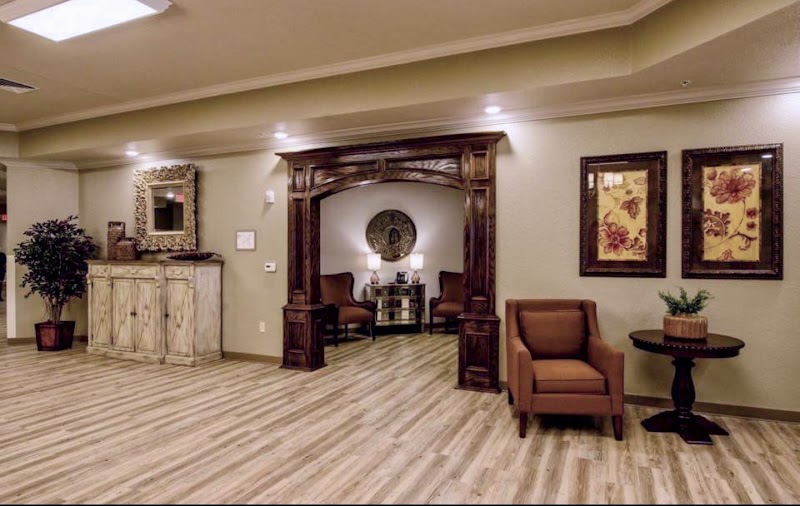
How is Big Spring Center For Skilled Care Staffed?

CMS rates BIG SPRING CENTER FOR SKILLED CARE's staffing level at 1 out of 5 stars, which is much below average compared to other nursing homes. Staff turnover is 64%, which is 18 percentage points above the Texas average of 46%. High turnover can affect care consistency as new staff learn residents' individual needs. RN turnover specifically is 80%, which is notably high. RNs provide skilled clinical oversight, so turnover in this role can affect medical care quality.

What Have Inspectors Found at Big Spring Center For Skilled Care?

State health inspectors documented 27 deficiencies at BIG SPRING CENTER FOR SKILLED CARE during 2022 to 2025. These included: 1 that caused actual resident harm and 26 with potential for harm. Deficiencies causing actual harm indicate documented cases where residents experienced negative health consequences.
Who Owns and Operates Big Spring Center For Skilled Care?

BIG SPRING CENTER FOR SKILLED CARE is owned by a for-profit company. For-profit facilities operate as businesses with obligations to shareholders or private owners. The facility is operated by CREATIVE SOLUTIONS IN HEALTHCARE, a chain that manages multiple nursing homes. With 120 certified beds and approximately 64 residents (about 53% occupancy), it is a mid-sized facility located in BIG SPRING, Texas.

How Does Big Spring Center For Skilled Care Compare to Other Texas Nursing Homes?

Compared to the 100 nursing homes in Texas, BIG SPRING CENTER FOR SKILLED CARE's overall rating (2 stars) is below the state average of 2.8, staff turnover (64%) is significantly higher than the state average of 46%, and health inspection rating (3 stars) is at the national benchmark.

What Should Families Ask When Visiting Big Spring Center For Skilled Care?

Based on this facility's data, families visiting should ask: "How do you ensure continuity of care given staff turnover, and what is your staff retention strategy?" "Can you walk me through typical staffing levels on day, evening, and night shifts?" "Can I visit during a mealtime to observe dining assistance and food quality?" "How do you handle medical emergencies, and what is your hospital transfer rate?" These questions are particularly relevant given the facility's high staff turnover rate and the below-average staffing rating.

Is Big Spring Center For Skilled Care Safe?

Based on CMS inspection data, BIG SPRING CENTER FOR SKILLED CARE has a clean safety record: no substantiated abuse findings (meaning no confirmed cases of resident harm), no Immediate Jeopardy citations (the most serious violation level indicating risk of serious injury or death), and is not on the Special Focus Facility watch list (a federal program monitoring the lowest-performing 1% of nursing homes). The facility has a 2-star overall rating and ranks #100 of 100 nursing homes in Texas. While no facility is perfect, families should still ask about staff-to-resident ratios and recent inspection results during their visit.

Do Nurses at Big Spring Center For Skilled Care Stick Around?

Staff turnover at BIG SPRING CENTER FOR SKILLED CARE is high. At 64%, the facility is 18 percentage points above the Texas average of 46%. Registered Nurse turnover is particularly concerning at 80%. RNs handle complex medical decisions and coordinate care — frequent RN changes can directly impact care quality. High turnover means new staff may not know residents' individual needs, medications, or preferences. It can also be disorienting for residents, especially those with dementia who rely on familiar faces. Families should ask: What is causing the turnover? What retention programs are in place? How do you ensure care continuity during staff transitions?

Was Big Spring Center For Skilled Care Ever Fined?

BIG SPRING CENTER FOR SKILLED CARE has been fined $8,184 across 1 penalty action. This is below the Texas average of $33,161. While any fine indicates a compliance issue, fines under $50,000 are relatively common and typically reflect isolated problems that were subsequently corrected. Families should ask what specific issues led to these fines and confirm they've been resolved.

Is Big Spring Center For Skilled Care on Any Federal Watch List?

BIG SPRING CENTER FOR SKILLED CARE is not on any federal watch list. The most significant is the Special Focus Facility (SFF) program, which identifies the bottom 1% of nursing homes nationally based on persistent, serious quality problems. Not being on this list means the facility has avoided the pattern of deficiencies that triggers enhanced federal oversight. This is a positive indicator, though families should still review the facility's inspection history directly.