PARKVIEW NURSING AND REHABILITATION CENTER
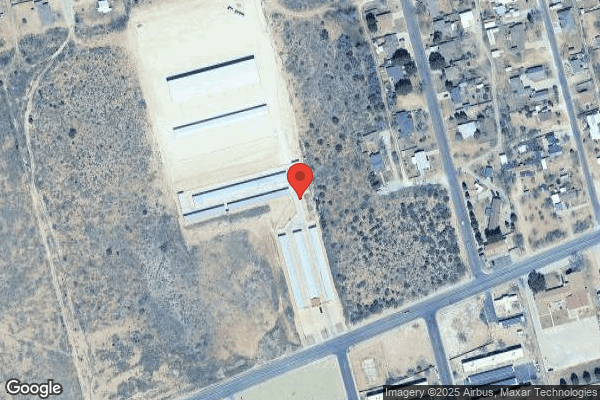

3200 PARKWAY, BIG SPRING, TX 79720 (432) 263-4041
For profit - Partnership 117 Beds Independent Data: November 2025
Trust Grade
70/100
#307 of 1168 in TX
Last Inspection: June 2025

Inspected within the last 6 months. Data reflects current conditions.

Overview

Parkview Nursing and Rehabilitation Center in Big Spring, Texas has a Trust Grade of B, indicating it is a good choice among nursing homes. It ranks #307 out of 1168 facilities in Texas, placing it in the top half, and is the top facility in Howard County. However, the facility is showing a concerning trend of worsening conditions, with the number of issues increasing from 8 in 2024 to 9 in 2025. Staffing is a weakness, reflected in a 2 out of 5 star rating and a high turnover rate of 67%, which is above the state average. While the center has no fines on record, there are several significant concerns, including improper food storage practices that could risk contamination and foodborne illness, and failures to involve residents in their care planning, which may affect their overall well-being.

Trust Score
B
70/100
In Texas
#307/1168
Top 26%
Safety Record
Low Risk
No red flags
Inspections
Getting Worse
8 → 9 violations
Staff Stability
⚠ Watch
67% turnover. Above average. Higher turnover means staff may not know residents' routines.
Penalties
✓ Good
No fines on record. Clean compliance history, better than most Texas facilities.
Skilled Nurses
⚠ Watch
Each resident gets only 23 minutes of Registered Nurse (RN) attention daily — below average for Texas. Fewer RN minutes means fewer trained eyes watching for problems.
Violations
⚠ Watch
18 deficiencies on record. Higher than average. Multiple issues found across inspections.
★★★★☆
4.0
Overall Rating
★★☆☆☆
2.0
Staff Levels
★★★★☆
4.0
Care Quality
★★★★☆
4.0
Inspection Score
Stable
2024: 8 issues
2025: 9 issues

The Good

  • 4-Star Quality Measures · Strong clinical quality outcomes
  • Full Sprinkler Coverage · Fire safety systems throughout facility
  • No fines on record

Facility shows strength in quality measures, fire safety.

The Bad

Staff Turnover: 67%

21pts above Texas avg (46%)

Frequent staff changes - ask about care continuity

Staff turnover is elevated (67%)

19 points above Texas average of 48%

The Ugly 18 deficiencies on record

Jun 2025 7 deficiencies
CONCERN (D)

Potential for Harm - no one hurt, but risky conditions existed

Deficiency F0605 (Tag F0605)

Could have caused harm · This affected 1 resident

**NOTE- TERMS IN BRACKETS HAVE BEEN EDITED TO PROTECT CONFIDENTIALITY** Based on interview and record review, the facility failed to ensure PRN orders for psychotropic drugs were limited to 14 days un...

Read full inspector narrative →
**NOTE- TERMS IN BRACKETS HAVE BEEN EDITED TO PROTECT CONFIDENTIALITY** Based on interview and record review, the facility failed to ensure PRN orders for psychotropic drugs were limited to 14 days unless the attending physician or prescribing practitioner believed, and documented, that it was appropriate for the PRN order to be extended beyond 14 days for 1 of 1 resident (Resident #61) reviewed for PRN psychotropic medications, in that: Resident #61 continued to have a PRN order for Lorazepam 2 MG/ML after 14 days without a duration. This failure could result in residents receiving antipsychotic medications when contraindicated and could result in residents experiencing adverse drug reactions. The findings include: Record review of Resident #61's face sheet, dated 06/12/25, reflected a [AGE] year-old-female who was admitted to the facility on [DATE] with diagnoses to include Alzheimer's (cognitive loss), diabetes (high blood sugar), anxiety (felling of fear and worry) and major depressive disorder (mental illness). Record review of Resident #61's significant change in status, dated 04/12/25, reflected Resident #61's BIMS was a 00 which indicated Resident #61 had severely impaired cognitive impairment. The MDS further reflected Resident #61 had a diagnosis of anxiety disorder. Record review of Resident #61's physician order summary dated 03/19/24 reflected the following orders: *Order start date 04/03/25 with an indefinite end date for Lorazepam Oral Concentrate 2 mg/ml, give 0.25 ml by mouth every 2 hours as needed for anxiety. *Order start date 04/03/25 with an indefinite end date for Lorazepam Oral Concentrate 2 mg/ml, give 0.50 ml by mouth every 2 hours as needed for anxiety. *Order start date 04/03/25 with an indefinite end date for Lorazepam Oral Concentrate 2 mg/ml, give 0.75 ml by mouth every 2 hours as needed for anxiety. *Order start date 04/03/25 with an indefinite end date for Lorazepam Oral Concentrate 2 mg/ml, give 1 ml by mouth every 2 hours as needed for anxiety. Record review of Resident #61's PRN MAR reflected the following: *Lorazepam Intensol Oral Concentrate 2 mg/ml give 0.25 ml by mouth every 2 hours as needed for anxiety. Start Date 04/03/25 - DC Date 6/12/25. No medication was administered for the month of June. *Lorazepam Intensol Oral Concentrate 2 mg/ml give 0.50 ml by mouth every 2 hours as needed for anxiety. Start Date 04/03/25 - DC Date 6/12/25. No medication was administered for the month of June. *Lorazepam Intensol Oral Concentrate 2 mg/ml give 0.75 ml by mouth every 2 hours as needed for anxiety. Start Date 04/03/25 - DC Date 6/12/25. No medication was administered for the month of June. *Lorazepam Intensol Oral Concentrate 2 mg/ml give 1 ml by mouth every 2 hours as needed for anxiety. Start Date 04/03/25 - DC Date 6/12/25. No medication was administered for the month of June. During an interview on 06/12/25 at 09:20 AM with the DON, she stated she was not aware that Resident #61 had an order for Lorazepam PRN with no duration. She stated PRN psychotropic medications must have a stop dated and can only be given for 14 days. She stated lorazepam was a psychotropic medication. She stated the QA Nurse was responsible for checking all new doctor orders and all new medications. She stated all staff had been trained on PRN psychotropic medications. She stated the potential negative outcome could be resident declining and interfering with cognition. During an interview on 06/12/25 at 10:20 AM with the QA Nurse, she stated Resident #61 has an order for Lorazepam PRN because she was admitted to hospice services. She stated PRN psychotropic medications must have a stop dated and can only be given for 14 days even if on hospice. She stated she was responsible for competing medication audits. She stated she would be discontinuing the medication because resident has not used it. She stated the medication was not discontinued because she was waiting for pharmacy physician letter to come back from the physician. She stated all staff have been trained on PRN psychotropic medications. She stated the potential negative outcome could be giving the PRN psychotropic to the resident that really does not need it. Record review of the facility policy titled Psychoactive Medications revised date 11/05 reflected the following: Policy: Resident's will only receive psychoactive medications when medically necessary. Every effort will be made to ensure that residents who use these medication receive the intended benefit of the medications and to minimize the unwanted effects of the medications. Procedure: . The continued need for and the effectiveness of this type of medication will be reassessed monthly by the attending physician .
CONCERN (D)

Potential for Harm - no one hurt, but risky conditions existed

Deficiency F0760 (Tag F0760)

Could have caused harm · This affected 1 resident

**NOTE- TERMS IN BRACKETS HAVE BEEN EDITED TO PROTECT CONFIDENTIALITY** Based on interviews and record review, the facility failed to ensure residents were free of any significant medication errors fo...

Read full inspector narrative →
**NOTE- TERMS IN BRACKETS HAVE BEEN EDITED TO PROTECT CONFIDENTIALITY** Based on interviews and record review, the facility failed to ensure residents were free of any significant medication errors for 1 (Resident #185) of 4 residents reviewed for medication administration. The facility failed to ensure metoclopramide (used to increase muscle contraction in the upper digestive tract) administered to Resident #185 as ordered. This failure could place residents at risk for not receiving medications as ordered by their physician. The findings include: Record review of Resident #185's face sheet dated 06/11/25 revealed an [AGE] year-old female admitted to the facility on [DATE]. Resident #185 had a medical history of gastroparesis (stomach muscles don't move food well), acute kidney failure, depression (feelings of sadness, loss or anger), anxiety (feeling of fear and worry) and hypertension (high blood pressure). Record review of Resident #185's physician orders revealed the following: Metoclopramide HCL Oral Tablet 10 MG give 1 tablet by mouth before meals for gastroparesis with a start date 06/07/25. Record review of Resident #185's medication administration record revealed Resident #185 received the following: Metoclopramide HCL 10MG on 06/11/25 at 07:30 AM. During an observation on 06/11/25 at 08:30 AM MA exited Resident #185 room and stated to CNA Resident #185 was done with her breakfast but would like more coffee. During an observation on 06/11/25 at 08:40 AM MA prepared the medication for Resident #185: Metoclopramide 10 MG along with five additional medications (Amlodipine 2.5mg, KCL 10meq, Coreg 6.25mg, Cefdinir 300mg, Amiodarone 200mg) and 30cc liquid (lactulose). Record review blister pack on 06/11/25 at 08:40 AM revealed a pharmacy label Metoclopramide 10 MG 1 tablet give before meals. During an observation on 06/11/25 at 08:45 AM Resident #185 at bedroom door in wheelchair. MA gave Resident #185 her medications. During an interview with DON on 06/12/25 at 09:20 AM, she stated Metoclopramide needs to be given before breakfast. She stated the charge nurses would be responsible for making sure MA give medications timely. She stated all nursing staff had been trained on medication times. She stated the pharmacy consultant does medication pass audits monthly. She stated her expectation was for the medications to be passed timely. She stated medications can be given an hour before or hour after the scheduled time. She stated Metoclopramide was scheduled before meals at 0730 AM. She stated the medication would be late if given at 08:40 AM. She stated the purpose of the medication was to help the stomach digest food. She stated if medication was not given timely the MD would need to be contacted. She stated the potential negative outcome could be the resident experiencing nausea, vomiting or stomach cramps. During an interview with MA on 06/12/25 at 10:32 AM, she stated the medication Metoclopramide for Resident #185 was scheduled for 07:30 AM. She stated the medication should be given before meals. She stated she was aware this medication needs to be given before meals, but she never can get to her before meals. She stated her hall medications start at 09:00 AM. She stated medications can be given one hour before or one hour after the scheduled time. She stated the medication was late because she gave it after 08:30 AM. She stated she has had training on giving medication timely. She stated she was not sure what the potential negative outcome could be. Record review of facility policy titled Medication Administration undated revealed: Purpose: To assure that residents receive their medication as ordered by the physician. Procedure: . 9. Medications are to be given within one hour prior to or after time ordered.
CONCERN (D) 📢 Someone Reported This

A family member, employee, or ombudsman was alarmed enough to file a formal complaint

Potential for Harm - no one hurt, but risky conditions existed

Food Safety (Tag F0812)

Could have caused harm · This affected 1 resident

Based on observation and interview, the facility failed to store, prepare, distribute, and serve food in accordance with professional standards for food service safety for 1 of 1 meal (lunch meal 06/1...

Read full inspector narrative →
Based on observation and interview, the facility failed to store, prepare, distribute, and serve food in accordance with professional standards for food service safety for 1 of 1 meal (lunch meal 06/11/25) reviewed for dietary services, in that: The facility failed to ensure hot foods were maintained at 135 degrees F and above. These failures could place residents at risk of food borne illnesses. The findings included: Observation on 06/11/2025 at 11:15 AM staff brought in hamburgers and tater tots from an outside source into the kitchen and place them on the steam table and covered with lid. Observation of temperatures taken on 06/11/2025 at 11:25 AM revealed tater tots from outside source temped 129 degrees F. During an interview on 06/11/2025 at 11:35 AM with the dietary manager, she stated they would refry the tater tots to get them up to temp above 140. During an observation on 06/11/2025 at 11:40 AM the dietary manager turned on the fryer and placed the tater tots from the kitchen steam table in fry baskets. Observation on 06/11/2025 at 11:45 AM staff served residents in dining room from dining room steam table. During an interview on 06/11/2025 at 11:50 AM with the dietary manager, she stated the tater tots from outside source being served to residents in the dining room were served off the dining room steam table. She stated the food on the dining room steam table had not been temped. She stated the cook had not temped the dining room steam table, as she was waiting to temp the steam table in the kitchen. She stated the tater tots needed to be served at temp above 140 to prevent bacteria. She stated all staff had been trained to temp food and only serve if at the correct temp. She stated the potential negative outcome could be bacteria growth in food making the residents sick. During an interview on 06/11/2025 at 11:53 AM with [NAME] B, she stated tater tots needed to be at a temperature of 140 to be able to serve. She stated she did not take the temperature of the food on dining room steam table today. She stated she forgot to get the temperature of the food on the dining room. She stated she did not temp the tater tots that were being served to the residents in the dining room. She stated food on steam table in dining room served the dining room and steam table in kitchen served resident hall trays. She stated she was trained on food temperatures when serving. She stated the temperature should be 140 degrees or above. She stated the potential negative outcome was food being served cold and bacteria growing in food. During an interview on 06/12/2025 at 09:20 AM with the DON, she stated food should be served at the proper temperatures to prevent spoilage and increase palatability. She stated the dietary manager was responsible for making sure staff properly served food. She stated all staff have had training on proper temperatures to serve food. She stated the potential negative outcome could be bacteria growth and food poisoning. Record review of the facility policy and procedure titled, Food Preparation and Service, undated reflected the following: Procedure: . 4. Food will be served at acceptable temperatures, each type of food having an appropriate service temperature. 14. Food will be placed on the steam table to maintain acceptable temperatures during meal service. Record review of the facility police titled Temperatures Important Form Care of Food undated reflected the following: Holding food on hot food serving table 140 degrees to 165 degrees.
CONCERN (D)

Potential for Harm - no one hurt, but risky conditions existed

Infection Control (Tag F0880)

Could have caused harm · This affected 1 resident

**NOTE- TERMS IN BRACKETS HAVE BEEN EDITED TO PROTECT CONFIDENTIALITY** Based on observation, interview, and record review, the facility failed to establish and maintain an infection prevention and co...

Read full inspector narrative →
**NOTE- TERMS IN BRACKETS HAVE BEEN EDITED TO PROTECT CONFIDENTIALITY** Based on observation, interview, and record review, the facility failed to establish and maintain an infection prevention and control program designed to provide a safe, sanitary, and comfortable environment and to help prevent the development and transmission of communicable diseases and infections for 1 of 6 residents (Residents #17) reviewed for infection control. CNA A failed to change gloves and utilize hand hygiene during incontinence care with Resident #17. This failure could place residents at risk for cross contamination and infection. The findings include: Record review of Resident #17's undated face sheet revealed a [AGE] year-old-female originally admitted to the facility on [DATE]. Resident #17 had a medical history of chronic respiratory failure with hypoxia (a condition where the lungs struggle to adequately oxygenate the blood, leading to low blood oxygen levels), end stage renal disease, and type 2 diabetes. Record review of Resident #17's annual MDS dated [DATE], Section C- Cognitive Patterns revealed a BIMS of 15, which indicated Resident #17 was cognitively intact. Section H- Bladder and bowel revealed resident was frequently incontinent of bowel and bladder. Record review of Resident #17's care plan last revised on 1/17/2025 revealed an intervention to Provide peri-care after each incontinent episode as needed. During an incontinence care observation on 6/11/2025 at 2:24pm, CNA A turned Resident #17 onto her right side and cleaned her bottom. CNA A grabbed clean linen and placed it underneath Resident #17 without changing her contaminated gloves or performing hand hygiene. During an interview with CNA A on 6/11/2025 at 2:47pm, she stated she was trained on infection control and her infection preventionist was the DON. She stated she was trained to change her gloves when going from dirty to clean during incontinence care. She stated the potential negative outcome of not changing gloves during incontinence care could be spreading infection. She stated she knew to change her gloves after turning the resident onto their right side but did not think to change them again before placing the clean linen. During an interview with the DON on 06/12/25 10:08 AM, she stated she was the infection preventionist and staff was trained monthly on infection control. She stated training on changing gloves during incontinence care was included in the infection control training. She stated they have annual competencies as well. She stated the potential negative outcome of staff not changing gloves when going from clean to dirty during incontinence care could be spreading infection. She stated they monitor compliance with infection control by monitoring monthly infection trends. She stated they also have hall monitors that make rounds and observations for noncompliance. Record review of facility undated policy titled Hand-washing Guideline revealed; Purpose: The purpose of this guideline is to provide guidance to employees for proper and appropriate hand-washing techniques that will aid in the prevention of the transmission of infections. To prevent the spread of infectious disease .When to wash hands guidelines: 10) After contact with blood, body fluids, secretions, excretions, mucous membranes, or broken skin .11) After handling items potentially contaminated with a resident's blood, body fluids, excretions, secretions.
CONCERN (E)

Potential for Harm - no one hurt, but risky conditions existed

Deficiency F0553 (Tag F0553)

Could have caused harm · This affected multiple residents

**NOTE- TERMS IN BRACKETS HAVE BEEN EDITED TO PROTECT CONFIDENTIALITY** Based on interview and record review, the facility failed to ensure care plans were developed in consultation with the resident ...

Read full inspector narrative →
**NOTE- TERMS IN BRACKETS HAVE BEEN EDITED TO PROTECT CONFIDENTIALITY** Based on interview and record review, the facility failed to ensure care plans were developed in consultation with the resident and the resident's representative for 4 of 6 residents (Resident #66, Resident #11, Resident #51, and Resident #38) reviewed for comprehensive care plan in that: The facility failed to ensure Resident #66, Resident #11, Resident #51 and Resident #38 or the resident's representative were invited to participate in the resident's care plan meetings. This failure could place residents at risk of not receiving the interventions, treatments and care necessary for the residents to reach their highest practicable physical, mental, and psychosocial well-being by not involving the residents and/or resident's representatives in care plan meetings. Findings included: Resident #66 Record review of Resident #66's face-sheet dated 06/11/2025, revealed a [AGE] year-old male originally admitted to the facility on [DATE]. Record review of Resident #66's quarterly MDS dated [DATE], revealed Resident #66 had a BIMS score of 15, indicative of cognitively intact. Resident #66's primary medical condition category that best describe the primary reason for admission was coded as Paraplegia (paralysis of the legs and lower body, typically caused by spinal injury or disease). Other active diagnosis included Urethral discharge, Pain, Constipation (problem with passing stool), Hematuria (the presence of blood in the urine), and Type 2 Diabetes Mellitus (happens when the body cannot use insulin correctly and sugar builds up in the blood). Under section Q - participation in assessment and goal setting only the resident was coded as active participant in the assessment process. Record review revealed Resident #66's last Care Plan meeting note was undated. The Care Plan document did not include information regarding the date or time the Care Plan meeting was held, who was invited, nor who attended. In an interview on 06/11/2025 at 2:39 PM, Resident #66 stated he did not know what a care plan meeting was. Resident #66 stated he had not been invited to a care plan meeting that he could recall because, I know if there is something like that, my family member would be involved. Resident #66 stated no one had mentioned care planning meeting to him in the last year he had been in the facility. In an interview on 06/12/2025 at 10:08 AM, a family member of Resident #66 stated that the family member had not been involved in any care plan meetings for Resident #66 and no one had communicated to him for care planning meeting. The family member stated, I had to get my Resident #66 to the ER (Emergency room) for 3days due to extended stomach and vomiting some few weeks back. The family member stated he would like to be informed and involved in Resident #66's care planning meetings. The family member stated, the negative outcome of not having such meeting would be not knowing when certain things are going on around my Resident #66. Resident # 11 Record review of Resident # 11's face-sheet dated 06/11/2025, revealed a [AGE] year-old female admitted to the facility on [DATE]. Record review of Resident #11's quarterly MDS dated [DATE], revealed Resident #11 had a BIMS score of 12, indicative of moderate impairment. Resident #11's primary medical condition category that best described the primary reason for admission was medically complex condition related to Fibromyalgia (a long-term condition that involves widespread body pain). Other active diagnoses included Shortness of breath, GERD - Gastro-esophageal reflux disease (a condition where stomach acid flows back up into the esophagus (the tube connecting the stomach and mouth), causing heartburn and other symptoms), Calculus of kidney (hard deposits that form in the kidneys from minerals and salts in urine), Constipation (problem with passing stool), Muscle weakness (a decrease in the strength and ability of muscles to perform their normal functions, often resulting in a reduced ability to move the body) and Essential (Primary) Hypertension (a type of high blood pressure where no specific underlying cause, such as a medical condition, can be identified). In an interview on 06/12/2025 at 10:20 AM, a family member of Resident #11 stated they had not been informed of any care plan meetings for Resident #11 and had not attended such meetings before. The family member stated, My understanding would be, if am happy with Resident #11, other than that, I really don't know if the facility has asked me to come in for care planning meetings and I have talked to one of the nurses sometime about Resident #11 when she was feeling bad. The family member stated she would like to be informed and involved in Resident 11's care planning meetings. The family member stated, the negative outcome of not having such meeting maybe the facility will not do all they said they will do that could have prevented some of Resident #11's physical decline. Record review revealed Resident #11's last Care Plan meeting note was undated. The Care Plan document did not include information regarding the date or time the Care Plan meeting was held, who was invited, nor who attended. Resident # 51 Record review of Resident # 51's face-sheet dated 06/18/2025, revealed a [AGE] year-old female admitted to the facility on [DATE]. Record review of the quarterly MDS assessment dated [DATE], revealed Resident #51 had a BIMS score of 12, indicative of moderate impairment. Resident #51's primary medical condition category that best described the primary reason for admission was coded as fractures and other multiple traumas. Other active diagnoses included anemia (low levels of healthy red blood cells to carry oxygen throughout the body), Hypertension (high blood pressure), asthma, chronic obstructive pulmonary disease, or chronic lung disease. Under section O, Special Treatments, Resident #51 received Oxygen therapy while a resident of the facility and within the last 14 days. Record review revealed Resident #51's last Care Plan meeting note was undated. However, the focus column included revisions dated 12/31/2024. The Care Plan document did not include information regarding the date or time the Care Plan meeting was held, who was invited, nor who attended. In an interview on 06/11/2025 at 03:02 PM, Resident #51 stated she had not participated or heard about any care plan meetings. Resident #51 stated, I hate to say because, I don't remember, like my family member does that and takes care of it. In an attempted interview on 06/12/2025 at 10:37 AM, Resident's family member was not accessible over the phone. Resident #38 Record review of Resident #38's face-sheet dated 06/18/2025, revealed an [AGE] year-old female originally admitted to the facility on [DATE]. Record review of the quarterly MDS assessment dated [DATE] revealed Resident #38 had a BIMS score of 11, indicative of moderate cognitive impairment. Resident #38's primary medical condition category that best described the primary reason for admission was coded as Medically complex conditions related to Parkinson's disease without dyskinesia (progressive neurological disorder that primarily affects movement, causing symptoms like tremors, stiffness, and difficulty with balance and coordination). Other active diagnoses included Type 2 Diabetes Mellitus (happens when the body cannot use insulin correctly and sugar builds up in the blood), Hyperkalemia (a condition where there is too much potassium in the blood). Resident #38 was coded as the only active participant in the assessment process in Section Q, Participation in Assessment and Goal Setting. In an interview on 06/11/2025 at 03:08 PM, Resident #38 stated 'I do not know what is care plan and I have not heard that before. She stated if the facility had such, that would be her family member and not me. In an interview on 06/12/2025 at 10:48 AM, the DON stated she has worked in the facility for 27years. The DON stated that care plan meetings were the responsibility of the MDS Coordinator. The DON stated Residents, their family members and employees would attend and rare times the ombudsman participate in the care plan meetings. The DON stated that the goals would be to ensure everyone was aware of all the information in the care plan, and an opportunity for Residents, family members to request changes. She stated that the whole point is to ensure highest quality of care. The DON stated possible negative outcome could be lower quality of care and wishes of Resident and family member would not be met. In an interview on 06/12/2025 at 11:08 AM, the MDS Coordinator stated she had worked at the facility for almost 10years and was responsible for care planning meetings. The MDS Coordinator stated care planning meetings were supposed to take place quarterly and as needed. She stated Residents and concerned parties were communicated through mails and emails with no evidence/records and the goal was to make sure Resident's concerns were addressed and their needs met. The MDS Coordinator stated mandatory attendees include family member, Resident and staff designate. Record review of the facility's policy labeled Care Plans, undated, revealed the following documentation, Procedures: Each resident, family, and/or responsible party member will be invited to meetings to review the care plan at least quarterly.
CONCERN (E)

Potential for Harm - no one hurt, but risky conditions existed

Grievances (Tag F0585)

Could have caused harm · This affected multiple residents

Based on observation, interview, and record review, the facility failed to provide information to resident's and their representatives on their rights related to filing grievances or concerns for 12 o...

Read full inspector narrative →
Based on observation, interview, and record review, the facility failed to provide information to resident's and their representatives on their rights related to filing grievances or concerns for 12 of 22 confidential residents. The facility failed to ensure confidential residents were provided access to the Grievance form and provided the procedure for how to file an anonymous grievance. This failure could place the residents at risk of unresolved grievances and decreased quality of life. Findings include: During Resident Council on, 06/11/2025 at 2:00pm, 12 of 22 confidential residents, stated they did not have access to the Grievance form, they did not know they could file a Grievance anonymously, they did not know where to submit an anonymous Grievance form, and the procedure for filing a grievance had not been discussed in Resident Council. The Residents attending Resident Council stated they can ask the AD for the grievance form; residents stated the grievance form was not available for them without asking the AD for the form. The residents stated the AD completed the grievance forms during Resident Council when complaints are voiced. The twelve Residents unaware of the grievance procedure had all been Residents of the facility for 6 plus months. Record Review of the facility Grievance policy on 6/12/2025 at 11:07am; according to the facilities' Grievance policy anonymous grievances can be submitted in a locked boxed on hall 3. Surveyor observed the locked box on hall 3, the label on the box indicated the locked box was for payments, the box did not have a label indicating its' use for anonymous grievances. Observation completed each of the hallways of the facility on 6/12/2025 at 11:45am, grievance forms were not available for the residents. Interview with the DON on 6/12/2025 at 12:05pm; the DON stated she was the Grievance Officer for the facility. The DON stated she was responsible for the review of Grievances and assigned them to department heads. The DON stated she had Grievance forms in her office and the AD had Grievance forms. The DON stated staff completed Grievance forms for Residents, Residents do not ask for forms and complete them on their own. The DON stated residents trusted her to complete the form on their behalf. The DON stated there was no procedure for Residents to submit Grievances anonymously. The DON stated the facility addressed Grievances immediately, the DON stated her desire was to have all Grievances resolved within 48 hours. The DON stated she assigned the Grievance to the appropriate department, that department addressed the grievance with the complainant, resolved the grievance, and explained the resolution to the complainant. The resolution was documented on the Grievance form and the completed form was submitted to the ADM for review. The DON stated completed Grievance forms were kept in a notebook. The DON stated she monitored the Grievance process for success by following up with the staff member assigned to resolve the Grievance, the DON stated the ADM will meet with the complainant to ensure they were satisfied with the resolution. The DON stated she was responsible for ensuring staff were trained on the Grievance process. The DON stated she was not aware the Grievance procedure was not being discussed in Resident Council. The DON stated the potential negative outcome for the Grievance policy not being followed was Resident issues will not be resolved. Grievance Policy Record Review of the Grievance Policy last updated in 2025. Policy Statement: Residents has the right to file grievances, either orally or in writing, to the facility staff or to the agency designated to hear grievances without discrimination or reprisal and without fear of discrimination or reprisal. Grievances can be completed orally or in writing, grievances can also be submitted anonymously. If the grievance is anonymous, it can be submitted in the locked box outside of the business on hall 3.
CONCERN (E)

Potential for Harm - no one hurt, but risky conditions existed

Deficiency F0645 (Tag F0645)

Could have caused harm · This affected multiple residents

**NOTE- TERMS IN BRACKETS HAVE BEEN EDITED TO PROTECT CONFIDENTIALITY** Based on interviews and record review, the facility failed to ensure all Pre-admission Screening and Resident Review (PASRR) Lev...

Read full inspector narrative →
**NOTE- TERMS IN BRACKETS HAVE BEEN EDITED TO PROTECT CONFIDENTIALITY** Based on interviews and record review, the facility failed to ensure all Pre-admission Screening and Resident Review (PASRR) Level I residents with mental illness were provided with a PASRR Evaluation assessment for 2 of 22 residents (Residents #59 and #62) reviewed for PASRR screening, in that: Residents #59 and #62 did not have an accurate PASRR Level 1 assessments when they had a diagnosis of mental illness. These failures could place residents with an inaccurate PASRR Level 1 and no PASRR Level 2 Evaluation at risk for not receiving care and services to meet their needs. The findings were: Resident #59 Record review of Resident #59's electronic face sheet undated revealed a [AGE] year-old female initially admitted to the facility on [DATE]. Resident #59 had a medical diagnosis of major depressive disorder (a mental disorder characterized by persistent sadness), post-traumatic stress disorder (mental health condition that can develop after a person experiences or witnesses a traumatic event), cerebral infarction (occurs when the blood supply to the brain is interrupted, leading to brain tissue death) and dementia (a general term for the loss of cognitive function, including memory, language, problem-solving, and reasoning, that can interfere with daily life). The document did not indicate Resident #59 had a primary diagnosis of dementia. Record review of Resident #59's annual MDS dated [DATE], revealed under section I, Resident #59 had an active diagnosis of depression and post-traumatic stress disorder (PTSD). Additionally, under Section C Cognitive Patterns, Resident #59's MDS revealed a BIMS of 10, indicating the resident was moderately, cognitively impaired. Record review of Resident #59's care plan, last revised on 4/12/2025, revealed The resident has a mood problem r/t DEPRESSION, DEMENTIA, PTSD. Initiated on 12/10/2024. Additionally, the document revealed interventions to Monitor/record/report to MD prn acute episode feelings or sadness; loss of pleasure and interest in activities; feelings of worthlessness or guilt; change in appetite/ eating habits; change in sleep patterns; diminished ability to concentrate; change in psychomotor skills. The resident needs time to talk. Encourage the resident to express feelings. Monitor/record/report to MD prn mood patterns s/sx of depression, anxiety, sad mood as per facility behavior monitoring protocols. Educate the resident/family/caregivers regarding expectations of treatment, concerns with side effects and potential adverse effects, evaluation, maintenance. Record review of Resident #59's physician's Order Summary as of 06/12/2025 revealed Resident #59 had been prescribed Sertraline 100mg tablet for Depression with a start date of 2/23/2025. Record review of Resident #7's Preadmission Screening and Resident Review (PASRR) Level One (PL1) form dated 11/11/2022 revealed under section C0100 Mental Illness an answer of NO, indicating the resident does not have a mental illness. Resident #62 Record review of Resident #62's electronic face sheet undated revealed a [AGE] year-old female initially admitted to the facility on [DATE]. Resident #62 had a medical diagnosis of major depressive disorder (a mental disorder characterized by persistent sadness) and post-traumatic stress disorder (mental health condition that can develop after a person experiences or witnesses a traumatic event). Resident #62 does not have a diagnosis of dementia. Record review of Resident #62's annual MDS dated [DATE], revealed under section I, Resident #62 had an active diagnosis of depression and post-traumatic stress disorder (PTSD). Additionally, under Section C Cognitive Patterns, Resident #62's MDS revealed a BIMS of 15, indicating the resident was cognitively intact. Record review of Resident #62's most recent care plan, dated 06/14/2025, revealed a diagnosis of Major Depressive Disorder and PSTD. Interventions included referring to mental authorities as needed, referring to psychiatrist, and referring to therapy. Record review of Physician orders for Resident #62's dated 06/18/2024 revealed under Diagnoses, Resident #62 has a diagnosis of Major Depressive Disorder and PTSD. Resident #62 is prescribed Buspirone 15mg, to be administered by mouth .5 tablet three times a day for anxiety. Record review of Resident #62's Preadmission Screening and Resident Review Level One (PL1) form dated 05/27/2025 revealed under section C0100 Mental Illness an answer of No, indicating the resident did not have a mental illness. During an interview conducted on 06/12/25 at 11:15AM with the MDS Nurse, she verified Residents #59 and #62 had a diagnosis of mental illness. The MDS Nurse verified Residents #59 and #62 did not have PASRR 2 Evaluations as their PASRR 1s were negative. The MDS Nurse stated the purpose of the PASRR 1 was to identify if Residents require additional services. She said if the PASRR 1 was positive then it gets put into an online system and they reach out to the necessary people to ensure a PASRR 2 Evaluation was done. She said she was responsible for entering the PASRR 1 into the system, the MDS nurse was also responsible for ensuring PASRR 1s were accurate by comparing them to medical records. The MDS Nurse stated the potential harm if a resident with a diagnosis of a mental illness had a negative PASRR 1, and no subsequent level PASRR 2 evaluation was the residents could potentially go without services. During an interview with the DON on 06/12/25 at 12:15PM, she verified Residents #59, and #62 had diagnosis of mental illnesses. The DON confirmed Residents #59, and #62 did not have PASRR 2 Evaluation as their PASRR 1s were negative. The DON stated it was the MDS nurses' responsibility to ensure every resident admitted to the facility had an accurate PASRR 1. The DON also stated it was the MDS nurses' responsibility to ensure PASRR 1s are completed accurately by comparing them to the residents' medical records. The DON stated residents with a positive PASRR 1 should be referred to the local mental health authority for completion of a PASRR 2 Evaluation. The DON stated the potential harm to a resident without an accurate PASRR 1 and a subsequent PASRR 2 Evaluation was the resident will not receive the services they need. ADM stated via email, on 6/18/2025 at 4:05pm, the facility does not have a PASRR policy.
Jan 2025 2 deficiencies
CONCERN (D) 📢 Someone Reported This

A family member, employee, or ombudsman was alarmed enough to file a formal complaint

Potential for Harm - no one hurt, but risky conditions existed

Abuse Prevention Policies (Tag F0607)

Could have caused harm · This affected 1 resident

**NOTE- TERMS IN BRACKETS HAVE BEEN EDITED TO PROTECT CONFIDENTIALITY** Based on observation, interviews and record review, the facility failed to develop and implement abuse policies and procedures t...

Read full inspector narrative →
**NOTE- TERMS IN BRACKETS HAVE BEEN EDITED TO PROTECT CONFIDENTIALITY** Based on observation, interviews and record review, the facility failed to develop and implement abuse policies and procedures to prohibit, prevent and investigate allegations of abuse for 1 of 6 residents (Resident #1) reviewed for abuse. The Facility failed to establish abuse policies and procedures that mandate reporting of all allegations of abuse to the State Agency when Resident #1 made an outcry of abuse. The Facility failed to establish abuse policies and procedures that ensure reporting of all findings of allegations of abuse to the State Agency within five days of knowledge of the alleged abuse. These failures could place residents as risk for abuse and neglect. Findings included: Resident #1 A record Review of Resident #1's face sheet, dated 12/12/24, revealed an [AGE] year-old female who was admitted to the facility on [DATE] with a diagnosis of dementia with (memory loss) and the presence of a pacemaker. A record review of Resident #1's comprehensive MDS assessment dated [DATE] revealed diagnoses of Adjustment Disorder, Hallucinations, Dementia with Behavioral Disturbance, and Anxiety. Section B, Hearing/Speech and Vision revealed Resident #1 had moderate difficulty as it relates to hearing [B0200]. Resident #1 had a hearing aid [B0300]. Resident #1 usually could make herself understood [B0700] and had the ability to understand others [B0800]. Section C, Cognitive Patterns, a BIMS score of 1, indicating the resident was severely cognitively impaired. Section E revealed Resident #1 did not exhibit physical behavior (hitting, kicking, pushing, scratching, grabbing, and abusing) during the review [E0200]. A record review of Resident #1's care plan, dated 12/12/24, revealed a focused area, initiated on 11/29/24, Resident #1 had a communication problem r/t hearing deficit (had a left hearing aid). A focused area, initiated on 11/29/24, revealed Resident #1 had a pacemaker/defibrillator. Record review of Resident #1's care plan, dated 12/12/24, did not reveal any behaviors. Record review of Resident #1's progress notes dated from 09/11/24- 12/12/24 did not reveal any progress notes related to the incident on 11/27/24 between Resident #1 and LVN C. A record review of the facility incident report, dated 01/03/25, did not reveal any incidents involving Resident #1 on 11/27/24. There were no provider investigation reports available for review that involved Resident #1 prior to 12/12/24. Record Review of the provider investigation report, dated 12/12/24, revealed the finding of abuse was unconfirmed. The Report stated review of the video footage revealed Resident #1 was not pushed into the table by LVN C, and that LVN C spoke in a loud voice so Resident #1 could hear her. During an interview on 12/12/24 at 9:50 AM, the ADM stated she was the abuse coordinator for the facility. She said if her staff witnessed or suspected abuse, they should remove the resident, and then they should immediately report the allegation of abuse to the charge nurse. She said the staff then can go to her or the DON. She said if someone accidentally bumped a resident, it would not be an incident that the facility would have to report. She said if there was intent, an incident would be required to be reported. She said, Things happen accidentally all the time. She said if there were an injury, she would proceed as usual, but if there were no injury, then there would be no need for additional monitoring. The ADM said she was unaware of incidents involving a staff member accidentally running into a resident. During an interview on 12/12/24 at 11:50 AM, the ADM stated on 11/27/24, CNA A texted her, and she called CNA A back. She said she was told by CNA A that LVN C yelled at Resident #1. The ADM said she watched the cameras and observed LVN C roll a wheelchair between two residents (one being Resident #1). In the video, she saw Resident #1 standing up fast. She said that maybe the wheelchair that LVN C was pushing may have hit Resident #1's chair, but she could not tell. The ADM denied seeing evidence of abuse. During an interview on 12/12/24 at 12:40 PM, LVN D stated on 11/27/24 Resident #1 was crying and holding her chest. She said Resident #1 had her speak into her left ear because she could not hear very well. LVN D said Resident #1 told her, The woman taking care of me hurt me and stated LVN C hit her. LVN D said Resident #1 did not share specifics of the incident, nor did Resident #1 name LVN C specifically, but did describe how she looked and what she had on. LVN D said she assessed Resident #1 and took her vitals. She said Resident #1's vitals were normal and not concerning, but she did observe two lumps near Resident #1's pacemaker and felt it was swollen. LVN D said Resident #1 was in a lot of pain. She said the area around the pacemaker was tender to touch. She said CNA A observed the small lumps near Resident #1's pacemaker. LVN D said she was unfamiliar with Resident #1 and did not know her baseline. LVN D said she reached out to Physician E and obtained an order for pain medication (Tylenol 325 mg) because Resident had no existing orders for pain. LVN D said she reached out to the ADM via text message. LVN D said she told the ADM that Resident #1 was crying and that the area around the pacemaker was swollen and tender to touch. LVN D said she told the ADM that Resident #1 was nauseated. LVN D said she reported her assessment findings to the ADM. CNA A told her she had reported the incident between Resident #1 and LVN C to the ADM. She said CNA A told LVN D that CNA A told the ADM that she and CNA B saw LVN C hit Resident #1 against the table multiple times. A record review of LVN D's written statement, dated 12/14/24, revealed the following: On 11/27/24 at 6:31 PM, the ADM texted LVN D, stating, There was an incident with Resident #1 and LVN C, and she (Resident #1) was upset with LVN C but says her (Resident #1) chest is hurting. Could you (LVN D) go and assess her (Resident #1)? 6:32 PM: LVN D replied to the ADM text message, Yes. 6:35 PM: LVN D texted the ADM that Resident #1 claimed that LVN C hit her (Resident #1). 6:37 PM: LVN D texted the ADM that Resident #1 was showing her left upper chest and crying. 6:38 PM: LVN D texted the ADM that Resident #1 was hurting, and the area (around the pacemaker) was swollen and tender. 6:41 PM: LVN D texted the ADM that Resident #1 had two bumps near her pacemaker. 6:42 PM: LVN D texted the ADM that Resident #1 was nauseated from how emotional she (Resident #1) was. LVN D said she would get Resident #1 two Tylenol and that Resident #1 might need x-rays. 6:43 PM: LVN D texted the ADM that the pain medication was needed because Resident #1 was tender to touch and the bumps she was feeling with the swelling. 6:45 PM: LVN D texted the ADM, asking what she (the ADM) wanted her (LVN D) to do. LVN D wrote the ADM never responded to any of her text messages. 6:54 PM: LVN D texted the ADM that she received an order from Physician E for Tylenol because Resident #1 did not have any orders for pain medication. 6:44 PM: LVN D attempted to contact the ADM. LVN D indicated the ADM did not answer. 6:50 PM: LVN D texted Physician E asking if it was okay for Resident #1 to have Tylenol (650 mg) because Resident #1 was complaining of pain. 6:54 PM: LVN D indicated that Physician E responded to give Resident #1 tramadol 50 mg, and LVN D responded okay. 7:44 PM: LVN D texted the ADM, indicating Resident #1 complained of pain under her pacemaker and that LVN D felt two lumps. 7:51 PM ADM called LVN D, and the ADM acknowledged her text messages and LVN D said she reported to the ADM that CNA A had said another staff told her to report the incident that had occurred between Resident #1 and LVN C. LVN D indicated during the phone conversation she reported to the ADM that CNA A reported to her that LVN C always mistreats the residents on the memory care unit. She said she reported the findings of her assessment to the ADM and the ADM asked if the two lumps had been there and LVN D stated she did not know. LVN D indicated that she was asked by the ADM if the bumps could have been caused by Resident being bumped on the table and LVN D indicated she responded that it depended on how she was sitting. LVN D's written statement additionally stated, On 12/1/24 or 12/2/24, the DON asked her what happened on 11/27/24. LVN D reported to the DON that the ADM told her to assess Resident #1. LVN D indicated she told the DON that Resident #1 alleged that LVN C hit her, and that CNA A witnessed the incident. LVN D indicated that she was unfamiliar with Resident #1 and did not have the facts of the incident to document. LVN D indicated that the ADM instructed her that the ADM would investigate and that she would not write anything down until she investigated by watching the video. A record review of Resident #1's detailed order report dated, 11/27/24, revealed that LVN D had entered a medication ordered by Physician E for Tylenol 325 mg x2 PRN every 4 hours for general discomfort. A record review of Resident #1's order administration note dated, 11/27/24, revealed LVN D entered a note for Tylenol 325 mg x2 PRN every 4 hours for general discomfort. The note indicated Resident #1 complained of pain in her chest on the left side. A record review of Resident #1's MAR/TAR dated November 1-30th, revealed on 11/27/24 at 6:50PM, Resident #1 had a pain level of 5 and was administered acetaminophen tablet 325 mg (2 tablets by mouth). No further indication of pain was noted in the MAR/TAR, and no additional pain medication was given. During an observation and interview on 12/12/24 at 3:55 PM, observation of Resident #1's pacemaker site revealed no lumps, bruising, or redness. Resident #1 did flinch when MA P touched the pacemaker site and stated the site was tender. Resident #1 said she had it (pacemaker) for a long time. Resident #1 did not disclose any information regarding LVN C or the incident from 11/27/24. During an interview on 12/12/24 at 4:00 PM, the ADM stated CNA A said Resident #1 was crying and that LVN C had hollered at her. She said CNA A reported to her that LVN C was trying to push another resident through two residents (one resident being Resident #1). The ADM said Resident #1 was hard of hearing. She said she did interview LVN C, and she denied hollering at Resident #1. LVN C stated she elevated her voice as she came behind her. The ADM said Resident #1 did complain of chest pain. The ADM said she was told by CNA A that she took Resident #1 to her room and noticed Resident #1 had a pacemaker. The ADM said CNA A told her that when she went to touch Resident #1, Resident #1 was guarded. The ADM said Resident #1 had a history of exaggerating things. The ADM said she was told by CNA A that Resident #1 was upset. The ADM said that since Resident #1 was upset with LVN C, it was best that LVN C does not assess her. The ADM sent LVN D to assess Resident #1. The ADM said LVN D reported that Resident #1 complained of pain during the assessment. The ADM said she observed the cameras, and LVN C was moving the wheelchair through two residents (one resident being Resident #1). The ADM said she never observed Resident #1 hit her chest. The ADM said she did not observe Resident #1 crying in the video. The ADM said she did have information to support that she investigated the incident, and LVN C did not intentionally bump Resident #1. She said she did not interview LVN D. The ADM said no one reported to her that LVN C was agitated. The ADM said she started looking into the incident on 11/27/24 and finished on 11/28/24 after she watched the cameras. She said there was no allegation of abuse, so she did not report the incident to HHSC. She said it was normal for Resident #1 to cry. She said if nothing was wrong, then it does not have to be documented. She said that she did not believe there was an allegation of abuse, but the reason she did not have LVN C work with Resident #1 was because Resident #1 was upset with LVN C. The ADM said Family Member G was not notified because there was no allegation of abuse. She said no protection or preventative measures were put in place because there was no allegation of abuse, but maybe the tables needed to be spaced out correctly. The ADM would not allow the State surveyors to view the camera footage until authorized by her attorney. Record review of video of the alleged abuse, dated 11/27/24, was provided by facility via email on 1/5/25 at 9:30PM revealed no indication of abuse. The video revealed LVN C pushed a Resident in a wheelchair between two residents. LVN C pushed an unknown Resident closer to table and then attempted to pass through and bumped Resident #1 chair in the process. LVN C moved Resident #1's chair closer to the table. Resident #1 was not moved forcefully. Resident #1 immediately moved chair away from table and looked behind her. LVN C talked to Resident #1 and motioned for her to move her chair forward. Resident #1 stood up, looked at LVN C and moved the chair toward the table. LVN C left the dining room with an unknown resident in wheelchair, and Resident #1 sat back down in chair. NA walked up to Resident #1 and rubbed her left shoulder and walked away. CNA A walked to Resident #1, and Resident #1 pulled at Resident #1's shirt and rubbed her upper left chest. CNA A bent over and looked at Resident #1 chest, and then walked back to food tray cart. During an interview on 12/12/24 at 4:38 PM, the DON stated she was off when the incident between Resident #1 and LVN C occurred. She said she was notified on Monday (12/2/24) when she returned from work via email from the ADM. The DON said the email from the ADM said she had investigated the incident between Resident #1 and LVN C. She said the email said that Resident #1 reported her chest hurt and that Resident #1 hit her chest on the table, but the ADM found that Resident #1 did not hit her chest on the table. The DON said that she spoke with Resident #1, and Resident #1 reported that everything was fine. Resident #1 never mentioned the incident involving LVN C. The DON said that on 12/02/24, she observed Resident #1 at the dining table and observed an ample space between Resident #1 and the table. The DON said the dining room chairs cannot fit under the tables. She said the arms of the chairs were level with the table, hindering Resident#1 from being able to be bumped against the table. The DON said where Resident #1's pacemaker was located, she could not have hit it against the table. The DON said she observed the video surveillance. She said that Resident #1 was very quick with her movements. She said she observed Resident #1 seated at the dining room table. She said she saw LVN C pushing the geriatric chair. She said Resident #1 was hard of hearing. The DON said she observed an unidentified resident motioning to Resident #1 to move. The DON said Resident #1 attempted to move, but it was only a tiny fraction. The DON said she observed LVN C take her right hand and motion in front of Resident # 1 to move. She said that Resident #1 then got out of her chair. She said she did not observe Resident #1 crying during the video surveillance. The DON said she spoke with LVN C about her tone, and LVN C said Resident #1 scared her when she jumped up so fast from the dining room table. The DON said that the incident between Resident #1 and LVN C was not reported to HHSC because no allegation of abuse was made. The DON said she spoke with LVN D after 11/27/24 but that LVN D did not report any additional information about the incident, only that she felt awkward having to conduct the assessment on Resident #1. The DON said Resident #1 had a history of accusatory behavior. During an interview on 12/13/24 at 7:20 PM, the ADM stated the potential negative outcome for not following the abuse policy and reporting abuse to HHSC could become withdrawn, isolated, or depressed. The ADM said she did not report the incident to HHSC because it was not reported to her that there was ever an allegation of abuse. The ADM expected all allegations of abuse to be reported to the charge nurse and then to herself and the DON. The ADM said she expected the family to be notified if there was an allegation of abuse. During an interview on 12/18/24 at 1:23 PM, LVN C stated on 11/27/24, during dinner, she was pushing a resident in the dining room. As she passed Resident #1, she bent down and asked her to scoot her chair up. LVN C said she tapped Resident #1, and Resident #1 jumped up, causing her chair to slam against the wheelchair she was pushing. She said Resident #1 was visibly upset but not crying. She said Resident #1 was speaking Spanish and appeared to be cussing. She said she was unaware that Resident #1 was in pain. She said she was unaware that Resident #1 was upset with her because Resident #1 spoke Spanish, and she did not. LVN C said she told Resident #1 that she was sorry and provided care for another resident. She said she never had any contact with the ADM or LVN D after the incident on 11/27/24. She worked the remainder of her shift and provided no care to Resident #1. She said she had contact with Resident #1 after the incident because she returned to the memory care unit, and Resident #1 said hi to her. She said Resident #1 did not appear to be upset. She said she was never instructed not to have any contact with Resident #1 or questioned about the incident involving Resident #1. She said she was unaware that there was an allegation of abuse made. She said there was no documentation to reflect the incident on 11/27/24 because it was not an incident to report. She said Resident #1 acts this way (becoming upset) regularly. She said they had not been trained to document or report the incident but to give Resident #1 space to calm down. She said she did not assess the resident, nor was she aware that any assessment had been done. She said she was unaware if CNA A had taken Resident #1 to her room. She said the only staff in the dining room during the incident was CNA A. During an interview on 01/03/25 at 03:41 PM with NA, she stated she was in the dining room during the incident. She stated Resident #1 told her she (Resident #1) hit her chest on the table. She stated Resident #1 was in pain and crying but she never looked at Resident #1 chest. She stated she never reported the incident to the ADM. During an interview on 01/06/25 at 02:15 PM with CNA A, she stated she witnessed the incident between LVN C and Resident #1. She stated Resident #1's wheelchair was bumped by LVN C and LVN C raised her voice and asked Resident #1 to scoot up. She stated Resident #1 was hard of hearing and wore a hearing aide in the left ear and barely hears out of the right ear. She stated Resident #1 complained of chest pain. She stated she looked at Resident #1 upper chest where her pacemaker was and did not see any knots, bruising or redness. She stated she reported the incident to the ADM because the resident was upset with the LVN C (the charge nurse). She stated LVN C was naturally a loud person, and she did not feel LVN C was yelling at her. She stated she monitored the resident though out the rest of her shift (2p-10P) and Resident #1 had no mental or emotional distress. Record review of a progress note dated 12/17/24 revealed the following from the SW - Spoke with [Resident #1's family member] this date. Asked [family member] to come in and speak with SW and resident at a time that is convenient for him. Spoke to him about how she will sometimes state that she is being mistreated. SW told [family member] that I spoke with [Resident #1] today and she said that she was good, was not afraid and did not have any problems with anyone. [family member] stated that [Resident #1] has vacillated back and forth from stating that she is ok, to not being ok and that people are mistreating her for the last five years. SW reassured [family member] that we would make sure that [Resident #1] was taken care of. [family member] stated that he will make an appointment to come see us and he appreciated the information. [Sic] During an interview on 01/06/25 at 3:11 PM, the ADM stated at this point she was not sure what she should be reporting or not or what was considered abuse and that she had spent countless nights reading the Provider Letter from HHSC. She stated the incident with Resident #1 was not abuse and that was why she did not report to HHSC. Record review Long-Term Care Regulatory Provider Letter dated 7/10/19 revealed the following: 1.0 Subject and Purpose - This letter provides guidance for reporting incidents to HHSC and . 3.0 Background/History - State and federal law requires an owner or employee of a NF who has cause to believe that the physical or mental health or welfare of a resident has been or may be adversely affected by abuse, neglect, or exploitation. NFs must report all suspected or alleged incidents involving abuse, neglect, exploitation, or mistreatment, including injuries of unknown source and misappropriation of resident property. A NF must report these incidents to the HHSC CII section [Emphasis added] A record review of the facility policy, Staff Responsible for Coordinating/Implementing Abuse Prevention Program Policies and Procedures, undated, revealed the following: Policy Statement The administrator assumes the responsibility for the overall coordination and implementation of our facility's prevention program policies and procedures. Policy Interpretation and Implementation The administrator has the overall responsibility for the coordination and implementation of our facility's abuse prevention program policies and procedures. A record review of the facility policy, Reporting Abuse to State Agencies and Other Entities/Individuals, undated, revealed the following: Policy Statement All substantiated incidents of abuse will be promptly reported to appropriate state agencies and other entities or individuals as may be required by law. Should a substantiated incident of mistreatment, neglect, injuries of an unknown source, or abuse (including resident to resident abuse) occur, the facility administrator, or his/her designee, will promptly notify the following persons or agencies of such incident: [Emphasis added]. a. The State licensing/certification agency responsible for surveying/licensing the facility. b. The Resident's Representative (Sponsor) of Record. Notices to the above agencies will be made after knowledge of the occurrence of such incident in compliance with local and State requirements. Notices will include, at a minimum: c. The name of the resident. d. The type of abuse that was committed (i.e., verbal, physical, sexual, neglect, etc.). e. The date and time the alleged incident occurred. f. The name(s) of all persons involved in the alleged incident; and g. What immediate action was taken by the facility The administrator or his/her designee will provide the appropriate agencies with a written report of the findings of the investigation within 5 days of having knowledge of the incident. A record review of the facility policy, Protection of Residents During Abuse Investigation, undated, revealed the following: Policy Statement Our facility will protect residents from harm during investigations of abuse allegations. Policy Interpretation and Implementation During abuse investigation, residents will be protected from harm by the following measures: Employees accused of participating in the alleged abuse could be reassigned to duties that do not involve resident contact or could be suspended without pay until the findings of the investigation have been reviewed by the administrator. This will be at the discretion of the Administrator or his/her designee. [Emphasis added].
CONCERN (D) 📢 Someone Reported This

A family member, employee, or ombudsman was alarmed enough to file a formal complaint

Potential for Harm - no one hurt, but risky conditions existed

Report Alleged Abuse (Tag F0609)

Could have caused harm · This affected 1 resident

**NOTE- TERMS IN BRACKETS HAVE BEEN EDITED TO PROTECT CONFIDENTIALITY** Based on observation, interviews and record review, the facility failed to ensure all allegations of abuse were reported immedia...

Read full inspector narrative →
**NOTE- TERMS IN BRACKETS HAVE BEEN EDITED TO PROTECT CONFIDENTIALITY** Based on observation, interviews and record review, the facility failed to ensure all allegations of abuse were reported immediately, but not later than 2 hours after the allegation is made, if the events that cause the allegation involve abuse or result in serious bodily injury to other officials, including the State Survey Agency for 1 of 6 residents (Resident #1) reviewed for abuse. The Administrator failed to report allegations of abuse to HHSC when Resident #1's alleged abuse against LVN C. This failure could place residents as risk for abuse and neglect. Findings included: Resident #1 A record Review of Resident #1's face sheet, dated 12/12/24, revealed an [AGE] year-old female who was admitted to the facility on [DATE] with a diagnosis of dementia with (memory loss) and the presence of a pacemaker. A record review of Resident #1's comprehensive MDS assessment dated [DATE] revealed diagnoses of Adjustment Disorder, Hallucinations, Dementia with Behavioral Disturbance, and Anxiety. Section B, Hearing/Speech and Vision revealed Resident #1 had moderate difficulty as it relates to hearing [B0200]. Resident #1 had a hearing aid [B0300]. Resident #1 usually could make herself understood [B0700] and had the ability to understand others [B0800]. Section C, Cognitive Patterns, a BIMS score of 1, indicating the resident was severely cognitively impaired. Section E revealed Resident #1 did not exhibit physical behavior (hitting, kicking, pushing, scratching, grabbing, and abusing) during the review [E0200]. A record review of Resident #1's care plan, dated 12/12/24, revealed a focused area, initiated on 11/29/24, Resident #1 had a communication problem r/t hearing deficit (had a left hearing aid). A focused area, initiated on 11/29/24, revealed Resident #1 had a pacemaker/defibrillator. Resident #1's care plan, dated 12/12/24, did not reveal any behaviors. Record review of Resident #1's progress notes dated from 09/11/24- 12/12/24 did not reveal any progress notes related to the incident on 11/27/24 between Resident #1 and LVN C. A record review of the facility incident report, dated 01/03/25, did not reveal any incidents involving Resident #1 on 11/27/24. There were no provider investigation reports available for review that involved Resident #1 prior to 12/12/24. Record Review of the provider investigation report, dated 12/12/24, revealed the finding of abuse was unconfirmed. The Report stated review of the video footage revealed Resident #1 was not pushed into the table by LVN C, and that LVN C spoke in a loud voice so Resident #1 could hear her. During an interview on 12/12/24 at 9:50 AM, the ADM stated she was the abuse coordinator for the facility. She said if her staff witnessed or suspected abuse, they should remove the resident, and then they should immediately report the allegation of abuse to the charge nurse. She said the staff then can go to her or the DON. She said if someone accidentally bumped a resident, it would not be an incident that the facility would have to report. She said if there was intent, an incident would be required to be reported. She said, Things happen accidentally all the time. She said if there were an injury, she would proceed as usual, but if there were no injury, then there would be no need for additional monitoring. The ADM said she was unaware of incidents involving a staff member accidentally running into a resident. During an interview on 12/12/24 at 11:50 AM, the ADM stated on 11/27/24, CNA A texted her, and she called CNA A back. She said she was told by CNA A that LVN C yelled at Resident #1. The ADM said she watched the cameras and observed LVN C roll a wheelchair between two residents (one being Resident #1). In the video, she saw Resident #1 standing up fast. She said that maybe the wheelchair that LVN C was pushing may have hit Resident #1's chair, but she could not tell. The ADM denied seeing evidence of abuse. During an interview on 12/12/24 at 12:40 PM, LVN D stated on 11/27/24, LVN D said Resident #1 was crying and holding her chest. She said Resident #1 had her speak into her left ear because she could not hear very well. LVN D said Resident #1 told her, The woman taking care of me hurt me and stated LVN C hit her. LVN D said Resident #1 did not share specifics of the incident, nor did Resident #1 name LVN C specifically, but did describe how she looked and what she had on. LVN D said she assessed Resident #1 and took her vitals. She said Resident #1's vitals were normal and not concerning, but she did observe two lumps near Resident #1's pacemaker and felt it was swollen. LVN D said Resident #1 was in a lot of pain. She said the area around the pacemaker was tender to touch. She said CNA A observed the small lumps near Resident #1's pacemaker. LVN D said she was unfamiliar with Resident #1 and did not know her baseline. LVN D said she reached out to Physician E and obtained an order for pain medication (Tylenol 325 mg) because Resident had no existing orders for pain. LVN D said she reached out to the ADM via text message. LVN D said she told the ADM that Resident #1 was crying and that the area around the pacemaker was swollen and tender to touch. LVN D said she told the ADM that Resident #1 was nauseated. LVN D said she reported her assessment findings to the ADM. CNA A told her she had reported the incident between Resident #1 and LVN C to the ADM. She said CNA A told LVN D that CNA A told the ADM that she and CNA B saw LVN C hit Resident #1 against the table multiple times. A record review of LVN D's written statement, dated 12/14/24, revealed the following: On 11/27/24 at 6:31 PM, the ADM texted LVN D, stating, There was an incident with Resident #1 and LVN C, and she (Resident #1) was upset with LVN C but says her (Resident #1) chest is hurting. Could you (LVN D) go and assess her (Resident #1)? 6:32 PM: LVN D replied to the ADM text message, Yes. 6:35 PM: LVN D texted the ADM that Resident #1 claimed that LVN C hit her (Resident #1). 6:37 PM: LVN D texted the ADM that Resident #1 was showing her left upper chest and crying. 6:38 PM: LVN D texted the ADM that Resident #1 was hurting, and the area (around the pacemaker) was swollen and tender. 6:41 PM: LVN D texted the ADM that Resident #1 had two bumps near her pacemaker. 6:42 PM: LVN D texted the ADM that Resident #1 was nauseated from how emotional she (Resident #1) was. LVN D said she would get Resident #1 two Tylenol and that Resident #1 might need x-rays. 6:43 PM: LVN D texted the ADM that the pain medication was needed because Resident #1 was tender to touch and the bumps she was feeling with the swelling. 6:45 PM: LVN D texted the ADM, asking what she (the ADM) wanted her (LVN D) to do. LVN D wrote the ADM never responded to any of her text messages. 6:54 PM: LVN D texted the ADM that she received an order from Physician E for Tylenol because Resident #1 did not have any orders for pain medication. 6:44 PM: LVN D attempted to contact the ADM. LVN D indicated the ADM did not answer. 6:50 PM: LVN texted Physician E asking if it was okay for Resident #1 to have Tylenol (650 mg) because Resident #1 was complaining of pain. 6:54 PM: LVN D indicated that Physician E responded to give Resident #1 tramadol 50 mg, and LVN D responded okay. 7:44 PM: LVN D texted the ADM, indicating Resident #1 complained of pain under her pacemaker and that LVN D felt two lumps. 7:51 PM ADM called LVN D and the ADM acknowledged her text messages and LVN D said she reported to the ADM that CNA A had said another staff told her to report the incident that had occurred between Resident #1 and LVN C. LVN D indicated during the phone conversation she reported to the ADM that CNA A reported to her that LVN C always mistreats the residents on the memory care unit. She said she reported the findings of her assessment to the ADM and the ADM asked if the two lumps had been there and LVN D stated she did not know. LVN D indicated that she was asked by the ADM if the bumps could have been caused by Resident being bumped on the table and LVN D indicated she responded that it depended on how she was sitting. LVN D's written statement stated, On 12/1/24 or 12/2/24, the DON asked her what happened on 11/27/24. LVN D reported to the DON that the ADM told her to assess Resident #1. LVN D indicated she told the DON that Resident #1 alleged that LVN C hit her, and that CNA A witnessed the incident. LVN D indicated that she was unfamiliar with Resident #1 and did not have the facts of the incident to document. LVN D indicated that the ADM instructed her that the ADM would investigate and that she would not write anything down until she investigated by watching the video. A record review of Resident #1's detailed order report, 11/27/24, revealed that LVN D had entered a medication ordered by Physician E for Tylenol 325 mg x2 PRN every 4 hours for general discomfort. A record review of Resident #1's order administration note, 11/27/24, revealed LVN D entered a note for Tylenol 325 mg x2 PRN every 4 hours for general discomfort. The note indicated Resident #1 complained of pain in her chest on the left side. A record review of Resident #1's MAR/TAR dated November 1-30th, revealed on 11/27/24 at 6:50PM, Resident #1 had a pain level of 5 and was administered acetaminophen tablet 325 mg (2 tablets by mouth). No further indication of pain was noted in the MAR/TAR, and no additional pain medication was given. During an observation and interview on 12/12/24 at 3:55 PM, observation of Resident #1's pacemaker site revealed no lumps, bruising, or redness. Resident #1 did flinch when MA P touched the pacemaker site and stated the site was tender. Resident #1 said she had it (pacemaker) for a long time. Resident #1 did not disclose any information regarding LVN C or the incident from 11/27/24. During an interview on 12/12/24 at 4:00 PM, the ADM stated CNA A said Resident #1 was crying and that LVN C had hollered at her. She said CNA A reported to her that LVN C was trying to push another resident through two residents (one resident being Resident #1). The ADM said Resident #1 was hard of hearing. She said she did interview LVN C, and she denied hollering at Resident #1. LVN C stated she elevated her voice as she came behind her. The ADM said Resident #1 did complain of chest pain. The ADM said she was told by CNA A that she took Resident #1 to her room and noticed Resident #1 had a pacemaker. The ADM said CNA A told her that when she went to touch Resident #1, Resident #1 was guarded. The ADM said Resident #1 had a history of exaggerating things. The ADM said she was told by CNA A that Resident #1 was upset. The ADM said that since Resident #1 was upset with LVN C, it was best that LVN C does not assess her. The ADM sent LVN D to assess Resident #1. The ADM said LVN D reported that Resident #1 complained of pain during the assessment. The ADM said she observed the cameras, and LVN C was moving the wheelchair through two residents (one resident being Resident #1). The ADM said she never observed Resident #1 hit her chest. The ADM said she did not observe Resident #1 crying in the video. The ADM said she did have information to support that she investigated the incident, and LVN C did not intentionally bump Resident #1. She said she did not interview LVN D. The ADM said no one reported to her that LVN C was agitated. The ADM said she started looking into the incident on 11/27/24 and finished on 11/28/24 after she watched the cameras. She said there was no allegation of abuse, so she did not report the incident to HHSC. She said it was normal for Resident #1 to cry. She said if nothing was wrong, then it does not have to be documented. She said that she did not believe there was an allegation of abuse, but the reason she did not have LVN C work with Resident #1 was because Resident #1 was upset with LVN C. The ADM said Family Member G was not notified because there was no allegation of abuse. She said no protection or preventative measures were put in place because there was no allegation of abuse, but maybe the tables needed to be spaced out correctly. The ADM would not allow the State surveyors to view the camera footage until authorized by her attorney. Record review of video of the alleged abuse, dated 11/27/24, was provided by facility via email on 1/5/25 at 9:30PM revealed no indication of abuse. The video revealed LVN C pushing a Resident in a wheelchair between two residents. LVN C pushed an unknown Resident closer to table and then attempts to pass through bumping the Resident #1 chair in the process. LVN C moved Resident #1''s chair closer to table. Resident #1 was not moved forcefully. Resident #1 immediately moves chair away from table and looks behind her. LVN C talked to Resident #1 and motioned for her to move her chair forward. Resident #1 stands up, looks at LVN C and moves chair towards table. LVN C proceeds to leave dining room with an unknown resident in wheelchair, and Resident #1 sits back down in chair. NA walked up to Resident #1 and rubbed her left shoulder and walks away. CNA A walks to Resident #1, and Resident #1 pulls at Resident #1's shirt and rubs her upper left chest. CNA A bends over and looks at Resident #1 chest, and then walks back to food tray cart. During an interview on 12/12/24 at 4:38 PM, the DON stated she was off when the incident between Resident #1 and LVN C occurred. She said she was notified on Monday (12/2/24) when she returned from work via email from the ADM. The DON said the email from the ADM said she had investigated the incident between Resident #1 and LVN C. She said the email said that Resident #1 reported her chest hurt and that Resident #1 hit her chest on the table, but the ADM found that Resident #1 did not hit her chest on the table. The DON said that she spoke with Resident #1, and Resident #1 reported that everything was fine. Resident #1 never mentioned the incident involving LVN C. The DON said that on 12/02/24, she observed Resident #1 at the dining table and observed an ample space between Resident #1 and the table. The DON said the dining room chairs cannot fit under the tables. She said the arms of the chairs were level with the table, hindering Resident#1 from being able to be bumped against the table. The DON said where Resident #1's pacemaker was located, she could not have hit it against the table. The DON said she observed the video surveillance. She said that Resident #1 was very quick with her movements. She said she observed Resident #1 seated at the dining room table. She said she saw LVN C pushing the geriatric chair. She said Resident #1 was hard of hearing. The DON said she observed an unidentified resident motioning to Resident #1 to move. The DON said Resident #1 attempted to move, but it was only a tiny fraction. The DON said she observed LVN C take her right hand and motion in front of Resident # 1 to move. She said that Resident #1 then got out of her chair. She said she did not observe Resident #1 crying during the video surveillance. The DON said she spoke with LVN C about her tone, and LVN C said Resident #1 scared her when she jumped up so fast from the dining room table. The DON said that the incident between Resident #1 and LVN C was not reported to HHSC because no allegation of abuse was made. The DON said she spoke with LVN D after 11/27/24 but that LVN D did not report any additional information about the incident, only that she felt awkward having to conduct the assessment on Resident #1. The DON said Resident #1 had a history of accusatory behavior. During an interview on 12/13/24 at 7:20 PM, the ADM stated the potential negative outcome for not following the abuse policy and reporting abuse to HHSC could become withdrawn, isolated, or depressed. The ADM said she did not report the incident to HHSC because it was not reported to her that there was ever an allegation of abuse. The ADM expected all allegations of abuse to be reported to the charge nurse and then to herself and the DON. The ADM said she expected the family to be notified if there was an allegation of abuse. During an interview on 12/18/24 at 1:23 PM, LVN C stated on 11/27/24, during dinner, she was pushing a resident in the dining room. As she passed Resident #1, she bent down and asked her to scoot her chair up. LVN C said she tapped Resident #1, and Resident #1 jumped up, causing her chair to slam against the wheelchair she was pushing. She said Resident #1 was visibly upset but not crying. She said Resident #1 was speaking Spanish and appeared to be cussing. She said she was unaware that Resident #1 was in pain. She said she was unaware that Resident #1 was upset with her because Resident #1 spoke Spanish, and she did not. LVN C said she told Resident #1 that she was sorry and provided care for another resident. She said she never had any contact with the ADM or LVN D after the incident on 11/27/24. She worked the remainder of her shift and provided no care to Resident #1. She said she had contact with Resident #1 after the incident because she returned to the memory care unit, and Resident #1 said hi to her. She said Resident #1 did not appear to be upset. She said she was never instructed not to have any contact with Resident #1 or questioned about the incident involving Resident #1. She said she was unaware that there was an allegation of abuse made. She said there was no documentation to reflect the incident on 11/27/24 because it was not an incident to report. She said Resident #1 acts this way (becoming upset) regularly. She said they had not been trained to document or report the incident but to give Resident #1 space to calm down. She said she did not assess the resident, nor was she aware that any assessment had been done. She said she was unaware if CNA A had taken Resident #1 to her room. She said the only staff in the dining room during the incident was CNA A. During an interview on 01/03/25 at 03:41 PM with NA, she stated she was in the dining room during the incident. She stated Resident #1 told her she (Resident #1) hit her chest on the table. She stated Resident #1 was in pain and crying but she never looked at Resident #1 chest. She stated she never reported the incident to the ADM. During an interview on 01/06/25 at 02:15 PM with CNA A, she stated she witnessed the incident between LVN C and Resident #1. She stated Resident #1 wheelchair was bumped by LVN C and LVN C raised her voice and asked Resident #1 to scoot up. She stated Resident #1 is hard of hearing and wears a hearing aide in the left ear and barely hears out of the right ear. She stated Resident #1 complained of chest pain. She stated she looked at Resident #1 upper chest where her pacemaker is and did not see any knots, bruising or redness. She stated she reported the incident to the ADM because the resident was upset with the LVN C (the charge nurse). She stated LVN C was naturally a loud person, and she did not feel LVN C was yelling at her. She stated she monitored the resident though out the rest of her shift (2p-10P) and Resident #1 had no mental or emotional distress. Record review progress note dated 12/17/24 revealed the following from the SW - Spoke with [Resident #1's family member] this date. Asked [Residents' family member] to come in and speak with SW and resident at a time that is convenient for him. Spoke to him about how she will sometimes state that she is being mistreated. SW told [Resident #'1s family member] that I spoke with [Resident #1's family member] today and she said that she was good, was not afraid and did not have any problems with anyone. [Resident #1's family member] stated that [Resident #1] has vacillated back and forth from stating that she is ok, to not being ok and that people are mistreating her for the last five years. SW reassured [Resident #1's family member] that we would make sure that [Resident #1] was taken care of. [Resident #1's family member] stated that he will make an appointment to come see us and he appreciated the information. [Sic] During an interview on 01/06/25 at 3:11 PM, the ADM stated at this point she is not sure what she should be reporting or not or what is considered abuse and that she had spent countless nights reading the Provider Letter from HHSC. She stated the incident with Resident #1 was not abuse and that is why she did not report to HHSC. Record review Long-Term Care Regulatory Provider Letter dated 7/10/19 revealed the following: 1.0 Subject and Purpose - This letter provides guidance for reporting incidents to HHSC and . 3.0 Background/History - State and federal law requires an owner or employee of a NF who has cause to believe that the physical or mental health or welfare of a resident has been or may be adversely affected by abuse, neglect, or exploitation. NFs must report all suspected or alleged incidents involving abuse, neglect, exploitation, or mistreatment, including injuries of unknown source and misappropriation of resident property. A NF must report these incidents to the HHSC CII section [Emphasis added] A record review of the facility policy, Staff Responsible for Coordinating/Implementing Abuse Prevention Program Policies and Procedures, undated, revealed the following: Policy Statement The administrator assumes the responsibility for the overall coordination and implementation of our facility's prevention program policies and procedures. Policy Interpretation and Implementation The administrator has the overall responsibility for the coordination and implementation of our facility's abuse prevention program policies and procedures. A record review of the facility policy, Reporting Abuse to State Agencies and Other Entities/Individuals, undated, revealed the following: Policy Statement All substantiated incidents of abuse will be promptly reported to appropriate state agencies and other entities or individuals as may be required by law. Should a substantiated incident of mistreatment, neglect, injuries of an unknown source, or abuse (including resident to resident abuse) occur, the facility administrator, or his/her designee, will promptly notify the following persons or agencies of such incident: [Emphasis added]. h. The State licensing/certification agency responsible for surveying/licensing the facility. i. The Resident's Representative (Sponsor) of Record. Notices to the above agencies will be made after knowledge of the occurrence of such incident in compliance with local and State requirements. Notices will include, at a minimum: j. The name of the resident. k. The type of abuse that was committed (i.e., verbal, physical, sexual, neglect, etc.). l. The date and time the alleged incident occurred. m. The name(s) of all persons involved in the alleged incident; and n. What immediate action was taken by the facility The administrator or his/her designee will provide the appropriate agencies with a written report of the findings of the investigation within 5 days of having knowledge of the incident. A record review of the facility policy, Protection of Residents During Abuse Investigation, undated, revealed the following: Policy Statement Our facility will protect residents from harm during investigations of abuse allegations. Policy Interpretation and Implementation During abuse investigation, residents will be protected from harm by the following measures: Employees accused of participating in the alleged abuse could be reassigned to duties that do not involve resident contact or could be suspended without pay until the findings of the investigation have been reviewed by the administrator. This will be at the discretion of the Administrator or his/her designee. [Emphasis added].
Oct 2024 2 deficiencies
CONCERN (D) 📢 Someone Reported This

A family member, employee, or ombudsman was alarmed enough to file a formal complaint

Potential for Harm - no one hurt, but risky conditions existed

Free from Abuse/Neglect (Tag F0600)

Could have caused harm · This affected 1 resident

**NOTE- TERMS IN BRACKETS HAVE BEEN EDITED TO PROTECT CONFIDENTIALITY** Based on interview and record review the facility failed to ensure the resident had the right to be free from abuse for one (Res...

Read full inspector narrative →
**NOTE- TERMS IN BRACKETS HAVE BEEN EDITED TO PROTECT CONFIDENTIALITY** Based on interview and record review the facility failed to ensure the resident had the right to be free from abuse for one (Resident #1) of six residents reviewed for abuse. The facility failed to ensure a safe environment free from abuse for Resident #1, who was combative, when CNA A and NA B continued to provide her care before, during, and after her shower. This failure could affect all residents by placing them at risk of abuse, physical harm, pain, mental anguish, emotional distress, and serious harm. Findings include: Record review of Resident #1's admission Record dated 10/09/24, indicated she was a [AGE] year-old female admitted to the facility 10/18/23 and readmitted [DATE]. Resident #1's diagnosis included psychotic disorder with delusion due to know physiological condition (characterized by hallucination or delusions that are cause by another medical condition), unspecified psychosis not due to a substance or known physiological condition (mental state characterized by a loss of touch with reality and may involve hallucinations, delusion, disordered thinking and behavioral changes), and Alzheimer's disease ( disease that destroys memory and other important mental functions). Record review of Resident #1's Annual Minimum Data Set (MDS) dated [DATE] indicated she had a BIMS score of 2, that revealed she had severe cognitive impairment. MDS's Section E-Behaviors indicated she displayed every 4 to 6 days physical behavioral symptoms directed towards others (hitting, kicking, pushing, scratching, grabbing, abusing others sexually; every 1 to 3 days verbal behavioral symptoms directed towards other (threatening others, screaming at others, cursing at others), and every 4 to 6 days other behavioral symptoms directed toward others (physical symptoms such as hitting or scratching self, pacing, rummaging, public sexual acts, disrobing in public, throwing or smearing food or bodily wastes, or verbal/vocal symptoms like screaming, disruptive sounds). This MDS indicated the above behaviors put Resident #1 at significant risk for physical illness or injury; significantly interfere with the resident's care, and significantly interfere with the resident's participation in activities or social interactions. This MDS indicated Resident #1 rejected evaluation of care (activities of daily living) necessary to achieve the resident's goals for health and well-being. Record review of Resident #1's Care Plan that was undated (because facility was migrating care plans into new system) indicated Care Task-CNA with onset date of 10/18/23 indicated they should document behaviors exhibited during the shift and give the resident a shower and shampoo her hair. This plan included Resident #1 was a high risk for side effects/physical injury due to need for psychotropic medications. This would be addressed by monitoring and documenting behaviors, and giving positive reinforcement, and not use a judgmental tone of voice. This plan indicated problem onset was added on 02/05/24 due to resident observed yelling and cursing at staff and peers at and times she is easily redirected, other times she will not calm down as easily. Resident #1 has attempted to bite staff when staff remove her dentures and has been observed throwing condiments at peers during mealtimes. These behaviors would be addressed by notifying MD and RP if resident behaviors increase. Anticipate residents needs to help decrease behaviors and refer resident to psychiatric services if needed. Record review of Resident #1's Behavior Preassessment Form and Discharge Receiving Acknowledgement indicated FM F signed this report on 07/18/24 agreeing to transfer Resident #1 to this facility for evaluation. Record review of Resident #1's Progress Notes dated 07/18/24 indicated Resident #1 was picked up by Behavioral Center for transport to their facility. Record review of Resident #1's Behavior Hospital's Take Home Medication List dated 08/07/24 indicated Resident #1 was returning to the facility 08/09/24. Record review of Resident #1's Progress Note dated 07/15/24 at 2:15 pm and written by LVN C, indicated resident (Resident #1) requires assistance with ADLs due to confusion and unsteady gait. She was recently at a behavioral hospital due to aggression and combativeness with staff and other residents. Since returning she continues to exhibit aggression and agitation. Record review of Resident #1's Progress Note dated (late entry) 07/15/24 at 3:00 pm and written by LVN D, indicated resident (Resident #1) was in her wheelchair, was alert and her confusion was normal. The male CNA (CNA A) was wheeling resident (Resident #1), who was swinging at staff and refusing to go to the shower. Nurse Aide (NA B) assisted resident into the shower. After resident was showered, she continued to be agitated, and was screaming in the hallway. Staff reported resident slapped NA B twice. When resident was wheeled down to the nurses' station resident was noted to have a small skin tear to her right forearm which was treated with dressing dry/intact. Record review of Resident #1's Progress Note (late entry) dated 07/15/24 at 4:00 pm and written by LVN D, indicated resident's (Resident #1) complained of paint to her index finger, middle finger, and ring finger on her left hand. Old bruising was noted to both hands/forearms, and left index lower knuckles were swollen. Mobile X-ray unit was called to x-ray resident's left hand. Record review of Resident #1's Progress Note dated 07/15/24 at 8:47 pm and written by LVN D, indicated mobile x-ray arrived at the facility to x-ray resident's left hand, and swelling was noted to left pointer finger. Record review of Resident #1's Progress Note dated 07/15/24 at 11:11 pm and written by LVN D, indicated x-ray results acute osseous abnormalities, osteopenia can obscure subtle bone lesions, a subtle bony abnormality or fracture may not be readily apparent on x-ray, thus clinical correlation and further imaging including follow up to CT (computed tomography that helps detect diseases and injuries), MRI (magnetic resonance imaging used to form pictures of the anatomy and the physiological process inside the body), or x-ray are as advise as needed. Record review of Resident #1's Patient Report (X-ray) dated 07/15/24 included findings of left hand: bones had no fracture of subluxation, joints had no sclerotic or destructive changes, and soft tissues had articular surfaces that were unremarkable. Review of Resident #1's Incident report dated 07/15/24 and written by LVN D indicated resident was in her wheelchair and was alert with confusion as normal. Resident #1 was swinging and kicking at staff and was refusing her shower. NA B assisted Resident #1 with her shower. After her shower, Resident #1 continue to be agitated and was screaming in the hallway. Staff (NA B) reported that she was slapped twice by Resident #1 during her shower. Resident #1 was taken to the nurses' station and LVN D noted she had a small skin tear to her right forearm and treated it with a dressing. LVN D noted that Resident #1 complained of pain to her index, middle finger, and ring finger on her left hand, there was bruising to both hands/forearms, and left index's lower knuckle was swollen. Afterwards, mobile x-ray was called to x-ray left hand (3 view). Resident #1's level of pain was a 4. Record review of NA B's witness statement dated 07/15/24 indicated When CNA A was pushing Resident #1's wheelchair she was reaching and grabbing his body. Then when CNA A was getting her through the shower door she started to shout. So, I went in to help and she was still shouting. When we were taking all her clothing off, she was swinging her arms a lot to try to hit her and CNA A. She attempted to reach enough to graze my face and slap my face, while were showering her and trying to dress her. While we bathed her, I had to hold her arms against her body so CNA A and I could properly do our task. Record review of LVN D's Witness Statement dated 07/15/24 indicated at 3 pm Resident #1 was sitting in her wheelchair at the nurses' station, and was alert and her confusion was normal. CNA A wheeled her (Resident #1) in her wheelchair to go give her a shower, she started swinging at him and made attempts to hold the handrails. After her shower Resident #1 was yelling loudly in the hallway and saying call the police. Resident #1 was swinging and attempting to hit staff, and she did slap female's face (NA B). While bathing her female staff (NA B) had to hold her hands while the male staff (CNA A) wash her off. Resident #1 attempt to bite staff (CNA A and NA B) while removing her dirty clothes. Record review of CNA A's General In-services with hire dated of 08/28/13 included the courses he had completed on 08/30/24: Abuse Prevention in Person with Dementia, Abuse, Neglect & Exploitation Prevention, Challenging Behaviors: Care and Intervention Dementia, and Resident Rights. During an interview on 10/09/24 at 10:42 am with Family Member F (FM F) indicated she had informed facility's staff that if Resident #1 displayed behaviors, staff should call her, and she would go to the facility to help Resident #1. FM F said on 07/15/24 she received a call from LVN D, who informed her Resident #1 was being combative. Minutes later, FM F said she entered the facility and could hear and see Resident #1 kicking, swinging her arms, crying, and yelling that they were trying to get her into her room; however, there was nobody near her. FM F said Resident #1 has a history of hallucinating, and on 07/15/24 said she had been attacked in the shower, and her nails were broken, her fingers were swollen, and she could not bend her fingers. FM F said she did not suspect abuse but said the staff should not have forced Resident #1 to take a shower. FM F said in the room she discovered a skin tear on Resident #1's calf that had bled into her shoe, and this looked like it was caused by her wheelchair. FM F said Resident #1's bra was ripped, she had blood on her shirt, and a skin tear to her elbow, which looked like it was caused by the grab bar. FM F said staff should have called her if Resident #1 was combative, but they did not. I received a call after staff had completed her shower. FM F said on 07/15/24 she did not suspect abuse, but when Resident #1 continued to complain about CNA A, who was working on the same hall where Resident #1's room was located, she reported her concerns and added the 07/15/24 shower incident. Afterwards, facility's staff investigated this incident. FM F said she did not want anybody terminated she just wanted the staff to be better trained, and after she complained she did not see CNA A working in the hallway where Resident #1's room was located. FM F said she had in the past informed staff to call her if Resident #1 was combative but had not told them to call her to assist with the showers. Since this incident 07/15/24, she asked staff to call her and she would help with Resident #1's showers, and they have called her for her assistance. Interview on 10/10/24 at 10:56 am was attempted with Resident #1 over the phone, who did not talk over the phone. During an interview on 10/09/24 at 1:20 pm with LVN F indicated Resident #1 becomes combative when she must shower. If she becomes combative staff should stop with the care, inform the charge nurse, and return later to attempt the care. During an interview on 10/09/24 at 1:30 pm with CNA G indicated if a Resident #1 becomes combative during her care, she will offer her the baby doll, which she keeps with her most of the day, and that calms her down at times. If a resident who is showering and becomes combative, she will stop the care, pull the call light to prevent leaving the resident in the shower unattended, and wait for the nurse. During an interview on 10/09/24 at 1:30 pm with CNA H indicated if Resident #1 becomes combative she will offer her doll to her to calm her down, and that sometimes works. CNA H said if during a shower a resident becomes combative or refuse their shower, staff should stop the care, pull the call light so you don't leave resident in the shower unattended, and wait for the nurse. During an interview on 10/09/24 at 1:40 pm with CNA H indicated if a resident becomes combative during their shower, staff should stop the care, pull the call light to prevent leaving the resident in the shower unattended, and wait for the nurse. Interviews and messages were attempted with NA B on 10/09/24 at 3:04 pm, 10/09/24 at 3:08 pm, and 10/10/24 at 11:22 pm; however, NA B, who no longer was employed by the facility, did not return these messages. During an interview on 10/09/24 at 3:50 pm, Certified Nurse Aide (CNA A) indicated on 07/15/24 Resident #1 was combative at the nurses' station, but he could not recall how she was being combative. CNA A said at the nurses' station he tilted Resident #1's wheelchair back as she sat in the wheelchair, to prevent her from grabbing the rails or planting her feet on the floor. CNA A said he pushed Resident #1, who was angry, in her wheelchair to the shower room. In the shower area, Resident #1 attempted to bite him and nurse aide (NA B); however, he could not recall if she bit him or left bite marks on his body. CNA A said he and NA B tried taking off Resident #1's clothes as she scratched at him and NA B but could not recall where she scratched him. CNA A said NA B held down Resident #1's hand and could not recall if she was resisting. CNA A said he washed Resident #1's hair and body, dried her, and dressed her as Resident #1 resisted care, was combative, and yelled at him and NA B. After Resident #1 was showered, CNA A said he dressed her, then pushed her in her wheelchair into the hallway, where Resdent #1 was left screaming, but CNA A could not recall what she was saying. Shortly afterwards, CNA A said LVN D directed him not to care for Resident #1, instead the nurses would take care of her. A couple of days later, CNA A said LVN E informed him that Resident #1 in the future would be showered by a female staff only. CNA A said Resident #1 was already in the shower and that is why he continued showering. CNA A said he suspects Resident #1 sustained the injuries from grabbing the rails in the shower and from hitting and scratching him and NA B. CNA A said he knew that if a resident becomes combative you should stop and report to the charge nurse; however, Resident #1 had behaviors all the time and she needed to take her shower. CNA A said he did not have an answer as to why he did not stop and call the charge nurse when Resident #1 resisted being taken to the shower, during the shower, and after the shower. CNA A said he could not recall why he did not use the call light in the shower area to call for the nurse. CNA A said NA B assisted him with showering Resident #1, and she can confirm he did not mistreat her during Resident #1's shower. During an interview on 10/09/24 at 4:29 pm with LVN D indicated said she was at the nurses' station and could not recall witnessing Resident #1 being upset before her shower on 07/15/24. Then CNA A approached Resident #1, who was at the nurses' station, and told her he was going to give her a shower. Resident #1 responded by planting her feet onto the floor and saying she did not want to shower. CNA A tilted Resident #1's wheelchair back as she sat in her wheelchair and pushed her to the shower area. Resident #1 was swinging her arms backwards at CNA A and tried to grab the hall's rails. NA B followed them into the shower area to assist with Resident #1's shower. LVN D said she did not see anything wrong with CNA A taking Resident #1, who was upset, to the shower area because this is how she reacts when she is getting a shower. Minutes later, Resident #1 was in the hallway yelling police. LVN D said the staff reported to her that during Resident #1's shower, she was swinging and attempting to hit them, and did slap NA B on her face. That was when NA B said she had to hold her hands while CNA A washed her body. LVN D said NA B informed her that Resident #1 attempted to bite them when they were removing her clothes. LVN D said she did not recall hearing the shower's call light beeping during Resident #1's shower. LVN D said FM F informed her Resident #1's fingers were hurting, and she replied she would call for an order to get x-ray mobile unit to x-ray her fingers. LVN D said she assessed Resident #1's hand and noted one of the knuckles was swollen; however, there were no fingernails missing. Afterwards, LVN D directed CNA A not to care for Resident #1 until he was directed to do so. LVN D said she was not informed by anyone that Resident #1's bra was ripped nor that she was abused by anyone. LVN D said CNA A and NA B should have stopped Resident #1's shower, used the call light to request her assistance, and she would have called FM F to assist with the shower. LVN D said on 07/15/24 she called FM F after the shower because she was screaming in the hallway, and she arrived shortly afterwards. LVN D said Resident #1's family member (FM F) had requested she be called if they were having trouble with Resident 1's care. In the past she had called FM F, who would arrive at the facility within minutes to assist with Resident #1's care. During an interview on 10/10/24 at 10:05 am with a Non-staff N (NS N) indicated on 09/09/24 FM F complained that a male and female staff (CNA A and NA B) forced Resident #1 to take a shower on 07/15/24, even after she became combative. FM F informed her that she was informed that Resident #1 was displaying behaviors, which is when she went to the facility. Upon entering the facility, she discovered Resident #1 in the hallway with the CNA A and NA B, and that is when CNA and NA B threw their arms up in the air and walked off. FMA said she saw that Resident #1 was upset, and her fingernails were ripped off, her fingers were bruised, and she had blood going into her shoes. FM F said Resident #1 reported to her that CNA A forced her to shower, and her doll was thrown under the sink. NS N said FM F said CNA A was going to assist Resident #1 to the bathroom, but she refused. NS N said FM F said she wanted CNA A terminated. Resident #1 was sent to the behavioral unit on 07/18/24, 3 days after the shower on 07/15/24. NS N said FM F denied Resident #1 having any behaviors and informed her the facility had reported the 07/15/24 shower incident on 09/05/24, after she had alleged abused. NS N said on 09/09/24 she received a call from Admin M requesting to discharge Resident #1 because they could not meet her needs. In addition, Admin M informed her that she tried to moved Resident #1 to the facility's secure unit due to her behaviors (exit seeking and combativeness towards staff and other). NS N said she went to the facility and witnessed Resident #1, who has dementia, display these behaviors; however, FM F refused to move her to the facility's secure unit. During an interview on 10/10/24 at 10:58 am with MD J's LVN I indicated when Resident #1 was refusing her shower and became combative, staff should have stopped the shower process, and attempted the shower later in the day. During an interview on 10/10/24 at 4:15 am with Admin M indicated when FM F said she had concerns because Resident #1 asked why CNA A was not in jail, and she did not want him working at facility. Admin M said she reported this allegation to Health and Human Services and initiated an investigation against CNA A and NA B. Admin M said she identified in her investigation that CNA A and NA B on 07/15/24 should have stopped Resident #1's shower when she became combative. These staff should have called the charge nurse and let her take over and offer the shower later. Admin M she suspended CNA A, NA B did not return to work, she in-serviced the staff, and reassigned CNA A to the secure unit. Admin M said NA B stopped working at the facility after this incident. Admin M said she was not informed that Resident #1 was abused by anyone on 07/15/24. Afterwards, Admin M implemented and in-service indicating staff should stop care when a resident becomes combative, report to the charge nurse after ensuring resident is safe, including using a call light to alert the nurse, and attempt the care later. During an interview on 10/10/24 at 11:14 am with MD K indicated when Resident #1 was refusing her shower and became combative, staff should have stopped the shower process, and tired again later. During an interview on 10/14/24 at 10:15 am with Staff L indicated before 07/15/24 Resident #1 has been combative during her showers and when staff applied her AVAP machine (newer modality of non-invasive ventilation that integrates the characteristics of both volume and pressure-controlled non-invasive ventilation). Staff L said this Resident #1's Care Plan for triggered items, which was current as of 10/09/24, included notifying the physician and family member when Resident #1 had behaviors, but not notifying the family member to assist when Resident #1's combativeness. Staff L said she had not updated Resident #1's care plan to include her behaviors of being combative during showers, offering her a baby doll that staff said calms her down, and calling her family member to assist with her care when she becomes combative, per family members request. Staff L said if a resident is combative, they should stop care, notify a charge nurse, and attempt care later. Review of facility's Policy and Procedure for Preventing Abuse (undated) included facility would not condone any form of resident abuse and will continually monitor facility's policies, procedures, training programs, systems, etc., to assist in preventing resident abuse. Preventing resident abuse is a primary concern for this facility. It is our goal to achieve and maintain an abuse free environment. This abuse prevention/intervention program includes, but is not necessarily limited to the following: Rotating staff working with difficult abusive residents; Monitoring staff on all shifts to identify appropriate behaviors towards residents; Assessing, care planning, and monitoring of residents with needs and behaviors that may lead to conflict or neglect; Assessing resident with signs and symptoms of behavior problems and developing and implementing care plan that can assist in resolving, behavioral issues; and encouraging all personnel, residents, family members, visitors, etc., to report any signs and suspected incident of abuse to facility management immediately.
CONCERN (D) 📢 Someone Reported This

A family member, employee, or ombudsman was alarmed enough to file a formal complaint

Potential for Harm - no one hurt, but risky conditions existed

Deficiency F0744 (Tag F0744)

Could have caused harm · This affected 1 resident

**NOTE- TERMS IN BRACKETS HAVE BEEN EDITED TO PROTECT CONFIDENTIALITY** Based on observation, interview, and record review, the facility failed to ensure a resident who displayed or was diagnosed with...

Read full inspector narrative →
**NOTE- TERMS IN BRACKETS HAVE BEEN EDITED TO PROTECT CONFIDENTIALITY** Based on observation, interview, and record review, the facility failed to ensure a resident who displayed or was diagnosed with dementia received the appropriate treatment and services to attain or maintain his or her highest practicable physical, mental, and psychosocial well-being for one (Resident #1) of six residents reviewed for dementia care. The facility failed to comprehensively assess the physical, mental, and psychosocial needs of Resident #1, who had dementia, and identify the risks and/or to determine underlying causes after she became combative before, during and after her shower. This facility's failure could place residents with dementia at risk for their medical, physical, and psychological needs not being met and resulting in a decline in health. Findings included: Record review of Resident #1's admission Record dated 10/09/24, indicated she was a [AGE] year-old female admitted to the facility 10/18/23 and readmitted [DATE]. Resident #1's diagnosis included psychotic disorder with delusion due to know physiological condition (characterized by hallucination or delusions that are cause by another medical condition), unspecified psychosis not due to a substance or known physiological condition (mental state characterized by a loss of touch with reality and may involve hallucinations, delusion, disordered thinking and behavioral changes), and Alzheimer's disease ( disease that destroys memory and other important mental functions). Record review of Resident #1's Annual Minimum Data Set (MDS) dated [DATE] indicated she had a BIMS score of 2, that revealed she had severe cognitive impairment. MDS's Section E-Behaviors indicated she displayed every 4 to 6 days physical behavioral symptoms directed towards others (hitting, kicking, pushing, scratching, grabbing, abusing others sexually; every 1 to 3 days verbal behavioral symptoms directed towards other (threatening others, screaming at others, cursing at others), and every 4 to 6 days other behavioral symptoms directed toward others (physical symptoms such as hitting or scratching self, pacing, rummaging, public sexual acts, disrobing in public, throwing or smearing food or bodily wastes, or verbal/vocal symptoms like screaming, disruptive sounds). This MDS indicated the above behaviors put Resident #1 at significant risk for physical illness or injury; significantly interfere with the resident's care, and significantly interfere with the resident's participation in activities or social interactions. This MDS indicated Resident #1 rejected evaluation of care (activities of daily living) necessary to achieve the resident's goals for health and well-being. Record review of Resident #1's Care Plan that was undated (because facility was migrating care plans into new system) indicated Care Task-CNA with onset date of 10/18/23 indicated they should document behaviors exhibited during the shift and give the resident a shower and shampoo her hair. This plan included Resident #1 was a high risk for side effects/physical injury due to need for psychotropic medications. This would be addressed by monitoring and documenting behaviors, and giving positive reinforcement, and not use a judgmental tone of voice. This plan indicated problem onset was added on 02/05/24 due to resident observed yelling and cursing at staff and peers at and times she is easily redirected, other times she will not calm down as easily. Resident #1 has attempted to bite staff when staff remove her dentures and has been observed throwing condiments at peers during mealtimes. These behaviors would be addressed by notifying MD and RP if resident behaviors increase. Anticipate residents needs to help decrease behaviors and refer resident to psychiatric services if needed. Record review of Resident #1's Behavior Preassessment Form and Discharge Receiving Acknowledgement indicated FM F signed this report on 07/18/24 agreeing to transfer Resident #1 to this facility for evaluation. Record review of Resident #1's Progress Notes dated 07/18/24 indicated Resident #1 was picked up by Behavioral Center for transport to their facility. Record review of Resident #1's Behavior Hospital's Take Home Medication List dated 08/07/24 indicated Resident #1 was returning to the facility 08/09/24. Record review of Resident #1's Progress Note dated 07/15/24 at 2:15 pm and written by LVN C, indicated resident (Resident #1) requires assistance with ADLs due to confusion and unsteady gait. She was recently at a behavioral hospital due to aggression and combativeness with staff and other residents. Since returning she continues to exhibit aggression and agitation. Record review of Resident #1's Progress Note dated (late entry) 07/15/24 at 3:00 pm and written by LVN D, indicated resident (Resident #1) was in her wheelchair, was alert and her confusion was normal. The male CNA (CNA A) was wheeling resident (Resident #1), who was swinging at staff and refusing to go to the shower. Nurse Aide (NA B) assisted resident into the shower. After resident was showered, she continued to be agitated, and was screaming in the hallway. Staff reported resident slapped NA B twice. When resident was wheeled down to the nurses' station resident was noted to have a small skin tear to her right forearm which was treated with dressing dry/intact. Record review of Resident #1's Progress Note (late entry) dated 07/15/24 at 4:00 pm and written by LVN D, indicated resident's (Resident #1) complained of paint to her index finger, middle finger, and ring finger on her left hand. Old bruising was noted to both hands/forearms, and left index lower knuckles were swollen. Mobile X-ray unit was called to x-ray resident's left hand. Record review of Resident #1's Progress Note dated 07/15/24 at 8:47 pm and written by LVN D, indicated mobile x-ray arrived at the facility to x-ray resident's left hand, and swelling was noted to left pointer finger. Record review of Resident #1's Progress Note dated 07/15/24 at 11:11 pm and written by LVN D, indicated x-ray results acute osseous abnormalities, osteopenia can obscure subtle bone lesions, a subtle bony abnormality or fracture may not be readily apparent on x-ray, thus clinical correlation and further imaging including follow up to CT (computed tomography that helps detect diseases and injuries), MRI (magnetic resonance imaging used to form pictures of the anatomy and the physiological process inside the body), or x-ray are as advise as needed. Record review of Resident #1's Patient Report (X-ray) dated 07/15/24 included findings of left hand: bones had no fracture of subluxation, joints had no sclerotic or destructive changes, and soft tissues had articular surfaces that were unremarkable. Review of Resident #1's Incident report dated 07/15/24 and written by LVN D indicated resident was in her wheelchair and was alert with confusion as normal. Resident #1 was swinging and kicking at staff and was refusing her shower. NA B assisted Resident #1 with her shower. After her shower, Resident #1 continue to be agitated and was screaming in the hallway. Staff (NA B) reported that she was slapped twice by Resident #1 during her shower. Resident #1 was taken to the nurses' station and LVN D noted she had a small skin tear to her right forearm and treated it with a dressing. LVN D noted that Resident #1 complained of pain to her index, middle finger, and ring finger on her left hand, there was bruising to both hands/forearms, and left index's lower knuckle was swollen. Afterwards, mobile x-ray was called to x-ray left hand (3 view). Resident #1's level of pain was a 4. Record review of NA B's witness statement dated 07/15/24 indicated When CNA A was pushing Resident #1's wheelchair she was reaching and grabbing his body. Then when CNA A was getting her through the shower door she started to shout. So, I went in to help and she was still shouting. When we were taking all her clothing off, she was swinging her arms a lot to try to hit her and CNA A. She attempted to reach enough to graze my face and slap my face, while were showering her and trying to dress her. While we bathed her, I had to hold her arms against her body so CNA A and I could properly do our task. Record review of LVN D's Witness Statement dated 07/15/24 indicated at 3 pm Resident #1 was sitting in her wheelchair at the nurses' station, and was alert and her confusion was normal. CNA A wheeled her (Resident #1) in her wheelchair to go give her a shower, she started swinging at him and made attempts to hold the handrails. After her shower Resident #1 was yelling loudly in the hallway and saying call the police. Resident #1 was swinging and attempting to hit staff, and she did slap female's face (NA B). While bathing her female staff (NA B) had to hold her hands while the male staff (CNA A) wash her off. Resident #1 attempt to bite staff (CNA A and NA B) while removing her dirty clothes. Record review of CNA A's General In-services with hire dated of 08/28/13 included the courses he had completed on 08/30/24: Abuse Prevention in Person with Dementia, Abuse, Neglect & Exploitation Prevention, Challenging Behaviors: Care and Intervention Dementia, and Resident Rights. During an interview on 10/09/24 at 10:42 am with Family Member F (FM F) indicated she had informed facility's staff that if Resident #1 displayed behaviors, staff should call her, and she would go to the facility to help Resident #1. FM F said on 07/15/24 she received a call from LVN D, who informed her Resident #1 was being combative. Minutes later, FM F said she entered the facility and could hear and see Resident #1 kicking, swinging her arms, crying, and yelling that they were trying to get her into her room; however, there was nobody near her. FM F said Resident #1 has a history of hallucinating, and on 07/15/24 said she had been attacked in the shower, and her nails were broken, her fingers were swollen, and she could not bend her fingers. FM F said she did not suspect abuse but said the staff should not have forced Resident #1 to take a shower. FM F said in the room she discovered a skin tear on Resident #1's calf that had bled into her shoe, and this looked like it was caused by her wheelchair. FM F said Resident #1's bra was ripped, she had blood on her shirt, and a skin tear to her elbow, which looked like it was caused by the grab bar. FM F said staff should have called her if Resident #1 was combative, but they did not. I received a call after staff had completed her shower. FM F said on 07/15/24 she did not suspect abuse, but when Resident #1 continued to complain about CNA A, who was working on the same hall where Resident #1's room was located, she reported her concerns and added the 07/15/24 shower incident. Afterwards, facility's staff investigated this incident. FM F said she did not want anybody terminated she just wanted the staff to be better trained, and after she complained she did not see CNA A working in the hallway where Resident #1's room was located. FM F said she had in the past informed staff to call her if Resident #1 was combative but had not told them to call her to assist with the showers. Since this incident 07/15/24, she asked staff to call her and she would help with Resident #1's showers, and they have called her for her assistance. Interview on 10/10/24 at 10:56 am was attempted with Resident #1 over the phone, who did not talk over the phone. During an interview on 10/09/24 at 1:20 pm with LVN F indicated Resident #1 becomes combative when she must shower. If she becomes combative staff should stop with the care, inform the charge nurse, and return later to attempt the care. During an interview on 10/09/24 at 1:30 pm with CNA G indicated if a Resident #1 becomes combative during her care, she will offer her the baby doll, which she keeps with her most of the day, and that calms her down at times. If a resident who is showering and becomes combative, she will stop the care, pull the call light to prevent leaving the resident in the shower unattended, and wait for the nurse. During an interview on 10/09/24 at 1:30 pm with CNA H indicated if Resident #1 becomes combative she will offer her doll to her to calm her down, and that sometimes works. CNA H said if during a shower a resident becomes combative or refuse their shower, staff should stop the care, pull the call light so you don't leave resident in the shower unattended, and wait for the nurse. During an interview on 10/09/24 at 1:40 pm with CNA H indicated if a resident becomes combative during their shower, staff should stop the care, pull the call light to prevent leaving the resident in the shower unattended, and wait for the nurse. Interviews and messages were attempted with NA B on 10/09/24 at 3:04 pm, 10/09/24 at 3:08 pm, and 10/10/24 at 11:22 pm; however, NA B, who no longer was employed by the facility, did not return these messages. During an interview on 10/09/24 at 3:50 pm, Certified Nurse Aide (CNA A) indicated on 07/15/24 Resident #1 was combative at the nurses' station, but he could not recall how she was being combative. CNA A said at the nurses' station he tilted Resident #1's wheelchair back as she sat in the wheelchair, to prevent her from grabbing the rails or planting her feet on the floor. CNA A said he pushed Resident #1, who was angry, in her wheelchair to the shower room. In the shower area, Resident #1 attempted to bite him and nurse aide (NA B); however, he could not recall if she bit him or left bite marks on his body. CNA A said he and NA B tried taking off Resident #1's clothes as she scratched at him and NA B but could not recall where she scratched him. CNA A said NA B held down Resident #1's hand and could not recall if she was resisting. CNA A said he washed Resident #1's hair and body, dried her, and dressed her as Resident #1 resisted care, was combative, and yelled at him and NA B. After Resident #1 was showered, CNA A said he dressed her, then pushed her in her wheelchair into the hallway, where Resdent #1 was left screaming, but CNA A could not recall what she was saying. Shortly afterwards, CNA A said LVN D directed him not to care for Resident #1, instead the nurses would take care of her. A couple of days later, CNA A said LVN E informed him that Resident #1 in the future would be showered by a female staff only. CNA A said Resident #1 was already in the shower and that is why he continued showering. CNA A said he suspects Resident #1 sustained the injuries from grabbing the rails in the shower and from hitting and scratching him and NA B. CNA A said he knew that if a resident becomes combative you should stop and report to the charge nurse; however, Resident #1 had behaviors all the time and she needed to take her shower. CNA A said he did not have an answer as to why he did not stop and call the charge nurse when Resident #1 resisted being taken to the shower, during the shower, and after the shower. CNA A said he could not recall why he did not use the call light in the shower area to call for the nurse. CNA A said NA B assisted him with showering Resident #1, and she can confirm he did not mistreat her during Resident #1's shower. During an interview on 10/09/24 at 4:29 pm with LVN D indicated said she was at the nurses' station and could not recall witnessing Resident #1 being upset before her shower on 07/15/24. Then CNA A approached Resident #1, who was at the nurses' station, and told her he was going to give her a shower. Resident #1 responded by planting her feet onto the floor and saying she did not want to shower. CNA A tilted Resident #1's wheelchair back as she sat in her wheelchair and pushed her to the shower area. Resident #1 was swinging her arms backwards at CNA A and tried to grab the hall's rails. NA B followed them into the shower area to assist with Resident #1's shower. LVN D said she did not see anything wrong with CNA A taking Resident #1, who was upset, to the shower area because this is how she reacts when she is getting a shower. Minutes later, Resident #1 was in the hallway yelling police. LVN D said the staff reported to her that during Resident #1's shower, she was swinging and attempting to hit them, and did slap NA B on her face. That was when NA B said she had to hold her hands while CNA A washed her body. LVN D said NA B informed her that Resident #1 attempted to bite them when they were removing her clothes. LVN D said she did not recall hearing the shower's call light beeping during Resident #1's shower. LVN D said FM F informed her Resident #1's fingers were hurting, and she replied she would call for an order to get x-ray mobile unit to x-ray her fingers. LVN D said she assessed Resident #1's hand and noted one of the knuckles was swollen; however, there were no fingernails missing. Afterwards, LVN D directed CNA A not to care for Resident #1 until he was directed to do so. LVN D said she was not informed by anyone that Resident #1's bra was ripped nor that she was abused by anyone. LVN D said CNA A and NA B should have stopped Resident #1's shower, used the call light to request her assistance, and she would have called FM F to assist with the shower. LVN D said on 07/15/24 she called FM F after the shower because she was screaming in the hallway, and she arrived shortly afterwards. LVN D said Resident #1's family member (FM F) had requested she be called if they were having trouble with Resident 1's care. In the past she had called FM F, who would arrive at the facility within minutes to assist with Resident #1's care. During an interview on 10/10/24 at 10:05 am with a Non-staff N (NS N) indicated on 09/09/24 FM F complained that a male and female staff (CNA A and NA B) forced Resident #1 to take a shower on 07/15/24, even after she became combative. FM F informed her that she was informed that Resident #1 was displaying behaviors, which is when she went to the facility. Upon entering the facility, she discovered Resident #1 in the hallway with the CNA A and NA B, and that is when CNA and NA B threw their arms up in the air and walked off. FMA said she saw that Resident #1 was upset, and her fingernails were ripped off, her fingers were bruised, and she had blood going into her shoes. FM F said Resident #1 reported to her that CNA A forced her to shower, and her doll was thrown under the sink. NS N said FM F said CNA A was going to assist Resident #1 to the bathroom, but she refused. NS N said FM F said she wanted CNA A terminated. Resident #1 was sent to the behavioral unit on 07/18/24, 3 days after the shower on 07/15/24. NS N said FM F denied Resident #1 having any behaviors and informed her the facility had reported the 07/15/24 shower incident on 09/05/24, after she had alleged abused. NS N said on 09/09/24 she received a call from Admin M requesting to discharge Resident #1 because they could not meet her needs. In addition, Admin M informed her that she tried to moved Resident #1 to the facility's secure unit due to her behaviors (exit seeking and combativeness towards staff and other). NS N said she went to the facility and witnessed Resident #1, who has dementia, display these behaviors; however, FM F refused to move her to the facility's secure unit. During an interview on 10/10/24 at 10:58 am with MD J's LVN I indicated when Resident #1 was refusing her shower and became combative, staff should have stopped the shower process, and attempted the shower later in the day. During an interview on 10/10/24 at 4:15 am with Admin M indicated when FM F said she had concerns because Resident #1 asked why CNA A was not in jail, and she did not want him working at facility. Admin M said she reported this allegation to Health and Human Services and initiated an investigation against CNA A and NA B. Admin M said she identified in her investigation that CNA A and NA B on 07/15/24 should have stopped Resident #1's shower when she became combative. These staff should have called the charge nurse and let her take over and offer the shower later. Admin M she suspended CNA A, NA B did not return to work, she in-serviced the staff, and reassigned CNA A to the secure unit. Admin M said NA B stopped working at the facility after this incident. Admin M said she was not informed that Resident #1 was abused by anyone on 07/15/24. Afterwards, Admin M implemented and in-service indicating staff should stop care when a resident becomes combative, report to the charge nurse after ensuring resident is safe, including using a call light to alert the nurse, and attempt the care later. During an interview on 10/10/24 at 11:14 am with MD K indicated when Resident #1 was refusing her shower and became combative, staff should have stopped the shower process, and tired again later. During an interview on 10/14/24 at 10:15 am with Staff L indicated before 07/15/24 Resident #1 has been combative during her showers and when staff applied her AVAP machine (newer modality of non-invasive ventilation that integrates the characteristics of both volume and pressure-controlled non-invasive ventilation). Staff L said this Resident #1's Care Plan for triggered items, which was current as of 10/09/24, included notifying the physician and family member when Resident #1 had behaviors, but not notifying the family member to assist when Resident #1's combativeness. Staff L said she had not updated Resident #1's care plan to include her behaviors of being combative during showers, offering her a baby doll that staff said calms her down, and calling her family member to assist with her care when she becomes combative, per family members request. Staff L said if a resident is combative, they should stop care, notify a charge nurse, and attempt care later. Review of facility's Policy and Procedure for Care Plans that was undated included guidelines to assure any problems identified are addressed in the care plan. And procedures to ensure all goals are measurable and interventions are in place to help achieve the goals, update the plan on a quarterly basis and as needed, use the CCA's as a reference to determine problem or focus area, and any changes in the resident's status will be put on the care plan. Review of facility's Policy and Procedure for Behaviors - Care of the Resident (undated) included purpose to decrease the resident's inappropriate behavior and/or maintain safety during the behavior. The Procedures/Guidelines included If appropriate, stop giving care when the resident is exhibiting inappropriate behavior if resident wound not be put in any risk or danger. Review of the facility's Policy and Procedure for Tub or Shower Bath with Shampooing the Hair that was undated included to explain procedure to resident and encourage resident to participate as much as they can and assist resident to undress as needed.
May 2024 3 deficiencies
CONCERN (D)

Potential for Harm - no one hurt, but risky conditions existed

Infection Control (Tag F0880)

Could have caused harm · This affected 1 resident

**NOTE- TERMS IN BRACKETS HAVE BEEN EDITED TO PROTECT CONFIDENTIALITY** Based on observations, interviews, and record review, the facility failed to maintain an infection control program designed to p...

Read full inspector narrative →
**NOTE- TERMS IN BRACKETS HAVE BEEN EDITED TO PROTECT CONFIDENTIALITY** Based on observations, interviews, and record review, the facility failed to maintain an infection control program designed to provide a safe, comfortable, and sanitary environment to help prevent the development and transmission of diseases for 2 of 3 residents (Residents #50 and #76) reviewed for infection control. 1. CNA C failed to utilize proper hand hygiene during incontinence care for Resident #50. 2. CNA D failed to utilize proper hand hygiene during incontinence care for Resident # 76. These failures could place residents at risk for infection and cross contamination. Findings included: Resident # 50 Record review of Resident #50's undated face sheet revealed a [AGE] year-old female originally admitted on [DATE]. Resident #50 had the following medical history: retention of urine, contracture of the right and left hand, muscle weakness, and hypertension (high blood pressure). Record review of Resident #50's care plan dated 10/09/2023, revealed a problem of urinary and bowel incontinence with increased risk for skin breakdown/UTI's. Resident #50 had a goal of Resident will not develop any UTI's for 90 days. Resident #50's approaches revealed, Provide proper peri care after each incontinent episode. Record review of Resident #50's MDS dated [DATE] revealed a BIMS score of 7 which indicated Resident #50 had severe cognitive impairment. During incontinence care observation on 5/08/2024 at 09:54 AM, CNA C removed Resident #50's dirty brief, cleaned resident's peri area and doffed dirty gloves. CNA C did not wash her hands or utilize alcohol-based hand sanitizer prior to donning clean gloves. CNA C placed a new brief on Resident #50 and doffed dirty gloves. CNA C did not wash her hands or utilize alcohol-based hand sanitizer before donning clean gloves. CNA C readjusted Resident #50 doffed dirty gloves and washed her hands with soap and water. CNA C not available for interview on 5/8/2024 and 5/9/2024. Resident #76 Record review of Resident #76's undated face sheet revealed a [AGE] year-old male originally admitted on [DATE]. Resident #76 had the following medical history: acute kidney failure, hydronephrosis (condition where one or both kidneys become stretched and swollen), urinary tract infection and benign prostatic hyperplasia (enlarged prostate). Record review of Resident #76's care plan dated 2/14/2024 revealed problem onset, bowel incontinence, increased risk for skin breakdown/UTI's. Resident #76 had a goal stating .will not develop any UTI's over the next 90 days. Resident #76 approaches revealed, provide proper peri- care after each incontinent episode. Resident #76's care plan revealed increased risk for UTI due to indwelling catheter (catheter that remains in the bladder to drain urine). Resident #76's approach revealed catheter care every day and as needed. Record review of Resident #76's MDS dated [DATE] revealed a BIMS score of 7 which indicated Resident #76 had severe cognitive impairment. Record review of physician orders dated 2/14/2024 revealed an order for Foley catheter care every shift. During incontinence care observation on 5/08/2024 at 10:32 AM, CNA D was observed removing Resident #76's dirty brief, cleaned around resident's peri area and doffed dirty gloves. CNA D did not utilize alcohol-based hand sanitizer or wash her hands prior to donning clean gloves. CNA D turned resident onto his side, cleaned his buttocks and doffed dirty gloves. CNA D did not wash her hands or utilize alcohol-based hand sanitizer. During an interview with CNA D on 5/8/2024 at 1045 AM, she stated she was trained to wash her hands before and after resident care, after grabbing soiled items, bodily fluids, and between distributing meal trays in between residents. She stated she should have washed her hands between glove changes. She stated the risk of not utilizing proper handwashing technique was spreading bacteria from one resident to another, or to staff. She stated her infection preventions was the ADM. She stated her last training was 1/2024. During an interview with the ADM on 5/8/2024 at 12:45pm she stated staff is trained on handwashing upon hire, and annually with in services in between as needed. She stated the risk of improper handwashing could be spreading infection. She stated the DON is the infection preventionist. The ADM stated they monitor compliance with annual competencies and as needed. The ADM stated she was not aware of CNA C and CNA D not washing their hands between glove changes. During an interview with the DON on 5/8/2024 at 1:10pm, she stated staff are trained to wash their hands between glove changes. She stated staff are trained during in-services, skills checkoff, as needed and annually. The DON she stated the last training was 5/6/2024. She stated the risk of staff not washing their hands between glove changes would be contamination of the hands when removing their gloves. She stated the DON is the infection preventionist. The DON stated they monitor staff for handwashing compliance through any opportunity for observation with resident direct care. She stated RN A is the QA nurse and she monitors the halls primarily for handwashing. She stated she was not aware of staff not washing their hands between glove changes. Record review of the facility's policy titled Infection Prevention and Control Guideline dated 2/2023 revealed: .A. Hand Hygiene: The single most important component to infection prevention in all circumstances and should always be practiced in addition to other measures outlined in this policy. 1. Includes the use of alcohol-based hand rub and the use of soap and water. Record review of facility's undated policy titled Hand-washing Guideline revealed: When to was hands Guidelines: .7) After handling items potentially contaminated with residents' blood, body fluids, excretions, secretions. .Alcohol based sanitizer may be used in place of soap and water. Record review of Internet CDC Handwashing Guidelines titled Hand Hygiene in the Healthcare Setting last revised January 8, 2021, revealed: The CDC Guideline for Hand Hygiene in Healthcare Settings recommends: During Routine Patient Care .Use an Alcohol-Based Hand Sanitizer .Immediately after glove removal.
CONCERN (E)

Potential for Harm - no one hurt, but risky conditions existed

Accident Prevention (Tag F0689)

Could have caused harm · This affected multiple residents

**NOTE- TERMS IN BRACKETS HAVE BEEN EDITED TO PROTECT CONFIDENTIALITY** Based on observation, interview and record review, the facility failed to ensure that the resident environment remained as free ...

Read full inspector narrative →
**NOTE- TERMS IN BRACKETS HAVE BEEN EDITED TO PROTECT CONFIDENTIALITY** Based on observation, interview and record review, the facility failed to ensure that the resident environment remained as free of accident hazards as was possible in 2 of 4 common resident baths (200 and 400), and 1 of 4 halls (400) in that: The facility failed to ensure chemicals were not accessible to residents and were not stored with resident toiletries and personal items in 2 of 4 common resident baths (200 and 400), and 1 of 4 halls (400). These failures could lead to chemical associated resident injuries. The findings include: On 5/8/24 at 2:32 PM an observation was made of the Hall 200 bath. The door was locked but there were cleaners stored on the lower shelf of the unlocked cabinet among resident use items. These cleaners were stored next to toilet tissue, hair conditioner, and body wash. The specific cleaners/chemicals were as follows: -Fabulosa (two bottles) labeled, Caution: May irritate eyes. If swallowed. Contact poison control center or doctor immediately. -Mean [NAME] Super Strength Cleaner and Degreaser labeled, Warning: eye irritant. Ingest: . Contact poison control center, physician or emergency room immediately. -Diversity Crew Clean Toilet Bowl Cleaner labeled, . Danger: Corrosive . -Aerosol can of [NAME] Duz all Dust and Shine labeled, . Danger: Harmful or fatal if swallowed. Danger: Extremely flammable. On 5/8/24 at 2:49 PM an observation was made of a housekeeping cart unattended in hall 400 outside room [ROOM NUMBER]. There was a male resident walking in the corridor near room [ROOM NUMBER] at the time. Housekeeper A was inside room [ROOM NUMBER] and not observing the cart. There was a spray bottle of cleaner hooked on the exterior of the cart and there was a container of Clorox Hydrogen Peroxide Cleaner Wipes on top of the cart and both items were accessible to residents. The wipes were labeled Caution: Causes moderate eye irritation . The spray bottle contained Ecolab Rapid Multi Surface Disinfectant Cleaner. The bottle was labeled, Do not drink. Causes moderate eye irritation . On 5/08/24 at 2:52 PM Housekeeper A exited room [ROOM NUMBER] stated, Sorry I should have put it (chemicals) away. Housekeeper A she added, I was not intending to stop (at the room). She stated residents would need to get checked out or taken to the emergency room if they came in contact with the assessable chemicals. On 5/8/24 at 2:57 PM an observation was made of hall 400 bath. The door to the bath was a jar. The cabinet inside was unlocked. The lower cabinet top shelf had a spray bottle of Ecolab Peroxide Multi-Surface Cleaner and Disinfectant on the shelf next to mouthwash, an unlabeled spray bottle of clear liquid, spray deodorant, lotion, and a hairbrush. Below the top shelf (on the lower shelf) was an open plastic cabinet drawer containing hair conditioner. The lower shelf also contained fabric freshener, Mean [NAME] Cleaner, body wash, and hair conditioner stored next to each other. On 5/8/24 at 3:04 PM CNA B was interviewed regarding the chemicals in the 400 bath cabinet. At that time, she was observed, spraying the shower chair with the peroxide multi-surface cleaner and then placing the spray bottle back on the lower shelf with toiletries. She stated the unlabeled spray bottle with clear liquid contained water. She added, staff usually kept cleaners on the bottom shelf of the cabinet. She said that she had been working in the facility approximately a year. She stated someone could mistakenly grab it (chemical) and spray it on a resident as a result of the chemicals being stored among resident items. On 5/9/24 at 9:24 AM an interview was conducted with LVN A in the hall 200 bath. Observation with LVN A revealed that the same chemicals were stored as they were the day before, with chemicals stored on the same cabinet shelf with toilet tissue and hair conditioner. All the same cleaners were present which included Fabulosa cleaner, Mean [NAME] Cleaner, and toilet bowl cleaner. She stated the chemicals could leak and harm residents. She added, We need to be educated on this (chemical storage in baths). On 5/9/24 at 11:43 AM an interview was conducted with the Housekeeping Supervisor. She stated staff should have kept the chemicals in the cart and locked them in the cart. She added, staff should have stayed in sight of the cart while they were in the room. She stated, at the time of the incident, Housekeeper A had just stopped for a moment and was heading to disinfect her cart when she left the cart unattended in hall 400. She stated the housekeeping supervisor was responsible for ensuring that chemicals were not accessible to residents. She stated she made rounds to ensure chemicals were stored safely and not accessible to residents. She stated, residents could sustain skin injury, death, chemical burns, and respiratory problems as a result of chemicals being accessible to residents. On 5/9/24 at 12:03 PM an interview was conducted with the DON regarding chemical storage in baths. She stated nursing staff were taught that housekeeping chemicals should be stored separate from resident items and not accessible to residents. She stated staff possibly stored the chemicals, as observed, for convenience. She stated, nursing staff conducted compliance rounds and the Quality Assurance nurses had worksheets that were used. She added, the worksheets needed to be more specific and include the bath storage cabinets. She stated there was a potential that residents could come in contact with the chemicals as a result of chemicals stored with resident toiletries and items. On 5/9/24 at 4:07 PM, an interview was conducted with the Administrator. She stated staff carelessness was the reason for the chemical accessibility and storage issues. She stated the Housekeeping Supervisor, Administrator, and DON were responsible for ensuring that chemicals were stored in a safe manner in the facility. She stated, chemicals could spill on residents and dementia residents could get into the chemicals if they were not stored in a safe manner and inaccessible. Record review of the Safety Data Sheet for Ecolab Peroxide Multi Surface Cleaner and Disinfectant dated 9/13/21 revealed the following documentation, . Section 2. Hazards identification. Product at use dilution. Eye irritation. Product at use dilution. Signal word: Warning. Hazard Statements: Causes eye irritation. Precautionary Statements: Prevention: Wash skin thoroughly after handling. Response: IF IN EYES: Rinse cautiously with water for several minutes. Remove contact lenses, if present and easy to do. Continue rinsing. If eye irritation persists: get medical advice/attention . Section 11. Toxicological information. Product at use dilution. Eyes: Causes eye irritation . Record review of the Census List dated 5/9/24 submitted by Administrative Nurse A revealed that 65 residents were independently ambulatory either by walking or wheelchair. Of those 65 residents, 10 were documented as confused. Two of the 10 confused and independently ambulatory residents resided on Hall 400. Record review of the current undated facility policy, titled Storage Areas, Environmental Services, revealed the following documentation, Housekeeping, and laundry department storage areas shall be maintained in a clean and safe manner. Interpretation and Implementation. 3. Cleaning supplies, etc., shall be stored in area separate from food storage and shall be stored as instructed on the labels of such products.
CONCERN (F)

Potential for Harm - no one hurt, but risky conditions existed

Food Safety (Tag F0812)

Could have caused harm · This affected most or all residents

Based on observation, interview, and record review, the facility failed to store, prepare, distribute, and serve food in accordance with professional standards for food service safety in 1 of 1 kitche...

Read full inspector narrative →
Based on observation, interview, and record review, the facility failed to store, prepare, distribute, and serve food in accordance with professional standards for food service safety in 1 of 1 kitchen reviewed for dietary services. 1) The facility failed to ensure foods were stored under sanitary conditions. 2) The facility failed to ensure food and nonfood contact surfaces were clean. 3) The facility failed to ensure foods were in sound condition 4) The facility failed to ensure food storage areas were clean and good condition 5) The facility failed to ensure food contact items were stored in a sanitary manner 6) The facility failed to ensure hair restraints were worn in food areas 7) The facility failed to ensure manufacturers guidelines were followed regarding food retention These failures could place residents at risk for food contamination and foodborne illness. The findings included: The following observations were made during a kitchen tour on 5/07/24 that began at 10:50 AM and concluded at 12:30 PM: *The fryer had gummy buildup on the sides. *In the walk-in refrigerator there was a zip lock bag of cooked breakfast food, which contained eggs and sausage, stored on top of a box of raw bacon. The bag was marked 5/7/24. The exterior of the box was stained. *The underside of the steamtable top shelf was rusted and soiled. *There were drinking glasses stacked wet on a cart on the clean side of the dishwasher and not stored in a manner to effectively air dry. *Containers of juice (Styrofoam cup with lid) and shakes were stored in a bin that was in undrained iced on the service line. The following observations were made during a kitchen tour on 5/07/24 that began at 12:43 PM and concluded at 1:00 PM: *There were 2- #10 (large) cans of unsweetened applesauce that was badly dented on the rim and There was one #10 (large) can of pears that was badly dented on the rim. These cans were stored in the can rack with other cans of in use foods. *There was a container of cottage cheese in the walk-in refrigerator that was labeled by the manufacturer Best by 4/29/24. *The walk-in refrigerator had rusted racks. The following observations were made during a kitchen tour on 5/07/24 that began at 4:09 PM and concluded at 4:39 PM: *The upright dicer had dried food on the blades. It was stored on a rear kitchen table. *A rear kitchen table lower shelf had a rusty surface. The table was located next to the convection oven and food equipment was stored on this shelf. *In the walk-in there was still a container of cottage cheese that was labeled Best by 4/29/24 The following observations were made during a kitchen tour on 5/07/24 that began at 5:02 PM and concluded at 6:00 PM: There were health shakes stored in a bin of undrained ice on the service line. *Facility staff were entering the kitchen without hair restraints, dispensing drinks from the drink dispenser, retrieving cups and other containers. In this area was a large tea urn that was uncovered/lid removed. Housekeeper B wore no hair restraint and was filling cups with juice from the drink dispenser and the tea dispenser urn was uncovered. CNA A entered the kitchen and retrieved dispensed drinks and retrieved cups as the tea urn was uncovered in the area. She wore no hair restraint. *Dietary staff A was observed caring bags of potato chips up against her chest and shirt and then placed them in a bin at the service line. -The following observations and interviews were made during a kitchen tour on 5/08/24 that began at 11:23 AM and concluded at 12:24 PM: * Cartons of shakes were stored in a bin of undrained ice at the service line. *The walk-in floor underneath the racks had a buildup of food and debris. *There was a zip lock bag of cooked breakfast food stored on top of a box of raw bacon in the walk-in refrigerator. The box was stained/soiled. This bag was labeled 5/8/24. *There was a box of cooked sliced beef stored on top of a box of raw ground beef in the walk-in refrigerator. *There was still the same container of cottage cheese present that was labeled Best by 4/29/24 by the manufacturer. *There were clean glasses stacked wet on the clean side of the dishwasher. During an interview with the Dietary Manager on 5/8/24 at 11:39 AM, she stated the bag that was on top of the box of raw bacon was cooked breakfast foods. She stated These are the foods from breakfast. We use it the next day for purées. During an interview and observations on 5/9/24 at 10:47 AM with the Dietary Manager. She stated since her employment, staff had stored cooked food on top of boxes of raw foods. She further stated the dietary department had been short staffed and she tried to do rounds daily. She stated she removed the dented cans and she and the staff go through and check the cans. She stated, everyone had to wear a hair restraint when they entered the main kitchen from the rear wall to the front wall (excluding front and rear entry corridors). She added staff thought they could be in the front corridor area where the drinks were because nothing was uncovered. She stated she had not reviewed anything with staff regarding the storage of foods in undrained ice. She added she had told staff not to stack glasses wet. Observation at that time revealed the dicer still had dried food on the blades and the shelves were rusted in the walk-in and on a rear kitchen table. In the walk-in there was an approximately 6 x 6 area of the floor that had a missing metal section, which caused a depression in the floor and was not easily cleanable. The floor was soiled with food debris under the racks. The Dietary Manager stated, Yes the dicer needed cleaning. She added the dietary department was getting a new floor for the walk-in but had no timeframe for the installation. Regarding the staff member caring bags of chips against her chest, she stated, the Dietitian had mentioned carrying tablecloth against the body, but there was no mention of foods. She stated the dietary issues occurred due to staff not knowing or not being aware. She said that her dietary monitoring system was making rounds. She added the person responsible for ensuring dietary policies and procedures were followed was the Dietary Manager. She stated that she conducted in-services and had done one yesterday (5/08/24); the in-service discussed not propping the door open. She stated, during initial dietary staff training, they wait until staff were comfortable, then they let them go on their own and were monitored. She added the dietary issues observed could place residents at risk for foodborne illness. She further stated staff did not know about not holding things against their shirts and what was on the shirt could get on the food. She also stated she had reviewed hair restraints with staff. During an interview on 5/9/24 at 4:07 PM, the Administrator stated she was not aware of the issue with containers of cooked foods stored directly on top of containers of raw foods. Regarding the hair restraints, she stated she thought staff could go by the wall (entrance corridor). She stated the Dietary Manager and Administrator was responsible for ensuring that correct procedures were followed in the dietary department. She stated these issues could place residents at risk for foodborne illness. She added that the facility was getting an estimate for the walk-in floor repair and that staff had been storing drinks in undrained ice for years. Record review of the in-service training report dated 4/11/24 revealed that the subject of the in-service was Dietary and conducted by the Dietary Manager and Administrator. Items covered were listed as: 1. Make sure you are wearing a hairnet at all times. 2. Sign cleaning schedule and actually do the cleaning. 3. Make sure you are labeling and dating everything you put in the walk-in and freezer 4. Clean up after yourself - if you drop or spill something make sure you clean it right away not later . Record review of the facility undated current policy titled, Sanitation, and Food Handling, revealed the following documentation, Procedures. 1. The Food Service Director will provide work schedules and cleaning assignments to be carried out .
Apr 2024 3 deficiencies
CONCERN (D) 📢 Someone Reported This

A family member, employee, or ombudsman was alarmed enough to file a formal complaint

Potential for Harm - no one hurt, but risky conditions existed

Grievances (Tag F0585)

Could have caused harm · This affected 1 resident

**NOTE- TERMS IN BRACKETS HAVE BEEN EDITED TO PROTECT CONFIDENTIALITY** Based on interview and record review, the facility failed to ensure to address, resolve and have a prompt resolution of all grie...

Read full inspector narrative →
**NOTE- TERMS IN BRACKETS HAVE BEEN EDITED TO PROTECT CONFIDENTIALITY** Based on interview and record review, the facility failed to ensure to address, resolve and have a prompt resolution of all grievances in accordance with facility policy for 1 of 9 (Resident #4 ) residents, in that: The facility failed to ensure that Resident #4's grievance from February 2024-April 2024 was investigated and that the decisions included the date the grievance was received, a summary statement of the resident's grievance, the steps taken to investigate the grievance, a summary of the pertinent findings or conclusions regarding the resident's concerns, a statement as to whether the grievance was confirmed, any corrective action or to be taken by the facility as a result of the grievance, and the date when the decision was issued for Resident #4's grievances regarding specifically CNA D not offering hydration, leaving Resident #4 hall unattended, using the wrong lifting technique on Resident #4 roommate and changing Resident #4 preferential shower time. This failure had the potential to cause residents feelings of helplessness, diminished quality of life and at risk for grievances not being addressed or resolved promptly. Findings included: Record review of Resident #4's face sheet, undated, revealed a [AGE] year-old-female was admitted to the facility on [DATE] with diagnosis to include major depressive disorder (constant feeling of sadness) and anxiety (increased worry). Record review of Resident #4's Comprehensive Minimum Data Set, dated [DATE], revealed: Section C Brief Interview for Mental Status score revealed a score of 15, which indicated the resident's cognition was cognitively intact. Section I revealed Resident #4 had the following active diagnosis: depression (constant feeling of sadness). Review of a Screenshot of Resident #4's text message sent to HHSC 04/15/24 at 1:16 PM revealed that Resident #4 had texted the ADM about Resident #4 hall being left unattended by CNA D, CNA D not using the proper lift on Resident #4's roommate, and CNA D not allowing Resident #4 to switch Resident #4's shower time. Resident #4 stated in the text messages that staff makes it hard living at the facility, and they (staff) suck the joy and pleasure out of life. Record review of the facility's grievance log dated 01/13/24-04/13/24 did not reveal any concerns from Resident #4. An interview on 04/15/24 at 12:56 PM Resident #4 stated Resident #4 was unsure of the exact date but about three weeks ago (March 2024) when Resident #4 came out of the restroom. Resident #4 said Resident #4's shower time was moved to the evening because it was Resident #4's preference. Resident #4 said that Resident #4 liked to feel fresh before bed. Resident #4 said CNA D told Resident #4 that this (evening showers) was not going to work. Resident #4 said that Resident #4 did not feel abused but that Resident #4 felt neglected. Resident#4 said Resident #4 had told the ADM multiple times about different things in the facility. Resident #4 said Resident #4 had texted the ADM some of Resident #4 concerns and verbally told the ADM about other concerns. Resident#4 said Resident #4 had told the ADM about staff specifically CNA D taking a smoke break every hour. Resident #4 said the staff were able to smoke more in 8 hours than they (residents) were in 24 hours. Resident#4 said the ADM was aware of Resident #4 concerns; that Resident #4's roommate was supposed to be transferred using the Hoyer lift and the staff were not transferring Resident #4 roommate that way. Resident #4 said Resident #4 had complained about CNA D leaving the hall unattended. Resident #4 said Resident #4 could defend Resident #4 and speak up for Resident #4, but Resident #4 roommate and others could not. Resident#4 said that Resident #4 had reported to the ADM about CNA D but should not have to because the other staff have heard how CNA D speaks with Resident #4 and others. Resident #4 said Resident #4 heard CNA D talk about another resident, how difficult other residents was to work with, and that the resident was a pain. Resident 4 said no one ever followed up with Resident #4 when Resident #4 made complaints. Resident #4 said Resident #4 had never received anything in writing. Resident #4 said CNA D would seem to get better but then would return to being mean. Resident #4 said Resident #4 was unaware if the ADM had talked to CNA D. Resident #4 said Resident #4 had met with the ADM and discussed some of Resident #4 concerns but was never told how Resident #4 concerns were resolved. Resident #4 said CNA D had never been moved off Resident #4's hall because CNA D did not mind letting people know that hall 300 was CNA D's hall. An interview on 04/15/24 at 1:44 PM CNA D stated that CNA D does not know much about the shower time change with Resident #4. CNA D said the change occurred when CNA D was off. CNA D said Resident #4 preferred Resident #4's shower before bed, so Resident #4 was not sweaty. CNA D said CNA D did not know the exact date of the incident but there was a day where Resident #4 became upset and did not want another staff to shower Resident #4. CNA D said that as a result, CNA D was the staff that had to shower Resident #4. CNA D said regarding providing hydration for Resident #4 CNA D was unaware of an issue because CNA D offered what Resident #4 ask for whether it was tea or water. CNA D said CNA D had not been addressed or spoken to about any incidents with Resident #4. They said the ADM did inquire about using the wrong transfer on Resident #4's roommate but that no slings were clean and that was why they did not use the Hoyer that particular time. CNA D said CNA D had been on the 300 hall for 2 years and had never received a complaint. CNA D said that CNA D had been told by other staff that Resident #4 did not like CNA D. CNA D did not specify dates or times for the incident regarding Resident #4's shower. An interview on 04/15/24 at 3:58 PM the ADM stated that the ADM did not consider any of the allegations that Resident #4 texted was abuse. The ADM said the ADM did not consider them allegations of abuse. The ADM said Resident #4 had a lot of concerns and that it was impossible to remember everything that Resident #4 said. The ADM said the ADM had offered Resident #4 to have other aides care for Resident #4, but Resident #4 refused. The ADM said Resident #4 and CNA D have a personality conflict. The ADM said Resident #4 would get upset with CNA D a lot. The ADM said Resident #4 was upset about Resident #4's shower the other night (no specific date provided) but was unsure if it involved CNA D. The ADM said Resident #4 texted the ADM so much that the ADM tried to make bullet points of Resident #4's concerns when the ADM talked to Resident #4. The ADM said the ADM had not had a chance to talk to Resident #4 about the shower incident. The ADM said the ADM expected grievances to be handled by whomever received the grievance and if it could not be managed, they would tell the charge nurse on duty. If still unresolved then facility administration should be informed. The ADM said the ADM did not do the formal grievance process because the ADM felt the ADM had a relationship with Resident #4. The ADM said the purpose of a grievance was for staff, family members, and residents to be able to express concerns and reach resolve. The ADM could not give a potential negative outcome to the residents because the ADM said it would depend on the exact scenario. The ADM said the ADM was unsure what the facility policy said about grievances. The ADM said the ADM usually does not provide closed grievances in writing because the ADM tried to be more personal. The ADM said when the ADM was told by the nurses as required then the ADM investigated and tried to resolve all concerns. The ADM said there was grievances form but the staff do not have to fill it out. The ADM said it was impossible to write all concerns down on the form. The ADM said the ADM was responsible at the end of ensuring concerns were resolved but it could involve other people for example the person who initially takes the grievance. The ADM said any grievance that gets to the ADM will be taken care of, whether big or small. The ADM said they used no scale to gauge whether a grievance was big or small. An interview on 04/16/24 at 10:23 AM the DON stated that the DON had not heard any concerns from Resident #4. The DON stated the DON had not heard any concerns about CNA D outside of CNA D being too bossy. The DON said the DON had not received any resident complaints. The DON said a grievance was a complaint or concern from a resident, family or employee. The DON said all grievances should be reported as soon as possible. The DON said they train the staff to report to a charge nurse, but as soon as the DON received a grievance, the DON obtained witness statements, interviews people, and follows up on what was reported. The DON said they ultimately end up with the ADM. A confidential interview revealed they were present when the Resident #4 shower incident occurred. They said that when Resident #4 was admitted to the facility, Resident #4 shower was in the evening but changed it to the morning for unknown reasons. The time it was changed was not specified. They said when it was changed to the evening again CNA D was upset and made a big deal about it. They said one day (date not specified) after Resident #4 was taken to the toilet CNA D pointed out that Resident #4 shower was at the same time as their break and that it was not going to work. Resident #4 said the morning shift can figure it out, and so can the evening shift. They said in response CNA D said CNA D would take CNA D break at 8 that night and told Resident #4 it was figured out. They said they reported this to the MDS Coordinator and was told that they would ensure that Resident #4 received Resident #4 shower at 8. They said they reported this incident to the ADM and was told that it would be looked into. They stated this incident may have happened a couple of weeks prior to the interview. Record review of the facility policy, Investigating Grievance/Complaints (undated), revealed: Policy Statement: Our facility investigates all grievances and complaints filed with the facility. Policy Interpretation and Implementation Upon the receipt of a grievance and complaint report, the administrator or designee will begin an investigation into the allegations. The department director of the involved employee will be notified of the nature of the complaint and that an investigation is underway. The investigation and report will include, as each may apply: The date and time of alleged incident The circumstances surrounding the alleged incident The location of the alleged incident. The names of any witnesses and their account of the alleged incident The resident account of the alleged incident The employee's account of the alleged incident. Recommendations for corrective action If applicable, the resident, or person action on behalf of the resident, will be informed of the findings of the investigation, as well as any corrective actions recommended as soon as possible after the filing of the grievance or complaint. Record review of the facility policy, Filing Grievances/Complaints (undated), revealed: Policy Our facility assists residents, their representatives (sponsors), other family members, or resident advocates filing grievances or complaints when such request is made. It is the facilities goal to have prompt resolution of all grievances. Policy Interpretation and Implementation: Any resident, his or her representative (sponsor), family member or appointed advocate may file a grievance complaint concerning treatment, medical care behavior of other residents, staff members, theft of property, etc. without fear or reprisal in any form. Grievances may be submitted orally or in writing. Grievances may also be submitted anonymously. Written complaints or grievances should be signed by the resident or the person filing the grievance or complaint on behalf of the resident. If possible, the facility Grievance form should be used if filing a written grievance, but any form of written grievance will be accepted and handled in the same manner. The administrator will review the findings with the person investigating the complaint (if it is not the administrator him/herself) to determine what corrective actions, if any, need to be taken. After learning of a grievance, immediate action will be taken to prevent further potential violations of any resident right while the alleged violation is being investigated. The resident or person filing the grievance on behalf of the resident will be informed of the findings of the investigation and the actions that will be taken to correct any identified problems. Such report will be made by the administrator or his/her designee as soon as possible after the filing of the grievance or complaint. The resident, or person filing the grievance on behalf of the resident, has the right to obtain a written decision regarding his or her grievance. This will be requested of the administrator. All written grievances decisions will include the date the grievance was received, a summary of the resident grievance, the steps taken to investigate the grievance, a summary of the pertinent findings or conclusions regarding the resident 's concern, a statement as to whether the grievance was confirmed or not confirmed, any corrective action taken or to be taken by the facility as a result of the grievance, and the date the written decision was issued. Record review of the facility's Resident Rights flyer (undated) revealed: A person living in a nursing home has the same rights as any other resident of Texas and the United States under federal and state laws. These include the right to: Complain without the fear of retaliation.
CONCERN (D) 📢 Someone Reported This

A family member, employee, or ombudsman was alarmed enough to file a formal complaint

Potential for Harm - no one hurt, but risky conditions existed

Abuse Prevention Policies (Tag F0607)

Could have caused harm · This affected 1 resident

**NOTE- TERMS IN BRACKETS HAVE BEEN EDITED TO PROTECT CONFIDENTIALITY** Based on, interview and record review, the facility failed to implement their written policies and procedures to prohibit and pr...

Read full inspector narrative →
**NOTE- TERMS IN BRACKETS HAVE BEEN EDITED TO PROTECT CONFIDENTIALITY** Based on, interview and record review, the facility failed to implement their written policies and procedures to prohibit and prevent abuse, neglect, and exploitation of residents and misappropriation of resident property for 1 of 9 residents (Residents #1) reviewed for abuse and neglect. 1.A confidential facility staff member willing and knowingly failed to report allegations of abuse regarding Resident #1 to the abuse coordinator after Resident #1 reported CNA D physically and verbally abused Resident #1 (date and time of incident was not specified). 2.The Administrator failed to reassign CNA D to duties that did not involve patient care after she was notified on 04/15/24 by the HHSC worker that CNA D was named in an allegation of abuse by resident #1. This failure could place the residents in the facility at risk of lacking timely reporting of incidents, risk of abuse, neglect, exploitation, or misappropriation of their property by staff members and contribute to further resident abuse. Findings included: Record review of Resident #1's face sheet, 4/13/24, revealed a [AGE] year-old-female was admitted to the facility on [DATE] with diagnosis to include anxiety (increased worry) and cognitive communication deficit. Record review of Resident #1's Comprehensive Minimum Data Set, dated [DATE], revealed: Section C Brief Interview for Mental Status score revealed a score of 12, which indicated the resident's cognition was moderately intact. Section I revealed Resident #1 had the following active diagnosis: Anxiety and depression (constant feeling of sadness). An interview on 04/13/24 at 1:17 PM Resident #1 stated that Resident #1 did not want to get anyone in trouble. Resident #1 said CNA D was mean to Resident #1 and would get mad if you don't do what CNA D tells you to do. Resident #1 said CNA D had hit Resident #1 on Resident #1's head with a closed fist. Resident #1 said CNA D hit Resident #1 so hard Resident #1's head fell off. Resident #1 said CNA D did not like Resident #1 and had called Resident #1 a bitch before. Resident #1 said Resident #1 would not respond to CNA D. Resident #1 told one staff before that CNA D was mean to Resident #1. Resident #1 said Resident #1 wanted CNA D to go to court and lose CNA D teaching license. A confidential interview on date and time revealed that they knew who the abuse preventionist was. They named the administrator as the abuse preventionist. They were able to name 5 types of abuse and explained that they had been trained to report abuse if they witness or suspect abuse. They said the 2-10 pm staff talk poorly to the residents and they have heard it before. They said specifically CNA D had been named to them from Resident #1 for being mean to them. They said CNA D tone of voice upsets Resident #1 and Resident #1 gets sad. They said they have not reported it because they (facility administration) are not going to do a damn thing about it. They said everyone was aware of how CNA D was. They said they had heard CNA D call Resident #1 stupid. They said CNA D did not have a pleasing attitude with the residents. They said they were told three weeks ago by Resident #1 that CNA D was mean to Resident #1. An interview on 04/15/24 at 12:10 PM the ADM revealed that the ADM was the abuse preventionist. The ADM said the ADM expected the ADM's staff to report all suspicions and witnessed abuse. The ADM said the staff were trained to report to their charge nurse, but most staff members had the ADM's number. An interview on 04/15/24 at 1:18 PM, Resident #1 stated that if Resident #1 did not do what CNA D told Resident #1, CNA D would be mean. Resident #1 said Resident #1 was afraid of CNA D and that CNA D made Resident #1 feel like dirt. Resident #1 stated that Resident #1 no longer wanted to talk about CNA D then. An interview on 04/15/24 at 3:58 PM the ADM stated all staff had been trained what to if they witness or suspect abuse and that was to report it immediately. The ADM said the ADM was unaware of any allegations that Resident #1 had made and any allegations regarding CNA D. The ADM said the potential negative outcome was that residents could suffer from further abuse. The ADM said the system to monitor for abuse and neglect was training staff and they were supposed to report it because anyone can report allegations of abuse. The ADM said the ADM was unsure what the facility's abuse policy said specifically about reporting as the ADM had a lot of policies and would have to reference it physically. An interview on 04/16/24 at 10:23 AM the DON stated the DON had not heard any concerns about CNA D outside of CNA D being too bossy. The DON said the DON had not received any resident complaints. The DON said the DON was unaware of any concerns from Resident #1. The DON said they monitor for abuse, neglect and exploitation by conducting written in-services and staff watch a film upon hire and annually. The DON said the DON expected staff to report any allegations of abuse immediately and that if it was not reported that the person not reporting was just as guilty of placing the resident at risk for further abuse. A confidential interview revealed that Resident #1 told them that CNA D was rude and mean to Resident #1 and that Resident #1 did not like CNA D. They said they reported this to a Hispanic nurse but did not remember the nurse's name and also told an agency nurse. They said when it was an agency nurse, they acted like they did not know what to do. An interview on 04/16/24 at 2:15 PM the ADM stated that the reason CNA D was allowed to work CNA D's entire shift even after the ADM was made aware of the allegations from Resident #1 at 11:15 AM on 04/15/24 by the HHSC worker was because the DON and the ADM visited with all residents on Hall 300 on 04/15/24 and no issues of concern was reported. ADM said they told CNA D not to be around Resident #1. The ADM said CNA D was able to provide care to the remainder of the resident's on CNA D's hall. The ADM stated that the ADM did not have CNA D come to work on 04/16/24 because the ADM needed time to review the ADM's notes. The ADM stated that it was nerve wrecking with HHSC workers in the facility and not having CNA D in the facility on 04/16/24 was one less thing for the ADM to think about. ADM stated the ADM stayed in the facility until 9:00 AM and the DON was there until 10:00 PM. The ADM stated that the ADM was unaware what the facility abuse policy specifically stated without reading the facility's policy. The ADM stated the ADM would usually suspend but this was different situation. The ADM stated that they would deal with the abuse allegation once HHSC staff left the facility. Record review of CNA D's time sheet for the period ending 04/15/24 revealed that CNA D worked from 1:45 PM until 11:15 PM on 04/15/24. Record review of the facility policy, Reporting Abuse to Facility Management (undated), revealed: Policy Statement It is a responsibility of our employees, facility consultants, attending physicians, family members, visitors etc., to promptly report any incident or suspected incident of neglect or resident abuse . Policy Interpretation and Implementation All personnel, residents, family members, visitors are encouraged to report incidents of residents, abuse or suspected incidents of abuse. Such reports may be made without fear of retaliation from the facility or its staff. A person shall not knowingly: Fail to report an incident of mistreatment or other offenses. Record review of the facility policy, Staff Responsible for coordinating/Implementing abuse prevention Program Policies and Procedures (undated), revealed: Policy statement The administrator assumes the responsibility for the overall coordination and implementation of our facilities prevention program policies and procedures. Policy Interpretation and Implementation The administrator has the overall responsibility for the coordination and implementation of our facilities of these provision program policies and procedures. Record review of the facility policy, Abuse Investigation (undated), revealed: Policy statement All reports of resident abuse, neglect and injuries of unknown sources shall be promptly investigated by the facility management. Policy Interpretation and Implementation Employees of this facility, who have been accused of resident abuse may be assigned to another area of the facility, to nonresident care duties, or suspended from duty until the results of the investigation have been reviewed by the administrator period this will be at the discretion of the administrator or her designee. Record review of the facility policy, Protection of Residents During Abuse Investigation (undated), revealed: Policy Statement Our facility will protect residents from harm doing investigations of abuse allegations. Policy Interpretation and Implementation During an investigation, residents will be protected from the harm by the following measures: Employees accused of participating in alleged abuse could be reassigned to duties that do not involve resident contact or could be suspended without pay until the findings of the investigation have been reviewed by the administrator period this will be at the discretion of the administrator or her designee. Record review of the facility's Resident Rights flyer (undated) revealed: A person living in a nursing home has the same rights as any other resident of Texas and the United States under federal and state laws. These include the right to: Be free from abuse, neglect and exploitation.
CONCERN (D) 📢 Someone Reported This

A family member, employee, or ombudsman was alarmed enough to file a formal complaint

Potential for Harm - no one hurt, but risky conditions existed

Accident Prevention (Tag F0689)

Could have caused harm · This affected 1 resident

**NOTE- TERMS IN BRACKETS HAVE BEEN EDITED TO PROTECT CONFIDENTIALITY** Based on observations, interviews, and record reviews the facility failed to ensure the environment was free of accident hazards...

Read full inspector narrative →
**NOTE- TERMS IN BRACKETS HAVE BEEN EDITED TO PROTECT CONFIDENTIALITY** Based on observations, interviews, and record reviews the facility failed to ensure the environment was free of accident hazards and supervision of staff for 2 out of 9 (#2 and #3) residents who required mechanical lift transfers. 1. 3 confidential interviews revealed they transferred residents alone with a mechanical lift which required 2 people for safety. 2. Resident #2 confirmed that staff (unnamed) transferred them with the mechanical lift with one staff on a regular basis. 3. Resident #3 confirmed that staff (unnamed) transferred them with the mechanical lift with one staff and that he had almost fallen out of the mechanical lift 2 months ago because the sling strap was not secured properly. 4. An observation of CNA F and G operating the Hoyer lift revealed that they did not examine the sling prior to operation nor did they lock the wheels at anytime during the duration of the transfer of Resident #3. This deficient practice could affect residents who require transfers with the mechanical lift at risk for injury or death. The findings included: Record review of Resident #2's face sheet, undated, revealed an [AGE] year-old-male was admitted to the facility on [DATE] with diagnosis to include Parkinson's (brain disorder that causes uncontrollable movements), seizure disorder, contractures, muscle spasms. Record review of Resident #2's Comprehensive Minimum Data Set, dated [DATE], revealed: Section C Brief Interview for Mental Status score revealed a score of 15, which indicated the resident's cognition was cognitively intact. Section G revealed that Resident #2 require two + person to physically assist with transfers. Section I revealed Resident #2 active diagnoses were Parkinson's (brain disorder that causes uncontrollable movements) disease and seizure disorder. Record review of Resident #2's, care plan, undated, revealed the following: Problem onset: [DATE] Resident needs assistance with all ADL's due to muscle weakness, physical decline. The care plan did not address use of the Hoyer lift. Record review of Resident #3's face sheet, undated, revealed a [AGE] year-old-female was admitted to the facility on [DATE] with diagnosis to include Parkinson's (brain disorder that causes uncontrollable movements) and anxiety (increased worry). Record review of Resident #3's Comprehensive Minimum Data Set, dated [DATE], revealed: Section C Brief Interview for Mental Status score revealed a score of 11, which indicated the resident's cognition was moderately intact. Section G revealed that Resident #3 require two + person to physically assist with transfers. Record review of Resident #3's, care plan, undated, revealed the following: Problem onset: [DATE] Resident requires assistance with all ADL's. Resident is at risk for a decline in ADL's related to Hemiplegia (paralysis of one side of the body), repeated falls, and weakness. The care plan did not address use of the Hoyer lift. An interview on [DATE] at 2:32 PM Resident #2 stated that staff used the Hoyer to get in and out of bed, but they used one staff more often than not. He said 2 months before the interview he nearly fell out of the Hoyer lift and was horrified. He said the staff thought Resident #2 had buckled the sling correctly but was loose. Resident #2 said Resident #2 had to be lowered down immediately. Resident #2 said the staff that almost dropped him no longer worked at the facility. Resident #2 said he had not told anyone about the incident. An interview on [DATE] at 2: 35 PM Resident #3 stated that staff use the Hoyer lift when transferring Resident #3 but sometimes they don't. Resident #3 said sometimes it was one staff and sometimes it was two staff. Resident #3 could not report if it was more often that the staff used one or two staff. Resident #3 said Resident #3 did not want to name anyone because Resident #3 did not want to get anyone in trouble. Resident #3 stated Resident #3 had never reported this to anyone and never had an incident or injury to occur. A confidential interview revealed they had used the Hoyer lift with only one staff member. They said other staff at the facility also use the Hoyer lift with one staff. They said it was common for staff to use the Hoyer lift with one staff. They said there are two workers on the hall and by the time they would get down the hall, residents requiring the Hoyer such as Resident #3 would already be in bed and the other staff would not have asked for help. They said that they were aware of their work partner not using the Hoyer and transferring Resident #3 without the Hoyer and they told their work partner that they needed to use the proper transfer for Resident #3 which was the Hoyer lift. A confidential interview revealed that they use the lift alone. They said they did not have time to go and get another staff and the person they work with was worthless. They said they were supposed to use two staff, but they don't do it. They said they had been trained to use the Hoyer with 2 staff. They said at least two times (date not disclosed) while using the Hoyer lift the sling had almost come off while they were lifting the residents and they now had to look before they lift residents because there are moments when they forget to hook one of the sling loops. They said using the Hoyer lift with one staff, anything could happen with the residents as a result of using it alone. They said they knew that two staff may be faster and safer, but they do not have time to watch the resident being lifted because they all have people to get up. They said they had another staff on their hall but that they did not attempt to ask for help. An interview on [DATE] at 3:58 PM the ADM stated that they ADM was unaware that staff were using the Hoyer with one staff. The ADM said the ADM was not aware that 2 staff are necessarily needed. The ADM said that the ADM reached out to friends at other nursing facilities to see what they were doing regarding the Hoyer lift and the ADM's friends from other nursing facilities stated they were not using two staff and the use of two staff was situational. The ADM said the ADM was unsure what the facility's policy says. The ADM said the ADM would look at the resident's care plan to see what it instructed the staff to do. The ADM said the ADM was unsure whether the five residents using the Hoyer lift required one or two staff. The ADM said the potential negative outcome for not using the Hoyer lift as recommended was an injury could occur. The ADM said the ADM was unaware that Resident #2 had almost fallen out of the Hoyer lift. The ADM said the ADM remembered a case where the battery died and that the ADM had to order an extra battery but was unsure if that was with Resident #2. The ADM said they do competency upon new hire and annually to ensure the staff knew how to operate the lift. The ADM said the ADM could not say if they trained using two staff or one specifically but that the ADM had set through trainings before. The ADM said the ADM expected staff to use two staff if it had been deemed to use two staff. The ADM stated the nurse or therapist was responsible for determining whether to use one staff or two. The ADM said the ADM had seen staff use the Hoyer lift in passing but had no documentation of the ADM's observations. An interview on [DATE] at 10:23 AM the DON said the DON was aware that over the years staff have operated the Hoyer with one staff. The DON said the MDS Coordinator had brought up the concern about using one or two staff and it was decided that it was on an individual basis. When a resident was admitted they use the information from the resident's pasts such as medical records, resident testimony and family testimony to determine which transfer to use with each resident. The admission nurse did the review of the residents past and their records. They stated they will also use the notes from those sessions if they were in therapy. The DON said staff know what transfer to use because it was displayed on the can's computer daily. Specifically, Resident #2 depended on how he felt whether one or two staff were used with the Hoyer. The DON said Resident #2 was verbal and could communicate to staff if he felt bad. The DON said that the CNA does not determine if when using the Hoyer if they would use one staff or two staff. The DON said residents were assessed upon admission and during their MDS review. The DON said there was no tool or documentation to indicate what was being assessed and how the determination was made for one staff or two. The DON said the DON was unaware that Resident #2 had an incident where he almost fell out of the sling. The DON said Resident #2 did have instances where he would hyperventilate from time to time. The DON said the Hoyer lift's purpose was to ensure a safe transfer for the residents. The DON could not provide a potential negative outcome for not using two staff while using the Hoyer lift because the DON said the DON was not going to throw the facility under the bus. The DON said the DON had observed two staff using the Hoyer in the past but observed two staff aides doing all their tasks together. The DON said the DON did audit staff periodically. The DON said staff have to be checked off on there use of the Hoyer lift upon hire, annually and if anything, specific was reported to them that required re-education. The DON said the DON observed during the trainings, and the DON felt that two staff were used because one staff was lifting another staff member. The DON did not specify if during training they had an additional staff to help monitor the resident. The DON said the DON does not think there was a break in their system because no resident has been harmed. The DON said the DON did think it was bad that they were not notified about Resident #2. The DON said if they knew about that situation the DON would have assessed to see if any changes needed to be made with the transfer. An interview on [DATE] at 12:45 PM the MDS Coordinator stated upon admission that the MDS Coordinator uses information from the charger nurse, aides and medical records to determine the resident transfer. The MDS Coordinator said the nurse aides also come to them and give feedback. The MDS Coordinator said it was a rule of thumb that they use two staff for safety. The MDS Coordinator said in the past the MDS Coordinator brought up the topic of using one staff or two staff with the Hoyer two the ADM and DON and it was decided that two staff would be used for safety reasons. The MDS Coordinator said they did not train the staff about this determination after determining it because they had not gotten around to it. The MDS Coordinator expressed that the more people the better when it came to transfers, the MDS Coordinator said the MDS Coordinator was aware that staff were using one staff. The MDS Coordinator said the MDS Coordinator was unaware of Resident #2's incident where Resident #2 almost fell in the Hoyer lift. The MDS Coordinator said the MDS Coordinator does believe that two staff would prevent accidents but that they also had trained staff that knew how to operate the lift. A confidential interview revealed that they do not do the lift with one staff. They stated they had been trained to use two staff for safety of the resident. They stated they had [NAME] seen staff use the Hoyer lift with one staff but that Resident #4 had reported it to them that staff use the Hoyer with one staff on Resident #4's roommate. They stated they had never reported this because they had never seen it happen. They stated they would feel uncomfortable using the Hoyer with one staff because things could go wrong. They stated they needed a second staff to help guide the resident in the sling. They stated that the potential negative outcome for not using 2 staff when using the Hoyer was automatic termination, but another outcome could be injury to the resident. They stated the ADM was adamant about making sure there are two staff. They stated during the last few meetings the ADM emphasized that there should be two people at all times when using the Hoyer lift. A confidential interview revealed that they had used the Hoyer lift by themselves once. They said they are short staffed, making it hard to do things by the book. They said they had never told anyone but had used the Hoyer lift once with two residents. They named two of the three residents on the hall as the only ones that use the Hoyer lift. They stated they only used the Hoyer lift on the two named resident excluding Resident #2. They said they had been trained always to use two staff because anything could happen such as the loops on the sling could pop, or residents can slide out if they are too skinny and the sling can break if the resident was too big. They said they are unaware if others were using the Hoyer lift with one staff. An observation conducted on [DATE] at 1:47 PM revealed that CNA F and G operated the Hoyer lift to transfer Resident #3 from the wheelchair to the bed. There was no indication (verbal or physical) that the staff checked the sling before use. Neither staff member locked the wheels of the Hoyer lift when securing the sling to the rotating arm of the Hoyer, and neither staff member locked the wheels of the Hoyer when lowering the resident down in the bed. Record review of the Arjo (Hoyer) manual (undated) indicated that prior to use a clinical assessment should be carried out by a qualified nurse and Therapist before lifting residents. Record review of internet search of Arjo Maxi Move Hoyer lift instruction manual revealed the following ( file:///C:/Users/Kjohnson09/Downloads/001.25060.EN%20rev.%2017.pdf) : Page 5-- Note: The need for a second attendant to support the patient must be assessed in each individual case. Page 8-- WARNING: Patients with spasms can be lifted, but great care should be taken to support the patient's legs to prevent fall risk and injuries. Record review of the facility policy, Transfer Technique Guidelines (undated), revealed: PURPOSE: To safely transfer a resident that is unable to safely transfer alone. GUIDELINES: 1) Lock wheelchair brakes. 2) Explain to the resident the plan to transfer from the bed to the wheelchair (or the wheelchair to the bed etc) 3) If in doubt of the residents ability to assist with the transfer the resident may be transferred with 2 persons and /or with the lift. 4) If resident requires the use of the lift or a 2-person transfer, this information will be on the nurse aide daily care guide. 5) Nursing and therapy are available to assess and assist with decisions on an individual basis which is the safest transfer to use.
Apr 2023 1 deficiency
CONCERN (E)

Potential for Harm - no one hurt, but risky conditions existed

PASARR Coordination (Tag F0644)

Could have caused harm · This affected multiple residents

**NOTE- TERMS IN BRACKETS HAVE BEEN EDITED TO PROTECT CONFIDENTIALITY** Based on record review and interview, the facility failed to ensure all Pre-admission Screening and Resident Review (PASRR) Leve...

Read full inspector narrative →
**NOTE- TERMS IN BRACKETS HAVE BEEN EDITED TO PROTECT CONFIDENTIALITY** Based on record review and interview, the facility failed to ensure all Pre-admission Screening and Resident Review (PASRR) Level I residents with mental illness were provided with a PASRR Evaluation assessment for 4 of 4 residents (Residents #11, #36, #52 and #60) reviewed for PASRR screening, in that: Residents #11 and #36 did not have an accurate PASRR Level 1 assessment when they had a diagnosis of major depressive disorder and post-traumatic stress disorder (PTSD). Resident #52 did not have an accurate PASRR Level 1 assessment when he had a diagnosis of PTSD. Resident #60 did not have an accurate PASRR Level 1 assessment when she had a diagnosis of major depressive disorder. This failure could place residents with an inaccurate PASRR Level 1 evaluation at risk for not receiving care and services to meet their needs. The findings were: Resident #11: Record review of Resident #11's undated electronic facesheet revealed an [AGE] year-old male admitted to the facility on [DATE]. The facesheet listed under additional current diagnoses, MDD and PTSD. Record review of Resident #11's MDS dated [DATE], revealed under section I Active Diagnoses, a diagnosis of depression. Additionally, under Section C Cognitive Patterns, the MDS revealed a BIMS of 11 indicating the resident was mildly cognitively impaired. Record review of Resident #11's most recent care plan, which was undated, revealed a focus area with problem onset date of 01/10/2019 which read in part that Resident #11 is at high risk for side effects/physical injury due to need for psychotropic medications - depression, PTSD with appropriate interventions in place. Record review of Physician progress notes for Resident #11 dated 02/26/2023 revealed under current medications, documentation indicated the resident was prescribed amitriptyline (antidepressant) 25mg once daily. Record review of Resident #11's Preadmission Screening and Resident Review Level One (PL1) form dated 01/10/2019 revealed under section C0100 Mental Illness an answer of No, indicating the resident did not have a mental illness. Resident #36: Record review of Resident #36's undated electronic facesheet revealed an 85 -year-old female admitted to the facility on [DATE]. The facesheet listed under additional current diagnoses, MDD, PTSD, and psychotic disorder with delusions due to a known physiological condition. Record review of Resident #36's Quarterly MDS dated [DATE], revealed under section I Active Diagnoses, a diagnosis of depression, non-Alzheimer's dementia, psychotic disorder, and post-traumatic stress disorder. Additionally, under Section C Cognitive Patterns, the MDS revealed a BIMS of 11 indicating the resident was mildly cognitively impaired. Record review of Resident #36's most recent care plan, which was undated, revealed a focus area with problem onset date of 09/24/2021 which read in part that Resident #36 is at high risk for side effects/physical injury due to need for psychotropic medications with appropriate interventions in place. Record review of Physician progress notes for Resident #36 dated 02/26/2023 revealed under past medical history, diagnoses including PTSD and MDD. Under current medications, documentation indicated the resident was prescribed buspirone (anxiolytic or anti-anxiety) 7.5 mg three times daily, fluoxetine (antidepressant) three 10mg capsules daily, and Abilify (antipsychotic) 5mg once daily. Record review of Resident #36's Preadmission Screening and Resident Review Level One (PL1) form dated 09/24/2021 revealed under section C0100 Mental Illness an answer of No, indicating the resident did not have a mental illness. Resident #52: Record review of Resident #52's electronic face sheet dated 4/12/23 revealed an [AGE] year-old male most recently admitted to the facility on [DATE]. The face sheet listed under additional current diagnoses, MDD, recurrent severe without psych features, heart failure, Alcohol Dependence, in remission, and PTSD. Record review of Resident #52's Quarterly MDS dated [DATE], revealed under section I Active Diagnoses, a diagnosis of depression, anxiety disorder, and PTSD. Additionally, under Section C Cognitive Patterns, the MDS revealed a BIMS of 14 indicating the resident was cognitively intact. Record review of Resident #52's most recent care plan, which was undated, revealed a focus area with problem onset date of 04/19/2020 which read in part that Resident #52 is at high risk for altered mood state/behavioral problems an isolation due to PHQ-9 score indicates major depression, and PTSD. As well as, high risk for side effects/physical injury due to need for psychotropic medications - depression, PTSD with appropriate interventions in place. Record review of Resident #52's Preadmission Screening and Resident Review Level One (PL1) form dated 06/5/2019 revealed under section C0100 Mental Illness an answer of No, indicating the resident did not have a mental illness. Resident #60 Review of Resident #60's undated face sheet revealed a [AGE] year-old-female with an admission date of 08/25/21 with a primary diagnosis of Parkinson's Disease, hypertension (high blood pressure), major depressive disorder, recurrent severe without psychotic features, and psychotic disorder with hallucinations due to known physiological condition. Record review of Resident #60's physician orders dated 04/11/23 revealed Sertraline HCL 50mg tablet give 1.5 tabs (=75mg) by mouth daily for depression dated 09/01/21. Review of Resident #60's PASRR assessment Level 1 Screening dated 08/23/21, under Section C0100 revealed documentation indicating Resident #60 did not have a mental illness. The PASRR Level I screening was also certified by the Assessor on 08/23/21 indicating the information was true and accurate. Review of Resident #60's Annual MDS assessment dated [DATE], revealed in section A1500 revealed the resident was not currently considered by the state level II PASRR process to have a serious mental illness and/or intellectual disability or related condition. L1s During an interview with the Administrator on 04/13/23 at 9:48 AM, she said it was the Admissions' nurses' responsibility to review enter PL1 into electronic records; she stated the facility does not have a process for screening PL1s for accuracy when residents were admitted . The Administrator stated PL1s are not screened for accuracy, the facility assumes the hospital completed the PL1 correctly; when the PL1 arrives to the facility it is entered into electronic records. The Administrator stated they do not have a working relationship with the hospital who completes the PL1s. The Administrator stated the PL1s were completed by the local hospital. The Administrator stated Residents #11, #36, #52 and #60 did not have a PASRR Evaluation completed, she also stated the PL1s for these residents were not accurate; due to Major Depression and PTSD being diagnosis. The Administrator stated the facility does not have a process for updating the PL1 if a resident was diagnosed with a new diagnosis because she did not know the PL1 would need to be updated due to a new diagnosis. The Administrator stated she did not know PTSD and Major Depression warrant a positive PL1. When asked what the potential harm would be to residents could be if they did not receive an accurate PL1 or subsequent PL2 evaluation, she said the residents were at risk of not receiving proper services. During an interview with the Admissions' Nurse on 4/13/23 at 10:35am, she stated there was no process to ensure the PL1 was accurate at admission; the Admissions' Nurse stated she simply inputs the information received from the hospital regarding the PL1 at the time of admission. The Admissions' Nurse said she did not know a new PL1 needed to be completed if a resident was diagnosed with a new diagnosis. The Admissions' Nurse stated Residents #11, #36, #52 and #60 did not have PASRR Evaluations and their PL1s were incorrect as they were negative and should be positive due to a diagnosis of PTSD and Major Depression. The Admissions' Nurse stated she did not know Major Depression and PTSD triggered a positive PL1. The Admissions' Nurse stated there was no process to correct a PL1 if it was incorrect at admission. During an interview with the Administrator conducted on 04/13/23 at 11:00 AM she stated the facility did not have a policy on PASRR.
Understanding Severity Codes (click to expand)
Life-Threatening (Immediate Jeopardy)
J - Isolated K - Pattern L - Widespread
Actual Harm
G - Isolated H - Pattern I - Widespread
Potential for Harm
D - Isolated E - Pattern F - Widespread
No Harm (Minor)
A - Isolated B - Pattern C - Widespread

Questions to Ask on Your Visit

  • "Why is there high staff turnover? How do you retain staff?"
  • "Can I speak with families of current residents?"
  • "What's your RN coverage like on weekends and overnight?"

Our Honest Assessment

Strengths
  • • No major safety red flags. No abuse findings, life-threatening violations, or SFF status.
  • • No fines on record. Clean compliance history, better than most Texas facilities.
Concerns
  • • 18 deficiencies on record. Higher than average. Multiple issues found across inspections.
  • • 67% turnover. Above average. Higher turnover means staff may not know residents' routines.
Bottom line: Mixed indicators with Trust Score of 70/100. Visit in person and ask pointed questions.

About This Facility

What is Parkview's CMS Rating?

CMS assigns PARKVIEW NURSING AND REHABILITATION CENTER an overall rating of 4 out of 5 stars, which is considered above average nationally. Within Texas, this rating places the facility higher than 99% of the state's 100 nursing homes. This rating reflects solid performance across the metrics CMS uses to evaluate nursing home quality.
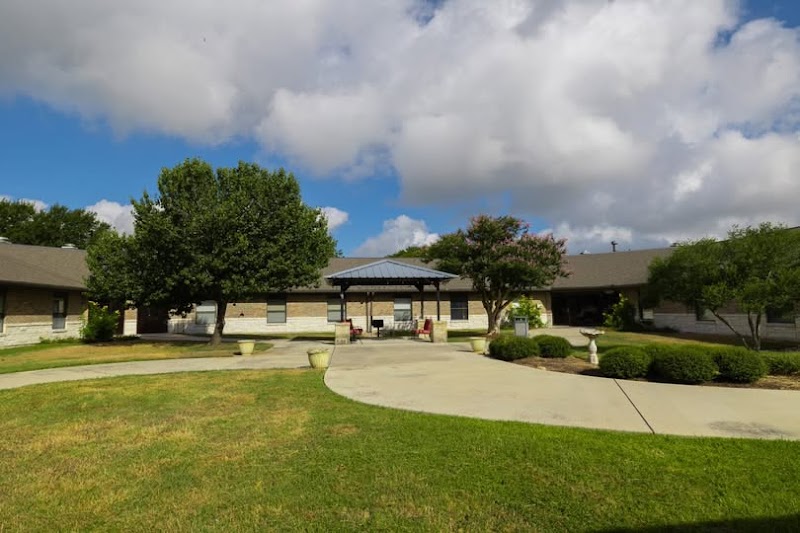
How is Parkview Staffed?

CMS rates PARKVIEW NURSING AND REHABILITATION CENTER's staffing level at 2 out of 5 stars, which is below average compared to other nursing homes. Staff turnover is 67%, which is 21 percentage points above the Texas average of 46%. High turnover can affect care consistency as new staff learn residents' individual needs. RN turnover specifically is 57%, which is notably high. RNs provide skilled clinical oversight, so turnover in this role can affect medical care quality.

What Have Inspectors Found at Parkview?

State health inspectors documented 18 deficiencies at PARKVIEW NURSING AND REHABILITATION CENTER during 2023 to 2025. These included: 18 with potential for harm.
Who Owns and Operates Parkview?

PARKVIEW NURSING AND REHABILITATION CENTER is owned by a for-profit company. For-profit facilities operate as businesses with obligations to shareholders or private owners. The facility operates independently rather than as part of a larger chain. With 117 certified beds and approximately 76 residents (about 65% occupancy), it is a mid-sized facility located in BIG SPRING, Texas.
How Does Parkview Compare to Other Texas Nursing Homes?

Compared to the 100 nursing homes in Texas, PARKVIEW NURSING AND REHABILITATION CENTER's overall rating (4 stars) is above the state average of 2.8, staff turnover (67%) is significantly higher than the state average of 46%, and health inspection rating (4 stars) is above the national benchmark.

What Should Families Ask When Visiting Parkview?

Based on this facility's data, families visiting should ask: "How do you ensure continuity of care given staff turnover, and what is your staff retention strategy?" "Can you walk me through typical staffing levels on day, evening, and night shifts?" "Can I visit during a mealtime to observe dining assistance and food quality?" "How do you handle medical emergencies, and what is your hospital transfer rate?" These questions are particularly relevant given the facility's high staff turnover rate and the below-average staffing rating.

Is Parkview Safe?

Based on CMS inspection data, PARKVIEW NURSING AND REHABILITATION CENTER has a clean safety record: no substantiated abuse findings (meaning no confirmed cases of resident harm), no Immediate Jeopardy citations (the most serious violation level indicating risk of serious injury or death), and is not on the Special Focus Facility watch list (a federal program monitoring the lowest-performing 1% of nursing homes). The facility has a 4-star overall rating and ranks #1 of 100 nursing homes in Texas. While no facility is perfect, families should still ask about staff-to-resident ratios and recent inspection results during their visit.

Do Nurses at Parkview Stick Around?

Staff turnover at PARKVIEW NURSING AND REHABILITATION CENTER is high. At 67%, the facility is 21 percentage points above the Texas average of 46%. Registered Nurse turnover is particularly concerning at 57%. RNs handle complex medical decisions and coordinate care — frequent RN changes can directly impact care quality. High turnover means new staff may not know residents' individual needs, medications, or preferences. It can also be disorienting for residents, especially those with dementia who rely on familiar faces. Families should ask: What is causing the turnover? What retention programs are in place? How do you ensure care continuity during staff transitions?

Was Parkview Ever Fined?

PARKVIEW NURSING AND REHABILITATION CENTER has no federal fines on record. CMS issues fines when nursing homes fail to meet care standards or don't correct problems found during inspections. The absence of fines suggests the facility has either maintained compliance or corrected any issues before penalties were assessed. This is a positive indicator, though families should still review recent inspection reports for the full picture.

Is Parkview on Any Federal Watch List?

PARKVIEW NURSING AND REHABILITATION CENTER is not on any federal watch list. The most significant is the Special Focus Facility (SFF) program, which identifies the bottom 1% of nursing homes nationally based on persistent, serious quality problems. Not being on this list means the facility has avoided the pattern of deficiencies that triggers enhanced federal oversight. This is a positive indicator, though families should still review the facility's inspection history directly.