KENDALL HOUSE WELLNESS & REHABILITATION
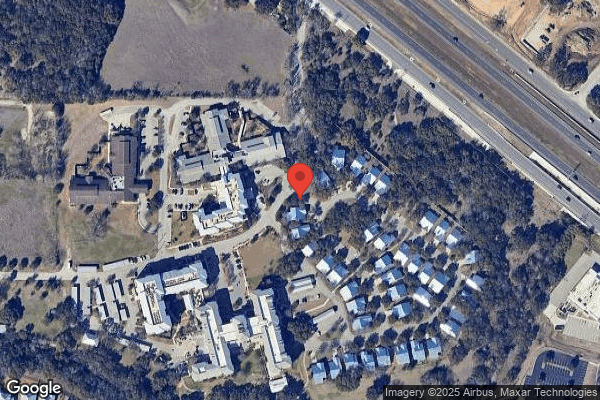
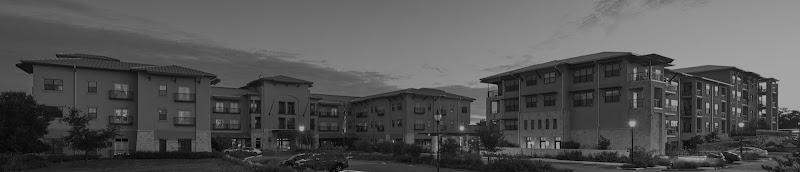
1050 GRAND BLVD., BOERNE, TX 78006 (830) 816-4100
Non profit - Corporation 40 Beds Independent Data: November 2025 1 Immediate Jeopardy citation
Trust Grade
23/100
#745 of 1168 in TX
Last Inspection: October 2024

Within standard 12-15 month inspection cycle. Federal law requires annual inspections.

Overview

Kendall House Wellness & Rehabilitation in Boerne, Texas, has a Trust Grade of F, indicating significant concerns about the care provided. Ranking #745 out of 1168 facilities in Texas places it in the bottom half, and #4 out of 6 in Kendall County means only two local options are better. While the facility is improving, having reduced issues from 5 in 2024 to 1 in 2025, it still faces challenges with a concerning staffing turnover rate of 62%, which is higher than the state average. The facility has incurred $88,390 in fines, which is higher than 95% of Texas facilities, suggesting repeated compliance issues. On the positive side, Kendall House has good RN coverage, exceeding 96% of state facilities, which is beneficial for catching problems early. However, serious incidents have been reported, including a resident suffering first and second-degree burns due to inadequate supervision and assistance. Additionally, there were failures to properly update care plans for residents at risk of falls, which could lead to serious injuries. Overall, while there are some strengths, the facility's significant weaknesses and poor ratings should be carefully considered by families researching care options.

Trust Score
F
23/100
In Texas
#745/1168
Bottom 37%
Safety Record
High Risk
Review needed
Inspections
Getting Better
5 → 1 violations
Staff Stability
⚠ Watch
62% turnover. Above average. Higher turnover means staff may not know residents' routines.
Penalties
⚠ Watch
$88,390 in fines. Higher than 78% of Texas facilities, suggesting repeated compliance issues.
Skilled Nurses
✓ Good
Each resident gets 56 minutes of Registered Nurse (RN) attention daily — more than average for Texas. RNs are trained to catch health problems early.
Violations
⚠ Watch
23 deficiencies on record. Higher than average. Multiple issues found across inspections.
★★☆☆☆
2.0
Overall Rating
★★★☆☆
3.0
Staff Levels
★★★☆☆
3.0
Care Quality
★★☆☆☆
2.0
Inspection Score
Stable
2024: 5 issues
2025: 1 issues

The Good

  • Full Sprinkler Coverage · Fire safety systems throughout facility
  • No fines on record

Facility shows strength in fire safety.

The Bad

2-Star Overall Rating

Below Texas average (2.8)

Below average - review inspection findings carefully

Staff Turnover: 62%

16pts above Texas avg (46%)

Frequent staff changes - ask about care continuity

Federal Fines: $88,390

Well above median ($33,413)

Moderate penalties - review what triggered them

Staff turnover is elevated (62%)

14 points above Texas average of 48%

The Ugly 23 deficiencies on record

1 life-threatening
Jan 2025 1 deficiency
CONCERN (D) 📢 Someone Reported This

A family member, employee, or ombudsman was alarmed enough to file a formal complaint

Potential for Harm - no one hurt, but risky conditions existed

Comprehensive Care Plan (Tag F0656)

Could have caused harm · This affected 1 resident

**NOTE- TERMS IN BRACKETS HAVE BEEN EDITED TO PROTECT CONFIDENTIALITY** Based on interview and record review, the facility failed to develop and implement a comprehensive person-centered care plan fo...

Read full inspector narrative →
**NOTE- TERMS IN BRACKETS HAVE BEEN EDITED TO PROTECT CONFIDENTIALITY** Based on interview and record review, the facility failed to develop and implement a comprehensive person-centered care plan for each resident that includes measurable objectives and timeframes to meet a resident's medical, nursing, and mental needs that are identified in the comprehensive assessment, and describes services that are to be furnished to attain or maintain the resident's highest practicable physical, mental, and psychosocial well-being for 1 of 5 residents (Resident #1) reviewed for care plans. The facility failed to ensure Resident #1's care plan reflected her actual fall on 11/26/2024 and included a care plan regarding how to prevent further falls. These deficient practices could place residents at risk for not receiving proper care and services due to inaccurate care plans. The findings included: Record review of Resident #1's face sheet, dated 01/02/2025, revealed Resident #1 was [AGE] years old, female, and admitted to the facility on [DATE] with diagnoses which included: aftercare following joint replacement surgery (procedure in which a surgeon removed a damaged joint and replaces it with a new and artificial part), osteoarthritis (degenerative joint disease), insomnia (difficulty of sleeping), muscle weakness, difficulty in walking, and obstructive and reflux uropathy (urine cannot drain through the urinary tract). Record review of Resident #1's admission MDS assessment, dated 11/29/2024, revealed Resident #1's BIMS score was 3 for severe cognitive impairment, she was dependent (Helper does all of the effort) for chair-to-bed transfer, and required substantial/maximal assistance (Helper does more than half the effort) to toilet transfer. Record review of Resident #1's incident report, dated 11/26/2024, revealed Resident #1 tried to walk without assist, losing balance, and had a fall landing on her right side on the hallway. Record review of Resident #1's communication note, dated 11/27/2024, revealed the facility had a meeting with the resident's family and discussed one to one care, but the facility could not provide one to one care, so the family would hire 24-hour care giver for the resident, and the facility increased monitoring the resident. Record review of Resident #1's comprehensive care plan, dated 11/22/2024, revealed The resident is a high risk for falls related to confusion, deconditioning, and unaware of safety needs - for intervention, anticipate and meet the resident's need, be sure the resident's call light is within reach, follow facility fall protocol, and keep the bed in the lowest position. Further record review of the resident's comprehensive care plan revealed there was no updated care plan after the fall occurred on 11/26/2024 regarding 24-hour one to one care by family members and increased monitoring by the facility staff. Interview on 01/02/2025 at 12:16 p.m. with the DON acknowledged Resident #1 fell on [DATE], and the family provided 24-hour one to one care to the resident, and the facility increased monitoring the resident to almost every one hour after the fall was occurred on 11/26/2024. However, the DON did not develop and update the care plan after the fall of 11/26/2024. It was the DON's responsibility to develop and update the care plan after reviewing each actual fall. Further interview with the DON stated she did not know what reason she did not develop and update the care plan after the fall. DON said she might forget developing and updating the care plan, and not developing and updating the care plan might cause lack of care to the resident. Record review of the facility policy, titled Care Planning - Interdisciplinary team, revised on 04/2009, revealed . 2. The care plan is based on the resident's comprehensive assessment and is developed by a care planning/interdisciplinary team Meeting.
Nov 2024 1 deficiency 1 IJ
CRITICAL (J) 📢 Someone Reported This

A family member, employee, or ombudsman was alarmed enough to file a formal complaint

Immediate Jeopardy (IJ) - the most serious Medicare violation

Accident Prevention (Tag F0689)

Someone could have died · This affected 1 resident

**NOTE- TERMS IN BRACKETS HAVE BEEN EDITED TO PROTECT CONFIDENTIALITY** Based on observation, interview, and record review, the facility failed to provide adequate supervision and assistance to preven...

Read full inspector narrative →
**NOTE- TERMS IN BRACKETS HAVE BEEN EDITED TO PROTECT CONFIDENTIALITY** Based on observation, interview, and record review, the facility failed to provide adequate supervision and assistance to prevent accidents and injury for 1 (Resident #1) of 4 residents reviewed for accidents and supervision as evidenced by: The facility failed to provide adequate supervision and assistance to Resident #1 resulting in Resident #1 receiving a 1st degree burn (a burn affecting the top layer of skin) to her hand and a 2nd degree burn (a burn affecting the top layer of skin, the next layer below it and often causes blisters to the skin) to her thigh after spilling coffee on herself. An Immediate Jeopardy (IJ) was identified on 11/22/2024 at 3:10 p.m. The IJ template was provided to the facility on [DATE] at 3:38 p.m. While the IJ was removed on 11/24/2024 at 5:07 p.m., the facility remained out of compliance at a severity level of no actual harm with the potential for more than minimal harm that is not immediate jeopardy and a scope of isolated due to the facility continuing to monitor the implementation and effectiveness of its Plan of Removal (POR). This failure could place residents who require assistance and supervision at risk for injuries. The findings were: Record Review of Resident #1's undated face sheet revealed she was a [AGE] year-old female who admitted to the facility on [DATE] with diagnoses that included Stroke (occurs when the blood supply to part of the brain is blocked or reduced), Hemiplegia (paralysis of one side of the body), Dysphagia (difficulty swallowing) and Dementia (a general term for impaired ability to remember, think, or make decisions). Record review of Resident #1's hospital discharge progress note, dated 10/26/2024, revealed Resident #1 admitted to the hospital with an acute stroke on 10/04/2024 and had paralysis of the right arm. Record review of Resident #1's progress note titled History and Physical, dated 10/28/2024 by Resident #1's NP stated, patient was previously set up assist to supervision with mobility and ADL's, she is currently total assist with mobility and ADLs. The decision was made to transfer to [facility name] for ongoing monitoring, treatment and SN/PT/OT. Record review of Resident #1's admission MDS assessment, dated 11/03/2024, revealed a BIMS score of 0, indicating severe cognitive impairment. Section GG Functional Abilities revealed Resident #1 had range of motion limitation that interfered with daily functions or placed the resident at risk for injury with impairment on one side of Resident #1's upper and lower extremity. Section GG Self-Care revealed Resident #1 was dependent (defined on the MDS as the helper does ALL the effort. Resident does none of the effort to complete the activity. Or the assistance of 2 or more helpers is required for the resident to complete the activity) for eating (defined on the MDS as the ability to use suitable utensils to bring food and/or liquid to the mouth and swallow food and/or liquid once the meal in placed before the resident). Oral hygiene and personal hygiene were coded as dependent. Upper and lower body dressing was coded as substantial/maximal assistance (defined on the MDS as the helper does MORE THAN HALF the effort. Helper lifts or holds trunk or limbs and provides more than half the effort). Section I Active Diagnoses included Stroke, Hemiplegia and Dementia. Section K 'Swallowing/Nutritional Status revealed Resident #1 had signs and symptoms of a swallowing disorder that included holding food in mouth/cheeks or residual food in mouth after meals. Record review of a Resident #1's document titled, baseline care plan, and signed by Resident #1's resident representative and a staff member on 10/29/2024, indicated, upon admission, Resident #1's required partial/moderate assistance with eating (defined on the record as the ability to use suitable utensils to bring food and/or liquid to the mouth and swallow food and/or liquid once the meal is place before the resident). The record revealed Resident #1 was cognitively impaired and revealed, BIMS severely impaired. The record revealed Resident #1 was on a regular diet with pureed texture and thin liquid consistency. Record review of Resident #1's comprehensive care plan revealed Resident #1 was not to have any hot beverages per the [resident representative] request, date initiated 11/18/2024 and revised 11/19/2024. The care plan also revealed Resident #1 had a right hand and right outer thigh burn related to a coffee spill and stated per [the resident representative] request, resident is not to have any hot beverages. The care plan was initiated 11/15/2024 and reviewed 11/19/2024. Record review of 30 day report on PCC, run on 11/21/24, eating record Section GG Eating task documentation report for Resident #1 revealed Resident #1 was documented as independent (defined as resident completes the activity by themselves with no assistance from a helper) on 11/01/2024 at 1:24 p.m. Resident #1 was documented as setup or cleanup assistance with eating (defined as helper sets up or cleans up; resident completes activity. Helper assists only prior to or following the activity) on 10/29/2024 at 11:37 p.m., 10/30/2024 at 3:38 p.m., 11/08/2024 at 5:59 p.m., 11/09/2024 at 2:27 p.m., 11/13/2024 at 12:41 p.m. and 11/18/2024 at 5:59 p.m. Resident #1 had no documentation for supervision or touching assistance with eating (defined as helper provides verbal cues and/or touching/steadying and/or contact guard assistance. Assistance may be provided throughout or intermittently). Resident #1 was documented as partial/moderate assistance with eating (defined as helper does LESS THAN HALF the effort. Helper, lifts, holds or supports trunk or limbs, but provides less than half of the effort) on 11/05/2024 at 7:47 p.m. Resident #1 was documented as substantial/maximal assistance with eating (defined as helper does MORE THAN HALF the effort. Helper lifts or holds trunk or limbs and provides more than half the effort) on 10/27/2024 at 7:15 p.m., 10/30/2024 at 8:08 p.m., 10/31/2024 at 1:35 p.m., 10/31/2024 at 11:53 p.m., 11/06/2024 at 9:42 p.m., 11/08/2024 at 8:45 p.m., 11/09/2024 at 11:16 p.m., 11/10/2024 at 7:37 p.m., 11/14.2024 at 11:29 p.m., 11/16/2024 at 5:59 p.m. and 11/18/2024 at 9:25 p.m. Resident #1 was documented as dependent with eating (defined as helper does ALL of the effort. Resident does none of the effort to complete the activity. Or the assistance of 2 or more helpers is required for the resident to complete the activity) on 10/27/2024 at 7:59 p.m., 11/02/2024 at 12:19 a.m., 11/03/2024 at 1:50 a.m., 11/05/2024 at 3:21 a.m., 11/07/2024 at 8:31 p.m., and 11/19/2024 at 8:03 p.m. Record review of Resident #1 record titled, Dehydration Risk Screener, effective date 10/27/2024 at 1:59 p.m., revealed Resident #1 required extensive physical assistance with fluid intake eating. Record review of Resident #1's Modified Barium Swallow Study (MBS), dated 11/06/2024, revealed an additional active diagnosis code of Dysphagia (difficulty swallowing) following cerebral infarction (occurs when the blood supply to part of the brain is blocked or reduced). The MBS's skilled feeding/swallowing plan with the Speech Language Pathologist (SLP) recommendation for liquids stated, ice chips and/or small sips of water with good oral care to practice swallowing with least caustic substance to the lungs (water) as a part of the dysphagia rehabilitation program. Record review of Resident #1's SLP Progress Report, dates of service 11/11/2024-11/17/2024, Resident #1's long term goal stated patient will improve cognitive skills to set up assist cognitive communication using and employing functional optimal compensatory strategies and cues as trained by clinician to facilitate decision making skills to address needs, increase safety with ADL's, participate in higher level cognitive-communication tasks, promote independence to recall and utilize safety precautions, reduce fall risks, return to PLOF of independence. Resident #1's Baseline, dated 10/28/2024, stated patient demonstrates severe to facilitate decision making skills to address needs, increase safety with ADL's, participate in higher level cognitive-communication tasks, promote independence to recall and utilize safety precautions, reduce fall risks, return to PLOF of independence. Previous, dated 11/10/2024, stated severe-moderate and current, dated 11/17/2024, stated severe-moderate. The report interventions stated direct, hands on care with patient this reporting period focused on the following skilled treatment interventions included instructing and training [resident name] in safety sequencing techniques and functional memory techniques in order to increase overall cognitive skills and address dysphagia and functional swallow and address LRD to return to prior level of living and assistance, addressing recollection and utilization of safety precautions, participation in cognitive level task w/utilization of compensatory strategies to promote independence. The report stated Resident required supervision and assistance at mealtimes due to swallow safety 26-49% of the time. Record review of Resident #1's Occupational Therapy (OT), dates of service 11/11/2024- 11/17/2024, revealed a short-term goal of patient will improve ability to safely and efficiently perform eating tasks with setup or clean up assistance with use of AE PRN to facilitate ability to live in environment with least amount of supervision and assistance. Resident #1's baseline, dated 10/28/2024, was partial/moderate assistance. Resident #1's previous status, dated 11/10/2024, was supervision or touching assistance and Resident #1's current status, dated 11/17/2024, was supervision or touching assistance. The progress report revealed Resident #1 required supervision or touching assistance with eating on the functional skills assessment. The report revealed the justification for continued skilled services was remaining impairments: decreased dynamic balance, body awareness deficits, decreased coordination, decreased insight, decreased right lift discrimination, decreased ROM, decreased safety awareness, decreased static balance, deficits in judgment, edema, fine motor coordination deficits, gross motor coordination deficits, limitations in ROM, paralysis/paresis and pain. Record review of Resident #1's nursing progress note, dated 11/6/2024, stated Resident #1 requires assistance with meals (feed/set up) as needed. Record review of Resident #1's nursing progress note, dated 11/11/2024, stated Resident #1 requires assistance with meals (feed/set up) as needed. Record review of Resident #1's nursing progress note, dated 11/12/2024, stated Resident #1 requires assistance with meals (feed/set up) as needed. Record review of Resident #1's nursing progress note, dated 11/13/2024, stated Resident #1 requires assistance with meals (feed/set up) as needed. Record review of Resident #1's nursing progress alert note, dated 11/14/2024 at 4:44 p.m. by RN A, stated notified DON, NP [name] and [resident representative name] RE: patient spilled coffee on herself. Redness to hand and coffee spilled all over pants. Nurse monitored through this shift and will report off to night shift so they can continue to watch for any changes. Record review of Resident #1's nursing progress alert note, dated 11/14/2024 at 6:14 p.m. and created 11/19/2024 at 10:03 a.m. by RN A, stated Late Entry: interventions that were applied to [resident name] burn, nurse applied ice packs and cool rags. Per NP [name] to consulted wound care and waited for orders. Record review of Resident #1's nursing progress alert note, dated 11/14/2024 at 7:00 p.m., stated patient brief changes and repositioned, right thigh noted to be red and small blister noted. Record review of Resident #1's incident report, dated 11/14/2024 by RN A, revealed Resident #1 spilled coffee on her right hand and thigh. Redness noted. [resident representative] notified. Resident Description stated, resident is a stroke patient a/o x 2 knows herself and [resident representative]. Immediate action taken stated [resident representative] also notified of incident. Resident denied pain. I immediately applied ice packs and cool rags to burn areas. Record review of Resident #1's NP progress note, dated 11/15/2024 at 9:56 a.m. stated, I was notified yesterday that patient spilled coffee on her right hand. Today erythema (reddening of the skin) and blister noted, will start silver sulfadiazine topical x 7 days. Record review of Resident #1's nursing progress note, dated 11/15/2024, stated Resident #1 requires assistance with meals (feed/set up) as needed. Record review of Resident #1's nursing progress note, dated 11/15/2024, stated Resident #1 requires assistance with meals (feed/set up) as needed. The note revealed Resident #1 was asked if she had pain to which she said 'no', but still had facial grimacing and tensions noted. PRN Tylenol admin. The progress note also revealed Resident had redness to the right top of her hand and thigh from previous burn. Note that on the same hand patient has a blister that is still intact. Medicated cream applied BID. Record review of Resident #1's November 2024 MAR revealed an order for lids to be on all drinks for no hot beverages to be given with a start date of 11/19/2024. Resident #1 had an order for Gabapentin oral capsule 100mg to be given three times a day for neuropathic pain. Resident #1 had a pain score of 1 (pain scales usually range from 0, meaning no pain, to 10, meaning the worst pain possible) on 11/01/2024 at 8:00 p.m., 1 on 11/02/2024 at 8:00a.m. and 8:00 p.m., 1 on 11/03/2024 at 8:00 p.m., 1 on 11/07/2024 at 8:00 p.m., 4 on 11/09/2024 at 8 a.m. and 2:00 p.m., 3 on 11/11/2024 at 8:00 p.m., 1 on 11/12/2024 at 2:00 p.m. and 8:00 p.m., 1 on 11/16/2024 at 8:00 p.m., 3 on 11/17/2024 at 8:00 a.m., 5 on 1/18/2024 at 8:00 a.m., and 1 on 11/20/2024 at 8:00 p.m. Resident #1 had the following treatment orders: a) order for silver sulfadiazine external cream 1%, apply to affected burn areas topically for two times a day for burn treatment for 7 days, start date 11/15/2024 and discontinued date of 11/18/2024. B) Silver sulfadiazine external cream 1%, apply to right hand topically two times a day for right hand, start date 11/19/2024 and discontinue date 11/20/2024. C) Silver sulfadiazine external cream 1%, apply to right hand topically two times a day for right hand until 11/22/2024, start date 11/20/2024. D) Silver sulfadiazine external cream 1%, apply to right outer thigh topically two times a day for right outer thigh, start date 11/19/2024 and discontinue date 11/20/2024. E). Silver sulfadiazine external cream 1%, apply to right outer thigh topically two times a day for right outer thigh until 11/26/2024, start date 11/20/2024. Record review of Resident #1's NP progress note, 11/18/2024, stated, Resident #1 continues with silver sulfadiazine topical for burn sustained by spilling hot coffee on herself. Wound care to consult and treat. Record review of Resident #1's skin/wound note, dated 11/18/2024, revealed a blister to right upper thigh from reported coffee spill. Prescribed ointment applied. Physician and DON aware. Record review of Resident #1's Discharge Plan and Summary, dated 11/18/2024 revealed Resident #1's was planning to discharge to a personal care home on [DATE]. The summary listed Resident #1's activities of daily living needs as assistance with shower, assistance with dressing, assistance with meals and assistance with medication management. The discharge summary included directions for applying the silver sulfadiazine cream to the right outer thigh and right hand two times a day. Record review of Resident #1's skin/wound note by the DON, dated 11/19/2024, revealed Resident #1 had a cluster of redness on her right hand measuring 9 x 1 and a blister on her right outer thigh measuring 4 x 2. The note revealed Resident #1 denied pain and the areas were healing well with no signs or symptoms of infection. Record review of Resident #1's wound report by the Wound PA, dated 11/19/2024, revealed wound #1 was a right-hand burn 1st degree with partial thickness measuring 9 x1 x 0.1. The report stated there was no evidence of infection or drainage. Wound #2 was a right hip 2nd degree burn with partial thickness and measuring 4 x 2 x 0.1. Wound #2 had no evidence of infection or drainage. Record review of Resident #1's NP progress note, dated 11/20/2024, stated I was notified yesterday that patient sustained burn to right thigh when she spelt coffee on herself last week. Reported to nursing to apply silver sulfadiazine to R thigh BID x 7 days. Record review of Resident #1's dietary tray card, undated, revealed the following instructions: FEEDING ASSISTANCE. NOT HOT BEVERAGES. No ice in drinks. Lid on ALL drinks. Record review of Resident #1's diet order slip, provided by the Dietary Supervisor, revealed an order dated 11/18/2024 at 5:46 p.m., confirmed by the DON, that stated Special Diet: NCS diet Consistency: PUREED texture, Liquid: THIN consistency, LID TO BE ON ALL DRINKS for NO HOT BEVERAGES TO BE GIVEN UNLESS GIVE UNLESS GIVE BY STAFF. An additional order, date 11/18/2024 at 5:46 p.m., confirmed by the DON, that stated, Special Diet: NCS diet Consistency: PUREED texture, Liquid: THIN consistency, LID TO BE ON ALL DRINKS for NO HOT BEVERAGES TO BE GIVEN UNLESS SUPERVISED and stated to discontinue order created on 11/18/2024 at 5:46 p.m. Record review of Resident #1's BIMS completed on 11/22/2024 at 9:10 a.m. revealed a BIMS score of 3, indicating severe cognitive impairment. During an observation, 11/21/2024 at 11:10 a.m., Resident #1 was observed sitting in a wheelchair in her room. The door to her room had 2 laminated signs on the door and 2 signs on the bathroom door. One sign said, no hot drinks and the other sign had an image of a coffee cup with a line through it, indicating no coffee. Resident #1 was positioned in her wheelchair with a wedge cushion on the right side of her seat and her right arm was resting on the wedge cushion. Resident #1 had an overbed table in front of her that had a Styrofoam cup with a straw and lid and a television remote on the top of the table. Resident was observed picking up the Styrofoam cup with her left hand and bringing the straw to her mouth. Observation of this movement revealed Resident #1's left hand exhibited a visible tremor causing the cup to shake as Resident #1 moved the cup with the straw up toward her mouth and a tremor as she sat the cup back down on the overbed table. Resident #1 had a large area of darkened redness on the top of her right hand. During an observation, 11/21/2024 at 12:20 p.m., Resident #1 was observed sitting at a dining room table by herself. Resident #1 had a lunch plate in front of her with pureed consistency and one plastic cup of water with a closed lid and no straw. Resident #1 was observed with pureed food smeared on the side of her face while attempting to feeding herself. During an observation, 11/22/2024 at 8:00 a.m., Resident #1 was observed in the dining room at a table with 3 other residents. Resident #1 had a clothing protector over the front of her clothing. CNA A brought Resident #1 a breakfast tray that consisted of pureed eggs, potato, and sausage. CNA A asked Resident #1 if she wanted apple juice and Resident #1 said yes. CNA A got the apple juice in a glass with a lid and straw and then sat down at the table and fed Resident #1 her breakfast including assisting her with drinking the apple juice. Resident #1 was observed picking up her apple juice and bringing the cup with a straw to her mouth and setting it back down on the table. During this movement, Resident #1 had a visible tremor causing the cup to shake while lifting the glass up and down. CNA A fed Resident #1 all of her meal and assisted her with fluid intake. During an observation, 11/22/2024 at 9:45 a.m., RN B was observed performing wound care by applying silver sulfadiazine to Resident #1's right hand and right outer thigh. Resident #1 was lying her in bed with the television on. RN B asked Resident #1 if she was having any pain and Resident #1 said 'no. Resident #1's right hand was observed to have a darkened redness on the top of the hand. Resident #1's right thigh burn revealed a reddish pink area, approximately the size of a quarter, that appeared raw and was surrounded by redness. RN B stated Resident #1 had a blister in that area for the last several days that had been intact and stated it must have popped earlier in the day. RN B administered the medication without Resident #1 indicating any signs or symptoms of pain. During an observation of a photograph on 11/22/2024 at 4:49 a.m. of Resident #1, taken on 11/19/2024 at breakfast by the resident's representative, the photograph revealed Resident #1sitting at the dining room table in the facility with a Styrofoam cup of coffee with a plastic lid with an open tab on her breakfast tray, no clothing protector and visible liquid spills in two areas on the front of Resident #1's shirt. During an interview with the Administrator, 11/21/2024 at 8:58 a.m., the Administrator stated he became aware of the incident on 11/19/2024 when Resident #1's resident representative discussed the incident with the DON. The Administrator stated when he was informed of the incident, he asked staff to stop serving hot beverages immediately, in-serviced nurses and CNAs on hot liquids, reporting injuries, how to treat minor burns and resident rights and reported the incident to HHSC. The Administrator stated he also discussed not serving hot beverages with the Dietary Supervisor and stated he was reaching out to the manufacturer of the coffee machine to see if the coffee machine can be recalibrated to reduce the temperature of the coffee and was waiting for a response. The Administrator stated he believed the coffee temperature from the coffee maker was 160 degrees and that the facility cannot recalibrate the temperatures. The Administrator stated the facility was not serving coffee until the machine was recalibrated. During an interview with the DON, 11/21/2024 at 9:15 a.m., the DON stated she was notified by RN A on 11/14/2024 around 4:00 p.m. that Resident #1 had spilled coffee on her hand and had redness, RN A had notified the resident representative, NP and wound care. The DON stated there was not an order or in-service completed at the time of the incident to stop providing hot liquids to Resident #1 until 11/19/2024, after meeting with the resident's representative. The DON stated she started an in service on 11/15/2024 for staff to encourage residents to have lids on their coffee and stated the NP gave orders on 11/15/2024 for a medicated treatment for the burns. The DON stated on 11/19/2024, Resident #1's resident representative met with the DON and stated the resident representative observed coffee on Resident's #1's breakfast tray on 11/19/2024 and was upset. The DON said the Resident #1's resident representative stated she had previously told RN A that the representative she did not want Resident #1 to have hot beverages. The DON stated RN A said the resident representative told her Resident #1 never drank coffee at home and should not be drinking hot liquids at the facility. The DON stated Resident #1 had a sign on her door that said no hot beverages, but the DON was not aware of how and when the sign was placed on the door but said she thought a nurse placed it on the door at the request of the resident's representative. The DON said residents were not assessed for hot liquid safety and stated they would follow any recommendations from therapy and if a resident had tremors, they would use a lid on the coffee or try and discourage hot liquids. During an interview with Resident #1, 11/21/2024 at 11:10 a.m., Resident #1 was only able to answer basic questions. Resident #1 said she did not know what happened to her hand, denied spilling coffee, and denied having any pain. Resident #1 was unable to accurately answer questions about where she was, the date or day of the week, etc. Resident #1 presented with a calm and pleasant demeanor and did not exhibit any nonverbal signs of distress or pain during the interview. During an interview with LVN A, 11/21/2024 at 11:19 a.m., LVN A stated Resident #1 can use her left hand to drink independently but there are times that she needs queuing and needs help and stated I do not know when asked if Resident #1 was able to drink hot beverages independently. LVN A said a resident's cognitive level and how well a resident can handle drink cups would determine if a resident should be served hot beverages and said she received training last week about being more mindful about which residents should get hot liquids. LVN A stated Resident #1 typically needed assistance with dressing, toileting and meal intake. LVN A stated she was not aware of a system to identify residents who might be at risk for hot liquid burns. During an interview with Dietary Aide A, 11/21/2024 at 11:30 a.m., Dietary Aide A stated she usually arrived for her shift at 6 a.m. and stated coffee temperatures were not normally taken or recorded in the morning before breakfast service. Dietary Aide A stated she was told the coffee was tested today and it was around 160-165 as long as the coffee was placed in the blue ceramic mugs. Dietary Aide A said the dietary department was not providing coffee from the coffee makers in the satellite kitchens in the facility and still have those coffee makers out of order. Dietary Aide A said coffee was being provided in coffee urns from another kitchen on the continuum of care campus where the facility was located. Dietary Aide A said coffee was provided to residents on the morning of 11/21/2024 and the coffee was served in ceramic mugs instead of Styrofoam cups. Dietary Aide A said Resident #1 was not provided coffee on the morning of 11/21/2024 and said she was educated on the risk of burns from hot liquids by the DON on 11/21/2024 around 9:15 a.m. During an interview with the Dietary Supervisor, 11/21/2024 at 11:42 a.m., the Dietary Supervisor stated coffee temperatures were usually done on a daily basis but the machine dispenses at the same temperature on a daily basis so they would check the temperatures if someone complained that the coffee was too hot or too cold. The Dietary Supervisor said the coffee temperatures were not documented. The Dietary Supervisor said the dietary department was only serving coffee now in blue ceramic mugs instead of Styrofoam cups because the ceramic mugs do not hold temperature like the Styrofoam cups. The Dietary Supervisor said the coffee machine temperatures were tested several times yesterday and said the temps ranged between 170-180 degrees. The Dietary Supervisor stated the facility did stop serving coffee from the coffee machines in the kitchens in the facility but transported coffee from another kitchen on the campus to the facility to serve the residents on 11/20/24 and 11/21/2024. The Dietary Supervisor said his understanding from the Executive Chef that it was the Executive Director over the campus who made the decision to start serving coffee again using coffee from another kitchen on the campus. He stated, I questioned it because my understanding was the machines were to be shut down and I was told since the coffee was being transported and was at a regulated temperature it was approved. The Dietary Supervisor said he did not know which kitchen the coffee was being transported from on the campus. The Dietary Supervisor said the coffee was tested on [DATE] when it was dispensed into the blue mugs and the temperature was 160 degrees. The Dietary Supervisor said he was notified of diet or order changes by receiving a diet communication slip and said he received a diet communication form for Resident #1 stating Resident #1 was to had lids on all cups regardless of hot or cold and no hot beverages but said he did not recall what day he received the diet communication. The Dietary Supervisor said Resident #1 did not receive coffee on 11/20/2024 or 11/21/2024. During an interview with the Administrator, 11/21/2024 at 11:57 a.m., the Administrator stated he did not find out about the coffee being served until after our conversation earlier in the day and said he was surprised to hear that coffee was still served on 11/20/1014 and 11/21/2024 after he requested no coffee to be served to residents on 11/19/2024 until the machines could be calibrated. During an interview with the Director of Dining, 11/21/2024 at 12:19 p.m., the Director of Dining stated his role was to oversee all food operations for the entire campus, including this facility. The Director of Dining stated coffee was usually prepared at the facility using the coffee machines provided by a vendor. The Director of Dining stated the Administrator did ask for the coffee machines to be shut down until they could be recalibrated and stated the Director of Dining reached out the manufacturer and was told the lowest the coffee machine could be calibrated to was 180 degrees and said they did some testing of different cups yesterday and stated he thought the actual problem was the Styrofoam cup. The Director of Dining stated during the test, the coffee from the machine was dispensed into a Styrofoam cup and ceramic cup at 180 degrees. The coffee was then tested in the two cups after three minutes and the coffee in the Styrofoam cup was 178 degrees and the coffee in the ceramic cup was 150 degrees. The Director of Dining stated residents were still requesting coffee and they did not want to deny any residents their right to have coffee so the coffee was being prepared in another kitchen and transported to the facility. He stated the coffee tempted at 170 degrees prior to transport to the facility and was 152 degrees when dispensed into resident ceramic mugs yesterday. The Director of Dining stated his understanding was Resident #1 had a Styrofoam cup with coffee on 11/14/2024 when she received the 1st and 2nd degree burns and stated they are no longer using Styrofoam cups for resident coffee. During an interview with LVN B, 11/21/2024 at 12:45 p.m., LVN B stated Resident #1 was able to feed herself but needed some specialty things like her pudding needs to be in a glass bowl because it is not heavy enough in a paper container and she cannot eat out of it. LVN B stated Resident #1 could drink fluids but stated I don't think she can pick up a cup and sip off of it without a straw in it. She would have a hard time drinking off of the rim of a cup. LVN B stated Resident #1 could drink out of a Styrofoam cup if it had a straw in it. LVN B stated she had to help feed Resident #1 pudding sometimes and stated that Resident #1 should not be given coffee unless it was cooled down due to her diagnosis of hemiplegia, dysphagia, and a BIMS of 0. LVN B stated she determined which residents were able to have hot beverages based on the resident being alert and oriented x 3, full use of movement of their hands and if they can recognize sensory. LVN B stated Resident #1's resident representative told LVN B on 11/11/2024 that she did not want Resident #1 to have any hot beverages. During an interview with the OTA, 11/21/2024 at 2:00 p.m., the OTA stated she had been working with Resident #1 on upper and lower body dressing and toilet transfers. The OTA stated, in her experience, Resident #1 would be stand by assist with supervision meaning someone would have had to be right next to Resident #1 if she was holding a cup of coffee or hot liquids. She requires lots of ques for initiation and sequencing. During an interview with the ST, 11/21/2024 at 2:17 p.m., the ST stated Resident #1 had a severe cognitive deficit and moderate to seve[TRUNCATED]
Oct 2024 4 deficiencies
CONCERN (D)

Potential for Harm - no one hurt, but risky conditions existed

Safe Environment (Tag F0584)

Could have caused harm · This affected 1 resident

**NOTE- TERMS IN BRACKETS HAVE BEEN EDITED TO PROTECT CONFIDENTIALITY** Based on observation, interview, and record review the facility failed to ensure the resident had a right to a safe, clean, comf...

Read full inspector narrative →
**NOTE- TERMS IN BRACKETS HAVE BEEN EDITED TO PROTECT CONFIDENTIALITY** Based on observation, interview, and record review the facility failed to ensure the resident had a right to a safe, clean, comfortable, and homelike environment for 1 of 8 residents (Resident #82) reviewed for resident rights . The facility failed to ensure Resident #82 had a functioning bathroom door. This failure could place residents at risk for injuries and falls. Findings include: Record review of Resident #82's admission Record, dated 10/8/2024, reflected a female who was initially admitted on [DATE] and re-admitted on [DATE]. Resident #82 had diagnoses which included history of falls, age-related physical debility, heart failure, osteoarthritis (a degenerative joint disease that can affect the many tissues of the joint), and cardiac pacemaker. Record review of Resident #82's admission MDS, dated [DATE], reflected it was blank and not filled out by staff. Record review of Resident #82's, undated, Care Plan reflected she was a risk of falls. During an interview and observation on 10/08/24 at 02:08 PM, Resident #82 revealed her bathroom door was too heavy to close . She revealed they let nursing staff know about the bathroom door yesterday and could not recall the name of the staff member. Observation revealed the bathroom door was fully opened and it took a lot of effort to close the door. During an interview on 10/10/2024 at 4:20 PM, Resident #82's family member stated she had been having issues with the sliding bathroom door for several days. She stated at one point, the door was dragging on the floor. She further stated she was concerned for her loved one residing in that room, she might not be able to open the door, or the door could fall on her. Resident #82's family member stated maintenance made some repairs to the door on 10/09/2024, but the door was still hard to slide opened. The Maintenance Director stated the sliding door was hard to open, and it was getting stuck. The Maintenance Director stated was having issues with that door and he would repair the door so it would be easily opened and close. He agreed the door seemed loose on its track and the door could easily fall off the track and injure Resident #82. During an interview on 10/11/24 at 09:12 AM, Safety Officer E revealed the door was of concern because it could come of the hinges and fall on a resident, causing injury . He further revealed he observed on 10/10/24 at 4:15 PM revealed Resident #82 had sliding bathroom doors that were hard to slide open once fully closed. He further demonstrated the door rollers were hard to slide across the track. During an interview on 10/11/24 at 09:25 AM, the Administrator revealed he visited Resident #82's room and the restroom door needed to be fixed and he was getting with the Maintenance Director to fix this door.
CONCERN (D)

Potential for Harm - no one hurt, but risky conditions existed

Deficiency F0804 (Tag F0804)

Could have caused harm · This affected 1 resident

Based on observation, interview, and record reviews, the facility failed to prepare puree food by methods that conserve nutritive value, flavor, and appearance for 1 of 1 kitchen observed for puree pr...

Read full inspector narrative →
Based on observation, interview, and record reviews, the facility failed to prepare puree food by methods that conserve nutritive value, flavor, and appearance for 1 of 1 kitchen observed for puree preparation. The facility failed to follow the puree diet recipe for Pureed Baked Fish or Pureed Carrots for the 10/10/24 lunch. This failure could affect residents on puree diet at risk of receiving inadequate diet that could affect their health. The findings include: During an observation and interview on 10/10/24 at 10:09 AM, [NAME] D did not have any measurements written out for 4 servings of pureed foods instead of the 20 servings that was in the recipe for pureed baked fish. [NAME] D stated he did not follow the measurements for the pureed recipe but said he was able to eyeball the measurements to get the right pureed consistency. During this observation, the Regional Executive Chef revealed he only allowed certain staff members to make the pureed foods because they knew how to create pureed foods appropriately, with the right consistency for the residents . Record review of the recipe for Pureed Baked Fish for 20 servings provided by the facility reflected, Prepare Baked Fish according to recipe . Add the hot water mixed with the base, lemon juice and Shape and Serve Thickener and process until smooth. with ingredients 2qt, 1 cup hot water, 2 cup Shape and Serve Thickener, 1 oz Seafood Base, 3 tbsp Lemon Juice, ¾ cup Salted Butter, Melted. Record review of the recipe for Pureed Carrots for 5 servings provided by the facility reflected, Prepare carrots according to recipe . Add the Thick and Easy Thickener, water combined with the base, and butter and process until smooth. with ingredients 3 tbsp Thick and Easy Puree, Thickener, ¼ cup hot water, ¼ tsp vegetable base, and 1 tbsp Salted Butter, Melted Record review of the facility's policy Special Food Needs, Swallowing/Chewing Difficulties, And Food Allergies, revised 01/23, reflected, Food and Nutrition Services ensures recipes are followed during meal preparation.
CONCERN (E)

Potential for Harm - no one hurt, but risky conditions existed

Deficiency F0655 (Tag F0655)

Could have caused harm · This affected multiple residents

**NOTE- TERMS IN BRACKETS HAVE BEEN EDITED TO PROTECT CONFIDENTIALITY** Based on interview and record review the facility failed to develop and implement a baseline care plan for each resident that in...

Read full inspector narrative →
**NOTE- TERMS IN BRACKETS HAVE BEEN EDITED TO PROTECT CONFIDENTIALITY** Based on interview and record review the facility failed to develop and implement a baseline care plan for each resident that includes the instructions needed to provide effective and person-centered care of the resident that met professional standards of quality of care for 4 of 16 residents (Residents #15, 27, 80,10) reviewed for baseline care plans. 1. The facility failed to ensure Resident #15's baseline care plan reflected interventions for falls. 2. The facility failed to ensure Resident #27's baseline care plan reflected interventions or problems for falls until 10/08/24 when the resident scored a high risk for falls on 09/18/24, when Resident #27 was admitted . 3. The facility failed to ensure Resident #80's baseline care plan did not address falls. 4. The facility failed to ensure Resident #10's baseline care plan reflected interventions or problems for falls . These deficient practices could place residents at risk of missed or inadequate care. The findings include: 1. Record review of Resident #15's admission Record, dated 10/11/24, reflected a female initially admitted to the facility on [DATE], Resident #15 had diagnoses which included Parkinson's disease (movement disorder of the nervous system that worsens over time), cognitive communication deficit, lack of coordination, and abnormalities of gait and mobility. Record review of Resident #15's admission MDS assessment, dated 10/05/24, reflected a BIMS score of 15 out of 15, which indicated intact cognition. Record review of Resident #15's, undated, care plan, reflected no interventions for problem The resident is at risk for falls r/t weakness, recent hospitalization. Record review of Resident #15's Fall Risk Evaluation, dated 09/29/24, reflected Resident #15 was a high risk for falls . 2. Record review of Resident #27's admission Record, dated 10/08/24, reflected a female initially admitted to the facility on [DATE] with diagnoses which included Diabetes I I (is a disease in which your blood glucose, or blood sugar, levels are too high), cognitive communication deficit and need for assistance with personal care. Record review of Resident #27's admission MDS assessment, dated 09/25/24, reflected a BIMS score of 14 out of 15, which indicated intact cognition. Record review of Resident #27's, undated, care plan did not reflect a focus or interventions related to falls until 10/08/24 ( entrance for survey was 10/08/24). Record review of Resident #27's Fall Risk Assessment, dated 09/18/24, reflected Resident #27 was a high risk for falls . 3. Record review of Resident #80's admission Record, dated 11/08/24, reflected a female initially admitted to the facility on [DATE]. Resident #80 had diagnoses which included cardiac pacemaker, cognitive communication deficit and need for assistance with personal care. Record review of Resident #80's, undated, care plan did not reflect a focus or interventions related to falls. Record review of Resident #80's Fall Risk Assessment, dated 09/30/24, reflected Resident #80 was a high risk for falls . 4. Record review of Resident #10's admission Record reflected he was originally admitted to the facility on [DATE] and re-admitted on [DATE]. Resident #10 had diagnoses which included altered mental status, Diabetes II (is a disease in which your blood glucose, or blood sugar, levels are too high), cognitive communication deficit, acquired absence of left toe, muscle weakness, abnormalities of gait/mobility and chronic pain. Record review of Resident #10's admission MDS assessment, dated 8/12/2024, reflected he had a BIMs of 12 out of 15, which indicated his cognition (thought processes) was moderately impaired. Resident #10 required some help with self-care, was independent for indoor mobility (ambulation), he used a walker for mobility, he required substantial /max assistance with showering/bathing, upper body dressing, lower body dressing, rolling left to right, sit to lying, sit to stand, chair to chair transfer and toilet transfer. Resident #10 was always incontinent of Urinary/Bladder continence, he was ordered pain medications, he did receive oxygen therapy and had no falls indicated . Record review of Resident #10's Consolidated Order Summary report for October 2024 reflected a physician order for skilled physical therapy services 5 times per week for 30 days with a start date of 10/07/2024; walk-to-dine with staff assistance using a walker as tolerated, with a start date of 10/04/2024; post-op[eration] shoe to left foot when ambulating, with a start date of 9/19/2024; weight bearing as tolerated to left foot with a start date of 9/11/24. Record review of Resident #10's Fall Risk Assessment, dated 9/2/2024, reflected he was a high risk for falls. Record review of Resident #10's Care Plan did not include a focus area or interventions related to fall risk. The latest revision date in the document was 10/09/2024 . During an interview on 10/09/24 at 02:32 PM, CNA C revealed she was not aware of what she had access to via POC (a system the CNA used to provide care to residents) but would ask the nurse for more information for interventions needed for falls. She further revealed there was a board inside the residents' rooms that would reflect things like fall interventions sometimes. During an interview on 10/09/24 at 02:53 PM, LVN B revealed the facility followed standard fall interventions like keeping the call light in reach and checking on residents frequently. She revealed if she had any questions on fall interventions for a specific resident, she would ask the DON, ADON or NP. During an interview on 10/11/24 at 02:39 PM, RN A revealed a resident's fall interventions should be in the care plan. She revealed the DON oversaw putting interventions for the care plans so the CNAs could see this in their POC, in order to care for the residents appropriately. During an interview on 10/11/24 at 04:14 PM, the Administrator revealed anything that needed to be in a resident's plan of care needed to be in the care plan. During an interview on 10/11/24 at 04:42 PM, the DON revealed she was in charge of updating care plans appropriately with fall interventions. The DON stated the importance of having interventions on the care plan after a fall in the facility was to prevent further falls, and so staff knew what interventions were necessary to care for the resident. The DON stated universal fall precautions were initiated for all new admissions. Specific fall interventions were typically placed on the care plan only after a fall occurred in the facility. The DON stated the admission fall assessment would indicate a resident was high fall risk at home, the risk factors may not be present once they got into the facility. The DON stated having the fall interventions in the care plan for short term rehab type residents could be beneficial to prevent future falls or significant injuries. Record review of the facility's policy Care Plans-Baseline, revised August 2017, reflected A baseline plan of care to meet the resident's immediate needs shall be developed for each resident within forty-eight (48) hours of admission. Record review of the facility's policy Falls and Fall Risk, Managing, revised May 2009, reflected Based on previous evaluations and current data, the staff will identify interventions related to the resident's specific risks and causes to try to prevent the resident from falling and to try to minimize complications from falling. Review of Lippincott procedures entitled, Fall Prevention, revised 2/19/2024, accessed from, https://procedures.lww.com/lnp/view.do?pId=4420964&hits=fall,falling,falls&a=true&ad=false&q=falls, accessed on 10/24/2024, reflected under the heading, Implementation, instructions, Ensure that the resident's care plan addresses the fall risk. Under the subheading, Special Considerations, instructions included, Fall prevention plans should be individualized and comprehensive for each resident.
CONCERN (E)

Potential for Harm - no one hurt, but risky conditions existed

Pharmacy Services (Tag F0755)

Could have caused harm · This affected multiple residents

**NOTE- TERMS IN BRACKETS HAVE BEEN EDITED TO PROTECT CONFIDENTIALITY** Based on interview and record review the facility failed to provide pharmaceutical services (including procedures that assure th...

Read full inspector narrative →
**NOTE- TERMS IN BRACKETS HAVE BEEN EDITED TO PROTECT CONFIDENTIALITY** Based on interview and record review the facility failed to provide pharmaceutical services (including procedures that assure the accurate acquiring, receiving, dispensing, and administering of all drugs and biologicals) to meet the needs of each resident for one of eight residents (Residents #20) reviewed for medications and pharmacy services. The facility failed to administer Resident #20's Midodrine (treat low blood pressure) according to doctor's orders. This failure could place residents at risk for not receiving therapeutic dosages of their medications as ordered by the physician and a potential for decreased health status, including low and high blood pressure, falls, disorientation and physical discomfort. The Findings include: Record review of Resident #20's admission Record, dated 10/11/24, reflected a male initially admitted to the facility on [DATE]. Resident #20 had diagnoses which included Hypertension (a medical condition where the pressure of blood in your blood vessels is consistently too high), cognitive communication deficit, and need for assistance of personal care. Record review of Resident #20's admission MDS assessment, dated 07/25/24, reflected a BIMS score of 13 out of 15, which indicated intact cognition and active diagnosis included hypertension. Record review of Resident #20's, undated, care plan reflected Hypertension to evaluate blood pressure. Resident blood pressure would be within normal limits. Record review of Resident #20's consolidated orders for October 2024, reflected an order for Midodrine oral tablet 2.5 mg, give 5 mg by mouth every 12 hours for Hypertension, Hold if SBP > 110. Record review of Resident #20's MAR for August 2024, reflected Midodrine HCI oral tablet 2.5 mg, give 5 mg by mouth every 12 hours for Hypertension, Hold if SBP > 110. these were not held on the following: 08/29/2024 at 8 AM, B/P was 141/73 and at 8 pm the B/P was 122/62. 08/31/2024 at 8 AM B/P was 146/67 and 8 PM the B/P was 127/60. Record review of Resident #20's MAR for September 2024 , reflected Midodrine HCI oral tablet 2.5 mg, give 5 mg by mouth every 12 hours for Hypertension, Hold if SBP > [greater than] 110. these were not held on the following: 09/02/2024 at 8 PM, B/P was 112/63. 09/03/2024 at 8 PM B/P was 150/66. 09/042024 at 8 PM B/P was 123/68. 09/05/2024 at 8 PM B/P was 128/68. 09/07/2024 at 8 PM B/P was 141/3. 09/11/2024 at 8 PM B/P was 121/66. 09/12/2024 at 8 PM B/P was 134/60. 09/13/2024 at 8 AM, B/P was 139/77. 09/14/2024 at 8 AM, B/P was 135/69. 09/15/2024 at 8 AM, B/P was 116/61. 09/16/2024 at 8 AM, B/P was 129/63. 09/17/2024 at 8 PM, B/P was 128/69. 09/20/2024 at 8 AM, B/P was 144/68. 09/26/2024 at 8 PM, B/P was 145/74 . During an interview on 10/11/24 at 09:50 AM, RN F revealed Resident #20 had been prescribed Midodrine, but it was scheduled to administer it without parameters because his blood pressure always dropped. She stated she had given Midodrine not as prescribed but did not realize blood pressure parameters were added to hold medication if systolic blood pressure was greater than 110. During a combined interview with NP G and the DON on 10/11/24 at 11:53 AM, NP G revealed Resident #20 was prescribed Midodrine with no blood pressure parameters at first because his blood pressure was always so low. She stated Midodrine was now prescribed to be held if systolic blood pressure was above 110. The DON revealed they could train the nursing staff to make sure to follow the parameters of all medications . Record review of the facility's policy Administering Medications, revised April 2009, reflected Medications must be administered in accordance with the orders, including any required timeframe . The following information must be check/verified for each resident prior to administering medications: a. allergies to medications; b. vital signs, if necessary. Review of Lippincott procedures entitled, Oral Drug Administration, reviewed 5/19/2024, accessed from https://procedures.lww.com/lnp/view.do?pId=4420477&disciplineId=7734, accessed on 10/24/2024, reflected under the sub heading, Older Adult Alert: Nurses are responsible for understanding the pharmacology behind the drugs they administer to prevent potential errors and patient harm. Under the heading, Special Considerations, instructions included, Assess parameters, such as blood pressure and pulse, as needed, before administering a medication with dose-holding parameters.
Sept 2023 9 deficiencies
CONCERN (D)

Potential for Harm - no one hurt, but risky conditions existed

Abuse Prevention Policies (Tag F0607)

Could have caused harm · This affected 1 resident

Based on interview and record review, the facility failed to ensure implementation of the written policies and procedures to prohibit and prevent abuse, neglect, and exploitation for 1 (RN D) of 16 st...

Read full inspector narrative →
Based on interview and record review, the facility failed to ensure implementation of the written policies and procedures to prohibit and prevent abuse, neglect, and exploitation for 1 (RN D) of 16 staff reviewed for pre-employment suitability for hire, in that The employment file did not include proof of the Employee Misconduct Registry [EMR] being checked prior to RN D working with residents. This deficient practice could place residents at risk for abuse, neglect, exploitation, and misappropriation of property. The findings included: Record review of employment file for RN D revealed a start date of 3/06/2023; RN D did not have record of the EMR being checked prior to working with residents. Documentation indicated EMR check was completed on 9/06/2023. In an interview on 9/08/2023 at 1:15 PM, HR stated she could not find any other documentation of the EMR being checked prior to RN D providing care to the residents. HR stated she was sure the check was done as part of the hiring and on boarding process but the printout with the date was not saved. HR stated she would look to see if a policy existed for pre-employment checks and provide it if available. In an interview on 9/13/2023 at 9:44 AM, the CSM stated she was responsible for the background and EMR checks for the PRN staff. CSM stated RN D was initially hired as a PRN employee. The CSM stated she was having significant computer problems at the time in which documents were not saved electronically; the CSM stated the problem was so extensive the motherboard on her computer had to be replaced. The CSM stated she recalled performing the background check and saving it to her hard drive, but that there was no proof available. The CSM stated there is a new hire checklist that included the dates items were due for RN D. Record review of HHSC Employability Status Check Search Results for RN D, indicated database updated on 9/07/2023 at 5:24 AM. Record review of e-mail communication dated 9/12/2023 at 12:07 PM from the ADM, revealed screen shot of text messages to RN D from the CSM indicating screening, which included EMR, was complete on 3/03/2023. Record review of New Hire Check List for RN D documented background check started 2/24/2023 and completed 2/27/2023. Record review of Resident Rights and Dignity policy on Abuse Investigations, Prevention Programs and Reporting to Facility Management, revised 11/25/2017, revealed under the heading entitled Screening/Background Checks: 2. Criminal background checks will be completed on all applicants and current employees in accordance with federal and state laws. 4. The facility will not employ individuals who have been: a.) Found guilty of abusing, neglecting, or mistreating residents by a court of law; or b.) Have had a finding entered into the State Nurse Aide Registry concerning abuse, neglect, and mistreatment of residents or misappropriation of their property. 5. The facility will report any knowledge it has of actions by a court of law against an employee, which would indicate unfitness for service as a nurse aide or other staff to the State Nurse Aide Registry or licensing authorities.
CONCERN (D)

Potential for Harm - no one hurt, but risky conditions existed

Assessment Accuracy (Tag F0641)

Could have caused harm · This affected 1 resident

**NOTE- TERMS IN BRACKETS HAVE BEEN EDITED TO PROTECT CONFIDENTIALITY** 2. Record review of admission record dated 9/07/2023, revealed Resident #3 was a [AGE] year-old female originally admitted on [...

Read full inspector narrative →
**NOTE- TERMS IN BRACKETS HAVE BEEN EDITED TO PROTECT CONFIDENTIALITY** 2. Record review of admission record dated 9/07/2023, revealed Resident #3 was a [AGE] year-old female originally admitted on [DATE]. Record review of the comprehensive MDS assessment dated [DATE], revealed Resident #3's primary medical condition that best describes the primary reason for admission as debility [lack of strength or endurance], cardiorespiratory [relating to the action of both heart and lungs] conditions. Other active diagnoses included diabetes. BIMS summary score of 10, revealed Resident #3 was mildly cognitively impaired. Under section N, medications, Resident #3 was coded as received one injection (of any type) and one insulin injection in the last seven days prior to the assessment. Record review of the quarterly MDS assessment dated [DATE], under section N Medications, revealed Resident #3 was coded as received one injection (of any type) and one insulin injection in the seven days prior to the assessment. Record review of the quarterly MDS assessment dated [DATE], under section N Medications, revealed Resident #3 was coded as received one injection (of any type) and one insulin injection in the seven days prior to the assessment. Record review of the care plan revealed Resident #3 had a focus area of: diagnosis of diabetes; with the following associated interventions: diabetes medication as ordered by doctor, initiated 7/29/2021. Record review of the order summary report dated 9/07/2023, revealed Resident #3 had an active physician's order for: Ozempic: Inject 0.5 milligrams subcutaneously every day shift every Sunday for diabetes, with the start date of 8/06/2023. In an interview on 9/07/2023 at 7:40 AM, Resident #3 stated she was glad she was able to get on Ozempic. Resident #3 stated she received it weekly on Sundays, had no significant adverse or side effects, and thought it was helping her. Resident #3 stated she did not take insulin shots. In a group interview on 9/07/2023 at 3:35 PM, with the DON and ADON present, the MDS Nurse stated he was responsible for the MDS assessments. The MDS nurse stated the MDS assessment was coded incorrectly for Resident #3. The MDS nurse stated he coded Resident #3 as having received injections, but also coded the MDS assessment as if Resident #3 received insulin. The MDS nurse stated this was due to Resident #3 having a diagnosis of diabetes and receiving weekly Ozempic injections. The MDS nurse stated Ozempic was not insulin and should not be coded as such. In an interview on 9/07/2023 at 5:30 PM, the MDS nurse stated he could not find a policy associated with accuracy of clinical or assessment records. The MDS nurse stated he used the Resident Assessment Instrument requirements for MDS assessments. Based on observation, interview, and record review the facility failed to ensure the assessment accurately reflected the resident's status for 2 of 4 (#16 and #3) residents in that: 1. Resident #16 did not have oxygen use in his MDS assessment; and 2. Resident #3 had insulin use incorrectly coded in her MDS assessment. This could affect residents and result in discrepancies in treatments. The Findings were: 1.Record review of Resident #16's admission Record dated 9/07/2023 revealed he was admitted on [DATE], re-admitted on [DATE] with diagnoses of Parkinson's disease (a brain disorder that causes unintended or uncontrollable movements, such as shaking, stiffness, and difficulty with balance and coordination), neurocognitive disorder (are grouped into three subcategories: Delirium. Mild neurocognitive disorder - some decreased mental function, but able to stay independent and do daily tasks. Major neurocognitive disorder - decreased mental function and loss of ability to do daily tasks. Also called dementia.), obstructive sleep apnea (characterized by episodes of complete collapse of the airway or partial collapse with an associated decrease in oxygen saturation or arousal from sleep), and dyspnea (difficult or labored breathing). Record review of Resident #16's physician consolidated orders dated September 2023 revealed he had an order for Oxygen at 2-5 liters per minute per nasal canula or mask as needed for respiratory distress, and dyspnea. Record review of Resident #16's Quarterly MDS dated [DATE] revealed for section C Cognitive Patterns BIMS was 2/15 (severely impaired), section (initial order was 6/6/2023) O Special Treatment, Procedures, and Programs, Respiratory treatments C. Oxygen therapy was blank. K. Hospice care, marked with a x, meant yes. Record review of Resident #16's Care Plan dated 9/22/2023 revealed Resident #16 may require as needed oxygen therapy for signs and symptoms of wheezing and congestion. Record review of Resident #16's Care Plan dated 9/22/2023 revealed Resident #16 may require as needed oxygen therapy for signs and symptoms of wheezing and congestion. This was added after surveyor intervention. Observation on 9/06/2023 at 10:30 AM in Resident #16's room revealed he was laying down in bed and had the oxygen nasal cannula on his nasal area. Interview on 9/07/2023 at 3:16 PM with MDS nurse, stated he was responsible for MDS assessments. The MDS nurse stated he did not place oxygen on the MDS assessment for Resident #16 because it was an as needed order. Interview on 9/08/2023 at 4:02 PM with the Administrator stated the risk for not having and order for oxygen on MDS would be other staff might not know how to care for Resident #16 comfort measures while on hospice
CONCERN (D)

Potential for Harm - no one hurt, but risky conditions existed

Comprehensive Care Plan (Tag F0656)

Could have caused harm · This affected 1 resident

**NOTE- TERMS IN BRACKETS HAVE BEEN EDITED TO PROTECT CONFIDENTIALITY** Based on observation, interview, and record review the facility failed to develop and implement a comprehensive person-centered ...

Read full inspector narrative →
**NOTE- TERMS IN BRACKETS HAVE BEEN EDITED TO PROTECT CONFIDENTIALITY** Based on observation, interview, and record review the facility failed to develop and implement a comprehensive person-centered care plan for each resident, consistent with the resident rights, that includes measurable objectives and timeframes to meet a resident's medical, nursing, and mental and psychosocial needs that are identified in the comprehensive assessment. The comprehensive care plans the services that are to be furnished to attain or maintain the resident's highest practicable physical, mental, and psychosocial well-being for 1 of 4 (#16) residents in that: Resident #16 did not have a care plan for his oxygen use. This could affect all resident's and place them at risk of not having their needs addressed. o. The findings were: Record review of Resident #16's admission Record dated 9/07/2023 revealed he was admitted on [DATE], re-admitted on [DATE] with diagnoses of Parkinson's disease (a brain disorder that causes unintended or uncontrollable movements, such as shaking, stiffness, and difficulty with balance and coordination), neurocognitive disorder (are grouped into three subcategories: Delirium. Mild neurocognitive disorder - some decreased mental function, but able to stay independent and do daily tasks. Major neurocognitive disorder - decreased mental function and loss of ability to do daily tasks. Also called dementia.), obstructive sleep apnea (characterized by episodes of complete collapse of the airway or partial collapse with an associated decrease in oxygen saturation or arousal from sleep), and dyspnea (difficult or labored breathing). Record review of Resident #16's physician consolidated orders dated September 2023 revealed he had an order for Oxygen at 2-5 liters per minute per nasal canula or mask as needed for respiratory distress, and dyspnea. Record review of Resident #16's Quarterly MDS assessment dated [DATE] revealed for section C Cognitive Patterns BIMS was 2/15 (severely impaired), section O Special Treatment, Procedures, and Programs, Respiratory treatments C. Oxygen therapy was blank. K. Hospice care, marked with a x, meant yes. Record review of Resident #16's Care Plan dated 9/22/2023 revealed Resident #16 may require as needed oxygen therapy for signs and symptoms of wheezing and congestion. This was added after surveyor intervention. In an observation on 9/06/2023 at 10:30 AM in Resident #16's room revealed he was laying down in bed and had the oxygen nasal cannula on his nasal area. In an interview on at 9/07/2023 at 3:16 PM with MDS nurse, stated he was responsible for MDS's, and the team was responsible for care plans . The MDS nurse stated he did not place oxygen on the Care Plan for Resident #16 because it was an as needed order. In an interview on 9/08/2023 at 4:02 PM with the Administrator stated the risk for not having an order for oxygen on MDS assessment would result in other staff not knowing how to care for Resident # 16 with comfort measures while on hospice services. .
CONCERN (D)

Potential for Harm - no one hurt, but risky conditions existed

Deficiency F0730 (Tag F0730)

Could have caused harm · This affected 1 resident

Based on interview and record review the facility failed to complete a performance review of every nurse aide at least once every 12 months, and provide regular in-service education based on the outco...

Read full inspector narrative →
Based on interview and record review the facility failed to complete a performance review of every nurse aide at least once every 12 months, and provide regular in-service education based on the outcome of these reviews for 2 (Lead CNA K, and GNA C) of 5 nurse aid staff reviewed for competencies, in that; The facility failed to provide an annual performance review and subsequent trainings based on the outcome of the review for Lead CNA K, and GNA C. This failure could place residents at risk of being cared for by untrained staff. Findings included: Record review of Lead CNA K's electronic training file revealed no evidence of a current annual performance review; the last annual performance review was dated 2/02/2022. Lead CNA K's rehire date was 8/16/2022. Record review of GNA C's electronic training file revealed no evidence of a current annual performance review. GNA C's hire date was 9/24/2018. In an interview on 9/08/2023 at 1:15 PM, HR stated she could not find any further evidence that GNA C had any additional trainings that included the annual competency or skills check off. HR stated she did not have a policy on required trainings.
CONCERN (D)

Potential for Harm - no one hurt, but risky conditions existed

Deficiency F0945 (Tag F0945)

Could have caused harm · This affected 1 resident

Based on interview and record review, the facility failed to ensure that all staff had the appropriate competencies and skills sets to provide care and related services to assure resident safety and a...

Read full inspector narrative →
Based on interview and record review, the facility failed to ensure that all staff had the appropriate competencies and skills sets to provide care and related services to assure resident safety and attain or maintain the highest practicable physical, mental, and psychosocial well-being of each resident for 2 of 23 staff reviewed for competencies, in that; CNA and the ADM did not have the mandatory training that included the written standards, policies and procedures for the infection control program. This deficient practice could place residents at risk for not receiving safe and appropriate care by adequately trained staff and could result in a decline in health and well-being. The findings included: Record review of CNA B's electronic training file revealed no evidence of infection control topics within the previous 12 months. Record review of ADMs electronic training file revealed no evidence of infection control within the previous 12 months. In an interview on 9/08/2023 at 1:15 PM, HR stated CNA B had only been in her new role as CNA since 2/28/2023 which may be why all of her trainings were not completed as of yet; HR stated CNA B had been employed by the facility starting 5/25/2021. HR stated she thought the ADM had an many infection control courses. HR stated she did not have any additional documentation related to mandatory trainings. HR stated she did not have a policy on required trainings.
CONCERN (E)

Potential for Harm - no one hurt, but risky conditions existed

Pharmacy Services (Tag F0755)

Could have caused harm · This affected multiple residents

**NOTE- TERMS IN BRACKETS HAVE BEEN EDITED TO PROTECT CONFIDENTIALITY** 2. Record review of the admission record dated 9/06/2023, revealed Resident #20 was an [AGE] year-old male admitted [DATE]. Reco...

Read full inspector narrative →
**NOTE- TERMS IN BRACKETS HAVE BEEN EDITED TO PROTECT CONFIDENTIALITY** 2. Record review of the admission record dated 9/06/2023, revealed Resident #20 was an [AGE] year-old male admitted [DATE]. Record review of Resident #20's quarterly MDS assessment dated [DATE], revealed a BIMS summary score of 12, indicative of intact cognition. Resident #20's primary medical condition category that best describes the primary reason for admission was coded as debility [lack of strength or endurance], cardiorespiratory [relating to the action of both heart and lungs] conditions. Active diagnoses included heart failure, high blood pressure, kidney failure, and diabetes mellitus. Record review of Resident #20's care plan revealed the intervention, Administer medication(s) as ordered listed under the following focus areas: congestive heart failure, revised on 3/19/2023; high blood pressure, revised on 3/19/2023; potential fluid deficit, initiated 3/09/2023; and depression, initiated 6/22/2023. Record review of Resident #20's order summary report dated 9/06/2023, revealed the following scheduled oral medications: Aspirin 81 milligrams, one tablet by mouth in the morning related to heart failure with the start date of 8/01/2023; Atorvastatin 20 milligrams one tablet by mouth at bedtime related to high cholesterol with a start date of 8/01/2023; Flomax 0.4 milligrams one capsule by mouth at bedtime related to benign prostatic hyperplasia [non-cancerous growth of cells] with a start date of 8/01/2023; Flomax 0.4 milligrams one capsule by mouth in the morning related to benign prostatic hyperplasia with the start date of 8/01/2023; glipizide 10 milligram one tablet by mouth at bedtime related to diabetes with a start date of 8/01/2023; glipizide 10 milligram one tablet by mouth in the morning related to diabetes with a start date of 8/01/2023; iron 325 milligrams one tablet by mouth in the morning for supplement with a start date of 8/01/2023; Januvia 100 milligrams by mouth in the morning related to diabetes with the start date of 8/02/2023; Lasix 40 milligram one tablet by mouth at bedtime related to heart failure with the start date of 8/01/2023; Lasix 40 milligram one tablet by mouth in the morning related to heart failure with the start date of 8/01/2023; lisinopril-hydrochlorothiazide 20-25 milligrams one tablet by mouth in the morning related to high blood pressure with a start date of 8/02/2023; metformin extended release 500 milligram one tablet by mouth in the morning related to diabetes with the start date of 8 /02/2023; pioglitazone 45 milligrams one tablet by mouth in the morning related to diabetes with the start date of 8/02/2023; vitamin B12 1000 micrograms two tablets by mouth in the morning for vitamin deficiency with a start date of 8/02/2023; vitamin D3 25 micrograms give one capsule by mouth in the morning for supplement with a start date of 8/02/2023; Zoloft 50 milligrams give one tablet by mouth at bedtime related to depression with the start date of 7/09/2023. Record review of medication administration audit report dated 9/06/2023 at 11:58 AM revealed Resident # 20 had the following oral medications administered on 9/06/2023 by LVN A: iron 325 milligrams, administered at 9:24 AM; aspirin 81 milligrams, administered at 9:24 AM; vitamin B12 1000 micrograms, administered at 9:26 AM; glipizide 10 milligrams, administered at 9:25 AM; vitamin D 25 micrograms, administered at 9:26 AM; Januvia 100 milligrams, administered at 9:25 AM; metformin extended release 500 milligrams, administered at 9:25 AM; pioglitazone 45 milligrams, administered at 9:26 AM; Lasix 40 milligrams, administered at 9:26 AM; lisinopril-hydrochlorothiazide 20-25 milligrams, administered at 9:27 AM. In an observation on 09/06/2023 between 10:54 AM and 11:30 AM, Resident #20 was observed to have a white scored pill with GLP 10 imprinted on it, laying on top of his flat sheet on his torso. In addition, there was a pale pink pill loose on the bedside table next to and empty clear plastic medication cup. In an interview on 9/06/2023 at 11:33 AM, Resident #20 stated the nurse had been in his room much earlier to give him his pills. Resident #20 stated he did not recognize what pills were found loose on his bedside table or on his bedsheet. Resident #20 stated his nurse had been by while ago to give him his pills and he thought he took them all. In an observation and interview on 9/06/2023 at 11:35 AM, LVN A stated she had just run out of the room within the last 20 minutes or so due to hearing someone calling out for help nearby. LVN A stated another resident had fallen, and she left the room before seeing Resident #20 take all of his pills. Without donning gloves, LVN A picked up the pale pink pill, with her bare hands, from the bedside table, and the white scored pill from the bed sheet and placed them in the clear plastic medicine cup. LVN A then offered the two pills to Resident #20. LVN A stated she was not sure which medications the two pills were from his earlier medication administration. LVN A then threw the clear plastic medication cup in the resident's trash and exited the room. In an interview on 9/06/2023 at 2:03 PM, the DON stated she was made aware of pills being found at Resident #20's bedside by LVN A. The DON stated another resident had fallen at 11:30 AM, that required LVN A to exit Resident #20's room quickly to render aid to the other resident. The DON stated the policy is for nurses to ensure all medication is taken at the time of administration. The DON stated she would have in-services initiated as a reminder to staff regarding this expectation. The DON stated she would provide a medication administration policy. The DON did not address concerns with administering pills found on the bedside or in bed linens or administering pills that had been touched with bare hands. The DON stated LVN A was distracted in an emergency and was flustered and nervous with state surveyors conducting observations. In a group interview on 9/8/2023 at 10:17 AM, with ADM present, the DON stated management was aware of issues with medication administration. The DON stated she had taken a firmer hand in providing training to staff regarding the importance of attention to detail and being attentive to the residents during medication administration and in general when interacting with residents. Record review Administering Medications policy, revised July 2008, revealed: 3. Medications must be administered in accordance with the orders, including any required time frame. 14. Staff shall follow established facility infection control procedures (e.g., hand washing, antiseptic technique, gloves, isolation precautions, etc ) when these apply to the administration of medications. Record of In-Service Education Attendance Record dated 9/06/2023 with the start time of 2 PM on the topic of medication delivery revealed statement of, any delivery of medications to our residents are to stay with patient to ensure all medication is administered. If at any time medication is dropped on patient or floor, we are to use gloves and discard if on floor. Record review of PIP detail form dated 9/08/2023, entitled Medication Errors with a start date of 8/30/2023 and a target date of 11/08/2023, indicated the DON would provide educational in-services, observe medication passes, initiate weekly meetings starting 9/08/2023, and for the DON to perform ongoing medication audits. Based on observations, interviews, and record reviews the facility failed to ensure and provide pharmaceutical services (including procedures that assure the accurate acquiring, receiving, dispensing, and administering of all drugs and biologicals) to meet the needs of each resident for 2 of 4 (Residents #141 and #20) residents reviewed for pharmaceutical services, in that. 1. Resident #141's thyroid medications was late on 9/6/2023; and 2. Resident #20's medications were found in the bed and on the bedside table. This could affect residents with orders for medications and could result in residents not receiving the intended therapeutic effects of treatments resulting in diminished quality of health and well-being. The Findings were: 1. Record review of Resident #141's admission Record dated 9/06/2023 revealed she was admitted on [DATE] with diagnoses of hypothyroidism (abnormally low activity of the thyroid gland, resulting in slowing of growth and mental development in children and metabolic changes in adults). Record review of Resident #141's consolidated physician orders for September 2022 revealed order for Levothyroxine Sodium give 1 tablet by mouth in the morning for thyroid. Record review of Resident #141's Medication Administration Record dated 9/06/2023 revealed the Levothyroxine Sodium was scheduled for 6:00 AM and was administered on 7:25 AM by DON. Record review of Resident #141's admission MDS assessment dated [DATE] revealed section C Cognitive Patterns, BIMS was a 15/15 (cognitively intact), and section I Active diagnoses, Metabolic I3400 Thyroid disorder was x, meant yes. Interview on 9/07/2023 at 4:21 PM with Resident #141 stated her thyroid medication was late yesterday and another day she could not recall. Interview on 9/08/2023 at 4:00 PM with Administrator stated the medication error in general potential risk was it would go to next time period and possible overload for residents. Interview on 9/08/2023 at 4:15 PM with the DON confirmed Resident #141's thyroid medications late because the nurses were running behind and so she stepped in to help with medications administration.was it would go to next time period and possible over load for residents.
CONCERN (E)

Potential for Harm - no one hurt, but risky conditions existed

Deficiency F0761 (Tag F0761)

Could have caused harm · This affected multiple residents

Based on observation, interview, and record review the facility failed to ensure all drugs and biologicals were stored in locked compartments under proper temperature controls and permitted only autho...

Read full inspector narrative →
Based on observation, interview, and record review the facility failed to ensure all drugs and biologicals were stored in locked compartments under proper temperature controls and permitted only authorized personnel to have access to the keys in 3 medication carts of 6 medication carts (Medication Cart A, Medication Cart B, and Treatment Cart) reviewed for medication storage, in that; The facility failed to ensure Medication Cart A, Medication Cart B and Treatment Cart on the 100-wing were locked when left unattended in the common area of the 100-wing during breakfast. This deficient practice could place residents at risk of medication misuse or drug diversion. The findings were: In an observation on 09/07/2023 at 7:45 AM, all three carts on the 100-wing were left unlocked and unattended while the nurses assisted residents in their rooms or at the communal dining area for breakfast. Medication Cart A and Medication Cart B, and Treatment Cart were not in direct line of sight of the nurse working in the communal dining area while she was preparing breakfast plates for residents. Medication Cart A and B contained over the counter and prescription medications; the Treatment Cart included over the counter and prescription medications associated with skin and wound care, along with necessary supplies such as dressings and tape. Ambulatory residents, residents with the ability to self-mobilize via wheelchair or rollator, along with other staff and visitors were observed in the immediate vicinity. In an interview on 9/07/2023 at 7:50 AM, LVN O stated Medication Cart A was her responsibility. LVN O stated she did not have access to Medication Cart B; however, the Treatment Cart access was via a code and responsibility for the Treatment Cart was shared among both nurses on duty. LVN O stated narcotics were not kept in the Treatment Cart. LVN O stated she was not aware she had left Medication Cart A or the Treatment Cart unlocked. LVN O stated while the other nurse was assisting residents in their rooms during breakfast it was her responsibility to monitor the floor and assist with breakfast in the communal dining area. In an interview on 9/07/2023 at 7:55 AM, LVN M stated he was responsible for Medication Cart B, and he shared responsibility with the other nurse, LVN O, for the Treatment Cart, this morning. LVN M stated he was not aware he had left Medication Cart B, or the Treatment Cart unlocked when he left the area. LVN M stated he felt a little overwhelmed as things were running a little behind this morning. LVN M stated he knew the carts needed to be locked for safety. In an interview on 9/07/2023 at 9:49 AM, the DON stated she expected the nurses to ensure the medication and treatment carts were locked when not in active use. The DON stated, this is nursing 101. The DON stated that requirement was included in new hire orientation, annual trainings, and PRN in servicing. The DON stated she would provide the appropriate policy. Record review of Storage of Medications policy revised April 2009, indicated in step 7. Compartments containing drugs and biologicals shall be kept locked when not in use, and trays or carts used to transport such items shall not be left unattended if open or otherwise potentially available to others.
CONCERN (E)

Potential for Harm - no one hurt, but risky conditions existed

Infection Control (Tag F0880)

Could have caused harm · This affected multiple residents

**NOTE- TERMS IN BRACKETS HAVE BEEN EDITED TO PROTECT CONFIDENTIALITY** Based on observation, interview, and record review, the facility failed to establish and maintain an infection prevention and co...

Read full inspector narrative →
**NOTE- TERMS IN BRACKETS HAVE BEEN EDITED TO PROTECT CONFIDENTIALITY** Based on observation, interview, and record review, the facility failed to establish and maintain an infection prevention and control program designed to provide a safe, sanitary, comfortable environment and to help prevent the development and transmission of communicable diseases and infections for one resident (Resident #20) of 34 residents, and 12 of 23 staff (PT F, OT H, ST G, RT I, OTA J, Lead CNA K, RN L, LVN M, LVN N, RN D, DON, and ADON) reviewed for infection control, in that; 1. Medications were administered to Resident #20 that had been handled in an unsanitary manner. 2. Tuberculosis screenings were not completed in a timely manner for PT F, OT H, ST G, RT I, OTA J, Lead CNA K, RN L, LVN M, LVN N, RN D, DON, and ADON. This deficient practice could affect residents at the facility by exposing them to pathogens that could result in developing an illness that diminishes their quality of life. The findings included: 1. Record review of the admission record dated 9/06/2023, revealed Resident #20 was an [AGE] year-old male admitted [DATE]. Record review of Resident #20's quarterly MDS assessment dated [DATE], revealed a BIMS summary score of 12, indicative of intact cognition. Resident #20's primary medical condition category that best describes the primary reason for admission was coded as debility [lack of strength or endurance], cardiorespiratory [relating to the action of both heart and lungs] conditions. Active diagnoses included heart failure, high blood pressure, kidney failure, and diabetes mellitus. Record review of Resident #20's care plan revealed the intervention, Administer medication(s) as ordered listed under the following focus areas: congestive heart failure, revised on 3/19/2023; high blood pressure, revised on 3/19/2023; potential fluid deficit, initiated 3/09/2023; and depression, initiated 6/22/2023. Record review of Resident #20's order summary report dated 9/06/2023, revealed the following scheduled oral medications: Aspirin 81 milligrams, one tablet by mouth in the morning related to heart failure with the start date of 8/01/2023; Atorvastatin 20 milligrams one tablet by mouth at bedtime related to high cholesterol with a start date of 8/01/2023; Flomax 0.4 milligrams one capsule by mouth at bedtime related to benign prostatic hyperplasia [non-cancerous growth of cells] with a start date of 8/01/2023; Flomax 0.4 milligrams one capsule by mouth in the morning related to benign prostatic hyperplasia with the start date of 8/01/2023; glipizide 10 milligram one tablet by mouth at bedtime related to diabetes with a start date of 8/01/2023; glipizide 10 milligram one tablet by mouth in the morning related to diabetes with a start date of 8/01/2023; iron 325 milligrams one tablet by mouth in the morning for supplement with a start date of 8/01/2023; Januvia 100 milligrams by mouth in the morning related to diabetes with the start date of 8/02/2023; Lasix 40 milligram one tablet by mouth at bedtime related to heart failure with the start date of 8/01/2023; Lasix 40 milligram one tablet by mouth in the morning related to heart failure with the start date of 8/01/2023; lisinopril-hydrochlorothiazide 20-25 milligrams one tablet by mouth in the morning related to high blood pressure with a start date of 8/02/2023; metformin extended release 500 milligram one tablet by mouth in the morning related to diabetes with the start date of 8/02/2023; pioglitazone 45 milligrams one tablet by mouth in the morning related to diabetes with the start date of 8/02/2023; vitamin B12 1000 micrograms two tablets by mouth in the morning for vitamin deficiency with a start date of 8/02/2023; vitamin D3 25 micrograms give one capsule by mouth in the morning for supplement with a start date of 8/02/2023; Zoloft 50 milligrams give one tablet by mouth at bedtime related to depression with the start date of 7/09/2023. Record review of medication administration audit report dated 9/06/2023 at 11:58 AM revealed Resident #20 had the following oral medications administered on 9/06/2023 by LVN A: iron 325 milligrams, administered at 9:24 AM; aspirin 81 milligrams, administered at 9:24 AM; vitamin B12 1000 micrograms, administered at 9:26 AM; glipizide 10 milligrams, administered at 9:25 AM; vitamin D 25 micrograms, administered at 9:26 AM; Januvia 100 milligrams, administered at 9:25 AM; metformin extended release 500 milligrams, administered at 9:25 AM; pioglitazone 45 milligrams, administered at 9:26 AM; Lasix 40 milligrams, administered at 9:26 AM; lisinopril-hydrochlorothiazide 20-25 milligrams, administered at 9:27 AM. In an observation on 09/06/2023 between 10:54 AM and 11:30 AM, Resident #20 was observed to have a white scored pill with GLP 10 imprinted on it, laying on top of his flat sheet on his torso. In addition, there was a pale pink pill loose on the bedside table next to an empty clear plastic medication cup. In an interview on 9/06/2023 at 11:33 AM, Resident #20 stated the nurse had been in his room much earlier that morning to give him his pills. Resident #20 stated he did not recognize what pills were found loose on his bedside table or on his bedsheet. Resident #20 stated his nurse had been by while ago to give him his pills and he thought he took them all. In an observation and interview on 9/06/2023 at 11:35 AM, LVN A stated she had just run out of the room within the last 20 minutes or so due to hearing someone calling out for help nearby. LVN A stated another resident had fallen, and she left the room before seeing Resident #20 take all of his pills. Without donning gloves, LVN A picked up the pale pink pill, with her bare hands, from the bedside table, and the white scored pill from the bed sheet and placed them in the clear plastic medicine cup. LVN A then offered the two pills to Resident #20. LVN A stated she was not sure which medications the two pills were from his earlier medication administration. LVN A then threw the clear plastic medication cup in the resident's trash and exited the room. In an interview on 9/06/2023 at 2:03 PM, the DON stated LVN A made her aware of pills being found at Resident #20's bedside earlier in the morning. The DON stated another resident had fallen at 11:30 AM, that required LVN A to exit Resident #20's room quickly to render aid to the other resident. The DON stated the policy is for nurses to ensure all medication is taken at the time of administration. The DON stated she would have in-services initiated as a reminder to staff regarding this expectation. The DON stated she would provide a medication administration policy. The DON did not address concerns with administering pills found on the bedside or in bed linens or administering pills that had been touched with bare hands. The DON stated LVN A was distracted in an emergency and was flustered and nervous with state surveyors conducting observations. Record review of Administering Medications policy, revised July 2008, revealed: 3. Medications must be administered in accordance with the orders, including any required time frame. 14. Staff shall follow established facility infection control procedures (e.g., hand washing, antiseptic technique, gloves, isolation precautions, etc ) when these apply to the administration of medications. Record review of In-Service Education Attendance Record dated 9/06/2023 with the start time of 2:00 PM, on the topic of medication delivery revealed statement of, any delivery of medications to our residents are to stay with patient to ensure all medication is administered. If at any time medication is dropped on patient or floor, we are to use gloves and discard if on floor. 2. Record review of employment file for PT F revealed a start date of 4/03/2023; PT F did not have record of TB screening prior to working with residents. Record review of employment file for OT H revealed a start date of 10/17/2022; OT H did not have record of TB screening prior to working with residents. Record review of employment file for RT I revealed a start date of 6/02/2003; RT I did not have record of a current TB screening, last TB screening documented as 2/02/2022. Record review of employment file for OTA J revealed a start date of 7/10/2017; OTA J did not have record of current TB screening, last TB screening documented as 7/01/2018. Record review of employment file for Lead CNA K revealed a start date of 8/16/2022; Lead CNA K did not have record of current TB screening, last TB screening documented as 5/04/2019. Record review of employment file for RN L revealed a start date of 8/01/2016; RN L did not have record of TB screening prior to working with residents, last TB screening documented as 10/27/2021. Record review of employment file for LVN M revealed a start date of 2/13/2023; LVN M did not have record of TB screening prior to working with residents, last TB screening documented as 11/13/2020. Record review of employment file for LVN N revealed a start date of 12/23/2022; LVN N did not have record of current TB screening, last TB screening documented as 6/29/2021. Record review of employment file for RN D revealed a start date of 3/06/2023; RN D did not have record of current TB screening, last TB screening documented as 3/14/2021. Record review of an employment file for DON revealed a start date of 3/20/2023; DON did not have record of TB screening prior to working with residents, last TB screening documented as 6/11/2023. Record review of an employment file for ADON revealed a start date of 1/23/2023; ADON did not have record of TB screening prior to working with residents, last TB screening documented as 6/11/2023. In an interview on 9/8/2023 at 1:15 PM, HR stated she could not find any other documentation of TB screenings for staff. HR stated PT F was employed at the facility from 4/03/2023, and her last day was 9/02/2023. HR stated she did not know why so many of the staff TB screenings were either missing or more than a year old. HR stated there was not a policy on TB screenings for staff. HR stated TB screening was addressed in the Employee Handbook. HR stated she would provide a copy of that information. In an interview on 9/06/2023 at 2:15 PM, the DON stated when she started at the facility back in early March 2023, she felt that there was some chaos in record keeping of employee files. As the DON she administered and then kept copies of staff TB screenings. The DON stated, when she first started, she made a concerted effort to search the DON office and all available filing for any copies from the previous leadership but could not find any additional documentations. The DON stated she would forward all the available TB screenings she kept. The DON stated she believed copies of those TB screenings she had should be in the employees file by now. Record review of an undated page 12 from the Employee Handbook revealed, under the heading Health Requirements, All employees are required to receive an annual tuberculosis (TB) screen. Normally this will be performed at New Employee Orientation and annually thereafter.
CONCERN (E)

Potential for Harm - no one hurt, but risky conditions existed

Deficiency F0944 (Tag F0944)

Could have caused harm · This affected multiple residents

Based on interview and record review, the facility failed to ensure that all staff had the appropriate competencies and skills sets to provide care and related services to assure resident safety and a...

Read full inspector narrative →
Based on interview and record review, the facility failed to ensure that all staff had the appropriate competencies and skills sets to provide care and related services to assure resident safety and attain or maintain the highest practicable physical, mental, and psychosocial well-being of each resident for 3 of 23 staff reviewed for competencies, in that; SW E, PT F, and ST G did not have mandatory training that outlined and informed staff of the elements and goals of the facility's quality assurance and performance improvement program. This deficient practice could place residents at risk for not receiving safe and appropriate care by adequately trained staff and could result in a decline in health and well-being. The findings included: Record review of SW E's electronic training file revealed no evidence of QAPI topics within the previous 12 months. Record review of PT F's electronic training file revealed no evidence of QAPI topics within the previous 12 months. Record review of ST G's electronic training file revealed no evidence of QAPI topics within the previous 12 months. In an interview on 9/08/2023 at 1:15 PM, HR stated HR stated she thought the ADM had all the required courses. HR stated PT F's last day was 9/02/2023. HR stated she did not have any further documentation to prove training and competencies. HR stated she did not have a policy on required trainings.
Aug 2023 2 deficiencies
CONCERN (D) 📢 Someone Reported This

A family member, employee, or ombudsman was alarmed enough to file a formal complaint

Potential for Harm - no one hurt, but risky conditions existed

Food Safety (Tag F0812)

Could have caused harm · This affected 1 resident

Based on observation, interview and record review the facility failed to prepare food in accordance with professional standards for food service safety in 1 of 1 kitchen on hall 200 observed for food ...

Read full inspector narrative →
Based on observation, interview and record review the facility failed to prepare food in accordance with professional standards for food service safety in 1 of 1 kitchen on hall 200 observed for food preparation. The facility failed to ensure Vendor J wore a hairnet when replacing the coffee maker in the 200 hall kitchen while Food Server was taking temperatures of the food at the steam table. This deficient practice could affect all residents in the 200 hall who ate from the kitchen and could contribute to the spread of food borne illnesses and diseases. The findings were: Observation and interview on 8/17/23 at 11:32 AM revealed Vendor J in the kitchen on the 200 hall. He was not wearing a hair net. Further observation revealed Food Server K was reviewing the meal tickets while in the kitchen. Interview with Vendor J stated he was replacing the broken coffee maker. He stated no one had told him he had to wear a hair net while in the kitchen. Observation and interview on 8/17/23 at 11:43 AM revealed Food Server, K, taking temperatures of the food on the steam table. The lids to the steel containers had been removed. The food items were exposed. Vendor J continued to work on removing the coffee maker while standing about 4 to 5 feet away from the steam table Food Server K stated Vendor J was not in the kitchen when she arrived and had not noticed he did not have a hair net on. She stated he should be wearing a hair net because she was taking temperatures of the food but had not said anything to him. Further observation revealed FSS walked into the kitchen and Food Server K started talking with the FSS. Interview on 8/17/23 at 11:47 AM with the FSS revealed he talked with Vendor J when he started the job and expected he would be done with the job before lunch time. The FSS stated Vendor J was not wearing a hair net. The FSS stated he anticipated telling Vendor J to put on a hair net if he was not done by lunch time. The FSS further stated he was distracted but would expect Food Server K to tell Vendor J he needed to put on a hair net before taking the temperature of the food to prevent cross contamination. He stated ultimately it was staff's responsibility to ensure the residents maintained good health by not eating food that was possibly contaminated. The FSS stated the residents could get sick as a result. Interview on 8/18/23 at 11:00 AM with the FSS revealed he would provide a facility policy for wearing a hair net while in the kitchen. The FSS did not provide a facility policy by the end of the survey. Review of Food Cod U.S. Food and Drug Administration 2022 read in Chapter 2 Management and Personnell, Hygenic Practices: 2-402.11 Effectiveness, read: (A) Except as provided in ¶ (B) of this section, FOOD EMPLOYEES shall wear hair restraints such as hats, hair coverings or nets, beard restraints, and clothing that covers body hair, that are designed and worn to effectively keep their hair from contacting exposed FOOD; clean EQUIPMENT, UTENSILS, and LINENS; and unwrapped SINGLE-SERVICE and SINGLE-USE ARTICLES.
CONCERN (E) 📢 Someone Reported This

A family member, employee, or ombudsman was alarmed enough to file a formal complaint

Potential for Harm - no one hurt, but risky conditions existed

Infection Control (Tag F0880)

Could have caused harm · This affected multiple residents

**NOTE- TERMS IN BRACKETS HAVE BEEN EDITED TO PROTECT CONFIDENTIALITY** Based on observation, interview and record review the facility failed to maintain an infection prevention and control program de...

Read full inspector narrative →
**NOTE- TERMS IN BRACKETS HAVE BEEN EDITED TO PROTECT CONFIDENTIALITY** Based on observation, interview and record review the facility failed to maintain an infection prevention and control program designed to provide a safe environment and to help prevent the development and transmission of communicable diseases and infections for 5 of 5 Staff CM D, OT E, PT F, Housekeeper G and CNA H.) observed for infection control. 1. CM D's surgical mask kept sliding down under nose while talking with family members. 2. OT E was not wearing a mask while talking to Resident #1 who was not wearing a mask. 3. PT F and Housekeeper G were not wearing mask while in the break room. They were not eating or drinking. 4. CNA H was not wearing a mask while in Resident #2's room. Resident #2 was not wearing a mask. These deficient practices could affect all residents and could contribute to the avoidable spread of infections specifically COVID-19. The findings included: 1. Observation on 8/16/23 at 12:15 PM and 12:20 PM revealed CM D in the lobby speaking with family members who were not wearing a mask. Further observation revealed her mask kept sliding down under her nose. Observation on 8/16/23 at 12:20 PM revealed CM D in the lobby speaking with family members who were not wearing a mask. Further observation revealed her mask kept sliding down under her nose. Interview on 8/16/23 at 12:25 PM with CM D revealed staff should follow standard precautions during the current facility COVID-19 outbreak by wearing a face mask ensuring it covered her nose and mouth at all times while in the facility. CM D confirmed her face mask kept sliding down when she was talking to the family members in the lobby area. She stated she did not have much of a nose bridge on her nose and could not [NAME] the mask around the bridge of her nose. CM D stated she also did not want to touch her face because she had been in a resident room. CM D further stated residents and family members were not required to wear a mask because only staff had tested positive for COVID-19. She confirmed the family members she was talking to were not wearing a mask. 2. Observation on 8/16/23 at 12:18 PM revealed OT E talking with Resident #1 in the hallway on hall 200. Further observation revealed her mask was draped under her chin; not covering her nose or mouth. Resident #1 was not wearing a mask. Interview on 8/16/23 at 12:40 PM with OT E confirmed she was not wearing a mask when speaking with Resident #1. She stated Resident #1 had a vision impairment and was hard of hearing. OT E stated she was talking to Resident #1 about his rehab plan of care based on his evaluation and she wanted to make sure Resident #1 could hear her. OT E stated she should not have lowered the mask and was required to use the mask at all times while at work because other staff had tested for COVID-19. She stated she was a PRN staff and their lead PT and Rehab Director had instructed her to wear a mask related to 2 other rehab staff testing positive for COVID-19. OT E stated the purpose of wearing a mask was to prevent the spread of COVID-19 and should have followed facility protocol. She stated Resident #1 was not wearing a mask during their conversation. 3. Observation and interview on 8/16/23 at 12:50 PM with the DON during the facility tour revealed 3 staff in the break room; two staff was not wearing a mask. The DON named the following staff, PT F and Housekeeper G and confirmed they were not wearing a mask. Interview on 8/16/23 at 1:15 PM with the DON revealed PT F was not wearing a mask and sitting/standing right next to Housekeeper G who was also not wearing a mask. The DON stated all staff had been alerted to the fact that staff had tested positive for COVID-19 and all staff was required to wear at a minimum a surgical mask. The DON further stated there should only be 2 staff in the employee lounge due to the size of the lounge and if there were more than 2 staff they had to wear a mask at all time. Furthermore, staff had to remain 6 feet apart. Interview on 8/17/23 at 2:30 PM with Housekeeper G confirmed she was in the break room on 8/16/23 when Surveyor and the DON entered the break room. Housekeeper G stated she had been drinking her beverage but had finished it before the Surveyor and DON walked in. Housekeeper G stated did not think about the close quarters in the break room and how small the table was but knew she was supposed to wear a mask if not eating or drinking. Housekeeper G confirmed there was a total of 3 staff in the break room and she had pulled her mask down under her chin; exposing her mouth and nose Housekeeper G stated she had worked at the facility for 3 months and it was not until most recently they were instructed to wear a surgical mask because multiple staff had tested positive for COVID-19. She stated wearing a mask prevented the spread of infections and was important to prevent residents from becoming infected and sick. 4. Observation and interview on 8/17/23 at 11:22 AM revealed Resident #2 sitting up in her wheelchair next to the bed. She was not wearing a mask. Further observation revealed CNA H was in Resident #2's room. CNA H was writing on the ease board and talking to Resident #2. She was about 4 to 5 feet away from Resident #2. CNA H's mask was hanging around her left ear not covering her mouth or nose. CNA H stated she was not wearing the mask because Resident #2 could not hear her. CNA H further stated she was supposed to keep her mask on at all times to prevent the spread of COVID-19 related to multiple staff testing positive for COVID-19. Interview on 8/17/23 at 11:27 AM with Resident #2 revealed she was sitting in her wheelchair next to her bed. Resident #2 was not wearing a mask and able to understand the Surveyor who was wearing an N95 mask evidenced by Resident #2 conversing with the Surveyor. The Surveyor was sitting on the bay window next to Resident #2 about 2 feet away. Interview on 8/17/23 at 11:35 AM with LVN I revealed as the charge nurse she would round on the residents regularly. She also ensured staff was wearing their mask at all times. LVN I stated staff should wear a surgical mask while in the facility per facility protocol to prevent the spread of COVID-19 due to multiple staff testing positive for COVID-19. LVN I stated residents did not have to wear a mask because no residents had tested positive to date. LVN I stated she had not seen any staff without a mask. Review of facility policy, Face Masks Do's and Don't for Healthcare Personnel, revised 2010, read: put on your facemask so it fully covers your nose and mouth. Do not wear your facemask under your nose or mouth. Do not wear your facemask around your neck.
Jul 2022 6 deficiencies
CONCERN (D)

Potential for Harm - no one hurt, but risky conditions existed

Deficiency F0552 (Tag F0552)

Could have caused harm · This affected 1 resident

**NOTE- TERMS IN BRACKETS HAVE BEEN EDITED TO PROTECT CONFIDENTIALITY** Based on interviews, and record reviews the facility failed to ensure the residents right to be informed of the risks and benefi...

Read full inspector narrative →
**NOTE- TERMS IN BRACKETS HAVE BEEN EDITED TO PROTECT CONFIDENTIALITY** Based on interviews, and record reviews the facility failed to ensure the residents right to be informed of the risks and benefits of proposed care, of treatment and treatment alternatives or treatment options and to choose the alternative or option he or she prefers, for 3 of 3 residents (#31, #132, and #137) reviewed for consent for antipsychotic medications in that: 1. Resident #31 was prescribed and administered citalopram (an antidepressant belonging to a group of drugs called selective serotonin reuptake inhibitors (SSRIs)), without prior consent based on information of the benefits and risk and options available. 2. Resident #132 was prescribed and administered clonazepam (a central nervous system (CNS) depressant. This type of drug can slow down the brain's activity and interfere with a person's judgment, thinking, and reaction time), without prior consent based on information of the benefits and risk and options available. 3. Resident #137 was prescribed and administered methylphenidate (Blocks dopamine and norepinephrine by neurons. It is a central nervous system (CNS) stimulant)), without prior consent based on information of the benefits and risk and options available. This failure could affect the right to self-determination of all facility residents who receive medication by allowing them to receive medication without their prior knowledge or consent, or that or their responsible party or emergency contacts. The findings included: Resident #31 A record review of Resident #31's admission record dated 7/13/2022, revealed an admission date of 6/29/2022, with a diagnosis of major depressive disorder (a mental condition characterized by a persistently depressed mood and long-term loss of pleasure). A record review of Resident #31's admission MDS, dated [DATE], revealed a Brief Interview of Mental Status score of 15, indicating no mental cognition impairment. Further review revealed Resident#31 active diagnoses which included psychiatric / mood disorder, anxiety disorder and depression. A review of the MDS section Medications Received; revealed, Indicate the number of days the resident received the following medications by pharmacological classification .during the last 7 days; C. Antidepressant = 7. A record review of resident #31's care plan, dated 7/6/2022, revealed, Resident #31 is at risk for adverse drug reactions related to the use of a medication with a black box warning for the following medication: citalopram .Communicate with family significant other regarding any risk versus benefits of medication. And Resident #31 uses antidepressant medication citalopram .Give antidepressant medication ordered by physician. A record review of Resident #31's Physician's Order Summary, dated 7/13/2022, revealed medication to be administered, citalopram hydrobromide tablet 40mg give 1 tablet by mouth one time a day for depression. A record review of Resident #31's July 2022 medication administration record, dated 7/13/2022 revealed citalopram was administered to Resident #31 daily for the period of 7/1 to 7/13/2022. A record review of Resident #31's medical record did not reveal any consent for the antidepressant drug citalopram. During an interview on 7/13/2022 at 9:50 AM Resident #31 stated she was administered an antidepressant to treat her depression, I need it, I get it daily .no one has given me any information / education as the risk or options for treatment. During an interview on 7/15/2022 at 10:59 AM LVN I stated she was the attending nurse for Resident #31. LVN I stated she administered Resident #31's citalopram antidepressant medication that morning. LVN I reviewed Resident #31's medical record and could not find a consent for the antidepressant medication citalopram. LVN I stated residents should receive advance notice of the medications they receive to include education of the benefits and risks of the medications and any options to the medications that may be possible. LVN I stated she believed someone would have secured the consent and may not have uploaded the consent into the medical record. Resident #132 A record review of Resident #132's admission record, dated 7/13/2022, revealed an admission date of 7/5/2022 with a diagnosis of metabolic acidemia (a condition in which there is too much acid in the body fluids. Many different metabolic disorders can cause seizures). A record review of Resident #132's physicians order summary report, dated 7/13/2022, revealed medication to be administered, clonazepam tablet 0.125mg give 2 tablets by mouth in the evening for anticonvulsants. A record review of Resident #132's July 2022 medication administration record, dated 7/13/2022, revealed Resident #132 was administered clonazepam on 7/11 and 7/12/2022. A record review of Resident #132's medical record did not reveal any consent for the anticonvulsant drug clonazepam. Resident #137 A record review of Resident #137's admission record, dated 7/13/2022, revealed an admission date of 7/9/2022 with a diagnosis of dementia (group of symptoms affecting memory, thinking and social abilities severely enough to interfere with your daily life). A record review of Resident #137's admission MDS, dated [DATE], revealed a Brief Interview for Mental Status score of 04 indicating severe mental cognition impairment. A record review of Resident #137's care plan, dated 7/13/2022, revealed, Resident #137 is at risk for adverse drug reactions related to the use of a medication with a black box warning for the following medication: Ritalin (AKA Methylphenidate) .Communicate with family significant other regarding any risk versus benefits of medication. And Resident #137 uses antidepressant medication citalopram .Give antidepressant medication ordered by physician. A record review of Resident #137's physician order summary report, dated 7/13/2022, revealed a medication to be administered, Ritalin tablet 5mg (Methylphenidate) give 1 tablet by mouth one time a day for somnolence (sleepiness or drowsiness). A record review of Resident #137's July 2022 medication administration record revealed Resident #137 was administered Ritalin on 7/12/2022 at 8:00 AM by RN F. A record review of Resident #137's medical record did not reveal any consent for the stimulant drug Ritalin. During an interview on 7/15/2022 at 10:48 AM RN F stated, he was the nurse for Residents #132 and #137. RN F stated he administered the medication clonazepam to Resident #132. RN F stated clonazepam was a medication used to control seizures and required a Resident to consent to the medication prior to administration. RN F stated he administered Ritalin (methylphenidate) to Resident #137. RN F stated Resident #137 received methylphenidate, a mental stimulant, to assist Resident #137 with their drowsiness. RN F stated he believed Resident #132 and #137 had signed informed consents given prior to the dispensation and administration of their clonazepam and Ritalin administrations, however he could not locate the signed informed consents in their records. During an interview on 7/15/2022 at 11:15 AM the DON stated Residents #31, #132, and #137 were not given an opportunity to be educated to the benefits, risks, or alternatives of the medications prior to their administration. The DON stated she researched the lack of consents for the 3 residents and discovered there was a flaw in the electronic medical record system, specifically where temporary agency nurses did not have access to the consent forms. The DON stated the nurses did not report the lack of access to her, the ADON's or RN supervisors. The DON stated the three residents were all admitted by temporary RN nurses who did not secure the consents for medications. The DON stated she has not identified any other residents who were admitted by temporary agency nurses. A record review of the facility's policy Resident Rights, dated 4-21-09, revealed, a Resident has the right to .to choose a personal physician, to be informed in advance about care and treatment and any changes in care or treatment that may affect his / her well-being, and to participate in planning care or treatment unless adjudged incompetent incapacitated under state law.
CONCERN (D)

Potential for Harm - no one hurt, but risky conditions existed

MDS Data Transmission (Tag F0640)

Could have caused harm · This affected 1 resident

**NOTE- TERMS IN BRACKETS HAVE BEEN EDITED TO PROTECT CONFIDENTIALITY** Based on interview and record review the facility failed to transmit residents assessments within 14 days after a facility compl...

Read full inspector narrative →
**NOTE- TERMS IN BRACKETS HAVE BEEN EDITED TO PROTECT CONFIDENTIALITY** Based on interview and record review the facility failed to transmit residents assessments within 14 days after a facility completes a resident's assessment for 2 of 2 (#2, #3) residents in that: MDS/LVN D did not transmit Resident #2's and #3's assessments timely. This failure could place residents at risk for inaccurate assessments. The findings included: 1. Record review of Resident #2's face sheet dated 7/15/2022 revealed she was admitted on [DATE] and re-admitted on [DATE] with a discharge date of 2/23/2022. Record review of Resident #2's discharge MDS was dated 2/5/2022, signed by MDS/LVN D on 2/23/2022, and RN signature date on 3/1/2022. 2. Record review of Resident #3's face sheet dated 7/15/2022 revealed she was admitted on [DATE] and re-admitted on [DATE]. Resident #3 was discharged on 3/22/2022. Record review of Resident #3's discharge MDS was dated 3/2/2022, signed by MDS/LVN D on 3/22/2022, and RN signature date on 3/24/2022. Interview on 7/15/2022 at 11:16 AM with the MDS/LVN D stated Resident # 3 was discharged on 3/22/2022 and Resident #2 was discharged on 2/23/2022. Interview on at 7/15/22 at 11:22 AM with the MDS/LVN D stated, Resident #2's and #3's assessment did not get transmitted, there was a system but had a lot of staff turnover. The MDS/LVN D stated he was responsible for transmission of the assessments, and he tried to transmit every 4 days and recheck a couple days later to make sure it was completed. The MDS/LVN stated he had been working at facility for awhile Interview on 7/15/22 at 5:06 PM with ED stated the MDS/LVN D coordinator was responsible for MDS/Care Plans. The ED did not have any other comments. Record review of Resident Assessment Instrument dated 11/2010 revealed 6. within 7 days of the completion of the resident assessment, a comprehensive care plan will be developed. 7. All persons who have completed any portion of the MDS Resident Assessment form must sign such document attesting to the accuracy of such information; e-signature is permissible.
CONCERN (D)

Potential for Harm - no one hurt, but risky conditions existed

Staffing Information (Tag F0732)

Could have caused harm · This affected 1 resident

Based on observations, interview, and record reviews the facility failed to post the Resident census for 1 of 1 building in that: 1. The nurse staffing posting did not include the census for 2 days an...

Read full inspector narrative →
Based on observations, interview, and record reviews the facility failed to post the Resident census for 1 of 1 building in that: 1. The nurse staffing posting did not include the census for 2 days and a total of 29 days the census was blank on the nurse staffing postings sheets. This failure could affect and could result in misinformation to resident and visitors about the true census of the facility. The findings included: Observation on 7/12-13/2022 at 1:00 PM revealed the nurse staffing posting did not have a census and was in the front lobby on desk. Interview on 7/13/2022 at 3:30 PM with the DON stated, the previous Administrator was filling out the nurse staffing posting, but not sure who's responsibility it was at this time. The DON stated she had been filling out the nurse staffing posting yesterday and today. The DON stated no census was on nurse staffing sheet for 7/12-13/2022. The DON stated the Executive Director had the copies of the past nurse staffing postings. Interview on 7/13/2022 at 3:39 PM with the Executive Director (ED) stated, she had 18 months of nurse staffing postings. Record review of nurse staffing posting was missing census from 6/11/2022-7/4/2022 (24 days) and 7/9/2022 to 7/13/2022 (5 days). Interview on 07/15/2022 at 5:04 PM with ED stated the previous Administrator and the DON was responsible for making sure the nurse staffing postings was filled out. The ED stated they did not have a policy for nurse staffing postings.
CONCERN (D)

Potential for Harm - no one hurt, but risky conditions existed

Deficiency F0761 (Tag F0761)

Could have caused harm · This affected 1 resident

Based on observations, interviews, and record reviews the facility failed to store dugs and biologicals used in the facility labeled in accordance with currently accepted professional principles, and ...

Read full inspector narrative →
Based on observations, interviews, and record reviews the facility failed to store dugs and biologicals used in the facility labeled in accordance with currently accepted professional principles, and include the appropriate accessory and cautionary instructions, and the expiration date when applicable for 1 of 1 Resident (Resident #12) reviewed for storage of medications in that: LVN A dispensed medications for Resident #12 and stored the medications without identifying labels, in a pill cup within the medication cart while LVN A dispensed medications to other residents. This failure could place residents at risk for receiving the wrong medications. The findings included: A record review of Resident #12's admission record revealed an admission date of 11/9/2020 with diagnoses which consisted of chronic obstructive pulmonary disease COPD (a chronic inflammatory lung disease that causes obstructed airflow from the lungs. Symptoms include breathing difficulty, cough, mucus (sputum) production and wheezing), and hyperlipidemia (a condition of abnormally high levels of fats (lipids) in the blood, which include cholesterol and triglycerides). A record review of Resident #12's care plan, dated 7/15/2022, revealed, Resident #12 has an impaired cognitive function dementia or impaired thought process related to dementia, impaired decision making, psychotropic drug use, short term memory; brief interview for mental status score of five, administer meds as ordered A record review of Resident #12's July 2022 physician's order summary revealed medications to be administered: Aspirin (used as an anti-inflammatory medication), tablet, give 81 milligrams by mouth, one time a day for cardiac health at 8:00 AM; Cholecalciferol (used to supplement calcium) tablet 25 micrograms / 1000 units, give two tablets by mouth one time a day for supplement, at 8:00 AM; enalapril maleate tablet 5 milligrams, give one tablet by mouth one time a day related to essential hypertension at 8:00 AM; albuterol sulfate tablet 2 milligram, give two tablets by mouth two times a day for COPD, at 8:00 AM and at 8:00 PM; allopurinol (used to reduce fats in the blood) tablet 100 milligram give one tablet by mouth two times a day at 8:00 AM and 8:00 PM; and acetaminophen (Tylenol pain relief) tablet 325 milligrams give two tablet by mouth three times a day at 9:00 AM at 1:00 PM at 5:00 PM. A record review of Resident #12's July 2022 medication administration record revealed LVN A administered aspirin, Cholecalciferol, enalapril, albuterol, acetaminophen, and allopurinol medications on the morning of 7/14/2022. During an observation on 7/14/2022 at 9:27 AM LVN A prepared to administer medications to Resident #12. LVN A pulled a small medication cup with 11 pills. During an interview on 7/14/2022 at 9:28 AM LVN A stated she had prepared and dispensed Resident #12's medications earlier and he refused the medications and was reattempting to administer the medications now. LVN A stated she can identify the medications in the cup as the same medications ordered for the 8:00 am medication pass. LVN A stated she will be late with the medication pass due to her workload and Resident #12's previous refusal. During an observation on 7/14/2022 at 9:29 AM, LVN A administered the 11 pills from the small white pill cup to Resident #12. During an interview on 7/14/2022 at 9:31 AM LVN A stated she should have either disposed of the medications when Resident #12 first refused, or she should have paused for several minutes and reattempted the medication administration for Resident #12 prior to moving on to the next Resident. During an interview on 7/14/2022 at 4:52 PM, the DON stated LVN A could have and should have either: paused after Resident #12 refused the medications and without performing any other duties other than give Resident #12 time and space and then, after some minutes, re-attempt to administer the medications; or dispose of the medications and reattempt after some time. The DON stated the practice of storing pre-poured medications poses a potential risk the medications could be dispensed to an unintended Resident. The DON stated the practice could have been avoided with improved communication and reinforced education with the nurses and their supervisors, e.g., another nurse could have been assigned LVN A duties to allow for more time to attend to Resident #12's needs. A record review of the facility's policy administering medications, dated April 2009, revealed, The director of nursing services will supervise and direct all nursing personnel who administer medications and or have related functions .medications must be administered in accordance with the orders including any required timeframe .Medications may not be prepared in advance and must be administered within one hour of their prescribed time, unless otherwise specified, for example before and after meal orders .during administration of medications the medication cart is kept closed and locked when out of sight of medication nurse or aide, no medications are kept on top of the cart .Medications ordered for a particular resident may not be administered to another Resident.
CONCERN (E)

Potential for Harm - no one hurt, but risky conditions existed

Comprehensive Care Plan (Tag F0656)

Could have caused harm · This affected multiple residents

**NOTE- TERMS IN BRACKETS HAVE BEEN EDITED TO PROTECT CONFIDENTIALITY** Based on interviews and record reviews the facility failed to develop and implement a comprehensive person-centered care plan fo...

Read full inspector narrative →
**NOTE- TERMS IN BRACKETS HAVE BEEN EDITED TO PROTECT CONFIDENTIALITY** Based on interviews and record reviews the facility failed to develop and implement a comprehensive person-centered care plan for each resident, consistent with the resident rights that includes measurable objectives and timeframes to meet a resident's medical, nursing, and mental and psychosocial needs for 4 of 4 (#7, #19, #25, #28) residents reviewed for care plans in that: 1. Resident #7 did not have a care plan for code status. 2. Resident #19's code status was not accurate on the care plan. 3. Resident #25 did not have a care plan for code status. 4. Resident #28 did not have a care plan for code status. This failure could place residents at risk for not being provided necessary care and services. The findings included: 1. Record review of Resident #7's face sheet dated 7/14/2022 revealed she was admitted on [DATE] with a code status of DNR. Record review of Resident #7's consolidated order for July 2022 revealed she had a code status of DNR. Record review of Resident #7's MDS dated [DATE] revealed her BIMS score was 3/15 (severe cognitive impaired). Record review of #7's care plan dated 5/15/2022 revealed no care plan to address her code status. Interview on 07/15/2022 at 11:03 AM with the MDS/LVN stated Resident #7 did not have a code status on her care plan. MDS/LVN D stated he will take responsibility; they did not have a social worker at the time. 2. Record review of Resident #19's face sheet dated 7/14/2022 revealed he was admitted on [DATE], 12/16/2019 and re-admitted on [DATE] with a code status of DNR. Record review of Resident #19's consolidated orders for July 2022 revealed he had a code status of DNR (do not resuscitate). Record review of Resident #19's significant change MDS dated [DATE] revealed he had a BIMS of 6/15 (severe cognitive impairment). Record review of Resident #19's care plan dated 6/28/2022 revealed his code status was a full code (resuscitate). 3. Record review of Resident #25's face sheet dated 7/14/2022 revealed he was admitted on [DATE] with a code status of DNR. Record review of Resident #25's consolidated orders for July 2022 revealed he had a code status of DNR. Record review of Resident #25's Quarterly MDS dated [DATE] revealed his BIMS was a 14/15 (cognitively intact). Record review of Resident #25's care plan dated 3/21/2022 revealed for code status: advanced directive on file. Interview on 7/15/2022 at 10:59 AM with MDS/LVN D stated Resident #25 did not have a code status on his care plan. 4. Record review of Resident #28's face sheet dated 7/14/2022 revealed she was admitted on [DATE] with a code status of DNR. Record review of Resident #28's consolidated order for July 2022 revealed she was a code status of DNR. Record review of Resident #28's Quarterly MDS dated [DATE] revealed her BIMS was a 14/15 (cognitively intact). Record review of Resident #28's care plan dated 7/13/2022 revealed Review advanced directive on file. Interview on 7/15/2022 at 11:01 AM with MDS/LVN D stated, Resident #7, #25, #28 did not have a code status on their care plan. Interview on 7/15/2022 at 11:04 AM with MDS/LVN D stated, Resident #19's care plan stated full code but should be a DNR. Interview with MDS/LVN D stated this could be a big issue with not having choice and legal issues. Further interview with the MDs/LVN stated all resident should be car planned for code status and be accurate, this could save resident lives. Interview on 7/15/2022 at 5:00 PM with the ED stated, the social worker was responsible for advanced directives with partnership with MDS/LVN D. The ED stated they did not have a social worker at the time, but know the facility had a new social worker. The ED stated they honor resident choice, and expectation to have an advanced directive in chart in the first 24 hours of admission. Record review of the policy care plans comprehensive dated November 2010 revealed 1. Our facility's care planning /interdisciplinary team in coordination with the resident his/her family or representative (sponsor), develops and maintain a comprehensive care plan for each resident that identifies the highest level of functioning the resident may be expected to attain. 3. Each resident's comprehensive care plan has been designed to a .incorporate identified problem Ares; b. incorporate risk factors associated with identified problems; Build on the resident's strengths: d. Reflect treatment goals and objectives in measurable outcomes; e. identify the professional services that are responsible for each element of care: F. aid in preventing or reducing declines in the resident's functional status and/or functional levels: and g. to attain or maintain the highest practical functioning of the resident. 4. The resident's comprehensive care plan is developed within 7 days of the completion of the resident's comprehensive assessment (MDS).
CONCERN (E)

Potential for Harm - no one hurt, but risky conditions existed

Unnecessary Medications (Tag F0759)

Could have caused harm · This affected multiple residents

Based on observations, interviews, and record reviews the facility failed to ensure a medication error rate below 5% for 2 of 4 residents observed (Resident #6 and #12) and 1 of 1 staff, (LVN A), revi...

Read full inspector narrative →
Based on observations, interviews, and record reviews the facility failed to ensure a medication error rate below 5% for 2 of 4 residents observed (Resident #6 and #12) and 1 of 1 staff, (LVN A), reviewed for medication administration errors. 1. LVN A administered 3 late medications to Resident #6. 2. LVN A administered 2 late medications to Resident #12. This could place residents at risk for not receiving therapeutic effects of their medications and possible adverse reactions. The findings included: 1. A record review of Resident #6's admission record revealed an admission date of 4/11/2018 with diagnoses which included hypertension syndrome of inappropriate antidiuretic hormone (secretion a condition where the body produces excess antidiuretic hormone leading to water retention and low sodium levels in the body. This causes hallucinations, disorientation, nausea and in severe cases coma) and atherosclerotic heart disease (a condition where the arteries become narrowed and hardened due to buildup of plaque (fats) in the artery wall). A record review of Resident #6's care plan, dated 7/15/2022, revealed, 'Resident #6 has a diagnosis of hypertension and risk for complications .give antihypertensive medications as ordered, monitor for side effects; such as orthostatic hypotension and increased heart rate. A record review of Resident #6's July 2022 physician order summary, dated 7/15/2022, revealed medications to be administered: hydralazine tablet 25mg give 1 tablet by mouth two times a day, at 8:00 AM and at 8:00 PM, related to hypertensive urgency hold if blood pressure is less than 110/60, metoprolol succinate extended release 24 hour give 50mg by mouth two times a day, at 8:00 AM and at 8:00 PM, for hypertension hold for systolic blood pressure less than 110, diastolic blood pressure less than 40, and pulse less than 55, and sodium chloride tablet 1 gram give 1 tablet by mouth three time a day, 8:00 AM, 4:00 PM, and at 8:00 PM, for syndrome of inappropriate antidiuretic hormone secretion related to hypertension. A record review of Resident #6's July 2022 medication administration record revealed LVN A administered hydralazine, metoprolol, and sodium medications in the morning of 7/14/2022. During an observation on 7/14/2022 at 9:17 AM revealed the electronic medical records for Residents: Resident #6; Resident # 10; Resident #12; Resident #19; and Resident #22 appeared in highlighted in a red status, indicating a potential late medication administration. During an interview on 7/14 2020 at 9:18 AM, LVN A stated the Residents on the electronic medication administration record who appeared in highlighted red were due to the system highlighting the late medications status. LVN B stated I did administer the medications, but I did not document the administration in the electronic record yet .I have been here a year and I was trained to pass the meds and then document afterwards .I have all the residents on the 200-hall and I have 2 more residents to pass meds to Resident #12 and Resident #6. During an observation on 7/14/2022 at 9:18 AM revealed LVN A prepared, dispensed, and administered 8 medications for Resident #6, four of which were highlighted in red, indicating a potential late medication administration. The medications were: Hydralazine 25mg, 1 tablet; metoprolol 50mg, extended release, 1 tablet; and sodium 1 gram, 1 tablet. 2. A record review of Resident #12's admission record revealed an admission date of 11/9/2020 with diagnoses which consisted of chronic obstructive pulmonary disease COPD (a chronic inflammatory lung disease that causes obstructed airflow from the lungs. Symptoms include breathing difficulty, cough, mucus (sputum) production and wheezing), and hyperlipidemia (a condition of abnormally high levels of fats (lipids) in the blood, which include cholesterol and triglycerides). A record review of Resident #12's care plan, dated 7/15/2022, revealed, Resident #12 has an impaired cognitive function dementia or impaired thought process related to dementia, impaired decision making, psychotropic drug use, short term memory; brief interview for mental status score of five, administer meds as ordered A record review of Resident # 12's July 2022 physician's order summary revealed medications to be administered; albuterol sulfate (used to treat wheezing and shortness of breath caused by breathing problems) tablet 2mg give 2 tablets by mouth two times a day, 8:00 AM and 8:00 PM; and allopurinol (used to treat gout and certain types of kidney stones) tablet 100mg, give 1 tablet by mouth two times a day, at 8:00 AM and at 8:00 PM. A record review of Resident #12's July 2022 medication administration record revealed LVN A administered albuterol and allopurinol medications on the morning of 7/14/2022. During an observation on 7/14/2022 at 9:27 AM revealed LVN A prepared to administer medications to Resident #12. LVN A pulled a small medication cup with 11 pills. During an interview on 7/14/2022 at 9:28 AM LVN A stated she had prepared and dispensed Resident #12's medications earlier and he refused the medications and was reattempting to administer the medications now. LVN A stated she can identify the medications in the cup as the same medications ordered for the 8:00 am medication pass. LVN A stated she will be late with the medication pass due to her workload and Resident #12's previous refusal. During an observation on 7/14/2022 at 9:29 AM revealed LVN A administered the 11 pills from the small white pill cup to Resident #12, Three pills were identified by LVN A as: two were albuterol sulfate 2mg, 1 tablet was allopurinol 100mg. During an interview on 7/14/2022 at 4:52 PM the DON stated LVN A could have and should have reported the potential for late medication administration for Residents. The DON stated the policy for medication administration was to administer the medications within 1 hour prior or post the prescribed time, especially for medications which were prescribed more than once a day and those medications which are extended-release medications. The DON stated Resident #6's metroprolol was an extended release and should have been administered within the 1 hour prior or post the 8:00 AM prescribed time. The DON stated Resident #12's albuterol was prescribed twice a day and should have been administered within the 1 hour prior or post the 8:00 AM prescribed time. The DON stated these practices could have been avoided with improved communication and reinforced education with the nurses and their supervisors. A record review of the facility's policy administering medications, dated April 2009, revealed, The director of nursing services will supervise and direct all nursing personnel who administer medications and or have related functions medications must be administered in accordance with the orders including any required timeframe.
Understanding Severity Codes (click to expand)
Life-Threatening (Immediate Jeopardy)
J - Isolated K - Pattern L - Widespread
Actual Harm
G - Isolated H - Pattern I - Widespread
Potential for Harm
D - Isolated E - Pattern F - Widespread
No Harm (Minor)
A - Isolated B - Pattern C - Widespread

Questions to Ask on Your Visit

  • "What changes have you made since the serious inspection findings?"
  • "Why is there high staff turnover? How do you retain staff?"
  • "Can I speak with families of current residents?"
  • "What's your RN coverage like on weekends and overnight?"

Our Honest Assessment

Strengths
  • • Licensed and certified facility. Meets minimum state requirements.
Concerns
  • • Multiple safety concerns identified: 1 life-threatening violation(s), $88,390 in fines, Payment denial on record. Review inspection reports carefully.
  • • 23 deficiencies on record, including 1 critical (life-threatening) violation. These warrant careful review before choosing this facility.
  • • $88,390 in fines. Extremely high, among the most fined facilities in Texas. Major compliance failures.
  • • Grade F (23/100). Below average facility with significant concerns.
Bottom line: Trust Score of 23/100 indicates significant concerns. Thoroughly evaluate alternatives.

About This Facility

What is Kendall House Wellness & Rehabilitation's CMS Rating?

CMS assigns KENDALL HOUSE WELLNESS & REHABILITATION an overall rating of 2 out of 5 stars, which is considered below average nationally. Within Texas, this rating places the facility higher than 0% of the state's 100 nursing homes. A rating at this level reflects concerns identified through health inspections, staffing assessments, or quality measures that families should carefully consider.

How is Kendall House Wellness & Rehabilitation Staffed?

CMS rates KENDALL HOUSE WELLNESS & REHABILITATION's staffing level at 3 out of 5 stars, which is average compared to other nursing homes. Staff turnover is 62%, which is 16 percentage points above the Texas average of 46%. High turnover can affect care consistency as new staff learn residents' individual needs.

What Have Inspectors Found at Kendall House Wellness & Rehabilitation?

State health inspectors documented 23 deficiencies at KENDALL HOUSE WELLNESS & REHABILITATION during 2022 to 2025. These included: 1 Immediate Jeopardy (the most serious level, indicating potential for serious harm or death) and 22 with potential for harm. Immediate Jeopardy findings are rare and represent the most serious regulatory concerns. They require immediate corrective action.
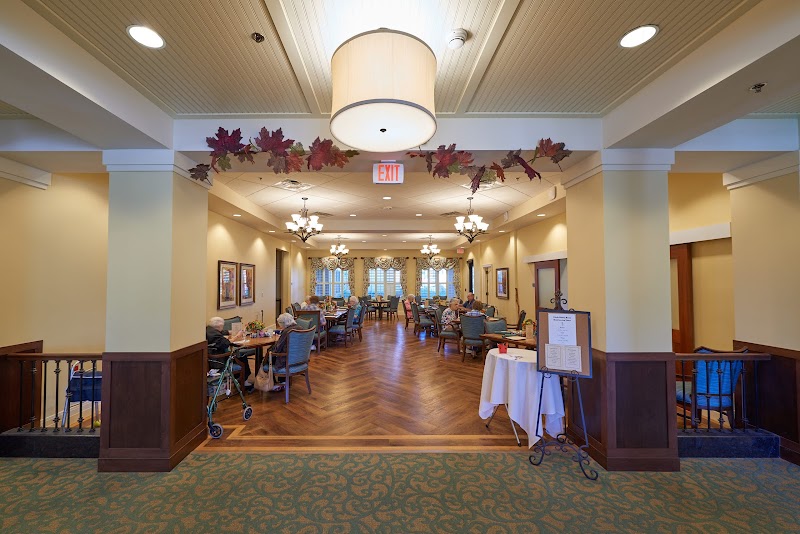
Who Owns and Operates Kendall House Wellness & Rehabilitation?

KENDALL HOUSE WELLNESS & REHABILITATION is owned by a non-profit organization. Non-profit facilities reinvest revenue into operations rather than distributing to shareholders. The facility operates independently rather than as part of a larger chain. With 40 certified beds and approximately 30 residents (about 75% occupancy), it is a smaller facility located in BOERNE, Texas.

How Does Kendall House Wellness & Rehabilitation Compare to Other Texas Nursing Homes?

Compared to the 100 nursing homes in Texas, KENDALL HOUSE WELLNESS & REHABILITATION's overall rating (2 stars) is below the state average of 2.8, staff turnover (62%) is significantly higher than the state average of 46%, and health inspection rating (2 stars) is below the national benchmark.

What Should Families Ask When Visiting Kendall House Wellness & Rehabilitation?

Based on this facility's data, families visiting should ask: "What changes have been made since the serious inspection findings, and how are you preventing similar issues?" "How do you ensure continuity of care given staff turnover, and what is your staff retention strategy?" "Can I visit during a mealtime to observe dining assistance and food quality?" "How do you handle medical emergencies, and what is your hospital transfer rate?" These questions are particularly relevant given the facility's Immediate Jeopardy citations and the facility's high staff turnover rate.

Is Kendall House Wellness & Rehabilitation Safe?

Based on CMS inspection data, KENDALL HOUSE WELLNESS & REHABILITATION has documented safety concerns. Inspectors have issued 1 Immediate Jeopardy citation (the most serious violation level indicating risk of serious injury or death). The facility has a 2-star overall rating and ranks #100 of 100 nursing homes in Texas. Families considering this facility should ask detailed questions about what corrective actions have been taken since these incidents.

Do Nurses at Kendall House Wellness & Rehabilitation Stick Around?

Staff turnover at KENDALL HOUSE WELLNESS & REHABILITATION is high. At 62%, the facility is 16 percentage points above the Texas average of 46%. High turnover means new staff may not know residents' individual needs, medications, or preferences. It can also be disorienting for residents, especially those with dementia who rely on familiar faces. Families should ask: What is causing the turnover? What retention programs are in place? How do you ensure care continuity during staff transitions?

Was Kendall House Wellness & Rehabilitation Ever Fined?

KENDALL HOUSE WELLNESS & REHABILITATION has been fined $88,390 across 1 penalty action. This is above the Texas average of $33,963. Fines in this range indicate compliance issues significant enough for CMS to impose meaningful financial consequences. Common causes include delayed correction of deficiencies, repeat violations, or care failures affecting resident safety. Families should ask facility leadership what changes have been made since these penalties.

Is Kendall House Wellness & Rehabilitation on Any Federal Watch List?

KENDALL HOUSE WELLNESS & REHABILITATION is not on any federal watch list. The most significant is the Special Focus Facility (SFF) program, which identifies the bottom 1% of nursing homes nationally based on persistent, serious quality problems. Not being on this list means the facility has avoided the pattern of deficiencies that triggers enhanced federal oversight. This is a positive indicator, though families should still review the facility's inspection history directly.