RIVERVIEW NURSING & REHABILITATION

1102 RIVER RD, BOERNE, TX 78006 (830) 249-2799
For profit - Limited Liability company 96 Beds AVIR HEALTH GROUP Data: November 2025 7 Immediate Jeopardy citations
Trust Grade
0/100
#827 of 1168 in TX
Last Inspection: March 2025

Within standard 12-15 month inspection cycle. Federal law requires annual inspections.

Overview

Riverview Nursing & Rehabilitation has received a Trust Grade of F, indicating significant concerns about the care provided. With a state rank of #827 out of 1168, they are in the bottom half of Texas facilities, and #5 out of 6 in Kendall County, meaning only one local option is better. Although the facility is improving, having reduced issues from 17 in 2024 to 11 in 2025, it still faces serious challenges, including $175,728 in fines, which is higher than 92% of Texas facilities. Staffing is rated 2 out of 5 stars, and while the turnover rate is 50%, which is average for Texas, the RN coverage is concerning, being less than 88% of other facilities, meaning residents may not receive adequate oversight. Notably, there have been critical incidents where residents were subjected to verbal and physical abuse by staff, including pinching and disrespectful arguments, raising serious concerns about the safety and well-being of residents.

Trust Score
F
0/100
In Texas
#827/1168
Bottom 30%
Safety Record
High Risk
Review needed
Inspections
Getting Better
17 → 11 violations
Staff Stability
⚠ Watch
50% turnover. Above average. Higher turnover means staff may not know residents' routines.
Penalties
✓ Good
$175,728 in fines. Lower than most Texas facilities. Relatively clean record.
Skilled Nurses
⚠ Watch
Each resident gets only 14 minutes of Registered Nurse (RN) attention daily — below average for Texas. Fewer RN minutes means fewer trained eyes watching for problems.
Violations
⚠ Watch
40 deficiencies on record. Higher than average. Multiple issues found across inspections.
★★☆☆☆
2.0
Overall Rating
★★☆☆☆
2.0
Staff Levels
★★★★★
5.0
Care Quality
★☆☆☆☆
1.0
Inspection Score
Stable
2024: 17 issues
2025: 11 issues

The Good

  • 5-Star Quality Measures · Strong clinical quality outcomes
  • Full Sprinkler Coverage · Fire safety systems throughout facility
  • No fines on record

Facility shows strength in quality measures, fire safety.

The Bad

2-Star Overall Rating

Below Texas average (2.8)

Below average - review inspection findings carefully

Staff Turnover: 50%

Near Texas avg (46%)

Higher turnover may affect care consistency

Federal Fines: $175,728

Well above median ($33,413)

Significant penalties indicating serious issues

Chain: AVIR HEALTH GROUP

Part of a multi-facility chain

Ask about local staffing decisions and management

The Ugly 40 deficiencies on record

7 life-threatening
Mar 2025 11 deficiencies
CONCERN (D)

Potential for Harm - no one hurt, but risky conditions existed

Report Alleged Abuse (Tag F0609)

Could have caused harm · This affected 1 resident

Based on interviews and record reviews the facility failed to ensure allegations neglect were reported immediately, but not later than 24 hours if the events that caused the allegation do not involve ...

Read full inspector narrative →
Based on interviews and record reviews the facility failed to ensure allegations neglect were reported immediately, but not later than 24 hours if the events that caused the allegation do not involve abuse and did not result in serious bodily injury, to the administrator of the facility and to other officials (including to the State Survey Agency where state law provides for jurisdiction in long-term care facilities) in accordance with State law through established procedures, for 1 of 1 facility's reviewed for reporting allegations of abuse, neglect, exploitation. On 1/21/2025 the facility's exhaust fan, located in the women's memory care unit's pantry closet, began to produce large amounts of smoke, which caused staff to engage the fire alarm system, alerted the fire department, and staff used a fire extinguisher to extinguish the smoke from the exhaust fan. This failure could place residents at risk for not reporting allegations of ANE. The findings included: A record review of the Texas Unified Licensure Information Portal accessed 3/5/2025 revealed no report and or investigation for the 1/21/2025 incident. A record review of the facility's Facility Assessment for (the facility) dated 1/14/2025 revealed, Information About Our Physical Resources . fire alarm and sprinkler system: one system, fully functional, including fire extinguishers. During an interview on 3/06/25 at 6:44 AM CNA A stated she has worked at the facility for the past 6 months during the 6 AM to 6 PM shift in the Memory Care Unit (MCU). CNA A stated one day in January 2025, a fan caught fire in a closet in the women's MCU. CNA A stated she immediately alerted staff to include the ADON of the fire. CNA A stated she organized the 14 residents from the MCU to the MCU secured courtyard and took a census count to ensure all residents were evacuated. CNA A stated the MCU became filled with smoke, the fire alarm was sounding, and the fire department arrived and assisted staff to relocate residents back indoors to the safe lobby due to the cold winter weather. During an interview on 3/06/25 at 9:55 AM CNA B stated she had worked in the facility for the past 6 months in the men's MCU and recalled an evacuation event for the women's MCU due to a fire in the women's MCU in January 2025. CNA B advised surveyor to speak with CNA A due to her direct witness of the fire. During an interview on 3/06/25 at 10:04 AM CNA C stated she worked the women's MCU for the past 2 years and she was not on duty the day of the fire but did learn the women's MCU had a ceiling exhaust fan which caught fire and the fire department was dispatched. CNA C stated the fan was replaced and the closet repainted. During an observation on 3/6/2025 at 10:05 AM revealed the pantry closet in the women's MCU to have an exhaust fan. The fan appeared new and was running. During an interview on 3/06/25 at 10:32 AM LVN D, stated he was on duty from 6:00 AM to 6:00 PM the day the fire was in the women's MCU unit. LVN D stated he understood the ADON used the fire extinguisher on the exhaust fan and the residents were evacuated to the facility's lobby. LVN D stated the fire alarm sounded and the fire department arrived. LVN D stated the staff received an in-service for fire prevention and control and all women's MCU residents were assessed for safety. During a joint interview on 3/06/25 at 10:33 AM with the Administrator and the DON, the administrator stated he was on vacation the week when the fan smoked. The Administrator stated the Regional Director of Operations and the DON were on duty in the facility while he was away. The Administrator stated he learned the smoke incident was 1/21/2025 in the women's MCU. The Administrator stated the fire department was dispatched and used fans to evacuate the facility of smoke and checked the exhaust fan for a fire. The administrator stated the fire department cleared the building for safety and left. The administrator stated the DON and the RDO decided the incident was not eligible for a report to the state agency due the lack of any flames. The DON stated the incident was 1/21/2025, during the day. The DON stated she heard CNA A alert for a fire in the women's MCU and the ADON ran and used the fire extinguisher in the women's MCU's pantry. The DON stated she reviewed and ensured the 14 residents of the MCU were assessed for safety and reviewed and ensured 46 of the 46 staff received in-services, which included, the fire dept responded to the fire alarm, During an interview on 3/06/25 at 10:46 AM the RDO stated he had reviewed the smoke incident with his leadership and the decision was made the incident was not eligible to be reported to the state agency due to the lack of any flames. The RDO stated all the exhaust fans were inspected by the maintenance director, the local physical maintenance contractor, and the fire department. The RDO stated the fire suppression contractor inspected the fire suppression and alarm system, and the maintenance director replaced the exhaust fan. A record review of the facility's policy titled Abuse, Neglect, Exploitation or Misappropriation - Reporting and Investigating dated September 2022, revealed, Policy Statement: All reports of Resident abuse (including injuries of unknown origin), neglect, exploitation, or theft / misappropriation of resident property are reported to local, state and federal agencies (as required by current regulations) and thoroughly investigated by facility management. Findings of all investigations arc documented and reported. Policy Interpretation and Implementation: Reporting Allegations to the Administrator and Authorities: l. If resident abuse, neglect. exploitation, misappropriation of resident property or injury of unknown source is suspected, the suspicion must be reported immediately to the administrator and to other officials according to state law and HHSC reporting guidelines. 2. The administrator or the individual making the allegation immediately reports his or her suspicion to the following persons or agencies: a. The state licensing/certification agency responsible for surveying/licensing the facility; b. The local/state ombudsman; . 3. Immediately is defined as: a. within two hours of an allegation involving abuse or result in serious bodily injury: or b. within 24 hours of an allegation that does not involve abuse or result in serious bodily injury.
CONCERN (D)

Potential for Harm - no one hurt, but risky conditions existed

Investigate Abuse (Tag F0610)

Could have caused harm · This affected 1 resident

**NOTE- TERMS IN BRACKETS HAVE BEEN EDITED TO PROTECT CONFIDENTIALITY** Based on interviews and record reviews the facility failed to report the results of all investigations in response to allegation...

Read full inspector narrative →
**NOTE- TERMS IN BRACKETS HAVE BEEN EDITED TO PROTECT CONFIDENTIALITY** Based on interviews and record reviews the facility failed to report the results of all investigations in response to allegations of abuse, neglect, exploitation (ANE), or mistreatment to the State Survey Agency, within 5 working days of the incident, for 1 of 1 facility's reviewed for investigating an alleged fire. On 1/21/2025 the facility investigated an alleged fire in the facility without a report to the state agency, when an exhaust fan in the women's Memory Care unit (MCU) produced a large amount of smoke, causing the fire alarm to activate and the local fire department response. This failure could place residents at risk for ANE. The findings included. A record review of the Texas Unified Licensure Information Portal accessed 3/5/2025 revealed no report and or investigation for the 1/21/2025 incident. A record review of the facility's Facility Assessment for (the facility) dated 1/14/2025 revealed, Information About Our Physical Resources . fire alarm and sprinkler system: one system, fully functional, including fire extinguishers. A record review of the facility's Quality Assessment and Performance Improvement Plan dated 1/21/2025 revealed the facility held an ad hoc Quality Assurance Improvement Plan (QAPI) meeting which included attendees: the Administrator, the Medical Director, the Director of nursing (DON), the Assistant Director of Nursing (ADON), the Minimum Data Set nurse (MDS) the Business Office Manager (BOM), the Human Resources Manager (HRM), the Director of Rehab (DOR), and the Activities Director (AD). Further review revealed, facility review; one to one in service with maintenance director on cleaning and checking exhaust fans, maintenance checklist daily. Inservice staff on fire safety and storage of items on top of fridge. Code drill followed. Residents on B hall were assessed for any respiratory issues 1/21/2025. (name of contractor) Fire inspection on 1/21/2025. (name of contractor for equipment) inspection on 1/21/2025. Ad hoc with the medical director. A record review of the facility's Training In-Service Form dated 1/21/2025 revealed 45 of 45 employees received the in-service training Fire Safety and Prevention which included, Policy Statement; All personnel must learn methods of fire prevention and must report condition(s) that could result in a potential fire hazard. Policy Interpretation and Implementation 1. Fire prevention is the responsibility of all personnel, residents, visitors, and the general public. 2. Whoever identifies a fire hazard, or other conditions that could develop into a fire hazard, must report the situation to the department director or maintenance director as soon as practical. 3. The following fire safety precautions must be followed in the facility at all times: Electrical Precautions: . 1. h. Do not use defective equipment. Overheating: . b. Keep filters on heating systems, dryers, etc., free of lint. All personnel must report observations of: . a. unusual odors or conditions; . b. malfunctioning equipment and supplies; c. any unusual incidents; d. sounding of false alarms A record review of the facility's Training In-Service Form dated 1/21/2025 revealed the ADON provided training for the Maintenance Director for Cleaning / Checking Exhaust Fans; Maintenance Checklist which included a form worksheet for monthly checking exhaust fans in the facility, A record review of the women's MCU census for 1/21/2025 revealed 14 residents, Further review revealed all 14 residents were assessed for respiratory distress which included Shortness of Breath (SOB). A record review of Resident #3s post incident safety assessment dated [DATE] revealed, 1/21/2025 5:25 PM, assessment performed resident with no SOB, cough or change from baseline. T 97.8, P 60, R 18, 106 / 67, 98% oxygen on room air. Resident denies pain or discomfort. Monitoring for safety. MD / RP aware. During an interview on 3/06/25 at 6:44 AM CNA A stated she has worked at the facility for the past 6 months during the 6 AM to 6 PM shift in the Memory Care Unit (MCU). CNA A stated one day in January 2025, a fan caught fire in a closet in the women's MCU. CNA A stated she immediately alerted staff to include the ADON of the fire. CNA A stated she organized the 14 residents from the MCU to the MCU secured courtyard and took a census count to ensure all residents were evacuated. CNA A stated the MCU became filled with smoke, the fire alarm was sounding, and the fire department arrived and assisted staff to relocate residents back indoors to the safe lobby due to the cold winter weather. During an interview on 3/06/25 at 10:32 AM LVN D, stated he was on duty from 6:00 AM to 6:00 PM the day the fire was in the women's MCU unit. LVN D stated he understood the ADON used the fire extinguisher on the exhaust fan and the residents were evacuated to the facility's lobby. LVN D stated the fire alarm sounded and the fire department arrived. LVN D stated the staff received an in-service for fire prevention and control and all women's MCU residents were assessed for safety. During a joint interview on 3/06/25 at 10:33 AM with the Administrator and the DON, the Administrator stated he was on vacation the week when the fan smoked. The Administrator stated the Regional Director of Operations and the DON were on duty in the facility while he was away. The Administrator stated he learned the smoke incident was 1/21/2025 in the women's MCU. The Administrator stated the fire department was dispatched and used fans to evacuate the facility of smoke and checked the exhaust fan for a fire. The administrator stated the fire department cleared the building for safety and left. The administrator stated the DON and the RDO decided the incident was not eligible for a report to the state agency due the lack of any flames. The DON stated the incident was 1/21/2025, during the day. The DON stated she heard CNA A alert for a fire in the women's MCU and the ADON ran and used the fire extinguisher in the women's MCU's pantry. The DON stated she reviewed and ensured the 14 residents of the MCU were assessed for safety and reviewed and ensured 46 of the 46 staff received in-services, which included, the fire dept responded to the fire alarm, During an interview on 3/06/25 at 10:46 AM the RDO stated he had reviewed the smoke incident with his leadership and the decision was made the incident was not eligible to be reported to the state agency due to the lack of any flames. The RDO stated all the exhaust fans were inspected by the maintenance director, the local physical maintenance contractor, and the fire department. The RDO stated the fire suppression contractor inspected the fire suppression and alarm system, and the maintenance director replaced the exhaust fan. A record review of the facility's policy titled Abuse, Neglect, Exploitation or Misappropriation - Reporting and Investigating dated September 2022, revealed, Policy Statement: All reports of Resident abuse (including injuries of unknown origin), neglect, exploitation, or theft / misappropriation of resident property are reported to local, state and federal agencies (as required by current regulations) and thoroughly investigated by facility management. Findings of all investigations arc documented and reported. Policy Interpretation and Implementation: Reporting Allegations to the Administrator and Authorities: l. If resident abuse, neglect. exploitation, misappropriation of resident property or injury of unknown source is suspected, the suspicion must be reported immediately to the administrator and to other officials according to state law and HHSC reporting guidelines. 2. The administrator or the individual making the allegation immediately reports his or her suspicion to the following persons or agencies: a. The state licensing/certification agency responsible for surveying/licensing the facility; b. The local/state ombudsman; . 3. Immediately is defined as: a. within two hours of an allegation involving abuse or result in serious bodily injury: or b. within 24 hours of an allegation that does not involve abuse or result in serious bodily injury.
CONCERN (D)

Potential for Harm - no one hurt, but risky conditions existed

Quality of Care (Tag F0684)

Could have caused harm · This affected 1 resident

**NOTE- TERMS IN BRACKETS HAVE BEEN EDITED TO PROTECT CONFIDENTIALITY** Based on observation, record review and interview, the facility failed to ensure that residents received treatment and care in a...

Read full inspector narrative →
**NOTE- TERMS IN BRACKETS HAVE BEEN EDITED TO PROTECT CONFIDENTIALITY** Based on observation, record review and interview, the facility failed to ensure that residents received treatment and care in accordance with professional standards of practice for 1 of 8 residents (Resident 35) reviewed for nursing services. The facility failed to follow physicians' orders to monitor for edema (swelling caused by fluid building up in body tissue) for Resident #5 as ordered on 4/30/24. This failure could place residents at risk for not receiving appropriate care and treatment and/or a decline in their health. Findings included: Record review of Resident #5's admission Record dated 3/7/25 revealed a [AGE] year-old male admitted to the facility on [DATE] and readmitted [DATE]. Diagnoses listing revealed DMII (Diabetes Type 2, a chornic metabolic disorder characterized by high blood sugar levels due to insulin resistance and/or deficiency), COPD (a group of lung diseases that cause ongoing breathing problems), MDD (Major Depressive Disorder), Anxiety, Hyperlipidemia (elevated lipid levels in the blood which can increase the risk of heart disease), Heart Disease, Dysphagia (difficulty swallowing), Seizures, (temporary disruptions in brain electrical activity), Bilateral age-related cataracts, Myopia (nearsightedness), Dementia (a decline in mental ability severe enough to interfere with daily life) , Alzheimer's Disease (progressive, neurodegenerative disorder tha primarily affects memory, leading to a decline in cognitive function and eventually impacting daily activities). Record review of Resident #5's current Quarterly MDS dated [DATE] revealed a BIMS Score of 4 indicating severe cognitive impairment. Resident #5 required set up assistance in self-feeding, supervision with upper and lower body dressing, moderate assistance in bathing, personal hygiene, and maximum assistance in toilet hygiene. Record review of Resident #5's care plan last reviewed/revised 2/19/25 revealed problem identification of potential for complications, s/sx related to diagnosis of COPD. Approaches included administer medications as ordered and monitor for side effects, administer oxygen as ordered, assess/record/report to MD prn: anxiety, restlessness, SOB, wheezing, dyspnea (difficulty breathing), respiration rapid or shallow, cough cyanosis (coughing resulting in a bluish discoloration of the skin around lips and fingertips indicating there is not enough oxygen in the blood to support the body's tissues), confusion, altered mental status, fatigue, headache, encourage adequate fluid intake, provide extra fluid on meals trays, encourage physical mobility, exercise as tolerated, monitor V/S as ordered, nebulizer treatments and/or inhalers as ordered, obtain and monitor lab / diagnostic work as ordered. Record review of Resident #5's physicians order dated 4/30/24 revealed order for edema checks: Check extremities Q shift and report to MD any abnormalities. Observation of Resident #5 on 3/5/25 at 10:00 AM, 3/5/25 at 3:35 PM and 3/6/25 at 10:45 AM revealed no noted edema. Resident #5 is alert, pleasantly confused and a poor historian. Unable to conduct interview regarding edema. Record review of Resident #5's March 2025 MAR revealed resident was not being monitored for edema. During an interview on 3/6/25 at 1:30 PM, LVN D stated that he used to monitor edema on the MAR for this resident but has not done it in a long time. LVN D stated he checks for edema but does not document it on a MAR or in progress notes. LVN D stated, sudden increase in edema could cause problems. During an interview on 3/6/25 at 2:00 PM, the ADON revealed order was put in the EMR system inaccurately and should have been linked to the HCTZ order. ADON stated order has been corrected and is now on the nurse's MAR to monitor. During an interview on 3/6/25 at 2:15 PM, the DON stated failure to monitor edema could result in exacerbation of disease process with shortness of breath, elevated heart rate or possibly death if left unmonitored. The DON said the expectation of nursing staff is to monitor this resident for edema and follow physicians orders. Requested Policy &Procedures for following physicians orders on 3/7/25 at 10:45 a.m., did not receive.
CONCERN (D)

Potential for Harm - no one hurt, but risky conditions existed

Deficiency F0804 (Tag F0804)

Could have caused harm · This affected 1 resident

Based on observations, interviews, and record review the facility failed to provide food that was palatable, and at a safe and appetizing temprature for 1 of 1 test tray. 1. Test tray was not hot and...

Read full inspector narrative →
Based on observations, interviews, and record review the facility failed to provide food that was palatable, and at a safe and appetizing temprature for 1 of 1 test tray. 1. Test tray was not hot and lukewarm. 2. No food temperatures were logged for lunch. These failures could affect all residents who ate their meals prepared by the facility kitchen by placing them at risk of weight loss, altered nutritional status, and diminished quality of life. The findings were: 1. In an observation on 3/06/2025 at 1:17 PM of a lunch test tray, revealed the chicken patty melt was not hot, but lukewarm. 2.In an interview on 3/06/2025 at 1:33 PM, DM U stated the test tray was taken from staff and went directly to the conference room, near the kitchen. DM U said to write down the food temperature on the food temperature log for lunch to Dietary Aide L. In an interview on 3/6/2025 at 1:35 PM, Dietary aide L stated he did take the food temperatures for lunch and wrote them on a piece of paper. Dietary aide L stated he was washing dishes and the piece of paper got wet and he misplaced it. Dietary aide L stated were at a good temperature and he did not document on the food temperature log. In an interview on 03/06/2025 at 1:42 PM, the Dietician consultant stated she would educate staff on keep food temperatures in a food log for every meal, in the kitchen. In an interview on 3/06/2025 at 1:16 PM, Resident #28 stated his food was not hot, but he just ate because he was hungry. In an interview on 3/06/2025 at 2:43 PM, Resident #44 stated his food was not hot. Record review of the Food temperature log was blank for lunch meal dated 3/6/2204. Record review of Policy dated November 2002, Food Preparation and Service, Food and nutrition services employees prepare, distribute and serve food in a manner that complies with safe food handling practices. General Guidelines 3. Food preparation staff adhere to proper hygiene and sanitary practices to prevent the spread of foodborne illness. Food Distribution and Services 2. The temperature for foods held in steam tables are monitored throughout the meal service by food and nutrition services staff.
CONCERN (D)

Potential for Harm - no one hurt, but risky conditions existed

Deficiency F0813 (Tag F0813)

Could have caused harm · This affected 1 resident

**NOTE- TERMS IN BRACKETS HAVE BEEN EDITED TO PROTECT CONFIDENTIALITY** Based on observation, interview and record review the facility failed to ensure storage of foods brought to residents by family ...

Read full inspector narrative →
**NOTE- TERMS IN BRACKETS HAVE BEEN EDITED TO PROTECT CONFIDENTIALITY** Based on observation, interview and record review the facility failed to ensure storage of foods brought to residents by family and other visitors to ensure safe and sanitary storage, handling, and consumption 1 of 1 (#35) residents' personal refrigerator in that: Resident #35's personal refrigerator had 3-4 Styrofoam empty cups with mold in them. This failure could affect residents by placing them at risk for food borne illness. Findings included: Observation on 3/04/2025 at 10:36 AM in Resident #35, revealed her personal refrigerator had 3-4 Styrofoam empty cups with mold in them. Resident #35 was asleep at the time and had just came back from the hospital. Interview on 3/4/2025 at 10:37 AM with the DON stated Resident #35's personal refrigerator had 3-4 Styrofoam empty cups with mold in them. The DON stated the resident personal refrigerators were cleaned periodically by staff. asked for policy. Interview on 3/06/2025 at 12:01 PM with ADM stated he was aware of Residents #25's personal refrigerate had empty cups with mold in them. The ADM stated the cups were thrown away. Record review of policy, Foods brought by Family/Visitors, dated March 2022 was documented Food [NAME] to the facility by visitors and family is permitted. Facility staff will strive to balance resident choice and a homelike environment with the nutritional and safety needs of residents. 6. The nursing staff will discard perishable foods on or before the use by date. 7. Potentially hazardous foods that are left out for resident without a source of refrigeration longer than 2 hours are discarded.
CONCERN (D)

Potential for Harm - no one hurt, but risky conditions existed

Infection Control (Tag F0880)

Could have caused harm · This affected 1 resident

**NOTE- TERMS IN BRACKETS HAVE BEEN EDITED TO PROTECT CONFIDENTIALITY** Based on observations, interviews, and record reviews the facility failed to ensure the establishment and maintenance of an infe...

Read full inspector narrative →
**NOTE- TERMS IN BRACKETS HAVE BEEN EDITED TO PROTECT CONFIDENTIALITY** Based on observations, interviews, and record reviews the facility failed to ensure the establishment and maintenance of an infection prevention and control program designed to provide a safe, sanitary, and comfortable environment and to help prevent the development and transmission of communicable diseases and infections to include standard and transmission-based precautions to be followed to prevent spread of infections, for 2 of 8 residents (Residents #16 and #162) reviewed for Enhanced Barrier Precautions (EBP). 1. On 3/6/2025 CNA I provided catheter care to Resident #16 while not donning Personal Protection Equipment (PPE). 2. On 3/5/2025 CNA J provided incontinent care for Resident #162 while not donning PPE. These failures could place residents at risk for cross contamination and spread of communicable diseases. The findings included: 1. A record review of Resident #16's Face Sheet record dated 3/6/2025 revealed an admission date of 10/11/2024 with diagnoses which included obstructive uropathy (a blockage that prevents urine from flowing naturally through the urinary system). A record review of Resident #16's quarterly MDS assessment dated [DATE] revealed Resident #16 was a [AGE] year-old male admitted for long term care and was assessed with a BIMS score of 11 out of a possible 15 which indicated mild cognitive impairment. further review revealed Resident #16 could make himself understood and could understand others, had adequate vision to see large print and had adequate hearing. Further review revealed Resident #16 needed assistance with his urinary catheter (an indwelling tube into the bladder through the urethra), Toileting hygiene: the ability to maintain perineal hygiene, adjust close before and after using the toilet, commode, bedpan, or urinal. substantial maximal assistance - helper does more than half the effort. does the resident use a wheelchair . yes . bladder and bowel indwelling catheter, yes . urinary continence - resident had a catheter A record review of Resident #16's physicians' orders dated 3/6/2025 revealed the physician ordered for Resident #16 to receive EBP care. A record review of Resident #16's care plan dated 3/7/2025 revealed, Resident has a DX of Urinary Tract Infection & is at risk for complications. Perform catheter care as indicated. (See Indwelling Urinary Catheter Care Plan) . Report signs of UTI (acute confusion, urgency, frequency, bladder spasms, nocturia, burning, pain, difficulty urinating, low back/flank pain, malaise, nausea/vomiting, chills, fever, foul odor, concentrated urine, blood in urine). Infection - There is risk for developing and/or spreading infection related to: Indwelling Urinary Catheter . Enhanced Barrier Precautions will reduce risk of the spread of organisms . Utilize enhanced barrier precautions as ordered Every Shift; Created: 08/01/2024 During an observation and interview on 03/06/25 05:50 AM CNA I assisted Resident #16 seated in his wheelchair into the shower room, where CNA I performed hand hygiene and donned gloves. CNA I handled Resident #16's urine collection bag and drained the bag of urine. CNA I measured 1300ml of urine. CNA stated Resident #16 had an indwelling urinary catheter and Resident #16 needed assistance to drain the urine. CNA I stated he was not aware of Resident #16's EBP and believed the use of gloves was sufficient for infection control. 2. A record review of Resident #162's face sheet dated 3/6/2025 revealed an admission date of 3/2/2025 with diagnoses which included malignant neoplasm of sigmoid colon (colon cancer, and colostomy status (a surgical opening on the belly, needed because a problem is causing the colon to not work properly, or a disease is affecting a part of the colon and it needs to be removed. The end of the colon (large intestine) is brought through this opening in the skin to form an opening.) further review revealed Resident #162 was a [AGE] year-old female. A record review of Resident #162's physicians' orders dated 3/6/2025 revealed the physician ordered for Resident #162 to receive EBP care. A record review of Resident #162's care plan dated 3/6/2025 revealed, Infection - There is risk for developing and/or spreading infection related to: Colostomy Status - Created: 03/03/2025 . Enhanced Barrier Precautions will reduce risk of the spread of organisms . Utilize enhanced barrier precautions as ordered During an observation and interview on 3/06/25 at 2:10 PM revealed Resident #162's door to her room presented without signage to indicate any EBP precautions. Observation in the room revealed CNA J with Resident #162, Resident #162 laid in bed while CNA J wore gloves and assisted with Resident #162's incontinent care. CNA J had not donned a gown for PPE. CNA J stated resident #162 had a colonoscopy. CNA J stated she was confused on resident #162's status because she had not seen any EBP signage on the door. CNA J stated she had been trained to wear EBP PPE to include the use of gloves and a gown during check and change for a resident with EBP precautions. CNA J stated the risk for residents was cross-contamination of infectious diseases. During an interview on 3/06/25 at 1:10 PM the DON stated the expectation was for residents with colostomy bags and or indwelling urinary catheters to be cared for under EBPs, specifically, at a minimum, for staff to DON PPE to include a gown and gloves. A record review of the United States of America's Centers for Disease Prevention and Control's website titled Enhanced Barrier Precautions in Skilled Nursing Facilities https://www.cdc.gov/infection-control/media/pdfs/Webinar-EBPinNH-Nov2022-Slides-508.pdf accessed 3/6/2025, revealed, What are Enhanced Barrier Precautions (EBP)? A risk-based approach to PPE use designed to reduce the spread of multidrug-resistant organisms (MDROs). The use of a gown and gloves during high-contact Resident care activities for residents at high risk of colonization* with an MDRO to disrupt spread. Expands the use of PPE beyond situations in which exposure to blood and body fluids is anticipated. Used in coordination with good infection prevention and control measures. What are High-Contact Resident Care Activities? . Changing Briefs or Assisting with Toileting . When Should I Use Enhanced Barrier Precautions? . Residents with any of the following: . Indwelling medical devices (e.g., ., urinary catheter, .)
CONCERN (E)

Potential for Harm - no one hurt, but risky conditions existed

Deficiency F0657 (Tag F0657)

Could have caused harm · This affected multiple residents

**NOTE- TERMS IN BRACKETS HAVE BEEN EDITED TO PROTECT CONFIDENTIALITY** Based on interviews and record reviews the facility failed to ensure a comprehensive care plan was developed within 7 days after...

Read full inspector narrative →
**NOTE- TERMS IN BRACKETS HAVE BEEN EDITED TO PROTECT CONFIDENTIALITY** Based on interviews and record reviews the facility failed to ensure a comprehensive care plan was developed within 7 days after completion of the comprehensive assessment and reviewed and revised by the interdisciplinary team after each assessment, including both the comprehensive and quarterly review assessments for 4 of 9 (#20, #28, #33, #35) residents reviewed for IDT meetings/ care plans in that: 1. The facility failed to review and revise Resident #28's care plan after the MDS assessment on 2/17/25. 2. The facility failed to review and revise Resident #35's care plan after the MDS assessment on 2/25/25 3.The facility failed to review and revise Resident #33's care plan after each assessment in 2023. 4. The facility failed to review and revise Resident #20 care plan after the MDS assessment on 3/3/24, 6/1/24, 9/1/24, 10/9/24 and 1/9/25. This could result in residents not receiving necessary care. The Finding were: Record review of the list of Residents that still required a care plan conference with the end date of 3/6/2025 reflected 22 residents, and included Residents #20, #28, #33, #35. 1. Record review of Resident #28's admission Record dated 3/6/2025 reflected he was admitted on [DATE] and re-admitted on [DATE] with diagnoses of Human immune deficiency virus, respiratory disease, herpes viral infection, muscle wasting, bipolar disorder, dementia, cognitive communication deficit , diabetes II, altered mental status, and acquired absence of right and left leg below the knee. Record review of Resident #28's Quarterly MDS assessment dated on 2/17/25 reflected his BIMS score was 10/15 (moderately cognitively impaired), he had no impairment to upper extremity, had impairment to both sides of lower extremity, and he used a wheelchair for mobility. Record review of Resident #28's care plan dated 10/15/2024 and there was no care plan conference after the MDS assessment on 2/17/25. Record review of Resident #28's assessments revealed two care plan conferences were held dated 8/20/2024 and 10/15/2024. There is no no evidence the IDT met to review/revise the care plan after the MDS assessment on 2/17/25. In an interview on 3/05/2025 at 11:41 AM, Resident # 28 stated he had not been invited to a care plan conference in a while. 2. Record review of Resident #35's admission Record dated 3/6/2025 reflected she was admitted on [DATE] and re-admitted on [DATE] with diagnoses of cerebral infarction (stroke), hemiplegia and hemiparesis (paralysis or weakness), diabetes II (a chronic disease that affects how the body uses glucose (sugar) for energy), psychotic disorder with delusions. and chronic pain. Record review of Resident #35's significant change MDS assessment dated on 2/25/2025 reflected her BIMS score was 13/15 (cognitively intact), she had impairment on upper and lower extremity, and she used a wheelchair for mobility. Record review of Resident #35's care plan dated 2/22/2025 . Record review of Resident #35's three care plan conference were dated 11/16/2022, 8/14/2024 and 11/15/2024. No other evidence of care plan conferences / IDT met after these dates for Resident #35. In an interview on 3/05/2025 at 12:04 PM, Resident #35 stated she had not had a care plan conference every 3 months and does not remember when she had the meeting. 3. Record review of Resident #33's admission Record dated 3/7/2025, reflected he was admitted on [DATE], and re-admitted on [DATE] with diagnoses of Parkinson's disease (a progressive neurodegenerative disorder that affects movement, balance, and coordination) schizoaffective disorder (a mental health condition that combines symptoms of schizophrenia and a mood disorder, such as depression or bipolar disorder ), anxiety, and delusional disorders. Record review of Resident #33's Quarterly MDS assessment dated [DATE] reflected his BIMs score was 14/15 (cognitively intact), he had 2 impairments to lower extremity and used a wheelchair/walker for mobility. Record review of Resident #33's care plan was dated 2/7/2025. Record review of the MDS Assessments for 2023 the care plan should have been reviewed/revised by IDT/care plan conference. Record review of Resident #33 had three care plan conferences dated 12/20/2022, 4/12/2024 and 2/7/2025. No IDT/care plan conferences for year 2023. 4. Record review of Resident #20's admission Record dated 3/7/25 revealed Resident #20 admitted to the facility on [DATE] and readmitted [DATE]. Diagnoses listing revealed diagnosis of encephalopathy (a disease in which the functioning of the brain is affected by some agent or condition), schizoaffective disorder bipolar type (a mental health condition that combines symptoms of schizophrenia (a chronic mental disorder characterized by disruptions in thought processes, perceptions, emotional responsiveness, and social interacitons) and bipolar disorder (a mental condition characterized by extreme mood swings, including perioeds of intense hights and lows)), Major depression disorder, hypotension (low blood pressure), EPS (a group of movement disorders caused by certain medications), Vit. D deficiency, anxiety, age related nuclear cataracts, orthostatic hypotension (a condition in which blood pressure drops significantly when a person stands up from a sitting or lying position), hypothyroidism (a condition in which the thyroid gland does not produce enough thyroid hormone). Record review of Resident #20's Quarterly MDS assessment dated [DATE] revealed she has a BIMs score of 6/15 indicating severe cognitive impairment and she required set up assistance with self-feeding, upper body dressing, supervision with toilet hygiene, lower body dressing and moderate assistance in bathing, personal hygiene. Record review of Resident #20's MDS schedule revealed Annual MDS dated [DATE], Quarterly MDS completed 6/1/24, Quarterly MDS dated [DATE], Significant change in status MDS dated [DATE], and Quarterly MDS dated [DATE]. Based on completed Conference Reports, facility failed to review and revise care plan after a comprehensive and quarterly review assessments completed 3/3/24, 6/1/24, 9/1/24, 10/9/24 and 1/9/25. Record review revealed a Care Conferences were completed 7/24/24 and 10/25/24. No evidence of care plan conferences and care plan revision for 2023. No evidence of care plan revision completed within 21 days of MDS assessments. Care plan revision date 1/23/25. In an interview on 3/07/2025 4:07 PM the SW stated she had just started working and was catching up on resident care plan conferences. The SW stated she had a plan to finish the care plan conference and be up to date on 3/28/2025. In an interview on 3/07/2025 at 10:12 AM, the MDS Nurse stated they missed the care plan conferences, but they do have a plan and know they are late on care plan conferences. The MDS Nurse stated they will include care plan conferences as part of their routine audits and a complete audit will be done by 3/28/2025 for all residents. In an interview on 3/07/2025 at 11:30 AM, the ADM stated he was not aware the resident care plan conferences were not being done as scheduled. The ADM stated the resident care plan conferences would need to be done timely, and devise a plan and start over with a new rotation. Review of facility policy named Care Plans, Comprehensive Person-Centered, Comprehensive Assessments and comprehensive Care Plans, revised March 2022 reflected 12. The interdisciplinary team reviews and updates the care plan: d. where there has been a significant changein the resident's condition, a. when the resident has been readmitted to the facility from a hospital stay; and b. at least quarterly.
CONCERN (E)

Potential for Harm - no one hurt, but risky conditions existed

Food Safety (Tag F0812)

Could have caused harm · This affected multiple residents

Based on observations, interviews and record review the facility failed to store, prepare, distribute and serve food in accordance with professional standards for food service safety for 1 of 1 kitche...

Read full inspector narrative →
Based on observations, interviews and record review the facility failed to store, prepare, distribute and serve food in accordance with professional standards for food service safety for 1 of 1 kitchen in that: 1. Food containers in the storage room, rice container lid was open and had a smaller container. The flour container lid was not tightly closed. The flour container was on a shelf, underneath the shelf of the flour container was on had a rat trap box. 2. DM Q was not wearing a hairnet while in the kitchen. 3. Dietary aide L was not wearing gloves while placing chicken patties in the deep fryer oil. These failures could place residents at risk for food borne illness. The Findings were: 1. Observation on 3/05/2025 at 9:25AM in the kitchen revealed in the storage room, a rice container on a shelf. The lid was open and there was a smaller container in the rice container. The lid of the flour container on the shelf was not tightly closed. Under the shelf was a rat trap box. Interview on 3/05/2025 at 9:25AM with DM R confirmed the rice container was open with a smaller container in it. , The flour container lid was not tight, and the rat trap at the bottom of shelf above the flour container . DM R stated the containers need to be closed to keep pests away and containers cannot be in the food buckets due to contamination. DM R stated he was not sure why the rat trap box was under the food storage containers, after observation. 2. Observation on 3/5/2025 at 4:30 PM revealed DM Q was in the kitchen about to take food temperatures. DM Q was not wearing a hairnet in the kitchen. Interview on 3/5/2025 at 4:32 PM with DM Q confirmed she was not wearing a hairnet in the kitchen; she had just come in from outside . 3. Observation on 3/5/2025 at 11 AM revealed Dietary aide L was not wearing gloves while putting chicken patties in the deep fryer. Interview on 3/5/2025 at 10:59 AM with Dietary L had no response to not wearing gloves while handling food in the kitchen. In an interview on 03/06/2025 at 1:42 PM, the Dietician consultant stated she would educate staff on wearing gloves while handling food, wearing hairnets, keeping containers closed, and that no containers should have containers in them. Record review of Policy dated November 2022, Food Receiving and Storage, Foods shall be received and stored in a manner that complies with safe food handling practices. Dry Food Storage 1. Non-refrigerated foods, .are stored in a designated dry storage unit which is temperature and humidity controlled, free of insects and rodents and kept clean. 5. Other opened containers are dated and sealed or covered during storage. Record review of Policy dated November 2002, Food Preparation and Service, Food and nutrition services employees prepare, distribute and serve food in a manner that complies with safe food handling practices. General Guidelines 3. Food preparation staff adhere to proper hygiene and sanitary practices to prevent the spread of foodborne illness. Food Distribution and Services 7. Bare hand with food is prohibited. gloves are worn when handling food directly and changed between task. 8. Food and nutrition service staff wear hair restraints, so that hair does not contact food.
CONCERN (E)

Potential for Harm - no one hurt, but risky conditions existed

Room Equipment (Tag F0908)

Could have caused harm · This affected multiple residents

Based on observations and interviews the facility failed to maintain all mechanical, electrical, and patient care equipment in safe operating condition, for 1 of 1 facility's reviewed for maintenance ...

Read full inspector narrative →
Based on observations and interviews the facility failed to maintain all mechanical, electrical, and patient care equipment in safe operating condition, for 1 of 1 facility's reviewed for maintenance and operation of essential equipment. 1. Laundry facility essential equipment was not operational. a. 2 of the 3 commercial clothing dryers were not operational. b. 1 of the 2 commercial clothing washers was not operational. c. 1 of the 1 Heating, ventilation, and air-conditioning (HVAC) system for the laundry facility was not operational. 2. The stove and deep fryer were not restrained. Deep fryer back right-side leg was propped up by wood. These failures could place residents at risk for neglect and not having their needs met. The findings included. During an observation 3/06/25 at 1:20 PM of the facility's laundry department revealed the departments HVAC system not operational, 2 of the 3 dryers were not operational, and 1 of the 2 washers was not operational. During an interview 3/06/25 at 1:24 PM with LA K stated she had been an employed as the laundry aide for the last year. LA K stated the laundry department has installed 3 commercial dryers, 2 commercial washers and 1 HVAC system. LA K stated the HVAC system was inoperative for the winter and has malfunctioned again after a recent repair. LA K stated of the 3 dryers only 1 was operational and of the 2 washers only worked. LA K stated her ability to produce clean clothes was challenging with only 1 dryer and washer. LA K stated the Maintenance Director was aware of the equipment failure and had provided a small window air-conditioner for the dryer room but not the washer room. LA K stated the dryers and washer were broken for longer than 4-5 months. During an observation and interview on 3/06/25 at 1:55 PM the Maintenance Director toured the Laundry Department and stated the dryers were not operational and recently the 1 dryer was repaired and now functions. The maintenance director stated the HVAC system could not be maintained due to excessive coolant gas leaks. The Maintenance Director stated only 1 of the 2 commercial washers was operational. During an interview on 3/07/25 at 11:43 AM the Administrator stated he was aware of the malfunctioning laundry equipment and has not been able to replace the equipment. 2. Observation on 3/5/2025 at 4:35 PM in the kitchen, revealed the deep fryer next to the stove was missing a leg on the far-right side. The Deep fryer far right-side leg had a piece of wood under it. Observation of the stove and deep fryer were not restrained. Interview and Observation on 3/5/2025 at 11 AM with dietary aide L was at the deep fryer cooking chicken Pattie, he said the piece of wood was under the deep fryer to keep it balanced. Interview on 3/06/2025 at 11:23 AM with kitchen vendor M stated the piece of wood under the deep fryer, between the stove, should not be there. The vendor stated the piece of wood was not a good conductor and could cause fire if grease spilled on the piece of wood. Interview and Observation on 3/6/2025 at 10:54 AM with Maintenance Director stated he stated he placed the piece of wood under one of the legs of the deep fryer to keep it balanced and he knows he should have used a brick, instead of wood. The Maintenance Director stated the piece of wood placed under leg of deep fryer could cause a fire. The Maintenance Director stated the stove and deep fryer were not restrained and should have been. This could cause the stove and deep fryer to move forward causing an accident with kitchen staff. Interview on 3/06/25 at 12:11 PM with ADM stated he was not aware of the piece of wood under the deep fryer leg and could cause fire. Record review of Sanitation policy dated November 2022 documented 2. All .equipment are maintained in good repair. A policy for maintenance and operation of essential equipment was requested on 3/6/2025 and was not provided.
CONCERN (E)

Potential for Harm - no one hurt, but risky conditions existed

Safe Environment (Tag F0921)

Could have caused harm · This affected multiple residents

Based on observations and interviews, the facility failed to provide a safe, functioning, and comfortable environment for residents, staff and public for A wind and B wing in that: 1. The window blind...

Read full inspector narrative →
Based on observations and interviews, the facility failed to provide a safe, functioning, and comfortable environment for residents, staff and public for A wind and B wing in that: 1. The window blinds in three windows in the A Wing common room were broken. 2. The B wing shower tile on ground had mold and the shower curtain had mold spots. This failure could affect residents by placing them at risk for diminished quality of life due to the lack of a well-kept environment. Findings included: 1. Observation Rounds on 3/4/25 at 9:35 AM of A Wing common area revealed three windows with missing, broken, or bent window blind slats. During an interview on 3/5/25 at 10:30 AM, LVN B stated he would put the concern in the maintenance logbook. During an interview on 3/6/25 at 1:40 PM, Administrator stated, we routinely purchase window blinds due to the male unit frequently breaking blinds and replace them at each occurrence. 2. Observation on 3/04/25 at 10:24 AM in the secure B wing revealed the tile floor had mold and the shower curtain had spots of mold. Interview on 3/4/2025 at 10:25 AM in the B wing shower room, with CMA/CNA N stated black substance along the tile floor and black spots on the curtain in multiple areas. Interview on03/04/2025 at 10:32 AM with Housekeeper O stated the B wing shower was cleaned yesterday. The Housekeeper O stated he was not aware of mold on the tile floor and on the shower curtain. Housekeeper stated he cleaned mold with bleach, HSK O stated the black substance on tile and shower was mold. HSK O stated mold can cause illness to residents. Record review of policy, Cleaning and Disinfecting of Environmental Surfaces, dated August 2019 was documented Environmental surfaces will be cleaned and disinfected according to current CDC recommendations for disinfection of healthcare facilities and the OSHA bloodborne pathogens standards. C non-critical items are those that come in contact with the intact of skin but not mucous membranes. 1, Non environmental surface include furniture and floors. 1, most non c-critical items cand be decontaminated where they are used. 11. Walls, blinds and window curtains in resident areas will be cleaned when these surfaces are visibly contaminated or soiled. Facility maintenance policy was not provided at time of exit.
MINOR (C)

Minor Issue - procedural, no safety impact

Garbage Disposal (Tag F0814)

Minor procedural issue · This affected most or all residents

Based on observations, interviews and record review the facility failed to ensure the Dispose of garbage and refuse properly for 1 of 1 facility in that: The dumpster door on the left side was open. ...

Read full inspector narrative →
Based on observations, interviews and record review the facility failed to ensure the Dispose of garbage and refuse properly for 1 of 1 facility in that: The dumpster door on the left side was open. This deficient practice could place residents at risk for exposure to germs and diseases carried by vermin and rodents. The findings were: Observation on 3/6/2025 at 10:50 AM revealed the door on the left side, was open on the dumpster. Interview on 3/6/2025 at 10:54 AM Maintenance Director stated the the dumpster outside side, door was open. The Maintenance Director stated he told staff all the time to make sure the dumpster doors were closed, and stated he posted the staff need to close the doors to dumpster. The Maintenance Director stated if the door to dumpster were left open and can create more pest coming around. Interview on 3/06/25 at 12:11 PM ADM stated he was not aware the dumpster door was left opened. The ADM stated this could lead to lead to pest/rodents. Record review of policy dated November 2022 Sanitization, . 14. Garbage and refuse containers are in good condition, without leaks, and waste is properly contained in dumpster with lids. 15. Areas used for garbage disposal are free from odors and waste fats, and maintained to prevent pest. Record review of the Food Code, U.S. Public Health Service, U.S. FDA, 2022, U.S. Department of H&HS, revealed, 5-501.113 Covering Receptacles. Receptacles and waste handling units for refuse, recyclables, and returnables shall be kept covered: (B) With tight-fitting lids or doors if kept outside the food establishment. 5-501.114 Using Drain Plugs. Drains in receptacles and waste handling units for refuse, recyclables, and returnables shall have drain plugs in place.
Oct 2024 7 deficiencies
CONCERN (D) 📢 Someone Reported This

A family member, employee, or ombudsman was alarmed enough to file a formal complaint

Potential for Harm - no one hurt, but risky conditions existed

Deficiency F0558 (Tag F0558)

Could have caused harm · This affected 1 resident

**NOTE- TERMS IN BRACKETS HAVE BEEN EDITED TO PROTECT CONFIDENTIALITY** Based on observation, interview, and record review, the facility failed to ensure residents received services in the facility wi...

Read full inspector narrative →
**NOTE- TERMS IN BRACKETS HAVE BEEN EDITED TO PROTECT CONFIDENTIALITY** Based on observation, interview, and record review, the facility failed to ensure residents received services in the facility with reasonable accommodation of resident needs for 1 of 16 residents (Resident #51) who were observed for call light placement. The facility failed to ensure the call light was within reach for Resident #51 on 10/15/2024 and 10/16/2024. This failure could affect any resident and keep them from calling for help as needed. The findings were: Record review of Resident #51's face sheet, dated 10/18/2024, revealed he was [AGE] years old male and admitted to the facility on [DATE] and re-admitted to the facility on [DATE] with diagnoses which included: cerebral infarction (blood flow to the brain is blocked), intracerebral hemorrhage (blood vessel in the brain bursts and bleed), type 2 diabetes mellitus (body does not insulin properly, resulting in high blood sugar levels), heart failure (heart cannot pump enough blood and oxygen), muscle wasting and atrophy (loss of muscle tissue and strength), and osteoarthritis (joints to break down over time). Record review of Resident #51's Quarterly MDS assessment, dated 09/12/2024, revealed the resident's BIMS score was 0, which indicated severe cognitive impairment. The Quarterly MDS assessment further revealed Resident #51 required setup or clean-up assistance (helper sets up or cleans up) to eating, substantial/maximal assistance (helper does more than half the efforts) to toilet hygiene, shower, lower body dressing, and supervision or touching assistance (helper provides [NAME] clues or touching assistance as resident completes activity) to chair/bed-to-chair transfer and toilet transfer. Record review of Resident #51's care plan, start date of 06/14/2023, revealed Resident #51 had a problem of Resident is at risk for circulation impairment, chest pain, irregular pulse, skin desensitized to pain or pressure related to heart failure and intervention revealed encourage resident to call for assistance with transfer as needed and Activities of daily livings functional status for self-care deficit, and interventions revealed keep call light within reached and encourage to use it for assistance. Respond promptly to all requests for assistance. Observation and interview on 10/15/2024 at 10:20 a.m. revealed Resident #51 was observed sleeping on the bed in his room, and the surveyor could not see Resident #51's call light and asked where the call light was to CNA-B. CNA-B found Resident #51's call light behind a drawer chest located at the bed side. Observation on 10/16/2024 at 9:14 a.m. Resident #51 was observed sleeping on the bed in his room, and the call light was on the floor, and it was approximately two feet away from the resident's bed. Interview on 10/15/2024 at 10:29 a.m. with CNA-B acknowledged he found Resident #51's call light behind a drawer chest located at the bed side, and Resident #51 was not able to reach the call light. CNA-B said Resident #51 generally did not use the call light, but it should have been within reach for Resident #51 all the time. Interview on 10/16/2024 at 9:14 a.m. with MA-C acknowledged she saw Resident #51's call light was on the floor, and it was approximately two feet away from the resident's bed, so the resident was unable to touch the call light. Further interview with the MA-C said Resident #51 sometimes used the call light for help. Interview on 10/18/2024 at 12:19 p.m. with LVN-D stated CNAs frequently checked Resident #51 because the resident generally did not use the call light, but the call light should have been within reach all the time because Resident #51 could use it for help. Interview on 10/18/2024 at 2:30 p.m. with DON stated Resident #51's call light should have been within reach all the time because some CNAs said Resident #51 could use it for help, DON was responsible for overseeing this, and the potential harm was that Resident #51 might not have assists when the resident needed. Record review of the facility policy, titled Answering the call light, revised 10/2010, revealed . 5. When the resident is in bed or confined to a chair be sure the call light is within easy reached of the resident.
CONCERN (D) 📢 Someone Reported This

A family member, employee, or ombudsman was alarmed enough to file a formal complaint

Potential for Harm - no one hurt, but risky conditions existed

Accident Prevention (Tag F0689)

Could have caused harm · This affected 1 resident

**NOTE- TERMS IN BRACKETS HAVE BEEN EDITED TO PROTECT CONFIDENTIALITY** Based on observations, interviews, and record reviews, the facility failed to ensure residents received adequate supervision and...

Read full inspector narrative →
**NOTE- TERMS IN BRACKETS HAVE BEEN EDITED TO PROTECT CONFIDENTIALITY** Based on observations, interviews, and record reviews, the facility failed to ensure residents received adequate supervision and safe environment to prevent accidents for 1 of 12 residents (Residents #39) reviewed for environment. There was one used disposable razor found on the sink faucet of Resident # 39's bathroom. This deficient practice cause infection or other physical injuries to residents and even staff. Findings included: Record review of Resident #39's face sheet, dated 10/18/2024, revealed the resident was [AGE] years old male and admitted to the facility 10/08/2021 and re-admitted to the facility on [DATE] with diagnoses of intracranial injury (brain damage), hemiplegia (paralysis to only one side), anxiety disorder (uncontrolled feeling of fear), dementia (gradual decline in cognitive abilities), and muscle wasting and atrophy (loss of muscle tissue and strength). Record review of Resident #39's quarterly MDS, dated [DATE], revealed his BIMS score was 15 of 15 reflecting he had cognitively intact. Further record review of Resident #39's quarterly MDS, dated [DATE], indicated the resident required supervision or touching assistance (helper provides verbal clues or touching assistant) to toilet hygiene, shower, dressing, and partial/moderate assistance (helper does less than half the effort) to personal hygiene. Record review of Resident #39's care plan, edited 10/05/2024, revealed [Resident #39] has limited mobility and activities of daily living function related to hemiplegia, to maintain highest level of mobility thru review date, assist activities of daily livings. Observation on 10/15/2024 at 10:02 a.m. revealed one old disposable razor was on the sink faucets in Resident #39's bathroom. Interview on 10/15/2024 at 10:03 a.m. with Resident #39 refused interviewing with the surveyor by said No. Interview on 10/15/2024 at 10:08 a.m. with LVN-E acknowledged she saw one old disposable razor was on the sink faucet in Resident #39's bathroom. Further interview with the LVN-E stated Resident #39 could not use the razor by himself. Staff might shave Resident #39's beard. Staff had responsibility to discard any used disposable razor to a sharp container after using it to prevent infection and for safety. The potential harm was other confused residents might use it and could cause physical injury or infection. Interview on 10/18/2024 at 2:30 p.m. with the DON stated staff should have discarded the old disposable razor to a sharp container after every use to prevent infection and physical injury. Record review of the facility policy, titled Safety and Supervision of Residents, revised 12/2007, revealed Our facility strives to make the environment as free from accidents hazards as possible. Resident safety and supervision and assistance to prevent accidents are facility-wide priorities.
CONCERN (D) 📢 Someone Reported This

A family member, employee, or ombudsman was alarmed enough to file a formal complaint

Potential for Harm - no one hurt, but risky conditions existed

Incontinence Care (Tag F0690)

Could have caused harm · This affected 1 resident

**NOTE- TERMS IN BRACKETS HAVE BEEN EDITED TO PROTECT CONFIDENTIALITY** Based on observations, interviews, and record reviews, the facility failed to ensure a resident who is incontinent of bladder re...

Read full inspector narrative →
**NOTE- TERMS IN BRACKETS HAVE BEEN EDITED TO PROTECT CONFIDENTIALITY** Based on observations, interviews, and record reviews, the facility failed to ensure a resident who is incontinent of bladder receives appropriate treatment and services to prevent urinary tract infections for 1 residents (Residents #23) of 16 residents reviewed for incontinent care, in that: When CNA-B and CNA-F was providing incontinent care to Resident 23 on 10/17/2024, CNA-F cleaned the resident's genital area with multiple pass of a wipe. These failures could place residents who require incontinent care at risk for cross contamination and infections. The findings included: Record review of Resident #23's face sheet, dated 10/18/2024, revealed the resident was [AGE] years old male and admitted to the facility on [DATE] and re-admitted to the facility on [DATE] with the diagnosis of cellulitis (bacteria infection to the skin), cerebral infarction (blood flow to the brain is blocked), dysphagia (difficulty finding words and speaking slowly), type 2 diabetes mellitus (body does not insulin properly, resulting in high blood sugar levels), muscle wasting and atrophy (loss of muscle tissue and strength), and hyperlipidemia (high levels of lipids or fats in the blood). Record review of Resident #23's quarterly MDS, dated [DATE], reflected his BIMS score was 0 of 15 reflecting he had severe cognitive impairment. Further record review of Resident #23's quarterly MDS, dated [DATE], indicated the resident required substantial/maximal assistance (helper does more than half the effort) to toilet hygiene and dependent (helper does all of the effort) to chair/bed-to-chair transfer, and frequently incontinent to bowel and bladder. Record review of Resident #23's care plan, edited 10/02/2024, revealed The resident had urinary and bowel incontinence; to prevent urinary tract infection or skin breakdown, check at least every 2 to 3 hours for incontinence. Wash, rinse, and dry soiled areas. Change clothing as needed after incontinence episodes. Observation on 10/17/2024 at 11:43 a.m. revealed CNA-B and CNA-F was providing urinary incontinence care to Residencan3, CNA-F grabbed Resident #23's penis and cleaned it with circular motion. Further observation revealed CNA-F cleaned the resident's penis area by multiple passes with one wipe, turned the resident to side and cleaned the buttock area, then put a new brief under the resident's buttock area and closed it. Interview on 10/17/2024 at 12:00 a.m. with CNA-F acknowledged she cleaned Resident #23's penis area by multiple passes with one wipe. Further interview with the CNA-F said she should have cleaned the resident's genital by one time pass with one wipe to prevent possible urinary tract infection. Interview on 10/18/2024 at 2:30 p.m. with the DON said CNA-F should have cleaned Resident #23's genital by one time pass with one wipe to prevent possible urinary tract infection, DON was responsible for overseeing it, and the potential harm was the resident might have infection. Record review of the facility policy, titled Perineal care, dated 2001, revealed . Use new wipe with each stroke. Cleanse the penis shaft with wipe from the top of the shaft toward the rectum, including the scrotum and using a new wipe with each stroke clean from the upper part if the elf to the hip.
CONCERN (D) 📢 Someone Reported This

A family member, employee, or ombudsman was alarmed enough to file a formal complaint

Potential for Harm - no one hurt, but risky conditions existed

Respiratory Care (Tag F0695)

Could have caused harm · This affected 1 resident

**NOTE- TERMS IN BRACKETS HAVE BEEN EDITED TO PROTECT CONFIDENTIALITY** Based on observation, interviews, and record review, the facility failed to ensure that a resident who needs respiratory care, i...

Read full inspector narrative →
**NOTE- TERMS IN BRACKETS HAVE BEEN EDITED TO PROTECT CONFIDENTIALITY** Based on observation, interviews, and record review, the facility failed to ensure that a resident who needs respiratory care, including tracheostomy care and tracheal suctioning, is provided such care, consistent with professional standards of practice for 1 of 3 (Resident #7) reviewed for respiratory care. Resident #7's oxygen tubing and nasal cannular connected to the oxygen concentrator was not covered in a plastic bag on 10/15/2024 when it was not used. This failure could affect residents administered oxygen and could lead to infections if the tubing and humidifier bottle are not cleaned/ or replaced as ordered by the physician. The findings included: Record review of Resident #7's face sheet, dated 10/18/2024, revealed the resident was [AGE] years old male and admitted to the facility on [DATE] with the diagnosis of cerebral infarction (blood flow to the brain is blocked), hemiplegia and hemiparesis (weakness and paralysis on one side of the body), muscle wasting and atrophy (loss of muscle tissue and strength), type 2 diabetes mellitus (body does not insulin properly, resulting in high blood sugar levels), hypertension (high blood pressure), and urinary tract infection (bacteria infection to bladder, urethra, and kidney). Record review of Resident #7's admission MDS, dated [DATE], reflected her BIMS score was 14 of 15 reflecting she had cognitively intact. Further record review of Resident #7's admission MDS, dated [DATE], indicated the resident required dependent (helper does all of the effort) to shower, dressing, and toilet hygiene. Record review of Resident #7's care plan, start dated 08/24/2024, revealed the resident hospice care due to terminal condition related to cerebral infarction, to maintain optimal quality of lift, administer medications and treatment as ordered. Monitor side effects, effectiveness. Administer oxygen therapy as ordered observing oxygen precautions. Record review of Resident #7's hospice physician order, dated 07/26/2024, revealed the resident had the order of medical oxygen 2 to 5 liter as needed for dyspnea (difficulty breathing) via nasal cannula. Observation on 10/15/2024 at 10:59 a.m. revealed Resident #7 was observed sleeping on the bed, and the oxygen tubing and nasal cannula connected an oxygen concentrator was hung over the side rail of Resident#7's bed, and it was not covered in a plastic bag. Resident #7 did not use it. Interview on 10/15/2024 at 11:08 a.m. with LVN-D acknowledged Resident #7 did not use oxygen, and the tubing and nasal cannula connected an oxygen concentrator was hung over the side rail of the resident's bed, and it was not covered in a plastic bag. Further interview with the LVN-D said it should have been covered with a plastic bag when it was not used. The potential harm was the resident might have infection. Interview on 10/18/2024 at 2:30 p.m. with DON said Resident #7's oxygen tubing and nasal cannula should have been covered with a plastic bag when it was not used to prevent possible respiratory infection. Record review of the facility policy, titled Oxygen Administration, revised 10/2010, revealed The purpose of this procedure is to provide guidelines for safe oxygen administration. 15. Discard used supplies into designated containers.
CONCERN (E) 📢 Someone Reported This

A family member, employee, or ombudsman was alarmed enough to file a formal complaint

Potential for Harm - no one hurt, but risky conditions existed

Pharmacy Services (Tag F0755)

Could have caused harm · This affected multiple residents

**NOTE- TERMS IN BRACKETS HAVE BEEN EDITED TO PROTECT CONFIDENTIALITY** Based on observation, interview, and record review, the facility failed to provide pharmaceutical services (including procedures...

Read full inspector narrative →
**NOTE- TERMS IN BRACKETS HAVE BEEN EDITED TO PROTECT CONFIDENTIALITY** Based on observation, interview, and record review, the facility failed to provide pharmaceutical services (including procedures that assure the accurate acquiring, receiving, dispensing, and administering of all drugs and biologicals) to meet the needs of each resident for 3 of 7 residents (Resident #4, #42, and #38) and 1 of 1 medication room reviewed for pharmacy services. 1. Resident #4 received milk of magnesia for gastro-esophageal reflux disease (stomach contents leak back into the esophagus) on 10/17/2024 at 8:14 a.m., but the resident's physician order said Geri-Lanta (alum-mag hydroxide-simeth) for gastro-esophageal reflux disease. 2. There was Resident #42's insulin flex pen (Aspart) for diabetes with open dated 09/17/2024 found inside the A and B hall nursing cart on 10/16/2024. It should have been discarded 28 days (10/15/2024) after opening. 3. There was Resident #38's insulin flex pen (Lantus) for diabetes with open dated 09/08/2024 found inside the A and B hall nursing cart on 10/16/2024. It should have been discarded 28 days (10/06/2024) after opening. 4. There was one medication (Cherry Flavor Sore Throat Spray for sore throat) expired on 07/2024 found inside the medication room on 10/16/2024. This failure could place residents at risk of inaccurate drug administration and not having appropriate therapeutic effects. The findings included: 1. Record review of Resident #4's face sheet, dated 10/18/2024, revealed Resident #4 was [AGE] years old male and admitted to the facility 11/24/2003 and re-admitted to the facility 04/25/2017 with diagnoses of cerebral infarction (blood flow to the brain is blocked), gastro-esophageal reflux disease (stomach contents leak back into the esophagus), hemiplegia and hemiparesis (weakness and paralysis on one side of the body), muscle wasting and atrophy (loss of muscle tissue and strength), constipation (infrequent bowel movement), and ataxia (lack of coordination in muscle movement). Record review of Resident #4's Quarterly MDS assessment, dated 09/17/2024, revealed the resident's BIMS score was 12, which indicated moderately cognitive impairment. The Quarterly MDS assessment further revealed Resident #4 required setup or clean-up assistance (helper sets up or cleans up) to eating, chair/bed-to-chair transfer, and toilet transfer, and partial/moderate assistance (helper does less than half the efforts) to shower and personal hygiene. Record review of Resident #4's physician order, dated 06/10/2024, revealed the resident had the order of Geri-Lanta (alum-mag hydroxide-simeth) over the counter suspension 200-200-20 mg per 5 ml give 300 ml by mouth once a day at 8:00 AM for gastro-esophageal reflux disease (stomach contents leak back into the esophagus). Observation on 10/17/2024 at 8:14 a.m. revealed MA-C administered 30 ml of milk of magnesia to Resident #4, and the resident took it by mouth. Interview on 10/17/2024 at 1:10 p.m. with MA-C acknowledged she administered 30 ml of milk of magnesia to Resident #4, but the resident's physician order said, Geri-Lanta (alum-mag hydroxide-simeth) over the counter suspension 200-200-20 mg per 5 ml give 300 ml by mouth once a day at 8:00 AM for gastro-esophageal reflux disease (stomach contents leak back into the esophagus). Further interview with the MA-C stated she thought milk of magnesia and Geri-Lanta (alum-mag hydroxide-simeth) was the same medication for gastro-esophageal reflux disease (stomach contents leak back into the esophagus). That was why MA-C administered milk of magnesia to Resident #4, instead of Geri-Lanta (alum-mag hydroxide-simeth). Interview on 10/17/2024 at 1:07 p.m. with the DON said milk of magnesia and Geri-Lanta (alum-mag hydroxide-simeth) was not the same medication. A milk of magnesia was used for constipation, and it was laxative. However, Geri-Lanta was used for gastro-esophageal reflux disease or heartburn, and it was acid reducer. If MA-C was confused if the two medications were the same or not, MA-C should have asked the charge nurse before giving the medication to Resident #4. DON was responsible for overseeing for medication administrations. The potential harm was the resident might have allergy to milk of magnesia and not have therapeutic effect. Record review of the facility policy, titled Administering Medications, revised 12/2012, revealed . 3. Medications must be administered in accordance with the orders, including any required time frame. 5. If a dosage is believed to be inappropriate or excessive for a resident or a medication has been identified as having potential adverse consequences for the resident or is suspected of being associated with adverse consequences, the person preparing or administering the medication shall contact the resident's attending physician or the facility's medical director to discuss the concerns. 2. Record review of Resident #42's face sheet, dated 10/18/2024, reflected the resident was [AGE] years old male and initially admitted to the facility on [DATE] with diagnoses included: cerebral infarction (blood flow to the brain is blocked), dysphagia (difficulty finding words and speaking slowly), type 2 diabetes mellitus (body does not insulin properly, resulting in high blood sugar levels), heart failure (heart cannot pump enough blood and oxygen), dementia (decline in cognitive abilities), and hypertension (high blood pressure). Record review of Resident #42's admission MDS, dated [DATE], reflected his BIMS score was 7 of 15 reflecting he had severe cognitive impairment. Further record review of Resident #42's admission MDS, dated [DATE], indicated the resident required set up or clean-up assistance (helper sets up or cleans up) to eating, chair/bed-to-chair transfer, and toilet transfer. Record review of Resident #42's physician order, dated 07/03/2024, revealed the resident had the order of Insulin aspart pen 100 unit/ml per sliding scale; if blood sugar is less than 70 call medical doctor; if blood sugar is 150 to 200 give 3 units; if blood sugar is 201 to 250 give 6 units; if blood sugar is 251 to 300 give 9 units; if blood sugar is 301 to 350 give 12 units; if blood sugar is 351 to 400 give 15 units; if blood sugar is 401 to 800 give 18 units; if blood sugar is greater than 800 give 18 units and call medical doctor. Observation on 10/16/2024 at 3:37 p.m. revealed inside the A and B hall nursing cart, there was Resident #42's insulin flex pen (Aspart) for diabetes with open dated 09/17/2024. Interview on 10/16/2024 at 3:44 p.m. with ADON stated the ADON saw there was Resident #42's insulin flex pen (Aspart) for diabetes with open dated 09/17/2024 inside the A and B hall nursing cart. The ADON said nurses should have discarded Resident #42's insulin flex pen (Aspart) on 10/15/2024, which was 28 day because nurses opened it on 09/17/2024. Record review of Medline Plus for National Library for Medicine (https://medlineplus.gov/druginfo/meds/a605013.html#:~:text=Unrefrigerated%20unopened%20vials%20of%20insulin,time%20they%20must%20be%20discarded), dated 10/16/2024, revealed Insulin aspart can be used within 28 days once it was opened; after that time it must be discarded. 3. Record review of Resident #38's face sheet, dated 10/18/2024, reflected the resident was [AGE] years old female and initially admitted to the facility on [DATE] with diagnoses included: lack of coordination (difficulty walking and maintain balance), type 2 diabetes mellitus (body does not insulin properly, resulting in high blood sugar levels), hyperglycemia (too much glucose in the blood), muscle wasting and atrophy (loss of muscle tissue and strength), and schizophrenia (mental condition affects how to think, feel and behave). Record review of Resident #38's annual MDS, dated [DATE], reflected her BIMS score was 12 of 15 reflecting she had moderate cognitive impairment. Further record review of Resident #38's annual MDS, dated [DATE], indicated the resident required set up or clean-up assistance (helper sets up or cleans up) to eating, chair/bed-to-chair transfer, and toilet transfer. Record review of Resident #38's physician order, dated 06/03/2024, revealed the resident had the order of Lantus Solostar insulin pen; 100 unit/ml give 5 units subcutaneous for diabetes. Observation on 10/16/2024 at 3:37 p.m. revealed inside the A and B hall nursing cart, there was Resident #38's insulin flex pen (Lantus) for diabetes with open dated 09/08/2024. Interview on 10/16/2024 at 3:44 p.m. with ADON stated the ADON saw there was Resident #38's insulin flex pen (Lantus) for diabetes with open dated 09/08/2024 inside the A and B hall nursing cart. The ADON said nurses should have discarded Resident #38's insulin flex pen (Lantus) on 10/06/2024, which was 28 day because nurses opened it on 09/08/2024. Interview on 10/16/2024 at 3:56 p.m. with DON said that nurses should have discarded Resident #42's insulin flex pen (Aspart) on 10/15/2024, which was 28 day because nurses opened it on 09/17/2024 and Resident #38's insulin flex pen (Lantus) on 10/06/2024, which was 28 day because nurses opened it on 09/08/2024. The facility did not have specific policy for that but following the standard of care. DON was responsible to oversee. The potential harm was the residents might not have therapeutic effects. Record review of Cleveland Clinic (https://my.clevelandclinic.org/health/drugs/19802-insulin-glargine-injection), dated 10/16/2024, revealed if stored at room temperature, the pen must be discarded after 28 days. 4. Observation on 10/16/2024 at 3:00 p.m. revealed one of Cherry Flavor Sore Throat Spray for sore throat was found inside the medication room, and it was expired 07/2024. Interview on 10/16/2024 at 3:13 p.m. with LVN-E acknowledged one of Cherry Flavor Sore Throat Spray for sore throat was found inside the medication room, and it was expired 07/2024. Further interview with the LVN-E said she did not know why the medication was in the medication room because nurses usually checked the medication room and should discard all expired medications from the medication room as the facility policy. Potential harm was nurses might use the expired medication, and the expired medication might not have therapeutic effects. Record review of the facility policy, titled Medication Labeling and Storage, revised 02/2023, reflected 3. If the facility has discontinued, outdated or deteriorated medications or biologicals, the dispensing pharmacy is contacted for instructions regarding returning or destroying these items.
CONCERN (E) 📢 Someone Reported This

A family member, employee, or ombudsman was alarmed enough to file a formal complaint

Potential for Harm - no one hurt, but risky conditions existed

Food Safety (Tag F0812)

Could have caused harm · This affected multiple residents

Based on observation, interview, and record review, the facility failed to store, prepare, distribute, and serve food in accordance with professional standards for 1 of 1 kitchen observed for food ser...

Read full inspector narrative →
Based on observation, interview, and record review, the facility failed to store, prepare, distribute, and serve food in accordance with professional standards for 1 of 1 kitchen observed for food service. There was an expired and open container of salsa in srored in the dry storage pantry. This failure could place residents at risk of food borne illnesses. Finding include: Observation of the Kitchen dry goods pantry on 10/15/24 at 08:10 AM revealed an open container of salsa bottle 1/3 full opened 7/2/24. Further observation revealed container labeled Refrigerate after opening. Container was room temperature. Interview and observation with the Dietary Manager on 10/15/24 at 08:10 AM revealed the Dietary manager threw away salsa bottle and stated, salsa should have been refrigerated. Record review of the facility policy named B Food receiving and Storage, Revised July 2014, revealed 8. Refrigerated foods must be stored below 41 degrees Fahrenheit unless otherwise specified by law.
CONCERN (E) 📢 Someone Reported This

A family member, employee, or ombudsman was alarmed enough to file a formal complaint

Potential for Harm - no one hurt, but risky conditions existed

Safe Environment (Tag F0921)

Could have caused harm · This affected multiple residents

Based on observation, interview, and record review, the facility failed to ensure the resident's right to a safe, clean, comfortable, and homelike environment for 1 of 4 halls (A hall) reviewed, in th...

Read full inspector narrative →
Based on observation, interview, and record review, the facility failed to ensure the resident's right to a safe, clean, comfortable, and homelike environment for 1 of 4 halls (A hall) reviewed, in that: Facility observation of A Hall (male secured wing) on 10/15/24 at 9:30 AM revealed a strong/high urine odor on hallway. These failures could diminish the quality of life due to exposure to an environment that is unpleasant and unsanitary and cause infection. Findings included: A Hall observation 10/17/24 at 9:00 AM and various checks throughout the day revealed pervasive strong urine odor; A Hall observation on 10/18/24 at 9:00 AM and throughout the day continued to reveal a pervasive strong urine odor. Interview with the Administrator on 10/15/24 at 10:00 AM revealed he was aware of strong urine odor and stated, deep clean will be done today. Observation on 10/16/24 at 8:15 AM revealed improvement in urine odor however continued pungent smell in hallway. Observation of 13 male residents on Hall A revealed that the men did not present with a urine odor. Interview with Housekeeper-A on 10/17/24 at 1:46 PM revealed she cleans the shower room and rooms everyday and whenever asked. Record review of facility policy named Homelike Environment, Revised February 2021, revealed 2. The facility staff and management maximize, to the extent possible, the characteristics of the facility that reflect a personalized, homelike setting. These characteristics include a. clean, sanitary, and orderly environment; and 3. The facility staff and management minimize, to the extent possible, the characteristics of the facility that reflect a depersonalized, institutional setting. These characteristics include b. institutional odors.
Apr 2024 6 deficiencies
CONCERN (D)

Potential for Harm - no one hurt, but risky conditions existed

Deficiency F0578 (Tag F0578)

Could have caused harm · This affected 1 resident

**NOTE- TERMS IN BRACKETS HAVE BEEN EDITED TO PROTECT CONFIDENTIALITY** Based on record review and interview, the facility failed to ensure residents had the right to formulate an advanced directive f...

Read full inspector narrative →
**NOTE- TERMS IN BRACKETS HAVE BEEN EDITED TO PROTECT CONFIDENTIALITY** Based on record review and interview, the facility failed to ensure residents had the right to formulate an advanced directive for 2 of 6 residents (Resident #44 and #65) reviewed for advance directives. 1. Resident #44's OOH-DNR form dated 02/17/22 was invalid because the attending physician's date signed, license number and printed name were missing from the form. 2. Resident #65's OOH-DNR form dated 03/06/24 was invalid because the attending physician's date signed, license number and printed name were missing from the form. This failure could result in resident DNR's not being properly executed. The findings included: 1. Record review of Resident #44's face sheet documented a [AGE] year-old male admitted [DATE]. Resident #44's diagnoses includes unspecified intracranial injury with loss of consciousness of unspecified duration, hemiplegia affecting left dominant side, gastrostomy status, and unspecified dementia with other behavioral disturbance. Record review of Resident #44's care plan documented a focus problem as Resident desires advance directive of choice code status - Do Not Resuscitate (DNR) No cardiopulmonary resuscitation; transcutaneous cardiac pacing, defibrillation, advanced airway management, or artificial ventilation. Record review of Resident #44's Quarterly MDS dated [DATE] revealed a BIMS score of 13 indicating he was cognitively intact. Record review of Resident #44's Out of Hospital Do Not Resuscitate form dated 02/17/22 was appropriately signed by his legal guardian and two witnesses. The physician signed the document but failed to include the physician's printed name, date and license number. 2. Record review of Resident #65's face sheet documented an [AGE] year-old male admitted to facility 03/06/24. Resident #65's diagnoses included unspecified cirrhosis of the liver, senile degeneration of brain, myelodysplastic syndrome (a group of disorders caused when something disrupts the production of blood cells), and Hodgkin lymphoma (cancer of the lymph nodes). Record review of Resident #65's care plan documented a focus problem as death and dying issues related to terminal condition, as evidenced by hospice diagnosis of senile degeneration of the brain. An additional focus problem states Resident and or RP/family have advance directive of choice to be DNR status out of hospital DNR. Record review of Resident #65's admission MDS dated [DATE] revealed a BIMS score of 01 indicating severe cognitive impairment. Record review of Resident #65's Out of Hospital Do Not Resuscitate form dated 03/06/24 revealed it was signed by his Medical Power of Attorney and two witnesses in both of the appropriate places. The form was signed by the physician but did not include the physician's printed name, date or license number. During an interview with SW on 04/25/24 at 9:40 am, SW was asked about the DNR forms and the missing documentation. SW agreed the forms were not properly executed and should be corrected. Both forms had the same physician so the SW stated she would ensure the doctor was contacted since the DNR status would no longer be valid until corrected. A copy of #44's DNR was in the binder for hospice so SW stated hospice will need to be notified of the need for correction. During the conversation with the SW, the Administrator came into the office and was informed of the DNR forms need for corrections. ADM agreed they should be corrected as soon as possible. The SW had only taken the position 3 weeks ago but stated she would be doing an audit of all DNR forms to ensure they were correct and valid.
CONCERN (D)

Potential for Harm - no one hurt, but risky conditions existed

Deficiency F0925 (Tag F0925)

Could have caused harm · This affected 1 resident

**NOTE- TERMS IN BRACKETS HAVE BEEN EDITED TO PROTECT CONFIDENTIALITY** Based on observation, interview, and record review, the facility failed to maintain an effective pest control program for 1 (Men...

Read full inspector narrative →
**NOTE- TERMS IN BRACKETS HAVE BEEN EDITED TO PROTECT CONFIDENTIALITY** Based on observation, interview, and record review, the facility failed to maintain an effective pest control program for 1 (Men's Secure Unit) of 4 resident halls reviewed for pests, in that: 1. A dead roach was observed in the bottom of the handrail on A Hall, the men's secure unit, on 04/26/24. 2. A live roach was observed in the bathroom in Resident room [ROOM NUMBER] on the men's secure unit on 04/26/24. This deficient practice could place residents at risk of residing in an environment with pests. Findings included: During an observation of the Men's Secure Unit on 04/26/24 at 9:41 am, Surveyor I observed a dead roach in the bottom of one of the handrails. LVN H called housekeeping and a housekeeper came to the unit to remove the roach and cleaned the handrail. LVN H stated, they just sprayed 3 days ago so maybe that was why there was a dead bug. LVN H stated he did not know if the pest control company sprayed in the Men's Unit. LVN H further stated that housekeeping comes in daily to clean but had not been in the unit as of this time. Upon further observation of the unit on 04/26/24 at 9:45 am, Surveyor I noted a live roach crawling around in the bathroom of room [ROOM NUMBER]. When asked about the process for reporting pests, LVN H stated I let the BOM know if I see bugs and she calls pest control. There is also a book at the nurses station for pest control. During an interview on 04/26/24 at 10:01 am, Adm stated I am aware of pest control issues. I haven't heard of bug issues in the unit. I am working with residents who have food in their room to ensure they keep food in closed containers. Record review of Pest Control book revealed pest control comes at least monthly and upon request. The last monthly visit was dated 04/01/24.
CONCERN (E)

Potential for Harm - no one hurt, but risky conditions existed

Resident Rights (Tag F0550)

Could have caused harm · This affected multiple residents

**NOTE- TERMS IN BRACKETS HAVE BEEN EDITED TO PROTECT CONFIDENTIALITY** Based on observation, interview and record review the facility failed to treat each resident with respect and dignity and care f...

Read full inspector narrative →
**NOTE- TERMS IN BRACKETS HAVE BEEN EDITED TO PROTECT CONFIDENTIALITY** Based on observation, interview and record review the facility failed to treat each resident with respect and dignity and care for each resident in a manner and in an environment that promotes maintenance or enhancement of his or her quality of life, recognizing each resident's individuality for 17 of 17 male residents in the male memory care unit and 18 of 18 female residents in the female memory care unit reviewed for dignity. During dining observation, all residents in the memory care units, including Residents #44, #53 and #65 were observed eating with plastic utensils while residents in the general population were allowed to eat with metal silverware. This failure placed residents at risk for diminished quality of life, loss of dignity, and self-worth. Findings included: During observation of the noon meal service on 04/23/24 at 12:46 pm, residents on both male and female memory care units were observed using plastic utensils. RN A who was in the dining room during this observation stated they had to do this since residents used metal utensils as tools to get out of the windows. All residents were noted to be eating well. Residents were not interviewable and unable to discuss use of plastic utensils but were able to indicate whether or not they liked the food. Residents #44, #65 and #53 resided in the male memory care unit and were observed eating with plastic utensils during the meal service. During an interviews with ADON B and RN A on 04/26/24 at 11:30 am, ADON B stated they had care planned all of the residents to reflect they would use plastic utensils due to safety concerns. RN A stated Residents are crafty and they hide the silverware. We would have to do a strip search of everyone after meals if we found we were missing silverware. We care planned everyone and are trying to keep them safe. The residents haven't complained about using plasticware. Record review of Care Plan dated 02/20/24 for Resident #44 revealed a care plan focus that included Uses plastic utensils during meals related to potential for using metal utensils as tools/devices to facilitate elopement. Record review of Resident #44's face sheet documented a [AGE] year-old male admitted [DATE]. Resident #44's diagnoses includes unspecified intracranial injury with loss of consciousness of unspecified duration, hemiplegia affecting left dominant side, gastrostomy status, and unspecified dementia with other behavioral disturbance. Record review of Resident #44's Quarterly MDS dated [DATE] revealed a BIMS score of 13 indicating he was cognitively intact. Several attempts were made to interview Resident #44 during the survey but were unsuccessful due to his inability to express himself. Record reviews of Care Plans for Resident #65 dated 04/17/24 and Resident #53 dated 03/18/24, did not include a care plan focus regarding use of plastic utensils. Record review of Resident #65's face sheet documented an [AGE] year-old male admitted to facility 03/06/24. Resident #65's diagnoses included unspecified cirrhosis of the liver, senile degeneration of brain, myelodysplastic syndrome (a group of disorders caused when something disrupts the production of blood cells), and Hodgkin lymphoma (cancer of the lymph nodes). Record review of Resident #65's admission MDS dated [DATE] revealed a BIMS score of 01 indicating severe cognitive impairment. Record review of Resident #53's face sheet documented an [AGE] year-old male originally admitted to the facility 03/13/24 and readmitted [DATE]. The diagnoses included Methicillin Resistant Staphylococcus Aureus infection (an infection that is resistant to many types of antibiotics), acute and chronic respiratory failure with hypoxia (an absence of enough oxygen in the tissues to sustain bodily function), unspecified dementia (a group of conditions characterized by impairment of at least two brain functions such as memory loss and judgment), anorexia (an eating disorder characterized by restriction of food intake leading to low body weight), generalized anxiety disorder (severe, ongoing anxiety that interferes with daily activities) and chronic systolic (congestive) heart failure (a chronic condition in which the heart doesn't pump blood as well as it should). Record review of Resident #53's Significant Changes MDS assessment dated [DATE] revealed a BIMS score of 13 indicating resident was cognitively intact.
CONCERN (E)

Potential for Harm - no one hurt, but risky conditions existed

Safe Environment (Tag F0584)

Could have caused harm · This affected multiple residents

**NOTE- TERMS IN BRACKETS HAVE BEEN EDITED TO PROTECT CONFIDENTIALITY** Based on observation and interview the facility failed to maintain a safe, clean, comfortable, and homelike environment for 15 o...

Read full inspector narrative →
**NOTE- TERMS IN BRACKETS HAVE BEEN EDITED TO PROTECT CONFIDENTIALITY** Based on observation and interview the facility failed to maintain a safe, clean, comfortable, and homelike environment for 15 of 15 resident rooms in the Men's Secure Unit reviewed in that: 1. Most of the room numbers were missing. 2. None of the 15 rooms were personalized with pictures or decorations for the residents residing in them. 3. Furniture in the resident rooms was in disrepair. 4. Floors appeared to be dirty. These failures could place residents at risk for an unsafe and unsanitary environment and diminished quality of life. Findings included: Observations of resident rooms #1-#15 from 4/23/24 through 4/26/24 revealed almost all of the rooms did not have the room numbers by the door or names of the residents occupying the rooms. Furniture in most of the rooms was observed to be in disrepair. For example, on 04/26/24 at 9:41 am room [ROOM NUMBER] was observed to contain a chest of drawers with the drawers off track and would not close. On 04/26/24 at 9:53 am, room [ROOM NUMBER] was observed to have a sticky trail of some substance across the floor in bedroom area. On 04/26/24 at 9:54 am room [ROOM NUMBER] was observed to have knobs missing from the chest of drawers and a nightstand containing 3 drawers that were off track and would not close. LVN H tried to close the drawers and realized the tracks for the drawers were broken. Other observations of the area revealed there were no personalized rooms with pictures and only a few pictures were on the wall in the hallway of the unit. During an interview on 4/26/24 at 10:01 am, Adm stated, We are in the process of replacing beds and furniture. We have gotten some nightstands. Adm acknowledged the observations that many nightstands are off track. Adm stated, I am aware that furniture needs to be replaced and the floors are in need of attention. We are getting ready to strip and wax the floors. During the interview, the Adm was asked about the fact that there were no pictures on the walls of rooms and rooms were not personalized. Adm said they have tried to put decorations on walls but the residents tear them down. Adm stated they are working on trying to find a solution to this issue. Adm stated he could not provide any documentation of efforts to secure additional furniture or decorations for the men's secure unit prior to exit.
CONCERN (E)

Potential for Harm - no one hurt, but risky conditions existed

Food Safety (Tag F0812)

Could have caused harm · This affected multiple residents

Based on observation, interview, and record review, the facility failed to store, prepare, distribute, and serve food in accordance with professional standards for 1 of 1 kitchen observed for food ser...

Read full inspector narrative →
Based on observation, interview, and record review, the facility failed to store, prepare, distribute, and serve food in accordance with professional standards for 1 of 1 kitchen observed for food service. 1. The Dietary Manager C (DM C), [NAME] D and Dietary Aid E (DA E) failed to wear beard restraints while working in the kitchen. 2. The Visiting Dietary Manager G (VDM G) was wearing jewelry while preparing food in the kitchen. 3. In dry storage a dented can of tomatoes, received date 11/14/23, observed on 04/23/24 on rack with all other can goods to be used. These failures could affect the residents who received meals from the kitchen and place them at risk for foodborne illness. Findings included: Observation of the facilities only kitchen on 04/23/2024 at 8:57 AM revealed DM C and DA E not wearing beard restraints while in the kitchen around food being prepared. [NAME] D was not wearing a beard restraint covering all his facial hair. Observation of the facilities only kitchen dry storage on 04/23/2024 at 9:03 AM revealed a can of dented tomatoes, received date 11/14/23, on storage rack with other cans to be used. Observations of the facilities only kitchen on 04/25/2024 at 8:35 AM revealed [NAME] D and DA E not wearing a beard restraint while in the kitchen around food being prepared. Observation of the facilities only kitchen dry storage on 04/25/2024 at 8:35 AM revealed a can of dented tomatoes, received date 11/14/23, on storage rack with other cans to be used. Observation of the facilities only kitchen on 04/25/2024 at 11:55 AM revealed VDM G wearing jewelry while frying pork patties for lunch. Interview with [NAME] D on 04/25/2024 at 9:31 AM revealed the [NAME] held a current food handler certificate. [NAME] D stated hair restraints were to be worn by all staff entering the kitchen to prevent food born illness. [NAME] D stated that it was important to were hair and beard restraints to prevent contaminating food while preparing and serving. [NAME] D stated that hair and beard restraints were to be worn in a way to cover all hair and facial hair. [NAME] D stated when preparing canned foods, the kitchen staff check the cans for damage. If the cans are damaged the kitchen staff do not use them. [NAME] D was not sure what happened to the cans that were damaged. Interview with DA E on 04/25/2024 at 9:40 AM revealed DA E held a current food handler certificate. DA E stated he did not prepare or serve food and had no knowledge of a dented can policy. When asked, DA E stated that he was supposed to wear a hair and beard restraint while around food or prepping drinks for meals. DA E stated that he was not required to wear a hair or beard restraint while doing dishes or walking around the kitchen. DA E stated that hair and beard restraints are important to prevent the drinks from becoming contaminated. DA E stated he did not know what could happen to the residents if drinks or food were contaminated. Interview with Dietary Manager F (DM F) on 04/25/2024 at 9:52 AM revealed it was DM F the facility did not have a written policy for dented cans. When asked, DM F stated that they were not to use dented cans when preparing foods, but the facility did not have policy on what to do with them. DM F stated that the kitchen staff will check the cans when they come off the can rack to ensure they are not dented or damaged in any way before using them. DM F stated that the facility did not have a storage location for dented cans to be stored away from cans that can be used. DM F also stated that hair and beard restraints are to be worn by all persons entering the kitchen. DM F stated hair and beard restraints are covered in the food handler's course and should be enforced by the facilities Dietary Manager. Interview with VDM G on 04/25/2024 at 12:07 PM revealed she was not aware if the facility had a policy regarding wearing jewelry while in the kitchen. VDM G stated that she held a current Dietary Manager certificate and knew that she was not to wear hand jewelry while cooking food. Interview with RN A on 04/26/2024 at 12:52 PM revealed the facility did not have policy's addressing how to store or dispose of dented cans or staff wearing jewelry while in the kitchen. RN A stated that the facility followed requirements for hair and beard restraints in the SOM Appendix PP provided by the state. Interview with DM C not completed because he was terminated on 04/24/2024 prior to being interviewed. Record review of the kitchen staff's food handler certifications revealed all dietary staff held valid food handler certificates. Record review of facility provide SOM, undated, Appendix PP states § 228.43. Hair Restraints. ( a) Except as provided in subsection (b) of this section, food employees shall wear hair restraints such as hats, hair coverings or nets, beard restraints, and clothing that covers body hair, that are designed and worn to effectively keep their hair from contacting exposed food; clean equipment, utensils, and linens; and unwrapped single-service and single-use articles. Record review of the Food Code, U.S. Public Health Service, U.S. FDA, 2022, on 04/24/2024, states 2-303.11 Jewelry Prohibition. Except for a plain ring such as a wedding band, while preparing food, food employees may not wear jewelry including medical information jewelry on their arms and hands. Record review of the Food Code, U.S. Public Health Service, U.S. FDA, 2022, on 04/24/2024, states 3-101.11 Safe, Unadulterated, and Honestly Presented. Depending on the circumstances, rusted and pitted or dented cans may also present a serious potential hazard. Record review of the Food Code, U.S. Public Health Service, U.S. FDA, 2022, on 04/24/2024, states Except as provided in, (B) of this section, FOOD EMPLOYEES shall wear hair restraints such as hats, hair coverings or nets, beard restraints, and clothing that covers body hair, that are designed and worn to effectively keep their hair from contacting exposed FOOD; clean EQUIPMENT, UTENSILS, and LINENS; and unwrapped SINGLE-SERVICE and SINGLE-USE ARTICLES.
CONCERN (E)

Potential for Harm - no one hurt, but risky conditions existed

Deficiency F0849 (Tag F0849)

Could have caused harm · This affected multiple residents

**NOTE- TERMS IN BRACKETS HAVE BEEN EDITED TO PROTECT CONFIDENTIALITY** Based on interview and record review, the facility failed to collaborate with hospice representatives and coordinate the hospice...

Read full inspector narrative →
**NOTE- TERMS IN BRACKETS HAVE BEEN EDITED TO PROTECT CONFIDENTIALITY** Based on interview and record review, the facility failed to collaborate with hospice representatives and coordinate the hospice care planning process for each resident receiving hospice services, to ensure quality of care for the resident, ensuring communication with the hospice medical director, the resident's attending physician and others participating in the provision of care for 2 of 2 residents (Residents #53 and #65) reviewed for hospice services in that: The facility failed to maintain required hospice forms and documentation in the current hospice binders in the facility to ensure residents received adequate end-of-life care. This failure could place the residents who receive hospice services at-risk of receiving inadequate end-of-life care due to a lack of documentation, coordination of care and communication of resident needs. The findings included: Record review of Resident #53's face sheet documented an [AGE] year-old male originally admitted to the facility 03/13/24 and readmitted [DATE]. The diagnoses included Methicillin Resistant Staphylococcus Aureus infection (an infection that is resistant to many types of antibiotics), acute and chronic respiratory failure with hypoxia (an absence of enough oxygen in the tissues to sustain bodily function), unspecified dementia (a group of conditions characterized by impairment of at least two brain functions such as memory loss and judgment), anorexia (an eating disorder characterized by restriction of food intake leading to low body weight), generalized anxiety disorder (severe, ongoing anxiety that interferes with daily activities) and chronic systolic (congestive) heart failure (a chronic condition in which the heart doesn't pump blood as well as it should). Record review of Resident #53's care plan documented a focus problem as death and dying issues related to terminal condition, as evidenced by hospice diagnosis of CHF (congestive heart failure) . Record review of Resident #53's Significant Changes MDS assessment dated [DATE] revealed a BIMS score of 13 indicating resident was cognitively intact. Record review of Resident #65's face sheet documented an [AGE] year-old male admitted to facility 03/06/24. Resident #65's diagnoses included unspecified cirrhosis of the liver, senile degeneration of brain, myelodysplastic syndrome (a group of disorders caused when something disrupts the production of blood cells), and Hodgkin lymphoma (cancer of the lymph nodes). Record review of Resident #65's care plan documented a focus problem as death and dying issues related to terminal condition, as evidenced by hospice diagnosis of senile degeneration of the brain. An additional focus problem states Resident and or RP/family have advance directive of choice to be DNR status out of hospital DNR. Record review of Resident #65's admission MDS dated [DATE] revealed a BIMS score of 01 indicating severe cognitive impairment. Record review of the hospice binders for Resident #53 and #65 revealed a lack of required forms including the hospice election form and certification of terminal illness by the physician as well as evidence of coordination of care plans between the hospices and facility. During an interview with SW on 04/25/24 at 9:20 am, SW stated she was not aware of the required forms from hospice. SW stated she would contact both hospices representing the two identified residents to obtain the forms. The Adm entered the SW office during this interview and was made aware of the missing documentation. The required forms and documentation were provided to surveyor prior to the exit of the survey.
Mar 2024 2 deficiencies 1 IJ (1 affecting multiple)
CRITICAL (K) 📢 Someone Reported This

A family member, employee, or ombudsman was alarmed enough to file a formal complaint

Immediate Jeopardy (IJ) - the most serious Medicare violation

Free from Abuse/Neglect (Tag F0600)

Someone could have died · This affected multiple residents

**NOTE- TERMS IN BRACKETS HAVE BEEN EDITED TO PROTECT CONFIDENTIALITY** Based on interviews, observation, and record reviews, the facility failed to protect residents' rights to be free from verbal ab...

Read full inspector narrative →
**NOTE- TERMS IN BRACKETS HAVE BEEN EDITED TO PROTECT CONFIDENTIALITY** Based on interviews, observation, and record reviews, the facility failed to protect residents' rights to be free from verbal abuse, physical abuse, and involuntary seclusion for 7 (Resident #1, 2, 3, 4, 5, 6, and 7) of 12 residents reviewed for abuse and neglect, in that: 1. Residents #2, 5, and 6 were pinched, pulled, and told bad words by CNA A on 01/11/24. 2. CNA A was arguing with Resident #4 in a disrespectful manner on 01/11/24. 3. CNA A was physically aggressive with Resident #7 on 01/11/24 4. Residents #1 and #3 revealed CNA A verbally abused them, undated. The noncompliance was identified as past noncompliance IJ (Immediate Jeopardy). The noncompliance began on 01/11/24 and ended on 01/12/24. The facility had corrected the noncompliance before the investigation began. The facility implemented interventions to prevent further abuse and neglect risks to include educating staff about abuse, neglect, exploitation, performing resident safe surveys to ensure safety of residents, and terminating the alleged perpetrator. This failure could affect all residents at the facility by placing them at risk for physical, mental, and emotional decline, psychosocial harm, and can lead to residents being at risk for harm and injury. The findings included: 1. Record review of Resident #2's face sheet revealed Resident #2 was a female initially admitted to the facility on [DATE] and re-admitted [DATE]. Resident #2 had diagnoses to include major depressive disorder, anxiety disorder, altered mental status, dementia (loss of cognitive functioning that interferes with daily life and activities), and unspecified pain. Record review of Resident #2's BIMS report, completed 10/18/23, revealed resident had a BIMS of 03 out of 15, which signified severe cognitive impairment. Record Review of Resident #2's Nursing progress note, dated 01/11/24 at 05:09 PM, revealed a head-to-toe assessment with a slight discoloration identified on resident's left forearm identified. The MD and RP were notified. Record review of Resident #5's face sheet revealed Resident #5 was a female initially admitted to the facility on [DATE]. Resident #5 had diagnoses to include depression, cognitive communication deficit, anxiety disorder, restlessness and agitation, and mild cognitive impairment. Record review of Resident #5's BIMS report, completed 01/08/24, revealed resident had a BIMS of 03 out of 15, which signified severe cognitive impairment. Record Review of Resident #5's Nursing progress note, dated 01/11/24 at 05:05 PM, revealed a head-to-toe assessment with no skin concerns identified. The MD and RP were notified. Record review of Resident #6's face sheet revealed Resident #6 was a female initially admitted to the facility on [DATE]. Resident #6 had diagnoses to include major depressive disorder, cognitive communication deficit, anxiety disorder, and Alzheimer's disease (brain disorder that causes problems with memory, thinking, and behavior). Record review of Resident #6's BIMS report, completed 12/26/23, revealed resident had a BIMS of 02 out of 15, which signified severe cognitive impairment. Record Review of Resident #6's Nursing progress note, dated 01/11/24 at 05:07 PM, revealed a head-to-toe assessment with no skin concerns identified. The MD and RP were notified. Record Review of Accident/Incident Investigation Witness Statement on 01/11/24, written by NA E in regard to Residents #2, 5, and 6, reflected I report [CNA A] since today she was quite rude and abusive person with the residents, pinching them, pulling them to sit in their place, fighting with them and telling them bad words just because they were not letting her change their briefs. She doesn't let them walk in the hallway and wants to keep them sitting. Since 3:30 pm she took them to the dining room while they were trying to watch a movie. I told her it was too early for food and she got angry. I immediately reported it to my nurse. Attempted interview on 03/06/24 at 10:35-10:40 AM with Resident #2 and #6 with no success due to improper responses. Resident #5 was not in the facility for an interview. 2. Record review of Resident #4's face sheet revealed Resident #4 was a female initially admitted to the facility on [DATE]. Resident #4 had diagnoses to include dementia (loss of cognitive functioning that interferes with daily life and activities), unspecified hip pain, altered mental status, and hearing loss. Record review of Resident #4's BIMS report, completed 12/28/23, revealed resident had a BIMS of 07 out of 15, which signified severe impairment. Record Review of Resident #4's Nursing progress note, dated 01/11/24 at 05:06 PM, revealed a head-to-toe assessment with no skin concerns identified. The MD and RP were notified. Record Review of Accident/Incident Investigation Witness Statement on 01/11/24, written by MA H, reflected I was helping a resident to seat down in the tv room when [CNA A] was arguing in a [disrespectful] manner to the [Resident #4]. I told the CNA to not treat the resident that way. I immediately reported to my nurse. Attempted interview on 03/06/24 at 10:35-10:40 AM with Resident #4 with no success due to improper responses. 3. Record review of Resident #7's face sheet revealed Resident #7 was a female initially admitted to the facility on [DATE]. Resident #4 had diagnoses to include recurrent depressive disorders and unspecified pain. Record review of Resident #7's BIMS report, completed 10/18/23, revealed resident had a BIMS of 02 out of 15, which signified severe impairment. Record Review of Resident #7's Nursing progress note, dated 01/11/24 at 05:07 PM, revealed a head-to-toe assessment with no skin concerns identified. The MD and RP were notified. Record Review of Accident/Incident Investigation Witness Statement on 01/11/24, written by the Activities Director, reflected At 4:30 pm on 1/11 I witnessed [CNA A] aggressively shove a baby doll into [Resident #7] arms and forcefully sit her down. I then reported to ADON. Resident #7 was not in the facility for an interview. 4. Record review of Resident #1's face sheet revealed that Resident #1 was a male initially admitted to the facility on [DATE] and re-admitted [DATE]. Resident #1 had diagnoses to include major depressive disorder, anxiety disorder, and unspecified pain. Record review of Resident #1's BIMS report, completed 01/30/24, revealed resident had a BIMS of 12 out of 15, which signified moderate cognitive impairment. Record review of Resident #3's face sheet revealed that Resident #3 was a male initially admitted to the facility on [DATE] and re-admitted [DATE]. Resident #3 had diagnoses to include depression and anxiety disorder. Record review of Resident #3's BIMS report, completed 02/27/24, revealed resident had a BIMS of 13 out of 15, which signified intact cognition. During an interview on 03/06/24 at 10:42 AM, LVN B revealed CNA A was not physically or verbally abusive towards residents. LVN B mentioned residents would complain about not being able to understand CNA A and CNA A needed to speak more clearly when providing care with residents for them to not be confused and accepting of care. After 01/11/24 incidents of abuse from CNA A, LVN B revealed he reported to ADON prior behaviors he witnessed from other residents to CNA A due to their frustration with the miscommunication and care they would receive from CNA A. He further revealed this may have caused CNA A's inappropriate responses to the residents, which were unacceptable. During an interview on 03/06/24 at 10:57 AM, Resident #1 revealed CNA A was not good and she yelled at him multiple times. Resident #1 revealed he told a nurse (he could not recall their name) and the administrator about CNA A, but they did not do anything about it. He further revealed CNA A yelled at other residents too. During an interview on 03/06/24 at 11:25 AM, MA C revealed CNA A would overwhelm residents due to language barrier and not slowing down to speak with residents. MA C educated CNA A on the job about not overwhelming residents before it would escalate into a problem. MA C further revealed CNA A probably should not have worked in the women's secured unit based on her interactions with CNA A. MA C further revealed she could have written this complaint, had it addressed, and would do this in the future. During an interview on 03/06/24 at 03:22 PM, the ADON revealed 3 residents (2 out of the 3 residents were still at the facility) did not want CNA A to care for them. The ADON further revealed she did not ask why these residents did not want CNA A to be caring for them. The ADON was not able to provide any documentation that showed Residents #1 and #3 had complaints/grievances about CNA A. During an interview on 03/07/24 at 09:22 AM, CNA G revealed Resident #1 reported he did not want CNA A to care for him. CNA G did not ask why Resident #1 felt this way about CNA A, but shared this information with the ADON. CNA G further revealed she could have helped Resident #1 fill out a grievance form to address his complaint. During an interview on 03/08/24 at 10:22 AM, Resident #3 revealed CNA A yelled at him and he did not want CNA A to be in his area. He could not express how he felt during the interview, but he told a CNA, the ADON, and the Administrator D about CNA A but Administrator D didn't do anything about it. During an interview on 03/06/24 at 09:40 AM, the ADON revealed NA E came to Administrator D about abuse on 01/11/24. After this, the ADON interviewed staff about CNA A and 2 other staff (the Activities Director and MA H) confessed more incidents involving CNA A exhibiting abusive behaviors. The ADON revealed CNA A was immediately suspended pending investigations. During an interview on 03/06/24 at 10:13 AM, CNA F revealed CNA A had little patience with residents and should probably not have worked with the individuals in the women's secure unit. CNA F recalled since November 2023 CNA A would be more aggressive with residents in the women's secure unit and should have been more patient. CNA F revealed she had to tell CNA A to calm down with the residents. CNA F reported to her nurse about CNA A's behavior. CNA F further revealed residents would complain to CNA F about CNA A not being nice to them. CNA F further revealed she did not observe any abuse. CNA F could not remember any resident names, nurse names, or specific dates. CNA F revealed she had been trained after this incident on Abuse, Neglect, and Exploitation and was aware to contact the Administrator. During an interview on 03/06/24 at 10:42 AM, LVN B revealed CNA A was not physically or verbally abusive towards residents. LVN B mentioned residents would complain about not being able to understand CNA A and CNA A needed to speak more clearly when providing care with residents for them to not be confused and accepting of care. After 01/11/24 incidents of abuse from CNA A, LVN B revealed he reported to ADON prior behaviors he witnessed from other residents to CNA A due to their frustration with the miscommunication and care they would receive from CNA A. He further revealed this may have caused CNA A's inappropriate responses to the residents, which were unacceptable. LVN B revealed he had been trained and was aware of letting ADON, DON, and the Administrator know of suspected abuse, neglect, and exploitation. During an interview on 03/06/24 at 04:17 PM, MA H revealed she was passing out medications when she observed CNA A was impatient and had inappropriate tone/behavior [MA H did not reveal any arguing]. MA H further revealed she had not seen CNA A act like this towards residents before, but she had expressed stress with residents in the past. MA H revealed NA E came to her after NA E saw CNA A pinching residents when CNA A thought NA E was not looking. MA H further revealed NA E expressed she did not know what to do. After this conversation, MA H revealed she went with NA E to report to the nurse and the ADON. MA H was unable to identify the nurse that was working. MA H revealed she had been trained after incident and was aware of reporting abuse, neglect, and exploitation to the Administrator. During a combined interview on 03/07/24 at 09:49 AM with the Administrator and the ADON, the ADON revealed last week staff were trained on abuse, neglect, and exploitation. The Administrator showed documentation of safe surveys being done for every resident. Agency staff or anyone who comes into work for the facility is trained on abuse, neglect, and exploitation and reporting prior to working their shift. The Administrator and the ADON revealed agency staff and new staff members are trained on Abuse, Neglect, Exploitation and Reporting Incidents before they worked with residents. During an interview on 03/07/24 at 01:06 PM the Administrator and the ADON ensured staff are assessing residents to make sure they are safe in the facility. The Administrator revealed he will also check in with staff regularly to ensure they are aware of the facility's abuse, neglect, and exploitation policy. The following were interviews showing staff as educated on the Abuse, Neglect, and Exploitation policy: During an interview on 03/06/24 at 03:08 PM, the Director of Rehab, PT O, and OT P identified what abuse, neglect, and exploitation was and to report to the Administrator if they had any concerns. During an interview on 03/06/24 at 03:10 PM, the DM revealed he trained his staff on Abuse, Neglect, and exploitation and the Administrator is the Abuse Coordinator. During an interview on 03/07/24 at 02:50 PM LVN M shared examples of abuse and how to report abuse, neglect, and exploitation. He further revealed nurses are mandated reporters and he would report it to the state as well During an interview on 03/07/24 at 02:59 PM, LVN L identified examples of abuse, neglect, and exploitation and knew to report to the ADON, the DON, and the Administrator. She further revealed she will report to the state if she did not feel heard. During an interview on 03/07/24 at 03:01 PM, NA N revealed she was trained on abuse, neglect, and exploitation and knew the Administrator was the Abuse Coordinator. During an interview on 03/08/24 at 12:12 PM, HSK I, HSK J, and HSK K were able to identify what abuse, neglect, and exploitation were and knew to report straight to the administrator if they had any suspicion of residents being mistreated. During an interview on 03/07/24 at 04:01 PM, Human Resources revealed CNA A was suspended 1/11/24 and did not physically come into the facility. CNA A's time sheet revealed she clocked in on 01/16/24, 01/17/24, and 01/18/24. She further revealed the facility cannot terminate an employee until their Paid Time Off was paid out. Unable to connect with NA E via telephone on 03/22/24 at 12:17 PM and 04:25 PM. Observations from 03/05/24 through 03/08/24 revealed no incidents of abuse, neglect, exploitations. Observations revealed interactions between staff and residents yielded appropriate care with no deficiencies noted. Record Review of the facilities investigation report revealed NA E and MA H reported incidents involving CNA A to ADON at 04:15 PM. CNA A was immediately suspended. The facility reported to [state agency] at 07:28 PM. Record Review of 16 Resident Safe Surveys for the residents in the women's secure unit on 01/11/24 revealed compliance with the abuse, neglect, exploitation facility policy because residents reported feeling safe in the facility. Record Review of Residents #2. 4, 5, 6, and 7 revealed trauma-informed assessments were done 01/17/24 and staff requested evaluation for mental health by psychiatry. Record Review of the in-service attendance sheet, dated 01/12/24, presented by the ADON, revealed a topic of ABUSE/NEGLECT that included reviewing facility policies Abuse Prevention Program and Preventing Resident Abuse. Record review revealed 100% of the regular staff was trained, including Agency Staff that was available. Record Review of CNA A's human resources packet revealed CNA A was hired 04/14/23 and suspended 01/11/24. Record review of CNA A's Timesheet showed hours for 01/16/24, 01/17/24, and 01/18/24, to pay out her PTO(paid time off) although not physically worked. During a combined interview on 03/08/24 at 12:28 PM with the ADON and the Administrator, the ADON revealed staff got trained on grievances/complaints upon hire and yearly. The Administrator revealed he will combine training on grievances along with abuse, neglect, exploitation training. The Administrator further revealed he will train the staff to document all relevant concerns so he can solve any grievances or complaints that residents may have. The Administrator further revealed he believed addressing grievances/complaints prevented issues like abuse, documented any concerns, and monitored any possible trends. Record Review of the facility's Abuse Prevention Program policy, revised January 2011, revealed: Policy Statement: Our residents have the right to be free from abuse, neglect, misappropriation of resident property, corporal punishment, and involuntary seclusion . 1. Our facility is committed to protecting our residents from abuse by anyone including, but not necessarily limited to: facility staff . 3. Comprehensive policies and procedures have been developed to aid our facility in preventing abuse, neglect, or mistreatment of our residents. Our abuse prevention program provides policies and procedures that govern, as a minimum: c. Identification of occurrences and patterns of potential mistreatment/abuse; f. Timely and thorough investigations of all reports and allegations of abuse . Record Review of the facility's Preventing Resident Abuse policy, revised November 2010, revealed: 1. The facility's goal is to achieve and maintain an abuse-free environment. 2. Our abuse prevention/intervention program includes, but is not necessarily limited to, the following: a. Training all staff and practitioners how to resolve conflicts appropriately. q. Encouraging all personnel, residents, family members, visitors, etc., to report any signs or suspected incidents of abuse to facility management immediately. The noncompliance was identified as past noncompliance IJ (Immediate Jeopardy). The noncompliance began on 01/11/24 and ended on 01/12/24. The facility had corrected the noncompliance before the investigation began. The facility implemented interventions to prevent further abuse and neglect risks to include educating staff about abuse, neglect, exploitation, performing resident safe surveys to ensure safety of residents, and terminating the alleged perpetrator.
CONCERN (E) 📢 Someone Reported This

A family member, employee, or ombudsman was alarmed enough to file a formal complaint

Potential for Harm - no one hurt, but risky conditions existed

Report Alleged Abuse (Tag F0609)

Could have caused harm · This affected multiple residents

**NOTE- TERMS IN BRACKETS HAVE BEEN EDITED TO PROTECT CONFIDENTIALITY** Based on interviews and record reviews the facility failed to ensure all alleged violations involving abuse, neglect, exploitati...

Read full inspector narrative →
**NOTE- TERMS IN BRACKETS HAVE BEEN EDITED TO PROTECT CONFIDENTIALITY** Based on interviews and record reviews the facility failed to ensure all alleged violations involving abuse, neglect, exploitation or mistreatment, including injuries of unknown source and misappropriation of resident property, are reported immediately, but not later than 2 hours after the allegation is made, if the events that cause the allegation involve abuse or result in serious bodily injury, or not later than 24 hours if the events that cause the allegation do not involve abuse and do not result in serious bodily injury, to the administrator of the facility and to other officials, including to the State Survey Agency for 2 of 10 residents (Resident #1 and #3) reviewed for allegations of abuse, neglect, exploitation, and mistreatment, in that: The facility failed to report to the State Survey Agency on behalf of Residents #1 and #3 when the residents reported not wanting care from CNA A, which was further revealed to be due to verbally abusive behavior by CNA A. This failure could place residents who reside in the facility at risk for abuse, neglect, exploitation. The findings included: Record review of Resident #1's face sheet revealed that Resident #1 was a male initially admitted to the facility on [DATE] and re-admitted [DATE]. Resident #1 had diagnoses to include major depressive disorder, anxiety disorder, and unspecified pain. Record review of Resident #1's BIMS report, completed 01/30/24, revealed resident had a BIMS of 12 out of 15, which signified moderate cognitive impairment. Record review of Resident #3's face sheet revealed that Resident #3 was a male initially admitted to the facility on [DATE] and re-admitted [DATE]. Resident #3 had diagnoses to include depression and anxiety disorder. Record review of Resident #3's BIMS report, completed 02/27/24, revealed resident had a BIMS of 13 out of 15, which signified intact cognition. During an interview on 03/06/24 at 10:42 AM, LVN B revealed CNA A was not physically or verbally abusive towards residents. LVN B mentioned residents would complain about not being able to understand CNA A and CNA A needed to speak more clearly when providing care with residents for them to not be confused and accepting of care. After 01/11/24 incidents of abuse from CNA A, LVN B revealed he reported to ADON prior behaviors he witnessed from other residents to CNA A due to their frustration with the miscommunication and care they would receive from CNA A. He further revealed this may have caused CNA A's inappropriate responses to the residents, which were unacceptable. During an interview on 03/06/24 at 10:57 AM, Resident #1 revealed CNA A was not good and she yelled at him multiple times. Resident #1 revealed he told a nurse (he could not recall their name) and the administrator about CNA A, but they did not do anything about it. He further revealed CNA A yelled at other residents too. During an interview on 03/06/24 at 11:25 AM, MA C revealed CNA A would overwhelm residents due to language barrier and not slowing down to speak with residents. MA C educated CNA A on the job about not overwhelming residents before it would escalate into a problem. MA C further revealed CNA A probably should not have worked in the women's secured unit based on her interactions with CNA A. MA C further revealed she could have written this complaint, had it addressed, and would do this in the future. During an interview on 03/06/24 at 03:22 PM, the ADON revealed 3 residents (2 out of the 3 residents were still at the facility) did not want CNA A to care for them. The ADON further revealed she did not ask why these residents did not want CNA A to be caring for them. The ADON was not able to provide any documentation that showed Residents #1 and #3 had complaints/grievances about CNA A. During an interview on 03/07/24 at 09:22 AM, CNA G revealed Resident #1 reported he did not want CNA A to care for him. CNA G did not ask why Resident #1 felt this way about CNA A, but shared this information with the ADON. CNA G further revealed she could have helped Resident #1 fill out a grievance form to address his complaint. During an interview on 03/08/24 at 10:22 AM, Resident #3 revealed CNA A yelled at him and he did not want CNA A to be in his area. He could not express how he felt during the interview, but he told a CNA, the ADON, and the Administrator D about CNA A but Administrator D didn't do anything about it. During a combined interview on 03/08/24 at 12:28 PM with the ADON and the Administrator, the ADON revealed staff got trained on grievances/complaints upon hire and yearly. The Administrator revealed he will combine training on grievances along with abuse, neglect, exploitation training. The Administrator further revealed he will train the staff to document all relevant concerns so he can solve any grievances or complaints that residents may have. The Administrator further revealed he believed addressing grievances/complaints prevented issues like abuse, documented any concerns, and monitored any possible trends. Record review of the facility's grievances/complaints in the last 6 months (October 2023-March 2024) showed no grievances or complaints pertaining to CNA A. There were no grievances or complaints in December 2023 and January 2024. Record Review of the facility's Preventing Resident Abuse policy, revised November 2010, revealed: 1. The facility's goal is to achieve and maintain an abuse-free environment. 2. Our abuse prevention/intervention program includes, but is not necessarily limited to, the following: q. Encouraging all personnel, residents, family members, visitors, etc., to report any signs or suspected incidents of abuse to facility management immediately.
Jan 2024 2 deficiencies 2 IJ
CRITICAL (J) 📢 Someone Reported This

A family member, employee, or ombudsman was alarmed enough to file a formal complaint

Immediate Jeopardy (IJ) - the most serious Medicare violation

Notification of Changes (Tag F0580)

Someone could have died · This affected 1 resident

**NOTE- TERMS IN BRACKETS HAVE BEEN EDITED TO PROTECT CONFIDENTIALITY** Based on interview, and record review, the facility failed to consult with the physician when the resident experienced a change ...

Read full inspector narrative →
**NOTE- TERMS IN BRACKETS HAVE BEEN EDITED TO PROTECT CONFIDENTIALITY** Based on interview, and record review, the facility failed to consult with the physician when the resident experienced a change in condition for 1 of 1 resident (Resident #1) reviewed for a change of condition, in that:. The facility failed to notify the physician when Resident #1 had bleeding to the bridge of the nose on 12/17/23 at 2:00 AM. LVN A was aware that Resident #1 had a fall with injury on 12/12/23 and neuro checks were done for 72 hours. The facility staff did not document an assessment, vital signs and communications with the physician for a period of 22 hours when the resident had a change of condition. Resident #1 was taken to the ER on [DATE] at 12:46 AM and diagnosed with a subdural hematoma, nasal fracture, and rib fractures. An Immediate Jeopardy was identified on 01/12/24 at 12:05 PM. While the Immediate Jeopardy was removed on 01/13/24 at 5:10 PM, the facility remained out of compliance at a scope of isolated and a severity level of actual harm that is not Immediate Threat due to the facility's need to monitor and evaluate the effectiveness of the plan of removal and corrective actions. This failure could affect residents by placing them at risk for serious injury, harm, impairment, or death. The findings included: Record review of Resident #1's Face Sheet printed 12/21/22 revealed Resident #1 was a [AGE] year-old male admitted on [DATE] and discharged to the ER on [DATE]. Resident #1's diagnoses included: cerebral infarction (stroke), lack of coordination, dementia with agitation, cognitive communication deficits, and essential hypertension (primary). The RP was listed as a family member. Record review of Resident #1's quarterly MDS assessment dated [DATE] revealed his primary reason for admission was coded as Other Neurological Conditions related to cerebral infarction [a brain lesion in which a cluster of brain cells die when they do not get enough blood; stroke]. Other active diagnosis included non-Alzheimer's vascular dementia [a group of symptoms that affects memory, thinking and interferes with daily life]. Resident #1 had a BIMS summary score of 3, indicative of severe cognitive deficits. Resident #1 had one fall since admission with a non-major injury. Resident #1 was coded as walking 50 feet with set-up assistance only and coded as contact guard assistance for walking 150 feet. Record review of Resident #1's Care Plan, undated, revealed he had a problem area in the category of Falls with a start date of 12/07/23. Additional problem area in the category of ADLs Functional Status related to cognitive impairment, lack of coordination and muscle weakness with a start date of 8/24/2023. Record review of Resident #1's physician orders dated December 2023 revealed Resident #1 was administered the following medications: *clopidogrel, tablet, 75 mg, 1 tablet daily (blood thinner) and *aspirin, tablet, chewable, 81 mg, 1 tablet daily (blood thinner). In a record review of a written statement dated 12/18/2023, CNA E stated she observed Resident #1 with blood on the bridge of his nose and immediately reported it to LVN A & B during shift change on 12/17/2023 at 6:00 a.m. (Note: Resident #1 was on blood thinners.) Record review of Resident #1's clinical record revealed no SBAR or head-to toe assessment was for Resident #1 on 12/17/23. Record review of Resident #1's Progress Notes revealed a late entry entered on 12/19/23 at 8:48 AM by LVN A for 12/17/23 5:38 AM of observed superficial abrasion approx[imately] 1.5 cm in legth[sic] .cleaned the dry blood from his nose and place a dressing on top to keep it clean from dirt and debri[sic]. Will inform oncoming nurse. [LVN B] Record review of Resident #1's Progress Notes revealed entry on 12/17/23 at 6:33 PM by LVN B that upon arrival of shift [12/17/23 6:00 AM] resident was found to [sic] bleeding from forehead and bridge of nose. No explanation given as to what occurd[sic] .Resident c/o [complained of] headache and face pain. Record review of Resident#1's Nurse Note dated 12/18/23 at 11:24 PM, authored by LVN C, read Off going nurse [LVN B] reported resident was found this morning with bleeding to his face. When I went to assess resident it was observed that he has nasal swelling and right facial swelling as well as abrasions to his [forehead]. Resident was at baseline for resident which is alert to self and able to follow very basic instruction. When asked resident if was in pain he stated yes and touched his nose. I could hear him trying to breathe through his nose. I asked if it was difficult to breathe through his nose and he stated yes. VS 133/81, 105, 95% room air, 21, 99.1. Resident ambulated throughout unit per his usual routine. Call placed to . Physicians expressing concern and they gave orders to send him out to . ER to be evaluated . Ambulance was called, and he is pending transport. Record review of Resident #1's Progress Notes revealed entry on 12/18/23 at 12:45 AM by LVN C observed that he has nasal swelling and right facial swelling as well as abrasions to forehead . Further documentation indicated resident stated yes when asked if he was in pain and yes to difficulty breathing through nose. Resident transferred to local emergency room on [DATE] at 12:46 AM. Record review of Resident #1's ER CT Scan of the Head without intravenous contrast, dated 12/18/23 at 2:25 AM, revealed an acute subdural hemorrhage throughout the left supratentorial (upper part of brain) brain and along the left greater than right tentorial (brain fold) leaflets .Punctate intraparenchymal (blood in tissue of brain) in the left occipital lobe (visual processing area of the brain) .Mild diffuse left cerebral edema. No midline shift. Review of CT Maxillofacial [related to the upper jaw, face, and neck] dated 12/18/2023 at 2:25 AM, revealed Nondisplaced right nasal bone fracture. Sharp angulation of the bony nasal septum. No other acute facial fractures. soft tissue swelling overlying the nose. Intracranial hemorrhage better evaluated on same day CT head. Review of CT Chest/Abdomen/Pelvis dated 12/18/2023 at 2:25 AM, revealed acute left posterolateral [back and side] 7th, 8th, 9th, 10th, and 11th left rib fractures. Record review of Resident #1's admitting hospital record dated 12/18/23 revealed reason for admissions was fall and rib fracture and SDH (subdural hematoma). Admitting diagnosis was SDH: sent to the ICU for SDH monitoring and treatment. Record review of Resident #1's Progress Notes revealed entry on 12/18/23 at 5:53 AM by the ADON that resident was transferred to higher acuity facility, due to subdural hematoma [bleeding inside the skull, but outside the actual brain tissue], large intraparenchymal hemorrhage [bleeding in the brain tissue], nasal fracture [broken bones], and multiple left rib fractures. Further documentation indicated telephone line to on-call physician service was not working properly, and the nurse notified resident's responsible party. Record review of Resident #1's Progress Notes revealed entry on 12/18/23 at 11:46 AM by Nurse F, PCP made aware of resident's [Resident #1's] transfer to higher level acuity facility. Record review of written statement authored by LVN B revealed that, on 12/17/23 at 6:00 AM, Resident #1 was still bleeding from his nose; first aide applied; sitting in a chair in the hallway. Resident#1 removed the bandaged off nose multiple times. Resident complained about a headache. At the end of her shift 6:00 PM, he was stable. Resident #1 stated he felt better. Record review of an email from LVN B dated 12/19/23 8:08 PM, LVN B stated the overnight nurse LVN A did not provide information on what happened to Resident #1 prior to the start of LVN B's shift on 12/17/23 at 6:00 AM. In an interview on 12/20/2023 at 2:00 PM, CNA E stated at the start of her shift on 12/17/2023, shortly after 6:00 AM, she alerted the overnight nurse, LVN A, and the oncoming nurse, LVN B, that Resident #1 was bleeding from the bridge of his nose. CNA E stated she was asked to clean Resident #1 up so that he could be better assessed by LVN B. CNA E stated Resident #1 ate breakfast like his normal self, but after breakfast stated he was not feeling well. CNA E stated she reported to LVN B that Resident #1 vomited, and wanted to lay down after breakfast, which was not his normal. CNA E stated Resident #1 did not eat lunch or dinner and wanted to sleep most of the day. CNA E stated throughout the day Resident #1 was found in the sleeping TV area, Dining area and once curled up in a fetal position in the hallway. CNA E stated she reported that information to LVN B as it occurred. CNA E stated, on occasion Resident #1 would not sleep well during the night and would nap during the day. CNA E stated it was not his normal to be sleeping in common areas. In an interview on 12/20/2023 at 4:35 PM, LVN B stated that the aide told her Resident #1 was bleeding from the bridge of his nose. LVN B stated she applied pressure for 15 minutes to stop the bleeding. LVN B stated the resident was on multiple blood thinners that made it difficult for the bleeding to stop completely. LVN B stated Resident #1 also had a known behavior of skin picking and was restless frequently. LVN B stated she applied a dressing to the wound, but Resident #1 removed it within 15 minutes. LVN B stated she put an alarm on her phone to remind her to check up on Resident #1 every 45 minutes to an hour. LVN B stated she instructed the aides to round more frequently on Resident #1. LVN B stated she did not recall any staff member alerting her to a change in Resident #1. LVN B stated when she assessed him that morning [12/17/2023] she had a suspicion the residents' nose was broken due to the change in the shape of the nose and the sound of his breathing. LVN B stated there was some bruising under the jaw from a fall earlier in the week. LVN B stated she did not assess his chest or back for further injuries. LVN B stated when the night shift nurse, LVN C, arrived on 12/17/2023 at 6:00 PM, LVN B insisted on walking rounds to give report on Resident #1. LVN B stated it took a few minutes to find Resident #1, as he was not in his designated room, and was actually standing in the last, empty room at the end of the hall with out the lights on. LVN B stated he laughed at them when she told him they were looking for him. LVN B stated Resident #1 could be heard to audibly be breathing through his nose, but it was labored. LVN B stated facial swelling and discoloration was now visible and that Resident #1 stated, it kind of hurts. LVN B stated she explained to LVN C that the previous overnight shift nurse, LVN A, did not provide an explanation as to what happened to Resident #1. In an interview on 12/20/2023 at 5:22 PM, LVN C stated that upon arrival to her shift on 12/17/2023 at 6:00 PM, LVN B requested that the two of them go look at Resident #1 for shift report. LVN C stated it looked like Resident #1 had a broken nose, and he admitted to some pain when asked. LVN C stated she told LVN B that she would be sending Resident #1 out to the emergency room because he didn't look right. LVN C stated she did not assess his chest or back for further injuries. LVN C stated she believed Resident #1 left via ambulance around 11:30 PM. LVN C stated she prioritized the evening medications on the secured unit for the men's hall, and the secured unit for the women's hall over sending Resident #1 out. LVN C stated that normally there was a certified medication aide, but that night [12/17/2023] there was not. LVN C stated on the few occasions there was not medication aide on the shift, it made the shift very hectic when she had to pass her own medications. LVN C stated she contacted the on-call physicians' group but was unable to leave a message. LVN C stated she contacted the residents responsible party and was also unable to leave a message. LVN C stated she called the ADON at that time but did not leave a message. LVN C stated she contacted the emergency room at the end of her shift [12/18/2023 at 6:00 AM] for an update on Resident #1 and was informed he was being transferred to a higher level of care [the local emergency room is free standing and does not have the ability to admit residents as there is no associated hospital with it]. LVN C stated it was after that phone call that she alerted the facility management to the situation. During an interview in Spanish on 01/11/24 at 11:56 AM, NA D stated he found Resident #1 ambulatory on Hall A on 12/17/23 at 2:00 AM and informed LVN A and returned to his duties. NA D stated that Resident #1 provided him with no explanation on the cause of the bleeding to the nose. During an interview on 01/11/24 at 11:35 AM, the ADON stated Resident#1 was found in A Hall, standing up and ambulatory, on 12/17/ 23 AM at 2:00 AM by NA D. The Nurse on duty was LVN A (agency) and she described in her Nurse Notes dated 12/17/23 at 5:38 AM that Resident #1 had superficial abrasion approximately 1.5 cm to the bridge of the nose. LVN A provided first aide. There was no description from NA D or LVN A on how the injury occurred on 12/17/23. Resident #1's BIMS score was 3 (severely impaired) and the resident did not state he had an injury. Resident, previous to the incident on 12/17/23, had a fall on 12/12/23 with injury to the bridge of the nose. On 12/12/23, the resident was not sent to the ER per recommendation by the physician. During an interview on 01/11/24 at 12:18 PM, the ADON stated: per nursing practice, if a head injury was suspected, neuro checks were started immediately. Neuro checks were done for 72 hours; namely, 15 minutes X4, 30 minutes X4; hourly X4 Q shift until 72 hours are completed. The ADON stated, no neuro checks were done on 12/17/23, she stated the bleeding to the nose was an old scab and nurses assumed it was an old injury from fall on 12/12/23 as stated in the nurses' notes . The ADON stated x-ray results on 12/18/23 from the ER (local hospital) revealed a non-displaced right rib fracture, sharp angulation of boney nasal septum reflected the resident's normal anatomy rather than a fracture, and no blood inside of nose. However, the ADON stated CT scan revealed an acute subdural hemorrhage throughout the left side of the head. Resident #1 did not return to the facility. The ADON stated the assumption was that the resident scratched his scab on 12/17/23 and neuro checks for the fall on 12/12/23 revealed no neuro issues. An attempted telephone interview on 01/11/24 at 12:39 PM to LVN B. LVN B's telephone would not accept messages. During a joint interview on 01/11/24 at 2:24 PM, with the ADON and the Director of Quality (Corporate), the Director of Quality (Corporate) stated: on the day of the incident 12/17/23 LVN C (Agency) did an SBAR on 12/17/23 at 10:00 PM. Resident #1 had right facial swelling and the resident complained of pain and had difficulties breathing through his nose. LVN A did not do an SBAR at 2:00 AM on 12/17/23 - she state the reason why the SBAR was not completed was unknown. The ADON stated she had no explanation as to why an SBAR was not done at 2:00 AM. The Director of Quality and the ADON stated no head-to-toe assessment was required based on history of fall with existing abrasion. They state there was no documented vitals taken on 01/17/23 at 2:00 AM. During a telephone interview on 01/11/24 at 2:35 PM, LVN A stated that she did not do a head-to-toe assessment or SBAR on the incident involving Resident #1 on 12/17/23 at 2:00 AM because the resident only had bleeding to the bridge of the nose and first aid was applied. LVN A stated she was aware Resident #1 had a fall on 12/12/23 and neuro checks were done for 72 hours. LVN A stated she did vital signs but could not remember whether the vital signs were documented. LVN A stated she did not communicate with the physician on 12/17/23 at 2:00 AM and did not seek a physician order to initiate neuro checks. During a telephone interview on 01/11/24 at 3:45 PM, the facility MD stated: if there was no evidence of a fall on 12/17/23 at 2:00 AM, there was no requirement that vitals or neurological checks be done since there was no evidence of trauma or change of condition. The MD stated what was given to Resident #1 was standard care rather than best care which would have involved vitals or neurological checks. The MD stated he nor the on-call physician were notified of the bleeding on 12/17/23 at 2:00 AM. The MD stated that during the delay of 22 hours standard care did not require vitals or neuro checks be done. The MD stated that a significant change, SDH, could have been occurring during the gap of 22 hours (01/17/23 at 2:00 AM to 01/18/23 at 12:46 AM). During a telephone interview on 01/11/24 at 4:45 PM, LVN A stated there was no evidence Resident #1 vomited on 12/17/23 or had a fall or change of condition. LVN A stated vitals and assessments were done but not documented because there was a shift change at 6:00 AM and the facility did not pay Agency Nurses for documentation after the shift change. LVN A stated that she was aware of Resident #1's fall on 12/12/23 and that 72 hour neurological checks had been completed on 12/15/23. LVN A stated that the physician was not notified on 12/17/23 at 2:00 AM or at the end of her shift at 6:00 AM. During an interview on 01/11/24 at 4:05 PM, the Director of Quality stated: given the circumstances LVN A fully assessed Resident #1 on 12/17/23 at 2:00 AM. LVN A did not document a change of condition in the resident, and vitals and neurological checks were not done for a period of 22 hours by nursing staff because Resident #1 did not reveal signs of a change of condition. During joint interview on 01/11/24 at 5:00 PM, the Director of Quality and the Administrator stated overtime was permitted for agency staff to document in the clinical record. Record review of Abuse Prevention Program revised January 2011, revealed, policy statement: residents have the right to be free from abuse, neglect, misappropriation of resident property, corporal punishment, and involuntary seclusion. Under step 3.) Comprehensive policies and procedures have been developed to aid our facility in preventing abuse, neglect .b.) Mandated staff training/ orientation programs that include such topics as abuse prevention, identifying and reporting of abuse . Record review of Preventing Resident Abuse policy revised November 2010 revealed under step 3j.) assessing, care planning, and monitoring residents with needs and behaviors that may lead to conflict or neglect; 3p.) ensure that the needs of each resident are met; 3q.) report any signs or suspected incidents . Record review of Abuse and Neglect: Clinical Protocol revised April 2013, revealed the nurse will assess the individual and document related findings. under Step 2.) The nurse will report findings to the physician . Record review of Reporting Abuse to Facility Management, revised December 2013, revealed policy statement, it is the responsibility of our employees .etc. to promptly report any incident or suspected incident of neglect or resident abuse, including injuries of unknown source .to facility management. Definitions provided of injuries of unknown source: 1.) Source of the injury was not observed by any person, or the source of the injury could not be explained by the resident; and 2.) the injury is suspicious because of a.) the extent of the injury, b.) the location of the injury. Neglect defined as: failure to provide goods and services necessary to avoid physical harm . Record review of Recognizing Signs and Symptoms of Abuse/Neglect, revised April 2012, revealed policy statement, facility will not condone any form of resident abuse or neglect .report any signs and symptoms of abuse/neglect to their supervisor .immediately. Examples of abuse/neglect provided included: inadequate provision of care, caregiver indifference to residents' care and needs. The Administrator was given the IJ template and was notified of the Immediate Jeopardy (IJ) on 01/12/2024 at 12:05 PM and a plan of removal (POR) was requested. On 01/12/2024 at 5:44 PM, the POR was accepted. It was documented as follows: Plan to remove immediate jeopardy. The facility failed to ensure that, based on the comprehensive assessment of a resident, the resident received treatment and care in accordance with professional standards of practice, the comprehensive person-centered care plan, and the resident's choices for 1 of 1 resident (Resident #1) reviewed for receiving nursing services in that: Facility staff failed to respond appropriately when Resident #1 had a bleeding to the bridge of the nose on 12/17/2023 at 2:00 a.m. for documented assessment, vital signs and communications with the physician for a period of 18 hours when the resident had a change of condition; requiring an ER visit. F580 On 01/12/2024 the Administrator notifies Medical Director of immediate jeopardy. On 01/12/2024 resident #1 no longer resides in the facility. On 01/12/2024 all residents in the facilities will be assessed by Director of Quality/RN Designee for any changes in condition. Any findings will be communicated to the Medical Director for further interventions/orders and Resident/RP will be notified. On 01/12/2024 DOQ (Director of Quality, RN) completed one-on-one in-service with Assistant Director of Nursing on Changes in Condition, including timely assessment, physician notification, and follow physician recommendations. On 12/22/2023 Assistant Director of Nursing/Designee completed 100% in-service training on Notification to Management (IDT Team) of Any Injury or Change of Condition, training on Abuse/Neglect, training on Appropriate Assessments of Residents will be done in a Timely Manner on any Change of Condition or Injuries, and training on Notification to MD of any Injury or Change of Condition. Starting on 01/12/2024 the Assistant Director of Nursing/Designee initiated in-service with nurses on changes in condition, including timely assessment, physician notification, and follow physician recommendations. Education to be completed on 01/12/2024. Any staff that is not available will be trained prior to their next scheduled workday, including PRN and Agency staff. Ad-Hoc QAPI meeting was held on 01/12/2024, with the Medical Director, NHA (Nursing Home Administrator), Director of Quality, and Assistant Director of Nursing to review the alleged deficiencies, policy and procedure, and the plan for removal of immediacy. The policy pertaining to Change in condition and timely reporting was reviewed on 01/12/2024 by the NHA (Nursing Home Administrator), Assistant Director of Nursing, DOQ (Director of Quality), and Medical Director. Starting on 01/12/2024, IDT (Interdisciplinary team), including Administrator, Assistant Director of Nursing, and MDS Coordinator will review any changes in condition and events daily Monday to Friday, and Manager on Duty Saturday and Sunday to determine if timely notification and assessment was completed due to changes in condition. The findings will be immediately brought to the Administrator for further action, if necessary. On 01/12/2024 the RNC (Regional Nurse Consultant)/DOQ (Director of Quality) will start reviewing Events/Changes in Condition for validation of thorough assessment and timely notification weekly for four (4) weeks followed by monthly for 2 months. The Administrator/designee will monitor compliance by completing audit of five (5) residents per week for four (4) weeks. This was initiated on 01/12/2024. Any identified concern will be addressed immediately and if trends and patterns are identified, the facility will conduct an Ad-Hoc QAPI meeting to discuss if additional interventions are needed to ensure compliance for next 2 months. The Administrator will be responsible for ensuring this plan is completed on 01/12/2024. The COO will provide oversight of Administrator to ensure that the items on the plan of removal are reviewed and completed. Verification of the Plan of Removal: In an interview on 01/13/24 at 9:35 AM, the ADON stated there were three residents who had a recent change in their condition in the past week. Record review of the 3 residents who were identified with a change in their condition revealed each resident had been assessed by the nurse, the physician was notified, orders received were initiated and a SBAR was completed. Record review of facility's nurse staffing revealed: total of 27 (24 NAs, 3 LVNs). Record review of the 4 in-services on 12/22/23 revealed 59 signatures with a completion rate of 100%. During an interview on 01/11/24 at 11:10 AM, the ADON stated an in-service was conducted on 12/22/23 for 59 staff, the in-services as follows: *Notification to Management of Any Injury or Change of Condition, *Abuse and Neglect for 59 staff, *Appropriate Assessment Done in a Timely Manner, and *Notification too MD for 59 staff. Interviews on 01/13/24 10:24 AM to 4:00 PM with 3 of 5 facility nurses (3 LVNs) who worked on the 6 AM to 6 PM shift revealed they had been in-serviced on 01/12/24 on changes in condition, timely assessment, physician notification, and to follow physician recommendations. Interviews on 01/13/24 from 10:24 AM to 4:00 PM with 3 of 6 agency nurses (3 LVNs) who worked on the 6 PM to 6 AM shift revealed they had been in-serviced on 01/12/24 on changes in condition, timely assessment, physician notification, and to follow physician recommendations. In an interview on 1/13/24 at 11:07 AM, the Regional Nurse Consultant (RNC) stated she assisted the DOQ with assessing all the residents on 01/12/24. The RNC stated she assessed the 2 secured units and the DOQ assessed the residents on the other side of the building. RNC stated there were 2 residents whom she noticed there was a change from their normal baseline, which the floor nurse had already identified earlier in the day, the residents' physicians had been notified and she made sure an SBAR had been completed for those residents. The Regional Nurse Consultant stated she participated in the Ad Hoc QAPI meeting held on 01/12/24 with the Administrator, ADON, DOQ present in person and the Medical Director present via telephone. In a telephone interview on 01/13/24 at 2:05 PM, the Medical Director stated he was informed of the IT situation on 01/12/24, he participated via telephone in the Ad Hoc QAPI meeting held in the late afternoon on 01/12/24, and he approved the measures the facility was going to implement. The Medical Director stated the policy about Change in Condition and Timely Reporting was reviewed with him during the Ad-Hoc QAPI meeting. In an interview on 01/13/24 at 2:52 PM the RNC stated she would weekly run a report in the electronic charting system to see which residents had a new SBAR completed to identify residents who had a change in their condition and would do this for two months to monitor residents who had a change in their condition. In an interview on 01/13/24 at 2:58 PM, the ADON stated all the residents were assessed on 01/12/24 by the DOQ and RNC. The ADON stated she was in-serviced by the DOQ on change of resident's condition, timely notification to the physician, following the physician recommendations and on Abuse & Neglect. The ADON stated she had in-service all 12 nurses on changes in condition, timely assessment, physician notification, following physician recommendations and abuse and neglect. The ADON said an Ad Hoc QAPI meeting was held on 01/12/24 in the afternoon; she, the RNC, the DOQ and administrator were present, and the Medical Director attended via phone. The ADON stated the policy pertaining to Change in Condition and Timely reporting was reviewed during the ad-hoc QAPI meeting held on 01/12/24. ADON said on weekends, the Manager on Duty would monitor any changes in condition to the residents; and during the week the IDT would do the monitoring. The ADON stated if there was a change in the resident's condition the resident would be assessed, the physician would be notified, new orders received would be implemented and the resident's RP would be notified. The ADON stated she completed the monitoring of changes in resident's condition on 01/13/24, using a Daily Census Sheet, for the weekend Manager on Duty, any new findings would be assessed by the nurse and the Daily Census sheet was placed in the facility's POR white binder. In an interview on 01/13/24 at 3:15 PM, the Administrator stated all the residents were assessed by the RNC and the DOQ on 01/12/24, and the medical director was notified on 01/12/24 after the facility was informed of the IT. The Administrator said the DOQ conducted an in-service with the ADON on Changes in Condition, timely assessment, physician notification and following physician recommendations and 100% of the nurses were in-serviced by the ADON on 01/12/2024 on Notification to Management of any injury or change of condition, appropriate assessments of residents being done in a timely manner, notify the physician of change of condition, following physician recommendations, and abuse and neglect. The Administrator stated an Ad Hoc QAPI meeting was held on 01/12/24 after the facility's POR had been accepted with the Medical Director via phone, and the RNC, ROQ and ADON in person. The Administrator said the policy pertaining to Change in Condition and Timely Reporting was reviewed during the AD Hoc QAPI meeting. The Administrator stated changes in a residents' condition would be monitored by the IDT during the morning meeting; the facility activity report would be printed to show progress notes written in the past 24-hours; the nurses would attend the morning meeting and report on residents who had a change in their condition. He stated on the weekends the Manager on Duty would review the report for any changes of condition and notify the ADON or the Administrator if a resident had a change in their condition. The Administrator stated he would audit the activity report weekly to see if there was an event or change in a resident's vital signs, then he would review the resident's clinical record to see if it was a change in the residents' condition and notify the ADON. The Administrator said the COO would be consult the RNC and ROQ for monitoring of residents' change of condition, there would be weekly calls with the COO and the COO would visit the facility monthly to monitor the facility and his progress. Record review of the Daily Census Report dated 01/13/24 revealed Resident #1 was no longer in the facility. Record review of the facility's white binder with the POR documents revealed the following: *a Training In-Service Sign-in Sheets, dated 12/22/23, revealed 59 of 59 employees had been in-serviced by the ADON on Notification to MD of Any Injury or Change of Condition, Notification to Management (IDT Team) of Any Injury or Change of Condition, Appropriate Assessments of Residents Will be Done in a Timely Manner on Any Change of Condition or Injuries, and Abuse and Neglect. * an Ad Hoc QA Meeting Sign-in Sheet dated 01/12/24 was in the binder with the signature of the Administrator, ADON, Director of Quality, and the Regional Nurse Consultant. The Medical Director was listed as being in attendance via telephone. * a Census Report dated 01/13/24 with each residents' name highlighted to indicate the residents had been monitored for a change of their condition and was signed by the ADON at the bottom of the sheet. * an undated Review Change of Condition and Timely Notification of Assessments monitoring form had been created * a Daily Census Report dated 01/12/24 with each resident's name checked off and a copy of the progress note from the Director of Quality or the Regional Nurse Consultant for each resident assessed. Record review of the Training In-Service Sign-in Sh[TRUNCATED]
CRITICAL (J) 📢 Someone Reported This

A family member, employee, or ombudsman was alarmed enough to file a formal complaint

Immediate Jeopardy (IJ) - the most serious Medicare violation

Quality of Care (Tag F0684)

Someone could have died · This affected 1 resident

**NOTE- TERMS IN BRACKETS HAVE BEEN EDITED TO PROTECT CONFIDENTIALITY** Based on interview and record review, the facility failed to ensure that, based on the comprehensive assessment of a resident, t...

Read full inspector narrative →
**NOTE- TERMS IN BRACKETS HAVE BEEN EDITED TO PROTECT CONFIDENTIALITY** Based on interview and record review, the facility failed to ensure that, based on the comprehensive assessment of a resident, the resident received treatment and care in accordance with professional standards of practice, the comprehensive person-centered care plan, and the resident's choices for 1 of 1 resident (Resident #1) reviewed for nursing services, in that: Facility staff failed to respond appropriately when Resident #1 had a bleeding to the bridge of the nose on 12/17/23 at 2:00 AM. The facility staff did not document an assessment, vital signs, and communications with the physician for a period of 22 hours when the resident had a change of condition. Resident #1 was taken to the ER on [DATE] at 12:46 AM and diagnosed with a subdural hematoma. An Immediate Jeopardy was identified on 01/12/24 at 12:05 PM. While the Immediate Jeopardy was removed on 01/13/24 at 5:10 PM., the facility remained out of compliance at a scope of isolated and a severity level of actual harm that is not Immediate Jeopardy due to the facility's need to monitor and evaluate the effectiveness of the plan of removal and corrective actions. This failure could affect residents by placing them at risk for serious injury, harm, impairment, or death. The findings included: Record review of Resident #1's ER CT Scan dated 12/18/23 revealed an acute subdural hemorrhage throughout the left supratentorial (upper part of brain) brain and along the left greater than right tentorial (brain fold) leaflets .Punctate intraparenchymal (blood in tissue of brain) in the left occipital lobe (visual processing area of the brain).Mild diffuse left cerebral edema. No midline shift. Review of CT Maxillofacial [related to the upper jaw, face, and neck] dated 12/18/2023 at 2:25 AM, revealed Nondisplaced right nasal bone fracture. Sharp angulation of the bony nasal septum. No other acute facial fractures. Soft tissue swelling overlying the nose. Intracranial hemorrhage better evaluated on same day CT head. Review of CT Chest/Abdomen/Pelvis dated 12/18/2023 at 2:25 AM, revealed acute left posterolateral [back and side] 7th, 8th, 9th, 10th, and 11th left rib fractures. Record review of Resident #1's admitting hospital record dated 12/18/23 revealed reason for admissions was fall and rib fracture and SDH (subdural hematoma). Admitting diagnosis was SDH: sent to the ICU for SDH monitoring and treatment. Record review of Resident #1's Face Sheet printed 12/21/22 revealed Resident #1 was a [AGE] year-old male admitted on [DATE] and discharged to the ER on [DATE]. Resident #1's diagnoses included: cerebral infarction (stroke), lack of coordination, dementia with agitation, cognitive communication deficits, and essential hypertension (primary). The RP was listed as a family member. Record review of Resident #1's physician orders dated December 2023 revealed: clopidogrel, tablet, 75 mg, 1 tablet daily (blood thinner) and aspirin, tablet, chewable, 81 mg, 1 tablet daily (blood thinner). Record review of Resident #1's quarterly MDS assessment dated [DATE] revealed his primary reason for admission was coded as Other Neurological Conditions related to cerebral infarction [a brain lesion in which a cluster of brain cells die when they do not get enough blood; stroke]. Other active diagnosis included non-Alzheimer's vascular dementia [a group of symptoms that affects memory, thinking and interferes with daily life]. Resident #1 had a BIMS summary score of 3, indicative of severe cognitive deficits. Resident #1 had one fall since admission with a non-major injury. Resident #1 was coded as walking 50 feet with set-up assistance only and coded as contact guard assistance for walking 150 feet. Record review of Resident #1's Care Plan, undated, revealed he had a problem area in the category of Falls with a start date of 12/07/23; with the following interventions: refer to therapy, edited 12/12/23; attempt to discover cause and resolve reason for falls, created 12/08/2023; fall assessment per policy, created 12/08/2023. Additional problem area of Falls with a start date of 8/24/2023, with the following interventions: call light in reach at all times, created 8/25/2023; fall risk assessment per policy, created 8/25/2023; monitor routines, habits, tendencies preferences, behavior, ADL deficits, created 8/25/2023. Record review of Resident #1's clinical record revealed no SBAR, or head-to toe assessment done on Resident #1 by LVN A at 2:00 AM. [No documented evidence showed that vitals were taken or that the physician was notified on 12/17/23 at 2:00 AM.] Record review of Resident #1's Nurse Note dated 12/17/23 at 5:38 AM, authored by LVN A, reflected: Resident #1 was bleeding from his nose; assessed which revealed a superficial abrasion; appeared that he scratched some form of scab. First Aide was provided, and she (LVN A) would inform the on-coming nurse (LVN B). [No evidence existed that the physician was notified.] Record review of Resident #1's Progress Notes revealed entry on 12/17/23 at 6:33 PM by LVN B that upon arrival of shift [12/17/23 6:00 AM] resident was found to [sp] bleeding from forehead and bridge of nose. No explanation given as to what occurd[sp] .Resident c/o [complained of] headache and face pain. [No evidence existed that the physician was notified.] Record review of Resident#1's Nurse Note dated 12/18/23 at 11:24 PM, authored by LVN C, read Off going nurse [LVN B] reported resident was found this morning with bleeding to his face. When I went to assess resident, it was observed that he has nasal swelling and right facial swelling as well as abrasions to his [forehead]. Resident was at baseline for resident which is alert to self and able to follow very basic instruction. When asked resident if was in pain he stated yes and touched his nose. I could hear him trying to breathe through his nose. I asked if it was difficult to breathe through his nose and he stated yes. VS 133/81, 105, 95% room air, 21, 99.1. Resident ambulated throughout unit per his usual routine. Call placed to . Physicians expressing concern and they gave orders to send him out to . ER to be evaluated . Ambulance was called, and he is pending transport. Record review of Resident #1's Progress Notes revealed a late entry entered on 12/17/23 at 8:48 AM by LVN A for 12/17/23 5:38 AM of observed superficial abrasion approx. 1.5 cm in legth[sp] .cleaned the dry blood from his nose and place a dressing on top to keep it clean from dirt and debri[sp]. Will inform oncoming nurse. [No evidence existed that the physician was notified.] Record review of Resident #1's Progress Notes revealed entry on 12/18/23 at 12:45 AM by LVN C of observed that he has nasal swelling and right facial swelling as well as abrasions to forehead . Further documentation indicated resident stated yes when asked if he was in pain and yes to difficulty breathing through nose. Resident transferred to local emergency room on [DATE] at 12:46 AM. [Timeline was 22 hours.] Record review of Resident #1's Progress Notes revealed entry on 12/18/23 at 5:53 AM by ADON that resident was transferred to higher acuity facility, due to subdural hematoma [bleeding inside the skull, but outside the actual brain tissue], large intraparenchymal hemorrhage [bleeding in the brain tissue], nasal fracture [broken bones], and multiple left rib fractures. Further documentation indicated telephone line to on-call physician service was not working properly, and the nurse notified resident's responsible party. Record review of Resident #1's Progress Notes by Nurse F revealed entry on 12/18/23 at 11:46 AM that PCP made aware of resident's [Resident #1's] transfer to higher level acuity facility. In a record review of a written statement dated 12/18/2023, CNA E stated she observed Resident #1 with blood on the bridge of his nose and immediately reported it to LVN A & B during shift change on 12/17/2023 at 6:00 a.m. (Note: Resident #1 was on blood thinners.) In a record review of an email from LVN B dated 12/19/23 8:08 PM, LVN B stated the overnight nurse LVN A did not provide information on what happened to Resident #1 prior to the start of LVN B's shift on 12/17/23 at 6:00 AM. [No evidence existed that the physician was notified.] Recorded as Late Entry on 12/19/23 8:48 AM and authored by LVN A read Entry missing from 12/17 This nurse was informed by the aide that this resident was bleeding from his nose. This nurse went to assess the resident and observed a superficial abrasion approx[imately] 1.5cm in length [sic] to his nose which looked as perhaps he scratched off some of the formed scab that was there. This nurse cleaned the dry blood from his nose and placed a dressing on top to keep it clean from dirt and debri [sic]. Will inform oncoming nurse. Record review of statement on 12/29/23 authored by LVN B revealed that, on 12/17/23 at 6:00 AM, Resident #1 was still bleeding from his nose; first aide applied; sitting in a chair in the hallway. Resident#1 removed the bandaged off nose multiple times. Resident complained about a headache. At the end of her shift 6:00 PM, he was stable. Resident #1 stated he felt better. [No evidence existed that the physician was notified.] In an interview on 12/20/2023 at 2:00 PM, CNA E stated at the start of her shift on 12/17/2023, shortly after 6:00 AM, she alerted the overnight nurse, LVN A, and the oncoming nurse, LVN B, that Resident #1 was bleeding from the bridge of his nose. CNA E stated she was asked to clean Resident #1 up so that he could be better assessed by LVN B. CNA E stated Resident #1 ate breakfast like his normal self, but after breakfast stated he was not feeling well. CNA E stated she reported to LVN B that Resident #1 vomited, and wanted to lay down after breakfast, which was not his normal. CNA E stated Resident #1 did not eat lunch or dinner and wanted to sleep most of the day. CNA E stated throughout the day Resident #1 was found in the sleeping TV area, Dining area and once curled up in a fetal position in the hallway. CNA E stated she reported that information to LVN B as it occurred. CNA E stated, on occasion Resident #1 would not sleep well during the night and would nap during the day. CNA E stated it was not his normal to be sleeping in common areas. In an interview on 12/20/2023 at 4:35 PM, LVN B stated that the aide [CNA E] told her Resident #1 was bleeding from the bridge of his nose. LVN B stated she applied pressure for 15 minutes to stop the bleeding. LVN B stated the resident was on multiple blood thinners that made it difficult for the bleeding to stop completely. LVN B stated Resident #1 also had a known behavior of skin picking and was restless frequently. LVN B stated she applied a dressing to the wound, but Resident #1 removed it within 15 minutes. LVN B stated she put an alarm on her phone to remind her to check up on Resident #1 every 45 minutes to an hour. LVN B stated she instructed the aides to round more frequently on Resident #1. LVN B stated she did not recall any staff member alerting her to a change in Resident #1. LVN B stated when she assessed him that morning [12/17/2023] she had a suspicion the residents' nose was broken due to the change in the shape of the nose and the sound of his breathing. LVN B stated there was some bruising under the jaw from a fall earlier in the week. LVN B stated she did not assess his chest or back for further injuries. LVN B stated when the night shift nurse, LVN C, arrived on 12/17/2023 at 6:00 PM, LVN B insisted on walking rounds to give report on Resident #1. LVN B stated it took a few minutes to find Resident #1, as he was not in his designated room, and was actually standing in the last, empty room at the end of the hall with out the lights on. LVN B stated he laughed at them when she told him they were looking for him. LVN B stated Resident #1 could be heard to audibly be breathing through his nose, but it was labored. LVN B stated facial swelling and discoloration was now visible and that Resident #1 stated, it kind of hurts. LVN B stated she explained to LVN C that the previous overnight shift nurse, LVN A, did not provide an explanation as to what happened to Resident #1. In an interview on 12/20/2023 at 5:22 PM, LVN C stated that upon arrival to her shift on 12/17/2023 at 6:00 PM, LVN B requested that the two of them go look at Resident #1 for shift report. LVN C stated it looked like Resident #1 had a broken nose, and he admitted to some pain when asked. LVN C stated she told LVN B that she would be sending Resident #1 out to the emergency room because he didn't look right. LVN C stated she did not assess his chest or back for further injuries. LVN C stated she believed Resident #1 left via ambulance around 11:30 PM. LVN C stated she prioritized the evening medications on the secured unit for the men's hall, and the secured unit for the women's hall over sending Resident #1 out. LVN C stated that normally there was a certified medication aide, but that night [12/17/2023] there was not. LVN C stated on the few occasions there was not medication aide on the shift, it made the shift very hectic when she had to pass her own medications. LVN C stated she contacted the on-call physicians' group but was unable to leave a message. LVN C stated she contacted the residents responsible party and was also unable to leave a message. LVN C stated she called the ADON at that time but did not leave a message. LVN C stated she contacted the emergency room at the end of her shift [12/18/2023 at 6:00 AM] for an update on Resident #1 and was informed he was being transferred to a higher level of care [the local emergency room is free standing and does not have the ability to admit residents as there is no associated hospital with it]. LVN C stated it was after that phone call that she alerted the facility management to the situation. During an interview on 01/11/24 at 11:35 AM, the ADON stated: Resident#1 was found in A Hall, standing up and ambulatory, on 12/17/ 23 AM at 2:00 AM by NA D. The Nurse on duty was LVN A (agency) and she described in her Nurse Notes dated 12/17/23 at 5:38 AM that Resident #1 had superficial abrasion approximately 1.5 cm to the bridge of the nose. LVN A provided first aide. There was no description from NA D or LVN A on how the injury occurred on 12/17/23. Resident #1's BIMS score was 3 (severely impaired) and the resident did not state he had an injury. Resident, previous to the incident on 12/17/23, had a fall on 12/12/23 with injury to the bridge of the nose. On 12/12/23, the resident was not sent to the ER per recommendation by the physician. During an interview in Spanish on 01/11/24 at 11:56 AM, NA D stated he found Resident #1 ambulatory in Hall A on 12/17/23 at 2:00 AM and informed LVN A and returned to his duties. NA D stated that Resident #1 provided him with no explanation on the cause of the bleeding to the nose. During an interview 01/11/24 at 12:18 PM, the ADON stated: per nursing practice, if a head injury was suspected, neuro checks were started immediately. She stated Neuro checks were done for 72 hours; namely, 15 minutes X4, 30 minutes X4; hourly X4 Q shift until 72 hours are completed. The ADON stated, no neuro checks were done on 12/17/23 .the bleeding to the nose was an old scab and nurses assumed it was an old injury from fall on 12/12/23 as stated in the nurses' notes . The ADON added that x-ray results on 12/18/23 from the ER (local hospital) revealed a non-displaced right rib fracture, sharp angulation of boney nasal substance reflected the resident's normal anatomy rather than a fracture, and no blood inside of nose. However, the ADON stated CAT Scan revealed an acute subdural hemorrhage throughout the left side of the head. Resident #1 did not return to the facility. The ADON stated the assumption was that the resident scratched his scab on 12/17/23 and neuro checks for the fall on 12/12/23 revealed no neuro issues. Attempted telephone call on 01/11/24 at 12:39 PM to LVN B. LVN B's telephone would not accept messages. During a joint interview on 01/11/24 beginning at 2:24 PM, with the ADON and the Director of Quality (Corporate) stated: on the day of the incident 12/17/23 LVN C (Agency) did an SBAR on 12/17/23 at 10:00 PM. Resident #1 had right facial swelling and the resident complained of pain and had difficulties breathing through his nose. LVN A did not do an SBAR at 2:00 AM on 12/17/23 -she stated the reason why the SBAR was not completed was unknown. The ADON stated she had no explanation as to why an SBAR was not done at 2:00 AM. The Director of Quality and the ADON stated no head-to-toe assessment was required based on history of fall with existing abrasion. The [NAME] stated, no documented vitals were taken on 01/17/23 at 2:00 AM. During a telephone interview on 01/11/24 at 2:35 PM, LVN A stated that she did not do a head-to-toe assessment or SBAR on the incident involving Resident #1 on 12/17/23 at 2:00 AM because the resident only had bleeding to the bridge of the nose and first aid was applied. LVN A stated she was aware Resident #1 had a fall on 12/12/23 and neuro checks were done for 72 hours. LVN A stated she did vital signs but could not remember whether the vital signs were documented. LVN A stated she did not communicate with the physician on 12/17/23 at 2:00 AM and did not seek a physician order to initiate neuro checks. During a telephone interview on 01/11/24 at 3:45 PM, the facility MD stated: if there was no evidence of a fall on 12/17/23 at 2:00 AM, there was no requirement that vitals or neurological checks be done since there was no evidence of trauma or change of condition. The MD stated what was given to Resident #1 was standard care rather than best care which would have involved vitals or neurological checks. The MD stated he nor the on-call physician were notified of the bleeding on 12/17/23 at 2:00 AM. The MD stated that during the delay of 22 hours standard care did not require vitals or neuro checks be done. The MD stated that a significant change, SDH, could have been occurring during the gap of 22 hours (01/17/23 at 2:00 AM to 01/18/23 at 12:46 AM). During a telephone interview on 01/11/24 at 4:45 PM, LVN A stated there was no evidence Resident #1 vomited on 12/17/23 or had a fall or change of condition. LVN A stated vitals and assessments were done but not documented because there was a shift change at 6:00 AM and the facility did not pay Agency Nurses for documentation after the shift change. LVN A stated that she was aware of Resident #1's fall on 12/12/23 and that 72-hour neurological checks had been completed on 12/15/23. LVN A stated that the physician was not notified on 12/17/23 at 2:00 AM or at the end of her shift at 6:00 AM. During an interview on 01/11/24 at 4:05 PM, the Director of Quality stated: given the circumstances LVN A fully assessed Resident #1 on 12/17/23 at 2:00 AM. LVN A did not document a change of condition in the resident, and vitals and neurological checks were not done for a period of 22 hours by nursing staff because Resident #1 did not reveal signs of a change of condition. During joint interview on 01/11/24 at 5:00 PM, the Director of Quality and the Administrator stated overtime was permitted for agency staff to document in the clinical record. Record review of Abuse Prevention Program revised January 2011, revealed, policy statement: residents have the right to be free from abuse, neglect, misappropriation of resident property, corporal punishment, and involuntary seclusion. Under step 3.) Comprehensive policies and procedures have been developed to aid our facility in preventing abuse, neglect .b.) Mandated staff training/ orientation programs that include such topics as abuse prevention, identifying and reporting of abuse . Record review of Preventing Resident Abuse policy revised November 2010 revealed under step 3j.) assessing, care planning, and monitoring residents with needs and behaviors that may lead to conflict or neglect; 3p.) ensure that the needs of each resident are met; 3q.) report any signs or suspected incidents . Record review of Abuse and Neglect: Clinical Protocol revised April 2013, revealed the nurse will assess the individual and document related findings. under Step 2.) The nurse will report findings to the physician . Record review of Reporting Abuse to Facility Management, revised December 2013, revealed policy statement, it is the responsibility of our employees .etc. to promptly report any incident or suspected incident of neglect or resident abuse, including injuries of unknown source .to facility management. Definitions provided of injuries of unknown source: 1.) Source of the injury was not observed by any person, or the source of the injury could not be explained by the resident; and 2.) the injury is suspicious because of a.) the extent of the injury, b.) the location of the injury. Neglect defined as: failure to provide goods and services necessary to avoid physical harm . Record review of Recognizing Signs and Symptoms of Abuse/Neglect, revised April 2012, revealed policy statement, facility will not condone any form of resident abuse or neglect .report any signs and symptoms of abuse/neglect to their supervisor .immediately. Examples of abuse/neglect provided included: inadequate provision of care, caregiver indifference to residents' care and needs. The Administrator was given the IJ template and was notified of the Immediate Jeopardy (IJ) on 01/12/2024 at 12:05 PM and a plan of removal (POR) was requested. On 01/12/2024 at 5:44 PM, the POR was accepted. It was documented as follows: Plan to remove immediate jeopardy. The facility failed to ensure that, based on the comprehensive assessment of a resident, the resident received treatment and care in accordance with professional standards of practice, the comprehensive person-centered care plan, and the resident's choices for 1 of 1 resident (Resident #1) reviewed for receiving nursing services in that: Facility staff failed to respond appropriately when Resident #1 had a bleeding to the bridge of the nose on 12/17/2023 at 2:00 a.m. for documented assessment, vital signs and communications with the physician for a period of 22 hours when the resident had a change of condition; requiring an ER visit. On 01/12/2024 the Administrator notifies Medical Director of immediate jeopardy. On 01/12/2024 Resident #1 no longer resides in the facility. On 01/12/2024 all residents in the facilities will be assessed by Director of Quality/RN Designee for any changes in condition. Any findings will be communicated to the Medical Director for further interventions/orders and Resident/RP will be notified. On 01/12/2024 DOQ (Director of Quality, RN) completed one-on-one in-service with Assistant Director of Nursing on Changes in Condition, including timely assessment, physician notification, and follow physician recommendations. On 12/22/2023 Assistant Director of Nursing/Designee completed 100% in-service training on Notification to Management (IDT Team) of Any Injury or Change of Condition, training on Abuse/Neglect, training on Appropriate Assessments of Residents will be done in a Timely Manner on any Change of Condition or Injuries, and training on Notification to MD of any Injury or Change of Condition. Starting on 01/12/2024 the Assistant Director of Nursing/Designee initiated in-service with nurses on changes in condition, including timely assessment, physician notification, and follow physician recommendations. Education to be completed on 01/12/2024. Any staff that is not available will be trained prior to their next scheduled workday, including PRN and Agency staff. Ad-Hoc QAPI meeting was held on 01/12/2024, with the Medical Director, NHA (Nursing Home Administrator), Director of Quality, and Assistant Director of Nursing to review the alleged deficiencies, policy and procedure, and the plan for removal of immediacy. The policy pertaining to Change in condition and timely reporting was reviewed on 01/12/2024 by the NHA (Nursing Home Administrator), Assistant Director of Nursing, DOQ (Director of Quality), and Medical Director. Starting on 01/12/2024, IDT (Interdisciplinary team), including Administrator, Assistant Director of Nursing, and MDS Coordinator will review any changes in condition and events daily Monday to Friday, and Manager on Duty Saturday and Sunday to determine if timely notification and assessment was completed due to changes in condition. The findings will be immediately brought to the Administrator for further action, if necessary. On 01/12/2024 the RNC (Regional Nurse Consultant)/DOQ (Director of Quality) will start reviewing Events/Changes in Condition for validation of thorough assessment and timely notification weekly for four (4) weeks followed by monthly for 2 months. The Administrator/designee will monitor compliance by completing audit of five (5) residents per week for four (4) weeks. This was initiated on 01/12/2024. Any identified concern will be addressed immediately and if trends and patterns are identified, the facility will conduct an Ad-Hoc QAPI meeting to discuss if additional interventions are needed to ensure compliance for next 2 months. The Administrator will be responsible for ensuring this plan is completed on 01/12/2024. The COO will provide oversight of Administrator to ensure that the items on the plan of removal are reviewed and completed. Verification of the Plan of Removal: In an interview on 01/13/24 at 9:35 AM, the ADON stated there were three residents who had a recent change in their condition in the past week. Record review of the 3 residents who were identified with a change in their condition revealed each resident had been assessed by the nurse, the physician was notified, orders received were initiated and a SBAR was completed. Record review of facility's nurse staffing revealed: total of 27 (24 NAs, 3 LVNs). Record review of the 4 in-services dated 12/22/23 revealed 59 signatures with a completion rate of 100%. During an interview on 01/11/24 at 11:10 AM, the ADON stated: in-service was conducted from on 12/22/23 for 59 staff on (Notification to Management of Any Injury or Change of Condition; In-services for Abuse and Neglect for 59 staff; In service for Appropriate Assessment Done in a Timely Manner for 59 staff; In- service on Notification too MD for 59 staff.; Interviews on 01/13/24 at 10:24 AM to 4:00 PM with 3 of 5 facility nurses (3 LVNs) who worked on the 6 AM to 6 PM shift revealed they had been in-serviced on 01/12/24 on changes in condition, timely assessment, physician notification, and to follow physician recommendations and knew how to respond to a future change of condition. Interviews on 01/13/24 from 10:24 AM to 4:00 PM with 3 of 6 agency nurses (3 LVNs) who worked on the 6 PM to 6 AM shift revealed they had been in-serviced on 01/12/24 on changes in condition, timely assessment, physician notification, and to follow physician recommendations; and knew how to respond to a change of condition. In an interview on 1/13/24 at 11:07 AM, the Regional Nurse Consultant (RNC) stated she assisted the DOQ with assessing all the residents on 01/12/24. The RNC stated she assessed the 2 secured units and the DOQ assessed the residents on the other side of the building. RNC stated there were 2 residents whom she noticed there was a change from their normal baseline, which the floor nurse had already identified earlier in the day, the residents' physicians had been notified and she made sure an SBAR had been completed for those residents. The Regional Nurse Consultant stated she participated in the Ad Hoc QAPI meeting held on 01/12/24 with the Administrator, ADON, DOQ present in person and the Medical Director present by telephone. In a telephone interview on 01/13/24 at 2:05 PM, the Medical Director stated he was informed of the IJ situation on 01/12/24, he participated via telephone in the Ad Hoc QAPI meeting held in the late afternoon on 01/12/24, and he approved the measures the facility was going to implement. The Medical Director stated the policy about Change in Condition and Timely Reporting was reviewed with him during the Ad-Hoc QAPI meeting. In an interview on 01/13/24 at 2:52 PM the RNC stated she would weekly run a report in the electronic charting system to see which residents had a new SBAR completed to identify residents who had a change in their condition and would do this for two months to monitor residents who had a change in their condition. In an interview on 01/13/24 at 2:58 PM, the ADON stated all the residents were assessed on 01/12/24 by the DOQ and RNC. ADON stated she was in-serviced by the DOQ on change of resident's condition, timely notification to the physician, following the physician recommendations and on Abuse & Neglect. ADON stated she had in-service all 12 nurses on changes in condition, timely assessment, physician notification, following physician recommendations and abuse and neglect. ADON said an Ad Hoc QAPI meeting was held on 01/12/24 in the afternoon; she, the RNC, the DOQ and administrator were present, and the Medical Director attended via phone. ADON stated the policy pertaining to Change in Condition and Timely reporting was reviewed during the ad-hoc QAPI meeting held on 01/12/24. ADON said on weekends, the Manager on Duty would monitor any changes in condition to the residents; and during the week the IDT would do the monitoring. The ADON stated if there was a change in the resident's condition the resident would be assessed, the physician would be notified, new orders received would be implemented and the resident's RP would be notified. The ADON stated she completed the monitoring of changes in resident's condition on 01/13/24, using a Daily Census Sheet, for the weekend Manager on Duty, any new findings would be assessed by the nurse and the Daily Census sheet was placed in the facility's POR white binder. In an interview on 01/13/24 at 3:15 PM, the Administrator stated all the residents were assessed by the RNC and the DOQ on 01/12/24, and the medical director was notified on 01/12/24 after the facility was informed of the IJ. Administrator said the DOQ conducted an in-service with the ADON on Changes in Condition, timely assessment, physician notification and following physician recommendations and 100% of the nurses were in-serviced by the ADON on 01/12/2024 on Notification to Management of any injury or change of condition, appropriate assessments of residents being done in a timely manner, notify the physician of change of condition, following physician recommendations, and abuse and neglect. Administrator stated an Ad Hoc QAPI meeting was held on 01/12/24 after the facility's POR had been accepted with the Medical Director via phone, and the RNC, ROQ and ADON in person. Administrator said the policy pertaining to Change in Condition and Timely Reporting was reviewed during the AD Hoc QAPI meeting. Administrator stated changes in a residents' condition would be monitored by the IDT during the morning meeting; the facility activity report would be printed to show progress notes written in the past 24-hours; the nurses would attend the morning meeting and report on residents who had a change in their condition. He stated on the weekends the Manager on Duty would review the report for any changes of condition and notify the ADON or the Administrator if a resident had a change in their condition. Administrator stated he would audit the activity report weekly to see if there was an event or change in a resident's vital signs, then he would review the resident's clinical record to see if it was a change in the residents' condition and notify the ADON. Administrator said the COO would be consult the RNC and ROQ for monitoring of residents' change of condition, there would be w[TRUNCATED]
Sept 2023 7 deficiencies 4 IJ (4 affecting multiple)
CRITICAL (K) 📢 Someone Reported This

A family member, employee, or ombudsman was alarmed enough to file a formal complaint

Immediate Jeopardy (IJ) - the most serious Medicare violation

Free from Abuse/Neglect (Tag F0600)

Someone could have died · This affected multiple residents

**NOTE- TERMS IN BRACKETS HAVE BEEN EDITED TO PROTECT CONFIDENTIALITY** Based on observation, interview, and record review, the facility failed to protect a resident's right to be free from abuse, neg...

Read full inspector narrative →
**NOTE- TERMS IN BRACKETS HAVE BEEN EDITED TO PROTECT CONFIDENTIALITY** Based on observation, interview, and record review, the facility failed to protect a resident's right to be free from abuse, neglect, misappropriation of resident property, and exploitation for 1 of 4 residents (Resident #1) reviewed for abuse, in that: The facility failed in that they used physical and chemical restraints on Resident #1 when he began exibiting aggressive and exit seeking behaviors. Resident #1's behaviors included; hitting, scratching, pulling, pushing, kicking and grabbing clothes. These failures resulted in an IJ on 8/31/23 at 6:01 p.m. While the IJ was removed on 9/1/23 at 8:19 p.m., the facility remained out of compliance at a level of no actual harm with the potential for more than minimal harm that is not immediate jeopardy with a scope of pattern. This deficient practice placed residents at risk of psychosocial harm, feeling disrespected or uncomfortable, decreased self-esteem, impaired quality of life and abuse. The findings included: Record review of Resident #1's face sheet, dated 8/26/23 revealed a [AGE] year old male admitted to the facility on [DATE] and re-admitted on [DATE] with diagnoses that included schizophrenia (a disorder that affects a person's ability to think, feel and behave clearly), delusional disorders (a mental health condition in which a person can't tell what's real from what's imagined), anxiety disorder (mental health disorder characterized by feelings of worry, anxiety, or fear that are strong enough to interfere with one's daily activities), dementia without behavioral disturbance and impulse disorder (characterized by urges and behaviors that are excessive and/or harmful to oneself or others). Record review of Resident #1's most recent quarterly MDS assessment, dated 8/2/23 revealed the resident was severely cognitively impaired for daily decision-making skills. Record review of Resident #1's comprehensive care plan, edit date 8/23/23 listed the problem Mood State which included the following approaches: -Allow resident to have control over situations, if possible -Assign consistent staff member -Do not confront, argue against, or deny resident's thoughts -Maintain a calm environment and approach to the resident Further review of Resident #1's comprehensive care plan listed the problem Behavioral Symptoms, edit date 7/3/23, included the following approaches: -If elopement occurs, maintain supervision at a distance as tolerated by resident for safety concerns. Redirect resident when calm -Initiate one on one staff to resident observation. Maintain appropriate safety measures at all times -Consider placement on secure unit if wandering, elopement attempts continue Record review of the progress note written by LVN A, titled Elopement, dated 5/18/23 and time stamped 10:57 a.m. revealed in part, Resident #1 was very agitated and wanted to go off the property for a walk .resident on the walking trail for a few minutes and we were able to get him back into the facility without incident . Record review of the progress note written by LVN A, titled Elopement, dated 5/18/23 and time stamped 11:00 a.m. revealed in part, .Psychiatric NP B .was notified and saw the patient via telehealth. New order received for one time dose of Clonazepam 1mg (a benzodiazepine prescribed to treat generalized anxiety), administered by this nurse . Record review of the Psych Encounter note written by Psychiatric NP B, dated 5/18/23 revealed in part, .Resident #1 with a history of dementia, generalized anxiety disorder, impulse disorder, and delusional disorder .Today he is being seen for increased agitation. Staff reports he is eloped out of the building and when staff tried to bring him back, he became combative. He did not want to come back in, was very resistant and agitated .Denies paranoia. Denies past trauma. Denies suicidal ideation, homicidal ideation, audio hallucinations and visual hallucinations .No GDR recommended at this time. Resident #1 continues to display agitation and anxiety. Will continue current dose . Further review of the Psych Encounter Note revealed Give Clonazepam (a sedative) 1 mg x 1 dose for agitation .Start Trazadone (an anti-depressant and sedative) 25 mg at 4 PM for agitation .return appointment 1 month with Psychiatric NP B . Record review of the Psych Encounter note written by Psychiatric NP B, late entry 6/13/23 for visit date 6/7/23 revealed in part, .Resident #1 with history of dementia, generalized anxiety disorder, impulse disorder, and delusional disorder .Staff report he is always aggressive, exit seeking and would fight before coming back to the building .Resident continues to display agitation and anxiety .Start Haldol (an antipsychotic used to treat mental disorders) 5mg/ml. Give 2.5mg IM every 6 hours PRN for 'restlessness and agitation.' Order to expire in 14 days . Record review of the Psych Encounter note written by Psychiatric NP B, late entry 6/23/23 for visit date 6/21/23 revealed in part, .Resident with a history of dementia, generalized anxiety disorder, impulse disorder, and delusional disorder .constantly tries to elope the building .was getting angry and agitated talking to me .No GDR recommended at this time. Resident continues to display agitation and anxiety .Start Haldol 1mg gel. Apply 2 mg every 6 hours as needed, to wrist area, for 'restlessness and agitation' for dementia with behavioral disturbance. Order valid for 14 days. Start Haldol 5mg/ml. Give 2.5 mg IM every 6 hours PRN for 'restlessness and agitation.' Order to expire in 14 days . Record review of the progress note written by LVN C, dated 6/23/23 and time stamped 5:37 p.m. revealed in part, .Shift nurse heard the alarms going off on the hall when the nurse went all [sic] the hall found the door open and the resident (Resident #1) in the yard hiding in the bushes .MD gave new PRN orders nurse will carry those orders out . Record review of the facility Event Report dated 7/5/23 and completed by LVN D revealed Resident #1 had a psychotic episode that caused injuries to others. The Event Report revealed, multiple staff members were pushed, punched and grabbed very aggressively. Under the section, Indicate Pharmacological measures taken, Other was checked and indicated, Haldol IM given by ADON per MD orders. Record review of the Neuropsychological Assessment by the Licensed Psychologist, dated 8/16/23 revealed in part, .Referred by medical for neurocognitive evaluation to clarify diagnosis and assist with treatment plan in the context of aggressive behaviors, and to assess for depression, anxiety, or any other psychiatric conditions that might be focus of attention at this time .Patient is NOT currently a danger to self/others .Treatment Plan/Recommendations .Psychiatric and psychological treatment .Follow up with neuropsychological testing as soon as feasible . Record review of the progress note written by the DON, dated 8/27/23 and time stamped 1:15 p.m. revealed in part, .obtaining verbal consent for new medication ABH (made from a combination of Ativan, a sedative to relieve anxiety, Benadryl an anti-histamine and, Haldol an anti-psychotic used to treat mental disorders) gel for 'aggressive behaviors' .resident (Resident #1) behaviors had increased in frequency with increased agitation and aggressiveness towards other residents and staff . Record review of the progress note written by LVN A, dated 8/27/23 and time stamped 9:15 p.m. revealed in part, .Resident #1 coming out of the locked hall and acting aggressive toward staff . I am the nurse that administered ABH gel to the resident . During a telephone interview on 8/28/23 at 10:30 a.m., the Medical Director stated, We don't think the resident [Resident #1] is appropriate for this facility. He has proved he is not appropriate for this facility. The Medical Director further stated, [Psychiatric NP B] is perfectly capable of making medication adjustments and they are supervised by a licensed psychiatrist. No reason why this should not have been handled. The Medical Director further stated, I have recommended the facility to either contact [Psychiatric NP B] or give Haldol IM as needed. During an interview on 8/28/23 at 12:14 p.m., the ADON revealed, Resident #1 had been seen by Psychiatric NP B and stated, but I don't believe she made any real medication changes other than PRN Haldol. During an interview on 8/28/23 at 5:52 p.m., LVN A revealed, Resident #1 had a behavior on 8/27/23 and was surrounded by 3 male aides and Resident #1 was getting really mad at one of the male aides, Nurse Aide F. LVN A revealed, the next thing she knew, Resident #1 was by the front door sitting on the ground, and Nurse Aide G holding Resident #1 by one arm facing forward and Nurse Aide H holding the resident by the other arm and the third aide, Nurse Aide F holding down the resident's legs. LVN A stated she told the Aides to let Resident #1 go and then LVN A applied the ABH gel to Resident #1. LVN A stated, we are a restraint free facility, no we should not have been restraining [Resident #1]. LVN A revealed she told Nurse Aide F he could not do that, restrain Resident #1 to which Nurse Aide F replied, am I in trouble now? LVN A stated, what I did see is [Nurse Aide F] and the other two male aides restrain [Resident #]1. During an interview on 8/28/23 at 7:22 p.m., LVN D revealed Resident #1 resided in the male secure unit and had gotten out multiple times. LVN D revealed approximately one month ago, June 2023, Resident #1 barged outside of the secure unit. LVN D revealed Resident #1 was held back by multiple staff members after the resident pushed the MDS Coordinator. LVN D stated, staff tried to hold [Resident #1] under the arms as he was swinging. LVN D revealed, Resident #1 was eventually held down in a chair and the ADON gave the resident a Haldol injection. LVN D stated, I feel bad they had to tranquilize [Resident #1] to get him to calm down. LVN D stated, the [ADON], the [DON] and the [Administrator] were all here in the facility when this incident (with the MDS Coordinator) occurred, and they were aware [Resident #1] was held down. LVN D stated, I do not feel like anyone here is trained to deal with [Resident #1's] behaviors. LVN D stated, Agency LVN E, who no longer worked for the facility, used to work in a psychiatric facility and told other staff how to hold Resident #1 in a seated position. During an interview on 8/28/23 at 7:23 p.m., Nurse Aide F revealed he was assigned one to one to Resident #1 on 8/27/23. Nurse Aide F revealed, Resident #1 became agitated on 8/27/23 after Nurse Aide G asked the resident if he was okay and the resident started kicking the air and moving his hands rapidly. Nurse Aide F stated, Resident #1 moved towards the door leading to the front with Nurse Aide G and himself following and Resident #1 pushed open the door from the locked unit and moved toward the inner facility. Nurse Aide F stated, Nurse Aide H came to assist as Resident #1 grabbed Nurse Aide F's shirt from the front. Nurse Aide F stated, they both [Nurse Aide G and Nurse Aide H] took [Resident #1] by an arm and held him back and we got him to the ground so the nurses could apply the ABH cream on him. Nurse Aide F stated, [Resident #1] wasn't able to get up. Nurse Aide F stated, I don't think [Resident #1] is appropriate for this facility, he needs to be somewhere where staff are trained for that. I am not trained to deal with that on a regular basis. Nurse Aide F stated, We have been instructed to keep [Resident #1] in the unit but didn't really get any instruction on how to keep him in the unit. During an interview on 8/29/23 at 8:59 a.m., the Assistant BOM revealed, an incident occurred on 8/27/23 at approximately 7:00 p.m. or 7:30 p.m., before preparing to leave her office. The Assistant BOM stated, Resident #1 was observed heading in the direction past the nurse's station toward the front door. The Assistant BOM stated, her office was close to the facility front door and observed Resident #1 followed by Nurse Aide F, Nurse Aide G and Nurse Aide H. The Assistant BOM stated, LVN A had her gloves on ready to apply the ABH gel when Resident #1 hit Nurse Aide F on the upper chest, then grabbed Nurse Aide F's shirt and started to shake him. The Assistant BOM stated, at that point [Nurse Aide G[ and [Nurse Aide H] come in and they are right by my office door wall and in the meantime, I am trying to call the [Administrator]. At this point, the guys are trying to hold [Resident #1] and they are holding his arms, like under his elbows and [Nurse Aide F] is still trying to get loose. Everybody goes down, they fall down, and [Resident #1] starts to kick. The Assistant BOM revealed, LVN A then applied the ABH gel to Resident #1's hands. The Assistant BOM stated, it had been discussed during in-services that staff were not to touch Resident #1 because it would escalate his anxiety and aggression. During a telephone interview on 8/29/23 at 3:02 p.m., Agency LVN E revealed she had worked at the facility through a contracted agency but discontinued her contract after 30 days. Agency LVN E revealed, Resident #1 had behaviors that were sometimes avoidable but sometimes not. Agency LVN E revealed an incident occurred in June 2023 in which Resident #1 pushed the MDS Coordinator and had also made contact with the Activity Director. Agency LVN E stated, everyone swarms, [Resident #1] seems like he is going towards everybody and there is a lot of yelling, I step back because less is more. Agency LVN E further stated, [Resident #1] had a hold of the [Activity Director] and is not letting go. [Resident #1] was restrained, because that is what it was called. But [Resident #1] could still move. Agency LVN E revealed, the physical restraint used on Resident #1 was called bear paws so as not to cause bruising while being restrained. Agency LVN E stated, she and CNA I restrained Resident #1 and once we got him to the ground, he [Resident #1] starts to relax. Agency LVN E stated, the restraint to Resident #1 lasted a total time of 15 to 20 minutes until the police arrived. Agency LVN E revealed, the facility had not provided training on anything related to the incident, nothing on dementia, nothing on aggression, nothing on behaviors. Agency LVN E stated she did not know who the Abuse Coordinator was and approximately a month ago was given a paper to sign on an in-service on abuse and neglect. Agency LVN E stated, I do not think we are supposed to touch them (residents) but there was no way of getting around it. During an interview on 8/29/23 at 5:47 p.m., the DON stated, Resident #1 could not be stopped from having behaviors and just to keep him safe. The DON revealed staff could not lay hands on Resident #1 and to make sure all the residents were safe. The DON stated, our policy is to follow [Resident #1], keep him safe and call police to help us get him back into the building safely. During an interview on 8/30/23 at 2:38 p.m., Nurse Aide G revealed an incident occurred on 8/27/23 at approximately 7:00 p.m., after the residents had eaten. Nurse Aide G stated Nurse Aide F had been assigned Resident #1's one to one staff when Resident #1 got out of the secure unit with Nurse Aide F following. Nurse Aide G stated, Resident #1 grabbed Nurse Aide F's shirt and Nurse Aide G came behind [Resident #1] and put my arms around his upper shoulder as if to grab him and [Resident #1] took his arm and swung it back and that's how we fell on the floor. Nurse Aide G stated, he, Resident #1, Nurse Aide F and Nurse Aide H fell together on the floor with the force of Resident #1 trying to swing at them and Resident #1 still holding onto Nurse Aide F's shirt. Nurse Aide G stated, I have never seen any staff hold him [Resident #1], we try to talk to him and calm him down. Nurse Aide G revealed he did not consider the incident on 8/27/23 resulted in Resident #1 being restrained. During an interview on 8/30/23 at 3:29 p.m., the Administrator revealed, the Assistant BOM contacted him by phone on 8/27/23 at approximately 7:20 p.m. regarding the incident in which Resident #1 came out of the secure unit and was followed by Nurse Aide F, Nurse Aide G and Nurse Aide H. The Administrator stated, the Assistant BOM was giving the Administrator a narrative while it was going on. The Administrator stated, basically, [Resident #1] rushed [Nurse Aide F] and grabbed him, and two other aides pulled the resident off of [Nurse Aide F]. The Administrator stated, [Nurse Aide F] was standing in front of [Resident #1] because another resident was in [Resident #1's] path. The Administrator further stated, the other two aides grabbed [Resident #1] by the arms and pulled him back while [Resident #1] was holding onto [Nurse Aide F's] shirt, and they all fell down. The Administrator stated, [Nurse Aide F] held one of[ Resident #1's] legs because he was kicking him, just didn't want him to hurt anybody and then the nurse put the cream on him and then [Resident #1] got up by himself and went for a walk with them. [Resident #1] was not restrained. The Administrator stated, I have never been informed [Resident #1] had ever been restrained. The Administrator revealed he recalled the incident in which Resident #1 pushed the MDS Coordinator. The Administrator stated, [Resident #1] pushed the [MDS Coordinator] and the staff, don't recall who it was, held [Resident #1] down. I think it was one (staff) on each side of him, to calm him down. The Administrator stated, again [Resident #1] was not hurt. The Administrator stated, the incident with the [MDS Coordinator], we didn't know what to do and [Resident #1] was held down to keep him from hurting other people, I'm sure. The Administrator revealed, the staff at the facility were not trained to deal with that kind of behavior. During an interview on 8/30/23 at 4:11 p.m., the MDS Coordinator revealed he recalled the incident in which Resident #1 pushed him. The MDS Coordinator revealed, staff were guiding Resident #1 to sit in a wheelchair, holding the resident's arms and the resident was resistive and combative. The MDSCoordinator stated, Resident #1 got up from the wheelchair and two staff, could not recall who, had their arms under the resident's upper arms and they backed up until they backed up against the wall and slid down the wall still holding the resident by the arms and talking to him and then the police showed up. The MDS Coordinator revealed, there was one nurse, Agency LVN E who stated she was trained for this (restraints). The MDS Coordinator stated, they were restraining him, I would think, but it was reasonable intervention because it was a very erratic behavior, he [Resident #1] was kind of out of control. During a follow up interview on 8/31/23 at 8:22 a.m., the DON revealed, the facility did not do behavioral health training of staff and staff were only instructed to remove them (residents) and calm the situation. The DON stated, most of our residents don't have violent behaviors. [Resident #1] seemed to be the one factor in these situations. During an interview on 8/31/23 at 1:18 p.m., CNA I stated, he had not heard or seen residents being restrained. CNA I revealed, residents, including Resident #1, could not be restrained, and staff should not provoke or argue with the residents, leave them be and keep residents safe. CNA I denied ever having restrained Resident #1. Record review of the facility's policy and procedure titled Abuse Prevention Program, revision date April 2013, revealed in part, .Our residents have the right to be free from abuse, neglect, misappropriation of resident property, corporal punishment, and involuntary seclusion .1. Our facility is committed to protecting our residents from abuse by anyone including, but not necessarily limited to: facility staff, other residents, consultants, volunteers, staff from other agencies providing services to our residents, family members, legal guardians, surrogates, sponsors, friends, visitors or any other individual .a. Abuse means the willful infliction of injury, unreasonable confinement, intimidation, or punishment with resulting physical harm, pain or mental anguish .5. Along with other staff and management, the Medical Director will help identify situations that might constitute or could be constituted as neglect; for example .inappropriate management of problematic behavior .repeated failure to check for correct application of restraints . The Administrator was given the IJ template and was notified of the Immediate Jeopardy {IJ} on 8/31/23 at 6:01 p.m. and a plan of removal was requested. On 9/1/23 at 8:38 a.m., the facility provided a plan of removal that was accepted. It was documented as follows: SURVEY TYPE: Complaint Survey SURVEY DATE: 8/31/23 Plan for REMOVAL Plan to remove immediate jeopardy. F600 On 8/31/23, Resident #1 no longer resided at the facility On 8/31/2023 the Regional Nurse Consultant completed in-service with the DON, ADON and the Administrator on abuse and neglect, abuse and neglect reporting guidelines/policy, abuse, and neglect CE pathways, and on reporting then investigating to follow the current regulatory provider letter. On 8/31/2023 DON and ADON assessed residents residing on Hall A (secure unit) for signs and symptoms of abuse, no negative findings. The Medical Director was notified of no changes in condition by DON on 8/31/2023. On 8/31/2023 the Director of Nursing and ADON initiated in-service with facility staff on abuse and neglect, abuse, and neglect reporting guidelines/policy, reporting abuse to management staff/abuse coordinator. Education to be completed on 8/31/23. Any staff that is not available will be educated prior to their next scheduled workday. The in-service was completed on 9/1/23. On 8/31/23 the Administrator and the Regional Reimbursement Consultant will complete safe surveys with residents, to ensure the health and safety of all residents. The IDT, NHA (Nursing Home Administrator), DON, ADON, Regional Nurse Consultant, and MDS Coordinator will review the findings and will immediately notify the Administrator for further action, if necessary. The safety survey was completed on 9/1/23. On 8/31/23 an Ad-Hoc QAPI meeting was held with the Medical Director, NHA (Nursing Home Administrator), DON, Regional Nurse Consultant, Assistance Director of Nursing, Regional MDS, Regional Director of Operations and MDS Coordinator to review the deficiency and the plan for removal of immediacy. Sign-in sheet was reviewed on 9/1/23. Starting on 8/31/2023, IDT (Interdisciplinary team), including Administrator, DON, ADON and MDS Coordinator will review abuse and neglect monitoring Monday to Friday, and Manager on Duty Saturday and Sunday for 1 month to ensure the health and safety of the residents. The findings will be immediately brought up to the Administrator for further action, if necessary. A sign-in sheet was provided of the IDT meeting with the aforementioned staff on 9/1/23. The Administrator/designee will monitor compliance by completing an audit of residents that have behaviors/aggression every week for four (4) weeks, MD being notified, Family being notified, and behavioral services to be notified. If Behavioral Services is not available, then the Medical Director will be notified for any psychosocial concerns. This will be initiated on 8/31/2023. Any identified concerns will be addressed immediately and if trends and patterns are identified, the facility will conduct an Ad-Hoc QAPI meeting to discuss if additional interventions are needed to ensure compliance for the next 2 months. The facility provided an audit dated 8/31/23, initiated by the administrator on 9/1/23. The Administrator will be responsible for ensuring this plan is completed on 8/31/2023. The RDO will provide oversight of Administrator and DON to ensure that the items on the plan of removal are reviewed and completed. Monitoring of the implementation of the POR: Plan to remove immediate jeopardy. During an observation and interview on 9/1/23 at 8:03 p.m., Resident #2 was in his room lying in bed watching television. Resident #2 revealed he felt safe and had been asked by facility staff about abuse/neglect. Resident #2 stated, you're the third person who has asked me. Resident #2 did not appear to be in any obvious distress or discomfort. During an observation and interview on 9/1/23 at 8:08 p.m., Resident #3 was in her room sitting up in a wheelchair. Resident #3 did not appear to be in any obvious distress or discomfort. Resident #3 stated the ADON had talked to her on 8/31/23 about abuse/neglect. Resident #3 stated she felt safe in the facility. During an observation and interview on 9/1/23 at 8:11 p.m., Resident #4 appeared well-groomed and appropriately dressed and did not appear to be in any obvious distress or discomfort. Resident #4 stated she had been asked by the ADON about abuse and revealed she wanted to be with her boyfriend. Record review of the facility interviews with 70 residents on 8/30/23 revealed the safety survey was completed. Most of the residents in the facility were not interview able, and those that were did not make any new allegations of abuse or neglect. Record review of the facility Ad-Hoc QAPI meeting held on 8/31/23 revealed signatures for the Medical Director, NHA (Nursing Home Administrator), DON, Regional Nurse Consultant, Regional MDS, Regional Director of Operations and the MDS Coordinator. A log was created for the IDT to review and monitor for abuse and neglect Monday to Friday and the Manager on Duty for Saturday and Sunday to be monitored for 1 month to ensure the health and safety of the residents. Any adverse findings would be reported to the Administrator for further action if necessary. Record review of the facility IDT meeting held on 8/31/23 included the Administrator, DON, ADON and MDS coordinator revealed the Administrator would monitor for compliance by completing an audit of 5 residents per week for the next 4 weeks of residents with behaviors/aggression with MD notification for request of behavioral services, initiated on 8/31/23. The log dated 9/1/23 revealed 5 random residents were chosen for the audit and signed by the Administrator. During a joint interview on 9/1/23 at 5:36 p.m., the DON, ADON, Regional Nurse Consultant, the COO and RN Director of Quality revealed review of the POR for abuse/neglect highlighted training on identifying and reporting suspected abuse. Record review of the facility in-service dated 8/31/23, titled Abuse Neglect Policy/Reporting Guidelines/Abused and Neglect Pathways revealed 67 facility employed staff signed the sign-in sheet. The facility had 55 total facility employees and utilized agency staff. During a joint interview on 9/1/23 at 5:22 p.m., the DON and the Administrator revealed the abuse/neglect in-service highlighted identifying forms of abuse, reporting suspected abuse for investigation and adhering to reporting guidelines. 1. During an interview on 9/1/23 at 3:50 p.m., Housekeeping Staff J revealed she had worked for the facility for just 4 months and worked Monday through Saturday from 2:00 p.m. to 10:00 p.m. Housekeeping Staff J revealed she had been in-serviced on abuse/neglect that morning and revealed she was to report abuse/neglect to the Administrator and to keep the residents safe. 2. During an interview on 9/1/23 at 3:55 p.m., CNA L revealed she had worked for the facility off and on since January 2023 and worked 6:00 a.m. to 6:00 p.m. on a rotating schedule. CNA L revealed she had been in-serviced on abuse/neglect on 9/1/23 and the in-serviced covered identifying abuse/neglect and to report to the Administrator while keeping the residents safe. 3. During an interview on 9/1/23 at 4:00 p.m., the Assistant BOM revealed she worked every day with varying hours and had been in-serviced on abuse/neglect in the morning on 9/1/23. The Assistant BOM stated, abuse/neglect was to be reported to the DON and the Administrator. The Assistant BOM stated, remove the resident from an unsafe environment and keep them safe. 4. During an interview on 9/1/23 at 4:05 p.m., the BOM stated she had worked for the facility for 5 years and worked Monday to Friday. The BOM stated she had been in-serviced on abuse/neglect last week and was to report suspicion of wrongdoing to the residents to the Administrator. The BOM stated, if the Administrator was not available, abuse and neglect should be reported to the DON and the charge nurse. 5. During an interview on 9/1/23 at 4:12 p.m., CNA L revealed she had worked for the facility for 2 years and worked from 6:00 a.m. to 6:00 p.m. on a rotating schedule. CNA L stated she had been in-serviced by the ADON on 9/1/23 on abuse/neglect. CNA L revealed the highlight of the in-service covered identifying abuse/neglect and the process for reporting. CNA L revealed abuse/neglect was reported to the Administrator while keeping the resident safe. 6. During an interview on 9/1/23 at 4:16 p.m., CNA M revealed she had worked for the facility for about a month but had been employed over a year ago and had been working the 6:00 a.m. to 6:00 p.m. on a rotating schedule. CNA M stated she had been in-serviced on 9/1/23 on abuse/neglect. CNA M stated, abuse was physical, verbal, and emotional. CNA M stated if abuse/neglect was suspected, report to the Administrator and if not available, report to the DON and the charge nurse. 7. During an interview on 9/1/23 at 4:23 p.m., Nurse Aide N revealed she had worked for the facility for 6 months and worked from 6:00 a.m. to 6:00 p.m. on a rotating schedule. Nurse Aide N stated she had received an in-service by the ADON on abuse/neglect on 8/31/23. Nurse Aide N stated abuse could be verbal, physical, or making a resident do something they did not want. Nurse Aide N stated she was supposed to report abuse/neglect to the Administrator and to the nurse. 8. During an interview on 9/1/23 at 4:28 p.m., CNA O revealed she had worked for the facility for 2 years and worked from 6:00 a.m. to 6:00 p.m. on a rotating shift. CNA O revealed she had been in-serviced on abuse/neglect in the morning on 9/1/23. CNA O revealed the in-service highlighted types of abuse such as verbal, physical, restraints, and yelling at residents. CNA O revealed abuse/neglect was to be reported to the Administrator while keeping the residents safe. 9. During an interview on 9/1/23 at 4:35 p.m., Nurse Aide P revealed she had worked for the facility for 2 weeks and worked the 6:00 a.m. to 6:00 p.m. shift on a rotating schedule. Nurse Aide P stated she had been in-serviced on abuse/neglect this week and the in-service highlighted on identifying abuse/neglect and reporting to the Administrator. 10. During an interview on 9/1/23 at 4:40 p.m., Kitchen Staff Q revealed she had worked for the facility for the past 6 weeks and had been in-serviced on abuse/neglect this week. Kitchen Staff Q stated abuse/neglect was physical or verbal and was not allowed. Kitchen Staff Q revealed if she suspected abuse/neglect she was supposed to report it to the Administrator and keep the residents safe. 11. During an interview on 9/1/23 at 4:46 p.m., LVN C revealed she had worked for the facility for 8 years and worked varying shifts and had been in-serviced this week. LVN C stated, abuse/neglect was
CRITICAL (K) 📢 Someone Reported This

A family member, employee, or ombudsman was alarmed enough to file a formal complaint

Immediate Jeopardy (IJ) - the most serious Medicare violation

Deficiency F0604 (Tag F0604)

Someone could have died · This affected multiple residents

**NOTE- TERMS IN BRACKETS HAVE BEEN EDITED TO PROTECT CONFIDENTIALITY** Based on observation, interview, and record review the facility failed to ensure residents were free from physical or chemical r...

Read full inspector narrative →
**NOTE- TERMS IN BRACKETS HAVE BEEN EDITED TO PROTECT CONFIDENTIALITY** Based on observation, interview, and record review the facility failed to ensure residents were free from physical or chemical restraints imposed for purposes of discipline or convenience, and not required to treat the resident's medical symptoms for 1 of 4 residents (Resident #1) reviewed for freedom from physical and chemical restraints, in that: The facility failed to ensure Resident #1 was free from any physical or chemical restraints when exhibiting aggressive behaviors These failures resulted in an IJ on 8/31/23 at 6:01 p.m. While the IJ was removed on 9/1/23 at 8:19 p.m., the facility remained out of compliance at noactual harm with a potential for more than minimal harm that is not immediate jeopardy with a scope of pattern due to the facility's need to evaluate the effectiveness of their plan of removal. This deficient practice could place residents at risk of unnecessary restriction of their freedom of movement (any change in place or position for the body or any part of the body that the person is physically able to control). The findings included: Record review of Resident #1's face sheet, dated 8/26/23 revealed a [AGE] year old male admitted to the facility on [DATE] and re-admitted on [DATE] with diagnoses that included schizophrenia (a disorder that affects a person's ability to think, feel and behave clearly), delusional disorders (a mental health condition in which a person can't tell what's real from what's imagined), anxiety disorder (mental health disorder characterized by feelings of worry, anxiety, or fear that are strong enough to interfere with one's daily activities), dementia without behavioral disturbance and impulse disorder (characterized by urges and behaviors that are excessive and/or harmful to oneself or others). Record review of Resident #1's most recent quarterly MDS assessment, dated 8/2/23 revealed the resident was severely cognitively impaired for daily decision-making skills. Record review of Resident #1's comprehensive care plan, edit date 8/23/23 listed the problem Mood State which included the following approaches: -Allow resident to have control over situations, if possible -Assign consistent staff member -Do not confront, argue against, or deny resident's thoughts -Maintain a calm environment and approach to the resident Further review of Resident #1's comprehensive care plan listed the problem Behavioral Symptoms, edit date 7/3/23, included the following approaches: -If elopement occurs, maintain supervision at a distance as tolerated by resident for safety concerns. Redirect resident when calm -Initiate one on one staff to resident observation. Maintain appropriate safety measures at all times -Consider placement on secure unit if wandering, elopement attempts continue Further review of Resident #1's comprehensive care plan did not address an assessment for the use of restraints or the need for the use of restraints. Record review of the progress note written by LVN A, titled Elopement, dated 5/18/23 and time stamped 10:57 a.m. revealed in part, Resident #1 was very agitated and wanted to go off the property for a walk .resident on the walking trail for a few minutes and we were able to get him back into the facility without incident . Record review of the progress note written by LVN A, titled Elopement, dated 5/18/23 and time stamped 11:00 a.m. revealed in part, .Psychiatric NP B .was notified and saw the patient via telehealth. New order received for one time dose of Clonazepam 1mg (a benzodiazepine prescribed to treat generalized anxiety), administered by this nurse . Record review of the Psych Encounter note written by Psychiatric NP B, late entry 6/13/23 for visit date 6/7/23 revealed in part, .Resident #1 with history of dementia, generalized anxiety disorder, impulse disorder, and delusional disorder .Staff report he is always aggressive, exit seeking and would fight before coming back to the building .Resident continues to display agitation and anxiety .Start Haldol (an antipsychotic used to treat mental disorders) 5mg/ml. Give 2.5mg IM every 6 hours PRN for 'restlessness and agitation.' Order to expire in 14 days . Record review of the Psych Encounter note written by Psychiatric NP B, late entry 6/23/23 for visit date 6/21/23 revealed in part, .Resident with a history of dementia, generalized anxiety disorder, impulse disorder, and delusional disorder .constantly tries to elope the building .was getting angry and agitated talking to me .No GDR recommended at this time. Resident continues to display agitation and anxiety .Start Haldol 1mg gel. Apply 2 mg every 6 hours as needed, to wrist area, for 'restlessness and agitation' for dementia with behavioral disturbance. Order valid for 14 days. Start Haldol 5mg/ml. Give 2.5 mg IM every 6 hours PRN for 'restlessness and agitation.' Order to expire in 14 days . Record review of the progress note written by LVN C, dated 6/23/23 and time stamped 5:37 p.m. revealed in part, .Shift nurse heard the alarms going off on the hall when the nurse went all [sic] the hall found the door open and the resident (Resident #1) in the yard hiding in the bushes .MD gave new PRN orders nurse will carry those orders out . Record review of the facility Event Report dated 7/5/23 and completed by LVN D revealed Resident #1 had a psychotic episode that caused injuries to others. The Event Report revealed, multiple staff members were pushed, punched and grabbed very aggressively. Under the section, Indicate Pharmacological measures taken, Other was checked and indicated, Haldol IM given by ADON per MD orders. Record review of the progress note written by the DON, dated 8/27/23 and time stamped 1:15 p.m. revealed in part, .obtaining verbal consent for new medication ABH (made from a combination of Ativan, a sedative to relieve anxiety, Benadryl an anti-histamine and, Haldol an anti-psychotic used to treat mental disorders) gel for 'aggressive behaviors' .resident (Resident #1) behaviors had increased in frequency with increased agitation and aggressiveness towards other residents and staff . Record review of the progress note written by LVN A, dated 8/27/23 and time stamped 9:15 p.m. revealed in part, .Resident #1 coming out of the locked hall and acting aggressive toward staff . I am the nurse that administered ABH gel to the resident . During a telephone interview on 8/28/23 at 10:30 a.m., the Medical Director stated, We don't think the resident [Resident #1] is appropriate for this facility. He has proved he is not appropriate for this facility. The Medical Director further stated, [Psychiatric NP B] is perfectly capable of making medication adjustments and they are supervised by a licensed psychiatrist. No reason why this should not have been handled. The Medical Director further stated, I have recommended the facility to either contact [Psychiatric NP B] or give Haldol IM as needed. During an interview on 8/28/23 at 12:14 p.m., the ADON revealed, Resident #1 had been seen by Psychiatric NP B and stated, but I don't believe she made any real medication changes other than PRN Haldol. During an interview on 8/28/23 at 5:52 p.m., LVN A revealed, Resident #1 had a behavior on 8/27/23 and was surrounded by 3 male aides and Resident #1 was getting really mad at one of the male aides, Nurse Aide F. LVN A revealed, the next thing she knew, Resident #1 was by the front door sitting on the ground, one male aide holding him by one arm facing forward and the other aide holding the resident by the other arm and the third aide, Nurse Aide F holding down the resident's legs. LVN A stated she told the Aides to let Resident #1 go and then LVN A applied the ABH gel to Resident #1. LVN A stated, we are a restraint free facility, no we should not have been restraining [Resident #1]. LVN A revealed she told Nurse Aide F he could not do that, restrain Resident #1 to which Nurse Aide F replied, am I in trouble now? LVN A stated, what I did see is [Nurse Aide F] and the other two male aides restrain [Resident #1]. During an interview on 8/28/23 at 7:22 p.m., LVN D revealed Resident #1 resided in the male secure unit and had gotten out multiple times. LVN D revealed approximately one month ago, June 2023, Resident #1 barged outside of the secure unit. LVN D revealed Resident #1 was held back by multiple staff members after the resident pushed the MDS Coordinator. LVN D stated, staff tried to hold [Resident #1] under the arms as he was swinging. LVN D revealed, Resident #1 was eventually held down in a chair and the ADON gave the resident a Haldol injection. LVN D stated, I feel bad they had to tranquilize him to get him to calm down. LVN D stated, the [ADON], the [DON] and the [Administrator] were all here in the facility when this incident with [MDS Coordinator] occurred, and they were aware [Resident #1] was held down. LVN D stated, I do not feel like anyone here is trained to deal with [Resident #1's] behaviors. LVN D stated, Agency LVN E, who no longer worked for the facility, used to work in a psychiatric facility and had told other staff how to hold Resident #1 in a seated position. During an interview on 8/28/23 at 7:23 p.m., Nurse Aide F revealed he was assigned one to one to Resident #1 on 8/27/23. Nurse Aide F revealed, Resident #1 became agitated on 8/27/23 after Nurse Aide G asked the resident if he was okay and the resident started kicking the air and moving his hands rapidly. Nurse Aide F stated, Resident #1 moved towards the door leading to the front with Nurse Aide G and himself following and Resident #1 pushed open the door from the locked unit and moved toward the inner facility. Nurse Aide F stated, Nurse Aide H came to assist as Resident #1 grabbed Nurse Aide F's shirt from the front. Nurse Aide F stated, they both [Nurse Aide G] and [Nurse Aide H] took [Resident #1] by an arm and held him back and we got him to the ground so the nurses could apply the ABH cream on him. Nurse Aide F stated, [Resident #1] wasn't able to get up. Nurse Aide F stated, I don't think [Resident #1] is appropriate for this facility, he needs to be somewhere where staff are trained for that. I am not trained to deal with that on a regular basis. Nurse Aide F stated, We have been instructed to keep [Resident #1] in the unit but didn't really get any instruction on how to keep him in the unit. During an interview on 8/29/23 at 8:59 a.m., the Assistant BOM revealed, an incident occurred on 8/27/23 at approximately 7:00 p.m. or 7:30 p.m., before preparing to leave her office. The Assistant BOM stated, Resident #1 was observed heading in the direction past the nurse's station toward the front door. The Assistant BOM stated, her office was close to the facility front door and observed Resident #1 followed by Nurse Aide F, Nurse Aide G and Nurse Aide H. The Assistant BOM stated, LVN A had her gloves on ready to apply the ABH gel when Resident #1 hit Nurse Aide F on the upper chest, then grabbed Nurse Aide F's shirt and started to shake him. The Assistant BOM stated, at that point [Nurse Aide G] and [Nurse Aide H] come in and they are right by my office door wall and in the meantime, I am trying to call the [Administrator]. At this point, the guys are trying to hold [Resident #1] and they are holding his arms, like under his elbows and [Nurse Aide F] is still trying to get loose. Everybody goes down, they fall down, and [Resident #1] starts to kick. The Assistant BOM revealed, LVN A then applied the ABH gel to Resident #1's hands. The Assistant BOM stated, it had been discussed during in-services that staff were not to touch Resident #1 because it would escalate his anxiety and aggression. During a telephone interview on 8/29/23 at 3:02 p.m., Agency LVN E revealed she had worked at the facility through a contracted agency but discontinued her contract after 30 days. Agency LVN E revealed, Resident #1 had behaviors that were sometimes avoidable but sometimes not. Agency LVN E revealed an incident occurred in June 2023 in which Resident #1 pushed the MDS Coordinator and had also made contact with the Activity Director. Agency LVN E stated, everyone swarms, [Resident #1] seems like he is going towards everybody and there is a lot of yelling, I step back because less is more. Agency LVN E further stated, [Resident #1] had a hold of the [Activity Director] and is not letting go. [Resident #1] was restrained, because that is what it was called. But [Resident #1] could still move. Agency LVN E revealed, the physical restraint used on Resident #1 was called bear paws so as not to cause bruising while being restrained. Agency LVN E stated, she and CNA I restrained Resident #1 and once we got him to the ground, [Resident #1] starts to relax. Agency LVN E stated, the restraint to Resident #1 lasted a total time of 15 to 20 minutes until the police arrived. Agency LVN E revealed, the facility had not provided training on anything related to the incident, nothing on dementia, nothing on aggression, nothing on behaviors. Agency LVN E stated she did not know who the Abuse Coordinator was and approximately a month ago was given a paper to sign on an in-service on abuse and neglect. Agency LVN E stated, I do not think we are supposed to touch them (residents) but there was no way of getting around it. During an interview on 8/29/23 at 5:47 p.m., the DON stated, Resident #1 could not be stopped from having behaviors and just to keep him safe. The DON revealed staff could not lay hands on Resident #1 and to make sure all the residents were safe. The DON stated, our policy is to follow [Resident #1], keep him safe and call police to help us get him back into the building safely. During an interview on 8/30/23 at 2:38 p.m., Nurse Aide G revealed an incident occurred on 8/27/23 at approximately 7:00 p.m., after the residents had eaten, in which Resident #1 got out of the secure unit with Nurse Aide F following, who was assigned the resident's 1 to 1. Nurse Aide G stated, Resident #1 grabbed Nurse Aide F's shirt and Nurse Aide G came behind [Resident #1] and put my arms around his upper shoulder as if to grab him and [Resident #1] took his arm and swung it back and that's how we fell on the floor. Nurse Aide G stated, he, Resident #1, Nurse Aide F and Nurse Aide H fell together on the floor with the force of Resident #1 trying to swing at them and Resident #1 still holding onto Nurse Aide F's shirt. Nurse Aide G stated, I have never seen any staff hold [Resident #1], we try to talk to him and calm him down. Nurse Aide G revealed he did not consider the incident on 8/27/23 resulted in Resident #1 being restrained. During an interview on 8/30/23 at 3:29 p.m., the Administrator revealed, the Assistant BOM contacted him by phone on 8/27/23 at approximately 7:20 p.m. regarding the incident in which Resident #1 came out of the secure unit and was followed by Nurse Aide F, Nurse Aide G and Nurse Aide H. The Administrator stated, the Assistant BOM was giving the Administrator a narrative while it was going on. The Administrator stated, basically, [Resident #1] rushed [Nurse Aide F] and grabbed him, and two other aides pulled the resident off of [Nurse Aide F.] The Administrator stated, [Nurse Aide F] was standing in front of [Resident #1] because another resident was in [Resident #1's] path. The Administrator further stated, the other two aides grabbed [Resident #1] by the arms and pulled him back while [Resident #1] was holding onto [Nurse Aide F's] shirt, and they all fell down. The Administrator stated, [Nurse Aide F] held one of [Resident #1's] legs because he was kicking him, just didn't want him to hurt anybody and then the nurse put the cream on him and then [Resident #1] got up by himself and went for a walk with them. [Resident #1] was not restrained. The Administrator stated, I have never been informed [Resident #1] had ever been restrained. The Administrator revealed he recalled the incident in which Resident #1 pushed the MDS Coordinator. The Administrator stated, [Resident #1] pushed the [MDS Coordinator] and the staff, don't recall who it was, held [Resident #1] down. I think it was one (staff) on each side of him, to calm him down. The Administrator stated, again [Resident #1] was not hurt. The Administrator stated, the incident with the [MDS Coordinator], we didn't know what to do and [Resident #1] was held down to keep him from hurting other people, I'm sure. The Administrator revealed, the staff at the facility were not trained to deal with that kind of behavior. During an interview on 8/30/23 at 4:11 p.m., the MDS Coordinator revealed he recalled the incident in which Resident #1 pushed him. The MDS Coordinator revealed, staff were guiding Resident #1 to sit in a wheelchair, holding the resident's arms and the resident was resistive and combative. The MDS Coordinator stated, Resident #1 got up from the wheelchair and two staff, could not recall who, had their arms under the resident's upper arms and they backed up until they backed up against the wall and slid down the wall still holding [Resident #1] by the arms and talking to him and then the police showed up. The MDS Coordinator revealed, there was one nurse, Agency LVN E who stated she was trained for this (restraints). The MDS LVN stated, they were restraining [Resident #1], I would think, but it was a reasonable intervention because it was a very erratic behavior. [Resident #1] was kind of out of control. During a follow up interview on 8/31/23 at 8:22 a.m., the DON revealed, the facility did not do behavioral health training of staff and staff were only instructed to remove them (residents) and calm the situation. The DON stated, most of our residents don't have violent behaviors. [Resident #1] seemed to be the one factor in these situations. During an interview on 8/31/23 at 1:18 p.m., CNA I stated, he had not heard or seen residents being restrained. CNA I revealed, residents, including Resident #1, could not be restrained, and staff should not provoke or argue with the residents, leave them be and keep residents safe. CNA I denied ever having restrained Resident #1. Record review of the facility policy and procedure titled Abuse Prevention Program, revision date April 2013, revealed in part, .Our residents have the right to be free from abuse, neglect, misappropriation of resident property, corporal punishment, and involuntary seclusion .1. Our facility is committed to protecting our residents from abuse by anyone including, but not necessarily limited to: facility staff, other residents, consultants, volunteers, staff from other agencies providing services to our residents, family members, legal guardians, surrogates, sponsors, friends, visitors or any other individual .a. Abuse means the willful infliction of injury, unreasonable confinement, intimidation, or punishment with resulting physical harm, pain or mental anguish .5. Along with other staff and management, the Medical Director will help identify situations that might constitute or could be constituted as neglect; for example .inappropriate management of problematic behavior .repeated failure to check for correct application of restraints . Record review of the facility's policy and procedure titled Use of Restraints, revision date December 2007 revealed in part, .Restraints shall only be used for the safety and well-being of the resident(s) and only after other alternatives have been tried unsuccessfully. Restraints shall only be used to treat the resident's medical symptom(s) and never for discipline or staff convenience .6. Prior to placing a resident in restraints, there shall be a pre-restraining assessment and review to determine the need for restraints. The assessment shall be used to determine possible underlying causes of the problematic medical symptoms and to determine if there are less restrictive interventions (programs, devices, referrals, etc.) that may improve the symptoms .19. Documentation regarding the use of restraints shall include: a. Full documentation of the episode leading to the use of the physical restraint. This includes not only the resident symptoms but also the conditions, circumstances, and environment associated with the episode; b. A description of the resident's medical symptoms (i.e., an indication or a characteristic of a physical or psychological condition) that warranted the use of restraints; c. How the restraint use benefits the resident by addressing the medical symptom; d. The type of the physical restraint used; e. The length of effectiveness of the restraint time; and f. Observation, range of motion and repositioning flow sheets . The Administrator was given the IJ template and was notified of the Immediate Jeopardy {IJ} on 8/31/23 at 6:01 p.m. and a plan of removal was requested. On 9/1/23 at 8:38 a.m., the facility provided a plan of removal that was accepted. It was documented as follows: SURVEY TYPE: Complaint Survey SURVEY DATE: 8/31/23 Plan for REMOVAL Plan to remove immediate jeopardy. F604 On 8/31/23, Resident #1 no longer resided at the facility, confirmed on 8/31/23. On 8/31/2023 the Regional Nurse Consultant completed in-service with the DON, ADON and the Administrator on abuse and neglect, abuse and neglect reporting guidelines/policy, abuse, and neglect, physical and chemical restraint prevention and how to care for patients with aggressive behavior. On 8/31/2023 DON and ADON assessed residents for any signs or symptoms of physical or chemical restraints with no other residents identified. The Medical Director was notified there were no changes in condition by the DON on 8/31/23. On 8/31/2023 the Director of Nursing and ADON initiated in-service with facility staff on abuse and neglect, physical and chemical restraint prevention and dealing with residents with aggressive behaviors. Education to be completed on 8/31/23. The in-service was completed on 9/1/23. On 8/31/23 the Administrator and the Regional Reimbursement Consultant will complete safe surveys with residents, to ensure the health and safety of all residents. The IDT, NHA (Nursing Home Administrator), DON, ADON, Regional Nurse Consultant, and MDS Coordinator will review the findings and will immediately notify the Administrator for further action, if necessary. The safety survey was completed on 9/1/23. On 8/31/23 an Ad-Hoc QAPI meeting was held with the Medical Director, NHA (Nursing Home Administrator), DON, Regional Nurse Consultant, Assistance Director of Nursing, Regional MDS, Regional Director of Operations and MDS Coordinator to review the deficiency and the plan for removal of immediacy. Sign-in sheet was reviewed on 9/1/23. Starting on 8/31/2023, IDT (Interdisciplinary team), including Administrator, DON, ADON and MDS Coordinator will review abuse and neglect monitoring Monday to Friday, and Manager on Duty Saturday and Sunday for 1 month to ensure the health and safety of the residents. The findings will be immediately brought up to the Administrator for further action, if necessary. A sign-in sheet was provided of the IDT meeting with the aforementioned staff on 9/1/23. The Administrator/designee will monitor compliance by completing an audit of residents that have behaviors/aggression every week for four (4) weeks, MD being notified, Family being notified, and behavioral services to be notified. If Behavioral Services is not available, then the Medical Director will be notified for any psychosocial concerns. This will be initiated on 8/31/2023. Any identified concerns will be addressed immediately and if trends and patterns are identified, the facility will conduct an Ad-Hoc QAPI meeting to discuss if additional interventions are needed to ensure compliance for the next 2 months. The facility provided an audit dated 8/31/23, initiated by the administrator on 9/1/23. The Administrator will be responsible for ensuring this plan is completed on 8/31/2023. The RDO will provide oversight of Administrator and DON to ensure that the items on the plan of removal are reviewed and completed. Monitoring of the implementation of the POR: Plan to remove immediate jeopardy. During an observation and interview on 9/1/23 at 8:03 p.m., Resident #2 was in his room lying in bed watching television. Resident #2 revealed he felt safe and had been asked by facility staff about abuse/neglect. Resident #2 stated, you're the third person who has asked me. Resident #2 did not appear to be in any obvious distress or discomfort. During an observation and interview on 9/1/23 at 8:08 p.m., Resident #3 was in her room sitting up in a wheelchair. Resident #3 did not appear to be in any obvious distress or discomfort. Resident #3 stated the ADON had talked to her on 8/31/23 about abuse/neglect. Resident #3 stated she felt safe in the facility. During an observation and interview on 9/1/23 at 8:11 p.m., Resident #4 appeared well-groomed and appropriately dressed and did not appear to be in any obvious distress or discomfort. Resident #4 stated she had been asked by the ADON about abuse and revealed she wanted to be with her boyfriend. Record review of the facility interviews with 70 residents on 8/30/23 revealed a safety survey was completed. Most of the residents in the facility were not interview able, and those that were did not make any new allegations of abuse or neglect. Record review of the facility Ad-Hoc QAPI meeting held on 8/31/23 revealed signatures for the Medical Director, NHA (Nursing Home Administrator), DON, Regional Nurse Consultant, Regional MDS, Regional Director of Operations and the MDS Coordinator. A log was created for the IDT to review and monitor for abuse and neglect Monday to Friday and the Manager on Duty for Saturday and Sunday to be monitored for 1 month to ensure the health and safety of the residents. Any adverse findings would be reported to the Administrator for further action if necessary. Record review of the facility IDT meeting held on 8/31/23 included the Administrator, DON, ADON and MDS coordinator revealed the Administrator would monitor for compliance by completing an audit of 5 residents per week for the next 4 weeks of residents with behaviors/aggression with MD notification for request of behavioral services, initiated on 8/31/23. The log dated 9/1/23 revealed 5 random residents were chosen for the audit and signed by the Administrator. During a joint interview on 9/1/23 at 5:36 p.m., the DON, ADON, Regional Nurse Consultant, the COO and RN Director of Quality revealed review of the POR for abuse/neglect highlighted training on identifying and reporting suspected abuse, restraints and dealing with residents with aggressive behaviors. Record review of the facility in-service dated 8/31/23, titled Abuse Neglect Policy/Reporting Guidelines/Abused and Neglect Pathways revealed 67 facility employed staff signed the sign-in sheet. The facility had 55 total facility employees and utilized agency staff. Record review of the facility in-service dated 8/31/23, titled Restraints Prevention/How to Care for Patients with Aggressive Behaviors revealed 67 facility employed staff signed the sign-in sheet. The facility had 55 total facility employees and utilized agency staff. Record review of the facility in-service dated 8/31/23, titled Managing Difficult Behavior in Residents with Dementia revealed 67 facility employed staff signed the sign-in sheet. The facility had 55 total employees and utilized agency staff. During a joint interview on 9/1/23 at 5:22 p.m., the DON and the Administrator revealed the abuse/neglect in-service highlighted identifying forms of abuse, reporting suspected abuse for investigation and adhering to reporting guidelines. 1. During an interview on 9/1/23 at 3:50 p.m., Housekeeping Staff J revealed she had worked for the facility for just 4 months and worked Monday through Saturday from 2:00 p.m. to 10:00 p.m. Housekeeping Staff J revealed she had been in-serviced on abuse/neglect and the use of restraints that morning and revealed she was to report abuse/neglect to the Administrator and to keep the residents safe. Housekeeping Staff J stated, we do not restrain, try not to touch the resident and be patient. 2. During an interview on 9/1/23 at 3:55 p.m., CNA L revealed she had worked for the facility off and on since January 2023 and worked 6:00 a.m. to 6:00 p.m. on a rotating schedule. CNA L revealed she had been in-serviced on abuse/neglect and the use of physical/chemical restraint prevention on 9/1/23 and the in-serviced covered identifying abuse/neglect and to report to the Administrator while keeping the residents safe. CNA L further revealed, Residents who have dementia can become aggressive and forms of distraction had to be used but residents could not be restrained. CNA L revealed, if the resident became aggressive, keep other residents safe and report to the nurse. 3. During an interview on 9/1/23 at 4:00 p.m., the Assistant BOM revealed she worked every day with varying hours and had been in-serviced on abuse/neglect and physical/chemical restraint prevention in the morning on 9/1/23. The Assistant BOM stated, abuse/neglect was to be reported to the DON and the Administrator. The Assistant BOM stated, remove the resident from an unsafe environment and keep them safe. The Assistant BOM stated, we do not do restraints, we can't force a resident to stay in a chair and no one can hold down or pull down a resident. The Assistant BOM stated, it was facility policy to try to de-escalate a behavior by talking in a nice tone, acknowledging the resident by name and keep the environment calm. The Assistant BOM stated, aggression in residents would be reported to the nurse. 4. During an interview on 9/1/23 at 4:05 p.m., the BOM stated she had worked for the facility for 5 years and worked Monday to Friday. The BOM stated she had been in-serviced on abuse/neglect last week and was to report suspicion of wrongdoing to the residents to the Administrator. The BOM stated, if the Administrator was not available, abuse and neglect should be reported to the DON and the charge nurse. The BOM stated, an in-service on restraints was given and highlighted how restraints were a form of abuse and were not practiced in the facility. The BOM revealed if a resident exhibited aggressive behavior, the staff were supposed to keep other residents safe and divert the resident exhibiting aggression by offering snacks, take them for a walk or watch a movie. The BOM revealed, residents exhibiting aggressive behaviors should be reported to the Administrator and the nursing staff. 5. During an interview on 9/1/23 at 4:12 p.m., CNA L revealed she had worked for the facility for 2 years and worked from 6:00 a.m. to 6:00 p.m. on a rotating schedule. CNA L stated she had been in-serviced by the ADON on 9/1/23 on abuse/neglect, restraints and how to handle residents with aggressive behavior. CNA L revealed the highlight of the in-service covered identifying abuse/neglect and the process for reporting, not restraining residents because it was a form of abuse and using diversion tactics for residents who exhibited aggressive behavior. CNA L revealed abuse/neglect was reported to the Administrator while keeping the resident safe. CNA L revealed the use of restraints was against facility policy and aggressive behavior was to be reported to the Administrator and nursing staff. 6. During an interview on 9/1/23 at 4[TRUNCATED]
CRITICAL (K) 📢 Someone Reported This

A family member, employee, or ombudsman was alarmed enough to file a formal complaint

Immediate Jeopardy (IJ) - the most serious Medicare violation

Accident Prevention (Tag F0689)

Someone could have died · This affected multiple residents

**NOTE- TERMS IN BRACKETS HAVE BEEN EDITED TO PROTECT CONFIDENTIALITY** Based on observation, interview and record review, the facility failed to ensure the Resident(s) environment remained as free of...

Read full inspector narrative →
**NOTE- TERMS IN BRACKETS HAVE BEEN EDITED TO PROTECT CONFIDENTIALITY** Based on observation, interview and record review, the facility failed to ensure the Resident(s) environment remained as free of accident hazards as possible and each resident received supervision and assistance devices to prevent accidents for 1 of 4 residents (Resident #1) reviewed for elopements in that: The facility failed to provide adequate safety interventions to prevent Resident #1 from elopement. Resident #1 had elopement events recorded on 5/18/23, 5/27/23, 8/22/23, 8/25/23. On 8/26/23, Resident #1 was found in the middle of the street a half mile down the road from the secure unit. These failures resulted in an IJ on 8/26/23 at 6:00 p.m. While the IJ was removed on 9/1/23 at 8:19 p.m., the facility remained out of compliance at a level of no actual harm with a potential for more than minimal harm that is not immediate jeopardy with a scope of pattern due to the facility's need to evaluate the effectiveness of their plan of removal. This failure placed residents at risk for harm, injury, or death due to elopement. The findings included: Record review of Resident #1's face sheet, dated 8/26/23 revealed a [AGE] year old male admitted to the facility on [DATE] and re-admitted on [DATE] with diagnoses that included schizophrenia (a disorder that affects a person's ability to think, feel and behave clearly), delusional disorders (a mental health condition in which a person can't tell what's real from what's imagined), anxiety disorder (mental health disorder characterized by feelings of worry, anxiety, or fear that are strong enough to interfere with one's daily activities), dementia without behavioral disturbance and impulse disorder (characterized by urges and behaviors that are excessive and/or harmful to oneself or others). Record review of Resident #1's most recent quarterly MDS assessment, dated 8/2/23 revealed the resident was severely cognitively impaired for daily decision-making skills and required set up only for bed mobility and transfers. Record review of Resident #1's comprehensive care plan, edit date 8/23/23 listed the problem Mood State which included the following approaches: -Allow resident to have control over situations, if possible -Assign consistent staff member -Do not confront, argue against, or deny resident's thoughts -Maintain a calm environment and approach to the resident Further review of Resident #1's comprehensive care plan listed the problem Behavioral Symptoms, edit date 7/3/23, included the following: Potential/high risk for injury related to identified elopement risk factors and or exit seeking behavior related to: Cognitive Impairment/loss, poor safety awareness, history of elopement. Unsuccessful elopement attempt 5/18/23-No injury. Unsuccessful Elopement attempt 5/27/23-no injury. New event 6/3/23 (7:37 a.m.)-Unsuccessful Elopement attempt/no injury. New event 6/3/23 (8:50 a.m.)-Unsuccessful Elopements attempt/no injury. And included the following approaches: -If elopement occurs, maintain supervision at a distance as tolerated by resident for safety concerns Redirect resident when calm -Initiate one on one staff to resident observation. Maintain appropriate safety measures at all times -Consider placement on secure unit if wandering, elopement attempts continue Record review of Resident #1's current order summary, undated revealed the following: -Admit to facility male secure unit for wandering, with start date 4/6/23 and no end date Record review of Resident #1's Elopement Risk Assessment, dated 4/6/23 revealed the resident was at risk of elopement with interventions that included for routine monitoring and re-direction. Record review of Resident #1's Secure Unit Consent, dated 4/6/23 revealed the following: -Based on the Elopement Assessment, the resident has the following indicators for an appropriate admission unto the Secure Unit: Diagnosis of dementia or Alzheimer's or confusion, ambulates independently, pace, wander, try to get out of the door and exhibit signs of sundowners. Benefits of a Secure Unit: allows the resident to ambulate independently in a controlled, safe environment; protection for external stressors and expectations that may increase anxiety. Potential Risks of Secure Unit: anxiety due to inability to come and go at will, Residents may wander into others personal space and pick up/take personal items. Record review of Resident #1's Elopement Risk Assessment, dated 8/26/23 revealed the resident was at risk of elopement with interventions that included for routine monitoring, re-direction, and involvement of psychosocial and/or activity program. Record review of Resident #1's history and physical dated 4/7/23 revealed the resident was previously at another facility and was moved due to elopement with police report filed as a missing person. Further review of Resident #1's history and physical revealed the resident was found 2.5 miles away from the facility by CNA staff. [Resident #1] is now admitted to the facility in memory care locked unit. Record review of the Event Report created by LVN A, dated 5/18/23 and time stamped 10:23 a.m., revealed Resident #1 was off of A hall with staff members walking on the trail right behind the building. [Resident #1] left A hall without the nurse but was intercepted prior to leaving the property. This nurse and 2 other staff members walked on the walking trail with [Resident #1] and got him back inside without incident. Record review of the Event Report created by LVN A, dated 5/27/23 and time stamped 10:30 a.m., revealed Resident #1 went out the back door of A hall due to the alarm being disabled. Staff and other residents saw the patient and was able to get him before he was able to get off property. Record review of the progress note by LVN C, dated 6/3/23 and time stamped 7:37 a.m. revealed, roughly around 7:15 a.m., nursing staff heard the alarms going off at the back door in A hall (secure unit) when the aides followed the resident, she found the fence magnetic unlocked and the fence door open. Shift nurse went to look for the resident along with nursing staff, [Resident #1] was found behind the laundry room on a walking path and was brought back to the facility. Record review of the progress note by LVN C, dated 6/3/23 and time stamped 8:50 a.m. revealed around 8:30 a.m. the shift nurse heard the alarms go off again and nursing staff ran out the door to look for [Resident #1], and once again the fence was opened, and the magnetic lock was opened again. Nursing staff and aides went looking for [Resident #1] and found him walking on the pathway again, [Resident #1] was found by nursing staff and brought the resident back to the facility. Record review of the progress note by the Regional Nurse Consultant dated 8/22/23 and time stamped 9:38 a.m. revealed Resident #1 became upset and busted through the doorway on the secure unit then exited outside front door, accompanied by facility staff. The Regional Nurse consultant wrote, when I got outside [Resident #1] was across the parking lot heading towards the highway in front of the facility. The [Administrator] and [ADON] were walking behind [Resident #1]. Record review of the progress note by LVN C, dated 8/25/23 and time stamped 9:00 a.m., revealed Resident #1 started to yell and hitting the air and stated, 'I am going through those door [sic]. The progress notes further revealed, Resident #1 did bust through the door of the secured unit and then resident began to go towards the font door and Resident #1 was within eyesight the whole time. [Resident #1] began to walk down the street, 911 and ambulance was called for assist, [Resident #1] ended up being in police custody. Record review of the Observation Detail List Report created by LVN S, dated 8/26/23 and time stamped 2:40 p.m., revealed Resident #1 forced door open and walked half mile down the road. During interview with Police on 8/26/23 at 10:28 a.m. , they state a call was received from facility staff stating that Resident #1 walked out of the front door and was headed toward the duck pond that was located across the street. During an interview on 8/26/23 at 12:17 p.m., CNA X revealed Resident #1 had tried to leave several times and if that happens, we follow the resident. CNA X stated, [Resident #1] tried to leave today (8/26/23, from the secure unit), has left at least two times this month and had been caught in the front yard. CNA X stated, Resident #1 had gotten as far as the street up to the little park with the ducks across the street. CNA X stated he was assisting a resident with a shower in the secure unit and heard the door alarm go off. CNA X stated, I saw the back door open, and I went to see, and I didn't see anybody. I called the nurse and [Laundry Staff Y] followed [Resident #1] out. During an interview on 8/26/23 at 12:17 p.m., Laundry Staff Y stated, Resident #1 left on 8/26/23 before 10:00 a.m., from the back door (of secure unit) and Laundry Staff Y followed him. Laundry Staff Y revealed Resident #1 kept telling her he just wanted to walk and pushed the back gate open. Laundry Staff Y stated, [Resident #1] kept saying he wanted to go to the main street where the cars were driving. Laundry Staff Y revealed she used her cell phone to call for help and LVN S took over and walked with Resident #1. During an interview on 8/26/23 at 1:13 p.m., LVN S stated he was working on B Hall on 8/26/23 and heard the alarm going off at approximately 8:00 a.m. LVN S stated, CNA X told him he believed Resident #1 went out of the unit but did not see Resident #1 push the door. LVN S stated he saw Resident #1 with Laundry Staff Y and Resident #1 repeatedly said I'm walking. LVN S stated he was on the phone with the ADON and was instructed by the ADON to call the police and to stay with Resident #1. LVN S stated when the police came, he and Resident #1 were driven back to the facility. LVN S stated, the DON instructed staff that Resident #1 was not to be physically stopped when he left and only to follow Resident #1 anytime he left the unit or the building. During an interview on 8/26/23 at 1:40 p.m., LVN C stated she was working in C hall on 8/26/23 at approximately 7:30 a.m. or 7:45 a.m. when she saw Resident #1 walking by outside of a resident's window. LVN C revealed she made her way to A hall secure unit and asked CNA X where Resident #1 was to which CNA X replied, he got out. LVN C stated she then went out the front door while calling the ADON and was told to go back to the facility as LVN S was already on the phone with police trying to get Resident #1 back to the facility. LVN C stated Resident #1 had walked on a specific route and stated, it's a very busy road. LVN S stated, the road has a sidewalk part of it, so I consider that off the property. LVN S stated, yesterday (8/25/23) at approximately 8:07 a.m., [Resident #1] hit the front door, gets down like a linebacker with his arm and punches the door and gets it open. LVN S stated, [Resident #1} did the same thing to the front door and went out. So, then me and [Resident #]1 went across the parking lot into the green grass and then he turned right, and we were going down the main road. LVN C stated, so then I called 911 and told them I am in the middle of the road, the Emergency Medical Technicians blocked one side of the street and then police blocked the other and I blocked the other, making a triangle. LVN C stated, if Resident #1] is off the property he's off the property but I don't know if I would consider that an elopement, I was with him the whole time. During an interview on 8/26/23 at 2:55 p.m., the ADON stated, the incident on 8/25/23 occurred around 8:00 a.m. when Resident #1 busted from the secure unit, hit the egress door from the front entry door with staff following. The ADON revealed, Resident #1 was followed by herself and LVN C when LVN C called 911 to get police and EMS to help. The ADON stated Resident #1 kept saying he was going for a stroll. The ADON revealed, Resident #1 was gone from the facility from approximately 8:14 a.m. to 8:37 a.m. after Resident #1 was placed in the EMS vehicle. The ADON stated, this was not the first time [Resident #1] had left (the facility). I don't consider it was elopement because we had sight of [Resident #1] the entire time. The ADON revealed, the last time Resident #1 tried to leave was on 8/22/23 at 9:19 a.m. During an interview on 8/26/23 at 3:48 p.m., the MDS Coordinator revealed, on 8/25/23 he was informed by LVN C Resident #1 had gone out the door and left and the ADON had called the police. The MDS Coordinator stated, I saw[ Resident #1] come into the facility with a police officer and [Resident #1] appeared calm and chuckled a little bit saying, 'everything was ok' and did not seem in distress. The MDS Coordinator revealed, that was not the first time Resident #1 had left the facility and revealed a similar incident occurred earlier in the week. The MDS Coordinator stated, according to the definition, I would say yes, that would be considered an elopement or at least an attempt. The MDS Coordinator revealed he relied on his superiors to determine if that type of incident would be reportable. The MDS Coordinator stated, if [Resident #1] was in that situation, because of aggressiveness and behavior to only follow [Resident #1] if he leaves but not to physically prevent him from leaving and follow and stay to keep safe and talk to the resident. During an interview on 8/26/23 at 5:54 p.m., the DON stated, according to our policy, we don't consider it an elopement, we stay with [Resident #1] when he has left the unit. [Resident #1] is never out of our site. I don't believe that is a true elopement. The DON further stated, Resident #1 leaving was not an elopement and out policy is no because he was never missing, but I know that it's not safe when [Resident #1] leaves. We can't take him down; we are not trained. During an interview on 8/26/23 at 6:14 p.m., the Administrator revealed he believed Resident #1 leaving the facility was not considered an elopement because staff followed the resident, kept the resident within their sight and the resident did not have any injuries. The Administrator further stated, we call the police when [Resident #1] leaves but during that time we verbally prompt him to come back. During a follow up interview on 8/27/23 at 9:16 a.m., the Administrator stated, when [Resident #1] first admitted , he was automatically placed in the secure unit, we knew [Resident #1] had a history of elopement from the other facility. The Administrator re-iterated, every time [Resident #1] had left the building he had never been hurt. We have never had injuries. During an interview on 8/27/23 at 10:18 a.m., Resident #1 stated he had been in the facility a little while, recalled being in the hospital the day before but did not know why. Resident #1 stated the police had taken him to the hospital but he was not sick. Resident #1 stated, the police hold me down, they have guns. During a telephone interview on 8/28/23 at10:30 a.m., the Medical Director revealed he believed Resident #1 was not appropriate for the facility due to aggressive behaviors. The Medical Director stated, I am informed every time [Resident #1] attempts an elopement. [Resident #1] will intermittently kick out a window. The Medical Director revealed, Resident #1 could initially be re-directed, did not believe Resident #1 leaving the facility was a true elopement because when the resident leaves, staff follow. The Medical Director stated he had been given information that Resident #1 had made it to the street, staff are with him, but only that [Resident #1] had made it out. During an interview on 8/28/23 at 12:51 p.m., RN Z revealed she had been in the facility when Resident #1 had tried to leave the facility. RN Z stated, we stay with [Resident #1], we walk with him. We call other staff, re-set the alarm, and do a head count. RN Z stated, I know [Resident #1] wanted to cross the street but have not witnessed him going into the street. RN Z revealed she was not sure if Resident #1's attempts to leave were considered an elopement. Record review of the facility policy and procedure titled, Wandering, Unsafe Resident, revision date August 2014 revealed in part, .The facility will strive to prevent unsafe wandering while maintaining the least restrictive environment for residents who are at risk of elopement .A missing resident is considered a facility-wide emergency .If a resident is missing, the elopement/missing resident emergency procedure will be initiated .If the resident was not authorized to leave, initiate a search of the building(s) and premises .If the resident is not located, notify the Administrator and the Director of Nursing Services .Initiate an extensive search of the surrounding area .When the resident returns to the facility, the Director of Nursing Services or Charge Nurse shall .Examine the resident for injuries .Complete and file an incident report . The Administrator was given the IJ template and was notified of the Immediate Jeopardy {IJ} on 8/26/23 at 6:00 p.m. and a plan of removal was requested. On 8/29/23 at 11:03 a.m. the facility provided a plan of removal that was accepted. It was documented as follows: SURVEY TYPE: Complaint SURVEY DATE: 8/26/2023 Plan for REMOVAL F689 Residents #1 was assessed by DON on 8/26/2023 and support was provided as accepted, physician was notified of the alleged deficiency on 8/26/23. Order was provided by Physician to send patient to the hospital for evaluation, RP was notified by Administrator of alleged deficiencies and plan of correction. Upon return to the facility from the hospital Resident #1 will be observed 1:1 on 8/26/23 and will continue until another placement is obtained. Medication management was reviewed by Physician and new orders in place as of 8/26/2023 with monitoring by nurses' effectiveness, facility will redirect resident by taking him for walks/outing as needed; including decrease active attempts of eloping, plan of care updated. On 8/26/23 all residents on Secure units were assessed by DON/Designee - no other residents have active attempt to elope. The Medical Director was notified - no new orders were provided. On 8/26/2023 the Administrator and Director of Nurses notified the Medical Director of immediate jeopardy. Starting on 8/26/2023 the Director of Nursing/Designee will initiate in-service with staff on adequate supervision to prevent a resident from leaving the facility, including policies on elopement/missing resident, how to handle residents who become agitated/aggressive and or attempt to elope was included in the 8/26/23 education. The in-services will be completed on 8/26/2023. No staff member will be allowed to work without being in-serviced by DON/Designee. 9/1/23: DON and ADON initiated in-service on adequate supervision to prevent elopement and handling residents with agitation/aggression was reviewed and completed on 8/26/23. Ad-Hoc QAPI meeting was held on 8/26/2023, with the Medical Director, NHA (Nursing Home Administrator), RDO (Regional Director of Operations), Director of Nursing, Assistant Director of Nursing, and RNC (Regional Nurse Consultant) to review the alleged deficiency, policy and procedure, and the plan for removal of immediacy. 9/1/23: Sign in sheet provided for QAPI meeting held on 8/26/23 that included the Medical Director, DON, Regional Nurse Consultant, ADON, Regional MDS, MDS Coordinator and Regional Director of Operations. Starting on 8/26/2023, IDT (Interdisciplinary team), including Administrator, Director of Nursing, Assistant Director of Nursing, and MDS Coordinator will review headcount of all residents residing on secure units in the facility daily Monday to Friday, and Manager on Duty Saturday and Sunday to determine if any residents have active attempts to elope and was appropriate supervision provided, MD notified, and plan of care updated. IDT team will utilize daily census roster to visually verify residents in the facility at least once a day starting 8/26/2023. The findings will be immediately brought up to the Administrator for further action, if necessary. 9/1/23: The sign in sheet provided of IDT meeting review for elopement and supervision and facility monitoring Monday to Friday and Manager on Duty Saturday and Sunday with the findings reported to administrator initiated 8/26/23 was reviewed. The Administrator/designee will monitor compliance by completing an audit of five (5) residents on secure unit per week for four (4) weeks who are actively attempting to elope and were adequate supervision provided to prevent from patient eloping. This was initiated on 8/26/2023. Any identified concerns will be addressed immediately and if trends and patterns are identified, the facility will conduct an Ad-Hoc QAPI meeting to discuss if additional interventions are needed to ensure compliance for next 2 months. 9/1/23: The administrator to monitor for compliance of at least 5 residents each week for the next 4 weeks of residents that have behaviors/aggression, with MD notification for request of behavioral services, initiated on 8/26/23 was reviewed. The Administrator will be responsible for ensuring this plan is completed on 8/26/2023. The RDO will provide oversight of Administrator to ensure that the items on the plan of removal are reviewed and completed. Monitoring of the implementation of the POR: Plan to remove immediate jeopardy. During a joint interview on 9/1/23 at 5:36 p.m., the DON, ADON, Regional Nurse Consultant, the COO and RN Director of Quality revealed review of the POR for elopements highlighted training providing adequate supervision for preventing elopement and strategies for coping with residents who exhibited agitation and/or aggression. Record review of the facility in-service dated 8/29/23, titled De-Escalation tactics for behavioral residents and residents who attempt to elope from the facility and Wandering, Unsafe Resident, revealed 67 facility employed staff signed the sign-in sheet. The facility had 55 total facility employees and utilized agency staff. During a joint interview on 9/1/23 at 5:22 p.m., the DON and the Administrator revealed the elopement in-service highlighted strategies for addressing residents with aggression and strategies for prevention of elopements. 1. During an interview on 9/1/23 at 3:50 p.m., Housekeeping Staff J revealed she had worked for the facility for just 4 months and worked Monday through Saturday from 2:00 p.m. to 10:00 p.m. Housekeeping Staff J revealed she had been in-serviced on elopements and learned only to follow the resident who tried to elope and keep safe. Housekeeping Staff J revealed she was report to the nurse if a resident attempted to elope. Housekeeping J stated it was important to try to talk to the resident and distract to prevent elopement. 2. During an interview on 9/1/23 at 3:55 p.m., CNA L revealed she had worked for the facility off and on since January 2023 and worked 6:00 a.m. to 6:00 p.m. on a rotating schedule. CNA L revealed she had been in-serviced on elopement and dealing with residents who had aggression on 9/1/23. CNA L revealed if a resident attempted to leave to report to the nurse and try to talk to the resident, follow the resident and keep safe. CNA L acknowledged most residents in the facility had dementia and you have to talk to them and distract them, so they don't get aggressive. 3. During an interview on 9/1/23 at 4:00 p.m., the Assistant BOM revealed she worked every day with varying hours and had been in-serviced on elopement and how to care for residents with aggressive behaviors on the morning of 9/1/23. The Assistant BOM revealed, if a resident tried to elope, report it, talk to the resident, follow them and be aware of their surroundings. The Assistant BOM stated, if a resident goes missing, call the Administrator and if we can't find them call the police. The Assistant BOM revealed staff had to try to de-escalate the behavior by talking in a nice tone, acknowledge by name and if confuse or incoherent, try to converse with them. 4. During an interview on 9/1/23 at 4:05 p.m., the BOM stated she had worked for the facility for 5 years and worked Monday to Friday. The BOM stated she had been recently in-serviced on elopements and how to care for residents with aggressive behaviors. The BOM revealed the in-services highlighted how to keep other residents safe and diversion tactics for a resident who displayed aggression. The BOM revealed the resident could be diverted by offering snacks, take for a walk or watch a movie, talk to the resident, and offer an activity. The BOM revealed, if a resident tried to leave, verbally re-direct and report to the nurse. 5. During an interview on 9/1/23 at 4:12 p.m., CNA L revealed she had worked for the facility for 2 years and worked from 6:00 a.m. to 6:00 p.m. on a rotating schedule. CNA L stated she had been in-serviced by the ADON on 9/1/23 on elopement and residents with aggression. CNA L revealed staff had to report to the Administrator and nursing staff if a resident had displayed aggressive behavior. CNA L revealed, if a resident tried to leave, try to talk to them, calm them down, offer snacks. 6. During an interview on 9/1/23 at 4:16 p.m., CNA M revealed she had worked for the facility for about a month but had been employed over a year ago and had been working the 6:00 a.m. to 6:00 p.m. on a rotating schedule. CNA M stated she had been in-serviced on 9/1/23 on elopement and caring for residents who had aggression. CNA M revealed the in-services highlighted using verbal re-direction, diversions such as playing games, activities and offering snacks. CNA M revealed if a resident tried to leave, notify the nurse, and follow the resident to keep safe. 7. During an interview on 9/1/23 at 4:23 p.m., Nurse Aide N revealed she had worked for the facility for 6 months and worked from 6:00 a.m. to 6:00 p.m. on a rotating schedule. Nurse Aide N stated she had received an in-service by the ADON on 8/31/23 on elopements and dealing with residents who displayed aggression. Nurse Aide N revealed the in-services highlighted de-escalating aggression by offering snacks, put on a movie, play music and trying to keep the resident calm. Nurse Aide N revealed if a resident tried to leave the facility, report to the nurse, follow the resident and keep them safe. 8. During an interview on 9/1/23 at 4:28 p.m., CNA O revealed she had worked for the facility for 2 years and worked from 6:00 a.m. to 6:00 p.m. on a rotating shift. CNA O revealed she had been in-serviced on elopements and caring for residents who had aggression. CNA O revealed the in-services highlighted on keeping the residents safe, using diversion to keep the resident from elopement and keeping a calm environment. CNA O revealed if a resident attempted to elope, report to the nurse. 9. During an interview on 9/1/23 at 4:35 p.m., Nurse Aide P revealed she had worked for the facility for 2 weeks and worked the 6:00 a.m. to 6:00 p.m. shift on a rotating schedule. Nurse Aide P stated she had been in-serviced on elopements and working with residents who aggression this week. Nurse Aide P revealed the in-services highlighted tactics on diverting the behavior such as offering snacks, talking to the resident in a calm voice and finding a quiet place. Nurse Aide P revealed, for a resident who tried to elope, keep calm, keep them safe, follow the resident, report to the nurse, and get help. 10. During an interview on 9/1/23 at 4:40 p.m., Kitchen Staff Q revealed she had worked for the facility for the past 6 weeks and had been in-serviced on elopements and dealing with residents who had aggression this week. Kitchen Staff Q revealed the in-services given taught about keeping the residents safe from residents who exhibited aggression and reporting to the nurse. Kitchen Staff Q revealed, if a resident tried to elope, try to follow them, talk nicely to the resident, and get help. 11. During an interview on 9/1/23 at 4:46 p.m., LVN C revealed she had worked for the facility for 8 years and worked varying shifts and had been in-serviced this week. LVN C stated, residents with aggression had to be verbally re-directed to de-escalate the aggression. LVN C stated, staff should try diverting the behavior by offering going for a walk or playing music. LVN C stated if the resident's aggression continued to escalate, continue to verbally re-direct and report to administrative staff. LVN C revealed, if a resident tried to elope, make sure you are always with the resident, keep them safe, get help, try to re-direct and report to the Administrator. 12. During an interview on 9/1/23 at 4:59 p.m., Dietary Aide R revealed he had worked for the facility for approximately 2 weeks and was in-serviced on 9/1/23 on elopement and aggressive behaviors. Dietary Aide R revealed, if residents got aggressive, give them their space, do not touch them and report to the nurse. Dietary Aide R revealed if a resident tried to elope, follow the resident, and call for help. 13. During an interview on 9/1/23 at 5:02 p.m., LVN S revealed he had worked for the facility for less than a month and worked the weekend shifts. LVN S revealed he had been in-serviced on 9/1/23 on elopements and residents with aggressive behaviors. LVN S revealed the in-services highlighted on diversion tactics for de-escalating aggressive behaviors such as talking to the resident, keeping calm and offering an activity. LVN S revealed, if a resident tried to elope, try to verbally re-direct, follow the resident and report to the Administrator. 14. During an interview on 9/1/23 at 5:26 p.m., the Maintenance Director revealed he had worked for the facility for 2 months and worked varying hours and days and was on call 24/7. The Maintenance Director stated he had been in-serviced on 8/31/23 and 9/1/23 on various subjects including elopements and residents with aggression. The Maintenance Director revealed, if a resident got upset, give them room, and keep other residents safe, then report to the nursing staff. The Maintenance Director revealed, if a resident tried to elope, follow the resident and don't leave them out of your site and report to nursing. 15. During an interview on 9/1/23 at 7:51 p.m., Nurse Aide T revealed he had worked for the facility for 7 months and worked the 6:00 p.m. to 6:00 a.m. shift on a rotating schedule. Nurse Aide T revealed he had been in-serviced this week on residents with aggression and elopement. Nurse Aide T revealed, if a resident tried to elope or was showing aggression, do not touch them, talk calmly to them, keep the resident safe and report to the nurse. 16. During an interview on 9/1/23 at 7:57 p.m., Nurse Aide U revealed he had worked for the facility for 7 months and worked the 6:00 p.m. to 6:00 a.m. shift on a rotating schedule. Nurse Aide U revealed he had been in-serviced on elopements and residents who exhibited aggressive behaviors this week. Nurse Aide U revealed the in-services highlighted how to de-escalate the situation, so the resident does not get physical by verbally re-directing and keeping other residents safe. Nurse Aide U revealed, if a resident tried to elope, do not touch the resident, follow from a distance and report to the nurse. The Administrator was notified on 9/1/23 at 8:19 p.m., the Immediate Jeopardy was removed. While the immediacy was removed on 9/1/23, the facility remained out of compliance at[TRUNCATED]
CRITICAL (K) 📢 Someone Reported This

A family member, employee, or ombudsman was alarmed enough to file a formal complaint

Immediate Jeopardy (IJ) - the most serious Medicare violation

Deficiency F0740 (Tag F0740)

Someone could have died · This affected multiple residents

**NOTE- TERMS IN BRACKETS HAVE BEEN EDITED TO PROTECT CONFIDENTIALITY** Based on observation, interview, and record review, the facility failed to provide the necessary behavioral health care and serv...

Read full inspector narrative →
**NOTE- TERMS IN BRACKETS HAVE BEEN EDITED TO PROTECT CONFIDENTIALITY** Based on observation, interview, and record review, the facility failed to provide the necessary behavioral health care and services to attain or maintain the highest practicable physical, mental, and psychosocial well-being for 1 of 4 residents, (Resident #1) reviewed for behavioral health services in that: The facility failed to ensure Resident #1 was provided appropriate or timely behavioral health services after showing increased signs of aggression. This failure resulted in an IJ on 8/31/23 at 6:01 p.m. While the IJ was removed on 9/1/23 at 8:19 p.m., the facility remained out of compliance at a level of no actual harm with a potential for more than minimal harm that is not immediate jeopardy with a scope of pattern due to the facility's need to evaluate the effectiveness of their plan of removal. This deficient practice could result in residents with depression and/or mood disorders failing to attain or maintain their highest practicable physical, mental, and psychosocial well-being. The findings included: Record review of Resident #1's face sheet, dated 8/26/23 revealed a [AGE] year old male admitted to the facility on [DATE] and re-admitted on [DATE] with diagnoses that included schizophrenia (a disorder that affects a person's ability to think, feel and behave clearly), delusional disorders (a mental health condition in which a person can't tell what's real from what's imagined), anxiety disorder (mental health disorder characterized by feelings of worry, anxiety, or fear that are strong enough to interfere with one's daily activities), dementia without behavioral disturbance and impulse disorder (characterized by urges and behaviors that are excessive and/or harmful to oneself or others). Record review of Resident #1's most recent quarterly MDS assessment, dated 8/2/23 revealed the resident was severely cognitively impaired for daily decision-making skills. Record review of Resident #1's comprehensive care plan, edit date 8/23/23 listed the problem Mood State which included the following approaches: -Administer medications as ordered. Monitor and record effectiveness. Monitor and report any adverse side effects -Allow resident to have control over situations, if possible -Assign consistent staff member -Do not confront, argue against, or deny resident's thoughts -Maintain a calm environment and approach to the resident Further review of Resident #1's comprehensive care plan listed the problem Behavioral Symptoms, edit date 7/3/23, included the following approaches: -If elopement occurs, maintain supervision at a distance as tolerated by resident for safety concerns. Redirect resident when calm -Initiate one on one staff to resident observation. Maintain appropriate safety measures at all times -Consider placement on secure unit if wandering, elopement attempts continue -Psych referral as ordered. Initiate any new orders. Record review of Resident #1's physician orders revealed the following: -May see Respiratory, Podiatrist, Dentist, Optometrist/Ophthalmologist, Wound Specialist, and Mental Health professional as indicated/needed with start date 4/6/23 and no end date -Follow up with Psychology Services, with start date 6/9/23 and no end date Record review of the Psych Note Encounter by Psych (Psychiatric) NP B, dated 5/18/23 revealed in part, .[Resident #1] with a history of dementia, generalized anxiety disorder, impulse disorder and delusional disorder .Today he is being seen for increased agitation .staff reports he is eloped out of the building and when staff tried to bring him back, he became combative .He did not want to come back, was very resistant and agitated .[Resident #1] denies paranoia, denies past trauma, denies suicidal ideation, homicidal ideation, audio hallucinations and visual hallucinations .[Resident #1] continues to display agitation and anxiety .Will continue current dose .Give Clonazepam (a sedative) 1 mg x 1 dose for agitation .start Trazadone (an anti-depressant and sedative) 25 mg at 4 p.m. for agitation .return appointment 1 month with [Psychiatric NP B] . Record review of the Psych Encounter note written by Psych NP B, late entry 6/13/23 for visit date 6/7/23 revealed in part, .[Resident #1] with history of dementia, generalized anxiety disorder, impulse disorder, and delusional disorder .Staff report he is always aggressive, exit seeking and would fight before coming back to the building .Resident continues to display agitation and anxiety .Start Haldol (an antipsychotic used to treat mental disorders) 5mg/ml. Give 2.5mg IM every 6 hours PRN for restlessness and agitation. Order to expire in 14 days .Return appointment 1 month with [Psych NP B] . Record review of the Psych Encounter note written by Psych NP B, late entry 6/23/23 for visit date 6/21/23 revealed in part, .Resident with a history of dementia, generalized anxiety disorder, impulse disorder, and delusional disorder .constantly tries to elope the building .was getting angry and agitated talking to me .No GDR recommended at this time. Resident continues to display agitation and anxiety .Start Haldol 1mg gel. Apply 2 mg every 6 hours as needed, to wrist area, for restlessness and agitation for dementia with behavioral disturbance. Order valid for 14 days. Start Haldol 5mg/ml. Give 2.5 mg IM every 6 hours PRN for restlessness and agitation. Order to expire in 14 days .Return Appointment: 1 month with [Psych NP B] . Record review of the Neuropsychological Assessment by the Licensed Psychologist, dated 8/16/23 revealed in part, .Referred by medical for neurocognitive evaluation to clarify diagnosis and assist with treatment plan in the context of aggressive behaviors, and to assess for depression, anxiety, or any other psychiatric conditions that might be focus of attention at this time .Treatment Plan/Recommendations .Psychiatric and psychological treatment .Follow up with neuropsychological testing as soon as feasible . Record review of Resident #1's clinical record revealed the resident did not receive any routine psychiatric services after 6/21/23 until 8/16/23. Record review of the facility Event Report dated 7/5/23 and completed by LVN D reflected Resident #1 had a psychotic episode that caused injuries to others. The Event Report reflected, multiple staff members were pushed, punched and grabbed very aggressively. Under the section, Indicate Pharmacological measures taken, Other was checked and indicated, Haldol IM given by ADON per MD orders. Record review of the progress note written by the DON, dated 8/27/23 and time stamped 1:15 p.m. reflected, .obtaining verbal consent for new medication ABH (made from a combination of Ativan, a sedative to relieve anxiety, Benadryl an antihistamine and, Haldol an anti-psychotic used to treat mental disorders) gel for 'aggressive behaviors' .resident (Resident #1) behaviors had increased in frequency with increased agitation and aggressiveness towards other residents and staff. Record review of the progress note written by LVN A, dated 8/27/23 and time stamped 9:15 p.m. revealed in part, .Resident #1 coming out of the locked hall and acting aggressive toward staff . I am the nurse that administered ABH gel to the resident. During an interview on 08/28/23 LVN D reported Resident #1 had gotten out of the secure until multiple times. LVN D reported Resident #1 was held back by multiple staff when pushed his way out of the secured unit and pushed the MDS coordinator in June of 2023. LVN D reported staff held Resident #1 under the arms as he was swinging, and Resident #1 was eventually held down in a chair and given a Haldol injection. LVN A reported the DON, ADON and Administrator were present when this occurred and she did not feel anyone had training to handle Resident #1's behaviors. During an interview on 08/28/23 Nurse Aide F reported he was assigned to Resident #1 on 08/27/23 and Resident #1 became agitated and began kicking the air as he made his way out of the locked unit into the inner part of the facility. Nurse Aide F reported Resident #1 grabbed his shirt from the front and Nurse Aide H was there to assist and they both took Resident #1 by the arm and held him back and got him to the ground. Nurse Aide F reported Resident #1 was not appropriate for the facility and should reside somewhere where staff are trained. Nurse Aide F reported he was not trained to deal with Resident #1. During an interview on 08/29/23 The Assistant BOM reported Resident #1 hit Nurse Aide F on the upper chest and grabbed his shirt and shook him. The Assistant BOM reported the nurse aides held Resident #1's arms under his elbows and staff and Resident #1 fell to the ground and Resident #1 began to kick. The Assistant BOM reported LVN A applied ABH gel to Resident #1's hands. During an interview on 08/29/23 LVN E reported Resident #1 had a behavior in June of 2023 when he pushed the MDS coordinator and Resident #1 had a hold on the Activity Director and Resident #1 was restrained by staff using a restraint called bear paws. LVN E reported she and CNA I restrained Resident #1 and got him to the ground, and he began to relax. LVN E reported she had not been provided training on behaviors, or aggression and she did not know who the abuse coordinator was. LVN E reported she did not think staff were supposed to touch residents, but she did not think there was a way of getting around it. During an interview on 08/30/23 Nurse Aide G reported Resident #1 grabbed Nurse Aide F's shirt and Nurse Aide G went behind Resident #1 and put his arms around Resident #1's upper shoulder as if to grab him and Resident #1 swung his arm back and that's how they all fell to the floor. During an interview on 8/27/23 at 12:39 p.m., the Administrator stated, former Psych NP B left about a month ago and the new Psych NP V took over August 2023. The Administrator stated the Medical Director was doing psych evaluations after Psych NP B left. During an interview on 8/27/23 at 1:11 p.m., the ADON revealed Psych NP B had been providing psych services until July 2023. The ADON stated, Psych NP B left on medical leave and Psych NP W was filling in doing tele-visits until Psych NP V took over. The ADON stated, she did not recall Psych NP B making any medication changes for Resident #1. The ADON stated she believed Psych NP W had probably seen Resident #1 one time in July 2023. During a telephone interview on 8/28/23 at 9:35 a.m., Psych NP B revealed she had left on medical leave 6/26/23 and the consulting firm she was contracted with had provided an on-call psychiatric consultant until Psych NP V could take over as the new consultant. Psych NP B stated, I am a nurse practitioner, I was doing psychiatric evaluations and I am able to adjust medications for psychiatric services. Psych NP B stated, Resident #1 was exhibiting constant aggression, was probably not appropriate for the facility and had been refusing his medications. Psych NP B stated, since [Resident #1] was not taking his medication, there is not much that I can do and that is beyond me. Psych NP B stated, I did not make contact with the [Medical Director.] I didn't know I need to make contact with them. Psych NP B revealed she would report to nursing about her observations and there was no discussion about getting another psychological evaluation for [Resident #1]. During a telephone interview on 8/28/23 at 10:01 a.m., Psych NP V revealed she had gone into the facility for psychiatric evaluation of residents for the first time on 8/25/23. Psych NP V revealed in addition to working for the consulting firm as a psychiatric consultant, Psych NP V stated she also had a full-time job. Psych NP V stated, I don't have a list of any of the patients (seen in the facility on 8/25/23), I don't remember [Resident #1]. Psych NP V revealed she was capable of making medication changes or adjustments and would notify the Medical Director and the nurses. Psych NP V revealed maybe Psych NP W could be more informative about Resident #1. During an interview on 8/28/23 at 10:10 a.m., the DON revealed, Resident #1 had been seen by Psych NP W during telehealth visits but could not recall any dates. The DON stated she believed the new Psych NP V had seen Resident #1 on 8/25/23 when she was in the building, but Psych NP V did not communicate with her before leaving the facility. The DON revealed, the ADON had given Psych NP V a list of residents for psychiatric evaluation and follow up and Resident #1 was priority on the list. The DON stated, it was her expectation the Psych NP should communicate any recommendations or any written orders. The DON revealed, it typically took a couple of days for the Psych NP to upload their recommendations into the electronic record and did not know if any of the information on the report was communicated to the medical director. The DON stated, I feel if [Psych NP V] had made any medication changes for [Resident #1], the nurses would have gotten that. No new orders were put into the system for [Resident #1]. During a follow up interview on 8/28/23 at 10:27 a.m., the ADON stated, I reached out to [Psych NP W] about getting reports of visits with [Resident #1]. The ADON stated, she was not sure if she had reached out to Psych NP W about doing a psychiatric evaluation on Resident #1, I can't find anything about [Psych NP W] seeing [Resident #1]. During a telephone interview on 8/28/23 at 10:30 a.m., the Medical Director stated he was also the attending physician to Resident #1 and revealed the corporate office wanted one psychiatric company to provide psychiatric services. The Medical Director stated, Unfortunately, they don't have any local folks, and no one was able to come down since like June. The Medical Director revealed the Psych NP could make medication adjustments and were supervised by a licensed psychiatrist. The Medical Director stated, I can contact them, the Psych NP but have never actually had the Psych NP contact me. The Medical Director stated, [Psych NP B] started [Resident #1] on Haldol gel on 7/21/23. At that time, we were probably not aware [Resident #1] had schizoaffective disorder. At that point that was what was recommended, I had recommended the facility to either contact [Psych NP B] or give Haldol IM as needed. During a follow up interview on 8/28/23 at 12:14 p.m., the ADON revealed she had provided Psych NP V a prioritized list of the residents that needed a psychiatric evaluation or follow up for Friday 8/25/23, and Saturday 8/26/23. The ADON stated, Resident #1 was first to be seen on the list. The ADON stated, Psych NP V did not communicate with her when she left, did not exit with anyone, and had only met Psych NP V when she entered the building on 8/25/23. The ADON stated, Psych NP V was supposed to be back on Saturday 8/26/23 and Sunday 8/27/23, but [Psych NP V[ did not come back on Sunday. The ADON stated, when Psych NP B had done psychiatric visits, [Psych NP B] would not give us any feedback either, she would tell us she was here, we would give her a list and then that was it. [Psych NP B] would either e-mail us orders and then add her notes into the electronic record. The ADON stated she did not believe Psych NP B had made any real medication changes other than prn Haldol for Resident #1. The ADON revealed it took probably a week for Psych NP B to upload her visit notes into the electronic record. During an interview on 8/28/23 at 1:09 p.m., LVN C revealed she had made a list of the residents that needed to be seen for psychiatric evaluation and for follow up provided to Psych NP V for the visit on 8/25/23 but was not sure if Psych NP V had seen Resident #1. LVN C stated, [Resident #1] was first on the list. LVN C revealed, Psych NP B was never in the building and did telehealth with Resident #1. LVN C stated, our complaint was that [Psych NP B] was not coming in the building and had been mentioned during morning meeting with Administrative staff and would be told they would take it up with corporate. LVN C stated, Psych NP B did not make any significant medication changes and Resident #1 continued to take the same medications since his admission. During an interview on 8/28/23 at 2:53 p.m., the Administrator revealed, Psych NP B physically made psychiatric evaluations and follow ups once a month and then did telehealth visits due to illness. The Administrator stated, this guy, [Psych NP W] took over in July 2023 for [Psych NP B]. The Administrator revealed he had not recalled seeing Psych NP W in the building and may have met Psych NP W once. The Administrator stated, the contracted psychiatric company could have done a better job. I don't think, personal opinion, they (the residents) would have been better served if the Psych NP was coming into the building to do an actual assessment. The Administrator stated, the NP and even the Medical Director would not be able to prescribe those medications or maybe the Medical Director was not comfortable with doing that, I don't know. The Administrator revealed he believed Resident #1's disease process had progressed and was referred to a neuro psychologist because the services provided by the psychiatric company were not adequate, that's the [Medical Director's] opinion and I agree with him. The Administrator revealed, Resident #1's medications should have been reviewed and modified by a psychiatric hospital. During a telephone interview on 8/29/23 at 10:30 a.m., Psych NP W revealed he could not recall doing a psychiatric evaluation or follow up with Resident #1. Psych NP W stated he had a lot of residents and did not have his computer in front of him to verify if he had seen Resident #1. Psych NP W stated, I'm just covering, I do visits virtually. Psych NP W stated he would call back with more information. During a voicemail message on 8/29/23 at 3:02 p.m., Psych NP W stated, I never saw [Resident #1], I was just covering for emergency issues. [Resident #1] was never bought to my attention. I never saw [Resident #1], I never evaluated [Resident #1]. During a follow up interview on 8/29/23 at 5:08 p.m., the DON revealed, most residents in the facility had dementia and some required psychiatric services or evaluation. The DON stated, I know that psych services were available via telehealth and [Psych NP W] was our contact person for those residents that needed to be seen, after [Psych NP B] left. I called [Psych NP W] and left a message probably during the first incident when [Resident #1] burst through the doors in July. [Psych NP W] did not give me a response. I never got a return call. Record review of the facility policy and procedure titled, Dementia Residents and Managing Behaviors, undated, revealed in part, .Aggressive behaviors may be verbal or physical. They can occur suddenly, with no apparent reason, or result from a frustrating situation. While aggressive behaviors can be hard to cope with, understanding that the person with Alzheimer's or dementia is not acting this way on purpose can help .Treating Behavioral Symptoms .Anyone experiencing behavioral symptoms should receive a thorough medical checkup, especially when symptoms appear suddenly. Treatments depends on a careful diagnosis, determining possible causes and the types of behavior the person is experiencing . The Administrator was given the IJ template and was notified of the Immediate Jeopardy {IJ} on 8/29/23 at 4:15 p.m. and a plan of removal was requested. On 8/30/23 at 4:26 p.m., the facility provided a plan of removal that was accepted. It was documented as follows: SURVEY TYPE: Complaint Survey SURVEY DATE: 8/29/23 Plan for REMOVAL Plan to remove immediate jeopardy. F740 Resident #1 no longer resided at the facility On 8/29/23 all residents with behaviors and who refuse medications were assessed by DON (Director of Nursing)/Designee - no other residents have active attempt to elope or have signs of being a danger to themselves or others. The Medical Director was notified, and medications were reviewed - no new orders were provided. Behavioral services were notified by Administrator of immediate jeopardy on 8/29/2023 and behavioral services were provided by NP for identified residents with behaviors on 8/30/2023. On 8/29/2023 the Administrator and DON notified Medical Director of immediate jeopardy. Starting on 8/29/2023 the DON/Designee will initiate in-service with staff on de-escalation tactics for behavioral residents and residents who attempt to elope from the facility. The in-services will be completed on 8/29/2023. No staff member will be allowed to work without being in-serviced by DON/Designee. 9/1/23: DON and ADON initiated in-service of staff on de-escalation tactics for behaviors and elopement attempts reviewed and completed on 9/1/23. Ad-Hoc QAPI meeting was held on 8/29/2023, with the Medical Director, NHA (Nursing Home Administrator), RDO (Regional Director of Operations), DON, ADON (Assistant Director of Nursing), and RNC (Regional Nurse Consultant) to review the alleged deficiency, policy and procedure, and the plan for removal of immediacy. 9/1/23: A Sign in sheet was provided for QAPI meeting held on 8/31/23 that included the Medical Director, DON, Regional Nurse Consultant, ADON, Regional MDS, MDS Coordinator and Regional Director of operations. Starting on 8/29/2023, IDT (Interdisciplinary team), including Administrator, Director of Nursing, Assistant Director of Nursing, and MDS Coordinator will review events and progress notes for all residents in the facility daily Monday to Friday, and Manager on Duty Saturday and Sunday to determine if any residents have active attempts to elope and has aggressive behaviors toward others, MD notification, and need for plan of care updates. Any identified resident with behaviors, including attempts to elope will be referred to Behavioral services for evaluation in person or via Telehealth, starting 8/29/2023. The behavioral services will provide schedule for on-site visits to DON and Administrator on 8/30/2023 and will be available via Telehealth as needed. If Behavioral services require changes to the schedule, they will notify DON/Administrator via email of the changes and new schedule starting 8/29/2023. If behavioral services are unable to provide services, the Medical Director will be notified by DON/Designee and will review and address behavioral needs as necessary, starting 8/29/2023. The findings will be immediately brought up to the Administrator for further action, if necessary. 9/1/23: An IDT sign in sheet was reviewed for meeting on 8/29/23 that included the Administrator, DON, ADON and MDS coordinator. The Administrator/designee will monitor compliance by completing an audit of five (5) residents per week for four (4) weeks who are actively attempting to elope and/or have aggressive behaviors toward others. This was initiated on 8/29/2023. Any identified concerns will be addressed immediately and if trends and patterns are identified, the facility will conduct an Ad-Hoc QAPI meeting to discuss if additional interventions are needed to ensure compliance for next 2 months. 9/1/23: The administrator to monitor for compliance of at least 5 residents each week for the next 4 weeks of residents that are actively eloping and/or displaying aggression. Concerns identifying trends and patterns to be addressed at QAPI for additional interventions initiated on 8/29/23 was reviewed. The Administrator will be responsible for ensuring this plan is completed on 8/29/2023. The RDO will provide oversight of Administrator to ensure that the items on the plan of removal are reviewed and completed. Monitoring of the implementation of the POR: Plan to remove immediate jeopardy. Record review of the facility interviews with 70 residents on 8/30/23 revealed checklists were completed. Most of the residents in the facility, including residents in the secure units were not interview able, and those that were did not make any new allegations. Ad-Hoc QAPI meeting was held on 8/29/2023, with the Medical Director, NHA (Nursing Home Administrator), RDO (Regional Director of Operations), Director of Nursing, Assistant Director of Nursing, and RNC (Regional Nurse Consultant) to review the alleged deficiency, policy and procedure, and the plan for removal of immediacy. On 9/1/23, a sign-in sheet was reviewed for the QAPI meeting held on 8/31/23 that included the Medical Director, DON, Regional Nurse Consultant, ADON, Regional MDS, MDS Coordinator and Regional Director of operations. The IDT held on 8/29/23 included the Administrator, DON, ADON and MDS Coordinator for review of events and progress notes for all residents in the facility daily Monday to Friday and the Manager on Duty to review on Saturday and Sunday in order to determine if any residents had actively attempted to elope and if any residents displayed behaviors towards others. The report to include MD notification and care plan update. Any residents identified with behaviors, including elopement attempts would be referred to behavioral health services for evaluation via telehealth as needed. Any changes to the behavioral health services would require notification to the DON/Administrator via e-mail. If behavioral services could not be provided, the DON/Designee would notify the Medical Director to review and address behavioral needs as necessary. Any new findings would be immediately brought to the Administrator for further action if necessary. The IDT sign-in sheet was reviewed on 9/1/23. Record review of the facility in-service dated 8/31/23, titled Managing Difficult Behavior in Residents with Dementia revealed 67 facility employed staff signed the sign-in sheet. The facility had 55 total facility employees and utilized agency staff. During a joint interview on 9/1/23 at 5:22 p.m., the DON and the Administrator revealed the behavioral health in-service highlighted de-escalation tactics for residents who displayed aggressive behaviors and for residents who attempted elopement from the facility. The DON and Administrator revealed, events and progress notes would be reviewed daily to identify residents with behaviors or residents who attempted elopements from the facility, prompting scheduled behavioral health services for on-site visits or for tele-health visits as needed. The DON and Administrator revealed, if there were a scheduling conflict, the Medical Director would be notified to address behavioral needs. During a joint interview on 9/1/23 at 5:36 p.m., the DON, ADON, Regional Nurse Consultant, the COO and RN Director of Quality revealed review of the POR for behavioral health services for residents who displayed aggressive behaviors highlighted training on de-escalation tactics for residents, including those residents who attempted elopement from the facility and providing behavioral health services. 1. During an interview on 9/1/23 at 3:50 p.m., Housekeeping Staff J revealed she had worked for the facility for just 4 months and worked Monday through Saturday from 2:00 p.m. to 10:00 p.m. Housekeeping Staff J revealed she had been in-serviced on how to manage residents with aggressive behaviors that morning and revealed she was not to intervene, to report the behavior to the nurse and to keep other residents safe. 2. During an interview on 9/1/23 at 3:55 p.m., CNA L revealed she had worked for the facility off and on since January 2023 and worked 6:00 a.m. to 6:00 p.m. on a rotating schedule. CNA L revealed she had been in-serviced on managing residents with aggressive behaviors on 9/1/23 and the in-serviced included using de-escalation tactics such as distractions and talking to the residents. CNA L stated, if a resident became aggressive, report to the nurses and keep the residents safe. 3. During an interview on 9/1/23 at 4:00 p.m., the Assistant BOM revealed she worked every day with varying hours and had been in-serviced on de-escalating behaviors in the morning on 9/1/23. The Assistant BOM stated, de-escalation tactics included talking to the resident in a nice tone, acknowledge the resident by name, and conversing with the resident if confused or incoherent and try to create a calm environment. The Assistant BOM stated the nurses were to be notified if residents displayed aggressive behaviors. 4. During an interview on 9/1/23 at 4:05 p.m., the BOM stated she had worked for the facility for 5 years and worked Monday to Friday. The BOM stated she had been in-serviced on de-escalation strategies for residents with aggressive behaviors last week and the in-service highlighted keeping other residents safe during the aggression, divert the resident by offering snacks, taking them for a walk or to watch a movie. The BOM stated, report to the nurse when a resident displayed aggressive behaviors. 5. During an interview on 9/1/23 at 4:12 p.m., CNA L revealed she had worked for the facility for 2 years and worked from 6:00 a.m. to 6:00 p.m. on a rotating schedule. CNA L stated she had been in-serviced by the ADON on 9/1/23 on de-escalation strategies for residents with aggressive behavior. CNA L revealed the highlight of the in-service covered trying to calm the resident down, offer them snacks, talk to the resident, and keep other residents safe from harm. CNA L revealed, report to the nurse when a resident displayed aggressive behaviors. 6. During an interview on 9/1/23 at 4:16 p.m., CNA M revealed she had worked for the facility for about a month but had been employed over a year ago and had been working the 6:00 a.m. to 6:00 p.m. on a rotating schedule. CNA M stated she had been in-serviced on 9/1/23 on managing residents with aggressive behaviors. CNA M stated, the in-service highlighted keeping other residents safe, divert the resident displaying aggression by offering an activity or snack and to report to the nurse a resident who displayed aggressive behaviors. 7. During an interview on 9/1/23 at 4:23 p.m., Nurse Aide N revealed she had worked for the facility for 6 months and worked from 6:00 a.m. to 6:00 p.m. on a rotating schedule. Nurse Aide N stated she had received an in-service by the ADON on managing residents with aggressive behaviors on 8/31/23. Nurse Aide N revealed, staff should try to calm the aggressive resident by offering a snack, play music, put on a movie. Nurse Aide N revealed she was to report to the nurse if a resident displayed aggressive behaviors. 8. During an interview on 9/1/23 at 4:28 p.m., CNA O revealed she had worked for the facility for 2 years and worked from 6:00 a.m. to 6:00 p.m. on a rotating shift. CNA O revealed she had been in-serviced on abuse/neglect in the morning on 9/1/23. CNA O revealed the in-service highlighted types of abuse such as verbal, physical, restraints, and yelling at residents. CNA O revealed abuse/neglect was to be reported to the Administrator while keeping the residents safe. 9. During an interview on 9/1/23 at 4:35 p.m., Nurse Aide P revealed she had worked for the facility for 2 weeks and worked the 6:00 a.m. to 6:00 p.m. shift on a rotating schedule. Nurse Aide P stated she had been in-serviced on residents who displayed aggression this week and the in-service highlighted trying to calm the resident, take them to a quiet place or offer an activity. Nurse Aide P revealed, report to the nurse when a resident displayed aggressive behaviors. 10. During an interview on 9/1/23 at 4:40 p.m., Kitchen Staff Q revealed she had worked for the facility for the past 6 weeks and had been in-serviced on managing residents with aggressive behaviors this week. Kitchen Staff Q stated if a resident [TRUNCATED]
CONCERN (D) 📢 Someone Reported This

A family member, employee, or ombudsman was alarmed enough to file a formal complaint

Potential for Harm - no one hurt, but risky conditions existed

Abuse Prevention Policies (Tag F0607)

Could have caused harm · This affected 1 resident

**NOTE- TERMS IN BRACKETS HAVE BEEN EDITED TO PROTECT CONFIDENTIALITY** Based on interview and record review, the facility failed to develop and implement written policies and procedures that prohibit...

Read full inspector narrative →
**NOTE- TERMS IN BRACKETS HAVE BEEN EDITED TO PROTECT CONFIDENTIALITY** Based on interview and record review, the facility failed to develop and implement written policies and procedures that prohibit and prevent abuse, neglect, exploitation or mistreatment of residents and establish policies and procedures to investigate such allegations for 1 of 4 residents (Resident #5) reviewed for abuse and neglect in that: The facility failed to report an altercation and failed to have evidence a thorough investigation was conducted following a resident-to-resident altercation between Resident #1 and Resident #5. This failure could place residents at risk for continued abuse and neglect due to inappropriate interventions after an incomplete investigation was conducted. The findings included: Record review of the facility's policy and procedure, titled Reporting Abuse to Facility Management, revision date April 2012 revealed in part, .It is the responsibility of our employees, facility consultants, Attending Physicians, family members, visitors, etc., to promptly report any incident or suspected incident of neglect or resident abuse, including injuries of unknown source, and theft or misappropriation of resident property to facility management .Our facility does not condone resident abuse by anyone, including staff members .other residents . Record review of the facility's policy and procedure, titled Resident-to-Resident Altercations, revision date December 2007 revealed in part, .All altercations, including those that may represent resident-to-resident abuse, shall be investigated and reported to the Nursing Supervisor, the Director of Nursing Services and to the Administrator .If two residents are involved in an altercation, staff will .Report incidents, findings, and corrective measures to appropriate agencies . 1. Record review of Resident #1's face sheet, dated 8/26/23 revealed a [AGE] year old male admitted to the facility on [DATE] and re-admitted on [DATE] with diagnoses that included schizophrenia (a disorder that affects a person's ability to think, feel and behave clearly), delusional disorders (a mental health condition in which a person can't tell what's real from what's imagined), anxiety disorder (mental health disorder characterized by feelings of worry, anxiety, or fear that are strong enough to interfere with one's daily activities), dementia without behavioral disturbance and impulse disorder (characterized by urges and behaviors that are excessive and/or harmful to oneself or others). Record review of Resident #1's most recent quarterly MDS assessment, dated 8/2/23 revealed the resident was severely cognitively impaired for daily decision-making skills. Record review of Resident #1's comprehensive care plan, edit date 8/23/23 listed the problem Mood State which included the following approaches: -Allow resident to have control over situations, if possible -Assign consistent staff member -Do not confront, argue against, or deny resident's thoughts -Maintain a calm environment and approach to the resident Further review of Resident #1's comprehensive care plan listed the problem Behavioral Symptoms, edit date 7/3/23, included the following approaches: -If elopement occurs, maintain supervision at a distance as tolerated by resident for safety concerns. Redirect resident when calm -Initiate one on one staff to resident observation. Maintain appropriate safety measures at all times 2. Record review of Resident #5's face sheet, dated 8/28/23 revealed a [AGE] year-old male admitted to the facility on [DATE] and re-admitted on [DATE] with diagnoses that included cognitive communication deficit, obsessive-compulsive disorder (disorder characterized by unreasonable thoughts and fears that lead to compulsive behaviors), dementia, anxiety, lack of coordination, abnormalities of gait and mobility and muscle weakness. Record review of Resident #5's most recent quarterly MDS assessment, dated 6/13/23 revealed the resident was severely cognitive impaired for daily decision-making skills. Record review of Resident #5's comprehensive care plan, revision date 8/22/23 revealed the following: -created on 8/3/23 by MDS Coordinator: Potential for infection/complication related to scratches on neck, right upper extremity with the goal for injuries to resolve and will be free from infection/complications thru next review date. -Resident #5 resides in secure unit and is at risk for injury from wandering in an unsafe environment as evidenced by impaired safety awareness. Resident #5 is at risk for injury from others while residing in secure unit due to altered cognition. Resident #5 wanders into other resident rooms and lays in the wrong bed. The goal was for Resident #5's dignity will be maintained, and resident will wander about unit without the occurrence of any injury over the next quarter. Record review of the facility Event Report dated 8/2/3 and completed by RN Z revealed Resident #5 received aggression. The Event Report, under the section, Was resident or others injured during the behavioral episode? was marked yes. The Event Report revealed Resident #5 had scratches to the neck, right arm, and left elbow. The Event Report, under the section, Describe impact on resident and others, as necessary was marked, Resident fought back with patient once pushed by him. Record review of the progress note written by RN Z dated 8/2/23 and time stamped 11:00 a.m. revealed, [Resident #5] had altercation with another resident [Resident #1], shift nurse attempted to de-escalate the situation but was ineffective. Another resident [Resident #1] pushed [Resident #5] and he pushed him back. Shift nurse and CNA were able to separate both residents. Administrator, DON, ADON notified and went to unit. Management was able to calm the aggressor down and shift nurse stayed with other resident [Resident #5] and cleansed his wounds, RP notified. Record review of the progress note written by LVN S dated 8/26/23 and time stamped 6:30 p.m. revealed, [Resident #1] aggressively grabbed [Resident #5] by the neck and became hostile towards staff. Administrator and nurses were able to calm [Resident #1] down. [Resident #1] was discharged to the hospital. Further review of the progress note written by LVN S revealed, Edited by: LVN S on 8/27/23 9:16 a.m. Reason: Incorrect data. Record review of the revised progress note written by LVN S on 8/27/23 and time stamped 9:16 a.m. revealed, [Resident #1] aggressively grabbed at other residents and became hostile towards staff. Administrator and nurses were able to calm [Resident #1] down. [Resident #1] was discharged to the hospital. During an interview on 8/28/23 at 12:42 p.m., the Administrator revealed he had reported an incident to HHSC related to resident-to-resident altercation between Resident #1 attacking both Resident #6 and Resident #7. The Administrator revealed the incident occurred on 6/5/23. The Administrator stated Resident #1 had not had altercations with any other residents since 6/5/23. During an interview on 8/28/23 at 12:51 p.m., RN Z revealed, there was a resident-to-resident altercation between Resident #1 and Resident #5 on 8/2/23. RN Z revealed, Resident #1 was angry because he believed Resident #5 wanted to fight him and once Resident #1 went toward Resident #5, Resident #5 tried to defend himself. RN Z stated, [Resident #1] had [Resident #5] by the shirt, and I think that is how [Resident #5] got the scratches. RN Z revealed she completed the incident report for both Resident #1 and Resident #5 and notified the family. During an interview on 8/28/23 at 1:22 p.m., LVN S revealed, on 8/26/23 at approximately 5:45 p.m. or 6:15 p.m., while residents were eating, I saw [Resident #1] grab [Resident #5] and was pinning him against the wall. LVN S stated, I saw redness on [Resident #5's] neck and assumed [Resident #1] grabbed him by the neck but didn't actually see it. LVN S revealed, [CNA X] also witnessed the event. [Resident #5] pointed to his elbow and pointed at [Resident #1] several times. LVN S stated, I did see [Resident #1] pin [Resident #5] against the wall. LVN S stated, I reported it to the [ADON], I don't remember what the [ADON] told me, I think just to document it. During a follow up interview on 8/28/23 at 2:53 p.m., the Administrator stated, my understanding on self-reports was if the resident-to-resident altercation was resolved because the resident could not remember what happened, then it would not be reportable. Even if the staff witnessed it. The Administrator further reiterated, again, [Resident #5] after 24 hours was not psychologically harmed because he could not remember the incident and since there was no injury it would not be reportable. The Administrator revealed he had not witnessed the resident-to-resident altercation between Resident #1 and Resident #5, only that he had been told about it and went into the unit after it occurred. During an interview on 8/30/23 at 1:06 p.m., CNA X revealed he recalled the resident-to-resident incident between Resident #1 and Resident #5. CNA X stated, [Resident #1] got upset and grabbed [Resident #5] from the shirt and pulled him down to the ground. CNA X stated, a female nurse, could not recall who, came into the unit and calmed Resident #1 down. CNA X stated, Resident #5 got a little scratch.
CONCERN (D) 📢 Someone Reported This

A family member, employee, or ombudsman was alarmed enough to file a formal complaint

Potential for Harm - no one hurt, but risky conditions existed

Comprehensive Care Plan (Tag F0656)

Could have caused harm · This affected 1 resident

**NOTE- TERMS IN BRACKETS HAVE BEEN EDITED TO PROTECT CONFIDENTIALITY** Based on interview and record review, the facility failed to develop and implement a comprehensive person-centered care plan for...

Read full inspector narrative →
**NOTE- TERMS IN BRACKETS HAVE BEEN EDITED TO PROTECT CONFIDENTIALITY** Based on interview and record review, the facility failed to develop and implement a comprehensive person-centered care plan for each resident, consistent with resident rights, that included measurable objectives and time frames to meet a resident's mental, nursing, and psychosocial needs that were identified in the comprehensive assessment, for 1 of 4 Residents (Resident #1) reviewed for care plans, in that: The facility failed to fully develop a comprehensive person-centered care plan that was specific for Resident #1 to address the resident's aggression and elopements. This failure could place residents at risk for not getting their medical, physical, and psychosocial needs met and not being provided with the necessary care or services and having personalized plans developed to address their specific needs. The findings included: Record review of Resident #1's face sheet, dated 8/26/23 revealed a [AGE] year old male admitted to the facility on [DATE] and re-admitted on [DATE] with diagnoses that included schizophrenia (a disorder that affects a person's ability to think, feel and behave clearly), delusional disorders (a mental health condition in which a person can't tell what's real from what's imagined), anxiety disorder (mental health disorder characterized by feelings of worry, anxiety, or fear that are strong enough to interfere with one's daily activities), dementia without behavioral disturbance and impulse disorder (characterized by urges and behaviors that are excessive and/or harmful to oneself or others). Record review of Resident #1's most recent quarterly MDS assessment, dated 8/2/23 revealed the resident was severely cognitively impaired for daily decision-making skills and required set up only for bed mobility and transfers. Further review of Resident #1's quarterly MDS assessment, under Section E Behavior revealed the resident had exhibited physical behavioral symptoms directed toward others. Record review of Resident #1's comprehensive care plan, edit date 8/23/23 listed the problem Mood State which included the following approaches: -Allow resident to have control over situations, if possible -Assign consistent staff member -Assist resident in identifying the effects of his/her behaviors on others -Begin short, concise interaction with resident; increase as suspicion decreases -Clarify meanings with resident -Do not confront, argue against, or deny resident's thoughts -Encourage resident to implement new coping mechanisms. Give honest feedback to resident. -Explore with resident ineffective coping mechanisms -Maintain a calm environment and approach to the resident -Refocus resident when he/she changes the subject in middle of conversation -Reinforce and focus on reality. Use clear, concise terms. -Set limits and expectations for resident's behavior -Tell resident you are unable to follow his/her train of thinking Further review of Resident #1's comprehensive care plan listed the problem Behavioral Symptoms, edit date 7/3/23, included the following: Potential/high risk for injury related to identified elopement risk factors and or exit seeking behavior related to: Cognitive Impairment/loss, poor safety awareness, history of elopement. Unsuccessful elopement attempt 5/18/23-No injury. Unsuccessful Elopement attempt 5/27/23-no injury. New event 6/3/23 (7:37 a.m.)-Unsuccessful Elopement attempt/no injury. New event 6/3/23 (8:50 a.m.)-Unsuccessful Elopements attempt/no injury. And included the following approaches: -If elopement occurs, maintain supervision at a distance as tolerated by resident for safety concerns Redirect resident when calm -Initiate one on one staff to resident observation. Maintain appropriate safety measures at all times -Psych referral as ordered. Initiate any new orders. -Consider placement on secure unit if wandering, elopement attempts continue -Develop and [sic] activities program to divert attention and meet needs for social, cognitive stimulation Further review of Resident #1's comprehensive care plan listed the problem, Activities, edit date 7/3/23, included the following: -Resident needs encouragement to attend activities And included the following approaches: -Allow resident to express feelings and desires -Encourage resident to become involved with activities -Expand activity program to include resident choices if possible -Inform resident of upcoming events by: (provide activity calendar, verbal reminders, escort encouragement, etc.) -Involve resident with those who have shared interests -Praise involvement -Provide setting in which activities are preferred (e.g. -own room, day room, etc.) -Vary the physical environment when possible (e.g., outdoors) Further review of Resident #1's comprehensive care plan listed the problem Cognitive Loss/Dementia, edit date 8/23/23, included the following approaches: -Promote dignity. Converse with resident and ensure privacy while providing care -Provide a program of activities that accommodates resident's problem. Engage in structures activities, sensory stimulation activities -Provide cues, promoting demonstration if resident is unable to complete a task independently -Provide reality orientation and validation prn -Use communication techniques which facilitate optimal interaction: use preferred name, identify yourself with each contact as needed, face when speaking and make eye contact, use brief simple consistent words, cues, and statements. If resident is restless or agitated, shorten conversation. Resume later prn. Record review of Resident #1's current order summary, undated revealed the following: -Admit to facility male secure unit for wandering, with start date 4/6/23 and no end date Record review of Resident #1's Elopement Risk Assessment, dated 8/26/23 revealed the resident was at risk of elopement with interventions that included for routine monitoring, re-direction, and involvement of psychosocial and/or activity program. During an interview on 8/27/23 at 2:25 p.m., the Activities Director revealed Resident #1 enjoyed karaoke, snacks, bowling, connect 4 board game and meditation. The Activities Director revealed she would do her part to keep the resident busy but stated, I'm not here at night. The Activities Director revealed, Resident #1 tried to sneak out of the secure unit and would use the opportunity to leave when staff were assisting other residents. The Activities Director stated she did not know if Resident #1 had ever left the unit without staff knowing. During an interview on 8/28/23 at 3:40 p.m., the MDS Coordinator revealed he was solely responsible for developing the comprehensive care plan and obtained information from the diagnoses list, the MD's history and physical and was revised when there was a new incident or new diagnosis. The MDS Coordinator revealed, if a new event occurred the comprehensive care plan was generally revised the following day, unless the event occurred on the weekend then it would be revised the following Monday. The MDS Coordinator stated, interventions associated with the care plan was a team effort. The MDS Coordinator stated, the floor staff have access to the care plans. The MDS Coordinator revealed, Resident #1 was anxious all the time and needed a lot of interaction and enjoyed going out to the courtyard, getting snacks, dancing, and liked to listen to music from certain artists. The MDS Coordinator stated, [Resident #1] liked to dance and listen to a particular singer/musician, and it should have been included in the care plan, but sometimes I see that doesn't even work. The staff should at least try. The MDS Coordinator stated, It's hard to get things done when you are always being interrupted. I believe the information in the care plan is enough to help care for [Resident #1], but I do agree those things about [Resident #1] liking to dance and listen to a particular singer/musician should have been included in the care plan. During an interview on 8/28/23 at 7:23 p.m., Nurse Aide F revealed he was capable of viewing Resident #1's care plan on the computer tablet but had not actually read Resident #1's care plan. Nurse Aide F stated, the only one who told me [Resident #1] preferred music and a particular singer/musician was [LVN C]. Nurse Aide F stated any new events were communicated to him by the floor nurses such as if a resident displayed erratic behavior. Nurse Aide F revealed he had been instructed to keep Resident #1 in the unit but was not given any instruction on how to keep the resident in the unit, only to follow the resident if he wanted to leave. During an interview on 8/29/23 at 8:59 a.m., the Assistant BOM revealed she was familiar with Resident #1 for having behaviors and aggression. The Assistant BOM stated, when [Resident #1] had a behavior or a moment, he likes to sing, and when he wants to go outside, he wants to hear a particular singer/musician and he likes football. It's a deterrent from him acting out. The Assistant BOM revealed she had attended in-services but had not looked at the comprehensive care plan. The Assistant BOM stated, it had been discussed during in-services that we were not to touch [Resident #1] because it would escalate his anxiety and aggression. [Resident #1] will calm easier with females rather than males. During an interview on 8/29/23 at 12:30 p.m., the ADON revealed, Resident #1 did not have behaviors the first month and a half the resident was in the facility, only slightly agitated but music played from a particular singer/musician calmed the resident. The ADON stated, but then [Resident #1's] behavior slowly started to be more frequent and more escalated and there's no rhyme or reason. [Resident #1's] behavior was so erratic. The ADON revealed, the MDS Coordinator took care of the care plans and floor staff were able to pull up care plans on their computer tablets, including the Nurse Aides. The ADON stated she would talk to the MDS Coordinator about adding interventions and if something needed to be added to the care plan and stated, the [DON] doesn't do it, that I'm aware of. The ADON revealed, the care plan was important, and diversions (for managing behaviors) should have been added to Resident #1's care plan. The ADON stated, the care plan gives you a picture of the resident and probably adding those likes and dislikes should have been care planned. During an interview on 8/30/23 at 9:42 a.m., CNA O revealed she had been employed by the facility for 2 years. CNA O stated, I don't know what a care plan is. Is it like what is the care of each resident? I don't know where to find it. I have heard from other staff [Resident #1] likes doughnuts, likes listening to a particular singer/musician because the resident is always saying how much he likes it. During an interview on 8/30/23 at 1:06 p.m., CNA X revealed the comprehensive care plan could be found on the computer tablet but relied on the other CNA's and nurse aides for report during shift change. CNA X stated, I haven't seen a care plan, I guess it's in the computer tablet. CNA X revealed an incident occurred the first week of August 2023, when Resident #1 grabbed Resident #5 by the shirt and pulled him down to the ground. CNA X revealed, a female nurse came into the unit and calmed Resident #1. During an interview on 8/30/23 at 1:24 p.m., Nurse Aide AA revealed she had been employed by the facility for 2 years. Nurse Aide AA stated, [Resident #1] gets randomly angry, and you can tell by his facial expressions, starts stomping his feet, runs towards the wall and bumps it against his shoulder. A way to calm him down is playing music, old-school songs, a particular singer/musician, take him for a walk. Nurse Aide AA revealed, Resident #1 had different types of triggers and by now everybody should know how to calm him down. Nurse Aide AA stated, the computer tablet tell you about residents, like chart for bowel movements if they've had one or not. Nothing in there if somebody had a behavior or what to do. I've heard of a care plan. It's been a while, kinda don't really know. During an interview on 8/30/23 at 2:38 p.m., Nurse Aide G stated, [Resident #1] had days when he was out of control. Don't know what goes on in his mind. When it looks like he will have a behavior, we are there but keep our distance and try to move the residents out of the way. Nurse Aide G revealed he had not seen a feature on the computer tablet specific to care plans and did not know what a care plan was. Nurse Aide G revealed, Resident #1 enjoyed eating ice cream, listening to music, in particular a certain singer/musician, classic music, and dancing. Nurse Aide G revealed when Resident #1 had a behavior to call the nurses. During an interview on 8/30/23 at 3:29 p.m., the Administrator revealed, Resident #1 had a history of elopement and had recently displayed aggression. The Administrator revealed, Resident #1 enjoyed listening to music to calm him and it worked when the resident was held down in a chair and the resident was able to get up on his own. The Administrator stated, it may not be in care plan, but as we found out more things about [Resident #1], staff talk to each other, and we share information among each other, talk about it at morning meetings. The Administrator revealed, the purpose of the care plan was to show what the individual might benefit from and gave a true picture of the resident. During an interview on 9/1/23 at 9:56 a.m., the DON revealed, the care plan was important because it provided an idea on how to take care of the residents. The DON revealed she knew the nursing staff and floor staff were aware how to get access to the care plan. The DON revealed, she believed the MDS Coordinator, and she was responsible for individualizing the care plan. The DON stated, I don't think there was a negative outcome because everybody knew what [Resident #1] liked to do, listen to a particular singer/musician, go on walks. A request for the facility policy and procedure for comprehensive care plans, requested on 9/1/23 at 9:56 a.m. was not provided at the time of the exit.
CONCERN (F) 📢 Someone Reported This

A family member, employee, or ombudsman was alarmed enough to file a formal complaint

Potential for Harm - no one hurt, but risky conditions existed

Deficiency F0745 (Tag F0745)

Could have caused harm · This affected most or all residents

Based on interview and record review, the facility failed to employ or contract a qualified social worker for a facility of 120 beds or less for 1 of 1 facility in that: The facility failed to ensure...

Read full inspector narrative →
Based on interview and record review, the facility failed to employ or contract a qualified social worker for a facility of 120 beds or less for 1 of 1 facility in that: The facility failed to ensure an employed or contracted social worker visited the facility as needed. This failure could place all residents at risk for not receiving necessary social services. The findings included: Record review of the employee roster, dated 8/26/23 revealed there was no social worker on staff at the facility. During an interview on 8/27/23 at 1:11 p.m., the ADON stated, we don't have a social worker. We do have an activities director. During an interview on 8/28/23 at 4:46 p.m., the Administrator stated, the facility had not had a social worker for several months. The Administrator stated the facility had hired a social worker in July 2023 but then the newly hired social worker decided not to take the job. The Administrator stated the facility had not had a social worker in the past 4 to 5 months. The Administrator stated, I don't think not having a social worker would have benefited the resident. The Administrator revealed, resident discharges were a team effort and handled by himself, the DON, ADON, MDS Coordinator and BOM. During an interview on 9/1/23 at 8:56 a.m., the DON stated, the facility had not had a social worker since the time she had been hired by the facility on 6/19/23. The DON stated, it was important to have a social worker to help meet the needs of the residents such as airing their issues or concerns and to help with several different things.
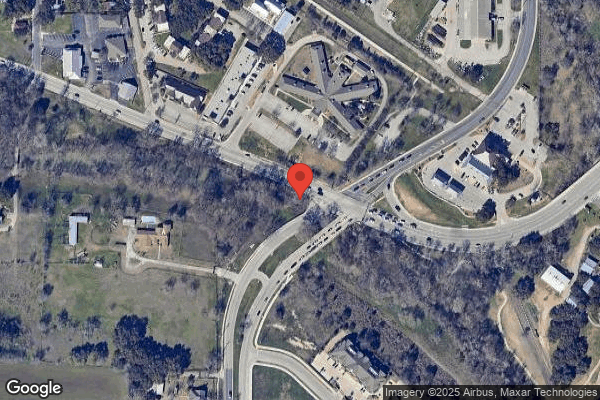
May 2023 1 deficiency
CONCERN (F) 📢 Someone Reported This

A family member, employee, or ombudsman was alarmed enough to file a formal complaint

Potential for Harm - no one hurt, but risky conditions existed

Room Equipment (Tag F0908)

Could have caused harm · This affected most or all residents

**NOTE- TERMS IN BRACKETS HAVE BEEN EDITED TO PROTECT CONFIDENTIALITY** Based on observation, interview, and record review, the facility failed to maintain all mechanical, electrical, and patient care...

Read full inspector narrative →
**NOTE- TERMS IN BRACKETS HAVE BEEN EDITED TO PROTECT CONFIDENTIALITY** Based on observation, interview, and record review, the facility failed to maintain all mechanical, electrical, and patient care equipment in safe operating condition for 1 of 1 facility in that: Facility failed to maintain in the laundry room any operating dyer units, operate a washer unit in a safe manner, maintain in the kitchen an operable ice machine and an operable garbage disposal unit. This deficient practice could place residents at-risk for receiving service provision from inadequately maintained equipment. The findings include: Observation on 05/09/23 at 11:00am in the laundry room revealed : 1. All of the facility dyers which consisted of three(3) Hebsh dryer units were broken and inoperable, 2. Two (2) Hotpoint washer units and one(1) Auto Chlor washer unit were broken and inoperable. 3. One Auto Chlor washer unit was operable using cold water only. The auto dispenser for this washer unit was broken requiring that the machine use manually dispensed chemicals. 4. The hot water in the Laundry dept was turned off due to unrepaired water leak. 5. Thirteen (13) bags of wet clothes which were washed in the am on 05/09/23 were stored in 3 storage containers. Observation on 05/09/23 at 11:15am in the kitchen revealed: 6. The Scotsman ice machine had a low concentration of ice in the bottom of the ice machine compartment and was not fully operational. 7. The Insinkerator SS125-25 kitchen garbage disposal unit was broken and inoperable. Observation on 5/11/23 at 9:40am noted that the ice machine had only produced a minimal amount of ice which was accumulated on the bottom of the ice machine dispenser. During an interview on 05/09/23 at 10:05am the Administrator stated that the facility had not had a working dryer over the past 14 months with date unspecified He stated that the Maintenance Director transports the bags of washed wet clothing on a daily basis to a laundrymat out of town. The Administrator stated that the facility has had only one working washer since the Fall of 2022 with an exact date unspecified. He stated that he has told the company about the machines. He believes the company is reluctant to replace or fix machines due to finances. He stated the chemical dispenser for this machine is broken and that the Laundry staff have to manually place the chemicals into the machine on a daily basis. The Administrator stated that the hot water in the Laundry Dept has been turned off for the last 14 months due to a water leakage problem. The Administrator stated that the ice machine in the kitchen has not been fully operational for several months. He stated that the garbage disposal in the kitchen has not been operational for one year with an unspecified date. During an interview on 5/9/23 at 11:00am the Maintenance Director confirmed that there are no working clothes dryers in the facility. The Maintenance Director stated that the hot water that services the Laundry Room has been turned off due to a water leak in an adjoining room. The Maintenance Director stated that there is one operational clothes washer in the Laundry Room that uses cold water only. He confirmed that he does take bags of washed laundry on a daily basis to a laundrymat out of town. The Maintenance Director stated that he did not have any product manual information for the dryer and washer units in the laundry. During an interview on 5/9/23 at 11:15 am the Maintenance stated that the kitchen ice machine has not been able to produce sufficient ice on a daily basis for the last six months. He stated that he goes to a local convenience store on a daily basis to purchase bags of ice for the kitchen's use. The Maintenance Director confirmed that the garbage disposal has been broken for one year. The Maintenance Director stated he did not have any manual product information for the ice dispenser and garbage disposal unit in the kitchen. During an interview on 5/9/23 at 1:20 pm the Food Service Director stated that the ice machine does not fully produce ice on a daily basis. He stated that he does not know who to call to get it fixed. The Food Service Director confirmed that the garbage disposal was not working and that unused food items are to be disposed of are just placed into the trash. He stated that having both pieces of kitchen equipment not fully operational is very frustrating. He stated he feels as if ( I'm hitting a brick wall.) During an interview on 5/9/23 at 4:00pm with the branch manager for the Auto Chlor company, the company which supplies the laundry's washing machine chemicals, he stated that he advised the facility Administrator in February or March of 2023, that the washing machine currently in use at the facility was not designed to use the cleaning chemicals supplied by his company. He stated that since the laundry's chemical dispenser unit for the washing machines is broken and the chemicals have to be manually place into the washing machine, he could not guarantee that the staff could do so on a safe basis. During an interview on 5/11/23 at 12:35 pm the Laundry Aide confirmed that she has to manually place the auto-chlor chemicals into the washing machine each day She stated that doing this practice makes her uneasy that she was not doing it correctly. She stated that when the facility runs out of auto-[NAME] chemicals, she was instructed to use laundry detergent purchased from the local grocery store. During an interview on 5/11/23 at 1:45 with the Maintenance Director and the facility's Regional Director, stated that they were unsure if the Laundry staff were in-serviced on the proper insertion of the laundry department's auto-chlor chemicals into the washing machine. Record review of the facility laundry policy entitled Departmental (Environmental Services)-Laundry and Linen revised in February 2014 states that any detergent designated for laundry processing may be used and the manufacturer's instructions were to be followed. Record review of the facility kitchen policy entitled Ice Machines and Ice Storage Chests revised in June 2012 stated that ice machine and ice storage/distribution containers will be used and maintained to assure a safe and sanitary supply of ice. Record review of the facility kitchen policy entitled Food-Related Garbage and Rubbish Disposal revised December of 2008 stated that food-related garbage and rubbish shall be disposed of in accordance with current state laws.
Jan 2023 4 deficiencies
CONCERN (D) 📢 Someone Reported This

A family member, employee, or ombudsman was alarmed enough to file a formal complaint

Potential for Harm - no one hurt, but risky conditions existed

Notification of Changes (Tag F0580)

Could have caused harm · This affected 1 resident

Based on observation, interview and record review, the facility failed to immediately inform the resident's representative regarding a significant change in physical status for 1 of 7 residents review...

Read full inspector narrative →
Based on observation, interview and record review, the facility failed to immediately inform the resident's representative regarding a significant change in physical status for 1 of 7 residents reviewed for falls. The facility failed to notify Resident #1's RP/POA of Resident #1's hand injury. This failure could result in the resident's care needs not being addressed or met. The findings were: Record review of Resident 1's admission record, dated 01/11/23, revealed an admission date of 11/08/21 and a readmission date of 09/02/22 with diagnoses which included seizures (Sudden, uncontrolled electrical disturbance in the brain which can cause changes in behavior, movements, feelings, and consciousness), Alzheimer's disease (progressive neurologic disorder that causes the brain to shrink (atrophy) and brain cells to die), and repeated falls. Record review of Resident 1's care plan, dated 01/11/23, revealed a potential for infection/complication related to left hand skin tear on 01/05/23. During an observation on 01/11/23 at 11:49 a.m., Resident 1 was noted to have a wound across the center back of his right hand with 6 steri strips in place. The wound runs across the middle of the hand parallel to the knuckles from the pinky finger to the middle of the index finger area. There was dried blood noted to the wound bed of the right hand. The Resident had dark purple bruising noted to the back of his left hand and wrist area. The Resident's right knuckles and fingers appeared swollen and reddened compared to his left hand. Record review of Resident 1's nursing progress notes, dated 01/11/23 at 12:26 p.m., written by LVN A, revealed a nursing progress noted from 01/04/2023 at 1:52 p.m. The patient waited for a fellow resident to get in the shower. Resident 1 started rummaging through the other resident's drawers and gave himself a skin tear. The resident 1 originally tried to lie and say that another resident was attempting to steal from hit him in the head somehow causing a skin tear to the top of resident 1's left hand. The staff member verified that the resident was in fact in the shower, and she caught resident 1 coming out of the other residence room with the new skin tear. Resident denies pain. Skin is well approximated with steri strips (porous surgical tape strips which can be used to close small wounds. They are applied across the laceration in a manner which pulls the skin on either side of the wound together.) minimal amount of blood prior to steri strip placement. LOTA, skin CDI with steri strips in place. SN to monitor for s/s (signs and symptoms) infection. Pt educated on s/s of infection to report: warmness/redness to site, abnormal swelling/drainage, change in ROM, fever, or foul order from site. Resident verbalized understanding and had no further questions. SN to continue to monitor. VS (vital signs) SNL, LOC (Level of Consciousness) bassline for patient. Record review of the facility document titled Facility Event Summary Report, dated 01/13/23, revealed a skin tear/laceration for Resident 1 t skin tear to top of left hand on 01/04/23. During an interview on 01/13/23 at 12:25 p.m., LVN A stated she contacted Resident 1's representative and medical provider about the injury to left hand. LVN A stated she thought she documented it but was not able to provide any documentation. During an interview on 01/13/23 at 1:53 p.m., the paralegal for Resident 1's legal Guardian stated they were not aware of any injuries to Resident 1's hands. She stated the last time the facility contacted them was on 01/03/23 in reference to Resident 1's behaviors. During an interview on 01/13/23 at 3:54 p.m., with Contact-Guardian (RP/POA) stated he was not informed about any injuries to Resident 1's hands. During an interview on 01/13/23 at 5:10 p.m., the DON and ADON stated they thought they had contacted Resident 1's Guardian about the incident on 01/04/23. No documentation was provided. Record review of Facility's policy titled Change in a Residents Condition or Status, dated 02/2014, stated policy statement: our facility shall promptly notify the resident, his or her attending physician, and representative (sponsor) of changes in the residence medical/mental condition and/4 status (e.g., changes in level of care, billing/payment, resident rights, etc .3. unless otherwise instructed by a resident, the nurse supervisor/charge nurse will notify the residents family or representative (sponsor) when: a. the resident is involved in any accident or incident that results in an injury including injuries of unknown sources; b. there is a significant change in the residence physical, mental, or psychosocial status;4. accepted medical emergencies, notifications will be made within 24 hours of a change occurring in the residence medical/mental condition or status .6. the nurse supervisor/charge nurse will record in the residence medical record information relative she changes in the residence medical/mental condition or status . Record review of facility's policy titled First Aid Treatment, dated 12/2011, stated Residents and employees who experience minor injuries shall be treated at the facility. If the injuries cannot be treated with basic Red Cross first aid interventions, the emergency medical systems (EMS) will be activated .11. regardless of the nature or severity, any residence injury/situation shall be reported to the resident's attending physician and family and documented in the residence medical record. If the resident's attending physician is not available, the follow the facilities policy for
CONCERN (D) 📢 Someone Reported This

A family member, employee, or ombudsman was alarmed enough to file a formal complaint

Potential for Harm - no one hurt, but risky conditions existed

Report Alleged Abuse (Tag F0609)

Could have caused harm · This affected 1 resident

Based on interview and record review, the facility failed to report alleged violations related to neglect or abuse, including injuries of unknown source, and report the results of all investigations t...

Read full inspector narrative →
Based on interview and record review, the facility failed to report alleged violations related to neglect or abuse, including injuries of unknown source, and report the results of all investigations to the proper authorities within prescribed timeframes for 1 of 5 Residents (Resident #1) reviewed for neglect or abuse. The facility failed to report immediately, or within 24 hours, an allegation of abuse and or neglect, including injury of unknown source to Resident #1 to the State Agency. This failure could affect all 69 residents and could place them at increased risk for abuse or neglect. The findings included: Record review of Resident 1's admission record, dated 01/11/23, revealed an admission date of 11/08/21 and a readmission date of 09/02/22 with diagnoses which included seizures (Sudden, uncontrolled electrical disturbance in the brain which can cause changes in behavior, movements, feelings, and consciousness), Alzheimer's disease (progressive neurologic disorder that causes the brain to shrink (atrophy) and brain cells to die), and repeated falls. Record review of Resident 1's care plan, dated 01/11/23, revealed a potential for infection/complication related to left hand skin tear on 01/05/23. During an observation on 01/11/23 at 11:49 a.m., In a locked unit, Resident 1 was noted to have a wound across the center back of his right hand with 6 steri strips in place. The wound runs across the middle of the hand parallel to the knuckles from the pinky finger to the middle of the index finger area. There was dried blood noted to the wound bed of the right hand. The Resident had dark purple bruising noted to the back of his left hand and wrist area. The Resident's right knuckles and fingers appeared swollen and reddened compared to his left hand. The Resident approached this surveyor and gave three different accounts of how the injury to his right hand occurred. Record review of Resident 1's nursing progress notes, dated 01/11/23 at 12:26 p.m., written by LVN A, revealed a nursing progress noted from 01/04/2023 at 1:52 p.m. The patient waited for a fellow resident to get in the shower. Resident 1 started rummaging through the other resident's drawers and gave himself a skin tear. The resident 1 originally tried to lie and say that another resident was attempting to steal from hit him in the head somehow causing a skin tear to the top of resident 1's left hand. The staff member verified that the resident was in fact in the shower, and she caught resident 1 coming out of the other residence room with the new skin tear. Resident denies pain. Skin is well approximated with steri strips (porous surgical tape strips which can be used to close small wounds. They are applied across the laceration in a manner which pulls the skin on either side of the wound together.) minimal amount of blood prior to steri strip placement. LOTA, skin CDI with steri strips in place. SN to monitor for s/s (signs and symptoms) infection. Pt educated on s/s of infection to report: warmness/redness to site, abnormal swelling/drainage, change in ROM, fever, or foul order from site. Resident verbalized understanding and had no further questions. SN to continue to monitor. VS (vital signs) SNL, LOC (Level of Consciousness) bassline for patient. Record review of Resident 1's progress note dated 01/04/23 at 12:26 p.m. was edited on 01/11/23 at 1:00 p.m. reason more data available, no data was changed in the note at this time. Record review of Resident 1's progress noted dated 01/04/23 was edited on 01/11/23 at 1:02 p.m. reason was more data available data .Skin is well approximated with. LOTA, skin CDi with steri strips in place . The words .with steri strips minimal amount of blood prior to steri strip placement . were removed. Record review of Resident 1's progress noted dated 01/04/23 was edited on 01/11/23 at 1:03 p.m. reason incorrect data reason note I did not place steri strips on patients left hand during this incident, because the area was too small and did not require them. The data about placing steri strips was removed. The nursing note read as The patient waited for a fellow resident to get in the shower. Resident 1 started rummaging through the other resident's drawers and gave himself a skin tear. The resident 1 originally tried to lie and say that another resident was attempting to steal from hit him in the head somehow causing a skin tear to the top of resident 1's left hand. The staff member verified that the resident was in fact in the shower, and she caught resident 1 coming out of the other residence room with the new skin tear. Resident denies pain. Skin is well approximated with LOTA, skin CDI SN to monitor for s/s (signs and symptoms) infection. Pt educated on s/s of infection to report: warmness/redness to site, abnormal swelling/drainage, change in ROM, fever, or foul order from site. Resident verbalized understanding and had no further questions. SN to continue to monitor. VS (vital signs) SNL, LOC (Level of Consciousness) bassline for patient. Record review of Resident 1's nursing progress note by the DON, dated 01/05/23 at 1:42 p.m. stated Cleaned s/t (skin tear) to right hand. Scant blood noted to bandage. Applied clean bandage to hand. Resident tolerated well, no c/o (complaints of) pain or discomfort. Record review of document titled Facility Even Summary Report, dated 01/13/23, revealed an entry dated 01/04/23 at 1:03 p.m. Skin tear/Laceration, by LVN A, description: skin tear to left top of hand, evaluation: continue with wound care as ordered. Status complete. Closed by the DON on 01/05/23. During an interview on 01/13/23 at 12:25 p.m., LVN A stated she did not witness an injury to the Residents right hand. She stated she did not know how the laceration to Resident 1's right hand occurred. She stated she only observed a skin tear to the Residents left hand on 01/04/23. She stated someone altered her nursing note to state she placed steri strips on it and she went back to remove the information from the note on 01/11/23. She stated she would have considered the wound on the residents right hand a laceration and not a skin tear. She stated she would have called the provider and family to inform them of the injury. During an interview on 01/12/23 at 1:57 p.m., the ADON stated LVN A witnessed the skin tear to Resident 1's right hand and the injury occurred on 01/04/23 while Resident 1 was going through another resident's room. She stated she was the treatment nurse for the facility and helped care for Residents wounds. She stated she did not look at Resident 1's wound because it was considered a skin tear. She stated if either the medical director or the nurse practitioner had seen the resident there would be documentation in either the residents paper chart or in the EMR system they used. The ADON checked both and stated no provider has seen the Resident for the injuries to his hands. She stated there were no wound care orders for the wound to the Residents hands. She stated there was one nursing note that stated the wound was cleaned and monitored on 01/05/23. She stated the weekly skin assessments should have contained information about the wounds, but they had not been completed by nursing staff since 01/02/23 and was missed on 01/09/23. She stated Resident 1 had received an IV infusion on 01/07/23 and this was where the bruising to his left hand could have occurred. She stated nursing staff could have documented the bruising in the MAR under the orders for the IV administration site assessment but there was any issue with the EMR program and how they were able to document results. She stated the N or C option for recording Clear or Negative was not showing as an option for the nursing staff to document. She stated staff should have added a note about the bruising and notified the provider. During an observation and interview on 01/12/23 at 3:45 p.m., Resident 1 was in the ADONs office with the NP. There was a tray with wound care supplies on the desk. The ADON stated they were going to remove the bandage and send a picture to the wound care doctor to obtain orders for wound care now. The Resident had a gauze roll bandage on his right hand with the date 01/11/23 and LVN A's initials. The ADON stated she would not have put that dressing on it. The NP stated she had not seen Resident 1 for this injury until that moment. She stated it started off as a skin tear and she did still consider it a skin tear because of the edges and dried blood. Resident 1 stated his right hand hurt. The ADON applied wound cleanser to the area, 6 steri strips were on the resident's hand, and a betadine swab was used to cleanse the area over the steri strips. The ADON stated Resident 1's knuckles looked swollen. The ADON stated the weather and the position Resident 1 slept in could be the cause of the pain and swelling. The NP also stated the weather was causing Resident 1 pain to his right hand. The NP asked Resident 1 to make a fist with his right hand. Resident 1 was not able to completely close his fist. The ADON stated an xray was taken of the right hand and showed no fractures. During an interview on 01/13/23 at 11:22 a.m., the Medical Director stated he was at the facility on 01/12/23 in the morning, left and returned around noon, and an unknown nurse asked him to look at the wound on Resident 1's right hand. He stated it looked like a skin tear. He stated he does not worry about skin tears. He stated he did not document anything about his assessment because he does not have time to document everything he sees. He stated he was not sure who called to notify him of Resident 1's injury and no one gave him the specifics of how it occurred. He stated it did not look like a crush injury. He stated he was not aware of an x-ray ordered by his office for the Resident because the Nurses were able to contact the call center and order one. He stated he had not reviewed the x-ray results and if they were urgent, they would have contacted him. He stated a skin tear was the shearing (when skin sticks to a surface while muscles slide in the direction the body is moving) of the epidermis (the outermost of the 3 layers that comprise the skin) and sometimes not the dermis (the thick layer of living tissue below the epidermis which forms the true skin, containing blood capillaries, nerve endings, sweat glands, hair follicles, and other structures) into a flap, about 70 to 80% into a flap but if it gets deeper then he could have classified it as a laceration. He would have made that classification based on depth. During an interview on 01/12/23 at 3:33 p.m., the DON stated Resident 1 was going through another resident's room on 01/04/23 and hit his hand on the bed. She stated LVN A witnessed the incident. She stated his hand swelled up. She stated she put the steri strips on Resident 1's right hand on 01/04/23 and did not document because she thought LVN A did. She stated she texted the medical director to order an x-ray for Resident 1's right hand. She stated the Nurse Practitioner had seen the Resident for the injury to his right hand. The DON stated she documented the injury in a nursing progress note on 01/05/23 when she changed the bandage to his right hand because she noticed blood when the resident wanted to go for a smoke break. She stated nursing staff should have also documented the injuries to the hands in the MAR under the skin assessment, but it was not done on 01/09/23. She did not see documentation that staff was monitoring the wound to the right hand for signs of infection. She stated not doing weekly skin assessment leaves residents at risk for pressure ulcers and infections if they have wounds that go undetected. During a follow up interview on 01/13/23 at 12:53 p.m. The ADON stated because this event was witnessed, they did not do an investigation and did not think it needed to be reported. The ADON stated the resident had a history of making false accusations. During a follow up interview on 01/13/23 at 1:30 p.m. the DON stated when they reviewed allegation of abuse or neglect, they filled out an investigation form, had the resident fill out or answer a safe self-survey to see if they felt safe, if a staff member is involved, they are suspended for 3 days, and they complete an Inservice for all staff. The DON stated no investigation was done for the Residents right hand because it was witnessed by LVN A. She stated LVN A told her Resident 1 was in a different resident's room and when she went to get him out, he hit his hand on a bedside table. She stated Resident 1 told them another Resident caused the injury to his hand but when they check the cameras the accused Residents was in the shower. She stated Resident 1 had a history of going into other Resident rooms and steeling their stuff. The DON stated she believed there was a report to show abuse and neglect was ruled out. No report was provided. Record review of facility policy titled Abuse and Neglect-Clinical Protocol, dated 04/2013, stated 1. the nurse will assess the individual and document related findings. Assessment data will include a. injury assessment (bleeding, bruising deformity, swelling etc.); b. All current medications, especially anticoagulants, NSAIDs, salicylate; c. are there platelet inhibitors; d. vital signs; e. behavior over the last 24 hours (bruise could be related to movement disorder or aggressive behavior); f. history of any tendencies towards bruising; g. all active diagnoses; and h. any recent labs. 2. the nurse will report findings to the physician. As needed, the physician will assess the resident to verify or clarify such findings, especially if the cause were source of the problem is unclear. 3. As part of the initial assessment, the physician will help to identify individuals who have a history of being abused or neglected, or those who might have been abused or neglected .
CONCERN (D) 📢 Someone Reported This

A family member, employee, or ombudsman was alarmed enough to file a formal complaint

Potential for Harm - no one hurt, but risky conditions existed

Medical Records (Tag F0842)

Could have caused harm · This affected 1 resident

Based on observation, interview and record review the facility failed to maintain medical records in accordance with accepted professional standards and practices that are accurately documented for 1 ...

Read full inspector narrative →
Based on observation, interview and record review the facility failed to maintain medical records in accordance with accepted professional standards and practices that are accurately documented for 1 of 7 residents (Resident#1) whose medical records were reviewed, in that: 1. Resident 1's EMR did not contain proper documentation for a laceration/skin tear to his right hand. 2. Resident 1's EMR did not contain proper documentation for bruising to his left hand. This failure could affect residents that reside in the facility and could result in errors in care and treatment. The findings included: 1. Record review of Resident 1's admission record, dated 01/11/23, revealed an admission date of 11/08/21 and a readmission date of 09/02/22 with diagnoses which included seizures (Sudden, uncontrolled electrical disturbance in the brain which can cause changes in behavior, movements, feelings, and consciousness), Alzheimer's disease (progressive neurologic disorder that causes the brain to shrink (atrophy) and brain cells to die), and repeated falls. Record review of Resident 1's care plan, dated 01/11/23, revealed a potential for infection/complication related to left hand skin tear on 01/05/23. During an observation on 01/11/23 at 11:49 a.m. Resident 1 is noted to have a wound across the center back of his right hand with 6 steri strips in place. The wound runs across the middle of the hand parallel to the knuckles from the pinky finger to the middle of the index finger area. Dried blood is noted to the wound bed of the right hand. The Resident has dark purple bruising noted to the back of his left hand and wrist area. The Residents right knuckles and fingers appear swollen and reddened compared to his left hand. Record review of Resident 1's nursing progress notes, dated 01/11/23 at 12:26 p.m., written by LVN A, revealed a nursing progress noted from 01/04/2023 at 1:52 p.m. The patient waited for a fellow resident to get in the shower. Resident 1 started rummaging through the other resident's drawers and gave himself a skin tear. The resident 1 originally tried to lie and say that another resident was attempting to steal from hit him in the head somehow causing a skin tear to the top of resident 1's left hand. The staff member verified that the resident was in fact in the shower, and she caught resident 1 coming out of the other residence room with the new skin tear. Resident denies pain. Skin is well approximated with steri strips (porous surgical tape strips which can be used to close small wounds. They are applied across the laceration in a manner which pulls the skin on either side of the wound together.) minimal amount of blood prior to steri strip placement. LOTA, skin CDI with steri strips in place. SN to monitor for s/s (signs and symptoms) infection. Pt educated on s/s of infection to report: warmness/redness to site, abnormal swelling/drainage, change in ROM, fever, or foul order from site. Resident verbalized understanding and had no further questions. SN to continue to monitor. VS (vital signs) SNL, LOC (Level of Consciousness) bassline for patient. Record review of Resident 1's progress note dated 01/04/23 at 12:26 p.m. was edited on 01/11/23 at 1:00 p.m. reason more data available, no data was changed in the note at this time. Record review of Resident 1's progress noted dated 01/04/23 was edited on 01/11/23 at 1:02 p.m. reason was more data available data .Skin is well approximated with. LOTA, skin CDi with steri strips in place . The words .with steri strips minimal amount of blood prior to steri strip placement . were removed. Record review of Resident 1's progress noted dated 01/04/23 was edited on 01/11/23 at 1:03 p.m. reason incorrect data reason note I did not place steri strips on patients left hand during this incident, because the area was too small and did not require them. The data about placing steri strips was removed. The nursing note read as The patient waited for a fellow resident to get in the shower. Resident 1 started rummaging through the other resident's drawers and gave himself a skin tear. The resident 1 originally tried to lie and say that another resident was attempting to steal from hit him in the head somehow causing a skin tear to the top of resident 1's left hand. The staff member verified that the resident was in fact in the shower, and she caught resident 1 coming out of the other residence room with the new skin tear. Resident denies pain. Skin is well approximated with LOTA, skin CDI SN to monitor for s/s (signs and symptoms) infection. Pt educated on s/s of infection to report: warmness/redness to site, abnormal swelling/drainage, change in ROM, fever, or foul order from site. Resident verbalized understanding and had no further questions. SN to continue to monitor. VS (vital signs) SNL, LOC (Level of Consciousness) bassline for patient. Record review of Resident 1's nursing progress note by the DON, dated 01/05/23 at 1:42 p.m. stated Cleaned s/t (skin tear) to right hand. Scant blood noted to bandage. Applied clean bandage to hand. Resident tolerated well, no c/o (complaints of) pain or discomfort. Record review of Resident 1's MAR, dated 01/11/23, revealed an order with a start date of 12/28/2021 and no end date. The order stated Weekly skin evaluation (specific day and shift). If no new skin problem document N. If a new skin problem is identified, document Y and document on treatment notes and complete appropriate incident report other test:(). The MAR showed on date 01/02/23 a nurse's initials and no. The MAR was blank for 01/09/23. During an interview on 01/13/23 at 12:25 p.m., LVN A stated she did not witness an injury to the Residents right hand. She stated she did not know how the laceration to Resident 1's right hand occurred. She stated she only observed a skin tear to the Residents left hand. She stated someone altered her nursing note to state she placed steri strips on it and she went back to remove the information from the note. She stated she would have considered the wound on the residents right hand a laceration and not a skin tear. She stated she would have called the provider and family to inform them of the injury. 2. Record review of Resident 1's physician orders, dated 01/11/23, revealed an order for Post-Administration Monitoring: Evaluate IV insertion site for signs of infection and observe resident for adverse reaction. Record (C) Clear or (N) negative finding and proceed to MD notification and progress note. Every shift night, day. The order start date was 01/07/2023 and the end date was 01/10/2023. Record review of Resident 1's nursing progress note, dated 01/07/2023, at 9:30 p.m. revealed an IV infusion was completed. Resident 1 tolerated the infusion with out difficulty or complication. Record review of Resident 1's MAR, dated 01/11/23, revealed an order for Post-Administration Monitoring: Evaluate IV insertion site for signs of infection and observe resident for adverse reaction. Record (C) Clear or (N) negative finding and proceed to MD notification and progress note. Every shift night, day, revealed documentation of Resident 1's temperature, pulse, respirations, blood pressure, pain, and the initials for the nurse completing the assessment. The MAR contained no documentation for C-clear or N-negative and no notes for adverse reactions to the IV site for the date range of 01/07/23 through 01/10/23. The day shift on 01/10/23 only contained a nurse's initials and no other information. No MD notifications or progress notes were documented for IV site adverse reactions. Record review of document titled Observation Details, dated 01/07/23, revealed no skin lesions under skin integrity. During an interview on 01/12/23 at 1:57 p.m., the ADON stated LVN A witnessed the skin tear to Resident 1's right hand and the injury occurred on 01/04/23 while Resident 1 was going through another resident's room. She stated she was the treatment nurse for the facility and helped care for Residents wounds. She stated she did not look at Resident 1's wound because it was considered a skin tear. She stated if either the medical director or the nurse practitioner had seen the resident there would be documentation in either the residents paper chart or in the EMR system they used. The ADON checked both and stated no provider has seen the Resident for the injuries to his hands. She stated there were no wound care orders for the wound to the Residents hands. She stated there was one nursing note that stated the wound was cleaned and monitored on 01/05/23. She stated the weekly skin assessments should have contained information about the wounds, but they had not been completed by nursing staff since 01/02/23 and was missed on 01/09/23. She stated Resident 1 had received an IV infusion on 01/07/23 and this was where the bruising to his left hand could have occurred. She stated nursing staff could have documented the bruising in the MAR under the orders for the IV administration site assessment but there was any issue with the EMR program and how they were able to document results. She stated the N or C option for recording Clear or Negative was not showing as an option for the nursing staff to document. She stated staff should have added a note about the bruising and notified the provider. During an interview on 01/12/23 at 3:33 p.m., the DON stated Resident 1 was going through another resident's room on 01/04/23 and hit his hand on the bed. She stated LVN A witnessed the incident. She stated his hand swelled up. She stated she put the steri strips on Resident 1's right hand on 01/04/23 and did not document because she thought LVN A did. She stated she texted the medical director to order an x-ray for Resident 1's right hand. She stated the Nurse Practitioner had seen the Resident for the injury to his right hand. The DON stated she documented the injury in a nursing progress note on 01/05/23 when she changed the bandage to his right hand because she noticed blood when the resident wanted to go for a smoke break. She stated nursing staff should have also documented the injuries to the hands in the MAR under the skin assessment, but it was not done on 01/09/23. She did not see documentation that staff was monitoring the wound to the right hand for signs of infection. She stated not doing weekly skin assessment leaves residents at risk for pressure ulcers and infections if they have wounds that go undetected. Record review of facility's policy titled First Aid Treatment, dated 12/2011, stated Residents and employees who experience minor injuries shall be treated at the facility. If the injuries cannot be treated with basic Red Cross first aid interventions, the emergency medical systems (EMS) will be activated .3. Basic first aid intervention includes (but is not limited to) .c. Cut, lacerations; d. bleeding (mild and moderate) .4. the goal of emergency intervention is to stabilize the resident and the situation until further treatment is available .10. Emergency first aid treatment will be provided to the injured residents . such information must be recorded in the resident's medical record .11. regardless of the nature or severity, any residence injury/situation shall be reported to the resident's attending physician and family, and documented in the residence medical record. If the resident's attending physician is not available, the follow the facilities policy for emergency physician care.
CONCERN (E) 📢 Someone Reported This

A family member, employee, or ombudsman was alarmed enough to file a formal complaint

Potential for Harm - no one hurt, but risky conditions existed

Quality of Care (Tag F0684)

Could have caused harm · This affected multiple residents

**NOTE- TERMS IN BRACKETS HAVE BEEN EDITED TO PROTECT CONFIDENTIALITY** Based on observation, interview, and record review, the facility failed to provide treatment and care in accordance with the com...

Read full inspector narrative →
**NOTE- TERMS IN BRACKETS HAVE BEEN EDITED TO PROTECT CONFIDENTIALITY** Based on observation, interview, and record review, the facility failed to provide treatment and care in accordance with the comprehensive person-centered care plan and in accordance with professional standards of practice for 5 of 6 residents (Resident 1, 2, 3 ,4, and 5) reviewed for quality of care in that: 1. The facility failed to obtain orders for Resident 1's skin tear to his right hand for 7 days. 2. Residents 1, 2, 3, 4, and 5 had orders for weekly skin evaluations/assessments but the documentation on the MAR/TAR revealed that weekly skin assessments were not being done. This failure could place residents at risk of not receiving needed care and treatment. The findings were: 1. Record review of Resident 1's admission record, dated 01/11/23, revealed an admission date of 11/08/21 and a readmission date of 09/02/22 with diagnoses which included seizures (Sudden, uncontrolled electrical disturbance in the brain which can cause changes in behavior, movements, feelings, and consciousness), Alzheimer's disease (progressive neurologic disorder that causes the brain to shrink (atrophy) and brain cells to die), and repeated falls. Record review of Resident 1's care plan, dated 01/11/23, revealed a potential for infection/complication related to left hand skin tear on 01/05/23. During an observation on 01/11/23 at 11:49 a.m. Resident 1 is noted to have a wound across the center back of his right hand with 6 steri strips in place. The wound runs across the middle of the hand parallel to the knuckles from the pinky finger to the middle of the index finger area. Dried blood is noted to the wound bed of the right hand. The Resident has dark purple bruising noted to the back of his left hand and wrist area. The Residents right knuckles and fingers appear swollen and reddened compared to his left hand. LVN A was noted to have a gauze roll and stated she was planning to provide wound care to the Residents right hand. Record review of Resident 1's nursing progress notes, dated 01/11/23 at 12:26 p.m., written by LVN A, revealed a nursing progress noted from 01/04/2023 at 1:52 p.m. The patient waited for a fellow resident to get in the shower. Resident 1 started rummaging through the other resident's drawers and gave himself a skin tear. The resident 1 originally tried to lie and say that another resident was attempting to steal from hit him in the head somehow causing a skin tear to the top of resident 1's left hand. The staff member verified that the resident was in fact in the shower, and she caught resident 1 coming out of the other residence room with the new skin tear. Resident denies pain. Skin is well approximated with steri strips (porous surgical tape strips which can be used to close small wounds. They are applied across the laceration in a manner which pulls the skin on either side of the wound together.) minimal amount of blood prior to steri strip placement. LOTA, skin CDI with steri strips in place. SN to monitor for s/s (signs and symptoms) infection. Pt educated on s/s of infection to report: warmness/redness to site, abnormal swelling/drainage, change in ROM, fever, or foul order from site. Resident verbalized understanding and had no further questions. SN to continue to monitor. VS (vital signs) SNL, LOC (Level of Consciousness) bassline for patient. Record review of Resident 1's nursing progress note from the DON, dated 01/05/23 at 1:42 p.m. stated Cleaned s/t (skin tear) to right hand. Scant blood noted to bandage. Applied clean bandage to hand. Resident tolerated well, no c/o (complaints of) pain or discomfort. During an interview on 01/12/23 at 1:57 p.m., the ADON stated LVN A was the treatment nurse for the facility and helped care for Residents with wounds. She stated she did not look at Resident 1's wound prior to 01/11/23 because it was considered a skin tear and she did not treat skin tears. She stated from what she had been told the wound was not infected and it was healing. She stated Resident 1 was treated for a skin tear and there would be no wound care orders for a skin tear. She stated if either the medical director or the nurse practitioner had seen the resident there would be documentation in either the residents paper chart or in the EMR system they used. The ADON checked both and stated no provider has seen the resident for the injuries to his hands. She stated there was one nursing note that stated the wound was cleaned and monitored on 01/05/23. She stated signs and symptoms for infection would be redness, heat, swelling, drainage, and pain. She stated the weekly skin assessments should have contained information about the wounds, but they had not been completed by nursing staff since 01/02/23 and was missed on 01/09/23 for Resident 1. During an observation and interview on 01/12/23 at 3:45 p.m., Resident 1 was in the ADONs office with the NP. There was a tray with wound care supplies on the desk. The ADON stated they were going to remove the bandage and send a picture to the wound care doctor to obtain orders for wound care now. The Resident had a gauze roll bandage on his right hand with the date 01/11/23 and LVN A's initials. The ADON stated she would not have put that dressing on it. The NP stated she had not seen Resident 1 for this injury until that moment. She stated it started off as a skin tear and she did still consider it a skin tear because of the edges and dried blood. Resident 1 stated his right hand hurt. The ADON applied wound cleanser to the area, 6 steri strips were on the resident's hand, and a betadine swab was used to cleanse the area over the steri strips. The ADON stated Resident 1's knuckles looked swollen. The ADON stated the weather and the position Resident 1 slept in could be the cause of the pain and swelling. The ADON also stated the weather was causing Resident 1 pain to his right hand. The NP asked Resident 1 to make a fist with his right hand. Resident 1 was not able to completely close his fist. The ADON stated an xray was taken of the right hand and showed no fractures. During an interview on 01/13/23 at 12:25 p.m., LVN A stated on 01/11/23 she provided wound care to Resident 1's right hand by placing a gauze roll over his hand. She stated there were no wound care orders for this hand and she did not know how the injury occurred. During a follow up interview on 01/13/23 at 12:53 p.m., the ADON stated she would not have obtained providers orders for what the right-hand wound looked like prior to 01/12/23. She stated she had previously glanced at Resident 1's hand. She stated for residents who reside on the memory care locked unit she tried not to draw attention to wounds, or the Residents will focus on the wound after. During an interview on 01/13/23 at 11:22 a.m., the Medical Director stated he was at the facility on 01/12/23 in the morning, left and returned around noon, and an unknown nurse asked him to look at the wound on Resident 1's right hand. He stated it looked like a skin tear. He stated he does not worry about skin tears. He stated he did not document anything about his assessment because he does not have time to document everything he sees. He stated he was not sure who called to notify him of Resident 1's injury and no one gave him the specifics of how it occurred. He stated it did not look like a crush injury. He stated he was not aware of an x-ray ordered by his office for the Resident because the Nurses were able to contact the call center and order one. He stated he had not reviewed the x-ray results and if they were urgent, they would have contacted him. He stated a skin tear was the shearing (when skin sticks to a surface while muscles slide in the direction the body is moving) of the epidermis (the outermost of the 3 layers that comprise the skin) and sometimes not the dermis (the thick layer of living tissue below the epidermis which forms the true skin, containing blood capillaries, nerve endings, sweat glands, hair follicles, and other structures) into a flap, about 70 to 80% into a flap but if it gets deeper then he could have classified it as a laceration. He would have made that classification based on depth. During an interview on 01/13/23 at 1:20 p.m., the DON stated they did not do an investigation for the injury to Resident 1's right hand because it was witnessed by LVN A. She stated she placed the steri strips on the Residents right hand on 01/04/2023. She stated she never reached out to the provider for a wound care order after because she thought LVN A was going to do it. She stated she was responsible and had not done it. She stated at previous facilities she worked at they had standing wound care orders. She stated they did not have standing orders at that facility. She stated the resident should have received wound care orders prior to 01/12/23 for treatment of the wound to promote healing of the wound. 2. Record review of Resident 1's admission record, dated 01/11/23, revealed an admission date of 11/08/21 and a readmission date of 09/02/22 with diagnosis which included seizures (Sudden, uncontrolled electrical disturbance in the brain which can cause changes in behavior, movements, feelings, and consciousness), Alzheimer's disease (progressive neurologic disorder that causes the brain to shrink (atrophy) and brain cells to die), and repeated falls. Record review of Resident 1's MAR/TAR, dated 01/13/23, revealed an order for Weekly skin evaluation (specific day and shift). If no new skin problem document N. If a new skin problem is identified, document Y and document on treatment notes and complete appropriate incident report. Record review of Resident 1's MAR/TAR for December 2022 revealed that the Resident had missing documentation for weekly skin evaluations on 12/05/22, 12/12/22, and 12/26/22. Record review of Resident 2's admission record, dated 01/13/23, revealed an admission date of 05/24/22 and a re-admission date of 12/26/22 with diagnoses that included cerebral infarction (a brain lesion in which a cluster of brain cells die when they don't get enough blood), vascular dementia (lack of blood that carries oxygen and nutrient to a part of the brain. It causes problems with reasoning, planning, judgment, and memory), and repeated falls. Record review of Resident 2's most recent admission MDS, dated [DATE], revealed a BIMS score of 07 indicating severe cognitive impairment. Record review of Resident 2's care plan, dated 01/13/23, showed a potential for pressure ulcer or altered skin integrity related to cognitive impairment, incontinence, impaired mobility, high blood pressure and pain deficits which required interventions to include weekly body audits by licensed staff with a start date of 05/31/22. Record review of Resident 2's MAR/TAR, dated 01/13/23, revealed an order for Weekly skin evaluation (specific day and shift). If no new skin problem document N. If a new skin problem is identified, document Y and document on treatment notes and complete appropriate incident report. Review of Resident 2's MAR/TAR for December 2022 revealed that the Resident had missing documentation for weekly skin evaluations on 12/06/22, 12/13/22, and 12/27/22. Record review of Resident 3's admission record, dated 01/13/23, revealed an admission date of 09/22/22 with diagnoses that included metabolic encephalopathy (abnormalities of the water, electrolytes, vitamins, and other chemicals that adversely affect brain function), frontotemporal neurocognitive disorder (disorders that affect the frontal and temporal lobes of the brain that causes changes in personality and behavior). Record review of Resident 3's most recent admission MDS, dated [DATE], revealed a BIMS score of 03 indicating severe cognitive impairment. Record review of Resident 3's care plan, dated 01/13/23, showed a potential for pressure ulcer or altered skin integrity related to cognitive impairment, reduced mobility, incontinence, and ADL deficits which required interventions to include weekly body audits by licensed staff with a start date of 09/22/22. Record review of Resident 3's MAR/TAR, dated 01/13/23, revealed an order for Weekly skin evaluation (specific day and shift). If no new skin problem document N. If a new skin problem is identified, document Y and document on treatment notes and complete appropriate incident report. Review of Resident 3's MAR/TAR for December 2022 revealed that the Resident had missing documentation for weekly skin evaluations on 12/05/22, 12/12/22, and 12/26/22. Record review of Resident 4's admission record, dated 01/13/23, revealed an admission date of 11/30/20 and a re-admission date of 12/03/21 with diagnoses that included dementia (A group of symptoms that affects memory, thinking and interferes with daily life.) and Alzheimer's disease (progressive neurologic disorder that causes the brain to shrink (atrophy) and brain cells to die). Record review of Resident 4's most recent admission MDS, dated [DATE], revealed a BIMS score of 00 indicating severe cognitive impairment. Record review of Resident 4's MAR/TAR, dated 01/13/23, revealed an order for Weekly skin evaluation (specific day and shift). If no new skin problem document N. If a new skin problem is identified, document Y and document on treatment notes and complete appropriate incident report. Review of Resident 4's MAR/TAR for December 2022 revealed that the Resident had missing documentation for weekly skin evaluations on 12/05/22, 12/12/22, and 12/26/22. Record review of Resident 5's admission record, dated 01/13/23, revealed an admission date of 07/08/21 and a re-admission date of 12/25/22 with diagnoses that included type 2 diabetes (A condition results from insufficient production of insulin, causing high blood sugar) and obstructive hydrocephalus (buildup of fluid in the cavities (ventricles) deep within the brain). Record review of Resident 5's most recent admission MDS, dated [DATE], revealed a BIMS score of 05 indicating severe cognitive impairment. Record review of Resident 5's care plan, dated 01/13/23, showed a potential for pressure ulcer or altered skin integrity related to cognitive impairment, incontinence, and pain deficits which required interventions to include weekly body audits by licensed staff with a start date of 03/13/22. Record review of Resident 5's MAR/TAR, dated 01/13/23, revealed an order for Weekly skin evaluation (specific day and shift). If no new skin problem document N. If a new skin problem is identified, document Y and document on treatment notes and complete appropriate incident report. Review of Resident 5's MAR/TAR for December 2022 revealed that the Resident had missing documentation for weekly skin evaluation on 12/22/22. During an interview on 01/13/23 at 4:44 p.m., the ADON stated the LVNs were supposed to be completing the skin assessments weekly and documenting them in the EMR. She stated she trained the nursing staff on how to document weekly skin assessment and the nursing staff trained agency nurses. During an interview on 01/13/23 at 4:45 p.m., the DON stated weekly skin evaluations were not done. She stated it esd common nursing knowledge and practice that if something was not documented, it was not done. She stated the residents were at risk of developing pressure ulcers that go unnoticed or infections to wounds if skin assessments were not completed. The DON stated they do not have a policy for skin assessments and one was not provided. Record review of the facility's policy titled First Aid Treatment, dated 12/2011, stated Residents and employees who experience minor injuries shall be treated at the facility. If the injuries cannot be treated with basic Red Cross first aid interventions, the emergency medical systems (EMS) will be activated .3. Basic first aid intervention includes (but is not limited to) .c. Cut, lacerations; d. bleeding (mild and moderate) .4. the goal of emergency intervention is to stabilize the resident and the situation until further treatment is available .10. Emergency first aid treatment will be provided to the injured residents . such information must be recorded in the resident's medical record .11. regardless of the nature or severity, any residence injury/situation shall be reported to the resident's attending physician and family and documented in the residence medical record. If the resident's attending physician is not available, the follow the facilities policy for emergency physician care.
Understanding Severity Codes (click to expand)
Life-Threatening (Immediate Jeopardy)
J - Isolated K - Pattern L - Widespread
Actual Harm
G - Isolated H - Pattern I - Widespread
Potential for Harm
D - Isolated E - Pattern F - Widespread
No Harm (Minor)
A - Isolated B - Pattern C - Widespread

Questions to Ask on Your Visit

  • "What changes have you made since the serious inspection findings?"
  • "Can I speak with families of current residents?"
  • "What's your RN coverage like on weekends and overnight?"

Our Honest Assessment

Strengths
  • • Licensed and certified facility. Meets minimum state requirements.
Concerns
  • • Multiple safety concerns identified: 7 life-threatening violation(s), $175,728 in fines. Review inspection reports carefully.
  • • 40 deficiencies on record, including 7 critical (life-threatening) violations. These warrant careful review before choosing this facility.
  • • $175,728 in fines. Extremely high, among the most fined facilities in Texas. Major compliance failures.
  • • Grade F (0/100). Below average facility with significant concerns.
Bottom line: This facility has 7 Immediate Jeopardy findings. Serious concerns require careful evaluation.

About This Facility

What is Riverview Nursing & Rehabilitation's CMS Rating?

CMS assigns RIVERVIEW NURSING & REHABILITATION an overall rating of 2 out of 5 stars, which is considered below average nationally. Within Texas, this rating places the facility higher than 0% of the state's 100 nursing homes. A rating at this level reflects concerns identified through health inspections, staffing assessments, or quality measures that families should carefully consider.

How is Riverview Nursing & Rehabilitation Staffed?

CMS rates RIVERVIEW NURSING & REHABILITATION's staffing level at 2 out of 5 stars, which is below average compared to other nursing homes. Staff turnover is 50%, compared to the Texas average of 46%. RN turnover specifically is 60%, which is notably high. RNs provide skilled clinical oversight, so turnover in this role can affect medical care quality.

What Have Inspectors Found at Riverview Nursing & Rehabilitation?

State health inspectors documented 40 deficiencies at RIVERVIEW NURSING & REHABILITATION during 2023 to 2025. These included: 7 Immediate Jeopardy (the most serious level, indicating potential for serious harm or death), 32 with potential for harm, and 1 minor or isolated issues. Immediate Jeopardy findings are rare and represent the most serious regulatory concerns. They require immediate corrective action.

Who Owns and Operates Riverview Nursing & Rehabilitation?

RIVERVIEW NURSING & REHABILITATION is owned by a for-profit company. For-profit facilities operate as businesses with obligations to shareholders or private owners. The facility is operated by AVIR HEALTH GROUP, a chain that manages multiple nursing homes. With 96 certified beds and approximately 57 residents (about 59% occupancy), it is a smaller facility located in BOERNE, Texas.

How Does Riverview Nursing & Rehabilitation Compare to Other Texas Nursing Homes?

Compared to the 100 nursing homes in Texas, RIVERVIEW NURSING & REHABILITATION's overall rating (2 stars) is below the state average of 2.8, staff turnover (50%) is near the state average of 46%, and health inspection rating (1 stars) is much below the national benchmark.

What Should Families Ask When Visiting Riverview Nursing & Rehabilitation?

Based on this facility's data, families visiting should ask: "What changes have been made since the serious inspection findings, and how are you preventing similar issues?" "Can you walk me through typical staffing levels on day, evening, and night shifts?" "Can I visit during a mealtime to observe dining assistance and food quality?" "How do you handle medical emergencies, and what is your hospital transfer rate?" These questions are particularly relevant given the facility's Immediate Jeopardy citations and the below-average staffing rating.

Is Riverview Nursing & Rehabilitation Safe?

Based on CMS inspection data, RIVERVIEW NURSING & REHABILITATION has documented safety concerns. Inspectors have issued 7 Immediate Jeopardy citations (the most serious violation level indicating risk of serious injury or death). The facility has a 2-star overall rating and ranks #100 of 100 nursing homes in Texas. Families considering this facility should ask detailed questions about what corrective actions have been taken since these incidents.

Do Nurses at Riverview Nursing & Rehabilitation Stick Around?

RIVERVIEW NURSING & REHABILITATION has a staff turnover rate of 50%, which is about average for Texas nursing homes (state average: 46%). Moderate turnover is common in nursing homes, but families should still ask about staff tenure and how the facility maintains care continuity when employees leave.

Was Riverview Nursing & Rehabilitation Ever Fined?

RIVERVIEW NURSING & REHABILITATION has been fined $175,728 across 5 penalty actions. This is 5.0x the Texas average of $34,836. Fines at this level are uncommon and typically indicate a pattern of serious deficiencies, repeated violations, or failure to correct problems promptly. CMS reserves penalties of this magnitude for facilities that pose significant, documented risk to resident health or safety. Families should request specific documentation of what issues led to these fines and what systemic changes have been implemented.

Is Riverview Nursing & Rehabilitation on Any Federal Watch List?

RIVERVIEW NURSING & REHABILITATION is not on any federal watch list. The most significant is the Special Focus Facility (SFF) program, which identifies the bottom 1% of nursing homes nationally based on persistent, serious quality problems. Not being on this list means the facility has avoided the pattern of deficiencies that triggers enhanced federal oversight. This is a positive indicator, though families should still review the facility's inspection history directly.