North Star Ranch Rehabilitation and Health Care Ce
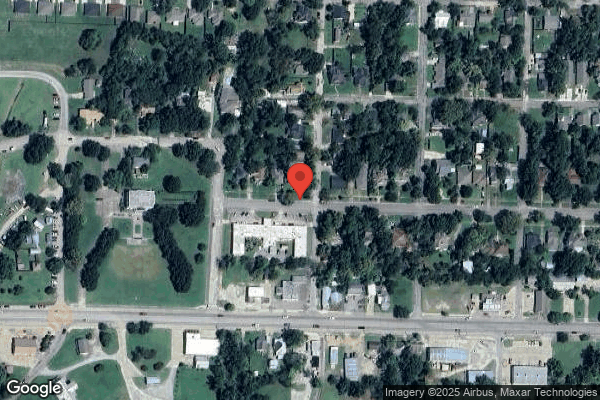
709 W Fifth St, Bonham, TX 75418 (903) 583-8551
For profit - Corporation 65 Beds NEXION HEALTH Data: November 2025 4 Immediate Jeopardy citations
Trust Grade
0/100
#1056 of 1168 in TX
Last Inspection: April 2025

Within standard 12-15 month inspection cycle. Federal law requires annual inspections.

Overview

North Star Ranch Rehabilitation and Health Care Center has received a Trust Grade of F, indicating poor performance with significant concerns. Ranking #1056 out of 1168 facilities in Texas places it in the bottom half, and as #5 out of 5 in Fannin County, it suggests there are no better local options. The facility's trend is worsening, with reported issues increasing from 14 in 2024 to 24 in 2025. Staffing is rated poorly at 1 out of 5 stars, with a turnover rate of 53%, which is around the Texas average but still concerning for continuity of care. Financially, the facility has incurred $373,594 in fines, higher than 99% of Texas facilities, indicating ongoing compliance problems; additionally, RN coverage is lower than 84% of state facilities, which can impact patient care. Specific incidents of concern include a resident falling due to a bed not being locked during care, resulting in fractures, and another resident not receiving adequate treatment for a worsening foot wound, which indicates a failure to follow care plans. While there are some good quality measures rated at 4 out of 5 stars, the overall picture is troubling, with multiple critical findings pointing to serious risks for resident safety and care. Families should weigh these serious issues against any strengths before making a decision.

Trust Score
F
0/100
In Texas
#1056/1168
Bottom 10%
Safety Record
High Risk
Review needed
Inspections
Getting Worse
14 → 24 violations
Staff Stability
⚠ Watch
53% turnover. Above average. Higher turnover means staff may not know residents' routines.
Penalties
✓ Good
$373,594 in fines. Lower than most Texas facilities. Relatively clean record.
Skilled Nurses
⚠ Watch
Each resident gets only 12 minutes of Registered Nurse (RN) attention daily — below average for Texas. Fewer RN minutes means fewer trained eyes watching for problems.
Violations
⚠ Watch
54 deficiencies on record. Higher than average. Multiple issues found across inspections.
★☆☆☆☆
1.0
Overall Rating
★☆☆☆☆
1.0
Staff Levels
★★★★☆
4.0
Care Quality
★☆☆☆☆
1.0
Inspection Score
Stable
2024: 14 issues
2025: 24 issues

The Good

  • 4-Star Quality Measures · Strong clinical quality outcomes
  • Full Sprinkler Coverage · Fire safety systems throughout facility
  • No fines on record

Facility shows strength in quality measures, fire safety.

The Bad

1-Star Overall Rating

Below Texas average (2.8)

Significant quality concerns identified by CMS

Staff Turnover: 53%

Near Texas avg (46%)

Higher turnover may affect care consistency

Federal Fines: $373,594

Well above median ($33,413)

Significant penalties indicating serious issues

Chain: NEXION HEALTH

Part of a multi-facility chain

Ask about local staffing decisions and management

The Ugly 54 deficiencies on record

4 life-threatening 1 actual harm
May 2025 2 deficiencies
CONCERN (D) 📢 Someone Reported This

A family member, employee, or ombudsman was alarmed enough to file a formal complaint

Potential for Harm - no one hurt, but risky conditions existed

Deficiency F0761 (Tag F0761)

Could have caused harm · This affected 1 resident

**NOTE- TERMS IN BRACKETS HAVE BEEN EDITED TO PROTECT CONFIDENTIALITY** Based on observations, interviews, and record review the facility failed to ensure all drugs were stored in a locked compartment...

Read full inspector narrative →
**NOTE- TERMS IN BRACKETS HAVE BEEN EDITED TO PROTECT CONFIDENTIALITY** Based on observations, interviews, and record review the facility failed to ensure all drugs were stored in a locked compartment, only accessible by authorized personnel for 1 of 7 resident (Resident #1) reviewed for medications at their bedside. The facility did not ensure Resident #1's was administered his Protonix pill (a proton pump inhibitor used to treat GERD [gastroesophageal reflux disease a common digestive disease in which stomach acid or bile irritates the food pipe lining]) during his morning medication pass on 5/24/25 and left the unlabeled, unsecured medication on Resident #1's bedside table for several hours. This failure could place residents at risk for misuse of medication, overdose, drug diversions, adverse reactions of medications, and not receiving the therapeutic benefit of medications. Findings included: Record review of the face sheet dated 5/24/25 indicated Resident #1 was [AGE] years old, admitted to the facility on [DATE] with diagnoses including Parkinson's disease (a progressive movement disorder of the nervous system characterized by a loss of nerve cells in the brain that produce dopamine. The disorder leads to the manifestation of motor symptoms like tremors, muscle stiffness, and slow movement), type II diabetes, history of fracture of the left fibula, GERD (gastroesophageal reflux disease a common digestive disease in which stomach acid or bile irritates the food pipe lining) and history of chronic pulmonary embolism (blood clots in the lungs). Record review of the MDS dated [DATE] indicated Resident #1 made himself understood and understood others. The MDS indicated Resident #1 had no cognitive impairment (BIMS of 15). The MDS indicated Resident #1 required Supervision or moderate assistance with most ADL activities. The MDS also indicated he independently performed repositioning and transfers with the exception of transfer into a tub/shower for which he was dependent on staff. Record review of Resident #1's care plan revised on 9/6/24 indicated he had impaired thought processes due to Parkinson's disease. The care plan interventions included administer medications as ordered by the physician. Record review of the physician order summary dated 5/24/25 for Resident #1 indicated he was to be administered the following: *Protonix (medication to treat GERD) 40 mg 1 tablet by mouth daily at 7:00 a.m.; *Eliquis ( a medication to prevent blood clots) 5 mg I tablet by mouth two times a day; *Gabapentin ( a medication used to treat nerve pain) 100 mg - two capsules for a dose of 200 mg two times a day; *hydralazine 25 mg (commonly used to treat high blood pressure) 1 tablet two times a day, and *Tylenol 325 mg, two tablets two times daily for pain. During an observation and interview on 5/24/25 at 12:45 p.m., Resident #1 laid in his bed. On his bedside table sat a clear plastic medicine cup with single yellow oval pill. Resident #1 said the pill was for his reflux. Resident #1 said the pill had been brought to him with his morning meds but he decided he did not want to take the medication and stated he might take it and may take it later. During an interview and observation on 5/24/25 at 12:54 p.m., LVN A said she was the nurse for Resident #1. LVN A said she had not passed Resident #1's morning medications and the meds had been passed by MA D. LVN A said the pill should not have been left at Resident #1's bedside. LVN A said the pill appeared to be Protonix (is a proton pump inhibitor used to treat GERD [gastroesophageal reflux disease a common digestive disease in which stomach acid or bile irritates the food pipe lining]). LVN A said MA D should have ensured Resident #1 took all of his medications during the morning pass and that any medication he refused to take should have been discarded appropriately. LVN A said another Resident could have wondered into his room and taken the medication. During an interview on 5/24/25 at 2:40 p.m., MA D said she did not ensure Resident #1 took all of his medications during the morning medication administration pass between 6:00 a.m. - 8:00 a.m. and she should have done so. MA D said medications should not be left at the resident bedside and should have been removed and disposed of properly if Resident #1 refused to take the medication. MA D said she thought Resident #1 took all the pills in the medication cup she had prepared for him and should have ensured he had done so before leaving the room. During an interview on 5/24/25 at 3:00 p.m., the ADON said the facility had a new DON starting at the facility next week. The ADON said MA D should have ensured Resident #1 took all of his medications during the morning pass and that any medication he refused to take should have been discarded appropriately. The ADON said another Resident could have wondered into his room and taken the medication. Record review of the facility policy and procedure titled Medication Administration, dated 7/8/24, stated, medications are administered in a safe and timely manner and as prescribed .(4) medications are administered in accordance with prescriber orders, (5) medication administration times are determined by the resident need and benefit , not staff convenience .(7) medications are administered within 1 hour of their prescribed time .(21) if the drug is withheld , refused .the individual administering the medication shall initial and circle the MAR . (27) Residents may self- administer their own medications only if the attending physician . has determined they have the decision making capacity to do so . The facility policy and procedure did not address leaving unlabeled medications at the resident bedside.
CONCERN (E) 📢 Someone Reported This

A family member, employee, or ombudsman was alarmed enough to file a formal complaint

Potential for Harm - no one hurt, but risky conditions existed

Safe Environment (Tag F0584)

Could have caused harm · This affected multiple residents

**NOTE- TERMS IN BRACKETS HAVE BEEN EDITED TO PROTECT CONFIDENTIALITY** Based on observation, interview, and record review, the facility failed to provide a safe, functional, sanitary, and comfortable...

Read full inspector narrative →
**NOTE- TERMS IN BRACKETS HAVE BEEN EDITED TO PROTECT CONFIDENTIALITY** Based on observation, interview, and record review, the facility failed to provide a safe, functional, sanitary, and comfortable environment for 4 of 7 residents reviewed for environment. (Resident #1, Resident #2, Resident #3, and Resident #4). The facility failed to ensure Residents #1, #2, #3 and #4's heating and cooling vents, within the rooms they resided in, were not covered in black mold like substance on 5/24/25. This failure could cause decreased quality of life, and health complications of respiratory issues. Findings included: 1. Record review of the face sheet dated 5/24/25 indicated Resident #1 was [AGE] years old, admitted to the facility on [DATE] with diagnoses including Parkinson's disease (a progressive movement disorder of the nervous system characterized by a loss of nerve cells in the brain that produce dopamine. The disorder leads to the manifestation of motor symptoms like tremors, muscle stiffness, and slow movement), muscle weakness, depression, and type II diabetes. Record review of the MDS dated [DATE] indicated Resident #1 made himself understood and understood others. The MDS indicated Resident #1 had no cognitive impairment (BIMS of 15). The MDS indicated Resident #1 required Supervision or moderate assistance with most ADL activities. The MDS also indicated he independently performed repositioning and transfers with the exception of transfer into a tub/shower for which he was dependent on staff. The MDS indicated Resident #1 had no Pulmonary diagnoses (respiratory conditions or diagnoses). Record review of Resident #1's care plan revised on 9/6/24 did not indicate he had a respiratory diagnoses/issue nor did it address ensuring a clean environment. Record review of Resident #1's care plan revised on 9/6/24 did not indicate he had a respiratory diagnoses/issue nor did it address ensuring a clean environment. During an observation and interview on 5/24/25 at 12:45 p.m., Resident #1 laid in his bed. Resident #1's heating and cooling vent to the wall on his right side was covered in a black mold like substance. The black substance was also faintly noticed on the ceiling tiles adjacent to the vent. Resident #1 denied having any breathing issues or conditions such as asthma, COPD (chronic obstructive pulmonary disease- very common group of chronic lung diseases that block airflow and make it difficult to breathe) or other pulomonary issues. Resident #1 said he had complained about the black substance on his vent but could not recall to whom. Resident #1 said he did not want to be breathing that stuff in and wished the facility staff would clean it. Resident #1 said the vent had looked that way for several months. 2. Record review of the face sheet dated 5/24/25 indicated Resident #2 was [AGE] years old, admitted to the facility on [DATE] with diagnoses including Coronary atherosclerosis (damage or disease in the heart's major blood vessels usually caused by the buildup of plaque, resulting in the narrowing of the coronary arteries, limiting blood flow to the heart), high blood pressure, and chronic kidney disease (progressive condition where the kidneys are damaged and can't filter waste and excess fluid from the blood efficiently). Record review of the MDS dated [DATE] indicated Resident #2 made herself understood and understood others. The MDS indicated Resident #2 had severe cognitive impairment (BIMS of 03). The MDS indicated Resident #2 was mostly independent with ADL activities and required Supervision/ stand by assistance only with bathing. The MDS also indicated she independently performed repositioning and transfers with the exception of transfer into a tub/shower for which she required supervision or touching assistance. The MDS indicated Resident #2 had no Pulmonary diagnoses (respiratory conditions or diagnoses). Record review of the care plan revised on 2/22/25 did not indicate Resident #2 had no respiratory diagnoses/issues or address ensuring a clean environment. During an observation and interview on 5/24/25 at 12:55 p.m., Resident #2 laid in her bed. Resident #2's heating and cooling vent to the wall on the right side of the far wall was covered in a black mold like substance. The black substance was also faintly noticed on the ceiling tiles adjacent to the vent. Resident #2 denied having any breathing issues or conditions such as asthma, COPD, or other pulomonary issues. Resident #2 said she had no trouble breathing at all and had not noticed the black substance on the vent. 3. Record review of the face sheet dated 5/24/25 indicated Resident #3 was [AGE] years old, admitted to the facility on [DATE] with diagnoses including traumatic brain injury, type II diabetes, and dementia. Record review of the MDS dated [DATE] indicated Resident #3 made himself understood and understood others. The MDS indicated Resident #3 had no cognitive impairment (BIMS of 13). The MDS indicated Resident #3 was mostly independent with ADL activities and required set/up or clean up assistance only with eating and oral hygiene. The MDS also indicated he independently performed repositioning and transfers with the exception of transfer into a tub/shower for which he required supervision or touching assistance. The MDS indicated Resident #3 had no Pulmonary diagnoses (respiratory conditions or diagnoses). Record review of the care plan revised on 2/25/25 did not indicate Resident #3 had a respiratory diagnoses/issues or address ensuring a clean environment. During an observation and interview on 5/24/25 at 1:10 p.m., Resident #3 laid in his bed. Resident #3's heating and cooling vent to the wall on his right side, just above the doorway, was covered in a black mold like substance. Resident #3 denied having any breathing issues or conditions such as asthma, COPD, or other pulomonary issues. Resident #3 said he had no trouble breathing. 4. Record review of the face sheet dated 5/24/25 indicated Resident #4 was [AGE] years old, admitted to the facility on [DATE] with diagnoses including spina bifida (a congenital defect of the spine in which part of the spinal cord and its meninges are exposed through a gap in the backbone, often causing paralysis of the lower limbs), type II diabetes, and paraplegia (paralysis of the legs and lower body, typically caused by spinal injury or disease). Record review of the MDS dated [DATE] indicated Resident #4 made himself understood and understood others. The MDS indicated Resident #4 had no cognitive impairment (BIMS of 15). The MDS indicated Resident #4 was dependent on staff for toileting, personal hygiene and showering/bathing. MDS also indicated he could turn side to side in his bed independently but transfers and position changes from sit to lying and lying to sitting on the side of bed were not attempted due to medical condition or safety concerns. The MDS indicated Resident #4 had no Pulmonary diagnoses (respiratory conditions or diagnoses). Record review of the care plan revised on 4/4/25 did not indicate Resident #4 had a respiratory diagnoses/issue nor did the care plan address ensuring a clean environment. During an observation and interview on 5/24/25 at 1:12 p.m., Resident #4 laid in his bed. Resident #4's heating and cooling vent to the far-right wall, just above the doorway, was covered in a black mold like substance. Resident #4 indicated his roommate (Resident #3) and was not sure if he was aware of the black substance on the vent. Resident #4 denied having any breathing issues or conditions such as asthma, COPD, or other pulomonary issues. Resident #4 said he had no trouble breathing but did think the vent should be cleaned. Resident #4 said the vent had been covered in the black substance for a long time. Resident #4 said he had never seen anyone clean the vent. During an interview and observation on 5/24/25 at 2:00 p.m., LVN A indicated she was the nurse for Resident's #1, #2 #3 and #4. LVN A said she was regularly assigned the hall the Residents resided on (#1, #2, #3 and #4) but had not noticed the black substance on the vents. LVN A said it was important for the vents to be cleaned to promote cleanliness of the resident home environment and prevent respiratory infections and health complications for residents with pulmonary disorders. LVN A said no residents had reported or displayed increased respiratory signs/symptoms of any chronic conditions nor had any resident reported/displayed signs/symptoms of respiratory infection. LVN A said she was not sure if housekeeping cleaned the heating/cooling vents in the residents' rooms regularly. During an interview on 5/24/25 at 2:15 p.m., CNA B said she was regularly assigned the hall the Residents resided on (#1, #2, #3 and #4) but had not noticed the black substance on the vents. CNA B said no residents had reported increased breathing problems or signs of respiratory infection. CNA B said it was important for the vents to be clean and free of mold. CNA B said the black substance on the vents was an infection control issue, CNA B said she was not sure if housekeeping cleaned the vents in Resident rooms or if it was something maintenance addressed. During an interview on 5/24/25 at 2:20 p.m., housekeeper C said she regularly worked at the facility and cleaning resident rooms was part of her duties. Housekeeper C said however cleaning the vents was not something the housekeeping staff did and she believed maintenance staff addressed them. During an interview on 5/24/25 at 2:35 p.m., the maintenance director said the cleaning the heating and cleaning vents was something he noticed needed to be done during the winter months. The maintenance director said he noticed when the vents kicked on during the winter the soot was blowing out of the vents. The maintenance director said he has been slowly getting around to cleaning all of them but had not yet completed the task. During an interview on 5/24/25 at 3:00 p.m., the ADON said the facility had a new DON starting at the facility next week. The ADON said the Administrator was not on sight and had returned to his home during the weekend (several hours away from the facility). The ADON said maintenance was responsible for ensuring the vents were clean. The ADON said it was important for the vents to be clean to prevent increased respiratory issues for residents with chronic pulmonary conditions and to prevent acute respiratory issues. Record review of the facility policy and procedure titled, Homelike environment, revised in February 2021, stated, .Residents are provided with a safe, clean, comfortable and homelike environment .(2) The facility staff and management maximizes, to the extent possible, the characteristics of the facility that reflect .homelike setting. These characteristics include: (a) clean, sanitary and orderly environment .
Apr 2025 20 deficiencies 1 IJ (1 affecting multiple)
CRITICAL (K)

Immediate Jeopardy (IJ) - the most serious Medicare violation

Accident Prevention (Tag F0689)

Someone could have died · This affected multiple residents

**NOTE- TERMS IN BRACKETS HAVE BEEN EDITED TO PROTECT CONFIDENTIALITY** 2.Record review of Resident #22's face sheet, dated 04/23/25, reflected Resident #22 was a [AGE] year-old male, readmitted to th...

Read full inspector narrative →
**NOTE- TERMS IN BRACKETS HAVE BEEN EDITED TO PROTECT CONFIDENTIALITY** 2.Record review of Resident #22's face sheet, dated 04/23/25, reflected Resident #22 was a [AGE] year-old male, readmitted to the facility on [DATE] with a diagnosis which included multiple sclerosis (chronic, progressive disease involving damage to the sheaths of nerves cells in the brain and spinal cord causing numbness, impairment of speech, and of muscular coordination, blurred vison and sever fatigue). Record review of Resident #22's significant change in status MDS, dated [DATE], reflected Resident #22 made himself understood, and understood others. Resident #22's BIMS score was 15, which indicated his cognition was intact. Resident #22 required substantial/maximum assistance with eating, oral hygiene, upper body dressing, personal hygiene and dependent with toileting, shower/bath, and lower body dressing. Record review of the comprehensive care plan, revised 04/23/25, reflected Resident #22 was at risk for injury due to his smoking preference. The care plan interventions included to educate Resident #22 and encourage him to follow facility smoking times, designated smoking areas as needed. The care plan initiated on 03/31/25, reflected Resident #22 had a history of being signed out of facility in parking lot in electric wheelchair using his chair to block staff from parking their cars. The care plan interventions included staff to call into facility for assistance if they could not park their vehicle due to Resident #22 blocking parking spaces or entrances to parking lot. Record review of a quarterly smoking/vaping safety evaluation dated 03/31/25 reflected Resident #22 had a DX of multiple sclerosis and had burned himself during previous admission when he dropped a cigarette on himself while signed out to smoke. The evaluation reflected Resident #22 was confirmed not to be a safe smoker/vaper. Record review of a resident sign out/in log reflected on 04/21/25 Resident #22 signed out at 10:00 a.m. and did not sign back in until 12:02 p.m. During an observation on 04/21/25 at 10:15 a.m., Resident #22 and Resident #32 was observed in the wheelchairs sitting directly on a public roadway, near a residential home while they smoked without supervision. There were no sidewalks provided off the roadway. During an interview and observation on 04/22/25 at 10:21 a.m., Resident #22 was sitting outside in front of the facility vaping without supervision. Resident #22 stated he was told by the facility if he wanted to smoke a cigarette, outside the smoking times, he must sign out and go across the road. Resident #22 was unsure why he was made to do that. Resident #22 stated if he vaped, he could just come outside the facility to do that. Resident #22 stated he did not require supervision unless he went to smoke during the smoke breaks. Resident #22 stated he kept 1 vape on him and the facility kept the other one. Resident #22 stated his lighter was battery operated and was able to light his own cigarette unless the battery was dead. Resident #22 stated if the battery was dead, he would stop and ask someone that was driving by or walking to light his cigarette. During an observation on 04/22/25 at 2:00 p.m., Resident #22 was sitting in his electric wheelchair visiting with another resident. A vape was noted on top of his dresser. During an interview and observation on 04/22/25 at 2:15 p.m., Resident #22 was observed sitting outside in front of the facility vaping with cigarettes noted in the black pouch. Resident #22 stated he was not signed out at the moment, but he knew if he went across the street to smoke, he must go in and sign out. During an interview on 04/22/25 at 2:36 p.m., the ADON stated Resident #22 had to sign out if he wanted to smoke outside the smoke breaks. The ADON stated there was an incident, prior to him been readmitted to the facility, where he was signed out and when he came back, burn holes were noted to the hoyer sling and his shorts. The ADON stated if Resident #22 vapes, he did not have to sign out, but he must go outside in the front of the facility to vape. The ADON stated he was not considered a safe smoker, but he was alert and oriented x3, so he was able to make decisions on his own. The ADON stated Resident #22 did keep a few cigarettes in his pouch that he keeps on him, but he was aware that he must sign out to smoke the cigarettes he had in the pouch. The ADON stated Resident #22 did not require supervision unless during smoke breaks. After reviewing Resident #22's smoking evaluation with the state surveyor, the ADON stated he should not have the cigarettes or vapes on him because he was deemed not a safe smoker/vaper. The ADON stated she was not aware the policy stated, when deemed not a safe smoker/vaper, the resident required supervision. During an interview on 04/22/25 at 2:31 p.m., LVN A said Resident #22 had the right to smoke if he wanted to. She said Resident #22 was not a safe smoker. She said Resident #22 had to sign himself out if he wanted to go across the street to smoke. She said Resident #22 always kept a small bag with cigarettes in it with him. She said she was not aware of any vapes he had. She said Resident #22 did not always comply with the rules, and it was his right to keep his cigarettes if he wanted them. During an interview on 04/22/25 at 2:40 p.m., LVN E said residents could sign out independently. She said Resident #22 had a little pouch that he always kept his cigarettes in. She said he would sign himself out and go smoke. She said she had never gave him a vape but only his cigarettes when he asked for them. She said she was aware he had a special lighter that he used to light his cigarettes but felt he was an unsafe smoker because of his hand dexterity. She said he kept his cigarette in his mouth, which put him at risk of burning his lips or dropping his ashes. She said when he signed out to go smoke, he was supposed to return his cigarettes when he came in, but sometimes he did not. She said that because he would go in and out so much, he would keep his cigarettes until the next time he wanted to smoke. During an interview on 04/22/25 at 3:19 p.m., the Administrator stated he was told by the Regional Director of Operations that Resident #22 was allowed to vape outside the facility without supervision. The Administrator stated Resident #22 should be signing himself out to smoke when he was off the property. The Administrator stated he did not know why Resident #22 had to sign himself to go across the street to smoke. The Administrator stated he was unaware Resident #22 was deemed as not a safe smoker/vaper. The Administrator stated if that was the case, he should always be supervised per the policy. The Administrator stated for as he knew, Resident #22 could not light his cigarette himself and he did not know who did it for him. The Administrator stated he was not aware Resident #22 had a battery-operated lighter he could use for himself. The Administrator stated he was unaware that he kept a vape and cigarettes on him. 3.Record review of Resident #48's face sheet, dated 04/24/25, indicated an [AGE] year-old female who was admitted to the facility on [DATE] with diagnoses which included urinary tract infection, also known as a UTI (is an infection in any part of the urinary system), stroke, diabetes (a disease that occurs when your blood glucose, also called blood sugar, is too high), chronic obstructive pulmonary disease also known as COPD (a common lung disease causing restricted airflow and breathing problems), and high blood pressure. Record review of Resident #48's admission MDS assessment, dated 03/10/25, indicated Resident #48 understood others and was understood by others. The MDS assessment indicated she had a BIMS score of 15, indicating she was cognitively intact. Resident #48 required assistance with bathing and dressing, and was independent with toileting, bed mobility, personal hygiene, and eating. Record review of Resident #48's smoking assessment dated [DATE] indicated she was safe to smoke independently. Record review of Resident #48's care plan dated 3/31/25 indicated she was a safe smoker. The interventions were for staff to educate her and encourage her to follow the facility's smoking times, designated smoking areas, and policy as needed. During an observation on 04/22/25 at 7:58 a.m., Resident #48 was across the street, sitting on her rolling walker, smoking on the side of the road. During an observation on 04/22/25 at 2:02 p.m., Resident #48 was sitting on the front porch smoking. Resident #48 said she had signed out, so she could smoke. Review of the sign-out book, revealed on (date) Resident #48 had signed out at 1:50 pm. During an interview on 04/23/25 at 8:52 a.m., Resident #48 said she was told that if she wanted to smoke outside of the designated smoking times, she had to go across the street to smoke. She said she was told to sign out and go across the street. She said today (04/23/25), she was told she no longer had to sign out and smoke across the street. She said she could smoke on the premises if someone was smoking with her. 4.Record review of Resident #32's face sheet, dated 04/24/25, indicated an [AGE] year-old female who was admitted to the facility on 03/27 /25 with diagnoses which included urinary tract infection, also known as a UTI (is an infection in any part of the urinary system), stroke, diabetes (a disease that occurs when your blood glucose, also called blood sugar, is too high), chronic obstructive pulmonary disease also known as COPD (a common lung disease causing restricted airflow and breathing problems), and high blood pressure. Record review of Resident #32's admission MDS assessment, dated 04/03/25, indicated Resident #32 understood others and was understood by others. The MDS assessment indicated she had a BIMS score of 0, indicating she was severely cognitively impaired. Resident #32 required assistance with bathing, toileting, dressing, bed mobility, personal hygiene, and eating. The MDS did not indicate she required oxygen. Record review of Resident #32's smoking assessment dated [DATE] indicated she was not a safe smoker/vaper related to contractures. Record review of Resident #32's smoking assessment dated [DATE] indicated she was safe to smoke/vape independently. Record review of Resident #32's care plan revised on 1/07/25, indicated Resident #32 was a safe smoker. The interventions were for staff to educate her and encourage her to follow the facility's smoking times, designated smoking areas, and policy as needed. During an interview on 04/23/25 at 8:30 a.m., Resident #32 said she was told that if she wanted to smoke outside of the designated smoking times, she had to go across the street to smoke. She said today (04/23/25) she was informed she no longer had to sign out to go across the street to smoke. She said she was able to smoke on the premises. During an interview on 04/22/25 at 2:40 p.m., LVN E said residents could sign out independently. She said Resident #32 often signed out and went across the street with Resident #22 to smoke. She was not sure of Resident #22's smoking assessment. During an interview on 04/24/25 at 3:27 p.m., LVN U said before the in-service today (04/24/25), she was under the impression that the resident who wished to smoke outside of designated smoking times had to sign out to go across the street. During an interview on 04/22/25 at 2:36 p.m., the ADON said the residents signed themselves out to smoke. She said Resident #48 and Resident #32 were safe smokers. She said she thought they wanted to go smoke across the street. During an interview on 04/22/25 at 3:20 p.m., the Administrator said residents were supposed to smoke in the back courtyard, and if it were raining, they could smoke on the front porch. He said they had the proper disposal out back and on the front porch. He said if a resident had been deemed a safe smoker, then they could smoke on the premises on the back or the front porch. He said he was not aware why Resident #48 and 32 signed out to go smoke. He said he thought Resident #48 and Resident #32 were safe smokers. 5.Record review of Resident #15's face sheet dated 04/30/25 indicated he was an [AGE] year-old male who admitted to the facility on [DATE] with the diagnoses atherosclerotic heart disease (disease in which the build up of fat and cholesterol cause decreased blood flow), diabetes mellitus (disease that causes too much sugar in the blood stream), parkinsonism (neurogenerative disease that causes motor symptoms like tremors and slow movements), and anxiety (characterized by emotions involving increased fear or worry). Record review of Resident #15's quarterly MDS dated [DATE] indicated he understood others and could make himself understood. The MDS also indicated he had a BIMS score of 8 which meant he had moderate cognitive impairment. The MDS also indicated Resident #15 was dependent on staff for personal hygiene. Record review of Resident #15's care plan dated 2/14/23 indicated he had impaired cognitive function and an ADL self-care performance deficit and was dependent on staff for personal hygiene and required extensive assistance from the staff for personal hygiene. During an observation on 04/22/25 at 05:08 PM, Resident #15 had a light blue stainless-steel cup on his mini refrigerator with 7 disposable razors in it. During an observation on 04/23/25 at 07:53 AM, CNA X was in the room feeding Resident #15 and the light blue cup with 7 disposable razors were still sitting on the mini refrigerator in Resident #15's room. During an observation and interview on 04/23/25 at 09:30 AM, Resident #15 was in bed and continued to have the 7 disposable razors on the fridge in the blue cup. CNA X came in to Resident #15's room and said the facility CNAs shaved him but the disposable razors should not have been left there on Resident #15's refrigerator. CNA X said the disposable razors were not to be kept in the residents' rooms She said the disposable razors were kept in the locked bin for the CNAs to use and placed in the sharp's container after use. CNA X said Resident #15's family member would bring things into the facility at times. CNA X said the failure of the disposable razors being left out placed a risk for danger of the resident or other residents cutting themselves, but the facility did not have residents who wander. During an observation and interview on 04/23/25 at 09:41 AM, LPN A said the CNAs should keep the disposable razors stored in the sharp's containers in the bathroom after use. She said no disposable razors should have been left in any resident's room and in reach. LPN A said the failure placed a risk for residents to be injured or cut someone else. LPN A said all the staff were responsible for ensuring the razors were not left in resident's as she went and removed the disposable razors from the room and discarded them in the sharp's container. During an interview on 04/23/25 at 01:52 PM, the ADON said her expectation was for the disposable razors to be used and then disposed of properly in a sharp's container immediately after use. The ADON said the failure placed a risk for other residents getting the disposable razors and cutting themselves. She said all staff were responsible for ensuring no disposable razors or sharp objects were left out in reach of residents. During an interview on 04/23/25 at 02:04 PM, the Administrator said his expectation was for the CNAs to dispose of the disposable razors in the sharp's containers when they complete the residents' ADL care. He said the CNA assigned to the Resident #15 was responsible for ensuring the disposable razors were not left out in the room. The Administrator said the failure placed a risk for the resident or other resident to cut themselves. This was determined to be an Immediate Jeopardy (IJ) on 04/22/25 at 4:34 PM. The Administration was informed of the IJ. The Administrator was provided with the IJ template amendment on 04/23/25 at 11:54, and a plan of removal was requested. Record review of the facility's policy titled, Smoking Policy-Supervised and Unsupervised, revised 07/21/18 , indicated Safe Smoking Environment: it is the responsibility of the facility to provide a safe and hazard-free environment for those residents who have been assessed as being safe for facility smoking privileges. The facility is responsible for informing residents, staff, visitors, and other affected parties of the smoking policies through verbal means, distribution, and posting. This facility is intended to minimize the risk to residents: residents who smoke, including possible adverse effects on treatment; Passive smoke to others; and fire. Smoking accommodation: E cigarettes will be treated like cigarettes per policy at no time will E cigarettes be permitted for inside use of the facility. The facility is responsible for the enforcement of the smoking policy. Smoking is prohibited in any room or area within the facility. All residents who wish to smoke must provide funds to purchase their own smoking paraphernalia. Smoking Evaluation: Residents wishing to smoke while at the facility will have a smoking safety evaluation completed by the interdisciplinary team to determine the resident's ability to follow the smoking policy safely. If a resident is determined to be a safe smoker, the resident can smoke unsupervised, resident can keep their smoking supplies and smoke in a designated area at their leisure. Or a resident can smoke unsupervised, the facility will keep all smoking supplies, and the resident can smoke in designated areas at their leisure. If a resident is determined to be unsafe smoker then they must be supervised at all times when smoking facility staff will keep all smoking supplies and smoking times will be established by the facility and adhered to by the resident a supervised smoking schedule will be posted and residents will be required to smoke with supervision only according to the schedule. Record review of Plan of Removal accepted on 04/23/25 at 8:19 p.m. reflected the following: Plan of Removal Starting on 4/23/2025, resident #22, #48, and #32 will be supervised when in an unsafe area. The physician was notified of both the smoking and residents leaving safe supervised area. Immediately on 4/22/2025, all smoking assessments were audited for accuracy and care plan updated as indicated. Residents #22, #48, and #32 were reassessed and evaluation determined they are safe smokers and able to vape safely. Resident #25 was reassessed and evaluation determined he is an unsafe smoker. All smokers were reassessed, and changes made to safe or unsafe smoking, including vaping as indicated. Assessments completed by Corporate Clinical Specialist and Corporate Case Mix. Residents assessed to be unsafe will be supervised and smoking supplies will be held at the nurse's station. Residents assessed to be a safe smoker will be able to smoke unsupervised at their leisure in the designated smoking area. On 4/23/2025, an emergency care plan meeting was conducted with residents (#22, #48, #32, and #25) regarding safe supervision and smoking policy, to include vaping. Residents #22, #48 and #32 were informed they can smoke only in the smoking area of the facility. Resident #25 was informed that he remains and unsafe smoker and must be supervised. All smoking residents were educated in regards to the smoking area of the facility and informed that location is the only place they can smoke. Care plans updated as indicated to include education regarding safety plan and pedestrian safety. On 4/23/2025, Ombudsman notified of the incident with Resident #22, #48, and #32 smoking unsupervised in an unsafe area. Informed of Resident #25 incident of cigarette burn from 8/24/2024. On 4/23/2025, Medical Director notified of the incident with Resident #22, #48, and #32 smoking unsupervised in an unsafe area. Informed of Resident #25 incident of cigarette burn from 8/24/2024. On 4/22/2025, Corporate Clinical Specialist in-serviced Administrator and ADON regarding Accident/Hazard Supervision, specifically in regard to safe smoking policy, smoking assessment accuracy, designated smoking areas, and remaining in safe supervised area. Competency verified by quiz. Completed 4/22/2025. On 4/22/2025, facility Administrator and ADON in-serviced all staff regarding Accident/Hazard Supervision, specifically in regard to safe smoking policy, designated smoking areas, and remaining in safe supervised area. Competency verified by quiz. Staff will not be allowed to work until completion. Completed on 4/22/2025. On 4/23/2025, Corporate Clinical Specialist in-serviced staff on residents that are safe smokers and those that are not, and how to find that information. Completed 4/23/2025 On 4/23/2025, Corporate Clinical Specialist, or designee, in-serviced licensed nurses on completing smoking risk assessment accurately as related to current health concerns/conditions, resident capabilities, and resident smoking material preference (cigarettes and/or electronic cigarettes). In-service included that Licensed Nurses are responsible for completing the smoking assessments upon admission, change of condition, and quarterly. The above training regarding Accident/Hazard Supervision, specifically in regard to safe smoking and safe supervision will be implemented into new hire orientation effective 4/22/2025. To monitor compliance, residents will be monitored by the DON/designee through observations and communication with staff daily x4 weeks and monthly x3 months. DON/designee will review smoking assessments weekly x4weeks monthly x3 months. The QA committee will meet weekly for the next eight weeks to review compliance with the plan of action. If no further concerns are noted, the facility will continue to be monitored as per the routine facility QA committee. On 04/24/2025 the surveyor confirmed the facility implemented their plan of removal sufficiently to remove the Immediate Jeopardy (IJ) by: During an observation on 04/24/2025 at 01:35 PM, Resident #22 was in the designated smoking area with supervision while smoking. Record review of an in-service dated 4/22/2025 provided by Corporate Clinical Specialist to the Administrator and ADON regarding Accident/Hazard Supervision, specifically in regard to safe smoking policy, smoking assessment accuracy, designated smoking areas, and remaining in safe supervised area. Record review of competency verified by quiz, including all unsafe smokers to be supervised, encourage and educate on safe supervision areas, storage of paraphernalia, smoking assessments, and smoking violations were dated 4/22/2025 completed by the Administrator and ADON. Record review of an in-service dated 4/22/2025 provided by the facility Administrator and ADON was initiated to all staff regarding Accident/Hazard Supervision, specifically in regard to safe smoking policy, designated smoking areas, and remaining in a safe supervised area. Record review of 51 employees with a total of 51 competencies included questions regarding Accident/Hazard Supervision, specifically in regard to safe smoking policy, designated smoking areas, and remaining in safe supervised areas were verified by a quiz completed on 4/22/2025. Record review of in-service dated 04/23/2025, Corporate Clinical Specialist in-serviced staff on residents who were safe smokers and those who were not, and how to find that information. Record review of an in-service dated 04/23/2025 provided by Corporate Clinical Specialist indicated 8 licensed nurses completed smoking risk assessment accurately as related to current health concerns/conditions, resident capabilities, and resident smoking material preference (cigarettes and/or electronic cigarettes). In-service included that Licensed Nurses are responsible for completing the smoking assessments upon admission, change of condition, and quarterly. Record review of all residents' smoking assessments and care plans completed by unit managers and ADON indicated they were updated and accurate for each resident who smoked. Record review of the updated Resident Smoking List revealed it was located at each nurse station in a binder, which included accommodations for smoking based upon the smoking assessments. Record review of the updated smoking schedule and designated smoking locations was updated on 04/23/25. Record review of the Facility Smoking Policy - Supervised and Unsupervised dated 11/2024. Record review of the QAPI Committee Review revealed the committee meeting was completed on 04/23/25 held with the Administrator, ADON, the Physician, Activity Director, Maintenance Supervisor, MDS nurse, and the Dietary manager. During an interview on 04/24/25 at 11:52 a.m., the facility physician was aware of the IJ and said he was on the phone during the QAPI meeting. Interviews of the following staff, on the following shifts: 6AM - 6PM staff: ADON, MDS Nurse, CNA K, CNA L, CNA M, CNA N, LPN O, LVN P, CMA Q, CMA R, Administrator, Dietary Manager, Business office Manager, Maintenance Director, Activity Director, Housekeeping Supervisor, Director of Rehabilitation, Laundry Aide T. 2PM - 10PM staff: LVN U, LVN V, CNA W, CNA X, CNA Y, CMA Z. 10PM - 6AM staff: CNA AA, LVN BB. revealed staff were able to correctly identify the following information: Accidents/Hazard Supervision involving safe smoking policy, designated smoking areas, and remaining in safe supervised area, assessments of smokers - safe vs unsafe (accommodations) location of the information, and when the assessments for smokers are completed. On 04/24/2025 at 2:45 p.m., the Administrator was informed the IJ was removed; however, the facility remained out of compliance at a potential for more than minimal harm with a scope identified as pattern due to the facility's need to complete in-service training and evaluate the effectiveness of the corrective systems. Based on observation, interview, and record review, the facility failed to ensure each resident received adequate supervision to prevent accidents for 5 (Resident #25, Resident #22, Resident #48, Resident #32, and Resident #15) of 53 residents reviewed for accidents and hazards. 1.The facility failed to ensure Resident #25 did not receive a cigarette burn on 08/24/24. 2.The facility did not ensure Resident #22, who was assessed as an unsafe smoker, signed out to smoke in an unsafe area on 04/21/25 and kept his cigarettes, vapor and lighter in his possession. 3.The facility did not ensure that Resident #48, who was assessed as a safe smoker, did not sign out of the facility to smoke on the side of a residential street on 04/22/25. 4.The facility did not ensure Resident #32, who was assessed as an unsafe smoker, signed herself out to smoke in an unsafe area on 03/31/25. 5. The facility failed to ensure Resident #15 did not have 7 razors stored insecurely in a light blue stainless-steel cup in his room on the mini refrigerator. An Immediate Jeopardy (IJ) situation was identified on 04/22/25. The IJ template was provided to the facility on [DATE] at 4:34 pm, and an amendment IJ template was provided on 04/23/25 at 11:54 a.m. While the IJ was lowered on 04/24/25 at 2:45 p.m., the facility remained out of compliance at a severity level of no actual harm with a potential for more than minimal harm, with a scope of pattern due to the facility's need to evaluate the effectiveness of its corrective actions. These failures could put residents at risk of accidents and could result in burn injuries related to smoking paraphernalia that was not monitored/secured by the facility, harm, impairment, and death. Findings included: 1.Record review of Resident #25's face sheet, dated 04/24/25, indicated an [AGE] year-old male who was admitted to the facility on [DATE] and re-admitted [DATE] with diagnoses which included seizures, anemia (a condition where the blood doesn't have enough healthy red blood cells or hemoglobin to carry oxygen to the body's organs and tissues), glaucoma (a group of eye conditions that damage the optic nerve, potentially leading to vision loss or blindness), and high blood pressure. Record review of Resident #25's quarterly MDS assessment dated [DATE] indicated Resident #25 understood others and was understood by others. The MDS assessment indicated he required assistance with bathing, toileting, dressing, bed mobility, personal hygiene, and eating independently. Record review of Resident #25's comprehensive care plan, dated on 8/26/24, indicated he had a cigarette burn on 08/24/24. The intervention dated 11/22/24 was for staff to provide a smoking apron. Record review of Resident #25's comprehensive care plan, dated on 04/23/25, indicated he was an unsafe smoker. The interventions were to evaluate his smoking safety ability and provide appropriate interventions as indicated by the smoking apron. Record review of Resident #25's smoking assessment dated [DATE] indicated that he required supervision while smoking. Record review of Resident #25 's progress note dated 08/24/24 by LVN CC indicated she was alerted by a laundry staff member that Resident #25 dropped his cigarette and burned himself. LVN CC assessed Resident #25 and noted a small burn to his right bilateral thigh. The area was cleaned, and Triple Antibiotic Ointment was applied. The physician was notified. LVN CC attempted to notify a family member, but there was no answer, so she left a message. Record review of Resident #25 's incident report dated 08/24/24 by LVN CC indicated Resident #25 said he burned his thigh when his cigarette dropped. Record review of Resident #25's skin assessment done on 08/24/24 indicated he had a burn to his bilateral right thigh measuring 1.5 x 1.3. Record review of Resident #25's smoking assessment dated [DATE] indicated that he required supervision and the use of an apron. Record review of Resident #25 's progress note dated 08/26/24 by LVN DD indicated she looked at the burned area on Resident #25's distal back of his right thigh. The area had a small intact blister with no redness or swelling. Record review of Resident #25's skin assessment done on 08/27/24 indicated he had no skin issues. Record review of Resident #25's physician orders dated 8/01/24 through 08/30/24 did not indicate any treatment orders for the right thigh. Record review of the Texas Unified Licensure Information Portal, also known as TULIP (It is an online system used by the Texas Health and Human Services Commission (HHSC) for managing long-term care licensure applications and other related activities) did not reveal an intake on Resident #25's related to a burn. During an observation on 04/22/25 at 11:00 a.m., Resident #25 was supervised while smoking outside. Resident #25 did not have on an apron. During an interview on 04/23/25 at 10:00 a.m., Resident #25 said he could not remember anything about a cigarette burn. During an interview on 04/23/25 at 3:27 p.m., the ADON said she vaguely remembered that incident. She said she was the MDS nurse back in August 2024, so she was unaware of what happened during the investigation process. The ADON said she was unaware if Resident #25's cigarette burn was reported to the state of Texas. She said if someone reported a cigarette burn to her, she would do an assessment and check for any injuries. She would apply treatment and notify the doctor and the responsible party if injuries were noted. She said she would do another smoking assessment and then call her corporate nurse to see what else she needed to do. During an interview on 04/23/25 at 3:32 p.m., the Administrator said he was not aware of Resident #25's burn. He said he was not employed at the facility at the time of that incident. He said he was not aware of any investigation into Resident #25's burn. The Administrator and the surveyor went over the notes in the chart, and he said he was not sure what steps he would have taken but said he wou[TRUNCATED]
CONCERN (D)

Potential for Harm - no one hurt, but risky conditions existed

Deficiency F0552 (Tag F0552)

Could have caused harm · This affected 1 resident

**NOTE- TERMS IN BRACKETS HAVE BEEN EDITED TO PROTECT CONFIDENTIALITY** Based on interviews and record review, the facility failed to ensure consent to the prescription of psychoactive medications giv...

Read full inspector narrative →
**NOTE- TERMS IN BRACKETS HAVE BEEN EDITED TO PROTECT CONFIDENTIALITY** Based on interviews and record review, the facility failed to ensure consent to the prescription of psychoactive medications given by a resident or by a person authorized by law to give consent on behalf of the resident is valid only if consent is given in writing on a form prescribed by HHSC for 1 of 18 (Residents #1) residents reviewed for psychoactive medications. The facility did not ensure written consent was obtained from the legal authorized representative on HHSC Form 3713 to administer Seroquel 25mg to Resident #1. This failure could place residents at risk for receiving antipsychotic medications without informed consent. Findings included: Record review of Resident #1's face sheet, dated 04/23/25, reflected Resident #1 was a [AGE] year-old male, readmitted to the facility on [DATE] with diagnoses which included schizoaffective disorder (a condition that can make you feel detached from reality and can affect your mood) and bipolar (a disorder associated with episodes of mood swings ranging from depression lows to manic highs). Record review of Resident #1's order summary report, dated 04/23/25 reflected an active physician order for Seroquel 25 mg: 1 tablet by mouth at bedtime related to schizoaffective disorder and bipolar. Record review of Resident #1's quarterly MDS, dated [DATE], reflected Resident #1 made himself understood, and understood others. Resident #1's BIMS score was 10, which indicated his cognition was moderately impaired. Resident #1 had an active diagnosis of anxiety, depression, psychotic, and schizophrenia. Resident #1 took an antipsychotic 7 out of 7 days during the look-back period. Record review of Resident #1's comprehensive care plan revised 04/30/24, reflected Resident #1 used a psychotropic medication Seroquel related to Schizophrenia and psychotic disorder with delusion diagnosis. The care plan interventions included administer psychotropic medications as ordered by physician and consult with pharmacy. Record review of Resident #1's Antipsychotic or Neuroleptic Medication Treatment Form 1013 dated 12/20/22 reflected a consent was signed for Seroquel 50 mg. During an interview on 04/24/25 at 3:32 p.m., the ADON stated she, and the DON were responsible for ensuring the correct psych consents were obtained with the correct medications. The ADON stated not having a DON in the building was a lot to keep up with for one person. The ADON stated she, and the regional nurse recently audited the consents, and this one was missed because it was the correct medication and form but not the correct dosage. The ADON stated it was important to obtain consents on the new HHSC Form 3713 to ensure the correct medications were given per the diagnoses. During an interview on 04/24/25 at 3:54 p.m., the Administrator stated he expected the ADON to ensure HHSC Form 3713 was filled out for psychotropic medications. The Administrator stated it was important to obtain consent on the required HHSC form to address the resident concern better. A request for the facility policy regarding psychotropic medications was submitted to the DON on 04/23/25 at 4:50 p.m. A policy regarding psychotropic medications was not received prior to exit.
CONCERN (D)

Potential for Harm - no one hurt, but risky conditions existed

Deficiency F0558 (Tag F0558)

Could have caused harm · This affected 1 resident

**NOTE- TERMS IN BRACKETS HAVE BEEN EDITED TO PROTECT CONFIDENTIALITY** Based on observation, interview, and record review, the facility failed to ensure each resident had the right to reside and rece...

Read full inspector narrative →
**NOTE- TERMS IN BRACKETS HAVE BEEN EDITED TO PROTECT CONFIDENTIALITY** Based on observation, interview, and record review, the facility failed to ensure each resident had the right to reside and receive services in the facility with reasonable accommodation of resident needs and preferences for 1 of 18 residents (Resident #45) reviewed for reasonable accommodations. The facility did not ensure portable oxygen was available to allow Resident #45 to leave his room. This failure could place residents at risk for decreased quality of life, self-worth, and dignity. Findings included: Record review of Resident #45's face sheet, dated 04/23/25, reflected Resident #45 was a [AGE] year-old male, admitted to the facility on [DATE] with a diagnosis which included COPD (chronic obstructive pulmonary disease with (acute) exacerbation (chronic inflammatory lung disease that causes obstructed airflow from the lungs). Record review of Resident #45's physician order summary report, dated 04/23/24, reflected an active physician's order for oxygen at 2-3 liters per minute via N/C continuously with a start date 11/20/24. Record review of Resident #45's quarterly MDS assessment, dated 02/12/25, reflected Resident #45 made himself understood, and understood others. Resident #45's BIMS score was 15, which indicated his cognition was intact. Resident #45 received oxygen therapy. Record review of the comprehensive care plan, revised 10/23/24, reflected had SOB related to DX of COPD. The care plan interventions included assist resident/family/ caregiver in learning signs of respiratory compromise, and monitor /document changes in orientation, increased restlessness, anxiety, and air hunger. During an interview on 04/21/25 at 2:55 p.m., Resident #45 stated he had been stuck in his room since 4/17/25 because the facility was out of portable oxygen. Resident #45 stated he was told by several staff members (unable to call names) that the facility did not have portable oxygen. Resident #45 stated no other option was given. Resident #45 stated he had asked the Administrator about it, and it was still not delivered. Resident #45 stated I missed bingo today (04/21/25). During an interview on 04/21/25 at 3:30 p.m., the Administrator stated he was told on 04/17/25 by staff that they were running low on portable oxygen tanks, so he immediately called the DME company to order more oxygen. The Administrator stated a staff member came back shortly after to inform him they were completely out. The Administrator stated he should have contacted another facility to get back up supply of portable oxygen tanks to fill the gap before the DME company brought the facility more. The Administrator stated he was responsible for monitoring and overseeing to ensure the facility kept an adequate stock by relying on staff to notify him or the ADON if they were running low. The Administrator stated the Maintenance Supervisor should also report if there was a low count when he checked to see if the tanks were secured. Record review of the facility's policy titled Resident Rights revised 04/2017 indicated . b. Be treated as individuals in a manner that supports their dignity . e. Receive care and services that are adequate, appropriate, and in compliance with contractual terms of residency, relevant federal and state laws, rules and regulations and shall include the right to refuse such care and services . r. Live in a physical environment which ensures their physical and emotional security and well-being .
CONCERN (D)

Potential for Harm - no one hurt, but risky conditions existed

Deficiency F0578 (Tag F0578)

Could have caused harm · This affected 1 resident

**NOTE- TERMS IN BRACKETS HAVE BEEN EDITED TO PROTECT CONFIDENTIALITY** Based on interview and record review, the facility failed to ensure the right to formulate an advanced directive was provided fo...

Read full inspector narrative →
**NOTE- TERMS IN BRACKETS HAVE BEEN EDITED TO PROTECT CONFIDENTIALITY** Based on interview and record review, the facility failed to ensure the right to formulate an advanced directive was provided for 1 of 18 residents (Resident #37) reviewed for advanced directives. 1. The facility did not ensure Resident #37's OOH-DNR included the MPOA printed name and date the document was signed. 2. The facility did not ensure Resident #37's OOH-DNR included the notary's signature. These failures could place residents at risk of not receiving care and services to meet their needs. Findings included: Record review of Resident #37's face sheet, dated 04/23/25, reflected Resident #37 was a [AGE] year-old male, admitted to the facility on [DATE] with a diagnosis which included Parkinson's (brain disorder that causes unintended or uncontrollable movements). Record review of Resident #37's physician order summary report, dated 04/23/25, reflected an active physician's order for code status: DNR with an order date 12/15/23. Record review of Resident #37's quarterly MDS assessment, dated 04/21/25, reflected Resident #37 made himself understood, and understood others. Resident #37's BIMS score was 15, which indicated his cognition was intact. Record review of the comprehensive care plan, revised on 12/15/23, reflected Resident #37 was a DNR. The care plan interventions included Resident #37 was aware of his DNR status, obtain a copy of his DNR status physician order, and review his advanced directive options and resident rights, quarterly and PRN, with him and his family. Record review of Resident #37's OOH-DNR form dated 12/12/23 reflected a missing MPOA printed name, date the document was signed by the MPOA and a missing signature by the notary. During a telephone interview on 04/24/25 at 11:16 a.m., the Regional Social Worker stated the Business Development Social Services was responsible for completing DNRs. After reviewing Resident #37's electronic medical record, the Regional Social Worker stated Resident #37 OOH-DNR was missing the date, printed name by the MPOA, and a missing signature by the notary. The Regional Social Worker stated the Administrator and DON were responsible for overseeing and monitoring DNR accuracy. The Regional Social Worker stated for a DNR to be accurate all required information must be filled out completely to ensure the residents wishes were carried out. During a telephone interview on 04/24/25 at 11:32 a.m., the Director of Marketing/Business Development Social Services stated she was not responsible for DNRs. During an interview on 04/24/25 at 3:54 p.m., the Administrator stated he expected DNRs to be filled out, including signatures and dates. The Administrator stated the Social Worker was responsible for monitoring and overseeing DNRs which was the Regional Social Worker. The Administrator stated it was important to ensure the DNRs were completed to ensure the resident wishes were respected. Record review of the facility's policy titled Advanced Directive revised 08/2023 indicated . Advance directives will be respected in accordance with state law and facility policy . 6. Prior to or upon admission of a resident, the Social Services Director or designee will inquire of the resident, his/her family members and/or his or her legal representative, about the existence of any written advance directives .
CONCERN (D)

Potential for Harm - no one hurt, but risky conditions existed

Deficiency F0582 (Tag F0582)

Could have caused harm · This affected 1 resident

**NOTE- TERMS IN BRACKETS HAVE BEEN EDITED TO PROTECT CONFIDENTIALITY** Based on interview and record review, the facility failed to ensure each resident was informed before, or at the time of admissi...

Read full inspector narrative →
**NOTE- TERMS IN BRACKETS HAVE BEEN EDITED TO PROTECT CONFIDENTIALITY** Based on interview and record review, the facility failed to ensure each resident was informed before, or at the time of admission, and periodically during the residents stay, of services available in the facility and of changes for those services, which included changes for services not covered under Medicare/Medicaid or by the facility's per diem rate for 1 of 3 residents (Resident #104) reviewed for Medicare/Medicaid coverage. The facility failed to ensure Resident #104 was given a SNF ABN when discharged from skilled services at the facility prior to covered days being exhausted. This failure could place residents at risk for not being aware of changes to provided services. Findings include: Record review of Resident #104's face sheet, dated 04/23/25, reflected Resident #104 was a [AGE] year-old male, readmitted to the facility on [DATE] with a diagnosis which included acute kidney failure (condition in which the kidneys suddenly cannot filter waste from the blood). Record review of Resident 104's annual MDS assessment, dated 01/24/25, reflected Resident #104 made himself understood and understood others. Resident #104's BIMS score was 9, which indicated his cognition was moderately impaired. Resident #104 received occupational and physical therapy. Record review of Resident #104's SNF Beneficiary Protection Notification Review indicated Resident #104 was receiving Medicare Part A services starting on 10/27/24, and the last covered day of Part A services was 12/31/24. It was reflected that a SNF ABN was not completed which would have informed Resident #104 of the option to continue services at the risk of out-of-pocket. During an interview on 04/24/25 at 12:19 p.m., the Regional Financial Specialist stated the BOM was responsible for ensuring Resident #104 was issued a SNF ABN. The Regional Financial Specialist stated Resident #104 had 65 days remaining. The Regional Financial Specialist stated the form should have been issued if the resident had skilled benefit days remaining and was being discharged from Part A services and continued in the facility. The Regional Financial Specialist stated the BOM was out sick today (04/24/25). The Regional Financial Specialist stated she was unaware of why the form was not completed, but it was important for the resident to receive the form so he would know what he was responsible for. During an interview on 04/24/25 at 3:54 p.m., the Administrator stated the BOM was responsible for ensuring the SNF ABN was completed. The Administrator stated he expected the SNF ABN to be handed out if the resident had days remaining in the facility. The Administrator stated it was important for the resident to receive the form so they would know what they were responsible for. During an interview on 04/24/25 at 7:25 a.m., the ADON stated the facility did not have a policy regarding SNF ABN.
CONCERN (D)

Potential for Harm - no one hurt, but risky conditions existed

Report Alleged Abuse (Tag F0609)

Could have caused harm · This affected 1 resident

**NOTE- TERMS IN BRACKETS HAVE BEEN EDITED TO PROTECT CONFIDENTIALITY** Based on interview and record review, the facility failed to ensure that all alleged violations involving abuse, neglect, exploi...

Read full inspector narrative →
**NOTE- TERMS IN BRACKETS HAVE BEEN EDITED TO PROTECT CONFIDENTIALITY** Based on interview and record review, the facility failed to ensure that all alleged violations involving abuse, neglect, exploitation, or mistreatment, including injuries of unknown source were reported immediately, but no later than 2 hours after the allegation was made, for 1 of 18 (Resident #11) residents reviewed for abuse and neglect. The Abuse Coordinator failed to identify and report an allegation of abuse to HHSC within 2 hours when LVN E informed him on 04/22/25 that CNA D witnessed Resident #16 hit Resident #11 right arm. This failure to report could place the residents at risk for abuse. Findings included: Resident #11 Record review of Resident #11's face sheet, dated 04/24/25, reflected Resident #11 was a [AGE] year-old female, readmitted to the facility on [DATE] with a diagnosis which included atherosclerotic heart disease of native coronary artery without angina pectoris (buildup of cholesterol plaque in the walls of arteries causing obstruction of blood flow). Record review of Resident #11's quarterly MDS assessment, dated 02/21/25, reflected Resident #11 made herself understood, and understood others. The assessment did not address Resident #11 BIMS score. The MDS reflected Resident #11 had no behaviors or refusal of care during the look-back period. Record review of the comprehensive care plan, revised on 04/11/24, reflected Resident #11 had impaired cognitive function/dementia (loss of memory, language, problem solving and other thinking abilities that were severe enough to interfere with daily life) or thought processes related to Dementia/Alzheimer's (progressive disease that destroys memory and other important mental functions). The care plan interventions included administer medications as ordered, communicate with the resident/family/caregivers regarding residents' capabilities needs, and monitor/document/report PRN any changes in cognitive function. Resident #16 Record review of Resident #16's face sheet, dated 04/23/25, reflected Resident #16 was a [AGE] year-old male, readmitted to the facility on [DATE] with a diagnosis which included paranoid schizophrenia (a person feels distrustful and suspicious of other people and acts accordingly). Record review of Resident #16's quarterly MDS assessment, dated 04/15/25, reflected Resident #16 made himself understood, and understood others. Resident #16's BIMS score was 3, which indicated his cognition was severely impaired. Resident #16 had physical and verbal symptoms directed towards others and other behavioral symptoms not directed toward others during the look-back period. Resident #16 refused care during the look back period. Record review of the comprehensive care plan revised on 09/26/24, reflected Resident #16 had behavior problems related to yelling out at others, repetitive actions, repetitive verbalizations, and cursing at others. The care plan interventions included administer medication as ordered, communicate behaviors with psychiatric care providers, and intervene as necessary to protect the rights and safety of others. Record review of the progress note dated 04/22/24 written by LVN E reflected Resident #16 was standing in doorway of room yelling and cursing. CNA D reported that Resident #16 hit Resident #11 on her right arm. The progress note reflected Resident #11 had no injuries and denied Resident #16 hitting her. The progress reflected the Abuse Coordinator notified. Record review of Residents' #16 and #11 electronic medical records reflected no incident or skin assessment was completed. During a telephone interview on 04/24/25 at 12:59 p.m., CNA D stated she was sitting at the nursing station and Resident #11 was sitting in front of Resident #16 door facing the nursing station. CNA D stated Resident #16 came out of his room yelling and cursing at Resident #11. CNA D stated Resident #11 stated you better not and the next thing CNA D saw was Resident #16 reach down to Resident #11's right arm and contacted it. CNA D stated she could not tell if it was a pinch or slap because Resident #11 had on long sleeves, but she did see the upper part of Resident #11 move. CNA D stated she immediately removed Resident #11 and Resident #16 went back in his room yelling and cursing. CNA D stated she immediately reported the incident to LVN E. An attempted interview on 04/24/25 at 1:06 p.m. with Resident #11, indicated she was non-interview able. An attempted interview on 04/24/25 at 1:08 p.m., with Resident #16, indicated he refused to be interviewed. During a telephone interview on 04/24/25 at 1:09 p.m., LVN E stated she was told by CNA D that Resident #16 hit Resident #11 on her right arm. LVN E stated after she assessed Resident #11 for injuries, she went down to report the incident to the ADON and Administrator. LVN E stated there were no injuries noted. LVN E stated she was told by the ADON that an incident report was not needed because when she asked Resident #11 if Resident #16 hit her, she stated no. During an interview on 04/24/25 at 12:49 p.m., the Administrator stated he could not remember who reported the incident between Resident #11 and Resident #16 to him. The Administrator stated he did not report the incident to HHSC because there was no injury. The Administrator stated he did not talk to Resident #11 nor Resident #16 about the incident because it was reported to him that Resident #11 denied Resident #16 hitting her. The Administrator stated he should have asked CNA D what she witnessed in the affirmative by statute it would be reportable. During an interview on 04/24/25 at 1:22 p.m., the Executive Director stated the Administrator did not have to report the incident because Resident #16 had a BIMS score of 3 and it was not willful. During an interview on 04/24/25 at 1:25 p.m., the ADON stated she was aware the incident between Resident #11 and Resident #16 was witnessed until the state surveyor asked for LVN E phone number. The ADON stated her understanding was it was another resident that witnessed the incident. The ADON stated LVN E reported no injuries, and Resident #11 denied Resident #16 struck her. The ADON stated she did not talk to either resident when the allegation was made to her and the Administrator. The ADON stated she would not tell a nurse to not complete an incident report. The ADON stated she expected her to complete an incident report and skin assessment. The ADON stated if she would have known sooner, she would have questioned the staff that witnessed the incident and investigated a little more. Record review of the facility's Abuse Prohibition Policy, reviewed 05/17/2024 indicated, . Each resident has the right to be free from abuse . Reporting/Response: 2. The facility will report all allegations and substantiated occurrences of abuse to the state agency and to all other agencies as required by law . The Abuse Coordinator will report all allegations of abuse immediately or within two hours of the allegation .
CONCERN (D)

Potential for Harm - no one hurt, but risky conditions existed

Investigate Abuse (Tag F0610)

Could have caused harm · This affected 1 resident

**NOTE- TERMS IN BRACKETS HAVE BEEN EDITED TO PROTECT CONFIDENTIALITY** Based on interview and record review, the facility failed to ensure all alleged violations involving abuse, neglect, exploitatio...

Read full inspector narrative →
**NOTE- TERMS IN BRACKETS HAVE BEEN EDITED TO PROTECT CONFIDENTIALITY** Based on interview and record review, the facility failed to ensure all alleged violations involving abuse, neglect, exploitation, or mistreatment, including injuries of unknown source, and misappropriation of resident property were thoroughly investigated for 1 of 18 residents (Resident #11) reviewed for abuse. The Abuse Coordinator failed to investigate/protect/correct when an allegation of abuse allegedly occurred when LVN E informed him on 04/22/25 that CNA D witnessed Resident #16 hit Resident #11 right arm. This failure could place residents at risk for abuse, neglect, exploitation, mistreatment, and further injuries of unknown source. Findings included: Resident #11 Record review of Resident #11's face sheet, dated 04/24/25, reflected Resident #11 was a [AGE] year-old female, readmitted to the facility on [DATE] with a diagnosis which included atherosclerotic heart disease of native coronary artery without angina pectoris (buildup of cholesterol plaque in the walls of arteries causing obstruction of blood flow). Record review of Resident #11's quarterly MDS assessment, dated 02/21/25, reflected Resident #11 made herself understood, and understood others. The assessment did not address Resident #11 BIMS score. The MDS reflected Resident #11 had no behaviors or refusal of care during the look-back period. Record review of the comprehensive care plan, revised on 04/11/24, reflected Resident #11 had impaired cognitive function/dementia (loss of memory, language, problem solving and other thinking abilities that were severe enough to interfere with daily life) or thought processes related to Dementia/Alzheimer's (progressive disease that destroys memory and other important mental functions). The care plan interventions included administer medications as ordered, communicate with the resident/family/caregivers regarding residents' capabilities needs, and monitor/document/report PRN any changes in cognitive function. Resident #16 Record review of Resident #16's face sheet, dated 04/23/25, reflected Resident #16 was a [AGE] year-old male, readmitted to the facility on [DATE] with a diagnosis which included paranoid schizophrenia (a person feels distrustful and suspicious of other people and acts accordingly). Record review of Resident #16's quarterly MDS assessment, dated 04/15/25, reflected Resident #16 made himself understood, and understood others. Resident #16's BIMS score was 3, which indicated his cognition was severely impaired. Resident #16 had physical and verbal symptoms directed towards others and other behavioral symptoms not directed toward others during the look-back period. Resident #16 refused care during the look back period. Record review of the comprehensive care plan revised on 09/26/24, reflected Resident #16 had behavior problems related to yelling out at others, repetitive actions, repetitive verbalizations, and cursing at others. The care plan interventions included administer medication as ordered, communicate behaviors with psychiatric care providers, and intervene as necessary to protect the rights and safety of others. Record review of the progress note dated 04/22/24 written by LVN E reflected Resident #16 was standing in doorway of room yelling and cursing. CNA D reported that Resident #16 hit Resident #11 on her right arm. The progress note reflected Resident #11 had no injuries and denied Resident #16 hitting her. The progress reflected the Abuse Coordinator notified. Record review of Residents' #16 and #11 electronic medical records reflected no incident or skin assessment was completed. During a telephone interview on 04/24/25 at 12:59 p.m., CNA D stated she was sitting at the nursing station and Resident #11 was sitting in front of Resident #16 door facing the nursing station. CNA D stated Resident #16 came out of his room yelling and cursing at Resident #11. CNA D stated Resident #11 stated you better not and the next thing CNA D saw was Resident #16 reach down to Resident #11's right arm and contacted it. CNA D stated she could not tell if it was a pinch or slap because Resident #11 had on long sleeves, but she did see the upper part of Resident #11 move. CNA D stated she immediately removed Resident #11 and Resident #16 went back in his room yelling and cursing. CNA D stated she immediately reported the incident to LVN E. An attempted interview on 04/24/25 at 1:06 p.m. with Resident #11, indicated she was non-interview able. An attempted interview on 04/24/25 at 1:08 p.m., with Resident #16, indicated he refused to be interviewed. During a telephone interview on 04/24/25 at 1:09 p.m., LVN E stated she was told by CNA D that Resident #16 hit Resident #11 on her right arm. LVN E stated after she assessed Resident #11 for injuries, she went down to report the incident to the ADON and Administrator. LVN E stated there were no injuries noted. LVN E stated she was told by the ADON that an incident report was not needed because when she asked Resident #11 if Resident #16 hit her, she stated no. During an interview on 04/24/25 at 12:49 p.m., the Administrator stated he could not remember who reported the incident between Resident #11 and Resident #16 to him. The Administrator stated he did not report the incident to HHSC because there was no injury. The Administrator stated he did not talk to Resident #11 nor Resident #16 about the incident because it was reported to him that Resident #11 denied Resident #16 hitting her. The Administrator stated he should have asked CNA D what she witnessed in the affirmative by statute it would be reportable. During an interview on 04/24/25 at 1:22 p.m., the Executive Director stated the Administrator did not have to report the incident because Resident #16 had a BIMS score of 3 and it was not willful. During an interview on 04/24/25 at 1:25 p.m., the ADON stated she was aware the incident between Resident #11 and Resident #16 was witnessed until the state surveyor asked for LVN E phone number. The ADON stated her understanding was it was another resident that witnessed the incident. The ADON stated LVN E reported no injuries, and Resident #11 denied Resident #16 struck her. The ADON stated she did not talk to either resident when the allegation was made to her and the Administrator. The ADON stated she would not tell a nurse to not complete an incident report. The ADON stated she expected her to complete an incident report and skin assessment. The ADON stated if she would have known sooner, she would have questioned the staff that witnessed the incident and investigated a little more. Record review of the facility's Abuse Prohibition Policy, reviewed 05/17/2024 indicated, . Each resident has the right to be free from abuse . Investigation: 1. The facility will thoroughly investigate alleged violations and take appropriate actions . 2. The Abuse Coordinator will report such allegations to the state agency in accordance with state law. The Abuse Coordinator will report all allegations of abuse within two hours of the allegation .
CONCERN (D)

Potential for Harm - no one hurt, but risky conditions existed

Assessment Accuracy (Tag F0641)

Could have caused harm · This affected 1 resident

**NOTE- TERMS IN BRACKETS HAVE BEEN EDITED TO PROTECT CONFIDENTIALITY** Based on interview and record review, the facility failed to ensure assessments accurately reflected the resident status for 2 o...

Read full inspector narrative →
**NOTE- TERMS IN BRACKETS HAVE BEEN EDITED TO PROTECT CONFIDENTIALITY** Based on interview and record review, the facility failed to ensure assessments accurately reflected the resident status for 2 of 18 residents (Residents #16 and #30) reviewed for MDS assessment accuracy. 1. Resident #16's quarterly MDS, dated [DATE], identified the resident had a feeding tube. However, Resident #16 did not have a feeding tube. 2. Resident #30's quarterly MDS, dated [DATE], identified the use of restraint for Resident #30. However, Resident #30 had a transfer assist bar (bar used on the side of the bed to help with movement). These failures could place residents at risk of not receiving adequate care and services to meet their needs. Findings included: 1. Record review of Resident #16's face sheet, dated 04/23/25, reflected Resident #16 was a [AGE] year-old male, readmitted to the facility on [DATE] with a diagnosis which included paranoid schizophrenia (a person feels distrustful and suspicious of other people and acts accordingly). Record review of Resident #16's quarterly MDS assessment, dated 01/15/25, reflected Resident #16 made himself understood, and understood others. Resident #16's BIMS score was 3, which indicated his cognition was severely impaired. Resident #16 assessment indicated Resident #16 had a feeding tube. Record review of Resident #16's comprehensive care plan revised on 09/26/24, did not address a feeding tube. An attempted interview on 04/21/25 at 2:54 p.m., with Resident #16, indicated he refused to be interviewed. During an interview on 04/24/25 at 10:00 a.m., the MDS Coordinator stated she was told by the ADON, that week, that Resident #16 had not had a feeding tube for the last few years. The MDS Coordinator stated she had just started her position three weeks ago. The MDS Coordinator stated it was important for the MDS assessments to be accurate because it reflected the resident care. During an interview on 04/24/25 at 3:32 p.m., the ADON stated Resident #16 had a feeding tube before the facility changed over to a different company. The ADON stated she did not know why the assessment was coded he had a feeding tube because he had not had one in the past 5 years, she believed. The ADON stated it was marked by mistake. The ADON stated it was important to ensure the assessment was coded accurate because it reflected the resident care. 2. Record review of Resident #30's face sheet, dated 04/23/25, reflected Resident #30 was a [AGE] year-old female, readmitted to the facility on [DATE] with a diagnosis which included multiple sclerosis (chronic, progressive disease involving damage to the sheaths of nerves cells in the brain and spinal cord causing numbness, impairment of speech, and of muscular coordination, blurred vison and sever fatigue). Record review of Resident #30's physician order summary report, dated 04/23/25, reflected an active physician's order for routine monitoring for transfer assist bar with a start date 02/24/25. Record review of Resident #30's quarterly MDS assessment, dated 03/25/25, reflected Resident #30 made herself understood, and understood others. Resident #30's BIMS score was 15, which indicated her cognition was intact. Resident #30 assessment indicated the use of a restraint. Record review of the comprehensive care plan revised on 05/22/23, reflected Resident #30 had an ADL self-care performance deficit related to DX of multiple sclerosis and tremors and used hand hoops on bilateral side of upper bed to assist with positioning, and steady self when sitting up related to poor core strength. The care plan interventions included, encourage the resident to discuss feelings about self-care deficit as needed, encourage the resident to participate to the fullest extent possible with each other interaction and encourage the resident to use bell to call for assistance. During an interview and observation on 04/21/25 at 11:45 a.m., a transfer assist bar was attached to Resident #30's upper bed. Resident #30 stated I use it to help me get up when asked what the bar was used for. During an interview on 04/24/25 at 10:12 a.m., Regional Case Mix F stated the transfer bar was not considered a restraint. Regional Case Mix F stated the transfer bar was a positioning bar, and it should not have been coded. After reviewing Resident #30's electronic medical record, Regional Case Mix F stated Regional Case Mix G was responsible for coding the inaccuracy. Regional Case Mix F stated it was important for the assessments to be accurate to be able to care plan correctly on the resident and provide the most sufficient care. During a telephone interview on 04/24/25 at 10:18 a.m., Regional Case Mix G stated the transfer assist bar should have not been coded as a restraint Regional Case Mix G stated it was marked an error. Regional Case Mix G stated she was responsible for monitoring and overseeing for accuracy or coding errors by random audits and if a problem was identified a more thoroughly review will be conducted, and an education provided. Regional Case Mix G stated it was important for the assessment to be accurate so a POC can be developed to provide the best care. During an interview on 04/24/25 at 3:54 p.m., the Administrator stated he expected for the MDS assessments to be coded accurately by the MDS nurses. The Administrator stated the ADON was responsible for providing oversight to the MDS nurse. The Administrator said it was important for the MDS assessments to be coded accurately to ensure the residents were receiving the proper care. Record review of the facility's policy titled MDS Coding Policy revised 02/24/25 indicated . the facility affiliated facilities utilize the most up to date Resident Assessment Instrument (RAI) manual for determination of coding each section of the resident assessment, timely and accurately .
CONCERN (D)

Potential for Harm - no one hurt, but risky conditions existed

Comprehensive Care Plan (Tag F0656)

Could have caused harm · This affected 1 resident

**NOTE- TERMS IN BRACKETS HAVE BEEN EDITED TO PROTECT CONFIDENTIALITY** Based on interview and record review, the facility failed to develop and implement a comprehensive person-centered care plan for...

Read full inspector narrative →
**NOTE- TERMS IN BRACKETS HAVE BEEN EDITED TO PROTECT CONFIDENTIALITY** Based on interview and record review, the facility failed to develop and implement a comprehensive person-centered care plan for each resident, that includes measurable objectives and timeframes to meet a resident's medical, nursing, and mental and psychosocial needs, for 2 of 5 (Resident #203 and Resident #36) residents reviewed. The facility failed to care plan Resident #203 and Resident #36's oxygen. These failures could affect residents by placing them at risk of not receiving appropriate interventions to meet their current needs. The findings included: 1. Record review of Resident #203's face sheet, dated 04/24/25, indicated an [AGE] year-old female who was admitted to the facility on 03/27 /25 with diagnoses which included urinary tract infection, also known as a UTI (is an infection in any part of the urinary system), stroke, diabetes (a disease that occurs when your blood glucose, also called blood sugar, is too high), and high blood pressure. Record review of Resident #203's admission MDS assessment, dated 04/03/25, indicated Resident #203 understood others and was understood by others. The MDS assessment indicated she had a BIMS score of 0, indicating she was severely cognitively impaired. Resident #203 required assistance with bathing, toileting, dressing, bed mobility, personal hygiene, and eating. The MDS did not indicate she required oxygen. Record review of Resident#203's care plan dated 04/10/25 did not indicate she required oxygen. Record review of Resident #203 's physician orders dated 04/21/24 did not indicate any oxygen orders. During an observation and interview on 04/21/25 at 10:32 a.m., Resident #203 was in her room wearing a nasal cannula supplying oxygen at 3 liters per minute. She said she had been wearing oxygen for 2 years and needed it to help her breathe. 2. Record review of Resident #36's face sheet, dated 04/24/25, indicated a [AGE] year-old female who was admitted to the facility on [DATE] and re-admitted on [DATE] with diagnoses which included Apraxia (a neurological disorder that makes it difficult to plan and execute purposeful movements), shortness of breath, also known as dyspnea, (is the feeling of not getting enough air into your lungs), high blood pressure, Dementia (impaired ability to remember, think, or make a decision) and Depression(feeling of sadness). Record review of Resident #36's quarterly MDS assessment, dated 01/25/25, indicated Resident #36 understood others and was understood by others. Resident #36's BIMS score was 12, which indicated she was moderately cognitively impaired. The MDS indicated Resident #36 was independent with dressing, personal hygiene, toileting, bathing, bed mobility, transfers, and eating. The MDS during the 7-day look-back period did not indicate Resident #36 was receiving oxygen. Record review of Resident #36's care plan revised on 02/21/25, did not indicate she required oxygen. Record review of Resident #36 's physician orders dated 10/17/24 indicated to change O2 tubing as needed for infection control. Record review of Resident #36 's physician orders dated 04/21/25 did not indicate any oxygen orders. Record review of Resident #36 's physician orders dated 04/24/25, after the surveyors' intervention indicated O2 at 2 liters per minute via nasal cannula continuously. During an observation and interview on 04/21/25 at 12:29 p.m., Resident # 35 was sitting on the side of her bed. Resident 336's oxygen concentrator was sitting on her left side with oxygen tubing dated 04/20/25. Resident #36's oxygen was not on, but she said she had just taken off her oxygen. During an interview on 04/24/25 at 3:30 p.m., LVN U said she had only been at the facility for a brief time, but was aware that all residents should have care plans. She said the care plan gave guidelines for the care of the residents. She said she had not been trained on care plans but was told by the ADON that the nurses were responsible for the acute care plans. She said Resident #203 and Resident #36 used oxygen, and therefore, it should have been care planned. During an interview on 04/24/25 at 3:33 p.m., the MDS nurse said she had only been in the MDS role for 3 weeks. She said the ADON/charge nurses were responsible for the acute care plans. She said she was responsible for the care plans done on admission, quarterly, significant change in condition, and annually. She said she was aware of all new orders, falls, or changes in condition from the morning meetings. She said she would take notes and look at the care plans to see if other clinical staff had updated them, and if not, she would update them. She said she was unaware why Resident #203 and Resident #36 were not care planned for oxygen. She said care plans were done/updated so staff would be aware of the care the residents needed. During an interview on 04/24/25 at 4:06 p.m., the ADON said the MDS nurse was responsible for completing the care plans. She said she was responsible for the acute care plans. The ADON said she was unaware that Resident #203's and Resident #36's use of oxygen was not care planned. She said they were missed because they did not have orders in their electronic records. She said care plans reflected residents' care and needs and should be complete and accurate. During an interview on 04/24/25 4:27 p.m., the Administrator said all disciplines should work together to complete a resident's care plan, but the MDS nurse was the overseer. He said if residents were receiving oxygen, then it should have been care planned. He said care plans were generated to provide each resident with the best care. Record review of the facility policy titled Care plans, Comprehensive Person-Centered, revised January 2023, indicated Policy Statement: A comprehensive, person-centered care plan that includes measurable objectives and timetables to meet the resident's physical, psychosocial, and functional needs is developed and implemented for each resident. Policy Interpretation and Implementation: #1 The interdisciplinary team (IDT) in conjunction with residents and his or her family develops and implements A comprehensive, person-centered care plan for each resident. #12 The comprehensive, person-centered care plan is developed within seven days of the completion of the required MDS assessment. #13 assessments of residents are ongoing, and care plans are revised as information about the resident and the residence condition changes.
CONCERN (D)

Potential for Harm - no one hurt, but risky conditions existed

Deficiency F0757 (Tag F0757)

Could have caused harm · This affected 1 resident

**NOTE- TERMS IN BRACKETS HAVE BEEN EDITED TO PROTECT CONFIDENTIALITY** Based on observation, interview, and record review, the facility failed to ensure each resident's drug regimen was free of unnec...

Read full inspector narrative →
**NOTE- TERMS IN BRACKETS HAVE BEEN EDITED TO PROTECT CONFIDENTIALITY** Based on observation, interview, and record review, the facility failed to ensure each resident's drug regimen was free of unnecessary medication for 1 of 9 residents reviewed for unnecessary medication (Resident #40) The facility did not monitor Resident #40 for side effects of the anticoagulation medication, Eliquis (a blood-thinning medication). This failure could place the residents at risk for adverse consequences of the anticoagulant medication. Findings included: Record review of a face sheet dated 04/25/25 indicated Resident #40 was a [AGE] year-old female admitted on [DATE] and re-admitted on [DATE] with a diagnosis of atrial fibrillation (irregular, often rapid heart rate that causes poor blood flow), and atherosclerotic heart disease (a condition where plaque buildup narrows the arteries that supply blood to the heart, leading to a reduced blood flow and oxygen delivery to the heart muscle). Record review of Resident #40's care plan, initiated on 10/17/24, indicated an anticoagulant medication of Eliquis for the diagnosis of Atrial fibrillation. The interventions were for staff to administer medication as ordered and monitor/document/report adverse reactions of anticoagulant therapy, such as: black tarry stools, dark or bright red blood in stools, sudden severe headaches, nausea, vomiting, diarrhea, muscle joint pain, lethargy, bruising, blurred vision, loss of appetite, or sudden changes in mental status. Record review of Resident #40's annual MDS dated [DATE] indicated Resident #40 understood and was understood by others. The MDS assessment indicated she had a BIMS score of 15, which meant she was cognitively intact. Resident #40 required assistance with bathing, toileting, dressing, bed mobility, personal hygiene, and eating. The MDS during the 7-day look-back period indicated she received an anticoagulant medication. Record review of Resident #40's physician orders dated 03/06/25 indicated Eliquis 5 mg, give 1 tablet two times a day for infection and inflammatory reaction due to the internal left knee prosthesis. The order did not address monitoring the anticoagulant medication. Record review of a medication administration record dated 04/01/25 through 04/21/25 for Resident #40 did not indicate any monitoring for anticoagulant medication. During an observation and interview on 04/21/25 at 12:31 p.m., Resident # 40 was in her bed with no observed bruised areas. She said she received an unknown blood thinner. During an observation and interview on 04/24/25 at 3:27 p.m., LVN C said she was Resident #40's nurse. She said Resident #40 received Eliquis. She said anticoagulant monitoring should be done if a resident was on an anticoagulant medication. She said they should monitor for any bruising or bleeding. She looked at Resident #40's electronic record and did not see the anticoagulant monitoring listed. She said the nurse who received the medication of Eliquis for Resident #40 should have entered the anticoagulant monitoring. During an interview on 04/24/25 at 4:06 p.m., the ADON said she expected all anticoagulant medication to be monitored for side effects on entry of the medication order. She said the admitting nurse was responsible for adding the anticoagulant monitoring into the computer system for all anticoagulants. She said the nurses providing care for the resident and herself were the backup to ensure side effect monitoring was added into the computer system for all anticoagulants. The ADON said Resident #40's Eliquis should have been monitored for side effects but was not. She said the monitoring was overlooked. She said the risk of anticoagulant medication monitoring not being added into the computer system was staff being unaware to monitor for bleeding or bruising. During an interview on 04/24/25 at 4:27 p.m., the Administrator said the nurses providing care for the resident were responsible for ensuring all anticoagulant medication was monitored for side effects. He said the ADON was responsible for ensuring the side effect monitoring was added to the computer system. The Administrator said the resident's risk was potential bruising or bleeding. During an interview on 04/24/25 at 4:30 p.m., the ADON said she did not have a policy on anticoagulant monitoring or medication administration.
CONCERN (D)

Potential for Harm - no one hurt, but risky conditions existed

Laboratory Services (Tag F0770)

Could have caused harm · This affected 1 resident

**NOTE- TERMS IN BRACKETS HAVE BEEN EDITED TO PROTECT CONFIDENTIALITY** Based on interview and record review, the facility failed to ensure laboratory services were obtained to meet the needs of 1 of ...

Read full inspector narrative →
**NOTE- TERMS IN BRACKETS HAVE BEEN EDITED TO PROTECT CONFIDENTIALITY** Based on interview and record review, the facility failed to ensure laboratory services were obtained to meet the needs of 1 of 18 residents (Resident #25) reviewed for laboratory services. The facility failed to ensure Resident #25's Comprehensive Metabolic Panel, also known as CMP (a blood test that checks for a wide range of substances in your blood, including proteins, enzymes, electrolytes, and minerals) was drawn every 6 months as ordered. Also, his Phenobarbital (used to control seizures) and Dilantin (an anti-seizure medication) levels were not drawn every 3 months as ordered. This failure could place residents at risk of not receiving lab services as ordered and not managing medications at a therapeutic level. Finding included: Record review of Resident #25's face sheet, dated 04/24/25, indicated an [AGE] year-old male who was admitted to the facility on [DATE] and re-admitted [DATE] with diagnoses which included seizures, anemia (a condition where the blood doesn't have enough healthy red blood cells or hemoglobin to carry oxygen to the body's organs and tissues), glaucoma (a group of eye conditions that damage the optic nerve, potentially leading to vision loss or blindness), and high blood pressure. Record review of Resident #25's quarterly MDS assessment dated [DATE], indicated Resident #25 understood and was understood others. The MDS assessment indicated he required assistance with bathing, toileting, dressing, bed mobility, personal hygiene, and eating independently. Record review of Resident #25's comprehensive care plan, last reviewed on 07/24/22, indicated Resident #25 had epilepsy. The interventions were to obtain and monitor lab/diagnostic studies as ordered. Report results when available to the physician and follow up as needed. Record review of Resident #25's physician orders dated 01/09/25 indicated CMP every 6 months. Record review of Resident #25's physician orders dated 01/09/25 indicated Phenobarbital and Dilantin level upon admission, and every 3 months, (December, March, June, September). Record review of Resident #25's physician orders dated 01/09/25 indicated Phenobarbital 32.4 milligrams, give 32.4 mg by mouth two times a day, related to seizures. Record review of Resident #25's physician orders dated 01/09/25 indicated Phenytoin Sodium Extended Capsule 100 milligram, give 1 capsule by mouth in the morning, related to seizures. Record review of Resident #25's physician orders dated 01/09/25 indicated Phenytoin Sodium Extended Capsule 100 milligram, give 2 capsules by mouth at bedtime, related to epilepsy. Record review of Resident #25's electronic health record revealed his last CMP was drawn on 07/06/24. It did not indicate any CMP afterwards. Record review of Resident #25's electronic health record revealed his last Phenobarbital and Dilantin level was drawn on 11/27/24. It did not indicate any Phenobarbital or Dilantin levels were drawn after 11/27/24. During an interview on 04/24/25 at 3:27 p.m., LVN U said when the nurses received an order for a lab, they would enter it in their electronic system. She said they used an outside lab company that was able to see what labs were ordered and due. She said she did not know about routine labs, but nurses could check daily to see what labs had been drawn and the results, if ready. She said if a resident had an abnormal lab, they were supposed to call the doctor, the responsible party, and document in the nurse's notes. She said it was important to notify the doctor of any abnormal labs so he would know and in case he needed to change medication. During an interview on 04/23/25 at 4:06 p.m., the ADON said she expected labs to be drawn per the physician's order. The ADON said she was unaware Resident #25 was missing his labs until questioned by the state surveyor. The ADON said they did not have an effective lab monitoring system in place. The ADON said she had started a QAPI related to several labs noted not done as ordered. The ADON said it was important to ensure labs were drawn per the physician's order to ensure their health had been monitored per those lab values. During an interview on 04/23/25 at 4:27 p.m., the Administrator said he expected labs to be drawn as ordered. He said the ADON was the overseer of labs. He said the ADON had already let him know they had a lab problem, and they were going to come up with a solution. The Administrator said it was important that labs were drawn per the physician's orders to ensure the residents were getting the highest quality of care for their health. Record review of the facility's policy titled Laboratory Services revised January 2023 indicated Policy: It is the policy of this facility to ensure that laboratory services meet the needs of residents and that the results are reported promptly to the ordering provider to address potential concern and for disease prevention, provide for resident assessment, diagnosis, treatment, and that the facility has established policies and procedures. Procedure: #3 The facility will provide or obtain laboratory services only when ordered by a physician in accordance with state law, including scope of practice law. #4 The facility will promptly notify the ordering physician of laboratory results that fall outside of clinical reference ranges. Critical labs will be called in to the provider, and other lab results will be made available per the provider's preference. #5 The facility will file the results of lab reports and document communication with the physician and responsible party in the medical records.
CONCERN (D)

Potential for Harm - no one hurt, but risky conditions existed

Deficiency F0773 (Tag F0773)

Could have caused harm · This affected 1 resident

**NOTE- TERMS IN BRACKETS HAVE BEEN EDITED TO PROTECT CONFIDENTIALITY** Based on interview and record review the facility failed to promptly notify and follow-up with the ordering physician regarding ...

Read full inspector narrative →
**NOTE- TERMS IN BRACKETS HAVE BEEN EDITED TO PROTECT CONFIDENTIALITY** Based on interview and record review the facility failed to promptly notify and follow-up with the ordering physician regarding laboratory results outside of clinical reference range for 1of 18 residents (Resident #1) reviewed for laboratory services. 1. The facility did not ensure the physician was notified when Resident #1's Dilantin (used to control seizures) and Phenobarbital (used to control seizures) level was low. This failure could place residents at risk of not receiving lab services as ordered and not managing medications at a therapeutic level. Findings included: Record review of Resident #1's face sheet, dated 04/23/25, reflected Resident #1 was a [AGE] year-old male, readmitted to the facility on [DATE] with diagnosis which included seizures (sudden, uncontrolled electrical disturbance in the brain). Record review of the order summary report, dated 04/23/25, reflected an active physician order for Phenytoin (Dilantin) 100 mg: 1 tablet by mouth BID related seizures with a start date 04/22/25. Record review of the order summary report, dated 04/23/25, reflected an active physician order for Phenobarbital 97.2 mg: 1 tablet by mouth QD related to seizures. Record review of Resident #1's quarterly MDS, dated [DATE], reflected Resident #1 made himself understood, and understood others. Resident #1's BIMS score of 10, which indicated his cognition was moderately impaired. Resident #1 had an active diagnosis of a seizure disorder or epilepsy. Resident #1 took an anticonvulsant 7 out of 7 days during the look-back period. Record review of Resident #1's comprehensive care plan revised 04/30/24, reflected Resident #1 had a seizure disorder related to head injury as a young man. The care plan interventions included give medication as ordered, monitor labs, and report any sub therapeutic or toxic results. Record review of a lab report dated 04/02/25 reflected labs were collected and approved on 04/02/25 with a Dilantin level of 4.3 and Phenobarbital level 8.7 which reflected both levels were low. The report reflected the physician was not notified until 04/22/25 when the state surveyor [NAME] it to the ADON attention. The physician gave orders to increase both medications and recheck Dilantin in 1 week. Record review of Resident #1's electronic medical records reflected Resident #1 had not had any seizure activity in the past year. During an interview on 04/23/25 at 2:28 p.m., the ADON stated she expected the charge nurses who received the results to notify the physician in a timely manner of all abnormal labs. The ADON stated honestly, she thought the physician was reviewing the labs through PCC (electronic medical records) but was told by the physician 04/22/25 he was not aware of where to find the lab results. The ADON stated it would take her past the recertification to determine what nurse would be responsible for contacting the physician regarding Resident #1 labs. The ADON stated her, and the DON was responsible for monitoring and overseeing labs. The ADON stated without a DON in the building it was a lot to keep up as one person. The ADON stated not following up the physician with abnormal labs could affect the resident's health. During a telephone interview on 04/24/25 at 11:52 a.m., the Physician stated he was not able to review labs in PCC due to technical issues. The Physician stated he should be notified via phone of an abnormal lab. The Physician stated his expectation was to be notified within 2-3 days. The Physician stated it was important he was notified of abnormal labs to prevent Resident #1 from having a seizure. During an interview on 04/24/25 at 3:54 p.m., the Administrator stated he expected the physician to be notified in a timely manner of labs. The Administrator stated the DON and ADON were responsible for overseeing and monitoring labs. The Administrator stated it was important the facility was made aware of the abnormal to prevent a seizure. Record review of the facility's policy titled Laboratory Services revised, January 2023 indicated . It is the policy of this facility to ensure that laboratory services meet the needs of residents and that the results are reported promptly to the ordering provider to address potential concern and for disease prevention, provide for resident assessment, diagnosis, treatment, and that the facility has established policies and procedures. Procedure: #3 The facility will provide or obtain laboratory services only when ordered by a physician in accordance with state law, including scope of practice law. #4 The facility will promptly notify the ordering physician of laboratory results that fall outside of clinical reference ranges. Critical labs will be called in to the provider, and other lab results will be made available per the provider's preference. #5 The facility will file the results of lab reports and document communication with the physician and responsible party in the medical records .
CONCERN (D)

Potential for Harm - no one hurt, but risky conditions existed

Menu Adequacy (Tag F0803)

Could have caused harm · This affected 1 resident

**NOTE- TERMS IN BRACKETS HAVE BEEN EDITED TO PROTECT CONFIDENTIALITY** Based on observation, interviews, and record review, the facility failed to follow menus for 1 of 12 residents (Resident #4) mea...

Read full inspector narrative →
**NOTE- TERMS IN BRACKETS HAVE BEEN EDITED TO PROTECT CONFIDENTIALITY** Based on observation, interviews, and record review, the facility failed to follow menus for 1 of 12 residents (Resident #4) meal reviewed for menus. The facility did not ensure Resident #4 received ground chicken fried chicken as ordered instead of ground beef patty. This failure could result in a decrease in resident choices, diminished interest in meals, and weight loss. Findings included: Record review of Resident #4's face sheet, dated 04/24/25, reflected Resident #4 was a [AGE] year-old male, admitted to the facility on [DATE] with a diagnosis which included myocardial infarction (heart attack). Record review of Resident #4's physician order summary report, dated 04/24/25, reflected an active physician's order for a mechanical diet with a start date 04/21/25. Record review of Resident #4's quarterly MDS assessment, dated 03/26/25, reflected Resident #4 usually made himself understood, and usually understood others. Resident #4's BIMS score was 4, which indicated his cognition was severely impaired. Resident #4 required set-up or clean-up assisting with eating. Resident #4 required a mechanically altered diet. Record review of the comprehensive care plan, revised 02/25/25, reflected Resident #4 received a mechanically altered diet (regular chopped meat texture). The care plan interventions included assist resident with meals as needed, set up meal tray, cut foods, and provide assistance as needed. Record review of Resident #4's lunch meal ticket dated 04/21/25 reflected ground fried chicken for the entrée as ordered. During an observation and interview on 04/21/25 at 12:43 p.m., Resident #4 was sitting at the table in the dining room. Resident #4 received ground beef patty. The state surveyor showed CNA B that Resident #4 did not receive chicken fried chicken. CNA B stated he should have received ground chicken fried chicken instead of ground beef patty. An attempted interview with Resident #4, indicated he was non-interview able. During an interview on 04/24/25 at 8:03 a.m., [NAME] C stated Resident #4 should have been served ground chicken fried chicken instead of ground beef patty. [NAME] C stated Resident #4 received the ground beef patty instead of the ground chicken fried chicken because when the residents on a regular diet asked for seconds or more, she would have enough to give them. [NAME] C stated she used hamburger patty instead for the residents on a mechanical diet. [NAME] C stated she gave the residents on mechanical and pureed diet a different meat so when the regular diet asked for seconds or more, she would have enough to give them. [NAME] C stated she was educated by the Dietary Manager on 04/21/25 that she should be preparing the same meat for all diets. [NAME] C stated it was important all residents received the same entrée because it was their right. During an interview on 04/24/25 at 8:38 a.m., the Dietary Manager stated she was unaware that [NAME] C was not preparing all three textures the same meat until 4/21/25. The Dietary Manager stated the menu that [NAME] C should follow would tell her that all residents received the same meal. The Dietary Manager stated prior to 04/21/25 she had never had any issues with [NAME] C not preparing the same meat for all textures. The Dietary Manager stated she felt comfortable with not watching [NAME] C on Monday because she had an employee that required 1 on 1 and more attention. The Dietary Manager stated when she realized residents on mechanical and pureed diets were being served ground beef patty instead of the chicken fried chicken it was too late to fix. The Dietary Manager stated [NAME] C was immediately in-serviced. The Dietary Manager stated she was responsible for monitoring and overseeing meals by random spot checks. The Dietary Manager stated it was important menus were followed so that the residents would get the proper diet and texture of food and beware of any allergies/dislikes/likes. During an interview on 04/29/25 at 9:00 a.m., LPN A stated she was the charge nurse responsible for checking Resident #4's tray. LPN A stated she was not aware that he received a ground beef patty instead of chicken fried chicken until the state surveyor intervention. LPN A stated the meat was ground and she did not know it was ground beef patty instead of chicken. LPN A stated it was important menus were followed to prevent residents feeling bad that they did not receive what was on the menu. During an interview on 04/24/25 at 3:54 p.m., the Administrator stated he expected the dietary staff to follow the recipe and meal ticket. The Administrator stated he expected LPN A to return the tray and have the dietary staff to fix the entrée. The Administrator stated the dietary manager was responsible for monitoring and overseeing the meals and ensuring the menu was followed. The Administrator stated he conducted random spot checks to ensure the correct meals were being served. The Administrator stated he did not notice any issues in the past. The Administrator stated it was important to follow the menu because it was part of their individualized diet plans. Record review of the facility's policy, titled Menus, reviewed 06/12/24, indicated . menus are developed and prepared to meet resident choices .
CONCERN (D)

Potential for Harm - no one hurt, but risky conditions existed

Food Safety (Tag F0812)

Could have caused harm · This affected 1 resident

Based on observation, interview, and record review, the facility failed to store, prepare, distribute, and serve food in accordance with professional standards for food service safety in (1 of 1) kitc...

Read full inspector narrative →
Based on observation, interview, and record review, the facility failed to store, prepare, distribute, and serve food in accordance with professional standards for food service safety in (1 of 1) kitchen reviewed for dietary services, in that: 1) The facility failed to ensure the ice scoop holder did not have sediment in the bottom. 2) Dietary staff failed to dispose of expired boiled eggs in the refrigerator dated 04/03/25. These failures could place residents at risk for food contamination and foodborne illness. The findings include: Record review of the facility daily cleaning list date 04/10/25-04/17/25 indicated 04/17/25 was the last date the ice scoop holder in the facility was cleaned and no other list was provided. During an observation on 04/21/25 at 10:25 AM the facility refrigerator had a bag of boiled eggs dated 04/03/25 with no other date on it. During an observation on 04/21/25 at 11:15 AM the ice scoop holder at the main dining room ice machine had orangish-brown sediment in the bottom of it. During an observation on 04/22/25 at 12:10 PM the ice scoop holder continued to have orangish-brown sediment in the bottom of it. During an observation and interview on 04/23/25 at 09:49 AM the Dietary Manager came out of the kitchen and observed the ice scoop holder that continued to have orangish-brown sediment in the bottom of it. She said the kitchen staff were responsible for cleaning the ice scoop holder and she looked in the container to see the orangish-brown sediment and removed it to be cleaned. The Dietary Manager then brought out a schedule from October 2024, which indicated the last time the ice scoop and holder had been cleaned, and said she had a more recent one but would have to find it. The Dietary manage provided the daily cleaning list dated 04/10/25-4/17/25 and said that was the last date the ice scoop holder was cleaned. During an interview on 04/23/25 at 09:57 AM the Dietary Manager said she had 7 days from the date of opening for eggs to be kept in the refrigerator and she said the eggs dated 04/03/2025 had been discarded. She said all the kitchen staff were responsible for ensuring the food is removed in a timely manner. The Dietary Manager said the failure placed the residents at risk of getting exposed to bacteria and food borne illnesses. During an interview on 04/23/25 at 01:44 PM the ADON said she expected the kitchen staff to check the expiration dates and times of disposal and ensure foods were thrown away properly. She said the failure placed residents at risk of sickness from spoiled food. During an interview on 04/23/25 at 01:46 PM the ADON said she expected the ice machine and scoop to be cleaned per the facility policy and the dietary staff were responsible for ensuring the cleanings were completed. The ADON said the failure placed residents at risk of getting sickness from the kitchen staff being unsanitary. During an interview on 04/23/25 at 02:13 PM the Administrator said his expectation was for the fridge to be gone through daily by the dietary staff and the staff should have ensured outdated foods were removed. The Administrator said the failure placed residents at risk for food borne illnesses. During an interview on 04/23/25 at 02:15 PM the Administrator said he expected the ice scoop holder and the ice machine to be regularly inspected and cleaned on a schedule and the dietary staff were responsible. He said the failure placed residents at risk for potential foodborne illnesses. Record review of the facility policy Food Receiving and Storage dated October 2022 indicated: Policy Statement Foods shall be received and stored in a manner that complies with the safe food handling practices. Policy Interpretation and Implementation 1. Food Services, or other designated staff, will maintain clean food storage areas at all time .8. All foods stored in the refrigerator or freezer will be covered, labeled and dated (use by date) . Record review of the facility policy Sanitization revised January 2024 indicated: Policy Statement The Food service area shall be maintained in a clean and sanitary manner. Policy Interpretation and Implementation 1.All kitchens, kitchen areas and dining areas shall be kept clean, free from litter and rubbish and protected from rodents, roaches, flies, and other insects . 3. All equipment, food contact surfaces and utensils shall be washed to remove or completely loosen soils by using the manual or mechanical means necessary and sanitized using hot water and/or chemical sanitizing solutions . 11. Ice machines and ice storage containers will be drained, cleaned and sanitized per manufacturer's instructions and facility policy .
CONCERN (D)

Potential for Harm - no one hurt, but risky conditions existed

Smoking Policies (Tag F0926)

Could have caused harm · This affected 1 resident

Based on observation, interview, and record review, the facility failed to establish policies regarding smoking areas, and smoking safety for 1 of 1 smoking area. The facility failed to ensure cigare...

Read full inspector narrative →
Based on observation, interview, and record review, the facility failed to establish policies regarding smoking areas, and smoking safety for 1 of 1 smoking area. The facility failed to ensure cigarettes were not discarded in the trash can designed for the disposing of trash. This failure could place residents who smoke at risk of physical harm and lead to an unsafe smoking environment. Findings Included: During an observation of the and interview on 04/22/25 at 11:05 a.m., there was a trash can with a cigarette that had been smoked noted inside the trash can located in the designated smoking area. Laundry Aide EE stated whoever takes the residents out to smoke should check the trash can for cigarettes. Laundry Aide EE stated the trash can should not have cigarettes inside, only trash. Laundry Aide EE stated this failure could put residents at risk for a fire. During an interview on 04/24/25 at 3:54 p.m., the Administrator stated cigarettes should be extinguished in the receptable, not a trash can. The Administrator stated whoever takes the residents out to smoke should be monitoring and ensuring the cigarettes are being put out in the proper place. The Administrator stated he did random spot checks and has not noticed any issues. The Administrator stated it was important cigarettes were extinguished in the receptable for fire safety. Record review of a facility's policy titled Facility Smoking Policy Unsupervised and Supervised Smoking, revised 07/11/22, indicated . It is the responsibility of the facility to provide a safe and hazard free environment for those residents having been assessed as being safe for facility smoking privileges .
CONCERN (E)

Potential for Harm - no one hurt, but risky conditions existed

Respiratory Care (Tag F0695)

Could have caused harm · This affected multiple residents

**NOTE- TERMS IN BRACKETS HAVE BEEN EDITED TO PROTECT CONFIDENTIALITY** Based on observation, interview, and record review the facility failed to ensure that residents who need respiratory care were p...

Read full inspector narrative →
**NOTE- TERMS IN BRACKETS HAVE BEEN EDITED TO PROTECT CONFIDENTIALITY** Based on observation, interview, and record review the facility failed to ensure that residents who need respiratory care were provided such care consistent with professional standards of practice for 4 of 8 residents (Residents #103, #35, #203, and #36) reviewed for oxygen therapy. 1. The facility failed to ensure Resident #103 had physician's order in his chart for oxygen. 2. The facility failed to ensure Resident #35 's oxygen was placed on 2 liters per nasal cannula as ordered by the physician. 3.The facility failed to ensure Resident #203 had an oxygen order and an oxygen sign on her door. 4.The facility failed to ensure Resident #36 had orders for oxygen. These failures could place residents who receive respiratory care at risk for developing respiratory complications and a decreased quality of care. Findings Included: 1. Record review of Resident #103's face sheet, dated 04/23/25, reflected Resident #103 was an [AGE] year-old male, admitted to the facility on [DATE] with a diagnosis which included metabolic encephalopathy (brain dysfunction caused by chemical imbalance in the blood). Record review of Resident #103's physician order summary report, dated 04/22/25, did not address Resident #103 had an order for oxygen. Record review of the MDS assessment list, accessed 04/21/25, reflected Resident #103's admission MDS had not been completed yet. Record review of the baseline care plan dated 04/17/25 reflected Resident #103 received oxygen therapy. Record review of Resident #103's hospital discharge medication list did not address oxygen. During an interview and observation on 04/21/25 at 11:30 a.m., Resident #103 was sitting in his wheelchair wearing oxygen via nasal cannula. Resident #103's five-liter oxygen concentrator was set on 2 LPM. Resident #103 stated he wore oxygen all the time due to SOB. During an interview on 04/24/25 at 9:00 a.m., LPN A stated she was Resident #103's 6am-2pm charge nurse. LPN A stated Resident #103 had the oxygen in use since admission. LPN A stated she was unaware Resident #103 did not have an order for oxygen until the state surveyor intervention. LPN A stated that it was the admitting nurse and all the nurses' responsibility to make sure orders were put in correctly. LPN A stated she had not had time to review Resident #103's orders for accuracy. LPN A stated a possible negative outcome for not having accurate orders for oxygen would be too much Co2 in the lungs. During an interview on 04/24/25 at 3:32 p.m., the ADON stated the nurse that admitted Resident #103 was very overwhelmed and asked the ADON if she could help with admission orders. The ADON stated she took the orders from the discharge paperwork and entered the medications from the discharge medication list. The ADON stated she was unsure if the order for oxygen was on the medication list. The ADON stated if the oxygen order was not on the discharge medication list, she would not have put the order in for oxygen. The ADON stated she was not aware that there were no orders for oxygen until surveyor intervention. The ADON stated she, and the DON were responsible for overseeing and monitoring new admissions. The ADON stated it was important to ensure orders were placed in PCC (electronic medical records) to make sure the staff know the resident required oxygen and ensure their levels were staying adequate. During an interview on 04/24/25 at 3:54 p.m., the Administrator stated he expected proper documentation by obtaining an order for oxygen. The Administrator stated the nursing management was responsible for overseeing nursing floor staff to ensure orders were put in and documented. The Administrator stated it was important to ensure orders were placed in PCC to adhere to the resident care plan. 2. Record review of Resident #35's face sheet, dated 04/24/25, indicated a [AGE] year-old female who was admitted to the facility on [DATE] with diagnoses which included dementia (impaired ability to remember, think, or make a decision), shortness of breath, also known as dyspnea, (is the feeling of not getting enough air into your lungs), diabetes (a disease that occurs when your blood glucose, also called blood sugar, is too high), and high blood pressure. Record review of Resident #35's quarterly MDS assessment, dated 04/10/25, indicated Resident #35 understood and was understood by others. Resident #35's BIMS score was 06, which indicated she was severely cognitively impaired. The MDS indicated Resident #35 required extensive assistance with dressing, personal hygiene, toileting, bathing, bed mobility, transfers, and set-up/supervision for eating. The MDS during the 7-day look-back period did not indicate Resident #35 was receiving oxygen. Record review of Resident #35 's physician orders dated 04/17/25 indicated oxygen at 2 liters per minute via nasal cannula continuously. Record review of Resident #35 's physician orders dated 04/17/25 indicated to change oxygen tubing as needed. Record review of Resident #35 's care plan dated 04/21/25 indicated she required oxygen. The intervention was for staff to apply oxygen at 2 liters per minute via nasal cannula, continuously, and change oxygen tubing as needed. During an attempted interview and observation on 04/21/25 at 12:19 p.m., Resident #35 was in her bed with no oxygen on. Resident #35 did not have an oxygen concentrator in her room. Resident 335 was not able to say if she wore oxygen or not. 3. Record review of Resident #203's face sheet, dated 04/24/25, indicated a [AGE] year-old female who was admitted to the facility on 03/27 /25 with diagnoses which included urinary tract infection, also known as a UTI (is an infection in any part of the urinary system), stroke, diabetes (a disease that occurs when your blood glucose, also called blood sugar, is too high), and high blood pressure. Record review of Resident #203's admission MDS assessment, dated 04/03/25, indicated Resident #203 understood and was understood by others. The MDS assessment indicated she had a BIMS score of 0, indicating she was severely cognitively impaired. Resident #203 required assistance with bathing, toileting, dressing, bed mobility, personal hygiene, and eating. The MDS did not indicate she required oxygen. Record review of Resident #203 's physician orders dated 04/21/25 did not indicate any oxygen orders. Record review of Resident #203 's physician orders dated 04/23/25, after the surveyor's intervention indicated oxygen at 2 liters per minute via nasal cannula continuously. Record review of Resident#203's care plan dated 04/10/25 did not indicate she required oxygen. During an observation on 04/21/25 at 11:39 a.m., Resident #203 was in her room wearing oxygen at 3 liters per nasal cannula. Resident #203 did not have a smoking sign outside of her door. Resident #203 said she had been wearing oxygen for 2 years and needed it to help her breathe. During an observation and interview on 04/23/25 at 9:09 a.m., LVN verified that Resident #203 was receiving oxygen at 3 liters per nasal cannula and did not have a smoking sign on her door. She said sometimes they fall, and she was unaware of where they went. She said she would ask the maintenance supervisor for the oxygen signs. 4. Record review of Resident #36's face sheet, dated 04/24/25, indicated a [AGE] year-old female who was admitted to the facility on [DATE] and re-admitted on [DATE] with diagnoses which included Apraxia (a neurological disorder that makes it difficult to plan and execute purposeful movements), shortness of breath, also known as dyspnea, (is the feeling of not getting enough air into your lungs), high blood pressure, Dementia (impaired ability to remember, think, or make a decision) and Depression (feeling of sadness). Record review of Resident #36's quarterly MDS assessment, dated 01/25/25, indicated Resident #36 understood and was understood by others. Resident #36's BIMS score was 12, which indicated she was moderately cognitively impaired. The MDS indicated Resident #36 was independent with dressing, personal hygiene, toileting, bathing, bed mobility, transfers, and eating. The MDS during the 7-day look-back period did not indicate Resident #36 was receiving oxygen. Record review of Resident #36 's physician orders dated 10/17/24 indicated to change O2 tubing as needed for infection control. Record review of Resident #36 's physician orders dated 04/21/25 did not indicate any oxygen orders. Record review of Resident #36 's physician orders dated 04/24/25, after the surveyors' intervention indicated O2 at 2 liters per minute via nasal cannula continuously. Record review of Resident#36's care plan revised on 02/21/25, did not indicate she required oxygen. During an observation on 04/21/25 at 11:31 a.m., Resident # 36 was sitting on the side of her bed. Resident #36's oxygen was not on, but she said she had just taken off her oxygen. She said she had her oxygen saturation checked frequently, and if needed, she would apply her oxygen. During an interview on 04/22/25 at 3:45 p.m., LVN C said Resident #203 and Resident #36 wore oxygen. She said Resident #36 was on 2 liters per nasal cannula as needed, as she was a smoker, and her oxygen saturation rates would decrease without oxygen. She said Resident #203 was on 3 liters per nasal cannula and was admitted on oxygen. She said she was unaware why Resident #35 had orders for oxygen. She said she had never placed Resident #35 on oxygen. LVN C looked into the computer system and said the ADON placed Resident #35 on oxygen but said she did not know why. She said when a nurse received a new order, it should be written and placed on the 24-hour report so that other nurses would know. She said it was important to write orders to ensure residents were receiving the correct amount of oxygen, and if not, it could lead to further respiratory issues. She said she would notify the doctor and get the orders updated to the correct ones. During an interview on 04/24/25 at 3:27 p.m., LVN U said Resident #203 and Resident #36 wore oxygen, and she did not realize they did not have oxygen orders. She said it was important to have an oxygen order in the electronic records so that staff were aware they needed oxygen. During an interview on 04/24/25 at 4:06 p.m., the ADON said the charge nurses were responsible for placing orders in the computer when they received a new order. She said she did not know why Resident #36 and Resident #203 did not have oxygen orders. She said she could not remember why she obtained the oxygen order for Resident # 35. She said she had been doing too many tasks and had not been following through with checking orders. She said if a nurse looked in the computer system and did not see an order, they could potentially remove Resident #36 and Resident #203's oxygen and cause respiratory issues. She said it was important to have orders in the system and follow them to prevent respiratory issues. During an interview on 04/24/25 at 4:27 p.m., the Administrator said nurse managers were the overseers of orders. He said oxygen should not be applied without an order. He said that without a written order, staff would not know the correct oxygen rate. He said if a resident had an order for oxygen, it should be applied. He said failure to have an oxygen order or follow the oxygen order could cause respiratory issues. Record review of facility policy titled, Oxygen Administration, revised May 2024, indicated, Purpose: The purpose of this procedure is to provide guidelines for safe oxygen administration. Preparation: Verify there is a physician's order for this procedure. Review the physician's order or facility protocol for oxygen administration. Equipment and Supplies: #4 No smoking/oxygen in use signs .
CONCERN (E)

Potential for Harm - no one hurt, but risky conditions existed

Deficiency F0804 (Tag F0804)

Could have caused harm · This affected multiple residents

Based on observation, interview, and record review the facility failed to provide residents with food and drink that was palatable, attractive, and at a safe and appetizing temperature for 4 of 18 res...

Read full inspector narrative →
Based on observation, interview, and record review the facility failed to provide residents with food and drink that was palatable, attractive, and at a safe and appetizing temperature for 4 of 18 residents (Resident #31, Resident #47, Resident #8, and Resident #42) and 1 of 3 meals observed. The facility failed to provide palatable food served at an appetizing temperature or taste to Resident #47, Resident #31, Resident #8, and Resident #42. The facility failed to provide food that was palatable for 1 of 3 meals observed on 04/22/25 (lunch) meal. This failure could place residents at risk of decreased food intake, weight loss, altered nutritional status, and a diminished quality of life. Findings include: During an interview on 04/21/25 at 11:55 AM Resident #31 stated when staff bring her food it's cold. Stated it makes her sad and pissed. Staff was aware of her food complaints but unable to recall names of staff who were aware of her food complaints. During an interview on 04/21/25 at 12:07 p.m., Resident #8 said the food was cold, and sometimes it had no taste. During an observation on 04/21/25 at 12:20 PM the staff began passing meal trays in the East wing RN H was in the dining room checking trays as they were delivered to each resident. All trays for residents in the dining room and the hall were on one cart. RN H had to remove trays and place them back on the cart multiple times to find the resident's trays the staff needed to serve who were eating in the dining room. During an interview on 04/21/25 at 12:47 p.m., Resident #42 said the food was cold and bland. During an observation and interview on 04/21/25 at 12:54 PM Resident #47 was sitting in his room eating lunch, that included a roll with a dark colored bottom, on his table. He said his roll was burned and he could not eat it. During an observation and interview on 04/22/2025 at 12:30 PM the Dietary Manager and four surveyors sampled a lunch tray. The sample tray consisted of pinto beans with sausage which was warm and okay to taste but not fully cooked, steamed rice that was bland, spinach that was bland and not warm, corn bread that was okay but not warm, and frosted red velvet cake that was okay. The Dietary Manager said she felt the food was okay because they followed the recipe. During an interview on 04/23/25 at 10:00 AM the Dietary Manager said there was not enough time to cook different food and seasoning differently for every resident in the facility and some residents could not have salt. She said the kitchen staff follows the recipe. The Dietary Manager said she did expect the residents to have hot and good food, but she was still in training and the staff were learning as well. She said she was accustomed to using a steam table out where the residents were served. The Dietary Manager said she wished the facility had more carts to provide a better way to get the food out hot. She said it was the residents' right to eat hot food like the staff eat at their homes. During an interview on 04/23/25 at 01:42 PM the ADON said she expected the residents to be able to receive food that was palatable and warm at meal service. She said the Dietary Manager was responsible for preparing the food and everyone was responsible for ensuring the residents received the meals timely and hot. The ADON said the failure placed residents at risk for weight loss. During an interview on 04/23/25 at 02:07 PM the Administrator would not give an answer related to the food tastes and temperatures. During an interview on 04/23/25 at 2:07 PM the Executive Director said hot and palatable food should always be served. He said the cook does not spice the food because the recipes are followed, and the residents are sent out salt and pepper. The Executive Director said the dietary staff were responsible for preparing the foods and staff responsible for delivering in a timely manner. The Executive Director said the failure caused the residents to get hungry quicker.
CONCERN (F)

Potential for Harm - no one hurt, but risky conditions existed

Deficiency F0761 (Tag F0761)

Could have caused harm · This affected most or all residents

**NOTE- TERMS IN BRACKETS HAVE BEEN EDITED TO PROTECT CONFIDENTIALITY** Based on observations, interviews, and record review the facility failed to ensure all drugs were stored in a locked compartment...

Read full inspector narrative →
**NOTE- TERMS IN BRACKETS HAVE BEEN EDITED TO PROTECT CONFIDENTIALITY** Based on observations, interviews, and record review the facility failed to ensure all drugs were stored in a locked compartment, only accessible by authorized personnel for 1 of 18 resident (Resident #103) reviewed for medications at their bedside. The facility did not ensure Resident #103's fluticasone propionate (nasal spray), biotene dry mouth Moisturizing Spray, and barbasol shaving cream were secured in locked compartments and not left on his bedside table and windowsill. This failure could place residents at risk for misuse of medication, overdose, drug diversions, adverse reactions of medications, and not receiving the therapeutic benefit of medications. Findings included: Record review of Resident #103's face sheet, dated 04/23/25, reflected Resident #103 was an [AGE] year-old male, admitted to the facility on [DATE] with a diagnosis which included metabolic encephalopathy (brain dysfunction caused by chemical imbalance in the blood). Record review of Resident #103's physician order summary report, dated 04/22/25, did not address the use of fluticasone propionate (nasal spray) or biotene dry mouth moisturizing spray. Record review of the MDS assessment list, accessed 04/21/25, reflected Resident #103's admission MDS had not been completed yet. Record review of the baseline care plan dated 04/17/25 reflected Resident #103 required partial/moderate assistance with personal hygiene/eating, set-up or clean-up assistance with oral hygiene and substantial/maximum assistance with toileting and shower/bath. During an interview and observation on 04/21/25 at 11:30 a.m., Resident #103 was sitting in his wheelchair and the state surveyor observed a bottle of Fluticasone Propionate (nasal spray) and biotene dry mouth moisturizing Spray on his bedside table. There was a can of barbasol shaving cream observed in the window sill. Resident #103 stated he used the nasal spray for allergies BID, dry mouth moisturizing spray as needed and the barbasol every morning with staff. During an interview on 04/24/25 at 9:00 a.m., LPN A stated Resident #103 had not been evaluated for self-administration of medications. LPN A stated if a resident was able to self-administer, he/she must be assessed for competence. LPN A stated once the resident was safe to self-medicate an order must be obtained. LPN A stated the family member brings medications and other items in she thinks Resident #103 needs. LPN A stated medications should be stored on the medication cart and the shaving cream should be stored in the storage closet. LPN A stated it was important to ensure medications were not left at bedside for resident safety. During an interview on 04/24/25 at 3:32 p.m., the ADON stated she expected medications to be stored securely by nursing and shaving cream stored in the shower room. The ADON stated she was not aware Resident #103 had those things in his room, but she will be educating the resident and family member. The ADON stated if a resident would like to self-administer, he/she must be assessed, and an order must be obtained from the MD to self-administer. The ADON stated she, and the DON were responsible for overseeing and monitoring that residents did not have items that were not supposed to be in their rooms. The ADON stated without a DON in the building it was a lot to keep up with as one person. The ADON stated it was important to ensure medications/shaving cream were not left at bedside for resident safety and to prevent harm. During an interview on 04/24/25 at 3:54 p.m., the Administrator stated his expectations were that all medications were left with the nurse unless the resident was assessed to self-administer. The Administrator stated shaving cream should be stored in the shower room out of the reach of residents. The Administrator stated the DON/ADON was responsible for monitoring and overseeing. The Administrator stated it was important to ensure medications were not left at bedside for resident safety. Record review of the facility policy Storage of Medications reviewed, July 2024, indicated . Policy Statement The facility stores all drugs and biologicals in a safe, secure, and orderly manner . Policy Interpretation and Implementation . 1. Drugs and biologicals used in the facility and are stored in locked compartments under proper temperature, light, and humidity controls .
CONCERN (F)

Potential for Harm - no one hurt, but risky conditions existed

Safe Environment (Tag F0921)

Could have caused harm · This affected most or all residents

**NOTE- TERMS IN BRACKETS HAVE BEEN EDITED TO PROTECT CONFIDENTIALITY** Based on observation, interview, and record review, the facility failed to provide a safe, functional, sanitary, and comfortable...

Read full inspector narrative →
**NOTE- TERMS IN BRACKETS HAVE BEEN EDITED TO PROTECT CONFIDENTIALITY** Based on observation, interview, and record review, the facility failed to provide a safe, functional, sanitary, and comfortable environment for residents, staff, and the public, for 4 of 4 eyewash stations reviewed (kitchen eyewash, laundry eyewash station, east wing medication room eyewash station, and east wing shower room eyewash station) reviewed for physical environment. The facility failed to ensure the Saline eyewash solutions located in the kitchen, the medication room on east wing, the laundry, and the shower room were within the date of expiration. Findings included: During an observation on [DATE] at 10:25 AM the two bottles of saline eyewash solution in the kitchen at the eyewash station were out of date and labeled with an expiration date of 10/2024 for the left-side bottle and 01/2025 for the right-side bottle. During an observation and interview on [DATE] at 8:10 AM the bottle of saline eyewash solution in the east wing medication room was expired with an expiration date of 7/2024 on the bottle. RN H said the Maintenance man was responsible for changing the eyewash out and she would notify him of the expiration date. During an observation and interview on [DATE] at 03:03 PM the eyewash station in the kitchen continued to have expired solution. The left-side bottle expired on 10/2024 and the right-side bottle expired 1/2025. The Dietary Supervisor said they should have been checked and changed out, but the Maintenance man did not have any to replace the old ones and he was ordering new saline solution. During an observation on [DATE] at 8:46 AM the saline eyewash solution in the laundry was expired with an expiration date of 07/2024. During an observation and interview on [DATE] at 2:15 PM, the saline eyewash solution located in the east wing shower room was dated 12/2024. CNA B looked at the eye wash solution and verified it was dated 12/2024. She said she did not know who was responsible for checking the saline eyewash solution. During an interview on [DATE] at 09:37 AM the Maintenance man said he was responsible for checking the eye wash and he normally checked the solutions every 6 months, and he guessed it just slipped his mind. The Maintenance man said the failure placed staff at risk of not being able to wash their eyes if needed and severe damage. During an interview on [DATE] at 01:48 PM the ADON said the eye wash solution should have been monitored per policy and she was unsure of what the times were. She said she expected the eyewash to be within the date of expiration. The ADON said the failure could result in the eye wash not being as effective in an event of chemicals in the eyes. During an interview on [DATE] at 02:19 PM the Administrator said his expectation was for the eyewash to be regularly inspected and ensure the bottles of saline eyewash solutions were within the dates of expiration. The Administrator said the failure could result in the eyewash to be ineffective if needed in an emergency. Record review of the facility policy Storage of Medications reviewed [DATE] indicated: Policy Statement The facility stores all drugs and biologicals in a safe, secure, and orderly manner. Policy Interpretation and Implementation 1. Drugs and biologicals used in the facility and are stored in locked compartments under proper temperature, light and humidity controls .5. Discontinued, outdated, or deteriorated drugs or biologicals are returned to the dispensing pharmacy or destroyed.
MINOR (C)

Minor Issue - procedural, no safety impact

Staffing Information (Tag F0732)

Minor procedural issue · This affected most or all residents

Based on observation, interview, and record review the facility failed to post the nurse staffing data on a daily at the beginning of each shift for 2 days of 23 days of reviewed for April 2025 nursin...

Read full inspector narrative →
Based on observation, interview, and record review the facility failed to post the nurse staffing data on a daily at the beginning of each shift for 2 days of 23 days of reviewed for April 2025 nursing staffing. The facility failed to post the total number of hours worked for licensed nurses and certified nurse aides or the daily census on April 22, 2025, and April 23, 2025. This failure could place residents at risk of being unaware of the facility daily staffing requirements. Findings included: During an observation on 04/22/25 at 5:21 PM the staffing sheet was hung on the employee bulletin board by the time clock on the hallway leading outside to the smoking area with a date of 04/21/25. During an observation on 04/23/25 at 09:00 AM the staffing sheet was hung on the employee bulletin board by the time clock on the hallway leading outside to the smoking area with a date of 04/21/25. During an interview on 04/23/25 at 01:50 PM the ADON said she was responsible for the daily staffing because they did not have a DON. She said she had just been busy and missed completing the staffing form for 04/22/25 and 04/23/25. The ADON said she did not know what risk not posting the staffing caused for the residents. She said she knew it was just a regulation for long term nursing facilities related to staffing. The ADON said she just completed the staffing forms daily to ensure adequate staffing was in the facility. During an interview on 04/23/25 at 02:17 PM the Administrator said he expected the staffing to be completed by the ADON and posted daily. He said the failure placed a risk for staffing to be missed or for residents and families not able to be aware of the staffing numbers. Record review of the facility policy Posting Direct Care Daily Staffing Numbers dated last reviewed 3-2023 indicated: Policy Statement Our facility will post on a daily basis for each shift, the number of nursing personnel responsible for providing direct care to residents .
Feb 2025 2 deficiencies 1 IJ
CRITICAL (J) 📢 Someone Reported This

A family member, employee, or ombudsman was alarmed enough to file a formal complaint

Immediate Jeopardy (IJ) - the most serious Medicare violation

Accident Prevention (Tag F0689)

Someone could have died · This affected 1 resident

**NOTE- TERMS IN BRACKETS HAVE BEEN EDITED TO PROTECT CONFIDENTIALITY** Based on observation, interview, and record review the facility failed to ensure that the resident environment remained free of ...

Read full inspector narrative →
**NOTE- TERMS IN BRACKETS HAVE BEEN EDITED TO PROTECT CONFIDENTIALITY** Based on observation, interview, and record review the facility failed to ensure that the resident environment remained free of accident hazards and each resident was provided adequate supervision to prevent injuries for 1 of 6 residents (Resident #1) reviewed for accident hazards. The facility failed to ensure Resident #1's bed was locked while providing care resulting in a fall with fractures to the orbital floor (a break to the thin, bony plate that forms the bottom of the eye socket) and cervical spine on 1/30/25. This failure resulted in an identification of an Immediate Jeopardy (IJ) on 2/26/25 at 12:00 p.m. While the IJ was removed on 2/27/25, the facility remained out of compliance at no actual harm with a scope identified as isolated due to the facility's need to complete in-service training and evaluate the effectiveness of the corrective systems. This failure could place residents at risk for serious harm, impairment, or death. Findings include: 1. Record review of the face sheet dated 2/26/25 indicated Resident #1 was a [AGE] year-old female, admitted to the facility on [DATE] with diagnoses including heart failure, hypertension (elevated blood pressure), diabetes, anxiety, and COPD. Record review of the admission MDS dated [DATE] indicated Resident #1 admitted to the facility from a short-term general hospital on 1/30/25. Record review of the Discharge MDS dated [DATE] indicated Resident #1 discharged from the facility with return anticipated to a short-term general hospital on 1/30/25. Record review of Resident #1's medical records indicated Resident #1 did not have a care plan or physician orders at the time of her discharge from the facility. Record review of the progress note dated 1/30/25 written by RN A indicated, [Resident #1] admitted facility, while doing assessment and applying wound Vac. [CNA B was] on left side of bed, bed did not lock as was thought, bed moved causing resident to fall to floor bed in semi high position. [CNA B] was unable to keep [Resident #1] from falling to floor. [Resident #1] hit her head causing a laceration to top of left forehead and also hit her left eye causing a hematoma (a localized collection of blood outside of the blood vessel) to eye. Due to nature of fall [Resident #1] was sent to local ER for sutures and evaluation. [Family] and MD made aware of incident. Record review of the incident report dated 1/30/25 written by RN A indicated, While doing assessment on [Resident #1] and wound measurements and to apply wound vac [CNA B] on other side [of bed] to hold [Resident #1], bed moved causing [CNA B] to lose her hold on [Resident #1]. The incident report indicated immediate action taken by the facility was Resident #1 was sent out to the ER. Record review of the hospital records for Resident #1's admission starting 1/30/25 indicated, [Resident #1] arrived by EMS due to fall/AMS from [nursing facility], [Resident #1] just arrived to the facility from the hospital for unknown reasons. staff was working on patients wound vacs, the bed was not locked, and patient fell out onto face, swelling, bruising to [left] eye, [laceration] to [left] side of forehead. The hospital records indicated Resident #1 had a notable orbital fracture and nondisplaced fractures (a type of fracture where the bone fragments remain in their original position without shifting) on C-spine (cervical spine) osteophytes (a bony growth that develops on the edge of a bone). The hospital records discharge summary indicated Resident #1 was status post fall from the bed with an orbital wall fracture with possible muscle entrapment and equivocal (a situation where the muscle gets trapped within a fractured bone or other tissue, often causing limitation in movement, while equivocal means uncertain or ambiguous), tiny acute or subacute fractures (stress fracture) of the anterior (nearer to the front) osteophytes along the inferior endplate of C6 bilaterally (a flat, bilayer cartilage that helps stabilize the vertebral column). During an interview on 2/20/25 at 10:03 a.m. the MDS Coordinator/ADON said Resident #1 was only in the facility for approximately an hour before she was sent to the ER, and they did not have time to complete a baseline care plan or any of her stuff in their computer system. During an interview on 2/26/25 at 9:38 a.m. RN A said Resident #1 entered the facility at the end of her shift on 1/30/25. RN A said she went to Resident #1's room to perform a skin assessment and apply the wound vac to the wound on her bottom. RN A said she had her head down when CNA B said, Oh no. RN A said Resident #1 fell to the floor. RN A said she thought she locked the bed but could not say for sure if it was locked. During an interview on 2/26/25 at 9:46 a.m. CNA B said on 1/30/25 she was assisting RN A with wound care on Resident #1. CNA B said Resident #1 was rolled up on her side. CNA B said she and RN A had thought the bed was locked but it was not, and the bed moved. CNA B said she attempted to hold Resident #1 up from falling but was unable to. CNA B said Resident #1 fell to the floor. Record review of the facility's Fall Prevention Program policy revised 6/10/24 indicate, All resident will be assessed for the risk for falls at the time of admission, on a quarterly basis, and upon significant change in condition thereafter. Based on the results of this assessment, specific interventions will be implemented to minimize falls, avoid repeat falls, and minimize falls resulting in significant injury . The Administrator was notified on 2/26/25 at 12:06 p.m. that an Immediate Jeopardy situation was identified due to the above failure. The Administrator was provided the Immediate Jeopardy template on 2/26/25 at 12:11 p.m. The facility's Plan of Removal was accepted on 2/26/25 at 6:30 p.m. and included: Immediately on 2/26/25, Regional Nurse in-serviced Administrator and ADON regarding Accident Hazards/Supervision/Devices, making sure all beds are properly locked prior to providing care to resident. If not working, ensure resident safety, remove equipment from use and notify maintenance director immediately. Competency verified via quiz. Licensed nurse was in-serviced by ADON on 2/26/25 with competency validation. On 2/26/25, the ADON/Designee initiated in-services with all facility staff regarding Accident Hazards/Supervision/Devices, making sure all beds are properly locked prior to providing care to resident. If not working, ensure resident safety, remove equipment from use and notify maintenance director immediately. Competency was verified via quiz. Staff will not be allowed to work until in-servicing has been completed on 2/26/25. The above content was incorporated into new hire orientation by Administrator effective 2/26/25. On 2/26/25, the Maintenance Director checked all beds and mobility devices to ensure safe working order. Any concerns were immediately repaired or replaced. The Medical Director was notified on 2/26/25. In order to monitor compliance, the Maintenance Director will check beds and mobility equipment weekly x4 weeks and monthly thereafter x 3 months. The ADON/designee will do periodic checks during resident care to ensure compliance daily x4 weeks than monthly thereafter x 3 months. Any negative findings will be corrected and reported to the QAPI committee to ensure continued compliance. The facility will meet weekly for the next eight weeks to review compliance with the plan of action. No further concerns are noted, will continue to monitor as per routine facility QA Committee. On 2/27/25 the surveyor confirmed the facility implemented their plan of removal sufficiently to remove the Immediate Jeopardy (IJ) by: Record review of the monitoring sheets indicated on 2/26/25 all beds and wheelchairs in the facility were checked to ensure they locked and working properly. Observations on 2/27/25 of randomly selected beds in the facility indicated 10 out of 10 beds checked locked properly and did not move when locked. Record review of in-services dated 2/26/25 indicated the Administrator, MDS Coordinator/ADON, and facility staff had been in-serviced regarding accidents hazards/supervision/devices, making sure all equipment (beds and wheelchairs) were in proper working order and the locks were working, and if equipment locks were not working properly notify maintenance. Record review of competency quizzes dated 2/26/25 indicated all staff interviewed by the surveyor as listed below had completed the competency quiz with questions including do you check to confirm bed is locked each time before providing care; if you are providing care for a resident and lock the bed, how do you confirm it is locked; what do you do if you test the bed and the lock is not working; and if you noticed equipment is not working, you should immediately ensure resident safety, remove equipment form you, and report to the Administrator/Maintenance Director with 100% accuracy. During an interview on 2/27/25 at 9:20 a.m. the Adminsitrator said he had been in-serviced by the Regional Nurse regarding ensuring locks on beds and wheelchairs were routinely checked and in working order, ensuring beds were locked prior to staff providing care for a resident, and staff's responsibility for reporting to management and the Maintenance Director of locks not working properly on beds or whellchairs. Staff interviewed (MA C, CNA B, CNA D, CNA E, LVN F, RN G, LVN H, CNA J, CNA K, Housekeeper L, CNA M, the AD, LVN N, and the MDS Coordinator/ADON) who worked across all shifts on 2/27/25 between 9:23 a.m. and 10:22 a.m. were able to verbalize when locks should be checked on beds and wheelchairs, the importance of ensuring locks were properly locked and working prior to providing care for a resident, and what to do if a lock was not working properly. During an interview on 2/27/25 at 10:24 a.m. the Maintenance Director said he had checked to ensure all beds in the facility had proper working locks and logged the results. The Maintenance Director said he would be checking the locks weekly for a few weeks and then monthly thereafter. On 2/27/25 at 10:29 a.m., the Administrator was informed the IJ was removed; however, the facility remained out of compliance at no actual harm with a scope identified as isolated due to the facility's need to complete in-service training and evaluate the effectiveness of the corrective systems.
CONCERN (D) 📢 Someone Reported This

A family member, employee, or ombudsman was alarmed enough to file a formal complaint

Potential for Harm - no one hurt, but risky conditions existed

Report Alleged Abuse (Tag F0609)

Could have caused harm · This affected 1 resident

**NOTE- TERMS IN BRACKETS HAVE BEEN EDITED TO PROTECT CONFIDENTIALITY** Based on interview and record review the facility failed to ensure that all alleged violations involving abuse, neglect, exploit...

Read full inspector narrative →
**NOTE- TERMS IN BRACKETS HAVE BEEN EDITED TO PROTECT CONFIDENTIALITY** Based on interview and record review the facility failed to ensure that all alleged violations involving abuse, neglect, exploitation or mistreatment, including injuries of unknown source and misappropriation of resident property, are reported immediately, but , but not later than 2 hours after forming the suspicion, if the events that cause the suspicion result in serious bodily injury, or not later than 24 hours if the events that cause the suspicion do not result in serious bodily injury for 1 of 6 (Resident #1) residents reviewed for abuse and neglect. The facility staff did not report to the state agency Resident #1's fractured orbital floor (a break to the thin, bony plate that forms the bottom of the eye socket) and cervical spine fractures, following a fall out of bed during care, that were discovered during a hospital admission starting 1/30/25. This failure could place residents at risk of injuries, abuse, and/or neglect. Findings Include: 1. Record review of the face sheet dated 2/26/25 indicated Resident #1 was a [AGE] year-old female, admitted to the facility on [DATE] with diagnoses including heart failure, hypertension (elevated blood pressure), diabetes, anxiety, and COPD. Record review of the admission MDS dated [DATE] indicated Resident #1 admitted to the facility from a short-term general hospital on 1/30/25. Record review of the Discharge MDS dated [DATE] indicated Resident #1 discharged from the facility with return anticipated to a short-term general hospital on 1/30/25. Record review of Resident #1's medical records indicated Resident #1 did not have a care plan or physician orders at the time of her discharge from the facility. Record review of the hospital records for Resident #1's admission starting 1/30/25 indicated, [Resident #1] arrived by EMS due to fall/AMS from [nursing facility], [Resident #1] just arrived to the facility from the hospital for unknown reasons. staff was working on patients wound vacs, the bed was not locked, and patient fell out onto face, swelling, bruising to [left] eye, [laceration] to [left] side of forehead. The hospital records indicated Resident #1 had a notable orbital fracture and nondisplaced fractures (a type of fracture where the bone fragments remain in their original position without shifting) on C-spine (cervical spine) osteophytes (a bony growth that develops on the edge of a bone). The hospital records discharge summary indicated Resident #1 was status post fall from the bed with an orbital wall fracture with possible muscle entrapment and equivocal (a situation where the muscle gets trapped within a fractured bone or other tissue, often causing limitation in movement, while equivocal means uncertain or ambiguous), tiny acute or subacute fractures (stress fracture) of the anterior (nearer to the front) osteophytes along the inferior endplate of C6 bilaterally (a flat, bilayer cartilage that helps stabilize the vertebral column). During an interview on 2/20/25 at 10:03 a.m. the MDS Coordinator/ADON said Resident #1 was only in the facility for approximately an hour before she was sent to the ER, and they did not have time to complete a baseline care plan or any of her other medical records or assessments in their computer system. During an interview on 2/26/25 at 9:06 a.m. the Marketer said she had been at the facility since November 2024. The Marketer said Resident #1 had not been in the facility but maybe a couple hours when she was sent out to the hospital. The Marketer said she contacted the Case Manager in the morning (no date given) and was told Resident #1 had a CT that was negative, her left eye was swollen shut, and she had 8-10 sutures above her left eye. The Marketer said later (time not specified) the Case Manager informed her Resident #1 had several small fractures of the C-Spine (cervical spine) and of her left orbital floor. The Marketer said she did not report that information to the Administrator as the facility did not have an administrator at that time. The Marketer said the MDS Coordinator/ADON had been keeping in touch with the Resident #1's as well. During an interview on 2/26/25 at 9:35 a.m. the MDS Coordinator/ADON said she had spoken with Resident #1's family member on 1/30/25 regarding the fall on 1/30/25. The MDS coordinator/ADON said the family member came by the facility and said he understood things happened. The MDS Coordinator/ADON said the family member never gave her any information regarding Resident #1's diagnosis at the hospital. The MDS Coordinator/ADON said that was the last time she had any communication with Resident #1's family. During an interview on 2/27/25 at 10:30 a.m. the MDS Coordinator/ADON said on 1/30/25 the Regional Nurse would have been responsible for calling incidents into the state agency. The MDS Coordinator/ADON said she reported the incident of Resident #1 having a fall while care was providing care to the Regional Nurse on 1/30/25, but due to the fact they knew what happened and how the injuries occurred they did not think it was a reportable incident. During an interview on 2/27/25 at 10:43 a.m. the Regional Nurse said the MDS Coordinator/ADON had made her aware of the incident on 1/30/25 regarding Resident #1 falling. The Regional Nurse said they had a conference call (date not given) regarding the incident, and she asked if the bed was locked. The Regional Nurse said she had been informed Resident #1's bed was locked at the time of her fall. The Regional Nurse said it was determined the incident was not reportable to the state agency due to it being a witnessed fall and knowing how the injury occurred. The Regional Nurse said the facility did not receive any hospital updates to know the extent of Resident #1's injuries. The Regional Nurse said she was not aware the Marketer had been updated by the Hospital Case Manager regarding Resident #1's injuries. The Regional Nurse said she found out about Resident #1's injuries on 2/26/25 when the surveyor notified the facility. Record review of the facility's Abuse Prohibition policy last revised 5/17/24 indicated, This protocol was intended to assist in the prevention of abuse, neglect, and misappropriation of property. Each resident has the right to be free from abuse, mistreatment, neglect, corporal punishment, involuntary seclusion, and financial abuse .The Abuse Coordinator will report such allegation to the state agency in accordance with state law. The Abuse Coordinator will report all allegations of abuse, neglect with serious bodily injury, mistreatment with serious bodily injury, exploitation with serious bodily injury, and injuries of unknown source with serious bodily injury within two hours of the allegation. The Abuse Coordinator will report all other allegation of neglect, mistreatment, exploitation, injuries of unknown source and misappropriation within 24 hours of the allegation .
Mar 2024 11 deficiencies
CONCERN (D)

Potential for Harm - no one hurt, but risky conditions existed

MDS Data Transmission (Tag F0640)

Could have caused harm · This affected 1 resident

**NOTE- TERMS IN BRACKETS HAVE BEEN EDITED TO PROTECT CONFIDENTIALITY** Based on interviews and record review, the facility failed to ensure each Minimum Data Set (MDS) was electronically completed an...

Read full inspector narrative →
**NOTE- TERMS IN BRACKETS HAVE BEEN EDITED TO PROTECT CONFIDENTIALITY** Based on interviews and record review, the facility failed to ensure each Minimum Data Set (MDS) was electronically completed and transmitted to the CMS System within 14 days after completion for 1 of 16 residents (Resident #36) reviewed for MDS transmittal. The facility did not ensure Resident # 36's quarterly MDS assessment dated [DATE] was completed and successfully electronically transmitted and accepted as required as of 03/06/2024. This deficient practice could place residents at risk of not having their assessments transmitted and accepted in a timely manner and causing a delay in payments for the facility. The findings included: Record review of Resident #36's face sheet dated 03/06/24 indicated she was a [AGE] year-old female who admitted to the facility on [DATE]. Resident #36 had diagnoses including Alzheimer's disease (a neurodegenerative disease that usually starts slowly and progressively worsens), heart disease, anxiety (an unpleasant state of inner turmoil), and diabetes mellitus (a disease in which the body has trouble controlling blood sugars). Record review of Resident # 36's quarterly MDS assessment dated [DATE] indicated Resident #36 had a BIMS score of 5, which indicated severe cognitive impairment. Resident #36 was dependent on staff for assistance with ADLs. During an interview on 03/06/24 at 12:14 p.m. the MDS nurse said she was responsible for creating, completing, and transmitting all MDSs in the facility. The MDS nurse said that all MDS assessments were required to be transmitted to CMS in a timely manner. She said she when she completed the MDS for Resident #36 she accidentally checked the section not to transmit the assessment to CMS. The MDS nurse said that the MDS not being transmitted in a timely manner could cause a delay in payment. During an interview on 03/06/24 at 04:15 p.m. the DON said the MDS for Resident #36 should have been transmitted to CMS in a timely manner. She said the MDS nurse was responsible for ensuring the MDS's are submitted in a timely manner. The DON said the MDS nurse should have caught the error because MDSs are monitored in a meeting weekly by the MDS nurse and the corporate nurse, so it was just missed. The DON said the failure placed the resident at risk of loss of benefits and/or the facility to have had loss of payment. During an interview on 03/06/24 at 04:42 p.m. the Administrator said he expected the MDS assessments to have been completed and transmitted to CMS in a timely manner. He said the MDS nurse was responsible for ensuring the assessments were completed and transmitted on time. The Administrator said the failure could have caused a risk of Resident #36's information not being updated with CMS and payment issues for the facility. Review of the facility policy, MDS Completion and Submission Timeframes revised September 2010 indicated Our facility will conduct and submit resident assessments in accordance with current federal and state submission timeframes. Policy Interpretation and Implementation 1. The Assessment Coordinator or designee shall be responsible for ensuring that resident assessments are submitted to CMS QIES Assessment Submission and Processing (ASAP) system in accordance with current federal and state guidelines. 2. The following timeframes will be observed by this facility . Quarterly (Non-Comprehensive) MDS should be transmitted by Completion Date + 14 calendar days.
CONCERN (D)

Potential for Harm - no one hurt, but risky conditions existed

Accident Prevention (Tag F0689)

Could have caused harm · This affected 1 resident

Based on observations, interviews, and record review, the facility failed to ensure the resident environment remains as free of accident hazards as possible to prevent accidents for 1 of 2 hallways (H...

Read full inspector narrative →
Based on observations, interviews, and record review, the facility failed to ensure the resident environment remains as free of accident hazards as possible to prevent accidents for 1 of 2 hallways (Hall 100) and 1 of 1 oxygen storage areas reviewed for accidents. 1. The facility did not ensure the flooring on Hall 100 was even and free of cracked/broken floor tiles. 2. The facility failed to ensure 1 oxygen cylinder was secured in the oxygen storage area. These failures could place residents at risk for injury. Findings included: 1.During an observation on 03/04/24 at 1:00 p.m., the hallway on Hall 100 had cracked and uneven flooring approximately 3 feet across the floor (side to side). An observation included an ambulatory resident walking over the uneven area. During an observation and interview on 03/05/24 at 9:24 a.m., CNA F said the floor between hall 100 nurses' station and the dining room had been cracked/broken for an unknown amount of time. She said 1 broken spot just occurred about 2-3 weeks ago. She said it could be a trip hazard because she does have residents who walk. She said she was not aware of any falls. She said she could see and feel a hump underneath the floor and said it could be a hazard because it was uneven. She said the administration staff was aware but did not know if the facility had a plan to fix the floor. During an interview on 03/06/24 at 8:49 a.m., LVN D said the floor had been coming apart for an unknown time but was not aware of any falls. She said she could see the potential for falls because the floor was unleveled and had cracks. During an interview on 03/06/24 at 4:55 p.m., the Maintenance Supervisor said he was hired in October 2023. He said he had no set schedule to monitor or check flooring routinely. The Maintenance Supervisor said he had someone from their regional office who came yesterday (03/05/24) and looked at the floors. He said he had to get with the corporate office to approve major repairs to the flooring. He said it was important to ensure the flooring was in good repair for the safety of the residents. 2.During an observation on 03/06/24 at 10:05 a.m., the oxygen storage area outside had 1 oxygen cylinder free-standing without being stored in the oxygen holding rack. During an observation and interview on 03/06/24 at 10:15 a.m., the Activity Director indicated there was 1 free-standing oxygen tank on the outside oxygen storage area. The Activity Director said the oxygen cylinders should be stored in the available rack or holder for the safety of everyone. During an interview on 03/06/24 at 2:58 p.m., the DON said everyone was responsible for oxygen storage. The DON indicated the oxygen cylinders should be stored in the oxygen storage rack for safety. The DON said she was aware of the uneven floor on hall 100 but the holes were new (unknown time) and could be seen as a fall risk. She said all staff were responsible for safety, but the maintenance supervisor was the overseer. The DON said it was important to report uneven flooring and cracked flooring to the Maintenance supervisor to prevent injuries or falls. During an interview on 03/06/24 at 3:38 p.m., the Administrator indicated all staff were aware of how the oxygen cylinders should be stored. He said every staff member was responsible for ensuring oxygen cylinders were stored correctly. He said they should be secured for safety. The administrator said he was aware of the uneven floors and some holes in the floor on hall 100. He said the holes were supposed to be covered already. He had been working on a plan for the last month or so to fix the uneven floors but had not made a specific plan yet. He said he expected all staff if they saw any safety issues for them to fill out a maintenance slip and to notify him. He said the holes and the uneven floors on hall 100 could be a safety issue for the residents. Record review of the facility policy titled, Oxygen Safety, dated 08/16/22 indicated, Oxygen cylinder must be stored in racks with chain, steady portable carts, or approve stands. No oxygen cylinders should ever be left freestanding. Record review of the facility policy titled, Homelike Environment, dated 02/21 indicated, Residents are provided with a safe, clean, comfortable, and home life environment and are encouraged to use personal belongings to the extent possible. #2 The facility staff and management maximize to the extent possible, the characteristics of the facility that reflect a personalized, home-like setting. These characteristics include: A. clean, sanitary, and orderly environment
CONCERN (D)

Potential for Harm - no one hurt, but risky conditions existed

Pharmacy Services (Tag F0755)

Could have caused harm · This affected 1 resident

**NOTE- TERMS IN BRACKETS HAVE BEEN EDITED TO PROTECT CONFIDENTIALITY** Based on observations, interviews, and record review, the facility failed to establish a system of receipt and disposition of al...

Read full inspector narrative →
**NOTE- TERMS IN BRACKETS HAVE BEEN EDITED TO PROTECT CONFIDENTIALITY** Based on observations, interviews, and record review, the facility failed to establish a system of receipt and disposition of all controlled drugs in sufficient detail to enable accurate reconciliation and determine that drug records were in order and that an account of all controlled drugs were maintained and periodically reconciled for 1 of 1 storage area reviewed for expired and discontinued medications. The facility failed to keep a record of receipt of controlled medications awaiting disposition to allow accurate and periodic reconciliation. This failure could place residents at risk for loss of prescribed medications, resident's safety, and drug diversion. Findings included: During an observation and interview on [DATE] at 09:50 a.m., the following medications were observed in the controlled medication storage cabinet awaiting to be disposed: *Alprazolam 0.5mg- 60 tablets *Alprazolam 0.5mg- 1 tablet *Tramadol 50mg- 30 tablets The DON said the controlled medications awaiting to be disposed were kept in the locked cabinet behind a locked door. The DON said she was responsible for the discontinued medications, and she was the only one with the key to the door and the cabinet. The DON said when she reconciled medications that need to be disposed of the medications were brought to her, she checked the narcotic medication count, verified the count with the nurse, logged the medication on the destruction log that was kept in a binder, and then placed the medication in the locked cabinet. The DON was not able to find the current log of the medications to be disposed and said she must have misplaced it and she would usually log them as she received the medications. The DON said the risk of her not logging the medications would be if someone broke in, she would not know which medications were not accounted for. Record review of the facility's medication destruction binder on [DATE], indicated the last medication destruction was completed on [DATE]. During an interview on [DATE] 04:28 p.m. the Administrator said when narcotic medications were discontinued, they were given to the DON with the narcotic count sheet and kept locked. The Administrator said the narcotic medication should be logged as the DON received them. The Administrator said if the narcotic medications were not reconciled then medications could come up missing and be unaccounted for. The Administrator said the DON and the pharmacy consultant were responsible for ensuring the narcotic medications were accurately reconciled. Record review of the facility's policy Medication Storage and Disposal revised [DATE], indicated Medications included in the Drug Enforcement Administration (DEA) classification as controlled substances are subject to special handling, storage, disposal, and recordkeeping in the facility in accordance with federal and state laws and regulations .3. All controlled substances remaining in the facility after a resident has been discharged , or the order is discontinued, are disposed of: A. In the facility by the Director of Nursing .4. Disposition is documented on the individual controlled substance accountability record/book .
CONCERN (D)

Potential for Harm - no one hurt, but risky conditions existed

Menu Adequacy (Tag F0803)

Could have caused harm · This affected 1 resident

Based on observations, interviews, and record review, the facility failed to ensure the meals served met the nutritional needs of residents for 1 of 1 meal (the lunch meal) reviewed for nutritional ad...

Read full inspector narrative →
Based on observations, interviews, and record review, the facility failed to ensure the meals served met the nutritional needs of residents for 1 of 1 meal (the lunch meal) reviewed for nutritional adequacy, as evidenced by: 1.) The facility failed to serve hot spiced apples as part of the noon-time (lunch) meal on 3/5/24 for all residents. The residents were served sherbert ice cream instead. 2) The facility failed to follow puree recipe for chicken fettuccine alfredo served on 3/5/24 (lunch meal) for residents on a puree diet. This failure could affect all residents in the facility who required pureed food consistency by placing them at risk of not receiving adequate nutritive food value needed to promote/maintain health. Findings included: Record Review of the facility week 1 menu received on 3/04/24, indicated the lunch meal items included chicken fettuccine alfredo, green beans, dinner roll, hot spiced apples, margarine, salt/pepper packets, choice of beverage, and water. Record Review of the recipe for the chicken fettuccine alfredo for 5 or less residents on puree indicated to mix 1/3 pound of milk whole gallon and 1 7/8 pound of regular chicken fettuccine alfredo. The recipe instructions for the chicken fettuccine alfredo indicated Step #1 note: The serving size as shown on this recipe and on the diet, spreadsheet is an estimate. The fluid amount listed in the recipe is also an estimate that is based on industry standards. To get the actual serving size, puree the number of portions needed, adding adequate liquid needed to achieve desired consistency as appropriate for resident, then divide the total amount equally by the number of portions pureed. Wash hands before beginning preparation, sanitize all surfaces and equipment; place portions to be pureed into blender or food processor; add adequate amount of liquid needed to achieve the consistency as appropriate for resident(s) and puree until smooth; Reheat to an internal temperature of > 165F held for 15 seconds; measure the resulting total amount of pureed product prepared; Serve: 6 ounce Spoodle (a versatile kitchen utensil that combines the design elements of a spoon and a ladle); maintain at an internal temperature of >140F for only 4 hours and discard unused portion(s). During an interview 3/4/24 at 4:11 p.m., Resident #2 stated the facility served the same foods and the food had no flavor. Resident #2 stated he had not eaten at the facility in months. Resident #2 stated he had been living at the facility for a year. During observation and interview on 3/5/24 at 11:37 a.m., of puree preparation for the noon meal prepared on 3/5/24, Dietary aide B stated she liked for the puree foods to be firm. Dietary aide B was observed not following the recipe book for the puree chicken alfredo. Dietary aide B added ½ cup of water with the 2 cups regular chicken alfredo in the blender. The dietary aide stated she had looked at the recipe book prior to the state surveyor coming in the kitchen. During observation, the state surveyor asked to review the recipe book with the dietary aide. During observation of the food recipe book, the recipe book for the chicken alfredo indicated to add milk and not water to puree the chicken alfredo. During an interview, Dietary aide B said she always added some water because the Dietician told her she could. Dietary aide B stated she had been employed at the facility for a few months. Dietary aide B stated when the recipe was not followed it could alter the flavor of the foods served to the residents. Dietary aide B stated the dietary manager oversaw her. Dietary Aide B stated the Dietary manager was responsible for ensuring the puree recipe was being followed by the dietary staff. During observation of the preparation of the puree foods on 3/5/24 at 11:37 a.m., the Dietary manager yelled at Dietary aide B and stated, The consistency for puree should be pudding like texture and that they had been over this over and over. During observation on 3/5/24 at 1:10 p.m., Residents were served sherbet ice cream instead of hot spiced apples for the lunch meal on 3/5/24. During an interview on 3/6/24 at 8:15 a.m., [NAME] C stated she had been employed at the facility for a little over a year. [NAME] C stated she alternated shifts between other dietary staff but mostly worked the morning shifts. [NAME] C stated sometimes the kitchen did not have foods selected on the menu. [NAME] C stated when the facility did not have the selected food for the menu, she and or the Dietary Manager would go to the store and buy the foods needed to serve the residents. [NAME] C stated the dietary staff were supposed to follow the menu daily. [NAME] C stated the Dietary Manager was notified the Administrator and the dietician if the kitchen was not able to follow the menu. [NAME] C stated the Dietary Manager over saw her. [NAME] C stated, It was important follow the menu to ensure the residents were aware of what was for breakfast, lunch, and dinner and for nutrition needs for the residents. [NAME] C stated she also used water to thin the puree foods and sometimes milk. [NAME] C stated the Dietician indicated the staff could use apple juice for the puree bread to give the food flavor and a little bit of water. [NAME] C said the dietary staff were supposed to follow the recipe book. [NAME] C stated, Sometimes she looked at the recipe book and sometimes she just prepped the foods without looking at the recipe book. [NAME] C stated the dietary staff completed in-services on the recipe book a few weeks ago for her only and not the entire dietary staff. [NAME] C stated, It would be important to ensure the dietary staff was following the recipe book to ensure the food tastes good. During an interview on 3/6/24 at 9:47 a.m., the Dietitian stated if there were any substitutions, the Dietary Manager should fill out a form so she can approve the form when the facility did not have items listed on the menu. The Dietitian stated, For all substitutes changes, the category had to be the same for substitution for an example a, meat for meat and a dessert for dessert. The Dietitian stated she was not aware of the Dietary Manager not following the recipe book. The Dietitian stated she was not aware that the Dietary Manager served sherbet ice cream instead of hot spiced apples for the lunch meal on the lunch meal on 3/5/24. The Dietician stated she did not approve of sherbet ice cream to be served on 3/5/24 for lunch. The Dietitian stated depending on the recipe that apple juice would enhance the flavor for bread on puree and she did inform the dietary staff that they could use apple juice for the puree bread. The Dietitian stated unless the recipe specified water then the dietary staff were not to use water for the recipes. The Dietitian stated It was important for the dietary staff to follow the menu and the recipe book to provide the proper nutrition to the residents and ensure the residents received the total calories and nutrition for the day. During an interview at 3/6/24 at 11:42 a.m., the Administrator stated he was not aware of the dietary staff not following the menu. The Administrator stated he was not aware of the dietary staff not following the recipes in the kitchen for the meals. The Administrator stated, It was important for the dietary staff to follow the menu to ensure the residents received a complete diet and so the residents do eat the same foods. The Administrator stated, It was important for the dietary staff to follow the recipes, so it tastes good, and so the foods have good quality. The Administrator stated he oversaw the Dietary Manager. During an interview on 3/6/24 at 4:40 p.m., the Dietary Manager stated she had been the Dietary manager for a year. The Dietary Manager stated she had not had a lot of training at the facility for the Dietary Manager position since being employed as the Dietary Manager at the facility. The Dietary Manager stated the Administrator oversaw her. The Dietary Manager stated she tried following the menu and much as possible, but she did fill out a form to have the sherbet ice cream approved after the lunch meal on 3/5/24 was served. The Dietary Manager stated the Dietitian approved the sherbet ice cream after the lunch meal was served on 3/5/24. The Dietary Manager stated she had meant to send the approval substitute form earlier to the Dietician, but she got preoccupied with the state surveyor and did not send the approval for the substitute change until after the lunch meal was served on 3/5/24. The Dietary Manager stated she was required to have approval for the substitutions prior to serving the substitutes to the residents. The Dietary Manager stated she was also to inform the Administrator of the menu changes, but she did not know that she was supposed to inform the Administrator of menu changes until today 3/6/24. The Dietary Manager stated she was informed on 3/6/24 to notify the Administrator of any changes to the menu immediately. The Dietary Manager stated It is important to follow the menu and to report menu changes to ensure if one item was substituted that the substituted items equaled the same nutritional value as the initial food item on listed on the menu. The Dietary Manager stated, It was important to follow the recipe to ensure the resident received nutritional their needs. The Dietary Manager stated the Dietary aide was not supposed to mix water with when prepping for puree chicken alfredo. The Dietary Manager stated the cooks and dietary aides had not been in-serviced on how to puree foods. The Dietary Manager stated not all dietary staff had been in-serviced on how to puree foods. The Dietary Manager stated she had never told her staff to use water when pureeing foods for the residents. The Dietary Manager stated she informed her staff to use milk to puree foods. The Dietary Manager stated the Dietitian did inform the dietary staff that they could use apple juice for the puree bread for more flavor but not water. The Dietary Manager stated the Dietitian had informed the dietary staff to follow the recipe. The Dietary Manager stated, It was important to follow the recipe to ensure the foods tastes good to the residents. The Dietary Manager stated she was responsible for overseeing the cooks and dietary aides. Record review of facility's menu policy dated indicated October 2022, indicated, Menus are developed and prepared to meet residents choices including religious, cultural, and ethnic needs while following established national guidelines for nutritional adequacy . (4) The Dietitian reviews and approves all menu (5) Input from the resident is considered in menu planning . (9) If a food group is missing from a resident's daily diet (e.g., dairy products), the residents is provided an alternate means of meeting his or her nutritional needs (e.g., calcium supplements or fortified non-diary alternatives.) . A policy for following the recipe guidelines was requested on 3/5/24 from the Dietary Manager and was not received before exit on 3/6/24 at 6:30 p.m.
CONCERN (D) 📢 Someone Reported This

A family member, employee, or ombudsman was alarmed enough to file a formal complaint

Potential for Harm - no one hurt, but risky conditions existed

Deficiency F0804 (Tag F0804)

Could have caused harm · This affected 1 resident

**NOTE- TERMS IN BRACKETS HAVE BEEN EDITED TO PROTECT CONFIDENTIALITY** Based on observations, interviews, and record review, the facility failed to provide food that was palatable, attractive, and at...

Read full inspector narrative →
**NOTE- TERMS IN BRACKETS HAVE BEEN EDITED TO PROTECT CONFIDENTIALITY** Based on observations, interviews, and record review, the facility failed to provide food that was palatable, attractive, and at a safe and appetizing temperature for 1 of 3 meals reviewed for palatability, attractiveness, and appetizing . The dietary staff failed to provide food that was palatable and appetizing temperature for 1 of 3 meals observed on 3/5/24 (lunch) meal for all residents. These failures could place residents at risk of decreased food intake, hunger, and unwanted weight loss. The findings included: During an interview on 3/4/24 at 4:10 p.m., Resident #44 stated he did not like the food and the food was not seasoned. During an interview 3/4/24 at 4:11 p.m., Resident #2 stated the facility served the same foods and the food had no flavor. Resident #2 stated he had not eaten at the facility in months. Resident #2 stated he had been living at the facility for a year. During an interview on 3/4/24 at 1:49 p.m., Resident #4 stated the food could be better. Resident#4 stated he wanted his food hot but received the food cold sometimes. Record Review of the facility week 1 menu received on 3/04/24, indicated the lunch meal items included chicken fettuccine alfredo, green beans, dinner roll, hot spiced apples, margarine, salt/pepper packets, choice of beverage, and water. During an observation on 3/5/24 at 11:21 a.m., observations of food temperatures were made on the steam table by [NAME] N. The results were as followed, regular chicken fettuccine alfredo 171°F, regular green beans 139°F, dinner roll was room temperature. The puree chicken fettuccine alfredo tempted 140°F, puree green beans tempted 130°F, and the puree dinner roll tempted 134°F. During an observation, interview, and test tray testing on 3/5/24 at 1:28 p.m., the Dietician Manager indicated the following responses for lunch meal served on 3/5/24, The green beans were seasoned and warm; the chicken fettuccine alfredo needed more sauce, was dry tasting but was good in flavor; the bread was good, and the sherbet ice cream was good. During an interview on 3/6/24 at 8:31 a.m., [NAME] C stated she had been employed at the facility for a little over a year. [NAME] C stated she alternated shifts between other dietary staff but worked mostly morning shifts. [NAME] C stated she tasted the foods every time she cooked at the facility. [NAME] C stated she had complaints about the food cooked at the facility when she first started working at the facility but was not aware of any recent food complaints. [NAME] C said the chicken alfredo could have been [NAME] or creamier and she thought the taste was fine. [NAME] C stated, It was important to ensure the foods were palatable, attractive, and appetizing to ensure the residents did not lose weight and the food won't be bland foods. [NAME] C stated the Dietary Manager oversaw her. During an interview on 3/6/24 at 4:33 p.m., the Dietary Manager stated she had been the Dietary Manager for a year. The Dietary Manager said she had not had much training at the facility for the Dietary Manager position. The Dietary Manager stated the Administrator oversaw her. The Dietary Manager stated she tasted the foods every week and she tried to test the food every day. The Dietary Manager said when the chicken alfredo came out of the oven, it was creamy, but when it sat on the steam table, the sauce dried out. The Dietary Manager stated it was important to ensure the food was palatable to prevent putting the residents at risk for not eating the foods. The Dietary Manager stated the Administrator never ordered test trays. The Dietary Manager stated she randomly brought the Administrator food for him to personally eat at the facility and not for a test tray. The Dietary Manager said the Administrator never gave her constructive criticism about the food cooked from the kitchen. The Dietary Manager stated she had received food complaints about bread being too hard and food complaints when the dietary staff served foods that had been fried too hard. The Dietary Manager stated she in serviced the cooks about how to cook the meals with bread and fried foods. The Dietary Manager stated, It was important to ensure the foods was palatable, attractive, and appetizing to ensure the residents get the nutrition that they need. During an interview on 3/6/24 11:37 a.m., the Administrator stated he oversaw the dietary manager. The Administrator stated he ordered a test tray last week of puree meal and the puree meal was good. The Administrator said he would get a test tray and ask other staff to test the kitchen food. The Administrator stated staff did not complain about the test tray foods. The Administrator stated, It was important that food as palatable, attractive, and appetizing to ensure the residents would eat; the food should look appetizing. Record review of facility's Menu policy dated indicated October 2022, indicated, Menus are developed and prepared to meet residents choices including religious, cultural, and ethnic needs while following established national guidelines for nutritional adequacy . (4) The Dietitian reviews and approves all menu (5) Input from the resident is considered in menu planning . (9) If a food group is missing from a resident's daily diet (e.g., dairy products), the residents is provided an alternate means of meeting his or her nutritional needs (e.g., calcium supplements or fortified non-diary alternatives.)
CONCERN (D)

Potential for Harm - no one hurt, but risky conditions existed

Infection Control (Tag F0880)

Could have caused harm · This affected 1 resident

**NOTE- TERMS IN BRACKETS HAVE BEEN EDITED TO PROTECT CONFIDENTIALITY** 2. During an observation on 03/04/24 at 11:00 a.m., observed a linen cart with clean laundry and 2 dirty barrels in the shower r...

Read full inspector narrative →
**NOTE- TERMS IN BRACKETS HAVE BEEN EDITED TO PROTECT CONFIDENTIALITY** 2. During an observation on 03/04/24 at 11:00 a.m., observed a linen cart with clean laundry and 2 dirty barrels in the shower room next to each other on hall 100. During an observation and interview on 03/06/24 at 8:41 a.m., observed a linen cart with clean laundry and 2 dirty barrels in the shower room next to each other on hall 100. CNA-F said they usually kept the dirty barrels and the clean linen cart in the hall 100 shower room. She said she saw the dirty barrels were not far from the clean linen and said they should be apart. CNA F said she would move them. She said they should be apart to prevent cross-contamination. During an interview on 03/06/24 at 2:58 p.m., the DON said the linen cart and the barrels should not be close together. She said staff should be aware to keep them apart. She said clean and dirty should be separate to prevent cross-contamination. During an interview on 03/06/24 at 3:38 p.m., the Administrator said dirty and clean should not be stored together. He said staff should be aware to keep them separate for the spread of infection. Record review of the facility policy titled Environmental services-laundry and Linen, revised 1/23, indicated, The purpose of this procedure is to provide a process for the safe and a septic handling washing and storage of linen. General guidelines: #1 Separate soiled and clean linen at all times . #6 Keep soiled and clean linen in their respective hampers and laundry carts separate at all times. #7 Clean linen will remain hygienically clean through measures designed to protect it from environmental contamination such as covering clean linen cart . Record review of the Handwashing-Hand Hygiene Policy and Procedure revised 10-2020 indicated Policy Statement: The facility considers hand hygiene the primary means to prevent the spread of infections. Policy Interpretation and Implementation .7. Use an alcohol-based hand rub containing at least 62% alcohol; or, alternatively, soap (antimicrobial or non-antimicrobial) and water for the following situations: a. before and after coming on duty .k. after handling used dressings, contaminated equipment . Record review of the facility policy titled Infection Prevention and Control Program, dated 01/23, indicated, An infection prevention and control program (IPCP) is established and maintained to provide a safe, sanitary, and comfortable environment and to help prevent the development and transmission of communicable diseases and infections. 1. transmission of healthcare-associated infections.2. The Infection Preventionist and Administrator will identify those disciplines or individuals who need task or job-specific infection control training beyond that provided by initial orientation or policies and procedures. 3. Infection control training topics will include at least: A. Standard Precautions, including hand hygiene, B Transmission-Based Precautions (airborne, droplet, contact). Based on observations, interviews, and record review, the facility failed to maintain an infection prevention and control program designed to provide a safe, sanitary, and comfortable environment and to help prevent the development and transmission of communicable diseases and infections for 1 of 3 residents (Resident #43) and 1 of 3 shower rooms (hall 100 shower room) reviewed for infection control practices. 1) Facility failed to ensure [NAME] button extension for Resident #43 was bagged and dated. 2) LVN D failed to wash or sanitize hands and change gloves between dirty and clean while providing bolus feeding for Resident #43. 3) The facility failed to store clean linen away from dirty. These failures could place residents and staff at risk for cross contamination and the spread of infection. Findings included: 1. Record review of Resident #43's face sheet indicated she was a [AGE] year-old female who admitted to the facility on [DATE] and re-admitted on [DATE] with the diagnoses cerebral palsy (a group of movement disorders that appear in early childhood), high blood pressure, dysphasia (difficulty swallowing), epilepsy (neurological disorder characterized by recurrent seizures), and a need for assistance with personal care. Record review of Resident #43's admission MDS assessment dated [DATE] indicated she had a BIMS score of 0 which indicated severely impaired cognition. The MDS also indicated she required total assistance with all ADL's and required a feeding tube for more than 51% of her calorie intake. Record review of Resident #43's order summary report dated 06/06/24 indicated she had orders as followed, after the state surveyor intervention: 1.Change [NAME] button extension tubing every other week on Tuesday. Every 14 days dated 03/05/24 and a start date of 03/19/24. Record review of Resident #43's care plan dated 04/21/23 indicated resident required a feeding tube with no indication of the use of the [NAME] button to be used for feedings and to be changed out every 14 days. During an observation on 03/05/24 at 11:18 a.m. LVN D washed her hands applied gloves and setup a table with supplies to give medications and bolus feeding to Resident #43. She then removed her gloves, sanitized her hands, and donned new gloves. LVN D prepared medication and bolus feeding and went into Resident #43's room and placed medication and bolus feeding on the table. LVN D checked for placement, she grabbed a dirty dressing (4X4 gauze with dark yellow drainage on it) from resident's [NAME] button, and threw it in the trash. LVN D then failed to remove contaminated gloves, use hand hygiene, and donn new gloves. LVN D then grabbed the [NAME] button extension from the undated Ziploc bag and attached it to the resident's [NAME] button and continued the procedure. During an interview on 03/05/24 at 11:35 a.m. LVN D said she realized after she completed the procedure that she should have removed her gloves after touching the dirty dressing, sanitized her hands, and donned clean gloves. She said the failure placed Resident #43 at risk for infection. She said she had been employed by the facility for almost 3 years, she had been checked off on enteral feeding skills, hand washing upon hire, and several times since then. LVN D said the [NAME] button extension should be changed out every 2 weeks and should be bagged and dated. During an interview on 03/06/24 at 04:17 p.m. the DON said the [NAME] button extension should have been changed every other week and the charge nurses were responsible for changing it out and dating the bag when it was changed. She said the failure placed Resident #43 at risk for infection when it sat in the bag and was not being changed properly. During an interview on 03/06/24 at 04:22 p.m. the DON said she expected the nurses to wash hands and change gloves any time after touching a dirty surface or object. She said the failure placed Resident #43 at risk for contamination of the feeding tube and infection related to the growth from the soiled dressing. The DON said the infection control preventionist which was the ADON was responsible for ensuring the staff performed proper hand washing. The DON said the facility had completed the handwashing proficiency check offs and it should be completed upon hire and quarterly as well as if a problem arose. During an interview on 03/06/24 at 04:32 p.m. the Administrator said the extension should have been bagged and dated when the new extension was placed in the resident's room. He said the charge nurse was responsible for ensuring the dates were placed on the bag. The Administrator said the failure placed Resident #43 at risk for infection. During an interview on 03/06/24 at 04:36 p.m. the Administrator said the nurse was expected to remove gloves when touching a dirty surface and perform hand hygiene and donn new gloves. He said the failure placed Resident #43 at risk for infection. The Administrator said the DON and the ADON were responsible for ensuring proper handwashing with all staff. The Administrator said the handwashing check offs were performed upon hire and quarterly and when problems arose.
CONCERN (E)

Potential for Harm - no one hurt, but risky conditions existed

Safe Environment (Tag F0584)

Could have caused harm · This affected multiple residents

**NOTE- TERMS IN BRACKETS HAVE BEEN EDITED TO PROTECT CONFIDENTIALITY** Based on observations, interviews, and record reviews the facility failed to provide a safe, clean, comfortable, and homelike en...

Read full inspector narrative →
**NOTE- TERMS IN BRACKETS HAVE BEEN EDITED TO PROTECT CONFIDENTIALITY** Based on observations, interviews, and record reviews the facility failed to provide a safe, clean, comfortable, and homelike environment in 2 of 2 halls (hall 100 and hall 200) reviewed for a clean and homelike environment. 1. The facility failed to ensure hall 200 was free of a urine odor. 2. The facility failed to deep clean several room floors on Hall 100. 3. The facility failed to ensure the wallpaper for Resident #45 was not peeling/torn. This deficient practice could place residents at risk of infections and living in an uncomfortable environment leading to a decreased quality of life. The findings included: 1. During observation on 3/4/24 at 1:30 p.m., hall 200 had a strong urine odor. During observation on 3/5/24 at 8:31 a.m., hall 200 had a strong urine odor. During observation on 3/6/24 at 8:04 a.m., hall 200 had a strong urine odor. During an interview on 3/6/24 at 11:46 a.m., Housekeeping aide A stated she had been employed at the facility since August of 2023. Housekeeping aide A stated the halls were to be cleaned every day. Housekeeping aide A stated she worked 8 am-3 am shifts at the facility. Housekeeping aide A stated she sometimes smelled the urine odor on the 200 hall. Housekeeping aide A stated the facility did not have a housekeeping supervisor. Housekeeping aide A reported to the Administrator with housekeeping concerns. Housekeeping aide A stated she had not deep cleaned the facility due to shortage of housekeeping staff. Housekeeping aide A stated the DON conducted in-services on deep cleaning back in November and December of 2023. Housekeeping aide A stated some nursing staff and the Administrator complained about the urine smell on the halls in the past. Housekeeping aide A stated sometimes the facility was short on chemicals needed to clean the facility. Housekeeping aide A stated she had told the Administrator she was short on the needed chemicals to clean yesterday (3/5/24).Housekeeping aide A stated the nursing staff were responsible for cleaning urine off the floor and housekeeping was responsible for cleaning floors after the urine was cleaned up. Housekeeping aide A stated yesterday 3/5/24, it was the facility's first time running completely out of cleaning supplies. Housekeeping aide A stated housekeeping did not have a housekeeping cleaning and deep cleaning checklist to follow. Housekeeping aide A stated, It was important for the housekeeping to keep the residents' rooms free of the urine odor because this was the resident's home and she tried to ensure they were cleaned good for the residents. During an interview on 3/6/24 at 11:58 a.m., the Administrator stated the facility did run out in the house keeping cleaning supplies on the wall, and he refilled the chemicals on the same day. The Administrator stated he did not smell the urine odor on the 200 hall on 3/4/24, 3/5/24, or 3/6/24. The Administrator stated in the past he informed the housekeeping aides that a resident's room needed to be addressed and he also told the housekeeping aides to clean the resident's rooms every day. The Administrator stated he oversaw housekeeping because the facility did not have a housekeeping supervisor. The Administrator stated deep cleaning was to be done every day in at least two random rooms. The Administrator stated regular cleaning of the residents' rooms was done every day. The Administrator stated he had not received any complaints from the residents about their rooms not being cleaned. The Administrator stated, It was important for the resident's rooms to be cleaned for homelike environment and so the resident can be comfortable and free from inspections. 2. During an observation on 03/04/24 at 1:00 p.m., several room floors on hall 100 during the initial tour looked unclean with several light and dark spots on their floors. During an observation and interview on 03/05/24 at 9:31 a.m., Housekeeper G was observed cleaning room [ROOM NUMBER] on hall 100. Housekeeper G said she was cleaning the floor of the rooms on hall 100 with the product provided but the floors were still dirty with different shades of color and light and dark spots on them. She said she wished she knew how to make them look cleaner but she did not know how. During an interview on 03/05/24 at 9:48 a.m., the DON said the maintenance supervisor oversaw the floors. She said they did not have a deep cleaning schedule but cleaned all rooms daily. She said the rooms needed to be deep cleaned and or waxed because they looked like they had not been cleaned. During an interview on 03/05/24 at 12:45 p.m., Housekeeper G said she started working at the facility on 2/24/24. She said when she started, they were out of the chemical they were supposed to use so they were using something from the store. She said she did not remember the name, but it had been replaced with the correct chemicals today (03/05/24). She said she did not have a deep cleaning schedule, but they cleaned the rooms daily including the floors with the products they had. She said she wanted the floors and the rooms to be clean for the residents. During an interview on 03/05/24 at 2:00 p.m., the Administrator said he was the housekeeping supervisor and was aware the floors looked like they needed to be cleaned because of the different colors of the room's floors. He said they had a PIP (Performance Improvement Project) in place for the floors. We reviewed the PIP together and he started the PIP on 02/12/24 which indicated they would deep clean 2 rooms a day. The Administrator could not produce the schedule for the rooms that were supposed to be deep cleaned. He said he was responsible for ensuring the floors had been deep cleaned. He said they could not start the deep cleaning process because he had not hired any staff to do the deep cleaning until last week. He said that he had not made the deep cleaning schedule since he had hired the new staff. He said he wanted the floors cleaned for the resident's home. 3. Record review of Resident #45's face sheet, dated 03/06/24, indicated Resident #45 was a [AGE] year-old male who was admitted to the facility on [DATE]. Resident #45 had diagnoses which included Parkinson's (a progressive disorder that affects the nervous system and the parts of the body controlled by the nerves), high blood pressure, and diabetes. Record review of Resident #45's quarterly MDS assessment, dated 02/05/24, indicated Resident #45 usually understood and understood others. Resident #45's BIMS score was 15, which indicated he was cognitively intact. Resident #45 required assistance with toileting, personal hygiene, transfer, dressing, and bed mobility. During an observation and interview on 03/05/24 at 8:45 a.m., Resident #45 was in his bed and said he had chipped/peeling wallpaper. He said anyone with eyes could see it coming from the wall and he would like it fixed. During an interview on 03/06/24 at 8:44 a.m., CNA F looked at the wallpaper in Resident #45's room and said she would not like her wallpaper to be peeling in her home. She said she was not aware of how long the wallpaper had been peeling but was aware. She said she would go put it in the maintenance book so that it would be fixed. During an observation on 03/06/24 at 8:46 a.m., Resident #45's peeling/torn wallpaper was placed in the maintenance book. During an interview on 03/06/24 at 8:445 a.m., LVN D said she was aware of the wallpaper in Resident #45's room but had not placed it in the maintenance book. She said she knew she should have placed it in the maintenance book but did not. She said she would not like peeling wallpaper in her house or the resident's home. During an interview on 03/06/24 at 4:55 p.m., the Maintenance Supervisor said he had someone from their regional office who came yesterday (03/05/24) and they planned for him to remove the wallpaper and replace it with textured paint. He said they discussed it only but had no written plans. He said the wallpaper should or replaced for the beautification of the room. During an interview on 03/06/24 at 2:58 p.m., the DON said all staff should report and place anything in the maintenance book that needed to be fixed. She said all staff was aware of this process. She said she would not want her house wallpaper to be peeling nor does she want it for the residents. During an interview on 03/06/24 at 3:38 p.m., the Administrator said he was not aware of the wallpaper in Resident #45's room but would see what he could do to have the wallpaper repaired. He said all staff should report anything that needed to be fixed to the maintenance supervisor and place it in his book. He said if things were not placed in the maintenance book, then they could be missed. He said he had been at the facility for 6 months and he was working on things and systems throughout the facility to make it better overall for everyone. Record review of the facility policy titled, Homelike Environment, dated 02/21 indicated, Residents are provided with a safe, clean, comfortable, and home life environment and are encouraged to use personal belongings to the extent possible. #2 The facility staff and management maximize to the extent possible, the characteristics of the facility that reflect a personalized, home-like setting. These characteristics include A. clean, sanitary, and orderly environment F. Pleasant, neutral scents .
CONCERN (E)

Potential for Harm - no one hurt, but risky conditions existed

Comprehensive Care Plan (Tag F0656)

Could have caused harm · This affected multiple residents

**NOTE- TERMS IN BRACKETS HAVE BEEN EDITED TO PROTECT CONFIDENTIALITY** Based on observation, interviews and record review, the facility failed to develop and implement a comprehensive person-centered...

Read full inspector narrative →
**NOTE- TERMS IN BRACKETS HAVE BEEN EDITED TO PROTECT CONFIDENTIALITY** Based on observation, interviews and record review, the facility failed to develop and implement a comprehensive person-centered care plan for each resident, that includes measurable objectives and timeframes to meet a resident's medical, nursing, and mental and psychosocial needs, for 3 of 4 (Resident #9, Resident #16, and Resident #43) residents reviewed. 1. The facility failed to care plan Resident #9's fall and/or intervention, diagnoses, and medication use of Xanax (a medication used for generalized anxiety disorder). 2. The facility failed to care plan Resident #16's intervention, diagnoses, and medication use of diagnosis Eliquis {Apixaban} (an anticoagulant medication used to help prevent blood clots). 3. The facility failed to have a care plan related to Resident #43's [NAME] button and extension used for enteral feedings. These failures could affect residents by placing them at risk of not receiving appropriate interventions to meet their current needs. The findings included: 1.Record review of Resident #9's face sheet, dated 03/06/24, indicated Resident #9 was a [AGE] year-old female who was admitted to the facility on [DATE] and re-admitted on [DATE]. Resident #9 had diagnoses which included anxiety, high blood pressure, heart failure (a condition that develops when your heart doesn't pump enough blood for your body's needs), and diabetes. Record review of Resident #9's quarterly MDS assessment, dated 01/15/24, indicated Resident #9 understood and understood others. Resident #9's BIMS score was 07, which indicated she was moderately cognitively impaired. Resident #9 was independent with eating and required extensive assistance with toileting, personal hygiene, transfer, dressing, and bed mobility. The MDS indicated she used antianxiety medications but had no falls. Record review of Resident #9's physician orders dated 10/18/23, indicated Xanax Oral Tablet 0.25 MG (Alprazolam) Give 1 tablet by mouth three times a day for Anxiety. Record review of Resident # 9's medical records incident report dated 2/25/24 at noon, indicated Resident #9 had fallen on the floor in the shower room. LVN E was called to the shower room and assessed Resident #9 and no injuries were observed. LVN E ordered an X-ray (used to generate images of tissues and structures inside the body) of the right knee and lower back. X-ray results were negative. Record review of Resident #9's comprehensive care plan dated 09/22/21 did not indicate any plan of care or interventions for medication use of Xanax or a fall that occurred on 02/25/24. Record review of Resident #9's comprehensive care plan, dated 03/06/24 after the state surveyor intervention indicated: Resident #16 was on antianxiety medication for Xanax related to anxiety disorder. The interventions were for staff to administer antianxiety medications as ordered by the physician and monitor for side effects and effectiveness every shift. During an interview on 03/05/24 at 8:48 a.m., Resident #9 said she remembered falling but could not remember what happened. 2. Record review of Resident #16's face sheet, dated 03/06/24, indicated she was a [AGE] year-old female admitted to the facility on [DATE] with diagnoses which included anxiety (persistent and excessive worry that interferes with daily activities), sleep apnea (a potentially serious sleep disorder in which breathing repeatedly stops and starts), chronic obstructive pulmonary disease or COPD, ( a group of diseases that cause airflow blockage and breathing-related problems), and pulmonary hypertension (a type of high blood pressure that affects the arteries in the lungs and the right side of the heart). Record review of Resident #16's quarterly MDS assessment, dated 02/02/24, indicated Resident #16 was understood and understood by others. The MDS assessment indicated she had a BIMS score of 15 indicating cognitively intact. The MDS indicated she took anticoagulant medication. Resident #16 required assistance with bathing, dressing, bed mobility, personal hygiene, toileting, and setting up for eating. Record review of Resident #16's physician orders dated 01/26/24, indicated: Eliquis (Apixaban) 5MG, give 1 tablet by mouth two times a day related to secondary pulmonary hypertension. Record review of Resident #16's comprehensive care plan, dated 02/02/24, did not indicate any plan of care or interventions for the medication use of Eliquis. Record review of Resident #16's comprehensive care plan, dated 03/06/24 after surveyor intervention indicated: Resident #16 was on anticoagulant therapy of Eliquis (Apixaban) related to a disease process of pulmonary hypertension resulting in decreased mobility. The interventions were for staff to administer anticoagulant medications as ordered by the physician and monitor for side effects and effectiveness every shift. During an observation and interview on 03/06/24 at 9:00 a.m., the MDS nurse said she was responsible for the comprehensive care plans, but all the department heads do their acute care plans. The MDS nurse looked at Resident #9's care plan and said she did not see her fall or use of the Xanax on the care plan. She also looked at Resident #16's care plan and said she did not see the use of Eliquis care planned. The MDS nurse said the fall, diagnoses, and interventions should have been listed on Resident #9's care plan and the diagnoses, and interventions should have been listed on Resident #16's care plan. She said the omissions on both were an oversight. She said care plans were done to address concerns and for continuity of care so that the residents could have the best possible outcome for their care. During an interview on 03/06/24 at 2:58 p.m., the DON said the MDS nurse was responsible for completing the care plans. She said she was the overseer. The DON said she was not aware that Resident #16's medication use of Eliquis and Resident #9's fall on 02/24/24 or her medication use of Xanax was not care planned. She said care plans reflected residents' care and needs and should be complete and accurate to ensure the residents received the care they needed. During an interview on 03/06/24 at 3:38 p.m., the Administrator said all disciplinaries should work together to complete a resident's care plan. He said the DON was the overseer. He said Residents #9 and #16 should have had intervention, diagnoses, and medication indicated on their care plan and Resident #9's fall. He said care plans were generated to provide each resident with the best care. 3. Record review of Resident #43's face sheet indicated she was a [AGE] year-old female who admitted to the facility on [DATE] and re-admitted on [DATE] with the diagnoses cerebral palsy (a group of movement disorders that appear in early childhood), high blood pressure, dysphasia (difficulty swallowing), epilepsy (neurological disorder characterized by recurrent seizures), and a need for assistance with personal care. Record review of Resident #43's admission MDS assessment dated [DATE] indicated she had a BIMS score of 0 which indicated severely impaired cognition. The MDS also indicated she required total assistance with all ADL's and required a feeding tube for more than 51% of her calorie intake. Record review of Resident #43's order summary report dated 03/06/24 indicated she had orders as followed, after state surveyor intervention: 1.Change [NAME] button extension tubing every other week on Tuesday. Every 14 days dated 03/05/24 and a start date of 03/19/24. Record review of Resident #43's care plan dated 04/21/23 indicated resident required a feeding tube with no indication of the use of the [NAME] button to be used for feedings and to be changed out every 14 days. During an interview on 03/05/24 at 11:18 a.m. LVN D said the [NAME] extension bag should have been dated and the [NAME] extensions were required to be changed out every 14 days but without the date she could not say when it was changed out. LVN D said the charge nurses were responsible for changing the [NAME] button extensions out. She said the risk to the resident was infection. During an interview on 03/06/24 at 04:17 p.m. the DON said the [NAME] extension should have been changed every other week and it should have been added to the care plan. The charge nurse was responsible for ensuring there was an order in place for changing the [NAME] button extension out and the ADON should have followed up on the orders. The DON said the MDS nurse was responsible for ensuring the care plan included the [NAME] button along with the enteral feedings. The DON said the failure placed a risk for the extension and the bag not being changed properly. She said with the [NAME] extension not being on the care plan, the nurses would not know how to care for the [NAME] extension. She said the facility did not have a policy for the [NAME] extension in detail, but provided an enteral tube policy and the facility would update the care plan and policy to include the [NAME] extension. During an interview on 03/06/24 at 04:32 p.m. the Administrator said the extension should have been placed as a physician order as well as on the care plan. He said the charge nurse was responsible for ensuring the order was placed and the MDS nurse was responsible for the care plan being updated. The Administrator said the failure placed Resident #43 at risk for the nurse taking care of her not using the [NAME] extension or not using it correctly. Record review of the facility policy titled Care plans, Comprehensive Person-Centered, dated March 2022 indicated a comprehensive, person-centered care plan that includes measurable objectives and timetable to meet the resident's physical, psychosocial, and functional needs is developed and implemented for each resident. The interdisciplinary team (IDT) in conjunction with residents and his or her family develops and implements a comprehensive, person-centered care plan for each resident. The comprehensive, person-centered care plan is developed within seven days of the completion of the required MDS assessment no more than 21 days after admission.
CONCERN (E)

Potential for Harm - no one hurt, but risky conditions existed

Respiratory Care (Tag F0695)

Could have caused harm · This affected multiple residents

**NOTE- TERMS IN BRACKETS HAVE BEEN EDITED TO PROTECT CONFIDENTIALITY** Based on observations, interviews, and record review the facility failed to ensure that residents requiring respiratory care wer...

Read full inspector narrative →
**NOTE- TERMS IN BRACKETS HAVE BEEN EDITED TO PROTECT CONFIDENTIALITY** Based on observations, interviews, and record review the facility failed to ensure that residents requiring respiratory care were provided such care, consistent with professional standards of practice for 1 of 4 (Resident #16) who were reviewed for respiratory care. The facility failed to ensure Resident #16 had orders for her Bipap machine (a type of ventilator-a device that helps with breathing). This failure could place residents who receive respiratory care at risk of developing respiratory complications and a decreased quality of care. The findings included: Record review of Resident #16's face sheet, dated 03/06/24, indicated she was a [AGE] year-old female admitted to the facility on [DATE] with diagnoses which included anxiety (persistent and excessive worry that interferes with daily activities), sleep apnea (a potentially serious sleep disorder in which breathing repeatedly stops and starts), chronic obstructive pulmonary disease or COPD, ( a group of diseases that cause airflow blockage and breathing-related problems), and pulmonary hypertension (a type of high blood pressure that affects the arteries in the lungs and the right side of the heart). Record review of Resident #16's quarterly MDS assessment, dated 02/02/24, indicated Resident #16 was understood and understood by others. The MDS assessment indicated she had a BIMS score of 15 indicating she was cognitively intact. Resident #16 required assistance with bathing, dressing, bed mobility, personal hygiene, toileting, and setting up for eating. The MDS indicated she used a Bipap. Record review of Resident #16's physician orders dated 03/06/24, did not indicate any orders for her Bipap. Record review of Resident #16's comprehensive care plan, dated 02/05/24 indicated Resident #16 used Trilogy BIPAP at night related to Pulmonary hypertension The intervention was for staff to assist the resident in applying a mask at hours of sleep as needed, ensuring proper fit of mask, maintain settings as per physicians orders, and monitor and document signs and symptoms of respiratory difficulties. During an observation on 03/05/24 at 08:41 a.m., Resident #16 was in her bed with her eyes closed on a Bipap machine. During an observation and interview on 03/06/24 at 08:29 a.m., LVN D said Resident #16 had an order for her Bipap settings. LVN D looked into their electronic medical records and did not see an order for Resident #16's Bipap machine. She said the nurses were responsible for ensuring orders were placed in their electronic system. She said Resident #16 usually had on her Bipap when she came on shift. She said she did not know Resident #16's Bipap settings. She said it was important to know the setting to ensure correct airflow and prevent respiratory issues. During an interview on 03/06/24 at 2:58 p.m., the DON said Resident #16 should have had an order for her Bipap. She said she was unaware why Resident #16 did not have a physician order for her Bipap. The DON said the nurses were responsible for writing orders in the electronic records when they received orders. She said Resident #16 should have orders for her Bipap so staff would know the correct settings. She said failure to have an order or know the correct settings could lead to respiratory issues. During an interview on 03/06/24 at 3:38 p.m., the Administrator said everyone should have orders so the nurses would know how to take care of the residents. He said the DON was to ensure all residents had orders. He said he was not clinical but failure to know or have the correct setting for a Bipap machine could cause staff to deliver the wrong amount of air which could lead to respiratory problems. Record review of the facility policy titled, Medication orders dated February 2014 indicated, The purpose of this procedure is to establish uniform guidelines in the receiving and recording of medication orders #2 A current list of orders must be maintained in a clinical record of each resident; recording orders: #2 oxygen orders when recording orders for oxygen specify the rate of flow the route and rationale.
CONCERN (E)

Potential for Harm - no one hurt, but risky conditions existed

Deficiency F0726 (Tag F0726)

Could have caused harm · This affected multiple residents

**NOTE- TERMS IN BRACKETS HAVE BEEN EDITED TO PROTECT CONFIDENTIALITY** Based on observations, interviews, and record review, the facility failed to ensure that licensed nurses have the specific compe...

Read full inspector narrative →
**NOTE- TERMS IN BRACKETS HAVE BEEN EDITED TO PROTECT CONFIDENTIALITY** Based on observations, interviews, and record review, the facility failed to ensure that licensed nurses have the specific competencies and skill sets necessary to care for residents' needs, as identified through resident assessments and described in the plan of care for 1 of 1 resident reviewed (Resident #16) for respiratory care. The facility failed to ensure nurses were trained on the use of a Bipap machine (a machine that helps you breathe) for Resident #16. This failure could potentially affect residents by placing them at an increased and unnecessary risk of exposure to staff who lack the appropriate skills and competencies to provide safe care and minimize respiratory issues. The findings included: Record review of Resident #16's face sheet, dated 03/06/24, indicated she was a [AGE] year-old female admitted to the facility on [DATE] with diagnoses which included anxiety (persistent and excessive worry that interferes with daily activities), sleep apnea (a potentially serious sleep disorder in which breathing repeatedly stops and starts), chronic obstructive pulmonary disease or COPD, ( a group of diseases that cause airflow blockage and breathing-related problems), and pulmonary hypertension (a type of high blood pressure that affects the arteries in the lungs and the right side of the heart). Record review of Resident #16's quarterly MDS assessment, dated 02/02/24, indicated Resident #16 was understood and understood by others. The MDS assessment indicated she had a BIMS score of 15 indicating she was cognitively intact. Resident #16 required assistance with bathing, dressing, bed mobility, personal hygiene, toileting, and setting up for eating. The MDS indicated she used a Bipap. Record review of Resident #16's physician orders dated 03/06/24, did not indicate any orders for her Bipap. Record review of Resident #16's comprehensive care plan, dated 02/05/24 indicated Resident #16 used Trilogy BIPAP at night related to Pulmonary hypertension The intervention was for staff to assist the resident in applying a mask at hours of sleep as needed, ensuring proper fit of mask, maintain settings as per physicians orders, and monitor and document signs and symptoms of respiratory difficulties. During an observation on 03/05/24 at 08:41 a.m., Resident #16 was in her bed with her eyes closed on a Bipap machine. During an attempted phone interview on 03/05/24 at 9:47 p.m., LVN E (night nurse on hall 100) did not answer the phone. During an interview on 03/06/24 at 08:29 a.m., LVN D said Resident #16 usually had on her Bipap when she came on shift. She said she did not know Resident #16's Bipap settings. She said she could not remember any training on Resident #16's Bipap. She said it was important to know how to operate her Bipap machine to ensure correct airflow and prevent respiratory issues. During an attempted phone interview on 03/06/24 at 2:10 p.m., LVN K (weekend nurse for hall 100) did not answer the phone. During an interview on 03/06/24 at 2:58 p.m., the DON said they had Bipap training but could not remember when or locate the training. She said the ADON gave the training but was not sure if the ADON had been trained by a respiratory therapist or another nurse who was trained. She said nurses should be trained on Bipap function, orders, and settings. She said they should have done competencies on hire, yearly, and as needed. She said it was important for nurses to know what the Bipap needed to be set on to ensure adequate breathing function and not knowing could lead to respiratory problems. During an interview on 03/06/24 at 3:38 p.m., the Administrator said he expected nurses to have the training they needed for a Bipap machine. He said the DON/ADON was responsible for ensuring nurses were competent in their skill set. The administrator said without proper training someone could mess up and have a negative outcome. Record review of competencies skills did not reveal LVN D had been checked off on Bipap assessments or settings. Record review of the facility policy titled, Staffing, Sufficient and Competent Nursing, dated August 2022, indicated, Our facility provides sufficient numbers of nursing staff with the appropriate skills and competency necessary to provide nursing and related care and services for all residents in accordance with resident care plans and the facility assessment. 4. Licensed nurses and nursing assistants are trained and must demonstrate competency in identifying, documenting, and reporting resident changes of condition consistent with their scope of practice and responsibilities. 5. Competency requirements and training for nursing staff are established and monitored by nursing leadership with input from the medical director to ensure that: a. programming for staff training results in nursing competency; b. gaps in education are identified and addressed; c. education topics and skills needed are determined based on the resident population; d. tracking or other mechanisms are in place to evaluate the effectiveness of training, and e. training includes critical thinking skills and managing care in a complex environment with multiple interruptions. Record review of the facility policy titled, CPAP/BIPAP Support, dated March 2015, indicated, Purpose: #1. To provide the spontaneous breathing residents with continuous positive air pressure with or without supplemental accident #2. To improve arterial oxygenation (PAO2) in residents with respiratory insufficiency, obstructive sleep apnea, or restrictive obstructive lung disease. #3. To promote resident comfort and safety. Preparation: #1. Only a qualified and properly trained nurse or respiratory therapist should administer oxygen through a CPAP mask. #4 Review and follow manufacturer instructions for the CPAP/Bipap machine to set up an oxygen delivery. General guidelines: #2 Bipap delivers CPAP but allows separate pressure settings for expiration and inspiration.
CONCERN (F) 📢 Someone Reported This

A family member, employee, or ombudsman was alarmed enough to file a formal complaint

Potential for Harm - no one hurt, but risky conditions existed

Food Safety (Tag F0812)

Could have caused harm · This affected most or all residents

Based on observations, interviews, and record review, the facility failed to store, prepare, distribute, and serve food in accordance with professional standards for food service safety in (1 of 1) ki...

Read full inspector narrative →
Based on observations, interviews, and record review, the facility failed to store, prepare, distribute, and serve food in accordance with professional standards for food service safety in (1 of 1) kitchen reviewed for dietary services. 1) The facility failed to label and date all food items in the refrigerator and freezer #1. 2) Dietary staff failed to dispose of expired food items. 3) Dietary Staff failed to store (1) dented cans in a separate area. 4) Dietary Staff failed to effectively reseal, label and date frozen food items. 5) The dietary staff failed to maintain safe temperatures at or above 135 degrees F for hot foods. 6) The facility failed to store raw foods (ground turkey) in a manner to reduce the risk of contamination of cooked or ready-to-eat foods. 7) The dietary staff failed to clean the microwave after use. 8) The dietary staff failed to properly dispose of used gloves and used hair net. 9) The dietary staff failed to clean the toaster after use. 10) The dietary staff failed to clean the utensil drawer. 11) The dietary staff failed to clean the clean the floors daily. 12) The dietary staff failed to remove the scoop from the sugar container and corn meal. 13) The dietary staff failed to clean the can opener. 14) The dietary staff failed to clean the countertops. 15) The facility failed to have the cracks in the floor repaired in the kitchen. 16) The dietary staff failed to log water temperature and chemical sanitation levels for the 3 compartment sinks on 2/27/24, 2/28/24, 2/29/24 3/1/24, 3/2/24 and 3/3/24. 17) The dietary staff failed to follow manufacturers instruction for cleaning the pastry brushes. These failures could place residents at risk for food contamination and foodborne illness. The findings included: During observation with [NAME] C on 03/04/24 at 10:15 a.m., the following were indicated: -(1) 1/5- quart container of white cheese expired 2/20/24, had no open date, no receive date -(1) 1/5 pound bag of lettuce not sealed, received 2/14/24, had no open date and no expiration -(1) 1/5-pound bag of lettuce unopened was brown in color received on 2/14/24, had no receive date. -(3) 12-ounce pack of cheese unopened had no received date. -(1) ½-quart of caramel had no open date and expired on 2/28/24. -(1) gallon of salad dressing received on 1/3/24 had no open date. -(1) bag of parmesan cheese had an open date of 12/11/24 and no expiration date. -(1) 4-pound container of pimento cheese expired on 2/5/24 had no open date and no receive date. -(1) 2-quarts of pineapples expired on 2/28/24 had no open date. -(1) ½--quart of banana pudding expired on 2/28/24. -(1) 2-quarts of sliced turkey had no open date, no receive date, and no expiration date. -(2) avocados not labeled, had no open date, no receive date and no expiration date. -(1) gallon of soy sauce opened 12/13/23 and had no receive date. -(1) container of baking soda fridge in freezer indicated on label to change every 30 days expired on 8/16/23. -(1) 2-pound containers of chopped garlic received on 1/17/24 had no open date. -(1) 1-pound container of base beef had no open date, no expiration date, and was received on 1/17/24. -(1) 1-pound container of ham base received on 2/28/24 had no open date and no expiration date. -(2) 5-pound container of sour cream received on 2/14/24 had no open date. -(1) 1-gallon of barbecue sauce received on12/13/23 had no open date. -(1) 4-pound of maraschino cherries received on 10/11/24 had no open date and no received date. -(2) 1-gallon ranch dressing received on 2/14/24 had no open date and no expiration date. -(1) 1-gallon yellow mustard received on 12/27/23 had no open date and no expiration date. -(1) 2-quart container of Jell-O opened on 2/14/24 had no expiration date and received date. -(1) 4-quart container of shredded cheese opened 2/23/24 had no received date and no open date. -(1) 2-quart container of broccoli opened 2/29/24 had no expiration date and no prep date. -(1) 3-pound bag of bacon received on 2/21/24 had no open date. -(1) bag of uncured turkey bacon opened 2/29/24, had no receive date. -(1) zip lock bag of baked ham was not labeled, had no open date, no receive date, and no expiration date. -(1) roll unopened roll of turkey sausage was leaking blood, had no received date, and was placed on the second shelf over the boiled eggs. -(2) zip lock bag of pepperoni opened 1/23/24 had no expiration date and no received date. -(1) 1- gallon of Tuscan gold Italian dressing opened 2/2/24 had no expiration date. -(1) box of cream cheese received on 2/28/24 had no open date. -(1) gallon of tea expired on 3/2/24. -(1) 1/2-quart pitcher of tea expired 3/3/24. -(1) 1-gallon of 2 percent milk had no open date and no receive date. -(2) 1-gallon of 2 percent milk had no receive date. -(1) pitcher of lemonade not labeled, had no expiration, and prep date. During observation of Freezer #1 on 03/04/24 at 11:28a.m., the following were indicated: -(1) box of beef patties fritter received on 2/28/24, bag was not sealed, and had no open date. -(1) 10-pound box of chicken fried bread beef patties had no open date, bag no sealed, and received on 2/7/24. During an interview with the Dietary Manager and observation on 03/04/24 11:28a.m., the following were indicated in the Dry Storage area: -(1) 3-pound can of cream of chicken dented found in dry storage area. Dietary Manager stated the dented cans were to be stored in her office and she missed the dent on the side of the can. During an observation with the Dietary Manager of the kitchen on 03/04/24 11:28a.m., the following were indicated: -(1) 19-ounce garden seasoning received on 11/1/23 had no open date and no expiration date. -(1) 18-ounce salt seasoning had no open date, no receive date, and no expiration date. -(1) chives seasoning received on 2/28/24 had no open date and no expiration date. -(1) 20-ounce granulated onion seasoning received on 2/28/24 had no open date and no expiration date. -(1) 10-ounce poultry seasoning had no open date, no receive date, and no expiration date. -(1) 19-ounce garlic bread sprinkle seasoning had no open date, no expiration date, and was received on 11/29/23. -(1) 18-ounce black pepper seasoning had no open date and received on 1/31/24. -(1) 19-ounce garlic bread sprinkle seasoning had no open date, no expiration date, and was received on 10/25/23. -(1) 24-ounce granulated garlic seasoning had no open date and was received on 1/17/24. -(1) 28-ounce lemon pepper seasoning had no open date and was received on 12/13/23. -(1) 16-ounce whole celery seed seasoning received on 11/8/23 and no open date. -(1) 6-ounce rubbed sage seasoning received 11/16/22 (expired), opened 11/18/22. -(1) 12-ounce ground thyme seasoning received on 3/8/23 had no open date and no receive date. -(1) container of paprika seasoning received on 10/13/20 (expired) and 10/13/20 open date. -(1) 12-ounce of ground oregano seasoning had no open date, no expiration date, and was received on 3/30/22. -(2) 17-ounce of oil base with lecithin cooking spray had no received date, and no open date. -(1) 17-ounce white pepper seasoning had no open date, no receive date, and no expiration date. -(1) 12 ounce of crushed red pepper seasoning had an expiration date of 12/2023 (expired) and no open date, no received date. -(1) 32 ounce of celery salt seasoning received on 11.8/23 had no open date or expiration date. -(1) 16 ounce of ground nutmeg seasoning had no open date, no expiration date, and was received on 3/30/22. -(1) 14 ounce of ground mustard seed seasoning received on 6/21/23 had no open date and no expiration date. - (1) 18 ounce of chili powder seasoning received on 3/30/22 had no expiration date and no open date. (expired) -(1) 6-ounce Italian seasoning received on 12/27/23 had no expiration date and no open date. -(1) 18-ounce chili powder seasoning received on 3/1/20 had no open date and no expiration date. (expired) During an interview on with [NAME] C on 03/04/24 at 10:15 a.m., [NAME] C stated, [NAME] C sated the lettuce should have been thrown out. During an interview on 03/04/24 11:28a.m., the Dietary Manager stated all seasoning was good for 6 months and seasoning should have been thrown in the trash. During an interview and observation with the Dietary Manager on 3/4/24 at 12:07 p.m., the dishwashing 3 compartment sink was missing 3/3/24 dishwashing temperatures. The Dietary manager stated she was not aware the water temperatures and chemical sanitation levels for 2/27/24 (breakfast, lunch, and dinner), 2/28/24 (breakfast and lunch), 2/29/24 (lunch and dinner) 3/1/24 (lunch), 3/2/24 (lunch and dinner), and 3/3/24 (breakfast, lunch, and dinner). had not been recorded. The Dietary Manager stated the dietary staff used the 3 compartment sinks every day. The Dietary Manager was not aware the dietary staff logged water temperature and chemical sanitation level on 2/29/24, 2/30/24, and 2/31/24 despite the month of February ending on 2/29/24. During an interview and observation with the Dietary Manager of the kitchen on 03/04/24 at 12:17 a.m., the can opener was observed with a brown substance all over the handle of the can opener, the knife, and the handle of the can opener was greasy. During an interview with the Dietary Manager, the dietary staff should have had the can opener cleaned. During observation, the utensil drawers had white crumbs inside the utensil drawers. During an interview, the Dietary Manager stated the utensil drawer did not appear clean and needed to be cleaned. The Dietary Manager stated she would get the utensil drawer taken care of. During an interview on 03/5/24 at 8:27 a.m., [NAME] C stated she had been employed at the facility for a year and her position was dietary aide and cook. [NAME] C stated the pastry brushes were opened and had been used in the kitchen for the past 3 months. [NAME] C stated she thought the pastry brushes were paint brushes. [NAME] C stated the facility had rubber pastry brushes, but it had been months since the facility had used rubber pastry brushes. [NAME] C stated she had seen other staff run the pastry brushes through the high temperature water chemical dishwasher. [NAME] C stated she had not had any in-service training on how to clean the pastry brushes. [NAME] C stated she was not informed that the manufacture indicated that the pastry brushes were not dishwasher safe. [NAME] C stated staff had been cleaning the pastry brushes in the high temperature washer for the past 3 months. [NAME] C stated she was not aware that the dietary staff were to hand wash the pastry brushes according to the manufacturer. [NAME] C stated the Dietary Manager was responsible for overseeing her. [NAME] C stated, It was important to ensure the dietary staff was following the manufacture instructions for cleaning the brushes to ensure the residents do not get bristles in their food and to prevent the residents from getting sick. During an interview on 3/5/24 at 9:25 a.m., the Dietary Manager stated she had been the dietary manager at the facility for one year. The Dietary Manager stated she was responsible for overseeing the kitchen. The Dietary Manager stated the facility used silicone pastry brushes in the past, but those pastry brushes kept falling apart so the facility used a different manufacture pastry brush. The Dietary Manager stated the brushes currently used in the kitchen were purchased 3 months ago. The Dietary Manager stated she purchased 4 pastry brushes and then 2 of those pastry brushes went bad quickly so the kitchen was down to only two pastry brushes. The Dietary Manager stated the pastry brushes were cleaned in the high temperature dishwasher and sometimes the 3-compartment sink was used to clean the pastry brushes. The Dietary Manager stated she did not conduct in-service training for the dietary staff on how to properly clean the pastry brushes. The Dietary Manager stated that she was not aware that according to the manufacturer's instruction the pastry brushes were not dishwasher safe, and the brushes were to be hand washed only. The Dietary Manager stated the two pastry brushes used in the facility were thrown out. The Dietary Manager stated the Administrator oversaw her. The Dietary Manager stated, It was important to follow the manufactures instructions on cleaning the pastry brushes to ensure the bristle on the brushes were not breaking off into the resident's food. During an interview on 3/6/24 at 8:43 a.m., [NAME] C stated she had been employed at the facility for a little over a year. [NAME] C stated she alternated shifts between other dietary staff but worked mostly morning shifts. [NAME] C stated when the dietary staff received foods from the food truck that the dietary staff were to label the foods, include a receive date, and when the foods were open it was supposed to have an expiration date and open date. [NAME] C stated she did not know how long the seasonings were good for. [NAME] C stated she was not aware the policy stated the seasonings were good for only 6 months. [NAME] C stated she was not aware of the expired seasoning and the expired foods found in the refrigerator prior to survey. [NAME] C stated all dietary staff were responsible for cleaning out the refrigerator, labeling, and dating all food items. [NAME] C stated the Dietary Manager went through the refrigerator every other day, and the Dietary Manager informed the dietary staff every day to throw out expired items. [NAME] C stated the dented cans were to be stored in the Dietary Managers office. [NAME] C stated she took the temperatures of the foods served every day. [NAME] C stated hot foods were supposed to be 165-degree Fahrenheit. [NAME] C stated the cold foods were supposed to be 38- degrees and below. [NAME] C stated the Dietary Manager conducted in-services on water temperature and chemical sanitation a few months ago. [NAME] C stated raw meats were not supposed to be stored on the second shelf above the ready to eat boiled eggs. [NAME] C stated raw meats should be stored on the bottom of the refrigerator to prevent the blood leaking in other food items. [NAME] C stated the microwave was to be cleaned on every shift but if a dietary staff messed up the microwave that the dietary staff were to clean the microwave immediately and not wait until the second shift. [NAME] C stated that if a dietary staff member left the kitchen with a hair net on, the hair net should be thrown away in the trash can. Stated used gloves were to be disposed in the trash can. Stated she had witnessed other dietary staff members putting used gloves on the countertop. [NAME] C stated she had informed staff members to throw used gloves and hair nets in the trash can. [NAME] C stated the dietary staff were to clean the toaster immediately after use. [NAME] C stated in the past she had gotten busy and forgot to clean the toaster immediately. [NAME] C stated deep cleaning was supposed to be done weekly. [NAME] C stated mopping and sweeping the floor was supposed to be done every shift. [NAME] C stated she was the main dietary staff member who swept and mopped through the day in the kitchen. [NAME] C stated on every shift the dietary staff were to ensure the floors had been cleaned and if the previous shift did not clean the floors, then the next shift was responsible for cleaning the floors. [NAME] C stated the second shift did not clean the floors often and she informed the Dietary Manager every time the floors were left dirty. [NAME] C said the crack in the floor near the steam table and drains had been there since she was employed. [NAME] C stated the Dietary Manager, and the Administrator were aware of the cracks in the kitchen floor. [NAME] C stated that a floor repair company came out and made some repairs to the kitchen floor 4 months ago but that repair company did not repair the entire kitchen floor. [NAME] C stated the scoop in the sugar container was not to be left inside the containers. [NAME] C stated the scoops in the sugar could contaminate the sugar. [NAME] C stated she did not throw out the sugar because she was not told to throw the sugar out. [NAME] C stated the can opener was to be cleaned every day and to be cleaned after each use. [NAME] C stated, It was important food items were labeled and dated to ensure expired foods items did not get the resident sick. [NAME] C stated, It was important for the dented can be stored in a separate storage area to prevent contamination. [NAME] C stated, It was important to ensure food items were resealed in the freezer to prevent food bacteria and freezer burn. [NAME] C stated, It was important to dispose of used gloves and hair nets in the trash to prevent cross contamination. [NAME] C stated, It was important for the kitchen to be cleaned to prevent pest, rodents, and for the residents health and safety. [NAME] C stated, It was important for the kitchen floors to be repaired to prevent trip hazard. During an interview on 3/6/24 at 12:00 p.m., the Administrator stated he had been the Administrator since August 7 of 2023. The Administrator stated he was not aware of the issues found in the kitchen. The Administrator stated staff were to dispose of all expired food items. The Administrator stated staff were to label food items with a receive date, open date, and expiration date. The Administrator stated the dented cans were to be stored in the dietary manager's office. The Administrator stated staff were supposed to ensure they were resealing the food in their freezer and include an open date, expiration, and receive date. The Administrator stated the dietary staff should not have served the puree green beans at 130-degrees and it should have been served at 135 and above. The Administrator stated, It was important for staff to ensure they are serving foods at the right temperature to prevent bacteria growth. The Administrator stated the dietary staff should have put the freezer frozen items to thaw out on the lower shelf to prevent contamination. The Administrator stated the dietary staff should have cleaned the toaster, can opener, and the microwave after each use to prevent contamination. The Administrator stated, It was important for staff to clean the utensil drawer daily to prevent contamination. The Administrator stated the dietary staff were not to leave the scoop inside the sugar bid. The Administrator stated, It was important to ensure that staff were removing the scoop from the bid to prevent contamination. The Administrator stated the dietary staff should be cleaning the floors and countertops daily and after each meal. The Administrator stated he was aware of the cracks in the kitchen floor and He was working on it. The Administrator stated, It was important to address the cracks in the floor because it was trip hazard for the dietary staff. The Administrator stated, It was important for dietary staff to follow the manufactures instruction on the pastry brushes to ensure the bristles did not fall into the resident's foods. The Administrator stated he conducted walk through in the kitchen daily. The Administrator stated he had informed the dietary to deep clean the kitchen. The Administrator stated he had extra staff come in to help deep clean the kitchen. During an interview on 3/6/24 at 4:07 p.m., the Dietary Manager stated she had been the Dietary manager for a year. The Dietary Manager stated she had not had a lot of training at the facility for the Dietary Manager position at the facility. The Dietary Manager stated she oversaw the kitchen. The Dietary Manager stated items in the refrigerator were to be labelled with a received and opened date. The Dietary Manager stated the expiration date was usually on most items received on the truck and for the food items without one, the dietary staff was responsible for including the expiration date. The Dietary Manager stated on Monday, Wednesday, and Fridays that she conducted walk throughs in the kitchen. The Dietary Manager stated on last Friday (3/1/24) that she was sick and did not have a chance to go through the kitchen, and the dietary staff had been trained to go through the kitchen to check for expired food items. The Dietary Manager stated the dietary staff should have resealed and closed the bag on the open freezer foods. The Dietary Manager stated the dietary staff should have included open date on the frozen foods that was opened. The Dietary Manager stated, It was important for staff to reseal the freezer food items to prevent cross contamination and no spoiled food products. The Dietary Manager stated, It was important to maintain 135-degree Fahrenheit for hot foods to prevent bacteria growth. The Dietary Manager stated, It was important to have the frozen food items thaw out at the bottom of the refrigerator to prevent cross contamination. The Dietary Manager stated the microwave, toaster, and the can opener should be cleaned daily and after each use. The Dietary Manager stated she did not know why the kitchen was not cleaned because she had been on vacation. The Dietary Manager stated the floors in the kitchen did look rough and it needed to be cleaned. The Dietary Manager stated the floors should be cleaned after every shift. The Dietary Manager stated the dietary staff used a bleach product to clean the countertops. The Dietary Manager stated the bleach used on the counter left a white residue that appeared like the counter tops had not cleaned. The Dietary Manager stated staff should be wiping with disinfectant and sanitizer, not bleach products. The Dietary Manager said she saw a cook wiping the countertops with bleach and instructed that staff member not to wipe them with bleach products. The Dietary Manager stated she had conducted staff in-service training on cleaning the can opener, cleaning the ovens, temperatures on dishwasher, and chemical sanitization a few months ago. The Dietary Manager stated she was not aware that water temperature and chemical sanitation level for 2/27/24 (breakfast, lunch, and dinner), 2/28/24 (breakfast and lunch), 2/29/24 (lunch and dinner), 3/1/24 ( lunch), 3/2/24 lunch and dinner), and 3/3/24 (breakfast, lunch and dinner) .had not been recorded. Temperature checks for the 3 compartment sinks were not completed. The Dietary Manager stated staff was cleaning the pastry brushes in the high temp dishwasher, but she was not aware that the manufacture instructions indicated that the pastry brushes were not dish washer safe. The Dietary Manager stated, It was important to follow the manufactures instruction on the brushes to ensure the brushes were sanitized and cleaned properly, and to prevent the potential hazards of the bristles breaking off the pastry brushes. The Dietary Manager stated the Administrator oversaw her at the facility. Record Review of the facility dry storage policy dated on October 2022 indicated, (3) All items must be dated with the date that the food was delivered; (4) If a food is taken out of the original container (what the manufacture placed the product in) it must be labeled and dated; (5) All expired foods must be removed from the storeroom. (6) All dented cans must be removed from the storeroom or marked do not use until it is picked up;(7) Food is dated so the food that is delivered can be used first. This is called FIFO-First in First out; (10) Lids on spices should be closed. Spice should be discarded after 6 months; (14) No scoops in the dry storage bins. Record Review of the facility receiving a storage policy dated October 2022 indicated, (8) All foods in the refrigerator or freezer will be covered labeled and dated (use by date). Record Review of the facility's sanitation policy revise dated on January 2024 indicated, the food service area shall be maintained in a clean and sanitary manner (1) All kitchens, kitchen and dining area shall be kept clean, free from litter and rubbish and protected from rodents, roaches, flies and other insects; (2) All utensils, counters, shelves and equipment shall be kept clean, maintained in good repair and shall be free from breaks, corrosion, open seams, cracks and chipped area that may affect their use or proper cleaning. Seals, hinges and fasteners will be kept in good repair; (3) All equipment, food contact surfaces shall be washed to remove or completely loosen soils by using the manual or mechanical means necessary and sanitized using hot water and/or chemical sanitizing solutions;(9) Manual washing and sanitizing will employ a three step process for washing, rinsing and sanitizing:(c) Sanitize with hot water or chemical sanitizing solution. Chemical sanitizing solutions may consist of: (1) chlorine 50 parts per million or 10 seconds. (2) Iodine 12.5 parts per million or (3) Quaternary ammonium compound 150-200 parts per million for time designated by the manufacturer; (16) The Food Service Manager will be responsible for scheduling staff for regular cleaning of the kitchen and dining areas. Food service staff will be trained to maintain cleanliness throughout their work areas during all tasks, and to clean after each task before proceeding to the next assignment. Record review of the facility's pastry brush Manufacture's recommendations for product # 5768 and model #HL9116W indicated, the pastry brushed was not dishwasher safe and to hand wash only.
Jan 2024 3 deficiencies 2 IJ
CRITICAL (J) 📢 Someone Reported This

A family member, employee, or ombudsman was alarmed enough to file a formal complaint

Immediate Jeopardy (IJ) - the most serious Medicare violation

Quality of Care (Tag F0684)

Someone could have died · This affected 1 resident

**NOTE- TERMS IN BRACKETS HAVE BEEN EDITED TO PROTECT CONFIDENTIALITY** Based on observation, interview, and record review, the facility failed to provide treatment and care in accordance with the com...

Read full inspector narrative →
**NOTE- TERMS IN BRACKETS HAVE BEEN EDITED TO PROTECT CONFIDENTIALITY** Based on observation, interview, and record review, the facility failed to provide treatment and care in accordance with the comprehensive person-centered care plan and in accordance with professional standards of practice for 1 of 6 residents reviewed for quality of care. (Resident #1) The facility failed to provide an in-house wound evaluation for treatment of Resident #1's left foot declining condition. The facility failed to provide an evaluation to ensure Resident #1's mental health did not complicate her physical health. The facility failed to provide a recent to provide psychiatric services when Resident #1's behaviors continued. The facility failed to accurately assess Resident #1's left foot wound. The facility failed to inform the physician of continued refusals of medical care and psychiatric care . An IJ was identified on 1/11/2024 at 12:56 p.m. The IJ template was provided to the facility on 1/11/2024 at 1:11 p.m. While the IJ was removed on 1/12/2024, the facility remained out of compliance at a scope of isolated and a severity level of actual harm because all staff had not been trained on neglect. These failures could place residents at risk for further neglect, lack of services, and a decreased quality of life. Findings included: Record review of an undated face sheet indicated Resident #1 was a [AGE] year-old female, who admitted on [DATE] with the diagnosis of unspecified psychosis (Psychosis is when people lose some contact with reality. This might involve seeing or hearing things that other people cannot see or hear (hallucinations) and believing things that are not actually true (delusions), motivational impairment, social withdrawal, flat emotions, negative symptoms worsen a person's quality of life and functioning (negative symptoms). It may also involve confused (disordered) thinking and speaking) not due to a substance or known physiological condition, Buerger's disease (also known as thromboangitis obliterans) affects blood vessels in the body, most commonly in the arms and legs. Blood vessels swell, which can prevent blood flow, causing clots to form. This can lead to pain, tissue damage, and even gangrene (the death or decay of body tissues), and major depressive disorder (A mental health disorder characterized by persistently depressed mood or loss of interest in activities, causing significant impairment in daily life.) Record review of the consolidated physician's orders dated 1/09/2024 indicated Resident #1 had an ordered referral for psychiatric services on 4/14/2022, and on 8/29/2023. There were no antipsychotic or antidepressant medications ordered on Resident #1's consolidated physician's orders. Record review of Quarterly MDS dated [DATE] indicated Resident #1 understood and was understood by others. The MDS in the section of Cognition Pattern C0100 had a (-) meaning unable to determine the response, in the section for the BIMS assessment C0200 also had a (-), in the section Recall C0400 there was also a (-). The MDS in section C0700 indicated Resident #1's memory short-term and long-term both indicated her memory was intact. The MDS in the section C1310 indicated there was no evidence of an acute change in mental status, and no behaviors of inattention, or disorganized thinking. The MDS in the section Mood D0100 indicated a (-). The MDS section D0150 Resident Mood Interview indicated (-) in column 1 and blank in column 2. The MDS in section D0160 a (-) was documented. The MDS section D Mood the staff assessment of Resident #1's mood indicated she had no symptoms of little interest or pleasures, feeling down or depressed, feeling tired, poo appetite, indicating they feel bad about self, trouble concentrating, moving, or speaking slowly or fast, stating life not worth living. The MDS reflected in Mood J being short-tempered, easily annoyed marked yes and 12-14 days in column 2. Section E Behaviors of the MDS indicated Resident #1 had no hallucinations or delusions. The MDS indicated in E0200 Behavioral Symptoms indicated physical behaviors directed toward others occurred 1-3 days, verbal behavior symptoms directed at others occurred 4-6 days, and other behavioral symptoms not directed at others (such as hitting or scratching self, pacing, rummaging, public sexual acts, disrobing in public, throwing, or smearing food or bodily wastes, or verbal/vocal symptoms like screaming, or disruptive sounds). The MDS in section E0800 Rejection of care indicated Resident #1 displayed this behavior 4-6 days but less than daily. The MDS indicated in Section GG Resident #1 was independent with eating, dependent with toileting and personal hygiene, and refused bathing, dressing. The MDS in section I Active Diagnosis indicated Resident #1 had depression other than bipolar, and psychotic disorder other than schizophrenia. The MDS assessment did not indicate Resident #1 had a diagnosis of schizophrenia. The MDS in section M indicated Resident #1 had no skin conditions. Section M of the MDS indicated Resident #1 was not receiving any antipsychotic or antidepressant medications. The MDS indicated in Section Q the family, significant other, legal guardian, and other legally authorized representative participated in the assessment and goal setting. The MDS indicated Resident #1's assessments in sections B, C, E, and Q were completed by the social service staff. Record review of the care plan dated 9/21/2021 and revised on 9/25/2023 indicated Resident #1 makes poor safety choices as evidenced by refusal of wound care to foot, hospitalization, and hospice. The goal of the care plan was Resident #1 wound not have adverse effects related to the refusal of care. The interventions of the care plan were to attempt to monitor resident in regard to safety choices; notify the doctor, administrator, DON, and supervisor in regard to poor safety choices that place resident at risk implemented on 8/19/2021 and educated Resident on risks associated with poor safety choices implemented on 8/19/2021 this care plan failed to implement any current interventions. The care plan indicated Resident #1 was at risk for infections related to refusal to allow her room to be cleaned. The goal of the care plan was Resident #1 would not have any adverse effects related to her refusal. The interventions included attempt to clean the room throughout the day by housekeeping and nursing dated 10/28/2022, attempt to tidy the room when care provided dated 10/28/2022, and educate Resident #1 on the risks of living in unclean environment dated 10/28/2022 there care plan failed to implement current interventions. The care plan dated 8/19/2021 and revised on 11/30/2022 indicated Resident #1 had a behavior problem as evidenced by yelling and cursing at staff, demeaning and derogatory comments to staff, allowing only limited staff members to provide care, calling 911, refuse to allow trays to be removed from room, making false accusations, refusing to allow call light to be turned off the goal of the care plan was Resident #1 would have fewer episodes of outbursts. Resident #1's care plan interventions included 2 persons to offer and provide care at all times, anticipate and meet the resident needs allowed reviewed on 8/31/2023, anticipate and meet the resident's needs as allowed revised on 8/31/2023, assist the resident to develop more appropriate methods of coping and interacting and encouraged Resident #1 to express feeling appropriately revised on 8/19/2021. Resident #1's care plan interventions indicated she would have all procedure explained before starting and allow time for adjustment to change dated 8/19/2021. Resident #1's care plan intervention included to monitor behavior episodes and attempt to determine underlying cause and document dated 8/19/2021. Resident #1's care plan interventions indicated to refer Resident #1 to psychological services dated 8/30/2023. Resident #1's care plan failed to address her behaviors with new interventions and revise with interventions that promoted stability with her mental illness. Record review of a Comprehensive Care Plan Conference Summary dated 8/30/2023 indicated Resident #1 refused environmental care, refuses care, yells, curses, calls 911, verbal outbursts, and was at high risk for impaired skin. The care plan conference was signed by the AD, occupational therapist, the social services staff person, dietary manager, and the DON. The care plan conference was not signed by Resident #1 or the responsible party. Record review of an undated Comprehensive Care Plan Conference Summary indicated Resident #1 had multiple behaviors, unavoidable skin issues, and Buerger's disease. The conference was signed by the MDS nurse, the activity director, and social services staff person. Resident #1 or the responsible party signature area was left blank. Record review of a Wound-Weekly Observation Tool dated 2/16/2023 indicated Resident #1's left toes wound site was acquired since admission with a date of 11/21/2022. Resident #1's wound measured 0x0x0, with no undermining, no tunneling, 100 % skin intact, no eschar, no drainage, an odor was present, but the wound was determined to be healed . Record review of a PHQ-9 (an objective assessment of the severity of depression) dated 2/21/2023 indicated Resident #1 scored a 0 due to not being assessed. Resident #1 refused to participate in the assessment and the assessment indicated Resident #1 said close the door when you leave. Record review of a BIMS (Brief Interview for Mental Status) assessment dated [DATE] indicated Resident #1 score was a 10 indicating moderately impairment. Record review of a BIMS assessment dated [DATE] indicated Resident #1's score was 0 with the category of severe impairment. Record review of a Psychotherapy Intake Note dated 4/20/2022 indicated Resident #1 was seen by a therapist for 1 hour. The therapist indicated Resident #1 was referred due to a history of depression and psychosis. The note indicated Resident #1 was oriented to person, place, and time. The note indicated Resident #1's mood was euthymic (normal display of emotion), affect was congruent with Resident #1's mood, Resident #1 had good attention, and appropriate thought content. The note indicated Resident #1 denied any mental health issues and indicated her health records were falsified to keep her in the facility against her will. The note indicated she believed the staff were trying to murder her and the only way to get help was to meet her fiancé. The note indicated Resident #1 believed the business office had stolen money and the claim was validated by the state agency even though she had not found a letter stating so. Resident #1 discussed previous traumas at other nursing facilities and alluded to some abuse when growing up. The note indicated Resident #1 believed she was in a relationship with a famous musician. The note indicated Resident #1 hoped to buy a gift card to purchase a fan club membership in so that she could spend time with the musician in person. The therapist documented the diagnosis of Major depressive disorder, single episode severe, and schizophrenia spectrum and other psychotic disorders. The note indicated Resident #1's presented with depression and psychosis. The goal of Resident #1's treatment was to reduce depression, psychosis, and improve sense of well-being in the facility. The estimated completion was 12 months for Resident #1. The note indicated Resident #1 would be seen weekly. Record review of a Psychotherapy Progress Note dated 5/04/2022 indicated the session lasted 53 minutes with Resident #1. The note indicated Resident #1 had the diagnosis of Major Depressive Disorder, single episode severe, and Schizophrenia Spectrum and other psychotic disorder. The note indicated Resident #1 was alert oriented to person, place, and time. The note indicated her mood was normal, and her affect was congruent with her mood. The note indicated Resident #1 was not having a good week. The note indicated Resident #1 continued to believe she was held against her will and they were still trying to kill her. The note indicated Resident #1 continues to hope to see her fiancé soon and believed he was trying to come and visit with her. The note indicated Resident #1 was unable to call the person because he was in Europe and her phone does not call Internationally. The note indicated Resident #1 continues to be upset no one will purchase her a $2000 gift cared for her. Resident #1 said she could not notify the ombudsman or the state agency as they hang up on her. The note indicated Resident #1's interventions included rapport building, exploration of coping patterns, exploration of emotion, exploration of relationship patters, supportive reflection and symptom management. The note indicated there was no progress in the reduction of symptoms of depression, symptoms of psychosis, or an improved sense of well-being. The note indicated Resident #1 would be treated weekly. Record review of a Psychotherapy Progress Note dated 5/11/2022 indicated the therapist was with Resident #1 53 minutes. The note indicated Resident #1 oriented to person, place, and time. The note indicated Resident #1's mood and affect were congruent, attention was good, thought content appropriate. The resident reported she is not having a good week. The note indicated Resident #1 continues to believe she is held against her will and they were trying to kill her. The note indicated Resident #1 believes her fiancé would be able to visit. Resident #1 said she had been able to speak with her fiancé some this week but had not mentioned to issues of international calling. According to the note Resident #1 continued to be upset with not being able to purchase the $2000 gift card. The note indicated Resident #1 was hoping to see the orthopedic surgeon to strengthen her leg. The note indicated Resident #1 believed she needed someone in Dallas as they provide better care. Resident #1 was noted as indicating she would need physical therapy after the surgery. The note indicated Resident #1 does not want to stay in any nursing facility. Staff had reported Resident #1 called 911 twice last week and left the line open. Resident #1 reported a police officer had come to the facility and called her crazy in front of the staff. The note indicated Resident #1 indicated the police officer threatened to take her to court and make the facility her guardian. The note indicated Resident #1 believed this was a violation of her rights. The notes indicated the progress in reduction of symptoms of depression, reduction of symptoms of psychosis, and the reduction of sense of well-being was maintained. The note indicated Resident #1 called the therapist's office on 5/13/2022. The note indicated Resident #1 wanted to inform the therapist of her big toe on her bad foot was infected. The note indicated Resident #1 indicated the staff were not helping or treating her foot. The note indicated Resident #1 would be seen weekly. Record review of a Psychotherapy Progress note dated 6/01/2022 indicated the therapist was with Resident #1 60 minutes. The note indicated Resident #1's diagnoses were Major Depressive Disorder, single episode, severe, and Schizophrenia Spectrum and other Psychotic Disorder. The note indicted Resident #1 was oriented to person, place and time. The note indicated Resident #1 continued to report not having a good week, as indicated by expressing she believed she was held against her will, and they were trying to kill her. Resident #1 indicated to the therapist had found some new orthopedic surgeons in a hospital in Dallas. The note indicated Resident #1 hoped the therapist called all the physician's and to explain her emergency situation so they will quickly take her. The note indicated Resident #1 attempted to message one of the surgeons on an App, but never received a response. The note indicated Resident #1 hoped the FBI would find her friends in Arizona who would loan her some money so she could leave with her fiancé's manager. The note indicated Resident #1 had spoken of suicide attempts but had promised God she would never try gain. The note indicated Resident #1 denied any current suicidal ideation, plan, means, or intent. The note indicated the treatment progress for Resident #1 continued to be maintained. The note indicated Resident #1 called the therapist's office indicating she had something urgent to discuss. The therapist indicated Resident #1 had not mentioned this concern during the therapy session. The note indicated Resident #1 would continue to be seen weekly. Record review of a Psychotherapy Progress Note dated 6/22/2022 indicated Resident #1 was seen by the therapists for 46 minutes. The therapist indicated Resident #1 was angry this week. The note indicated Resident #1 was upset with the therapist since the therapist had not provided an envelope and stamps for Resident #1 to mail money to her fiancé. The note indicated the therapist indicated the dangers of mailing cash as well as the therapeutic boundaries. The note indicated Resident #1 attempted to switch places and tried to provide therapy to the therapist and become frustrated when the therapist would not allow this to occur. The note indicated Resident #1 believed the therapist was there to get easy blood money from Medicare and does not believe the therapeutic relationship was what she needed at present. The note indicated Resident #1 was placed on an as needed status. The note indicated Resident #1 had no progress in the reduction of depressive symptoms, psychosis symptoms or in the sense of well-being . Record review of Resident #1's clinical record revealed there were no further treatments noted from a psychotherapist after 6/22/2022. Record review of a PHQ-9 (an objective assessment of the severity of depression) dated 8/03/2023 indicated Resident #1 scored an 8 indicating she was mildly depressed. Record review of a Unavoidable Wound Documentation assessment dated [DATE] indicated Resident #1 had peripheral vascular disease, chronic bowel incontinence, thyroid disease, impaired mobility, and cognitive impairment. The assessment indicated Resident #1 had the head of her bed elevated the majority of the day. The assessment in Resident Compliance indicated Resident #1 refuses care and has psychosis this form was signed by the physician on 9/21/2023. Record review of a PHQ-9 (an objective assessment of the severity of depression) dated 10/23/2023 indicated Resident #1 was not assessed for depression due to her refusal to participate. Record review of a BIMS assessment dated [DATE] indicated Resident #1's score was 0 with the category of severe impairment. Record review of the medication administration record dated December 2023 (a seperate treatment administration record was not avaiable) indicated Resident #1 had an order dated 9/22/2022 for the application of Betadine to the left great toe redness three times daily as needed. The medicaton administration had no indications this treatment was offered, refused, or performed. Record review of the electronic medication administration record dated December 2023 indicated Resident #1 accepted her medications. The medication administration record indicated Resident #1 was not treated pharmacologically for her depression or psychosis. Record review of the electronic medication administration record dated January 2024 indicated Resident #1 accepted her medications. The medication administration record indicated Resident #1 was not treated pharmacologically for her depression or psychosis. Record review of a physician's progress note dated 12/20/2023 completed by the nurse practitioner indicated Resident #1 was seen for her high blood pressure, and reflux disease (stomach acid or bile irritates the food pipe lining). The physician's progress note indicated the past medical history of psychosis and major depressive disorder (recurrent and moderate). The physician's progress note failed to address a psychological examination and indicated Resident #1's skin was warm, dry, no rashes, and no suspicious lesions. The note failed to mention the stability of Resident #1's psychosis and depression. Record review of a physician's progress note dated 7/20/2023 completed by the nurse practitioner indicated Resident #1 was seen for coronary artery disease (damage or disease in the heart's major blood vessels) and weakness. Resident #1's past medical history included psychosis and major depressive disorder. The assessment indicated Resident #1 had warm and dry skin with no suspicious lesions. The neurological assessment indicated non-focal (not specific to a certain area of the brain. It may be a general loss of consciousness or emotional problem). The note failed to mention the stability of Resident #1's psychosis and depression. Record review of a physician's progress note dated 8/09/2023 completed by the nurse practitioner indicated Resident #1 was seen for neuropathy (weakness, numbness, and pain from nerve damage usually in the hands and feet) and reflux disease. The note indicated the nature of the neuralgia was general neuralgia affecting both legs with a moderate severity. The note indicated Resident #1's skin was warm, dry, no suspicious lesions, and no rashes. The note failed to mention Resident #1's left foot condition, and the neurological exam indicated non-focal (not specific to a certain area of the brain. It may be a general loss of consciousness or emotional problem). The note failed to mention the stability of Resident #1's psychosis and depression . Record review of a Social Determinants of Health assessment dated [DATE] completed by the social worker designee/marketer indicated Resident #1's assessment included her ethnicity, race, language, need of interpreter to communicate with a doctor or health team, lack of transportation, how often does she require assistance with reading, and how often does she feel lonely or isolated. The social health assessment failed to ascertain information regarding Resident #1's current or past behavioral health needs, assess the on-going behaviors and identify triggers and interventions, provide in-sight on the need of outside resources. Record review of Resident #1's progress notes dated 9/12/2023 to 1/11/2024 indicated: Progress note dated 9/12/2023 at 2:57 p.m., LVN G documented the psychiatric nurse practitioner was present for a psychological exam and Resident #1 refused. The progress note failed to reflect Resident #1's physician was notified of the refusal for psychiatric services. Progress note dated 9/23/2023 at 11:21 p.m., LVN C documented he offered incontinent care and Resident #1 started yelling get out, get out, you murderers! The progress note failed to denote Resident #1's physician was notified of the delusions. Progress note dated 9/26/2023 at 4:00 a.m., LVN C documented Resident #1 cursed loudly and yelled obscenities at the nursing staff when offering incontinent care. The note failed to indicate LVN C notified the physician of the verbal aggressive behaviors. Progress note dated 9/26/2023 at 7:30 a.m., LVN A documented Resident #1 indicated she need a brief change. LVN A indicated she offered a total bed bath. LVN A indicated Resident #1 refused and stated, I don't want you tearing my flesh apart more than you already have. LVN A documented Resident #1 stated during repositioning stating, you both are going to hell, [NAME]. God does me justice and you will both rot in hell and burn for eternity. The note failed to indicate LVN A notified Resident #1's physician of the delusions (of being harmed) and religiosity thoughts. Progress note dated 10/02/2023 at 9:17 a.m., LVN A indicated, Resident #1 continued to refuse care and left foot continued to decline related to Bueger's Syndrome. The note indicated Resident #1 refused to allow staff to touch her foot, clean or treat. The note indicated staff had made multiple attempts. The note indicated the foot appeared to be black on the toes with crusty like covering up to ankles. The note indicated multiple attempts were made to send Resident #1 to the hospital as the foot had no circulation and become necrotic. Progress note dated 10/02/2023 at 1:14 p.m., LVN A indicated the wound care specialist visited and Resident #1 refused care and treatment. The progress note indicated Resident #1 commenced to yelling and screaming at staff. The note failed to indicate Resident #1's physician was notified of her refusal of care and verbally aggressive behaviors. Progress note dated 10/03/2023 at 5:05 a.m., LVN B documented Resident #1 refused incontinent care this shift. The progress noted failed to reflect the acknowledgement of this behavior as a negative symptom of schizophrenia and seek psychological care. Progress note dated 10/13/2023 at 8:55 a.m., LVN A documented Resident #1 requested to have incontinent care performed. LVN A documented after Resident #1's medication administration, and a sip of water Resident #1 threw the remaining water on LVN A and said, cool off bitch and burn in hell. The note indicated the Administrator was informed. LVN A failed to document the notification of the physician related to the aggressive physical behaviors. Progress note dated 10/30/2023 at 10:25 a.m., LVN A documented Resident #1 continue to refuse care and her left foot continued to decline. The progress noted indicated Resident #1 refused to allow staff to touch foot, clean, or treat. The progress note indicated LVN A documented the foot has black toes with crusty like covering up to Resident #1's ankles. LVN A documented Resident #1's left foot had no circulation and was necrotic. LVN A failed to document to notify Resident #1's physician. Progress note dated 11/03/2023 at 10:21 a.m., the DON documented during the weekly skin check Resident #1 refused care. The DON documented the Resident #1's left foot was withering and changing to a dark color with dry skin flaking off related to the diagnosis of Buerger's Syndrome. The DON documented the Resident #1's refusal of staff to touch the foot, clean or treat the foot. The DON documented Resident #1's left foot had black toes with a crusty like covering up to sock line. The DON documented Resident #1's fingertips had discolored areas on the middle of the fingers. The DON documented the physician was notified and the nurse practitioner was present for the offering of treatment, hospitalization, or hospice. The DON documented after extensive attempts Resident #1 was screaming get out of my room. The progress note failed to indicate any behavioral health care was offered. Progress note dated 11/05/2023 at 2:21 a.m., LVN C documented Resident #1 refused peri-care during each round and said, you all are bothering me so much on purpose. Progress note dated 11/06/2023 at 8:52 a.m., LVN A documented the weekly skin assessment was performed and Resident #1 has withering and callus with discoloration to the left great toe. LVN A documented Resident #1 refused care to the toe. LVN A documented Resident #1 stated it is a science project and staff shouldn't worry themselves about it. LVN A documented the physician had been notified. Progress note dated 11/09/2023 at 9:28 a.m., LVN B documented Resident #1 refused staff to assist with reposition or incontinent care. Progress note dated 11/11/2023 at 5:43 a.m., LVN C documented Resident #1 refused peri-care throughout the shift. Progress note dated 11/27/2023 at 3:37 p.m., LVN G documented Resident #1 asked to be changed. LVN G said Resident #1 had a strong body odor and a brown drainage coming from Resident #1's left foot. The note indicated LVN G documented Resident #1 refused the bath and refused a shower. LVN G documented Resident #1 stated I don't refuse care as they say, I refuse abuse, and no one has ever offered me a bath. LVN G documented she heard Resident #1 shouting and cursing a nurse aide. LVN G documented Resident #1 said nobody had ever tried to take care of her foot. LVN G indicated she advised Resident #1 the drainage from her foot was a sign of infection. LVN G documented Resident #1 said yes I know its infected, what do you expect? LVN G documented Resident #1 said, all of you are going to hell, you falsify my records, you abuse me if you touch me, it will be too late for you, and no one touches my flesh. LVN G said Resident #1 gets louder, cursing the nurse. LVN G documented she left the room to allow Resident #1 to calm down. The note failed to indicate LVN G notified the physician of these behaviors and the condition of the left foot and seek psychological care. Progress note dated 11/30/2023 at 1:10 a.m., LVN C documented Resident #1 refused peri-care during rounds. LVN C documented Resident #1 said just get out and leave me alone. Progress note dated 12/14/2023 at 9:00 a.m., LVN A documented performed care for Resident #1 when apple juice accidently spilled. The note indicated Resident #1 indicated the nurse spilled the juice on purpose and then threw the apple juice on the nurse. LVN A failed to document the physician was notified on the aggressive behavior. Progress note dated 12/17/2023 at 11:00 p.m., LVN C documented Resident #1 refused routine rounds from this nurse and attempts to ignore nursing staff. Resident #1 stated the only way for you to leave me alone is to answer your questions? LVN C documented Resident #1 refused repositioning. Progress note dated 12/28/2023 at 1:35 a.m., LVN C documented Resident #1 refused routine peri-care and began yelling go to hell and just go to hell. LVN C documented Resident #1 was upset concerning not having a phone cord. The note failed to indicate LVN C notified the physician of the behavior refusing care and having verbal aggressive behaviors. Progress note dated 12/29/2023 at 5:05 a.m., LVN C documented Resident #1 refused incontinent care all shift. Progress note dated 12/29/2023 at 9:38 p.m., LVN G documented Resident #1 refused foot care from this nurse but allowed the nurse to trim her fingernails. LVN G documented Resident #1's left foot was withered with dead skin on the foot but Resident #1 refused care from the staff. Progress note dated 12/30/2023 at 11:22 p.m., LVN C indicated Resident #1 with the complaint her room was too hot and requested personal fan be turned on. The note indicated LVN C offered incontinent care and Resident #1 refused stating you can go now; you did all I needed you to do. The note indicated Resident #1 refused to allow the dinner tray to be removed from bedside. Progress note dated 1/01/2024 at 3:04 a.m., LVN B documented Resident #1 refused incontinent care. The progress note failed to reflect the physician was notified negative symptom of schizophrenia and seek psychological care. Progress note dated 1/04/2024 at 1:37 a.m., LVN C documented Resident #1 refused incontinent care by CNA F, and LVN C. The note indicated Resident #1 refused oral fluids and snacks offered. LVN C documented Resident #1 refused the removal of the dinner tray. Progress note dated 1/06/2024 at 8:30 p.m., LVN D documented she and CNA E were changing Resident #1. LVN D documented after providing peri-care she looked for barrier cream to apply in Resident #1's drawers. Resident #1 was noted to have said there was cream in the drawer. The note indicated LVN D obtained barrier cream returned to Resident #1. The note indicated LVN D rolled Resident #1 using the draw sheet when Resident #1 began screaming at the top of her lungs, Oh, my finger, you all hurt my finger. You are murdering me, and you are abusing me. LVN D said she left the room and obtained another CNA to assist with care. LVN D documented she notified the Administrator of Resident #1 accused LVN D of hurting her finger. Resident #1 was provided a phone and the Administrator spoke to Resident #1 where she alleged they're abusing me tonight. The note failed to indicate Resident #1's ph[TRUNCATED]
CRITICAL (J) 📢 Someone Reported This

A family member, employee, or ombudsman was alarmed enough to file a formal complaint

Immediate Jeopardy (IJ) - the most serious Medicare violation

Deficiency F0740 (Tag F0740)

Someone could have died · This affected 1 resident

**NOTE- TERMS IN BRACKETS HAVE BEEN EDITED TO PROTECT CONFIDENTIALITY** Based on observation, interview, and record review the facility failed to ensure each resident received necessary behavioral hea...

Read full inspector narrative →
**NOTE- TERMS IN BRACKETS HAVE BEEN EDITED TO PROTECT CONFIDENTIALITY** Based on observation, interview, and record review the facility failed to ensure each resident received necessary behavioral health care services to maintain the highest practicable mental and psychosocial wellbeing for 1 of 6 residents (Resident #1) reviewed for behavioral services. The facility failed to have Resident #1 evaluated for decision making capacity. The facility failed to provide a psychological evaluation to determine if Resident #1 was a harm to herself. The facility failed to re-offer psychiatric services since 8/2023 for Resident #1. The facility failed to develop interventions to address the resident's acute schizophrenic behaviors. The facility failed to implement licensed social services to provide crises support, and coordination with the healthcare team. The facility failed to recognize and obtain Resident #1's schizophrenia diagnosis from behavioral health care. An IJ was identified on 1/11/2024 at 12:56 p.m. The IJ template was provided to the facility on 1/11/2024 at 1:11 p.m. While the IJ was removed on 1/12/2024, the facility remained out of compliance at a scope of isolated and a severity level of potential for [NAME] than minimal harm because all staff had not been trained on neglect. These failures could placed residents at risk for the lack of behavioral health services with the potential for serious injury and death. Findings included: Record review of an undated face sheet indicated Resident #1 was a [AGE] year-old female, who admitted on [DATE] with the diagnosis of unspecified psychosis (Psychosis is when people lose some contact with reality. This might involve seeing or hearing things that other people cannot see or hear (hallucinations) and believing things that are not actually true (delusions), motivational impairment, social withdrawal, flat emotions, negative symptoms worsen a person's quality of life and functioning (negative symptoms). It may also involve confused (disordered) thinking and speaking) not due to a substance or known physiological condition, Buerger's disease (also known as thromboangitis obliterans) affects blood vessels in the body, most commonly in the arms and legs. Blood vessels swell, which can prevent blood flow, causing clots to form. This can lead to pain, tissue damage, and even gangrene (the death or decay of body tissues), and major depressive disorder (A mental health disorder characterized by persistently depressed mood or loss of interest in activities, causing significant impairment in daily life.) Record review of the consolidated physician's orders dated 1/09/2024 indicated Resident #1 had an ordered referral for psychiatric services on 4/14/2022, and on 8/29/2023. There were no antipsychotic or antidepressant medications ordered on Resident #1's consolidated physician's orders. Record review of Quarterly MDS dated [DATE] indicated Resident #1 understood and was understood by others. The MDS in the section of Cognition Pattern C0100 had a (-) meaning unable to determine the response, in the section for the BIMS (Brief Interview Mental Status) assessment C0200 also had a (-), in the section Recall C0400 there was also a (-). The MDS in section C0700 indicated Resident #1's memory short-term and long-term both indicated her memory was intact. The MDS in the section C1310 indicated there was no evidence of an acute change in mental status, and no behaviors of inattention, or disorganized thinking. The MDS in the section Mood D0100 indicated a (-). The MDS section D0150 Resident Mood Interview indicated (-) in column 1 and blank in column 2. The MDS in section D0160 a (-) was documented. The MDS section D Mood the staff assessment of Resident #1's mood indicated she had no symptoms of little interest or pleasures, feeling down or depressed, feeling tired, poo appetite, indicating they feel bad about self, trouble concentrating, moving, or speaking slowly or fast, stating life not worth living. The MDS reflected in Mood J being short-tempered, easily annoyed marked yes and 12-14 days in column 2. Section E Behaviors of the MDS indicated Resident #1 had no hallucinations or delusions. The MDS indicated in E0200 Behavioral Symptoms indicated physical behaviors directed toward others occurred 1-3 days, verbal behavior symptoms directed at others occurred 4-6 days, and other behavioral symptoms not directed at others (such as hitting or scratching self, pacing, rummaging, public sexual acts, disrobing in public, throwing, or smearing food or bodily wastes, or verbal/vocal symptoms like screaming, or disruptive sounds). The MDS in section E0800 Rejection of care indicated Resident #1 displayed this behavior 4-6 days but less than daily. The MDS indicated in Section GG Resident #1 was independent with eating, dependent with toileting and personal hygiene, and refused bathing, dressing. The MDS in section I Active Diagnosis indicated Resident #1 had depression other than bipolar, and psychotic disorder other than schizophrenia. The MDS assessment did not indicate Resident #1 had a diagnosis of schizophrenia. The MDS in section M indicated Resident #1 had no skin conditions. Section M of the MDS indicated Resident #1 was not receiving any antipsychotic or antidepressant medications. Record review of a PHQ-9 (an objective assessment of the severity of depression) dated 2/21/2023 indicated Resident #1 scored a 0 due to not being assessed. Resident #1 refused to participate in the assessment and the assessment indicated Resident #1 said close the door when you leave. Record review of a BIMS (Brief Interview for Mental Status) assessment dated [DATE] indicated Resident #1 score was a 10 indicating moderately impairment. Record review of the care plan dated 9/21/2021 and revised on 9/25/2023 indicated Resident #1 makes poor safety choices as evidenced by refusal of wound care to foot, hospitalization, and hospice. The goal of the care plan was Resident #1 wound not have adverse effects related to the refusal of care. The interventions of the care plan were to attempt to monitor resident in regard to safety choices; notify the doctor, administrator, DON, and supervisor in regard to poor safety choices that place resident at risk implemented on 8/19/2021 and educated Resident on risks associated with poor safety choices implemented on 8/19/2021 this care plan failed to implement any current interventions. The care plan indicated Resident #1 was at risk for infections related to refusal to allow her room to be cleaned. The goal of the care plan was Resident #1 would not have any adverse effects related to her refusal. The interventions included attempt to clean the room throughout the day by housekeeping and nursing dated 10/28/2022, attempt to tidy the room when care provided dated 10/28/2022, and educate Resident #1 on the risks of living in unclean environment dated 10/28/2022 there care plan failed to implement current interventions. The care plan dated 8/19/2021 and revised on 11/30/2022 indicated Resident #1 had a behavior problem as evidenced by yelling and cursing at staff, demeaning and derogatory comments to staff, allowing only limited staff members to provide care, calling 911, refuse to allow trays to be removed from room, making false accusations, refusing to allow call light to be turned off; the goal of the care plan was Resident #1 would have fewer episodes of outbursts. Resident #1's care plan interventions included 2 persons to offer and provide care at all times, anticipate and meet the resident needs allowed reviewed on 8/31/2023, anticipate and meet the resident's needs as allowed revised on 8/31/2023, assist the resident to develop more appropriate methods of coping and interacting and encouraged Resident #1 to express feeling appropriately revised on 8/19/2021. Resident #1's care plan interventions indicated she would have all procedure explained before starting and allow time for adjustment to change dated 8/19/2021. Resident #1's care plan intervention included to monitor behavior episodes and attempt to determine underlying cause and document dated 8/19/2021. Resident #1's care plan interventions indicated to refer Resident #1 to psychological services dated 8/30/2023. Resident #1's care plan failed to address her behaviors with new interventions and revise with interventions that promoted stability with her mental illness. Record review of a PHQ-9 (an objective assessment of the severity of depression) dated 8/03/2023 indicated Resident #1 scored an 8 indicating she was mildly depressed. Record review of a Comprehensive Care Plan Conference Summary dated 8/30/2023 indicated Resident #1 refused environmental care, refuses care, yells, curses, calls 911, verbal outbursts, and was at high risk for impaired skin. The care plan conference was signed by the AD, occupational therapist, the social services staff person, dietary manager, and the DON. The care plan conference was not signed by Resident #1 or the responsible party. Record review of a PHQ-9 (an objective assessment of the severity of depression) dated 10/23/2023 indicated Resident #1 was not assessed for depression due to her refusal to participate. Record review of an undated Comprehensive Care Plan Conference Summary indicated Resident #1 had multiple behaviors, unavoidable skin issues, and Buerger's disease. The conference was signed by the MDS nurse, the activity director, and social services staff person. Resident #1 or the responsible party signature area was left blank. Record review of a BIMS assessment dated [DATE] indicated Resident #1's score was 0 with the category of severe impairment. Record review of a Psychotherapy Intake Note dated 4/20/2022 indicated Resident #1 was seen by a therapist for 1 hour. The therapist indicated Resident #1 was referred due to a history of depression and psychosis. The note indicated Resident #1 was oriented to person, place, and time. The note indicated Resident #1's mood was euthymic (normal display of emotion), affect was congruent with Resident #1's mood, Resident #1 had good attention, and appropriate thought content. The note indicated Resident #1 denied any mental health issues and indicated her health records were falsified to keep her in the facility against her will. The note indicated she believed the staff were trying to murder her and the only way to get help was to meet her fiancé. The note indicated Resident #1 believed the business office had stolen money and the claim was validated by the state agency even though she had not found a letter stating so. Resident #1 discussed previous traumas at other nursing facilities and alluded to some abuse when growing up. The note indicated Resident #1 believed she was in a relationship with a famous musician. The note indicated Resident #1 hoped to buy a gift card to purchase a fan club membership in so that she could spend time with the musician in person. The therapist documented the diagnosis of Major depressive disorder, single episode severe, and schizophrenia spectrum and other psychotic disorders. The note indicated Resident #1's presented with depression and psychosis. The goal of Resident #1's treatment was to reduce depression, psychosis, and improve sense of well-being in the facility. The estimated completion was 12 months for Resident #1. The note indicated Resident #1 would be seen weekly. Record review of a Psychotherapy Progress Note dated 5/04/2022 indicated the session lasted 53 minutes with Resident #1. The note indicated Resident #1 had the diagnosis of Major Depressive Disorder, single episode severe, and Schizophrenia Spectrum and other psychotic disorder. The note indicated Resident #1 was alert oriented to person, place, and time. The note indicated her mood was normal, and her affect was congruent with her mood. The note indicated Resident #1 was not having a good week. The note indicated Resident #1 continued to believe she was held against her will and they were still trying to kill her. The note indicated Resident #1 continues to hope to see her fiancé soon and believed he was trying to come and visit with her. The note indicated Resident #1 was unable to call the person because he was in Europe and her phone does not call Internationally. The note indicated Resident #1 continues to be upset no one will purchase her a $2000 gift cared for her. Resident #1 said she could not notify the ombudsman or the state agency as they hang up on her. The note indicated Resident #1's interventions included rapport building, exploration of coping patterns, exploration of emotion, exploration of relationship patters, supportive reflection and symptom management. The note indicated there was no progress in the reduction of symptoms of depression, symptoms of psychosis, or an improved sense of well-being. The note indicated Resident #1 would be treated weekly. Record review of a Psychotherapy Progress Note dated 5/11/2022 indicated the therapist was with Resident #1 53 minutes. The note indicated Resident #1 oriented to person, place, and time. The note indicated Resident #1's mood and affect were congruent, attention was good, thought content appropriate. The resident reported she is not having a good week. The note indicated Resident #1 continues to believe she is held against her will and they were trying to kill her. The note indicated Resident #1 believes her fiancé would be able to visit. Resident #1 said she had been able to speak with her fiancé some this week but had not mentioned to issues of international calling. According to the note Resident #1 continued to be upset with not being able to purchase the $2000 gift card. The note indicated Resident #1 was hoping to see the orthopedic surgeon to strengthen her leg. The note indicated Resident #1 believed she needed someone in Dallas as they provide better care. Resident #1 was noted as indicating she would need physical therapy after the surgery. The note indicated Resident #1 does not want to stay in any nursing facility. Staff had reported Resident #1 called 911 twice last week and left the line open. Resident #1 reported a police officer had come to the facility and called her crazy in front of the staff. The note indicated Resident #1 indicated the police officer threatened to take her to court and make the facility her guardian. The note indicated Resident #1 believed this was a violation of her rights. The notes indicated the progress in reduction of symptoms of depression, reduction of symptoms of psychosis, and the reduction of sense of well-being was maintained. The note indicated Resident #1 called the therapist's office on 5/13/2022. The note indicated Resident #1 wanted to inform the therapist of her big toe on her bad foot was infected. The note indicated Resident #1 indicated the staff were not helping or treating her foot. The note indicated Resident #1 would be seen weekly. Record review of a Psychotherapy Progress note dated 6/01/2022 indicated the therapist was with Resident #1 60 minutes. The note indicated Resident #1's diagnoses were Major Depressive Disorder, single episode, severe, and Schizophrenia Spectrum and other Psychotic Disorder. The note indicted Resident #1 was oriented to person, place and time. The note indicated Resident #1 continued to report not having a good week, as indicated by expressing she believed she was held against her will, and they were trying to kill her. Resident #1 indicated to the therapist had found some new orthopedic surgeons in a hospital in Dallas. The note indicated Resident #1 hoped the therapist called all the physician's and to explain her emergency situation so they will quickly take her. The note indicated Resident #1 attempted to message one of the surgeons on an App, but never received a response. The note indicated Resident #1 hoped the FBI would find her friends in Arizona who would loan her some money so she could leave with her fiancé's manager. The note indicated Resident #1 had spoken of suicide attempts but had promised God she would never try gain. The note indicated Resident #1 denied any current suicidal ideation, plan, means, or intent. The note indicated the treatment progress for Resident #1 continued to be maintained. The note indicated Resident #1 called the therapist's office indicating she had something urgent to discuss. The therapist indicated Resident #1 had not mentioned this concern during the therapy session. The note indicated Resident #1 would continue to be seen weekly. Record review of a Psychotherapy Progress Note dated 6/22/2022 indicated Resident #1 was seen by the therapists for 46 minutes. The therapist indicated Resident #1 was angry this week. The note indicated Resident #1 was upset with the therapist since the therapist had not provided an envelope and stamps for Resident #1 to mail money to her fiancé. The note indicated the therapist indicated the dangers of mailing cash as well as the therapeutic boundaries. The note indicated Resident #1 attempted to switch places and tried to provide therapy to the therapist and become frustrated when the therapist would not allow this to occur. The note indicated Resident #1 believed the therapist was there to get easy blood money from Medicare and does not believe the therapeutic relationship was what she needed at present. The note indicated Resident #1 was placed on an as needed status. The note indicated Resident #1 had no progress in the reduction of depressive symptoms, psychosis symptoms or in the sense of well-being. Record review of Resident #1's clinical record revealed there were no further treatments noted from a psychotherapist after 6/22/2022. Record review of a Unavoidable Wound Documentation assessment dated [DATE] indicated Resident #1 had peripheral vascular disease, chronic bowel incontinence, thyroid disease, impaired mobility, and cognitive impairment. The assessment indicated Resident #1 had the head of her bed elevated the majority of the day. The assessment in Resident Compliance indicated Resident #1 refuses care and has psychosis this form was signed by the physician on 9/21/2023. Record review of a BIMS assessment dated [DATE] indicated Resident #1's score was 0 with the category of severe impairment. Record review of the electronic medication administration record dated December 2023 indicated Resident #1 accepted her medications. The medication administration record indicated Resident #1 was not treated pharmacologically for her depression or psychosis. Record review of a physician's progress note dated 12/20/2023 completed by the nurse practitioner indicated Resident #1 was seen for her high blood pressure, and reflux disease (stomach acid or bile irritates the food pipe lining). The physician's progress note indicated the past medical history of psychosis and major depressive disorder (recurrent and moderate). The physician's progress note failed to address a psychological examination and indicated Resident #1's skin was warm, dry, no rashes, and no suspicious lesions. The note failed to mention the stability of Resident #1's psychosis and depression. Record review of the electronic medication administration record dated January 2024 indicated Resident #1 accepted her medications. The medication administration record indicated Resident #1 was not treated pharmacologically for her depression or psychosis. Record review of a physician's progress note dated 7/20/2023 completed by the nurse practitioner indicated Resident #1 was seen for coronary artery disease (damage or disease in the heart's major blood vessels) and weakness. Resident #1's past medical history included psychosis and major depressive disorder. The assessment indicated Resident #1 had warm and dry skin with no suspicious lesions. The neurological assessment indicated non-focal (not specific to a certain area of the brain. It may be a general loss of consciousness or emotional problem). The note failed to mention the stability of Resident #1's psychosis and depression. Record review of a physician's progress note dated 8/09/2023 completed by the nurse practitioner indicated Resident #1 was seen for neuropathy (weakness, numbness, and pain from nerve damage usually in the hands and feet) and reflux disease. The note indicated the nature of the neuralgia was general neuralgia affecting both legs with a moderate severity. The note indicated Resident #1's skin was warm, dry, no suspicious lesions, and no rashes. The note failed to mention Resident #1's left foot condition, and the neurological exam indicated non-focal (not specific to a certain area of the brain. It may be a general loss of consciousness or emotional problem). The note failed to mention the stability of Resident #1's psychosis and depression. Record review of a Social Determinants of Health assessment dated [DATE] completed by the social worker designee indicated Resident #1's assessment included her ethnicity, race, language, need of interpreter to communicate with a doctor or health team, lack of transportation, how often does she require assistance with reading, and how often does she feel lonely or isolated. The social health assessment failed to ascertain information regarding Resident #1's current or past behavioral health needs, assess the on-going behaviors and identify triggers and interventions, provide in-sight on the need of outside resources. Record review of Resident #1's progress notes dated 9/12/2023 to 1/11/2024 indicated: Progress note dated 9/12/2023 at 2:57 p.m., LVN G documented the psychiatric nurse practitioner was present for a psychological exam and Resident #1 refused. The progress note failed to reflect Resident #1's physician was notified of the refusal for psychiatric services. Progress note dated 9/23/2023 at 11:21 p.m., LVN C documented he offered incontinent care and Resident #1 started yelling get out, get out, you murderers! The progress note failed to denote Resident #1's physician was notified of the delusions. Progress note dated 9/26/2023 at 4:00 a.m., LVN C documented Resident #1 cursed loudly and yelled obscenities at the nursing staff when offering incontinent care. The note failed to indicate LVN C notified the physician of the verbal aggressive behaviors. Progress note dated 9/26/2023 at 7:30 a.m., LVN A documented Resident #1 indicated she needed a brief change. LVN A indicated she offered a total bed bath. LVN A indicated Resident #1 refused and stated, I don't want you tearing my flesh apart more than you already have. LVN A documented Resident #1 stated during repositioning , you both are going to hell, [NAME]. God does me justice and you will both rot in hell and burn for eternity. The note failed to indicate LVN A notified Resident #1's physician of the delusions (of being harmed) and religiosity thoughts. Progress note dated 10/02/2023 at 9:17 a.m., LVN A indicated, Resident #1 continued to refuse care and left foot continued to decline related to Buerger's Syndrome. The note indicated Resident #1 refused to allow staff to touch her foot, clean or treat. The note indicated staff had made multiple attempts. The note indicated the foot appeared to be black on the toes with crusty like covering up to ankles. The note indicated multiple attempts were made to send Resident #1 to the hospital as the foot had no circulation and become necrotic. The note failed to indicate Resident #1's physician was notified of the negative symptoms of psychosis/schizophrenia. Progress note dated 10/02/2023 at 1:14 p.m., LVN A indicated the wound care specialist visited and Resident #1 refused care and treatment. The progress note indicated Resident #1 commenced to yelling and screaming at staff. The note failed to indicate Resident #1's physician was notified of her refusal of care and verbally aggressive behaviors. Progress note dated 10/03/2023 at 5:05 a.m., LVN B documented Resident #1 refused incontinent care this shift. Progress note dated 10/13/2023 at 8:55 a.m., LVN A documented Resident #1 requested to have incontinent care performed. LVN A documented after Resident #1's medication administration, and a sip of water Resident #1 threw the remaining water on LVN A and said, cool off bitch and burn in hell. The note indicated the Administrator was informed. LVN A failed to document the notification of the physician related to the aggressive physical behaviors. Progress note dated 10/30/2023 at 10:25 a.m., LVN A documented Resident #1 continue to refuse care and her left foot continued to decline. The progress noted indicated Resident #1 refused to allow staff to touch foot, clean, or treat. The progress note indicated LVN A documented the foot has black toes with crusty like covering up to Resident #1's ankles. LVN A documented Resident #1's left foot had no circulation and was necrotic. LVN A failed to document to notify Resident #1's physician. Progress note dated 11/03/2023 at 10:21 a.m., the DON documented during the weekly skin check Resident #1 refused care. The DON documented the Resident #1's left foot was withering and changing to a dark color with dry skin flaking off related to the diagnosis of Buerger's Syndrome. The DON documented the Resident #1's refusal of staff to touch the foot, clean or treat the foot. The DON documented Resident #1's left foot had black toes with a crusty like covering up to sock line. The DON documented Resident #1's fingertips had discolored areas on the middle of the fingers. The DON documented the physician was notified and the nurse practitioner was present for the offering of treatment, hospitalization, or hospice. The DON documented after extensive attempts Resident #1 was screaming get out of my room. The progress note failed to indicate any behavioral health care was offered. Progress note dated 11/05/2023 at 2:21 a.m., LVN C documented Resident #1 refused peri-care during each round and said, you all are bothering me so much on purpose. The note failed to indicate Resident #1's physician was notified on the negative symptoms, and paranoid thoughts. Progress note dated 11/06/2023 at 8:52 a.m., LVN A documented the weekly skin assessment was performed and Resident #1 has withering and callus with discoloration to the left great toe. LVN A documented Resident #1 refused care to the toe. LVN A documented Resident #1 stated it is a science project and staff shouldn't worry themselves about it. LVN A documented the physician has been notified. The note failed to reflect Resident #1 was disconnected from reality related to her left toe condition and seek psychological care. Progress note dated 11/09/2023 at 9:28 a.m., LVN B documented Resident #1 refused staff to assist with reposition or incontinent care. The note failed to reflect acknowledgement of this behavior as a negative symptom of schizophrenia and seek psychological care. Progress note dated 11/11/2023 at 5:43 a.m., LVN C documented Resident #1 refused peri-care throughout the shift. The note failed to reflect acknowledgement of this behavior as a negative symptom of schizophrenia and seek psychological care. Progress note dated 11/27/2023 at 3:37 p.m., LVN G documented Resident #1 asked to be changed. LVN G said Resident #1 had a strong body odor and a brown drainage coming from Resident #1's left foot. The note indicated LVN G documented Resident #1 refused the bath and refused a shower. LVN G documented Resident #1 stated I don't refuse care as they say, I refuse abuse, and no one has ever offered me a bath. LVN G documented she heard Resident #1 shouting and cursing a nurse aide. LVN G documented Resident #1 said nobody had ever tried to take care of her foot. LVN G indicated she advised Resident #1 the drainage from her foot was a sign of infection. LVN G documented Resident #1 said yes I know its infected, what do you expect? LVN G documented Resident #1 said, all of you are going to hell, you falsify my records, you abuse me if you touch me, it will be too late for you, and no one touches my flesh. LVN G said Resident #1 gets louder, cursing the nurse. LVN G documented she left the room to allow Resident #1 to calm down. The note failed to indicate LVN G notified the physician of these behaviors including grandiose behavior, insight not appropriate for the situation, fabrication, and the condition of the left foot and seek psychological care. Progress note dated 11/30/2023 at 1:10 a.m., LVN C documented Resident #1 refused peri-care during rounds. LVN C documented Resident #1 said just get out and leave me alone. The note failed to reflect acknowledgement of this behavior as a negative symptom of schizophrenia and seek psychological care. Record review of a skin check dated 12/07/2023 indicated Resident #1 had no skin issues, and a wound observation assessment was not started. Record review of a skin check dated 12/14/2023 indicated Resident #1 had no skin issues, and a wound observation assessment was not started. Progress note dated 12/14/2023 at 9:00 a.m., LVN A documented performed care for Resident #1 when apple juice accidently spilled. The note indicated Resident #1 indicated the nurse spilled the juice on purpose and then threw the apple juice on the nurse. LVN A failed to document the physician was notified on the aggressive behavior. Progress note dated 12/17/2023 at 11:00 p.m., LVN C documented Resident #1 refused routine rounds from this nurse and attempts to ignore nursing staff. Resident #1 stated the only way for you to leave me alone is to answer your questions? LVN C documented Resident #1 refused repositioning. Progress note dated 12/28/2023 at 1:35 a.m., LVN C documented Resident #1 refused routine peri-care and began yelling go to hell and just go to hell. LVN C documented Resident #1 was upset concerning not having a phone cord. The note failed to indicate LVN C notified the physician of the behavior refusing care and having verbal aggressive behaviors. Record review of a skin check dated 12/28/2023 indicated Resident #1 had no skin issues, and a wound observation assessment was not started. Progress note dated 12/29/2023 at 5:05 a.m., LVN C documented Resident #1 refused incontinent care all shift Progress note dated 12/29/2023 at 9:38 p.m., LVN G documented Resident #1 refused foot care from this nurse but allowed the nurse to trim her fingernails. LVN G documented Resident #1's left foot was withered with dead skin on the foot but Resident #1 refused care from the staff. Progress note dated 12/30/2023 at 11:22 p.m., LVN C indicated Resident #1 with the complaint her room was too hot and requested personal fan be turned on. The note indicated LVN C offered incontinent care and Resident #1 refused stating you can go now; you did all I needed you to do. The note indicated Resident #1 refused to allow the dinner tray to be removed from bedside. The progress note failed to reflect the physician was notified of the behaviors and to seek psychological care. Progress note dated 1/01/2024 at 3:04 a.m., LVN B documented Resident #1 refused incontinent care. Progress note dated 1/04/2024 at 1:37 a.m., LVN C documented Resident #1 refused incontinent care by CNA F, and LVN C. The note indicated Resident #1 refused oral fluids and snacks offered. LVN C documented Resident #1 refused the removal of the dinner tray. Record review of a skin check dated 1/04/2024 indicated Resident #1 had no skin issues, and a wound observation assessment was not started. Progress note dated 1/06/2024 at 8:30 p.m., LVN D documented she and CNA E were changing Resident #1. LVN D documented after providing peri-care she looked for barrier cream to apply in Resident #1's drawers. Resident #1 was noted to have said there was cream in the drawer. The note indicated LVN D obtained barrier cream returned to Resident #1. The note indicated LVN D rolled Resident #1 using the draw sheet when Resident #1 began screaming at the top of her lungs, Oh, my finger, you all hurt my finger. You are murdering me, and you are abusing me. LVN D [TRUNCATED]
SERIOUS (G) 📢 Someone Reported This

A family member, employee, or ombudsman was alarmed enough to file a formal complaint

Actual Harm - a resident was hurt due to facility failures

Accident Prevention (Tag F0689)

A resident was harmed · This affected 1 resident

**NOTE- TERMS IN BRACKETS HAVE BEEN EDITED TO PROTECT CONFIDENTIALITY** Based on interview and record review, the facility failed to ensure adequate supervision and assistance devices to prevent accid...

Read full inspector narrative →
**NOTE- TERMS IN BRACKETS HAVE BEEN EDITED TO PROTECT CONFIDENTIALITY** Based on interview and record review, the facility failed to ensure adequate supervision and assistance devices to prevent accidents for 1 of 3 (Resident #2) residents reviewed for accidents. The facility failed to ensure CNA F used two-person assistance to provide incontinent care for Resident #2 which resulted in a fall with injury. This failure could place residents at risk of injuries, falls and hospitalizations. Findings include: Record review of Order Summary Report dated 01/12/2024 indicated Resident #2 was a [AGE] year-old male, with an admission to the facility on [DATE] with diagnoses including dementia (decline in cognitive abilities that impacts a person's abilities to perform everyday activities), myocardial infarction (a blockage of blood flow to the heart muscle), hypertension (high blood pressure), cognitive communication deficit, abnormal posture, heart failure, chronic respiratory failure, diabetes mellitus type I (a chronic condition where the pancreas produces little to no insulin), diabetes insipidus (a disorder of salt and water metabolism marked by intense thirst and urination), stiffness of left knee. Record review of the care plan last revised 04/20/2023 indicated Resident #2 had an ADL (Activities of Daily Living) self-care performance deficit related to activity intolerance. The care plan indicated interventions included two - person staff assist for toileting. Record review of the quarterly MDS dated [DATE] indicated Resident #2 was able to understand and make himself understood. The MDS showed BIMS of 15 which indicated Resident #2 was cognitively intact. The MDS indicated that Resident #2 required extensive assistance by two-person staff for toileting, bed mobility, transferring, and personal hygiene. The MDS indicated Resident #2 had not sustained any falls. Record review of the provider investigation report, dated 11/04/2023, indicated Resident #2 fell from the bed during peri care provided by CNA F. The provider investigation report indicated CNA F yelled from Resident #2's bedside for help from LVN D. The provider investigation report revealed LVN D found Resident #2 on his knees on the floor. LVN D requested assistance from 911 to place Resident #2 back into the bed. LVN D assessed Resident #2's injuries of an abrasion 2cm x 2cm noted to the left knee, open area to the right groin and superficial skin tear noted to right posterio r forearm. Other information noted on the provider's investigation report was a bariatric (obesity) mattress on regular size bed and hangs off bedframe and CNA F changed resident by herself. The provider's investigation report indicated Resident #2 denied the need to go to the hospital. Record review of the Visual/IPAD [NAME] (a system that gives a brief overview of the resident's care with pictures) on 01/10/2023 used by the CNAs indicated Resident #2 required 2-person staff assist for toileting. During an interview on 01/09/2024 at 10:10 a.m. Resident #2 said CNA F entered his room on 11/05/2023 to change his brief alone . Resident #2 said CNA F instructed him to roll over to his left side. Resident #2 said I knew I was falling when my right leg came over and I yelled out to CNA F that I was going to fall. Resident #2 said his knees hit the floor and his neck was caught on the small grab bar on side of the bed. Resident #2 said sometimes two of the staff assisted him with toileting prior to the fall but most of the time it is just one. Resident #2 said LVN D and CNA F told him to attempt to get back into the bed, but he was not able to do that. Resident #2 said the LVN D finally called 911 for assistance to get him back into the bed. Resident #2 said I am a large man and weigh over 400 lbs. The weight of my leg due to gravity took me down into the floor because there was no one on the opposite side to catch my leg and I was too close to the edge of the bed. Attempted telephone call on 01/09/2024 at 11:30 a.m. to CNA F - not accepting calls and unable to leave a message. During an interview on 01/09/2024 at 02:19 p.m., CNA N said she recalled the incident involving Resident #2. CNA N said she was aware of how to take care of residents by the report the charge nurse gave to her or by the CNA that was on the previous shift would tell her what the resident required. CNA N said she did not look at the [NAME] on the electronic charting system to verify how to take care of the residents. CNA N said she did not recall before the incident any staff member telling her Resident #2 was a two person assist for toileting. CNA N said it was important for Resident #2 to have a two person staff assistance to prevent falls and injuries. During an interview on 01/09/2024 at 02:31 p.m., CNA O said she was aware of how to take care of residents by the report the charge nurse gave to her or by the CNA that was on the previous shift that would tell her what the resident required. CNA O said she did not look at the [NAME] on the electronic charting system to verify how to take care of the residents. CNA O said she did not recall before the incident any staff member telling her Resident #2 was a two person assist for toileting, but he can't help much with turning so she used another staff member to assist since the incident. CNA O said it was important for Resident #2 to have a two person staff assistance with toileting to prevent falls and injuries due to the Resident #2's weight and his inability to help turn. During an interview on 01/09/2024 at 03:03 p.m., LVN G said the CNA's got the information of how to take care of the resident from the charge nurse. LVN G said she gave the CNA's the information to take care of the residents during report prior to the start of the shift. LVN G said the CNAs should ask her what level of assistance a resident requires. LVN G said the CNA's can look at the [NAME] for the resident's plan of care located in the electronic charting system on their iPad but mainly the CNA's get all information from the charge nurse. LVN G said it was important to follow the resident's plan of care to prevent injuries and take care of the residents safely. During an interview on 01/09/2024 at 03:08 p.m., CNA P said she received all information on how to take care of the resident from the CNA on the previous shift. CNA P said if she had other questions regarding the resident's care, she asked the charge nurse. CNA P said she used the iPad to chart the residents' showers but had not ever got that far into the system to see any information on how to take care of the residents such as the required staff needed for performing an ADLs. CNA P said it was important to know how to toilet and transfer a resident to prevent falls. Attempted telephone call on 01/10/2023 at 2:29 p.m. to CNA F - not accepting calls and unable to leave a message. During an interview on 01/10/2024 at 03:40 p.m., LVN D said she was the charge nurse working with CNA F who had attempted to provide toileting care when Resident #2 fell out of the bed. LVN D said she was aware that Resident #2 was a two person assist but some of the staff provided the care alone especially on night shift when no extra staff were available. LVN D stated that she educated all the CNA's to ask for assistance from her and not to move the residents by themselves after the incident with Resident #2. LVN D said the CNAs do have access to the [NAME] on the iPad but prefer to ask the charge nurse most of the time. LVN D said if a resident was newly admitted CNAs should check the [NAME], ask the nurse, or consult with therapy regarding the residents' status. LVN D said it was important to utilize the [NAME] for resident safety and prevent injuries and falls. Attempted telephone call on 01/10/2024 at 04:30 p.m. to CNA F - not accepting calls and unable to leave a message. During an interview and observation on 01/11/2024 at 03:30 p.m., the DON said the CNAs should have used the [NAME] which was located on the iPad for necessary information on how to take care of the residents. The DON said the ADON was responsible upon hiring to train the CNAs to use the electronic charting system which contained the [NAME] with the residents' plan of care. The DON said the new hire CNAs were placed with another trained CNA for further training after being educated on the electronic system. The DON demonstrated to surveyor how to utilize the [NAME] on the CNAs' iPad. The DON said it was important for the [NAME] to be used by all staff to prevent injuries and harm to the staff and residents while care was provided. During an interview on 01/11/2024 at 03:30 p.m., the ADON said the residents' status of a newly admitted resident was relayed in report from the discharging facility, found in the discharge paperwork, or relayed by the physician. The ADON said the status of a resident should be entered into the plan of care which populates into the iPad for the CNAs to access. The ADON said the CNAs were able to look in the iPad, ask the nurse, or should have been given report by the nurse to know how to take care of the resident. The ADON said she was responsible of hiring and training the CNAs. The ADON said the CNAs should use the [NAME] on the iPad to access the resident information to know how to take care of the resident properly. The ADON said she was shown today by the DON how to access the information from the CNA iPad, and she had not shown the newly hired CNA's how to utilize the system for resident information because she did not know how to access the [NAME] from the iPad herself before today's date. The ADON said there was not a process in place to monitor the CNA's knowledge to access the information on the iPad/[NAME]. The ADON said it was important to follow the plan of care which is listed on the [NAME] on the CNA's iPad to prevent injuries from occurring and ensure the residents were getting the proper care per their needs. During an interview on 01/11/2024 at 03:40 p.m., the Administrator said it was the responsibility of the DON to train the CNA staff which included the [NAME] on the iPad. The Administrator said the DON was good to know the needs of the residents and was good to verbally communicate the needs of the residents to the staff. The Administrator said the importance of staff knowing how to take care of the residents appropriately was to prevent falls and injuries. Record review of the facility's Fall Prevention Program revised 07/20/2021 indicated, The goal of fall prevention strategies is to design interventions that minimize fall risk by elimination or managing contributing factors while maintaining or improving the resident's mobility. After risk is assessed, individualized nursing care plans will be implemented to prevent falls .
Dec 2022 16 deficiencies
CONCERN (D)

Potential for Harm - no one hurt, but risky conditions existed

Deficiency F0583 (Tag F0583)

Could have caused harm · This affected 1 resident

Based on interview, and record review the facility failed to ensure residents had the right to send and receive mail, and to receive letters, packages and other materials delivered to the facility for...

Read full inspector narrative →
Based on interview, and record review the facility failed to ensure residents had the right to send and receive mail, and to receive letters, packages and other materials delivered to the facility for the resident through the means other than a postal service for 2 of 4 confidential residents reviewed for weekend mail delivery. The facility failed to ensure residents received their mail on Saturdays. This failure could place residents at risk for not receiving mail in a timely manner that could result in a decline in a resident's psychosocial well-being and quality of life. Findings include: During a confidential group interview on 11/29/2022 at 10:00 a.m., 2 residents stated they did not receive their mail on Saturdays. The residents stated they had to wait until Monday when the facility allowed the Activity Director to pass it out. During a telephone interview on 11/29/2022 at 10:34 a.m., the Postmaster stated mail was delivered to the facility on Saturdays. During an interview on 11/30/2022 at 1:54 p.m., the Activity Director stated the residential mail tote was located outside and the weekend staff had accessed to the mailbox. The Activity Director stated there was not a system in place currently on who was responsible for distributing mail on the weekends. The Activity Director stated on Mondays she would obtain the mail from the tote or from the BOM and distributed to the residents. The Activity Director stated she was unaware of the requirements for the residents to have access to their mail on Saturdays. The Activity Director stated it was the residents' right to have mail when it was delivered daily. During an interview on 11/30/2022 at 2:30 p.m., the BOM stated staff would receive and place the mail under her door over the weekends. The BOM stated she would the sort through the mail on Mondays and give the Activity Director the residents' mail. The BOM stated she was unaware of the requirements for the residents to have access to their mail on Saturdays. The BOM stated this failure could make residents feel their rights were not taken into consideration. An attempted telephone interview on 11/30/2022 at 4:18 p.m. with RN B, the RN supervisor for the weekends, was unsuccessful. During an interview on 12/01/2022 at 10:23 a.m., the Administrator stated she expected the residents to receive their mail on Saturdays. The Administrator stated she was just made aware the residents had not been receiving their mail on Saturdays. The Administrator stated RN B was responsible for distributing mail on weekends. The Administrator stated she was aware of the requirements for the residents to have access to their mail on Saturdays. The Administrator stated this failure could impinged upon their rights. Record review of the facility's Resident Rights policy revised on 04/2017 revealed .Residents shall: b. Be treated as individuals in a manner that supports their dignity . Record Review of Human Resources Code Chapter 102. Rights Of the Elderly (Texas.Gov) accessed on 7/06/2022 read: Sec. 102.003. RIGHTS OF THE ELDERLY. (a) An elderly individual has all the rights, benefits, responsibilities, and privileges granted by the constitution and laws of this state and the United States, except where lawfully restricted. The elderly individual has the right to be free of interference, coercion, discrimination, and reprisal in exercising these civil rights. An elderly individual is entitled to privacy while attending to personal needs and a private place for receiving visitors or associating with other individuals unless providing privacy would infringe on the rights of other individuals. This right applies to medical treatment, written communications, telephone conversations, meeting with family, and access to resident councils. An elderly person may send and receive unopened mail, and the person providing services shall ensure that the individual's mail is sent and delivered promptly.
CONCERN (D)

Potential for Harm - no one hurt, but risky conditions existed

Deficiency F0638 (Tag F0638)

Could have caused harm · This affected 1 resident

**NOTE- TERMS IN BRACKETS HAVE BEEN EDITED TO PROTECT CONFIDENTIALITY** Based on interview and record review, the facility failed to complete a resident assessment using the Minimum Date Set (MDS) spe...

Read full inspector narrative →
**NOTE- TERMS IN BRACKETS HAVE BEEN EDITED TO PROTECT CONFIDENTIALITY** Based on interview and record review, the facility failed to complete a resident assessment using the Minimum Date Set (MDS) specified by the state and approved by CMS within the required time frame for 1 of 15 residents (Resident #12) reviewed for quarterly assessments. The facility failed to ensure Resident #12's MDS assessment was completed no later than 14 days after the ARD (assessment reference date). This failure could place residents at risk for not having their assessments completed timely and not having their individually assessed needs met. Findings include: Record review of a face sheet dated 11/30/22 indicated Resident #12 was a [AGE] year-old female admitted on [DATE] with diagnoses of unspecified psychosis not due to a substance or known physiological condition (severe mental disorder in which thought, and emotions are so impaired that contact is lost with external reality), cerebral infarction due to thrombosis of unspecified precerebral artery (a type of ischemic stroke resulting from a blockage in the blood vessels supplying blood to the brain), and hemiplegia and hemiparesis following nontraumatic intracerebral hemorrhage affecting left non-dominant side (left sided weakness and paralysis). Record review of Resident #12's quarterly MDS with an ARD of 04/07/22 indicated in Section Z Signature of RN Assessment Coordinator Verifying Assessment Completion it was completed on 07/13/22, more than 14 calendar days after the ARD. During an interview on 12/01/22 at 09:12 AM, the ADON (also the MDS Coordinator) indicated she was responsible for completing the MDS assessments. The ADON indicated she did not think the MDS for Resident #12 was late because she did not receive a message from her system telling her it was late. The ADON indicated the corporate nurse had to make some corrections to the MDS and that is why it was not completed until 07/13/22. The ADON indicated there would be no harm for completing MDS assessments late. During an interview on 12/01/22 at 09:56 AM, the DON indicated she was the RN that signed the MDS assessments. The DON indicated she reviewed the MDS assessments prior to signing and submitting them. The DON indicated the completion date of 07/13/22 for Resident #12's MDS assessment with an ARD of 04/07/22 indicated the MDS assessment was late. The DON indicated she cannot remember why it was completed late. The DON indicated the MDS corporate nurse performed audits on the MDS assessments to ensure they were done accurately and completed timely, but she does not know how often this was done. The DON indicated it would depend on each resident how it could affect the resident if MDS assessments were done late. Attempted an interview on 12/2/22 at 11:30 AM via phone call with the MDS corporate nurse with no success. During an interview on 12/2/22 at 12:02 PM, the administrator indicated she expected the ADON to complete the MDS assessments on time. The administrator indicated the MDS corporate nurse was supposed to monitor completion of the MDS assessments, and she did not know why Resident #12's MDS assessment was completed late. The administrator indicated she did not know how this could harm the residents because she did not have a clinical background. During an interview on 12/2/22 at 1:20 PM a Policy for MDS assessments was requested from the administrator and none was provided. Record review of the Long-Term Care Facility Resident Assessment Instrument 3.0 User's Manual Version 1.17.1 updated October 2019 indicated, The MDS completion date (item Z0500B) must be no later than 14 days after the ARD (ARD + 14 calendar days).
CONCERN (D)

Potential for Harm - no one hurt, but risky conditions existed

Assessment Accuracy (Tag F0641)

Could have caused harm · This affected 1 resident

**NOTE- TERMS IN BRACKETS HAVE BEEN EDITED TO PROTECT CONFIDENTIALITY** Based on interview and record review the facility failed to ensure an accurate MDS was completed for 1 of 15 residents (Resident...

Read full inspector narrative →
**NOTE- TERMS IN BRACKETS HAVE BEEN EDITED TO PROTECT CONFIDENTIALITY** Based on interview and record review the facility failed to ensure an accurate MDS was completed for 1 of 15 residents (Resident #25) reviewed for MDS assessment accuracy. The facility failed to accurately document Resident #25's skin conditions. This failure could place residents at risk for not receiving care and services to meet their needs. Findings included: Record review of a face sheet dated 11/30/22 indicated Resident #25 was a [AGE] year old male admitted on [DATE] with diagnoses of malignant neoplasm of unspecified part of unspecified bronchus or lung (lung cancer), adult failure to thrive (decline seen in older adults resulting in a downward spiral of poor nutrition, weight loss, inactivity, depression and decreasing functional ability), dementia in other diseases classified elsewhere, mild, with anxiety (loss of memory, language, problem solving and other thinking abilities that were severe enough to interfere with daily life). Record review of the quarterly MDS, dated [DATE], indicated Resident #25 understood and understood others. The MDS assessment indicated Resident #25 had a BIMS (Brief Interview for Mental Status) score of 3, indicating severe cognitive impairment. The MDS assessment indicated Resident #25 required extensive assistance with bed mobility, dressing, toilet use, and personal hygiene, and total dependence for eating. The MDS assessment dated [DATE] revealed M0100A Resident has a pressure ulcer/injury, a scar over bony prominence, or a non-removable dressing/device was not checked for Resident #25, and M0150 Is this resident at risk of developing pressure ulcers/injuries was coded No. The MDS assessment under Section M0210 for Resident #25 indicated the resident had one or more unhealed pressure ulcers/injuries. The MDS assessment for Resident #25 under Section O, Special Treatments, Procedures, and Programs, indicated the resident received hospice care within the last 14 days. Record review of the order summary report, dated 11/29/22, revealed Resident #25 had the following wound care orders: Clean all areas to Left Knee with Normal saline pat dry, skin prep areas every shift every shift for wound care start date 11/12/22 Clean all areas to outer left foot and ankle with normal saline pat dry, apply calcium alginate and cover with dry dressing q [NAME]. re-evaluate x 2 weeks every day shift for wound care start date 11/19/22 Clean top of Right foot with Normal saline apply skin prep every shift until resolved every shift for wound care start date 11/11/22. Record review of the care plan for Resident #25 with a focus initiated 11/14/22 indicated the following, I have impairment skin integrity: Wound 1. = Stage I to my R. Trochanter wound 2. =stage II r malleolus wound 3.= Bunion to r great . Toe wound 4. = stage II Left lateral foot wound 5. - Stage I left lateral fifth digit r/t My admitting diagnosis OF End stage Lung Cancer /Protein caloric malnutrition / thin Fragile skin/dementia my stage II to my left lateral foot is now a U stage LL to my malleolus is now a U Stage II to my left lateral foot is now U stage I to my L fifth toe = stage U. During an interview on 12/01/22 at 9:07 AM the ADON indicated she was also the MDS coordinator and was responsible for completing the MDS assessments. The ADON indicated when she completed MDS assessments she double checked the documentation that pulled from the electronic health record over to the MDS assessment with the documentation that was in the resident's electronic medical record. The ADON indicated for Resident #25 she must have overlooked checking the box for M0100A Resident has a pressure ulcer/injury, a scar over bony prominence, or a non-removable dressing/device and indicating yes on M0150 Is this resident at risk of developing pressure ulcers/injuries. The ADON indicated Resident #25 had pressure ulcers and was at risk for pressure ulcers. The ADON indicated she was not sure if the corporate MDS nurse audited the MDS assessments for accuracy. The ADON indicated not accurately completing the MDS assessments caused no harm to the residents. During an interview on 12/02/22 at 9:56 AM the DON indicated she was the RN that signed the MDS assessments. The DON indicated she reviewed the MDS assessments prior to signing and submitting them. The DON indicated she did not know why Resident #25's MDS assessment was not completed accurately that she missed it when reviewing the MDS assessment. The DON indicated Resident #25 MDS assessment should have been coded that he was at risk for pressure ulcers due to Resident #25 was bony, malnourished and had a terminal diagnosis. The DON indicated Resident #25 MDS assessment should have been coded that he had a pressure ulcer. The DON indicated it would depend on the error made on the MDS how it could cause harm. The DON indicated for Resident #25 it could place him at risk for worsening of pressure ulcers and further decline. The DON indicated she expected the ADON to review all the documentation in the electronic medical record and complete the MDS assessments accurately. Attempted an interview on 12/2/22 at 11:30 AM via phone call with the MDS corporate nurse with no success. During an interview on 12/2/22 at 12:02 PM, the administrator indicated she expected the ADON to complete the MDS assessments accurately. The administrator indicated the MDS corporate nurse was supposed to monitor the accuracy of the MDS assessments, and she did not know why Resident #25's MDS assessment was not completed accurately. The administrator indicated she did not know how this could harm the residents because she did not have a clinical background. During an interview with the administrator on 12/2/22 at 1:20 PM the Policy for MDS assessments was requested and none was provided.
CONCERN (D)

Potential for Harm - no one hurt, but risky conditions existed

Comprehensive Care Plan (Tag F0656)

Could have caused harm · This affected 1 resident

**NOTE- TERMS IN BRACKETS HAVE BEEN EDITED TO PROTECT CONFIDENTIALITY** Based on observations, interview, and record review, the facility failed to develop and implement a comprehensive person-centere...

Read full inspector narrative →
**NOTE- TERMS IN BRACKETS HAVE BEEN EDITED TO PROTECT CONFIDENTIALITY** Based on observations, interview, and record review, the facility failed to develop and implement a comprehensive person-centered care plan for each resident, consistent with the resident rights, that includes measurable objectives and timeframes to meet a resident's medical, nursing, mental and psychosocial needs that are identified in the comprehensive assessment for 4 of 15 residents (Resident #17, Resident #25, Resident #143, and Resident #10,) reviewed for comprehensive person-centered care plans. The facility failed to care plan Resident #17 code status as Do Not Resuscitate (DNR). The facility failed to care plan the code status for Resident #25. The facility failed to care plan person centered fall interventions for Resident #143 after a fall with injury. The facility failed to ensure Resident #10's care plan was accurately updated and revised to reflect wandering and pilfering behaviors. These failures could place residents at risk of not having individual needs met and a decreased quality of life. Findings include: 1. Record review of a face sheet dated 11/30/22 revealed Resident #17 was a [AGE] year-old female initially admitted on [DATE] and readmitted on [DATE] with diagnoses of chronic obstructive pulmonary disease (chronic inflammatory lung disease that causes obstructed airflow from the lungs), personal history of traumatic brain injury (sudden trauma causes injury to the brain), and other seizures (sudden, uncontrolled electrical disturbance in the brain which can cause changes in behavior, movements, feelings, and consciousness). Record review of the comprehensive MDS assessment dated [DATE], indicated Resident #17 was understood and understood others. Resident #17's BIMS (Brief Interview for Mental Status) score was 5, indicating severe impaired cognition. The MDS assessment indicated Resident #17 required extensive assistance for bed mobility, transfers, locomotion on and off unit, toilet use, and personal hygiene, limited assistance for dressing and supervision for eating. The MDS assessment for Resident #17 under Section O, Special Treatments, Procedures, and Programs, indicated the resident received hospice care within the last 14 days. Record review of the order summary report, dated 11/29/22, indicated Resident #17 had an order for Code Status=DNR per resident and RP request with start date of 09/02/22. Record review of the care plan last revised on 09/21/21, indicated Resident #17 was a FULL CODE with a goal of, My FULL CODE will be honored by my family and staff. Record review of the electronic medical record revealed an Out-Of-Hospital Do-Not-Resuscitate (OOH-DNR) Order signed by the physician on 08/31/22. 2. Record review of a face sheet dated 11/30/22 indicated Resident #25 was a [AGE] year old male admitted on [DATE] with diagnoses of malignant neoplasm of unspecified part of unspecified bronchus or lung (lung cancer), adult failure to thrive (decline seen in older adults resulting in a downward spiral of poor nutrition, weight loss, inactivity, depression and decreasing functional ability), dementia in other diseases classified elsewhere, mild, with anxiety (loss of memory, language, problem solving and other thinking abilities that were severe enough to interfere with daily life). Record review of the comprehensive MDS, dated [DATE], indicated Resident #25 understood and understood others. The MDS assessment indicated Resident #25 had a BIMS (Brief Interview for Mental Status) score of 3, indicating severe cognitive impairment. The MDS assessment indicated Resident #25 had total dependence on staff for all ADLs. The MDS assessment for Resident #25 under Section O, Special Treatments, Procedures, and Programs, indicated the resident received hospice care within the last 14 days. Record review of the order summary report, dated 11/29/22, revealed Resident #25 did not have an order for code status. Record review of an undated care plan revealed Resident #25's code status was not in the care plan. Record review of Resident #25 hospice chart on 11/29/22, revealed a completed Out-Of-Hospital Do-Not-Resuscitate (OOH-DNR). 3. Record review of a face sheet dated 11/30/22 indicated Resident #143 was a [AGE] year-old female admitted on [DATE] with diagnoses of malignant neoplasm of unspecified part of unspecified bronchus or lung (lung cancer), chronic kidney disease, unspecified (gradual loss of kidney function), muscle weakness, generalized (reduced muscle strength resulting in the inability a given task on the first attempt). Record review of the MDS assessment, dated 11/09/22, indicated Resident #143 understood and understood others. Resident #143 had a BIMS (Brief Interview for Mental Status) score of 1, indicating severe cognitive impairment. The MDS assessment indicated Resident #143 required extensive assist for bed mobility, transfer, dressing, toilet use, and personal hygiene and total assistance for locomotion on and off unit and supervision for eating. The MDS assessment on Section J indicated Resident #143 had a fall had a fall since admission/entry or reentry or the prior assessment with injury. Record review of Resident #143 care plan indicated the care plan was last revised on 01/12/22 focus was the resident had an actual fall with no injury and is at risk for future falls, goal indicated the resident will resume usual activities without further incident through the review date, interventions included for no apparent acute injury, determine and address causative factors of the fall, pharmacy consult to evaluate medications, provide activities that promote exercise and strength building where possible provide 1:1 activities if bedbound. The care plan did not reveal any interventions on the fall that occurred on 10/17/22. Record review of Resident #143 nurses progress note dated 10/17/22 indicated, nurse aid called and notified this nurse that resident is on the flood. This nurse observed resident lying on the right side of the body in the hallway/dining floor bleeding from the right forehead above the right eye. Pressure dressing applied to area until bleeding stopped. Assessment complete, 2.5 cm by 1.5 cm area to right forehead noted and scabs to right cheek. Resident c/o pain to the right forehead and right hip, doctor notified of a fall, order received to send res to ER if family agree . During an interview on 12/01/22 at 9:21 AM, the ADON indicated she was responsible for completing and updating the care plans that the DON assisted but she was the main person doing the care plans. The ADON indicated the care plans should be reviewed and updated at least every 3 months. The ADON indicated she had not had time to complete Resident # 25's care plan and that is why his code status was not in the care plan. The ADON indicated she had missed updating Resident #17 code status from full code to do not resuscitate. The ADON indicated Resident #143 care plan should have been updated following the fall on 10/17/22 and should have included person centered interventions and should have been updated to the specific fall event. The ADON stated we are human we miss things referring to Resident #17, Resident #25, and Resident #143 care plan. The ADON indicated it was important to complete and update care plans to have appropriate interventions for continuity of care and to help staff prepare for prevention of future falls. The ADON indicated there would be no harm to the residents if the code status is not care planned due to residents have an order with the code status. During an interview on 12/01/22 at 10:30 AM, the DON indicated the ADON was responsible for completing the care plans and she was trying to assist with updating and putting in acute care plans. The DON indicated she did not know why the care plans for Resident #17, Resident #25, and Resident #143 were not done accurately. The DON indicated not having the care plans updated and completed could place the residents at risk for decline in all areas of their lives. 4. Record review of Resident #10's face sheet (undated) revealed she was a [AGE] year-old female who admitted to the facility on [DATE] with diagnoses of bipolar disorder (a disorder associated with episodes of mood swings ranging from depression lows to manic highs), schizoaffective disorder (a condition that can make you feel detached from reality and can affect our mood), and neurocognitive disorder with Lewy Bodies (is a type of dementia characterized by changes in sleep, behavior, cognition, movement, and regulation of automatic bodily functions). Record review of Resident #10's consolidated physician orders, started on 11/09/2022, revealed behavior monitoring for the following behaviors: afraid, agitated, angry, anxious, mood change, noisy, restless, withdrawn/depressed, crying, and combative. Record review of Resident #10's comprehensive MDS, dated [DATE], revealed Resident #10 had clear speech and was understood by staff. The MDS revealed she was able to understand staff. The MDS revealed Resident #10 had a BIMS score of 02 which indicated severe cognitive impairment. The MDS revealed Resident #10 was easily distractible or had difficulty keeping track of what was being said. The MDS revealed no behavior problems. Record review of Resident #10's comprehensive care plan, last revised 9/15/2022, revealed Resident #10 took psychotropic medications for behavior management. The interventions included: Monitor/record occurrence of for target behavior symptoms such as pacing, wandering, disrobing, inappropriate response to verbal communication, violence/aggression towards staff/others. Etc. and document per facility protocol. The care plan revealed Resident #10 had difficulty adjusting to nursing home placement as evidenced by aggressive behaviors. The care plan revealed the goal was to have decreased episodes of verbal and physical aggression toward others to less than weekly. The interventions included: encourage visits with psychiatric services, encourage family involvement, give anti-psychotic medications, and encourage to be pleasant and not aggressive toward others. No other behavior care plans were available. Record review of the provider investigation report, dated 11/10/2022, revealed Resident #10 attempted to take a newspaper from another resident. Record review of the provider investigation report, dated 11/25/2022, revealed Resident #10 was trying to take a book from another resident. During an observation on 11/28/2022 at 11:46 AM, Resident #10 was observed wandering the hallway using her rolling walker. During an attempted interview on 11/28/2022 at 1:58 PM, Resident #10 was non-interview-able. During an interview on 11/29/2022 at 2:38 PM, RN B stated Resident #10 had wandering and pilfering behaviors and had been in several resident-to-resident altercations. RN B stated working with Resident #10 on a day-to-day basis was what helped her learn the interventions needed for her behavior problems. RN B stated pilfering and wandering behaviors should be care planned so other staff know what interventions to use. During an observation on 11/29/2022 at 4:55 PM, Resident #10 was observed wandering the hallway with one-on-one staff using her rolling walker. During an interview on 11/30/2022 at 3:24 PM, CNA G stated she had not observed Resident #10 taking other resident's things. CNA G stated she was aware of several resident-to-resident altercations involving Resident #10. CNA G stated if behaviors were not listed on the care plan, she did not know about them. CNA G stated she would find care plan interventions at the nurse's station. CNA G stated she did not have access to care plan from electronic charting system. CNA G stated care planning behaviors was important so staff will know how to care for the resident. CNA G stated failure to care plan behaviors would put Resident #10 at increased risk for abuse and neglect because staff would not know how to take care of the resident. During an interview on 11/30/2022 at 3:45 PM, RN D stated Resident #10 had wandering and pilfering behaviors. RN D stated Resident #10 would take cups and straws off the medications charts and would wander in and out of resident's rooms. RN D stated wandering and pilfering behaviors should be care planned. RN D stated care plans and interventions were in the computer charting system. RN D stated it was important to care plan behaviors so charge nurses could pass on the interventions to CNA staff. RN D stated the failure for not accurately care planning behaviors would be lack of consistency of care to Resident #10. During an interview on 11/30/22 at 10:46 AM, the DON stated she was unaware Resident #10 had pilfering behaviors. The DON stated Resident #10 thought the nursing facility was her house and believed other residents took her things. The DON stated Resident #10 liked to read and would pick up books. The DON stated Resident #10 wandered throughout the facility. The DON stated behaviors should be care planned. The DON stated Resident #10 had a care plan for aggressive behaviors. The DON stated the care plan needed to be updated to include new goals and interventions. The DON stated the care plan has not been updated this week. The DON stated the charge nurses, MDS coordinator, or herself will update the care plan. The DON stated she was ultimately responsible for overseeing all things nursing in the facility. Record review of the facility's policy titled Care Plans, Comprehensive Person-Centered, revised December 2016, revealed Policy Statement: A comprehensive, person-centered care plan that includes measurable objectives and timetables to meet the resident's physical, psychosocial, and functional needs is developed and implemented for each resident. The policy revealed Policy Interpretation and Implementation, 11, a. When possible, interventions address the underlying source(s) of the problem area(s), not just addressing only symptoms or triggers.
CONCERN (D)

Potential for Harm - no one hurt, but risky conditions existed

Respiratory Care (Tag F0695)

Could have caused harm · This affected 1 resident

**NOTE- TERMS IN BRACKETS HAVE BEEN EDITED TO PROTECT CONFIDENTIALITY** Based on observation, interview, and record review the facility failed to ensure respiratory care was provided with professional...

Read full inspector narrative →
**NOTE- TERMS IN BRACKETS HAVE BEEN EDITED TO PROTECT CONFIDENTIALITY** Based on observation, interview, and record review the facility failed to ensure respiratory care was provided with professional standards of practice for 2 of 15 residents (Residents #14 and #33) reviewed for respiratory care and services. 1. The facility failed to administer oxygen at 2-3 liters via nasal cannula as prescribed by the physician for Resident #14. 2. The facility failed to properly store Resident #33's nebulizer mask while not in use. These failures could place residents who receive respiratory care at risk for developing respiratory complications. Findings include: 1. Record review of Resident #14's order summary report, dated 11/30/2022, indicated Resident #14 was an [AGE] year-old male, readmitted to the facility on [DATE] with a diagnosis which included COPD (chronic inflammatory lung disease that causes obstructed airflow from the lungs), type 2 diabetes mellitus without complications (chronic condition that affects the way the body processes blood sugar), and shortness of breath. Record review of Resident #14's order summary report indicated Resident #14 received oxygen at 2-3 liters per minute via nasal cannula continuously to maintained O2 saturation @ 90% or above with a start date 09/15/2022. Record review of Resident #14's annual MDS, dated [DATE], indicated Resident #14 understood others and made himself understood. The assessment indicated Resident #14 was cognitively intact with a BIMS score of 14. The assessment indicated Resident#14 did not reject care necessary to achieve the resident's goals for health or well-being. The assessment indicated he required extensive assistance with bed mobility, dressing, toileting, and personal hygiene: total dependence with transfers, and independent with eating. The assessment indicated the activity bathing did not occur or family and /or non-facility staff provided care 100% of the time for that activity over the entire 7-day period. The assessment indicated Resident #14 was receiving oxygen therapy. Record review of Resident #14's undated care plan indicated Resident #14 had emphysema (a condition in which the air sacs of the lungs are damaged and enlarged, causing breathlessness/COPD related to smoking. The care plan interventions included oxygen settings: O2 via nasal cannula @ 2L/min. Humified as needed Record review of the respiratory administration record dated 11/01/2022-11/30/2022, indicated nurses had signed off the oxygen was set between 2-3 liters per min via nasal cannula on 11/28/2022 on day, evening, and night shift, 11/29/2022 on day, evening, and night shift, and 11/30/2022, on day shift. During an observation and interview on 11/28/2022 at 2:40 p.m., Resident #14 was sitting in his wheelchair wearing oxygen via nasal cannula. Resident #14's five-liter oxygen concentrator was set in the space above the 5 liters per minute line. Resident #14 stated he wore his oxygen all the time for SOB. Resident #14 stated he did not know what rate the oxygen should be on. During an observation on 11/29/2022 at 1:45 p.m., Resident #14 was sitting in his wheelchair wearing oxygen via nasal cannula. Resident #14's five-liter oxygen concentrator was set in the space above the 5 liters per minute line. During an observation and interview on 11/30/2022 at 2:08 p.m., RN C stated she was the 6a-2p charge nurse for Resident #14. RN C stated Resident #14 used O2 continuously for SOB. RN C stated charge nurses were responsible for ensuring the rate was between 2-3 liters and signing off on the respiratory administration record. RN C stated Resident #14 frequently turned up the rate to get more oxygen delivered. Resident #14's oxygen was observed with RN C. RN C stated the 5-liter concentrator was set in the space above the 5 liters per minute line. RN C asked Resident #14 if he had turned up the rate and he responded No. RN C stated she had checked off she looked at the rate on the concentrator but only visually looked at the concentrator on 11/28/2022. RN C stated oxygen set above 5 liters per min and not between 2-3 liters per min as ordered was not following the physicians' orders. RN C stated the risk associated with not setting the oxygen at the prescribed rate could cause residents air saturation in his lungs to collapse. During an interview on 11/30/2022 at 2:58 p.m., the DON stated she expected Resident #14 oxygen to be set between 2-3 liters per minute per the physicians' orders. The DON stated charge nurses were responsible for ensuring the rate was between 2-3 liters per minute and signing off on the respiratory administration record. The DON stated she was responsible for ensuring charge nurses were following the physicians' orders by making multiple rounds throughout the day and spot checking the O2 concentrators. The DON stated it had not been reported to her Resident #14 frequently turned up the rate on his concentrator and it should have been documented in his electronic medical records prior to surveyor intervention. The DON stated during her initial round on 11/28/2022 the oxygen was not set above 5, she stated she was unable to make rounds on 11/29/2022 and 11/30/2022 due to other nursing responsibility. The DON stated the risk associated with not setting the oxygen at the prescribed rate could potentially cause an increase of carbon dioxide in the lungs and bloodstream. During an interview on 12/01/2022 at 10:23 a.m., the Administrator stated she expected physicians' orders to be followed. The Administrator stated charge nurses were responsible for ensuring the rate was between 2-3 liters per minute and signing off on the respiratory administration record. The Administrator stated the DON/ADON are responsible for overseeing to ensure orders were followed. The Administrator stated she was unable to say what the risks were with not setting the oxygen at the prescribed rate due to her not having a clinical background. 2. Record review of Resident #33's order summary report, dated 11/30/2022, revealed he was a [AGE] year-old male who admitted to the facility on [DATE] with diagnoses of non-ST elevation (NSTEMI) myocardial infarction (a type of heart attack that usually happens when your heart's need for oxygen can't be met), essential (primary) hypertension (force of the blood against the artery walls is too high), and heart failure, unspecified (chronic, progressive condition in which the heart muscle is unable to pump enough blood to meet the body's needs for blood and oxygen). The order summary report revealed an order that started on 06/07/2022 for levalbuterol HCl nebulization solution 1.25MG/3ML - 1 inhalation inhale orally via nebulizer every 6 hours for shortness of breath related to heart failure. Record review of Resident #33's MDS assessment, dated 09/28/2022, revealed Resident #33 had clear speech and was understood by staff. The MDS revealed Resident #33 was able to understand others. The MDS revealed a BIMS score of 15 which indicated no cognitive impairment. Record review of the comprehensive care plan, dated 7/26//2022, revealed Resident #33 had congestive heart failure with intervention of administer levalbuterol per HHN as per MD orders. During an observation on 11/28/2022 at 2:40 PM, Resident #33's nebulizer mask was laying on the floor with no bag. During an observation on 11/29/2022 at 8:39 AM, Resident #33's nebulizer mask was laying on top of a plastic bag on his dresser. During a resident interview on 11/29/2022 at 10:19 AM, Resident #33 stated he received breathing treatments three times a day. Resident #33 stated the nursing staff handed him the nebulizer mask and turned it on. Resident #33 stated he turned the machine off and tossed the nebulizer mask to the dresser because the nursing staff does not usually come back to turn the machine off and put the mask back in a bag. Resident #33 stated he was instructed by nursing staff to keep the nebulizer mask in a bag, but he was unable to reach it, so he threw it on the dresser. Resident #33 stated using a nebulizer mask that was on the floor could make him sick. During an interview on 11/30/22 at 3:45 PM, RN D stated nursing staff was responsible for ensuring nebulizer masks were kept in a bag. RN D stated Resident #33 received nebulizer treatments three times a day. RN D stated nurses should do an assessment prior to starting a nebulizer treatment. RN D stated the nursing staff would turn the machine on and Resident #33 would turn the machine off. RN D stated Resident #33 should call for assistance when the nebulizer treatment was completed because an assessment was required. RN D was unable to recall if education on keeping nebulizer mask was provided to Resident #33. RN D stated the nebulizer supplies should be kept within reach. RN D stated the failure for not keeping nebulizer masks in a bag could be an upper respiratory infection. During an interview on 12/01/2022 at 10:16 AM, the DON stated the charge nurses were responsible for administering nebulizer treatments and ensuring the nebulizer mask was in a bag when not being used. The DON stated this was monitored by department heads during morning rounds. The DON stated it was not completed this week because state was in the building. The DON stated not keeping the nebulizer treatment in a bag could put him at risk for an infection. During an interview on 12/01/2022 at 12:22 PM, the ADM stated nursing staff was responsible for ensuring nebulizer masks were kept in a bag. The ADM stated this was monitored by all department head during rounds. The ADM stated she was unsure why it was not completed for Resident #33. The ADM stated she was unsure what the clinical failure could be for not keeping nebulizer mask in a bag. Record review of the facility's Oxygen Administration policy revised 10/2010 revealed . the purpose of this procedure is to provide guidelines for safe oxygen administration . Preparation 1. Verify that there is a physician's order for this procedure. Review the physicians' orders or facility protocol for oxygen administration Steps in the Procedure, 8. Turn on the oxygen. Unless otherwise ordered, start the flow of oxygen at the rate of 2 to 3 liters per minute. No other policies provided by facility staff . During an interview on 12/01/2022 at 10:23 a.m., a request was made to the Administrator for a policy regarding following physician orders but was not provided upon exit.
CONCERN (D)

Potential for Harm - no one hurt, but risky conditions existed

Drug Regimen Review (Tag F0756)

Could have caused harm · This affected 1 resident

**NOTE- TERMS IN BRACKETS HAVE BEEN EDITED TO PROTECT CONFIDENTIALITY** Based on interviews and record reviews, the facility failed to act upon the recommendations of the pharmacist report of irregula...

Read full inspector narrative →
**NOTE- TERMS IN BRACKETS HAVE BEEN EDITED TO PROTECT CONFIDENTIALITY** Based on interviews and record reviews, the facility failed to act upon the recommendations of the pharmacist report of irregularities for 2 of 5 residents (Resident #6 and #7) reviewed for (DRR) Drug Regimen Review. 1.The facility failed to complete a psychotropic consent form for Resident #6 after the pharmacist recommended the form was needed on 11/06/2022 for Risperdal (antipsychotic medication), Buspirone (antianxiety medication), Citalopram (antidepressant medication), and Trazodone (antidepressant medication). 2.The facility failed to complete a psychotropic consent form for Resident #7 after the pharmacist recommended the form was needed on 10/08/22 for Quetiapine (antipsychotic medication) and Effexor (antidepressant medication). This deficient practice could place residents at risk of receiving unnecessary medications and dosages. Findings include: 1. Record review of Resident #6's order summary report, dated 11/30/2022, indicated Resident #6 was an [AGE] year-old female, readmitted to the facility on [DATE] with a diagnosis which included cerebral infarction (stroke), schizoaffective disorder (a condition that can make you feel detached from reality and can affect our mood), and adjustment disorder with mixed anxiety and depressed mood. Record review of the order summary report, dated 11/30/2022, indicated Resident #6 was prescribed Risperdal 1 mg tablet by mouth, two times a day with a start date 07/01/2022, Buspirone 10 mg tablet by mouth, three times a day with a start date 06/30/2022, Citalopram Hydrobromide 20 mg by mouth, one time a day with a start date 06/30/2022, and Trazodone 50 mg by mouth at bedtime with a start date 06/30/2022. Record review of Resident #6's admission MDS, dated [DATE], indicated Resident #6 understood others and made herself understood. The assessment indicated Resident #6 was moderately impaired with a BIMS score of 11. The assessment indicated Resident #6 did not reject care necessary to achieve the resident's goals for health or well-being. The assessment indicated she required limited assistance with bed mobility, dressing, toileting, personal hygiene: extensive assistance with transfers: independent with eating and total dependent with bathing. Record review of Resident #6's undated care plan indicated Resident #6 used Buspar (Buspirone) related to anxiety disorder, Celexa (Citalopram) related to depression, Trazodone related to insomnia (persistent problems falling and staying asleep), and Risperdal related to Schizophrenia. The care plan interventions included educate the resident/family/caregivers about risks, benefits, and the side effects and/or toxic symptoms. Record review of the Pharmacist Consultant Medication Regimen Review dated 11/06/2022 revealed the licensed pharmacist recommended consents should be obtained and added to chart for the following medications: Risperdal, Buspirone, Citalopram and Trazodone. Record review of psychotropic consent forms revealed no psychotropic consent forms for Risperdal, buspirone, citalopram, and trazadone for Resident #6. During an interview on 11/30/2022 at 2:58 p.m., the DON stated the Pharmacy Consultant for Resident #6 should have been reviewed but it was not, if it had been reviewed, she would initial on the report when recommendations had been followed up. The DON stated the nurse who received the order was responsible for ensuring the consents are signed and completed prior to the first dose of medication administration. The DON stated she monitors by reviewing the orders to ensure consents were obtained in a timely manner during her daily clinical meeting with the ADON, Administrator, and the 6a-2p charge nurses. The DON was unable to give an explanation why the pharmacy recommendation or psychotropic consent forms were not completed. The DON stated not reviewing pharmacy consultations and documenting they had been reviewed and completed could lead to something the patient needed being missed. 2. Record review of a face sheet dated 11/30/22, revealed Resident #7 was a [AGE] year-old female initially admitted [DATE], readmitted on [DATE], with diagnoses of schizoaffective disorder, bipolar type (a condition that can make you feel detached from reality, can affect your mood, causes abnormal thought process and unstable mood), anxiety disorder, unspecified (mental illness defined by feelings of uneasiness, worry and fear, and chronic obstructive pulmonary disease (chronic inflammatory lung disease that causes obstructed airflow from the lungs). Record review of the MDS assessment dated [DATE], indicated Resident #7 was understood and understood others. Resident #7's Brief Interview for Mental Status (BIMS) score was 12, indicating moderate cognitive impairment. The MDS under Section N indicated Resident #7 received an antipsychotic and an antidepressant 7 days in the past 7 days. Record review of the order summary report dated 11/30/22, indicated Resident #7 had an order for: Effexor XR Capsule Extended Release 24 Hour 75 MG (Venlafaxine HCl ER) give 75 mg by mouth one time a day with start date of 06/09/22 Seroquel Tablet 100 MG (Quetiapine Fumarate) give 1 tablet by mouth two times a day give with 25mg to = 125mg with start date of 06/21/22 Seroquel Tablet 50 MG (Quetiapine Fumarate) Give 50 mg by mouth two times a day related to give Seroquel 100mg with 50mg to equal Seroquel 150mg with start date of 10/01/22. Record review of the medication administration record (MAR) for November 2022, indicated Resident #7 received Seroquel (Quetiapine Fumarate) and Effexor every day of the month. Record review of the pharmacist recommendations on 10/08/22, indicated Resident #7 was missing consent form for quetiapine (missing new antipsychotic form) and Effexor and for the facility to please obtain consent and add to chart. Record review of Resident #7's electronic medical record did not reveal consent forms for quetiapine and Effexor. Record review of the facility's Psychotropic/Psychoactive Medication Management policy revised 10/2022 revealed . psychotropic medications are used only when appropriate and at the lowest possible dose to enhance the residents' quality of life, maximize functional ability or promote overall well-being . 6. A consent for all Psychotropic medications or other medication as defined in paragraph one will be obtained from resident or responsible party . Record review of the facility's Pharmacy Services Overview policy revised 04/2019 revealed . 2. The facility shall contract with a licensed consultant pharmacist to help obtain and maintain timely and appropriate pharmacy services that support residents' needs, are consistent with current standards of practice, and meet state and federal requirements .
CONCERN (D)

Potential for Harm - no one hurt, but risky conditions existed

Deficiency F0761 (Tag F0761)

Could have caused harm · This affected 1 resident

**NOTE- TERMS IN BRACKETS HAVE BEEN EDITED TO PROTECT CONFIDENTIALITY** Based on observations, interviews, and record review, the facility failed to store all drugs and biologicals in locked compartme...

Read full inspector narrative →
**NOTE- TERMS IN BRACKETS HAVE BEEN EDITED TO PROTECT CONFIDENTIALITY** Based on observations, interviews, and record review, the facility failed to store all drugs and biologicals in locked compartments, including the storage of schedule II-V medications in separately locked, permanently affixed compartments for 2 of 2 residents (Resident #8 and Resident #25). The facility failed to ensure Resident #8 and Resident #25's Lorazepam 2mg/ml (controlled medication used for the treatment of anxiety) was stored separately in a locked, permanently affixed compartment. This failure could place residents at risk for drug diversion and misuse of medication. Findings included: 1. Record review of a face sheet dated 11/30/22 indicated Resident #8 was a [AGE] year-old-female admitted on [DATE] with diagnoses of acute pancreatitis without necrosis or infection (inflammation of the pancreas), adult failure to thrive (decline seen in older adults resulting in a downward spiral of poor nutrition, weight loss, inactivity, depression and decreasing functional ability), and unspecified dementia, unspecified severity, without behavioral disturbance, psychotic disturbance, mood disturbance, and anxiety (loss of memory, language, problem solving and other thinking abilities that were severe enough to interfere with daily life). Record review of an order summary report dated 11/30/22 did not reveal an order for Resident #8's Lorazepam 2 mg/ml solution. Record review of Resident #8's individual narcotic count sheet revealed Lorazepam 2 mg/ml solution. 2. Record review of a face sheet dated 11/30/22 indicated Resident #25 was a [AGE] year-old-male admitted on [DATE] with diagnoses of malignant neoplasm of unspecified part of unspecified bronchus or lung (lung cancer), adult failure to thrive (decline seen in older adults resulting in a downward spiral of poor nutrition, weight loss, inactivity, depression and decreasing functional ability), dementia in other diseases classified elsewhere, mild, with anxiety (loss of memory, language, problem solving and other thinking abilities that were severe enough to interfere with daily life). Record review of an order summary report dated 11/29/22 did not reveal an order for Resident #25's Lorazepam 2 mg/ml solution. Record review of Resident #25's individual narcotic count sheet revealed Lorazepam 2 mg/ml solution. During an observation and interview on 11/29/22 at 10:20 AM, accompanied by CMA P, revealed 2 bottles of Lorazepam 2 mg/ml solution in the locked medication refrigerator in the medication storage room, and along with the Lorazepam solution bottles were resident's insulins and vaccinations. The Lorazepam 2 mg/ml solution bottles were not stored in a separately, locked compartment. The bottles of Lorazepam 2mg/ml belonged to Resident #8 and Resident #25. Resident #8 Lorazepam 2 mg/ml bottle contained 30 ml, and Resident #25 Lorazepam 2 mg/ml bottle contained approximately 24 ml remaining. CMA P indicated this is where they stored the Lorazepam 2 mg/ml. During an interview on 11/30/22 at 1:40 PM Nurse C indicated the Lorazepam 2 mg/ml for Resident #8 and Resident #25 was always stored in the medication storage room locked medication refrigerator. Nurse C indicated this was the proper way to store the Lorazepam 2 mg/ml because it only required to be double locked and the medication storage room and the refrigerator were both locked. During an interview on 12/1/22 at 9:13 AM the ADON indicated the Lorazepam 2 mg/ml should be stored in a separate shelf in the locked refrigerator. The ADON indicated as long as the Lorazepam was separate it was ok that it only had to be under 2 locks. The ADON indicated in the past the medication refrigerator had a locked box permanently affixed to the refrigerator, but it had been removed due to being damaged and was not replaced. The ADON indicated the risks were the same if they stored it either way. During an interview on 12/1/22 at 10:26 AM the DON indicated she was not aware the nursing staff had stored Resident #8 and Resident #25 Lorazepam 2 mg/ml in the locked refrigerator in the medication room with the insulins and vaccinations. The DON indicated this was not how the Lorazepam should be stored. The DON indicated it should be stored separately, in a locked box permanently affixed to the refrigerator. The DON indicated not storing the Lorazepam 2mg/ml and other controlled medications properly placed the residents at risk for drug diversion. Record review of the facilities policy titled, Storage of Medications, last revised April 2019 indicated, . Schedule II-V controlled medications are stored in separately, locked, permanently affixed compartments. Security access to controlled medications is separate from access to non-controlled medications .
CONCERN (D)

Potential for Harm - no one hurt, but risky conditions existed

Infection Control (Tag F0880)

Could have caused harm · This affected 1 resident

**NOTE- TERMS IN BRACKETS HAVE BEEN EDITED TO PROTECT CONFIDENTIALITY** Based on observation, interview, and record review, the facility failed to establish and maintain an infection prevention and co...

Read full inspector narrative →
**NOTE- TERMS IN BRACKETS HAVE BEEN EDITED TO PROTECT CONFIDENTIALITY** Based on observation, interview, and record review, the facility failed to establish and maintain an infection prevention and control program designed to provide a safe, sanitary, and comfortable environment and to help prevent the development and transmission of communicable disease and infection for 2 of 15 residents (Resident #9 and Resident #26) reviewed for infection control. The facility failed to ensure the Infection Preventionist, Nurse D, performed appropriate hand hygiene prior to preparing medications for Resident #9. The facility failed to ensure the Infection Preventionist, Nurse D, changed gloves and performed hand hygiene during medication administration to Resident #26. These failures could place residents at risk for infection and cross contamination. Findings include: 1. Record review of a face sheet dated 11/30/22, revealed Resident #9 was a [AGE] year-old female with diagnoses including unspecified combined systolic (congestive) and diastolic (congestive) heart failure (the heart muscle is unable to pump enough blood to meet the body's needs for blood and oxygen), malignant neoplasm of unspecified site of left female breast (breast cancer), and unspecified cirrhosis of the liver (impaired liver function). Record review of the MDS assessment, dated 09/06/22, revealed Resident #9 was understood and understood others. The MDS indicated Resident #9 had a Brief Interview for Mental Status (BIMS) of 15. This score indicated Resident #9's cognition was intact. The MDS indicated Resident #9 was independent with ADLS. Record review of the order summary report dated 11/30/22 indicated Resident #9 had physician's orders for: Levemir Solution 100 UNIT/ML (Insulin Detemir) Inject 50 unit subcutaneously two times a day for elevated blood sugar, start date 08/29/22. Novolin R Solution 100 UNIT/ML (Insulin Regular Human) Inject as per sliding scale: if 0 - 60 = MD Call MD if Less than 60; 150 - 200 = 2 units Give 2 units; 201 - 250 = 4 units Give 4 units; 251 - 300 = Give 6 units; 301 - 350 = 8 units Give 8 units; 351 -400 = 10 units Give 10 units; 401+ = 12 units Give 12 units and call MD if over 400 start date 01/05/21 Symbicort Aerosol 160-4.5 MCG/ACT (Budesonide-Formoterol Fumarate) 1 inhalation inhale orally two times a day for wheezes/sob start date 11/09/22. 2. Record review of a face sheet dated 11/30/22, revealed Resident #26 was a [AGE] year-old female with diagnoses including type 2 diabetes mellitus without complications (chronic condition that affects the way the body processes blood sugar), essential (primary) hypertension (high blood pressure), anxiety disorder (severe, ongoing anxiety that interferes with daily activities). Record review of the MDS assessment, dated 09/06/22, revealed Resident #26 was understood and understood others. The MDS indicated Resident #26 had a Brief Interview for Mental Status (BIMS) of 15. This score indicated Resident #26's cognition was intact. The MDS indicated Resident #26 was independent with ADLS. Record review of the order summary report dated 11/30/22 indicated Resident #26 had physician's orders for: Lantus SoloStar Solution Pen-injector 100 UNIT/ML (Insulin Glargine) Inject 35 unit subcutaneously two times a day start date of 08/30/22 Trelegy Ellipta Aerosol Powder Breath Activated 100- 62.5-25 MCG/INH (Fluticasone-Umeclidin-Vilant) 1 puff inhale orally one time a day start date of 11/09/22 Admelog Solution 100 UNIT/ML (Insulin Lispro) Inject as per sliding scale: if 150 - 200 = 2 units; 201 - 250 =4 units; 251 - 300 = 6 units; 301 - 350 = 8 units; 351 -400 = 10 units start date of 08/30/22 During an observation of medication administration on 11/29/22 at 08:08 AM with Nurse D, Nurse D prepared Admelog, donned gloves, and administered Admelog 4 units subcutaneously to Resident #26. After she administered the Admelog subcutaneously, Nurse D did not remove her gloves or perform hand hygiene. Nurse D went back to her medication cart with gloves still on, touched her tablet (used for documentation of medications), and started gathering supplies from inside her medication cart to prepare Lantus for administration and Trelegy Ellipta. Nurse D proceeded to administer Lantus 35 units subcutaneously to Resident #26 and administered the Trelegy Ellipta via inhalation, with the same gloves. Nurse D then came out of Resident #26 and removed gloves but did not perform hand hygiene. Nurse D proceeded to chart on tablet and started to gather supplies to check Resident #9's blood sugar. Nurse D checked Resident #9's blood sugar, came out of the room, removed gloves, and performed hand hygiene. Nurse D then started preparing Resident #9's Novolin R and Levemir and gathered the Symbicort aerosol, donned gloves and administered the medications. After administration of medications, Nurse D removed gloves and did not perform hand hygiene. Nurse D then served water for Resident #9 and went back in the room. Nurse D came out of the room did not perform hand hygiene and started her documentation on the tablet. During an interview on 11/29/22 at 08:24 AM, Nurse D (also the infection preventionist) indicated she missed performing hand hygiene after removing gloves and between Resident #26 and Resident #9's medication administration. Nurse D indicated hand hygiene should be performed after removing gloves, between residents, prior to beginning medication preparation and administration. Nurse D indicated not performing proper hand hygiene puts residents at risk for infection and cross contamination. During an interview on 12/01/22 at 10:18 AM, the DON indicated she was ultimately responsible for overseeing all the nursing staff. The DON indicated she tried to do spot checks several times a week to ensure staff on the floor were appropriately performing hand hygiene. The DON indicated she expected all her staff to perform hand hygiene. The DON indicated not performing hand hygiene spread germs, caused illness and infection, and placed the residents at high risk. During an interview on 12/01/22 at 12:08 PM, the administrator indicated she expected all the staff to perform hand hygiene and nurse management was responsible for ensuring staff performed hand hygiene. The administrator indicated not performing hand hygiene could lead to cross contamination. During an interview on 12/01/22 at 1:17 PM, with the corporate nurse the facilities policy regarding infection control was requested and was not received. Record review of Hand Hygiene in Healthcare Settings (www.cdc.gov) accessed on 12/15/22 read: Multiple opportunities for hand hygiene may occur during a single care episode. Following are the clinical indications for hand hygiene: Use an Alcohol-Based Hand Sanitizer Wash with Soap and Water Immediately before touching a patient When hands are visibly soiled Before performing an aseptic task (e.g., placing an indwelling device) or handling invasive medical devices After caring for a person with known or suspected infectious diarrhea Before moving from work on a soiled body site to a clean body site on the same patient After known or suspected exposure to spores (e.g. B. anthracis, C difficile outbreaks) After touching a patient or the patient's immediate environment After contact with blood, body fluids or contaminated surfaces Immediately after glove removal.
CONCERN (D) 📢 Someone Reported This

A family member, employee, or ombudsman was alarmed enough to file a formal complaint

Potential for Harm - no one hurt, but risky conditions existed

Safe Environment (Tag F0921)

Could have caused harm · This affected 1 resident

Based on observations, interviews, and record review the facility failed to provide a safe, functional, sanitary, and comfortable environment for 1 of 1 smoking area. The facility failed to ensure ci...

Read full inspector narrative →
Based on observations, interviews, and record review the facility failed to provide a safe, functional, sanitary, and comfortable environment for 1 of 1 smoking area. The facility failed to ensure cigarette butts were disposed of appropriately and the red trash can was kept free of trash. This failure could place the residents at risk for injury. The findings included: During a smoking observation on 11/28/2022 at 3:30 PM, 15 red tipped cigarette butts were counted on the ground in the smoking area. A cigarette box was observed in the red trash can. During a smoking observation on 11/29/2022 at 11:00 AM, 15 red tipped cigarette butts were counted on the ground in the smoking area. A cigarette box was observed in the red trash can. During an interview on 11/30/2022 at 3:24 PM, CNA G stated the person smoking or the person supervising the residents during smoke breaks were responsible for ensuring cigarette butts and trash were disposed of properly in the smoking area. CNA G stated only cigarette butts were supposed to be in the red trash can. CNA G stated cigarette butts should not be disposed of on the ground. CNA G stated these failures could potentially start a fire. During an interview on 12/01/2022 at 9:04 AM, Housekeeper N stated housekeeping staff were responsible for ensuring cigarette butts and trash were disposed of properly in the smoking area. Housekeeper N stated housekeeping staff should check the smoking area once per day to ensure cigarette butts and trash were disposed of properly. Housekeeper N stated trash should not be in the red trash can and cigarette butts should be disposed of in the ash tray or red trash can. Housekeeper N stated these failures could cause a fire. During an interview on 12/01/2022 at 12:22 PM, the ADM stated she expected staff to dispose of trash and cigarette butts appropriately in the smoking area. The ADM stated she was ultimately responsible for ensuring cigarette butts and trash were disposed of correctly in the smoking area. The ADM stated this was completed by spot-check and facility rounds. The ADM stated these failures could potentially cause a fire. During an interview on 11/30/2022 at 6:45 PM, accidents/hazards policy was requested and not received upon exit of the facility on 12/1/2022. Record review of Facility Smoking Policy - Supervised Smoking policy, revised October 2022, revealed It is the responsibility of the facility to provide a safe and hazard free environment for those residents having been assessed as being safe for Facility smoking privileges.
CONCERN (E)

Potential for Harm - no one hurt, but risky conditions existed

Deficiency F0565 (Tag F0565)

Could have caused harm · This affected multiple residents

Based on interview, and record review, the facility failed to provide a private space for residents' monthly council meetings for 4 of 4 confidential residents reviewed for resident council. The faci...

Read full inspector narrative →
Based on interview, and record review, the facility failed to provide a private space for residents' monthly council meetings for 4 of 4 confidential residents reviewed for resident council. The facility did not provide a private space for resident council meeting. This failure could place residents, who attended resident council meetings, at risk of not being able to voice concerns due to a lack of privacy. Findings include: During a confidential group interview on 11/29/2022 at 10:00 a.m., four residents stated the resident council meetings was held monthly in the west hall dining room. Residents stated they would like a more private place for more privacy and the ability to hear one another. When asked if they have expressed this to anyone in the facility, they said, No, because they do not listen. During an interview on 11/30/2022 at 1:54 p.m., the Activity Director stated organizing and providing a location for the resident council to meet was part of her responsibility. The Activity Director stated she was not aware that the meeting should be held in a private area. The Activity Director stated monthly meetings has always been distracted by the hallway traffic. When asked why the surveyors and residents were placed in a room for resident council meeting instead of the dining room, she stated, because you are with the state. The Activity Director stated the risk associated with the facility not providing a private place to have a resident council meeting would be residents not able to express their feelings without been concerned about retaliation from staff and residents. During an interview on 12/01/2022 at 10:23 a.m., the Administrator stated after surveyor intervention she did not feel the way the meetings has been held was considered private. The Administrator stated it was important for residents to have a private area for meetings so they would have a safe ground to express their concerns freely. The Administrator stated the risk associated with the facility not providing a private place to have a resident council meeting would be fear of retaliation. Record review of the facility's Resident Council policy revised on 02/2021 revealed . the facility supports residents right to organize and participate in the resident council . 1. The purpose of the resident council is to provide a forum for: b. discussion of concerns and suggestions for improvement . 3. The resident council group is provided with space, privacy, and support to conduct meetings
CONCERN (E) 📢 Someone Reported This

A family member, employee, or ombudsman was alarmed enough to file a formal complaint

Potential for Harm - no one hurt, but risky conditions existed

Abuse Prevention Policies (Tag F0607)

Could have caused harm · This affected multiple residents

Based on interview and record review, the facility failed to develop and implement policies that prohibit and prevent abuse, neglect, and exploitation of residents and misappropriation of residents' p...

Read full inspector narrative →
Based on interview and record review, the facility failed to develop and implement policies that prohibit and prevent abuse, neglect, and exploitation of residents and misappropriation of residents' property for 11 of 14 employees reviewed for misconduct registry checks. (ADM, DON, ADON, RN D, LVN K, Dietician, ST Q, OT R, PT S, AD, Maintenance Supervisor) The facility did not conduct a search of the EMR annually for ADM, DON, ADON, RN D, LVN k, Dietician, ST Q, OT R, PT S, AD, or Maintenance Supervisor. This failure could place residents at risk of care by staff who have been reported for misconduct such as abuse, neglect, or exploitation. Findings included: Record review of personnel files revealed: The ADM was hired on 11/15/2021. No initial EMR check for ADM. The annual EMR was checked on 11/29/2022 with surveyor intervention for ADM. The DON was hired on 1/12/2021. No annual EMR check for DON since 7/9/2021. The annual EMR was checked on 11/29/2022 with surveyor intervention. The ADON was hired on 12/01/2020. No EMR check for ADON since 11/21/2020. RN D was hired on 9/13/2021. No EMR check for RN D since 9/7/2021. The annual EMR was checked on 11/30/2022 with surveyor intervention. LVN K was hired on 12/01/2020. No EMR check for LVN K since 11/21/2020. The annual EMR was checked on 11/30/2022 with surveyor intervention. The Dietician was hired on 11/4/2020. No annual EMR check for Dietician since 1/13/2021. ST Q was hired on 1/13/2021. No annual EMR check for ST Q. OT R was hired on 12/1/2020. No annual EMR check for OT R since 12/1/2020. PT S was hired on 1/22/2021. No annual EMR check for PT S since 1/22/2021. The AD was hired on 7/14/2001. No annual EMR check for AD since 11/21/2020. The Maintenance Supervisor was hired on 12/1/2020. No annual EMR check for Maintenance Supervisor since 11/21/2020. The annual EMR was checked on 11/30/2022 with surveyor intervention. During an interview on 12/01/2022 at 11:19 AM, the BOM stated she was responsible for completing EMR upon hire. The BOM stated she was unaware that EMR checks needed to be completed annual. The BOM stated she had been training with corporate office since June 2022. The BOM stated the failure for not performing EMR checks would place residents at risk for abuse. During an interview on 12/01/2022 at 12:22 PM, the ADM stated the BOM was responsible for ensuring EMR checks were completed upon hire and annually. The ADM stated she was responsible for ensuring the BOM completed EMR checks. The ADM stated the failure for not performing EMR checks would place residents at risk for abuse. During an interview on 12/01/2022 at 11:19 PM, policy for EMR checks was requested and not provided upon exit.
CONCERN (E)

Potential for Harm - no one hurt, but risky conditions existed

Accident Prevention (Tag F0689)

Could have caused harm · This affected multiple residents

**NOTE- TERMS IN BRACKETS HAVE BEEN EDITED TO PROTECT CONFIDENTIALITY** Based on observations, interviews, and record reviews the facility failed to ensure that the resident environment remains as fre...

Read full inspector narrative →
**NOTE- TERMS IN BRACKETS HAVE BEEN EDITED TO PROTECT CONFIDENTIALITY** Based on observations, interviews, and record reviews the facility failed to ensure that the resident environment remains as free of accident hazards as is possible and each resident receives adequate supervision and assistance devices to prevent accidents for 1 of 15 (Resident #10) residents reviewed for accidents and hazards and facility environment. The facility failed to implement new interventions for Resident #10 after resident-to-resident altercation on 11/05/2022, 11/20/2022, and 11/23/2022. The facility failed to ensure wet floor signs were used after moping resident rooms. These failures could place residents at an increased risk for injury. The findings included: 1. Record review of Resident #10's face sheet (undated) revealed she was a [AGE] year-old female who admitted to the facility on [DATE] with diagnoses of bipolar disorder (a disorder associated with episodes of mood swings ranging from depression lows to manic highs), schizoaffective disorder (a condition that can make you feel detached from reality and can affect our mood), and neurocognitive disorder with Lewy Bodies (is a type of dementia characterized by changes in sleep, behavior, cognition, movement, and regulation of automatic bodily functions). Record review of Resident #10's consolidated physician orders, started on 11/09/2022, revealed behavior monitoring for the following behaviors: afraid, agitated, angry, anxious, mood change, noisy, restless, withdrawn/depressed, crying, and combative. Record review of Resident #10's comprehensive MDS, dated [DATE], revealed Resident #10 had clear speech and was understood by staff. The MDS revealed she was able to understand staff. The MDS revealed Resident #10 had a BIMS score of 02 which indicated severe cognitive impairment. The MDS revealed Resident #10 was easily distractible or had difficulty keeping track of what was being said. The MDS revealed no behavior problems. Record review of Resident #10's comprehensive care plan, last revised 9/15/2022, revealed Resident #10 took psychotropic medications for behavior management. The interventions included: Monitor/record occurrence of for target behavior symptoms such as pacing, wandering, disrobing, inappropriate response to verbal communication, violence/aggression towards staff/others. Etc. and document per facility protocol. The care plan revealed Resident #10 had difficulty adjusting to nursing home placement as evidenced by aggressive behaviors. The care plan revealed the goal was to have decreased episodes of verbal and physical aggression toward others to less than weekly. The interventions included: encourage visits with psychiatric services, encourage family involvement, give anti-psychotic medications, and encourage to be pleasant and not aggressive toward others. No other behavior care plans were available. Record review of the nursing progress note, dated 11/05/2022 at 6:57 PM, revealed Resident was confused, walking thru hall with her walker yelling help, he stole my walker. She ambulated to west side dining hall,started arguing with another resident that his newspaper was hers, and he stole it. In the verbal argument, Her hands wereflailing, she hit the side of his face. Other resident removed from vicinity. Resident made 1:1 to prevent her from conflict. She then decided to walk back to her room. She was tearful and scared, didn't want to be alone. [NAME], daughter called. She came. Resident crying, scared, doesn't trust anyone, speaking so quickly, the daughter has trouble understanding what she is saying. Resident eventually fell asleep. Record review of the nursing progress note, dated 11/07/2022 at 10:30 PM, revealed Resident #10 was on 1:1 monitoring while out of her room. Record review of the nursing progress note, dated 11/08/2022 at 8:13 PM, revealed Resident #10 was on 1:1 monitoring while out of her room. Record review of physician progress note, dated 11/09/2022, revealed She does not appear to be a threat to herself or others at this time. Record review of provider investigation report, dated 11/10/2022, revealed a resident-to-resident altercation. The provider investigation report revealed provider response of: Resident #10 placed on 1:1; Family notified; Referral for psych evaluation for Resident #10; Urinalysis ordered for Resident #10; Resident life satisfaction rounds and peer questionnaires. Record review of the nursing progress note, dated 11/20/2022 at 4:17 PM, revealed Resident was hit on arm by another resident, sustained a small bruise across left arm near wrist. No complaints. Will monitor. Resident walked back to room, chose to read newspaper and eat snack. Record review of provider investigation report, dated 11/25/2022, revealed a resident-to-resident altercation. The provide investigation report revealed Resident #10 was hit by another resident on her wrist because Resident #10 took an object. The provider investigation report revealed provider response of: Resident #10 assessed; MD notified; Family notified; Life satisfaction rounds and peer questionnaires. Record review of nursing progress note, dated 11/23/2022 at 8:28 PM, revealed CNA reported resident found object in dining room and began yelling get the hell out of here, what are yall doing here. Resident began swating at visitor making contact with visitor. Resident was redirected to her room by nurse. Resident returned to dining room with the objected and began swinging at a resident making contact with the residents arm. CNA intervened by attempting to redirect the resident, resident then hit CNA with object. Object was taken away from resident, resident took her walker and shoved it into the resident. Mrs. [NAME] was redirected by nurse to her room. Record review of the nursing progress note, dated 11/23/2022 at 8:31 PM, revealed Resident #10 was on 1:1 monitoring. Record review of the nursing progress notes, dated 11/24/2022 through 11/28/2022, revealed no documentation of 1:1 monitoring for Resident #10. Record review of provider investigation report, dated 11/28/2022, revealed a resident-to-resident altercation. The provider investigation report revealed provider response of: Resident #10 placed on 1:1 monitoring; Residents separated and assessed; Psych evaluation and consult for Resident #10, Resident interviews; Life satisfaction rounds and peer questionnaires. During an observation on 11/28/2022 at 1:58 PM, Resident #10 was sitting in the front lobby entrance with ADM. Resident #10 started swinging her hand and made contact 3 times with the ADM's face. During an interview on 11/29/2022 at 2:38 PM, RN B stated Resident #10 had behaviors that started on admission. RN B stated Resident #10 believed the nursing facility was her home and all other residents and staff were intruding. RN B stated Resident #10 wandered around the facility and pilfered things. RN B stated Resident #10 had become combative and aggressive on several occasions because she believed other residents were taking her things. RN B stated interventions have included: 1:1 monitoring until psychiatric services cleared Resident #10, which is usually for a few days; Lab work and urinalysis; and medication changes. RN B stated urinalysis had not been obtained for Resident #10. RN B stated physician had not been notified of problems obtaining urinalysis. RN B stated the only interventions implemented after each episode were 1:1 monitoring until cleared by psychiatric services (usually a few days). RN B stated the failure to implement new interventions to provide adequate monitoring for Resident #10 would be continued behaviors and potential for further resident-to-resident altercations. During an interview on 12/1/2022 at 10:46 AM, the DON stated Resident #10 had behaviors that started on admission. The DON stated Resident #10 wandered and believed the nursing facility was her home and all other residents and staff were intruding. The DON stated she was aware of the resident-to-resident altercations Resident #10 was involved in. The DON reviewed the care plan and revealed it was not updated to accurately reflect interventions provided by the staff. The DON stated interventions provided by staff were the same after each incident to include: 1:1 monitoring until clear by psychiatric services and lab work to ensure no acute process is happening. The DON stated the urinalysis has not been obtained because Resident #10 took the hat out of the toilet. The DON stated the physician has not been notified. The DON stated the interventions were not effective. The DON stated the failure to implement new interventions to provide adequate monitoring for Resident #10 would be continued behaviors and potential for further resident-to-resident altercations. During an interview on 12/1/2022 at 12:22 PM, the ADM stated Resident #10 had several resident-to-resident altercations. The ADM stated interventions included: medication adjustment; 1:1 monitoring until cleared by psychiatric services; and lab work and urinalysis. The ADM stated she was unaware if the urinalysis had been obtained. The ADM stated she believed the behaviors were part of her disease process. 2. During an observation on 11/29/2022 at 8:29 AM, Housekeeper N mopped resident room [ROOM NUMBER] and did not place a wet floor sign. No residents observed in the room. During an interview on 12/1/2022 at 9:04 AM, Housekeeper N stated she was responsible for ensuring wet floor signs were placed after moping. Housekeeper N stated she unsure why she did not place a wet floor sign. Housekeeper N stated she forgot or was in a hurry. Housekeeper N stated the failure for not placing a wet floor sign would be residents or staff potential for injury related to a fall or slip. During an interview on 12/1/2022 at 12:22 PM, the ADM stated she expected housekeeping staff to use a wet floor sign after mopping. The ADM stated she was responsible for ensure housekeeping staff used wet floor signs while cleaning. The ADM stated she monitored this by doing spot rounds throughout the day. The ADM stated the failure for not using wet floor signs would be potential for a fall. During an interview on 11/30/2022 at 6:45 PM, accidents/hazards policy was requested and not received upon exit of the facility on 12/1/2022.
CONCERN (E)

Potential for Harm - no one hurt, but risky conditions existed

Pharmacy Services (Tag F0755)

Could have caused harm · This affected multiple residents

**NOTE- TERMS IN BRACKETS HAVE BEEN EDITED TO PROTECT CONFIDENTIALITY** Based on interview and record review, the facility failed to provide pharmaceutical services, including procedures that assure t...

Read full inspector narrative →
**NOTE- TERMS IN BRACKETS HAVE BEEN EDITED TO PROTECT CONFIDENTIALITY** Based on interview and record review, the facility failed to provide pharmaceutical services, including procedures that assure the accurate dispensing and administering of all drugs and biologicals to meet the needs of each resident for 5 (Residents #4, #29, #37, #38, and #39) of 15 residents reviewed for pharmacy services. 1. The facility did not ensure Resident #4 received her Potassium (supplement) as ordered by the physician. 2. The facility failed to keep a record of receipt of controlled medications awaiting disposition to allow accurate and periodic reconciliation. These failures could place the residents at risk of not receiving the intended therapeutic benefit of their medications and accidental exposure or drug diversion. Findings include: 1. Record review of Resident #4's order summary report, dated 11/30/2022, indicated Resident #4 was a [AGE] year-old female, readmitted to the facility on [DATE] with a diagnosis which included type 2 diabetes mellitus with diabetic neuropathy (chronic condition that affects the way the body processes blood sugar, progressive death of nerve fibers, which leads to loss of nerves, and increased sensitivity), atrial fibrillation (irregular, often rapid heart rate), and heart failure (chronic, progressive condition in which the heart muscle was unable to pump enough blood to meet the body's needs for blood and oxygen). The order summary report did not address medication orders that was ordered on 11/14/2022. Record review of Resident #4's annual MDS, dated [DATE], indicated Resident #4 understood others and made herself understood. The assessment indicated Resident #4 was severely cognitively impaired with a BIMS score of 2. The assessment indicated Resident #4 did not reject care necessary to achieve the resident's goals for health or well-being. The assessment indicated she required extensive assistance with bed mobility, dressing, eating, toileting, personal hygiene and total dependence with transfers and bathing. Record review of Resident #4's undated care plan indicated Resident #4 had CHF. The care plan interventions included monitor/document PRN any s/sx of hypokalemia (low potassium in blood) . monitor potassium levels. Record review of a progress note dated 11/14/2022 indicated RN D received a telephone order to give potassium 40 mg po now, another 40 mg in two hours and draw a BMP on 11/15/2022. Record review of the MAR dated 11/01/2022-11/30/2022 indicated RN B administered the first dose of potassium on 11/14/2022 at 9:39 p.m. During an observation and interview on 11/28/2022 at 2:14 p.m., Resident #4 was unable to recall if she was given two separate doses of potassium on 11/14/2022. Resident #4 did not have any negative outcomes from the second dose of potassium not given. During an interview on 11/30/2022 at 2:58 p.m., the DON stated RN B was responsible for administering the second dose of potassium to Resident #4. The DON stated based on record review of Resident #4's electronic medical record, RN B only administered the first dose of potassium at 9:39 p.m. The DON stated it was her responsibility for monitoring medication administration compliance. The DON stated the only system she had in place before surveyor intervention was to hold a daily clinical meeting with the 6a-2p charge nurses. The DON stated she depended on the charge nurses to informed her of residents' condition, orders, etc. The DON stated she was not informed that Resident #4 had an order for potassium 40 mg x2 doses on 11/14/2022. The DON was unable to give an explanation why the second dose of potassium was missed. The DON stated the risk associated with Resident #4 not receiving her second dose of potassium could potentially cause her to have a stroke or discomfort pain. During an interview on 12/01/2022 at 8:31 a.m., RN D stated she received a telephone order to give potassium 40 mg po now, another 40 mg in two hours. RN stated she did not give the first dose of potassium to Resident #4 due to shift change. RN stated she reported to RN B that the first dose of potassium needed to be given NOW and another dose should be given in two hours. An attempted telephone interview on 11/30/2022 at 4:18 p.m. with RN B, the RN responsible for administering the second dose of potassium, was unsuccessful. During an interview on 12/01/2022 at 10:23 a.m., the Administrator stated she expected physicians' orders to be followed. The Administrator stated charge nurses were responsible for ensuring orders were followed through. The Administrator stated the DON/ADON are responsible for overseeing to ensure orders were followed. The Administrator stated she was unable to say what the risks were with not administering the second dose of potassium due to her not having a clinical background. 2.Record review of a face sheet dated 12/1/22, revealed Resident #29 was an [AGE] year-old female initially admitted on [DATE], readmitted on [DATE], with diagnoses of Alzheimer's disease (progressive disease that destroys memory and other important mental functions), anxiety disorder (a serious mood disorder involving one or more episodes of intense psychological depression or loss of interest or pleasure that lasts two or more weeks), and major depressive disorder, single episode, unspecified (a serious mood disorder involving one or more episodes of intense psychological depression or loss of interest or pleasure that lasts two or more weeks). Record review of Resident #29 order summary report dated 12/01/22, revealed no order for lorazepam 2 mg/ml. Record review of Resident #29's individual resident's-controlled substance, revealed the following: Lorazepam 2 mg/ml no medication number. 3. Record review of a face sheet dated 12/1/22, revealed Resident #37 was a [AGE] year-old female initially admitted on [DATE], readmitted on [DATE], with diagnoses of sepsis due to Escherichia Coli (life threatening infection caused by the bacteria Escherichia Coli), atrial fibrillation (irregular, often rapid heartbeat), and acute respiratory failure with hypoxia (condition in which a patient's lungs have difficulty exchanging oxygen and carbon dioxide with the blood). Record review of Resident #37 order summary report dated 12/01/22, revealed no order for Acetaminophen-Cod #4. Record review of Resident #37's individual resident's-controlled substance record, revealed the following: Acetaminophen-Cod #4 medication number C4004248. 4. Record review of a face sheet dated 12/1/22, revealed Resident #38 was a [AGE] year-old female initially admitted on [DATE], readmitted on [DATE] with diagnoses of multiple sclerosis(disabling disease of the brain and spinal cord that causes communication problems between your brain and the rest of your body), epilepsy, unspecified, intractable, with status epilepticus (Seizure that occurs continuously for much longer than usual, or seizures that occur in quick succession with no time between the seizures for the person to recover), and cerebral infarction due to unspecified occlusion or stenosis of unspecified cerebral artery (a disruption of blood supply and restricted oxygen supply to the brain due to the blood vessels become blocked or they may leak outside of the vessel walls). Record review of the order summary report dated 12/01/22, revealed Resident #38 had an order for: Fentanyl patch 72-hour 12 mcg/ hr. apply 1 patch trans dermally every 72 hours for pain and remove per schedule Norco tablet (Hydrocodone-APAP) 7.5-325 mg give 1 tablet by mouth every 8hrs for pain Xanax XR tablet extended release 24 hours 0.5 mg give 1 tablet by mouth one time a day. Resident #38 order summary report dated 12/01/22 did not reveal an order for Morphine Sulfate 20mg/ml or for Tramadol HCL 50 mg tablet. Record review of Resident #38's individual resident's controlled substance record revealed the following: Fentanyl patch 12mcg/ hr. medication number C2002736 Norco tablet 7.5-325 mg (Hydrocodone-APAP) medication number not documented Alprazolam ER 0.5 mg medication number C4004027 Tramadol HCL 50 mg medication number C4004028 Morphine Sulfate 20 mg/ml medication number not documented. 5. Record review of a face sheet dated 12/01/22, revealed Resident #39 was an [AGE] year-old female admitted on [DATE] with diagnoses of displaced intertrochanteric fracture of left femur (fractured hip), pressure ulcer of unspecified site (injury to the skin and underlying tissue resulting from prolonged pressure on the skin), and essential (primary) hypertension (high blood pressure). Record review of the order summary report dated 12/01/22, revealed Resident #39 had an order for: Oxycodone HCL tablet 5 mg give 1 tablet by mouth every 6 hours as needed for acute traumatic pain Tramadol HCL 50 mg give 1 tablet by mouth every 6 hours as needed for moderate to severe pain. Record review of Resident #39's individual narcotic count sheet revealed the following: Oxycodone HCL 5 mg Rx number N68607334 Tramadol 50 mg Rx number C68607335. During an observation and interview on 11/29/22 at 2:38 PM, the DON showed this surveyor where she stored controlled medications awaiting disposal, and inside the storage were the following: Resident #29's lorazepam 2 mg/ml 30 ml Resident #37's Acetaminophen-Cod #4 104 tablets Resident #38's Fentanyl patch 12mcg/ hr. 4 patches Resident #38's Norco tablets 7.5-325 mg (Hydrocodone-APAP) 61 tablets Resident #38's Alprazolam ER 0.5 mg 21 tablets Resident #38's Tramadol HCL 50 mg 59 tablets Resident #38's Morphine Sulfate 20 mg/ml 58 ml Resident #39's Oxycodone HCL 5 mg 21 capsules Resident #39's Tramadol 50 mg 26 tablets. When asked how she reconciled medications brought to her to be disposed the DON indicated that she had not logged the medications because she was behind. During an interview with the DON on 12/01/22 at 10:24 AM, the DON indicated she was responsible for keeping accurate reconciliation of all medications awaiting disposition. The DON indicated she should have been keeping a log, but she had been working the floor a lot and was behind. The DON indicated not keeping a record of receipt of controlled medication for reconciliation could result in drug diversion or her being accused of stealing medication and medication fraud. During an interview with the administrator on 12/01/22 at 11:55 AM, the administrator indicated she expected the DON to keep a record of receipt of controlled medications for accurate reconciliation. The administrator indicated she did not know what the harm of not this doing could be because she did not have clinical background. During an interview with the administrator on 12/01/22 12:46 PM, the administrator indicated the facility did not have a policy for narcotic reconciliation, and the drug destruction policy did not address narcotic reconciliation. During an interview on 12/01/2022 at 10:23 a.m., a request was made to the Administrator for a policy regarding following physician orders but was not provided upon exit.
CONCERN (E)

Potential for Harm - no one hurt, but risky conditions existed

Laboratory Services (Tag F0770)

Could have caused harm · This affected multiple residents

**NOTE- TERMS IN BRACKETS HAVE BEEN EDITED TO PROTECT CONFIDENTIALITY** Based on interview and record review, the facility failed to ensure laboratory services were obtained to meet the needs of 3 of ...

Read full inspector narrative →
**NOTE- TERMS IN BRACKETS HAVE BEEN EDITED TO PROTECT CONFIDENTIALITY** Based on interview and record review, the facility failed to ensure laboratory services were obtained to meet the needs of 3 of 15 residents (Resident #4, #5, and #10) reviewed for laboratory services. 1. The facility did not obtain a physician's ordered Potassium level for Resident #4. 2. The facility failed to ensure a urinalysis was obtained on Resident #5 and Resident #10 as ordered by the physician. These failures could place residents at risk of not receiving lab services as ordered and not managing medications at a therapeutic level. Findings include: 1. Record review of Resident #4's order summary report, dated 11/30/2022, indicated Resident #4 was a [AGE] year-old female, readmitted to the facility on [DATE] with a diagnosis which included type 2 diabetes mellitus with diabetic neuropathy (chronic condition that affects the way the body processes blood sugar, progressive death of nerve fibers, which leads to loss of nerves, and increased sensitivity), atrial fibrillation (irregular, often rapid heart rate), and heart failure (chronic, progressive condition in which the heart muscle was unable to pump enough blood to meet the body's needs for blood and oxygen). The order summary report did not address lab orders that was ordered on 11/14/2022. Record review of Resident #4's annual MDS, dated [DATE], indicated Resident #4 understood others and made herself understood. The assessment indicated Resident #4 was severely cognitively impaired with a BIMS score of 2. The assessment indicated Resident #4 did not reject care necessary to achieve the resident's goals for health or well-being. The assessment indicated she required extensive assistance with bed mobility, dressing, eating, toileting, personal hygiene and total dependence with transfers and bathing. Record review of Resident #4's undated care plan indicated Resident #4 had CHF. The care plan interventions included monitor/document PRN any s/sx of hypokalemia (low potassium in blood) . monitor potassium levels. Record review of a progress note dated 11/14/2022 indicated RN D received a telephone order to give Potassium 40 mg po now, another 40 mg in two hours and draw a BMP on 11/15/2022. During an observation and interview on 11/28/2022 at 2:14 p.m., Resident #4 was unable to recall last time her labs were drawn. Resident #4 did not have any negative outcomes from labs not drawn. During an interview on 11/30/2022 at 2:58 p.m., the DON stated Resident #4 had not had her labs drawn that was ordered on 11/14/2022. The DON stated she expected a potassium level to be drawn on Resident #4 on 11/15/2022. The DON stated RN D was responsible for inputting the lab order into the residents' electronic medical records and lab book. The DON stated after the order was entered into the electronic medical records, the nurse should go to the contracted lab company website and enter the order. The DON stated it was her responsibility for monitoring changes in condition of residents which included labs, medications etc. The DON stated she usually holds a daily morning clinical meeting with the 6a-2p charge nurses to review the 24-hour report. The DON stated she depended on the charge nurses to informed her of residents' condition, orders, etc. The DON stated she tried to review the lab books/lab company website weekly to ensure compliance. The DON stated she was not informed that Resident #4 needed a BMP to be drawn on 11/15/2022. The DON stated the risk associated with Resident #4 potassium level not drawn could potentially cause her to have a stroke or discomfort in pain. During an interview on 12/01/2022 at 8:30 a.m., RN D stated she obtained an order from the MD to collect a BMP. RN stated when an order was received from the MD, you are supposed to document in the progress note, 24-hour report, lab book and enter the order into the residents' electronic medical records. RN D stated after the order was entered into their chart, the nurse should go to the contracted lab company website and enter the order. RN D stated the order was not entered into his electronic medical records or the contracted lab company website due to shift change and not following through the order process. RN D stated not following through with labs could potentially put Resident #4 at risk for a stroke. During an interview on 12/01/2022 at 10:23 a.m., the Administrator stated she expected physicians' orders to be followed. The Administrator stated charge nurses were responsible for ensuring orders were followed through. The Administrator stated the DON/ADON are responsible for overseeing to ensure orders were followed. The Administrator stated she was unable to say what the risks were with not drawn a potassium level due to her not having a clinical background. 2. Record review of Resident #5's order summary report, dated 11/30/2022, revealed she was a [AGE] year-old female who admitted to the facility on [DATE] with diagnoses of congestive heart failure (chronic, progressive condition in which the heart muscle is unable to pump enough blood to meet the body's needs for blood and oxygen) and dementia without behavioral disturbance (loss of memory, language, problem solving and other thinking abilities that were severe enough to interfere with daily life). The order summary report revealed Resident #5 had a physician order, dated 11/20/2022, to obtain a urinalysis with culture and sensitivity, complete blood count, and complete metabolic panel. Record review of the MDS, dated [DATE], revealed Resident #5 had clear speech and was understood by staff. The MDS revealed Resident #5 was able to understand others. The MDS revealed a BIMS score of 0 which indicated severe cognitive impairment. The MDS revealed Resident #5 required limited assistance with toilet use. Record review of the comprehensive care plan, last revised 7/23/2022, revealed Resident #5 required extensive assistance by 1 staff for toilet use. Record review of the facility investigation report, dated 11/25/2022, revealed a urinalysis was ordered for Resident #5 as a provider response. 3. Record review of Resident #10's order summary report, dated 11/30/2022, revealed she was a [AGE] year-old female who admitted to the facility on [DATE] with diagnoses of bipolar disorder (a disorder associated with episodes of mood swings ranging from depression lows to manic highs), schizoaffective disorder (a condition that can make you feel detached from reality and can affect our mood), and neurocognitive disorder with Lewy Bodies (is a type of dementia characterized by changes in sleep, behavior, cognition, movement, and regulation of automatic bodily functions). The order summary report revealed no order for a urinalysis. Record review of Resident #10's comprehensive MDS, dated [DATE], revealed Resident #10 had clear speech and was understood by staff. The MDS revealed she was able to understand staff. The MDS revealed Resident #10 had a BIMS score of 02 which indicated severe cognitive impairment. The MDS revealed Resident #10 was easily distractible or had difficulty keeping track of what was being said. The MDS revealed Resident #10 required limited assistance with toilet use. Record review of Resident #10's comprehensive care plan, last revised 9/15/2022, revealed Resident #10 had no care plan in place for ADLs. Record review of the provider investigation report, dated 11/10/2022, revealed a urinalysis was ordered for Resident #10 as a provider response. During an interview on 11/29/2022 at 2:38 PM, RN B stated Resident #10 had a urinalysis ordered from the physician related to an increase in behavioral symptoms. RN B stated the order was placed as a one-time order and had already fallen off the order report. RN B was unable to recall who received the urinalysis order. RN B stated nursing staff had placed a hat in Resident #10's toilet but staff has been unable to obtain the specimen. RN B stated Resident #10 is independent with toileting. RN B stated the physician has not been notified of the failure in obtaining urine specimen. RN B stated the failure for not obtaining a urine sample would be worsening of infection and behaviors. RN B was unaware Resident #5 received an order for urinalysis. During an interview on 12/01/2022 at 10:00 AM, RN D was unaware Resident #5 had an order for urinalysis. RN D stated she did not recall the urinalysis order being passed on in report. RN D stated lab orders should be passed on via the 24-hour report sheet. RN D stated the nurse who obtained the order is responsible for putting it into the computer and making sure it is passed on. RN D stated nursing staff has attempted to obtain urinalysis on Resident #10. RN D stated the physician was not notified of the failure in obtaining the urinalysis. RN D stated the failure to Resident #5 and Resident #10 would be worsening of infection that could lead to sepsis. During an interview on 12/01/2022 at 10:16 AM, the DON stated the urinalysis for Resident #5 or Resident #10 was not completed. The DON stated the charge nurses were responsible for ensuring labs were obtained. The DON was unable to recall who received the urinalysis orders. The DON stated the charge nurses print off a 24-hour report sheet and make notation of information that needed to be passed on to the next shift. The DON stated the physician should be notified of labs that were unable to be obtained. The DON stated failure to Resident #5 and Resident #10 would be delay in treatment of infection, increased confusion, and worsening behaviors. Record review of the Lab and Diagnostic Test Results - Clinical Protocol policy, revised in November 2018, did not address failure to obtain lab orders.
CONCERN (E)

Potential for Harm - no one hurt, but risky conditions existed

Food Safety (Tag F0812)

Could have caused harm · This affected multiple residents

Based on observation, interview, and record review, the facility failed to store, prepare, distribute, and serve food in accordance with professional standards for food safety in the facility's only k...

Read full inspector narrative →
Based on observation, interview, and record review, the facility failed to store, prepare, distribute, and serve food in accordance with professional standards for food safety in the facility's only kitchen. The facility failed to ensure: The ice machine was clean and free of debris. Meat was thawed appropriately. Hand hygiene was performed in designated hand washing sink. These failures could place residents at risk for food-borne illness. The findings included: Record review of the Kitchen Review from the Dietician, dated 09/08/2022, revealed Keep eye on inside lip of ice machine d/t hard water. Record review of the Kitchen Review from the Dietician, dated 10/06/2022 and 11/02/2022 revealed Ice machine - clean inside lip. During an initial tour observation on 11/28/2022 at 10:45 AM, the ice machine had a thin layer of black, spotted debris across the lip of the ice machine. During an observation and interview on 11/29/2022 at 9:18 AM, the ice machine had a thin layer of black, spotted debris across the lip of the ice machine. The Dietary Manager cleaned the inside lip with paper towel and black debris was noted on the paper towel. The Dietary Manager stated the ice machine was cleaned once per month. During an observation on 11/30/2022 from 10:55 AM to 11:18 AM: two 5-pound containers of hamburger meat, 5 frozen cartons of eggs, and 1 frozen box of health shakes were thawing on the counter of the three-compartment sink. Cook O washed her hands in the three-compartment sink. During an interview on 11/30/2022 at 11:00 AM, The Dietary Manager stated the appropriate way for thawing frozen food was under cold running water or in the refrigerator. During an interview on 11/30/2022 at 5:10 PM, [NAME] H stated the ice machine was cleaned once per month. [NAME] H stated she was unsure who was responsible for cleaning the ice machine. [NAME] H stated she arrived at the facility at 2:00 PM and noticed eggs and meat were thawing on the counter. [NAME] H stated frozen food should be thawed in the refrigerator or under cold running water to keep temperatures safe. [NAME] H stated she had her manager food service license. [NAME] H stated the three-compartment sink should not be used for hand washing. [NAME] H stated she had not observed anyone using the three-compartment sink for handwashing. [NAME] H stated these failures could cause cross contamination and place residents at risk for food-borne illness. During an interview on 11/30/2022 at 5:19 PM, The Dietary Manager stated the ice machine is cleaned monthly and wiped down weekly. The Dietary Manager stated the last time it was cleaned was 11/23/2022. The Dietary Manager stated frozen foods should be thawed under cold running water or in the refrigerator. The Dietary Manager stated she was interrupted and had forgotten about the food thawing on the counter. The Dietary manager stated staff should never use the three-compartment sink for handwashing. The Dietary Manager stated she was responsible for ensuring food was thawed appropriately, the ice machine was cleaned, and the three-compartment sink was used appropriately. The Dietary Manager stated these failures could cause cross contamination and place residents at risk for food-borne illness. During an interview on 11/30/2022 at 5:47 PM, the Dietician stated the ice machine should be wiped down weekly and completely cleaned monthly. The Dietician stated the ice machine should be cleaned as soon as debris is observed. The Dietician stated she had not observed frozen items being thawed on the counter or the three-compartment sink used for hand washing. The Dietician stated the Dietary Manager was responsible for ensuring staff was observing safe food sanitation practices. The Dietician stated these failures could result in cross contamination and place residents at risk for food-borne illness. During an interview on 12/01/2022 at 10:16 AM, [NAME] O stated the three-compartment sink should not be used for hand washing. [NAME] O stated she used the three-compartment sink for hand washing because she was nervous and in a hurry. [NAME] O stated she was provided an in-service and education on hand washing. [NAME] O stated frozen food should not be thawed on the counter. [NAME] O stated frozen foods should be thawed under cold running water or in the refrigerator. [NAME] O stated these failures could place residents at risk for food-borne illness. Record review of the Food Receiving and Storage policy, dated October 2022, did not address thawing frozen food or sanitation practices. Record review of the Ice Machines and Ice Storage Chests policy, revised January 2012, revealed Ice machines and ice storage/distribution containers will be used and maintained to assure a safe and sanitary supply of ice.
CONCERN (E)

Potential for Harm - no one hurt, but risky conditions existed

Medical Records (Tag F0842)

Could have caused harm · This affected multiple residents

**NOTE- TERMS IN BRACKETS HAVE BEEN EDITED TO PROTECT CONFIDENTIALITY** Based on interview and record review the facility failed to ensure medical records were maintained in accordance with accepted p...

Read full inspector narrative →
**NOTE- TERMS IN BRACKETS HAVE BEEN EDITED TO PROTECT CONFIDENTIALITY** Based on interview and record review the facility failed to ensure medical records were maintained in accordance with accepted professional standards and practices on each resident and accurately documented for 7 of 20 residents (Resident #10, Resident #26, Resident #29, Resident #17, Resident #25, Resident #6, Resident #40) reviewed for accuracy of medical records. The facility failed to maintain complete documentation of psychotropic consent forms for Resident #10 and Resident #26. The facility failed to document Resident #17, Resident #25 and Resident #40 physician order for Do Not Resuscitate (DNR). The facility failed to document Resident #29, and Resident #6 physician order for hospice. These failures could place residents at risk of not receiving care and services to meet their needs. The findings included: 1. Record review of Resident #10's face sheet (undated) revealed she was a [AGE] year-old female who admitted to the facility on [DATE] with diagnoses of bipolar disorder (a disorder associated with episodes of mood swings ranging from depression lows to manic highs), schizoaffective disorder (a condition that can make you feel detached from reality and can affect our mood), and neurocognitive disorder with Lewy Bodies (is a type of dementia characterized by changes in sleep, behavior, cognition, movement, and regulation of automatic bodily functions). Record review of Resident #10's order summary report revealed the following physician orders: Quetiapine fumarate 50 mg - give one tablet by mouth in the morning and one tablet by mouth in the evening Record review of Resident #10's comprehensive MDS, dated [DATE], revealed Resident #10 had clear speech and was understood by staff. The MDS revealed she was able to understand staff. The MDS revealed Resident #10 had a BIMS score of 02 which indicated severe cognitive impairment. The MDS revealed Resident #10 was easily distractible or had difficulty keeping track of what was being said. The MDS revealed no behavior problems. The MDS revealed Resident #10 was taking an antipsychotic and an antianxiety 7 out of 7 days during the lookback period. Record review of Resident #10's comprehensive care plan, last revised [DATE], revealed Resident #10 took psychotropic medications for behavior management. Record review of informed consent for psychoactive medications, dated [DATE], revealed no CMS Form 3717 Consent for Antipsychotic or Neuroleptic Medication Treatment signed by the physician. 2. Record review of Resident #26's face sheet (undated) revealed she was a [AGE] year-old female who admitted to the facility on [DATE] with diagnoses of major depressive disorder (A mental health disorder characterized by persistently depressed mood or loss of interest in activities, causing significant impairment in daily life), anxiety disorder (A mental health disorder characterized by feelings of worry, anxiety, or fear that are strong enough to interfere with one's daily activities), and mild intellectual disabilities (is an impairment of cognitive skills, adaptive life skills, and social skills). Record review of Resident #26's order summary report, dated [DATE], revealed a physician order for the following: Buspirone HCl 5 mg - Give one tablet by mouth three times daily Fluvoxamine maleate 100 mg - give one tablet by mouth at bedtime Nortriptyline HCl 25mg - give two capsules by mouth at bedtime Record review of the MDS assessment, dated [DATE], revealed Resident #26 had clear speech and was understood by staff. The MDS revealed Resident #26 was ale to understand staff. The MDS revealed a BIMS score of 15 which indicated no cognitive impairment. The MDS revealed Resident #26 received antianxiety and antidepressant medications 7 out of 7 days during the lookback period. Record review of the comprehensive care plan, last revised on [DATE], revealed Resident #26 received psychotropic medications. Record review of informed consent for psychoactive medications, dated [DATE], revealed missing medication, missing nurse signatures, and missing resident name on side two of consent forms for melatonin and buspirone. No consent form to review for fluvoxamine (antidepressant) and nortriptyline (antidepressant). 3. Record review of Resident #29's face sheet (undated) revealed she was an [AGE] year-old female who admitted to the facility on 9/152022 with diagnoses of Alzheimer's disease (A progressive disease that destroys memory and other important mental functions). Record review of Resident #29's order summary report, dated [DATE], revealed no order for hospice services. Record review of the MDS assessment, dated [DATE], revealed Resident #29 had clear speech and was understood by staff. The MDS revealed Resident #29 was able to understand staff. The MDS revealed a BIMS score of 11, which indicated moderately impaired cognition. The MDS revealed Resident #29 did not have a life expectancy of less than 6 months. The MDS revealed Resident #29 received hospice services while not a resident and while a resident during the lookback period. Record review of the comprehensive care plan, initiated on [DATE], revealed no care plan for hospice services. During an interview on [DATE] at 3:45 PM, RN D stated the nurses were responsible for filling out the consent forms for psychotropic medications and placing hospice orders in the computer. RN D stated she was aware of the new antipsychotic consent form. RN D stated consent forms should be filled out entirely with medication name, resident name, and nurse signature. RN D stated Resident #10 did not have the new antipsychotic consent form because it was faster to fill out the older ones and she was unable to find the new consent form most of the time. RN D stated Resident #26 should have a consent for fluvoxamine and nortriptyline. RN D stated Resident #26's consent forms should be filled out completely to prevent an error. RN D stated Resident #29 was receiving hospice services. RN D stated hospice orders should be placed in the computer by the nurse who received the order. RN D stated she was unaware of why Resident #29 did not have an order for hospice. RN D stated the impact of not filling out appropriate consent form was failure to meet regulatory requirements. RN D stated the failure for not placing hospice orders in the computer could result in failure to receive requested services. During an interview on [DATE] at 10:46 AM, the DON stated charge nurses were responsible for obtaining the consent forms and placing orders in the computer. The DON stated she was ultimately responsible for overseeing everything that is nursing in the facility. The DON was unsure why Resident #10 did not have the new antipsychotic consent form filled out, why Resident #26's consent forms were not filled out, or why Resident #29 did not have an order for hospice. The DON stated the impact of not filling out appropriate consent from was failure to meet regulatory requirements. The DON stated the failure for not placing hospice orders in the computer could result in failure to receive requested services. 4. Record review of a face sheet dated [DATE] revealed Resident #17 was a [AGE] year-old female initially admitted on [DATE] and readmitted on [DATE] with diagnoses of chronic obstructive pulmonary disease (chronic inflammatory lung disease that causes obstructed airflow from the lungs), personal history of traumatic brain injury (sudden trauma causes injury to the brain), and other seizures (sudden, uncontrolled electrical disturbance in the brain which can cause changes in behavior, movements, feelings, and consciousness). Record review of the comprehensive MDS assessment dated [DATE], indicated Resident #17 was understood and understood others. Resident #17's BIMS (Brief Interview for Mental Status) score was 5, indicating severe impaired cognition. The MDS assessment indicated Resident #17 required extensive assistance for bed mobility, transfers, locomotion on and off unit, toilet use, and personal hygiene, limited assistance for dressing and supervision for eating. The MDS assessment for Resident #17 under Section O, Special Treatments, Procedures, and Programs, indicated the resident received hospice care within the last 14 days. During an interview on [DATE] at 11:38 AM, Nurse C indicated Resident #17 was on hospice services. Record review of the care plan last revised [DATE], indicated Resident #17 had a terminal prognosis related to COPD (chronic obstructive pulmonary disease) and was on hospice services . Record review of the order summary report dated [DATE] did not reveal a physician's order for hospice. 5. Record review of a face sheet dated [DATE] indicated Resident #25 was a [AGE] year old male admitted on [DATE] with diagnoses of malignant neoplasm of unspecified part of unspecified bronchus or lung (lung cancer), adult failure to thrive (decline seen in older adults resulting in a downward spiral of poor nutrition, weight loss, inactivity, depression and decreasing functional ability), dementia in other diseases classified elsewhere, mild, with anxiety (loss of memory, language, problem solving and other thinking abilities that were severe enough to interfere with daily life). Record review of the comprehensive MDS, dated [DATE], indicated Resident #25 understood and understood others. The MDS assessment indicated Resident #25 had a BIMS (Brief Interview for Mental Status) score of 3, indicating severe cognitive impairment. The MDS assessment indicated Resident #25 had total dependence on staff for all ADLs. The MDS assessment for Resident #25 under Section O, Special Treatments, Procedures, and Programs, indicated the resident received hospice care within the last 14 days. Record review of the order summary report, dated [DATE], revealed Resident #25 did not have an order for code status. Record review of an undated care plan revealed Resident #25's code status was not in the care plan. Record review of an Out-Of-Hospital Do-Not-Resuscitate (OOH-DNR) for Resident #25 revealed it was signed by the physician on [DATE]. During an interview with the ADON on [DATE] at 9:30 AM, the ADON indicated the admitting order should have been put in by the admitting nurse that the physician's orders were placed in the resident's electronic medical record by the admit nurse on admission and any nurse that received a physician's order. The ADON indicated herself and the DON were responsible for checking for the physician's orders. The ADON indicated before they were computerized, she reviewed the paper orders, but now she did not review the physician's orders. The ADON indicated residents' physician's orders not being in the electronic medical record could place the residents at risk for not receiving the appropriate medications or receiving CPR if the residents did not want it. During an interview on [DATE] at 9:47 AM, the DON indicated all the charge nurses were supposed to put in the physician's orders when they received a new order. The DON indicated herself and the ADON did their best to review the physician's orders to ensure they were accurate. The DON indicated she did not know why the physician's order were missing and she expected all her nursing staff to enter a physician's order when received. The DON indicated not having the physician's orders accurately in the electronic medical record placed the residents in harm's way and could go against what the residents wished. During an interview on [DATE] at 12:00 pm, the administrator indicated the nursing staff was responsible for ensuring the physician's orders were placed in the electronic medical record and she expected them to do this. The administrator indicated she did not have a clinical nursing background and did not what harm could be caused to the residents. 6. Record review of Resident #6's order summary report, dated [DATE], indicated Resident #6 was an [AGE] year-old female, readmitted to the facility on [DATE] with a diagnosis which included cerebral infarction (stroke), schizoaffective disorder (a condition that can make you feel detached from reality and can affect our mood), and adjustment disorder with mixed anxiety and depressed mood. Record review of Resident #6's order summary report, dated [DATE] did not address hospice services. Record review of Resident #6's admission MDS, dated [DATE], indicated Resident #6 understood others and made herself understood. The assessment indicated Resident #6 was moderately impaired with a BIMS score of 11. The assessment indicated Resident #6 did not reject care necessary to achieve the resident's goals for health or well-being. The assessment indicated she required limited assistance with bed mobility, dressing, toileting, personal hygiene: extensive assistance with transfers: independent with eating and total dependent with bathing. The assessment indicated Resident #6 had a condition or chronic disease that may result in a life expectancy of less than six months. The assessment indicated Resident #6 received hospice services while not and while a resident. Record review of Resident #6's undated care plan indicated Resident #6 was on hospice services related to CVA (stroke). The care plan interventions included encourage support system of family and friends, assess resident coping strategies and respect resident wish and work with nursing staff to provide maximum comfort for the resident. 7. Record review of Resident #40's order summary report, dated [DATE], indicated Resident #40 was a [AGE] year-old male, admitted to the facility on [DATE] with pressure ulcer (injury to skin and underlying tissue resulting from prolonged pressure on the skin) of right/left buttocks, type 2 diabetes mellitus (chronic condition that affects the way the body processes blood sugar) with foot ulcer (open sores or lesions), and essential hypertension (high blood pressure). The order summary report included a status of DNR with an order date [DATE]. Record review of Resident #40's admission MDS, dated [DATE], indicated Resident #40 understood others and made himself understood. The assessment indicated Resident #40 was cognitively intact with a BIMS score of 15. The assessment indicated Resident #40 did not reject care necessary to achieve the resident's goals for health or well-being. The assessment indicated Resident #40 required extensive assistance with bed mobility, dressing, toileting, personal hygiene: independent with eating and total dependent with bathing. The assessment indicated the activity transfer did not occur or family and /or non-facility staff provided care 100% of the time for that activity over the entire 7-day period. Record review of Resident #40's undated care plan indicated Resident #40 chose to be a DNR with initiated date of [DATE]. The care plan interventions included obtain a copy of my DNR status physician order and review my advanced directive options and resident rights quarterly and PRN with me and my family. During an interview on [DATE] at 3:00 p.m., Resident #40 stated he was a DNR, and he signed an OOH-DNR years ago. Resident #40 stated the facility did not address his code status preference during admission. During an interview on [DATE] at 2:58 p.m., the DON stated there should be a hospice order indicating the terminal diagnosis for Resident #6 and a code status order documented in Resident #40 electronic medical records on admission. The DON stated she was not aware Resident #40 wanted to be a DNR. The DON went to Resident #40 with surveyor and asked what his code preference was, he said DNR. The DON stated the nurse admitted Resident #6 and #40 was responsible for transcribing the orders into the chart. The DON stated she was responsible for reviewing charts to ensure all orders are correctly transcribed. The DON stated orders should be reviewed within 24-48 hours to ensure accuracy. The DON was unable to give an explanation why the orders were not transcribed on admission. The DON stated a potential negative outcome of an inaccurate code status would be his wishes not been honored. The DON stated it was important for Resident #6 to have a hospice to ensure end of life care was honored. During the interview on [DATE] at 10:23 a.m., the Administrator stated she expected orders to be verified and placed in residents' electronic medical records. The Administrator stated charge nurses were responsible for transcribing the orders into the chart. The Administrator stated the DON/ADON was responsible for reviewing charts to ensure all orders are correctly transcribed. The Administrator stated these failures indicated care was not properly assessed or given. Record review of the facility's Advance Directives policy, revised 12/2016, indicated, advance directives will be respected in accordance with state law and facility policy . 1. Upon admission, the resident will be provided with written information concerning the right to refuse or accept medical or surgical treatment and to formulate an advance directive if he or she chooses to do so . 7. Information about whether the resident has executed an advance directive shall be displayed prominently in the medical record. 10. The plan of care for each resident will be consistent with his or her documented treatment preferences and/or advance directive . During an interview on [DATE] at 10:23 a.m., a request was made to the Administrator for a policy regarding hospice and psychotropic consents but was not provided upon exit.
Understanding Severity Codes (click to expand)
Life-Threatening (Immediate Jeopardy)
J - Isolated K - Pattern L - Widespread
Actual Harm
G - Isolated H - Pattern I - Widespread
Potential for Harm
D - Isolated E - Pattern F - Widespread
No Harm (Minor)
A - Isolated B - Pattern C - Widespread

Questions to Ask on Your Visit

  • "What changes have you made since the serious inspection findings?"
  • "Can I speak with families of current residents?"
  • "What's your RN coverage like on weekends and overnight?"

Our Honest Assessment

Strengths
  • • Licensed and certified facility. Meets minimum state requirements.
Concerns
  • • Multiple safety concerns identified: 4 life-threatening violation(s), 1 harm violation(s), $373,594 in fines. Review inspection reports carefully.
  • • 54 deficiencies on record, including 4 critical (life-threatening) violations. These warrant careful review before choosing this facility.
  • • $373,594 in fines. Extremely high, among the most fined facilities in Texas. Major compliance failures.
  • • Grade F (0/100). Below average facility with significant concerns.
Bottom line: This facility has 4 Immediate Jeopardy findings. Serious concerns require careful evaluation.

About This Facility

What is North Star Ranch Rehabilitation And Health Care Ce's CMS Rating?

CMS assigns North Star Ranch Rehabilitation and Health Care Ce an overall rating of 1 out of 5 stars, which is considered much below average nationally. Within Texas, this rating places the facility higher than 0% of the state's 100 nursing homes. A rating at this level reflects concerns identified through health inspections, staffing assessments, or quality measures that families should carefully consider.
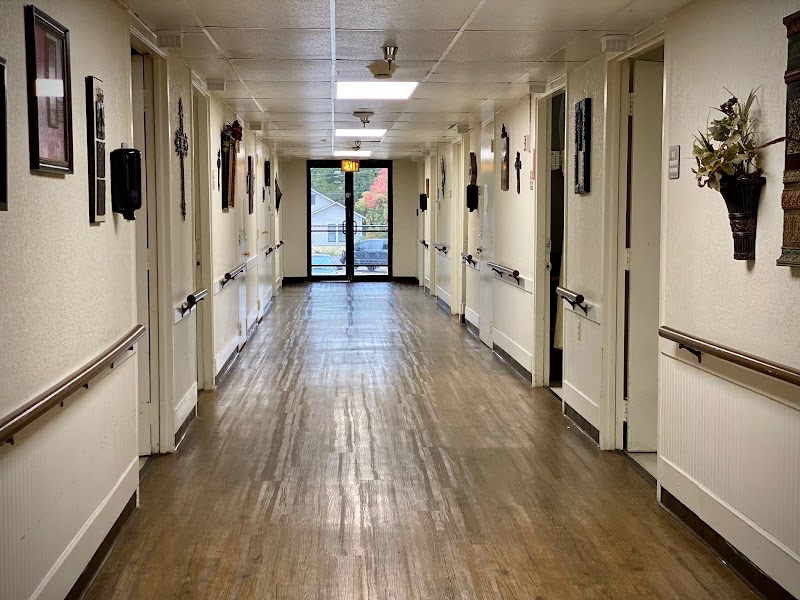
How is North Star Ranch Rehabilitation And Health Care Ce Staffed?

CMS rates North Star Ranch Rehabilitation and Health Care Ce's staffing level at 1 out of 5 stars, which is much below average compared to other nursing homes. Staff turnover is 53%, compared to the Texas average of 46%. RN turnover specifically is 86%, which is notably high. RNs provide skilled clinical oversight, so turnover in this role can affect medical care quality.

What Have Inspectors Found at North Star Ranch Rehabilitation And Health Care Ce?

State health inspectors documented 54 deficiencies at North Star Ranch Rehabilitation and Health Care Ce during 2022 to 2025. These included: 4 Immediate Jeopardy (the most serious level, indicating potential for serious harm or death), 1 that caused actual resident harm, 48 with potential for harm, and 1 minor or isolated issues. Immediate Jeopardy findings are rare and represent the most serious regulatory concerns. They require immediate corrective action.
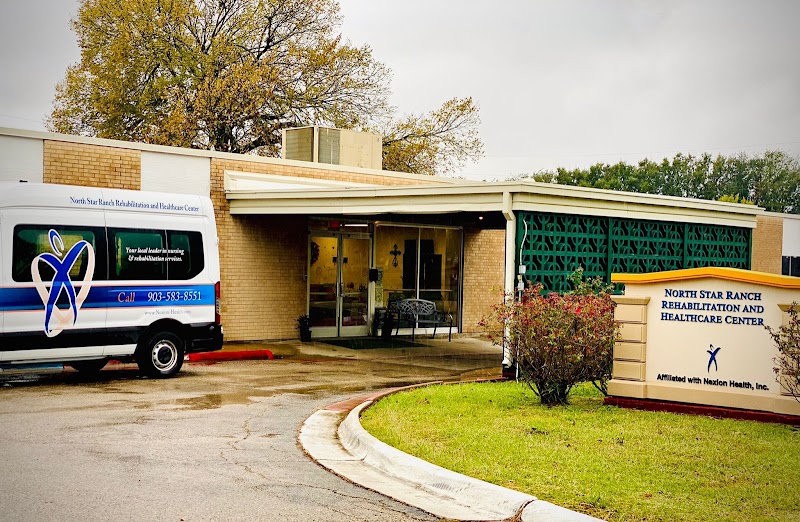
Who Owns and Operates North Star Ranch Rehabilitation And Health Care Ce?

North Star Ranch Rehabilitation and Health Care Ce is owned by a for-profit company. For-profit facilities operate as businesses with obligations to shareholders or private owners. The facility is operated by NEXION HEALTH, a chain that manages multiple nursing homes. With 65 certified beds and approximately 51 residents (about 78% occupancy), it is a smaller facility located in Bonham, Texas.

How Does North Star Ranch Rehabilitation And Health Care Ce Compare to Other Texas Nursing Homes?

Compared to the 100 nursing homes in Texas, North Star Ranch Rehabilitation and Health Care Ce's overall rating (1 stars) is below the state average of 2.8, staff turnover (53%) is near the state average of 46%, and health inspection rating (1 stars) is much below the national benchmark.

What Should Families Ask When Visiting North Star Ranch Rehabilitation And Health Care Ce?

Based on this facility's data, families visiting should ask: "What changes have been made since the serious inspection findings, and how are you preventing similar issues?" "Can you walk me through typical staffing levels on day, evening, and night shifts?" "Can I visit during a mealtime to observe dining assistance and food quality?" "How do you handle medical emergencies, and what is your hospital transfer rate?" These questions are particularly relevant given the facility's Immediate Jeopardy citations and the below-average staffing rating.

Is North Star Ranch Rehabilitation And Health Care Ce Safe?

Based on CMS inspection data, North Star Ranch Rehabilitation and Health Care Ce has documented safety concerns. Inspectors have issued 4 Immediate Jeopardy citations (the most serious violation level indicating risk of serious injury or death). The facility has a 1-star overall rating and ranks #100 of 100 nursing homes in Texas. Families considering this facility should ask detailed questions about what corrective actions have been taken since these incidents.

Do Nurses at North Star Ranch Rehabilitation And Health Care Ce Stick Around?

North Star Ranch Rehabilitation and Health Care Ce has a staff turnover rate of 53%, which is 7 percentage points above the Texas average of 46%. Moderate turnover is common in nursing homes, but families should still ask about staff tenure and how the facility maintains care continuity when employees leave.

Was North Star Ranch Rehabilitation And Health Care Ce Ever Fined?

North Star Ranch Rehabilitation and Health Care Ce has been fined $373,594 across 3 penalty actions. This is 10.1x the Texas average of $36,815. Fines at this level are uncommon and typically indicate a pattern of serious deficiencies, repeated violations, or failure to correct problems promptly. CMS reserves penalties of this magnitude for facilities that pose significant, documented risk to resident health or safety. Families should request specific documentation of what issues led to these fines and what systemic changes have been implemented.

Is North Star Ranch Rehabilitation And Health Care Ce on Any Federal Watch List?

North Star Ranch Rehabilitation and Health Care Ce is not on any federal watch list. The most significant is the Special Focus Facility (SFF) program, which identifies the bottom 1% of nursing homes nationally based on persistent, serious quality problems. Not being on this list means the facility has avoided the pattern of deficiencies that triggers enhanced federal oversight. This is a positive indicator, though families should still review the facility's inspection history directly.