BORGER HEALTHCARE CENTER
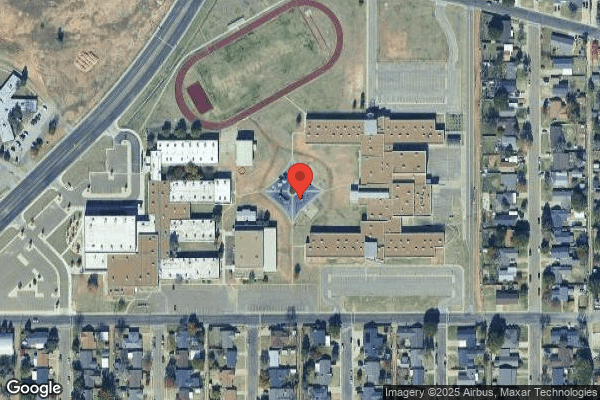

1316 S FLORIDA, BORGER, TX 79007 (806) 273-3785
Government - Hospital district 110 Beds SLP OPERATIONS Data: November 2025 1 Immediate Jeopardy citation
Trust Grade
41/100
#416 of 1168 in TX
Last Inspection: July 2024

Within standard 12-15 month inspection cycle. Federal law requires annual inspections.

Overview

Borger Healthcare Center has received a Trust Grade of D, indicating below-average performance with some concerns that families should consider. Ranking #416 out of 1168 facilities in Texas places it in the top half, and it is the best option out of two in Hutchinson County. The facility appears to be improving, having reduced its issues from 12 in 2024 to 4 in 2025, but still faces significant challenges. Staffing is a concern, with a 67% turnover rate, which is higher than the Texas average, indicating potential instability in care. Recent inspections revealed serious incidents, including a failure to follow proper mechanical lift procedures that resulted in severe injuries to a resident, and a lack of registered nurse oversight for several days, raising questions about the quality of care. Additionally, there were food safety violations, such as improperly stored food and cleanliness issues in the kitchen, which could pose health risks to residents. While there are areas of improvement, families should weigh these strengths and weaknesses carefully.

Trust Score
D
41/100
In Texas
#416/1168
Top 35%
Safety Record
High Risk
Review needed
Inspections
Getting Better
12 → 4 violations
Staff Stability
⚠ Watch
67% turnover. Above average. Higher turnover means staff may not know residents' routines.
Penalties
✓ Good
$13,397 in fines. Lower than most Texas facilities. Relatively clean record.
Skilled Nurses
⚠ Watch
Each resident gets only 26 minutes of Registered Nurse (RN) attention daily — below average for Texas. Fewer RN minutes means fewer trained eyes watching for problems.
Violations
⚠ Watch
26 deficiencies on record. Higher than average. Multiple issues found across inspections.
★★★☆☆
3.0
Overall Rating
★★★☆☆
3.0
Staff Levels
★★★★☆
4.0
Care Quality
★★★☆☆
3.0
Inspection Score
Stable
2024: 12 issues
2025: 4 issues

The Good

  • 4-Star Quality Measures · Strong clinical quality outcomes
  • Full Sprinkler Coverage · Fire safety systems throughout facility
  • No fines on record

Facility shows strength in quality measures, fire safety.

The Bad

3-Star Overall Rating

Near Texas average (2.8)

Meets federal standards, typical of most facilities

Staff Turnover: 67%

20pts above Texas avg (46%)

Frequent staff changes - ask about care continuity

Federal Fines: $13,397

Below median ($33,413)

Minor penalties assessed

Chain: SLP OPERATIONS

Part of a multi-facility chain

Ask about local staffing decisions and management

Staff turnover is elevated (67%)

19 points above Texas average of 48%

The Ugly 26 deficiencies on record

1 life-threatening
Sept 2025 3 deficiencies
CONCERN (D) 📢 Someone Reported This

A family member, employee, or ombudsman was alarmed enough to file a formal complaint

Potential for Harm - no one hurt, but risky conditions existed

Deficiency F0805 (Tag F0805)

Could have caused harm · This affected 1 resident

**NOTE- TERMS IN BRACKETS HAVE BEEN EDITED TO PROTECT CONFIDENTIALITY** Based on observation, interview, and record review the facility failed to ensure each resident received food prepared in a form ...

Read full inspector narrative →
**NOTE- TERMS IN BRACKETS HAVE BEEN EDITED TO PROTECT CONFIDENTIALITY** Based on observation, interview, and record review the facility failed to ensure each resident received food prepared in a form designed to meet individual needs for 1 (Resident #13) of 12 residents reviewed for dietary needs.The facility failed to prepare Resident #13's pureed diet appropriately.This failure could place residents at risk of aspiration, choking, and/or weight loss.Findings Included:Record Review of Resident #13's admission record dated 08/26/25 revealed a [AGE] year-old female admitted to the facility on [DATE] with diagnoses that included, but were not limited to, unspecified dementia severe (a group of thinking and social symptoms that interferes with daily functioning), unspecified protein-calorie malnutrition (state of inadequate intake of food), dysphagia oropharyngeal phase (swallowing disorder that makes it difficult or unsafe to move food from the mouth to the esophagus), and other dietary vitamin B12 deficiency anemia (a form of anemia that occurs when the body lacks sufficient vitamin B12 due to an inadequate intake of natural sources, such as meat and dairy, or fortified foods).Record review of Resident #13's quarterly MDS completed 08/22/25 revealed no BIMS score as Resident #13 was rarely to never understood. The staff assessment revealed her cognition was severely impaired. Section GG Functional Abilities revealed Resident #13 was dependent across all ADLs except for eating where she required substantial/maximal assistance. Section K Swallowing/Nutritional Status revealed she received a mechanically altered diet while a resident.Record review of Resident #13's care plan completed 08/20/25 revealed the following: Nutrition: . physician/NP diet orders, functional assistance level with eating, swallowing precautions as needed will be maintained until further nutritional evaluation is completed. Resident #13 was noted to have impaired functional abilities r/t severe dementia. One of the approaches to address this problem area was Eating: usual performance: dependent Staff assistance: X 1 Assistive device, if applicable: food separated into bowls. Resident #13 was noted to have a regular puree diet order. The goal for this problem area was I will be offered an appetizing meal . help me avoid choking on food that I cannot eat over the next 90 days. This goal was edited on 08/11/25. One of the approaches regarding this goal was My texture is puree.Record review of Resident #13's active orders as of 08/27/25 revealed the following order:Order start date of 06/05/25 Diet: regular diet Texture: PUREE . Special Instructions: Serve food in bowlsDuring an observation on 08/25/25 at 8:07 AM Resident #13 was seated in the dining room being fed by a CNA from bowls on the table in front of her.During an observation and interview on 08/26/25 at 07:26 AM DA B was taking temps of breakfast foods on the steam table. The breakfast was scrambled eggs, oatmeal, sausage patties, and toast. There were two bowls in a steam pan. One bowl contained a brown, dry, crumbly substance and the other contained a yellow substance that appeared to be the texture of cottage cheese. DA B stated the bowls were the puree diet and she had not added the gravy to the bowls yet.During an observation on 08/26/25 at 07:28 AM DA B asked DA A what liquid to add to the puree. DA A told DA B to add apple juice to the pureed sausage and eggs.During an observation on 08/26/25 at 07:32 AM DA B opened a small plastic, single serve container of apple juice and poured half of it into the bowl of ground eggs and half (approximately 1/4 cup) of it into the bowl of ground sausage. She then heated each bowl in the microwave.During an observation on 08/26/25 at 07:37 AM this surveyor tasted the pureed eggs and found them to be sweet from the addition of the applesauce. The flavor was not appetizing, and the texture was watery with small lumps of egg. This surveyor then tasted the pureed sausage patty. The sausage tasted better than the eggs but was still on the sweet side. The sausage texture was watery with grainy lumps and larger lumps. There was no pureed bread.During an observation on 08/26/25 at 07:49 AM The bowls of pureed food for Resident #13 were placed by DA A on the wrong tray and delivered to the wrong resident.During an observation on 08/26/25 at 07:53 AM DA B began to remake the puree. She placed a serving of eggs in the blender with approximately 1/4 cup of apple juice. DA B ran the blender for about 30 seconds and poured the egg mixture into a bowl.During an observation on 08/26/25 at 07:56 AM DA B rinsed the blender and added a sausage patty and approximately 1/4 cup of apple juice. She ran the blender for about 30 seconds and poured the sausage mixture into a bowl.During an observation on 08/26/25 at 07:58 AM DA B scooped oatmeal from the pan on the stove, added it to a bowl and placed the bowl of oatmeal, pureed eggs, and pureed sausage on a tray to be delivered to Resident #13.During an interview on 08/26/25 at 11:33 AM RD stated pureed food needed to be the consistency of thick pudding or mashed potatoes. She stated correctly pureed food should not fall through and fork and should fall off a spoon in one lump. She stated grainy or watery texture was not correct. RD stated regular oatmeal was not suitable for a pureed diet as it had lumps. She stated the liquid used to puree eggs should be milk or gravy. She stated the liquid used to puree sausage should be broth or gravy. RD stated apple juice was not an appropriate liquid to puree eggs or sausage. She stated water was never an appropriate liquid.During an interview on 08/26/25 at 03:22 AM RD stated if a pureed diet was not the correct texture it could be a choking hazard.During an interview on 08/27/25 at 07:26 AM CNA D stated she fed Resident #13 her breakfast yesterday and Resident #13 ate one hundred percent of her breakfast. CNA D stated Resident #13 did not seem to have any trouble swallowing her breakfast.During an observation on 08/27/25 at 07:42 AM Resident #13 was seated at a table in the DR. CNA D was stirring a sugar packet into the bowls of what appeared to be eggs and sausage in front of Resident #13. The pureed eggs appear to be watery and grainy. The pureed sausage appears to be watery and grainy. The liquid seems to have separated from the eggs and from the sausage. Resident #13 had a bowl of regular oatmeal as well and it appears to be lumpy. Resident #13 did not have pureed bread, though the other residents observed eating in the dining room did have toast with their eggs, sausage, and oatmeal.During an interview on 08/27/25 at 08:54 AM CC stated if a resident with a dietary order of pureed received food that was watery, grainy, or lumpy it could lead to aspiration.During an interview on 08/27/25 at 10:27 AM DA A stated she had worked for the facility as a DA for 3 years. She stated her dining manager was out on medical leave. DA A stated ADM had been in charge of the kitchen operation during his absence. She stated the facility had only 2 residents with pureed diets and one of them was currently in the hospital. She stated she was trained by her first boss on making pureed meals. She stated she was trained to use milk or water as the liquid added to pureed food. DA A stated she was trained more recently to use apple juice or water as the liquid added to pureed food. She stated if a pureed food was not the correct consistency a resident could choke. DA A stated pureed food was supposed to be the consistency of pudding. She stated she trained DA B to use water and apple juice when making pureed food.During an interview on 08/27/25 at 10:37 AM DA B stated she has been working for the facility for 3 weeks. She stated she was not trained to make pureed meals by this facility. DA B stated at her previous job she was trained to use water and a breakfast gravy as the liquid to puree breakfast food and a brown gravy as the liquid to puree lunch or dinner items. She stated pureed food was supposed to be smooth, no chunks. DA B stated pureed food that was not the correct consistency was a choking hazard and might lead to aspiration.During an interview on 08/27/25 at 10:46 AM CCM stated if a resident with a dietary order of pureed received food that was watery, grainy, or lumpy they could choke or get pneumonia, or it could cause an obstruction and/or death.During an interview on 08/27/25 at 11:06 AM LVN F stated a resident with a pureed diet order who received watery, grainy food would not have any issues unless they were ordered to have thickened liquids. She stated if a resident with a pureed diet order was given food with lumps it could cause choking or aspiration.During an interview on 08/27/25 at 11:14 AM ADM stated a resident with a pureed diet order who received food that was not the correct consistency could aspirate. She stated pureed food should be good and smooth like a baby food like texture. ADM stated she did not know why dietary staff did not make pureed bread for Resident #13 as they have bags of puree bread mix and puree pancake mix in the pantry.During an interview on 08/27/25 at 01:04 PM DON stated if a resident with a pureed diet order received watery, grainy, or lumpy food they could choke or aspirate.Record review of an in-service training titled F812 Kitchen Sanitation, Cook/Aide Responsibilities, Cleaning Schedules, RD Inspection, Food Storage, Infection Control, Dish Room provided to DA A and DA C by ADM and HR on 07/16/25 revealed the following: . Meal Service . Follow the recipe. Using incorrect ingredient measurements or changing/omitting ingredients can affect the overall quality or nutritive value of the food .Record review of an in-service provided to DA A and DA B by ADM on 08/27/25 revealed the following: . Employees will have knowledge and understanding on how to blend and prepare items for pureed ordered diets to include portions, consistency, acceptable liquids, and required temperatures. Pureed diet-is a regular diet that has been designed for residents who have difficulty chewing and/or swallowing. The texture of the food should be a smooth and moist consistency (mashed potato, pudding) and able to hold its shape. Pureed recipes are found in the recipe book. The recipe includes the type of liquid and additional ingredients to be used. It is important to pay attention to the type and amount of liquid. This helps ensure the puree food is the correct consistency and provides the appropriate nutrition. Examples of liquids: Milk, broth, gravy, apple juice. Water is typically not used because it will dilute flavors and nutrients in the food. Scrambled eggs do need to be pureed. Puree items on low until a paste consistency and then add the reciped [sic] fluid gradually until a smooth pudding consistency is achieved. If a pureed item is too thick, thickeners can be used . Pureed foods need to be served on a dinner plate for dignity and on in bowls or divided plate. Pureed foods should not be running together on the plate. If this is the case, then it is not the correct consistency. Taste the pureed food. Is it smooth? Does it taste like the regular food item?Record review of facility recipe for pureed pork breakfast sausage patty dated 08/26/25 revealed the following: . Ingredients 1 Sausage Pork Bkft (breakfast) Patty . 1 Tbsp Milk or appropriate liquid . Pureed foods should be soft and smooth without any lumps or visible particles. Liquids should not separate from the solids. Recipe liquid and thickener amounts, if needed, are an estimate only. NOTE: Cooking liquid, broth, gravy or other suitable liquid may be substituted for liquid in recipe with pureeing this food for PU4. Pureed Usually eaten with a spoon (a fork is possible) * Cannot be drunk from a cup because it does not flow easily * Cannot be sucked through a straw * Does not require chewing * Can be piped, layered or molded because it retains its shape . Shows some very slow movement under gravity but cannot be poured * Falls off spoon in a single spoonful when tilted and continues to hold its shape on a plate * No lumps * . Liquid must not separate from solid .Record review of facility recipe titled PU4 Milk or Appropriate Liquid (Milk or Other Appropriate Liquid) and dated 08/26/25 revealed the following: . Entrees - Broth or other appropriate sauce/gravy from menu .Record review of facility recipe for pureed scrambled eggs dated 08/26/25 revealed the following: . Ingredients 1 Tbsp Milk or Appropriate Liquid 1/4 Cup Egg Scrambled . NOTE: Cooking liquid, broth, gravy or other suitable liquid may be substituted for liquid in recipe with pureeing this food for PU4. NOTE: As this food item contains a high percentage of fluid, additional fluid may not be needed. Drain well before pureeing, and once the items in pureed, add additional liquid only if necessary. Thickener may also be needed to achieve the proper consistency for PU4.Record review of facility recipe for pureed oatmeal dated 08/26/25 revealed the following: . Ingredients 1/2 cup Cereal Oatmeal f/Quick Oats 1 Tbsp Milk or Appropriate Liquid . Drain any excess liquid from food. Place prepared recipe portion into a blender or food processor. Blend until smooth. Additional liquid and/or thickener may be needed to ensure puree is smooth, moist and appropriate for PU4.Record review of facility policy titled Puree Food Preparation and dated 08/01/25 revealed the following: . It is the policy of this facility to provide puree food that has been prepared in a manner to conserve nutritive value, palatable flavor, and attractive appearance. ‘Puree' means that all food has been ground, pressed and/or strained to a consistency of a soft, smooth, thick paste similar to a thick pudding. 1. The facility should provide each resident food that is prepared by methods that conserve nutritive value, flavor, and appearance. 2. Puree foods should be prepared to prevent lumps or chunks. The goal is a smooth, soft, homogenous consistency similar to soft mashed potatoes. 3. If the food item requires chewing, it should be excluded from the puree diet and prepared in a way that preserved vitamins and a minimum loss of nutrients. 5. Follow the recipe to prepare puree foods. 7. Examples of items to use to puree foods: . Meats: broth or gravy .
CONCERN (D) 📢 Someone Reported This

A family member, employee, or ombudsman was alarmed enough to file a formal complaint

Potential for Harm - no one hurt, but risky conditions existed

Infection Control (Tag F0880)

Could have caused harm · This affected 1 resident

**NOTE- TERMS IN BRACKETS HAVE BEEN EDITED TO PROTECT CONFIDENTIALITY** Based on observation, interview, and record review, the facility failed to maintain an infection prevention and control program ...

Read full inspector narrative →
**NOTE- TERMS IN BRACKETS HAVE BEEN EDITED TO PROTECT CONFIDENTIALITY** Based on observation, interview, and record review, the facility failed to maintain an infection prevention and control program designed to provide a safe, sanitary, and comfortable environment and to help prevent the development and transmission of communicable diseases and infections for 1 (Resident #5) of 3 residents observed for infection control practices. The DON did not wear a gown when performing wound care for Resident #5. This failure could place residents at risk of cross-contamination and infections.Findings include: Record review of Resident #5's clinical record revealed a [AGE] year-old male resident admitted to the facility on [DATE] with diagnoses to include stage 4 pressure ulcer of the sacral region (a sever, full-thickness skin and tissue injury that extends into the muscle, tendo, and ligament, or bone at the base of the spine, below the lumbar vertebrae and above the coccyx (tailbone) and dysphagia (difficulty or discomfort in swallowing). Record review of Resident #5's clinical record revealed his last MDS was a quarterly completed 7/25/25 listing him with a BIMS of 15 indicating he was cognitively intact, he had a functionality of requiring supervision for most of his activities of daily living, and he had an unhealed stage 4 pressure ulcer. Record review of Resident #5's care plan with admission date of 11/06/24 revealed the following: Problem Start Date: 06/05/2025Category: GeneralI require enhanced barrier precautions due to the following:I am at increased risk of a MDRO acquisition due to having a wound. Approach Start Date: 06/05/2025PPE will be available (including gowns/gloves/face shield or goggles) will be available right outside my room, in the shower room. Problem Start Date: 06/05/2025Category: GeneralI require enhanced barrier precautions due to the following: pressure ulcer and colostomy. Approach Start Date: 06/05/2025Staff will wear PPE during high-contact activities such as dressing, bathing/showering, transferring, providing hygiene, changing linens, incontinent care, wound care of any type requiring a dressing, device care or use. Problem Start Date: 05/29/2025I have a colostomy R/T chronic wound infection to buttocks. Record Review of Resident #5's Orders printed 8/26/25 revealed the following order: -Enhanced Barrier Precautions - I have a pressure ulcer and colostomy. Start Date: 6/05/25. During an observation on 08/26/2025 at 09:42 AM the DON performed Resident #5's wound care to his Stage 4 Pressure Ulcer on his coccyx. The DON did not put on a gown at any time during the care. During an interview on 08/26/2025 at 9:56 AM the DON verified she did not put on a gown during the wound care for Resident #5's pressure ulcer on his coccyx. The DON reported this did violate EBP precautions because he had a wound and he had a colostomy. The DON reported not following EBP would result in violating infection control. During an interview on 08/26/2025 at 1:20 PM RN E reported any resident on EBP was on that process to maintain infection control. Anyone with a catheter, wound, or something similar to that should be on EBP which means they should have a station placed outside their room with gowns, gloves, and googles if needed. RN E reported EBP was done to prevent the spread of infection. During an interview on 08/27/2025 at 8:52 AM the CN reported EBP should be utilized with any resident that has a catheter, wound, ostomy, PICC line, of something like that. The CN reported she expects staff to wear the appropriate PPE with any of these procedures. The CN reported if staff do not follow EBP then they violate infection control and can spread infections. Record review of the facility provided policy titled, Enhanced Barrier Precautions date implemented 6/25, revealed the following: Policy: It is the policy of this facility to implement enhanced barrier precautions for the prevention of transmission of multidrug-resistant organisms. 3. Implementation of Enhance Barrier Precautions:b. PPE for enhanced barrier precautions is only necessary when performing high-contact care activities.4. High-contact care activities include:h. Wound care: any skin opening requiring a dressing.
CONCERN (F) 📢 Someone Reported This

A family member, employee, or ombudsman was alarmed enough to file a formal complaint

Potential for Harm - no one hurt, but risky conditions existed

Food Safety (Tag F0812)

Could have caused harm · This affected most or all residents

Based on observation, interview, and record review the facility failed to store, prepare, distribute and serve food in accordance with professional standards for food service safety for 1 of 1 kitchen...

Read full inspector narrative →
Based on observation, interview, and record review the facility failed to store, prepare, distribute and serve food in accordance with professional standards for food service safety for 1 of 1 kitchen reviewed for food service safety.The facility failed to ensure stored food was properly labelled and dated.The facility failed to ensure dented cans were placed in the specified area to be returned.The facility failed to discard leftover food by use by date on the label.The facility failed to ensure the floor, walls, trashcan, and bathroom of the kitchen were clean and sanitized.The facility failed to ensure food was stored at least 6 inches off the floor.These failures could place residents at risk of food borne illness.Findings included:An observation on 08/25/25 at 05:35 AM revealed a meal trolley outside the door to the kitchen. It was full of dirty dishes and trays with two dirty trays and their dirty dishes sitting on top of the trolley.An observation on 08/25/25 at 05:36 AM revealed the sink next to the dishwasher was full of dirty dishes, pots, and pans and the three compartment sink on the other side of the dishwasher was full of dirty dishes, pots, and pans.An observation on 08/25/25 at 05:37 AM revealed three round, 5-gallon, opaque plastic, lidded containers stacked on top of one another on the floor of the kitchen next to the stand mixer. The bottom container was 1/4 full of yellow substance and labeled Cornmeal 07/17/25 use by 08/17/25. The middle container was 1/2 full of white substance and labeled Sugar 07/17/25 use by 08/17/25. The top container was 1/6 full of white powdery substance and had no label or date.An observation on 08/25/25 at 05:39 AM revealed the kitchen floor around the step-to-open trashcan was littered with white crumbs which were stuck to the floor but could be scraped off using the toe of this surveyor's shoe. The trash can did not have a liner and the inside of the trashcan is smeared. The bottom of the trash can contained crumbs, two individual ketchup packets, and one individual butter packet.An observation on 08/25/25 at 05:40 AM revealed the kitchen floor next to the stove, steam table, and prep table was littered with crumbs and black/brown streaks and smears that were sticky to the bottom of this surveyor's shoes.An observation on 08/25/25 at 05:42 AM of the counter next to the microwave revealed the following:two bags of circular fruit flavored breakfast cereal open to aira bag of cheese sauce mix open to air with no datea banana peeled 1/3 of the way down and open to airAn observation on 08/25/25 at 05:43 AM of the shelving under the microwave counter and the steam table revealed clean steam pans and a scattering of white crumbs.An observation on 08/25/25 at 05:46 AM of the walls next to and behind the oven revealed brown/orange substance splattered from about 6 feet high to the bottom of the walls.An observation on 08/25/25 at 05:48 AM of the prep table reveals a brown/grey smear approximately the size of a dessert plate that is sticky and greasy to touch on the end of the table closest to the serving door.An observation on 08/25/25 at 05:48 AM of the refrigerator and freezer temperature logs revealed the last entry was 08/20/25.An observation on 08/25/25 at 05:51 of the large freezer revealed the following: 1 zip topped plastic bag contained what appeared to be pancakes no label or date 1 zip topped plastic bag contained breaded meat patties no label or date 2 large plastic bags of what appeared to be fried shrimp no label or date 1 plastic bag labeled cookies open to airAn observation on 08/25/25 at 05:55 AM of the walk-in refrigerator revealed the following: 2 individual butter spread containers on the floor 1 unopened, clear plastic bag labeled coleslaw and dated 07/22/25 1 zip topped plastic bag labeled cucumber onion dated 08/21/25 use by 08/24/25 1 large opaque circular tub 1/3 full of what appears to be chopped carrots in liquid no label or date 1 plastic circular opaque tub 1/3 full labeled cream of chicken and dated 08/19/25 use by 08/22/25 1 rectangular, metal, lidded steam table pan 1/2 full of what appears to be oatmeal no label or date 1 zip topped plastic bag labeled Roast dated 08/20/25 use by 08/23/25 1 buffet ham in original packaging dated 07/29/25 1 package of what appears to be round luncheon meat with no label or date. 1 package of sliced ham no date 1 box of bacon open to airAn observation on 08/25/25 at 06:07 AM revealed a round, lidded, plastic tub of chocolate frosting with 1/6th used sitting on the counter next to the coffee maker. Manufacturer's label stated, Refrigerate leftovers for up to 2 weeks.An observation on 08/25/25 at 06:08 AM of the pantry revealed the following: 1 can of apples dented on the side and top seam of the can1 large bag of parboiled rice open to air1 undated box of small macaroni noodles open to air1 zip topped plastic bag with open cheese sauce package inside with no open date1 zip topped plastic bag with open bag of potato chips inside with no open date4 macaroni noodles and lots of crumbs and dirt on the floor behind the pantry door.An observation on 08/25/25 at 06:23 AM of the kitchen bathroom revealed the following: 1 wet spot under the sink the size of a sheet of letter paper, with dirty end of plunger resting in the wet spot toilet bowl was speckled with brown spots yellow stains on underside of toilet seat in a splatter pattern sink drain is broken and lying crookedly in the bottom of the sink sink was stained grey/brown along the top right side floor of bathroom was sticky and stained with brown/black smears walls of bathroom were dirty with grey/brown/black smudges light switch was stained greyish brown and sticky spiderwebs on the shelf above the toilet and on the ceiling An observation on 08/25/25 at 08:43 AM revealed cornmeal, sugar, and third unlabeled tubs still stacked on the floor of the kitchen next to the stand mixer. An observation on 08/25/2025 at 08:43 AM of prep table revealed it still has same smear of grey/brown sticky, greasy substance on the end closest to the DR. An observation on 08/25/2025 at 08:43 AM of kitchen floor revealed it was still littered with crumbs and black/brown sticky smears. An observation on 08/25/2025 at 08:45 AM of the walk-in refrigerator revealed a pitcher of opaque plastic with red lid 1/3 full of white substance no label or date. An observation on 08/25/2025 at 08:47 AM of locked freezer revealed the following:4 cylindrical packages of what appears to be ground meat with no label or date2 turkey breasts with no datebox of bite-sized pieces of what appears to be meat with no label or date open to air.During an observation on 08/26/2025 at 07:32 AM DA B used her right index finger to stir apple juice into ground sausage patty as she prepared puree meal.During an observation on 08/26/2025 at 07:56 AM DA B finished using the blender for one pureed item and used water from the tap to rinse out the blender before reusing it for the next pureed item.During an observation on 08/26/2025 at 08:10 AM DA A used her gloved hand to pick up a half slice of toast and place it on a plate for a resident after touching trays, utensils, and the doorhandle to the walk-in refrigerator.During an interview on 08/25/2025 at 09:09 AM DA C stated he had worked for facility for 2 months. He stated all kitchen staff were responsible for cleaning pantry, kitchen floors, and kitchen bathroom. He stated there was a cleaning log and they communicate with one another to see who does what each shift. DA C stated the bathroom was cleaned at least 3 times a week. He stated all kitchen staff were responsible for labeling and dating food in pantry, freezer, and fridge. DA C stated they were flying by the seat of their pants while DM was out on medical leave. He stated he was not trained on labelling and dating food. DA C stated he managed a kitchen previously and all he needed to know was where the stickers to label and date were kept. During an interview on 08/25/2025 at 09:16 AM DA A stated she had worked for the facility for 3 years. She stated all kitchen staff were responsible for cleaning pantry and kitchen floors. DA A stated they did both things daily. She stated the kitchen bathroom was cleaned by kitchen staff at least 3 times a week. DA A stated she noticed the water under the sink in the kitchen bathroom yesterday. She stated it was often necessary to leave dirty dishes in the tray trolley and dirty dishes, pots, and pans in the sinks overnight due to needing to clock out at 06:00 PM after dinner was served at 05:30 PM. DA A stated whoever puts food in the fridge needs to label it with the day made and the use by date. She stated she was trained on labelling and dating food.During an interview on 08/26/25 at 03:22 PM RD stated residents could be negatively impacted if food was not labeled and dated properly. She stated, A lot of different things could go wrong with that if it is expired or out of date, you wouldn't know.During an interview on 08/27/25 at 10:27 AM DA A stated she had been trained on labeling and dating food at least 6 times in 3 years. She stated if food was not properly labeled and dated it could make residents sick. DA A stated she was trained on sorting canned goods for dented cans when the food truck arrives. She stated residents could be negatively impacted by eating food from dented cans. DA A stated she had been trained on cleaning the floors of the kitchen 10 times. She stated she was never trained on cleaning the kitchen bathroom. Of cleaning the kitchen bathroom, DA A stated, We just do it when we have the chance, and our hours have been cut; we cannot keep up with everything. She stated dirty floors, walls, and kitchen bathroom could make residents sick.During interview on 08/27/25 at 10:37 AM DA B stated she was trained her first three days on labeling and dating food. She stated she was taught to label food with the open date and the use by date. DA B stated leftover food was to be used in 3 days or discarded. She stated all food was to be labeled as it came into the kitchen from the food truck with the date of arrival. DA B stated food that was improperly labeled could affect health of residents. She stated she was not trained to sort canned goods and place dented cans on the specially marked shelf in the pantry. DA B stated regarding cleanliness of the kitchen, I am going crazy here. I want to clean everything. I want to scrape it all with bleach. I just bleached the floors when I just got here. She stated a dirty kitchen could allow bacteria into the food and make residents sick.Record review of posted cleaning duties form hanging in the kitchen revealed 3 of 168 possible items were initialed/dated on 08/22/25. The three initial/dated items revealed counters, fridge, freezers, and storeroom were cleaned.Record review of an in-service training titled F812 Kitchen Sanitation, Cook/Aide Responsibilities, Cleaning Schedules, RD Inspection, Food Storage, Infection Control, Dish Room provided to DA A and DA C by ADM and HR on 07/16/25 revealed the following: . Employees should never use bare hand contact with any foods, ready to eat or otherwise. The appropriate use of items such as gloves, tongs, deli paper, and spatulas is essential in minimizing the risk of foodborne illness. According to the Food Code, gloves are necessary when directly touching ready-to-eat food. Keep food and food products off the floor . Label, date, and monitor refrigerated food, including, leftovers, so it is used by its use-by date . Cross-contamination can occur when harmful substances, i.e., chemical or disease-causing microorganisms are transferred to food by hands . Clean and sanitize work surfaces, including . food contact equipment (e.g. blenders .) between uses. Food preparation or service area problems/risks to avoid include: . Handling food with bare hands or improperly handling equipment and utensils; . Aide's Daily Responsibility .10 Sweep and mop area. 17. Complete cleaning assigned tasks. 18. Wipe down walls. 19. Wash Trashcans weekly. 22. Sweep and mop the storeroom daily. Proper Food Labeling and Dating All leftover foods or foods removed from their original containers require proper labeling when stored *Item Identification *Date of Preparation *Date foods are to be used or discarded When to Date At time food is being removed from its original container and placed in another container At time leftover foods are removed from either hot or cold handling and placed in a container . Dry Storage Guidelines All items stored at least 6 inches above the floor . Proper Storage of Leftovers Non-perishable * Reseal, label and date all products * Sealed in airtight manner * Use products with in ‘use by' dates stated on original package . *Clearly label food item . Discard expired food promptly . Kitchen Sanitation and Cleaning Schedules All surfaces, including floors, walls, storage shelves, prep tables, trash cans, and all food contact surfaces must be routinely cleaned and sanitized. All equipment must be thoroughly washed and sanitized between uses . Food Storage and Sanitation * Foods are stored at least 6 inches off the floor . * Food removed from its original packaging must be labeled with name of food. *Do not use bare hands to touch read to eat food contact surfaces. Document temperature on appropriate temperature log for all refrigerators and freezers daily. * All opened containers or leftover food is to be tightly wrapped or covered in clean containers. It should be labeled, dated with the opened or use by date. * Dented or otherwise damaged cans will not be used. Once identified, dented cans should be stored in a separate area of the storeroom to be returned to vendor or discarded. Cleaning Schedules * Cleaning schedules are posted at the beginning of each day, week or month in the kitchen depending on the type of schedule. * It is the responsibility of the team member to follow the cleaning schedule and to complete as indicated. Sign the cleaning schedule once task is complete.Record review of facility menus for pureed pork breakfast sausage patty, pureed oatmeal, and pureed scrambled eggs dated 08/26/25 revealed the following: . Wash hands before beginning preparation and sanitize surfaces and equipment.Record review of facility policy titled Hand Washing and dated 10/01/18 revealed the following: . The facility recognizes that food-borne illness has the potential to harm elderly and frail residents. All Nutrition and Foodservice employees will practice good hand washing practices in order to minimize the risk of infection and food borne illness. Hands should be washed after the following occurrences: . k. Touching un-sanitized equipment, work surfaces .Record review of facility policy titled General Kitchen Sanitation and dated 10/01/18 revealed the following: . All Nutrition and Foodservice employees will maintain clean, sanitary kitchen facilities in accordance with the state and US Food Codes in order to minimize the risk of infection and food borne illness. 1. Clean and sanitize all food preparation areas, food contact surfaces . 3. Keep food-contact surfaces of all cooking equipment free of encrusted grease deposits and other accumulated soil. 6. Clean non-food contact surfaces of equipment at intervals as necessary to keep them free of dust, dirt, and food particles . 11. Check restrooms regularly throughout the shift .Record review of facility policy titled Food Preparation and Handling and dated 6/1/19 revealed the following: . To ensure that all food served by the facility is of good quality and safe for consumption, all food will be prepared and handled according to the state and US Food Codes . General Guidelines a. Use clean, sanitized surfaces, equipment . c. Prepare food with the least manual contact possible. Do not allow bare hands to touch raw food directly.Record review of facility policy titled Food Storage and dated 10/01/19 revealed the following: . To ensure that all food served by the facility is of good quality and safe for consumption, all food will be stored according to the state, federal and US Food Codes . Dry storage rooms d. All containers must be labeled and dated.h. Store all items at least 6 inches above the floor . Refrigerators . d. Date, label, and tightly seal all refrigerated foods . e. Use all leftovers within 72 hours. Discard items that are over 72 hours old. h. Temperatures (of refrigerators) should be checked each morning and again on the PM shift. Record the temperatures on a log that is kept near the refrigerator. Freezers . e. Store frozen foods in moisture-proof wrap or containers that are labeled and dated.Record review of facility policy titled Handwashing Guidelines for Dietary Employees and dated 07/25/25 revealed the following: . Handwashing is necessary to prevent the spread of bacteria that may cause foodborne illnesses. Frequency of Handwashing . n. 3. After engaging in any activity that may contaminate the hands.
Jan 2025 1 deficiency
CONCERN (D) 📢 Someone Reported This

A family member, employee, or ombudsman was alarmed enough to file a formal complaint

Potential for Harm - no one hurt, but risky conditions existed

Accident Prevention (Tag F0689)

Could have caused harm · This affected 1 resident

**NOTE- TERMS IN BRACKETS HAVE BEEN EDITED TO PROTECT CONFIDENTIALITY** Based on observations, interviews, and record reviews the facility failed to ensure that the resident's environment remained as ...

Read full inspector narrative →
**NOTE- TERMS IN BRACKETS HAVE BEEN EDITED TO PROTECT CONFIDENTIALITY** Based on observations, interviews, and record reviews the facility failed to ensure that the resident's environment remained as free of accident hazards as possible, and that the resident received adequate supervision and assistive devices to prevent accidents for 1 of 5 residents (Resident #1) reviewed for accident hazards. CNA A failed to use a transfer belt while attempting to transfer Resident #1 from the bed to the wheelchair. This failure could place residents at risk of unsafe transfers, resulting in falls, injuries, and a decreased quality of life. Findings included: Record review of Resident #1's clinical records revealed a [AGE] year-old female who was admitted to the facility on [DATE]. Resident #1 had a diagnoses which included Unspecified Systolic (congestive) Heart Failure ( a condition of the heart where the heart is weak and the left ventricle cannot contract normally when the heart beats), Urinary Tract Infection, site not specified, Other Abnormalities of Gait and Mobility, Unspecified Dementia, moderate, with Anxiety, Muscle weakness (generalized), Cognitive Communication Deficit (communication difficulty cause by cognitive impairment), Cellulitis of Right Lower limb (Infection of the skin), Pain in unspecified shoulder, Dementia in other diseases classified elsewhere, Unspecified severity, with Other Behavioral Disturbance, Altered mental status, unspecified, Heart failure, unspecified, and Acute Respiratory Failure with Hypoxia (impairment of gas exchange between the lungs and the blood, causing shortness of breath, anxiety and confusion). Resident #1 had a BIMS score of 02, which indicated severe cognitive impairment. Her Morse Fall Scale dated 12/13/2024 revealed a history of falling related to a secondary diagnosis, the use of a walker for ambulation, a weak gate, and an overestimation of her physical limitations. Record review of Resident #1's Quarterly MDS dated [DATE] revealed Resident #1's bed mobility and transfers were extensive assistance (resident involved in activity, staff provide weight-bearing support) with one-person physical assist. Record review of Resident #1's Care Plan dated 01/02/2025 revealed Resident #1's Problem of ADL Functional Status/Rehabilitation Potential, a Goal of Resident will achieve maximum functional mobility and an Approach of Bed mobility amount of assist: extensive x 1 assist and Transferring amount of assist: extensive x 1 assist. Resident #1's Care Conference Notes indicated Resident #1 needed substantial assistance to both sit up and stand, as her condition was declining, and she received Hospice services. In a phone interview 01/28/2025 at 2:27PM Resident #1's POA revealed she had video surveillance from a [NAME] which had been place in Resident #1's room, prior to her death in the facility on 01/11/2025. The POA stated the video clearly showed an improper transfer being done by CNA A, where she first lifts Resident #1 from a supine (laying on the back) position to a sitting position by lifting her from the back of her neck to aid Resident #1 in sitting up. The POA stated CNA A then helped Resident #1 to a sitting position on the edge of the bed and began to lift Resident #1 by pulling on the resident's outstretched arms, trying to bring Resident #1 to a standing position. The video was reviewed by the state surveyor and the POA's observations proved to be correct. The POA stated Resident #1 was not hurt in any way during the attempted transfer, but the manner in which the transfer was attempted, was concerning. An interview with the Administrator, the DON and the Corporate Nurse on 01/29/2025 at 12:55PM revealed a competency checklist was used by the ADON and DON to evaluate CNA competency in transfers from bed to wheelchair and were to be done using a transfer belt. The administrator stated Resident #1 did not like the transfer belt but was told its use was for her safety. She stated she did not know why CNA A had not used a transfer belt, as was revealed in the supplied video from the resident's POA. Phone interviews with CNA A were attempted on 01/29/2025 at 11:12AM and 1:22PM but were unsuccessful. She was unable to be reached and there was no voicemail set up to request a return call. Record review of the CNA Transfers Competency Checklist read as follows: Before assisting to stand, resident is assisted to a sitting position with feet flat on the floor. Before assisting to stand, apply transfer belt securely at the waist over clothing/gown. Before assisting to stand, provide instructions to enable resident to assist in the transfer including a prearranged signal to alert when to begin standing. Stand facing the resident, positioning self to ensure safety of resident during transfer. Count to three (or say prearranged signal) to alert resident to begin standing. On signal, gradually assist resident to stand by grasping transfer belt on both sides with an upward grasp (resident's hands are in an upward position) and maintain stability by standing knee-to-knee or toe-to- toe with the resident. Record review of CNA A's checklist reflected it was signed by the ADON as competent on 12/26/2024. The ADON was not available for interview.
Jul 2024 3 deficiencies
CONCERN (E)

Potential for Harm - no one hurt, but risky conditions existed

Resident Rights (Tag F0550)

Could have caused harm · This affected multiple residents

**NOTE- TERMS IN BRACKETS HAVE BEEN EDITED TO PROTECT CONFIDENTIALITY** Based on observation, interview, and record review the facility failed to treat each resident with respect and dignity and care ...

Read full inspector narrative →
**NOTE- TERMS IN BRACKETS HAVE BEEN EDITED TO PROTECT CONFIDENTIALITY** Based on observation, interview, and record review the facility failed to treat each resident with respect and dignity and care for each resident in a manner and in an environment that promotes maintenance or enhancement of his or her quality of life for 2 (Resident #19 and #89) of 2 residents reviewed for catheter care in that: Resident #19 was observed several times with his catheter bag not in a privacy bag. Resident #89 was observed several times with his catheter bag not in a privacy bag. This failure could cause residents to feel uncomfortable and disrespected leading to feeling of isolation and deterioration in general health conditions. Findings include: Resident #19 Record review of Resident #19's face sheet revealed he was a [AGE] year-old male resident admitted to the facility originally on 3-1-2023 and readmitted on [DATE] with diagnoses to include cerebral infarction (occurs as a result of disrupted blood flow to the brain due to problems with the blood vessels that supply it), urinary tract infection (an infection in any part of the urinary system, the kidneys, bladder, or urethra), Schizoaffective disorder (a mental health condition including schizophrenia and mood disorder symptoms), intermittent explosive disorder (repeated sudden outbursts of anger), anxiety (a group of mental illnesses that cause constant fear and worry), long term use of antibiotics, aphasia (loss of the ability to understand or express speech caused by brain damage), acute kidney failure (longstanding disease of the kidneys leading to kidney failure), neuromuscular dysfunction of the bladder (the nerves and muscles of the bladder do not work well resulting in the bladder not filling or emptying well), and cognitive communication deficit (Impaired thought processes). Record review of Resident #19's last MDS revealed a quarterly assessment completed on 6-25-2024 with a BIMS that was not completed because he is rarely/never understood, and he had a functional status of requiring setup or clean up assistance to substantial/maximal assistance with his activities of daily living. Resident #19 is marked as having an indwelling catheter. Record review of the care plan with admission date of 03-01-2023 for Resident #19 revealed the following: Problem: Behavioral Symptoms -I become fixated on my catheter. I continue to remove the dignity bag and place the bag in the seat of my wheelchair, which increases my risk of UTI. Approach: -Place dignity bag over catheter bag when resident removes. Problem: Indwelling Catheter -I have a urinary catheter . Approach: - Provide catheter care and change catheter per policy. During an observation on 07-22-2024 at 09:27 AM Resident #19 was in his room listening to music. Resident #19 was dressed well and in a specialized wheelchair. Resident #19 was alert but answered each questioned with Ya. No other response given other than a thumbs up when this surveyor was leaving the room. Resident #19 appeared in good condition with his catheter hanging from the far side of his wheelchair out of view. During an observation and interview on 07-22-2024 at 09:39 AM Resident #19 was in the hallway in his wheelchair with his catheter bag hanging from the right side of his wheelchair with no privacy bag. A small amount of amber urine could be observed in the catheter bag. When questioned if he wanted the catheter bag in a privacy bag Resident #19 stated Ya. During an observation on 07-22-2024 at 09:50 Resident #19 was at the nurse's station with his catheter bag hanging from his wheelchair with no privacy bag. Noted was a small amount of urine present in the catheter bag. This surveyor noted two residents present and 1 staff member present at the nurse's station. During an observation on 07-22-2024 at 12:00 PM Resident #19 was in the dining room sitting at a table with 3 other residents. This surveyor noted that Resident #19's catheter bag could be observed with no privacy bag hanging from his wheelchair. This surveyor noted a small amount of amber urine in the catheter bag. A total of 17 residents were present in the dining room. During an observation on 07-23-2024 08:09 AM Resident #19 was in the dining room finishing the AM meal with 9 other residents present. Resident #19's catheter bag was hanging from his wheelchair without a privacy bag. A small amount of amber urine was observed in the catheter bag. Resident #89 Record review of Resident #89's face sheet revealed he was a [AGE] year-old male resident admitted to the facility on [DATE] with diagnoses to include heart failure (a chronic condition in which the heart dose not pump blood as well as it should), chronic obstructive pulmonary disease (a group of lung diseases that block airflow and make it difficult to breath), urinary tract infection (an infection in any part of the urinary system, the kidneys, bladder, or urethra), benign prostatic hyperplasia (age-associated prostate gland enlargement that can cause urinary dysfunction), obstructive and reflux uropathy, and diabetes. (a chronic condition that affects the way the body processes blood sugar (glucose). Record review of Resident #89's clinical record revealed he had not been in the facility long enough for a MDS to be completed. Record review of the care plan with admission date of 07-16-2024 for Resident #89 revealed a baseline/general care plan that was not specific for his catheter care. During an observation and interview on 07-22-2024 at 09:54 AM Resident #89 was observed in his room in his bed with a catheter bag hanging from the side of his bed with no privacy bag. Resident #89 reported no concerns or issues with the catheter or catheter bag and that staff were good about emptying the catheter bag. During an observation on 07-22-2024 12:00 PM, 17 residents were present in the dining room when the first tray was delivered. Resident #19 and Resident #89 were at a table in the middle of the dining room with two other residents present at that table. Residents #19 and #89 had catheter bags present that were not in privacy bags. Small amounts of amber urine could be noticed in each resident's catheter bag. During an observation on 07-22-2024 at 12:46 AM Resident #89 was moved from the dining room in his wheelchair by a CNA to the day area of the facility with his catheter bag hanging from his wheelchair that did not have a privacy bag. [NAME] urine could be observed in the catheter bag. During an interview on 07-23-2024 at 03:29 PM, CNA A and CNA B had just completed incontinent care for Resident #89. Both CNA A and CNA B verified that any resident who has a catheter should have their catheter bag in a privacy bag. CNA A stated, especially when out of their room or in the dining room since that it is a dignity issue and can be an embarrassment for the resident. Both CNA A and CNA B reported that other residents who observed the exposed catheter bags could be affected negatively. CNA A and CNA B reported they were not sure what negative outcomes would be from not placing the catheter in a privacy bag, but they knew it would not be good. CNA A stated that she worked on the hallway that Resident #19 was on during the day shift on 7-22-2024 and stated, I tried to put his catheter in a privacy bag once yesterday, but he just removed it. CNA A verified a second time that she only attempted one time to put Resident #19's catheter bag in a privacy bag. During an interview on 07-24-2024 at 09:29 AM the CRN reported that catheter bags are supposed to be in privacy bags especially when residents are out of their rooms so other residents or visitors do not have to observe the resident's urine. The CRN reported that it could negatively affect the resident with the catheter or residents who observe the catheter by causing embarrassment for the resident with the catheter and affecting residents observing by causing affects like losing their appetites and not being able to eat. Record review of facility provided policy titled, Dignity revised February 2021 revealed the following: Policy Statement: Each resident shall be care for in a manner that promotes and enhances his or her sense of well-being, level of satisfaction with life, and feelings of self-worth and self-esteem. 12. Demeaning practices and standards of care that compromise dignity are prohibited. Staff are expected to promote dignity and assist resident; examples are: a. helping the resident to keep urinary catheter bags covered.
CONCERN (E)

Potential for Harm - no one hurt, but risky conditions existed

Deficiency F0679 (Tag F0679)

Could have caused harm · This affected multiple residents

Based on observation, interview, and record review, the facility failed to provide, based on the comprehensive assessment and care plan and the preferences of each resident, an ongoing program to supp...

Read full inspector narrative →
Based on observation, interview, and record review, the facility failed to provide, based on the comprehensive assessment and care plan and the preferences of each resident, an ongoing program to support residents in their choice of activities, both facility-sponsored group and individual activities and independent activities, designed to meet the interests of and support the physical, mental, and psychosocial well-being of for 4 of 9 anonymous residents observed for 3 of 3 days and reviewed for quality of life. The facility failed to ensure activities provided met residents' needs or desires. These failures could place residents at risk of boredom and a decline in their quality of life. Findings included: During an observation and interview on 07/22/24 at 10:15 AM, an anonymous resident stated she did not get an activity calendar each month and stated she wished there were more games in the facility. Observation of her room revealed there was no activity calendar. During an anonymous interview on 07/23/24 at 10:00 AM, 4 of 9 residents stated there were few activities provided by the facility, and the activities that were provided were boring. The residents stated they were bored a lot and they only get bingo 2 times a week, on the big screen tv. The residents stated the activities were provided on the tv. Observation on 07/23/24 at 10:45 AM revealed bulletin board in dining room of July calendar of activities. On 07/23/24 at 11:00 AM the activity listed was Tuesday Tea on the lawn. Observation on 07/23/24 at 11:04 AM revealed there were 3 residents on the front patio drinking iced tea with 2 staff members. Observation on 07/23/24 at 2:01 PM revealed residents were in the dining room waiting for bingo to start. Bingo was on an application on the big screen television. Observation of Med Rec/Transport staff struggling to work the bingo application on the big screen tv. During an interview on 07/23/24 at 3:31 PM, the Med Records/Transport staff member stated she was running bingo today because the AA did not come into work, so she was told to fill in by the AD. She stated she did not know what she was doing since it was not her job. She stated she just came from trying to round up residents for the Glam Grandmas, which was an activity that was on the calendar for 3:00 PM, which allowed residents to put on makeup, but no one wanted to participate. She stated she had worked here for 3 months, and the AD was supposed to do activities when the Activity Assistant was not here, but the AD stated she did not have time. During a telephone interview on 07/23/24 at 04:22 PM with family member of an anonymous resident. She stated that it was pitiful that the facility does not engage her family member who has dementia and was completely dependent on staff. During an interview and observation on 07/24/24 at 08:15 AM, anonymous resident stated she had lived in the facility about a month and has been confined to her bed because of an illness. She stated she had never been able to go to activities, and no one had offered her any activities in her room, but she would love to do word puzzles if she could. At 8:20 AM there was no activity calendar observed in anonymous resident's room. During an interview on 07/24/24 at 8:20 AM, anonymous resident stated he does not participate in any activities in the facility because they do not offer anything he was interested in and that he was bored all the time. In an interview on 07/24/24 at 9:27 AM, CNA C revealed the AA was responsible for doing activities. CNA C stated residents will ask her what activities are going on in the facility for the day. During an interview on 07/24/24 at 9:35 AM, the AD stated she and the AA are responsible for making stimulating activities for residents. She stated they are having one on ones at 1:00 PM today in residents' rooms with those who are unable to participate in activities. The AD stated activities should be care planned and that it was the SW's responsibility to put activities into care plans from quarterly assessments. She stated the AA would not be in today until 1:00 PM and the SW was not in today. The AD stated a possible negative outcome for not having stimulating activities would be the resident could become depressed or upset. During an interview on 07/24/24 at 9:51 AM, the ADM stated it was the AD and AA's responsibility for providing stimulating activities to residents and she stated she felt there were enough activities for residents. She stated activities should be care planned and the SW and AD were responsible for that. She stated a negative outcome for not having stimulating activities could be depression. Interview and observation on 07/24/24 at 10:21 AM, the AD handed surveyor a folder containing Activities Assessments. The AD stated these were the activity assessments for each resident. Observation of folder did not contain quarterly activity assessments for all residents. During an interview on 07/24/24 at 10:26 AM, the ADM stated she did not know why the activity assessments were not in the care plans and to ask the AD about it. During an interview on 07/24/24 01:08 PM, the AA stated it was her and the AD's responsibility to make the activity calendar each month. She stated she was doing the one on one's activity right now where she goes around to different rooms to see if anyone needs anything. She stated every resident gets a calendar for their room every month. She stated activities should be care planned so that everyone knows what stimuli the resident needs. Observation on 07/24/24 at 01:15 PM of AA coming out of employee break room and going outside to smoking area during facility planned activity of one on ones' from 1:00-2:00 PM. Record review on 07/24/24 of clinical records for 4 anonymous resident's care plans. No documentation of activities in care plans were noted. Record review of facility policy titled Comprehensive Care Plans and dated 01/26/24 revealed the following: It is the policy of this facility to develop and implement a comprehensive person-centered care plan for each resident, consistent with resident rights, that includes measurable objectives and timeframes to meet a resident's medical, nursing, mental and psychosocial needs that are identified in the resident's comprehensive assessment. . f. Other appropriate staff or professional in disciplines are determined by the resident's needs or as requested by the resident Examples include, but are not limited to: .ii. Activities director/Staff - responsible for Activity Care Plan . Record review of facility policy titled Resident Rights and dated February 2021 revealed nothing about activities.
CONCERN (E)

Potential for Harm - no one hurt, but risky conditions existed

Food Safety (Tag F0812)

Could have caused harm · This affected multiple residents

The facility failed to ensure stored food was properly labeled and dated. This failure could put place Residents at risk for foodborne illness. Findings Included: Observation of pantry #1 on 7/22/24 ...

Read full inspector narrative →
The facility failed to ensure stored food was properly labeled and dated. This failure could put place Residents at risk for foodborne illness. Findings Included: Observation of pantry #1 on 7/22/24 at 9:17 am revealed 1 bag of ground cinnamon with no date. Observation of pantry #1 on 7/22/24 at 9:18 am revealed 1 large container of food thickener with a date of 10/25/22. Observation of pantry #1 on 7/22/24 at 11:08 am revealed 1 box of chili mix with no date. Observation of pantry #1 on 7/22/24 at 11:08 am revealed 2 bags of turkey gravy with no date. Observation of kitchen counter on 7/22/24 at 9:30 am revealed 3 containers of cereal with no label or date. Observation of refrigerator #2 on 7/22/24 at 9:23 am revealed 1 bag of sliced watermelon with no label or date. During an interview on 7/23/24 at 9:40 am, the DM stated all kitchen staff are responsible for safe food storage per their policy. The DM stated all items must be labeled and dated. The DM stated the negative outcome for not practicing food storage would be contamination. During an interview on 7/23/24 at 9:54 pm the [NAME] stated kitchen staff are to follow facility policy for proper food storage. The [NAME] stated a negative outcome for residents would be contamination and food poisoning. Record review of the facility's food service policy, dated 2018, addressed proper dating and labeling of food items and how to store dry goods appropriately. To ensure freshness, store opened and bulk items in tightly covered containers. All containers must be labeled and dated. Date, label and tightly seal all refrigerated foods using clean nonabsorbent covered containers that are approved for food storage.
Jun 2024 1 deficiency
CONCERN (D) 📢 Someone Reported This

A family member, employee, or ombudsman was alarmed enough to file a formal complaint

Potential for Harm - no one hurt, but risky conditions existed

Deficiency F0761 (Tag F0761)

Could have caused harm · This affected 1 resident

Based on observation, interview, and record review, the facility failed to store all drugs and biologicals in accordance with State and Federal laws in locked compartments for 1 (600 hall cart) of 1 m...

Read full inspector narrative →
Based on observation, interview, and record review, the facility failed to store all drugs and biologicals in accordance with State and Federal laws in locked compartments for 1 (600 hall cart) of 1 medication carts reviewed for medication storage. The facility failed to lock the medication cart on hall 600. This failure could place residents at risk for obtaining medications not prescribed to them and experiencing adverse reactions. Findings included: During an observation on 06/25/24 at 9:54 AM the medication cart in hall 600 was unlocked. All three drawers were easily opened and full of what looked like topical medications. A resident was awake and seated in his wheelchair in his room in line of sight of the medication cart. No staff members were in sight. During an interview and observation on 06/25/24 at 9:55 AM CNA A opened the top drawer of the 600 hall cart and stated if a medication cart was left unlocked someone could take medications, either residents or staff, and it would be bad for that to happen. During an observation on 06/25/24 at 10:02 AM of 2 nurses, Wound care nurse and RN B, coming back to the medication cart on hall 600 which had been left unlocked and abandoned for almost 10 minutes. During an interview and observation on 06/25/24 at 10:03 AM the Wound Care nurse stated she was a nurse practitioner who worked at the facility as their wound care nurse. The Wound Care nurse opened unlocked drawer of the 600 hall cart. The Wound Care nurse stated the cart was unlocked but it only held medications that were for topical wounds only. She stated the cart was normally locked and a possible negative outcome would be a resident could get into the supplies and take them. During an interview on 06/25/24 at 10:05 AM RN B Charge Nurse stated that the medication cart is normally locked. He stated that if a medication cart is not locked that someone could get into the cart and get things that are not theirs and a poor outcome could be a result. Record review of facility policy titled Storage of Medications and dated November 2020 revealed the following: The facility stores all drugs and biologicals in a safe, secure, and orderly manner. .1. Drugs and biologicals used in the facility are stored in locked compartments . .6. Compartments (including, but not limited to, drawers, cabinets, rooms, refrigerators, carts, and boxes) containing drugs and biologicals are locked when not in use. Unlocked medication carts are not left unattended.
Jun 2024 3 deficiencies
CONCERN (D) 📢 Someone Reported This

A family member, employee, or ombudsman was alarmed enough to file a formal complaint

Potential for Harm - no one hurt, but risky conditions existed

Free from Abuse/Neglect (Tag F0600)

Could have caused harm · This affected 1 resident

**NOTE- TERMS IN BRACKETS HAVE BEEN EDITED TO PROTECT CONFIDENTIALITY** Based on observation, interview, and record review the facility failed to ensure residents the right to be free from abuse and/o...

Read full inspector narrative →
**NOTE- TERMS IN BRACKETS HAVE BEEN EDITED TO PROTECT CONFIDENTIALITY** Based on observation, interview, and record review the facility failed to ensure residents the right to be free from abuse and/or neglect for 1 (Resident #1) of 8 residents reviewed for abuse and/or neglect. Observation revealed Resident #1's bed was saturated with urine. This failure could affect residents resulting in physical or emotional harm resulting in in deterioration in their health condition, need for medical treatment, physical impairment, exacerbation of their condition, serious bodily harm, emotional distress, and feelings of isolation. Findings include: Record review of Resident #1's face sheet, printed 06/22/2024, revealed a [AGE] year-old female, who was admitted to the facility on [DATE] with the following diagnoses: Unspecified dementia, severe, without behavioral disturbance, psychotic disturbance, mood disturbance, and anxiety, Muscle weakness (generalized), Personal history of urinary (tract) infections, other reduced mobility, other lack of coordination, need for assistance with personal care, altered mental status, unspecified, cognitive communication deficit. Record review of Resident #1's clinical record revealed her last MDS, completed on 05/20/2024, revealed Resident #1 did not have a BIMS score listed on her MDS. Resident #1's functionality revealed that she is totally dependent upon staff for activities of daily living. Record review of Resident #1's care plan, last revision was 05/07/2024, revealed the following: Problem Start Date: 12/04/2018 Category: Pressure Ulcer/Injury Resident is at risk for pressure ulcers R/T Incontinence. Edited: 05/07/2024 Edited By: [Named RN], RN Long Term Goal Target Date: 08/07/2024 Resident's skin will remain intact. Edited: 05/07/2024 Edited By: [Named RN], RN Approach Start Date: 12/04/2018 Conduct a systematic skin inspection Weekly. Pay particular attention to the bony prominences. Created: 12/04/2018 Created By: [Unidentified staff] Nurse Aides, Nursing Approach Start Date: 12/04/2018 Keep clean and dry as possible. Minimize skin exposure to moisture. Created: 12/04/2018 Created By: [Unidentified Staff] Nurse Aides, Nursing Approach Start Date: 12/04/2018 Report any signs of skin breakdown (sore, tender, red, or broken areas). Created: 12/04/2018 Created By: [Unidentified Staff] Problem Start Date: 05/30/2018 Category: Urinary Incontinence Resident experiences bladder incontinence Edited: 05/07/2024 Edited By: [Named RN], RN Long Term Goal Target Date: 08/07/2024 Resident will maintain current level of bladder continence. Edited: 05/07/2024 Edited By: [Named RN], RN Approach Start Date: 05/30/2018 Resident will wear briefs and pad r/t briefs are saturated and does not hold all her urine Every 6 Hours; 12:00 AM, 06:00 AM, 12:00 PM, 06:00 PM Edited: 08/29/2019 Edited By: [name], LVN ADON During an observation on 06/22/2024 at 3:14am Resident #1 was in her bed sleeping. Bed saturated to the touch. During an observation on 06/22/2024 at 3:55am of Resident #1's bed still saturated and had not been changed as of yet. Interview/Observation on 06/22/2024 at 3:56am with CNA A on when the last time Resident #1 was changed. CNA A stated at 2am and that it was close to time to change her again. CNA A stated that residents were checked every 2 hours. Incontinent care was requested for Resident #1 at this time. Incontinent care was performed, and a total bed change took place during this resident care. Observation on 06/22/2024 at 4:05am revealed CNA B came into assist CNA A with the remaining incontinent care of Resident #1. During an interview on 06/22/2024 at 5:11am, CNA A was able to answer all abuse and neglect questions appropriately to include that leaving Resident #1 saturated would be considered neglect. CNA A stated that she had not been trained on abuse or neglect training since she started work in the facility three days ago. During an interview on 06/22/2024 at 5:20 am, CNA B was able to answer all abuse and neglect questions appropriately to include that leaving Resident #1 saturated in urine would be considered neglect. CNA B could not confirm or deny any abuse, neglect, or exploitation training upon hire or in the past 6months of being employed in the facility. During [NAME] nterview on 06/22/2024 at 5:33am, Regional RN was able to answer all abuse and neglect questions appropriately to include that leaving Resident #1 saturated in urine would be considered neglect. Record Review revealed that CNA B did receive abuse, neglect, and exploitation training at date of hire. During an interview on 06/22/2024 at 6:28am ADM was able to answer all abuse and neglect questions appropriately. ADM would not confirm that leaving a resident saturated in urine was neglect. ADM stated, It could be, depends on the last time the resident received prompt toileting and incontinence care and if there is a medication change, if the resident would need to be changed to a Q1 hour. We would have to look at all of those factors. Record review of employee training for CNA A, dated 06/11/2024, revealed that CNA A was trained on abuse and neglect policy and procedure. Record review of employee training for CNA B, dated 12/26/2023, revealed that CNA B was trained on abuse and neglect policy and procedure. Record review of facility provided policy, Abuse, Neglect, and Exploitation, revised 10/2023, revealed the following: .III. Identification of Abuse, Neglect, and Exploitation . .B .Possible indicators of abuse, include, but are not limited to: . .*. Failure to provide care needs such as comfort, safety, feeding, bathing, dressing, turning, and positioning; . Record review of facility provided policy, Residents Rights, revised February 2021, revealed the following: Policy Statement Employees shall treat all residents with kindness, respect, and dignity. Policy Interpretation and Implementation 1. Federal and state laws guarantee certain basic rights to all residents of this facility. These rights include the resident's right to: a. a dignified existence; b. be treated with respect, kindness, and dignity; c. be free from abuse, neglect, misappropriation of property, and exploitation; .
CONCERN (D) 📢 Someone Reported This

A family member, employee, or ombudsman was alarmed enough to file a formal complaint

Potential for Harm - no one hurt, but risky conditions existed

Pharmacy Services (Tag F0755)

Could have caused harm · This affected 1 resident

**NOTE- TERMS IN BRACKETS HAVE BEEN EDITED TO PROTECT CONFIDENTIALITY** Based on observation and record review, the facility failed to provide pharmaceutical services (including procedures that assure...

Read full inspector narrative →
**NOTE- TERMS IN BRACKETS HAVE BEEN EDITED TO PROTECT CONFIDENTIALITY** Based on observation and record review, the facility failed to provide pharmaceutical services (including procedures that assure the accurate acquiring, receiving, dispensing, administering, and documentation of all drugs and biologicals) to meet the needs of 1 out of 8 residents (Residents #2) whose medical records were reviewed for medication administration, in that: LVN C administered medication to Resident #2 via nebulizer and left Resident #2 unattended. These deficient practices can affect residents that receive medications resulting in adverse reactions to medication, deterioration in their health, exacerbation of their disease process, and/or hospitalization. Findings include: Record review of Resident #2's face sheet revealed a [AGE] year-old male, who was admitted to the facility on [DATE], with the following diagnoses: Unspecified dementia, unspecified severity, without behavioral disturbance, psychotic disturbance, mood disturbance, and anxiety, Shortness of breath, Pneumonia, unspecified organism, Acute upper respiratory infection, unspecified, Cough, unspecified, Need for assistance with personal care. Record review of Resident #2's MDS, dated [DATE], revealed a BIMS of 14, which indicates that Resident #2 is cognitively intact, and had a functionality of supervision. Record review of Resident #2's care plan, revision on 06/13/2024, revealed that Resident #2 does not self-administer any of his medications. Record Review of Resident #2's active physicians orders, printed 06/22/2024, revealed the following: Albuterol sulfate solution for nebulization; 2.5 mg /3 mL (0.083 %); amt: 1; inhalation Every 6 Hours - PRN 1, PRN 2, PRN 3, PRN 4 1 of 5 Linked Orders Start date: 04/24/2024; End date: Open ended. Pre-Nebulizer Evaluation Special Instructions: Schedule Frequency to match Aerosolized Medication Time. Every 6 Hours - PRN 1, PRN 2, PRN 3, PRN 4 2 of 5 Linked Orders Start date: 05/15/2024; End date: Open Ended. Post-Nebulizer Evaluation Special Instructions: (Set Frequency to Match Aerosolized Medication Time) Every 6 Hours - PRNPRN 1, PRN 2, PRN 3, PRN 4 3 of 5 Linked Orders Start date 05/15/2024; End Date: Open Ended. Change Nebulizer Mask and tubing weekly Every 6 Hours - PRN 1, PRN 2, PRN 3, PRN 4 4 of 5 Linked Orders Start date 05/15/2024; End Date: Open Ended. ipratropium bromide solution; 0.02 %; amt: 0.5mg; inhalation Every 6 Hours - PRN 1, PRN 2, PRN 3, PRN 4 5 of 5 Linked Orders Start date: 04/24/2024; End date: Open ended. Observation on 06/22/2024 at 3:43am of Resident #2 was in the activities room with a nebulizer treatment with no observation by nursing staff. LVN C was at nurses' station and not in the same room with Resident #2. During an interview on 06/22/2024 at 3:44am, LVN C was asked why Resident #2 was in the activities room with a nebulizer treatment going. LVN C stated that he didn't want to wake up his roommate. Observation on 06/22/2024 at 3:45am of LVN C leaving nurses station and walking down Hall 400 away from nurses station and away from the activities room where Resident #2 was receiving his nebulizer treatment. During an interview on 06/22/2024 at 4:48am, LVN C was asked why Resident #2 was left unattended during his nebulizer treatment. LVN C stated I didn't know that was an issue. LVN C was asked what a negative outcome would be for not remaining with the resident during a treatment, LVN C stated, The resident would not take all of the medication. During an interview on 06/22/2024 at 5:33am, Regional RN stated a negative outcome of staff not remaining with a resident during a medication administration was it could lead to an adverse reaction to the medication, not all of the medication not being taken in their entirety. During an interview on 06/22/2024 at 6:28am, ADM stated that a negative outcome of not staying with a resident during a medication administration was it could be adverse effects with the treatment, if something was to happen during the administration of the medication. Record review of in-service, dated 06/22/2024, performed by Regional RN. Inservice topic was administering medication through a small volume (handheld) Nebulizer. Inservice revealed that LVN C was re-educated on this topic. Record review of facility provided policy titled, Administering Medications through a Small Volume (Handheld) Nebulizer, revised October 2010, revealed the following: .Steps in the procedure .17. Remain with the resident for the treatment.
CONCERN (D) 📢 Someone Reported This

A family member, employee, or ombudsman was alarmed enough to file a formal complaint

Potential for Harm - no one hurt, but risky conditions existed

Infection Control (Tag F0880)

Could have caused harm · This affected 1 resident

Based on observation, interview, and record review, the facility failed to maintain an infection prevention and control program designed to provide a safe, sanitary, and comfortable environment to hel...

Read full inspector narrative →
Based on observation, interview, and record review, the facility failed to maintain an infection prevention and control program designed to provide a safe, sanitary, and comfortable environment to help prevent the development and transmission of communication diseases and infections for 2 of 8 (Resident #1 and Resident #3) Residents reviewed for infection control, in that: -CNA A and CNA B failed to use proper hand hygiene during incontinent care of Resident #1. -CNA B failed to use proper hand hygiene during toileting of Resident #3. These failures had the potential to affect residents in the facility by placing them at risk of contracting, spreading, and/or exposing them to bacterial or viral infections that could lead to the spread of communicable diseases. Findings included: Observation on 06/22/2024 at 3:34am of Resident #3 being toileted by CNA B. No HH was performed before peri-care was provided to Resident #3. Dirty brief was removed from Resident #3, then a clean brief was placed on Resident #3 with no glove change or hand hygiene performed by CNA B. Resident #3 was assisted with the cleaning of the peri area and then clean clothes were obtained from Resident #3's dresser drawer, no glove removal or HH performed by CNA B before finding clean clothes. Resident #3 was then transferred back into her w/c and then transferred to her bed. No HH was performed after the completion of toileting. Observation/Interview on 06/22/2024 at 3:56am of CNA A performing incontinent care for Resident #1. Before incontinent care was performed, HH was not performed before donning gloves to begin incontinent care for Resident #1. Resident was saturated with urine and required a total clothing and bed change during this incontinent care. CNA A started to perform incontinent care for Resident #1, and at 4:05am CNA B came to assist with this resident care. CNA B did not perform HH before donning gloves to assist CNA A. Both CNA A and CNA B touch dirty linens and then touched clean linens of Resident #1. Resident #1's peri-care was performed by CNA A and once Resident #1's genitals were cleaned and her dirty brief was removed, a clean brief was touched with soiled gloves, due to no glove change or HH being performed in between the dirty and clean portion of this incontinent care. Resident #1 also had a clean night gown put on with soiled gloves and due to the bed being saturated with urine, dirty sheets were changed, and clean sheets were placed on Resident #1's bed with no glove change or HH performed. Interview on 06/22/2024 at 5:11am CNA A was asked why HH was not performed during incontinent care, CNA A responded with No ma'am, state was here, and I just got nervous, to be real honest with ya. CNA A stated that the negative outcome for not performing HH or glove changes could lead to cross contamination. Interview on 06/22/2024 at 5:20am CNA B was asked if there was a reason why HH was not performed during incontinent care, CNA B stated, I sanitized my hands and then put my gloves on. CNA B could not give a reason as to why HH and gloves were not changed during incontinent care of Resident #1 and Resident #3. Interview on 06/22/2024 at 5:33am Regional RN stated that a negative outcome for not performing HH and glove changes during incontinent care could lead to the spread of infection. Interview on 06/22/2024 6:28am ADM stated that a negative outcome for not performing HH and glove changes during incontinent care could lead to Increased infections. Record review of in-service performed by Regional RN, dated 06/22/2024, revealed that CNA A, CNA B, and LVN were all re-educated on Handwashing/Hand Hygiene. Record review of facility provided policy, titled Handwashing/Hand Hygiene, revised 01/0/2023, revealed the following: Policy Statement This facility considers hand hygiene the primary means to prevent the spread of infections. Policy Interpretation and Implementation 1. All personnel shall follow the handwashing/hand hygiene procedures to help prevent the spread of infections to other personnel, resident, and visitors. .5. Hand hygiene must be performed prior to donning and after doffing gloves. 6. hand Hygiene is the final step after removing and disposing of personal protective equipment. Record review of facility provided policy, titled Perineal Care, revised 01/20/2023, revealed the following: Steps in the procedure . .3. Perform hand hygiene and done gloves. .12. Remove gloves and discard into designated container. 13. perform hand hygiene.
Apr 2024 3 deficiencies
CONCERN (D) 📢 Someone Reported This

A family member, employee, or ombudsman was alarmed enough to file a formal complaint

Potential for Harm - no one hurt, but risky conditions existed

Deficiency F0602 (Tag F0602)

Could have caused harm · This affected 1 resident

**NOTE- TERMS IN BRACKETS HAVE BEEN EDITED TO PROTECT CONFIDENTIALITY** Based on interviews and record reviews the facility failed to ensure each resident was free from abuse, neglect, misappropriatio...

Read full inspector narrative →
**NOTE- TERMS IN BRACKETS HAVE BEEN EDITED TO PROTECT CONFIDENTIALITY** Based on interviews and record reviews the facility failed to ensure each resident was free from abuse, neglect, misappropriation of resident property and exploitation for 1 (Resident #1) of 5 residents reviewed for abuse, neglect, misappropriation of resident property and exploitation. The facility failed to ensure a 15 ml bottle of morphine prescribed to Resident #1 was not misappropriated. This failure could lead to residents not receiving their medication as prescribed and/or experiencing discomfort due to symptoms not being treated as ordered by a physician. Findings Included: Record review of Resident #1's admission record dated [DATE] revealed a [AGE] year-old female who was admitted to the facility on [DATE] with diagnoses that included, but were not limited to, heart disease (heart muscle fails to pump blood as it should), dementia with anxiety (a group of thinking and social symptoms that interferes with daily functioning), and type 2 diabetes (insufficient production of insulin, causing high blood sugar). Resident #1 expired on [DATE]. Record review of Resident #1's significant change MDS completed on [DATE] revealed no BIMS as Resident #1 was rarely to never understood. The staff assessment for mental status revealed Resident #1's cognitive skills for daily living were severely impaired. Section J revealed Resident #1 received PRN pain medication during the look-back period. The staff assessment for pain revealed staff knew Resident #1 was in pain over the look-back period due to facial expressions which were observed one or two days of the 5-day look-back period. Section N of the MDS revealed resident #1 received opioid medications. Section O revealed Resident #1 was receiving hospice care. Record review of Resident #1's care plan last reviewed/revised on [DATE] revealed Resident #1 had a pressure ulcer. The approach included, Assess pain level before, during and after treatment. Medicate per physician's order and resident's need and Monitor for pain and medicate as needed per physician's order. The care plan had a goal of Death with dignity. This goal included approaches Medications as ordered by physician and Monitor for restlessness, grimacing . Provide comfort measures . medications as indicated. Record review of Resident #1's order report dated [DATE] revealed in part: An order for morphine concentrate schedule II solution; 100 mg/5mL (20 mg/mL) 0.1 every two hours as needed with a start date of [DATE] and an discontinue date of [DATE]. An order for morphine concentrate schedule II solution; 100 mg/5mL (20 mg/mL) 0.20 every four hours with start date of [DATE] and discontinue date of [DATE]. An order for morphine concentrate schedule II solution; 100 mg/5mL (20 mg/mL) 0.25 every four hours with start date of [DATE] and discontinue date of [DATE]. Record review of Resident #1's MAR with a run date of [DATE] revealed Resident #1 did not receive her 8 AM, 12 PM, 4 PM, and 8 PM doses of morphine as ordered due to the medication being unavailable. Record review of the facility's investigation into Resident #1's missing morphine revealed the bottle of morphine was discovered missing at change of shift the morning of [DATE] when night nurse, RN D asked on-coming day nurse, LVN E to help her fax triplicate requests for a refill on Resident #1's morphine. LVN E had visualized the full bottle of morphine the day before. RN D told LVN E the bottle was not there any longer. The two of them looked in the medication cart and found the bottle missing as well as the sheet of paper in the narcotics book which documented the signing in and out of the cart and medication counts at shift changes regarding Resident #1's morphine. RN D then told ADON she was digging in the dumpster behind the facility looking for the bottle of morphine and she was going to go over all of her steps from the night before to be sure she did not leave the bottle anywhere in the facility. RN D told ADM she took the cart from LVN C the evening of [DATE]. ADM interviewed LVN C and she stated the bottle of morphine was in the cart each and every time she counted the cart. The facility investigation indicated the local police department was called and came out to investigate the missing morphine. Record review of Resident #1's progress notes revealed no information regarding the missing bottle of morphine. A progress noted dated [DATE] at 09:13 PM written by LVN F revealed Resident #1's family members inquired about her morphine arriving earlier that day. LVN F told family that the morphine was not in the facility, and she called HRN B who was on-call for hospice that evening and HRN B stated she would pick up the morphine and bring it to the facility. During an interview on [DATE] at 09:20 PM ADON stated the morphine was found to be missing when an agency nurse was counting with a facility nurse and the agency nurse realized it was not there. ADON stated she was 99.99% certain RN D took the morphine, but she had no proof. She stated RN D was one of the possible suspects in another drug diversion-that time it was hydrocodone-a few months ago but they had no proof RN D took the drugs at that time either. She said RN D was currently on suspension from the facility related to an altercation between two residents that RN D failed to report. ADON stated nurses were responsible for medications in the facility. ADON stated this was why nurses sign in and out on the medication carts with each other there to ensure nothing is missed. She stated the facility called the police department when they learned of the missing morphine and the police came to the facility and took a report. During an interview on [DATE] at 10:03 AM Resident #1's family member stated Resident #1's morphine was taken from the facility and she was 12-24 hours without a dose. He stated two other family members of Resident #1 were in the facility when the morphine was found to be missing and they were told about the missing morphine. He stated they did not notice Resident #1 showing signs of being in pain. He stated they were with her 24 hours a day 7 days a week at that point. During an interview on [DATE] at 02:11 PM LVN E stated she worked on [DATE] and during that shift she took the medication cart containing Resident #1's morphine from LVN C during LVN C's lunch break. She stated she and LVN C counted the cart together before she took it and again when LVN C came back from her lunch break. LVN E stated during the time she had the cart HRN A came to the facility and the two of them took the bottle of morphine out of the cart to visualize it and ensure Resident #1 had enough of the prescription. LVN E stated she worked the morning of [DATE] and when she came to work, she saw RN D attempting to fill out triplicate orders for Resident #1 for morphine. LVN E said she expressed surprise because there was a whole bottle yesterday. At that time RN D told LVN E there was no bottle in the cart. LVN E stated, The bottle and the paper were missing so there was no way to track who had it last. During an interview on [DATE] at 03:02 PM LVN C stated Resident #1's bottle of morphine was on her medication cart on [DATE] when she left the cart with RN D around 9:30 or 10 PM. During an interview on [DATE] at 12:51 PM HRN A stated she called the hospice doctor on [DATE] at 12:44 PM and explained the bottle of morphine was missing and asked him to sign a new order. She said she tried sending an order through, but the DEA would not let it go through because it was being refilled too soon. HRN A stated she and the doctor then changed the dose of morphine from .2 to .25 and at that point the Pharm P told her they would deliver the medication. She stated she was not sure when the medication was delivered. She stated her notes indicated the facility called hospice on-call on [DATE] at 08:42 PM and the message was read by on-call nurse HRN B at 08:47 PM and HRN B ordered the medication on [DATE] at 09:16 PM. HRN A stated she did not think Resident #1 was affected by missing doses of her morphine. She said she had instructed facility staff that if Resident #1 was sleeping or was not responsive they could hold the dose and document. She stated she was surprised Resident #1 did not pass away sooner as she was in the active stage of dying. During an interview on [DATE] at 02:30 PM HRN B stated she dropped off the new bottle of morphine for Resident #1 to the facility between 12 and 12:30 AM on [DATE]. During an interview on [DATE] at 03:02 PM LVN G stated nurses and medication aides were responsible for maintaining secure storage of medication. During an interview on [DATE] at 03:05 PM ADON stated it was the responsibility of nurses to maintain secure storage of resident's medication. During an interview on [DATE] at 03:10 PM ADM stated it was the responsibility of nurses to maintain secure storage of medications. She stated the facility's investigation into the missing morphine revealed the sign in and out sheet used by the nurses when turning the cart and narcotics over to one another was missing as well making it impossible to determine which nurse had the morphine last. During an interview on [DATE] at 03:50 PM LVN F stated HRN B delivered the new bottle of morphine to the facility at about 12:30 AM on [DATE]. During an interview on [DATE] at 04:19 PM LVN G stated a possible negative outcome of morphine being misappropriated was someone could drink the whole bottle thinking it was something else. During an interview on [DATE] at 04:23 PM CNA L stated a possible negative outcome of morphine being misappropriated was it could cause behaviors and the patient suffers and can be in pain. During an interview on [DATE] at 04:24 PM ADON stated a resident's morphine being misappropriated was abuse and inappropriate all around. During an interview on [DATE] at 04:25 PM ADM stated a resident whose morphine was misappropriated could have increased pain and medical concerns. During an interview on [DATE] at 11:03 AM RN D stated regarding Resident #1's bottle of morphine that was missing from her cart, I don't even remember the bottle being there, I will be honest. I know they said it came a few days before and I don't have a clue what happened to it. I don't remember even counting it. I did not take it and I will lay my life on that. I know another nurse told me we counted it together one of the days before it went missing but I do not remember that to be honest. During an interview on [DATE] at 04:01 PM DON stated a possible negative outcome of a resident's morphine being misappropriated was, It could go to the wrong person; a resident would have to go without medication. He stated it was the responsibility of nurses to ensure medications are securely stored. Record review of facility policy titled Abuse, Neglect, and Exploitation and dated 10-2023 revealed the following: . The facility will provide protection for the health, welfare, and rights of each resident by developing and implementing written policies and procedures that prohibit and prevent abuse, neglect, and exploitation and misappropriation of resident property. (This policy was missing a page between point IV and point VII. This page was requested from ADM on [DATE] via email at 11:18 AM) Record review of undated facility policy titled, Abuse and Neglect Policy and Procedure revealed the following: . 1. Misappropriation of resident property - The deliberate misplacement, exploitation, or wrongful, temporary or permanent use of a resident's belongings or money without the resident's consent. Record review of facility policy titled Controlled Substances and dated [DATE] revealed the following: . The facility complies with all laws, regulations, and other requirements related to handling, storage, disposal, and documentation of controlled medications. 4. Access to controlled medications remains locked at all times and access is recorded 8. Controlled substances are reconciled upon receipt, administration, disposition, and at the end of each shift. 12. At the End of Each Shift: a. Controlled medications are counted at the end of each shift. The nurse coming on duty and the nurse going off duty determine the count together. Record review of facility policy titled Storage of Medications and dated [DATE] revealed the following: . The facility stores all drugs and biologicals in a safe, secure, and orderly manner. 1. Drugs and biologicals used in the facility are stored in locked compartments . Only persons authorized to prepare and administer medications have access to locked medications. 3. The nursing staff is responsible for maintaining medication storage and preparation areas in a clean, safe, and sanitary manner. 6. Compartments (including, but not limited to, drawers, cabinets, rooms, refrigerators, carts, and boxes) containing drugs and biologicals are locked when not in use. Unlocked medication carts are not left unattended. 8. Schedule II-V controlled medications are stored in separately locked permanently affixed compartments. Access to controlled medication is separate from access to non-controlled medications.
CONCERN (D) 📢 Someone Reported This

A family member, employee, or ombudsman was alarmed enough to file a formal complaint

Potential for Harm - no one hurt, but risky conditions existed

Report Alleged Abuse (Tag F0609)

Could have caused harm · This affected 1 resident

**NOTE- TERMS IN BRACKETS HAVE BEEN EDITED TO PROTECT CONFIDENTIALITY** Based on observation, interview, and record review the facility failed to ensure that all alleged violations involving abuse, ne...

Read full inspector narrative →
**NOTE- TERMS IN BRACKETS HAVE BEEN EDITED TO PROTECT CONFIDENTIALITY** Based on observation, interview, and record review the facility failed to ensure that all alleged violations involving abuse, neglect, exploitation or mistreatment including injuries of unknown source and misappropriation of resident property are reported immediately, but not later than 24 hours if the events that cause the allegation do not involved abuse and do not result in serious bodily injury to the administrator of the facility and to other officials (including to the State Survey Agency and adult protective services where state law provides for jurisdiction in long-term care facilities) in accordance with State law through established procedures for 1 (Resident #2) of 5 residents reviewed for abuse/neglect. The facility failed to report an injury of unknown origin (bruising to Resident #2's chest) to the administrator and to the state within 24 hours. This failure could place residents at risk of not having incidents of possible abuse and neglect reviewed and investigated in a timely manner by the facility and state survey agency. This could place residents at risk of continued and/or unrecognized abuse or neglect. Findings included: Record review of Resident #2's admission record dated 04/25/24 revealed a [AGE] year-old female admitted to the facility on [DATE] with diagnoses that included, but were not limited to, congestive heart failure (a progressive heart disease that affects the pumping action of the heart muscles resulting in shortness of breath and fatigue), atrial fibrillation (an irregular, often rapid heart rate that commonly causes poor blood flow), dementia (a group of thinking and social symptoms that interferes with daily functioning), chronic obstructive pulmonary disease (inflammation of lung tissue due to non-infectious causes, which results in cough without mucus or phlegm, shortness of breath, and fatigue), and chronic kidney disease (longstanding disease of the kidneys leading to kidney failure). Record review of Resident #2's admission MDS completed on 03/27/24 revealed a BIMS of 00 which indicated severely impaired cognition. Section GG revealed Resident #2 was independently ambulatory and utilized a walker. Section N indicated Resident #2 was not taking an anticoagulant (blood thinning) medication. Record review of Resident #2's care plan with a last review/revision date of 04/25/24 revealed anticoagulation therapy as one of the approaches which was created on 04/25/24. A problem area with a start date of 04/15/24 stated Resident #2 had potential to bruise easily due to daily use of aspirin. Resident #2 was noted to have impaired cognition due to dementia and to habitually wander throughout the facility. Record review of Resident #2's active orders dated 04/25/24 revealed an order for aspirin delayed release 81 mg once a day in the morning with a start date of 03/13/24. Record review of Resident #2's progress notes dated 04/29/24 revealed the following: A progress note dated 04/14/24 at 10:35 AM written by LVN H which stated Resident #2 had bruising to her chest which measured 3 inches wide by 7 inches long. Resident was unable to tell LVN H what happened to her chest. A progress note dated 04/15/24 at 11:28 AM written by DON which stated he was notified of the bruise to Resident #2's chest and called the Nurse Practitioner and family member of Resident #2 to inform them of the bruise. Record review of facility's investigation of Resident #2's bruise revealed it was reported to State authorities on 04/15/24 at 01:32 PM. Staff interviews attached to the facility's investigation revealed two CNAs and one LVN noticed the bruise on the evening of 04/13/24 but did not report it to anyone or document it in the progress notes. Staff interviews also revealed 3 CNAs, 1 LVN, and 1 RN noticed the bruise on Sunday 04/14/24. The LVN was LVN H. She recorded the bruise and its measurements in the progress notes. Record review of facility's in-service for staff on reporting following the failure to report Resident #2's bruise revealed a sign-in sheet attached to facility's Abuse/Neglect policy. This policy did not include any information regarding reporting of abuse or neglect. The policy skipped from point IV to point VII. This page was requested from ADM on 05/02/24 via email at 11:18 AM. ADM failed to provide missing information from the policy. During an interview on 04/24/24 at 08:51 PM CNA I stated she received an in-service over the phone regarding who to report injuries of unknown source to when she noticed any on a resident. She stated she was trained to tell the charge nurse about the injury and if the charge nurse did not handle it correctly by reporting it to the ADM, she was to go over the head of the charge nurse and tell ADON, DON, or ADM. During an interview on 04/24/24 at 08:56 PM CNA J stated she received an in-service over the phone regarding reporting resident injuries to her charge nurse and up the chain of command from there if need be. During an interview on 04/24/24 at 09:20 PM MDS LVN stated the facility was unsure how Resident #2 got the bruise to her chest. She stated she noticed Resident #2 scratching her chest in the dining room a few days before the bruise was discovered. During an interview on 04/24/24 at 09:20 PM ADON stated when staff notice an injury of unknown source like Resident #2's bruise, They should report it to abuse coordinator as soon as they see it. She said ADM was the abuse coordinator. She stated the facility in-serviced all staff following the failure to report Resident #2's bruise. She stated the in-service included who to tell about injuries of unknown source and how to properly document the injury by creating an event in the EHR. During an observation on 04/25/24 at 08:33 AM Resident #2 was lying on her back on her bed which was in lowest position with HOB slightly raised. During an interview on 04/25/24 at 11:33 AM Resident #2's family member stated she had no concerns with the care the facility provided. She stated Resident #2's bruise seemed to be from lying on her side to sleep as it was a line down her sternum. Resident #2's family member stated Resident #2 bruised very easily and mentioned a bruise on Resident #2's hand from a recent stay in the hospital and an IV she had while there. During an interview on 04/25/24 at 12:02 PM CNA K stated she recently received an in-service on reporting injuries of unknown origin. During an interview on 04/25/24 at 01:25 PM CNA M stated she recently received an in-service on reporting injuries of unknown origin to the nurse. During an interview on 04/25/24 at 02:02 PM CNA N stated he noticed the bruise to Resident #2's chest on 04/15/24 when Resident #2 approached the nurses' station wearing a low-cut nightgown. He stated he received an in-service regarding reporting injuries of unknown source to the nurse on duty. During an interview on 04/29/24 at 12:46 PM LVN H stated Resident #2 was at the nurses' station in a nightgown with a V-shaped collar on 04/15/24. She stated one of the CNAs told her about the bruise, so she looked at it and documented it in the progress notes. She stated the bruise was long and narrow. LVN H stated she received an in-service over the phone the next day about how to document and report injuries of unknown source. During an interview on 04/29/24 at 03:00 PM CNA Q stated she had worked for the facility for 5 days. She stated she was trained to report injuries of unknown source to her charge nurse but if her charge nurse did respond she was to report to the other nurse on duty, ADON, DON, or ADM. During an interview on 04/29/24 at 03:02 PM LVN G stated she would access an injury of unknown source and then report it to ADON, DON, or ADM. She stated not reporting or documenting an injury of unknown source correctly could cause it to get worse as staff would not know to keep an eye on it. During an interview on 04/29/24 at 03:05 PM ADON stated a possible negative outcome of staff not reporting and documenting injuries of unknown source correctly was resident's family members might think they are being abused. During an interview on 04/29/24 at 03:06 PM CNA L stated a possible negative outcome of not reporting injuries of unknown source was, A patient could be hurt, and the state could get called. She stated she would report an injury of unknown source to her charge nurse, ADON, DON, or ADM. During an interview on 04/29/24 at 03:10 PM ADM stated she expected her staff to report injuries of unknown origin to their supervisors and the supervisors would report to her as she was the Abuse Prevention Coordinator. She stated since Resident #2's bruise she, ADON, and DON had in-serviced all staff on how to document and report injuries of unknown origin and changes of condition. She stated a possible negative outcome of staff not reporting injuries of unknown origin was further injury to the resident. She said her investigation into Resident #2's bruise revealed the resident bruises easily and was rubbing on her chest a few days prior to the bruise appearing. She stated she spoke to staff about documenting any changes in skin condition including reddening as one staff member mentioned noticing a redness to Resident #2's chest the day before the bruise was noted. During an interview on 05/01/24 at 04:01 PM DON stated a possible negative outcome of an injury of unknown source not being reported and documented correctly in the EHR was the injury could get worse if not treated. Record review of facility policy titled Abuse, Neglect, and Exploitation and dated 10-2023 revealed the following: . B. Possible indicators of abuse include, but are not limited to: . 3. Physical injury of a resident, of unknown source . (This policy was missing a page between point IV and point VII. This page was requested from ADM on 05/02/24 via email at 11:18 AM) Record review of facility policy titled, Change in a Resident's Condition or Status revealed the following . Our facility promptly notifies the resident, his or her attending physician, health care provider and the resident representative of changes in the resident's medical/mental condition and/or status . 1. The nurse will notify the resident's attending physician, health care provider or physician on call when there has been a . b. discovery of injuries of an unknown source . 4. Except in medical emergencies, notifications will be made within twenty-four (24) hours of a change occurring in the resident's medical/mental condition or status. Record review of undated facility policy titled, Abuse and Neglect Policy and Procedure revealed the following: . An investigation will be performed on all suspected and reported allegations of abuse or any occurrences of bruising or other injuries of unknown cause. 1. When an alleged or suspected case of mistreatment, neglect, injuries of unknown source or abuse is reported the facility Administrator, or his/her designee, will notify the Department of Aging and Disabilities Services (Immediately upon learning of the incient and a written investigation no later than the fifth working day safter the oral report. CMS believes immediately means as soon as possible, but ought not to exceed 24 hours after discovery of the incident.) The following persons or agencies will be notified of such incident when appropriate: . State Licensing and Certification Agency . h. Injuries of unknown source - An injury should be classified as an 'injury of unknown source' when both of the following conditions are met: The source of the injury was not observed by any person or the source of the injury could not be explained by the resident The injury is suspicious because of the extent of the injury or the location of the injury .
CONCERN (D) 📢 Someone Reported This

A family member, employee, or ombudsman was alarmed enough to file a formal complaint

Potential for Harm - no one hurt, but risky conditions existed

Deficiency F0761 (Tag F0761)

Could have caused harm · This affected 1 resident

Based on observation, interview, and record review the facility failed to store all drugs and biologicals in accordance with State and Federal laws in locked compartments for 1 (200 hall cart) of 3 me...

Read full inspector narrative →
Based on observation, interview, and record review the facility failed to store all drugs and biologicals in accordance with State and Federal laws in locked compartments for 1 (200 hall cart) of 3 medication carts reviewed for medication storage. The facility failed to lock the medication cart in hall 200. This failure could place residents at risk for obtaining medications not prescribed to them and experiencing adverse reactions. Findings Included: During an observation on 04/24/24 at 08:49 PM the medication cart in hall 200 was unlocked. All three drawers were easily opened and full of medications. The double locked drawers to the right of the medication cart were unlocked on the first lock but the second lock of each drawer was still locked. A resident was awake and seated in his recliner in his room in line of sight of the medication cart. No staff members were in sight. During an observation on 04/24/24 at 08:54 PM the unlocked medication cart in hall 200 was unattended and no staff members were in sight. During an interview and observation on 04/29/24 at 03:02 PM LVN G stated an unlocked medication cart could lead to residents taking medication that was not prescribed to them. She stated it was the nurse's responsibility to keep the medication cart lock and medications secured. During an interview on 04/29/24 at 03:05 PM ADON stated if a medication cart was left unlocked residents could get hold of medication. She stated it was the responsibility of nurses to keep the medication carts locked when not in use. During an interview on 04/29/24 at 03:06 PM CNA L stated if a medication cart was left unlocked patients have access to meds and staff freely have access to meds. She stated, Someone can get poisoned. During an interview on 04/29/24 at 03:10 PM ADM stated if a medication cart was left unlocked medications could be taken and residents might not be able to receive the medications they have been prescribed. She stated the facility was responsible for the overall security of medication we have been entrusted with. During an interview on 04/29/24 at 03:50 PM LVN F stated it was the responsibility of the nurse to keep the medication cart locked. She said if a medication cart was left unlocked medications could be taken. During an interview on 04/30/24 at 11:03 AM LVN D stated it was the nurse's responsibility to keep medication carts locked to keep residents out of the medication. During an interview on 05/01/24 at 04:01 PM DON stated he did not remember leaving the medication cart unlocked during the evening of 04/24/24. He stated nurses were responsible for ensuring medication carts were locked. DON stated a possible negative outcome of an unlocked medication cart was anyone could get in the medication cart. Record review of facility policy titled Controlled Substances and dated April 2019 revealed the following: . The facility complies with all laws, regulations, and other requirements related to handling, storage, disposal, and documentation of controlled medications. Record review of facility policy titled Storage of Medications and dated November 2020 revealed the following: . The facility stores all drugs and biologicals in a safe, secure, and orderly manner. 1. Drugs and biologicals used in the facility are stored in locked compartments . Only persons authorized to prepare and administer medications have access to locked medications. 3. The nursing staff is responsible for maintaining medication storage and preparation areas in a clean, safe, and sanitary manner. 6. Compartments (including, but not limited to, drawers, cabinets, rooms, refrigerators, carts, and boxes) containing drugs and biologicals are locked when not in use. Unlocked medication carts are not left unattended.
Mar 2024 1 deficiency
CONCERN (D) 📢 Someone Reported This

A family member, employee, or ombudsman was alarmed enough to file a formal complaint

Potential for Harm - no one hurt, but risky conditions existed

Report Alleged Abuse (Tag F0609)

Could have caused harm · This affected 1 resident

**NOTE- TERMS IN BRACKETS HAVE BEEN EDITED TO PROTECT CONFIDENTIALITY** Based on interviews and record review, the facility failed to develop and implement written policies and procedures that ensure ...

Read full inspector narrative →
**NOTE- TERMS IN BRACKETS HAVE BEEN EDITED TO PROTECT CONFIDENTIALITY** Based on interviews and record review, the facility failed to develop and implement written policies and procedures that ensure all alleged violations involving abuse, neglect, exploitation or mistreatment, including injuries of unknown source are reported immediately, but not later than 2 hours after the allegation is made for 1 of 5 residents (Resident #1) reviewed for reportable incidents. On 3/2/2024, Resident #1 had an unwitnessed fall with a laceration on the head requiring staples and the facility failed to report it to State Agency. This failure can result in physical or mental harm, physical or mental decline, and continued patient neglect. Findings include: Record review of Resident #1's face sheet, undated, revealed a [AGE] year-old female who was re-admitted to the facility on [DATE]. Diagnoses included but were not limited to Dementia (decline in cognitive abilities that impacts a person's ability to perform everyday activities), repeated falls, major depressive disorder (persistent feeling of sadness and loss of interest), and muscle weakness. Record review of Resident #1's MDS, dated [DATE], revealed a BIMS score of 03 which indicated severe cognitive impairment. This MDS documented that Resident #1 had had two falls with no inuries. Record review of Resident #1's care plan updated 3/8/24 revealed a goal that the resident would remain free of injuries and falls. Interventions included assess footwear for proper fit and non-skid soles or socks, wander alarm, physical therapy referral, encourage use of call light, instruct resident on safety measures and keep call light within reach. Record review of Resident #1's event report, dated 3/2/24, reflected Resident #1 had an unwitnessed fall with a laceration to the back of the head. Record indicated Resident #1 was transferred to hospital for evaluations and treatment. Record review of resident's progress note written by ADON, dated 3/12/24, reflected the ADON removed staples from resident. In an interview on 3/13/24 at 3:24 PM, the FM of Resident #1 stated Resident #1 fell and hit her head a couple of weeks ago. The FM stated Resident #1 had to go to the emergency room. In an interview on 3/13/24 at 4:30 PM, the DON stated Resident #1 had a fall with injury and received three staples. The DON stated RN A working that evening reported the incident to him. The DON stated he contacted the ADM, and the incident was not reported because it was not a significant injury. The DON stated the facility reported head bleeds, fractures, things like that from what he had understood. In an interview on 3/13/24 at 4:46 PM with the ADM and CRN, the ADM stated the facility looked at all falls and the ones that are considered significant are reported. The ADM stated fractures, brain bleeds, hematomas, and others. The ADM stated an unwitnessed fall with a laceration to the head requiring three staples was not considered a significant injury. The ADM stated the DON consulted with her, the CRN and the vice president when falls are reported. The ADM stated the DON contacted her and reported Resident #1 sustained an injury. The ADM stated Resident #1 was found scooting across the floor. The CRN joined the interview via telephone and stated she was looking at the event that was created and progress notes. The CRN stated no additional charting was located. The ADM stated the DON received full report. The ADM confirmed Resident #1's injuries were sustained from an unwitnessed fall. The ADM stated a negative outcome of not reporting was the survey could result in a tag. In an interview on 3/13/24 at 5:12 PM, the DON stated RN A reported Resident #1 had fallen, obtained a laceration, and Resident #1 was transferred to the hospital. The DON reviewed event record and verified Resident #1's fall was unwitnessed. In an interview on 3/13/24 at 5:20 PM, Resident #1 stated she does not remember falling and does not remember how she hurt her head. Resident #1 stated she had staples, but they were taken out the day before. In an interview on 3/13/24 at 5:27 PM, RN A stated two staff members notified her about Resident #1's fall. RN A stated Resident #1 was not able to tell her what had happened, and her head was bleeding. RN A stated Resident #1 was not aware she was bleeding. RN A stated Resident #1 never cried, said she was hurting, or realized she had fallen. RN A stated Resident #1 was attempting to use her wheelchair as a walker and that was how RN A assumed she fell. RN A stated she notified the DON, ADM, FMs, and NP. RN A stated the ambulance was called per her judgement since Resident #1 had hit her head and was bleeding. RN A stated she did advise DON it was an unwitnessed fall with injury. On 3/13/24, ADM provided policy titled Accidents and Incidents- Investigating and Reporting , revised July 2017, and attached HHSC Long-Term Care Regulatory Provider Letter, Number: PL 19-17 (Replaces PL 17-18), Title Abuse, Neglect, Exploitation, Misappropriation of Resident Property and Other Incidents that a Nursing Facility (NF) Must Report to the Health and Human Services Commission (HHSC), Date Issued: July 10, 2019. The facility's policy did not address reporting incidents to the state agency. Record review of TULIP, electronic system that increases the efficiency of the licensure process, revealed no report of Resident #1's fall.
Jan 2024 1 deficiency
CONCERN (E) 📢 Someone Reported This

A family member, employee, or ombudsman was alarmed enough to file a formal complaint

Potential for Harm - no one hurt, but risky conditions existed

Deficiency F0583 (Tag F0583)

Could have caused harm · This affected multiple residents

Based on observation, interview, and record review the facility failed to ensure residents have the right to personal privacy and confidentiality of his or her personal and medical records for 7 (Resi...

Read full inspector narrative →
Based on observation, interview, and record review the facility failed to ensure residents have the right to personal privacy and confidentiality of his or her personal and medical records for 7 (Residents #1, #2, #3, #4, #5, #6, #7) of 40 residents observed for personal privacy and confidentiality in that: RN A did not lock the nurse's station computer that contained sensitive resident information such as medication administered, name, room numbers, and advance directives for Residents #1, #2, #3, #4, #5,#6 and #7. This failure could place residents at risk for having their personal and medical information exposed. Findings Included: An observation on 1/17/24 at 1:18 PM revealed a medication cart at the nurse's station with the computer on and unlocked. On the screen was Resident #1's personal information including name, date of birth , medication administered, and code status. On the left side of the screen, Residents #2, #3, #4, #5, and #6 were listed with room numbers listed below the names. Observed RN A walking in from the front door of the facility, around the nurse's station, stopped at the medication cart with the opened computer, used ABHR, and walked into the nurse's station to another computer. An observation on 1/17/24 at 1:28 PM revealed the same computer on the medication cart open with Resident #7's information on the screen indicating that Resident #7 had received Tylenol (acetaminophen) 325 mg tablet, oral, as needed and can be administered every 6 hours. In an interview and observation on 1/17/24 at 1:31 PM with CRN, CRN walked down three hall and identified the unlocked computer. CRN stated the computer was to be locked after every use. CRN stated locking the computer after each use was taught during orientation. CRN stated there was no paper or online training available for HIPAA documentation. CRN stated RN A oversaw the medication cart containing the computer. CRN stated a negative outcome was it released HIPAA information. In an interview on 1/17/24 at 3:02 PM, RN A stated he forgot to close the computer after working on it. Indicated he has been trained on locking the computer since back in nursing school. RN A stated he did learn the procedure at the facility, and he just completed another in-service on HIPAA information. RN A stated a negative outcome could be patient information could be stolen, used, or transferred to someone it doesn't belong to. No policy related to HIPAA privacy and documentation was provided by the facility
Nov 2023 2 deficiencies 1 IJ
CRITICAL (J) 📢 Someone Reported This

A family member, employee, or ombudsman was alarmed enough to file a formal complaint

Immediate Jeopardy (IJ) - the most serious Medicare violation

Accident Prevention (Tag F0689)

Someone could have died · This affected 1 resident

**NOTE- TERMS IN BRACKETS HAVE BEEN EDITED TO PROTECT CONFIDENTIALITY** Based on interviews, observations, and record reviews, the facility failed to ensure that the residents are free from accidents ...

Read full inspector narrative →
**NOTE- TERMS IN BRACKETS HAVE BEEN EDITED TO PROTECT CONFIDENTIALITY** Based on interviews, observations, and record reviews, the facility failed to ensure that the residents are free from accidents and hazards for 1 (Resident #1) of 5 residents reviewed for mechanical lift transfers. LVN A failed to prevent accidents and hazards with Resident #1 from injury and harm by not following mechanical lift standards of a two person assist resulting in severe injuries of a 10+ centimeter laceration on the head revealing skull, a laceration on the hand, and a fractured C1 vertebrae. This failure could affect residents at the facility by placing them at risk for accidents that lead to injuries such as bruising, skin tears, fractures, subdural hematomas, and death. An Immediate Jeopardy (IJ) was identified on 11/07/2023 at 2:43 PM. While the immediate jeopardy was lifted on 11/08/2023 at 2:55 PM, the facility remained out of compliance at actual harm that is not immediate jeopardy and scope of isolated, due to the facility's need to evaluate the effectiveness of their corrective systems. Findings Included: Record review of Resident #1's face sheet, undated, revealed a [AGE] year-old female admitted to the facility on [DATE]. Resident #1's diagnoses included but are not limited to unspecified dementia, dysuria, muscle weakness (generalized), other reduced mobility, cognitive communication deficit, need for assistance with personal care, and difficulty in walking. Record review of Resident #1's MDS, dated [DATE], revealed a BIMS score of 04 that indicated severe cognitive impairment. Resident #1 did not display behaviors. Resident #1 was scored as followed for functional status: Bed mobility and transfer (extensive assistance with 2+ person assist) and Locomotion on/off unit, dressing, and personal hygiene (extensive assistance with 1 person assist). Record review of Resident #1's care plan, revised 11/07/23, revealed history of falls with fracture to C1 vertebrae, required the use of a Hoyer lift for transfers with an approach of 2 staff to assist resident with the use of the lift, incontinent of bowel and bladder, and required assistance with all activities of daily living. Record review of written statement by LVN A, dated 11/04/23, confirmed LVN A was aware that two people are required to assist with lift. LVN A indicated Resident #1 was residing in the lift when CNA F went across the hall to answer a call light. LVN A stated all clips were intact, and lift was placed at an angle not too far from the bed. The resident was lifted to an acceptable level and was lowered to bed. LVN A stated the lift came forward and the resident fell forward to the floor. LVNA stated the resident must have hit the edge of the lift as the sling was still intact. LVN A yelled for CNA F, CNA F entered, and CNA I called 911. LVN A indicated pressure was applied to Resident #1's head, Resident #1 was on back. LVN A stated when ambulance arrived, EMS took over. Arms and legs were checked and no complaints, only to head. LVN A indicated resident was positioned where pressure could be applied, and level of consciousness could be checked. Record review of written statement by CNA F, dated 11/4/23 revealed that CNA F stated she left Resident #1's room to go to another room and left LVN A with resident, Resident #1 was residing in wheelchair. CNA F stated she verbalized to LVN A she would be right back. CNA F indicated when she finished assisting the other resident, she had exited that room, and saw the light to Resident #1's room was on. CNA F stated she opened the door to a lot of blood. LVN A verbally stated to CNA F that resident came out of sling. CNA F went into hall, said a nurse was needed, bring the cart, and call 911. One nurse heard CNA F and nurse came down with the cart. The ambulance came quickly. She stated staff was looking for something to apply pressure to the resident's injury and a sheet was grabbed off the bed. CNA F indicated resident was awake and asked about pain. CNA F noticed resident had a right-hand skin tear, tear on right side of head above the temple, and skin tear on the head. CNA F identified blood on the wheels, and they were cleaned off with wipes due to the amount. CNA F ran up the hall and obtained a packet to give to EMS. She stated she gave EMS the packet and later went back to change the trash and clean the room. CNA F stated this was a really bad accident. CNA F stated there are to be two people when using the lift. There was no verbal indication if CNA F was aware that LVN A would attempt the transfer independently or confirmed if she heard LVN A yelling for help. Record review of the FRDT notes, dated 11/4/23, revealed the facility staff indicated the patient fell out of a lift swing while being transferred to bed. Record stated the patient fell face first on her head causing the head wound, they denied the patient hitting anything else. Further review revealed the Resident #1 had a large laceration on left side of her head with head bleeding controlled, end of nose swollen and red. Wound on head was dressed with 4x4 and curlex wrap, right hand skin tear dressed. Medical necessity indicated to admit to hospital, bed confined, hemorrhage, history of falls, possible fracture, reduced mobility, stretcher. Record review of HSPT B face sheet, dated 11/4/23, revealed Resident #1's admitting diagnosis was a C1 cervical fracture. History and Physical under final report indicated review of imaging demonstrated cervical spine fracture involving C1. Assessment/Plan reveled diagnoses of dementia, fall, laceration of scalp, C1 cervical fracture, VTE prophylaxis. Record review of HSPT B neurosurgery report an assessment/plan dated, 11/04/2023, indicated Resident #1 had a C1 fracture and was mechanically neurologically stable. Report indicated Resident #1 can continue to be in Miami J collar and can follow-up in 4 to 6 weeks with a CT CAT scan of the cervical spine in clinic. Record review of HSPT A, dated 11/7/23, revealed Resident #1 was admitted to HSPT A on 11/4/23 at 14:52 PM. Diagnoses list reveals description as an Avulsion of Scalp Initial Encounter (rare injury where the scalp and hair are torn away from the body). Record indicated that mode of arrival was by ambulance and was unaccompanied. Resident was noted as being alert and CT scan ordered for Resident #1 and CT scan proved wound to be a 10 plus cm diameter scalp avulsion with skull exposed. Skin assessment read, the location was the scalp, side of the face and hand(s). The laceration was 10 centimeters in length. No foreign body was identified. There was no distal capillary refill deficit, distal pulse deficit, distal sensory deficit or distal motor deficit. Page 5 revealed under disposition management that patient care management was not discussed .with any outside entities. The patient was considered for hospitalization or escalation of level of care. Needed higher level of care no surgery here. Page 8 stated, under INJURY title; The patient presented with an injury that was report from [NAME] EMS. In an observation on 11/07/23 at 10:48 AM, Resident #1 was observed lying in bed in lowest position with fall mat on floor. Resident #1 was sleeping heavily, covered with blankets, and a green cervical collar around neck. In an observation on 11/07/23 at 2:07 PM, Resident #1 was lying in bed with cervical collar in place, bed in lowest position and fall mat in place. Observed bruising to right side of face in different stages, laceration containing two staples above left eye, laceration on left side beginning at temple area and moving up to the middle of the forehead and back donning multiple staples. In an interview on 11/06/2023 at 5:37 PM, the CMPT indicated that they were not able to get information about the resident. CMPT made a call to the facility and unknown staff answered and stated they were unable to tell how far Resident #1 fell but they fell forward out of the mechanical lift. Resident #1 had a head laceration that measured approximately the length of a pen, semi-circular like half of a grapefruit, and was able to be lifted, revealing skull. CMPT stated due to the extent of the injuries, Resident #1 needed a higher level of care and was transferred to HSPTL B. CMPT stated the injuries of the head laceration and the fractured C1 vertebrae are not compatible to the injuries Resident #1 sustained during the fall. In an interview on 11/7/23 at 10:28 AM, LVN B indicated CLNS contacted LVN B by telephone. after the incident. regarding two person assists with mechanical lift and it was emphasized. Stated a negative outcome is somebody could die or not get proper care. In an interview on 11/7/23 at 10:48 AM, CNA C stated she has been employed at the facility since October 2023. CNA C stated she received training on mechanical lifts during orientation. CNA C stated she had not witnessed one person transfers with mechanical lifts. She stated a negative outcome could be bad things. It could have been a lot worse. In an interview on 11/7/23 at 11:45 AM, CNA C stated a negative outcome of two people not assisting with the mechanical lift could be the person could fall and get hurt. In an interview on 11/7/2023 at 11:19 AM, CNA D stated that she received an in-service and training from CLNS and to make sure two people operated the lift. CNA D stated that a negative outcome could be resident and staff can get hurt. In an interview on 11/7/23 at 11:46 AM, CNA D indicated a negative outcome of two people not assisting with the mechanical lift could be an injury, aide can get in trouble, and the facility could get in trouble. In an interview on 11/7/23 at 11:33 AM, RN E indicated CLNS contacted to provide phone training on using lift. CLNS emphasized that there always needs to be two people. In an interview on 11/7/23 at 11:48 AM, CLNS indicated that she was called by the ADM. The ADM conveyed that LVN A transferred a resident alone and knew it needed to be reported higher. CLNS stated CNA F reported she was in room with LVN A to do transfer, a call light went off across the hall, and CNA F told LVN A to wait until finished with need for room with call light. CNA F reported that after exiting, the call light was on and upon entering room, Resident #1 was on the floor with blood. CLNS indicated was made aware of an incident at 2:35 PM on 11/4/23 and was on a call with both ADM and LVN A (time not obtained). CLNS stated she left for facility immediately. CLNS indicated no in-service was completed for a fall as it was not viewed as a fall. CLNS indicated did do an abuse, neglect, and exploitation in-service. CLNS stated phone attestations were obtained regarding lift to be done with two people in the room to check straps. CLNS indicated that both CLNS and ADM inspected the mechanical lift and slings and concluded there was no malfunction. CLNS stated a negative outcome could be death, subdural hematoma, fracture, and lacerations. In an interview on 11/7/23 at 12:01 PM, ADM indicated learned of incident on 11/04/2023 at 2:23 PM. ADM called and talked to CLNS and HRC regarding incident. ADM stated that LVN A contacted ADM. ADM stated that CNA F and LVN A were both in the room as there was supposed to be two people. ADM stated that CNA F indicated she went across the hall to answer a call light. When CNA F exited room across the hall, CNA F reported to ADM that the call light was on and rang the bell. ADM reported that CNA F stated walked into room and saw blood everywhere. LVN F reported to ADM that help was yelled down the hall for help and to call 911. ADM indicated took pictures of sling and mechanical lift used with Resident #1 during the incident. ADM indicated that LVN A was suspended. ADM stated she felt the accident could have been avoided. ADM stated a negative outcome could be significant injury. ADM also indicated that LVN A had provided a written statement of the incident. In an interview on 11/7/23 at 1:58 PM, ADM stated that LVN A was hired as a nurse. In an interview on 11/7/23 at 2:02 PM, CLNS indicated that staff was not trained on specific equipment. CLNS stated she was unsure if AGNY trained for specific equipment. CLNS provided training packet for agency nurses located at the nurse's station and stated she would attempt to get AGNY training for LVN A. In an interview on 11/7/23 at 2:09 PM, CLNS stated ADM had not received training for LVN A from AGNY. Record of review of Agency Orientation Guidelines for agency nurses, obtained 11/7/23, undated, does not have guidelines or orientation regarding mechanical lifts. Record review of Employee Corrective Action Form, dated 11/4/23, revealed LVN A was to be suspended pending investigation. An interview on 11/9/23 at 8:51 AM, LVN A recalled the incident. LVN A stated CNA F was in room but left. LVN A cannot recall why she left. LVN A stated putting all 6 straps on lift but does not remember how it was placed on Resident #1. LVN A does not remember if the last two straps, located at the bottom of the sling, were crossed between resident legs or not. LVN A stated when turning Resident #1 to bed was when Resident #1 fell out of the sling. LVN A stated the mechanical lift was moved and called for CNA F. CNA F arrived shortly after as she was with resident next door. CNA F yelled for CNA I to call 911 and they (EMS) got to the facility quickly. LVN A stated that two people are to operate the lift. LVN A stated she has not done a lift transfer since she was a CNA and stated the ADM said if it was a lift, two people are to be present. On 11/7/23 at 2:43 PM, the ADM was notified that an Immediate Jeopardy had been identified, IJ templates were provided, and a Plan of Removal was requested. The Facility's Plan of Removal (as follows) was accepted on 11/7/23 at 5:22 PM and indicated: It is alleged that the facility failed to ensure that the residents are free from accidents and hazards due to LVN A failing to use a two person assist on a mechanical lift resulting in severe injuries to a resident. Need for Immediate Action: The IJ documentation provided to the facility on [DATE] states: The facility failed to ensure that the residents are free from accidents and hazards. In a stand-alone incident, one LVN attempted to transfer a resident with a mechanical lift independently on 11/04/2023 at approximately 2:30 PM. As a result, the resident fell out of the sling and obtained severe injuries. These injuries lead to emergency services transporting the patient to local hospital and then to a higher level of care due to the severity of the laceration. The resident had injuries of a head laceration measuring 10+ centimeters requiring staples, a laceration to the hand, and a fractured C1 vertebrae. In a written statement and interview by LVN A confirms that lifts require a two person assist. Facility Plan of Removal states: Resident was assessed and sent to the hospital for further evaluation. Charge nurse (agency) who allegedly made an improper hoyer lift transfer has been suspended pending the investigation. All care plans for resident reviewed to ensure correct transfer information is available for staff that may transfer a resident. Staff, including facility and agency that may transfer a resident have been educated in all aspects for safe transfers related to hoyer transfers (at minimum 2x person assist). Education will include minimum number of staff required for a hoyer transfer and will be provided prior to next shift. Staff, facility and agency, that may transfer a resident have been educated where to find information, what transfer a resident is, and how many staff member will need to assist the resident with their transfer. All staff will be trained prior to next shift. Hoyer and hoyer slings were inspected by the administrator and Regional Nurse Manager to ensure they were in good/working condition. Regional Nurse Manager will observe a minimum of 5 transfers a week for 4 weeks to ensure appropriate and safe transfer. An Ad hoc QAPI was performed with Medical Director regarding the facilities plan of action as a result of the self-identified deficient practice. Monitoring of the Plan of Removal Included: An interview on 11/8/23 at 1:14 PM, AGST J stated LVN A had been suspended and disabled from the platform. Interviews on 11/8/23 from 12:51 PM to 3:17 pm, 12 direct care staff (7 CNA's, 1 RN, and 4 LVNS) and 1 agency staff (1 CNA) members stated they had received training on proper use of a mechanical lift, abuse/neglect, and records either via in-service at the facility or via phone. In an interview on 11/8/23 at 2:43 PM, interview with MD revealed he was notified of injury on 11/4/23. MD stated the Ad hoc QAPI meeting occurred and was able to sign paper and fax it back. MD stated CLNS and ADM were planning on remediation and training. MD indicated knew Resident #1 was transferred to HSPTL B and feels Resident #1 received adequate care as MD knew of hospitalist on case. MD stated he was O.K. with plan of action with ADM and CLNS. An interview on 11/9/23 at 1:46 PM with LVN K revealed training was provided the night of 11/4/2023 when arrived for PM shift and an in-service was signed. LVN K stated that she came in the night of the incident, 11/04/2023, and was provided an in-service on mechanical lifts and abuse and neglect. Record review of Resident #1 hospital records, dated 11/4/23, from HSPT A and HSPT B revealed Resident #1 visited the emergency room in one entity and was transported and admitted to second entity. Written statements provided by LVN A and CNA F relayed assessing the resident prior to emergency services arriving by ensuring consciousness and applying pressure to wound on scalp. Record review of Employee Corrective Action form, dated 11/4/23, revealed LVN A suspension with signature of ADM and LVN A. Record review of invoice provided by AGNY, dated 11/7/23, revealed LVN A worked 2 shifts with last one being on 11/4/23 from 6:00 AM to 5:45 PM Record review of mechanical lifts and abuse prevention program in-service, dated 11/4/23, revealed 14 direct care staff signatures. Record review of accessing resident ADL needs via Resident profile on MatrixCare Point of Care, dated 11/5/23, revealed 12 direct care staff signatures. Record review of Competency Assessment: Lifting Machine, Using A Mechanical, dated 11/5/23-11/7/23, revealed a competency review of general guidelines, steps in the procedure, whether the competency was demonstrated correctly or not and if instruction was needed for competency area. The assessment was completed for 17 direct care staff (8 CNA's, 5 LVN's, 1 TCNA, 3 RN's). Record review of statement by ADM, dated 11/4/23, revealed ADM assessed and checked lift and transfer sling utilized during incident and found the items to be in good, working condition. Record review of Ad hoc QAPI meeting minutes, dated 11/4/23, revealed MD, ADM, and CLNS signatures dated 11/4/23. Record review on 11/8/2023 of resident's care plans that utilized mechanical lifts, were reviewed for use of mechanical lift requiring two+ person assist. An Immediate Jeopardy (IJ) was identified on 11/7/23 at 2:43 PM. While the IJ was lifted on 11/8/23 at 2:55 PM, the facility remained out of compliance at actual harm that is not immediate jeopardy and a scope of isolated due to the facility's need to evaluate the effectiveness of their plan of correction to prevent further concerns.
CONCERN (D) 📢 Someone Reported This

A family member, employee, or ombudsman was alarmed enough to file a formal complaint

Potential for Harm - no one hurt, but risky conditions existed

Deficiency F0726 (Tag F0726)

Could have caused harm · This affected 1 resident

Based on interviews and record reviews, the facility failed to ensure to employ sufficient staff with the appropriate competencies and skill sets to provide quality care to 1 of 5 residents (Resident ...

Read full inspector narrative →
Based on interviews and record reviews, the facility failed to ensure to employ sufficient staff with the appropriate competencies and skill sets to provide quality care to 1 of 5 residents (Resident #1) who were reviewed for mechanical lifts. The facility failed to provide or confirm training for LVN A on proper use of mechanical lifts. This failure can place residents at risk of physical or psychosocial harm, severe injury, or death while receiving care at the facility. Findings included: In an interview on 11/7/23 at 2:02 PM, CLNS indicated that staff was not trained on specific equipment. CLNS stated she was unsure if AGNY trained for specific equipment. CLNS provided training packet for agency nurses located at the nurse's station and stated she would attempt to get AGNY training for LVN A. In an interview on 11/7/23 at 2:09 PM, CLNS stated ADM had not received training for LVN A from AGNY. In an interview on 11/8/2023 at 12:28 PM, ADM stated there have been no changes to the written training material that is provided to agency staff, but no one has worked the floor until they have had training. In an interview on 11/8/23 at 2:58 PM, ADM stated CLNS is in charge or training staff. Facility is currently working with AGNY. ADM stated staff is selected on who comes into the facility and they will be trained before they work by RN if it is a weekend shift and they have not worked the facility before. ADM stated no changes will be made to the written training material provided to agency nurses or aides. Record review of training material provided to agency nurses, not dated, did not have instructions or guidance with mechanical lifts in the facility. On 11/7/23 at 3:11 PM, records were requested of trainings completed by LVN A from AGNY. No response was received.
Jul 2023 2 deficiencies
CONCERN (D) 📢 Someone Reported This

A family member, employee, or ombudsman was alarmed enough to file a formal complaint

Potential for Harm - no one hurt, but risky conditions existed

Deficiency F0558 (Tag F0558)

Could have caused harm · This affected 1 resident

**NOTE- TERMS IN BRACKETS HAVE BEEN EDITED TO PROTECT CONFIDENTIALITY** Based on observation, interview, and record review, the facility failed to ensure resident had the right to reside and receive s...

Read full inspector narrative →
**NOTE- TERMS IN BRACKETS HAVE BEEN EDITED TO PROTECT CONFIDENTIALITY** Based on observation, interview, and record review, the facility failed to ensure resident had the right to reside and receive services in the facility with reasonable accommodation of resident needs and preferences except when to do so would endanger the health or safety of the resident or other residents for 1 of 7 Residents (Resident #1) reviewed for reasonable accommodations. The facility failed to ensure Resident #1's call light was within reach and able to use if desired. This failure could place residents at risk of not maintaining the resident's independence and provide necessary assistance if needed. Findings included: Record review of Resident #1's face sheet reflected a [AGE] year-old female who was readmitted to the facility on [DATE] with an initial admit date of 7/9/21. Resident #1 had diagnoses which included but were not limited to alcohol dependence with alcohol-induced persisting dementia (alcohol contributing to memory loss), type 2 diabetes mellitus without complications, essential (primary) hypertension, heart failure, unspecified, unspecified atrial fibrillation, Hyperlipidemia (high cholesterol), atherosclerotic heart disease of native coronary artery without angina pectoris (chest pains associated with narrowing or blocked arteries), chronic obstructive pulmonary disease (COPD; airflow blockage), unspecified, psychotic disorder with delusions due to known physiological condition, major depressive disorder, recurrent severe without psychotic features, anxiety disorder, unspecified, absolute glaucoma (eye disease causing vision loss or blindness) other abnormalities of gait and mobility, Other lack of coordination, other reduced mobility, difficulty in walking, need for assistance with personal care. Resident #1 was identified as being on hospice. Record review of Resident #1's MDS reflected a BIMS score of 2, which indicated severe cognitive impairment (which is a condition that significantly limits the individual's physical or mental abilities so that he or she is unable to perform basic work activities.) Record review of Resident #1's care plan, dated 4/22/23 last reviewed or revised on 7/7/23, indicated this goal: Resident will remain free from falls/injuries with an approach to keep call light in reach at all times. Observation on 7/7/23 at 3:30 PM revealed Resident #1 lying in bed. The resident's call light was located by the bedside table located to the left of the bed next to privacy curtain, and out of the resident's reach. Interview on 7/7/23 at 2:10 PM with CNA A revealed the call light was out of reach, a negative outcome for the resident would be she could injure herself and would be unable to call for help. Interview on 7/7/23 at 2:12 PM with CNA B revealed a negative outcome of the call light being out of reach would be the resident could have been hurt and waited for a while. Interview on 7/7/23 at 2:32 PM with the DON revealed call lights were to be within reach anytime residents were in their room. The DON stated a negative outcome of the call light not being within reach would be the resident wouldn't receive care.
CONCERN (D) 📢 Someone Reported This

A family member, employee, or ombudsman was alarmed enough to file a formal complaint

Potential for Harm - no one hurt, but risky conditions existed

Deficiency F0679 (Tag F0679)

Could have caused harm · This affected 1 resident

**NOTE- TERMS IN BRACKETS HAVE BEEN EDITED TO PROTECT CONFIDENTIALITY** Based on observation, interview and record review, the facility failed to provide, based on the comprehensive assessment and car...

Read full inspector narrative →
**NOTE- TERMS IN BRACKETS HAVE BEEN EDITED TO PROTECT CONFIDENTIALITY** Based on observation, interview and record review, the facility failed to provide, based on the comprehensive assessment and care plan and the preferences of each resident, an ongoing program to support residents in their of activities; both facility-sponsored group and independent activities designed to meet the interests of and support the physical, mental, and psychological well-being of each resident, to encourage both independence and interaction in the community for 2 of 7 residents (Residents #2 and #3) reviewed for activities. The facility failed to provide specific activities to Resident #2 and Resident #3 based on their preferences, abilities, and care plans. This failure could place residents at risk of psychosocial decline, social isolation, and a decreased quality of life due to personal preferences not being met. Findings Included: Record review of Resident #2's face sheet revealed a [AGE] year-old female who was admitted to the facility on [DATE]. Resident #2 had diagnoses included but not limited to Parkinson's disease, other abnormalities of gait and mobility, muscle wasting and atrophy, muscle weakness, need for assistance with personal care, other reduced mobility, other lack of coordination, and type 2 diabetes mellitus. Resident #2 was admitted to hospice. Record review of Resident #2's quarterly MDS dated [DATE], revealed a BIMS of 13, which indicated the resident was cognitively intact. Record review of Resident #2's care plan, dated 5/2/22, indicated a problem with the category of activities. The goal for the plan stated, resident will attend/participate in 1 activity per week with an approach of introduce activities offered. Problem stated in care plan, dated 5/2/22, with category of mood state with a goal of resident will express/exhibit satisfaction. Approach to goal indicated to encourage group activities resident enjoys with no specific information provided to the approach. Interview on 7/723 at 3:12 PM with Resident #2 and Resident family member stated that there was nothing planned for the fourth of July. Resident also stated that the only activities that are offered are individual and would like more group activities to take place. Resident #2 also stated that word searches and coloring pages do not interest her. Resident #2 did not indicate specific activities that they would like to take place in the facility. Resident #2 also indicated that there was no July 4th activity that took place in the facility. Resident #3 Record review of Resident #3's face sheet revealed a [AGE] year-old female who was admitted to the facility on [DATE], with a current return date of 4/19/23. Resident #3 had diagnoses which included but not limited to Unspecified dementia (a conditions in which a person loses ability think, remember, learn and make decisions) unspecified severity, without behavioral disturbance, psychotic disturbance, mood disturbance, and anxiety, Muscle weakness (generalized), Insomnia (inability to sleep), Dysphagia (difficulty swallowing), Dementia in other diseases classified elsewhere, unspecified severity, without behavioral disturbance, psychotic disturbance, mood disturbance, and anxiety, Generalized anxiety disorder, Other lack of coordination, Cognitive communication deficit (difficulty with thinking and using language), need for assistance with personal care, Unspecified lack of coordination, Difficulty in walking, other abnormalities of gait and mobility, muscle wasting and atrophy (decrease in size or wasting away of a body part or tissue). Interview on 7/7/23 at 2:48 PM with Resident #3's family member stated that there is nothing for their family member to do but watch TV. Stated that understands Resident #3's memory is not great and needs guidance but wishes there was more for her to do than to watch T.V. all day. Family member did not specify specific activities that his family member can or should take part in. Record review of Resident #3's MDS (Minimum Data Set), dated 5/5/2023, indicated a BIMS of 04, which indicated severe impairment. Observation and record review on 7/7/23 at 4:10 PM revealed that four activities were scheduled for Friday, 7/7/23, of Music, Game of the Week, Tic Tac Toe, and Summer Color Pages and no activities took place while surveyors were in the facility. Investigations began at the facility from 9:02 AM to 5:10 PM. Activities scheduled for 7/7/23 were music on IN2L at 9 AM; Game of the week on IN2L at 1 PM, Tic Tac Toe at 2 PM, and Summer Color Pages at 4 PM. During tour and initial interviews, no activity was taking place at 9:02 AM in the dining room as this is where the IN2L is located. IN2L was not in working order and no alternate activity taking place. Observation on 7/7/23 at 1 PM of dining room after lunch service revealed IN2L continued to be out of service and no additional activity taking place. Observations of scheduled activities at 2 PM and 4PM did not take place and there was not alternate activity planned. Interview on 7/7/23 at 4:10 PM with ACTD indicated there are four activities a day planned. Most are individual activities, such as coloring. Stated that no activities have taken place today due to the interactive system of games and puzzles which are on a large screen, not being in working order. ACTD also stated that ACTD stated that most of the activities are individual and placed in dining room such as coloring pages. Stated that alternate activities of coloring pages, paint by numbers, and word search are available should the scheduled activity not take place. Exit conference on 7/7/23 at 4:53 PM with ADM, DON, ADON, and ACTD revealed that activities had been discussed with residents and a July 4th activity was planned. ACTD voiced that a July 4th activity took place. ADM asked if Surveyors would review council minutes and provided a copy for review. Record review on 7/7/23 of Resident Council minutes from 4/14/23, 5/30/23, and 6/9/23 revealed activities were discussed in the month of April, which indicated that a Cinco de Mayo activity was planned for May 5, 2023. The minutes from May and June documented no upcoming activities for June and July.
Jun 2023 5 deficiencies
CONCERN (D)

Potential for Harm - no one hurt, but risky conditions existed

Pharmacy Services (Tag F0755)

Could have caused harm · This affected 1 resident

**NOTE- TERMS IN BRACKETS HAVE BEEN EDITED TO PROTECT CONFIDENTIALITY** Based on observation and record review; it was determined the facility failed to ensure drugs and biologicals were stored and la...

Read full inspector narrative →
**NOTE- TERMS IN BRACKETS HAVE BEEN EDITED TO PROTECT CONFIDENTIALITY** Based on observation and record review; it was determined the facility failed to ensure drugs and biologicals were stored and labeled in accordance with currently accepted professional principles to include the appropriate accessory and cautionary instructions, and the expiration date when applicable on 1 of 1 medication cart. 1 bottle of expired medication was found in medication cart. The facility's failure to ensure drugs and biologicals were stored and labeled in accordance with currently accepted professional principles, and include the appropriate accessory and cautionary instructions, and the expiration date when applicable could place all residents receiving medication at risk for drug diversion, drug overdose, and accidental or intentional administration to the wrong resident. Findings include: During observation on [DATE] at 09:28AM of Medication cart revealed an unopened bottle of Sodium Bicarbonate 10g tablets, the bottle expired 05/2023. The bottle was for general use, not for an individual resident. LVN A removed bottle of medication from medication cart. No interviews were obtained. Record review of facility policy titled Storage of Medication dated/revised [DATE] states: 4. Drug containers that have missing, incomplete, improper, or incorrect labels are returned to the pharmacy for proper labeling before storing. Discontinued, outdated, or deteriorated drugs or biologicals are returned to the dispensing pharmacy or destroyed.
CONCERN (D)

Potential for Harm - no one hurt, but risky conditions existed

Deficiency F0761 (Tag F0761)

Could have caused harm · This affected 1 resident

**NOTE- TERMS IN BRACKETS HAVE BEEN EDITED TO PROTECT CONFIDENTIALITY** Based on observation, interview and record review; it was determined the facility failed to ensure drugs and biologicals were st...

Read full inspector narrative →
**NOTE- TERMS IN BRACKETS HAVE BEEN EDITED TO PROTECT CONFIDENTIALITY** Based on observation, interview and record review; it was determined the facility failed to ensure drugs and biologicals were stored and labeled in accordance with currently accepted professional principles to include the appropriate accessory and cautionary instructions, and the expiration date when applicable on 1 of 1 medication cart. 1 loose pill (small round white pill with TV on one side and 2204 on the other side of pill) was found in the medication cart and 1 loose pill (large white pill no identifiable markings on either side of pill) was found on the floor outside of room [ROOM NUMBER] of the facility. The facility's failure to ensure drugs and biologicals were stored and labeled in accordance with currently accepted professional principles, and include the appropriate accessory and cautionary instructions, and the expiration date when applicable could place residents receiving medication at risk for drug diversion, drug overdose, and accidental or intentional administration to the wrong resident. Findings include: During observation 06/05/23 09:28 AM of medication cart with LVN A. 1 lose medication pill small white round pill with TV on one side of the pill and 2204 on the other side of the pill. This pill was found in the bottom of medication cart. During interview 06/05/2023 09:32 AM Interview with LVN A was asked if the lose pill could be identified, LVN A stated that it was possibly a blood pressure medication. Pill was later identified as Metoclopramide Hydrochloride with a pill identification tool, which is an anti-nausea medication by surveyor. During an observation 06/05/23 12:01 PM loose pill (large white pill no identifiable markings on either side of pill) was found on the floor outside of room [ROOM NUMBER] of the facility, LVN A picked medication with a gloved hand and discarded medication into sharps container. LVN A was unable to identify medication and there were not identifiable markings on pill. During an interview 06/06/23 10:25 AM with LVN A, asked what a negative outcome could be if a resident was to find a medication on the floor. LVN A stated that if the resident is allergic that could be fatal, and the resident could choke on it if the resident is to have medications crushed. During an interview 06/07/23 08:14 AM with CRN was asked, what would a negative outcome be if a resident found a medication on the ground, CRN stated that the resident could have an adverse reaction to the medication. Record review of facility policy titled Storage of Medication dated/revised November 2020 states: 3. The nursing staff is responsible for maintaining the medication storage and preparation areas in a clean, safe, and sanitary manner.
CONCERN (E)

Potential for Harm - no one hurt, but risky conditions existed

Comprehensive Care Plan (Tag F0656)

Could have caused harm · This affected multiple residents

**NOTE- TERMS IN BRACKETS HAVE BEEN EDITED TO PROTECT CONFIDENTIALITY** Based on observation, interview and record review, the facility failed to implement a comprehensive care plan for each resident ...

Read full inspector narrative →
**NOTE- TERMS IN BRACKETS HAVE BEEN EDITED TO PROTECT CONFIDENTIALITY** Based on observation, interview and record review, the facility failed to implement a comprehensive care plan for each resident that includes measurable objectives and timeframes to meet a resident's medical, nursing, mental, and psychosocial needs that are identified in the comprehensive assessment and describes the services that are to be furnished to attain or maintain the resident's highest practicable physical, mental, and psychosocial well-being for 3 (Resident #2, #14, and #18) of 12 Residents reviewed for comprehensive care plans. -The facility failed to include care plans for Resident #2's correct code status (Advanced Directive) and for her hospice care. -The facility failed to include care plans for Resident #14's correct code status (Advanced Directive). -The facility failed to include care plans for Resident #18's hospice care. This failure could affect all residents in the facility receiving care per comprehensive person-centered care plans resulting in resident not being able to attain or maintain their highest practicable physical, mental, and psychosocial well-being. Finding include: Resident #2 Record review of Resident #2's face sheet printed 6-5-2023 revealed she was a [AGE] year-old female resident admitted to the facility originally on 10-4-2022 and readmitted on [DATE] with diagnoses to include atherosclerotic heart disease (a buildup of fat, cholesterol, and other substances in the artery walls), urinary tract infection (an infection in any part of the urinary system, the kidneys, bladder, or urethra), muscle weakness (a lack of muscle strength), acute pain, dementia (a group of thinking and social symptoms that interferes with daily functioning), and congestive heart failure (a chronic condition in which the heart dose not pump blood as well as it should). Section: Directives Resident #2 is listed was a Do Not Resuscitate (DNR). Record review of Resident #2's clinical record revealed her last MDS assessment was a significant change of condition completed 3-10-2023 listing her with a BIMS of 3 indicating she was severely cognitively impaired, and she had a functionality of requiring one-person assistance with most of her activities of daily living. Section O Special Treatments, Procedures, and Programs: K-Hospice Care-Resident #2 is listed as having Hospice While a Resident. Record review of Resident #2's Orders form (undated) revealed the following orders: Code Status: Do Not Resuscitate (DNR) - start date 5-9-2023 Admit to Hospice. Diagnose of Alzheimer's - start date of 3-6-2023 Record review completed 06-05-2023 at 03:34 PM of Resident #2's clinical record revealed a correctly filled out OOH-DNR dated 5-9-2023 Record review of Resident #2's care plan with admission date of 10-4-2022 revealed the following: Problem: Advanced Directives/Advanced Care Planning: I am a FULL CODE; I wish to be resuscitated if I should stop breathing. - start date of 10-4-2022, edited 4-25-2023. Goal: The Resident and/or Responsible Party will communicate their wishes regarding Advanced Directives / Advanced Care Planning and facility staff will honor their stated preferences. - edited 4-25-2023 Record review of Resident #2's care plan with admission date of 10-4-2022 revealed there was no care plan for Hospice care. Resident #14 Record review of Resident #14's face sheet printed 6-5-2023 revealed she was a [AGE] year-old female resident admitted to the facility on [DATE] with diagnoses to include Parkinson's (a disorder of the central nervous system that affects movements to include tremors), muscle weakness (a lack of muscle strength), and type 2 diabetes (a chronic condition that affects the way the body processes blood sugar (glucose). Section: Directives Resident #2 is listed as a Do Not Resuscitate (DNR). Record review of Resident #14's clinical record revealed her last MDS assessment was a quarterly completed 3-12-2023 listing her with a BIMS of 14 indicating she was cognitively intact, and she had a functionality of requiring one-person assistance with most of her activities of daily living. Record review of Resident #14's Orders form (undated) revealed the following orders: Code Status: Do Not Resuscitate (DNR) - start date 9-22-2022 Record review completed on 06-06-2023 at 09:26 AM of Resident #14's clinical record revealed a correctly filled out OOH-DNR dated 9-22-2022 Record review of Resident #14's care plan with admission date of 2-1-2022 revealed the following: Problem: Advanced Directives/Advanced Care Planning: I am a FULL CODE; I wish to be resuscitated if I should stop breathing. - start dated of 2-2-2022, edited 5-2-2023 Goal: The Resident and/or Responsible Party will communicate their wishes regarding Advanced Directives / Advanced Care Planning and facility staff will honor their stated preferences. - edited 5-2-2023 Resident #18 Record review of Resident #18's face sheet printed 6-6-2023 revealed she was a [AGE] year-old female resident admitted to the facility originally on 10-4-2022 and readmitted on [DATE] with diagnoses to include atherosclerotic heart disease (a buildup of fat, cholesterol, and other substances in the artery walls), Buerger's disease (thromboangiitis obliterans-affects blood vessels in the body, most commonly the legs and arms resulting in vessels swelling which can prevent blood flow resulting in blood clots), peripheral vascular disease (a circulatory condition in which narrowed blood vessels recue blood flow to the limbs), and malnutrition (lack of proper nutrition). Record review of Resident #18's clinical record revealed her last MDS assessment was a significant change of condition completed 4-5-2023 listing her with a BIMS of 5 indicating she was severely cognitively impaired, and she had a functionality of requiring one to two-person assistance with her activities of daily living. Section O Special Treatments, Procedures, and Programs: K-Hospice Care-Resident #2 is listed as having Hospice While a Resident. Record review of Resident #18's Orders form (undated) revealed the following orders: Admit to Hospice. Primary Diagnoses-Atherosclerotic Heart Disease - start date of 4-5-2023 Record review of Resident #18's care plan with admission date of 2-7-2022 revealed the following: There was no care plan for Hospice care. During an interview on 06-07-2023 at 08:17 AM the CRN verified that Resident #2 was on hospice and had a DNR per Resident #2's orders and stated that she updated Resident #2's care plan the evening of 6-6-2023 due to the care plan did not include that Resident #2 was on hospice and the care plan reported Resident #2 as a full code. The CRN verified that Resident #14 was a DNR per Resident #14's orders but Resident #14's current care plan was for a full code. The CRN reported that she would update Resident #13's care plan right now to reflect her DNR status. The CRN reported that Resident #14 had a problem with her DNR, and it was corrected on 4-20-2023 but Resident #14's care plan should have been update on 4-20-2023 to reflect Resident #14's correct code status. The CRN verified that Resident #18 was on Hospice per Resident #18's orders and stated that she updated Resident #18's care plan to include and address Resident #18's hospice the evening of 6-6-2023 because Resident #18 was not care planned for her hospice. The CRN reported that the previous DON was supposed to be doing the care plans and updating the care plans, but the facility has since found out that the previous DON was not taking care of the care plans. The CRN reported that the previous DON resigned approximately 3 weeks ago and that she (the CRN) had been attempting to keep up with the care plans but had not had enough time to address them properly. When asked what problems can occur when care plans do not reflect the resident's needs, the CRN reported that residents can receive inappropriate care and they can have poor outcomes. During an interview on 06-07-2023 at 09:00 AM when asked what problems could occur when care plans do not reflect the resident's needed care the Administrator reported that staff will not be able to follow care correctly if the care plan is not accurate, that the care plan should always be updated, and resident care could be affected. Record review of facility provided policy titled Care Plans, Comprehensive Person-Centered, revised December 2020, revealed the following: Policy Interpretation and Implementation- 8. The comprehensive, person-centered care plan will -b. Describe the services that are to be furnished to attain or maintain the resident's highest practicable physical, mental, and psychosocial well-being. -g. Incorporate identified problem area 9. Areas of concern that are identified during the resident assessment will be evaluated before interventions are added to the care plan.
CONCERN (E)

Potential for Harm - no one hurt, but risky conditions existed

Infection Control (Tag F0880)

Could have caused harm · This affected multiple residents

Based on observation, interview, and record review, the facility failed to maintain an infection prevention and control program designed to provide a safe, sanitary, and comfortable environment to hel...

Read full inspector narrative →
Based on observation, interview, and record review, the facility failed to maintain an infection prevention and control program designed to provide a safe, sanitary, and comfortable environment to help prevent the development and transmission of communication diseases and infections for 4 (#13, #11, #29, and #21) of 25 Residents. LVN A failed to use proper hand hygiene techniques when preparing and administering medications to Residents. These failures had the potential to affect all residents in the facility by placing them at risk of contracting, spreading, and/or exposing them to bacterial or viral infections that could lead to the spread of communicable diseases. Findings included: During an observation 06/05/23 11:26 AM observation of LVN A was preparing medication for Resident #13. Medication was being prepared; hand hygiene did not take place before the preparation of Resident #13's insulin. During an observation on 06/05/23 11:40 AM Observed LVN A preparing medication for Resident #11, medication was Furosemide 40mg. No hand hygiene was performed before preparing this medication or after LVN A returned to medication cart. During observation on 06/05/23 11:44 AM Observed LVN A preparing medication for Resident #29, medication was Gabapentin 100mg/2 capsules. No hand hygiene was performed before preparing this medication or after medication was administered. During observation on 06/05/2023 11:51 AM Observed LVN A preparing medication for Resident #21, medication was Buspirone HCL 10mg tablet and Dicyclomine 10mg tablet. No hand hygiene was performed before medication was administered to Resident #21. During an interview 06/06/23 10:25 AM with LVN A was asked why hand hygiene did not take place before and after the preparation and administration of medication for Residents. LVN A stated that there was no specific reason why she performed hand hygiene some of the time and not all of the time. LVN A was asked what a negative outcome would be if she didn't wash hands and LVN A stated the spread of infection. During an interview 06/07/23 08:14 AM with CRN was asked what a negative outcome would be when hand washing didn't occur before and after preparation of medications. CRN stated that it could contribute to the spread of infection. Record review of facility policy dated/revised 01/20/2023 titled Hand Washing/Hand Hygiene revealed the following: Does not address the issue of hand hygiene during medication administration and preparation of medications.
CONCERN (F)

Potential for Harm - no one hurt, but risky conditions existed

Deficiency F0727 (Tag F0727)

Could have caused harm · This affected most or all residents

Based on interview, and record review, the facility failed to use the services of a registered nurse for at least 8 consecutive hours a day, 7 days a week for 21 (4-2-2023, 4-9-2023, 4-16-2023, 4-23-2...

Read full inspector narrative →
Based on interview, and record review, the facility failed to use the services of a registered nurse for at least 8 consecutive hours a day, 7 days a week for 21 (4-2-2023, 4-9-2023, 4-16-2023, 4-23-2023, 4-30-2023, 5-7-2023, 5-14-2023, 5-15-2023, 5-16-2023, 5-17-2023, 5-18-2023, 5-19-2023, 5-21-2023, 5-22-2023, 5-23-2023, 5-26-2023, 5-28-2023, 5-29-2023, 6-1-2023, 6-2-2023, and 6-4-2023) of the last 90 days reviewed. The facility did not have an RN working in the facility for 21 (4-2-2023, 4-9-2023, 4-16-2023, 4-23-2023, 4-30-2023, 5-7-2023, 5-14-2023, 5-15-2023, 5-16-2023, 5-17-2023, 5-18-2023, 5-19-2023, 5-21-2023, 5-22-2023, 5-23-2023, 5-26-2023, 5-28-2023, 5-29-2023, 6-1-2023, 6-2-2023, and 6-4-2023) of the last 90 days reviewed. This deficient practice had the potential to affect residents in the facility by leaving staff without supervisory coverage for coordination of events such as hospice care, emergency care and disasters such as with flooding, power outage, tornado, fire, etc. Findings include: Record review of the facility's last 90 days (3-7-2023 to 6-4-2023) of RN coverage provide by the Administrator revealed the facility had no RN working in the facility for the following dates: 4-2-2023, 4-9-2023, 4-16-2023, 4-23-2023, 4-30-2023, 5-7-2023, 5-14-2023, 5-15-2023, 5-16-2023, 5-17-2023, 5-18-2023, 5-19-2023, 5-21-2023, 5-22-2023, 5-23-2023, 5-26-2023, 5-28-2023, 5-29-2023, 6-1-2023, 6-2-2023, and 6-4-2023. During an interview on 06-07-2023 at 07:55 AM the Administrator verified that the facility did not have an RN working in the facility for 21 out of the last 90 days mostly due to not having a DON for the previous 3 weeks and the Administrator reported that the Clinical Resource Nurse was having cover for the facility. The Administrator reported that they would not and did not have any issues with not having RN coverage because if staff needed an RN, they could call her or the Clinical Resource Nurse for information or to come check on something if needed. The Administrator reported that the Clinical Resource Nurse lived 30 minutes from the facility. The Administrator reported that they have been evaluating resident and not accepting any if they had a skill that required an RN such as a resident that required a ventilator. The Administrator reported that the residents that were on Hospice if they coded staff would call the hospice nurse to come and call the code. The Administrator reported that she felt there would be no negative outcomes with not having RN coverage in the building. During an interview on 06-07-2023 08:41 AM the CRN verified that the facility did not have an RN working in the facility for 21 of the last 90 days and reported the if the facility did not have the needed RN coverage residents could have poor clinical outcomes. The CRN reported that staff do call her if needed and that she can be at the facility within 25 minutes if needed. During an interview on 06-07-2023 at 10:46 AM the CRN reported that for RN coverage the facility does not have a specific RN coverage policy, that the facility follows federal guidelines.
May 2022 1 deficiency
CONCERN (F)

Potential for Harm - no one hurt, but risky conditions existed

Food Safety (Tag F0812)

Could have caused harm · This affected most or all residents

Based on observation, interview, and record review, the facility failed to store, prepare, and serve food under sanitary conditions in the facility's only kitchen when they failed to: A. Ensure foods ...

Read full inspector narrative →
Based on observation, interview, and record review, the facility failed to store, prepare, and serve food under sanitary conditions in the facility's only kitchen when they failed to: A. Ensure foods were prepared and served under sanitary conditions. B. Ensure all foods were labeled and dated These failure placed residents who ate food served by the kitchen at risk of cross contamination and food-borne illness. Findings include: In an observation of the kitchen on 05/09/22 at 9:40 AM the following was observed in the freezer: 1. Two bags of cubed chicken, no label or date, not in original box 2. Six bags of mixed vegetables, no label or date, not in original box 3. Nine bags of squash, no label or date, not in original box 4. Six bags of 6 frozen mini pizzas, no label or date, not in original box 5. Three packages of okra, no label or date, not in original box In an observation and interview at 12:10 PM on 05/09/22, [NAME] A was observed touching rolls with her gloved hands after touching multiple surfaces in the kitchen and picking up plates for the resident's lunch. When [NAME] A was asked if she realized she was picking up bread with her gloved hands she stated she did not realize she did that. She stated she never used tongs as she has small hands and the tongs never fit her hands. [NAME] A stated she did not know she should be using tongs for bread. [NAME] A stated the consequences of this action were that she could transfer germs to the food when using her hands which would cause the residents to get sick from food poisoning. [NAME] A stated she had received training from the dietary manager on cleanliness in the kitchen. In an observation of the kitchen on 05/10/22 at 8:45 AM, the following was observed in the freezer: 1. Two bags of cubed chicken, no label or date, not in original box 2. Eleven bags of mixed vegetables, no label or date, not in original box 3. Nine bags of squash, no label or date, not in original box 4. Six bags of 6 frozen mini pizzas, no label or date, not in original box 5. Three packages of okra, no label or date, not in original box 6. Three packages of tator tots, no label or date, not in original package 7. Three packages of French fries, no label or date, not in original box In an observation of the kitchen on 05/11/22 at 10:15 AM, the following was observed in the freezer: 1. Two bags of cubed chicken, no label or date, not in original box 2. Six bags of mixed vegetables, no label or date, not in original box 3. Nine bags of squash, no label or date, not in original box 4. Six bags of 6 frozen mini pizzas, no label or date, not in original box 5. Three packages of okra, no label or date, not in original box 6. One package of French toast, no label or date, not in original box In an interview on 05/11/22 at 10:30 AM, the DM stated staff should be washing hands and changing gloves between tasks. The DM stated staff should not be touching food with hands. The staff should use tongs when serving food. The DM stated she is responsible for training staff in handwashing and glove use. The DM further stated all foods should be labeled and dated. She stated she will statr using stickers to label all foods. The DM stated she had training in hand washing and glove use as well as labeling and dating foods. Record Review of the facility policy titled, Dining Services Policy Manual dated October 2019, revealed in part : All food items will be appropriately labeled and dated either through manufacturer packaging or staff notation . Food Service employees will minimize bare hand contact with food that is ready to eat .food employees may not contact ready to eat food with their bare hands .suitable utensils such as tongs must be used Record Review of the US Food Code, dated 2017, revealed: 2-301.14 When to Wash. FOOD EMPLOYEES shall clean their hands and exposed portions of their arms as specified under § 2-301.12 immediately before engaging in FOOD preparation including working with exposed FOOD, clean EQUIPMENT and UTENSILS, and unwrapped SINGLE-SERVICE and SINGLE-USE ARTICLES and: (E) After handling soiled EQUIPMENT or UTENSILS. (F) During FOOD preparation, as often as necessary to remove soil and contamination and to prevent cross contamination when changing tasks; (H) Before donning gloves to initiate a task that involves working with FOOD. (I) After engaging in other activities that contaminate the hands. Record review of the USDA Food Code, dated 2017, revealed: 3-501.17 Ready-to-Eat, Time/Temperature Control for Safety Food, Date Marking. (A) Except when PACKAGING FOOD using a REDUCED OXYGEN PACKAGING method as specified under § 3-502.12, and except as specified in (E) and (F) of this section, refrigerated, READY-TOEAT, TIME/TEMPERATURE CONTROL FOR SAFETY FOOD prepared and held in a FOOD ESTABLISHMENT for more than 24 hours shall be clearly marked to indicate the date or day by which the FOOD shall be consumed on the PREMISES, sold, or discarded when held at a temperature of 5ºC (41ºF) or less for a maximum of 7 days. The day of preparation shall be counted as Day 1.
Understanding Severity Codes (click to expand)
Life-Threatening (Immediate Jeopardy)
J - Isolated K - Pattern L - Widespread
Actual Harm
G - Isolated H - Pattern I - Widespread
Potential for Harm
D - Isolated E - Pattern F - Widespread
No Harm (Minor)
A - Isolated B - Pattern C - Widespread

Questions to Ask on Your Visit

  • "What changes have you made since the serious inspection findings?"
  • "Why is there high staff turnover? How do you retain staff?"
  • "Can I speak with families of current residents?"
  • "What's your RN coverage like on weekends and overnight?"

Our Honest Assessment

Strengths
  • • Licensed and certified facility. Meets minimum state requirements.
Concerns
  • • Multiple safety concerns identified: 1 life-threatening violation(s), Payment denial on record. Review inspection reports carefully.
  • • 26 deficiencies on record, including 1 critical (life-threatening) violation. These warrant careful review before choosing this facility.
  • • $13,397 in fines. Above average for Texas. Some compliance problems on record.
  • • Grade D (41/100). Below average facility with significant concerns.
Bottom line: Trust Score of 41/100 indicates significant concerns. Thoroughly evaluate alternatives.

About This Facility

What is Borger Healthcare Center's CMS Rating?

CMS assigns BORGER HEALTHCARE CENTER an overall rating of 3 out of 5 stars, which is considered average nationally. Within Texas, this rating places the facility higher than 99% of the state's 100 nursing homes. This mid-range rating indicates the facility meets federal standards but may have areas for improvement.
How is Borger Healthcare Center Staffed?

CMS rates BORGER HEALTHCARE CENTER's staffing level at 3 out of 5 stars, which is average compared to other nursing homes. Staff turnover is 67%, which is 20 percentage points above the Texas average of 46%. High turnover can affect care consistency as new staff learn residents' individual needs. RN turnover specifically is 67%, which is notably high. RNs provide skilled clinical oversight, so turnover in this role can affect medical care quality.

What Have Inspectors Found at Borger Healthcare Center?

State health inspectors documented 26 deficiencies at BORGER HEALTHCARE CENTER during 2022 to 2025. These included: 1 Immediate Jeopardy (the most serious level, indicating potential for serious harm or death) and 25 with potential for harm. Immediate Jeopardy findings are rare and represent the most serious regulatory concerns. They require immediate corrective action.

Who Owns and Operates Borger Healthcare Center?

BORGER HEALTHCARE CENTER is owned by a government entity. Government-operated facilities are typically run by state, county, or municipal agencies. The facility is operated by SLP OPERATIONS, a chain that manages multiple nursing homes. With 110 certified beds and approximately 27 residents (about 25% occupancy), it is a mid-sized facility located in BORGER, Texas.

How Does Borger Healthcare Center Compare to Other Texas Nursing Homes?

Compared to the 100 nursing homes in Texas, BORGER HEALTHCARE CENTER's overall rating (3 stars) is above the state average of 2.8, staff turnover (67%) is significantly higher than the state average of 46%, and health inspection rating (3 stars) is at the national benchmark.

What Should Families Ask When Visiting Borger Healthcare Center?

Based on this facility's data, families visiting should ask: "What changes have been made since the serious inspection findings, and how are you preventing similar issues?" "How do you ensure continuity of care given staff turnover, and what is your staff retention strategy?" "Can I visit during a mealtime to observe dining assistance and food quality?" "How do you handle medical emergencies, and what is your hospital transfer rate?" These questions are particularly relevant given the facility's Immediate Jeopardy citations and the facility's high staff turnover rate.

Is Borger Healthcare Center Safe?

Based on CMS inspection data, BORGER HEALTHCARE CENTER has documented safety concerns. Inspectors have issued 1 Immediate Jeopardy citation (the most serious violation level indicating risk of serious injury or death). The facility has a 3-star overall rating and ranks #1 of 100 nursing homes in Texas. Families considering this facility should ask detailed questions about what corrective actions have been taken since these incidents.

Do Nurses at Borger Healthcare Center Stick Around?

Staff turnover at BORGER HEALTHCARE CENTER is high. At 67%, the facility is 20 percentage points above the Texas average of 46%. Registered Nurse turnover is particularly concerning at 67%. RNs handle complex medical decisions and coordinate care — frequent RN changes can directly impact care quality. High turnover means new staff may not know residents' individual needs, medications, or preferences. It can also be disorienting for residents, especially those with dementia who rely on familiar faces. Families should ask: What is causing the turnover? What retention programs are in place? How do you ensure care continuity during staff transitions?

Was Borger Healthcare Center Ever Fined?

BORGER HEALTHCARE CENTER has been fined $13,397 across 1 penalty action. This is below the Texas average of $33,213. While any fine indicates a compliance issue, fines under $50,000 are relatively common and typically reflect isolated problems that were subsequently corrected. Families should ask what specific issues led to these fines and confirm they've been resolved.

Is Borger Healthcare Center on Any Federal Watch List?

BORGER HEALTHCARE CENTER is not on any federal watch list. The most significant is the Special Focus Facility (SFF) program, which identifies the bottom 1% of nursing homes nationally based on persistent, serious quality problems. Not being on this list means the facility has avoided the pattern of deficiencies that triggers enhanced federal oversight. This is a positive indicator, though families should still review the facility's inspection history directly.