CAPROCK NURSING & REHABILITATION
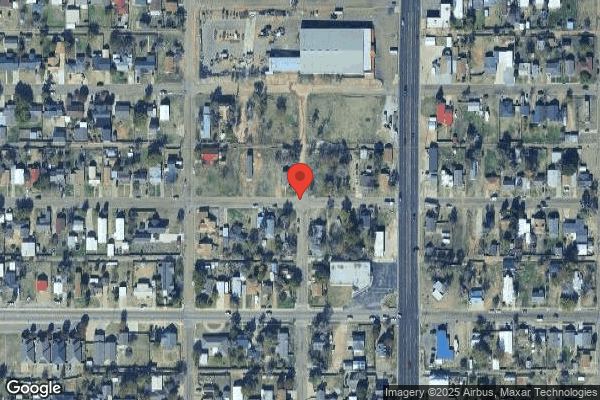
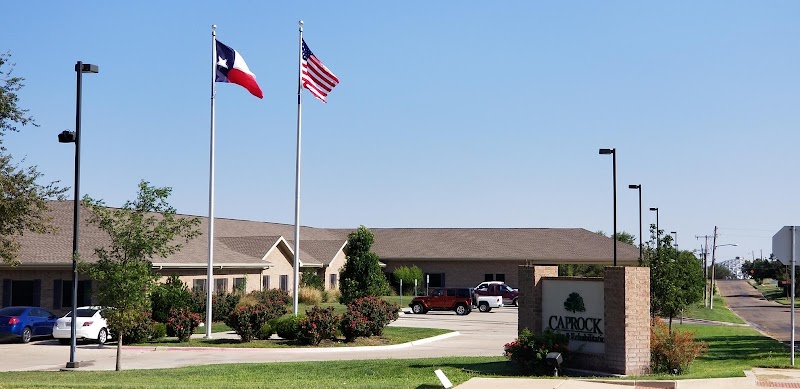
900 COLLEGE AVE, BORGER, TX 79007 (806) 274-9600
For profit - Corporation 120 Beds CREATIVE SOLUTIONS IN HEALTHCARE Data: November 2025
Trust Grade
28/100
#429 of 1168 in TX
Last Inspection: May 2025

Inspected within the last 6 months. Data reflects current conditions.

Overview

Caprock Nursing & Rehabilitation has received a Trust Grade of F, indicating significant concerns about the quality of care provided. They rank #429 out of 1168 facilities in Texas, placing them in the top half, but locally, they are #2 out of 2 in Hutchinson County, meaning there is only one other option available. The facility is showing signs of improvement, reducing issues from 12 in 2024 to 7 in 2025. Staffing is rated at 2 out of 5 stars, with a turnover rate of 41%, which is better than the Texas average of 50%, suggesting some stability among staff. However, there have been serious incidents, including failures to protect a resident from emotional and possible physical abuse by another resident, and not reporting this abuse promptly, which raises concerns about the safety and oversight in the facility. Overall, while there are some strengths in staffing stability, the significant issues related to abuse and neglect reporting are serious weaknesses that families should consider.

Trust Score
F
28/100
In Texas
#429/1168
Top 36%
Safety Record
High Risk
Review needed
Inspections
Getting Better
12 → 7 violations
Staff Stability
○ Average
41% turnover. Near Texas's 48% average. Typical for the industry.
Penalties
⚠ Watch
$13,582 in fines. Higher than 86% of Texas facilities, suggesting repeated compliance issues.
Skilled Nurses
⚠ Watch
Each resident gets only 14 minutes of Registered Nurse (RN) attention daily — below average for Texas. Fewer RN minutes means fewer trained eyes watching for problems.
Violations
⚠ Watch
28 deficiencies on record. Higher than average. Multiple issues found across inspections.
★★★☆☆
3.0
Overall Rating
★★☆☆☆
2.0
Staff Levels
★★★★★
5.0
Care Quality
★★☆☆☆
2.0
Inspection Score
Stable
2024: 12 issues
2025: 7 issues

The Good

  • 5-Star Quality Measures · Strong clinical quality outcomes
  • Full Sprinkler Coverage · Fire safety systems throughout facility
  • No fines on record
  • Staff turnover below average (41%)

    7 points below Texas average of 48%

Facility shows strength in quality measures, fire safety.

The Bad

3-Star Overall Rating

Near Texas average (2.8)

Meets federal standards, typical of most facilities

Staff Turnover: 41%

Near Texas avg (46%)

Typical for the industry

Federal Fines: $13,582

Below median ($33,413)

Minor penalties assessed

Chain: CREATIVE SOLUTIONS IN HEALTHCARE

Part of a multi-facility chain

Ask about local staffing decisions and management

The Ugly 28 deficiencies on record

3 actual harm
Aug 2025 1 deficiency
CONCERN (D) 📢 Someone Reported This

A family member, employee, or ombudsman was alarmed enough to file a formal complaint

Potential for Harm - no one hurt, but risky conditions existed

Resident Rights (Tag F0550)

Could have caused harm · This affected 1 resident

**NOTE- TERMS IN BRACKETS HAVE BEEN EDITED TO PROTECT CONFIDENTIALITY** Based on observation, interview, and record review the facility failed to treat each resident with respect and dignity and care ...

Read full inspector narrative →
**NOTE- TERMS IN BRACKETS HAVE BEEN EDITED TO PROTECT CONFIDENTIALITY** Based on observation, interview, and record review the facility failed to treat each resident with respect and dignity and care for each resident in a manner and in an environment that promotes maintenance or enhancement of his or her quality of life, recognizing each resident's individuality for 1 (Resident #1) of 7 residents and 3 anonymous residents reviewed for resident rights.The facility failed to prevent RN A from referring to residents in the secured unit as feeders when referring to residents that need assistance in feeding.This failure could negatively impact the self-esteem, self-worth, and identity of residents who need assistance with eating.Record review of Resident #1's admission record dated 08/06/2025 revealed a [AGE] year-old female admitted to the facility on [DATE] with diagnoses that included, but were not limited to, Unspecified dementia(memory loss), neuroleptic induced parkinsonism(tremors), and Vitamin D Deficiency.Record review of Resident #1's quarterly MDS completed on 05/8/25 revealed the following:Section B Hearing, Speech, and Vision: Resident #1 did not require a hearing aid and had the ability to understand others with only missing some/part of the message but comprehends most conversation.Section C Cognitive Patterns: Resident #1 had a BIMS of 3 out of 15 which indicated severe impaired cognition.Section K Nutritional Approaches: Resident #1 required a mechanically altered diet.Record review of Resident #1's care plan updated on 05/07/2025 revealed Resident #1 had a mechanically altered diet as well as a nutritional problem or potential nutritional problem with interventions to monitor/document signs and symptoms of dysphagia: pocketing, choking, couching, drooling, holding food in mouth, several attempts at swallowing. The care plan also stated Resident #1 had a communication problem and to be conscious of the resident when in groups, activities, dining room to promote proper communications with others.Record review of Resident #1's active orders reports as 08/06/2025 revealed the following orders:Regular diet, Mechanical soft texture, regular consistency . with a start date of 03/10/2025.During an observation and interview on 08/06/2025 at 9:15 AM, RN A, who was observed standing near the dining area, approximately 4 feet from 3 residents seated in the dining room on the secured unit. RN A stated lunch time can be busy because there are a several feeders in the unit. RN A said that she and 2 CNAs assist the feeders during dining. RN A continued with saying sometimes physical therapy will come back and help with the feeders.During an interview on 08/06/2025 at 9:20 AM, CNA C stated it was not okay to refer to residents who needed assistance with eating as feeders. She stated, it could be a dignity issue. She stated she had been trained at orientation and during in-services not to refer to residents who needed assistance eating as feeders.During an interview on 08/06/2025 at 9:45, the DON stated referring to residents as feeders could be a dignity issue no matter their cognitive level, all residents should be treated with respect and dignity. The DON stated she was responsible for training her staff on resident rights and dignity.During an interview on 08/06/2025 at 9:57, CNA E was asked about assisting residents during dining times and if it was appropriate to refer to residents that needed assistance with feeding, feeders. CNA E started apologizing and stated she was sorry for calling residents feeders. CNA E stated all residents, no matter their cognition, deserve to be treated with respect. CNA E stated the DON was responsible for in servicing staff on resident rights and dignity.During an interview on 08/06/2025 at 10:24 AM, LVN B stated she was not going to lie and said that she has heard staff using the word feeders when describing residents that need assistance during dining. LVN B stated she did not think using the word feeders was a dignity issue. LVN B then stated, I guess it could be a dignity issue.During an interview on 08/06/2025 at 10:40 AM, Corp RN was in the building due to the Administrator being on vacation, (and not available for an interview) stated it was not okay to refer to residents who needed assistance with eating as feeders as it was a dignity issue. Corp RN stated staff had been trained not to refer to residents who needed assistance eating as feeders.During an observation and interview on 08/06/2025 at 11:20 AM, RN A was standing at her computer and Resident #1 was in her wheelchair sitting directly by RN A. RN A stated she had been a nurse for 10 years and she was taught to call residents that needed assistance during dining full feeders and feels it was appropriate to call residents full feeders. RN A stated she did not feel it was a dignity issue.During an interview on 08/06/2025 at 11:25AM, HA D stated she has working at the facility for about 5 months and was trained during orientation that it was inappropriate to call residents that need assistance with dining as feeders HA D stated she worked on the secured unit and in the main unit and stated it did not matter what level of cognition a resident had it was not appropriate to call them feeders as it was a dignity issue.Record review of facility policy titled Resident Rights and dated 11/28/2016 revealed the following: The resident has a right to a dignified existence. A facility must treat each resident with respect and dignity and care for each resident in a manner and in an environment that promotes maintenance or enhancement of his or her quality of life, recognizing each resident's individuality.
May 2025 5 deficiencies
CONCERN (D)

Potential for Harm - no one hurt, but risky conditions existed

PASARR Coordination (Tag F0644)

Could have caused harm · This affected 1 resident

**NOTE- TERMS IN BRACKETS HAVE BEEN EDITED TO PROTECT CONFIDENTIALITY** Based on interview and record review the facility failed to refer all residents with newly evident or possible serious mental di...

Read full inspector narrative →
**NOTE- TERMS IN BRACKETS HAVE BEEN EDITED TO PROTECT CONFIDENTIALITY** Based on interview and record review the facility failed to refer all residents with newly evident or possible serious mental disorder, intellectual disability, or a related condition for level II resident review upon a significant change in status assessment for 2 (Resident #10 and Resident #57) of 16 residents reviewed for PASRR. 1. The facility failed to refer Resident #10 for PASRR level II assessment, to the state-designated authority, upon receipt of a major depressive disorder recurrent severe diagnosis. 2. The facility failed to refer Resident #57 for PASRR level II assessment, to the state-designated authority, upon receipt of a psychotic disorder with delusions and/or paranoid schizophrenia diagnoses. These failures could place residents at risk of not receiving necessary care and/or services. Findings Included: 1. Record review of Resident #10's admission record dated 05/20/25 revealed an [AGE] year-old female admitted to the facility on [DATE] with a diagnoses that included, but were not limited to, unspecified dementia (a group of thinking and social symptoms that interferes with daily functioning), major depressive disorder recurrent severe (a mental disorder characterized by persistent low mood, low self-esteem, and loss of interest or pleasure in normally enjoyable activities), anxiety disorder (a group of mental health conditions characterized by excessive and persistent worry, fear, and nervousness that can significantly interfere with daily life), brief psychotic disorder (a temporary psychiatric condition characterized by sudden onset of psychotic symptoms, such as delusions and hallucinations, lasting less than one month), and generalized anxiety disorder (inability to control constant worrying). The diagnosis of major depressive disorder recurrent severe had an onset date of 04/05/24. Record review of Resident #10's quarterly MDS completed on 04/07/25 revealed the following: Section C Cognitive Patterns revealed Resident #10 had a BIMS score of 15 which indicated intact cognition. Section I Active Diagnoses revealed Resident #10 had diagnoses of anxiety disorder, depression, and psychotic disorder. Record review of Resident #10's care plan completed on 05/12/25 revealed she had a history of mood problems and depression. She required antidepressant medication. Record review of Resident #10's order summary report dated 05/20/25 revealed the following order: Escitalopram Oxalate Oral Tablet 20 MG . Give 1 tablet by mouth one time a day related to MAJOR DEPRESSIVE DISORDER, RECURRENT SEVERE WITHOUT PSYCHOTIC FEATURES . Record review of Resident #10's most recent PASRR Level 1 Screening revealed an assessment date of 10/03/22. The PASRR was negative for mental illness. 2. Record review of Resident #57's admission record dated 05/19/25 revealed an [AGE] year-old female admitted to the facility on [DATE] with diagnoses that included, but were not limited to, unspecified dementia (a group of thinking and social symptoms that interferes with daily functioning), delirium due to know physiological condition (a type of acute confusion that can arise from various factors), paranoid schizophrenia (a mental illness characterized by episodes of psychosis including hallucinations, delusions, and disorganized thinking), psychotic disorder with delusions (severe mental illness including distorted beliefs), and major depressive disorder recurrent severe (a mental disorder characterized by persistent low mood, low self-esteem, and loss of interest or pleasure in normally enjoyable activities). The diagnosis of psychotic disorder with delusions had an onset date of 04/04/24. The diagnosis of paranoid schizophrenia had an onset date of 04/22/25. Record review of Resident #57's quarterly MDS completed on 04/21/25 revealed the following: Section C Cognitive Patterns revealed Resident #57 had a BIMS score of 9 which indicated moderately impaired cognition. Section I Active Diagnoses revealed Resident #57 had diagnoses of depression and psychotic disorder. Record review of Resident #57's care plan completed 03/24/25 revealed Resident #57 has mood problem related to vascular dementia and paranoid schizophrenia. Resident #57 required antidepressant and antipsychotic medication. Record review of Resident #57's order summary report dated 05/19/25 revealed the following orders: Donepezil HCI Oral Tablet 5 MG . Give 2 tablet by mouth one time a day related to . PSYCHOTIC DISORDER . risperiDONE Oral Tablet 1 MG . Give 2 tablet by mouth one time a day related to PSYCHOTIC DISORDER WITH DELUSIONS DUE TO KNOWN PHYSIOLOGICAL CONDITION . Sertraline HCI Oral Tablet 100 MG . Give 1 tablet by mouth one time a day related to PSYCHOTIC DISORDER WITH DELUSIONS DUE TO KNOWN PHYSIOLOGICAL CONDITION . Record review of Resident #57's EHR under the miscellaneous tab revealed Resident #57's most recent PASRR Level 1 Screening had an assessment date of 03/19/25. The PASRR was positive for a primary diagnosis of dementia and negative for mental illness. During an interview on 05/20/25 at 10:48 AM MDS LVN stated she was responsible for completing PASRR screening. She stated if a resident received a new mental illness diagnosis after having a negative PASRR I they should have received a new PASRR I to determine if they were eligible for services based on the new diagnosis. MDS LVN stated she should have but did not run new PASRR screenings on Resident #10 and Resident #57. MDS LVN stated she did not think either resident was negatively affected by her failure to run new PASRR screenings due to both residents having a primary diagnosis of dementia (this would cause them to be ineligible for PASRR services). She stated, I don't think it would impact the residents per se because they are long term care, and their care is not going to change. During an interview on 05/20/25 at 10:59 AM ADM stated MDS LVN was responsible for completing PASRR screenings. He stated not doing a new PASRR screening following a new qualifying mental health diagnosis could negatively impact a resident because they might not get services they need. During an interview on 05/21/25 at 09:16 AM DON stated if a resident with a new mental illness did not receive a new PASRR screening they won't receive needed services if they are PASRR positive. Record review of facility policy titled PASRR Level 1 Screen Policy and Procedure and dated 3-6-2019 revealed no mention of re-screening residents following newly qualifying diagnoses.
CONCERN (D)

Potential for Harm - no one hurt, but risky conditions existed

Respiratory Care (Tag F0695)

Could have caused harm · This affected 1 resident

**NOTE- TERMS IN BRACKETS HAVE BEEN EDITED TO PROTECT CONFIDENTIALITY** Based on observation, interview, and record review, the facility failed to ensure that residents who need respiratory care were ...

Read full inspector narrative →
**NOTE- TERMS IN BRACKETS HAVE BEEN EDITED TO PROTECT CONFIDENTIALITY** Based on observation, interview, and record review, the facility failed to ensure that residents who need respiratory care were provided such care consistent with professional standards of practice for 1 (Resident #27) of 3 residents reviewed for respiratory care. The facility failed to store Resident #27's nasal cannula properly. This failure could affect residents by placing them at risk for respiratory compromise and associated complications such as shortness of breath, confusion, respiratory failure, infection, and exacerbation of their condition. Findings include: Record review of Resident #27's clinical record revealed an [AGE] year-old female resident admitted to the facility originally on 08/12/22 and readmitted on [DATE] with diagnoses to include chronic obstructive pulmonary disease(a group of lung diseases that block airflow and make it difficult to breath), Alzheimer's disease (a progressive disease that destroys memory and other important mental functions), bipolar disease (a disorder associated with episode of mood swings ranging from depressive lows to manic highs), and panic disorder (a disorder characterized by unexpected and repeated episodes of intense fear accompanied by physical symptom that may include chest pian, heart palpitations, and shortness of breath). Record review of Resident #27's clinical record revealed her last MDS was a quarterly completed 3-28-2025 listing her with a BIMS score of 15 indicating she was cognitively intact, and she had a functionality of requiring set-up/clean-up assistance with most of her activities of daily living. Section O-Special Treatments, Procedures, and Programs-Respiratory Programs: Oxygen Therapy-Resident #31 was marked as having oxygen While a Resident. Record review of Resident #27's Order Summary Report with Active Orders as of 05/20/2025 revealed the following orders: - May use oxygen @1-5 l/m via nasal canula two times a day. Active 04/17/2025. - Change nasal canula as needed for maintenance. Active 12/22/2023 Record review of Resident #27's clinical record revealed a care plan with the admission date of 12/22/23, which revealed the following: Focus: The resident has Oxygen Therapy - Ineffective gas exchange. Date Initiated: 10/17/2022. -there were no interventions for respiratory equipment care to include nasal cannula storage. During an observation on 05/19/25 at 10:10 AM Resident #27 was observed in her room sitting in a recliner with no bed present. Resident #27 had her nasal cannula on the floor next to the O2 concentrator that was next to her recliner. Resident #27 reported that she used her oxygen only at night and that she did not need it during the day. There was no date of when the oxygen tubing or nasal cannula had been changed. The nasal prong area of the nasal cannula appeared brownish and discolored from use. There was no storage bag provided for the nasal cannula. During an observation on 05/19/25 at 12:19 PM revealed Resident #27 was not in her room, but her nasal cannula was still on the floor in the same position between her recliner and her oxygen concentrator. During an observation on 05/19/25 at 02:22 PM revealed Resident #27 was not in her room, but her nasal cannula was still on the floor in a slightly different position between her recliner and her oxygen concentrator. During an observation on 05/19/25 at 03:19 PM revealed Resident #27 was in her room sitting in her wheelchair listening to her headphone. Resident #27's nasal cannula was still on the floor between her recliner and her oxygen concentrator in the same position as observed on 05/19/25 at 02:22 PM. During an observation on 05/20/25 at 09:09 AM revealed Resident #27 was in her recliner with her oxygen on. Her nasal cannula was observed to have the same brownish discoloration. Resident #27 was sleeping and did not wake to introduction. During an observation on 05/20/25 at 10:04 AM revealed Resident #27 was not in her room. This observation revealed that the nasal cannula had been replaced and was stored in a bag hanging from the back of the oxygen concentrator. During an interview on 05/21/25 at 07:48 AM LVN B (nurse for the 400 Hall this shift who reported this was her first day to work this week) reported that staff were to make rounds of the resident's room every 2 hours and that they are to check on the resident's oxygen concentrator to ensure that the equipment such as the nasal cannula and tubing are stored correctly. LVN B reported that if a nasal cannula was found on the floor, then it should be replaced, and a bag should be provided so the new nasal cannula could be stored properly off the floor. LVN B reported that if a nasal cannula was left on the floor, then it could become dirty, full of water from the hydration chamber when the machine is on, and it could be an infection problem. During an observation and interview on 05/21/25 at 08:07 AM revealed Resident #27 was in her room sitting in her recliner wearing her headphones resting peacefully. Resident #27 had her oxygen stored correctly in the bag provided behind her O2 concentrator. Resident #27 was asked about her nasal cannula being on the floor on 5/19/25 and Resident #27 reported that she did not really pay attention to that, that she just reached beside her recliner until she feels the tubing and then puts it on. Resident #27 reported that she has not really thought about it being on the floor and didn't really have an opinion either way. During an interview on 05/21/25 at 08:46 AM CNA A (CNA for the 400 Hall this shift) who reported that she was not working on 5/19/25. CNA A reported that staff were to make rounds every two hours, and that they were supposed to check the resident oxygen concentrators, tubing, and nasal cannulas. CNA A reported that the staff should make sure that they have water for the concentrator and that the nasal cannulas were in good shape. CNA A reported that if a nasal cannula was found on the floor, then they throw it away and get a new one because that one could be cross contaminated with whatever was on the floor or someone could have stepped on it, During an interview on 05/21/25 at 11:15 AM the DON reported that staff were to make rounds every 2 hours, they were to check the oxygen concentrators when in the room to make sure they were functioning and have water, and if the nasal cannula was on the floor, then they were to throw the nasal cannula away and replace it. If the nasal cannula was not replaced, then that could be a violation of infection control. During an interview on 05/21/25 at 12:30 PM the CN reported that the facility did not have a policy for care of respiratory equipment.
CONCERN (E)

Potential for Harm - no one hurt, but risky conditions existed

Assessment Accuracy (Tag F0641)

Could have caused harm · This affected multiple residents

**NOTE- TERMS IN BRACKETS HAVE BEEN EDITED TO PROTECT CONFIDENTIALITY** Based on observation, interview, and record review the facility failed to ensure the assessment accurately reflected the residen...

Read full inspector narrative →
**NOTE- TERMS IN BRACKETS HAVE BEEN EDITED TO PROTECT CONFIDENTIALITY** Based on observation, interview, and record review the facility failed to ensure the assessment accurately reflected the resident's status for 3 (Resident #10, Resident #25, and Resident #34) of 16 residents reviewed for accuracy of assessment. 1. The facility failed to accurately code Resident #10's wound/infection status. 2. The facility failed to accurately code Resident #25's tobacco use status. 3. The facility failed to accurately code Resident #34's IV medication status. These failures could place residents at risk of not receiving necessary care and/or consideration. Findings Included: 1. Record review of Resident #10's admission record dated 05/20/25 revealed an [AGE] year-old female admitted to the facility on [DATE] with a diagnosis of: infection following a procedure, deep incisional surgical site, subsequent encounter with an onset date of 01/02/2024. She had a diagnosis of urinary tract infection with an onset date of 11/01/24. Record review of Resident #10's quarterly MDS with an ARD date of 03/26/25 and a completion date of 04/07/25 revealed the following: Section C Cognitive Patterns revealed Resident #10 had a BIMS score of 15 which indicated intact cognition. Section I Active Diagnoses under the Infections section revealed the box next to wound infection was checked. The instructions for this section were Active Diagnoses in the last 7 days - Check all that apply. Record review of Resident #10's care plan completed on 05/12/25 revealed no mention of a wound. Infection was mentioned four times in the care plan. Twice under the interventions for diabetes diagnosis to check with doctor if infection is present and to monitor for signs and symptoms of infection and twice in the list of diagnoses at the end of the care plan for surgical site infection and urinary tract infection. Record review of Resident #10's order summary report dated 05/20/25 revealed no mention of wounds and two mentions of infection located in the list of diagnoses at the beginning of the report for surgical site infection and urinary tract infection. None of Resident #10's active medication/treatment orders mentioned infection or wound. During an observation and interview on 05/19/25 at 03:16 PM Resident #10 was seated in her room. She stated she fell 2 years prior and broke her hip and that was the only time she was hospitalized since she admitted to the facility. She stated she currently did not have any wounds. During an interview on 05/20/25 MDS LVN stated she was responsible for completing MDS assessments. She stated the RAI was the policy she used when completing MDS assessments. MDS LVN stated, Sometimes they (nursing staff) do not take the diagnosis off. She stated that was why Resident #10's MDS indicated a wound infection. She stated, I will modify her MDS right now. MDS LVN stated she did not think residents were negatively affected by an inaccurate MDS. She stated an inaccurate MDS would negatively affect funding for the facility. 2. Record review of Resident #25's admission record dated 05/20/25 revealed a [AGE] year-old female resident admitted to the facility on [DATE] with diagnoses that included, but were not limited to, congestive heart failure (a chronic condition in which the heart dose not pump blood as well as it should), nicotine dependence, diabetes (a chronic condition that affects the way the body processes blood sugar (glucose), chronic obstructive pulmonary disease (a group of lung diseases that block airflow and make it difficult to breath), and history of pneumonia (lung inflammation caused by a bacterial or viral infection). Record review of facility's list of residents who smoke, provided by ADM on 05/19/25 revealed Resident #25's name. Record review of Resident #25's significant change MDS with an ARD of 03/31/25 and completion date of 04/10/25 revealed the following: Section C Cognitive Patterns: Resident #25 had a BIMS score of 6 which indicated severely impaired cognition. Section J Health Conditions: Resident #25 was listed as not having current use of tobacco. Record review of Resident #25's care plan completed on 04/21/25 revealed a focus area of Resident smokes. Date Initiated: 11/08/23. Record review of Resident #25's Safe Smoking Assessment completed 03/18/25 revealed the following: A. Evaluation- 1. Does the resident know the location(s) of the designated areas for smoking? 2. Yes 2. Can the resident get to these areas independently? 2. Yes 3. When observed, can the resident independently light smoking materials safely? 1. No 4. Can the resident extinguish smoking materials completely in an appropriate receptacle? 2. Yes 5. Can the resident dispose of ashes or other tobacco-related residue appropriately? 2. Yes During an interview on 05/20/25 at 03:08 PM MDS LVN verified that Resident #25 did smoke and that she (MDS LVN) missed the tobacco use on the significant change of condition MDS completed 03/31/25. She stated she would complete a corrected MDS immediately. 3. Record Review of Resident #34's admission record dated 05/20/25 revealed a [AGE] year-old male admitted to the facility on [DATE] with diagnoses that included, but were not limited to, squamous cell carcinoma of skin of nose (skin cancer). Record review of Resident #34's quarterly MDS with ARD of 04/22/25 and completion date of 04/25/25 revealed the following: Section C Cognitive Patterns: Resident #34 had a BIMS score of 3 which indicated severely impaired cognition. Section O Special Treatments, Procedures, and Programs: Resident #34 was receiving chemotherapy and IV medications while a resident. Record review of Resident #34's care plan completed on 04/07/25 revealed no mention of IV medication. Record review of Resident #34's order summary report dated 05/20/25 revealed no order for IV medication. Record review of Resident #34's MAR for the month of April 2025 revealed no mention of IV medication. During an observation and interview on 05/20/25 at 03:05 PM MDS LVN stated Resident #34 received an IV infusion at a doctor's office. She searched her computer and stated the name of a cancer treatment center. MDS LVN stated the IV infusion was possibly chemotherapy. She searched her computer again and stated, Yes it was for chemo. MDS LVN stated she was not aware that chemotherapy did not count as IV medication on an MDS assessment. She stated she would correct Resident #34's MDS. She stated the correction would definitely affect the facility's funding. During an interview on 05/21/25 at 09:11 AM ADM stated MDS LVN was responsible for completing MDS assessments. He stated, If it (MDS assessment) is inaccurate we might not be doing what we need to do with that resident. During an interview on 05/21/25 at 09:16 AM DON stated she did not think an inaccurate MDS would affect residents. An interview was attempted with ADON on 05/21/25 at 10:55 AM by phone. The call was not answered or returned. Record review of the Long-Term Care Facility RAI 3.0 User's Manual Version 1.18.11 dated October 2023 revealed the following: . I: Active Diagnoses in the Last 7 Days . There are two look-back periods for this section: Diagnosis identification (Step 1) is a 60-day look-back period. Diagnosis status: Active or Inactive (Step 2) is a 7-day look-back period . 2. Determine whether diagnoses are active: Once a diagnosis is identified it must be determined if the diagnosis is active. Active diagnoses are diagnoses that have a direct relationship to the resident's current functional, cognitive, or mood or behavior status, medical treatments, nursing monitory, or risk of death during the 7-day look-back period. Do not include conditions that have been resolved, do not affect the resident's current status, or do not drive the resident's plan of care during the 7-day look-back period, as these would be considered inactive diagnoses. J: Health Conditions . Current Tobacco Use . 1. Ask the resident if they used tobacco in any form during the 7-day look-back period. 2. If the resident states that they used tobacco in some form during the 7-day look-back period, code 1, yes. If the resident is unable to answer or indicates that they did not use tobacco of any kind during the look-back period, review the medical record and interview staff for any indication of tobacco use by the resident during the look-back period. Special Treatments, Procedures, and Programs . IV medications . Do not include IV medications of any kind that were administered during dialysis or chemotherapy.
CONCERN (E)

Potential for Harm - no one hurt, but risky conditions existed

Deficiency F0725 (Tag F0725)

Could have caused harm · This affected multiple residents

Based on observation, interview, and record review the facility failed to have sufficient nursing staff with the appropriate skills set to provide nursing and related services to assure resident safet...

Read full inspector narrative →
Based on observation, interview, and record review the facility failed to have sufficient nursing staff with the appropriate skills set to provide nursing and related services to assure resident safety and attain or maintain the highest practicable physical, mental and psychosocial well-being of each resident for 1 of 1 locked unit. The facility failed to have sufficient staff on the locked unit. This failure could place residents at risk of harm due to neglect. Findings Included: During an observation on 05/19/25 beginning at 11:50 AM 15 residents were noted to be residing on the locked unit. 6 residents were in the common area with one staff member. Two other staff members were observed on the locked unit. During an interview on 05/19/25 at 06:47 PM Resident #57's family member stated regarding the locked unit where Resident #57 resided, I don't think they have enough people on that hall. I know they are in compliance with the state, but the state does not spend time on that hall like I do. Recently they have had 2-3 staff on the hall but there have been times there was only one person on the hall. During an interview on 05/20/25 at 07:17 PM Resident #28's family member stated of the locked unit where Resident #28 resided, I think there is just one (staff) person back there most of the time. During a confidential interview Staff Member K revealed they often worked alone on the locked unit. Staff Member K stated they worked on the locked unit alone all the time. Just not this week because you're (state surveyors) here. Staff Member K stated they transferred 2-person transfer residents on the locked unit alone. They stated, A couple of them (residents on the locked unit) are 2-person assists but it is not too much for my body to do it because they are able to stand. I think it is just a fall risk. During a confidential interview Staff Member L stated they often worked alone on the locked unit. Staff Member L stated they transferred residents who needed 2-person assist without help when they were working the locked unit alone. During a confidential interview Staff Member M stated they often worked alone on the locked unit day shift (6 am-6 pm). Staff Member M stated they had been keeping notes on the days they worked alone on the locked unit because I didn't want you guys (state surveyors) to come and me to lose my license. Staff Member M provided a list of 11 days (one day in February 2025, 6 days in March 2025, 4 days in April 2025) in the last two and a half months when they worked the locked unit alone. Staff Member M stated on one of the days they were alone they sent a text to DON asking for help and no help was received. Staff Member M stated working the locked unit alone can be too much. They stated they used to transfer 2-person assist residents alone but do not do so anymore. Staff Member M stated, Last month or the month before the hall (locked unit) was completely full and it was me by myself and a lot of them (residents on the locked unit) are high fall risk and it is hard to manage them when I have to help another resident with something. When there are just 8 (residents on the locked hall) or so it is a lot easier to deal with. They stated when they needed assistance on the locked unit, they had to text DON or another CNA in the facility. They stated CNAs on some shifts were more willing to assist than CNAs on other shifts. During an interview on 05/20/25 at 03:23 PM ADM stated the facility did not have a staffing policy for the locked unit or for the facility as a whole. He stated, We are not a certified unit back there (locked unit). During an interview on 05/21/25 at 08:32 AM SNA C stated transferring a 2-person assist resident alone could result in hurting yourself or hurting the resident. She stated, There could be a fall. During an interview on 05/21/25 at 08:33 AM LVN B stated transferring a 2-person assist resident alone could result in injury to the resident. She stated, That is negligence, they could fall. During an interview on 05/21/25 at 09:11 AM ADM stated it was not safe to transfer a 2-person assist resident alone. He stated, There is a reason for (2-person assist): resident safety. During an interview on 05/21/25 at 09:16 AM DON stated she was responsible for staff schedules on the locked unit. She stated one CNA for 15 residents on the locked unit was sufficient staff, Depending on what is going on back there. We don't have a staffing ratio for the (locked) unit. There are always nurses available and assigned to that hallway. The nurse is assigned to that hallway and one other hallway. DON stated she did not think having one CNA on the locked unit would negatively impact residents. She stated, Their (CNAs') communication is really good. As long as they communicate with us that they need more assistance. DON stated transferring a 2-person assist resident alone might not negatively affect the resident. She stated, Depending on the resident. They (residents) go from 2 (person assist), to 1 (person assist), to ambulatory back there (locked unit) a lot. Record review of facility census on 05/19/25 revealed the locked unit with 15 residents was approximately 23% of the total census of 63. Record review of the last 6 months (from 11/20/24 to 05/20/25) facility reported incidents revealed 9 of the 17 (approximately 53%) facility reported incidents occurred on the locked unit. Eight of the incidents had allegations of resident abuse and neglect due to residents hitting/pulling one another and pulling each other's pants down. The other incident had an allegation of injury of unknown origin. None of the incidents indicated injury of a resident due to inappropriate transfer or mentioned inappropriate transfer. Record review of the 4 months of staffing schedule provided by DON for the locked unit from 01/20/25 to 05/20/25 revealed the month of March was missing as was the schedule for 04/01/25. Of the remaining 89 days, 80 days had portions of the day when only one staff member was scheduled to work on the locked unit. 33 of those days the staff person working alone on the locked unit was not certified or licensed but was a hospitality aide or an uncertified nurse aide.
CONCERN (E)

Potential for Harm - no one hurt, but risky conditions existed

Menu Adequacy (Tag F0803)

Could have caused harm · This affected multiple residents

Based on observation, interview and record review, the facility failed to ensure the menu was followed for 1 of 2 lunch meals reviewed for menus and nutritional adequacy on 5/19/25 in that: A. Dieta...

Read full inspector narrative →
Based on observation, interview and record review, the facility failed to ensure the menu was followed for 1 of 2 lunch meals reviewed for menus and nutritional adequacy on 5/19/25 in that: A. Dietary staff did not serve cherry fried pies to 17 residents on a mechanical soft diet on 5/19/25 (Residents # 2,11,12,15, 19, 22, 26, 32, 38, 40, 43, 45,47, 52, 56, 59, and 64). B. Dietary staff did not serve pureed bread, pureed fried cherry pie, pureed potato salad or pureed bread butter pickles and onion during the noon meal on 5/19/25 for 2 residents reviewed for pureed diets (Resident #s 23 and 53). These failures could place residents who eat mechanical foods and residents who eat pureed foods at risk of not having their nutritional needs met. Findings included: Record Review for the Monday lunch meal for 5/19/25/ revealed the planned menu for the noon meal was BBQ Pork on a bun, baked beans, potato salad, bread and butter pickles and onion, cherry fried pie and iced tea. Record review of the facility diet spreadsheet for the noon meal on 5/19/25 indicated residents on mechanical soft and pureed diets were to receive all foods listed on the menu. During an interview on 5/19/25 at 10:30 AM, the DM stated there were 2 residents in the facility with pureed diets. In an observation on 5/19/25 from 11:55 am to 1:00 pm of the facility lunch meal it was observed that residents with a mechanical soft diet listed on the individual meal ticket did not receive a fried cherry pie. The residents were served applesauce instead. Residents with a pureed diet did not get the fried cherry pie. They were served applesauce. Observations of the pureed meals revealed residents with pureed diets were served BBQ meat and beans with a serving of applesauce. Residents on a pureed diet also did not receive potato salad, bread and butter pickles and onion. In an observation and interview on 5/19/25 at 12:30 pm Resident # 64 's meal tray did not have a fried cherry pie. Resident #64 tray had applesauce instead of the cherry fried pie. Resident # 64 stated she did not like applesauce. She stated she would rather have the fried pie, but no one asked her what she wanted. During an observation and an interview on 5/19/25 at 12:35 pm, Resident #134's meal tray did not have a fried cherry pie. She had apple sauce on her tray. Her family member stated she loves cherry pie and did not get one. He stated he did not know why she did not get a cherry pie for lunch. He stated the resident did not like applesauce but would eat it if presented with it. In an observation on 5/19/25 at 12:37 pm of the pureed meal served to residents in the dining room at lunch, there was no bread, potato salad, bread, pickles and onion or fried cherry pie. Residents on a pureed diet were provided a bowl with a brown substance that smelled like BBQ and a bowl with a brown food that smelled like beans and a serving of applesauce. In an observation on 5/19/25 at 12:39 pm of Resident # 53's pureed meal there was no bread, potato salad, bread, pickles and onion or fried cherry pie. Resident was provided a bowl with a brown substance that smelled like BBQ and a bowl of brown food that smelled like beans and a serving of applesauce. In an interview on 5/19/25 at 12:10 pm the Director of Rehabilitation (OTAG) stated the residents on mechanical soft and pureed diets could have all the menu items listed on the menu. She stated at one point for one person the fried pie was too hard to eat so the kitchen was told not to give him the fried cherry pie but that resident was no longer in the facility. She stated the comment was not meant to be used for all mechanical and pureed diets across the board for the rest of time. She stated the residents need all the calories they can get and need to be offered all foods. She stated she saw the residents got applesauce a lot. In an interview on 5/19/25 at 12:40 pm, [NAME] J stated she had pureed all the food listed for the residents on pureed diets. She stated the residents on pureed and mechanical soft diets did not get the fried cherry pie as the rehab department told them not to give the residents the fried cherry pies. She stated the pie would not puree properly. She stated they were getting applesauce. In an interview on 5/20/25 at 11:50 am, the DM stated she was not aware the residents on pureed diets did not get all the menu items listed. She stated the bread was not pureed but should have been. She stated she did not know why it was not pureed. She stated the residents on a pureed diet did not get the fried pies and were given applesauce instead. She stated the ST told her residents on a mechanical soft and pureed diets could not have the fried pies, so those residents were given applesauce instead. She stated the expected the cook to puree all foods listed. She stated applesauce was not a good nutritional alternative to fried cherry pie. In a confidential interview on 5/21/25 at 8:50 am, one staff member stated every day the staff had to go to the kitchen staff and ask for a roll or other foods the residents did not get. Both residents with mechanical soft and pureed diets did not get what was listed on the menu for most days. The staff member stated the consequences of not getting the correct menu items would be weight loss. In an interview on 5/21/25 at 8:55 am, the ST stated normally she was in the dining room during meals so she could monitor the residents' meals. She stated it had been a battle she had been having for over a year trying to make sure the residents got the foods listed on the menu. She stated the kitchen could have pureed the pies for the residents with pureed diets, but they did not. She stated it was just laziness on the kitchens part. She stated there was no reason the residents with mechanical soft and pureed diets could not have everything on the menu. She stated all residents could have the pureed pies and bread and the mechanical soft diets could have the pies. She stated the consequences of not getting all the foods listed on the menu could result in weight loss. In an interview on 5/21/25 at 9:20 am the DM stated if relish was served, residents on a pureed diet would have been served tomato juice. She stated residents on a pureed diet were not given tomato juice in place of the pickles and onion for the 5/19/25 noon meal. She further stated she was not aware the residents on a pureed diet did not get bread or potato salad. She stated she was a new DM and the previous DM had not trained the cooks for the job. She stated the kitchen had been short staffed. She stated she tried to watch what was going on but the kitchen had been short staffed and she had not been able to watch and train staff as she needed to. She stated [NAME] J was not really on top of things when pureeing foods. The DM stated the corporate person for the dietary department spent 2 days with her when she started. She stated the consequences of not serving all menu items to residents were residents would have weight loss and loss of satisfaction of food. In an interview on 5/21/25 at 1:15 pm, the Regional DON stated she expected all residents to be given all menu items as listed on the menu. She stated the meal tickets for each resident should match the menu. She stated the nurses were supposed to check the trays to ensure accuracy as they go out to the resident. She stated meal monitoring was done by different department heads. She stated the consequences of not getting all the menu items listed were weight loss. Record Review of the facility policy titled, Nutritional assessment and Patient Care Plan Documentation dated 2012 revealed: The DM perform regular meal rounds to observe residents' overall meal acceptance, texture tolerance, positioning and feeding. Record Review of the facility policy titled, Consistency Modification dated 2012 revealed: Guidelines for pureed diets: Foods are blended following the regular diet for the day. Record Review of the facility policy titled, Menu Approval dated 2012 revealed: Policy: Menus will be planned to meet the nutritional needs and preferences of the residents and are in accordance with the recommended daily allowances of the food and Nutritional Board of the National Research Council, National Academy of Sciences. Every attempt will be made to honor resident food preferences. The menus will reflect the religious culture as well as the resident population as well as input received from residents and resident group.
Apr 2025 1 deficiency
CONCERN (D) 📢 Someone Reported This

A family member, employee, or ombudsman was alarmed enough to file a formal complaint

Potential for Harm - no one hurt, but risky conditions existed

Deficiency F0602 (Tag F0602)

Could have caused harm · This affected 1 resident

**NOTE- TERMS IN BRACKETS HAVE BEEN EDITED TO PROTECT CONFIDENTIALITY** Based on observations, interviews, and record review, the facility failed to ensure the right to be free from misappropriation o...

Read full inspector narrative →
**NOTE- TERMS IN BRACKETS HAVE BEEN EDITED TO PROTECT CONFIDENTIALITY** Based on observations, interviews, and record review, the facility failed to ensure the right to be free from misappropriation of property for 1 (Resident #1) of 8 residents reviewed for misappropriation of property. The facility failed to prevent a diversion (misappropriation) of Resident #1's Tylenol #3 tablets (used to treat pain) for a total of 10 tablets. This failure could place residents at risk for decreased quality of life, misappropriation of property, increased/uncontrolled pain, and dignity. Findings include: Record review of Resident #1's clinical record revealed an [AGE] year-old female resident admitted to the facility originally on 09/25/2019 and readmitted on [DATE] with diagnoses to include malignant neoplasm of unspecified site of the right female breast (a fast-growing cancer of the breast that spreads to other areas of the body), polyneuropathy (a generalized term for peripheral nervous system disorders that impact nerve function in multiple areas of the body), osteoarthritis (a type of arthritis that occurs when flexible tissue at the ends of bones wears down), gout (a disease in which defective metabolism of uric acid causes arthritis, especially in the smaller bones of the feet, deposit of chalkstones (a chalky deposit of sedum urate sometimes occurring in the joints of person affected by gout), and episodes of acute pain, and restless leg syndrome (a nervous system problem that causes you to feel an unstoppable urge to get up and pace or walk). Record review of Resident #1's clinical record revealed her last MDS was a quarterly completed 04/08/2025 listing a BIMS score of 11 indicating she was moderately cognitively impaired, and she had a functionality of requiring set-up/clean up assistance for most of her activities of daily living. Resident #1 was listed as having pain Occasionally, that affected her sleep Occasionally, that interfered with therapy activities Occasionally, and interfered with her day-to-day activities Occasionally. Record review of Resident #1's Medication Administration Report with Schedule for April 2025 revealed the following order: - Acetaminophen-Codeine Oral Tablet 300-30 MG (Acetaminophen w/ Codeine) Give 1 tablet by mouth every 6 hours as needed for Pain -D/C Date- 04/24/2025. (Tylenol #3) Record review of Resident #1's clinical record revealed a care plan with the admission date of 06/27/2022, which revealed the following: Focus: The resident has a potential for pain r/t osteoarthritis and is on pain medication. Date Initiated: 07/12/2022. Revision on: 04/21/2025 Interventions/Tasks: Administer analgesic medication as per orders. Give 1/2 hour before treatments or care. Date Initiated: 07/12/2022. Revision on: 07/12/2022. During an observation and interview on 4/25/2025 at 10:06 AM Resident #1 was in her room sitting in her recliner wearing her oxygen. Resident #1 reported that she had no issues with her medications and that she was not aware of any missing medications because she has not missed any doses. Resident #1 appeared in good condition, relaxed, and comfortable. During an interview on 04/25/2025 at 08:53 AM LVN A (the witness who discovered the drug diversion incident) reported that she received a call from Hospice for Resident #1 on Thursday 04/17/2025 for a narcotic count and she gave Hospice the information that Resident #1 had 13 Tylenol #3 pills left. LVN A then received another call when she was off on Saturday 04/20/2025 to verify that she had reported a count of 13 Tylenol #3 pills on Thursday 04/17/2025. LVN A reported that this was all she knew of the event in question. During an interview on 4/25/2025 at 01:44 PM the DON reported that the nurse who should have discovered the missing medications for Resident #1 had been suspended and has been tested for narcotics, but the results are still pending. The DON reported that Resident #1's Tylenol #3's medication card was filled on 03/06/2025 for 30 pills and according to the MAR, Resident #1 was given 20 pills, so it looks like 10 pills were unaccounted for. The DON reported that due to the Narcotic count sheet and the Narcotic Medication Blister Pack/Card were both missing, she was not able to exactly identify/make sure what happened. The DON reported that Resident #1 did not miss any doses of her Tylenol #3, that they had the medication in the e-kit and they were able to cover what was needed until Hospice could refill the prescription. The DON reported that only one dose of Tylenol #3 was needed from the E-Kit. The DON reported that nursing staff were immediately in-serviced on training for medication administration records and narcotic counts. The DON reported that if a medication was mishandled or disappears like this one apparently has then a nurse could have misappropriated the resident's medication, that it could affect the resident if they could not get that medication replaced immediately. During an interview on 4/25/2025 at 02:18 PM LVN A (the witness who discovered the drug diversion incident) reported that if resident medications were to disappear then that could be an issue that could affect the resident in which they would not get the treatment they were supposed to and that could make their condition worse. Record review of the facility provided training dated 04/19/25 revealed the following: Signing out PRN's must be done in the Narcotic book and in the computer. You will sign out and count every time you give your cart to next shift or at lunch. This includes med passes as well. A completed Narc sheets to be sent to the DON via under her door or in box immediately. Do not take important nursing documents including report sheets, Narc sheet to hall 200. - signed by 22 nursing staff. Record review of the facility provided training dated 04/22/25 revealed the following: Second signature for signing med in, wasting meds. Sign your count sheets and sign in sheets for Narcs. - Signed by 15 nursing staff. Record review of the facility provided policy titled Abuse/Neglect revised 09/09/2024, revealed the following: The resident has the right to be fee from abuse, neglect, misappropriation of resident property . 9. Misappropriation of resident property: means the deliberate misplacement, exploitation, or wrongful, temporary, or permanent use of a resident belonging or money without the resident consent.
Oct 2024 3 deficiencies 3 Harm
SERIOUS (G) 📢 Someone Reported This

A family member, employee, or ombudsman was alarmed enough to file a formal complaint

Actual Harm - a resident was hurt due to facility failures

Free from Abuse/Neglect (Tag F0600)

A resident was harmed · This affected 1 resident

**NOTE- TERMS IN BRACKETS HAVE BEEN EDITED TO PROTECT CONFIDENTIALITY** Based on observation, interview, and record review the facility failed to protect each residents right to be free from abuse, ne...

Read full inspector narrative →
**NOTE- TERMS IN BRACKETS HAVE BEEN EDITED TO PROTECT CONFIDENTIALITY** Based on observation, interview, and record review the facility failed to protect each residents right to be free from abuse, neglect, misappropriation of resident property, and exploitation for 1 (Resident #1) of 5 residents reviewed for abuse and neglect. The facility failed to protect Resident #1 from emotional abuse by Resident #2 on 09/24/24 in spite of Resident #2 emotionally abusing and possibly physically abusing Resident #1 on 09/22/24. The noncompliance was found to be Past Non Compliance (PNC). The noncompliance began on 09/22/2024 and ended on 09/26/2024 The facility corrected the noncompliance before the investigation began. This failure could place residents at risk of continued and/or unrecognized abuse or neglect. Findings Included: Record review of Resident #1's admission record dated 10/04/24 revealed an [AGE] year-old female originally admitted to the facility on [DATE] with diagnoses that included, but were not limited to, dementia (a group of thinking and social symptoms that interferes with daily functioning), major depressive disorder (a mental disorder characterized by persistent low mood, low self-esteem, and loss of interest or pleasure in normally enjoyable activities), and psychotic disorder with hallucinations (severe mental illness including seeing things that are not there). Record review of Resident #1's quarterly MDS completed 08/03/24 revealed the following: Section B: Resident #1 was able to understand others sometimes. Section C: Resident #1 was rarely to never understood, therefore had no BIMS. The staff assessment of her mental status revealed she had long and short-term memory problems and moderately impaired cognition. Section E: Resident #1 displayed wandering behavior daily. Section GG: Resident #1 used a wheelchair. She required set up or clean up assistance with eating and upper body dressing; supervision or touching assistance with oral hygiene; partial/moderate assistance with footwear, lower body dressing, and shower/bathing; and substantial/maximal assistance with toileting and personal hygiene. Resident #1 required partial/moderate assistance across all mobility except for walking 10 feet which required supervision or touching assistance and walking 50 feet with two turns and walking 150 feet both of which were not attempted due to medical condition or safety concerns. Section I: Resident #1's primary medical condition was non-traumatic brain dysfunction. Section N: Resident #1 received antidepressant medication during the 7-day look back period. She did not receive anticoagulant medication. Record review of Resident #1's care plan completed on 07/24/24 revealed she had a communication problem. Interventions included monitoring Resident #1 for physical/nonverbal indicators of discomfort or distress, focus on a word or phrase that makes sense, ensure/provide a safe environment, and be conscious of resident's position when in groups, activities, dining room to promote proper communication with others. The care plan indicated Resident #1 had a history of physical aggression received. The corresponding intervention was to keep resident away from any situation that will put resident at risk for situations of physical aggression. Resident #1 was residing in the secure unit related to her diagnosis of dementia and her risk for elopement. Record review of Resident #1's Order Summary Report dated 10/04/24 revealed she had an active order for antidepressant medication Duloxetine HCI 60 mg delayed release capsule once a day with a start date of 08/29/24. Record review of Resident #1's progress notes from 09/04/24 to 10/04/24 revealed no notes from 09/22/24. The progress notes did reveal the following notes: A note written by DON on 09/24/24 at 2:26 PM entered as LATE ENTRY This nurse notified of another resident kissing this resident on forehead. This nurse assessed this resident. No new or worsening injury note at this time. Res (Resident) unable to recall events and states 'No, I'm fine.' Provider notified of incident at this time, no new orders. A note written by DON on 09/24/24 at 4:00 PM This nurse notified [name of psychiatric doctor] office of resident receiving kiss on forehead from another resident. Message left with nurse who stated will notify provider and awaiting call back. A note written by SW on 09/24/24 at 04:16 PM SW met with resident in the unit. She was sitting in her wheelchair in the dining room. She had her head down as she appeared to be sleeping. SW completed PRN Trauma Screen with resident. She denied any trauma at this time. She shook her head yes/no when answering questions. She appeared to be sleepy and did not want to be disturb at this time. No trauma noted. A note written by GVN D on 09/25/24 at 06:18 PM CNA reported major bruise to nurse and ADON immediately [sic]. Nurse and ADON went to assess resident immediately. Purple bruise to right posterior forearm noted, measuring [sic] approximately 14X9.5 cm. Other findings documented in skin assessment. When this nurse asked res what happeneded [sic] res confused and unable to respond due to impaired [sic] mental status. Resident denies any pain or distress at this time. Res taken back to dinning [sic] room, ready to eat dinner. RN compliance nurse and [name of ADM] notified immediately [sic] by nurse and ADON. [Name of physician] and NP notified. [name of Resident #1's family member] emergency contact notified of injury. [name of Resident #1's family member] stated ' the slightest bump makes her bruise very badly, I'm not worried. Just keep me updated.' This nurse notified oncoming shift of injury. Record review of Resident #1's Event Nurses' Note - Bruise completed by DON on 09/25/24 at 05:31 PM revealed the bruise on Resident #1's right posterior forearm was of unknown origin and measured 14 X 9.5 cm. It was blue/purple in color. Resident #1 was unable to recall how she obtained the bruise. Physician and family were notified, and padding was applied to the arm rest of Resident #1's w/c. Record review of Resident #1's Trauma Informed PRN Assessment completed by SW on 09/24/24 at 04:04 PM revealed the following questions with answers in the negative: . 4. Have you (or has the resident) been in a situation that was extremely frightening? 5. Have you (or has the resident witnessed any extremely frightening situations? . Record review of Resident #1's Order Summary Report dated 10/04/24 revealed she was admitted to the secure unit on 08/28/23 due to a high elopement risk. Resident #1 had no order for anticoagulant medication. Record review of Resident #2's admission record dated 10/04/24 revealed a [AGE] year-old male admitted to the facility on [DATE] with diagnoses that included, but were not limited to, dementia (a group of thinking and social symptoms that interferes with daily functioning), generalized anxiety disorder (inability to control constant worrying), and prostate cancer. He was discharged from the facility on 09/26/24 to a psychiatric hospital. Record review of Resident #2's admission MDS completed on 09/13/24 revealed the following: Section B: Resident #2 was able to understand others and make himself understood. Section C: Resident #2 had a BIMS of 3 which indicated severely impaired cognition. Section D: Resident #2 sometimes felt lonely or isolated from those around him. Section E: Resident #2 had no behaviors during the look back period. Section GG: Resident #2 did not use any mobility devices. He needed set up or clean up assistance for eating, oral hygiene, toileting hygiene, dressing, and personal hygiene. Resident #2 was independent across all mobility ADLs except for shower/bath transfer, walking over uneven surfaces, and picking up an object where he needed supervision or touching assistance. Section I: Resident #2's primary medical condition was non-traumatic brain dysfunction. Section K: Resident #2 was 5 feet seven inches tall and weighed 146 pounds. Section N: Resident #2 received antianxiety and antidepressant medications during the 7-day look back period. Record review of Resident #2's care plan completed on 09/16/24 revealed he was taking antianxiety medications and one of the interventions listed was to monitor and record occurrence of target behavior symptoms including violence/aggression towards staff/others and document per facility protocol. Resident #2 was noted to be at risk for wandering. He resided in the secure unit related to his diagnosis of dementia and his risk for elopement. Resident #2 was noted to have potential to demonstrate physical behaviors. He kissed another resident on forehead 09/24/24. [name of behavioral hospital] admission on [DATE]. Two of the interventions listed was, If the resident has physical behaviors toward another resident, immediately intervene to protect the residents involved and call for assistance. If intervening would be unsafe, call out for staff assistance immediately and Notify the charge nurse of any physically abusive behaviors. The care plan noted Resident #2 was placed on 1 on 1 monitoring following his kiss on Resident #1's forehead on 09/24/24. No mention made of incident between Resident #2 and Resident #1 on 09/22/24 in the care plan. Record review of Resident #2's orders after the incident with Resident #1 and prior to his discharge to the behavioral hospital revealed the following: An order with start date of 09/23/24 and end date of 09/23/24 for antipsychotic medication Haloperidol Oral Tablet 0.5 MG Give 1 tablet by mouth four times a day related to GENERALIZED ANXIETY DISORDER An order with start date of 09/23/24 and end date of 09/23/24 for antianxiety medication LORazepam Oral Tablet 0.5 MG Give 1 tablet by mouth every 4 hours related to GENERALIZED ANXIETY DISORDER An order with start date of 09/24/24 and end date of 09/27/24 for anticonvulsant medication Divalproex Sodium Oral Tablet Delayed Release 250 MG Give 1 tablet by mouth one time a day related to GENERALIZED ANXIETY DISORDER An order with start date of 09/23/24 and end date of 09/27/24 for anticonvulsant medication Divalproex Sodium Oral Tablet Delayed Release 500 MG Give 1 tablet by mouth one time a day related to GENERALIZED ANXIETY DISORDER An order with start date of 09/23/24 and end date of 09/24/24 for antipsychotic medication Haloperidol Oral Tablet 0.5 MG Give 1 tablet by mouth every 2 hours as needed for Anxiety related to GENERALIZED ANXIETY DISORDER An order with start date of 09/24/24 and end date of 09/24/24 for antipsychotic medication Haloperidol Oral Tablet 0.5 MG Give 1 tablet by mouth three times a day for Anxiety related to GENERALIZED ANXIETY DISORDER An order with start date of 09/24/24 and end date of 09/27/24 for antipsychotic medication Haloperidol Oral Tablet 0.5 MG Give 2 tablet by mouth every 2 hours as needed for Anxiety related to GENERALIZED ANXIETY DISORDER An order with start date of 09/24/24 and end date of 09/27/24 for antipsychotic medication Haloperidol Oral Tablet 0.5 MG Give 2 tablet by mouth every 6 hours for Anxiety related to GENERALIZED ANXIETY DISORDER Record review of Resident #2's progress notes from 09/04/24 to 10/04/24 revealed the following notes: A note written by LVN A on 09/22/24 at 07:59 PM Pt was seen going into womans [sic] room and waking her up out of bed and touching her innappropriatly [sic]. Woman pt started to panic and get away from him. Staff transferred [sic] woman pt out of bed and into wc to monitor. This pt began grabbing womans [wic] wc handles and dragging her back. This staff intervened d/t pt woman crying and tryhing [sic] to get away. Pt began hitting staff and chasing after woman pt. At this time, woman has been taken out of secure unit and placed with one staff member for safety. [Hospice] on call called,no response at this time. On call [name of ADON] notifed [sic], stated I am trying to get a hold of SW but she won't answer me. Awaiting a call back at this time from management [sic] and [Hospice]. Pt is currently standing at secure unit doors trying to pry them open. A note written by LVN A on 09/22/24 at 10:51 PM Pt is now hovering over aide down secure unit touching her cheek and stating You like this, come on. Aide sternly educated pt to go back to bed. Pt walked in room and is sitting on bed staring out into the hall. A note written by LVN B on 09/23/24 at 12:02 AM Hospice returned call at this time and this nurse explained situation and noting new behavior for resident. Hospice nurse to call her on call provider for orders. Notified ADON. Hospice returned call at approx 2002 (02:02 AM) with new orders for [antipsychotic medication] 0.5mg Q6hrs and to schedule the [antianxiety medication] 0.5mg q4hrs and morphine(20mg/5ml)0.2ml q4hrs. [Antipsychotic medication] will be delivered to facility via hospice pharmacy tomorrow. DON notified of new orders. A note written by LVN F on 09/23/24 at 10:59 PM While this nurse was doing med pass, the aid informed this nurse that the resident would not let her use the restroom. The resident would push the door open and would not allow the aid any privacy. This nurse gave the resident PRN [antianxiety medication] and [antipsychotic medication]. Immediately [sic] after administering [sic] the residents medication, the resident went into another residents room and was messing with her and her bedding. This nurse and a aid had to remove the resident from the other residents room. As per the residents daughter request this nurse notified the residents' daughter about the situation. A note written by LVN G on 09/24/24 at 02: 22 PM This nurse found resident kissing other resident on the forehead in dining area. This nurse removed other resident from the area. Resident is now in room making bed. No distress noted. A note written by DON on 09/24/24 at 02:23 PM This DON notified of incident. Administrator notified. Self report protocol initiated. A note written by DON on 09/24/24 at 02:50 PM This nurse spoke with resident daughter and educated on situation that occurred and facility policy. This nurse also educated resident daughter on interventions put in place such as one on one and referral to inpatient psych. Res daughter verbalizes understanding and appreciative of interventions facility has provided. Res daughter also appreciative on this nurse explaining situation and protocol. Res daughter inquires as to if res will readmit after psych stay, res education on clinical will be reviewed to ensure facility can meet res needs and res or other res will not be at risk of safety if readmitted and facility/inpatient psych assisting with placement if unable to readmit - res daughter verbalizes understanding. A note written by SW on 09/26/24 at 01:36 PM SW has worked with [behavioral hospital] for admission for today. Res was transported to [behavioral hospital]. SW sent ED paperwork to the Judge to be completed. Paperwork was completed and sent to [behavioral hospital]. SW also spoke to resident daughter about him receiving a 30 day notice. Res / daughter also given copy of 30 day notice. Res daughter was appreciative about his care at facility. She reported that they would come Monday and pick up his stuff. Record review of Event Nurses' Note - Behavior written by DON on 09/24/24 at 02:24 PM revealed Resident #2 exhibited physical, resident to resident behavior in the hallway. The behavior was kissing another resident on the forehead, and it was witnessed by LVN on duty. Resident was redirected and provided with 1 on 1 supervision. During an interview on 10/04/24 at 05:30 PM ADM stated he was not sure who the female resident mentioned in Resident #2's progress note written by LVN A on 09/22/24 at 07:59 PM. He stated DON would know. During an interview on 10/04/24 at 05:32 PM DON stated the female resident from Resident #2's progress note written by LVN A on 09/22/24 at 07:59 PM was Resident #1. She stated she had concerns about the wording of the progress note and she called LVN A and got a statement from LVN A stating she put the words touching her inappropriately in the progress note based on what the CNA told her. DON stated the CNA was CNA E. DON stated English is CNA E's second language and confusion had led to the wrong thing being documented. DON stated she would bring me a written copy of CNA E's statement regarding the incident on 09/22/24 between Resident #1 and Resident #2. DON stated after she spoke to CNA E and LVN A she felt Resident #2 only wanted to help/protect the women. DON stated, He was their (female residents') protector and didn't really want us (facility staff) to help. She said this was made very clear after Resident #2 was placed on 1 to 1 supervision following his kiss to Resident #1's forehead when every time a staff member would enter a resident's room he would ask, Who is that? Record review of CNA E's statement revealed it was dated 09/24/24. In the statement CNA E revealed Resident #2 was calling Resident #1 his girl and his girlfriend and patting her on the shoulder. Record review of LVN A's statement regarding why she documented Resident #2 was touching Resident #1 inappropriately on 09/22/24s revealed a photo of a text message which read, I documented the 'inappropriate touching' due to CNA statement.'[sic] During an interview on 10/04/24 at 05:51 PM LVN A stated she wrote Resident #2's progress note on 09/22/24 at 07:59 PM based on what CNA E told her over the phone. (staff in the locked unit often communicate with staff outside the locked unit via phone call) LVN A stated what she saw with her own eyes was Resident #2 grabbing at her (Resident #1's) arms and pulling on her and she was verbally crying and screaming. LVN A said earlier in the night when she assisted Resident #1 to bed Resident #1 said, This is not my room, this is his room. This is his room. He is going to come in here and be fraudulent. LVN A said she did not think anything of it at the time due to Resident #1 having dementia. She said she assured Resident #1 that she would keep her safe. LVN A stated Resident #1 then said, They are going to come in here before you are gone. LVN A stated, Looking back on it, I feel bad because I wonder if she was afraid that night. You know people with dementia say some wild things but in light of what happened, I wonder. LVN A stated that after the incident the nurses took Resident #1 out of the locked unit and had her seated in her w/c at the nurses' station. LVN A said of Resident #1, She stayed up the whole night, I felt so bad for her. LVN A stated the nurses tried putting Resident #1 to bed in an empty room on hall 400 but she would not stay in bed. I think she recognized it was not her room. LVN A stated she knew the staff in the locked unit needed her help when LVN B called her and asked her to open the door of the locked unit so LVN B could push Resident #1 out of the unit without letting Resident #2 out of the unit as well. LVN A stated she opened the door and saw LVN B pushing Resident #1 in her w/c at a slow walk and behind her she saw Resident #2 get away from LVN C and CNA E who were trying to keep him from following and he began to sprint down the hall after Resident #1 and LVN B. LVN A said she told LVN B, Okay, [first name of LVN B] I'm gonna need you to pick it up. LVN A stated LVN B began to walk faster while pushing Resident #1 in her w/c and they got LVN B and Resident #1 out of the locked unit just in time to shut the door and keep Resident #2 in the locked unit. During an observation and interview on 10/04/24 at 06:22 PM Resident #1 was wheeling herself down the hall of the locked unit. When asked if she was [name of Resident #1] she shook her head and continued wheeling herself down the hall. During an interview on 10/04/24 at 06:26 PM SW stated she did interview Resident #1 about trauma following Resident #2 kissing Resident #1 on the forehead. SW stated Resident #1 was alert but not sure what was going on during the interview. When asked if she thought Resident #1 was traumatized by Resident #2 pulling on her and chasing her on the locked unit on 09/22/24 SW said it was hard to tell as the change of venue from the locked unit to the nurses' station for the night might have also been traumatizing. When asked if she thought a reasonable person would have been traumatized by the events that took place between Resident #1 and Resident #2 on 09/22/24, SW stated, It absolutely could be traumatizing. During an interview on 10/04/24 at 06:29 PM LVN A stated she thought Resident #1 was traumatized by the interaction on 09/22/24 with Resident #2 because, she was in bed initially and when I went back, she was out of bed, crying, and trying not to let him (Resident #2) touch her. During an interview on 10/04/24 at 06:31 PM LVN B stated LVN C texted her to please come help in the locked unit as Resident #2 would not let go of Resident #1's w/c. LVN B stated when she got to the locked unit she observed Resident #2 holding onto the handles of Resident #1's w/c and Resident #1 was in the w/c and kept saying, No, you don't want me, I'm too old, I don't want to go with you. LVN B stated she tried to distract Resident #2 and get him to go outside with her to pick weeds as that was one of his favorite pastimes, but he would not let go and kept trying to push Resident #1 in her w/c. LVN B said Resident #2 kept saying Resident #1 was his girl and he was going to go wherever she went. LVN B said she got Resident #1 away from Resident #2 at one point and called LVN A to open the door of the locked unit for her because LVN C and CNA E were holding Resident #2's hands to keep him from following them out. LVN B said during the entire situation she could tell Resident #1 was scared. LVN B stated, We had [name of Resident #1] out here for the night. She was upset. I tried to distract her by giving her a banana but she was scared. LVN B said after she and Resident #1 exited the locked unit Resident #2 stood on the other side of the locked doors hitting the doors and yelling. LVN B said of Resident #1, We (nursing staff) tried putting her to bed on hall 400 but she kept getting up and she kept saying, 'That guy is going to come get me.' LVN B stated she reported the entire incident to ADON and hospice nurse. LVN B said in her opinion not reporting possible abuse of a resident is just bad. During an interview on 10/04/24 at 06:37 PM LVN C stated that during report at the beginning of her shift on 09/22/24 she found out Resident #2 had been having behaviors all day. She stated she heard CNA E needed help on the locked hall with Resident #2. LVN C said when she got to the locked unit Resident #2 was trying to direct [name of Resident #1] to his room and I could tell she (Resident #1) was afraid. She was saying, 'I'm too old, no you don't want me.' LVN C said Resident #2 was grabbing Resident #1's hands and grabbing the handle of Resident #1's w/c. LVN C stated Resident #1 was crying during part of the interaction. LVN C said Resident #2 became so agitated he was hitting at staff and hitting near Resident #1 but did not hit Resident #1. She said she and CNA E attempted to hold Resident #2's hands to keep him from chasing Resident #1 and LVN B out of the locked unit and because at this point, he was just hitting us. She said Resident #2 got out of their grasp and ran after Resident #1 and LVN B but they made it out the door before he got to them. LVN C said, I figured if we weren't there, there was going to be abuse going on. During an interview on 10/04/24 at 06:46 PM CNA E stated on 09/22/24 Resident #2 was confused and after [Resident #1]. She said Resident #2 started saying Resident #1 was his girlfriend and his wife and he wouldn't let her go. CNA E said Resident #1 started saying, 'Listen, I don't like you, you're not mine.' CNA E said she had to call the nurses because Resident #2 would not let go of Resident #1's w/c and he got mad. She said Resident #1 kept saying, You don't want to be with me. I don't like you. CNA E did not exhibit any issues with speaking English clearly during this interview. During an interview on 10/04/24 at 07:11 PM DON stated staff are responsible to report to ADM or charge nurse when they notice anything that could constitute resident abuse. When asked what a possible negative outcome of not reporting resident abuse immediately DON said, If a resident did receive abuse possible negative outcome is they wouldn't receive treatment that was necessary. When asked why Resident #2's treatment of Resident #1 on 09/22/24 was not reported as possible abuse she said, I think her case would be different because she does have dementia. When asked what would happen if a reasonable person had endured the same treatment as Resident #1, DON said, If it was somebody else, I'd look at it differently because they were not a dementia patient. During an interview on 10/04/24 at 07:15 PM ADM stated that if the same thing that happened to Resident #1 at the hands of Resident #2 happened to a reasonable person it could be considered abuse. ADM stated it was a no brainer that there could be a negative outcome to residents if possible abuse of residents was not reported timely. During an interview on 10/04/24 at 07:30 PM ADM stated he was not informed of the incident between Resident #1 and Resident #2 on 09/22/24 and that if he had been informed, he would have reported it as possible abuse. During an interview on 10/18/24 at 10:28 AM ADM stated he expected his staff to let him know right away if anything that might constitute resident abuse or neglect took place on the weekend. He stated he was not sure why ADON and DON did not inform him of the incident between Resident #1 and Resident #2 on 09/22/24. He stated, We would have started the process of getting him (Resident #2) out (of the facility). ADM stated the facility started that process on 09/24/24 when Resident #2 was seen kissing Resident #1 on the forehead. He stated to address his staff not informing him of the incident on 09/22/24 all staff were in-serviced on Abuse/Neglect and ADON was in-serviced on what is expected from weekend on-call staff regarding contacting him with concerns. During an interview on 10/18/24 at 10:32 AM DON stated she felt staff kept Resident #1 safe from Resident #2 following the incident on 09/22/24 by removing Resident #1 for the night from the locked unit and calling Hospice to have Resident #2's medications changed to address his behavior. DON stated staff did not report any distress on the part of Resident #1 when reporting the incident to ADON. She stated the next day when Resident #1 was returned to the locked unit she was kept safe by having two staff members in the locked unit with the 8-10 residents. DON stated no other incidents occurred until 09/24/24 when Resident #2 was witnessed kissing Resident #1 on the forehead. During an interview on 10/18/24 at 11:05 AM ADON stated nurses did not indicate any distress on the part of Resident #1 following the incident on 09/22/24. She stated, They (nurses) said he (Resident #2) was going up and down the hallways and walking everywhere and trying to take female residents to their rooms and nurses and CNAs would not let him. They did not report distress to me at all (for Resident #1). I told them to get ahold of Hospice. I called DON and SW. Could not get hold of SW. DON told me we did need to get hold of [name of hospice for Resident #2] They got ahold of hospice and they were able to take care of him and keep her safe. During an interview on 10/18/24 at 01:19 PM DON stated she called CNA E to ask about the date on her statement regarding the incident between Resident #1 and Resident #2 on 09/22/24. CNA E told DON she dated it incorrectly. DON provided a copy of CNA E's working schedule. Record Review of CNA E's work schedule for 09/24/24 revealed she did not work that date but she did work on 09/22/24. Record review of facility policy titled Abuse/Neglect and dated March 11, 2013 revealed the following: . Abuse is the willful infliction of . intimidation . with resulting . mental anguish. Instances of abuse of all residents, irrespective of any mental or physical condition, cause physical harm, pain or mental anguish. Willful, as used in this definition of abuse, means the individual must have acted deliberately, not that the individual must have intended to inflict injury or harm. Any person having reasonable cause to believe an elderly or incapacitated adults is suffering from abuse, neglect or exploitation must report this to the DON, administrator, state and/or adult protective services. Facility employees must report all allegations of: abuse, neglect, exploitation, mistreatment of residents, misappropriation of resident property or injury of unknown source to the facility administrator. The facility administrator or designee will report to HHSC all incidents that meet the criteria of Provider Letter 2024-14 dated 08/29/24. a. If the allegations involve abuse or result in serious bodily injury, the report must be made within 24 hours of the allegation. b. If the allegation does not involved abuse or serious bodily injury, the report must be made within 24 hours of the allegation. Record review of abuse/neglect in-services for the past three months revealed in-services on the following dates: 07/02/24, 07/07/24, 07/08/24, 07/10/24, 07/11/24, 07/16/24, 07/30/24, 08/14/24, 08/13/24, 08/08/24, 08/27/24, 09/24/24, 09/25/24, 09/26/24, 09/29/24, 10/01/24. Each of the in-services included, Residents should not be subjected to abuse by anyone, including, but not limited to, facility staff, other residents . If abuse and/or neglect witnessed or suspected, intervene immediately and report to abuse preventionist-the administrator [name of ADM] or immediate supervisor. Record Review of the abuse/neglect in-services for the past three months revealed the following dates: 07/02/24, 07/07/24, 07/08/24, 07/10/24, 07/11/24, 07/16/24, 07/30/24, 08/14/24, 08/13/24, 08/08/24, 08/27/24, 09/24/24, 09/25/24, 09/26/24, 09/29/24, 10/01/24, the ADON and DON participated in said in-service training covering what is abuse and when and to whom it should be reported.
SERIOUS (G) 📢 Someone Reported This

A family member, employee, or ombudsman was alarmed enough to file a formal complaint

Actual Harm - a resident was hurt due to facility failures

Abuse Prevention Policies (Tag F0607)

A resident was harmed · This affected 1 resident

**NOTE- TERMS IN BRACKETS HAVE BEEN EDITED TO PROTECT CONFIDENTIALITY** Based on observation, interview, and record review the facility failed to develop and implement written policies and procedures ...

Read full inspector narrative →
**NOTE- TERMS IN BRACKETS HAVE BEEN EDITED TO PROTECT CONFIDENTIALITY** Based on observation, interview, and record review the facility failed to develop and implement written policies and procedures that prohibit and prevent abuse, neglect, and exploitation of residents and misappropriation of resident property, for 1 (Resident #1) of 5 residents reviewed for abuse and neglect. The facility failed to report the emotional and possible physical abuse of Resident #1 by Resident #2 as per the facility's Abuse/Neglect policy. The noncompliance was found to be Past Noncompliance (PNC). The noncompliance began on 09/22/24 and ended on 09/26/24. The facility corrected the noncompliance before the investigation began. This failure could place residents at risk of continued and/or unrecognized abuse or neglect. Findings Included: Record review of Resident #1's admission record dated 10/04/24 revealed an [AGE] year-old female originally admitted to the facility on [DATE] with diagnoses that included, but were not limited to, dementia (a group of thinking and social symptoms that interferes with daily functioning), major depressive disorder (a mental disorder characterized by persistent low mood, low self-esteem, and loss of interest or pleasure in normally enjoyable activities), and psychotic disorder with hallucinations (severe mental illness including seeing things that are not there). Record review of Resident #1's quarterly MDS completed 08/03/24 revealed the following: Section C: Resident #1 was rarely to never understood, therefore had no BIMS. The staff assessment of her mental status revealed she had long and short-term memory problems and moderately impaired cognition. Section GG: Resident #1 used a wheelchair. She required set up or clean up assistance with eating and upper body dressing; supervision or touching assistance with oral hygiene; partial/moderate assistance with footwear, lower body dressing, and shower/bathing; and substantial/maximal assistance with toileting and personal hygiene. Resident #1 required partial/moderate assistance across all mobility except for walking 10 feet which required supervision or touching assistance and walking 50 feet with two turns and walking 150 feet both of which were not attempted due to medical condition or safety concerns. Section I: Resident #1's primary medical condition was non-traumatic brain dysfunction. Record review of Resident #1's care plan completed on 07/24/24 revealed she had a communication problem. Interventions included monitoring Resident #1 for physical/nonverbal indicators of discomfort or distress, focus on a word or phrase that makes sense, ensure/provide a safe environment, and be conscious of resident's position when in groups, activities, dining room to promote proper communication with others. The care plan indicated Resident #1 had a history of physical aggression received. The corresponding intervention was to keep resident away from any situation that will put resident at risk for situations of physical aggression. Resident #1 was residing in the secure unit related to her diagnosis of dementia and her risk for elopement. Record review of Resident #1's progress notes from 09/04/24 to 10/04/24 revealed no notes from 09/22/24. The progress notes did reveal the following notes: A note written by DON on 09/24/24 at 2:26 PM entered as LATE ENTRY This nurse notified of another resident kissing this resident on forehead. This nurse assessed this resident. No new or worsening injury note at this time. Res (Resident) unable to recall events and states 'No, I'm fine.' Provider notified of incident at this time, no new orders. A note written by DON on 09/24/24 at 4:00 PM This nurse notified [name of psychiatric doctor] office of resident receiving kiss on forehead from another resident. Message left with nurse who stated will notify provider and awaiting call back. A note written by GVN D on 09/25/24 at 06:18 PM CNA reported major bruise to nurse and ADON immediately [sic]. Nurse and ADON went to assess resident immediately. Purple bruise to right posterior forearm noted, measuring [sic] approximately 14X9.5 cm. Other findings documented in skin assessment. When this nurse asked res what happeneded [sic] res confused and unable to respond due to impaired [sic] mental status. Resident denies any pain or distress at this time. Res taken back to dinning [sic] room, ready to eat dinner. RN compliance nurse and [name of ADM] notified immediately [sic] by nurse and ADON. [Name of physician] and NP notified. [name of Resident #1's family member] emergency contact notified of injury. [name of Resident #1's family member] stated ' the slightest bump makes her bruise very badly, I'm not worried. Just keep me updated.' This nurse notified oncoming shift of injury. Record review of Resident #1's Event Nurses' Note - Bruise completed by DON on 09/25/24 at 05:31 PM revealed the bruise on Resident #1's right posterior forearm was of unknown origin and measured 14 X 9.5 cm. It was blue/purple in color. Resident #1 was unable to recall how she obtained the bruise. Physician and family were notified, and padding was applied to the arm rest of Resident #1's w/c. Record review of Resident #1's Trauma Informed PRN Assessment completed by SW on 09/24/24 at 04:04 PM revealed the following questions with answers in the negative: . 4. Have you (or has the resident) been in a situation that was extremely frightening? 5. Have you (or has the resident witnessed any extremely frightening situations? . Record review of Resident #1's Order Summary Report dated 10/04/24 revealed she was admitted to the secure unit on 08/28/23 due to a high elopement risk. Resident #1 had no order for anticoagulant medication. Record review of Resident #2's admission record dated 10/04/24 revealed a [AGE] year-old male admitted to the facility on [DATE] with diagnoses that included, but were not limited to, dementia (a group of thinking and social symptoms that interferes with daily functioning), generalized anxiety disorder (inability to control constant worrying), and prostate cancer. He was discharged from the facility on 09/26/24 to a behavioral health hospital. Record review of Resident #2's admission MDS completed on 09/13/24 revealed the following: Section B: Resident #2 was able to understand others and make himself understood. Section C: Resident #2 had a BIMS of 3 which indicated severely impaired cognition. Section D: Resident #2 sometimes felt lonely or isolated from those around him. Section E: Resident #2 had no behaviors during the look back period. Section GG: Resident #2 did not use any mobility devices. He needed set up or clean up assistance for eating, oral hygiene, toileting hygiene, dressing, and personal hygiene. Resident #2 was independent across all mobility ADLs except for shower/bath transfer, walking over uneven surfaces, and picking up an object where he needed supervision or touching assistance. Section I: Resident #2's primary medical condition was non-traumatic brain dysfunction. Section K: Resident #2 was 5 feet seven inches tall and weighed 146 pounds. Section N: Resident #2 received antianxiety and antidepressant medications during the 7-day look back period. Record review of Resident #2's care plan completed on 09/16/24 revealed he was taking antianxiety medications and one of the interventions listed was to monitor and record occurrence of target behavior symptoms including violence/aggression towards staff/others and document per facility protocol. Resident #2 was noted to be at risk for wandering. He resided in the secure unit related to his diagnosis of dementia and his risk for elopement. Resident #2 was noted to have potential to demonstrate physical behaviors. He kissed another resident on forehead 09/24/24. [name of behavioral hospital] admission on [DATE]. Two of the interventions listed was, If the resident has physical behaviors toward another resident, immediately intervene to protect the residents involved and call for assistance. If intervening would be unsafe, call out for staff assistance immediately and Notify the charge nurse of any physically abusive behaviors. The care plan noted Resident #2 was placed on 1 on 1 monitoring following his kiss on Resident #1's forehead on 09/24/24. No mention made of incident between Resident #2 and Resident #1 on 09/22/24 in the care plan. Record review of Resident #2's orders prior to his discharge to the behavioral hospital revealed he was started on an antipsychotic medication on 09/23/24 and was receiving antianxiety and antidepressant medications with start dates of 09/04/24. Record review of Resident #2's progress notes from 09/04/24 to 10/04/24 revealed the following notes: A note written by LVN A on 09/22/24 at 07:59 PM Pt was seen going into womans [sic] room and waking her up out of bed and touching her innappropriatly [sic]. Woman pt started to panic and get away from him. Staff transferred [sic] woman pt out of bed and into wc to monitor. This pt began grabbing womans [wic] wc handles and dragging her back. This staff intervened d/t pt woman crying and tryhing [sic] to get away. Pt began hitting staff and chasing after woman pt. At this time, woman has been taken out of secure unit and placed with one staff member for safety. [Hospice] on call called,no response at this time. On call [name of ADON] notifed [sic], stated I am trying to get a hold of SW but she won't answer me. Awaiting a call back at this time from management [sic] and [Hospice]. Pt is currently standing at secure unit doors trying to pry them open. A note written by LVN F on 09/23/24 at 10:59 PM While this nurse was doing med pass, the aid informed this nurse that the resident would not let her use the restroom. The resident would push the door open and would not allow the aid any privacy. This nurse gave the resident PRN [antianxiety medication] and [antipsychotic medication]. Immediately [sic] after administering [sic] the residents medication, the resident went into another residents room and was messing with her and her bedding. This nurse and a aid had to remove the resident from the other residents room. As per the residents daughter request this nurse notified the residents' daughter about the situation. A note written by LVN G on 09/24/24 at 02: 22 PM This nurse found resident kissing other resident on the forehead in dining area. This nurse removed other resident from the area. Resident is now in room making bed. No distress noted. A note written by DON on 09/24/24 at 02:23 PM This DON notified of incident. Administrator notified. Self report protocol initiated. Record review of Event Nurses' Note - Behavior written by DON on 09/24/24 at 02:24 PM revealed Resident #2 exhibited physical, resident to resident behavior in the hallway. The behavior was kissing another resident on the forehead, and it was witnessed by LVN on duty. Resident was redirected and provided with 1 on 1 supervision. Record review of CNA E's statement revealed it was dated 09/24/24. In the statement CNA E revealed Resident #2 was calling Resident #1 his girl and his girlfriend and patting her on the shoulder. Record review of LVN A's statement regarding why she documented Resident #2 was touching Resident #1 inappropriately on 09/22/24s revealed a photo of a text message which read, I documented the 'inappropriate touching' due to CNA statement.'[sic] During interviews on 10/04/24 beginning at 10:04 AM HSK H, HSK K, HSK I, [NAME] J, [NAME] M, COTA L, and CNA N stated they had been trained to recognize abuse, neglect, exploitation, and misappropriation of resident property and to report any suspicion of such to ADM. During an interview on 10/04/24 at 05:30 PM ADM stated he was not sure who the female resident mentioned in Resident #2's progress note written by LVN A on 09/22/24 at 07:59 PM was. He stated DON would know. During an interview on 10/04/24 at 05:32 PM DON stated the female resident from Resident #2's progress note written by LVN A on 09/22/24 at 07:59 PM was Resident #1. She stated she had concerns about the wording of the progress note and she called LVN A and got a statement from LVN A stating she put the words touching her inappropriately in the progress note based on what the CNA told her. DON stated the CNA was CNA E. DON stated English is CNA E's second language and confusion had led to the wrong thing being documented. DON stated she would bring me a written copy of CNA E's statement regarding the incident on 09/22/24 between Resident #1 and Resident #2. DON stated after she spoke to CNA E and LVN A she felt Resident #2 only wanted to help/protect the women. DON stated, He was their (female residents') protector and didn't really want us (facility staff) to help. She said this was made very clear after Resident #2 was placed on 1 to 1 supervision following his kiss to Resident #1's forehead when every time a staff member would enter a resident's room he would ask, Who is that? During an interview on 10/04/24 at 05:51 PM LVN A stated she wrote Resident #2's progress note on 09/22/24 at 07:59 PM based on what CNA E told her over the phone. (staff in the locked unit often communicate with staff outside the locked unit via phone call) LVN A stated what she saw with her own eyes was Resident #2 grabbing at her (Resident #1's) arms and pulling on her and she was verbally crying and screaming. LVN A said earlier in the night when she assisted Resident #1 to bed Resident #1 said, This is not my room, this is his room. This is his room. He is going to come in here and be fraudulent. LVN A said she did not think anything of it at the time due to Resident #1 having dementia. She said she assured Resident #1 that she would keep her safe. LVN A stated Resident #1 then said, They are going to come in here before you are gone. LVN A stated, Looking back on it, I feel bad because I wonder if she was afraid that night. You know people with dementia say some wild things but in light of what happened, I wonder. LVN A stated that after the incident the nurses took Resident #1 out of the locked unit and had her seated in her w/c at the nurses' station. LVN A said of Resident #1, She stayed up the whole night, I felt so bad for her. LVN A stated the nurses tried putting Resident #1 to bed in an empty room on hall 400 but she would not stay in bed. I think she recognized it was not her room. LVN A stated she knew the staff in the locked unit needed her help when LVN B called her and asked her to open the door of the locked unit so LVN B could push Resident #1 out of the unit without letting Resident #2 out of the unit as well. LVN A stated she opened the door and saw LVN B pushing Resident #1 in her w/c at a slow walk and behind her she saw Resident #2 get away from LVN C and CNA E who were trying to keep him from following and he began to sprint down the hall after Resident #1 and LVN B. LVN A said she told LVN B, Okay, [first name of LVN B] I'm gonna need you to pick it up. LVN A stated LVN B began to walk faster while pushing Resident #1 in her w/c and they got LVN B and Resident #1 out of the locked unit just in time to shut the door and keep Resident #2 in the locked unit. During an observation and interview on 10/04/24 at 06:22 PM Resident #1 was wheeling herself down the hall of the locked unit. When asked if she was [name of Resident #1] she shook her head and continued wheeling herself down the hall. During an interview on 10/04/24 at 06:23 PM CNA O stated he had been trained to recognize abuse, neglect, exploitation, and misappropriation of resident property and to report any suspicion of such to the ADM. He stated staff are trained on the above all the time. During an interview on 10/04/24 at 06:26 PM SW stated she did interview Resident #1 about trauma following Resident #2 kissing Resident #1 on the forehead. SW stated Resident #1 was alert but not sure what was going on during the interview. When asked if she thought Resident #1 was traumatized by Resident #2 pulling on her and chasing her on the locked unit on 09/22/24 SW said it was hard to tell as the change of venue from the locked unit to the nurses' station for the night might have also been traumatizing. When asked if she thought a reasonable person would have been traumatized by the events that took place between Resident #1 and Resident #2 on 09/22/24, SW stated, It absolutely could be traumatizing. During an interview on 10/04/24 at 06:29 PM LVN A stated she thought Resident #1 was traumatized by the interaction on 09/22/24 with Resident #2 because, she was in bed initially and when I went back, she was out of bed, crying, and trying not to let him (Resident #2) touch her. LVN A stated she had been trained to recognize abuse, neglect, exploitation, and misappropriation of resident property and to report any suspicion of such to the ADM. During an interview on 10/04/24 at 06:31 PM LVN B stated LVN C texted her to please come help in the locked unit as Resident #2 would not let go of Resident #1's w/c. LVN B stated when she got to the locked unit she observed Resident #2 holding onto the handles of Resident #1's w/c and Resident #1 was in the w/c and kept saying, No, you don't want me, I'm too old, I don't want to go with you. LVN B stated she tried to distract Resident #2 and get him to go outside with her to pick weeds as that was one of his favorite pastimes, but he would not let go and kept trying to push Resident #1 in her w/c. LVN B said Resident #2 kept saying Resident #1 was his girl and he was going to go wherever she went. LVN B said she got Resident #1 away from Resident #2 at one point and called LVN A to open the door of the locked unit for her because LVN C and CNA E were holding Resident #2's hands to keep him from following them out. LVN B said during the entire situation she could tell Resident #1 was scared. LVN B stated, We had [name of Resident #1] out here for the night. She was upset. I tried to distract her by giving her a banana but she was scared. LVN B said after she and Resident #1 exited the locked unit Resident #2 stood on the other side of the locked doors hitting the doors and yelling. LVN B said of Resident #1, We (nursing staff) tried putting her to bed on hall 400 but she kept getting up and she kept saying, 'That guy is going to come get me.' LVN B stated she reported the entire incident to ADON and hospice nurse. LVN B said in her opinion not reporting possible abuse of a resident is just bad. LVN B stated she had been trained to recognize abuse, neglect, exploitation, and misappropriation of resident property and to report any suspicion of such to ADM but she felt that if she told ADON the information would reach ADM and it was a weekend. During an interview on 10/04/24 at 06:37 PM LVN C stated that during report at the beginning of her shift on 09/22/24 she found out Resident #2 had been having behaviors all day. She stated she heard CNA E needed help on the locked hall with Resident #2. LVN C said when she got to the locked unit Resident #2 was trying to direct [name of Resident #1] to his room and I could tell she (Resident #1) was afraid. She was saying, 'I'm too old, no you don't want me.' LVN C said Resident #2 was grabbing Resident #1's hands and grabbing the handle of Resident #1's w/c. LVN C stated Resident #1 was crying during part of the interaction. LVN C said Resident #2 became so agitated he was hitting at staff and hitting near Resident #1 but did not hit Resident #1. She said she and CNA E attempted to hold Resident #2's hands to keep him from chasing Resident #1 and LVN B out of the locked unit and because at this point, he was just hitting us. She said Resident #2 got out of their grasp and ran after Resident #1 and LVN B but they made it out the door before he got to them. LVN C said, I figured if we weren't there, there was going to be abuse going on. LVN C stated she had been trained to recognize abuse, neglect, exploitation, and misappropriation of resident property and to report any suspicion of such to ADM. During an interview on 10/04/24 at 06:46 PM CNA E stated on 09/22/24 Resident #2 was confused and after [Resident #1]. She said Resident #2 started saying Resident #1 was his girlfriend and his wife and he wouldn't let her go. CNA E said Resident #1 started saying, 'Listen, I don't like you, you're not mine.' CNA E said she had to call the nurses because Resident #2 would not let go of Resident #1's w/c and he got mad. She said Resident #1 kept saying, You don't want to be with me. I don't like you. CNA E stated she had been trained to recognize abuse, neglect, exploitation, and misappropriation of resident property and to report any suspicion of such to the ADM. She said staff are trained on recognizing and reporting abuse and neglect almost every day. CNA E did not exhibit any issues with speaking English clearly during this interview. During an interview on 10/04/24 at 07:11 PM DON stated staff are responsible to report to ADM or charge nurse when they notice anything that could constitute resident abuse. When asked what a possible negative outcome of not reporting resident abuse immediately DON said, If a resident did receive abuse possible negative outcome is they wouldn't receive treatment that was necessary. When asked why Resident #2's treatment of Resident #1 on 09/22/24 was not reported as possible abuse she said, I think her case would be different because she does have dementia. When asked what would happen if a reasonable person had endured the same treatment as Resident #1, DON said, If it was somebody else, I'd look at it differently because they were not a dementia patient. During an interview on 10/04/24 at 07:15 PM ADM stated that if the same thing that happened to Resident #1 at the hands of Resident #2 happened to a reasonable person it could be considered abuse. ADM stated it was a no brainer that there could be a negative outcome to residents if possible abuse of residents was not reported timely. During an interview on 10/04/24 at 07:30 PM ADM stated he was not informed of the incident between Resident #1 and Resident #2 on 09/22/24 and that if he had been informed, he would have reported it as possible abuse. During an interview on 10/18/24 at 10:28 AM ADM stated he expected his staff to let him know right away if anything that might constitute resident abuse or neglect took place on the weekend. He stated he was not sure why ADON and DON did not inform him of the incident between Resident #1 and Resident #2 on 09/22/24. He stated to address his staff not informing him of the incident on 09/22/24 all staff were in-serviced on Abuse/Neglect and ADON was in-serviced on what is expected from weekend on-call staff regarding contacting him with concerns that might constitute abuse or neglect. During an interview on 10/18/24 at 10:32 AM DON stated staff did not report any distress on the part of Resident #1 when reporting the incident from 09/22/24 to ADON. During an interview on 10/18/24 at 11:05 AM ADON stated nurses did not indicate any distress on the part of Resident #1 following the incident on 09/22/24. She stated, They (nurses) said he (Resident #2) was going up and down the hallways and walking everywhere and trying to take female residents to their rooms and nurses and CNAs would not let him. They did not report distress to me at all (for Resident #1). I told them to get ahold of Hospice. I called DON and SW. Could not get hold of SW. DON told me we did need to get hold of [name of hospice for Resident #2] They got ahold of hospice and they were able to take care of him and keep her safe. Record review of facility policy titled Abuse/Neglect and dated March 11, 2013 revealed the following: . Any person having reasonable cause to believe an elderly or incapacitated adults is suffering from abuse, neglect or exploitation must report this to the DON, administrator, state and/or adult protective services. Facility employees must report all allegations of: abuse, neglect, exploitation, mistreatment of residents, misappropriation of resident property or injury of unknown source to the facility administrator. The facility administrator or designee will report to HHSC all incidents that meet the criteria of Provider Letter 2024-14 dated 08/29/24. a. If the allegations involve abuse or result in serious bodily injury, the report must be made within 24 hours of the allegation. b. If the allegation does not involved abuse or serious bodily injury, the report must be made within 24 hours of the allegation. Record review of abuse/neglect in-services for the past three months revealed in-services on the following dates: 07/02/24, 07/07/24, 07/08/24, 07/10/24, 07/11/24, 07/16/24, 07/30/24, 08/14/24, 08/13/24, 08/08/24, 08/27/24, 09/24/24, 09/25/24, 09/26/24, 09/29/24, 10/01/24. Each of the in-services included, Residents should not be subjected to abuse by anyone, including, but not limited to, facility staff, other residents . If abuse and/or neglect witnessed or suspected, intervene immediately and report to abuse preventionist-the administrator [name of ADM] or immediate supervisor. Record Review of the abuse/neglect in-services for the past three months revealed the following dates: 07/02/24, 07/07/24, 07/08/24, 07/10/24, 07/11/24, 07/16/24, 07/30/24, 08/14/24, 08/13/24, 08/08/24, 08/27/24, 09/24/24, 09/25/24, 09/26/24, 09/29/24, 10/01/24, the ADON and DON participated in said in-service training covering what is abuse and when and to whom it should be reported.
SERIOUS (G) 📢 Someone Reported This

A family member, employee, or ombudsman was alarmed enough to file a formal complaint

Actual Harm - a resident was hurt due to facility failures

Report Alleged Abuse (Tag F0609)

A resident was harmed · This affected 1 resident

**NOTE- TERMS IN BRACKETS HAVE BEEN EDITED TO PROTECT CONFIDENTIALITY** Based on observation, interview, and record review the facility failed to ensure that all alleged violations involving abuse, ne...

Read full inspector narrative →
**NOTE- TERMS IN BRACKETS HAVE BEEN EDITED TO PROTECT CONFIDENTIALITY** Based on observation, interview, and record review the facility failed to ensure that all alleged violations involving abuse, neglect, exploitation or mistreatment, including injuries of unknown source and misappropriation of resident property, are reported immediately, but not later than 2 hours after the allegation is made, if the events that cause the allegation involve abuse or result in serious bodily injury, or not later than 24 hours if the events that cause the allegation do not involve abuse and do not result in serious bodily injury, to the administrator of the facility and to other officials (including to the State Survey Agency and adult protective services where state law provides for jurisdiction in long-term care facilities) in accordance with State law through established procedures for 1 (Resident #1) of 5 residents reviewed for abuse and neglect. The facility failed to report the emotional and possible physical abuse of Resident #1 by Resident #2 which occurred on 09/22/24 to administrator and the state survey agency. The noncompliance was found to be Past Non Compliance (PNC). The noncompliance began on 09/22/2024 and ended on 09/26/2024 The facility corrected the noncompliance before the investigation began. This failure could place residents at risk of continued and/or unrecognized abuse or neglect. Findings Included: Record review of Resident #1's admission record dated 10/04/24 revealed an [AGE] year-old female originally admitted to the facility on [DATE] with diagnoses that included, but were not limited to, dementia (a group of thinking and social symptoms that interferes with daily functioning), major depressive disorder (a mental disorder characterized by persistent low mood, low self-esteem, and loss of interest or pleasure in normally enjoyable activities), and psychotic disorder with hallucinations (severe mental illness including seeing things that are not there). Record review of Resident #1's quarterly MDS completed 08/03/24 revealed the following: Section B: Resident #1 was able to understand others sometimes. Section C: Resident #1 was rarely to never understood, therefore had no BIMS. The staff assessment of her mental status revealed she had long and short-term memory problems and moderately impaired cognition. Section E: Resident #1 displayed wandering behavior daily. Section GG: Resident #1 used a wheelchair. She required set up or clean up assistance with eating and upper body dressing; supervision or touching assistance with oral hygiene; partial/moderate assistance with footwear, lower body dressing, and shower/bathing; and substantial/maximal assistance with toileting and personal hygiene. Resident #1 required partial/moderate assistance across all mobility except for walking 10 feet which required supervision or touching assistance and walking 50 feet with two turns and walking 150 feet both of which were not attempted due to medical condition or safety concerns. Section I: Resident #1's primary medical condition was non-traumatic brain dysfunction. Section N: Resident #1 received antidepressant medication during the 7-day look back period. She did not receive anticoagulant medication. Record review of Resident #1's care plan completed on 07/24/24 revealed she had a communication problem. Interventions included monitoring Resident #1 for physical/nonverbal indicators of discomfort or distress, focus on a word or phrase that makes sense, ensure/provide a safe environment, and be conscious of resident's position when in groups, activities, dining room to promote proper communication with others. The care plan indicated Resident #1 had a history of physical aggression received. The corresponding intervention was to keep resident away from any situation that will put resident at risk for situations of physical aggression. Resident #1 was residing in the secure unit related to her diagnosis of dementia and her risk for elopement. Record review of Resident #1's Order Summary Report dated 10/04/24 revealed she had an active order for antidepressant medication Duloxetine HCI 60 mg delayed release capsule once a day with a start date of 08/29/24. Record review of Resident #1's progress notes from 09/04/24 to 10/04/24 revealed no notes from 09/22/24. The progress notes did reveal the following notes: A note written by DON on 09/24/24 at 2:26 PM entered as LATE ENTRY This nurse notified of another resident kissing this resident on forehead. This nurse assessed this resident. No new or worsening injury note at this time. Res (Resident) unable to recall events and states 'No, I'm fine.' Provider notified of incident at this time, no new orders. A note written by DON on 09/24/24 at 4:00 PM This nurse notified [name of psychiatric doctor] office of resident receiving kiss on forehead from another resident. Message left with nurse who stated will notify provider and awaiting call back. A note written by SW on 09/24/24 at 04:16 PM SW met with resident in the unit. She was sitting in her wheelchair in the dining room. She had her head down as she appeared to be sleeping. SW completed PRN Trauma Screen with resident. She denied any trauma at this time. She shook her head yes/no when answering questions. She appeared to be sleepy and did not want to be disturb at this time. No trauma noted. A note written by GVN D on 09/25/24 at 06:18 PM CNA reported major bruise to nurse and ADON immediately [sic]. Nurse and ADON went to assess resident immediately. Purple bruise to right posterior forearm noted, measuring [sic] approximately 14X9.5 cm. Other findings documented in skin assessment. When this nurse asked res what happeneded [sic] res confused and unable to respond due to impaired [sic] mental status. Resident denies any pain or distress at this time. Res taken back to dinning [sic] room, ready to eat dinner. RN compliance nurse and [name of ADM] notified immediately [sic] by nurse and ADON. [Name of physician] and NP notified. [name of Resident #1's family member] emergency contact notified of injury. [name of Resident #1's family member] stated 'the slightest bump makes her bruise very badly, I'm not worried. Just keep me updated.' This nurse notified oncoming shift of injury. Record review of Resident #1's Event Nurses' Note - Bruise completed by DON on 09/25/24 at 05:31 PM revealed the bruise on Resident #1's right posterior forearm was of unknown origin and measured 14 X 9.5 cm. It was blue/purple in color. Resident #1 was unable to recall how she obtained the bruise. Physician and family were notified, and padding was applied to the arm rest of Resident #1's w/c. Record review of Resident #1's Trauma Informed PRN Assessment completed by SW on 09/24/24 at 04:04 PM revealed the following questions with answers in the negative: . 4. Have you (or has the resident) been in a situation that was extremely frightening? 5. Have you (or has the resident witnessed any extremely frightening situations? . Record review of Resident #1's Order Summary Report dated 10/04/24 revealed she was admitted to the secure unit on 08/28/23 due to a high elopement risk. Resident #1 had no order for anticoagulant medication. Record review of Resident #2's admission record dated 10/04/24 revealed a [AGE] year-old male admitted to the facility on [DATE] with diagnoses that included, but were not limited to, dementia (a group of thinking and social symptoms that interferes with daily functioning), generalized anxiety disorder (inability to control constant worrying), and prostate cancer. He was discharged from the facility on 09/26/24 to a behavioral health hospital. Record review of Resident #2's admission MDS completed on 09/13/24 revealed the following: Section B: Resident #2 was able to understand others and make himself understood. Section C: Resident #2 had a BIMS of 3 which indicated severely impaired cognition. Section D: Resident #2 sometimes felt lonely or isolated from those around him. Section E: Resident #2 had no behaviors during the look back period. Section GG: Resident #2 did not use any mobility devices. He needed set up or clean up assistance for eating, oral hygiene, toileting hygiene, dressing, and personal hygiene. Resident #2 was independent across all mobility ADLs except for shower/bath transfer, walking over uneven surfaces, and picking up an object where he needed supervision or touching assistance. Section I: Resident #2's primary medical condition was non-traumatic brain dysfunction. Section K: Resident #2 was 5 feet seven inches tall and weighed 146 pounds. Section N: Resident #2 received antianxiety and antidepressant medications during the 7-day look back period. Record review of Resident #2's care plan completed on 09/16/24 revealed he was taking antianxiety medications and one of the interventions listed was to monitor and record occurrence of target behavior symptoms including violence/aggression towards staff/others and document per facility protocol. Resident #2 was noted to be at risk for wandering. He resided in the secure unit related to his diagnosis of dementia and his risk for elopement. Resident #2 was noted to have potential to demonstrate physical behaviors. He kissed another resident on forehead 09/24/24. [name of behavioral hospital] admission on [DATE]. Two of the interventions listed was, If the resident has physical behaviors toward another resident, immediately intervene to protect the residents involved and call for assistance. If intervening would be unsafe, call out for staff assistance immediately and Notify the charge nurse of any physically abusive behaviors. The care plan noted Resident #2 was placed on 1 on 1 monitoring following his kiss on Resident #1's forehead on 09/24/24. No mention made of incident between Resident #2 and Resident #1 on 09/22/24 in the care plan. Record review of Resident #2's orders prior to his discharge to the behavioral hospital revealed he was started on an antipsychotic medication on 09/23/24 and was receiving antianxiety and antidepressant medications with start dates of 09/04/24. Record review of Resident #2's progress notes from 09/04/24 to 10/04/24 revealed the following notes: A note written by LVN A on 09/22/24 at 07:59 PM Pt was seen going into womans [sic] room and waking her up out of bed and touching her innappropriatly [sic]. Woman pt started to panic and get away from him. Staff transferred [sic] woman pt out of bed and into wc to monitor. This pt began grabbing womans [wic] wc handles and dragging her back. This staff intervened d/t pt woman crying and tryhing [sic] to get away. Pt began hitting staff and chasing after woman pt. At this time, woman has been taken out of secure unit and placed with one staff member for safety. [Hospice] on call called, no response at this time. On call [name of ADON] notifed [sic], stated I am trying to get a hold of SW, but she won't answer me. Awaiting a call back at this time from management [sic] and [Hospice]. Pt is currently standing at secure unit doors trying to pry them open. A note written by LVN A on 09/22/24 at 10:51 PM Pt is now hovering over aide down secure unit touching her cheek and stating, You like this, come on. Aide sternly educated pt to go back to bed. Pt walked in room and is sitting on bed staring out into the hall. A note written by LVN B on 09/23/24 at 12:02 AM Hospice returned call at this time and this nurse explained situation and noting new behavior for resident. Hospice nurse to call her on call provider for orders. Notified ADON. Hospice returned call at approx 2002 (02:02 AM) with new orders for [antipsychotic medication] 0.5mg Q6hrs and to schedule the [antianxiety medication] 0.5mg q4hrs and morphine(20mg/5ml)0.2ml q4hrs. [Antipsychotic medication] will be delivered to facility via hospice pharmacy tomorrow. DON notified of new orders. A note written by LVN F on 09/23/24 at 10:59 PM While this nurse was doing med pass, the aid informed this nurse that the resident would not let her use the restroom. The resident would push the door open and would not allow the aid any privacy. This nurse gave the resident PRN [antianxiety medication] and [antipsychotic medication]. Immediately [sic] after administering [sic] the residents medication, the resident went into another residents room and was messing with her and her bedding. This nurse and a aid had to remove the resident from the other residents room. As per the residents daughter request this nurse notified the residents' daughter about the situation. A note written by LVN G on 09/24/24 at 02: 22 PM This nurse found resident kissing other resident on the forehead in dining area. This nurse removed other resident from the area. Resident is now in room making bed. No distress noted. A note written by DON on 09/24/24 at 02:23 PM This DON notified of incident. Administrator notified. Self report protocol initiated. A note written by DON on 09/24/24 at 02:50 PM This nurse spoke with resident daughter and educated on situation that occurred and facility policy. This nurse also educated resident daughter on interventions put in place such as one on one and referral to inpatient psych. Res daughter verbalizes understanding and appreciative of interventions facility has provided. Res daughter also appreciative on this nurse explaining situation and protocol. Res daughter inquires as to if res will readmit after psych stay, res education on clinical will be reviewed to ensure facility can meet res needs and res or other res will not be at risk of safety if readmitted and facility/inpatient psych assisting with placement if unable to readmit - res daughter verbalizes understanding. A note written by SW on 09/26/24 at 01:36 PM SW has worked with [behavioral hospital] for admission for today. Res was transported to [behavioral hospital]. SW sent ED paperwork to the Judge to be completed. Paperwork was completed and sent to [behavioral hospital]. SW also spoke to resident daughter about him receiving a 30 day notice. Res / daughter also given copy of 30 day notice. Res daughter was appreciative about his care at facility. She reported that they would come Monday and pick up his stuff. Record review of Event Nurses' Note - Behavior written by DON on 09/24/24 at 02:24 PM revealed Resident #2 exhibited physical, resident to resident behavior in the hallway. The behavior was kissing another resident on the forehead, and it was witnessed by LVN on duty. Resident was redirected and provided with 1 on 1 supervision. During an interview on 10/04/24 at 05:30 PM ADM stated he was not sure who the female resident mentioned in Resident #2's progress note written by LVN A on 09/22/24 at 07:59 PM. He stated DON would know. During an interview on 10/04/24 at 05:32 PM DON stated the female resident from Resident #2's progress note written by LVN A on 09/22/24 at 07:59 PM was Resident #1. She stated she had concerns about the wording of the progress note and she called LVN A and got a statement from LVN A stating she put the words touching her inappropriately in the progress note based on what the CNA told her. DON stated the CNA was CNA E. DON stated English is CNA E's second language and confusion had led to the wrong thing being documented. DON stated she would bring me a written copy of CNA E's statement regarding the incident on 09/22/24 between Resident #1 and Resident #2. DON stated after she spoke to CNA E and LVN A she felt Resident #2 only wanted to help/protect the women. DON stated, He was their (female residents') protector and didn't really want us (facility staff) to help. She said this was made very clear after Resident #2 was placed on 1 to 1 supervision following his kiss to Resident #1's forehead when every time a staff member would enter a resident's room he would ask, Who is that? Record review of CNA E's statement revealed it was dated 09/24/24. In the statement CNA E revealed Resident #2 was calling Resident #1 his girl and his girlfriend and patting her on the shoulder. Record review of LVN A's statement regarding why she documented Resident #2 was touching Resident #1 inappropriately on 09/22/24 revealed a photo of a text message which read, I documented the 'inappropriate touching' due to CNA statement.'[sic] During an interview on 10/04/24 at 05:51 PM LVN A stated she wrote Resident #2's progress note on 09/22/24 at 07:59 PM based on what CNA E told her over the phone. (staff in the locked unit often communicate with staff outside the locked unit via phone call) LVN A stated what she saw with her own eyes was Resident #2 grabbing at her (Resident #1's) arms and pulling on her and she was verbally crying and screaming. LVN A said earlier in the night when she assisted Resident #1 to bed Resident #1 said, This is not my room, this is his room. This is his room. He is going to come in here and be fraudulent. LVN A said she did not think anything of it at the time due to Resident #1 having dementia. She said she assured Resident #1 that she would keep her safe. LVN A stated Resident #1 then said, They are going to come in here before you are gone. LVN A stated, Looking back on it, I feel bad because I wonder if she was afraid that night. You know people with dementia say some wild things but in light of what happened, I wonder. LVN A stated that after the incident the nurses took Resident #1 out of the locked unit and had her seated in her w/c at the nurses' station. LVN A said of Resident #1, She stayed up the whole night, I felt so bad for her. LVN A stated the nurses tried putting Resident #1 to bed in an empty room on hall 400 but she would not stay in bed. I think she recognized it was not her room. LVN A stated she knew the staff in the locked unit needed her help when LVN B called her and asked her to open the door of the locked unit so LVN B could push Resident #1 out of the unit without letting Resident #2 out of the unit as well. LVN A stated she opened the door and saw LVN B pushing Resident #1 in her w/c at a slow walk and behind her she saw Resident #2 get away from LVN C and CNA E who were trying to keep him from following and he began to sprint down the hall after Resident #1 and LVN B. LVN A said she told LVN B, Okay, [first name of LVN B] I'm gonna need you to pick it up. LVN A stated LVN B began to walk faster while pushing Resident #1 in her w/c and they got LVN B and Resident #1 out of the locked unit just in time to shut the door and keep Resident #2 in the locked unit. During an observation and interview on 10/04/24 at 06:22 PM Resident #1 was wheeling herself down the hall of the locked unit. When asked if she was [name of Resident #1] she shook her head and continued wheeling herself down the hall. During an interview on 10/04/24 at 06:26 PM SW stated she did interview Resident #1 about trauma following Resident #2 kissing Resident #1 on the forehead. SW stated Resident #1 was alert but not sure what was going on during the interview. When asked if she thought Resident #1 was traumatized by Resident #2 pulling on her and chasing her on the locked unit on 09/22/24 SW said it was hard to tell as the change of venue from the locked unit to the nurses' station for the night might have also been traumatizing. When asked if she thought a reasonable person would have been traumatized by the events that took place between Resident #1 and Resident #2 on 09/22/24, SW stated, It absolutely could be traumatizing. During an interview on 10/04/24 at 06:29 PM LVN A stated she thought Resident #1 was traumatized by the interaction on 09/22/24 with Resident #2 because, she was in bed initially and when I went back, she was out of bed, crying, and trying not to let him (Resident #2) touch her. During an interview on 10/04/24 at 06:31 PM LVN B stated LVN C texted her to please come help in the locked unit as Resident #2 would not let go of Resident #1's w/c. LVN B stated when she got to the locked unit she observed Resident #2 holding onto the handles of Resident #1's w/c and Resident #1 was in the w/c and kept saying, No, you don't want me, I'm too old, I don't want to go with you. LVN B stated she tried to distract Resident #2 and get him to go outside with her to pick weeds as that was one of his favorite pastimes, but he would not let go and kept trying to push Resident #1 in her w/c. LVN B said Resident #2 kept saying Resident #1 was his girl and he was going to go wherever she went. LVN B said she got Resident #1 away from Resident #2 at one point and called LVN A to open the door of the locked unit for her because LVN C and CNA E were holding Resident #2's hands to keep him from following them out. LVN B said during the entire situation she could tell Resident #1 was scared. LVN B stated, We had [name of Resident #1] out here for the night. She was upset. I tried to distract her by giving her a banana, but she was scared. LVN B said after she and Resident #1 exited the locked unit Resident #2 stood on the other side of the locked doors hitting the doors and yelling. LVN B said of Resident #1, We (nursing staff) tried putting her to bed on hall 400 but she kept getting up and she kept saying, 'That guy is going to come get me.' LVN B stated she reported the entire incident to ADON and hospice nurse. LVN B said in her opinion not reporting possible abuse of a resident is just bad. During an interview on 10/04/24 at 06:37 PM LVN C stated that during report at the beginning of her shift on 09/22/24 she found out Resident #2 had been having behaviors all day. She stated she heard CNA E needed help on the locked hall with Resident #2. LVN C said when she got to the locked unit Resident #2 was trying to direct [name of Resident #1] to his room and I could tell she (Resident #1) was afraid. She was saying, 'I'm too old, no you don't want me.' LVN C said Resident #2 was grabbing Resident #1's hands and grabbing the handle of Resident #1's w/c. LVN C stated Resident #1 was crying during part of the interaction. LVN C said Resident #2 became so agitated he was hitting at staff and hitting near Resident #1 but did not hit Resident #1. She said she and CNA E attempted to hold Resident #2's hands to keep him from chasing Resident #1 and LVN B out of the locked unit and because at this point, he was just hitting us. She said Resident #2 got out of their grasp and ran after Resident #1 and LVN B, but they made it out the door before he got to them. LVN C said, I figured if we weren't there, there was going to be abuse going on. During an interview on 10/04/24 at 06:46 PM CNA E stated on 09/22/24 Resident #2 was confused and after [Resident #1]. She said Resident #2 started saying Resident #1 was his girlfriend and his wife and he wouldn't let her go. CNA E said Resident #1 started saying, 'Listen, I don't like you, you're not mine.' CNA E said she had to call the nurses because Resident #2 would not let go of Resident #1's w/c and he got mad. She said Resident #1 kept saying, You don't want to be with me. I don't like you. CNA E did not exhibit any issues with speaking English clearly during this interview. During an interview on 10/04/24 at 07:11 PM DON stated staff are responsible to report to ADM or charge nurse when they notice anything that could constitute resident abuse. When asked what a possible negative outcome of not reporting resident abuse immediately DON said, If a resident did receive abuse possible negative outcome is they wouldn't receive treatment that was necessary. When asked why Resident #2's treatment of Resident #1 on 09/22/24 was not reported as possible abuse she said, I think her case would be different because she does have dementia. When asked what would happen if a reasonable person had endured the same treatment as Resident #1, DON said, If it was somebody else, I'd look at it differently because they were not a dementia patient. During an interview on 10/04/24 at 07:15 PM ADM stated that if the same thing that happened to Resident #1 at the hands of Resident #2 happened to a reasonable person it could be considered abuse. ADM stated it was a no brainer that there could be a negative outcome to residents if possible abuse of residents was not reported timely. During an interview on 10/04/24 at 07:30 PM ADM stated he was not informed of the incident between Resident #1 and Resident #2 on 09/22/24 and that if he had been informed, he would have reported it as possible abuse. During an interview on 10/18/24 at 10:28 AM ADM stated he expected his staff to let him know right away if anything that might constitute resident abuse or neglect took place on the weekend because he is the one who reports such incidents to the state. He stated he was not sure why ADON and DON did not inform him of the incident between Resident #1 and Resident #2 on 09/22/24. He stated, We would have started the process of getting him (Resident #2) out (of the facility). ADM stated the facility started that process on 09/24/24 when Resident #2 was seen kissing Resident #1 on the forehead. He stated to address his staff not informing him of the incident on 09/22/24 all staff were in-serviced on Abuse/Neglect and ADON was in-serviced on what is expected from weekend on-call staff regarding contacting him with concerns. During an interview on 10/18/24 at 10:32 AM DON stated staff did not report any distress on the part of Resident #1 when reporting the incident from 09/22/24 to ADON. During an interview on 10/18/24 at 11:05 AM ADON stated nurses did not indicate any distress on the part of Resident #1 following the incident on 09/22/24. She stated, They (nurses) said he (Resident #2) was going up and down the hallways and walking everywhere and trying to take female residents to their rooms and nurses and CNAs would not let him. They did not report distress to me at all (for Resident #1). I told them to get ahold of Hospice. I called DON and SW. Could not get hold of SW. DON told me we did need to get hold of [name of hospice for Resident #2] They got ahold of hospice, and they were able to take care of him and keep her safe. Record review of facility policy titled Abuse/Neglect and dated March 11, 2013 revealed the following: . Abuse is the willful infliction of . intimidation . with resulting . mental anguish. Instances of abuse of all residents, irrespective of any mental or physical condition, cause physical harm, pain or mental anguish. Willful, as used in this definition of abuse, means the individual must have acted deliberately, not that the individual must have intended to inflict injury or harm. Any person having reasonable cause to believe an elderly or incapacitated adults is suffering from abuse, neglect or exploitation must report this to the DON, administrator, state and/or adult protective services. Facility employees must report all allegations of: abuse, neglect, exploitation, mistreatment of residents, misappropriation of resident property or injury of unknown source to the facility administrator. The facility administrator or designee will report to HHSC all incidents that meet the criteria of Provider Letter 2024-14 dated 08/29/24. a. If the allegations involve abuse or result in serious bodily injury, the report must be made within 24 hours of the allegation. b. If the allegation does not involve abuse or serious bodily injury, the report must be made within 24 hours of the allegation. Record review of abuse/neglect in-services for the past three months revealed in-services on the following dates: 07/02/24, 07/07/24, 07/08/24, 07/10/24, 07/11/24, 07/16/24, 07/30/24, 08/14/24, 08/13/24, 08/08/24, 08/27/24, 09/24/24, 09/25/24, 09/26/24, 09/29/24, 10/01/24. Each of the in-services included, Residents should not be subjected to abuse by anyone, including, but not limited to, facility staff, other residents . If abuse and/or neglect witnessed or suspected, intervene immediately and report to abuse preventionist-the administrator [name of ADM] or immediate supervisor. Record Review of the abuse/neglect in-services for the past three months revealed the following dates: 07/02/24, 07/07/24, 07/08/24, 07/10/24, 07/11/24, 07/16/24, 07/30/24, 08/14/24, 08/13/24, 08/08/24, 08/27/24, 09/24/24, 09/25/24, 09/26/24, 09/29/24, 10/01/24, the ADON and DON participated in said in-service training covering what is abuse and when and to whom it should be reported.
Jul 2024 1 deficiency
CONCERN (D) 📢 Someone Reported This

A family member, employee, or ombudsman was alarmed enough to file a formal complaint

Potential for Harm - no one hurt, but risky conditions existed

Grievances (Tag F0585)

Could have caused harm · This affected 1 resident

**NOTE- TERMS IN BRACKETS HAVE BEEN EDITED TO PROTECT CONFIDENTIALITY** Based on interviews and record review, the facility failed to ensure efforts were made to resolve resident grievances, for one (...

Read full inspector narrative →
**NOTE- TERMS IN BRACKETS HAVE BEEN EDITED TO PROTECT CONFIDENTIALITY** Based on interviews and record review, the facility failed to ensure efforts were made to resolve resident grievances, for one (Resident #1) of 6 residents reviewed for grievance resolution. The facility did not issue a written decision to Resident #1 who filed a grievance. This failure could place residents at risk for feeling that their voices were not being heard or taken seriously and could cause feelings of worthlessness. Findings included: Record Review of Resident #1's face sheet, dated July 24, 2024, revealed an [AGE] year-old male admitted to the facility on [DATE] with diagnoses that included but not limited to, Cellulitis (bacterial infection of the skin) of the left lower limb, diabetes mellitus (high blood sugar), chronic kidney disease, and acquired absence of left leg below knee. Record Review of Resident #1's quarterly MDS, dated [DATE], revealed Resident #1 had a BIMS score of 14 out of 15 which indicated Resident #1 was cognitively intact. Record Review of Resident #1's care plan dated 01/13/2024 revealed the following: Focus: The resident was a risk for falls. Intervention: Be sure the resident's call light was within reach and encourage the resident to use it for assistance as needed. Focus: The resident has a diet order; Regular diet. Intervention: Determine food preference and provide within dietary limitations. Record Review of Resident #1's Grievance dated 07/11/2024 revealed the resident's representative filed a grievance with the facility that included but not limited to food preference and call light times. The resolution date for the grievance was 07/16/2024 and documentation revealed that the resident was verbally informed of the grievance by the ADM, but no documentation of written notification was given to Resident #1 or Resident #1's representative. In an interview on 07/22/2024 at 1:11 PM, Resident #1's family representative stated that she filed a grievance on 07/11/2024 with the facility. The representative stated that she did not receive any outcome of the grievance and when she asked the DON for a copy of the grievance resolution, she was told she could not have that information. The representative also stated that Resident #1 did not receive any written documentation about the outcome of the grievance. In an interview on 07/23/2024 at 3:47 PM, Resident #1 stated that he had filed a grievance with the facility. Resident #1 was unsure what date the grievance was filed but stated he had not received any documentation that the grievance was concluded and stated that no one had come talk to him about the grievance. In an interview on 07/23/2024 at 6:41 PM, CNA A stated that the ADM was responsible for the grievances. CNA A stated that if a resident or staff wants to file a grievance, she informs administration. In an interview on 07/24/2024 at 9:05 AM , The ADM stated that he did not give Resident #1 a written explanation of the findings of the grievance but verbally talked to the resident. The ADM stated he was the grievance official, and the SW enters the information from the grievances. In an interview on 07/24/2024 at 9:15 AM, the DON stated the SW usually takes care of the grievances, but the ADM was responsible for letting the resident know the conclusion. The DON stated that a possible negative outcome would be that the resident would feel a lapse of communication in the facility, that a resident may forget that they were talked to about the grievance and feel that their grievance wasn't heard. The DON stated she did not give the information regarding the grievance to Resident #1's representative because the ADM talked to Resident #1 about the grievance. Since Resident #1 was cognitively intact, the resident would understand the findings. In an interview on 07/24/2024 at 9:20 AM, the ADON said that a possible negative outcome for not giving a resident written notification for a filed grievance would be that a resident may not feel that the grievance was resolved. In an interview on 07/24/2024 at 9:30 AM, The SW stated that she was responsible for the grievances, but the ADM was responsible for the notification. The SW stated that a possible negative outcome for not giving a written document of the resolved grievance that a resident could forget that the ADM talked to them about the grievance. Record Review of facilities policy Grievance dated 11/2/2026 revealed the following: .The grievance official of the facility is the administrator or their designee .The grievance official will issue written grievance decisions to the resident .
Mar 2024 8 deficiencies
CONCERN (D)

Potential for Harm - no one hurt, but risky conditions existed

Deficiency F0557 (Tag F0557)

Could have caused harm · This affected 1 resident

**NOTE- TERMS IN BRACKETS HAVE BEEN EDITED TO PROTECT CONFIDENTIALITY** Based on observation, interview, and record review the facility failed to ensure residents had the right to be treated with resp...

Read full inspector narrative →
**NOTE- TERMS IN BRACKETS HAVE BEEN EDITED TO PROTECT CONFIDENTIALITY** Based on observation, interview, and record review the facility failed to ensure residents had the right to be treated with respect and dignity including the right to retain and use personal possessions including furnishings, and clothing, as space permitted, unless to do so would infringe upon the right or health and safety of other residents for 1 (Resident #24) of 18 residents reviewed for the right to retain and use personal possessions. The facility failed to receive permission from Resident #24 before staff threw away the resident's personal property. This failure could place residents at risk of having their rights infringed upon and lead to residents wishes being disrespected. Findings Included: Record review of Resident #24's admission record dated 03/24/24 revealed an [AGE] year-old female originally admitted to the facility on [DATE] with a more recent admission date of 09/18/23. Resident #24 had diagnoses that included, but were not limited to, dementia (a group of thinking and social symptoms that interferes with daily functioning), type 2 diabetes (an autoimmune disease that originates when cells that make insulin are destroyed by the immune system), Alzheimer's disease (a progressive disease that destroys memory and other important mental functions), generalized anxiety disorder (mental disorder characterized by significant and uncontrollable feelings of anxiety and fear), and schizoaffective disorder (a mental health disorder that is marked by a combination of schizophrenia symptoms such as hallucinations or delusions, and mood disorder symptoms, such as depression or mania). Record review of Resident #24's quarterly MDS completed on 01/23/24 revealed a BIMS of 3 which indicated severely impaired cognition. Section GG indicated Resident #24 used a walker as a mobility device and required only setup or clean up assistance across all ADLs except for bathing where she required supervision or touching assistance. Record review of Resident #24's care plan completed on 02/26/24 revealed Resident #24 had a communication problem due to a diagnosis of dementia. Staff interventions included, Encourage resident to continue stating thoughts even if resident is having difficulty. Focus on a word or phrase that makes sense or responds to the feeling resident is trying to express. The care plan further noted Resident #24 used a walker due to an ADL self-care deficit. Record review of Resident #24's progress notes dated 03/24/24 at 07:45 PM and reflecting 02/23/24 to 03/25/24 revealed no progress notes dated 03/24/24. During an observation on 03/24/24 at 11:30 AM Resident #24 was seated at a table in the dining hall with milk spilled on the floor in front of her and a styrofoam cup on the table. A walker was next to her and had a black bag attached to the top horizontal bar. She stood from the table and walked with her walker to the front of the dining room where drinks were sitting in styrofoam cups near the drink dispenser. Resident #24 picked up a styrofoam cup of what appeared to be pink lemonade and placed it in the black bag hanging from her walker. She proceeded to walk back to her table and take the cup out of the bag and sat it on the table and sat down in the same chair. During an observation on 03/24/24 at 11:31 AM CNA G noted spots of milk on the floor of the dining hall toward the front of the dining hall. She went into the kitchen and returned with what appeared to be a trash bag and paper towels and began to wipe up the spots of milk with the paper towels which she threw into the plastic trash bag. CNA G followed the trail of milk to where Resident #24 was seated at the table with both styrofoam cups on the table in front of her. CNA G wiped up the large spill of milk near Resident #24's feet and walker and seemed to notice the milk was coming from the bag attached to Resident #24's walker. CNA G looked into the bag and said something to another staff member standing nearby as she (CNA G) removed the bag from the walker by loosening velcro straps and placed the black bag in the trash bag. Resident #24 sat in her chair at the table and did not say anything to CNA G. CNA G then proceeded to twist the top of the trash bag closed and walk toward the front of the dining room carrying the trash bag. During an observation and interview on 03/25/24 Resident #24 was seated at a table in the dining room. Her walker was beside her chair and did not have a bag hanging from the horizontal bar. When asked what happened to the bag she used to have on her walker, Resident #24 stated, They took it. When asked if she would like another bag she said, Yes. During an observation on 03/26/24 Resident #24's walker was in her room next to her bed. It did not have a bag hanging from the horizontal bar. During an interview on 03/26/24 at 01:50 PM CNA G stated she was working in the dining room on 03/24/24 and noticed milk coming out of the bag on Resident #24's walker. She stated she saw milk in the bag and told Resident #24 she was going to throw the bag away because of the milk in it. CNA G stated Resident #24 said that was okay. CNA G said she would not throw out property of a resident even if it looked gross to her because it was their property. During an interview on 03/26/24 at 01:52 PM DON stated if a staff member found milk in the bag of a resident the staff member should clean the bag. She stated it was never okay to throw away a resident's possession without permission. She said a possible negative outcome to throwing away a resident's possession without permission was, It would be a loss of their property. She stated if there was a situation where the possession might cause harm to the resident and the resident was not able to understand why it needed to be thrown away, they would involve family and/or have a care plan. Record review of facility policy titled Resident Rights and dated 11/28/16 revealed the following: . Respect and Dignity - The resident has the right to be treated with respect and dignity, including: . 2. The right to retain and use personal possessions, including furnishings, and clothing, as space permits, unless to do so would infringe upon the rights or health and safety of other residents.
CONCERN (D)

Potential for Harm - no one hurt, but risky conditions existed

Notification of Changes (Tag F0580)

Could have caused harm · This affected 1 resident

**NOTE- TERMS IN BRACKETS HAVE BEEN EDITED TO PROTECT CONFIDENTIALITY** Based on interview and record review the facility failed to immediately inform the resident; consult with the resident's physici...

Read full inspector narrative →
**NOTE- TERMS IN BRACKETS HAVE BEEN EDITED TO PROTECT CONFIDENTIALITY** Based on interview and record review the facility failed to immediately inform the resident; consult with the resident's physician; and notify, consistent with his or her authority, the resident representatives when there is an accident involving the resident which results in injury and has the potential for requiring physician intervention or a significant change in the resident's physical, mental, psychosocial status for 1 (Resident #24) of 18 residents reviewed for notification. The facility failed to ensure Resident #24's resident representative was immediately notified when the resident had a change in condition that required she be transported via ambulance to the hospital. This failure could result in residents not having the comfort and company of their families during traumatic times. Findings Included: Record review of Resident #24's admission record dated 03/24/24 revealed an [AGE] year-old female originally admitted to the facility on [DATE] with a more recent admission date of 09/18/23. Resident #24 had diagnoses that included, but were not limited to, dementia, type 2 diabetes (an autoimmune disease that originates when cells that make insulin are destroyed by the immune system), Alzheimer's disease (a progressive disease that destroys memory and other important mental functions), generalized anxiety disorder (mental disorder characterized by significant and uncontrollable feelings of anxiety and fear), and schizoaffective disorder (a mental health disorder that is marked by a combination of schizophrenia symptoms such as hallucinations or delusions, and mood disorder symptoms, such as depression or mania). The admission record further revealed Resident #24's family member was her emergency contact and primary caregiver. Resident #24 was noted as DNR. Record review of Resident #24's quarterly MDS completed on 01/23/24 revealed a BIMS of 3 which indicated severely impaired cognition. Record review of Resident #24's care plan completed on 02/26/24 revealed Resident #24 received an antiplatelet medication and was to be monitored for complications of anticoagulant medication which included blood tinged or frank blood in urine, black tarry stools, dark or bright red blood in stools. Record review of Resident #24's progress note dated 09/13/23 and written by LVN F revealed Resident #24 had a Large amount of red blood noted in stool, low blood pressure, and pale color and was therefore transferred to a hospital. The note contained what appeared to be a form with blanks to place check marks in to indicate who was notified of the emergency transfer. There was an unchecked blank next to Resident and Resident Representative. The date section of the form was blank. Record review of Resident #24's hospital Discharge summary dated [DATE] with an admission date of 09/13/23 and a discharge date of 09/18/24 revealed Resident #24 had black stools for several days and began having vomiting with coffee ground emesis (an indication of blood in the vomit) prior to her admission to the hospital. Resident #24 had to be intubated (hollow plastic breathing tube inserted into windpipe) and placed in surgery for an intestinal ulcer that was being fed by two arteries and causing internal bleeding. These arteries required embolization (a medical technique that involves blocking the flow of blood in a particular blood vessel by putting material into the blood). During an interview on 03/24/24 at 06:46 PM Resident #24's emergency contact/family member stated Resident #24 was sent from the facility via ambulance to the local hospital and from there was transferred to a hospital in a larger town one hour away. She said she was not notified of Resident #24 leaving the facility until Resident #24 arrived at the second hospital in the larger town. She stated, She [Resident #24] was having internal bleeding and they sent (her) to [Name of town in which facility is located] hospital . Then rushed to [Name of larger town 1 hour away] where she had to have lifesaving surgery. They (facility) didn't call me til she was in [Name of larger town 1 hour away]. During an interview on 03/26/24 at 10:24 AM LVN F stated nurses were responsible for notifying family members if a resident had a change of condition or was transferred to the hospital. She stated, We are, as nurses, to immediately let them know if there are changes. She stated the contact information for the resident's family and emergency contacts was located on their profile in the EHR. LVN F stated the notification, Should be in a progress note or sometimes if we have an SBAR it will say any other comments and then say who was notified and when. LVN F stated the progress notes would also indicate who was notified and when. She stated she thought it was another nurse who would have notified Resident #24's family of her transfer to hospital. She said she could not remember who it would have been because, That was several months ago. During an interview and record review on 03/26/24 at 11:39 AM DON revealed a form titled eTransfer Form V 5. Record review of the form with DON revealed NP and family were notified on 09/13/24 but not what time they were notified. DON stated the form used to auto populate but it does not do that anymore. She stated she would look through Resident #24's record for a time of notification. During an interview on 03/26/24 at 11:47 AM DON stated she could not find any documentation of the time of notification of Resident #24's family member on 09/13/23. During an interview on 03/26/24 at 01:52 PM DON stated nurses were responsible for notifying family members of resident change of condition or transfer to hospital. She stated the notification was done via telephone and if the resident was being sent out to the hospital it should have been documented in progress notes, SBAR, and eTransfer. She stated a possible negative outcome of not immediately notifying family of a resident's transfer to hospital was, They might not be able to be there on time. During an interview on 03/26/24 at 02:00 PM ADM stated a possible negative outcome of not notifying a resident's family member immediately regarding transfer to the hospital was the family would be very upset, family needs to know where loved one is immediately. Record review of facility policy titled Notifying the Physician of Change in Status and dated 03/11/13 revealed the following: . The nurse will document the time of the call to the physician in the clinical record. The resident's family member or legal guardian should be notified of significant change in resident's status unless the resident has specified otherwise. The nurse will document all attempts to contact the physician, all attempts to notify the family and/or legal representative . Record review of a facility policy titled Resident Rights and dated 11/28/16 revealed the following: . 14. Notification of changes. (i) A facility must immediately inform the resident; consult with the resident's physician; and notify, consistent with his or her authority, the resident representative(s), when there is-a. An accident involving the resident which results in injury and has the potential for requiring physician intervention; b. A significant change in the resident's physical, mental, or psychosocial status (that is, a deterioration in health, mental, or psychosocial status in either life-threatening conditions or clinical complications) . 10. Notification of changes. A facility must immediately inform the resident; consult with the resident's physician; and notify, consistent with his or her authority, the resident representatives(s).
CONCERN (D)

Potential for Harm - no one hurt, but risky conditions existed

Assessment Accuracy (Tag F0641)

Could have caused harm · This affected 1 resident

**NOTE- TERMS IN BRACKETS HAVE BEEN EDITED TO PROTECT CONFIDENTIALITY** Based on interview and record review the facility failed to ensure the assessment accurately reflected the resident's status for...

Read full inspector narrative →
**NOTE- TERMS IN BRACKETS HAVE BEEN EDITED TO PROTECT CONFIDENTIALITY** Based on interview and record review the facility failed to ensure the assessment accurately reflected the resident's status for one of eighteen residents (Resident #6) reviewed for accuracy of assessments. The facility failed to ensure Resident #6's MDS accurately reflected the resident's hospice status. This failure could place residents at risk of not having their needs identified and not receiving necessary care. Findings include: Record review of Resident #6's admission record, dated 10/19/23, reflected a [AGE] year-old male who was admitted to the facility on [DATE] with orders to admit the facility for under the care of Hospice. Resident #6 had diagnoses which included, but were not limited to, Essential Hypertension (High Blood Pressure), Major Depressive Disorder (a mental disorder characterized by persistent low mood, low self-esteem, and loss of interest or pleasure in normally enjoyable activities), Epilepsy (a neurological disorder that causes seizures or unusual sensations and behaviors), Anxiety Disorder (a group of mental illnesses that cause constant fear and worry. Characterized by sudden feeling of worry, fear, and restlessness), Type 2 Diabetes Mellitus (a condition results from insufficient production of insulin, causing high blood sugar), History of Transient Ischemic Attacks (brief stroke-like attack wherein symptoms resolve within 24 hours), Cerebral Infarction (blood supply to part of the brain is blocked or reduced. Prevents brain tissue from getting oxygen and nutrients. Brain cells begin to die in minutes), Chronic Pain Syndrome (Pain that lasts for longer than 3 months) and Cirrhosis of the Liver (a degenerative disease resulting in scarring and liver failure). Record review of Resident #6's quarterly MDS, completed on 02/29/24, reflected a BIMS of 06, which indicated severely impaired cognition. Section O of the MDS reflected Resident #6 was not receiving Hospice classification on admission or while a resident. Record review of Resident #6's care plan, with a completion date of 02/27/24, reflected a focus area of the resident had a terminal prognosis and/or was receiving hospice services Date Initiated: 10/20/2023 and revised on 11/19/23. Interventions listed were to; observe resident closely for signs of pain, administer pain medications as ordered, and notify physician immediately if there is breakthrough pain. This intervention was initiated on 10/20/23 and revised on 11/19/23 and documented if receiving hospice services, work cooperatively with hospice team to ensure the resident's spiritual, emotional, intellectual, physical, and social needs are met. Date Initiated: 10/20/2023 and revised on 11/19/23. During an interview on 03/25/24 at 2:31 PM, MDS LVN stated she followed the RAI as her policy for completing MDS Assessments She stated, I missed putting him on Hospice from his admission. When asked what a negative outcome from this could potentially be, she stated, He may not have gotten on Hospice. During an interview on 03/26/24 at 1:36 PM, the DON stated she was not sure what a negative outcome of the MDS being incorrect and not showing a resident as Hospice would be. During an interview on 03/26/24 at 1:39 PM, the Administrator stated, the MDS being incorrect and not showing the resident's hospice status was a monetary situation with billing. Record review of the Long-Term Care Facility RAI Manual version 1.18.11 reflected the following: . Section O: Special Treatments, Procedures, and Programs . The intent of the items in this section is to identify any special treatments, procedures, and programs that the resident received or performed during the specified time periods . Reevaluation of special treatments and procedures the resident received or performed, or programs that the resident was involved in during the 14-day look-back period is important to ensure the continued appropriateness of the treatments, procedures, or programs . Steps for Assessment 1. Review the resident's medical record to determine whether the resident received or performed any of the treatments, procedures, or programs within the assessment period defined for each column . Coding instructions for Column b. While a Resident Check all treatments, procedures, and programs that the resident received or performed after admission/entry or reentry to the facility and with the last 14 days.
CONCERN (D)

Potential for Harm - no one hurt, but risky conditions existed

Respiratory Care (Tag F0695)

Could have caused harm · This affected 1 resident

**NOTE- TERMS IN BRACKETS HAVE BEEN EDITED TO PROTECT CONFIDENTIALITY** Based on observation, interview, and record review the facility failed to ensure a resident who needs respiratory care, includin...

Read full inspector narrative →
**NOTE- TERMS IN BRACKETS HAVE BEEN EDITED TO PROTECT CONFIDENTIALITY** Based on observation, interview, and record review the facility failed to ensure a resident who needs respiratory care, including tracheostomy care and tracheal suctioning, is provided such care, consistent with professional standards of practice, the comprehensive person-centered care plan, the resident's goals and preferences for 1 (Resident #30) of 18 residents reviewed for respiratory care. Facility failed to ensure Resident #30 received oxygen according to physician orders. This failure could place residents at risk for receiving oxygen at the wrong rate which could lead to hypercapnia (too much carbon dioxide in the blood), pulmonary oxygen toxicity (damage to the lung lining tissues and air sacs), hypoxemia (low levels of oxygen in the blood, decreasing the oxygen supply to vital organs), and shortness of breath. Findings Included: Record review of Resident #30's admission record dated 03/25/24 revealed a [AGE] year-old male originally admitted to the facility on [DATE] with a more recent admission date of 03/05/22. Resident #30 had diagnoses that included, but were not limited to, heart failure and high blood pressure. Record review of Resident #30's annual MDS completed on 01/05/24 revealed a BIMS of 10 which indicated moderately impaired cognition. Section O of the MDS revealed Resident #30 received oxygen therapy while a resident. Record review of Resident #30's care plan completed on 01/06/24 revealed Resident #30 had a diagnosis of congestive heart failure (a progressive heart disease that affects the pumping action of the heart muscles resulting in shortness of breath and fatigue). Oxygen therapy was listed as one on the interventions for this focus area. The care plan had a specific focus area which noted Resident #30 was receiving oxygen therapy. The interventions for this focus area noted Resident #30 was to receive his medications as ordered by a physician and to receive oxygen via nasal cannula at 3.5 lpm. Record review of Resident #30's order summary report dated 03/25/24 revealed an order for continuous oxygen at 3.5 lpm via nasal cannula every shift. This order had a start date of 01/10/23. The order summary report also revealed an order to check Resident #30's oxygen saturation (the percentage of oxygen in the blood) once a shift and as needed. This order had a start date of 10/18/22. During an observation on 03/24/24 at 09:14 AM Resident #30 was in his bed on his back with HOB slightly raised. He was receiving O2 via NC at 5 lpm. During an observation and interview on 03/25/24 at 08:27 AM Resident #30 was lying in his bed on his back with HOB slightly raised. He was receiving O2 via NC at 4.5 lpm. Resident #30 stated he did not change the settings of his oxygen concentrator. During an observation on 03/25/24 at 11:11 AM Resident #30 was lying in his bed flat on his back. He was receiving O2 via NC at 4.5 lpm. During an observation on 03/25/24 at 03:17 PM Resident #30 was lying in his bed with HOB slightly raised receiving O2 via NC at 4.25 lpm. During an observation on 03/26/24 at 08:16 AM Resident #30 was lying in his bed flat on his back. He was receiving O2 via NC at 4.5 lpm. During an interview on 03/26/24 at 10:24 AM LVN F stated nurses were responsible for setting oxygen concentration levels for residents. She said the nurses knew what level to set the oxygen to by referring to the physician's orders in the EHR. She stated CNAs would not have anything to do with setting oxygen saturation levels. LVN F stated a possible negative outcome of a resident receiving O2 at a higher lpm than ordered by a physician was, It is overload, and it would actually cause them to breath even worse. She stated she worked with Resident #30 regularly. When told his O2 had been at 4.5 and 5 lpm over the last two days she stated, I don't know why it was turned up, but I know he isn't supposed to be that high. During an interview on 03/26/24 at 01:52 PM DON stated the nurses were responsible for setting oxygen concentration levels. She said they knew what level to set by referring to the physician's orders. When asked for a possible negative outcome of a resident receiving O2 at higher levels than ordered she stated, Depending on underlying diagnosis if it is greater than 4 (lpm), they could have a negative reaction . Record review of facility policy titled Respiratory Policies and Procedures and dated 06/01/06 revealed the following: . Oxygen therapy via nasal cannula is administered as ordered by a physician and includes correct flow rate, mode of delivery, and frequency. Oxygen is set up, delivered, and monitored by a licensed nurse .
CONCERN (D)

Potential for Harm - no one hurt, but risky conditions existed

Deficiency F0761 (Tag F0761)

Could have caused harm · This affected 1 resident

Based on observation, interview and record review the facility failed to ensure drugs and biologicals were labeled in accordance with currently accepted professional principles and cautionary instruct...

Read full inspector narrative →
Based on observation, interview and record review the facility failed to ensure drugs and biologicals were labeled in accordance with currently accepted professional principles and cautionary instructions, and the expiration date when applicable and in accordance with State and Federal laws, were stored in locked compartments under proper temperature controls, and permitted only authorized personnel to have access to the keys for 1 of 2 Medication Carts (Medication Cart #2) reviewed for pharmacy services . The facility failed to ensure there were no loose medications in Medication Cart #2. This failure could place residents at risk of not receiving an accurate dose of medication and medications not being maintained at their best therapeutic level . Findings include: Observation on 03/24/24 at 10:21 AM of Medication Cart#2 with RN D revealed 1 loose pill . The loose pill was identified by RN D as being Memantine HCL 5mg tab , which was used to treat mild to moderate Dementia or Alzheimer's Disease . Interview on 03/24/24 at 10:35 AM with RN D revealed a negative outcome of loose medication in medication carts was it could be picked up with hands and it would make it dirty. The RN stated It should be disposed of . Interview on 03/26/24 at 10:19 AM with the DON, when asked what a negative outcome of loose medication in medication carts, the DON stated, I'm not sure how it's related. Residents are not able to access medication carts. We call pharmacy and get medications refilled for that patient . Record review of the facility's policy titled, Storage of Medication, dated 2023, reflected the following: Medications and biologicals are stored safely, securely, and properly following manufactures recommendations or those of supplier. The medication supply is accessible only to licensed nursing personnel, pharmacy personnel, or staff members lawfully authorized to administer medications. PROCEDURE 1. The provider pharmacy dispenses medications in containers that meet legal requirement, including requirement of good manufacturing practices where applicable. Medications are kept and stored in these containers. Only a pharmacist completes transfer of medications from one container to another.
CONCERN (E)

Potential for Harm - no one hurt, but risky conditions existed

Deficiency F0558 (Tag F0558)

Could have caused harm · This affected multiple residents

**NOTE- TERMS IN BRACKETS HAVE BEEN EDITED TO PROTECT CONFIDENTIALITY** Based on observation, interview and record review the facility failed to ensure the resident had the right to the reside and rec...

Read full inspector narrative →
**NOTE- TERMS IN BRACKETS HAVE BEEN EDITED TO PROTECT CONFIDENTIALITY** Based on observation, interview and record review the facility failed to ensure the resident had the right to the reside and receive services in the facility with reasonable accommodation of resident needs and preferences except when to do so would endanger the health or safety of the resident and or other residents for 5 (Resident #2, Resident #8, Resident #18, Resident #29, and Resident #46) of 18 residents reviewed for reasonable accommodation of resident needs and preferences. The facility failed to provide residents with silverware and dishes for 2 weeks, instead providing plasticware and styrofoam. This failure could lead to residents having difficulty eating and thereby becoming frustrated and/or not receiving necessary nutrition. Findings Included: 1. Record review of Resident #2's admission record dated 03/26/24 revealed a [AGE] year-old male originally admitted to the facility on [DATE] with a more recent admission date of 10/25/21. Resident #2 had diagnoses that included, but were not limited to, hemiplegia and hemiparesis (partial paralysis) affecting right dominant side, muscle weakness, pain in left shoulder, protein-calorie malnutrition, vitamin deficiency, muscle wasting and atrophy, and muscle spasm. Record review of Resident #2's quarterly MDS completed on 02/06/24 revealed a BIMS of 15 which indicated intact cognition. Section GG of the MDS revealed Resident #2 needed setup and clean up assistance with eating. Section I of the MDS revealed an active diagnosis of Malnutrition (protein or calorie) or at risk for malnutrition. Record review of Resident #2's care plan completed on 01/01/24 revealed Resident #2 had vitamin B-12 deficiency anemia and staff were to encourage him to eat foods high in iron and vitamin C. The care plan further revealed Resident #2 had partial paralysis and was at risk for malnutrition. Resident #2 required setup help with eating. Interventions for this focus area included staff providing Resident #2 with finger foods when he had difficulty using utensils. Resident #2 was able to hold his cup, feed himself, and eat finger foods independently. Record review of Resident #2's dietary order dated 04/05/23 revealed Large Portions diet Regular texture, Regular consistency. During an observation and interview on 03/24/24 at 09:40 AM Resident #2 was seated in his motorized w/c in his room. He stated residents were still having to eat out of styrofoam containers. During an observation and interview on 03/25/24 at 10:30 AM Resident #2 was in his motorized w/c in the private dining area. He stated residents had to use plasticware and styrofoam dishes due to the kitchen not having any hot water to wash dishes. He said this had been going on for 2-3 weeks with a few days in between where the hot water was working. Resident #2 stated on 03/24/24 at lunch his plastic fork broke when he was attempting to cut his chicken fried steak. 2. Record review of Resident #8's admission record dated 03/26/24 revealed a [AGE] year-old female originally admitted to the facility on [DATE] with a more recent admission date of 04/01/22. Resident #8 had diagnoses that included but were not limited to vitamin B deficiency, vitamin D deficiency, protein-calorie malnutrition, muscle weakness, lack of coordination, and muscle wasting and atrophy. Record review of Resident #8's quarterly MDS completed on 03/25/24 revealed a BIMS of 12 which indicated moderate cognitive impairment. Section GG indicated Resident #8 needed setup and clean up assistance with eating. Section I noted Resident #8 had a diagnosis of Malnutrition (protein or calorie) or at risk for malnutrition. Record review of Resident #8's care plan completed on 12/28/23 revealed Resident #8 was at risk for malnutrition. Resident #8 required setup assistance to eat and had a diet order for mechanical ground meat, regular consistency. Record review of Resident #8's dietary order dated 08/22/23 revealed the following order, Regular diet, Regular with Mechanical Ground Meat texture, Regular consistency, needs meat cut up. During an observation on 03/24/24 at 09:50 AM Resident #8 was sitting on the side of her bed eating breakfast out of a styrofoam tray on her bedside table. During an observation and interview on 03/25/24 at 10:30 AM Resident #8 was seated in her w/c in the private dining area of the facility for a Resident Council meeting. She nodded her head in agreement when Resident #2 and Resident #18 said that using plasticware and styrofoam dishes made eating harder. During an observation and interview on 03/26/24 at 08:27 AM Resident #8 was seated on the side of her bed eating breakfast from a styrofoam tray on her bedside table. She stated it was hard to eat her food with plasticware. 3. Record review of Resident #18's admission record dated 03/24/24 revealed an [AGE] year-old female originally admitted to the facility on [DATE] with a more recent admission date of 11/21/23. Resident #18's admission record revealed diagnoses that included, but were not limited to, moderate protein-calorie malnutrition, vitamin D deficiency, muscle wasting and atrophy, muscle weakness, and lack of coordination. Record review of Resident #18's annual MDS completed on 02/29/24 revealed a BIMS of 7 which indicated severely impaired cognition. Section GG of the MDS revealed Resident #18 needed setup and clean up assistance with eating. Section I noted Resident #18 had a diagnosis of Malnutrition (protein or calorie) or at risk for malnutrition. Record review of Resident #18's care plan completed on 02/29/24 revealed Resident #18 was at risk for malnutrition and had potential for nutritional problems. Resident #18 had a diet order for regular diet, regular texture, regular consistency. Record review of Resident #18's dietary order dated 11/21/23 revealed Regular diet Regular texture, Regular consistency. During an observation on 03/24/24 at 12:09 PM Resident #18 was seated in the dining room. She was served her lunch in a square styrofoam, lidded container. The lunch was chicken fried steak, fried okra, mashed potatoes, gravy, and a roll. Next to the square container she was served a small styrofoam bowl with a piece of yellow cake and a styrofoam cup with what appeared to be pink lemonade. Resident #18 appeared to have difficulty cutting the chicken fried steak to take a bite. During an observation and interview on 03/25/24 at 10:30 AM Resident #18 was in her w/c in the private dining area for a Resident Council meeting. She stated on 03/24/24 it was difficult to cut her chicken fried steak with the plasticware provided. When Resident #2 said his fork broke in his attempts to cut his chicken fried steak Resident #18 said her fork also broke when she was attempting to cut her chicken fried steak. When another Resident #46 mentioned that the styrofoam cups were hard to drink out of due to being pliable and squeezing the liquid out of the top of the cup, Resident #18 nodded her head in agreement. 4. Record review of Resident #29's admission record dated 03/26/24 revealed an [AGE] year-old female admitted to the facility on [DATE] with diagnoses that included, but were not limited to, heart disease and chronic pain syndrome. Record review of Resident #29's quarterly MDS completed on 03/07/24 revealed a BIMS of 15 which indicated intact cognition. Section GG of the MDS revealed Resident #29 needed setup and clean up assistance with eating. Record review of Resident #29 care plan completed on 12/28/23 revealed Resident #29 was at potential risk for malnutrition and had a dietary order for Regular diet, regular texture, regular consistency. Record review of Resident #29's dietary order dated 01/03/20 revealed, Regular diet Regular consistency, 1 salad 4x a week with any meal. During an observation and interview on 03/24/24 at 10:58 AM Resident #29 was seated in her recliner in her room. She stated the kitchen has hot water for a day or two and then it goes off again. Resident #29 stated she knew this because staff told her and because she would be served her meals in styrofoam containers when the hot water was not working. During an observation and interview on 03/24/24 at 08:46 AM Resident #29 was seated in her recliner her bedside table in position in front of her. She had two small styrofoam bowls and a styrofoam cup on the bedside table along with a plastic spoon and a plastic fork. She stated she had to use plasticware and styrofoam dishes because they (facility staff) claim the dishwasher has not been functioning right. During an observation and interview on 03/25/24 at 10:30 AM Resident #29 was in her w/c in the private dining area for a Resident Council meeting. Upon hearing another resident state his fork broke trying to cut his chicken fried steak on 03/24/24 at lunch, Resident #29 said her plastic fork also broke while she was attempting to cut her chicken fried steak. She said it was almost impossible to cut it (the chicken fried steak). 5. Record review of Resident #46's admission record dated 03/24/24 revealed an [AGE] year-old female originally admitted to the facility on [DATE] with a more recent admission date of 08/03/23. Resident #46 had diagnoses that included, but were not limited to, severe protein-calorie malnutrition and vitamin D deficiency. Record review of Resident #46's quarterly MDS completed on 12/24/23 revealed a BIMS of 15 which indicated intact cognition. Section GG of the MDS revealed Resident #46 needed setup and clean up assistance with eating. Section I of the MDS revealed a diagnosis of Malnutrition (protein or calorie) or at risk for malnutrition. Record review of Resident #46's care plan completed on 02/20/24 revealed Resident #46 had potential risk for malnutrition and required supervision when eating. Resident #46 had a dietary order for Regular diet, Regular texture, Regular consistency. Record review of Resident #46's dietary order dated 08/03/23 revealed Regular diet Regular texture, Regular consistency. During an observation and interview on 03/24/24 at 12:15 PM Resident #46 was seated at a table in the dining room. She was served her lunch in a square styrofoam, lidded container along with a small styrofoam bowl which contained a piece of yellow cake and a styrofoam cup of what appeared to be tea. Resident #46's lunch included a chicken fried steak which she stated was very difficult to cut up with a plastic knife and fork. Resident #46 was observed struggling to cut her chicken fried steak. During an observation on 03/24/24 at 12:51 PM surveyors received a test tray from the kitchen. The tray contained plasticware and a chicken fried steak, fried okra, mashed potatoes, gravy, and a roll on a styrofoam plate situated underneath a brown plastic plate cover. There was a styrofoam bowl which contained a piece of vanilla cake. Two attempts were made by this surveyor to use the plastic knife and plastic fork provided to cut the chicken fried steak both attempts failed. This surveyor resorted to pulling the chicken fried steak apart using both of my hands. During an observation and interview on 03/25/24 at 10:30 AM Resident #46 was seated in her w/c around the table in the private dining room. She stated the styrofoam cups residents were being given due to no hot water in the kitchen were hard to handle. She picked up a styrofoam cup of what appeared to be coffee with cream in front of her and demonstrated that it was easy to squeeze the sides of the cup and cause the liquid inside to get close to spilling over the top of the cup. She stated it was difficult to cut her food with the plasticware in the styrofoam boxes. During an observation in the kitchen on 03/25/24 at 10:38 AM 3 large pots were observed with water in them on the stove to boil and use to sanitize the dishes used for cooking breakfast. Kitchen staff were observed lifting the pots of boiling water from the stove and dumping them into the sink. The pots were approximately 2 feet tall and 1.5 feet in diameter. During an interview on 03/26/24 at 08:55 AM DM stated the kitchen had been without hot water going on two weeks. She said her staff had been boiling water to clean the dishes they used to prepare the meals. During an interview on 03/26/24 at 01:38 PM RM stated the hot water stopped working in the kitchen on 03/14/24. The wrong part came to the facility on [DATE]. The correct part came on 03/25/24 but the hot water heater did not work until they factory reset the water heater on 03/26/24. During an observation and interview on 03/26/24 at 01:50 PM DM stated a possible negative outcome of no hot water in the kitchen for two weeks was, We all have back aches from carrying large pots of boiling water to wash dishes. During an interview on 03/26/24 at 01:52 PM DON stated residents had been eating with plasticware and styrofoam dishes for quite a while, at least 3 weeks. She stated, It has been on and off for, I think, 3 weeks. DON could not think of a negative outcome for residents having to eat with plasticware. Record review of facility policy titled Resident Rights and dated 11/28/16 revealed the following: . Respect and Dignity - The resident has a right to be treated with respect and dignity, including: . 3. The right to reside and receive services in the facility with reasonable accommodation of resident needs and preferences except when to do so would endanger the health or safety of the resident or other residents. Record review of Long-Term Care Facility Resident Assessment Instrument 3.0 User's Manual Version 1.18.11 dated October 2023 revealed in part: . Setup or clean-up assistance: setup or clean up assistance was defined as the helper sets up or cleans up; resident completes activity. Helper assists only prior to or following the activity, but not during the activity.
CONCERN (E)

Potential for Harm - no one hurt, but risky conditions existed

Deficiency F0679 (Tag F0679)

Could have caused harm · This affected multiple residents

**NOTE- TERMS IN BRACKETS HAVE BEEN EDITED TO PROTECT CONFIDENTIALITY** Based on observation, interview, and record review, the facility failed to provide, based on the comprehensive assessment and ca...

Read full inspector narrative →
**NOTE- TERMS IN BRACKETS HAVE BEEN EDITED TO PROTECT CONFIDENTIALITY** Based on observation, interview, and record review, the facility failed to provide, based on the comprehensive assessment and care plan and the preferences of each resident, an ongoing program to support residents in their choice of activities, both facility-sponsored group and individual activities and independent activities designed to meet the interests of and support the physical, mental, and psychosocial well-being of each resident, encouraging interaction both independence and interaction in the community for 2 of 2 residents (Residents #2 and #8) reviewed for activities. 1. The facility failed to ensure activities were consistently provided on the weekends to Residents #2 and #8. 2.The facility failed to provide activities that were important to men in the facility and that was important to Resident #2 . These failures could place residents at risk of becoming apathetic, isolated from others, having a depressed mood, boredom, and loneliness, and a decreased quality of life. The findings include: Record review of Resident #2's quarterly MDS assessment, dated 02/05/2024, reflected a [AGE] year-old male who was admitted to the facility on [DATE]. His active diagnoses included hemiplegia and hemiparesis following cerebral infarction (partial paralysis following a stroke), chronic obstructive pulmonary disease (refers to a group of diseases that cause airflow blockage and breathing-related problems), muscle weakness, and chest pain. Resident #2's BIMS was a 15 out of 15, which his cognition was intact. Record review of Resident #2's Care Plan, dated 1/1/24, reflected he used an electric wheelchair for mobility and required one staff assist for toileting, and 2 person assist for transfers. Resident #2's Care Plan reflected that he would join in activities of his choice, but he did not join in on big group activities but had a few people he liked to do activities with. Interventions included, make sure that staff will encourage participation, going to him and inviting him to daily activities and explaining to resident the importance of social interaction and to remind him of activities that he enjoys. Record review of Resident #8's quarterly MDS assessment, dated 03/15/24, reflected a [AGE] year-old female who was admitted to the facility on [DATE]. Her active diagnosis included acute kidney failure, anemia (low red blood cell count), heart failure, hypertension (high blood pressure), stroke, anxiety disorder (a group of mental illnesses that cause constant fear and worry), and depression (a mood disorder that causes a persistent feeling of sadness and loss of interest). Resident #8's BIMS was a 12 out of 15, which indicated she had moderate cognitive impairment. Record review of Resident #8's care plan, dated 12/28/23, reflected she used a wheelchair for mobility and was a supervise by one staff member for toileting and transfer. Resident #8's care plan reflected she needed out of room social, spiritual, and stimulus activities and mental stimulation. Interventions included, the activity director will encourage and remind resident of current activities and praise her for coming out of her room for activities and encourage her to continue being active. During an observation of the community posted activity calendar in the facility which was located outside the entrance of the dining room on the wall on 03/24/24 at 10:58 AM reflected the following for 03/24/24: 9:00 AM Social Hour/Coffee, 2:00 PM Movies and 3:00 PM Church. There were no activities specifically for men on the calendar for the month of March. During an interview on 03/24/24 at 11:13 AM, Resident #8 stated there were no weekend activities at the facility at all . An observation of the facility on 03/24/24 at 3:15 PM revealed no church services happening in the cafeteria. During an anonymous interview a resident stated they held church services in the cafeteria, but yesterday they did not have church. The resident stated they did not have church every Sunday. During an interview on 03/25/24 at 11:31 AM, the AD stated she did not work on weekends, only Monday - Friday. Weekend nursing staff oversaw activities for residents on the weekends. The AD stated they had church every Sunday. When asked if they had church yesterday, she went to ask other staff and came back and stated they did not have church on Sunday, the 24th. During an interview on 03/26/24 at 8:24 AM, Resident #2 stated there were no weekend activities and he wished there were activities directed towards men, like having a sports channel to be able to watch playoff games together. During an interview on 03/26/24 at 8:27 AM, Resident #8 stated the AD needed help and there needed to be someone on the weekends to follow through on the activities posted on the calendar. Resident #8 stated the only activities on the weekend that happened was church, and that was cancelled a lot. She stated on the calendar it showed there were games happening on Saturdays/Sundays, but those games were just out where residents could use them. Staff did not bring residents to the dining room to play them. She stated if residents wanted to play games, they had to organize it themselves, there were no staff who oversaw them. During an interview on 03/26/24 at 11:37 AM, LVN H stated she worked at the facility since 11/01/2023 and she did not know she was responsible for the weekend activities. She worked several weekends since she started and there were times when a volunteer would come in and do activities with the residents. She stated there was not much going on over the weekends and a possible negative outcome for not having activities for residents would be they could start to get antsy. Many residents stated to her they wanted/needed a schedule and something to do. During an interview on 03/26/24 at 11:40 AM, CNA G stated she worked at the facility for a year and a half and worked the day shift, which included a lot of weekends. She stated they tried to do activities with residents on weekends but sometimes they got busy and could not do what was on the schedule. CNA G stated church was cancelled a lot for various reasons, but they did have it sometimes. She stated families visited on weekends and when residents who did not have family/friends visiting them, and there were not activities for them to do, it made them feel sad. She stated they had board games in the dining room, but they did not have anyone leading the games on the weekends, but they were there for them to play if they wanted to. She stated a possible negative outcome for not having weekend or consistent activities would be residents were lost without a schedule, and they could get depressed. During an interview on 03/26/24 at 2:40 PM, the AD stated since she did not work weekends, nurses oversaw activities but there was no specific staff person that was in charge of the weekend activities. If the nurses were too busy, then the CNA's tried to do the activities with the residents . Record review of the facility provided policy titled, Activity Programming, dated 2011, reflected in part: Recreation programs are based on the interest and needs of the residents expressed through activity assessment. Residents expressed needs and interests are included in the development of programs. Activity programs are to be designed based on resident's leisure interests and implemented to meet needs (physical, cognitive, creative, social, spiritual, independent, and sensory) of the residents. Programs may take place in mornings, afternoons, and/or evenings that span throughout the entire week.
CONCERN (F)

Potential for Harm - no one hurt, but risky conditions existed

Room Equipment (Tag F0908)

Could have caused harm · This affected most or all residents

**NOTE- TERMS IN BRACKETS HAVE BEEN EDITED TO PROTECT CONFIDENTIALITY** Based on observation, interview, and record review the facility failed to maintain all mechanical, electrical, and patient care ...

Read full inspector narrative →
**NOTE- TERMS IN BRACKETS HAVE BEEN EDITED TO PROTECT CONFIDENTIALITY** Based on observation, interview, and record review the facility failed to maintain all mechanical, electrical, and patient care equipment in safe operating condition for 1 of 1 kitchen reviewed for environment. The facility failed to ensure the water heater in the kitchen was functioning. This failure could place residents at risk of contracting food borne illness due to a lack of readily available hot water in the kitchen for use in sanitizing cooking dishes and surfaces and washing hands. Findings Included: During an observation in the kitchen on 03/25/24 at 10:38 AM 3 large pots were observed with water in them on the stove to boil and use to sanitize the dishes used for cooking breakfast. Kitchen staff were observed lifting the pots of boiling water from the stove and dumping them into the sink. The pots were approximately 2 feet tall and 1.5 feet in diameter. During an interview on 03/26/24 at 08:55 AM DM stated the kitchen had been without hot water going on two weeks. She stated, We got the part yesterday and it fit but it (hot water heater) is still not working. DM stated another part came in about a week ago but it was the wrong part. She said her staff had been boiling water to clean the dishes they used to prepare the meals. During an interview on 03/26/24 at 11:52 AM MS and RM stated they had replaced everything that can be replaced on it (kitchen water heater). They stated they were getting quotes on a new hot water heater just in case it stopped working again. They could not agree on when the hot water heater went out but said they would look back in their logbooks get the information. They stated the plumbers who first looked at the hot water heater ordered the wrong part. MS stated the water heater had been going on and off in the kitchen for 2 weeks. He stated he would go in the kitchen and reset it and it would run for a few hours and then shut off again. During an interview on 03/26/24 at 01:38 PM RM stated the hot water stopped working in the kitchen on 03/14/24. The wrong part came to the facility on [DATE]. The correct part came on 03/25/24 but did not work until they factory reset the water heater on 03/26/24. During an observation and interview on 03/26/24 at 01:50 PM DM stated a possible negative outcome of no hot water in the kitchen for two weeks was, We all have back aches from carrying large pots of boiling water to wash dishes. She demonstrated the size of the pots for boiling water by linking her hands together and making a circle with her arms. During an interview on 03/26/24 at 01:52 PM DON stated regarding the hot water heater in the kitchen, It has been on and off for, I think, 3 weeks. She stated not having hot water readily available in the kitchen could lead to bacterial growth or bad sanitation. During an interview on 03/26/24 at 01:58 PM ADM stated a possible negative outcome of not having a hot water heater in the kitchen for two weeks was the water in dietary services would not be the temperature it needed to be and they would have to boil water. Facility did not provide an Environment Policy. On 03/26/24 RN E stated they could not find an environment policy that pertained to water heaters.
Oct 2023 1 deficiency
CONCERN (D) 📢 Someone Reported This

A family member, employee, or ombudsman was alarmed enough to file a formal complaint

Potential for Harm - no one hurt, but risky conditions existed

Medical Records (Tag F0842)

Could have caused harm · This affected 1 resident

**NOTE- TERMS IN BRACKETS HAVE BEEN EDITED TO PROTECT CONFIDENTIALITY** Based on observation, interview and record review, the facility failed to maintain and accurately document medical records on 1 ...

Read full inspector narrative →
**NOTE- TERMS IN BRACKETS HAVE BEEN EDITED TO PROTECT CONFIDENTIALITY** Based on observation, interview and record review, the facility failed to maintain and accurately document medical records on 1 (Resident #1) of 3 residents housed in the secure unit of the facility. The facility obtained a physician's order but failed to put the order in Resident #1's chart. This failure could place residents at risk of receiving care that is substandard, unable to meet their needs, and inaccurate medical records. Findings Included: Record review of Resident #1's face sheet, dated 10/26/23, revealed an [AGE] year-old female who was admitted to the facility on [DATE]. Resident #1's diagnoses included but are not limited to unspecified dementia, major depressive disorder, blindness in left eye, and polyneuropathy (damage or disease affecting peripheral nerves). Record review of Resident #1's MDS, dated [DATE], indicated a BIMS score of 05 indicating severe cognitive impairment. Resident #1 MDS, section E-Behavior revealed no prior behaviors. Record review of Resident #1's care plan, dated 9/13/23 with a revision on 10/23/23, revealed a focus of resident resides in the Secure Care Unit, related to diagnosis of dementia and risk for elopement. Interventions/Tasks indicated: Admit to Secure Care unit per MD orders. Record review of Resident #1's physician orders, dated 10/11/23, revealed no physician order for admit into the secure unit. Record review of Resident #1's progress notes, dated 10/21/23, unknown author, that Resident #1 was attempting to leave the facility. Per DON, the resident was to be moved to room [ROOM NUMBER]. Observation and interview on 10/26/23 at 10:56 AM revealed room [ROOM NUMBER] was in the locked unit on hall 2. Observed Resident #1 lying in bed with strong urine odor. Resident was unable to recall incident. When asked if someone pinched another resident, Resident #1 stated, I would more than likely hit them or slap them. I don't pinch. Observed Resident is oriented to person. Resident #1 did have an instance of asking for surveyor's name again. An interview on 10/26/23 at 2:39 PM with DON revealed the resident was an elopement risk and she had attempted to elope two times. DON stated when the on-call provider was notified, the provider indicated to put the resident on the locked unit and provided an order. An interview on 10/26/23 at 3:10 PM with ADON A revealed the procedure for being placed on the locked unit was they must have an order by a physician. ADON A and ADON B attempted to locate order and an order was not present in the resident's records. An interview on 10/26/23 at 3:35 PM with ADM revealed residents must have a physician's order to be admitted to the locked unit. An interview on 10/26/23 at 4:01 PM with ADON B revealed a negative outcome for a resident not having an orders would be the employee would need coaching for not placing the order in the resident's chart and it does not provide the care they need. Record review of policy SecureCare Environment admission Criteria and Process, revised February 1, 2007, states under Policy, Line 2- The need for admission to the SecureCare Environment must have a physician's order.
Jan 2023 5 deficiencies
CONCERN (D)

Potential for Harm - no one hurt, but risky conditions existed

Comprehensive Care Plan (Tag F0656)

Could have caused harm · This affected 1 resident

**NOTE- TERMS IN BRACKETS HAVE BEEN EDITED TO PROTECT CONFIDENTIALITY** Based on interview and record review the facility failed to develop and implement a comprehensive person-centered care plan for ...

Read full inspector narrative →
**NOTE- TERMS IN BRACKETS HAVE BEEN EDITED TO PROTECT CONFIDENTIALITY** Based on interview and record review the facility failed to develop and implement a comprehensive person-centered care plan for each resident that described the services that are to be furnished to attain or maintain the resident's highest practicable physical, mental, and psychosocial well-being for one of 17 residents (Resident #16) reviewed for care plan accuracy. Resident #16's care plan indicated she was able to check herself out of the facility to smoke independently between scheduled smoke breaks when her Safe Smoking Assessment indicated she needed direct supervision and a smoking apron when smoking. This failure could place residents at risk of smoking related injuries based on inaccurate information in the care plan. Findings Include: Record review of Resident #16's face sheet, dated 01/31/23 revealed a [AGE] year-old female admitted to the facility on [DATE] with diagnoses that included, but were not limited to, multiple sclerosis, chronic obstructive pulmonary disease (inflammation of lung tissue due to non-infectious causes, which results in cough without mucus or phlegm, shortness of breath, and fatigue), history of falling, heart failure, schizoaffective disorder bipolar type (mental disorder in which a person experience a combination of symptoms of schizophrenia and mood disorder), and type 2 diabetes. Record review of Resident #16's Quarterly MDS dated [DATE] revealed a BIMS of 14 which indicated intact cognition. The MDS indicated Resident #16 needed extensive assistance by one staff person with bed mobility, transfer, and dressing; limited assistance by one staff person with toilet use; and set up help only with personal hygiene and eating. Record review of Resident #16's care plan dated 12/27/22 revealed Resident #16 is a smoker and may sign herself out of the facility during the day to smoke between smoke breaks. Record review of Resident #16's Safe Smoking assessment dated [DATE] revealed Resident #16 cannot get to the smoking area independently, cannot independently and safely light her smoking materials, cannot extinguish her smoking materials independently, and cannot dispose of ashes appropriately. The assessment noted Resident #16 had visible burn marks on her clothing/coat. It further noted, This resident requires direct supervision while smoking and a fire-resistant smoking apron while smoking. Record review of Resident #16's Safe Smoking assessment dated [DATE] revealed Resident #16 cannot get to the smoking area independently, can independently and safely light her smoking materials, cannot extinguish her smoking materials independently, and can dispose of ashes appropriately. The assessment noted Resident #16 would shake or have tremors while smoking as well as visible burn marks on her clothing/coat. It further noted, This resident requires a fire-resistant smoking apron while smoking. Record review of Resident #16's Safe Smoking assessment dated [DATE] revealed Resident #16 does not know where the designated smoking area is located, cannot get to the smoking area independently, cannot independently and safely light her smoking materials, cannot extinguish her smoking materials independently, and cannot dispose of ashes appropriately. The assessment noted Resident #16 had visible burn marks on her clothing/coat. It further noted, This resident is safe to smoke unsupervised at this time. During an interview on 01/30/23 at 12:10 PM the DON said he and the ADONs did Safe Smoking Assessments. When asked why Resident #16's Safe Smoking Assessment seemed to contradict her care plan, the DON stated, That is wrong, let me look at that and see who did that last assessment. During an interview on 01/31/23 at 9:30 AM Resident #16 stated she is not allowed to go outside alone to smoke. During an interview on 01/31/23 at 09:38 AM MDS RN said she is responsible for residents' care plans. When asked for a possible negative outcome of a care plan not aligning with the most current assessment of a resident, she replied, Well, I mean there could be missed opportunities to provide care. During an interview on 01/31/23 at 9:50 AM the ADM stated the facility performed Safe Smoking Assessments on all smokers quarterly. When asked what direct supervision meant as stated on the assessment the ADM answered, That a staff member is out there with them the whole time they are smoking. She said Resident #16 is not allowed to smoke alone. When asked for a possible negative outcome of Resident #16's care plan not aligning with her Safe Smoking Assessment, the ADM replied, The staff do not know what their duty is in the care for that resident. During an interview on 01/31/23 at 10:05 AM the DON stated he and the ADONs did Safe Smoking Assessments quarterly. He said Resident #16 was not allowed to smoke independently. When asked why Resident #16's care plan stated she could smoke independently, the DON answered, I fixed that yesterday . That information was from 2016 and had not been updated. He said a negative outcome from a resident's care plan not aligning with the most recent Safe Smoking Assessment was, Someone who doesn't know the resident might let them smoke alone. Record review of the facility's undated policy titled, Comprehensive Care Planning revealed, in part, The comprehensive care plan will describe the following - The services that are to be furnished to attain or maintain the resident's highest practicable physical, mental, and psychosocial well-being .The facility will establish, document and implement the care and services to be provided to each resident to assist in attaining or maintaining his or her highest practicable quality of life. Care planning drives the type of care and services that a resident receives.The resident's care plan will be .revised based on changing goals .and needs of the resident and in response to current interventions. Record review of the facility's policy titled, Smoking Policy and dated 11/01/17 revealed, in part, .3. If the facility identifies that the resident needs assistance/supervision and/or additional protective devices for smoking, the facility includes this information in the resident's care plan, and reviews and revises the plan periodically as needed.
CONCERN (D)

Potential for Harm - no one hurt, but risky conditions existed

Deficiency F0657 (Tag F0657)

Could have caused harm · This affected 1 resident

**NOTE- TERMS IN BRACKETS HAVE BEEN EDITED TO PROTECT CONFIDENTIALITY** Based on interviews and record reviews the facility failed to develop a comprehensive care plan within 7 days after completion o...

Read full inspector narrative →
**NOTE- TERMS IN BRACKETS HAVE BEEN EDITED TO PROTECT CONFIDENTIALITY** Based on interviews and record reviews the facility failed to develop a comprehensive care plan within 7 days after completion of the comprehensive assessment for 3 of 17 residents (Resident #6, Resident #16, and Resident #20) reviewed for care plan timing. The comprehensive care plan for Resident #6 was not developed within 7 days after the completion of the comprehensive assessment. The comprehensive care plan for Resident #16 was not developed within 7 days after the completion of the comprehensive assessment. The comprehensive care plan for Resident #20 was not developed within 7 days after the completion of the comprehensive assessment. These failures could place residents at risk of receiving care that is not person-centered and/or is inadequate to meet the needs identified during the comprehensive assessment. Findings Include: 1. Record review of Resident #6's face sheet, dated 01/31/23 revealed a [AGE] year-old male admitted to the facility on [DATE] with diagnoses that included, but were not limited to, dementia, major depressive disorder, heart failure, Crohn's disease, and chronic obstructive pulmonary disease (inflammation of lung tissue due to non-infectious causes, which results in cough without mucus or phlegm, shortness of breath, and fatigue). Record review of Resident #6's annual MDS dated [DATE] revealed a BIMS of 12 which indicated moderate cognitive impairment. Record review of Resident #6's MDS tab in the EHR revealed the following: A Quarterly MDS dated [DATE] and noted to be in progress An Annual MDS dated [DATE] A Quarterly MDS dated [DATE] A Quarterly MDS dated [DATE] A Quarterly MDS dated [DATE] An admission MDS dated [DATE] Record review of Resident #6's care plan tab in the EHR revealed the following: A care plan with a start date of 11/09/22 A care plan with a start date of 09/08/22 A care plan with a start date of 06/08/22 A care plan with a start date of 05/20/22 A care plan with a start date of 02/24/22 2. Record review of Resident #16's face sheet, dated 01/31/23 revealed a [AGE] year-old female originally admitted to the facility on [DATE] with diagnoses that included, but were not limited to, multiple sclerosis, chronic obstructive pulmonary disease (inflammation of lung tissue due to non-infectious causes, which results in cough without mucus or phlegm, shortness of breath, and fatigue), history of falling, heart failure, schizoaffective disorder bipolar type (mental disorder in which a person experience a combination of symptoms of schizophrenia and mood disorder), and type 2 diabetes. Record review of Resident #16's Quarterly MDS dated [DATE] revealed a BIMS of 14 which indicated intact cognition. Record review of Resident #16's MDS tab in the EHR revealed the following: An Annual MDS dated [DATE] and noted to be in progress A Quarterly/Medicare-5 Day MDS dated [DATE] A Quarterly MDS dated [DATE] A Quarterly MDS dated [DATE] Record review of Resident #16's care plan tab in the EHR revealed the following: A care plan with a start date of 12/27/22 A care plan with a start date of 09/30/22 A care plan with a start date of 07/05/22 A care plan with a start date of 04/07/22 A care plan with a start date of 03/28/22 3. Record review of Resident #20's face sheet, dated 01/31/23 revealed an [AGE] year-old female originally admitted to the facility on [DATE] with diagnoses that included, but were not limited to, dementia, anxiety disorder, type 2 diabetes, brief psychotic disorder, major depressive disorder, and heart disease. Record review of Resident #20's Quarterly MDS dated [DATE] revealed a BIMS of 13 which indicated intact cognition. Record review of Resident #20's MDS tab in the EHR revealed the following: A Quarterly MDS dated [DATE] and noted to be in progress A Quarterly MDS dated [DATE] An Annual MDS dated [DATE] A Quarterly MDS dated [DATE] A Quarterly MDS dated [DATE] A Quarterly MDS dated [DATE] An Annual MDS dated [DATE] A Quarterly MDS dated [DATE] A Quarterly MDS dated [DATE] Record review of Resident #20's care plan tab in the EHR revealed the following: A care plan with a start date of 01/18/23 A care plan with a start date of 10/20/22 A care plan with a start date of 09/23/22 A care plan with a start date of 06/30/22 A care plan with a start date of 05/10/22 During an interview on 01/31/23 at 9:38 AM the MDS RN stated it is her responsibility to ensure care plans are timed correctly with MDS assessments. She said, A care plan should be done 14 days after MDS. When asked why this timing was important, she replied, Because MDS runs the care plan. Basically, that is where you get all of our triggers, you need the MDS completed so you know how to care plan that resident. The MDS RN stated she follows the RAI manual as well as facility policies when she is performing care plans and MDS assessments. When asked why the care plans for Residents #6, #16, and #20 were not scheduled according to the policy mentioned she answered, It is an accident. It's a work in progress. She said if the care plan is not updated according to the most recent assessments there could be missed opportunities to provide care according to the resident's needs. During an interview on 01/31/23 at 9:50 AM the ADM said care plans should be done within 7 days of the MDS. When asked for a possible negative outcome of this timing not being adhered to, she replied, We might not be moving in the right direction for the care that is needed, and we could be have a negative effect on the care instead of a positive effect. During an interview on 01/31/23 at 10:05 AM the DON said a possible negative outcome of a care plan not being updated to reflect the most recent MDS was you're not catching everything that needs to be caught and care planned. Record review of the facility's undated policy titled, Comprehensive Care Planning revealed, in part, The facility will develop and implement a comprehensive person-centered care plan for each resident, consistent with the resident rights that includes measurable objectives and timeframes to meet a resident's medical, nursing, and mental and psychosocial needs that are identified in the comprehensive assessment.Care planning drives the type of care and services that a resident receives.When developing the comprehensive are plan, facility staff will, at a minimum, use the Minimum Data Set (MDS) to assess the resident's clinical condition, cognitive and functional status, and use of services.A comprehensive care plan will be-Developed within 7 days after completion of the comprehensive assessment.The resident's care plan will be reviewed after each Admission, Quarterly, Annual and/or Significant Change MDS assessment, and revised based on changing goals, preferences and needs of the resident and in response to current interventions.
CONCERN (D)

Potential for Harm - no one hurt, but risky conditions existed

Respiratory Care (Tag F0695)

Could have caused harm · This affected 1 resident

**NOTE- TERMS IN BRACKETS HAVE BEEN EDITED TO PROTECT CONFIDENTIALITY** Based on observation, interview, and record review, the facility failed to ensure that residents who need respiratory care were ...

Read full inspector narrative →
**NOTE- TERMS IN BRACKETS HAVE BEEN EDITED TO PROTECT CONFIDENTIALITY** Based on observation, interview, and record review, the facility failed to ensure that residents who need respiratory care were provided such care consistent with professional standards of practice for 1 of 24 residents (Resident #17) reviewed for respiratory care. The facility failed to obtain orders for Resident #17's oxygen therapy upon admission resulting in him receiving the incorrect dose. This failure could affect all resident on oxygen therapy by placing them at risk for respiratory compromise and associated complications such as shortness of breath, confusion, respiratory failure, and exacerbation of their condition. Findings include: Resident #17 Record review of Resident #17's face sheet revealed a [AGE] year-old male resident admitted to the facility originally on 1-23-2023 with diagnoses to include chronic obstructive pulmonary disease (a group of lung diseases that block airflow and make if difficult to breath), pulmonary candidiasis (a rare condition that usually occurs in immunosuppressed patient with the presence of Candida in the respiratory tract), cardiomyopathy (an acquired or hereditary disease of the heart muscle), malnutrition (lack of proper nutrition), and hypertension (a condition in which the force of the blood against the artery wall is too high). Record review revealed Resident #17''s clinical record revealed he was admitted [DATE] and was not due for a full MDS evaluation at the time of this survey. Record review of Resident #17's Physician Orders printed 1-31-2023 with active orders as of 1-23-2023 revealed no orders for oxygen therapy. Record review of Resident #17's clinical record revealed a care plan dated 1-24-2023 for the following: Problem: The resident has COPD Intervention: Give oxygen therapy as ordered by the physician. Record review of Resident #17's Weight and Vitals printed 1-31-2023 revealed the following: 1-31-2023 at 08:55 AM: O2 sat of 97% with nasal cannula 1-30-2023 at 08:12 PM: O2 sat of 94% on room air 1-30-2023 at 07:05 AM: O2 sat of 93% with nasal cannula 1-29-2023 at 08:55 AM: O2 sat of 93% with nasal cannula 1-29-2023 at 12:14 AM: O2 sat of 98% with nasal cannula 1-28-2023 at 06:07 AM: O2 sat of 97% with nasal cannula 1-27-2023 at 09:18 PM: O2 sat of 94% with nasal cannula 1-26-2023 at 08:01 AM: O2 sat of 89% with nasal cannula 1-25-2023 at 09:33 PM: O2 sat of 92% with nasal cannula 1-25-2023 at 08:21 AM: O2 sat of 89% with nasal cannula 1-24-2023 at 08:40 PM: O2 sat of 94% with nasal cannula During an observation on 01-29-23 at 10:12 AM Resident #17 was in his room sitting in his wheelchair watching TV wearing his O2 via nasal cannula. His oxygen was noted to be set at 3L/min. During an interview on 01-31-23 at 09:36 AM with DON the Compliance Nurse, when questioned if Resident #17 had orders for Oxygen therapy the DON reviewed the residents' orders and reported that Resident #17 was a readmission, and that Resident #17 oxygen therapy was discontinued on Resident #17 last discharge 7-3-2022 and was not renewed when Resident #17 was readmitted on [DATE]. The DON reported that he would call the provider (Nurse Practitioner) and verify that she still wanted Resident #17 on oxygen. The compliance nurse reported that she would check Resident #17 and verify what dose of oxygen Resident #17 was on. The DON called the provider with this surveyor present, and the DON reported that Resident #17 was on O2 at 3 liters that was not renewed when Resident #17 was admitted on [DATE] and that Resident #17 was admitted with COPD. The provider told the DON that since the resident had COPD, she would order his O2 therapy but only at 1-2liters/min. The compliance nurse reentered the DON's office and reported that she verified that Resident #17 was on 3liters per minute. The DON instructed the compliance nurse that the provider agreed with re-ordering the O2 but only and 1-2 liters per minute due to his COPD. The compliance nurse reported that she would make sure the resident was on that dose and left the room. When questioned what could be the consequences of not ordering medications such as oxygen therapy the DON stated, Literally what we just had happen. The DON reported that the facility could end up not administering a medication correctly. The compliance nurse reported that they were discussing in morning reported this AM that they needed to review all new admission orders and were planning on doing an in-service to address this very issue. During an interview on 01-31-23 at 10:22 AM the DON reported that he did not think the facility had a policy that addressed the implementation of orders especially at admission and ensuring that they were correct but that he would review the policy and procedure manual again to see. Record Review of the facility provided policy titled Physician's Orders dated Medical Records Manual dated 2015 revealed the following: Purpose-To monitor and ensure the accuracy and completeness of medication orders, treatment orders, and ADL orders for each resident.
CONCERN (D)

Potential for Harm - no one hurt, but risky conditions existed

Infection Control (Tag F0880)

Could have caused harm · This affected 1 resident

Based on observation, interview, and record review, the facility failed to maintain an infection prevention and control program designed to provide a safe, sanitary and comfortable environment and to ...

Read full inspector narrative →
Based on observation, interview, and record review, the facility failed to maintain an infection prevention and control program designed to provide a safe, sanitary and comfortable environment and to help prevent the development and transmission of communicable diseases and infections for 1 (CNA A) of 7 staff observed for resident care. -CNA A failed to wash her hands while providing incontinent care for Resident #31 This deficient practice has the potential to affect residents in the facility by exposing them to care that could lead to the spread of viral infections, secondary infections, tissue breakdown, communicable diseases, and feelings of isolation related to poor hygiene. Findings include: During an observation on 01-30-23 at 11:43 AM CNA A performed incontinent care on Resident #31. CNA A washed her hands prior to starting the incontinent care. placed gloves, cleaned Resident #31's peri area with five different wipes, changed her gloves, cleaned Resident #31's rectal area 3 times with the first wipe noted to have a small brown stain, CNA A changed her gloves, CNA A then placed the new brief under Resident #31, then CNA A place cream on Resident #31's rectal areas, CNA A changed her gloves, and finished placing the new brief. CNA A finished dressing Resident #31 and placed Resident #31 in a position of comfort, then CNA A removed her gloves and washed her hands. CNA A did not wash her hands or use hand sanitizer at any time while performing the incontinent care. During an interview on 01-30-23 at 11:59 AM CNA A reported that if her gloves are visibly soiled with BM then she will wash her hands. If they are not, then she will use hand sanitizer. CNA A reported that her gloves were not visibly soiled so she did not need to wash her hands, that if Resident #31 had a big BM or had diarrhea then she would have washed her hands or used hand sanitizer. CNA A reported that if your gloves are soiled or the resident has a big BM or diarrhea then residents could get an infection. During an interview on 01-30-23 at 02:27 PM the DON reported that staff are expected to wash their hands when they start care and when they finish care and if they notice that their gloves are soiled. They are to use hand sanitation with each glove change. That with incontinent care they are to wash their hands when gloves are visibly soiled. That the time that is takes to wash hands will take staff away from the resident care and put residents at risk when staff are away to perform the handwashing. That staff can use hand sanitation with ABHR with each glove change as long at the gloves are not soiled. The DON reported that sanitation is performed to prevent bacteria so when a staff member puts on new gloves, they do not have bacteria on their hands and their hands are clean when they put on the new gloves. The DON reported that if hand hygiene/sanitation is not performed then a resident can be placed at risk for cross contamination. The DON verified that training is completed at least quarterly for Hand Hygiene and that all direct care staff are trained. He verified that he provided the last training, and that CNA A was trained on hand hygiene. Record review of the facility provided policy titled Perineal Care dated 5-11-2022 revealed the following: Important Points -Always perform hand hygiene before and after glove use.
CONCERN (F)

Potential for Harm - no one hurt, but risky conditions existed

Food Safety (Tag F0812)

Could have caused harm · This affected most or all residents

Based on the observations, interviews, and record reviews the facility failed to store food in accordance with professional standards for food service safety to prevent food borne illness, and kitchen...

Read full inspector narrative →
Based on the observations, interviews, and record reviews the facility failed to store food in accordance with professional standards for food service safety to prevent food borne illness, and kitchen pest contamination in the facility's only kitchen reviewed for dietary services in that: Dry storage area: In the dry storage shelves, there was an expired hotdog bread. A pink colored powder substance was scattered on top of several cans of chicken noodle soups. Jell-O bags were located above the cans of the chicken noodle soups. A white powdery substance was scattered on top of several cans of cream of coconut. Above the cream of coconut cans there were jars of salt. In the kitchen area, there was a bag of bread with an expired date, and a bag of tortillas with an expired date also. These failures placed residents who ate the food served by the kitchen in food-borne illness and potential for a kitchen pest contamination. Findings include: In an observation of the walk-in pantry on 01/29/2023 at 09:20 AM the following was observed: 1. Dry storage area: 1 unopened bag of hotdog bread with a use by date of 01/29/2023 2. Dry storage area: Cans of chicken noodle soup have pink colored powder scattered on top of the cans of food. 3. Dry storage area: Cans of cream of coconut have white colored powder scattered on top of the cans of foods In an observation of the kitchen on 01/29/2023 at 09:40 AM the following was observed: 1. A bag of bread with a use by date of 01/27/2023. 2. A bag of opened flour tortillas with a date of 12/31/2022 and use by 7 days. In an interview on 01/29/2023 at 10:10 AM, the dietary aide stated cans with powdered substance on top of them should not have any powder. Dietary aide said pantry area will be clean, should be always clean, and will make sure there are no open bags of Jell-O or salt or any other open bags. Pantry area will be clean and organized. Dietary aide stated bread and tortillas will be thrown away and should have been thrown away by the expiration date. In an interview on 01/30/2023 at 09:23 AM, dietary supervisor stated all the kitchen staff are responsible in throwing out the expired food. All kitchen staff are responsible in keeping the pantry area clean. Staff are trained in making sure expired food is thrown out and keeping the pantry clean. Dietary supervisor stated the negative outcome of having Jell-O spilled in pantry is that it can attract bugs or ants. Dietary supervisor stated the negative outcomes of not throwing out expired food is that food can be served when should not be eatable. In an interview on 01/30/2023 at 09:40 AM, the dietary aid stated all kitchen staff are responsible in throwing out expired food and making sure the pantry area is clean. The negative outcomes of having Jell-O spilled in the pantry is that it can attract bugs. The negative outcome of not throwing out expired food is that it can get people sick. In an interview on 01/31/2023 at 12:45 PM, the administrator stated the dietary manager is responsible in making sure expired food is thrown out and pantry area is maintained clean. The negative consequences of having powder scattered on top of cans of food is that it can get mixed with the food when the cans are being opened or can attract bugs. The negative consequence of having expired food is that if a person eats expired food, can make the person sick. Record Review of the facility's Food Storage Policy dated 2012: #4 states, Dry bulk foods (e.g. flour, sugars) are stored in seamless metal or plastic containers with tight covers or bins which are easily sanitized. Containers are clean regularly. #6 states, When items are received from the vendor, they should be first examined for expiration date, and if an expiration date is present, it is beneficial to mark it by circling it so it is readily visible and noticeable. It is important to distinguish between an expiration date and a production date, or a best by or use by date. As the quality may deteriorate after the date passes, the dietary manager should closely inspect any products that are past the best by date to determine if they are still good quality. If in doubt, discard the product. Any product with a stamped expiration date will be discarded once that date passes.
Nov 2022 3 deficiencies
CONCERN (D) 📢 Someone Reported This

A family member, employee, or ombudsman was alarmed enough to file a formal complaint

Potential for Harm - no one hurt, but risky conditions existed

Free from Abuse/Neglect (Tag F0600)

Could have caused harm · This affected 1 resident

**NOTE- TERMS IN BRACKETS HAVE BEEN EDITED TO PROTECT CONFIDENTIALITY** Based on observation, interview and record review the facility failed to ensure each residents has the right to be free from abu...

Read full inspector narrative →
**NOTE- TERMS IN BRACKETS HAVE BEEN EDITED TO PROTECT CONFIDENTIALITY** Based on observation, interview and record review the facility failed to ensure each residents has the right to be free from abuse, neglect and corporal punishment of any type by anyone for 1 of 9 Residents (Resident # 1) reviewed for abuse and neglect. The facility failed to ensure Resident # 1 was protected from abuse when the Dietary Manager (DM) was verbally inappropriate in making racial statements to Resident #1 and then retaliating towards Resident #1 by not serving the same foods as the other resident's received. This failure could place residents at risk of abuse, mental anguish, injury, fear, and hopelessness. Findings include: Resident # 1 Resident #1 was a 62 y o male admitted to the facility on [DATE] with diagnoses of hemiplegia, hemiparesis, COPD, pain, muscle weakness, major depression, neuromuscular dysfunction of bladder and pain. A Quarterly MDS dated [DATE] documented a BIMS score of 14 out of 15 which indicated cognition was intact. A Care Plan dated 11/17/22 documented resident is at risk for pain, pressure ulcers, was incontinent and required assistance with ADL's. Nurse's notes did not reveal any concerns with care. His Dietary Tray Ticket revealed he was to receive 2 fried eggs over medium for breakfast daily with meat. During an interview on 11/17/2022 at 11:05 AM, Resident # 1 stated the incident on 11/09/2022 with the Dietary Manager (DM) was done in front of 2 dietary aides and a resident. Resident #1 stated the DM turned to the other 2 kitchen staff and said Resident #1 smells like a monkey. Resident #1 stated he confronted her by saying What did you say? and she admitted that she called him a monkey. Resident #1 stated the 2 witnesses (employees from the kitchen) got real quiet and no one said anything. He stated you could tell it was taken by the witnesses as racially motivated by the looks on their faces. Resident #1 further stated he took it as racially motivated. He stated it is no different than saying the N word. Resident #1 stated he spoke to the ADM and felt like the ADM thought he took what the DM said out of proportion. Resident #1 stated he felt like he had been disrespected and now feels that the DM is retaliating against him by not giving him fried eggs and sausage for breakfast every morning, as he was previously. Resident #1 stated this is a sign of retaliation. Resident #1 stated for over a week he had not gotten a fried egg/sausage sandwich. Resident #1 stated he knows for a fact; other residents have gotten fried eggs for breakfast all week. Resident #1 stated the DM told him he could not have any more fried eggs for breakfast as there was an egg shortage. Resident #1 stated the DM also told him there are no fried eggs being cooked anymore. Resident #1 stated he has not gotten a fried egg sandwich for breakfast since the day after the incident. Resident #1 stated he was not served a fried egg or sausage this morning. Resident #1 stated he feels staff are treating him differently because of the incident and feels none of the staff want to assist him anymore. During a confidential interview on 11/17/2022 at 9:39 AM, Employee A stated she was present when the DM called Resident #1 a monkey. She stated she did not feel the DM meant it in a derogatory way but Resident #1 took it in a derogatory way. During a confidential interview on 11/17/2022 at 11:30 AM, Resident # 2 confirmed he had always received fried eggs for breakfast and had fried eggs today. He stated he had not been told he could not have fried eggs. During a confidential interview on 11/17/2022 at 11:40 AM, Resident # 3 confirmed she had always received fried eggs for breakfast and had never missed a breakfast with fried eggs. Resident #3 stated she had eggs on this date. She stated she had not been told she could not have fried eggs. During a confidential interview on 11/17/2022 at 12:05 PM, Employee B confirmed the DM discussed the incident after wards. The employee stated the DM confirmed she told Resident #1, he smelled like a monkey. The employee further stated Resident #1 had not gotten any fried eggs since the incident occurred. During a confidential interview on 11/17/2022 at 12:10 PM, Resident's # 4 and Resident #5 were sitting together. Both Resident #4 and #5 confirmed they had always gotten fried eggs for breakfast. Both confirmed they had never been told about an egg shortage or that they could not have fried eggs daily for breakfast. During a confidential interview on 11/17/2022 at 12:18 PM, Resident # 6 stated he gets a fried egg every morning and had not missed any fried eggs in the mornings. He stated he had gotten a fried egg for breakfast this morning and he had gotten fried eggs every day. During a confidential interview on 11/17/2022 at 12:45 PM, in the dining room, Resident's # 7, 8 and 9 confirmed they had been given fried eggs for breakfast every day. The residents confirmed they had fried eggs for breakfast this morning. In an interview on 11/17/2022 at 2:10 PM, with this writer, the ADM, Interim DON, ADON, Resident #1, DM and SW, ADM stated the meeting was to address Resident #1's concerns from the grievances he had written. Resident #1 stated the DM had called him a monkey in a derogatory way and since the incident he had not been getting fried eggs and sausage since the incident Resident # 1 stated he knows other residents are still getting them. The DM responded to Resident #1 and the group by stating she did not have sausage in the kitchen right now and having an egg shortage. DM then said she could not serve fried eggs because of the Styrofoam trays not keeping the food hot. Resident #1 discussed the DM calling him a monkey in the dining room. The DM rolled her eyes and laughed. The DM confirmed she had called him a monkey and there were other people in the dining room that heard it. The DM was asked to leave the meeting at this point. After the DM left the meeting, the ADM told Resident #1 she had done an investigation and had concluded she did not feel the DM meant the remarks as a racially motivated statement. Resident #1 stated he took the comments as racially motivated and was hurt by the comments. Resident #1 said I have no doubt she meant it in a racial way. Resident #1 further stated he feels the DM had been retaliating on him since the incident by not giving him fried eggs and sausage for breakfast since the incident. The Interim DON stated she would put measures in place to correct these issues and would do another investigation in to the DM Observation on 11/17/2022 at 9:29 AM revealed the Meal Menu posted on the board in dining room documented for breakfast in part Eggs scrambled, fried and Bacon/Sausage. Observation of the kitchen on 11/17/2022 at 9:32 AM revealed several cartons of fresh eggs and several boxes of sausage patties were observed in the cooler. Record review of the facility tray tickets for all facility residents for the past month revealed 9 resident's (Resident's #1,2,3,4,5,6,7,8 and 9) were documented as receiving fried eggs for breakfast daily. Record review of the grievances for the past 3 months documented Resident #1's concerns. Record review of the facility's undated Resident Rights policy documented the following: Exercise of Rights - The resident has the right to exercise his or her rights as a resident of the facility and as a resident of the United States. Dignity and respect- Resident have the right to be treated with dignity, courtesy, consideration and respect. Record Review of facility policy, SB 9 Statement of Nursing Home Policy and Employee Acknowledgement, dated 9/2/2022 and signed by the DM reflected Mistreatment or abuse of any nature will not be tolerated. Any employee guilty of abusing a resident or patient is subject to immediate discharge. Local authorities will be notified immediately, and criminal charges may be filed against any employee guilty of abuse. Review of facility policy, Abuse /Neglect dated 03/29/2018 reflected All reports of resident abuse, neglect, . shall be promptly reported to local, state and federal agencies (as defined by current regulations) and thoroughly investigated by facility management. Findings of abuse investigations will also be reported. The facility will be responsible to identify, correct and intervene in situations of possible abuse/neglect. Comprehensive investigations will be the responsibility of the ADM.
CONCERN (D) 📢 Someone Reported This

A family member, employee, or ombudsman was alarmed enough to file a formal complaint

Potential for Harm - no one hurt, but risky conditions existed

Report Alleged Abuse (Tag F0609)

Could have caused harm · This affected 1 resident

**NOTE- TERMS IN BRACKETS HAVE BEEN EDITED TO PROTECT CONFIDENTIALITY** Based on observation, interview, and record review, the facility failed to ensure that all allegations involving abuse, neglect,...

Read full inspector narrative →
**NOTE- TERMS IN BRACKETS HAVE BEEN EDITED TO PROTECT CONFIDENTIALITY** Based on observation, interview, and record review, the facility failed to ensure that all allegations involving abuse, neglect, exploitation or mistreatment, including injuries of unknown source and misappropriation of resident property, are reported immediately, but no later than 2 hours after the allegation is made, if the events that cause the allegation involve abuse or result in serious bodily injury, or not later that 24 hours if the events that cause the allegation do not involve abuse and do not result in serious bodily injury, to the administrator of the facility and to other officials (including the State Survey Agency and adult protective services where state law provides for jurisdiction in long-term care facilities) in accordance with State law through established procedures for 1 of 9 residents (Resident # 1) reviewed. The facility failed to report an allegation of abuse involving Resident # 1 within 2 hours of the allegation. This failure could place residents at risk of not having incidents of abuse, neglect, exploitation, and misappropriation of resident property being reviewed and investigated in a timely manner by the facility and state survey agency. This could place residents at risk of continued and/or unrecognized abuse, neglect, or exploitation. The findings include: Resident #1 was a 62 y o male admitted to the facility on [DATE] with diagnoses of hemiplegia, hemiparesis, COPD, pain, muscle weakness, major depression, neuromuscular dysfunction of bladder and pain. A Quarterly MDS dated [DATE] documented a BIMS score of 14 out of 15 which indicated cognition was intact. A Care Plan dated 11/17/22 documented resident is at risk for pain, pressure ulcers,was incontinent and required assistance with ADL's. Nurse's notes did not reveal any concerns with care. His Dietary Tray Ticket revealed he was to receive 2 fried eggs over medium for breakfast daily with meat. During an interview on 11/17/2022 at 11:05 AM, Resident # 1 stated the incident on 11/09/2022 with the Dietary Manager (DM) was done in front of 2 dietary aides and a resident. Resident #1 stated the DM turned to the other 2 kitchen staff and said Resident #1 smells like a monkey. Resident #1 stated he confronted her by saying What did you say? and she admitted that she called him a monkey. Resident #1 stated the 2 witnesses (employees from the kitchen) got real quiet and no one said anything. He stated you could tell it was taken by the witnesses as racially motivated by the looks on their faces. Resident #1 further stated he took it as racially motivated. He stated it is no different than saying the N word. Resident #1 stated he spoke to the ADM and felt like the ADM thought he took what the DM said out of proportion. Resident #1 stated he felt like he had been disrespected and now feels that the DM is retaliating against him by not giving him fried eggs and sausage for breakfast every mornings, as he was previously. Resident #1 stated this is a sign of retaliation. Resident #1 stated for over a week he had not gotten a fried egg/sausage sandwich. Resident #1 stated he knows for a fact, other residents have gotten fried eggs for breakfast all week. Resident #1 stated the DM told him he could not have any more fried eggs for breakfast as there was an egg shortage. Resident #1 stated the DM also told him there are no fried eggs being cooked anymore. Resident #1 stated he has not gotten a fried egg sandwich for breakfast since the day after the incident. Resident #1 stated he was not served a fried egg or sausage this morning. Resident #1 stated he feels staff are treating him differently because of the incident and feels none of the staff want to assist him anymore. During a confidential interview on 11/17/2022 at 9:39 AM, Employee A stated she was present when the DM called Resident #1 a monkey. She stated she did not feel the DM meant it in a derogatory way but Resident #1 took it in a derogatory way. The employee did not report anything further to the ADM. In an interview on 11/17/2022 at 2:10 PM, with this writer, the ADM , Interim DON , ADON , Resident #1, DM and SW, ADM stated the meeting was to address Resident #1's concerns from the grievances he had written. Resident #1 stated the DM had called him a monkey in a derogatory way and since the incident he had not been getting fried eggs and sausage since the incident Resident # 1 stated he knows other residents are still getting them. The ADM told Resident #1 she had done an investigation and had concluded she did not feel the DM meant the remarks as a racially motivated statement. Resident #1 stated he took the comments as racially motivated and was hurt by the comments. Resident #1 said I have no doubt she meant it in a racial way. In an interview on 11/17/2022 at 3:50 PM, the ADM was asked for her paperwork on the investigation for the grievances from Resident #1 on 11/9/2022. The ADM stated she did not have any paperwork as she had just spoken to the kitchen personnel in the kitchen and concluded her investigation as unfounded. In an interview on 11/28/2022 the ADM stated she found out about the incident with Resident #1 being called a monkey on the 9th of November when Resident #1 wrote a grievance and also when she was told Resident #1 was upset about being called a monkey. When asked who the aide was she could not remember. She finally decided the DM was the one who told her. Regarding the monkey name calling issue she stated she was told by the DM that Resident #1 had come up when she was singing the song Good Morning to you. The ADM stated the DM said Resident #1 said The ADM stated the DM told her it was not meant toward any of the residents. The ADM was asked who she talked to in the course of her investigation . She stated she spoke to the people in the kitchen and they did not feel it was meant as a racial statement. The ADM was asked why she did not file a report with the state when this happened. She stated , I guess I did not take it as abuse toward him at all. I guess I thought if I did the investigation, I would not find any further issues. The ADM further stated the DM was terminated on November 23,2022 due to her attitude. Record review of the grievances for the past 3 months documented Resident #1's concerns with the DM which were filed on 11/9/2022. The Date Resolved documented 11/10/2022. Record review of the personnel file for the DM revealed a termination document, dated 11/17/2022, that indicated the DM was suspended pending an investigation at the facility due to an incident that occurred on 11/17/2022 in which the employee engaged in an argument with a resident with state present.did not follow facility policy. The reason for termination read, involuntary term - substantiated abuse. Record Review of facility policy, SB 9 Statement of Nursing Home Policy and Employee Acknowledgement, dated 9/2/2022 and signed by the DM reflected Mistreatment or abuse of any nature will not be tolerated. Any employee guilty of abusing a resident or patient is subject to immediate discharge. Local authorities will be notified immediately and criminal charges may be filed against any employee guilty of abuse. Record review of facility provided policy titled Abuse/Neglect, dated 03/29/2018, revealed the following in part: All reports of resident abuse, neglect, . shall be promptly reported to local, state and federal agencies (as defined by current regulations) and thoroughly investigated by facility management. Findings of abuse investigations will also be reported. The facility will be responsible to identify, correct and intervene in situations of possible abuse/neglect. Comprehensive investigations will be the responsibility of the ADM. E. Reporting 1. Any person having reasonable cause to believe an elderly or incapacitated adult is suffering from abuse, neglect or exploitation must report this to the DON, administrator, state and/or adult protective services. State law mandates that citizens report all suspected cases of abuse, neglect and financial exploitation of the elderly and incapacitated persons. 2. When a suspected abused, neglected, exploited, mistreated or potential victim of misappropriation of property comes to the attention of any employee, that employee will make an immediate verbal report to the Abuse Preventionist or designee. If the discovery occurs outside of normal business hours, the Abuse Preventionist and/or designee will be called. 3. Facility employees must report all allegations of: abuse, neglect, exploitation, mistreatment of residents, misappropriation of resident property or injury of unknown source to the facility administrator. The facility administrator or designee will report to HHSC all incidents that meet the criteria of Provider Letter 19-17 dated 07/10/2019. a. If the allegations involve abuse or serious bodily injury, the report is to be made within 2 hours of the allegation. b. If the allegation does not involve abuse or serious bodily injury, the report must be mad within 24 hours of the allegation.
CONCERN (D) 📢 Someone Reported This

A family member, employee, or ombudsman was alarmed enough to file a formal complaint

Potential for Harm - no one hurt, but risky conditions existed

Investigate Abuse (Tag F0610)

Could have caused harm · This affected 1 resident

**NOTE- TERMS IN BRACKETS HAVE BEEN EDITED TO PROTECT CONFIDENTIALITY** Based on observation, interview and record review the facility failed to ensure in response to allegations of abuse, neglect, ex...

Read full inspector narrative →
**NOTE- TERMS IN BRACKETS HAVE BEEN EDITED TO PROTECT CONFIDENTIALITY** Based on observation, interview and record review the facility failed to ensure in response to allegations of abuse, neglect, exploitation, or mistreatment, the facility failed to prevent further potential abuse, neglect, exploitation, or mistreatment while the investigation is in progress for 1 of 9 Residents (Resident # 1) reviewed for abuse and neglect. The facility failed to prevent the DM from having access to the Resident following an incident where the DM told Resident #1, he smelled like a monkey. This failure could place residents at risk of abuse, mental anguish, injury, fear, and hopelessness. Findings include: Resident # 1 Resident #1 was a 62 y o male admitted to the facility on [DATE] with diagnoses of hemiplegia, hemiparesis, COPD, pain, muscle weakness, major depression, neuromuscular dysfunction of bladder and pain. A Quarterly MDS dated [DATE] documented a BIMS score of 14 out of 15 which indicated cognition was intact. A Care Plan dated 11/17/22 documented resident is at risk for pain, pressure ulcers, was incontinent and required assistance with ADL's. Nurse's notes did not reveal any concerns with care. His Dietary Tray Ticket revealed he was to receive 2 fried eggs over medium for breakfast daily with meat. During an interview on 11/17/2022 at 11:05 AM, Resident # 1 stated the incident on 11/09/2022 with the Dietary Manager (DM) was done in front of 2 dietary aides and a resident. Resident #1 stated the DM turned to the other 2 kitchen staff and said Resident #1 smells like a monkey. Resident #1 stated he confronted her by saying What did you say? and she admitted that she called him a monkey. Resident #1 stated the 2 witnesses (employees from the kitchen) got real quiet and no one said anything. He stated you could tell it was taken by the witnesses as racially motivated by the looks on their faces. Resident #1 further stated he took it as racially motivated. He stated it is no different than saying the N word. Resident #1 stated he spoke to the ADM and felt like the ADM thought he took what the DM said out of proportion. Resident #1 stated he felt like he had been disrespected and now feels that the DM is retaliating against him by not giving him fried eggs and sausage for breakfast every morning, as he was previously. Resident #1 stated this is a sign of retaliation. Resident #1 stated for over a week he had not gotten a fried egg/sausage sandwich. Resident #1 stated he knows for a fact; other residents have gotten fried eggs for breakfast all week. Resident #1 stated the DM told him he could not have any more fried eggs for breakfast as there was an egg shortage. Resident #1 stated the DM also told him there are no fried eggs being cooked anymore. Resident #1 stated he has not gotten a fried egg sandwich for breakfast since the day after the incident. Resident #1 stated he was not served a fried egg or sausage this morning. Resident #1 stated he feels staff are treating him differently because of the incident and feels none of the staff want to assist him anymore. During a confidential interview on 11/17/2022 at 9:39 AM, Employee A stated she was present when the DM called Resident #1 a monkey. She stated she did not feel the DM meant it in a derogatory way but Resident #1 took it in a derogatory way. During a confidential interview on 11/17/2022 at 11:30 AM, Resident # 2 confirmed he had always received fried eggs for breakfast and had fried eggs today. He stated he had not been told he could not have fried eggs. During a confidential interview on 11/17/2022 at 11:40 AM, Resident # 3 confirmed she had always received fried eggs for breakfast and had never missed a breakfast with fried eggs. Resident #3 stated she had eggs on this date. She stated she had not been told she could not have fried eggs. During a confidential interview on 11/17/2022 at 12:05 PM, Employee B confirmed the DM discussed the incident after wards. The employee stated the DM confirmed she told Resident #1, he smelled like a monkey. The employee further stated Resident #1 had not gotten any fried eggs since the incident occurred. During a confidential interview on 11/17/2022 at 12:10 PM, Resident's # 4 and Resident #5 were sitting together. Both Resident #4 and #5 confirmed they had always gotten fried eggs for breakfast. Both confirmed they had never been told about an egg shortage or that they could not have fried eggs daily for breakfast. During a confidential interview on 11/17/2022 at 12:18 PM, Resident # 6 stated he gets a fried egg every morning and had not missed any fried eggs in the mornings. He stated he had gotten a fried egg for breakfast this morning and he had gotten fried eggs every day. During a confidential interview on 11/17/2022 at 12:45 PM, in the dining room, Resident's # 7, 8 and 9 confirmed they had been given fried eggs for breakfast every day. The residents confirmed they had fried eggs for breakfast this morning. In an interview on 11/17/2022 at 2:10 PM, with this writer, the ADM, Interim DON, ADON, Resident #1, DM and SW, ADM stated the meeting was to address Resident #1's concerns from the grievances he had written. Resident #1 stated the DM had called him a monkey in a derogatory way and since the incident he had not been getting fried eggs and sausage since the incident Resident # 1 stated he knows other residents are still getting them. The DM responded to Resident #1 and the group by stating she did not have sausage in the kitchen right now and having an egg shortage. DM then said she could not serve fried eggs because of the Styrofoam trays not keeping the food hot. Resident #1 discussed the DM calling him a monkey in the dining room. The DM rolled her eyes and laughed. The DM confirmed she had called him a monkey and there were other people in the dining room that heard it. The DM was asked to leave the meeting at this point. After the DM left the meeting, the ADM told Resident #1 she had done an investigation and had concluded she did not feel the DM meant the remarks as a racially motivated statement. Resident #1 stated he took the comments as racially motivated and was hurt by the comments. Resident #1 said I have no doubt she meant it in a racial way. Resident #1 further stated he feels the DM had been retaliating on him since the incident by not giving him fried eggs and sausage for breakfast since the incident. The Interim DON stated she would put measures in place to correct these issues and would do another investigation in to the DM Observation on 11/17/2022 at 9:29 AM revealed the Meal Menu posted on the board in dining room documented for breakfast in part Eggs scrambled, fried and Bacon/Sausage. Observation of the kitchen on 11/17/2022 at 9:32 AM revealed several cartons of fresh eggs and several boxes of sausage patties were observed in the cooler. Record review of the facility tray tickets for all facility residents for the past month revealed 9 resident's (Resident's #1,2,3,4,5,6,7,8 and 9) were documented as receiving fried eggs for breakfast daily. Record review of the grievances for the past 3 months documented Resident #1's concerns. Record review of the facility's undated Resident Rights policy documented the following: Exercise of Rights - The resident has the right to exercise his or her rights as a resident of the facility and as a resident of the United States. Dignity and respect- Resident have the right to be treated with dignity, courtesy, consideration and respect. Record Review of facility policy, SB 9 Statement of Nursing Home Policy and Employee Acknowledgement, dated 9/2/2022 and signed by the DM reflected Mistreatment or abuse of any nature will not be tolerated. Any employee guilty of abusing a resident or patient is subject to immediate discharge. Local authorities will be notified immediately, and criminal charges may be filed against any employee guilty of abuse. Review of facility policy, Abuse /Neglect dated 03/29/2018 reflected All reports of resident abuse, neglect, . shall be promptly reported to local, state and federal agencies (as defined by current regulations) and thoroughly investigated by facility management. Findings of abuse investigations will also be reported. The facility will be responsible to identify, correct and intervene in situations of possible abuse/neglect. Comprehensive investigations will be the responsibility of the ADM.
Understanding Severity Codes (click to expand)
Life-Threatening (Immediate Jeopardy)
J - Isolated K - Pattern L - Widespread
Actual Harm
G - Isolated H - Pattern I - Widespread
Potential for Harm
D - Isolated E - Pattern F - Widespread
No Harm (Minor)
A - Isolated B - Pattern C - Widespread

Questions to Ask on Your Visit

  • "What safeguards are in place to prevent abuse and neglect?"
  • "Can I speak with families of current residents?"
  • "What's your RN coverage like on weekends and overnight?"

Our Honest Assessment

Strengths
  • • 41% turnover. Below Texas's 48% average. Good staff retention means consistent care.
Concerns
  • • Multiple safety concerns identified: Federal abuse finding, 3 harm violation(s). Review inspection reports carefully.
  • • 28 deficiencies on record, including 3 serious (caused harm) violations. Ask about corrective actions taken.
  • • $13,582 in fines. Above average for Texas. Some compliance problems on record.
  • • Grade F (28/100). Below average facility with significant concerns.
Bottom line: This facility has a substantiated abuse finding. Extreme caution advised. Explore alternatives.

About This Facility

What is Caprock Nursing & Rehabilitation's CMS Rating?

CMS assigns CAPROCK NURSING & REHABILITATION an overall rating of 3 out of 5 stars, which is considered average nationally. Within Texas, this rating places the facility higher than 99% of the state's 100 nursing homes. This mid-range rating indicates the facility meets federal standards but may have areas for improvement.
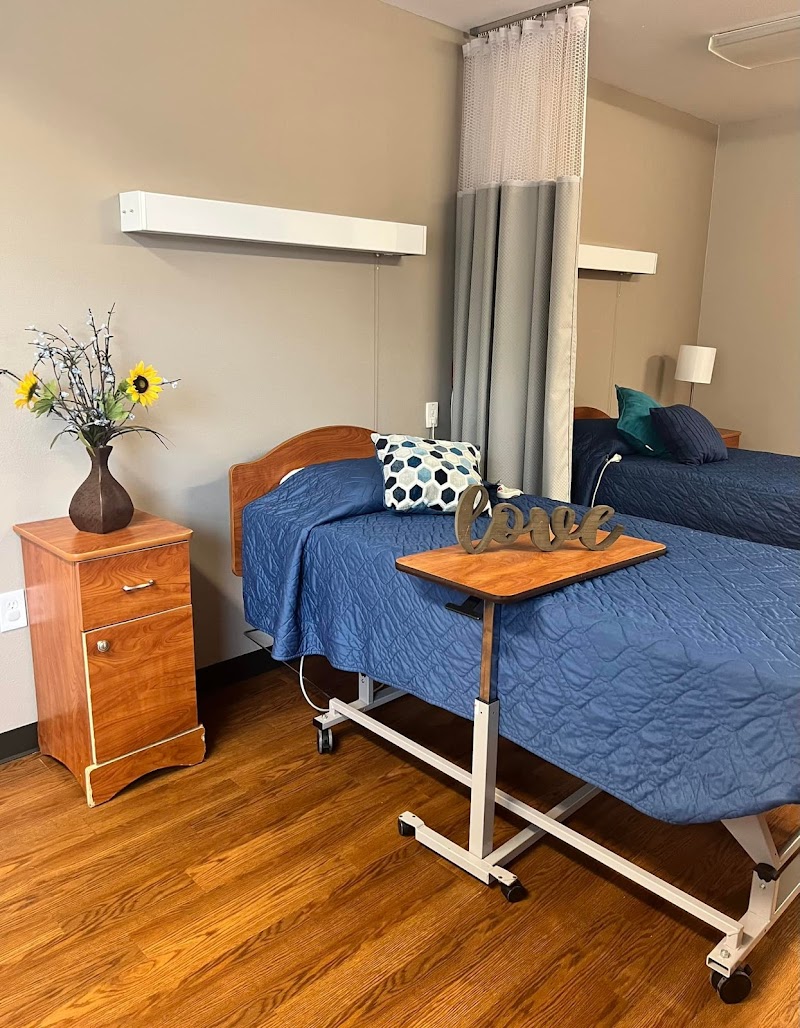
How is Caprock Nursing & Rehabilitation Staffed?

CMS rates CAPROCK NURSING & REHABILITATION's staffing level at 2 out of 5 stars, which is below average compared to other nursing homes. Staff turnover is 41%, compared to the Texas average of 46%. This relatively stable workforce can support continuity of care. RN turnover specifically is 60%, which is notably high. RNs provide skilled clinical oversight, so turnover in this role can affect medical care quality.

What Have Inspectors Found at Caprock Nursing & Rehabilitation?

State health inspectors documented 28 deficiencies at CAPROCK NURSING & REHABILITATION during 2022 to 2025. These included: 3 that caused actual resident harm and 25 with potential for harm. Deficiencies causing actual harm indicate documented cases where residents experienced negative health consequences.

Who Owns and Operates Caprock Nursing & Rehabilitation?

CAPROCK NURSING & REHABILITATION is owned by a for-profit company. For-profit facilities operate as businesses with obligations to shareholders or private owners. The facility is operated by CREATIVE SOLUTIONS IN HEALTHCARE, a chain that manages multiple nursing homes. With 120 certified beds and approximately 65 residents (about 54% occupancy), it is a mid-sized facility located in BORGER, Texas.
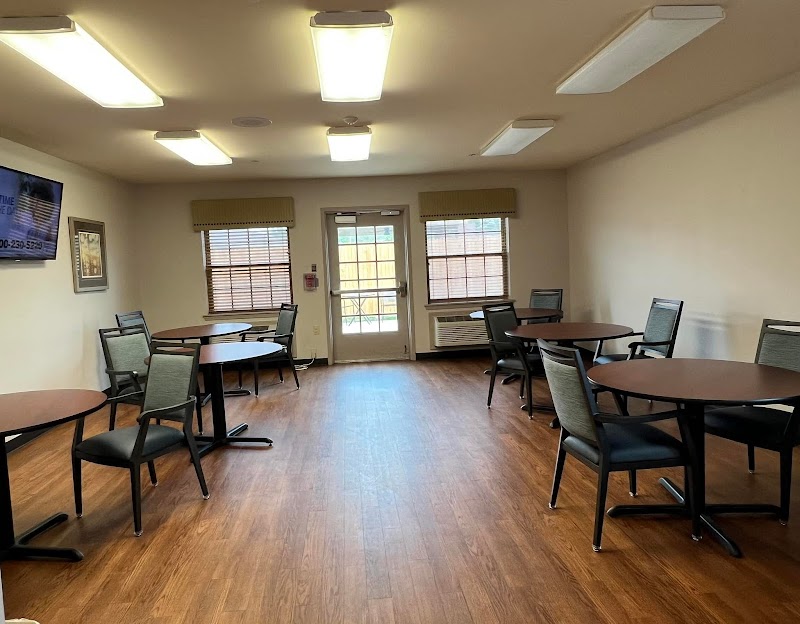
How Does Caprock Nursing & Rehabilitation Compare to Other Texas Nursing Homes?

Compared to the 100 nursing homes in Texas, CAPROCK NURSING & REHABILITATION's overall rating (3 stars) is above the state average of 2.8, staff turnover (41%) is near the state average of 46%, and health inspection rating (2 stars) is below the national benchmark.

What Should Families Ask When Visiting Caprock Nursing & Rehabilitation?

Based on this facility's data, families visiting should ask: "What safeguards and monitoring systems are in place to protect residents from abuse or neglect?" "Can you walk me through typical staffing levels on day, evening, and night shifts?" "Can I visit during a mealtime to observe dining assistance and food quality?" "How do you handle medical emergencies, and what is your hospital transfer rate?" These questions are particularly relevant given the substantiated abuse finding on record and the below-average staffing rating.

Is Caprock Nursing & Rehabilitation Safe?

Based on CMS inspection data, CAPROCK NURSING & REHABILITATION has documented safety concerns. The facility has 1 substantiated abuse finding (meaning confirmed case of resident harm by staff or other residents). The facility has a 3-star overall rating and ranks #1 of 100 nursing homes in Texas. Families considering this facility should ask detailed questions about what corrective actions have been taken since these incidents.

Do Nurses at Caprock Nursing & Rehabilitation Stick Around?

CAPROCK NURSING & REHABILITATION has a staff turnover rate of 41%, which is about average for Texas nursing homes (state average: 46%). Moderate turnover is common in nursing homes, but families should still ask about staff tenure and how the facility maintains care continuity when employees leave.

Was Caprock Nursing & Rehabilitation Ever Fined?

CAPROCK NURSING & REHABILITATION has been fined $13,582 across 2 penalty actions. This is below the Texas average of $33,215. While any fine indicates a compliance issue, fines under $50,000 are relatively common and typically reflect isolated problems that were subsequently corrected. Families should ask what specific issues led to these fines and confirm they've been resolved.

Is Caprock Nursing & Rehabilitation on Any Federal Watch List?

CAPROCK NURSING & REHABILITATION is not on any federal watch list. The most significant is the Special Focus Facility (SFF) program, which identifies the bottom 1% of nursing homes nationally based on persistent, serious quality problems. Not being on this list means the facility has avoided the pattern of deficiencies that triggers enhanced federal oversight. This is a positive indicator, though families should still review the facility's inspection history directly.