VILLA HAVEN HEALTH AND REHABILITATION CENTER

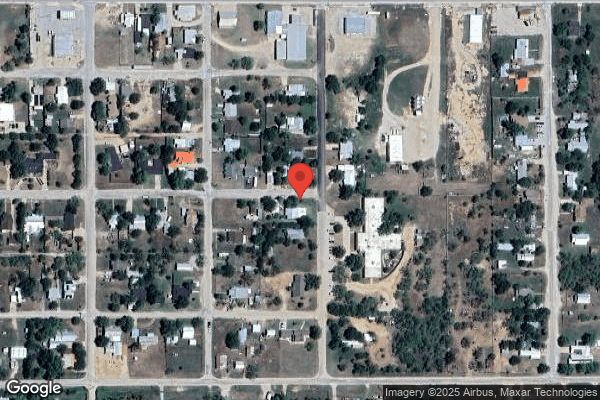
300 S JACKSON ST, BRECKENRIDGE, TX 76424 (254) 559-3386
Government - Hospital district 92 Beds FUNDAMENTAL HEALTHCARE Data: November 2025
Trust Grade
90/100
#168 of 1168 in TX
Last Inspection: December 2024

Within standard 12-15 month inspection cycle. Federal law requires annual inspections.

Overview

Villa Haven Health and Rehabilitation Center has an excellent Trust Grade of A, indicating it is highly recommended and performs better than most facilities. It ranks #168 out of 1,168 nursing homes in Texas, placing it in the top half, and it is the only option in Stephens County. The facility's trend is stable, with the number of issues remaining consistent over the past two years. While staffing is rated average with a turnover rate of 52%, there are no fines recorded, suggesting good compliance. However, the facility has faced concerns regarding infection control practices, including staff failing to perform proper hand hygiene and not wearing protective gowns during care, which could risk resident safety. Additionally, the facility did not implement comprehensive care plans for some residents, which is a significant area for improvement.

Trust Score
A
90/100
In Texas
#168/1168
Top 14%
Safety Record
Low Risk
No red flags
Inspections
Holding Steady
3 → 3 violations
Staff Stability
⚠ Watch
52% turnover. Above average. Higher turnover means staff may not know residents' routines.
Penalties
✓ Good
No fines on record. Clean compliance history, better than most Texas facilities.
Skilled Nurses
⚠ Watch
Each resident gets only 27 minutes of Registered Nurse (RN) attention daily — below average for Texas. Fewer RN minutes means fewer trained eyes watching for problems.
Violations
○ Average
8 deficiencies on record. Average for a facility this size. Mostly minor or procedural issues.
★★★★★
5.0
Overall Rating
★★★☆☆
3.0
Staff Levels
★★★★★
5.0
Care Quality
★★★★★
5.0
Inspection Score
Stable
2023: 3 issues
2024: 3 issues

The Good

  • 5-Star Quality Measures · Strong clinical quality outcomes
  • Full Sprinkler Coverage · Fire safety systems throughout facility
  • No fines on record

Facility shows strength in quality measures, fire safety.

The Bad

Staff Turnover: 52%

Near Texas avg (46%)

Higher turnover may affect care consistency

Chain: FUNDAMENTAL HEALTHCARE

Part of a multi-facility chain

Ask about local staffing decisions and management

The Ugly 8 deficiencies on record

Dec 2024 2 deficiencies
CONCERN (D) 📢 Someone Reported This

A family member, employee, or ombudsman was alarmed enough to file a formal complaint

Potential for Harm - no one hurt, but risky conditions existed

Deficiency F0657 (Tag F0657)

Could have caused harm · This affected 1 resident

**NOTE- TERMS IN BRACKETS HAVE BEEN EDITED TO PROTECT CONFIDENTIALITY** Based on interview, observation, and record review the facility failed to revise the resident's care plan for 1 of 14 residents ...

Read full inspector narrative →
**NOTE- TERMS IN BRACKETS HAVE BEEN EDITED TO PROTECT CONFIDENTIALITY** Based on interview, observation, and record review the facility failed to revise the resident's care plan for 1 of 14 residents (Resident #16) reviewed for comprehensive care plans. The IDT team failed to revise Resident #16's care plan to include the updated diet and advanced directive orders. These failures could affect residents by placing them at risk of not having their individual needs met. Findings included: Record review of Resident #16's electronic face sheet dated 12/18/2024 revealed she was an [AGE] year-old female admitted to the facility on [DATE] and most recently on 10/21/2024 with diagnoses to include dysphagia (difficulty swallowing). Record review of Resident #16's quarterly MDS dated [DATE] revealed: BIMS score of 11 which indicated moderate cognitive impairment. Further review of MDS revealed Resident #16 had symptoms of holding food in mouth/cheeks or had residual food in mouth after meals and she coughed or choked during meals or when swallowing medications. Record review of Resident #16's electronic physician orders revealed: Code Status: DNR with start date of 10/21/2024 and Diet/Consistency: Mechanical Soft-No added salt packet-Boost w/each meal-Super Pudding w/lunch & supper with start date 12/3/2024. Record review of Resident #16's comprehensive care plan dated 12/19/2024 revealed: Resident #16 was at risk for malnutrition with an approach of Diet as ordered by physician is pureed with thin liquids No Added Salt diet. Edited: 10/24/2024. Further review revealed Resident #16 was a Full Code with an approach of Resident #16 had completed the following advanced directives and DNR not selected Edited: 12/14/2024. During an observation on 12/17/2024 at 11:53 a.m., Resident #16 sitting in wheelchair at dining room table and was served lunch that was mechanical soft texture. Her lunch meal ticket stated a mechanical soft diet. During an interview on 12/19/2024 at 8:47 a.m., LVN B stated charge nurses did not revise the resident's care plans. She stated she had access to the care plans by looking into resident's paper charts kept behind the nurses' station. During an interview on 12/19/2024 at 10:54 a.m., the SSD stated she was responsible for updating residents' advanced directive choice on care plans. She stated if a resident had chosen to be a DNR and had a physician's order for DNR, then the care plan should not state Full Code. She stated she might have forgotten to update the care plan due to Resident #16's family having been indecisive during care plan meetings and would go back and forth on the advanced directive decision. She stated Resident #16's family had signed a DNR form and it had been placed in paper chart for staff to see during an emergency situation. She stated she did not feel any negative effect would occur from the care plan not reflecting physician orders because in Resident #16's paper chart had the advanced directive DNR kept in front of chart behind tab. The SSD stated there was also red sheet labeled DNR in paper chart and nurses knew to look there for advanced directive status. She stated she did not know who monitored her care plans to ensure they were correct. During an interview on 12/19/2024 at 10:58 a.m., the DM stated she was responsible for updating resident's diet choices on care plans. She stated if a resident had a mechanical soft diet, their care plan should reflect a mechanical soft diet. She stated Resident #16 had a pureed diet ordered after returning to facility from hospitalization. She stated Resident #16's diet had changed, and she must have forgotten to update care plan when the diet changed. She stated the care plan not being accurate could have a potential cause for weight loss if Resident #16 had been served the wrong diet. She stated all staff knew how to look at tray card for diet when passing out food and there are multiple staff who check the tray cards during meal service. She stated the dietician monitored resident care plans for accuracy of dietary service. During an interview on 12/19/2024 at 11:33 a.m., the ADON stated Resident 16's care plan should have the most accurate advanced directive and diet status in it. She stated she was not responsible for dietary or social services care need in care plans. She stated the Corporate MDS coordinator did come to the facility and performed chart audits at least yearly checking that care plans were accurate. She stated she had been present during care plan meetings for Resident #16 and stated Resident #16's family had been indecisive about care decisions which may have led to care plans being not updated. She stated nurses did not look in the care plan during an emergency to look for code status because it was faster to see in front of paper charts. She stated nursing staff reviewed meal tickets during mealtime to see if diet was correct for residents. She did not feel any negative outcome would occur from care plan not being updated. During an interview on 12/19/2024 at 11:33 a.m., the ADMN stated her expectation would be that care plans reflect current diet orders and advanced directive status. She stated the SSD was responsible for updating advanced directives in the care plan and the National Social Service Director was responsible for monitoring social service care needs in the care plan were accurate. She stated the DM was responsible for updating dietary needs in the care plan and those needs were monitored by the dietician. She stated staff knew to look in paper chart for advanced directive status and at meal tickets for diet orders. She stated that even so, care plans should have accurate information on them. Review of facility policy titled Care Plan Process, Person-Centered Care revised on date May 5, 2023 revealed: Person-centered care means the facility focuses on the resident as the center of control and supports each resident in making his or her own choices .The services provided or arranged by the facility, as outlined by the comprehensive person - centered care plan, will meet professional standards of quality .Procedures: 3. Following RAI Guidelines develop and implement a comprehensive person-centered care plan that includes measurable objectives and timeframes to meet a resident's medical, nursing, and mental and psychosocial needs that are identified in the comprehensive assessment .6. The Interdisciplinary Team (IDT) will review for effectiveness and revise the person - centered care plan after each assessment. This includes both the comprehensive and quarterly assessments. For the comprehensive assessment the review will be completed with seven (7) days of V0200B2 and no more than 21 days after admission .Thru ongoing assessment, the facility will initiate person - centered care plans when the resident's clinical status or change of condition dictates the need such as but not limited to falls and pressure ulcer development.
CONCERN (E) 📢 Someone Reported This

A family member, employee, or ombudsman was alarmed enough to file a formal complaint

Potential for Harm - no one hurt, but risky conditions existed

Infection Control (Tag F0880)

Could have caused harm · This affected multiple residents

**NOTE- TERMS IN BRACKETS HAVE BEEN EDITED TO PROTECT CONFIDENTIALITY** Based on observations, interviews, and record reviews, the facility failed to maintain an infection prevention and control progr...

Read full inspector narrative →
**NOTE- TERMS IN BRACKETS HAVE BEEN EDITED TO PROTECT CONFIDENTIALITY** Based on observations, interviews, and record reviews, the facility failed to maintain an infection prevention and control program designed to provide a safe, sanitary, and comfortable environment to help prevent the development and transmission of communicable diseases and infections for 3 of 5 staff (LVN-A, CNA-B, CNA-C) reviewed for infection control procedures. 1. The facility failed to ensure the CNA-B and CNA-C performed proper hand hygiene in between changing gloves during incontinent care. 2. The facility failed to ensure the LVN-A performed proper hand hygiene in between changing gloves during wound care and prior to reaching into medication cart. 3. The facility failed to ensure the CNA-B and CNA-C wore gown during foley catheter care. These failures could place residents at risk for the transmission of communicable diseases. Findings included: Record review of Resident #9's electronic face sheet dated 12/19/2024 revealed she was a [AGE] year-old female admitted into the facility on 5/7/2020 and most recently on 12/11/2024 with diagnoses to include urinary tract infection and urinary incontinence. Record review of Resident #9's quarterly MDS dated [DATE] revealed: BIMS score of 14 which indicated cognitively intact. Further review of MDS indicated that Resident #9 was incontinent to urine and bowel and she was dependent on staff for bed mobility and to transfer from bed to chair. During on observation on 12/18/2024 at 7:28 a.m., CNA B and CNA C entered Resident #9's room and performed hand hygiene and placed on gloves. Resident #9 was lying in her bed and CNA C assisted CNA B with incontinence care. CNA C stood on left side of bed to assist with bed mobility as CNA B removed tabs of the brief and cleansed Resident #9's front with wipes and disposed of wipes after every wipe starting on left side, then right side, then down middle of perineal area. Resident #9 assisted in turning to her left side by CNA C. CNA B wiped her rectal area with wipe and discarded wipe. Soiled brief was removed from Resident #9 then discarded into lined trash receptacle. CNA B removed her gloves and put on new gloves without performing hand hygiene. She placed a clean brief under resident and helped CNA C roll the resident to situate clean brief under resident along with Hoyer sling. After positioning, CNA B and CNA C took off the gloves and CNA B opened a drawer to get socks for Resident #9. CNA B put socks and shoes on Resident #9 while not wearing gloves and then placed gloves on her hands to move the mechanical sling lift over to Resident #9's bed. CNA C saw the soiled wipe on floor and put a glove on right hand to pick up the item and then disposed of both into the trash receptacle. CNA C put on gloves and assisted CNA B with mechanical sling transfer of resident into wheelchair. Both CNAs then assisted Resident #9 with removal of shirt and bra to change into clean clothes. CNA C then took trash and soiled linen out of room in plastic bag and put into covered bins in the hall. Both CNAs then performed hand hygiene for the first time since entering Resident #9's room. During an interview on 12/18/2024 at 7:33 a.m., CNA B stated she had been trained on infection control. She stated she should have sanitized her hands in between glove changes and after removal of gloves. She stated she just had a brain slip and forgot to sanitize hands. She stated no sanitizing hands could cause infection from spreading bacteria. Record review of Resident #228's electronic face sheet dated 12/19/2024 revealed she was an [AGE] year-old female admitted into the facility on [DATE] with diagnoses to include encephalopathy (swelling of the brain). Record review of Resident #228's admission MDS dated [DATE] revealed: BIMS score of 8 which indicated moderate cognitive impairment. Further review of MDS revealed Resident #228 had one or more unhealed pressure ulcers and was at risk of developing pressure ulcers. Record review of Resident #228's electronic physician orders dated 12/10/2024 revealed Resident #228 had wound to right upper thigh, left heel and right sacrum. During an observation on 12/18/2024 at 8:52 a.m., LVN A carried in wound care supplies into Resident #228's room and sat opened items onto wax paper on bedside table. She assisted Resident #228 into recliner and washed hands with soap and water prior to placing on her gloves. LVN A removed the heel dressing and cleaned the skin with wound cleanser and gauze. She removed her gloves and used ABHR to sanitize her hands prior to putting on new gloves to place dressing to heal wound. She disposed of the gloves and used ABHR prior to putting on clean gloves. LVN A removed dressing from the sacral wound and cleansed the wound with wound cleanser and gauze. She removed gloves and did not perform hand hygiene before placing new gloves. She dressed sacral wound and then removed gloves and did not perform hand sanitizing. LVN A then reached into the medication cart and removed a bottle of cream for another treatment. She came back into room and washed her hands with soap and water then put on gloves before continuing with Resident #228's treatments. During an interview on 12/18/2024 at 9:40 a.m., LVN A stated she had training on infection control. She stated she should have sanitized her hands in between glove change and after removing gloves. She did not know why she did not perform hand hygiene. She stated not performing hand hygiene could cause cross contamination infections. Record review of Resident #19's electronic face sheet dated 12/19/2024 revealed she was a [AGE] year-old female admitted into the facility on 9/24/2024 and most recently on 11/4/2024 with diagnoses to include retention of urine. Record review of Resident #19's quarterly MDS dated [DATE] revealed: BIMS score of 12 which indicated moderate cognitive impairment. Further review of MDS revealed Resident #19 had an indwelling catheter appliance for bladder and urinary continence was not rated because resident had a catheter. Record review of Resident #19's electronic physician orders dated 9/25/2024 revealed an order for indwelling foley catheter and an order for foley catheter care to be completed by CNA every shift. During an observation on 12/18/2024 at 9:34 a.m., CNA B and CNA C performed foley catheter care for Resident #19. There was no EBP signage outside of Resident #19's door or PPE outside of door. CNAs entered the room and performed hand hygiene and placed on gloves. They performed foley catheter care without using a gown. CNA B and CNA C disposed of gloves and performed hand hygiene after foley catheter care. During an interview on 12/19/2024 at 10:26 a.m., LVN B stated she was the IP. She stated her expectation would be for staff to perform hand hygiene with ABHR or soap and water in between glove changes and after gloves were removed. She stated not sanitizing hands could cause infections from cross contamination. LVN B stated staff had been educated on hand hygiene and are responsible for carrying out hand hygiene. She stated both she and the DON performed in-services and boot [NAME] to teach staff how to perform hand hygiene appropriately. She stated boot [NAME] are held every 3 months and all direct care staff were required to attend. She stated both her and the DON watch staff perform tasks during boot camp to make sure they are knowledgeable about infection control. She stated facility does utilize EBP for residents that have indwelling catheters such as foley catheter. She stated there should have been an EBP sign outside of Resident #19's door to let staff know how to use PPE during care including gown. She stated charge nurses were responsible for making sure EBP sign and PPE were available outside of residents' rooms when EBP should be used during resident's care. She stated she and the DON monitored that EBP sign and PPE were outside of rooms when required. She stated Resident #19 had a EBP sign and PPE outside of her room, but they were removed when she went to the hospital. She stated EBP sign and PPE should have been placed outside of door when Resident #19 returned and that was an oversite by nursing and her. She stated not following EBP or performing hand hygiene when removing gloves could cause infection spread. During an interview on 12/19/2024 at 11:51 a.m., the DON stated she expected staff to sanitize their hands after gloves were removed including during glove changes. She stated gowns should be used during foley catheter care as part of EBP. She stated CNAs and nurses were responsible for performing hand hygiene when appropriate. She stated she and the IP monitored that CNAs and nurses used appropriate hand hygiene when providing care to residents. The DON stated both her and the IP were responsible for training staff on infection control. She stated EBP sign and PPE should be outside of rooms that staff should use EBP when providing care to residents that have an indwelling catheter. She stated not sanitizing hands when removing gloves and now wearing gown when caring for a foley catheter could increase risk for infection. Record review of facility policy titled Hand Hygiene/Hand Washing dated May 15, 2023 revealed: Hand hygiene is the most important component for preventing the spread of infection. Proper hand washing technique will be used when hand washing is indicated .2. Wash Hands: A. When hands are visibly soiled. B. Before starting work. C. Before putting on gloves, when changing into a fresh pair of gloves, and immediately after removing gloves. Review of facility policy titled Infection Prevention and Control Policies and Procedures dated May 15, 2023 revealed: Enhanced Barrier Precautions (EBP) 1. Enhanced Barrier Precautions expand the use of PPE (gowns and gloves) during high-contact resident care activities that provide opportunities for transfer of MDROs to staff hands and clothing. a. EBP will be implemented for All residents with the following: i. Infection or colonization with an MDRO when Contact Precautions do not otherwise apply ii. Wounds and/or indwelling medical devices (central lines, urinary catheter, feeding tube, tracheostomy/ventilator) regardless of MDRO colonization status b. EBP will be implemented during the following high-contact resident care activities: i. Dressing ii. Bathing/showering iii. Transferring iv. Providing hygiene v. Changing linens vi. Changing briefs or assisting with toilet vii. Device care or use: central lines, urinary catheter, feeding tube, tracheostomy/ventilator c. EBP requires the following PPE: i. Gloves ii. Gown iii. Face protection is performing activity with risk of splash or spray iv. All PPE is donned and doffed with appropriate hand hygiene and disposable after individual use or when visible soiled
Jul 2024 1 deficiency
CONCERN (D) 📢 Someone Reported This

A family member, employee, or ombudsman was alarmed enough to file a formal complaint

Potential for Harm - no one hurt, but risky conditions existed

Infection Control (Tag F0880)

Could have caused harm · This affected 1 resident

**NOTE- TERMS IN BRACKETS HAVE BEEN EDITED TO PROTECT CONFIDENTIALITY** Based on observation, interview, and record review, the facility failed to maintain an infection prevention and control program ...

Read full inspector narrative →
**NOTE- TERMS IN BRACKETS HAVE BEEN EDITED TO PROTECT CONFIDENTIALITY** Based on observation, interview, and record review, the facility failed to maintain an infection prevention and control program designed to provide a safe, sanitary, and comfortable environment to help prevent the development and transmission of communicable diseases and infections for one (Resident #1) of three residents reviewed for infection control practices. LVN A failed to perform hand hygiene and prevent cross contamination of resident care items while providing blood sugar checks for Resident #1. These failures could affect the residents by placing them at risk for the spread of infection. Finding included: Review of Resident #1's Face Sheet dated 07/18/20, revealed an [AGE] year-old female admitted to the facility on [DATE] with diagnoses of retention of urine, malignant neoplasm of breast (breast cancer), constipation, and dementia (brain damage) Review of Resident #1's Minimum Data Set (MDS) assessment dated [DATE] revealed Resident #1 required moderate assistance with most activities of daily living (ADLs) and was always incontinent of bladder and frequently incontinent of bowel. Review of Resident #1's care plan dated 06/26/24 revealed a plan for hypoglycemia/hyperglycemic episodes related to diabetes mellitus. Its goal was for Resident #1 to be absence of signs of hypoglycemia (diaphoretic. Rapid pulse, confusion, lethargic, etc.) or hyperglycemia (increase thirst, dry mouth, blurred vision, fatigue, etc.) over the next 90 days. Observation of blood sugar checks on Resident #1 on 07/17/20 at 11:31 a.m. revealed LVN A did not wash hands or perform hand hygiene before start of care. She did not prepare a clean field before start of care to prevent cross contamination. LVN A placed the required supplies on top of the medication cart without wiping it down. The top of the table was visibly dirty. These supplies include glucometer, diabetic pins, test strips and alcohol pads. LVN A donned her gloves and picked up the supplies from the medication cart and entered Resident #1's room. She dumped the supplies on top of the resident's dressing table. She did not wipe the dressing table down. LVN A proceeded to prick the resident's finger which resulted in a blood sugar reading of 190 mg/dl (milligrams per deciliter). LVN A picked up her supplies and walked out of the room without washing her hands or performing hand hygiene. On her way out of Resident #1's room, the glucometer fell on the floor. LVN A picked up the glucometer and placed it on top of medication cart. In an interview on 07/17/20 at 11:42 a.m. with LVN A, she said she had been employed in the facility for over 7 years. LVN A acknowledged she should have washed her hands, performed hand hygiene, and prepared a clean field while providing blood sugar checks to Resident #1. LVN A stated she had infection control training about two months ago. She said cross contamination was mixing clean with dirty and the resident could get sick if good infection practice was not followed. During an interview with the DON on 07/18/20 at 3:30 p.m. she acknowledged she was aware of some of the concerns raised about infection control practices. The DON stated he expected the nurses to follow clean procedure while checking blood sugar. Review of the facility's policy on disinfection of patient/resident care equipment: Blood sugar glucose meter, point of care testing dated May 2023 reflected, POLICY: 1. Glucometers and point of care testing devices will be maintained, cleaned and disinfected in accordance with acceptable policies. 2 Manufacturers' recommendations will be followed when cleaning or disinfecting medical equipment. PROCEDURES: LEVELS OF DISINFECTION Three levels of disinfection can be utilized in the maintenance of patient/resident-care equipment: 1. Cleaning: the physical removal of organic material or soil from objects is usually done using water with a soap or detergent. Generally, cleaning is designed to remove rather than kill microorganisms. 2. Sterilization: the destruction of all forms of microbial life, carried out with steam under pressure, liquid or gaseous chemicals, or dry heat. 3. Disinfection: intermediate measure between physical cleaning and sterilization, carried out with hot water disinfection (pasteurization) or chemical germicides. CLEANING AND DISINFECTION PROCEDURE 1. Alcohol is not approved for disinfecting items which are potentially contaminated with blood. 2. Blood glucose meters and point of care testing devices are at high risk of becoming contaminated with bloodborne pathogens such as HBV, HCV, and HIV. Transmission of these viruses from individual to individual has been documented due to contaminated blood glucose devices. According to the CDC, cleaning, and disinfection of meters between resident uses can prevent transmission of these viruses through indirect contact. Record review of The CDC infection control reviewed January 26,2016 states, Standard Precautions are used for all patient care. They're based on a risk assessment and make use of common-sense practices and personal protective equipment use that protect healthcare.
Nov 2023 3 deficiencies
CONCERN (E) 📢 Someone Reported This

A family member, employee, or ombudsman was alarmed enough to file a formal complaint

Potential for Harm - no one hurt, but risky conditions existed

Comprehensive Care Plan (Tag F0656)

Could have caused harm · This affected multiple residents

**NOTE- TERMS IN BRACKETS HAVE BEEN EDITED TO PROTECT CONFIDENTIALITY** Based on observation, interview, and record review, the facility failed to develop and implement a comprehensive and person-cent...

Read full inspector narrative →
**NOTE- TERMS IN BRACKETS HAVE BEEN EDITED TO PROTECT CONFIDENTIALITY** Based on observation, interview, and record review, the facility failed to develop and implement a comprehensive and person-centered care plan, including measurable objectives and timeframes to meet a resident's medical, nursing, mental, and psychosocial needs identified in the comprehensive assessment for 3 of 3 (Resident #6, Resident #19, and Resident #30) residents reviewed for comprehensive care plans. 1. The facility failed to develop care plans based on assessed needs with measurable objectives and timeframes in areas such as risk for dehydration, exposure to infections, falls, skin breakdown, pain, and impaired nutrition, decline in psychosocial wellbeing, PASRR positive status, incontinence, presence of an ostomy, decreased vision, inability to perform ADL's, impaired communication, depression, memory loss, advanced care planning, and participation in activities for Resident #6. 2. The facility failed to develop care plans based on assessed needs with measurable objectives and timeframes in areas such as risk for dehydration, exposure to infection, high or low blood sugar levels, skin breakdown, pain, and falls, psychotropic drug use, mood distress, behaviors (refusing care and threatening others), hallucinations, altered psychosocial wellbeing, impaired communication, depression, memory loss, paranoid behaviors, inability to perform ADL's, advanced care planning, weight loss, participation in activities, incontinence, and COVID positive status for Resident #19. 3. The facility failed to develop care plans based on assessed needs with measurable objectives in areas such as risk for falls, skin breakdown, pain, dehydration, malnutrition, exposure to infection, and decreased psychosocial wellbeing, psychotropic drug use, advanced care planning, depression, impaired cognition, impaired communication, inability to perform ADL's, incontinence, and participation in activities for Resident #30. Findings included: Resident #6 Record review of Resident #6's electronic face sheet revealed a [AGE] year-old male, admitted to the facility on [DATE] with medical diagnoses of brain damage due to lack of oxygen, severe intellectual disabilities, ileostomy (an opening in the abdomen for draining stool from the small intestines), and difficulty walking. Resident #6's Quarterly MDS dated [DATE], Section C 0500 BIMS Score Summary revealed the resident scored 03 out of 15 indicating severe cognitive impairment. Record review of Resident #6's Comprehensive Care Plan reviewed and revised 09/19/2023 revealed objectives lacking ability to be evaluated or quantified were: [resident] will not exhibit signs of dehydration ., [resident] will have interventions in place to reduce possible exposure to COVID-19. , [resident] will not experience any social isolation and will have no impact on interpersonal relationships . as evidenced by verbalization or documentation of contentment with routine, facility will ensure [resident] receives referrals and assessments to identify his needs related to the diagnosis of IDD. Identified resources will be coordinated and incorporated into his daily care to allow him to achieve optimal functioning, [resident] will remain clean, dry, and odor free and no occurrence of skin break down will occur., ostomy care will be managed appropriately: (e.g., appropriate amount type, color, odor of drainage; stoma the correct size, pink, free of breakdown, or infection; surrounding skin free of breakdown, rash, or infection, stool will not leak.) ., [resident] will be able to use the environment with little or no difficulty . , [resident] will maintain a sense of dignity by being clean, dry, odor free and well groomed ., [resident] will have interventions in place to reduce the risk of major injuries with falls ., [resident] will have interventions to prevent skin breakdown., [resident] will verbalize & show signs of relief of pain ., Staff will anticipate and meet all needs that [resident] is not able to communicate effectively ., [resident] will be able to function in current environment . His needs will be anticipated and met by staff, [resident] will be informed of his right to complete advanced directives to direct his medical care and make his values and treatment goals known. His stated desires will be honored, Will have interventions in place to maintain a stable weight., [resident] will actively engage in music activity . Further review of the comprehensive care plan revealed no evidence of timeframes for evaluating the effectiveness of the planned interventions in the areas of PASRR positive status and advanced care planning. Resident #19 Record review of Resident #19's electronic face sheet revealed a [AGE] year-old male admitted to the facility on [DATE] with medical diagnoses of Parkinson's disease, dementia, and dysphasia (difficulty speaking). Resident #19's Annual MDS dated [DATE], Section C 0500 BIMS Score Summary revealed the resident scored 01 out of 15 indicating severe cognitive impairment. Record review of Resident #19's Comprehensive Care Plan reviewed and revised 09/13/2023 revealed objectives lacking ability to be evaluated or quantified were: maintain airway and oxygen exchange as evidenced by O2 SATS and Respiratory Rate WNL, [resident] will not exhibit signs of dehydration . , [resident's] use of medication will result in maintenance or improvement in his functional status as evidenced by: less sadness, crying, greater participation in social and leisure activities, [resident's] use of medication will result in improvement in his functional status as evidenced by fewer behavioral episodes, [resident] will verbalize feelings underlying difficulty concentrating, [resident] will have interventions in place to reduce possible exposure to COVID-19 ., [resident] will return to his/her usual pattern of behavior, [resident] will not harm self or others secondary to hallucinations ., [resident] will not experience any social isolation and will have no impact on interpersonal relationships . as evidenced by verbalization or documentation of contentment with routine ., Resident will have better control of his behaviors with the help of coping skills and or/new medication management, Minimize risk for hypoglycemia/hyperglycemia ., Staff will anticipate and meet all needs that [resident] is not able to communicate effectively ., [resident] will not exhibit signs of isolation, such as, dull affect, withdrawn, or inattention to self-care, [resident's] use of medication (Nuplazid) will result in maintenance in his functional status AEB reduced paranoid behaviors and stable cognitive status ., [resident] will achieve the highest level of functioning .,[resident] will increase active joint range of motion in BLE & BUE. AROM up to 7 days per week. To maintain extensive assist with dressing and transfers, [resident] will transfer self with extensive assistance ., [Resident] will be informed of his right to complete advanced directives to direct his medical care and make his values and treatment goals known. [Resident's] stated desires will be honored ., [resident] will express an improved mood or behaviors ., He will engage in activities of his interest and begin to develop social relationships at facility, intervention in place to keep a stable weight ., [resident] will have socialization and stimuli thru daily care routine and actively engage in one on one activity, [resident] will remain clean, dry, and odor free and no occurrence of skin break down ., [resident] will have interventions to prevent skin breakdown ., [resident] will verbalize relief of pain ., [resident] will maintain sense of dignity by being clean, dry, odor free and well groomed ., [resident] will have interventions in place to prevent major injuries with falls. Further review of the comprehensive care plan revealed no evidence of timeframes for evaluating effectiveness of the planned interventions in the areas of psychotropic drug use, mood distress, behaviors, depression, inability to perform ADL's, advanced care planning, and participation in activities. Resident #30 Record review of Resident #30's electronic face sheet revealed an [AGE] year-old female, admitted to the facility on [DATE] with medical diagnoses of dementia, asthma, difficulty communicating, and diabetes type 2. Resident #30's Quarterly MDS dated [DATE], Section C 0500 BIMS Score Summary revealed the resident scored 01 out of 15 indicating severe cognitive impairment. Record review of Resident #30's Comprehensive Care Plan reviewed and revised 08/24/2023 revealed objectives lacking ability to be evaluated or quantified were: Resident will be informed of her right to complete advanced directives to direct her medical care and make her values and treatment goals known. Residents stated desires will be honored, [resident] will not exhibit any further decline in her mood or her signs of depression. She will be able to make decisions based on her wants and desires ., [resident] will have interventions in place to minimize distress d/t cognitive impairment ., Staff will anticipate and meet all needs that [resident] is not able to communicate effectively ., [resident] will maintain a sense of dignity by being clean, dry, odor free and well groomed ., [resident] will remain clean, dry and odor free and no occurrence of skin break down will occur ., [resident] will have interventions in place to reduce the risk of major injuries with falls ., [resident] will have interventions to prevent skin breakdown ., Minimize risk for hypoglycemia/hyperglycemia (low or high blood sugar) ., [resident] will verbalize relief of pain ., [resident] will not exhibit signs of dehydration ., will maintain nutritional status as evidenced by no significant weight change . Will receive appropriate diet as ordered by physician, [resident] will actively engage in bingo ., [resident] will not experience any social isolation and will have no impact on interpersonal relationships . as evidenced by verbalization or documentation of contentment with routine, [resident] will have interventions in place to reduce possible exposure to COVID-19 ., [resident] will be capable of performing personal hygiene with limited assist from staff, [resident] will maintain joint range of motion in BLE & BUE. AROM up to 7 days a week. To maintain extensive assist with transfers and dressing, Resident will achieve the highest level of functioning. Further review of the comprehensive care plan revealed no evidence of timeframes for evaluating effectiveness of the planned interventions in the areas of advanced care planning, inability to perform ADL's, and participating in activities. During an interview on 11/02/2023 at 12:50 PM, the ADON/MDS Coordinator stated she was responsible for creating the baseline and comprehensive nursing care plans. The ADON stated the SW was responsible for addressing the social services problems identified on the comprehensive care plans. She stated the effect on a resident when a goal was not met or was not measurable would depend on what the problem was. The ADON stated an unmeasurable goal could lead to a resident experiencing a physical or emotional decline, harm, or loss of function. The ADON explained training for her position included learning on the job during her 15 + years working at the facility, computer-based training, and training meetings with the corporate case mix director. During an interview on 11/02/23 at 1:09 PM, the SW stated her expectations on care plans was guidance for measurable progress by a certain goal date. The SW stated the care plan and measurable goals were the basis for evaluation on whether to change, discontinue, or continue with the current plan. The SW stated this was her first position in a long-term care facility. She explained her previous work experience included IDD and ICF where she was responsible for all aspects of care planning. The SW stated the effect a goal without a means to measure effectiveness for residents was not knowing if a goal was met or if a resident was improving. She stated if there was nothing to measure against it was difficult to determine the effectiveness of interventions. During an interview on 11/02/23 at 1:20 PM, the Admin stated her expectation of care plan goals was for the statement to be measurable in order to know if goal had been achieved. She stated goals were the guidelines to evaluate if a resident did not improve or declined. The Admin stated her expectations for developing care plan goals was for the goals to align with current guidelines and standards of care. Review of facility policy titled Care Plan Process, Person-Centered Care revision date May 5, 2023, revealed The facility will develop and implement a baseline and comprehensive care plan for each resident that includes the instructions needed to provide effective and person-centered care of the resident that meet professional standards of quality care. Procedures, item #3. Revealed Following RAI Guidelines develop and implement a comprehensive person-centered care plan that includes measurable objectives and timeframes to meet a resident's medical, nursing, and mental and psychosocial needs that are identified in the comprehensive assessment.
CONCERN (E) 📢 Someone Reported This

A family member, employee, or ombudsman was alarmed enough to file a formal complaint

Potential for Harm - no one hurt, but risky conditions existed

Food Safety (Tag F0812)

Could have caused harm · This affected multiple residents

**NOTE- TERMS IN BRACKETS HAVE BEEN EDITED TO PROTECT CONFIDENTIALITY** Based on observations, interviews, and record reviews, the facility failed to store, prepare, distribute and serve food in accor...

Read full inspector narrative →
**NOTE- TERMS IN BRACKETS HAVE BEEN EDITED TO PROTECT CONFIDENTIALITY** Based on observations, interviews, and record reviews, the facility failed to store, prepare, distribute and serve food in accordance with professional standards for 1 of 1 kitchen's reviewed for food service safety. The facility failed to properly label food items in the refrigerators. The facility failed to separate spoiled food from other food items in the refrigerators. The facility failed to seal items to protect them from freezer burn in freezers. The facility failed to discard expired food items in the dry food storage areas. The facility failed to wash dishes at a safe temperature in a low temperature setting dishwashing machine. The facility staff failed to practice good hand hygiene while preparing and serving food. These failures placed residents at risk of food borne illnesses that ate from the facility kitchen. Findings included: During an observation and interview on 10/31/23 at 10:10 AM revealed: Refrigerator #2 1 package of meat in a deep-dish metal pan that had no label to identify the food item. The DM said it was stew meat for tomorrow (11/01/23). 3 bags containing 16 heads of lettuce that had brown and/or black spots on them. The DM said they came in like that, but the vendor would not take them back without seeing them again. Freezer #1- 1 box of popsicles with frozen water on and inside the box. The DM said they needed to be thrown away and they were the Activities Department. Freezer #2 1 box of puff pastries that was not sealed and exposed to air. The DM said the packaging should have been closed as well as the box. Dry Food Storage 1-5gal tub of pinto beans with dates 3/21/23-9/21/23. 1-5gal tub of rice with the dates of 4/11/23-10/11/23. 1-5gal tub of cornmeal with dates of 9/15/22-9/15/23. The DM said the first date was when the items were put in the tubs and the second date was when they should have been thrown out. The DM said the beans, rice and cornmeal should have already been thrown out. During an observation on 10/31/23 at 11:03 AM, of the preparation of mixed moist and pureed meal, the DC was observed to not wash her hands prior to putting on gloves, and when removing her gloves not washing her hands. Then while wearing gloves she would adjust her facemask and her clothing then go back to mixing the altered food items. The DC went outside of the kitchen to the steam table in the dining room several times then back into the kitchen wearing the same gloves, having touched the doorknobs and would again begin mixing the altered food items. The DA was observed to not wash his hands and wore the same gloves, going in and out of the kitchen to the steam table and back touching the doorknob with his gloved hands; then coming back into the kitchen and preparing residents' drinks wearing the same gloves having never removed his gloves or washed his hands. During an observation and interview on 10/31/23 at 11:35 AM the DC utilized the dishwasher to clean the blender during the altered meal food items. The dishwasher came up to 120 degrees F after running the machine 3 times. She said when the dishwasher wasn't in use for a while, it needed to be ran a few times before it would come to temp. The machine had a sticker on it that reflected to wash/rinse at 120 degrees Fahrenheit. Review of the dishwasher temp log revealed steady morning temperatures of 110F. The DA said the wash temp was 110 F and the rinse temp was 120F. Review with DA the paper log for the month of October 2023 reflected to wash/rinse at 120 degrees F and sticker on the dishwasher reflected to wash/rinse at 120 degrees F. Later the DM verified that the paper log had 110 degrees F written routinely but the paper log and dishwasher both clearly identified to wash/rinse at 120 degrees F. The DM said the sanitation company told her it was a low temp dishwasher, and it was ok to run at a lower temperature. The DM said she had an email from the sanitation company that stated the dishwasher could be ran at a lower temperature. During an observation on 10/31/23 at 11:51 AM, while awaiting meal service the DA was observed with his gloved hands inside his pants pockets. Then as meal service began, he did not remove his gloves, wash his hands and put on new gloves. The DC was observed to change her gloves just prior to the meal service due to hands being very moist inside her gloves. She rubbed her hands off on her uniform top and then she put new gloves on without washing her hands and began meal service. During an interview on 10/31/23 12:09 PM, the DM said they were supposed to wash hands and change gloves between each task. She said they were supposed to wear gloves at all times when handling the food. She said they were supposed to wash their hands between removing gloves and putting new gloves on. The DM said they were not supposed to touch their clothing, adjust their hair or facemasks and keep the same gloves on then handle the food. The DC verified that she had not washed her hands when she changed her gloves and that she had adjusted her mask, hair and clothing while wearing the same gloves and went back to preparing food items. During an exit interview on 11/02/23 at 2:30 PM with all facility management, the DM could not provide an email from the sanitation company. Record review of facility policy labeled Nutrition Policies and Procedures Safe Food Handling revised 6/20/23. Hand Hygiene/Hand Washing. Hand hygiene is the most important component for preventing the spread of infection. Proper hand washing technique will be used when hand washing is indicated. Employees keep their hands and exposed portions of arms clean. Wash hands: When hands are visibly soiled. Before starting work. Before putting on gloves, when changing into a fresh pair of gloves, and immediately after removing gloves. Before handling or eating food . After contact with soiled or contaminated articles, such ass, dirty dishes. After contact with an object or source where there is a concentration of microorganisms, such as, mucous membranes, non-intact skin, body fluids or wounds . Antimicrobial gels cannot be used in place of proper hand washing techniques in a food service setting. (This refers to in the kitchen and food preparation but not to passing of trays.) . Check expiration dates and use-by dates to assure the dates are within acceptable parameters . Refuse contaminated food and return to the vendor for credit. If the food cannot be returned immediately, store it away from other food and supplies to prevent contamination .Food safety in Receiving and Storage. Place food that is repackaged in a leak-proof, pest-proof, non-absorbent, sanitary container with a tight-fitting lid. Label both the container and its lid with the common name of the contents, the date it was transferred to the new container, and the discard date. It is recommended that food stored in bins (e.g., flour or sugar) be removed from its original packaging . Refrigerated condiments and salad dressings are properly covered, labeled, and clearly marked to indicate a use by date two months from the date opened. Food acquisition, storage and distribution will comply with accepted food handling practices. Proper food handling is essential in preventing foodborne illness. Employees wash their hands, and patients or residents are given the opportunity and necessary equipment to wash their hands prior to handling or consuming food. Follow all local, State, and Federal Regulations when handling food. Food/Beverages Prepared and Swerved by Facility Staff for Patients or Residents: All facility staff (culinary, nursing, therapy, activities, etc.) involved in the preparation and service of food adheres to safe food handling techniques. Plates are handled by the edge or bottom; cups by the handles or bottom; and utensils by the handles. All foods are stored, prepared and served at temperatures that prevent bacterial growth. Hot foods are maintained at 135 F or higher and cold foods are maintained at 40 F or below at point of service. At point of delivery, hot foods and cold foods should be palatable and consumed within 2 hours or discarded . Refrigerated Time/Temp Control for Safety (TCS) leftover foods are properly covered, labeled and dated and marked with a use by date TCS leftovers are discarded after 3 days unless otherwise indicated. Items that cannot be used within 3 days may be placed in the freezer . Food is served with clean, sanitized utensils. There is no bare hand contact . All foods removed from the original packaging are stored in a closed container or tightly wrapped package and labeled with the common name of the item and the date it was opened. Review of FDA Food Code 2022 Chapter 3 Food Subsection 3-302 Preventing food and ingredient contamination revealed: (A) FOOD shall be protected from cross contamination by: (1) Except as specified in (1)(d) below or when combined as ingredients, separating raw animal FOODS during storage, preparation, holding, and display from: (a) Raw READY-TO-EAT FOOD including other raw animal FOOD such as FISH for sushi or MOLLUSCAN SHELLFISH, or other raw READY-TO-EAT FOOD such as fruits and vegetables,P (b) Cooked READY-TO-EAT FOOD, P and (c) Fruits and vegetables before they are washed; P (d) Frozen, commercially processed and packaged raw animal FOOD may be stored or displayed with or above frozen, commercially processed and packaged, ready-to-eat food. (2) Except when combined as ingredients, separating types of raw animal FOODS from each other such as beef, FISH, lamb, pork, and POULTRY during storage, preparation, holding, and display by: (a) Using separate EQUIPMENT for each type, P or (b) Arranging each type of FOOD in EQUIPMENT so that cross contamination of one type with another is prevented, P and (c) Preparing each type of FOOD at different times or in separate areas; P (3) Cleaning equipment and utensils as specified under ¶ 4-602.11(A) and sanitizing as specified under § 4-703.11; (4) Except as specified under Subparagraph 3-501.15(B)(2) and in ¶ (B) of this section, storing the food in packages, covered containers, or wrappings; (5) Cleaning hermetically sealed containers of food of visible soil before opening; (6) Protecting food containers that are received packaged together in a case or overwrap from cuts when the case or overwrap is opened; (7) Storing damaged, spoiled, or recalled food being held in the food establishment as specified under § 6-404.11; and (8) Separating fruits and vegetables, before they are washed as specified under § 3-302.15 from READY-TO-EAT FOOD. Review of FDS Food Code 2022 Chapter 3 Food Subsection 3-602 Labeling revealed: (A) FOOD PACKAGED in a FOOD ESTABLISHMENT, shall be labeled as specified in LAW, including 21 CFR 101 - Food labeling, and 9 CFR 317 Labeling, marking devices, and containers. (B) Label information shall include: (1) The common name of the FOOD, or absent a common name, an adequately descriptive identity statement; (2) If made from two or more ingredients, a list of ingredients and sub-ingredients in descending order of predominance by weight, including a declaration of artificial colors, artificial flavors and chemical preservatives, if contained in the FOOD; (3) An accurate declaration of the net quantity of contents; (4) The name and place of business of the manufacturer, [NAME], or distributor; and (5) The name of the FOOD source for each MAJOR FOOD ALLERGEN contained in the FOOD unless the FOOD source is already part of the common or usual name of the respective ingredient. Pf (6) Except as exempted in the Federal Food, Drug, and Cosmetic Act § 403(q)(3) - (5), nutrition labeling as specified in 21 CFR 101 - Food Labeling and 9 CFR 317 Subpart B Nutrition Labeling. Review of FDA Food Code 2022 Annex 3 revealed: Time/temperature control for safety refrigerated foods must be consumed, sold or discarded by the expiration date.
CONCERN (E) 📢 Someone Reported This

A family member, employee, or ombudsman was alarmed enough to file a formal complaint

Potential for Harm - no one hurt, but risky conditions existed

Infection Control (Tag F0880)

Could have caused harm · This affected multiple residents

**NOTE- TERMS IN BRACKETS HAVE BEEN EDITED TO PROTECT CONFIDENTIALITY** Based on observation, interview, and record review, the facility failed to establish and maintain an Infection prevention and co...

Read full inspector narrative →
**NOTE- TERMS IN BRACKETS HAVE BEEN EDITED TO PROTECT CONFIDENTIALITY** Based on observation, interview, and record review, the facility failed to establish and maintain an Infection prevention and control program designed to provide a safe, sanitary, and comfortable environment and to help prevent the development and transmission of communicable diseases and infection for 2 of 5 residents (Resident #30 and Resident #21) reviewed for infection control, in that: The facility failed to remove COVID-19 negative Resident #30 and Resident #21 away from COVID-19 positive Resident #4 and Resident #19 to the prevent spread of infection. The facility failed to COVID-19 test Resident #30 after a confirmed exposure to COVID-19 positive Resident #4 within 2 days per facility policy. This deficient practice could place residents at-risk for infection due to improper care practices. The findings included: Review of Resident #30's electronic face sheet revealed an [AGE] year-old female admitted to facility on 05/19/2023 with diagnoses to include: dementia, asthma, and pneumonia. Further review revealed no diagnosis of COVID-19. Review of Resident #30's Quarterly MDS, dated [DATE], revealed Section C: Cognitive Patterns: BIMS score 11 (indicating mild cognitive impairment). Review of Resident #30's Comprehensive Care Plan, revised 09/05/2023, revealed: Problem: is at risk for possible exposure to COVID-19 & prefers to not social distance or wear a face covering. Res declines COVID vaccine, educated on risks expressed understanding. Goal: will have interventions in place to reduce possible exposure to COVID-19 over the next 90 days. Approach: is encouraged to wear a mask when out of room and encourage social distancing. Encourage hand hygiene. COVID-19 testing per policy. Staff to DON/DOFF PPE per policy. Review of Resident #30's MAR, dated October 2023 and November 2023, revealed no evidence of COVID-19 testing from 10/30/23-11/01/23. Review of Resident #21's electronic face sheet revealed an [AGE] year-old male admitted to facility on 07/24/2020 with diagnoses to include: anxiety, high blood pressure, and heart disease. Further review revealed no diagnosis of COVID-19. Review of Resident #21's Annual MDS, dated [DATE], revealed Section C: Cognitive Patterns: BIMS score not performed. Review of Resident #21's Comprehensive Care Plan, revised 09/19/2023, revealed: Problem: is at risk for possible exposure to COVID-19 & prefers to not social distance or wear face covering. Goal: will have interventions in place to reduce possible exposure to COVID-19 over the next 90 days. Approach: is encouraged to wear a mask when out of room and encourage social distancing. Encourage hand hygiene. COVID-19 testing per policy. Staff to DON/DOFF PPE per policy. Res family request res eat & have activities with multiple other residents & roommate, educated family on COVID-19 risks & states understanding. Review of Resident #21's MAR, dated October 2023, revealed COVID-19 test performed on 10/31/2023 with a negative result. Review of Resident #4's electronic face sheet revealed a [AGE] year-old female admitted to facility on 09/16/2019 with diagnoses to include: dementia, high blood pressure, and heart failure. Review of Resident #4's Quarterly MDS, dated [DATE], revealed Section C: Cognitive Patterns: BIMS score 03 (indicating severe cognitive impairment). Review of Resident #4's Comprehensive Care Plan, revised 10/30/2023, revealed: Problem: Resident with COVID - 19 Test Positive with Symptoms. Goal: Maintain airway and oxygen exchange as evidenced by oxygen saturation and Respiratory Rate within normal limits. Approach: Observe for respiratory distress. Observe for signs and symptoms of pneumonia. Observe and document presence of sputum, color, viscosity, odor, amount. Observe for signs and symptoms of dehydration. Encourage and record fluid intake. Observe for signs and symptoms of pain. Medications as ordered (Lageviro). Labs/XRay as ordered. Oxygen at 2LPM/NC PRN. Vital Signs, O2 SAT. Turn and Reposition. Encourage Cough and Deep Breathing Exercise. Oral Care. Maintain an environment conducive to rest and sleep/raise upper body for sleep. Notify provider if symptoms worsen. Review of Resident #4's MAR, dated October 2023 revealed COVID-19 test performed on 10/30/2023 with a positive result. Review of Resident # 19's electronic face sheet revealed a [AGE] year-old male admitted to facility on 02/28/2023 with diagnoses to include: dementia, diabetes, and COVID-19. Review of Resident #19's Annual MDS, dated [DATE], revealed Section C: Cognitive Patterns: BIMS score 01 (indicating severe cognitive impairment). Review of Resident #19's Comprehensive Care Plan, revised 10/31/2023, revealed: Problem: Resident with COVID - 19 Test Positive with Symptoms. Goal: Maintain airway and oxygen exchange as evidenced by oxygen saturation and Respiratory Rate within normal limits. Approach: Observe for respiratory distress. Observe for signs and symptoms of pneumonia. Observe and document presence of sputum, color, viscosity, odor, amount. Observe for signs and symptoms of dehydration. Encourage and record fluid intake. Observe for signs and symptoms of pain. Medications as ordered (Lageviro). Labs/XRay as ordered. Oxygen at 2LPM/NC PRN. Vital Signs, O2 SAT. Turn and Reposition. Encourage Cough and Deep Breathing Exercise. Oral Care. Maintain an environment conducive to rest and sleep/raise upper body for sleep. Notify provider if symptoms worsen. Review of Resident #19's MAR, dated October 2023 revealed COVID-19 test performed on 10/31/2023 with a positive result. During an interview on 10/31/23 at 10:29 AM, the Administrator stated the facility had 3 residents who tested positive for COVID-19. She stated a CNA tested positive for COVID-19 on 10/26/23. She stated the CNA tested at home and had not been in the facility since 10/23/23. She stated all residents were tested on [DATE] and 10/27/23 with only Resident #15 testing positive. She stated Resident #15 was already in a private room, so he was left in place and placed on transmission-based precautions. She stated all staff began wearing a mask and provided source control. She stated in-services were provided regarding infection control. She stated Resident #4 had signs and symptoms of COVID-19 and was tested on [DATE] with a positive result and Resident #19 had signs and symptoms of COVID-19 and was tested on [DATE] with a positive result. She stated Resident #30 who was Resident #4's roommate and Resident #21 who was Resident #19's roommate were both tested with negative results. She stated the COVID-19 positive residents were not isolated from the COVID-19 negative roommates. She stated the facility just isolated all 4 residents to their rooms since the residents had already been exposed. During an observation on 10/31/23 at 12:00 PM, revealed Resident #30 and Resident #4 were in the same room with a privacy curtain drawn between them and Resident #21 and Resident #19 were in the same room with a privacy curtain drawn between them. Review of the facility COVID-19 testing log revealed: Resident #4 was tested on [DATE] with a positive result; Resident #19 was tested on [DATE] with positive result' and Resident #21 was tested on [DATE] with negative result. Further review revealed no evidence of Resident #30 being tested after exposure was confirmed by Resident #4 testing positive on 10/30/23. During an interview on 11/02/23 at 10:24 AM, the DON stated she did not separate Resident #30 from Resident #4 or Resident #21 from Resident #19 because they had already been exposed. She stated she was trying to minimize spreading COVID-19 across the facility. She stated privacy curtains were drawn between the residents to prevent the spread of infection and new PPE was changed in between each resident's care. She stated she was instructed by corporate not to separate the residents. She stated Resident # 30 was not tested because she had no COVID-19 symptoms. She stated per policy the facility was only supposed to test if resident was symptomatic. During an interview on 11/02/23 at 10:40 AM, the IP stated Resident #30 should have been tested and she thought it had been done. She stated all at risk or exposed residents should have been tested within 2 days of a confirmed or suspected exposure. During an interview on 11/02/23 at 11:00 AM, the DON stated after review of the facility policy, Resident #30 should have been tested. She stated after review of the facility policy she could not find a definite answer on separating the COVID-19 positive residents from the COVID-19 negative residents. She stated that since she was unclear, she would separate the residents now. Record review of the facility policy, titled Infection Prevention and Control Policies and Procedures, complete revision 05/12/2023, revealed SUBJECT: CORONAVIRUS DISEASE (COVID-19): POLICY: In the event of a suspected or actual case of SARS-CoV-2/COVID-19, the Facility provides notification to the Clinical Services Director (CSD) and Regional [NAME] President (RVP) and initiates involvement of federal, state, and local health agencies for direction regarding current recommended strategies for prevention of spread of the disease and treatment methods. PROCEDURES: .6. Facility will test those residents identified by root cause analysis and contact tracing if they were a high-risk exposure to the positive individual. Testing will be completed via Point of Care Antigen test and/or PCR test. The test will be performed within 2 days of the positive individual .14. The facility will place residents who test positive for COVID-19 in transmission-based precautions until criteria is met to discontinue transmission-based precautions. The facility will implement the Coronavirus Disease 2019 Pandemic Prevention and Response Plan if multiple residents are identified with COVI D-19 infection. The facility may open a hall/unit to cohort like infections to a designate area of the facility to reduce the spread of infection. Review of Centers for Disease Control and Prevention accessed on 11/15/2023 at https://www.cdc.gov/coronavirus/2019-ncov/your-health/isolation.html revealed If you have COVID-19, you can spread the virus to others. There are precautions you can take to prevent spreading it to others: isolation, masking, and avoiding contact with people who are at high risk of getting very sick. Isolation is used to separate people with confirmed or suspected COVID-19 from those without COVID-19. Review of Centers for Disease Control and Prevention accessed on 11/15/2023 at https://www.cdc.gov/coronavirus/2019-ncov/your-health/if-you-were-exposed.html revealed If you develop symptoms: isolate immediately, get tested
Sept 2022 2 deficiencies
CONCERN (E)

Potential for Harm - no one hurt, but risky conditions existed

Menu Adequacy (Tag F0803)

Could have caused harm · This affected multiple residents

Based on observation, interview and record review, the facility failed to ensure the menu was followed, for 1 of 1 observed lunch meal on 09/07/2022 The facility failed to ensure residents received a...

Read full inspector narrative →
Based on observation, interview and record review, the facility failed to ensure the menu was followed, for 1 of 1 observed lunch meal on 09/07/2022 The facility failed to ensure residents received a fresh baked role or an approved alternative during the lunch meal. The facility failed to ensure residents received an approved alternative; residents received a cookie instead of Strawberry Delite during the lunch meal. These failures could place residents that eat out of the kitchen at risk of poor intake, chemical imbalance and/or weight loss. The findings include: Record review on 09/06/2022 of week 3 facility menu revealed: Lunch: Cornflake Chicken 3 oz, Confetti [NAME] ½ Cup, Season Peas ½ cup, Fresh baked roll 1 oz, Whipped Strawberry Delite ½ cup. Observation of the noon meal on 09/06/2022 at 11:30 AM revealed residents were served Cornflake Chicken, Confetti Rice, Seasoned Peas, and a cookie. During an interview on 09/06/22 at 3:02 PM the DM stated [NAME] A should have used sliced bread to replace the roll, because there was plenty of bread. The DM stated she realized [NAME] A replaced the Strawberry Delite with a cookie, she did not know why he switched the desserts. The DM stated there was a substitution record that [NAME] A should have completed. The DM stated he did not complete the substitution record. During an interview on 09/08/22 at 1:58 PM the DM stated her expectation was that menus should have been followed. The DM stated it was important to follow the menus because they were calculated with specific calories, to ensure residents received the correct diet. The DM stated what led to failure was staff were in the habit of doing it their own way and making what they want for long time. During an interview on 09/08/22 at 2:08 PM the ADM stated her expectation was that the posted menu be followed and there should have been a paper trail for substitutions. The ADM stated if [NAME] A was out of rolls then there should have been another item substituted for the roll. The ADM stated the DM was responsible for monitoring the substitution record and talking with the Dietitian. The ADM stated not following the menu could affect residents by their diet being thrown off and residents would not receive the minerals and vitamins their diets required. The ADM stated what led to failure of the menu not being followed was staff was nervous and/or forgetful. Record review of the Substitution Record on 09/08/22 revealed no documentation had been entered for the changed menu on 09/06/2022 Record review of facility policy titled, Nutrition Polices and Procedures dated 08/01/2020 revealed: Make appropriate substitutions when items on the menu are not available. Record these substitutions and keep the records on file with menus.
MINOR (B)

Minor Issue - procedural, no safety impact

Deficiency F0655 (Tag F0655)

Minor procedural issue · This affected multiple residents

**NOTE- TERMS IN BRACKETS HAVE BEEN EDITED TO PROTECT CONFIDENTIALITY** Based on interviews and record reviews, the facility failed to develop and implement a baseline care plan for 1 of 3 (Resident #...

Read full inspector narrative →
**NOTE- TERMS IN BRACKETS HAVE BEEN EDITED TO PROTECT CONFIDENTIALITY** Based on interviews and record reviews, the facility failed to develop and implement a baseline care plan for 1 of 3 (Resident #86's) resident reviewed for baseline care plans. Resident #86's did not have a baseline care plan This failure placed new residents at risk for continuity of care and adverse events that are most likely to occur right after admission. Findings included: Record review of Resident #86's Facesheet dated 9/8/22 revealed an [AGE] year-old female with an admission date of 8/27/22. Her diagnosis list included Atrial Fibrillation, Altered Mental Status, Dementia, NSTEMI, HTN, Dysphagia, Cognitive Communication Deficits, Unsteadiness on Feet. Record review of Resident #86's Physician Orders dated 9/1/22-9/30/22 revealed: Amiodarone, ASA, Diltiazem, Temazepam, Potassium Chloride, PT Eval And Treatment, OT Eval And Treatment, and a Regular Diet. Record review of Resident #86's Nursing admission assessment dated [DATE] revealed: Atrial Fibrillation, HTN, UTI within last 30 days, Hyperkalemia. Impaired short-term memory modified independent decision making meaning some difficulty in new situations. Wears glasses. Use of antipsychotic medication. Use of a walking device, lower extremity knee impairment both sides. Full set of dentures. Continent of bowel and bladder. Record review of Resident #86's Care plan dated 9/6/22 revealed no care areas with goals and/or interventions began prior to 9/6/22 except Activities that began 8/31/22. During an interview on 9/8/22 at 8:58AM with RN-A, she said the ADON did the baseline care plan based off of the admission assessment the nurses completed. She said it was a specific form that was labeled Baseline Care Plan. RN-A said it should be completed within 48 hours of admission and included any types of medications, diet, ADL care needs, therapies such as OT and PT, as well as activities. During an interview on 9/8/22 at 9:30AM with ADON, she said she had looked through Resident #86's's file and could not find the form for the base line care plan. She said the resident had been admitted to the facility on a Saturday (8/27/22) and that she had worked on the floor as a nurse on Friday (8/26/22) and she had forgotten to leave the baseline care plan out for the admission nurse to begin. ADON said as she had been auditing Resident #86's's file and seen that there had not been a baseline care plan completed within 48 hours of admission, she began a comprehensive care plan on Tuesday (9/6/22), and the facility had a teleconference with Resident #86's's family to discuss the care plan yesterday (9/7/22). Record review of facility policy labeled Person Centered Care Plan Process last revised 7/1/16 revealed: The facility will develop and implement a baseline care plan for each resident that includes the instructions needed to provide effective and person-centered care . summary of the baseline care plan that includes but is not limited to: initial goals of the resident, summary of the resident's medications and dietary instructions, any services and treatments to be administered by the facility and personnel acting on behalf of the facility . Develop and implement the baseline care plan within 48 hours of a resident's admission.
Understanding Severity Codes (click to expand)
Life-Threatening (Immediate Jeopardy)
J - Isolated K - Pattern L - Widespread
Actual Harm
G - Isolated H - Pattern I - Widespread
Potential for Harm
D - Isolated E - Pattern F - Widespread
No Harm (Minor)
A - Isolated B - Pattern C - Widespread

Questions to Ask on Your Visit

  • "Can I speak with families of current residents?"
  • "What's your RN coverage like on weekends and overnight?"

Our Honest Assessment

Strengths
  • • Grade A (90/100). Above average facility, better than most options in Texas.
  • • No major safety red flags. No abuse findings, life-threatening violations, or SFF status.
  • • No fines on record. Clean compliance history, better than most Texas facilities.
Concerns
  • • No significant concerns identified. This facility shows no red flags across CMS ratings, staff turnover, or federal penalties.
Bottom line: Generally positive indicators. Standard due diligence and a personal visit recommended.

About This Facility

What is Villa Haven Center's CMS Rating?

CMS assigns VILLA HAVEN HEALTH AND REHABILITATION CENTER an overall rating of 5 out of 5 stars, which is considered much above average nationally. Within Texas, this rating places the facility higher than 99% of the state's 100 nursing homes. This rating reflects solid performance across the metrics CMS uses to evaluate nursing home quality.

How is Villa Haven Center Staffed?

CMS rates VILLA HAVEN HEALTH AND REHABILITATION CENTER's staffing level at 3 out of 5 stars, which is average compared to other nursing homes. Staff turnover is 52%, compared to the Texas average of 46%.

What Have Inspectors Found at Villa Haven Center?

State health inspectors documented 8 deficiencies at VILLA HAVEN HEALTH AND REHABILITATION CENTER during 2022 to 2024. These included: 7 with potential for harm and 1 minor or isolated issues.

Who Owns and Operates Villa Haven Center?

VILLA HAVEN HEALTH AND REHABILITATION CENTER is owned by a government entity. Government-operated facilities are typically run by state, county, or municipal agencies. The facility is operated by FUNDAMENTAL HEALTHCARE, a chain that manages multiple nursing homes. With 92 certified beds and approximately 30 residents (about 33% occupancy), it is a smaller facility located in BRECKENRIDGE, Texas.

How Does Villa Haven Center Compare to Other Texas Nursing Homes?

Compared to the 100 nursing homes in Texas, VILLA HAVEN HEALTH AND REHABILITATION CENTER's overall rating (5 stars) is above the state average of 2.8, staff turnover (52%) is near the state average of 46%, and health inspection rating (5 stars) is much above the national benchmark.

What Should Families Ask When Visiting Villa Haven Center?

Based on this facility's data, families visiting should ask: "Can I visit during a mealtime to observe dining assistance and food quality?" "How do you handle medical emergencies, and what is your hospital transfer rate?" "Can I speak with family members of current residents about their experience?"

Is Villa Haven Center Safe?

Based on CMS inspection data, VILLA HAVEN HEALTH AND REHABILITATION CENTER has a clean safety record: no substantiated abuse findings (meaning no confirmed cases of resident harm), no Immediate Jeopardy citations (the most serious violation level indicating risk of serious injury or death), and is not on the Special Focus Facility watch list (a federal program monitoring the lowest-performing 1% of nursing homes). The facility has a 5-star overall rating and ranks #1 of 100 nursing homes in Texas. While no facility is perfect, families should still ask about staff-to-resident ratios and recent inspection results during their visit.

Do Nurses at Villa Haven Center Stick Around?

VILLA HAVEN HEALTH AND REHABILITATION CENTER has a staff turnover rate of 52%, which is 6 percentage points above the Texas average of 46%. Moderate turnover is common in nursing homes, but families should still ask about staff tenure and how the facility maintains care continuity when employees leave.

Was Villa Haven Center Ever Fined?

VILLA HAVEN HEALTH AND REHABILITATION CENTER has no federal fines on record. CMS issues fines when nursing homes fail to meet care standards or don't correct problems found during inspections. The absence of fines suggests the facility has either maintained compliance or corrected any issues before penalties were assessed. This is a positive indicator, though families should still review recent inspection reports for the full picture.

Is Villa Haven Center on Any Federal Watch List?

VILLA HAVEN HEALTH AND REHABILITATION CENTER is not on any federal watch list. The most significant is the Special Focus Facility (SFF) program, which identifies the bottom 1% of nursing homes nationally based on persistent, serious quality problems. Not being on this list means the facility has avoided the pattern of deficiencies that triggers enhanced federal oversight. This is a positive indicator, though families should still review the facility's inspection history directly.