BRIDGEPORT MEDICAL LODGE
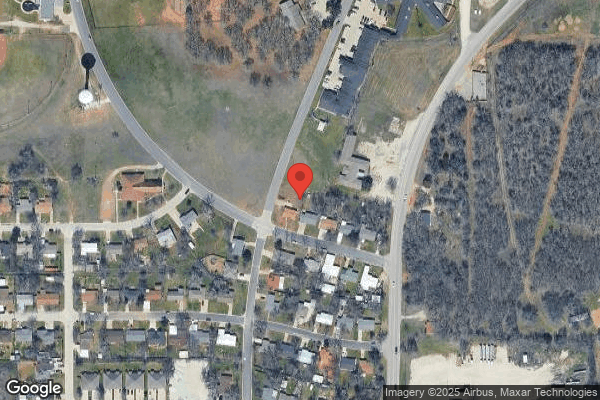

2108 15TH STREET, BRIDGEPORT, TX 76426 (940) 683-5023
For profit - Limited Liability company 152 Beds PRIORITY MANAGEMENT Data: November 2025 2 Immediate Jeopardy citations
Trust Grade
34/100
#423 of 1168 in TX
Last Inspection: November 2024

Within standard 12-15 month inspection cycle. Federal law requires annual inspections.

Overview

Bridgeport Medical Lodge has received a Trust Grade of F, indicating significant concerns about the quality of care provided. Ranked #423 out of 1168 facilities in Texas, they are in the top half, but this ranking does not reflect the poor trust grade. The facility is showing improvement, with issues decreasing from 8 to 4 in the past year. Staffing is a weakness, with a low rating of 1 out of 5 stars and a turnover rate of 58%, which is higher than the state average. There have been serious incidents, including failures in infection control during COVID-19, inadequate tracheostomy care leading to a resident's respiratory distress, and ongoing pest problems, such as the presence of flies during resident care, which raises concerns about overall hygiene and safety.

Trust Score
F
34/100
In Texas
#423/1168
Top 36%
Safety Record
High Risk
Review needed
Inspections
Getting Better
8 → 4 violations
Staff Stability
⚠ Watch
58% turnover. Above average. Higher turnover means staff may not know residents' routines.
Penalties
○ Average
$10,062 in fines. Higher than 56% of Texas facilities. Some compliance issues.
Skilled Nurses
⚠ Watch
Each resident gets only 8 minutes of Registered Nurse (RN) attention daily — below average for Texas. Fewer RN minutes means fewer trained eyes watching for problems.
Violations
⚠ Watch
17 deficiencies on record. Higher than average. Multiple issues found across inspections.
★★★☆☆
3.0
Overall Rating
★☆☆☆☆
1.0
Staff Levels
★★★☆☆
3.0
Care Quality
★★★★☆
4.0
Inspection Score
Stable
2023: 8 issues
2024: 4 issues

The Good

  • Full Sprinkler Coverage · Fire safety systems throughout facility
  • No fines on record

Facility shows strength in fire safety.

The Bad

3-Star Overall Rating

Near Texas average (2.8)

Meets federal standards, typical of most facilities

Staff Turnover: 58%

12pts above Texas avg (46%)

Frequent staff changes - ask about care continuity

Federal Fines: $10,062

Below median ($33,413)

Minor penalties assessed

Chain: PRIORITY MANAGEMENT

Part of a multi-facility chain

Ask about local staffing decisions and management

Staff turnover is elevated (58%)

10 points above Texas average of 48%

The Ugly 17 deficiencies on record

2 life-threatening
Nov 2024 2 deficiencies
CONCERN (D)

Potential for Harm - no one hurt, but risky conditions existed

Comprehensive Care Plan (Tag F0656)

Could have caused harm · This affected 1 resident

**NOTE- TERMS IN BRACKETS HAVE BEEN EDITED TO PROTECT CONFIDENTIALITY** Based on observations, interviews, and record review the facility failed to develop and implement a comprehensive person-centere...

Read full inspector narrative →
**NOTE- TERMS IN BRACKETS HAVE BEEN EDITED TO PROTECT CONFIDENTIALITY** Based on observations, interviews, and record review the facility failed to develop and implement a comprehensive person-centered care plan for each resident, consistent with the resident rights for 2 of 15 residents reviewed for clinical records (Resident #23 and Resident #36) in that: The facility failed to ensure Resident #23's and #36's use of bed rails/grab bars were documented in their care plans. The facility's failure placed residents requiring care at risk of not having their individual needs met, not receiving necessary care and services, and a failure to ensure continuity of care. Findings included: Record Review of Resident #23's Face Sheet reflected a [AGE] year-old male who initially admitted to the facility on [DATE]. Resident #23 had relevant diagnoses of personal history of traumatic brain injury, other reduced mobility, generalized muscle weakness, other muscle spasm, unspecified depression, myopathy (disease that affects the skeletal muscles that control voluntary movement), heart failure, other insomnia, other lack of coordination, gout (type of arthritis that causes recurring episodes of pain, swelling, redness and tenderness in the joints), generalized edema (severe condition that occurs when fluid builds up in the body's tissue), unspecified anxiety disorder, unspecified sleep disorder, type 2 diabetes mellitus without complications (disease that occurs when the body does not respond properly to insulin leading to high blood sugar levels), chronic peripheral venous insufficiency (condition that occurs when veins in the legs or arms have difficulty returning blood to the heart), severe obesity, and shortness of breath. Record Review of Resident #23's Quarterly MDS, dated [DATE], reflected a BIMS score of 12 indicating moderate cognitive impairment. Resident #23's functional limitations in range of motion were listed as no impairment for upper or lower extremities. Resident #23 was noted to use a wheelchair for mobility. Resident #23 was noted to need moderate assistance for self-care categories of toileting, shower/bathing, lower body dressing, putting on/taking off footwear, and personal hygiene. Resident #23 was noted to need moderate assistance in the mobility categories of sit to stand, chair/bed-to-chair transfer, toilet transfer and tub/shower transfer. Observation of Resident #23's room and bed on 11/19/2024 at 9:45 AM revealed grab bars on the bed in a raised position. The resident was not in room at the time. Observation on 11/20/2024 at 8:08 AM revealed the grab bars in a raised position. Attempts to interview Resident #23 were declined by the resident on 11/19/2024 at 12:55pm and on 11/20/2024 at 8:10am. Record review of Resident #23's Care Plan, last updated on 8/22/2024, reflected a focus area of ADL self-care performance deficit with interventions of Bed Mobility-resident independent with bed mobility, no assistance required. There was no mention of bed rails/grab bars. Record review of Resident #36's Face Sheet reflected a [AGE] year-old female who initially admitted to the facility on [DATE]. Resident #36 had relevant diagnoses of mild dementia with mood disturbance in other diseases classified elsewhere (mild symptoms of dementia, or a decline in mental abilities that effect a person's daily life, in other diseases with mood disturbance such as depression or apathy), Parkinson's disease without dyskinesia and without mention of fluctuation (a chronic condition that can be managed with medications to help control symptoms such as tremors, slow movement, stiffness, and loss of balance), bilateral angular blepharoconjunctivitis (eye condition that causes redness, irritation, scaling, and fissuring in the inner or outer corner of the eyelid of both eyes), unspecified anxiety disorder, type 2 diabetes mellitus without complications (chronic condition where the body does not use insulin properly resulting in unusual blood sugar levels), unspecified schizoaffective disorder (mental illness that combines symptoms of schizophrenia (chronic mental disorder affecting thoughts, perceptions, emotions, and social interactions) and a mood disorder but does not meet the criteria for either alone), bipolar disorder (serious mental illness that causes mood swings, along with changes in energy, thinking, behavior, and sleep), metabolic encephalopathy (brain disorder that occurs when a chemical imbalance in the blood affects the brain), other reduced mobility, history of falling, unspecified polyneuropathy (disease that causes widespread nerve damage which can lead to impaired sensory and motor function), moderate stage primary open-angle glaucoma of right eye (moderate level of damage to the optic nerve in the right eye along with visual field loss of the peripheral vision but not yet significantly affecting the central vision), and essential tremor. Record review of Resident #36's Quarterly MDS, dated [DATE], reflected a BIMS score of 07, which indicated a severe cognitive impact. The Quarterly MDS also showed that Resident #36 had no functional limitations in range of motion by upper or lower body impairments, utilized a wheelchair for mobility; was dependent for lower body dressing, showering/bathing, putting on/taking off footwear; required moderate assistance with tub/shower/toiler transfers, sit to stand, sit to lying, lying to sitting on side of bed, and chair/bed-to-chair transfers. Observation on 11/19/2024 at 9:55AM of Resident #36 room area and bed revealed that the bed had a half-length bed rail raised on the left-hand side of the bed along the wall and a grab bar raised on the right-hand side. The resident was in the room sitting in a manual wheelchair and dressed for the day. The bed rail and grab bar were observed again on 11/20/2024 at 8:10 AM in same positions. Interview on 11/19/2024 at 9:55 AM with Resident #36 revealed is the resident felt she was well taken care of by staff, had no concerns for safety in the facility, and that she intended to be a long-term resident. Resident #36 did not remember if she had been evaluated for having bed rails or grab bars on her bed and did not mind them on the bed. Resident #36 did not remember if the grab bar or bed rail were used frequently or not. Resident #36 was unsure why or when the grab bar or bed rail was placed on the bed. Record review of Resident #36's Care Plan, last updated on 10/24/2024, reflected that Resident had ADL self-care performance deficits and required interventions of: a Hoyer lift with 2 staff for transferring, assistance with personal hygiene, assistance with bathing, assistance with bed mobility, and assistance with dressing. The Care Plan had no mention of bed rails or grab bars as an intervention or focus for Resident #36. Interview on 11/21/2024 at 2:15PM with the ADON revealed that the facility procedure for bed rails or grab bars was to care plan the reason for the items to be on the resident bed with the IDT, document what had been tried before, and give reason the bed rail/grab bar was needed or what it would provide for the resident in specifics. The ADON stated there was no exception to the bed rails/grab bars being included in the care plan and was the standard for the facility. The ADON stated that if a resident were found to have bed rails/grab bars on their bed staff should be verifying the devices were care planned, the resident was assessed for safety, a signed consent form is in place, and that the ADON over that part of the building was consulted to the missing part of the process. The ADON stated it was important for bed rails/grab bars to be care planned so that staff know why they were being used, to ensure residents were assessed safe to use them, and to be able to reference back in the event somethings happens to be able to verify why they were in place. The ADON was not familiar with reasons specific to Resident #23 or #36 having bed rails or grab bars on their beds as the ADON was assigned to a different area of the facility; the ADON who was assigned to these residents was involved in care plan meetings on this day. The ADON stated that the grab bars/bed rails were typically used to promote residence independence and ability to turn in bed while the risks were that if not care planned staff would not know why they were in place, staff would not know the resident was safe to use them, and residents would be at risk with bed rails for potential injuries or entrapment. Interview on 11/21/2024 at 2:53 PM with the ADM revealed that care plans were expected for all residents to be updated as conditions changed, for staff to document concerns and issues that a family member or resident had and to document interventions. The ADM stated he expected staff to be truthful and to make sure to document more than less in care plans so resident needs and limitations were clear to anyone reading the care plan for the first time. The ADM stated that grab bars/bed rails were expected to be documented clearly. The ADM stated that Resident #23's care had been talked about last week during the IDT meeting and thought the care plan was updated at that time. The ADM stated that Resident #36 had utilized the grab bars/bed rail for some time and was unsure why they were not already on the care plan. Interview on 11/21/2024 at 3:20 PM with the DON revealed that care plans were to be updated based on the care plan meeting with the resident, family/responsible party, and IDT , and preferably in real time. The DON stated that grab bars/bed rails were to be updated within the care plan review period. The DON stated that risks to the resident for grab bars/bed rails not being on a bed when they should be could range from loss of independence or mobility; if not in the care plan could have had a result of CNA or other nursing staff not having awareness for what the resident was using the rails for. Bed rails/grab bars could be documented by anyone clinical who was in the IDT meeting where the bed rails/grab bars were discussed and approved. The DON stated that if a resident requested grab bars/bed rails then nursing staff will initiate the assessment and obtain consent from the resident or their responsible party, then the IDT will review for further assessment by therapy, for request to maintenance to add to the bed if not already, and the care plan to be updated. Record Review of the facility's Proper Use of Side Rails policy ©2001 MED-PASS, Inc. (Revised August 2024) pertinent sections state: Purpose: The purpose of these guidelines are to ensure the safe use of side rails as resident mobility aids and to prohibit the use of side rails as restraints unless necessary to treat a resident's medical symptoms. General Guidelines: 5. The resident's care plan will reflect the use of side rails and updated as necessary. Record Review of the facility's Care Plans, Comprehensive Person-Centered ©2001 MED-PASS, Inc. (Revised December 2016) pertinent sections state: Policy Statement: A comprehensive, person-centered care plan that includes measurable objectives and timetables to meet the resident's physical, psychosocial and functional needs is developed and implemented for each resident. Policy Interpretation and Implementation: 2. Care plan interventions are derived from a thorough analysis of the information gathered as part of the comprehensive assessment. 8. The comprehensive, person-centered care plan will: g. Incorporate identified problem areas; h. Incorporate risk factors associated with identified problems; i. Build on the resident's strengths; m. Aid in preventing or reducing decline in the resident's functional status and/or functional levels; n. Enhance the optimal functioning of the resident by focusing on a rehabilitative program . 11. Care plan interventions are chosen only after careful data gathering, proper sequencing of events, careful consideration of the relationship between the resident's problem areas and their causes, and relevant clinical decision making. a. When possible, interventions address the underlying source(s) of the problem area(s), not just addressing only symptoms or triggers. b. Care planning individual symptoms in isolation may have little, if any, benefit for the resident.
CONCERN (E)

Potential for Harm - no one hurt, but risky conditions existed

Infection Control (Tag F0880)

Could have caused harm · This affected multiple residents

**NOTE- TERMS IN BRACKETS HAVE BEEN EDITED TO PROTECT CONFIDENTIALITY** Based on observation, interview, and record review the facility failed to establish and maintain an infection prevention and con...

Read full inspector narrative →
**NOTE- TERMS IN BRACKETS HAVE BEEN EDITED TO PROTECT CONFIDENTIALITY** Based on observation, interview, and record review the facility failed to establish and maintain an infection prevention and control program designed to provide a safe, sanitary, and comfortable environment and to help prevent the development and transmission of communicable diseases and infections for 2 of 5 (Resident #39 and #29) reviewed for infection control. 1.The facility failed to ensure LVN A wore gloves before opening capsule medication Depakote and administering it to Resident #39 via g-tube (a g-tube is a feeding tube that is placed through the abdominal cavity area into the stomach for nutritional purpose and medication for individual who have difficulty swallowing). 2.The facility failed to ensure LVN B wore PPE for Enhanced Barrier Precautions while providing care for Resident #29 and failed to ensure LVN B did not use her finger to mix several medications in medication cups with water before administering medications to Resident #29 via g-tube. The failures could place residents that require assistance with personal care at risk for healthcare associated cross-contamination and infections. Findings included: 1. Review of Resident #39's face sheet dated 11/20/24, reflected a [AGE] year-old male admitted to the facility on [DATE]. Resident #39 had diagnoses which included Parkinson's disease with dyskinesia (a progressive nervous system disorder, which affects the ability to move muscles and inability to control involuntary jerks and shakiness), unspecified open wound to the left middle finger with damage to nail, unspecified fever, shortness of breath, gastrostomy status (this is a feeding tube that is placed through the abdominal cavity area into the stomach for nutritional purpose and medication for individual who have a difficulty swallowing), bipolar disorder (this is a disorder associated with episodes of mood swings ranging from depressive lows to manic highs) and viral Hepatitis (this is a liver inflammation due to a viral infection). Review of Resident #39's quarterly MDS assessment dated [DATE], revealed the resident's BIMS score was 0, indicating he was unable to be assessed for cognitive status. The MDS Assessment reflected Resident #39 was usually unable to be understood by others. Further review revealed Resident #39 was dependent on staff for all ADL's and required a feeding tube to obtain 51 % or more nutrition. The MDS reflected Resident #39 was dependent on staff for all upper and lower bed mobility including turning and repositioning in bed. Review of Resident #39's care plan initiated 07/17/24, revealed Resident #39 required enteral feeding via G-tube, he relied on enteral feedings for all nutritional and hydration needs, and could not have anything to eat or drink by his mouth. The goal was Resident #39 would be free of preventable aspiration (choking) through the review date. The interventions included nursing to administer resident with tube feeding and water flushes, to discuss with the resident/family/caregivers any concerns about tube feeding, advantages, disadvantages, potential complications. To follow current enteral feeding orders per MD for nutritional/hydration support, to monitor/document/report PRN any s/sx of: Aspiration- fever, SOB, Tube dislodged, Infection at tube site, self-extubating (process of removing a tube), tube dysfunction or malfunction, Abnormal breath/lung sounds, abnormal lab values, abdominal pain, distension, tenderness, constipation or fecal impaction, diarrhea, Nausea/vomiting, dehydration, to obtain and monitor lab/diagnostic work as ordered. Report results to MD and follow up as indicated, for RD to evaluate quarterly and PRN, to monitor caloric intake, estimate needs and make recommendations for changes to tube feeding as needed, ST evaluation and treatment as ordered, to always wear abdominal binder, may remove for showers, check skin under binder every shift. The Care plan further revealed Resident #39 had liver disease r/t Hepatitis C (viral infection that affects the liver and can cause acute or chronic illness). The goal was Resident #39 would be free from s/sx of liver complications, including Infection, abnormal or unexplained bleeding, malnutrition, anemia, cognitive decline, or mental status changes through review date. Interventions reflected to give anti-emetics (drug that treats nausea and vomiting) as ordered for any nausea and vomiting, to monitor/document side effects and effectiveness. The interventions were to give medications as ordered, to monitor/document effectiveness and side effects, and to monitor vital signs and notify MD of significant abnormalities. Review of Resident #39's active orders reflected Depakote Sprinkles Oral Capsule Delayed Release. Sprinkle 125 MG (Divalproex Sodium) Give 1 capsule via G-Tube three times a day related to bipolar disorder, unspecified. Review of Resident #39's November 2024 MAR dated 11/19/24 reflected Depakote Sprinkles Oral Capsule Delayed Release Sprinkle 125 MG (Divalproex Sodium). Give 1 capsule via G-Tube three times a day related to bipolar disorder was administered by LVN A. Observation on 11/19/24 at 1:59 PM revealed LVN A removed medication Depakote capsule from the medication bubble card and into a medication cup. LVN A then picked up the Depakote capsule with her bare hands, without sanitizing, and opened the capsule and sprinkled/emptied the medication into the medication cup to administer to Resident #39 via G tube. LVN A did not wear gloves to open the medication. In an interview with LVN A on 11/19/24 at 2:15 PM, she stated she thought it was ok to touch the capsule with her bare hands because the medication was inside. She stated she may have reacted without thinking because she was nervous being watched, that's why she forgot to wear gloves before opening the capsule medication with her bare hands. She stated the expectation was to wear gloves before touching any medication or applying medication or administering any medication that required touching skin. She stated the risk to the resident was contamination of the medication she touched with her bare hands, and she also risked exposing herself to the medication which was used for bipolar for Resident #39. 2. Review of Resident #29's face sheet dated 11/20/24 revealed a [AGE] year-old male who readmitted to the facility on [DATE], with an initial admission of 08/14/15. Resident #29 had diagnoses which included vascular dementia without other behaviors (this is brain damage that is caused by multiple strokes causes memory loss and cognitive decline), high blood pressure, dysphagia following stroke (difficulty swallowing), unspecified cough, depression, cognitive communication difficulty (difficulty communicating), chronic kidney diseases, hemiplegia and hemiparesis on left side following stroke (muscle weakness and paralysis on one side) and, gastrostomy status (g-tube) (surgical procedure that creates an opening into the stomach). Review of Resident #29's quarterly MDS assessment dated [DATE], reflected a BIMS of 99 indicating Resident #29 was cognitively impaired to complete the assessment. Resident #29 had impaired range of motion on his left upper and left lower body and was completely dependent on staff to set up and clean up following activity. Resident #39 was always incontinent of bowel and bladder. The document reflected Resident #39 had a feeding tube and received 51% or more of his nutrition through the feeding tube. Review of Resident #29's Care Plan initiated 02/02/24 revealed Resident #29 was on Enhanced Barrier precautions related to feeding tube. The care plan did not reflect interventions. Care plan also revealed Resident #29 required tube feeding related to swallowing problems. The goal was for Resident #29 to maintain adequate nutritional and hydration status as evidenced by weight stable no signs and symptoms of malnutrition or dehydration the thorough the review date. The interventions were to keep head of bed elevated to 45 degrees during and thirty minutes after tube feeds, to follow current enteral feeding orders per MD for nutritional/hydration support, to monitor/document/report PRN any s/sx of: Aspiration- fever, SOB, Tube dislodged, Infection at tube site, Self-extubating, tube dysfunction or malfunction, Abnormal breath/lung sounds, abnormal lab values, abdominal pain, distension, tenderness, constipation or fecal impaction, diarrhea, Nausea/vomiting, dehydration, to obtain and monitor lab/diagnostic work as ordered. Review of Resident #29's active orders on 11/19/24 reflected: - Implement and maintain enhanced barrier precautions when performing high contact care activities. Every shift for g-tube. - Acetaminophen oral tablet 325 mg (acetaminophen). give 2 tablets via g-tube two times a day related to pain, unspecified. Give 2 tablets to equal 650 mg total; not to exceed 3gm of acetaminophen in 24hrs from all sources. - Enteral feed orders every shift enteral: crush or open capsules and dilute each medication with 5 to 10 ml of water if indicated. - Enteral feed orders every shift enteral: Flush feeding tube with 30 to 60 ml of water before and after each - Lisinopril oral tablet 10 mg (lisinopril) give 1 tablet via g-tube one time a day related to essential (primary) hypertension, hold if sbp<110, - Memantine HCL 10 mg tablet. Give 1 tablet via G-tube two times a day related to vascular dementia. - Provera oral tablet 5 mg (medroxyprogesterone acetate), give 1 tablet via g-tube one time a day related to abnormal level of hormones in specimens from other organs, systems and tissues. - Valproic acid oral solution 250 mg/5ml (valproate sodium). Give 5 ml via g-tube two times a day related to vascular dementia, unspecified severity, with other behavioral disturbance. - Zoloft oral tablet 50 mg (Sertraline hcl). Give 1 tablet via g-tube one time a day related to other recurrent depressive disorders. - Zyrtec allergy oral tablet 10 MG (Cetirizine HCL) Give 1 tablet via G-Tube one time a day related to cough. Observation of medication administration via g-tube on 11/20/24 at 06:39 AM, revealed Resident #29's door signage reflected . STOP Enhanced Barrier Precautions. Everyone must clean their hands before entering the room and when leaving the room. Providers and staff must wear gloves and gown for the following: dressing, bathing/showering, transferring, changing linens, providing hygiene, changing briefs or assisting with toileting, device care or use such as; central lines, urinary catheter, feeding tube, tracheostomy (surgical procedure that creates an opening in the neck to provide an airway and remove secretions from the lungs). Wound care: any skin opening requiring dressing. LVN B did not wear her gown for Enhanced Barrier Precautions for Resident #29 with a g-tube during medication administration. LVN B left Resident #29's room to get more medication after it spilled, and reentered Resident #29's room to administer the medication and she did not put on PPE again for g-tube medication administration and for reconnecting Resident #29's feeding. LVN B placed each medication (Acetaminophen, lisinopril, Memantine, medroxyprogesterone, Zoloft, and Zyrtec) in separate medication bags, crushed them and placed them in individual medication cups. The Valproic acid solution was measured into an individual cup as well. LVN B put on gloves and went into Resident #29's room and placed the medication tray with the individual medication cups onto the prepared clean bed side table and went into the resident's bathroom with two cylinders and filled them with water. After listening to G-tube the resident's bed with the bed remote LVN B put some water in the individual crushed medication cups of Acetaminophen, lisinopril, Memantine, medroxyprogesterone, Zoloft, and Zyrtec. LVN B flushed Resident #29's g-tube with 30 ml of water, then she picked up one of the medication cups and swirled it to try and mix the crushed medication with water but failed to dissolve/mix, therefore LVN B used her right pointer finger to mix the medication and water before pouring the medication mixture into Resident #29's g-tube. She then administered 30 ml of water after medication administration. LVN B continued this process of mixing each individual medication with her finger before administering it via the tube of Resident #29. LVN B did not change her gloves before starting to administer Resident #29's medications via g-tube and she did not use a spoon, straw, or other acceptable device to dissolve the medications in with the water. LVN B's last medication to administer was 5ml of Valproic acid solution. LVN B stated she would get some more to finish the medication administration. In an interview on 11/20/24 at 06:55 AM, LVN B was asked if she saw the signage on Resident #29's doorway and what it meant, and she yelled ooh No! She stated she was upset with herself for forgetting to put on her gown for PPE. LVN B stated she had been in-serviced on EBP which was to prevent infection of MDRO's for residents that had internal tubing. LVN B stated that not following the proper way of g-tube care and not wearing PPE for EBP could cause residents to be at risk for infection. She stated it was her responsibility as a nurse to follow infection precautions. LVN B stated she was upset with herself for forgetting to get something to use to dissolve and mix the medication, something like a spoon or steerer. She stated she used her finger to improvise for not having a spoon. LVN B stated that was unacceptable procedure and she should have stopped and went and gotten a spoon or straw on her medication cart. She stated she was knowledgeable of g-tubes but was nervous being watched and forgot to follow the proper way of dissolving and mixing the medication before administration via g-tube. LVN B stated that not following the proper way of g-tube care could cause residents to be at risk for contamination of the medication and at risk for infection. In an interview with the ADON on 11/21/24 at 01:58 PM she stated she had taken over as the infection control preventionist three weeks ago. She stated she had not done any in-service on enhance barrier precautions yet. She stated the expectation was for nursing staff to use PPE for g-tube medication administration. The ADON stated It was an extra layer of protection between the staff and the patient, and for anyone who had any type of opening. She stated staff had to gown up to make beds, to touch the patient, and any direct care with the resident, on Enhanced Barrier Precaution to prevent MDRO infections. The ADON stated it was ultimately her responsibility to monitor and follow up that staff were following infection control, but each staff was responsible to prevent spread of infection. In an interview with the DON on 11/21/24 at 02:31 pm, she stated she had been at the facility for three months as the DON. The DON stated the nurses should follow the proper way of administering medication through the g-tube which meant also wearing PPE for EBP. The DON stated nurses were responsible for making sure that they followed the policy for g-tube and preventing spread of infection and the ADON monitored infection control, and she was overall responsible for all nursing staff. She stated both LVN A and LVN B were really upset with not following proper aseptic technique (this is a set of practice and procedure that healthcare providers use to prevent spread of infection causing germs) for g-tube and she had completed 1:1 check off and in-service with them. She stated the nurses should follow the proper way of administering medication through the g-tube and LVN A should have worn gloves before touching the capsule to open it and LVN B should have used something else like a spoon or the wooden steer to mix the medication with the water and not use her finger. The DON stated nurses were responsible for making sure that they follow the g-tube policy to prevent adverse effects and infections. In an interview with the Administrator on 11/21/24 at 3:31 PM, he stated he expected staff to follow all infection control, enhanced barrier precautions, and for the department heads to do monthly in services and audits to draw attention to problem areas of staff not following the signage outside the doors and not following the facility policies. The Administrator stated he had a new DON now and they are working together to get training and 1:1 with different staff members so everyone can be on the same page. The Administrator stated it was not an excuse, but people tend to mess up when they are being watched and he was like that himself, but as a team, they are working on that so that they do it the correct way all the time and not mess up even if someone was watching them. He stated the expectation was that they learned from their mistake. Review of the facility's Implementation of Standard and Transmission-Based Precautions policy, dated 03/24, revealed, .EBP are indicated for residents with any of the following: 1. Infection or colonization with a CDC-targeted MDRO .Wounds and/or indwelling medical devices even if a resident is not known to be infected or colonized with a MDRO .post signage .high-contact resident care activities requiring gown and glove use . Review of facility policy titled Administering Medication through an Enteral Tube revision date 07/05/19, reflected . the purpose of this procedure is to provide guidelines for the safe administration of medication through an enteral tube Assemble the equipment and supplies as needed .personal protective equipment (e.g., gown, gloves, mask, etc., as needed) .dilute the crushed or split medication with 5-15 ml water (or as prescribed), administer the medication by gravity flow . Review of undated policy Enteral Nutrition for Closed System Nasogastric, Naso intestinal, Gastric and Jejunal feeding tubes reflected Enteral nutrition therapy will be performed in a safe manner by qualified licensed nurses according to standard practice guidelines . Review of the facility's policy dated August 2016, and titled Standard Precautions revealed .Standard precautions are used in the care of all residents regardless of their diagnoses, or suspected or confirmed infection status .hand hygiene is performed with soap (anti-microbial or non-antimicrobial) or alcohol-based hand rub before and after contact with the resident .
Jul 2024 1 deficiency
CONCERN (D) 📢 Someone Reported This

A family member, employee, or ombudsman was alarmed enough to file a formal complaint

Potential for Harm - no one hurt, but risky conditions existed

Deficiency F0806 (Tag F0806)

Could have caused harm · This affected 1 resident

**NOTE- TERMS IN BRACKETS HAVE BEEN EDITED TO PROTECT CONFIDENTIALITY** Based on observations, interviews, and record review, the facility failed to accommodate residents' food preferences and allergi...

Read full inspector narrative →
**NOTE- TERMS IN BRACKETS HAVE BEEN EDITED TO PROTECT CONFIDENTIALITY** Based on observations, interviews, and record review, the facility failed to accommodate residents' food preferences and allergies for 2 of 6 (Residents #1 and Resident#2) residents reviewed for food preferences and allergies. 1. The facility failed to provide Resident #1 with a strawberry (preference) or vanilla house shake, when she had listed that she disliked the chocolate house shake. 2. The facility failed to ensure Resident #2 did not receive a chocolate house shake, which was listed as a food allergy in her medical record. These failures could cause an allergic reaction, a decrease in resident choices, a diminished interest in meals, placing them at risk for contributing to poor intake and/or weight loss. Findings included: Record review of Resident #1's admission record revealed she was a [AGE] year-old female admitted to the facility on [DATE]. Resident #1 was diagnosed with unspecified protein-calorie malnutrition (imbalance between the nutrients your body needs and the nutrients it gets), deficiency of other vitamins (lacking any of the 13 essential vitamins that your body needs in small amounts to work optimally), and gastro-esophageal reflux disease without esophagitis (common digestive disorder- reflux of stomach acid into the esophagus). Record review of Resident #1's quarterly MDS dated [DATE] revealed Resident#1 had a BIMS score of 12 which indicated a moderate cognitive impairment . Record review of Resident #1's care plan dated 02/28/24 revealed Resident#1 had GERD (a condition in which stomach acid repeatedly flows back up into the tube connecting the mouth and stomach). Resident#1 Goal was for Resident#1 to remain free from discomfort, complications related to GERD Resident#1 interventions revealed avoid food or beverages that tend to irritate esophageal lining .alcohol, chocolate, caffeine . Record review of Resident #1's order dated 05/17/24 revealed the following: house shake 40 oz two times a day for weight loss. Interview on 07/18/24 at 9:42 AM with the Ombudsmen revealed Resident #1 had not received her preference flavor of the house shake. The ombudsmen revealed resident #1 would throw up the chocolate house shake. The Ombudsmen revealed Resident #1 could deal with the vanilla shakes but preferred strawberry house shakes. The Ombudsmen revealed she was in the building on 07/14/24 and the facility only had chocolate house shakes for the residents. Interview on 07/18/24 at 11:25 AM with Resident #1 revealed she had not had a house shake since Monday because the kitchen only had chocolate. Resident #1 revealed she had informed the dietary staff (unknown) that she could not drink the chocolate house shakes. Resident #1 revealed that she cannot have the chocolate ones because they made her stomach hurt. Resident #1 stated that it irritated and upset her that she was not able to get the strawberry house shake but she would drink the vanilla. Observation and interview on 07/18/24 at 12:50 PM with Resident #1 revealed she did not have a house shake on her lunch tray. Observation of the lunch tray ticket revealed a notation that read chocolate shake only. Interview with Resident #1 revealed she did not have a house shake for lunch. Interview on 07/18/24 at 12:56 PM with the Dietary Manager revealed the facility met the Residents need for nutrition. The Dietary Manager revealed she ordered twice a week and enough house shakes are ordered. The Dietary Manager revealed she was aware that Resident #1 preferred the strawberry house shakes over the vanilla and chocolate. The Dietary Manager revealed the dietary staff put aside certain flavors for each resident that want certain flavors. The Dietary Manager revealed the Dietary Aide was responsible for putting the house shakes on trays and to follow the instructions on the ticket tray. The Dietary Manager met with residents and documented their preferences. The Dietary Manager revealed residents had the right to refuse the house shakes . Dietary Manager revealed Resident#1 could have an upset stomach. Observation and interview on 07/22/24 at 8:20 AM revealed Resident #1 did not have a house shake on her breakfast tray. Observation of Resident #1's tray ticket revealed a written notation that read chocolate shake only. Interview with Resident #1 revealed she did not have her house shakes because the facility only had chocolate house shakes available. Observation on 07/22/24 at 8:57 AM of the facility kitchen revealed chocolate house shakes in the reach in refrigerator. Observation of the walk-in refrigerator revealed an open box of chocolate house shakes. Observation of the walk-in freezer revealed an unopened box of vanilla house shakes on the bottom shelf in the back of the walk-in freezer. Interview with Dietary Manager07/22/24 at 9:00 AM revealed the vanilla house shakes could have been taken out and thawed out. The Dietary Manager revealed the Dietary Aides knew the house shake was in the freezer and it would have taken fifteen minutes to thaw the shakes. Interview with Dietary Aide on 07/22/24 at 10:00 AM revealed the chocolate house shakes were the only ones in the refrigerator and she wrote on the tray ticket chocolate shake only to let Resident#1 know that was the only flavor available. Dietary aide revealed the Dietary aides are responsible for the tray set up. Record review of Resident #2's admission Record revealed, she was a [AGE] year-old female admitted to the facility initially on 04/10/22 and readmitted on [DATE]. Resident#2 was diagnosed with vomiting, unspecified, unspecified diarrhea, diverticulosis of large intestine without perforation (small pockets on the inside of the colon) or abscess without bleeding, and gastro-esophageal reflux disease without esophageal reflux disease without esophagitis (common digestive disorder- reflux of stomach acid into the esophagus). Record review of Resident#2's admission Record revealed Resident#2 had an allergy to chocolate. Record review of Resident #2 quarterly MDS dated [DATE] revealed her BIMS score was 15 which indicated she was cognitively intact. Record review of Resident# 2's orders dated 09/25/23 revealed the following: House supplement 2.0 three times a day 90 CC .Please open . Record review of Resident #2's miscellaneous note created by the Dietary Manager and dated 08/31/22 revealed Resident #2 had an allergy to chocolate, severity unknown and reaction noted on admission. Observation of Resident #2 on 07/22/24 at 8:00 AM revealed her to be eating breakfast in the dining hall. Interview with Resident #2 revealed she was allergic to chocolate, and she gave her house shake to her neighbor. Observation of Resident#2 tray ticket revealed she was allergic to chocolate. Interview on 07/22/24 with the Dietary Manager at 9:00 AM revealed Resident #1 should not have gotten a chocolate house shake and the dietary aide would be written up. The Dietary Manager revealed she would need to check with nursing to see if she has an allergy to chocolate or if it was a dislike of chocolate. Resident could end up with an upset stomach if this was a true allergy. Interview with the ADON on 07/22/24 at 9:12 AM revealed if the residents did not receive their house shakes, they could experience weight loss. Resident #2 has an intolerance to chocolate and would have an upset stomach and possibly diarrhea. Interview over the phone at 07/22/24 at 9:38 AM with the Registered Dietitian revealed the nursing staff and the Dietary Manager went over the recommendations for residents with weight loss. The Registered Dietitian revealed the Dietary Manager met with the residents upon admission and throughout their stay to document residents' preferences . Registered Dietitian revealed Resident could experience weight loss. Interview with Dietary Aide on 07/22/24 at 10:00 AM revealed the aides were responsible for setting up the resident's tray. The Dietary Aide revealed she was rushed to get breakfast out and put the chocolate shake on Resident#2 tray. The Dietary Aide revealed the chocolate house shakes were the only ones in the refrigerator. Interview on 07/22/24 at1:35 PM with Administrator revealed Resident #2 has asked for chocolate cake in the past and may be at risk for an upset stomach . Record review of the facility policy, Food Preference , dated 07/2017, reflected, Individual food preferences will be assessed upon admission and communicated to the interdisciplinary team .10. The food service department will offer a variety of foods at each scheduled meal .
Apr 2024 1 deficiency
CONCERN (D) 📢 Someone Reported This

A family member, employee, or ombudsman was alarmed enough to file a formal complaint

Potential for Harm - no one hurt, but risky conditions existed

Respiratory Care (Tag F0695)

Could have caused harm · This affected 1 resident

**NOTE- TERMS IN BRACKETS HAVE BEEN EDITED TO PROTECT CONFIDENTIALITY** Based on observations, interviews, and record review, the facility failed to ensure that respiratory care was provided, consiste...

Read full inspector narrative →
**NOTE- TERMS IN BRACKETS HAVE BEEN EDITED TO PROTECT CONFIDENTIALITY** Based on observations, interviews, and record review, the facility failed to ensure that respiratory care was provided, consistent with professional standards of practice for 2 of 2 residents (Resident #1 and Resident #2) reviewed for respiratory care and services. The facility failed to ensure Resident #1's oxygen tubing was dated. The facility failed to ensure Resident #2's oxygen tubing was dated and properly stored when not in use. These failures could place residents at risk for respiratory infections. Findings included: Record review of Resident #1's admission record, dated 04/25/2024, revealed a [AGE] year-old female with an original admission date of 09/04/2021 and readmitted on [DATE] with diagnoses that included heart failure, shortness of breath, obstructive sleep apnea, and chronic obstructive pulmonary disease. Record review of Resident #1's most recent MDS assessment, dated 03/15/2024, revealed a BIMS score of 12 indicating moderate cognitive impairment. Further review of the MDS revealed Resident #1 received oxygen therapy while not a resident and while a resident. Record review of Resident #1's care plan, revised on 03/21/2024, revealed the resident has oxygen therapy r/t CHF, ineffective gas exchange, and CPAP r/t to sleep apnea. Record review of Resident #1's physician orders, dated 03/04/2024, revealed Oxygen: Change Mask, O2 tubing, water bottle, and clean concentrator filter every night shift every Sun Initial & date tubing & bottle. Record review of Resident #2's admission record, dated 05/03/2024, revealed an [AGE] year-old female with an original admission date of 04/19/2022 and readmitted on [DATE] with diagnoses that included Alzheimer's Disease, heart failure, and chronic obstructive pulmonary disease. Record review of Resident #2's quarterly MDS assessment, dated 04/16/2024, revealed a BIMS score of 10, indicating moderate cognitive impairment. Further review of the MDS revealed Resident #2 did not receive oxygen therapy while a resident. Record review of Resident #2's physician orders, dated 05/03/2024, revealed Oxygen: Change Mask, O2 tubing, water bottle, and clean concentrator filter every night shift every Sun for SOB related to CHRONIC OBSTRUCTIVE PULMONARY DISEASE. Observation on 04/25/2024 at 3:47 PM revealed Resident #1 was observed in her room sitting in a recliner with blanket on and O2 on via nasal cannula. The concentrator was running at 2.5 LPM and the tubing and humidifier were undated. A CPAP machine was on the table next to the bed. No storage bag for tubing was observed near the CPAP or concentrator. Observation on 04/25/2024 at 4:20 PM revealed contact isolation signage posted on Resident #2's door. Resident #2 was lying in bed. A concentrator was near the bed, turned off, with O2 tubing lying on the floor and not stored in a bag. The humidifier and tubing were undated. Interview on 04/25/2024 at approximately 4:20 PM, CNA A stated the tubing and humidifier should be dated and thought it should have been changed on Sunday. She stated dating allows them to know when it was last changed. CNA A stated when the tubing was not in use it should be kept in a bag to keep it clean, and so it will not be contaminated. Interview on 04/25/2024 at 4:31 PM, LVN B stated tubing should be in a bag to keep it clean and should be dated to see how old it was. She stated the tubing was to be changed every week on the night shift on Sunday evening. LVN B stated if tubing was not stored properly, it could collect dust particles and be contaminated. Interview on 04/25/2024 at 4:49 PM, the ADON stated her expectation was that O2 tubing be changed every Sunday with a fresh bag by night shift. She stated staff should also change out the water bottle and the filter. The ADON stated the end of the tubing, and the humidifier should be dated. She said this was done to keep the tubing clean and sanitary. She stated the nurses were responsible and she was responsible to ensure the policy was followed. Interview on 04/25/2024 at 5:30 PM, the Operations Manager stated his expectations were for staff to know and follow the Oxygen policy. He stated ultimately, he was responsible to ensure staff followed facility policy. He stated the risk could be germs. He stated the DON and the ADON usually spot check those tanks and ensure they were following regulation. He stated he had met with the clinical team to begin staff in-services to ensure if they see something not labeled then they were to alert one of the clinical team. Review of facility policy titled Oxygen Administration revised October 2010, reflected, in part: Purpose The purpose of this procedure is to provide guidelines for safe oxygen administration. Preparation 1. Verify that there is a physician's order for this procedure. Review the physician's orders or facility protocol for oxygen administration. 2. Review the resident's care plan to assess for any special needs of the resident. 3. Assemble the equipment and supplies as needed .
Oct 2023 6 deficiencies
CONCERN (D)

Potential for Harm - no one hurt, but risky conditions existed

Comprehensive Assessments (Tag F0636)

Could have caused harm · This affected 1 resident

**NOTE- TERMS IN BRACKETS HAVE BEEN EDITED TO PROTECT CONFIDENTIALITY** Based on interview and record review, the facility failed conduct an initial Comprehensive Assessment within 14 calendar days af...

Read full inspector narrative →
**NOTE- TERMS IN BRACKETS HAVE BEEN EDITED TO PROTECT CONFIDENTIALITY** Based on interview and record review, the facility failed conduct an initial Comprehensive Assessment within 14 calendar days after admission for 2 of 22 residents (Resident #254 and Resident #255) reviewed for Comprehensive Assessments and timing. The facility failed to ensure Comprehensive MDS Assessments for Resident #254 and Resident #255 were completed within 14 days after their admissions to the facility. This failure could place residents at risk for improper or incorrect care and services necessary for their physical, mental, and psychosocial well-being. Findings included: Review of Resident #254's Face Sheet, dated 10/19/23, reflected she was an [AGE] year-old female who admitted to the facility on [DATE]. She had diagnoses including dementia (a group of thinking and social symptoms that interferes with daily functioning), type 2 diabetes mellitus (a disease that occurs when your blood glucose, also called blood sugar, is too high), and hypertension (high blood pressure). Review of Resident #254's electronic health records on 10/19/23 revealed that an initial MDS Assessment had not been completed and submitted by the facility as required. Review of Resident #255's Face Sheet, dated 10/19/23, reflected he was a [AGE] year-old male who admitted to the facility on [DATE]. He had diagnoses including dementia (a group of thinking and social symptoms that interferes with daily functioning), bipolar disorder (mental illness that causes unusual shifts in mood, ranging from extreme highs to extreme lows), and legal blindness. Review of Resident #255's electronic health records on 10/19/23 revealed that an initial MDS Assessment had not been completed and submitted by the facility as required. During an interview with the MDS Coordinator on 10/19/23 at 2:15PM, she stated she was responsible for completing Comprehensive MDS Assessments within 14 days of each resident's admission to the facility. She confirmed that Resident #254 and Resident #255's Comprehensive MDS Assessments had not been fully completed and submitted within the required timeframe, based on their admission dates. She stated she did not feel as though this posed a risk to resident care, but there could be a risk of delayed payment to the facility due to the Comprehensive MDS Assessments not being submitted within the required timeframes. Review of the facility's MDS Completion and Submission Timeframes policy, dated 07/2017, reflected, .Our facility will conduct and submit resident assessments in accordance with current federal and state submission timeframes .
CONCERN (D)

Potential for Harm - no one hurt, but risky conditions existed

Accident Prevention (Tag F0689)

Could have caused harm · This affected 1 resident

**NOTE- TERMS IN BRACKETS HAVE BEEN EDITED TO PROTECT CONFIDENTIALITY** Based on observation, interview, and record review, the facility failed to ensure residents received adequate supervision and as...

Read full inspector narrative →
**NOTE- TERMS IN BRACKETS HAVE BEEN EDITED TO PROTECT CONFIDENTIALITY** Based on observation, interview, and record review, the facility failed to ensure residents received adequate supervision and assistance devices were put into place to prevent accidents for one (Resident #81) of eight residents reviewed for quality of care. The facility failed ensure Resident #81's call light was placed where the resident could reach it, to prevent potential fall and injury. This failure could place the resident who require supervision assistance due at risk for falls with injuries, hospitalization, and a decreased quality of life. Findings included: Review of Resident #81's Face sheet dated 10/19/2023 reflected and [AGE] year-old male admitted to the facility on [DATE] with diagnosis which included: Prophylactic surgery (surgery whose purpose is to minimize or prevent the risk of developing cancer in an organ or gland that has yet to develop cancer, hypertension (the pressure in your blood vessels is too high ), hyperlipidemia (blood has too many lipids (or fats), such as cholesterol and triglycerides), cognitive communication deficit Attention and communication difficulties), moderate dementia (forgetful of recent events), anxiety disorder (persistent and excessive worry that interferes with daily activities), hypothyroidism (thyroid doesn't create and release enough thyroid hormone into your bloodstream), type 2 diabetes (cells don't respond normally to insulin; this is called insulin resistance.) Review of Resident #81's quarterly MDS assessment, dated 8/7/2023 reflected severely impaired cognition and daily decision making. Resident #81 was a one-person limited assist for bed mobility, transfers, extensive assist with dressing, toileting, and personal hygiene. Review of Resident #81's care plan dated 4/8/2023 and updated 6/9/2023 falls, with goals not to have major falls / poor safety awareness and interventions of that included encourage call light use and bed in low position and keep walker within reach. The care plan was updated again on 10/18/2023 with an intervention of signage call don't fall, and again on 10/19/2023 - PT and OT screen. A review of Resident #81's nursing notes dated 10/18/2023 at 11:28 PM revealed, Resident on post fall 2/3, no delayed injury noted, resident was sent to ER earlier today due to recent fall and was sent right back, no abnormal findings, continue neuro checks. An observation and interview on 10/19/2023 at 9:20 AM in Resident #81's room revealed him sat in his wheelchair by the window. Resident #81's call light was on the floor between A and B beds in the room, on the opposite side of Resident #81's bed from where he was siting. The call light clip was missing. Resident #81 said he was always reminded by staff to use his call light if he needed assistance. He said he was not sure where the call light was but when it was pointed out to him he was able to recognize it. In an interview on 10/18/2023 at 8:30 AM, Resident #81's family member said Resident #81 slid out of his wheelchair last night. Resident #81's family member stated Resident #81 would often get up, forgetting he was not strong enough to stand. In an interview on 10/18/2023 at 11:40 AM, RN F said Resident #81 slid out of his wheelchair onto his butt at 7:00 PM on 10/17/2023. She said she received the information in the report that morning. She stated Resident #81 was assessed with no injuries or pain. She said when she came on shift morning, his vitals had dropped and after consulting the physician, she sent him to the hospital. She said Resident #81 was a fall risk and his call light should have been placed to allow him to call for assistance when needed. In an interview on 10/18/2023 at 11:50 AM, ADON G said when Resident #81 fell, she assessed him. She said he was on his butt on the left side of the bed. She said he did not have any injuries and did not complain of any pain. She said Resident #81 said he was trying to get into him bed. She said Resident #81's call light should always be placed where he could reach it. In an interview on 10/19/2023 at 9:30 AM, LVN H said Resident #81 returned from the hospital with no injuries or follow up. She stated Resident #81's call light should have been within his reach to enable him to call for assistance as needed especially since he fell yesterday. She said the call light was on the floor in Resident #81's room and the clip was missing. She said she replaced the clip and placed it within reach of Resident #81. She said staff knew to remind him to call for assistance. In an interview on 10/19/2023 at 10:05 AM, the Administrator said Resident #81 was a fall risk and interventions for him included call light in reach and reminders to use it. He said the call light should not have been on the floor because it placed resident #81 at risk of accidentally falling if he did not have access to it. In an interview on 10/19/2023 at 1:31 PM, with CNA I revealed Resident #81 liked to move around a lot so she checked on him often. She said he needed reminders to use his call light. She said she had left the call light on Resident #81's bed but he may have put it on the floor. She said no matter what, the call light needed to be accessible to Resident #81 to allow him to call for assistance and minimize his risk of falling. Record review of the facility's policy titled, Resident call light system, revised 6/2023, reflected The purpose of this procedure is to respond to the resident's requests and needs. Ensure the call light is easily reachable by the resident.
CONCERN (D)

Potential for Harm - no one hurt, but risky conditions existed

Unnecessary Medications (Tag F0759)

Could have caused harm · This affected 1 resident

**NOTE- TERMS IN BRACKETS HAVE BEEN EDITED TO PROTECT CONFIDENTIALITY** Based on observation, interview, and record review, the facility failed to ensure a medication error rate of less than 5 percent...

Read full inspector narrative →
**NOTE- TERMS IN BRACKETS HAVE BEEN EDITED TO PROTECT CONFIDENTIALITY** Based on observation, interview, and record review, the facility failed to ensure a medication error rate of less than 5 percent. There were 2 errors out of 34 opportunities, resulting in an 5% percent medication error rate involving 1 (Resident #31) of 3 residents reviewed for pharmaceutical services. The facility failed to ensure LVN B did not crush and attempt to administer two medications, Metoprolol Succinate ER (extended-release, given for blood pressure) and potassium chloride ER (extended-release potassium supplement), which should not have been crushed. This failure could place the resident at risk for not receiving the therapeutic effect of their medication or cause a drug intended for slow release to be absorbed all at once resulting in potentially harmful side-effects. Findings included: Record review of Resident #31's Face Sheet dated 10/19/23 revealed she was a [AGE] year-old female admitted to the facility on [DATE] with diagnoses including hypokalemia [low potassium level in the blood], and essential primary hypertension [high blood pressure]. Record review of Resident #31's MDS assessment dated [DATE] revealed she had a BIMS score of 10, indicating she had moderately impaired cognition, and had no swallowing disorders. Record review of Resident #31's Active Orders dated 10/18/23 revealed the following entries: .May crush crushable medication Dated 9/28/23. Potassium Chloride ER oral tablet Extended release 10 mEq Give 1 tablet by mouth four times a day related. to hypokalemia. Start date 10/03/2023. Metoprolol Succinate ER Oral Tablet Extended Release 24 Hour 25 MG give 1 tablet by mouth one time a day related to essential primary hypertension. Start date 10/03/2023. Observation and interviews on 10/18/23 at 7:34 AM revealed LVN B prepared multiple medications for administration for Resident #31 which included a potassium chloride ER 10 mEq tablet, and a metoprolol succinate ER 25 mg tablet. When the medications were brought into Resident #31's room, she informed LVN B she was getting her medications crushed and mixed in pudding at that time so she would not have to swallow so many pills. She told him there were a few she could swallow but wanted the others crushed. LVN B returned to his medication cart with the medications and stated he was confused because he had cared for this resident before and she did not get her medications crushed then. He explained he was not her usual charge nurse and was helping out that morning. LVN B stated he would check the orders to see which medications could be crushed. He utilized the computer on his cart and began checking her medication administration record. LVN C approached and was identified as the usual Charge Nurse for the hall and had arrived late that morning. The two LVNs discussed Resident #31 and LVN C confirmed she had been crushing medications for her and stated there was an order on her record. The order was pulled up which reflected May crush crushable medications. When asked how they determined which medications were crushable, LVN C stated she looked them up. She named a few of Resident #31's medications she knew should not be crushed but stated she did not have the list in front of her to know them all (the medications named did not include metoprolol or potassium). LVN C was observed walking away. LVN B was observed sorting the pills and removing only the medications named by LVN C and placing them in a separate medication cup. LVN B began crushing the other medications including the metoprolol ER and potassium ER tablets. He combined all the crushed medications and mixed them pudding for administration. LVN B administered the pills identified by LVN C as not crushable, Resident #31 swallowed them without difficulty. He was asked by this surveyor to stop before administering the crushed medications. Interview with LVN B revealed he knew ER meant extended-release and was a that type of medication that should not be crushed. He acknowledged he had crushed the metoprolol and potassium in error. He discarded the crushed medications. LVN B pulled new medications from the cart, checked them, then administered them appropriately. An interview with the DON on 10/18/23 at 8:41 AM revealed the facility had a list of medications that could not be crushed available to the nurses to help them determine if a medication could or could not be crushed. The DON stated, if there was any confusion at all, the nurses should have contacted the pharmacist or physician prior to administering the medications. She stated the staff had been trained on utilizing the lists. During an interview with the DON on 10/19/23 at 8:34 AM, the medication error rate was discussed. The interview revealed additional in-service trainings were being conducted with all nurses related to use of the Do Not Crush list. She ensured the list was available on all medication carts. The DON stated the risks associated with crushing extended-release medications included possible decrease in therapeutic effect and adverse outcomes for the resident as it could affect the rate of absorption of the medication. Interview with LVN B on 10/19/23 at 10:40 AM revealed he had received additional in-service training. He stated the risk of crushing extended-release medications included decreased therapeutic effect and the resident could receive too much medication all at once and cause harm. Record review of the facility's Medications Not To Be Crushed list dated 2002, rev 02/17 revealed the following medications were included: Metoprolol (extended release) tablet Reason: Time release formulation Potassium Chloride tablet Reason: Time release formulation Record review of the facility's policy, Medication Crushing Guidelines dated 2001 revealed: Medications that Should not be Crushed or Chewed-When a resident's condition prohibits the administration of solid dosage forms (tablets, capsules, etc.), the nurse administering the medication should check to see that there is no contraindication to crushing the medications in question. If crushing is contraindicated, the nurse should consult the pharmacist for assistance in obtaining the medication in liquid form, if possible. The rationale for not crushing some medications includes: .D. Timed Release Tablets are designed to release medication over a sustained period, usually 8 to 24 hours. These formulations are utilized to reduce stomach irritation in some cases and to achieve prolonged medication action in other cases. In either case, the medication should not be crushed
CONCERN (E)

Potential for Harm - no one hurt, but risky conditions existed

Safe Environment (Tag F0584)

Could have caused harm · This affected multiple residents

**NOTE- TERMS IN BRACKETS HAVE BEEN EDITED TO PROTECT CONFIDENTIALITY** Based on observation, interview, and record review, the facility failed to maintain a safe, functional, sanitary, and comfortabl...

Read full inspector narrative →
**NOTE- TERMS IN BRACKETS HAVE BEEN EDITED TO PROTECT CONFIDENTIALITY** Based on observation, interview, and record review, the facility failed to maintain a safe, functional, sanitary, and comfortable environment for four (Residents #12, #59, #76, and #81) of twenty-one residents reviewed for resident rights. 1. The facility failed to ensure Residents #81 and #76's room did not have stained and soiled carpeting and multiple flies. 2. The facility failed to ensure Resident #59's room did not have six various sized holes in her bathroom door, multiple flies and a water bug in her room. 3. The facility failed to ensure Resident #12's room did not have a large hole in the window screen and multiple flies in his room. These deficient practices could place residents at risk of a diminished quality of life due to an unsafe and unmaintained environment. Findings included: Observation and interview on 10/17/23 at 10:53 AM in Resident #59's room revealed she was sitting up in a chair in her room. Multiple flies were observed in her room . Resident #59 stated she had seen large water bugs as well. She stated she had seen them crawling out of the holes in her bathroom door. Observation of her bathroom door revealed 6 holes of various size in the lower half of her door. No bugs were seen exiting the holes, but a water bug was observed on her bathroom floor behind the toilet. Resident #59 stated she had reported it in the past to a CNA or two but did not remember the names of the CNAs. She stated the nursing staff had come in and try to kill them for her. She did not recall ever seeing anyone from maintenance or a pest control company come by to treat her room. An observation on 10/17/2023 at 11:35 AM revealed multiple flies in room residents #81 and #76's room. A fly swatter was observed on the dresser. The carpeting in their room was visibly stained, had food crumbs, and sticky when walked on. Interviews on 10/17/2023 at 11:35 AM with Residents #81 and #76 revealed the flies were in their room for a while. Resident #81 said he was not sure why there were so many flies in their room, but they were bothersome. Observation and interview on 10/17/23 at 12:00 PM in Resident #12's room revealed him sitting on his bed. Multiple flies were observed in the room. Resident #12 stated they had been there for a long time. The window blinds were open revealing a bird feeder just outside the window. The window was closed. A large hole was observed in the window screen approximately 12 inches in diameter. Resident #12 stated the hole had been there for a while and he did not open his window. He did not know if staff were aware and had not previously complained about it. In an interview on 10/17/2023 at 11:43 AM, in the doorway to Residents #81 and #76's room, ADON G said she saw all the flies and they should not be in the room. She said the facility wanted to ensure the rooms were clean and free of pests to ensure residents' comfort. She said the fly swatter in the room indicated to her that the flies had been in the room for some time. In an interview on 10/17/2023 at 12:14 PM, the Housekeeping Supervisor stated management performed daily rounds to check for cleaning issues, but he had not done so that day. He said the floors should not be stained and dirty and housekeeping was responsible to ensure rooms were cleaned properly. He said files in the room posed a risk of spreading disease and residents should not have to deal with them. He said the room needed to be deep cleaned. During an interview on 10/18/23 at 7:10 AM, LVN D stated she was the charge nurse on the 500 Hall. She stated there was a maintenance log and pest control log at the nurse's station for reporting pest or maintenance issues. LVN D denied seeing any water bugs recently and was not aware of the holes in the bathroom door in Resident #59's room. During an interview on 10/19/23 at 10:10 AM, ADON A stated department heads were assigned rooms and made rounds daily. Any maintenance issues or pest control issues should be logged in the books at the nurse's station as a best practice. She was unaware of the issues in Resident #59 or #12's rooms. Observation and interview with the Maintenance Supervisor on 10/19/23 at 10:15 AM revealed he was aware of the problem with flies in the building. He stated he was not responsible for pest control in the building as they had a company to handle the task . When shown the bathroom door in Resident #59's room, the Maintenance Supervisor stated he was not previously aware of the problem, or he would have taken care of it quickly. He stated he depended on the nursing staff to enter any maintenance issues they find in the maintenance logbook at the nursing station. He stated he checked it every day. The Maintenance Supervisor stated the staff would sometimes catch him in the hall and verbally report a problem, but he really needed them to use the book. When asked about the window screens, he stated he was responsible for checking those and was aware there were some that needed replacement. He stated he was working on some higher priority issues at that time and planned to get to the screens as soon as he could. He was not aware of any residents who liked to open their windows and did not feel it was contributing to the problem with the flies. Observation and interview on 10/19/23 at 10:39 AM in Resident #59's room revealed CNA E was normally assigned to the 500 Hall but had not noticed the holes in the bathroom door. She stated she would document the issue in the maintenance log. She stated she was aware of the flies in the rooms but did not recall seeing water bugs in the resident's rooms. She stated she would kill them and document them in the pest control log if she had seen any. Record review of in-service records titled, Room rounding - inspecting rooms for foul odors, cleanliness, dated 3/8/23 and 4/20/23. Record review of the facility's Maintenance Request logs for the past three months revealed there was no entry related to the bathroom door in Resident #59 or the window screen in Resident #12's room. Record review of the facility's current pest control log revealed there were no entries related to flies in 2023. The most recent entries reflecting roaches/water bugs occurred on 10/9/23 in room [ROOM NUMBER] and 5/11/23 in room [ROOM NUMBER]. Record review of the facility's policy titled, Pest Control, dated Revised 9/22/23 reflected, Our facility shall maintain an effective pest control program .1. This facility maintains an on-going pest control program for insects and rodents .3. Windows are screened to assist with insect and rodent entry .6. Maintenance services assist, when appropriate and necessary, in providing pest control services. Record review of the facility's policy titled, Quality of Life - Homelike Environment, revised May 2017, reflected, Residents are provided with a safe, clean, comfortable, and homelike environment .The facility staff and management shall, maximize, to the extent possible, the characteristics of the facility that reflect a personalized, homelike setting. These characteristics include a. Clean, sanitary and orderly environment .
CONCERN (E)

Potential for Harm - no one hurt, but risky conditions existed

Food Safety (Tag F0812)

Could have caused harm · This affected multiple residents

Based on observation, interview, and record review, the facility failed to store, prepare, distribute and serve food in accordance with professional standards for food service safety in the facility's...

Read full inspector narrative →
Based on observation, interview, and record review, the facility failed to store, prepare, distribute and serve food in accordance with professional standards for food service safety in the facility's only kitchen. The facility failed to ensure foods were dated and stored properly. These failures could place residents at risk for food borne illness. Findings included: An observation of the facility's only kitchen on 10/17/23 beginning at 8:15AM revealed the following: -three opened bags of cereal which were undated (not identifying the expiration date or the date in which the food was received/opened) and placed on a shelf for dry food storage -one opened cardboard box with a package of ground beef in it, sitting on the floor of the walk-in freezer During an interview with Dietary Aid J on 10/17/23 at 8:20AM, she confirmed the three bags of cereal were undated (not identifying the expiration date or the date in which the food was received/opened). She stated items should be labeled and dated by whomever opened the food items. She also confirmed the opened cardboard box, which contained a package of ground beef, was sitting on the floor in the walk-in freezer. She stated the box should have been placed on one of the storage shelves in the freezer. Review of the facility's Food Receiving and Storage policy, dated 07/2014, reflected, .Foods shall be received and stored in a manner that complies with safe food handling practices . The Food and Drug Administration Food Code dated 2017 reflected, .3-302.12 Food Storage Containers, Identified with Common Name of Food. Except for containers holding food that can be readily and unmistakably recognized such as dry pasta, working containers holding food or food ingredients that are removed from their original packages for use in the food establishment, such as cooking oils, flour, herbs, potato flakes, salt, spices, and sugar shall be identified with the common name of the food 3-305.11 Food Storage. (A) .food shall be protected from contamination by storing the food: (1) In a clean, dry location; (2) Where it is not exposed to splash, dust, or other contamination .(B) .refrigerated, ready-to eat time/temperature control for safety food prepared and packaged by a food processing plant shall be clearly marked, at the time the original container is opened in a food establishment and if the food is held for more than 24 hours, to indicate the date or day by which the food shall be consumed on the premises, sold, or discarded, based on the temperature and time combinations specified in (A) of this section and: (1) The day the original container is opened in the food establishment shall be counted as Day 1; and (2) The day or date marked by the food establishment may not exceed a manufacturer's use-by date if the manufacturer determined the use-by date based on food safety The Food and Drug Administration Food Code dated 2022 reflected, .3-305.11 Food Storage (A) . FOOD shall be protected from contamination by storing the FOOD: (1) In a clean, dry location; (2) Where it is not exposed to splash, dust, or other contamination; and (3) At least 15 cm (6 inches) above the floor .
CONCERN (F)

Potential for Harm - no one hurt, but risky conditions existed

Deficiency F0925 (Tag F0925)

Could have caused harm · This affected most or all residents

**NOTE- TERMS IN BRACKETS HAVE BEEN EDITED TO PROTECT CONFIDENTIALITY** Based on observation, interview, and record review, the facility failed to maintain an effective pest control program so that th...

Read full inspector narrative →
**NOTE- TERMS IN BRACKETS HAVE BEEN EDITED TO PROTECT CONFIDENTIALITY** Based on observation, interview, and record review, the facility failed to maintain an effective pest control program so that the facility was free of pests in 4 (Hall 100, 300, 500, and 600) of 4 halls reviewed for pests, and the main dining room. The facility failed to ensure an effective pest control program was implemented to prevent the presence of flies and water bugs within the facility. This failure placed residents at risk for foodborne illness and/or disease spread by pests. Findings included: An observation and interview on 10/17/23 at 9:30 AM in room [ROOM NUMBER] revealed flies were observed in the room during incontinent care. Following care, Resident #17 described the flies as a nuisance. An observation on 10/17/23 at 9:55 AM revealed flies were observed in the hallway on Hall 500. An observation on 10/17/23 at 10:18 AM in room [ROOM NUMBER] revealed multiple flies were observed in the room. Observation and interviews on 10/17/23 at 10:25 AM in room [ROOM NUMBER] revealed numerous flies were in the room, landing on residents and tables. Resident #71 stated the flies had been bad as long as she had been there, for 3-4 months. Resident #91 stated the flies were terrible. An observation on 10/17/23 at 10:50 AM in room [ROOM NUMBER] revealed multiple flies were observed in the room. Observation and interview on 10/17/23 at 10:53 AM in room [ROOM NUMBER] revealed there were multiple flies in the room. Resident #59 stated the flies were bad. Resident #59 stated she had been seeing those large water bugs as well. She said she had one crawl out of the top drawer of her nightstand recently. She stated she believed they were coming out of the door in her bathroom, there were holes in the door and she had seen them crawling out of the door and around her toilet. Observation in the bathroom revealed the inside of her bathroom door had six various sized holes in the lower portion if her door. There was a live water bug approximately one inch long on her bathroom floor behind her toilet. Resident #59 stated she had reported it in the past to a CNA or two but did not remember the names of the CNAs. She stated the nursing staff had come in and try to kill them for her. She did not recall ever seeing anyone from maintenance or a pest control company treat her room. An observation and interview on 10/17/23 at 11:30 AM in room [ROOM NUMBER] revealed there were multiple flies were observed in the room. Resident #78 stated the flies come and go. An observation and interview on 10/17/23 at 11:35 AM in room [ROOM NUMBER] revealed there were multiple flies were in the room. Resident #58 stated the flies had been there for years. An observation on 10/17/2023 at 11:35 AM revealed multiple flies in Residents #81 and #76's room. A fly swatter was observed on the dresser. Interviews on 10/17/2023 at 11:35 AM with Residents #81 and #76 revealed the flies were in their room for a while. Resident #81 said he was not sure why there were so many flies in their room, but they were bothersome. In an interview on 10/17/2023 at 11:43 AM, in the doorway to Residents #81 and #76's room, ADON G said saw all the flies and they should not be in the room. She said the facility wanted to ensure the rooms were clean and free of pests to ensure residents' comfort. She said the fly swatter in the room indicated to her that the flies had been in the room for some time. An observation on 10/17/23 at 11:45 AM revealed flies were seen in the hallway on Hall 600. During an interview on 10/17/23 at 11:53 AM , Resident #92 stated he had not had a problem with flies in his room but did see them often when he is out in the facility. Observation and interview on 10/17/23 at 12:00 PM in room [ROOM NUMBER] revealed multiple flies were observed in the room. Resident #12 stated they had been there for a long time. An observation on 10/17/23 at 1:25 PM in room [ROOM NUMBER] revealed there were multiple flies observed in the room, many were landing on Resident #68's bedside table. Resident #68 stated the flies had been a problem for a while. He stated he was waving them away from his breakfast tray that morning and had one land in his milk. He stated the staff brought him another glass of milk. Resident #68 stated the staff had tried to help and had come in occasionally with a fly swatter. He stated he also saw water bugs in his room on occasion and the staff had come in and stomped on them. An observation on 10/17/23 at 1:48 PM revealed multiple flies were observed in the main dining room. Observation and interview on 10/18/23 at 7:10 AM revealed there were still multiple flies in room [ROOM NUMBER]. During an interview, LVN D acknowledged the flies were bad. She stated they were worse over the past summer and the nurses had purchased some natural fly traps to use at the nurse's station. She stated there was a maintenance log and pest control log at the nurse's station for reporting, but it had been an ongoing issue. LVN D denied seeing any water bugs recently. During an interview on 10/18/23 at 9:00 AM, LVN C stated she had seen the flies around the facility and in the resident's rooms and they entered through the doors. She stated she had only seen one water bug and had killed it herself. LVN C stated they had a bug book at the nursing station where they were supposed to document any pests seen. During an interview on 10/19/23 at 10:10 AM, ADON A stated department heads were assigned rooms and made rounds daily. Any maintenance issues or pest control issues should be logged in the books at the nurse's station as a best practice. Observation and interview with the Maintenance Supervisor on 10/19/23 at 10:15 AM revealed he was aware of the problem with flies in the building. He stated he was not responsible for pest control in the building as they had a company to handle the task. He was not aware of an issue with water bugs in the building. The Maintenance Supervisor stated he only learned the day before that flies were not included in the pest control company's contract as he had no access to it. He stated it was added yesterday and the company had already come out to begin addressing the issue. He stated the company representative believed the source was the outside dumpster . He stated he would see the pest control representatives within the facility frequently and they would mention the flies to each other. He stated he believed each one thought the other was handling the issue and is glad the problem was getting addressed. When shown the bathroom door in room [ROOM NUMBER], the Maintenance Supervisor stated he was not previously aware of the problem, or he would have taken care of it quickly. He stated he depended on the nursing staff to enter any maintenance issues they find in the maintenance logbook at the nursing station, and he checks it every day. He stated the staff would sometimes catch him in the hall and verbally report a problem, but he really needed them to use the book. When asked about the window screens, he stated he was responsible for checking those and was aware there were some that needed replacement. He stated he was working on some higher priority issues at that time and planned to get to the screens as soon as he could. He was not aware of any residents who like to open their windows and did not feel it was contributing to the problem with the flies. Observation and interview on 10/19/23 at 10:39 AM in room [ROOM NUMBER] revealed CNA E was normally assigned to the 500 Hall but had not noticed the holes in the bathroom door. She stated she would document the issue in the maintenance log. She stated she was aware of the flies in the rooms but did not recall seeing water bugs in the resident's rooms. She stated she would kill them and document them in the pest control log if she had seen any. During an interview on 10/19/23 at 10:50 AM, the Operations Manager stated he was unaware until 10/18/23 that flies were not part of the facility's pest control contract. He stated the previous Administrator was there until mid-September. He stated he did not know the maintenance supervisor was also previously unaware flies were not being treated by their pest control company. He stated he had met with housekeeping and maintenance the day before as well as the pest control company. The Operation Manager stated flies were added to the contract. He stated flies could carry disease and were very annoying to the residents and their goal was the elimination of them from the facility. Record review of the facility's pest control contract titled, Commercial Pest Control Proposal and Annual Service Agreement dated 1/30/2015 revealed: [Pest control company name] will perform regular service twice monthly for the control of Roaches, Rats, Mice, Fire Ants. Record review of the facility's current pest control log revealed there were no entries related to flies in 2023. The most recent entries reflecting roaches/water bugs occurred on 10/9/23 in room [ROOM NUMBER] and 5/11/23 in room [ROOM NUMBER]. Record review of the facility's policy titled, Pest Control, dated Revised 9/22/23 reflected, Our facility shall maintain an effective pest control program .1. This facility maintains an on-going pest control program for insects and rodents .3. Windows are screened to assist with insect and rodent entry .6. Maintenance services assist, when appropriate and necessary, in providing pest control services.
May 2023 1 deficiency
CONCERN (E) 📢 Someone Reported This

A family member, employee, or ombudsman was alarmed enough to file a formal complaint

Potential for Harm - no one hurt, but risky conditions existed

Infection Control (Tag F0880)

Could have caused harm · This affected multiple residents

Based on observation, interview, and record review the facility failed to maintain an infection prevention and control program designed to provide a safe, sanitary, and comfortable environment and to ...

Read full inspector narrative →
Based on observation, interview, and record review the facility failed to maintain an infection prevention and control program designed to provide a safe, sanitary, and comfortable environment and to help prevent the development and transmission of communicable disease and infections for 4 (Residents #1, #2, #3, and #4) of 12 residents reviewed for infection control. The facility failed to ensure LVN A and LVN B sanitized their hands and the blood pressure cuff between uses on Residents #1, #2, #3, and #4. This failure could place residents at risk of infectious disease. The findings included: Continuous observations on 05/04/2023 between at 10:09AM and 10:30AM revealed LVN A took the blood pressure cuff from the top of the medication card and placed it on Resident #1's wrist in 100 Hall. After taking the blood pressure reading, LVN A removed the cuff and placed it on top of the medication cart. LVN A then dispensed and administered Resident #1's medications. LVN A then took the blood pressure cuff and went to Resident #2's room and placed it on Resident #2's wrist. After taking the blood pressure reading, LVN A removed the cuff and placed it on top of the medication cart. LVN A then dispensed and administered Resident #2's medications. LVN A then went to Resident #3's room, took the blood pressure cuff from the top of the medication cart and placed it on Resident #3's wrist. After taking the blood pressure reading, LVN A removed the cuff and placed it on top of the medication cart. LVN A then dispensed and administered Resident #3's medications. LVN A did not sanitize his hands or the blood pressure cuff between care of Residents #1, #2, or #3. An observation on 05/04/2023 at 10:18AM revealed LVN B walking down 100 Hall with a blood pressure cuff on her right wrist. LVN B went to Resident #4's room and placed the same blood pressure cuff on Resident #4's wrist. After taking the blood pressure reading, LVN B removed the cuff and returned to the hall. LVN B did not sanitize her hands or the blood pressure cuff after taking it off her wrist and placing it on Resident #4's wrist. An interview on 05/04/2023 at 10:23AM with LVN B revealed she was taking resident #4's blood pressure. She stated she had the blood pressure cuff on her own wrist when she entered Resident #4's room. She said that she usually kept the cuff in her bag but had not brought the bag today. She stated she was assigned to 600 Hall and part of 100 Hall and came over to 100 Hall to take Resident #4's blood pressure. She said she had not sanitized the cuff or her hands after she removed the cuff from her wrist and before she placed it on Resident #4's wrist. She said the cuff would not be considered sanitized since she took it from her own wrist and placed it directly onto Resident #4. She said the cuff should be sanitized for use between residents to minimize the risk of cross-contamination or spreading infection. An interview on 05/04/2023 at 10:36AM with LVN A revealed he was assigned to 200 Hall and part of 100 hall. He said he did not sanitize his hands between dispensing and administration medications to Residents #1, #2, and #3. He stated he did not sanitize the blood pressure cuff or his hands between uses on Residents #1, #2, and #3. He stated the cuff should be sanitized between use on residents to prevent spreading infections. He said he should wash or sanitze his hands between providing care to residents. He said he had been trained in infection control practices but sanitizing the cuff was a standard precaution that should always be done. An interview on 05/04/2023 at 12:47PM with the ADON revealed staff should know to sanitize their hands and blood pressure cuffs between residents. She said this was important to limit the possible spread of infection. She stated good infection control practices were of particular importance because the facility had two residents on contact precautions with ESBL (Extended spectrum beta-lactamase). She said this was a difficult to treat bacteria. She said the facility also had one resident who was positive for COVID-19. She said although there was one resindent with ESBL on 100 Hall, they were not Resident #1, #2, #3, or #4. An interview on 05/04/2023 at 2:27PM with the Administrator revealed his expectation was that staff make every effort to minimize the spread of infections. He said he expected staff to follow the facility's policy which was to sanitize equipment between resident use and their hands. He said this was in place to limit a risk cross-contamination. He said he expected nurse management to ensure staff were trained in infection control policies and practice. An interview on 05/04/2023 at 3:05PM with the DON/IP revealed she expected staff to sanitize all equipment and their hands before and after contact with any resident to minimize the transmission of infections. She said this was the policy. She stated she had in-serviced staff on infection control in the past and they should know this. She said as the IP, she provides regular training to staff, and they were monitored the ADONs and charge nurses. She stated the facility had residents who were on both contact and droplet precautions making it more important for staff to understand proper infection control practices. Review of in-service records revealed staff were last in-service on Infection control standards on 03/09/2023. Review of the facility's policy dated September 2022 and titled Cleaning and Disinfecting of Resident-Care Items and Equipment revealed .Reusable items are cleaned and disinfected or sterilized between residents (e.g. stethoscopes, durable medical equipment) . Review of the facility's policy dated November 9, 2022, and titled Standard Precautions revealed .Standard precautions are used in the care of all residents regardless of their diagnoses, or suspected or confirmed infection status .hand hygiene is performed with soap (anti-microbial or non-antimicrobial) or alcohol-based hand rub before and after contact with the resident .Resident-Care Equipment: reusable equipment is not used for the care of more than one resident until it has been appropriately cleaned and reprocessed .
Jan 2023 1 deficiency 1 IJ (1 affecting multiple)
CRITICAL (K) 📢 Someone Reported This

A family member, employee, or ombudsman was alarmed enough to file a formal complaint

Immediate Jeopardy (IJ) - the most serious Medicare violation

Infection Control (Tag F0880)

Someone could have died · This affected multiple residents

**NOTE- TERMS IN BRACKETS HAVE BEEN EDITED TO PROTECT CONFIDENTIALITY** Based on observations, interviews and record review the facility failed to establish and maintain an infection prevention and co...

Read full inspector narrative →
**NOTE- TERMS IN BRACKETS HAVE BEEN EDITED TO PROTECT CONFIDENTIALITY** Based on observations, interviews and record review the facility failed to establish and maintain an infection prevention and control program designed to provide a safe, sanitary, and comfortable environment and to help prevent the development and transmission of communicable diseases and infections for two of four halls reviewed for infection control. 1. Facility failed to ensure that visitors who visited a COVID-19 positive room were aware of the COVID-19 status and had appropriate PPE available and hand washing and doffing station available. 2. The facility failed to implement and maintain contact precautions and ensure staff utilized Personal Protective Equipment (PPE) appropriately to prevent cross contamination between residents' positive with COVID-19 and residents who were not positive for the virus. 3. The facility failed to ensure residents, especially those residents positive for COVID-19, were practicing social distancing and wearing appropriate PPE to help prevent the spread of COVID-19 to residents who were negative for COVID-19. 4. Facility allowed residents who were COVID-19 positive to comingle with residents who were COVID-19 negative on the memory care unit. These failures placed residents and staff at risk of contracting COVID-19 and increased infections which could decrease their psycho-social well-being and quality of life. An Immediate Jeopardy (IJ) was identified on 1/23/23 at 2:30 PM and the IJ template was provided to the facility Administrator on 1/23/23 at 3:30 PM. While the immediate jeopardy was lifted on 1/24/23 at 4:00 PM the facility remained out of compliance at a scope potential for more than minimal harm: and a scope of pattern, due to the facility's need to evaluate the effectiveness of their plan of correction to prevent further concerns. Findings included: Review of face sheet of Resident #1 dated 1/24/23 revealed she was a [AGE] year-old female who was admitted to the facility on [DATE] with diagnoses of Dysphagia (difficulty swallowing); Hypertension (high blood pressure); Alzheimer's disease; COVID-19 (diagnosed on [DATE]). Resident #1 resides on the Facility's Memory Care Unit. Review of Face Sheet of Resident #2 dated 1/24/23 revealed she was an 83- year-old female who was admitted to the facility on [DATE] with diagnoses Cognitive Communication Deficit; Chronic Kidney Disease; Type 2 Diabetes Mellitus; Dehydration; COVID-19 (diagnosed on [DATE]). Review of Excel spreadsheet provided by Infection Preventionist, the DON (no date) with list of resident names and the date that each tested COVID-19 positive, along with the date of the last day of isolation. Included on the list was Resident #1 who tested COVID-19 positive on 1/16/23 and Resident #2 who tested COVID-19 positive on 1/14/23. The list contained 43 names of Facility residents who had tested COVID-19 positive from dates: 1/4/23 through 1/18/23. Observation on 1/23/23 at 8:35 AM revealed LVN B and CNA C were in the hallway of the memory care and four residents (unknown COVID-19 status) were walking in the hallway. None of the 4 residents in the hallway had masks on. LVN B and CNA C were not donned in full PPE. LVN B had her masks (KN95 on top of a surgical mask) below her nose. CNA C had a N95 mask on as she walked a resident to the dining room by holding her arm. Observation on 1/23/23 at 9:18 AM Family Member exited the room of a COVID-19 positive resident (Resident #2) who was not on the Memory Care Unit, family member removed his PPE in the hallway and then asked surveyor where he was supposed to throw the PPE away at. Family Member walked to the nurses' station with used PPE in hand and handed it to LVN C. LVN C asked him if he had washed his hands before leaving the room and he replied no. Family Member then exited the facility. Observation and interview on 1/23/23 at 10:00 AM of a Family Member at the memory care unit doors wearing a surgical mask below her nose. Family Member entered the memory care unit and did not don full PPE proceeded to the dining room where her family member (Resident #1) was sitting at a table with other residents. Family Member overheard surveyor and LVN B discussing who was COVID positive in which family member (pushing Resident #1 down the hallway) asked if her family member (Resident #1) was COVID positive and LVN B stated yes. Observation and interview on 1/23/23 at 10:05 AM LVN B located in the hallway of the Memory Care Unit wearing a KN95 mask (loose fitting) over a surgical mask (both below her nose). LVN B stated when she came in at 6:00 AM there were no isolation carts on the Memory Care Unit; then someone (unknown) had brought over the isolation carts a little bit ago, by then she (LVN B) had already been exposed so no reason to don PPE at that point. Observation and interview on 1/23/23 at 10:15 AM revealed there was no doffing station or hand washing area prior to exiting the memory care unit. CNA C stated that surveyor could doff her PPE and wash her hands in there (she pointed to a locked door at the end of the memory care unit). LVN B overheard and unlocked the door and stated that the Surveyor could doff her PPE and wash her hands in the sink in the room. This room appeared to be a hopper room with 3 barrels (2 dirty clothes/linen and 1 trash). Interview on 1/23/23 at 10:16 AM with LVN B and CNA C who stated they each wash their hands in the same locked room and when they have to exit the memory care unit, they do so through the main doors which exits into the main section of the facility (cold halls). CNA C stated that when she removed dirty linen or trash from the memory care unit, she would exit through the main memory care doors into the facility and exit the door at the end of hall 300 (cold hall). CNA C stated that she thought it would be easier and better to exit the memory care unit to the outside so she would not have to go through the cold halls. Review of a Provider investigation Report, facility in-service (training) dated 1/5/23 reflected, Topic: PPE requirements in the facility. Summary of in-service: Full PPE (N95 mask, gloves, gown, eye protection) is required in all HOT (COVID-19 positive rooms) and warm (Covid-19 suspected rooms). There were no staff signatures on the in-service. Facility Policy attached to in-service page 31 revealed Full PPE is required for healthcare personnel working inside the Isolation (COVID-19 positive) zone and Quarantine (unknown COVID-19) zone CDC Guidance. KN95respirators should not be used as part of the PPE while working in Isolation or Quarantine zones. Observation on 1/23/23 at 10:10 AM revealed 2 female residents walking in the hallway of the memory care unit neither were wearing a mask. There were no residents in their rooms, the remaining residents were seated in the dining room / common area. Residents were seated within 1-2 feet of each other while at the tables. Interview on 1/23/23 at 10:12 AM LVN B and CNA C stated they were unsure which residents were COVID-19 positive on the memory care unit and that they did not have PPE isolation carts on the memory care hallway until after 9 something this morning (1/23/23). Interview on 1/23/23 at 10:18 AM Administrator stated the Central Supply person was responsible for restocking isolation carts in the facility. Interview on 1/23/23 at 9:57 AM Wound Care Nurse stated she has gone to the memory care unit every day but did not know who on the unit was COVID-19 positive; just that there were positive residents on the memory care unit. The Wound Care Nurse stated that staff and visitors should don their PPE at the door of the resident they are going in to see. Interview on 1/23/23 at 11:02 AM the Receptionist stated she did not ask who the visitor was going to see as that was a HIPAA violation. The Receptionist stated that she made sure every visitor was screened in and that they take their temperature. The Receptionist said that she received a list every day that had the residents who were COVID-19 positive. The Receptionist showed the Surveyor a list which revealed the residents on the rehab hall were all COVID positive but none on the memory care were listed as COVID-19 positive. Review of Facility's COVID-19 Implementation and Guidance Policy page 2 reflected Prevention of spreading germs within the facilities: Isolation: Post signs on each resident door of what type of precautions they are on and to see the nurse prior to entering the room PPE outside of resident rooms to include facemasks, eye protection, gowns, and gloves (as indicated) Position trash cans with red bags (two) one for linen and one for trash in the resident's room. Review of the Facility policy on Isolation-Initiating Transmission-Based Precautions, with a revision date of August 2019, revealed, Policy Interpretation and Implementation reflected, When Transmission-Based Precautions are implemented, the Infection Preventionist (or designee): a. Clearly identified the type of precautions, the anticipated duration, and the personal protective equipment (PPE) that must be used. b. Explains to the resident (or representative) the reason(s) for the precautions. c. Provides and/or oversees the education of the resident . d. Determines the appropriate notification on the room entrance door and on the front of the resident's chart so that personnel and visitors are aware of the need for and type of precautions. 1. The signage informs the staff of the type of CDC precautions(s), instructions for use of PPE, and/or instructions to see the nurse before entering the room. e. Ensures that protective equipment (i.e., gloves, gowns, masks, etc.) is maintained outside the resident's room so that anyone entering the room can apply the appropriate equipment. Review of COVID-19 Implementation and Guidance facility policy page 2 (no date) Prevention of spreading of germs within the facilities: Isolation: Post signs on each resident door of what type of precautions they are on and to the nurse prior to entering the room. PPE outside of resident rooms to include facemask, eye protection, gowns, and gloves (as indicated) Position trash cans with red bags (tow0 one for linen and one for trash in the resident's room. Review of the CDC website accessed on 2/7/22 revealed that for Personal Protective Equipment: HCP who enter the room of a patient with suspected or confirmed SARS-CoV-2 infection should adhere to Standard Precautions and use a particulate respirator with N95 filters or higher , gown, gloves, and eye protection (i.e., goggles or a face shield that covers the front and sides of the face). Review of the CDC website accessed on 2/7/22 revealed that in regards to visitation of a resident with confirmed COVID-19, Visitation For the safety of the visitor, in general, patients should be encouraged to limit in-person visitation while they are infectious. However, facilities should adhere to local, territorial, tribal, state, and federal regulations related to visitation. o Counsel patients and their visitor(s) about the risks of an in-person visit. o Encourage use of alternative mechanisms for patient and visitor interactions such as video-call applications on cell phones or tablets, when appropriate. Facilities should provide instruction, before visitors enter the patient's room, on hand hygiene, limiting surfaces touched, and use of PPE according to current facility policy. Visitors should be instructed to only visit the patient room. They should minimize their time spent in other locations in the facility. On 1/23/23 at 3:30 PM, The Administrator was notified that an Immediate Jeopardy had been identified and a Plan of Removal was requested. The Facility's Plan of Removal (as followed) was accepted 1/24/23 at 11:50 AM. *Preparation and/or execution of this plan does not constitute admission or agreement by the provider that a deficiency exists. The response is also not to be construed as an admission of fault by the facility, its employees, agents, or other individuals who draft or may be discussed in this response and plan of correction. This plan of correction is submitted as the facility's credible allegation of compliance. 3. 1. The facility which was in COVID-19 outbreak 43 residents of 106 and 17 of 93 staff members had a positive COVID-19 status failed to ensure postings were on the front door alerting facility had COVID positive in the facility. Facility Postings were added to the front door of the facility which read We are experiencing active Covid-19 throughout our facility. Please screen and wear the proper PPE. For further questions you may reach out to our staff. This process will be overseen by Administrator/Designee. This plan of removal will be completed by 1/23/23. 2. Facility failed to ensure that visitors who visited a COVID positive room were aware of the COVID + status and had appropriate PPE available and hand washing and doffing station available. Facility ensured proper signage was in place on resident room doors alerting visitors of isolation rooms as well as to don/doff proper PPE before entering/exiting rooms. The Administrator/Designee will oversee this process. This plan of removal will be completed by 1/23/23 3. Facility failed to have PPE/ isolation carts outside rooms of COVID positive residents on the memory care unit. PPE/Isolation carts were moved outside of the memory care unit to allow staff/visitors to don PPE prior to entering the memory care unit. The Administrator/Designee will oversee this process to ensure that isolation carts are available to don PPE prior to entering the Covid-19 positive unit. This plan of removal will be completed by 1/23/23 4. Facility failed to ensure staff who were assigned to work with COVID positive residents knew who was positive and had PPE available. Staff were not wearing masks appropriately by wearing KN95/surgical mask under their nose. In-services were completed with all nursing staff regarding Proper Reporting to Oncoming shift Regarding Covid (+) Residents. As well as all staff in-servicing on Proper Mask Placement with all staff. The DON/Designee will conduct in-servicing. The Administrator/designee will ensure all staff in-servicing is completed. All 24-hour reports were reviewed and updated to reflect Covid (+) residents. This plan of removal will be completed by 1/23/23 5. Facility failed to isolate or attempt to isolate residents who were COVID positive on the memory care unit. Staff were in-serviced on separating Covid-19 positive residents from non-covid 19 positive residents. Staff were instructed to frequently educate and redirect residents to remain separated from other residents. The DON/Designee will conduct in-servicing. The Administrator/designee will ensure all staff in-servicing is completed. This plan of removal will be completed by 1/23/23 6. Facility allowed residents who were COVID positive to comingle with residents who were COVID negative on the memory care unit. Staff in-servicing was completed to attempt to keep residents isolated in their rooms away from each other. Staff were instructed to frequently educate and redirect residents to remain separated to not comingle. The DON/Designee will conduct in-servicing. The Administrator/designee will ensure all staff in-servicing is completed. This plan of removal will be completed by 1/23/23. Monitoring following IJ: Interview on 1/24/23 at 1:18 PM the Administrator revealed that the receptionist was asking visitors who they were to see and informing them if that resident was COVID-19 positive and if so then she (The Receptionist) would be advising them to wear PPE and wash their hands. The Administrator stated that he was reviewing all the in-services(training) on Isolation and PPE and ensuring that all staff had signed them. He stated he did not think the redirection of residents on the Memory Care unit would be 100% effective but more effective than no redirection at all. Interview on 1/24/23 at 1:28 PM the Receptionist stated she had been in-serviced (trained) on doing a thorough screening of visitors to the facility. She stated that she reiterated handwashing protocols when someone was visiting a COVID positive resident. The Receptionist stated that when a visitor was visiting a resident that they might see signage on the door to see the nurse. They were told that they should wear appropriate PPE that was supplied next to the residents' door. Observation on 1/24/23 at 1:34 PM revealed 7 rooms on the Rehab Hall which residents reside who were COVID-19 positive. There was signage on each door reflecting Please see nurse and PPE. There was an isolation/PPE cart located beside each of the 7 doors on the Rehab Hall. Interviews on 1/24/22 9 nurses and 13 CNAs from shifts 6:00 AM-2:00 PM and 2:00 PM-10:00 PM who stated that they had been in-serviced (trained) on the correct PPE to wear in a HOT (COVID-19 positive) area of the facility. The staff stated that they knew to notify visitors of COVID positive residents and what PPE they should wear and the hand washing protocols when exiting a COVID positive area. The staff on the Memory Care unit stated that they were taught (in serviced/trained) to assist in redirecting the residents and attempted to social distance the residents. The nurses and CNAs were taught to complete a shift- to- shift report so that all staff knew what residents COVID-19 positive and which residents were COVID-19 negative. An Immediate Jeopardy (IJ) was identified on 1/23/23 at 2:30 PM and provided to the facility Administrator on 1/23/23 at 3:30 PM. While the immediate jeopardy was lifted on 1/24/23 at 4:00 PM the facility remained out of compliance at a scope potential for more than minimal harm: and a scope of pattern, due to the facility's need to evaluate the effectiveness of their plan of correction to prevent further concerns.
Dec 2022 1 deficiency
CONCERN (D) 📢 Someone Reported This

A family member, employee, or ombudsman was alarmed enough to file a formal complaint

Potential for Harm - no one hurt, but risky conditions existed

Notification of Changes (Tag F0580)

Could have caused harm · This affected 1 resident

**NOTE- TERMS IN BRACKETS HAVE BEEN EDITED TO PROTECT CONFIDENTIALITY** Based on interview and record review the facility failed to immediately inform the resident, consult with the resident's physici...

Read full inspector narrative →
**NOTE- TERMS IN BRACKETS HAVE BEEN EDITED TO PROTECT CONFIDENTIALITY** Based on interview and record review the facility failed to immediately inform the resident, consult with the resident's physician, and notify, consistent with his or her authority, the resident representative when there was a significant change in the resident's physical, mental, or psychosocial status for one of 5 residents (Resident #1) reviewed for changes in condition . LVN A failed to notify Resident #1's physician of her change in condition on [DATE] when she was identified as having a high blood sugar of 411. Glucose builds up in the blood if there is not enough insulin to move glucose into your cells. During an episode of ketoacidosis, it is common for blood sugar to rise to a level over 400 milligrams per deciliter. When blood sugar levels are so high, some sugar overflows into the urine which can become a medical emergency.) This failure could place residents at risk of their physician not being aware of incidents involving a change in their medical condition. Findings include: Record review of Resident #1's MDS assessment, dated [DATE], reflected the resident was an [AGE] year-old-female with an admit date to the facility of [DATE]. Her diagnoses included diabetes and hip fracture. Her cognitive status was not impaired. Record review of Resident #1's Care Plan, dated [DATE], reflected: Resident has a diagnosis of diabetes. Facility interventions included monitor for hypo/hyperglycemia (low and high blood sugar), diaphoresis (sweating), excessive thirst, seizures, and altered mental status. Notify Physician as needed. Record review of Resident #1's Physician Orders, dated [DATE], reflected: Fingerstick Blood Sugar every morning at 7:00 AM. There were no ordered parameters for physician notification of blood sugars. Glipizide (medication to treat diabetes) 5 milligrams daily Farxiga (medication to treat diabetes) 10 milligrams daily Record review of Resident #1's MARs, dated [DATE], reflected: Fingerstick Blood Sugar every morning at 7:00 AM [DATE] Blood sugar 120 [DATE] Blood sugar 122 [DATE] Blood sugar 411 Record review of Resident #1's progress notes reflected the following: On [DATE] at 10:58 AM Blood pressure 102/57, pulse 90, Temperature 97.7 degrees Fahrenheit. Resident is alert and continues yelling help. Resident does not verbalize what kind of help is needed. Reposition/distraction provided with some positive effect. Finger stick blood sugar of 411 this AM. Physician was notified . Pending response. Resident remains resting in bed at this time with no apparent signs of distress. Call light within reach. - written by LVN A. Record review of Resident #1's Hospital Notes, dated [DATE], reflected: [AGE] year-old female recently admitted and was unresponsive when brought to the emergency room. Evaluation revealed sepsis (a serious condition resulting from the presence of harmful microorganisms in the blood or other tissues and the body's response to their presence, potentially leading to the malfunctioning of various organs, shock, and death) and a blood glucose of about 400. On [DATE] at 3:56 AM Resident not breathing, no vital signs, on-call ADON notified. Hospice notified. Time of death pronounced by Hospice. - Written by LVN E. Record review of websitehttps://www.cdc.gov/diabetes/basics/getting-tested.htmon [DATE] reflected: A fasting blood sugar level of 99 mg/dL or lower is normal, 100 to 125 mg/dL indicates you have prediabetes, and 126 mg/dL or higher indicates you have diabetes. An interview with LVN A on [DATE] at 12:45 PM revealed she notified the physician of the resident's blood sugar of 411 the morning of [DATE] . She said she never received a response and did not attempt to contact him again regarding the blood sugar. LVN A said later in the afternoon she notified the physician and sent the resident to the hospital because the resident was not as responsive as usual. She said there was not a policy that told her how long she was supposed to wait to get a physician response before trying to contact them again for a change in condition. She said she did not remember who the physician was . An interview on [DATE] at 2:00 PM with ADON B revealed on [DATE] Resident #1 had high blood sugars and was sent out to the hospital for lethargy. She said the physician should have been notified for the resident's blood sugar level of 411 at 7:00 AM on [DATE] and a nurse should not wait for more than 15-20 minutes to get a response back especially if the resident continued to decline . An interview on [DATE] at 2:00 PM with ADON C revealed she did not work on [DATE]. She said if a resident had a blood sugar of 411, the physician was supposed to be contacted . ADON C said the physician for Resident #1 always responded pretty fast. An interview on [DATE] at 3:18 PM with the Physician revealed he did not receive a message on [DATE] for Resident #1's blood sugar of 411. He said he was not contacted until 4:50 PM on [DATE] when the resident was sent to the hospital for unresponsiveness, a low blood pressure (64/46), and a high pulse rate (114). He said he was supposed to be notified for changes in condition. He said he was more concernced about the resident's unstable vital signs than the elevated blood sugar. An interview on [DATE] at 1:38 PM with the DON revealed Resident #1 was sent to the hospital and expired on Hospice at the facility. She said she did not know the resident had a blood sugar of 411 the morning of [DATE]. She said the physician should have been contacted and a reasonable time to wait for a physician response was 15-30 minutes. Record review of the facility's Policy and Procedure for, change in a Resident's Condition or status, dated [DATE], reflected: 2. A. A 'significant change ' of condition is a major decline or improvement in the resident's status that: a. Will not normally resolve itself without intervention by staff or by implementing standard disease-related clinical interventions [is not self-limiting] Record review of the facility's Guidelines for Notifying Physicians of Clinical Problems, dated [DATE], reflected: These guidelines are intended to help ensure that 1) medical care problems are communicated to the medical staff in a timely, efficient and effective manner and that 2) all significant changes in resident/patient status are assessed and documented in the medical record .Immediate Notification (Acute) Problem .3. Sudden in onset or a marked change compared to usual [baseline status] status and are b. unrelieved by measures which have already been prescribed and/or attempted.
Aug 2022 4 deficiencies 1 IJ
CRITICAL (J)

Immediate Jeopardy (IJ) - the most serious Medicare violation

Respiratory Care (Tag F0695)

Someone could have died · This affected 1 resident

**NOTE- TERMS IN BRACKETS HAVE BEEN EDITED TO PROTECT CONFIDENTIALITY** Based on observations, interviews, and record reviews, the facility failed to provide respiratory care consistent with professio...

Read full inspector narrative →
**NOTE- TERMS IN BRACKETS HAVE BEEN EDITED TO PROTECT CONFIDENTIALITY** Based on observations, interviews, and record reviews, the facility failed to provide respiratory care consistent with professional standards of practices for one (Resident #49) of one resident reviewed for tracheostomy care who was providing her own tracheostomy care, and 3 of 3 (LVN C, LVN D, LVN E) staff members reviewed for tracheostomy care were not aware of how to perform tracheostomy care and suctioning. 1. The facility failed to ensure emergency respiratory interventions for Resident # 49 with a tracheostomy were at Resident #49's bedside; oxygen, suction and replacement cannula. As a result, Resident #49 went into respiratory distress on 08/16/2022 at 1:30 PM. 2. The facility failed to complete respiratory equipment maintenance. 3. On 08/16/2022 at 1:30 PM, LVN C failed to assess Resident #49's respiratory system while the resident was in respiratory distress. An Immediate Jeopardy (IJ) was found on 08/16/2022. While the IJ was removed on 08/18/2022, the facility remained out of compliance at a severity level of the potential for more than minimal harm, and a scope of isolated due to the facility's need to monitor the effectiveness of the corrective systems. These failures could affect residents with a tracheostomy by placing them at risk of a delay in receiving life-saving treatment which could result in serious injury including death. Findings included: Review of Resident #49's face sheet, dated 08/16/2022, reflected she was a [AGE] year-old female admitted to the facility on [DATE] with diagnoses including hemiplegia affecting the left nondominant side (Hemiplegia is a condition caused by brain damage or spinal cord injury that leads to paralysis on one side of the body. It causes weakness, problems with muscle control, and muscle stiffness. The degree of hemiplegia symptoms vary depending on the location and extent of the injury), unspecified cough, dyspnea (difficult or labored breathing), chronic obstructive pulmonary disease (a chronic inflammatory lung disease that causes obstructed airflow from the lungs). and hyperventilation (rapid or deep breathing, usually caused by anxiety or panic). Review of website https://medlineplus.gov/ency/article/002955.htm reflected, A tracheostomy is a surgical procedure to create an opening through the neck into the trachea (windpipe). A tube is usually placed through this opening to provide an airway and to remove secretions from the lungs. This tube is called a tracheostomy tube or trach tube. (Retrieved on 08/26/2022). Review of Resident #49's annual MDS assessment, dated 06/23/2022, reflected Resident #49 had a tracheostomy. The BIMS score was 15 indicating Resident #49 was cognitively intact. The resident was clearly understood by others and had a clear understanding of others communicating with her verbally. Review of Resident #49's Care Plan, dated 07/22/2022, reflected Resident #49 had a tracheostomy and was at increased risk for upper respiratory infections. The care plan indicated At time resident will manipulate her oxygen concentrator to the setting she thinks she needs, order for 2-4 continuous. Nurse to be present during trach care to monitor and redirect as needed. EMS supplies are to be assessed every shift---Ambu bag and mask at bedside, spare, and stepdown trachs, suction tuning, trach kits, sterile water and hydrogen peroxide, saline bullets, suction catheters, and yankauer, and any other supplies needed at bedside. Full trach assessment to be done every shift: secure and patent, document any breakdowns or red areas. Change trach every month and PRN for airway maintenance, assist pt with trach care as needed. Vital signs qshift and prn, include 02 sats and lung sounds, administer medication as ordered, administer respiratory treatments as ordered, concentrator filters to be changed weekly, notify MD as needed. Review of Resident #49's February 2022 Physician' Order Sheet with an order date of 02/21/22, reflected to provide tracheostomy care daily. Observation on 08/16/22 at 1:00 PM revealed Resident #49 was sitting on the side of her bed with a tracheostomy in place. There were no inner cannulas at the bedside, and the suction machine was on the floor, at the foot of the resident's bed, unplugged. An emergency replacement inner cannula was not inside the resident's room. The preventative maintenance on the concentrator was due in March 2017. The oxygen concentrator was set at 2 liters per minute (LPM). An Interview on 8/16/22 at 1:30 PM revealed Resident #49 performed her own tracheostomy care, and had experienced shortness of breath continuously while coughing, a throbbing headache, and occasionally felt like she would pass out after coughing. Resident # 49 said she felt dizzy, but she had not informed the staff because she was unsure of the cause. Resident # 49 said she felt dizzy when the oxygen was at 2 LPM. Resident #49 said at least 4 LPM would prevent symptoms such as dizziness. Resident #49 said she had not been educated on proper tracheostomy care and the worst outcome that had occurred due to lack of tracheostomy care was respiratory failure twice recently at the facility since she had been admitted 1.5 years ago. Resident #49 said she had not been assessed by a respiratory therapist since she was admitted to the facility on [DATE]. Resident # 49 said the staff at the facility had not been involved with her tracheostomy care because they had not been trained. Resident #49 said the tracheostomy had been placed approximately 9 years ago. Resident #49 began to experience respiratory distress during the interview to include her face turning red, coughing extensively and her upper torso thrusting in attempt to gasp for more air. Resident # 49 pushed the call light for assistance, and LVN C entered the room and checked her oxygen level with a pulse oximeter. LVN C assessed the oxygen concentrator, determined it was not working properly, and switched it off/on. LVN C put the pulse oximeter on the finger of the resident and said the pulse oximeter on the resident said it was low at 92. LVN C left the room. Immediately afterwards, the resident began coughing, was unable to speak and held her neck. LVN C returned to Resident # 49's room, checked the concentrator, the tubing, and checked the oxygen level on the pulse oximeter, which was at 93%. No further treatment or intervention was offered by LVN C. Resident # 49 continued to look as though she wasn't getting enough oxygen. Resident # 49 said she had experienced respiratory failure before, and nothing was done when she notified the staff about her difficulty breathing. Resident # 49 provided her own tracheotomy care because she felt the staff were not competent. Resident # 49 stabilized without intervention prior to the end of the interview. An interview on 08/16/2022 at 2:50 PM with LVN C revealed she administered nebulizer treatments and was sometimes assigned to care for Resident # 49 and her tracheostomy and suctioning needs. LVN C said the emergency equipment available for Resident # 49 was a suction machine that was in her room but was not set up beside Resident # 49. The suction machine was kept at the foot of her bed, unplugged. Additionally, an ambu-bag, and an extra cannula was required. LVN C said these pieces of equipment were not in the resident's room and there was no reason why it was not kept at the bedside. LVN C said the tubing connected to the tracheostomy was replaced on the weekend night shift. The worst-case scenario if the resident does not have what she needed would be death. LVN C said she would start with obtaining vital signs, next she would check on medications that were ordered as needed, and notify the physician if a resident experienced respiratory distress. LVN C said she would perform interventions to increase Resident # 49 's oxygenation status. LVN C said the documentation related to tracheostomy care was a yes or no indicating whether they were or were not in the room at the time the resident was providing care An interview on 08/16/2022 3:00 PM with LVN E revealed she worked with Resident # 49 as an agency nurse. LVN E revealed the emergency equipment required for a tracheostomy resident included a suction machine and an extra cannula. LVE E said the DON was responsible for ensuring the emergency equipment was available for Resident # 49. LVN E said there was no reason why the emergency cannula was not kept at the bedside. LVN E said she did not notice the overdue preventative maintenance label on the concentrator. LVN E said if the concentrator wasn't working properly, it could cause the resident to not receive oxygen or an infection. LVN E said she was told by a CNA (unidentified) that the resident was having trouble breathing earlier (time was not provided). LVN E said she had checked Resident #49's oxygen level but did not listen to her lungs. LVN E said she had not received training from this facility on tracheostomy care and suctioning and did not know if she needed training to work with Resident # 49 as she cared for her own tracheostomy. LVN E said she did not complete a full respiratory assessment because I don't know why. LVN E said death could occur if the resident did not have what she needed for her tracheostomy. An interview on 08/16/22 at 3:00 PM with LVN D revealed the emergency measures required for a resident with a tracheostomy were a suction machine, oxygen, and a bag-valve-mask. LVN D said she did not look at the oxygen concentrator in Resident # 49's room. LVN D said neither the facility nor the agency had checked her competencies on tracheostomy care and suctioning. An interview on 08/16/2022 at 3:15 PM with ADON A revealed the agency checked the staff competencies on tracheostomy care and suctioning but the facility did not conduct their own training. There was no reason provided as to why the facility staff were not trained on tracheostomy care and suction competencies. The ADON said the DON was responsible for ensuring emergency equipment was available and accessible to the staff. An interview on 08/16/2022 at 3:30 PM with the DON regarding Resident #49 revealed she did not know about the emergency inner cannula not being at the bedside nor the suction machine not being plugged in and accessible. The DON said she did not know about the maintenance due on the respiratory equipment. The DON did not provide information related as to who was responsible for routine equipment maintenance. The DON said a respiratory therapist was not on call and the facility did not have an agreement for respiratory services. The DON said she was responsible for the competency training of the nursing staff. The DON said the nurse should have completed a respiratory assessment on Resident #49 during her respiratory distress. The DON was unaware of Resident # 49's prior hospitalizations related to respiratory infections. Interview on 08/16/2022 at 3:45 PM with LVN E revealed the emergency supplies required for a resident with a tracheostomy include a replacement tracheostomy, a suction cannister with suction catheter, yankauer, and oxygen. LVN E did not know why the emergency inner cannula was not in Resident #49's room and why the suction machine was unplugged on the floor. LVN E did not know the concentrator was due for maintenance. LVN E did not know of a respiratory therapist being available to assess Resident #49. LVN E verbalized the details of a complete respiratory assessment. LVN E said an inner cannula change in a tracheostomy was a sterile procedure. LVN E said if the resident performed her own tracheostomy care, this was no longer a sterile procedure and results in an increased risk for infection. LVN E said Resident #49's respiratory status should be assessed by a nurse, specifically oxygen saturation, and lung sounds. An interview was not completed with a Respiratory Therapist. An interview was not completed with the Medical Director. Reviews of facility in-services from 03/01/2022 to 08/16/2022 revealed no-in services on tracheostomy care, suctioning , respiratory care, or change in condition. Record Review of nursing tracheostomy competencies attempted from the nurse agency but the facility failed to produce these requested at 08/16/2022 at 3:30 PM. Record Review of nurse's progress notes for Resident # 49 related to the details of a supervised tracheostomy care was not found. Record Review of the facility's physician communication notes revealed there was no documentation of the nurse communicating Resident # 49's respiratory distress to the physician on 08/16/2022. Record review of facility policy related to care from a Respiratory Therapist was not provided requested at 08/16/2022 at 3:31 PM. Record Review dated 05/17/2022 of the facility infection log revealed Resident # 49 had an upper respiratory infection. Record Review requested at 08/16/2022 at 3:45 P M of respiratory evaluations or procedure in the event of an emergency and were not provided. Record Review dated 04/21/2021 of the Physicians Order revealed orders for oxygen were 2-4LPM. Record Review (no date indicated) of the facility policy on tracheostomy care and suctioning revealed the nurse is to suction available check physician order, explain the procedure to the resident, assess, measure oxygen saturation, listen to the lungs with stethoscope, observe for asymmetrical chest expansion, and sterile technique. Record Review dated 02/21/2022 of Resident #49's Medication Administration Record revealed the Physician Order to monitor tracheostomy every shift for patency and cleanliness. The Medication Administration Record revealed this was being done daily per respective staff initials. Record review of Taber's Cyclopedic Medical Dictionary 21st Edition (no date available) reflected the following on page 2348, An emergency tracheostomy kit is kept at the bedside at all times Record Review of recent hospital records related to upper respiratory infections were attempted, but were not obtained. Record Review of the facility's communication notes was attempted. There was no documentation present that indicated that the physician was notified during Resident# 49's respiratory distress on 08/16/2022. Record Review of facility documents related to changes in condition, staff awareness of policies and procedures related to tracheostomy care, training on respiratory assessment and emergency interventions and equipment, communication related to the resident's condition and equipment issues was attempted but these were not provided. Record Review was attempted on facility competency trainings related to tracheostomy care and suctioning, but these were not provided. Record review of Fundamentals of Nursing Seventh Edition by [NAME] and [NAME] , (no date available) reflected the following on page 948, Critical Decision Point: Keep tracheostomy obturator at bedside with a fresh tracheostomy to facilitate reinsertion of the inner cannula, if dislodged. Keep an additional tracheostomy tube of the same size and shape on hand for emergency replacement An IJ was identified 08/16/2022 at 2:34 PM. The IJ template was provided to the facility on [DATE] at 4:48 PM. The DON was notified of the IJ, and a plan of removal was requested. The following Plan of Removal was submitted by the facility and was accepted on 08/17/2022 at 4:24 PM. Record review of the Plan of Removal reflected: DON/ADON/Nurse Managers conducted in-service with all facility nurses, and agency nurses in facility beginning 8/16/2022, regarding Tracheostomy care, suctioning, respiratory assessments, S/S or respiratory distress with notification to NP/PA/MD and competencies completed with return demonstration. In-services and competencies will be completed by 8/17/2022. Clinical nurses will not be allowed to work until all competencies and in-servicing is completed. QI RN will ensure competencies of DON is reviewed by 8/17/22. New hire nurses and agency nurses that have not been trained will not be allowed to start a shift prior to receiving. New hire nurses will receive orientation and skills check offs upon hire. In-servicing will be conducted for agency staff by DON/designee. Administrator/designee will ensure all staff in-services are completed. We will continue to complete in- servicing for agency nurses and new hire employees ongoing. This will be monitored daily by DON/Designee and will be brought to clinical meeting for review. Emergency equipment was provided for [Resident #49] to include trach cannulas, suction machine with yankauer and soft tip suction catheters, and ambu-bag. All equipment to be located at bedside. Plan of Removal from the facility related to in-service training: DON/ADON/Nurse managers conducted in-services with all facility nurses, and agency nurses in facility beginning 8/16/2022, regarding having proper equipment for emergency situations. In-services will be completed by 8/17/2022. Facility nurses will not be allowed to work until all competencies and in-servicing is completed. All trained and competent nurses will perform trach care. Any and all trach care will not be performed by residents or patients. [Resident #49] was educated on 8/17/22 about no longer being able to perform self-trach care. Emergency equipment will be noted on MAR/TAR Q shift to ensure equipment is present. DON/designee will monitor daily to ensure compliance and report findings to QA committee. The facility has purchased new oxygen concentrators. [Resident #49's] concentrator was changed. Facility has purchased 11 new concentrators for resident use. These concentrators will be maintained and have routine inspections through a qualified individual per manufacturers recommendations. Any concentrators with mechanical failures will be immediately removed and sent to a qualified repair facility to be repaired per manufacturer specifications. Inspections will be completed quarterly and as needed with findings of inspections reported to QA committee. Administrator/designee will be responsible for overseeing this process. Nursing staff will be in-serviced and educated on tag out procedures for oxygen concentrators. Administrator will obtain an as needed (PRN) contract for respiratory services by 8/18/2022. Nursing staff will be in-serviced on RT resource and availability. DON/designee will notify RT as a resource for any residents who may require RT consultation. MD/PA/NP will also consult per physician's orders. This will be monitored by DON/Designee and results brought to daily clinical meetings. These findings will be reported to QA committee. As of 08/18/2022, there was a vendor agreement for respiratory therapy to provide services at the facility. Monitoring of the Plan of Removal (POR) reflected: Monitors were ADON's A and B, were trained regarding accurate documentation and verification that a tracheostomy tube with inner cannula sets must be present at bedside of each patient with a tracheostomy. Monitors completed documentation regarding verification of supply availability, staff competency regarding tracheostomy sets at bedside, accurate documentation regarding tracheostomy sets. The DON and designee(s) were trained regarding documentation of trach supplies at bedside and on skills proficiency training check off document. Review of in-services dated, 08/17/2022, reflected in-services by the DON for nursing staff across all shifts concerning principles of tracheostomy care and tracheostomy suctioning/bagging of tracheostomy patient, and suctioning/tracheostomy care checklist, documentation, and reporting. An Interview on 8/17/22 at 4:55 PM with LVN B revealed Resident #49 was told she was not able to do her own tracheostomy care. Interview dated 8/17/2022 at 5:25 PM with LVN A revealed she had an in-service 08/16/2022 on tracheostomy care and suctioning by ADON A and the DON. The training included return demonstration, reading the paperwork on tracheostomy care, suctioning, check the bedside equipment, and tracheostomy cleaning, checking the supplies in the room, ensuring a sterile procedure, and performing a respiratory assessment. An Interview on 8/18/2022 at PM at 5:00 PM with ADON A revealed she had an in-service on 08/16/2022 provided by the DON on tracheostomy care and suctioning. The training included return demonstration, reading the paperwork on tracheostomy care, suctioning, checking the bedside equipment, tracheostomy cleaning, checking the supplies in the room, ensuring a sterile procedure, and performing a respiratory assessment. If a resident experienced signs and symptoms of distress, nurses would attempt to stabilize the resident and notify the physician. An Interview on 8/18/2022 at PM at 6:00 PM with ADON B revealed she had an in-service on 08/16/2022 provided by the DON on tracheostomy care and suctioning. The training included return demonstration, reading the paperwork on tracheostomy care, suctioning, check the bedside equipment, and tracheostomy cleaning, checking the supplies in the room, ensuring a sterile procedure, and performing a respiratory assessment. If a resident experienced signs and symptoms of distress, nurses would attempt to stabilize the resident and notify the physician. Observations on 08/18/2022 at 4:00 PM revealed Resident #49 had all emergency tracheostomy supplies in her room. ADON A was observed performing competent tracheostomy care. The oxygen concentrator had been switched to another one. Resident # 49 understood that she would be receiving competent tracheostomy care and suctioning. Staff had started caring for her by 08/18/2022. An Immediate Jeopardy (IJ) was found on 08/16/2022. While the IJ was removed on 08/18/2022, the facility remained out of compliance at a severity level of the potential for more than minimal harm, and a scope of isolated due to the facility's need to monitor the effectiveness of the corrective systems.
CONCERN (D)

Potential for Harm - no one hurt, but risky conditions existed

Report Alleged Abuse (Tag F0609)

Could have caused harm · This affected 1 resident

**NOTE- TERMS IN BRACKETS HAVE BEEN EDITED TO PROTECT CONFIDENTIALITY** Based on interviews and record review the facility failed to ensure that all alleged violations involving abuse, neglect, exploi...

Read full inspector narrative →
**NOTE- TERMS IN BRACKETS HAVE BEEN EDITED TO PROTECT CONFIDENTIALITY** Based on interviews and record review the facility failed to ensure that all alleged violations involving abuse, neglect, exploitation or mistreatment, including injuries of unknown source and misappropriation of resident property, were reported immediately, but not later than 2 hours after the allegation was made, if the events that caused the allegation involved abuse or resulted in serious bodily injury, or not later than 24 hours if the events that cause the allegation did not involve abuse and did not result in serious bodily injury, to the administrator of the facility and to other officials (including to the State Survey Agency and adult protective services where state law provides for jurisdiction in long-term care facilities) in accordance with State law through established procedures for 1 (Resident # 41) of 10 residents reviewed for abuse and neglect. The facility failed to report an injury to Resident #41 that was alleged to be caused by a facility staff person. LVN D failed to report immediately to the Administrator or their designee when Resident #41 complained of pain to her ribs and that staff (unknown) was rough, and squeezed her during a transfer. This failure could place residents at risk for not having incidents reported and injuries investigated which could result in possible on-going abuse or neglect. Findings included: Review of Resident #41's face sheet dated 8/17/22 revealed she was an [AGE] year-old female who was admitted to the facility on [DATE] with diagnoses of unspecified atherosclerosis (buildup of fats on the artery walls) of right leg; Right leg amputee; Muscle weakness; unsteadiness on feet; age related osteoporosis (porous bones). Interview with LVN D on 8/17/22at 5:30 PM revealed she was told by the resident (unknown time) approximately 8/9/22 that her ribs hurt, and she said that a girl that came in the other night was rough with her and squeezed her too tight while putting down on the toilet. The resident could not remember who the girl was. LVN D said she assessed the resident and palpated (felt around her abdomen while applying a small amount of pressure) her and didn't find anything unusual so she thought the resident was confused or had been dreaming. She stated she didn't report it right away since she again thought the resident was just confused. She stated she reported it the next day (unknown exact date) when the resident continued to complain of the pain. She stated she reported it to the ADON B. LVN D stated she knew she should report abuse immediately but assumed that Resident #41 was being confused and had dreamed about it. Review of Nurses notes dated 8/11/22 at 11:42 PM, note typed by LVN D reflected, 10:45 AM-resi also c/o left side rib pain. [Physician E] notified, new order for left side rib x-ray, STAT XRAY notified, awaiting arrival. Review of Resident #41's x-ray exam date 8/11/22 revealed the x-ray was completed on her left ribs (2 view). The results reflected, Impression: Acute nondisplaced (nothing out of place) fracture of the 7th rib posterior laterally. Nondisplaced rib fracture of the 8th rib posterior laterally noted. Bones are osteoporotic. Interview on 8/18/22 at 8:36 AM Resident #41 stated she had called for the nurse ( a few nights ago) because she needed to go to the bathroom. She said the girl came in and when she started to put her on the commode, the toilet hit her ribs. She stated she did holler ouch when the incident occurred. She also stated the 'girl did not use a gait belt, instead she placed her hands on the resident's ribs and lifted her with both hands for all transfers. Interview on 8/28/33 at 9:46 AM with ADON B revealed she became aware of the incident involving Resident #41 when LVN D came to her and said the resident complained of rib pain (unknown date and time). LVN D state she told her that she wanted to get an x-ray of Resident #41's ribs due to the complaint of pain. She stated when the x-ray results came back showing a fracture she notified the nursing leadership team (DON and ADON A) and ADON B advised LVN D to complete an incident report. She stated she had assumed the DON completed a self-report and reported it to the abuse coordinator. Interview with the DON on 8/18/22 at 10:10 AM revealed she stated she had become aware of the incident on 08/11/2022, when she received a text message with the results of the x-ray that had been ordered. The DON stated the text was from ADON B who said an x-ray had been completed on Resident #41 because she had been complaining of rib pain. The DON stated she was not made aware of an allegation of abuse; she was also told that it could have possibly happened during a transfer. She stated she is unsure of the date and time that she learned of the possibility of injury during a transfer. She said she completed a self-report on 8/12/22 at 11:50 AM and she had received the x-ray results the day before (8/11/22) at 6:00 PM. She said the reason she did not report it when she first learned of it was because there was nothing mentioned about abuse. She stated abuse should be reported immediately no matter what the resident's mental status is. Record review of facility's Abuse Investigation and Reporting policy with a revision date of December 2016 reflected, All reports of resident abuse, neglect, exploitation, misappropriation of resident property, mistreatment and/or injuries of unknown source (abuse) shall be reported to local, state and federal agencies (as defined by current regulations) and thoroughly investigated by facility management. Findings of abuse investigations will also be reported. Page 6 of the policy reflected: 1. All alleged violations involving abuse, neglect, exploitation, or mistreatment, including injuries of an unknown source and misappropriation of property will be reported by the facility Administrator, or his/her designee, to the following persons or agencies: a. The State licensing/certification agency responsible for surveying /licensing the facility; 2. Suspected abuse, neglect, exploitation or mistreatment (including injuries of unknown source and misappropriation of resident property) will be reported within two hours; 3. Alleged abuse, neglect, exploitation or mistreatment (including injuries of unknown source and misappropriation of resident property) will be reported within two hours if the alleged events have resulted in serious bodily injury; Page 8 of the policy reflected, Abuse Prevention Program 4. Require staff training/orientation programs that include such topics as abuse prevention, identification and reporting of abuse, stress management, and handling verbally or physically aggressive resident behavior; 7. Investigate and report any allegations of abuse within timeframes as required by federal requirements.
CONCERN (D)

Potential for Harm - no one hurt, but risky conditions existed

Infection Control (Tag F0880)

Could have caused harm · This affected 1 resident

Based on observations, interviews, and record reviews, the facility the facility failed to maintain an Infection Prevention and Control Program designed to provide a safe, sanitary, and comfortable en...

Read full inspector narrative →
Based on observations, interviews, and record reviews, the facility the facility failed to maintain an Infection Prevention and Control Program designed to provide a safe, sanitary, and comfortable environment and to help prevent the development and transmission of communicable diseases and infections for 1 (CNA G) of 5 staff members. 1) The facility failed to ensure staff wore the appropriate PPE upon entering the resident room on the COVID-19 unit and don and doff without reusing the PPE appropriately. These failures caused potential for the spread of infection Findings included: An observation dated 8/18/2022 at 1:00 PM revealed CNA G walked into Resident #243's room that was on the hot hall (COVID-19 positive unit) without donning a gown. She was observed leaving the room without a gown on. Interview dated 08/17/2022 at 5:25 PM with LVN C revealed she verbalized the steps required for donning and doffing PPE. LVN C described the used or soiled PPE are to be disposed of in the trash because of the risk for germs when reusing PPE. LVN C stated there is a risk of residents getting sick if staff are not wearing PPE properly. LVN C did not recall the last in-service on infection control. LVN C verbalized the steps and appropriate times of proper hand hygiene. Interview dated 8/17/22 at 5:30 PM with LVN D revealed she verbalized the steps required for donning and doffing PPE. LVN D reuses her PPE by hanging it on the wall in the resident's room. LVN D reuses the face shield and gown, but staff name is not written on each item. The risk of using someone else's PPE is getting their sweat on me and as a result, she can make herself or someone else sick. Interview dated 08/17/2022 at 5:24 PM with LVN C revealed it was inappropriate to reuse PPE. LVN C stated the risk of not wearing PPE properly is you get sick or the residents, you spread it everywhere. LVN C did not recall the date of the last in-service for infection control. Interview and observation dated 8/18/2022 at 1:17 PM with CNA G revealed the required isolation PPE and proper donning and doffing of used PPE. CNA G verbalized the steps and the appropriate times required for hand hygiene. CNA G entered a COVID-19 positive room without donning a gown. CNA G's actions inside the resident room were not observed. CNA G exited the COVID-19 positive room and stated the resident pushed an emergency light and she hurried in because he was a known fall risk and thought it was an emergency, therefore only a face shield and mask were put on. CNA G said the resident was trying to get up and C.N.A G assisted him in getting back into his bed. CNA G said the risk of not washing their hands was cross contamination and could spread Covid, Flu, C. Diff. CNA G said residents could be affected by them getting sick and it could kill them. DON and Administrator were not interviewed related to infection control. Record Review regarding Resident #243's COVID-19 diagnosis were not provided prior to exit. Record Review of the facility policy (no date) on PPE revealed exposure of an individual's eyes, nose or mouth to material potentially containing SARS-CoV-2 particularly if present in the room, for an aerosol-generating procedure. This occurs when staff do not wear adequate personal protective equipment during care or interaction with an individual. Record Review of facility policy (no date) on close contact exposure (when proper PPE is not utilized) reveals unprotected direct contact with infectious secretions or excretions of the person with confirmed COVID-19 infection. Record review dated 03/2022 revealed risk of contamination with reuse of PPE https://www.ncbi.nlm.nih.gov/pmc/articles/PMC8814906/ reflects the outer surface of PPE is considered contaminated once exposed to a pathogen and dangerous to HCWs during reuse. All PPE reuse is an opportunity to expose HCWs and others to pathogens from prior patient encounters and it is not recommended by the CDC except during health crises. There are no national guidelines for PPE reuse, instead, the CDC recommends that HCWs follow their own institutional policies, which are often inconsistent and have no required reporting or auditing oversight. PPE reuse remains a serious occupational hazard, as doffing is recognized as a high-risk activity for self-contamination. Record Review dated 02/02/2022 of CDC guidelines on Personal Protective Equipment https://www.cdc.gov/coronavirus/2019-ncov/hcp/infection-control-recommendations.html reflect HealthCare Personnel who enter the room of a patient with suspected or confirmed SARS-CoV-2 infection should adhere to Standard Precautions and use a NIOSH-approved N95 or equivalent or higher-level respirator, gown, gloves, and eye protection (i.e., goggles or a face shield that covers the front and sides of the face). Record Review dated 02/02/2022 of the COVID-19 response plan https://www.cdc.gov/coronavirus/2019-ncov/hcp/long-term-care.html reflects ensure HealthCare Personnel have access to all necessary supplies including personal protective equipment (PPE). HealthCare Personnel caring for residents with suspected or confirmed SARS-CoV-2 infection should use full PPE (gowns, gloves, eye protection, and a NIOSH-approved N95 or equivalent or higher-level respirator).
CONCERN (E)

Potential for Harm - no one hurt, but risky conditions existed

Safe Environment (Tag F0584)

Could have caused harm · This affected multiple residents

**NOTE- TERMS IN BRACKETS HAVE BEEN EDITED TO PROTECT CONFIDENTIALITY** Based on observation, interview, and record review, the facility failed to provide housekeeping services necessary to maintain a...

Read full inspector narrative →
**NOTE- TERMS IN BRACKETS HAVE BEEN EDITED TO PROTECT CONFIDENTIALITY** Based on observation, interview, and record review, the facility failed to provide housekeeping services necessary to maintain a sanitary and comfortable environment for 9 resident rooms (S06, S07, 1106, 2204, 2207, 5502, 5508, 6609, 5513) of 76 rooms reviewed for environment. The facility failed to properly clean the toilet for resident room [ROOM NUMBER]. The facility failed to properly clean bedroom floors in resident rooms S06, S07, 2204, 2207, 5502, 5508, 5513, 6609. The facility failed to properly clean walls and bedside tables in resident rooms [ROOM NUMBERS]. The facility failed to ensure rooms were not cluttered in resident rooms [ROOM NUMBERS]. These failures could affect residents by placing them at risk for diminished quality of life due to the lack of a well-kept environment. Findings included: During the initial tour of the facility on 08/16/2022 around 9:45 AM revealed Resident Hall 200's carpet to be excessively worn as this is the main entrance to the resident halls. There was a distinct large, dark stain in front of the physical therapy room. The carpet around the nurse's station had several spots; some spots had a red discoloration. Resident Hall 100 was observed to have a large dark stain in the hallway outside of the residents' rooms. Resident Hall 500's carpet in the hallway was observed to have several large stains throughout the hallway and also had holes and tears in the carpet where strings were exposed. An observation on 08/16/2022 at 10:05 AM in room [ROOM NUMBER] revealed the resident room had a strong smell of urine. The resident's restroom smelt of urine and there was dried urine and feces on the toilet. There was also dried urine on the floor beside the toilet. An observation on 08/16/2022 at 10:16 AM in room [ROOM NUMBER] revealed the room smelled of urine, and the floor was sticky and covered in an unknown substance. An observation on 08/16/2022 at 10:21 AM in room [ROOM NUMBER] revealed the floor to be sticky with trash and crumbs throughout the room. The floor had a dried, large red stain. An observation on 08/16/2022 at 10:25 AM in room [ROOM NUMBER] revealed the room to be excessively cluttered with clothing, blankets and resident belongings piled up against the walls in front of the bathroom door. The floor was covered in a brown, sticky substance with a large, dried, red stain by the resident's chair. The floor had sugar packets stuck to the floor. The walls in the room were dirty and covered in black marks and food. An observation on 08/16/2022 at 12:46 PM in room [ROOM NUMBER] revealed the carpet to have excessive stains, dirt, debris, and crumbs on the floor. An observation on 08/16/2022 at 1:25 PM in room [ROOM NUMBER] revealed the room had a musty odor and be excessively cluttered with only a small path to enter and exit the room. There was excessive dust on the resident's shelves. There was a suction machine that was under the resident's bed that had at least ½ inches of dust on the machine and canister. Resident #49 stated the machine had always been there and no one ever cleaned her room. The carpet in the room was excessively stained with dust, dirt, and trash all over it. An observation on 08/17/2022 at 10:15 AM in room [ROOM NUMBER] revealed the floor of the residents' room to have a dirty, brown, sticky substance throughout the room. The floor was observed to have 6 dried, red, droplets from the first resident's bed to the bathroom door. The bedside table from the metal base to the table had a thick, sticky, brown, dried substance on it. No trash bag liners were observed in the trash cans. Resident #91 stated the facility does not have any housekeepers, so they really do not do too much or empty the trash. The wall by the other Resident B bed had dried food, juice, and other brown marks on the wall. An observation on 08/18/2022 at 11:31 AM of rooms S06 and S07 revealed the floors to be sticky and covered in an unknown brown substance. An interview on 08/17/2022 at 5:30 PM with LVN D revealed she was an agency nurse who has worked at the facility on and off for a while. LVN D stated there are not enough housekeepers in the building as she does not see any after 2:00 PM. LVN D stated the direct care staff are responsible for cleaning rooms after housekeeping leaves. LVN D stated this morning she asked the HK Sup for room [ROOM NUMBER] to be cleaned around 9:00 AM or 10:00 AM and it is still not clean. An interview on 08/18/2022 at 12:08 PM with HSK Sup (Housekeeping and Laundry Supervisor) revealed he has worked for the facility for just over 2 years. The HK Sup stated he is responsible for housekeeping to ensure infection control is kept up and ensure resident rooms are clean. The HK Sup stated staffing has been a struggle lately as two housekeepers quit. The HK Sup stated resident rooms are getting cleaned daily; however, he was the only housekeeper at the beginning of the week, and he mainly pulled trash, disinfected areas, and cleaned up major spills. The HSK Sup stated he has recently hired 2 new housekeepers, this will give him 4 or 5 housekeepers. The HK Sup stated the nursing staff is responsible for bodily fluid spills and then he or his staff would disinfect the area after it was cleaned. The HK Sup stated he leaves every day around 4:30 PM or 5:00 PM but his housekeeping staff work daily 6:30 AM - 2:30 PM. The HK Sup stated after he leaves in the evening, there are no additional housekeeping staff at the facility, the nursing staff would be responsible for any cleaning needs. The HK Sup stated the risks of not having a clean building is infection control. The HK Sup stated he knows the carpets are old and have extensive stains, but he borrowed a carpet cleaner from a sister facility. He just has not had the time to use it much because of staffing and it takes a long time to clean the carpets. In a telephone interview on 08/18/2022 at 12:39 PM the Ombudsman revealed she was last at the facility about a week ago. Ombudsman stated her main concern with the facility is cleanliness. Ombudsman stated the carpets are visibly soiled with stains and extremely worn. An interview on 08/18/2022 at 1:04 PM with HK J revealed she has worked here for about a week; however, she has been cleaning facilities for a long time. HK J stated her schedule is 6:30 AM - 2:30 PM. HK J stated she is responsible for cleaning resident rooms and ensure they are disinfected. HK J stated today she was working on hall 600 but she works on all of the halls. HK J stated she was not provided a checklist of what needs to be cleaned but the HK Sup trained her. HK J stated she followed the HK Sup for a day, then she cleaned rooms and the HK Sup evaluated her and was always available for questions. HK J stated she spot cleans shelves and some surfaces in residents' rooms. HK J stated some of the floors in the rooms are very sticky. HK J stated she has told the HK Sup that some of the spots and stains on the floors do not come up, but she is unsure if the stickiness can be resolved. HK J stated there is not enough housekeeping staff, but HK J stated she knows the HK Sup is trying to hire more help. HK J stated her main concern are the carpets, there are a lot of stains. HK J stated the HK Sup has cleaned some carpets which helps a little bit but not much because the carpet is old. Review of policy, Cleaning and Disinfecting Residents Rooms, revised August 2013 revealed 1. Housekeeping surfaces (e.g., floors, tabletops) will be cleaned on a regular basis, when spills occur, and when these surfaces are visibly soiled. 2 .3 .4. Walls, blinds, and window curtains in resident areas will be cleaned when these surfaces are visibly contaminated or soiled .12 . Resident Room Cleaning: 1. Gather supplies as needed .2 .3 .4 .5 .6. Clean horizontal surfaces (e.g., bedside tables, overbed tables, and chairs) daily with a cloth moistened with disinfectant solution .7. Clean personal use items (e.g., lights, phones, call bells, bedrails, etc.,) with disinfectant solution at least twice weekly .8 .9 .10 .11. Clean curtains, window blinds, and walls when they are visibly soiled or dusty. 12. Clean spills of blood or body fluids as outlined in the established procedure
Understanding Severity Codes (click to expand)
Life-Threatening (Immediate Jeopardy)
J - Isolated K - Pattern L - Widespread
Actual Harm
G - Isolated H - Pattern I - Widespread
Potential for Harm
D - Isolated E - Pattern F - Widespread
No Harm (Minor)
A - Isolated B - Pattern C - Widespread

Questions to Ask on Your Visit

  • "What changes have you made since the serious inspection findings?"
  • "Why is there high staff turnover? How do you retain staff?"
  • "Can I speak with families of current residents?"
  • "What's your RN coverage like on weekends and overnight?"

Our Honest Assessment

Strengths
  • • Licensed and certified facility. Meets minimum state requirements.
Concerns
  • • Multiple safety concerns identified: 2 life-threatening violation(s). Review inspection reports carefully.
  • • 17 deficiencies on record, including 2 critical (life-threatening) violations. These warrant careful review before choosing this facility.
  • • $10,062 in fines. Above average for Texas. Some compliance problems on record.
  • • Grade F (34/100). Below average facility with significant concerns.
Bottom line: Trust Score of 34/100 indicates significant concerns. Thoroughly evaluate alternatives.

About This Facility

What is Bridgeport Medical Lodge's CMS Rating?

CMS assigns BRIDGEPORT MEDICAL LODGE an overall rating of 3 out of 5 stars, which is considered average nationally. Within Texas, this rating places the facility higher than 99% of the state's 100 nursing homes. This mid-range rating indicates the facility meets federal standards but may have areas for improvement.

How is Bridgeport Medical Lodge Staffed?

CMS rates BRIDGEPORT MEDICAL LODGE's staffing level at 1 out of 5 stars, which is much below average compared to other nursing homes. Staff turnover is 58%, which is 12 percentage points above the Texas average of 46%. High turnover can affect care consistency as new staff learn residents' individual needs.

What Have Inspectors Found at Bridgeport Medical Lodge?

State health inspectors documented 17 deficiencies at BRIDGEPORT MEDICAL LODGE during 2022 to 2024. These included: 2 Immediate Jeopardy (the most serious level, indicating potential for serious harm or death) and 15 with potential for harm. Immediate Jeopardy findings are rare and represent the most serious regulatory concerns. They require immediate corrective action.

Who Owns and Operates Bridgeport Medical Lodge?

BRIDGEPORT MEDICAL LODGE is owned by a for-profit company. For-profit facilities operate as businesses with obligations to shareholders or private owners. The facility is operated by PRIORITY MANAGEMENT, a chain that manages multiple nursing homes. With 152 certified beds and approximately 116 residents (about 76% occupancy), it is a mid-sized facility located in BRIDGEPORT, Texas.

How Does Bridgeport Medical Lodge Compare to Other Texas Nursing Homes?

Compared to the 100 nursing homes in Texas, BRIDGEPORT MEDICAL LODGE's overall rating (3 stars) is above the state average of 2.8, staff turnover (58%) is significantly higher than the state average of 46%, and health inspection rating (4 stars) is above the national benchmark.

What Should Families Ask When Visiting Bridgeport Medical Lodge?

Based on this facility's data, families visiting should ask: "What changes have been made since the serious inspection findings, and how are you preventing similar issues?" "How do you ensure continuity of care given staff turnover, and what is your staff retention strategy?" "Can you walk me through typical staffing levels on day, evening, and night shifts?" "Can I visit during a mealtime to observe dining assistance and food quality?" These questions are particularly relevant given the facility's Immediate Jeopardy citations, the facility's high staff turnover rate, and the below-average staffing rating.

Is Bridgeport Medical Lodge Safe?

Based on CMS inspection data, BRIDGEPORT MEDICAL LODGE has documented safety concerns. Inspectors have issued 2 Immediate Jeopardy citations (the most serious violation level indicating risk of serious injury or death). The facility has a 3-star overall rating and ranks #1 of 100 nursing homes in Texas. Families considering this facility should ask detailed questions about what corrective actions have been taken since these incidents.

Do Nurses at Bridgeport Medical Lodge Stick Around?

Staff turnover at BRIDGEPORT MEDICAL LODGE is high. At 58%, the facility is 12 percentage points above the Texas average of 46%. High turnover means new staff may not know residents' individual needs, medications, or preferences. It can also be disorienting for residents, especially those with dementia who rely on familiar faces. Families should ask: What is causing the turnover? What retention programs are in place? How do you ensure care continuity during staff transitions?

Was Bridgeport Medical Lodge Ever Fined?

BRIDGEPORT MEDICAL LODGE has been fined $10,062 across 1 penalty action. This is below the Texas average of $33,179. While any fine indicates a compliance issue, fines under $50,000 are relatively common and typically reflect isolated problems that were subsequently corrected. Families should ask what specific issues led to these fines and confirm they've been resolved.

Is Bridgeport Medical Lodge on Any Federal Watch List?

BRIDGEPORT MEDICAL LODGE is not on any federal watch list. The most significant is the Special Focus Facility (SFF) program, which identifies the bottom 1% of nursing homes nationally based on persistent, serious quality problems. Not being on this list means the facility has avoided the pattern of deficiencies that triggers enhanced federal oversight. This is a positive indicator, though families should still review the facility's inspection history directly.