BRONTE HEALTH AND REHAB CENTER
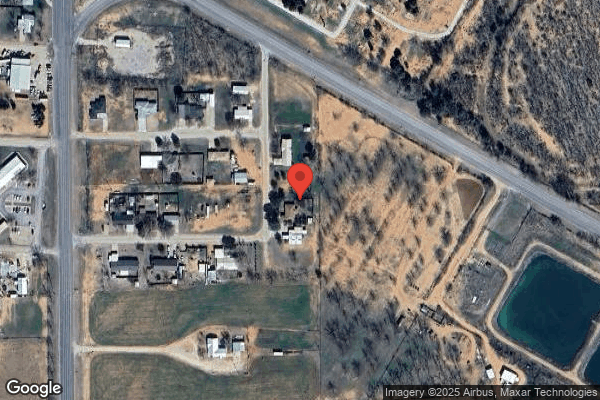

900 S STATE ST, BRONTE, TX 76933 (325) 473-3621
Government - Hospital district 55 Beds Independent Data: November 2025
Trust Grade
60/100
#424 of 1168 in TX
Last Inspection: November 2024

Within standard 12-15 month inspection cycle. Federal law requires annual inspections.

Overview

Bronte Health and Rehab Center has a Trust Grade of C+, indicating it is slightly above average compared to other facilities. It ranks #424 out of 1168 in Texas, placing it in the top half of state facilities, but is #2 out of 2 in Coke County, meaning there is only one other local option available. The facility is improving, with issues decreasing from 9 in 2024 to just 1 in 2025. Staffing is a weakness, rated at 1 out of 5 stars, but the turnover rate is exceptionally low at 0%, suggesting that remaining staff are familiar with the residents. While the facility has not incurred any fines, there have been concerning incidents, such as failing to supervise residents adequately, which could lead to falls, and issues with food safety, including serving expired items. Overall, families should consider both the strengths in improvement and low fines alongside the staffing concerns and recent safety issues.

Trust Score
C+
60/100
In Texas
#424/1168
Top 36%
Safety Record
Moderate
Needs review
Inspections
Getting Better
9 → 1 violations
Staff Stability
○ Average
Turnover data not reported for this facility.
Penalties
✓ Good
No fines on record. Clean compliance history, better than most Texas facilities.
Skilled Nurses
⚠ Watch
Each resident gets only 20 minutes of Registered Nurse (RN) attention daily — below average for Texas. Fewer RN minutes means fewer trained eyes watching for problems.
Violations
⚠ Watch
18 deficiencies on record. Higher than average. Multiple issues found across inspections.
★★★☆☆
3.0
Overall Rating
★☆☆☆☆
1.0
Staff Levels
★★★★☆
4.0
Care Quality
★★★★☆
4.0
Inspection Score
Stable
2024: 9 issues
2025: 1 issues

The Good

  • 4-Star Quality Measures · Strong clinical quality outcomes
  • Full Sprinkler Coverage · Fire safety systems throughout facility
  • No fines on record

Facility shows strength in quality measures, fire safety.

The Bad

3-Star Overall Rating

Near Texas average (2.8)

Meets federal standards, typical of most facilities

The Ugly 18 deficiencies on record

1 actual harm
Jul 2025 1 deficiency
CONCERN (D) 📢 Someone Reported This

A family member, employee, or ombudsman was alarmed enough to file a formal complaint

Potential for Harm - no one hurt, but risky conditions existed

PASARR Coordination (Tag F0644)

Could have caused harm · This affected 1 resident

**NOTE- TERMS IN BRACKETS HAVE BEEN EDITED TO PROTECT CONFIDENTIALITY** Based on interviews and record review, the facility failed to incorporate the recommendations from the PASARR level II determina...

Read full inspector narrative →
**NOTE- TERMS IN BRACKETS HAVE BEEN EDITED TO PROTECT CONFIDENTIALITY** Based on interviews and record review, the facility failed to incorporate the recommendations from the PASARR level II determination and the PASARR evaluation report into a resident's assessment, care planning, and transitions of care for 1 (Resident #1) of 2 residents reviewed for PASRR. The facility failed to submit a complete and accurate request for NFSS in the LTC online portal within 20 days after the IDT meeting. This failure could place residents who were PASRR positive at risk of not getting the PASARR services for a better quality of life and could lead to a decline in health.Record review of Resident #1's face sheet dated 7.16.25 revealed a [AGE] year-old female who was admitted to the facility on 2.10.25 with diagnoses that included: Metabolic Encephalopathy, mild intellectual disabilities, epilepsy, hypertension, hyperlipidemia (a condition characterized by abnormally high levels of lipids (fats), including cholesterol and triglycerides, in the blood), hypothyroidism (when your thyroid gland doesn't make and release enough hormone into your bloodstream), dementia, and unsteadiness on feet. Record review of Resident #1's quarterly MDS assessment dated 6.14.25 revealed an 11 BIMS score was noted but was marked as no impaired under the cognitive skills for daily decision making. Record review of Resident #4's PCSP dated 2.27.25 revealed her IDT meeting was held on 2.27.25. Attendees included the resident, the PASRR habilitation coordinator, Resident #1, DOR, DON, Family member A, and social worker. The following NFSS were identified and confirmed: Durable Medical Equipment. The Comments summary revealed OT/ST assessment and therapies authorized. During an interview on 7.15.25 at 12:05 pm, OT A stated the normal process for any resident to get into PT or OT was for them, OT, to do and their evaluation on the resident, to make sure they met certain requirements, that are then turned into MDS Coordinator. She stated once their documentation goes back to the MDS Coordinator, the approval is through their insurance and the physician. She stated, but sometimes, a resident was under a PASARR program. She stated no matter what, it always takes a bit longer for the approval to get back to the facility, so the facility can start the pt/ot on the resident. She stated that there are only two residents that were on pt/ot through PASARR, that would be Resident #1 and Resident #2. She stated that she knows for Resident #1, it took a little while to get all the documents/corrected from the CRC and it was due to the approval process and delays in paperwork. She stated that Resident #1 had the IDT meeting on 2.27.25 and was assessed by OT and ST on 3.6.25. She stated OT never heard back on the PASARR process/program and Resident #1 was D/C'ed on 4.28.25 without receiving services. During an interview on 7.15.25 at 2:05 pm, the MDS stated Resident #1 was admitted on 2.10.25. She stated that she was not good at the PASARR process and believed she had 30 days to get everything submitted for Resident #1 to receive services. She stated the care plan meeting for PASARR services was conducted on 2.27.25 for Resident #1. She stated therapy did do an evaluation of the resident on 3.6.25 but documentation was not sent in for Resident #1 to get approval. She stated there were some errors in documentation. She stated ultimately Resident #1's documentation for PASARR was not again submitted until 6.3.25, which the facility was still waiting to hear back for approval for Resident #1. She stated this should have been done much sooner because services could have been done for Resident #1 which would start therapy and healing process sooner. During an interview on 7.16.25 at 11:30 am, the Administrator stated he was familiar with the PASRR process and that the NFSS was completed by the DOR and should have been submitted. The Administrator stated that during the process, the CRC should have followed up with OT A to make sure all documentation was completed and submitted on time. Record review of the facility's PASRR policy dated 5.23.17 revealed Initiate nursing facility specialized services within 30 days after the date that the services are agreed to in the IDT meeting. Record review of state agency website https://www.hhs.texas.gov/regulations/forms/2000-2999/form-2362-receipt-certification-a-qualified-rehabilitation-professional revealed: Requesting Habilitative Services: A speech, occupational or physical therapist may request habilitative therapies (physical, occupational or speech therapy) for a PASRR-positive person for up to 6 months at a time. Requests for Authorization of Specialized Services for Residents of Nursing Facilities Requesting Authorization of Habilitative Physical, Occupational or Speech Therapy. To request Habilitative therapies, nursing facility providers must submit a Nursing Facility Specialized Service (NFSS) form on the Texas Medicaid and Healthcare Partnership (TMHP) Long Term Care (LTC) Online Portal. Additionally, each request must be accompanied by corresponding signature sheets or other attachments. A licensed therapist must complete and submit the following for each type of habilitative therapy service requested. New Request: New (Submit initial assessment). An initial therapy assessment completed by a licensed therapist is required. The service request must include a treatment plan. PASRR NF Specialized Services (NFSS) - Therapy Signature Page (for Therapist, Referring Physician and Nursing Facility Administrator signatures).
Nov 2024 3 deficiencies
CONCERN (D) 📢 Someone Reported This

A family member, employee, or ombudsman was alarmed enough to file a formal complaint

Potential for Harm - no one hurt, but risky conditions existed

Deficiency F0726 (Tag F0726)

Could have caused harm · This affected 1 resident

**NOTE- TERMS IN BRACKETS HAVE BEEN EDITED TO PROTECT CONFIDENTIALITY** Based on observations, interview, and record review the facility failed to ensure that nurse aides were able to demonstrate comp...

Read full inspector narrative →
**NOTE- TERMS IN BRACKETS HAVE BEEN EDITED TO PROTECT CONFIDENTIALITY** Based on observations, interview, and record review the facility failed to ensure that nurse aides were able to demonstrate competency in skills and techniques to provide nursing and related services for 1 of 3 residents (Resident #28) by 1 of 4 certified staff (CNA C) reviewed for competent staff, in that: CNA C failed to change her gloves once they became contaminated during incontinent care for Resident #28. These failures could place residents at risk for not receiving nursing services by adequately trained and certified aides and could result in a decline in health and infection. The findings were: Record review of Resident #28's admission record dated 11/07/2024 indicated she was admitted to the facility on [DATE]. She was [AGE] years of age with diagnoses of Dementia and chronic obstructive pulmonary disease. Record review of Resident #28's care plan revised date 10/24/24 indicated in part: Focus: I have bowel and bladder incontinence due to impaired cognition and confusion related to Dementia, and impaired mobility related to history of right hip fracture repair. Goal: I will remain free from skin breakdown due to incontinence and brief use through the review date. Interventions/Tasks: I use disposable adult briefs. Check for incontinence every 2 hours and as needed. Wash, rinse, and dry perineum. Change clothing as needed after incontinence episodes. Record review of Resident #28's MDS dated [DATE] indicated in part: resident had a Brief Interview for Mental Status score of 3 showing severe cognitive impairment. Urinary and Bowel continence = Always incontinent. During an observation on 11/06/24 at 03:49 pm CNA C performed incontinent care for Resident #28. CNA C turned Resident #28 to her right side after wiping her front, CNA C wiped the resident's bottom which had bowel movement. Without changing gloves CNA C grabbed the new brief placed brief on resident and secured brief. CNA C then doffed her gloves, washed her hands then helped the resident get dressed. During an interview on 11/06/24 at 04:35 PM CNA C stated she only usually changes her gloves if they were visibly soiled. CNA C stated she understands how not changing her gloves from dirty to clean could be a concern for cross contamination. During an interview on 11/07/24 at 02:34 PM the DON said it was her expectation for CNAs to remove their gloves, wash their hands and put on a pair of clean gloves if they became contaminated during incontinent care. The DON said CNA C failed to change their gloves once they became contaminated because they got nervous. The DON said if the CNAs did not change their gloves once they were considered contaminated that could possibly lead to cross contamination. The DON said the ADON had conducted training on incontinent care and the CNAs were also trained via computer tests. During an interview on 11/07/24 at 02:38 PM the ADON said she had conducted proficiency training with the CNAs. The ADON said the proficiency consisted of her observing the staff perform the incontinent care task. The ADON said she had not always documented the observations and sometimes she did. The ADON said she had conducted random checks on the CNAs performing tasks. The ADON said if the CNAs had not changed their gloves or washed their hands that could lead to the spread of infections. During an interview on 11/07/24 at 04:46 PM the Administrator was made aware of the observation of incontinent care performed by CNA C. The Administrator said he expected for the CNAs to have removed their gloves, wash their hands and put on a pair of clean gloves after they became contaminated. The Administrator said if the CNAs did not change their gloves that could lead to the spread of infections. The Administrator said the ADON was responsible for training the CNAs on infection control and incontinent care. The Administrator said the failure occurred probably because the staff had forgotten their steps or had gotten nervous. Record review of proficiency documents provided by the ADON and dated 04/17/24 for CNA C indicated in part: Explain procedure speaking clearly slowly and directly maintaining face to face contact whenever possible wash hands. Apply clean gloves and remove plenty of wipes from package to use. Remove brief straps and clean using a new wiper each stroke from front to back the wipes should be placed inside the brief not touching the resident where the brief can be rolled up and placed in trash can. Remove gloves after disposing of three. Use alcohol-based hand sanitizer and apply clean gloves. Grab new brief and place underneath resident, carefully left brief to cover peri-area and ensuring that the site of the brief is placed in the groin folds, apply securement tabs to brief. Remove gloves and use alcohol-based hand sanitizer. Record review of document titled Job description and dated 04/25/2023 indicated in part: Position tile: CNA. Provides basic nursing care to residents within the scope of the nursing assistant responsibilities and performs basic nursing procedures under the direction of the licensed nurse supervisor. Performs miscellaneous tasks as required by policy or nurse supervisor. Record review of the facility's policy titled Diapers/Underpass dated 09/2010 indicated in part: The purpose of this is to provide guidelines for the proper handling of diapers and under pads. The following equipment and supplies will be necessary when performing this procedure: Personal protective equipment (e.g. gloves, mask etc., as needed). Place the clean equipment on the bedside stand or overbed table. Arrange the supplies so they can be easily reached. Wash and dry your hands thoroughly. Put on gloves. Remove diaper or underpad from resident by rolling the diaper/underpad toward the inside soiled area, contain as much fecal soil as possible. Clean skin of resident and replace fresh diaper and underpad. Discard disposable equipment and supplies in designated containers. Remove gloves and discard into designated container. Wash and dry your hands thoroughly. Record review of the facility's policy titled Perineal Care dated 02/2018 indicated in part: The purposes of this procedure are to provide cleanliness and comfort to the resident to prevent infections and skin irritation and to observe the resident's skin condition. The following equipment and supplies will be necessary when performing this procedure: Personal protective equipment (e.g. gloves, mask etc., as needed). Raise the gown or lower the pajamas. Avoid unnecessary exposure of the resident's body - put on glove. Ask the resident to bend his or her knees and put his or her feet flat on the mattress, assist as necessary - Wash perineal area, wiping from front to back, rinse and dry thoroughly, discard disposable items into designated containers, remove gloves and discard into designated container, wash and dry your hands thoroughly. Record review of the facility's policy titled Standard precautions dated 12/2007 indicated in part: Standard precautions will be used in the care of all residents regardless of their diagnosis or suspected or confirmed infection status. Standard precautions presume that all blood, body fluids, secretions and excretions non intact skin and mucous membranes may contain transmissible infectious agents. Standard precautions include the following practices: hand hygiene hand hygiene refers to hand washing with soap or using alcohol-based hand rubs that do not require access to water. Wash hands after removing gloves. Wear gloves when you anticipate direct contact with blood body fluids mucous membranes non intact skin and other potentially infected material. Change gloves as necessary during the care of a resident to prevent cross contamination from one body site to another when moving from a dirty site to clean one. Do not reuse gloves. Remove the locks promptly after use before touching non contaminated items and environmental surfaces and before going to another resident and wash hands immediately transfer of microorganisms to other residents or environments. Record review of the facility's policy titled Handwashing/Hand Hygiene dated 08/2015 indicated in part: This facility considers hand hygiene the primary means to prevent the spread of infections. All personnel shall be trained and regularly in-serviced on the importance of hand hygiene in preventing the transmission of healthcare-associated infections. Wash hands with soap and water for the following situations: When hands are visibly soiled and after contact with a resident with infectious diarrhea including but not limited to infections caused by norovirus, salmonella, shigella and C. difficile. Use an alcohol-based hand rub containing at least 62% alcohol or alternatively, soap and water for the following situations: Before and after direct contact with residents, before moving from a contaminated body site to a clean body site during resident care, after contact with a resident's intact skin, after removing gloves. Hand hygiene is the final step after removing and disposing or personal protective equipment. The use of gloves does not replace hand washing/hand hygiene. Single use disposable gloves should be used when anticipating contact with blood or body fluids
CONCERN (E) 📢 Someone Reported This

A family member, employee, or ombudsman was alarmed enough to file a formal complaint

Potential for Harm - no one hurt, but risky conditions existed

Accident Prevention (Tag F0689)

Could have caused harm · This affected multiple residents

**NOTE- TERMS IN BRACKETS HAVE BEEN EDITED TO PROTECT CONFIDENTIALITY** Based on observation, interview, and record review, the facility failed to ensure each resident received adequate supervision an...

Read full inspector narrative →
**NOTE- TERMS IN BRACKETS HAVE BEEN EDITED TO PROTECT CONFIDENTIALITY** Based on observation, interview, and record review, the facility failed to ensure each resident received adequate supervision and that the resident environment remained as free of accident hazards as possible for 2 of 5 residents (Resident #13 and Resident #42) reviewed for accidents and supervision. The facility failed to ensure Resident #42 did not have hazardous chemicals in her room unattended. Resident #42 had two bottles of nail polish remover in her room. The facility failed to ensure the staff used a gait belt when walking back from the shower with Resident #13. These failures placed residents at risk of injury due to not being supervised and placed at risk of accidents/hazards. Findings included: Review of Resident #42's admission Record, dated 11/7/24, revealed she was a [AGE] year-old female admitted to the facility on [DATE] with diagnoses including Alzheimer's Disease with Late Onset (a form of dementia). Resident #42 resided on the secured unit. Review of Resident #42's admission MDS assessment dated [DATE] revealed: She scored a 12 of 15 on her mental status exam (indicating she moderately cognitively impaired). Review of Resident #42's Care Plan, initiated 10/11/24, revealed Resident #42 was an elopement risk/wanderer related to disoriented to place, impaired safety awareness, history of wandering due to diagnosis, of Alzheimer's dementia and resided in the locked unit for safety. The identified goal was Resident #42's safety would be maintained through the review date. Observation on 11/5/24 at 10:35 a.m. revealed Resident #42 had two bottles of nail polish remover on the shelf on her side of the sink vanity. Interview and observation on 11/6/24 at 2:12 p.m. the DON stated everything was allowed to be in a resident's room as long as it did not put the resident at risk. The DON stated if it was a chemical that could easily be drunk it would not be allowed on the secured room. The DON and surveyor went to Resident #42's room. The DON saw the two bottles of nail polish remover on Resident #42's vanity and agreed it would be easily ingestible and might be a threat to the resident's safety. The DON stated it was everyone's due diligence to check for chemicals. The DON stated the aides spent the most time on the secured unit with the residents. The DON said family members frequently brought things onto the secured unit not realizing they should not. The DON stated she could see that nail polish remover could get residents real sick. The DON stated the nail polish remover should have reasonably been seen by the staff. Interview on 11/6/24 at 3:48 p.m. the Administrator stated the expectation for chemicals on the secured unit was they be secured in a locked closet at all times. The Administrator stated nail polish remover sounded like a chemical. The Administrator stated he stated he would do more education with the families about what was allowed on the secured unit. Review of the admission Agreement, undated, on Personal Care Items revealed: Resident have the right to keep personal care items in their rooms with the understanding the items should be kept in a closed cabinet and/or drawer for the safety of other residents. Items NOT allowed in resident's room include, but are not limited to the following: caustic materials. Review of the facility's policy and procedure on Hazardous Areas, Devices and Equipment, revised July 2017, revealed: All hazardous areas, devices, and equipment in the facility will be identified and addressed appropriately to ensure resident safety and mitigate accident hazards to the extent possible. As part of the facility's overall safety and accident prevention program, hazardous areas and objects in the resident environment will be identified and addressed by the Safety Committee. A hazard is identified as anything in the environment that has the potential to cause injury or illness. Examples of environment hazards include, but are not limited to: access to toxic chemicals. Review of Resident #13's admission Record dated 11/7/24 revealed he was an [AGE] year-old male admitted to the facility on [DATE] with diagnoses including Alzheimer's Disease with late onset (a type of dementia), arthritis, muscle weakness, lack of coordination. Review of Resident #13's Quarterly MDS assessment dated [DATE] revealed: He scored a 0 of 15 on his mental status exam (indicating severe cognitive impairment) with signs of delirium including inattention, disorganized thinking, and altered levels of consciousness. He rejected care 4 - 6 days in the 7 days prior to the assessment. He had no range of motion impairments and used no mobility devices. He was assessed as being able to walk 150 feet independently. Review of Resident #13's Care Plan revised on 11/6/24 revealed: Resident had the potential for decline in ADLs due to severe cognitive impairment. Assistance required varied throughout the day based on his cognitive status and level of fatigue. He required cueing and to completed ADL tasks. He ambulated without assistive devices. He was at risk for falls due to shuffling gait. The Goal was Resident #13 would improve current level of function in ADLS through the review date. Observation on 11/5/24 at 12:00 p.m. revealed CNA B and CNA D walking with Resident #13. The aides had their arms hooked under Resident #13's arms even though CNA B had a gait belt draped over her shoulder. Resident #13 begged to get to his recliner, had difficult completing the pivot to turn to sit, and almost fell into the chair. Interview on 11/6/24 at 2:51 p.m. the DON stated the expectation for staff assisting residents in walking was that the residents be supervised. The DON said if the resident was being helped physically in any way they needed a gait belt. The DON stated if the aides were walking with the resident with their (the aides) arms hooked under the resident's it could cause should injury and there would be no way to catch the resident if they fell. The DON stated Resident #13 had the strength to walk the length of the secured unit if it was a good day. The DON said if Resident #13 had a shower it was a bad day and he was likely tired from fighting in the shower. The DON said she did not know if the staff had a chance to get the gait belt onto Resident #13 even though they had to stop at the secured unit's door. The DON said she never saw Resident #13 be so weak his legs buckled or weakness. Interview on 11/6/24 at 3:48 p.m. the Administrator stated a gait belt would be a safer option in assisting a resident in walking if they were unsteady because it provided more leverage and provided safer positioning for the resident and staff. Review of the facility's policy and procedure on Safety and Supervisor of Residents, revised July 2017, revealed: Our facility strives to make the environment as free from accident hazards as possible. Resident safety and supervision and assistance to prevent accidents are facility-wide priorities. Facility-Oriented Approach to Safety Safety risks and environment hazards are identified on an ongoing basis through a combination of employee trainee, employee monitoring, and reporting processes. Our individualized, resident-centered approach to safety address safety and accident hazards for individual residents. Due to their complexity and scope, certain resident risk factors and environment hazards are addressed in dedicated policies and procedures. These risk factors and environmental hazards include: Safe Lifting and Movement of Residents.
CONCERN (E) 📢 Someone Reported This

A family member, employee, or ombudsman was alarmed enough to file a formal complaint

Potential for Harm - no one hurt, but risky conditions existed

Infection Control (Tag F0880)

Could have caused harm · This affected multiple residents

**NOTE- TERMS IN BRACKETS HAVE BEEN EDITED TO PROTECT CONFIDENTIALITY** Based on observation, interview, and record review, the facility failed to maintain an infection prevention and control program ...

Read full inspector narrative →
**NOTE- TERMS IN BRACKETS HAVE BEEN EDITED TO PROTECT CONFIDENTIALITY** Based on observation, interview, and record review, the facility failed to maintain an infection prevention and control program designed to provide a safe, sanitary, and comfortable environment to help prevent the development and transmission of communicable diseases and infections for two (Resident #12 and #28) of 3 residents reviewed for incontinent care in that; CNA A failed to change her gloves once they became contaminated during incontinent care for Resident #12. CNA C failed to change her gloves once they became contaminated during incontinent care for Resident #28. These failures could place resident's risk for cross contamination and the spread of infection. Finding included: RESIDENT #12 Record review of Resident #12s admission record dated 11/06/2024 indicated she was admitted to the facility on [DATE] with diagnoses of Alzheimer's disease and muscle weakness. She was [AGE] years of age. Record review of Resident #12's care plan revised date 03/09/23 indicated in part: Focus: Resident has total bowel and bladder incontinence related to Activity Intolerance, Dementia, Impaired Mobility. Resident is not aware of the need to toilet. Goal: Resident will remain free from skin breakdown due to incontinence and brief use through the review date. Interventions/Tasks: Check every 2 hrs and as required for incontinence. Wash, rinse and dry perineum. Change clothing PRN after incontinence episodes. Record review of Resident #12's MDS dated [DATE] indicated in part: Cognitive Skills for Daily Decision Making = 3. Severely impaired - never/rarely made decisions. Urinary and Bowel continence = Always incontinent. During an observation on 11/05/24 at 02:27 PM CNA A and CNA B performed incontinent care for Resident #12. Both CNAs washed their hands and placed some gloves on them. Both CNAs then turned Resident #12 on her left side and CNA A wiped the resident's rectal area which had some bowel movement. While still wearing the same gloves that she wiped the bowel movement, CNA A secured a clean brief to Resident #12 then afterwards removed her gloves. During an interview on 11/07/24 at 02:08 PM CNA A said she should have changed her gloves after she wiped Resident #12 bowel movement. CNA A said she knew about changing her gloves after they became contaminated but had forgotten. CNA A said if she did not change her gloves that could lead to cross contamination. CNA A said she had received training regarding changing her gloves and was aware that it could lead to infections and urinary tract infections if not changed timely. CNA A said was trained by the ADON and also by a computer program they conducted. RESIDENT #28 Record review of Resident #28's admission record dated 11/07/2024 indicated she was admitted to the facility on [DATE]. She was [AGE] years of age with diagnoses of Dementia and chronic obstructive pulmonary disease. Record review of Resident #28's care plan revised date 10/24/24 indicated in part: Focus: I have bowel and bladder incontinence due to impaired cognition and confusion related to Dementia, and impaired mobility related to history of right hip fracture repair. Goal: I will remain free from skin breakdown due to incontinence and brief use through the review date. Interventions/Tasks: I use disposable adult briefs. Check for incontinence every 2 hours and as needed. Wash, rinse, and dry perineum. Change clothing as needed after incontinence episodes. Record review of Resident #28's MDS dated [DATE] indicated in part: resident had a Brief Interview for Mental Status score of 3 showing severe cognitive impairment. Urinary and Bowel continence = Always incontinent. During an observation on 11/06/24 at 03:49 pm CNA C performed incontinent care for Resident #28. CNA C turned Resident #28 to her right side after wiping her front, CNA C wiped the resident's bottom which had bowel movement. Without changing gloves CNA C grabbed the new brief placed brief on resident and secured brief. CNA C then doffed her gloves. Washed her hands then helped the resident get dressed. During an interview on 11/06/24 at 04:35 PM CNA C stated she only usually changes her gloves if they are visibly soiled. CNA C stated she understands how not changing her gloves from dirty to clean could be a concern for cross contamination. During an interview on 11/07/24 at 02:34 PM the DON said it was her expectation for CNAs to remove their gloves, wash their hands and put on a pair of clean gloves if they became contaminated during incontinent care. The DON said CNA A and CNA B failed to change their gloves once they became contaminated because they got nervous. The DON said if the CNAs did not change their gloves once they were considered contaminated that could possibly lead to cross contamination. The DON said the ADON had conducted training on incontinent care and the CNAs were also trained via computer tests. During an interview on 11/07/24 at 02:38 PM the ADON said she had conducted proficiency training with the CNAs. The ADON said the proficiency consisted of her observing the staff perform the incontinent care task. The ADON said she had not always documented the observations and sometimes she did. The ADON said she had conducted random checks on the CNAs performing tasks. The ADON said if the CNAs had not changed their gloves or washed their hands that could lead to the spread of infections. During an interview on 11/07/24 at 04:46 PM the Administrator was made aware of the observation of incontinent care performed by CNAs A and C. The Administrator said he expected for the CNAs to have removed their gloves, wash their hands and put on a pair of clean gloves after they became contaminated. The Administrator said if the CNAs did not change their gloves that could lead to the spread of infections. The Administrator said the ADON was responsible for training the CNAs on infection control and incontinent care. The Administrator said the failure occurred probably because the staff had forgotten their steps or had gotten nervous. Record review of the facility's policy titled Diapers/Underpass dated 09/2010 indicated in part: The purpose of this is to provide guidelines for the proper handling of diapers and under pads. The following equipment and supplies will be necessary when performing this procedure: Personal protective equipment (e.g. gloves, mask etc., as needed). Place the clean equipment on the bedside stand or overbed table. Arrange the supplies so they can be easily reached. Wash and dry your hands thoroughly. Put on gloves. Remove diaper or underpad from resident by rolling the diaper/underpad toward the inside soiled area, contain as much fecal soil as possible. Clean skin of resident and replace fresh diaper and underpad. Discard disposable equipment and supplies in designated containers. Remove gloves and discard into designated container. Wash and dry your hands thoroughly. Record review of the facility's policy titled Perineal Care dated 02/2018 indicated in part: The purposes of this procedure are to provide cleanliness and comfort to the resident to prevent infections and skin irritation and to observe the resident's skin condition. The following equipment and supplies will be necessary when performing this procedure: Personal protective equipment (e.g. gloves, mask etc., as needed). Raise the gown or lower the pajamas. Avoid unnecessary exposure of the resident's body - put on glove. Ask the resident to bend his or her knees and put his or her feet flat on the mattress, assist as necessary - Wash perineal area, wiping from front to back, rinse and dry thoroughly, discard disposable items into designated containers, remove gloves and discard into designated container, wash and dry your hands thoroughly. Record review of the facility's policy titled Standard precautions dated 12/2007 indicated in part: Standard precautions will be used in the care of all residents regardless of their diagnosis or suspected or confirmed infection status. Standard precautions presume that all blood, body fluids, secretions and excretions non intact skin and mucous membranes may contain transmissible infectious agents. Standard precautions include the following practices: hand hygiene hand hygiene refers to hand washing with soap or using alcohol-based hand rubs that do not require access to water. Wash hands after removing gloves. Wear gloves when you anticipate direct contact with blood body fluids mucous membranes non intact skin and other potentially infected material. Change gloves as necessary during the care of a resident to prevent cross contamination from one body site to another when moving from a dirty site to clean one. Do not reuse gloves. Remove the locks promptly after use before touching non contaminated items and environmental surfaces and before going to another resident and wash hands immediately transfer of microorganisms to other residents or environments. Record review of the facility's policy titled Handwashing/Hand Hygiene dated 08/2015 indicated in part: This facility considers hand hygiene the primary means to prevent the spread of infections. All personnel shall be trained and regularly in-serviced on the importance of hand hygiene in preventing the transmission of healthcare-associated infections. Wash hands with soap and water for the following situations: When hands are visibly soiled and after contact with a resident with infectious diarrhea including but not limited to infections caused by norovirus, salmonella, shigella and C. difficile. Use an alcohol-based hand rub containing at least 62% alcohol or alternatively, soap and water for the following situations: Before and after direct contact with residents, before moving from a contaminated body site to a clean body site during resident care, after contact with a resident's intact skin, after removing gloves. Hand hygiene is the final step after removing and disposing or personal protective equipment. The use of gloves does not replace hand washing/hand hygiene. Single use disposable gloves should be used when anticipating contact with blood or body fluids. Record review of the facility's policy titled Infection Control guidelines for all nursing procedures and dated 08/2012 indicated in part: To provide guidelines for general infection control while caring for residents. Prior to having direct care responsibility for residents' staff must have appropriate in-service training on managing infections in residents including methods of preventing their spread. Standard precautions will be used in the care of all residents in all situations regardless of suspected or confirmed presence of infectious diseases. Standard precautions apply to blood body fluids secretions and excretions regardless of whether or not they contain visible blood non intact skin and/or mucous membranes. And we employees must wash their hands for ten (10) to fifteen (15) seconds using antimicrobial or non-antimicrobial soap and water under the following conditions after removing gloves.
Jun 2024 1 deficiency
CONCERN (D) 📢 Someone Reported This

A family member, employee, or ombudsman was alarmed enough to file a formal complaint

Potential for Harm - no one hurt, but risky conditions existed

Report Alleged Abuse (Tag F0609)

Could have caused harm · This affected 1 resident

**NOTE- TERMS IN BRACKETS HAVE BEEN EDITED TO PROTECT CONFIDENTIALITY** Based on interview, and record review, the facility failed to ensure that all alleged violations involving abuse were reported i...

Read full inspector narrative →
**NOTE- TERMS IN BRACKETS HAVE BEEN EDITED TO PROTECT CONFIDENTIALITY** Based on interview, and record review, the facility failed to ensure that all alleged violations involving abuse were reported immediately, but not later than 2 hours after the allegation is made, if the events that cause the allegation involve abuse or result in serious bodily injury, or not later than 24 hours if the events that cause the allegation do not involve abuse and do not result in serious bodily injury to other officials (including to the State Survey Agency and adult protective services where state law provides for jurisdiction in long-term care facilities) in accordance with State law for 2 of 5 residents (Resident #1, Resident #2) reviewed for abuse. The facility failed to report alleged violations related to abuse to HHSC. The facility failed to notify a law enforcement agency of allegations of abuse. This failure could place the residents at risk of sexual abuse. Findings included: Record review of Resident #1's electronic health record revealed a [AGE] year-old female, admission date 05/15/2023, Diagnoses included: major depressive disorder (persistently low or depressed mood), single episode, anxiety disorder (feelings of worry, anxiety, fear that are strong enough to interfere with daily activities), senile degeneration of brain (Alzheimer's type- severe cortical atrophy and cell loss with high index of dementia), wandering, psychotic disorder with delusions, with other behavioral disturbance (unshakable beliefs in something). BIMS = 99 per MDS C, Section C (severely impaired cognitively). Record review of Resident #2's electronic health record revealed a [AGE] year-old male, admission date 4/5/2023, Diagnoses included: unspecified dementia (group of conditions characterized by impairment of at least two brain functions such as memory loss and judgement), late onset Alzheimer's (progressive disease destroying memory and other important mental functions), psychotic disorder with delusions due to known physiological condition (hallucinations or delusions caused by other medical condition), intermittent explosive disorder (repeated sudden bouts of impulsive aggressive, violent behavior or anger), major depressive disorder (persistently low or depressed mood), recurrent, unspecified, generalized anxiety disorder (severe ongoing anxiety that interferes with daily life), personality change due to known physiological condition (dated 6/5/24; often associated of delirium or neurological disorder)), major depressive disorder, recurrent severe without psychotic features. BIMS = 5 per MDS, Section C (severely impaired cognitively). Interview on 6/08/2024 at 12:12pm with Resident #2 revealed he has not seen Resident #1 today and he does not know where she is. Resident #2 stated he does not know about the incident and that nothing happened with Resident #1. Resident appeared confused and was observed looking out his window and feeding himself. Per his MDS, Section C, his BIMS is 5, severely impaired. Observation on 6/8/2024 at 2:34pm revealed Resident #1 dressed and groomed walking up and down hallway. Ankle monitor in place with two staff observing her. Resident grabbed this investigator's hand and started walking down the hallway. Resident #1 did not answer any questions and mumbled with some sounds but no intelligible speech. Record review of Resident #1's progress note dated 6/5/24 revealed CNA A notified RN A of kissing and touching Resident #1. RN notified DON & ADON about report from CNA A. 6/5/24- per DON, after discussing with family, they will move resident to regular hall and place wander guard. No incident report located. Record review of Resident #2's progress notes from electronic health record dated 6/5/24 revealed CNA A notified RN A that Resident #2 was inappropriately touching another resident and was kissing the neck of same resident. RN A notified DON. No incident report located. Care plan updated with change in behavior dated 6/6/2024 with interventions. Interview on 6/08/24 at 12:34 pm with the ADM revealed that he did not believe abuse occurred (when Resident #2 touched Resident #1's vaginal area) and that's why it was not reported. Not to the police either. There was no history prior to this incident . ADM stated the statement he (ADM) and the DON got was he (Resident #2) touched her (resident #1) leg and accidently grazed her vaginal area in the process. This was 6/5/24. Facility moved Resident #1 to the front and increased monitoring for Resident #2 and changed his meds. Facility contacted psych services and tried to get Resident #2 inpatient, but they (inpatient facilities) would not accept him (Resident #2) because there were no physical behaviors that show intent. ADM stated that this was completed to appease the family member of Resident #1 and to make sure abuse does not occur. Interview on 6/8/2024 at 12:52pm with the DON revealed she does not believe there was sexual intent with the vaginal graze incident from Resident #2 to Resident #1 and CNA A reported to her that it was an accidental graze of the area with no sexual intent. DON stated there was no sexual malice or willful intent. Interview on 6/9/24 at 12:07pm with CNA A revealed she does feel there was sexual intent. I was looking right at them. CNA A revealed she had a clear view because they had increased monitoring on him (Resident #2) due to a verbal incident with a male resident. CNA A stated she spoke to her nurse, ADON and DON about it (vaginal incident). CNA A stated she felt it was abuse and that was why she reported it, because they were not able to consent. Interview on 6/9/2024 at 11:15am with the DON revealed she was not aware of the kissing on the neck incident (between Resident #1 and Resident #2). The DON stated she put in referrals for Resident #2 to inpatient facilities due to aggression with a male resident. The DON revealed she was responsible for checking progress notes but forgot that day due to working the vaginal area concern (Resident #2 grazing Resident #1's vaginal area). Interview on 6/9/2024 at 11:17am with the ADM revealed he was not aware of the kissing incident, and this was the first he was hearing of it and that yes that would be reportable. His DON was responsible for checking progress notes. It was the ADM's responsibility to report to HHSC and police any allegations of abuse. Interview on 6/9/2024 at 11:37am with the ADON revealed she was informed they (Resident #1 & Resident #2) were kissing and did tell the DON. The incident was talked about in a meeting and the DON and ADM were present. Both residents were into each other (unable to elaborate). The ADM was responsible for reporting abuse to the police and state. The aides were made aware (of increased sexual behavior), and Resident #1 was moved to the front. They were both interested in each other. The ADON revealed neither resident (Resident #1 nor Resident #2) can consent because they are cognitively impaired. Interview on 6/9/2024 at 12:23pm with the DON revealed she was informed about the neck incident (incident where resident #2 bent down and kissed Resident #1's neck; same time when Resident #2 grazed Resident #1's vaginal area) but that she felt like you could kiss your kid or mother like that and felt the progress notes contradict. DON stated there was no intent or malice. This was a different statement from the previous statement to investigator that she was not aware of the neck kissing. The DON revealed she did not believe the incident was abuse. From what she was told, the touching incident was accidental and don't believe the kiss on the neck was sexual, so it was not reportable. [The neck kissing, and vaginal area graze happened the] Same day and time. The DON stated they had taken all precautionary measures to make sure it doesn't happen again or turn into anything. The Facility had removed Resident #1 from secure unit, increased monitoring on Resident #2, medication changes per psych doctor and facility doctor, an attempt to refer for inpatient at Behavioral health facilities, and psych services for Resident #2. The DON stated that CNA A informed DON that there was no sexual intent (different information from the interview with investigator and CNA A). Interview on 6/9/2024 at 4:23pm with the ADM revealed the incident between Resident #1 and Resident #2 was a grey area. The ADM revealed he was responsible for reporting abuse to HHSC and law enforcement. The ADM stated Resident #1 has a history of grabbing hands to walk with her and grabbing faces, but neither were able to consent. That was why he did not believe it was reportable. (This is different information that ADM provided in previous interview that he did not believe it was reportable because there was no sexual intent in the vaginal graze as it was accidental.) Record Review of Prevention of Abuse, Neglect, Exploitation, etc. policy undated revealed Abuse means the willful infliction of injury, unreasonable confinement, .Instances of abuse of all residents, irrespective of any mental or physical condition, cause physical harm, pain or mental anguish .Sexual abuse is non-consensual sexual contact of any type with a resident. 2. The facility will designate an abuse coordinator in the facility who is responsible for reporting allegations of suspected abuse, neglect, or exploitation to the state survey agency and other officials in accordance with state law . 7. Reporting/Response: the facility will follow reporting/response recommendations from the latest Provider Letter sent by HHS. Record review of Long-Term Care Regulatory Provider Letter dated 7/10/2009 revealed A NF must report to HHSC the following types of incidents, .Abuse .immediately, but no later than 2 hours after the incident occurs or is suspected. On page 9 of 9 reveals a decision tree that if the facility becomes aware of or receives an allegation of suspected abuse .take immediate action to prevent further potential ANE. Can all residents involved in the sexual activity consent to participation .NO .report the incident within two hours.
Apr 2024 2 deficiencies
CONCERN (D) 📢 Someone Reported This

A family member, employee, or ombudsman was alarmed enough to file a formal complaint

Potential for Harm - no one hurt, but risky conditions existed

Deficiency F0725 (Tag F0725)

Could have caused harm · This affected 1 resident

**NOTE- TERMS IN BRACKETS HAVE BEEN EDITED TO PROTECT CONFIDENTIALITY** Based on interview, and record review the facility failed to have sufficient nursing staff with the appropriate competencies and...

Read full inspector narrative →
**NOTE- TERMS IN BRACKETS HAVE BEEN EDITED TO PROTECT CONFIDENTIALITY** Based on interview, and record review the facility failed to have sufficient nursing staff with the appropriate competencies and skills sets to provide nursing and related services to assure resident safety and attain or maintain the highest practicable physical, mental, and psychosocial wellbeing for 5 (Residents #1, #2, #3, #4, and #5) of 10 residents reviewed for staffing concerns on the memory care unit. 1. The facility failed to ensure there were sufficient staff to ensure Resident #1 did not sustain falls while on the memory care unit. 2. The facility failed to ensure there were sufficient staff to ensure Residents #1-#5 had the proper assistance per the resident's required assistance. These failures placed residents at risk of not getting needed care and services, a decrease in quality of care and quality of life and/or injury. Findings included: Record review of Resident #1's face sheet, dated 03/29/24, reflected an [AGE] year-old female with an admission date of 3/27/24. Resident #1 had diagnoses which included Neurocognitive disorder, collapse, bradycardia, and unsteadiness on feet. Record review of Resident #1's MDS dated [DATE] with a quarterly assessment dated [DATE] indicated BIMS score of 3, indicating severe cognitive impairment. Record review of Resident #1's Care Plan dated 3/29/24 for ADL's indicated Resident #1 is a 2 person assist for task such at transfers, locomotion, and toileting. Resident #1 is to be always in line of sight for fall risk. Record review of the facility's fall incident report dated 3/1/24 through 3/26/24 indicated Resident #1 sustained a witnessed fall on 3/15/24 with no injury and an unwitnessed fall on 3/23/24 sustaining laceration to left eyebrow. Record review of Resident #1's Care Plan dated 3/29/24 indicated interventions for Resident #1 per fall. Intervention for fall sustained on 3/15/24, increased supervision, education of staff, family, and caregivers. Intervention for fall sustained on 3/23/24, intervention/task, educate me/my family/caregivers about safety reminders and what to do if a fall occurs, ensure that I am wearing appropriate footwear (non-skit socks/shoes) when ambulating or mobilizing in wheelchair. Record review of Resident #2's face sheet, dated 03/29/24, reflected an [AGE] year-old male with an admission date of 11/14/23. Resident #2 had diagnoses which included Alzheimer's disease, Parkinson's disease, and muscle weakness. Record review of Resident #2's MDS dated [DATE] with a quarterly assessment dated [DATE] indicated BIMS score of 3, indicating severe cognitive impairment. Record review of Resident #2's Care Plan dated 3/29/24 for ADL's indicated Resident #2 is a 2 person assist for task such at transfers, locomotion, bed mobility, Dressing, and toileting. Record review of Resident #3's face sheet, dated 03/29/24, reflected a [AGE] year-old male with an admission date of 1/12/23. Resident #3 had diagnoses which included Depressive disorder, Dementia, psychotic disorder, and history of falling. Record review of Resident #3's MDS dated [DATE] with a quarterly assessment dated [DATE] indicated BIMS score of 3, indicating severe cognitive impairment. Record review of Resident #3's Care Plan dated 3/29/24 for ADL's indicated Resident #3 is a 2 person assist for task such at transfers (Hoyer lift), bed mobility, and toileting. Record review of Resident #4's face sheet, dated 03/29/24, reflected an [AGE] year-old male with an admission date of 9/12/23. Resident #4 had diagnoses which included Encephalopathy, dementia, type 2 diabetes, and lack of coordination. Record review of Resident #4's MDS dated [DATE] with a quarterly assessment dated [DATE] indicated BIMS score of 2, indicating severe cognitive impairment. Record review of Resident #4's Care Plan dated 3/29/24 for ADL's indicated Resident #4 is a 2 person assist for task such at mobility/locomotion, dressing, and toilet use. Resident #4 is to be always in line of sight for fall risk. Record review of the facility's fall incident report dated 1/1/24 through 3/27/24 indicated that Resident #4 had falls with injuries on 1/24/24 sustaining skin tear and bruising to hands, 2/13/24 sustaining skin tear R forearm with bruising. Record review of Resident #5's face sheet, dated 03/29/24, reflected a [AGE] year-old male with an admission date of 4/25/23. Resident #5 had diagnoses which included Respiratory failure, type 2 diabetes, dementia, and lack of coordination. Record review of Resident #5's MDS dated [DATE] with a quarterly assessment dated [DATE] indicated BIMS score of 6, indicating severe cognitive impairment. Record review of Resident #5's Care Plan dated 3/29/24 for ADL's indicated Resident #5 required partial/moderate assistance with chair/bed-to-chair, toilet, and tub/shower transfers. Observation of Memory care unit on 3/26/24 at 11:30 am, only one CNA on unit. During an interview on 3/27/24 at 3:45 am, CNA A stated working memory care alone, even at night was very difficult sometimes. She stated there were 10 total residents on memory care. She stated that the issue was if she must assist any other resident on memory care while any of the residents that require supervision in the dining and the floater does not come to the memory care unit fast enough, she must leave the line-of-site residents alone. She stated that the normal schedule was one CNA on the memory care unit while one aide or CNA floats between the two units. She stated this system really doesn't work because there really should be two CNAs on the memory care unit, which would make it a lot safer for not only the residents but also the employees. Observation of Memory care unit on 3/27/24 at 4:05 am, only one CNA on unit. Around 4:15 am Resident #1 was laying in recliner in the dining area of memory care when CNA A got up to go assist another resident who was wondering and was gone for 30 sec to redirect the wondering resident, Resident #1 began to try and move her legs to the side of the recliner to begin sitting up. At this time CNA A came back to dining and assisted Resident #1 back down into the recliner. During an interview on 3/27/24 at 4:35 am, CNA B stated that she just finished her shift for the night shift on memory care and that the night staff on this shift was pretty good. She stated that the shift was from 6pm to 6am. She stated that the CNA's take 4 hour shifts instead of 1 CNA being on the memory care unit by themselves for 12 hours. She stated however, there were times in which you are alone, and the floater cannot make it to the memory care unit, this puts the residents at risk, primarily for falls. She stated that nights can be difficult because without a second CNA and another resident needs help with toileting, that puts all other residents at risk, especially the ones that were fall risk, Resident #1, and Resident #4. She stated that she does feel a few of the falls could have been prevented on memory care if there were always 2 CNAs on the unit instead of the one CNA and one floater system. Observation of Memory care unit on 3/27/24 at 3:55 am, only one CNA on unit. Resident #1 was lying in a recliner in the memory care unit. CNA B went to assist another resident from wandering into a sleeping residents' room. Resident #1 began to move in the recliner to set herself up and try to stand up out of the recliner. After about 45 seconds CNA B came back around the corner to assist Resident #1 back down into the recliner. During an interview on 3/27/24 at 5:40 am, CNA C stated they need help. She stated that she had done her night shift of memory care earlier that night and that the floater system does not work and honestly believes there should be always 2 employees on the memory care unit. She stated the acuity of the residents on memory care can not be covered with one CNA. She stated even their shift of the night staff was good and it was unsafe at times, not only for the residents but also for the employee's. During an interview on 4/1/24 at 12:15 pm, CNA D stated that on 3/23/24 Resident #1 was sitting in a recliner in the dining area, she requested for the floater to come over to help her. She stated the floater did come over within about 2min. She stated while her and the other CNA were in another resident's room changing them, they heard a bang and Resident #1 had fallen out of the recliner sustaining a cut above the eye. She stated the floater system does not work. She stated she does not feel safe working as one CNA on the unit. She stated it was very hard on the employees and not safe for the residents. During an interview on 3/28/24 at 11:20 am, RN E stated that it was very difficult and disheartening with memory care and protecting the residents. She stated she really does not feel there were enough employees on memory care. She stated they had enough employees in the building but there really needs to be always 2 CNAs on memory care. She stated she believes this would really decrease the falls, especially falls with injury. Observation of Memory care unit on 3/28/24 at 1:45 pm, only one CNA on unit. During an interview on 3/29/24 at 1:40 pm, CNA F stated that Resident #1 was very fast. She stated that she really tried to have most of the residents that were fall risk in the dining area while she was working so she can keep an eye on them. She stated that Resident #1 was a fall risk that she tries to always keep line of sight on. She stated that with Resident #1 she knows that if she was fidgety or trying to move around a lot, she must keep a closer eye on the resident. She stated if she does have another resident that needs help, she will call the floater over to the unit and wait until the floater makes it to the unit to watch the dining area while she assists the resident that needs it personally. She stated but she could use some help or another CNA back on the unit with her. Observation of Memory care unit on 3/29/24 at 1:45 am, only one CNA on unit. During an interview on 4/1/24 at 3:25 pm, the DON stated that corporate came in around December of 23 and stated that per the census there was too much staff for the facility. She stated that there was a reduction in aides and a transition from 8 hour shifts to 12-hour shifts. She stated before December the memory care unit did always have 2 aides on the unit. She stated when the staffing change was made the facility switched to having one aide on memory care and started to use a floating CNA that went back and forth between long term care and memory care. She stated that she does believe that there has been an increase of falls on memory care since this change has been made. During an interview on 4/1/24 at 3:15 pm, the ADMIN stated that based on census the facility was staffed correctly. He stated but he could see how on the memory care unit per the acuity of the residents more staff on memory unit could be necessary. Observation of Memory care unit on 4/1/24 at 3:35 pm, only one CNA on unit. Record review of the facility's Staffing requirements for Long-term care facilities dated 10/30/2011 did not indicate any specific requirements for memory care units.
CONCERN (D) 📢 Someone Reported This

A family member, employee, or ombudsman was alarmed enough to file a formal complaint

Potential for Harm - no one hurt, but risky conditions existed

Medication Errors (Tag F0758)

Could have caused harm · This affected 1 resident

**NOTE- TERMS IN BRACKETS HAVE BEEN EDITED TO PROTECT CONFIDENTIALITY** Based on observation, interview and record review, the facility failed to ensure residents on psychotropic drugs had the correct...

Read full inspector narrative →
**NOTE- TERMS IN BRACKETS HAVE BEEN EDITED TO PROTECT CONFIDENTIALITY** Based on observation, interview and record review, the facility failed to ensure residents on psychotropic drugs had the correct diagnosis in place for 1 of 4 residents (Resident #1). The facility failed to ensure that Resident #1 should not have received antipsychotic (ABH gel), without the proper diagnosis in place. This failure could affect residents who received medications in the facility and put them at risk for adverse consequences such as impairment or decline in an individual's mental or physical condition or functional or psychosocial status. The findings included: Record review of Resident #1's face sheet, dated 03/29/24, reflected an [AGE] year-old female with an admission date of 3/27/24. Resident #1 had diagnoses which included Neurocognitive disorder, collapse, bradycardia, and unsteadiness on feet. Record review of Resident #1's MDS dated [DATE] with a quarterly assessment dated [DATE] indicated BIMS score of 3, indicating sever cognitive impairment. Record review of Resident #1's Care Plan dated 3/29/24 did not indicate any anti-psychotic medications or needs for such medications. Record review of Resident #1's MAR dated 2/22/24 through 3/27/24 revealed ABH (Ativan 1mg, Benadryl 25mg, Haldol 1mg; 1mL gel) apply to skin topically every 12 hours as needed for agitation, was administered 11 times to Resident #1. Dates ABH administered to Resident #1, 2/23/24, 2/28/24, 3/2/24, 3/4/24, 3/10/24, 3/11/24, 3/13/24, 3/14/24, 3/17/24, 3/19/24, and 3/21/24. During an interview on 3/28/24 at 12:45 pm RN G stated that Resident #1 is currently on hospice and that she was a hospice nurse and was not exactly sure of the process for the facility to get Resident #1 on this medication per the diagnosis. She stated she relays the findings to the hospice physician and the physician fills the order. She stated sometimes the hospice nurse will administer the medication or the facility staff will administer the medication. During a phone interview on 4/1/24 at 3:50 pm, GA stated her understanding would be that once a hospice nurse puts in an order it was on the facility to review all medications ordered before being administered and make sure that the diagnosis matches the medication being ordered in the resident file. She stated she just got off the phone with the facility requesting documentation to make a change in diagnosis to support the medication Resident #1 was on. Attempted to contact hospice physician on 4/1/24 at 3:55 pm. No answer left voicemail. During an interview on 4/1/24 at 3:25 pm, the DON stated that even though Resident #1 was under hospice care, it was still the facility's responsibility to review all medications being ordered by hospice. She stated ABH gel being an antipsychotic medication but Resident #1 did not have a diagnosis should have been caught by her or her staff and it was not. She stated that a diagnosis request should have been put in to have the diagnosis change for Resident #1 so Resident #1 could get the ABH gel. She stated this did not occur. She stated that medications must match the resident's diagnosis, or it could harm the resident. She stated but, Resident #1 never reacted to the ABH gel. The facility did not have a policy related to Unnecessary Drugs-Without Adequate Indication by the time of exit on 4/1/24, requested from administrator on 4/1/24 at 11:45 am.
Mar 2024 1 deficiency
CONCERN (D) 📢 Someone Reported This

A family member, employee, or ombudsman was alarmed enough to file a formal complaint

Potential for Harm - no one hurt, but risky conditions existed

Deficiency F0726 (Tag F0726)

Could have caused harm · This affected 1 resident

**NOTE- TERMS IN BRACKETS HAVE BEEN EDITED TO PROTECT CONFIDENTIALITY** Based on, interviews, and record reviews, the facility failed to ensure hospitality aides with the supervision of a CNA can care...

Read full inspector narrative →
**NOTE- TERMS IN BRACKETS HAVE BEEN EDITED TO PROTECT CONFIDENTIALITY** Based on, interviews, and record reviews, the facility failed to ensure hospitality aides with the supervision of a CNA can care for resident's needs, as identified through resident assessments, and described in the plan of care for 1 of 4 Residents (Resident #1) in that: 1. The facility failed to ensure CNA C supervised hospitality aide HA B in assisting Resident #1 to the toilet. These deficient practices affect residents who require assistance from trained staff which could contribute to possible adverse reactions. The findings included: Review of an admission Record for Resident #1 dated 3/20/24 reflected she was a [AGE] year-old female, admitted to the facility on [DATE] with diagnosis including Neurocognitive disorder, aphasia, type 2 diabetes, and Parkinson's disease. BIMs of 7 indicating sever cognitive impairment. Review of an annual MDS assessment for Resident #1 dated 1/17/24 reflected, Toilet use: I require limited assistance x1 staff support with toileting task and toilet hygiene. Progress notes of Resident #1 dated 3/6/24 at 1:32 AM entered by LVN A indicated: Note Text: Resident was being assisted to the bathroom by CNA B. CNA had resident ride in wheelchair to the bathroom due to resident's weakness noted. When CNA asked resident if she was ready to stand and get onto the toilet resident responded that she was ready. When resident stood up, she leaned back against CNA and her legs could not hold resident up. CNA lowered resident onto the floor Infront of the toilet and got this nurse. When this nurse entered room. Resident was assessed for injuries. Resident stated that her legs were sore but did not hurt from the fall. CNA B and X2 staff members (LVN A and HA B) lifted resident with gait belt and placed resident onto the toilet. Staff are now to use X2 staff for all transfers as of this time. Physician and resident's spouse has been notified. During an interview on 3/20/24 at 10:45 AM ADON stated the normal process was for a hospitality aide to go through training to be able to be a CNA. She stated a HA was to only assist and help around the facility but should always have a CNA with them. During a phone interview on 3/20/24 at 11:05 AM LVN A stated that she was working 3/6/24 that Resident #1 had her fall. She stated that it was her understanding that HA B was a CNA. She stated that night she did not witness what happened, but it was brought to her attention by HA B the moment the incident occurred, that she went in to help Resident #1 to the toilet. She stated that HA B told her Resident #1 went to get up to go to the toilet and fell backwards but was caught and assisted to the ground. She stated that the right after the assessment of Resident #1, she told HA B from that point on that she needed to have a CNA with her to help with any residents that needed assistance. During an interview on 3/20/24 at 11:45 AM Resident #1 stated she did have a fall, but it was more of an assist to the floor by the aide. She stated she was usually pretty good and doesn't have to many falls. She stated she only remembers trying to stand up but started to fall backwards and the aide caught her and helped her to the ground. She stated nothing hurt and she did not sustain any injuries. She stated she could not remember the aide's name that was assisting her the night of 3/6/24. During a phone interview on 3/20/24 at 11:55 AM HA B stated that when Resident #1 put on her call light she asked CNA C to help her. HA B stated that CNA C stated, that Resident #1 was easy, you can do that on your own. She stated she went to assist Resident #1 to the toilet. HA B stated she entered the room and Resident #1 was in her wheelchair near the restroom. She stated that she assisted Resident #1 to stand up, Resident #1 began to sway and started to fall backwards. She stated she caught Resident #1 and assisted her to the ground. She stated she called for the LVN A and explained what happened. Attempted to contact CNA C on 3/20/24 at 12:05 PM, no answer, left message. During an interview one 3/20/24 at 11:50 AM DON stated that all HA's should have a CNA with them all the time. She stated that no HA should go and help residents transfer, toilet, etc. by themselves they must have a CNA with them. She stated that if a CNA was not with the hospitality aid, residents may receive incorrect assistance needed by the resident resulting in injury. Record review of facilities Job description not dated indicated: As a Nursing Home Hospitality Aide, you will play a vital role in providing compassionate care and support to residents in a nursing home setting. Your primary responsibility will be to ensure the comfort, well-being, and satisfaction of resident by assisting them with various hospitality task and providing emotional support under the supervision of a certified nursing assistant.
Mar 2024 1 deficiency
CONCERN (D) 📢 Someone Reported This

A family member, employee, or ombudsman was alarmed enough to file a formal complaint

Potential for Harm - no one hurt, but risky conditions existed

Deficiency F0700 (Tag F0700)

Could have caused harm · This affected 1 resident

**NOTE- TERMS IN BRACKETS HAVE BEEN EDITED TO PROTECT CONFIDENTIALITY** Based on observation, interview, and record review, it was determined the facility failed to accurately assess a resident for ri...

Read full inspector narrative →
**NOTE- TERMS IN BRACKETS HAVE BEEN EDITED TO PROTECT CONFIDENTIALITY** Based on observation, interview, and record review, it was determined the facility failed to accurately assess a resident for risk of entrapment from bed rails, prior to use for one (Resident #1) of 4 sampled residents. Resident #1 had quarter bed rails in use, when there was no side rail assessment completed. This failure had the potential to cause injury to a resident for improper use of bed rails. Findings included: Review of an admission Record for Resident #1 dated 3/6/24 reflected he was an [AGE] year-old male, admitted to the facility on [DATE] with diagnoses including encounter for surgical aftercare following surgery on the digestive system, anemia, muscle weakness, and unsteadiness on feet. Review of an annual MDS assessment for Resident #1 dated 2/27/24 reflected, the assessment indicated there were no bedrails in use. Resident #1 required 1-2 staff assistance for ADL ' s Review of Resident #1 Care Plan dated 2/27/24 reflected, nothing regarding bedrails in care plan. During an observation on 3/13/24 at 9:45 AM revealed Resident #1's bed contained quarter bedrails to upper bed. Resident #1 no longer at facility. During an interview on 3/13/24 at 11:15 AM the DON stated if a resident or family member requested side rails on the bed, the first thing that must be completed was an PT evaluation to know if it was safe for Resident #1 and what the side rail would be used for. She stated the second process based on the PT evaluation was to contact the physician and let him know of the evaluation and to get a physician order. She stated however, none of that was done for Resident #1 who was in a bed with side rails. She stated the side rail assessment should have been done but when the family member requested to have Resident #1 moved to the bed with side rails, she should have done the PT evaluation before moving Resident #1, but none of the process for Resident #1 to have a bed with bed rails occurred. Record review of Resident #1's profile dated 3/13/24 indicated no PT evaluations were completed and Physician A was not contacted. During an interview on 3/13/24 at 12:25 PM the DPT stated normally if a family member or resident requested side rails it was to the nursing staff. She stated when she would get a request from the ADON or DON to do the Side Rail Utilization Assessment for the resident. She stated that she never received a request from any of the nursing staff to do an assessment for Resident #1. During a phone interview on 3/13/24 at 1:25 PM Physician A stated that he never received any request from the facility regarding bed rail orders for Resident #1. Record review of facilities policy dated December 2016, titled: Proper use of side rails indicated: 3. An assessment will be made to determine the resident's symptoms, risk of entrapment and reason for using side rails. When used for mobility or transfer, an assessment will include a review of the resident's: a. bed mobility b. ability to change positions, transfer to and from bed or chair, and to stand and toilet. c. risk of entrapment from the use of side rails: and d. that the bed's dimensions are appropriate for the resident's size and weight.
Mar 2024 1 deficiency 1 Harm
SERIOUS (G) 📢 Someone Reported This

A family member, employee, or ombudsman was alarmed enough to file a formal complaint

Actual Harm - a resident was hurt due to facility failures

Accident Prevention (Tag F0689)

A resident was harmed · This affected 1 resident

**NOTE- TERMS IN BRACKETS HAVE BEEN EDITED TO PROTECT CONFIDENTIALITY** Based on observation, interview, record review, the facility failed to ensure each resident received adequate supervision to pre...

Read full inspector narrative →
**NOTE- TERMS IN BRACKETS HAVE BEEN EDITED TO PROTECT CONFIDENTIALITY** Based on observation, interview, record review, the facility failed to ensure each resident received adequate supervision to prevent accidents for 1 of 11 resident (Resident #1) reviewed for accidents. The facility failed to supervise Resident #1 to prevent falls. This failure could place residents who required supervision at risk for falls. The findings included: Review of Resident #1's annual MDS assessment, dated 9/20/23, reflected she was an [AGE] year-old female who admitted to the facility on [DATE]. Her cognitive status was a BIMs of 3. Her diagnoses included Neurocognitive disorder (is a general term that describes decreased mental function due to a medical disease other than a psychiatric illness), epilepsy, muscle wasting and atrophy, and lack of coordination. Review of Resident #1's Care Plan, dated 1/15/2024, reflected she was a fall risk. The Care Plan reflected: the resident was at high risk for falls due to impaired balance, bowel, and bladder incontinence, severe cognitive impairment and poor safety awareness, and use/side effects of psychotropic and pain medications. The resident had a history of multiple falls. Record review of facilities incidents by incident type dated 1/1/24 through 3/10/24 indicated Resident #1 has sustained 12 falls, 5 of which were witness, and 7 of which were unwitnessed falls. All falls indicated no injury or skin tear except for the fall sustained on 3/7/24. During a phone interview on 3/5/24 at 12:35 PM Family member indicated that they had concerns for Resident #1 due to the amount of falls she has sustained at the facility. She stated that the falls may be minor, but she had concerns that the falls may get worse if something is not done. Record review of Resident #1's progress note dated 3/7/24 indicated by RN D: at approximately 5:45 AM, this nurse was notified by CNA that resident was laying on the floor in her room. Upon entering the room, resident was sitting on the floor with large amount of blood on the right side of her forehead and in her hair, along with a pool of blood on the floor. Firm pressure applied to the hematoma (bruise), measuring 3.5cm, with gauze to stop bleeding. Area cleansed and dressing applied. Resident c/o pain to area of injury then stated she was ok. No other injuries noted or voiced by resident. Neuro checks initiated and vital signs stable. Firm pressure applied to hematoma with gauze to stop the bleeding, then area cleansed, and dressing applied. Neuro checks initiated and vital signs stable. Physician A, DON, Hospice, and resident's Family member notified of unwitnessed fall. Record review of Resident #1's progress note dated 3/7/24 at 3:21 PM indicated: follow up to fall that occurred this am. Continues with 3.5 cm diameter hematoma to R side of forehead. Small abrasion noted over the hematoma. Drug applied to area due to small amount of bleeding noted. Neuro checks done as per protocol and hospice at the facility this afternoon and new order received formability 2mg q am. Family aware of fall and new order. During an interview on 3/11/24 at 1:15 PM CNA A stated on memory care there is only one aide. She stated that staffing was actually pretty good, but the issue is when residents need help, she calls the nurses station to get the floater into memory care to watch the residents while she helps another resident herself. She stated but there are a lot of times when the floater does not come to help her. During an interview on 3/11/24 at 1:45 PM the DON stated that Resident #1 has a bad knee and is a fall risk. She stated that Resident #1 has a lowered bed and a fall mat in the room. She stated that due to Resident #1's dementia and bad knee the resident forgets that she needs to ask for help or use her call light. She stated for resident #1 a scoot mat has been ordered. She stated that the only way as a CNA on memory care to be aware of any residents that are getting up is to be paranoid and listen for any creaking of beds, because the aids/nurses will know if a resident is moving. She stated that staffing is very good, and they keep an aide on memory care at all times, but they also have an aide that acts as a floater between memory care and SNF side. During an interview on 3/11/24 at 2:15 PM CNA B stated that on memory care there was only one aide. She stated that it's difficult to watch all the residents by herself. She stated a second aide back there would help a lot. She stated bed alarms would help a lot as well, but the facility does not have them, and she is not sure why. She stated there have been times where she has tried to reach out for another CNA to come back to the memory care unit to help her, but they never show up. She stated some of the other CNAs refuse to go to the memory care unit. She stated because of that, things are very difficult by herself. She stated that Resident #1 gets up around 5:30 am to 6:00 AM every day, but because she was helping the other residents out of bed, Resident #1 got out of bed on her own. She stated when she was doing her rounds to help residents out of bed, that is when she found Resident #1 on the floor. Review of the facility policy and procedure, Fall Risk Assessment, revised dated 3/2018, reflected: 1. The staff, with the input of all attending physician, will implement a resident-centered fall prevention plan to reduce the specific risk factor(s) of falls for each resident at risk or with a history of falls.
Sept 2023 7 deficiencies
CONCERN (D)

Potential for Harm - no one hurt, but risky conditions existed

Deficiency F0583 (Tag F0583)

Could have caused harm · This affected 1 resident

**NOTE- TERMS IN BRACKETS HAVE BEEN EDITED TO PROTECT CONFIDENTIALITY** Based on observation, interview, and record review, the facility failed to respect the resident's right to personal privacy for ...

Read full inspector narrative →
**NOTE- TERMS IN BRACKETS HAVE BEEN EDITED TO PROTECT CONFIDENTIALITY** Based on observation, interview, and record review, the facility failed to respect the resident's right to personal privacy for 2 of 12 residents (Resident #6 and #15) reviewed for privacy issues in that: CNA E and CNA J failed to pull the curtain all the way around during Resident #6's ADL care. This failure could cause residents to feel uncomfortable, disrespected, and possible exposure to anyone passing by. Findings include: Review of Resident #6's admission Record, dated 9/27/23, revealed she was a [AGE] year-old female admitted to the facility on [DATE] with diagnoses including Dementia, stroke, need for personal care, depression and anxiety. Resident #6 resided on the secured unit. Review of Resident #6's quarterly MDS Assessment, dated 7/13/23 revealed: She scored a 5 of 15 on her mental status questionnaire and showed signs of delirium including inattention and disorganized thinking. (Indicated she was not interviewable) She needed extensive assistance of two staff for toileting. She was always incontinent of bladder and frequently incontinent of bowel. Review of Resident #6's Care Plan, revised on 4/13/23, revealed no care plan or interventions to address privacy during incontinent care. Review of Resident #15's admission Record, dated 9/27/23, revealed she was a [AGE] year-old female admitted to the facility on [DATE] with diagnoses including Alzheimer's Disease, psychotic disorder with delusions due to know physiological condition, depression, anxiety, and need for personal care. Review of Resident #15's quarterly MDS Assessment, dated 8/21/23, revealed: She had long and short-term memory impairment with severely impaired decision-making abilities. She showed signs of delirium including inattention and disorganized thinking. (Indicated she was not interviewable) Observation on 9/27/23 at 11:05 AM revealed Resident #23 followed CNA E and CNA J into Resident #6 and #15's room. CNA J immediately asked Resident #23 to leave. CNA J pulled the center curtain between Resident #6 and Resident #15 (who was present) but did not pull the curtain at the foot of the bed. Surveyor was able to observe the aides doing incontinent care from the mirror in the room while standing on Resident #15's side of the room. Interview on 09/28/23 at 12:18 PM the DON stated her expectation about the privacy curtain being pulled was it's privacy what's more to say? The DON stated the curtain had to be pulled all the way around a resident . Review of the Inservice on Resident Rights, dated 2/23/23, revealed: the facility reviewed the statement of Resident Rights for Residents of Texas nursing facilities. The document read the residents had a right to be treated with dignity, courtesy, consideration, and respect. The residents had a right to privacy and confidentiality which included the right to privacy while attending to personal needs. Review of the Inservice on Privacy, dignity, and respect, dated 1/30/23, revealed: Residents have the rights to live in a facility that provides exceptional care that treats our residents with dignity, respect, and privacy. Residents that need assistance with ADLs should always be provided with privacy. The door and curtain should be pulled when assisting a resident with perineal care or any personal care.
CONCERN (D)

Potential for Harm - no one hurt, but risky conditions existed

Accident Prevention (Tag F0689)

Could have caused harm · This affected 1 resident

**NOTE- TERMS IN BRACKETS HAVE BEEN EDITED TO PROTECT CONFIDENTIALITY** Based on observation, interview and record review, the facility failed to ensure each resident received adequate supervision and...

Read full inspector narrative →
**NOTE- TERMS IN BRACKETS HAVE BEEN EDITED TO PROTECT CONFIDENTIALITY** Based on observation, interview and record review, the facility failed to ensure each resident received adequate supervision and assistance devices to prevent accidents for 1 of 3 residents (Resident #15) reviewed for accident hazards/supervision, in that: CNA E failed to complete a one-person gait belt transfer safely for Resident #15. These failures could place residents at risk for injuries. Findings included: Review of Resident #15's admission Record, dated 9/27/23, revealed she was a [AGE] year-old female admitted to the facility on [DATE] with diagnoses including Alzheimer's Disease, psychotic disorder with delusions due to know physiological condition, depression, anxiety, and need for personal care. Review of Resident #15's quarterly MDS Assessment, dated 8/21/23, revealed: She had long and short-term memory impairment with severely impaired decision-making abilities. She showed signs of delirium including inattention and disorganized thinking. (Indicated she was not interviewable) She needed extensive assistance of one person for transfers. Review of Resident #15's Care plan updated 3/13/23 revealed: Resident #15 had an ADL self-care performance deficit due to severe impaired cognition related to Alzheimer's disease and impaired mobility and activity intolerance related to generalized muscle weaknesses. Resident #15 had a history of left wrist fracture repair which is healed. The identified goal was Resident #15 would need partial or moderate assistance by review date. Resident #15's identified interventions included: Transfer - required extensive assistance of one staff to move between surfaces. Observation on 9/27/23 at 11:08 AM revealed CNA E completed a one-person transfer with Resident #15 without using a gait belt. CNA E sat Resident #15 up, put her hands under/to the back of Resident #15 and told her on the count of three they would transfer. CNA E counted to three, the CNA and Resident #15 stood up, completed the pivot, and dropped into the wheelchair. Interview on 09/28/23 at 10:50 AM CNA J stated Resident #15 was incontinent but could stand and walk if the staff walked with her. CNA J stated that lately Resident #15 just wanted to be in bed . CNA J said the aides were trained to do a one person transfer with a gait belt. CNA J said the staff were told to put the gait belt on the resident, let the resident know what the aide(s) were doing, then count to three and help the resident stand. CNA J said she always used a gait belt and the resident would steady themselves on her arm. CNA J said the gait belt was there for safety, so the aides would have something to hold onto if the resident lost their balance and it was safer for the resident's skin and bones. CNA J stated she got trained in using a gait belt within the last year with her proficiency check-off. Interview on 09/28/23 at 11:10 AM the OT stated a one-person transfer needed to be completed with a gait belt. The OT said there was no way to safely transfer a resident one person without the gait belt. The OT stated a one person transfer without the use of a gait belt could put pressure on the rib cage or shoulder resulting in pain. Interview on 09/28/23 at 11:31 AM the DON said her expectation for a one-person transfer was to have the staff use a gait belt and use a lift and pivot technique to move from one surface to the other . The DON said she did not think there was a way to safely transfer a resident without the gait belt. Surveyor demonstrated the transfer observed. The DON said she did not believe the demonstrated transfer was safe. She said consequences could be that a resident fell, the staff and/or resident got hurt. The DON reiterated the biggest risk was the resident falling while lifting. The DON described Resident #15 as a high fall risk because she was highly anxious and had limited vision. The DON said Resident #15 was a one person transfer but the transfer observed was unsafe and she understood why the transfer would be cited. Interview on 09/28/23 at 12:45 PM the Administrator said she did not think a transfer was safe without a gait belt unless the resident was able to get up on their own. Review of the in-service completed 2/2/23 and 2/20/23 on Transfers with Residents revealed: gait belt use. when transferring a resident, you are required to use a gate belt. A transfer belt allows the residents to be safely transferred and eliminates possible injuries. Gait belts are readily available always for use in the residents' rooms hanging on the closet doors. The management team will be observing transfers during mealtimes and ensuring that gait belts are used. If gait belts are not used staff will meet with DON for further discussion. These assistive devices are mandatory. Review of the Nursing Assistant Clinical Skills Checklist and Competency Evaluation, dated February 2019, revealed: Before assisting to stand, applies transfer belt securely at the waist over clothing/gown. Before assisting to stand, provides instructions to enable client to assist in transfer including pre-arranged signal to alert when to begin standing. on signal, gradually assists client to stand by grasping transfer belt on both sides with an upward grasp (candidate's hands are in upward position) and maintaining stability of client's legs by standing knee to knee, or toe to toe with the client.
CONCERN (E) 📢 Someone Reported This

A family member, employee, or ombudsman was alarmed enough to file a formal complaint

Potential for Harm - no one hurt, but risky conditions existed

Resident Rights (Tag F0550)

Could have caused harm · This affected multiple residents

**NOTE- TERMS IN BRACKETS HAVE BEEN EDITED TO PROTECT CONFIDENTIALITY** Based on observation, interview, and record review the facility failed treat each resident with respect and dignity in a manner ...

Read full inspector narrative →
**NOTE- TERMS IN BRACKETS HAVE BEEN EDITED TO PROTECT CONFIDENTIALITY** Based on observation, interview, and record review the facility failed treat each resident with respect and dignity in a manner and in an environment that promotes maintenance or enhancement of his or her quality of life, recognizing each resident's individuality for three of seven residents (Residents #6, #15, and #40) reviewed for residents rights, in that: Staff on the secured unit did not serve residents at the same table at the same time. CNA D stood over residents while feeding Residents #40, Resident #15, and Resident #6 who were sitting in their seats. This failure puts residents at risk of feeling embarrassed, infantilized, dehumanized, or stigmatized due to their need for assisted dining. Findings include: Review of Resident #6's admission Record, dated 9/27/23, revealed she was a [AGE] year-old female admitted to the facility on [DATE] with diagnoses including Dementia, stroke, need for personal care, depression and anxiety. Resident #6 resided on the secured unit. Review of Resident #6's quarterly MDS Assessment, dated 7/13/23 revealed: She scored a 5 of 15 on her mental status questionnaire and showed signs of delirium including inattention and disorganized thinking. (Indicated she was not interviewable) She needed supervision of one person for eating. Review of Resident #6's Care Plan, revised on 4/13/23, revealed a goal of Resident #6 had an ADL self-0care performance deficit related to impaired balance, generalized weakness, limited mobility, and impaired cognition. The Identified goal was Resident #6 would improve current level of function in eating. Identified Interventions included: Resident #6 required supervision with set-up to limited assistance of one staff support with eating. Review of Resident #15's admission Record, dated 9/27/23, revealed she was a [AGE] year-old female admitted to the facility on [DATE] with diagnoses including Alzheimer's Disease, psychotic disorder with delusions due to know physiological condition, depression, anxiety, and need for personal care. Review of Resident #15's quarterly MDS Assessment, dated 8/21/23, revealed: She had long and short-term memory impairment with severely impaired decision-making abilities. She showed signs of delirium including inattention and disorganized thinking. (Indicated she was not interviewable) She needed extensive assistance of one staff while eating. Review of Resident #15's Care Plan, updated 3/10/23, revealed a Focus of Resident #15 had an ADL self-care performance deficit due to severe impaired cognition and confusion related to Alzheimer's Disease. The identified goal was for Resident #15 to need partial or moderate assistance by the review date. Identified Interventions included Resident #15 required extensive assistance of one staff to eat. Review of Resident #40's admission Record, dated 9/27/23 revealed she was a [AGE] year-old female admitted to the facility on [DATE] with diagnoses including Alzheimer's Disease, Vascular Dementia ( decline in thinking skills caused by conditions that block or reduce blood flow to various regions of the brain) with other behavioral disturbance, psychotic disorder with delusions due to known physiological condition. Resident #40 resided on the secured unit. Review of Resident #40's admission MDS Assessment, dated 8/16/23 revealed: She had long and short-term memory impairment with severely impaired decision-making skills. She showed signs of delirium including inattention and disorganized thinking. (Indicated she was not interviewable) She had other behavioral symptoms not directed towards others 4 - 6 days in the week prior to the assessment period. She needed extensive assistance of once staff for eating. Review of Resident #40's Care Plan, dated 8/25/23 revealed: Focus Resident #40 had an ADL performance deficit related to severe cognitive impairment related to Dementia or Alzheimer's Disease. The goal was Resident #40 would improve the current level of function in eating through the review date. Identified interventions included: Resident #40 did well eating independently most days but would occasionally need additional help and have been dependent on staff for nutritional intake before. Resident #40 needed constant cuing and reminders during mealtimes. Observation on 09/26/23 at 12:09 PM during the secured unit's lunch meal revealed: 10 residents were sitting in the dining area. Aides were serving residents randomly through the dining room as the trays came off the tray cart. Resident #40 sat at a table with five other residents. As the residents around Resident #40 started receiving trays, Resident #40 would reach out and grab food off the other people's plates. Once Resident #40 received her tray she immediately began eating it slowly. There was only one stool available, and several residents needed assistance with feeding. CNA D stood while feeding Resident #6. CNA D walked between Resident #6, #40 and another resident while feeding. CNA D stood over the resident, took their utensil, scooped up a huge bite and prompted the resident to eat - Resident #40 used both her hands to try to take the utensil away from CNA D. Observation on 09/26/23 at 12:38 PM of the main dining room, an unidentified aide was observed standing while feeding a resident in a geri-chair (specialized wheelchair that had more padding than a regular wheelchair and allowed for the resident to recline). Observation on 09/26/23 at 5:09 PM of the secured unit's dining room revealed CNA E stood while feeding Resident #15. Interview on 09/28/23 at 12:14 PM the DON stated her expectation for dining services was that staff sat while feeding residents. The DON stated she would feel very awkward if someone stood over her while she ate. The DON stated she expected the residents on the secured unit felt the same way in addition to possibly making the residents more fearful to have this giant (person) standing over them . Interview on 09/28/23 at 12:45 PM the Administrator stated her expectation for residents who needed assistance with being fed was for the residents not to be rushed, for staff to sit with the resident . Review of the facility's policy and procedure on Dining Services, updated 8/2008, revealed: Guideline: Nursing staff will follow procedures below to promote positive meal service to residents. Provide appropriate feeding assistance to all residents. A tray sequence is used in dining rooms so all residents at a table are served at the same time.
CONCERN (E) 📢 Someone Reported This

A family member, employee, or ombudsman was alarmed enough to file a formal complaint

Potential for Harm - no one hurt, but risky conditions existed

Free from Abuse/Neglect (Tag F0600)

Could have caused harm · This affected multiple residents

**NOTE- TERMS IN BRACKETS HAVE BEEN EDITED TO PROTECT CONFIDENTIALITY** Based on interview and record review, the facility failed to ensure residents had the right to be free from abuse for 2 of 3 res...

Read full inspector narrative →
**NOTE- TERMS IN BRACKETS HAVE BEEN EDITED TO PROTECT CONFIDENTIALITY** Based on interview and record review, the facility failed to ensure residents had the right to be free from abuse for 2 of 3 residents (Resident #22 and Resident #36) reviewed for abuse. 1. The facility failed to prevent Resident #22 and Resident #36 from verbal abuse from CNA F. This failure could result in verbal abuse to the residents, fear, and isolation. The findings included: Review of Resident #22's admission Record, dated 09/28/23, revealed she was an [AGE] year-old female admitted to the facility on [DATE] with diagnoses which included dementia, chronic obstructive pulmonary disease (condition involving constriction of the airways), hypertension (high blood pressure), anxiety, depression, Type 2 Diabetes Mellitus, and left-sided hemiplegia (paralysis of one side of the body) following stroke. Review of Resident #22's Quarterly MDS Assessment, dated 09/20/23, revealed she scored a 15 on her mental status exam (indicating no cognitive deficit), she had no reported behaviors, she required moderate assistance with all ADLs and used a wheelchair for locomotion in the facility. Review of Resident #36's admission Record, dated 09/29/23, revealed he was an [AGE] year-old male admitted to the facility 01/10/23 with diagnoses which included neurocognitive disorder with Lewy Bodies (dementia associated with abnormal deposits of a certain protein in the brain), right-sided hemiplegia (paralysis of one side of the body) following stroke, Type 2 Diabetes Mellitus, hypertension (high blood pressure), obstructive and reflux uropathy (disorder of the urinary tract that occurs due to due to obstructed or damaged urinary flow) requiring indwelling catheter, and congestive heart failure. Review of Resident #36's Quarterly MDS Assessment, dated 07/20/23, revealed he scored a 9 on his mental status exam (indicating moderately impaired cognition), he did have indications of delirium, he had reported hallucinations and delusions, he required moderate to extensive assistance for all ADLs, and he used a wheelchair for locomotion in the facility. Interview on 09/26/23 at 3:08 PM, Resident #22 stated she had an issue that morning with a CNA who called me a dirty word - she called me a cunt. When asked what the CNAs name was, she stated CNA F. When asked what the situation was when she was called the name, she stated she had turned on her call light and CNA F came in to ask what she needed. She stated she told her she needed help getting ready for the day, she stated she (the resident) was not putting up a fuss, just answering the question she was asked, and CNA F called her the name and then went into the hallway and repeated it to the other staff in the hall. She stated that she was very upset by the incident and that she was afraid to use her call light for a while because she was worried that CNA F would be the one to answer it and she did not want her to come back and yell at her and call her names again. She stated it was very frightening to be spoken to that way in her home and she was fearful of coming out of her room. She stated she was told by another CNA (she could not recall which one) that they thought the employee was fired because she was seen leaving the building and getting in her care and leaving the parking lot, but she did not know for sure. She stated that the DON and the social services person came and talked with her about the incident and assured her that they had handled the situation and that she should never be afraid to come to them with any concerns or complaints about thing regarding the staff. Interview on 09/29/23 at 2:58 PM, the DON stated that the first incident with CNA F was in January 2023 and was reported to her by the former Ombudsman. She stated she was told that CNA F was in Resident #36's room cussing at him, and that the Ombudsman advised her and the Administrator that CNA F should be written up and there should be in-services done on resident rights and abuse/neglect. The DON stated that those things were done and there had not been any problems with CNA F until 09/17/23. She stated that RCM called her to report that she was writing CNA F up for cussing at a resident on the memory care unit on 09/17/23. She stated that CNA F received more counseling, and all staff were in-serviced on resident rights, abuse/neglect, and foul language. The DON stated that CNA F was out of the facility on vacation and had only been back for a day when the incident with Resident #22 happened. The DON stated when she arrived at the facility on 09/26/23 and the incident was reported to her, CNA F was immediately terminated. Interview on 09/29/23 at 2:49 PM, CNA D stated she had worked with CNA F before. She stated when she first started working at the facility in February 2023, CNA F wasn't ready to be an aide. CNA D stated she had to teach CNA F to shut resident doors and pull privacy curtains, and that CNA F would cuss about residents she did not like. CNA D stated that CNA F had a mouth on her. She stated that CNA F would say ugly things about the residents. CNA D stated specifically that CNA F did not like one of the residents on the memory care unit and Resident #22 on the long hall. She stated that CNA F was not the right type of person to work on the memory care unit because of her attitude. CNA D stated she did not remember CNA F calling the residents names. She stated she mostly talked badly about the residents after providing care. CNA D stated she never witnessed CNA F do anything directly to a resident. CNA D stated she never reported CNA F's attitude or speaking bad about the residents because she was still in training and was not sure who to talk to. When asked what she would report to the DON, CNA D stated if she saw someone mistreat or hurt a resident or being downright ugly to them. She stated she received the training on abuse, neglect, and exploitation on 09/19/23 that included theft, misuse of resident property, not taking care of residents, not feeding residents, not changing residents, making sure residents always had water, making sure resident had been met, never hit residents. CNA D stated that if she thought a resident was being abused, she would tell the ADON or DON and if neither of them did anything she would tell one of the floor nurses. She stated she did not know who the abuse coordinator for the facility was. CNA D stated when a new CNA started working in the facility, she told them to treat the residents like they were their family. Interview on 09/29/23 at 3:21 PM, the Administrator stated she did not remember CNA F being written up prior to the incident with Resident #22 on 09/26/23. She stated she remembered the Ombudsman recommending training for the staff but not why. She stated she did not have an explanation for CNA F's behavior and suggested that she was burnt out. Interview on 09/29/23 at 3:21 PM, CNA E stated she received training on abuse, neglect, and exploitation on 09/19/23, and before that was right after she was hired which was in July 2023. She stated that she was told verbal abuse was something that caused mental or emotional harm, or derogatory language. She stated that physical abuse was anything that caused physical harm to a resident or gave the resident reason to worry about their physical safety or cower. She stated that the phone number to report abuse was posted at the nurse's station. She stated that if she saw someone abusing a resident in any manner, she would remove the resident from the situation and report the incident. She stated that if she were to witness abuse she would report to DON or the first available nurse, then the Administrator. CNA E stated she typically worked with CNA D, but she had worked with CNA F in the past. She stated she had heard things about CNA F being verbally abusive towards the residents, but she had never witnessed anything personally. Interview via telephone on 09/29/23 at 4:22 PM, CNA F stated that on the morning of 09/26/23 she walked into Resident #22's room and told her it was time for breakfast and noticed that she was crying. She stated that she asked the resident what was wrong and could not understand her answer because another CNA came in and was hugging the resident, muffling her voice. CNA F stated that she said something to the effect of I am not a mind reader and left the room. She stated that Resident #22's call light was not on when she entered the room, and she did not call her a name or cuss at her when she was in the room. CNA F stated she had some issues with Resident #22 in the past because the resident could be mean at times and she had been chewed out by Resident #22 before. CNA F stated she did have an encounter with the Ombudsman in January 2023. She stated that she walked into Resident #36's room to take him his meal tray and he was tangled up in his sheets and his catheter tubing so she set his tray down on the bedside table and began trying to untangle him. She stated Resident #36 began cussing at her because he wanted his food and she slammed her hand down on the meal tray and said are you shitting me your food is right here to him. She stated she immediately knew what she said was wrong and apologized to the Ombudsman and the resident and reported herself to the DON and Administrator. CNA F denied the allegations of her cussing at a resident on the memory care unit on 09/17/23. Interview on 09/29/23 at 5:10 PM, Resident #36 was unable to recall the incident with CNA F on 01/26/23. He stated he had no problems with any staff in the facility and everyone treated him well. Interview on 09/29/23 at 5:58 PM, the ADON stated that on 01/26/23 the DON was told by ombudsman that CNA F and another aide needed to be written up and in-services needed to be done on resident rights and abuse after observing CNA F using negative language towards Resident #36 in his room. She stated that both employees were written up and counseled, and all employees were in-serviced on resident rights and abuse, neglect, and exploitation. The ADON stated the management staff observed CNA F to make sure she was behaving and that she has been on my radar since then continuously since as ADON she was responsible for all the direct care staff. She stated that Resident #36 was ok after the situation, the social worker talked to him, his family was made aware, and they were all ok after talking with the resident. The Administrator was aware of the situation. The ADON stated that CNA F was not allowed to work with Resident #36 for, she believed, 1 week but was then allowed to gradually start working with him again. The ADON stated the incident with Resident #22 on 09/26/23 happened at around 7AM. She stated that the CNA that reported the incident had to wait until a member of management arrived at the facility to report it, which was the MDS Coordinator around 7:50 AM. The ADON stated that CNA F was sitting at the nurse's station when she arrived at the facility, and she took her into the DON's office to wait for her to arrive. The ADON stated since it was her third offence, CNA F was immediately terminated and was out of the building by 9:30AM. She stated that Resident #22 did not have any further contact with CNA F after she left her room, and that Resident #22 was constantly checked on after the incident but there was probably some period of time that she was unsafe (used air quotes). Interview on 09/29/23 at 6:35 PM, RCM stated on 9/17/23 she was scheduled to work the 2pm to 10pm shift but she got a call from nurse on duty on the 6am to 2pm shift saying CNA F was in the back of memory care yelling at one of the residents for being rowdy. RCM states CNA F did not call the resident a name but used cuss words while yelling at her (RCM called the nurse while surveyor in the room and staff reported CNA F stated get your damn claws off me to a resident). She stated she decided to go in early for her shift since she was the manager on duty for that weekend so she could investigate the situation. CNA F denied the allegation when confronted by RCM. RCM stated that because it was CNA F's second offense, she (RCM) notified DON and wrote CNA F up. She stated that she explained to CNA F that if this happened again, she would be suspended or terminated. Review of CNA K's Witness Statement, dated 9/26/23, revealed, in part: Resident #22's light went off again and I told CNA F I was helping her. CNA F then went in Resident #22's room and with attitude told Resident #22 'What do you want?'. Resident #22 started crying and said that CNA F is very rude to her. CNA F then said 'Well what do you need?' once again very ugly. I then let CNA F know that I was helping her and I got it. As CNA F walked off and me she said 'fucking cunt' and rolled her eyes. Resident #22 was really upset crying and shaking. I calmed her down then assisted her to the bathroom and shut the door. Resident #22 then said she was scared to tell me anything because it would get worse. CNA K was unavailable for interview during the survey. Record review on 09/29/23 of CNA F's employee file revealed: Notice of Disciplinary Action, date of violation 01/26/23, for nature of violation: attitude, number of prior disciplinary action notices on file - 0 Detail of What & How: Per Ombudsman, employee was seen in resident's room assisting with lifting resident's pants. Ombudsman entered the resident room as she was hearing negative language from the hallway . Employee Comments: Employee states she was ugly to resident and states are you shitting me your food is right here. Action Taken: Documented Verbal Notice Action Required if Same Violation Occurs: Written Notice Notice was signed by DON and CNA F on 02/26/23. Notice of Disciplinary Action, date of violation 09/17/23, nature of violation: attitude, number of prior disciplinary action notices on file - 1 similar event Detail What, Where & How: Attitude and rude words used towards residents in Memory Lane. Multiple verbal warnings from multiple staff members about similar incidents. Getting loud and using foul language at/towards demented residents. Action Taken: written notice Action to be Taken if Same Violation Occurs: Suspension Notice signed by RCM and CNA F 09/17/23 Review of the in-service, dated 9/28/23 , revealed: a mandatory meeting is in place due to a grievance received from a resident in concern of foul language this is not the first time we have discussed this manner with how we approach residents when providing their care. as health care employees, you must be mindful of who is listening in a conversation, your location at all times, and how you are conversating. it is our responsibility to provide all care to our residents effectively. this includes how we speak to our residents and how we communicate with other staff. we understand that our job is very mentally and physically exhausting and can cause a lot of stress. even on our worst workday, the residents deserve your best care because this is their home. many of our elderly population today are very biblical and they see a cuss word as a sin or harmful to hear. continuation of foul language used is a sign of emotional neglect because it can cause a fearful environment for the resident if directed to the resident, then it is considered verbal abuse. if an employee needs to take a break due to feeling overwhelmed while on the floor, have they been excused go take a breather outside for a few minutes to prevent bowel language. another way we will work on to prevent foul language is we will be splitting the nurses and aids up between the two nurses' stations. when fully staffed we will have our charge nurse and two aides will be assigned to the front nurse station and the other nurse station will have the same number of people. this will not prevent everyone working together in completing tasks. this is to prevent too much loud noise (foul language) in a small area. if a resident or other staff member hers or is informed of foul language being used towards residents or in a small area, please address the management team and we will discipline them as necessary. if the management team sees that we are not trying to correct this issue, then it will be a write up or possible suspension or termination. Review of the facility in service, dated 1/30/23, on privacy, dignity, respect revealed: resident rights, privacy, dignity, and respect. residents have the right to live in a facility that provides exceptional care that treats our residents with dignity, respect, and privacy. at the facility when we come into work, we are stepping into our resident's home. resident should have the right to: be free from abuse neglect, end exploitation. this facility is our residence home and staff are expected to treat everyone with the utmost respect. staff will always use professional language when caring for a resident . anything unprofessional should be stopped and reported immediately to nurse in charge. the abuse coordinator is our administrator, any form of abuse or mistreatment should be reported immediately to be addressed. Review of the facility's in-service on Resident Rights, dated 2/23/22, revealed: the facility reviewed the Texas Ombudsman 's Resident Rights posting which included residents have the right to be treated with dignity and respect and be free from abuse, neglect, and exploitation. Review of the facility's in-service on foul language, dated 9/24/23, revealed: as health care employees, you must be mindful of who is listening in a conversation, your location at all times, and how you are conversating. it is our responsibility to provide all care to our residents effectively. this includes how we speak to our residents and how we communicate with other staff. we understand that our job is very mentally and physically exhausting and can cause a lot of stress. even on our worst workday, the resident deserves your best care because this is their home. many of our elderly population today are very biblical and they see a cuss word as a sin or harmful to hear. continuation of foul language used is a sign of emotional neglect because it can cause a fearful environment for the resident. if an employee needs to take a break due to feeling overwhelmed while on the floor, have them be excused to go take a breather outside for a few minutes to prevent foul language. Review of the facilities in-service on Abuse, Neglect, Exploitation, dated 09/26/23, revealed: undated facility policy Prevention of Abuse, Neglect, Exploitation, etc. Definitions: 'Abuse' means the willful infliction of injury, unreasonable confinement, intimidation, or punishment with resulting physical harm, pain, or mental anguish. It includes verbal abuse, sexual abuse, physical abuse, and mental abuse including abuse facilitated or enabled through the use of technology. 'Verbal Abuse' means the use of oral, written, or gestured communication or sounds that willfully includes disparaging and derogatory terms to residents or their families, or within their hearing distance regardless of their age, ability to comprehend, or disability. Policy: The facility will: prohibit and prevent abuse, neglect, and exploitation, etc. of residents and misappropriation of resident property; investigate any such allegations. Review of Safety Surveys, dated 09/26/23, completed with residents who received care from CNA F on 09/26/23 revealed that no residents surveyed voiced fear of staff or had concerns regarding staff, and all stated they felt safe in the facility. Review of the facility's in-service on Resident Rights, dated 09/26/23, revealed: Resident Rights in Texas Nursing Facilities; Dignity and Respect: Be free from abuse, neglect, and exploitation. Be treated with dignity, courtesy, consideration, and respect.
CONCERN (E)

Potential for Harm - no one hurt, but risky conditions existed

Pharmacy Services (Tag F0755)

Could have caused harm · This affected multiple residents

Based on observation, interview, and record review the facility failed to provide pharmaceutical services, including procedures that assure the accurate acquiring, receiving, dispensing, and administe...

Read full inspector narrative →
Based on observation, interview, and record review the facility failed to provide pharmaceutical services, including procedures that assure the accurate acquiring, receiving, dispensing, and administering of all drugs and biologicals, to meet the needs of each resident for 1 of 3 Medication Carts and 1 Medication Storage Rooms reviewed for pharmacy services. 1. The facility failed to ensure Medication Cart #1 did not include expired Calcium Carbonate (antacid). 2. The facility failed to ensure the Medication Storage Room did not contain expired Cimetidine (antacid), Allergy Relief tablets and Acetaminophen Suppositories. 3.The facility failed to maintain proper temperature in the medication refrigerator in the medication room. These failures could place residents at risk of not receiving the therapeutic benefit of medications, adverse reactions to medications and worsening of symptoms of diseases. Findings Include: In an observation on 09/28/23 at 10:10 AM, Medication Room refrigerator revealed: - temperature reading of 42 degrees Fahrenheit with water found in tray located between the freezer and refrigerator. In an observation on 09/28/23 at 10:15 AM, inventory of Medication room revealed: - one unopened box (OTC) Cimetidine HB 200, expired 06/22 - one unopened box (OTC) Allergy Relief 10 mg, expired 08/22 - ten Acetaminophen 650mg Suppositories, expired 06/23 In an observation on 09/28/23 at 3:00 PM, inventory of Medication Cart #1 revealed: - one container of OTC Calcium Carbonate (antacid), expired 07/2019 In an interview on 09/28/23 at 3:22 PM, LVN B stated the nurses checked the medication carts weekly for expired medications. LVN B stated they wrote the date on any medication they opened, and remainder left in the medication cart . LVN B stated that the expired medication found in her medication cart must have been brought in by the family since they do bring in OTC medications from time to time . In an interview on 09/29/23 at 3:43 PM, the DON stated all medication carts, and the medication room were checked weekly for expired medications by a facility MA and again once a month by the consultant pharmacist when he came to the facility to do his monthly visit. She stated the pharmacist had already submitted his report for September (she could not remember the date) and she could not recall any issues he had brought up. She stated the night shift nurse was responsible for checking and recording the medication room refrigerator temperature. She stated the refrigerator temperature should be 40 degrees or less and when she reviewed the temperature logs she had never found any discrepancies. She stated that just because it had been written down that the temperature was correct did not mean it was correct though and she would check into the monitoring. Record review of the facility policy titled Storage of Medications, with a revision date of April 2019, read in part: Drug containers that have missing, incomplete, improper, or incorrect labels are returned to the pharmacy for proper labeling before storing. Discontinued, outdated, or deteriorated drugs or biologicals are returned to the dispensing pharmacy or destroyed.
CONCERN (E)

Potential for Harm - no one hurt, but risky conditions existed

Infection Control (Tag F0880)

Could have caused harm · This affected multiple residents

**NOTE- TERMS IN BRACKETS HAVE BEEN EDITED TO PROTECT CONFIDENTIALITY** Based on observation, interview, and record review, the facility failed to maintain an infection prevention and control program ...

Read full inspector narrative →
**NOTE- TERMS IN BRACKETS HAVE BEEN EDITED TO PROTECT CONFIDENTIALITY** Based on observation, interview, and record review, the facility failed to maintain an infection prevention and control program designed to provide a safe, sanitary, and comfortable environment to help prevent the development and transmission of communicable diseases and infections for 3 of 5 residents (Resident #6 Resident #and #94) reviewed for infection control. LVN A failed to clean scissors during wound care for Resident #94 between dirty and clean dressings. CNA D and CAN E did not wash their hands or change gloves between dirty and clean during incontinent care (Resident #6). CNA D touched Resident #40's food with her bare hands MA C put her bare, unwashed hands into a medication crushing bag These failures could place resident's risk for cross contamination and the spread of infection. Findings included: Review of Resident #6's admission Record, dated 9/27/23, revealed she was a [AGE] year-old female admitted to the facility on [DATE] with diagnoses including Dementia, stroke, need for personal care, depression and anxiety. Resident #6 resided on the secured unit. Review of Resident #6's quarterly MDS Assessment, dated 7/13/23 revealed: She scored a 5 of 15 on her mental status questionnaire and showed signs of delirium including inattention and disorganized thinking. (Indicated she was not interviewable) She needed extensive assistance of two staff for toileting. She was always incontinent of bladder and frequently incontinent of bowel. Review of Resident #6's Care Plan, revised on 4/13/23, revealed Focus: Resident #6 had an ADL self-care performance deficit related to impaired balance, generalized weakness, limited mobility, and impaired cognition. The identified goal was: Resident #6 will improve current level of function. Identified Interventions included: Resident #6 needed extensive to total assistance of 1 - 2 staff support to perform toileting tasks and hygiene. Focus: Resident #6 was frequently incontinent of bowel and bladder relate to impaired mobility, pain relate to osteoarthritis and impaired cognition. The identified Goals were Resident #6 will remain free from skin breakdown due to incontinence and brief use through the review date and Resident #6's risk for septicemia will be minimized or prevented via prompt recognition and treatment of UTI through review date. Identified interventions included: Check every two hours and as needed for incontinence. Wash, rinse and dry perineum. Review of Resident #40's admission Record, dated 9/27/23 revealed she was a [AGE] year-old female admitted to the facility on [DATE] with diagnoses including Alzheimer's Disease, Vascular Dementia with other behavioral disturbance, psychotic disorder with delusions due to known physiological condition. Resident #40 resided on the secured unit. Review of Resident #40's admission MDS Assessment, dated 8/16/23 revealed: She had long and short-term memory impairment with severely impaired decision-making skills. She showed signs of delirium including inattention and disorganized thinking. (Indicated she was not interviewable) She had other behavioral symptoms not directed towards others 4 - 6 days in the week prior to the assessment period. She needed extensive assistance of once staff for eating. Review of Resident #40's Care Plan, dated 8/25/23 revealed: Focus Resident #40 had an ADL performance deficit related to severe cognitive impairment related to Dementia or Alzheimer's Disease. The goal was Resident #40 would improve the current level of function in eating through the review date. Identified interventions included: Resident #4 did well eating independently most days but would occasionally need additional help and have been dependent on staff for nutritional intake before. Resident #40 needed constant cuing and reminders during mealtimes. Observation on 09/26/23 at 12:19 PM revealed CNA D assisting three residents to eat. CNA D twice washed her hands and turned off the faucet with her bare hands. While assisting Resident #40, CNA D used her bare hand to push food onto Resident #40's utensil. Observation on 09/26/23 at 5:09 PM of the secured unit's dining room revealed CNA E washed her hands and turned off the faucet with her bare hands. Observation on 09/27/23 at 11:08 AM CNA E told Resident #40 they were going to do incontinent care on her. Resident #40 told the aides she needed to pee. The aides told her to they would let her urinate and then change her. The aides waited for Resident #40 to finish. They donned (put on) gloves without doing any kind of hand hygiene, took off the dirty brief, rolled Resident #40 to her side, completed the incontinent care, slid the clean brief under Resident #40 and attached the brief. At no time did the CNA E or CNA J change gloves or perform hand hygiene. Both CNA doffed (took off) gloves, turned on Resident #40's light, placed her shoes on, and did a two-person gait-belt transfer with Resident #40. After transferring Resident #40, the aides combed her hair, unlocked Resident #40's chair, put on Resident #40's glasses, gave Resident #40 a tissue to wipe her mouth and a paper towel to wipe Resident #40's hands. CNA E placed the gait belt on CNA J's shoulder while CNA J left to take Resident #40 to the dining room. CNA E performed hand hygiene with hand sanitizer before beginning care with the roommate. Observation on 09/27/23 at 11:28 AM revealed CNA E came out of (unsampled) Resident #19's room. CNA E washed her hands and turned off the faucet with bare hands. Observation on 09/27/23 at 12:10 PM of medication pass with CMA C, a resident required his pills to be crushed and placed in pudding. After popping the pills into the medication cup, CMA C picked up the pill crusher bag without using hand sanitizer and without donning gloves and stuck two fingers inside the bag to open it and then poured the pills from the medication cup into the bag. CMA C then placed the bag into the pill crusher and crushed the pills, removed the bag, and stuck two fingers inside the bag without using hand sanitizer and without donning gloves to open the bag and poured the crushed pills back into the medication cup. CMA C then added pudding to the crushed pills, mixed the pills and pudding together and took the cup to the resident where she administered the medication. Observation on 09/27/23 at 1:58 PM, LVN A used hand sanitizer and removed new tube of gentamicin sulfate cream from the treatment cart and wrote the date on the box. LVN A placed a small amount of cream into clear plastic medication cup to avoid taking entire tube into the resident's room. LVN A placed several 4x4 gauze pads into 2 separate resealable plastic bags and saturated one set of gauze with wound cleanser spray. LVN A placed her supplies on wax paper on bedside table - scissors, non-adherent pad, gloves, gauze wrap, bags with gauze pads and cup with gentamicin cream. LVN A washed hands at sink in room and donned gloves. LVN A used clean scissors to remove old dressing from resident's left upper arm revealing a reddened area approximately 1.5 inches in length by 0.75 inches wide to the left upper arm. LVN A did not clean the scissors after cutting the old dressing. LVN A removed gloves and washed hands at sink then donned clean gloves. LVN A used gauze soaked in wound cleanser and cleaned the area at the left upper arm using each gauze pad one time then discarding in the trash. LVN A removed gloves and donned clean pair then used dry gauze to pat the area to the left upper arm dry. LVN A used cotton tipped applicator to apply gentamicin cream to the area at the left upper arm. LVN A used dirty scissors to cut non-adherent pad to the correct size for the wound and placed the pad on the wound then wrapped the area in gauze wrap. LVN A stated she had forgotten tape - removed gloves and used hand sanitizer, left the room to get tape off the cart and returned to the resident's room with a strip of tape to place on the gauze wrap. LVN A placed the tape on the resident's arm to secure the gauze wrap without gloves on. LVN A gathered all trash and placed into biohazard bin on her treatment cart then returned to the room to clean the bedside tabletop and wash her hands. Interview on 09/27/23 at 3:10 PM, LVN A stated she was very nervous being watched performing wound care and knew she could have done better. She stated that normally she would have cut the non-adherent pad before entering the resident's room and had no explanation for why she did not that time. LVN A stated that the facility did not have smaller dressings at that time, so she had to cut the larger dressings down to fit smaller wounds. She stated she should have taken alcohol wipes into the room with the rest of her supplies so she could have cleaned the scissors after cutting the old dressing off the resident's arm. She stated that using the scissors to cut the clean dressing after cutting the soiled dressing without cleaning them first could have placed the resident at risk for further infection due to cross contamination. LVN A stated again that she knew better, and she was just nervous. Interview on 09/27/23 at 3:22 PM, CMA C stated when opening a pill crushed bag, the proper way to open the bag was to pinch the side and slide her fingers in opposite directions. She stated that it was never appropriate to place one's fingers inside the bag whether wearing gloves or not. She stated she was not aware that she had placed her fingers inside the pill crusher bag. CMA C stated that sometimes the bags are difficult to get open, but she did not recall placing her fingers in the bag. Interview on 09/27/23 at 04:14 PM the DON stated her expectation for wound care was for the nurse to provide privacy make sure she had all her supplies, have a biohazard bag available if wound, clean scissors before and between, use clean technique to prevent cross contamination, and the dressing needed to be signed and initialed. Interview on 09/28/23 at 12:18 PM the DON stated her expectation for handwashing was to for staff not to feed residents until their hands were washed. The DON said she expected staff to turn off the faucet with a paper towel and turn. The DON stated turning off the faucet with the bare hands accomplished nothing. The DON said she expected staff to wash their hands before and after any kind of care through the day. The DON stated it was not ok to push food onto a fork with a finger onto the utensil and it was definitely not ok to do it with a bare hand. Interview on 09/28/23 at 12:45 PM the Administrator stated there should be hand sanitizer in the dining room of the secured unit, but she was not 100% sure. The Administrator said staff were to make sure their hands were clean prior to feeding residents. Observation on 9/29/23 at 3:28 PM revealed CNA I washed his hands at the long hall's day room and turned the water off with his bare hands. Review of the facility's Personnel Policy Book update on nail hygiene and care: the most common mode of transmission of pathogens is via hands. clean hands are the single most important factor in preventing the spread of pathogens and antibiotic resistance in healthcare settings. indications for hand hygiene: - when hands/nails are visibly dirty/soiled, contaminated (peri-care, brief change, or personal care), wash with non-microbial or antimicrobial soap and water for at least 20 seconds. if hands are not visibly soiled, use an alcohol-based hand rub for routinely decontaminating hands including under nails. Review of the facility's policy and procedure on Hand Washing/ Hand Hygiene, revised August 2019, revealed: this facility considers hand hygiene the primary means to prevent the spread of infections. policy interpretation and implementation all personnel shall follow the hand washing/hand hygiene procedures to help prevent the spread of infections to other personnel, residents, and visitors. wash hands with soap and water for the following situations: when hands are visibly soiled; and after contact with a resident with infectious diarrhea including, but not limited to infections caused by norovirus, salmonella, shigella, and C. Difficile.
CONCERN (F)

Potential for Harm - no one hurt, but risky conditions existed

Food Safety (Tag F0812)

Could have caused harm · This affected most or all residents

Based on observation, interview, and record review the facility failed to store, prepare, distribute, and serve food in accordance with professional standards for food safety in the facility's only ki...

Read full inspector narrative →
Based on observation, interview, and record review the facility failed to store, prepare, distribute, and serve food in accordance with professional standards for food safety in the facility's only kitchen. 1. The facility failed to ensure food items remain covered during distribution on the hallways. 2. The facility failed to ensure that the dish machine reached the appropriate temperature for sanitization. 3. The facility failed to ensure expired food items were discarded by their expiration date. This failure could affect residents by placing them at risk for contamination by foodborne illness. The findings included: Observation on 09/26/23 beginning at 10:55 AM of dry storage revealed: - 1 box chocolate cake mix with expiration date of 09/07/23 - 1 box cream cheese carrot cake mix with expiration date of 06/13/23 - 1 box cream cheese carrot cake mix with expiration date of 09/07/23 - 1 box cream cheese carrot cake mix with expiration date of 06/09/22 - 1 box cream of rice with expiration date of 09/20/23 Interview on 09/26/23 at 11:40 AM, Dietary Aide G stated the kitchen staff went through the dry storage all the time to make sure there was no expired food. She stated she had just gone through the dry storage and she could not explain how she had missed the boxes that were found. Observation on 09/28/2023 at 12:15 p.m. revealed the dining food cart for the memory care unit had left the kitchen with no coverings on the beverages and desserts. Observation on 09/28/2023 at 12:25 p.m. revealed the dining food cart for residents who eat in their rooms had left the kitchen with no covering on the beverages and desserts. Interview on 09/28/2023 at 1:30 p.m. with the Dietary Manager confirmed that all food items should be individually covered on the food carts since the food products and beverages are exposed each time the tray door is opened. The Dietary Manager stated that she did not know why they were not covered and stated that all kitchen staff had been trained to cover all items when trays are delivered to halls . Observation on 09/28/2023 at 1:46 p.m. revealed the dish machine water temperature was were below the manufacturer's required minimum wash and rise temperatures. The dish machine revealed the wash temperature was 90 degrees Fahrenheit and the rinse temperature was 95 degrees Fahrenheit. Kitchen staff stated they had completed 2 cycles of dishes when temperatures were checked. Observation on 09/28/2023 at 1:51 p.m. of the dish machine revealed manufacturer plate on machine indicated the minimum wash and rinse temperature was 120 F. Interview on 09/28/2023 at 2:05 p.m. the Dietary Manager stated that the minimum temperature for the dish machine wash and rinse should read 120 degrees F or higher. She stated that she had not been informed that the water temperatures were reading lower than 120 degrees F. The Dietary Manager stated that the water heater had been changed recently (unable to state when) and felt that the new water heater was not sufficient to maintain the proper water temperature. The Dietary Manger stated that she was not aware that that staff were documenting higher temperature readings on the daily temperature log and was not aware if maintenance was checking dish machine since the facility had an outside company monitoring maintenance (checking chemicals). The Dietary Manager stated she was not sure when the last check of dish machine was performed by this outside company. Observation on 09/28/2023 at 2:20 p.m. the Temperature/Sanitizer Log, located on wall in the dish machine area, revealed that during the month of September 2023 the temperature had read between 138- and 142-degrees Fahrenheit . Interview on 09/28/2023 at 2:25 p.m. Dietary Aide H stated she had recently started working in the kitchen as an assistant and had never checked the temperature readings. She stated that she did not check the sanitizing chemicals for the dish machine since there was a company who came to facility to maintain the machine. She stated she did not know the last time this company had come in to check machine. Observation on 09/28/23 at 2:48 pm of the walk-in refrigerator revealed: - 13 gelatin cups with expiration date of 09/26/23 Interview on 09/28/2023 at 2:50 p.m., the Maintenance Director stated the kitchen had its own water heater and it had been changed sometime in January (prior to him becoming Maintenance supervisor). He stated that the new water heater was not capable of heating the water to sanitation temperatures, but this decision was made by corporate office. He stated that he had not been informed that the water temperatures were not reading at required minimums. He stated that he did not perform maintenance to the dish machine because the facility had an outside company that maintained the machine. He stated he was not aware of the last service call performed. On 09/28/2023 at 3:10 p.m. Life Safety Code staff informed surveyor that the temperature gauge on the dish machine was not working correctly. Stated that the temperature of the water was checked with his thermometer and his readings were 98 degrees Fahrenheit with the wash cycle and 100-degree Fahrenheit during the rinse cycle. In an interview on 09/28/2023 at 3:30 p.m. the administrator stated that the facility rented the dish machine and she had not been informed that the temperatures for the dish machine were not reaching required minimum readings. The Administrator stated that the facility had an outside company come in to maintain the dish machine. She stated that she could not recall the name of the company or the last time they were at the facility. She stated, I never know when they are here, I am informed afterwards that they were in facility. The Administrator stated that when the water heater was replaced, she was not informed if there needed to be an industrial unit bought to replace the old water heater, and stated she was not aware if the current water heater was appropriate for the dish machine needs. She stated that her expectations were that the Maintenance Director, Dietary Supervisor, or other kitchen staff should have notified her if there were issues with the dish machine. The Administrator stated that if the temperature in the dish machine was not at the proper temperature that the kitchen staff should wash the dishes by hand. She stated that if the water temperature was not high enough for manual hand washing then the kitchen staff should use disposable wares for all meals and snacks until the dish machine was repaired. Record review of the facility policy titled Sanitation and Infection Control-Dish Machine Temperature/Sanitizer Documentation, dated April 2008, revealed in part: 1. Dish machine temperatures will be recorded daily to ensure appropriate temperature and sanitizer levels are met. 2. Food Service Manager will train, assign responsibility, and monitor that water temperature for dish machine is recorded a minimum of one time for each meal. 3. If temperature are below acceptable levels, notify Dietary Manager, and/or maintenance for adjustment/repair. Dish machines should not be utilized if you cannot achieve appropriate temperatures. Record review of the facility policy titled, Sanitation and Infection Control-Manual Dishwashing Procedures, dated April 2008, revealed in part: 1. Manual dishwashing procedures will be followed in the event of dish machine failure to meet regulations. 2. The Dietary Manager or designee should be notified immediately of any problems with the dish machine. Maintenance assistance will be requested, if necessary, to determine dish machine malfunction. 3. The facility will begin using disposable wares for all meals and snacks and will continue until the dish machine is properly functioning. Record review of the facility policy titled Food Storage dated April 2008 revealed no information regarding the disposal of foods after their expiration date.
Jul 2022 1 deficiency
CONCERN (E)

Potential for Harm - no one hurt, but risky conditions existed

Respiratory Care (Tag F0695)

Could have caused harm · This affected multiple residents

**NOTE- TERMS IN BRACKETS HAVE BEEN EDITED TO PROTECT CONFIDENTIALITY** Based on observations, interview, and record review the facility failed to ensure that 2 of 4 (Resident #20 and #23) residents r...

Read full inspector narrative →
**NOTE- TERMS IN BRACKETS HAVE BEEN EDITED TO PROTECT CONFIDENTIALITY** Based on observations, interview, and record review the facility failed to ensure that 2 of 4 (Resident #20 and #23) residents reviewed for respiratory care was provided care consistent with professional standards of practice in that: Resident # 20's oxygen nasal cannula tubing was not changed, labeled and dated according to policy. Resident #23's oxygen nasal cannula tubing was not changed, labeled and dated according to policy. This deficient practice could place residents who received oxygen treatments at risk of respiratory infection. Findings include: Record review of Record review of Resident #20's face sheet revealed admission date of 04/23/2021 with diagnoses of Parkinson's Disease, Chronic Obstructive Pulmonary Disease, Congestive Heart Failure, Acute Respiratory Infection, Dyspnea (difficult or labored breathing) and shortness of breath. She was [AGE] years of age. Record review of Resident #20's care plan dated 05/12/2022 indicated, in part: Focus: resident has COPD and asthma with shortness of breath. Goal: resident will be free of s/s of respiratory infections through review date. Interventions: oxygen settings at 3 Liters continuously via nasal cannula. Record review of Resident #20's medication profile dated 04/23/2021 indicated in part: Oxygen continuous via nasal cannula at 3 liters per minute every shift related to dyspnea (difficulty breathing). Record review of MDS dated [DATE] indicated, in part, that Oxygen is required. Record review of Record review of Resident #23's face sheet revealed admission date of 07/11/2022 with diagnoses of Fracture of right femur, Chronic Obstructive pulmonary Disease and cough. She was [AGE] years of age. Record review of Resident #23's medication profile dated 07/20/2022 indicated in part: Oxygen via nasal cannula continuously on 3 liters to keep oxygen saturations above 90% every shift related to Chronic Obstructive Pulmonary Disease. Record review of MDS dated [DATE] indicated in part that Oxygen is required. During an interview and observation on 07/28/2022 at 2:15 PM Resident #20's oxygen tubing revealed a plastic bag taped to oxygen concentrator with the resident's name, date of 7/3/2022, and initials written in black marker, showing last date changed. Interview with LVN A stated that tubing is supposed to be changed every weekend per policy. LVN A stated she will change the bag now and the tubing since we do not know when it was last changed. During an interview and observation on 7/28/2022 at 2:22 PM Residents #23's oxygen tubing revealed no plastic bag on the oxygen concentrator or label showing last date changed. LVN A stated that she would get new tubing and plastic bag for this resident as well. During an interview with DON and Administrator on 07/28/2022 at 4:30 PM, the DON stated that nurses or CNAs are to change all oxygen tubing on Sundays on dayshift. The DON stated that she worked last Sunday and that the CNA's approached her and asked about changing the oxygen tubing. CNAs told her that they could not find new plastic bags to replace the soiled plastic bags. She stated that she did not check behind them to ensure it was completed correctly. The DON stated that the LVN on shift are responsible for oxygen tubing changes and proper labeling. The DON stated that the Quality Assurance Nurse is ultimately responsible for ensuring that the oxygen tubing is changed, and proper labeling is completed weekly. The DON stated that the failure to change oxygen tubing and label correctly as stated in policy is an Infection Control issue. The DON stated that the facility should be auditing to ensure that oxygen tubing is being changed per policy. During an interview on 07/28/2022 @ 4:05 PM Quality Assurance Nurse stated she had not performed any training or in-services with staff regarding changing, labeling and dating of oxygen tubing. The Quality Assurance Nurse stated that the facility had new staff that need training and will work on it. Record review of the facility's policy dated 5/2/2022 titled Oxygen Tubing Changing indicated, in part: Residents with Supplemental oxygen will have their tubing changed weekly. Each Sunday all tubing of supplemental oxygen should be replaced. Oxygen tubing should be in a baggie with the date marked on the baggie. Record review of the facility's policy dated October 2009 titled Cleaning and Disinfection of Residents Care Items and Equipment indicated in part: items that may come in contact with mucous membranes or non-intact skin (e.g., respiratory therapy equipment). Such devices should be free from all microorganisms although small numbers of bacteria spores are permissible are usually considered non- critical surfaces and are disinfected with intermediate level disinfectants. Single use items are disposed of after a single use critical and semi critical items will be sterilized or disinfected in the central processing location and stored appropriately until use equipment to be processed will be labeled.
Understanding Severity Codes (click to expand)
Life-Threatening (Immediate Jeopardy)
J - Isolated K - Pattern L - Widespread
Actual Harm
G - Isolated H - Pattern I - Widespread
Potential for Harm
D - Isolated E - Pattern F - Widespread
No Harm (Minor)
A - Isolated B - Pattern C - Widespread

Questions to Ask on Your Visit

  • "Can I speak with families of current residents?"
  • "What's your RN coverage like on weekends and overnight?"

Our Honest Assessment

Strengths
  • • No fines on record. Clean compliance history, better than most Texas facilities.
Concerns
  • • 18 deficiencies on record, including 1 serious (caused harm) violation. Ask about corrective actions taken.
Bottom line: Mixed indicators with Trust Score of 60/100. Visit in person and ask pointed questions.

About This Facility

What is Bronte Health And Rehab Center's CMS Rating?

CMS assigns BRONTE HEALTH AND REHAB CENTER an overall rating of 3 out of 5 stars, which is considered average nationally. Within Texas, this rating places the facility higher than 99% of the state's 100 nursing homes. This mid-range rating indicates the facility meets federal standards but may have areas for improvement.

How is Bronte Health And Rehab Center Staffed?

CMS rates BRONTE HEALTH AND REHAB CENTER's staffing level at 1 out of 5 stars, which is much below average compared to other nursing homes.

What Have Inspectors Found at Bronte Health And Rehab Center?

State health inspectors documented 18 deficiencies at BRONTE HEALTH AND REHAB CENTER during 2022 to 2025. These included: 1 that caused actual resident harm and 17 with potential for harm. Deficiencies causing actual harm indicate documented cases where residents experienced negative health consequences.

Who Owns and Operates Bronte Health And Rehab Center?

BRONTE HEALTH AND REHAB CENTER is owned by a government entity. Government-operated facilities are typically run by state, county, or municipal agencies. The facility operates independently rather than as part of a larger chain. With 55 certified beds and approximately 41 residents (about 75% occupancy), it is a smaller facility located in BRONTE, Texas.

How Does Bronte Health And Rehab Center Compare to Other Texas Nursing Homes?

Compared to the 100 nursing homes in Texas, BRONTE HEALTH AND REHAB CENTER's overall rating (3 stars) is above the state average of 2.8 and health inspection rating (4 stars) is above the national benchmark.

What Should Families Ask When Visiting Bronte Health And Rehab Center?

Based on this facility's data, families visiting should ask: "Can you walk me through typical staffing levels on day, evening, and night shifts?" "Can I visit during a mealtime to observe dining assistance and food quality?" "How do you handle medical emergencies, and what is your hospital transfer rate?" "Can I speak with family members of current residents about their experience?" These questions are particularly relevant given the below-average staffing rating.

Is Bronte Health And Rehab Center Safe?

Based on CMS inspection data, BRONTE HEALTH AND REHAB CENTER has a clean safety record: no substantiated abuse findings (meaning no confirmed cases of resident harm), no Immediate Jeopardy citations (the most serious violation level indicating risk of serious injury or death), and is not on the Special Focus Facility watch list (a federal program monitoring the lowest-performing 1% of nursing homes). The facility has a 3-star overall rating and ranks #1 of 100 nursing homes in Texas. While no facility is perfect, families should still ask about staff-to-resident ratios and recent inspection results during their visit.

Do Nurses at Bronte Health And Rehab Center Stick Around?

BRONTE HEALTH AND REHAB CENTER has not reported staff turnover data to CMS. Staff turnover matters because consistent caregivers learn residents' individual needs, medications, and preferences. When staff frequently change, this institutional knowledge is lost. Families should ask the facility directly about their staff retention rates and average employee tenure.

Was Bronte Health And Rehab Center Ever Fined?

BRONTE HEALTH AND REHAB CENTER has no federal fines on record. CMS issues fines when nursing homes fail to meet care standards or don't correct problems found during inspections. The absence of fines suggests the facility has either maintained compliance or corrected any issues before penalties were assessed. This is a positive indicator, though families should still review recent inspection reports for the full picture.

Is Bronte Health And Rehab Center on Any Federal Watch List?

BRONTE HEALTH AND REHAB CENTER is not on any federal watch list. The most significant is the Special Focus Facility (SFF) program, which identifies the bottom 1% of nursing homes nationally based on persistent, serious quality problems. Not being on this list means the facility has avoided the pattern of deficiencies that triggers enhanced federal oversight. This is a positive indicator, though families should still review the facility's inspection history directly.