HARMONY CARE AT BROOKSHIRE
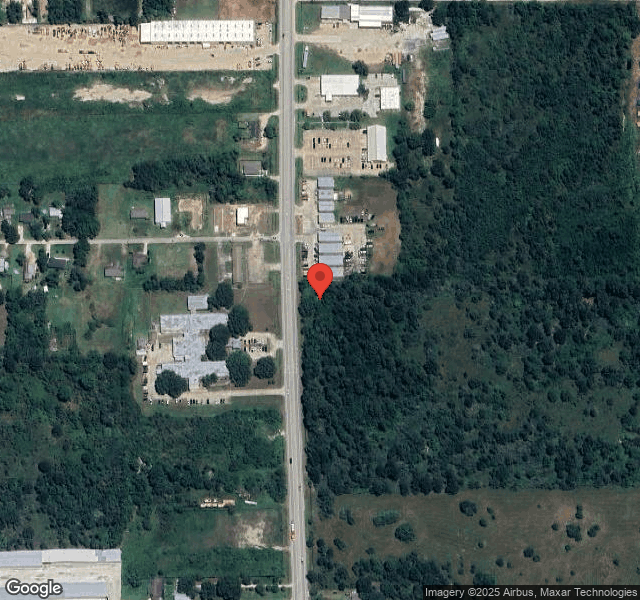
710 HWY 359 S, BROOKSHIRE, TX 77423 (281) 375-5272
Government - Hospital district 130 Beds Independent Data: November 2025 1 Immediate Jeopardy citation
Trust Grade
18/100
#999 of 1168 in TX
Last Inspection: December 2024

Within standard 12-15 month inspection cycle. Federal law requires annual inspections.

Overview

Harmony Care at Brookshire has received a Trust Grade of F, indicating significant concerns and a poor reputation among facilities. Ranked #999 out of 1168 in Texas, they sit in the bottom half of nursing homes in the state, though they are the only option in Waller County. Fortunately, the facility is showing signs of improvement, as the number of issues reported has decreased from 20 in 2024 to just 5 in 2025. However, staffing is a notable weakness, with a low rating of 1 out of 5 stars, despite a turnover rate of 0%, which is good compared to the state average. Serious incidents include a critical failure to administer medication correctly, resulting in a resident being hospitalized for an overdose, and a failure to manage pain properly for another resident, which could lead to unnecessary suffering. Overall, while there are some positive staffing trends, the critical care issues and low trust grade raise significant red flags for prospective families.

Trust Score
F
18/100
In Texas
#999/1168
Bottom 15%
Safety Record
High Risk
Review needed
Inspections
Getting Better
20 → 5 violations
Staff Stability
○ Average
Turnover data not reported for this facility.
Penalties
✓ Good
$25,128 in fines. Lower than most Texas facilities. Relatively clean record.
Skilled Nurses
⚠ Watch
Each resident gets only 24 minutes of Registered Nurse (RN) attention daily — below average for Texas. Fewer RN minutes means fewer trained eyes watching for problems.
Violations
⚠ Watch
38 deficiencies on record. Higher than average. Multiple issues found across inspections.
★☆☆☆☆
1.0
Overall Rating
★☆☆☆☆
1.0
Staff Levels
★★★☆☆
3.0
Care Quality
★★☆☆☆
2.0
Inspection Score
Stable
2024: 20 issues
2025: 5 issues

The Good

  • Full Sprinkler Coverage · Fire safety systems throughout facility
  • No fines on record

Facility shows strength in fire safety.

The Bad

1-Star Overall Rating

Below Texas average (2.8)

Significant quality concerns identified by CMS

Federal Fines: $25,128

Below median ($33,413)

Moderate penalties - review what triggered them

The Ugly 38 deficiencies on record

1 life-threatening 1 actual harm
Sept 2025 2 deficiencies
CONCERN (E) 📢 Someone Reported This

A family member, employee, or ombudsman was alarmed enough to file a formal complaint

Potential for Harm - no one hurt, but risky conditions existed

Deficiency F0943 (Tag F0943)

Could have caused harm · This affected multiple residents

Based on observation, interviews, and record review, the facility failed to ensure that all staff were trained in the procedures for reporting abuse, neglect, exploitation, or misappropriation of resi...

Read full inspector narrative →
Based on observation, interviews, and record review, the facility failed to ensure that all staff were trained in the procedures for reporting abuse, neglect, exploitation, or misappropriation of resident property for 6 of 6 facility employees reviewed for training. The facility failed to provide training on the identity of the Abuse Coordinator and the procedures for reporting abuse. This deficient practice has the potential to affect all residents by placing them at risk for unrecognized or unreported abuse due to staff being unaware of who to report to and how to initiate the facility's abuse reporting process. Observation 09/13/2025 @ 2:40pm, during the onsite visit, revealed the facility had not update the signage and posting of the facility's Abuse Coordinator. The posting reflected the Former Abuse Coordinator, who was terminated on 08/19/2025, contact information.During interview on 09/13/2025 @ 1:00pm with DON, stated that the Former Abuse Coordinator was terminated 08/19/2025. She stated the in - service was usually provided by the administrator. She stated the facility failed to provide training on the identity of the Abuse Coordinator and the procedures for reporting abuse. She stated that signage and posting had not been updated but would be updated following the interview. She stated failure to updated and train staff of the Abuse Coordinator could have potentially affected the residents by placing them at risk for unreported abuse. During telephone interview on 09/13/2025 @ 2:35pm with the facility's VP of Operations, he stated that the prior facility Administrator/ Abuse Coordinator was terminated on 08/19/2025. He stated the facility had no full-time Abuse Coordinator since 08/19/2025. He stated the facility was responsible and had not provided training on the identity of the Abuse Coordinator and the procedures for reporting abuse. He stated he would be the identified facility Abuse Coordinator; staff would be informed and trained regarding the process and who to contact. He stated the signage and posting with updated Abuse Coordinator's contact would be updated following the interview.During staff interviews on 09/13/2025, 6 out of 6 direct care staff members (CNA S, CNA O, CNA T, Nurse A, Nurse J, Nurse I) were unable to identify the facility's designated Abuse Coordinator. Staff stated they had not received recent or updated in-service training on abuse reporting protocols or on the identity of the person responsible for handling abuse allegations.The training records or sign-in sheets showing that Abuse Coordinator training had been conducted within the last 30 days, were requested from the facility's VP of Operations on 09/13/2025 at various times (2:35pm, 3:30pm, 5:34pm). The facility failed to provide the requested documentation.
CONCERN (F) 📢 Someone Reported This

A family member, employee, or ombudsman was alarmed enough to file a formal complaint

Potential for Harm - no one hurt, but risky conditions existed

Administration (Tag F0835)

Could have caused harm · This affected most or all residents

Based on interviews and record review, the facility failed to ensure effective administration to maintain the highest practicable well-being of each resident. The facility operated without an administ...

Read full inspector narrative →
Based on interviews and record review, the facility failed to ensure effective administration to maintain the highest practicable well-being of each resident. The facility operated without an administrator from 08/20/25 to 09/13/25, in the 1 of 1 facility reviewed for administration.Record review of personnel records revealed the Former Administrator was terminated on 08/19/2025, there was no record of a licensed interim or permanent replacement appointed from the period of 08/20/2025 - 09/13/2025. During an interview on 09/13/2025 @ 10:30am with the nurse supervisor, she stated that the facility had not had a facility administrator, since 08/2025. She stated that DON, who was not a state-licensed nursing home administrator, was informally made responsible for the Administrator's tasks. During interview on 09/13/2025 @ 1:00pm with DON, stated that the prior facility administrator was terminated 08/19/2025. She stated she was not aware if Human Resources staff had documentation of a designated full-time acting Administrator since the prior Administrator was terminated. She stated that she was informed the facility had a thirty-day window period to hire an Administrator; and a new Administrator was expected to start at the facility on 09/ 29/ 2025. She stated that administrative duties were reassigned informally among the facility department heads. She stated the VP of Operations holds a state administrator license and had been in contact with the department heads. Attempted telephone interview on 09/13/2025 @ 1:45pm with Human Resources Staff was unsuccessful; voicemail requested a return follow up call. During telephone interview on 09/13/2025 @ 2:35pm with the facility's VP of Operations, he stated that the Former Administrator was terminated on 08/19/2025. He stated the facility had no full-time, state-licensed nursing home Administrator on staff since the Former Administrator was terminated. He stated that the facility had a thirty-day window to hire an Administrator; and a new licensed administrator was hired and expected to assume Administrator role and duties on 09/ 29/ 2025. He stated the facility department's heads were provided with his contact information. He stated that he holds a state administrator license and had last visited the facility on 08/19/2025. He stated nursing leadership (DON and department heads) had been in regular communication with him via a group text message created. He stated the DON and department heads were not licensed administrators. During interviews on 09/13/2025 at various times, staff (CNA S, CNA O, CNA T, Nurse A, Nurse J, Nurse I) stated that the facility had not had a facility administrator, since 08/2025 and they were not aware of a designated acting Administrator responsible for carrying out administrative duties. Staff interviews confirmed that several administrative duties had been reassigned informally to the facility's DON. The staff stated that the DON was the person they report to for administrative issues that presented since the Former Administrator left the facility.During interviews on 09/13/2025 at various times, residents (1, #2, #3, #4 and #5) stated that they did not know who the Administrator was since the Former Administrator left. Residents reported no immediate safety concerns. All residents interviewed stated they would report any concerns to the facility DON. The signed Administrator's job description was requested from the facility's VP of Operations on 09/13/2025 at various times (2:35pm, 3:30pm, 5:34pm) via telephone call and (5:06pm and 6:00pm) via email request. The facility failed to provide the requested document. The facility provided Policy, titled Administrator, revised March 2021, indicated in part:Policy Statement: A licensed Administrator is responsible for the day-to-day functions of the facility.Policy Interpretation and Implementation: (g). ensuring that an adequate number of personnel are employed to meet resident needs. (i). maintaining his/her license on a status as required by law and maintaining a copy of such license or registration on premises. (d). implementing established resident care policies, personnel policies, safety and security policies, and other operational policies and procedures necessary to remain in compliance with current laws, regulations, and guidelines governing long-term care facilities.
Jul 2025 2 deficiencies
CONCERN (D) 📢 Someone Reported This

A family member, employee, or ombudsman was alarmed enough to file a formal complaint

Potential for Harm - no one hurt, but risky conditions existed

Safe Environment (Tag F0584)

Could have caused harm · This affected 1 resident

**NOTE- TERMS IN BRACKETS HAVE BEEN EDITED TO PROTECT CONFIDENTIALITY** Based on observations, interviews, and record reviews the facility failed to ensure residents had the right to a safe, clean, co...

Read full inspector narrative →
**NOTE- TERMS IN BRACKETS HAVE BEEN EDITED TO PROTECT CONFIDENTIALITY** Based on observations, interviews, and record reviews the facility failed to ensure residents had the right to a safe, clean, comfortable, and homelike environment including but not limited to receiving treatment and supports for daily living safely for 1 out of 2 residents (Resident #3) reviewed for environment. - The facility failed to ensure Resident #3's room was clean and a homelike environment. There was sheetrock debris and dust on the resident's floor and on her windowsill. - The facility failed to relocate Resident #3 to another room while sheetrock repair work was actively being performed in her room. This deficient practice could place residents at risk of environmental hazards such as airborne dust, construction debris, noise and physical risk which could lead to a decreased quality of life. Findings included: Record review of Resident #3's Electronic Health Record revealed a [AGE] year-old female with diagnoses including Dementia, Protein Calorie Malnutrition and Paralytic Syndrome (loss of muscle function, causing weakness or inability to move). Record review of the Resident #3's Quarterly MDS revealed a BIMS score of 03, which indicates severely impaired. Section GG of the MDS revealed the resident did not use any mobility devices and she required supervision or touching assistance (Helper provides verbal cues and/or touching/steadying and/or contact guard assistance as resident completes activity. Assistance may be provided throughout the activity or intermittently) with chair/bed-to-chair transfer. On 07/18/25 at 10:45am, surveyor observed Maintenance staff conducting Sheetrock repairs in Resident #3's room. The work included sanding drywall. There were larges pieces of debris observed on the windowsill of the room as well as on the floor beneath the window. The resident was present in the room and sitting in bed, within close proximity (about 4 feet) to the work area. In an interview on 07/18/25 at 10:50am, Resident #3 stated, It's loud and they usually have a fan. Due to the resident's cognition level, she was unable to answer additional questions that was asked by the surveyor. In an observation on 07/18/25 at 1:01pm, Maintenance staff were observed continuing to do repairs in Resident #3's room while the resident was in her room; pieces of debris and dust was located on the floor near the resident's window and on the windowsill. In an interview on 07/18/25 at 2:11pm, the ADON stated she was unaware of the exact work that was being completed in Resident #3's room but stated that work was active on only one side of the room and reported that the roommate that was closer to the repairs was moved to another room. When asked why both residents were not relocated to another room, she reported that they relocated the roommate that was on the side with the repairs and stated the administrator recommended when residents should be removed. The ADON stated they tried to keep residents out of their rooms when repairs were being completed but stated it was sometimes difficult because the residents were on the memory care unit. In an interview on 07/18/25 at 2:31pm, the Maintenance Director stated he was completing repairs in Resident #3's room. He stated the sheetrock was replaced, windowsill was taken out and he went in to start sanding the wall. He stated he began completing work in the room on Wednesday (07/16/25) and anticipated the work being completed by Tuesday (07/22/25) the following week. He stated he still needed to patch the sheetrock, texture the wall and paint. He stated he had not seen the resident that resided closest to the window since repairs had begun. He stated he was unsure of who had been moved out of the room. He stated the resident could have been relocated but he was unsure. He stated they tried to keep the residents out of the room but because they were in memory care, the residents sometimes wandered back into the room. In an interview on 07/18/25 at 2:46pm, the Administrator stated the wall in Resident #3's room was being repaired. She stated Resident #3 was not relocated to another room because they did not have anywhere to move her due to limited space. She stated they kept residents out of their rooms during the day while repairs were being completed. Record review of the facility's policy on Homelike Environment (Revised February 2021) read in part: . The facility staff and management maximize, to the extent possible, the characteristics of the facility that reflect a personalized, homelike setting. These characteristics include: a. Clean, sanitary and orderly environment
CONCERN (D) 📢 Someone Reported This

A family member, employee, or ombudsman was alarmed enough to file a formal complaint

Potential for Harm - no one hurt, but risky conditions existed

Deficiency F0925 (Tag F0925)

Could have caused harm · This affected 1 resident

Based on observations, interviews, and record review, the facility failed to maintain an effective pest control program so that the facility was free of pests for 2 of 5 hallways, (Hall 100 and Hall 4...

Read full inspector narrative →
Based on observations, interviews, and record review, the facility failed to maintain an effective pest control program so that the facility was free of pests for 2 of 5 hallways, (Hall 100 and Hall 400) and the conference room. The facility had live gnats in areas of the facility including Halls 100 and 400, and in the conference room. This failure could place residents at risk for resident health, safety and quality of life. Findings included: In an observation on 07/18/25 at 08:15am approximately 10 gnats were flying around the conference room. In an observation on 07/18/25 at 10:11am, approximately 12 gnats were observed near the dining area in Hall 100. In an observation on 07/18/25 at 12:58pm, approximately 5 gnats were observed flying throughout Hall 400. On 07/18/2025 at 1:11pm, the Pest control log for the last 90 days was requested from the Administrator. The pest control log was not provided. In an interview on 07/18/25 at 2:11pm, the ADON stated they recently had a problem with gnats but reported things had gotten better; it used to be worse. She also reported she educated staff on picking up food trays as soon as residents were done eating to help control the issue. She stated pest control did go to the facility, but she was not sure how often. In an interview on 07/18/25 at 2:31pm, the Maintenance Director stated pest control came out once a month unless they were called out more specifically. He stated he was not aware that there was an issue with gnats because no one had informed him that there were any issues. In an interview on 07/18/25 at 2:46pm, the Administrator confirmed the last pest control visit occurred on Tuesday (July 15, 2025). She stated she was not aware of any current complaints regarding pests or gnats in the building and did not mention any additional follow-up since that date. Record review of the facility's verification of service, receipt of consumer information sheet for pest control reflected the date of service and locations treated was unclear on the form. Record review of the facility's pest control policy (Revised May 2008), reflected Policy Statement: 1. This facility maintains an on-going pest control program to ensure that the building is kept free of insects and rodents
Feb 2025 1 deficiency 1 IJ
CRITICAL (J) 📢 Someone Reported This

A family member, employee, or ombudsman was alarmed enough to file a formal complaint

Immediate Jeopardy (IJ) - the most serious Medicare violation

Pharmacy Services (Tag F0755)

Someone could have died · This affected 1 resident

**NOTE- TERMS IN BRACKETS HAVE BEEN EDITED TO PROTECT CONFIDENTIALITY** Based on observation, interview, and record review the facility failed to provide pharmaceutical services to include procedures ...

Read full inspector narrative →
**NOTE- TERMS IN BRACKETS HAVE BEEN EDITED TO PROTECT CONFIDENTIALITY** Based on observation, interview, and record review the facility failed to provide pharmaceutical services to include procedures that assured the accurate administration of all drugs to meet the needs of each resident for 1 of 7 residents (Resident # 1) reviewed for pharmacy services. The facility failed to ensure that Resident # 1 received her prescribed medication, Midodrine, according to physician's orders on 2/9/2025. Resident #1 was administered 10 tablets of Midodrine (medicationused to treat low blood pressure) instead of the ordered one tablet. Resident # 1's blood pressure was 189/96 before being transported to the hospital for an overdose of Midodrine An Immediate Jeopardy (IJ) was identified on 2/13/2025. While the IJ was removed on 2/14/2025, the facility remained out of compliance at a scope of isolated with potential for more than minimal harm that is not immediate jeopardy, due to the facility's need to evaluate the effectiveness of the corrective systems. These failures could place all residents at risk of drug diversion, health decline, and/or death. Findings include: Record review of Resident # 1's face sheet date 2/11/2025, revealed she was admitted to the facility on [DATE]. Resident # 1's diagnoses included: dementia ( condition characterized by progressive or persistent loss of intellectual functioning, diabetes ( chronic condition that affects the way the body processes blood sugar), hypotension ( a condition where the blood pressure is lower than normal), psychosis (a mental health condition characterized by a loss of contact with reality), lack of coordination (a condition that affects the ability to control and execute movements smoothly and accurately) and hypertensive heart disease with heart failure (a condition where high blood pressure (hypertension) over time damages the heart muscle, leading to an inability of the heart to pump blood effectively) Record review of Resident # 1's Quarterly MDS dated [DATE] revealed she was capable of making herself understood; she had a BIMS score of 6 (severely impaired cognition), she did not exhibit behaviors related to rejection of care; she did exhibit wandering behaviors (1 to 3 days); she required supervisions for bed mobility, transfer, eating, and toilet use; she required set-up with bed mobility, transfer and toilet use; she did not require setup or physical help from staff with eating; she was not incontinent of bowel and bladder. Record review of Resident # 1's care plan, revised on 10/3/2024 revealed the following care: * Resident # 1 has impaired cognition and is at risk for further decline and injury AEB. Goal: Resident # 1 needs will be met, and dignity maintained over the next 90 days. Interventions: All time for task and responses; explain all procedures using terms/gestures the resident can understand; and involve in care to maintain or increase level of independence. * Resident # 1 was at risk for Stroke. Goal: Resident # 1 will remain free of Stroke like symptoms. Interventions: if symptomatic, perform Cincinnati Prehospital Stroke evaluation. * Resident # 1 has an adverse reaction to medication. Goal: Resident will be monitored for symptoms related to the adverse reaction due to polypharmacy. Interventions: add medication to tolerance list until allergy can be confirmed; administer allergy medication per facility protocol or standing order; evaluate breathing; and evaluate circulation. Record review of Resident #1's physician's orders for February 2025 revealed the following active medication orders: * Aldactone Oral Tablet 25 MG (Spironolactone). Give 1 tablet by mouth one time a day related to Edema. Active: 11/2/2024 * Furosemide Oral Tablet 40 MG. Give 1 tablet by mouth one time a day for Edema. Active: 10/1/2024 * Melatonin Oral Tablet 3 MG. Give 1 tablet by mouth at bedtime related to Insomnia. Active 10/1/2024 * Midodrine HCL Oral Tablet 10 MG. Give 10 mg by mouth three times a day for hypotension hold if systolic blood pressure is over 120. Active date: 2/10/2025 * Polyethylene Glycol 3350 Powder. Give 1 scoop by mouth one time a day related to Constipation. Active 10/2/2024 * Trazadone HCL Tablet 50 MG. Give 1 tablet by mouth at bedtime related to Generalized, Anxiety Disorder. Active 10/2/2024 Record review of Resident #1's physician's orders for February 2025 revealed the following discontinued medication orders: * Midodrine HCL Oral Tablet 10 MG. Give 10 tablet by mouth three times a day for hypotension hold if systolic blood pressure is over 120. Start date 1/2/2025 and Discontinued date 2/9/2025. * Black box warning for Midodrine - Appropriate use Because midodrine can cause marked elevation of supine blood pressure, it should be used in patients whose lives are considerably impaired despite standard clinical care. The indication for use of midodrine in the treatment of symptomatic orthostatic hypotension is based primarily on a change in a surrogate marker of effectiveness, an increase in systolic blood pressure measured 1 minute after standing, a surrogate marker considered likely to correspond to a clinical benefit. * Dose Warning: This order is outside of the recommended dose or frequency Midodrine HCl Oral Tablet 10 MG. Give 10 tablet by mouth three times a day for hypotension hold if SBP greater than 120. The dosing regimen of 10 tablets 3 times per day exceeds the usual dosing regimen of 0.25 tablet daily to 1.75 tablets 3 times per day. The single dose of 10 tablets exceeds the maximum single dose of 1.75 tablets. The usual dosing regimen is 0.25 tablet daily to 1.75 tablets 3 times per day. Record review of order details revealed, dated 1/2/2025, revealed Midodrine HCL Oral Tablet. Give 10 tablet by mouth three times a day for hypotension; hold if systolic blood pressure is above 120. Record review of nurses note, dated 2/9/2025, revealed MA A administered 100 mg of Midodrine instead of 10 mg to Resident # 1 and prior to MA A administering this medication Resident # 1 blood pressure was 110/53 at 9:25 pm. Resident # 1 blood pressure was 189/96 at 10:10 pm. Record review of medication administration record revealed on 2/9/2025 at 9:00 pm there was no documentation for the administering of Midodrine. Record review of medical records from a local hospital revealed Resident # 1 was admitted on [DATE] with a diagnosis of drug overdose, accidental or unintentional with blood pressure 191/99. The admitting physician documented unsure why Resident # 1 was on Midodrine given documented history of hypertension, reportedly patient received 100 mg of Midodrine instead of usual 10 mg. In an interview on 2/11/2025 at 10:30 am, Medical Director stated he were not the attending physician for Resident # 1. He stated that he was aware Resident # 1 was administered medication in error by a MA. He stated that Resident # 1 was administered Midodrine in error. He stated that a resident was given to much Midodrine and the adverse consequences could result in altered mental status, respiratory distress, neurological changes, nausea, and vomiting. He stated that he expected the Nurses and MA's to administer medication as ordered, review medication, and give medication correctly. In a telephone interview on 2/11/2025 at 10:45 am, EMS staff stated that Resident # 1 was administered an overdose of Midodrine. She stated that when EMS arrived at the nursing facility Resident # 1's blood pressure was 189/96. She stated she was told that Resident # 1 was given 100 mg of Midodrine instead of the 10 mg. She stated that she spoke with MA A who stated she gave Resident # 1 10 tablets of Midodrine. She stated that MA A told her this medication was given to Resident # 1 at 9:25 pm. She stated that the nursing facility did not contact EMS until 10:10 pm. She stated that Resident # 1 was transported to a local hospital. She stated that when Resident # 1 arrived at the local hospital Resident # 1's blood pressure was 191/99. In an interview on 2/11/2025 at 3:02 p.m., Nurse E stated that on 2/9/2025 MA A showed her the orders for Resident # 1 and the written order revealed to administer 10 tablets. Nurse E stated that MA A told her that she had given Resident # 1 10 Midodrine tablets. She stated that she immediately informed Nurse B as she was the supervisor. She stated if a resident was administered too much Midodrine the adverse consequences can be stroke, myocardial infarction and the blood pressure will go up. In an interview on 2/11/2025 at 3:09 pm Nurse B she stated that on 2/9/2025 at approximately 9:00 p.m. MA A informed her that she gave Resident # 1 medication incorrectly. She stated that MA A administered 10 Midodrine tablets to Resident # 1. She stated that she reviewed Resident # 1's orders in the PCC and the written orders reflected: 10 Midodrine (10 mg) tablets 3 times a day; hold if systolic blood pressure is over 120. She stated that she checked Resident # 1's blood pressure and it was 125/could not remember the diastolic number. She stated that 911 was contacted immediately. She stated that when EMS arrived Resident # 1's blood pressure was 189/she stated she could not remember the diastolic number. She stated that the order on the blister pack was Midodrine 10 mg- give 1 tablet three times a day hold if systolic blood pressure is higher than 120. She stated if a resident was administered too much Midodrine the adverse consequences can be increased blood pressure and this could result in a stroke. In an interview on 2/11/2025 at 3:40 p.m. Nurse A stated that MA A asked her to look at the medication. She stated that MA A told her that she gave Resident # 1 10 Midodrine tablets. She stated at the time of this incident Resident # 1's blood pressure was 125/could not remember diastolic number. She stated that EMS arrived 20 minutes later and Resident # 1's blood pressure was 189/96 and Resident # 1 was transported to the local hospital. She stated if a resident is administered to much Midodrine the adverse consequences are hypertension, feeling dizzy, headache and heart failure. In an interview on 2/11/2025 at 3:59 p.m., ADON A she stated that she was the nurse who took the orders and entered the orders in the system. She stated that the NP ordered Midodrine 10 mg three times a day to be given if they systolic is below 120. She stated that she did not realize that she entered 10 tablets instead of 10 mg. She stated if a resident is administered to much Midodrine the adverse consequences are high blood pressure could result in a stroke. In an interview on 2/11/2025 at 4:19 pm, Pharmacy Consultant, stated that she did not recall reviewing Resident # 1's medication regiment. She stated that she reviews the medication regiment and she makes sure they have the correct diagnosis and dosages. She stated that she reviews PCC and the blister packs. She stated that she reviews the medication remotely and she must have seen 10 mg instead of 10 tablets. She stated if a resident is administered to much Midodrine the adverse consequences are hypertension, headaches, and dizziness. In an interview on 2/11/2025 at 4:35 p.m. MA A she stated that Resident # 1 orders read administer 10 tablets of Midodrine. She stated that she administered 10 tablets of Midodrine to Resident #1. She stated that she took Resident # 1's blood pressure and it was 110/50 something. She stated that she looked at the MAR and per the MAR she was to hold the Midodrine as Resident # 1's blood pressure was not over 120. She stated that she was told to follow the directives as listed on the MAR and she popped 10 tablets from the blister pack and she administered 10 tablets to Resident # 1. She stated that she thought orders on the MAR was wrong, but she had administered the medication to Resident # 1. She stated if a resident is administered to much Midodrine the adverse consequences are high blood pressure, stroke or heart attack. In an interview /observation on 2/11/2025 at 5:15 p.m. Resident # 1 stated that she was well. Resident # 1 was fixing the linen on her bed. Resident # 1 did not have any knowledge regarding her medication. She stated that she did not have any concerns. In an interview on 2/12/2025 at 11:05 a.m., NP revealed her to deny making a verbal order for 10 tablets of Midodrine three times a day. She stated that she ordered 10 mg of Midodrine three times a day hold if the systolic blood pressure is over 120. She stated that giving Resident # 1 10 Midodrine tablets could have caused Resident # 1 to have high blood pressure and a stroke. She stated that she was told that Resident #1 was given 10 Midodrine tablets. She stated that she ordered for Resident # 1 to be sent to the hospital immediately. In an interview on 2/12/2025 at 12:48 p.m., MA B stated that she was trained to follow the MAR. She stated that if the MAR and blister are not matching, she would tell the nurse. She stated that Midodrine was given to residents who have hypotension. She stated that before Midodrine was administered the MA or nurse must follow the parameters. She stated before administering Midodrine the resident's blood pressure must be checked, and the blood pressure must be within the parameter on the resident's order. She stated that she has administered Midodrine to Resident # 1 and she stated she did not notice the order on the MAR said 10 tablets. She stated that was an error. She stated that as a MA she knows that it is not normal to give a resident 10 tablets out the same blister pack. She stated that normally residents will receive one or two pills out the same blister pack. In an interview on 2/12/2025 at 1:04 p.m., Nurse C stated Midodrine was used to elevate the blood pressure. She stated that residents normally get 1 tablet and 5-10 mg. She stated that if a resident is administered to much Midodrine the resident's blood pressure is rise quickly and this can lead to a stroke. She stated that vital signs will change immediately. She stated if this order was put into the MAR incorrectly the nurse will receive an error message. She stated the management team was responsible for monitoring the orders and making certain the MAR and the blister pack matches. In an interview on 2/12/2025 at 1:18 pm, Nurse D stated she has worked with Resident # 1. She stated that Resident # 1 took Midodrine for hypotension. She stated that Resident # 1 took 10 mg of Midodrine one tablet, three times a day. She stated that the parameters were hold if the systolic blood pressure is more than 120. She stated that the protocol for administering medication is ensure it was the right person, right medication, and right dosage. She stated that if a resident is given to much Midodrine the resident's blood pressure will be high and this can lead to a stroke and/or heart attack. In an interview on 2/12/2025 at 1:42 p.m., Nurse J once she received a verbal order from the NP or physician she must verify the order by repeating the order to the doctor. She stated that when she put the order in PCC she must verify and make certain the order was correct. She stated that Midodrine is used for residents that have low blood pressure and it has parameters. She stated that the normal dosage for is 5 to 10 mg it depends on the order. She stated that the blood pressure must be checked prior to administering the Midodrine. She stated that the adverse consequences are headaches, nose bleeds, dizziness, and a stroke. In an interview on 2/12/2025 at 1:57 p.m., the DON, revealed that she was made aware of the Midodrine situation on 2/10/2025. She stated that the nurse called and texted her on 2/9/2025, however, she did not hear her phone ring as it was late. She stated that the normal range for Midodrine is 5mg-20 mg to be given if the systolic is with 110-120 parameters. She stated that she was told that Resident # 1 was administered 10 tablets of Midodrine. She stated that this could have cause Resident # 1's blood pressure to elevate and possibly a stroke. The DON stated that she should get a report of the irregularities identified on the MRR. She stated that the if the medication is different between the MAR and the blister pack staff should clarify before giving the medication to the resident. She stated that the MA's should inform the nurse if there any medication discrepancies. The nurse should clarify any medication discrepancies with the resident's physician and/or nurse practitioner. In an interview on 2/12/2025 at 2:18 p.m., the Administrator, stated that he was notified on 2/9/2025 that Resident # 1 was sent out to the hospital. He stated that on 2/10/2025 he was made aware that it was a medication error and Resident # 1 was given more medication than the card stated. He stated Resident #1 was sent out to the hospital immediately. He stated that the medication was not self-reported because at the time there was no indication of an allegation of abuse and no indication of neglect and there were no adverse situation that occurred. The Administrator stated that the following was taken: every resident was audited on Midodrine for accuracy, education transcript for nurses, the rights of administration for the nurses and MA's, MA A and ADON A received one on one education and disciplinary action, an ADHOC QAPI meeting, and abuse and neglect in service. The Administrator stated that he expected that if there was a medication error, staff assess patient, document, notify the physician or NP, notify the resident's family, and notify the DON. In a follow up interview with ADON A on 2/12/2025 at 3:24 p.m. she stated that on 2/10/2025 she was in serviced on the 10 rights of Drug Administration which include right time, right frequency, right dosage and right medication. She stated she was also in serviced on transcribing to include repeating the orders back to the NP and/or physician and double-checking orders when putting the orders in PCC. She stated she also had skills check training which consisted of passing medication to include checking the MAR and blister pack and making certain she gave the right medication to the right patient. In a follow up interview with MA A on 2/12/2024 at 3:33 p.m. MA A stated that on 2/10/2025 she was in serviced on the 10 Rights of Drug Administration to include right time, right resident, right drug, right dosage and resident history. MA A stated that she was in serviced on Midodrine and she stated Midodrine is a medication that raised blood pressure and has parameters. In an interview on 2/12/2025 at 3:42 p.m., MA C stated that she has administered Midodrine to Resident # 1. She stated Midodrine was given to residents who have hypotension. She stated if a resident is administered to much Midodrine the adverse consequences for the resident is shock and high blood pressure. She stated that Resident # 1 has orders for Midodrine 10 mg (1 tablet) three times a day and the parameters are to hold the medication if Resident # 1's systolic blood pressure is higher than 120. She stated that when giving a resident medication she reviews the MAR and blister pack. MA C stated she did not notice Resident # 1's orders on the MAR read 10 tablets. MA C stated that on 2/10/2025 she was in serviced on the 10 Rights of Drug Administration to include right drug, right patient, right dosage, evaluation, and right to refuse. She stated that on 2/10/2025 she was in serviced on the medication Midodrine. An Immediate Jeopardy (IJ) was identified on 2/13/2025 at 12:35 pm, due to the above failures. The Administrator and DON were notified. The Administrator and DON was provided the IJ template at 12:37 pm. The following Plan of Removal was submitted by the facility and was accepted on 2/13/2025 at 6:37 pm: Plan of Removal F755 Resident was administered 100mg of Midodrine instead of the verbally ordered amount of 10mg. Resident assessed by LVN and sent to ER for evaluation. (returned 2/11/2025) Family called MD/NP notified. Audit all Midodrine orders by DON 2/10/2025 Resident #1 medication clarified/fixed 2/10/2025 (ultimately discontinued upon hospital return) Notify Medical Director 2/10/2025 11:03am brief QAPI discussion to establish plan (this) New orders will be reviewed by DON/designee daily to ensure accurately transcribed and that the computerized order matches the medication card. Results of these audits will be discussed in morning meeting and any discrepancies will be rectified immediately. LVN disciplinary action and 1:1 education 2/10/2025 related to transcription and medication administration to ensure the computerized order matches the medication card. MA disciplinary action and 1:1 education 2/10/2025 related to medication administration to ensure the computerized order matches the medication card. MA removed from MA role as of 2/10/2025 until further education and training occurs and she successfully completes 3 competency checks by DON. Facility MAs and nurses re-educated on medication administration started 2/10/2025 by the DON. Education was completed on 2/11/2025 and staff not allowed to work without training completion. The education consisted of right person, right time, right dosage, right route, right drug. Also included matching computerized order to medication card. Nurses and MAs were provided education and post-test for Midodrine administration specifically by the DON on 2/10/2025 and no one can return to work unless education has been completed. Nurses re-educated on transcription of orders/meds started 2/10/2025 by the DON. Education was completed on 2/11/2025 and staff not allowed to work without training completion. This education consisted of rights as well as repeating back to prescriber for accuracy. Notified Pharmacy Consultant by DON 2/11/2025 and will review all active residents' entire medication regimen monthly and provide verbal and written reports for verification. Next visit scheduled for week of 2/17/2025. Abuse, Neglect & Exploitation re-education started 2/11/2025 by the DON for all active staff members to include types, coordinator, and notification. This was completed on 2/11/2025 and staff may not return to work until the education is completed. Full Ad hoc QAPI 2/11/2025 with Medical Director present DON audit all new orders from 2/1-2/11/2025 on 2/11/2025 with no inaccuracies found. DON/designee to complete 100% audit of all medications for all current residents completed 2/13/2025 with no discrepancies identified. Policies Reviewed with no changes required: Abuse, Neglect and Exploitation, Medication Administration, Medication Orders, Medication Regimen Review. Monitoring for implementation of the POR was conducted on 2/14/2025: In a telephone interview on 2/14/2025 at 10:30 am MA D stated that she was in serviced on 2/10/2025. She stated that she was in serviced on 10 Rights of Drug Administration to include right drug, right patient, and right dosage. She stated that was in serviced on passing medication to include making certain the MAR and the blister packs match. She stated if the MAR and the blister pack does not match, she must report it to the nurse. She stated that she was in serviced on Midodrine to include what the medication is for and the parameters. In an interview on 2/14/2025 at 2:42 pm Nurse F stated she received an in -service on 2/10/2025 regarding 10 Rights of Drug Administration, Midodrine, Medication Administration and Medication Transcribe. She stated that 10 rights of drug administration include right medication, right patient, right time, right dosage, and right documentation. She stated that when taking orders from NP or physician she must repeat the order back to the NP/physician. She stated that if there any discrepancies with the residents orders she must contact the NP or physician. In an interview on 2/14/2025 at 3:15 pm with Nurse G he stated he was in serviced on 2/10/2025. He stated he was in serviced on Medication transcription, 10 rights of drug administration, medication administration and Midodrine. He stated that Midodrine is a medication used mainly with residents who have hypotension, and this medication is used to raise blood pressure. He stated that the normal dosage 1 tablet and 5-10 mg. He stated that this medication is administered based on the parameters. He stated the rights of drug administration include right medication, right patient, right medication, right dosage, right [NAME], right time, right documentation, history, assessment and evaluation. In an interview on 2/14/2025 at 3:27 pm with ADON B she stated she in serviced the Nurses and MA's on 2/10/2025. She stated that the in-services were 10 Rights of Drug Administration and Midodrine. She stated that staff were in serviced to follow upon each medication. If there is a discrepancy between the blister pack and the MAR staff should notify the nurse manager immediately prior to administering the medication. She stated that she in serviced the Nurses and CMAs on the medication Midodrine. Staff was in-serviced that Midodrine is used to treat low pressure and each Midodrine should have parameters. She stated she was in serviced on medication transcription and administration. In a telephone interview on 2/14/2025 at 3:45 p.m., Nurse A she stated she was in serviced on 2/12/2025. She stated that she was in serviced on the medication Midodrine, 10 Rights of Drug Administrations, and Medication Administration. She stated that the in services covered transcribing to include repeating the orders back to the NP or physician. She stated that if there is a medication the on-call physician should be contacted immediately. She stated that she was in services on the 10 rights of medication to include right patient, right medication, right dose, right route, right documentation, and right time. In an interview on 2/14/2025 at 3:50 pm, Nurse H stated in serviced on 2/10/2025. She stated that she was in serviced on 10 Rights of Drug Administration, Midodrine, Medication Administration and Transcribe. Nurse H stated that the resident has the right to dignity, the right to refuse, the right to grievances. She stated that Midodrine is used to treat hypotension and when a resident is taking Midodrine there are parameters specific to that resident as ordered by the NP or physician. Nurse H stated that the adverse consequences of the medication Midodrine are high blood pressure, dizziness which could lead to elevated blood pressure and stroke. She stated that the 10 rights of medication-right patient, right medication, right dose, right route, right time and right documentation. She stated that when taking orders from the NP or physician the order must be read back to the NP or physician for accuracy. In an interview on 2/14/2025 at 4:10 pm, Nurse I stated she was in serviced on 2/10/2025. She stated that she was in serviced on Midodrine. She stated that Midodrine is used for low blood pressure. She stated that if a resident is given to much resident the adverse consequences could be heart failure. She stated that she in serviced on medication transcribing to include check order and make certain it the orders has the correct date, time, route and repeat the orders back to the physician. She stated she was in serviced on the 10 Right of Drug Administration to include right medication, right patient, right route, right time, and right to refuse. She stated that if a medication is given error the supervisor and NP need to be contacted immediately. In an interview on 2/14/2025 at 4:30 p.m., Nurse B stated she was in serviced on 2/10/2025. She stated that she was in serviced on Midodrine. She stated the order on the MAR must match the blister pack. She stated that Midodrine has parameters, and this must be notated on the MAR and the blister pack. She stated that when verbally receiving orders from the NP or physician she must repeat the order back for accuracy. She stated that was in serviced on Midodrine. She stated that Midodrine is given to residents who have low blood pressure. She stated that this medication must be administered according to the NP or physician's order. She stated that was in serviced on the 10 Rights of Drug Administration. Nurse B stated both in services were completed on 2/14/2025. In an interview on 2/14/2025 at 4:45 p.m., Resident # 1 stated she was well and she did not have any concerns. She stated did not know anything about her medication. She stated that staff administers the medication, and she could not remember anything else pertaining to her medication. Record review of the facility's Pharmscript policy dated (8/2020) revealed read in part .The consultant pharmacist provides consultation on all aspects of the provision of pharmacy services in the facility. In collaboration with facility staff, the consultant pharmacist helps to identify communicate, address and resolve concerns and issues related to the provision of pharmaceutical services. This includes, but not limited to:5 d) Assisting in the identification and evaluation of medication-related issues, including the prevention and reporting of medication errors and the provisions of and monitoring of the use of medication-related devices, 6a) reviewing the medication regiment of each resident at least monthly or [NAME] frequently under certain conditions, incorporating federally mandated standards of care in addition to other applicable professional standards as outlined in the procedure for medication regimen review, and documenting the review findings in the resident's medical record or in a steadily retrievable format if utilizing electronic documentation, 6g) reviewing medication administration records (MARs), treatment administration records (TARs) and physician orders to ensure proper documentation of medications orders and administration of medications to residents. Record review of the facility's Medication Regimen Review Verification (MRR) dated January 2025 revealed on 1/9/2025 the pharmacist consultant reviewed Resident # 1 MRR and documented Medication Regimen Review has been performed and any inappropriate findings were communicated to the Physician and Director of Nursing through the utilization of the Pharmaceutical Consultant Report. The current prescription therapy is considered appropriate at this time and any indicators concerning the Interpretive Guidelines will be addressed when clinical conditions warrant such attention. Record review of the facility's Nursing Policies and Procedures dated (revised 6/2019) revealed read in part The facility's nursing and pharmacy services will assess, monitor and evaluate the effectiveness of the therapeutic medication regimen including all drugs ( prescription and non-prescription) in order to enhance the resident's quality of life; 3) the authorized licensed or certified/permitted medication aide or by state regulatory or guidelines staff members follow the MAR prepared for the patient/resident/by identifying: a)right resident, b)right drug, c)right dose, d)right time, e) right route, f)right charting, g)right results and h) right reason, 4) The authorized licensed or certified /permitted medication aide or by state regulatory guidelines staff member identifies, that the following information, but not limited to, id documented on the MAR: a)correct physician's order, b)medication and label are correct, and c) label and physician's order are correct; 5) The authorized licensed or certified/permitted medication aide or by state regulatory guidelines staff member reads the label on the medication three (3) times: a)before removing the medication from the drawer, b) before pouring the medication and c)after pouring the medication;6) The authorized licensed or certified/permitted [NAME][TRUNCATED]
Dec 2024 14 deficiencies 1 Harm
SERIOUS (G) 📢 Someone Reported This

A family member, employee, or ombudsman was alarmed enough to file a formal complaint

Actual Harm - a resident was hurt due to facility failures

Deficiency F0697 (Tag F0697)

A resident was harmed · This affected 1 resident

**NOTE- TERMS IN BRACKETS HAVE BEEN EDITED TO PROTECT CONFIDENTIALITY** Based on observations, interviews, and record review the facility failed to ensure pain management was provided to residents who...

Read full inspector narrative →
**NOTE- TERMS IN BRACKETS HAVE BEEN EDITED TO PROTECT CONFIDENTIALITY** Based on observations, interviews, and record review the facility failed to ensure pain management was provided to residents who required such services consistent with professional standards of practice, the comprehensive person-centered care plan, and the residents' choices for 1 of 3 (Resident #29) residents reviewed for pain management. C.NA A failed to stop performing incontinent care while Resident #29 was in pain. C.NA A failed to notify the LVN B of Resident #29's pain in a timely manner after incontinent care in AM. This failure could place resident at risk for increased pain causing undo suffering. Findings included: Record review of Resident #29's face sheet, dated 12/05/2024, reflected the resident was [AGE] years old, female, and admitted to the facility on [DATE] with diagnoses of need for assistance with personal care, , pain, and unspecified osteoarthritis, unspecified site ( a degenerative joint disease, in which the tissues in the joint break down over time),. Record review of Resident #29's admission MDS, dated [DATE], reflected the resident's BIMS score was 3 out of 15, which indicated the resident had severe cognitive impairment. Further record review of the MDS revealed the resident was dependent to chair/bed-to-chair transfer and substantial/maximal assistance (helper does more than half the effort) to personal hygiene. Further record review of the MDS indicated Resident # 29 was frequent incontinent to bladder and bowel. Record review of Resident #29's care plan dated 10/23/24 reflected Resident #29 has an ADL self-care performance deficit, the goal was resident will improve current level of function in through the review date: Resident #29 requires total assist X1 for bathing/showering, dressing, bed mobility, eating, personal hygiene/oral. Toilet use, transfer and follow principles of infection control and universal precaution to incontinent care. Record review of physician's order dated 9/19/24 revealed Acetaminophen tablet 325 mg =Give 2tablets by mouth Q4 hours as needed for pain-Give 2 of 325mg tablets=650 mg Record review Resident #29's MAR documented Pain assessment dated [DATE] reflected Resident #29 used numerical scale. Administer medications as ordered if any pain verbalized/observed. No document of pain was administered. Record review of facility Pain assessment for months of November and December 2024 reflected Resident #29 did not have any documentation of have any pain. Record review of Nurses note dated 12/3/2024 at 5:00PM reflected Note Text: Received Doppler results indicating positive for deep venous thrombosis in the right popliteal and mid femoral, and left middle femoral veins. NP made aware. No new orders received at the moment. NP will be in the building to see the resident. RP made aware. Will continue with plan of care. Record review of physician's orders dated 12/5/24 revealed Tramadol HCl Tablet 50 MG, Give 0.5 tablet by mouth two times a day for moderate to severe pain Give 0.5 of 50 mg tablet = 25 mg Observation on 12/03/2024 at 8:33 AM CNA-A providing incontinent care to Resident #29. Resident #29 had left foot contracted to the knee, , left knee pressing resting on the right thigh. C.NA A undid the soiled brief, while repositioning Resident #29 to her right side to clean her, resident was grimacing, moaning and saying No, No in pain, CNA A did not stop performing incontinent care, she continued to clean while Resident #29 was in pain. C.NA A repositioned to her left side, Resident #29 was grimacing, moaning and said No, No in pain. While C.NA A was fastening Resident #29's clean brief resident was grimacing and moaning in pain. Interview on 12/03/2024 at 1:45 PM C.NA A said she just started working with facility in October 2024, she stated Resident #29 was in a lot of pain. Interview with LVN B on 12/03/24 at 4:45 PM LVN B said she was not aware of Resident #29 being in pain during incontinence care and she was going to assessed resident and notified the NP. LVN B did call NP and obtain doppler order. In an interview with the DON on 12/05/24 at 12:52 PM she stated CNA A should have stopped incontinent when resident was in pain. The DON stated nurses were instructed to monitor for pain every shift. She stated the negative effects for not monitoring residents' pain would be the pain would be unmanaged. Interview with PT on 12/5/24 at 1:37 PM she said Resident #29 started having pain to her left knee over the weekend and doppler was done and she had DVT and he was applying the knee brace to her left knee to prevent contracture. Record review of facility policy titled Clinical Care-Pain undated reflected that . Procedure: Recognition: Identify Pain and Pain Risk, Predisposing Conditions: 1. The physician and staff will identify individuals who have pain or who are at risk for having pain. This includes a review of known diagnoses or conditions that commonly cause or predispose resident/patients to pain, for example, degenerative joint disease, rheumatoid arthritis, osteoporosis (with or without vertebral compression fractures), diabetic neuropathy, oral or dental pathology, and post-stroke syndromes. It also includes a review of any current treatments for pain, including all complementary ( non-pharmacologic) treatments. Such assessments should occur on admission to the facility, periodically thereafter and, whenever there is a significant change in condition and at any time pain is suspected.
CONCERN (D) 📢 Someone Reported This

A family member, employee, or ombudsman was alarmed enough to file a formal complaint

Potential for Harm - no one hurt, but risky conditions existed

Deficiency F0583 (Tag F0583)

Could have caused harm · This affected 1 resident

**NOTE- TERMS IN BRACKETS HAVE BEEN EDITED TO PROTECT CONFIDENTIALITY** Based on observation, interview and record review, the facility failed to ensure the residents' rights to privacy for 2 (Residen...

Read full inspector narrative →
**NOTE- TERMS IN BRACKETS HAVE BEEN EDITED TO PROTECT CONFIDENTIALITY** Based on observation, interview and record review, the facility failed to ensure the residents' rights to privacy for 2 (Resident #168, and Resident 29) of 6 residents reviewed for personal privacy. The facility failed to ensure LVN A locked the computer screen, displaying the name of Resident #168's name and medications, while LVN A was in resident's room administering finger stick and insulin. -The facility failed to provide Resident #29 privacy when providing incontinent care. These failures could place residents' protected HIPAA information at risk of being shared place residents at risk of having their bodies exposed to the public, resulting in low self-esteem and a diminished quality of life. The findings included: 1. During an observation on 12/03/24 at 7:45 a.m., LVN A went into Resident 168's room, and performed a finger stick. LVN A left the computer screen open with Resident 168's medication information showing LVN A came out of the resident's room, prepared the insulin pen, returned to the resident's room, and administered the insulin to Resident #168. LVN A still left the computer screen open with the resident medication information visible. During an interview on 12/03/24 at 77:55 a.m., LVN A said she forgot to close or lock the computer so Resident #168's information would not be visible because it was a HIPAA issue. LVN A said Resident #168's information should only be seen by the staff not providing care or anybody the resident had permitted to look through her records. During an interview on 12/04/24 at 8:07 a.m., the Administrator said LVN A should have locked her computer and not display Resident 168's medical information. The Administrator said it was a HIPAA issue, and anybody could have seen Resident #168's information who did not have any reason to see the resident's information. During an interview on 12/05/24 at 2:59 p.m., the DON said LVN A should have locked the computer screen to prevent Resident #168's information from being revealed to anybody who walked past the computer screen because the resident's information should be private. 2. Record review of Resident #29's face sheet revealed reflected an 76-year- old female who was originally admitted to the facility originally on 09/19/2024. Resident #29 had with diagnoses anxiety disorder ( a condition that causes excessive worry and fear that interferes with daily life), need for assistance with personal care, constipation, unspecified, major depressive disorder, recurrent ( a mental health condition that involves persistent feelings of sadness, hopelessness, and a lack of interest in activities) severe with psychotic symptoms( a collection of symptoms that affect the mind , where there has been some loss of contact with reality),dementia ( a chronic condition that causes a decline in cognitive functioning, such as thinking, remembering and reasoning to the point that it interferes with daily life) and depressive disorders( a common mental disorder. it involves a depressed mood or loss of pleasure or interest in activities for long periods of time). Record review of Resident #29's admission MDS, dated [DATE], revealed reflected the resident had a BIMS score of 03 which indicated the resident's cognition was severely impaired. Further review revealed Resident #29 required substantial to maximal assistance with toilet hygiene and the resident was frequently incontinent of bowel and bladder. Record review of Resident #29's care plan dated 10/23/24 reflected Resident #29 has an ADL self-care performance deficit, the goal was resident will improve current level of function in through the review date: Resident #29 required total assist 1 person assist or bathing/showering, dressing, bed mobility, eating, personal hygiene/oral. Toilet use, transfer. Observation on 12/03/2024 at 8:33 AM. CNA A went over to the resident bed and proceeded to provide incontinent care for Resident #29 . C.NA A did not close entrance door to the room. Resident #29's roommate was in the room who was disoriented to person, place, and time, but was awake. C.NA A did not pulled the privacy curtain wrap at the foot of the bed while performing incontinent care. Interview on 12/03/2024 at 1:45 PM CNA-A said she forgot to provide privacy for Resident #29 during incontinent care because she became nervous and forgot to pull the resident privacy curtain. The Interview on 12/04/24 at 4:16 PM, with DON , she said all residents should be provided dignity and privacy during care and she would have in-services. The DON said her expectation was for all residents to be treated with dignity and respect. Record review of the Revised., 10/2023, Nursing Policy on Resident Rights reflected in part: All residents have right guaranteed to the, under federal and state laws and regulations. Each resident has the right to be treated with dignity and respect, These rights are grouped in the following categories: Dignity and respect . . Privacy and confidentiality .
CONCERN (D)

Potential for Harm - no one hurt, but risky conditions existed

Assessment Accuracy (Tag F0641)

Could have caused harm · This affected 1 resident

**NOTE- TERMS IN BRACKETS HAVE BEEN EDITED TO PROTECT CONFIDENTIALITY** Based on interview and record review the facility failed to accurately assess each resident's status for 1 of 5 Residents (Resid...

Read full inspector narrative →
**NOTE- TERMS IN BRACKETS HAVE BEEN EDITED TO PROTECT CONFIDENTIALITY** Based on interview and record review the facility failed to accurately assess each resident's status for 1 of 5 Residents (Resident #7) reviewed for assessment accuracy in that: Resident #7 MDS and care plan were in accurate in that was indentified as being on anti-coagulants/antiplatelets when she was not. This failure could place residents at risk of not receiving the proper care and services due to inaccurate records. Findings include: Record review of Resident #7's admission record dated 12/3/24 revealed a she was a [AGE] year-old female with an initial admission date of 1/11/23 and a re-admission date of 8/22/24 with diagnoses of unspecified fracture of left femur unspecified fracture of left femur (broken left thigh bone, where the exact location of the fracture on the femur is not specified) and Parkinson's Disease without dyskinesia (Dyskinesias are involuntary, erratic, writhing movements of the face, arms, legs or trunk). Record review of Resident #7's Annual MDS assessment dated [DATE] revealed she had a BIM score of 3 out of 15 indicating severe cognitive impairment. Resident #7 was dependent and required substantial/maximal assistance with ADL's. The MDS assessment revealed that Resident #7 was on an anticoagulant and antiplatelet. Record review of Resident #7's care plan revealed a care plan for Antiplatelet therapy. Date Initiated: 11/13/2023. Revision on: 11/13/2023. Target Date: 02/12/2025. Record review of Resident #7's physician order summary report for December 2024 revealed there were no physician orders for anticoagulant or antiplatelet medication to be administered. During an interview on 12/3/24 at 12:17 PM with the MDS Coordinator, she said that she used the RAI manual for the policy for MDS assessments. An interview on 12/5/24 with the DON, she said that Resident #7 was not on an anticoagulant or antiplatelet. She said that the medication was discontinued before the MDS was done, she said that she would have the care plan and MDS corrected. She said a negative outcome would be staff not knowing the risk involved in the resident's care. Record review of the CMS's RAI Version 3.0 Manual dated October 2024 read in part . the assessment accurately reflects the resident's status . the RAI process is designed to enhance resident care, increase .and promote the quality of a resident's life.
CONCERN (D)

Potential for Harm - no one hurt, but risky conditions existed

Comprehensive Care Plan (Tag F0656)

Could have caused harm · This affected 1 resident

**NOTE- TERMS IN BRACKETS HAVE BEEN EDITED TO PROTECT CONFIDENTIALITY** Based on interview and record review the facility failed to develop and implement a comprehensive person-centered care plan for ...

Read full inspector narrative →
**NOTE- TERMS IN BRACKETS HAVE BEEN EDITED TO PROTECT CONFIDENTIALITY** Based on interview and record review the facility failed to develop and implement a comprehensive person-centered care plan for each resident that includes measurable objectives and timeframes to meet a resident's medical, nursing, and mental and psychosocial needs and describes the services that are to be furnished to attain or maintain the resident's highest practicable physical, mental, and psychosocial well-being for 2 of 5 residents (Resident #22 and Resident #65) reviewed for care plans. The facility failed to ensure Resident #22's comprehensive care plan addressed hospice. The facility failed to ensure Resident #65's comprehensive care plan addressed residing on the memory care unit. This deficient practice could affect residents by contributing to inadequate care. The findings included: Record review of the facility admission Record dated 12/5/24 revealed that Resident #22 was a [AGE] year-old male with an initial admission date of 1/13/2023 and a re-admission date of 6/20/24. Resident #22 had diagnoses that included chronic obstruction pulmonary disease with acute exacerbation (a common lung disease that makes it difficult to breathe with a sudden worsening of COPD symptoms that lasts several days to weeks.) and encounter for palliative care (a specialized type of medical care that aims to improve quality of life for people with serious or life-threatening illnesses). Record review of Resident #22's Significant Change of Condition MDS assessment dated [DATE], revealed that Resident #22 had a Bim score of 13 out of 15 reflecting that he was cognitively intact or borderline with cognition. He required partial/moderate to supervision/touching assistance with ADL's. He also received hospice care which was reflected under special treatments/programs and procedures. Record review or Resident #22's care plan revealed a care plan for Do Not Resuscitate for his advanced directives date initiated 1/23/2023, revised on 9/25/24 with interventions that included to inform staff of code status, make sure code status is signed by appropriate parties and in the medical record and to monitor for decrease in change of condition-report to Medical Doctor and responsible party. Record review of the care plan revealed there was no care plan to address hospice care. Record review of Resident #22's December 2024 physician orders, an active order dated 7/12/2024 for hospice care consult. During an interview on 12/3/24 at 12:03 PM with the DON, she was asked if there was a comprehensive care plan for Resident #22 to address Hospice services, she said there was not but would have it added. An interview on 12/5/24 at 12:25 PM with the DON, concerning Resident #22, she said there was no risk of not having hospice on the comprehensive care plan because he was still receiving hospice. The DON acknowledged that there was no care plan for Resident #65 to address residing on the memory care unit during this time. She said that the care plan process is an interdisciplinary process with all management involved. She added that the negative outcome for the lack of a comprehensive care plan would be staff not knowing the risk involved in the residents' care and behaviors of elopement and wandering without the plan of care. Resident #65 Record review of the facility admission Record dated12/3/24 revealed that Resident #65 was a [AGE] year-old male, admitted on [DATE] with diagnoses that included encephalopathy (a general term for a brain disorder or disease that causes brain dysfunction) and Dementia without behavioral disturbances in other diseases classified elsewhere, Psychotic Disturbance, Mood Disturbance and Anxiety (this condition is characterized by moderate dementia that significantly impacts daily life and basic activities, requiring frequent assistance. Dementia without behavioral disturbances is less common than dementia with behavioral disturbances. Behavioral and psychological symptoms of dementia (BPSD) are a major part of dementia and include anxiety, agitation, depression, irritability, and more). Record review of Resident #65's admission MDS dated [DATE] revealed a BIM score of 3 out of 15, severe cognitive impairment. He was dependent to requiring substantial/maximal assistance with ADL's. Resident #65 was assessed to exhibit feelings of being down, depressed, or hopeless for several days and behavior of wandering, presence, and frequency 1 to 3 days. Record review of Resident #65's care plan revealed care plans to address depression: which read in part .Resident #65 has a history of depression and is at risk for episodes of depression, adverse reactions, and depression driven behaviors. Date Initiated: 10/21/2024. Revision on: 10/22/2024. Record review of the care plans also included a care plan to address elopement risk/wanderer. Date Initiated: 11/07/2024. Revision on: 11/07/2024 Record review of Resident #65's care plan revealed there was no care plan to address residing on the memory care unit. Record review of Resident #65's December 2024 physician orders revealed an active order May admit to Memory Care dated 10/24/2024. During an interview on 12/3/24 at 12:17 PM with the MDS Coordinator, she said that she used the RAI manual for the policy for MDS assessments and that in the case of Resident #65, the Social Worker would have added the portion about Resident #65 residing on the memory care unit. During an interview o 12/3/2024 at 12:35 PM with the Social Worker, he said that he is responsible for the behaviors, wandering and he usually has the area of residing on the memory care unit as an intervention in the elopement/wandering portion of the care plan, he said the importance was for safety, prevention of elopement and exit seeking behaviors to promote safety. Record review of the facility policy and procedure entitled Care Plans, Comprehensive Person-Centered, no date provided read in part .the Interdisciplinary Team (IDT), in conjunction with the resident and his/her family or legal representative, develops and implements a comprehensive, person-centered care plan for each resident .The care plan interventions are derived from a thorough analysis of the information gathered as part of the comprehensive assessment .the comprehensive, person-centered care plan will: Include measurable objectives and timeframes .Describe the services that are to be furnished to attain or maintain the resident's highest practicable physical, mental, and psychosocial well-being.
CONCERN (D)

Potential for Harm - no one hurt, but risky conditions existed

ADL Care (Tag F0677)

Could have caused harm · This affected 1 resident

**NOTE- TERMS IN BRACKETS HAVE BEEN EDITED TO PROTECT CONFIDENTIALITY** Based on observation, interview, and record review the facility failed to ensure a resident who was unable to carry out activiti...

Read full inspector narrative →
**NOTE- TERMS IN BRACKETS HAVE BEEN EDITED TO PROTECT CONFIDENTIALITY** Based on observation, interview, and record review the facility failed to ensure a resident who was unable to carry out activities of daily living (ADLs) received the necessary services to maintain nutrition, grooming and personal and oral hygiene for 2 of 6 residents (Resident #55 and Resident #28) reviewed for ADLs. The facility failed to ensure Resident #55, and Resident #28 was provided personal grooming(shaving) by facility staff. This failure could place residents at risk for discomfort, and dignity issues. Findings included: Resident #55 Record review of Resident #55's face sheet dated 12/03/24 revealed an [AGE] year-old female was admitted to the facility on 10//01/24. Resident #55 had diagnoses included: dementia (decline in thinking, remembering and reasoning), psychosis (lose touch with reality, heart failure(heart cannot pump enough blood to meet the body's needs), and anxiety disorder (experiences excessive feelings of fear, worry). Record review of Resident #55's admission MDS assessment dated [DATE] revealed Resident #55 had BIMS of 06 out of 15 which indicated severely impaired cognition. Further review revealed Resident #55 needed moderate assistance with ADLs. Record review of Resident 55's care plan dated 10/19/24 revealed Resident #55 had an ADL self-care performance. Interventions: - bathing/showing: The resident requires limited assistance by one staff. Personal hygiene: the resident requires supervision assist by one staff with personal hygiene. During observation and interview on 12/02/24 at 9:09 a.m., Resident #55 had white and black facial hair on her chain. Resident #55 said she needed to be shaved, and she told the aide who had showered her, but the aide did not shave her. Resident #55 said it may have been about a month since she last shaved when she came to the facility. During an interview on 12/02/ 24 at 3:14 p.m., LVN A said Resident #55 should be shaved during showers and as needed. LVN A said it would be very uncomfortable for Resident #55 if she were not shaved. LVN A said she had in-service for ADL. LVN A said she was not Resident #55 nurse, but she was covering for RN C because he went on break. During an interview on 12/02/24 at 3:17 p.m., RN C said what he knew was residents are shaved once every two weeks; RN C said he did not know who shaved the resident. RN C said Resident #55 would not feel happy if Resident #55 did not get shaved. RN C said he had not done any skills - check off on shaving or any in-service on shaving. During an interview on 12/02/24 at 3:22 p.m., RN C said he did not know who shaved female residents. RN C said if a female resident requested to be shaved, he would tell the DON and the management team would take care of the shaving. RN C said he told the DON last week that Resident #55 needed to be shaved, and the DON said she would schedule it. During an interview on 12/02/24 at 3:33 p.m., CNA E said residents are shaved during showers or when needed. CNA E said she made rounds when she came to work at 2:00 p.m. today (12/02/24) and did not notice Resident #55 had hair on her chain. CNA E said Resident #55 would feel bad if she wanted to be shaved and she was not shaved. CNA E went and looked at Resident #55 and returned and said she just saw the hair on Resident #55 chain. During an interview on 12/05/24 at 10:41 p.m., CNA D said Resident #55 shower days were Monday, Wednesday, and Friday. CNA D said the aides shaved or plucked on shower days. CNA D said Resident #55 would feel uncomfortable because she was not shaved. CNA D said the nurses monitored the aides when the nurses made random rounds. CNA D said she had skills - check off on ADL, which included shaving. CNA D stated the nurse in the hall monitored the aides when she made rounds. During an interview on 12/05/24 at 11:50 a.m., LVN I said the aides are responsible for shaving the residents on shower days and when facial hair was observed. LVN I said she worked with Resident #55 on Sunday (12/01/24) and did not notice any facial hair on her chain. LVN I said if Resident #55 wanted to be shaved and Resident #55 was not shaved, she would not be happy. LVN I said she monitored the aides when she came to work. LVN I said she would tell the aides to tell her if any resident refused to shower. LVN I said none of the aides had told her Resident # 55 refused to shave. LVN I said the ADON and the DON monitored the nurse when they made random rounds. During an interview on 12/05/24 at 3:02 p.m., the DON said the residents are supposed to get showered at least three times a week. The DON said she had not heard Resident #55 refuse to be shaved. The DON said the aides and the nurses should shave the residents on shower days, Sundays, and as needed. The DON said the nurse monitored the aides and made sure the residents were shaved when they made rounds, and the ADON and the DON monitored the nurses when they made random rounds. RESIDENT #28 Record review of Resident #28's sheet dated 12/04/24 revealed a [AGE] year-old female was initially admitted to the facility on [DATE] and readmitted o 09/29/23. Resident #43 had diagnoses included: end stage renal disease (kidney have permanently stopped working properly), hypertension (when the blood pressure in the blood vessels is too high), and blindness to the right eye category 3 (inability to or lack of vision). Record review of Resident #28's quarterly MDS assessment dated [DATE] revealed Resident #28 had BIMS of 10 out of 15 which indicated moderately impaired cognition. Further review revealed Resident #28 needed moderate assistance with ADLs. Record review of Resident 28's care plan revision dated 02/08/24 revealed Resident #28 had an ADL self-care performance deficit related to BKA. Interventions: - bathing/showing: The resident requires partial/moderate assistance by staff with (bathing/showering) (q 3x week) and as necessary. - personal hygiene: the resident requires supervision or touching assistance by staff with personal hygiene Record review of Resident #28shower sheets from September through November 2024 revealed there was no section on the shower sheet if the resident was shaved and the aides did not document the resident refused to be shaved. During an observation and interview on 12/04/24 at 8:30 a.m., Resident #28 was sitting in her wheelchair, and observed white hair on her chin and under her chin. Resident #28 said her aide gave her a good bed bath, but she did not shave her. Resident #28 said she felt unkempt because she does not like facial hair. Resident #28 said she would have shaved herself, but she was blind on her right eyes, and she could not use razor blade. During an interview on 12/05/24 at 10:55 a.m., CNA G said she did not notice that Resident #28 had facial hair on and under the chain yesterday (Wednesday)morning when she assisted Resident #28. CNA G said Resident #28 should not have to ask any staff to shave her because the staff has to offer to shave Resident #28. CNA G said if the resident refused, the nurse should be notified and documented on the shower sheet. During an interview on 12/05/24 at 11:20 a.m., CNA H said Resident #28 showers are MWF. CNA H said Resident #28 preferred a bed bath, and she gave her a bath. CNA H said Resident #28 had facial hair on her chin and under her chain and refused to shave the hair. CNA H said the facial hair was more of a source of pride for her. CNA H said she did not know how Resident #28 would feel if she wanted to be shaved. CNA H said residents are shaved on shower days. CNA H said she had a skill - check off before she started to work on the floor. CNA H said the nurse monitored the aides on the floor when the nurses made rounds. During an interview on 12/05/24 at 12:00 p.m., LVN I said she was the nurse for Resident #28 yesterday (12/04/24). LVN I said she noted that Resident #28 had facial hair, and she offered to shave Resident#28, and Resident #28 said she was going to Dialysis. LVN I said she did not offer to shave Resident #28 when she came back from Dialysis yesterday. LVN I said she did not offer to shave Resident #28 this morning (12/05/24). During an interview on 12/05/24 at 3:09 p.m., the DON said she was unaware of Resident #28 refusing to be shaved or that her facial hair was a thing of pride for her. The DON said Resident #28 would be embarrassed to have facial hair if she did not want it. The DON said the nurses monitored the aides when the nurses made rounds, and the ADON made random rounds and monitored the nurses. Record review of facility RN/LNV skills checklist revealed RN C signed the checklist on 10/31/24. Record review of facility RN/LNV skills checklist revealed LVN A signed the checklist on 11/06/24. Record review of facility nurses aide skills performance checklist revealed CAN G signed the checklist on 03/07/24. Record review of the facility undated shaving the resident policy read in part .Purpose . The purpose of this procedure is to promote cleanliness and to provide skin care .
CONCERN (D)

Potential for Harm - no one hurt, but risky conditions existed

Incontinence Care (Tag F0690)

Could have caused harm · This affected 1 resident

**NOTE- TERMS IN BRACKETS HAVE BEEN EDITED TO PROTECT CONFIDENTIALITY** Based on observations, interviews, and record reviews, the facility failed to ensure that a resident who was incontinent of blad...

Read full inspector narrative →
**NOTE- TERMS IN BRACKETS HAVE BEEN EDITED TO PROTECT CONFIDENTIALITY** Based on observations, interviews, and record reviews, the facility failed to ensure that a resident who was incontinent of bladder and bowel received appropriate treatment and services for 1 of 10 residents (Residents #29) reviewed for incontinent care, in that: CNA A did not clean Resident #29's groin, buttocks, or open labia to clean during incontinent care. CNA A used cleaning cloth wipe as the resident had bowel movement, and CNA A put the new brief under the resident's buttock without changing gloves, but the resident's buttock had residual of stool. These failures could place residents at-risk for infection due to improper care practices. The findings included: Record review of Resident #29's face sheet, dated 12/05/2024, reflected the resident was [AGE] years old, female, and admitted to the facility on [DATE] with diagnoses diagnosis of anxiety disorder ( a condition that causes excessive worry and fear that interferes with daily life), history of falling, need for assistance with personal care, constipation, unspecified, major depressive disorder, dementia ( a chronic condition that causes a decline in cognitive functioning) severity, with agitation, pain, unspecified osteoarthritis, ( a degenerative joint disease, in which the tissues in the joint break down over time), mononeuropathy ( damage to a single nerve, which results in loss of movement, sensation, or other function of that nerve), depressive disorder, anemia, protein-calorie malnutrition. Record review of Resident #29's admission MDS, dated [DATE], reflected the resident's BIMS score was 3 out of 15, which indicated the resident had severe cognitive impairment. Further record review of the MDS revealed the resident was dependent to chair/bed-to-chair transfer and substantial/maximal assistance (helper does more than half the effort) to personal hygiene. Further record review of the MDS indicated Resident # 29 was frequent incontinent to bladder and bowel. Record review of Resident #29's care plan dated 10/23/24 reflected Resident #29 has an ADL self-care performance deficit, the goal was resident will improve current level of function in through the review date: Resident #29 requires required total assist with one person for bathing/showering, dressing, bed mobility, eating, personal hygiene/oral. Toilet use, transfer and follow principles of infection control and universal precaution to incontinent care. Observation on 12/03/2024 at 8:33 AM CNA A providing incontinent care to Resident #29. Resident #29 had small bowel movement. CNA A entered Resident #29's room did not wash hands before donning a clean gloves to perform incontinent care. Resident #29 was lying in bed on the scoop mattress awake. Resident #29's was left foot was contracted to the knee and left knee swollen resting on the right thigh. CNA A said Resident #29 could not extend her left foot and she was in a lot of pain when she tried to help her. CNA A said she did not know when the contracture started. CNA A explained procedure to Resident #29, she uncovered the resident, picked up a cleaned brief and wet wipes placed it on Resident #29's bed, then undid the soiled brief , using the draw sheet repositioned resident to her left side. Resident #29's had left foot contracted from the knee, with no separation device with left knee pressing resting on the right thigh. CNA did not open labia to clean and did not clean the groin. She removed the soiled brief and place on the floor, she open the clean brief and place under resident, CNA then threw the dirty wipes to a trash can across the foot of the bed and it fell on the floor, CNA picked the wipes from the floor and took the trash can. CNA A did not change gloves. CNA then pulled the cleaned brief to fasten, the brief had feces on it, CNA picked up a wet wipe and cleaned the feces on the brief and then fasten the same brief on Resident #29. CNA A did not cleaned the resident's buttock area completely and closed new brief to the resident. Interview on 12/03/2024 at 1:45 PM CNA-A said she just started working with facility in October 2024, stated should have cleaned the resident's buttock area and open the labia to clean but Resident was in a lot of pain. She said Resident #29 was only 1 person assist. CNA A said she saw residual fecal matter on the anal area. Interview with ADON on 12/5/24 at 10:10 AM, she said she had handwashing in-service, a month ago and she was not the one that trained CNA A. ADON said she does monitor CNAs randomly for incontinent care/infection control. Interview on 12/05/2024 at 4:55 PM with DON stated CNA A should have cleaned the resident's buttock area completely by several wipes because the resident had bowel movement. The DON said the ADON was responsible for overseeing incontinence care and monitor the care through skill check off for the CNA's. Record review of CNA A of personnel file revealed date of hired was 10/2024 and signed skilled check for incontinent care was done on 10/13/24. Record review of the facility policy and procedure, titled Perineal Care, revision date 02/2018, reflected . 3. If resident is heavily soiled with feces, turn resident on side and clean away feces with tissues, wipes, or incontinent brief. The policy did not address cleaning the labia and groin areaDiscard soiled gloves along with the soiled brief and/or wipes in trash bag. Cover the resident, provide safety measures and wash hands with soap and water.
CONCERN (D)

Potential for Harm - no one hurt, but risky conditions existed

Deficiency F0760 (Tag F0760)

Could have caused harm · This affected 1 resident

**NOTE- TERMS IN BRACKETS HAVE BEEN EDITED TO PROTECT CONFIDENTIALITY** Based on observations, interviews, and record review, the facility failed to ensure residents were free from any significant med...

Read full inspector narrative →
**NOTE- TERMS IN BRACKETS HAVE BEEN EDITED TO PROTECT CONFIDENTIALITY** Based on observations, interviews, and record review, the facility failed to ensure residents were free from any significant medication errors for 1 of 9 residents (Residents #39) reviewed for significant medication errors. - RN C failed to administer medications as ordered to Resident # 39 by attempting to administer crushed potassium CL micro 20meq ER, which had the instruction, do not crush as ordered. This failure could place residents at risk of abnormal heart rhythms, and potential hospitalization. The findings were: Resident #39 Record review of Resident #39's face sheet dated 12/05/24 revealed a [AGE] year-old male resident that was admitted to the facility on [DATE]. Resident #39 had diagnoses included: heart failure (when the heart cannot pump enough oxygen - rich blood to meet the body's needs), hypokalemia (lower than normal potassium level in the bloodstream), dementia (decline in thinking, remembering, and reasoning), and gastrostomy (a small opening into the abdomen and inserted a tube directly into the stomach allowing for food and liquids to be delivered directly into the stomach). Record review of Resident #39's physician order for December 2024 read in part . Potassium Chloride Crys ER 20 MEQ Tablet extended release Give 1 tablet via PEG-Tube one time a day for low potassium order date 11/01/24 . During an observation and interview on 12/03/24 at 9:50 a.m., the state surveyor intervened when RN C was about to administer crushed potassium ER to Resident #39. RN C said he had been administering crushed potassium ER to Resident #39 because the resident had a G tube. RN C said he knew that potassium ER was not supposed to be crushed, but the only way to give the medication through a G tube was to crush it. RN C said he did not know what could have happened to Resident #39 if he had administered the crushed potassium. RN C said the ADON, and the DON monitored the nurses when they made random rounds. RN C said he had skills - check off for medication administration before he started administering medications. During an interview on 12/05/24 at 1:34 p.m., the DON said potassium ER was not supposed to be crushed because it breaks down the extended-release, and the medication would be released at once. The DON said Resident #39 could not be getting the dosage required to maintain his potassium level, and Resident #39 could have signs and symptoms of hypokalemia. The DON said the ADON monitored the nurses when the ADON or herself made random rounds. The DON said the nurses had skills - check off for medication administration before the nurses passed out medication to residents. The DON said the skills check included crushed and do not crush medications. Record review of the facility undated policy on medication administration and management read in part . step 111: administering the medication pass .#6 the authorized licensed or certified/permitted medication aide .seeks assistance from the nursing supervisor/designee and consulting pharmacist when any aspect of medication administration is in question . #7 E . medications which cannot be crushed: #2 . or extended - release tablets .
CONCERN (D)

Potential for Harm - no one hurt, but risky conditions existed

Infection Control (Tag F0880)

Could have caused harm · This affected 1 resident

**NOTE- TERMS IN BRACKETS HAVE BEEN EDITED TO PROTECT CONFIDENTIALITY** Based on observations, interviews, and record review, the facility did not maintain an infection prevention program designed to ...

Read full inspector narrative →
**NOTE- TERMS IN BRACKETS HAVE BEEN EDITED TO PROTECT CONFIDENTIALITY** Based on observations, interviews, and record review, the facility did not maintain an infection prevention program designed to provide a safe, sanitary, and comfortable environment and to help prevent the development and transmission of communicable diseases and infections for 1 of 4 Staff (CNA A) reviewed for infection control. - The facility failed to ensure CNA A followed proper hand hygiene during incontinent care. These deficient practices could affect residents and place them at risk for infection, and reinfection. Findings included: Record review of Resident #29's face sheet, dated 12/05/2024, reflected the resident was [AGE] years old, female, and admitted to the facility on [DATE] with diagnoses that included anxiety disorder (a condition that causes excessive worry and fear that interferes with daily life),) gastro-esophageal reflux disease without esophagitis (gastric reflux), history of falling, need for assistance with personal care, constipation, unspecified, major depressive disorder, recurrent (a mental health condition that involves persistent feelings of sadness, hopelessness, and a lack of interest in activities) severe with psychotic symptoms (a collection of symptoms that affect the mind, where there has been some loss of contact with reality), dementia (a chronic condition that causes a decline in cognitive functioning, such as thinking, remembering, and reasoning to the point that it interferes with daily life) severity, with agitation, pain, unspecified osteoarthritis, unspecified site (a degenerative joint disease, in which the tissues in the joint break down over time), atherosclerotic heart disease of native coronary artery without angina pectoris (a condition where a buildup of plaque in the coronary arteries narrows blood flow to the heart without causing chest pain), hyperlipidemia (a condition where there are too many fats or lipids in the blood), essential (primary) hypertension (a condition where the pressure of your blood is consistently higher than normal), vitamin deficiency, and primary insomnia (lack of sleep), mononeuropathy (damage to a single nerve, which results in loss of movement, sensation, or other function of that nerve), depressive disorders (a common mental disorder. it involves a depressed mood or loss of pleasure or interest in activities for long periods of time), anemia (a condition in which the body does not have enough healthy red blood cells) unspecified protein-calorie malnutrition, and acute myocardial infarction ( a medical emergency that occurs when blood flow to the heart muscle is blocked, causing tissue damage and potentially death). Record review of Resident #29's admission MDS, dated [DATE], reflected the resident's BIMS score was 3 out of 15, which indicated the resident had severe cognitive impairment. Further record review of the MDS revealed the resident was dependent to chair/bed-to-chair transfer and substantial/maximal assistance (helper does more than half the effort) to personal hygiene. Further record review of the MDS indicated Resident # 29 was frequently incontinent to bladder and bowel. Record review of Resident #29's care plan dated 10/23/24 reflected Resident #29 has an ADL self-care performance deficit, the goal was resident will improve current level of function in through the review date: Resident #29 requires total assist X1 for bathing/showering, dressing, bed mobility, eating, personal hygiene/oral. Toilet use, transfer and follow principles of infection control and universal precaution to incontinent care. Observation on 12/03/2024 at 8:33 AM of CNA-A providing incontinent care to Resident #29. Resident #29 had small bowel movement. CNA A entered Resident #29's room and did not wash hands before donning clean gloves to perform incontinent care. Resident #29 was lying in bed on the scoop mattress awake. Resident #29's left foot was contracted to the knee and the left knee was swollen resting on the right thigh. CNA A said Resident #29 could not extend her left foot and she was in a lot of pain when she tried to help her. C.NA A explained the procedure to Resident #29. She uncovered the resident, picked up a clean brief and wet wipes, placed it on Resident #29's bed, then undid the soiled brief, using the draw sheet repositioned the resident to her left side. C.NA A did not open labia to clean, she removed the soiled brief and placed it on the floor, she opened the clean brief and placed it under the resident, CNA A then threw the dirty wipes to a trash can across the foot of the bed and it fell on the floor, and CNA A then picked the wipes up from the floor to the trash can. CNA A did not change gloves. CNA A then pulled the clean brief to fasten it, the brief had feces on it, CNA A picked up a wet wipe and cleaned the feces on the brief, and then fastened the same brief on Resident #29. CNA-A did not clean the resident's buttock area completely and closed the new brief on the resident. C.NA A used the same gloves throughout the procedure. On 12/3/24 at 8:42AM., C.NA A took off the dirty gloves without washing her hands, went to the clean linen packed cart in the hallway, and got clean linen to change Resident #29's bedding. In an interview on 12/03/2024 at 1:45 PM CNA-A said she just started working with facility in October 2024. She stated she should have cleaned the resident's buttock area and opened the labia to clean, but Resident #29 was in a lot of pain and she forgot to change gloves and wash her hands. She said Resident #29 was only 1 person assist. In an interview with ADON K on 12/5/24 at 10:10 AM, she said she had a handwashing in-service a month ago and she was not the one that trained CNA A. ADON K said she did monitor CNAs randomly for incontinent care/infection control . ADON K's expectations was for staff to perform hand hygiene before and after contact with Residents in the facility. In an interview on 12/05/2024 at 4:55 PM the DON stated C.NA A should have cleaned the resident's buttock area all round by using several wiping because the resident had bowel movement . The DON said the ADON was responsible for overseeing incontinence care and monitor the care through skill check offs for the C. NA's. Record review of C.NA A of personnel file revealed date of hire was 10/2024 and a signed skilled check was done on 10/13/24. Record review of the facility's policy titled Handwashing/Hand Hygiene (revised 10/23) revealed: Policy Statement: This facility considers hand hygiene the primary means to prevent the spread of infections. Policy Interpretation and Implementation: 2. All personnel shall follow the hand washing/hand hygiene procedures to help prevent the spread of infections to other personnel, residents, and visitors. 7. Use an alcohol-based hand rub containing at least 62% alcohol; Or, alternatively, soap (antimicrobial or non-antimicrobial) and water for the following situations: b. Before and after direct contact with residents; h. Before moving from a contaminated body site to a clean body site during resident care; i. After contact with a resident's intact skin; m. After removing gloves; 8. Hand hygiene is the final step after removing and disposing of personal protective equipment. 9. The use of gloves does not replace hand washing/hand hygiene. Integration of glove use along with routine hand hygiene is recognized as the best practice for preventing healthcare associated infections.
CONCERN (D)

Potential for Harm - no one hurt, but risky conditions existed

Deficiency F0909 (Tag F0909)

Could have caused harm · This affected 1 resident

**NOTE- TERMS IN BRACKETS HAVE BEEN EDITED TO PROTECT CONFIDENTIALITY** Based on observations, interviews, and record review the facility failed to conduct regular inspections and maintenance of resid...

Read full inspector narrative →
**NOTE- TERMS IN BRACKETS HAVE BEEN EDITED TO PROTECT CONFIDENTIALITY** Based on observations, interviews, and record review the facility failed to conduct regular inspections and maintenance of resident bed frames, mattresses, and bed rails, leading to potential entrapment hazards for 1 (Resident #3) of 6 residents reviewed for safety in rooms. The facility failed to conduct regular inspections of resident bed frames and mattresses to identify risks and problems. Resident #3's bed had a significant gap between the mattress and bedframe. These failures could place residents at risk of injury resultant from equipment malfunction, entrapment, or falls. The finding included: Record review on 12/04/24 at 9:00 am of Resident #3's admission face sheet revealed she was a [AGE] year-old male admitted on [DATE] and re-admitted on [DATE] with diagnoses that included bipolar disorder, current episode manic severe with psychotic features ( a serious mental illness that causes extreme mood swings, along with changes in energy, thinking, behavior, and sleep) type 2 diabetes mellitus with hyperglycemia ( high glucose in the blood), other specified hypothyroidism, essential tremor, major depressive disorder, epilepsy ( a disorder of the brain characterized by repeated seizures), not intractable, with status epilepticus, elevated white blood cell count, unspecified, unspecified fall, subsequent encounter, unspecified fracture of t11-t12 vertebra ( compression fractures of the spine usually occur at the bottom part of the thoracic spine), and muscle wasting and atrophy, not elsewhere classified, unspecified site, other lack of coordination. Record review of Resident #3's MDS dated [DATE], revealed a BIMS score of 13, which indicated slight cognitive impairment to make decisions . Section GG (function abilities) revealed Resident#3 needed substantial assistance for bed mobility. Record review of Resident #3's care plan 10/1/23 revealed the resident required supervision or touching assistance by staff with personal hygiene. The resident required supervision or touching assistance by staff to turn and reposition in bed as needed, sit to lying: the resident required supervision or touching assistance by staff to turn and reposition in bed as necessary. Lying to sitting: the resident required supervision or touching assistance by staff to turn and reposition in bed as necessary. - Sit to stand: the resident required supervision. Observation on 12/2/24 at 8:30 AM Resident#3's bed mattress had gaps at the foot and head of the bed. There were gaps between the mattress and bed frame. Observation and interview on 12/03/2024 at 11:00 AM revealed Resident #3 sitting in a manual wheelchair at bedside. Resident #3 had a skin tear to his right lateral arm, left swollen 4th finger, and was slightly contracted and he stated it was painful to extend the finger. In an interview with Resident #3 on 12/3/24 at 11:15AM, he said he fell 3 days ago about 1:00 AM out of bed. Resident said he notified the social worker. Resident #3's mattress was not fitting well on the bed, there was a gap (bed frame and the mattress) at the head of the bed (mattress gap from the bed frame was 4 inches and foot of the bed was 2 inches ). In an interview with the DON on 12/4/24 at 12:00 PM regarding Resident #3's bed, the DON said when the HOB was elevated it moved the mattress and it was the right mattress (the mattress only shift if the bed was raised). She was going to have in-services with the staff to ensure all nursing staff checked the mattresses and ensured that the mattress fits well on the bed . During an interview on 12/05/2024 at 4:30 PM with the Administrator, he stated he expected any staff member who saw the mattress and bed frame were mismatched to report it to maintenance. The Administrator stated the maintenance team and nursing staffs were responsible for monitoring the equipment and making sure the frames and mattresses monthly as well and the bedframe fits well. The Administrator stated the risks of the wrong mattress on a bed frame could range from the bed mechanics being impacted, linens would not fit correctly, to the resident experiencing discomfort.
CONCERN (E)

Potential for Harm - no one hurt, but risky conditions existed

Pharmacy Services (Tag F0755)

Could have caused harm · This affected multiple residents

Based on observations, interviews, and record review, the facility failed to ensure that drugs and biologicals used in the facility were accurately acquired, received, dispensed, and administered in a...

Read full inspector narrative →
Based on observations, interviews, and record review, the facility failed to ensure that drugs and biologicals used in the facility were accurately acquired, received, dispensed, and administered in accordance with currently accepted professional standards and failed to remove medications for disposition from current medication supply that were discontinued or the residents had been discharged for 3 of 6 medication carts (100 and 200 hall MA medication cart C, 500 hall nurse cart A, and 400 hall nurse cart B) reviewed. 1. The facility failed to ensure 100 and 200 hall MA medication cart C did not contain discharged residents' medications. 2. The facility failed to ensure 500 hall nurse medication cart A did not have expired medications, discharged resident medication, and discontinued medications. 3. The facility failed to ensure 400 hall nurse medication cart B did not have expired medications, discharged resident medication and discontinued medications. These failures placed all residents at risk of harm or decline in health due to lack of potency of medications and expired medical supplies. The findings included: 100 and 200 hall MA medication cart C During an observation and interview of 100 and 200 hall MA medication cart C with ADON J and LVN B on 12/03/24 at 2:40 p.m., revealed the following medications: 1. Metoclopramide 5 mg two blisters which had 60 tablets 2. Atorvastatin 40 mg blister packet and it had 28 tablets 3. Metoprolol tartrate 25mg blister packet and it had 25 tablets 4. Potassium chloride ER 20meq blister packet it had 9 tablets 5. Amiodarone 200mg blister packet which had 26 tablets 6. Calcitriol 25mcg blister packet which had 26 tablets 7. Cinacalcet 30mg blister packet which had 13 tablets 8. Clopidogrel 75 mg blister packet which had 26 tablets 9. Folic acid 1 mg bottle had 26 tablets 10. Furosemide 20mg blister packet had 22 tablets 11. Glipizide XL 10 mg blister packet and had 26 tablets 12. Januvia 25mg bottle had 12 tablets 13. Midodrine 3 mg blister packet had 30 tablets 14. Metoclopramide 5mg blister packet had 20 tablets 15. Metoprolol tartrate 25mg blister packet and it had 60 tablets 16. Furosemide 20mg blister packet which had 30 tablets 17. Clopidogrel 75 mg blister packet had 13 tablets were left in the cart after the residents were discharged from the facility. During an interview on 12/03/24 at 2:58 p.m., LVN B said the discharged resident's medication should be pulled from the cart by the medication aide, and the medication aide should have given the medication to the DON, and the DON would had placed the medications in the discontinued barrel. LVN B said the medications should have been pulled to prevent medication errors. LVN B said she had skills - check off on medication storage, and the ADON and the DON monitored the nurses during rounding. The DON and the ADON checked the medication cart for discontinued and discharged resident medications. During an interview on 12/06/24 at 1:00 p.m., MA D said all discontinued, discharged residents' medications should be removed from the cart so the medication aide would not have administered the medication to another resident, and it would be medication error. MA D said the nurse monitored the medication aide when the nurse made rounds. She said she had medication storage skills - check off. During an observation of 500 hall nurse medication cart A on 12/03/2024 at 3:53 p.m., with RN C and ADON J, it revealed the following medication: Breo Ellipta inhalation aerosol powder activated 200 - 25MCG/ACT had an open date of 10/05/24. During an interview on 12/03/24 at 4:25 p.m., RN C said Breo Ellipta had expired because the shelf life for opened foil was good for 6 weeks. RN C said if the nurse were to administer the medication to the resident after the open date expired, the medication would not be effective. RN C said the DON and the ADON monitored the nurses, and he had training on medication storage. During an interview on 12/05/24 at 7:51 p.m., ADON J said expired medication should be pulled from the cart to prevent nurses from administering expired medicines, which could cause harm to the resident. During an observation and interview of 500 hall nurse medication cart A with ADON J and RN C on 12/03/24 at 4:01 p.m., revealed the following medications: The control compartment contained a discharged residents' medications: 1. Acetaminophen - Codeine 300 - 30mg blister packet had 15 tablets 2. Tramadol 50 mg blister packet had 29 tablets. The control compartment contained discontinued residents' medications: 1.Clonazepam 0.5mg blister packet had 15 tablets 2. Clonazepam 0.5mg blister packet had 30 tablets During an interview on 12/03/24 at 4:01 p.m., RN C said discontinued control medications and discharged resident control medications should be removed from the cart to prevent medication errors and stolen medication. RN C said he had a skill check-off on medication storage, and the ADON and the DON monitored the nurses during random rounds. During an interview on 12/05/24 at 1:41 p.m., the DON said the nurse should have removed the medication from the control box from the medication cart as soon as the medicine was discontinued. The DON said the nurse would bring the discontinued control medication to her, and they would count it, and she would lock it up behind two locks in her office. The DON said the medications could be stolen or an error if given to another resident. During an observation of 400 hall nurse medication cart B on 12/03/2024 at 3:53 p.m., with LVN A and ADON J, revealed the following medications were expired: Albuterol Sulfate 0.083% was dated 08/11/24, and it had 15 vials. Lantus insulin pen was dated with an open date of 10/28/24, and it was also dated the open pen was good for 28 days from the opened date. During an interview on 12/03/24 at 5:20 p.m., ADON J said the breathing treatment (Albuterol Sulfate 0.083%) had expired because the opened medication foil expired 30 days after it was opened. ADON J said medications would not be as effective for the reason the physician prescribed the drug for the resident. ADON J said the Lantus insulin pen expired 28 days after the medication was opened, and the medicine would be ineffective because the resident blood sugar would not be controlled. Interview on 12/05/24 at 8:20 a.m., ADON K said insulin pens were dated when opened to prevent nurses from administering expired insulin which could cause adverse reaction. ADON K said opened insulin pen was good for 30 days and if the medication was administered to any resident the medication would not effective because the resident blood sugar would still be elevated. During an interview on 12/05/24 at 8:37 a.m., ADON K said open breathing treatment foil was good for 2 weeks, and if it was given after 2 weeks, then the medication would not be effective, and the resident could also have an adverse reaction. ADON K did not respond when asked what adverse reaction the resident could get. During an interview on 12/05/24 at 2:48 p.m., the DON said the insulin pen was good for 28 days after the pen was opened and the insulin pen should be taken out from the cart when it was expired. The DON said if the resident was administered the expired insulin, the resident would not get the full effect of the medication, and the resident's blood sugar would still be high. During an interview on 12/06/24 at 8:32 a.m., LVN A said expired insulin should be removed from the care to prevent administering the expired insulin because the resident blood sugar would not be controlled. LVN A said the resident blood sugar would remain high, and it could cause an adverse reaction. LVN A said she had a skills check-off, which included medication storage. LVN A said the DON and the ADON monitored the nurses when they made random rounds. During an observation and interview of 400 hall nurse medication cart B with ADON J on 12/03/24 at 4:40 p.m., revealed the following medications: Discontinued resident medication left in the medication cart: fluticasone propionate and salmeterol inhalation powder 100mcg/50mcg discharged residents' medications left in the medication cart: Levetiracetam 11mg/ml, two bottles two full bottles of Lactulose 10mg/15ml, 473ml each Ipratropium Bromide and Albuterol Sulfate Inhalation Solution had five foil packets. During an interview on 12/05/25 at 7:47 a.m., ADON J said the discontinued and discharged medications should come off the cart and the nurses should give the medications to the DON. ADON J said the DON locked the medication in her office. ADON J said the medications were pulled to prevent drug diversion and proper use of medications. During an interview on 12/05/24 at 7:52 a.m., ADON J said the open breathing treatment foil should be dated by the nurses because the medication would not be effective if it had passed its use-by date. During an interview on 12/05/24 at 8:28 a.m., ADON K said discharged residents' medications were placed in the pharmacy return box in the DON's office. ADON K said discharged residents' medications were pulled to prevent the nurse from administering the medication to another resident and from drug diversion. During an interview on 12.05.24 at 8:30 a.m., ADON K said the nurse should give discontented and discharged resident's control medication to the DON, and she would lock the medications behind two locked compartments. ADON K said the discontinued narcotic medications have much more adverse reactions and to prevent drug diversion. ADON K said the unit supervisor, who would be her, should supervise the nurses when she did the medication review, and she said she did the review once a week. ADON K said the nurses were trained on medication administration and medication storage before the nurse started medication administration. Record review of the facility undated policy on pharmacy services overview H5MAPL30 read in part . policy interpretation and implementation #3l .help the facility develop a process for receiving, transcribing, and recapitulating medication . Record review of manufacturer of Lantus on lantus.com read in part . After 28 days, throw your opened Lantus pen away-even if it still has insulin in it . https://www.lantus.com/dam/jcr:817aed9c-a677-4cd6-a6b3-d93d8aba629a/lantus-solostar-pen-guide.pdf
CONCERN (E) 📢 Someone Reported This

A family member, employee, or ombudsman was alarmed enough to file a formal complaint

Potential for Harm - no one hurt, but risky conditions existed

Deficiency F0761 (Tag F0761)

Could have caused harm · This affected multiple residents

**NOTE- TERMS IN BRACKETS HAVE BEEN EDITED TO PROTECT CONFIDENTIALITY** Based on observation, interview, and record review the facility failed to ensure that drugs and biologicals used in the facility...

Read full inspector narrative →
**NOTE- TERMS IN BRACKETS HAVE BEEN EDITED TO PROTECT CONFIDENTIALITY** Based on observation, interview, and record review the facility failed to ensure that drugs and biologicals used in the facility were labeled in accordance with currently accepted professional principles, and include the appropriate accessory and cautionary instructions, and the expiration date when applicable for 2 of 6 medication carts (500 hall nurse cart A and 400 hall nurse cart B), and failed to ensure all drugs and biologicals were stored securely in locked compartments under proper temperature controls and permitted only authorized personnel to have access to the keys for 1 of 3 medication carts (400 hall nurse medication B) reviewed for medication storage -The 500-hall nurse medication cart A contained opened undated medication and medication not stored in the original packaging delivered from the pharmacy. -The 400 hall nurses medication cart B contained opened and undated medication, medication not stored in the original delivered packet from the pharmacy, and handwritten resident's name on medication container. -LVN A left 400 hall nurse medication unlocked on 400 hall and to attend to Resident #20. These failures placed all the residents at risk of receiving expired, drug diversion, and improperly stored medications which could result in delayed healing. Findings Included: During an observation and interview of 500 hall nurse medication cart A with ADON J and RN C on [DATE] at 4:01 p.m., revealed the following medications: Opened and undated medication: Levetiracetam 100mg/ml bottle. 3 boxes of Ipratropium bromide and albuterol foils were opened. Insulin pens that were not stored in the original packets, and it did not have the manufactures and physician's instruction on the pens: Humalog kwikpen Fiasp Flex Touch Tresiba Flex touch Basaslar kwikpen During an interview on [DATE] at 4:16 p.m., ADON J said the nurse should store insulin pens in the original packets they were delivered from the pharmacy because the packet had information from the pharmacy, instructions from the manufacturer, and the physician administration instructions which would prevent resident being administered wrong dose or expired insulin. ADON J said the ADON monitored the nurses during random rounding. ADON J said the nurse had skills - checkoffs on medication storage before the nurse administered medication. During an interview on [DATE] at 4:20 p.m., RN C said the insulins should be in the original packets from the pharmacy because they had instructions from the physician on how to administer the medication and the manufacturer information, such as the expiration date. RN C said it was the nurse's responsibility to had stored the insulin pens in the original packet. RN C said he had skills - check off for medication storage before he started medication administration. During an observation and interview of 400 hall nurse medication cart B with ADON J on [DATE] at 4:40 p.m., revealed the following medications: Opened medication and not dated: Fluticasone 50mcg/act spray Resident name was hand written on the medication container, the container was open and not dated: Breo ellipta 200mcg/25mcg Insulin pens not stored in the original packet, and it did not have the manufactures and physician's instruction on the pens: 2 Lantus insulin pen 1 Humalog insulin pen During an interview on [DATE] at 7:52 a.m., ADON J said the open breathing treatment foil should be dated by the nurses because the medication would not be effective if it had passed its use-by date. During an interview on 12.05.24 at 8:46 a.m., ADON K said the medication aides and nurses should store all medications in the original packet in which the medication was delivered from the pharmacy. ADON K said medication should have the resident information printed from the pharmacy and not handwritten. ADON K said the insulin pens should be stored in the packet that the pharmacy delivered the medication because it should have the manufacturer's instructions and physician's administration instructions . During an interview on [DATE] at 2:53 p.m., the DON stated the nurses should date the opened breathing treatment foil. The DON said if nurses opened the breathing treatment foil and the nurse did not date the medication, then the resident could be given expired medication. The DON said the medicines would not be effective for the treatment it was ordered. During an interview on [DATE] at 2:55 p.m., the DON said the nurses should have stored the insulin pens in the original packet because it had all the instructions from the manufacturer and physician order. The DON said it should be stored to prevent the wrong medication from being administered. During an interview on [DATE] at 2:57 p.m., the DON said medications should not be used or stored with handwritten names and should be removed from the cart because it was not acceptable because the medication did not have instructions from the pharmacy, and it could be another resident medication or even expired. Observation on [DATE] at 8:58 AM Resident#20 was lying in bed. ADON J (treatment Nurse) requested LVN B to premedicate before performing the pressure ulcer treatment. LVN B left the medication cart unlocked on the hallway and went to attend to another resident. She then went to the DON's office to clarify a medication order for Resident #20. At 9:03 AM LVN B came back to the cart to attend to Resident #20. In an interview with LVN B on [DATE] at 9:03 AM, regarding unlocked medication cart, she said please [NAME] me, I forget, I know the medication cart should be locked, so residents would access to it. Interview with the DON on [DATE] at 4:30 PM regarding medication cart left unlocked and unattended, she said medication cart should be kept locked at all time and leaving the cart unlocked was not apart of the facility practice.The DON stated she would immediatley in- service remaining nursing staff on the hall. Record review of the undated facility policy titled, nursing polices and procedures read in part It is the policy of this facility that the facility will implement a medication management program that incorporates systems with established goals to meet each resident's needs as well as regulatory requirements . Record review of the facility policy undated and titled, pharmacy services overview HM5APL0630 read in part policy interpretation and implementation .#3a .develop, implement, evaluate, and revise (as necessary) the procedures for the provision of all aspects of pharmacy services including ordering, delivery and acceptance, storage, distribution, preparation, dispensing, administration, disposal, documentation, and reconciliation of all medications and biologicals in the facility .
CONCERN (F) 📢 Someone Reported This

A family member, employee, or ombudsman was alarmed enough to file a formal complaint

Potential for Harm - no one hurt, but risky conditions existed

Safe Environment (Tag F0584)

Could have caused harm · This affected most or all residents

**NOTE- TERMS IN BRACKETS HAVE BEEN EDITED TO PROTECT CONFIDENTIALITY** Based on observations, interviews, and record review the facility failed to provide a safe, clean, comfortable, and homelike env...

Read full inspector narrative →
**NOTE- TERMS IN BRACKETS HAVE BEEN EDITED TO PROTECT CONFIDENTIALITY** Based on observations, interviews, and record review the facility failed to provide a safe, clean, comfortable, and homelike environment including but not limited to receiving treatment and supports for daily living safely for 3 of 5 halls (100-hall, 400-hall and 500-hall). - The facility failed to address discoloration on ceiling tiles throughout the facility. - The facility failed to address missing floor and wall tiles. - The facility failed to address exposed sheetrock in the halls and resident rooms. - The facility failed to address chipped wall paint in the halls and resident rooms. - The facility failed to address damaged exit door handles. - The facility failed to address damaged door frame and door handle to storage room. - The facility failed to address damaged handrails. These deficient practices could place residents at risk of living in an unsafe, unclean and unsanitary environment which could lead to a decreased quality of life. The findings include: An observation on 12/02/2024 between 08:45 AM and 10:00 AM, revealed the following: - room [ROOM NUMBER]'s bathroom with broken tiles near commode and the room's entry door, 402-B's baseboard not secured to wall. - room [ROOM NUMBER]-B baseboard not secured to the wall. - room [ROOM NUMBER]'s commode grayish in coloring, faucet in room off the wall and unsecured, room [ROOM NUMBER]-A baseboard not secured to wall. room [ROOM NUMBER]-B had dry brownish discoloration on bed frame, fitted sheet, and the floor had various areas of small, and crumped debris. - room [ROOM NUMBER]'s bathroom baseboard not secure and faucet had rust like coloration stains, and brown watermark like coloration on some of the white ceiling tiles. An observation on 12/02/2024 09:00 AM and 09:20 AM, revealed the following: - Throughout the 100-hall between room [ROOM NUMBER]-A to 112-B there were brown watermark like discoloration on multiple white ceiling tiles, and missing paint in various locations throughout the hall. - room [ROOM NUMBER] had a black zip tie serving as a door handle. - The door frame of room [ROOM NUMBER] was not flush and had flaking paint along each side. - The ceiling in the sitting and television area on the 100-hall had ceilings tiles with brown watermark like discoloration. - Several locations on the 100-hall walls had unfinished texture and lacked paint. An observation on 12/02/2024 11:19 AM and 12:00 PM, revealed the following: - room [ROOM NUMBER] had white ceiling tiles that were not flush/in placed with brown watermark like discoloration. - room [ROOM NUMBER] had brown watermark like discoloration by the room's entry door and brown watermark like discoloration on the white ceiling tiles. - room [ROOM NUMBER] had white ceiling tiles that were not flush/in place. - room [ROOM NUMBER] had brown watermark like discoloration by the entrance door inside the room. - room [ROOM NUMBER] had brown watermark like discoloration on the door and on the white ceiling tiles that were not flush/in place. - room [ROOM NUMBER] had brown watermark like discoloration by the door and on the white ceiling tiles. - room [ROOM NUMBER] had brown watermark like discoloration on the white ceiling tiles that were not flush/in place exposing the upper portion of the ceiling and black discoloration on the door, wall, and near the wall by a television. - room [ROOM NUMBER] had brown watermark like discoloration on the white ceiling tiles. An observation on 12/04/2024 at 10:40 AM, on all the facility's 100-hallway handrails revealed dark and light dirt like discoloration along the brown wooden rails. An observation on 12/04/2024 at 11:25 AM, revealed the following: - Aa hole in the ceiling of main dining room near a vent approximately 3-4 inches in length stuffed with a white paper towel like substance. - Wall in main dining area near a side exit with approximately 3 feet of paint and sheet rock peeling away and the corner wall of dining area paint and drywall missing exposing metal corner round. - Areas of floor tile missing in corridor between the 400 and 500-halls. An observation on 12/06/2024 between 11:45 AM and 12:09 PM, revealed the following: - Inside of the entry door to the 100-hall memory care unit had large, scuffed areas of missing paint. - The end caps to 2-handrailings were missing and the exposing metal was sharp to touch. - Entrance door to room [ROOM NUMBER] had 4-white ceiling tiles with brown watermark like discoloration. - room [ROOM NUMBER]'s white ceiling tiles in between bed-A and bed-B had 3-tiles partially off centered exposing the upper area of the ceiling. - room [ROOM NUMBER] had brown watermark like discoloration on the ceiling tile by bed-A's television and cracked paint from the top of the door frame to the ceiling. - Outside exit door at the end of the 100-hall had missing hardware and the exposed area was sharp to touch. In an interview on 12/02/2024 at 11:19 AM, Resident #118 in room [ROOM NUMBER] stated the brown watermark like discoloration on the white ceiling tiles had been there since he had resided in that room. In an interview on 12/03/2024 at 10:59 AM, FMD stated that he began employment with the facility in November of 2024. He stated that nobody or any of the staff had told him about any missing titles in the or loose facets in restroom, peeling paints, dark stain on the ceiling, with holes, loose baseboards. He stated he did not have any maintenance logs and that, It would be in working soon. In an interview on 12/03/2024 at 11:20 AM, the DON stated that was not aware of the missing titles in the restroom, peeling paint, dark stain on the ceiling with holes, baseboards not secured and had no maintenance logs to provide. In an interview on 12/03/2024 at 4:37 PM, the ADON stated that the facility used a water boiler and that brown watermark like discoloration on the tiles was from the condensation from the water. The ADON stated that the facility would be painting the celling, but the FMD would be able to share more light on what the facility would be doing for the celling areas. Interview on 12/04/2024 at 08:12 AM, the Administrator stated the FMD would be the person to answer the question on the ceiling tiles. Interview on 12/04/2024 at 11:01 the Housekeeping Supervisor (HS) stated she has been employed with the facility the 5-months. She stated her team was responsible for cleaning and identifying stains throughout the facility. She stated if her team found any damages or defects to the resident's rooms her team was to inform her verbally and then she would notify the FMD verbally right away. She stated it was her expectation that her team check rooms every hour for cleaning needs. She stated that she also, checked behind her staff to ensure that the rooms were cleaned to standard. She stated that the staff cleaned picked up trash, swept and mopped as needed, ensured window and room dividing curtains were secure and in place, moved nightstand to ensure that there are no holes in the wall or in the tiles, debrie or signs of pest control issues. She stated she was not aware of any resident rooms or areas in the facility that had missing floor tiles, stains on the walls or statins on the ceiling. She then followed up and stated that she could not honestly say if there were any damages to any areas or rooms in the facility because she was not in every room every day. She stated the risk the resident was that they were not in a safe clean, and homelike environment. Interview on 12/04/2024 at 11:56 AM, CNA Q stated that on the 100-hall the stains on the ceiling, walls, missing tile on the floor, the damaged handrails and the damage to the back door have been like that since she could remember. In an interview on 12/04/2024 at 11:58 AM, CNA J stated that she last worked on 12/02/2024 in the memory care unit and at that time told the FMD that the privacy curtain was down in room [ROOM NUMBER] between bed-A and bed-B. She stated that there were two residents in room [ROOM NUMBER]. She stated the maintenance staff were on the hall 12/02/2024 hanging privacy curtains and must have missed the curtain in room [ROOM NUMBER]. She stated the importance of having a privacy curtain between resident's beds was to give residents their own space and privacy. She stated that the zip tie serving as a door handle for room [ROOM NUMBER] is not a resident's room. She stated room [ROOM NUMBER] was a storage unit for the hall. She stated that damaged door frame to room [ROOM NUMBER] had been that way for some time. In an interview on 12/04/2024 at 02:31 PM, the Administrator and DON were shown pictures of all the environmental areas of concern in the 100-hall, kitchen, dining area, and the 500-hall. The Administrator stated that the FMD had already begun painting discolored tiles throughout the facility. He stated that he would meet again with the FMD and the HS to address the concerns observed. He stated the risk of the resident's rooms and facility being properly maintained would affect residents' lack of dignity and infection control concerns. In an interview on 12/06/2024 at 11:51 AM, the Facility Maintenance Director (FMD) stated the vent in room [ROOM NUMBER] was rusted. The FMD stated that all the brown and black discoloration happened when the facility had a water leak that was fixed. He stated thereafter, the water mark like discoloration started popping up. The FMD stated he did not know when the facility had the leakage because it had been before his time at the facility. He stated the facility had begun painting the ceiling tiles. Record review of undated policy titled: Maintenance Service revealed Highlights Policy Statement Maintenance service shall be provided to all areas of the building, grounds, and equipment. Policy Interpretation and implementation. 1. The Maintenance Department is responsible for maintaining the buildings, grounds, and equipment in a safe and operable manner at all times. Functions 2. Functions of maintenance personnel include but are not limited to: 1. Maintaining the building in compliance with current federal, state, and local laws, regulations, and guidelines. 2. Maintaining the building in good repair and free from hazards. 6. Establishing priorities in providing repair service. 9. Providing routinely scheduled maintenance service to all areas. Developing/Maintaining Maintenance Schedule 3. The Maintenance Director is responsible for developing and maintaining a schedule of maintenance service to assure that the buildings, grounds, and equipment are maintained in a safe and operable manner. Availability 4. A copy of the maintenance schedule shall be provided to each department director so that appropriate scheduling can be made without interruption of services to residents. Recommended Preventive Maintenance Schedule 5. Maintenance personnel shall follow the manufacturer's recommended maintenance schedule. Recordkeeping 8. The Maintenance Director is responsible for maintaining the following records/ reports. 1. Inspection of building; 2. Work order requests; 3. Maintenance schedules; Maintenance Records Location 9. Records shall be maintained in the Maintenance Director's office. Safety 10. Maintenance personnel shall follow established safety regulations to ensure the safety and well-being of all concerned. Record review of revised dated 10/2023 policy titled Resident Rights revealed: All residents have rights guaranteed to them under Federal and State laws and regulations. Each resident has the right to be treated with dignity and respect. All activities and interactions with residents by any staff, temporary agency staff or volunteers must focus on assisting the resident in maintaining and enhancing his or her self-esteem and self-worth and incorporating the resident's, goals, preferences, and choices. When providing care and services, staff will respect each resident's individuality, as well as honor and value their input.
CONCERN (F)

Potential for Harm - no one hurt, but risky conditions existed

Food Safety (Tag F0812)

Could have caused harm · This affected most or all residents

**NOTE- TERMS IN BRACKETS HAVE BEEN EDITED TO PROTECT CONFIDENTIALITY** Based on observations, interviews, and record review the facility failed to store, prepare, distribute, and serve food in accord...

Read full inspector narrative →
**NOTE- TERMS IN BRACKETS HAVE BEEN EDITED TO PROTECT CONFIDENTIALITY** Based on observations, interviews, and record review the facility failed to store, prepare, distribute, and serve food in accordance with professional standards for food service safety in 1 of 1 kitchen (Kitchen #1) reviewed for food procurement. 1. The facility failed to ensure foods were dated as opened/prepared and discarded after 72 Hours (3 days) per facility policy in Kitchen #1 2. Discolored and debris covered kitchen ceiling vents 3. Discolored shelves in refrigerators This failure could place residents at risk of food borne illness and disease. Findings Include: Observation of the facility kitchen on 12/02/24 at 8:04 AM revealed the following. 1. A large rectangular pan with gelatin and fruit in the refrigerator/cooler uncovered and undated/labeled. 2. A square pan of pureed carrots that were not dated. 3. [NAME] residue and dust particles over serving table and food preparation areas in the kitchen. 4 The ice machine was observed to have stains and appearance of rust on the inside and outside of the machine. There was also a puddle of water in front of the water machine observed 3 times throughout observations on 12/2/24,12/3/24 and 12/4/24. 5. There were missing tiles (unknown number) on wall above 3-sink area and on lower wall to the right of the 3-sink area. Multiple spaces (unknown number) by sink area have dried stains on walls. 6. The Fryer was caked with stains, the grease in the fryer had multiple particles of food. An observation on 12/02/2024 at 08:05 AM, revealed in the kitchen area brown and black like discoloration on the white ceiling tiles throughout the area, black like particles covering the white ceiling vents throughout the kitchen including vents over the food and prep counters and dish storage room, several missing tiles in the 3-sink area on the white wall, buckling wall and tiles in the 3-sink area, and multiple areas in the 3-sink area had what appeared to be dried food and/or discoloration on the wall. On 12/2/2024 at 8:05 AM, in an interview with the Dietary Manager she stated we are planning to clean the whole ceiling and kitchen from top to bottom probably on Wednesday (12/4/24). During this observation the Dietary manager and Surveyor A observed the following: over the serving and preparation areas there was brown particles on the ceiling tiles, the Dietary Manager said it was dust. During observation of the missing tiles on the wall above the 3-sink area and multiple spaces by sink area having dried food or stains, the Dietary Manager confirmed that they were going to have a deep clean of the entire kitchen from top to bottom on the week of 12/2/24. The Dietary Manager said she had been employed since May of this year (2024), and the kitchen had not been deep cleaned since she had been here to her knowledge. She stated the repairs that had been made were the tea/coffee maker and they (kitchen staff) were using a percolator right now. In a observation of the refrigerator there of was a large pan of gelatin, orange in color, the Dietary Manager acknowledged that the substance was Jello with peach chunks in it, she acknowledged that the Jello was uncovered and undated. The Dietary Manager said the Jello was prepared on 12/2/2024 for lunch and the food should have been covered and dated to prevent cross contamination and to avoid making residents sick. During this observation there was also one pan of an orange substance labeled pureed carrots undated. During an interview with the Dietary Manager, she explained that the risk of serving outdated food was possible and this could lead to residents becoming sick. The Dietary Manager also acknowledged the consistent water puddle in front of the ice machine, she said it was from filling the ice machine. Observation of the deep fryer revealed there were multiple drippings of unknown substances on sides of the machine, there were multiple particles of unknown substance inside the oil which appeared to be deep brown in the fryer and caked onto the sides of the fryer and fryer basket. An observation on 12/04/2024 at 11:33 AM, revealed in 1 of 1 kitchen all vents throughout the kitchen and dish room/dish storage area appeared to be covered in black thick like resin. Ceiling above handwashing station near pipes and fire suppression system mechanical release module appeared to be covered with a rust like coloring in various locations. Wall entering the dish room had green and red like substances on the wall. Tiles in dish room/dish storage are missing in various location exposing the wall and sheetrock. Serving ladles hanging off dish rack in in dish storage room appear to be covered in a white and black resin/particles. Vents located over 1 of 2 food prep tabled covered in a thick black like resin. Two of 2 resisted refrigerators appeared to have rusted areas on the white coated shelving. Food items (milk, juice, chopped garlic, vegetable and chicken base, cheese sauce, and beans) sitting on shelves in refrigerator. Two-section plate warmer holding plates with [NAME] like particles all around the rim of both sections. In an interview and observations on 12/02/2024 at 08:05 AM, Dietary Manager (DM) stated that she began working at the facility in May of 2024. She stated that the facility had planned to clean the entire ceiling probably on 12/04/2024, which would include the vents and brown particles on the ceiling tiles. The DM stated the brown particles covering the vents were dust and that there were missing tiles on wall above the 3-sink area. She stated since being employed; the staff had not performed a deep cleaning in the kitchen. She stated the water puddle in front of ice machine, was from ice that had fallen and melted after filling the ice machine and denied any water leaks or back flow issues. She stated that the facility would clean the kitchen from top to bottom 12/03/2024. A kitchen cleaning schedule had been requested and not received. During an interview on 12/2/2024 at 9:52 AM, the Dietary Manager said that the food identified that was uncovered and unlabeled could have gotten full of bacteria and so she had staff throw those items away. Observation and Interview on 12/3/2024 at 11:30 AM with the Dietary Manager , she said that they (unknown) will come clean the kitchen from top to bottom on (12/4/24) she added that the ice machine was cleaned last night, though the ice machine appeared to continue to have stains and rust like areas, she said that after the ice machine was cleaned, that was the outcome of the cleaning. A cleaning schedule was requested from the Dietary Manager and the Administrator. The Dietary Manager said the deep fryer was scheduled to clean the grease this week. In an interview on 12/04/24 at 02:31 PM, the Administrator and the DON were shown pictures of all the areas of concern in kitchen. The Administrator stated that the FMD had already begun painting discolored tiles throughout the facility. He stated that he would meet again with the FMD and the Housekeeping supervisor to address the concerns observed. Record review of the kitchen cleaning schedule for November 2024 revealed that from 11/3/2024 through 11/28/24 the deep fryer initialed that the equipment was cleaned daily and checking labels, dates and discarding expired food from the freezer and refrigerator (cooler) was performed daily on both the AM and PM shifts. Record review of facility policy and procedure entitled Food Receiving and Storage no date provided read in part . Foods shall be received and stored in a manner that complies with safe food handling practices .All foods stored in the refrigerator or freezer will be covered, labeled, and dated (use by date). Record review of the cleaning policy entitled Sanitization of Equipment dated 5/2023 read in part .the facility will maintain the ice machine and scoop in a sanitary manner to minimize the risk of food hazards. The ice machine will be cleaned one per month or more often as needed .the facility will maintain the deep fryer in a clean and sanitary way to minimize the risk of food hazards .through cleaning will be done once a week or as needed .clean out remaining debris .fill the well with fresh oil.
CONCERN (F)

Potential for Harm - no one hurt, but risky conditions existed

Staffing Data (Tag F0851)

Could have caused harm · This affected most or all residents

Based on interviews and record review, the facility failed to electronically submit to CMS a complete and accurate direct care staffing information, including information for agency and contract staff...

Read full inspector narrative →
Based on interviews and record review, the facility failed to electronically submit to CMS a complete and accurate direct care staffing information, including information for agency and contract staff, based on payroll and other verifiable and auditable data in a uniform format according to specifications established by CMS reviewed for administration (Fiscal year 2024 for the first quarter March 1, 2024 to November 30, 2024). The facility failed to submit PBJ staffing information to CMS for the 4th quarter of the fiscal year 2024. The facility's failure could place residents at risk for personal needs not being identified and met, decreased quality of care, decline in health status, and decreased feelings of well-being within their living environment. Findings included: Review of the CMS PBJ report for FY Quarter 1 2024 (March 1- November 30) indicated the facility did not have licensed nursing/staff coverage 24 hours/day . In an interview with the Administrator on 12/06/24 at 1:17 PM he said he knows the PBJ was submitted and he was not sure if the BOM (Business office manager) did it or the DON, but he was going to check. In an interview with the BOM on 12/6/24 at 1:20 PM she said she did send the staffing time for the dietitian, the pharmacist, and PT (physical therapist) to the corporate. She stated she was not sure what the corporate office did with the time she sent, and she did not have the documentation for PBJ ( Payroll-Based Journal). BOM said it could affect residents by not having enough staffs to provide the care they need. In an interview with the Administrator on 12/6/ 24 at 1:30PM, he said that corporate just called him at 1:25PM and that the PBJ was not submitted for about 2 quarters, that corporate just informed him that they would take the tag, and that corporate just fired the company group who was supposed to summit to CMS. The Administrator said his expectation was for corporate to do what they supposed to do by doing their job. Requested the facility policy for PBJ on 12/06/24 at 1:30 PM and 4:30PM from the Administrator, he said he did not have any policy.
Jul 2024 1 deficiency
CONCERN (E) 📢 Someone Reported This

A family member, employee, or ombudsman was alarmed enough to file a formal complaint

Potential for Harm - no one hurt, but risky conditions existed

Safe Environment (Tag F0921)

Could have caused harm · This affected multiple residents

**NOTE- TERMS IN BRACKETS HAVE BEEN EDITED TO PROTECT CONFIDENTIALITY** Based on observations, interviews, and record reviews the facility failed to provide a safe, functional, sanitary, and comfortab...

Read full inspector narrative →
**NOTE- TERMS IN BRACKETS HAVE BEEN EDITED TO PROTECT CONFIDENTIALITY** Based on observations, interviews, and record reviews the facility failed to provide a safe, functional, sanitary, and comfortable environment for residents, staff and the public on three of five halls observed (hall 100, 400 & 500). Floors on Secured unit (hall 100) were dirty and stained. Resident bathrooms on halls 100 were unkept, unclean, had strong urine odor and unsanitary. Window blinds on halls 100, 500 were bent and torn and Hall 400 vertical blinds had missing slats. Windows on hall 100 has an accumulation of spider webs and green stuff on the outside. The toilet bowls on hall 100 had brown and black stains in them. The tiles in rooms on 100 hall was broken, based boards not affixed to the wall, broken sheet racks and peeling paint on the wall. These failures could place residents at risk of living in an unsafe, unsanitary, and uncomfortable environment. Findings included: Observation of Hall 100 on 07/10/2024 between 11:10-11:40 AM reveal the following: *room [ROOM NUMBER] had broken floor tiles at the entrance door, near the window tiles were lifting off the floor. Baseboard was not affixed to the wall and the sheet rack was torn. The bathroom had strong urine order. *room [ROOM NUMBER] baseboard was off the wall near the bathroom and broken window blinds. The toilet bowl had brown stains and strong urine odor. The shower stall (not in use) had what looked like a dirty towel on the floor and brown stains on the floor. *room [ROOM NUMBER] had broken window blinds and the baseboard was not affixed to the wall. *room [ROOM NUMBER] had broken sheet rack to the bathroom door, peeling paint on the bathroom door, broken window blinds and missing baseboard near the right of closet. *room [ROOM NUMBER] had strong urine odor in the bathroom baseboard near to bed A was not affixed to the wall. *room [ROOM NUMBER] window had an accumulation of green stuff on the outside of the window, an accumulation of spider webs. The toilet had black stuff and strong offensive urine order. *room [ROOM NUMBER] had broken window blinds, an accumulation of green stuff on the outside of the window and an accumulation of spider webs. *The dining room had broken window blinds with an accumulation of green stuff and spider webs on the outside of the windows. The paint was peeling off the wall and the floor dirt had stains on it. *room [ROOM NUMBER] wall had peeled paint and the A/C thermostat was broken. In an observation and interview on 7/10/2024 at 11:40am with CNA B she said the 100 hall really needed to be cleaned. She said housekeeping had not been to the unit that morning to clean. She said usually they would be on the hall already the green stuff on the wall was pointed out to her and she agreed that it had been there a long time. Observation of hall 400 on 7/10/2024 between 11:50am and 12:05pm revealed the following: *room [ROOM NUMBER] vertical window blinds had missing slats and there was no string to the over bed light. *room [ROOM NUMBER] vertical window blinds had missing slats and there was a hole in the sheet rack above the base board. *room [ROOM NUMBER] vertical window blinds had missing slats. *room [ROOM NUMBER] window vertical blinds had missing slats. *room [ROOM NUMBER] has broken sheet rack to the bathroom wall. *room [ROOM NUMBER] has broken window blinds and peeling paint. *room [ROOM NUMBER] has a hole in the sheet rack under the TV. In an interview on 7/10/2024 at 12:51 pm with Housekeeping Staff A she had just gone to the Secured unit to clean, but she was going to get supplies. She said her job was to mop, dust, throw out the trash and clean the floor. At that point she was asked who cleans the window. She said housekeeping cleans the inside and maintenance cleans the outside of the window. In an interview on 7/10/2024 at 1:00pm, Maintenance Man A said the previous housekeeping supervisor had a crew who usually cleans the outside of the windows but since she left the windows had not been cleaned. He said he was going to get with housekeeping to come up with a plan to ensure the windows were cleaned. He said they were short on staff and was not able to address issues as quickly as possible. In an interview on 7/10/2024 at 1:15pm the Housekeeping Supervisor said she was new to the building and was working on getting things in place. She said they were short on housekeeping staff and as soon as they are staffed, they will be more flexible with getting things done quickly. She said she was going to ensure that facility was deep cleaned, and daily cleaning done. She said the secured unit will be cleaned 2-3 times a day to get rid of the odor. She said when housekeeping identified issues they should report it to maintenance and maintenance should address them. She said she had been in the building only for one week and was just trying to put things in place to ensure the building was always clean. In an interview with the Administrator on 7/10/2023 at 5:15pm he said they had identified some of the environmental issues and was working on addressing them. He said the storm came and they had to take care of the issues that came with the storm. Record review of the facility's policy and procedure titled Homelike Environment- Quality of Life dated 11/28/2023 read in part . Policy Statement Residents are provided with a safe, clean, comfortable, and homelike environment and encouraged to use their personal belongings to the extent possible including but not limited to receiving treatment and supports for daily living safely. Policy Interpretation and Implementation 1. Staff shall provide person-centered care that emphasizes the residents' comfort, independence and personal needs and preferences while ensuring receipt of care and services safely which maximize independence and does not pose a safety risk. 2. The facility staff and management shall maximize, to the extent possible, the characteristics of the facility that reflect a personalized, homelike setting. These characteristics include: a. Cleanliness and order; e. Pleasant, neutral scents; f. Clean bed and bath linens that are in good condition; g. Comfortable temperatures; and 3. The facility staff and management shall minimize, to the extent possible, the characteristics of the facility that reflect a depersonalized, institutional setting. These characteristics include: b. Institutional odors; h. The use of contrasting paint to aid visually impaired residents (for example, plates that contrast with the table linens and toilets that contrast with the bathroom wall color).
May 2024 3 deficiencies
CONCERN (D) 📢 Someone Reported This

A family member, employee, or ombudsman was alarmed enough to file a formal complaint

Potential for Harm - no one hurt, but risky conditions existed

Deficiency F0558 (Tag F0558)

Could have caused harm · This affected 1 resident

**NOTE- TERMS IN BRACKETS HAVE BEEN EDITED TO PROTECT CONFIDENTIALITY** Based on interview and record review, the facility failed to ensure the right to reside and receive services in the facility wit...

Read full inspector narrative →
**NOTE- TERMS IN BRACKETS HAVE BEEN EDITED TO PROTECT CONFIDENTIALITY** Based on interview and record review, the facility failed to ensure the right to reside and receive services in the facility with reasonable accommodation of resident needs and preferences except when to do so would endanger the health or safety of the resident or other residents for one (Resident #3) of four residents reviewed for accommodation of needs. 1. Resident #3 was taken in the personal vehicle of Driver A to a dialysis appointment. Her wheelchair could not be accommodated, and she was asked to use her walker for mobility. 2. Resident #3 expressed being tired after dialysis and was left to wheel herself without assistance back to her room. This failure could decrease the resident's quality of life, increase anxiety, and put other residents at risk for not having their needs and preferences met. Findings included: Record review of Resident #3's face sheet revealed a seventy-year-old woman who was admitted to the facility on [DATE]. Her admitting diagnoses were end stage renal disease, anxiety disorder, dependence on renal dialysis (the process of removing excess water, solutes, and toxins from the blood in people whose kidneys can no longer perform these functions naturally), osteoarthritis (degenerative arthritis) of right hip, unsteadiness on feet, and abnormalities of gait and mobility. Record review of Resident #3's care plan revealed that she had limited physical mobility related to weakness and pain the right leg (revised 05/09/22). Interventions stated that to walk 10 feet, she required supervision or touching assistance by staff to walk as necessary. To wheel 50 feet, she required supervision or touching assistance by staff for locomotion using a wheelchair, and tasks were to provide supportive care and assistance with mobility as needed (revised 02/08/24). Record review of Resident #4's MDS assessment (clinical assessment to determine resident's strength and needs) set of Section C - Cognitive Patterns dated 03/07/24 revealed a score of 09/15, moderately impaired. Record review of Resident #3's progress notes documented on 05/27/24 at 9:30 am by LVN B stated that Resident went out to dialysis via facility van. Alert. Denied pain at this time. Respiration even and unlabored. No sign of distress of discomfort noted . In an interview on 05/29/24 at 2:55 pm during Resident Council, Residents were asked if they had ever missed an appointment due to the facility transportation van being out of service. Resident #3 explained that when the facility van was broken, the facility would usually coordinate with a different transportation company to fill in. She explained that the last time she went to dialysis on 05/27/24, she went in Driver A's personal car because they could not get another transportation company to come out. Resident #3 also voiced the concern that after she had returned from dialysis, she was often drained and she would have to wheel herself back to her room, which was quite some distance from the drop off destination. In an interview on 05/30/24 at 8:35 am with Resident #3, she stated that when she went to dialysis on 05/27/24 in Driver A's personal car, she had to leave her wheelchair behind because it would not fit in the car and they had to take her walker instead. She expressed that she had problems balancing herself so she had to take her time walking because she felt like she would fall and it made her very nervous. She explained that Driver A took her to her appointment in her personal car because on her way to dialysis the week prior, Driver A and herself witnessed a tire blowout from an 18-[NAME] truck. She felt like this prompted Driver A to check the van the next scheduled appointment day, but she felt like as the driver, she should have been checking the van at the end of each day to ensure that it was in good condition for its next trip. She explained that when she usually came back from her four-hour dialysis appointment, Driver A would punch in the code for the facility door in the front of the building and that would be it. She explained that she would never assist her back to her room by pushing her wheelchair and if done, she would have to ask first. Resident #3 also stated that at the Dialysis Center, the protocol is for all visitors to press a button and wait for a staff member to come to the door and escort them inside. She said that Driver A would walk alongside her as she rolled herself to the door, punch the button, and drive off. Driver A never waited until Resident #3 was met with the Dialysis center staff or was safely inside of the building. In an interview on 05/30/24 at 10:24 am, Driver A stated that she took Resident #3 in her personal car on 05/27/24 after she noticed that the facility van's tire was unraveled. She stated that she was not going to take a chance and she let LVN B know. She explained that she had no other way to get Resident #3 to her appointment and if she called the alternate transportation company, it would take too long and Resident #3 would be late. She stated that the Dialysis center was 12 minutes away and she used quick judgement because she was not going to drive the van. She explained that Resident #3's wheelchair did not fit, and they took her walker instead because she could walk. The interview was cut short so that Driver A could transport a resident to their upcoming appointment. In an interview on 05/30/24 at 10:55 am with the DON, she stated that she did not know that Driver A had transported Resident #3 to Dialysis on 05/27/24 in her personal vehicle until earlier that day. She explained that this action could be a liability and the chain of command would consist of herself, the DON, followed by the Admin. The DON said she questioned whether LVN B knew Resident #3 was not transported by the facility van because she would not have documented that if it was not factual. In an interview on 05/30/24 at 11:32 am, Admin stated that he did not know if there was any harm in having a resident in a personal vehicle because it was the same driver driving the car, who drove the van. The Admin said he did not see the potential for harm in this situation because it was the same driver and Resident #3 had to go to dialysis. He stated that he would have liked to be included in the decision, but he was glad that she made it to her appointment. When he was informed about Resident #3 not being pushed back to her room after dialysis appointment, he stated that he had asked Driver A and she said that she had started pushing her back to her room. In a follow up interview with Resident #3 on 05/30/24 at 12:04 pm, she stated that she could not recall the last time that Driver A pushed her to her room. She stated that perhaps it was around the time that she first was admitted to the facility. In an interview on 05/30/24 at 12:59 am, DN F stated that Resident #3 was always on time for her appointments, but her problem with transportation was that Driver A never pushed Resident #3 inside the Dialysis Center. She stated that Driver A would walk with Resident #3 as she wheeled herself to the door, push the call button and leave. She stated that the driver would never wait for staff from the center to open the door. She explained that after dialysis, Resident #3 is usually very tired, and she would often have to wait for Driver A because she was not outside once dialysis was over. She also noted that after dialysis, Resident #3 would have to wheel herself from inside the center back outside to the van. DN F expressed that it was bad that she had to wait. An interview was attempted on 05/30/24 at 1:03 pm with LVN B by telephone. LVN B did not answer the call and a voicemail was left. No call back was received. In a follow up interview on 05/31/24 at 1:47pm, Driver A stated that the protocol for residents when they attend their dialysis appointments was that she would push those who were not able to push themselves inside the building. She stated that Resident #3 could push herself and she did ask her on 05/29/24 to be pushed inside because her arms were hurting. She explained that she pushed her inside and that was it. Driver A stated that when it came to Resident #3, she never got pushed, Never. She said that when it came to her residents, she would see what they needed. If she felt like they needed to be pushed, then that was what she would do and explained that if residents are able to push themselves, I let them. Why take that away from them?. Driver A said she could not say how Resident #3 moved when using her walker on 5/27/24 because she was always in a wheelchair. Record review of the facility's transportation policy (not dated) stated that the facility shall help arrange transportation for residents as needed.
CONCERN (D) 📢 Someone Reported This

A family member, employee, or ombudsman was alarmed enough to file a formal complaint

Potential for Harm - no one hurt, but risky conditions existed

ADL Care (Tag F0677)

Could have caused harm · This affected 1 resident

**NOTE- TERMS IN BRACKETS HAVE BEEN EDITED TO PROTECT CONFIDENTIALITY** Based on observation, interview, and record review the facility failed to provide the necessary services to maintain grooming an...

Read full inspector narrative →
**NOTE- TERMS IN BRACKETS HAVE BEEN EDITED TO PROTECT CONFIDENTIALITY** Based on observation, interview, and record review the facility failed to provide the necessary services to maintain grooming and personal care for two (Resident #1 and Resident #2) of ten residents reviewed for ADL care. 1. Resident #1 had not had a shower since 05/11/24. 2. Resident #2 did not receive his scheduled shower on 05/28/24. These failures could place residents at risk for skin break downs, odor, and diminished quality of life. Findings included: Resident #1 Record review of Resident #1's face sheet revealed a sixty-eight-year-old woman who was readmitted to the facility on [DATE]. Her admitting diagnoses were Parkinson's disease (progressive disorder that affects the nervous system), cerebral infarction (stroke), hypertensive heart failure, and chronic obstructive pulmonary disease (COPD- lung disease). Her face sheet also indicated that she had a C bed with an even room number. Record review of Resident #1's care plan revealed that she had the potential for impairment to skin integrity, fragile skin, and limited mobility. Interventions initiated on 04/19/21 stated to keep skin clean and dry and perform weekly skin assessments (dated 4/13/21). Resident #1 also had an ADL self-care performance deficit related to confusion, dementia, impaired balance/mobility, and Parkinson's. Interventions included that the resident required substantial/maximal assistance by staff with bathing/showering 3x per week and as necessary, revised 02/08/24. Record review of Resident #1's MDS (clinical assessment to determine resident's strength and needs) Section C - Cognitive Patterns revealed a score of 10/15, moderately impaired. Record review of the facility Shower schedule stated that on Monday, Wednesday, and Friday, A beds with even room numbers showers should be completed on the 6am-2pm shift and A beds with odd room numbers showers should be completed on the 2pm-10pm shift. On Tuesday, Thursday, and Saturday, all B and C beds with even room numbers should complete showers on the 6am-2pm shift and odd room numbers should be completed on the 2pm-10pm. This indicated that Resident #1 was scheduled to receive showers on Tuesday, Thursday, and Saturday on the 6am-2pm shift. Record review of the shower sheets on 05/30/24 for Halls C and D for the month of May 2024 revealed that Resident #1 had received a shower on 5/11/24. No other shower sheets could be located for this resident. Record review of Resident #1's ADL Updates for showers in PCC (resident information database) for a 28-day focus from May of 2024 revealed that there were no ADL updates and no notification for showers. In an interview on 05/29/24 at 2:40 pm during the Resident Council, attendees were asked if anyone had not received a shower that week. Resident #1 stated that the last time she received a shower was 3 weeks ago. A follow up interview was attempted on 05/30/24 at 9:50 am, however Resident #1 was in therapy. In an interview on 05/30/24 at 9:52 am, CNA B stated she is the head CNA and she does not normally work on the floor, unless someone had called out like they did today. She explained the main way of documenting showers were first done through the shower sheet and followed by a PCC (online resident portal) entry. She stated that some staff would give showers, but they refused to do shower sheets. When she was on the floor, she explained that she would do showers, even if they were short. Regarding Resident #1, she stated that she gave her a bed bath during the morning of 05/29/24 after therapy and she documented it under bed bath in PCC. She explained that she gave her bed bath on a day that she was not assigned be showered because she tried to do that when she worked the floor and felt a resident needed to be cleaned up. The surveyor let her know that after review of the shower sheets, only one sheet documented a shower on 5/11/24 and she confirmed that she had given that shower. CNA B was informed about residents not consistently getting showers per the shower sheets. She was surprised and said she did not know that was happening. She explained the harm in residents not getting showers were that they could get skin breakdowns, odors, and flaky skin. Resident #2 Record review of Resident #2's face sheet revealed a sixty-four-year-old man who was admitted to the facility on [DATE]. His admitting diagnoses were a displaced fracture of the right femur, hypertensive heart failure, muscle wasting and atrophy (tissue or organ wasting), and major depressive disorder. His face sheet also indicated that he had a B bed with an odd room number. Record review of Resident #2's care plan revealed that he had the potential for impairment to skin integrity, fragile skin, and incontinence revised 10/18/22. Interventions stated to keep skin clean and dry and perform weekly skin assessments (dated 12/16/22). Resident #2 also had an ADL self-care performance deficit related to dementia, impaired balance, and CVA (stroke). Interventions included that the resident required partial/moderate assistance by staff with bathing/showering 3x per week and as necessary, revised 02/08/24. Record review of Resident #2's MDS (clinical assessment to determine resident's strength and needs) Section C - Cognitive Patterns revealed a score of 3/15, severe cognitive impairment. Record review of the facility Shower schedule stated that on Monday, Wednesday, and Friday, A beds with even room numbers showers should be completed on the 6am-2pm shift and A beds with odd room numbers showers should be completed on the 2pm-10pm shift. On Tuesday, Thursday, and Saturday, all B and C beds with even room numbers should complete showers on the 6am-2pm shift and odd room numbers should be completed on the 2pm-10pm. This indicated that Resident #2 was scheduled to receive showers on Tuesday, Thursday, and Saturday on the 2pm-10pm shift. Record review of the shower sheets on 05/29/24 for Halls C and D dated 05/29/24- 05/14/24 revealed that Resident #2 had one shower sheet dated 5/14/24. In an interview on 05/29/24 at 1:42 pm, Resident #2 stated that his shower was due on Tuesday, but he did not get one yesterday and no one ever showed up. He could not remember when the last shower was he received. In an observation and interview on 05/29/24 at 2:00 pm, the surveyor looked through the shower sheets at the nurse's station for Hall C and D. It was observed that no shower sheet could be located for Resident #2. Resident #2 wheeled himself from his room on Hall C and sat at the nurse's station. The surveyor asked the group of 4 staff members if those papers consisted of all the shower sheets and a nurse responded yes. The surveyor asked aloud Did Resident #2 receive a shower on Tuesday 05/28/24?. In a rude and elevated tone, CNA T responded NO, he did not get a shower yesterday. CNA T stated Resident #2 did not get a shower yesterday because there were only 2 aides on Hall C and D and she couldn't give him a shower. CNA T stated that if she could not give a resident a shower on their designated shower days, they would have to miss a day, but stated she would personally give Resident #2 one today because she was backed up yesterday and didn't have the support. In an interview on 05/30/24 at 6:29 am, LVN A stated that some residents would tell her if they did not receive their shower. She stated that during the morning of 05/29/24, Resident #2 told her that he did not receive his shower. She explained that there are no shower techs and aides are responsible for doing their own showers. She said that aides would often state that if they did not give a shower, it would be because they did not have enough people on the floor, and it would be too much to do that day. In an interview on 05/30/24 at 9:41 am, CNA A stated that showers are to be documented through the shower sheets. Some residents were hospice, some were self-showers, and some would refuse, all of which should be documented. She stated that she was at the nurse's station when CNA T spoke like that in front of the resident and it made her mad because even if they were short, stuff still needed to get done. She explained candidly that if a shower sheet was not done, then a resident did not receive a shower. In an interview on 05/30/24 at 10:06 am, ADON stated that Resident #1 had a bed bath on 05/29/24 and a shower on 05/30/24. She stated there was no documentation in PCC for her showers because all of her information had not been uploaded yet and they could only update from the shower sheet to PCC. She was informed that only 1 shower sheet was located for Resident #1 on 05/11/24 and PCC should only reflect one shower sheet per her explanation. ADON stated that the only staff to come to her about not being able to give showers due to shortages was CNA T, and that shower would have to be given to the next shift. ADON did not have a response as to why CNA T, who worked the 2pm-10pm shift and told her about being short staffed on 05/28/24, did not inform the 10pm-6am or 6am-2pm shift that Resident #2 needed a shower. She stated that an in-service had been started and ongoing in regard to this matter. No copy of the in-service was attained. She explained that the responsibility to make sure residents received their showers fell on the nurses. In an interview on 05/30/24 at 10:55 am with the DON, she stated that the shower sheets are the main source of documenting showers and that they had not fully transitioned to PCC. When told about the conversation had with CNA T at the nurse's station, she expressed that CNA T was lazy and her response was just an excuse to not do any work. She said the upper management was working on letting her go from the facility but still did not want to be short staffed. She agreed that it was all in how staff communicated with the residents. She explained the harm in residents not getting scheduled showers were that there could be a risk in skin problems going undocumented, unnoticed, and skin breakdowns. Record review of the facility's Activities of Daily Living (ADLs), Supporting policy (not dated) listed: Residents who are unable to carry out activities of daily living independently will receive the services necessary to maintain good nutrition, grooming and personal and oral hygiene. 1. Appropriate care and services will be provided for residents who are unable to carry out ADLs independently, with the consent of the resident and in accordance with the plan of care, including appropriate support and assistance with: 1. Hygiene (bathing, dressing, grooming, and oral care); 2. Mobility (transfer and ambulation, including walking); 3. Elimination (toileting); 4. Dining (meals and snacks); and 5. Communication (speech, language, and any functional communication systems). 2. Interventions to improve or minimize a resident's functional abilities will be in accordance with the resident's assessed needs, preferences, stated goals and recognized standards of practice. 3. The resident's response to interventions will be monitored, evaluated and revised as appropriate.
CONCERN (D) 📢 Someone Reported This

A family member, employee, or ombudsman was alarmed enough to file a formal complaint

Potential for Harm - no one hurt, but risky conditions existed

Deficiency F0804 (Tag F0804)

Could have caused harm · This affected 1 resident

**NOTE- TERMS IN BRACKETS HAVE BEEN EDITED TO PROTECT CONFIDENTIALITY** Based on interview and record review, the facility failed to ensure each resident received food that accommodates resident prefe...

Read full inspector narrative →
**NOTE- TERMS IN BRACKETS HAVE BEEN EDITED TO PROTECT CONFIDENTIALITY** Based on interview and record review, the facility failed to ensure each resident received food that accommodates resident preferences for one (Resident #4) of 3 residents reviewed for food preferences. 1. Resident #4 required total assistance during feedings and was served cold food during mealtimes. This failure could place resident who require assistance from staff during mealtimes at risk of not enjoying meals that meet their preferences. Findings Included: Record review of Resident #4's face sheet revealed an eighty-one-year-old woman who was admitted to the facility on [DATE]. Her admitting diagnoses were hemiplegia (total paralysis) and hemiparesis (partial paralysis) following cerebral infarction affecting left non dominant side, dysphagia (difficulty swallowing), encounter for attention to gastronomy (attention to how food is prepared), and cerebral infarction (stroke). Record review of Resident #4's care plan revealed that she had an ADL self-care performance deficit related to dementia, hemiplegia/paresis, impaired balance, and limited mobility. Intervention revised 01/16/23 stated that Resident #4 required substantial/maximal assistance by staff to eat and required g-tube feeding. Record review of Resident #4's MDS (clinical assessment to determine resident's strength and needs) Section C - Cognitive Patterns dated 05/01/24 revealed a score of 3/15, severely impaired. In an interview on 05/29/24 at 3:15 pm during Resident Council, Resident #3 stated that there were people who needed to be fed, but there would only be one aide to feed them. She explained that by the time the staff would come back around to feed them, the food would be cold. Another resident (name undisclosed) in the council agreed and stated that they should not have to ask for their food to be warmed up because it was a common consideration and you should treat people the way you wanted to be treated. In an interview on 05/30/24 at 8:29 am with Resident #4, she stated that she can eat breakfast, lunch, and dinner by mouth. She described her food as warm today but said it was usually cold. Resident #4 said that it would be delivered to her hot, but by the time the aide would come back to feed her, the food would be cold. When asked, staff would warm her food up in the microwave, but it was only on request, and she shrugged her shoulders and said most of time she would let it be. In a follow up interview on 05/30/24 at 8:35 am with Resident #3, she expressed that she knew they never warmed up Resident #4's food and can recall that it had sat there for 30 minutes before in the past. She stated that bothered her. In an interview on 05/30/24 at 10:06 am, the ADON was informed that residents that required feeding assistance were receiving food that was cold. She agreed that staff should be warming up food if the food was cold. Residents have the right to have hot meals. Record review of the facility's policy titled Resident Rights (not dated) listed: Employees shall treat all residents with kindness, respect, and dignity. No dietary policy was requested.
Jan 2024 2 deficiencies
CONCERN (D) 📢 Someone Reported This

A family member, employee, or ombudsman was alarmed enough to file a formal complaint

Potential for Harm - no one hurt, but risky conditions existed

Comprehensive Care Plan (Tag F0656)

Could have caused harm · This affected 1 resident

**NOTE- TERMS IN BRACKETS HAVE BEEN EDITED TO PROTECT CONFIDENTIALITY** Based on observation, interview, and record review, the facility failed develop and implement a comprehensive person-centered ca...

Read full inspector narrative →
**NOTE- TERMS IN BRACKETS HAVE BEEN EDITED TO PROTECT CONFIDENTIALITY** Based on observation, interview, and record review, the facility failed develop and implement a comprehensive person-centered care plan for each resident that included measurable objectives and time frames to meet resident's medical, nursing, mental, and psychosocial needs for one (Resident #2) of 8 residents reviewed for care plans. The facility failed to follow the physician orders for Resident #2 in relation to tube feeding. This failure could place 8 residents who receive tube feeding services at risk for not having their needs identified and addressed. Findings include: Record review of Resident #2's face sheet revealed an eighty-three-year-old woman who was admitted to the facility on [DATE]. Her admitting diagnoses was dementia (memory loss), cerebral infraction, cerebral atherosclerosis (arteries in the brain become hard, thick, and narrow, due to buildup of plaque in artery walls), dysphagia (difficulty swallowing), hyperlipidemia (abnormally high level of fats (lipids). Record review of Resident #2's care plan initiated 07/03/2021 revealed that Resident #2 has an ADL self-care performance deficit, and the resident requires total assistance by 1 staff for G-tube feeding. Record review of Resident #2's BIMS (a mandatory tool used to screen and identify the cognitive condition of residents) score revealed a score of 99 (the interview was not successful). Record review of Resident #2's active orders initiated 12/26/23 reflected: enteral feed order one time a day related to dysphagia, Nutren 2.0 tube feeding 60ml/hr will provide 1815kcals, 82g protein, 1284ml free fluids 22hrs. Turn on at 1800 and off at 4pm. In an observation on 01/17/24 at 12:06 pm, Resident #2 was lying in bed, alert and oriented. She had a G-tube (gastrostomy tube) hooked up to her body and the enteral feeding pump machine made a consistent beeping noise. Upon assessment, the enteral feeding pump had an error notice and specified that the feeding bag was empty and that there was a clog in the line. The feeding bag that was positioned on a stand over the pump was empty and the hydration bag also attached to the pump read at 100ml. In an observation on 01/17/24 at 12:29 pm, Resident #2 was lying in bed. The enteral feeding pump machine had been turned off and the G-tube feeding bag and the hydration bag had been removed. In an observation on 01/17/24 at 1:15 pm, Resident #2 was still lying in bed. The enteral feeding pump machine was still turned off and no changes had been made since the resident was last observed. In an interview on 01/17/24 at 1:32 pm with the ADON, he stated that G-tube orders vary by resident. To check the orders for Resident #2, the ADON went to the nurse's station to log into PCC. He read that Resident #2 was ordered to receive feedings for 22 hours per day, and the pump was to be turned off at 1600 (4pm) and turned back on 1800 (6pm). The ADON also stated that Resident #2 was NPO. As the ADON was being interviewed, LVN was also sitting at the nurse's station. LVN looked back and forth between the investigator and the ADON during their conversation. The investigator noticed this and asked the ADON to accompany them to the resident's room. In Resident #2's room, the enteral feeding pump was turned off and the hydration and feeding bags had been removed. When asked where the feeding bag was, he stated that he did not know and he would have to check with the nurse who worked there. The ADON stated that as long as the resident was on the machine for 22 hours a day it should be fine. When the investigator reiterated that the orders said to hold from 1600 to 1800, not 1200 to 1400, ADON responded yeaaaaa . and eased out of the room. In an observation on 01/17/24 at 1:35 pm, LVN was outside of Resident #2's room with the medication cart and has begun to grab bottles of Nutren 2.0 and feeding bag supplies. In an interview on 01/17/24 at 1:36 pm, LVN explained to me that she removed the feeding and hydration bag around 1pm because she noticed the bag was empty. The investigator explained that her time of events was incorrect and that the bags had first been observed removed at 12:29pm. The LVN explained that she was going to replace the bags, but she had not finished passing the 12pm medications. When asked what the orders were, she responded that she did not know but she did know that the bag is supposed to be turned off between 4pm (1600) and 6pm (1800) daily. When asked why she had unofficially changed the hold time for Resident #2 and she responded that I am doing it now. The investigator asked why did she not replace the bag when she saw it was empty/beeping with an error. She again responded I am doing it now. In an observation on 01/17/24 at 1:42 pm, LVN had begun to prepare the enteral feeding pump for administration. After she set everything up, LVN began to reattach the G-tube to the connecting piece on the resident's stomach and realized that it was clogged, and the enteral feeding pump read error. LVN told the investigator that she needed to find an unclogging device and she would finish setting up Resident #2's feeding equipment. Record review of Resident #2's active orders displayed that at 1347 (1:47 pm), DON added a new order that stated May have feeding off for 2 hours/day for ADL care, therapy, bed mobility, medication administration. The order was checked off that it was communicated verbally and was ordered by NP. Further review of the audit details behind this order displayed that this order had been signed off by the DON and the NP listed had not signed/confirmed the order for verification. In an interview on 01/17/24 at 1:57 pm, CNA A stated that he worked on the same hall as Resident #2, but he did not work with her that day, however, he worked with residents to the right and across the hall from Resident #2. He revealed that he heard Resident #2's enteral feeding pump consistently beeping around 9/9:30 am. He said that although he did not go into the room, he knew the beeping noise was from her machine because the resident that he worked with to the right of Resident #2 also had a feeding pump, but her machine was quiet and the bag was half full. CNA A also stated that he was sure of the time because that is when he did his rounds and completed the 2nd changing for residents on that hall. In an observation on 01/17/24 at 3:00 pm, Resident #2's initial order to turn off the pump at 1800 and turn on at 1600 for enteral feeding had been removed from view in PCC and a new enteral feeding order had been added. In an interview on 01/17/24 at 4:08 pm with NP, she stated that the orders for Resident #2 was for the pump to be turned off at 4pm (1600) and turned back on at 6pm (1800). She stated that she had not checked her phone or email so she did not know if she had received any requests to change Resident #2's order but the facility is allowed to turn the pump off if the resident is going to therapy. The investigator let NP know that the resident is a hospice patient and does not receive therapy services. She stated that she would have to check Resident #2's chart because she did not have the information in front of her. NP also stated that if the pump was off for 4-5 hours, or more than 2 hours, the facility would have to let her know because the resident could only be off the machine for 2 hours. In an observation on 01/17/24 at 4:30 pm, Resident #2 is lying in her bed and the enteral feeding pump had been turned back on. The error message had been resolved and there was no more beeping. Record review of Resident #2's active enteral feeding orders revealed that the order was signed by the NP on 01/18/24 before 10am (exact time undocumented). In an interview on 01/18/24 at 1:36 pm with CNA C, she explained that she worked with Resident #2 on 01/17/24. She said that she did rounds every 2 hours with residents. She stated that the enteral feeding pump was beeping at 10am but she did not look at the pump to see what it meant. She explained that when the pump is beeping, it meant that the machine is messed up or it needed more food, but she did not check. She stated that she did not tell the nurse that the machine was beeping at 10am but she did tell LVN at 12pm. When asked why she did she tell LVN at 10am when she initially heard it beeping, she gave a different response and said the machine beeped once at 10am and when I heard it beeping at 12pm, I told LVN, who turned the machine off. In an interview on 01/18/24 at 3:04 pm with DON, she stated that she changed the orders because if staff needed to do ADL care or something, there should not be a set time. She explained that LVN came in on 01/17/24 around 9am because the scheduled nurse for 6am had called in that morning. This gave her a late start for administering medications. When asked if she had the authority to change orders without confirmation from the NP, she stated that she could change the order and stated that enteral orders are batch orders and whatever you select is what is placed in the chart. She stated that the initial orders had been removed from the active order view in PCC because she had discontinued them. In an observation on 01/18/24 at 5:41 pm, Resident #2 was in bed and appeared comfortable. Her enteral feeding pump had been turned off. In an interview on 01/18/24 at 5:44pm, LVN stated that she turned the enteral feeding pump off at 4pm because she is following the order that said to turn the pump off at 4pm (1600). Record review of the facility's Nursing Policies and Procedures, subsection Medication Administration and Management stated that the authorized licensed of certified/permitted medication aide or by state regulatory guidelines staff member identifies that the following information, but not limited to, is documented on the MAR: A. Correct physicians orders B. Medication and label are correct C. Label and physicians orders are correct Record review of the facility's Nursing Policy and Procedure Manual, under the subsection of Care Plans (revised 10/2023) reflected that: A. A comprehensive, person-centered care plan is developed and implemented for each resident to meet the resident's physical, psychosocial, and functional needs.
CONCERN (D) 📢 Someone Reported This

A family member, employee, or ombudsman was alarmed enough to file a formal complaint

Potential for Harm - no one hurt, but risky conditions existed

Accident Prevention (Tag F0689)

Could have caused harm · This affected 1 resident

**NOTE- TERMS IN BRACKETS HAVE BEEN EDITED TO PROTECT CONFIDENTIALITY** Based on observation, interview, and record review, the facility failed to ensure the environment remained as free of accident h...

Read full inspector narrative →
**NOTE- TERMS IN BRACKETS HAVE BEEN EDITED TO PROTECT CONFIDENTIALITY** Based on observation, interview, and record review, the facility failed to ensure the environment remained as free of accident hazards as is possible for one (Resident #1) of six residents reviewed for transfers. CNA A failed to lock Resident #1's wheelchair during a transfer. This failure could place residents who require assistance during transfers at risk for falls and injuries. Findings include: Record review of Resident #1's face sheet revealed a sixty-nine-year-old male who was admitted to the facility on [DATE]. His admitting diagnoses Type 2 Diabetes (the body does not produce enough glucose to energize the cells), heart failure, unspecified dementia (memory loss), unsteadiness on feet, and abnormalities of gait and mobility. Record review of Resident#1's care plan revised 01/21/23 focus area revealed an ADL self-care performance deficit. Interventions detailed that Resident #1 was dependent on staff to move from sit to lying, lying to sitting, sit to stand, chair/bed to chair transfer, and tub/shower transfer. Record review of Resident #1's most recent weigh in on 01/05/24 revealed that he weighed 224.8lbs standing. Record review of Resident #1's BIMS (a mandatory tool used to screen and identify the cognitive condition of residents) score reflected a score 09 (moderate cognitive impairment) out of 15. In an observation on 01/17/2024 at 1:00 pm, Resident #1 was being pushed in his wheelchair from the dining room by CNA A. Resident #1 had begun to slide down in the wheelchair, where his bottom partially hung out of the chair and his head was leaning against the back rest. CNA A asked the LVN if she could help him reposition the resident back into the chair. As the LVN walked over to Resident #1, CNA B walked up and said hey, I got it and proceeded to assist CNA A with the resident. CNA A stood on Resident #1's right side and leaned over to grab the resident under his right arm. CNA B grabbed the resident under his left arm. As both CNA's attempted to reposition the resident in his wheelchair, Resident #1's wheelchair rolled backwards and slammed into the door frame of another resident's room. CNA A and CNA B exclaimed in panic as the resident slid down further to the floor but were able to stop Resident #1 from hitting the floor. LVN stated the wheelchair! You have to lock the wheelchair! and walked behind the wheelchair to hold it in place and lock it. CNA A and CNA B managed to reposition Resident #1 properly into his wheelchair and CNA A rolled him back into his room. In an interview with CNA A on 01/17/24 at 1:57 pm, he stated that he noticed Resident #1 was sliding down in his wheelchair. He explained that his wheelchair locks from the back by stepping on a pedal but it is difficult to unlock. CNA A expressed that he forgot to lock the chair while they readjusted Resident #1. He also expressed that in the past, he had forgotten to lock the chair during a transfer/adjustment, but it is not all of the time. CNA A stated that the chair should always be locked during transfer to make sure the resident doesn't fall. In an interview with Resident #1 on 01/17/24 at 2:10 pm he stated that CNA A is rough with him during transfers and that he slipped down in his chair today (01/17/24) and yesterday (01/16/24). During the interview, the investigator told Resident #1 that they witnessed the transfer in the hallway and he almost fell. Resident #1 looked into the investigator's eyes and began to cry. The investigator apologized for his discomfort and Resident #1 stated they always transfer me rough. In an interview on with the DON on 01/18/24 at 3:04 pm, she stated that she had not given nor had the facility preformed any in-services on transfers within the last 90 days. When the DON was informed about what occurred between CNA A and Resident #1, she stated that it was common sense to lock the wheelchair. She stated Poor Resident #1, I know he was embarrassed. The wheelchair should always be locked before any transfer or even when the resident is sitting in place. This is important for us to know because although it is not intentional, it could be perceived as a form of abuse. In an interview with LVN on 01/18/24 at 4:02 pm, she explained that earlier that day with Resident #1, CNA A did not lock the wheelchair and she believed he forgot to do so. She explained that the chair should be locked every time you transfer someone. Anytime you transfer, you have to lock the wheelchair, even if it is in place. Record review of CNA A's Nurse Aide Skills Performance Checklist under lifting and transfer skills displayed that CNA had passed on a satisfactory level on 03/01/2023. Record review of the facility's policy on Safe Lifting and Movement of Residents (not dated) stated that: A. Resident safety, dignity, comfort, and medical condition will be incorporated into goals and decisions regarding the safe lifting and moving of residents. B. Safe lifting and movement of resident is part of an overall facility employee health and safety program, which: a. involves employees in identifying problem areas and implementing workplace safety and injury prevention strategies; b. addresses reports of workplace injuries c. provides training on safety, ergonomics, and proper use of equipment; and d. continually evaluates the effectiveness of workplace safety and injury-prevention strategies.
Nov 2023 2 deficiencies
CONCERN (D) 📢 Someone Reported This

A family member, employee, or ombudsman was alarmed enough to file a formal complaint

Potential for Harm - no one hurt, but risky conditions existed

ADL Care (Tag F0677)

Could have caused harm · This affected 1 resident

**NOTE- TERMS IN BRACKETS HAVE BEEN EDITED TO PROTECT CONFIDENTIALITY** Based on observation, interview, and record review the facility failed to assist with residents who were unable to carry out act...

Read full inspector narrative →
**NOTE- TERMS IN BRACKETS HAVE BEEN EDITED TO PROTECT CONFIDENTIALITY** Based on observation, interview, and record review the facility failed to assist with residents who were unable to carry out activities of daily living receives the necessary services to maintain good nutrition, grooming, and personal and oral hygiene for 2 of 5 residents (Resident #1 and Resident #2) reviewed for ADL's. -Resident #1 fingernails were observed with black debris underneath the nails. -Resident #2 was observed with a moderate amount of facial hair growing on her chin. These failures could place residents at risk for low self-esteem and decrease in dignity. Findings: Resident #1 Record review of Resident #1's face sheet revealed an 60year old female admitted to the facility on originally 03/01/2021 and again on 09/29/2023 with the diagnoses that included the following; malignant otitis externa (severe infection that affects the outer ear canal, skull base, and temporal {temple region of the head}) of left ear, end stage renal disease (pertaining to the kidney), type two diabetes mellitus, hypertension (elevated blood pressure), dependence of renal dialysis, blindness right eye, absence of left leg below the knee, major depression, fatigue, hyperlipidemia (elevated cholesterol), and peripheral vascular disease (fatty deposits build up in the arteries causing them to narrow and stiffen). Record review of Resident #1's MDS dated [DATE] revealed the residents BIMS score was 10 indicating resident cognition was moderately impaired. Further review section GG (functional abilities) revealed that resident required partial to moderate assistance with personal hygiene. Record review of Resident #1's Care Plan dated 09/29/2023 revealed that resident was being care planned for ADL self-care performance with an intervention for personal hygiene: The resident required supervision or touching assistance by staff with personal hygiene. Further review revealed that resident was also being care planned for impaired visual function r/t blindness of right eye with intervention to monitor/document/report PRN any s/sx of acute eye problems: change in ability to perform ADL's. Observation on 11/30/2023 at 1:21PM Resident #1 sitting in wheelchair dressed in street clothing. Resident left lower extremity was amputated (removed surgically) below the knee. Further observation was made of both resident hands with black debris under the nails on both hands. Interview on 11/30/2023 at 1:25PM Resident #1 said she could not remember the last time the staff had cleaned underneath her fingernails and that she would like for her fingernails to be cleaned. Further observation of CNA B taking Resident #1 to her room to clean resident fingernails. CNA B began to clean resident fingernails using the end of a q-tip swab removing thick black debris from underneath resident fingernails. Interview on 11/30/2023 at 1:30PM The CNA B said she was not aware of Resident #1's fingernails being dirty. CNA B said normally the CNAs groom the resident fingernails. CNA B said Resident #1 had diabetes. CNA B said it was important to keep the resident nails groomed because it would make them feel better about themselves. Interview on 11/30/2023 at 1:32PM RN A said she never noticed Resident #1's fingernails being dirty. RN A said it was the facility wound care nurse that groomed resident fingernails that had diabetes. RN A said LVN C was the facility wound care nurse. RN A said when the resident nails were not groomed, it could place residents at risk for infections. Observation on 11/30/2023 at 1:44PM RN A placed Resident #1's hands in a basin of soapy water to soak. RN A began to remove the black debris underneath resident fingernails. When RN A finished removing the black debris from underneath resident fingernails, RN A began to clip resident fingernails. Resident #1 said she was not in any discomfort. Resident #1 smiled and said that her fingernails looked and felt better. Interview on 11/30/2023 at 3:00PM LVN C said the CNAs on the unit were supposed to groom the resident nails unless the resident had diabetes. LVN C said if the resident had diabetes, the unit nurse was supposed to groom the resident fingernails. LVN C said she was working another role at the facility but had been appointed this week the facility new wound care nurse. Interview on 11/30/2023 at 3:43PM the DON said she started working at the facility 11/27/2023. The DON said it was the CNAs that done the grooming for the residents on the resident shower days. The DON said if the resident had diabetes, the nurses on the units were responsible in grooming the resident fingernails. Resident #2 Record review of Resident #2's face sheet revealed an 81year old female admitted to the facility on [DATE] with diagnoses that included the following: Alzheimer's disease, heart disease, type 2 diabetes, and muscle wasting and atrophy (decrease in size and wasting of muscle tissue). Record review of Resident #2's MDS dated [DATE] revealed resident had a BIMS score of 6 indicating that resident cognition was severely impaired. Further review revealed that resident required extensive assistance with personal hygiene. Record review of Resident #2's Care Plan dated 06/21/2021 revealed that resident was being care planned for ADL self-care r/t End-Stage Alzheimer's with intervention that included intervention for personal hygiene requiring assistance by 1 staff with personal hygiene and oral care. Observation on 11/30/2023 at 2:00PM Resident #2 was sitting in wheelchair in front of the nurse station on Hall 500 dressed in street clothing. Further observation was made of resident having a large amount of long hair strands on her chin resembling a beard. Resident would pull at the hair on her chin at intervals. Interview on 11/30/2023 at 2:03PM with Resident #1 in her room said she did not like the hair on her chin. Resident said she wanted the hair from her chin removed but did not want to be shaved. Resident said she preferred for the hair to be plucked out instead. Resident said she tried to pull the hair out of chin herself sometimes. Interview on 11/30/2023 at 2:06PM CNA D said she had been working at the facility for 2-3 months. CNA D said she was the CNA for Resident #2. CNA D said she was aware of the hair growing on resident chin but had not gotten around to removing the hair off resident chin. CNA D said it was important to keep the residents groomed because it would make the residents feel better about themselves. CNA D said she got off work at 2:00PM but would groom Resident #2's chin before she went home. Interview on 11/30/2023 at 2:14PM RN A said she was not aware of Resident #2 having facial hair on her chin. RN A said the CNAs were supposed to groom the residents on their shower days. RN A said to be honest, the shower aides paid closer attention to the details involving the resident's grooming. RN A said the facility no longer had a shower aide and that the CNAs done the showers. RN A said the CNAs did not paying attention to the details of grooming the residents because they do so many other tasks involving the care of the residents. Record review of the facility policy on Resident Rights-Dignity & Respect revised 10/2023 revealed in part: .All residents have rights guaranteed to them under Federal and State laws and regulations. Each resident has the right to be treated with dignity and respect. All activities and interactions with residents by any staff, temporary agency staff or volunteers must focus on assisting the resident in maintaining and enhancing his or her self-esteem and self-worth and incorporating the resident's, goals, preferences, and choices .Grooming residents as they wish to be groomed (e.g., hair combed and styled, beards shave/trimmed, nails clean and clipped) .
CONCERN (D) 📢 Someone Reported This

A family member, employee, or ombudsman was alarmed enough to file a formal complaint

Potential for Harm - no one hurt, but risky conditions existed

Infection Control (Tag F0880)

Could have caused harm · This affected 1 resident

**NOTE- TERMS IN BRACKETS HAVE BEEN EDITED TO PROTECT CONFIDENTIALITY** Based on observation, interview, and record review the facility failed to establish and maintain an infection prevention and con...

Read full inspector narrative →
**NOTE- TERMS IN BRACKETS HAVE BEEN EDITED TO PROTECT CONFIDENTIALITY** Based on observation, interview, and record review the facility failed to establish and maintain an infection prevention and control program designed to provide a safe, sanitary and comfortable environment and to help prevent the development and transmission of communicable diseases and infection for 1 of 5 residents (Resident #1) reviewed for infection. -Resident #1s bedpan was laying on the floor in room over in a corner with no name on bedpan nor was the bedpan bagged. This failure placed resident at risk for unwanted infections. Findings: Record review of Resident #1's face sheet revealed an 60year old female admitted to the facility on originally 03/01/2021 and again on 09/29/2023 with the diagnoses that included the following; malignant otitis externa (severe infection that affects the outer ear canal, skull base, and temporal {temple region of the head}) of left ear, end stage renal disease (pertaining to the kidney), type two diabetes mellitus, hypertension (elevated blood pressure), dependence of renal dialysis, blindness right eye, absence of left leg below the knee, major depression, fatigue, hyperlipidemia (elevated cholesterol), and peripheral vascular disease (fatty deposits build up in the arteries causing them to narrow and stiffen). Record review of Resident #1's MDS dated [DATE] revealed that resident BIMS score was 10 indicating resident cognition was moderately impaired. Further review section GG (functional abilities) revealed that resident required partial/to moderate assistance toileting. Further review revealed that resident was occasionally incontinent of bowel and bladder. Record review of Resident #1's Care Plan dated 09/29/2023 revealed that resident was being care planned for ADL self-care performance with an intervention for personal hygiene and incontinence of bladder: Check the resident frequently and as required for incontinence. Observation on 11/30/2023 at 1:45PM in Resident#1's room over in a corner on the floor was a bedpan unlabeled and not stored inside of a plastic bag. Further observation was made of Resident #1 having a roommate who was confined resting in bed -A. Further observation revealed that resident roommate in A-bed was wearing a brief and not interview able. Interview with CNA B and RN A on 11/30/2023 at 1:50PM, CNA B said she was not aware of a bedpan being on the floor in Resident #1's room. CNA B said usually resident bedpans are labeled and stored inside of a plastic bag to prevent the spread of bacteria. CNA B said she never placed Resident #1 on the bedpan instead, took Resident #1 to the bathroom. RN A said Resident #1 also used the bedpan. Interview on 11/30/2023 at 3:43PM the DON said she started working at the facility 11/27/2023. The DON said bed pans should be labeled and placed in a plastic bag for infection control measures. Record review of the facility policy on Infection Prevention and control Program (undated) revealed the following: .Purpose: Provide a safe, sanitary and comfortable environment and to help prevent the development and transmission of communicable disease and infections .
Nov 2023 6 deficiencies
CONCERN (D)

Potential for Harm - no one hurt, but risky conditions existed

Deficiency F0557 (Tag F0557)

Could have caused harm · This affected 1 resident

**NOTE- TERMS IN BRACKETS HAVE BEEN EDITED TO PROTECT CONFIDENTIALITY** Based on observation, interview, and record review the facility failed to ensure the resident had the right to be treated with r...

Read full inspector narrative →
**NOTE- TERMS IN BRACKETS HAVE BEEN EDITED TO PROTECT CONFIDENTIALITY** Based on observation, interview, and record review the facility failed to ensure the resident had the right to be treated with respect and dignity for 1 of 8 residents (Resident #164) reviewed for respect and dignity. -The facility failed to provide Resident #164 privacy when providing incontinent care. This failure could place residents at risk of embarrassment and lower self-esteem. Findings include: Record review of Resident #164's face sheet revealed reflected an 70-year- old female who was originally admitted to the NF facility originally on 02/09/2018 and again readmitted on [DATE]. Resident #164 had with diagnoses that consistedwhich included of the following: cerebral infarction (disrupted blood flow to the brain), hemiplegia (one-sided with paralysis)(and hemiparesis (muscle weakness affecting one side of the body), type 2 diabetes mellitus, vascular dementia (brain damage caused multiple strokes), muscle wasting and atrophy (decrease in size of an organ or tissue), and legal blindness. Record review of Resident #164's quarterly MDS, dated [DATE], revealed reflected the resident had a BIMS score of 10 indicating which indicated that the resident's cognition was moderately impaired. Further review revealed that Resident #162 required substantial to maximal assistance with toilet hygiene. Further review revealed that The resident was always incontinent of bowel and bladder. Record review of Resident #164's Care Plan, revised 12/12/2023, revealed reflected that the resident was being care planned for ADL self-care performance related to deficit r/t confusion, dementia, hemiplegia, and limited mobility with an intervention that included 1-2 staff to assist with toilet use. Observation on 11/02/2023 at 2:15 PM revealed incontinent care was provided to Resident #164 by CNA ZZ with the assistance of CNA TT. The staff entered the resident room and CNA ZZ washed her hands with soap and water and donned a clean set of gloves. CNA ZZ went over to the resident bed and proceeded to provide incontinent care for Resident #164 while CNA TT stood on the side of the bed to assist with repositioning Resident #164. The staff did not pull the privacy curtain, nor did they close the resident blinds. Resident #164 was in A-bed by the window and her roommate was in B-bed. Resident #164's roommate was in the room who was disoriented to person, place, and time, but was awake. Resident #164 brief was heavily soiled with urine. Interview on 11/02/23 at 4:16 PM, CNA ZZ said she forgot to provide privacy for Resident #164 during incontinent care because she became nervous and forgot to pull the resident privacy curtain and close resident blinds . Record review of the, undated, Nursing Policy on Resident Rights reflected in part: The resident has the right to personal privacy
CONCERN (D) 📢 Someone Reported This

A family member, employee, or ombudsman was alarmed enough to file a formal complaint

Potential for Harm - no one hurt, but risky conditions existed

Comprehensive Care Plan (Tag F0656)

Could have caused harm · This affected 1 resident

**NOTE- TERMS IN BRACKETS HAVE BEEN EDITED TO PROTECT CONFIDENTIALITY** Based on observation, interview and record review the facility failed to develop and implement a comprehensive person-centered c...

Read full inspector narrative →
**NOTE- TERMS IN BRACKETS HAVE BEEN EDITED TO PROTECT CONFIDENTIALITY** Based on observation, interview and record review the facility failed to develop and implement a comprehensive person-centered care plan for each resident, consistent with the resident rights, that included measurable objectives and timeframes to meet a resident's medical, nursing and mental and psychosocial needs that were identified in the comprehensive assessment for 1 of 2 resident (Resident #40) reviewed for comprehensive care plans. 1.The facility failed to ensure Resident #40's Foley catheter was secured as ordered by the physician. 2. The facility failed to ensure Resident #40 heels were off loaded as ordered by the physician . These failures could place residents at risk of not receiving needed care and treatments. Findings included: Record review of Resident # 40's face sheet, dated 11/02/2023, reflected a [AGE] year-old male who was admitted to the facility on [DATE].Resident #40 had diagnoses which included: elevated white blood cell count, sleep disorder, alcohol dependence, in remission, personal history of nicotine dependence, abnormalities of gait and mobility, adjustment disorder with mixed anxiety and depressed mood, cognitive social or emotional deficit following cerebral infarction , obstructive and obstructive and reflex uropathy (blockage in the urinary tract) and Foley catheter (it has soft, plastic or rubber tube that is inserted into the bladder to drain the urine). Record Review of Resident #40 Physician's order, dated 02/24/22,reflected Check Foley privacy bag and leg strap every shift. Record review of Resident #40's MAR/TAR flow flowsheet dated 11/01/23 through 11/03/23, reflected initialed Check Foley privacy bag and leg strap every shift that it was done . Record review of Resident's #40 quarterly MDS, dated [DATE], reflected cognition was severely impaired as per staff. Resident # 40's urine continence was not rated and resident had an indwelling catheter as per section H of the MDS. Record review of Resident's #40's care plan, dated 08/24/23, reflected Resident #40 had an indwelling catheter. Staff were to ensure the tubing was secured to the resident's leg so the tubing was not pulling on the urethra. Record review of Resident #40 Physician's order, dated 09/19/23, reflected Off load heels every shift 6:00 AM to 6:00 PM and 6:00 PM to 6:00 AM. Record review of Resident # 40's MAR/TAR flow flowsheet, dated 11/01/23, through 11/03/23, reflected initialed Check, Off load heels every shift 6:00 AM to 6:00 PM and 6:00 PM to 6:00 AM. every shift that it was done . Record review of the facility pressure ulcer, dated 10/27/23,reflected Resident #40 had a stage 4 ( date acquired was 9/19/23) right ankle ( length=1.8 cm X 1.6 cm( width) X 0.3 cm ( Depth), status =granulation 25%, 25% necrotic, treatment= Collagen and antiseptic dressing and other interventions =offload heels During an observation on 11/02/23 at 3:38 PM, during Foley catheter and incontinent care performed by C.NA ZZ and C.NA KK assisting revealed Resident #40 was lying in bed with one pillow under his head. Resident #40's Foley Catheter drainage bag was not secured to the resident's leg. Resident #40 had 2.0 cm slit to the penis head. Resident #40 did not have pillow on the bed to off load his heels. Resident #40 had socks on. After Foley catheter care, C.NA ZZ took off Resident #40's socks for the state Nurse Surveyor to check for pressure ulcers to bilateral heels. The right foot ankle had an open area with no dressing on. The right ankle dressing was off in the sock. Interview with NA ZZ, on 11/02/23 at 4:10 PM, she said she was hired in August 2023. C.NA ZZ stated she was in-service for foley catheter care completed on September 2023. She stated she was not aware the catheter needed to be secured with the leg strap but verbalized it may have caused the pain due to catheter pulling. C.NA ZZ stated she did not clean around resident's penis very well because the resident had pain. C.NA ZZ stated she said she was going to change Resident #40's socks and that was why the heels were not off-loaded. Interview with the DON on 11/02/23 at 4:40 PM revealed C.NA ZZ was newly hired and she was still learning and we should be gentle with her. The DON said she changed Resident #40's dressing to the right ankle and the heels were off loaded. Interview with the Administrator on 11/02/23 at 4:40 PM, the Administrator verbalized all staff were being trained for incontinent care and catheter care. The Administrator stated she would make sure that catheters were secured with leg straps to prevent pulling and she would be in-servicing staff on following physician's order for off-loading the heels .
CONCERN (D) 📢 Someone Reported This

A family member, employee, or ombudsman was alarmed enough to file a formal complaint

Potential for Harm - no one hurt, but risky conditions existed

Deficiency F0688 (Tag F0688)

Could have caused harm · This affected 1 resident

**NOTE- TERMS IN BRACKETS HAVE BEEN EDITED TO PROTECT CONFIDENTIALITY** Based on observation, interview, and record review the facility failed to provide specialized rehabilitative services such as bu...

Read full inspector narrative →
**NOTE- TERMS IN BRACKETS HAVE BEEN EDITED TO PROTECT CONFIDENTIALITY** Based on observation, interview, and record review the facility failed to provide specialized rehabilitative services such as but not limited to physical therapy, speech therapy-language pathology, occupational therapy, respiratory therapy, and rehabilitative services for mental illness and intellectual disability or services of lesser intensity as required in the resident's comprehensive plan of care for 1 of 8 residents (Resident #164) reviewed for specialized rehabilitative services. -The facility failed to ensure Resident #164 received her hand device (cone) to her right contracted hand to prevent further contracture. This failure could place residents at risk for further contractures , skin breakdown, and a decrease in physical capabilities. Findings include: Record review of Resident #164's face sheet reflected a 70-year- old female who was originally admitted to the facility on [DATE] and readmitted on [DATE]. Resident #164 had diagnoses included: cerebral infarction (disrupted blood flow to the brain), hemiplegia (paralysis on one side of the body) and hemiparesis (weakness on one side of the body) affecting right dominant side, type 2 diabetes mellitus, vascular dementia (brain damage cause by multiple strokes), muscle wasting and atrophy (decrease in size of an organ or tissue), and legal blindness, urinary tract infection, and bilateral (affecting both sides) primary osteoarthritis (wearing down of tissue at the ends of bones) of hip. Record review of Resident #164 Physician Orders included the following orders: -May have carrot in the right hand for as long as tolerated for contracture management every 6 hours, dated 09/12/2023. Record review of Resident #164 TAR for November 2023 reflected the nursing staff were documenting their initials of the carrot in the right hand for as long as tolerated for contracture management every 6 hours. Record review of Resident #164 Care Plan, revised 09/13/2023, reflected the resident was being care planned for ADL self-care performance deficit r/t confusion, dementia, hemiplegia, and limited mobility. Resident intervention included contractures of the right elbow and hand, provide skin care daily to keep clean and prevent skin breakdown. Observation on 11/ 01/ 2023 at 9:10 AM revealed Resident #164 was in her room sitting in her wheelchair . Resident #164's right hand was contracted with no device in the hand to prevent further contracture (shortening and hardening of the muscles, tendons leading to deformity and stiff joints ). Observation on 11/01/2023 at 1:00 PM and 3:00 PM revealed Resident #164's right hand had no device in her right hand to prevent further contracture. Observation on 11/02/2023 at 2:05 PM and 4:00 PM revealed Resident #164 was resting in bed and had no device in her right contracted hand. Observation on 11/03/2023 at 10:24 AM revealed Resident #164 was in the activity room with other residents sitting in her wheelchair. The resident's right contracted hand had no device to prevent further contracture. Interview on 11/01/2023 at 9:10 AM revealed Resident #164 said she had a stroke, and it affected her right side to her upper and lower extremity . Interview on 11/03/2023 at 10:30 AM revealed Resident #164 said the staff were placing a carrot device in her had but had stopped . The resident said the device did not cause her any pain. Interview on 11/03/2023 at 10:35 AM, the Certified Occupational Therapist said Resident #164 was receiving physical therapy and she assisted the resident with grooming and, oral care such as brushing the teeth. The OT said the resident's therapy for her right hand was placing a device in the resident's right hand. The OT said this device was kept in the resident's room. Interview and observation on 11/03/2023 at 10:40 AM of the OT going to Resident #164's room to look for the hand device for the resident's right hand. The therapist looked in the resident's drawers but could not locate the resident's hand device for the resident's right hand. The OT said if the resident was not wearing her hand device to the right hand, it placed the resident at risk of the right hand further contracting as well as a decrease in skin integrity to the resident's right hand due to build up moisture in the palm of the hand causing the skin to break down . Interview on 11/03/2023 at 10:47 AM, the Director of Physical Therapy said he had been working at the NF for about 3 years. The Director of Physical Therapy said Resident #164 was receiving physical therapy 4 times a week and was not on restorative care. The PT said the resident was supposed to be wearing a hand device to her right hand to prevent the hand from further contracture. The Director of Physical Therapy said he in-serviced the staff on the importance of wearing contracture devices about 1-3 months ago. The Director of Physical Therapy said he would in-service the staff again on the matter . Interview on 11/03/2023 at 3:03 PM, the Corporate Nurse said after reviewing and speaking with the nursing staff, regarding Resident #164 TAR, for November 2023 regarding the staff initialing the carrot was being placed in the resident's right hand to prevent further contracture, the Corporate Nurse said the staff said they were initialing the resident TAR to acknowledge the order not that they were actually placing the carrot in resident's right hand . Record review of the NF, undated, policy on Rehabilitative Services reflected in part: .Purpose: Ensure residents receive necessary rehabilitative services as determined by the comprehensive assessment and care plan to prevent avoidable physical deterioration to assist iin obtaining and maintaining the highest practicable level of functional well being
CONCERN (D) 📢 Someone Reported This

A family member, employee, or ombudsman was alarmed enough to file a formal complaint

Potential for Harm - no one hurt, but risky conditions existed

Incontinence Care (Tag F0690)

Could have caused harm · This affected 1 resident

**NOTE- TERMS IN BRACKETS HAVE BEEN EDITED TO PROTECT CONFIDENTIALITY** Based on observation, interview, and record review the facility failed to ensure a resident who was incontinent of bladder recei...

Read full inspector narrative →
**NOTE- TERMS IN BRACKETS HAVE BEEN EDITED TO PROTECT CONFIDENTIALITY** Based on observation, interview, and record review the facility failed to ensure a resident who was incontinent of bladder received appropriate treatment and services to prevent urinary tract infections and to restore continence to extent possible for 1 of 8 residents (Resident #164) reviewed for bowel and bladder incontinence. The facility did not provide timely, thorough, or proper incontinent care for Resident #164 to prevent UTI's. This failure could place residents at risk for skin breakdown, urinary tract infections, sepsis, and hospitalization. Findings include: Record review of Resident #164's face sheet reflected a [AGE] year-old female who was originally admitted to the NF on 02/09/2018 and readmitted on [DATE] with diagnoses which included: cerebral infarction (disrupted blood flow to the brain), hemiplegia (paralysis on one side of the body) and hemiparesis (weakness on one side of the body), type 2 diabetes mellitus, vascular dementia, muscle wasting and atrophy (decrease in size of an organ or tissue), and legal blindness, urinary tract infection, and bilateral (affecting both sides) primary osteoarthritis (wearing down of tissue at the ends of bones) of hip. Record review of Resident #164 quarterly MDS, dated [DATE], reflected the resident had a BIMS score of 10, which indicated the resident's cognition was moderately impaired. Resident #164 required substantial to maximal assistance with toilet hygiene. Resident #164 was always incontinent of bowel and bladder. Record review of Resident #164's Care Plan, dated revised 06/28/2022, reflected the resident was being care planned for potential for skin integrity r/t fragile skin, incontinence with intervention that included to keep skin clean and dry. Resident #164 was being care planned for actual impairment to skin integrity of the groin r/t moisture associated incontinence dermatitis, revised on 02/15/2023. Resident #164 was also being care planned for bowel and bladder incontinence revised 11/03/2023 with intervention to clean peri-area with each incontinence episode, check and change at frequent and regular intervals, and as required for incontinence, and monitor for UTI. Record review of Resident #164's Physician Orders for November 2023 reflected the following orders: -Bacitracin ointment 500 unit/gm (gram) apply to buttocks topically every shift related to irritant contact dermatitis due to fecal, urine or dual incontinence for 7 (seven) days, dated 11/02/2023. -Hydrocortisone external cream (used to treat variety of skin conditions one being dermatitis and rash) 1 % (topical) apply to buttocks every shift related to irritant contact dermatitis due to fecal, urinary, or dual incontinence for 7 (seven) days. -Prednisone (steroid used to treat inflammation) oral tablet 20 mg (milligram) give 1 tablet by mouth one time a day related to irritant contact dermatitis due to fecal, urinary, or dual incontinence for 5 days date 11/02/2023. Observation on 11/02/2023 at 2:15 PM revealed incontinent care for Resident #164 by CNA ZZ and CNA TT. The resident's brief was heavily soiled in urine. The resident's skin to the perineal/groin area was deep red in color along with a rash. During incontinent care, CNA ZZ began to clean the resident's left groin area with a disposable wipe cleaning the resident upward instead of downward. When CNA ZZ finished cleaning the resident left groin, she removed her gloves, sanitized her hands, and donned a new set of clean gloves. can ZZ proceeded to clean the resident's right groin again cleaning the resident upward instead of downward. CNA ZZ then got another disposable wipe and began to clean the residents' labia area, not spreading the labia apart and cleaning resident thoroughly. CNA ZZ applied barrier cream to the resident groin and labia area. Resident #164 was then repositioned to her right side, it was observed of resident's buttocks and sacral area was deep red in color. CNA ZZ began to clean the resident's buttocks and sacral area. When CNA ZZ was done cleaning the resident buttocks and sacral area, she applied barrier cream to the resident's buttocks and sacral area. After applying the skin barrier cream, both CNA ZZ and CAN TT applied a clean brief on the resident and repositioned the resident in bed for comfort. Interview on 11/02/23 at 4:16 PM, CNA ZZ said she worked at the nursing facility full time on the 2:00 PM to 10:00 PM shift. CNA ZZ said she had been working at the nursing facility since the end of August 2023. CNA ZZ said she did not think she did a good job in providing care for Resident #164. CNA ZZ said she did not clean the resident thoroughly due to the redness of the resident's skin. CNA ZZ said she was concerned about the redness of the resident's skin. CNA ZZ said she took care of the resident in the past and the resident had a history of urinary tract infections. CNA ZZ said she went to Nurse Aide School and the school taught her how to provide incontinent care. CNA ZZ said it was the nursing staff CNA's who showed her how to perform incontinent care on the residents by watching her perform the task and telling her what to do. CNA ZZ said she was not checked off on incontinent care. CNA ZZ said the correct way to clean a resident when providing incontinent care was to clean the resident downward. CNA ZZ said she was supposed to clean the resident in a downward technique to prevent urinary tract infections. CNA ZZ said she was nervous and began to make mistakes. Interview on 11/02/2023 at 4:38 PM, the DON/Wound Care Nurse said Resident #164 had a rash to her perineal buttock area for a while. The DON said they were treating the resident's skin condition with a cream barrier and the nurse practitioner was aware. The DON said Resident #164's brief being heavily soiled with urine did not help her skin condition. Interview on 11/02/2023 at 4:40 PM, the ADON said CNA ZZ completed her training and she would have to go to her office to get CNA ZZ training. The ADON provided CNA ZZ training that was incomplete and CNA ZZ skills check list had not been done. The ADON said she was responsible for checking CNA ZZ off on her skills but had gotten behind on her work. The ADON said she was not aware CNA ZZ was on the schedule to work. Record review of the facility's, undated, policy on incontinent care reflected in part: .Each resident who is continent of bladder and bowel receives the necessary services and assistance to maintain continence, unless it is clinically not possible .A resident who is incontinent of bladder receives appropriate treatment and services to prevent urinary tract infection
CONCERN (D) 📢 Someone Reported This

A family member, employee, or ombudsman was alarmed enough to file a formal complaint

Potential for Harm - no one hurt, but risky conditions existed

Infection Control (Tag F0880)

Could have caused harm · This affected 1 resident

**NOTE- TERMS IN BRACKETS HAVE BEEN EDITED TO PROTECT CONFIDENTIALITY** Based on observation, interview and record review the facility failed to establish and maintain an infection prevention and cont...

Read full inspector narrative →
**NOTE- TERMS IN BRACKETS HAVE BEEN EDITED TO PROTECT CONFIDENTIALITY** Based on observation, interview and record review the facility failed to establish and maintain an infection prevention and control program designed to provide a safe, sanitary and comfortable environment and to help prevent the development and transmission of communicable disease and infections for 1 of 8 residents (Resident #164) reviewed for infection control. 1. The facility failed to ensure CNA ZZ did not touch Resident #164 personal items with soiled gloves after incontinent care was performed. 2. The facility failed to ensure CNA ZZ and CNA TT washed or sanitized their hands after performing incontinent prior to leaving Resident #164's room. These failures could place residents at risk for cross contamination, spread of infections, and decrease in quality of life. Findings: Record review of Resident #164's face sheet reflected a [AGE] year-old female who was originally admitted to the facility on [DATE] and readmitted on [DATE]. Resident #164 had diagnoses which included: cerebral infarction (disrupted blood flow to the brain), hemiplegia (paralysis on one side of the body) and hemiparesis (weakness on one side of the body) affecting right dominant side, type 2 diabetes mellitus, vascular dementia (brain damage cause by multiple strokes), muscle wasting and atrophy (decrease in size of an organ or tissue), and legal blindness, urinary tract infection, and bilateral (affecting both sides) primary osteoarthritis (wearing down of tissue at the ends of bones) of hip. Observation on 11/02/2023 at 2:15 PM revealed incontinent care for Resident #164 by CNA ZZ and CNA TT. The resident's brief was heavily soiled in urine. The resident's skin to the perineal/groin area was deep red in color along with a rash. During incontinent care, CNA ZZ began to clean the resident's left groin area with a disposable wipe cleaning the resident upward instead of downward. When CNA ZZ finished cleaning the resident's left groin, she removed her gloves, sanitized her hands, and placed on a new set of clean gloves. CNA ZZ proceeded to clean the resident's right groin again, cleaning the resident upward instead of downward. CNA ZZ then got another disposable wipe and began to clean residents' labia area not spreading the labia apart and cleaning the resident thoroughly. CNA ZZ applied barrier cream to the resident's groin and labia area. Resident #164 was then repositioned to her right side, it was observed the resident's buttocks and sacral area was deep red in color. CNA ZZ began to clean the resident's buttocks and sacral area. When CNA ZZ was done cleaning the resident's buttocks and sacral area, she applied barrier cream to the resident's buttocks and sacral area. After applying the skin barrier cream, both CNA ZZ and CNA TT applied a clean brief on the resident and repositioned the resident in bed for comfort. When CNA ZZ and was done providing incontinent care for Resident #164, she began to start rearranging Resident #164's personal items, one being the resident's water pitcher with the soiled gloves. CNA ZZ removed her soiled gloves after placing soiled materials inside of a plastic bag leaving the resident's room without sanitizing or washing her hands. CNA TT left the room as well without washing or sanitizing her hands. CNA ZZ placed soiled materials inside of a barrel and proceeded to care for other residents. Interview on 11/02/2023 at 4:16 PM, CNA ZZ said hand washing was important to prevent the spread of infections. CNA ZZ said the reason she did not wash or sanitize her hands before leaving the resident's room was because she was nervous. Attempted interview on 11/02/2023 was unsuccessful, CNA TT had gone home. Record review of the NF Policy on Handwashing-Hand Hygiene, revised 10/2023, reflected in part: .This facility considers hand hygiene the primary means to prevent the spread of infections .Use an alcohol-based hand sanitizer containing at least 62% alcohol; or, alternatively, soap before and after direct contact with residents, and after removing gloves
CONCERN (F)

Potential for Harm - no one hurt, but risky conditions existed

Garbage Disposal (Tag F0814)

Could have caused harm · This affected most or all residents

Based on observation, interview and record review, the facility failed to ensure garbage and refuse was disposed properly. -The facility failed to ensure the dumpster lids and doors were secured. This...

Read full inspector narrative →
Based on observation, interview and record review, the facility failed to ensure garbage and refuse was disposed properly. -The facility failed to ensure the dumpster lids and doors were secured. This failure could place residents at risk of infection from improperly disposed garbage. Findings include: Observation on 11-01-23 at 8:55 am, with the Dietary Food Service Manager revealed the facility's dumpster area, which was in the lot behind the dietary department had a commercial -size dumpster and the lid and door were opened. Interview on 11-01-23 at 9:00 am, the Dietary Food Service Manager stated the dumpster lids always must be closed to keep vermin, pests, and insects out of the dumpster and from entering the facility. Interview with the Administrator on 11/03/23 at 3:30 PM revealed the facility did not have a copy of their Policy and Procedure for Food Related and Rubbish Disposal.
Sept 2022 5 deficiencies
CONCERN (D)

Potential for Harm - no one hurt, but risky conditions existed

Resident Rights (Tag F0550)

Could have caused harm · This affected 1 resident

**NOTE- TERMS IN BRACKETS HAVE BEEN EDITED TO PROTECT CONFIDENTIALITY** Based on observation, interview and record review, the facility failed to treat each resident with respect and dignity and care ...

Read full inspector narrative →
**NOTE- TERMS IN BRACKETS HAVE BEEN EDITED TO PROTECT CONFIDENTIALITY** Based on observation, interview and record review, the facility failed to treat each resident with respect and dignity and care for each resident in a manner and in an environment that promotes maintenance or enhancement of his or her quality of life, recognizing each resident's individuality for 1 of 15 residents (Resident #9) reviewed for resident rights in that: CNA A was standing while feeding Resident #9. This deficient practice could affect residents who were dependent for eating and could contribute to feelings of poor self-esteem and decreased self-worth. The findings were: Record review of Resident #9's face sheet revealed a [AGE] year old female admitted on [DATE] and re-admitted on [DATE] with diagnoses that included Alzheimer's disease (a brain disorder that slowly destroys memory and thinking skills, and, eventually, the ability to carry out the simplest tasks), dementia, anemia (a condition in which you lack enough healthy red blood cells to carry adequate oxygen to your body's tissues), rheumatoid arthritis (chronic disease causing inflammation in the joints resulting in painful deformity and immobility), diabetes and mild protein-calorie malnutrition. Record review of Resident #9's most recent quarterly MDS assessment, dated 6/22/22 revealed a BIMS score of 3 which indicated the resident was severely cognitively impaired for daily decision-making skills and one-person physical assist with eating. Record review of Resident #9's care plan, revision date 6/24/22 revealed the resident had an ADL (Activity of Daily Living) deficit related to dementia, impaired balance and mobility with interventions that included one staff to provide limited assistance with eating. Observation on 9/13/22 at 12:18 p.m., revealed Resident #9 sitting at the dining room table with a pureed meal. Further observation revealed CNA A standing over the resident's right side while spoon feeding the resident. During an interview on 9/13/22 at 12:20 p.m., CNA A stated she was going to get a chair just to sit down and did not know why she was not supposed to stand over Resident #9 while assisting with the meal. During an interview on 9/15/22 at 4:36 p.m., the ADON stated, staff were not supposed to assist residents with feeding by standing over them because it might make the resident feel intimidated, fearful and was not dignified. The ADON stated it infringed on the resident's rights and the staff had to abide by that. During an interview on 9/15/22 at 5:03 p.m., the DON stated it was the expectation of staff to assist residents who needed help with feeding to sit next to the resident to make the resident comfortable and help the resident eat better. The DON stated, standing while assisting a resident would not encourage the resident to eat and would make the resident feel like they were being made to eat. Record review of the facility policy and procedure titled, Resident Rights, undated, revealed in part, .Purpose: To ensure that resident rights are respected, protected and promoted .This facility will treat each resident with respect and dignity and care for each resident in a manner and in an environment that promotes maintenance or enhancement of his/her quality of life and recognizes each resident's individuality .
CONCERN (D)

Potential for Harm - no one hurt, but risky conditions existed

Incontinence Care (Tag F0690)

Could have caused harm · This affected 1 resident

**NOTE- TERMS IN BRACKETS HAVE BEEN EDITED TO PROTECT CONFIDENTIALITY** Based on observation, interview, and record review, the facility failed to ensure each resident who was incontinent of bowel/bla...

Read full inspector narrative →
**NOTE- TERMS IN BRACKETS HAVE BEEN EDITED TO PROTECT CONFIDENTIALITY** Based on observation, interview, and record review, the facility failed to ensure each resident who was incontinent of bowel/bladder received appropriate treatment and services to prevent urinary tract infections for 1 of 2 residents (Resident #43) reviewed for incontinent care, in that: CNA B and CNA C did not use proper technique when providing incontinent care to Resident #43. This deficient practice could place residents at risk for infection and skin break down due to improper care practices. The findings were: Record review of Resident #43's face sheet, dated 9/15/22, revealed a [AGE] year old female admitted on [DATE] and re-admitted on [DATE] with diagnoses that included dementia, Alzheimer's disease (a brain disorder that slowly destroys memory and thinking skills, and, eventually, the ability to carry out the simplest tasks), heart failure, seizures, major depressive disorder and anxiety disorder. Record review of Resident #43's most recent quarterly MDS assessment, dated 8/25/22 revealed the resident was rarely/never understood and was always incontinent of bowel and bladder. Record review of Resident #43's care plan, revision date 5/26/22 revealed the resident was incontinent of bowel and bladder related to dementia and decreased mobility with interventions that included to check the resident frequently throughout the shift and as required for incontinence and wash, rinse and dry perineum and change clothing as needed after incontinence episodes. Further review of the resident's care plan revealed the resident was hospitalized from [DATE] to 4/20/21 due to pneumonia and a urinary tract infection. Observation on 9/15/22 at 3:31 p.m., revealed CNA A and CNA B had completed providing incontinent care to Resident #43 and as CNA A placed a clean incontinent brief on the resident's bed, CNA B stated the resident had urinated after incontinent care was completed and the linens needed to be changed. CNA A removed the clean incontinent brief and instructed CNA B to leave the resident's bedside and retrieve a new set of bed linens. CNA B returned to the bedside and CNA A and CNA B placed clean bed linens on Resident #43's bed while the resident was still on the bed wet with urine. CNA A then placed the clean brief on the resident, fastened the brief and CNA A and CNA B covered the resident without providing incontinent care after the resident urinated. During an interview on 9/15/22 at 3:45 p.m., CNA A stated she should have started over with incontinent care to Resident #43 because the resident had urinated on herself. CNA A stated she forgot because she was nervous. CNA A stated, leaving Resident #43 wet with urine could result in the resident developing a urinary tract infection or skin breakdown. CNA A stated she had been provided in-service training on incontinent care not too long ago and competency training was provided by the ADON. During an interview on 9/15/22 at 3:46 p.m., CNA B stated, incontinent care should have been done again after Resident #43 urinated on herself. CNA B stated, leaving the resident wet with urine could cause a urinary tract infection or skin breakdown. CNA B stated the ADON provided in-service training and competencies monthly. During an interview on 9/15/22 at 4:42 p.m., the ADON stated, CNA staff should have started incontinent care over again because once Resident #43 had an incontinence episode she would be considered essentially soiled. The ADON stated, every time the resident urinated, the resident had to be provided with incontinence care. The ADON stated, not providing proper incontinence care could result in the resident developing a urinary tract infection, skin breakdown or sepsis (the body's extreme response to an infection) During an interview on 9/15/22 at 5:17 p.m., the DON stated, once a resident has an incontinence episode, the CNA staff must provide incontinence care because the resident is wet. The DON stated, improper incontinence care could result in the resident developing a urinary tract infection, skin breakdown or sepsis. Record review of the facility policy and procedure titled, Incontinence Care, undated, revealed in part, .PURPOSE .Keep skin clean, dry, free of irritation and odor .Prevent skin breakdown .Prevent infection .PROCEDURE .5. Wash all soiled skin areas .
CONCERN (D)

Potential for Harm - no one hurt, but risky conditions existed

Infection Control (Tag F0880)

Could have caused harm · This affected 1 resident

**NOTE- TERMS IN BRACKETS HAVE BEEN EDITED TO PROTECT CONFIDENTIALITY** Based on observation, interview, and record review, the facility failed to maintain an infection prevention and control program ...

Read full inspector narrative →
**NOTE- TERMS IN BRACKETS HAVE BEEN EDITED TO PROTECT CONFIDENTIALITY** Based on observation, interview, and record review, the facility failed to maintain an infection prevention and control program designed to provide a safe, sanitary and comfortable environment and to help prevent the development and transmission of communicable diseases and infections for 1 of 4 Residents (Resident #8) reviewed for TBP (Transmission Based Precautions) in that: LVN D did not follow the facility's infection control policy of wearing proper PPE (Personal Protective Equipment) when entering Resident #8's room who was on transmission-based precautions (in the hot zone due to positive COVID-19 status). This deficient practice placed residents at risk for infection, including the COVID-19 (Coronavirus Disease of 2019) virus by cross contamination. The findings were: Record review of Resident #8's face sheet, dated 9/15/22 revealed a [AGE] year old male admitted on [DATE] and re-admitted on [DATE] with diagnoses that included COVID-19 (an acute respiratory illness caused by a coronavirus causing severe symptoms and in some cases death), pneumonia due to coronavirus disease, cough, diabetes, schizophrenia (disorder that affects a person's ability to think, feel and behave clearly) and heart failure. Record review of Resident #8's most recent significant change MDS assessment, dated 6/15/22 revealed a BIMS score of 15 which indicated the resident was cognitively intact for daily decision-making skills. Record review of Resident #8's care plan, revision date 9/13/22, revealed the resident had COVID-19 and pneumonia with interventions that included isolation per the physician's orders and was at risk of infection related to COVID-19 and/or variant with interventions that included proper PPE would be worn per protocol. Record review of Resident #8's physician's orders, undated, revealed an order for droplet isolation for COVID-19 with order date 9/9/22 and no end date. Observation on 9/15/22 at 7:01 a.m., revealed LVN D entered the COVID-19 hot zone on the 500 hall and entered Resident #8's room wearing only an N95 (Filtering Face Piece Respirator) mask. Observation of Resident #8's room revealed signage on the doorway indicating the resident was on droplet precaution (used to prevent the spread of a patient's illness to others due to infection that can spread to others by speaking, sneezing, or coughing) and a sign with illustrations on the proper use of PPE. Further observation revealed a cart outside of Resident #8's room with PPE supplies. During an interview on 9/15/22 at 7:03 a.m., LVN D stated, as she exited Resident #8's room in the COVID-19 hot zone, she was not wearing any other PPE except for the N95 mask and was in Resident #8's room for a short time. LVN D stated, the resident was asking for help and entered the resident's room because she could not hear what he was saying from the resident's bedroom doorway. During a follow-up interview on 9/15/22 at 8:04 a.m., LVN D stated, she did not have an excuse for not wearing the proper PPE when entering the COVID-19 hot zone. LVN D stated, anyone entering the COVID-19 hot zone had to wear an N95 mask, a shield or goggles, a gown and gloves. LVN D stated, not wearing the proper PPE when entering the COVID-19 hot zone could result in LVN D getting sick or spreading COVID-19 or other infections. LVN D stated Resident #8 had been confirmed positive for COVID-19 and had been actively coughing. LVN D stated she had received several in-service trainings on the proper use of PPE and COVID-19 precautions from the ADON. During an interview on 9/15/22 at 4:22 p.m., the ADON stated it was the expectation of staff to wear proper PPE, which included an N95 mask, a face shield or goggles, gown and gloves before entering the COVID-19 hot zone on the 500 hall. The ADON further stated, staff who did not wear proper PPE when entering the COVID-19 hot zone would lead to a possible outbreak for not following proper infection control. During an interview on 9/15/22 at 5:09 p.m., the DON stated, it was the expectation of staff to wear an N95 mask, a face shield or goggles, a gown and gloves before entering the COVID-19 hot zone. The DON stated she believed Resident #8 was screaming for help and LVN D believed it was an emergency situation. Record review of the facility competency training for COVID-19 PPE donning photo guide, dated 8/17/22 revealed LVN D had satisfied the requirements for putting on and taking off PPE. Review of the CDC (Centers for Disease Control and Prevention) Infection Control Guidance on the use of Personal Protective Equipment, https://www.cdc.gov/coronavirus/2019-ncov/hcp/infection-control-recommendations.html, updated 2/2/2022 revealed in part, .HCP (Healthcare Professionals) who enter the room of a patient with suspected or confirmed SARS-CoV-2 (Severe Acute Respiratory Syndrome Coronavirus 2) infection should adhere to Standard Precautions and use a NIOSH (National Institute for Occupational Safety)-approved N95 or equivalent or higher-level respirator, gown, gloves, and eye protection (i.e., goggles or a face shield that covers the front and sides of the face) .
CONCERN (E)

Potential for Harm - no one hurt, but risky conditions existed

Food Safety (Tag F0812)

Could have caused harm · This affected multiple residents

Based on observation, interview, and record review, the facility failed to store, prepare, distribute, and serve food in accordance with professional standards for food service safety for 1 of 1 kitch...

Read full inspector narrative →
Based on observation, interview, and record review, the facility failed to store, prepare, distribute, and serve food in accordance with professional standards for food service safety for 1 of 1 kitchen, in that: 1. The walk-in fridge had a container of used salad dressing with no open date. 2. The walk-in fridge contained 6 hardboiled eggs in a plastic bag with one unknown date. 3. A container of used sour cream was past the use by date and had no open date. 4. The ice machine had a black residue inside above the ice. 5. A staff member was not wearing a hairnet inside the kitchen. 6. A container of milk was left on a cart outside the kitchen with the top off. The top was observed on the floor. 7. The sanitizer test strip record was missing recordings. 8. 2 dishwasher sanitizer test strip bottles were expired. 9. 3 boxes of tube feeding were on the floor in a hallway outside the kitchen. These deficient practices could place residents who ate food from the kitchen at risk for foodborne illness. The findings were: Observation on 9/13/22 at 8:50 a.m. revealed a cart on a hallway in front of the kitchen contained a gallon of milk sitting in a container of ice. The milk had no top and the top was located on the floor next to the cart. During an interview on 9/13/22 at 8:55 a.m., the Dietary Manager stated she did not know who left the beverage cart outside the kitchen or which hallway it came from. She stated the lid should be placed on the milk or this could cause cross contamination. She stated she would dispose of the milk. Observation on 9/13/22 at 9:22 a.m. in the kitchen walk-in fridge revealed a container of used sour cream with a sticker label date of 5/9/22 and a manufactures date of best if used by 6/17/22 and no open date. A clear plastic storage bag contained 6 eggs with one date of 9/6/22. During an interview on 09/13/22 at 9:23 a.m., the DM stated they only place a received date on items. They use a sicker and place it on items when they receive them. They do not label food items with open dates. She stated she goes by the manufactures date on the labels to know when to discard the food items. She stated the sour cream did not have an open date. The do not label food with open dates. She was not sure when she opened the sour cream. Observation on 09/13/22 at 9:23 a.m., revealed the ice machine had a black substance located on the inside above the ice. During an interview on 09/13/22 at 9:24 a.m., the DM stated they clean the ice machine once a month. She stated she could not see the black substance located on the inside of the ice machine. She stated she would have someone clean it. When asked what she thought the black substance was she states she did not know and would have someone clean it. Observation on 09/13/22 at 9:24 a.m., revealed a clip board hanging on a wall near the dishwasher inside a clear bag. The log titled Sanitizer test Strip Record .September 2022, was missing temperature and sanitizer strip parts per million (PPM) ranges for 9/7/22-9/12/22. There were two bottles of sanitizer test strips located in the bag with the log. Both bottles of test strips had an expiration date of 4/21. During an interview on 09/13/22 at 9:25 a.m., the DM stated she just received the sanitizer strips and had not noticed they were expired. She stated she had another one in the office she can use. She located another expired bottle of strips. She stated they still read correctly. When asked if she should be using expired strips, she confirmed dietary staff should not be using expired strips to test the levels of sanitizer. This could cause inaccurate readings and place residents at risk of foodborne illness. Observation on 9/13/22 at 9:28 a.m. revealed 3 boxes of tube feeding on the floor in a hallway outside the kitchen. During an interview on 09/13/22 at 9:28 a.m. The DM stated the boxes on the floor were from a delivery and had just been placed there. When asked what time they were delivered at she stated she was not sure. She stated food products should never be stored on the floor. Observation on 09/13/22 at 9:31 a.m., Dietician T was not wearing a hairnet while standing inside the kitchen near a food prep table. Staff member U was observed opening the door across the kitchen and heard yelling everyone inside the kitchen needs to have on a hairnet. During an interview on 09/13/22 at 9:32 a.m., the DM stated the staff member was walking to her office to grab a hairnet. She confirmed all staff are required to have on a hairnet once they enter the kitchen to prevent contamination of the food. During a follow up interview on 09/14/2022 at 11:36 a.m. Dietician S stated Dietician T had just walked in when someone asked her to put on a hairnet. It was T's first day. Dietician S stated she should not have had Dietician T here training with state in the building. Dietician S stated Dietician T was suspended and would be required to do an in service before returning. The DM stated regular staff have on hairnets before entering the kitchen. During an observation on 09/14/22 at 5:50 p.m., a bottle of salad dressing located in the walk-in fridge had a Manufactures date of 5/10/22, a received date of 8/4/22, and no open date. An open container of sour cream was again located in the walk-in fridge. The date on the container read Best if Used By 6/17/ the complete date was not longer visible. The container also had a sticker label with a date of 5/9/22. Interview on 09/14/22 at 5:50 p.m., with the DM stated the date was scratched off on the sour cream, she was not able to tell if it was expired. She was asked if items located in the walk-in fridge with no date should be kept and served to residents. Dietician S opened the container looked inside it and stated throw it away while handing it to the DM. This could place residents at risk of foodborne illness. Record review of facility policy titled Food Storage/Labeling and Dating, dated 12/01/11, revised 5/10/21, revealed All refrigerated foods are dated, labeled and tightly sealed, including leftovers .All leftovers are used within 72 hours. Items that are over 72 hours old are discarded. Record review of facility policy titled Ice Machines, dated 12/01/11, revised 5/10/18, revealed The FSD and nutrition consultant will monitor each facility to that the ice machine, scoop, and storage container are maintained in a clean and sanitary condition. Record review of facility policy titled Kitchen Sanitation, Glove, and Mask Usage Inservice, no date, revealed b. Dish Machine: In order to ensure that all dishware is appropriately cleaned and sanitized .must be operated at the appropriate temperature and chemical level. If the temperature and chemical levels .cannot be obtained, the facility should serve residents on disposables . (a) Hairnets, headbands, caps or other effective hair restraints shall be worn to keep hair from food and food contact surfaces .FACT: it is impossible to completely remove bacteria from hair. Even if recently washed, hair contains bacteria. Record review of the Food Code, U.S. Public Health Service, U.S. FDA, 2017, U.S. Department of H&HS, 3-501.17, revealed the following: Ready-to-Eat, Time/Temperature Control for Safety Food, Date Marking. (B) Except as specified in (E) -(G) of this section, refrigerated, ready-to-eat time/temperature control for safety food prepared and packaged by a food processing plant shall be clearly marked, at the time the original container is opened in a food establishment and if the food is held for more than 24 hours, to indicate the date or day by which the food shall be consumed on the premises, sold, or discarded, based on the temperature and time combinations specified in (A) of this section and: (1) The day the original container is opened in the food establishment shall be counted as Day 1; and (2) The day or date marked by the food establishment may not exceed a manufacturer's use-by date if the manufacturer determined the use-by date based on food safety.
CONCERN (E)

Potential for Harm - no one hurt, but risky conditions existed

Safe Environment (Tag F0921)

Could have caused harm · This affected multiple residents

Based on observations, interviews and record review, the facility failed to ensure a safe, functional, sanitary, and comfortable environment for residents, staff and public reviewed for a safe environ...

Read full inspector narrative →
Based on observations, interviews and record review, the facility failed to ensure a safe, functional, sanitary, and comfortable environment for residents, staff and public reviewed for a safe environment in that: A ceiling vent in the kitchen was leaking water. Paint was peeling off the vent, the surrounding sheet rock was discolored black, pink, and brown. [NAME] color paint was falling from the vent and celling onto a nearby food preparation table. This deficient practice placed residents who resided at the facility, staff, and the public at risk of an unsafe or unsanitary environment. The findings were: Observation on 9/14/22 at 9:19 a.m., revealed a vent located in the celling of the kitchen was dripping water onto the floor and on to this surveyor. The paint on the vent was peeling off and falling onto a prep table located directly under it. The sheet rock surrounding the vent was stained, black, pink, and brown and was also peeling paint. During an interview on 09/14/22 at 9:20 a.m., the Dietary Manager was asked what this was. She stated she has been telling maintenance about it and to please get them to do something. During an interview on 09/15/22 at 2:22 p.m. LVN D stated she has a book in the nurse's station. She pulled out a binder with sheets of paper for maintenance request forms. She stated every area has these books and if you want something done and you do not fill out the form it will most likely will not get done. She stated either maintenance personnel P or Q will come by every morning and pick up the filled-out sheets. During an interview on 09/15/22 at 2:29 p.m., Maintenance Director P stated staff have access to a book in each area to fill out forms for maintenance request. Every morning he collects the forms and works on them in order of importance. The big difference is if it effects the resident, residents come first, then air and water issues. When asked if he was aware of the leaking, peeling, and discolored vent in the kitchen, he stated it's been there a while and they have reminded him once or twice. He stated there is nothing he can do with it quicky. He stated he has to crawl in the celling, pull the insulation back to fix it. He stated condensation is building up in the area. He stated there is a shortage of staff and his helper Q is not going to last much longer. When asked how this could affect sanitary food conditions in the kitchen, he stated he would think they would move to a different prep table. He stated he has no clue if they are using the table located under the vent because he does not go in the kitchen unless he has to. During an interview on 09/16/22 at 11:01 a.m., the Administrator stated maintenance will prioritize something that will affect the resident's life. When was asked if she was aware kitchen staff had reported the leaking, peeling, and discolored vent in the kitchen to Maintenance a few times, She stated it is possible, but if they did, they should have come to her too. She stated the kitchen would have to be shut down to fix vent. She then stated she did not think they were preparing food there, as soon as lunch was over, maintenance temporarily fixed the vent but would have to wait to paint it. She stated staff can come to her if they need something and maintenance is not helping. Record review of facility policy titled Preventative Maintenance Program, dated 04/1/2022, revealed A preventative Maintenance Program shall be developed and implemented to ensure the provision of a safe, functional, sanitary, and comfortable environment for residents, staff, and the public. 1. The Maintenance director is responsible for developing and maintaining a schedule of maintenance services to ensure that the building, grounds, and equipment are maintained in a safe and operable manner .
Understanding Severity Codes (click to expand)
Life-Threatening (Immediate Jeopardy)
J - Isolated K - Pattern L - Widespread
Actual Harm
G - Isolated H - Pattern I - Widespread
Potential for Harm
D - Isolated E - Pattern F - Widespread
No Harm (Minor)
A - Isolated B - Pattern C - Widespread

Questions to Ask on Your Visit

  • "What changes have you made since the serious inspection findings?"
  • "Can I speak with families of current residents?"
  • "What's your RN coverage like on weekends and overnight?"

Our Honest Assessment

Strengths
  • • Licensed and certified facility. Meets minimum state requirements.
Concerns
  • • Multiple safety concerns identified: 1 life-threatening violation(s), 1 harm violation(s), $25,128 in fines. Review inspection reports carefully.
  • • 38 deficiencies on record, including 1 critical (life-threatening) violation. These warrant careful review before choosing this facility.
  • • $25,128 in fines. Higher than 94% of Texas facilities, suggesting repeated compliance issues.
  • • Grade F (18/100). Below average facility with significant concerns.
Bottom line: Trust Score of 18/100 indicates significant concerns. Thoroughly evaluate alternatives.

About This Facility

What is Harmony Care At Brookshire's CMS Rating?

CMS assigns HARMONY CARE AT BROOKSHIRE an overall rating of 1 out of 5 stars, which is considered much below average nationally. Within Texas, this rating places the facility higher than 0% of the state's 100 nursing homes. A rating at this level reflects concerns identified through health inspections, staffing assessments, or quality measures that families should carefully consider.

How is Harmony Care At Brookshire Staffed?

CMS rates HARMONY CARE AT BROOKSHIRE's staffing level at 1 out of 5 stars, which is much below average compared to other nursing homes.

What Have Inspectors Found at Harmony Care At Brookshire?

State health inspectors documented 38 deficiencies at HARMONY CARE AT BROOKSHIRE during 2022 to 2025. These included: 1 Immediate Jeopardy (the most serious level, indicating potential for serious harm or death), 1 that caused actual resident harm, and 36 with potential for harm. Immediate Jeopardy findings are rare and represent the most serious regulatory concerns. They require immediate corrective action.
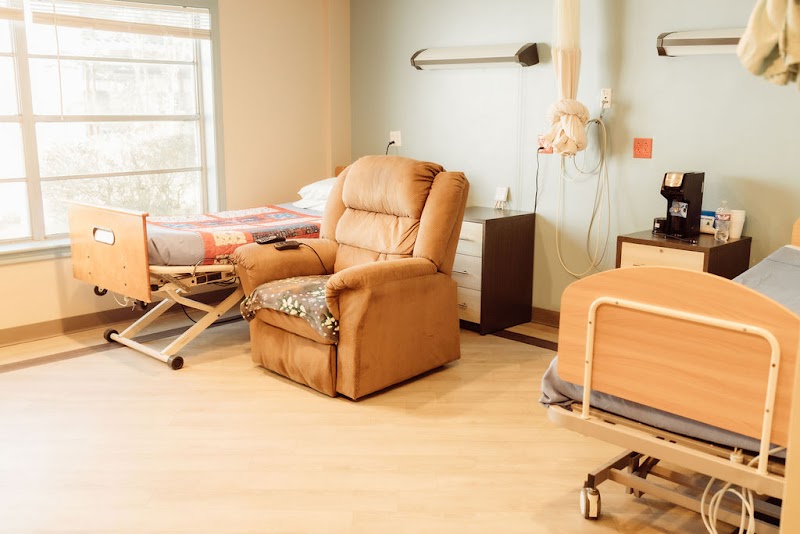
Who Owns and Operates Harmony Care At Brookshire?

HARMONY CARE AT BROOKSHIRE is owned by a government entity. Government-operated facilities are typically run by state, county, or municipal agencies. The facility operates independently rather than as part of a larger chain. With 130 certified beds and approximately 85 residents (about 65% occupancy), it is a mid-sized facility located in BROOKSHIRE, Texas.
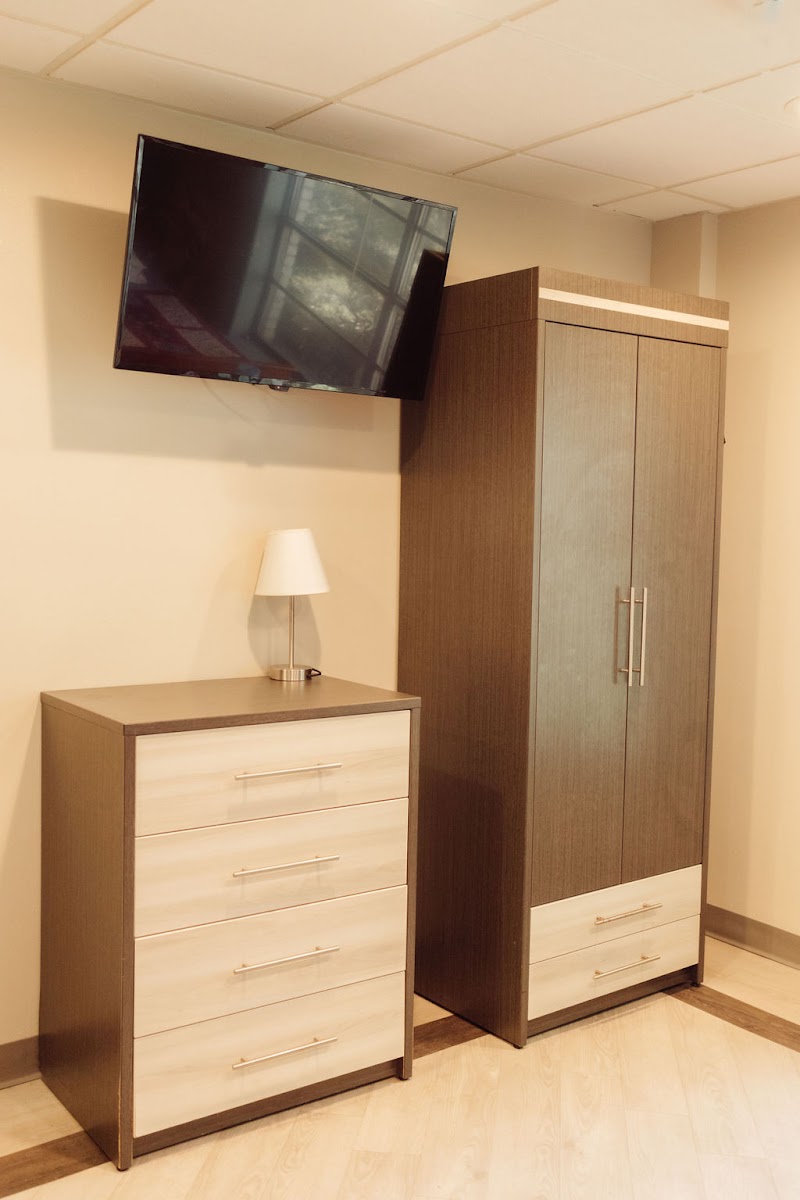
How Does Harmony Care At Brookshire Compare to Other Texas Nursing Homes?

Compared to the 100 nursing homes in Texas, HARMONY CARE AT BROOKSHIRE's overall rating (1 stars) is below the state average of 2.8 and health inspection rating (2 stars) is below the national benchmark.

What Should Families Ask When Visiting Harmony Care At Brookshire?

Based on this facility's data, families visiting should ask: "What changes have been made since the serious inspection findings, and how are you preventing similar issues?" "Can you walk me through typical staffing levels on day, evening, and night shifts?" "Can I visit during a mealtime to observe dining assistance and food quality?" "How do you handle medical emergencies, and what is your hospital transfer rate?" These questions are particularly relevant given the facility's Immediate Jeopardy citations and the below-average staffing rating.

Is Harmony Care At Brookshire Safe?

Based on CMS inspection data, HARMONY CARE AT BROOKSHIRE has documented safety concerns. Inspectors have issued 1 Immediate Jeopardy citation (the most serious violation level indicating risk of serious injury or death). The facility has a 1-star overall rating and ranks #100 of 100 nursing homes in Texas. Families considering this facility should ask detailed questions about what corrective actions have been taken since these incidents.

Do Nurses at Harmony Care At Brookshire Stick Around?

HARMONY CARE AT BROOKSHIRE has not reported staff turnover data to CMS. Staff turnover matters because consistent caregivers learn residents' individual needs, medications, and preferences. When staff frequently change, this institutional knowledge is lost. Families should ask the facility directly about their staff retention rates and average employee tenure.

Was Harmony Care At Brookshire Ever Fined?

HARMONY CARE AT BROOKSHIRE has been fined $25,128 across 2 penalty actions. This is below the Texas average of $33,330. While any fine indicates a compliance issue, fines under $50,000 are relatively common and typically reflect isolated problems that were subsequently corrected. Families should ask what specific issues led to these fines and confirm they've been resolved.

Is Harmony Care At Brookshire on Any Federal Watch List?

HARMONY CARE AT BROOKSHIRE is not on any federal watch list. The most significant is the Special Focus Facility (SFF) program, which identifies the bottom 1% of nursing homes nationally based on persistent, serious quality problems. Not being on this list means the facility has avoided the pattern of deficiencies that triggers enhanced federal oversight. This is a positive indicator, though families should still review the facility's inspection history directly.