EVERGREEN HEALTHCARE CENTER
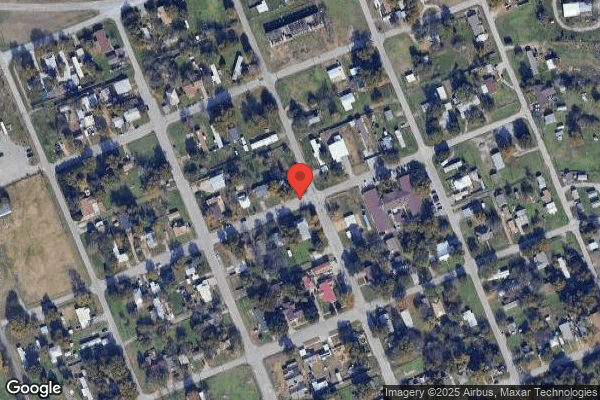

406 E SEVENTH ST, BURKBURNETT, TX 76354 (940) 569-2236
For profit - Corporation 60 Beds SLP OPERATIONS Data: November 2025 1 Immediate Jeopardy citation
Trust Grade
23/100
#455 of 1168 in TX
Last Inspection: December 2024

Within standard 12-15 month inspection cycle. Federal law requires annual inspections.

Overview

Evergreen Healthcare Center has received a Trust Grade of F, indicating significant concerns about the quality of care provided. With a state rank of #455 out of 1168 facilities in Texas, they are in the top half, but this ranking is skewed by the overall low trust grade. The facility is showing some improvement, as the number of reported issues decreased from 12 in 2023 to 10 in 2024. Staffing is a notable weakness, with only a 1/5 star rating and a high turnover rate of 68%, well above the Texas average of 50%. Additionally, there were serious incidents noted in inspections, including a failure to implement a wander guard leading to a resident leaving the facility unaccompanied, and inadequate management of pressure ulcers for another resident, which raises concerns about the quality of care and attention to individual health needs.

Trust Score
F
23/100
In Texas
#455/1168
Top 38%
Safety Record
High Risk
Review needed
Inspections
Getting Better
12 → 10 violations
Staff Stability
⚠ Watch
68% turnover. Above average. Higher turnover means staff may not know residents' routines.
Penalties
✓ Good
$64,646 in fines. Lower than most Texas facilities. Relatively clean record.
Skilled Nurses
⚠ Watch
Each resident gets only 14 minutes of Registered Nurse (RN) attention daily — below average for Texas. Fewer RN minutes means fewer trained eyes watching for problems.
Violations
⚠ Watch
26 deficiencies on record. Higher than average. Multiple issues found across inspections.
★★★☆☆
3.0
Overall Rating
★☆☆☆☆
1.0
Staff Levels
★★★☆☆
3.0
Care Quality
★★★★☆
4.0
Inspection Score
Stable
2023: 12 issues
2024: 10 issues

The Good

  • Full Sprinkler Coverage · Fire safety systems throughout facility
  • No fines on record

Facility shows strength in fire safety.

The Bad

3-Star Overall Rating

Near Texas average (2.8)

Meets federal standards, typical of most facilities

Staff Turnover: 68%

22pts above Texas avg (46%)

Frequent staff changes - ask about care continuity

Federal Fines: $64,646

Above median ($33,413)

Moderate penalties - review what triggered them

Chain: SLP OPERATIONS

Part of a multi-facility chain

Ask about local staffing decisions and management

Staff turnover is elevated (68%)

20 points above Texas average of 48%

The Ugly 26 deficiencies on record

1 life-threatening 2 actual harm
Dec 2024 4 deficiencies
CONCERN (D) 📢 Someone Reported This

A family member, employee, or ombudsman was alarmed enough to file a formal complaint

Potential for Harm - no one hurt, but risky conditions existed

Deficiency F0760 (Tag F0760)

Could have caused harm · This affected 1 resident

**NOTE- TERMS IN BRACKETS HAVE BEEN EDITED TO PROTECT CONFIDENTIALITY** Based on observation, interview, and record review, the facility failed to ensure residents were free of any significant medicat...

Read full inspector narrative →
**NOTE- TERMS IN BRACKETS HAVE BEEN EDITED TO PROTECT CONFIDENTIALITY** Based on observation, interview, and record review, the facility failed to ensure residents were free of any significant medication errors for 1 of 10 residents reviewed for medication administration. (Resident #8). LVN A failed to follow physicians orders when she flushed Resident #8's PICC line with Heparin flush (blood thinner) 6 ml of 10u/ml. This failure could place residents Resident #8 at risk of their health and safety being jeopardized. Findings included: Record review of Resident #8's admission record dated 12/11/2024 indicated she was a [AGE] year-old female originally admitted to the facility on [DATE] and readmitted to the facility on [DATE] with a diagnosis of Other acute osteomyelitis (bone infection), other site - Right Great Toe. Record review of Resident #8's physician's order report dated 12/11/2024 indicated that she was not prescribed Heparin flush 50units/5ml via PICC. Record review of Resident #8's care plan dated, 11/22/204 indicated [in part]: Problem: Infection Alert - Osteomyelitis of Right Great Toe. Goal: Resolve infection. Interventions: Infection control per protocol. Meds as ordered. Monitor for S/S of infection. Monitor wound/lesion status and progress. VS every shift. Observation on 12/10/24 at 12:03 PM revealed LVN A entered Resident #8's room to disconnect IV antibiotic (Meropenem). Upon disconnecting IV from PICC, LVN A administered normal saline flush 10ml then administered Heparin flush 6ml via PICC line to right arm. In an interview on 12/10/24 at 12:06 PM LVN A stated, I just gave saline flush 10 cc and then cleaned it and gave Heparin flush 6 ml, which is what was in the syringe. She further stated that she had already clicked it off on the screen and was unable to show surveyor order on her screen. In an interview on 12/11/24 at 1:58 PM LVNA stated Our normal protocol is SASH method (saline, antibiotic, saline and heparin flush). She further stated that she didn't recall the physician order for heparin flush that was given to Resident #8 the previous day. She stated the expectation for medication administration is to review the MAR and medications before giving. She stated that administering a medication to a resident without a physician's order could cause an adverse reaction, specifically, in this case, redness or bleeding from PICC line. Observation on 12/11/24 at 4:09 PM of medication cart on east hall revealed Heparin flush Lock Flush solution 50 units/5ml with each syringe having 6ml in syringe. There was no pharmacy label on the Heparin flush that included a resident name or directions. In an interview on 12/11/24 at 4:16 PM with the Medical Director regarding heparin flush being used in SASH method after PICC IV antibiotic infusion for Resident #8, he stated I did not order that. I was not aware. He stated that administration of heparin flush in PICC is always a risk of bleeding. He stated his expectation is that a nurse should not administer anything without an order and doing so could cause harm. In an interview on 12/11/24 at 4:44 PM with RNC she stated that her expectation for medication I expect them (facility staff) to check the physician orders, make sure nothing has changed, I expect orders to be checked and followed. I expect for them to be given within the time frame unless the resident is requesting different. She further stated, I probably don't have a specific administration thru a PICC line policy, they should the generalized IV medication administration policy. She stated that there are no standing orders for PICC lines, nor is the SASH method (saline, antibiotic, saline and heparin flush) facility protocol. She further stated that her expectation is not to administer a medication like heparin flush without an order. She further stated that she expects the physician to be contacted. She stated an Adverse outcome of Resident receiving heparin flush without order the resident could have issues with her blood clotting. She stated that she was not aware that heparin flush was administered. She verified that the heparin flush prefilled syringe on the medication cart had 6ml per syringe. In a telephone interview on 12/12/24 at 10:07 AM with Pharmacist, he stated that the pharmacy only sends Heparin flushes if it is specifically ordered for a resident by a physician or for the facility's emergency kit. He stated a staff member would need an order to access medication in emergency, and that would be patient specific. In an interview on 12/12/24 at 4:28 PM ADM stated that medications are to be given only with a physician's order. The ADM stated that an allergic reaction could be an adverse outcome of giving someone a medication without a physician order. Record review of LVN A personnel file revealed Validation Checklist for Flushing and Locking Central Venous Access/Midline/PICC Catheter dated 9/12/24 revealed that nurse was satisfactory in procedure observed and included Reviewed care plan and orders and Lock CVAD's with either preservative-free 0.9% sodium chloride or heparin flush 10units/ml (or according to manufacturer's directions). Record review of facility policy, Specific Medication Administration Procedure, dated 06/21/2022 indicated the following [in part]: C. Review 5 Rights (3) times: 1. Prior to removing the medication package/container from the cart/drawer; a. Check MAR/TAR for order. b. Note any allergies or contraindications the resident may have prior to drug administration. c. If unfamiliar with the medication, consult a drug reference, manufacturer package insert, or pharmacist for more information. d. Check for vital signs, other tests to be done during/prior to medication administration. e. Prepare resident for medication administration. 2. Prior to removing the medication from the container a. Check the label against the order on the MAR. b. Note any supplemental labeling that applies (fractional tablet, multiple tablets, volume of liquid, shake well, give with another medication, etc.). c. Due to the complexity and length/amount of instructions, some medications may be labeled use as directed. Refer to the MAR for instruction details. Record review of Drugs.com accessed on 12/18/24 at Heparin flush Uses, Side Effects & Warnings revealed in part: Heparin flush is used to flush (clean out) an intravenous (IV) catheter, which helps prevent blockage in the tube after you have received an IV infusion Heparin flush is injected directly into the catheter lock of your IV (intravenous) line. You may be shown how to use heparin flush at home. Do not use heparin flush if you do not fully understand how to flush your IV line and properly dispose of used needles, IV tubing, and other items used to inject your medicines. Follow your doctor's instructions.
CONCERN (D)

Potential for Harm - no one hurt, but risky conditions existed

Deficiency F0761 (Tag F0761)

Could have caused harm · This affected 1 resident

Based on observation, interview, and record review the facility failed to ensure that drugs and biologicals used in the facility were secured in locked compartments and permit only authorized personne...

Read full inspector narrative →
Based on observation, interview, and record review the facility failed to ensure that drugs and biologicals used in the facility were secured in locked compartments and permit only authorized personnel to have access to the keys for 1 of 2 medication carts observed for medication storage. The facility did not ensure the East Hall Medication Cart was locked and secured. This failure could place the residents at risk of gaining access to unlocked medications not prescribed to them. Findings included: Observation on 12/10/2024 at 11:38 AM revealed the medication cart for east hall was found unlocked, lock was in unlock position, with the drawers easily opened by hand, parked in the hallway outside of a resident's room. There was no nurse in line of sight of medication cart. The medication cart was unattended. LVN A was in a resident's room and unable to see the medication cart. Medications in the cart included prescription medications, over the counter medications and narcotics. A resident was within 6 feet of medication cart in hallway. In an interview on 12/10/2024 at 11:40 AM LVN A stated she that she had forgotten to lock the medication cart when she went into a resident's room to administer medications. She also stated that she could not see the cart from inside the resident's room. She further stated that the medication cart is to be locked at all times when not in use by the nurse. She continued to state that lack of medication cart security could allow other residents access to the cart and the ability for residents to take medications. LVN A stated that she is responsible for security of her assigned medication cart. In an interview on 12/11/2024 at 4:44 PM RNC revealed that her expectation is for medication carts to be locked if not in use by nurse. She further stated that lack of cart security could allow any resident and/or staff to have access to the medications and contents of cart that are not prescribed to them. RNC stated that the nurse assigned to the medication cart is responsible for security. Record review of facility policy Specific Medication Administration Procedures dated 6/1/2022 revealed the following [in-part]: Procedures: A. Security: All medication storage areas (carts, medication rooms, central supply) are locked at all times unless in use and under the direct observation of the medication nurse/aide.
CONCERN (E)

Potential for Harm - no one hurt, but risky conditions existed

Unnecessary Medications (Tag F0759)

Could have caused harm · This affected multiple residents

**NOTE- TERMS IN BRACKETS HAVE BEEN EDITED TO PROTECT CONFIDENTIALITY** Based on observation, interview, and record review, the facility failed to ensure a medication error rate are not greater than 5...

Read full inspector narrative →
**NOTE- TERMS IN BRACKETS HAVE BEEN EDITED TO PROTECT CONFIDENTIALITY** Based on observation, interview, and record review, the facility failed to ensure a medication error rate are not greater than 5 percent. There were 2 errors out of 25 opportunities which resulted in an 8 percent error rate involving Resident #8. 1.LVN A failed to follow physician's order when she flushed Resident #8's PICC line with Heparin flush (blood thinner) 5 ml of 10u/ml. 2.LVN A failed to administer Meropenem ordered by physician for Resident #8 within time frame ordered. These failures could place residents at risk of medication side effects from not receiving their medications as prescribed according to physician's orders and manufacturers recommendations. The finding included: Review of Resident #8's face sheet dated 12/12/24 reflected a [AGE] year-old female male admitted to the facility on [DATE] with most recurrent readmission on [DATE] with the following diagnoses: Osteomyelitis (bone infection) right great toe, atrial fibrillation (irregular heart rate). Record review of Resident #8's order listing report dated 12/12/2024 indicated: oOrdered 11/22/2024 Meropenem reconstitute solution; 500 mg; intravenous; Three Times A Day at 6:00am, 12:00pm and 6:00pm. oOrdered 11/22/2024 Flush Central Line Lumen with 10ml of Normal Saline before and after each administration of IV medication or fluids. Every Shift oOrdered 11/22/2024 Flush each Lumen of Central Line with 10ml of Normal Saline every 8 Hours. There was no physician order for Heparin flush for Resident #8. Observation on 12/10/24 at 12:03 PM revealed LVN A entered Resident #8's room to disconnect IV antibiotic (Meropenem). Upon disconnecting IV from PICC, LVN A administered normal saline flush 10ml then administered Heparin flush 6ml via PICC line to right arm. Observation on 12/11/24 at 1:31 PM revealed LVN A administered Meropenem 500mg IV via PICC. Medication Reconciliation review on 12/11/24 revealed 25 opportunities with 2 medication errors. This resulted in an 8 percent medication error rate. In an interview on 12/10/24 at 12:06 PM LVN A stated, I just gave saline flush 10 cc and then cleaned it and gave Heparin flush 6 ml, which is what was in the syringe. She further stated that she had already clicked it off on the screen and was unable to show surveyor order on her screen. In an interview on 12/11/2024 at 1:58pm LVN A stated Meropenem ordered to be started at 12:00p was not started until 1:31pm. LVN A stated that medication was given late due to being busy and she was waiting on Resident #8 to finish lunch. LVNA stated Our normal protocol is SASH method (saline, antibiotic, saline and heparin flush). She further stated that she didn't recall the physician order for heparin flush that was given to Resident #8 the previous day. She stated the expectation for medication administration is to review the MAR and medications before giving. She stated that administering a medication to a resident without a physician's order could cause an adverse reaction, specifically, in this case, redness or bleeding from PICC line. Observation on 12/11/24 at 4:09 PM of medication cart on east hall revealed Heparin flush Lock Flush solution 50 units/5ml with each syringe having 6ml in syringe. There was no pharmacy label on the Heparin flush that included a resident name or directions. In an interview on 12/11/24 at 4:16 PM with the Medical Director regarding heparin flush being used in SASH method after PICC IV antibiotic infusion for Resident #8, he stated I did not order that. I was not aware. He stated that administration of heparin flush in PICC is always a risk of bleeding. He stated his expectation is that a nurse should not administer anything without an order and doing so could cause harm. In an interview on 12/11/24 at 4:44 PM with RNC she stated that her expectation for medication I expect them (facility staff) to check the physician orders, make sure nothing has changed, I expect orders to be checked and followed. I expect for them to be given within the time frame unless the resident is requesting different. She further stated, I probably don't have a specific administration thru a PICC line policy, they should the generalized IV medication administration policy. She stated that there are no standing orders for PICC lines, nor is the SASH method (saline, antibiotic, saline and heparin flush) facility protocol. She further stated that her expectation is not to administer a medication like heparin flush without an order. She further stated that she expects the physician to be contacted. She stated an Adverse outcome of Resident receiving heparin flush without order the resident could have issues with her blood clotting. She stated that she was not aware that heparin flush was administered. She verified that the heparin flush prefilled syringe on the medication cart had 6ml per syringe after opening a flush from the bag and viewing in front of surveyor. Record review of LVN A personnel file revealed Validation Checklist for Flushing and Locking Central Venous Access/Midline/PICC Catheter dated 9/12/24 revealed that nurse was satisfactory in procedure observed and included Reviewed care plan and orders and Lock CVAD 's with either preservative-free 0.9% sodium chloride or heparin flush 10units/ml (or according to manufacturer's directions). Record Review of facility policy Specific Medication Administration Procedures dated 6/1/22 revealed the following [in-part]: Policy: To administer medications in a safe and effective manner. Procedures: C. Review 5 Rights (3) times: 1.Prior to removing the medication package/container from the cart/drawer; a. Check MAR/TAR for order. b. Note any allergies or contraindications the resident may have prior to drug administration. C .If unfamiliar with the medication, consult a drug reference, manufacturer package insert, or pharmacist for more information. d. Check for vital signs, other tests to be done during/prior to medication administration. e. Prepare resident for medication administration. 2.Prior to removing the medication from the container a. Check the label against the order on the MAR. Review of National Library of Medicine, https://www.ncbi.nlm.nih.gov/books/NBK560654/ , dated 09/04/23 titled Nursing Rights of Medication Administration revealed the following [in-part]: The five traditional rights in the traditional sequence include: 1.Right patient - ascertaining that a patient being treated is, in fact, the correct recipient for whom medication was prescribed. 2.Right drug - ensuring that the medication to be administered is identical to the drug name that was prescribed. 3.Right Route - Medications can be given to patients in many different ways, all of which vary in the time it takes to absorb the chemical, time it takes for the drug to act, and potential side-effects based on the mode of administration. Some common routes include oral, intramuscular, intravenous, topical, or subcutaneous injection. 4.Right time - administering medications at a time that was intended by the prescriber. Often, certain drugs have specific intervals or window periods during which another dose should be given to maintain a therapeutic effect or level. A guiding principle of this 'right' is that medications should be prescribed as closely to the time as possible, and nurses should not deviate from this time by more than half an hour to avoid consequences such as altering bioavailability or other chemical mechanisms. 5.Right dose - Incorrect dosage, conversion of units, and incorrect substance concentration are prevalent modalities of medication administration error. Record review of Drugs.com accessed on 12/18/24 at Heparin flush Uses, Side Effects & Warnings revealed in part: Heparin flush is used to flush (clean out) an intravenous (IV) catheter, which helps prevent blockage in the tube after you have received an IV infusion Heparin flush is injected directly into the catheter lock of your IV (intravenous) line. You may be shown how to use heparin flush at home. Do not use heparin flush if you do not fully understand how to flush your IV line and properly dispose of used needles, IV tubing, and other items used to inject your medicines. Follow your doctor's instructions. Record review of Drugs.com access on 12/18/24 at https://www.drugs.com/mtm/meropenem.html revealed in part: Meropenem is an antibiotic that is used to treat bacterial infections of the skin and stomach in adults and children at least 3 months old . Meropenem may also be used for purposes not listed in this medication guide . Follow all directions on your prescription label and read all medication guides or instruction sheets. Use the medicine exactly as directed . Prepare an injection only when you are ready to give it . Skipping doses could make your infection resistant to medication . Avoid missing doses and complete the entire course of therapy. Record review of the National Library of Medicine, accessed on 12/23/24 at https://pubmed.ncbi.nlm.nih.gov/7648757/#:~:text=Plasma%20meropenem%20concentrations%20reach%20a%20peak%20%28Cmax%29%20of,concentration-time%20curve%20increases%20linearly%20in%20a%20dose-related%20manner revealed in part: Plasma meropenem concentrations reach a peak (Cmax) of approximately 30 mg/L after administration of a standard dose of 1 g intravenously. The elimination half-life (t1/2) is approximately 1 hour
MINOR (B)

Minor Issue - procedural, no safety impact

Deficiency F0912 (Tag F0912)

Minor procedural issue · This affected multiple residents

**NOTE- TERMS IN BRACKETS HAVE BEEN EDITED TO PROTECT CONFIDENTIALITY** Based on observation, interview and record review, the facility failed to ensure 1 of 31(East Hall room [ROOM NUMBER]) provided ...

Read full inspector narrative →
**NOTE- TERMS IN BRACKETS HAVE BEEN EDITED TO PROTECT CONFIDENTIALITY** Based on observation, interview and record review, the facility failed to ensure 1 of 31(East Hall room [ROOM NUMBER]) provided a minimum of 80 square feet of floor space per resident, in that: East hall room [ROOM NUMBER] was included in the facility's licensed capacity as a three-bed resident room and did not provide the minimum floor space required per resident. This failure could place residents at risk for restricted movement and limit the amount of resident use equipment and personal effects that could be accommodated in the room. The findings included: Review of the Bed Classifications Form 3740, signed and dated by the facility Administrator on 12/10/24, revealed resident room [ROOM NUMBER], located on the East Hall, was licensed for three beds and was categorized as Title 18 (Medicare). In an interview on 12/10/24 at 12:47 PM, the Administrator stated East Hall room [ROOM NUMBER] is considered under licensure as a 3-bed ward but is used for therapy, was a 3-bed ward. She stated she wanted to continue the room size waiver that was in effect for the room. Observation on 12/12/24 at 10:20 AM, accompanied by Life Safety Code surveyor and the facility's Maintenance Director, revealed Room #E15, was used by the therapy department and contained therapy equipment and a desk. Room #E15 is licensed as a 3-bed ward. The room floor space was measured at 221.8 square feet and equaled 73.9 square feet per person.
Apr 2024 5 deficiencies 2 Harm
SERIOUS (H) 📢 Someone Reported This

A family member, employee, or ombudsman was alarmed enough to file a formal complaint

Actual Harm - a resident was hurt due to facility failures

Notification of Changes (Tag F0580)

A resident was harmed · This affected multiple residents

**NOTE- TERMS IN BRACKETS HAVE BEEN EDITED TO PROTECT CONFIDENTIALITY** Based on observation, interview, and record review, the facility failed to consult with the resident's physician, or the residen...

Read full inspector narrative →
**NOTE- TERMS IN BRACKETS HAVE BEEN EDITED TO PROTECT CONFIDENTIALITY** Based on observation, interview, and record review, the facility failed to consult with the resident's physician, or the resident's representatives regarding a change in condition for 1 (Resident #1) of 3 residents reviewed for notification of changes. The facility did not consult with Resident #1's Physician or Resident Representative regarding a pressure ulcer that was identified on 03/04/2024 and re-assessed on 04/07/2024. This failure could place residents who presented with pressure ulcers at risk for not receiving appropriate care and interventions. Findings were: Record review of Resident #1's admission record revealed she was [AGE] years old. She was admitted to the facility on [DATE] with a primary diagnosis of dementia with other behavioral disturbances (loss of memory, language, problem solving and other thinking abilities that occurs with agitation and aggressive behaviors), senile degeneration of the brain (mental deterioration), bipolar (mood swings ranging from depressive lows to manic highs), Post-traumatic stress disorder (disorder that results in the person having difficulty recovering after experiencing or witnessing an event), and anxiety (feeling of fear, dread and uneasiness). Record review of Residents #1's Significant Change MDS dated [DATE], revealed the following: -Section C (Cognitive Patterns) reflected a BIMS (Brief interview of Mental Status) score of 07, which was indictive of severe cognitive impairment. -Section M (Skin Conditions) The resident was a high risk for developing a pressure injury but did not have a pressure injury. Record review revealed Resident #1's care plan dated 02/02/2024 revealed the following: -Pressure Ulcer/Injury- Resident was at risk for skin breakdown related to incontinence and thin fragile skin. Goal- Prevent/heal pressure sores and skin breakdown. Approach- Follow facility skin care protocol, preventative measures: area blank, report to charge nurse any redness or skin breakdown immediately and turn while repositing per resident request. -Cognitive loss/dementia- Resident has dementia. Goal- Resident will be alert and oriented as possible. Approach- Anticipate needs and observe for non-verbal cues, approach in a calm manner, explain what you intend to do while providing care, introduce yourself and orient to person, place, and time. -Delirium- Resident has difficulty focusing, easily distracted, and has disorganized thinking. Goal- Resident will be as alert and oriented as possible. Approach- Assess for pain, minimize distraction, and orient PRN. Record review of Resident #1's Weekly skin assessments indicated on: 03/04/2024 - The right heel was a 6 cm x 6 cm, stage 1, no exudate amount, and the tissue were closed and resurfaced. Assessment was completed by LVN #1. 04/07/2024- The right heel was a 1.4 cm x 1.7 cm, unstageable, moderate bloody amount of exudate and the tissue was granulated, with 95% granulated and 5% slough. Assessment was completed by LVN #1. Record review of Resident #1's Nursing Documentation from 02/01/2024 to 04/08/2024 revealed 04/08/2024 at 9:49 PM., by LVN #1, resident was assessed in house by Hospice RN. Received the following wound care orders: Right Heel. cleanse with wound cleanser then pat dry with gauze. Apply hydrogel to wound bed. cover with hydro cellular foam dressing. change daily and PRN. No documentation of Physician, Resident Representative or Hospice Services notification of pressure injury identification or decline prior to this date. During an observation and interview on 04/08/2024 at 11:00 AM., the ADON uncovered Resident #1's right foot bandage and completed a skin assessment on the resident. She revealed that she reviewed the resident's chart and that there showed to be no ongoing skin integrity issues on the resident's right foot, as well as orders or treatments. She measured the right foot and reported that the foot had a 5cm x 5cm unstageable ulcer on it. There was a large ring around wound that had dry white pealing skin, small amount of eschar (black tissue) around some edges of the dry peeling skin. In the central portion of the right heal wound was a smaller open area with red beefy appearance and small amount of yellow tissue. Resident had yellow staining on foot that extended through the arch of her foot. She guessed it was unstageable since there was eschar on the border of the heel wound. She said that this was the first time she was made aware that the resident had any pressure related injuries on her right foot and that if she had been made aware, she would have made sure it was assessed weekly, orders were entered, and treatments were completed daily. She stated that she was responsible for the skin care assessments and the weekly observations were missed because she had not checked to see if they were completed by the nurse's that worked the floor. She stated that this task had been delegated to her by the DON since she started in 2023. She stated that Resident #1 should have had orders entered on 03/04/2024 and that the DON, physician, family, and hospice provider should have been notified. She revealed that she was not aware that an initial observation of the wound was documented on 03/04/3024 or that a subsequent observation was completed on 04/07/2024. She performed Resident #1's wound care by cleaning the area and patting it dry, she then covered the area with the bandage and said that she was going to notify the physician and hospice immediately. During an interview on 04/08/2024 at 11:45 AM., the Medical Director revealed that he saw the resident over the weekend when he was completing his rounds and that he did not document the wound or observe the wound, since he was not made aware that the resident had a wound on her right foot. He stated that his expectations were to be notified anytime there was a change in condition, or for another physician to be notified, as well as hospice and the family. He stated that orders and treatment should have been completed and conducted since it was identified on 03/04/2024. He stated that Resident #1 was frequently confused. He stated that this failure could result in the pressure injury worsening from lack of treatment. During an interview on 04/08/2024 at 1:30 PM., RN#1 (hospice nurse for Resident #1) revealed that they did not have anything in their records that reflected any type of skin integrity issues or pressure ulcers on foot. She reported that there was no documentation in their records that revealed a call from the facility to let them know that a wound had been identified until that date. She reported that she was going to send an RN out to the facility to access wounds and obtained orders and treatments. During an interview on 04/08/2024 at 1:45 PM., with Resident #1's representative revealed that that she was not notified in March 2024 or up to this date in April 2024, that the resident had a pressure ulcer on her right foot. During an interview on 04/08/2024 at 1:50 PM., Resident #1's second representative revealed that he was not notified in March 2024 or April 2024, that the resident had a pressure ulcer on her right foot. During an interview on 04/10/2024 at 2:30 PM., LVN #1, she stated that she was the one who initially identified the wound on her right heel, and she told the nurse who was taking over that day. She revealed that she did not tell the DON, call the Physician, call the family, call the ADON, or call the hospice agency. She stated that even thought she had not notified the physician or hospice to obtain orders, she was cleaning it thoroughly and provided dressing changes when she worked. She stated that she had not completed items because she got busy. She revealed that this failure could result in her pressure ulcers getting worse. A policy titled Change in a Resident's Condition or Status revised on 04/20/2023, revealed the following: Policy Statement: Our facility promptly notifies the resident, his or her attending physician, healthcare provider and the resident's representative of changes in the resident's medical mental condition and or status. Policy interpretation and implementation: 1) The nurse will notify the resident's attending physician, health care provider or physician on call when there has been an: d. significant change in the residence physical, emotional, mental condition. e. Need to alter the residence medical treatment significantly. 2) a significant change of condition is a major decline and improvement in the resident status that: a. will not normally resolve itself without intervention by staff or by implementing standard disease related clinical interventions. b. Impacts more than one area of the resident's health status. c. Requires interdisciplinary review and or revisions to the care plan. 3) The nurse will notify the resident's representative when: b. there is a significant change in the residence physical, mental, or psychosocial status.
SERIOUS (H) 📢 Someone Reported This

A family member, employee, or ombudsman was alarmed enough to file a formal complaint

Actual Harm - a resident was hurt due to facility failures

Pressure Ulcer Prevention (Tag F0686)

A resident was harmed · This affected multiple residents

**NOTE- TERMS IN BRACKETS HAVE BEEN EDITED TO PROTECT CONFIDENTIALITY** Based on observation, interview, and record review, the facility failed to provide the necessary treatment and services, based o...

Read full inspector narrative →
**NOTE- TERMS IN BRACKETS HAVE BEEN EDITED TO PROTECT CONFIDENTIALITY** Based on observation, interview, and record review, the facility failed to provide the necessary treatment and services, based on the comprehensive assessment and consistent with professional standards of practice, to prevent development of pressure injuries for 1 of 7 (Residents #1) residents reviewed for pressure injuries. The facility failed to notify Resident #1's Physician, Resident Representative and Hospice services after identification of wound on Resident #1's right heel. The facility failed to obtain orders for wound care for Resident #1's right heel. The facility failed to perform routine wound care for Resident #1's right heel. The facility failed to complete weekly skin assessments for Resident #1. This failure could place residents who had pressure injuries at risk for new development or worsening of existing pressure injuries. Findings included: Record review of Resident #1's admission record revealed she was [AGE] years old. She was admitted to the facility on [DATE] with a primary diagnosis of dementia with other behavioral disturbances (loss of memory, language, problem solving and other thinking abilities that occurs with agitation and aggressive behaviors), senile degeneration of the brain (mental deterioration), bipolar (mood swings ranging from depressive lows to manic highs), Post-traumatic stress disorder (disorder that results in the person having difficulty recovering after experiencing or witnessing an event), and anxiety (feeling of fear, dread and uneasiness). Record review of Residents #1's Significant Change MDS dated [DATE] revealed the following: -Section C (Cognitive Patterns) reflected a BIMS (Brief interview of Mental Status) score of 07, which is indictive of severe cognitive impairment. -Section M (Skin Conditions) The resident was a high risk for developing a pressure injury but did not have a pressure injury. Record review of Resident #1's care plan dated 02/02/2024 revealed the following: -Pressure Ulcer/Injury- Resident is at risk for skin breakdown related to incontinence and thin fragile skin. Goal- Prevent/heal pressure sores and skin breakdown. Approach- Follow facility skin care protocol, preventative measures: area blank, report to charge nurse any redness or skin breakdown immediately and turn while repositing per resident request. -Cognitive loss/dementia- Resident has dementia. Goal- Resident will be alert and oriented as possible. Approach- Anticipate needs and observe for non-verbal cues, approach in a calm manner, explain what you intend to do while providing care, introduce yourself and orient to person, place and time. -Delirium- Resident has difficulty focusing, easily distracted, and has disorganized thinking. Goal- Resident will be as alert and oriented as possible. Approach- Assess for pain, minimize distraction, and orient PRN. Record review of Resident #1's Weekly skin assessments under Wound Management for Resident #1 indicated on: 03/04/2024 - The right heel was a 6 cm x 6 cm, stage 1, no exudate amount and the tissue were closed and resurfaced. Assessment was completed by LVN #1. 04/07/2024- The right heel was a 1.4 cm x1.7 cm, unstageable, moderate bloody amount of exudate and the tissue was granulated, with 95% granulated and 5% slough. Assessment was completed by LVN #1. There were no documented weekly skin assessments for the week of 03/11/2024, 03/18/2024, 03/25/2024 or 04/01/2024. Record review of Resident #1's Nursing Documentation from 02/01/2024 to 04/08/2024 revealed 04/08/2024 at 9:49 PM., by LVN #1, resident was assessed in house by Hospice RN. Received the following wound care orders: . Right Heel. cleanse with wound cleanser then pat dry with gauze. Apply hydrogel to wound bed. cover with hydro cellular foam dressing. change daily and PRN. No documentation of Physician, Resident Representative or Hospice Services notification of pressure injury identification or decline prior to this date. Record review of Resident #1's Physician Orders dated 04/08/2024 revealed 04/08/2024 at 11:27 AM revealed the following: call placed to hospice. informed need order for wound to right foot. new order received clean with NS, pat dry cover with foam dressing may wrap with gauze if need for comfort. Hospice stated new orders will be given when res is seen by hospice nurse this week, signed ADON. No orders for wound care prior to this date regarding Resident #1's pressure injury to right heel. During an observation and interview on 04/08/2024 at 10:00 AM., Resident #1 was sitting in her wheelchair with socks on both of her feet. She was unsure how long she had the pressure injury in her right foot. She had a gauze wrap around the foot, and she said she wrapped it herself. It was loose and twisted. There was no time, date or initials located on the dressing. She said it had been cleaned yesterday by LVN #1, but that was the first time she had received treatment. She said she has been cleaning it and rewrapping it herself. During an observation and interview on 04/08/2024 at 11:00 AM., the ADON uncovered Resident #1's right foot bandage and completed a skin assessment on the resident. She revealed that she reviewed the resident's chart and that there showed to be no ongoing skin integrity issues on the resident's right foot, as well as orders or treatments. She measured the right foot and reported that the foot had a 5cm x 5cm unstageable ulcer on it. There was a large ring around wound that had dry white pealing skin, small amount of eschar (black tissue) around some edges of the dry peeling skin. In the central portion of the right heal wound was a smaller open area with red beefy appearance and small amount of yellow tissue. Resident had yellow staining on foot that extended through the arch of her foot. She guessed it was unstageable since there was eschar on the border of the heel wound. She said that this was the first time she was made aware that the resident had any pressure related injuries on her right foot and that if she had been made aware, she would have made sure it was assessed weekly, orders were entered, and treatments were completed daily. She stated that she was responsible for the skin care assessments and the weekly observations were missed because she had not checked to see if they were completed by the nurse's that worked the floor. She stated that this task had been delegated to her by the DON since she started in 2023. She stated that Resident #1 should have had orders entered on 03/04/2024 and that the DON, physician, family, and hospice provider should have been notified. She revealed that she was not aware that an initial observation of the wound was documented on 03/04/3024 or that a subsequent observation was completed on 04/07/2024. She performed Resident #1's wound care by cleaning the area and patting it dry, she then covered the area with the bandage and said that she was going to notify the physician and hospice immediately. During an interview on 04/08/2024 at 11:45 AM., the Medical Director revealed that he saw the resident over the weekend when he was completing his rounds and that he did not document the wound or observe the wound, since he was not made aware that the resident had a wound on her right foot. He stated that his expectations were to be notified anytime there is a change in condition, or for another physician to be notified, as well as hospice and the family. He stated that orders and treatment should have been completed and conducted since it was identified on 03/04/2024. He stated that Resident #1 was frequently confused. He stated that this failure could result in the pressure injury worsening from lack of treatment. During an interview and observation on 04/08/2024 at 12:15 PM., Resident #1 stated that she could do most things herself and that she did not need help with things. She did keep her foot clean, and she wore the pressure reducing boot that the facility provided for her. Resident was wearing a pressure reducing boot, blue in color and appeared clean. Resident stated that when she needed wound stuff done or she did not have a bandage, she would use toilet paper to make a pad and just wrap it back up with the gauze that was on it. The gauze appeared clean and not reused multiple times. Resident reported that she was often confused but she knows about her feet. Resident stated that she did not have any other foot issues. Resident stated the orange colored (betadine) stain on her right foot was due to it being cleaned by her. She was unsure and could not remember where she kept or stored the cleaner and that it must be locked up at her nurses' station. During an interview and observation on 04/08/2024 at 1:15 PM., Resident #1 had a pressure reducing boot on her right foot. She reported that the orange that was on her right foot was from when the ADON took off the bandage and put a cleaning solution on it. She did not remember where the cleanser came from or how she obtained it, she thought a nurse gave it to her. She said that she sometimes used tissue paper for the bandage, but she was not sure when. She said that the facility provided her a boot to wear on her feet, but she was unsure who gave it to her or when she wore it. During an interview on 04/08/2024 at 1:30 PM., RN#1 (hospice nurse for Resident #1) revealed that they did not have anything in their records that reflected any type of skin integrity issues or pressure ulcers on foot. She reported that there was no documentation in their records that revealed a call from the facility to let them know that a wound had been identified until that date. She reported that she was going to send an RN out to the facility to access wounds and obtained orders and treatments. During an interview on 04/08/2024 at 2:00 PM., CNA #1 revealed that she was a CNA that provided care for Resident #1. She stated that she knew that Resident #1 had a wound on her foot, but that it had been scabbed over. She revealed that the scab had just come off and that she believed it was being treated, but did not know who was treating it, or how it was treated or when it is treated. She believes had notified the nurse, but she could not remember which one or when she did. She revealed that she has not been treating it. During an interview on 04/08/2024 at 1:20 PM., Resident #2 revealed that she was the roommate of Resident #1. She said that Resident #1 wore a pressure reducing boot at times, but she was unsure who brought it. She stated that the moon boot just appeared one day. She reported that the resident would get up at times and walk. She said that she had seen a nurse provide care for her foot a few times, but she did not know her name. During an interview on 04/08/2024 at 2:10 PM., Resident #2 stated that she had not seen Resident #1 perform wound care on her own feet. During an interview on 04/09/2024 at 4:00 PM., CNA #2 from Hospice revealed she has been giving Resident #1 showers three times a week. She stated she had not been performing wound care on her feet, but that she had been keeping them clean. She stated that she was unaware if there was or was not orders for wound care. During an interview on 04/10/2024 at 2:00 PM., the ADON stated that she was the one that contacted hospice on Monday, 04/08/2024. She revealed that she was responsible for the weekly skin checks on all the residents, including Resident #1. She revealed that she previously had the black area but that it came off the around the 5th, 6th or 7th. She stated that she assumed that the DON was notified initially that Resident #1 had a pressure ulcer injury on 03/04/2024. She revealed that the resident was often confused and unaware of her limitations. She stated that Resident #1 had worn a pressure reducing moon boot for a few weeks, but she was unsure where it came from, she assumed it was from hospice. During an interview on 04/10/2024 at 2:30 PM., LVN #1, revealed that she had been providing wound care on the days she worked. She stated that there were no orders for wound care, so she just guessed and did what she thought it needed. She stated that she was the one who initially identified the wound on her right heel, but that she told it to the nurse who was taking over. She revealed that she did not tell the DON, call the DR, call the family, call the ADON, or call the hospice agency, and that she knew of the process of notification once a change of condition had been identified. She stated that she had not completed the weekly skin assessments, as ordered, because she got busy. She revealed that this failure could result in her pressure ulcers getting worse. Record review of the facilities policy titled Pressure Injury/Skin Breakdown- Clinical Protocol, dated May 2022, revealed the following: Assessment and Recognition: 1) The nursing staff or practitioner will assess and document an individual significant risk factors for developing pressure injuries; for example, immobility, recent weight loss, and a history of pressure injuries. 2) In addition, the nurse shall describe and document/report the following: A) Full assessment of pressure injury including location, stage, link, width and depth, presence of exudates or necrotic tissue. B) Pain assessment. C) Resident's mobility status. D) Current treatments, including support services and E) All active diagnosis. Treatment: 1) The staff will request physicians orders pertinent to wound treatments in medical interventions. Monitoring: 1) during resident visits, the physician will evaluate and document the progress of wound healing especially for those with complicated, extensive, or poorly killing wounds. 2) The interdisciplinary team will update the care plan as appropriate.
CONCERN (D) 📢 Someone Reported This

A family member, employee, or ombudsman was alarmed enough to file a formal complaint

Potential for Harm - no one hurt, but risky conditions existed

Deficiency F0637 (Tag F0637)

Could have caused harm · This affected 1 resident

**NOTE- TERMS IN BRACKETS HAVE BEEN EDITED TO PROTECT CONFIDENTIALITY** Based on interviews, and record reviews, the facility failed to complete a comprehensive assessment within 14 days after a signi...

Read full inspector narrative →
**NOTE- TERMS IN BRACKETS HAVE BEEN EDITED TO PROTECT CONFIDENTIALITY** Based on interviews, and record reviews, the facility failed to complete a comprehensive assessment within 14 days after a significant change in the physical condition for 1 of 2 residents (Resident #1) whose records were reviewed for assessments. The facility failed to recognize and re-assess Resident #1 after a pressure ulcer was identified, a fall with major injury occurred and aggressive behaviors presented. This failure placed residents at risk for not developing interventions to meet their needs for care assistance and treatments. Findings include: Record review of Resident #1's admission record revealed she was [AGE] years old. She was admitted to the facility on [DATE] with a primary diagnosis of dementia with other behavioral disturbances (loss of memory, language, problem solving and other thinking abilities that occurs with agitation and aggressive behaviors), senile degeneration of the brain (mental deterioration), bipolar (mood swings ranging from depressive lows to manic highs), Post-traumatic stress disorder (disorder that results in the person having difficulty recovering after experiencing or witnessing an event), and anxiety (feeling of fear, dread and uneasiness). Record review of Resident #1's progress notes revealed the following: -On 02/01/2024 at 6:22 AM., LVN #1 documented that she was alerted to resident by sound of her voice calling out for help. upon entering room observed resident lying face down on the floor mat beside her bed. Resident's speech was slurred and there was a moderate amount of bleeding from the right side of her head. it appears resident's head hit the bed railing when she fell. assessed for any further injury @ that time. - On 02/01/2023 at 3:33 PM., the DON documented that Resident was transported to the Hospital for further evaluation and treatment. Resident received treatment and returned to the facility the same day with 5 staples to frontal area. - On 02/22/2024 at 1:27 PM., RN #2 documented that 5-staples removed from wound on right side of forehead. - On 03/12/2024 at 3:00 PM., DON documented that she was notified that this resident engaged in a physical altercation with another resident on the west hall near the nurse's station. Per witnesses in area, this resident was yelling at other residents to shut up when they responded this resident became upset and struck a fellow resident on their neck giving them an abrasion. That resident retaliated with a return physical strike causing this resident to have a skin tear to the left side of her neck. Residents were immediately separated by staff and kept separated. - On 03/14/2024 at 9:24 AM., The SW documented he was informed that Resident #1 had been involved in an altercation where she struck another resident. - On 03/28/2024 at 3:52 PM., ADON documented that new order received from NP with psych services, Seroquel 25mg po q day prn x 14 days (1 extras dose during the day if needed daily in addition to scheduled nightly dose. Record review of Resident #1's Significant Change MDS dated [DATE] revealed the following: -Section C (Cognitive Patterns) reflected a BIMS (Brief interview of Mental Status) score of 07, which is indictive of severe cognitive impairment. Disorganized Thinking - The behavior is present and fluctuates, the resident's thinking disorganized or incoherent (rambling or irrelevant conversation, unclear or illogical flow of ideas, or unpredictable switching from subject to subject. -Section E (Behavior) reflected that: Resident #1 did not have behaviors that put them at significant risk for physical illness or injury. -Section J (Health Conditions- Falls) reflected that the resident did not have a fall with Major injury - bone fractures, joint dislocations, closed head injuries with altered consciousness, subdural hematoma. -Section M (Skin Conditions) reflected that resident did not have a pressure injury or skin injury. Record review of Resident #1's Weekly skin assessments indicated on: 03/04/2024 - The right heel was a 6 cm x 6 cm, stage 1, no exudate amount, and the tissue were closed and resurfaced. Assessment was completed by LVN #1. 04/07/2024- The right heel was a 1.4 cm x1.7 cm, unstageable, moderate bloody amount of exudate and the tissue was granulated, with 95% granulated and 5% slough. Assessment was completed by LVN #1. In an interview on 04/09/2024 at 2:00 PM., the DON revealed that the resident did have a change of condition from her last MDS, with additional areas that should have been identified and addressed with a new comprehensive assessment. In an interview on 04/10/2024 at 3:00 PM, the MDS coordinator revealed the resident had a pressure ulcer that was identified on March 04, 2024 , decline in behaviors, and a fall with major injury occurred. She revealed that resident had a significant change since the last MDS in February due to the resident's aggression, falls and pressure ulcer. She revealed that this failure could cause the resident to miss care areas such as the wound care that was not care planned or completed and other care areas that were not being identified and/or a comprehensive care plan being completed. Record review of the facility's policy covering MDS inaccuracies was requested to the MDS coordinator on 04/10/2024. She revealed that she uses the RAI manual for guidance.
CONCERN (D) 📢 Someone Reported This

A family member, employee, or ombudsman was alarmed enough to file a formal complaint

Potential for Harm - no one hurt, but risky conditions existed

Deficiency F0657 (Tag F0657)

Could have caused harm · This affected 1 resident

**NOTE- TERMS IN BRACKETS HAVE BEEN EDITED TO PROTECT CONFIDENTIALITY** Based on interview and record review, the facility failed to develop a comprehensive care plan within 7 days after completion of...

Read full inspector narrative →
**NOTE- TERMS IN BRACKETS HAVE BEEN EDITED TO PROTECT CONFIDENTIALITY** Based on interview and record review, the facility failed to develop a comprehensive care plan within 7 days after completion of the comprehensive assessment for 1 of 3 residents (Resident #1) whose records were reviewed for assessments and care plans, as well as having an IDT team present at the care conference. The facility failed to ensure that Resident #1 had an Intradisciplinary Team care conference after Residents #1's Significant Change MDS dated [DATE]. This failure could place residents at risk of not have having their care plans completed accurately and timely. Findings included: Record review of Resident #1's admission record revealed she was [AGE] years old. She was admitted to the facility on [DATE] with a primary diagnosis of dementia with other behavioral disturbances (loss of memory, language, problem solving and other thinking abilities that occurs with agitation and aggressive behaviors), senile degeneration of the brain (mental deterioration), bipolar (mood swings ranging from depressive lows to manic highs), Post-traumatic stress disorder (disorder that results in the person having difficulty recovering after experiencing or witnessing an event), and anxiety (feeling of fear, dread and uneasiness). Record review of Residents #1's Significant Change MDS dated [DATE] revealed the following: -Section C (Cognitive Patterns) reflected a BIMS (Brief interview of Mental Status) score of 07, which is indictive of severe cognitive impairment. Disorganized Thinking - The behavior is present and fluctuates, the resident's thinking disorganized or incoherent (rambling or irrelevant conversation, unclear or illogical flow of ideas, or unpredictable switching from subject to subject. -Section J (Health Conditions- Falls) reflected that the resident did not have a fall with Major injury - bone -Section M (Skin Conditions) The resident was a high risk for developing a pressure injury but did not have a pressure injury. Record review of Resident #1's electronic Care Conference record did not have an IDT care plan after the Significant Change MDS on 02/01/2024. In an interview on 04/08/2024 at 1:45 PM., with Resident #1's representative revealed she was not invited to a care plan in a while, it has been at least since 2023. The family would like to attend by phone and be involved in the care plan process and resident care areas. In an interview on 04/09/2024 at 2:00 PM, the DON revealed that she was not responsible for the care plans, the MDS was after completion of the MDS assessment. She revealed even though the care plan meetings were not completed timely By the IDT, she still ensured residents received the care and there were no issues with quality of care. In an interview on 04/10/2024 at 1:00 PM., the SW revealed that he was not aware the Resident #1 had a Comprehensive MDS completed in February. He stated he was responsible for scheduling the care conference and he did not schedule one. He revealed the last one was completed was on 08/30/2023. He stated it was missed and he was just capturing the Quarterly and Annual assessments that he was notified of. He revealed he was never notified of the resident having a Significant Change. He revealed this failure could cause a care conference not being completed. In an interview on 04/10/2024 at 3:00 PM, the MDS coordinator revealed that she was unsure how why the IDT meeting got missed. She said this failure would place the residents at risk for inaccurate care plans and assessments which could cause a quality-of-care issue. She revealed that even though the care plans were not completed correctly, they still took care of the residents. Record review of the facility's policy titled: Care Plan, Comprehensive Person-Centered dated January 26, 2024, revealed the following: 5) The comprehensive care plan will be reviewed and revised by the interdisciplinary team after each comprehensive and quarterly MSDS assessment.
CONCERN (D) 📢 Someone Reported This

A family member, employee, or ombudsman was alarmed enough to file a formal complaint

Potential for Harm - no one hurt, but risky conditions existed

Medical Records (Tag F0842)

Could have caused harm · This affected 1 resident

**NOTE- TERMS IN BRACKETS HAVE BEEN EDITED TO PROTECT CONFIDENTIALITY** Based on observation, record review and interview, the facility failed to maintain wound care records on each resident that are ...

Read full inspector narrative →
**NOTE- TERMS IN BRACKETS HAVE BEEN EDITED TO PROTECT CONFIDENTIALITY** Based on observation, record review and interview, the facility failed to maintain wound care records on each resident that are accurately documented for 1 of 3 residents (Resident #1) reviewed for records. The facility failed to document that Resident #1 had wound care. This failure to maintain accurate records could affect Residents by receiving inadequate care and services. Findings include: Record review of Resident #1's admission record revealed she was [AGE] years old. She was admitted to the facility on [DATE] with a primary diagnosis of dementia with other behavioral disturbances (loss of memory, language, problem solving and other thinking abilities that occurs with agitation and aggressive behaviors), senile degeneration of the brain (mental deterioration), bipolar (mood swings ranging from depressive lows to manic highs), Post-traumatic stress disorder (disorder that results in the person having difficulty recovering after experiencing or witnessing an event), and anxiety (feeling of fear, dread and uneasiness). Record review on 04/08/2024 at 9:40 AM revealed that Resident #1's care plan dated 02/02/2024 revealed the following: -Pressure Ulcer/Injury- Resident is at risk for skin breakdown related to incontinence and thin fragile skin. Goal- Prevent/heal pressure sores and skin breakdown. Approach- Follow facility skin care protocol, preventative measures: area blank, report to charge nurse any redness or skin breakdown immediately and turn while repositing per resident request. Record review on 04/08/2024 at 9:50 AM revealed that Residents #1's Significant Change MDS dated [DATE] revealed the following: -(Cognitive Patterns) reflected a BIMS (Brief interview of Mental Status) score of 07, which is indictive of severe cognitive impairment. -(Skin Conditions) The resident was a high risk for developing a pressure injury but did not have a pressure injury. Record review of Resident #1's Weekly skin assessments indicated on: 03/04/2024 - The right heel was a 6 cm x 6 cm, stage 1, no exudate amount and the tissue were closed and resurfaced. Assessment was completed by LVN #1. 04/07/2024- The right heel was a 1.4 cm x1.7 cm, unstageable, moderate bloody amount of exudate and the tissue was granulated, with 95% granulated and 5% slough. Assessment was completed by LVN #1. Record review of Resident #1's Nursing Documentation from 02/01/2024 to 04/08/2024 revealed the only documented wound care was on 04/08/2024 at 9:49 PM., by LVN #1, when the resident was assessed in house by Hospice RN. Wound care orders were provided at that time No documentation of wound care orders or treatments provided to right heel prior to this date. Record review of Resident #1's Physician Orders dated 04/08/2024 revealed 04/08/2024 at 11:27 AM revealed the following: call placed to hospice. informed need order for wound to right foot. new order received clean with NS, pat dry cover with foam dressing may wrap with gauze if need for comfort. Hospice stated new orders will be given when res is seen by hospice nurse this week, signed ADON. No orders for wound care prior to this date regarding Resident #1's pressure injury to right foot. During an observation and interview on 04/08/2024 at 10:00 AM., Resident #1 had a gauze wrap around the foot. There was no time, date or initials anywhere on the outside of it. She said that it had been cleaned yesterday by LVN #1, but that was the first time she had cleaned her wound. She said that she has been cleaning it and rewrapping it herself. During an observation and interview on 04/08/2024 at 11:00 AM., the ADON uncovered Resident #1's right foot bandage and completed a skin assessment on the resident. She revealed that she reviewed the resident's chart and that there showed to be no ongoing skin integrity issues on the resident's right foot, as well as orders or treatments. She was unsure why the foot was even bandaged without orders and who bandaged it. During an interview on 04/08/2024 at 11:45 AM., the Medical Director revealed orders and treatment should have been completed and conducted since it was identified on 03/04/2024. During an interview on 04/08/2024 at 1:20 PM., Resident #2 revealed she had seen a nurse provide care for Resident #1's foot a few times, but she did not know her name. During an interview on 04/10/2024 at 2:30 PM., LVN #1, revealed that she remembered that she has been providing wound care. She stated there were no orders for wound care, so she just guessed and did what she thought it needed. She revealed that this failure could result in resident's care areas getting worse. Record review of the Facilities Policy and Procedure titled: Guidelines for Charting and Documentation dated April 2012 revealed the following: The purpose of charting A documentation is to provide: 1) a complete account of the resident's care, treatment, responses to the care, signs, symptoms, etcetera., and the progress of the resident's care. 3) The facility, as well as other interested parties, with the tool for measuring the quality of care provided to the resident. Treatment Orders: Specify what is to be done, location and frequency, and duration of the treatment.
Feb 2024 1 deficiency
CONCERN (D) 📢 Someone Reported This

A family member, employee, or ombudsman was alarmed enough to file a formal complaint

Potential for Harm - no one hurt, but risky conditions existed

Infection Control (Tag F0880)

Could have caused harm · This affected 1 resident

**NOTE- TERMS IN BRACKETS HAVE BEEN EDITED TO PROTECT CONFIDENTIALITY** Based on observations, interviews, and record reviews, the facility failed to establish and maintain an infection prevention an...

Read full inspector narrative →
**NOTE- TERMS IN BRACKETS HAVE BEEN EDITED TO PROTECT CONFIDENTIALITY** Based on observations, interviews, and record reviews, the facility failed to establish and maintain an infection prevention and control program designed to provide a safe, sanitary, and comfortable environment and to help prevent the development and transmission of communicable diseases for 1(Resident #1) of 2 residents reviewed for infection control practice. CNA (Certified Nurse Assistant) A failed to perform hand hygiene and change her gloves at the appropriate times while providing incontinence care for Resident #1. These failures placed residents at risk for the spread of infection. Findings included: Review of Resident #1's face sheet, dated 02/21/24, revealed the resident was a 61- year- old female admitted to the facility on [DATE] with diagnoses of personal history of Covid-19, urinary tract infection, viral disease, candidiasis (fungal infection), streptococcal infection (bacterial infection), and constipation. Review of Resident #1's MDS assessment, dated 12/27/23, revealed Resident #1 has a brief interview for mental status (BIMS) of 13 indicating cognitively intact. Resident required extensive assistance with most ADL s and one person assist. Resident #1 was always incontinent of bowel and bladder. Review of Resident #1's care plan dated 03/28/24, revealed the resident was care planned for urinary incontinence but not for bladder incontinence. Observation of incontinence care for Resident #1 on 02/20/2 at 11:02a.m. revealed CNA A did not wash her hands but put on gloves before commencing care. She wiped the resident from front to back. Resident #1 brief was soiled with urine and fecal matter. CNA A gloves were visibly soiled but she continued to use it to clean the resident. CNA A did not wash hands, change gloves, or perform hand hygiene but proceeded to retrieve Resident#1's clean brief. She placed the clean brief on the resident and fastened it. CNA A removed her gloves, picked up the trash and walked out of the room without washing hands or performing hand hygiene. Interview with CNA A on 02/20/24 at 11:12 a.m. revealed she had been employed at the facility for about 1 year and received infection control training 2 weeks ago. She stated cross contamination was mixing clean with dirty. CNA A stated she should have washed hands before starting and after providing care. She added that Resident #1 could get infection for not using good hand hygiene. During an interview with the DON on 02/21/24 at 11:23a.m she acknowledged she was aware of some of the concerns raised about infection control. She said she expected her staffs to gather supplies, wash hands and donned gloves before and after providing care. The DON stated she was responsible for infection control in the facility. She explained the facility conducts infection control training with return demonstration quarterly. She noted the ADON does surprise checks on staffs to ensure they are following good infection control practice. Review of the facility handwashing/hand hygiene policy revised 01/20/23 reflected, This facility considers hand hygiene the primary means to prevent the spread of infections. Policy interpretation and implementation: 1) All personnel shall follow the handwashing/hand hygiene procedures to help prevent the spread of infections to other personnel, residents, and visitors. 2) Residents, family members and/or visitors will be encouraged to practice hand hygiene throughout the facility. 3) Wash hands with soap and water, when hands are visibly soiled and after contact with resident with infectious diagnosis .
Oct 2023 12 deficiencies 1 IJ (1 affecting multiple)
CRITICAL (K)

Immediate Jeopardy (IJ) - the most serious Medicare violation

Accident Prevention (Tag F0689)

Someone could have died · This affected multiple residents

**NOTE- TERMS IN BRACKETS HAVE BEEN EDITED TO PROTECT CONFIDENTIALITY** Based on observation, interview, and record review, the facility failed to ensure the resident environment remained as free of a...

Read full inspector narrative →
**NOTE- TERMS IN BRACKETS HAVE BEEN EDITED TO PROTECT CONFIDENTIALITY** Based on observation, interview, and record review, the facility failed to ensure the resident environment remained as free of accident hazards as possible and each resident received adequate supervision and assistance devices to prevent accidents for 1 of 5 residents (Resident #13) whose records were reviewed for quality of care. 1. The facility failed to ensure a physician-ordered wander guard was in place for Resident #13. 2. The facility failed to prevent Resident #13 from leaving the facility unaccompanied on 10/05/23. This failure resulted in Immediate Jeopardy on 9/30/23. The noncompliance was determined to be past noncompliance (PNC). The noncompliance began on 9/30/23 at 6:37 PM and ended on 10/06/23. The facility had implemented the actions that corrected the noncompliance before the surveyor's entrance into the facility on [DATE]. The facility's failure placed residents at risk for harm and injury from an incident of elopement. The findings included: Review of Resident #13's Face Sheet, not dated, revealed a [AGE] year-old female admitted to the facility on [DATE]. Her diagnoses included: dementia with other behavioral disturbance; other depressive episodes; restlessness and agitation; anxiety disorder; schizoaffective disorder (mental disorder with abnormal thought processes with symptoms of schizophrenia characterized by psychosis and bipolar disorder characterized by mood swings ranging from high to low). Review of Resident #13's Significant Change in Condition MDS Assessment, dated 9/27/23 revealed the resident was assessed as having a BIMS score of 1 out of 15 (severe cognitive impairment); verbal behavioral symptoms 1-3 days during the past 7-day review period; and wandering behavior 1-3 days during the past 7-day review period. Review of Resident #13's comprehensive care plan, dated as initiated 6/24/22 revealed it addressed the resident's risk for elopement. A documented intervention was added 9/28/23 for wander guard in place to be checked every shift. Review of Resident #13's Physician orders revealed the following: 6/24/22 - Wander Guard: Check placement every shift to left leg. 3/29/23 - Wander Guard: Apply to Resident for safety related to wandering and/or elopement seeking. Change bracelet per manufacturer's guidelines. Review of Resident #13's Quarterly Elopement evaluation, dated 7/31/23, revealed documentation the resident was ambulatory, cognitively impaired, had a history of wandering, and an elopement care plan was initiated. Review of the Nursing Progress Note, dated 9/30/23 at 11:03 AM, revealed Resident #13 sat down by the nurse's cart, stated she could not breathe, and grabbed her chest. The nurse assessed her oxygen saturation level to be at 60% and an oxygen mask was applied. The resident's vital signs were taken with a blood pressure noted at 88/49 and a heart rate of 124. A call was made to 911 for an ambulance and Resident #13 was transported via ambulance to the hospital emergency room. Resident #13's family member was notified. Review of the Nursing Progress Note, dated 9/30/23 at 6:37 PM, revealed Resident #13 returned to the facility via ambulance and was taken via stretcher to her room and placed in bed. No new orders were received. The resident ate the evening meal in the dining room and consumed 100% of the meal. No discomfort was noted. Vital signs were within normal limits and the resident continued to be monitored closely. Review of the Nursing Progress Note, dated 10/05/23 at 9:11 AM, revealed Dietary Aide A called LVN C and told her Resident #13 was down the street. The nurse documented she went outside and the resident was in the street. The dietary aide assisted Resident #13 into his car and brought her to the facility. Resident #13 walked into the facility with LVN C. The nurse documented the resident was assessed from head to toe and no open areas or bruises were noted. A wander guard was applied to her right wrist. The resident denied feeling any pain. Review of the Social Services Progress Note, dated 10/05/23 at 4:24 PM, revealed Resident #13's family member was notified regarding the resident being identified walking about a block from the facility. The note documented the family member asked what had occurred and she was informed the wander guard had been removed when Resident #13 went to the hospital. The family member was informed that all doors leading to the outside had been checked to ensure the locking mechanism worked correctly and a wander guard had been placed on Resident #13 to prevent any future elopement. Review of Resident 13's Medication Administration Records, dated October 2023, revealed they included a visual check of the resident every 2 hours related to wandering and/or exit seeking. The times listed were 12:00 AM, 2:00 AM, 4:00 AM, 6:00 AM, 8:00 AM, 10:00 AM, 12:00 PM, 2:00 PM, 4:00 PM, 6:00 PM, 8:00 PM, and 10:00 PM. Each time frame was initialed by the nurse on duty. Review of the Incident Investigation Summary report, dated 10/05/23, revealed Resident #13 did not have a wander guard on at the time of the incident, due to the wander guard being removed prior to being sent to the hospital. The wander guard was not replaced upon her return to the facility and the wander guard checks had not been done. The report documented the incident was reported to the State agency on 10/05/2023 at 12:22 PM. The report documented a staff in-service training was conducted to reiterate that wander guard checks needed to be performed, and the facility's policies for Missing Resident and Wandering and Elopements were reviewed with the staff. The report documented the wander guard was in place and was being checked multiple times daily and an alternate placement was being sought for Resident #13 (in a facility with a secured unit). Review of the Event Report for Elopement, dated 10/05/23, revealed Resident #13 was found off the property on the street. The resident was assessed with no injuries sustained. The resident wandered with no rational purpose and attempted to open doors, and elopement attempts in the past had been unsuccessful. Resident #13 had dementia. The immediate intervention of a door alarm wander guard band was applied and the band was effective and started alerting when the resident went near a door to the outside. The report evaluation notes revealed the wander guard was in place and checked multiple times daily and an attempt was being made to find an alternate placement. Observation on 10/12/23 at 10:54 AM revealed Resident #13 was ambulating in the [NAME] Hall and walked to the end of the hallway and looked out the glass window to the right side of the exit door. She was not wearing shoes. A wander guard security band was on her right wrist. In an interview on 10/10/23 at 1:59 PM, the Administrator revealed Resident #13 had been sent to the emergency room after being agitated and falling. She was brought back to the facility. The Administrator stated Resident #13's wander guard band was cut off from her ankle before she was transferred to the hospital, because the wander guards were lost when residents were at the hospital. Another wander guard band was not applied following her return from the hospital. The Administrator stated about one week after her return, Resident #13 eloped from the facility and was seen at a street corner intersection by a dietary aide . She stated he was in his car and Resident #13 got in the car and was brought back. The Administrator stated it was unknown how Resident #13 left the building. She stated the resident was not observed exiting, but a door must have been left ajar. Resident #13 left during the mid-morning. She was assessed by the ADON and no injury was noted. The Administrator stated Resident #13 had dementia and was not oriented at all. The Administrator stated, She likes to walk. In an interview on 10/13/23 at 12:53 PM, LVN C, the [NAME] Hall charge nurse, stated she was on duty the morning of 10/05/23 when Resident #13 left the facility unattended. She stated it was during the morning medication pass between 8:30 AM and 9:30 AM. LVN C stated her brother (Dietary Aide A) worked in the facility kitchen and worked a split shift. She stated Dietary Aide A had just clocked out and left after the breakfast meal service, and he called her and told her Resident #13 was outside on the street. He was able to get her into his car and brought her back. LVN C stated she was waiting and met Resident #13 and Dietary Aide A outside in front of the building and assisted the resident back into the building. She stated Resident #13 was wearing socks, but no shoes. LVN C stated she did a head-to-toe assessment on Resident #13 and did not find any evidence of injury. She stated the resident had not fallen outside. LVN C stated Resident #13 did not have a wander guard security band on at that time, and one was applied to her wrist that day. LVN C stated no one saw Resident #13 leave the building. She stated the resident may have followed someone out the door. LVN C stated Resident #13 could move pretty fast. LVN C stated Resident #13 had not had any prior incidents of elopement or leaving the facility unattended prior to the incident on the morning of 10/05/23. In an interview on 10/13/23 at 1:10 PM, the DON stated the staff were having the morning meeting when Resident #13 left the faciity on [DATE]. She stated no one saw her leave the facility. During an interview and observation on 10/13/23 at 3:25 PM, the Maintenance Director stated he thought he knew which door Resident #13 left from on 10/05/23. He led the way to the East Hall sunroom door that led to the patio at the front end of the building. There was a sign on fluorescent green laminated paper on the inside of the door leading to the patio: For the safety of our Wandering Residents please ensure the door closes completely. The Maintenance Director stated the sign was already posted on the door when he started working in the facility one year ago. He stated the door was locked and the lock was released using the keypad code on the wall to the side of the door. He stated the door had a self-closure device and the door would close and latch when opened wide enough to reach the catch point where the door was pulled back to the frame and closed securely, latched and locked. The Maintenance Director demonstrated the opening of the door and stated if the door was only opened a foot for someone to slide out, the door did not pull back tightly and close securely and latch. He stated Resident #13 wandered and checked all the doors. He stated she probably saw the door was open about an inch and pushed it open and left. He stated residents seated in the front lobby entrance reportedly saw her walking outside the front of the building. Resident #13 was brought back into the facility by the charge nurse. He stated the staff morning meeting was held in the conference room and staff may not have noticed Resident #13 walking outside. In an interview on 10/13/23 at 4:35 PM, Dietary Aide A stated he was leaving the facility following the breakfast meal service on Thursday 10/05/23. He stated when he pulled his car onto the street he saw a lady walking on the street. He stated he thought it looked like Resident #13, so he drove around the block and came back. He stated it was Resident #13, so he stopped the car and called LVN C. He stated she came out of the building and told him to get Resident #13 into his car and bring her back. Dietary Aide A stated he talked with Resident #13, she got in the car, and he brought her back. He stated LVN C was waiting outside the front of the building and helped bring Resident #13 back inside. He stated Resident #13 was wearing socks but no shoes. He stated she did not fall. Telephone interview with Resident #13's family member on 10/27/23 at 3:13 PM revealed the resident had not had any prior incidents of elopement from the facility since her admission to the facility during December 2020. The incident on 10/05/23 had been the resident's first time to leave the facility unattended. Review of the facility's policy and procedure for Wandering and Elopements, dated as revised 9/01/2023, revealed the following [in part]: Policy Statement The facility will ensure that residents who exhibit wandering behavior and/or are at risk for elopement receive adequate supervision to prevent accidents and receive care in accordance with their person-centered plan of care. Immediate Jeopardy at Past Non-compliance was called on 10/27/23 at 7:41 PM and the Administrator was provided the IJ Template. The facility completed the following corrective actions to address the non-compliance after the incident occurred and prior to the surveyors entering the facility: Review of the staff in-service attendance record, dated 10/06/23, revealed the Administrator provided an in-service lecture regarding wander guards and the facility policy for Wandering and Elopements. The time of the inservice was not documented on the attendance record. Review of the facility Wander Guard binder notebook revealed information regarding the scanning device used to check the wander guard band for function. The book included a copy of Resident #13's Face Sheet, a Wander Risk Information form with Resident #13's picture, and the Consent for Use of Wander Guard form signed by her family member on 12/11/2020. Resident #13 was the only resident identified by the facility as being at risk for wandering and had information in the Wander Guard binder notebook. Review of Resident #13's Medication Administration Record, dated October 2023, revealed a Wander Guard Function Test was to be completed one time daily on the 6 AM - 2 PM shift and was initialed by the day shift nurses as being completed 10/05/23 - 10/27/23. Review of the Maintenance Director's weekly Logbook Documentation forms for October 2023 revealed test operation of doors and locks were completed daily Monday through Friday for the east doors, front entrance door, and west doors and pass was documented for each date. He provided the completed weekly logs dated from October 2022 to the present. Observations of Resident #13 on 10/26/23 at 4:33 PM while in bed and on 10/27/23 at 12:36 PM while walking in the middle hallway near the dining room revealed the wander guard security band was in place on her right wrist. Observations of all the facility doors were conducted during a round with the facility Maintenance Director on 10/26/23 between 4:16 PM and 4:50 PM. All hall exit doors alarmed and released within 15 seconds. The front door was the only door with an alarm that would activate by a wander guard security band. All doors were securely closed and locked. Interviews with the LVN charge nurse, the medication aide, and the certified nurse aide working on Resident #13's hall, who were on duty for the evening shift on 10/26/23 revealed visual checks of the resident were conducted every 2 hours. The LVN and medication aide stated the resident's wander guard band was tested for proper functioning one time daily on another shift and was documented on the medication administration record by the nurse conducting the test. The Corporate RN Clinical Resource Nurse was observed using the scanning device to check the function of Resident #13's wander guard on 10/27/23 and the resident's wander guard was functioning properly. Interview with a certified nurse aide during the day shift on 10/27/23 revealed the Administrator had given a staff in-service training on 10/06/23 and had talked about wander guards, wandering, and visual checks of Resident #13. The certified nurse aide stated the Administrator told the staff not to use the east hall door located in the front part of the building (sunroom). Interview with the Maintenance Director on 10/27/23 revealed he checked the self-closing device and adjusted it as needed for the east hall door leading from the sunroom at the front of the building. He stated he had adjusted the self-closing device several times before Resident #13's elopement from the facility. He said he checked it and adjusted it first thing after Resident #13's elopement and return to the facility on [DATE]. He was observed adjusting the self-closure device on the east hall door in the sunroom and opening the door to test the door closure on 10/27/23 at 1:53 PM. This failure resulted in Immediate Jeopardy on 9/30/23. The noncompliance was determined to be past noncompliance (PNC). The noncompliance began on 9/30/23 at 6:37 PM and ended on 10/06/23 following a staff inservice training provided by the Administrator. The facility had implemented the actions that corrected the noncompliance before the surveyor's entrance to the facility on [DATE].
CONCERN (D)

Potential for Harm - no one hurt, but risky conditions existed

Safe Environment (Tag F0584)

Could have caused harm · This affected 1 resident

**NOTE- TERMS IN BRACKETS HAVE BEEN EDITED TO PROTECT CONFIDENTIALITY** Based on observation and interviews the facility failed to provide a safe, clean, comfortable and homelike environment for 1 of ...

Read full inspector narrative →
**NOTE- TERMS IN BRACKETS HAVE BEEN EDITED TO PROTECT CONFIDENTIALITY** Based on observation and interviews the facility failed to provide a safe, clean, comfortable and homelike environment for 1 of 6 residents (Resident #28) whose room was observed for cleanliness, in that: Resident #28 had feces on his bed linens for 2 days. This facility failure placed residents at risk for decreased feelings of well-being and sense of self-worth within their living environment. The findings included: Record review of Resident #28's face sheet, dated 10/28/2023, revealed a [AGE] year-old male, admitted to the facility on [DATE] with a latest return on 01/25/2023. Diagnoses included acute on chronic diastolic congestive heart failure (impairment of the heart's blood pumping function) and constipation (a bowel dysfunction that makes bowel movements infrequent or hard to pass). Record review of Resident #28's Quarterly MDS Assessment, dated 07/12/2023, revealed the resident had a BIMS score of 10 out of 15 (moderate cognitive impairment). In an observation and interview on 10/11/2023 at 01:37 PM, Resident #28 had an approximate area of 5 inches by 5 inches of feces on the sheets on his bed. He stated he had received an enema earlier that day and feces got on the bed. In an observation and interview on 10/12/2023 at 01:47 PM, Resident #28's bed linens still had feces on them from the day before. Resident #28 said he had asked the staff to change his sheets yesterday, but they never did. He said he had asked again this morning for his sheets to be changed but it had not been done yet. He said that when he had his enema yesterday, feces got on his sheets. He said, I couldn't help it. In an interview on 10/13/23 at 2:57 PM, LVN H stated if a nurse performed an enema and feces got on the bed, the nurse should clean it up. The LVN stated if a CNA went into the room and noticed feces on the bed, they should clean it up. In an interview on 10/13/23 at 2:05 PM, the ADON stated when a staff member saw a mess they should clean it up, or if they were not able they should notify someone. In an interview with the DON and the Corporate Clinical Resource Nurse on 10/13/23 at 2:10 PM, the DON said she gave Resident #28 an enema and she did not notice any feces on his bed after the procedure. The Corporate Clinical Resource Nurse said anyone that saw a mess should clean it up. She said the nurses when they made rounds or the CNAs when they went into the room should have cleaned it up. Record review of the facility policy Homelike Environment, dated as revised February 2021, revealed the following [in part]: Policy Statement: Residents are provided with a safe, clean, comfortable and homelike environment and encouraged to use their personal belongings to the extent possible. Policy Interpretation and Implementation: 2. The facility staff and management maximizes, to the extent possible, the characteristics of the facility that reflect a personalized, homelike setting. These characteristics include: a. clean, sanitary and orderly environment; e. clean bed and bath linens that are in good condition.
CONCERN (D)

Potential for Harm - no one hurt, but risky conditions existed

Deficiency F0645 (Tag F0645)

Could have caused harm · This affected 1 resident

**NOTE- TERMS IN BRACKETS HAVE BEEN EDITED TO PROTECT CONFIDENTIALITY** Based on interview and record review, the facility failed to coordinate the assessment of 1 of 3 residents (Resident #30) review...

Read full inspector narrative →
**NOTE- TERMS IN BRACKETS HAVE BEEN EDITED TO PROTECT CONFIDENTIALITY** Based on interview and record review, the facility failed to coordinate the assessment of 1 of 3 residents (Resident #30) reviewed for the pre-admission screening and resident review (PASRR) program and PASRR assessments and evaluations. The facility did not identify Resident #30 as having mental illness that would require a PASRR Form 1012 (a form which is used to determine whether the individuals dementia diagnosis is the primary diagnoses that would take precedence over a mental illness diagnosis), or a new PL1 form. This failure could affect residents with psychiatric diagnoses who may not be evaluated for PASRR services and place them at risk of not receiving services for care and treatment. The findings included: Review of Resident #30' Significant Change MDS assessment dated [DATE] revealed he a was a [AGE] year-old male who was admitted to the facility on [DATE]. Resident #30's diagnoses included: Manic Depression/Bipolar Disorder (a mental disorder associated with episodes of mood swings ranging from depressive lows to manic highs), heart failure, fractures and other multiple traumata, high blood pressure, and wound infection. Review of Resident #30's Physician Orders dated 10/12/2023 revealed an order of Seroquel 100 mg at bedtime (an antipsychotic medication) for bipolar disorder with an order start date of 06/23/23. Review of Significant Change MDS dated [DATE] revealed Resident #30 could usually understand others and was usually understood by others; BIMS score of 12 (moderate cognitive impairment). No mood or behavior concerns were indicated. Review of Resident #30's Care Plan dated 08/02/2023 revealed the following: Focus: The resident uses psychotropic medications Risperdal. Goal: The resident will be/remain free of drug related complications, including movement disorder, discomfort, hypotension, gait disturbance, constipation/impaction, or cognitive/behavioral impairment through review date. Review of Resident #30's PASRR Level One Screening Forms dated 06/23/2023, (after the resident's admission into the facility) completed by the referring entity revealed Resident #30 had no diagnosis of mental illness, intellectual disability, or developmental disability. Review of Resident #30's records revealed there was not a Form 1012 (dementia/Alzheimer's) completed. An interview on 10/13/2023 at 10:30 AM, with the MDS coordinator revealed that Resident #30 should have had a yes for mental illness with his PL1 form. When asked if she completed a new PL1 form she stated she was not aware that his PL1 was documented incorrectly on admission until today. She stated she had training in PASRR and had been an MDS Nurse for 13 years at other facilities before taking this position. She said by not accurately showing the residents mental illness through PASRR, it could cause the resident to not receive PASRR services. She stated she would do a PL1 and submit it today. A copy of the facility's policy on PASSR was requested from the MDS LVN on 10/13/23 at 10:00 AM. A copy of the policy was not provided before exit.
CONCERN (D)

Potential for Harm - no one hurt, but risky conditions existed

Deficiency F0655 (Tag F0655)

Could have caused harm · This affected 1 resident

**NOTE- TERMS IN BRACKETS HAVE BEEN EDITED TO PROTECT CONFIDENTIALITY** Based on interview and record review, the facility failed to develop and implement a baseline care plan within 48 hours for 1 of...

Read full inspector narrative →
**NOTE- TERMS IN BRACKETS HAVE BEEN EDITED TO PROTECT CONFIDENTIALITY** Based on interview and record review, the facility failed to develop and implement a baseline care plan within 48 hours for 1 of 2 residents (Resident #33) whose records were reviewed for recent admission to the facility, in that: Resident #33 was admitted to the facility on [DATE] and a baseline care plan had not been developed within 48 hours following her admission to the facility. This failure placed the resident at risk for not receiving care and services to meet her needs and to promote her physical and mental health and well-being within her new living environment. The findings included: Review of Resident #33's Face Sheet, not dated, revealed a [AGE] year-old female admitted to the facility on [DATE]. Her diagnoses included: metabolic encephalopathy (health conditions affect brain function); gastro-esophageal reflux disease (stomach liquid flows back into the esophagus); Vitamin B deficiency; Bipolar disorder, current episode hypomanic (mental illness that causes extreme mood swings, high to low, that affect energy, thinking, and behavior); generalized anxiety disorder; hypothyroidism (thyroid gland does not produce enough thyroid hormone and the body slows down); essential (primary) hypertension (high blood pressure); other specified depressive episodes; urinary tract infection; Bradycardia, unspecified (slower than normal heart rate); and wedge compression fracture of second lumbar vertebra (lower spine). Review of Resident #33's electronic health record revealed care plans dated 9/25/23 which addressed the use of an assist bar for bed mobility and full code status. In an interview of 10/13/23 at 1:08 PM, the LVN-CCM stated she was responsible for the residents' comprehensive care plans and the DON did the baseline care plans for newly admitted residents. During an interview and record review on 10/13/23 at 2:12 PM, the RN Clinical Resource Nurse reviewed Resident #33's electronic health record for a baseline care plan. She stated the care plans dated 9/25/23 for assist bar for bed mobility and full code status were completed by RN J. The RN Clinical Resource Nurse stated the resident did not have a baseline care plan. She stated the baseline care plans would be indicated by care needed within 48 hours of admission. Review of the facility's policy and procedure for Care Plans - Baseline, dated as revised December 2016, revealed the following [in part]: Policy Statement A baseline plan of care to meet the resident's immediate needs shall be developed for each resident within forty-eight (48) hours of admission. Policy Interpretation and Implementation 1. To assure that the resident's immediate care needs are met and maintained, a baseline care plan will be developed within forty-eight (48) hours of the resident's admission. 2. The Interdisciplinary Team will review the healthcare practitioner's orders (e.g., dietary needs, medications, routine treatments, etc.) and implement a baseline care plan to meet the resident's immediate needs . 3. The baseline care plan will be used until staff can conduct the comprehensive assessment and develop an interdisciplinary person-centered care plan. 4. The resident and their representative will be provided a summary of the baseline care plan .
CONCERN (D)

Potential for Harm - no one hurt, but risky conditions existed

Quality of Care (Tag F0684)

Could have caused harm · This affected 1 resident

**NOTE- TERMS IN BRACKETS HAVE BEEN EDITED TO PROTECT CONFIDENTIALITY** Based on interview and record review the facility failed to ensure, based on the comprehensive assessment of a resident, that re...

Read full inspector narrative →
**NOTE- TERMS IN BRACKETS HAVE BEEN EDITED TO PROTECT CONFIDENTIALITY** Based on interview and record review the facility failed to ensure, based on the comprehensive assessment of a resident, that residents received treatment and care in accordance with professional standards of practice, the comprehensive person-centered care plan and the residents' choices for 1 of 1 resident (Resident #28) reviewed for quality of care, in that: The facility failed to ensure Resident #28 received an enema for a complaint of constipation when requested. This failure could place residents at risk of unmet care needs and constipation. The findings included: Review of Resident #28's face sheet, dated 10/28/2023, revealed a [AGE] year-old male, admitted to the facility on [DATE] with a latest return on 01/25/2023. Diagnoses included acute on chronic diastolic congestive heart failure (impairment of the heart's blood pumping function) and constipation (a bowel dysfunction that makes bowel movements infrequent or hard to pass). Review of Resident #28's Quarterly MDS Assessment, dated 07/12/2023, revealed the resident had a BIMS score of 10 out of 15 (moderate cognitive impairment). In an interview on 10/12/23 at 11:24 AM, Resident #28 came up to this writer and stated he needed an enema right away as half of it was sticking out. He was walking with legs spread apart and said he was uncomfortable. He said he told LVN B, but she said she was too busy. In an interview on 10/12/23 at 11:25 AM, the DON was walking in the hallway and was informed about the situation. The DON went up to LVN B who was sitting at nurse's station working on the computer and asked about it. The DON said she would give the resident an enema and asked Resident #28 to go to his room. In a follow-up interview on 10/12/23 at 1:32 PM, the DON said LVN B was putting in orders and that was why she had performed the enema for Resident #28. The DON was asked if putting in orders took precedence over patient care. She stated, No, LVN B is new, and she will get it. She said a potential outcome of this failure would be the resident could become constipated and have an impaction. In an interview on 10/12/23 at 1:35 PM, LVN B said she told Resident #28 she was in the middle of something and would do it when she got done. When asked if she thought that Resident #28 was in pain or distressed, LVN B stated, I don't really know him that much. When asked if what she was doing on the computer took precedence over patient care, she stated, I just needed to check his orders. In an interview on 10/12/23 at 1:37 PM, Resident #28 stated he had been asking LVN B for an enema for 30 minutes. He stated, I think when someone is hurting really bad, the nurse needs to get off the computer and help. He said the DON gave him an enema and he was feeling better. Resident #28 denied being in pain and said he had constipation occasionally. In an interview on 10/12/23 at 3:41 PM, LVN I said she was familiar with Resident #28 and he was known to have occasional issues with constipation. She said the resident had an order for an enema when needed. Record review of the facility policy for Dignity, dated as last revised February 2021, revealed the following [in part]: Policy Statement: Each resident shall be cared for in a manner that promotes and enhances his or her sense of well-being, level of satisfaction with life, and feeling of self-worth and self-esteem. Policy Interpretation and Implementation: 1. Residents are treated with dignity and respect at all times. 12. Demeaning practices and standards of care that compromise dignity are prohibited. Staff are expected to promote dignity and assist residents; for example: b. promptly responding to a resident's request for toileting assistance.
CONCERN (D)

Potential for Harm - no one hurt, but risky conditions existed

Deficiency F0694 (Tag F0694)

Could have caused harm · This affected 1 resident

**NOTE- TERMS IN BRACKETS HAVE BEEN EDITED TO PROTECT CONFIDENTIALITY** Based on observation, interview and record review the facility failed to ensure parenteral fluids were administered consistent w...

Read full inspector narrative →
**NOTE- TERMS IN BRACKETS HAVE BEEN EDITED TO PROTECT CONFIDENTIALITY** Based on observation, interview and record review the facility failed to ensure parenteral fluids were administered consistent with professional standards of practice and in accordance with physicians' orders, the comprehensive person-centered care plan and the resident's goals and preferences for 1 of 1 resident (Resident #30) reviewed for receiving parenteral (administered through a vein) fluids. The facility failed to ensure Resident #30's midline intravenous catheter (an intravenous catheter that is suitable for long term infusion therapy) dressing to his right upper arm, was changed every 7 days as ordered by his physician. This failure could place residents at risk of complications such as infection and/or sepsis and midline catheter displacement and/or infiltration. The findings included: Review of Resident #30' Significant Change MDS assessment dated [DATE] revealed he a was a [AGE] year-old male who was admitted to the facility on [DATE]. Resident #30's diagnoses included: Manic Depression/Bipolar Disorder (a mental disorder associated with episodes of mood swings ranging from depressive lows to manic highs), heart failure, fractures and other multiple traumata, high blood pressure, and wound infection. He had a bims score of 12 (moderate cognitive impairment), Record review of Resident #30's care plan, dated 03/31/23, revealed he required IV Therapy via a midline intravenous catheter. The facility would assess the catheter site for signs and symptoms of infection, dislodgement, pain, streaking or drainage. The catheter site dressing changes were to be done as ordered by the physician. Record review of Resident #30's active physician orders, dated 10/12/23, revealed an order for Resident #30's midline dressing to the right upper extremity changed every 7 days, and as needed. There was an order to monitor the iv site every shift for signs and symptoms of infection. Record review of Resident #'30's nursing medication administration record, dated 9/27/23 to 10/13/23, revealed the dressing change for the midline was initialed by LVN A as completed on 09/27/23 and 10/4/23. An observation and interview on 10/10/23 at 9:34 AM revealed Resident #30 had a midline line IV dressing to his right upper arm that was dated 09/27/23. There was no redness or other signs or symptoms of infection to the IV site. He stated he did not know when the dressing had last been changed. In an observation on 1004/10/23 at 10:34 AM revealed the midline line dressing For Resident #30 was still dated 09/27/23. In an observation and interview on 10/10/23 at 2:00 PM observed LVN C administer the IV Antibiotic Cefazolin 2 GM IV to Resident #30. The midline dressing was dated 10/10/23 and initialed by the ADON. LVN C stated she noticed the dressing needed to be changed and told the ADON. She stated it was the RN's responsibility to change the midline dressings. She stated she did not know why the 10/4/23 dressing change was initialed as completed when she had not changed the dressing. In an interview on 10/10/23 at 3:00 PM, the ADON stated on 10/10/23 LVN C told her that Resident #30's midline dressing on his right upper arm had not been changed since 9/27/23. She stated she knew the dressing should be changed every 7 days. She stated it was the responsibility of the charge nurse to change the midline dressing and the DON or ADON was also available to change the midline dressing if the charge nurse was busy. She stated the dressing was still dated 09/27/23 when it was, however, there was documentation on the medication administration record that the dressing had been changed on 10/4/23. She stated she did not know why It was documented as done, when the date on the dressing indicated it had not been done. She stated failing to change an IV site dressing could result in an infection in the resident. In an interview on 10/13/23 the DON stated her expectation was for a midline dressing to be changed every week. She stated she did not know why the dressing was initialed as changed by LVN C on 10/04/23, but she would find out and Inservice staff on the facility policy regarding vascular access devices. She stated it was the charge nurses responsibility to change the midline dressing. She stated LVN C can change a midline dressing and administer IV medications because she has taken IV certification training to do so. The DON stated the failure to change the dressing could result in an infection for Resident #30. In an interview with LVN C on 10/13/23 at 11:00 AM, she stated she did not change Resident #30's dressing on 10/04/23. She stated she did not know she initialed the medication administration record; she stated it was initialed in error. She stated the consequence of not changing a midline intravenous catheter dressing was infection. Record review of the facility's Infusion Therapy Responsibilities and Scope of Practice policy, dated effective 06/01/22, revealed [in part]: . Nursing responsibilities: knowledge of risks and complications, understanding of aseptic and sterile techniques, and maintaining equipment and infusions in such a manner as to avoid complications, performing functions and procedures that are consistent with current standards of care, facility policies and procedures.
CONCERN (D)

Potential for Harm - no one hurt, but risky conditions existed

Respiratory Care (Tag F0695)

Could have caused harm · This affected 1 resident

**NOTE- TERMS IN BRACKETS HAVE BEEN EDITED TO PROTECT CONFIDENTIALITY** Based on observation, interview, and record review the facility failed to ensure that a resident who needs respiratory care, is ...

Read full inspector narrative →
**NOTE- TERMS IN BRACKETS HAVE BEEN EDITED TO PROTECT CONFIDENTIALITY** Based on observation, interview, and record review the facility failed to ensure that a resident who needs respiratory care, is provided such care, consistent with professional standards of practice, the comprehensive person-centered care plan, the resident's goals, and preferences for 1 of 3 residents (Resident #27) reviewed for respiratory care, in that: Resident #27 did not have physician's orders for oxygen administration. This facility failure could place residents who received respiratory treatments at risk for receiving incorrect or inadequate oxygen support and could result in a decline in health status. The findings included: Record review of Resident #27's face sheet, dated 10/12/2023, revealed a [AGE] year-old male with an admission date of 12/06/2022 and a latest return date of 08/29/2023. Diagnoses included: sepsis (an infection of the blood stream resulting in a cluster of symptoms such as drop in a blood pressure, increase in heart rate and fever), chronic congestive heart failure (a progressive heart disease that affects pumping action of the heart muscles. This causes fatigue, shortness of breath, plural effusion (an excessive collection of fluid in the pleural cavity, the fluid-filled space that surrounds the lungs), and obstructive sleep apnea (occurs when the muscles in the back of your throat relax too much to allow normal breathing while sleeping). Record review of Resident #27's Significant Change MDS Assessment, dated 09/01/2023, revealed the resident had a BIMS score of 13 out of 15 (cognitively intact) and received oxygen therapy. Record review of Resident #27's Active Orders, printed on 10/12/2023, revealed that there were no orders for oxygen administration. Record review of Resident #27's Care Plan, dated as last reviewed on 09/01/2023, revealed the following: Problem - Resident requires oxygen therapy related to congestive heart failure, respiratory insufficiency, and obesity. Approach - Administered Oxygen as ordered. In an observation and interview on 10/10/2023 at 9:40 AM, Resident #27 was receiving oxygen via nasal cannula at 4 liters per minute. He stated he received oxygen continually. In an observation and interview on 10/11/2023 at 10:57 AM, Resident #27 was receiving oxygen via nasal cannula at 4 liters per minute. He stated again he received oxygen continually. In an observation and interview on 10/13/2023 at 10:47 AM, Resident #27 was receiving oxygen via nasal cannula at 4 liters per minute. He stated he received oxygen continually. In an interview with the DON and the Corporate Clinical Resource Nurse on 10/13/23 at 10:52 AM, the DON looked in the electric record and said there was an order for oxygen administration for Resident #27, but it was not there anymore. She did not know what happened to the order. The Corporate Clinical Resource Nurse stated a potential negative outcome of a resident having no orders for oxygen administration would be the resident would not be checked for oxygen status and could possibly go into respiratory distress. Record review of the facility policy for Oxygen Administration, dated as revised October 2010, revealed the following [in part]: Purpose: The purpose of this procedure is to provide guidelines for safe oxygen administration. Preparation: 1. Verify that there is a physician's order for this procedure. Review the physician's orders of facility protocol for oxygen administration.
CONCERN (D)

Potential for Harm - no one hurt, but risky conditions existed

Pharmacy Services (Tag F0755)

Could have caused harm · This affected 1 resident

**NOTE- TERMS IN BRACKETS HAVE BEEN EDITED TO PROTECT CONFIDENTIALITY** Based on observation, interview, and record review, the facility failed to provide pharmaceutical services that meet the needs o...

Read full inspector narrative →
**NOTE- TERMS IN BRACKETS HAVE BEEN EDITED TO PROTECT CONFIDENTIALITY** Based on observation, interview, and record review, the facility failed to provide pharmaceutical services that meet the needs of each resident for 1 of 8 residents (Resident #8), reviewed for pharmacy services. The facility failed to accurately and timely complete documentation of controlled drug administration for 1 resident and monitoring of controlled medications stored on 1 ( [NAME] Hall) of 2 Medication carts checked for narcotic reconciliation. This failure could place residents at risk of medication overdose, medication under-dose, and ineffective therapeutic outcomes. Findings included: Record review of Resident #8's significant change MDS assessment dated [DATE], revealed Resident ID #8 was admitted to the facility on [DATE] with the following diagnoses: anxiety disorder, non-traumatic brain injury, chronic obstructive pulmonary disease (a chronic lung disease in which air flow is blocked in the lungs, and bipolar disorder ( a mental condition in which the resident has alternating manic highs and depressive lows). Record review of Resident #8's active physician orders as of 10/10/23, included the following controlled drug, clonazepam (anti- anxiety agent) scheduled at 8 AM and 8 PM. Record review of the Resident #8's MAR on 10/10/23 at 11:30 AM revealed Resident #8 had received clonazepam 1mg 1 tablet by mouth at 7:20 AM. Record Review of Resident #8's Narcotic count sheet for Clonazepam 1mg on 10/10/23 at 11:30 AM revealed the documented count of the Clonazepam 1mg was 24 capsules. Observation of the medication card in the [NAME] medication cartcontaining the clonazepam 1 mg capsules revealed a total count of 23 capsules. In an interview with LVN C on 10/10/23 at 11:40 AM she revealed she had not signed out for the medication on the narcotic sheet at the time of administration. She stated that the proper procedure for administration of any narcotic is to sign out on the narcotic control count sheet for the drug immediately after administering the medication. She stated she did not know that she had failed to sign out for the drug, but she had been very busy during the morning. In an interview with Resident # 8 at 3:30 PM on 10/10/23 he stated he believed she had all of his medications that morning. An Iinterview with the DON on 10/12/23 at 3:00 PM she revealed that she expected nurses to sign for controlled medication immediately when administering them, she stated she did not know whythat LVN C had not signed for her controlled drugs when administering them. She stated failing to sign for medications immediated after administering them could result in a drug diversion or a medication error. She stated she would in-service her staff immediately on the facility's-controlled medication process. In a review of the facility's Policy and Procedure, provided by the DON, on 10/10/23, dated 2003, titled Controlled Substances, documented [in part]: Policy Statement: The facility complies with all laws, regulations, and other requirements related to handling, storage, disposal, and documentation of controlled medications. An individual controlled substance record is made for each resident who is receiving a controlled substance. The record contains: name of the resident, name and strength of the drug, quantity received, number on hand name of physician, prescription number, name of issuing pharmacy, and date and time received. Texas State Board of Pharmacy @ pharmacy.texas.gov defines controlled drugs as: substances and certain chemicals whose use and distribution are tightly controlled because of their abuse potential or risk.
CONCERN (D)

Potential for Harm - no one hurt, but risky conditions existed

Deficiency F0761 (Tag F0761)

Could have caused harm · This affected 1 resident

Based on observation, interview, and record review the facility failed to ensure that controlled drugs listed in the Comprehensive Drug Abuse Prevention and Control Act of 1976 and other drugs subject...

Read full inspector narrative →
Based on observation, interview, and record review the facility failed to ensure that controlled drugs listed in the Comprehensive Drug Abuse Prevention and Control Act of 1976 and other drugs subject to abuse were stored in separately locked, permanently affixed compartments in 1 out of 2 facility medication rooms. There was injectable lorazepam in East Hall medication room refrigerator that was not in a separately locked, permanently affixed compartment. The facility's failure could place residents at risk for drug diversion, drug overdose, and accidental or intentional missed doses or administration to the wrong resident. The findings included: During an observation and interview on 1009/12/20230 at 11:20 AM with LVN's B and C in the East Wing medication room, a closed metal box which was unlocked and not affixed was in the refrigerator. LVN B Stated she was the charge nurse for that hallway. She stated she did not know where the key to the box was. She stated there was a vial of lorazepam intensol concentrate in the unlocked box, which was not permanently affixed to the refrigerator. The box was stored in the shelf of the portable refrigerator in the medication room. The refrigerator itself was not locked at the time. DON reported that the refrigerator should be padlocked should be locked and that the lorazepam vial should be locked inside a the locked box in the refrigerator. During an interview on 09/12/23 at 11:40 AM, the Corporate RN and the DON stated the box should be locked and permanently affixed. They stated that they did not know where the key was, but they would replace the box. The DON stated failure to lock refrigerated narcotics in a permanently affixed locked box could result in a drug diversion. She stated she was not aware the drugs were in an unlocked box. Record review of facility provided policy titled Controlled Substances, dated January 2001, revealed [in part]: Policy Statement: The facility complies with all laws, regulations, and other requirements related to handling, storage, disposal, and documentation of controlled medications. Controlled medications are stored in the medication room in a locked container, separate from containers for any non-controlled medications. Access to controlled medications is remains locked at all times and access is recorded. The DON maintains a list of personnel who have access to medication storage areas and controlled substance containers. Keys to the controlled substance containers are kept on a single key ring separate from any other keys. The charge nurse on duty maintains the keys to the controlled substance containers. The DON maintains a backup set of keys. Texas State Board of Pharmacy @ pharmacy.texas.gov defines controlled drugs as: substances and certain chemicals whose use and distribution are tightly controlled because of their abuse potential or risk.
CONCERN (D)

Potential for Harm - no one hurt, but risky conditions existed

Infection Control (Tag F0880)

Could have caused harm · This affected 1 resident

**NOTE- TERMS IN BRACKETS HAVE BEEN EDITED TO PROTECT CONFIDENTIALITY** Based on observation, interview, and record review, the facility failed to maintain an infection prevention and control program ...

Read full inspector narrative →
**NOTE- TERMS IN BRACKETS HAVE BEEN EDITED TO PROTECT CONFIDENTIALITY** Based on observation, interview, and record review, the facility failed to maintain an infection prevention and control program designed to provide a safe, sanitary, and comfortable environment to help prevent the development and transmission of communicable diseases and infections for 2 of 2 residents (Residents #7 and #183) reviewed for infection control practices, in that: CNA G failed to perform proper hand hygiene before resident contact and after glove changes while providing incontinence care to Resident #7. CNA D failed to remove soiled gloves and perform hand hygiene before adjusting Resident 183's sheet to provide privacy and then reapplying a new brief. This failure could place residents at risk for the spread of infection. The findings included: Review of Resident #7's Admissions MDS assessment dated [DATE], revealed a [AGE] year-old female admitted to the facility on [DATE] whose diagnoses included: high blood pressure, Heart failure and anemia (deficiency of bed blood cells). Resident #7 required extensive assistance with ADL's, and she was always incontinent of both bowel and bladder. Observation of incontinence care performed by CNA G for Resident #7 on 10/12/23 at 10:30 AM revealed CNA G performed hand hygiene and donned gloves. She removed Resident #7's brief that was soiled with urine. CNA G wiped the resident from front to back while cleaning her buttocks and anal area. There was no fecal matter present. CNA F and CNA G did not perform hand hygiene after changing gloves and before positioning Resident #7 on her backside and cleaning her Vulva and urinary meatus. CNA G changed gloves and performed hand hygiene before placing a new brief on Resident # 7. CNA's G removed her their gloves and performed hand hygiene before leaving the room. In an interview on 10/12/23 at 10:45 a.m. with CNA G, she revealed she should have washed her hands before starting care and performed hand hygiene between each glove change during care. CNA G stated she had infection control training. She said the resident could acquire an infection when she did not follow good infection control practices including washing hands after changing gloves. She stated she was nervous because she was being watched and she did not realize what she had done until after she had already made a mistake and then it was too late. Review of Resident #183's admission MDS assessment dated [DATE] revealed Resident #183 was a 93-year- old female with the following diagnoses: non traumatic brain dysfunction (injury to the brain not caused by external physical force), chronic obstructive pulmonary disease ( a group of lung diseases that block airflow and make it difficult to breath), dementia(thought process that interferes with daily function) and hyperlipidemia (high cholesterol). She required limited assistance with ADL's and was frequently incontinent of both bowel and bladder. Observation of incontinence care performed by CNA D for Resident #183 on 10/12/23 at 10:50 AM revealed CNA D performed hand hygiene and donned gloves. She removed Resident #183's brief that was soiled with urine. CNA D wiped the resident from front to back while cleaning her vulva and meatal area, she then cleaned the catheter tubing with a downward stroke using two wipes. She turned the resident on to not her left side and cleaned the buttock area and rectum. There was no fecal matter present. CNA D failed to remove her gloves and perform hand hygiene before she adjusted Resident #183's sheet to provide privacy while she waited for waited for someone to bring her a clean brief. CNA D did not perform hand hygiene before applying the new brief. CNA's D then removed her gloves and performed hand hygiene before leaving the room. During an interview with the DON on 10/12/23 at 3:00 PM., she revealed she was aware of the concern raised about infection control during the catheter care and peri-care observations earlier that same day. She stated she expected the aides to follow the facility protocols during care, one of which was to ensure hand hygiene when entering the residents' room before beginning care, between glove changes and when completing care and leaving the room. She stated the DON, ADON and LVN's were responsible for monitoring the aides on a shift-to-shift basis, and the ADON performed proficiency exams on the aides when they began employment and annually. She stated she intended to start inservicing her staff immediately. Review of the facility's infection control policy titled, Perineal Care dated revised 1/20/23, revealed the following [in part]: Using the cleansing wipe clean perineal area, wiping front to back, separate labia and wash downward from front to back, (if the resident has an indwelling catheter gently wash the juncture of the tubing from the urethra down the catheter about 3 inches. Continue to clean the perineum from inside outward to the thighs, turn the resident to her side and clean the rectal area thoroughly and wiping from the base of the labia and extending over the buttocks. Use a different section of the cleansing wipe with each stroke by folding each section inward. Use a new cleansing wipe as needed. Reposition the bed covers. Make the resident comfortable. Perform hand hygiene
CONCERN (E)

Potential for Harm - no one hurt, but risky conditions existed

Deficiency F0727 (Tag F0727)

Could have caused harm · This affected multiple residents

Based on record review and interviews, the facility failed to use the services of a registered nurse (RN), for at least 8 consecutive hours a day, 7 days per week for 2 of 3 months (April 2023 and May...

Read full inspector narrative →
Based on record review and interviews, the facility failed to use the services of a registered nurse (RN), for at least 8 consecutive hours a day, 7 days per week for 2 of 3 months (April 2023 and May 2023) reviewed for RN coverage, in that: The facility failed to ensure that an RN worked 8 consecutive hours a day, seven days a week for 8 of 61 days during April 2023 and May 2023. This failure placed the residents at risk for not having decisions made that would have required an RN to make in the management of the residents' healthcare needs and in managing and monitoring of the direct care staff. The findings included: Record review of CMS' PBJ Staffing Data Report, (payroll-based journal nurse staffing and non-nurse staffing datasets provide information submitted by nursing homes including rehabilitation services on a quarterly basis) FY Quarter 3, 2023 (April 1, 2023-June 30, 2023), run date 10/05/2023, revealed no evidence of RN coverage for 8 of 61 days during April 2023 and May 2023: 1. 04/01/2023 with no RN coverage; 2. 04/02/2023 with no RN coverage; 3. 04/15/2023 with no RN coverage; 4. 04/16/2023 with no RN coverage; 5. 04/29/2023 with no RN coverage; 6. 04/30/2023 with no RN coverage; 7. 05/06/2023 with no RN coverage; 8. 05/07/2023 with no RN coverage. In an interview on 10/12/2023 at 04:44 PM, the DON and Corporate Clinical Resource Nurse said there was not coverage for those dates. The DON said possible negative outcomes of not having RN coverage was certain assessments that RNs can only do would not get completed. They denied knowledge of any negative outcomes for the reported period of no RN coverage. A facility policy was requested on 10/12/2023 at 04:44 PM, but the facility failed to provide evidence of policies or procedures regarding utilization of RNs for 8 consecutive hours a day for 7 days per week.
MINOR (B)

Minor Issue - procedural, no safety impact

Deficiency F0912 (Tag F0912)

Minor procedural issue · This affected multiple residents

**NOTE- TERMS IN BRACKETS HAVE BEEN EDITED TO PROTECT CONFIDENTIALITY** Based on observation, interview and record review, the facility failed to ensure 1 of 1 multiple bed resident room (East Hall ro...

Read full inspector narrative →
**NOTE- TERMS IN BRACKETS HAVE BEEN EDITED TO PROTECT CONFIDENTIALITY** Based on observation, interview and record review, the facility failed to ensure 1 of 1 multiple bed resident room (East Hall room [ROOM NUMBER]) provided a minimum of 80 square feet of floor space per resident, in that: East hall room [ROOM NUMBER] was included in the facility's licensed capacity as a three-bed resident room and did not provide the minimum floor space required per resident. This failure could place residents at risk for restricted movement and limit the amount of resident use equipment and personal effects that could be accommodated in the room. The findings included: Review of the Bed Classifications Form 3740, signed and dated by the facility Administrator on 10/10/23, revealed resident room [ROOM NUMBER], located on the East Hall, was licensed for three beds and was categorized as Title 18 (Medicare). In an interview on 10/10/23 at 8:57 AM, the Administrator stated East Hall room [ROOM NUMBER] was a 3-bed ward and was used for therapy. She stated she wanted to continue the room size waiver that was in effect for the room. Observation on 10/13/23 at 3:20 PM, accompanied by the facility's Maintenance Director, revealed Room #E15, licensed as a 3-bed ward, was used by the therapy department and contained therapy equipment and a desk. The room floor space was measured at 221.8 square feet and equaled 73.9 square feet per person. *
Aug 2022 4 deficiencies
CONCERN (D)

Potential for Harm - no one hurt, but risky conditions existed

Respiratory Care (Tag F0695)

Could have caused harm · This affected 1 resident

**NOTE- TERMS IN BRACKETS HAVE BEEN EDITED TO PROTECT CONFIDENTIALITY** Based on observation, interview and record review, the facility failed to ensure a resident who needs respiratory care is provid...

Read full inspector narrative →
**NOTE- TERMS IN BRACKETS HAVE BEEN EDITED TO PROTECT CONFIDENTIALITY** Based on observation, interview and record review, the facility failed to ensure a resident who needs respiratory care is provided care consistent with standards of practice and the care plan for one resident (Resident #16) of 4 reviewed for respiratory care, in that: Resident #16's nebulizer and mask were lying on Resident #16's bed exposed (without being secured in a bag to prevent contamination) with medication in the medication delivery nebulizer. This failure could place residents who used small volume nebulizers at risk for exposure to communicable diseases and infections. The findings include: Review of Resident #16's undated Face Sheet revealed she was a [AGE] year-old female re-admitted on [DATE] with the following diagnoses: Dysphagia (difficulty swallowing) pneumonitis (pulmonary infection as a result of aspiration of food) sepsis (a serious condition resulting from the presence of harmful microorganisms in the blood or other tissues and the body's response to their presence, potentially leading to the malfunctioning of various organs, shock, and death) and Gastro-esopheal reflux (A digestive disease in which stomach acid or bile irritates the food pipe lining). Review of Resident #16's re-admission MDS assessment, dated 06/28/22 revealed she had a BIMS score of 12, indicating she was cognitively intact and able to make his needs known. Review of Resident #16's care plan dated 6/28/22 revealed: She had problems with infections and the facility was to monitor signs and symptoms of infections. The care plan did not include the process of changing the nebulizer cups or sanitary storage. Review of Resident #16's physician's orders dated 06/21/21 revealed the following: Proprium-Albuterol Sulfate Nebulization Solution (2.5 MG/3ML) 0.083% every four hours as needed for shortness of breath. During an observation and interview on 08/15/22 at 8:53 AM, revealed Resident #16 was resting in bed awake and alert, finishing her breakfast. Resident #16 had a nebulizer with a mask attached lying on her bed, which contained a small amount of medication and was uncovered and exposed to potential contamination. Further observation revealed the nebulizer was also not dated. Loose oxygen tubing was lying on her bed which was attached to the power unit that pumped air to the nebulizer creating a mist of medication. During an interview on 08/15/22 at 8:53 AM with Resident #16 she said she never noticed a bag for the nebulizer why it is just laying around During an interview on 08/15/22 at 9:00 AM, CNA A confirmed the nebulizer was not covered and should have been in a bag, to protect the device from being contaminated. Review of website https://www.ncbi.nlm.nih.gov/pmc/articles/PMC3086084 on 07/22/22 revealed the following: Problem: Although many improvements in patient safety have been made in the nation's health care system, medication errors and health care-associated infections (HAIs) still top the list of problems .
CONCERN (F)

Potential for Harm - no one hurt, but risky conditions existed

Food Safety (Tag F0812)

Could have caused harm · This affected most or all residents

Based on observation, interview, record review the facility failed to store, prepare, distribute, and serve food in accordance with professional standards for one of one kitchen. The facility failed ...

Read full inspector narrative →
Based on observation, interview, record review the facility failed to store, prepare, distribute, and serve food in accordance with professional standards for one of one kitchen. The facility failed to date and label food stored in the refrigerator. The facility failed to ensure a kitchen staff wore a hair net during the food temperature check. This failure could place residents at increased risk of exposure to food-borne illnesses. Findings included: During initial tour observation on 08/15/2022 at 7:10 AM revealed a zip top bag with two elongated sausage sticks that were not labeled or dated; and uncovered sandwich was lying exposed on a box without being in a bag or dated; and one sandwich used for snacks was not dated but only had a M labeled (marked in black ink) in the refrigerator located in the food preparation area of the kitchen. During meal service observation 08/16/2022 at 11:45 AM revealed the Dietary Aide was observed taking food temperatures prior to serving the residents in the facility. After completion of the food temperature checks the Dietary Consultant was present and surveyor indicated to the Dietary Consultant the Dietary Aide was not wearing a hair net. During an interview with Dietary Aide on 08/16/2022 at 12:00 PM, she said she did not realize she was not wearing her hair net and it must have fallen off. She said she looked on the floor but did not find it. During an interview with the Dietary Consultant on 08/16/2022 at 12:12 PM she said her expectations were for kitchen staff to wear hair nets. During an interview with the Dietary Manager on 08/16/2022 at 12:30 PM she said her expectations were for kitchen staff to wear hair nets. Dietary manager also said her expectations were, food should be dated and in a container. Provide policy and procedure regarding food storage was not available or locatable. Review of facility's undated policy and procedure titled, Authorized Kitchen Personnel revealed, It is the policy of this center that only authorized individuals will have access through food preparation, storage, and service areas to minimize the potential for cross contamination. .2. All authorized personnel must wear appropriate head covering while in the kitchen or production area.
MINOR (B)

Minor Issue - procedural, no safety impact

Deficiency F0912 (Tag F0912)

Minor procedural issue · This affected multiple residents

**NOTE- TERMS IN BRACKETS HAVE BEEN EDITED TO PROTECT CONFIDENTIALITY** Based on observation, interview and record review, the facility failed to ensure that 1 of 31 resident rooms (room [ROOM NUMBER]...

Read full inspector narrative →
**NOTE- TERMS IN BRACKETS HAVE BEEN EDITED TO PROTECT CONFIDENTIALITY** Based on observation, interview and record review, the facility failed to ensure that 1 of 31 resident rooms (room [ROOM NUMBER]) met minimum required square footage for each resident. The facility's failure could affect residents by not affording them appropriate living space which could adversely affect residents from attaining his or her highest practicable wellbeing. The findings included: An interview with the Administrator, on 08/17/2022 at 12:25 PM, revealed the facility did have a room size waiver, in place, for resident room [ROOM NUMBER]. This interview revealed the facility would like to continue with the room size waiver. An observation of the East wing, room [ROOM NUMBER], on 08/17/2022 at 12:32 PM, revealed the room measured at 218.8 square feet. room [ROOM NUMBER] was being utilized as the physical therapy room, with therapy equipment in the area. No residents were housed in the room. The room was certified to have 3 beds, which required at least 240 square feet. Review of the facility's floor plan, updated 08/17/2022 revealed room [ROOM NUMBER] was being utilized for residents physical, occupational, and speech therapy. Review of the Form 3740 Bed Classifications, dated 08/17/2022, completed by the Administrator, revealed room [ROOM NUMBER] had 3 Title 18 beds.
MINOR (C)

Minor Issue - procedural, no safety impact

Staffing Information (Tag F0732)

Minor procedural issue · This affected most or all residents

Based on observation, interview and record review, the facility failed to ensure the daily nursing staffing was posted as required for 1 of 1 day. The facility failed to post the total number and the...

Read full inspector narrative →
Based on observation, interview and record review, the facility failed to ensure the daily nursing staffing was posted as required for 1 of 1 day. The facility failed to post the total number and the actual hours worked by licensed and unlicensed nursing staff and did not identify the resident census. This failure could place residents, their families, and facility visitors at risk of not having access to information regarding staffing data and facility census. Findings included: Observation on 08/17/2022 at 8:10 a.m., revealed the daily nursing staffing schedule was posted but was not filled out and was blank. Interview on 08/17/22 at 8:30 a.m., the DON said she should have filled the daily nursing staffing schedule out but was busy this morning and failed to get it done. Interview on 08/17/22 at 3:08 p.m., the Administrator said it was usually the ADON's responsibility to post the nursing schedule, but she had been working the night shift. The Administrator said the DON had been filling in and should have completed it this morning. Record Review of the facility's policy Staffing, revised July 2021, revealed the following [in part]: Policy Statement: Our center provides sufficient numbers of staff with the skills and competency necessary to provide care and services for all residents in accordance with resident care plans and the center assessment. 6. Staff levels for direct care staffing is updated each shift and posted in a public area.
Understanding Severity Codes (click to expand)
Life-Threatening (Immediate Jeopardy)
J - Isolated K - Pattern L - Widespread
Actual Harm
G - Isolated H - Pattern I - Widespread
Potential for Harm
D - Isolated E - Pattern F - Widespread
No Harm (Minor)
A - Isolated B - Pattern C - Widespread

Questions to Ask on Your Visit

  • "What changes have you made since the serious inspection findings?"
  • "Why is there high staff turnover? How do you retain staff?"
  • "Can I speak with families of current residents?"
  • "What's your RN coverage like on weekends and overnight?"

Our Honest Assessment

Strengths
  • • Licensed and certified facility. Meets minimum state requirements.
Concerns
  • • Multiple safety concerns identified: 1 life-threatening violation(s), 2 harm violation(s), $64,646 in fines. Review inspection reports carefully.
  • • 26 deficiencies on record, including 1 critical (life-threatening) violation. These warrant careful review before choosing this facility.
  • • $64,646 in fines. Extremely high, among the most fined facilities in Texas. Major compliance failures.
  • • Grade F (23/100). Below average facility with significant concerns.
Bottom line: Trust Score of 23/100 indicates significant concerns. Thoroughly evaluate alternatives.

About This Facility

What is Evergreen Healthcare Center's CMS Rating?

CMS assigns EVERGREEN HEALTHCARE CENTER an overall rating of 3 out of 5 stars, which is considered average nationally. Within Texas, this rating places the facility higher than 99% of the state's 100 nursing homes. This mid-range rating indicates the facility meets federal standards but may have areas for improvement.
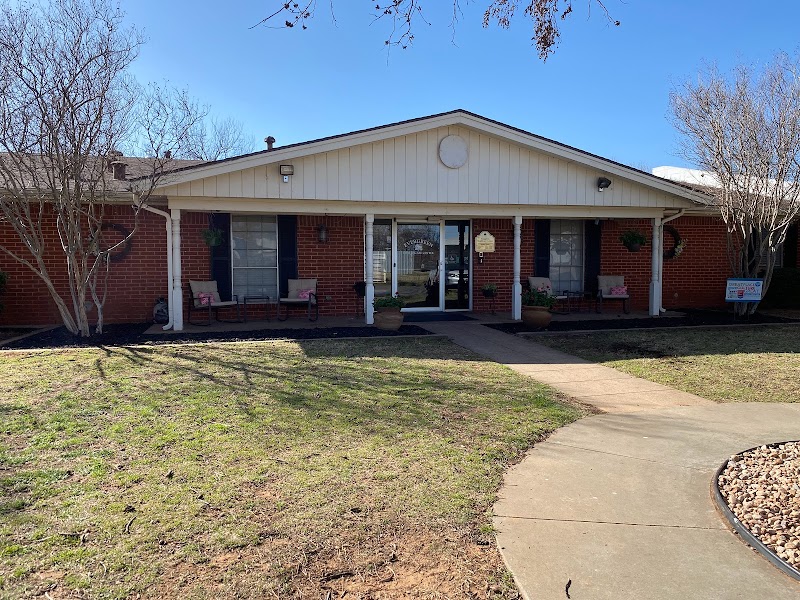
How is Evergreen Healthcare Center Staffed?

CMS rates EVERGREEN HEALTHCARE CENTER's staffing level at 1 out of 5 stars, which is much below average compared to other nursing homes. Staff turnover is 68%, which is 22 percentage points above the Texas average of 46%. High turnover can affect care consistency as new staff learn residents' individual needs. RN turnover specifically is 67%, which is notably high. RNs provide skilled clinical oversight, so turnover in this role can affect medical care quality.

What Have Inspectors Found at Evergreen Healthcare Center?

State health inspectors documented 26 deficiencies at EVERGREEN HEALTHCARE CENTER during 2022 to 2024. These included: 1 Immediate Jeopardy (the most serious level, indicating potential for serious harm or death), 2 that caused actual resident harm, 19 with potential for harm, and 4 minor or isolated issues. Immediate Jeopardy findings are rare and represent the most serious regulatory concerns. They require immediate corrective action.
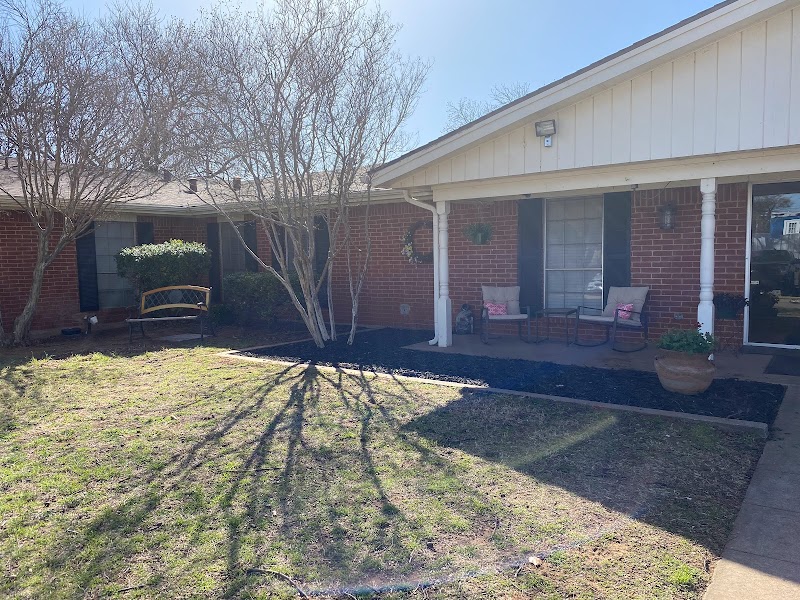
Who Owns and Operates Evergreen Healthcare Center?

EVERGREEN HEALTHCARE CENTER is owned by a for-profit company. For-profit facilities operate as businesses with obligations to shareholders or private owners. The facility is operated by SLP OPERATIONS, a chain that manages multiple nursing homes. With 60 certified beds and approximately 34 residents (about 57% occupancy), it is a smaller facility located in BURKBURNETT, Texas.

How Does Evergreen Healthcare Center Compare to Other Texas Nursing Homes?

Compared to the 100 nursing homes in Texas, EVERGREEN HEALTHCARE CENTER's overall rating (3 stars) is above the state average of 2.8, staff turnover (68%) is significantly higher than the state average of 46%, and health inspection rating (4 stars) is above the national benchmark.

What Should Families Ask When Visiting Evergreen Healthcare Center?

Based on this facility's data, families visiting should ask: "What changes have been made since the serious inspection findings, and how are you preventing similar issues?" "How do you ensure continuity of care given staff turnover, and what is your staff retention strategy?" "Can you walk me through typical staffing levels on day, evening, and night shifts?" "Can I visit during a mealtime to observe dining assistance and food quality?" These questions are particularly relevant given the facility's Immediate Jeopardy citations, the facility's high staff turnover rate, and the below-average staffing rating.

Is Evergreen Healthcare Center Safe?

Based on CMS inspection data, EVERGREEN HEALTHCARE CENTER has documented safety concerns. Inspectors have issued 1 Immediate Jeopardy citation (the most serious violation level indicating risk of serious injury or death). The facility has a 3-star overall rating and ranks #1 of 100 nursing homes in Texas. Families considering this facility should ask detailed questions about what corrective actions have been taken since these incidents.

Do Nurses at Evergreen Healthcare Center Stick Around?

Staff turnover at EVERGREEN HEALTHCARE CENTER is high. At 68%, the facility is 22 percentage points above the Texas average of 46%. Registered Nurse turnover is particularly concerning at 67%. RNs handle complex medical decisions and coordinate care — frequent RN changes can directly impact care quality. High turnover means new staff may not know residents' individual needs, medications, or preferences. It can also be disorienting for residents, especially those with dementia who rely on familiar faces. Families should ask: What is causing the turnover? What retention programs are in place? How do you ensure care continuity during staff transitions?

Was Evergreen Healthcare Center Ever Fined?

EVERGREEN HEALTHCARE CENTER has been fined $64,646 across 2 penalty actions. This is above the Texas average of $33,725. Fines in this range indicate compliance issues significant enough for CMS to impose meaningful financial consequences. Common causes include delayed correction of deficiencies, repeat violations, or care failures affecting resident safety. Families should ask facility leadership what changes have been made since these penalties.

Is Evergreen Healthcare Center on Any Federal Watch List?

EVERGREEN HEALTHCARE CENTER is not on any federal watch list. The most significant is the Special Focus Facility (SFF) program, which identifies the bottom 1% of nursing homes nationally based on persistent, serious quality problems. Not being on this list means the facility has avoided the pattern of deficiencies that triggers enhanced federal oversight. This is a positive indicator, though families should still review the facility's inspection history directly.