SHERIDAN MEDICAL LODGE
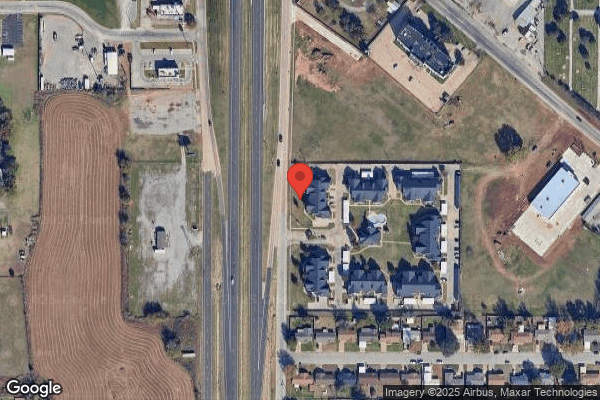

1119 S. RED RIVER EXPRESSWAY, BURKBURNETT, TX 76354 (940) 569-9500
For profit - Corporation 130 Beds FOURSQUARE HEALTHCARE Data: November 2025
Trust Grade
65/100
#557 of 1168 in TX
Last Inspection: December 2024

Within standard 12-15 month inspection cycle. Federal law requires annual inspections.

Overview

Sheridan Medical Lodge has a Trust Grade of C+, indicating it is slightly above average but not exceptional. Ranked #557 out of 1168 facilities in Texas, it places in the top half of state options, and at #6 out of 10 in Wichita County, only one local facility is better. The facility is showing an improving trend, with the number of issues decreasing from 7 in 2023 to 5 in 2024. Staffing is a concern, rated at 1 out of 5 stars, although turnover is below the state average at 49%. There have been no fines reported, which is a positive sign. However, specific issues have been flagged. For example, the facility failed to properly assess the CPAP/BiPAP needs for three residents, which could lead to unmet care needs. Additionally, care plans for several residents were incomplete, lacking important details that could affect their well-being. While the health inspection score is good at 4 out of 5, there are still weaknesses that families should consider.

Trust Score
C+
65/100
In Texas
#557/1168
Top 47%
Safety Record
Low Risk
No red flags
Inspections
Getting Better
7 → 5 violations
Staff Stability
⚠ Watch
49% turnover. Above average. Higher turnover means staff may not know residents' routines.
Penalties
✓ Good
No fines on record. Clean compliance history, better than most Texas facilities.
Skilled Nurses
⚠ Watch
Each resident gets only 14 minutes of Registered Nurse (RN) attention daily — below average for Texas. Fewer RN minutes means fewer trained eyes watching for problems.
Violations
⚠ Watch
20 deficiencies on record. Higher than average. Multiple issues found across inspections.
★★★☆☆
3.0
Overall Rating
★☆☆☆☆
1.0
Staff Levels
★★★★☆
4.0
Care Quality
★★★★☆
4.0
Inspection Score
Stable
2023: 7 issues
2024: 5 issues

The Good

  • 4-Star Quality Measures · Strong clinical quality outcomes
  • Full Sprinkler Coverage · Fire safety systems throughout facility
  • No fines on record

Facility shows strength in quality measures, fire safety.

The Bad

3-Star Overall Rating

Near Texas average (2.8)

Meets federal standards, typical of most facilities

Staff Turnover: 49%

Near Texas avg (46%)

Higher turnover may affect care consistency

Chain: FOURSQUARE HEALTHCARE

Part of a multi-facility chain

Ask about local staffing decisions and management

The Ugly 20 deficiencies on record

Dec 2024 3 deficiencies
CONCERN (D)

Potential for Harm - no one hurt, but risky conditions existed

Safe Environment (Tag F0584)

Could have caused harm · This affected 1 resident

**NOTE- TERMS IN BRACKETS HAVE BEEN EDITED TO PROTECT CONFIDENTIALITY** Based on observation, interview, and record review, the facility failed to provide housekeeping services necessary to maintain a...

Read full inspector narrative →
**NOTE- TERMS IN BRACKETS HAVE BEEN EDITED TO PROTECT CONFIDENTIALITY** Based on observation, interview, and record review, the facility failed to provide housekeeping services necessary to maintain a sanitary, orderly, and comfortable interior for 1 of 23 (Resident #3) resident's rooms observed for environmental conditions. The facility failed to ensure that Resident #3's floor was clean and sanitized. The facility's failure placed the residents at risk for diminished quality of life from environment not being kept clean. The findings included: Record review of Resident #3's face sheet dated 12/31/2024 revealed she was an [AGE] year-old female admitted to the facility on [DATE] with most recent admission on [DATE] with diagnoses to include: senile degeneration of brain (decline in mental status because of brain degeneration), colostomy status (need for external bag to collect feces), cognitive communication deficit (inability to communicate related to mental decline), anxiety disorder, and restlessness. Record review of Resident #3's significant change MDS assessment dated [DATE] revealed BIMS score of 3 which indicated severe cognitive impairment. Further review of the MDS revealed she had inattention and disorganized thinking but did not have rejection of care behaviors. Resident #3 needed helper to perform more than half of the effort for personal hygiene and was dependent on helper for toileting hygiene. Resident #3 utilized ostomy for bowel continence. Record review of Resident #3's care plan dated 12/31/2024 revealed focus that Resident #3 pulled at colostomy bag and removed appliance, she would refuse to allow staff to replace colostomy bag, and at times she would remove the colostomy bag and throw feces on the floor date initiated: 5/23/2024 and date revised: 5/3/2024. Staff interventions included May apply abdominal binder to cover ostomy due to resident removing appliance .assess me for abdominal distention .assess me for constipation .assess my bowel pattern & report any changes in condition to physician .encourage her to not remove her colostomy bag or through feces onto the floor .observe my skin daily for irritation and redness .staff to empty my colostomy bag as needed .staff to provide colostomy care as ordered. Record review of Resident #3's electronic physician orders dated 9/27/2024 revealed order for colostomy care every shift and as needed. Change colostomy bag and or wafer every 7 days and as needed. Empty colostomy bag as needed. Resident may care for colostomy as needed. During a telephone interview on 12/30/2024 at 8:22 a.m., Resident #3's representative stated she was upset with the floor and bed railing in Resident #3's room being dirty during her visits. She stated that, at one time, when she had visited, the floor was so sticky that her shoes were pulling off her feet as she walked around in the room. She stated the bed railing had been dirty with brown substance at times. She stated that she would bring up the room condition with staff and after reminding staff about it more than once, the staff would come into the room and address her concerns. She stated she did not understand why staff were not routinely checking Resident #3's room condition and did not like that they cleaned it only after her request. She stated Resident #3 did not seem bothered by it, but a reasonable person would be bothered by it and she was bothered by it during her visits with Resident #3. During an observation and interview on 12/30/2024 at 8:49 a.m., Resident #3 was lying in bed with the left side of bed against the wall. On the sheets of the left side of bed, observed a brown substance. On the left side of bed wall, observed 2 different shades of brown substance. On the floor and baseboard under the bed, observed 3 different colors (one greenish, one brownish, and one blackish) and 3 different consistencies of brown substance and touched the floor and baseboard. There was also a candy wrapper, an empty plastic and paper bag, and a see through plastic sealed bag with brown food which appeared could be brownie in it. The room had a foul odor in it. Resident #3 was lying in the bed and asking if someone would help her clean her hands because they were sticky. She had her breakfast tray in front of her on the bedside table. During an observation on 12/30/2024 at 10:49 a.m., Resident #3 lying in bed with her eyes closed and no distress observed. The wall to the left of her bed and sheets observed and no longer had brown substance on them. Under her bed the candy wrapper and bags had been removed. There was a dried circular brown ring on the floor. During an observation on 12/30/2024 at 2:46 p.m., Resident #3 lying in bed with her eyes closed and no distress observed. Under her bed there was a dried circular brown ring on the floor. During an observation and interview on 12/31/2024 at 8:25 a.m., Resident #3 was lying in bed and voiced no concerns. Observed the floor under her bed and it continued to have dried circular brown ring. During an interview on 12/30/2024 at 2:53 p.m., CNA A stated that Resident #3 had a history of removing her colostomy bag herself but didn't try to empty it on her own. During an interview on 12/31/2024 at 8:25 a.m., HK B stated she had worked on 400 hall on 12/30/2024. She stated that housekeeping was not to pick up bodily fluids such as feces. She stated CNAs were responsible for cleaning bodily fluids then housekeeping would go behind CNAs, when told, to sanitize the area if needed. She stated she had not been told to sanitize the area in Resident #3's room on 12/30/2024. During an interview on 12/31/2024 at 8:30 a.m., CNA A stated she had noticed the brown substance on Resident #3's bedding, wall, and floor on 12/30/2024. CNA A stated she was told housekeeping did not pick up bodily fluids such as feces and that she was responsible for cleaning up bodily fluids. She stated she had cleaned the bed sheets and wall using disinfectant blue top wipes the facility provided. She stated she attempted to clean up the floor area with the disinfectant wipes but could not get all the brown substance off the floor after scrubbing with disinfectant wipes. She stated housekeeping would go behind CNAs if needed to sanitize the area. She stated she had not notified housekeeping to sanitize Resident #3's room after she had attempted to sanitize it. During an interview on 12/31/2024 at 8:47 a.m., LVN C stated she had been told this morning about the brown substance on Resident #3's floor that the CNA could not remove on 12/30/2024. She stated she was not aware of the issue on 12/30/2024. LVN C stated Resident #3 had a history of taking colostomy bag off staff had interventions to try and keep her from doing so such as using extra tape and binder. She stated that nursing staff and CNAs were responsible for cleaning up bodily fluids. She stated sometimes care companions listed inside of the door of resident room would clean resident's rooms. She stated she would have gone to the ADON on 12/30/2024 had she known about dried brown substance then to ask for assistance with cleaning area. She stated she did not know why CNA did not tell her about the issue. She stated she felt no negative effect had occurred to the residents from floor not being cleaned completely of brown substance. During an interview on 12/31/2024 at 8:47 a.m., ADON D stated she expected the resident's room to be cleaned and sanitized. She stated nurses and CNAs were responsible for cleaning up bodily fluids. She stated she was responsible for monitoring that bodily fluids were cleaned up correctly and area sanitized. She stated she expected CNAs to notify her if they had issues with not being able to clean rooms after bodily fluids observed and she would have notified housekeeping to get material to clean up substance. She stated the facility ensures that residents have a clean environment by training staff members through in-services on how to clean up bodily fluids. She stated she did not know why CNA A had not asked for assistance on 12/30/2024 or why there were multiple consistencies observed under Resident #3's bed. She stated she did not feel any negative effect had been had on Resident #3 from the room not being cleaned. During an interview on 12/31/2024 at 9:28 a.m., the preceptor (trainer) DON stated she expected bodily fluids to be cleaned up from resident room and not be present for multiple shifts. She stated a reasonable person would not want to stay in a room that had dried brown substance on floor. She stated she felt the failure occurred due to staff not being trained. She stated CNAs and housekeeping were responsible for keeping rooms clean and sanitized. She stated Resident #3 had a history of removing colostomy bags and throwing feces that had been documented on care plan. She stated the housekeeping supervisor, ADON, and DON were responsible for monitoring that CNAs and housekeeping staff were cleaning bodily fluids from resident's rooms. She stated she monitored resident rooms daily. During an interview on 12/31/2024 at 12:49 p.m., the ADMN stated his expectation would be that bodily fluids were not present on the floor for multiple shifts. He stated residents will make messes and throw things on the floor, and the staff would catch it the next day. He stated the initial cleaning of bodily fluids was to be done by CNAs and then housekeeping was expected to go back and do a deep cleaning. He stated CNAs should notify housekeeping when they had completed the initial cleanup. He stated he felt communication had led to the failure. He stated supervisors should monitor that CNAs and housekeeping were cleaning rooms by performing spot room checks daily if time allowed. He stated that a reasonable person would not want to be around feces, but that Resident #3 showed no awareness that having feces on floor, was not socially acceptable. Record review of facility policy titled Quality of Life with no date revealed: The facility provides a safe, clean, comfortable, and homelike environment .Housekeeping and maintenance services necessary to maintain a sanitary, orderly and comfortable interior environment are provided. Each resident shall have bed and bath linens that are clean and in good condition. Record review of facility policy titled Infection Control Policy with no date revealed: Routine cleaning and disinfection of frequently touched or visibly soiled surfaces in common areas, resident room, and at the time of discharge are implemented and on-going.
CONCERN (E)

Potential for Harm - no one hurt, but risky conditions existed

Assessment Accuracy (Tag F0641)

Could have caused harm · This affected multiple residents

**NOTE- TERMS IN BRACKETS HAVE BEEN EDITED TO PROTECT CONFIDENTIALITY** Based on observation, interview, record review, and review of facility policy, the facility failed to ensure the accuracy of Min...

Read full inspector narrative →
**NOTE- TERMS IN BRACKETS HAVE BEEN EDITED TO PROTECT CONFIDENTIALITY** Based on observation, interview, record review, and review of facility policy, the facility failed to ensure the accuracy of Minimum Data Set (MDS) assessments for 3 (Resident #76, Resident #80 and Resident #99) of 32 residents reviewed for resident assessments. The facility failed to accurately assess Resident #76, Resident #80, and Resident #99's CPAP/BiPAP-use. This failure placed the residents at risk for unmet care needs and/or decreased quality of life. Findings include: Record review of Resident #76's electronic face sheet revealed, [AGE] year-old male admitted [DATE] with diagnoses that included Chronic Obstructive Pulmonary Disease (lung disease), Heart Failure, and Other abnormalities of breathing. Record review of Resident # 76's Quarterly MDS dated [DATE] revealed Section C Cognitive Patterns BIMS score 12 (moderately impaired cognition O Special Treatments, Procedures and Programs respiratory treatments G3 CPAP was not selected. MDS was signed by DON Record review of Resident #76's Physician orders dated 12/01/2024 revealed order dated 03/07/2022 CPAP/BiPAP (Continuous Positive Airway Pressure [a noninvasive breathing machine that helps people breathe when they are having trouble breathing]. Resident is to wear CPAP at HS (hours of sleep) at SELF TITRATING . (Resident able to adjust settings) Check placement, setting and functioning daily. During an observation on 12/29/2024 at 8:30 AM, Resident #76 was sitting in a recliner with CPAP on with eyes closed with breakfast tray on bedside table. During an interview on 12/31/2024 at 10:55 AM with LVN A, MDS Coordinator, she stated she did not know why Resident # 76's MDS did not have BiPap/CPAP coded on the MDS. She stated it did not affect payment or affect resident's care. She stated that MDS's were monitored by the DON. Record review of Resident # 80's electronic face sheet revealed [AGE] year-old male admitted [DATE] with diagnoses that included Chronic Obstructive Pulmonary Disease (lung disease), and Obstructive Sleep Apnea (stop breathing). Record review of Resident #80's Quarterly MDS dated [DATE] revealed Section C (Cognitive Patterns) BIMS score 12 (moderately impaired cognition). Section O Special Treatments, Procedures and Programs respiratory treatments G3 CPAP was not selected. MDS was signed by RN A Record review of Resident #80's Physician orders dated 12/01/2024 revealed order dated 08/30/2022 CPAP/BiPAP Resident is to wear CPAP at HS (hours of sleep) at Home Settings. Check placement, setting and functioning daily. During an observation on 12/29/2024 at 9:00 AM, Resident #80 was lying in a bed sleeping with CPAP at bedside and not wearing CPAP. Record review of Resident # 99's electronic face sheet revealed [AGE] year-old male admitted [DATE] with diagnoses that included Chronic Obstructive Pulmonary Disease (lung disease), and Obstructive Sleep Apnea (stop breathing). Record review of Resident #99's Quarterly MDS dated [DATE] Section C (Cognitive Patterns BIMS score 11 (moderately impaired cognition). Section O Special Treatments, Procedures and Programs respiratory treatments G2 BiPAP was not selected, and G3 CPAP was not selected. MDS was signed by DO N. Record review of Resident #99's Physician orders revealed order dated 11/12/2024 was for Resident to wear CPAP at HS (hours of sleep) with home settings. Check placement, setting and functioning daily. During an observation on 12/29/2024 at 09:15 AM, Resident # 99 was observed in room with CPAP on table beside bed and not wearing CPAP. During an interview on 12/31/2024 at 12:46 PM, the DON stated she would expect the MDS to be coded correctly. The DON stated she did not know why CPAP was not coded on the MDS. The DON stated there was no payment benefit from coding incorrectly and it did not affect the resident's care. The DON stated she was responsible for reviewing MDS for accuracy. During an interview on 12/31/2024 at 12:52 PM, preceptor DON (monitors DON in training) stated she would expect CPAP to be coded on MDS if a resident used a CPAP. The preceptor DON stated there were no negative effects on resident if CPAP was not coded on MDS, due to care would be the same. The preceptor DON stated the MDS Coordinators were responsible for accurate coding of MDS and the DON monitored that the MDS were correct. The preceptor DON stated she did not know why CPAP was not coded. Review of facility's policy titled Resident Assessment not dated. It is the policy of this facility to conduct and document, initially and periodically, a comprehensive, accurate, standardized, reproducible assessment of a resident's functional capacity on all residents admitted to the facility. The facility will electronically transmit to CMS resident-entry-and -death-in-facility tracking records required by the RAI; and OBRA assessments, including admission, annual, quarterly, significant change, significant Correction, and discharge assessments. This will provide the facility with the information. necessary to develop a care plan and to provide appropriate care and services for each resident. Accuracy of Assessments: The assessment must accurately reflect the resident's status. Each resident's comprehensive assessment is conducted or coordinated by a registered nurse with the appropriate participation of health professionals. The registered nurse who conducts or coordinates each assessment shall sign and certify the completion of the assessment. Each individual who completes a portion of the assessment will sign and certify accuracy of that portion of the assessment.
CONCERN (E)

Potential for Harm - no one hurt, but risky conditions existed

Comprehensive Care Plan (Tag F0656)

Could have caused harm · This affected multiple residents

**NOTE- TERMS IN BRACKETS HAVE BEEN EDITED TO PROTECT CONFIDENTIALITY** Based on interview and record review, the facility failed to develop and implement a comprehensive, person-centered care plan fo...

Read full inspector narrative →
**NOTE- TERMS IN BRACKETS HAVE BEEN EDITED TO PROTECT CONFIDENTIALITY** Based on interview and record review, the facility failed to develop and implement a comprehensive, person-centered care plan for each resident that included measurable objectives and time frames to meet, attain, and/or maintain the resident's highest practicable physical, mental, and psychosocial well-being for 7 of 23 residents (Residents #39, #97, #115, #227, #231, #234, and #236) reviewed for care plans in that: 1. The facility failed to ensure Resident #39 had a care plan in place for urinary incontinence, mood state, activities, or dehydration/fluid maintenance triggered on the resident's CAA. 2. The facility failed to ensure Resident #97 had a care plan in place for cognitive loss/dementia, visual, urinary incontinence, psychosocial well-being, mood status, activities, falls, or nutritional status triggered on the resident's CAA. 3. The facility failed to ensure Resident #115 had a comprehensive care plan addressing cognitive loss/dementia, psychosocial well-being, activities, or pressure ulcer/injury triggered on the resident's CAA. 4. The facility failed to ensure Resident # 227 had comprehensive care plan addressing urinary incontinence, psychosocial well-being, mood status, or activities triggered on the resident's CAA. 5. The facility failed to ensure Resident #231 had a comprehensive care plan addressing cognitive loss/dementia, communication, functional abilities (self-care/mobility), urinary incontinence, psychosocial well-being, or activities triggered on the resident's CAA. 6. The facility failed to ensure Resident #234 had a comprehensive care plan addressing cognitive loss/dementia, functional abilities (self-care/mobility), urinary incontinence, psychosocial well-being, activities, or falls triggered on the resident's CAA. 7. The facility failed to ensure Resident #236 had a comprehensive care plan addressing cognitive loss/dementia, visual, psychosocial well-being, mood state, or activities triggered on the resident's CAA. These failures could affect residents by placing them at risk of not receiving individualized care and services to meet their needs. The findings included the following: 1. Review of Resident #39's face sheet revealed he was a [AGE] year-old male. Resident #39 was initially admitted to the facility on [DATE] and was recently readmitted on [DATE] with the medical diagnoses of dementia, glaucoma (a group of eye diseases that affect the optical nerve), epilepsy, high cholesterol, difficulty swallowing, prostate cancer, schizoaffective disorder (a chronic disorder that combines schizophrenia and a mood disorder), bipolar disorder, high blood pressure, and anxiety. Record review of Resident #39's Quarterly MDS assessments dated 12/23/2024 revealed in Section C - Cognitive patterns subsection C0500: BIMS Score Summary revealed a score of 08 out of 15 indicating moderate cognitive loss. Record review of Resident #39 CAA Worksheet dated 11/18/24 revealed the following care areas were triggered but not addressed on the care plan: 06. Urinary Incontinence and Indwelling Catheter. The section titled Care Plan Considerations revealed Will Urinary Incontinence - Indwelling Catheter - Functional Status be addressed on the care plan? An answer of Yes was entered; 08. Mood State. The section titled Care Plan Considerations revealed Will Mood State - Functional Status be addressed on the care plan? An answer of Yes was entered; 10. Activities. The section titled Care Plan Considerations revealed Will Activities - Functional Status be addressed on the care plan? An answer of Yes was entered; 14. Dehydration/Fluid Maintenance. The section titled Care Plan Considerations revealed Will Dehydration/Fluid Maintenance - Functional Status be addressed on the care plan? An answer of Yes was entered. Record review of Resident #39's Care Plan dated 11/18/24 revealed the following focus areas without measurable goals: Focus: Resident at risk for complications associated w/ routine use of psychotropic medications with a goal of Resident has desired benefit of current therapy & perceived risks are outweighed; and Potential for weight loss due to Mechanically altered diet. Resident has a potential for malnutrition. Resident has had a decreased in appetite with a goal of Resident will maintain adequate weight. Further review revealed no evidence of care objectives, goals, or interventions for urinary incontinence and indwelling catheter, mood state, activities, or dehydration/fluid maintenance as triggered on the resident's CAA. 2. Review of Resident #97's face sheet revealed a [AGE] year-old female. Resident #97's initial admission date was 12/27/2022 and was readmitted on [DATE] with medical diagnoses of Metabolic Encephalopathy (brain disfunction caused by a chemical imbalance in the blood that affects the brain), stroke, neuropathy (nerves outside the brain and spinal cord are damaged), rheumatoid arthritis, anxiety, cataracts, high blood pressure, inguinal hernia (a bulge that occurs when a part of the intestines or fatty tissue protrude through a weak area in the abdominal muscles), fibromyalgia (a chronic condition characterized by widespread pain and tenderness in the body), low blood potassium, and high cholesterol. Record review of Resident #97's Significant Change in Status MDS dated [DATE] revealed in Section C - Cognitive patters subsection C0500. BIMS Score Summary revealed a score of 12 out of 15 indicating moderate cognitive loss. Record review of Resident #97's CAA Worksheet dated 12/23/24 revealed the following care areas were triggered but not addressed on the care plan: 02. Cognitive loss/Dementia. The section titled Care Plan Considerations revealed Will Cognitive Loss/Dementia - Functional Status be addressed on the care plan? An answer of Yes was entered; 03. Visual Function. The section titled Care Plan Considerations revealed Will Visual Function - Functional Status be addressed on the care plan? An answer of Yes was entered; 06. Urinary Incontinence and Indwelling Catheter. The section titled Care Plan Considerations revealed Will Urinary Incontinence - Indwelling Catheter - Functional Status be addressed on the care plan? An answer of Yes was entered; 07. Psychosocial Well-being. The section titled Care Plan Considerations revealed Will Psychosocial Well-being - Functional Status be addressed on the care plan? An answer of Yes was entered; 08. Mood State. The section titled Care Plan Considerations revealed Will Mood State - Functional Status be addressed on the care plan? An answer of Yes was entered; 10. Activities. The section titled Care Plan Considerations revealed Will Activities - Functional Status be addressed on the care plan? An answer of Yes was entered; 11. Falls. The section titled Care Plan Considerations revealed Will Falls - Functional Status be addressed on the care plan? An answer of Yes was entered; 12. Nutritional Status. The section titled Care Plan Considerations revealed Will Nutritional Status - Functional Status be addressed on the care plan? An answer of Yes was entered. Record review of Resident #97's Care Plan dated 11/05/24 revealed the following focus areas without a measurable goal: Focus Potential for weight loss with the goal Resident will maintain adequate weight. Further review of care plan revealed no evidence of care objectives, goals, or interventions for cognitive loss/dementia, visual, urinary incontinence, psychosocial well-being, mood status, activities, falls, or nutritional status as triggered on the resident's CAA. 3. Review of Resident #115's face sheet revealed a [AGE] year-old female, admitted on [DATE] with medical diagnoses of Kidney failure, stroke, high blood potassium, high blood pressure, dependent on renal dialysis, insomnia, anxiety, and depression. Record review of Resident #115's admission MDS dated [DATE] revealed in Section C - Cognitive patters subsection C0500. BIMS Score Summary revealed a score of 12 out of 15 indicating moderate cognitive loss. Record review of Resident #115 CAA Worksheet dated 12/11/24 revealed the following care areas were triggered but not addressed on the care plan: 02. Cognitive loss/Dementia The section titled Care Plan Considerations revealed Will Cognitive Loss/Dementia - Functional Status be addressed on the care plan? An answer of Yes was entered; 07. Psychosocial Well-being. The section titled Care Plan Considerations revealed Will Psychosocial Well-being - Functional Status be addressed on the care plan? An answer of Yes was entered; 10. Activities. The section titled Care Plan Considerations revealed Will Activities - Functional Status be addressed on the care plan? An answer of Yes was entered. 16. Pressure Ulcer/Injury. The section titled Care Plan Considerations revealed Will Pressure Ulcer/Injury - Functional Status be addressed on the care plan? An answer of Yes was entered. Record review of Resident #115's Care Plan dated 12/10/24 revealed the following focus areas without measurable goals: Focus Pain/Pain Management with the goal of Resident will be at a tolerable level of pain; Focus Potential for weight loss with a goal of Resident will maintain adequate weight; Focus Renal Dialysis with a goal of Resident will maintain optimal function/mobility; Focus Assist with ADLs with a goal of able to perform self care to optimal level. Further review of care plan revealed no evidence of care objectives, goals, or interventions for cognitive loss/dementia, psychosocial well-being, activities, or pressure ulcer/injury as triggered on the resident's CAA. 4. Review of Resident #227's face sheet revealed a [AGE] year-old female admitted on [DATE] with medical diagnoses of post-operative hip replacement, high blood pressure, anemia, low thyroid function, and history of falls. Record review of Resident #227's admission MDS dated [DATE] revealed in Section C - Cognitive patters subsection C0500. BIMS Score Summary revealed a score of 10 out of 15 indicating moderate cognitive loss. Record review of Resident #227's CAA Worksheet dated 12/19/24 revealed the following care areas were triggered but not addressed on the care plan: 06. Urinary Incontinence and Indwelling Catheter. The section titled Care Plan Considerations revealed Will Urinary Incontinence - Indwelling Catheter - Functional Status be addressed on the care plan? An answer of Yes was entered; 07. Psychosocial Well-being. The section titled Care Plan Considerations revealed Will Psychosocial Well-being - Functional Status be addressed on the care plan? An answer of Yes was entered; 08. Mood State. The section titled Care Plan Considerations revealed Will Mood State - Functional Status be addressed on the care plan? An answer of Yes was entered; 10. Activities. The section titled Care Plan Considerations revealed Will Activities - Functional Status be addressed on the care plan? An answer of Yes was entered. Record review of Resident #227's Care Plan dated reviewed/revised 12/20/24 revealed the following focus areas without measurable goals: Focus Resident requires assist with ADLs with a goal of Resident will be able to perform self care to optimal level, and Focus Potential for weight loss due to altered diet with a goal of Resident will maintain adequate weight. Further review of care plan revealed no evidence of care objectives, goals, or interventions for urinary incontinence, psychosocial well-being, mood status, or activities as triggered on the resident's CAA. 5. Review of Resident #231's face sheet revealed a [AGE] year-old female admitted on [DATE] with medical diagnoses of post-operative hip replacement, high blood pressure, COPD (a lung disease that damages the airways), dehydration, and generalized weakness. Record review of Resident #231's admission MDS dated [DATE] revealed in Section C - Cognitive patters subsection C0500. BIMS Score Summary revealed a score of 12 out of 15 indicating moderate cognitive loss. Record review of Resident #231's CAA Worksheet dated 12/26/24 revealed the following care areas were triggered but not addressed on the care plan: 02. Cognitive loss/Dementia The section titled Care Plan Considerations revealed Will Cognitive Loss/Dementia - Functional Status be addressed on the care plan? An answer of Yes was entered; 04. Communication. The section titled Care Plan Considerations revealed Will Communication - Functional Status be addressed on the care plan? An answer of Yes was entered; 05. Functional Abilities (Self-Care and Mobility). The section titled Care Plan Considerations revealed Will Functional Abilities (Self-Care and Mobility) - Functional Status be addressed on the care plan? An answer of Yes was entered; 06. Urinary Incontinence and Indwelling Catheter. The section titled Care Plan Considerations revealed Will Urinary Incontinence - Indwelling Catheter - Functional Status be addressed on the care plan? An answer of Yes was entered; 07. Psychosocial Well-being. The section titled Care Plan Considerations revealed Will Psychosocial Well-being - Functional Status be addressed on the care plan? An answer of Yes was entered; 10. Activities. The section titled Care Plan Considerations revealed Will Activities - Functional Status be addressed on the care plan? An answer of Yes was entered. Record review of Resident #231's Care Plan dated 12/23/24 revealed the following focus areas without measurable goals: Focus The resident is resistive to care with a goal of The resident will cooperate with care, and Focus Potential for weight loss with a goal of The resident will maintain adequate weight. Further review of care plan revealed no evidence of care objectives, goals, or interventions for cognitive loss/dementia, communication, functional abilities (self-care/mobility), urinary incontinence, psychosocial well-being, or activities as triggered on the resident's CAA. 6. Review of Resident #234's face sheet revealed a [AGE] year-old male admitted on [DATE] with medical diagnosis of Color-rectal cancer, liver cancer, Meniere's disease (an inner ear disorder that causes loss of balance), post-operative laminectomy (a surgical procedure to remove the top part of a vertebrae to relieve pressure on a nerve), high blood pressure, and chronic pulmonary embolism (a blood clot that travels to the lung causing a blockage). Record review of Resident #234's admission MDS dated [DATE] revealed in Section C - Cognitive patters subsection C0500. BIMS Score Summary revealed a score of 11 out of 15 indicating moderate cognitive loss. Record review of Resident #234's CAA Worksheet dated 12/20/24 revealed the following care areas were triggered but not addressed on the care plan: 02. Cognitive loss/Dementia The section titled Care Plan Considerations revealed Will Cognitive Loss/Dementia - Functional Status be addressed on the care plan? An answer of Yes was entered; 05. Functional Abilities (Self-Care and Mobility). The section titled Care Plan Considerations revealed Will Functional Abilities (Self-Care and Mobility) - Functional Status be addressed on the care plan? An answer of Yes was entered; 06. Urinary Incontinence and Indwelling Catheter. The section titled Care Plan Considerations revealed Will Urinary Incontinence - Indwelling Catheter - Functional Status be addressed on the care plan? An answer of Yes was entered; 07. Psychosocial Well-being. The section titled Care Plan Considerations revealed Will Psychosocial Well-being - Functional Status be addressed on the care plan? An answer of Yes was entered; 10. Activities. The section titled Care Plan Considerations revealed Will Activities - Functional Status be addressed on the care plan? An answer of Yes was entered. 11. Falls. The section titled Care Plan Considerations revealed Will Falls - Functional Status be addressed on the care plan? An answer of Yes was entered. Record review of Resident #234's Care plan dated 12/13/24 revealed the following focus areas without measurable goals: Focus I use colostomy with a goal of My colostomy will function properly, Focus Potential for weight loss with a goal of Resident will maintain adequate weight and Focus At risk for increased pain with a goal of Pain will be controlled with current interventions. Further review of care plan revealed no evidence of care objectives, goals, or interventions for cognitive loss/dementia, functional abilities (self-care/mobility), urinary incontinence, psychosocial well-being, activities, or falls task triggered on the resident's CAA. 7. Review of Resident #236's face sheet revealed a [AGE] year-old female admitted on [DATE] with medical diagnoses of atrial fibrillation (an irregular heart rhythm), rheumatoid arthritis, glaucoma, heart failure, celiac disease (the body's immune system reacts to gluten), and cerebral hemorrhage (bleeding in the brain). Record review of Resident #236's admission MDS dated [DATE] revealed in Section C - Cognitive patters subsection C0500. BIMS Score Summary revealed a score of 12 out of 15 indicating moderate cognitive loss. Record review of Resident #236's CAA Worksheet dated 12/27/24 revealed the following care areas were triggered but not addressed on the care plan: 02. Cognitive loss/Dementia The section titled Care Plan Considerations revealed Will Cognitive Loss/Dementia - Functional Status be addressed on the care plan? An answer of Yes was entered; 03. Visual Function. The section titled Care Plan Considerations revealed Will Visual Function - Functional Status be addressed on the care plan? An answer of Yes was entered; 07. Psychosocial Well-being. The section titled Care Plan Considerations revealed Will Psychosocial Well-being - Functional Status be addressed on the care plan? An answer of Yes was entered; 08. Mood State. The section titled Care Plan Considerations revealed Will Mood State - Functional Status be addressed on the care plan? An answer of Yes was entered; 10. Activities. The section titled Care Plan Considerations revealed Will Activities - Functional Status be addressed on the care plan? An answer of Yes was entered. Record review of Resident #236's Care Plan dated 12/27/24 revealed the following focus areas without measurable goals: Focus Potential for weight loss with a goal of Resident will maintain adequate weight, and Focus Pain/pain management with a goal of Resident will be at a tolerable level of pain. Further review of care plan revealed no evidence of care objectives, goals, or interventions for cognitive loss/dementia, visual, psychosocial well-being, mood state, or activities as triggered on the resident's CAA. During an interview on 12/31/24 at 12:41 PM, MDS Coordinator-LVN E stated she and MDS Coordinator-LVN F were responsible for entering data for the MDS. MDS Coordinator-LVN E explained when the MDS was created, it triggered the resident's Care Area Assessment list. The care plan was developed from the CAAs identified. MDS Coordinator-LVN E stated a possible explanation for CAAs not addressed on care plan was oversight and workload. MDS Coordinator-LVN E stated training was on the job. She stated she had been doing MDSs for 13 years. MDS Coordinator-LVN E explained corporate provided annual training and when an important update was released, face-to-face training. She stated a corporate nurse reviewed random MDSs monthly for accuracy. MDS Coordinator-LVN F stated potential effect on residents were if a care area was not addressed on the care plan, it may lead to tasks missed because it would not be listed in the electronic record, or a resident may not achieve their full potential. MDS Coordinator-LVN E stated the goals on care plans were selected using the available choices in the electronic record template. MDS Coordinator-LVN F stated modifying the prepopulated goals had not been done. LVN E stated she could not think of how unmeasurable goals may affect residents. During a group interview on 12/31/24 at 01:15 PM, the Administrator and DON stated care areas identified on CAAs should be addressed on the care plan. The Administrator and DON could not explain why care areas triggered were not addressed on care plans. The Administrator stated periodic checks for accuracy were performed by leadership. The DON stated during daily morning meetings resident changes such as new orders were discussed, and care plans were updated during the meeting as needed. The DON stated she did not feel missed care areas on the care plan would affect a resident. The DON stated training was provided by a corporate representative at least annually. The DON and Administrator were not able to explain why goals on the care plans were not measurable. The Administrator stated he felt goals were appropriate if a resident was assessed and findings supported stated goals and/or interventions documented. He stated an example of pain due to the subjectivity of assessing pain and an example of maintaining weight due to various methods of assessing nutritional status and effects of disease processes on body weight. Review of facility undated policy titled Care Plan policy Comprehensive Person-Centered Resident Care Planning, revealed: A comprehensive person-centered care plan is developed and implemented for each resident, consistent with the resident's rights and will incorporate resident-centered goals and wishes about their care, activities, and lifestyle to include measurable short-term and long-term objectives and time frames to meet a resident's medical, nursing, and mental and psychosocial needs that are identified in the comprehensive assessment.
Mar 2024 1 deficiency
CONCERN (E) 📢 Someone Reported This

A family member, employee, or ombudsman was alarmed enough to file a formal complaint

Potential for Harm - no one hurt, but risky conditions existed

Deficiency F0657 (Tag F0657)

Could have caused harm · This affected multiple residents

**NOTE- TERMS IN BRACKETS HAVE BEEN EDITED TO PROTECT CONFIDENTIALITY** Based on observation, interview, and record review, the facility failed to update the comprehensive care plan after the assessme...

Read full inspector narrative →
**NOTE- TERMS IN BRACKETS HAVE BEEN EDITED TO PROTECT CONFIDENTIALITY** Based on observation, interview, and record review, the facility failed to update the comprehensive care plan after the assessment for 2 of 3 residents (Resident #'s 1 and 4) reviewed for plan of care revision. The facility failed to include in the care plan a right foot brace/pose brace for Resident #1. The facility failed to include in the care plan, Behavioral Interventions for Resident #4. This failure could place the residents at risk of decline in health status and unmet physical and psychosocial needs due to the staff and providers not having the most current information for the Resident's plan of care. Findings include: Record review of Resident # 1's face sheet dated 3/28/24 revealed he was an [AGE] year-old male who was originally admitted to the facility on [DATE] and readmitted on [DATE] with the following diagnoses: osteoarthritis, unsteadiness on feet, muscle weakness, and lack of coordination. It was not updated to include the diagnosis of peroneal palsy and the associated symptom of right foot drop. Record review of Resident #1's physician orders dated 02/05/24 revealed the following: posey to right foot bootie at all times until AFO (ortho ankle foot orthosis) Brace arrives. The order was discontinued on 03/01/24. A physician order for the diagnosis of peroneal palsy (a mononeuropathy of the lower extremity that can be debilitating with symptoms ranging from mild sensory loss to severe pain and foot drop) was added 0n 02/14/24. Resident needs AFO brace to right ankle. Record review of physician orders dated 03/28/24 revealed: Resident has AFO brace to right foot remove and assess skin daily. Record review of Resident #1's electronic health record revealed the most recent comprehensive care plan dated 03/20/24 did not contain revisions for a Right foot brace. Record review of Resident #1's admission MDS dated [DATE] revealed the following: section C documented Resident # 1's BIMS was 15, section GG documented the resident was wheelchair bound, section I documented the resident had a diagnosis of other neurologic condition, and section O Restraint or brace assist was marked no. Interview and observation with Resident #1 on 3/28/24 at 12:30 PM revealed he was wearing the brace to his rt foot. He stated therapy did not always reapply the brace after his daily therapy session he stated he did not really care about wearing the brace, but his daughter insisted. Interview with Resident #1 family member on 3/28/24 at 1:30 pm revealed the family member visited the resident daily. She stated the therapy department encouraged the resident to go without the brace and did not think he needed the brace. Interview with the occupational therapist on 3/28/24 revealed she was aware of the order for the right foot brace written by Resident31's neurologist, but she did not think the resident needed the right foot brace. She stated she believed the foot drop would improve with exercise. Record review of Resident # 4's face sheet dated 3/28/24 revealed she was an [AGE] year-old female who was most recently admitted to the facility on [DATE] with the following diagnoses: Dementia without behavioral disturbances, schizoaffective disorder, and Psychosis. Record review of Resident #4's physician orders dated 02/05/24 revealed the following: Psychoactive medication behavior monitoring: the resident takes Lexapro, buspirone, and trazodone for diagnoses of depression and insomnia. Document any behaviors or side effects every shift. Record review of Resident # 4's Quarterly MDS assessment dated [DATE] Section E documented Resident #4 had no physical behavioral symptoms, but exhibited verbal behavioral symptoms (threatening, screaming, or cursing) at others. Section C revealed her BIMS score was 7 which indicated moderate cognitive impairment. Record review of Resident #4's electronic health record revealed the most recent comprehensive care plan dated 03/28/24 did not contain revisions for resident behaviors or behavior monitoring. Interview on 03/28/24 at 1:00 pm with the DON revealed it would be her expectation that the care plan should include a focus area for application of the right foot brace for Resident #1, and a focus area for behaviors on Resident #4. She stated the care plan should be updated by the MDS nurse. She stated failure to update the care plan could result in the resident not receiving the care he needs. She stated the care plan had not been revised to include the diagnoses of peroneal palsy or the intervention of a foot brace for Resident #1 and Resident #4's behavior She stated the care plans were not updated and they should have been updated for Res, but they should have been revised. She stated it was the MDS nurse responsibility for updating the care plans and she had not checked them to see that all areas were addressed for Resident #'s 1 and 4. Review of the facility policy and procedure for Comprehensive Person-Centered Resident Care Planning, not dated, revealed the following [in part]: Each resident's plan of care shall be periodically reviewed and revised by an interdisciplinary team after each MDS assessment, including both the comprehensive and quarterly review assessments to reflect the resident's current care needs .
Feb 2024 1 deficiency
CONCERN (E) 📢 Someone Reported This

A family member, employee, or ombudsman was alarmed enough to file a formal complaint

Potential for Harm - no one hurt, but risky conditions existed

Infection Control (Tag F0880)

Could have caused harm · This affected multiple residents

**NOTE- TERMS IN BRACKETS HAVE BEEN EDITED TO PROTECT CONFIDENTIALITY** Based on observations, interview and record review, the facility failed to establish and maintain an infection prevention and co...

Read full inspector narrative →
**NOTE- TERMS IN BRACKETS HAVE BEEN EDITED TO PROTECT CONFIDENTIALITY** Based on observations, interview and record review, the facility failed to establish and maintain an infection prevention and control program designed to provide a safe, sanitary, and comfortable environment and to help prevent the development and transmission of communicable diseases and infections for 3(Resident #1, Resident #5 and Resident #6) of 3 residents reviewed for infection control. techniques in that: 1. The facility failed to ensure the 200 hall CNA E washed or sanitized her hands in between rooms or between feeding the following: Resident #6 and entering room and setting up Resident #1's food tray; after setting up Resident #1's room tray CNA E left Resident #1's room to set up tray for Resident #5. 2. The facility failed to ensure that 200 hall CNA E sanitized her hands or donned gloves when touching Resident #5's potato. 3. The facility failed to ensure the 200 hall MA C washed or sanitized her hands or donned gloves prior to feeding Resident #6. These failures could place residents at risk of infections. The findings included: 1. Record review of Resident #1's face sheet, dated 2/16/2024, revealed he was a [AGE] year-old male who was admitted to the facility on [DATE] with diagnoses which included muscle weakness and paraplegia (paralysis of lower body typically caused by spinal injury or disease). 2. Record review of Resident #5's face sheet, dated 02/16/2024, revealed Resident #5 was an [AGE] year-old female who was admitted to the facility on [DATE] with a diagnosis of which included Dysphagia follow other cerebrovascular disease (difficulty swallowing) and hypertension (high blood pressure). 3 Record review of Resident #6's face sheet, dated 2/16/2024, revealed he was a [AGE] year-old male who was admitted to the facility on [DATE] with a diagnosis which included metabolic encephalopathy (chemical imbalance causing brain injury) and malignant neoplasm of prostate (cancer of prostate). Record review of Resident #5's MDS assessment, dated 01132024 , revealed the following: Section C revealed a staff assessment of the BIMS score of 99, which indicated the resident was unable to complete the interview. Section GG revealed the resident was dependent-Helper does ALL the effort. Resident does none of the effort to complete the activity. Or the assistance of 2 or more helpers is required for the resident to complete the activity. Observation and interview on 02/15/24 at 5:10 PM revealed CNA E on the 200 hall was feeding Resident #6 without use of gloves, then stood from feeding and retrieved tray for Resident #1, entered Resident #1's room and set up his tray, then returned to the cart to retrieve a tray for Resident #5. CNA E began to set up Resident #5's tray, opened potato, smashed potato with hands. CNA E did not perform hand hygiene of handwashing nor use of alcohol-based gel sanitizer nor don gloves between residents or trays. MA C stepped in to feed Resident #6, removed her hands from pockets and began feeding resident. MA C did not perform hand hygiene of handwashing nor use of alcohol-based gel sanitizer nor don gloves. MA C stated, I just forgot to wash or sanitize my hands; I know I'm supposed to. Interview on 2/15/24 at 5:20 PM CNA E stated, I am supposed to wash my hands or use hand sanitizer, but we are busy because the bistro is being remodeled and I was in a hurry and just forgot. Interview on 2/15/24 at 5:30 PM, the Administrator stated, proper hand hygiene is the expectation, to follow their policy and he would in-service the staff immediately. Interview on 2/16/24 at 10:05 am, the DON revealed, all of the CNA's and MAs were trained to perform hand hygiene. DON stated her expectation for hand hygiene was, wash hands or use gel sanitizer and they have all been trained. Review of the facility policy stated [in-part]: A. Feeding the resident - Section F - Undated 1. Wash hands 2. 7. When assisting residents be sure to observe infection control procedure in that all food handled prior to and during feeding is not touched unless gloves/utensils are used. Handwashing between soiled and clean task is done as needed. B. Hand Washing - Section H - Undated 1. Hand washing is required before and after a procedure that involves direct or indirect contact with a resident, after contact with any waste or contaminated materials, before handling any food or food receptacle, or at any time hands are soiled.
Oct 2023 6 deficiencies
CONCERN (D)

Potential for Harm - no one hurt, but risky conditions existed

Comprehensive Assessments (Tag F0636)

Could have caused harm · This affected 1 resident

**NOTE- TERMS IN BRACKETS HAVE BEEN EDITED TO PROTECT CONFIDENTIALITY** Based on interview and record review, the facility failed to ensure a comprehensive assessment was completed within 14 calendar ...

Read full inspector narrative →
**NOTE- TERMS IN BRACKETS HAVE BEEN EDITED TO PROTECT CONFIDENTIALITY** Based on interview and record review, the facility failed to ensure a comprehensive assessment was completed within 14 calendar days following admission to the facility, excluding days absent from the facility for a temporary hospitalization, for 1 of 4 residents (Resident #165) whose records were reviewed for admission MDS assessments, in that: Resident #165 was initially admitted to the facility on [DATE] and was temporarily hospitalized from [DATE] to 10/03/2023. A comprehensive MDS assessment had not been completed for Resident #165. The facility's failure placed the resident at risk for health conditions and care needs not being identified and personal health and care needs not being met. The findings included: Review of Resident #165's admission Record, dated 10/18/23, revealed an [AGE] year-old male initially admitted to the facility on [DATE] and a return date on 10/03/23. The resident's diagnoses included: heart failure; anemia; hypothyroidism (low thyroid hormone level); hyperlipidemia (high cholesterol level); depression; essential hypertension (high blood pressure); hyperglycemia (high blood sugar level); end stage renal disease (advanced stage of kidney failure and loss of kidney function); and dependence on renal dialysis. Review of the Nursing Notes, dated 9/29/23, revealed Resident #165 was transported to the hospital. Review of the Nursing Notes, dated 10/03/23, revealed Resident #165 returned to the facility with diagnoses of fluid overload and end stage renal disease. Review of Resident #165's MDS Assessment History revealed a Medicare 5-day MDS Assessment, dated 9/26/23, had been completed. The admission MDS Assessment had not been completed. In an interview on 10/18/23 at 2:38 PM, the Corporate MDS Coordinator stated an admission MDS Assessment for Resident #165 should have been completed 14 days from his initial admission, excluding the days out of the facility for temporary hospital stay with a return anticipated. She stated the admission MDS Assessment should have been completed by 10/06/23. In an interview on 10/19/23 at 9:47 AM, the Corporate MDS Coordinator stated the facility MDS assessment nurses go by the instructions in the RAI manual. She stated there was not a facility policy and procedure for completing MDS assessments. Review of the Long-Term Care Facility Resident Assessment Instrument 3.0 User's Manual, Version 1.18.11, effective 10/01/2023, revealed the following [in part]: CH 2: Assessments for the RAI Comprehensive Assessments Assessment Management Requirements and Tips for admission Assessments: Since a day begins at 12:00 a.m. and ends at 11:59 p.m., the actual date of admission, regardless of whether admission occurs at 12:00 a.m. or 11:59 p.m., is considered day 1 of admission. The ARD (item A2300) must be set no later than day 14, counting the date of admission as day 1. Since a day begins at 12:00 a.m. and ends at 11:59 p.m., the ARD must also cover this time period. For example, if a resident is admitted at 8:30 a.m. on Wednesday (day 1), a completed RAI is required by the end of the day Tuesday (day 14). Federal statute and regulations require that residents are assessed promptly upon admission (but no later than day 14) and the results are used in planning and providing appropriate care to attain or maintain the highest practicable well-being. This means it is imperative for nursing homes to assess a resident upon the individual's admission. The IDT may choose to start and complete the admission comprehensive assessment at any time prior to the end of day 14. Nursing homes may find early completion of the MDS and CAA(s) beneficial to providing appropriate care, particularly for individuals with short lengths of stay when the assessment and care planning process is often accelerated. The MDS completion date (item Z0500B) must be no later than day 14. This date may be earlier than or the same as the CAA(s) completion date, but not later than. The CAA(s) completion date (item V0200B2) must be no later than day 14. The care plan completion date (item V0200C2) must be no later than 7 calendar days after the CAA(s) completion date (item V0200B2) (CAA(s) completion date + 7 calendar days). If a resident had an OBRA admission assessment completed and then goes to the hospital (discharge return anticipated and returns within 30 days) and returns during an assessment period and most of the assessment was completed prior to the hospitalization, then the nursing home may wish to continue with the original assessment, provided the resident does not meet the criteria for an SCSA. In this case, the ARD remains the same and the assessment must be completed by the completion dates required of the assessment type based on the time frame in which the assessment was started. Otherwise, the assessment should be reinitiated with a new ARD and completed within 14 days after reentry from the hospital. The portion of the resident's assessment that was previously completed should be stored on the resident's record with a notation that the assessment was reinitiated because the resident was hospitalized .
CONCERN (D)

Potential for Harm - no one hurt, but risky conditions existed

Comprehensive Care Plan (Tag F0656)

Could have caused harm · This affected 1 resident

**NOTE- TERMS IN BRACKETS HAVE BEEN EDITED TO PROTECT CONFIDENTIALITY** Based on observation, interview, and record review, the facility failed to develop and implement a comprehensive person-centered...

Read full inspector narrative →
**NOTE- TERMS IN BRACKETS HAVE BEEN EDITED TO PROTECT CONFIDENTIALITY** Based on observation, interview, and record review, the facility failed to develop and implement a comprehensive person-centered care plan that included measurable objective and time frames to meet the resident's medical, nursing, and mental and psychosocial needs that are identified in the comprehensive assessment for 1 of 18 residents (Resident #173) whose care plans were reviewed, in that: Resident #173 had an order to use supplemental oxygen continuously. The resident's comprehensive care plan did not address the resident's use of oxygen and the care needs associated with the use of supplemental oxygen. This failure placed the resident at risk for not receiving supplemental oxygen therapy as ordered and needed. The findings included: Review of Resident #173's admission Record, dated 10/19/23, revealed a [AGE] year-old male who was admitted to the facility on [DATE] and readmitted on [DATE] following a temporary hospitalization. The resident's diagnoses included: fracture of the neck of the right femur (broken right hip); chronic obstructive pulmonary disease (lung disease that affects breathing and causes shortness of breath); and malignant neoplasm of bronchus (lung cancer). Review of Resident #173's Order Summary revealed an order dated 8/31/23 for oxygen at 2 liters per minute vial nasal cannula continuously. Check oxygen saturation every shift and keep oxygen saturation at or greater than 92%. Record oxygen saturations every shift. Review of Resident #173's comprehensive MDS Assessment, dated 9/04/23, revealed the resident was assessed as receiving oxygen therapy while in the facility. Review of Resident #173's baseline care plan, dated 8/23/23, revealed it did not include a care plan for oxygen use. The care plan had not been updated to address the use of continuous oxygen therapy to maintain blood oxygen saturation. Observation on 10/16/23 at 12:21 PM revealed Resident #173 was lying on his right side in bed with the head of the bed elevated. The resident's oxygen nasal cannula was lying on the side of the mattress and was not being used by the resident. In an interview on 10/18/23 at 2:56 PM, the Corporate MDS Coordinator stated LVN E had been the MDS Coordinator for the skilled care residents and had been responsible for completing the MDS assessments and care plans for the residents receiving skilled care. The Corporate MDS Coordinator stated LVN E's last day on duty had been 10/11/23 and she no longer worked in the facility. Review of the facility policy and procedure for Comprehensive Person-Centered Resident Care Planning, not dated, revealed the following [in part]: Each resident's plan of care shall be periodically reviewed and revised by an interdisciplinary team after each MDS assessment, including both the comprehensive and quarterly review assessments to reflect the resident's current care needs .
CONCERN (E)

Potential for Harm - no one hurt, but risky conditions existed

Deficiency F0655 (Tag F0655)

Could have caused harm · This affected multiple residents

**NOTE- TERMS IN BRACKETS HAVE BEEN EDITED TO PROTECT CONFIDENTIALITY** Based on interview and record review, the facility failed to ensure a summary of the baseline care plan was provided to the resi...

Read full inspector narrative →
**NOTE- TERMS IN BRACKETS HAVE BEEN EDITED TO PROTECT CONFIDENTIALITY** Based on interview and record review, the facility failed to ensure a summary of the baseline care plan was provided to the resident and their representative for 5 of 12 residents (Resident #s 163, 165, 170, 173, and 182) reviewed for baseline care plans following admission into the facility for skilled nursing care services, in that: 1. Resident #163's baseline care plan was dated 10/16/23 and a summary had not been provided to her. 2. Resident #165's baseline care plan was dated 8/23/23 and a summary had not been provided to him. 3. Resident #170's baseline care plan was dated 10/13/23 and a summary had not been provided to him. 4. Resident #173's baseline care plan was dated 9/20/23 and a summary had not been provided to him or his representative. 5. Resident #182's baseline care plan was dated 10/13/23 and a summary had not been provided to her. The facility's failure placed the residents at risk for not receiving information regarding the care and services to be provided to meet their needs and to promote their physical and mental health and well-being within their new living environment. The findings included: 1. Resident #163 Review of Resident #163's admission Record, dated 10/19/23, revealed a [AGE] year-old female admitted to the facility on [DATE]. The resident's diagnoses included: chronic pain syndrome; malignant neoplasm of female breast (breast cancer); type 2 diabetes mellitus; anxiety disorder; depression; post-traumatic stress disorder; hypertension (high blood pressure); and fracture of neck of left femur (left hip fracture). Review of Resident #163's care plans revealed a baseline care plan dated 10/16/23. Review of the progress notes, dated 10/14/23 through 10/19/23, revealed no documented evidence a summary of the baseline care plan was provided to Resident #163. In an interview on 10/19/23 at 9:30 AM, Resident #163 stated she had not had her baseline care plan reviewed with her and had not been provided with a copy of it. She stated she was supposed to have a meeting with the staff on Monday (10/23/23). 2. Resident #170 Review of Resident #170's admission Record, dated 10/19/23, revealed a [AGE] year-old male admitted to the facility on [DATE] with diagnoses including: gangrene; type 2 diabetes mellitus; depression; paraplegia (partial paralysis in lower extremities); hypertension (high blood pressure); and colostomy status (surgical procedure that creates an opening into the large intestine and provides an alternate channel for feces to leave the body and empty into a bag). Review of Resident #170's care plans revealed a baseline care plan dated 10/13/23. Review of the progress notes, dated 10/12/23 through 10/19/23, revealed no documented evidence a summary of the baseline care plan was provided to Resident #170 and/or the resident's representative. In an interview on 10/17/23 at 2:50 PM, Resident #170 stated the staff had not provided a summary of his baseline care plan to him, but he thought his family member may have attended a meeting to discuss his care. 3. Resident #173 Review of Resident #173's admission Record, dated 10/19/23, revealed a [AGE] year-old male who was admitted to the facility on [DATE] and readmitted on [DATE] following a temporary hospitalization. The resident's diagnoses included: fracture of the neck of the right femur (broken right hip); chronic obstructive pulmonary disease (lung disease that affects breathing and causes shortness of breath); and malignant neoplasm of bronchus (lung cancer). Review of Resident #173's care plans revealed a baseline care plan dated 8/23/23. Review of the progress notes, dated 8/23/23 through 10/19/23, revealed no documented evidence a summary of the baseline care plan was provided to Resident #173 and/or the resident's representative. 4. Resident #165 Review of Resident #165's admission Record, dated 10/18/23, revealed an [AGE] year-old male initially admitted to the facility on [DATE] and a return date on 10/03/23. The resident's diagnoses included: heart failure; anemia; hypothyroidism (low thyroid hormone level); hyperlipidemia (high cholesterol level); depression; essential hypertension (high blood pressure); hyperglycemia (high blood sugar level); end stage renal disease (advanced stage of kidney failure and loss of kidney function); and dependence on renal dialysis. Review of Resident #182's care plans revealed a baseline care plan dated 9/20/23. Review of the progress notes, dated 9/19/23 through 10/19/23, revealed no documented evidence a summary of the baseline care plan was provided to Resident #165. 5. Resident #182 Review of Resident #182's admission Record, dated 10/18/23, revealed an [AGE] year-old female admitted to the facility on [DATE] with a diagnosis of fracture of shaft of humerus, left arm (broken upper left arm). Review of Resident #182's care plans revealed a baseline care plan dated 10/13/23. Review of the progress notes, dated 10/13/23 through 10/19/23, revealed no documented evidence a summary of the baseline care plan was provided to Resident #182. In an interview on 10/17/23 at 11:25 AM, Resident #182 stated no one had provided a summary of the baseline care plan to her the day or two following her admission into the facility. In an interview on 10/18/23 at 2:53 PM, LVN MDS Coordinator C stated she did residents' baseline care plans. She stated she did not review the baseline care plan with the residents and/or representatives. LVN C stated when the charge nurse completed the Nursing admission Assessment, the nurse was supposed to review the assessment and the resident's list of medications with the resident and/or representative. LVN C did not know who reviewed the baseline care plans with the residents or if a copy of the baseline care plan was provided to the residents and/or representatives. In an interview on 10/18/23 at 2:56 PM, the Corporate MDS Coordinator stated the facility MDS Coordinators were responsible for putting the baseline care plans in the system, but they did not review the baseline care plans with the residents and/or representatives. In an interview on 10/18/23 at 10:16 AM, the RN Corporate Director of Clinical Services stated the Nursing admission Assessment was completed by the admitting charge nurse. She stated the baseline care plan was developed from the Nursing admission Assessment. The RN Corporate Director of Clinical Services stated the Nursing admission Assessment was reviewed the next business day with the resident and/or representative. Review of the facility policy and procedure for Comprehensive Person-Centered Resident Care Planning, not dated, revealed the following [in part]: The facility will develop and implement a baseline care plan for each resident that includes instructions need to provide effective and person-centered care of the resident that meet professional standards of quality care. The baseline care plan will: (i) be developed within 48 hours of a resident's admission . The facility may develop a comprehensive care plan in place of the baseline care plan if the comprehensive assessment is developed within 48 hours of the resident's admission and meets all requirements of a comprehensive care plan. The facility will provide the resident and resident representative with a summary of the baseline care plan that includes but is not limited to: (i) the initial goals of the resident; (ii) a summary of the resident's medications and dietary instructions; (iii) any services and treatments to be administered by the facility and personnel acting on behalf of the facility; and (iv) any updated information based on the details of the comprehensive care plan, as necessary.
CONCERN (E)

Potential for Harm - no one hurt, but risky conditions existed

Deficiency F0657 (Tag F0657)

Could have caused harm · This affected multiple residents

**NOTE- TERMS IN BRACKETS HAVE BEEN EDITED TO PROTECT CONFIDENTIALITY** Based on interview and record review, the facility failed to develop the comprehensive care plan with the participation of the r...

Read full inspector narrative →
**NOTE- TERMS IN BRACKETS HAVE BEEN EDITED TO PROTECT CONFIDENTIALITY** Based on interview and record review, the facility failed to develop the comprehensive care plan with the participation of the resident and the IDT for 2 of 12 residents (Residents #46 and #55) reviewed for care plans, in that: 1. Resident #46 was not invited to participate in her care plan conference. 2. Resident #55 was not invited to participate in her care plan conference. This facility failure placed the residents at risk for individual needs not being identified and addressed and decreased feelings of self-determination and psychosocial well-being within their living environment. The findings included: 1. Resident #46 Record review of Resident #46's face sheet, dated 10/18/2023, revealed resident was a [AGE] year-old female, admitted to the facility on [DATE]. She had a primary diagnosis of unspecified dementia (mild memory disturbance due to a known physiological condition). Record review of Resident #46's Significant Change MDS dated [DATE] revealed Resident #46's BIMs score was 99 , (which is a score that reflects cognitive function), the staff assessment revealed moderately impaired (decisions poor; cues/supervision required). In an interview on 10/17/23 at 11:31 AM, Resident #46 stated she could not remember the last care plan meeting she was included in or attended. She revealed that she had some things she would like to discuss concerning her care, but she had not had a care plan meeting this year that she had been invited to attend. Record review of Resident #46's electronic record revealed there was a Care Plan Review completed on 02/10/2023, but it did not include the IDT, such as an RN, Resident #46 or the resident's representative; it was only completed by the MDS Coordinator who was an LVN. Record review of the Care Conference Schedule and EMAR revealed that there was not a Care Conference or IDT meeting scheduled after the Significant Change MDS was completed or after the Care Plan was completed. In an interview on 10/18/23 on 03:30 PM, the MDS Coordinator revealed that Resident #46 had a Significant Change assessment, but she did not have an IDT meeting, or a care conference completed with it. She revealed that it was a mistake and that it should have been completed. She revealed that EMAR documentation reflected that they did not complete an IDT after her SC assessment. She revealed that it had not been completed and that the failure placed the resident at risk of not capturing the care area and care needs. 2. Resident #55 Record review of Resident #55's face sheet, dated 10/18/2023, revealed the resident was a [AGE] year-old female, admitted to the facility on [DATE]. She had a primary diagnosis of bipolar disorder . Record review of Resident #55's MDS assessment dates revealed there was an admission MDS, dated [DATE], with the last Quarterly MDS, dated [DATE]. There were several Entry MDS assessments, Quarterly MDS assessments and Discharge Return Anticipated MDS assessments during the time from admission to current, 10/18/2023. Resident #55's last BIMs score was 8 (cognition was moderately impaired). In an interview on 10/16/23 at 9:53 AM, Resident #55 stated she had never been invited or attended a care plan conference meeting. Record review in Resident #55's electronic record revealed there was a Care Plan Conference report, dated 05/11/2023, but when the document was opened or viewed, it was blank with a note that reflected the resident was in the hospital. There was no other Care Plan Conference Reports in Resident #55's electronic record from the time of admission to 10/18/2023. In an interview on 10/18/23 at 1:29 PM, the MDS Coordinator said the Social Worker was responsible for scheduling the IDT Care Plan Meetings. She looked in Resident #55's electronic record and there was not any documentation of a care plan meeting from the time of admission to present, 10/18/2023. She revealed that it had not been done. In an interview on 10/18/23 at 1:39 PM, the Social Worker said she was responsible for scheduling residents for their IDT Care Plan Meetings. She said Resident #55 was in the hospital when she was scheduled for her IDT Care Plan Meeting. The Social Worker reviewed Resident #55's electronic record and said she had not had an IDT Care Plan Meeting since admission. She also said Resident #55 should have had one last August 2023 but didn't. She said the failure was due to the resident going in and out of the facility frequently and the system did not flag/notify her Resident #55 should have had one. She said the DON asked her to clear off her flags/notifications off the system and as a result she missed it. In an interview on 10/18/23 at 3:02 PM, the DON stated she did ask the Social Worker to clear her flags/notification for Resident #55 due to the resident going in and out the facility frequently, but she should keep a record or keep track of it. The DON said Resident #55 had gone to the hospital 4 times since admission and as a result her IDT Care Plan Meeting was probably missed. She said a potential outcome of the failure would be a resident need would not be identified or met. Record review of the facility policy Resident Assessment, not dated, revealed the following [in part]: It is the policy of this facility to conduct and document, initially and periodically, a comprehensive, accurate, standardized, reproducible assessment of a resident's functional capacity on all residents admitted to the facility. Comprehensive Person-Centered Resident Care Planning: A comprehensive person-centered care plan is developed and implemented for each resident, consistent with the resident's rights and will incorporate resident-centered goals and wishes about their care, activities, and lifestyle to include measurable short-term and long-term objectives and time frames to meet a resident's medical, nursing, and mental and psychosocial needs that are identified in the comprehensive assessment. Each resident's comprehensive care plan shall be developed within seven days after completion of the comprehensive assessment. Comprehensive care plans are prepared by an interdisciplinary team. Each resident's plan of care shall be periodically reviewed and revised by an interdisciplinary team after each MDS assessment, including both the comprehensive and quarterly review assessments to reflect the resident's current care needs.
CONCERN (E)

Potential for Harm - no one hurt, but risky conditions existed

Deficiency F0761 (Tag F0761)

Could have caused harm · This affected multiple residents

**NOTE- TERMS IN BRACKETS HAVE BEEN EDITED TO PROTECT CONFIDENTIALITY** Based on observation, interview and record review, the facility failed to ensure discontinued medications were secured in 1 of 1...

Read full inspector narrative →
**NOTE- TERMS IN BRACKETS HAVE BEEN EDITED TO PROTECT CONFIDENTIALITY** Based on observation, interview and record review, the facility failed to ensure discontinued medications were secured in 1 of 1 medication rooms reviewed for pharmacy services. ADON A failed to ensure that medications that had been discontinued were secure. This failure could place the residents who resided in the facility at risk of a drug diversion. The findings included: During an observation from surveyors of the office on [DATE] at 3:15 PM, revealed ADON A's office door was unlocked, opened and unattended. Under her desk were 2 large boxes and 1 small box that contained various discontinued and expired prescription medications. The medications were located on the floor under her desk. During an interview on [DATE] at 3:30 PM, ADON A revealed that the medications were not stored accurately and that all medications once discontinued should be secured from un-licensed employees and residents. She said that she had received training and she knew that all medications should not be left unattended if they were not locked up. She revealed she had pulled the medications to discard of them, placed them under her desk and then forgot to close her office door when she left. She revealed that the failure could place residents at risk if they gained access to medications that were not theirs, and/or medication issues if unauthorized employees were to obtain them. During an interview on [DATE] at 3:45 PM, the DON revealed that her expectations are for all medications to always locked up. She revealed that the medications under the ADON A desk were discontinued medications and that they should not have been left in an office with the door open. She revealed that this failure could cause unauthorized personnel to gain access to the medications. She revealed that she was completing in-service on proper storage of medications. Review of printed TAC policy that was used as the facility policy, dated on [DATE], titled, Texas Administrative Code states, revealed (g) Mediations of deceased residents, medications that have passed the expiration date, and medications that have been discontinued must be securely stored and reconciled. These medications must be disposed of according to federal and state laws or rules on a quarterly basis. Discontinued drugs may be reinstated if reordered prior to destruction.
CONCERN (E)

Potential for Harm - no one hurt, but risky conditions existed

Food Safety (Tag F0812)

Could have caused harm · This affected multiple residents

Based on observation, interview, and record review, the facility failed to ensure dietary service personnel wore hair coverings in 1 of 1 kitchen reviewed for kitchen sanitation, in that: Dietary Aid...

Read full inspector narrative →
Based on observation, interview, and record review, the facility failed to ensure dietary service personnel wore hair coverings in 1 of 1 kitchen reviewed for kitchen sanitation, in that: Dietary Aide F did not wear an appropriate hair restraint to cover his mustache while working in the kitchen. This failure placed the residents at risk for food borne illness and consumption of contaminated food. The findings included: In an observation and interview on 10/15/2023 10:30 AM, during the initial tour of kitchen, revealed Dietary Aide F was preparing food and his mustache was uncovered by the beard/hair restraint. His mustache covered his upper lip and was longer than stubble (1/4 inch and ½ inch in length). The Dietary Manager said Dietary Aide F's mustache should have been covered and she would have him cover it. Observation on 10/15/2023 at 09:15 AM, in the main dining room dish washing area revealed Dietary Aide-F was washing dishes and not wearing a beard restraint to cover his beard which was approx. 1 ½ to 2 inches in length. Observation on 10/15/2023 at 11:40 AM, in the kitchen revealed Dietary Aide F plated food for residents and wore a beard restraint, however it did not cover his mustache and left his upper lip exposed. In an interview on 10/15/2023 at 11:40 AM, Dietary Aide F stated, the facility allowed staff to wear beards as long as they were covered in the kitchen . In an interview on 10/15/2023 at 11:45 AM, the Dietary Service Manager stated, It's been a long time since a male has worked in the kitchen, but they are allowed to have beards and mustaches; however, they must be covered when in the kitchen. The DSM further stated, A negative resident outcome on finding hair in the resident's food might be a loss of trust in the kitchen and a dislike of the food the hair was found in. In an interview on 10/15/2023 at 11:55 AM, the Administrator stated, It's our policy that all hair is to be covered while in the kitchen and I expect company policy to be followed. Record review of a facility policy titled Nutrition Services Personnel Hygiene, dated January 1, 2010, revealed [in part]: 1. Nutrition Services personnel must meet acceptable standards of personal hygiene, appearance, and behavior. C. Hair clean and worn in a manner that can be completely covered by hair restraint. Hair nets or other hair restraint to be worn by employees at all times in the kitchen. The Food and Drug Administration Food Code 2022 specified [in part]: Chapter 2 Management and Personnel Part 2-4 Hygienic Practices Section 2-402 Hair Restraints 2-402.11 Effectiveness A. Except as provided in (B) of this section, food employees shall wear hair restraints such as hats, hair coverings or nets, beard restraints, and clothing that covers body hair, that are designed to effectively keep their hair from contacting exposed food; clean equipment, utensils, and linens; and unwrapped single-service and single-use articles.
Apr 2023 1 deficiency
CONCERN (E) 📢 Someone Reported This

A family member, employee, or ombudsman was alarmed enough to file a formal complaint

Potential for Harm - no one hurt, but risky conditions existed

Comprehensive Care Plan (Tag F0656)

Could have caused harm · This affected multiple residents

**NOTE- TERMS IN BRACKETS HAVE BEEN EDITED TO PROTECT CONFIDENTIALITY** Based on interview and record review, the facility failed to develop and implement a comprehensive person-centered care plan for...

Read full inspector narrative →
**NOTE- TERMS IN BRACKETS HAVE BEEN EDITED TO PROTECT CONFIDENTIALITY** Based on interview and record review, the facility failed to develop and implement a comprehensive person-centered care plan for each resident, consistent with resident rights, that included measurable objects and timeframes to meet a resident's medical, nursing, and mental and psychosocial needs identified in the comprehensive assessment for 6 or 6 residents (Residents #1, #2, #3, #4, #5, and #6) reviewed for care plans. The facility did not develop individualized person-centered care plans for Resident #1, Resident #2, Resident #3, Resident #4, Resident #5 and Resident #6 as each Resident's care plan contained the same identical information in two areas and the care plans did not include the level of staff assistance with ADLs as per the residents' MDS assessments. This failure could place all residents at risk of not receiving the proper care and services needed to meet individualized needs. Record review of Resident #1's Face Sheet, dated 4/12/2023, revealed a [AGE] year-old female with an admission date into the facility 10/04/2021. Resident #1's diagnoses included Alzheimer's Disease, Unspecified (most common type of dementia that begins with mild memory loss), Disorders of Teeth and Supporting Structures (tooth decay or diseases of the gums), Other Recurrent Depressive Disorders (experience episodes of depression after periods of time without symptoms), Insomnia (sleep disorder involving difficulty falling and staying asleep), and Essential (Primary) Hypertension (abnormally high blood pressure that was not the result of a medical condition). Record review of Resident #1's Quarterly MDS, dated [DATE], revealed no BIM score, which indicated Resident #1 was in no discernible consciousness and was unable to be interviewed. The Functional Status in Section G of the MDS indicated Resident #1 required extensive assistance with two+ plus persons physical assist in the area of transfer and extensive assist with one-person physical assist in the areas of bed mobility and eating. Continued review revealed Resident #1 required total dependence with one person assist in the areas of locomotion on and off unit, dressing, and personal hygiene. Record review of Resident #1's Care Plan, dated 04/13/2023, revealed a focus area to be, At risk for injury/mobility due to need for quarter or half side rails to assist with turning and repositioning. Date initiated: 10/04/2021. The Goal was documented as, Will not experience any injuries due to the need for quarte or half side rails x 90 days. Interventions included, Assist to change positions as needed, check device daily to make sure it is in good condition and monitor for changes in condition that may indicate a decline in mobility and report to the physician. Under the section of ADLs, the focus stated, Resident requires assistance with ADLs. Initiated 10/04/2021. The goal was documented as, Resident is able to perform self-care to optimal level and maintains strength and endurance x 90 days. Interventions included, Encourage independence in performance of self-care and mobility within limitations, provide level of support to complete dressing, toilet use, personal hygiene, and bathing needs q shift, and provide level of support to complete transferring needs q shift. Record review of Resident #2's Face Sheet, dated 4/13/2023, revealed a [AGE] year-old-female with an admission date of 05/05/2019. Resident #2's diagnoses included Acute Respiratory Failure with Hypoxia (not enough oxygen in body tissue), Unspecified Atrial Fibrillation (heart's upper chambers beat chaotically and irregularly), Acute Respiratory with Hypercapnia (impairment of neuromuscular transmission, mechanical defect of ribcage and fatigue of the respiratory muscles), Atelectasis (collapse of part or all of a lung), Cellulitis (bacteria skin infection) of left lower limb, Body Mass (body fat) 50.0 - 59.9, and Type II Diabetes Mellitus (cells do not respond normally to insulin and pancreas makes more than needed). Record review of Resident #2's Quarterly MDS Nursing Home Comprehensive Item Set, dated 03/17/2023, revealed Resident #2 had a BIM score of 09, which signified moderate cognitive impairment. The Functional Status in Section G of the MDS indicated Resident #2 required limited assistance with one person assist in the areas of transfer and toilet use and supervision only with set up in the areas of locomotion, dressing, eating, and personal hygiene. Record review of Resident #2's Care Plan, dated 04/13/2023, revealed a focus area to be, At risk for injury/mobility due to need for quarter or half side rails to assist with turning and repositioning. Date initiated: 05/06/2019. The Goal was documented as, Will not experience any injuries due to the need for quarte or half side rails x 90 days. Interventions included, Assist to change positions as needed, check device daily to make sure it is in good condition and monitor for changes in condition that may indicate a decline in mobility and report to the physician. Under the section of ADLs, the focus stated, Resident requires assistance with ADLs. Initiated 10/04/2021. The goal was documented as, Resident is able to perform self-care to optimal level and maintains strength and endurance x 90 days. Interventions included, Encourage independence in performance of self-care and mobility within limitations, provide level of support to complete dressing, toilet use, personal hygiene, and bathing needs q shift, and provide level of support to complete transferring needs q shift. Record review of Resident #3's Face Sheet, dated 4/13/2023, revealed a [AGE] year-old-female with an admission date of 09/17/2019. Resident #3's diagnosis included Chronic Kidney Disease (progressive damage to kidneys), Heart Failure, Irritable Bowel Syndrome (repeated pain in your abdomen and change in your bowel movements), and Unspecified Dementia (most common type of dementia that begins with mild memory loss). Record review of Resident #3's Quarterly MDS, dated [DATE] revealed a BIMS of 08 which indicated moderate cognitive impairment. The Functional Status in Section G of the MDS indicated Resident #3's required limited assistance with one person assist in the ADL areas of bed mobility, dressing, eating, and toileting use. Record review of Resident #3's Care Plan, dated 04/13/2023, revealed a focus area to be, At risk for injury/mobility due to need for quarter or half side rails to assist with turning and repositioning. Date initiated: 09/20/2019. The Goal was documented as, Will not experience any injuries due to the need for quarte or half side rails x 90 days. Interventions included, Assist to change positions as needed, check device daily to make sure it is in good condition and monitor for changes in condition that may indicate a decline in mobility and report to the physician. Under the section of ADLs, the focus stated, Resident requires assistance with ADLs. Initiated 10/04/2021. The goal was documented as, Resident is able to perform self-care to optimal level and maintains strength and endurance x 90 days. Interventions included, Encourage independence in performance of self-care and mobility within limitations, provide level of support to complete dressing, toilet use, personal hygiene, and bathing needs q shift, and provide level of support to complete transferring needs q shift. Record review of Resident #4's Face Sheet, dated 4/13/2023, revealed an [AGE] year-old-female with an admission date 04/09/2021. Resident #4's diagnoses included Unspecified Dementia (most common type of dementia that begins with mild memory loss), Insomnia (sleep disorder involving difficulty falling and staying asleep), Dysphagia (difficulty swallowing), Cerebral Infarction (result of disrupted blood flow to the brain to blood vessels), Type II Diabetes (cells do not respond normally to insulin and pancreas makes more than needed), and Major Depressive Disorder (persistent feeling of sadness and loss of interest). Record review of Resident #4's Quarterly MDS, dated [DATE] revealed a BIMS of 06 which indicated severe cognitive impact. The Functional Status in Section G of the MDS indicated Resident #4 required limited assistance with one person assist with ADLs in the areas of bed mobility, transfer, eating, and toileting use. Record review of Resident #4's Care Plan, dated 04/13/2023, revealed a focus area to be, At risk for injury/mobility due to need for quarter or half side rails to assist with turning and repositioning. Date initiated: 04/12/2021. The Goal was documented as, Will not experience any injuries due to the need for quarte or half side rails x 90 days. Interventions included, Assist to change positions as needed, check device daily to make sure it is in good condition and monitor for changes in condition that may indicate a decline in mobility and report to the physician. Record review of Resident #5's Face Sheet, dated 4/13/2023, revealed a [AGE] year-old-female with an admission date of 01/02/2023. Resident #5's diagnoses included Acute Sinusitis (space inside your nose become inflamed and swollen), Abnormal Coagulation Profile (condition that affects the blood's clotting activities), Insomnia (sleep disorder involving difficulty falling and staying asleep), and Cerebral Infarction (result of disrupted blood flow to the brain to blood vessels). Record review of Resident #5's Quarterly MDS, dated [DATE] revealed a BIMS of 09 which signified moderate cognitive impairment. The Functional Status in Section G of the MDS indicated Resident #5 required extensive assistance and two-plus person assist with ADLs in the areas of bed mobility, transfer, eating, and toileting use. Resident #5 requires extensive assistance with one-person assist in the areas of locomotion, dressing, and personal hygiene. Record review of Resident #5's Care Plan, dated 04/13/2023, revealed a focus area to be, At risk for injury/mobility due to need for quarter or half side rails to assist with turning and repositioning. Date initiated: 01/02/2023. The Goal was documented as, Will not experience any injuries due to the need for quarte or half side rails x 90 days. Interventions included, Assist to change positions as needed, check device daily to make sure it is in good condition and monitor for changes in condition that may indicate a decline in mobility and report to the physician. Under the section of ADLs, the focus stated, Resident requires assistance with ADLs. Initiated 10/04/2021. The goal was documented as, Resident is able to perform self-care to optimal level and maintains strength and endurance x 90 days. Interventions included, Encourage independence in performance of self-care and mobility within limitations, provide level of support to complete dressing, toilet use, personal hygiene, and bathing needs q shift, and provide level of support to complete transferring needs q shift. Record review of Resident #6's Face Sheet, dated 4/13/2023, revealed an [AGE] year-old female with an admission date of 08/01/2022. Resident #6's diagnoses included Unspecified Convulsions (muscle contract and relax quickly causing the body to shake uncontrolled, involuntary), Depression (medical illness that negatively affects how you feel, the way you think, and how you act), Essential (Primary) Hypertension (abnormally high blood pressure that was not the result of a medical condition), and Cerebral Infarction (result of disrupted blood flow to the brain to blood vessels). Record review of Resident #6's Quarterly MDS, dated [DATE] revealed a BIMS of 04, which indicated severe cognitive impact. The Functional Status in Section G of the MDS indicated Resident #6 needs limited assistance with one-person assist in the ADL areas of bed mobility, transfer, walking, locomotion, eating, and toilet use. Record review of Resident #6's Care Plan, dated 04/13/2023, revealed a focus area to be, At risk for injury/mobility due to need for quarter or half side rails to assist with turning and repositioning. Date initiated: 08/01/2022. The Goal was documented as, Will not experience any injuries due to the need for quarte or half side rails x 90 days. Interventions included, Assist to change positions as needed, check device daily to make sure it is in good condition and monitor for changes in condition that may indicate a decline in mobility and report to the physician. Under the section of ADLs, the focus stated, Resident requires assistance with ADLs. Initiated 10/04/2021. The goal was documented as, Resident is able to perform self-care to optimal level and maintains strength and endurance x 90 days. Interventions included, Encourage independence in performance of self-care and mobility within limitations, provide level of support to complete dressing, toilet use, personal hygiene, and bathing needs q shift, and provide level of support to complete transferring needs q shift. During an interview on 4/13/2023 at 2:52 p.m., the DON said the CNAs can read and obtain the information of each resident's individual needs and pertinent tasks to care for each resident in the task section of the electronic record platform. The DON the information in the task list was specific to each resident and did not match up line for line with the care plan but included information needed for the CNAs to adequately do their job. The DON said the Care Plans were more cookie cutter because most resident are a fall risk, need assistance with ADLs, or at risk for pressure ulcers. The DON said the CNAs would document the specific interventions for each resident in the task section of the electronic record and not the care plan. During an interview on 4/14/2023 at 10:59 a.m., the MDS Coordinator said she had been at the facility since 2017. She said the half bars on the residents' bed were not triggered by the MDS but were determined by discussion of the need of resident to be repositioned. The MDS Coordinator said most residents who came into the facility would automatically be a fall risk, which would be triggered by the MDS. The MDS Coordinator said the initial care plan would have basic information to meet the resident's needs then when a change in condition occurred, the information in the care plan was updated to be more specific. The MDS Coordinator said the Interdisciplinary Team was responsible for ensuring the care plan were person-centered. During an interview on 4/14/2023 at 12:31 p.m., the Administrator said his expectation of a care plan was to be person-centered and to be about the person. The Administrator said a person should have the ability to document communications and understand the person's goals and desires. The Administrator said the care plan should contain all information about the resident to be able to properly meet that person's need and describe the resident differences from other residents. The Administrator said care plans that were not person-centered could have a negative impact on each resident's mental status. Record review of Foursquare Healthcare Operational/Residential Care Polices, not dated, revealed the facility would develop and implement a comprehensive care plan for each resident, consistent with the resident's rights and would incorporate resident-centered goals and wishes about their care, activities, and lifestyle to include measurable short-term and long-term objectives and time frames to meet a resident's medical, nursing, and mental and psychosocial needs that are identified in the comprehensive assessment.
Sept 2022 8 deficiencies
CONCERN (D)

Potential for Harm - no one hurt, but risky conditions existed

Deficiency F0582 (Tag F0582)

Could have caused harm · This affected 1 resident

**NOTE- TERMS IN BRACKETS HAVE BEEN EDITED TO PROTECT CONFIDENTIALITY** Based on interview and record review the facility failed to provide both a Skilled Nursing Facility Advance Beneficiary Notice o...

Read full inspector narrative →
**NOTE- TERMS IN BRACKETS HAVE BEEN EDITED TO PROTECT CONFIDENTIALITY** Based on interview and record review the facility failed to provide both a Skilled Nursing Facility Advance Beneficiary Notice of Non-coverage (Form CMS-10055) and a Notice of Medicare Non-coverage (Form CMS-10123 general notice) for 1 of 3 residents (Resident #89) reviewed for Medicare Beneficiary Protection Notification when discharged from Medicare Part A Services with benefit days remaining. 1. The facility failed to ensure Resident #89 was given a SNF ABN (Form CMS-10055) in addition to the NOMNC (Form CMS-10123 general notice) when he was discharged from skilled services. 2. The facility failed to ensure Resident #89 was given a NOMNC (Notice of Medicare Non-Coverage) in addition to the SNF ABN when he was discharged from skilled services. These failures could place residents at risk of not being fully informed about services covered by Medicare. The findings include: Review of Resident #89's admission Record/Face Sheet, dated 9/13/22, revealed an [AGE] year-old male who was initially admitted to the facility on [DATE] with a primary diagnosis of pneumonia. Additional diagnoses included cerebral infarction, unspecified; chronic kidney disease, unspecified; ischemic cardiomyopathy; paroxysmal atrial fibrillation; weakness, and history of falling. The record reflected the resident had Medicaid coverage Part B and Medicaid pending. Review of Resident #89's progress note, dated 08/23/22, revealed the MDS Coordinator documented she had contacted Resident #89's daughter (responsible party) with NOMNC information. The note reflected the family member verbalized understanding of skilled care, the need for discharge when goals were met or maximum function was met, and of the appeal process; she did not wish to appeal at this time. Review of the SNF Beneficiary Protection Notification Review (Form CMS-20052) completed for Resident #89 revealed the facility/provider initiated the discharge from Medicare Part A Services when benefit days were not exhausted. The form reflected a SNF ABN, Form CMS-10055, was provided and acknowledged by the beneficiary or the beneficiary representative. The form reflected a NOMNC, Form CMS-10123) was provided and acknowledged by the beneficiary or the beneficiary's representative. Review of the NOMNC form (Form CMS-10123) revealed notification was made to Resident #89's family member via telephone on 08/23/22. The form was not mailed or signed by the resident. A SNF ABN form (Form CMS-10055) was completed but was not signed by the resident or resident's representative. In an interview on 09/13/22at 1:42 PM, the MDS Coordinator said Resident #89 was reluctant and refused to sign the NOMNC and the SNF ABN forms. She contacted the resident's daughter and informed her. The daughter said she would come up the facility and sign it, but she never showed up. She has not been able to get an address to mail it to the resident's daughter for her to sign it through the mail. When asked if she documented the refusal of Resident #89 to sign the forms, she said she did not. In an interview on 09/13/22 at 3:50 PM, Resident #89 said that he did not remember being asked to sign any forms. In an interview on 09/13/22 at 4:02 PM, the Administrator and DON both said they expected the MDS Coordinator to follow procedures. The DON said the NOMNC and SNF ABN forms should have been signed. There should have been documentation about the resident refusing to sign the forms. Review of the facility's policy and procedure Form Instruction for the Notice of Medicare Non-Coverage (NOMNC) CMS-10123, not dated, revealed the following [in part]: Provider Delivery of the NOMNC: The provider must ensure that the beneficiary or representative signs and dates the NOMNC to demonstrate that the beneficiary or representative received the notice and understands that the termination decision can be disputed.
CONCERN (E)

Potential for Harm - no one hurt, but risky conditions existed

Deficiency F0565 (Tag F0565)

Could have caused harm · This affected multiple residents

Based on interview and record review, the facility failed to consider the views of a resident or family group and act promptly upon the grievances and recommendations of such groups for Resident Counc...

Read full inspector narrative →
Based on interview and record review, the facility failed to consider the views of a resident or family group and act promptly upon the grievances and recommendations of such groups for Resident Council Meetings reviewed for grievances consisting of six residents who regularly attend the meetings and complain about residents who smoke and congregate in front of their rooms. The facility failed to comply with grievances voiced by residents 6 in the resident council meeting held on August 29, 2022, and April 25, 2022, consisting of these residents and 26 other residents were in attendance on April 29, 2022. The Administrator and Activity Director were invited to attend. Six residents of 20 residents attend on August 29, 2022, regarding the complaints regarding smokers who obstruct Resident #14, #44, #48, #78, and #108 rooms. These failures could place residents at risk unresolved grievances, a decreased sense of self-worth, and a decline in quality of life. Findings Included: Review of Resident Council Meeting Minutes and Grievances reveal the following: April 29, 2022 Smoking near the door in the evenings and the rooms get to smelling bad. Can the residents enter and exit through the dining room door to keep smoke from coming into the 300 hall and those residents' rooms? August 29, 2022. The smoker's line up hour early sometimes before the smoking time and talk very loudly and the three rooms (302,303,304) room and the door are often blocked, and they are very disruptive to the residents who live on the 300 halls. During a Confidential Group Resident Interview on 9/12/22 at 2:30 PM stated smokers who go to the exit on the 300 hall makes it hard to get to their rooms who live across from the exit door because all the smokers are in wheelchairs. The resident smokers waiting to smoke at the smoking area are obstructing the pathways in and out of their rooms.They said even visitors who come and visit them makes it hard to get to their rooms. They said the smoke smell is irritating and probably where the flies come from inside the building. The congregating also creates a very noisy atmosphere and makes it hard to take naps. During an interview with Administrator on 09/13/2022 at 8:50 AM, he said he was aware of the issues residents on the 300 hall was having with the smokers and the smokers have the right to sit there if they want to. He said the recommendation by the resident council was to go through the dining room where they (smokers) are not obstructing the pathway to resident rooms who live near the smoking area. He said the residents would then be obstructing the dining room area. The Administrator said the solution would be to have a non-smoking facility but cannot do that at this time because he did not infringe on the rights of the current smokers. He said he did not think the collection of smokers in wheelchairs would prevent the egress in case of a fire. He said he was aware of the complaints and said residents who smoke have a right to sit where they want to and if they should stay on one side of the hall. But aware this a continuing problem. During an interview with the Activity Director on 09/13/2022 at 10:00 AM she said she made the Administration (Administrator) aware of the complaint's resident had regarding the smokers and wanting the Administrator make the changes necessary.
CONCERN (E)

Potential for Harm - no one hurt, but risky conditions existed

Deficiency F0761 (Tag F0761)

Could have caused harm · This affected multiple residents

**NOTE- TERMS IN BRACKETS HAVE BEEN EDITED TO PROTECT CONFIDENTIALITY** Based on observation, interview and record review, the facility failed to ensure discontinued medications were secured on 1 of 1...

Read full inspector narrative →
**NOTE- TERMS IN BRACKETS HAVE BEEN EDITED TO PROTECT CONFIDENTIALITY** Based on observation, interview and record review, the facility failed to ensure discontinued medications were secured on 1 of 1 medication rooms reviewed for pharmacy services. The facility did not ensure medications were secured. The DON did not require that medications that had been discontinued were in a secure medication room away from un-licensed personnel until destroyed. This failure could place the residents who resided in the facility at risk of a drug diversion. Findings included: During an observation on [DATE] at 2:05 PM, The Medical Records room which held the resident's records, contained various discontinued prescription medications. The medications were located on the floor in a large hazmat box that was accessible to un-licensed personnel. During an interview on [DATE] at 3:35 PM with the DON, revealed that it was not stored accurately and that all medications once discontinued should be locked to un-licensed employees. When asked, she said that there was other unlicensed personnel that had access and authorization to be in the medical record room. She said that she was responsible for the training and overseeing discontinued meds. A printed TAC policy that was used as the facility policy, dated on [DATE], titled, Texas Administrative Code states, (g) Mediations of deceased residents, medications that have passed the expiration date, and medications that have been discontinued must be securely stored and reconciled. These medications must be disposed of according to federal and state laws or rules on a quarterly basis. Discontinued drugs may be reinstated if reordered prior to destruction.
CONCERN (E)

Potential for Harm - no one hurt, but risky conditions existed

Food Safety (Tag F0812)

Could have caused harm · This affected multiple residents

**NOTE- TERMS IN BRACKETS HAVE BEEN EDITED TO PROTECT CONFIDENTIALITY** Based on observation, interview and record review the facility failed to distribute and serve food in accordance with profession...

Read full inspector narrative →
**NOTE- TERMS IN BRACKETS HAVE BEEN EDITED TO PROTECT CONFIDENTIALITY** Based on observation, interview and record review the facility failed to distribute and serve food in accordance with professional standards for food service safety. Dietary Aide at satellite dining area during lunch handled and plated the resident's bread rolls using un-sanitized gloves while touching potentially contaminated surfaces such as the food cart used to transport food, countertops and chafing dish handles. This failure could place residents at risk for acquiring food-borne illnesses. Findings include: 9/11/2022 beginning at 12:40 PM. Observation of lunch service at the satellite dining area revealed DA #1 plating food from several heated trays (chafing dishes) to 18 residents waiting to be served. DA #1 was picking up dinner rolls and putting them on each resident's plate using gloved hands only, without changing them. DA #1 also moved three desserts using gloved hands, without changing them, from hard dishes to disposable ones for residents who were in their room under contact isolation. DA #1 touched other surfaces that were potentially contaminated such as counter tops, handles, food cart and other items nearby throughout the entire process. 9/12/2022 at 12:07 PM. Observed a resident in the satellite dining area who was sitting in her wheelchair lift open several of the chafing dishes to see if there was any food in them prior to the meal being served. 9/12/2022 beginning at 12:15 PM. Observation of lunch service at the satellite dining area revealed DA #1 using gloved hands and no utensils to pick up dinner rolls and place them on resident food plates. DA #1 was touching a variety of potentially contaminated surfaces throughout, such as, counter tops, food service cart, handles of heating trays (chafing dish) and other items nearby. 9/12/2022 at 2:30 PM. In an interview with DM and CC, both said that DA #1 should have used either a dedicated hand with a clean glove or tongs to pick up and transfer food. Using unclean, unchanged gloved hands are unacceptable. 9/12/2022 at 3:05 PM. Administrator said that picking up food with gloved hands is unacceptable and disciplinary action will be in place. 9/13/2022 at 1:45 PM. Record review of a facility document titled Department: Nutrition Services; Policy No: 4.03; Effective Date: 1/1/2010; Page 4-4; Subject: Indications for Glove Use; Section: Sanitation revealed the following: o Policy: The 2009 Food Code states that food employees shall minimize bare hand contact with exposed food that is not in a ready-to-eat form. Food employees serving a highly susceptible population, such as nursing home residents, may not contact ready-to-eat food or food that will not be subsequently cooked with their bare hands and shall use suitable utensils such as [NAME] tissue, spatulas, tongs, single-use gloves or dispensing equipment. o Procedure: Number (#) 6. Gloves are changed whenever an un-sanitized item or surface is touched. Examples included: opening a drawer, touching a dirty plate, opening a trash can with hands, turning on a faucet, touching a resident and after sneezing, coughing, or touching the face or hair.
CONCERN (E)

Potential for Harm - no one hurt, but risky conditions existed

Medical Records (Tag F0842)

Could have caused harm · This affected multiple residents

Based on interview and record review, the facility failed to maintain clinical records in accordance with accepted professional standards and practices that are complete and accurately documented for ...

Read full inspector narrative →
Based on interview and record review, the facility failed to maintain clinical records in accordance with accepted professional standards and practices that are complete and accurately documented for 3 of 10 residents (Resident #'s 79, 321 and 371) reviewed for medication administration. Resident #79's Medication Administration Record (MAR) reflected the administration of Hydrocodone-Acetaminophen (a medication used to treat pain) was not accurately documented in the electronic medication record. Resident #321's Medication Administration Record (MAR) reflected the administration of Hydrocodone-Acetaminophen (a medication used to treat pain) was not accurately documented in the electronic medication record. Resident #371's Medication Administration Record (MAR) reflected the administration of Oxycodone (a medication used to treat pain) was not accurately documented in the electronic medication record. This deficient practice placed residents who receive medications from facility staff at risk for less than therapeutic benefits, and/or not receiving ordered medications due to inaccurate documentation of administration. Findings include: Review of Resident #79's face sheet for September 2022 revealed the following diagnoses: Cerebral Infarction (disrupted blood flow to the brain), dysphagia (difficulty swallowing) and pain. Review of Resident #79's September 2022 Physicians Orders for EMAR and Controlled Substance disposition record revealed Hydrocodone-Acetaminophen 5/325mg tablet: Give 1 by mouth every 6 hours as needed for pain. EMAR and controlled substance disposition record reflected the following administration by nursing staff: -September 1, 2022, at 2000 (8:00 PM) revealed the medication was administered but was not documented in the EMAR. -September 3, 2022, at 0708 (7:08 AM) revealed the medication was administered but was not documented on the controlled substance disposition record. -September 2, 2022, at 2036 (8:36 PM) revealed the medication was administered but was not documented in the EMAR. -September 6, 2022, at 1200 (12:00 PM) revealed the medication was administered but was not documented in the EMAR. -September 8, 2022, at 1715 (5:15 PM) revealed the medication was administered but was not documented in the EMAR. -September 10, 2022, at 0940 (9:40 AM) revealed the medication was administered but was not documented in the EMAR. -September 10, 2022, at 01740 (5:40 PM) revealed the medication was administered but was not documented in the EMAR. -September 11, 2022, at 1400 (2:00 PM) revealed the medication was administered but was not documented in the EMAR. -September 12, 2022, at 1650 (4:50 PM) revealed the medication was administered but was not documented in the EMAR. Review of Resident #321's face sheet for September 2022 revealed the following diagnoses: Alzheimer's, Anxiety and low back pain. Review of Resident #321's September 2022 Physicians Orders for EMAR and Controlled Substance disposition record revealed Hydrocodone-Acetaminophen 10/325mg tablet: Give 1 by mouth every 6 hours as needed for pain. EMAR and controlled substance disposition record reflected the following administration by nursing staff: -September 7, 2022, at 1500 revealed the medication was administered but was not documented in the EMAR. -September 8, 2022, at 0835 revealed the medication was administered but was not documented in the EMAR. -September 9, 2022, at 0810 revealed the medication was administered but was not documented in the EMAR. -September 9, 2022, at 1210 revealed the medication was administered but was not documented in the EMAR. -September 10, 2022, at 0840 revealed the medication was administered but was not documented in the EMAR. -September 10, 2022, at 2000 revealed the medication was administered but was not documented in the EMAR. -September 11, 2022, at 0900 revealed the medication was administered but was not documented in the EMAR. -September 11, 2022, at 1700 revealed the medication was administered but was not documented in the EMAR. -September 11, 2022, at 2100 revealed the medication was administered but was not documented in the EMAR. -September 12, 2022, at 1700 revealed the medication was administered but was not documented in the EMAR. Review of Resident #371's face sheet for September 2022 revealed the following diagnoses: Heart Disease, Neoplasm of breast (breast cancer). Review of Resident #371's September 2022 Physicians Orders for EMAR and Controlled Substance disposition record revealed Oxycodone 5mg tablet: Give 1 by mouth every 4 hours as needed for pain. EMAR and controlled substance disposition record reflected the following administration by nursing staff: -September 9, 2022, at 0536 (5:36 AM) revealed the medication was administered but was not documented on the controlled substance disposition record. -September 10, 2022, at 0915 (9:15 AM) revealed the medication was administered but was not documented in the EMAR. -September 10, 2022, at 1900 (7:00 PM) revealed the medication was administered but was not documented in the EMAR. -September 11, 2022, at 0650 (6:50 AM) revealed the medication was administered but was not documented in the EMAR. -September 11, 2022, at 1736 (5:36 PM) revealed the medication was administered but was not documented in the EMAR. -September 11, 2022, at 2115 (9:15 PM) revealed the medication was administered but was not documented in the EMAR. -September 12, 2022, at 0949 (9:49 AM) revealed the medication was administered but was not documented in the EMAR. -September 13, 2022, at 0930 (9:30 AM) revealed the medication was administered but was not documented in the EMAR. -September 13, 2022, at 1114 (11:14 AM) revealed the medication was administered but was not documented on the controlled substance disposition record. During interview on 09/13/2022 at 3:58 PM the Director of Nurses (DON) stated that the person administering the medication should document that it was administered and any vital signs or refusal of the resident to take the medication. She said this was not done according to policy and procedures and that she would be completing in-service immediately to correct the issue. She said that all staff will sign out the medication in the EMAR at the same time they are signing it out on the controlled substance disposition record. She said that LVN #2 failed to do this due to getting busy. She said that she was responsible for training and that she was monitoring medications by the count sheet, which always came up accurately. She said that the failure could result in additional doses given before the are scheduled. During interview on 09/13/2022 at 4:12 PM with LVN #2, she said that she got busy, and she forgot to sign them out of the computer and that this was not an error she does often. She said that she had been trained accurately on medication administration and documentation. She said that she has never had a medication administered inaccurately or a medication count sheet be incorrect. She said that she has received additional training on medication administration since the issue was identified. Review of a current facility policy with (no date) titled Administration of Drugs reflected the following elements: 12. Make appropriate entry on E-MAR and Narcotic Controlled Sheet, if applicable.
CONCERN (E)

Potential for Harm - no one hurt, but risky conditions existed

Infection Control (Tag F0880)

Could have caused harm · This affected multiple residents

**NOTE- TERMS IN BRACKETS HAVE BEEN EDITED TO PROTECT CONFIDENTIALITY** Based on observation, interview and record review the facility failed to maintain an infection control program that provided a s...

Read full inspector narrative →
**NOTE- TERMS IN BRACKETS HAVE BEEN EDITED TO PROTECT CONFIDENTIALITY** Based on observation, interview and record review the facility failed to maintain an infection control program that provided a safe and sanitary environment to help prevent the spread of infections, in that: Dietary Aide at satellite dining area handled and plated bread rolls using un-sanitized gloves while touching potentially contaminated surfaces such as the food cart used to transport food, countertops and chafing dish handles. This failure place residents at risk for acquiring food-borne illnesses as well as diseases transmitted via contaminated surfaces. Findings include: 9/11/2022 beginning at 12:40 PM. Observation of lunch service at the satellite dining area revealed DA #1 plating food from several heated trays (chafing dishes) to 18 residents waiting to be served. DA #1 was picking up dinner rolls and putting them on each resident's plate using gloved hands only. DA #1 also moved three desserts using gloved hands from hard dishes to disposable ones for residents who were in their room under contact isolation. DA #1 touched other surfaces that were potentially contaminated such as counter tops, handles, food cart and other items nearby throughout the entire process. 9/12/2022 at 12:07 PM. Observed a resident in the satellite dining area who was sitting in her wheelchair lift open several of the chafing dishes to see if there was any food in them prior to the meal being served. 9/12/2022 beginning at 12:15 PM. Observation of lunch service at the satellite dining area revealed DA #1 using gloved hands and no utensils to pick up dinner rolls and place them on resident food plates. DA #1 was touching a variety of potentially contaminated surfaces throughout, such as, counter tops, food service cart, handles of heating trays (chafing dish) and other items nearby. 9/12/2022 at 2:30 PM. In an interview with DM and CC, both said that DA #1 should have used either a dedicated hand with a clean glove or tongs to pick up and transfer food. Using unclean gloved hands are unacceptable. 9/12/2022 at 3:05 PM. Administrator said that picking up food with gloved hands is unacceptable and disciplinary action will be in place. 9/13/2022 at 1:45 PM. Record review of a facility document titled Department: Nutrition Services; Policy No: 4.03; Effective Date: 1/1/2010; Page 4-4; Subject: Indications for Glove Use; Section: Sanitation revealed the following: o Policy: The 2009 Food Code states that food employees shall minimize bare hand contact with exposed food that is not in a ready-to-eat form. Food employees serving a highly susceptible population, such as nursing home residents, may not contact ready-to-eat food or food that will not be subsequently cooked with their bare hands and shall use suitable utensils such as [NAME] tissue, spatulas, tongs, single-use gloves or dispensing equipment. o Procedure: Number (#) 6. Gloves are changed whenever an un-sanitized item or surface is touched. Examples include: opening a drawer, touching a dirty plate, opening a trash can with hands, turning on a faucet, touching a resident and after sneezing, coughing, or touching the face or hair.
MINOR (C)

Minor Issue - procedural, no safety impact

Staffing Information (Tag F0732)

Minor procedural issue · This affected most or all residents

Based on observation, interview, and record review, the facility failed to post the actual hours worked by the licensed and unlicensed nursing staff directly responsible for resident care per shift on...

Read full inspector narrative →
Based on observation, interview, and record review, the facility failed to post the actual hours worked by the licensed and unlicensed nursing staff directly responsible for resident care per shift on a daily basis. The daily nursing staffing information was posted but did not include the total numbers of actual hours worked for RNs, LVNs, and CNAs. The facility's failure could affect the residents and/or visitors to the facility who may desire to know how many nursing staff were present and on duty and the actual hours worked per each shift daily. The findings included: Observations on 09/11/22 at 11:30 AM revealed the daily nursing staff hours posted on the wall outside of the DON's office was dated 09/09/22. Observation on 09/12/22 at 11:30 AM revealed the daily nursing staff hours form was posted on the wall outside of the DON's office but did not have the actual hours worked by licensed and unlicensed direct care staff and the posted resident census was 119 but the actual census was 115. Observation on 09/13/22 at 10:30 AM revealed the daily nursing staff hours form was posted on the wall outside of the DON's office but did not have the actual hours worked by licensed and unlicensed direct care staff and the and the posted resident census was 119 but the actual census was 115. Review of the Facility's Daily Nursing Staffing Report form, dated 09/11/22, 09/12/22 and 09/13/22, revealed it documented the numbers of scheduled staff for each shift but not the actual staff for each shift, including RNs, LVNs, CMA's and CNAs. The form also documented an incorrect in-house resident census for each day observed. In an interview on 9/13/22 at 8:45 AM, the DON stated she did not know the forms needed to include documentation of the actual staff hours worked each shift, and the census each shift. She further stated, I'm not sure what the facility policy and procedure was for daily nursing staff posting She stated she just knew they were supposed to post it daily. She stated she would look for a policy and procedure. In an interview on 9/13/22 at 9:45 AM, the ADON stated, I'm not sure what the facility policy and procedure was for daily nursing staff posting or who is responsible for posting it. Record Review of the facility's undated policy for Nurse Staffing Posting Information revealed the following [in part]: Policy It is the policy of this facility to make staffing information readily available in a readable format to residents and visitors at any given time. Policy Explanation and Compliance Guidelines: 1. The nurse staffing information will be posted on a daily basis and will contain the following information: a. Facility name b. The current date c. Facility's current resident census at the beginning of the shift for which the information is posted. d. The total number and the actual hours worked by the following categories of licensed and unlicensed staff directly responsible for resident care per shift: I. Registered Nurses II. Licensed Practical Nurses/Licensed Vocational Nurses III. Certified Nurse Aides IV. Certified Medication Aides 2. The facility will post the nurse staffing data at the beginning of each shift. 3. The information posted will be: a. Presented in a clear and readable format. b. In a prominent place readily accessible to residents and visitors. 4. Nursing schedules and posting information will be maintained in the Human Resources Department for review for at least 24 months or according to state law, whichever is greater FACILITY
MINOR (C)

Minor Issue - procedural, no safety impact

Social Worker (Tag F0850)

Minor procedural issue · This affected most or all residents

Based on record review and interview, the facility, with a capacity of more than 120 beds, failed to employ a qualified social worker on a full-time basis in that: The facility did not have a qualifi...

Read full inspector narrative →
Based on record review and interview, the facility, with a capacity of more than 120 beds, failed to employ a qualified social worker on a full-time basis in that: The facility did not have a qualified social worker since 08/01/2022. This failure could affect any residents in need of social services at risk of psycho-social decline and poor-quality of life. Findings include: Record review of the Facility Summary Report revealed the facility had a maximum capacity of 130. In an interview with the unlicensed Social Worker, on 09/13/22 at 10:02 AM, she said she recently graduated from school with a degree in Social Work but she had not tested for or received her social worker license. She said she is not being overseen by anyone but can reach out to a Social Worker at a sister facility if she has any questions. In an interview with the Administrator, on 09/13/22 at 10:30 AM, he said the last Social Workers last day at the facility was at the end of July 2022 and the current Social Worker started on 08/01/22. The Social Worker was fresh out of school and did not have her license to practice social work. He said he thought the Social Worker had 9 months to get her license. The Administrator did not know the Social Worker had to be licensed at the time of hire. Record review of facility policy Operational/Resident Care Policies, V.5., not dated, revealed the following [in part]: Social Services Director: The Social Service Program is directed by either a full-time qualified Social Worker or a qualified Social Worker is contracted to provide social services at a sufficient amount of time to meet the needs of the residents. The qualified Social Worker will be licensed by the Texas State Board of Social Worker Examiners and have a bachelor's degree in Social Work and one year of supervised social work in a health care setting working directly with individuals.
Understanding Severity Codes (click to expand)
Life-Threatening (Immediate Jeopardy)
J - Isolated K - Pattern L - Widespread
Actual Harm
G - Isolated H - Pattern I - Widespread
Potential for Harm
D - Isolated E - Pattern F - Widespread
No Harm (Minor)
A - Isolated B - Pattern C - Widespread

Questions to Ask on Your Visit

  • "Can I speak with families of current residents?"
  • "What's your RN coverage like on weekends and overnight?"

Our Honest Assessment

Strengths
  • • No major safety red flags. No abuse findings, life-threatening violations, or SFF status.
  • • No fines on record. Clean compliance history, better than most Texas facilities.
Concerns
  • • 20 deficiencies on record. Higher than average. Multiple issues found across inspections.
Bottom line: Mixed indicators with Trust Score of 65/100. Visit in person and ask pointed questions.

About This Facility

What is Sheridan Medical Lodge's CMS Rating?

CMS assigns SHERIDAN MEDICAL LODGE an overall rating of 3 out of 5 stars, which is considered average nationally. Within Texas, this rating places the facility higher than 99% of the state's 100 nursing homes. This mid-range rating indicates the facility meets federal standards but may have areas for improvement.

How is Sheridan Medical Lodge Staffed?

CMS rates SHERIDAN MEDICAL LODGE's staffing level at 1 out of 5 stars, which is much below average compared to other nursing homes. Staff turnover is 49%, compared to the Texas average of 46%. RN turnover specifically is 67%, which is notably high. RNs provide skilled clinical oversight, so turnover in this role can affect medical care quality.

What Have Inspectors Found at Sheridan Medical Lodge?

State health inspectors documented 20 deficiencies at SHERIDAN MEDICAL LODGE during 2022 to 2024. These included: 18 with potential for harm and 2 minor or isolated issues.

Who Owns and Operates Sheridan Medical Lodge?

SHERIDAN MEDICAL LODGE is owned by a for-profit company. For-profit facilities operate as businesses with obligations to shareholders or private owners. The facility is operated by FOURSQUARE HEALTHCARE, a chain that manages multiple nursing homes. With 130 certified beds and approximately 114 residents (about 88% occupancy), it is a mid-sized facility located in BURKBURNETT, Texas.

How Does Sheridan Medical Lodge Compare to Other Texas Nursing Homes?

Compared to the 100 nursing homes in Texas, SHERIDAN MEDICAL LODGE's overall rating (3 stars) is above the state average of 2.8, staff turnover (49%) is near the state average of 46%, and health inspection rating (4 stars) is above the national benchmark.

What Should Families Ask When Visiting Sheridan Medical Lodge?

Based on this facility's data, families visiting should ask: "Can you walk me through typical staffing levels on day, evening, and night shifts?" "Can I visit during a mealtime to observe dining assistance and food quality?" "How do you handle medical emergencies, and what is your hospital transfer rate?" "Can I speak with family members of current residents about their experience?" These questions are particularly relevant given the below-average staffing rating.

Is Sheridan Medical Lodge Safe?

Based on CMS inspection data, SHERIDAN MEDICAL LODGE has a clean safety record: no substantiated abuse findings (meaning no confirmed cases of resident harm), no Immediate Jeopardy citations (the most serious violation level indicating risk of serious injury or death), and is not on the Special Focus Facility watch list (a federal program monitoring the lowest-performing 1% of nursing homes). The facility has a 3-star overall rating and ranks #1 of 100 nursing homes in Texas. While no facility is perfect, families should still ask about staff-to-resident ratios and recent inspection results during their visit.

Do Nurses at Sheridan Medical Lodge Stick Around?

SHERIDAN MEDICAL LODGE has a staff turnover rate of 49%, which is about average for Texas nursing homes (state average: 46%). Moderate turnover is common in nursing homes, but families should still ask about staff tenure and how the facility maintains care continuity when employees leave.

Was Sheridan Medical Lodge Ever Fined?

SHERIDAN MEDICAL LODGE has no federal fines on record. CMS issues fines when nursing homes fail to meet care standards or don't correct problems found during inspections. The absence of fines suggests the facility has either maintained compliance or corrected any issues before penalties were assessed. This is a positive indicator, though families should still review recent inspection reports for the full picture.

Is Sheridan Medical Lodge on Any Federal Watch List?

SHERIDAN MEDICAL LODGE is not on any federal watch list. The most significant is the Special Focus Facility (SFF) program, which identifies the bottom 1% of nursing homes nationally based on persistent, serious quality problems. Not being on this list means the facility has avoided the pattern of deficiencies that triggers enhanced federal oversight. This is a positive indicator, though families should still review the facility's inspection history directly.