COPPERAS HOLLOW NURSING & REHABILITATION CENTER
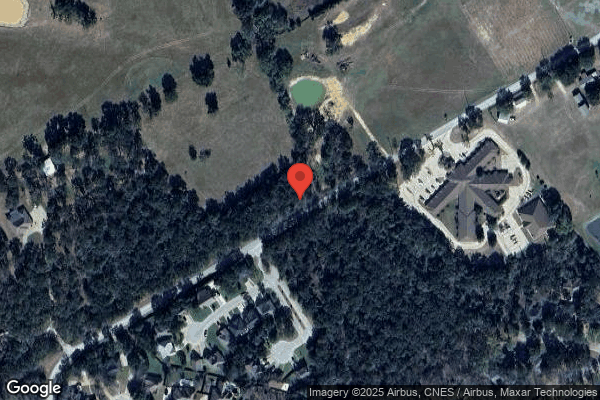
345 COUNTRY CLUB DR, CALDWELL, TX 77836 (979) 567-4300
For profit - Corporation 90 Beds CREATIVE SOLUTIONS IN HEALTHCARE Data: November 2025 2 Immediate Jeopardy citations
Trust Grade
0/100
#950 of 1168 in TX
Last Inspection: August 2025

Inspected within the last 6 months. Data reflects current conditions.

Overview

Copperas Hollow Nursing & Rehabilitation Center has received a Trust Grade of F, indicating significant concerns about the quality of care provided. It ranks #950 out of 1168 facilities in Texas, placing it in the bottom half of nursing homes in the state, and #2 out of 2 in Burleson County, meaning there is only one other local option that is better. The facility is currently improving, having reduced its number of issues from 6 in 2024 to 4 in 2025, though it still faces serious challenges, including $127,285 in fines, which is concerning as it is higher than 88% of Texas facilities. Staffing ratings are below average with a 2 out of 5 stars, but the turnover rate of 42% is better than the state average, suggesting some stability among staff. Specific incidents include failures to administer necessary medication for a resident diagnosed with sepsis, a lack of appropriate mental health interventions for a resident with dementia, and inadequate supervision that led to a resident’s fall and hospitalization. While there are some strengths, such as improved trends in issues, the facility's serious deficiencies warrant careful consideration from families.

Trust Score
F
0/100
In Texas
#950/1168
Bottom 19%
Safety Record
High Risk
Review needed
Inspections
Getting Better
6 → 4 violations
Staff Stability
○ Average
42% turnover. Near Texas's 48% average. Typical for the industry.
Penalties
⚠ Watch
$127,285 in fines. Higher than 78% of Texas facilities, suggesting repeated compliance issues.
Skilled Nurses
⚠ Watch
Each resident gets only 23 minutes of Registered Nurse (RN) attention daily — below average for Texas. Fewer RN minutes means fewer trained eyes watching for problems.
Violations
⚠ Watch
21 deficiencies on record. Higher than average. Multiple issues found across inspections.
★☆☆☆☆
1.0
Overall Rating
★★☆☆☆
2.0
Staff Levels
★★★☆☆
3.0
Care Quality
★☆☆☆☆
1.0
Inspection Score
Stable
2024: 6 issues
2025: 4 issues

The Good

  • Full Sprinkler Coverage · Fire safety systems throughout facility
  • No fines on record
  • Staff turnover below average (42%)

    6 points below Texas average of 48%

Facility shows strength in fire safety.

The Bad

1-Star Overall Rating

Below Texas average (2.8)

Significant quality concerns identified by CMS

Staff Turnover: 42%

Near Texas avg (46%)

Typical for the industry

Federal Fines: $127,285

Well above median ($33,413)

Significant penalties indicating serious issues

Chain: CREATIVE SOLUTIONS IN HEALTHCARE

Part of a multi-facility chain

Ask about local staffing decisions and management

The Ugly 21 deficiencies on record

2 life-threatening 1 actual harm
May 2025 2 deficiencies 1 IJ (1 affecting multiple)
CRITICAL (K) 📢 Someone Reported This

A family member, employee, or ombudsman was alarmed enough to file a formal complaint

Immediate Jeopardy (IJ) - the most serious Medicare violation

Deficiency F0760 (Tag F0760)

Someone could have died · This affected multiple residents

**NOTE- TERMS IN BRACKETS HAVE BEEN EDITED TO PROTECT CONFIDENTIALITY** Based on observation, interviews, and record reviews, the facility failed to ensure that residents are free of any significant m...

Read full inspector narrative →
**NOTE- TERMS IN BRACKETS HAVE BEEN EDITED TO PROTECT CONFIDENTIALITY** Based on observation, interviews, and record reviews, the facility failed to ensure that residents are free of any significant medication errors for 1 (Resident #1) of 6 residents reviewed for pharmacy services. The facility failed to ensure staff ordered and administered Resident #1's antibiotic medication when he returned from the hospital on [DATE] after being diagnosed with sepsis (a life-threatening condition that occurs when the body's response to an infection damages its own tissues and organs) from a prostate infection. Resident #1 was sent back to the hospital by EMS on 03/22/25 due to no improvement in his condition. Resident #1 was readmitted to the hospital and diagnosed with Severe Sepsis. An IJ was identified on 05/02/25. The IJ template was provided to the facility on [DATE] at 6:15 p.m. While the IJ was removed on 05/03/25, the facility remained out of compliance at a scope of pattern and a severity of potential for more than minimal harm because of the facility's need to evaluate the effectiveness of the corrective systems. These failures could place residents at risk of further decline, infection, dehydration, and hospitalization. Findings include: Review of Resident #1's admission Record, dated 05/02/25, reflected a [AGE] year-old male who was admitted to the facility on [DATE] and discharged to the hospital on [DATE]. Resident #1 had diagnoses including mild cognitive impairment, generalized muscle weakness, hemorrhage (loss of blood from blood vessels) of anus and rectum, type 2 diabetes mellitus without complications, and acute respiratory failure with hypoxia (a serious condition where the lungs are unable to deliver enough oxygen to the blood). Review of Resident #1's admission and Modified MDS, dated [DATE], reflected he had a BIMS score of 10, which indicated he had moderate cognitive impairment. Resident #1's MDS assessments did not indicate that he had any infections and taking any high risk antibiotics during the last seven days or since admission/entry. Resident #1 required partial/moderate assistance with toileting. Resident #1 was always incontinent with urinary and bowel movements. Review of Resident #1's Care Plan, initiated 01/22/25, reflected he required 2-person assistance with all care and ADLs. Resident #1 had an ADL self-care performance deficit and required CNAs to assist him with using the toilet. Resident #1 also had bladder incontinence and required CNAs to provide incontinent care at least every two hours and report to the charge nurse any foul smelling urine or if the urine was any color other than yellow. Review of Resident #1's Progress Notes reflected: -A transfer notification note by LVN A on 03/17/25 at 9:41 a.m., [Resident #1] was transferred to the hospital on [DATE] 9:41 a.m. related to AMS. -A nursing progress note by LVN A on 03/18/25 at 10:33 a.m., Spoke with [Nurse] at hospital and the admitting dx is AMS for resident. Review of the facility's copy of Resident #1's Hospital Visit and Discharge Summary and Orders, printed on 03/18/25 at 12:39 p.m., reflected he was admitted to the hospital on [DATE] at 11:04 a.m. with a primary diagnosis and chief complaint of altered mental status. Resident #1 also had diagnoses including chronic prostate cancer (a type of cancer that develops in the prostate gland, a walnut-sized organ in the male reproductive system located below the bladder, which can persist and affect a person's health for many years) and chronic prostatitis (a long-lasting inflammation of the prostate gland, typically lasting three months or more). Resident #1's hospital evaluation reflected he met the systemic inflammatory response syndrome criteria (a set of objective findings that indicate a systemic inflammatory response to an insult, whether it's an infection or a non-infectious event) with intermittent tachycardia (a heart rate that is faster than normal) and tachypnea (a rapid shallow breathing in which the respiratory rate exceeds the normal range for a person's age) with a mildly elevated white blood cell count at 11.8 during his labs on 03/17/25 at 11:26 a.m. Resident #1's Assessment and Plan reflected he had a differential diagnosis of urosepsis (when a urinary tract infection leads to sepsis) during his AMS assessment, sepsis of chronic prostatitis (inflammation or infection in the prostate) in which his prostate was markedly enlarged and tender on examination and was required to take Ciprofloxacin IV twice a day for four weeks through 04/18/25 that was converting to by mouth on hospital discharge. Resident #1's medications changed and he was required to start taking one 500 MG tablet of Ciprofloxacin HCI by mouth two times daily (one tablet in the morning and one tablet at bedtime) for the inflammation of his prostate gland. Resident #1 was required to take antibiotics exactly as prescribed, not to skip doses and not stop taking antibiotics even if he felt better. Resident #1's vitals were stabilized, he was awake, alert and oriented, his next dose of one 500 MG tablet of Ciprofloxacin HCI by mouth two times daily was due on 03/18/25, and he was discharged back to the facility on [DATE]. Review of Resident #1's readmission Nurse's Note, effective 03/18/25 at 6:04 p.m. and signed by RN B on 03/18/25, reflected: readmitted from the hospital or ER visit: Yes. Arrived by: EMS. Does the resident have IV access: No. Bowel Control: Incontinent. Date of last BM: 03/18/25. Urine Control: Incontinent. Additional Information: Incontinent=Briefs. Toileting: 1-person assistance. Review of Resident #1's continued Progress Notes reflected: -A nursing note by RN B on 03/18/25 at 6:04 p.m., readmission Note: readmitted /returned from the hospital .Arrived by: EMS .Accompanied by FAM .Incontinent. Date of last BM: 03/18/25. Urine Control: Incontinent. Urinary observations: No negative findings. Additional Urinary information: incontinent=briefs .ADL Assistance needed: .Toileting - 1 person assist .Behaviors: No known behaviors. -A nursing note by RN B on 03/18/25 at 6:14 p.m., RN C on 03/19/25 at 1:06 a.m., RN B on 03/19/25 at 6:33 p.m., RN C on 03/20/25 at 12:20 a.m., RN B on 03/20/25 at 4:21 p.m., LVN D on 03/21/25 at 1:49 a.m., LVN E on 03/21/25 at 3:22 p.m., LVN D on 03/22/25 at 1:30 a.m., LVN A on 03/22/25 at 11:22 a.m., and LVN F on 03/22/25 at 3:03 p.m., reflected, Skilled Nurse Note: Interventions/Treatments Received Post admission -. Staff did not document any interventions/treatments that Resident #1 was to receive on readmission. Review of Resident #1's Order Summary Report, January - May 2025, reflected there were no orders listed regarding his one 500 MG tablet of Ciprofloxacin HCI by mouth two times daily (one tablet in the morning and one tablet at bedtime) for the inflammation of his prostate gland. Review of Resident #1's Medication Administration Record for March 2025 reflected there were no administrations listed regarding his one 500 MG tablet of Ciprofloxacin HCI by mouth two times daily (one tablet in the morning and one tablet at bedtime) for the inflammation of his prostate gland. Review of Resident #1's Discharge MDS, dated [DATE], reflected there was no BIMS score indicated. Resident #1 was not triggered for any infections and taking any high risk antibiotics during the last seven days or since admission/entry. Resident #1 required partial/moderate assistance with toileting. Resident #1 was always incontinent with urinary and bowel movements. Resident #1 had an unplanned discharge to a short-term hospital. Review of Resident #1's e-Transfer form, effective on 03/22/25 at 8:29 p.m. and signed by LVN F on 03/22/25, reflected, [Resident #1] was hospitalized earlier in the week for sepsis. FAM felt he was not improving and needed fluids and requested that he be sent out by EMS. Date and Time of Transfer: 03/22/25 at 4:40 p.m. Incontinence: .Date of last BM: 03/22/25. Review of Resident #1's continued Progress Notes reflected: -A transfer notification note by LVN F on 03/22/25 at 8:29 p.m., [Resident #1] was transferred to a hospital on [DATE] at 4:40 p.m. related to resident was hospitalized earlier in the week for sepsis. [Resident #1's] FAM felt he was not improving and needed fluids and requested that he be sent out by EMS Review of the facility's admission and Discharge Report, from 03/01/25 through 05/02/25, reflected Resident #1 was transferred to an acute care hospital on [DATE]. Review of Resident #1's Hospital Records, printed on 05/05/25 at 4:34 p.m., reflected he was admitted to the hospital from [DATE] through 03/25/25. Resident #1's medication list prior to admission, reviewed by a hospital MD on 03/22/25 at 9:55 p.m., reflected his Ciprofloxacin HCI 500 MG tablet order was authorized, ordered and started on 03/18/25 and was discontinued on 03/25/25. Emergency department provider notes, dated 03/22/25 at 5:58 p.m., reflected Resident #1 presented with a chief complaint of weakness and an evaluation of sepsis with an onset on 03/17/25 and EMS reported he was recently discharged on 03/17/25, hospitalized due to sepsis and prostate infection, and the facility was supposed to give and did not give his one 500 MG tablet of Ciprofloxacin HCI by mouth two times daily (one tablet in the morning and one tablet at bedtime) for the inflammation of his prostate gland. Review of Resident #1's systems reflected his genitourinary (the organs involved in both reproduction and urination) was positive for hesitancy (delay in initiating urination). Sepsis Care Summary reflected severe sepsis was identified and present on 03/22/25 at 7:00 p.m. on the day of Resident #1's hospital evaluation. Emergency Department Course reflected on 03/22/25 at 7:31 p.m., C-reactive protein (protein produced by the liver in response to inflammation) is very high at 317.1, lactic acid is elevated at 2.5 .complete blood cell count is elevated, white blood cell count 12.3 not unexpected given that [Resident #1] had not been receiving his antibiotics for his prostatitis .admission IV antibiotics ordered. Resident #1's labs reflected his white blood cell count was 11.8 on 03/17/25 at 11:26 a.m., 9.4 on 03/18/25 at 5:38 a.m., and 12.3 on 03/22/25 at 6:18 p.m. Resident #1 stayed at the hospital for two days based on medical necessity for sepsis and discharged on 03/25/25. Emergency Department note, dated 03/22/25 at 5:16 p.m., reflected, [Resident #1] was discharged from [hospital] on Monday (03/17/25) after being diagnosed with sepsis from a prostate infection. [Resident #1] was supposed to be on antibiotics, but [facility] did not order them. 20G IV left forearm with normal saline bolus. FAM stated [Resident #1] had declined since being discharged back to [facility]. Another Emergency Department note, dated 03/22/25 at 7:55 p.m., reflected, discharged from [hospital] last Monday (03/17/25), sent to [facility]. Per emergency medical services, [Resident #1] has not received prescribed antibiotic since discharge .[Resident #1] reports lethargy (a state of abnormal drowsiness or lack of mental alertness and energy) and feeling weak. 20g to left forearm, received 800 mL normal saline en route. Resident #1's Medical History and Physical reflected he was admitted to the hospital for systemic inflammatory response syndrome/sepsis. Resident #1's History of Present Illness reflected, [Resident #1] had a past medical history significant for metastatic prostate cancer to bone .presents with worsening mental status, lethargy, fatigue, confusion .was recently discharged here 03/18/25 after a similar presentation with what felt to be a component of chronic prostatitis, poly pharmacy (the regular use of 5 or more medications at the same time). Unfortunately, he has not received any antibiotic. Resident #1's Hospital Course reflected, [Resident #1] presented from facility for worsening mental status, lethargy, fatigue, confusion .He was admitted for Sepsis and Metabolic Encephalopathy (a change in how the brain works due to an underlying condition) due to Chronic Prostatitis in the setting of suspected medication noncompliance and progression of his metastatic prostate cancer. Unfortunately, FAM stated he had not received any of his prescribed antibiotics at facility. Per previous documentation, [Resident #1] was correctly prescribed his Ciprofloxacin regimen x 6 weeks and sent to the proper facility pharmacy. Receipt was confirmed by pharmacy on this hospitalization. Facility was contacted and stated the had the proper documentation and admitted to providing the correct antibiotic regimen. On admission, he was found to be septic. Urinalysis indicated of infection. He was started on empiric antibiotics (the use of antibiotics before the specific bacteria causing an infection is identified and its susceptibility to different antibiotics is known) and IVF . He had some improvement in his mental status and lab work. Family ultimately wanted to honor [Resident #1's] wishes and decided to pursue a comfort pathway due to his progressive metastatic prostate cancer. [Resident #1] remained medically stable and discharged on home hospice. Disposition reflected Resident #1 went home with hospice. During an interview on 05/02/25 at 12:43 p.m., MA G stated MAs and nurses were responsible for administering medications to residents. MA G stated charge nurses were responsible for obtaining and reviewing residents' hospital discharge orders and updating residents' orders when residents readmit to the facility. MA G stated she knew the importance of reviewing residents' hospital discharge orders, updating readmitted residents' orders and said, It is very important to put the orders in the MAR because the medications were ordered from the hospital. The orders were to treat the resident for a reason. To untreat could worsen their conditions. MA G stated she knew the importance of residents receiving their antibiotics and said, Residents could have worsening infections if they did not receive their antibiotics. MA G stated she could not recall if Resident #1 was given antibiotics for infections during his readmission to the facility . During an interview on 05/02/25 at 1:11 p.m., CNA H stated MAs and nurses were responsible for administering medications to residents. CNA H stated the charge nurses or DON were responsible for obtaining and reviewing residents' hospital discharge orders and updating residents' orders when residents readmit to the facility. CNA H stated there were no residents who reported they did not receive their medications. During an interview on 05/02/25 at 1:22 p.m., CN stated charge nurses were responsible for obtaining and reviewing residents' hospital discharge orders and updating residents' orders when residents readmit to the facility. CN said, Usually, the nurses would obtain the hospital discharge orders the same day the resident returned from the hospital or in the following 24 hours. CN stated she did not know what happened with Resident #1's hospital discharge orders on 03/18/25, who reviewed and was supposed to order Resident #1's hospital discharge medication orders during his readmission on [DATE], and where the breakdowns were that resulted in him not getting the medication from 03/18/25 through 03/22/25. During an interview on 05/02/25 at 1:27 p.m., CNA I stated MAs and nurses were responsible for administering medications to residents. CNA I stated the charge nurses or DON were responsible for obtaining and reviewing residents' hospital discharge orders and updating residents' orders when residents readmit to the facility. CNA I stated there were no residents who reported they did not receive their medications. During an interview on 05/02/25 at 1:38 p.m., FAM stated Resident #1 had an inactive prostate cancer before his admission to the facility. FAM stated Resident #1 resided at the facility for two and a half months. FAM stated Resident #1 went to the hospital on [DATE] for AMS. FAM stated Resident #1 was diagnosed with sepsis and a prostate infection. FAM stated the hospital staff wanted Resident #1 to take Ciprofloxacin for his prostate infection. FAM stated Resident #1 returned to the facility from the hospital on [DATE]. FAM stated EMS provided the facility staff with the hospital discharge orders on 03/18/25. FAM stated Resident #1 did not notify her that he did not receive his Ciprofloxacin order during his readmission to the facility. FAM stated she believed Resident #1's Ciprofloxacin order for his prostate infection should have been started and administered to him from 03/18/25 through 03/22/25. FAM stated Resident #1 not receiving his Ciprofloxacin order for his prostate infection was negligent. FAM stated the facility staff did not notify her that Resident #1 was not receiving his Ciprofloxacin order from 03/18/25 through 03/22/25. FAM stated she requested the facility staff to send Resident #1 to the hospital on [DATE]. FAM stated she believed she should not have had to send Resident #1 to the hospital on [DATE]. FAM stated she believed Resident #1's lack of antibiotics could have pushed him closer towards his death because he was already declining. During an interview on 05/02/25 at 2:24 p.m., RN B stated charge nurses were responsible for obtaining and reviewing residents' hospital discharge orders and updating residents' orders when residents readmit to the facility. RN B stated she knew the importance of reviewing residents' hospital discharge orders, updating readmitted residents' orders, and said, You got to see the changes in residents' orders. What was changed, ordered, discontinued, appointments, and numerous other things. RN B stated she knew the importance of residents receiving their antibiotics and said, So whatever infection residents have could be cured. RN B stated she knew the importance of reviewing residents' hospital discharge orders, updating their orders, antibiotics orders, and said, Residents could face a delay of antibiotics if they did not receive their antibiotics orders. RN B stated she could not recall if she reviewed Resident #1's hospital discharge orders during his readmission to the facility on [DATE] and she would have to see his hospital discharge paperwork to remember. RN B stated she knew Resident #1's discharge orders should have been updated before he came back to the facility from the hospital on [DATE]. RN B stated the ADON or DON oversaw to ensure charge nurses reviewed residents' hospital discharge orders and updated residents' orders in their EHR upon residents' readmission to the facility. RN B stated charge nurses were also responsible for notifying the physician of any medication changes. RN B stated she could not recall if she notified the physician about Resident #1's hospital discharge orders if she did review his discharge orders. During an interview on 05/02/25 at 2:58 p.m., LVN F stated charge nurses were responsible for obtaining and reviewing residents' hospital discharge orders and updating residents' orders when residents readmit to the facility. LVN F stated charge nurses were also required to notify the physician and discuss with the ADON and/or DON whenever there were new medications to be started on the hospital discharge orders. LVN F stated she knew the importance of reviewing residents' hospital discharge orders, updating readmitted residents' orders, and said, First and foremost, the medication changes. If something needs to be started, it needs to be ordered to get it started. Resident could decline very fast, especially when they have sepsis. LVN F stated she did not readmit Resident #1 to the facility on [DATE]. LVN F stated she caught that Resident #1's antibiotic discharge order from the hospital was not ordered. LVN F stated she could not recall when she observed Resident #1's antibiotic discharge order was not ordered. LVN F stated she notified the former DON and current MD on an unknown date about Resident #1's antibiotic discharge order from the hospital not being ordered. LVN F stated she discussed with FAM about her not administering any antibiotics to Resident #1 that were prescribed from the hospital on an unknown date. LVN F stated FAM wanted to send Resident #1 to the hospital ER on [DATE] due to him missing several days of antibiotics and he still had sepsis. LVN F stated she agreed with FAM and sent Resident #1 to the hospital on [DATE]. During an interview on 05/02/25 at 3:07 p.m., the DON stated charge nurses were responsible for obtaining and reviewing residents' hospital discharge orders and updating residents' new orders as soon as residents readmit to the facility. The DON stated there was no ADON. The DON stated she was responsible for overseeing and reviewing residents' discharge orders to ensure residents' orders were entered in their EHR within 48 hours of readmission. The DON stated she began her employment with the facility on 03/17/25 and did not have access to residents' EHR until the end of March 2025. The DON stated she did not believe there was an interim staff member who was overseeing residents' admission/readmission process during the time she did not have EHR access. The DON stated she was unsure if she went back and reviewed residents who were admitted /readmitted to the facility from 03/17/25 through 03/31/25 after obtaining EHR access. The DON stated she did not in-service staff on the admission/readmission process and medication order process from 03/17/25 through 05/02/25. The DON stated she knew the importance of reviewing residents' hospital discharge orders, updating readmitted residents' orders, and said, So residents get medications that were prescribed to them. The DON stated charge nurses were also responsible for notifying the MD whenever residents had new medication orders from the hospital. The DON stated she knew the importance of antibiotics and said, Antibiotics were to get rid of infections. The DON stated she knew the importance of residents receiving their antibiotic medication and said, Residents could get sicker, end up in the hospital and get sepsis. The DON stated she was not notified about Resident #1's medication changes when he returned from the hospital on [DATE]. The DON stated she did not know why Resident #1 went back to the hospital on [DATE]. During an interview on 05/02/25 at 3:30 p.m., the MD stated nurses were responsible for obtaining and reviewing residents' hospital discharge orders and notifying her whenever there were changes in residents' medications upon their readmission to the facility from the hospital. The MD stated she knew the importance of antibiotics and said, Antibiotics were used to mainly treat and prevent infections. The MD stated she knew the importance of residents receiving their antibiotics and said, They could have burning urination, urgency, and it could exacerbate infection if they did not receive their antibiotics. The MD stated Resident #1 had an inactive prostate cancer when he was admitted to the facility. The MD said, [Resident #1] went from being alright to not doing well at the facility. The MD stated unknown facility staff notified her on unknown date that there was a mix-up with some of Resident #1's medications that did not get ordered after his readmission to the facility on [DATE]. The MD stated she believed the unknown facility staff told her that one of the pages to Resident #1's hospital discharge orders, which illustrated his medication changes, was missing. The surveyor showed to the MD Resident #1's hospital discharge orders provided to the facility from EMS on 03/18/25. The MD stated the unknown facility staff notified her on 03/22/25 that they found the missing page and that Resident #1 was supposed to be started on a few medications when he returned from the hospital. The MD stated she believed one of Resident #1's medications that was supposed to be started on 03/18/25 was an antibiotic. The MD stated the unknown facility staff notified her on an unknown date that Resident #1's Ciprofloxacin medication was not started on 03/18/25 and could not recall the reason she was provided as to why the medication was not started. The MD stated FAM could not decide what treatment she wanted Resident #1 to have and decided to send him to the hospital on [DATE]. The MD stated the unknown facility staff notified her on an unknown date that that Resident #1 was placed on hospice services and sent home from the hospital on an unknown date. During an interview on 05/05/25 at 10:02 a.m., FAM stated a Hospitalist called the unknown facility staff on an unknown date and was told by the facility staff that Resident #1 received his antibiotic medication. During an interview on 05/06/25 at 11:33 a.m., LVN E stated charge nurses were responsible for obtaining and reviewing residents' hospital discharge orders and updating residents' orders when residents readmit to the facility. LVN E stated she would review the residents' hospital discharge orders, put in the orders into the residents' order summary report, which would directly go to the facility's pharmacy, and notify the MD within 24 hours of any medication changes. LVN E stated the DON oversaw to ensure charge nurses reviewed residents' hospital discharge orders and updated residents' orders in their EHR upon residents' readmission to the facility daily. LVN E stated she knew the importance of reviewing residents' hospital discharge orders, updating readmitted residents' orders, and said, We have to maintain resident's continuation of care from the hospital. Very important. LVN E stated she was in-serviced on admission/readmission process a few months ago by the former DON. LVN E stated she learned the hospital orders must be reviewed, updated in residents' EHR, and completed upon residents' readmission to the facility from the hospital. LVN E stated she did not readmit Resident #1 to the facility on [DATE]. LVN E stated she knew the importance of antibiotic medication, residents receiving their antibiotic medication, and said, To get rid of infection. Residents could get worse if they did not receive their antibiotic medication. LVN E stated she could not recall administering Resident #1's Ciprofloxacin medication to his because she did not believe she was assigned to his hallway. LVN E stated she was not notified that Resident #1 did not receive his Ciprofloxacin medication before the surveyor visited the facility on 05/02/25. Review of the facility's in-services, from 03/01/25 through 05/02/25 , reflected no in-services related to admission/readmission process and medication orders process. Review of the facility's Medication Orders policy, dated 2003, reflected, Procedure: 2. Documentation of the medication order A. Each medication order is documented in the resident's medical record with the date, time, and signature of the person receiving the order. The order is recorded on the physician order sheet or the telephone order sheets (if it is a verbal order) and the Medication Administration Record (MAR). B. The following steps are initiated to complete documentation: -Clarify the order -Enter the orders on the medication order and receipt record -Call (or fax) the medication order to the provider pharmacy -Transcribe newly prescribed medications on the MAR or treatment record. When a new order changes the dosage of a previously prescribed medication, discontinue previous entry by writing A DISCONTINUED on the MAR. Enter the new order on the MAR as a separate entry with arrows drawn to the start date. 3. Specific Procedures for the four types of medication orders A. NEW HANDWRITTEN ORDERS signed by the prescriber. The charge nurse on duty at the time the order is received, notes the order and enters it on the physician order sheet if not written there by the prescriber. If necessary, the order is clarified before the prescriber leaves the nursing station whenever possible. C. WRITTEN TRANSFER ORDERS (SENT WITH A RESIDENT BY A HOSPITAL OR OTHER HEALTH CARE FACILITY). Implement a transfer order without further validation if it is signed and dated by the resident's current attending physician, unless the order is unclear or incomplete or the date signed is different from the date of admission. If the order is unsigned or signed by another prescriber or the date is other than the date of admission, the receiving nurse verifies the order with the current attending physician before medications are administered. The nurse documents verification on the admission order record by entering the time, date, and signature. Example: A Order verified by phone with Dr. [NAME]/M. [NAME], R.N. Review of the facility's Admission/readmission policy, dated 2003, reflected, readmission to a facility occurs after a hospitalization or therapeutic leave. readmission involves a review of the initial admission data with reinforcement where needed and an update of information regarding health status. Procedure: 2. Review the medical diagnoses and physician orders. admission orders should include as applicable: .orders for medications (prn orders will state specific use), orders for treatments, code status, and other orders as specified by the physician. 3. Inquire about any immediate needs and facilitate handling of those needs. This failure resulted in the identification of an IJ on 05/02/25. The ADM was notified and provided with the IJ template on 05/02/25 at 6:15 p.m. The following Plan of Removal was submitted by the facility and accepted on 05/03/25 at 12:52 p.m.: On 05/02/2025 an abbreviated survey was initiated at the facility. On 05/02/2025 the surveyor provided an Immediate Jeopardy (IJ) Template notification that the Regulatory Services has determined that the condition at the facility constitutes an immediate threat to residents' health and safety. The notification of Immediate Jeopardy states as follows: The facility failed to ensure Resident #1 received his antibiotic medication from 03/18/25 through 03/22/25. Plan of Removal 1. Resident #1 no longer resides in the facility as of 5/2/25. 2. Action: A 100% audit of all orders from residents who were admitted or readmitted in the last 30 days was completed to ensure all orders including antibiotic orders were transcribed in PCC and started as ordered. All residents who were admitted and readmitted in the last 30 days were assessed for a change in condition. No additional findings were identified. Start Date: 05/02/2025 Completion Date: 05/02/2025 Responsible: This audit was completed by DON and Regional Compliance Nurse 3. Inservice Action (Leadership): The Administrator and DON were in-serviced 1:1 on following topics. o Abuse and Neglect: Failure to transcribe and administered an ordered medication including antibiotics could cause a change in condition and be considered neglect. o Medication Reconciliation Policy: transcribing orders for admission and readmissions o Following Physician Orders Policy o Notification of Change in Condition Policy Employee Retention Checks: Administrator and DON were provided with written in-service cheat sheets to place in name badge for quick reference, signature and verbal acknowledgements were obtained. Start Date: 05/02/2025 Completion Date: 05/02/2025 Responsible: This in-service was completed by Area Director of Operations and Regional Compliance Nurse 4. Inservice Action (All Direct Care Staff): All direct care staff (CNAs, Med Aides, Licensed Nurses) were in-serviced on the following topics. All staff who are not present for in-servicing will not be permitted to work their assignment until in-serviced. All new hires will be in-serviced during facility orientation. All agency staff will be in-serviced prior working their floor assignment.
CONCERN (D) 📢 Someone Reported This

A family member, employee, or ombudsman was alarmed enough to file a formal complaint

Potential for Harm - no one hurt, but risky conditions existed

Medical Records (Tag F0842)

Could have caused harm · This affected 1 resident

Based on interviews and record reviews, the facility failed to maintain medical records in accordance with accepted professional standards and practices, the facility must maintain medical records on ...

Read full inspector narrative →
Based on interviews and record reviews, the facility failed to maintain medical records in accordance with accepted professional standards and practices, the facility must maintain medical records on each resident that are complete, accurately documented, readily accessible and systematically organized for one resident (Resident #3) of 5 residents reviewed for medical records. The facility failed to ensure LVN B documented administration of Atorvastatin Calcium (for cholesterol), Donepezil (for dementia), Apixaban (for pulmonary embolism), Carvedilol (for high blood pressure), Oxybutynin Chloride (for myopathy), Sacubitril-Valsartan (for congestive heart failure), and Mirtazapine (for depression) to Resident #3 on 05/20/25 during the evening medication schedule. This failure could place residents at risk of not receiving the intended benefits of the medications and supplements, worsening or exacerbation of chronic medical conditions, or hospitalization. Findings included: Review of Resident #3's undated face sheet revealed an admission date of 05/16/2025 with diagnoses of dementia (a group of thinking and social symptoms that interferes with daily functioning), essential hypertension (high blood pressure), and hyperlipidemia (abnormally high levels of fats in the blood). Review of Resident #3's Care Plan, initiated on 05/19/25, reflected Resident #3 had hypertension and required anti-hypertensive medication as ordered. Resident #3 also had a cognitive heart failure and required cardiac medication as ordered. Review of Resident #3's admission MDS assessment, dated 05/26/25, reflected a BIMS score of 99, which indicated resident was unable to complete the interview. Review of Resident #3's physician's orders dated 05/16/25 reflected the following medications: 1.Atorvastatin Calcium Oral Tablet 80 MG (Atorvastatin Calcium)-Give 1 tablet via PEG-Tube one time a day for cholesterol 2.Donepezil HCl Oral Tablet 10 MG (Donepezil Hydrochloride)-Give 1 tablet via PEG-Tube one time a day for Dementia 3.Apixaban Oral Tablet 5 MG (Apixaban)-Give 1 tablet via PEG-Tube two times a day for pulmonary embolism 4.Carvedilol Oral Tablet 3.125 MG (Carvedilol)-Give 1 tablet via PEG-Tube two times a day for HTN hold for systolic bp <100 or diastolic bp 5.Sacubitril-Valsartan Oral Tablet 49-51 MG (Sacubitril-Valsartan)-Give 1 tablet via PEG-Tube two times a day for CHF Hold for =systolic bp <100 or diastolic bp 6.Mirtazapine Tablet 15 MG Give 1 tablet via PEG-Tube one time a day for depression. Review of Resident#3's physician' orders dated 5/19/25 reflected, Oxybutynin Chloride Tablet 5 MG-Give 0.5 tablet via PEG-Tube two times a day for myopathy. Record review of the May 2025 MAR for Resident #3 reflected blanks (no documentation) on the following medications on 05/20/25 for the PM (evening) scheduled medications: 1.Atorvastatin Calcium Oral Tablet 80 MG (Atorvastatin Calcium)- Give 1 tablet via PEG-Tube one time a day for cholesterol 2.Donepezil HCl Oral Tablet 10 MG (Donepezil Hydrochloride) Give 1 tablet via PEG-Tube one time a day for Dementia 3.Apixaban Oral Tablet 5 MG (Apixaban) Give 1 tablet via PEG-Tube two times a day for pulmonary embolism. 4.Carvedilol Oral Tablet 3.125 MG (Carvedilol) Give 1 tablet via PEG-Tube two times a day for HTN hold for systolic bp <100 or diastolic bp. 5.Oxybutynin Chloride Tablet 5 MG Give 0.5 tablet via PEG-Tube two times a day for myopathy 6.Sacubitril-Valsartan Oral Tablet 49-51 MG (Sacubitril-Valsartan) Give 1 tablet via PEG-Tube two times a day for CHF Hold for =systolic bp <100 or diastolic bp. 7.Mirtazapine Tablet 15 MG Give 1 tablet via PEG-Tube one time a day for depression. During an interview on 06/03/25 at 12:18 PM, the DON stated she spoke on the phone with the nurse responsible for providing the medication on 05/20/25. She stated LVN B told her she gave the medication to Resident #3, but she forgot to click off and record the administration in the system. The DON added that LVN B was on her way to the facility to receive an in-service regarding this issue. During an interview on 06/03/25 at 12:31 PM, the DON stated she spoke with LVN B again, she told her she remembered clicking off that she administered the medications in the system but did not remember why it was not recorded in the system. During an interview on 06/03/25 at 1:13 PM, LVN B stated she worked the 2:00PM to 10:00PM shift. She stated after administering medications, staff must document in PCC. She stated nurses document in the NMAR or TAR even if a resident refuses the medication. LVN B stated she administered and documented all the medications for Resident #3 on 05/20/25. She stated if a medication is missed, the system alerts staff by showing it in red. She stated she checked Resident #3's MAR and TAR before leaving and saw no red alerts. LVN B stated she attributed the missing documentation to a glitch in PCC. She stated that failure to document could lead to miscommunication, medication errors, overdose or even the loss of a life. During an interview on 06/03/25 at 3:35 PM, Resident #3 stated she did not remember whether she received her medication on 05/20/25, but she said she felt ok. During an interview on 06/03/25 at 4:46 PM, LVN K stated she worked the 2:00PM to 10:00PM shift and provided care to Resident #3. She stated she believed she worked with the resident on 05/21/25 and she did not notice any changes in condition. She stated the staff was required to document all medication administration or refusals in PPC and that leaving blanks could result in double dosing. During an interview on 06/03/25 at 5:07 PM, the DON stated the facility's expectation was for the staff to document all medication administration in the MAR or the TAR. If a resident refused, staff must select the appropriate documentation option in PCC. She stated there should not be blanks on the MAR. She stated the negative outcome could result in the resident not receiving medications. She stated she had not observed any change in condition in Resident #3 after 05/20/25. Review of the facility's Medication Administration and General Guidelines policy, dated 2005, reflected, Medication are administered as prescribed, in accordance with State Regulations using good nursing principles and practices and only by persons legally authorized to do so The resident's MAR is initiated by the person administering a medication, in the space provided under the date line for that specific medication dose administration. Or if utilizing an Electronic Medical Record, the initials of the nurse are electronically stamped into the record. All licensed personnel/ nurses will be assigned a secure password which will not be shared or given out to other personnel.
Jan 2025 2 deficiencies 1 IJ
CRITICAL (J) 📢 Someone Reported This

A family member, employee, or ombudsman was alarmed enough to file a formal complaint

Immediate Jeopardy (IJ) - the most serious Medicare violation

Deficiency F0742 (Tag F0742)

Someone could have died · This affected 1 resident

**NOTE- TERMS IN BRACKETS HAVE BEEN EDITED TO PROTECT CONFIDENTIALITY** Based on interview and record review, the facility failed to ensure a resident who displays or is diagnosed with mental disorder...

Read full inspector narrative →
**NOTE- TERMS IN BRACKETS HAVE BEEN EDITED TO PROTECT CONFIDENTIALITY** Based on interview and record review, the facility failed to ensure a resident who displays or is diagnosed with mental disorder or psychosocial adjustment difficulty, received appropriate treatment and services to correct the assessed problem or to attain the highest practicable mental and psychosocial well-being, for one (1) of ten (10) residents reviewed for behavioral health services. (Resident #1) The facility failed to provide a response to Resident #1's dementia related mood disturbance behavior. On 09/30/24 the MD ordered psychological services to evaluate and treat Resident #1, no mental health interventions were received, and she was discharged to a BHH seven days later. This failure resulted in an identification of an Immediate Jeopardy (IJ) on 01/17/25 at 1:18 PM. While the IJ was removed on 01/18/2025 at 2:54 PM, the facility remained at a level of actual harm at a scope of isolation that is not immediate jeopardy due to the facility's need to evaluate the effectiveness of the corrective systems. This failure could affect residents who had documented signs and symptoms of mental health disturbance. Findings Included: Review of Resident #1's face sheet dated 01/02/25 reflected an [AGE] year-old female who was originally admitted to the facility on [DATE] and readmitted on [DATE] with diagnoses that included dementia, mild with mood disturbance, sepsis, UTI, (bacterial infection that occurs in the urinary tract and encounter for surgical aftercare following surgery on the genitourinary (urinary and genital organs) system. Review of Resident #1 discharge document, dated 10/07/24 reflected, resident discharged to [BHH] facility for eval and treatment. Primary diagnosis, UTI Sepsis , course of treatment skilled services pt, ot, st Review of Resident #1's care plan focus initiated 09/15/24 reflected the resident has a history of trauma that may have a negative impact. The trauma is related to history of event of removal of fecal impaction. Resident alleges that a [NAME] comes into her room at night and takes pictures of her buttocks. Goal dated 10/04/24 maintain resident's safety and integrity during post trauma episode using appropriate interventions. Interventions: Date initiated 09/15/24 identify situation/events/images that trigger recollection of traumatic event and limit the resident's exposure to these as much as possible. Date 10/04/24 arrange to licensed mental health provider as ordered by physician Review of Resident #1's BIMS assessment dated [DATE] reflected a BIMS score of 9, moderate cognitive impairment. Review of Resident #1's Discharge MDS dated [DATE] reflected discharge assessment, return not anticipated, type of discharge - planned, discharge status short term general hospital (acute hospital), MDS score of 7 indicating severe cognitive impairment, evidence of an acute change in mental status of resident's baseline, disorganized thinking or incoherent (rambling or irrelevant conversation, unclear or illogical flow of ideas, or unpredictable switching from subject to subject), behavior - delusions, utilized a manual wheelchair, urinary and bowel incontinence - always incontinent. Chronological Review of Resident #1's EMR revealed: Review of standard medication order signed by the MD dated 08/16/24 reflected medication Escitalopram by mouth 1 tablet one time a day for depression related to depression, unspecified. Review of Treatment Administration Order signed by the MD dated 08/16/24 reflected behavior monitoring including hallucinations/paranoid delusion. 09/30/24 12:22 pm called RP to discuss resident concern; no answer and no voicemail activated; will try again this date. 09/20/24 4:43 pm called RP to discuss resident concern; no response; sent email to RP requesting communication. Review of Resident #1 standing order dated 09/30/24 signed by the facility medical director for psychological services to evaluate and treat one time only related to dementia in other diseases, mild with mood disturbance for 1 day. 10/01/24 9:19 am This nurse called RP for verbal consent to have [psychological services] see resident for incident on 9-30-24. no answer received. will inform DON 10/01/24 1:11 pm 2nd attempt made to contact RP, no answer and unable to leave a voice mail, Will inform social worker 10/03/24 10:17 am Behavior Note: This PTA had Resident in therapy gym for her daily therapy session along with COTA. During session resident kept bringing up that the front of our build [sic] is covered with crate [NAME] trees and she is highly allergic to and cannot go near. She then stated that she needs to jump out the therapy gym window when she goes home so she doesn't go near these trees. We discussed with resident that that is not safe, and we cannot be jumping out of windows. Resident kept focusing on this fact that she needs to jump out the window when she leaves and started laughing about it thinking that it is a funny situation. We tried to redirect resident to pay attention to her treatment and to not talk about the window any more to focus on getting better and stronger in therapy. Resident continued talking about jumping out window and laughing throughout the entire session. 10/03/24 10:40 am SS called and residents [name] to inform of care conference meeting on October 9th at 10:30 am. [RP] voice message was not accepting message. SS sent an email with care conference invite. 10/04/24 6:23 am Behavior Note during nurse to nurse previous shift informed this nurse that resident had requested her fork in rm. CNA gave resident her fork where resident proceeded to inform her that she was using fork for her protection. This nurse approached resident and requested that she return the fork. Resident informed this nurse that the fork was the only thing she had for protection in case that nurse comes in her room. Resident assured that the nurse was not in the building and that this nurse would ensure that she would be safe today. Resident reluctantly gave fork to nurse. CNA was informed to be aware of resident's behavior. DON to be informed. 10/04/24 8:24 am Behavior Note Resident continues perseveration re: the [NAME], stating that the person was taken away by the FBI to a criminally insane asylum and the head nurse there let her out. As per Medical Director, will refer to [BHH] 10/07/24 Nursing Progress Note resident left facility at 11:52 am with facility transport. Resident continues with delusions of a [NAME] and feeling unsafe. Interview on 01/03/25 with LVN at 12:13 pm revealed Resident #1 was having hallucinations and was paranoid. Because of these mental health issues she should have been seen by the facility psychological services and the social worker or the DON should have arranged this . Interview on 01/07/24 with the DON at 1:32 pm revealed that when a resident was having mental health issues, they were referred to [the name of the facility psychological service group the facility employees] for services to be evaluated by a mental health professional. Interview on 01/17/25 with the ADON of the psychological service group the facility employees to treat residents at 4:06 pm revealed the group had no referral from the facility for mental health services for Resident #1. Interview on 01/17/25 with the facility DON at 5:56 pm revealed she was not employed at the facility when Resident #1 was a resident, and she does not know why the facility did not reach out to the psychological services as ordered by the facility MD. She revealed that delayed assistance for ordered mental health services could be life or death. A review of the 10/04/24 at 6:23 behavior note during nurse to nurse previous shift informed this nurse that resident had requested her fork in rm. CNA gave resident her fork where resident proceeded to inform her that she was using fork for her protection. This nurse approached resident and requested that she return the fork. Resident informed this nurse that the fork was the only thing she had for protection in case that nurse comes in her room sounded like Resident #1 really needed some help. Review of facility Behavior Management Policy dated 04/19/05 reflected behavior management includes the management of anger, confusion, hallucinations, and other behavior by utilizing techniques such as area limitations, self-responsibility, group interactions, limit setting, and behavior modifications depending on individual needs. Behavior changes can be attributed to dementia disorders or psychological conflicts resulting from a loss of control over body, environment, and unmet needs such as pain, hunger, thirst, and toileting. They may include combativeness, arguing, agitation, and aggressiveness. Goals: 1. The resident will modify behavior for optimal functioning and well-being. 2. The resident will facilitate behavior changes with expression of anger and negative behaviors/responses managed in a constructive fashion. 3. The resident will comply with behavior modification program with behavioral expectations achieved. 4. The resident will experience a decrease in anxiety as evidenced by a calmer and less combative attitude. Dementia and Behavioral Health Policy - undated Monitoring: When monitoring antipsychotics, it is important to not only evaluate ongoing effectiveness and potential adverse consequences, as discussed below, but also to evaluate the use of any other psychopharmacological medications (e.g. mood stabilizers, benzodiazepines) being given to the resident. The ADM was notified on 01/17/25 at 1:18 PM that an IJ had been identified and an IJ template was provided. The following POR was approved on 01/18/25 at 10:52 am. Entrance Date: 1/16/2025 Problem: F742 On 01/17/2025 an abbreviated survey was initiated at the facility. On 01/17/2025 the surveyor provided an Immediate Threat (IJ) Template notification that the Regulatory Services has determined that the condition at the facility constitutes an immediate threat to resident health and safety. The notification of Immediate Threat states as follows: The facility failed to provide a response to Resident #1's dementia related mood disturbance behavior. Action: 5. Resident #1 currently does not reside in the facility as of 1/17/25. 6. The DON/ADON audited all psychology and psychiatry orders for active residents over the last 6 months. Two residents were identified, and both are actively receiving psychiatric services. This was completed on 1/17/25. The facility has 11 total residents on psych services and 2 of those were referred to psych services within the last 6 months. 7. The Administrator and DON will be responsible for initiating all psychological and psychiatry referrals to the provider. This will start 1/17/25. 8. The Administrator DON, and ADON were in serviced 1:1 by the Regional Compliance Nurse on the following topics below on 1/17/25. E. Abuse and Neglect Policy: Failure of the facility to initiate and provide psychological or psychiatric services to a resident could be considered abuse and neglect. F. Behavioral Management Policy: Addressing residents who display mental disorders, psychosocial disorders, or who have a history of PTSD, ensuring that residents are assessed and receive appropriate treatment and services ordered by a physician or NP. G. Following Physician Orders Policy: to include notifying the provider to initiate psychology and/or psychiatric referrals when ordered by a physician or NP. 9. The Medical Director was notified of the immediate jeopardy on 01/17/2025 by the Administrator. 10. An ADHOC QAPI meeting was completed with interdisciplinary team on 01/17/2025 which included the Medical Director, Administrator, Director of Nursing, and Assistant Director of Nursing to discuss the citations and plan of removal. In-services The Administrator and DON initiated the following in-services for Licensed Nurses. Training began 01/17/2025 and will be completed 01/17/2025. Licensed Nurses not present and PRNs will be in-serviced prior to their next shift. All new hires will be in-serviced during facility orientation. All agency staff will be in-serviced prior to their assigned shift. 11. Abuse and Neglect Policy: Failure of the facility to initiate and provide psychological or psychiatric services to a resident could be considered abuse and neglect. 12. Behavioral Management Policy: Addressing residents who display mental disorders, psychosocial disorders, or who have a history of PTSD, ensuring that residents are assessed and receive appropriate treatment and services ordered by a physician or NP. 13. Following Physician Orders Policy: to include notifying the provider to initiate psychology and/or psychiatric referrals when ordered by a physician or NP. The Administrator and DON initiated the following in-services for all staff. Training began 01/17/2025 and will be completed 01/17/2025. All staff not present, and PRNs will be in-serviced prior to their next shift. All new hires will be in-serviced during facility orientation. All agency staff will be in-serviced prior to their assigned shift. A. Abuse and Neglect Policy: Failure of the facility to initiate and provide psychological or psychiatric services to a resident could be considered abuse and neglect. Surveyor Monitoring: The administrator and/or DON will review all orders daily x 5 days a week for any orders in reference to psychological and psychiatry services to ensure that all referrals have been initiated. This will begin 1/17/25 and end on 2/14/25. Interview with the DON confirmed that a facility audit was conducted of all psychology and psychiatry orders for active residents over the last 6 months. Reviewed the orders for the two residents who were identified and confirmed they both are actively receiving psychiatric services by reviewing most recent psychiatric records. Interview with the Administrator and DON confirmed they will be responsible for initiating all psychological and psychiatry referrals to the facility contracted provider. Interview with the ADM and DON (ADON unable to interview the ADON because of family medical emergency) that they were in serviced by the Regional Compliance Nurse on the following topics below on: Abuse and Neglect Policy: Failure of the facility to initiate and provide psychological or psychiatric services to a resident could be considered abuse and neglect. Behavioral Management Policy: Addressing residents who display mental disorders, psychosocial disorders, or who have a history of PTSD, ensuring that residents are assessed and receive appropriate treatment and services ordered by a physician or NP. Following Physician Orders Policy: to include notifying the provider to initiate psychology and/or psychiatric referrals when ordered by a physician or NP. Reviewed documentation that the Medical Director was notified of the immediate jeopardy on 01/17/2025 by the Administrator and an ADHOC QAPI meeting was completed with interdisciplinary team on 01/17/2025 which included the Medical Director, Administrator, Director of Nursing, and Assistant Director of Nursing to discuss the citations and plan of removal. During interviews on 01/18/25 from 12:07 pm - 2:29 pm six nurses all from various shifts all stated they were in-serviced prior to their assigned shift on: . 1. Abuse and Neglect Policy: Failure of the facility to initiate and provide psychological or psychiatric services to a resident could be considered abuse and neglect. 2. Behavioral Management Policy: Addressing residents who display mental disorders, psychosocial disorders, or who have a history of PTSD, ensuring that residents are assessed and receive appropriate treatment and services ordered by a physician or NP. 3. Following Physician Orders Policy: to include notifying the provider to initiate psychology and/or psychiatric referrals when ordered by a physician or NP. During interviews on 01/18/25 from 12:07 pm - 2:29 pm six CNAs, two medication aides, and 1 dietary across various shifts all stated they were in-serviced prior to their assigned shift on: A. Abuse and Neglect Policy: Failure of the facility to initiate and provide psychological or psychiatric services to a resident could be considered abuse and neglect. The ADM was notified on 01/18/2025 at 2:54 PM, that the IJ had been removed. While the IJ was removed, the facility remained at a level of no actual harm at a scope of pattern that is not immediate jeopardy due to the facility's need to evaluate the effectiveness of the corrective systems.
CONCERN (E) 📢 Someone Reported This

A family member, employee, or ombudsman was alarmed enough to file a formal complaint

Potential for Harm - no one hurt, but risky conditions existed

Medical Records (Tag F0842)

Could have caused harm · This affected multiple residents

**NOTE- TERMS IN BRACKETS HAVE BEEN EDITED TO PROTECT CONFIDENTIALITY** Based on interview, and records review, the facility failed to ensure that medical records were accurately documented for one (R...

Read full inspector narrative →
**NOTE- TERMS IN BRACKETS HAVE BEEN EDITED TO PROTECT CONFIDENTIALITY** Based on interview, and records review, the facility failed to ensure that medical records were accurately documented for one (Resident #2) of five residents reviewed for accurate clinical records The facility failed to ensure Resident #2's progress notes and assessments reflected he was slapped by another resident as reported in a facility self-report. This deficient practice could place residents at risk for errors in care and treatment. Findings included: Review of Resident #2's face sheet dated 01/03/25 reflected a [AGE] year-old male who was originally admitted to the facility on [DATE] with diagnoses that included Alzheimer's disease, type 2 diabetes, and major depressive disorder. Review of Resident #2's BIMS assessment dated [DATE] reflected a BIMS score of 14, reflecting intact cognition. Review of Resident #2's quarterly MDS dated [DATE] reflected an active diagnosis of non-traumatic brain dysfunction (a complex condition that occurs when the brain is damaged by internal factors, rather than an external force to the head). Review of Resident #2's care plan focus, dated 01/14/20 and revised 12/17/21 revealed impaired cognition function/dementia and impaired thought processes. No entry was made in Resident #2's care plan discussing being slapped by another resident on 07/24/24. Facility self-report dated 07/24/24 reflected on 07/24/24 Resident #2 reported to the DON that another resident slapped him, open handed in his mouth. Review of Resident #2's weekly skin assessments reflect no assessments for the date of 07/24/24. Resident #2's nursing progress notes reflect no entries dated 07/24/24. Interview on 01/03/25 with the area director of operations at 12:48 pm reflected she was not aware the incident had occurred and when she investigated it on 01/03/25, approximately 6 months after the facility self-report, she learned from staff that Resident #2 was not slapped by another resident. A resident attempted to slap him but missed. The area director of operations she spoke to Resident #2 on 01/03/25 and he did not remember being hit. Review of facility policy, documentation, date 05/2015 reflected documentation is the recording of all information, both objective and subjective, in the clinical record of an individual resident. It includes observations, investigations, and communications of the resident involving care and treatments. It has legal requirements regarding accuracy and completeness, legibility and timing. Special forms in the clinical record are utilized in nursing documentation, such as assessment, care plan, nursing progress notes, flow sheets, medication sheets, incident reports, and summary sheets (daily, weekly, monthly, discharge). Documentation also occurs in the clinical software Point Click Care (PCC). Goal 1. The facility will maintain complete and accurate documentation for each resident on all appropriate clinical record sheets. 2. The facility will ensure that information is comprehensive and timely and properly signed. Procedure Document completed assessments in a timely manner and per policy. Complete documentation in narrative nursing notes as needed in a timely manner. Each entry will be dated and timed. Each entry will be signed with proper signature and title. If PCC is used for the assessment the signature and title of the person entering the information will be signed by entering their password Daily documentation X 72 hours will be required for each shift for new admissions, during and following an acute episode, following an incident, and during physiologic, mental, or emotional changes or instability.
Jul 2024 1 deficiency
CONCERN (D) 📢 Someone Reported This

A family member, employee, or ombudsman was alarmed enough to file a formal complaint

Potential for Harm - no one hurt, but risky conditions existed

Quality of Care (Tag F0684)

Could have caused harm · This affected 1 resident

**NOTE- TERMS IN BRACKETS HAVE BEEN EDITED TO PROTECT CONFIDENTIALITY** Based on interviews and record review, the facility failed to ensure that residents received treatment and care in accordance wi...

Read full inspector narrative →
**NOTE- TERMS IN BRACKETS HAVE BEEN EDITED TO PROTECT CONFIDENTIALITY** Based on interviews and record review, the facility failed to ensure that residents received treatment and care in accordance with professional standards of practice and the comprehensive person-centered care plan, for 1 of 3 residents (Resident #1) reviewed for quality of care. The facility failed to follow physician's orders and the comprehensive care plan to monitor Resident #1 for edema. This failure could place residents at risk for untreated medical issues and diminished quality of care. Findings included: Review of Resident #1's quarterly MDS assessment, dated 06/19/24, Section A (Identification Information) reflected a [AGE] year-old female originally admitted to the facility on [DATE] and readmitted on [DATE]. Section I (Active Diagnoses) reflected diagnoses including heart failure (heart disease that affects pumping action of the heart muscles), hypertension (high blood pressure), anemia (lack of red blood cells in the blood), renal insufficiency (impaired kidney function), diabetes (a condition that affects the way the body processes blood sugar), chronic obstructive pulmonary disease (a lung disease limiting air flow from the lungs), and chronic respiratory failure with hypoxia (not enough oxygen in the blood). Section C (Cognitive Patterns) reflected a BIMS score of 8 indicating moderately impaired cognition. Section N (Medications) reflected Resident #1 took diuretic medication (medicines that increase urine production and help lower blood pressure and fluid retention). Review of Resident #1's comprehensive care plan, initiated 06/05/24, reflected a Focus: The resident has Congestive Heart Failure. The Goal reflected: The resident will have clear lung sounds, heart rate, and rhythm within normal limits through the review date. Interventions included: Give cardiac medications as ordered. Monitor/document/report to MD PRN any s/sx of congestive heart failure: dependent edema of legs and feet, periorbital edema (edema around the eyes), shortness of breath upon exertion, cool skin . Review of Resident #1's Order Summary, reflected a physician's order dated 07/01/24, Monitor edema every shift. Review of Resident #1's medication administration record and treatment administration record, both for July 2024, reflected no monitoring of edema each shift as ordered by the physician. During an interview on 07/23/24 at 1:35 PM, the REGN stated, she would expect to see edema monitoring on the treatment administration record since the doctor had ordered edema to be monitored each shift. After review of the order, she stated the order was not correctly entered into the computer system so the order was not reflected on the treatment administration record. She stated the DON and ADON were responsible for monitoring the physician's orders. She stated if staff did not monitor edema, they would not have known if the resident had a change in her edema. During an interview on 07/23/24 at 1:55 PM, the DON stated the charge nurse was usually responsible for entering and initiating physician orders when received from the provider. She stated the order to monitor edema each shift should have been on the treatment administration record. She stated not monitoring edema could lead to an increase in symptoms or change in condition that was not noticed timely. She stated the ADON usually monitored the new orders. During an interview on 07/23/24 at 2:01 PM, the ADM stated physician orders needed to be accurately transcribed when entered in the computer. She stated she was not a clinical person but knew the physician's orders should have been followed. She stated the DON was responsible for monitoring the physician's orders. Review of a document from the Medical Records Manual 2015, titled Physician Orders, reflected in part, Purpose: To monitor and ensure the accuracy and completeness of the medication orders, treatment orders, and ADL order for each resident . Verbal or Telephone Orders by the physician or nurse practitioner 3. The nurse will enter the order into the Electronic Medical Record for the resident and select either verbal or telephone, depending on how the nurse received the order. 4. If the order requires documentation, it will be directed to the proper electronic administration once the order is completed .
Jul 2024 5 deficiencies
CONCERN (D)

Potential for Harm - no one hurt, but risky conditions existed

Safe Environment (Tag F0584)

Could have caused harm · This affected 1 resident

**NOTE- TERMS IN BRACKETS HAVE BEEN EDITED TO PROTECT CONFIDENTIALITY** Based on observation, interviews, and record review, the facility failed to provide maintenance services necessary to maintain a...

Read full inspector narrative →
**NOTE- TERMS IN BRACKETS HAVE BEEN EDITED TO PROTECT CONFIDENTIALITY** Based on observation, interviews, and record review, the facility failed to provide maintenance services necessary to maintain an orderly and comfortable homelike environment for two (rooms [ROOM NUMBERS]) of fourteen rooms reviewed in the facility for homelike environment. The facility failed to paint damaged and repaired areas of residents' walls in rooms [ROOM NUMBERS]. This failure could place residents at risk of living in an unhomelike and uncomfortable environment. Findings included: Observation on 07/09/2024 at 10:54 AM, room [ROOM NUMBER]'s bedside wall had four sections of sheetrock that were repaired leaving the areas white in color. room [ROOM NUMBER]'s walls were painted in a brown tone, which made the white repair areas very noticeable and not homelike. Observation on 07/09/2024 at 11:07 AM, Room # 408's bedside wall had two sections of sheetrock that were missing paint, which was noticeable in comparison to the rest of the wall painted in a brown tone. Interview and observation on 07/11/2024 at 9:50 AM, the Maintenance Director stated he is responsible for everything in the facility that does not involve resident care. The Maintenance Director stated he works to ensure life safety code standards are met and that the facility is a homelike environment. The Maintenance Director stated when he is notified of issues with missing paint or damaged walls in rooms he repairs and paints them to make sure everything matches. The Maintenance Director stated that if he had a damaged wall or missing paint at his own residence he would want it repaired and painted. The Maintenance Director was shown the wall in room [ROOM NUMBER] and stated he had not been notified of the issue, that it was not homelike, and needed to be painted. The Maintenance Director stated whoever repaired the wall prior to him should have painted it after the sheetrock was repaired. The Maintenance Director was shown the wall in room [ROOM NUMBER] and again stated that he was not notified of the damage or missing paint. The Maintenance Director stated that the wall should be painted to match, and that residents' rooms should be as nice as possible. The Maintenance Director stated failure to maintain a resident's room in a homelike manner could result in a resident becoming sad. Interview and observation on 07/11/2024 at 10:01 AM, the Administrator stated she expects any walls that are damaged or missing paint would be fixed and painted. The Administrator stated she knew the Maintenance Director was working on getting paint and painting. The Administrator stated, I would want it in my home so the residents would expect that as well, and that paint should be kept up with to make the residents feel more at home in the facility. The Administrator was shown the unpainted and damaged wall areas in rooms [ROOM NUMBERS] and stated they should not be in that condition and need to be painted. Review of the facility's Resident Rights policy with a revised date of 11/2/2016 revealed, The resident has a right to a dignified existence, self-determination, and communication with and access to persons and services inside and outside the facility, including those specified in this policy. A facility must treat each resident with respect and dignity and care for each resident in a manner and in an environment that promotes maintenance or enhancement of his or her quality of life, recognizing each resident's individuality. The facility must protect and promote the rights of the resident. Safe Environment - The resident has a right to a safe, clean, comfortable and homelike environment, including but not limited to receiving treatment and supports for daily living safely. The facility must provide - 2. Housekeeping and maintenance services necessary to maintain a sanitary, orderly, and comfortable interior.
CONCERN (D)

Potential for Harm - no one hurt, but risky conditions existed

ADL Care (Tag F0677)

Could have caused harm · This affected 1 resident

**NOTE- TERMS IN BRACKETS HAVE BEEN EDITED TO PROTECT CONFIDENTIALITY** Based on observations, interviews, and record review, the facility failed to ensure a resident who is unable to carry out activi...

Read full inspector narrative →
**NOTE- TERMS IN BRACKETS HAVE BEEN EDITED TO PROTECT CONFIDENTIALITY** Based on observations, interviews, and record review, the facility failed to ensure a resident who is unable to carry out activities of daily living received the necessary services to maintain good grooming and personal hygiene for 2 (Resident #6 and Resident #8) out of 6 residents. The facility failed to provide adequate fingernail grooming for Resident #6 and Resident #8. This deficient practice could place residents at risk of impaired skin integrity and infection. Findings include: Review of Resident #6's face sheet revealed an [AGE] year-old male admitted to the facility on [DATE] with diagnoses of parkinsonism (a disorder of the central nervous system that affects movement, often including tremors), dementia (loss of cognitive functioning - thinking, remembering, and reasoning to such an extent that it interferes with a person's daily life), hemiplegia/hemiparesis (muscle weakness or partial paralysis on one side of the body) and lack of coordination. Review of Resident #6's Quarterly MDS assessment, dated 06/19/2024, revealed a BIMS score of 03 indicating severe cognitive impairment. MDS further indicated the resident had functional deficits and was dependent on staff for personal hygiene. Review of Resident #6's care plan, dated 06/19/2024, revealed the resident was at risk for impaired skin breakdown related to fragile skin, the resident had hemiplegia/hemiparesis related to previous stroke and required assistance with ADL's, and the resident had an ADL self care performance deficit. Interventions to prevent possible skin breakdown included to identify/document potential causative factors and eliminate/resolve where possible. Interview and observation on 07/09/2024 at 01:30 PM revealed Resident #6 lying in bed, family member at bedside. She stated the resident had hand contractures and the staff tried to use handrolls, but the resident did not like them and would not keep the handrolls in place. Observation of the resident's hands revealed long fingernails. Interview and observation on 07/10/2024 at 10:08 AM, Resident #6 was asked and assisted by the ADON to open hands to view palms and fingernails. Resident had long fingernails with nail indentation noted on the left palm. No skin breakdown noted. Upon observation of the nails and the resident's palms, the ADON touched the indented area. The ADON stated the nails were too long and could be a potential cause for skin breakdown, and she would have someone cut them. Observation on 07/10/2024 at 02:00 PM revealed Resident #6's nails had not been trimmed. Observation on 07/11/2024 at 09:00 AM revealed Resident #6's nails had been trimmed. Review of Resident #8's Face Sheet reflected a [AGE] year-old male admitted on [DATE] with readmission on [DATE]. Diagnoses included urinary tract infection, acute kidney failure, morbid obesity and dementia. Review of Resident #8's MDS assessment, dated 05/29/2024, reflected a BIMS score of 03 indicating severe cognitive impairment. MDS further reflected the resident required substantial assistance with functional abilities. Review of Resident #8's Care Plan, dated 04/02/2024, reflected the resident had a behavior problem smearing feces on the wall, had potential for impairment to skin integrity related to fragile skin and the fingernails should be kept short, the resident had potential for physical behaviors related to dementia and can be physically abusive and the resident had ADL self care deficit. Observation and interview on 07/10/2024 at 10:25 AM. Peri care was completed on Resident #8 by CNA A and observation of the resident's hands revealed the fingernails were long with brown substance underneath the nails. While providing peri care the CNA A stated the resident often plays with himself and his urinary catheter. In an interview on 07/11/2024 at 10:20 AM, CNA A stated the nurses or the hospice team provide nail care for the residents. Observation on 07/11/2024 at 11:34 AM revealed Resident #8 sitting in a wheelchair in the dining room. Fingernails were still long with brown substance under the nails. In an interview on 07/11/2024 at 12:14 PM, the DON stated it is the responsibility of the charge nurse to provide nail care for residents. She stated residents with long nails could scratch themselves or others and possibly get an infection. She stated for residents with contractures, if the nails are too long, they could scratch their palm and get a wound or possible infection. Review of facility's nail care policy (no date) reflected nail care should be performed regularly to prevent infection and injury from scratching by fingernails. Review of the policy reflected the fingernails should be trimmed and rounded, the resident will be free from abnormal nail conditions, and debris should be removed from under the nails.
CONCERN (D)

Potential for Harm - no one hurt, but risky conditions existed

Deficiency F0699 (Tag F0699)

Could have caused harm · This affected 1 resident

**NOTE- TERMS IN BRACKETS HAVE BEEN EDITED TO PROTECT CONFIDENTIALITY** Based on interviews and record reviews the facility failed to ensure residents who are trauma survivors received culturally comp...

Read full inspector narrative →
**NOTE- TERMS IN BRACKETS HAVE BEEN EDITED TO PROTECT CONFIDENTIALITY** Based on interviews and record reviews the facility failed to ensure residents who are trauma survivors received culturally competent, trauma-informed care in accordance with professional standards of practice and accounting for residents' experiences and preferences in order to eliminate or mitigate triggers that may cause re-traumatization for 1 (Resident #24) of 3 residents reviewed for trauma informed care. The facility failed to ensure that Resident #24 diagnosis of Post-Traumatic Stress Disorder (PTSD) and potential triggers were care planned. This failure could place residents at increased risk for psychological distress due to re-traumatization. Findings included: Review of Resident #24's Face Sheet dated 07/10/2024 reflected a [AGE] year-old female initially admitted to the facility on [DATE] with the following diagnoses: Systolic (Congestive) Heart Failure (heart's capacity to pump blood cannot keep up with the body's need), Chronic Post Traumatic Stress Disorder (mental health condition that can affect anyone who has experienced a traumatic event, such as military combat, sexual or physical assault, or a natural disaster - chronic sufferers may experience symptoms such as flashbacks, nightmares, and severe anxiety that can interfere with daily life), and Major Depressive Disorder (persistent feeling of sadness and loss of interest that can interfere with daily life). Review of Resident #24's Quarterly MDS assessment dated [DATE] reflected that she had a BIMS Score of 15, indicating cognition is intact. The MDS reflected that Resident #24 did not exhibit any behavior indicating rejection of care. The MDS reflected that Resident #24 had an active diagnosis for PTSD. Review of Resident #24's Comprehensive Care plan reflected the following focus areas with revised dates: 01/06/2022 [Resident #24] has a diagnosis of major depressive disorder with psychotic features. [Resident #24] will make negative statements about various activities or events believing the worst will come of whatever is going on. She has antidepressan medication ordered, Goal [Resident #24] will remain free of avoidable s/sx of distress, symptoms of depression, anxiety or sad mood by/through review date. Revision on: 2/12/2024. 01/06/2022 [Resident #24 has a diagnosis and history of severe mental illness (SMI) as manifested by: delusions-unrealistic, Hallucinations-visual, Goal [Resident #24] will take medications as prescribed times per week through next review date, Revision on 02/12/2024. Further review of the plan of care reflected no mention of PTSD and no identified triggers or interventions in reference to her active diagnosis. Review of Resident #24's Social Service Quarterly Assessment, Effective Date: 05/15/2024, reflected, A. Quarterly Assessment 7. Provide a brief overview of resident?s current status and address related psychiatric diagnosis, especially those problem areas Social Services is currently working on. Resident has diagnosis of psychotic disorder, major depressive disorder, post traumatic stress disorder. Resident has services with [Psychiatric Service] on 4/23/24 and [Counseling Service] on 4/24/24. Review of Resident #24's Clinical Treatment Plan Review (Plan of Care) date 05/17/2023 revealed, Psychiatric History: Patient reports a prior history of counseling for childhood trauma (sexual abuse by a family member) and physical and emotional abuse from [a family member]. She did not report any history of psychiatric hospitalization. She is currently being treated by a psychiatrist. Interview on 07/10/2024 at 3:58 PM, Resident #24 was questioned if she knew she had an active diagnosis for PTSD and she stated she did not, but that it would make sense. Resident #24 stated that she could not think of anything that would cause her to think of bad memories from her past. Resident #24 stated that she could not remember ever speaking with anyone about triggers that may upset her. Interview on 07/11/2024 at 10:55, the MDS Nurse stated care plans provide staff, the resident, and their family an overview of the resident's needs to ensure proper care, safety, and functional ability. The MDS Nurse stated that a resident with a diagnosis of PTSD should have it care planned and the plan should identify triggers. The MDS Nurse stated failure to properly care plan a resident for PTSD and triggers could result in a resident being re-traumatized. The MDS Nurse stated she is responsible for including PTSD with triggers in resident's care plan and that she works with the SW for planning. The MDS Nurse reviewed Resident #24's electronic health records / care plan and stated she was not care planned for PTSD and should be. Interview on 07/11/2024 at 11:11 AM, the DON stated care plans notify staff of care that should be provided for their residents to meet their needs with the goal of resolving issues. The DON stated failure to utilize a resident's care plan could lead to improper or lack of care. The DON stated a resident with a diagnosis of PTSD should have it care planned with triggers and be receiving psychological services. The DON reviewed their electronic health records for Resident #24 stating that she did have an active diagnosis for PTSD and that they had failed to care plan for it. The DON stated the failure could result in staff not being alert to behaviors that should be monitored for Resident #24. Interview on 07/11/2024 at 11:33 AM, the SW stated she was unsure of their specific trauma informed care policy but was sure that the company had one. The SW stated that care plan meetings are set up by her and include input from staff. The SW stated residents with a diagnosis of PTSD should have it care planned in order to address their needs and behaviors to prevent re-traumatization. The SW stated Resident #24 should have been care planned for PTSD with triggers. Interview on 07/11/2024 at 12:20 PM, the Administrator stated care plans are individualized and specific to the resident's needs and must be accurate. The Administrator stated care plans are accomplished with input from the interdisciplinary team and the DON signs off on them. The Administrator stated Resident #24's care plan should have included PTSD with triggers to help manage behaviors that may arise during her care. Review of the facility's Trauma-Informed Care Policy dated 10/2022 revealed, I. Purpose: The facility must ensure that residents who are trauma survivors receive culturally competent, trauma-informed care by professional standards of practice and accounting for residents' experiences and preferences to eliminate or mitigate triggers that my cause re-traumatization of the resident. IV. Assessment Facilities should use a multi-pronged approach to identifying a resident's history of trauma as well as his or her cultural preference. This would include asking the resident about triggers that may be stressors or may prompt recall of a previous traumatic event, as well as screening and assessment tools such as the Resident Assessment Instrument (RAI) admission Assessment, the history and physical, the social history/assessment, and others. Triggers Facilities must identify triggers that may re-traumatize residents with a history of trauma. A trigger is a psychological stimulus that prompts a recall of a previous traumatic event, even if the stimulus itself is not traumatic or frightening. For many trauma survivors, the transition to living in an institutional setting (and the associated loss of independence) can trigger profound re-traumatization. While most triggers are highly individualized, some common triggers may include: Experiencing a lack of privacy or confinement in a crowded or small space; Exposure to loud noises, or bright/flashing lights' Certain sights, such as objects that are associated with those that used to abuse, and/or Sounds, smells, and even physical touch. Care Planning to Address Past Trauma: The facility should collaborate with resident trauma survivors, and as appropriate, the resident's family, friends, and any other health care professionals (such as psychologists, mental health professionals) to develop and implement individualized interventions. In some cases, if a facility has more than one trauma survivor, social services might consider establishing a support group that is run by a qualified professional, or allowing a support group to meet in the facility. In situations where a trauma survivor is reluctant to share his or her history, facilities are still responsible to try to identify triggers that may re-traumatize the resident and develop care plan interventions that minimize or eliminate the effect of the trigger on the resident. Trigger-specific interventions should identify ways to decrease the resident's exposure to triggers that re-traumatize the resident, as well as identify ways to mitigate or decrease the effect of the trigger on the resident.
CONCERN (D)

Potential for Harm - no one hurt, but risky conditions existed

Infection Control (Tag F0880)

Could have caused harm · This affected 1 resident

**NOTE- TERMS IN BRACKETS HAVE BEEN EDITED TO PROTECT CONFIDENTIALITY** Based on observations, interviews and record review, the facility failed to establish and maintain an infection control program ...

Read full inspector narrative →
**NOTE- TERMS IN BRACKETS HAVE BEEN EDITED TO PROTECT CONFIDENTIALITY** Based on observations, interviews and record review, the facility failed to establish and maintain an infection control program designed to provide a safe, sanitary, and comfortable environment and to help prevent the development and transmission of communicable diseases and infections for 1 (Resident #8) of 1 resident. The facility failed to ensure CNA A followed standard precautions during peri care for Resident #8 when he failed to perform hand hygiene and change gloves after cleaning feces. These failures could place residents at risk for developing infections. Findings included: Review of Resident #8's Face Sheet reflected a [AGE] year-old male admitted on [DATE] with readmission on [DATE]. Diagnoses included urinary tract infection (infection in any part of the urinary system), acute kidney failure (kidneys suddenly stop working properly), morbid obesity (complex chronic disease in which a person has a body mass index (BMI) of 40 or higher) and dementia (loss of cognitive functioning - thinking, remembering, and reasoning to such an extent that it interferes with a person's daily life). Review of Resident #8's MDS assessment, dated 05/29/2024, reflected a BIMS score of 03 indicating severe cognitive impairment. MDS further reflected the resident required substantial assistance with functional abilities. Review of Resident #8's Care Plan, dated 04/02/2024, reflected the resident had bowel and bladder incontinence, a behavior problem smearing feces on the wall, a foley catheter and history of urinary tract infections. Interventions include providing peri care after incontinent episodes. Observation on 07/10/2024 at 10:08 AM, CNA A providing peri care for Resident # 8 after a bowel movement. CNA A cleaned the resident with wipes and then proceeded to touch/reposition the foley catheter tubing, apply a new brief and reposition the resident without washing his hands or changing gloves. At no time after cleaning the feces did CNA A remove the dirty gloves, perform hand hygiene and apply new gloves before touching the resident, the catheter and the linens. In an interview on 07/11/2024 at 10:29 AM, CNA A stated he felt unprepared during peri care for Resident # 8 the previous day. He stated there are normally gloves in the room and he should have changed his gloves after cleaning the feces, but he did not see any, so he did not change them. In an interview on 07/11/2024 at 12:14 PM, the DON stated the staff are trained monthly on infection control practices including hand hygiene and she would expect staff to follow the policy when providing care. In an interview on 07/11/24 at 01:45 PM, the Administrator stated staff are in-serviced regularly on infection control practices and she would expect staff to be aware of and follow policy. Review of the facility's Fundamentals of Infection Control Precautions training and policy, dated March 2024, reflected staff were trained on hand hygiene practices to include cleaning hands when moving from a contaminated body site to a clean-body site. The policy reflected that consistent use by staff of proper hand hygiene practices and techniques is critical to preventing the spread of infections.
CONCERN (E)

Potential for Harm - no one hurt, but risky conditions existed

Food Safety (Tag F0812)

Could have caused harm · This affected multiple residents

**NOTE- TERMS IN BRACKETS HAVE BEEN EDITED TO PROTECT CONFIDENTIALITY** Based on observation, interview, and record review, the facility failed to store, prepare, distribute, and serve food under sani...

Read full inspector narrative →
**NOTE- TERMS IN BRACKETS HAVE BEEN EDITED TO PROTECT CONFIDENTIALITY** Based on observation, interview, and record review, the facility failed to store, prepare, distribute, and serve food under sanitary conditions in the facility's only kitchen reviewed for sanitation. The facility failed to discard of refrigerated food products that were past their facility indicated or manufacture suggested use by date. The facility failed to remove dented cans from their dry storage area. The facility failed to clean their industrial can opener. These failures could place residents at risk of cross contamination, loss of nutritional value, and foodborne illness. Findings included: Observation on 07/09/2024 at 9:04 AM, of the facility's double door refrigerator (1) revealed the following food products that were past their use by date: 1 plastic zip bag contained croissants dated 6/26/24 with a displayed use by date of 7/3/24. 1 cardboard box containing 30 individual serving size strawberry yogurts dated 05/23/24 with a manufacture use by date of 06/21/2024. Observation on 07/09/2024 at 9:11 AM, of the facility's double door refrigerator (2) revealed the following food products that were past their use by date: 1 plastic container with hot dog [NAME] dated 7/4/2024 with a use by date of 7/7/2024. 1 plastic container with 3 hard-boiled eggs dated 7/3/2024 with a use by date of 7/4/2024. 1 plastic container with black olives dated 6/26/2024 with a use by date of 7/2/2024. Observation on 07/09/2024 at 9:20 AM, of the facility dry storage area for canned food products revealed the following dented cans: 2 cans of 6 lbs 6 oz enchilada red salsa dated 2/16/2024 with dents on the top and bottom of each. 1 can of 50 oz cream of chicken dated 4/25/2024 dented on the bottom. 1 can of 106 oz spaghetti sauce dated 6/20/2024 dented at the top. Observation on 07/09/2024 at 9:25 AM, of the facility's industrial can opener revealed a stick y black substance and debris under and around the blade. Interview and observation on 07/09/2024 at 9:38 AM, the DS stated all foods were to have the date placed in the refrigerator recorded on them as well as the use by date, which was not to be more than 7 days depending on the food item. The DS stated all food products past their facility recorded use by date or the manufacture's use by date should be discarded immediately. The DS stated he is responsible for ensuring no expired food products are present in the refrigerator but stated that all kitchen staff should be checking dates as well. The DS stated he wanted to ensure residents are served good quality food and that service of expired food products could result in a resident becoming sick and possible food poisoning. The DS stated dented cans should be refused at delivery if observed and if observed after delivery should be placed in his office to ensure they are not served to residents. The DS stated dents in cans could result in bacteria growth. Observation of the wall above the can storage rack revealed a posting that read, Return all DENTED and UNLABELED Can Goods to the dietary managers office. Never store or place dented can goods on the shelves. The DS stated their industrial can opener should be cleaned at minimum daily, but he would prefer the kitchen staff clean it after every use to prevent cross contamination. The DS was shown the blade area of their industrial can opener and stated it had not been cleaned daily and that they had a new one that was going to be installed. The DS was shown the dented cans on his service shelves and stated that they should not be present due to the visible dents. The DS was shown the food products in both refrigerators that were past their or the manufactures use by dates and stated they should not be present and should have been discarded. Interview on 07/11/2024 at 9:05 AM, [NAME] B stated that any food products that were cooked and then refrigerated needed to have the date it was placed in the refrigerator and a use by date for three days later. [NAME] B stated all kitchen staff are responsible for checking dates on items in the refrigerators and that any found past their use by date needed to be discarded immediately. [NAME] B stated that failure to discard of food past date could result in a resident getting sick. [NAME] B stated no dented cans are to be placed on the shelf or served to residents because they could be contaminated. [NAME] B stated the industrial can opener should be cleaned daily and that failure to do so could result in food being contaminated. Interview on 07/11/2024 at 9:11 AM, DA C stated food products placed in the refrigerators should have a date placed on them and a use by date of three days later as well. DA C stated all kitchen staff are responsible for ensuring that expired food products are discarded and failure to do so could result in a resident getting sick. DA C stated no dented cans were to be on the shelf or ever served to a resident because there could be something wrong with the product inside the can. DA C stated the industrial can opener was to be cleaned every couple days and that this should be done to prevent contamination. Review of the Facility's In Service Training Topic: labeling and dating. Everything lable and dated before put in Refrigerator conducted on 5/3/2024 by the DS and attended by staff, which included [NAME] B and DA C. Review of the Facility's Dietary Services Policy & Procedure Manual dated 2012 revealed, Food Storage and Supplies, Procedure: 6. When items are received from the vendor, they should be first examined for expiration date, and if an expiration date is present, it is beneficial to mark it by circling it so it is readily visible and noticeable. It is important to distinguish between an expiration date and a production date, or a best by or use by date. Production dates indicate when the product was manufactured, not when it expires, and should not be interpreted as a best by or use by date. Best by or use by dates indicate when a product will have best flavor or quality and are not an indicator of the product's safety. As the quality may deteriorate after the date passes, the dietary manager should closely inspect any products that are past the best by date to determine if they are still good quality. If in doubt, discard the product. If any stamped date is unclear, contact the food vendor for clarification. If an item does not have a date designated by the manufacturer as an expiration date, then the items should be dated as to when it is received, and shelf-stable items will be stored in a first in, first out manner, to be used within one year. After one year, any product that is shelf stable will be inspected by the dietary manager to ensure that it is good quality before it is used. Any product with a stamped expiration date will be discarded once that date passes. Review of the Food and Drug Administration Food Code, dated 2022, reflected, .3-302.12 Food Storage Containers, Identified with Common Name of Food. Except for containers holding food that CNA be readily and unmistakably recognized such as dry pasta, working containers holding food, or food ingredients that are removed from their original packages for use in the food establishment, such as cooking oils, flour, herbs, potato flakes, salt, spices, and sugar shall be identified with the common name of the food 3-305.11 Food Storage.(B) .refrigerated, ready-to eat time/temperature control for safety food prepared and packaged by a food processing plant shall be clearly marked, at the time the original container is opened in a food establishment and if the food is held for more than 24 hours, to indicate the date or day by which the food shall be consumed on the premises, sold, or discarded, based on the temperature and time combinations specified in (A) of this section and: (1) The day the original container is opened in the food establishment shall be counted as Day 1; and (2) The day or date marked by the food establishment may not exceed a manufacturer's use-by date if the manufacturer determined the use-by date based on food safety
Aug 2023 3 deficiencies
CONCERN (E) 📢 Someone Reported This

A family member, employee, or ombudsman was alarmed enough to file a formal complaint

Potential for Harm - no one hurt, but risky conditions existed

Deficiency F0583 (Tag F0583)

Could have caused harm · This affected multiple residents

**NOTE- TERMS IN BRACKETS HAVE BEEN EDITED TO PROTECT CONFIDENTIALITY** Based on observation, interview and record review the facility failed to ensure residents had the right to personal privacy and ...

Read full inspector narrative →
**NOTE- TERMS IN BRACKETS HAVE BEEN EDITED TO PROTECT CONFIDENTIALITY** Based on observation, interview and record review the facility failed to ensure residents had the right to personal privacy and confidentiality of his or her personal and medical records for 4 of 5 residents (Resident #1, Resident #2, Resident #3 and Resident #4) reviewed for confidentiality of records. The facility failed to protect the private healthcare information of Residents #1, #2, #3 and #4. This failure could place residents at risk for loss of privacy and dignity. Findings include: 1. Record review of Resident #1's, undated, face sheet reflected an [AGE] year-old male who was admitted to the facility on [DATE] and readmitted on [DATE]. Resident #1 had diagnoses which included Anemia (condition in which the blood doesn't have enough healthy red blood cells which leads to reduced oxygen flow to the body's organs), Hypothyroidism (condition in which the thyroid gland doesn't produce enough thyroid hormone) and Chronic Kidney Disease (long standing disease of the kidneys leading to renal failure. As the kidneys filter waste and excess fluid from the blood, waste builds up). 2. Record review of Resident #2's, undated, face sheet reflected a [AGE] year-old male who was admitted to the facility on [DATE] and readmitted on [DATE]. Resident #2 had diagnoses which included Pressure Ulcer of right heel Stage 3 (wound caused by pressure on the skin with full thickness skin loss potentially extending into the fat layer), and Peripheral Vascular Disease (a circulatory condition in which narrowed blood vessels reduce blood flow to the limbs). Observation on 08/21/2023 at 10:47 AM revealed a Covid-19 test report for Resident #1 was left on top of the nurse's treatment cart and the computer screen was left open to the hallway with the personal information exposed for Resident #2 while LVN A was in Resident #2's room performing wound care. 3. Record review of Resident #3's, undated, face sheet reflected a [AGE] year-old female who was admitted to the facility on [DATE] and readmitted on [DATE]. Resident #3 had diagnoses which included Atherosclerotic Heart Disease of native coronary artery (damage or disease in the heart's major blood vessels limiting blood flow to the heart) with unspecified Angina Pectoris (condition marked by severe pain in the chest caused by an inadequate blood supply to the heart), Congestive Heart Failure (chronic condition in which the heart doesn't pump blood as well as it should), unspecified abnormalities of gait and mobility, difficulty in walking, and need for personal assistance. Observation on 08/21/2023 at 11:00 AM revealed the computer screen on top of the nurse's treatment cart was left open with personal healthcare information exposed for Resident #3. The cart was left unattended and facing the hallway as LVN A was in the resident's room. 4. Record review of Resident #4's, undated, face sheet reflected a [AGE] year-old female who was admitted to the facility on [DATE] and readmitted on [DATE]. Resident #4 had diagnoses which included Cervical Disc Disorder with Myelopathy (a compression of the spinal cord at the neck level of the spinal column resulting in sustained muscle spasms, increased or overactive reflexes, digit/hand clumsiness and or gait disturbance), and Fusion of Spine cervical region (surgery with bone grafts or metal implanted between the spinal bones to support them). Observation on 08/21/2023 at 11:20 AM revealed the computer screen on top of the nurse's treatment cart was left open with personal healthcare information exposed revealing wound are orders and the residents name for Resident #4. The cart was left unattended and facing the hallway while LVN A was in the resident's room. Interview on 08/21/2023 at 11:32 AM, LVN B stated it was a HIPAA violation to leave the computer screen open with a residents' information exposed. Interview on 08/21/2023 at 11:40 AM, LVN A stated by her leaving the computer screen open people could have seen a resident's personal information and it was a HIPAA violation. She stated she should have closed her computer screen before leaving the cart. Interview on 08/21/2023 at 4:30 PM the Director of Clinical Services stated it was a HIPAA violation to leave residents private medical information where it could be accessed by other people and the computer screens should be locked before the nurse leaves the cart. Record review of the facility policy and procedure titled Confidentiality of Personal and Medical Records, dated 01/01/2023, reflected Policy: This facility honors the residents right to secure and confidential personal and medical records. This includes the right to confidentiality of all information contained in a resident's records, regardless of the form of storage of location of the record. Policy explanation and Compliance Guidelines: 1. Personal and medical records include all types of records the facility might keep on a resident whether they are medical, social, fund accounts, automated or other. 2. Keep confidential is defined as safeguarding the content of information including written documentation, video, audio, or other computer stored information from unauthorized disclosure without the consent of the individual and/or individual surrogate or representative.
CONCERN (E) 📢 Someone Reported This

A family member, employee, or ombudsman was alarmed enough to file a formal complaint

Potential for Harm - no one hurt, but risky conditions existed

Deficiency F0761 (Tag F0761)

Could have caused harm · This affected multiple residents

Based on observation, interview and record review the facility failed to ensure, in accordance with State and Federal laws, all drugs and biologicals were in locked compartments under proper temperatu...

Read full inspector narrative →
Based on observation, interview and record review the facility failed to ensure, in accordance with State and Federal laws, all drugs and biologicals were in locked compartments under proper temperature controls, and permitted only authorized personnel to have access to the keys for 1 of 1 nurse wound treatment carts reviewed for medication storage. 1. The facility failed to ensure the treatment cart was locked while unattended by LVN A. 2. The facility failed to ensure a medication was not left unattended on top of the nurse wound treatment cart. These failures could place residents at risk of injury and misuse of medication. Findings include: Observation on 08/21/2023 at 10:47 AM of the nurse wound treatment cart revealed it was unlocked and unattended outside of Resident #2's room. Observation on 08/21/2023 at 11:00 AM of the nurse wound treatment cart revealed it was unlocked and unattended outside of Resident #3's room. Observation on 08/21/2023 at 11:20 AM of the nurse wound treatment cart revealed it was unlocked and unattended outside of Resident #4's room while the nurse was in the room. There was a bottle of wound cleanser left on top of the cart. The label stated Warnings: Keep out of reach of children. For external use only. Do not use in the eyes. If swallowed, get medical help, or contact a Poison Control Center immediately. Interview on 08/21/2023 at 1:19 PM, LVN A stated by leaving the medication cart unlocked residents could get into the cart and access items they were not supposed to have. She stated by her leaving the wound cleanser on top of the cart and unattended, someone could spray it into their eyes or put it in their mouth and drink it. She stated she should not have left the cart unlocked and the wound cleanser should have been locked up in the cart. Interview on 08/21/2023 at 4:30 PM, the Director of Clinical Services stated the treatment cart should be locked when unattended. He further stated the hazard of leaving a wound care cleanser on the treatment cart was a confused resident could drink it, spray it in their eyes and could potentially make them ill. Record review of the facility policy and procedure titled Medication Storage, dated 01/01/2023, reflected General guidelines: All drugs and biologicals will be stored in locked compartments. (i.e., medication carts, cabinets, drawers, refrigerators, medication rooms).
CONCERN (E) 📢 Someone Reported This

A family member, employee, or ombudsman was alarmed enough to file a formal complaint

Potential for Harm - no one hurt, but risky conditions existed

Infection Control (Tag F0880)

Could have caused harm · This affected multiple residents

**NOTE- TERMS IN BRACKETS HAVE BEEN EDITED TO PROTECT CONFIDENTIALITY** Based on observation, interview and record review the facility failed to establish and maintain an infection prevention and cont...

Read full inspector narrative →
**NOTE- TERMS IN BRACKETS HAVE BEEN EDITED TO PROTECT CONFIDENTIALITY** Based on observation, interview and record review the facility failed to establish and maintain an infection prevention and control program designed to provide a safe, sanitary, and comfortable environment and to help prevent the development of transmission of communicable diseases and infections for 3 of 4 residents (Residents #2, #3 and #4) reviewed for infection control. The facility failed to ensure LVN A performed wound care for Resident's #2, #3, and #4 in a manner to decrease potential for infection and/or cross contamination. These failures could put residents at risk for infections. Findings include: 1. Record review of Resident #2's, undated, face sheet reflected a [AGE] year-old male who was admitted to the facility on [DATE] and readmitted on [DATE]. Resident #2 had diagnoses which included Pressure Ulcer of right heel Stage 3 (wound caused by pressure on the skin with full thickness skin loss potentially extending into the fat layer), and Peripheral Vascular Disease (a circulatory condition in which narrowed blood vessels reduce blood flow to the limbs). Record review of the Order Summary Report dated 08/19/2023, for Resident #2 reflected right heel, cleanse with wound cleanser, pat dry. Apply Santyl ointment, and cover with border gauze. Observation on 08/21/2023 at 10:47 AM revealed LVN A performed wound care for Resident #2's right heel pressure ulcer by wiping with 2 X 2 gauze across the wound from dirty to clean areas. 2. Record review of Resident #3's, undated, face sheet reflected a [AGE] year-old female who was admitted to the facility on [DATE] and readmitted on [DATE]. Resident #3 had diagnoses which included Atherosclerotic Heart Disease of native coronary artery (damage or disease in the heart's major blood vessels limiting blood flow to the heart) with unspecified Angina Pectoris (condition marked by severe pain in the chest caused by an inadequate blood supply to the heart), Congestive Heart Failure (chronic condition in which the heart doesn't pump blood as well as it should), unspecified abnormalities of gait and mobility, difficulty in walking, and need for personal assistance. Observation on 08/21/2023 at 11:00 AM of wound care for a pressure ulcer to Resident #3's left buttock revealed LVN A did not sanitize her hands after picking up a book that had fallen off her cart. She then proceeded to touch several 2 X 2 gauze with her unsanitized hands and placed it on a clean wax paper surface. She cut off a piece of collagen and then touched the collagen with her unclean hands. She then placed the remainder of the contaminated collagen back in the package. LVN A sanitized her hands and put on gloves. She touched her face with the gloves and then performed wound care for Resident #3's left buttock pressure ulcer by wiping with 2 X 2 gauze across the wound from dirty to clean areas. LVN A then kept her contaminated gloves on and opened the door to the resident's room. 3. Record review of Resident #4's, undated, face sheet reflected a [AGE] year-old female who was admitted to the facility on [DATE] and readmitted on [DATE]. Resident #4 had diagnoses which included Cervical Disc Disorder with Myelopathy (a compression of the spinal cord at the neck level of the spinal column resulting in sustained muscle spasms, increased or overactive reflexes, digit/hand clumsiness and or gait disturbance), and Fusion of Spine cervical region (surgery with bone grafts or metal implanted between the spinal bones to support them). Record review of an Order Summary dated 08/18/2023 for Resident #4 reflected left heel, cleanse area with wound cleanser and pat dry. Apply collagen dressing and cover with border gauze one time a day. Record review of the MDS, quarterly dated 07/4/2023, for Resident #4 reflected a BIMS score of 15, which indicated intact cognitive status. Section M - Skin Conditions did not reflect a pressure ulcer but stated she was at risk of developing pressure ulcers/injuries. Record review of a Care Plan for Resident #4, dated 05/12/2022 and revised on 08/07/2023, reflected she had Unstageable to bilateral heels. Goal: Wounds will decrease in size through next review date. Interventions/Tasks: Follow facility protocols for treatment of injury. Wound care physician on consult for care. Observation on 08/21/2023 at 11:07 AM of wound care for a pressure ulcer to Resident #4's left heel revealed LVN A opened the top drawer to the treatment cart, then opened the 2nd drawer and picked up some 2 X 2 gauze with unclean hands and placed it on clean wax paper. LVN A used uncleaned scissors to cut a piece of collagen which she dropped onto the computer keys, picked up and placed on the clean surface with other wound care supplies. LVN A removed the dirty dressing from Resident #4's heel, and using the same gloves cleaned across the wound from dirty to clean areas using the contaminated 2 X 2 gauze. She then placed the contaminated collagen on the wound. Interview on 08/21/2023 at 11:40 AM, LVN A stated she was trained regarding wound care on another job by watching other nurses do treatments. She stated she had not received wound care training. She stated infection control was very important, but she did not follow all guidelines as closely as she should. She stated the wound care scissors should have been cleaned after each use and put on a clean surface so they would not pick up bacteria. She stated by touching the 2 X 2 gauze with her unclean hands, she contaminated them. She further stated she should always wash her hands before putting on her gloves and then perform wound care as the wounds could get infected. Interview on 08/21/2023 at 1:09 PM, LVN A stated by wiping the gauze across a wound from a dirty to a clean area, it could pull bacteria into the wound. Interview on 08/21/2023 at 4:30 PM, the Director of Clinical Services stated the nurse should wash their hands prior to doing a treatment and in between a dirty to clean procedure. He further stated by not following proper hand hygiene during wound care the potential was there for the resident to get an infection. He stated he did not know if LVN A had received wound care training. Record review of the facility policy and procedure titled Clean Dressing Change, dated 01/01/2023, reflected Policy: It is the policy of this facility to provide wound are in a manner to decrease potential or infection and/or cross contamination. Policy Explanation and Compliance Guidelines . 7. Wash hands and put on clean gloves. 8. Place a barrier cloth or pad next to the resident, under the wound to protect the bed linen and other body sites. 9. Loosen the tape and remove the existing dressing. 10. Remove gloves, pulling inside out over the dressing. Discard into Appropriate receptacle. 11. Wash hands and put on clean gloves. 12. Cleanse the wound as ordered, taking care not to contaminate other skin surfaces or other surfaces of the wound (i.e. clean outward from the center of the wound) Pat dry with gauze. 13. Measure wound using disposable measuring tape. 14. Wash hands and put on clean gloves. 15. Apply topical ointments or creams and dress the wound as ordered. 16. Secure dressing. [NAME] with initials and date. 17. Discard disposable items and gloves into appropriate trash receptacle and wash hands. Record review of the facility policy and procedure titled Hand Hygiene, dated 01/01/2023, reflected Policy: All staff will perform propre hand hygiene procedures to prevent the spread of infection to other personnel, residents, and visitors. The use of gloves does not replace hand hygiene. If your task requires gloves, perform hand hygiene prior to donning gloves, and immediately after removing gloves. Record review of the facility policy and procedure titled Infection Prevention and Control Program, dated 06/01/2023, reflected Policy: This facility has established and maintains an infection prevention and control program to help prevent the development and transmission of communicable diseases and infections as per accepted national standards and guidelines. Standard Precautions: a. All staff shall assume that all residents are potentially infected or colonized with an organism that could be transmitted during the course of providing resident care services. b. Hand hygiene shall be performed in accordance with our facility's established hand hygiene procedures. Equipment Protocol: a. All reusable items and equipment requiring special cleaning, disinfection, or sterilization shall be cleaned in accordance with our current procedures governing the cleaning and sterilization of soiled or contaminated equipment. Staff education: All staff shall receive training, relevant to the specific roles and responsibilities, regarding
May 2023 7 deficiencies
CONCERN (D)

Potential for Harm - no one hurt, but risky conditions existed

Comprehensive Care Plan (Tag F0656)

Could have caused harm · This affected 1 resident

**NOTE- TERMS IN BRACKETS HAVE BEEN EDITED TO PROTECT CONFIDENTIALITY** Based on interview and record review, the facility failed to develop a comprehensive person-centered care plan for each resident...

Read full inspector narrative →
**NOTE- TERMS IN BRACKETS HAVE BEEN EDITED TO PROTECT CONFIDENTIALITY** Based on interview and record review, the facility failed to develop a comprehensive person-centered care plan for each resident that includes measurable objectives and timeframes to meet a resident's medical, nursing, and mental and psychosocial needs that are identified in the comprehensive assessment for 1 of 20 residents (Resident #9) reviewed for care plans. The facility failed to ensure Resident #9's Comprehensive Care Plan reflected a revision of her plan of care after she had dental surgery and the removal of six teeth which affected her ability to chew her food. These failures could place residents at risk of decline due to not attaining the highest practicable well-being possible. Findings included: A record review of Resident #9's face sheet dated 05/24/2023 reflected a [AGE] year-old female admitted on [DATE] with diagnoses of dental caries (tooth decay or dental cavities), chronic obstructive pulmonary disease with acute exacerbation, acute respiratory failure with hypoxia (an absence of enough oxygen in the tissues to sustain bodily functions), dysphagia (swallowing difficulties), repeated falls, major depressive disorder, anxiety disorder, atherosclerotic heart disease of native coronary artery without angina pectoris (when arteries that carry blood to your heart become narrowed and blocked because of atherosclerosis or a blood clot). A record review of Resident #9's MDS assessment dated [DATE] reflected she had a BIMS score of 13, which indicated intact cognition. A record review of Resident #9's care plan last revised on 3/06/2023 did not reflect a dietary care plan for soft foods, cool/lukewarm fluids, and foods, and to avoid spicy foods. A record review of Resident #9's Extraction Post-Op Instructions relevant to physician orders for Resident #9's post-op dietary instructions, undated, reflected resident was required to have soft foods for 24 - 48 hours following surgery and to avoid hot, spicy foods and fed with cool/lukewarm fluids and foods. In an interview on 05/23/2023 at 12:33 PM Resident #9 stated she had 6 teeth pulled and stated she can't bite into anything, and the facility did not grind up her food and they knew they should have ground her food, they did it for one day. A record review of Resident #9's Clinical Notes Report dated 05/16/2023 reflected she had thirteen teeth extracted. In an interview on 05/25/2023 at 2:55 PM with the RN Supervisor reflected Resident #9's dental appointment and extraction post-operation instructions should have been entered into Resident #9's care plan. If dental post-operation instructions are not entered into a resident's care plan the resident could suffer because of lack of care. In the case with Resident #9, she might not have gotten the proper nutrition or could have gotten dry socket (a painful dental condition that sometimes happens after you have a permanent adult tooth extracted), the resident could lose weight, the resident's blood sugar could bottom out, the resident could get dehydrated, the resident could choke, and the resident would not enjoy the food at all. The RN Supervisor revealed that the nurse that is on shift when an order is received is responsible for putting the order into the Medication Administration Record and if the order received involved nutritional or dietary changes, the nurse on shift would have been responsible for filling out a dietary communication form. Interview on 05/23/2023 at 3:07 PM with LVN C revealed she was on duty when the extraction post-operation instructions were received for Resident #9 and put them in the Medication Administration Record and filled out a dietary communication form. She said she did not enter the post-operation instructions into the care plan. Interview on 05/25/2023 at 12:26 PM with the DM revealed she reviewed all her dietary communication forms, and she did not have a dietary communication form for Resident #9. A record review of Therapeutic Diet Orders facility policy, undated, reflected the reason for a therapeutic diet is to be documented in the medical record and/or indicated on the resident's comprehensive plan of care. All diet orders are to be communicated to the dietary department in accordance with facility procedures. Therapeutic diets are provided only when ordered by the attending physician or a registered or licensed dietitian who has been delegated to write diet orders, to the extent allowed by state law. The facility provides all residents with foods in the appropriate form and/or the appropriate nutritive content as prescribed by a physician, and/or assessed by the interdisciplinary team to support the resident's treatment/plan of care, in accordance with his/her goals and preferences.
CONCERN (D)

Potential for Harm - no one hurt, but risky conditions existed

Deficiency F0688 (Tag F0688)

Could have caused harm · This affected 1 resident

**NOTE- TERMS IN BRACKETS HAVE BEEN EDITED TO PROTECT CONFIDENTIALITY** Based on observation, interview, and record review the facility failed to ensure residents with limited range of motion received...

Read full inspector narrative →
**NOTE- TERMS IN BRACKETS HAVE BEEN EDITED TO PROTECT CONFIDENTIALITY** Based on observation, interview, and record review the facility failed to ensure residents with limited range of motion received appropriate treatment and services for 1 of 20 residents (Resident #31) reviewed for range of motion (ROM). The facility failed to ensure Resident #31 had interventions in place for her right- and left-hand contracture (A permanent tightening of the muscles, tendons, skin, and surrounding tissues that causes the joints to shorten and stiffen and a decrease in ROM) to prevent further decline of the range of motion in her right and left hand. This deficient practice placed residents with contractures at risk for decrease in mobility, range of motion, and contribute to worsening of contractures. Findings Include: Review of Resident #31's Face Sheet dated 05/25/2023 reflected an [AGE] year-old female admitted to the facility on [DATE] with the following diagnoses Dementia (A group of symptoms that affects memory, thinking and interferes with daily life) and need for assistance with personal care. Review of Resident #31's Annual MDS assessment dated [DATE] reflected Resident #31 was assessed to have a BIMS score of 00 indicating severe cognitive impairment. Resident #31 was assessed to require extensive assist with all ADLs. Resident #31 was further assessed to have limitations in range of motion of both upper extremities. Review of Resident #31's Comprehensive Care Plan reflected no plan of care to address her limitations for range of motion or contractures of bilateral hands. Review of Resident #31's consolidated physician orders dated 05/25/2023 reflected an order with a start date of 01/21/2023 reflected Apply palm protector to left hand to prevent skin breakdown in the morning at 7:00 AM and remove at 8:00 PM. Further review of the consolidated physician reflected another order with the start date of 01/21/2023 which reflected Apply palm protector to right hand to prevent skin breakdown apply in morning at 7:00 AM and remove at 8:00 PM. Observation on 05/23/2023 at 11:00 AM revealed Resident #31 was up in a Geri chair (recliner type wheelchair) at the nursing station. Resident #31 was not interviewable. Resident #31 was observed to have contractures to both her hand with her hand closed tight with her thumbs under her other fingers. No palm protectors were present in her hands. Observation on 05/24/2024 at 11:30 AM revealed Resident #31 was up in Geri chair no palm protector were present in her hands. Observation on 05/25/2023 at 10:00 AM revealed Resident #31 was in her room in bed. No palm protectors were present in her hands. In an Observation and interview on 05/25/2023 at 10:39 CNA I stated after observing Resident #31 in bed, that Resident #31 did not have palm protectors in her hands and stated she did have palm protectors that were to be placed in her hands daily. She stated she had not yet put the palm protectors in Resident #31's hands because the Resident was fixing to get a bath. CNA I then opened Resident #31's bedside table drawer and located Resident #31's palm protectors in the back of Resident #31's drawer. In an interview on 05/25/2023 at 11:00 AM LVN E stated the CNAs are tasked to put resident palm protectors in the residents' hands during care. LVN E was asked if the task was not placed on the care plan would the CNAs know to put the palm protectors in the resident's hands and LVN E stated no, the task would not show up for the CNAs task list if the task was not placed on the care plan. LVN E then looked at Resident #31's EMR and stated Resident #31 had a physician's order for palm protectors daily and stated the nurse should check to ensure the palm protectors were in place. LVN E stated she thought Resident #31 had her palm protectors in for the past few days (05/23/2023 and 05/24/2023). Review of Resident #31's TAR dated May 2023 for the orders for her palm protectors reflected no signatures for completion of the application of the palm protectors for 7 days in May 2023 (05/12/2023 through 05/16/2023, 05/18/2023 and 05/22/2023) In an interview on 05/25/2023 at 1:22 PM the RN Supervisor stated if a resident had orders for palm protectors that the devices should be in place. She stated if the devices are not utilized it could lead to skin breakdown or a worsening of the contracture. Review of the facility's policy Prevention of decline in range of motion dated October 2022 reflected Residents who enter the facility without limited range of motion will not experience a reduction in range of motion unless the resident's clinical condition demonstrated that a reduction in range of motion is unavoidable .Based on the comprehensive assessment, the facility will provide interventions, exercises and /or therapy to maintain or improve range of motion .The facility will provide treatment and care in accordance with professional standards of practice .Appropriate equipment (braces or splints) .A nurse with responsibility for the resident will monitor for consistent implementation of the care plan interventions .
CONCERN (E)

Potential for Harm - no one hurt, but risky conditions existed

Deficiency F0558 (Tag F0558)

Could have caused harm · This affected multiple residents

**NOTE- TERMS IN BRACKETS HAVE BEEN EDITED TO PROTECT CONFIDENTIALITY** Based on observation, interview, and record review the facility failed to ensure residents received services in the facility wit...

Read full inspector narrative →
**NOTE- TERMS IN BRACKETS HAVE BEEN EDITED TO PROTECT CONFIDENTIALITY** Based on observation, interview, and record review the facility failed to ensure residents received services in the facility with reasonable accommodation of each resident's needs for 4 of 18 Residents (Resident #40, Resident #18, Resident #42, and Resident #210) reviewed for call lights in that: Residents #40, #18, #42 and #210 were observed in their rooms with their call lights not in reach. This failure could affect all residents who needed assistance with activities of daily living and could result in needs not being met. Findings included: 1. Record Review of Resident # 40's face sheet, dated 05/24/2023, reflected an [AGE] year-old male admitted to the facility on [DATE] and readmitted on [DATE] with diagnoses which included type 2 diabetes mellitus without complications (a disease that prevents someone from properly regulating their blood glucose levels), lack of coordination (uncoordinated movements due to a muscle control problem that causes an inability to coordinate movements), repeated falls (increased risk of injury, hospitalization, and deficits in activities of daily living eg. incontinence), pain in right knee (can be due to bursitis, arthritis, tears in the ligaments, osteoarthritis of the joint, or infection), muscle weakness (lack of strength in the muscles), and unspecified dementia, unspecified severity, without behavioral disturbance, psychotic disturbance, mood disturbance, and anxiety (a mental disorder in which a person loses the ability to think, remember, learn, make decisions, and solve problems). Record review of Resident # 40's Quarterly MDS, dated [DATE], reflected Resident #40 had a BIMS score of 10 which indicated his cognition was moderately impaired. Resident #40 did not reject care. Resident #40 was assessed to require assistance with ADLs. Resident #40 was assessed of having falls since admission/prior assessment. Record review of Resident #40's Comprehensive Care plan reviewed on 03/28/2023 and revised on 05/22/2023 reflected resident had an ADL self-care performance deficit related to chronic kidney disease stage 5. Resident #40 had limited physical mobility related to weakness. Resident had an actual fall related to poor balance and unsteady gait. Resident #40 had potential for falls related to immobility and decreased safety awareness. Resident is known to stand up and walk in room unsupervised and transfer self with no assistance from staff. Interventions: place the resident's call light within reach and encourage the resident to use call light for assistance as needed. Resident #40 had impaired cognitive function/dementia or impaired thought processes related to altered mental status, unspecified. Observation on 05/23/2023 at 10:19 AM, revealed Resident #40 was in his room sitting in his wheelchair near his bed. He was not sitting near the door. Resident #40's call light was on the floor under the middle section of his bed near the wall. Resident #40's bed was against the wall. In an interview on 05/23/2023 at 10:20 AM, Resident #40 stated (used Spanish interpreter) he did not know where his call light was located. He stated if it (call light) was under his bed he could not find it. In an interview on 05/23/2023 at 10:24 AM, CNA G stated Resident #40's call light was under the bed, and she could barely see the call light. She stated she would need to ask for assistance to move his bed and pick the call light off the floor and attach the call light where Resident # 40 could reach it. CNA G stated if Resident #40 required assistance, the only option he had was to yell for help. She also stated if the staff was down the hall or in another resident's room, it was a possibility the staff may not hear Resident #40 yell. She stated Resident #40 was a fall risk and if he fell and needed immediate assistance, he would not have access to his call light to alert staff he needed help. She stated it was very important for all residents have their call lights within reach. 2. Record Review of Resident # 18's face sheet, dated 05/24/2023, reflected a [AGE] year-old female admitted to the facility on [DATE] and readmitted on [DATE] with diagnoses which included repeated falls (increased risk of injury, hospitalization, and deficits in activities of daily living eg. incontinence), unspecified dementia, unspecified severity, without behavioral disturbance, psychotic disturbance, mood disturbance, and anxiety (a mental disorder in which a person loses the ability to think, remember, learn, make decisions, and solve problems), muscle weakness ( a lack of strength in the muscles), other seizures ( sudden uncontrolled body movements and changes in behavior that occur because of abnormal electrical activity in the brain), age-related osteoporosis without current pathological fracture ( a disorder characterized by loss of bone mass and strength due to nutritional, metabolic, or other factors, usually resulting in deformity or fracture), and lack of coordination (uncoordinated movements due to a muscle control problem that causes an inability to coordinate movements). Record Review of Resident #18's Quarterly MDS Assessment, dated 04/24/2023, reflected Resident #18 had a BIMS score of 7 which indicated her cognition was severely impaired. She was assessed to require assistance with ADLs. Resident #18 had a fall since admission or the prior assessment. Record Review of Resident #18's Care Plan, initiated on 05/10/2023, reflected Resident #18 had an ADL self-care performance deficit related to dementia. Intervention: resident required assistance with bathing/showering, toileting, transfers, personal hygiene, and dressing. Resident # 18 had impaired cognitive function/dementia or impaired thought processes. Resident had communication problems related to decreased in cognition. Resident was high risk for falls related to several falls at home. Intervention: be sure the resident's call light is within reach and encourage resident to use the call light for assistance as needed. The resident needs prompt response to all requests for assistance. Resident #18 was further assessed of poor safety awareness. Intervention: staff to assist resident as needed in transfers and toileting for safety. Observation on 05/23/2023 at 10:28 AM revealed Resident #18 was in her room lying in her bed. Her bed was at a 45-degree angle. A small chest of drawers was located against the wall between the resident's bed and the door leading to the hall. The small bed side table was not in reach of Resident #18. The drawer was partially opened (approximately 8 inches) and her call light was laying in the drawer. In an interview on 05/23/2023 at 10:30 AM, Resident #18 stated she did not know where her call light was and stated she had been looking for it on her bed and could not find it. She stated she was not capable of seeing the bedside table and was not able to reach anything in the drawer of the bedside table. She stated if she needed assistance, she did not know what she would do. In an interview on 05/23/2023 at 10:40 AM, CNA G stated Resident #18's call light was in the chest of drawers. She stated Resident #18 was not capable of seeing the chest of drawers related to her bed being raised up and the chest of drawers was behind her bed. CNA G stated Resident #18 may fall and would not be able to call for assistance. She stated if the resident had an emergency or needed anything, she would not be able to call for help. CNA G stated all residents' call lights were expected to be placed in reach of the resident. She stated she did not know why the call light was in the drawer. 3. Record Review of Resident # 42's face sheet, dated 05/24/2023, reflected an [AGE] year-old male admitted to the facility on [DATE] with diagnoses which included type 2 diabetes mellitus without complications (a disease that prevents someone from properly regulating their blood glucose levels), vascular dementia, unspecified severity, without behavioral disturbance, psychotic disturbance, mood disturbance, and anxiety (a mental disorder in which a person loses the ability to think, remember, learn, make decisions, and solve problems), and hyperlipidemia ( an elevated level of lipids- like cholesterol and triglycerides- in your blood). Record review of Resident #42's admission MDS Assessment, dated 04/10/2023, reflected Resident #42 had a BIMS score of 1 which indicated his cognition was severely impaired. He was assessed to require assistance with ADLs. Resident #42 had a fall since admission or the prior assessment. Record review of Resident #42's Comprehensive Care Plan dated 04/19/2023 reflected Resident #42 was at risk for falls. Intervention: ensure the resident's call light was within reach and encourage resident to use the call light for assistance as needed. The resident needed prompt response to all requests for assistance. Resident had short attention due to dementia and was at risk for social isolation. Observation on 05/23/2023 at 10:33 AM, revealed Resident #42's call light was on the floor under the bed near the wall. Resident #42's bed was against the wall. Resident #42's bed would need to be moved toward the middle of the room to reach his call light. In an interview on 05/23/2023 at 10:35 AM, Resident #42 was not interview able. Resident #42 mumbled when asked a question. In an interview on 05/23/2023 at 10:40 AM, CNA G stated Resident #42's call light was under the bed and against the wall. She stated she would need to ask for assistance to move Resident #42's bed to obtain the call light from the floor. She stated Resident #42 was at risk for falls and if he fell, he would not have any device or would be difficult to hear him if he did yell. CNA G stated the resident had a soft tone voice and it would be difficult to hear him in the hall. She stated all residents were required to have their call light attached where they could reach them. She stated any staff who came into a room could attach the call light in reach of a resident. She stated she did not know how the call light managed to fall on the floor between the bed and wall. 4. Record Review of Resident #210's face sheet, dated 05/24/2023, reflected an [AGE] year-old male admitted to the facility on [DATE] and readmitted on [DATE] with diagnoses which included dementia in other diseases classified elsewhere, unspecified severity, without behavioral disturbance, psychotic disturbance, mood disturbance, and anxiety (impaired ability to remember, think, or make decisions that interferes with doing everyday activities), muscle weakness (a lack of strength in the muscles), lack of coordination (uncoordinated movements due to a muscle control problem that causes an inability to coordinate movements), restlessness and agitation (tense, confused, or irritable and primary, and may affect you mentally or physically), and osteoarthritis, generalized (caused by the breakdown of cartilage, a rubbery material that eases the friction in your joints). Record review of Resident #210's Quarterly MDS Assessment, dated 05/10/2023, reflected Resident #210 had a BIMS score of a 3 indicated his cognition was severely impaired. Resident #210 required extensive assistance with all ADLs except for eating. He required supervision with one person assist with eating. Resident #210 had a fall in the past 6 months. Record review of Resident #210's Comprehensive Care Plan, dated 05/16/2023 reflected Resident #210 had potential for falls related to weakness. Intervention: place the resident's call light within reach and encourage the resident to use the call light for assistance as needed. Anticipate and meet the resident's needs. Resident had a communication problem related to hearing deficit. Observation on 05/23/2023 at 11:08 AM, Resident #210 was in his room lying in his bed. Resident #210's call light was lying on the floor at the end of his bed. In an interview on 05/23/2023 at 11:10 AM, Resident #210 was not interview able. He would stare at the wall in front of him during conversation. Resident #210 stated, don't know three times during visit. In an interview on 05/25/2023 at 9:20 AM, LVN D stated all residents' call lights were expected to be within reach. She stated a resident may need assistance with any type of physical problem and would not be able to call for assistance. She stated a resident may attempt to assist self out of bed or their wheelchair if they were needing something and fall. LVN D stated if the resident had their call light in reach the resident would use the call light for assistance instead of trying to transfer themselves to get help, go to the bathroom or try to get anything in their room. She stated there were some residents who would not be able to yell for help. LVN D also stated if staff was in another resident's room or was at the end of the hall from their room it would be difficult to hear a resident yell for assistance. In an interview on 05/25/2023 at 9:30 AM, LVN E stated if a resident's call light was not in reach a resident had potential to fall attempting to reach the call light or attempt to assist self out of their bed or wheelchair and fall trying to get help. She stated if the resident had an emergency, they may be able to yell for help but there were some residents would not be able to yell very loud and it would be difficult to hear those residents. She stated the staff makes rounds every 2 hours and if the staff had made rounds and it was another hour or hour and half before they made rounds again, it was possible a resident may attempt to assist self out of bed and fall and lay on the floor 30 minutes to an hour. She stated it was the responsibility of all staff in the facility to check call lights when they entered a resident room to ensure the call light was attached to something where the resident had easy access to the call light. In an interview on 05/25/2023 at 9:42 AM, CNA H stated all staff were responsible to check call lights when they entered a resident's room. He stated if the call light was not in reach the resident may fall attempting to reach the call light or try to find the call light. He also stated a resident may have an emergency of vomiting, having respiratory issues or anything and would not have a device to call for assistance. He stated some residents would be able to yell for help but there were some residents who would not be heard if they attempted to yell. In an interview on 05/25/2023 at 11:12 AM the RN Supervisor stated if a call light was not in reach when a resident was in their room, the residents would not have any device to use if they needed any type of assistance. She stated some residents were able to yell, however, this was not the appropriate protocol for residents to yell for help. She stated a resident had a potential of becoming restless and attempt to assist themselves out of bed or out of the wheelchair to find the call light or assist themselves to the bathroom or whatever they needed from the staff. She also stated if a resident assisted themselves the resident may fall and have an injury from the fall. She stated it was all the staff's responsibility to check the call light to ensure it was in reach of the resident when staff entered a resident's room. In an interview on 05/25/2023 at 2:05 PM, the Administrator stated all staff were responsible for checking call lights when they entered a resident's room. She stated she expected all call lights to be within reach of the residents. She stated she was not going to make a statement of what possibly may happen to a resident if they did not have a call light within reach. She stated it was every employee's responsibility to monitor call lights in residents' rooms.
CONCERN (E)

Potential for Harm - no one hurt, but risky conditions existed

Deficiency F0577 (Tag F0577)

Could have caused harm · This affected multiple residents

Based on observation, interviews, and record review, the facility failed to post a notice and inform residents of the availability of the results of the most recent survey for 6 of 6 residents reviewe...

Read full inspector narrative →
Based on observation, interviews, and record review, the facility failed to post a notice and inform residents of the availability of the results of the most recent survey for 6 of 6 residents reviewed for resident group meeting. The facility failed to inform residents by verbally informing residents or by posting a sign letting the residents know the location of the most recent survey. This failure could place residents at risk of not being able to fully exercise their rights to be informed of the facility's survey citation history. Findings included: Observation on 05/24/2023 at 8:00 AM revealed the state survey results manual in the main lobby was in a plastic container on the wall near the administrator office. The manual was not in a low position on the wall. It would be difficult for residents in wheelchairs to reach the manual from the plastic container on the wall. There was a locked door from the main lobby to the section of the facility where the residents' rooms are located and the common areas where residents socialize. In a confidential group interview on 05/24/2023 at 1:30 PM through 2:10 PM, six residents stated they did not know where or how to access survey results in the facility. They did not understand or have knowledge this existed in the facility. The residents in the group stated they would like to have access to this information, because the staff did not tell them anything about visits from the state. Two of the residents stated they did not know the state sent a report to the facility of any type of visits. The other four residents agreed. They all stated it would be great if they knew the results of the surveys. All the residents stated if they were informed at the time of admission they did not recall. All the residents stated when they were admitted to the facility it was difficult on them and they could not remember what was discussed at the time. Residents stated they were too nervous when admitted to the facility and it was difficult to remember anything discussed with them in the first few weeks of their admission. The residents agreed the survey book or the residents having a right to look at the surveys from the state was never discussed during resident council. The residents in the group were asked if they ever went into the lobby to sit or to do anything. All residents agreed the only time a resident went into the main lobby was to leave the facility to go to doctor appointment or to go somewhere with their family. They never stopped in the lobby. The residents stated there was a locked door between the lobby and the facility where the residents lived. One of the residents stated we socialize in the dining room and in the activity room we don't have a reason to go to the lobby. In an interview on 05/24/2023 at 1:15 PM the Activity Director stated she did not know where the results of the state survey book were located. She stated she did not discuss the state survey book, or the resident had the right to review the results of the state surveys to any of the residents. She stated it was her responsibility and the social worker's responsibility to discuss resident rights with the residents. She stated who ever signed the admission paperwork did receive a copy of resident rights when the resident was admitted . She also stated she had been in serviced on resident rights. In an interview on 05/25/2023 at 2:05 PM the Administrator stated it was the Activity Director, the Social Worker, and her responsibility to review the resident rights with the residents. She stated the residents did have a right to view the survey results manual. The administrator stated the residents did not come to the main lobby and the survey results manual was in the main lobby. She stated having the survey manual in the main lobby was not accessible for the residents. The administrator stated the Activity Director, Social Worker and all staff was expected to know where the survey result manual was located. She stated all the staff had been in serviced on resident rights. In an interview on 05/25/2023 at 3:00 PM the Social Worker stated she did not know where the state survey book was in the facility. She stated she had not discussed with any of the residents they had a right to read the results of the state surveys. She stated it was her responsibility and the activity director's responsibility to discuss resident rights with the residents. She stated she had been in serviced on resident rights. Record review of the Facility Policy on Resident Rights dated 2022 reflected the resident has a right to examine the results of the most recent survey of the facility conducted by Federal or State surveyors and any plan of correction in effect with respect to the facility.
CONCERN (E)

Potential for Harm - no one hurt, but risky conditions existed

ADL Care (Tag F0677)

Could have caused harm · This affected multiple residents

**NOTE- TERMS IN BRACKETS HAVE BEEN EDITED TO PROTECT CONFIDENTIALITY** Based on observation, interview, and record review the facility failed to ensure residents unable to conduct activities of daily...

Read full inspector narrative →
**NOTE- TERMS IN BRACKETS HAVE BEEN EDITED TO PROTECT CONFIDENTIALITY** Based on observation, interview, and record review the facility failed to ensure residents unable to conduct activities of daily living (ADLs) received the necessary services to maintain good grooming and personal hygiene for five of eighteen residents (Resident # 40, Resident #18, Resident #42, Resident #30, and Resident #210) reviewed for quality of care. The facility failed to ensure Resident #40's, Resident #18's, Resident #42's, Resident #30's, and Resident #210's fingernails were trimmed and cleaned. These failures placed residents at risk for poor hygiene, dignity issues and decreased quality of life. Findings include: 1. Record Review of Resident # 40's face sheet, dated 05/24/2023, reflected an [AGE] year-old male admitted to the facility on [DATE] and readmitted on [DATE] with diagnoses which included type 2 diabetes mellitus without complications (a disease that prevents someone from properly regulating their blood glucose levels), lack of coordination (uncoordinated movements due to a muscle control problem that causes an inability to coordinate movements) and unspecified dementia, unspecified severity, without behavioral disturbance, psychotic disturbance, mood disturbance, and anxiety (a mental disorder in which a person loses the ability to think, remember, learn, make decisions, and solve problems). Record review of Resident # 40's Quarterly MDS, dated [DATE], reflected Resident #40 had a BIMS score of 10 which indicated his cognition was moderately impaired. Resident #40 did not reject care. Resident #40 was assessed to require assistance with ADLs. Record review of Resident #40's Comprehensive Care plan reviewed on 03/28/2023 reflected resident had an ADL self-care performance deficit related to chronic kidney disease stage 5. Intervention: Resident #40 was totally dependent on one staff for personal hygiene and bathing. Resident #40 had impaired cognitive function/dementia or impaired thought processes related to altered mental status, unspecified. Observation on 05/23/2023 at 10:19 AM, revealed Resident #40 was in his room sitting in his wheelchair. Resident #40's nails on both hands were long and jagged. There was a blackish/brownish substance underneath the nails on his ring finger, forefinger, and middle finger on both hands. In an interview on 05/23/2023 at 10:20 AM, Resident #40 stated he had asked someone to clean and cut his nails last week and no one would cut or clean his nails. Resident #40 stated he did not ask again. In an interview on 05/23/2023 at 10:24 AM, CNA G stated Resident #40's nails were dirty and rough at the edges. She stated she did not know if she could trim and clean his nails. She stated she needed to find out if he was a diabetic. She also stated the nurses would need to clean and trim his nails if he was a diabetic. She stated the resident did have something black underneath his nails and she stated it looked like BM to her. She stated if it was BM there was possibility, he could put his fingers in his mouth and may swallow BM. She stated Resident #40 may become very ill and require hospital care. 2. Record Review of Resident # 18's face sheet, dated 05/24/2023, reflected a [AGE] year-old female admitted to the facility on [DATE] and readmitted on [DATE] with diagnoses which included unspecified dementia, unspecified severity, without behavioral disturbance, psychotic disturbance, mood disturbance, and anxiety (a mental disorder in which a person loses the ability to think, remember, learn, make decisions, and solve problems), muscle weakness ( a lack of strength in the muscles), age -related osteoporosis without current pathological fracture ( a disorder characterized by loss of bone mass and strength due to nutritional, metabolic, or other factors, usually resulting in deformity or fracture), and lack of coordination (uncoordinated movements due to a muscle control problem that causes an inability to coordinate movements). Record Review of Resident #18's Quarterly MDS Assessment, dated 04/24/2023, reflected Resident #18 had a BIMS score of 7 which indicated her cognition was severely impaired. Resident #18 did not have any behavior symptoms such as rejection of care. She was assessed to require assistance with ADLs. Record Review of Resident #18's Care Plan, initiated on 05/10/2023, reflected Resident #18 had an ADL self-care performance deficit related to dementia. Intervention: bathing/showering: check nail length and trim and clean on bath day and as necessary and report any changes to the nurse. Personal hygiene: Resident #18 required assistance by staff with personal hygiene. Resident # 18 had impaired cognitive function/dementia or impaired thought processes. Resident had potential for impairment to skin integrity related to fragile skin. Observation on 05/23/2023 at 10:28 AM revealed Resident #18 was in her room lying in her bed. Resident #18's nails on her right hand were long approximately and had a blackish substance underneath the nails. In an interview on 05/23/2023 at 10:30 AM, Resident #18 stated when her arms itched, and she scratched her arms with her fingernails sometimes there would be marks on her skin and sometimes her skin would bleed. She stated that she did not know why her nails was so dirty, but she wished someone would clean them. She stated she had looked at her dirty nails and asked someone to clean them a few days ago. In an interview on 05/23/2023 at 10:40 AM, CNA G stated Resident #18's nails on her right hand were dirty and looked like BM. She stated it was black underneath her nails. She also stated it was the responsibility of any nursing staff to trim and clean nails. She stated there was an exception if a resident was a diabetic it was a Nurse responsibility. 3. Record Review of Resident # 42's face sheet, dated 05/24/2023, reflected an [AGE] year-old male admitted to the facility on [DATE] with diagnoses which included type 2 diabetes mellitus without complications (a disease that prevents someone from properly regulating their blood glucose levels), vascular dementia, unspecified severity, without behavioral disturbance, psychotic disturbance, mood disturbance, and anxiety (a mental disorder in which a person loses the ability to think, remember, learn, make decisions, and solve problems), and hyperlipidemia ( an elevated level of lipids- like cholesterol and triglycerides- in your blood). Record review of Resident #42's admission MDS Assessment, dated 04/10/2023, reflected Resident #42 had a BIMS score of 1 which indicated his cognition was severely impaired. Resident #42 did not have any behavior symptoms such as rejection of care. He was assessed to require assistance with ADLs. Resident #42 required extensive assistance with personal hygiene. Record review of Resident #42's Comprehensive Care Plan dated 04/19/2023 reflected Resident #42 was at risk for falls. Resident had short attention due to dementia and was at risk for social isolation. Observation on 05/23/2023 at 10:33 AM, revealed Resident #42 was in his room sitting in his wheelchair. Resident #42's nails on both hands had a thick blackish substance underneath the long and jagged nails. In an interview on 05/23/2023 at 10:35 AM, Resident #43 was not interview able. Resident mumbled when asked a question. In an interview on 05/23/2023 at 10:40 AM, CNA G stated Resident #42's nails did have something black underneath all his nails. She stated the tips of his fingernails were not smooth. She stated he could scratch himself and cause his skin to bleed with the nails not being smooth. She also stated there was a possibility resident may have BM underneath his nails and if he put his fingers in his mouth or ate with his hands it was possible for him to become seriously ill and may need hospital care. She stated if he swallowed the black substance underneath his nails there was a possibility it was some type of major bacteria. 4. Record Review of Resident # 30's face sheet, dated 05/24/2023, reflected a [AGE] year-old male admitted to the facility on [DATE] and readmitted on [DATE] with diagnoses which included legal blindness as defined in USA ( vision that allows a person to see straight ahead of them), muscle weakness ( a lack of strength in the muscles), muscle wasting and atrophy, not elsewhere classified, unspecified site ( a significant shortening of the muscle fibers and a loss of overall muscle mass), and unspecified dementia with behavioral disturbance ( when confusion can't be clearly diagnosed as a specific type of dementia- experience memory loss, poor judgement, and confusion). Record review of Resident #30's Quarterly MDS Assessment, dated 04/12/2023, reflected Resident #30 was rarely/never understood. Staff assessed Resident #30's cognitive patterns . Staff assessment indicated he had poor short- and long-term memory recall. Resident #30's decision making ability was severely impaired. Resident #30 did not have any behavior symptoms such as rejection of care. He required extensive to total dependence with ADLs. Record review of Resident #30's Comprehensive Care Plan, revised on 04/26/2023, reflected Resident #30 was at risk for altered skin integrity secondary to sharp fingernails, and scratching self. Intervention: nursing to keep fingernails trimmed to prevent injury if he scratches himself. Resident #30 had an ADL self-care performance deficit related to dementia and vision deficit. Intervention: personal hygiene: Resident #30 required assistance with personal hygiene. Resident #30 had impaired visual function related to blindness. Resident #30 had a communication problem related to cognitive/communication deficit. Observation on 05/23/2023 at 10:37 AM, revealed Resident # 30 was in his room lying in his bed. Resident #30 was placing his fingers on his left hand in his mouth. Resident #30 had a blackish/brownish substance underneath his fingernails on both hands. His fingernails were long and jagged. In an interview on 05/23/2023 at 10:38 AM, Resident #30 was not interview able. He would moan when addressed by name. In an interview on 05/23/2023 at 10:40 AM, CNA G stated Resident #30 did not speak, and he was constantly placing his fingers in his mouth and moving his hands and arms. She stated his nails were dirty with some type of black substance underneath each of his fingernails. She stated the smell was like BM. She stated when he was placing his fingers in his mouth there was a possibility, he could swallow the black substance. CNA G also stated he may become physically ill with some type of virus from the bacteria. She stated residents' fingernails were cleaned and trimmed during showers or as needed. She stated Resident #30's nails were long and not smooth, and he may scratch his skin and cause a skin tear. CNA G stated it was not safe for him to have dirty and long fingernails. 5. Record Review of Resident # 210's face sheet, dated 05/24/2023, reflected an [AGE] year-old male admitted to the facility on [DATE] and readmitted on [DATE] with diagnoses which included dementia in other diseases classified elsewhere, unspecified severity, without behavioral disturbance, psychotic disturbance, mood disturbance, and anxiety (impaired ability to remember, think, or make decisions that interferes with doing everyday activities), muscle weakness (a lack of strength in the muscles), lack of coordination (uncoordinated movements due to a muscle control problem that causes an inability to coordinate movements), and primary osteoarthritis, generalized (caused by the breakdown of cartilage, a rubbery material that eases the friction in your joints). Record review of Resident #210's Quarterly MDS Assessment, dated 05/10/2023, reflected Resident #210 had a BIMS score of a 3 indicated his cognition was severely impaired. Resident #210 required extensive assistance with all ADLs except for eating. He required supervision with one person assist with eating. Record review of Resident #210's Comprehensive Care Plan, dated 05/16/2023 reflected Resident #210 had potential for falls related to weakness. Intervention: anticipate and meet the resident's needs. Resident #210's hygiene was not identified on care plan. Observation on 05/23/2023 at 11:08 AM, revealed Resident #210 was in his room lying in his bed. Resident #210's nails were long and jagged on both hands. There was a blackish/brownish substance underneath fingernails on both of his hands. In an interview on 05/23/2023 at 11:10 AM, Resident #210 was not interview able. He would stare at wall in front of him during conversation. Resident #210 stated, don't know three times during visit. In an interview on 05/25/2023 at 9:20 AM, LVN D stated the CNAs were responsible for nail care unless a resident was a diabetic. She stated resident's nails were to be trimmed if needed and cleaned during showers. LVN D stated the nursing staff was expected to clean and trim residents' nails immediately if there was blackish substance underneath their nails and/or if their nails needed to be trimmed. She stated if the nursing staff waited until shower the resident had potential of skin tears because of them scratching their skin. She also stated the blackish substance possibly may be fecal matter underneath the residents' nails. LVN D stated a resident may become physically ill with an intestinal problem and may need to be admitted to the hospital. She stated it was the nursing supervisor's responsibility to monitor the CNAs to ensure they are completing ADL care on residents. In an interview on 05/25/2023 at 9:30 AM, LVN E stated it was the CNAs responsibility of cleaning and trimming resident's nails except residents with diagnosis of diabetes. She stated all diabetics nail care was the duty of an LVN or RN. She stated the CNAs did nail care when residents were in the shower. LVN E also stated any type of nail care can be done anytime if needed. She stated if resident's nails are long and dirty the nursing staff was expected to clean and/or trim residents nails immediately. She also stated there was a possibility bacteria could be underneath resident's nails. LVN E stated a resident had potential of ingesting bacteria and according to what type of bacteria the resident ingested may cause severe GI problems such as vomiting, diarrhea and possibly a resident may become dehydrated and need to be evaluated at the hospital. She stated it was the nursing supervisor's responsibility to monitor the job tasks assigned to the CNAs. In an interview on 05/25/2023 at 9:42 AM, CNA H stated the nurses were responsible for diabetic nail care. He stated the CNAs were responsible for all other resident's nail care such as cleaning, trimming and possibly filing the nails. He stated nail care was usually completed during showers or as needed. He stated nail care was to be completed daily if a resident's nails were dirty or needed to be trimmed. He stated if a resident had a blackish/ brownish substance underneath their nails it could be anything. CNA H stated there was a possibility the blackish substance may be bacteria. He stated if a resident was eating food with their hands and the blackish substance transferred to the food the resident may become physically ill with some type of stomach problems such as vomiting or diarrhea. He stated it was a possibility a resident may need to be evaluated at a hospital if it was severe. In an interview on 05/25/2023 at 11:12 AM the RN Supervisor stated the CNAs were responsible of cleaning and trimming/cutting residents' nails except the residents with a diagnosis of diabetes. She stated for any resident with a diagnosis of diabetes the nurse was responsible for all nail care including trimming and cleaning. She stated if a resident had dirty nails there was a possibility bacteria could be on their fingers and/or underneath the resident's nails. She stated if the resident was eating food with their hands there was a potential a resident could ingest bacteria transferred from their hands and/or fingernails onto their food. She stated it depended on the type of bacteria of what type an illness a resident could receive from the bacteria. She also stated a resident could become ill with stomach issues and develop diarrhea or vomiting. She also stated a resident had a potential to scratch themselves and may develop a skin concern such as a skin tear and may develop an infection. The Nurse Supervisor stated it was the nurse's responsibility to monitor the CNAs to ensure they are completing their duties including nail care. In an interview on 05/25/2023 at 2:05 PM the Administrator stated residents' nail care was the CNAs' responsibility. She stated if a resident was a diabetic it was the Nurses' responsibility. She stated nail care was expected to be taken care of when nails were visibly dirty or needed to be trimmed. She also stated if it was a certain type of bacteria a resident may become physically ill. The Administrator stated a resident may develop diarrhea. She did not respond to the question if a resident became seriously ill with GI problems was there a possibility a resident may require a physician to assess the resident at a hospital.
CONCERN (F)

Potential for Harm - no one hurt, but risky conditions existed

Deficiency F0727 (Tag F0727)

Could have caused harm · This affected most or all residents

Based on interview and record review, the facility failed to use the services of a registered nurse for at least 8 consecutive hours a day, 7 days a week for 3 of 30 days reviewed for RN coverage. The...

Read full inspector narrative →
Based on interview and record review, the facility failed to use the services of a registered nurse for at least 8 consecutive hours a day, 7 days a week for 3 of 30 days reviewed for RN coverage. The facility failed to ensure they had an RN on duty on 04/27/2023, 04/28/2023, and 04/29/2023. This failure placed residents at risk of missed nursing assessments, interventions, care, and treatment. Findings included: Review of RN staffing hours for April 2023 reflected zero hours worked by an RN on 04/27/2023, 04/28/2023, and 04/29/2023. During an interview on 05/24/2023 at 3:28 PM the BOM provided the facility's RN time sheets for the four RN's that worked at the facility. The BOM stated that no RN clocked in on 04/27/2023, 04/28/2023, and 04/29/2023. Review of the RN time sheets for May reflected none had clocked in on 04/27/2023, 04/28/2023 and 04/29/2023. In an interview on 05/24/2023 at 3:40 PM the Administrator stated she has been having difficulty filling the RN positions at the facility. The Administrator stated she goes through applications when they come in, but she has not been able to fill the positions. She stated it was the facility's policy to have a RN eight hours a day 7 days a week. Review of the facility's policy Nursing Services- Registered Nurse dated October 2022 reflected It is the intent of the facility to comply with Registered Nurse staffing requirements .1. The facility will utilize the services of a Registered Nurse for at least 8 consecutive hours per day, 7 days per week .
CONCERN (F)

Potential for Harm - no one hurt, but risky conditions existed

Food Safety (Tag F0812)

Could have caused harm · This affected most or all residents

Based on observation, interview, and record review, the facility failed to store, prepare, distribute, and serve food in accordance with professional standards for food service safety for one of one k...

Read full inspector narrative →
Based on observation, interview, and record review, the facility failed to store, prepare, distribute, and serve food in accordance with professional standards for food service safety for one of one kitchen reviewed for kitchen sanitation. 1. The facility failed to properly label food in one of two open front refrigerators , and one of one open front freezer located in the kitchen. 2. The facility failed to ensure Dietary Aide A, Dietary Aide B and LVN E wore hair restraints while in the kitchen. 3. The facility failed to ensure the [NAME] properly sanitized their hands between tasks. These failures could placed residents who were served from the kitchen at risk for health complications and foodborne illnesses. Findings included: 1. Observation of one open front refrigerator in the kitchen on 05/23/2023 at 9:40 AM- 10:10 AM revealed left-over chicken noodle soup not in the original container had a use by date of 05/22/2023. Left over green beans not in the original container was not labeled or dated. One gallon of half empty milk in the original container was not covered with a lid and the milk had a slightly yellow color with a sour smell. Observation of one open front freezer in the kitchen on 05/23/2023 at 9:40 AM- 10:10 AM revealed five large bags of frozen okra not in the original box was not labeled or dated. Three large bags of broccoli not in the original box was not labeled or dated. Five large tubes of hamburger meat not in the original box was not labeled or dated. Two of the five large tubes of hamburger meat had approximately one to three inches of ice particles on the hamburger meat. 2. Observation of the kitchen on 05/23/2023 at 9:40 AM-10:10 AM, Dietary Aide A was placing bowls on food prep table. She had a hair restraint covering top and sides of her head. Her hair was not covered from her neck to her waist with a hair restraint. In an interview on 05/23/2023 at 10:00 AM Dietary Aide A stated the hair from her extensions had potential to fall onto surfaces. She stated she was placing bowls on the food prep table. Dietary Aide A stated it was a possibility hair may fall into a bowl. She also stated a resident could possibly become sick with diarrhea or stomach issues if the hair was contaminated. Dietary Aide A stated she had been in serviced on hair restraints. Observation on 05/24/2023 at 10:00- 10:15 AM Dietary Aide B entered the kitchen from outside. The door was located toward the middle to back of the kitchen. Dietary Aide B walked into the kitchen without donning hair net was speaking to Dietary Aide A and observing her wrapping silverware into napkins approximately 8 minutes. When he exited the food prep area, he continued to walk in the kitchen without a hair net. There were hair nets accessible to staff upon entering the kitchen from any doors. In an interview on 05/24/2023 at 10:15 Dietary Aide B stated he was an employee in the kitchen. He stated he did not clock in when he entered the kitchen. He stated if he was not on the clock and was in the kitchen, he was not required to wear a hair net. He also stated in a loud tone it was not anyone's business if he was or was not wearing a hair net. Dietary Aide B stated he had to clock in on his phone. He stated he was not a nurse, and it was not his responsibility to know if anything may become contaminated from hair. He stated he was in service on wearing hair nets and hand hygiene. Observation on 05/24/2023 at 10:55 AM LVN E was standing at the juice machine in the kitchen across from the steam table pouring juice from the juice machine into two cups without wearing a hair restraint, In an interview on 05/24/2023 at 11:00 AM LVN E stated she knew the requirements of wearing a hair net in the kitchen. She stated she forgot to don a hair net when she entered the kitchen. She stated she did not ask the dietary staff she needed two juices for a resident. She stated there was a potential for her hair to fall onto surfaces, into the cups, or anywhere in the area she was standing in the kitchen. She stated there was a possibility a resident may become sick with any type of stomach problems if they had ingested hair from a drink. She stated if there were bacteria on the hair the resident had potential of becoming ill with diarrhea, vomiting or any type of food borne illness. She stated she had been in service on wearing a hair net when she entered the kitchen. LVN E also stated the Dietary Manager had informed her in the past to don a hair net prior to entering the kitchen and if she needed something from the kitchen for a resident to ask dietary staff to assist her instead of entering the kitchen. 3. Observation on 05/24/2023 10:00-10:35 AM the [NAME] was wearing gloves. He touched cooked pork chops, the container of sausage with cheese sauce and opened the over door to remove food from the oven. After he removed food from the oven, he touched his shirt and his face mask. He exited the stove area in the kitchen and entered a different section of the kitchen where he touched a large bag of onions. He placed his right hand in his right pocket and removed a pen to write something on the bag of the onions. He placed the pen into his right pocket and entered the area of kitchen where the stove was located. He placed onions on the food prep area. He removed cutting board from another prep area across from where the onions were located and placed it beside the onions. He exited the food prep area of the kitchen and entered the back of kitchen and removed a knife from a magnetic strip on the wall. He touched the middle part of the knife and did not carry the knife by the handle. The cook returned to the food prep area. He removed aluminum foil for the container, and he put his fingers inside the aluminum foil. He proceeded to peel part of the onion with his hands and began to cut the onions and placed the onions inside the aluminum foil. The cook never removed his gloves during this observation. In an interview on 05/24/2023 at 10:20 AM the [NAME] stated he never changed his gloves between tasks. He stated he was required to change his gloves and wash his hands between tasks and place new gloves on his hands. He stated he did touch his clothes, face mask, and put his hands in his pocket. He stated the gloves were considered contaminated and it was a possibility bacteria may transfer from his gloves to the food, knife and/ or aluminum foil. He stated he had been in service on hand washing and when to change gloves in the kitchen. Observation on 05/24/2023 at 10:25 AM the [NAME] removed his gloves disposed the contaminated gloves in the garbage can and donned new gloves without washing his hands. He continued to cut the onions and the Dietary Manager asked him if he washed his hands after removing his contaminated gloves. He stated no he did not. The [NAME] removed second pair of gloves and washed his hands and donned a new pair of gloves. In an interview on 05/24/2023 at 10:35AM the [NAME] stated he was required to wash his hands after removing the dirty/contaminated gloves and prior to placing new gloves on his hands. He stated he did not wash his hands when he removed the dirty gloves and prior to placing on new gloves. He stated he had been in serviced on washing hands after removing dirty gloves and before wearing new gloves. He stated the new gloves would be considered contaminated because he touched outside his dirty gloves and then touched the outside of the clean gloves. He stated any contaminated gloves had a potential of transferring bacteria / germs from the gloves to the food. He stated it was a possibility a resident could become sick with any stomach problems and if they became very sick, they may need medical attention at the emergency room. In an interview on 05/25/2023 at 9:05 AM with the Dietary Manager stated all food was required to be labeled and dated. She stated the left-over food was to be discarded if the food after the use by date. She also stated all food in the refrigerator/ freezer was to be labeled especially if it was not in the original package or box. Dietary manager stated if the food was not discarded an employee possibly use the food for a snack or part of the meal without looking at the use by date and the resident had a potential of getting food poisoning. She stated if there were ice particles on the food it was to be discarded according to how thick the ice was on the food. She stated if it was approximately 1 inch thick the food was expected to be discarded. Dietary manager stated all staff was expected to wear a hair net prior to entering any section of the kitchen including nursing staff. She stated if dietary staff had not clocked in at the time of entering the kitchen the staff was expected not to be in the kitchen and to donn hair net prior to entering section of the kitchen where hair could fall on silverware, cups, plates, and/or food. She stated the dietary staff was expected to stop and donn hair net near the entrance of the door prior to entering the kitchen. She stated it was her responsibility to monitor hand hygiene, label, and date all foods, ensuring all staff was wearing hair nets in the kitchen. She stated all staff was expected to follow proper hand hygiene protocol. She stated the cook was expected to wash his hands in the sink after removing contaminated gloves. She also stated the cook was expected to remove his gloves whenever the gloves were contaminated by touching objects, his clothes, his face mask, or anything may not be clean. Dietary Manager stated it was possible for the cook to transfer bacteria from their dirty gloves onto the food. She stated if the food was contaminated a resident may become sick with a virus, could have diarrhea or vomiting and become dehydrated. She stated there was a possibility a resident may need hospital care. In an interview on 05/25/2023 at 2:00 PM the Administrator stated the Dietary Manager was responsible for monitoring all policies and protocol for the kitchen. She stated all staff including nursing staff was expected to wear hair nets in the kitchen. She stated all food was expected to be labeled and dated. She also stated staff were to practice good hand hygiene and to change their gloves between tasks and wash their hands prior to wearing new gloves. She stated there was a possibility germ may be on the gloves and had a potential to cross contaminate food, utensils and/ or food surfaces. She also stated the residents had potential of becoming ill. The Administrator did not respond to questions asked about the potential of harm to residents if their food may become contaminated, if staff did not wear hair net, if food was served past their use by date, and if the food was not labeled or dated. Review of the Facility's Policy on Maintaining a Sanitary Tray Line revised on 02/2023 reflected wash hands before and after wearing or changing gloves. Change gloves when activities are changed, or when the type of food being handled is changed, or when leaving the workstation. Change gloves after sneezing, coughing, or touching face, hands, or hair with gloved hand. Review of the Facility's Policy on Food Safety Requirements dated 2023 reflected labeling, dating, and monitoring refrigerated food, including, but not limited to leftovers, so it is used by its use-by date, or frozen (where applicable)/discarded.
Mar 2023 1 deficiency 1 Harm
SERIOUS (G) 📢 Someone Reported This

A family member, employee, or ombudsman was alarmed enough to file a formal complaint

Actual Harm - a resident was hurt due to facility failures

Accident Prevention (Tag F0689)

A resident was harmed · This affected 1 resident

**NOTE- TERMS IN BRACKETS HAVE BEEN EDITED TO PROTECT CONFIDENTIALITY** Based on observation, interview, and record review the facility failed to ensure each resident received adequate supervision and...

Read full inspector narrative →
**NOTE- TERMS IN BRACKETS HAVE BEEN EDITED TO PROTECT CONFIDENTIALITY** Based on observation, interview, and record review the facility failed to ensure each resident received adequate supervision and assistive devices to prevent accidents for 1 of 5 residents (Resident #1) reviewed for accidents, hazards, and supervision. The facility failed to ensure Resident #1 was supervised in the dining room prior to meal service when she attempted to ambulate and fell resulting in overnight hospitalization due to a laceration to her forehead and small amounts of bleeding between the brain and its outer covering. This failure could place residents at risk of falls, injuries and a decreased quality of life. Findings included: Review of Resident #1's undated Face Sheet reflected she was admitted to the facility on [DATE] and readmitted on [DATE] with diagnoses of Alzheimer's Disease (progressive disease that destroys memory and other important mental functions), Dementia (condition characterized by progressive loss of intellectual functioning) with behavioral disturbance, muscle weakness, difficulty in walking, lack of coordination and Unspecified Psychosis (condition that affects the way the brain processes information). Review of Resident # 1's Care Plan dated 02/25/2021 and revised on 02/21/2022 reflected she was admitted to hospice and had the potential for falls related to Dementia and had actual falls with no injuries on 12/27/2021, 02/14/2022 and 02/16/2022. The goal was (Resident #1) will not sustain serious injury during the next 90 days date initiated: 02/27/2021 Target date: 03/14/2023. An intervention was staff was instructed to not leave resident unattended in WC. Date initiated: 02/15/2022. Functional Status indicated she was not steady when moving from a seated to a standing position and was only able to stabilize with staff assistance. She used a wheelchair for mobility. Review of Resident #1's Quarterly MDS dated [DATE] reflected her BIMS score was 0 reflecting severe cognitive status. Functional status reflected she was only able to stabilize with staff when moving from a seated to a standing position and for a surface-to-surface transfer. Her mobility device was a wheelchair. Review of a History and Physical Report dated 03/10/2023 for Resident #1 and from a local hospital reflected she had been admitted to the hospital after a fall from a wheelchair and had extensive swelling to the left side of her face with periorbital edema (swelling around the eye) and a 3 cm left eyebrow laceration that had been sutured. The Resident denied any loss of consciousness and told the attending Physician she fell and hit her head. She was evaluated in the emergency room and found to have small bilateral (both sides) subarachnoid hemorrhage (bleeding in the area between the brain and its outer covering). No intracranial mass effect. (no compression of brain tissue). She was neurologically intact other than confusion which was her baseline. The attending Physician stated the plan was for observation and if the resident's next CT scan (imaging procedure that produces a detailed 3-D image of the inside of the body) was stable, she would likely be discharged home to her nursing home. Review of a CT scan (imaging procedure that produces a detailed 3-D image of the inside of the body of the head for Resident #1 dated 03/11/2023 at 6:08 AM reflected she had extensive soft tissue swelling in the left facial region. She had small degrees of subarachnoid hemorrhage (bleeding in the area between the brain and its outer covering). There was no mass effect or midline shift. (no compression or displacement of brain tissue). Interview on 03/11/2023 at 1:30 PM LVN B stated on 03/10/2023 she was standing by her cart near the nurse's station when MA C stated Resident #1 was up and trying to walk in the entry hall to the dining room. She stated she asked Resident #1 to stop walking and she and MA C headed toward her, but she fell before they could reach her. She stated she did not know what time the aide had left her in the dining room but assumed she had walked pretty far as the table for assisted diners was in the dining room. She stated the other Charge Nurse was in the kitchen checking trays for residents. She further stated a Physician was in the facility when Resident #1 fell and came to assess her. Interview on 03/11/2023 at 2:58 PM MA C stated she was cleaning her medication cart at the nurse's station on 03/10/2023 before evening meal service started and heard a resident say , She's walking. She stated she looked up to see Resident #1 walking and told LVN B. Both she and LVN B headed toward Resident #1, but she fell sideways before they could reach her. She stated Resident #1 usually sat at a table in the middle of the dining room near the entry hall. She further stated she did not know if any other staff was in the dining room at the time of the incident. Interview on 03/11/2023 at 1:10 PM the ADMIN stated Resident #1 attempted to get up and walk before the evening meal service on 03/10/2023 and she was not supposed to be ambulating by herself due to her fall risk. She further stated the investigation report was not completed. Interview on 03/11/2023 at 1:25 PM MA A stated she worked for an agency and had been coming to the facility since October 2022. She stated Resident #1 had a diagnosis of Dementia, took her meals in the dining room, and would try to walk at times. She stated Resident #1 was very quick, stood up a lot and would try to take off walking. She further stated she did not know of any falls sustained by Resident # 1 since she had been coming to the facility. Interview on 03/11/2023 at 1:35 PM CNA D stated she had worked at the facility a little over a month and had received training on fall prevention. She stated residents who were at high risk for falls should be left at the nurse's station so they can be observed before and after dining. Interview on 03/11/2023 at 3:00 PM CNA D stated on 03/10/2023 she was assigned to Resident #1's hall and had taken her to the dining room for the evening meal on 03/10/2022 and left her there. She further stated another aide was in the dining room at the time she left Resident #1 in there. Interview on 03/11/2023 at 3:40 PM LVN E stated she was in the kitchen area where hall trays are checked for accuracy and the doors were closed so she was not observing the residents in the dining room. She thought the other Charge Nurse (LVN B) was in the dining room but was unsure. She stated Resident #1 will try to self-ambulate and needs to be re-directed. She stated prior to checking the trays she saw Resident #1 in the dining room sitting in her wheelchair at a table. She stated she heard a resident yelling Sit down and came out and saw Resident #1 on the floor. She further stated there was supposed to be a staff member in the dining room at all times with the residents. Interview on 03/12/2023 at 11:00 AM CNA G stated she was in the dining room on 03/10/2023 checking trays with LVN E for the evening meal service. She stated she did not witness Resident #1 falling and she was unsure what staff member had been watching the residents. She stated there was no policy established to have a staff member in there at all times when the residents are in there, but the nurse is always in there when meal service starts. Interview on 03/11/2023 at 3:50 PM LVN B stated there was no procedure stating there should be a staff member in the dining room when there are residents in there waiting for meal service. She stated normally Resident #1 would go into the dining room last due to her fall risk. Observation on 03/11/2023 at 4:50 PM revealed several staff members in the dining room observing residents who were waiting for meal service. Interview on 03/11/2023 at 5:37 PM the DON stated there was not any set in stone procedure to ensure someone is observing the residents in the dining room prior to meal service. Observation on 03/12/2023 at 10:55 AM of Resident #1 who had returned from the hospital and had bruising to her face and sutures to a laceration on the left side of her forehead. She was not interviewable. Resident #1 was smiling and sitting at the nurse's station with CNA G and two other unidentified residents. The residents were sitting in their wheelchairs and looking at magazines. Interview on 03/12/2023 at 1:15 PM LVN F stated there was supposed to be a staff member in the dining room when residents are in there for meal service but there was nothing formal; it was just understood. She further stated residents who are at high risk for falls are not left in the dining room. She stated the risk of leaving residents alone in the dining room is the potential for and actual falls. Interview on 03/12/2023 at 1:21 PM the DON stated the procedure for high fall risk residents is to observe them at the nurse's station prior to meal service. She stated on 03/10/2023 the Department heads had left the building prior to the evening meal service. She stated a schedule was being prepared to ensure a department head would always be in the dining room to monitor residents. Interview on 03/12/2023 at 1:30 PM the ADMIN stated her expectation going forward was that all staff were going to be doing their due diligence regarding residents who are at high risk for falls. She stated the potential risk for residents if not supervised is that they might fall. Review of the facility's Falls - Clinical Protocol policy and procedure dated 2001 and revised September 2012 reflected Assessment and Recognition: While many falls are isolated incidents, a significant proportion occur among a few residents/patients. Treatment Management: The staff and Physician will identify pertinent interventions to prevent subsequent falls and to address risks of serious consequences of falling. Monitoring and Follow-up: The staff and Physician will monitor and document the individuals response to interventions intended to reduce falling or the consequences of falling.
Understanding Severity Codes (click to expand)
Life-Threatening (Immediate Jeopardy)
J - Isolated K - Pattern L - Widespread
Actual Harm
G - Isolated H - Pattern I - Widespread
Potential for Harm
D - Isolated E - Pattern F - Widespread
No Harm (Minor)
A - Isolated B - Pattern C - Widespread

Questions to Ask on Your Visit

  • "What changes have you made since the serious inspection findings?"
  • "Can I speak with families of current residents?"
  • "What's your RN coverage like on weekends and overnight?"

Our Honest Assessment

Strengths
  • • 42% turnover. Below Texas's 48% average. Good staff retention means consistent care.
Concerns
  • • Multiple safety concerns identified: 2 life-threatening violation(s), 1 harm violation(s), $127,285 in fines. Review inspection reports carefully.
  • • 21 deficiencies on record, including 2 critical (life-threatening) violations. These warrant careful review before choosing this facility.
  • • $127,285 in fines. Extremely high, among the most fined facilities in Texas. Major compliance failures.
  • • Grade F (0/100). Below average facility with significant concerns.
Bottom line: Trust Score of 0/100 indicates significant concerns. Thoroughly evaluate alternatives.

About This Facility

What is Copperas Hollow Nursing & Rehabilitation Center's CMS Rating?

CMS assigns COPPERAS HOLLOW NURSING & REHABILITATION CENTER an overall rating of 1 out of 5 stars, which is considered much below average nationally. Within Texas, this rating places the facility higher than 0% of the state's 100 nursing homes. A rating at this level reflects concerns identified through health inspections, staffing assessments, or quality measures that families should carefully consider.
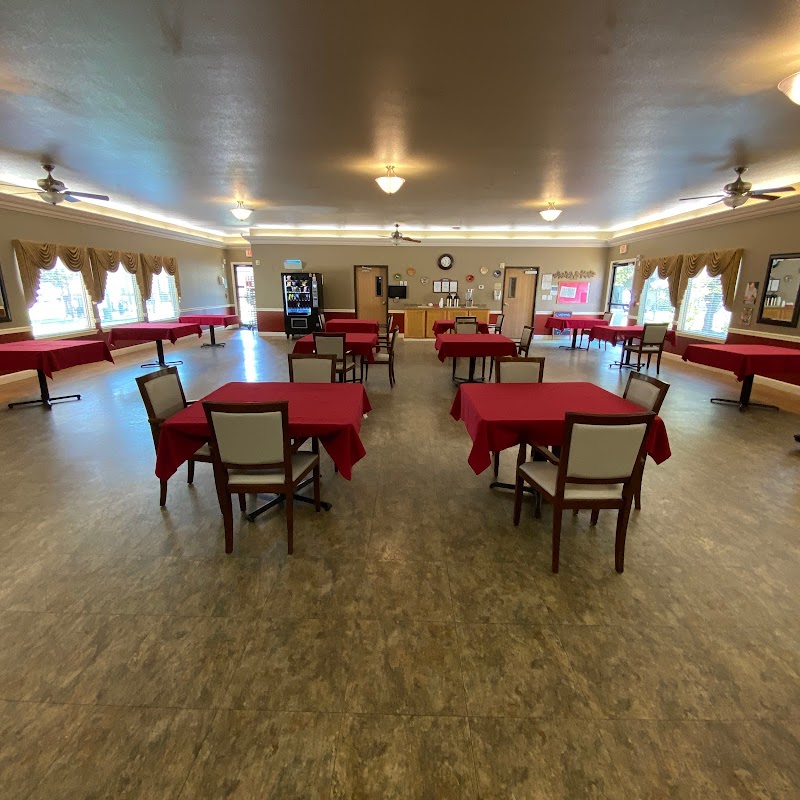
How is Copperas Hollow Nursing & Rehabilitation Center Staffed?

CMS rates COPPERAS HOLLOW NURSING & REHABILITATION CENTER's staffing level at 2 out of 5 stars, which is below average compared to other nursing homes. Staff turnover is 42%, compared to the Texas average of 46%. This relatively stable workforce can support continuity of care.

What Have Inspectors Found at Copperas Hollow Nursing & Rehabilitation Center?

State health inspectors documented 21 deficiencies at COPPERAS HOLLOW NURSING & REHABILITATION CENTER during 2023 to 2025. These included: 2 Immediate Jeopardy (the most serious level, indicating potential for serious harm or death), 1 that caused actual resident harm, and 18 with potential for harm. Immediate Jeopardy findings are rare and represent the most serious regulatory concerns. They require immediate corrective action.
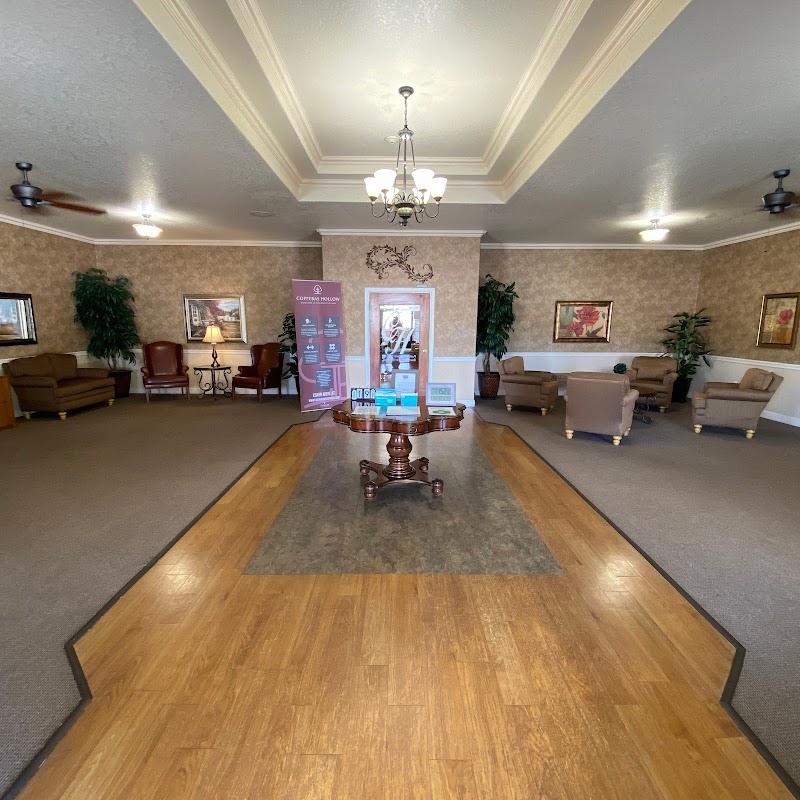
Who Owns and Operates Copperas Hollow Nursing & Rehabilitation Center?

COPPERAS HOLLOW NURSING & REHABILITATION CENTER is owned by a for-profit company. For-profit facilities operate as businesses with obligations to shareholders or private owners. The facility is operated by CREATIVE SOLUTIONS IN HEALTHCARE, a chain that manages multiple nursing homes. With 90 certified beds and approximately 42 residents (about 47% occupancy), it is a smaller facility located in CALDWELL, Texas.
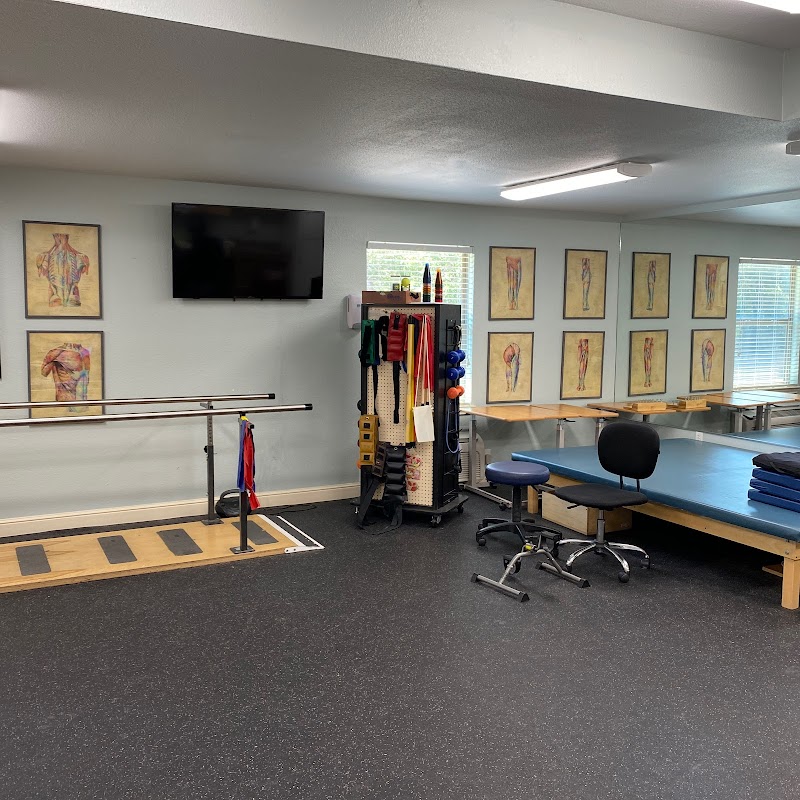
How Does Copperas Hollow Nursing & Rehabilitation Center Compare to Other Texas Nursing Homes?

Compared to the 100 nursing homes in Texas, COPPERAS HOLLOW NURSING & REHABILITATION CENTER's overall rating (1 stars) is below the state average of 2.8, staff turnover (42%) is near the state average of 46%, and health inspection rating (1 stars) is much below the national benchmark.

What Should Families Ask When Visiting Copperas Hollow Nursing & Rehabilitation Center?

Based on this facility's data, families visiting should ask: "What changes have been made since the serious inspection findings, and how are you preventing similar issues?" "Can you walk me through typical staffing levels on day, evening, and night shifts?" "Can I visit during a mealtime to observe dining assistance and food quality?" "How do you handle medical emergencies, and what is your hospital transfer rate?" These questions are particularly relevant given the facility's Immediate Jeopardy citations and the below-average staffing rating.

Is Copperas Hollow Nursing & Rehabilitation Center Safe?

Based on CMS inspection data, COPPERAS HOLLOW NURSING & REHABILITATION CENTER has documented safety concerns. Inspectors have issued 2 Immediate Jeopardy citations (the most serious violation level indicating risk of serious injury or death). The facility has a 1-star overall rating and ranks #100 of 100 nursing homes in Texas. Families considering this facility should ask detailed questions about what corrective actions have been taken since these incidents.

Do Nurses at Copperas Hollow Nursing & Rehabilitation Center Stick Around?

COPPERAS HOLLOW NURSING & REHABILITATION CENTER has a staff turnover rate of 42%, which is about average for Texas nursing homes (state average: 46%). Moderate turnover is common in nursing homes, but families should still ask about staff tenure and how the facility maintains care continuity when employees leave.

Was Copperas Hollow Nursing & Rehabilitation Center Ever Fined?

COPPERAS HOLLOW NURSING & REHABILITATION CENTER has been fined $127,285 across 4 penalty actions. This is 3.7x the Texas average of $34,352. Fines at this level are uncommon and typically indicate a pattern of serious deficiencies, repeated violations, or failure to correct problems promptly. CMS reserves penalties of this magnitude for facilities that pose significant, documented risk to resident health or safety. Families should request specific documentation of what issues led to these fines and what systemic changes have been implemented.

Is Copperas Hollow Nursing & Rehabilitation Center on Any Federal Watch List?

COPPERAS HOLLOW NURSING & REHABILITATION CENTER is not on any federal watch list. The most significant is the Special Focus Facility (SFF) program, which identifies the bottom 1% of nursing homes nationally based on persistent, serious quality problems. Not being on this list means the facility has avoided the pattern of deficiencies that triggers enhanced federal oversight. This is a positive indicator, though families should still review the facility's inspection history directly.