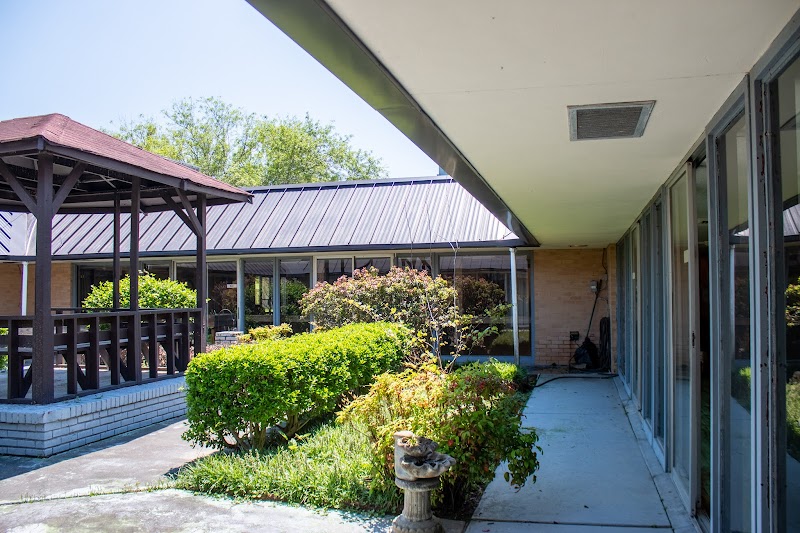
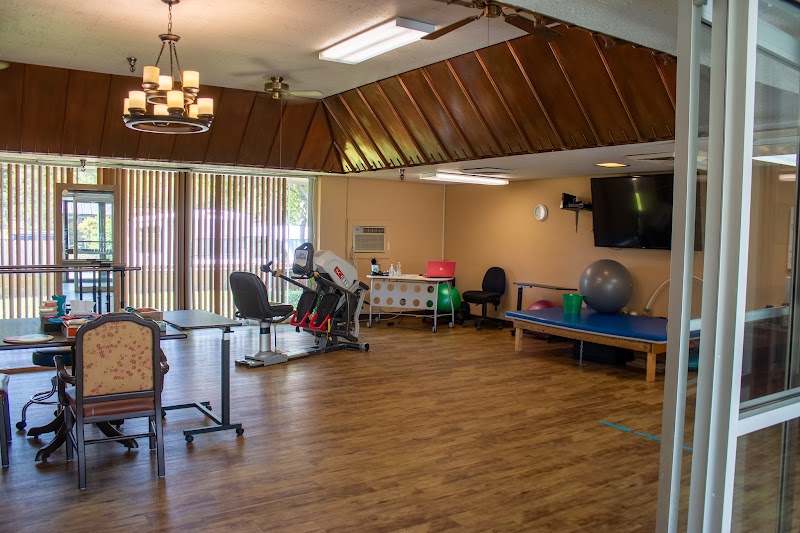
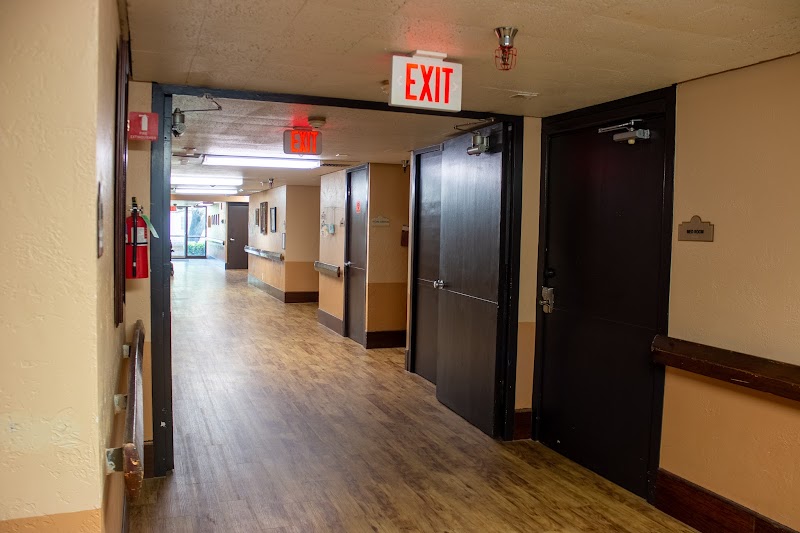
PANOLA COUNTY NURSING & REHABILITATION

501 COTTAGE RD, CARTHAGE, TX 75633 (903) 693-7141
For profit - Corporation 108 Beds GULF COAST LTC PARTNERS Data: November 2025
Trust Grade
50/100
#794 of 1168 in TX
Last Inspection: August 2025

Inspected within the last 6 months. Data reflects current conditions.

Overview

Panola County Nursing & Rehabilitation in Carthage, Texas has a Trust Grade of C, which means it is average-right in the middle compared to other facilities. It ranks #794 out of 1168 nursing homes in Texas, placing it in the bottom half, but it is #2 out of 3 in Panola County, indicating only one local option is rated higher. The facility is improving, having reduced its issues from 16 in 2024 to 12 in 2025. However, staffing is a concern with a low rating of 1 out of 5 stars and less RN coverage than 85% of Texas facilities; this means there may not be enough registered nurses to catch issues early. While there are no fines on record, which is a positive sign, there have been several concerning incidents, including a failure to maintain a pest-free environment, with residents living in rooms with dead bugs and unsanitary conditions. Additionally, the facility did not develop adequate care plans for some residents, leading to potential neglect of their specific needs. Overall, while there are some strengths, families should weigh these weaknesses carefully when considering Panola County Nursing & Rehabilitation.

Trust Score
C
50/100
In Texas
#794/1168
Bottom 33%
Safety Record
Low Risk
No red flags
Inspections
Getting Better
16 → 12 violations
Staff Stability
○ Average
41% turnover. Near Texas's 48% average. Typical for the industry.
Penalties
✓ Good
No fines on record. Clean compliance history, better than most Texas facilities.
Skilled Nurses
⚠ Watch
Each resident gets only 12 minutes of Registered Nurse (RN) attention daily — below average for Texas. Fewer RN minutes means fewer trained eyes watching for problems.
Violations
⚠ Watch
34 deficiencies on record. Higher than average. Multiple issues found across inspections.
★★☆☆☆
2.0
Overall Rating
★☆☆☆☆
1.0
Staff Levels
★★☆☆☆
2.0
Care Quality
★★★☆☆
3.0
Inspection Score
Stable
2024: 16 issues
2025: 12 issues

The Good

  • Full Sprinkler Coverage · Fire safety systems throughout facility
  • No fines on record
  • Staff turnover below average (41%)

    7 points below Texas average of 48%

Facility shows strength in fire safety.

The Bad

2-Star Overall Rating

Below Texas average (2.8)

Below average - review inspection findings carefully

Staff Turnover: 41%

Near Texas avg (46%)

Typical for the industry

Chain: GULF COAST LTC PARTNERS

Part of a multi-facility chain

Ask about local staffing decisions and management

The Ugly 34 deficiencies on record

Aug 2025 12 deficiencies
CONCERN (D)

Potential for Harm - no one hurt, but risky conditions existed

PASARR Coordination (Tag F0644)

Could have caused harm · This affected 1 resident

**NOTE- TERMS IN BRACKETS HAVE BEEN EDITED TO PROTECT CONFIDENTIALITY** Based on interview, and record review, the facility failed to coordinate assessments with the pre-admission screening and reside...

Read full inspector narrative →
**NOTE- TERMS IN BRACKETS HAVE BEEN EDITED TO PROTECT CONFIDENTIALITY** Based on interview, and record review, the facility failed to coordinate assessments with the pre-admission screening and resident review (PASRR) program to include all residents with newly evident or possible serious mental disorder for 1 of 7 residents (Resident #28) reviewed for the PASRR program. The facility failed to ensure Resident #28 was referred for a PASRR (Level II) evaluation when she admitted to the facility on [DATE] with a possible serious mental disorder. This failure could place residents at risk for a diminished quality of life and not receiving necessary care and services in accordance with individually assessed needs.The findings included: Record review of the face sheet, dated 08/13/25, reflected Resident #28 was a [AGE] year-old female who admitted to the facility on [DATE] with a diagnosis of schizoaffective disorder, bipolar type (chronic mental health condition characterized primarily by symptoms of schizophrenia, such as hallucinations or delusions, and symptoms of a mood disorder, such as mania and depression). Record review of the PASRR Level 1 Screening form, dated 09/30/24, reflected Resident #28 had no evidence or indicator of a mental illness. No PASRR Level II screening was completed. Record review of the admission MDS assessment, dated 10/10/24, reflected Resident #28 was not considered by the state level II PASRR process to have serious mental illness. The MDS reflected Resident #28 had clear speech, was understood by others, and was able to understand others. Resident #28 had a BIMS score of 15, which indicated no cognitive impairment. Resident #28 had no documented behaviors or refusal of care during the look-back period. The MDS reflected Resident #28 had an active diagnosis of Schizophrenia, which included schizoaffective disorder. Record review of the comprehensive care plan, initiated on 10/07/24, reflected Resident #28 had a mood problem related to a diagnosis of schizoaffective disorder, bipolar type and was taking psychotropic medication. During an interview on 08/13/25 beginning at 5:33 PM, the MDS Coordinator stated she was responsible for obtaining the PL1 from the referring entity, entering the PL1 into the system, and coordinating with the local authority when it was needed. The MDS Coordinator stated she reviewed the PL1 and any diagnoses prior to the residents admitting to the facility. The MDS Coordinator stated if the PL1 was inaccurate and needed to be changed, she normally called the hospital or referring entity and asked them to change it, or she would change it in the system, or a form 1012 could have been completed, as needed. The MDS Coordinator stated some of the diagnoses that she looked for prior to admission were schizophrenia and bipolar disorder. The MDS Coordinator stated the local authority made the determination of eligibility after a positive PL1 was submitted. The MDS Coordinator stated Resident #28's PL1 screening should have been positive for mental illness because of her diagnosis of schizoaffective disorder. The MDS Coordinator stated she was not working full time at the facility during the time period Resident #28 admitted . The MDS Coordinator stated she was going to enter a new PL1 and notify the local authority. During an interview on 08/13/25 beginning at 6:08 PM, the Administrator stated she expected the correct PASRR documentation to have been on file at the facility. The Administrator stated if the PL1 screening was incorrect, it should have been fixed so the local authority could have completed the level II PASRR evaluation. The Administrator stated the MDS coordinator was responsible for coordinating the PASRR services and performed audits on admission. The Administrator stated it was important to ensure PL1 screening was accurate to ensure residents received the correct services at the facility. Record review of the admission Criteria policy, revised March 2019, reflected all new admissions and readmissions are screened for mental disorders (MD), intellectual disabilities (ID) or related disorders (RD) per the Medicaid PASRR process. the facility conducts a Level 1 PASRR screen for all potential admission, regardless of payer source to determine if the individual meets the criteria for a MD, ID, or RD. if the level I screen indicates that the individual may meet the criteria for a MD, ID, or RD, he or she is referred to the state PASRR representative for the Level II (evaluation and determination) screening process .
CONCERN (D)

Potential for Harm - no one hurt, but risky conditions existed

Comprehensive Care Plan (Tag F0656)

Could have caused harm · This affected 1 resident

**NOTE- TERMS IN BRACKETS HAVE BEEN EDITED TO PROTECT CONFIDENTIALITY** Based on observation, interview, and record review, the facility failed to develop and implement a comprehensive person-centered...

Read full inspector narrative →
**NOTE- TERMS IN BRACKETS HAVE BEEN EDITED TO PROTECT CONFIDENTIALITY** Based on observation, interview, and record review, the facility failed to develop and implement a comprehensive person-centered care plan to meet each resident's medical, nursing, mental and psychosocial needs for 2 of 16 residents reviewed for care plans. (Resident #8, Resident #43)1. The facility failed to ensure Resident #8's care plan had interventions to be used for the use of a self-releasing seat belt, on his motorized wheelchair. 2. The facility failed to implement the comprehensive person-centered care plan for Resident #43's low air loss mattress on the correct settings for her current weight. These failures could place residents at risk of not having individual needs met, a decreased quality of life, and cause residents not to receive needed services. Findings include: 1. Record review of Resident #8’s face sheet dated 8/12/25 indicated Resident #8 was a [AGE] year-old male admitted to the facility on [DATE] and readmitted on [DATE]. Resident #8 had diagnoses including cerebral palsy (is a group of conditions that affect movement and posture), paraplegia (is paralysis that affects your legs, but not your arms), abnormal posture, and contractures (is a type of scarring in your soft tissues that causes them to tighten and stiffen). Record review of Resident #8’s consolidated physician order dated 8/12/25 indicated may use motorized wheelchair for mobility when out of bed. If motorized wheelchair is unable to be used, may use Geri-chair for mobility related to contractures and poor trunk control. Ordered date 5/6/25. Record review of Resident #8’s quarterly MDS assessment dated [DATE] indicated Resident #8 was usually understood and had the ability to understand others. Resident #8 had unclear speech, adequate hearing, and impaired vision with corrective lenses. Resident #8 had a BIMS score of 99 which indicated the resident was unable to complete the interview. Resident #8 had short term memory call problem and moderately impaired cognitive skill for daily decision making. Resident #8 had functional limitation in range of motion to the upper and lower extremities, on both sides of his body. Resident #8 used a wheelchair for mobility. Resident #8 was dependent for ADLs. Resident #8 was not coded for a physical restraint. Record review of Resident #8’s care plan sated 4/24/25 indicated Resident #8 was at risk for falls related to decreased safety awareness, paraplegia, psychoactive drug use, vision/hearing problems, incontinence, cerebral palsy, chronic flexion contractures (is a long-term inability to fully extend a joint, meaning the joint is stuck in a bent position) to upper/lower extremities, muscle spasms, pain and spina bifida (is a condition that occurs when the spine and spinal cord don't form properly). Resident #8 has self-releasing seat belt because Resident stated, he “feels safer with it on.” Resident #8 was able to release upon request. Resident #8’s care plan did not reflect interventions or services that would attain or maintain the resident’s physical well-being for the use of a self-releasing seat belt. During an observation on 8/12/25 at 9:40 a.m., LVN C and CNA F placed Resident #8 in a motorized wheelchair. CNA F buckled Resident #8’s seat belt. CNA F asked Resident #8 to release the seat belt. After CNA F and LVN C asked Resident #8 two more times and CNA F showed him the release button, he successfully pushed the button. During an interview on 8/13/25 at 12:45 p.m., the MDS Coordinator said she was responsible for the initial care plans and care plans after the MDS assessments. She said the DON and ADON were responsible for acute care plans. She said the interventions were important for the monitoring and assessment of the care plan problem. She said the IDT met to discuss the resident’s care plan on admission and quarterly. She said the DON and Regional/Corporate MDS Coordinator were responsible for overseeing the MDS Coordinator. During an interview on 8/13/25 at 2:42 p.m., LVN D said the ADON and DON was responsible for the residents’ care plans. She said Resident #8’s use of the seat belt on his wheelchair should be care planned. She said the interventions were important to assess the safety of the seat belt. She said the staff should make sure Resident #8 was able to release the seat belt and the seat belt was working properly. She said if Resident #8 use of the seat belt was not assessed, it placed the resident at risk for falls. She said Resident #8 could hurt himself. During an interview on 8/13/25 at 3:03 p.m., LVN C said the DON or a RN was responsible for the residents’ care plans. She said Resident #8’s use of the seat belt on his wheelchair should be care planned with interventions. She said the staff should make sure Resident #8 was able to release the seat belt and the seat belt was functioning correctly. She said the care plan was important to let the staff know what interventions were in place, what had been tried, and what to expect from the facility. She said Resident #8’s seat belt not being care planned with intervention was a safety issue. During an interview on 8/13/25 at 3:04 p.m., the DON said the IDT was responsible for the residents’ care plans. She said Resident #8’s wheelchair seat belt needed interventions for monitoring and assessment. She said the interventions were important to know what to monitor to prevent injury. She said the facility did not consider Resident #8’s seat belt as a restraint because he could release it. She said the facility should have still developed a care plan with interventions to ensure it did not become a restraint. She said when the care plan problem did not have interventions, the residents’ needs could not be met. She said the IDT monitored each other to ensure the residents’ care plans were complete. During an interview on 8/13/25 at 5:02 p.m., the ADM said the DON was responsible for developing care plan interventions for Resident #8’s wheelchair seat belt. She said the care plan interventions were important to ensure Resident #8’s seat belt was not a restraint. She said when the resident’s care plan problem did not have interventions, the resident’s needs could not be met. She said the IDT oversaw the care planning process. She said the IDT reviewed the residents’ care plans during the daily “stand up” meetings. 2. Record review of Resident #43’s admission Record indicated she was an [AGE] year-old female admitted to the facility on [DATE]. Her diagnoses included contracture of right knee (a condition characterized by the inability to fully extend the knee joint), dementia (a general term for a decline in cognitive function that affects memory, thinking, and social abilities, significantly interfering with daily life), essential hypertension (a form of high blood pressure that occurs when the pressure in your blood vessels is consistently too high), severe protein-calorie malnutrition (serious health condition stemming from an insufficient intake or absorption of protein) and major depression disorder (a mood disorder that cause persistent feelings of sadness and loss of interest). Record review of Resident #43's Annual MDS dated [DATE] revealed that the resident did not have a BIMS score indicating Resident #43 was rarely or never understood. The MDS also revealed, Resident #43 was dependent with all ADL’s such as eating, toileting, bathing, dressing upper and lower body, and transfers. The MDS revealed Resident #43 weighed 104 lbs. Record review of Resident #43's Care Plan revised on 7/22/2025, revealed Resident had Deep tissue injury to Right Distal Lateral foot with interventions for a low air loss mattress for pressure relief. Record review of Resident #43’s weight and vital sign summary dated 8/13/2025 revealed on 5/22/2023 Resident weighed 104.2 lbs. During observation on 8/12/2025 at 1:57 PM, observed Resident #43 lying in bed on her left side with covers pulled up. Resident #43 was nonverbal and unable to communicate. During an observation and interview on 8/12/2025 at 2:33 PM, Resident #43 was lying in bed and wearing pressure relieving boots to bilateral lower extremities. The ADON said Resident #43 was on Hospice care. The ADON said Resident #43 was contracted on her lower extremities and wore the pressure relieving boots to her bilateral lower extremities. The ADON said Resident #43 was followed by a wound care specialist. The ADON said Resident #43 rubs her legs in her bed which she felt contributed to her DTI (deep tissue injury) (a serious condition that affect the underlying layers of skin and soft tissue, often resulting from sustained pressure or shear forces). The ADON said the DTI (deep tissue injury) was closed and she was not required to be on EBP (Enhanced Barrier Precautions) (Infectious control measures designed to reduce the transmission of multidrug-resistant organisms in healthcare settings). The ADON said Resident #43 was unable to position herself and required a Hoyer lift and a Geri-chair (geriatric chair). The ADON said Resident #43 had wounds on her bottom but had healed and the facility left Resident #43 on the low air loss mattress for prevention. The ADON looked at the settings and said it was set on 210. She said the Geri-chair must have bumped the setting and said the setting was not correct. The ADON said more pressure could cause a skin injury. The ADON said she was going to check on Resident #43’s weight and adjust the setting after checking the orders and update the orders if there was not one. During an interview on 8/13/2025 at 12:39 PM, LVN K said Resident #43 had an air loss mattress. She said Resident #43 was to be repositioned every 2 hours and had these wounds in the past stating that the wounds had healed and reopened. LVN K said Resident #43 was terminal and the wounds were unavoidable. LVN said Resident #43 did not have any current wounds to her bottom. LVN K said the staff gets her up in the Geri-chair. LVN K said normally the staff does not touch the settings on the low air loss mattress and said she did not know if the settings were supposed to be on an order. LVN K reviewed Resident #43’s order and said there was not an order. She said the low air loss mattress settings were based on the weight of the resident. She said the low air loss mattress would circulate to ensure the pressure was not in one spot. LVN K said it could cause pressure sores and skin breakdown if not on the correct settings. During an interview on 8/13/2025 at 1:39 PM, the Wound Care Physician said he started seeing Resident #43 a couple of weeks ago. He said she was currently wearing her pressure relieving boots. He said Resident #43 likes to turn on her right side and he said the deep tissue injury was unavoidable due to her contractures. He felt with her wearing the boots, she would be ok. The Wound Care Physician said sometimes people turn up the settings on the low air loss mattress while positioning a resident. He said more air could cause more pressure. He said Resident #43’s wound was scabbed over and not ready to come off yet. He said Resident #43’s wound showed no signs of infection. During an interview on 813/2025 at 4:13 PM, the Administrator said she expected the nurses to check the settings on the low air loss mattress to ensure it was on the proper settings. The Administrator said she thought there should be specific settings on the care plan and orders. The Administrator said a resident could develop pressure ulcers if the low air loss mattress was not on the proper setting. The Administrator said the ADON and DON were responsible for ensuring the orders were on the care plan and the settings were correct. During an interview on 8/13/2025 at 4:36 PM, the DON said she expected the nurses and aides to assess Resident #43 low air loss mattress and for it to be on the proper settings. The DON said she was working on order to make sure they were specific. The DON said the aides could place the settings on static while they are positioning a resident but would need to be placed back on the correct setting. The DON said there was a potential for skin breakdown or if a resident had a current skin issue, it could make a wound worse. The DON said it could be a comfort issue as well. The DON said she had started an in-service with staff and was adding a task for the aides to check as well. Record review of a facility policy revised on December of 2016 titled Care Plans, Comprehensive Person-Centered revealed, A comprehensive, person-centered care plan that includes measurable objectives and timetables to meet the resident's physical psychosocial and functional needs is developed and implemented for each resident…the care plan interventions are derived from a thorough analysis of the information gathered as part of the comprehensive assessment…describe the services that are to be furnished to attain or maintain the resident’s highest practicable physical, mental, and psychosocial well-being…”
CONCERN (D)

Potential for Harm - no one hurt, but risky conditions existed

Deficiency F0657 (Tag F0657)

Could have caused harm · This affected 1 resident

**NOTE- TERMS IN BRACKETS HAVE BEEN EDITED TO PROTECT CONFIDENTIALITY** Based on interview and record review, the facility failed to ensure each resident's person-centered comprehensive care plan was ...

Read full inspector narrative →
**NOTE- TERMS IN BRACKETS HAVE BEEN EDITED TO PROTECT CONFIDENTIALITY** Based on interview and record review, the facility failed to ensure each resident's person-centered comprehensive care plan was reviewed and revised by the interdisciplinary team after each assessment for 1 of 16 residents (Resident #6), reviewed for care plans. The facility failed to revise and update Resident #6's care plan after she was coded on the annual MDS assessment dated [DATE] for use of a diuretic and an antiplatelet. This failure could affect residents by placing them at risk of not receiving appropriate interventions to meet their current needs.Findings included: Record review of Resident #6's face sheet dated 8/12/25 indicated Resident #6 was a [AGE] year-old female admitted to the facility on [DATE] and readmitted on [DATE]. Resident #6 had diagnoses including hemiplegia (is paralysis that affects only one side of your body) and hemiparesis (is one-sided muscle weakness) following cerebral infarction (is the death of brain tissue due to a blockage of blood flow), other cerebral infarction due to occlusion or stenosis of small artery (a blockage or narrowing of a small blood vessel, which can restrict blood flow and potentially lead to tissue damage) and hypertension (is when the force of blood pushing against your artery walls is consistently too high). Record review of Resident #6's annual MDS assessment dated [DATE] indicated Resident #6 was usually understood and usually had the ability to understand others. Resident #6 had a BIMS score of 14 which indicated intact cognition. Resident #6 had received a diuretic (are medicines that help reduce fluid buildup in the body) and an antiplatelet (are medications that prevent platelets from sticking together and forming blood clots) during the last 7 days. Record review of Resident #6's care plan dated 8/6/24 indicated Resident #6 had hemiplegia and hemiparesis related to previous cerebral infarction. Intervention included give medications as ordered and monitor/document for side effects and effectiveness. Resident #6's care plan did not reflect use of a diuretic and an antiplatelet. Record review of Resident #6's consolidated physician orders dated 8/12/25 indicated:*Aspirin 81mg Oral tablet Delayed Release, give 1 tablet by mouth one time a day related to hemiplegia and hemiparesis following cerebral infarction, other cerebral infarction due to occlusion or stenosis of small artery. Ordered date 3/7/25. *Spironolactone Oral Tablet 25mg, give 25mg by mouth one time a day for edema. Ordered date 2/24/25. Record review of Resident #6's MAR dated 8/1/25-8/31/25 indicated:*Aspirin 81mg Oral tablet Delayed Release, give 1 tablet by mouth one time a day related to hemiplegia and hemiparesis following cerebral infarction, other cerebral infarction due to occlusion or stenosis of small artery. Resident #6 received 12 out of 12 scheduled doses. *Spironolactone Oral Tablet 25mg, give 25mg by mouth one time a day for edema. Resident #6 received 12 out of 12 scheduled doses. During an interview on 8/13/25 at 12:45 p.m., the MDS Coordinator said the resident's care plans were revised with the MDS assessments and changes of condition. She said each department of the IDT were responsible for updating the care plan, after the MDS assessment. She said the resident's care plans were reviewed and updated quarterly. She said Resident #6's use of a diuretic and an antiplatelet should have been care planned. She said she normally only care planned the major antiplatelets on the resident's care plans. She said the resident's medications should be care planned to know which type of medications the resident was on and what to monitor for. She said when a resident's medications were not care planned, the comorbidities it was treating may not be monitored or assessed. She said the DON and Regional/Corporate MDS Coordinator were responsible for overseeing her. During an interview on 8/13/25 at 2:00 p.m., the ADON A said the MDS Coordinator with the assistance of the DON were responsible for revising and updating care plans after the MDS assessment. She said she would expect Resident #6's use of a diuretic and an antiplatelet to be on her care plan. She said it was important for Resident #6's diuretic use to be on the care plan to know what to monitor for fluid control. She said the antiplatelet needed to be care planned to assess and monitor for the side effects. She said if the resident had a fall and would not stop bleeding, the facility needed to know why. She said if the resident's medications were not care planned, it placed the resident at risk for not being assessed or monitored and affected the level of care and needs provided. She said the IDT should review the resident's care plan to ensure it was revised by the MDS Coordinator. During an interview on 8/13/25 at 2:42 p.m., LVN D said the DON, ADON and SS were responsible for updating the resident's care plan. She said it was important to care plan the resident's medications to know the history, diagnosis, and care needs. She said when medications were not care planned, the resident could not get the care they needed. She said the staff could think the resident was urinating too much and had an UTI (is when bacteria gets into your urinary tract- kidneys, bladder, or urethra) but it was from the diuretics. She said a resident on an antiplatelet needed to be monitored for excessive bleeding, bleeding gums, and blood in the stool. She said those things were normally on the resident's care plan to do. During an interview on 8/13/25 at 3:04 p.m., the DON said the MDS Coordinator was responsible for updating the care plan after the MDS assessment. She said but all the IDT was responsible for the care plans. She said she would expect Resident #6's diuretic and antiplatelet use to be care planned. She said they should be care planned to ensure the facility was providing accurate care. She said the medications needed to be monitored and assessed. She said the ADM and Regional MDS Coordinator oversaw the MDS Coordinator. During an interview on 8/13/25 at 5:02 p.m., the ADM said the MDS Coordinator was responsible for updating the resident's care plan after a MDS assessment was done. She said she would expect Resident #6's diuretic and antiplatelet use to be care planned. She said the resident's care needed to be revised after the MDS assessment, so everyone knew what was being used and what for. She said when the resident's care plan was not updated, the resident's needs could not be met. She said the DON and Regional MDS Coordinator oversaw the MDS Coordinator. She said the resident's care plan were reviewed daily during stand up meetings. Record review of a facility's Care Plans, Comprehensive Person-Centered policy revised 12/2016 indicated, .assessments of the resident are ongoing and care plans are revised as information about the residents and the residents condition change. the Interdisciplinary Team must review and update the care plan.at least quarterly, in conjunction with the required quarterly MDS assessment.
CONCERN (D)

Potential for Harm - no one hurt, but risky conditions existed

ADL Care (Tag F0677)

Could have caused harm · This affected 1 resident

**NOTE- TERMS IN BRACKETS HAVE BEEN EDITED TO PROTECT CONFIDENTIALITY** Based on observations, interview, and record review the facility failed to ensure a resident who was unable to carry out activit...

Read full inspector narrative →
**NOTE- TERMS IN BRACKETS HAVE BEEN EDITED TO PROTECT CONFIDENTIALITY** Based on observations, interview, and record review the facility failed to ensure a resident who was unable to carry out activities of daily living receives the necessary services to maintain good nutrition for 1 of 5 residents (Resident #50) reviewed for ADLs. The facility did not ensure Resident #50 received set-up assistance during the lunch meal on 08/11/25. This failure could place residents at risk of decreased quality of life, weight loss, and injury related to choking.The findings included: Record review of the face sheet, dated 08/13/25, reflected Resident #50 was a [AGE] year-old female who admitted to the facility on [DATE] with diagnoses of hemiplegia and hemiparesis following cerebral infarction, affecting the right dominant side (right-sided weakness/paralysis from a stroke), history of a stroke, and the need for assistance with personal care. Record review of the admission MDS assessment, dated 06/26/25, reflected Resident #50 had clear speech, was understood by others, and was able to understand others. Resident #50 had a BIMS score of 6, which reflected severely impaired cognition. Resident #50 had no behaviors or refusal of care during the look-back period. The MDS assessment reflected Resident #50 usually required partial/moderate assistance with eating, which indicated the helper did less than half the effort. Record review of the comprehensive care plan, initiated on 06/26/25, reflected Resident #50 had an ADL self-care performance deficit and required partial/moderate assistance as needed with eating. Record review of the ADL flow sheet for eating, dated from 07/31/25 to 08/12/25, reflected Resident #50 required setup or clean-up assistance with eating on 08/01/25, 08/02/25, 08/03/25, 08/06/25, 08/11/25, and 08/12/25. During an observation on 08/11/25 at 12:04 PM, Resident #50 was served her lunch meal tray. Resident #50 was asked if she wanted her plate on or off the serving tray. The tray was placed down in front of her, and the cover was removed. The plastic was taken off the drinks, her utensils were unfolded from her napkin, and then the staff left her with her tray. Resident #50's dinner roll was left in the plastic bag. During an observation on 08/11/25 at 12:07 PM, Resident #50 was eating the plastic bag that her dinner roll was in. Resident #50 would take a bite of the plastic and then spit it out. Resident #50 was unable to remove the dinner roll herself. During an observation on 08/11/25 at 12:18 PM, Resident #50 continued to take bites of the plastic bag and then spit it out on her tray. Surveyor notified CNA G in the dining room. CNA G immediately removed the plastic from her dinner roll. During an interview on 08/13/25 beginning at 3:26 PM, CNA G stated Resident #50 normally required setup help with eating but would not allow staff to assist her with eating. CNA G stated setup help included taking everything off the serving tray and sitting it on the table, taking the plastic off of the food, unwrapping and placing straws in the cups, and putting condiments on the food as needed or requested. CNA G stated Resident #50's dinner roll should have been removed from the plastic bag when she was served. CNA G was unsure why Resident #50's dinner roll was not removed from the bag, but it was usually taken out. CNA G stated she believed Resident #50 had not attempted to eat the plastic around her dinner roll before that incident. CNA G stated it was important to ensure Resident #50 received setup assistance during mealtimes to ensure she did not choke on the plastic. During an interview on 08/13/25 beginning at 3:39 PM, LVN C stated Resident #50 required setup assistance during meals because of a previous stoke that caused right-sided weakness. LVN C stated setup assistance included asking if they wanted their food on or off the serving tray, cutting up any vegetables or meat, taking the plastic wrapper off of all the food, and then asking if they wanted salt/pepper or sweetener. LVN C stated the plastic should have been removed from Resident #50's dinner roll on 08/11/25. LVN C stated she was the nurse in the dining room on 08/11/25 but was unable to remember who served Resident #50. LVN C stated she was unaware until later that Resident #50 was eating the plastic. LVN C stated it was important to ensure Resident #50 received setup assistance during mealtimes to maintain a homelike environment. LVN C stated Resident #50 was unable to remove the plastic herself because of the stroke that caused weakness. During an interview on 08/13/25 beginning at 5:44 PM, the DON stated she expected the nursing staff to ensure residents received setup assistance during mealtimes. The DON stated setup assistance included: opening milks, removing plastic from food, setting up the utensils, or adding salt/pepper. The DON stated the nurse in the dining room was responsible for monitoring to ensure residents received setup assistance in the dining room. The DON stated it was important to ensure residents received setup assistance during mealtimes to ensure adequate nutrition and maintain the resident's safety during meals. During an interview on 08/13/25 beginning at 6:08 PM, the Administrator stated she expected staff to ensure the residents received setup assistance during mealtimes. The Administrator stated all food items should have been unwrapped or taken out of the plastic. The Administrator stated the nurse in the dining room was responsible for monitoring to ensure setup assistance was provided. The Administrator stated it was important to ensure setup assistance was provided because most residents need help and would be unable to perform the task themselves. Record review of the Assistance with Meals policy, revised March 2022, reflected .facility staff will serve resident trays and will help residents who require assistance with eating. The policy did not address setup assistance.
CONCERN (D) 📢 Someone Reported This

A family member, employee, or ombudsman was alarmed enough to file a formal complaint

Potential for Harm - no one hurt, but risky conditions existed

Deficiency F0679 (Tag F0679)

Could have caused harm · This affected 1 resident

**NOTE- TERMS IN BRACKETS HAVE BEEN EDITED TO PROTECT CONFIDENTIALITY** Based on observation, interview, and record review, the facility failed to provide an ongoing program of activities in accordanc...

Read full inspector narrative →
**NOTE- TERMS IN BRACKETS HAVE BEEN EDITED TO PROTECT CONFIDENTIALITY** Based on observation, interview, and record review, the facility failed to provide an ongoing program of activities in accordance with the comprehensive assessment to meet the interests and the physical, mental, and psychosocial well-being for 2 of 16 residents reviewed for activities. (Resident's #30 and #50) The facility failed to ensure Resident #30, and Resident #50 were offered to participate in activities on 08/11/25 and 08/12/25. This failure could place residents at risk for not having activities to meet their interests or needs and a decline in their physical, mental, and psychosocial well-being.The findings included: 1. Record review of the face sheet, dated 08/13/25, reflected Resident #30 was a [AGE] year-old female who initially admitted to the facility on [DATE] with a diagnosis of Alzheimer's disease (neurodegenerative disease that causes memory loss). Record review of the annual MDS assessment, dated 04/22/25, reflected Resident #30 had clear speech, was understood by others, and was usually able to understand others. Resident #30 had a BIMS score of 3, which indicated severe cognitive impairment. Resident #30 had delusions, physical and verbal behavior, and refusal of care 1 to 3 days during the look-back period. Resident #30 stated it was very important to participate in her favorite activities and was somewhat important to do things with groups of people. Record review of the comprehensive care plan, revised 04/03/23, reflected Resident #30 was dependent on staff for activities, cognitive stimulation, and social interaction. The goal was Resident #30 will attend/participate in activities of choice 3 -5 times weekly by the next review date. The interventions included: all staff to converse with resident while providing care and invite Resident #30 to scheduled activities. Record review of the Activities - Quarterly/Annual Participation Review assessment, dated 07/08/25, reflected Resident #30 participated in activities of choice, she enjoys the daily chronicles, nail are, and watching/visiting with staff and residents in the dining room. The assessment reflected her favorite activities were the daily chronicles and a hot cup of coffee. 2. Record review of the face sheet, dated 08/13/25, reflected Resident #50 was a [AGE] year-old female who admitted to the facility on [DATE] with diagnoses of hemiplegia and hemiparesis following cerebral infarction, affecting the right dominant side (right-sided weakness/paralysis from a stroke). Record review of the admission MDS assessment, dated 06/26/25, reflected Resident #50 had clear speech, was understood by others, and was able to understand others. Resident #50 had a BIMS score of 6, which reflected severely impaired cognition. Resident #50 had no behaviors or refusal of care during the look-back period. The MDS assessment reflected Resident #50 stated it was very important to participate in her favorite activities and somewhat important to do things with groups of people. Record review of the comprehensive care plan, initiated on 07/14/25, reflected Resident #50 was dependent on staff for activities, cognitive stimulation, and social interaction. The goal was Resident #50 will attend/participate in activities of choice 3 to 5 times a week. The interventions included: notify resident daily of daily activities and times, provide assistance as needed with daily activity, and assure activities are compatible with physical and mental capabilities. Record review of the Activities - Initial Review, dated 06/20/25, reflected Resident #50 participated in activities of choice. The assessment reflected Resident #50 participated in weekly bible study. Resident #50 wished to participate in activities while in the home, group activities, and independent activities. Record review of the activity calendar, dated August 2025, reflected the following:08/11/25 - 11 AM Painting08/11/25 - 2 PM Bingo08/12/25 - 8 AM Daily Chronicles08/12/25 - 1 PM Noodle ball During an observation on 08/11/25 beginning at 11:03 AM, the AD was in the dining room. She gathered the supplies for rock painting. The AD sat a small table with 2 residents and began the activity. Resident #30 and Resident #50 were sitting at a table in the dining room. The AD did not offer or encourage Resident #30 or Resident #50 to participate in the activity. During an observation on 08/11/25 beginning at 2:12 PM, the AD was calling bingo numbers in the dining room. Resident #30 and Resident #50 were sitting at the same table in the dining room with no bingo cards in front of them. Resident #30 was sitting up with her head looking down. Resident #50 was staring at the table. Resident #50 asked the surveyor about a funeral and said she did not know what to do. During an observation on 08/11/25 beginning at 3:32 PM, Resident #50 was sitting up in her wheelchair at the same dining room table. During an observation on 08/12/25 beginning at 8:25 AM, Resident #30 was sitting at the same dining room table. There were a stack of daily chronicles sheets in a neat pile. Resident #30 was staring around the room. During an observation on 08/12/25 beginning at 1:18 PM, Resident #30 and Resident #50 were sitting at the same dining room table. Both residents were just looking around the room. There were no activities. During an interview on 08/13/25 beginning at 5:18 PM, the AD stated she was responsible for ensure residents were offered to participate in activities. The AD stated some of the nursing staff helped assist residents to the activities but most of the time it was on her. The AD stated most of the residents do not participate in the activities and prefer to stay in their rooms. The AD stated Resident #30 and Resident #50 were dependent on staff to assist them to the activities. The AD stated Resident #30 and Resident #50 usually refuse to participate in activities, so she stopped asking them. The AD stated she should have provided encouragement or offered activities even if they normally refuse. The AD stated activities were important for socialization and quality of life. The AD stated activities, especially for dementia care residents, were important to improve the mood and behaviors. During an interview on 08/13/25 beginning at 5:44 PM, the DON stated she expected residents to be offered activities. The DON stated Resident #30 and Resident #50 will refuse to attend activities at times because of their dementia (memory loss) but it should have still been offered. The DON stated the AD was responsible for ensuring residents attended activities. The DON stated activities were important to improve their quality of life. During an interview on 08/13/25 beginning at 6:08 PM, the Administrator stated she expected activities to have been offered to the residents. The Administrator stated the AD was responsible for ensuring residents attended activities or were offered to participate in activities. The Administrator stated activities were important to help the residents stay social. Record review of the Activity Programs policy, revised June 2018, reflected .activities offered are based on the comprehensive resident-centered assessment and the preferences of each resident.the activities program is ongoing, and includes facility-organized group activities, independent individual activities, and assisted individual activities.our activity programs are designed to encourage maximum individual participate and are geared to the individual resident's needed.residents are encouraged, but not required, to participate in scheduled activities.
CONCERN (D)

Potential for Harm - no one hurt, but risky conditions existed

Accident Prevention (Tag F0689)

Could have caused harm · This affected 1 resident

**NOTE- TERMS IN BRACKETS HAVE BEEN EDITED TO PROTECT CONFIDENTIALITY** Based on observations, interviews, and record review the facility failed to ensure each resident received adequate supervision a...

Read full inspector narrative →
**NOTE- TERMS IN BRACKETS HAVE BEEN EDITED TO PROTECT CONFIDENTIALITY** Based on observations, interviews, and record review the facility failed to ensure each resident received adequate supervision and assistance devices to prevent accidents for 1 of 6 residents (Resident #49) reviewed for accidents and hazards. The facility failed to ensure Resident #49's fall mat was utilized while he was in his bed on 08/11/25 and 08/12/25. This failure could place residents at risk of injury or harm and a decreased quality of care related to falls.The findings included: Record review of the face sheet, dated 08/12/25, reflected Resident #49 was a [AGE] year-old male who admitted to the facility on [DATE] with diagnoses of paraplegia (paralysis of the legs and lower body, typically caused by spinal injury or disease), apraxia (inability to execute purposeful, previously learned motor tasks, despite physical ability and willingness, as a result of brain damage) following a stroke, and paranoid schizophrenia (A serious mental health condition that affects how people think, feel and behave. It may result in a mix of hallucinations, delusions, and disorganized thinking and behavior.). Record review of the quarterly MDS assessment, dated 07/11/25, reflected Resident #49 had clear speech, was understood by others, and usually able to understand others. The MDS reflected Resident #49 had a BIMS score of 10, which indicated moderately impaired cognition. The MDS reflected Resident #49 had rejection of care 1 - 3 days during the look-back period. The MDS reflected Resident #49 had an impairment on both upper and lower extremities. Resident #49 was dependent on staff assistance with most ADLs. Resident #49 had no falls since the prior assessment. Record review of the comprehensive care plan, revised on 10/16/23, reflected Resident #49 was at risk for falls related to decreased safety awareness, confusion, psychoactive drug use, vision/hearing problems, incontinence, cardiovascular disease, impaired muscle control, and limited range of motion to lower extremities. The interventions included apply mat to bedside while Resident #49 is in bed. Record review of the fall risk assessment, dated 08/08/25, reflected Resident #49 was at high risk for falls. Record review of the order summary report, dated 08/13/25, reflected Resident #49 had an order, which started on 01/15/20, for May have fall mat every shift for fall risk. Record review of the MAR dated August 2025, reflected Resident #49's fall mat was signed off by the nurse daily. During an observation on 08/11/25 beginning at 3:33 PM, Resident #49 was laying in the bed with his eyes closed. Resident #49's bed was in the lowest position and his fall mat was laying long ways, against the wall at the head of his bed. Approximately 6 inches of the fall mat was sticking out on both sides of the bed and the legs of the bed, at the head, were indenting the fall mat. Another fall mat on the right side of his bed was folded in half and laying in the floor between Resident #49's bed and his roommate's bed. During an observation on 08/12/25 beginning at 8:26 AM, Resident #49 was laying in the bed with his eyes closed and covers pulled up to his chin. Resident #49's bed was in the lowest position and his fall mat was laying long ways, against the wall at the head of his bed. Approximately 6 inches of the fall mat was sticking out on both sides of the bed and the legs of the bed, at the head, were indenting the fall mat. Another fall mat on the right side of his bed was folded in half and laying in the floor between Resident #49's bed and his roommate's bed. During an observation on 08/12/25 beginning at 1:38 PM, Resident #49 was laying in the bed with his eyes closed. Resident #49's bed was in the lowest position and his fall mat was laying long ways, against the wall at the head of his bed. Approximately 6 inches of the fall mat was sticking out on both sides of the bed and the legs of the bed, at the head, were indenting the fall mat. Another fall mat on the right side of his bed was folded in half and laying in the floor between Resident #49's bed and his roommate's bed. During an interview on 08/13/25 beginning at 3:26 PM, CNA G stated she was the restorative CNA and has worked at the facility for a while. CNA G stated Resident #49 had not had any falls recently but was at risk for falls. CNA G stated Resident #49 had a low bed and fall mats beside his bed. CNA G stated the fall interventions should have been in place to prevent injuries from falls. CNA G was unsure why Resident #49's fall mats were not in place because she did not work the floor. During an interview on 08/13/25 beginning at 3:34 PM, CNA H stated Resident #49's fall mats were not in place this morning when she arrived at work. CNA H stated she put them down this morning. CNA H stated Resident #49 was at risk for falling and required a low bed and fall mats while in bed. CNA H stated she did not specifically check for fall mat placement when she arrived at work, but if she noticed they were not being utilized she would place them down appropriately. CNA H stated it was important to ensure fall interventions were utilized to protect the resident from injuries related to falls. During an interview on 08/13/25 beginning at 3:54 PM, LVN K stated Resident #49 had fallen in the past but had behaviors at times where he would thrash around in the bed and try to throw himself out. LVN K stated the fall mats were placed to prevent injuries from throwing himself out of the bed. LVN K stated his behaviors had been controlled recently and he has been calmer. LVN K stated the nurse was responsible for checking to ensure the fall mats were placed every shift and had to sign-off and document that on the MAR. LVN K stated she did not work on 08/11/25 or 08/12/25 and was unsure why the falls mats were not placed appropriately. LVN K stated it was important to ensure fall interventions were utilized to prevent injuries related to falls. LVN K stated LVN L was the nurse who worked on 08/11/25 and 08/12/25. During an attempted phone interview on 08/13/25 at 4:52 PM, LVN L did not answer the phone. A brief message was sent via text message with a return call requested. A return call was not received upon exit of the facility. During an interview on 08/19/25 beginning at 5:44 PM, the DON stated she expected the staff to ensure fall interventions were in place for residents who were at risk for falling. The DON stated the nurse was responsible for monitoring to ensure fall interventions were in place. The DON stated the nurses had to sign off on the MAR for fall mats. The DON stated Resident #49 had fallen in the past but had some recent behaviors where he was thrashing around in the bed and trying to throw himself out of the bed. The DON stated Resident #49's behaviors have improved in the last few months. The DON stated it was important to ensure fall interventions were utilized to prevent injuries related to falling. During an interview on 08/13/25 beginning at 6:08 PM, the Administrator stated she expected fall interventions to be utilized for residents who were at risk for falling. The Administrator stated the nurse was responsible for monitoring to ensure fall interventions were in place. The Administrator stated it was important to ensure fall interventions were utilized to prevent accidents or injuries. Record review of the Falls - Clinical Protocol policy, revised March 2018, reflected the staff and physician will monitor and document the individual's response to interventions intended to reduce falling or the consequences of falling.if interventions have been successful in fall prevention, the staff will continue with current approaches, and will discuss periodically with the physician whether these measures are still needed.
CONCERN (D)

Potential for Harm - no one hurt, but risky conditions existed

Respiratory Care (Tag F0695)

Could have caused harm · This affected 1 resident

**NOTE- TERMS IN BRACKETS HAVE BEEN EDITED TO PROTECT CONFIDENTIALITY** Based on observation, interview, and record review the facility failed to ensure that residents who needed respiratory care were...

Read full inspector narrative →
**NOTE- TERMS IN BRACKETS HAVE BEEN EDITED TO PROTECT CONFIDENTIALITY** Based on observation, interview, and record review the facility failed to ensure that residents who needed respiratory care were provided with such care, consistent with professional standards of practices for 1 of 5 residents (Resident #31) reviewed for respiratory care. The facility failed to ensure Resident # 31's internal filter (the air passes through a series of filters that remove impurities, ensuring that the oxygen delivered to the patient is of high quality) in the oxygen concentrator (take air from your surroundings, extract oxygen and filter it into purified oxygen for you to breathe) was free of white/yellow, fuzzy particles. This failure could place residents at risk for respiratory infections.Findings included: Record review of Resident #31's face sheet dated 8/13/25 indicated Resident #31 was an [AGE] year-old female admitted to the facility on [DATE] and readmitted on [DATE]. Resident #31 had diagnoses including heart failure (is a condition where the heart can't pump enough blood to meet the body's needs for oxygen and nutrients), chronic obstructive pulmonary disease (is a lung condition that obstructs airflow, making it difficult to breathe) and dependency on supplemental oxygen. Record review of Resident #31's quarterly MDS assessment dated [DATE] indicated Resident #31 was understood and had the ability to understand others. Resident #31 had a BIMS score of 12 which indicated moderate cognitive impairment. Resident #31 received oxygen therapy. Record review of Resident #31's care plan dated 6/28/25 indicated Resident #31 had oxygen therapy. Intervention included oxygen settings: oxygen via nasal cannula at 2-3 liters per minute. Record review of Resident #31's consolidated physician order dated 8/13/25 indicated change respiratory tubing, mask, bottled water, and clean filter every 7 days, every night shift, every Sunday. Ordered date 12/27/24. Record review of Resident #31's nurse administration record dated 8/1/25-8/31/25 indicated:*Oxygen at 3 liters per minute via nasal cannula during daytime, with ambulation and while resting and 2.5 liters per minute via nasal cannula at hour of sleep every shift for Chronic Obstructive Pulmonary Disease. *Change respiratory tubing, mask, bottled water, and clean filter every 7 days, every night shift, every Sunday. During an observation on 8/11/25 at 11:23 a.m., Resident #31 was sitting in her recliner with a nasal cannula connected to an oxygen concentrator. Resident #31's internal filter vent had a moderate amount of white/yellow, fuzzy particles. During an observation on 8/12/25 at 7:40 a.m., Resident #31 was sitting in her recliner with a nasal cannula connected to an oxygen concentrator. Resident #31's internal filter vent had a moderate amount of white/yellow, fuzzy particles. During an interview on 8/13/25 at 2:00 p.m., the ADON A said the oxygen company was responsible for the internal filters on the oxygen concentrators. She said the DON and ADON were responsible for notifying the oxygen company. She said the nurses changed the resident's oxygen equipment and cleaned the filters on Sundays. She said having an oxygen concentrator filter with dust was not good because the resident would be breathing it in. She said it could cause respiratory issues. During an interview on 8/13/25 at 2:42 p.m., LVN D said the nurses should notify the DON if they were unable to clean the resident's oxygen concentrator filter. She said the nurses were responsible for the oxygen filter when everything was changed on Sunday nights. She said a dirty oxygen filter affected the air quality. She said a dirty filter placed the resident at risk for a respiratory infection and breathing problems. She said if a resident developed a respiratory infection or experienced breathing problems, they could need antibiotics or hospitalization. During an interview on 8/13/25 at 3:04 p.m., the DON said the nurses were responsible for notifying the maintenance worker and DON when the internal oxygen filter needed to be cleaned. She said it was important to receive clean and the right amount of oxygen. She said if the internal oxygen filter was clogged with dust particles, it placed the resident at risk for not getting the right amount of oxygen. She said this could cause decrease oxygen intake, increase work of breathing and affect the resident's respiratory status. She said maintenance was overall responsible for the oxygen concentrator internal filters. She said maintenance should ensure the cleanliness of the internal filters by rounding. During an interview on 8/13/25 at 5:02 p.m., the ADM said the oxygen company was responsible for the internal oxygen concentrator filters. She said the nurses should check the internal filters every Sunday and notify the DON when it needed to be cleaned. She said an unclean oxygen filter could lead to an infection. She said the resident could then need antibiotics or hospitalization. She said the ADON and DON should ensure the nurses were cleaning and checking the internal and external filters every Sunday by rounding. Record review of a facility's Oxygen Administration policy revised 10/2010 indicated, .the purpose of this procedure is to provide guidelines for safe oxygen administration.report other information in accordance with facility policy and professional standards of practice. Record review of a facility's Departmental (Respiratory Therapy)- Prevention of Infection policy revised 11/2011 indicated, .the purpose of this procedure is to guide prevention of infection associated with respiratory therapy tasks and equipment. wash filters from oxygen concentrators every seven days with soap and water. Rinse and squeeze dry.
CONCERN (D)

Potential for Harm - no one hurt, but risky conditions existed

Deficiency F0699 (Tag F0699)

Could have caused harm · This affected 1 resident

**NOTE- TERMS IN BRACKETS HAVE BEEN EDITED TO PROTECT CONFIDENTIALITY** Based on observations, interviews, and record review, the facility failed to ensure that residents who are trauma survivors rece...

Read full inspector narrative →
**NOTE- TERMS IN BRACKETS HAVE BEEN EDITED TO PROTECT CONFIDENTIALITY** Based on observations, interviews, and record review, the facility failed to ensure that residents who are trauma survivors receive culturally competent, trauma-informed care in accordance with professional standards of practice and accounting for residents' experiences and preferences in order to eliminate or mitigate triggers that may cause re-traumatization of the resident for 1 of 1 resident (Resident #6) reviewed for trauma-informed care. The facility failed to ensure Resident #6 had a care plan to address past trauma with a PTSD diagnosis. Resident #6 completed a brief trauma assessment on [DATE] which indicated a positive trauma screen. This failure could place residents at an increased risk for psychological distress due to re-traumatization.Findings included: Record review of Resident #6's face sheet dated [DATE] indicated Resident #6 was a [AGE] year-old female admitted to the facility on [DATE] and readmitted on [DATE]. Resident #6 had diagnoses including post-traumatic stress disorder (is a mental health condition that can develop after experiencing or witnessing a traumatic event), generalized anxiety disorder (persistent and excessive worry about various everyday events and activities), major depressive disorder (is a serious mental health condition characterized by persistent sadness, loss of interest in activities, and difficulty functioning in daily life), and intermittent explosive disorder (is a behavioral disorder characterized by episodes of impulsive aggression that are disproportionate to the situation). Record review of Resident #6's annual MDS assessment dated [DATE] indicated Resident #6 was usually understood and usually had the ability to understand others. Resident #6 had a BIMS score of 14 which indicated intact cognition. Resident #6 did not have experience psychosis or behavioral symptoms. Resident #6 had an active diagnosis of PTSD. Record review of Resident #6's care plan dated [DATE] indicated Resident #6 had ADL self-care performance deficit related to hemiplegia following cerebral infarction affecting the right side and PTSD. Intervention included praise all efforts at self-care. Resident #6's care plan did not reflect triggers, interventions, and goals related to her PTSD diagnosis. Record review of Resident #6's Brief Trauma Questionnaire dated [DATE] indicated Resident #6 had experienced being made or pressured into some type of unwanted sexual contact and she thought her life was in danger or might be seriously injured. Resident #6 also experienced a close family member or friend who died violently. The Brief Trauma Questionnaire indicated that none of the above questions were answered with a yes. The Brief Trauma Questionnaire did not reflect the date and time an IDT meeting was scheduled regarding interventions and plan of care. Record review of Resident #6's progress note dated [DATE] by the MDS Coordinator indicated, .spoke with resident [Resident #6] about her brief trauma questionnaire and her answers on that form.Resident [#6] stated that her triggers are.1. Too many people talking to her at once.2. No male CNAs.Resident [#6] did state that all that was a long time ago and she has not had any triggers since moving into the facility. During an interview and observation on [DATE] at 10:29 a.m., Resident #6 was heading out of her room. LVN C said Resident #6 was headed out to smoke. Resident #6 looked at the surveyor and appeared anxious. Resident #6 walked to the smoking area, unable to complete interview. LVN C said Resident #6 was an anxious person. During an interview and observation on [DATE] at 11:42 a.m., Resident #6 was heading out of her room. CNA F told Resident #6 the surveyor wanted to talk to her. Resident #6 shook her head and said, no! Unable to complete interview. During an interview on [DATE] at 12:43 p.m., the SS said she had started in [DATE]. She said she did not complete Resident #6's Brief Trauma Questionnaire. She said the MDS Coordinator would be responsible for care planning Resident #6's PTSD diagnosis. During an interview on [DATE] at 12:45 p.m., the MDS Coordinator said she was responsible for the resident's initial care plans. She said the ADON and DON completed the acute care plans. She said the SS, AD, and DM completed their portion of the care plan. She said SS completed the Brief Trauma Questionnaire. She said if the resident triggered for experiencing trauma, then the SS notified the DON. She said the SS would initiate the PTSD care plan in the beginning and everyone else would add to it. She said the PTSD care plan was important to know Resident #6's triggers. She said due to Resident #6 not having a PTSD care plan, the staff would not know her triggers and may have caused some triggers. She said on admission, the IDT met to discuss each resident. She said the IDT also met quarterly to discuss the resident's care plans. She said she did not remember Resident #6 mentioning any triggers during the care plan meetings. During an interview and observation on [DATE] at 1:17 p.m., Resident #6 was lying in her bed. Resident #6 said she was sleeping. Unable to complete interview regarding the PTSD diagnosis. During an interview on [DATE] at 2:00 p.m., the ADON A said the DON was responsible care plans for acute changes of care. She said she was responsible for infection control and wound care plans. She said she would expect Resident #6's PTSD diagnosis to be care planned. She said if Resident #6 was admitted with the PTSD diagnosis, the MDS Coordinator would be responsible for the care plan. She said if Resident #6 developed the diagnosis after admission, then it would be an acute change of care. She said then the IDT would be responsible for Resident #6's PTSD care plan. She said the PTSD care plan for Resident #6 was important because it was a broad knowledge of the resident's issue. She said the staff would also know to factor in the PTSD diagnosis into Resident #6's care and treatment. She said not having Resident #6's PTSD diagnosis care planned placed her at risk for the staff accidently doing triggers and experiencing acute events. She said the IDT was responsible for overseeing the care planning process. She said the process was monitored by audit reviews and the care plan meetings. During an interview on [DATE] at 2:24 p.m., CNA E said she knew Resident #6's triggers. She said Resident #6's triggers were telling her, No, going into her room, and not having cigarettes. She said she would want to know Resident #6's triggers related to her PTSD diagnosis. She said the CNAs had access to the resident's care plan in the facility's charting system. She said the resident's care plan interventions told the staff how to take care of the resident. She said when the resident's PTSD diagnosis was not care planned, the staff could trigger the resident. She said if Resident #6 got a male CNA, she would cuss him out. She said it would also upset her. During an interview on [DATE] at 2:42 p.m., LVN D said the MDS Coordinator, DON, ADON, and SS were responsible for the trauma informed care plans. She said she would want Resident #6's PTSD diagnosis care planned. She said she would want to know Resident #6's triggers related to the PTSD diagnosis. She said the trauma care plan was important so everyone knew what was needed to care for Resident #6. She said if Resident #6 experienced her triggers, she could cry, become aggressive, or be retraumatized. During an interview on [DATE] at 3:04 p.m., the DON said all the staff were responsible for providing the resident with trauma informed care. She said Resident #6 should have been assessed for her triggers related to her PTSD diagnosis. She said one of the interventions would be to make sure Resident #6 only had female caregivers. She said it was important to care plan Resident #6's PTSD diagnosis to avoid triggers. She said she interviewed Resident #6 before admission to the facility. She said Resident #6 told her she did not want male CNAs. She said when a resident's PTSD diagnosis was not care planned, the facility staff could cause triggers. She said the resident could experience emotional distress. During an interview on [DATE] at 5:02 p.m., the ADM said she would expect a resident who experienced trauma or had a PTSD diagnosis to have a trauma informed care plan. She said the SS was responsible for completing the trauma assessment. She said the current SS was not employed at the facility when Resident #6's trauma assessment was completed. She said the previous SS should have notified the MDS Coordinator and DON of Resident #6's trauma assessment results. She said Resident #6's PTSD diagnosis should have been care planned so everybody knew her triggers and to avoid those triggers. She said if Resident #6 experienced her triggers, it could have been horrific. She said Resident #6 could have experienced emotional distress or behaviors. She said the MDS Coordinator was responsible for overseeing this process by doing audits. Record review of a facility's Trauma Informed Care policy revised on 3/2019 indicated, .to guide staff in appropriate and compassionate care specific to individuals who have experienced trauma.As part of the comprehensive assessment, identify history of trauma or interpersonal violence when possible. Identifying past trauma or adverse experiences may involve record review or the use of screening tools. Record review of a facility's Care Plans, Comprehensive Person-Centered policy revised on 12/2016 indicated, .a comprehensive, person-centered care plan that includes measurable objectives and timetables to meet the resident's physical, psychosocial and functional needs is developed and implemented for each resident. describe the services that are to be furnished to attain or maintain the resident's highest practicable physical, mental, and psychosocial well-being. incorporate identified problem areas.
CONCERN (D)

Potential for Harm - no one hurt, but risky conditions existed

Pharmacy Services (Tag F0755)

Could have caused harm · This affected 1 resident

**NOTE- TERMS IN BRACKETS HAVE BEEN EDITED TO PROTECT CONFIDENTIALITY** Based on observation, interview and record review, the facility failed to provide pharmaceutical services including procedures t...

Read full inspector narrative →
**NOTE- TERMS IN BRACKETS HAVE BEEN EDITED TO PROTECT CONFIDENTIALITY** Based on observation, interview and record review, the facility failed to provide pharmaceutical services including procedures that assure the accurate administering of all drugs and biologicals, to meet the needs of 2 of 16 residents (Resident #31 and Resident #26) reviewed for pharmacy services. The facility failed to ensure Resident #31's Claritin (Loratadine) order had a dosage for administration. The facility failed to ensure RN B documented the medication order change for Resident #26's Folic Acid 400 MCG to 1000MCG on 8/12/25, which resulted in RN B documenting administration of the wrong medication dosage on the MAR. These failures could place residents at risk for inaccurate drug administration.Findings included: 1. Record review of Resident #31's face sheet dated 8/13/25 indicated Resident #31 was an [AGE] year-old female admitted to the facility on [DATE] and readmitted on [DATE]. Resident #31 had diagnoses including chronic obstructive pulmonary disease (is a lung condition that obstructs airflow, making it difficult to breathe) and dyspnea (shortness of breath). Record review of Resident #31's quarterly MDS assessment dated [DATE] indicated Resident #31 was understood and had the ability to understand others. Resident #31 had a BIMS score of 12 which indicated moderate cognitive impairment. Record review of Resident #31's care plan dated 6/28/25 indicated Resident #31 had oxygen therapy. Intervention included give medications as ordered by physician. Record review of Resident #31's consolidated physician order dated 8/13/25 indicated Claritin Oral Tablet (Loratadine), give 1 tablet by mouth, one time a day for allergies. Ordered date 5/27/25. Resident #31's physician order did not reflect a MG dose of Claritin to administer. Record review of Resident #31's MAR dated 8/1/25-8/31/25 indicated Claritin Oral Tablet (Loratadine; is an antihistamine that prevents and treats allergy symptoms), give 1 tablet by mouth, one time a day for allergies. Resident #31 received 12 out of 13 scheduled doses. 2. Record review of Resident #26's face sheet dated 8/13/25 indicated Resident #26 was a [AGE] year-old female admitted to the facility on [DATE]. Resident #26 had diagnoses including nutritional anemia (is a condition where a lack of essential nutrients in the diet leads to a decrease in red blood cell production or function, causing a deficiency in oxygen delivery to the body) and vitamin deficiency (occurs when the body doesn't receive enough of a vital vitamin). Record review of Resident #26's quarterly MDS assessment dated [DATE] indicated Resident #26 was understood and had the ability to understand others. Resident #26 had a BIMS score of 15 which indicated intact cognition. Record review of Resident #26's care plan dated 8/14/23 indicated Resident #26 had a vitamin/mineral deficiency. Intervention included administer medications as ordered by MD. Record review of Resident #26's consolidated physician order dated 8/13/25 indicated Folic Acid Oral Tablet (is used for preventing and treating low blood levels of folate (folate deficiency)), give 1000 mcg by mouth one time a day for supplement. Ordered date 8/12/25. Start dated 8/13/25. Record review of Resident #26's MAR dated 8/1/25-8/31/25 indicated:*Folic Acid Tablet 400 MCG, give 1 tablet by mouth one time a day related to osteoarthritis (is a common joint disease where cartilage breaks down, leading to pain, stiffness, and swelling in affected joints). Discontinued 8/12/25 at 11:42 a.m. The MAR indicated RN B administered 400 MCG on 8/12/25 at 7:00 a.m. * Folic Acid Oral Tablet, give 1000 mcg by mouth one time a day for supplement. The MAR indicated the first dose was administered on 8/13/25 at 8:00 a.m. During an observation on 8/12/25 at 8:01 a.m., RN B showed a 1000 MCG bottle of Folic Acid and stated she had received a new order from the physician but had not changed the order yet. RN B administered 1 tablet of Folic Acid 1000 MCG to Resident #26. On 8/13/25 at 12:39 p.m., attempted to contact RN B by phone. A voicemail was left for a return call. During an interview on 8/13/25 at 2:00 p.m., the ADON A said the physician order needed the resident and medication name, route, dose, and frequency. She said a medication should not be given without a complete order. She said the wrong dose could be given. She said the resident could be under and over dosed. She said everybody who looked at Resident #31's Claritin order was responsible for getting the dose to administer. She said before administering a medication, the nurses should follow the 6 rights of medication administration. She said the DON, ADON, and Pharmacy consultant were responsible for ensuring the nurses inputted complete physician's orders. She said they monitored this process by doing chart audits. She said RN B should have administered Resident #26's current medication order until the new physician order had been placed in the charting system. She said RN B's documentation of Resident #26 MAR was inaccurate. She said RN B should have documented the dose she administered. She said the resident needed an accurate record of administration. She said when the documentation was inaccurate, the MD would not be able to accurately assess the resident's needs. She said the ADON and DON were responsible for ensuring the nurse had accurate documentation. She said they monitored this process by daily chart audits and reviewing the 24-hour report for new orders. During an interview on 8/13/25 at 3:04 p.m., the DON said she expected Resident #31's Claritin order to have a dose. She said a dose on the physician order ensured the resident received the accurate amount of medication for the issue. She said the nurse who received Resident #31's order for Claritin was responsible for ensuring it included a dose amount. She said Resident #31 would not have too many negative effects from receiving Claritin without a dose since it was an allergy medication. She said Resident #31 could have experienced negative effects from receive other type of medications without a dose amount. She said she was responsible for ensuring the nurses received and placed accurate physician orders in the resident's chart. She said she did this process by reviewing orders during morning stand up meetings. She said she expected RN B to discontinue Resident #26's 400 MCG order and place the new order for the 1000 MCG in the system. She said RN B should then have documented on the 1000 MCG Folic Acid order. She said documenting on the 400 MCG order but giving 1000 MCG was not accurate documentation and could be considered a medication error. She said an accurate medication administration record was important so everyone knew what the resident was taking. She said it was important to know which dose was taken to monitor for any adverse reactions and which dose was received for the resident's medical record. She said the ADON and DON were responsible for ensuring the nurse had accurate documentation. On 8/13/25 at 4:53 p.m., attempted to contact the CP P by phone. I was unable to leave a message because the mailbox was full. During an interview on 8/13/25 at 5:02 p.m., the ADM said she expected the nursing staff to document the medication they administered. She said it was important to have accurate documentation so if any adverse reaction occurred, they would know where to start. She said it would be detrimental to the resident if they received too much or not enough of a medication. She said the nurse who received the physician order should have ensured the MG dose was specified. She said also any nurse that noticed the medication did not have a MG dose specified, should have notified someone for clarification. She said Claritin only came in a certain MG dose, but some medications came in different MG doses. She said it was important to know the exact amount the physician wanted administered. She said the ADON and DON should ensure the nurses were documenting accurately and receiving complete orders. She said they should be monitoring this process by doing chart/order audits. During an interview on 8/15/25 at 1:10 p.m., RN B said the DON preferred to do the initial or admission physician orders. She said the floor nurse could also put in physician orders. She said the physician orders should have the MG dose to make sure the right dose was administered. She said the 5 rights of drug administration should be followed. She said Resident #31's Claritin order should have the MG dose because the facility may not be given what the physician wanted and it was important to keep the residents safe. She said she should have discontinued Resident #26's Folic Acid 400 MCG, inputted the 1000 MCG order, then administered and documented on the 1000 MCG order. She said it was important for the documentation to be correct to reflect and match the new physician order. She said when the documentation did not reflect the physician order, it could be considered a medication error. Record review of a facility's Administering Medications policy dated 4/2019 indicated, .the individual administering the medication checks the label THREE (3) times to verify the right resident, right medication, right dosage, right time and right method (route) of administration before giving the medication. The individual administering the medication initials the resident's MAR on the appropriate line after giving each medication.As required or indicated for a medication, the individual administering the medication records in the resident's medical record. The date and time the medication was administered. The dosage.
CONCERN (D)

Potential for Harm - no one hurt, but risky conditions existed

Drug Regimen Review (Tag F0756)

Could have caused harm · This affected 1 resident

**NOTE- TERMS IN BRACKETS HAVE BEEN EDITED TO PROTECT CONFIDENTIALITY** Based on observations, interviews and record review, the facility failed to act upon the recommendations of the pharmacist repor...

Read full inspector narrative →
**NOTE- TERMS IN BRACKETS HAVE BEEN EDITED TO PROTECT CONFIDENTIALITY** Based on observations, interviews and record review, the facility failed to act upon the recommendations of the pharmacist report of irregularities and to ensure the attending physician documented in the resident's medical record that the identified irregularity has been reviewed and what, if any, action has been taken to address it in response to the pharmacist report for 1 of 5 residents (Resident #35) reviewed for (MRR) Medication Regimen Review. The facility failed to ensure Resident #35's Medication Regimen Review dated 4/30/25, had a specific duration for the extended duration beyond 14 days of PRN Ativan (Lorazepam). This failure could place residents at risk from maintaining their highest practicable level of physical, mental, and psychosocial well-being, and could place them at risk for adverse consequences related to medication therapy. Findings included: Record review of Resident #35's face sheet dated 8/12/25 indicated Resident #35 was an [AGE] year-old male admitted to the facility on [DATE] and readmitted on [DATE]. Resident #35 had diagnoses including dementia (is a general term for loss of memory, language, problem-solving and other thinking abilities that are severe enough to interfere with daily life), anxiety (repeated episodes of sudden feelings of intense anxiety), and heart failure (is a condition where the heart cannot pump enough blood and oxygen to meet the body's needs). Resident #35 was on a local hospice service. Record review of Resident #35's quarterly MDS assessment dated [DATE] indicated Resident #35 usually understood and usually had the ability to understand others. Resident #35 had clear speech, moderate difficulty hearing and impaired vision. Resident #35's BIMS score was 2 which indicated severely impaired cognition. Resident #35 experienced inattention and disorganized thinking. The MDS assessment did not reflect use of an antianxiety medication during the last 7 days. Resident #35 received hospice care. Record review of Resident #35's care plan dated 6/16/25 indicated Resident #35 had a mood problem related to anxiety disorder. Resident #35 currently taking Lorazepam (is used to treat anxiety disorders). On 6/9/25, per MD regarding end date for Lorazepam: Medication was needed for end-of-life care. DO NOT STOP MED Intervention included administer medications as ordered. Monitor/document for side effects and effectiveness. Record review of Resident #35's consolidated physician order dated 8/12/25 indicated Lorazepam Oral Concentrate 2MG/ML, give 0.25 ml by mouth every 4 hours as needed for anxiety related to anxiety disorder. Per MD, Do Not Stop Medication it is needed for End-of-Life Care. Ordered date 6/6/25. Record review of Resident #35's Nurse Administration Record dated 8/1/25-8/31/25 indicated Lorazepam Oral Concentrate 2MG/ML, give 0.25 ml by mouth every 4 hours as needed for anxiety related to anxiety disorder. Per MD, Do Not Stop Medication it is needed for End-of-Life Care. The NAR did not reflect any administration. Record review of Resident #35's Treatment Administration Record dated 8/1/25-8/31/25 indicated Lorazepam antianxiety medication behavior monitoring. The TAR did not reflect Resident #35 experienced anxious/nervous related to terminal illness. Record review of Resident #35's MRR dated 4/30/25 indicated, .this resident [Resident #35] is currently receiving the following psychotropic (Non Antipsychotic) medication on a PRN basis : ATIVAN.per regulatory guidelines, the duration of treatment with such medications on a PRN basis should be limited to 14 days, however, a new order may be written to extend the duration beyond 14 days if the prescriber believes it is appropriate. please evaluate the continued need for this medication. If it is to be extended. please document the rationale for the extended time period in the medical record and indicate a specific duration.CP P.Physician/Prescriber Response.Medication is needed for end-of-life care.Do Not Stop Med.MD O.6/6/25. Record review of Resident #35's progress notes dated 6/1/25-8/12/25 did not reflect Resident #35 had experience anxious/nervous related to terminal illness. During an interview and observation on 8/11/25 at 10:30 a.m., Resident #35 was sitting up in his bed. Resident #35 was watching television and appeared comfortable. Resident #35 displayed inattention and disorganized thinking when interviewed. Resident #35 was pleasant and did not appear anxious. Resident #35 only had questioned related to an investigation about his missing money. During an observation on 8/11/25 at 3:06 p.m., Resident #35 was sitting up in his bed. Resident #35 was watching television and appeared comfortable. During an observation on 8/12/25 at 7:42 a.m. Resident #35 was sitting up in his bed. Resident #35 was eating breakfast and appeared comfortable. During an observation and interview on 8/12/25 at 3:00 p.m., Resident #35 was sitting up in his bed. Resident #35 was watching television and appeared comfortable. Resident #35 was pleasant and did not appear anxious. Resident #35 only had questioned related to an investigation about his missing money. During an interview on 8/13/25 at 2:00 p.m., the ADON A said she had been back at the facility full time for a week. She said the MRR form was sent to the physician or the information was relayed by text. She said the DON was responsible for ensuring the MD responded to the MRR appropriately. She said but whoever received the MRRs that month would be responsible for them. She said the DON and ADON should have made sure MD O addressed both parts of the request to extend Resident #35's Lorazepam prn order. She said the prn medication needed to be 14 days or rationale provided with a specific date to prevent adverse reactions and over medication. She said the DON and ADON oversaw the MRR process. She said the CP P also reviewed the MRR responses from the physicians. During an interview on 8/13/25 at 3:04 p.m., the DON said she was responsible for the resident's MRRs. She said she felt like end of life was the specified duration for Resident #35's MRR form. She said the 14 days and specified duration was to monitor for the continued need or use of the prn medication. She said the CP P reviewed the MRRs forms the next month for compliance. She said CP P did not mention MD O response not addressing the Resident #35's MRR request. On 8/13/25 at 4:53 p.m., attempted to contact the CP P by phone. The Surveyor was unable to leave a message because the mailbox was full. During an interview on 8/13/25 at 5:02 p.m., the ADM said MD O responded to Resident #35's MRR how he felt like the appropriate response was. She said what could the facility really do. She said the stop date on prn medications were important so it did not get overlooked. She said the prn medication needed to be reviewed in case it needed to be changed. She said the DON was responsible and oversaw the MRR process. Record review of a facility's Medication Regimen Reviews policy revised 5/2019 indicated, .the MRR involves a thorough review of the resident's medical record to prevent, identify, report and re- solve medication related problems, medication errors and other irregularities.an irregularity refers to the use of medication that is inconsistent with accepted pharmaceutical services standards of practice; is not supported by medical evidence; and/or impedes or interferes with achieving the intended outcomes of pharmaceutical services. it may also include the use of medication without indication, without adequate monitoring, in excessive doses, and or in the presence of adverse consequences.if the Physician does not provide a timely or adequate response, or the Consultant Pharmacist identifies that no action has been taken, he/she contacts the Medical Director or (if the Medical Director is the physician of record) the Administrator.
CONCERN (D)

Potential for Harm - no one hurt, but risky conditions existed

Infection Control (Tag F0880)

Could have caused harm · This affected 1 resident

**NOTE- TERMS IN BRACKETS HAVE BEEN EDITED TO PROTECT CONFIDENTIALITY** Based on observation, interview, and record review, the facility failed to maintain an infection prevention and control program ...

Read full inspector narrative →
**NOTE- TERMS IN BRACKETS HAVE BEEN EDITED TO PROTECT CONFIDENTIALITY** Based on observation, interview, and record review, the facility failed to maintain an infection prevention and control program designed to provide a safe and sanitary environment and to help prevent the development and transmission of communicable diseases and infections for 1 (Resident #8) of 16 residents reviewed for infection control. The facility failed to ensure LVN C did not place Resident #8 feeding tubing, in his bed during g-tube medication administration on 8/12/25. This failure could place a resident at risk for an infection. Findings included:Record review of Resident #8's face sheet dated 8/12/25 indicated Resident #8 was a [AGE] year-old male admitted to the facility on [DATE] and readmitted on [DATE]. Resident #8 had diagnoses including cerebral palsy (is a group of conditions that affect movement and posture), paraplegia (is paralysis that affects your legs, but not your arms), abnormal posture, contractures (is a type of scarring in your soft tissues that causes them to tighten and stiffen), and artificial openings of gastrointestinal tract status. Record review of Resident #8's quarterly MDS assessment dated [DATE] indicated Resident #8 was usually understood and had the ability to understand others. Resident #8 had unclear speech, adequate hearing, and impaired vision with corrective lenses. Resident #8 had a BIMS score of 99 which indicate the resident was unable to complete the interview. Resident #8 had short term memory call problem and moderately impaired cognitive skill for daily decision making. Resident #8 was dependent for ADLs. Resident #8 had a feeding tube while a resident and received 51% or more of total calories from tube feeding. Record review of Resident #8's care plan dated 5/9/24 indicated Resident #8 required an alternate method of nourishment due to nothing by mouth status and required use of feeding tube. Intervention included g-tube site (is a feeding tube inserted through the abdomen into the stomach) assessed every shift and notify MD of signs and symptoms of infection. During an observation on 8/12/25 at 9:00 a.m., LVN C disconnected Resident #8 feeding tubing from the g-tube site. LVN C placed the feeding tubing directly on the bed, towards the foot of the bed. LVN C checked Resident #8's residual and g-tube placement. LVN C reattached the feeding tubing to the g-tube. LVN C prepped her medication for administration. LVN C disconnected Resident #8's feeding tubing from the g-tube site. LVN C placed the tubing on the bed, near his chest and arm area. The tip of the feeding tubing was visualized touching the bed sheets. After medication administration, LVN C reconnected the feeding tubing to Resident #8's g-tube site and restarted the enteral feedings. During an interview on 8/12/25 at 2:06 p.m., the DON said the nursing staff should store the feeding tubing, when it was disconnected from the resident, where it could be kept clean. She said the tubing should not be placed on the bed or hanging in the wind. She said the nursing staff could use the cap that came with the feeding syringe to cover it. She said the facility's policy and procedure did not specify, not to lay it on the bed. She said it was best practice to store the tubing in a clean environment. She said if Resident #8's tubing was placed in the bed and reattached to the resident, it needed to be discarded. During an interview on 8/13/25 at 2:00 p.m., the ADON A said the resident's feeding tubing needed to be recapped when it was not in use. She said Resident #8's feeding tubing should not have been placed in his bed. She said the feeding tubing should not have been laid in the bed to prevent infection to the g-tube site. She said if the resident developed an infection, they could require antibiotics, hospitalization, and additional care. She said the ADON and DON were responsible for ensuring the nurses used infection control precautions during medication administration. She said they monitored this process by doing checkoff with the nursing staff. She said checkoffs were done upon hire, annual, and after an event where reeducation was needed. During an interview on 8/13/25 at 3:03 p.m., LVN C said she should have placed Resident #8's feeding tubing in a clean environment on 8/12/25. She said she could have placed the tip of the feeding tubing in the flush bag. She said she should not have placed it on the bed because it was an infection control issue. She said the g-tube that the feeding tube went into, was in the body. She said she did not want to put an infection in the body through the g-tube. She said if the resident developed an infection, they could experience a fever, an increase in white blood cells, and lower their immune system. She said the resident could require antibiotic, probiotics, and hospitalization. She said she had been checked off on g-tube medication administration and infection control. During an interview on 8/13/25 at 3:04 p.m., the DON said a resident's feeding tubing should be stored in a clean environment when disconnected, like previously stated. She said the nurses were responsible for ensuring infection control measures were done during medication administration. She said those measures needed to be followed to decrease the potential for causing an infection. She said if the resident developed an infection, they could require antibiotics. She said the facility ensured the nursing staff were competent in g-tube medication administration by doing check offs and in-services. She said these were done annually and after incidents with periodical follow ups. During an interview on 8/13/25 at 5:02 p.m., the ADM said she would expect the nursing staff to place a cap on the end or hanging the resident's feeding tubing when not in use. She said doing those things would prevent the potential for an infection. She said if a resident developed an infection, they could need antibiotics or some type of treatment. She said the nursing management ensured the nursing staff were competent by doing annual check offs. Record review of LVN C's Medication Pass Competency dated 2/24/25 indicated LVN C was satisfactory on infection control and enteral tube medication administration. LVN C was checked off by the DON. Record review of a facility's Administering Medication through an Enteral Tube policy revised 11/2028, indicated, .the purpose of this procedure is to provide guidelines for the safe administration of medications through an enteral tube. remove the syringe and clamp tubing.place the end of the tubing on a clean gauze pad positioned on the abdomen or chest of the resident. Record review of the facility's Infection Prevention and Control Program Policy, dated 10/2018, indicated, .an infection prevention and control program (IPCP) is established and maintained to provide a safe, sanitary and comfortable environment and to help prevent the development and transmission of communicable diseases and infections. The infection prevention and control program developed to address the facility-specific infection control needs and requirements identified in the facility assessment and the infection control risk assessment. The program is reviewed annually and updated as necessary.
CONCERN (E)

Potential for Harm - no one hurt, but risky conditions existed

Deficiency F0925 (Tag F0925)

Could have caused harm · This affected multiple residents

**NOTE- TERMS IN BRACKETS HAVE BEEN EDITED TO PROTECT CONFIDENTIALITY** Based on observation, interview, and record review, the facility failed to maintain an effective pest control program to keep th...

Read full inspector narrative →
**NOTE- TERMS IN BRACKETS HAVE BEEN EDITED TO PROTECT CONFIDENTIALITY** Based on observation, interview, and record review, the facility failed to maintain an effective pest control program to keep the facility free of water bugs for one (1) common area hallway near secure unit, and for one (room [ROOM NUMBER]) of 5 rooms reviewed for pests.The facility failed to maintain an effective pest free from water bugs for Resident #36 and a dead water bug located in one common hall located near the secured These failures placed residents at risk for the potential spread of infection, cross-contamination, food-borne illness, and decreased quality of life.Findings included:Record review of Resident #36's admission Record indicated she was an [AGE] year-old female admitted to the facility on [DATE]. Her diagnoses included acute respiratory infection (a sudden illness affecting the respiratory system), Chronic obstructive pulmonary disease (a progressive lung disease that makes it hard to breath), Type II Diabetes (a chronic condition that affects the way the body metabolizes sugar leading to high blood sugar levels and various health complications), and major depression disorder (a serious mood disorder characterized by persistent feelings of sadness and loss of interest in activities once enjoyed). Record review of Resident #36's quarterly MDS dated [DATE] revealed that the resident had a BIMS score of 15 indicating she was cognitively intact. The MDS also revealed, Resident #36 was dependent with transfers, and required substantial to maximal assistance with eating, toileting, bathing, dressing upper and lower body.Record review of Resident #36's Care Plan revised on 2/13/2025, revealed Resident #36 COPD with interventions to monitor for signs and symptoms of acute respiratory insufficiency and monitor, document and report any signs and symptoms of respiratory infection. During an observation and interview on 8/12/2025 at 8:21 AM, a water bug was located running under Resident #36's bed. Resident #36 said she had noticed bugs in her room. During an interview on 8/13/2025 at 12:39 PM, LVN K said she had seen water bugs on the secured unit. She said most of the time the water bugs were dead. LVN K said she had seen them pretty frequently noticing them every other day. LVN K said she has seen the pest control company come out and spray. LVN K said the building was old and she was not sure where they were coming from. LVN K said they could be getting in from outside door gaps. LVN K said maintenance was responsible for ensuring the pests were controlled.During an interview on 8/13/2025 at 1:00 PM, the Housekeeper N said she had worked at the facility for approximately 1.5 months. She said the water bugs get bad and some days she does not see as many. Housekeeper N said she noticed the water bugs more when there was rainy weather and humidity. Housekeeper N said she has seen them in the bathrooms. Housekeeper N said no one had complained to her about the water bugs and she did not know where they were coming from. During the interview, a water bug was observed dead on the floor at the surveyor's feet in the hallway leading to the secure unit.During an interview on 8/13/2025 at 1:23 PM the CNA E said she had seen water bugs. She said maintenance and a pest control company comes to spray the facility. She said she did not know where they were coming from, and no residents had complained to her about bugs. During an interview on 8/13/2025 at 2:00 PM, the Maintenance Director said he had been at the facility for about 1 year. He said a pest control company comes to the facility to treat for bugs monthly. The Maintenance Director said the pest control company had placed box stations outside to help. He said he had not noticed any water bugs in the facility recently. He said the last treatment was on 7/30/2025. He said the pest control had treated all areas of the facility such as dry storage, dining hall, common areas and cracked areas. The Maintenance Director said he felt the water bugs were coming in from outside and the building was old, and the bugs were under the foundation. He said the water bugs set up where there was moisture, and they run inside. He said the housekeepers and aides were to report to him if bugs were in resident rooms and they were good about letting him know. He said the housekeepers sweep under furniture and in the bathrooms. During an interview on 8/13/2025 at 4:13 PM, the Administrator said she expected the building to be as free as possible for pests. She said if the staff observed an increase in bugs, they should notify maintenance so the pest control company can come to the facility to spray. She said pest or bugs in the building could cause infection to residents.During an interview on 8/13/2025 at 4:36 PM, the DON said she was aware of the big water bugs. She said a pest control company has come out and the facility could get them to come out more frequently. The DON said the facility staff try to keep them out of the building. The DON said Maintenance was responsible for pest control, and it was all their responsibility. The DON said staff was expected to report to Maintenance and then Maintenance contacted the pest control company. She said it would not be good environmentally for the residents and the staff would not want water bugs to get on the resident. The DON said it should not be an infection control issue. She said it could be an infection control issue if bug crawls on floor, then on a resident. The DON said the staff had no reports of water bugs on residents. She said she expected housekeeping to keep floors clean and bugs off the floor. The DON said if the pest control company was doing their job, the water bugs found dead meant it was working. Record review of the pest control company's service report dated 7/30/2025 revealed that Monthly service was completed and no finding during service. Record review of facility policy titled Pest Control revealed that . Our facility shall maintain an effective pest control program.1. The facility maintains and on-going pest control program to ensure that the building is kept free if insects and rodents. 4. Only approved FDA (Federal and Drug Administration) and EPA (Environmental Protection Agency) insecticides and rodenticides are permitted in the facility and all such supplies are stored in areas away from food storage areas. 5. Garbage and trash are not permitted to accumulate and are removed from the facility daily. 6. Maintenance services assist, when appropriate and necessary, in providing pest control services.
Jun 2024 16 deficiencies
CONCERN (D)

Potential for Harm - no one hurt, but risky conditions existed

Resident Rights (Tag F0550)

Could have caused harm · This affected 1 resident

**NOTE- TERMS IN BRACKETS HAVE BEEN EDITED TO PROTECT CONFIDENTIALITY** Based on observation, interview, and record review, the facility failed to promote care for residents in a manner and in an envi...

Read full inspector narrative →
**NOTE- TERMS IN BRACKETS HAVE BEEN EDITED TO PROTECT CONFIDENTIALITY** Based on observation, interview, and record review, the facility failed to promote care for residents in a manner and in an environment that maintained or enhanced each resident's dignity and respect in full recognition of his or her individuality for 2 of 17 residents reviewed for dignity. (Resident #31, Resident #49) The facility to ensure CNA H did not push Resident #31 backwards in his wheelchair from his room to the dining room. The facility failed to ensure LVN D did not stand up while assisting Resident #49 with his lunch meal. These failures placed residents at risk for diminished quality of life, loss of dignity and self-worth. Findings included: 1. Record review of a face sheet printed 06/03/24 indicated Resident #31 was an [AGE] year-old male and was admitted on [DATE] with diagnoses including metabolic encephalopathy (as an alteration in consciousness caused due to brain dysfunction (due to impaired cerebral metabolism)) and Parkinson's disease (is a progressive disorder that affects the nervous system and the parts of the body controlled by the nerves). Record review of a quarterly MDS assessment dated [DATE] indicated Resident #31 was understood and understood others. The MDS indicated Resident #31 had a BIMS score of 07 which indicated severe cognitive impairment. The MDS indicated Resident #31 was dependent for eating, oral, toilet, and personal hygiene, shower/bathe self, and dressing. Record review of a care plan dated 01/30/23, revised 01/31/24 indicated Resident #31 had an ADL self-care performance deficit related to previous stroke, Parkinson's disease, history of cancer, muscle wasting and atrophy (shortening), abnormalities of gait and mobility, and muscle weakness. Intervention included encourage resident to participant to the fullest extent possible with each interaction. During an observation on 06/03/24 at 10:04 a.m., revealed CNA H pushed Resident #31, in his wheelchair, out of his bathroom then out into the hall. CNA H was in front of Resident #31 pushing his wheelchair backwards towards the dining area on the secured unit. 2. Record review of a face sheet printed 06/05/24 indicated Resident #49 was a [AGE] year-old, male and was admitted on [DATE] with diagnoses including dementia (is a general term for loss of memory, language, problem-solving and other thinking abilities that are severe enough to interfere with daily life), severe, with agitation and dysphagia (is when you can't swallow correctly, leading to problems eating and drinking). Record review of an annual assessment dated [DATE] indicated Resident #49 was sometimes understood and sometimes understood others with unclear speech. The MDS indicated Resident #49 had a BIMS of 99 which indicated he was unable to complete the interview process to measure his cognition. The MDS indicated Resident #49 had short-and-long term memory recall problems. The MDS indicated Resident #49 required setup assistance for eating. Record review of a care plan dated 05/17/23, revised on 11/24/23 indicated Resident #49 had an ADL self-care performance deficit related to dementia, impaired balance, unsteadiness on feet, muscle weakness generalized, abnormalities of gait and mobility. Intervention included Resident #49 required partial to moderate assist of staff participation to eat. During an observation on 06/03/24 at 12:29 p.m., revealed Resident #49 was sitting on the sofa with a bedside table in front of him. LVN D stood in front of him feeding Resident #49 his lunch meal. During an interview on 06/05/24 at 11:45 a.m., CNA H said pushing a resident backwards in a wheelchair was not allowed. She said she knew she was not supposed to do it. She said she did recall pushing Resident #31 backwards in the wheelchair on Monday, 06/03/24. She said pushing a resident backwards in a wheelchair could make the resident feel degraded. She said staff were supposed to feed a resident sitting down. She said staff should be eye level with the resident when feeding them. She said feeding the resident standing up could make them feel like a baby. During an interview on 06/05/24 at 12:10 p.m., LVN D said she did feed Resident #49 standing up on Monday, 06/03/24. She said she knew residents were supposed to be fed at their level. She said it was hard to feed Resident #49 at his level because he liked to grab at the food. She said she knew it was better to still sit. She said it was a dignity issues to stand over a resident while feeding them. During an interview on 06/05/24 at 1:54 p.m., the DON said she expected the nursing staff to sit at the resident's level when feeding them. She said sitting at the resident's level made sure the staff were feeding the resident correctly and for the resident's dignity. She said it was inappropriate to push a resident backwards in a wheelchair. She said it was a dignity issue and could upset the resident. She said staff were aware to sit down when feeding residents and not to push residents backwards. During an interview on 06/05/24 at 2:45 p.m., the ADM said she expected staff to feed a resident at eye level. She said it could make the resident feel useless or like a special needs person. She said the resident should feel as an equal to the staff. Record review of a facility's Resident Rights policy revised 02/2021 indicated .employees shall treat all residents with kindness, respect, and dignity .resident's right to .a dignified existence .be treated with respect, kindness, and dignity .
CONCERN (D) 📢 Someone Reported This

A family member, employee, or ombudsman was alarmed enough to file a formal complaint

Potential for Harm - no one hurt, but risky conditions existed

Deficiency F0604 (Tag F0604)

Could have caused harm · This affected 1 resident

**NOTE- TERMS IN BRACKETS HAVE BEEN EDITED TO PROTECT CONFIDENTIALITY** Based on observation, interview, and record review, the facility failed to ensure the right to be free from any physical restrai...

Read full inspector narrative →
**NOTE- TERMS IN BRACKETS HAVE BEEN EDITED TO PROTECT CONFIDENTIALITY** Based on observation, interview, and record review, the facility failed to ensure the right to be free from any physical restraints imposed for purposes of convenience and not required to treat medical symptoms for 1 of 16 residents reviewed for restraint use (Resident #30). The facility failed to ensure Resident #30 was free from physical restraints in the form of CNA A locking her wheelchair which did not allow her to move freely around the secured unit. This failure could place residents at risk for a decreased quality of life, a decline in physical functioning and injury. Findings included: Record review of a face sheet printed on 06/05/24 indicated Resident #30 was a [AGE] year-old, female and was admitted on [DATE] with diagnoses including Alzheimer's disease (is a progressive disease beginning with mild memory loss and possibly leading to loss of the ability to carry on a conversation and respond to the environment), dementia (is a general term for loss of memory, language, problem-solving and other thinking abilities that are severe enough to interfere with daily life), and cerebral infarction (stroke). Record review of a quarterly MDS assessment dated [DATE] indicated Resident #30 was understood and usually understood others. The MDS indicated Resident #30 had a BIMS score of 03 which indicated severe cognitive impairment. The MDS indicated Resident #30 wandered. The MDS indicated Resident #30 normally used a wheelchair in last 7 days of the assessment period for a mobility device. The MDS indicated Resident #30 required setup for oral hygiene and eating, substantial assistance for lower body dressing and putting on/taking off footwear, partial assistance for upper body dressing, and dependent for toileting and personal hygiene, and shower/bathe self. The MDS indicated physical restraints were not used for Resident #30. Record review of a care plan dated 05/03/23, revised 02/08/24 indicated Resident #30 was at risk for falls related to Alzheimer's disease and no safety awareness. Intervention included Resident #30 needed prompt response to all request for assistance. Record review of a care plan dated 08/01/23 indicated Resident #30 was an elopement risk/wanderer as evidence by disoriented to place, history of attempts to leave facility unattended, impaired safety awareness, and wanders aimlessly-placement on secured unit. Intervention included distract from wandering by offering pleasant diversions, structured activities, food, conversation, television, and book. During an observation on 06/04/24 at 1:32 p.m., revealed CNA A pushed, in her wheelchair, Resident #30 out of the dining area on the secured unit towards the nursing station. CNA A locked Resident #30's wheelchair brakes then walked away from Resident #30. Resident #30 started trying to self-propel herself in the wheelchair, but it only moved a little. The MDS Coordinator noticed Resident #30 trying to self-propel herself and unlocked the wheelchair brakes. During an observation on 06/04/24 at 1:36 p.m., Resident #30 was wandering in front of the nursing station in her wheelchair. CNA A pushed Resident #30 towards the front side of the nursing station then locked her wheelchair brakes. During an observation on 06/04/24 at 1:49 p.m., revealed Resident #30's wheelchair brakes were still locked. During an interview on 06/05/24 at 11:05 a.m., the MDS Coordinator said locking the brakes on a resident's wheelchair when not transferring them, could be considered a restraint. She said she did recall Resident #30 trying to move in her wheelchair and the brakes being locked. She said she had to release the brake on Resident #30's wheelchair, but she thought it was only one brake. She said she did not see CNA A lock the brakes on Resident #30's wheelchair the second time. She said the facility did not use restraints. She said inappropriate use of restraints could cause injury to the resident. During an interview on 06/05/24 at 11:45 a.m., CNA H said locking a resident's wheelchair who could not unlock it, could be considered a restraint. She said the facility did not use restraints. She said Resident #30 could sometimes unlock her brakes but Resident #30 would not understand if they were locked and she wanted to move, she would need to unlock the brakes. She said Resident #30 wandered the unit in her wheelchair. She said using a restraint could cause the resident to tip over and did not let the resident do want they wanted to do. On 06/05/24 at 12:00 p.m., called CNA A for a phone interview. A voice message was left regarding the reason for the call and a call back phone number. No call back received before or after exit. During an interview on 06/05/24 at 1:35 p.m., LVN G said locking a resident's wheelchair brakes, who could self-propel themselves, could be considered a physical restraint. She said a resident's movement could not be restricted. She said the facility did not use physical restraints. She said inappropriate use of restraints could cause injury, harm, or falls to the resident. During an interview on 06/05/24 at 1:54 p.m., the DON said putting the brakes on a resident's wheelchair when not transferring them, could be considered a restraint. She said the facility was a restraint free facility. She said inappropriate use of restraints had the potential for injury to the resident. She said staff knew not to use restraints on residents. During an interview on 06/05/24 at 2:45 p.m., the ADM said locking a resident's wheelchair who could not unlock it, could be considered a restraint. She said the facility did not use restraints. She said restraints were not appropriate to use because the resident could not be mobile as they wished. Record review of a facility's Use of Restraints policy revised 04/2017 indicated .restraints shall only be used for the safety and well-being of the resident(s) and only after other alternatives have been tried unsuccessfully .restraints shall only be used to treat the resident's medical symptom(s) and never for discipline or staff convenience, or for the preventions of falls .physical restraints are defined as any manual method or physical or mechanical device .which restricts freedom of movement .the definition of a restraint is based on the functional status of the resident .practices that inappropriately utilize equipment to prevent resident mobility are considered restraints and are not permitted .
CONCERN (D)

Potential for Harm - no one hurt, but risky conditions existed

Deficiency F0655 (Tag F0655)

Could have caused harm · This affected 1 resident

**NOTE- TERMS IN BRACKETS HAVE BEEN EDITED TO PROTECT CONFIDENTIALITY** Based on interview and record review, the facility failed to develop and implement a baseline care plan for each resident that i...

Read full inspector narrative →
**NOTE- TERMS IN BRACKETS HAVE BEEN EDITED TO PROTECT CONFIDENTIALITY** Based on interview and record review, the facility failed to develop and implement a baseline care plan for each resident that includes the instructions needed to provide effective and person-centered care of the resident that meet professional standards of quality care within 48 hours of a resident's admission including the minimum healthcare information necessary to properly care for 2 of 7 residents reviewed for new admissions. (Resident #110 and Resident #111) The facility failed to develop a baseline care plan within 48 hours of admission for Residents #110 and #111. This failure could place residents at risk of not receiving care and services to meet their needs. Findings included: 1. Record review of an undated face sheet revealed Resident #110 was an [AGE] year-old male admitted [DATE] with the diagnoses of cellulitis to lower extremities (skin infection to legs), diabetes mellitus (disease that affects blood sugar levels), and hypertension (high blood pressure). Record review of an incomplete admission MDS assessment dated [DATE], revealed Resident #110 had a BIMS of 09, which indicated moderate cognitive impairment. The MDS revealed Resident #110 was supervision assistance for transfer, bathing, and toileting. The MDS revealed the discharge plan to return to the community. Record review of the EHR for Resident #110 revealed no baseline care plan was initiated prior to survey intervention. Record review of the EHR for Resident #110 revealed no comprehensive care plan was initiated. During an interview on 06/03/2024 at 9:50 a.m., Resident #110 stated he had plans to return home and was unsure why he could not go now. Resident #110 stated no one had discussed his medications or discharge plan with him. Resident #110 stated it would make his stay more pleasant if he had a goal of the date he was getting released. 2. Record review of an undated face sheet revealed Resident #111 was a [AGE] year-old male admitted on [DATE] with the diagnoses of right lower extremity deep vein thrombosis (blood clot in the right leg), anxiety (uncontrolled feelings of anxiousness), and hyperlipidemia (build-up of fat in blood that can lead to clogged arteries). Record review of an incomplete admission MDS assessment dated [DATE], revealed Resident #111 had a BIMS of 04, which indicated a severe cognitive deficit. The MDS revealed Resident #111 was dependent for bathing, transfer, and toileting, Record review of the EHR for Resident #111 revealed no baseline care plan was initiated prior to surveyor intervention. Record review of the EHR for Resident #111 revealed no comprehensive care plan was created prior to surveyor intervention. During an interview on 06/04/2024 at 10:20 a.m., the DON stated no baseline care plans had been completed on new admits in the last 4-6 weeks. The DON stated it was her job to initiate and complete the baseline care plans, but she had been working the floor as a night CNA and had not done any baseline care plans. The DON stated baseline care plans were important because they acted as the map of directions for care for each of the residents. The DON stated without the baseline care plan as a guide the resident could receive the wrong care or miss the care they need. During an interview on 06/05/2024 at 12:45 p.m., the ADM stated she expected the staff members to do their part to complete the baseline care plans. She felt baseline care plans were important information to help the staff care for each resident. The ADM stated it was hard to care for new residents without having an outline of their needs and the baseline care plan gave the staff an outline until the MDS was completed and the comprehensive care plan was created to guide resident care. Record review of a facility policy dated 11/08/2023 titled Baseline Care Plan, indicated the baseline care plan was developed and implemented within 48 hours of a resident's new admission Baseline care plans are developed by the Registered Nurses and other healthcare team members.
CONCERN (D)

Potential for Harm - no one hurt, but risky conditions existed

Deficiency F0657 (Tag F0657)

Could have caused harm · This affected 1 resident

**NOTE- TERMS IN BRACKETS HAVE BEEN EDITED TO PROTECT CONFIDENTIALITY** Based on interview and record review, the facility failed to ensure each resident's person-centered comprehensive care plan was ...

Read full inspector narrative →
**NOTE- TERMS IN BRACKETS HAVE BEEN EDITED TO PROTECT CONFIDENTIALITY** Based on interview and record review, the facility failed to ensure each resident's person-centered comprehensive care plan was reviewed and revised by the interdisciplinary team after each assessment for 1 of 17 residents (Residents #50), reviewed for care plans. The facility failed to revise and update Resident #50's comprehensive care plan to reflect change in diet order from regular to pureed. The facility failed to revise and update Resident #50's comprehensive care plan to reflect swallowing disorder of coughing or choking during meals or when swallowing medications. The facility failed to ensure Resident #50's care plan for ADL dependence was updated to reflect a change from substantial-maximal assist to dependent assist with transfer per the MDS. These deficient practices could affect residents by placing them at risk of not receiving appropriate interventions to meet their current needs. Findings included: Record review of a face sheet printed 06/03/24 indicated Resident #50 was [AGE] year-old, male and was admitted [DATE] with diagnoses including dementia (is a general term for loss of memory, language, problem-solving and other thinking abilities that are severe enough to interfere with daily life) and dysphagia (difficulty swallowing). Record review of Resident #50's consolidated physician orders active as of 06/03/24 indicated regular diet, pureed texture, regular consistency, divided plate for all meals for pocketing. Start date 12/03/23, no end date. Record review of a quarterly MDS assessment dated [DATE] indicated Resident #50 was rarely/never understood and rarely/never understood others. The MDS indicated unclear speech, adequate hearing, and vision. The MDS indicated Resident #50 had short-and-long term memory recall problem. The MDS indicated Resident #50 had severely impaired cognitive skills for daily decision making. The MDS indicated Resident #50 was dependent for eating, oral, toileting, and personal hygiene, shower/bathe self, dressing, and putting on/taking off footwear. The MDS indicated Resident #50 required dependent (helper does all of the effort, resident does none of the effort to complete the activity, or the assistance of 2 or more helpers is required for the resident to complete the activity) assistance to roll left and right, sit to lying, lying to sitting on side of bed, chair/bed-to-chair transfer, and tub/shower transfer. The MDS indicated Resident #50 had a swallowing disorder of coughing or choking during meals or when swallowing medications. The MDS indicated Resident #50 required a mechanically altered diet. Record review of a care plan dated 11/17/23 indicated Resident #50 had a potential nutritional problem related to mild protein calorie malnutrition (is the state of inadequate intake of food (as a source of protein, calories, and other essential nutrients)) and anorexia (is an eating disorder characterized by an abnormally low body weight, an intense fear of gaining weight and a distorted perception of weight). Diet: Regular, Regular, Regular, divided plate for meals, health shakes three times a day with meals for 60 days. Intervention included provide, serve diet as ordered, monitor intake, and record every meal. The care plan did not indicate Resident #50's pureed texture diet and coughing or choking during meals. Record review of a care plan dated 11/17/23 indicated Resident #50 had an ADL self-care performance deficit related to dementia, comorbid conditions, history of falling, lack of coordination, muscle weakness, unsteadiness on feet, abnormalities of gait and mobility, muscle wasting and atrophy (shortening) of multiples sites, and impaired mobility. Intervention included transfer: required substantial to maximal assist with transfers. Record review of Resident #50's ADL Transferring: Self Performance dated June 2024 indicated: *06/01/24: 1:27 p.m.-Total dependence (full staff performance), 9:14 p.m.- Total dependence *06/02/24: 1:56 p.m.- Total dependence *06/03/24: 1:29 p.m.- Total dependence, 8:24 p.m.- Total dependence *06/04/24: 1:58 p.m.- Total dependence Record review of Resident #50's ADL Transferring: Support Provided dated June 2024 indicated: *06/01/24: 1:27 p.m.- One-person physical assist, 9:14 p.m.- One-person physical assist *06/02/24: 1:56 p.m.- One-person physical assist *06/03/24: 1:29 p.m.- One-person physical assist, 8:24 p.m.- Two plus person physical assist *06/04/24: 1:58 p.m.- One-person physical assist During an interview on 06/05/24 at 11:05 a.m., the MDS Coordinator said she updated the care plans daily. She said she looked at new orders and they were discussed in morning meeting. She said the ADON/DON also did acute care changes, but she primarily did those too. She said Resident #50's diet should have been updated from regular to pureed. She said she had actually feed Resident #50, and she had a pureed diet. She said she did not normally care plan if the resident had choking or coughing with meals. She said but that was not a bad idea to start adding it to the care plan. She said if care plans were not updated then staff did not know if there were changes in the resident's care. During an interview on 06/05/24 at 1:30 p.m., CNA H said Resident #50 was a one person transfer but should have been a two-person transfer. She said she had been telling the nurses and DON that Resident #50 needed two-person assist for transfers. She said Resident #50 did not follow commands and was not weight bearing. She said Resident #50 did not assist with transfers. During an interview on 06/05/24 at 1:54 a.m., the DON said the MDS Coordinator was responsible for updating care plans. She said she expected care plans to be updated with changes and with MDS assessment. She said Resident #50 had been a one-person transfer but should have been a two-person person. She said she was going to change her to a mechanical lift also. She said Resident #50 had lost trunk control in March 2024 and did not follow commands. She said care plans needed to be updated to ensure proper care was being provided to the resident. She said if the care plans were not updated there was a potential the resident's needs could be unmet. During an interview on 06/05/24 at 2:45 p.m., the ADM said the nursing department was responsible for care plans revision and updating. Record review of a facility's Care Plans, Comprehensive Person-Centered revised 12/2016 indicated .assessments of residents are ongoing and care plans are revised as information about the residents and the residents' conditions change .the interdisciplinary team must review and update the care plan .when the resident has been readmitted to the facility from a hospital stay .when there has been a significant change in the resident's condition .at least quarterly, in conjunction with the required quarterly MDS assessment .
CONCERN (D)

Potential for Harm - no one hurt, but risky conditions existed

Respiratory Care (Tag F0695)

Could have caused harm · This affected 1 resident

**NOTE- TERMS IN BRACKETS HAVE BEEN EDITED TO PROTECT CONFIDENTIALITY** Based on observation, interview and record review, the facility failed to ensure that respiratory care was provided consistent w...

Read full inspector narrative →
**NOTE- TERMS IN BRACKETS HAVE BEEN EDITED TO PROTECT CONFIDENTIALITY** Based on observation, interview and record review, the facility failed to ensure that respiratory care was provided consistent with professional standards of practice for 1 of 4 residents reviewed for respiratory care. (Resident #39) The facility failed to ensure Resident #39's nebulizer mask (provide vaporized medicine into the airway) was stored in a bag after use. The facility failed to ensure Resident #39's nebulizer mask was labeled and dated. These failures could place residents at risk of respiratory infections. Findings included: Record review of a face sheet printed 06/05/24 indicated Resident #39 was a [AGE] year-old, male and admitted [DATE] with diagnoses including chronic obstructive pulmonary disease (is a chronic inflammatory lung disease that causes obstructed airflow from the lungs) and emphysema (is a lung disease that results from damage to the walls of the alveoli in your lungs). Record review of a quarterly MDS assessment dated [DATE] indicated Resident #39 was usually understood and usually understood. The MDS indicated Resident #39 had a BIMS score of 06 which indicated severe cognitive impairment. Record review of a care plan dated 11/02/23, revised 02/21/24, indicated Resident #39 had a history of emphysema/ COPD and a history of anaphylaxis (is a common medical emergency and a life-threatening acute hypersensitivity reaction). Intervention included change respiratory tubing and mask every 7 days. Record review of Resident #39's consolidated physician orders active as of 06/05/24 did not reveal an order regarding frequency of changing oxygen equipment. Record review of Resident #39's consolidated physician orders active as of 06/05/24 indicated Ipratropium-Albuterol Inhalation Solution 0.5-2.5, 1 vial inhale orally every 4 hours as needed for cough/congestion and shortness of breath related to COPD and emphysema via nebulizer, start date 06/02/24, no end date. Record review of Resident #39's MAR dated 06/01/24-06/30/24 indicated: *Ipratropium-Albuterol Inhalation Solution 0.5-2.5, 1 vial inhale orally via nebulizer three times a day related to COPD and emphysema. Discontinued date 06/01/24 at 7:45 p.m. * Ipratropium-Albuterol Inhalation Solution 0.5-2.5, 1 vial inhale orally every 4 hours as needed for cough/congestion and shortness of breath related to COPD and emphysema via nebulizer, start date 06/02/24, no end date. During an observation on 06/03/24 at 10:02 a.m., revealed Resident #39's nebulizer mask was on his bedside table connected to the nebulizer machine. Resident #39's nebulizer mask was not stored in bag and was not labeled with the resident's name or dated when lasted changed. During an observation on 06/04/24 at 9:09 a.m., revealed Resident #39's nebulizer mask was on the floor wrapped around the bed controller. Resident #39's nebulizer mask was not stored in bag and was not labeled with the resident's name or dated when lasted changed. During an interview on 06/05/24 at 12:10 p.m., LVN D said Resident #39 got nebulizer treatments as needed. She said Resident #39's nebulizer mask was not stored correctly or labeled/dated on Monday (06/03/24) and Tuesday (06/04/24). She said night shift LVNs on Sundays were responsible for labeling and dating. She said if resident's nebulizer masks were not stored correct and labeled/dated, the resident could get an infection. During an interview on 06/05/24 at 1:54 p.m., the DON said the nebulizer mask should be stored in bag when not in use. She said the nebulizer masks should be changed weekly and at that time, labeled and dated. She said Sunday night LVNs were responsible for the weekly changes. She said the nebulizer masks needed to be changed weekly and stored in bag for infection control. During an interview on 06/05/24 at 2:45 p.m., the ADM said the nursing department was responsible for respiratory equipment. Record review of a facility's Departmental (Respiratory Therapy)-Prevention of Infection policy revised 11/2011 indicated .the purpose of this procedure is to guide prevention of infection associated with respiratory therapy tasks and equipment .infection control consideration related to medication nebulizers .store circuit in plastic bag, marked with date and resident's name, between uses .discard the administration set-up every seven 7 days .
CONCERN (D)

Potential for Harm - no one hurt, but risky conditions existed

Staffing Information (Tag F0732)

Could have caused harm · This affected 1 resident

Based on observation and interview, the facility failed to post the daily nurse staffing information with the current date, resident census, and numbers of staff actual hours worked at the beginning o...

Read full inspector narrative →
Based on observation and interview, the facility failed to post the daily nurse staffing information with the current date, resident census, and numbers of staff actual hours worked at the beginning of each shift for 3 of 3 days reviewed, in a place readily accessible to residents and visitors, in that: The facility failed to update and post the daily nurse staffing information (current date, resident census, and numbers of staff actual hours worked) on 06/03/2024,06/04/2024, and 06/05/2024. This failure could affect residents, their families, and facility visitors by placing them at risk of not having access to information regarding the numbers of staff caring for the residents each shift and facility census. The findings included: An observation on 06/03/2024 at 9:30 a.m. revealed the daily staffing pattern (number of nurses and CNAs working with each resident each shift) posted was from 05/30/2024. An observation on 06/04/2024 at 10:45 a.m. revealed the daily nurse staffing pattern posted was from 06/03/2024. An observation on 06/05/2024 at 2:00 p.m. revealed the daily nurse staffing pattern posted was from 06/03/2024. During an interview on 06/05/2024 at 2:45 p.m., the DON stated she was responsible for changing the staffing posting each day and it would become the ADON's responsibility once she was trained. She stated not changing it each day was an oversight on her part. She stated failure to post the staffing numbers could give the public inaccurate information on the staffing of the building that was caring for their loved ones. During an interview on 06/05/2024 at 3:00 p.m., the ADM stated, the facility had no policy on nurse staff posting but the staff posting was posted daily by the DON or ADON. The ADM stated not posting the information would give the public inaccurate information.
CONCERN (D)

Potential for Harm - no one hurt, but risky conditions existed

Medication Errors (Tag F0758)

Could have caused harm · This affected 1 resident

**NOTE- TERMS IN BRACKETS HAVE BEEN EDITED TO PROTECT CONFIDENTIALITY** Based on interview and record review, the facility failed to ensure each residents' drug regimen was free from unnecessary psych...

Read full inspector narrative →
**NOTE- TERMS IN BRACKETS HAVE BEEN EDITED TO PROTECT CONFIDENTIALITY** Based on interview and record review, the facility failed to ensure each residents' drug regimen was free from unnecessary psychotropic drugs (without adequate behavior monitoring) for 1 (Resident # 47) of 5 residents whose medications were reviewed in that: 1. The facility failed to ensure Resident #47 had an appropriate diagnosis for his prescribed Seroquel (Quetiapine; is an antipsychotic medication that treats several kinds of mental health conditions including schizophrenia (is a serious mental illness that affects how a person thinks, feels, and behaves) and bipolar disorder (is a mental illness that causes unusual shifts in a person's mood, energy, activity levels, and concentration)) 2.The facility failed to ensure Resident #47 had behavior monitoring (monitor activities and mood) for his prescribed Seroquel. 3.The facility failed to ensure Resident #47 had side effects monitoring (are defined as unintended responses to approved pharmaceuticals (is any kind of drug used for medicinal purposes) given in appropriate dosages) for his prescribed Seroquel. These deficient practices could place residents at risk of not receiving the intended therapeutic benefits of their psychotropic medications. Findings included: Record review of face sheet printed 06/04/24 indicated Resident #47 was [AGE] year-old, male and was admitted on [DATE] with diagnoses including dementia (is a general term for loss of memory, language, problem-solving and other thinking abilities that are severe enough to interfere with daily life), severe, without behavioral disturbance, psychotic disturbance, mood disturbance, and anxiety and insomnia (is a common sleep disorder that can make it hard to fall asleep or stay asleep). Record review of an admission MDS assessment dated [DATE] indicated Resident #47 was sometimes understood and sometimes understood others. The MDS indicated Resident #47 had unclear speech, adequate hearing, and impaired vision without corrective lenses. The MDS indicated Resident #47 had a BIMS score of 99 which indicated he was unable to complete the interview to measure his cognition. The MDS indicated Resident #47 had short-and-long term memory recall problem but was able to recall staff names and faces. The MDS indicated Resident #47 had severely impaired cognitive skills for daily decision making. The MDS indicated Resident #47 required supervision for eating, oral hygiene, toileting hygiene, partial assistance for shower/bathe self and personal hygiene, substantial assistance for dressing and putting on/taking off footwear. The MDS indicated Resident #47 was prescribed an antipsychotic and on a routine basis. Record review of a care plan dated 05/22/24 indicated Resident #47 required psychotropic medication of Seroquel. Interventions included consult with pharmacy and medical doctor to consider dosage reduction when clinically appropriate and discuss with medical doctor and family ongoing need for use of medication. Record review of Resident #47's consolidated physician orders dated active as of 06/04/24 indicated: 1Quetiapine Fumarate Oral Tablet 25 MG, give 1 tablet by mouth at bedtime related to unspecified dementia, severe, without behavioral disturbance, psychotic disturbance, mood disturbance. Start date 05/15/24, no end date. No order for antipsychotic behavioral and side effect monitoring noted. 2*Melatonin Oral Tablet 5 MG, give 1 tablet by mouth at bedtime related to insomnia. Start dated 05/15/24, no end date. Record review of Resident #47's MAR dated 06/01/24-06/30/24 indicated: 2Quetiapine Fumarate Oral Tablet 25 MG, give 1 tablet by mouth at bedtime related to unspecified dementia, severe, without behavioral disturbance, psychotic disturbance, mood disturbance. Start date 05/15/24, no end date. No order for antipsychotic behavioral and side effect monitoring noted. 2Melatonin Oral Tablet 5 MG, give 1 tablet by mouth at bedtime related to insomnia. Start dated 05/15/24, no end date. Record review of Resident #47's Office Visit Disease Management Note by MD L dated 05/07/24 indicated .primary diagnosis: severe dementia, without behavioral disturbance, psychotic disturbance, mood disturbance, unspecified dementia type .no violent behavior .dementia seems to have worsened after starting Megace .Seroquel 25mg daily prescribed at bedtime which along with melatonin has helped with his sleep .he still occasionally awakens and wanders in the house at night .the patient is not nervous/anxious .negative for confusion and suicidal ideas .mood and affect: mood normal . During an interview on 06/05/24 at 12:10 p.m., LVN D said behavior and side effect monitoring was ordered on admission or when the medication was ordered. She said the admission nurse or the nurse who received the medication order was responsible for ordering behavior and side effect monitoring. She said monitoring was important to make sure the resident was not experiencing side effects and to know if the residents needed the medication. During an interview on 06/05/24 at 1:54 p.m., the DON said she was responsible for ensuring psychotropic medication had appropriate diagnosis. She said Resident #47 admitted on [DATE], from the community on Seroquel. She said the facility had planned to discontinue the medication soon. She said she had recently returned from vacation, and she also wanted Resident #47 to get settled in. She said she had not documented the medication review or facility plan but it was going to get done soon. She said she also wanted to get an order for Resident #47's insomnia before she discontinued the Seroquel. She said she felt like the outside physician [MD L] placed Resident #47 on Seroquel for his nighttime wandering. She said Resident #47 should have orders for antipsychotic behavior and side effect monitoring. She said the LVNs, or DON should put the order in for antipsychotic behavior and side effect monitoring. She said monitoring was important for medications to ensure it was needed, working effectively, and no side effects were experienced. During an interview on 06/05/24 at 2:45 p.m., the ADM said antipsychotic medication use was more of nursing department question than administration. She said she would rather not comment. Record review of a facility's Psychotropic Drug Use policy revised 01/2001 indicated .psychotropic drug therapy shall be used only when it is necessary to treat a specific condition .the attending physician must include a reason or symptoms with any order psychotropic drug therapy .nursing documentation must include a description of target symptom(s), their frequency and expected outcomes so that the attending physician can determine if the medication are working effectively .unless the resident's medical record clearly indicates that the resident has one or more of the following specific conditions, psychotropic drugs should not be used .schizophrenia, schizo-affective disorder, delusional disorder, psychotic mood disorder .
CONCERN (D)

Potential for Harm - no one hurt, but risky conditions existed

Deficiency F0810 (Tag F0810)

Could have caused harm · This affected 1 resident

**NOTE- TERMS IN BRACKETS HAVE BEEN EDITED TO PROTECT CONFIDENTIALITY** Based on observations, interviews, and record reviews the facility failed to provide special eating equipment and utensils for r...

Read full inspector narrative →
**NOTE- TERMS IN BRACKETS HAVE BEEN EDITED TO PROTECT CONFIDENTIALITY** Based on observations, interviews, and record reviews the facility failed to provide special eating equipment and utensils for residents who need them and appropriate assistance to ensure that the resident can use the assistive devices when consuming meals for 1 (Resident #19) of 3 residents reviewed for special eating equipment and assistance when consuming meals, in that: The failed to assess and provide Resident #19 with an assistive device to helps prevent food from accidently being pushed off the plate while eating during meal service to minimize food spillage. This failure could place residents at risk for harm by weight loss, diminished independence, and self-esteem. The findings included: Record review of a face sheet dated 06/03/24 indicated Resident #19 was an [AGE] year-old, male and admitted on [DATE] with diagnoses including Alzheimer's disease (is a progressive disease beginning with mild memory loss and possibly leading to loss of the ability to carry on a conversation and respond to the environment) and mild protein-calorie malnutrition (nutritional status in which reduced availability of nutrients leads to changes in body composition). Record review of Resident #19's consolidated physician order dated active as of 06/05/24 did not reveal an order for assistive eating device. Record review of an annual MDS assessment dated [DATE] indicated Resident #19 was sometimes understood and sometimes understood others. The MDS indicated Resident #19 had a BIMS of 99 which indicated he was unable to complete the interview process to measure his cognition. The MDS indicated Resident #19 had short-and-long term memory recall problems. The MDS indicated Resident #19 was severely impaired for cognitive skills for daily decisions making. The MDS indicated Resident #19 required setup assistance for eating. The MDS indicated Resident #19 required a mechanically altered diet. Record review of a care plan dated 06/15/22, revised 03/31/23 indicated Resident #19 had potential nutritional problem related to diet of mechanical soft and diagnosis of mild protein calorie malnutrition. Intervention included provide verbal assistance and cues during meals. Record review of Resident #19's ADL Eating Percentage dated 06/2024 indicated: *06/01/24: Breakfast-76-100%, Lunch- 76-100%, Dinner 76-100% *06/02/24: Breakfast- 76-100%, Lunch- 51-75%, Dinner-51-75% *06/03/24: Breakfast- 76-100%, Lunch 76-100%, Dinner 76-100% *06/04/24: Breakfast- 76-100%, Lunch 51-75%, Dinner 76-100% *06/05/24: Breakfast 76-100%, Lunch 76-100% Record review of Resident #19's ADL Eating Assistance Requirement dated 06/2024 indicated: *06/01/24- Lunch: supervision, Dinner: supervision *06/02/24- Lunch: limited assistance, Dinner: independent *06/03/24- Lunch: limited assistance, Dinner: supervision *06/04/24- Lunch: independent, Dinner: supervision *06/05/24- Lunch: limited assistance During an observation on 06/03/24 at 12:08 p.m., Resident #19 was eating his lunch meal on a flat plate. Resident #19 attempted to scoop his chopped meat with a fork, but the meat fell on to his pants. Resident #19 switched utensils to a spoon and attempted to scoop his chopped meat, but the meat fell on the ground. Resident #19 eventually got a few pieces of his chopped meat into his mouth. During an observation on 06/04/24 at 1:25 p.m., Resident #19 was still sitting at dining room table eating his lunch. Underneath Resident #19 was food particle and plastic spoon. MDS Coordinator cleaned the sides of Resident #19's wheelchair of food particles. During an observation on 06/05/24 at 12:35 p.m., Resident #19 was sitting at the dining room table eating his lunch on a flat plate. Resident #19 struggled to scoop his food on his utensil. Resident #19 noted with hand tremors. Food particles noted on the floor. During an interview on 06/05/24 at 12:10 p.m., LVN D said Resident #19 fed himself. She said Resident #19 did not like assistance with meals. She said Resident #19 fed himself good one day then the next day he was messy. She said she did not know if an assistive device would help him during meals. She said the dietary department provided the resident with assistive devices like scooped plates. During an interview on 06/05/24 at 1:30 p.m., CNA H said Resident #19 needed cueing when he ate but did not want assistance. She said she sometimes had to put one food item on his plate for him to finish the meal. She said Resident #19 would benefit from a scoop plate. She said Resident #19 did have trouble scooping up his food during meals. She said it took Resident #19 a long time to eat his meals. She said if a resident needed an assistive feeding device, she would notify the nurse and they would let the dietary manager know. She said not providing a resident an assistive device could cause them to not eat good. She said if the resident did not eat good, they could lose weight. During an interview on 06/05/24 at 1:35 p.m., LVN G said the nurse, CNA, or DON assessed the resident during meals to see if an assistive device would be beneficial. She said Resident #19 recently had a decline in last 2-3 weeks. She said Resident #19 had some recent medications and behavior changes. She said Resident #19 preferred to feed himself but sometimes he did have hand tremors. She said Resident #19 probably should have been assessed for an assistive device due to his decline. She said it was important to provided residents needed assistive devices to maintain their independence and help with weight. She said not providing a resident with an assistive device during meals placed residents at risk for weight loss and increase need for assistance. During an interview on 06/05/24 at 1:54 p.m., the DON said it was the responsibility of the IDT which included the nurse, CNA, dietary, and DON to assess resident for assistive device during meals. She said Resident #19 would benefit from a scooped plate being used during meals. She said he had declined in last couple of weeks. She said Resident #19 would be getting a scoop plate right now. She said Resident #19 got agitated when staff tried to help me during meals. She said a resident not getting an assistive device could affect their intake and nutritional status. During an interview on 06/05/24 at 2:45 p.m., the ADM said the nursing department was responsible for assessing residents for assistive devices used during meals. Record review of a facility's Assistive Devices and Equipment policy revised 01/2020 indicated .our facility maintains and supervises the use of assistive devices and equipment for residents .certain devices and equipment that assist with resident .independence are provided for residents .specialized eating utensils and equipment .recommendations for the use of devices and equipment are based on the comprehensive assessment and documented in the resident care plan .
CONCERN (D)

Potential for Harm - no one hurt, but risky conditions existed

Deficiency F0813 (Tag F0813)

Could have caused harm · This affected 1 resident

**NOTE- TERMS IN BRACKETS HAVE BEEN EDITED TO PROTECT CONFIDENTIALITY** Based on observation, interview, and record review, the facility failed to maintain and ensure safe and sanitary storage of resi...

Read full inspector narrative →
**NOTE- TERMS IN BRACKETS HAVE BEEN EDITED TO PROTECT CONFIDENTIALITY** Based on observation, interview, and record review, the facility failed to maintain and ensure safe and sanitary storage of residents' food items for 1 of 12 resident personal refrigerators reviewed for food safety (Resident #26). The facility failed to ensure the refrigerator for Resident #26 did not contain a decomposing banana, watermelon, and expired meat. This failure could place resident at risk for food borne illnesses. Findings included: Record review of a face sheet dated 12/3/2023 indicated Resident #26 was a [AGE] year-old male, admitted to the facility on [DATE] with diagnoses including Parkinson's Disease (A disorder of the central nervous system that affects movement, often including tremors), Hypomagnesemia (happens when you have a lower-than-normal level of magnesium in your blood), Dysphagia (a medical term for difficulty swallowing). Record review of a quarterly MDS dated [DATE] indicated Resident #26 usually understood others and usually made himself understood. The MDS indicated Resident #26 had moderately impaired cognition with a BIMS score of 10. The MDS indicated Resident #26 did not reject evaluation or care. Record review of a care plan for Resident #26 dated 08/30/2023 revealed Resident #26 was to be monitored for any changes in cognitive function, specifically changes in: decision making ability, memory, recall and general awareness, difficulty expressing self, difficulty understanding others, level of consciousness, and mental status. During an observation on 6/3/24 at 9:32 a.m., in Resident #26's personal refrigerator it was observed that a pack of bologna lunch meat was expired in May of 2024, a banana that had turned completely black, and a container of watermelon that had an unidentifiable clear white slime. During an interview on 6/3/2024 at 10:05 a.m., with Resident #26 he said he did not know if staff cleaned out his refrigerator. He said he eats whatever was in the refrigerator when he got hungry. He said he would eat the banana as it was. He said he doesn't normally check for expiration dates. He said he cannot remember the last time someone cleaned out his refrigerator of old food. During an observation on 6/4/24 at 12:46 p.m., in Resident # 26's personal refrigerator it was observed that a pack of bologna lunch meat was expired in May of 2024, a banana that had turned completely black, and a container of watermelon that had an unidentifiable clear white slime. During an interview on 06/05/24 at 09:37 a.m., with Housekeeper J she said no one told her she needed to clean out the refrigerators in resident's rooms. She said she was unsure who was responsible to ensure the resident's refrigerators did not have spoiled food. During an interview on 06/05/24 at 11:10 a.m., with the DON, she said it was the responsibility of housekeeping staff to clean out the resident's refrigerators. She said residents could be placed at risk for foodborne illness if they consume expired or old food. During an interview on 06/05/24 at 1:20 p.m., with the Administrator she said it is the responsibility of all staff to clean out the resident's refrigerators. She said she will be implementing a new system to assign rooms to staff to look for problems such as expired food in personal refrigerators. She said residents can be placed at risk for foodborne illness if they consume expired or old food. During an interview on 06/05/2024 at 1:28 p.m. with the Administrator he said that the facility did not have a policy regarding personal refrigerators.
CONCERN (E) 📢 Someone Reported This

A family member, employee, or ombudsman was alarmed enough to file a formal complaint

Potential for Harm - no one hurt, but risky conditions existed

Safe Environment (Tag F0584)

Could have caused harm · This affected multiple residents

**NOTE- TERMS IN BRACKETS HAVE BEEN EDITED TO PROTECT CONFIDENTIALITY** Based on observation, interview, and record review, the facility failed to provide a safe, clean, comfortable, and homelike envi...

Read full inspector narrative →
**NOTE- TERMS IN BRACKETS HAVE BEEN EDITED TO PROTECT CONFIDENTIALITY** Based on observation, interview, and record review, the facility failed to provide a safe, clean, comfortable, and homelike environment for 5 of 17 residents reviewed for environment. (Residents #9, #35, #36, #16, and #7) The facility failed to ensure Resident #35 and Resident #36 had a clean room free from dust and dead roaches. The facility failed to repair Resident #9 ceiling tiles in room with water spots, due to water damage. The facility failed to ensure Resident #16's room was free of roaches. The facility failed to ensure Resident #7's room was free of water bugs. The facility failed to repair the ceiling in hall by the dining area. The facility had a trash can catching rainwater. These failures could place residents at risk of an unsafe or uncomfortable environment and a decrease in quality of life and self-worth. Findings included: Record review of Resident #35's face sheet indicated she was an [AGE] year-old female initially admitted to the facility on [DATE] with a diagnosis included: unspecified dementia (dementia without a specific diagnosis), restlessness and agitation (agitation is a normal emotion) and Alzheimer's disease (a progressive disease that destroys memory and other important mental functions). Record review of the quarterly MDS assessment dated [DATE] indicated Resident #35 rarely understood others and was rarely understood by others. The MDS BIMS assessment was not completed for Resident #35. The MDS indicated Resident #35 was dependent with ADL's. Record review of an undated care plan indicated Resident #35 had impaired cognitive function dementia or impaired thought processes related to diagnoses of dementia severe and Alzheimer's disease. Record review of Resident #36's face sheet indicated she was a [AGE] year-old female initially admitted to the facility on [DATE] with a diagnoses included: unspecified dementia (dementia without a specific diagnosis), chronic obstructive pulmonary disease (a group of lung diseases that block airflow and make it difficult to breathe) and Parkinson's disease (a disorder of the central nervous system that effects movement). Record review of the quarterly MDS assessment dated [DATE] indicated Resident #36 was usually understood and usually understood others. Resident #36 was not able to complete the BIMS assessment. The MDS indicated Resident #35 was dependent with ADL's. Record review of undated care plan indicated Resident #36 was monitored for signs and symptoms of acute respiratory insufficiency: anxiety, confusion, restlessness, shortness of breath at rest, cyanosis (is a condition that causes the skin, lips or nails to turn blue or purple due to low oxygen levels in the blood)and somnolence (drowsiness). Make sure call light was within reach and encourage the resident to use for assistance as needed. During observations on 06/04/24 at 8:47 AM in Resident #35's room, the resident was lying in bed looking around. Two dead roaches were next to Resident #35's fall mat that was beside the bed. When exiting the resident's room observed Resident #36's bed faced toward the opened closet. On the closet floor were two dead roaches on their backs surrounded by hair and dust. Record review of Resident #9's face sheet indicated she was an [AGE] year-old female initially admitted to the facility on [DATE] with a diagnoses included: multiple sclerosis (a disease in which the immune system eats away at the protective covering of nerves), paranoid schizophrenia (a pattern of behavior where a person feels distrustful and suspicious of other people and acts accordingly) and unspecified disorder of nose and nasal sinuses (diseases of the respiratory system). Record review of the quarterly MDS assessment dated [DATE] indicated Resident #9 was understood by others and understood others. The MDS assessment indicated Resident #9 had a BIMS score of 15 which indicated her cognition was intact. The MDS indicated Resident #9 was independent with ADL's. Record review of undated care plan indicated Resident #9 found these measures to be calming and to relieve risk of re-trauma: speak in a calm, non-threatening manner while working with resident. Establish and maintain a trusting relationship by listening to the client. She likes to be in her room alone at times where it is quiet. She voices that she does not have any lingering trauma from previous traumas. During observation and interview on 06/03/24 at 10:53 AM revealed in Resident #9 room there were dark and light brown water spots on the resident's ceiling tiles. The spots were noted in Resident #9's room and in bathroom. Resident #9 said the spots had been there for a while and when she complained about them the facility would paint over them with some white paint, but when it rained the spots showed up in different areas. Resident #9 said she did not like the spots on the ceiling and with tiles getting wet by rain that could cause mold and respiratory issues. During an interview on 6/05/2024 at 11:20 AM CNA I said the water spots on the facility's ceiling was a concern, because with the ceiling getting wet could cause the pieces to fall and hit someone. During observation and interview on 6/05/2024 at 11:48 AM with Resident #9 she said she told management of the facility that fungus grew in wet areas and it could cause health issues, due to the ceiling tiles getting wet when it rained. During an interview on 6/05/2024 at 11:55 AM with the Maintenance man he said pest control came and sprayed last 5/30/24. He said the chemical pest control spray brought the bugs out, that was why the roaches were observed dead on the floors. He said pest control came once a month to spray the facility. He said he expected for housekeeping to disinfect the front lobby, the dining area, then they should clean the resident's room. He said housekeeping should ask permission to enter a resident's room and notify the resident what they were in the room for. He said he did feel like the roof leak was a hazardous issue. He said the facility was in the process of getting a new roof. He said the facility had already gotten the roof approved. He said when it rained the roof leaked and got the tile pieces in the ceiling wet. He said since the ceiling pieces got wet they could get heavy, and fall and hit someone. Review of an invoice from the local pest control company dated 5/30/2024 revealed services were rendered. During an interview on 6/05/2024 at 11:30 AM Resident #16 said he saw roaches all the time in his room and all over the bathroom. Resident #16 said the roaches would be on the walls and carried germs. Resident #16 said those roaches can bite and they are very nasty. Resident #16 said the raining in the facility was dangerous, because the sheet rock crumbling and falling was dangerous. He said the tile pieces in the ceiling could fall and hurt someone also. During an interview on 6/05/2024 at 12:22 PM with Resident #7 he said he had water bugs in his room all the time. He said the water bugs came out at night. He said water bugs were all in the hallways. He said he thought the water bugs were very nasty. He said he did not like seeing the bugs and he tried to kill them. During an interview on 6/05/2024 at 12:24 PM with Resident #27, she said she saw roaches running around the facility all the time. She said she tried to kill them. She said roaches were not very sanitary. She said she did not like the roaches running around the facility. Resident #27 said she had a lot of water spots in her room and they moved her into another room while they fixed the roof. She said a piece of the ceiling fell and hit her while she was lying in bed. She said she did not get hurt and it just felt like a wet sponge hit her. She said it happened a while back. During an interview on 6/05/2024 at 1:33 PM with Housekeeper K, she said yes, she had seen a lot of cockroaches when cleaning that hall . She said she did not hear the residents complain about the roaches. She said she would not want the roaches running around in her house. She said she did not think it was sanitary for the roaches to be running around the facility. She said the tiles in the top of the ceiling have fallen down when it rained. She said she felt like wet tiles in the ceiling were a hazard, because anyone could get hit on the head from the pieces if they fell. She said a resident had been hit by wet tiles from the ceiling before. During an interview on 6/05/2024 at 1:50 PM with LVN G, she said she seen a lot of water bugs in the resident's room. She said she had seen the exterminator at the facility, but she did not think the chemical they used worked well. She said it would not make her feel good if she had lived in the facility with bugs and it needed to be taken care of. She said the ceiling leaked all the time. She said a roof guy came a couple months ago and did some repairs to the roof. She said the roof leaks could cause all kind of health conditions; such as respiratory issues and someone can get hurt with the roof leaks. During an interview on 6/05/2024 at 2:58 PM with the DON, she said she had witnessed the roaches, but thought they came out when it rained. She said pest control came and sprayed monthly, but if staff or residents saw an increase in bugs they would notify Maintenance and he would notify pest control and had them come out and spray. She said the facility had had roof leaks and they came and did roof repairs throughout the building. She said the roof leaking was hazardous because the tiles could potentially fall and injure someone. During an interview on 6/05/2024 at 3:18 PM with the ADM, she said the exterminators just came last 5/30/2024 or 5/31/2024 and sprayed the facility. The bugs have come out. She said she was sure that it made the residents uncomfortable to see the roaches, but the facility was doing what they could to eliminate the bugs. She said she expected the housekeepers to keep this facility clean like it was the President's house. She said not cleaning thoroughly was not acceptable. She said the facility was working on the leaks and would get the rest of the ceiling tiles changed out that has water damage. She said the roof leaks could be a potential hazard due to mold and the tiles in the ceilings could fall and hit a resident. Record review of the facility Homelike Environment Policy, dated February 2021 revealed . Residents are provided with a safe, clean, comfortable and homelike environment and encouraged to use their personal belongings to the extent possible. Staff provides person-centered care that emphasizes the residents' comfort, independence and personal needs and preferences. Record review of the facility Resident Rights Under Federal Law Policy undated, revealed . the resident has the right to reasonable accommodation of individual needs and preferences except where the health and safety of the resident or other residents would be endangered.
CONCERN (E)

Potential for Harm - no one hurt, but risky conditions existed

Comprehensive Care Plan (Tag F0656)

Could have caused harm · This affected multiple residents

**NOTE- TERMS IN BRACKETS HAVE BEEN EDITED TO PROTECT CONFIDENTIALITY** Based on observation, interview, and record review, the facility failed to develop and implement a comprehensive person-centered...

Read full inspector narrative →
**NOTE- TERMS IN BRACKETS HAVE BEEN EDITED TO PROTECT CONFIDENTIALITY** Based on observation, interview, and record review, the facility failed to develop and implement a comprehensive person-centered care plan to meet each resident's medical, nursing, mental and psychosocial needs for 3 of 17 residents reviewed for care plans. (Resident #28, Resident #47, Resident #50) 1. The facility failed to provide Resident #28 with scheduled smoke breaks. Resident #28's care plan indicated he wished to smoke. 2. The facility failed to develop a care plan for Resident #47's ADL dependence, dietary needs, vision impairment, bowel/bladder status, and diagnoses of anemia (is when you have low levels of healthy red blood cells to carry oxygen throughout your body), constipation, insomnia, and gastroesophageal reflux disease (is a condition in which stomach acid repeatedly flows back up into the tube connecting the mouth and stomach, called the esophagus). 3. The facility failed to ensure Resident #50's contractures (a permanent tightening of the muscles, tendons, skin, and nearby tissues that causes the joints to shorten and become very stiff) were care planned. 4. The facility failed to ensure Resident #50's care plan fall intervention of fall mats (are made of high-density foam and covered with a non-slip material to keep them in place; is used to cushion falls and minimize the risk of injury) were in place when she was placed in bed by CNA A and had a fall on [DATE]. 5. The facility failed to ensure the DON placed Resident #50's fall mat on the floor when she exited the room during incontinent care on [DATE]. Resident #50 had a fall with injury. These failures could place residents at risk of not having individual needs met and cause residents not to receive needed services. Findings included: 1. Record review of a face sheet printed [DATE] indicated Resident #28 was a [AGE] year-old male and was admitted [DATE] with diagnoses including hemiplegia (paralysis of one side of the body) and hemiparesis (is one-sided muscle weakness) following cerebral infarction (stroke) affecting right dominant side, dementia (is a general term for loss of memory, language, problem-solving and other thinking abilities that are severe enough to interfere with daily life), and restlessness and agitation. Record review of a significant change in status MDS assessment dated [DATE] indicated Resident #28 was sometimes understood and sometimes understood others with unclear speech. The MDS indicated Resident #28 had a BIMS score of 99 which indicated he was unable to complete the interview to measure his cognition. The MDS indicated Resident #28 had short-and-long term memory recall problem but was able to recall location of his room. The MDS indicated Resident #28 had moderately impaired cognitive skills for daily decision making. The MDS indicated Resident #28 did not wander. The MDS indicated Resident #28 required substantial assistance for eating, oral, toilet, and personal hygiene and dependent for shower/bathe self. The MDS indicated Resident #28 used tobacco. Record review of a care plan dated [DATE], revised [DATE], indicated Resident #28 wished to smoke. Interventions included smoking assessment every month and as needed and monitor for any decline in ability for smoking. Record review of Resident #28's safe smoking assessment dated [DATE] indicated .Does the resident know the location(s) of the designated areas for smoking? .Yes .this resident requires direct supervision while smoking . Record review of an undated facility's Residents Who Smoke indicated .[Resident #28] . Record review of an undated facility's Smoking Schedule indicated .8:30 am .10:30 am .1:30 pm .3:00 pm .4:30 pm .6:30 pm .8:00 pm .Unit Smoking area: the end of the secure unit facing the hospital . During an observation on [DATE] at 3:01 p.m., revealed Resident #28 was not outside in the designated smoking area on the secured unit. No staff or other residents were outside either. During an observation on [DATE] at 3:15 p.m., revealed Resident #28 was in his wheelchair sitting at the exit door near the designated smoking area on the secured unit. Resident #28 was looking at the nursing station. During an interview on [DATE] at 9:15 a.m., attempted to interview Resident #28 but his speech was unclear with vocal noises. During an observation and interview on [DATE] at 9:35 a.m., revealed Resident #28 was not outside in the designated smoking area on the secured unit. CNA A said Resident #28 was the only smoker on the secured unit. During an observation on [DATE] at 1:30 p.m., revealed Resident #28 was not outside in the designated smoking area on the secured unit. No staff or other residents were outside either. During an observation on [DATE] at 1:12 p.m., revealed Resident #28 was in his wheelchair sitting at the exit door near the designated smoking area on the secured unit. Resident #28 was looking at the nursing station. 2. Record review of face sheet printed [DATE] indicated Resident #47 was [AGE] year-old, male and was admitted on [DATE] with diagnoses including iron (a condition in which blood lacks adequate healthy red blood cells), vitamin B12 (is a condition in which your body does not have enough healthy red blood cells, due to a lack (deficiency) of vitamin B12), and folate (is the lack of folic acid in the blood) deficiency anemia, dementia (is a general term for loss of memory, language, problem-solving and other thinking abilities that are severe enough to interfere with daily life), and gastro-esophageal reflux disease. Record review of Resident #47's consolidated physician order, active as of [DATE] indicated regular diet, mechanical soft texture, regular consistency related to dementia, ordered on [DATE] with no end date. Record review of an admission MDS assessment dated [DATE] indicated Resident #47 was sometimes understood and sometimes understood others. The MDS indicated Resident #47 had unclear speech, adequate hearing, and impaired vision without corrective lenses. The MDS indicated Resident #47 had a BIMS score of 99 which indicated he was unable to complete the interview to measure his cognition. The MDS indicated Resident #47 had short-and-long term memory recall problem but was able to recall staff names and faces. The MDS indicated Resident #28 had severely impaired cognitive skills for daily decision making. The MDS indicated Resident #28 required supervision for eating, oral hygiene, toileting hygiene, partial assistance for shower/bathe self and personal hygiene, substantial assistance for dressing and putting on/taking off footwear. The MDS indicated Resident #47 was frequently incontinent of urine and bowel. The MDS indicated Resident #47 had diagnoses including anemia, constipation, insomnia, and gastro-esophageal reflux disease. The MDS indicated Resident had a mechanically altered diet. Record review of a care plan dated [DATE] indicated Resident #47 had the potential for adjustment issues related to admission, hearing/processing deficit, elopement risk/wanderer as evidence by impaired safety awareness, required psychotropic medication, full code CPR, impaired cognitive/dementia or impaired thought process related to diagnosis of severe dementia. The care plan did not reveal a care plan for ADL dependence, dietary needs, vision impairment, bowel/bladder status, and diagnoses of anemia, constipation, insomnia, and gastroesophageal reflux disease. During an observation on [DATE] at 10:02 a.m., Resident #47 was lying in his bed. Resident #47 did not respond when greeted or to questions asked. During an observation on [DATE] at 1:08 p.m., Resident #47 was sitting at the dining room table eating lunch. During an observation on [DATE] at 1:34 p.m., Resident #47 was the last one at the dining room table. He finished eating his lunch meal. 3. Record review of a face sheet printed [DATE] indicated Resident #50 was [AGE] year-old, male and was admitted [DATE] with diagnoses including contracture of muscle (is the stiffening of muscles due to disease or lack of use), dementia (is a general term for loss of memory, language, problem-solving and other thinking abilities that are severe enough to interfere with daily life), limitation of activities due disability, and history of falling. Record review of a quarterly MDS assessment dated [DATE] indicated Resident #50 was rarely/never understood and rarely/never understood others. The MDS indicated unclear speech, adequate hearing, and vision. The MDS indicated Resident #50 had short-and-long term memory recall problem. The MDS indicated Resident #50 had severely impaired cognitive skills for daily decision making. The MDS indicated Resident #50 had limitation in range of motion on both sides of her body and upper and lower extremities. The MDS indicated Resident #50 was dependent for eating, oral, toileting, and personal hygiene, shower/bathe self, dressing, and putting on/taking off footwear. The MDS indicated Resident #50 required dependent (helper does all of the effort, resident does none of the effort to complete the activity, or the assistance of 2 or more helpers is required for the resident to complete the activity) assistance to roll left and right, sit to lying, lying to sitting on side of bed, chair/bed-to-chair transfer, and tub/shower transfer. The MDS indicated Resident #50 had falls since admission/entry, reentry, or the prior assessment which was one with no injury. The MDS indicated Resident #50 had skin tears with application of nonsurgical dressings. Record review of a care plan dated [DATE], revised [DATE], indicated Resident #50 was at risk for falling due to co-morbid conditions, history of falling, lack of coordination, muscle weakness, unsteadiness on feet, abnormalities of gait and mobility and impaired mobility. Intervention included beveled fall mats to bedside related to fall risk and resident's preference to scoot on floor. The care plan did not reveal Resident #50 muscle contracture or limited range of motion to upper and lower extremities on both sided of the body. Record review of an incident report completed by LVN D, dated [DATE], indicated . [Resident #50] was found on the floor bedside her bed .floor mat was not in place at bedside .this was an unwitnessed fall .no injures noted . Record review of Resident #50's incident report completed by the DON, dated [DATE], indicated .resident's room .witnessed fall .Resident #50 was transferred to bed by staff .RN [DON] observed resident's brief was wet and she needed to be changed .bed was in low position and RN [DON] exited room to get a brief for resident [Resident #50] .when RN [DON] was entering resident's room, resident was actively rolling out of low bed with scoop mattress with knees in the air .[Resident #50] was assessed for injury with laceration to right eyebrow measuring 2.5cm in length and 0.2 cm width and was bleeding .Res [Resident #50] also had a purple area approximately 1.5x1.5 cm forming on her cheek .neuro checks initiated .[Resident #50] assisted to bed and changed .mental status: impulsiveness, lack of safety awareness, forgetful .witnesses: DON .staff to ensure fall mat in place anytime resident is in bed . During an observation on [DATE] at 9:32 a.m., Resident #50 was in the dining room, in a reclining wheelchair. Resident #50's elbows and knees were contracted. Resident #50 was not interviewable. In Resident #50's room, 2 fall mats were folded and placed beside a recliner. During an interview on [DATE] at 11:05 a.m., the MDS Coordinator said she was responsible for care plans. She said she did care plan daily with order changes, when MDSs were due, and at care plan meetings. She said she normally care planned a resident's diagnoses, medications, and personal preference. She said Resident #47's care plan was incomplete and care areas were missing. She said she updated Resident #47's care plan today. She said Resident #50's contractures should also be care planned. She said care plans were important to understand the resident's needs. She said if the care plan was not developed the staff may not know the resident's care, assistance and needs of the resident. On [DATE] at 12:00 p.m., called CNA A for a phone interview regarding fall on [DATE]. A voice message was left regarding reason for call and call back phone number. No call back received before or after exit. During an interview on [DATE] at 12:10 p.m., LVN D said Resident #28 smoked. She said she tried to take Resident #28 to smoke if time and staffing allowed. She said there was no designated staff to take Resident #28 to smoke. She said she did not know about a smoke schedule for the secured unit. She said Resident #28 could not verbally express when he wanted to take a smoke break but if he sat by the designated smoke area door, he wanted to smoke. She said it probably made Resident #28 upset no one took him to smoke when he wanted to. LVN D said CNA A forgot to place Resident #50's fall mats down after she put her back to bed. LVN D said she was off the secured unit and came back and CNA A was at the nursing station near Resident #50's room. She said she heard noises and walked towards Resident #50's room. She said she noticed Resident #50 on the floor with no floor mats underneath her. She said the incident made her upset. She said CNA A was aware Resident #50's fall mats belonged on the floor when she was in the bed. She said fall mats were one of Resident #50's fall interventions. She said if the care planned fall interventions were not followed falls happened. During an interview on [DATE] at 1:30 p.m., CNA H said Resident #28 was a smoker. She said she had not offered or taken Resident #28 to smoke today. She said Resident #28 was supposed to be taken at the smoke schedule times. She said the nurse, aides, and sometimes housekeeping staff took Resident #28 to smoke. She said Resident #28 would sometimes gesture smoking a cigarette with his hands when he wanted to smoke. She said Resident #28 should be taken to smoke at the smoke schedule times, but sometimes it was not possible with what was going on the unit. She said it probably would upset Resident #28 if he wanted to smoke and no one took him. CNA H said care plan interventions should be followed. She said fall mats should be placed at the resident's bedside to prevent injury if the resident falls. She said Resident #50 was supposed to have two fall mats at her bedside. She said Resident #50 had a lot of falls. She said not following fall interventions could result in falls, injury, and skin tears. She said Resident #50 was one person assist for incontinent care. She said she did not leave Resident #50 unsupervised during changing because she rolled out of the bed. She said she made sure to bring all her supplies in the room for incontinent care. She said leaving a resident unsupervised during changing could cause falls or injuries. During an interview on [DATE] at 1:54 p.m., the DON said she expected staff to follow the resident's care plan. She said all staff had access to a resident's care plan. She said the MDS Coordinator was responsible for care plans with the help of the nursing staff. She said care plans were important to ensure proper care and know the needs of the resident. She said if care plans were not followed or developed, the resident had the potential to not receive proper care. The DON said CNAs, LVNs and housekeeping were responsible for taking residents to smoke. She said residents should be taken to smoke at the scheduled smoke times and as needed. She said Resident #28 went to back door when he wanted to smoke. She said not taking Resident #28 could cause him to have behaviors. The DON said on [DATE], she was working as a CNA on the secured unit. She said she transferred Resident #50 to bed and noticed her brief was wet. She said Resident #50's bed was in a low position, but the floor mats were not down yet after transferring her. She said she left Resident #50's room to go get a brief to change her. She said as she was entering the room, Resident #50 was lifting her knees in the air and rolled out of the bed. She said she should not have left the room without putting the floor mats down. During an interview on [DATE] at 2:45 p.m., the ADM said nurses, aides, and department were responsible for taking resident to smoke. She said resident on the secured unit should be taken on the same schedule as the non-secure unit residents. She said residents needed to be taken to smoke by staff for their safety and it was the resident's right. She said she could not speak in great depths about care plans, but she expected nursing staff to follow the resident's care plan. Record review of a facility's Care Plans, Comprehensive Person- Centered policy revised 12/2016 indicated .a comprehensive, person centered care plan .meet the resident's physical, psychosocial and functional needs is developed and implemented .the Interdisciplinary Team (IDT), in conjunction with the resident and his/her family or legal representative, develops and implements a comprehensive .care plan for each resident .the comprehensive, person-centered care plan will .describe the services that are to be furnished .incorporate identified problem areas .aid in preventing or reducing decline in the resident's functional status .reflect currently recognized standards of practice for problems areas and conditions .
CONCERN (E)

Potential for Harm - no one hurt, but risky conditions existed

Deficiency F0679 (Tag F0679)

Could have caused harm · This affected multiple residents

Based on observation, interview, and record review, the facility failed to provide an ongoing program of activities in accordance with the comprehensive assessment to meet the interests and the physic...

Read full inspector narrative →
Based on observation, interview, and record review, the facility failed to provide an ongoing program of activities in accordance with the comprehensive assessment to meet the interests and the physical, mental, and psychosocial well-being for 1 of 1 memory care unit reviewed for activities. The facility failed to provide meaningful activities for dementia (impaired ability to remember, think, or make decisions that interferes with doing everyday activities) residents on the memory care unit. This failure could place residents at risk for not having activities to meet their interests or needs and a decline in their physical, mental, and psychosocial well-being. Findings included: During an observation on 06/03/24 at 9:32 a.m., the AD had a large television playing music in the dining area of the memory care unit. Approximately 8 residents were in the dining area. During an observation on 06/03/24 at 10:21 a.m.-12:00 p.m., the dining and sitting area nor hallways had any memory care/dementia focused activities. Television on in dining area but residents did not show interest. During an observation on 06/03/24 at 3:01 p.m.-3:30 p.m., 5-8 residents in sitting area and dining area no meaningful activities offered to residents. During an observation on 06/04/24 at 9:09 a.m.-10:15 a.m., 5-8 residents in sitting area and dining area no meaningful activities offered to residents. During an observation on 06/04/24 at 1:08 p.m.- 2:00 p.m., 5-8 residents in sitting area and dining area no meaningful activities offered to residents. Record review of the June 2024 Activity schedule indicated: *06/03/24: 8am- Daily Chronicles, 10am- Music Monday, 11am- Karaoke, 1pm- Sit and Get Fit, 2pm- Bingo, 4pm- One on Ones *06/04/24: no scheduled activities due to senior games. *06/05/24: 8am- Daily Chronicles, 10am- Coffee and Chat, 11am- Craft, 1pm- Helping Hands, 2om- Bingo, 4pm- One on Ones *10am and 1pm- Memory Care, 11am and 2pm- Main Dining During an interview on 06/05/2024 at 9:00 a.m., the AD stated she tried to do one structured activity on the secured unit each day. She stated it was up to the staff on the unit to provide the other activities because she was responsible for the activities on the outside of the unit. She stated she had 2-3 residents on the unit that she did one on one activities with because they did not always come out of their rooms, and she did those 3 days per week. She stated it would be helpful to have an assistant that could provide more structured activities to the residents on the unit, so they did not just sit around all day. During an interview on 06/05/24 at 11:45 a.m., CNA H said she had received dementia care training through a company the facility used. She said activities were done with the resident at 10 a.m. and 2 p.m. She said the unit had baby dolls and stuffed animals, but a resident was hoarding them all in her room. She said there was not enough staff to do sensory stuff with the residents. She said a lot of the behaviors the residents had were from boredom. During an interview on 06/05/24 at 1:35 p.m., LVN G said she felt the facility provided dementia centered care to the secured unit residents. She said the facility could provide more dementia centered activities. She said providing the resident with dementia centered activities was a team effort. She said the secured unit had good family support and they could help the activities be more individualized. She said several of the women on the secured unit were homemakers so activities geared towards homemaking would be good for them. She said more individualized, structured activities helped with memory recall and behaviors. She said the residents would not be so bored if there were more individualized, structured activities. She said the facility had activities like a lap blanket (is a unique weighted lap pad/weighted blanket designed specifically to engage people with dementia including Alzheimer's), but they were not being used. During an interview on 06/05/24 at 1:54 p.m., the DON said staff received annual training on dementia centered care. She said all staff should providing person centered care to the memory care resident. She said the facility interviewed the resident's family to get input on activities that interested their family member before admission. She said the facility did have some activities available for the residents, but she understood there needed to be more structured activities. She said trying to find activities that all the residents would be interested in, it be safe, and not be an infection control risk could be challenging. She said not providing residents individualized, structured activities had the potential for increased behaviors and falls. During an interview on 06/05/24 at 2:45 p.m., the ADM said it was the IDT responsibility to provide the residents on secured unit dementia centered care. She said the facility should be using the resident's care plan to find activities to meet their needs. She said the activities should be at their level and staff assisting with activities. She said the secured unit needed a timeline or structured activities, things to keep them busy. She said when residents were not provided activities throughout the day, they could become agitated, altercations, and falls happened. Record review of a facility's Dementia policy dated 11/2018 indicated .direct care staff will support the resident in initiating and completing activities .therapeutic and recreational activities will be supervised and supported throughout the day as needed .
CONCERN (E)

Potential for Harm - no one hurt, but risky conditions existed

Accident Prevention (Tag F0689)

Could have caused harm · This affected multiple residents

**NOTE- TERMS IN BRACKETS HAVE BEEN EDITED TO PROTECT CONFIDENTIALITY** Based on observation, interview, and record review, the facility has failed to ensure that the resident environment remains as f...

Read full inspector narrative →
**NOTE- TERMS IN BRACKETS HAVE BEEN EDITED TO PROTECT CONFIDENTIALITY** Based on observation, interview, and record review, the facility has failed to ensure that the resident environment remains as free of accident hazards as possible and provide supervision to prevent avoidable accidents for 3 of 16 residents (Resident #30, Resident #31, Resident #50) and 3 of 5 staff (CNA A, CNA H, DON) reviewed for transfer and supervision. The facility failed to ensure CNA A did not leave the secure unit unsupervised on 06/04/24 which resulted in Resident #30 ambulating without her wheelchair and with no supervision. The facility failed to ensure CNA H performed a safe 1 person transfer which resulted in Resident #31 obtaining a skin tear to his forearm on 05/28/24. The facility failed to ensure CNA H did not transfer Resident #50 without another staff assistance on 04/07/24. During one person transfer, Resident #50 obtained a skin tear during transfer. The facility failed to ensure the DON did not provide incontinent care without another staff assistance on 05/08/24. The DON left Resident #50 unsupervised during incontinent care which resulted in a fall with no fall mats on the floor. The facility failed to ensure Resident #50's care plan fall intervention of fall mats (are made of high-density foam and covered with a non-slip material to keep them in place; is used to cushion falls and minimize the risk of injury) were in place when she was placed in bed by CNA A and had a fall on 04/13/24. These failures could place residents at risk of injury from accident and supervision. Findings included: 1. Record review of a face sheet printed on 06/05/24 indicated Resident #30 was a [AGE] year-old, female and was admitted on [DATE] with diagnoses including Alzheimer's disease (is a progressive disease beginning with mild memory loss and possibly leading to loss of the ability to carry on a conversation and respond to the environment), dementia (is a general term for loss of memory, language, problem-solving and other thinking abilities that are severe enough to interfere with daily life), and cerebral infarction (stroke). Record review of a quarterly MDS assessment dated [DATE] indicated Resident #30 was understood and usually understood others. The MDS indicated Resident #30 had a BIMS score of 03 which indicated severe cognitive impairment. The MDS indicated Resident #30 wandered. The MDS indicated Resident #30 normally used a wheelchair in last 7 days of the assessment period for a mobility device. The MDS indicated Resident #30 required setup for oral hygiene and eating, substantial assistance for lower body dressing and putting on/taking off footwear, partial assistance for upper body dressing, and dependent for toileting and personal hygiene, and shower/bathe self. The MDS indicated Resident #30 required partial/moderate assistance for sit to lying, lying to sitting on side of bed, sit to stand, chair/bed-to-chair transfer, toilet transfer, and tub/shower transfer. Record review of a care plan dated 08/12/22 indicated Resident #30 had an ADL self-care performance deficit related to intertrochanter fracture of right femur (is a type of hip fracture or broken hip), muscle wasting to right and left shoulder, pain, dementia, and depression (is a common and serious medical illness that negatively affects how you feel, the way you think and how you act). Intervention included ambulation: required partial to moderate assist of one staff member at times with ambulation of short distance, and substantial to maximal assist with ambulation of longer distance. And locomotion: required supervision or touching assist with locomotion at times. Record review of a care plan dated 05/03/23, revised 02/08/24 indicated: *Resident #30 was at risk for falls related to Alzheimer's disease and no safety awareness. Intervention included Resident #30 needed prompt response to all request for assistance. *Resident #30 was at risk for falls related to Alzheimer's disease and no safety awareness. Fall with injury on 02/07/24. Intervention included follow facility fall protocol. Record review of Resident #30's fall risk assessment completed by the DON, dated 05/04/24, indicated intermittent confusion, 1-2 falls in past 3 months, ambulatory/incontinent, adequate vision, balance problem while standing and walking, decreased muscular coordination, takes 1-2 of listed high risk medications, and 1-2 present predisposing conditions. Score 17= High risk. Record review of the facility's nursing schedule dated 06/04/24, indicated .Nurse aide .CNA A .6A-6P .North Unit .CNA M .6A-6P .South Unit .LVN D .6A-6P .South Unit . During an observation on 06/04/24 at 9:09 a.m., revealed CNA A walked towards the secure unit and opened the door. CNA A and I both entered at the same time. Resident #30 was walking around the corner of the dining room towards the entrance of the secured unit. CNA A hurried to the dining room and grabbed Resident #30's wheelchair. CNA A helped Resident #30 back into her wheelchair. There was no other staff visualized on the unit. During an interview on 06/04/24 at 2:00 p.m., LVN D said she had just returned to the facility. She said she had left earlier this morning for a family emergency. On 06/05/24 at 12:00 p.m., called CNA A for a phone interview. A voice message was left regarding reason for call and call back phone number. No call back received before or after exit. 2. Record review of a face sheet printed 06/03/24 indicated Resident #31 was an [AGE] year-old, male and was admitted on [DATE] with diagnoses including metabolic encephalopathy (as an alteration in consciousness caused due to brain dysfunction (due to impaired cerebral metabolism)) and Parkinson's disease (is a progressive disorder that affects the nervous system and the parts of the body controlled by the nerves). Record review of a quarterly MDS assessment dated [DATE] indicated Resident #31 was understood and understood others. The MDS indicated Resident #31 had a BIMS score of 07 which indicated severe cognitive impairment. The MDS indicated Resident #31 rejected care which included ADL assistance. The MDS indicated Resident #31 used a wheelchair for a mobility device. The MDS indicated Resident #31 was dependent for eating, oral, toilet, and personal hygiene, shower/bathe self, and dressing. The MDS indicated Resident #31 was dependent for sit to lying, lying to sitting on side of bed, sit to stand, chair/bed-to-chair transfer, toilet transfer, and tub/shower transfer. Record review of a care plan dated 01/30/23, revised 01/31/24 indicated Resident #31 had an ADL self-care performance deficit related to previous stroke, Parkinson's disease, history of cancer, muscle wasting and atrophy (shortening), abnormalities of gait and mobility, and muscle weakness. Intervention included transfer: required partial to moderate assist with sit to stand, chair/bed-to-chair, tub/shower transfers and substantial to maximal assist with toilet transfers. Record review of a care plan dated 05/28/24, revised 05/30/24, indicated Resident #31 had a skin tear/potential for skin tear of the left forearm. Intervention included use caution during transfers and bed mobility to prevent striking arms, legs, and hands against any sharp or hard surface. Record review of an incident report by LVN G, dated 05/28/24, indicated, .[Resident #31] had a skin tear in resident's room .CNA was assisting resident to stand patient pulled arm away and patient obtained a 3 cm skin tear at this time cleansed with wound cleaner, pat dry applied steri strips without further incident .Resident description: I [Resident #31] was trying to pull away.skin tear .left forearm .mental status: impulsiveness, lack of safety awareness, oriented to person, forgetful .predisposing situation factors: during transfer . During an observation and interview on 06/03/24 at 9:40 a.m., revealed Resident #31 was sitting in the hallway near the resident's room with a soft helmet on his head. Resident #31 was in a wheelchair slowly propelling himself into the room. Resident #31's left forearm had several scattered bruises and steri-strips noted. Resident #31 knew his name but then started complaining about being cold. Unable to perform interview due to inattentiveness. 3. Record review of a face sheet printed 06/03/24 indicated Resident #50 was [AGE] year-old, male and was admitted [DATE] with diagnoses including contracture of muscle (is the stiffening of muscles due to disease or lack of use), dementia (is a general term for loss of memory, language, problem-solving and other thinking abilities that are severe enough to interfere with daily life), limitation of activities due disability, and history of falling. Record review of a quarterly MDS assessment dated [DATE] indicated Resident #50 was rarely/never understood and rarely/never understood others. The MDS indicated unclear speech, adequate hearing, and vision. The MDS indicated Resident #50 had short-and-long term memory recall problem. The MDS indicated Resident #50 had severely impaired cognitive skills for daily decision making. The MDS indicated Resident #50 had limitation in range of motion on both sides of her body and upper and lower extremities. The MDS indicated Resident #50 was dependent for eating, oral, toileting, and personal hygiene, shower/bathe self, dressing, and putting on/taking off footwear. The MDS indicated Resident #50 required dependent (helper does all of the effort, resident does none of the effort to complete the activity, or the assistance of 2 or more helpers is required for the resident to complete the activity) assistance to roll left and right, sit to lying, lying to sitting on side of bed, chair/bed-to-chair transfer, and tub/shower transfer. The MDS indicated Resident #50 had falls since admission/entry, reentry, or the prior assessment which was one with no injury. The MDS indicated Resident #50 had skin tears with application of nonsurgical dressings. Record review of a care plan dated 11/15/23 indicated Resident #50 was prone to skin tears and bruising of unknown origin related to thin/fragile skin, impaired nutritional status, and osteoporosis (is a bone disease that develops when bone mineral density and bone mass decreases, or when the quality or structure of bone changes). Intervention reflected to identify potential causative factors and eliminate/resolve when possible. Record review of a care plan dated 11/15/23, revised 06/03/24, indicated Resident #50 was at risk for falling due to co-morbid conditions, history of falling, lack of coordination, muscle weakness, unsteadiness on feet, abnormalities of gait and mobility and impaired mobility. Falls: 11/20/23 (no injuries), 02/06/24 (with injury), 02/19/24 (no injury), 04/13/24 (no injury), 05/08/24 (with injury), 05/27/24 (with injury). Intervention included beveled fall mats to bedside related to fall risk and resident's preference to scoot on floor. Record review of a care plan dated 11/17/23 indicated Resident #50 had an ADL self-care performance deficit related to dementia, comorbid conditions, history of falling, lack of coordination, muscle weakness, unsteadiness on feet, abnormalities of gait and mobility, muscle wasting and atrophy (shortening) of multiples sites, and impaired mobility. Intervention included transfer: required substantial to maximal assist with transfers. Record review of Resident #50's incident report completed by LVN G, dated 04/07/24, indicated .skin tear .resident's room .patient obtained skin tear to right forearm during transfer .predisposing situation factors: during transfer .other: thin/fragile skin .witness: [CNA H] .Statement: [Resident #50] was transferred from bed to chair .when resident was in her chair .I [CNA H] saw a skin tear to right forearm .chair was checked for sharp areas with none noted .[Resident #50] has thin/fragile skin and frequently moves arms all about . Record review of an incident report completed by LVN D, dated 04/13/24, indicated . [Resident #50] was found on the floor bedside her bed .floor mat was not in place at bedside .this was an unwitnessed fall .no injures noted . Record review of Resident #50's incident report completed by the DON, dated 05/08/24, indicated .resident's room .witnessed fall .Resident #50 was transferred to bed by staff .RN [DON] observed resident's brief was wet and she needed to be changed .bed was in low position and RN [DON] exited room to get a brief for resident [Resident #50] .when RN [DON] was entering resident's room, resident was actively rolling out of low bed with scoop mattress with knees in the air .[Resident #50] was assessed for injury with laceration to right eyebrow measuring 2.5cm in length and 0.2 cm width and was bleeding .Res [Resident #50] also had a purple area approximately 1.5x1.5 cm forming on her cheek .neuro checks initiated .[Resident #50] assisted to bed and changed .mental status: impulsiveness, lack of safety awareness, forgetful .witnesses: DON .staff to ensure fall mat in place anytime resident is in bed . Record review of Resident #50's ADL Transferring: Self Performance dated June 2024 indicated: *06/01/24: 1:27 p.m.-Total dependence (full staff performance), 9:14 p.m.- Total dependence *06/02/24: 1:56 p.m.- Total dependence *06/03/24: 1:29 p.m.- Total dependence, 8:24 p.m.- Total dependence *06/04/24: 1:58 p.m.- Total dependence Record review of Resident #50's ADL Transferring: Support Provided dated June 2024 indicated: *06/01/24: 1:27 p.m.- One-person physical assist, 9:14 p.m.- One-person physical assist *06/02/24: 1:56 p.m.- One-person physical assist *06/03/24: 1:29 p.m.- One-person physical assist, 8:24 p.m.- Two plus person physical assist *06/04/24: 1:58 p.m.- One-person physical assist During an observation on 06/03/24 at 9:32 a.m., revealed Resident #50 was in the secured unit dining room. Resident #50 was in a Broda chair (is a chair or wheelchair that provides comfort, support, and mobility throughout the day) with a bruise and steri-strips to right cheek and eye. Resident #50 made random noise and had restless legs. On 06/05/24 at 12:00 p.m., called CNA A for a phone interview regarding fall on 04/13/24. A voice message was left regarding reason for call and call back phone number. No call back received before or after exit. During an interview on 06/05/24 at 12:10 p.m., LVN D said CNA A forgot to place Resident #50's fall mats down after she put her back to bed. LVN D said she was off the secured unit and came back and CNA A was at the nursing station near Resident #50's room. She said she heard noises and walked towards Resident #50's room. She said she noticed Resident #50 on the floor with no floor mats underneath her. She said the incident made her upset. She said CNA A was aware Resident #50's fall mats belonged on the floor when she was in the bed. She said fall mats were one of Resident #50's fall interventions. She said if the care planned fall interventions were not followed falls happened. During an interview on 06/05/24 at 1:30 p.m., CNA H said on 04/07/24, she transferred Resident #50 from the wheelchair to the bed. She said she used a gait belt for the transfer. She said at the time, Resident #50 was a one person transfer but should have been a two-person transfer. She said she had been telling the nurses and DON that Resident #50 needed two-person assist for transfers. She said Resident #50 did not follow commands and was not weight bearing. She said Resident #50 did not assist with transfers. She said she could change Resident #50 by herself. She said Resident #50 was one person assist for incontinent care. She said she did not leave Resident #50 unsupervised during changing because she rolled out of the bed. She said she made sure to bring all her supplies in the room for incontinent care. She said leaving a resident unsupervised during changing could cause falls or injuries. She said she did not recall causing Resident #31's skin tear during a transfer. She said Resident #31 was a one person transfer but they used two-person assistance today (06/05/24). She said Resident #31 had days he needed a lot of assistance but occasionally like on Monday (06/03/24), he self-propelled himself and stood up without assistance. She said gait belts were supposed to be used for one person transfers. She said not using the correct amount of assistance could cause skin tears and falls. She said someone was supposed to be always on the secured unit. She said residents on the secured unit needed supervision. She said all types of things could happen if resident were left alone on the secured unit. She said falls and fights could happen when resident were left alone. She said Resident #30 did stand unassisted, but her knees gave out sometimes. She said Resident #30 should use her wheelchair to get around the unit. She said Resident #30 should not be ambulating on the unit without supervision. She said if Resident #30 ambulated without supervision or her wheelchair, she could fall and hurt herself. CNA H said care plan interventions should be followed. She said fall mats should be placed at the resident's bedside to prevent injury if the resident falls. She said Resident #50 was supposed to have two fall mats at her bedside. She said Resident #50 had a lot of falls. She said not following fall interventions could result in falls, injury, and skin tears. During an interview on 06/05/24 at 1:35 p.m., LVN G said she worked the day Resident #31 got a skin tear during transfer. She said CNA H was the CNA who transferred the resident. She said Resident #31 had a decline in ADL's especially after his recent surgery. She said Resident #31's physical and mental condition was labile. She said Resident #31 was a one-person assist transfer. She said gait belts were supposed to use for transfers. She said she did not think CNA H used a gait belt during Resident #31's transfer on 04/07/24. She said CNA H's hands would have been on the gait belt, not Resident #31's arms, for him to pull away. She said use of gait belts on the secured unit was challenging sometimes because the residents were impatient and did not follow directions. She said improper transferring could cause skin tears and falls. She said the secured unit should always have supervision. She said a CNA or LVN should be on the unit. She said the residents on the secured unit were unpredictable and so many things could happen if they are left unsupervised. She said Resident #30 should not be ambulating without supervision. She said residents unsupervised potentially could have falls, resident to resident altercation, and other injuries. During an interview on 06/05/24 at 1:54 p.m., the DON said on 05/08/24, she was working as a CNA on the secured unit. She said she transferred Resident #50 to bed and noticed her brief was wet. She said Resident #50's bed was in a low position, but the floor mats were not down yet after transferring her. She said she left Resident #50's room to go get a brief to change her. She said as she was entering the room, Resident #50 was lifting her knees in the air and rolled out of the bed. She said she should not have left the room without putting the floor mats down. She said Resident #50 had been a one-person transfer but should have been a two-person person. She said she was going to change her to a mechanical lift also. She said Resident #50 had lost trunk control in March 2024 and did not follow commands. She said gait belts were supposed to be used for one and two-persons transfer assists. She said Resident #31 was a one-person transfer assist. She said staff hands should be on the gait belt during the transfer not the resident's arms. She said transferring without a gait belt or improperly potential could cause falls and injuries. She said the secured unit should always have supervision. She said CNA A and LVN D, who were assigned to the unit, had not returned her phone call to question them about the secured unit residents being unsupervised. She said altercations and falls could happen if secured resident were unsupervised. She said Resident #30 could stand up and walk short distances. She said Resident #30's knees did give out on her without warning. She said Resident #30 should be using her wheelchair primarily for getting around. She said Resident #30 should not be standing or walking with no supervision. During an interview on 06/05/24 at 2:45 p.m., the ADM said she expected staff to use the appropriate amount of assistance for transfers and gait belts. She said she expected staff to stay on the secured and the residents to be supervised. She said it was important for the resident safety to prevent falls and elopements. Record review of CNA H's CNA Proficiency dated 04/30/24 indicated .transfers .1 person assist .satisfactory .2 person assist .satisfactory .uses gait belt with transfers .satisfactory . Record review of a Care Plans, Comprehensive Person-Centered policy revised 12/2016, indicated .assessments of residents are ongoing and care plans are revised as information about the residents and the residents' conditions change .the Interdisciplinary Team must review and update the care plan . Record review of a Safe Lifting and Movement of Residents policy revised 07/2017 indicated .in order to protect the safety and wellbeing of staff and residents, and to promote quality care, this facility uses appropriate techniques and devices to lift and move residents .resident safety .medical condition will be incorporated into goals and decisions regarding the safe lifting and moving of residents .nursing staff .shall assess individual residents' needs for transfer assistance on an going basis .manual lifting of residents shall be eliminated when feasible .staff responsible for direct resident care will be trained in the use of manual (gait/transfer) . Record review of a Fall policy revised 03/2018 indicated .based on the preceding assessment, the staff and physician will identify pertinent interventions to try to prevent subsequent falls and to address the risks of clinically significant consequences of falling .
CONCERN (E)

Potential for Harm - no one hurt, but risky conditions existed

Deficiency F0725 (Tag F0725)

Could have caused harm · This affected multiple residents

**NOTE- TERMS IN BRACKETS HAVE BEEN EDITED TO PROTECT CONFIDENTIALITY** Based on observations, interviews, and record reviews, the facility failed to have sufficient nursing staff to provide nursing a...

Read full inspector narrative →
**NOTE- TERMS IN BRACKETS HAVE BEEN EDITED TO PROTECT CONFIDENTIALITY** Based on observations, interviews, and record reviews, the facility failed to have sufficient nursing staff to provide nursing and related services to assure resident safety and attain or maintain the highest practicable physical, mental, and psychosocial wellbeing of each resident, as determined by resident assessments and individual plans of care and considering the number, acuity and diagnoses of the facility's resident population for 3 (Resident #50,#32, and #31) of 16 residents residing on the secured unit. The facility failed to have sufficient staff available to provide resident care and supervision to prevent falls with injury on the secured unit for 3 of 3 months reviewed for staffing (March 2024-May2024). This failure could put residents at risk of not receiving necessary care and supervision to maintain their highest practicable physical, mental, and psychosocial wellbeing. Findings Included: 1. Record review of an undated face sheet revealed Resident #50 was a [AGE] year-old female admitted [DATE] with the diagnoses of dementia (general term for loss of memory, language, problem-solving and other thinking abilities that are severe enough to interfere with daily life), anxiety (uncontrolled feeling of anxiousness), and depression (group of conditions associated with the elevation or lowering of a person's mood). Record review of a quarterly MDS assessment dated [DATE], revealed Resident #50 had a BIMS of 00, which indicated severe cognitive impairment. The MDS revealed Resident #50 was dependent assistance for transfer, bathing, and toileting. The MDS revealed Resident #50 had falls in the past 90 days. Record review of a comprehensive care plan dated 11/23/2023 indicated an intervention for frequent visual checks related to fall risk. Record review of a progress noted dated 05/08/2024 written by the DON indicated the DON left Resident #50 unattended during incontinent care and Resident #50 fell while unsupervised and obtained a laceration to her right eyebrow and a hematoma to her cheek. Record review of a progress note dated 05/27/2024 written by LVN F indicated, Resident #50 was found on the floor by CNA B. She had laceration to the right side of the chin and her cheek. During an interview on 06/04/2024 at 10:30 a.m., the DON stated she was working the night shift (05/08/2024) as a CNA when Resident #50 fell from her bed, and she was working the secured unit alone. She stated she left the resident unattended to get a brief to change her and when she returned, she had fallen from the bed that was in the low position. The DON stated she felt having another aide on the unit would help with the supervision of the residents and was needed because of their acuity level. The DON stated that corporate directed the staffing ratio at the facility and they were not permitted to have two CNAs on the unit per shift. During an interview on 06/04/2024 at 11:45 a.m., CNA B stated she recalled when (05/27/2024) Resident #50 was found on the floor and that she had a laceration to her chin and there was blood everywhere. CNA B stated she was just one person assist and she did her best to keep an eye on everyone. CNA B stated she honestly did not know when Resident #50 fell. She stated she was doing her rounds changing people and walked into her on the floor. CNA B stated she had to call the nurse from her cell phone to come down and look at Resident #50 because she was out giving medications on south hall. CNA B stated on bad days when the residents were acting really wild it was impossible to get all the documentation and care done like you were supposed to, but if you had a routine, you could get most of the care for the resident's done. 2. Record review of an undated face sheet revealed Resident #32 was an [AGE] year-old male admitted [DATE] with the diagnoses of dementia (general term for loss of memory, language, problem-solving and other thinking abilities that are severe enough to interfere with daily life), hypertension ( high blood pressure), and hemiplegia (muscle weakness or partial paralysis on one side of the body that can affect the arms, legs, and facial muscles). Record review of a care plan dated 11/24/2023 revealed Resident #32 had an intervention for falls of answering the call light promptly and frequent visual checks. Record review of a quarterly MDS assessment dated [DATE], revealed Resident #32 had a BIMS of 00, which indicated severe cognitive impairment. The MDS revealed Resident #32 was extensive to dependent assistance for transfer, bathing, and toileting. The MDS revealed Resident #32 had multiple falls with injuries in the past 90 days. The MDS revealed Resident #32 had physical and verbal behaviors towards others 4-6 days per week. Record review of a progress noted dated 03/05/2024 written by LVN H indicated Resident #32 was found on the floor after an unwitnessed fall and he sustained skin tears to his left hand from the fall. Record review of a progress note dated 03/11/2024 written by LVN F indicated Resident #32 has found on the floor during rounds and was noted to have redness and bruising to his left outer knee and left hip. 3. Record review of an undated face sheet revealed Resident #31 was an [AGE] year-old male, admitted on [DATE] with the diagnoses of anemia (lack of blood), hypertension (high blood pressure), and renal failure (a condition in which the kidneys lose the ability to remove waste and balance fluid). Record review of the quarterly MDS dated [DATE] revealed Resident # 31 had a BIMS of 07, which indicated a moderate cognitive deficit. The MDS indicated Resident #31 was dependent with ADLs and had no falls since the most recent admit. Record review of the care plan dated 05/25/2024 revealed Resident #31 had 9 falls since 01/19/2024. Interventions for the falls were listed as staff reorientation, ensuring proper footwear, answering call lights promptly, and reminding Resident #31 to use his wheelchair. The falls were listed as follows: 01/19/2024-witnessed; 01/25/2024-unwitnessed; 01/27/2024-unwitnessed; 02/04/2024-witnessed; 02/07/2024-witnessed; 02/06/2024-unwitnessed; 03/26/2024-witnessted; 05/09/2024-unwitnessed 05/11/2024-unwitnessed- with injury. Record review of progress notes dated 03/01/2024 to 06/01/2024 reveal no progress note documentation related to falls. Record review of the PBJ staffing Data Report dated 01/01/2024 to 03/31/2024 indicated the facility triggered for one star staff rating. Record review of the daily staff sign in sheets from 03/01/2024 to 06/04/2024 indicate one CNA assigned to the secured unit with an average census of 16-20 residents. During a general observation of the secured unit on 06/03/2024 at 9:35 a.m., there was (1) CNA providing ADL care and supervision for 16 resident's residing on the secured unit. No other staff was on the secured unit from 9:35 a.m. to 10:00 a.m. During the 10 minutes CNA A was providing incontinent care to a dependent resident the other residents were moving around throughout the unit, into other resident's rooms, attempting to stand up and walking unassisted with no supervision. The nurse assigned to the secured unit was outside of the unit passing medication to residents on another hall. During an observation and interview of the secured unit on 06/04/2024 at 9:08 a.m., CNA A was outside of the secured unit for approximately 10 minutes and the assigned nurse (LVN D) had to leave for a family emergency. There was no staff on the unit when the surveyor and CNA A arrived at the locked door outside of the secured unit together and CNA A let the surveyor into the unit. CNA stated she was taking a 10-minute break and that LVN D left the facility and the ADON was supposed to take over as the nurse. CNA A stated the ADON told her to call her if she needed any help and she would come back to the unit. No falls were noted during the absence of staff. CNA A stated she could do all the tasks assigned to her if she really hustled. She stated she was responsible for meals, bathing, toileting, dressing, and grooming all 16 residents. She stated the nurse had to pass meds in the unit and out on the south hall. She stated the nurse was probably assisting on the unit about 2-3 hours a day because of all the other things she had to do. She said during that time she could go and take her lunch break and that left the nurse on the unit by herself. CNA A stated there was not time to do things with the residents other than the basics needs because she spent a lot of time redirecting them. CNA A stated sometimes they turned on music back there, but they did not do much else because there was no time with one person back there. CNA A stated other people would come back to help on occasion but only if something serious was going on like state being in the building or someone passing away. During an interview on 06/04/2024 at 8:50 a.m., LVN D stated it was a lot of work to pass pills to the residents on the unit and south hall, but she got it done. LVN D stated she spent about half the shift out of the unit passing medications and seeing about the residents on south hall because they all had unique issues that needed to be dealt with each day. LVN D stated it would be very helpful to have another staff member on the secured unit to assist in monitoring the residents back there because they were all fall risks and most of them had behavior problems that needed to be monitored continuously. LVN D stated it would probably cut down on the falls and other behavioral issues if they had more staff to spend more one-on-one time with the residents back there. During an interview on 06/05/2024 at 2:30 p.m., the DON stated the staffing pattern for the building was one CNA on the secured unit and one CNA on south hall each, and one nurse that worked both the secured unit and south hall each shift. The DON stated when the census was up more, they were able to run two CNAs or one CNA and a medication aide. But they are unable to do that when their census was so low. The DON stated she was aware there had been a large number of unwitnessed falls with injury on the secured unit. The DON stated in a perfect world there would be two CNAs on the secured unit so that no one was ever left unattended in a common area. The DON stated not having two staff members on the secured unit at all times was a risk to the residents that reside on the unit because they are unsupervised for periods of time throughout the day and night when care was being given to others. During an interview on 06/05/2024 at 3:00 p.m., the ADM stated she understood it was not ideal to have only one staff member on the secured unit and it left the residents unattended while care was being done. She stated it would make it easier for the staff if they had two staff members back there at all times. The ADM stated corporate comes up with the PPD and that was how the facility staffs the building. During an interview with the Administrator on 06/05/2024 at 4:20PM, she stated the facility did not have any written policies or procedures related to staffing levels or staffing of the secured units.
CONCERN (E)

Potential for Harm - no one hurt, but risky conditions existed

Infection Control (Tag F0880)

Could have caused harm · This affected multiple residents

**NOTE- TERMS IN BRACKETS HAVE BEEN EDITED TO PROTECT CONFIDENTIALITY** Based on observation, interview, and record review, the facility failed to establish and maintain an infection prevention and co...

Read full inspector narrative →
**NOTE- TERMS IN BRACKETS HAVE BEEN EDITED TO PROTECT CONFIDENTIALITY** Based on observation, interview, and record review, the facility failed to establish and maintain an infection prevention and control program designed to provide a safe, sanitary, and comfortable environment, and to help prevent the development and transmission of communicable diseases and infections for 4 of 14 residents (#35, #36, #3 and #6) reviewed for infection control practices. 1.The Facility failed to ensure Resident #35 and #36 had wash basins stored properly with names and in bags. 2. The facility failed to ensure wipes with feces were properly discarded and were left on Resident #3 and #6's bedroom floor. These failures could place residents at risk of exposure to communicable diseases, cross-contamination, and infections. Findings included: Record review of Resident #35's face sheet indicated she was an [AGE] year-old female initially admitted to the facility on [DATE] with a diagnosis included: unspecified dementia (dementia without a specific diagnosis), restlessness and agitation (agitation is a normal emotion) and Alzheimer's disease (a progressive disease that destroys memory and other important mental functions). Record review of the quarterly MDS assessment dated [DATE] indicated Resident #35 rarely understood and rarely understands others. The MDS indicated the BIMS assessment was not completed for Resident #35, due to cognitive function. The MDS indicated Resident #35 was dependent with ADL's. Record review of undated care plan indicated Resident #35 had impaired cognitive function dementia or impaired thought processes related to diagnoses of dementia severe and Alzheimer's disease. Record review of Resident #36's face sheet indicated she was a [AGE] year-old female initially admitted to the facility on [DATE] with a diagnosis included: unspecified dementia (dementia without a specific diagnosis), chronic obstructive pulmonary disease (a group of lung diseases that block airflow and make it difficult to breathe) and Parkinson's disease (a disorder of the central nervous system that effects movement). Record review of the quarterly MDS assessment dated [DATE] indicated Resident #36 was usually understood and usually understands others. Resident #36 was not able to complete the MDS assessment. The MDS indicated Resident #35 was dependent with ADL's. Record review of undated care plan indicated Resident #36 was monitored for signs and symptoms of acute respiratory insufficiency: anxiety, confusion, restlessness, shortness of breath at rest, cyanosis and somnolence. Make sure call light was within reach and encourage the resident to use for assistance as needed. During observations on 06/04/24 at 3:01 PM in Resident #35 and Resident #36's bathroom was three wash basins in the bathtub without names and not in bags. Record review of Resident #3's face sheet indicated she was a [AGE] year-old male initially admitted to the facility on [DATE] with a diagnosis included: moderate protein-calorie malnutrition (protein-energy undernutrition), muscle weakness (a lack of strength in the muscles) and Alzheimer's disease (a progressive disease that destroys memory and other important mental functions). Record review of the quarterly MDS assessment dated [DATE] indicated Resident #3 was sometimes understood and sometimes understands others. The MDS assessment was not completed for Resident #3. The MDS indicated Resident #3 was dependent with ADL's. Record review of undated care plan indicated Resident #3 prefers to crawl on the floor in his room for mobility (per sister-this is what he did at home when he wanted to be in the floor recently, staff will monitor for signs and symptoms that he wants down on the floor). Ensure fall mat is in place on the floor for resident to crawl on to prevent injuries. Staff to assist resident as needed. Record review of Resident #6's face sheet indicated she was a [AGE] year-old male initially admitted to the facility on [DATE] with a diagnosis included: vascular dementia (brain damage caused by multiple strokes), paraplegia (paralysis of the legs and lower body) and peripheral vascular disease (a circulatory condition in which narrowed blood vessels reduce blood flow to the limbs). Record review of the quarterly MDS assessment dated [DATE] indicated Resident #6 sometimes make self-understood and usually understands others. The MDS revealed Resident #6 had BIMS score of 11, which indicated moderate cognitive impairment. The MDS indicated Resident #6 was dependent with ADL's. Record review of undated care plan indicated Resident #6 revealed: Toileting: provide incontinent care with each episode and as needed. Toileting use: Resident is dependent on staff with toileting. Toileting: May use perineal wipes. Toileting: Resident is totally incontinent of his bowels and needs to be checked every 2 hours and as needed. Toileting: Resident requires assistance from 1 staff to toilet. He is bed bound and all care is anticipated and provided per staff. During observations on 06/05/24 at 9:17 AM in Resident #3 and Resident #6 room there were dirty wipes on the floor with brown feces on them. The odor from the wipes was foul with Resident #3 and Resident #6 in their room lying in bed. During an interview on 6/05/2024 at 11:20 AM with CNA I said she had witnessed a lot of the residents did not have their names on their wash basins in their bathrooms and the basins were not in bags. She said most of the time she tried to put the wash basins in bags and put their names on them. She said she really could not say what it can cause, because she did not use them. She said she only gave showers. She said using the same wash pan on a different residents could be an infection control issue. During observations and interview on 6/05/2024 at 11:55 AM the Maintenance man observed wipes with feces on Resident #3 and Resident #6's floor in bedroom. Resident # 6 was sitting up in bed eating lunch. The wipes with feces had a foul odor in the room. Maintenance man said that was unacceptable. He said expected for housekeeping to disinfect the front lobby, the dining area, then they should be cleaning the resident's room. He said housekeeping should ask permission to enter the resident's room and notify the resident what they were in the room for. He said had three housekeepers; 2 on a shift; one does the North end and the other does the South end of the facility. During an interview on 6/05/2024 at 2:58 PM with DON she said the CNA's know they are supposed to be labeling the resident's wash basins with their names and placing them in bags. She said using the same wash basins with residents was cross contamination and could cause a major infection control issue. She said she expect when the CNA's performed incontinent care on residents the trash should be properly disposed of and wipes with feces should not be left on resident's floor. The DON said that the wipes were left on the floor was unacceptable. During an interview on 6/05/2024 at 3:18 PM with the Administrator she said except the CNA's to do their jobs and dispose of trash in the correct manner. She said she expected the housekeepers to keep this facility clean like it was the President's house. She said everyone had a job to do and not keeping facility cleaned thoroughly was not acceptable. Record review of the facility Infection Prevention and Control Program Policy, date October 2018, revealed .an infection prevention and control program (IPCP) is established and maintained to provide a safe, sanitary and comfortable environment and to help prevent the development and transmission of communicable diseases and infections. The infection prevention and control program developed to address the facility-specific infection control needs and requirements identified in the facility assessment and the infection control risk assessment. The program is reviewed annually and updated as necessary. Record review of the facility Homelike Environment Policy, dated February 2021 revealed .Residents are provided with a safe, clean, comfortable and homelike environment and encouraged to use their personal belongings to the extent possible. Staff provides person-centered care that emphasizes the residents' comfort, independence and personal needs and preferences. Record review of the facility Resident Rights Under Federal Law Policy undated, revealed . the resident has the right to reasonable accommodation of individual needs and preferences except where the health and safety of the resident or other residents would be endangered.
CONCERN (E)

Potential for Harm - no one hurt, but risky conditions existed

Antibiotic Stewardship (Tag F0881)

Could have caused harm · This affected multiple residents

Based on interview and record review, the facility failed to implement an antibiotic stewardship program that included antibiotic use protocols for 6 of 6 months (January 2024 through June 2024) revie...

Read full inspector narrative →
Based on interview and record review, the facility failed to implement an antibiotic stewardship program that included antibiotic use protocols for 6 of 6 months (January 2024 through June 2024) reviewed for Infection Control Tracking and Trending. -The facility did not implement the antibiotic orders protocol in their Antibiotic Stewardship policy. -The facility had missing information on the Tracking and Trending Logs as to the outcome of the antibiotic use (if the infections were resolved or not). -The facility did not implement the 72-hour Antibiotic Time Out protocol in their Antibiotic Stewardship program. These failures could place residents with infections at risk for unnecessary antibiotic use and increased infections that are resistant to antibiotics. Findings included: Record review of the Antibiotic Stewardship Policy revised 02/2022 indicated Goals: Prescribers will document a dose, duration, and indication for all antibiotic usage. Policy: Antibiotic Stewardship Program (ASP) Core Elements: 5. Tracking: The Facility monitors at least one process measure of antibiotic use and at least one outcome or training in antibiotic use: a. Process Measure: Medical records are reviewed when a new antibiotic is started to determine whether the clinical assessment, prescription documentation, and antibiotic selection were in accordance with facility antibiotic use policies and practices Antibiotic Stewardship Protocols: 4. Antibiotic Time Out: d. Infection Preventionist or other designated member of the Facility nursing staff notifies the ordering provider of the 3-day expiration and requirement for Antibiotic Time Out: 1. Provider may consult Infectious Disease provider and eliminate need for the Time Out Process. ii. Provider may complete Antibiotic Time Out telephonically with member of the Antibiotic Stewardship Team or clinical designee. iii. If provider fails to complete the Antibiotic Time Out on or prior to Day 3 of treatment, the Antibiotic Stewardship Team in collaboration with Pharmacy Consultant and Medical Director, may complete the process and determine the appropriateness and effectiveness of continuing or discontinuing the medication. Any actions require a valid and complete physician's order. Record review of the Infection Control Tracking and Trending Log for January 2024 to June 2024 indicated the following: -January 2024- 1. Log had no indication of 72-hour time out review and no indication of infection resolution. 2. A physician order for antibiotics prior to culture on 01/12/2024. -February 2024 1.Log had no indication of 72-hour time out review and no indication of infection resolution. 2. Log has no indication of cultures for infections. -March 2024- 1. There was no indication of 72-hour time out review and no indication of infection resolution. 2. Logs were missing information about antibiotic indications (signs and symptoms of infection) and cultures. -April 2024- 1. There was no indication of 72-hour time out review and no indication of infection resolution. 2. Logs were missing information about antibiotic indications and cultures. -May 2024- 1. There was no indication of 72-hour time out review and no indication of infection resolution. 2. Logs were missing information about antibiotic indications and cultures. -June 2024- 1. There was no indication of 72-hour time out review and no indication of if infections were resolved. During an interview on 06/05/2024 at 10:20 a.m., the IP stated she would bring the tracking and trending for infection control, but it was not completed, and it was behind several months. The IP stated she had been working the floor as a CNA on the secured unit at night and had not had time to keep it up. The IP stated it was the duty of IP to keep up with the tracking and trending on a weekly basis to ensure it was done. The IP stated it was important for antibiotic usage to be kept at a minimum to decrease resistance. The IP stated she would add the 72-hour antibiotic time out to the tracking log and she would continue to encourage the MD to follow the antibiotic stewardship guidelines of culturing and not prescribing broad spectrum antibiotics prior to the culture if symptoms are mild. The IP stated overuse of antibiotics can cause superbugs and resistant strands of common bacteria which are harder for the elderly population to fight off and could lead to illness and even death. During an interview on 06/05/2024 at 2:30 p.m., the ADM stated it was the nursing department's job to ensure all the antibiotic stewardship program was being conducted correctly. The ADM stated the IP had been stretched thin by having to work the floor several shifts over the last several months, but it was ultimately their responsibility to ensure it was complete and correct. The ADM stated not following the facility policy and state guidelines for antibiotic stewardship could lead to more serious infections for the residents that are already susceptible to infections. Record review of the CDC's Core Elements of Antibiotic Stewardship for Nursing Homes Appendix A: Policy and practice actions to improve antibiotic use accessed on 06/06/2024 at https://www.cdc.gov/antibiotic-use/core-elements/nursing-homes.html. Antibiotic prescribing and use policies: Documentation of dose, duration, and indication. Specify the dose (including route), duration (i.e., start date, end date, and planned days of therapy), and indication, which includes both rationale (i.e., prophylaxis vs. therapeutic) and treatment site (i.e., urinary tract, respiratory tract), for every course of antibiotics. This bundle of antibiotic prescribing elements should be documented for both nursing home-initiated antibiotic courses as well as courses continued in the nursing home which were initiated by a transferring facility or emergency department. Documenting and making this information accessible (e.g., verifying indication and planned duration is documented on transfer paperwork) helps ensure that antibiotics can be modified as needed based on additional laboratory and clinical data and/or discontinued in a timely manner Broad interventions to improve antibiotic use: Perform antibiotic time outs. Antibiotics are often started empirically in nursing home residents when the resident has a change in physical or mental status while diagnostic information is being obtained. However, providers often do not revisit the selection of the antibiotic after more clinical and laboratory data (including culture results) become available. An antibiotic time out is a formal process designed to prompt a reassessment of the ongoing need for and choice of an antibiotic once more data is available including: the clinical response, additional diagnostic information, and alternate explanations for the status change which prompted the antibiotic start. Nursing homes should have a process in place for a review of antibiotics by the clinical team two to three days after antibiotics are initiated to answer these key questions: o Does this resident have a bacterial infection that will respond to antibiotics? o If so, is the resident on the most appropriate antibiotic(s), dose, and route of administration? o Can the spectrum of the antibiotic be narrowed or the duration of therapy shortened (i.e., de-escalation)? o Would the resident benefit from additional infectious disease/ antibiotic expertise to ensure optimal treatment of the suspected or confirmed infection?
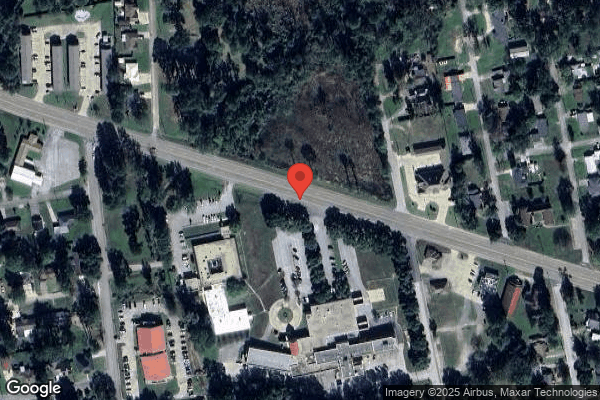
Apr 2023 6 deficiencies
CONCERN (D)

Potential for Harm - no one hurt, but risky conditions existed

ADL Care (Tag F0677)

Could have caused harm · This affected 1 resident

**NOTE- TERMS IN BRACKETS HAVE BEEN EDITED TO PROTECT CONFIDENTIALITY** Based on observation, interview, and record review, the facility failed to provide the necessary services to maintain personal h...

Read full inspector narrative →
**NOTE- TERMS IN BRACKETS HAVE BEEN EDITED TO PROTECT CONFIDENTIALITY** Based on observation, interview, and record review, the facility failed to provide the necessary services to maintain personal hygiene for residents who are unable to carry out activities of daily living receives the for 2 of 16 residents reviewed for ADLs (Residents #10, Resident #33). The facility did not clean or trim Resident #10's fingernails. The facility failed to ensure Resident #33 did not have facial hair and received schedule shower/bed baths. These failures could place residents who required assistance from staff for ADLs at risk of not receiving care and services to meet their needs which could result in poor care, risk for skin breakdown, feelings of poor self-esteem, lack of dignity and health. Findings included: 1. Review of Resident #10's electronic face sheet dated 04/29/2022 revealed he was admitted to the facility on [DATE] with diagnoses of paralytic syndrome (symmetric, ascending weakness), muscle wasting and atrophy (Muscle atrophy is the wasting or thinning of muscle mass), dysphagia (swallowing difficulties), oropharyngeal phase (moving the food or fluid posteriorly through the oral cavity with the tongue into the back of the throat), lack of coordination (Uncoordinated movement is due to a muscle control problem that causes an inability to coordinate movements), cognitive communication deficit (difficulty with thinking and how someone uses language), diffuse traumatic brain injury (tearing of the brain's long connecting nerve.) Record review of Resident #10's annual MDS dated [DATE] revealed a BIMS with a score of 3, which indicated Resident #10 had severely impaired cognition. The MDS also revealed Resident #10 required total dependance with personal hygiene. Resident #10 required one-person physical assistance with personal hygiene, including nail hygiene. During an observation and interview on 04/17/2023 at 9:52 a.m. Resident #10 was observed lying in his bed. He appeared unkempt and had long dirty fingernails. Fingernails were approximately half an inch long with black substance underneath. In a direct question interview at the same time, he stated the staff did not trim his fingernails, but that he would like them trimmed. During an interview and observation on 04/18/2023 at 9:24 a.m. revealed all of Resident #10's fingernails were long with dirt underneath. He stated he wanted his fingernails cut. He said he did not remember the last time he had his nails cut. He stated he did not like that they were long and dirty. He nodded his head up and down to affirm when he was asked if it was embarrassing to him. During an interview with the DON on 04/19/2023 at 9:01 a.m. she stated there should be a schedule for residents fingernails to be cleaned and trimmed. She stated residents' nails should be cleaned and trimmed on Sundays. She stated that trimming of nails was an infection control issue. She stated that if a resident had long and dirty nail beds they would be placed at risk for infection or disease. She stated residents should not have dirty nail beds and should be cleaned by staff if a resident's nail beds were observed to be dirty. 2. Record review of a face sheet dated 04/18/23 revealed Resident #33 was [AGE] year-old female admitted on [DATE] with diagnoses including Parkinson's disease (a disorder of the central nervous system that affects movement, often including tremors), Alzheimer's (a progressive disease that destroys memory and other important mental functions), and primary osteoarthritis (a type of arthritis that occurs when flexible tissue at the ends of bones wears down). Record review of Resident #33's quarterly MDS assessment dated [DATE] revealed she was rarely/never understood and rarely/never understood others. The MDS revealed Resident #33 BIMS was unable to be completed due to being rarely/never understood. The MDS revealed Resident #33 had short-and-long term memory loss and severely impaired cognitive skills for daily decision making. The MDS revealed Resident #33 was total dependent for all ADLs. The MDS revealed Resident #33 had functional limitation in range of motion (interfered with daily functions or placed residents at risk for injury) to her upper extremity on one side and lower extremities on both sides. Record review of the care plan dated 04/05/23 revealed Resident #33 had an ADL self-care performance deficit related to dementia and Parkinson's disease. Interventions included assist of 1 staff member for bathing and personal hygiene. During an observation on 04/17/23 at 11:39 a.m., revealed Resident #33 was sitting in a Geri chair with a positioning wedge on her right side. Resident #33 was covered with a blanket and tremors noted. Resident #33 had a moderate amount of blonde facial hair to her upper lip and chin. Resident #33 was in a hospital gown with an oily hair in a ponytail. During an observation on 04/18/23 at 09:57 a.m., revealed Resident #33 was sitting in a Geri chair, in the dining room facing a television. Resident #33 had a moderate amount of blonde facial hair to her upper lip and chin. Resident #33 was in a hospital gown with an oily hair in a ponytail. Record review of the undated North Hall Shower Schedule revealed . [Resident #33] .Nights Mondays, Wednesdays, Fridays Record review of CNA/LVN Weekly Bath Checklist dated 01/23 revealed Resident #33 received 2 (1/2/23 and 1/13/23) out of 13 scheduled bed baths. Record review of CNA/LVN Weekly Bath Checklist dated 02/23 revealed Resident #33 received 0 of 12 scheduled bed baths. Record review of CNA/LVN Weekly Bath Checklist dated 03/23 revealed Resident #33 received 5 (3/1/23, 3/7/23, 3/14/23, 3/20/23, 3/25/23) out of 14 scheduled bed baths. Record review of CNA/LVN Weekly Bath Checklist dated 04/01/23- 04/18/23 revealed Resident #33 received 3 (4/12/23, 4/15/23, 4/17/23) out of 7 scheduled bed baths. Record review of CNA/LVN Weekly Bath Checklist dated 04/12/23, completed by CNA C, revealed .[Resident #33] .facial hair not removed Record review of CNA/LVN Weekly Bath Checklist dated 04/15/23, completed by CNA D, revealed .[Resident #33] .facial hair not removed . Record review of CNA/LVN Weekly Bath Checklist dated 04/17/23, completed by CNA C, revealed .[Resident #33] .facial hair not removed . During an interview on 04/19/23 at 1:49 p.m., LVN A said Resident #33 did not reject care and she would probably not like to have facial hair. She said women should be shaved, not only on bath days but as needed. LVN A said the CNAs were responsible for shaving and bathing/showering of residents. She said nurses should ensure CNAs were shaving and bathing residents on scheduled days. LVN A said she had not noticed Resident #33's facial hair but it would be embarrassing. During an interview on 04/19/23 at 2:41 p.m., CNA B said CNAs were responsible for showers, shaving, and nail care of residents. She said showers were documented on a shower sheet and in their computer system. CNA B said shaving should happen on shower days and as needed. She said resident's' shower days were posted in the shower book. CNA B said Resident #33's shower time was on the night shift. She said it would be embarrassing to have a beard and not be able to take care of it. During an interview on 04/19/23 at 3:51 p.m., the DON, with the ADON present, said CNAs were responsible for facial hair and bed baths/showers. She said charge nurses should be ensuring ADL care was happening. The DON said CNAs should document on bath sheets if shaving occurred. She said Resident #33 would not like to have facial hair. The DON said providing ADL care for dependent residents was important to assess status and changes. She said women with unwanted facial hair was a dignity issue. The DON said bathing was important for cleanliness and hygiene. During an interview on 04/19/23 at 4:46 p.m., the Administrator he expected the shower schedule to be followed and women to be shaved as needed. He said CNAs should provide scheduled showers and shave men and women during. The ADM said the ADON, and charge nurse ensured that was happening. He said it was important for cleanliness and dignity to provide ADL care to dependent residents. Record review of the facility's Activities of Daily Living, Supporting policy dated 03/18 revealed, .residents who are unable to carry out activities of daily living independently will receive the service necessary to maintain good nutrition, grooming and personal and oral hygiene . Review of the facility policy and procedure on care of Fingernails/Toenails, care of dated revised February 2018 revealed that the purpose of the procedure was to clean the nail bed, to keep nails trimmed, and to prevent infections. Under General Guidelines, nail care includes daily cleaning and regular trimming.
CONCERN (D)

Potential for Harm - no one hurt, but risky conditions existed

Medication Errors (Tag F0758)

Could have caused harm · This affected 1 resident

**NOTE- TERMS IN BRACKETS HAVE BEEN EDITED TO PROTECT CONFIDENTIALITY** Based on interview and record review, the facility failed to ensure, based on the comprehensive assessment of a resident, reside...

Read full inspector narrative →
**NOTE- TERMS IN BRACKETS HAVE BEEN EDITED TO PROTECT CONFIDENTIALITY** Based on interview and record review, the facility failed to ensure, based on the comprehensive assessment of a resident, residents who had not used psychotropic drugs were not given these drugs unless the medication was necessary to treat a specific condition as diagnosed and documented in the clinical record for 1 of 5 residents (Resident #204) reviewed for psychotropic medications. The facility failed to ensure Resident #204 had an appropriate diagnosis for usage of Olanzapine (antipsychotic). This failure could place residents at risk of being over-medicated or experience undesirable side effects. Findings included: Record review of a face sheet dated 04/18/23 revealed Resident #240 was [AGE] year-old female admitted on [DATE] with diagnoses including major depressive disorder (a mood disorder that interferes with daily life), anxiety (persistent and excessive worry that interferes with daily activities), hallucinations (a false perception of objects or events involving your senses: sight, sound, smell, touch, and taste). Record review of Resident #204's quarterly MDS assessment dated [DATE] revealed she was understood and understood others. The MDS revealed Resident #204 had a BIMS of 03 which indicated severely impaired cognition and required extensive assistance for bed mobility, transfer, dressing, toilet use, and personal hygiene. The MDS revealed Resident #204 did not have an acute change in mental status from the resident's baseline. The MDS revealed Resident #204 did not show signs of inattention (distraction), disorganized thinking (speak very quickly and stumble over your words so that other people may find it difficult to understand what you're saying) and altered level of consciousness (a state of reduced alertness or inability to arouse due to low awareness of the environment). The MDS revealed Resident #204 did not have hallucination or delusions. The MDS revealed Resident #204 did not have physical, verbal, or other behavioral symptoms. The MDS revealed Resident #204 received an antipsychotic, antianxiety, and antidepressant in last 7 days. Record review of Resident #204's care plan dated 03/09/22 revealed the resident had a diagnosis of hallucinations unspecified and currently took Olanzapine. Interventions reflected to monitor/record/report new onset signs/symptoms of delirium: changes in behavior, altered mental status, wide variation in cognitive function throughout day, communication decline, disorientation, lethargy, restlessness, and agitation. Altered sleep cycle, dehydration, infection, delusion, and hallucination. Provide medications to alleviate agitation as ordered by MD. Record review of Resident #204's consolidated physician's order dated 04/18/23 revealed Olanzapine tablet 5MG, 1 tablet by mouth at bedtime related to hallucinations, unspecified dated 01/10/23. Record review of Resident #204's Consent for Antipsychotic or Neuroleptic Medication Treatment dated 02/02/22 revealed .[MD E] .Internal Medicine Specialty .treating this individual since 02/02/22 .has following psychiatric condition and/or maladaptive behavior: Hallucinations .diagnosis is based on the following dominant characteristics exhibited: hallucinations .course of therapy with antipsychotic medication: Olanzapine 5MG tablet by mouth at night .need for, and benefit of, the proposed treatment: decreased hallucinations . Record review of Resident #204's Consent for Psychoactive Medication Therapy dated 02/02/22 revealed . Olanzapine .specific condition to be treated .other: hallucinations .antipsychotic .prolonged treatment . Record review of a pharmacy recommendation by the consultant pharmacist, dated 10/01/22-10/31/22 revealed Resident #204 was currently receiving Olanzapine tablet 5MG, 1 tablet by mouth at bedtime related to hallucinations, Unspecified. Diagnosis was needed to support therapy. Please assist. No follow-through noted after recommendation. During an interview on 04/19/23 at 2:41 p.m., LVN A said she did not know if hallucination was an appropriate diagnosis for Olanzapine. LVN A said Resident #204 did not hallucinate, that she could recall. She said a diagnosis needed to match the correct medication. LVN A said if she received a medication with an incorrect diagnosis, she notified the ADON or MDS coordinator. She said having the correct diagnosis for use of a medication was important to know why you are giving the medication. During an interview on 04/19/23 at 2:58 p.m., the MDS coordinator said a diagnosis of hallucinations only was not an appropriate diagnosis for usage of Olanzapine. She said she got diagnoses from hospital records and other facility paperwork to add to the resident's record. The MDS coordinator said the DON added the diagnosis of hallucinations on Resident #204 when she admitted on [DATE]. She said the ADON, and DON reviewed admission orders to ensure appropriate diagnoses with medications. The MDS coordinator said she only assigned a primary diagnosis on admission and hallucination was not Resident #204's primary diagnosis. During an interview on 04/19/23 at 3:51 p.m., the DON said diagnosis of hallucinations only, was not appropriate to prescribe Olanzapine. She said she added hallucination as an indication for use for Olanzapine due to it being the only diagnosis on admission paperwork. The DON said she believed Resident #204 was on Olanzapine prior to admission to the facility. The DON said Resident #204 hallucinated. She said she knew nursing staff were not charting when Resident #204 hallucinated. The DON said Resident #204 was not on psychiatric services and her primary doctor managed the antipsychotic. She said she would talk to family and resident about being seen by psych services. The DON said it was important to have an appropriate diagnosis to make sure they treated the indication of use or reason for the medication. She said she, the DON, was responsible for overseeing this process. Record review of a facility Antipsychotic Medication Use policy dated 12/16 revealed .resident will only receive antipsychotic medications when necessary to treat specific conditions for which they are indicated and effective .diagnosis of a specific condition for which antipsychotic medications are necessary to treat will be based on a comprehensive assessment of the resident .antipsychotic medication shall generally be used for the following conditions .Schizophrenia .Schizo-Affective disorder .Schizophreniform disorder .Delusional disorder .Mood disorder .Psychosis in the absence of dementia .medical illness with psychotic symptoms and/or treatment-related psychosis or mania .Tourette's Disorder .Huntington Disease .Hiccups .Nausea and vomiting associated with cancer or chemotherapy .diagnoses alone do not warrant the use of antipsychotic medication
CONCERN (E)

Potential for Harm - no one hurt, but risky conditions existed

Safe Environment (Tag F0584)

Could have caused harm · This affected multiple residents

**NOTE- TERMS IN BRACKETS HAVE BEEN EDITED TO PROTECT CONFIDENTIALITY** 2. Record review of a face sheet dated 04/20/23 revealed Resident #28 was [AGE] year-old female admitted on [DATE] with diagnose...

Read full inspector narrative →
**NOTE- TERMS IN BRACKETS HAVE BEEN EDITED TO PROTECT CONFIDENTIALITY** 2. Record review of a face sheet dated 04/20/23 revealed Resident #28 was [AGE] year-old female admitted on [DATE] with diagnoses including Alzheimer's (a progressive disease that destroys memory and other important mental functions) and dysphagia (difficulty swallowing foods or liquids). Record review of Resident #28's quarterly MDS assessment dated [DATE] revealed she was rarely/never understood and rarely/never understood others. The MDS revealed Resident #28 BIMS was unable to be completed due to her being rarely/never understood. The MDS revealed Resident #28 had short-and-long term memory loss and moderately impaired cognitive skills for daily decision making. The MDS revealed Resident #28 was total dependent for all ADLs. Record review of the care plan dated 05/31/21 revealed Resident #28 had an ADL self-care performance deficit related to severe cognition deficits, blindness, difficulty understanding others, and incontinent. Interventions included may utilize Geri chair for comfort and positioning but if unable may utilize wheelchair and required assistance by 1 staff to eat. 3. Record review of a face sheet dated 04/18/23 revealed Resident #33 was [AGE] year-old female admitted on [DATE] with diagnoses including Parkinson's disease (a disorder of the central nervous system that affects movement, often including tremors), Alzheimer's (a progressive disease that destroys memory and other important mental functions), and aphasia (a language disorder that affects a person's ability to communicate). Record review of Resident #33's quarterly MDS assessment dated [DATE] revealed she rarely/never understood and rarely/never understood others. The MDS revealed Resident #33 BIMS was unable to be completed due to her being rarely/never understood. The MDS revealed Resident #33 had short-and-long term memory loss and severely impaired cognitive skills for daily decision making. The MDS revealed Resident #33 was total dependent for all ADLs. Record review of the care plan dated 04/05/23 revealed Resident #33 had an ADL self-care performance deficit related to dementia and Parkinson's disease. Interventions included assist of one staff member for locomotion while in Geri chair and assist of one staff member to feed her each meal. During an observation on 04/17/23 at 11:39 a.m., revealed Resident #28 and Resident #33 were in the dining room pulled up to tables. The edges near the lower part of the seat on both sides of Resident #28's Geri chair had a moderate amount of different colored, dried stains. The edges near the lower part of the seat on both sides of Resident #33's Geri chair had a large amount of different colored, dried stains. During an observation on 04/18/23 at 09:57 a.m., revealed Resident #28 and Resident #33 were in the dining room facing a television. The edges on both sides of Resident #28's Geri chair had a moderate amount of different colored, dried stains. The edges on both sides of Resident #33's Geri chair had a large amount of different colored, dried stains. During an observation on 04/18/23 at 11:52 a.m., revealed Resident #28 and Resident #33 were in the dining room pulled up to tables. The edges on both sides of Resident #28's Geri chair had a moderate amount of different colored, dried stains. The edges on both sides of Resident #33's Geri chair had a large amount of different colored, dried stains. 4. Record review of a face sheet dated 04/18/23 revealed Resident #4 was [AGE] year-old male admitted on [DATE] with diagnoses including sacral spina bifida (a gap in the bones in the spine but the spinal cord and meninges do not push through it) and artificial openings of gastrointestinal tract status (pathway by which food enters the body and solid wastes are expelled). Record review of Resident #4's annual MDS assessment dated [DATE] revealed he was usually understood and understood others. The MDS revealed Resident #4 had BIMS of 15 which indicated intact cognition. The MDS revealed Resident #4 required total dependence for all ADLs except eating which required extensive assistance. The MDS revealed Resident #4 received feeding tube for nutritional support. Record review of the care plan dated 04/05/23 revealed Resident #4 required an alternate method of nourishment due to nothing by mouth status and required use of feeding tube. Interventions included to hold enteral (a form of nutrition that is delivered into the digestive system as a liquid) nutrition times 2 hours for bowel rest from midnight to 2 a.m. two time a day for gastrostomy status and nutrition supplements give 65 milliliter/hour via percutaneous endoscopic gastrostomy (a tube inserted through the wall of the abdomen directly into the stomach) times 19 hours. During an observation and interview on 04/17/23 at 12:07 p.m., revealed Resident #4 was laying in his bed on his left side. A feeding pump (a machine that delivers the enteral feeding to the gastrostomy) was attached to a metal pole. On the front side of the feeding pump a small amount of dried, beige substance was noted. At the base of the metal pole, a moderate amount of dried, beige substance was noted. Hanging on the hooks of the metal pole was a bag of water and a container of beige liquid which was the enteral feeding. Attempted to communicate with Resident #4 by writing on a piece of paper; then attempted Resident #4's tablet but was unable to interview him. The DON was called to Resident #4's room for assistance and Resident #4 wanted her in the room during interview. Unable to question Resident #4 about the dried enteral feeding on feeding pump and base of pole stand. During an interview on 04/19/23 at 1:49 p.m., LVN A said she had been working at the facility for a year. She said she worked the North Hall where Resident #28, Resident #33, and Resident #4 resided. LVN A said she did not know if cleaning the feeding pump and pole was designated to someone. She said the nurses were disconnecting and attaching the enteral feeding for medications and feedings, so the nurse should be making sure if it leaked then they cleaned it. LVN A said she honestly had not noticed the dried enteral feeding on the metal pole stand. LVN A said the night shift staff was supposed to clean patient equipment such as wheelchairs and Geri chairs. She said unclean equipment could potentially attract insects. During an interview on 04/19/23 at 2:41 p.m., CNA B said she had been employed at the facility for 10 years. She said nurses and CNAs were responsible for cleaning the feeding pumps and poles. CNA B said wheelchairs and Geri chairs were supposed to be cleaned by CNAs but primarily night shift CNAs. She said it was important to have clean equipment for infection control. CNA B said residents were at risk for getting an infection from using unclean equipment. During an interview on 04/19/23 at 3:51 p.m., the DON said nurses should clean the feeding pump and poles but so could CNAs. She said it was important to have a sanitized environment to decrease the risk of infection. During an interview on 04/19/23 at 4:46 p.m., the Administrator said resident equipment like wheelchairs, Geri chairs, and feeding pumps were supposed to be cleaned by direct care staff on night shift. He said it was important to provide residents a homelike, sanitary environment. The ADM said currently there was no form or log for staff to sign daily or weekly to ensure direct care staff were cleaning equipment. The ADM said the charge nurses should be ensuring the equipment was getting cleaned. Record review of a facility Homelike Environment policy dated 02/21 revealed . residents are provided with a safe, clean, comfortable and homelike environment .the facility staff and management maximize to the extent possible, the characteristics of the facility that reflect a personalized, homelike setting .clean, sanitary and orderly environment Based on observation, interviews and record review, the facility failed to ensure residents had the right to a clean, comfortable, and homelike environment, which included but not limited to receiving treatment and supports for daily living safety, for 4 of 14 residents (Resident #29, Resident #28, Resident #33, and Resident #4) reviewed for a homelike environment. 1. The facility failed to ensure water damaged ceiling tiles above Resident #29's bed were replaced. 2. The facility failed to keep Resident #28 and Resident #33's Geri chairs (are large, padded chairs with wheeled bases, and are designed to assist seniors with limited mobility) clean. 3. The facility failed to keep Resident #4's feeding pump and pole clean. These failures could place residents at risk for diminished quality of life due to the lack of a well-kept environment. Findings included: 1. Record review of an undated face sheet revealed Resident #29 was a [AGE] year-old female admitted on [DATE] with diagnoses including schizoaffective disorder (a mental health problem where you experience psychosis as well as mood symptoms), anxiety (a feeling of fear, dread, and uneasiness), and diabetes mellitus (a disease of inadequate control of blood levels of glucose). Record review of the quarterly MDS dated [DATE] revealed Resident #29 was understood and understood others. The MDS revealed Resident #29 had a BIMS of 14 which indicated intact cognition and only required supervision for bed mobility, transfer and eating. During an interview on 04/17/2023 at 10:02 a.m., Resident #29 said her only concern about living at the facility was she felt like her ceiling may collapse and fall on her in her sleep. Resident #29 said she had reported the problem multiple times to the maintenance man and Administrator. Resident #29 said no water had ever dripped from the ceiling. During an observation on 04/17/2023 at 10:04 p.m., revealed seven ceiling tiles in Resident #29's room had large (7-12 inches) brown water stains on them. Three of the ceiling tiles over the bed of Resident #29 were sagging. ,Record review of the maintenance logs for March 2023 and April 2023 revealed no maintenance issues were noted for Resident #29's ceiling tile repair/replacement. During an interview on 04/19/2023 at 10:31 a.m., the Maintenance Director said he knew resident safety was important. He said Resident #29's ceiling tile needed to be replaced as soon as possible. He said Resident #29 had several [NAME] knacks in her room. He said Resident #29 was a tough resident to work with and was very particular about who went into her room. He said Resident #29 had no problem with him changing the ceiling tiles, but she was the kind of resident that did not want to be disturbed. The maintenance man said he needed to go into her room and change the tile when she was out of the room. He stated he planned to change the tiles while she was in the dining room or doing activities, but he always seemed to miss the opportunity to do so. The maintenance man said he did environmental rounds daily and he looked for issues that needed maintenance or repair. He stated he typically made a mental note, and he sometimes logged into his daily maintenance log when a maintenance job needed to be complete. He said Resident #29 never reported the tiles were sagging to him. He stated he was replacing the tiles as soon as he left the interview. He stated there was a stock of drop-down tiles in the shop that was on the facility grounds. He said management allowed him a sufficient budget to complete all maintenance projects. During an interview on 04/19/2023 at 10:57 a.m., the Administrator said normally he did environmental rounds daily. He said he was aware that Resident #29's ceiling tiles were sagging. He said he did not think the Maintenance Director had time to replace the tiles. He said that the maintenance man, was responsible for replacing the ceiling tiles. The Administrator said he knew the tiles were sagging since last week but did not know the exact day the tiles began to sag. The Administrator said the reason it took so long to replace them was Resident #29 was always in her bed. He said he looked for issues with the building regarding maintenance during his walkthrough daily.
CONCERN (E)

Potential for Harm - no one hurt, but risky conditions existed

Assessment Accuracy (Tag F0641)

Could have caused harm · This affected multiple residents

**NOTE- TERMS IN BRACKETS HAVE BEEN EDITED TO PROTECT CONFIDENTIALITY** 4. Record review of a face sheet dated 04/18/23 revealed Resident #240 was [AGE] year-old female admitted on [DATE] with diagnos...

Read full inspector narrative →
**NOTE- TERMS IN BRACKETS HAVE BEEN EDITED TO PROTECT CONFIDENTIALITY** 4. Record review of a face sheet dated 04/18/23 revealed Resident #240 was [AGE] year-old female admitted on [DATE] with diagnoses including difficulty walking, weakness, muscle wasting and atrophy (shortening), and lack of coordination. Record review of Resident #204's quarterly MDS assessment dated [DATE] revealed she was understood and understood others. The MDS revealed Resident #204 had a BIMS of 03 which indicated severely impaired cognition and required extensive assistance for bed mobility, transfer, dressing, toilet use, and personal hygiene. The MDS revealed no falls since admission/entry or reentry or prior assessment, whichever was more recent. Record review of a care plan dated 04/16/23 revealed Resident #204 was at risk for falls related to gait/balance problems, psychoactive drug use, diagnosis of stroke, muscle wasting and atrophy of left and right shoulder, weakness, and unspecified lack of coordination. Falls on 09/10/22 (with injury), 11/25/22 (without injury), and 2/10/23 (fall without injury). Interventions included be sure the resident's call light is within reach and encourage the resident to use it for assistance (initiated on 09/10/22) and non-skid tape applied to restroom floor for grip (initiated on 02/08/23). Record of the facility's incident reports by incident types dated 10/17/22 -04/17/23 revealed a witnessed fall for Resident #204 on 02/10/23 at 10:15 a.m. During an interview on 04/19/23 at 2:58 p.m., the MDS coordinator said she was responsible for MDSs and care plans for the facility. She said Resident #13 was on an anti-depressant not anti-psychotic. The MDS coordinator said Resident #13 was a data entry error. She said Resident #7 was PASRR positive and had been for a long period of time. The MDS coordinator said Resident #7's 04/27/22 MDS should have been coded PASRR positive. She said after she reviewed Resident #16's MAR, he was on an antidepressant and had been on it during last 7 days of the assessment. The MDS coordinator said Resident #204's fall without injury on 02/08/23 should have been added to her 03/21/23 MDS. The MDS coordinator said the corporate MDS coordinator was currently doing an audit but there was no set schedule. She said she was responsible for 2 facilities and recently started working at the facility instead of from home. The MDS coordinator said she occasionally made data errors or missed things. She said incorrect information on MDSs could affect payer source and create an inadequate picture of residents. The MDS coordinator said she was primarily responsible for the MDSs, but the Social Worker and Activity Director had to input some information. She said the DON had to sign the MDSs due to her not being an RN, but her signature only signified the MDS was completed not necessarily correct. During an interview on 04/19/23 at 3:51 p.m., the DON said she expected the MDSs to be accurately coded. She said the MDS coordinator was responsible for the accuracy of the MDS. The DON said the corporate MDS coordinator was supposed to oversee the facility's MDS to ensure accurate MDSs. She said her signature on the paperwork only signified the MDS was completed. The DON said an inaccurate MDS affected payment amounts and development of the care plan. She said the residents could not receive the services they needed. During an interview on 04/19/23 at 4:46 p.m., the Administrator said he relied on the MDS coordinator to input the correct information on the MDSs. He said during daily morning meetings, he asked about the transmission of the MDSs being on time to the state. The ADM said he expected accurate and timely MDSs. He said incorrect MDSs affected the information transmitted to State. The ADM said the MDS coordinator was responsible for accurate MDSs and the corporate MDS was monitoring with frequent audits. Record review of a facility Certifying Accuracy of the Resident Assessment policy dated 11/19 revealed .the information captured on the assessment reflects the status of the resident during the observation period for that assessment .the Resident Assessment Coordinator is responsible for ensuring that an MDS assessment has been completed for each resident Based on interview and record review, the facility failed to ensure an accurate MDS assessment was completed for 4 of 14 residents reviewed for MDS accuracy. (Resident #13, Resident #16, Resident #7, and Resident #204) 1. The facility failed to accurately document Resident #13's and Resident #16's antidepressant usage. 2. The facility failed to accurately document Resident # 7's PASRR status. 3. The facility failed to accurately document Resident #204's fall history on the MDS. These failures could place residents at risk for not receiving needed care and services. Findings included: 1. Record review of an undated face sheet revealed Resident #13 was a 76- year-old-female, admitted on [DATE] with the diagnoses of anemia (a condition in which the body does not have enough healthy red blood cells), depression (a group of conditions associated with the elevation or lowering of a person's mood), and COVID-19 (an infectious disease caused by the SARS-CoV-2 virus). Record review of a MDS dated [DATE] for Resident #13 revealed a BIMS of 13, which indicated minimal memory or cognitive impairment. The MDS also revealed Resident #13 required limited staff assistance with bed mobility and no staff assistance for eating, transfers, and toileting. The MDS revealed Resident #13 received 7 days of antipsychotic medication between 03/15/2023 and 03/21/2023. The MDS revealed Resident #13 had not taken any antidepressants between 03/15/2023 and 03/21/2023. Record review of March 2023 consolidated physician's orders revealed Resident #13 had an order dated 04/23/2021 for nortriptyline (antidepressant) 25 mg to be administered nightly at bedtime. The March 2023 consolidated physician's orders revealed Resident #13 had no order for antipsychotic medications. Record review of Resident # 13's MAR dated 03/01/2023 to 03/31/2023 indicated Resident #13 had taken nortriptyline 25mg at bedtime each day. Resident #13's MAR dated 03/02/2023 to 03/31/2023 indicated no antipsychotic medications were administered during that time. 2. Record review of an undated face sheet revealed Resident #16 was a 70- year-old-male, admitted on [DATE] with the diagnoses heart failure (occurs when the heart muscle doesn't pump blood as well as it should), diabetes mellitus (a disease of inadequate control of blood levels of glucose), and dementia (impaired ability to remember, think, or make decisions that interferes with doing everyday activities). Record review of a MDS dated [DATE] for Resident #16 revealed a BIMS of 15, which indicated no memory or cognitive impairment. The MDS also revealed Resident #16 required extensive staff assistance with bed mobility, transfers, and toileting. The MDS revealed Resident #16 had not taken any antidepressants between 01/31/2023 and 02/06/2023. Record review of January and February 2023 consolidated physician's orders revealed Resident #16 had an order dated 01/06/2021 for Cymbalta (antidepressant) 60mg delayed release capsules ordered 08/23/2021 to be administered once daily. Record review of Resident # 16's MAR dated 01/01/2023 to 01/31/2023 indicated Resident #16 had taken Cymbalta 60mg at 8 a.m. on 01/31/2023. Resident #16's MAR dated 02/01/2023 to 02/28/2023 indicated daily administration of Cymbalta 60mg. 3. Record review of an undated face sheet revealed Resident #7 was a 53- year-old-male, admitted on [DATE] with the diagnoses of schizoaffective disorder (a mental health problem where you experience psychosis as well as mood symptoms), bipolar disorder (a mental illness that causes unusual shifts in a person's mood, energy, activity levels, and concentration), and depression (a mood disorder that causes a persistent feeling of sadness and loss of interest). Record review of an annual MDS dated [DATE] for Resident #7 revealed a BIMS of 11, which indicated mild memory or cognitive impairment. The MDS also revealed Resident #7 was independent with bed mobility, transfers, and toileting. The MDS revealed Resident #7 was not PASRR level II positive and was not considered to have a serious mental illness and/or an intellectual disability. The MDS revealed mental illness and intellectual disability diagnoses. Record review of the PASRR Level II evaluation dated 11/26/2019 revealed Resident #7 was PASRR level II positive for mental illness and intellectual disability. The PASRR level II revealed Resident #7 had diagnoses of schizoaffective disorder, intellectual disability (a term used when there are limits to a person's ability to learn at an expected level and function in daily life), major depressive disorder (persistently depressed mood or loss of interest in activities, causing significant impairment in daily life), bipolar disorder and anxiety (a feeling of fear, dread, and uneasiness).
CONCERN (E)

Potential for Harm - no one hurt, but risky conditions existed

Comprehensive Care Plan (Tag F0656)

Could have caused harm · This affected multiple residents

**NOTE- TERMS IN BRACKETS HAVE BEEN EDITED TO PROTECT CONFIDENTIALITY** Based on observations, interview, and record review, the facility failed to develop and implement a comprehensive person-centere...

Read full inspector narrative →
**NOTE- TERMS IN BRACKETS HAVE BEEN EDITED TO PROTECT CONFIDENTIALITY** Based on observations, interview, and record review, the facility failed to develop and implement a comprehensive person-centered care plan for each resident, consistent with the resident rights, that includes measurable objectives and timeframes to meet a resident's medical, nursing, mental and psychosocial needs that are identified in the comprehensive assessment for 4 of 6 residents (Resident #4, Resident #19, Resident #33, Resident #42) reviewed for comprehensive person-centered care plans related to limited range of motion or contractures. The facility failed to care plan Resident #19's and Resident #33's limited range of motion. The facility failed to develop interventions for Resident #4 to address contractures and limited range of motion. The facility failed to implement an intervention to document meal consumption for Resident #19 and Resident #42. These failures could place residents at risk of not having their individualized needs met and a decline in their quality of care and life. Findings included: 1. Record review of a face sheet dated 04/18/23 revealed Resident #4 was [AGE] year-old male admitted on [DATE] with diagnoses including sacral spina bifida (a gap in the bones in the spine but the spinal cord and meninges do not push through it), quadriplegia (paralysis of all four limbs or of the entire body below the neck), muscle wasting and atrophy (shortening), lack of coordination, contracture (a fixed tightening of muscle, tendons, ligaments, or skin), and cerebral palsy (a group of disorders that affect movement and muscle tone or posture). Record review of Resident #4's annual MDS assessment dated [DATE] revealed usually understood and understood others. The MDS revealed Resident #4 had BIMS of 15 which indicated intact cognition. The MDS revealed Resident #4 required total dependence for all ADLs except eating which required extensive assistance. The MDS revealed Resident #4 had functional limitation in range of motion to unilateral upper extremity and bilateral lower extremities. Record review of a care plan dated 04/05/23 revealed Resident #4 had cerebral palsy, quadriplegia, and spina bifida, muscle wasting and atrophy to multiple sites, lack of coordination, contracture of hand and muscle spasms. Interventions included maintain good body alignment to prevent contractures, OT/PT/ST to monitor/document and treat as indicated. The care plan did not reveal an intervention to prevent further decrease in range of motion. Record review of the Resident #4's consolidated physician's orders dated 04/18/23 did not reveal limited range of motion/contracture management orders. During an observation on 04/17/23 at 12:07 p.m., revealed Resident #4 was lying in his bed on his left side. Resident #4's left arm was contracted, and his hand was clenched into a fist. Resident #4's lower extremities appeared to be shortening and his knees were contracted. No contracture management tools such as hand rolls or carrot hand splint (positions the finger away from the palm to protect the skin from moisture, pressure, and nail puncture) were noted in Resident #19's hand or in the room. 2. Record review of a face sheet dated 04/18/23 revealed Resident #19 was [AGE] year-old female and admitted on [DATE] with diagnoses including muscle wasting and atrophy (shortening), rheumatoid arthritis (a chronic disease that causes joint pain, stiffness, swelling and decreased movement of the joints), spondylosis (a degenerative process affecting the vertebral disc and facet joints that gradually develops with age), type 2 diabetes (a chronic condition that affects the way the body processes blood sugar (glucose)), and protein-calorie malnutrition (undernutrition resulting from inadequate intake, digestion, or absorption of protein or calories). Record review of the annual MDS assessment dated [DATE] revealed Resident #19 was understood and understood others. The MDS revealed Resident #19 had a BIMS of 15 which indicated intact cognition and required supervision for eating, limited assistance for dressing, extensive assistance for bed mobility, transfer, toilet use, and personal hygiene, and total dependence for bathing. The MDS revealed Resident #19 required total dependence for locomotion on (moves between locations in her room and adjacent corridor on same floor) and off (moves to and returns from off-unit locations such as dining, activities, or treatment) the unit by wheelchair. The MDS revealed Resident #19 had functional limitation in range of motion (interfered with daily functions or placed residents at risk for injury) to her upper extremities on both sides. The MDS revealed Resident #19 did not have weight loss of 5% or more in the last month or 10% in the last 6 months. Record review of the quarterly MDS assessment dated [DATE] revealed Resident #19 was understood and understood others. The MDS revealed Resident #19 had a BIMS of 14 which indicated intact cognition and required extensive assistance for bed mobility, transfer, locomotion off unit, dressing, eating, and total dependence for locomotion on unit toilet use, personal hygiene, and bathing. The MDS revealed Resident #19 had functional limitation in range of motion (interfered with daily functions or placed residents at risk for injury) to her upper extremities on both sides. The MDS revealed Resident #19 did not have weight loss of 5% or more in the last month or 10% in the last 6 months. Record review of Resident #19's care plan dated 06/10/21 revealed she had Parkinson's disease, potential for impaired mobility, fall, and decline in cognitive status. Interventions included adaptive devices as recommended by therapy or MD and give medications as ordered by the physician. Record review of Resident #19's care plan dated 08/15/19 revealed she had an ADL self-care performance deficit related to pain, Parkinson's diseases, RA, multiple cardiac diagnosis, history of falling, muscle wasting and atrophy multiple sites. Interventions included ensure all articles needed to maintain/perform good oral/personal hygiene. The care plan did not reveal Resident #19's functional limitation in range of motion (interfered with daily functions or placed residents at risk for injury) to her upper extremities on both sides. Record review of Resident #19's consolidated physician's orders dated 04/18/23 did not reveal limited range of motion/contracture management orders. Record review of Resident #19's care plan dated 04/05/23 revealed she was on a no salt on tray, low concentrated sweet diet, regular texture, and consistency related to diagnoses of protein calorie malnutrition, dysphagia (difficulty swallowing), oropharyngeal phase. Interventions included 02/16/23 offer ice cream with assistance twice a day times 30 days at lunch and dinner to prevent further weight loss, encourage meal completion and document amount consumed, offer sub, if resident eats less than 50% or dislikes meal and offer supplement if resident continues to eat less than 50%. Record review of Resident #19's weight chart dated 04/20/23 revealed on 04/05/23 she weighed 212.4 lbs. and 216.9lbs. on 11/09/22. Record review of Resident #19's meal intake record dated February 2023 revealed 4 out 28 days of breakfast meals were not documented. The meal intake record revealed 4 out 28 days of lunch meals were not documented. The meal intake record revealed 15 out of 28 days of dinner meals were not documented. Record review of Resident #19's meal intake record dated March 2023 revealed 15 out of 31 days breakfast and lunch meals were not documented. The meal intake record revealed 22 out of 31 days of dinner meals were not documented. Record review of Resident #19's meal intake record dated April 2023 revealed 10 out of 18 days breakfast and lunch meals were not documented. Th meal intake record revealed 15 out 18 days dinner meals were not documented. During an observation 04/17/23 at 11:39 a.m., revealed Resident #19 was in the dining room sitting in her wheelchair at a table. Resident #19's left, and right hands were clenched into a fist. Resident #19 was assisted with her meal by staff members. During an observation and interview on 04/18/23 at 9:57 a.m., revealed Resident #19 was sitting in her recliner with a touch pad call light within reach. Resident #19's left, and right hands were clenched into fists. She said she had rheumatoid arthritis in her hands, and it had progressively gotten worse over the years. Resident #19 said she needed help with her hygiene and eating. During an observation on 04/19/23 at 12:49 p.m., revealed Resident #19 was in the dining room sitting in her wheelchair at a table. Resident #19 left and right hand were clenched into fist. Resident #19 had a spoon loosely held in her right hand and only her milk and tea cups were empty. Resident #19 started to glance around the dining room until she caught the DON's attention. The DON sat down and assisted Resident #19 with her meal. 3. Record review of a face sheet dated 04/18/23 revealed Resident #33 was [AGE] year-old female admitted on [DATE] with diagnoses including Parkinson's disease (a disorder of the central nervous system that affects movement, often including tremors), Alzheimer's (a progressive disease that destroys memory and other important mental functions), and primary osteoarthritis (a type of arthritis that occurs when flexible tissue at the ends of bones wears down). Record review of Resident #33's quarterly MDS assessment dated [DATE] revealed rarely/never understood and rarely/never understood others. The MDS revealed Resident #33 BIMS was unable to be completed due to being rarely/never understood. The MDS revealed Resident #33 had short-and-long term memory loss and severely impaired cognitive skills for daily decision making. The MDS revealed Resident #33 was total dependent for all ADLs. The MDS revealed Resident #33 had functional limitation in range of motion (interfered with daily functions or placed residents at risk for injury) to her upper extremity on one side and lower extremities on both sides. The MDS revealed Resident #33 did not use a mobility device. Record review of care plan dated 04/05/23 revealed Resident #33 had ADL self-care performance deficit related to dementia and Parkinson's disease. Interventions included assist of one staff member for locomotion while in Geri chair and assist of one staff member to feed her each meal, bedfast all or most of the time, and not ambulatory. The care plan did not reveal Resident #33 had functional limitation in range of motion (interfered with daily functions or placed residents at risk for injury) to her upper extremity on one side and lower extremities on both sides. Record review of Resident #33's consolidated physician orders dated 04/18/23 did not reveal limited range of motion/contracture management orders. During an observation on 04/17/23 at 11:39 a.m., revealed Resident #33 was sitting in a Geri chair with a positioning wedge on her right side. Resident #33 was covered with a blanket and the surveyor was unable to visualize limited range of motion or contractures, tremors noted. 4. Record review of a face sheet dated 04/18/23 revealed Resident #42 was [AGE] year-old female admitted on [DATE] with diagnoses including mild protein calorie malnutrition (undernutrition resulting from inadequate intake, digestion, or absorption of protein or calories), Alzheimer's disease (a progressive disease that destroys memory and other important mental functions), and pressure ulcer of sacral region, stage 3 (bed sores have gone through the second layer of skin into the fat tissue). Record review of the quarterly MDS assessment dated [DATE] revealed Resident #42 was sometimes understood and sometimes understood others. The MDS revealed the BIMS was unable to be completed due Resident #42 being rarely/never understood. The MDS revealed Resident #42 had short-and-long term memory loss and severely impaired cognitive skills for daily decision making. The MDS revealed Resident #42 required extensive assistance for eating. The MDS revealed Resident #42 did not have weight loss of 5% or more in the last month or 10% in the last 6 months. Record review of a care plan dated 01/16/23 revealed Resident #42 was on a regular diet and had diagnosis of protein calorie malnutrition. Interventions included 2/13/23 fortified foods at breakfast times for 30 days to prevent weight loss, encourage meal completion and document amount consumed. Record review of Resident #42's weight chart dated 04/18/23 revealed on 03/07/23 she weighed 91.5 lbs. and on 01/26/23 weighed 93.6 lbs. Record review of Resident #42's meal intake record dated February 2023 revealed 10 out 28 days of breakfast meals were not documented. The meal intake record revealed 16 out 28 days of lunch meals were not documented. The meal intake record revealed 24 out 28 days of dinner meals were not documented. Record review of Resident #42's meal intake record dated March 2023 revealed 16 out of 31 days breakfast meals were not documented. The meal intake record revealed 19 out 31 days of lunch meals were not documented. The meal intake record revealed 27 out 31 days of dinner meals were not documented. Record review of Resident #42's meal intake record dated April 2023 revealed 10 out 18 days of breakfast and lunch meals were not documented. The meal intake record revealed 18 out 18 days of dinner meals were not documented. During an interview on 04/19/23 at 1:49 p.m., LVN A said nursing staff was supposed to chart meal intake. She said nursing staff chart what they did to get paid for providing services. LVN A said CNAs charted meal intake, which was important to address weight decline, help decide if a resident needed a health shake, and to know if the resident received proper nutrition. She not documenting meal intake could provide the wrong information or picture to upper management, MD, or dietician. LVN A said nurses should make sure CNAs document meal intakes. During an interview on 04/19/23 at 2:41 p.m., CNA B said CNAs were responsible for documenting every meal intake in the computer system. She said after each meal CNAs were supposed to write percentages on a sheet in the dining room then input the information into the computer system as soon as possible. CNA B said it was important to document meal intakes to see if residents were eating, monitor weight loss, decide if they needed a supplement. She said good meal intake was important for nutrition and wound healing. During an interview on 04/19/23 at 2:28 p.m., the MDS coordinator said she was responsible for MDSs and care plans for the facility. She said Resident #4, Resident #19 and Resident #33 were coded on the MDS for limited range of motion. The MDS coordinator said some residents had limited range of motion without having contractures. She said if the limited range of motion did not affect their functional ability or there was no contracture diagnosis then she would not care plan the limited range of motion. The MDS coordinator said until recently she worked from home and could not assess residents limited range of motion. She said she did get a list of residents today (04/19/23) of all the residents with contractures and was in the process of making care plan problems. The MDS coordinator said she assessed Resident #4, Resident #19, and Resident #33 and they had limited range of motion with contractures which should have been care planned. She said the Rehab Director had also recently started so they had not developed a process to communicate with each other about resident with contractures and intervention in place by therapy that needed to be added to the care plan such as Resident #4's interventions. The MDS coordinator said the facility was going to start having daily skilled nursing meetings regarding residents with limited range of motion/contractures, therapy, and restorative care instead of weekly to help ensure residents care areas were properly care planned. During an interview on 04/19/23 at 3:51 p.m., the DON said residents with limited range of motion and/or contractures such as Resident #19 and Resident #33 should have had a care plan developed. She said if the limited range of motion was coded on the MDS, then it should have been care planned. The DON said the MDS coordinator, nurses, and interdisciplinary team were responsible for the development of comprehensive care plans. She said care plans were important to inform staff of what the resident needed, and the care plan was able to be viewed by CNAs in the computer system. The DON said CNAs were responsible for charting meal intakes. She said nurses were responsible to ensure it was happening. The DON said it helped determine weight loss causes. She said it was important to ensure the residents received adequate nutrition. During an interview on 04/19/23 at 4:46 p.m., the Administrator said in daily morning meetings they discussed issues and decided what should be care planned. He said care plans let all staff know the plan of care for the residents. The ADM said it was a type of communication between staff members, residents, and resident representatives. He said the MDS coordinator and nurses were responsible for the development of care plans. The ADM said the corporate MDS coordinator should be overseeing the process. Record review of the facility's Contracture list dated 04/17/23 revealed the list included Resident #4, Resident #19, and Resident #33. Record review of a facility Resident Mobility and Range of Motion policy dated 07/17 revealed .the care plan will be developed by the interdisciplinary team based on the comprehensive assessment, and will be revised as needed .the care plan will include specific intervention s, exercises and therapies to maintain, prevent avoidable decline in, and/or improve mobility and range of motion .the care plan will include the type, frequency, and duration of intervention, as well as measurable goals and objectives Record review of a facility Food and Nutrition Services policy dated 10/17 revealed .nursing personnel, with the assistance of the food and nutrition services staff, will evaluate (and document as indicated) food and fluid intake of residents with, or at risk for, significant nutritional problems .variations from usual eating or intake pattern will be recorded in the resident's medical record and brought to the nurse attention .
CONCERN (E)

Potential for Harm - no one hurt, but risky conditions existed

Deficiency F0688 (Tag F0688)

Could have caused harm · This affected multiple residents

**NOTE- TERMS IN BRACKETS HAVE BEEN EDITED TO PROTECT CONFIDENTIALITY** Based on observation, interview and record review, the facility failed to ensure a resident with limited range of motion receive...

Read full inspector narrative →
**NOTE- TERMS IN BRACKETS HAVE BEEN EDITED TO PROTECT CONFIDENTIALITY** Based on observation, interview and record review, the facility failed to ensure a resident with limited range of motion receives appropriate treatment and services to increase range of motion and/or to prevent further decrease in range of motion for 3 of 6 residents (Resident #4, Resident #19, Resident #33) reviewed for range of motion and mobility, in that: Resident #4 who had functional limitation in range of motion (interfered with daily functions or placed residents at risk for injury) to unilateral upper extremity and bilateral lower extremities was not provided treatment and services to prevent further decrease in range of motion. Resident #19 who had functional limitation in range of motion to bilateral upper extremities was not provided treatment and services to prevent further decrease in range of motion. Resident #33 who had functional limitation in range of motion to unilateral upper extremity and bilateral was not provided treatment and services to prevent further decrease in range of motion. These failures had the potential to affect resident with limited ROM by placing them at risk for a decline in their functional abilities. Findings included: 1. Record review of a face sheet dated 04/18/23 revealed Resident #4 was [AGE] year-old male admitted on [DATE] with diagnoses including sacral spina bifida (a gap in the bones in the spine but the spinal cord and meninges do not push through it), quadriplegia (paralysis of all four limbs or of the entire body below the neck), muscle wasting and atrophy (shortening), lack of coordination, contracture (a fixed tightening of muscle, tendons, ligaments, or skin), and cerebral palsy (a group of disorders that affect movement and muscle tone or posture). Record review of Resident #4's annual MDS assessment dated [DATE] revealed usually understood and understood others. The MDS revealed Resident #4 had BIMS of 15 which indicated intact cognition. The MDS revealed Resident #4 required total dependence for all ADLs except eating which required extensive assistance. The MDS revealed Resident #4 had functional limitation in range of motion to unilateral upper extremity and bilateral lower extremities. Record review of a care plan dated 04/05/23 revealed Resident #4 had cerebral palsy, quadriplegia, and spina bifida, muscle wasting and atrophy of multiple sites, lack of coordination, contracture of hand and muscle spasms. Interventions included maintain good body alignment to prevent contractures, OT/PT/ST to monitor/document and treat as indicated. The care plan did not reveal interventions to prevent further decrease in range of motion. Record review of Resident #4's consolidated physician's orders dated 04/18/23 did not reveal limited range of motion/contracture management orders. During an observation on 04/17/23 at 12:07 p.m., revealed Resident #4 was lying in his bed on his left side. Resident #4's left arm contracted, and his hand was clenched into a fist. Resident #4's lower extremities appeared to have shortened and his knees contracted. No contracture management tools such as hand rolls or a carrot hand splint (positions the finger away from the palm to protect the skin from moisture, pressure, and nail puncture) were noted in Resident #4's hand or in the room. During an observation on 04/18/23 at 09:57 a.m., revealed Resident #4 was lying in his bed on his left side. Resident #4's left arm contracted, and his hand was clenched into a fist. Resident #4's lower extremities appeared to have shortened and his knees contracted. No contracture management tools such as hand rolls or a carrot hand splint (positions the finger away from the palm to protect the skin from moisture, pressure, and nail puncture) were noted in Resident #4's hand or in the room. During an observation on 04/18/23 at 11:52 a.m., revealed Resident #4 was in a motorized wheelchair, in the facility's hallway. Resident #4 was operating the motorized wheelchair with his right hand. Resident #4's left arm contracted, and his hand was clenched into a fist. Resident #4's lower extremities appeared to have shortened and his knees contracted. No contracture management tools such as hand rolls or a carrot hand splint (positions the finger away from the palm to protect the skin from moisture, pressure, and nail puncture) was noted in Resident #4's left hand. During an observation on 04/18/23 at 2:22 p.m., revealed Resident #4 was in a motorized wheelchair, in his room. Resident #4 was operating the motorized wheelchair with his right hand. Resident #4's left arm contracted, and hand clenched into a fist. Resident #4 lower extremities appeared shortening and knees contracted. No contracture management tools such as hand rolls or carrot hand splint (positions the finger away from the palm to protect the skin from moisture, pressure, and nail puncture) was noted in Resident #4's left hand. 2. Record review of a face sheet dated 04/18/23 revealed Resident #19 was [AGE] year-old female and admitted on [DATE] with diagnoses including muscle wasting and atrophy (shortening), rheumatoid arthritis (a chronic disease that causes joint pain, stiffness, swelling and decreased movement of the joints), and spondylosis (a degenerative process affecting the vertebral disc and facet joints that gradually develops with age). Record review of the annual MDS assessment dated [DATE] revealed Resident #19 was understood and understood others. The MDS revealed Resident #19 had a BIMS of 15 which indicated intact cognition and required supervision for eating, limited assistance for dressing, extensive assistance for bed mobility, transfer, toilet use, and personal hygiene, and total dependence for bathing. The MDS revealed Resident #19 required total dependence for locomotion on (moves between locations in her room and adjacent corridor on same floor) and off (moves to and returns from off-unit locations such as dining, activities, or treatment) unit by wheelchair. The MDS revealed Resident #19 had functional limitation in range of motion (interfered with daily functions or placed residents at risk for injury) to her upper extremities on both sides. Record review of the quarterly MDS assessment dated [DATE] revealed Resident #19 was understood and understood others. The MDS revealed Resident #19 had a BIMS of 14 which indicated intact cognition and required extensive assistance for bed mobility, transfer, locomotion off unit, dressing, eating, and total dependence for locomotion on unit toilet use, personal hygiene, and bathing. The MDS revealed Resident #19 had functional limitation in range of motion (interfered with daily functions or placed residents at risk for injury) to her upper extremities on both sides. The MDS revealed Resident #19 required increased assistance with ADLs for previous MDS assessment on 05/11/22. Record review of Resident #19's care plan dated 06/10/21 revealed she had Parkinson's disease, potential for impaired mobility, fall, and a decline in cognitive status. Interventions included adaptive devices as recommended by therapy or MD and to give medications as ordered by the physician. Record review of Resident #19's care plan dated 08/15/19 revealed she had an ADL self-care performance deficit related to pain, Parkinson's diseases, RA, multiple cardiac diagnosis, history of falling, muscle wasting and atrophy multiple sites. Interventions included to ensure all articles needed to maintain/perform good oral/personal hygiene. The care plan did not reveal Resident #19's functional limitation in range of motion (interfered with daily functions or placed residents at risk for injury) to her upper extremities on both sides. Record review of Resident #19's consolidated physician orders dated 04/18/23 did not reveal limited range of motion/contracture management orders. During an observation 04/17/23 at 11:39 a.m., revealed Resident #19 was in the dining room sitting in her wheelchair at a table. Resident #19's left, and right hands were clenched into fists. Resident #19 was assisted with her meal by staff members. During an observation and interview on 04/18/23 at 9:57 a.m., revealed Resident #19 was sitting in her recliner with a touch pad call light within reach. Resident #19's left, and right hands were clenched into fists. She said she had rheumatoid arthritis in her hands, and it had progressively gotten worse over the years. Resident #19 said she needed help with her hygiene and eating. She said occasionally staff members placed the carrot hand splints in her hands at night, but they always fell out, so it did no good. During an observation on 04/18/23 at 2:25 p.m., revealed Resident #19 was sitting in her recliner watching television. Resident #19's left, and right hands were clenched into fists. No hand splints were noted in Resident #19's hands. During an observation on 04/18/23 at 3:45 p.m., revealed Resident #19 was sitting in her recliner watching television. Resident #19's left, and right hands were clenched into fists. No hand splints were noted in Resident #19's hands. 3. Record review of a face sheet dated 04/18/23 revealed Resident #33 was [AGE] year-old female admitted on [DATE] with diagnoses including Parkinson's disease (a disorder of the central nervous system that affects movement, often including tremors), Alzheimer's (a progressive disease that destroys memory and other important mental functions), and primary osteoarthritis (a type of arthritis that occurs when flexible tissue at the ends of bones wears down). Record review of Resident #33's quarterly MDS assessment dated [DATE] revealed she was rarely/never understood and rarely/never understood others. The MDS revealed Resident #33 BIMS was unable to be completed due to being rarely/never understood. The MDS revealed Resident #33 had short-and-long term memory loss and severely impaired cognitive skills for daily decision making. The MDS revealed Resident #33 was totally dependent for all ADLs. The MDS revealed Resident #33 had functional limitation in range of motion (interfered with daily functions or placed residents at risk for injury) to her upper extremity on one side and lower extremities on both sides. Record review of care plan dated 04/05/23 revealed Resident #33 had ADL self-care performance deficit related to dementia and Parkinson's disease. Interventions included assist of one staff member for locomotion while in Geri chair and assist of one staff member to feed her each meal, bedfast all or most of the time, and not ambulatory. The care plan did not reveal Resident #33 had functional limitation in range of motion (interfered with daily functions or placed residents at risk for injury) to her upper extremity on one side and lower extremities on both sides. Record review of Resident #33's consolidated physician orders dated 04/18/23 did not reveal limited range of motion/contracture management orders. During an observation on 04/17/23 at 11:39 a.m., revealed Resident #33 was sitting in a Geri chair with a positioning wedge on her right side. Resident #33 lower half of her body was covered with a blanket, so the Surveyor was unable to visualize limited range of motion or contractures, and tremors were noted. During an observation on 04/18/23 at 09:58 a.m., revealed Resident #33 was asleep, sitting in a Geri chair with her right arm hanging outside of the chair. Resident #33 lower half of her body was covered with a blanket, so the Surveyor was unable to visualize limited range of motion or contractures, and tremors were noted. During an interview on 04/19/23 at 11:52 a.m., the DOR said she had been in this position since 03/15/23 but had worked for the facility in another capacity. She said the facility ran an activities of daily living significant change report and if a resident had a decline, but therapy was not recommended then the ADON decided which resident received restorative care. The DOR said Resident #4 received OT and ST six months at a time for maintenance, not so much for improvement. She said according to the therapy notes, Resident #4's goals were to tolerate passive ROM to the upper extremities, wear a left-hand roll for up to 5 hours, sit up in the Geri chair for 4 hours, and complete bed mobility with moderate assistance. She said nurses were responsible for doing those tasks, and therapy was responsible for increasing the tolerance time. The DOR said she did not know if or where staff documented implementing those goals and how long he tolerated the tasks. The DOR said when she looked in the system, Resident #33 had never been evaluated or treated by therapy and was not on restorative services. She said Resident #19 had been on OT from January-February 2023 but did not show much improvement from therapy. She said Resident #19 had been on restorative services but did not know if she currently was. The DOR said Resident #19's OT discharge summary did not mention hand rolls/splints, but nurses were responsible for placing those on the resident. During an interview on 04/19/23 at 1:49 p.m., LVN A said Resident #4 did have contractures, but she could not recall how the facility managed them. She said sometimes the treatment administration record would have an order for splint devices but Resident #4 did not have an order for splints. LVN A said she had not put splints in Resident #4 left hand. She said she did not know if CNAs or restorative did passive ROM with him. She said Resident #33 did have limited ROM but did not recall seeing her receive therapy or restorative services. LVN A said Resident #19 had carrot splints in her room and after she reviewed the chart, Resident #19 did not have an order for them. She said she did not know who was on the restorative or contracture list. LVN A said providing services to residents with limited range of motion or contractures was important to maintain their quality of living, movement, independence, ADL assistance level, and circulation. She said it could affect their mentality and quality of life. LVN A said if there was an order for placement of contracture tools, then it was the nurse's responsibility to do it. During an interview on 04/19/23 at 3:51 p.m., the DON said the facility did not have a process in place to ensure residents with limited range of motion or contractures received services to prevent further restriction. She said now the CNAs would be responsible for keeping resident's hands clean and placement of hand rolls. The DON said before the survey, there were no orders for CNAs to follow and they were currently putting those orders in the system. She said CNAs probably were not doing those interventions because they did not know what to do without an order. The DON said even if a resident was on restorative services, the CNAs were responsible for contracture orders. She said the facility was going to add a place in the computer system to chart that the contracture orders were getting done by the CNAs. The DON said management would do follow throughs to make sure the hand cleaning and hand roll placement was getting done. She said nurses would be primarily responsible overseeing the CNAs. The DON said it was important to provide contracture management to ensure high function mobility. She said not managing contractures or limited range of motion increased contractures and decreased mobility. During an interview on 04/19/23 at 4:46 p.m., the Administrator said he had to refer to the nursing management regarding contractures and limited range of motion. Record review of the facility's Contracture list dated 04/17/23 revealed the list included Resident #4, Resident #19, and Resident #33. Record review of a facility Resident Mobility and Range of Motion policy dated 07/17 revealed .residents will not experience an avoidable reduction in range of motion .residents with limited range of motion will receive treatment and service to increase and/or prevent a further decrease in ROM .residents with limited mobility will receive appropriate services, equipment and assistance to maintain or improve mobility unless reduction in mobility is unavoidable .the care plan will be developed by the interdisciplinary team based on the comprehensive assessment, and will be revised as needed .the care plan will include specific interventions, exercises and therapies to maintain, prevent avoidable decline in, and/or improve mobility and range of motion .intervention may include therapies, the provision of necessary equipment, and/or exercises .documentation of the resident's progress toward the goals and objectives will include attempts to address any changes or decline in the resident's condition or needs
Understanding Severity Codes (click to expand)
Life-Threatening (Immediate Jeopardy)
J - Isolated K - Pattern L - Widespread
Actual Harm
G - Isolated H - Pattern I - Widespread
Potential for Harm
D - Isolated E - Pattern F - Widespread
No Harm (Minor)
A - Isolated B - Pattern C - Widespread

Questions to Ask on Your Visit

  • "Can I speak with families of current residents?"
  • "What's your RN coverage like on weekends and overnight?"

Our Honest Assessment

Strengths
  • • No major safety red flags. No abuse findings, life-threatening violations, or SFF status.
  • • No fines on record. Clean compliance history, better than most Texas facilities.
  • • 41% turnover. Below Texas's 48% average. Good staff retention means consistent care.
Concerns
  • • 34 deficiencies on record. Higher than average. Multiple issues found across inspections.
  • • Grade C (50/100). Below average facility with significant concerns.
Bottom line: Mixed indicators with Trust Score of 50/100. Visit in person and ask pointed questions.

About This Facility

What is Panola County Nursing & Rehabilitation's CMS Rating?

CMS assigns PANOLA COUNTY NURSING & REHABILITATION an overall rating of 2 out of 5 stars, which is considered below average nationally. Within Texas, this rating places the facility higher than 0% of the state's 100 nursing homes. A rating at this level reflects concerns identified through health inspections, staffing assessments, or quality measures that families should carefully consider.

How is Panola County Nursing & Rehabilitation Staffed?

CMS rates PANOLA COUNTY NURSING & REHABILITATION's staffing level at 1 out of 5 stars, which is much below average compared to other nursing homes. Staff turnover is 41%, compared to the Texas average of 46%. This relatively stable workforce can support continuity of care.

What Have Inspectors Found at Panola County Nursing & Rehabilitation?

State health inspectors documented 34 deficiencies at PANOLA COUNTY NURSING & REHABILITATION during 2023 to 2025. These included: 34 with potential for harm.

Who Owns and Operates Panola County Nursing & Rehabilitation?

PANOLA COUNTY NURSING & REHABILITATION is owned by a for-profit company. For-profit facilities operate as businesses with obligations to shareholders or private owners. The facility is operated by GULF COAST LTC PARTNERS, a chain that manages multiple nursing homes. With 108 certified beds and approximately 49 residents (about 45% occupancy), it is a mid-sized facility located in CARTHAGE, Texas.

How Does Panola County Nursing & Rehabilitation Compare to Other Texas Nursing Homes?

Compared to the 100 nursing homes in Texas, PANOLA COUNTY NURSING & REHABILITATION's overall rating (2 stars) is below the state average of 2.8, staff turnover (41%) is near the state average of 46%, and health inspection rating (3 stars) is at the national benchmark.

What Should Families Ask When Visiting Panola County Nursing & Rehabilitation?

Based on this facility's data, families visiting should ask: "Can you walk me through typical staffing levels on day, evening, and night shifts?" "Can I visit during a mealtime to observe dining assistance and food quality?" "How do you handle medical emergencies, and what is your hospital transfer rate?" "Can I speak with family members of current residents about their experience?" These questions are particularly relevant given the below-average staffing rating.

Is Panola County Nursing & Rehabilitation Safe?

Based on CMS inspection data, PANOLA COUNTY NURSING & REHABILITATION has a clean safety record: no substantiated abuse findings (meaning no confirmed cases of resident harm), no Immediate Jeopardy citations (the most serious violation level indicating risk of serious injury or death), and is not on the Special Focus Facility watch list (a federal program monitoring the lowest-performing 1% of nursing homes). The facility has a 2-star overall rating and ranks #100 of 100 nursing homes in Texas. While no facility is perfect, families should still ask about staff-to-resident ratios and recent inspection results during their visit.

Do Nurses at Panola County Nursing & Rehabilitation Stick Around?

PANOLA COUNTY NURSING & REHABILITATION has a staff turnover rate of 41%, which is about average for Texas nursing homes (state average: 46%). Moderate turnover is common in nursing homes, but families should still ask about staff tenure and how the facility maintains care continuity when employees leave.

Was Panola County Nursing & Rehabilitation Ever Fined?

PANOLA COUNTY NURSING & REHABILITATION has no federal fines on record. CMS issues fines when nursing homes fail to meet care standards or don't correct problems found during inspections. The absence of fines suggests the facility has either maintained compliance or corrected any issues before penalties were assessed. This is a positive indicator, though families should still review recent inspection reports for the full picture.

Is Panola County Nursing & Rehabilitation on Any Federal Watch List?

PANOLA COUNTY NURSING & REHABILITATION is not on any federal watch list. The most significant is the Special Focus Facility (SFF) program, which identifies the bottom 1% of nursing homes nationally based on persistent, serious quality problems. Not being on this list means the facility has avoided the pattern of deficiencies that triggers enhanced federal oversight. This is a positive indicator, though families should still review the facility's inspection history directly.