CEDAR POINTE HEALTH AND WELLNESS CENTER


1301 COTTONWOOD CREEK TRAIL, CEDAR PARK, TX 78613 (737) 757-3100
Government - Hospital district 122 Beds THE ENSIGN GROUP Data: November 2025
Trust Grade
85/100
#25 of 1168 in TX
Last Inspection: October 2024

Within standard 12-15 month inspection cycle. Federal law requires annual inspections.

Overview

Cedar Pointe Health and Wellness Center has a Trust Grade of B+, indicating it is above average and recommended for families considering care options. It ranks #25 out of 1,168 facilities in Texas, placing it in the top half, and is the top facility among 15 in Williamson County, showcasing its strong local reputation. The facility is improving, with issues decreasing from 2 in 2023 to 1 in 2024, and it has no fines on record, which is a positive sign. However, staffing is rated average with a turnover rate of 39%, which is better than the state average but still suggests room for improvement. There are some concerning incidents reported, such as a resident not receiving necessary treatment for pressure ulcers, which caused their condition to worsen. Additionally, two residents did not receive properly fitting incontinence supplies, potentially risking their comfort and dignity. Lastly, there were lapses in providing respiratory care for a resident, including not changing oxygen equipment as required, which raises concerns about infection risk. Overall, while there are strengths in its high ratings and improving trend, these specific incidents highlight areas that need attention.

Trust Score
B+
85/100
In Texas
#25/1168
Top 2%
Safety Record
Moderate
Needs review
Inspections
Getting Better
2 → 1 violations
Staff Stability
○ Average
39% turnover. Near Texas's 48% average. Typical for the industry.
Penalties
✓ Good
No fines on record. Clean compliance history, better than most Texas facilities.
Skilled Nurses
⚠ Watch
Each resident gets only 20 minutes of Registered Nurse (RN) attention daily — below average for Texas. Fewer RN minutes means fewer trained eyes watching for problems.
Violations
○ Average
8 deficiencies on record. Average for a facility this size. Mostly minor or procedural issues.
★★★★★
5.0
Overall Rating
★★★☆☆
3.0
Staff Levels
★★★☆☆
3.0
Care Quality
★★★★★
5.0
Inspection Score
Stable
2023: 2 issues
2024: 1 issues

The Good

  • Full Sprinkler Coverage · Fire safety systems throughout facility
  • No fines on record
  • Staff turnover below average (39%)

    9 points below Texas average of 48%

Facility shows strength in fire safety.

The Bad

Staff Turnover: 39%

Near Texas avg (46%)

Typical for the industry

Chain: THE ENSIGN GROUP

Part of a multi-facility chain

Ask about local staffing decisions and management

The Ugly 8 deficiencies on record

1 actual harm
Mar 2024 1 deficiency 1 Harm
SERIOUS (G) 📢 Someone Reported This

A family member, employee, or ombudsman was alarmed enough to file a formal complaint

Actual Harm - a resident was hurt due to facility failures

Pressure Ulcer Prevention (Tag F0686)

A resident was harmed · This affected 1 resident

**NOTE- TERMS IN BRACKETS HAVE BEEN EDITED TO PROTECT CONFIDENTIALITY** Based on observations, interviews and record reviews, the facility failed to ensure 1 (Resident #1) of 5 residents received nece...

Read full inspector narrative →
**NOTE- TERMS IN BRACKETS HAVE BEEN EDITED TO PROTECT CONFIDENTIALITY** Based on observations, interviews and record reviews, the facility failed to ensure 1 (Resident #1) of 5 residents received necessary treatment and services, consistent with professional standards of practice reviewed for pressure ulcers. A facility staff failed to ensure Resident #1's orders for a low air loss mattress (LAL) to treat an unavoidable pressure ulcer was placed in the resident's electronic health records, and for the mattress to be ordered. Resident #1's pressure ulcers increased in size. This failure could place residents at risk of improper pressure ulcer management, deterioration of existing pressure injuries, infection, and pain. Findings included: Review of Resident #1's face sheet, dated 02/29/2024, revealed an [AGE] year-old-female who was admitted to the facility on [DATE] and discharged on 02/24/2024 with diagnoses of dementia (a medical term used to describe a group of symptoms affecting memory, thinking, and social abilities in people), Parkinson's Disease ( a chronic condition and progressive movement disorder that initially causes tremors, stiffness, or slow movement in affected parts of the body.), chronic venous insufficiency (malfunction of venous walls and/or valves in systemic circulation that result in peripheral pooling of blood known as stasis.), anxiety, and lack of coordination. Review of Resident #1's quarterly MDS assessment, dated 02/15/2024, revealed a BIMS of 06 indicating a severe cognitive impairment. Resident #1's MDS revealed that the resident is at risk of developing pressure ulcer/injuries. Further review of Resident #1's MDS revealed skin conditions, other ulcers, wounds, and skin problems: moisture associated skin damage (MASD). Additional review of Resident #1's MDS revealed skin and ulcer/injury treatments as application of non-surgical dressing (with or without topical medications) other than feet and application of ointment/medications other than to feet. Review of Resident #1's care plan, no date, revealed a focus of a potential for pressure ulcer development r/t (related to) decreased ADL ability, a goal of having intact skin, free of redness, blisters, or discoloration; and interventions/tasks to monitor nutritional status, monitor changes in skin status, notify nurse immediately for any new areas of skin breakdown, and weekly head to toe assessment. Additional review revealed Resident #1 has a focus of potential nutritional problems related to mechanical soft diet and dementia, with a goal to maintain adequate nutritional status; and with interventions to honor resident rights to make personal dietary choices and provide education as needed, monitor and report to MD as needed for any s/s (signs and symptoms) of decreased appetite, unexpected weight loss, stomach pain, and serve diet as ordered. Review of Resident #1's progress note, dated 02/29/2024, revealed on 02/28/2024 a nursing note text: At 0200 (02:00 a.m.) pt (Resident #1) had a T (temperature) 101.3, BP (blood pressure) 139/80, HR (heart rate) 136, O2 (oxygen) 95%, lung sounds clear, all quadrants. On call was notified and NP (nurse practitioner) said to call EMS (emergency medical services). NP notified family. Review of Resident #1's Hospital Records, date 02/29/2024, revealed Resident #1 admitted to the hospital on [DATE] and arrived on 03:30 a.m., ED (emergency department) course revealed patient (Resident #1) arrived with tachycardia (heart rhythm disorder), hypertension (high pressure in the arteries) , and afebrile (often used to describe a fever that is not associated with an infection.) T 98.7 F (not feverish), CMP (comprehensive metabolic panel) unremarkable. CBC with mild anemia (11.6 Hb), right ischial (lower and back part of right hip bone) decubitus (bed sore) with osteomyelitis (infection in bone). Additional review revealed hospital physical exam temperature of 98.7 F, CBC with WBC (white blood cell count) at 10.4 (reference range of 4.4 to 10.8). Review of Resident # 1's physician progress note from wound care specialist, no date, revealed effective 02/21/2024 and created 02/27/2024, [AGE] year old female with Parkinson's disease and dementia who has developed pressure injuries over the coccyx and right buttock. Resident #1's wound exam revealed there are stage 2 sacral pressure injuries measuring 2.1 x 3.0 x 0.1 and 1.5 x 1.1 x 0.2 centimeters with minimal surroundings erythema (redness of the skin). There is an unstageable right ischial pressure injury measuring 2.2 x 1.5 centimeters with slough (dead skin tissue) present to the level of skin. There is minimal surrounding erythema. Plan: -Collagen with foam cover over sacral wounds three times a week. Medihoney with foam cover right ischial wound three times a week. -LAL mattress -Frequent Turning -Consider protein supplement Review of Resident #1's Skin Pressure ulcer Weekly, no date, revealed pressure ulcer 1 onset date 02/21/2024 in the Coccyx, stage 3, serous exudate type, moderate exudate amount, no odor, undefined edges. Further review revealed, pressure ulcer 2 onset date 02/21/2024 in the right gluteal fold, size 2.2 x 1.5, UTD (underdetermined) depth, serous exudate type, moderate exudate amount, no odor, wound bed normal for skin, undefined wound edges, erythema surrounding tissue. Additional documentation revealed: Resident (Resident #1) is now being followed by Wound Care Doctor, initial visit 2.21.24. no new orders noted. Stage III, previously noted as MASD, noted to Sacrum: 2.1 x 3 x 0.1, 1.5 x 1.1 x 0.2 (wound has progress to 2 adjacent areas. Periwound intact, friable. Edges diffuse, irregular. Wound bed 80 % pink tissue, 20 % epithelium. Moderate serous exudate noted. Unstageable P.U. (pressure ulcer), previously noted as MASD noted to Right Ischium: 2.2 x 1.5 x UTD. Periwound intact, friable. Edges diffuse, friable. Wound bed 40% pink tissue, 60 % yellow, moist, moderately adhered slough noted. Moderate serous exudate noted. Will treat as ordered. signed by LVN A on 02/26/2024. Review of Resident #1's orders, date 02/29/2024, revealed orders: -Magic Cup two times a day for supplement. Order status active. Order date 12/20/2023, start date 12/20/2023. -R gluteal fold; cleanse with ns (normal saline), pat dry, apply calcium alginate and cover with a bordered gauze dressing as needed for as needed if soiled, order status discontinued, order date 02/02/2024, start date 02/09/2024. - R gluteal fold; cleanse with ns (normal saline), pat dry, apply calcium alginate and cover with a bordered gauze dressing one time a day for wound care. Order status discontinued, order date 02/02/2024, start date 02/09/2024. -Sacrum opening: cleanse with ns, pat dry, apply calcium alginate and cover with bordered gauze dressing qd (every day) until resolved one time a day for wound care. Order status discontinued, order date 02/09/2024, start date 02/10/2024. -Sacrum: Cleanse with DWC, apply collagen sheet, cover with silicone border foam, every day shift for MASD. Order status discontinued. Order date 02/10/2024, start date 02/11/2024. -Right Ischium: Cleanse with DWC (Dakin's solution or sodium hypochlorite). Apply Medihoney. Cover with adaptic/oil emulsion dressing and silicone border foam. As needed for as needed if soiled. Order status discontinued, order date 02/10/2024, start date 02/10/2024. -Right Ischium: Cleanse with DWC (Dakin's solution or sodium hypochlorite). Apply Medihoney. Cover with adaptic/oil emulsion dressing and silicone border foam. As needed for as needed if soiled. Order status discontinued, order date 02/10/2024, start date 02/11/2024. -Arginaid Oral Packet (Nutritional Supplements) give 1 packet by mouth tow times a day for Wound Healing. Order status active. Order date 02/23/2024, start date 02/23/2024. -Right Ischium: Cleanse with DWC (Dakin's solution or sodium hypochlorite). Apply Medihoney. Cover with adaptic/oil emulsion dressing and silicone border foam. As needed for as needed if soiled. Order status active, order date 02/26/2024, start date 02/26/2024. -Right Ischium: Cleanse with DWC (Dakin's solution or sodium hypochlorite). Apply Medihoney. Cover with adaptic/oil emulsion dressing and silicone border foam. Every day shift for pressure ulcer. Order status active, order date 02/26/2024, start date 02/27/2024. -Sacrum: Cleanse with DWC, apply collagen sheet, cover with silicone border foam, every day shift for pressure ulcer. Order status active, Order date 02/26/2024, start date 02/27/2024. -P.T. Clarification order: POC (point of care) to include low frequency non thermal ultrasound mist wound care to sacrum and R ischium, 2x/week as indicated. Order status active. Order date 02/27/2024. -No order for LAL mattress as per wound care specialist plan on 02/21/2024. Review of Resident #1's skin/wound note, no date, revealed a note created on 02/26/2024, LVN A documented the following: Resident (Resident #1) is now being followed by Wound Care Doctor. Initial visit 2.21.24, no new orders noted. Stage III, previously noted as MASD, noted to sacrum: 2.1 x 3 x 0.1, 1.5 x 1.1 x 0.2 (wound has progressed to 2 adjacent areas. Periwound intact, friable. Edges diffuse, irregular. Wound bed 8- % pink tissue, 20 % epithelium. Moderate serous exudate noted. Unstageable P.U., previously noted as MASD noted to Right Ischium: 2.2 x 1.5 x UTD. Periwound intact, friable. Edges diffuse, friable. Wound bed 40% pink tissue, 60 % yellow, moist, moderately adhered slough noted. Moderate serous exudate noted. Will treat as ordered. Review of NP progress note, no date, appointment date and time 02/27/2024 at 10:18 p.m. revealed NP HPI (history of present illness), seen today per nurse request due to constipation. F/u (follow up) wounds on buttock and right thigh. She (Resident #1) is noted to have weight loss as well as wounds recently. Sacral wounds are noted to be worse than prior. She is sitting up in chair as usual. No fever or pain. No change of behavior or mood. Physical Exam, skin: -right ischium about 3.5 cm in diameter with 100% thick grayish slough, no surrounding erythema, no edema, or warmth. -right buttock about 3.3.5 cm dark red wound, small serious drainage, no surrounding erythema, edema. Further review revealed NP assessment/plan: -Pressure injury of sacral region of back-unstageable, seems bigger and worsened this is unavoidable given her age, severe malnutrition/FTT (failure to thrive) and progressive dementia probably not a healable wound, appropriate for palliative care/hospice care f/u wound care MD continue PT to assist wound cleaning with pressure NS wash 2x/week continue wound care daily continue measure to keep pressure off this region-Pressure ulcer of sacral region, unspecific stage. -Pressure injury of ischial tuberosity region of right buttock-Right Ischium, appears worsened, this unavoidable given her age, severe malnutrition/FTT (failure to thrive) and progressive dementia probably not a healable wound, appropriate for palliative care/hospice care f/u wound care MD continue PT to assist wound cleaning with pressure NS wash 2x/week continue wound care daily continue measure to keep pressure off this region-Pressure ulcer of sacral region, unspecific stage.-Pressure ulcer of unspecified buttock, unspecified stage. Review of Resident #1's TAR and MAR for February, dated 02/29/2024, revealed all discontinued and active orders for treatment and supplements completed with no inconsistencies. Observation and Interview on 02/29/2024 at 08:45 a.m., at the hospital family stated they have seen wound care completed on Resident #1, as well as dressing changes, and they were aware of Resident #1's issue with weight loss and the NP has been in communication. Family did state that Resident #1's likes to stay on her recliner chair in her room. Observation of Resident #1, in bed she does not appear disheveled, no signs of physical or emotional distress. Limited interview with Resident #1, states that the facility staff takes care of her. Interview on 02/29/2024 at 02:08 p.m., Hospital Physician revealed Resident #1's WBC was within the normal range at 10.4, and she believed the fever she initially presented with probably came from the wound, although we do not have any other source as her WBC was normal. The hospital physician added that the resident's weight loss could have played a part in the wound development. Interview on 02/29/2024 at 02:08 p.m., the Wound Care Doctor stated Resident #1 has an unstageable wound in her sacrum is unstageable, and the right ischial wound, I would characterize as it as more severe. The Wound Care Doctor stated we (with LVN A), treated Resident #1's wounds and retrieved measurements, whatever I noted in my notes are the dimensions, and my plan to treat was in the note as well. The Wound Care Doctor stated that the wounds were not bad after assessments, they were the size of a thumbnail and were so shallow without debri, we treated it and I gave orders for treatment with Medihoney, the low air mattress; I ordered the mattress that day (02/21/2024), out of all the orders the most important are the LAL mattress and the repositioning, if those don't get completed then that's when a wound could get worse. The Wound Care Doctor stated he met with LVN A on the 28th (02/28/2024) and spoke on Resident #1, and he was informed the wounds were healing. Observation and Interview on 02/29/2024 at 02:45 p.m., the DON stated the resident was sent to the hospital that day (02/28/2024) due to having an increase in temperature and heat rate, procedures followed, and the NP wanted to send her to the hospital. The DON stated if a MD.NP, or wound care specialist places and order, nurses are to place the orders in POC, you place all pertinent information in the resident's EHR so it can be administered to our residents. The DON did state that she is aware of Resident #1's issue with weight loss, and we have been meeting with the resident's dietician and the NP to intervene. The DON stated that for a mattress needed for wound care, LVN A would inform us in our morning meetings, and CS A will order the item or anything that is needed. The DON stated she is unsure of when they placed the LAL mattress in residents' room. Observation of Resident #1's room revealed no LAL mattress. The DON confirmed that no items have been moved or changed. Interview on 02/29/2024 at 03:24 p.m., CS A stated and confirmed that she orders supplies and specialized mattress for residents. CS A stated that the LAL mattress for Resident #1 was ordered yesterday (02/28/2024) and it was brought to her attention by the DON during the morning meeting, and It should be ready when Resident #1 comes back to the facility. CS A stated she was not informed by LVN A on ordering a LAL mattress for Resident #1 on 02/21/2024, CS A further confirmed that the mattress in Resident #1's room is not a LAL mattress. Interview on 02/29/2024 at 03:34 p.m., LVN A stated he is the wound care nurse for the facility, and he does round with Wound Care Doctor on Wednesdays. LVN A stated that during rounds I document and take notes from the Wound Care Doctor, that is how he processes the information for resident care. LVN A stated he recalls doing rounds with Wound Care Doctor on 02/21/2024 on Resident #1. LVN A stated, we saw the wound that day and I took orders for the Medihoney and foam dressing, the resident (Resident #1) had already had those orders because we were treating her MASD, and that we were supposed to get a LAL mattress for the resident. LVN A stated that the LAL mattress order was not placed in, and further stated, there is no particular reason for me not placing in the order for the mattress, I just dropped the ball on that. LVN A stated he was aware of how important the LAL mattress was for residents, and for Resident #1, if she did not receive it the wound would have deteriorated or gotten worse. LVN A stated he performed wound care on Resident #1 before she went to the hospital and the wounds were better than before. Interview on 03/01/2024 at 08:24 a.m., NP revealed the resident had multiple factors that could have contributed to the Resident #1's wound. NP stated, she (Resident #1) has Parkinson's disease, progressive dementia, she has been losing weight in that we are intervening on as we started talking with the family the dietician on supplements to stimulate her appetite. NP further stated, I referred her to the Wound Care Doctor as her MASD gotten worse despite treatment, and there is no evidence that would support that the lack of the mattress contributed to the Resident being admitted to the hospital, the wounds were unavoidable due to her conditions, and despite our treatment, I was not seeing that Resident #1 was absorbing her ordered supplements due to her condition. NP stated, I placed on my notes that her prognosis was poor, and I had placed that the pressure ulcers were unavoidable due to her conditions. Interview on 03/04/2024 at 08:38 a.m., ADM stated that if orders are given by any doctor or NP, they must be executed. The ADM stated that Resident #1 did not spend much time on her bed, Resident #1 wanted to lay on her recliner in her room, we would assure that she would be repositioned, and have the support wedges to alleviate pressure for Resident #1. The ADM stated despite our efforts Resident #1 would be reluctant with her repositioning despite the facility efforts, we would educate her and intervene although her choice was to remain on her recliner. Record Review for sampled Resident #2, 3, 4, and 5 revealed orders, care plans and treatments occurred, with no significant findings. On 02/29/2024 Physician orders were requested from the ADM; no Physician Orders policy was supplied. Review of the facility's Care and Treatment, subject Medication orders policy, revised 05/2007, reflected 2. Documentation of Medication Order: A. Each medication orders is documented in the resident's medical record with the date and time, and signature of the persons receiving the order. The order is recorded on the physician order sheet, or telephone order sheet if it is a verbal order and the Medication Administration Record (MAR). B. Clarify the order, enter the orders on the medication order and receipt record. Review of the facility's Wound Care and treatment Guidelines, revised 05/2007, revealed a policy, it is the policy of this facility to provide wound care to promote healing.
Aug 2023 2 deficiencies
CONCERN (D)

Potential for Harm - no one hurt, but risky conditions existed

Deficiency F0558 (Tag F0558)

Could have caused harm · This affected 1 resident

**NOTE- TERMS IN BRACKETS HAVE BEEN EDITED TO PROTECT CONFIDENTIALITY** Based on observation, interview, and record review, the facility failed to ensure each resident received services in the facilit...

Read full inspector narrative →
**NOTE- TERMS IN BRACKETS HAVE BEEN EDITED TO PROTECT CONFIDENTIALITY** Based on observation, interview, and record review, the facility failed to ensure each resident received services in the facility with reasonable accommodation of resident needs and preferences for 2 of 4 residents (Resident #23 and Resident #38) reviewed for accommodation of needs. The facility failed to ensure that Resident #23 and Resident #38 had properly fitting bariatric briefs available regularly for incontinent episodes to meet the needs of each resident. This failure could place residents at risk of not receiving safe and comfortable incontinent care. Findings include: Record review of Resident #38's face sheet dated 08/29/23 revealed a [AGE] year-old female admitted to the facility on [DATE]. Her diagnoses included Morbid obesity due to excess calories, Repeated falls, Heart Failure, Hypertension, Depression, Hypothyroidism (Low level of thyroid hormone), Constipation, Protein-calorie malnutrition, Chronic Kidney Disease, Obstructive Sleep Apnea (Interrupted breathing while sleeping), Major Depressive Disorder, Chronic Pain Syndrome and Muscle Weakness. Record review of Resident #38's MDS assessment dated [DATE] revealed her BIMS score was 15 of 15 which indicated no cognitive impairment. Resident #38 required 2-person assistance regarding transfers and required 2-person physical assistance with bed mobility, toileting, and bathing. Urinary Continence was coded as 3 -Always incontinent (no episodes of continent voiding) and Bowel continence was coded as 2 - frequently incontinent (2 or more episodes). Record review of Resident #38's weight summary revealed a height of 63 inches and as of 6/2/2023 a weight of 391.4 pounds with a BMI of 46.26 indicative of morbid (life threatening) obesity. In an interview on 08/29/23 at 11:00 AM Resident #38 stated there was no brief of her size available at the facility on that day. She stated she was comfortable with 3x size, however CNA A changed her brief with 2x size. Resident # 38 stated this happened at least 7 to 8 occasions since she was admitted to the facility in June 23. Resident #38 stated any size below 3x were not useful to her as they were very tight and came off easily from the sticking end. Resident #38 said she and her family reported about the irregular supply of 3x size brief on many occasions to the staff, however the issue remained as unresolved. In an interview on 08/29/23 at 2:00 PM CNA A stated he was an agency CNA and worked in Hall 100 where Resident #38 was. He said he had changed Resident #38's with 2x size brief due to the unavailability of 3x size, though it was smaller for her. CNA A said many times in the past he had to use size 2x for Resident #38. Record review of Resident #23's face sheet dated 08/30/23 revealed an [AGE] year-old female admitted to the facility on [DATE]. Her diagnoses included Hyperkalemia (high blood level of potassium), Chronic Obstructive Pulmonary Disease (Difficult to breathe) , Hypertension, Dementia, Psychotic Disturbance, Mood Disturbance, Anxiety, Obesity due to excess calories, Heart failure, Type 2 Diabetes Mellitus, Chronic Kidney Disease and Muscle Weakness. Record review of Resident #23's MDS assessment dated [DATE] revealed her BIMS score was 12 of 15 which indicated moderate cognitive impairment. Resident #23 required 2-person assistance regarding transfers and required 2-person physical assistance with bed mobility, toileting, and bathing. Urinary Continence was coded as 3 -Always incontinent (no episodes of continent voiding). Bowel continence was coded as 2 - frequently incontinent (2 or more episodes). Record review of Resident #23's weight summary revealed a height of 66 inches and as of 06/05/2023, a weight of 324 pounds with a BMI (measure used to calculate a healthy weight) of 52.29 indicative of obesity. In an interview on 08/28/23 at 4:00 pm, Resident #23 reported that her brief size was 3x and above, however she was wearing a 2x brief at that time. She stated there were many occasions in the past she had to wear smaller size as her size brief was not available at the facility. She stated she might compromise for a 2x size brief while sleeping, however 2x size was uncomfortable and inconvenient as they came off easily and made a mess while sitting or ambulating. She stated she complained in the past about the unavailability of the correct size briefs , however no actions were taken to resolve this issue. An observation on 08/29/23 at 03:00 PM, of the main central supply closet and the closets in all the halls revealed the absence of size 3x or 4x briefs. The largest size brief observed in the closets was 2x. The DON, who was accompanying with the investigator during the observations in the closets, also witnessed the unavailability of larger briefs. In an interview on 08/29/23 at 3:30 PM, the MRS stated she ordered medical and nursing care supplies every week. including briefs of all sizes. When the investigator asked the reason for the frequent unavailability of 3x briefs at the facility, MRS stated she was not aware of any shortage and thought the order she placed every time was sufficient for one week, until the next batch of supplies arrived. In an interview on 08/29/23 at 3:30 PM, the DON stated, at the facility there were two residents who needed 3x size briefs. She said she had received complaints from the residents and their families of not having appropriate briefs at the facility and communicated this message to the procurement department on time. DON said she believed they were not ordering enough 3x briefs every time when placing the order with the suppliers. She stated the unavailability of the right size briefs and diapers was uncomfortable to the residents and thus affected the quality of care. DON said the facility placed an interim order for 3x on that day to make sure they were available immediately. In an interview on 8/30/23 at 2:30 PM, the ADM stated, he was not aware that large size briefs were not available for residents on 08/29/23. When the investigator stated that the residents and families complained about the frequent unavailability of 3x briefs, the ADM stated sometimes the quantity of the briefs used were higher than anticipated. He added, in such situations the facility either borrowed from the neighboring facility or purchased from local market. He stated the uninterrupted supply of nursing care items were important for maintaining the quality of care. He said unfit briefs causes leaking of the content, poor blood circulation, and even skin integrity. Record review of facility policy titled Resident Rights dated 10/04/2016 reflected: As a resident of this nursing facility, you have the right to a dignified existence, self-determination, and communication with and access to persons and services inside and outside the facility. You have the right to exercise your rights without interference, coercion, discrimination, or reprisal from the facility as a resident of the facility and as a citizen or resident of the United States . . You have a right to a safe, clean, comfortable, and homelike environment, including but not limited to receiving treatment and supports for daily living safely .
CONCERN (D)

Potential for Harm - no one hurt, but risky conditions existed

Respiratory Care (Tag F0695)

Could have caused harm · This affected 1 resident

**NOTE- TERMS IN BRACKETS HAVE BEEN EDITED TO PROTECT CONFIDENTIALITY** Based on observation, interview, and record review, the facility failed to ensure that a resident who needed respiratory care wa...

Read full inspector narrative →
**NOTE- TERMS IN BRACKETS HAVE BEEN EDITED TO PROTECT CONFIDENTIALITY** Based on observation, interview, and record review, the facility failed to ensure that a resident who needed respiratory care was provided such care, consistent with professional standards of practice, for 1 of 2 residents (Resident #60) reviewed for oxygen in that: 1. The facility failed to ensure Resident #60's O2 tubing was dated. 2. The facility failed to ensure Resident #60's humidifier bottle and oxygen tubing were changed as ordered. These failures placed residents receiving oxygen as needed at risk for infections. The findings were: Record review of Resident #60's admission Record , undated, revealed the resident was admitted to the facility on [DATE] with diagnoses that included Stroke, Hemiplegia (paralysis to one side of the body), Hemiparesis (weakness to one side of the body), Hypertension, Bipolar Disorder, Dementia, Other Reduced Mobility, Chronic Obstructive Pulmonary Disease and Dysphagia (difficulty swallowing). Record review of Resident #60's MDS dated ___ did not indicate the use of oxygen therapy. Record review of Resident #60's Order Summary Report , undated, revealed an order for Oxygen at 2L/min via nasal cannula for saturation <92% on room air with an order start date of 05/10/2023. The Report also reflected, Change O2 tubing and humidifier bottle, provide clean plastic bag with label to put in o2 tubing when not being used - every night shift on Sunday. Observation on 08/28/2023 at 11:55 AM revealed Resident #60 had an oxygen concentrator next to her bed. Further observation revealed a plastic bag, dated 06/12/2023, attached to the machine that contained O2 tubing placed inside. A No Smoking; Oxygen in Use sign was posted outside of Resident #60's door. During an interview on 08/28/23 at 2:17 PM revealed Resident #60 was hooked up to the oxygen concentrator and the machine was in use by the resident. Observation of the plastic bag attached to the Oxygen concentrator revealed it was empty. During an interview on 08/28/23 at 2:17 PM, Resident #60 stated she was doing well. She stated she uses the Oxygen concentrator very close to daily or when they think she needs it. She stated she has not had any issues with the machine. She stated she has observed the staff change the bags regularly. Observation on 8/29/23 at 8:53 AM revealed the plastic bag that contained O2 tubing, attached to the Oxygen concentrator was still dated for 06/12/2023. During an interview on 08/29/2023 at 12:35 PN, LVN A stated it was the night nurse's responsibility to check on Oxygen concentrators; to include changing and labeling the O2 tubing and nebulizers. LVN A stated that when the machine equipment is changed, it should be labeled with that date. She stated some nurses will date the water concentrator bottle, the tubing, and the plastic bag and some nurses date one or the other. She stated the water concentrator and plastic bag attached to the water concentrator should be changed weekly, as well as the tubing, and this usually occurred on Sunday nights. She stated nurses can access Resident #60's order for the machine equipment to be changed on their computers. LVN A was asked why Resident #60's plastic bag that contained the O2 tubing, and water concentration bottle did not reveal an updated label and she stated it may have not been checked. She stated not providing or updating labels on the Oxygen concentrator equipment could place the resident at risk for infection. LVN A stated she would change and re-label the equipment. Observation on 8/29/23 at 12:40 PM in the presence of LVN A revealed the plastic bag that contained O2 tubing, attached to the Oxygen concentrator was still dated for 06/12/2023. The water concentrator bottle attached to the O2 concentrator was dated for 07/13/2023. During an interview on 08/30/23 at 1:07 PM, the DON stated that during patient rounds, nurses should check on O2 tubing to ensure it was working properly. The DON stated that when the Oxygen concentrator is not in use, the O2 tubing is placed in a plastic bag and attached to the machine. She stated that the O2 tubing is changed out weekly, and this task is usually done by the night shift nurse. The DON stated that Resident #60 has orders for the tubing and water concentrator to be changed, adding that sometimes, the date is placed on the actual tubing. She stated the plastic bag dated 06/12/23 that was observed attached to the Oxygen concentrator did not indicate if the tubing had not been changed as nurses need to date the actual tubing. The DON stated the plastic bag is only changed if it is needed. She stated the water concentrator bottle should change and re-labeled weekly. The DON stated that Resident #60's O2 tubing, and water concentrator should have been changed as not changing them poses the risk of infection to the resident. Observation on 08/30/23 at 1:15 PM of Resident #60's O2 tubing and water concentrator in the presence of the DON revealed the plastic bag attached to the Oxygen concentrator, the O2 tubing, and the water concentration bottle was dated for 08/30/2023. The DON was observed asking LVN A for the tubing, that was changed. The DON stated that observation of the tubing did not reveal the presence of a date. During an interview on 08/30/23 at 3:40 PM, the ADM stated that nurses were expected to check Oxygen concentrator machines weekly, adding that the tubing should be changed and labeled with a date. He stated the plastic bag attached and filter should be changed as needed. He stated the night nurse is responsible for ensuring the equipment is changed and labeled appropriately per Resident #60's orders. He stated this is important and not completing those tasks could pose infection control risks to the resident. Record review of facility policy and procedure titled Oxygen Administration, undated, revealed It is the policy of this facility that oxygen therapy is administered, as ordered by the physician. The policy further states Instructions for Tubing and Humidifier Changes . 1. Label humidifier with the day . 2. Oxygen tubing is to be replaced every 7 days.
Jun 2022 5 deficiencies
CONCERN (D)

Potential for Harm - no one hurt, but risky conditions existed

Deficiency F0583 (Tag F0583)

Could have caused harm · This affected 1 resident

**NOTE- TERMS IN BRACKETS HAVE BEEN EDITED TO PROTECT CONFIDENTIALITY** Based on observation, interview, and record review, the facility failed to ensure residents have a right to personal privacy for...

Read full inspector narrative →
**NOTE- TERMS IN BRACKETS HAVE BEEN EDITED TO PROTECT CONFIDENTIALITY** Based on observation, interview, and record review, the facility failed to ensure residents have a right to personal privacy for 1 of 9 residents (Resident #59) reviewed for privacy, in that: LVN A did not completely close Resident #59's privacy curtain and window curtain while providing colostomy care. This deficient practice could place residents at-risk of loss of dignity due to lack of privacy. The findings include: Record review of Resident #59's face sheet, dated 06/10/2022, revealed an admission date of 08/29/2019, with diagnoses which included: Cerebral infarction (stroke), Chronic obstructive pulmonary disease (chronic inflammatory lung disease that causes obstructed airflow from the lungs), Dysphagia (difficulty or discomfort in swallowing), Malignant neoplasm of overlapping sites of rectum, anus and anal canal (Rectal/Anal cancer), Hypothyroidism (thyroid gland doesn't produce enough of certain crucial hormones), anxiety disorder (mental conditions characterized by excessive fear of or apprehension), Hypertension (High blood pressure), Colostomy status (operation that creates an opening for the colon, or large intestine, through the abdomen). Record review of Resident #59's Quarterly MDS, dated [DATE], revealed the resident had a BIMS score of 7, indicating she was moderately to severely impaired. Resident #59 required extensive assistance, had a colostomy and was always incontinent of bladder. Observation on 06/09/22 at 10:00 a.m. revealed LVN A provided colostomy care for Resident #59, exposing part of the end of the resident's bed which could be seen if someone had come in the room and by her roommate who was in the room. Further observation revealed LVN A did not close the window curtain. Resident #59's was sitting in a chair by the window during care and could have been seen by anybody in the parking lot of the facility. During an interview with LVN A on 06/09/2022 at 10:15 a.m., LVN A verbally confirmed the privacy curtain and the window curtain were not closed while she provided care for Resident #59 but they should have been to protect the privacy of the resident. During an interview with the DON on 6/10/22 at 9:26 a.m., the DON confirmed privacy must be provided during nursing care and Resident #59's privacy curtains and window curtain should have been closed completely. She confirmed privacy during care was part of the training received by the staff. Record review of the facility's admission packet, dated 07/28/2021, revealed, You have the right to personal privacy, including accommodations, medical treatment [ .]
CONCERN (D)

Potential for Harm - no one hurt, but risky conditions existed

Deficiency F0655 (Tag F0655)

Could have caused harm · This affected 1 resident

**NOTE- TERMS IN BRACKETS HAVE BEEN EDITED TO PROTECT CONFIDENTIALITY** Based on interview and record review, the facility failed to develop and implement a baseline care plan for each resident that i...

Read full inspector narrative →
**NOTE- TERMS IN BRACKETS HAVE BEEN EDITED TO PROTECT CONFIDENTIALITY** Based on interview and record review, the facility failed to develop and implement a baseline care plan for each resident that includes the instructions needed to provide effective and person-centered care of the resident that meet professional standards of quality care for 1 of 4 residents (Resident #287) reviewed for baseline care plan, in that: Resident #287's baseline care plan was missing information related to hospice care and code status. This failure could affect newly admitted residents and place them at risk of not receiving continuity of care and communication among nursing home staff to ensure their immediate care needs are met. The findings were: Record review of Resident #287's face sheet, dated 06/08/2022, revealed the resident was initially admitted to the facility on [DATE], and re-admitted on [DATE], with diagnoses that included: aplastic anemia (bone marrow doesn't make enough red and white blood cells, and platelets), Alzheimer's disease (type of brain disorder that causes problems with memory, thinking and behavior, gradually progressive condition), essential hypertension (high blood pressure), and cerebral atherosclerosis (build-up of plaque in the blood vessels of the brain occurs). Record review of Resident #287's Social Service's admission assessment, dated 06/03/2022, revealed a BIMS score of 10. Further review revealed [Resident] is a patient of [Hospice Company] services. Record review of Resident #287's Baseline Care Plan, dated 05/30/2022, revealed no focus area for hospice services or code status. Further review of an initial care plan worksheet dated 05/27/2022, effective date 05/30/2022, revealed no focus area for hospice or code status. Record review of Resident #287's electronic medical record Order Summary Report of Active Orders as of 06/08/2022, revealed an order on 05/27/2022 for: Admit to Cedar Pointe Health and Wellness Center [Hospice Company] DX Cerebral Arthrosclerosis. Further review revealed an order on 05/27/2022 for: DNR/Do Not Attempt Resuscitation. Record review of Resident #287's handwritten order from [Hospice Company] scanned into the resident's electronic medical record, dated 05/27/2022, revealed an order: Admit pt to Cedar Pointe Health and Wellness under [Hospice Company] DX Cerebral Arthrosclerosis. Record review of Resident #287's electronic medical record revealed an OOH-DNR, dated 11/20/20. In an observation and interview with the MDS Coordinator and ADON on 06/09/2022 at 2:02 p.m., the MDS Coordinator confirmed hospice and code status were not included in the baseline care plan. The ADON revealed a care plan worksheet utilized by the facility as a baseline care plan. The ADON further revealed the information from the worksheet carried over to the care plan to create the comprehensive care plan. The ADON stated the worksheet does not have a code status or hospice option and does not allow for additional information to be added. In an observation and interview with the DON on 06/10/2022 at 10:25 a.m., the DON confirmed hospice and code status were not included in the baseline care plan and that the worksheet the facility used does not have a code status or hospice option. The DON revealed the facility had addressed the issue of code status with corporate because I know that needs to be there for Texas, but our form comes from out of state. The DON revealed she had entered code status to the existing care plan manually after the surveyor discussed with ADON and MDS coordinator. The DON stated she did not know that hospice needed to be included on the baseline care plan. Record review of the facility's policy titled, Comprehensive Person-Centered Care Planning, revised 08/2017, revealed, The IDT team will also develop and implement a baseline care plan for each resident, within 48 hours of admission, that includes minimum healthcare information necessary to properly care for each resident and instructions needed to provide effective and person-centered care that meet professional standards of quality care. The baseline care plan will include minimum healthcare information necessary to properly care for a resident including, but not limited to: a) initial goals based on admission orders, b) physician orders, c) dietary orders, d) therapy services, 3 social servic3s: and f) PASARR recommendations, if applicable.
CONCERN (D)

Potential for Harm - no one hurt, but risky conditions existed

Deficiency F0657 (Tag F0657)

Could have caused harm · This affected 1 resident

**NOTE- TERMS IN BRACKETS HAVE BEEN EDITED TO PROTECT CONFIDENTIALITY** Based on interview and record review the facility failed to review and revise the Resident's care plan for 1 of 24 ( Resident # ...

Read full inspector narrative →
**NOTE- TERMS IN BRACKETS HAVE BEEN EDITED TO PROTECT CONFIDENTIALITY** Based on interview and record review the facility failed to review and revise the Resident's care plan for 1 of 24 ( Resident # 21) residents in that: The facility failed to revise Resident #21's care plan to reflect the current DNR status. This failure could place Residents at risk for not having their individual needs met according to their comprehensive assessments and cause Residents' wishes to not be followed. Findings include: Record review of chart shows Resident #21 was admitted on [DATE]. His diagnoses included: anemia, dementia without behavioral disturbance, and healed traumatic fracture. Record review of Resident # 21's quarterly MDS dated [DATE] indicated a BIMS score of 5 which indicated severe cognitive deficit. Record review of Resident #21's care plan dated 4/15/22 indicated a full code status. Record review of an advanced directive dated 9/25/21, indicated Resident #21 had a code status of DNR. Record review of the physician's order dated 9/25/21 indicated Resident #21 had an order for DNR with a start date of 10/26/21. Record review of the face sheet dated 6/9/22 indicated Resident #21 had DNR listed in the code status. An Interview with facility social worker (SW) was conducted on 6/9/22 at 120pm. The social worker confirmed that the resident had a DNR status noted in his advance directive dated 9/25/21, on the face sheet dated 6/9/22, and in the physician orders dated 9/25/21. The social worker also confirmed that the resident's current care plans dated 4/15/22 state that the resident had a full code status. The SW stated that she should have updated the resident's current care plan to reflect the resident's DNR status. The SW was asked what the potential harm could be to the resident if a resident was listed as having a DNR code status while at the same time having care plan stating full code status. The SW stated that this could be confusing to the staff who are providing the resident's care and the resident's wishes would not be honored on the care plan. An interview with MDS nurse coordinator was conducted on 6/9/22 at 1:25pm. She confirmed that the resident had a physician's order of DNR with a start date 10/26/21, that DNR was noted on the face sheet dated 6/9/22, and full code was noted on the care plan dated 4/15/22. The MDS nurse was asked what the potential risk may be to the resident by having a resident with a DNR order and a current care plan stating full code status. The MDS nurse stated that she felt a nurse would only look at the chart's face sheet and the physician's order for DNR clarification and that this would not be a problem. Record review of facility policy and procedure on advance directives noted that the care plan team should periodically review with the resident or his/her family what the advance directives/DNR is in order to ensure that the care plan reflects the wishes of the resident.
CONCERN (D)

Potential for Harm - no one hurt, but risky conditions existed

Deficiency F0849 (Tag F0849)

Could have caused harm · This affected 1 resident

**NOTE- TERMS IN BRACKETS HAVE BEEN EDITED TO PROTECT CONFIDENTIALITY** Based on observation, interview, and record review, the facility failed to collaborate with hospice representatives and coordina...

Read full inspector narrative →
**NOTE- TERMS IN BRACKETS HAVE BEEN EDITED TO PROTECT CONFIDENTIALITY** Based on observation, interview, and record review, the facility failed to collaborate with hospice representatives and coordinate the hospice care planning process for each resident receiving hospice services, to ensure quality of care for the resident, ensuring communication with the hospice medical director, the resident's attending physician, and others participating in the provision of care for 1 of 1 resident (Residents #287) reviewed for hospice services, in that: The facility failed to obtain Resident #287's most recent hospice Plan of Care, Hospice Consent and Election Form and Physician Certification of Terminal Illness. This failure could place the resident who received hospice services at-risk of receiving inadequate end-of-life care due to a lack of documentation, coordination of care and communication of resident needs. The findings were: Record review of Resident #287's face sheet, dated 06/08/2022, revealed the resident was initially admitted to the facility on [DATE], and re-admitted on [DATE], with diagnoses that included: aplastic anemia (bone marrow doesn't make enough red and white blood cells, and platelets), Alzheimer's disease (type of brain disorder that causes problems with memory, thinking and behavior, gradually progressive condition), essential hypertension (high blood pressure), and cerebral atherosclerosis (build-up of plaque in the blood vessels of the brain occurs). Record review of Resident #287's Social Service's admission assessment, dated 06/03/2022, revealed a BIMS score of 10, which indicated the resident to have moderate cognitive impairment. Further review revealed [Resident] is a patient of [Hospice Company] services. Record review of Resident #287's Care Plan, dated 05/30/2022, revealed no focus area for hospice services. Further review of an initial care plan worksheet dated 05/27/2022, effective date 05/30/2022, revealed no focus area for hospice. Record review of Resident #287's electronic medical record Order Summary Report of Active Orders as of 06/08/2022, revealed an order on 05/27/2022 for: Admit to Cedar Pointe Health and Wellness Center [Hospice Company] DX Cerebral Arthrosclerosis. Record review of Resident #287's handwritten order from [Hospice Company] scanned into electronic medical record, dated 05/27/2022, revealed an order: Admit pt (patient) to Cedar Pointe Health and Wellness under [Hospice Company] DX Cerebral Arthrosclerosis. During an observation and interview with MA F on 06/09/2022 at 2:51 p.m., revealed MA F was unaware that Resident #287 was on hospice services or where to look for a hospice POC and information. MA F stated, I don't usually work on this side. During an observation and interview with the ADON on 06/09/2022 at 2:58 p.m., the ADON revealed Resident #287's hospice binder could not be located at the nurses' station. The ADON stated, it should be right here, but let me see if I can find it. In a follow up interview with the ADON on 06/09/2022 at 4:10 pm, the ADON stated she had asked the SW to contact the hospice agency to see if they were aware if the binder had been left at the facility. In an interview with the SW on 06/09/2022 at 4:22 pm, the SW stated she had spoken to the hospice agency and they were sending it over. The SW was asked about the hospice coordination process at the facility and the SW revealed that once the order for an evaluation was received from the physician, the SW contacted family to meet with a hospice agency to discuss services. The SW further revealed after that the nurses, the ADON or floor nurses usually talk to the hospice nurses. In an observation and interview with the DON on 06/09/2022 at 4:34 pm, the DON provided a teal notebook with recent CNA and Nursing progress notes the hospice agency delivered upon request. Record review of the binder revealed the following information had not been obtained from the hospice agency: a hospice Plan of Care, the Hospice Consent and Election Form and the Physician Certification of Terminal Illness. The DON confirmed the hospice agency had provided the information at the request of the SW and stated we should have a binder for every hospice resident at the nurse's station or the appropriate information uploaded into their electronic record. When asked what staff is responsible for the coordination of the hospice resident's care the DON stated, basically everyone on the IDT team works together to see that it is done. The DON further revealed she is new, and this is something she plans to focus on to ensure all the documents are in place to ensure the resident's hospice POC is available for all staff. Record review of the facility's hospice services agreement with [Hospice Company], with effective date 08/01/2021, revealed, in Coordination of Responsibilities: Hospice and Facility shall develop a process to exchange information between the IDG and Facility staff regarding development and updating of the POC and evaluation of car outcomes to ensure that each Hospice patient receives necessary and appropriate care and services. Each Party will designate one or more liaisons to facilitate cooperation and communication between the Parties to assure that individual and family needs are met. Each Party will notify the other promptly of any change in the designated liaison. Further review revealed in Exhibit E: Hospice and Facility to be responsible for the development, review, and revision of the POC. Hospice and facility agree to develop a plan of communication for each hospice patient and further agree as required by state or federal regulations, to enter all necessary information into the patients' medical chart. Record review of the facility's policy titled, Residents with Hospice Services, revised 7/2018, noted as Page 1 of 1, revealed, The facility will work closely with Hospice personnel to ensure: 1. A copy of the Hospice Plan of Care is obtained and kept in the resident's file. 2. Coordinate services provided to the resident with the Hospice personnel. 3. Report any deviation from the established plan of care to the resident's physician within 24 hours after the deviation occurs. The facility Administrator will follow state regulation with regards to retaining a resident on Hospice services.
CONCERN (D)

Potential for Harm - no one hurt, but risky conditions existed

Infection Control (Tag F0880)

Could have caused harm · This affected 1 resident

**NOTE- TERMS IN BRACKETS HAVE BEEN EDITED TO PROTECT CONFIDENTIALITY** Based on observation, interview, and record review, the facility failed to maintain an Infection prevention and control program ...

Read full inspector narrative →
**NOTE- TERMS IN BRACKETS HAVE BEEN EDITED TO PROTECT CONFIDENTIALITY** Based on observation, interview, and record review, the facility failed to maintain an Infection prevention and control program designed to provide a safe, sanitary and comfortable environment and to help prevent the development and transmission of communicable disease and infection for 2 of 9 residents (Residents #19 and, 76) reviewed for infection control, in that: 1. CNA C did not change her gloves and wash her hands before touching the resident's clean brief and after cleaning the resident's buttocks' area while providing incontinent care for Resident #19 2. CNA D did not change her gloves and wash her hands before touching the resident's clean brief and after cleaning the resident's buttocks' area while providing incontinent care for Resident #76 These deficient practices could place residents at-risk for infection due to improper care practices. The findings include: 1. Record review of Resident #19's face sheet, dated 06/10/2022, revealed an admission date of 03/28/2022, with diagnoses which included: Focal traumatic brain injury (injury to the brain that occurs in a single location) , Hemiplegia (paralysis of one side of the body.), Intellectual disability(limits to a person's ability to learn at an expected level and function in daily life), Hypothyroidism(thyroid gland doesn't produce enough of certain crucial hormones), Hyperlipidemia (blood has too many lipids (fats)), Obstructive sleep apnea(sleep-related breathing disorder), Encephalopathy (brain disease, damage, or malfunction), Hypertension (high blood pressure), Ataxia(the loss of full control of bodily movements) Record review of Resident #19's admission MDS, dated [DATE], revealed the resident had a BIMS score of 4, which indicated severe cognitive impairment, required extensive assistance of one to two person for most ADL, and was indicated to always be incontinent of bowel and bladder. Observation on 06/08/22 at 2:32 p.m. revealed while providing incontinent care for Resident # 19, CNA C cleaned Resident #19's buttock, then placed a clean brief on the resident. CNA C did not change gloves or wash her hands before touching the clean briefs and fastening the brief to the resident. During an interview with CNA C on 06/08/2022 at 2:39 p.m., CNA C verbally confirmed she had placed the clean brief under the resident prior to changing her gloves or washing her hands. CNA C verbally confirmed she should have first changed her gloves and washed her hands prior to placing the new brief on Resident #19. She verbally confirmed the staff was receiving infection control training regularly. 2. Record review of Resident #76's face sheet, dated 06/10/2022, revealed an admission date of 11/16/2021, with diagnoses which included: Dementia (group of symptoms affecting memory, thinking and social abilities), Dysphagia (difficulty or discomfort in swallowing), Depression (mood disorder that causes a persistent feeling of sadness and loss of interest), Insomnia (habitual sleeplessness; inability to sleep), Hypothyroidism(thyroid gland doesn't produce enough of certain crucial hormones), Hyperlipidemia (Blood has too many lipids (fats)), Hypertension (high blood pressure), Chronic kidney disease stage 3(condition characterized by a gradual loss of kidney function) Record review of Resident #76's Quarterly MDS, dated [DATE], revealed the resident had a BIMS score of 14, which indicated mild cognitive impairment, required extensive assistance of one person for most ADL, and was indicated to frequently be incontinent of bowel and bladder. Observation on 06/08/2022 at 2:45 p.m. revealed while providing incontinent care for Resident #76, CNA D cleaned Resident #76's buttock, then placed a clean brief on the resident. CNA D did not change gloves or wash her hands before touching the clean briefs and fastening the brief to the resident. During an interview with CNA D on 06/08/2022 at 2:55 p.m., CNA D verbally confirmed she had placed the clean brief under the resident prior to changing her gloves or washing her hands. CNA D verbally confirmed she should have first changed her gloves and washed her hands prior to place the new brief on Resident #76. She verbally confirmed the staff was receiving infection control training regularly. During an interview with the DON on 06/10/2022 at 9:26 a.m., the DON verbally confirmed the CNAs should have changed their gloves and washed their hands prior to placing the clean briefs under the residents to prevent risk of cross contamination and prevent infection for the residents. She verbally confirmed the staff was receiving infection control training frequently and their skills were checked yearly. Review of facility's policy, titled Infection control prevention and control program - Hand hygiene, undated, revealed Use an alcohol-based hand rub [ .] After contact with blood or bodily fluids, k. after handling used dressings, contaminated equipment etc ., m. After removing gloves.
Understanding Severity Codes (click to expand)
Life-Threatening (Immediate Jeopardy)
J - Isolated K - Pattern L - Widespread
Actual Harm
G - Isolated H - Pattern I - Widespread
Potential for Harm
D - Isolated E - Pattern F - Widespread
No Harm (Minor)
A - Isolated B - Pattern C - Widespread

Questions to Ask on Your Visit

  • "Can I speak with families of current residents?"
  • "What's your RN coverage like on weekends and overnight?"

Our Honest Assessment

Strengths
  • • Grade B+ (85/100). Above average facility, better than most options in Texas.
  • • No fines on record. Clean compliance history, better than most Texas facilities.
  • • 39% turnover. Below Texas's 48% average. Good staff retention means consistent care.
Concerns
  • • 8 deficiencies on record, including 1 serious (caused harm) violation. Ask about corrective actions taken.
Bottom line: Generally positive indicators. Standard due diligence and a personal visit recommended.

About This Facility

What is Cedar Pointe Health And Wellness Center's CMS Rating?

CMS assigns CEDAR POINTE HEALTH AND WELLNESS CENTER an overall rating of 5 out of 5 stars, which is considered much above average nationally. Within Texas, this rating places the facility higher than 99% of the state's 100 nursing homes. This rating reflects solid performance across the metrics CMS uses to evaluate nursing home quality.

How is Cedar Pointe Health And Wellness Center Staffed?

CMS rates CEDAR POINTE HEALTH AND WELLNESS CENTER's staffing level at 3 out of 5 stars, which is average compared to other nursing homes. Staff turnover is 39%, compared to the Texas average of 46%. This relatively stable workforce can support continuity of care.

What Have Inspectors Found at Cedar Pointe Health And Wellness Center?

State health inspectors documented 8 deficiencies at CEDAR POINTE HEALTH AND WELLNESS CENTER during 2022 to 2024. These included: 1 that caused actual resident harm and 7 with potential for harm. Deficiencies causing actual harm indicate documented cases where residents experienced negative health consequences.
Who Owns and Operates Cedar Pointe Health And Wellness Center?

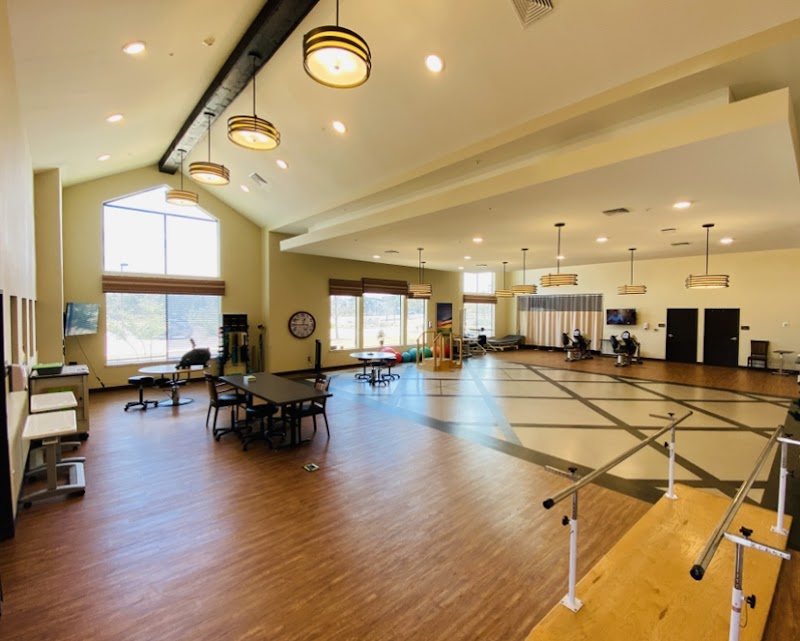
CEDAR POINTE HEALTH AND WELLNESS CENTER is owned by a government entity. Government-operated facilities are typically run by state, county, or municipal agencies. The facility is operated by THE ENSIGN GROUP, a chain that manages multiple nursing homes. With 122 certified beds and approximately 110 residents (about 90% occupancy), it is a mid-sized facility located in CEDAR PARK, Texas.

How Does Cedar Pointe Health And Wellness Center Compare to Other Texas Nursing Homes?

Compared to the 100 nursing homes in Texas, CEDAR POINTE HEALTH AND WELLNESS CENTER's overall rating (5 stars) is above the state average of 2.8, staff turnover (39%) is near the state average of 46%, and health inspection rating (5 stars) is much above the national benchmark.

What Should Families Ask When Visiting Cedar Pointe Health And Wellness Center?

Based on this facility's data, families visiting should ask: "Can I visit during a mealtime to observe dining assistance and food quality?" "How do you handle medical emergencies, and what is your hospital transfer rate?" "Can I speak with family members of current residents about their experience?"

Is Cedar Pointe Health And Wellness Center Safe?

Based on CMS inspection data, CEDAR POINTE HEALTH AND WELLNESS CENTER has a clean safety record: no substantiated abuse findings (meaning no confirmed cases of resident harm), no Immediate Jeopardy citations (the most serious violation level indicating risk of serious injury or death), and is not on the Special Focus Facility watch list (a federal program monitoring the lowest-performing 1% of nursing homes). The facility has a 5-star overall rating and ranks #1 of 100 nursing homes in Texas. While no facility is perfect, families should still ask about staff-to-resident ratios and recent inspection results during their visit.

Do Nurses at Cedar Pointe Health And Wellness Center Stick Around?

CEDAR POINTE HEALTH AND WELLNESS CENTER has a staff turnover rate of 39%, which is about average for Texas nursing homes (state average: 46%). Moderate turnover is common in nursing homes, but families should still ask about staff tenure and how the facility maintains care continuity when employees leave.

Was Cedar Pointe Health And Wellness Center Ever Fined?

CEDAR POINTE HEALTH AND WELLNESS CENTER has no federal fines on record. CMS issues fines when nursing homes fail to meet care standards or don't correct problems found during inspections. The absence of fines suggests the facility has either maintained compliance or corrected any issues before penalties were assessed. This is a positive indicator, though families should still review recent inspection reports for the full picture.

Is Cedar Pointe Health And Wellness Center on Any Federal Watch List?

CEDAR POINTE HEALTH AND WELLNESS CENTER is not on any federal watch list. The most significant is the Special Focus Facility (SFF) program, which identifies the bottom 1% of nursing homes nationally based on persistent, serious quality problems. Not being on this list means the facility has avoided the pattern of deficiencies that triggers enhanced federal oversight. This is a positive indicator, though families should still review the facility's inspection history directly.