CHILDRESS HEALTHCARE CENTER
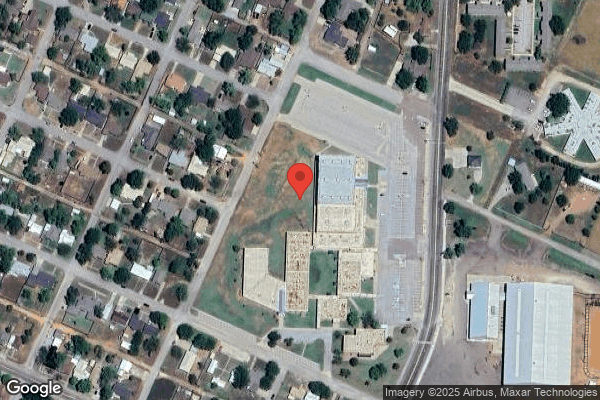

1200 7TH ST NW, CHILDRESS, TX 79201 (940) 937-8668
For profit - Corporation 120 Beds SLP OPERATIONS Data: November 2025
Trust Grade
50/100
#672 of 1168 in TX
Last Inspection: May 2025

Inspected within the last 6 months. Data reflects current conditions.

Overview

Childress Healthcare Center has a Trust Grade of C, which means it is average-neither great nor terrible. It ranks #672 out of 1,168 facilities in Texas, placing it in the bottom half, but it is the only option in Childress County. The facility's performance is worsening, with issues increasing from 8 in 2024 to 12 in 2025. Staffing is a notable concern, as it has a low rating of 1 out of 5 stars and less RN coverage than 87% of Texas facilities, which could leave residents without adequate supervision during critical times. On the positive side, the center has not received any fines, and its staff turnover rate of 39% is better than the state average, indicating more experienced staff. However, specific incidents, such as failing to ensure proper RN coverage for over 50 days and serving food in unsanitary conditions, raise serious concerns about resident safety and care quality.

Trust Score
C
50/100
In Texas
#672/1168
Bottom 43%
Safety Record
Low Risk
No red flags
Inspections
Getting Worse
8 → 12 violations
Staff Stability
○ Average
39% turnover. Near Texas's 48% average. Typical for the industry.
Penalties
✓ Good
No fines on record. Clean compliance history, better than most Texas facilities.
Skilled Nurses
⚠ Watch
Each resident gets only 11 minutes of Registered Nurse (RN) attention daily — below average for Texas. Fewer RN minutes means fewer trained eyes watching for problems.
Violations
⚠ Watch
27 deficiencies on record. Higher than average. Multiple issues found across inspections.
★★☆☆☆
2.0
Overall Rating
★☆☆☆☆
1.0
Staff Levels
★★★☆☆
3.0
Care Quality
★★★☆☆
3.0
Inspection Score
Stable
2024: 8 issues
2025: 12 issues

The Good

  • Full Sprinkler Coverage · Fire safety systems throughout facility
  • No fines on record
  • Staff turnover below average (39%)

    9 points below Texas average of 48%

Facility shows strength in fire safety.

The Bad

2-Star Overall Rating

Below Texas average (2.8)

Below average - review inspection findings carefully

Staff Turnover: 39%

Near Texas avg (46%)

Typical for the industry

Chain: SLP OPERATIONS

Part of a multi-facility chain

Ask about local staffing decisions and management

The Ugly 27 deficiencies on record

May 2025 10 deficiencies
CONCERN (D)

Potential for Harm - no one hurt, but risky conditions existed

Deficiency F0583 (Tag F0583)

Could have caused harm · This affected 1 resident

**NOTE- TERMS IN BRACKETS HAVE BEEN EDITED TO PROTECT CONFIDENTIALITY** Based on interviews, observations and record review, the facility failed to provide the right to personal privacy which includes...

Read full inspector narrative →
**NOTE- TERMS IN BRACKETS HAVE BEEN EDITED TO PROTECT CONFIDENTIALITY** Based on interviews, observations and record review, the facility failed to provide the right to personal privacy which includes accommodations during wound care for 1 of 12 (Resident #7) residents reviewed for Privacy. LVN B failed to close the door or the curtain during wound care for Resident #7. This failure could place the residents at risk of not having their personal privacy maintained during medical treatment. Finding included: Record review of Resident #7's face sheet dated 05/14/25 revealed a [AGE] year-old male with an admission date of 05/01/25 with the following diagnoses: pneumonia (lung infection), right knee contracture, hypertension (high blood pressure), weakness and pain. Record review of Resident #7's Comprehensive MDS dated [DATE] revealed a BIMS score of 6 which indicated resident cognition was severely impaired. During an observation of wound care on 05/13/25 at 01:23 PM LVN B failed to close the door or the curtains during wound care. Resident #7 was lying in bed with his feet exposed to the door during wound care to wound on left heel. During an interview on 05/13/25 at 01:35 PM with LVN B, she stated there was no reason she should have not pulled the curtain or closed the door. She stated she should have provided the resident with privacy during wound care. She stated she had been trained on resident privacy and dignity. During an interview on 05/14/25 at 08:40 AM with the DON, she stated staff should provide privacy any time they were doing wound care. She stated all staff had been trained. She stated the DON and ADON monitor staff by observing. She stated there was no reason privacy for the resident should not be provided. She stated the potential negative outcome was resident dignity. She stated not providing privacy could also have a psychological effect like embarrassment for the resident. During an interview on 05/14/25 08:54 AM with ADM he stated residents should be provided privacy during wound care. He stated all staff have been trained on privacy and dignity. He stated staff were monitored by making rounds and correcting any issues found. He stated the potential negative outcome could be another resident seeing more than the resident wants them to see and it was a dignity issue. He stated another resident could tell other people about the residents wound and treatment. Record review of the facility policy titled Dignity dated revised February 2021 revealed the following: Policy Statement - Each resident shall be cared for in a manner that promotes and enhances his or her sense of well-being, level of satisfaction with life, and feelings of self-worth and self-esteem. Policy Interpretation and Implementation 1. Residents are treated with dignity and respect at all times . 11. Staff promote, maintain, and protect resident privacy, including bodily privacy during assistance with personal care and during treatment procedures .
CONCERN (D)

Potential for Harm - no one hurt, but risky conditions existed

Safe Environment (Tag F0584)

Could have caused harm · This affected 1 resident

**NOTE- TERMS IN BRACKETS HAVE BEEN EDITED TO PROTECT CONFIDENTIALITY** Based on observation, interview, and record review the facility failed to ensure each resident the right to a safe, clean, comfo...

Read full inspector narrative →
**NOTE- TERMS IN BRACKETS HAVE BEEN EDITED TO PROTECT CONFIDENTIALITY** Based on observation, interview, and record review the facility failed to ensure each resident the right to a safe, clean, comfortable, and homelike environment including but not limited to receiving treatment and supports for daily living safely for 1 (Resident #33) of 12 residents reviewed for homelike environment. The facility failed to ensure Resident #33's personal refrigerator was free of rotten and expired food and that his personal food was stored properly. This failure could place residents at risk of contracting food borne illness. Findings Included: Record review of Resident #33's face sheet dated 05/13/25 revealed an [AGE] year-old male admitted to the facility on [DATE] with diagnoses that included, but were not limited to, Parkinsonism (conditions that affect the ability to move and live independently), need for assistance with personal care, and unspecified dementia (breakdown of thought process). Record review of Resident #33's quarterly MDS completed on 02/25/25 revealed the following: Section C Cognitive Patterns: Resident #33 had a BIMS score of 12 which indicated moderately impaired cognition. Section GG Functional Abilities: Resident #33 needed only setup or clean-up assistance with eating. Record review of Resident #33's care plan dated 04/01/25 revealed he was independent with setup related to eating. During an observation on 05/12/25 at 11:09 AM a jar of sweet gherkin pickles ¾ full was sitting on Resident #33's nightstand. During an observation on 05/12/25 at 12:26 PM a jar of sweet gherkin pickles ¾ full was sitting on Resident #33's nightstand. During an observation on 05/13/25 at 09:45 AM a jar of sweet gherkin pickles ¾ full was sitting on Resident #33's nightstand. The jar was sticky to touch, room temperature, and the label read Refrigerate after opening. Inside Resident #33's personal refrigerator was a square plastic lidded container labeled watermelon with a use by date of 05/07/25. The container was ½ full of pinkish liquid and lumps with a nickel-sized white fuzzy spot floating on top of the liquid. During an interview on 05/14/25 at 09:12 AM LVN C stated all staff were responsible for cleaning out resident personal refrigerators and ensuring residents store their personal food properly. She stated staff check refrigerator temperatures each night. LVN C stated if residents have expired, rotten, or improperly stored food, They can get sick, they can start throwing up, they can aspirate. A plethora of things. That is not okay. During an interview on 05/14/25 at 09:27 AM CNA D stated housekeeping used to be responsible for cleaning out resident refrigerators and ensuring residents stored their personal food appropriately, but she thought it was now night shift's responsibility. She stated, If I have extra time, I try to wipe them (resident refrigerators) out. CNA D stated she very, very seldom had extra time. She stated if residents had rotten or expired food or food not properly stored They could get very sick, very ill. During an interview on 05/14/25 at 09:30 AM ADON stated night shift checked resident refrigerator temperatures. She stated she and DON needed to go behind staff to be sure they were checking resident refrigerators for expired or rotten food. She residents could eat rotten, expired, or improperly stored personal food and get sick. During an interview on 05/14/25 at 09:38 AM DON stated she thought all staff were responsible for ensuring Resident refrigerators were clean and did not contain expired or rotten food. She stated, I don't know there is a designated person. I believe it should be direct care staff and nursing who should be monitoring it (resident personal food storage and refrigerators). She stated residents could get food poisoning if they had improperly stored, expired, or rotten food. During an interview on 05/14/25 at 09:43 AM ADM stated housekeeping was responsible for cleaning out resident's personal refrigerators and ensuring residents personal food was stored properly. He stated residents could be negatively impacted by improperly stored, expired, or rotten food in that, It can make them sick and even lead to death. During an interview on 05/14/25 at 09:50 AM HSK E stated he did not know who was responsible for cleaning out resident refrigerators and ensuring residents stored their personal food properly. He stated, Well, I guess I am, I thought it was night shift. Record review of facility policy titled Resident Personal Food Policy and dated 9/11/23 revealed the following: . It is the policy of this facility to provide safe and sanitary storage, handling, and consumption of all food including food and fluids brought to residents by family and other visitors. The objective/intent of this requirement is to ensure that the facility: . 2. Follows proper sanitation and food handling practices to prevent the outbreak of foodborne illness. Safe food handling for the prevention of foodborne illnesses begins when food is received from the vender, resident representative, or others . i. Facility staff will be appointed to check resident refrigerators for proper temperatures, food containment and quality, and disposal of items per facility policy. ii. Facility staff will be appointed to check resident rooms, through daily housekeeping process, safe and sanitary storage and handling of food and beverage items. f. Staff will examine food for quality to identify potential concerns. If concerns are identified, staff will notify the resident or resident representative of findings and necessary actions per proper food and beverage safe handling guidelines will be taken to ensure resident safety. Record review of facility policy titled Safe and Homelike Environment and dated 5/13/25 revealed the following: . In accordance with residents' rights, the facility will provide a safe, clean, comfortable and homelike environment . 'Environment' refers to any environment in the facility that is frequented by residents, including (but not limited to) the residents' rooms . 'homelike environment' is one that de-emphasizes the institutional character of the setting .and allows the resident to use those personal belongings that support a homelike environment. 'Sanitary' includes, but is not limited to, preventing the spread of disease-causing organisms by keeping resident care equipment clean and properly stored. Resident care equipment includes, but is not limited to, equipment used in the completion of the activities of daily living. 3. Housekeeping and maintenance services will be provided as necessary to maintain a sanitary, orderly and comfortable environment.
CONCERN (D)

Potential for Harm - no one hurt, but risky conditions existed

Incontinence Care (Tag F0690)

Could have caused harm · This affected 1 resident

**NOTE- TERMS IN BRACKETS HAVE BEEN EDITED TO PROTECT CONFIDENTIALITY** Based on observation, interview, and record review, the facility failed to ensure a resident who is incontinent of bladder recei...

Read full inspector narrative →
**NOTE- TERMS IN BRACKETS HAVE BEEN EDITED TO PROTECT CONFIDENTIALITY** Based on observation, interview, and record review, the facility failed to ensure a resident who is incontinent of bladder receives appropriate treatment and services to prevent urinary tract infections and to restore continence to the extent possible for 1 (Resident #44) of 12 residents reviewed for continence. The facility failed to ensure Resident #44's catheter was changed timely. This failure could place residents at risk of harm due to infection. Findings Included: Record review of Resident #44's face sheet dated 05/12/25 revealed a [AGE] year-old male admitted to the facility on [DATE] with diagnoses that included, but were not limited to, unspecified sequelae of cerebral infarction (long-term effects and complications occurring after a stroke) and neuromuscular dysfunction of bladder (the nerves and muscles of the bladder do not work well resulting in the bladder not filling or emptying well). Record review of Resident #44's quarterly MDS completed on 05/05/25 revealed the following: Section C Cognitive Patterns: Resident #44 had a BIMS score of 12 which indicated moderately impaired cognition. Section H Bladder and Bowel: Resident #44 had an indwelling catheter. Record review of Resident #44's care plan revised on 04/24/25 revealed he had a catheter and was at risk of developing a UTI. Staff were to change drainage bag per policy. Record review of Resident #44's active orders as of 05/13/25 revealed the following orders for his catheter: Order start date of 03/12/25 Foley Catheter: Change catheter and drainage bag as needed for indications of blockage, increased sediment, infection, displacement. Order start date of 03/12/25 Foley Catheter: Size 18FR 5-10ml Diagnosis: Neuromuscular dysfunction of bladder, unspecified. Order start date of 03/12/25 Foley Catheter: Catheter secured to leg to promote comfort, minimize catheter tension / tissue trauma. Order start date of 03/12/25 Foley Catheter: Provide catheter care as needed. Order start date of 03/12/25 Foley Catheter: Provide catheter care every shift. Record review of Resident #44's MAR from his admission on [DATE] through 05/12/25 revealed his catheter had not been changed while in the facility. Record review of Resident #44's progress notes from his admission through 05/12/25 revealed an agency nurse changed his catheter on 03/13/25 due to Resident #44 pulling the old catheter out. Resident #44's catheter was mentioned one other time in the progress notes by a note stating he had an indwelling catheter on 01/15/25. During an observation and interview on 05/12/25 at 12:30 PM Resident #44 was lying on his back in bed. He stated his catheter tubing had not been changed in three months. He lifted the sheet and displayed the tubing from his leg to the catheter bag hanging on the side of his bed. The tubing was stained a mustard yellow color and was opaque in most places though in a few places it was possible to see into the tube and see crystallization/sediment buildup. The tubing, as it was handled by Resident #44, appeared to be stiff and not easily manipulated. Resident #44 stated his catheter had not been changed since he was admitted to the facility. During an interview and observation on 05/13/25 at 08:57 AM DON stated the frequency of catheter changed depends. She stated, Sometimes a doctor does not want them to be changed every 30 days. Depends on the patient and the orders. Usually every 30 days or PRN. When asked how staff would know it was time to change a catheter if the order was PRN, DON stated, Look at the tubing and the urine. She stated the color of the tubing and if it was stained or had built up inside the tubing would indicate it was time to change the catheter. DON walked to Resident #44's room and looked at this catheter tubing which was clear and supple. Resident #44 stated staff changed the tubing the night of 05/12/25. He stated on the tubing was changed, not the part that was attached to his penis. He stated the nurse who changed the tubing was LVN A. DON asked him when his catheter was last changed, and he told her it had not been changed since he was admitted . During an observation and interview on 05/13/25 at 09:07 AM DON stated Resident #44 seems like he is with it, but he gets confused. She stated she was not sure it was possible to change just the tubing and not the actual catheter. She walked to the supply closet and looked at catheter supplied. DON held up a catheter in one hand and catheter tubing in the other hand and said it was possible to change just the tubing. She stated she would look in Resident #44's chart and find out if his catheter had been changed since he was admitted to the facility. During an interview on 05/13/25 at 01:21 PM LVN A stated she was the nurse who worked the night of 05/12/25 and changed the tubing of Resident #44's catheter. She stated, He said his brief was a little wet. LVN A stated she took tubing, a catheter, and a syringe into Resident #44's room to check on his catheter and possible change it. She stated she only ended up changing the tubing of his catheter. LVN A stated, He refused to have the part that inserted into his penis. He told me to look at the tubing because it was yellow, and I changed that but told him it would not stop the catheter from leaking. LVN A stated, We used to change them (catheters) like monthly and then they started saying we change them PRN. LVN A stated, regarding the condition of Resident #44's catheter tubing, Well, it was looking like it had some sediment in the tubing, but he doesn't like a lot of invasive procedures and stuff. Whenever (I) walked in there with syringes he said I was not sticking him. I explained that I was not going to stick him I was going to take water out of your catheter and try to readvance it. But he refused. It wasn't leaking real bad. LVN A stated it was a not common for a catheter to leak and she did not know if it was because the catheters they were using are cheap or what. She stated a possible negative impact on a resident of not changing a catheter timely was, They can get UTIs and stuff. I think when they get all gunky, it could cause UTIs. An interview was attempted with the facility's medical director on 05/13/25, but the call was not returned. During an interview on 05/14/25 at 09:12 AM LVN C stated she looked at catheter bag and tubing to determine if it was time to change a catheter when the orders called for PRN changes. She stated it was time to change a catheter, If you see any type of sedimentation in it (tubing) 'cause that could cause it to back up and cause UTI. LVN C stated not changing a catheter timely could lead to UTI and/or hospitalization. During an interview on 05/14/25 at 09:30 AM ADON stated nurses would know it was time to change a catheter, If there is sediment in it; if it is dislodged; if it is leaking; if the brief is wet; if they (resident) request it because they are hurting. She stated tubing you could see through or that had sediment built up inside it was an indicator it was time to change the catheter. She stated if a catheter was leaking normally it is a worn-out kind of thing. She stated UTIs could result from not changing catheters timely. She stated if a resident refused a catheter change nurses would need to document the refusal in the progress notes and let her and the DON and the physician and the family know. She stated another staff member should attempt to convince the resident to allow the change. ADON stated, They (resident) just might not like that person. It is all about the approach. During an interview on 05/14/25 at 09:38 AM DON stated if a resident refuses a catheter change, We document it and care plan it, and educate resident on risk factors. Record review of facility policy titled Indwelling Catheter Use and Removal and dated 2022 revealed the following: .4. If an indwelling catheter is in use, the facility will provide appropriate care for the catheter in accordance with current professional standards of practice . 8. Catheters and drainage bags should be changed based on clinical indications such as infection, obstruction, or when the closed system is compromised. Record review of facility policy titled, Appropriate Use of Indwelling Catheters and dated 08/10/2023 revealed the following: . Indwelling urinary catheters . will be utilized in accordance with current standards of practice, with interventions to prevent complications to the extent possible.
CONCERN (D)

Potential for Harm - no one hurt, but risky conditions existed

Safe Environment (Tag F0921)

Could have caused harm · This affected 1 resident

Based on observation, interview, and record review, the facility failed to provide a safe, clean, and comfortable homelike environment for 1 of 2 shower rooms (100 hall) reviewed for homelike environm...

Read full inspector narrative →
Based on observation, interview, and record review, the facility failed to provide a safe, clean, and comfortable homelike environment for 1 of 2 shower rooms (100 hall) reviewed for homelike environment. A. The facility failed to ensure the shower room on the 100 Hall did not have black grime buildup on the walls and floor of the shower room. B. The facility failed to ensure the shower room on the 100 Hall did not have a foul smell coming from the drain. These failures could place the residents at risk for a decreased quality of life, an uncomfortable, unhomelike environment due to unsanitary conditions. Findings included: During the confidential Resident Council meeting one resident stated there was black mold in the shower room and a putrid smell. She stated she felt the mold and the smell in the shower played a part in her not being able to breathe. She stated it was not good for her to breathe in the mold or the smell in the shower. She stated the mold had been in the shower for at least a month. During an observation and interview on 5/13/25 at 1:10 pm, with the DOR revealed the shower room on the 100 Hall had a putrid gas smell and the floor and the lower walls of the shower had thick black gunk on them. When asked what she thought the smell and the black gunk was she stated I don't know. It's hard to tell what that is. During an interview on 5/13/25 at 1:30 pm, the MD stated, It's just mold. You can clean it. He stated that was housekeeping's job to clean the showers. The MD stated he did not know how long the mold had been in the shower. During an observation and interview on 5/13/25 at 2:00 pm, with the Housekeeping Supervisor (HSK E) revealed the shower room on the 100 Hall had a putrid gas smell and the floor and the lower walls of the shower had thick black gunk on them. The HSK E stated it looked like the shower room had not been cleaned. He stated he had not cleaned the shower. He stated the other housekeeper was supposed to clean and disinfect the shower every day. He stated he tried to go behind her and check to make sure the work had been done but he had not always had time to check. HSK E used his foot to rub the mold and stated he would get it cleaned up. He stated of the smell that the shower smells because of the pipe not being set right. He stated they call it sewer gas. He stated the shower had been remodeled about 5 years ago and the contractor did not put the drain in right. He stated the consequence of not cleaning the shower daily would be mold and unhygienic surfaces for the residents and could result in residents getting sick. During an interview on 5/14/25 at 10:20 am, the Administrator stated he was made aware of the condition of the shower on the 100 Hall that morning (the morning of 5/14/25). The Administrator said housekeeping was responsible for cleaning the showers. The Administrator said the showers should be cleaned daily by housekeeping. He stated the consequences of not having the shower cleaned properly would be spreading mold infection around the facility the ADM stated of the pea trap there was not one. he stated the bathroom was remodeled a while back and the smell was due to not having the pea trap. He stated the shower would have to be torn up and redone. He stated the facility had talked about it in the past, but nothing had been planned or was in writing. During an interview on 5/14/25 at 12:50 pm the MD stated the smell in the bathroom was from the pea trap. He stated there was not one in the drain. He stated we are trying to find one. He stated when you install a shower it loops and goes into the drain. If you don't have a pea trap the water would stay in the bottom of the drain. When they redid this shower 6 years ago, they did not put in the pea trap. That was why it smells. Record review of the facility's policy titled, Safe and Homelike Environment, revised 5/13/25, indicated, The facility will provide a safe, clean, comfortable and homelike environment. This includes ensuring that the resident can receive care and services safely and that the physical layout of the facility maximizes resident independence and does not pose a safety risk. Environment refers to any environment in the facility that is frequented by residents (including but not limited to) the resident rooms, bathrooms dining areas . Orderly is defined as an uncluttered physical environment that is neat and well kept. Sanitary includes but is not limited to preventing the spread of disease-causing organisms by keeping resident care equipment clean and properly stored. Record review of the facility's policy titled, Bathrooms, revised February 2020, indicated, Bathrooms, including showers, are cleaned and disinfected daily in accordance with our established procedures.
CONCERN (E)

Potential for Harm - no one hurt, but risky conditions existed

Deficiency F0679 (Tag F0679)

Could have caused harm · This affected multiple residents

Based on observation, interview and record review the facility failed to provide an ongoing program to support residents in their choice of activities designed to meet the interests of and support the...

Read full inspector narrative →
Based on observation, interview and record review the facility failed to provide an ongoing program to support residents in their choice of activities designed to meet the interests of and support the physical, mental, and psychosocial well-being for all residents reviewed for activities. A. The activity calendar was not followed. B. There were no daily activities occurring on a regular basis in the facility. C. The activities did not meet the needs of the residents. D. Room visits were not conducted and did not meet the needs of the residents. The facility's failure to provide an ongoing program to support residents in their choice of activities designed to meet the interests of and support the physical, mental, and psychosocial well-being could potentially place all residents at risk of decreased self-worth, boredom, poor quality of life, depression, behaviors and decreased cognitive function. Findings include: During entrance to the facility on 5/12/25 at 10:25 am, seven residents in wheelchairs were sitting in the lobby. There were no activities ongoing in the facility. In a confidential interview a facility employee stated the AD had taken a resident to a clinic physician appointment. During record review of the activity calendar for May 2025 on 5/12/25 activities listed for the day for all residents were: Monday 5/12/25 8:30 AM Outside Visit 9:30 AM Room visits 10:00 AM Kick-off Nursing Home Week 2:00 PM Residents Car Wash Tuesday 5/13/25 8:00 AM Morning Chat 8:30 AM Walk the Halls 9:30 AM Puzzle/Word Search 2:00 PM Minute 2Win It Wednesday 5/14/25 8:30 AM Humpday News 9:30 AM Room Visits 2:00 PM Pick A game 3:30 PM McCurley's Bible Talk In an observation and a confidential interview on 5/12/25 at 11:00 am a resident was in bed with no light or tv. He stated he was bored so he slept a lot because there was nothing to do. He stated he would attend activities if he were asked but he never knew when or where they would be. He stated no one ever asked him if he wanted to go to any activities. He stated he needed assistance to get out of bed. He stated he had not had any room activities from anyone. He stated he had no special activity requests and liked a variety of activities. In an observation of the facility on 5/12/25 at 2:10 PM, there were no activities being conducted in the building. There was no car wash activity outside. In an observation on 5/12/25 at 3:00 pm the AD was observed alone in her office. In an observation of the facility on 5/13/25 at 8:30 am the AD was observed walking the halls of the facility alone. The AD had a Hawaiian skirt on and was passing out flower necklaces. There were no additional activities observed to include or incorporate the residents into this activity. In a confidential interview on 5/13/25 at 9:40 am, one employee stated The residents are bored. You never know when the activities will occur or if the calendar will be followed. If you try to suggest an activity to the AD she does not listen. During a confidential group interview on 5/13/25 at 10:00 a.m., 8 residents confirmed the activity calendar is not followed. All resident's confirmed activities are not being held. All residents stated they are bored. All residents agreed the AD does not have activities that meet their needs. All residents agreed they had not been asked what they would like to do and if they did express a desire to play Bingo, they had been told they could not. All agreed they love Bingo but had not had Bingo in a long time. All residents agreed the AD does not like to do Bingo and that was why Bingo had not been offered in a long time. One resident stated she would like to play dominoes and had been told other residents would like to play dominoes as well, but it had never been scheduled. She stated she had her own dominoes and she and another resident play dominoes in her room. All residents stated they would like to exercise but it had never been offered. All residents agreed they did not have any activities on the weekends or go on outings. All residents agreed they would like to go on outings and have more activities on the weekends. All agreed the AD would rather sit outside and talk which is what she usually did. All residents stated the AD will give them coloring pages, but they did not want to color much. Residents stated activities were never announced nor did anyone come to tell them there was an activity about to start. All 6 residents said they would like more exercising activities. Residents also stated that they would like some field trips since Covid is over. All residents stated there had not been any outings in over a year. Residents also said that activities got canceled a lot. Residents stated there is no church on Sundays and they would like church offered to them. The Activity calendar was reviewed with the group. None of the residents knew what the activities called Making Rounds, Lets do Experiments or Walk the Halls were. The group stated they had not participated in those activities. the group stated table games in the lobby, room visits and morning chat had not occured. In an interview on 5/13/25 at 3:15 pm the AD was asked to review the activity schedule. The AD stated Outside Visit was where she and the residents sat on the porch of the facility. She stated Making Rounds was just her going up and down the halls saying hello and seeing if the residents needed anything. She stated of Trivia she would read a short paragraph and asked questions, and the residents guessed the answer. She stated 'Let's do Experiments' was setting up a microscope and the residents could look through the microscope at an Alka Seltzer and see it fizz. When asked if the activity listed on 5/12/25 of Outside Visit, Room visitsor Residents Car Washhad occurred, the AD stated there were no activities done that day. When asked what the Resident Car Wash was, she stated the residents were going to wash the staff cars. The AD stated Walk the Halls was an activity where she would walk around the halls and make faces at the residents. She stated the residents had not walked the halls with her. The AD stated 'Bingo had not been offered in a long time because the tv was out and calling Bingo was hard. The AD stated she did not offer any exercise classes and stated she did not have a reason for not offering exercises. The AD stated the bible studies offered on Wednesday and Thursday afternoons were provided by visitors. The AD stated the Walmart trips did not include residents. She stated she took the money and a list of what they wanted and got it for them. She stated she planned on starting some outings for the residents in the future. The AD stated of the activities listed on Saturday and Sunday were tv programs and there were no activities on the weekends. The AD stated she had not encouraged all residents to come to the activities and had not allowed time for them to get up. She stated she did activities with the residents who were already in the dining room or the front lobby. The AD stated she had not been documenting on the residents who participate in activities or who she did room visits with. She stated she just found out she was supposed to document the room visits. When the AD was asked what the consequences of not having activities that meet the needs of the residents would do to them, she stated the residents would not get what they needed and would be bored and get depressed. In an observation of the facility on 5/14/25 from 9:25 to at 9:55 am there were no activities being conducted in resident rooms for room visits. In a confidential interview on 5/14/25 at 10:00 am one resident, who was listed on the AD's list of room visits, stated he had never had any room visits from the AD. He stated if there were exercise classes he would get up and go. He stated he had never been asked to join any activities and stayed in bed most of the time. He stated he was thinking of getting arm weights so he could exercise in bed since there are no exercise classes. In a confidential interview on 5/14/25 at 10:20 am, one resident, who was listed on the AD's list of room visits, and a family member who was visitng, stated he had not been offered any room activities and had not had any activities in the room since his admission. The family member confirmed the resident had not had any room visits since admission. In confidential interviews on 5/14/25 from 10:10 am to 10:30 am, 4 residents from the list provided by the AD for room visits, were asked if they had ever had any room visits from the AD or had any activities in the room. None of the residents interviewed knew who the AD was or had been offered any room activities. Record review of the facility policy titled Activity Programs dated November 2021, documented: Activity programs designed to meet the needs of each resident are available on a daily basis. Our activity programs are designed to encourage maximum individual participation and are geared to meet individual needs. Activities consist of individual and small group activities that stimulate the cardiovascular system and assist with range of motion such as exercise, movement to music Intellectual activities, outings, at least one evening activity is offered per week, at least 2 group activities per day are offered on Saturday and Sunday, at least 4 group activities offered per day Monday through Friday, Activities are provided to residents who are bedbound or visually impaired . Individualized activities are provided that reflect the schedules and choices of residents.
CONCERN (E)

Potential for Harm - no one hurt, but risky conditions existed

Deficiency F0680 (Tag F0680)

Could have caused harm · This affected multiple residents

Based on interview and record review, the facility failed to provide an activities program directed by a qualified professional for 1 of 1 Activity Director reviewed for staff qualifications . The fa...

Read full inspector narrative →
Based on interview and record review, the facility failed to provide an activities program directed by a qualified professional for 1 of 1 Activity Director reviewed for staff qualifications . The facility Activity Director was not a qualified therapeutic recreation specialist or an activities professional that met state licensing requirements. This failure could place residents at risk for reduced quality of life due to lack of activities that were individualized to match the skills, abilities, and interests/preferences of each resident. Findings Include: During an interview on 5/13/25 at 3:15 pm, the AD stated she had not become a certified AD and had not started the classes to become certified. The AD stated she started the job as the AD on 9/12/24. The AD stated she had never been an AD before and had not had any experience in activities. The AD stated the facility would not pay for the classes up front and would reimburse her once she completed the classes. She stated she had not had the money to start the classes. She stated she hoped to start the classes in September. When asked if anyone was supervising her as the AD, she stated the ADM was her direct supervisor. She stated no one had told her there was a time limit on beginning the class. The AD stated a few people had tried to help her plan activites and stated if she has any questions, she could ask the DM who a previous AD. was The AD stated she usually did not ask her any questions. The AD stated the consequenses of not having a certified AD would be residents not having the activities they need. In an interview on 5/14/25 at 8:20 am, the DM stated when the AD started the job, she had tried to assist the AD by telling her how she set up activities, but the AD did not want to hear it. The DM stated the AD wanted to do it her way. The DM stated the last time she had done any activities with the residents was a week before the AD started her job as the AD in September of 2024. The DM stated the corporate office had told her to stay in the kitchen and did not want her doing activities. The DM stated she did not supervise the AD. In an interview on 5/14/25 at 8:40 am, the ADM stated the DM is a certified DM and she supervises the AD and helps her as needed. He stated the facility was working off the DM activity license. He stated the AD had not had any AD classes. Record Review of the Activity Director's personnel file indicated this employee was hired at the facility as the AD on 9/3/24 and started working on 9/12/24. Record review of the facility document titled Job Description Activity Director, dated 5/20/21, revealed: Under the supervision of the ADM, the AD develops, coordinates, and implements activity programs for the personal enjoyment and benefit of the residents in accordance with current federal, state and local standards to ensure the spiritual, emotional, recreational and social needs of residents are met on an individual basis. Must be able to obtain the qualifications outlined in the federal. state regulations. Record review of the facility document titled Activity Programs- Staffing, dated August 2006, revealed: Our activity programs are staffed with personnel who have the appropriate training and experience to meet the needs and interests of each resident. our activity programs are under the supervision of a qualified professional who is licensed or eligible. and has completed a training course approved by the state.
CONCERN (E)

Potential for Harm - no one hurt, but risky conditions existed

Pharmacy Services (Tag F0755)

Could have caused harm · This affected multiple residents

**NOTE- TERMS IN BRACKETS HAVE BEEN EDITED TO PROTECT CONFIDENTIALITY** Based on observations, interview, and record reviews the facility failed to provide pharmaceutical services (including procedure...

Read full inspector narrative →
**NOTE- TERMS IN BRACKETS HAVE BEEN EDITED TO PROTECT CONFIDENTIALITY** Based on observations, interview, and record reviews the facility failed to provide pharmaceutical services (including procedures that assure the accurate acquiring, receiving, dispensing, and administering of all drugs and biologicals) to meet the needs of each resident for 1 (Resident #33) of 12 residents reviewed for pharmacy services and 1 of 1 treatment cart and 1 of 1 medication room. 1. The facility failed to ensure LVN B did not leave medications unattended with Resident #33. 2. The facility failed to ensure the medication room did not contain expired medications and expired IV tubing and the treatment cart did not contain expired medications. These failures could place residents at risk of harm due to not receiving needed medication, receiving expired medication; receiving medication at the wrong time or in the wrong dose; or receiving another resident's medication. Findings Included: 1. Record review of Resident #33's face sheet dated 05/13/25 revealed an [AGE] year-old male admitted to the facility on [DATE] with diagnoses that included, but were not limited to, Parkinsonism (conditions that affect the ability to move and live independently), need for assistance with personal care, and unspecified dementia (breakdown of thought process). Record review of Resident #33's quarterly MDS completed on 02/25/25 revealed the following: Section C Cognitive Patterns: Resident #33 had a BIMS score of 12 which indicated moderately impaired cognition. Section N Medications: Resident #33 was receiving antidepressant, antianxiety, diuretic, opioid, and antiplatelet medications. Record review of Resident #33's care plan dated 04/01/25 revealed he exhibited behaviors not directed at others. The goal for this was Resident will not harm self and/or others. Resident #33 was noted to be receiving anticoagulant (blood thinner) medication and staff were to administer medication as ordered. He was noted to be receiving psychotropic medication for generalized anxiety disorder. Resident #33 was noted to have cognitive loss and staff were to explain their actions as they provided care. Record review of Resident #33's active orders as of 05/13/25 revealed he was to receive the following medications in the morning and throughout the day as indicated: -allopurinol tablet 100 mg by mouth once a day in the morning -aspirin 81 tablet mg by mouth once a day in the morning -buspirone tablet 5 mg by mouth twice a day in the morning and the evening -apixaban tablet 5 mg by mouth once a day in the morning -furosemide tablet 20 mg by mouth once a day in the morning -magnesium oxide tablet 400 mg by mouth twice a day in the morning and the evening -meclizine 12.5 mg by mouth twice a day at lunch and dinner -meclizine 25 mg tablet by mouth twice a day in the morning and the evening -omeprazole capsule delayed release 20 mg by mouth once a day in the morning -potassium chloride packet 20 mEq once a day in the morning -carbidopa-levodopa tablet 25-100 mg by mouth twice a day in the morning and the evening Record review of Resident #33's MAR for the morning of 05/13/25 revealed he received the following medications from LVN B: allopurinol tablet 100 mg, aspirin 81 tablet mg, buspirone tablet 5 mg, apixaban tablet 5 mg, furosemide tablet 20 mg, magnesium oxide tablet 400 mg, meclizine 25 mg tablet, omeprazole capsule delayed release 20 mg, potassium chloride packet 20 mEq, and carbidopa-levodopa tablet 25-100 mg. During an observation on 05/13/25 at 08:28 AM Resident #33's room door was closed and LVN B was standing at the medication cart outside his door. During an observation on 05/13/25 at 08:31 AM Resident #33's closed door was knocked on and opened by this surveyor. Resident #33 was seated in his w/c next to his tray table. On the tray table was an opaque plastic up ¾ full of orange liquid and a small opaque plastic medication cup containing 3-4 small pills. During an observation on 05/13/25 at 08:32 AM LVN B entered Resident #33's room, glanced at his tray table, and walked back out of his room. During an interview on 05/13/25 at 09:39 AM LVN B stated she was the nurse who gave Resident #33 his medications this morning. She stated, I stand at his door, and he came and shut it behind me, but I stand there until he takes them (the medications). He likes to take them one at a time. I generally try to stand there 'til he is done. She stated there was a possible negative outcome to leaving medications behind closed doors with residents. She stated, But when he closed the door that is when you went in, and I went in behind you. We don't leave medications with residents and move on. During an interview on 05/13/25 at 09:10 AM DON stated it was never okay for a nurse to leave medications with a resident. She stated nurses were to stay with residents until the medication was consumed. DON stated she did a training on this subject on 04/15/25. During an observation and interview on 05/13/25 Resident #33 was in the therapy room doing bicep curls. When asked if the nurse leaves his medication with him instead of watching him take it, he stated, Yes. She trusts me. During an interview on 05/13/25 at 09:50 AM ADON stated it was never okay to leave residents unsupervised with medications. She stated, They can forget to take it, it can sit there and somebody else might take it, they can be double dosed or take it at the wrong time of the day. During an interview on 05/13/25 at 10:02 AM DON stated if residents are left behind closed doors alone with their medication They might not get their medication and that can cause ill effects to the resident and another resident might get the medication which could cause ill effects to that resident. During an interview on 05/14/25 at 09:12 AM LVN C stated it was never okay to leave medications with residents unsupervised. She stated, They might choke on it, they might not take it, could put it in their pocket and what if at night they get their meds and find that one from morning in their pocket? They could take a double dose. And what if it is blood pressure medicine. No, girl, that is bad. We gotta watch them take the medicine. Record review of facility policy titled Administration Procedures for all Medications and dated 6/1/2022 did not directly address nurses remaining with residents until medications are swallowed but it revealed the following: . To administer medications in a safe and effective manner. Security: All medication storage areas (carts, medication rooms, central supply) are locked at all times unless in use and under the direct observation of the medication nurse/aide. J. After administration, return to cart . Record review of staff in-service dated 04/15/25 revealed the following: Topic: Medication administration: Remain with resident until all medications have been taken. Do not leave unattended Instructor(s): [name of DON] RN DON The signatures section of the in-service revealed LVN B signed the in-service on 04/15/25. 2. On 05/13/25 at 09:30 AM, an observation of the medication room was conducted with ADON. 64 - 5ml normal saline syringe was found with expiration date 02/28/25 and 03/31/25. Two IV tubing one with expiration date 12/15/22 and one with expiration date 11/18/21. During an interview on 05/13/25 at 09:35 AM with ADON, she stated there should be no expired medications in the medication room. She stated anything that was expired should be thrown away. She stated the expired normal saline syringes and the IV tubing was just missed. She stated the medication room was checked a few days ago. She stated all staff had been trained and it was the nurse's responsibility to monitor medications in the medication room. On 05/13/25 at 10:00 AM, an observation of the treatment cart was conducted with LVN B. Two 5ml normal saline syringes with expiration date 03/31/25 and one with expiration date 02/28/25. During an interview on 05/13/25 at 10:05 AM with LVN B, she stated there should be no expired medications on the treatment cart. She stated any expired item needs to be thrown away or replaced. She stated she has had training on checking the treatment cart for expired medications. During an interview on 05/14/25 at 08:40 AM with the DON, she stated med room and carts were checked monthly by the pharmacist and weekly by the night nursing staff. She stated staff have been trained. She stated expired meds need to be thrown away to prevent giving expired meds to residents. She stated there was no reason why expired meds should be left in medication room. She stated the potential negative outcome could be ill effects to a resident. During an interview on 05/14/25 at 08:54 AM with the ADM, he stated expired meds should be thrown away. He stated expired normal saline could grow bacteria and be harmful to the resident. He stated all staff have been trained. He stated nursing was responsible for checking medication and treatment carts and medication room. He stated it was scheduled for the night shift nurse once a week. He stated any nurse can check the medication room and medication and treatment carts. He stated the potential negative outcome could be normal saline could cause infection especially going into the circulatory system. Record review of the facility-provided policy titled, Storage of Medications, revised November 2020, revealed: Policy - The facility stores all drugs and biologicals in a safe, secure, and orderly manner . 4. Drug containers that have missing, incomplete, improper, or incorrect labels are returned to the pharmacy for proper labeling before storing. Discontinued, outdated, or deteriorated drugs or biologicals are returned to the dispensing pharmacy or destroyed .
CONCERN (E)

Potential for Harm - no one hurt, but risky conditions existed

Deficiency F0761 (Tag F0761)

Could have caused harm · This affected multiple residents

Based on observation, interview, and record review, the facility failed to ensure all drugs and biologicals were stored properly for 2 of 2 carts (medication cart, treatment cart) reviewed for medicat...

Read full inspector narrative →
Based on observation, interview, and record review, the facility failed to ensure all drugs and biologicals were stored properly for 2 of 2 carts (medication cart, treatment cart) reviewed for medication storage. The medication cart had undated insulin pen. The treatment cart had undated wound care supplies. These failures could place residents at risk of receiving expired medications. The findings included: On 05/13/25 at 09:15 AM, an observation of the medication cart was conducted with LVN C. One insulin pen was found in top drawer opened with no date. During an interview on 05/13/25 at 09:20 AM with LVN C, she stated all opened multiuse insulin pens should have the date they were opened. She stated she did not know why the pen was not dated. She stated she had been trained to dated insulin pens at the time they were opened. She stated the potential negative outcome was you do not know how long it's been in medication cart and could give expired insulin to resident. 05/13/25 at 10:00 AM, an observation of the treatment cart was conducted with LVN B. Two open bottles of wound cleanser were found with no open date. One bottle of povidone-iodine 10% solution was found opened with no open date. During an interview on 05/13/25 at 10:05 AM with LVN B, she stated all items opened should have an open dated at the time they were opened. She stated she was not aware the wound cleaner or povidone-iodine 10% solution did not have an open dated. She stated she does not know when they were open. She stated she has been trained to date items at the time it was opened. During an interview on 05/14/25 at 08:40 AM with the DON, she stated insulin pens should be dated when opened, any multiuse supplies (wound cleanser or povidone-iodine) should be dated when open. She stated med room and carts were checked monthly by the pharmacist and weekly by the night nursing staff. She stated staff have been trained. She stated there was no reason why supplies in medication cart were not dated. She stated the potential negative outcome could be ill effects to a resident. During an interview on 05/14/25 at 08:54 AM with the ADM, he stated all items opened should have an open date written on it. He stated all staff have been trained. He stated nursing was responsible for checking medication and treatment carts and medication room. He stated it was scheduled for the night shift nurse once a week. He stated any nurse can check the medication room and medication and treatment carts. He stated the potential negative outcome could be not knowing how long it's been the cart and medications may not work how it's supposed to especially insulin. Normal saline could cause infection especially going into the circulatory system. Record review of the facility-provided policy titled, Storage of Medications, revised November 2020, revealed: Policy - The facility stores all drugs and biologicals in a safe, secure, and orderly manner . 4. Drug containers that have missing, incomplete, improper, or incorrect labels are returned to the pharmacy for proper labeling before storing. Discontinued, outdated, or deteriorated drugs or biologicals are returned to the dispensing pharmacy or destroyed .
CONCERN (F)

Potential for Harm - no one hurt, but risky conditions existed

Deficiency F0727 (Tag F0727)

Could have caused harm · This affected most or all residents

Based on interview and record review the facility failed to use the services of a registered nurse for at least 8 consecutive hours a day, 7 days a week for 1 of 1 facility reviewed for RN coverage. T...

Read full inspector narrative →
Based on interview and record review the facility failed to use the services of a registered nurse for at least 8 consecutive hours a day, 7 days a week for 1 of 1 facility reviewed for RN coverage. The facility failed to ensure RN coverage for 51 days of the last 6 months. This failure could place residents at risk of harm due to being left without supervisory coverage for coordination of events such as emergency care and disasters. Findings Included: Record review of the facility payroll-based journal for the first quarter of fiscal year 2025 revealed the facility did not have RN coverage on November 16, 17, and 30 and December 1, 14, 15, 28, and 29 of 2024. Record review of facility payroll revealed the facility did not have RN coverage for January 20; February 8, 9, 12, 13, 18, 20, 21, 22, 23, 24, 25, 26 ,27, and 28; March 3, 4, 5, 6, 7, 8, 9, 15, 16, 22, 23, 29, and 30; April 1, 2, 3, 4, 5, 6, 12, 13, 19, 26, and 27; May 3, 4, 10, and 11 of 2025. During an interview on 05/13/25 at 11:20 AM ADM provided the last quarter RN hours and stated he did not have any RN hours for the rest of the time beginning on April 1st. He stated his only RN was the DON and she started on April 7th and worked M-F. He stated he was planning to get this tag because he knew he was lacking RN hours. During an interview on 05/13/25 at 11:27 AM ADM stated he had been advertising for a weekend RN position and a regular RN position and had not had anyone apply. He stated the only weekend day DON had worked since starting was Easter Sunday, April 20, 2025. He stated not having RN coverage could negatively impact residents. ADM stated, Resident's health would be at risk if something happens, something could get missed as far as assessment or needing to go to the hospital. During an interview on 05/14/25 at 09:12 AM LVN C stated it was important to have an RN in the building each day. She stated, Because as an LVN we need that reference point. Their skill set is higher than ours they have a larger scope of practice. We do need the reference point if we have a question or are wondering about something. It is like asking your parent or your boss. During an interview on 05/14/25 at 09:30 AM ADON stated it was important to have an RN in the building every day. She stated, You need a reliable RN in case you second guess yourself. During an interview on 05/14/25 at 09:38 AM DON stated it was important to have an RN in the building each day. She stated, I just think you need that higher level of educated person to be available. She stated she and ADM shared the responsibility for ensuring RN coverage. She stated, We keep updating the ad (for RN positions available) and even saying PRN. We have tried everything. When asked if the facility could use agency RNs, DON stated, It is not in the budget, they can charge up to 100 dollars an hour for an agency RN. During an interview on 05/14/25 at 09:43 AM ADM stated he was responsible for ensuring RN coverage. Record review of facility policy titled Staffing and dated 9/28/23 revealed the following, . 4. The facility utilizes the services of a registered nurse for at least 8 consecutive hours a day, 7 days a week. Record review of facility policy titled Director of Nursing Services and dated 2006 revealed the following: . 2. The Director is employed full-time (40-hours per week) and is responsible for, but is not necessarily limited to: . g. Recruiting and retaining the number and levels of nursing personnel necessary to meet the nursing care needs of each resident.
CONCERN (F)

Potential for Harm - no one hurt, but risky conditions existed

Food Safety (Tag F0812)

Could have caused harm · This affected most or all residents

Based on observation, interview, and record review, the facility failed to store, prepare, and serve food under sanitary conditions in 1of 1 kitchen when they failed to: A. Ensure general cleanliness ...

Read full inspector narrative →
Based on observation, interview, and record review, the facility failed to store, prepare, and serve food under sanitary conditions in 1of 1 kitchen when they failed to: A. Ensure general cleanliness was maintained. B. Ensure kitchen equipment was in good repair. These failures placed residents who ate food served by the kitchen at risk of cross contamination and food-borne illness. Findings included: In an observation on 5/12/25 at 10:32 am, of the kitchen revealed the plastic drawers holding utensils was grimy and sticky to the touch. There were food crumbs on the outside and inside of the drawers. The stainless-steel prep table shelves had crumbs and food debris on the lower shelves. The toaster had crumbs in the bottom of the toaster and was sticky to the touch. Observation of the door of the walk-in cooler revealed the door handle was black and sticky to the touch. The walk-in pantry had food crumbs and trash in the floor. In an observation on 5/12/25 at 10:35 am, the walk-in cooler thermometer read 45 degrees. The milk cartons and juice container were warm to the touch. In an interview and observation of the walk-in cooler on 5/12/25 at 11:00 am revealed the walk-in cooler thermometer read 44 degrees. The DM stated, The cooler had not been cooling right. We have thrown so much food out because it goes bad. Every time it quits working, I call the MD. The repairman came out and did something, but it still did not work right. We need a new one. The DM stated the consequences of not having a cooler that worked correctly was a lot of spoiled food. In an observation of the walk-in cooler on 5/12/25 at 12:40 pm revealed the walk-in cooler thermometer read 45 degrees. In an observation of the walk-in cooler on 5/12/25 at 2:40 pm revealed the walk-in cooler thermometer read 45 degrees. In an interview and observation of the walk-in cooler on 5/13/25 at 8:40 am revealed the walk-in cooler thermometer read 44 degrees. [NAME] F stated, The cooler keeps freezing up. It has not been cooling right. They keep bandaging it up. The milk goes bad real fast. We have had to throw out a lot of food because it does not cool right. We need a new cooler. In an observation on 5/13/25 at 9:45 am, of the kitchen revealed the plastic drawers holding utensils was grimy and sticky to the touch. There were food crumbs on the outside and inside of the drawers. The stainless-steel prep table shelves had crumbs and food debris on the lower shelves. The toaster had crumbs in the bottom of the toaster and was sticky to the touch. Observation of the door of the walk-in cooler revealed the door handle was black and sticky to the touch. In an observation of the walk-in cooler on 5/13/25 at 2:40 pm revealed the walk-in cooler thermometer read 44 degrees. In an interview on 5/13/25 at 3:30 pm the DM stated of the cleaning that she expected all staff to clean as needed. She stated the consequences of not cleaning were food borne illness and contaminated food. In an interview on 5/14/25 at 12:50 pm, the MD stated last night the cooler went out. He stated the repairman was called and was there currently. The MD stated he thought the facility had had trouble with the cooler for the past 2 weeks. The MD stated about 2 weeks ago the repairman came out and worked on the cooler. The next day the cooler did not work. The repairman took the defrost timer off and it worked for a couple of days. The MD stated the cooler is really old and it needed to be replaced. He stated the cooler was as old as the Mayflower. The MD stated he was not responsible for repairing the cooler. He stated any time the DM tells him it is not working he calls a repairman. In an interview on 5/14/25 at 1:20 pm the ADM stated he was not sure what they would do with the cooler. He stated the facility rented two refrigerators today. Record review of the Refrigerator and Freezer log for April 2025 revealed the cooler temperatures were above 41 degrees on 4/2/25,4/3/254/12/254/13/25, 4/28/25, 4/29/25 and 4/30/25. Record review of the Refrigerator and Freezer log for May 2025 revealed the cooler temperatures were above 41 degrees on 5/1/25,5/2/25, 5/6/25, 5/7/25. Record review of the repair invoice for the walk-in cooler dated 4/3/25 revealed the cooler was checked. There was no further information on the invoice. Record review of the repair invoices dated 5/2/25, 5/5/25 and 5/6/25 revealed onsite maintenance tasks on the cooler were done. Record review of the cleaning sheets for the kitchen had been signed as completed for all tasks. Record review of the policy titled Cabinets, Drawers and Shelving dated 2018, revealed the facility will maintain cabinets drawers and shelving free of food particles and dirt to minimize the risk of food hazards. Cabinets, drawers and shelving will be cleaned a minimum of every week or as needed. Record review of the policy titled Food Handling dated June 1, 2019, revealed the facility will maintain all cold prepared items at a temperature of 41 degrees or below. Check the temperature of all refrigerators to make sure the temperature stays below 41 degrees. When temperatures are outside the designated range, notify maintenance. Record review of the policy titled General Kitchen Sanitation dated 2018, revealed: Clean all food pre areas, food contact surfaces, and equipment. Keep food contact surfaces free of encrusted grease deposits and other accumulated soil. Clean nonfood surfaces as necessary.
Feb 2025 2 deficiencies
CONCERN (D) 📢 Someone Reported This

A family member, employee, or ombudsman was alarmed enough to file a formal complaint

Potential for Harm - no one hurt, but risky conditions existed

Deficiency F0583 (Tag F0583)

Could have caused harm · This affected 1 resident

**NOTE- TERMS IN BRACKETS HAVE BEEN EDITED TO PROTECT CONFIDENTIALITY** Based on observation, interview and record review, the facility failed to respect the residents' right to confidentiality in his...

Read full inspector narrative →
**NOTE- TERMS IN BRACKETS HAVE BEEN EDITED TO PROTECT CONFIDENTIALITY** Based on observation, interview and record review, the facility failed to respect the residents' right to confidentiality in his or her personal and medical records for one (Resident #1) of 6 residents reviewed for privacy. Resident #1's medical information was shared with a surgeon via a nurse's personal email account. This failure could affect the residents residing in the facility by placing them at risk of losing their right to privacy and confidentiality. Finding included: Record review of Resident #1's Face Sheet dated 02/19/2025 revealed the resident was a [AGE] year-old female admitted to the facility on [DATE] with diagnoses that included but not limited to cellulites of left lower limb, type 2 diabetes mellitus with diabetic peripheral angiopathy with gangrene(blockage of blood vessels affecting toes and feet), acquired absence of left left leg below the knee, contracture, right hip acquired absence of right leg below knee. Record review of Resident #1's admission MDS assessment dated [DATE] revealed Resident #1 had a BIMS of 15 out of 15 indicating Resident #1's cognition was intact. Record review of Resident #1's progress notes dated 02/10/2025 revealed LVN A documented the following: Staff from surgery center returned call regarding decline in wound. Pictures emailed. Staff states they will talk to the provider with it tomorrow, and she will call back with any new orders. Progress notes dated 02/14/2025 revealed LVN A documented the following: Received return email from surgeon's office on this nurse's day off. Nurse states that physician would like resident sent to their ER for possible surgical debridement. In an interview on 02/19/2025 at 12:20 PM, The ADON said that she did not know that LVN A sent the pictures of the resident via per personal email on 02/11/2025 until she was reading documentation in the progress notes . The ADON said LVN A should have told Administration personnel about the request from the surgeon because it was not her responsibility to email the pictures it was the Administration personnel's responsibility. The ADON stated staff do not have email accounts through the facility only Administration personnel have email accounts. In an interview and observation on 02/19/2025 at 1:30 PM, LVN A stated she had talked to the surgeon's nurse on 02/10/2025 and the nurse requested pictures of Resident #1's wound. LVN A said she used her personal email to send the surgeon the pictures of the wound. LVN A showed Inv. VII the email she sent to the surgeon's nurse on her phone, subject line was Resident #1's full name. The email was dated 02/11/2025 with what appears to be four pictures attached to the email. LVN A stated she did not feel like she was violating Resident #1's privacy because she did not put any identifying marks near the pictures of the wound. When asked about the subject line with the resident's full name, LVN A did not have an answer. In an interview on 02/20/2025 at 8:48 AM, The ADM stated that LVN A should not have emailed the pictures of the wounds to the surgeon and should have given the information to Administration so they could send the pictures through the facility email accounts. The Administrator stated that a possible negative outcome for sending information about a resident on an unsecure account could be that someone could get a hold of the resident's information, also the resident may not want their private information given to anyone. In an interview on 02/20/2025 at 9:09 AM, The RRN stated that the LVN A was in the wrong by sending pictures of a resident form her phone on her personal email and that a possible negative outcome would be a resident's information would be unsecure. Record review of Release of Information Policy dated January 2021 revealed the following: Our facility maintains the confidentiality of each resident's personal and protected health information. .Each resident will receive confidential treatment of his or her personal and medical records
CONCERN (D) 📢 Someone Reported This

A family member, employee, or ombudsman was alarmed enough to file a formal complaint

Potential for Harm - no one hurt, but risky conditions existed

Quality of Care (Tag F0684)

Could have caused harm · This affected 1 resident

**NOTE- TERMS IN BRACKETS HAVE BEEN EDITED TO PROTECT CONFIDENTIALITY** Based on observation, interview, and record review, the facility failed to provide treatment and care in accordance with the com...

Read full inspector narrative →
**NOTE- TERMS IN BRACKETS HAVE BEEN EDITED TO PROTECT CONFIDENTIALITY** Based on observation, interview, and record review, the facility failed to provide treatment and care in accordance with the comprehensive person-centered care plan and in accordance with professional standards of practice for 1 of 6 residents reviewed for quality of care (Resident #1). LVN A did not inform facility Administration of a surgeon's recommendation for Resident #1 in a timely manner. The failure could place residents at risk for a delay of treatment. Findings included: Record review of Resident #1's Face Sheet dated 02/19/2025 revealed the resident was a [AGE] year-old female admitted to the facility on [DATE] with diagnoses that included but not limited to cellulitis of left lower limb, type 2 diabetes mellitus with diabetic peripheral angiopathy with gangrene(blockage of blood vessels affecting toes and feet), acquired absence of left leg below the knee, contracture, right hip acquired absence of right leg below knee. Record review of Resident #1's admission MDS assessment dated [DATE] revealed Resident #1 had a BIMS of 15 out of 15 indicating Resident #1's cognition was intact. Record review of Resident #1's physician orders revealed following: 2/1/25-2/14/25-Vancocin capsule: 250 mg: amt1: oral (DX: Type 2 diabetes mellitus with diabetic peripheral angiopathy with gangrene) Four Times a day. 2/4/25-2/14/25 Cleanse surgical site to left BKA with wound cleanser, pat dry, apply calcium alginate with silver, cover with super absorbent dressing, wrap with kerlix, and wrap with ace wrap daily. 2/14/25-opened ended-Cleanse surgical site to left BKA with wound cleanser, pat dry, apply Thera honey gel on alginate ag rope, lightly pack the open areas cover with super absorbent dressing, wrap with kerlix, and secure with wrap with ace wrap prn if soil. Record review of Resident #1's wound care management dated 02/04/2025-02/15/2025 revealed the following: Cleanse surgical site to left BKA with wound cleanser, pat dry, apply calcium alginate with silver, cover with super absorbent dressing, wrap with kerlix, and wrap with ace wrap daily. Administered on 2/04/205-02/15/2025 daily. Record review of Resident #1's progress notes: Progress notes dated 02/10/2025 revealed LVN A documented the following: Placed call to surgery center left message about infection to Resident #1 stump. Progress notes dated 02/10/2025 revealed LVN A documented the following: Staff from surgery center returned call regarding decline in Resident #1's wound. Pictures emailed. By LVN A to surgery center. Surgery staff stated they will call with new orders. Progress notes dated 02/14/2025 revealed LVN A documented the following: Received return email from surgeon's office on this nurse's day off. Nurse stated that physician would like resident sent to their ER for possible surgical debridement. Progress notes dated 02/15/2025 revealed LVN A documented the following: During wound care, wound found to be continuing to decline . Called ambulance and gave report to ER. Record review of medical records from the ER dated 02/15/2025 revealed the following: Patient stated she had been in her usual state of health, and she had no increased pain, she had not had any fevers, otherwise felt well. Exam: No acute distress, alert and oriented, cooperative. Vitals AFVSS with HR 100, SA0296 on 2L, BP 117/76 Xray of left knee: Conclusion: .Soft tissue defect distal the tibial stump in keeping with provided history of open wound. No bony destructive changes seen along the tibial margin to suggest destructive osteomyelitis If concern of osteomyelitis(infection in bone) persists consider MRI, preferably with contrast to further assess . In an interview on 02/19/2025 at 11:57 AM, The MD stated the facility had contacted him on 02/08/2025 about recommendations for Resident #1's wound because it appeared to be declining. The MD said he looked at the photographs sent by the facility. The MD stated that the wound looked as it should in his opinion. It didn't look good, but it didn't look bad The MD stated that these types of wounds don't always look good. The MD stated at the time he told facility staff to call the surgeon during the week to get recommendations for a long term plan for Resident #1. The MD stated Resident #1 was in the facility for wound care, her vitals were good, no sign of infection and he felt that the facility was doing what they needed to do for the resident. The MD stated that on 02/14/2025 the facility sent more pictures of Resident #1's wound and again he said that It didn't look good, but it didn't look bad, there was pink tissue which is good and granulation tissue around the edges. The MD stated he was not aware of the surgeon's recommendations. When asked if he would have sent the resident to the ER at any point during that week, The MD stated the resident was not complaining of any pain, vitals were good, she was taking an antibiotic and the facility was doing wound care every day, The MD stated he did not see any reason to send Resident #1 to the ER because facility staff were doing a good job and resident was not having any signs of infection or distress . In an interview on 02/19/2025 at 12:20 PM, The ADON said she was not aware of the request by the surgeon to be sent to the ER. The ADON said LVN A should have told Administration personnel about the request from the surgeon because it was not her responsibility to email the pictures, it was the Administration personnel's responsibility, and that care could be missed since Administration personnel did not know of the recommendation. In an interview and observation on 02/19/2025 at 1:30 PM, LVN A stated she had talked to the surgeon's nurse on 02/10/2025 and the nurse requested pictures of Resident #1's wound. LVN A showed Inv. VII the email she sent to the surgeon's nurse on her personal phone, subject line was Resident #1's full name, date on email was 02/11/2025. LVN A stated that she did not hear from the surgeon while she was working on 02/11/2025. LVN A stated she had two days off of work from 02/12/2025 to 02/13/2025. LVN A stated that she was checking her emails on 02/14/2025 while on her way to work and noticed that the surgeon's office had emailed her back on 02/11/2025 stating to send resident to ER for an evaluation. When LVN A arrived at work on 02/14/2025 LVN A said she asked the Administrator if he was going to send Resident #1 to the ER, but Administrator said that they had been in contact with Medical Director and got new orders for treatment for Resident #1. LVN A stated she did not show Administrator or any staff the emails she received from surgeon. In an interview on 02/19/2025 at 3:30 PM, the ADM stated he was not aware of the recommendation by the surgeon. The ADM stated that LVN A came to work on 02/14/2025 and asked him if he was going to send Resident #1 to ER, he did not understand the question but said that the MD had been contacted and new orders were received for Resident #1. The ADM stated that a possible negative outcome for not relaying information in a timely manner would be that care could be missed. In an interview on 02/20/2025 at 9:09 AM, The RRN stated that the LVN A was in the wrong by sending pictures of a resident from her personal phone on her personal email and that a possible negative outcome for sending information on personal email accounts and not letting Administration know would be that care could be missed since the request was not in the administration email chain. Record review of Change in Resident's condition or status policy dated 04/20/2023 revealed the following: Our facility promptly notifies the resident, his or her attending physician, health care provider and the resident representative of changes in the resident's medical condition or status. The nurse will notify the resident's attending physician, health care provider or physician on call when there has been a need to transfer the resident to a hospital/treatment center. The nurse will record in the resident's medical record information relative to changes the in the resident's [NAME]/mental condition of status. Quality of Care policy was requested, facility did not provide it.
Apr 2024 8 deficiencies
CONCERN (D)

Potential for Harm - no one hurt, but risky conditions existed

Abuse Prevention Policies (Tag F0607)

Could have caused harm · This affected 1 resident

Based on interview and record review the facility failed to develop and implement written policies and procedures that prohibit and prevent abuse, neglect, and exploitation of residents and misappropr...

Read full inspector narrative →
Based on interview and record review the facility failed to develop and implement written policies and procedures that prohibit and prevent abuse, neglect, and exploitation of residents and misappropriation of resident's property for two (Cook C and DA E) of 14 employees reviewed for criminal history background checks prior to or at hire. The facility failed to implement their policy and complete a criminal history background check on [NAME] C and DA E prior to hire. This failure could place residents at risk of abuse, neglect, exploitation, or misappropriation of their property by staff members. Findings Included: Record review of facility policy titled, Abuse, Neglect, and Exploitation and dated 10/2023 revealed the following: . The facility will provide protection for the health, welfare, and rights of each resident by developing and implementing written policies and procedures that prohibit and prevent abuse, neglect, and exploitation and misappropriation of resident property. Screening A. Potential employees will be screened for a history of abuse, neglect, exploitation, or misappropriation of resident property. 1. Background, reference, and credentials' checks shall be conducted on potential employees . Record review of [NAME] C's employee record revealed he was hired on 03/19/24. Record review of [NAME] C's criminal history background check revealed it was completed on 04/08/24. Record review of DA E's employee record revealed she was hired on 03/12/24. Record review of DA E's criminal history background check revealed it was completed on 04/08/24. During an interview on 04/09/24 at 11:53 AM HR stated when she began pulling employee records on 04/08/24 she discovered criminal history background checks for [NAME] C and DA E were not completed prior to or at hire so she ran them that day. During an interview on 04/09/24 at 12:21 PM HR stated the facility did not have an HR staff but that was no excuse for the criminal history background checks not being run prior to hire for [NAME] C and DA E. During an interview on 04/09/24 at 01:40 PM RN K stated not doing a criminal history background check prior to hire would put the facility in the position of not knowing if the new employee had criminal activity that could bar them from employment. During an interview on 04/09/24 at 01:45 PM DON stated not doing a criminal history background check prior to hire could affect the direct care of residents and place them at risk. During an interview on 04/09/24 at 02:04 PM ADON stated not doing a criminal history background check prior to hire meant someone working with the residents could have a history of abuse.
CONCERN (D)

Potential for Harm - no one hurt, but risky conditions existed

Deficiency F0655 (Tag F0655)

Could have caused harm · This affected 1 resident

**NOTE- TERMS IN BRACKETS HAVE BEEN EDITED TO PROTECT CONFIDENTIALITY** Based on observations, interviews, and record reviews the facility failed to develop and implement a baseline care plan for each...

Read full inspector narrative →
**NOTE- TERMS IN BRACKETS HAVE BEEN EDITED TO PROTECT CONFIDENTIALITY** Based on observations, interviews, and record reviews the facility failed to develop and implement a baseline care plan for each resident that includes the instructions needed to provide effective and person-centered care of the resident that meet professional standards of quality care for 1 (Resident #97) of 13 residents reviewed for baseline care plans. The facility failed to address Resident #97's oxygen therapy in her baseline care plan. This failure could place residents at risk of not receiving correct and/or necessary care/treatment. Findings included: Record review of Resident #97's undated face sheet revealed a [AGE] year-old female admitted to the facility on [DATE] with diagnoses that included, but were not limited to, disease of biliary tract (disease of the network of organs and vessels that make, store and transfer bile through the body), peritonitis (inflammation of the membrane that lines the inner abdominal wall and encloses organs within the abdomen), and wheezing (shrill whistle or coarse rattle heard when the airway is partially blocked). Record review of Resident #97's MDS face sheet revealed her admission MDS was not yet completed. Record review of Resident #97's baseline care plan completed on 04/05/24 revealed no mention of oxygen therapy. Record review of Resident #97's active orders revealed no mention of oxygen therapy. Record review of Resident #97's vitals taken from admission to 04/08/2024 revealed her oxygen saturation was taken 3 times on 04/04/24, once on 04/05/24, twice on 04/06/24, once on 04/07/24, and once on 04/08/24. Record review of oxygen saturation documentation revealed 8 of the 8 times Resident #97's oxygen saturation was taken since she was admitted to the facility, she was receiving oxygen at 2-3 lpm. During an observation and interview on 04/07/24 at 09:57 AM Resident #97 was seated in her recliner in her room receiving O2 via NC at 3 lpm. She stated her O2 concentrator was set at 3 lpm because 2 (lpm) did not feel like anything. She stated staff changed the setting on the concentrator when she told them 2 did not seem high enough. She stated she had been receiving oxygen since last month when she had pneumonia. During an observation on 04/08/24 at 09:29 AM Resident #97 was seated in her recliner in her room receiving O2 via NC at 3 lpm. During an observation on 04/08/24 at 01:54 PM Resident #97 was seated in her recliner in her room receiving O2 via NC at 3 lpm. During an observation on 04/09/24 at 09:26 AM Resident #97 was seated in her recliner in her room receiving O2 via NC at 3 lpm. During an interview on 04/09/24 at 09:45 AM LVN L stated the admitting nurse was responsible for completing a baseline care plan for each resident. She said if a baseline care plan was incomplete the resident might not receive needed care. During an interview on 04/09/24 at 09:54 AM LVN B stated an RN was responsible for writing baseline care plans. She said if a baseline care plan was not complete it could negatively affect the care the resident received. During an interview on 04/09/24 at 10:01 AM RN A stated the baseline care plan should be done on admission by an RN on shift. He stated several negative things could happen to a resident if a baseline care plan was incomplete due to missed care and/or treatment. During an interview on 04/09/24 at 10:10 AM ADON stated she was responsible for completing baseline care plans for residents. She said a baseline care plan being incomplete could cause problems for a resident regarding care received versus care needed. She stated she completed the baseline care plan for Resident #97. She looked through Resident #97's EHR to find orders for oxygen. She stated Resident #97's daughter may have requested oxygen therapy but we don't have orders. During an interview on 04/09/24 at 10:14 AM DON stated the nurse who admitted the resident was responsible for completing a baseline care plan. She said if a baseline care plan was incomplete some of the care the resident needed could get missed. Record review of a facility policy titled Care Plans - Baseline and dated December 2016 revealed the following: . 1. To assure that the resident's immediate care needs are met and maintained, a baseline care plan will be developed within forty-eight (48) hours of the resident's admission. implement a baseline care plan to meet the resident's immediate care needs including but not limited to : a. Therapy services; . summary of the baseline care plan that includes but is not limited to: . c. Any services and treatments to be administered by the facility and personnel acting on behalf of the facility; .
CONCERN (D)

Potential for Harm - no one hurt, but risky conditions existed

Respiratory Care (Tag F0695)

Could have caused harm · This affected 1 resident

**NOTE- TERMS IN BRACKETS HAVE BEEN EDITED TO PROTECT CONFIDENTIALITY** Based on observations, interviews, and record reviews the facility failed to ensure that a resident who needs respiratory care, ...

Read full inspector narrative →
**NOTE- TERMS IN BRACKETS HAVE BEEN EDITED TO PROTECT CONFIDENTIALITY** Based on observations, interviews, and record reviews the facility failed to ensure that a resident who needs respiratory care, including tracheostomy care and tracheal suctioning, is provided such care, consistent with professional standards of practice, the comprehensive person-centered care plan, and the residents' goals and preferences for 1 (Resident #97) of 13 residents reviewed for respiratory care. The facility failed to ensure Resident #97 had physician's orders for oxygen before administering oxygen. This failure could place residents at risk for receiving oxygen at the wrong rate which could lead to hypercapnia (too much carbon dioxide in the blood), pulmonary oxygen toxicity (damage to the lung lining tissues and air sacs), hypoxemia (low levels of oxygen in the blood, decreasing the oxygen supply to vital organs), and shortness of breath. Findings included: Record review of Resident #97's undated face sheet revealed a [AGE] year-old female admitted to the facility on [DATE] with diagnoses that included, but were not limited to, disease of biliary tract (disease of the network of organs and vessels that make, store and transfer bile through the body), peritonitis (inflammation of the membrane that lines the inner abdominal wall and encloses organs within the abdomen), allergies, and wheezing (shrill whistle or coarse rattle heard when the airway is partially blocked). Record review of Resident #97's MDS face sheet revealed her admission MDS was not yet completed. Record review of Resident #97's baseline care plan completed on 04/05/24 revealed no mention of oxygen therapy. Record review of Resident #97's active orders revealed no mention of oxygen therapy. Record review of Resident #97's vitals taken from admission to 04/08/2024 revealed her oxygen saturation was taken 3 times on 04/04/24, once on 04/05/24, twice on 04/06/24, once on 04/07/24, and once on 04/08/24. Record review of oxygen saturation documentation revealed 8 of the 8 times Resident #97's oxygen saturation was taken since she was admitted to the facility, she was receiving oxygen at 2 or 3 lpm. During an observation and interview on 04/07/24 at 09:57 AM Resident #97 was seated in her recliner in her room receiving O2 via NC at 3 lpm. She stated her O2 concentrator was set at 3 lpm because 2 (lpm) did not feel like anything. She stated staff changed the setting on the concentrator when she told them 2 lpm did not seem high enough. She stated she had been receiving oxygen since last month when she had pneumonia. During an observation on 04/08/24 at 09:29 AM Resident #97 was seated in her recliner in her room receiving O2 via NC at 3 lpm. During an observation on 04/08/24 at 01:54 PM Resident #97 was seated in her recliner in her room receiving O2 via NC at 3 lpm. During an observation on 04/09/24 at 09:26 AM Resident #97 was seated in her recliner in her room receiving O2 via NC at 3 lpm. During an interview on 04/09/24 at 09:45 AM LVN L stated nurses were responsible for setting lpm levels on O2 concentrators. She stated CNAs did not have anything to do with setting O2 levels. LVN L stated nurses knew what lpm to set the O2 to by reading the doctor's orders found in the EHR. She stated a resident receiving O2 without a doctor's orders could impede their health. During an observation and interview on 04/09/24 at 09:54 AM LVN B stated nurses were responsible for setting lpm levels on O2 concentrators to match the physician's orders found in the EHR. She said a resident's drive to breathe could be impeded if they received O2 without a physician's order. LVN B attempted to locate orders for O2 in the EHR of Resident #97. She was unable to locate orders for Resident #97 to receive O2. During an interview on 04/09/24 at 10:01 AM RN A stated nurses were responsible to set the lpm levels on O2 concentrators. He stated the physician's orders would specify which lpm, which route, and how often O2 was to be administered. He stated a resident's ability to breathe could be negatively affected by receiving O2 without a physician's order. During an observation and interview on 04/09/24 at 10:10 AM ADON stated nurses were responsible to set lpm levels on O2 concentrators. She said the nurses would refer to physician's orders to find out the lpm. ADON stated a resident receiving O2 without physician's orders could have their condition exacerbated. ADON looked at her computer and attempted to find orders in the EHR of Resident #97 for O2 therapy. She said, I am not seeing any (orders) here. During an interview on 04/09/24 at 10:14 AM DON stated nurses were responsible for setting lpm levels on O2 concentrators. She said nurses would follow physician's orders in setting the lpm level. She stated she did not think a resident would be negatively affected by receiving O2 without a physician's order. Record review of facility policy titled Oxygen Administration and dated October 2010 revealed the following: . The purpose of this procedure is to provide guidelines for safe oxygen administration. Preparation 1. Verify that there is a physician's order for this procedure. Review the physician's orders or facility protocol for oxygen administration. Record review of facility policy titled Medication and Treatment Orders and dated July 2016 revealed the following: . 1. Medications shall be administered only upon the written order of a person duly licensed and authorized to prescribe such medications in this state. Orders for medications must include: a. Name and strength of the drug; b. specific duration of therapy; c. Dosage and frequency of administration; d. Route of administration; .
CONCERN (E)

Potential for Harm - no one hurt, but risky conditions existed

Safe Environment (Tag F0584)

Could have caused harm · This affected multiple residents

**NOTE- TERMS IN BRACKETS HAVE BEEN EDITED TO PROTECT CONFIDENTIALITY** Based on observations, interviews, and record reviews the facility failed to ensure the resident's right to a safe, clean, comfo...

Read full inspector narrative →
**NOTE- TERMS IN BRACKETS HAVE BEEN EDITED TO PROTECT CONFIDENTIALITY** Based on observations, interviews, and record reviews the facility failed to ensure the resident's right to a safe, clean, comfortable and homelike environment, including but not limited to receiving treatment and supports for daily living safely for 6 (Resident #5, Resident #9, Resident #18, Resident #35, Resident #36, and Resident #42) of 13 residents and for 1 (hall 600) of 6 halls reviewed for residents' rights. 1. The facility failed to keep the floor of Resident #5's room clean. 2. The facility failed to keep the floor and walls of Resident #35's room clean. 3. The facility failed to keep the floor of Resident #36's room clean. 4. The facility failed to keep the floor of Resident #42's room clean. 5. The facility failed to keep the bathroom of Resident #9 and Resident #18 clean. 6. The facility failed to keep the floor of hall 600 clean. These failures could lead to residents being harmed due to falls, feeling uncomfortable in their surroundings, or becoming sick due to spread of germs. Findings Included: 1. Record review of Resident #5's undated face sheet revealed an [AGE] year-old female admitted to the facility on [DATE] with diagnoses that included, but were not limited to, Alzheimer's disease (a progressive disease that destroys memory and other important mental functions), need for assistance with personal care, unsteadiness on feet, muscle wasting and atrophy, weakness, lack of coordination, and difficulty in walking. Record review of Resident #5's quarterly MDS completed on 01/23/24 revealed a BIMS of 12 which indicated moderately impaired cognition. Section GG of the MDS revealed Resident #5 used a walker and was independent in toileting, transferring from lying to sitting, sitting to standing, and walking. Record review of Resident #5's care plan completed on 01/23/24 revealed Resident #5 was at risk of falling. During an observation on 04/07/24 at 10:13 AM Resident #5 was lying in her bed. Next to her bed on the floor were 2 one-to-two-inch brown crumb or dirt-like things. On the bedside table was an empty bag with crumbs. The floor of the room appeared to be stained in several places with brown/yellow splotches. 2. Record review of Resident #35's undated face sheet revealed a [AGE] year-old male admitted to the facility on [DATE] with diagnoses that included, but were not limited to, hemiplegia and hemiparesis following cerebral infarction affecting right dominant side (partial paralysis following stroke), need for assistance with personal care, reduced mobility, lack of coordination, muscle wasting and atrophy, end stage renal disease (kidney failure), acquired absence of left leg below the knee, and morbid obesity (complex chronic disease in which a person has a high body mass index and is experiencing health conditions related to obesity). Record review of Resident #35's quarterly MDS with an ARD dated of 04/05/24 revealed a BIMS of 13 which indicated intact cognition. Section GG of the MDS revealed Resident #35 utilized a w/c and was dependent for toileting and transfers. Record review of Resident #35's care plan completed on 01/16/24 revealed Resident #35 required a mechanical lift for all transfers and was at risk for falls. During an interview and observation on 04/07/24 at 11:17 PM Resident #35 was in his bed which was pushed into the corner of the room leaving only the foot and left side of the bed free. On the wall behind and beside Resident #35 were dark brown smears. On the floor of Resident #35's room were several small pieces of paper, and his trash can was overflowing with trash. Resident #35 stated he did not remember housekeeping ever cleaning the walls next to his bed. 3. Record review of Resident #36 undated face sheet revealed a [AGE] year-old male admitted to the facility on [DATE] with diagnoses that included, but were not limited to, Guillain-Barre syndrome (disorder of the immune system where nerves are attacked by immune cells causing weakness and tingling and sometimes paralysis in arms and legs), muscle weakness, need for assistance with personal care, lack of coordination, muscle wasting and atrophy, and unsteadiness on feet. Record review of Resident #36's annual MDS completed on 04/01/24 revealed a BIMS of 15 which indicated intact cognition. Section GG of the MDS revealed Resident #36 used a w/c and was dependent for toileting and transfers. Record review of Resident #36's care plan completed on 03/12/24 revealed Resident #36 had an indwelling urinary catheter, paralysis/parathesia (a feeling of tingling or numbness), and was at risk or falls. The care plan noted Resident #36 required a mechanical lift for transfers. An observation on 04/07/24 at 11:04 AM revealed a large sticky spot on the floor of Resident #36's room. The shoes of the surveyor stuck to the sticky spot when attempting to exit the room. 4. Record review of Resident #42's undated face sheet revealed an [AGE] year-old female admitted to the facility on [DATE] with diagnoses that included, but were not limited to, metabolic encephalopathy (problems in the brain from chemicals in the blood), chronic kidney disease stage 5 (longstanding disease of the kidneys leading to kidney failure), muscle wasting and atrophy, difficulty in walking, unsteadiness on feet, lack of coordination, and weakness. Record review of Resident #42's quarterly MDS completed on 01/08/24 revealed a BIMS of 10 which indicated moderate cognitive impairment. Section GG of the MDS revealed Resident #36 used a w/c and required substantial to maximal assistance with toileting and transfers. Record review of Resident #42's care plan completed on 01/09/24 revealed Resident #42 required a mechanical lift for transfer and was at risk for falls. The care plan revealed Resident #42 had a catheter. During an observation on 04/07/24 at 10:02 AM Resident #42 was lying in bed on her right side under a blanket. Her catheter bag was in a privacy bag hanging off the bed frame. The floor under the catheter bag was stained in a spill pattern with a yellow-brown color 8-10 inches in diameter. During an observation and interview on 04/08/24 at 10:08 AM Resident #42 was lying on her back in bed. She stated sometimes her catheter bag runs over if the morning staff miss it because staff had been wanting her to drink a lot of water. 5. Record review of Resident #9's undated face sheet revealed a [AGE] year-old female admitted to the facility on [DATE] with diagnoses that included, but were not limited to, heart failure (heart muscle fails to pump blood as it should), rheumatoid arthritis (inflammatory disease causing painful swelling in affected areas of the body), muscle weakness, lack of coordination, unsteadiness on feet reduced mobility, need for assistance with personal care, abnormalities of gait and mobility, difficulty in walking and muscle wasting and atrophy. Record review of Resident #9's annual MDS completed on 04/02/24 revealed a BIMS of 15 which indicated intact cognition. Section GG of the MDS revealed Resident #9 used a w/c and substantial/maximal assistance with toileting and transfers. Section H revealed Resident #9 was always continent of bladder and bowel. Record review of Resident #9's care plan completed on 04/02/24 revealed Resident #9 used a sit to stand lift and was at risk for falls. Record review of Resident #18's undated face sheet revealed an [AGE] year-old female admitted to the facility on [DATE] with diagnoses that included, but were not limited to, congestive heart failure (a progressive heart disease that affects the pumping action of the heart muscles resulting in shortness of breath and fatigue), muscle weakness, lack of coordination, unsteadiness on feet, need for assistance with personal care, muscle wasting and atrophy, chronic obstructive pulmonary disease (inflammation of lung tissue due to non-infectious causes, which results in cough without mucus or phlegm, shortness of breath, and fatigue), weakness, and repeated falls. Record review of Resident #18's quarterly MDS completed on 01/23/24 revealed a BIMS of 5 which indicated severely impaired cognition. Section GG of the MDS revealed Resident #18 used a w/c and was dependent for toileting and transfers. Section H of the MDS revealed Resident #18 was always incontinent of bowel and bladder. Record review of Resident #18's care plan completed on 01/30/24 revealed Resident #18 was at risk of falls. The care plan noted Resident #18 was occasionally agitated when receiving incontinent care. During an observation and interview on 04/07/24 at 11:11 AM Resident #9 was seated in her w/c in the hall outside of her room. She asked if the surveyor could smell the odor in the air and stated her roommate (Resident #18) had a blow out and their room had to be cleaned. The smell was overwhelming. Upon entering Resident #9's room and peering into the bathroom what appeared to be feces was noted in the toilet, on the toilet seat, and on a shower chair that appeared to be used as a toilet chair for its height. A pot on the floor contained what appeared to be urine and toilet paper. CNA G walked up and stated she had just cleaned Resident #18 up and bagged and thrown away everything outside. When asked if anyone was coming to clean the bathroom, CNA G stated HSK was making his rounds and would be there to clean things up shortly. During an observation on 04/07/24 at 01:09 PM the bathroom shared by Resident #9 and Resident #18 had what appeared to be feces in the toilet, on the toilet seat, on the shower chair, and on the floor. The pot containing what appeared to be urine and toilet paper was still sitting on the floor of the bathroom. The bathroom had a foul odor. During an observation on 04/08/24 at 08:22 AM the bathroom shared by Resident #9 and Resident #18 had what appeared to be feces in the toilet and on the toilet seat. The bathroom had a foul odor. During an observation on 04/08/24 at 02:41 PM the bathroom shared by Resident #9 and Resident #18 had what appeared to be feces in the toilet and on the toilet seat. The bathroom had a foul odor. During an observation on 04/09/24 at 08:32 AM the bathroom shared by Resident #9 and Resident #18 had a yellow/orange substance on the shelf of the toilet next to where the toilet was bolted to the floor. It appeared to be dry and grainy and stuck to the toilet in a spill or splatter pattern. Around the edges of where the floor met the base of the toilet was a dark brown area that extended 4-5 inches and at that point became a lighter brown/tan color for 4-6 more inches. Inside the toilet bowl was a smear of brown matter and the bathroom had a foul odor. 6. An observation on 04/07/24 at 10:11 AM revealed a trail of drops of clear liquid running down hall 600 from room [ROOM NUMBER] to room [ROOM NUMBER]. Each drop was approximately the size of a dime or a little smaller. The trail stayed on the right side of the hallway and crossed to the left side of the hallway near room [ROOM NUMBER] and seemed to disappear into room [ROOM NUMBER]. During an observation on 04/08/24 at 03:08 PM the trail down hall 600 from room [ROOM NUMBER] to room [ROOM NUMBER] was dried and sticky to the touch and to the bottom of this surveyor's shoes. Around the edges of each individual drop mark was a dark brown line. During an observation on 04/09/24 at 08:37 AM the trail of spots down hall 600 from room [ROOM NUMBER] to room [ROOM NUMBER] was now uniformly dark brown in color and sticky to the touch. During an observation on 04/09/24 at 08:40 AM the end of 600 hall closest to the nurses' station had a large tan colored smear on the floor with several pieces of what looked like crumbs in and around the smear. It appeared that something had spilled on the floor and had been partially wiped off the floor as the smear had defined trails in it that appeared to be wipe marks. During a Resident Council meeting on 04/08/24 at 10:09 AM several residents in the meeting stated housekeeping staff did not mop bathrooms. They stated bathrooms stunk and were dirty and the floors in many resident's rooms were sticky. During an interview on 04/09/24 at 09:45 AM LVN L stated having a substance that appeared to be feces on the toilet was a dignity issue for residents as well as an infection control issue. She stated any nurse or CNA who noticed a dirty bathroom was responsible to clean the bathroom. She said a sticky or dirty floor could contribute to falls for residents. During an interview on 04/09/24 at 09:54 AM LVN A stated having what appeared to be feces on the seat of a resident's toilet could cause the resident to slide and fall. She stated a sticky or dirty floor could cause a resident's shoe to fall off or cause a resident to fall. During an interview on 04/09/24 at 10:01 AM RN A stated having what appeared to be feces on the seat of a resident's toilet could cause the resident to slip and could cause infections and germs to be passed from resident to resident. He stated dirty or sticky floors could cause residents to fall. During an interview on 04/09/24 at 10:10 AM ADON stated having what appeared to be feces on the seat of a resident's toilet could spread infections. She stated it was the job of HSK to clean the bathrooms in the facility, but she stated, If a nurse or CNA walks in there and notices it, it is also their job to clean it up. ADON stated sticky or dirty floors could cause residents to fall. During an interview on 04/09/24 at 10:14 AM DON stated having what appeared to be feces on the seat of a resident's toilet could spread germs. She said having a dirty or sticky floor could also spread germs. During an interview on 04/09/24 at 10:34 AM HSK stated he was responsible for the cleanliness of the facility. He stated he mopped the floors of the facility every day. He stated he cleaned the bathrooms in resident rooms daily. During an interview on 04/09/24 at 01:46 PM CNA G stated she remembered the bathroom shared by Resident #9 and Resident #18 had poop everywhere on the morning of 04/07/24. When asked how that might affect residents she stated, It is just disgusting for the residents. I mean, who would want to go use the restroom and it be nasty? CNA G stated HSK was responsible for cleaning restrooms. She said of Resident #9 and Resident #18's bathroom, I guess yesterday he missed that one. CNA G stated, Things don't get cleaned around here like they should. Record review of facility policy titled Resident Rights and dated February 2021 revealed no mention of safe and clean living conditions. Record review of Attachment G of the facility's admission packet revealed the following: RESIDENT'S RIGHTS UNDER TEXAS LAW . You have a right: . 2) to safe, decent, and clean conditions; . Record review of facility policy titled Environmental Services and dated 3/3/2023 revealed the following: . Safety: Safety is improved through use of standardized training. Employees are taught proper cleaning methods and follow proper procedures and protocol in completing job routines. The result is a safe and accident-free workplace. This Environmental Services Operations Manual . details the . procedures necessary to provide quality service to our clients. Record review of procedures and protocols for floor care revealed the following: DUST MOPPING . Pick up trash. CERAMIC FLOORS . Wire block Try using the wire block to scrub. Wire brush Use wire brush to scrub by wall. Scraper to remove caked-on soap, etc.
CONCERN (E)

Potential for Harm - no one hurt, but risky conditions existed

Deficiency F0727 (Tag F0727)

Could have caused harm · This affected multiple residents

Based on interview and record review the facility failed to use the services of a registered nurse for at least 8 consecutive hours a day, 7 days a week for 1 of 1 facility reviewed for RN hours. The ...

Read full inspector narrative →
Based on interview and record review the facility failed to use the services of a registered nurse for at least 8 consecutive hours a day, 7 days a week for 1 of 1 facility reviewed for RN hours. The facility failed to have RN coverage for one day in October 2023, for two days in November 2023, and for four days in December 2023. This failure could negatively affect residents in the facility by leaving residents and staff without supervisory coverage for coordination of events such as emergency care and disasters. Findings Included: Record review of the facility's Payroll Based Journal Staffing Data Report for fiscal year quarter 1 2024 (October 1-December 31) revealed the facility triggered for no RN hours on 10/01/23, 11/18/23, 11/19/23, 12/02/23, 12/03/23, 12/16/23, and 12/17/23. During an interview on 04/08/24 at 08:41 AM DON stated there were no RN hours on 10/01/23, 11/18/23, 11/19/23, 12/02/23, 12/03/23, 12/16/23, and 12/17/23. She stated she had been employed by the facility for 2 months in October of 2023 and the other RN who worked for the facility went on maternity leave around that time. DON stated she was responsible for creating nursing schedules and she had no excuse, there just was not RN coverage on those days. During an interview on 04/09/24 at 09:45 AM LVN L stated she could not think of a negative outcome of not having an RN in the building at least 8 hours a day. She stated, We have some days that are bad and we might need the extra help but for the most part everything pretty much (runs) smoothly. During an interview on 04/09/24 at 09:54 AM LVN B stated an RN was needed in the building each day because an LVN was not able to delegate to another LVN. LVN B stated RNs were trained at a higher level and if there was not an RN in the building that level of training was missing from the care of residents. During an interview on 04/09/24 at 10:01 AM RN A stated not having an RN in the building at least 8 hours a day could make it more difficult to do certain tasks that only an RN was able to do. He gave the example of staging a pressure ulcer and delegating certain duties. He also stated RNs had extra knowledge that LVNs did not have. During an interview on 04/09/24 at 10:10 AM ADON stated regarding the facility not having RN coverage each day, My personal opinion, I think most of us as LVNs are good at assessing the patients and doing our job. We know what we can handle and if we need help, we know the steps we need to take for that situation. During an interview on 04/09/24 at 10:14 AM DON stated she did not think there was a negative outcome to residents when there was no RN in the building for at least 8 hours every day. She stated, Well, I mean, most of our staff are LVNs anyway I think they are very much qualified to take care of residents. Record review of facility policy titled Staffing and dated 09/28/23 revealed the following: . 4. The facility utilizes the services of a registered nurse for at least 8 consecutive hours a day, 7 days a week.
CONCERN (E)

Potential for Harm - no one hurt, but risky conditions existed

Deficiency F0809 (Tag F0809)

Could have caused harm · This affected multiple residents

Based on observation, interview and record review the facility failed to ensure residents received, and the facility provided three meals daily, at regular times comparable to normal mealtimes in the ...

Read full inspector narrative →
Based on observation, interview and record review the facility failed to ensure residents received, and the facility provided three meals daily, at regular times comparable to normal mealtimes in the community, as well as suitable, nourishing alternative meals and snacks for residents who want to eat at non-traditional times or outside of scheduled meal service times, consistent with the resident's plan of care. The facility failed to ensure all residents in the facility, received food trays at times comparable with normal mealtimes in the community. The facility failed to provide all residents who wanted snacks, at regular intervals between the three daily meals. These failures could place residents at risk of diminished nutritional status, food dissatisfaction and diminished physical well-being. Findings included: On 4/7/24 at 11:32PM 6 residents were observed sitting in the dining room, waiting for lunch service. On 4/7/24 at 12:00PM an observation of the dining room revealed the posted luncheon mealtime was 12:00PM and there were 27 residents sitting in the dining room, waiting to be served lunch. The first resident tray was delivered at 12:25PM On 4/7/24 at 12:33PM LVN L stated it had taken that long to serve meals for a while. When asked if it were the same when the facility had a Dietary Manager, she stated it had gotten worse since he had been fired. On 4/7/24 at 12:37PM Resident #5 was heard saying to her three table mates, I'm hungry! On 4/7/24 at 12:38PM there were still 5 tables of residents with no food. On 4/7/24 at 12:43PM Resident #5 was heard saying to her three table mates, I am so hungry! There were 11 residents in the dining room who had not yet been served their meals. On 4/7/24 at 12:48PM there were 6 residents in the dining room who had not yet been served their meals. On 4/7/24 at12:56PM the final resident in the dining room received his meal. On 4/8/24 at 9:40AM a snack cart was observed behind nurse's station with graham crackers, pudding, Jello and mini cinnamon donuts. The posted resident schedule revealed morning snack was to be served at 9:00AM. On 4/8/24 at 9:43AM, 5 people who were in the living room were asked if they had gotten a morning snack and all 5 stated that they had not. When asked if they had been offered a snack, all 5 stated they had not. On 4/8/24 at 9:49AM an interview with the DON regarding the snack cart revealed that someone must have already taken the cart back to the kitchen. We proceeded to the kitchen and found the snack cart. The DON was informed there were 5 people in the living room who had not been offered a morning snack. She took the snack cart and went to living room where she asked each of the 5 residents if they wanted a snack. All 5 residents said yes. They were given their snack of choice. On 4/8/24 at 10:09AM during a Resident Council Meeting the members were asked about the availability and frequency of snacks. The President, Resident #9, stated they were not offered snacks on most days and were only getting one today, because state surveyors were in the building. Resident #9 stated they had to use their own money to purchase snacks from the vending machine if they wanted an evening snack, even though the resident schedule stated it should be provided by the facility at 7:00PM. On 4/8/24 at 12:02PM the luncheon service was observed. On 4/8/24 at 12:23PM the first meal tray was delivered to a resident. On 4/8/24 at 12:31PM there were 7 tables of residents who had not been served lunch. The last resident luncheon tray was served was served on 4/8/24 at 12:46PM. In an interview on 4/8/24 at 2:13PM RN A and LVN B stated they had been at the nurse's station for about 30 minutes and neither had seen the afternoon snack cart. On 4/8/24 at 2:37PM an observation of the nurse's station revealed no afternoon snack cart. The posted resident schedule revealed snacks were to be distributed to at 2:00PM. DA I was standing by the nurse's station and when asked, stated she forgot to get the snack cart ready. On 4/8/24 at 2:41PM an interview with the Administrator revealed residents were to receive snacks on a daily basis. She stated the snack times were posted on the resident's daily schedule, up by the nurse's station. When asked the negative outcome of residents not receiving daily scheduled snacks, she stated many of the residents are hungry all the time and was not aware residents had not been receiving daily snacks. When asked if residents could be harmed by not receiving daily snacks, she stated the residents eat breakfast at 8:00AM and eat lunch at noon, so they shouldn't be all that hungry. She stated there was no specific facility policy for the service of meals and snacks and they follow the state and federal guidelines. She stated she was not aware that residents were using their own money to purchase snacks in the evening.
CONCERN (F)

Potential for Harm - no one hurt, but risky conditions existed

Deficiency F0801 (Tag F0801)

Could have caused harm · This affected most or all residents

FACILITY Kitchen Based on observation, interview and record review the facility failed to employ sufficient staff with the appropriate competencies and skill sets to carry out the functions of the foo...

Read full inspector narrative →
FACILITY Kitchen Based on observation, interview and record review the facility failed to employ sufficient staff with the appropriate competencies and skill sets to carry out the functions of the food and nutrition service for 1 of 1 kitchen staff (Dietary Manager) reviewed for qualifications. The facility failed to appoint a dietary manager with the appropriate license, certification, or qualifications. This failure could place the residents who consume food prepared from the kitchen at risk of not receiving services to meet their nutritional needs, contributing to food dissatisfaction, and placing residents at risk of food-borne illness. Findings included: The initial tour of the kitchen on 4/7/24 at 9:52AM revealed two workers (Cook D and DA I) in the kitchen preparing food for the luncheon service. The Investigator asked DA I if they (the Investigator) could speak with the Dietary Manager and was told that currently, the facility did not have a Dietary Manager, and that facility staff had been preparing meals, since his dismissal on 4/1/24. Cook D and DA I stated they did not have food handler's cards and had not received any training on how to run the kitchen. When asked who the full-time dietitian was, DA I stated she did not know and would have to ask the Administrator. On 4/7/24 at 11:04AM an interview with the Administrator revealed the Dietary Manager had been dismissed from his position on 4/1/24 due to disciplinary reasons. Facility staff, mainly dietary aides, were helping to prepare food until someone could be hired. The Administrator was asked if there was a full-time Dietitian on staff and stated the Dietitian worked as a consultant and came to the facility once per month to review resident nutrition plans. When asked to provide the food handler's cards for all the employees working in the kitchen, the Administrator stated she did not have any food handler's cards on file for these employees. Record review of employee records revealed [NAME] D and DA I did not have food handler's cards. In an interview on 4/7/24 at 1:47PM DA I stated she did not have a food handler's card and was asked the negative outcome of not having a Dietary Manager. She stated the kitchen was a mess, and no one knew what their job assignments were or how to do them properly. She stated no one was keeping track of what workers were doing and there had been no guidance given on how to run the kitchen. When asked why lunch was served so late today, she stated it was hard to get trays ready with only two people in the kitchen, and no one had been trained on portion sizes, food temperatures or tray readiness. She worked regularly in the kitchen as a dietary aide, but needed more guidance if she were expected to run the kitchen properly. DA J stated the current kitchen staff, including herself, were handling and preparing food without the proper certification. No one knew who was supposed to be cooking and she had received no training on how to run the kitchen. She stated she knew residents were hungry and felt bad that they could not be served in a timelier manner. When there was a Dietary Manager, he kept a list of kitchen tasks and how to complete them. People who were working in the kitchen currently, were doing whatever they pleased. They used to have food prepped for the next meal of the day, but that is not being done currently. No communication was being kept between staff who worked opposing shifts. In an interview on 4/7/24 at 2:21PM the Administrator stated there was no corporate policy regarding the employment of a Dietary Manager and they were using the state and federal regulations as a guideline. She stated it was difficult hiring a Dietary Manager in such a small community.
CONCERN (F)

Potential for Harm - no one hurt, but risky conditions existed

Food Safety (Tag F0812)

Could have caused harm · This affected most or all residents

FACILITY Kitchen Based on observation, interview and record review the facility failed to store and distribute food in accordance with professional standards for food service safety for 1 of 1 kitchen...

Read full inspector narrative →
FACILITY Kitchen Based on observation, interview and record review the facility failed to store and distribute food in accordance with professional standards for food service safety for 1 of 1 kitchen reviewed for kitchen sanitation. 1. The facility failed to ensure stored foods were properly labeled and dated. 2. The facility failed to ensure expired foods were discarded. 3. The facility failed to store foods in accordance with professional standards. This failure could place residents at risk of acquiring a food-borne illness and a diminished quality of life. Findings included: The initial tour of the kitchen on 4/7/24 at 9:52AM revealed no free-standing thermometers in the refrigerator, freezer, or dry panty. The temperatures being checked and logged were taken from the manufacture's thermometers on the outside of each appliance. There was no thermometer or logbook for the dry panty. Inspection of the refrigerator revealed: 2-4oz. boxes of thickened cranberry juice with no date, 4-4oz. glasses of tomato juice: open to air, with no date, 1-1-gallon pitcher of fruit juice: no label designating contents, open to air, with no date, 13-4oz glasses of milk: open to air, with no date, 15-4oz glasses of orange juice: open to air, with no date, 3-4 oz. glasses of cranberry juice: open to air, with no date, 12-4oz. boxes of thickened dairy drink with no date, 1-4oz. jar of strawberry jam with no date, 1-1-gallon pitcher of tea: open to air with no date, 3-46oz boxes of thickened orange juice with no date, 1 food service box of mini cinnamon donuts with no date, 1 large food service bowl of tomato soup: open to air with no date, 1-1-gal. zip closure bag marked onions, with ham slices inside, with no date, 1-1-gal. zip closure bag marked hash browns with sausage patties inside, with no date, 1-food service cooked ham with no date, 1-1lb. package of ham lunch meat with an expiration date of 3/31/24, and 1-10 lb. box of pepperoni: open to air. Inspection of the freezer revealed: 1-32oz bag frozen cauliflower with no date, 20 lbs. of frozen corn: open to air with no date, 1-32oz bag frozen okra with no date, 1-6.5 lb. container of frozen strawberries with no date, 1 frozen pie shell with no date, 1-3lb. bag of frozen zucchini with no date, and 1 doz. flour tortillas with no date. Inspection of the dry pantry revealed: 1 grocery store bag of fresh tomatoes with no date, 3 loose apples in a grocery store bag with no date, 1 plastic cereal container of Corn Flakes Cereal: no label and no date, 1 plastic cereal container of Cheerios Cereal: no label and no date, 1-1-gal. zip closure bag of Honeycomb Cereal: no label and no date, 1 large plastic container marked pinto beans with what appeared to be breadcrumbs inside, 1 large plastic container of what appeared to be sugar: no label and no date, 1 food service box of individual mayonnaise packets with no date, 1-8lb. can of caramel fudge topping with no date, 2 gallons of vegetable oil with no date, 6-#10 cans of red beans sitting on floor of the dry pantry, and 50 lbs. of fresh potatoes sitting outside the door to the dry pantry, on floor of the kitchen. In an interview on 4/7/24 at 1:47PM, DA I was asked about the negative outcome of not having foods properly labeled and dated. She stated that residents could become sick if they eat food that is expired or if they are served foods which they should not have. DA I was asked how she knew when something was to be disposed of and she stated that she would have to find the policy for food retention. In an interview on 4/7/24 at 2:21PM the Administrator stated the negative outcome of not having foods properly labeled and dated would be that residents could become sick. Record review of the facility's Food Storage Policy dated 2018 revealed the following: Policy: To ensure that all food served by the facility is of good quality and safe for consumption, all food will be stored according to the state, federal and US Food Codes and HACCP guidelines. Procedure: Dry storage rooms 1. For maximum shelf-life, dry foods should be stored at 50-degrees Fahrenheit, however, 60-70-degress Fahrenheit was an adequate temperature for most products. 2. Use a wall thermometer to check the temperature of the dry-storage facility regularly. 3. To ensure freshness, store opened and bulk items in tightly covered containers. All containers must be labeled and dated. 4. Where possible, leave items in the original cartons placed with date visible. 5. Use the first-in, first-out rotation method. Date packages and place new items behind existing supplies, so that the older items are used first. 6. Store all items at least 6 above the floor with adequate clearance between goods and ceiling to protect from overhead pipes and other contamination. Refrigerators: 1. Keep fresh meat, poultry, seafood, dairy products, and most fresh fruit and vegetables in the refrigerator at an internal temperature of 41°F or less. 2. Store all foods on racks or shelves off the floor. 3. Do not line shelves with foil or paper. Do not over stock the refrigerator and leave space between items to further improve air circulation. 4. Date, label and tightly seal all refrigerated foods using clean, nonabsorbent, covered containers that are approved for food storage. 5. Use all leftovers within 72 hours. Discard items that are over 72 hours old. 6. Store raw meats and eggs on the bottom shelf to prevent contamination of other foods. To avoid cross-contamination, store raw or uncooked food and produce away from and below prepared or ready-to-eat food. 7. Store dairy products separately from foods with strong odors such as onions, cabbage and seafood. 8. Place a thermometer inside refrigerators near the door where the temperature is warmest. Check the temperature of all refrigerators using the internal thermometer to make sure the temperature stays at 41°F or below. 9. Temperatures should be checked each morning when the kitchen is opened, once during the day and in the evening when the kitchen is closed. Record the temperatures on a log that is kept near the refrigerator. A sample Refrigerator and Freezer Temperature Log follows this policy. 10. When temperatures are outside of the designated range, notify Maintenance immediately. Freezers: 1. Store all frozen meats, poultry, seafood, fruits and vegetables, and some dairy products, such as ice cream, in the freezer at a temperature that maintains the frozen state of the foods. 2. Store frozen foods immediately upon receiving. 3. Store all foods on racks or shelves off the floor. 4. Do not line shelves with foil or paper. Do not over stock the freezer and leave space between items to further improve air circulation. 5. Store frozen foods in moisture-proof wrap or containers that are labeled and dated. 6. Store meat, fish and poultry below fruits, vegetables, juices, and breads. 7. Open freezer doors only when necessary to prevent the freezer temperature from increasing. 8. Place a thermometer inside freezers near the door where the temperature is warmest. Check the temperature of all freezers using the internal thermometer to make sure the temperature stays at 0°F or below. Temperatures should be checked each morning when the kitchen is opened, once during the day and in the evening when the kitchen is closed. Record the temperatures on a log that is kept near the freezer. A sample Freezer Temperature Log follows this policy. 9. Once frozen food has been thawed, it must be maintained at 41°F or less prior to cooking.
Nov 2023 3 deficiencies
CONCERN (D) 📢 Someone Reported This

A family member, employee, or ombudsman was alarmed enough to file a formal complaint

Potential for Harm - no one hurt, but risky conditions existed

Notification of Changes (Tag F0580)

Could have caused harm · This affected 1 resident

**NOTE- TERMS IN BRACKETS HAVE BEEN EDITED TO PROTECT CONFIDENTIALITY** Based on interview, observation and record review the facility failed to inform the resident's physician and resident's represen...

Read full inspector narrative →
**NOTE- TERMS IN BRACKETS HAVE BEEN EDITED TO PROTECT CONFIDENTIALITY** Based on interview, observation and record review the facility failed to inform the resident's physician and resident's representative when there was an accident or incident which resulted in injury or had the potential for physician intervention for 2 of 6 residents (Resident #1 and Resident #2) reviewed for Change in Status. The facility failed to inform Resident #1 physician after Resident #1 was involved in an altercation. The facility failed to inform Resident #2's physician and responsible party after Resident #2 was involved in an altercation and three additional falls, one of which resulted in injury. This failure could place residents at risk of not receiving essential physician care and resident representatives not being notified of change in status, which could affect the resident's physical and psychosocial well-being. Findings included: Resident #1 Record review of Resident #1's admission records revealed a [AGE] year-old female who was admitted to the facility on [DATE] with the following diagnoses: Cognitive communication deficit Other symbolic dysfunctions Schizoaffective disorder, unspecified Schizoaffective disorder, depressive type-clarified Weakness Anxiety disorder, unspecified Unspecified symbolic dysfunctions Disorientation, unspecified-new onset confusion Personality disorder, unspecified Unspecified intellectual disabilities Unspecified psychosis not due to a substance or known physiological condition. An interview with Resident #1 on 11/13/23 at 12:22PM revealed she had approached Resident #2 in the dining room and without provocation, hit her with a closed fist to the top of her right hand which was resting on the table. Resident #1 could not explain why she hit Resident #2. Resident #1 indicated that Resident #2 had pain to her right hand, which nursing staff assessed, while still in the dining room. Resident #1 stated that she had spoken with Resident #2 and the two were working on becoming friends. Record review of Accident and Incident Reports for 8/13/23 through 11/13/23 indicated that the incident had occurred between Resident #1 and Resident #2 on 9/30/23 at 5:33PM. The Event Type was listed as Aggressive/Combative Behavior. The Description for was Aggressive Behavior. The Notifications for Resident #1 was as follows: Physician: No Family Notified: No Resident is own MPOA (Medical Power of Attorney) Resident #2 Record review of Resident #2's admission records revealed an [AGE] year-old female who was admitted to the facility on [DATE] with the following diagnoses: Other Alzheimer's disease Need for assistance with personal care. Unsteadiness on feet, Other abnormalities of gait and mobility Other lack of coordination Muscle wasting and atrophy, not elsewhere classified, unspecified site. Other symbolic dysfunctions Unspecified dementia, unspecified severity, without behavioral disturbance, psychotic disturbance, mood disturbance, and anxiety Schizoaffective disorder, bipolar type-clarified Adjustment disorder with anxiety-clarified Muscle wasting and atrophy, not elsewhere classified, multiple sites. Repeated falls Difficulty in walking, not elsewhere classified. Weakness Anxiety disorder, unspecified Repeated falls Adjustment disorder with mixed anxiety and depressed mood Schizoaffective disorder, unspecified At the time of this investigation, Resident #2 was quarantined to her room with active Covid-19 and was too unwell to be interviewed. The Notification for Resident #2 was as follows: Physician: Yes Family: No The Evaluation was: No delayed injuries noted. The Incident and Accident Report also revealed that Resident #2 had also sustained falls on 9/21/23 at 2:30PM, 10/7/23 at 3:51PM and 10/27/23 at 10:17AM, respectively. The Notifications for Resident #2 on 9/21/23 were as follows: Physician: No Family: No The Event Type was: Fall. The Notifications for Resident #2 on 10/7/23 were as follows: Physician: No Family: No The Event Type was: Fall. The Notifications for Resident #2 on 10/27/23 were as follows: Physician: No Family: No The Event Type was: Skin Tear/Laceration with a Description of skin tear to the right 3rd toe which was 1 centimeter by 1 centimeter. It was treated with normal saline and triple antibiotic ointment, and a bandage was applied to the site. A phone interview with the Resident Representative for Resident #2 on 11/13/23 at 12:28PM revealed she had not been notified of the incident between Resident #1 and Resident #2 on 9/30/23. She also had not been notified that Resident #2 had sustained falls on 9/21/23 and 10/7/23 and 10/27/23. She stated she had no complaints or concerns for Resident #2's care or safety and was surprised that she had not been notified of the incident and falls, because the facility informed her that Resident #2 currently had Covid. An interview with the DON on 11/14/23 at 10:57AM revealed that families were always notified of a fall or incident involving their Resident, as soon as possible. She stated that she did not know why Resident #2's physician and family had not been notified of the falls on 9/21/23, 10/7/23 and 10/27/23, especially since the fall on 10/27/23 resulted in an injury. The DON stated both the physician and the family should have been notified of all three falls, even if they did not result in injury. The DON stated that she did not know why the physician was notified of the incident that took place between Resident #1 and Resident #2 on 9/30/23, but Resident #2's family had not been notified. Record review of the facility's policy for Change in a Resident's Condition or Status, dated 4/20/23 revealed: 1. The nurse will notify the resident's attending physician, health care provider or physician on call when there has been a(an): (a) Accident or incident involving the resident. 2. The nurse/designee will notify the resident's representative when: (a) The resident is involved in any accident or incident that results in an injury including injuries of an unknown source. Record review of the facility's policy for Assessing Falls and Their Causes, dated March 2018 revealed: Steps in Procedure After a Fall: Notify the resident's attending physician and family in an appropriate time frame.
CONCERN (D) 📢 Someone Reported This

A family member, employee, or ombudsman was alarmed enough to file a formal complaint

Potential for Harm - no one hurt, but risky conditions existed

Deficiency F0635 (Tag F0635)

Could have caused harm · This affected 1 resident

**NOTE- TERMS IN BRACKETS HAVE BEEN EDITED TO PROTECT CONFIDENTIALITY** Based on observation, interview and record review the facility failed to, at the time of admission, have physician orders for th...

Read full inspector narrative →
**NOTE- TERMS IN BRACKETS HAVE BEEN EDITED TO PROTECT CONFIDENTIALITY** Based on observation, interview and record review the facility failed to, at the time of admission, have physician orders for the resident's immediate care for 1 of 6 (Resident #3) residents reviewed for admission orders. Resident #3's clinical record did not contain physician orders for care of Resident #3's surgical incision. This failure could place residents at risk of not receiving essential care consistent with the resident's physical and psychosocial well-being upon admission to the facility. Findings included: An interview and observation with Resident #3 on 11/13/23 at 3:14PM revealed that she had been admitted to the facility on [DATE] with a surgical site to the bottom of her left foot, resulting from surgical debridement of a diabetic foot ulcer. She stated the dressing to the bottom of her foot had only been changed once since her admission. The date observed on the dressing was noted as 11/11/23. Resident #3 thought the dressing was to be changed daily. Record Review of Resident #3's admission orders dated 11/2/23 revealed that there were no orders for the care of the surgical site. There was an order for PRN podiatry consult. Record Review of Resident #3's baseline care plan dated 11/2/23 revealed the following: Problem Category: General Goal: The Resident will perform the following tasks at their highest practicable level. Approach: Weekly head to toe skin check Q (every) Friday, Licensed Nurse, 6AM-6PM. Record review of Resident #3's Progress Notes dated 11/8/23, six days after Resident #3 was admitted to the facility, revealed that facility staff had assessed the bottom of Resident #3's feet. An incision was noted to the left lateral sole of the foot from debridement of a diabetic ulcer. There were no signs and symptoms of infection noted. There were sutures x 5. The surgical site was left open to air. A call was placed at 4:44PM, by the DON, to the surgeon's office for treatment orders, but a return call had not been received. No other calls were noted to have been placed to the surgeon's office until it was brought to the attention of the DON by this surveyor on 11/14/23 at 8:40AM. The DON stated she did not know there were no treatment orders in Resident #3's chart. She stated she performed the dressing change to the surgical site on 11/11/23, because it was requested by Resident #3. She placed another call on 11/14/23 for treatment orders and dressing changes to the surgeon's office but did not receive a return call. Record review of the facility's policy for Following Physician Orders, which was not dated, revealed the following: Policy: It is the policy of the facility to follow the orders of the physician. At the time of admission, the facility must have physician orders for the resident's immediate care. The facility will have orders to provide essential care to the resident, consistent with the resident's mental and physical status upon admission. Procedure: The facility must have orders from the physician upon admission for: 1. Dietary 2. Drugs (if necessary) 3. Routine care to maintain or improve the resident's functional abilities until staff can conduct a comprehensive assessment and develop an interdisciplinary plan.
CONCERN (E) 📢 Someone Reported This

A family member, employee, or ombudsman was alarmed enough to file a formal complaint

Potential for Harm - no one hurt, but risky conditions existed

Infection Control (Tag F0880)

Could have caused harm · This affected multiple residents

Based on observation, interview and record review the facility failed to establish and maintain an infection control program designed to provide a safe, sanitary, and comfortable environment and to he...

Read full inspector narrative →
Based on observation, interview and record review the facility failed to establish and maintain an infection control program designed to provide a safe, sanitary, and comfortable environment and to help prevent the development and transmission of communicable diseases and infections for 2 of 2 CNAs (CNA B and CNA C) reviewed for infection control. CNA B and CNA C failed to don appropriate PPE when delivering meals to Covid positive residents. This failure could place well residents who took meals in their rooms, at risk of sickness due to the transmission of Covid-19 which could lead to a reduction in resident's quality of life and psychosocial well-being. Findings included: An interview with LVN A on 11/13/23 at 12:02PM revealed the Dietary Manager was at home with Covid-19. She stated there were currently 10 residents who had Covid-19. They were sequestered to their rooms with droplet precaution signs on the doors and bins with full PPE (Personal Protective Equipment) outside of the rooms for nursing staff use. She stated all staff should don full PPE before entering a Covid-positive resident's room. An observation of lunch service to Covid positive residents was conducted on 11/13/23 at 12:42PM and revealed CNA B delivering lunch trays with only an N95 face mask and a face shield used as protection from Covid. An interview with CNA B on 11/13/23 at 1:05PM revealed she had been told both that she had to wear and that she did not have to wear full PPE any time she entered a Covid positive resident's room to deliver food. She stated the DON and ADON had told the CNAs conflicting stories. She stated she wore an N95 face mask and face shield for her own protection but did not wear gloves or a gown as she delivered food. CNA B stated that she did not understand why Covid positive residents were housed on two hallways and felt that they all should have been moved to one hall, so that limited staff had access to Covid positive residents. Observation of CNA C on 11/13/23 at 1:29PM revealed that she delivered a lunch tray to a Covid positive resident's room without performing hand hygiene before entering. CNA C was observed wearing only an N95 face mask. An interview with CNA C at 1:31PM revealed some staff told her they were supposed to gown up and use all the PPE from the bin outside of the resident's room and others had not. She was confused about what she was to do. CNA C stated that she forgot to perform hand hygiene and don PPE before entering the room and just wanted to make sure the sick residents got their lunches on time. Review of facility policy for Transmission-based Precautions revealed that full PPE was to be worn whenever a Covid positive resident's room was entered. All PPE was to be removed before exiting the room and new PPE was to be donned. Doors were to be always closed and Droplet Precautions were to be posted on each door. On 11/13/23 at 1:39PM the DON stated that the procedures for donning and doffing of PPE are posted on each Covid positive resident's door. She stated she had told the CNAs to use ABHR (Alcohol-based Hand Rub) and wear an N95 face mask when delivering food but was unsure if they had to wear full PPE. She did not know that facility policy for Transmission-based Precautions was to don full PPE before entering a Covid positive resident's room if the CNA was only delivering food. The DON stated that she would in-service the CNAs immediately. A phone interview with the Corporate Compliance Nurse at 2:43PM revealed Covid positive residents could be placed on the same hall as negative residents as long as contact precautions were posted on doors, the doors remained closed, and staff wore full PPE when entering rooms. She stated CNAs who were moving from Covid positive to Covid negative rooms while delivering food, needed to don full PPE before entering with a tray and doff everything before leaving a Covid positive room. CNAs were to perform hand hygiene and don new N95 face masks before entering a Covid negative room. The DON stated she was not aware of the policy and didn't know the CNAs had to don full PPE to deliver food or that a new N95 face mask needed to be donned before delivering food to a Covid negative resident.
Feb 2023 4 deficiencies
CONCERN (E)

Potential for Harm - no one hurt, but risky conditions existed

Deficiency F0727 (Tag F0727)

Could have caused harm · This affected multiple residents

Based on interview and record review, the facility failed to, except when waived, use the services of a registered nurse for at least 8 consecutive hours a day, 7 days a week. The facility failed to h...

Read full inspector narrative →
Based on interview and record review, the facility failed to, except when waived, use the services of a registered nurse for at least 8 consecutive hours a day, 7 days a week. The facility failed to have an RN working at the facility for 8 consecutive hours, 7 days a week, during the months of December 2022, January 2023 and half of February 2023. This deficient practice could place residents at risk of staff being without supervisory support for the coordination of events such as emergency care, disasters, and resident emergencies. LVN and CNA staff are required to have RN supervision at all times. Findings include: Record review of the facility provided time sheets for registered nurses for the last 90 days revealed the following: The facility did not have an RN working in the facility on December 26 and 27, 2022; January 2023 on 1, 6, 9, 10, 13, 14, 15, 18, 19, 23, 24 and 27, and February 2023 on1, 2, 3, 6, 7, 10, 11, 12, and 15. During an Interview on 02/15/2023, at 2:43 PM, the ADM indicated he was aware the facility had not had RN coverage for several days during the months of December, January, and February. The ADM stated the positions had not been filled because it was a very small area and there were not many RNs who wanted to do this type of work, and most would rather work at the hospital or in a doctor's office. The ADM stated the area was kind of rural, so finding qualified candidates was a struggle. The use of agency staff had not been approved by the corporate office. Interview with the ADM further revealed the facility did not have a policy regarding RN nurse coverage.
CONCERN (E)

Potential for Harm - no one hurt, but risky conditions existed

Deficiency F0804 (Tag F0804)

Could have caused harm · This affected multiple residents

Based on observation, interview, and record review, the facility failed to provide food that was palatable, attractive, and appetizing for residents who consumed foods orally from 1 of 1 lunch meals f...

Read full inspector narrative →
Based on observation, interview, and record review, the facility failed to provide food that was palatable, attractive, and appetizing for residents who consumed foods orally from 1 of 1 lunch meals from 1 of 1 kitchen. The facility failed to provide food that was palatable for 1 of 1 lunch meal observed on 2/16/2023. This failure could place residents at risk of decreased food intake, hunger, and unwanted weight loss. Findings include: During an interview on 02/15/2023 at 11:20 AM Resident # 15 stated the food was bad. During an interview on 02/15/2023 at 11:25 AM Resident # 42 stated the food was bad. During an interview on 02/15/2023 at 02:48 PM Resident # 35 stated the food here is awful. Resident stated even the alternative food is bad most of the time. During an interview on 02/15/2023 at 03:00 PM Resident # 22 stated the food was so, so. During confidential interviews on 02/16/2023 at 10:05 AM, four residents, stated food sometimes is good at other times is not good. Observation of the test tray on 02/16/2023 at 12:40 PM revealed the food tray consisted of a bowl of beans with sausage, side of corn bread, side of steamed white rice, and side of tomatoes with zucchini. The food was not attractive and did not have an appearance, and taste was not palatable. The bowl of beans with sausage tasted bland. Visually was not attractive as the bowl of beans was mixed with circular pieces of sausage which did not project a palatable food to eat. The beans and sausage gave the impression of being over cooked as the beans were dark in color and the sausage seemed dry. The corn bread was dry and lacked taste. The steamed white rice could be chewed but there was no flavor. The tomatoes with zucchini were also bland On 02/18/2023 at 02:30 PM Interview with the ADM, ADON, and MDS the issues found with the food were explained. Record review of the USDA Food code, dated 2017, revealed: Ready-to-Eat Food. (1) Ready-to-eat food means FOOD that: (a) Is in a form that is edible without additional preparation to achieve FOOD safety, as specified under one of the following: 3-401.11(A) or (B), § 3-401.12, or § 3-402.11, or as specified in 3-401.11(C); or (b) Is a raw or partially cooked animal FOOD and the consumer is advised as specified in Subparagraphs 3-401.11(D)(1) and (3); or (c) Is prepared in accordance with a variance that is granted as specified in Subparagraph 3-401.11(D) (4); and (d) May receive additional preparation for palatability or aesthetic, epicurean, gastronomic, or culinary purposes.
CONCERN (E)

Potential for Harm - no one hurt, but risky conditions existed

Food Safety (Tag F0812)

Could have caused harm · This affected multiple residents

Based on observation, interview and record review the facility failed to store, prepare, distribute and serve food in accordance with professional standards of food safety in 1 of 1 kitchen reviewed f...

Read full inspector narrative →
Based on observation, interview and record review the facility failed to store, prepare, distribute and serve food in accordance with professional standards of food safety in 1 of 1 kitchen reviewed for kitchen sanitation. The facility failed to make sure expired foods were disposed and open food items labeled. This deficient practice could place residents at risk of causing food-born illness, weight loss, and a diminished meal experience. Findings include: In an observation on 02/15/2023 at 10:05 AM on initial kitchen rounds revealed the following: 1. The Walk-in cooler had a plastic container, which contained sweet potatoes with an open date of 2/8/2023 use by date of 2/11/2023. 2. The Walk-in cooler had a plastic container, which contained spiced apples with prep date of 12/2/2022 and use by date of 12/10/2022. 3. The dry storage area had a plastic bag which contained four open bags of bread with no open date or use by date listed on any of the bags of bread. Each of the bags of bread contained approximately four to five pieces of bread. On 02/16/2023 at 08:25 AM, a follow-up kitchen observation revealed the following: 1. The Walk-in cooler had A plastic bag which contained several biscuits with a due date of 02/15/2023. There was no open date listed or documented on the bag. 2. The pantry area had the same plastic bag found which contained four open bags of breads with no use by date. On 02/15/2023 in an interview and walk through with [NAME] A, and AD (providing assistance in kitchen operations), stated the walk-in cooler contained the expired sweet potatoes, expired spiced apples. [NAME] A, and AD stated the pantry area contained an un-labeled plastic bag with four bags of bread inside of a plastic bag. On 02/16/2023 at 09:00 AM [NAME] A stated the cooks and kitchen staff were responsible for throwing away all the expired food. [NAME] A stated if expired food was not thrown away, it could be given to residents and people could get sick. [NAME] A stated if food was cooked/prepared without proper handwashing and wearing gloves, then this could be cross contamination. On 02/16/20213 at 11:01 AM, [NAME] B stated all kitchen staff were responsible for throwing away expired food. The negative consequence of not throwing away expired food was it could be given to residents and could make them sick. [NAME] B stated if food was being cooked without handwashing or the use of gloves it could be considered cross contamination and could make a person sick. On 02/17/2023 at 07:27 AM, the DM stated all kitchen staff were responsible for making sure the expired food were thrown away. The DM stated if expired food were not thrown away then there was a potential residents could be served the expired foods and may get sick. The DM responded he spoke to kitchen staff about throwing away expired food. On 02/17/2023 at 07:41 AM, the ADM stated the DM was responsible for making sure expired food was thrown away. The ADM stated if expired food was not thrown away it had the potential of giving it to the residents and could make them sick. Record review of the facility's Food Storage Policy, dated 2018, revealed the following: Policy: To ensure that all food served by the facility is of good quality and safe for consumption, all food will be stored according to state, federal, and US Food Codes and HACCP guidelines. Procedure 1. Dry Storage rooms. # d. To ensure freshness, store opened and bulk items in tightly covered containers. All containers must be labeled and dated. # f. Where possible, leave items in the original cartons placed with the date visible. Procedure 2. Refrigerators. # d. Date, label and tightly seal all refrigerated foods using clean, nonabsorbent, covered containers that are approved for food storage. # e. Use all leftovers within 72 hours. Discard items that are over 72 hours old.
CONCERN (E)

Potential for Harm - no one hurt, but risky conditions existed

Infection Control (Tag F0880)

Could have caused harm · This affected multiple residents

**NOTE- TERMS IN BRACKETS HAVE BEEN EDITED TO PROTECT CONFIDENTIALITY** Based on observation, interview and record review the facility failed to establish and maintain an infection prevention and cont...

Read full inspector narrative →
**NOTE- TERMS IN BRACKETS HAVE BEEN EDITED TO PROTECT CONFIDENTIALITY** Based on observation, interview and record review the facility failed to establish and maintain an infection prevention and control program designed to provide a safe, sanitary and comfortable environment and to help prevent the development and transmission of communicable diseases and infections for four out of twelve staff members (ADON, LVN A, CNA B and OTA) reviewed for infection control. 1. The facility failed to ensure LVN A doffed gloves and performed hand hygiene appropriately during wound care. 2. The facility failed to ensure OTA, ADON and CNA B performed hand hygiene appropriately during lunch with residents requiring feeding assistance. These failures could place residents at risk for transmissible diseases or slow wound healing due to cross contamination. Findings include: 1. During dining observation on 02/15/23 at 12:30 PM, OTA (Occupational Therapy Assistant) was observed walking around the dining room when Resident #41 dropped his fork. OTA retrieved a new fork for Resident #41, touching him on his shoulder while speaking with him. OTA then turned to another table and began rubbing Resident #43 back and shoulders. OTA then took Resident #43's fork and began feeding him. No ABHR or hand washing was observed between these direct contacts. OTA stopped feeding Resident #43 and turned around to Resident #16, where she bent down and began rubbing Resident #16 feet. OTA did not wash her hands or utilize ABHR after touching resident's feet and then she picked up Resident #16 fork and began feeding him. OTA stopped feeding Resident #16 turned to Resident #43 and began feeding him without utilizing ABHR or washing hands between residents. OTA stopped feeding Resident #43 turned back to Resident #16 and began rubbing his hands and then picked up Resident #16 fork and began feeding him. Observation on 02/15/23 at 12:30 PM revealed the ADON did not wash her hands or utilize ABHR prior to picking up Resident #18 fork and began feeding her. The ADON put the fork down and Resident #18 picked up her own fork and began feeding herself. The ADON did not utilize ABHR or wash her hands before turning to Resident #43 and begin feeding him. Observation on 02/15/23 at 12:30 PM revealed CNA B did not wash her hands or utilize ABHR prior to picking up Resident #18 fork and began feeding her. CNA B handed the fork to Resident #18 to feed herself. CNA B did not wash her hands or utilize ABHR before picking up Resident #19 fork and begin feeding her. During an interview on 12/15/23 at 4:06 PM with OTA was asked when she should wash her hands OTA stated she was supposed to wash her hands after touching every resident and when her hands were soiled. When asked when you are supposed to wash your hands during lunch, OTA stated she should be washing her hands between each resident after touching one resident then another at lunch. OTA stated a negative outcome of touching a resident's feet then touching their food could put bacteria in their food. During an interview on 12/15/23 at 4:20 PM with CNA B, she stated she was supposed to wash her hands before, during and after entering a resident's room and doing anything with a resident. CNA B stated she should use ABHR between residents during mealtime. CNA B stated a negative outcome of feeding one resident then going to another without washing hands, was the residents could get sick, and they could catch a virus. 2. Record review of Resident #16 face sheet, dated 2/17/23, revealed a [AGE] year-old male who was admitted to the facility on [DATE] and a readmission on [DATE]. Resident #16 had diagnoses which included pressure ulcer of sacral region stage 4 (deep wound reaching the muscles, ligaments or bones), quadriplegia (affected by or relating to paralysis of all four limbs), metabolic encephalopathy (chemical imbalance in the brain), muscle wasting and atrophy (thinning of muscle mass), dysphagia (difficulty swallowing), cognitive communication deficit (reduced awareness and ability to initiate and effectively communicate needs). Record review of Resident #16's, quarterly MDS, dated [DATE], revealed a BIMS score of 13 out of 15, which indicated his cognition was moderately impaired. He was total dependence and required 2 persons assist for bed mobility and transfers with Hoyer lift. He utilized a power wheelchair. He required one person assist for locomotion, dressing, eating, toileting, personal hygiene and bathing. Record review of Resident #16's care plan, dated 12/19/22, revealed: Problem: Resident has a pressure ulcer to coccyx .Approach: Assess and document skin and wounds weekly including wound measures. Treatment of wound with collagen and hydrogel and calcium alginate. Cover with foam dressing. Turn resident every two hours as tolerated by resident . Problem: Resident has a pressure ulcer to right ischium .Approach: Assess and document skin and wounds weekly including wound measurements. Treatment of wound with calcium alginate and collagen flakes and hydrogel. Cover with foam dressing. Turn resident every two hours as tolerated by resident . Record review of Resident #16's physician's orders revealed, in part: Wound to coccyx: Cleanse with wound cleanser, pat dry, apply collagen and calcium alginate rope with silver, cover with silicone foam dressing once a day dated 01/18/23. Cleanse areas to right ischium with wound cleanser, pat dry, apply collagen and calcium alginate rope with silver, then silicone foam dressing once a day .dated 01/18/23 Weekly wound measurements to be done on Wednesday. This will ensure wound are updated weekly outside of United Wound Healing measurements .dated 02/07/23 During an observation on 12/15/23 at 09:05 PM, LVN A provided wound care for Resident #16 with assistance from CNA C. Resident #16 was lying in his bed. Resident #16 has a Stage IV to right ischium and right coccyx (right buttock). LVN A and CNA C washed their hands and donned gloves. LVN A removed the foam dressings disposing them in trash bag taped to bedside table. LVN A removed gloves and donned new gloves without utilizing ABHR or handwashing. LVN A cleansed wounds with wound cleanser. LVN A removed gloves and donned new gloves without utilizing ABHR or handwashing. LVN A measured wounds with paper tape measures disposing them in trash bag taped to the bedside table. LVN A removed gloves and donned new gloves without utilizing ABHR or handwashing. LVN A applied collagen, then calcium alginate with silver to wound. LVN A removed gloves and donned new gloves without utilizing ABHR or handwashing. LVN A placed foam dressings to wounds. CNA C repositioned Resident #16 removed gloves and washed hands. LVN A removed gloves, removed trash bag off bedside table and secured it, and then washed hands. During an interview on 12/15/23 at 9:22 PM with LVN A, she stated hand hygiene should be done after every second glove change. LVN A stated she was to wash her hands when she went from dirty to clean. LVN A stated she receives quarterly in-service training on hand hygiene or monthly. LVN A stated a negative outcome for doing wound care without hand hygiene between removing soiled dressing to applying clean would be transferring soiled to clean. During an interview on 12/16/23 at 9:12 AM with the ADON, she stated all direct care staff should be washing their hands prior to entering resident's room, when providing care, and exiting resident's room. During mealtimes, ADON stated hand hygiene needed to be performed in between every tray, and prior to entering the dining room. The ADON stated a negative outcome for feeding two residents at the same time could be transferring infections to other residents. The ADON stated she was new, and she was going to be doing education with everyone on infection control and hand hygiene. Record review of the facility provided policy titled, Handwashing/Hand Hygiene, dated 01/20/23, revealed, in part: Policy Statement This facility considers hand hygiene the primary means to prevent the spread of infections. Policy Interpretation and Implementation .1 All personnel shall follow the handwashing/hand hygiene procedures to help prevent the spread of infections to other personnel, residents and visitors. .4. Use an alcohol-based hand rub containing at least 60% to 95% ethanol alcohol or isopropyl alcohol. .5 Hand hygiene must be performed prior to donning and after doffing gloves. Record review of the facility provided policy titled, Wound Care, dated June 2022, revealed, in part: Purpose The purpose of this procedure is to provide guidelines for the care of wounds to promote healing. .Steps in the Procedure .2. Perform hand hygiene .5. Pull glove over dressing and discard into appropriate receptacle. Perform hand hygiene. .6. Put on clean gloves .7. Use no-touch technique. .13. Discard disposable items into the designated container .Perform hand hygiene. There was no mention in policy regarding paper rulers or measuring the wound or procedures to take if an object touched the wound after it was cleaned.
Understanding Severity Codes (click to expand)
Life-Threatening (Immediate Jeopardy)
J - Isolated K - Pattern L - Widespread
Actual Harm
G - Isolated H - Pattern I - Widespread
Potential for Harm
D - Isolated E - Pattern F - Widespread
No Harm (Minor)
A - Isolated B - Pattern C - Widespread

Questions to Ask on Your Visit

  • "Can I speak with families of current residents?"
  • "What's your RN coverage like on weekends and overnight?"

Our Honest Assessment

Strengths
  • • No major safety red flags. No abuse findings, life-threatening violations, or SFF status.
  • • No fines on record. Clean compliance history, better than most Texas facilities.
  • • 39% turnover. Below Texas's 48% average. Good staff retention means consistent care.
Concerns
  • • 27 deficiencies on record. Higher than average. Multiple issues found across inspections.
  • • Grade C (50/100). Below average facility with significant concerns.
Bottom line: Mixed indicators with Trust Score of 50/100. Visit in person and ask pointed questions.

About This Facility

What is Childress Healthcare Center's CMS Rating?

CMS assigns CHILDRESS HEALTHCARE CENTER an overall rating of 2 out of 5 stars, which is considered below average nationally. Within Texas, this rating places the facility higher than 0% of the state's 100 nursing homes. A rating at this level reflects concerns identified through health inspections, staffing assessments, or quality measures that families should carefully consider.
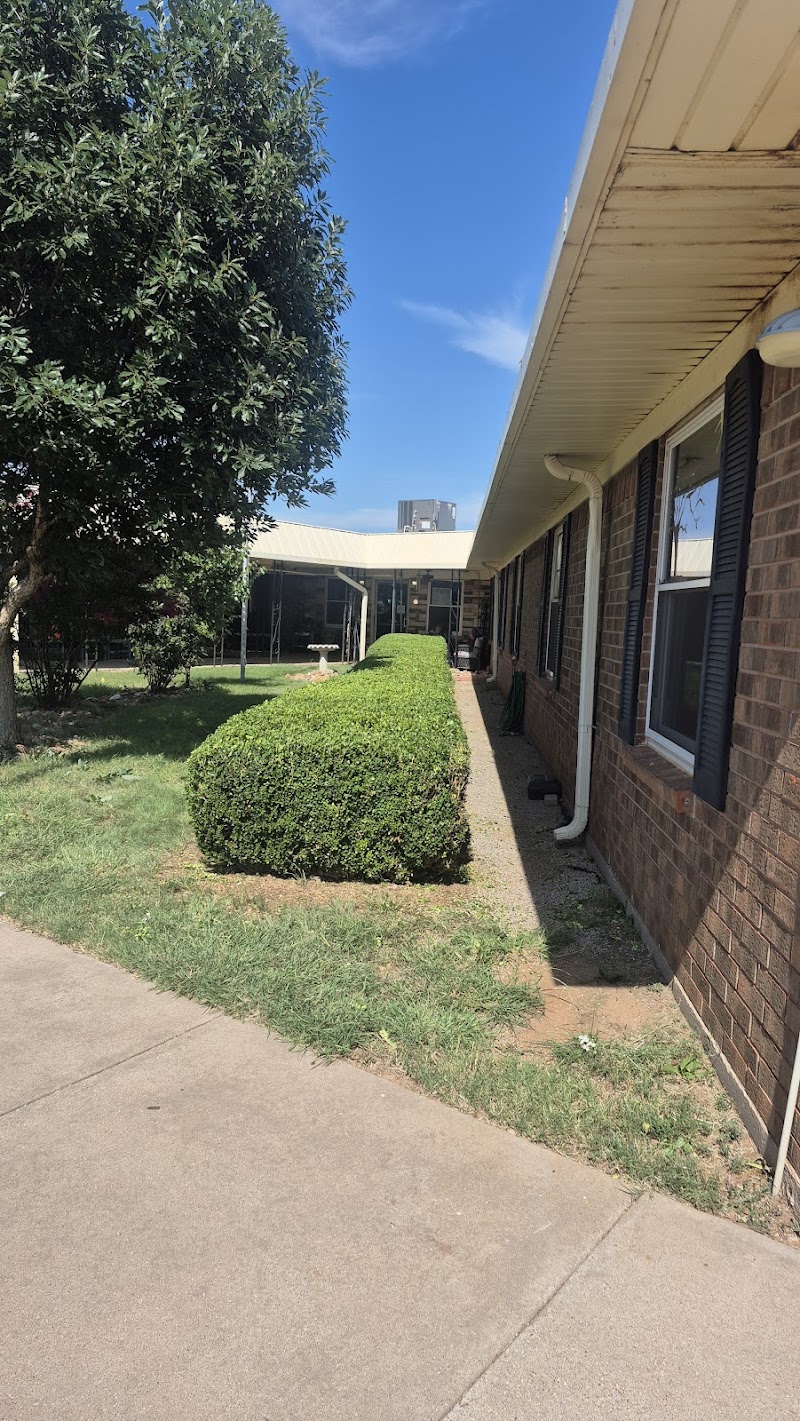
How is Childress Healthcare Center Staffed?

CMS rates CHILDRESS HEALTHCARE CENTER's staffing level at 1 out of 5 stars, which is much below average compared to other nursing homes. Staff turnover is 39%, compared to the Texas average of 46%. This relatively stable workforce can support continuity of care.

What Have Inspectors Found at Childress Healthcare Center?

State health inspectors documented 27 deficiencies at CHILDRESS HEALTHCARE CENTER during 2023 to 2025. These included: 27 with potential for harm.
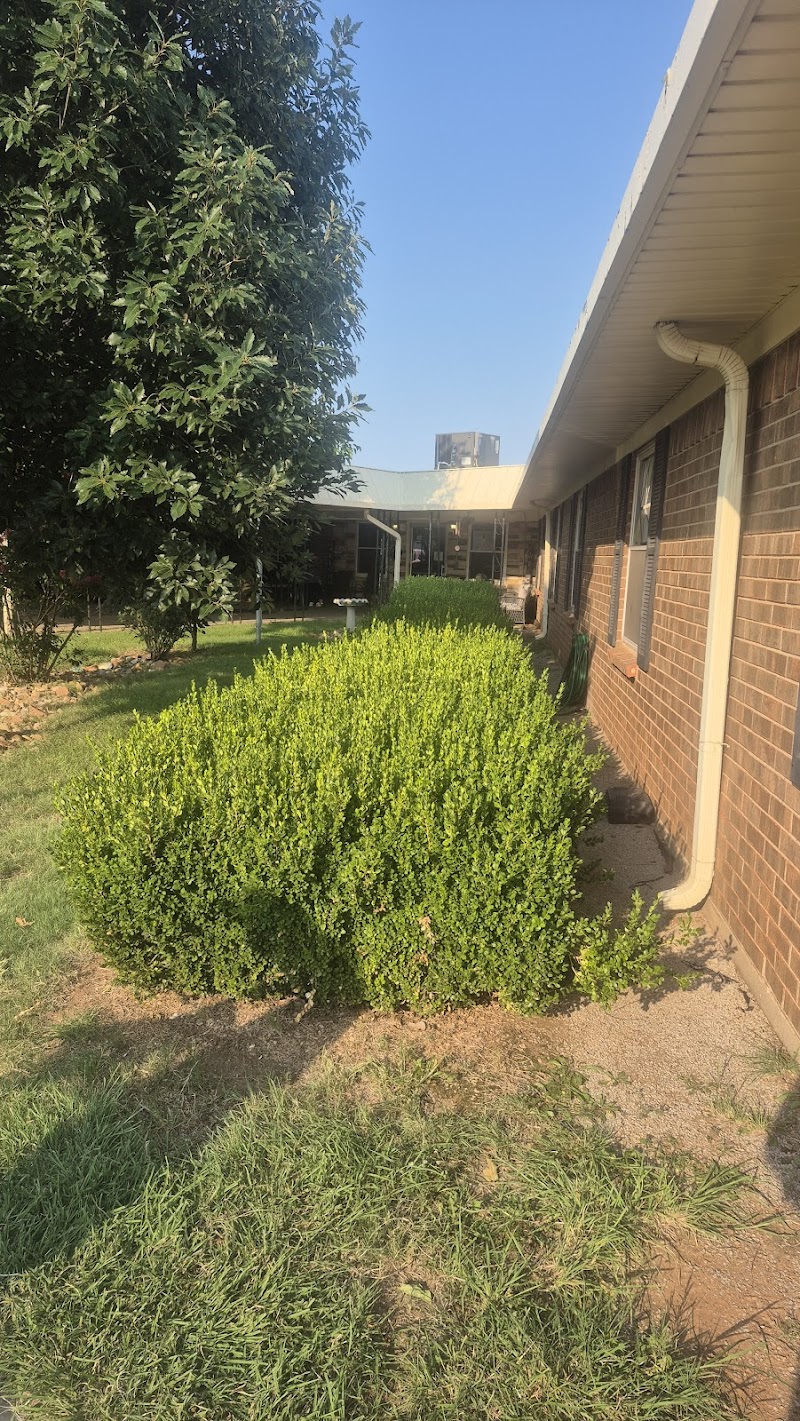
Who Owns and Operates Childress Healthcare Center?

CHILDRESS HEALTHCARE CENTER is owned by a for-profit company. For-profit facilities operate as businesses with obligations to shareholders or private owners. The facility is operated by SLP OPERATIONS, a chain that manages multiple nursing homes. With 120 certified beds and approximately 42 residents (about 35% occupancy), it is a mid-sized facility located in CHILDRESS, Texas.
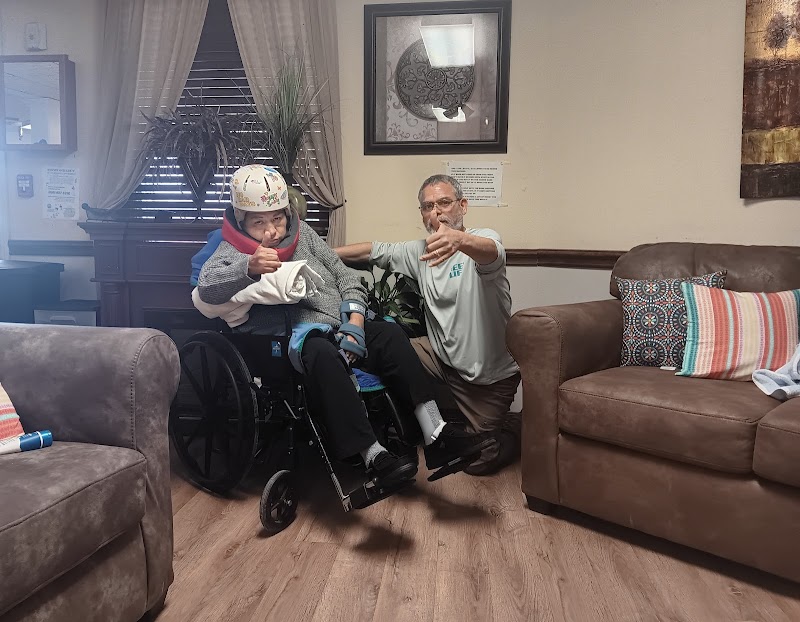
How Does Childress Healthcare Center Compare to Other Texas Nursing Homes?

Compared to the 100 nursing homes in Texas, CHILDRESS HEALTHCARE CENTER's overall rating (2 stars) is below the state average of 2.8, staff turnover (39%) is near the state average of 46%, and health inspection rating (3 stars) is at the national benchmark.

What Should Families Ask When Visiting Childress Healthcare Center?

Based on this facility's data, families visiting should ask: "Can you walk me through typical staffing levels on day, evening, and night shifts?" "Can I visit during a mealtime to observe dining assistance and food quality?" "How do you handle medical emergencies, and what is your hospital transfer rate?" "Can I speak with family members of current residents about their experience?" These questions are particularly relevant given the below-average staffing rating.

Is Childress Healthcare Center Safe?

Based on CMS inspection data, CHILDRESS HEALTHCARE CENTER has a clean safety record: no substantiated abuse findings (meaning no confirmed cases of resident harm), no Immediate Jeopardy citations (the most serious violation level indicating risk of serious injury or death), and is not on the Special Focus Facility watch list (a federal program monitoring the lowest-performing 1% of nursing homes). The facility has a 2-star overall rating and ranks #100 of 100 nursing homes in Texas. While no facility is perfect, families should still ask about staff-to-resident ratios and recent inspection results during their visit.

Do Nurses at Childress Healthcare Center Stick Around?

CHILDRESS HEALTHCARE CENTER has a staff turnover rate of 39%, which is about average for Texas nursing homes (state average: 46%). Moderate turnover is common in nursing homes, but families should still ask about staff tenure and how the facility maintains care continuity when employees leave.

Was Childress Healthcare Center Ever Fined?

CHILDRESS HEALTHCARE CENTER has no federal fines on record. CMS issues fines when nursing homes fail to meet care standards or don't correct problems found during inspections. The absence of fines suggests the facility has either maintained compliance or corrected any issues before penalties were assessed. This is a positive indicator, though families should still review recent inspection reports for the full picture.

Is Childress Healthcare Center on Any Federal Watch List?

CHILDRESS HEALTHCARE CENTER is not on any federal watch list. The most significant is the Special Focus Facility (SFF) program, which identifies the bottom 1% of nursing homes nationally based on persistent, serious quality problems. Not being on this list means the facility has avoided the pattern of deficiencies that triggers enhanced federal oversight. This is a positive indicator, though families should still review the facility's inspection history directly.