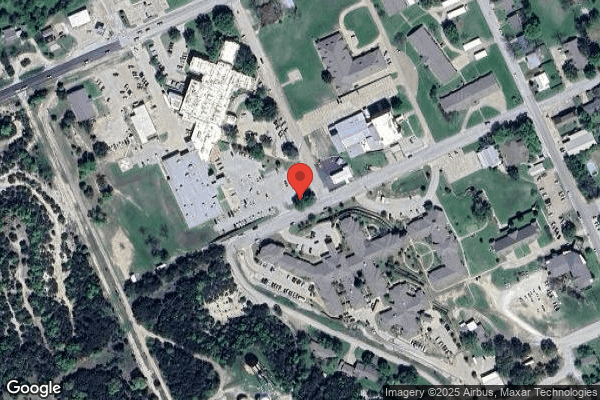

SUNSET HOME

1800 WEST 9TH ST, CLIFTON, TX 76634 (254) 675-8637
Government - Hospital district 128 Beds Independent Data: November 2025 1 Immediate Jeopardy citation
Trust Grade
51/100
#574 of 1168 in TX
Last Inspection: May 2025

Inspected within the last 6 months. Data reflects current conditions.

Overview

Sunset Home in Clifton, Texas, has received a Trust Grade of C, indicating it is average and in the middle of the pack among similar facilities. It ranks #574 out of 1,168 nursing homes in Texas, placing it in the top half, and is the best option out of three in Bosque County. However, the facility's condition is worsening, with issues increasing from three in 2024 to five in 2025. Staffing is a concern, rated at 2 out of 5 stars, but the turnover rate of 36% is better than the state average of 50%, suggesting some staff stability. There have been notable incidents, such as a resident eloping from the facility and being involved in an accident, and multiple food safety violations that could lead to health risks, highlighting both serious safety concerns and the need for improved oversight in operations.

Trust Score
C
51/100
In Texas
#574/1168
Top 49%
Safety Record
High Risk
Review needed
Inspections
Getting Worse
3 → 5 violations
Staff Stability
○ Average
36% turnover. Near Texas's 48% average. Typical for the industry.
Penalties
○ Average
$14,020 in fines. Higher than 52% of Texas facilities. Some compliance issues.
Skilled Nurses
⚠ Watch
Each resident gets only 19 minutes of Registered Nurse (RN) attention daily — below average for Texas. Fewer RN minutes means fewer trained eyes watching for problems.
Violations
⚠ Watch
13 deficiencies on record. Higher than average. Multiple issues found across inspections.
★★★☆☆
3.0
Overall Rating
★★☆☆☆
2.0
Staff Levels
★★★☆☆
3.0
Care Quality
★★★☆☆
3.0
Inspection Score
Stable
2024: 3 issues
2025: 5 issues

The Good

  • Full Sprinkler Coverage · Fire safety systems throughout facility
  • No fines on record
  • Staff turnover below average (36%)

    12 points below Texas average of 48%

Facility shows strength in fire safety.

The Bad

3-Star Overall Rating

Near Texas average (2.8)

Meets federal standards, typical of most facilities

Staff Turnover: 36%

Near Texas avg (46%)

Typical for the industry

Federal Fines: $14,020

Below median ($33,413)

Minor penalties assessed

The Ugly 13 deficiencies on record

1 life-threatening
May 2025 4 deficiencies
CONCERN (D)

Potential for Harm - no one hurt, but risky conditions existed

Resident Rights (Tag F0550)

Could have caused harm · This affected 1 resident

**NOTE- TERMS IN BRACKETS HAVE BEEN EDITED TO PROTECT CONFIDENTIALITY** Based on observation, interviews, and record reviews the facility failed to ensure each resident was treated with respect, digni...

Read full inspector narrative →
**NOTE- TERMS IN BRACKETS HAVE BEEN EDITED TO PROTECT CONFIDENTIALITY** Based on observation, interviews, and record reviews the facility failed to ensure each resident was treated with respect, dignity, and care for 1 of 15 residents (Resident #80) observed for resident rights. The facility failed to ensure Resident #80 was served her meal and provided assistance to eat at the same time as the other residents. The facility failed to ensure that they were engaging Resident #80 while assisting her with lunch. This failure could place residents at risk of lowered self-esteem, depression, and frustration. Findings included Record review of Resident #80's face sheet dated 05/29/25 reflected a [AGE] year-old female who admitted to the facility on [DATE] with a diagnosis of Dementia (chronic brain degeneration), Edema (excessive fluid retention around parts of the body), pulmonary embolism (lung clots), Epileptic seizures, and Cognitive communication deficit (a generalized inability to understand and communicate due to disease state). Record review of Resident #80's quarterly MDS dated [DATE] revealed no BIMS score indicating no cognition of the individual. Record review of Resident's care plan last updated 12/12/24 stated, Monitor the patient for nonverbal communication, such as facial grimacing, smiling, pointing, crying, and so forth. An approach for psychosocial wellbeing stated, Anticipate needs and observe for non-verbal cues as needed. A note in the care plan dated 04/21/25 stated that Resident #80 is now being assisted with meals post fall on 03/31/25. Resident will be fed by one staff member. Observation on 05/27/25 at 11:37 am in the secured unit dining room revealed RA C sat down next to another resident at the same table as Resident #80 with one plate of food. RA C began feeding the other resident. Observation on 05/27/25 at 11:44 am in the secured unit dining room revealed Resident #80 was rocking back and forth, moaning, and grunting loudly. RA C stated to Resident #80 that she was sorry and to wait because her food was coming soon. Observation on 05/27/25 at 11:50 am in the secured unit dining room RA C reminded Resident #80 that her food was coming soon and not to touch anyone else's food. Observation at 05/27/25 at 11:55 AM in the secured unit dining room LVN A came over to Resident #80 and stated, Are you starving? I am so sorry honey, let me get your food. Observation at 05/27/25 at 12:05 pm in the secured unit dining room CNA B sat down at the table with Resident #80 and began assisting her with food. Observation at 05/27/25 at 12:05-12:09 pm in the secured unit dining room CNA B and RA C were talking with each other and not engaging the residents while they were assisting them with meals. Observation on 05/28/25 at 11:41 am in the secured unit dining room one resident at the assisted dining table had food. Three other residents were waiting on food. Observation on 05/25/25 at 11:47 am in the secured unit dining room revealed the two residents at the assisted dining table, not including Resident #80, received their food. Observation on 05/25/25 at 11:54 am in the secured unit dining room revealed Resident #80 received her food . Interview with CNA B on 05/27/25 at 2:19 pm she revealed that Resident #80 normally does not wait that long for her food. She stated that because surveyors were in the building they were taking longer to do everything. She stated that sometimes RA C feeds both residents at the same time but did not today because surveyors were in the building. She stated that the outcomes from not serving Resident #80 on time were evident. She could tell Resident #80 was upset and frustrated when she was made to wait. Interview with LVN A on 05/29/2025 at 10:07 am she revealed that she was aware Resident #80 did not receive her food on time yesterday and was frustrated. When she saw Resident #80 getting frustrated, she instructed RA to feed both residents until another caregiver was available to help. She stated that it was important for the caregivers to interact with the residents when feeding them because it made them feel important. Interview with MA D on 05/29/25 at 10:30 am she stated that she does not assist residents with eating at this facility, but she was trained to communicate and engage with the residents. She stated waiting a long time for food would make her upset because it might be cold, and the residents might have felt that way too. Interview with RA C on 05/29/25 at 10:30 am revealed that she did not feed Resident #80 because she was unsure what to do when surveyors were in the building. She realized it took a long time to get Resident #80's food and she recognized that Resident #80 was upset. She stated when she got approval from LVN A that was when she was feeding both residents at the same time. She stated that residents would have felt bad if they did not receive their food on time. She said if it had been her, she would not have liked it. Interview with ADON on 05/29/25 at 11:04 am revealed that it was important for residents to be addressed by the caregiver feeding them. She stated that the CNA's can feed two people at once, as long as there's no cross contamination. She stated that 20 minutes was too long for anyone to wait for their food while others were eating. Interview with DON on 05/29/25 at 11:23 am she revealed that it was ok to feed two people at one time. It was not acceptable for residents to wait more than 5 minutes while others were eating at the same table. She stated that the staff should be talking and engaging the residents while providing any type of care. Interview with ADM at 05/29/25 at 1:55 pm revealed that his expectation was for staff to talk to residents while they were feeding them. He stated it was ok for staff to feed two people at one time. He stated that 15 minutes was too long to wait while others were eating. He stated that in a perfect world all residents at the same table would be fed at the same time. He stated the residents might be upset if they did not get their food on time. Record review of facility policy titled Dignity dated 2001 states, When assisting with care, residents are supposed in exercising their rights. For example, residents are provided with a dignified dining experience.
CONCERN (D)

Potential for Harm - no one hurt, but risky conditions existed

Deficiency F0761 (Tag F0761)

Could have caused harm · This affected 1 resident

**NOTE- TERMS IN BRACKETS HAVE BEEN EDITED TO PROTECT CONFIDENTIALITY** Based on observation, interview, and record review the facility failed to ensure that all drugs and biologicals used in the faci...

Read full inspector narrative →
**NOTE- TERMS IN BRACKETS HAVE BEEN EDITED TO PROTECT CONFIDENTIALITY** Based on observation, interview, and record review the facility failed to ensure that all drugs and biologicals used in the facility were labeled in accordance with professional standards, including expiration dates for 1 of 4 medication carts reviewed. During observation of MC A, Resident #16's Artificial Tears had an expiration date of 08/2024. This failure could lead to medication not being effective, and therefore impacting resident health. Findings included: Record review of Resident #16's undated face sheet reflected a [AGE] year-old female who was admitted to the facility on [DATE]. Resident #16 had diagnoses which included chronic kidney disease, hypertensive heart failure, need for assistance with personal care, anxiety disorder, dry eye syndrome unspecified lacrimal gland (dryness of the cornea and conjunctiva caused by a deficiency in tear production), and xeroderma of left upper eyelid (excessively dry skin). Record review of Resident #16's Prescription Order reflected she had been prescribed Natural Tears OTC 0.1 - 0.3% 2 drops to both eyes four times a day as needed for dry eye syndrome of unspecified lacrimal gland. Observation on 05/29/25 at 10:38 AM of MC A revealed Resident #16's Artificial Tears (Natural Tears) had an expiration date of 08/2024. Interview on 05/29/25 at 10:45 AM with RN A revealed the expired Artificial Tears had somehow been missed on MC A. RN A stated the charge nurse was responsible for checking the medication cart each shift, and Pharmacist checked all medication carts and medication rooms once per month. RN A stated an adverse effect of an expired medication was decreased effectiveness. Interview on 05/29/25 at 02:14 PM with the DON who revealed she had been the DON since 2021. She stated the charge nurse should be checking the medication carts for expiration dates before administering them, and pharmacist checks all medications and carts on a monthly basis, and the findings go into a pharmacy report. The DON further stated the Pharmacist and neighborhood manager were responsible for ensuring there were no expired medications on the medication carts. She stated an expired medication might not be therapeutic to a resident if the medication was past the expiration date. Interview on 05/29/25 at 02:37 PM with the Administrator who stated he has worked in the facility for 11 years. The Administrator stated staff should check every shift for expired medications, and certainly before they administer anything. He further stated his expectation was for staff that administer medications to the residents to look and keep an eye out for expired medications and pull it out and do not give it to the resident. An adverse effect of residents receiving an expired medication was it could make them ill, or the medication would not be effective. Review of Policy and Procedure for Medication Labeling and Storage dated 2001 reflected, The facility stores all medications and biologicals in locked compartments under proper temperature, humidity, and light controls. Only authorized personnel have access to keys. 4. For over the counter (OTC) medications in bulk containers the label contains: a. the medication name. b. strength. c. quantity. d. accessory instructions. e. lot number; and f. expiration date (if applicable).
CONCERN (E)

Potential for Harm - no one hurt, but risky conditions existed

Deficiency F0700 (Tag F0700)

Could have caused harm · This affected multiple residents

**NOTE- TERMS IN BRACKETS HAVE BEEN EDITED TO PROTECT CONFIDENTIALITY** Based on observation, interview, and record review the facility failed to use appropriate alternatives prior to installing a sid...

Read full inspector narrative →
**NOTE- TERMS IN BRACKETS HAVE BEEN EDITED TO PROTECT CONFIDENTIALITY** Based on observation, interview, and record review the facility failed to use appropriate alternatives prior to installing a side or bed rails, assess the resident for risk of entrapment, review the risk and benefits, and obtain informed consent prior to installation for 3 out of 15 residents (Residents #63, #80, and #100) reviewed for bedrails. The facility failed to assess and get signed consents for Residents #63, #80, and #100 prior to installing bed rails. This deficient practice could affect residents who utilized bed rails by placing them at risk for unintended entrapment of the head, neck, or limbs, restraints, and injuries. The findings included: Record review of Resident #63's face sheet dated 05/29/25 reflected a 72 -year-old male who was admitted to the facility on [DATE] with relevant diagnoses of dementia, cellulitis (major infection of the skin), cognitive communication deficit (a generalized inability to understand and communicate due to disease state), anxiety and insomnia (inability to sleep consistently.) Record review of Resident #63's quarterly MDS dated [DATE] reflected no BIMS score and indicates severe impairment of cognitive skills for daily decision making. Record review of Resident #63's care plan updated 02/12/25 reflected half rails up for bed mobility positioning and transfers. Record review of Resident #63's physician orders reflected no orders for the use of side rails. Record review of Resident #63's assessment reflected no side rail assessment that included informed consent on file for the use of bedrails. An observation on 05/27/25 at 2:09 PM revealed Resident #63 was reclining in his bed with half rails up on the left side of the bed. In an interview on 05/28/25 at 9:37 am with RP for Resident #63 she stated that she was surprised to see the bed rails up. She stated that she was unaware that they had bed rails installed and that the facility had not talked to her about the rails. She revealed that Resident #63 does not even know how to use the remote to the television so she was sure he could not negotiate getting bedrails down. Record review of Resident #100's face sheet dated 05/29/25 reflected a [AGE] year-old male who admitted to the facility on [DATE] with a diagnosis of Alzheimer's disease with late onset (a condition that causes memory loss), unspecified dementia, adult failure to thrive, and muscle wasting and atrophy (a condition where the muscles degrade over time.) Record review of Resident #100's quarterly MDS dated [DATE] reflected a BIMS score of 03 indicating severe cognitive impairment. Record review of Resident #100's care plan reflected no mention of bed rails. Record review of Resident #100's clinical physician orders reflected no orders for the use of side rails. Record review of Resident #100's consents reflected no informed consent on file for the use of bedrails. Record review of Resident #100's assessments reflected that there was no assessment completed for the risk of entrapment from bed rails prior to installation. An observation on 05/28/25 10:39 AM revealed Resident #100 was dressed for the day with a hat and shoes on but was lying in bed with eyes closed, hands folded over his chest, and the half rails in the up position on both sides of the bed. Record review of Resident #80's face sheet dated 05/29/25 reflected a [AGE] year-old female who admitted to the facility on [DATE] with a diagnosis of Dementia (chronic brain degeneration), Edema (excessive fluid retention around parts of the body), pulmonary embolism (lung clots), Epileptic seizures, and Cognitive communication deficit (a generalized inability to understand and communicate due to disease state). Record review of Resident #80's admission MDS dated [DATE] revealed no BIMS score which indicates a complete loss of cognition. Record review of Resident #80's care plan reflected half rails up for bed mobility positioning and transferring. Record review of Resident #80's clinical physician orders revealed no orders for the use of side rails. Record review of Resident #80's consents revealed no informed consent on file for the use of bedrails. Record review of Resident #80's assessments revealed that there was no assessment completed for the risk of entrapment from bed rails prior to installation. An observation on 05/27/25 02:48 PM revealed Resident #80 was asleep in her bed with half-length bed rails in the up position on both sides at the head of the bed with the bed in the lowest position. An interview on 05/27/25 at 2:19 pm with CNA B revealed that she knew Resident #80 had bed rails up with her bed in the lowest position. She stated these interventions were in place after the resident's previous fall. She stated she did not try to move herself or ambulate independently. She stated the rails were not a risk for Resident #80. An interview on 05/29/25 at 10:07 am with LVN A she stated that the admission form had an assessment called side rails that was what any nurse should have filled out for new admissions. She stated she had not admitted anyone recently, so she did not think about checking for that admission assessment. She stated that they are supposed to print and have the family sign the assessment. LVN A stated that if it was not in the electronic record, it would not have been stored anywhere else. An interview on 05/29/25 at 10:30 AM with MA D she stated that bed rails did need consents because the families need to be aware due to the fact that they were considered restraints. She stated that people needed the bed rails but was dependent on her charge nurse to ensure that proper information and consent was obtained to use the rails. An interview on 05/29/25 at 10:43 am with RA C revealed that she was aware some residents used bedrails but thought that they were only supposed to put up one side. She stated that she did not think consent was needed in all situations, but they needed to treat each resident individually. The residents had the right to get up, but normally they would keep the bed in the lowest position with a fall mat before using bedrails. An interview on 05/29/25 at 11:04 am with ADON she stated that she was not sure of the facility policy for bed rails. She stated many residents use side rails to help them turn in bed. She stated she believed they should follow facility policy about the use of bed rails. An interview on 05/29/25 at 11:23 AM with the DON she stated that there was a restraint policy in the admission packet. She stated the signed restraint policy would be considered informed consent for bed rails to be implemented. She revealed that staff should do an assessment for bed rails upon admission and was unsure why they were not completed. She said that residents can be injured if bed rails are not used properly. An interview on 05/29/25 at 01:55 PM with the ADM who stated that there were many different types of bed rails in the facility, but he expects to follow the bed rail policy because he was aware they could be considered restraints. He expected the facility to have informed consents and bed rail assessments on file. He stated that residents could become trapped or injured if used improperly. Review of the facility policy Bed Safety and Rails dated August of 2022 reflected: Bed rails are adjustable metal or rigid plastic bars that attach to the bed. They are available in a variety of types, shapes, and sizes ranging from full to one-half, one- quarter, or one-eighth lengths. Some bed rails are not designed as part of the bed by the manufacturer and may be installed on or used along the side of a bed. For the purpose of this policy bed rails include: a. side rails. b. safety rails; and c. grab/assist bars. The use of bed rails or side rails (including temporarily raising the side rails for episodic use during care) is prohibited unless the criteria for use of bed rails have been met, including attempts to use alternatives, interdisciplinary evaluation, resident assessment, and informed consent. Prior to the installation or use of a side or bed rail, alternatives to the use of side or bed rails are attempted. If attempted alternatives do not adequately meet the resident's needs the resident may be evaluated for the use of bed rails Before using bed rails for any reason, the staff shall inform the resident or representative about the benefits and potential hazards associated with bed rails and obtain informed consent. The following information will be included in the consent: The assessed medical needs that will be addressed with the use of bed rails will include. The resident's risks from the use of bed rails and how these will be mitigated. The alternatives that were attempted but failed to meet the resident's needs; and The alternatives that were considered but not attempted and the reasons.
CONCERN (F)

Potential for Harm - no one hurt, but risky conditions existed

Food Safety (Tag F0812)

Could have caused harm · This affected most or all residents

Based on observation, interviews, and record reviews, the facility failed to store, prepare, distribute, and serve food in accordance with professional standards for food service safety for one of one...

Read full inspector narrative →
Based on observation, interviews, and record reviews, the facility failed to store, prepare, distribute, and serve food in accordance with professional standards for food service safety for one of one kitchen reviewed for sanitation. The facility failed to dispose of perishable foods in the dry storage pantry and walk in fridge. These failures could place residents at risk for consuming hazardous expired food and developing foodborne illnesses who received food from the kitchen. Findings Included: Observation in the kitchen on 05/27/25 at 9:36 am revealed a bag of white bread with the use by date of 02/26/25. Observation on 05/27/25 in the kitchen at 9:36 am revealed a bag of tortillas with the use by date of 04/18/25. Observation on 05/27/25 in the kitchen at 9:36 am revealed a bag of buns with the use by date of 05/07/25. Observation on 05/27/25 in the kitchen at 9:36 am revealed a tray of four mayo bottles all marked with the expiration date of 04/29/25. In an interview with [NAME] E on 05/29/25 at 1:22 pm she revealed that she had been trained on what to do with expired foods. She stated that expired foods must be thrown away. There was a 3-day limit on cooked food and the expiration date could have been sooner depending on when it arrived. She stated that when they received the items, they labeled it with date they received and date of expiration. She checked for expired foods daily. She stated expired foods could have made residents sick. In an interview with DS F on 05/29/25 at 2:03 pm, she revealed that the expectation was for her staff to open it and label it. Expired foods should have automatically been thrown away and then notified a manager. She stated freezer and pantry items expired 6 months after receiving it. She stated managers were responsible for ensuring there were not expired items in the kitchen. She said residents could get sick if they eat expired foods. In an interview with DON on 05/29/25 at 2:16 pm, she revealed that expired food should have had a use by date, was stored in the proper place, and if expired should have been thrown away immediately. She stated that staff and managers had a check off system for foods. She stated they routinely should have gone through the pantry to look for expired foods. She stated residents could get ill if they eat expired foods. In an interview with the ADM on 05/29/25 at 2:38 pm, he stated that expired foods should have been thrown out. The policy was every food item needed an expiration date and when it reaches that date it should have been thrown out. They should have been checking for expired foods after every shift. He stated residents could get ill if they eat bad food. Record Review of facility policy titled Food Receiving and Storage dated November 2022 stated, 7. Refrigerated foods are labeled, dated, and monitored so they are used by their use-by date, frozen, or discarded. Supervisors are responsible for ensuring food items in pantry, refrigerators, and freezers are not past use by or expiration dates.
Mar 2025 1 deficiency 1 IJ
CRITICAL (J) 📢 Someone Reported This

A family member, employee, or ombudsman was alarmed enough to file a formal complaint

Immediate Jeopardy (IJ) - the most serious Medicare violation

Accident Prevention (Tag F0689)

Someone could have died · This affected 1 resident

**NOTE- TERMS IN BRACKETS HAVE BEEN EDITED TO PROTECT CONFIDENTIALITY** Based on observation, interview, and record review, the facility failed to ensure the residents environment remained as free of ...

Read full inspector narrative →
**NOTE- TERMS IN BRACKETS HAVE BEEN EDITED TO PROTECT CONFIDENTIALITY** Based on observation, interview, and record review, the facility failed to ensure the residents environment remained as free of accident hazards as is possible and ensured each resident received adequate supervision for one (Resident #1) of four residents reviewed for accidents and hazards. The facility failed to ensure Resident #1 was free from accidents. Resident #1 eloped from the facility on 3/20/25, was able to obtain access to a truck at a private residence near the facility. Resident #1 was involved in an accident and was transported to the ER on [DATE]. The facility failed to ensure Resident #1 checked out when leaving the facility and was monitored to ensure he returned. The process to get back in the facility after 10:00 PM (when the doors were locked) required him to have a phone to call the nurses station to be let in, Resident #1 did not have a phone. This failure resulted in an identification of an Immediate Jeopardy (IJ) on 03/25/25 at 4:24 PM and an IJ template was provided. While the IJ was removed on 03/26/25 at 5:54 PM, the facility remained out of compliance at a level of no actual harm at a scope of isolated that was not immediate jeopardy due to the facility's need to evaluate the effectiveness of the corrective systems. This failure placed residents at risk for unsafe elopements, falls, injuries, dehydration, and hospitalization. Findings included: Review of Resident #1's undated face sheet reflected a [AGE] year-old male admitted to the facility 01/22/25 with diagnoses including frontal lobe brain tumor (cancerous or non-cancerous growth in this area), dementia (a decline in mental ability that interferes with daily life), psychotic disorder (loss of cognitive functioning), alcohol dependence (a chronic condition characterized by a compulsive and uncontrollable pattern of alcohol consumption that leads to significant negative consequences in various aspects of life). He was not his own RP. Review of #1's admission Elopement/Wandering Evaluation assessment dated [DATE] reflected he had no wandering or elopement behaviors, and he had intact cognition. Review of Resident #1's care plan dated 01/22/25 reflected no problem areas and no interventions for wandering or elopement behaviors. Review of Resident #1's SLUMS (St. Louis University Mental Status) examination dated 1/29/25 reflected a total score of 28 which indicates normal cognition. Review of Resident #1's hospital records dated 03/21/25 reflected Resident #1 was seen in the ER for complaints of bilateral knee pain and right-hand pain due to motor vehicle collision. Review of Resident #1's SLUMS examination dated 3/25/25 reflected a total score of 15 which indicated dementia. Review of a doctor's order dated 01/22/25 reflected the following: may have psychiatrist to evaluate and treat as needed/indicated. Review of the facility self-report dated 03/21/25 reflected the resident was last seen by an ALF resident around 11:00 PM on 03/20/25. The ALF is connected to the SNF, and he was seen out of a window. He was found on 03/21/25, around 4:00 Am- 5:00 AM, by the local police department. He was involved in a car accident. He had minor cuts and abrasions and is still in the ER. He will be released back to the facility. The resident has never eloped before. He has a tumor in front of brain and may have shifted to hinder his decision making. He is going into the secure unit upon return. Narrative of the incident: Resident is independent with ADLs and has a history of navigating the unit safely with no exit seeking tendencies. No alleged perpetrators. Key witnesses of the elopement include LVN, and Assisted Living resident. The resident was seen several times just prior to the elopement exhibiting behaviors that were normal for him (i.e., approaching the nurse's station to call his brother). Facility staff executed missing resident protocols according to policy; facility administration responded as well as [NAME] Police Department and deployed a thorough search of facility and surrounding community blocks. Resident was located and sustained minor cuts and abrasions as a result of a motor vehicle crash. Resident allegedly left facility and located an unlocked vehicle and drove off in that vehicle. Resident currently at [NAME] Hospital for evaluation. Actions and Notification: Staff handled the missing resident protocol well. We plan to conduct a missing resident in-service for each neighborhood for good measure. Direct care staff promptly notified Administration. Administration promptly called in additional staff for search efforts, and a call was quickly made to the police department. The family was also notified right away. The physician was also notified. Review of Resident #1's hospital records dated 03/21/24 reflected associated diagnoses: abrasions of multiple sites; motor vehicle crash-minor; cognitive decline; bilateral knee pain; bacterial pneumonia; chest wall contusion; contusion of hand, right. Review of police report dated 3/21/2025 at 5:22 AM reflected Resident #1 was located by an officer in a field with cuts on his hand and an abrasion on his head, and he was yelling for help. An ambulance was dispatched to the location to transport Resident #1 to the hospital. During an interview on 03/24/25 at 1:45 PM with the ADM, he revealed he had moved Resident #1 to the memory care unit on 03/21/25 after he eloped. The ADM stated staff had been in-serviced on missing residents. He stated that Resident #1 did not have a history of wandering or elopement behaviors. The ADM stated the doors were kept unlocked during the day and that the doors were locked from the outside at 10:00 PM nightly. The ADM stated after 10:00 PM the resident and/or family members were responsible for calling the nurses station to be let back into the facility. The ADM stated that residents must sign in and out when leaving or returning to the facility. The ADM stated that all staff were to be monitoring all residents by reviewing the sign in and sign out sheet and by making rounds. The ADM stated the residents are to sign out at the nurse's station when leaving the facility. ADM stated nursing staff are make routine resident checks on each unit at least once per 8-hour shift. During an interview on 03/24/25 at 2:00 PM, the ADON stated the charge nurse called her on 03/20/25 at 10:45 PM notifying her Resident #1 was missing. She stated CNA A advised that she had searched the inside of the facility before calling. She stated she was not able to find Resident #1. The ADON stated she had initiated an outside facility search and notified all managers. Law enforcement assisted with the search. Resident #1 was [NAME] to the hospital by local authorities. During an interview on 03/24/25 at 2:23 PM, LVN A stated she was notified by CNA A that Resident #1 could not be located in his room, restroom, or the common areas. LVN A then conducted her own search on 3/20/2025 around 10:15pm to try and locate Resident #1, during which he was unable to be located, and she contacted the ADON at 10:45 PM to report Resident #1 missing. During an interview on 03/24/25 at 2:51 PM with Resident #1 he stated he did not really remember leaving or how he left the facility. He stated he was going to see his brother who lived a couple miles from the facility. He stated he was okay but had abrasions from crawling in a pasture. He stated he took a truck that he thought was his is friends' truck, drove it to the end of the driveway and could not turn the steering wheel and ended up in a ditch. During an interview on 03/24/25 at 3:37 PM, CNA A stated she was checking on Resident #1's roommate on 3/20/2025 around 10:15pm when she noticed Resident #1 was not in his room. CNA A stated that she went to look at the sign out log at the nurse's station to see if Resident #1 had signed out, and his name was not located on the log. CNA A notified LVN A that she could not locate Resident #1 at that time. On 03/24/25 at 3:45 PM, attempts were made to interview CNA B. A return call was not received prior to exiting. During a telephone interview on 03/25/25 at 12:06 PM, Resident #1's POA revealed that on 12/8/24 Resident #1 went into the hospital and was diagnosed with Right frontal glioblastoma. He stated the doctor told him he would have 3-6 months to live. He stated Resident #1 was doing chemotherapy and radiation during the month of January. Resident #1 was taking chemotherapy in pill form. The doctors told him since Resident #1 completed chemotherapy and radiation treatments they gave him one year to live, and that no one with that kind of tumor lived past a year. He stated Resident #1 had not had any exit seeking or elopement behaviors prior to 3/21/25. He stated Resident #1 had short term memory deficits. He stated the facility went over the facility handbook and made it clear resident had to be signed in and out when leaving the facility. The facility called him immediately when Resident #1 was missing. Resident had a few scrapes on his knees and hands. During a telephone interview on 03/25/25 at 4:35 PM, Resident #1's PCP stated that the resident's current diagnosis was glioblastoma. He stated the facility called his nurse the night Resident #1 went missing, but she missed the call, and facility contacted PCP first thing the next morning. The PCP stated he has not been able to see resident since he was admitted to the facility due to the resident going to radiation treatment. He sated his NP saw the resident on 3/5/25. He stated he was not aware of the resident having any signs of confusion. Resident #1 had been patient of his since 1/22/25. Review of the facility's Elopement/Unsafe Wandering Policy, dated 03/2013, reflected the following: the facility will strive to prevent unsafe wandering while maintaining the least restrictive for residents at risk for elopement. The staff will identify residents who are at risk of harm due to unsafe wandering including elopement. Review of the facility's Routine Resident Check Policy, dated 07/2013, reflected the following: staff shall make routine checks to help maintain resident safety and well-being. To for safety and well-being of our residents nursing staff shall make a routine resident. Review of the facility's handbook dated 2025 reflected the following: prolonged absences- Resident may sign out on pass as long as health permits and there are no physician orders stating otherwise. You must sign out at the nurse's station when you leave and must sign back in when return. The ADM and the DON were notified on 03/25/25 at 4:24 PM that an IJ had been identified and an IJ template was provided. The following POR was approved on 03/26/25 at 03/26/25 at 4:36 PM: Action: EXIT-DOOR SECURITY POLICY: Facility will keep all exit doors secured at the facility 24 hours a day, 7 days a week, with either a locking device or an alarm to protect residents. The locking devices will keep the doors locked, requiring anyone exiting the building to ask a staff member to temporarily override the locking mechanism. All staff are provided with the keypad override code. Staff will confirm the identity of the individual exiting the building, and ensure they are signed out if they are a resident. The exit doors that do not have locking devices are equipped with a loud, ongoing alarm that will alert staff that someone has passed through. Staff will confirm the identity of the individual that has passed through. Any exit door that is temporarily unsecured (i.e. no locking device and no alarm) will be manned with a staff member continuously while unsecured. Start Date: 8 a.m. on 3/26/25. Completion Date: 5 p.m. on 3/26/25 Responsible: Administrator, Nursing Administration, Social Worker, and Maintenance will collectively ensure these remedies are in place by 5 p.m. today (3/26/25), and we will be checking these doors daily to evaluate the effectiveness of this new door security policy for 30 days, beginning today and ending on April 26th, 2025. Action: DOORBELL POLICY: A doorbell is placed on each secured exit door to ensure residents and visitors who are outside have a way to alert staff to let them in 24 hours a day, 7 days a week. A sign will accompany the doorbell button on the door instructing those outside to push the doorbell button to enter. Start Date: 8 a.m. on 3/26/25. Completion Date: 5 p.m. on 3/26/25 Responsible: Administrator, Nursing Administration, Social Worker, and Maintenance will collectively ensure these remedies are in place by 5 p.m. today (3/26/25), and we will be checking these doorbells daily to evaluate the effectiveness of this new doorbell policy for 30 days, beginning today and ending on April 26th, 2025. Action: IN-SERVICING ALL STAFF: All staff will be in-serviced by Administration (i.e., CEO, Administrator, DON, ADONs, Social Worker) over one.) the new exit-door security policy, & 2.) the new doorbell policy by 5 p.m. on 3/26/25. All present staff are in-serviced in-person; all staff not on shift have been in-serviced by phone. These policies and procedures will be part of new hire orientation ongoing. Start Date: 8 a.m. on 3/26/25. Completion Date: 5 p.m. on 3/26/25 Responsible: Administrator, Nursing Administration, and Social Worker will collectively ensure all staff are in-serviced by 5 p.m. today (3/26/25). Administrator, Nursing Administration, Social Worker, and Maintenance will collectively be visually checking the effectiveness of these new policies daily and, if necessary, providing additional in-servicing for 30 days, beginning today and ending on April 26th, 2025. The Surveyor monitored the POR on 03/26/25 as followed: During an interview on 03/26/25 at 3:30 PM, the DON stated all doors will be locked throughout the facility. The front door would be unlocked from 8:00 AM to 5:00 PM Monday through Friday and monitored by the front desk staff. After 5:00 PM residents and families would have to ask a staff member to let them out of the facility. A doorbell was placed on all exit doors for residents and families to be let in the facility. Exit doors that do not have locking devices or alarms would be monitored by facility staff. The DON stated the ADM was sending out a mass email notifying families of the added security measures. All staff were in-serviced on the exit-door security policy. All staff were in-serviced on the exit-door security and doorbell. Staff were told to ensure the doors always remained locked. She stated staff were making visual checks throughout the facility. She stated all staff were provided with the keypad override code. She stated staff would confirm the identity of the individual exiting the building, and ensure they are signed out if they are a resident. All staff and visitors were instructed to use the front door entrance when entering and exiting the facility. She stated they would keep a log to document the effectiveness of the door security and doorbell policy. During interviews on 03/26/25 from 4:00 PM - 5:25 PM, one LVN, two CNAs, a MT, and NA from all different shifts all stated they were in-serviced before their respective shifts began on 3/26/2025 on exit door security and doorbell policy. All exit doors were to be in night mode 24 hours a day. The two doors that were not locked had alarms. All staff have been instructed when the alarm goes off, they are to check to see who it was. Doorbells had been put in place on all locked outside doors to alarm staff someone needed to enter the facility. Administrative staff were going to be monitoring all doorbells daily to make sure they were properly working. The MT stated he would keep a monitoring log for doorbells and door alarms. Staff were to identify the person and their purpose of entry. If not aware of person and purpose they were to ask the charge nurse to reassure purpose of entry. All staff stated if they were unable to locate a resident, the nurse should be notified immediately. Observation on 03/26/25 at 5:30 PM revealed Resident #1 sitting in the common area of the memory care unit no signs of wandering. Observations on 03/26/25 at 5:35 PM revealed all facility exit doors had been equipped with either a locking device or an alarm that triggered upon opening. This was tested by the surveyor on all exits to ensure security. Review of in-services entitled new policies dated 03/26/25 reflected, staff from all shifts were in-serviced on all exit doors to remain secured at the facility 24 hours a day, 7 days a week, with either a locking device or an alarm to protect residents. A doorbell was placed on each secured exit door to ensure residents and visitors who are outside have a way to alert staff to let them in 24 hours a day, 7 days a week. Review of facility exit-door security policy dated 03/26/25 reflected the following: Facility will keep all exit doors secured at the facility 24 hours a day, 7 days a week, with either a locking device or an alarm to protect residents. The locking devices will keep the doors locked, requiring anyone exiting the building to ask a staff member to temporarily override the locking mechanism. All staff are provided with the keypad override code. Staff will confirm the identity of the individual exiting the building, and ensure they are signed out if they are a resident. The exit doors that do not have locking devices are equipped with a loud, ongoing alarm that will alert staff that someone has passed through. Staff will confirm the identity of the individual that has passed through. Any exit door that is temporarily unsecured (i.e., no locking device and no alarm) will be manned with a staff member continuously while unsecured. Review of facility doorbell policy dated 03/26/25 reflected the following: Doorbell is placed on each secured exit door to ensure residents and visitors who are outside have a way to alert staff to let them in 24 hours a day, 7 days a week. A sign will accompany the doorbell button on the door instructing those outside to push the doorbell button to enter. The ADM and DON were notified the IJ was removed on 03/26/25 at 5:54 PM. However, the facility remained out of compliance at a level of no actual harm at a scope of isolated that was not immediate jeopardy due to the facility's need to evaluate the effectiveness of the corrective systems.
Apr 2024 3 deficiencies
CONCERN (D)

Potential for Harm - no one hurt, but risky conditions existed

Assessment Accuracy (Tag F0641)

Could have caused harm · This affected 1 resident

**NOTE- TERMS IN BRACKETS HAVE BEEN EDITED TO PROTECT CONFIDENTIALITY** Based on interview, and record review the facility failed to ensure assessments accurately reflected the resident's status for 1...

Read full inspector narrative →
**NOTE- TERMS IN BRACKETS HAVE BEEN EDITED TO PROTECT CONFIDENTIALITY** Based on interview, and record review the facility failed to ensure assessments accurately reflected the resident's status for 1 of 6 residents (Resident # 80) reviewed for resident assessments. The facility failed to ensure Resident #80's medication assessment for high-risk drug classes reflected Resident #80 took antiplatelet medication. This failure could place residents at-risk for inadequate care due to inaccurate assessments. Findings include: A record review of Resident #80's face sheet, dated 04/11/2024, reflected a [AGE] year-old female admitted to facility on 01/17/2024. Resident #80's diagnoses included other heart failure (a condition that occurs when the heart muscle does not pump blood as well as it should), type 2 diabetes (a condition that happens because of a problem in the way the body regulates and uses sugar as a fuel) and hypertension (High blood Pressure). A record review of Resident #80's admission MDS dated [DATE] reflected Resident #80 had a BIMS score of 09 indicating moderately impaired cognition. Section N reflected resident did not take antiplatelet medication. A record review of Resident #80's care plan dated 01/17/2024 reflected Resident #80 was not care planned for antiplatelet medication. A record review of Resident #80's Physician Orders reflected Resident #80 took clopidogrel tablet; 75 mg oral once a day and aspirin (OTC) tablet, delayed release 81 mg oral once an evening. Both medications had a start date of 01/17/2024. Review of Drugs.com on 04/11/2024, Clopidogrel drug classification is platelet aggregation inhibitor (inhibits clot formation), and Aspirin is a platelet aggregation inhibitor and a salicylate (pain, fever, and inflammation reducer.) Interview on 04/11/2024 at 10:23 am with the DON, she reported the facility followed the Resident Assessment Instrument (RAI) manual in completing the MDS. She reported if a resident took Clopidogrel and Aspirin it would have been coded in MDS section N-Medications, High Risk Drug Class box E as an anticoagulant. She reported if a resident was receiving these drugs and they were coded incorrectly, the assessment would not be accurate. She reported she was unsure of how the resident could have been affected for a coding error on the MDS. Telephone interview on 4/11/2024 at 10:28 am with the MDS Coordinator, she reported the facility followed the RAI manual in completing the MDS. She reported, in general, Aspirin was not coded as an anticoagulant. She stated incorrect codes on a resident's MDS would have reflected inaccurate information on a residents care plan. A record review of the facility's [Resident Assessment Policy] dated October 2023 reflected A comprehensive assessment of each resident is completed at intervals designated by OBRA regulations and PPS requirements. Data from the MDS is submitted to the iQIES as required. #6. The resident assessment coordinator is responsible for ensuring that the interdisciplinary team conducts timely and appropriate resident assessments. #7. The interdisciplinary team uses the MDS form currently mandated by federal and state regulations to conduct the resident assessment.
CONCERN (D)

Potential for Harm - no one hurt, but risky conditions existed

Comprehensive Care Plan (Tag F0656)

Could have caused harm · This affected 1 resident

**NOTE- TERMS IN BRACKETS HAVE BEEN EDITED TO PROTECT CONFIDENTIALITY** Based on observation, interview, and record review, the facility failed to develop a comprehensive care plan for one resident (R...

Read full inspector narrative →
**NOTE- TERMS IN BRACKETS HAVE BEEN EDITED TO PROTECT CONFIDENTIALITY** Based on observation, interview, and record review, the facility failed to develop a comprehensive care plan for one resident (Resident #3) of six reviewed. A) The facility failed to ensure Resident #3's Comprehensive Care Plan reflected her risk for skin breakdown and a stage 2 pressure ulcer to the right upper buttocks. This failure could place a resident at risk for errors in provider care, poor wound healing/worsening wound/skin conditions. Findings included: Review of Resident #3's undated face sheet reflected an [AGE] year-old female admitted to the facility on [DATE] with the following diagnoses: essential hypertension (elevated blood pressure), unspecified fracture of the left hip, hematuria (blood in the urine), and diarrhea. Review of Resident #3's weekly nursing assessment dated [DATE] reflected Resident #3 had completely limited mobility to her upper and lower extremities. Resident #3 required a wheelchair for mobility. Resident #3 did have pressure relieving devices in use for her chair and bed. Resident #3 wore a brief for incontinence of bowel and bladder. Resident #3 had moist skin. Review of the assessment also reflected Resident #3 had a Braden Scale (a scale used for prediction of pressure ulcers) of 15 indicating she was at risk for developing a pressure ulcer. The weekly assessment reflected Resident #3 did not have a pressure area. Review of Resident #3's Quarterly MDS assessment dated [DATE] reflected Resident #3 was assessed to have BIMS score of 15 indicating Resident #3 was cognitively intact. Resident #3 was assessed to be dependent on staff for all ADLs. Resident #3 was assessed to be at risk for development of pressure ulcers/injuries. Resident #3 was assessed not to have any pressure ulcers. Review of Resident #3's comprehensive care plan last updated 02/12/24 reflected Resident #3 had no care plan related to risk for skin integrity impairment or risk for pressure ulcers. Review of Resident #3's consolidated physician orders dated 03/28/2024 reflected an order for treatment of pressure ulcer stage two (2) to right upper buttocks with wound dressing daily. The order also reflected an order for Pro-Sources (protein supplement) to be taken daily for promotion of wound healing. Review of Resident #3's weekly nursing assessment dated [DATE] and completed on 4/10/24 reflected Resident #3 had decreased mobility to her upper and lower extremities. Resident #3 did not have any pressure relieving devices in use. Resident #3 had moist skin. Review of the assessment also reflected Resident #3 had a Braden Scale of 15 indicating she was at risk for developing a pressure ulcer. Resident #3 had a pressure area to the right buttocks. Review of care plan 4/9/24 for Resident #3 reflected there was no care plan related to pressure ulcer to right buttocks. In an interview with Resident #3 on 04/09/24 at 09:43 AM she said she would like to get up daily but has a wound on her buttocks. She said she used Hoyer lift for transfers from her bed to sit in her electric wheelchair. She stated she has had an air mattress to help with pressure to her backside, but she did not like the mattress, so it was removed. She said she was not sure what they were putting on her wound at this time, but it was treated daily. Resident #3 stated she was not drinking her protein because she does not like the taste. In an interview on 04/11/24 at 12:01 PM with the Care Plan Nurse she said generally if a resident's care area assessment within the MDS triggers for skin they would have activated a risk for wounds or skin breakdown care plan. She said if there were new wounds found on a resident, those types of problems were reviewed in the morning meeting. She stated she reviewed physician orders daily and updated the care plan accordingly as changes in residents status occur. The Care Plan Nurse said if there were a new wound, she would have needed to update the care plan according to the physicians' orders. She said that Resident #3's behaviors and refusals of her protein and air mattress should have been care planned. The Care Plan Nurse stated she guessed she just missed care planning the wound and skin. She said the purpose of the care plan was to show the plan, goal, and reflect on changes in treatments as needed for wound healing or prevention of skin breakdown. She said negative outcomes for the resident for not having a care plan could have been a lack of appropriate care. In an interview on 04/11/24 at 12:08 PM with the DON, she stated it was her expectation that all skin risk and wounds should have been care planned. She said that should have also included treatment changes, behaviors related to treatment, refusal of care, nutritional interventions, anything that was completed to promote healing/ prevention should be included on the care plan. The DON said the Care Plan Nurse reviews the Care Area Assessment triggering from the MDS to develop the care plan. The DON said the Care Plan Nurse was also given a copy of physician orders daily to update the care plan as needed with changes in residents condition and treatment. She said the Care Plan Nurse was responsible for updating the care plan and she was responsible for monitoring the Care Plan Nurse. The DON said failure to have accurate care plans related to resident's care could negatively affect the residents by the nursing staff not knowing what services to provide resulting in lack of care for the residents. Review of the facility's policy titled care plans; comprehensive person centered reflected. #7 - the comprehensive, person-centered care plan: a) includes measurable objective goals and timeframes. b) b-describes the services that are to be furnished to attain or maintain the residents highest practicable physical mental and psychosocial wellbeing including: c) 1-services that would otherwise be provided for the above, but are not provided due to the resident exercising his or her right to refuse treatment d) 2-any specialized services to be provided as result of PASARR recommendations and e) 3-which professional services and responsible for each element of care f) c-included the residents stated goals upon admission and desired outcomes. g) d-builds on the residents' strengths and h) e-reflects currently recognized standards of practice for problem areas and condition. #10-When possible, interventions address the underlying source of the problem not just symptoms or trigger. #11-Assessments of residents are ongoing and care plans are revised as information about the resident and residents' conditions change.
CONCERN (F)

Potential for Harm - no one hurt, but risky conditions existed

Food Safety (Tag F0812)

Could have caused harm · This affected most or all residents

Based on observation, interview, and record review, the facility failed to store, prepare, distribute, and serve food in accordance with professional standards for food service safety in 1 of 1 kitche...

Read full inspector narrative →
Based on observation, interview, and record review, the facility failed to store, prepare, distribute, and serve food in accordance with professional standards for food service safety in 1 of 1 kitchen reviewed for dietary services. The facility failed to properly seal, label, and date food products in dry storage and the walk-in freezer. These failures placed residents at risk of exposure food contamination and food-borne illness. Findings included: Observation on 4/9/2024 at 9:00 AM in the kitchen's dry storage room reflected 6 individual 6-pound cans of pineapple with dented sides and dented seams. The cans were observed in the canned food rack with the entirety of the remaining canned good items; 1 item of vanilla wafers removed from its original container and stored in an unsealed plastic bag, without a date to signify when the item was removed from its original package or when the item was supposed to expire; 1 item of granola cereal removed from its original container and stored in a plastic bag, without a date to signify when the item was removed from its original package or when the item was supposed to expire; and 3 items of uncooked pasta, removed from their original containers and stored in 3 plastic bags without a date to signify when the item was removed from its original package or when the item was supposed to expire. Observations on 4/9/2024 at 9:10 AM in the kitchen's walk-in freezer reflected 1 item of frozen cinnamon rolls removed from its original container and stored in an unsealed plastic bag, exposed to freezing air, without a date to signify when the item was removed from its original package or when the item was supposed to expire; and 1 item of frozen fish patties removed from its original container and stored in an unsealed plastic bag, exposed to freezing air, without a date to signify when the item was supposed to expire. Interview on 04/11/24 at 12:55 PM with the DS revealed food received in the facility was placed in its respective location and a date was written on the package to signify the date the product was received. When the item was opened, it was either utilized in its entirety or a portion of the product remained. If an item had an unused portion, the item was placed in an airtight container. The remaining portion received a label to signify the product name, a date it was opened, and a date it was expected to expire. If a product reached its expiration date, it was thrown out. Items were sealed, labeled, and dated to keep foods fresh, reduce cross contamination, and prevent the growth of food borne pathogens. The DS stated the label and dating process applied to all foods in the dry storage, the walk-in cooler, and the walk-in freezer. When the food supplier made a delivery, canned goods were supposed to be inspected for dents and compromised seals. If dented cans, or cans with compromised seals were discovered, they were supposed to be refused at the time of delivery. If dented cans, or cans with compromised seals, were discovered later, the cans were supposed to be kept separate from the supply of other canned goods and returned to the supplier on the next delivery. Compromised cans posed a risk of contamination and growth of food-borne pathogens. If a resident ingested a food born pathogen, the resident risked health issues, such as nausea, diarrhea, fever, and unintended weight loss. The DS and the KM were supposed to check dry storage, the walk-in cooler, and the walk-in freezer daily to ensure food products were stored and labeled correctly. Interview on 04/11/24 at 1:08 PM with a KA revealed the facility was supposed to label and date foods received at the facility to ensure that items were used in a first in/first out manner. This meant foods were dated upon receipt and these foods were used before items received later. Once a food product was taken out of its original container, the item was stored in an airtight container with the name, the date it was opened, and the date by of which it was supposed to be used. The first in/first out process reduced the risk of residents consuming spoiled food and subjecting the residents to exposure of food-borne pathogens. If a resident consumed a food-borne pathogen, the resident risked stomach pain, fever, diarrhea, and unintended weight loss. Interview on 04/11/24 at 1:24 PM with the KM revealed the facility utilized the concept of first in/first out to ensure the residents received fresh foods that were free from cross contamination and food-borne pathogens. She stated foods were dated with the date the items were received. If an item was opened, the goal was to use the item in its entirety; however, sometimes there were portions left over. When this occurred, the remaining portions were placed in an airtight container. They were labeled with the product name, the date the product was opened, and the date the product was supposed to expire. Any foods left over past the date of expiration were thrown away. This procedure was utilized for foods in the dry storage, the walk-in cooler, and the walk-in freezer. She stated she, and the DS, checked the food storage areas daily to endure food products were stored, labeled, and dated correctly. Any failure associated with proper storage, labeling, or proper dating fell upon her, the KM, by not having checked up on her staff. If a resident consumed food-borne pathogens, they risked upset stomach, diarrhea, and united weight loss. Interview on 04/11/24 at 1:51 PM with the ADON revealed negative outcomes of a resident having consumed bacteria or food-borne pathogens could have resulted in severe abdominal pain, watery stool, nausea, vomiting, and weight loss. The ADON stated there have been no outbreaks associated with dietary services having resulted in gastrointestinal concerns. Interview on 04/11/24 at 02:00 PM with the ADM revealed his KM submitted weekly reports having signified foods were safely stored, labeled, and dated at each phase of use. Any deviation of the facility policy fell on the KM's failure to supervise her staff. Record review of the facility's [Food Receiving and Storage] policy, dated November 2022, reflected food delivered to the facility was inspected for safe transport and quality before being accepted. Dry storage may be a room designated for the storage of dry goods, such as canned goods. Dry foods were handled and stored in a manner that maintained the integrity of the packaging until they were ready to use. All food stored in the refrigerator, or freezer, were covered, labeled, and dated with the use by date. Any item past the date of expiration was refrozen or discarded. Record review of the FDA 2022 Food Code, section 3-201.11, reflected the FDA considered food in hermetically sealed containers that were swelled or leaking to be adulterated. Depending on the circumstances, rusted, and pitted or dented cans may have presented a serious potential hazard. Section 3-202.15 reflected food packages were supposed to be in good condition and protected the integrity of the contents, so the food was not exposed to adulteration or potential contaminants.
Nov 2023 2 deficiencies
CONCERN (D) 📢 Someone Reported This

A family member, employee, or ombudsman was alarmed enough to file a formal complaint

Potential for Harm - no one hurt, but risky conditions existed

Infection Control (Tag F0880)

Could have caused harm · This affected 1 resident

**NOTE- TERMS IN BRACKETS HAVE BEEN EDITED TO PROTECT CONFIDENTIALITY** Based on observation, interview, and record review, the facility failed to establish and maintain an infection prevention and co...

Read full inspector narrative →
**NOTE- TERMS IN BRACKETS HAVE BEEN EDITED TO PROTECT CONFIDENTIALITY** Based on observation, interview, and record review, the facility failed to establish and maintain an infection prevention and control program designed to provide a safe, sanitary, and comfortable environment and to help prevent the development and transmission of communicable diseases and infections for 2 of 6 residents ( Resident #3 and #4) reviewed for infection control, in that:. LVN A failed to use a clean, unused gauze to wipe Resident #3 and #4's fingers before collecting a blood specimen for a blood sugar check. LVN A re-used a contaminated alcohol pad to wipe both Resident #3 and 4's fingers prior to taking a blood sample. This failure could result in the spread of diseases to residents which could result in decreased quality of life, illness, and hospitalization. Findings include: Review of Resident #4's face sheet dated 11/22/2023, reflected a [AGE] year-old female admitted on [DATE] with diagnoses that included: Type 2 Diabetes (blood sugar regulation disorder), Hypertension (high blood pressure), Hyperlipidemia (high cholesterol). Heart Failure and Edema (swelling of tissues in the body.) Review of Resident #3's MDS dated [DATE], reflected a BIMS score of 5 indicating severe cognitive impairment. Review of Resident #3's Physician Order dated 10/12/2023, reflected an order Glucometer 3 times a day (fax results of Glucometer readings monthly to physicians). Before meals 05:30 AM, 11:00 AM, 04:00 PM Review of Resident #4's face sheet dated 11/22/2023, reflected n [AGE] year-old male admitted on [DATE] with diagnoses that included: Type 2 Diabetes (blood sugar regulation disorder), Myocardial Infarction (heart attack), Congestive Heart Failure (weakened heart condition that causes fluid build-up in the feet, arms, lungs, and other organs), Hypertension (high blood pressure) and Hyperlipidemia (high cholesterol). Review of Resident #4's MDS dated [DATE] reflected a BIMS score of interview not performed. Review of Resident #4's Physician Order dated 9/4/202, reflected orders Novolin R per sliding scale with blood sugar parameters and timing of Before meals 07:00 AM, 11:00 AM, 04:00 PM. There was also an order that reflected, Send weekly blood sugars to PCP. Every shift on Sunday. During an observation on 11/22/23 at 10:34 am LVN A was observed performing a blood sugar check on Resident #4. LVN A used a previously un-opened alcohol pad to clean Resident #4's finger and then pricked his finger with a lancet. Once a blood drop had appeared on his skin, LVN A re-used the alcohol pad to wipe away the first drop of blood and then obtained an additional drop of blood and applied it to the stick on the glucometer. During an observation on 11/22/23 at 10:40 am LVN A was observed performing a blood sugar check on Resident #3. LVN A used a previously un-opened alcohol pad to clean Resident #3's finger and then pricked her finger with a lancet. Once a blood drop had appeared on her skin, LVN A re-used the alcohol pad to wipe away the first drop of blood and then obtained an additional drop of blood and applied it to the stick on the glucometer. During an interview on 11/22/2023 at 10:44 am LVN A stated when performing blood sugar checks, she usually had a 2x2 clean gauze to wipe the first drop of blood but I didn't grab one, so I just re-used the pad. She stated she had been trained to wipe the first drop of blood away using a clean gauze pad. She stated re-using an alcohol pad is an infection control issue and the danger of re-using a contaminated alcohol pad would be infection for the residents. During an interview on 11/22/2023 at 11:40 am the DON reviewed the process for performing a blood sugar check and it included wiping the first drop of blood obtained from a resident's finger with clean gauze. When informed that LVN A had re-used the alcohol pad on both Resident #3 and #4, the DON stated Staff should not re-use alcohol pads. She stated reusing an alcohol pad is an infection control issues for residents. Review of facility policy Blood Sampling - Capillary (Finger Stick) dated Revised September 2014 reflected the Purpose: The purpose of this procedure is to guide the safe handling or acapillary0blood sampling devices to prevent transmission of blood borne diseases to residents and employees. Further, it reflected: Steps in the Procedure 5. Wipe the area to be lanced with an alcohol pledget. 6. Obtain the blood sample, following the manufacturer's instructions for the device. Discard lancet and platform into the sharps container.
CONCERN (F) 📢 Someone Reported This

A family member, employee, or ombudsman was alarmed enough to file a formal complaint

Potential for Harm - no one hurt, but risky conditions existed

Food Safety (Tag F0812)

Could have caused harm · This affected most or all residents

Based on observations, interviews, and record reviews the facility failed to store, prepare, distribute, and serve food in accordance with professional standards for one of one kitchen reviewed for ki...

Read full inspector narrative →
Based on observations, interviews, and record reviews the facility failed to store, prepare, distribute, and serve food in accordance with professional standards for one of one kitchen reviewed for kitchen sanitation The facility failed to ensure food was stored properly in the walk-in freezer and walk-in refrigerator. There was food that had been expired and food that had not been labled or dated. The deficient practice placed residents who were served from the kitchen at risk for health complications and foodborne illnesses. Findings include: Observations on 11/22/2023 at 9:20 am of poster titled FIRST IN FIRST OUT posted on the outside of the walk in refrigerator informing the staff to label food the day food was received and when it should be used. Store food so labels are clearly visible and use products expiring first. Check food expiration dates and throw away at or before expiration. During an observation of the walk-in freezer on 11/22/2023 at 9:23 am multiple boxes of food were observed laying on the floor including an opened box of hamburger meat, pies, French fries, muffins, and wedge cut potatoes. A bag of carrots was observed laying on the floor of the freezer in the corner. During an observation of the walk-in refrigerator on 11/22/2023 at 9:25 am a plastic wrapped pack of pastries with a use by date of 10/24/2023 was seen on a shelf. Further observation revealed what appeared to be raw hamburger meat in a zip type bag, unlabeled and undated. The meat was in a square white tub and blood juices from the meat was observed in the tub. An observation of the walk in refrigerator on 11/22/2023 at 9:26 am revealed a large bowl of salad type food covered with plastic wrap, unlabeled and undated as well as what appeared to be celery and onions in zip type bags unlabeled and undated. During an interview on 11/22/2023 at 9:23 am the DM stated they had gotten a food delivery yesterday. She stated the food was supposed to have been put away last night but I guess he didn't do it and I didn't follow up to make sure it got done. She stated it was her responsibility to make sure food was stored properly and her responsibility to follow up and make sure it got done. She stated improper food storage could lead to contaminated food and food borne illness and could make the residents very sick. She stated I'll have to do some more in-services. I did a bunch of in-services after the yearly survey , but I guess I need to do more. She stated they had received a citation for food storage during their yearly survey back in the spring. She further stated it is her responsibility to hold staff accountable for doing their jobs and that all dietary staff had received training on how to properly store food. During an interview with the AD on 11/22/2023 at 11:40 am he stated his expectation was that food will be put away and not stored on the floor. He stated the facility was cited for food storage during their annual survey back in February and had made progress. He stated they had completed in-services with the staff and that things had been going very well back in the kitchen for several months and he had stopped checking it. During this same interview, the DON stated the facility did not currently have any residents with feeding tubes and that all 96 residents received food from the kitchen. Review of facility policy Food Receiving and Storage dated revised November 2022 reflected the policy statement Foods shall be received and stored in a manager that complies with safe food handling practices. Further, under the Refrigerated/Frozen Storage heading 1. All foods stored in the refrigerator or freezer are covered, labeled, and dated (used by date). 4. Refrigerator/walk-ins are not overcrowded. Food in the walk-ins are stored off the floor. 7. Refrigerated foods are labeled, dated, and monitored so they are used by their use-by date, frozen or discarded. Review of the FDA's 2017 Food Code reflected the following: (B) Except as specified in (E) -(G) of this section, refrigerated, READY-TO-EAT TIME/TEMPERATURE CONTROL FOR SAFETY FOOD prepared and PACKAGED by a FOOD PROCESSING PLANT shall be clearly marked, at the time the original container is opened in a FOOD ESTABLISHMENT and if the FOOD is held for more than 24 hours, to indicate the date or day by which the FOOD shall be consumed on the PREMISES, sold, or discarded, based on the temperature and time combinations specified in (A) of this section and: (1) The day the original container is opened in the FOOD ESTABLISHMENT shall be counted as Day 1; and (2) The day or date marked by the FOOD ESTABLISHMENT may not exceed a manufacturer's use-by date if the manufacturer determined the use-by date based on FOOD safety. FOOD shall be protected from cross contamination by: (4) Except as specified under Subparagraph 3-501.15(B)(2) and in (B) of this section, storing the FOOD in packages, covered containers, or wrappings
Feb 2023 3 deficiencies
CONCERN (D)

Potential for Harm - no one hurt, but risky conditions existed

Respiratory Care (Tag F0695)

Could have caused harm · This affected 1 resident

**NOTE- TERMS IN BRACKETS HAVE BEEN EDITED TO PROTECT CONFIDENTIALITY** Respiratory Care Based on observations, interviews, and record reviews, the facility failed to ensure that residents who needed...

Read full inspector narrative →
**NOTE- TERMS IN BRACKETS HAVE BEEN EDITED TO PROTECT CONFIDENTIALITY** Respiratory Care Based on observations, interviews, and record reviews, the facility failed to ensure that residents who needed respiratory care were provided with such care, consistent with professional standards of practice for 1 (Resident #15) of 1 resident reviewed for respiratory care, in that: The facility failed to: A.) Resident #15 oxygen tubing was last changed on 1/27/23. B.) Resident #15's oxygen tubing was observed laying on the floor next to the Resident on 2/14/23 and 2/15/23. These deficient practices could place residents that receive oxygen therapy at risk for inadequate care and respiratory infection. Findings Included: Resident #15 Record Review of Resident #15's face sheet dated 01/11/23 revealed the resident was an [AGE] year-old female admitted on [DATE]. Her diagnoses were congestive heart failure, anxiety, urinary tract infection and dementia. Resident was also on hospice care and requires total assistance in all ADL's Observation and interview on 2/14/23 at 11:20 a.m. and 2/15/23 at 10:00 a.m. revealed Resident #15 resting in chair in no apparent distress with an oxygen concentrator oxygen tubing laying on floor next to Resident. The oxygen concentrator was turned off. The change date on the tubing was labeled 1/27/23. Resident #15 was non- interview able. Record review of Resident #15's clinical physician orders dated as of 04/26/22 revealed for oxygen to be administered through the nostrils at 2-4 liters per minute as needed. During an interview on 2/14/23 at 11:36 AM, LVN A stated oxygen tubing was changed every Sunday night and the tubing should be dated when it was changed. LNVA A also stated oxygen tubing should be placed in a plastic bag when not in use. During an interview on 2/16/23 at 2:00 p.m., the DON stated oxygen tubing was changed weekly and as needed. She stated when oxygen tubing was changed, staff were supposed to replace and date the oxygen tubing. She stated it was the facility's routine procedure to date the oxygen tubing when it was replaced. She stated not dating oxygen tubing when it was replaced and having oxygen tubing on the floor was a detriment to the facility's residents. During an interview on2/16/23 at 02:30 p.m., the Administrator stated oxygen tubing was changed weekly and PRN and it should have been dated and initialed by staff when changed and oxygen tubing should not be on the floor when not in use. He also stated was a detriment to the facility's 96 residents. Review of the facility's policy Safety Items, dated 12/9/2022 revealed, .Oxygen tubing must be changed out weekly on Oxygen concentrators and nebulizers Oxygen tubing must be bagged when not in use .Oxygen tubing must be dated with the date that it was changed. Use a piece of tape and write the date on it; place the tape on the bag . Based on observations, interviews, and record reviews, the facility failed to ensure that residents who needed respiratory care were provided with such care, consistent with professional standards of practice for 1 of one resident (Resident #15) reviewed for respiratory care, in that: The facility failed to: A.) Resident #15's tubing has not been changed since 1/27/23. B.) Resident #15's oxygen tubing was laying on the floor next to the Resident on 2/14/23 and 2/15/23. These deficient practices could place residents that receive oxygen therapy at risk for inadequate care and respiratory infection. Findings Included: Resident #15 Review of the facility's policy Safety Items, dated 12/9/2022 revealed, .Oxygen tubing must be changed out weekly on Oxygen concentrators and nebulizers Oxygen tubing must be bagged when not in use .Oxygen tubing must be dated with the date that it was changed. Use a piece of tape and write the date on it; place the tape on the bag . Record Review of Resident #15's face sheet dated 01/11/23 revealed the resident was an [AGE] year-old female admitted on [DATE]. Her diagnoses were congestive heart failure, anxiety, urinary tract infection and dementia. Resident was also on hospice care Observation on 2/14/23 at 11:20 a.m. revealed Resident #15 resting in chair in no apparent distress with an oxygen concentrator oxygen tubing laying on floor next to Resident. The oxygen concentrator was turned off. The change date on the tubing was labeled 1/27/23. Observation on 2/15/23 at 10:00 a.m. revealed Resident #15 resting in chair in no apparent distress with an oxygen concentrator oxygen tubing laying on floor next to Resident. The oxygen concentrator was turned off. The change date on the tubing was labeled 1/27/23. During the interview with Resident #15 on 2/14/23 at 11:20a.m. revealed that Resident #15 is non interview able. Record review of Resident #15's clinical physician orders dated as of 04/26/22 revealed for oxygen to be administered through the nostrils at 2-4 liters per minute as needed. During an interview on 2/14/23 at 11:36 AM, LVN A stated oxygen tubing was changed every Sunday night and the tubing should be dated when it was changed. LNVA A also stated oxygen tubing should be placed in a plastic bag when not in use. During an interview on 2/16/23 at 2:00 p.m., the DON stated oxygen tubing was changed weekly and as needed. She stated when oxygen tubing was changed, staff were supposed to replace and date the oxygen tubing. She stated it was the facility's routine procedure to date the oxygen tubing when it was replaced. She stated not dating oxygen tubing when it was replaced and having oxygen tubing on the floor was not acceptable practice. During an interview on2/16/23 at 02:30 p.m., the Administrator stated oxygen tubing was changed weekly and PRN and it should have been dated and initialed by staff when changed and oxygen tubing should not be on the floor when not in use. He also stated that not dating, changing, and bagging the tubing when not in use is not acceptable practice.
CONCERN (E)

Potential for Harm - no one hurt, but risky conditions existed

Pharmacy Services (Tag F0755)

Could have caused harm · This affected multiple residents

Based on observation, interview and record review, the facility failed to provide pharmaceutical services (including procedures that assure the accurate acquiring, receiving, dispensing, and administe...

Read full inspector narrative →
Based on observation, interview and record review, the facility failed to provide pharmaceutical services (including procedures that assure the accurate acquiring, receiving, dispensing, and administering of all drugs and biologicals) to meet the needs of each resident. The facility failed to provide a system of medication records that enables periodic accurate reconciliation and accounting for all controlled medications for 1 of 3 medication carts that were reviewed for pharmacy services. This deficient practice placed the residents at risk for not receiving the therapeutic effects from controlled narcotics due to from controlled narcotics not reconciled every shift. The findings include: 1.During an observation and record review on 2/16/23 at 11:30 a.m., an inspection of the medication cart on Hope Hall, revealed a form titled, Controlled Drugs-Count Record (Narcotic count sheet at each change of nursing shift), with missing signatures with the following dates: 2/1/23, 2/2/23, 2/3/23, and 2/4/23. During an interview on 2/16/23 at 11:30 a.m., LVA A stated she was aware of the missing signatures and stated that it can be a detriment to the residents by not having professional accountability for the narcotic count each shift. During an interview on 2/16/23 at 2:30 p.m., LVN B stated she misjudged the shift times when she did not sign the 7-3 shift narcotic count sheet. LVN B stated it is not best practice by not having professional accountability for the narcotic count each shift. During an interview on 2/16/23 at 02:00 pm the Director of Nursing stated she has acknowledged the noncompliance and stated that it is not best practice. She has also stated, This is an issue and all the nurses have been consulted about signing the narcotic count sheet. During an interview on 2/16/23 at 02:30 p.m. with the Administrator, the above findings were discussed. The Administrator acknowledged the above findings and states that the nurse not signing the narcotic count sheet is out of compliance. Record review of the facility's policy titled, Controlled Substances, dated April 2019, revealed, .8 .Controlled substances are reconciled upon receipt, administration, disposition, and at the end of each shift .9 .b .Both individuals sign the controlled substance record of receipt 10 .a. The nurse administering the medication is responsible for recording: .(6) .signature of nurse administrating medication 12 .a. Controlled medication are counted at the end of each shift. The nurse coming on duty and the nurse going off duty determine the count together.
CONCERN (E)

Potential for Harm - no one hurt, but risky conditions existed

Food Safety (Tag F0812)

Could have caused harm · This affected multiple residents

Based on observation, interview and record review the facility failed to store, prepare, distribute and serve food in accordance with professional standards for food service safety for one of one kitc...

Read full inspector narrative →
Based on observation, interview and record review the facility failed to store, prepare, distribute and serve food in accordance with professional standards for food service safety for one of one kitchen reviewed for food storage. The DS failed to ensure all items in the walk-in refrigerator and freezer were covered, labeled, dated, and discarded prior to their expiration date. These failures placed residents at risk of foodborne illness. Findings included: Observations on 02/13/2023 at 8:51 AM of poster titled FIRST IN FIRST OUT posted on the outside of the walk in refrigerator informing the staff to label food the day food was received and when it should be used. Store food so labels are clearly visible and use products expiring first. Check food expiration dates and throw away at or before expiration. Observations of the walk-in refrigerator on 02/13/2023 from 8:52 AM to 9:17 AM revealed the following: 1. Five heads of cabbage uncovered and undated sitting in white plastic bin. 2. One brown cardboard box, opened, uncovered, and undated, containing approximately 75 sliced mushrooms. 3. Six one pint contains of cherry tomatoes stored in commercial plastic boxes of approximately 15 tomatoes each undated with no manufacture's expiration date marked on the packages. 4. Brown cardboard box containing individual serving sized pieces of cake covered in plastic wrap, unlabeled and undated. 5. Sealed plastic zip locked bag of sliced red onions weighing approximately .5 lbs. unlabeled with date of 02/09/2023 6. Sealed plastic zip locked bag labeled potatoes (cut into cubes) weighting approximately 1 lb. with date of 02/13/2023. 7. Plastic container with white printed label listing item: steak fires, prepared date: 02/13/2022 use by was left blank and employee was left blank, 8. Three-pound bag lettuce blend previously opened, wrapped in plastic, undated with visible sections of browning lettuce. 9. Plastic zip locked bag labeled lettuce dated 02/10/2022. 10. Four zip locked bags each containing 6-10 slices of bread coated in butter unlabeled and undated. 11. One plastic bag containing approximately 6 waffles undated. 12. Five zip locked bags of chicken breasts unlabeled and undated. Interview on 02/13/2023 at 9:30 AM with the DS, she revealed that all staff should be following the directions on the FIRST IN FIRST OUT poster and label foods with the contents enclosed, the date the food was first placed in the refrigerator and freezer and the date the food should be used. The DS said she would, get this straightened up. When asked the DS what could happened if residents consumed spoiled food, she replied they could get sick. Interview on 02/17/2023 at 12:33 PM the admin revealed he was aware that food should be both dated when food it was opened and have a date when it should be used. He revealed food currently in the kitchen was obviously not dated according to policy and the lack of dating food according to the policy could cause food spoilage and this could be averse to the health of residents or cause residents to become ill. Review on 02/17/2023 of facility Dietary Services policy, undated, revealed all food should be appropriately dated to ensure proper rotation by expiration dates. Received dates, the dates of their delivery, will be marked on cases and on individual items removed from cases for storage. Used by dates will be completed with expiration dates on all prepared food and refrigerators. Expiration dates on unopened food will be observed and used by dates indicated once food is opened. Supervisors will be responsible for ensuring food items in pantry, refrigerators, and freezers are not expired or passed parish dates. Supervisors should contact the vendors or manufacturers when expiration dates are in question or to decipher codes.
Understanding Severity Codes (click to expand)
Life-Threatening (Immediate Jeopardy)
J - Isolated K - Pattern L - Widespread
Actual Harm
G - Isolated H - Pattern I - Widespread
Potential for Harm
D - Isolated E - Pattern F - Widespread
No Harm (Minor)
A - Isolated B - Pattern C - Widespread

Questions to Ask on Your Visit

  • "What changes have you made since the serious inspection findings?"
  • "Can I speak with families of current residents?"
  • "What's your RN coverage like on weekends and overnight?"

Our Honest Assessment

Strengths
  • • 36% turnover. Below Texas's 48% average. Good staff retention means consistent care.
Concerns
  • • Multiple safety concerns identified: 1 life-threatening violation(s), Payment denial on record. Review inspection reports carefully.
  • • 13 deficiencies on record, including 1 critical (life-threatening) violation. These warrant careful review before choosing this facility.
  • • $14,020 in fines. Above average for Texas. Some compliance problems on record.
  • • Grade C (51/100). Below average facility with significant concerns.
Bottom line: Mixed indicators with Trust Score of 51/100. Visit in person and ask pointed questions.

About This Facility

What is Sunset Home's CMS Rating?

CMS assigns SUNSET HOME an overall rating of 3 out of 5 stars, which is considered average nationally. Within Texas, this rating places the facility higher than 99% of the state's 100 nursing homes. This mid-range rating indicates the facility meets federal standards but may have areas for improvement.

How is Sunset Home Staffed?

CMS rates SUNSET HOME's staffing level at 2 out of 5 stars, which is below average compared to other nursing homes. Staff turnover is 36%, compared to the Texas average of 46%. This relatively stable workforce can support continuity of care.

What Have Inspectors Found at Sunset Home?

State health inspectors documented 13 deficiencies at SUNSET HOME during 2023 to 2025. These included: 1 Immediate Jeopardy (the most serious level, indicating potential for serious harm or death) and 12 with potential for harm. Immediate Jeopardy findings are rare and represent the most serious regulatory concerns. They require immediate corrective action.

Who Owns and Operates Sunset Home?

SUNSET HOME is owned by a government entity. Government-operated facilities are typically run by state, county, or municipal agencies. The facility operates independently rather than as part of a larger chain. With 128 certified beds and approximately 116 residents (about 91% occupancy), it is a mid-sized facility located in CLIFTON, Texas.

How Does Sunset Home Compare to Other Texas Nursing Homes?

Compared to the 100 nursing homes in Texas, SUNSET HOME's overall rating (3 stars) is above the state average of 2.8, staff turnover (36%) is near the state average of 46%, and health inspection rating (3 stars) is at the national benchmark.

What Should Families Ask When Visiting Sunset Home?

Based on this facility's data, families visiting should ask: "What changes have been made since the serious inspection findings, and how are you preventing similar issues?" "Can you walk me through typical staffing levels on day, evening, and night shifts?" "Can I visit during a mealtime to observe dining assistance and food quality?" "How do you handle medical emergencies, and what is your hospital transfer rate?" These questions are particularly relevant given the facility's Immediate Jeopardy citations and the below-average staffing rating.

Is Sunset Home Safe?

Based on CMS inspection data, SUNSET HOME has documented safety concerns. Inspectors have issued 1 Immediate Jeopardy citation (the most serious violation level indicating risk of serious injury or death). The facility has a 3-star overall rating and ranks #1 of 100 nursing homes in Texas. Families considering this facility should ask detailed questions about what corrective actions have been taken since these incidents.

Do Nurses at Sunset Home Stick Around?

SUNSET HOME has a staff turnover rate of 36%, which is about average for Texas nursing homes (state average: 46%). Moderate turnover is common in nursing homes, but families should still ask about staff tenure and how the facility maintains care continuity when employees leave.

Was Sunset Home Ever Fined?

SUNSET HOME has been fined $14,020 across 1 penalty action. This is below the Texas average of $33,219. While any fine indicates a compliance issue, fines under $50,000 are relatively common and typically reflect isolated problems that were subsequently corrected. Families should ask what specific issues led to these fines and confirm they've been resolved.

Is Sunset Home on Any Federal Watch List?

SUNSET HOME is not on any federal watch list. The most significant is the Special Focus Facility (SFF) program, which identifies the bottom 1% of nursing homes nationally based on persistent, serious quality problems. Not being on this list means the facility has avoided the pattern of deficiencies that triggers enhanced federal oversight. This is a positive indicator, though families should still review the facility's inspection history directly.