COLEMAN HEALTHCARE CENTER


2713 S COMMERCIAL AVE, COLEMAN, TX 76834 (325) 625-4105
For profit - Corporation 54 Beds NEXION HEALTH Data: November 2025
Trust Grade
75/100
#212 of 1168 in TX
Last Inspection: November 2024

Within standard 12-15 month inspection cycle. Federal law requires annual inspections.

Overview

Coleman Healthcare Center has a Trust Grade of B, indicating it is a good choice among nursing homes, with solid quality overall. It ranks #212 out of 1168 facilities in Texas, placing it in the top half, and is the best option among two nursing homes in Coleman County. The facility's performance has been stable, with the same number of issues reported in recent years, but it has some notable weaknesses. Staffing is a strength, with a 4 out of 5 star rating and a turnover rate of 46%, which is below the Texas average, indicating that staff tend to stay longer and build connections with residents. However, there are concerns with food safety practices, as inspections found expired and improperly stored food, which could pose health risks, and there were also medication errors affecting some residents. While the facility has no fines on record, these issues highlight areas that need attention.

Trust Score
B
75/100
In Texas
#212/1168
Top 18%
Safety Record
Low Risk
No red flags
Inspections
Holding Steady
2 → 2 violations
Staff Stability
⚠ Watch
46% turnover. Above average. Higher turnover means staff may not know residents' routines.
Penalties
✓ Good
No fines on record. Clean compliance history, better than most Texas facilities.
Skilled Nurses
⚠ Watch
Each resident gets only 28 minutes of Registered Nurse (RN) attention daily — below average for Texas. Fewer RN minutes means fewer trained eyes watching for problems.
Violations
⚠ Watch
13 deficiencies on record. Higher than average. Multiple issues found across inspections.
★★★★☆
4.0
Overall Rating
★★★★☆
4.0
Staff Levels
★★★★☆
4.0
Care Quality
★★★★☆
4.0
Inspection Score
Stable
2024: 2 issues
2025: 2 issues

The Good

  • 4-Star Staffing Rating · Above-average nurse staffing levels
  • 4-Star Quality Measures · Strong clinical quality outcomes
  • Full Sprinkler Coverage · Fire safety systems throughout facility
  • No fines on record

Facility shows strength in staffing levels, quality measures, fire safety.

The Bad

Staff Turnover: 46%

Near Texas avg (46%)

Higher turnover may affect care consistency

Chain: NEXION HEALTH

Part of a multi-facility chain

Ask about local staffing decisions and management

The Ugly 13 deficiencies on record

Sept 2025 1 deficiency
CONCERN (D) 📢 Someone Reported This

A family member, employee, or ombudsman was alarmed enough to file a formal complaint

Potential for Harm - no one hurt, but risky conditions existed

Resident Rights (Tag F0550)

Could have caused harm · This affected 1 resident

**NOTE- TERMS IN BRACKETS HAVE BEEN EDITED TO PROTECT CONFIDENTIALITY** Based on observations, interviews, and record reviews, the facility failed to ensure each resident had the right to a dignified ...

Read full inspector narrative →
**NOTE- TERMS IN BRACKETS HAVE BEEN EDITED TO PROTECT CONFIDENTIALITY** Based on observations, interviews, and record reviews, the facility failed to ensure each resident had the right to a dignified existence for 1 of 1[TT1] resident (Resident #1) whose care was reviewed in that: Resident #1's indwelling urinary catheter bag was not covered. These deficient practices could affect residents who had indwelling urinary catheters by contributing to poor self-esteem, lack of information, and unmet needs.The findings were: Record[TT1] review of Resident #1's electronic face dated 09/9/25 sheet revealed he was a [AGE] year-old male that was admitted to the facility on [DATE] with a diagnosis that included kidney disease (unable to remove waste), heart failure, ureteral obstruction (kidney damage), cerebral infarction (Stroke). Record review of Resident #1's physician's electronic consolidated orders for August 2025 revealed the following: *Catheter care every shift with soap and water ordered.*Access Foley catheter for proper function and ensure proper placement of catheter bag every shift for Foley catheter care every shift related to urinary tract infection ordered.*Check for proper function in proper placement of tubing and bag ordered. *Catheter privacy bag over urine collection for dignity ordered.[TT2] Record review of Resident #1's Comprehensive Care plan dated 7/10/25, revealed a focus area to Monitor/document for UTI: pain, burning, blood-tinged urine, cloudiness, no output, deepening of urine color, increased pulse, increased temp, Urinary frequency, foul smelling urine, fever, chills, altered mental status, change in behavior, change in eating patterns. In an observation and interview on 09/9/25 at 10:25 AM, Resident #1 revealed a catheter bag hanging from the Resident #1's bed without a privacy bag. The resident's door was open, and the bag was viewable from the hall. Resident #1 stated never seeing a privacy bag cover for catheter. Resident #1 stated it would look better covered than letting everyone see a bag full of pee. Resident #1 stated that a privacy bag would be nice to have. In an interview on 09/9/24 at 11:30AM, LVN E revealed that she was not sure why the Resident #1's catheter bag was not covered. She said she knew it should be covered, and she would place a privacy cover on bag right now. LVN E stated that it was a dignity issue for catheter bags to be covered. In an interview on 09/11/25 at 1:45 PM the DON said the catheter bag should always be covered with a privacy bag if it was care planned, and Resident #1 had order to have a privacy bag covering the catheter bag. The DON stated the failure could place residents at risk for dignity issues if it was not covered. In an interview on 09/11/25 at 1:50 PM, the Admin stated the catheter bags should always be covered with a privacy bag, Admin stated that the failure could place residents at risk for dignity issues if it is not covered.
Jul 2025 1 deficiency
CONCERN (D) 📢 Someone Reported This

A family member, employee, or ombudsman was alarmed enough to file a formal complaint

Potential for Harm - no one hurt, but risky conditions existed

Safe Environment (Tag F0584)

Could have caused harm · This affected 1 resident

**NOTE- TERMS IN BRACKETS HAVE BEEN EDITED TO PROTECT CONFIDENTIALITY** Based on observation and interview the facility failed to ensure residents had the right to a safe, clean, comfortable and homel...

Read full inspector narrative →
**NOTE- TERMS IN BRACKETS HAVE BEEN EDITED TO PROTECT CONFIDENTIALITY** Based on observation and interview the facility failed to ensure residents had the right to a safe, clean, comfortable and homelike environment for Residents #6, #7, and #8 (Resident room # 302 and #306) reviewed for environment. The facility failed to ensure resident rooms #302 and #306 were thoroughly cleaned and sanitized. This deficient practice could place residents at risk of living in an unclean and unsanitary environment which could lead to a decreased quality of life. Findings include: An observation on 7/1/25 at 9:45am of room [ROOM NUMBER], revealed the floor was sticky and stained, trash/candy wrappers, and food particles under beds A and B. There was also dirt, candy wrappers, and food particles behind dressers and nightstand., The room had a foul odor. Interview on 7/1/25 at 9:46am, in Resident room [ROOM NUMBER] bed A, Resident #6 stated she was well, staff were respectful., Resident #6 stated that housekeeping cleans the room., When asked when the last time it was swept and mopped, Resident #6 stated maybe last week, she did not recall. Resident stated that she would like her room to be cleaned, it makes her feel better. Resident #6 stated she did not complain to any staff about her room being upswept and needed mopping. Interview on 7/1/25 at 9:50am, Resident's room [ROOM NUMBER] bed B, Resident #8 stated that rooms are kept cleaned by housekeeping, they generally clean several times a week, resident stated he does not recall when the last time it was swept and mopped. Resident stated the floors do need to be swept and mopped and the floors are sticky. Resident stated he spilled tea a day ago and floor are sticky. Resident stated he did not say anything to anyone, stated they will get around to it. Resident stated he does like a clean environment, make him feel good. An observation on 7/1/25 at 9:59am, Resident's room [ROOM NUMBER] bed B, trash and food particles found on floor and under bed, behind dresser, nightstand and floors are sticky. Interview on 7/1/25 at 9:59am, Resident's room [ROOM NUMBER], Resident #7 stated he did not say anything to anyone about room needing to be cleaned, resident stated they (housekeeping) does a good job, but not under bed. Resident stated he likes his room clean. Interview on 7/1/25 at 2:07pm, CNA C stated housekeeping cleans rooms daily or as needed. CNA C stated that if she sees a room that needs to be cleaned, she will notify housekeeping or clean room herself. CNA C stated that residents deserve to live in a clean environment, it is their right. CNA C did not know why rooms #302 and #306 have not been cleaned. Interview on 7/1/25 at 2:37pm, LVN D stated that rooms should be swept and mopped if needed daily. Housekeeping cleans rooms several times per week, sweeping and mopping, daily if needed. LVN D stated she did not notice rooms #302 and #306 being unclean, LVN D stated she reports to housekeeping when rooms need attention. Interview on 7/2/25 at 9:00am, HK Director stated that housekeeping staff were responsible to sweep under beds and behind furniture each time rooms are cleaned. HK Director stated she has in-serviced HK staff on cleaning under beds and furniture and will do so again. HK Director stated that residents having clean rooms was a dignity and rights issues, clean rooms are a big part of Infection Control. HK Director's expectation was for the residents to have a clean and sanitary environment to live in. Interview on 7/2/25 at 9:45am, Administrator stated it was his expectation that the facility was clean 24/7, this falls on all staff not just HK to be observant and help keep the facility clean. The residents have a right to a clean, sanitary, and comfortable environment to live in.
Nov 2024 2 deficiencies
CONCERN (E)

Potential for Harm - no one hurt, but risky conditions existed

Unnecessary Medications (Tag F0759)

Could have caused harm · This affected multiple residents

**NOTE- TERMS IN BRACKETS HAVE BEEN EDITED TO PROTECT CONFIDENTIALITY** Based on observation, interview, and record review the facility failed to ensure its medication error rates were not 5% or great...

Read full inspector narrative →
**NOTE- TERMS IN BRACKETS HAVE BEEN EDITED TO PROTECT CONFIDENTIALITY** Based on observation, interview, and record review the facility failed to ensure its medication error rates were not 5% or greater. The facility had a medication error rate of 8%, based on 2 errors out of 25 opportunities which involved 2 of 14 residents (Resident #134 and Resident #22) reviewed for medication administration and medication errors. 1. LVN A on 11/24/2024 administered 1 tablet of buspirone (medication used to treat anxiety) 5mg to Resident #134 when the physicians order date 04/19/2024 called for 2 tablets. 2. LVN B on 11/24/2024 administered 1 tablet of dicyclomine (medication used to relax abdominal muscles to reduce cramping) 20mg to Resident #22 when the physicians order dated 11/14/2024 called for 2 tablets. These failures could place residents at risk for not having the intended therapeutic benefit. The findings included: 1. Review of Resident #134's electronic face sheet revealed an [AGE] year-old male admitted to the facility on [DATE] with diagnoses which included: brain bleed, cognitive decline, and diabetes. Review of Resident #134's quarterly MDS assessment dated [DATE] revealed a BIMS score of 15 which indicated no cognitive impairment. Further review of MDS Section N revealed antianxiety medications taken within the last seven days. Review of Resident #134's care plan initiated 03/28/2024 revealed, Focus: The resident uses anti-anxiety medications r/t anxiety (Buspirone). Goal: The resident will be free from discomfort or adverse reactions related to anti-anxiety therapy. Interventions: Administer anti-anxiety medications as ordered by physician. Monitor for side effects and effectiveness. Review of Resident #134's electronic physicians orders revealed: Buspirone tablet 5mg Give 2 tablets by mouth three times a day for anxiety, order date 04/19/2024. Review of Resident #134's pharmacy card containing buspirone 5mg tablets revealed: Buspirone tablet 5mg Give 2 tablets by mouth three times a day for anxiety. During an observation on 11/24/24 at 11:00 AM, LVN A prepared and administered Metamucil Smooth Texture Oral Powder 28.3 % 1 scoop, hydralazine Oral Tablet 50mg 1 tablet, and buspirone tablet 5mg 1 tablet to Resident #134. During an interview on 11/24/24 at 12:30 PM, LVN A stated she had only performed the medication pass a few times and she just wasn't paying attention and missed it. She stated she should have checked the five rights of medication (right resident, right medication, right dosage, right time, and right method route of administration) prior to passing the medications. LVN A stated this could cause Resident # 134 to not get the desired anxiety relief. 2.Review of Resident #22's electronic face sheet revealed a [AGE] year-old female admitted to the facility on [DATE] with diagnoses which included: adnominal hernia with obstruction, lung disease, and heart failure. Review of Resident #22's quarterly MDS assessment dated [DATE] revealed a BIMS score of 11 which indicated moderate cognitive impairment. Review of Resident #22's care plan initiated 08/29/2024 revealed, Focus: Resident is at risk related to alteration in bowel elimination. Goal: Resident will have decreased episodes of constipation. Interventions: Dicyclomine per MD orders. Review of Resident #22's electronic physicians orders revealed: Dicyclomine Tablet 20mg Give 2 tablet by mouth four times a day for treatment of irritable bowel syndrome, order date 11/14/2024. Review of Resident #22's pharmacy card containing Dicyclomine 20mg tablets revealed: Dicyclomine Tablet 20mg Give 2 tablet by mouth four times a day. During an observation on 11/24/24 at 11:30 AM, LVN B prepared and administered Dicyclomine Tablet 20mg 1 tablet to Resident #22. During an interview on 11/24/24 at 12:45 PM, LVN B stated she was nervous and didn't check the dose for Resident #22. She stated she did not know the negative effect because she did not know what that medication was used to treat. During an interview on 11/25/24 at 04:15 PM, the DON stated that the failure was due to nurses not paying attention. He stated the orders where entered clearly and this should not have happened. The DON stated the negative effect on residents was residents not getting desired dose of medication to properly treat and maintain their disease process. Review of the facility policy titled, Medication Administration, revised 7/8/24, revealed in part: Medications are administered in a safe and timely manner and as prescribed. Policy interpretation and implementation. 2. The director of nursing services supervises and directs all personnel who administer medications and/or have related functions . 4. Medications are administered in accordance with prescriber orders, including any required time frame . 6. Medication errors are documented, reported, and reviewed by the QAPI committee to inform process changes and or need for additional staff training . 10. The individual administering the medication checks the label three times to verify the right resident, right medication, right dosage, right time, and right method route of administration before giving the medication .
CONCERN (E)

Potential for Harm - no one hurt, but risky conditions existed

Deficiency F0761 (Tag F0761)

Could have caused harm · This affected multiple residents

**NOTE- TERMS IN BRACKETS HAVE BEEN EDITED TO PROTECT CONFIDENTIALITY** Based on observation, interview and record review, the facility failed to ensure drugs and biologicals used in the facility were...

Read full inspector narrative →
**NOTE- TERMS IN BRACKETS HAVE BEEN EDITED TO PROTECT CONFIDENTIALITY** Based on observation, interview and record review, the facility failed to ensure drugs and biologicals used in the facility were labeled in accordance with currently accepted professional principles and included the appropriate accessory and cautionary instructions for 1 of 2 medication carts (Hall 300/400 medication cart) and 3 of 35 residents (Resident #2, #18 and #29)) reviewed for medication labeling and storage. The Hall 300/400 medication cart contained a Humulin R flex pen insulin for Resident #2 with an open date of 10/20/2024, making it past 28 days meaning the medication had expired. The Hall 300/400 medication cart contained an Insulin Glargine flex pen insulin for Resident #18 with an open date of 10/18/2024, making it past 28 days meaning the medication had expired. The Hall 300/400 medication cart on 11/24/2024 contained a Lantus flex pen insulin for Resident #29 with an open date of 10/12/2024, making it past 28 days meaning the medication had expired and no pharmacy label with the resident's name written in marker and an Insulin Lispro flex pen insulin for Resident #29 with no open date and no label with the resident's name written in marker. These failures could place residents at risk of receiving expired medications. Findings included: Review of the electronic face sheet for Resident #2 revealed an admission date of 04/18/2016. Resident was a [AGE] year-old male with a diagnosis of diabetes, heart failure, and multiple sclerosis. Review of the electronic physician's orders for Resident #2 revealed orders for Humulin R Injection Solution 100 UNIT/ML Inject as per sliding scale: if 0 - 60 Notify MD and start hypoglycemic protocol; 61 - 150 = 0; 150 - 200 = 3 units; 201 - 250 = 6 units; 251 - 300 = 8 units; 301 - 350 = 10 units; 351 - 400 = 14 units; 401 - 999 = 0 Notify MD, subcutaneously before meals and at bedtime. Review of the electronic face sheet for Resident #18 revealed an admission date of 10/17/2024. Resident was a [AGE] year-old female with a diagnosis of diabetes, depression, and kidney failure. Review of the electronic physician's orders for Resident #18 revealed orders for Insulin Glargine Subcutaneous Solution 100 Unit/Ml inject 20 unit subcutaneously one time a day. Review of the electronic face sheet for Resident #29 revealed an admission date of 09/16/2024. Resident was a [AGE] year-old female with a diagnosis of diabetes, breast cancer, and amputation. Review of the electronic physician's orders for Resident #29 revealed orders for Insulin Lispro Subcutaneous Solution Pen-Injector 100 UNIT/ML Inject as per sliding scale: if 0 - 150 = 0 Notify MD if Blood Sugar less than 60 or greater than 400; 150 - 200 = 2 units; 201 - 250 = 4 units; 251 - 300 = 6 units; 301 - 350 = 8 units; 351 - 400 = 10 units; subcutaneously before meals and at bedtime and Lantus Subcutaneous Solution Pen-Injector 100 Unit/Ml inject 6 unit subcutaneously at bedtime. During on observation on 11/24/2024 at 09:30 AM of the Hall 300/400 medication cart contained a Humulin R flex pen insulin for Resident #2 with an open date of 10/20/2024, an Insulin Glargine flex pen insulin for Resident #18 with an open date of 10/18/2024, a Lantus flex pen insulin for Resident #29 with an open date of 10/12/2024 and no pharmacy label with the residents name written in marker, and an Insulin Lispro flex pen insulin for Resident #29 with no open date and no label with the resident's name written in marker. During an interview on 11/24/24 at 01:27 PM, LVN A stated insulin vials and pens should have been dated when opened and discarded after 28 days. She stated all vials and pens should have the original pharmacy label. She stated it was each nurse's responsibility to ensure medications were labeled and not expired. During an interview on 11/25/24 at 12:12 PM, the DON stated insulin vials and pens should have been dated when opened and labeled with expiration date. He stated insulin expired within 28 days of opened date. He stated it was the nurse's responsibility to ensure that medications were not expired prior to giving them. DON stated he did not know why the medications where still on the cart and that this failure could lead to residents receiving expired medications. Review of the policy titled, Storage of Medications, last revised July 2024 read in part: Policy Statement: The facility store all drugs and biologicals in a safe, secure, and orderly manner. Policy Interpretation and Implementation: 2, Drugs and biologicals are stored in the packaging, containers or other dispensing systems in which they are received .3. The nursing staff is responsible for maintain medication storage .4. Drug containers that have missing, incomplete, improper, or incorrect labels shall be returned to the pharmacy for proper labeling before storing. 5. Discontinued, outdated, or deteriorated drugs or biologicals are returned to the dispensing pharmacy or destroyed. Review of the facility policy titled, Medication Administration, revised 7/8/24, read in part: Medications are administered in a safe and timely manner and as prescribed. Policy interpretation and implementation. 12. The expiration/beyond use date on the medication label is checked prior to administering. When opening a multi-dose container, the date opened is recorded on the container . 17. Insulin pens are clearly labeled with the resident's name or other identifying information. Prior to administering insulin with an insulin pen, the nurse verifies that the correct pen is used for that resident.
Sept 2023 4 deficiencies
CONCERN (D) 📢 Someone Reported This

A family member, employee, or ombudsman was alarmed enough to file a formal complaint

Potential for Harm - no one hurt, but risky conditions existed

Abuse Prevention Policies (Tag F0607)

Could have caused harm · This affected 1 resident

Based on interviews and record reviews, the facility failed to implement written policies and procedures that prohibit and prevent abuse, neglect, exploitation of residents and misappropriation of res...

Read full inspector narrative →
Based on interviews and record reviews, the facility failed to implement written policies and procedures that prohibit and prevent abuse, neglect, exploitation of residents and misappropriation of resident property by failing to conduct a criminal history/EMR/NAR verification on employees prior to employment and/or annually for 3 of 18 (RN-A, RN-B, and SW-C) employees reviewed for abuse and neglect. Facility staff did not have criminal history verification and/or an EMR/NAR verification prior to offering employment to the facility and/or annually for employees. These findings could place residents at risk of receiving care by someone that was unemployable. The findings included: Record review on 09/27/2023 of the CMS-807 Employee files review revealed: RN-A was hired on 05/10/2023, the facility verified his CH on 09/26/2023. RN-A's EMR was dated 05/02/2023 and was verified on 09/26/2023. RN-B was hired on 08/05/2023, her EMR verification was dated 09/27/2023 and SW-C was hired on 04/12/2023, her CH verification was dated 09/26/2023. SW-C's EMR verification was dated 09/26/2023. During an interview on 09/27/2023 at 2:14: PM, the ADM stated the RSADM and RSHR from a sister facility had filled out the personnel file review form provided and did not know where they received the dates from. The ADM stated the RSHR had told her they might have gotten the dates wrong on the form. The ADM stated the RSHR had told her the CH and EMR's were most likely ran at different times. During a follow-up interview on 09/27/2023 at 2:44 PM, the ADM stated the facility no longer had an HR staff member to conduct CH and EMR verifications. The ADM stated she spoke to (corporate) CHR, and stated If they are not there, we don't have them. The ADM stated she did not believe the previous HR staff member did not do the CH and EMR's as she was trained. She stated there was no reason for these not to have been completed. The ADM stated the CH and EMR checks were to be completed prior to being hired due to maybe having a history of having an offense. She stated the negative impact to residents could be possible abuse or exploitation. She stated HR was responsible for running the background checks with the ADM monitoring. The ADM stated she did not realize HR was having the issues of not running those reports. The ADM stated the failure was with HR as she was not doing her job, with her expectations being for all of the pre-hire paperwork to be completed before their first day of working with residents. Record Review of facility policy Abuse Prohibition Policy with the revised dated of 09/14/2023 revealed: INTENT: This protocol was intended to assist in the prevention of abuse, neglect and misappropriation of property. Each resident has the right to be free from abuse, mistreatment, neglect, corporal punishment, involuntary seclusion and financial abuse . .Abuse Prohibition Program: The facilities abuse prevention program includes the following comment: o Screening o Training o Prevention o Identification o Investigation o Protection o Reporting/Response Screening: 1. Free employment screening will be completed on all employees, to include: o Criminal History Check o Reference Check o Professional licensure, certification, or registry check as applicable .3. Leave the facility cannot employ individuals who have had a disciplinary action taken against their professional license start a state licensure body as a result of a finding of abuse, neglect, mistreatment of residents or misappropriation of their property. Prevention: . .6. The Screening and training policies will be adhered to as outlined above . Record Review of facility policy Criminal History Record, undated revealed: Purpose: In order to conduct normal nursing facility business, the facility is required by the Texas Department of Aging and Disability Services to perform criminal history verifications on all potential employees and. In order to perform these criminal history verifications, the facility will access the Texas Department of Public Safety Secure Website to access the individual's criminal history data as authorized in Texas 411; Sub- chapter F. Purpose of Search: The purpose of the search is to comply with chapter 242 and 250, Health and Safety Codes. These codes require a licensed nursing facility to ensure that background checks are conducted on potential employees, volunteers etc, in order to assure that no one be allowed to work in the facility with a conviction that prohibits employment under the Chapter 250, Health and Safety Code .
CONCERN (D) 📢 Someone Reported This

A family member, employee, or ombudsman was alarmed enough to file a formal complaint

Potential for Harm - no one hurt, but risky conditions existed

Medical Records (Tag F0842)

Could have caused harm · This affected 1 resident

**NOTE- TERMS IN BRACKETS HAVE BEEN EDITED TO PROTECT CONFIDENTIALITY** Based on observation, interview and record review, the facility failed to maintain complete and accurate clinical records for 1 ...

Read full inspector narrative →
**NOTE- TERMS IN BRACKETS HAVE BEEN EDITED TO PROTECT CONFIDENTIALITY** Based on observation, interview and record review, the facility failed to maintain complete and accurate clinical records for 1 of 4 (Resident #2) residents reviewed for weights. The facility failed to weigh Resident #2 since 07/10/2023. These findings place residents at risk for quick interventions for weight loss. Findings included: Record review of Resident #2's Facesheet dated 09/25/23 revealed: An [AGE] year-old male admitted to the facility on [DATE]. He had a diagnosis list that included: COPD(Primary), Cognitive communication deficit, Amnesia, Dysphagia, Dementia with psychotic disturbance, Chronic pain, GERD, Vitamin B12 deficiency anemia, Vitamin D deficiency, Constipation. Record review of Resident #2's Significant Change MDS dated [DATE] revealed a BIMS of 2 meaning severe cognitive impairment. No chewing or swallowing difficulties. A weight of 137 lbs. No or unknown weight loss of 5 percent in last 6 months. Resident had a mechanically altered diet . Record review of Resident #2's Quarterly MDS dated [DATE] revealed a BIMS of 2 meaning severe cognitive impairment. He had no chewing or swallowing difficulties. The recorded weight was 137 lbs with no or unknown weight loss of 5 percent in the last 6 months. Resident #2 had a mechanically altered diet. Record review of Resident #2's Weight Records dated 09/26/23 revealed a weight of 136.5 pounds on 07/10/23, no other weights documented. Record review of Resident #2's Care Plan dated 09/27/23 revealed that Resident refuses monthly weights. As a part of the Focus problem of The resident is resistive to care (ADLs) at times. His goal for the problem included, The resident will cooperate with care through next review date. Interventions for the problem included, Allow the resident to make decisions about treatment regime, to provide sense of control . If resident resists with ADLs, reassure resident, leave and return 5-10 minutes later and try again. During an observation on 09/25/23 at 10:48 AM, Resident #2, he was a thin male laying in a low bed with a fall mat at his bedside. He did not respond to verbal or physical stimuli. During an interview on 09/27/23 at 08:36 AM with DON, she said Resident #2 had a refusal for weights on careplan in the dietary area. She said she knew he needed a weight obtained. DON said Resident #2 frequently refused to allow staff to weigh him. She said he was not losing weight but that it was hard to tell because he was just a small man. The DON said the facility did monthly weights by the 7th of each month and weekly weights on Thursdays for new residents or residents that had significant weight loss or gain. She said if the numbers were different from the last weight, then the facility would recalibrate the scale, and reweigh those residents. She said she would do a progress note to explain the weight loss or gain. The DON said the Dietician would look at the weights, but the previous dietician did not discuss anything about the weights. She said the facility had talked with Resident #2's doctor and he said, do the best you can. The DON said that not obtaining weights in 2 months and only 1 progress note at the end of august was simply a lack of documentation by the nurses. She said the point to obtain weights monthly was to catch issues early. Record review of Facility Policy labeled Weight Management last reviewed 01/17/23 revealed: The multidisciplinary team will strive to prevent, monitor, and intervene for undesirable weight loss for our residents . Residents will routinely be weighed by facility staff monthly.
CONCERN (E) 📢 Someone Reported This

A family member, employee, or ombudsman was alarmed enough to file a formal complaint

Potential for Harm - no one hurt, but risky conditions existed

Deficiency F0567 (Tag F0567)

Could have caused harm · This affected multiple residents

**NOTE- TERMS IN BRACKETS HAVE BEEN EDITED TO PROTECT CONFIDENTIALITY** Based on interview, and record review, the facility failed to assure residents who have authorized the facility in writing to ma...

Read full inspector narrative →
**NOTE- TERMS IN BRACKETS HAVE BEEN EDITED TO PROTECT CONFIDENTIALITY** Based on interview, and record review, the facility failed to assure residents who have authorized the facility in writing to manage any personal funds have ready and reasonable access to those funds for 3 of 5 (Resident #10, Resident #16, and Resident #21) residents reviewed for trust funds. The facility failed to ensure Resident #'s 10, 16, and 21 personal use funds were disbursed monthly. This failure could place residents whose funds are managed by the facility at risk of not having money needed to purchase personal items. Findings Included: Record review of Resident #10's face sheet revealed an [AGE] year-old female admitted on [DATE] with medical diagnoses of high blood pressure, depression, chronic pain, heart disease, and dementia. Record review of Resident #10's quarterly MDS dated [DATE] revealed at BIMS score of 13 out of 15 indicating intact cognition. Record review of Resident #16's face sheet revealed a [AGE] year-old male admitted on [DATE] with medical diagnoses of cerebral palsy (abnormal brain development or damage to the developing brain that affects a person's ability to control his or her muscles) and epilepsy. Record review of Resident #16's quarterly MDS dated [DATE] revealed a BIMS score of 15 out of 15 indicating intact cognition. Record review of Resident #21's face sheet revealed a [AGE] year-old female admitted on [DATE] with medical diagnosis of liver failure, heart failure, kidney failure, curvature of the spine and seizures. Record review of Resident #21's quarterly MDS dated [DATE] revealed a BIMS score of 15 out of 15 indicating intact cognition. During an interview on 09/25/2023 at 12:22 PM, Resident #21 stated she had no complaints about the facility except the fact that she had not received her monthly allowance of $60 in at least 3 months. Resident #21 explained she had asked the BOM on several occasions when the funds would be available and was told the BOM was working with the social security office to resolve the problem, but the resident believed this to be untrue because she didn't do anything. Resident #21 also stated she had not received a statement from the facility in a long time. During an interview on 09/25/2023 at 02:25 PM, the Regional BOM stated residents had not received their monthly allowance since July 7, 2023, due to a change in ownership. She stated she emailed the former owner on 09/25/23 for a status update on the disbursements and was waiting for a reply. During an interview on 09/26/2023 at 11:34 AM, the Regional BOM stated she had received a reply from the corporate BOM of the former owners on 09/25/23. The Regional BOM stated she was told by the corporate BOM the resident trust fund account should have been closed months ago when the new administration took over. The corporate BOM explained she called the bank and found out the account had not been closed. The corporate BOM provided names to the Regional BOM of residents with funds available for transfer. The Regional BOM was waiting on a routing number and account numbers to make transfers into the resident trust account. She stated the transfers should be complete by 2 PM tomorrow. The Regional BOM explained that trust fund statements were generated quarterly. Residents responsible for their own finances received hand delivered statements and a copy was placed in their file. For residents with representatives, the representative received the statements, and a copy was placed in the resident's file. She stated the next statement cycle was at the end of September 2023. During an interview on 09/27/2023 at 10:15 AM, Resident #16 stated he was not aware disbursements had not been made into his account since July 2023. He stated he was glad someone was working on fixing the problem so that he had money for his snacks and drinks. During an interview on 09/27/2023 at 11:08 AM, Resident #10 stated she did not know the last time she received a monthly allowance. She stated she did not need much and hardly ever asked for money. During an interview on 09/27/2023 at 12:52 PM, the Regional BOM stated the new trust fund account for residents who authorized the facility to manage their funds was opened 06/23/2023. The Social Security Administration was still processing the paperwork to change the payee account. The Regional BOM stated the failure occurred because the former BOM left without notice last week. The Regional BOM was working on paperwork that either was not done or done properly. She stated the facility did not have a policy on disbursing resident funds. She stated the effect on the residents not receiving their money may be depression if they do not have the money to purchase wanted or needed items or go out to eat. During an interview on 09/27/2023 at 02:54 PM, the Administrator stated the BOM was responsible for reconciling the resident trust fund account and transferring funds to resident trusts. She stated the reason the failure occurred was the issues with the Social Security Administration during the leadership change. She stated the representative payee paperwork had to be refiled with the Social Security Administration. The Administrator stated the potential effects on residents was a lack of money could keep them from getting things they want. She stated the residents should not have any needs not met by the facility, so this issue pertains to personal wants. The Administrator stated her expectation was for residents to receive their money timely. When asked for a policy pertaining to resident funds the administrator stated there was not a policy. Record review of Resident Fund Management Service Authorization and Agreement to Handle Resident Funds, Resident #10 signed agreement, no date on the agreement. Record review of Resident Fund Management Service Authorization and Agreement to Handle Resident Funds, Resident #16 signed agreement, no date on the agreement. Record review of Resident Fund Management Service Authorization and Agreement to Handle Resident Funds, Resident #21 signed agreement on 05/15/2023.
CONCERN (F) 📢 Someone Reported This

A family member, employee, or ombudsman was alarmed enough to file a formal complaint

Potential for Harm - no one hurt, but risky conditions existed

Food Safety (Tag F0812)

Could have caused harm · This affected most or all residents

Based on observation, interview, and record review, the facility failed to store, prepare, distribute and serve food in accordance with professional standards for food service safety in 1 of 1 kitchen...

Read full inspector narrative →
Based on observation, interview, and record review, the facility failed to store, prepare, distribute and serve food in accordance with professional standards for food service safety in 1 of 1 kitchen. The facility failed to: A. dispose of food items after the use by or expiration date. B. Store, seal and date food items. These failures could place residents receiving oral nutritional intake at risk for foodborne illness and a decline in health status. The findings included: During observation on 09/25/2023 from 9:47am to 10:30am of the kitchen Dry Storage: o One unsealed open 10 pounds plastic bag containing graham cracker crust with open date 04/05/2023, o Four 32-ounce bottles of lemon juice with manufactures expire date of 09/05/2023, and o Box with approximately eight individual cheese crackers with arrive date of 08/09/2023 no open date. Refrigerator o One 10 ponds box containing individual 1.5 sausage patties in unsealed plastic bag open date 09/17/2023 and o One unsealed plastic bag containing 5 pounds of raw hamburger meat from an original 10 pound package dated open 09/24/2023 and use date 09/27/2023. Freezer o One half full unsealed open bag containing frozen biscuits arrive date of 08/09/2023 and open date of 08/22/2023 in 29.7-pound box. During an interview on 09/26/23 at 07:58 AM, the Dietary Manager stated that she was responsible to ensure foods were stored, labeled and dated properly. The Dietary Manger stated that if foods were not stored, labeled and dated properly that it could cause cross contamination, food Boerne illness' and make residents sick. The Dietary Manager stated that she had several new employees when she was asked what led to the failure of not properly storing, labeling and dating of foods. She went on to say that she will need to retrain her staff. The Dietary Manage stated that her expectation of her kitchen staff was that all employees would seal, label, date all foods properly. after opening. She stated that she was the primary person to trained staff to seal, label and the dating of foods. She stated she had physically showed them where, how to label and date with expirations, stated that I liked her staff to put their initials on the labels to know who had labeled foods. During an interview on 09/26/2023 at 8:18 AM, the [NAME] stated that her supervisor the Dietary Manager had trained her how to properly store, label and date foods. She stated the negative effects of not storing, labeling and dating foods properly would make residents sick or kill them. She also stated that it could've even give them salmonella or E. coli which are all connected with improperly storage and cooking of foods or expired food. The [NAME] stated you must be very careful/mindful of storage and dates. She went on to say that need to make sure that you wash your hands and used gloves. During interview on 09/26/2023 at 8:29 AM, the Dietary aide/Dishwasher stated that the Dietary Manager did the training to properly store, date and label foods. She stated that the negative effects of foods not being stored labeled and dated properly was that it could cause someone to get sick. She stated that is was everyone's job in the kitchen to make sure foods are stored properly. She stated that someone didn't do their job the right way that caused the failure of foods not being labeled, dated and stored properly. Review of facility policy titled Food Receiving and Storage of Food in dry food storage and Refrigerated/freezers, revised November 2022, revealed: All foods must be labeled with the contents and date food item was placed in storage.
Nov 2022 2 deficiencies
CONCERN (D) 📢 Someone Reported This

A family member, employee, or ombudsman was alarmed enough to file a formal complaint

Potential for Harm - no one hurt, but risky conditions existed

Transfer Requirements (Tag F0622)

Could have caused harm · This affected 1 resident

**NOTE- TERMS IN BRACKETS HAVE BEEN EDITED TO PROTECT CONFIDENTIALITY** Based on interview and record review the facility failed to ensure a discharge was appropriately communicated and documented in ...

Read full inspector narrative →
**NOTE- TERMS IN BRACKETS HAVE BEEN EDITED TO PROTECT CONFIDENTIALITY** Based on interview and record review the facility failed to ensure a discharge was appropriately communicated and documented in the medical record of one (Resident #1) out of three residents reviewed for discharge requirements. The facility failed to ensure that Resident #1's medical record had physician documentation to address why the resident was being discharged , what needs of the resident the facility could not meet, and how the resident posed a danger to the existing resident population. This failure could place residents at risk for inappropriate discharge from the facility and cause psychological harm. The findings included: Review of Resident #1's face sheet revealed he was admitted on [DATE] and was discharged on 10/28/2022. Resident was a [AGE] year-old female with diagnoses that included: Alzheimer's disease, aftercare following surgery, anxiety disorder, schizoaffective disorder, and bipolar disorder. Review of Resident #1's comprehensive care plan last revised 10/19/2022 revealed: Category: Behavioral Symptoms: Resident #1 has physically abusive behavior symptoms (specify- others were hit, shoved, scratched, sexually abused). Goal: resident will not harm self or others secondary to physical abusive behavior. Approach: room change to prevent aggression with roommate. Assist resident to find room when wondering about facility to prevent agitation and acting out on other residents. Administer medications. Avoid overstimulation. Avoid power struggles with resident. Convey an attitude of acceptance towards the resident. Maintain a calm slow understandable approach with resident. Category: discharge plan. Go: resident will discharge to home. Approach oh has been made decide to leave resident in the facility long term. IDT team will coordinate plan discharge in coordination with the resident and resident responsible party. Review of Resident #1's Discharge MDS, dated [DATE], revealed a BIMS score of 1 which indicated severe cognitive impairment. Review of Resident #1's Physicians Progress note dated 10/12/2022 revealed no evidence of documentation to address reason the resident was being discharged , the needs of the resident the facility could not meet, and how the resident posed a danger to the existing resident population. Review of Resident #1's Psychiatric Progress Note dated 10/24/2022 revealed no evidence of documentation to address reason the resident was being discharged , the needs of the resident the facility could not meet, and how the resident posed a danger to the existing resident population. Review Resident #1 progress note dated 10/04/2022 1:22 PM documented by MDS nurse revealed: care plan conference held this AM with resident's husband address nursing residence plan of care including her most recent behaviors of defecating in public areas and her physical aggression towards other residents. Resident husband stated that he believes that president number one's behavior may have something to do with her room beating move all the way the end of all and wishes her to be moved back to her old home due to her state of Alzheimer's since she knows where that room is. Residents husband also wishes for the physician to review residents' medication list to see if there are any medications that can be decreased or eliminated stating that he does not give her all her medicine when she stays at the farm with him. Will try to redirect resident to her room when she appears to be wandering and possibly trying a moving program. Resident husband is in accordance with this. Review of Resident #1's progress note dated 10/28/2022 12:14 PM documented by RN A revealed: call placed to residents' husband regarding incident yesterday when resident was physically aggressive towards another resident. Discussed safety concerns with resident as well as safety of other residents. Informed residents' husband of intent to send 30-day discharge notice. Offered to assist residents' husband with finding alternative placement. Resident's husband declined assistance. Review of Resident #1's closed record revealed no evidence that showed that the facility followed their procedure for an appeal process after their verbal call to resident's husband in their intent to send 30-day discharge. Review of Resident #1's progress note dated 10/28/2022 2:04 PM documented by RN B revealed: IDT meeting held today related to resident aggression towards other residents. Discussed the aggression resident is displaying and the threat it places on other residents. Resident has been seen by psychiatric services and had medication changes. Numerous interventions attempted with poor outcomes. Resident's husband refuses facility to find appropriate placement for resident. Husband had been called with no answer for immediate discharge of resident today. Will continue to attempt to reach husband. Review of Resident #1's progress note dated 10/28/2022 2:46 PM documented by RN B revealed: spoke with husband related to resident's discharge today. Husband became very upset hollering at this nurse stating we needed to communicate. Explained to residents' husband that we had a meeting related to resident and this is what we have decided. Resident husband hung the phone up on this. Awaiting arrival of husband to pick up resident. Review of Resident #1's closed records reflected no evidence the resident or resident's representative were informed in writing that the resident was being discharged , no evidence of a discharge summary or discharge instructions, and no evidence of a discharge care plan. Further review of Resident #1's closed records reflected no referral to a higher level of medical or psychiatric care due to resident's dangerous and acute behaviors and subsequent immediate discharge. During an interview on 11/18/2022 at 10:00 AM, Resident #1's Representative stated he was notified the morning of 10/28/2022 by the facility that Resident #1 was going to be issued a 30-day discharge notice in writing. He stated he was called 2 hours later and informed that Resident #1 was being discharged immediately and to come pick her up. He stated no one from the facility could explain to him the urgency of the discharge. He stated when resident #1 was discharged he received no discharge instructions or paperwork. During an interview on 11/18/2022 at 12:00 PM, Administrator stated Resident #1 was discharged because she was a danger to other residents. She stated no other residents had been severely injured or required hospitalization due to Resident #1's behaviors. She stated no incidents or behaviors happened between informing Resident #1's representative of the 30-day notice of discharge and the decision for the immediate discharge. She stated she felt that it was an emergent discharge because she was afraid for the other residents. Administrator stated no new interventions were put into place to prevent Resident #1 from having any further behaviors to prevent the resident from harming other residents. She stated she was unaware that a discharge summary was not completed and that Resident #1's representative had not received any discharge instructions. She stated the facility had not had a stable Director of Nursing for the last few months and this could have been what lead to the failure in the discharge process. The Administrator stated that RN A, RN B, and DON at time of Resident #1's discharge was no longer employed with the facility and unable to be interviewed. A record review of the Facility's Policy titled Transfer or Discharge, Emergency date 2001, revealed in part, 2. If a resident exercises his or her right to appeal a transfer or discharge notice he or she will not be transferred or discharged while the appeal is pending unless the failure to discharge or transfer would endanger the health or safety of the resident or other individuals in the facility. 3. If the resident is transferred or discharged despite his or her pending appeal, the danger that failure to transfer or discharge would pose will be documented. A record review of the Facility's policy titled Transfer or Discharge Notice dated 2001, revealed in part, 1. A resident, and/or his or her representative (sponsor), will be given a thirty (30) day advance notice of an impending transfer or discharge from our facility. 2. Under the following circumstances, the notice will be given as soon as it is practicable but before the transfer or discharge: a. The transfer is necessary for the resident's welfare and the resident's needs cannot be met in the facility. b. The transfer or discharge is appropriate because the resident's health has improved sufficiently so the resident no longer needs the services provided by the facility. c. The safety of the individuals in the facility is endangered. d. The health of individuals in the facility would otherwise be endangered. e. The resident has failed, after reasonable and appropriate notice, to pay for (or to have paid under Medicare or Medicaid) a stay at the facility. f. An immediate transfer or discharge is required by the resident's urgent medical needs. g. The resident has not resided in the facility for thirty (30) days. h. The facility ceases to operate. 3. The resident and/or representative (sponsor) will be notified in writing of the following information: a. The reason for the transfer or discharge. b. The effective date of the transfer or discharge. c. The location to which the resident is being transferred or discharged . d. A statement of the resident's rights to appeal the transfer or discharge, including: (1) the name, address, email, and telephone number of the entity which receives such requests. (2) information about how to obtain, complete and submit an appeal form. (3) how to get assistance completing the appeal process. e. the facility bed-hold policy. f. The name, address, and telephone number of the Office of the State Long-term Care Ombudsman. g. The name, address, email, and telephone number of the agency responsible for the protection and advocacy of resident's wit intellectual and developmental (or related) disabilities (as applies). h. the name, address, email, and telephone number of the agency responsible for the protection and advocacy of residents with mental disorder or related disabilities (as applies); and i. The name, address, and telephone number of the state health department agency that has been designated to handle appeals of transfers and discharge notices. 4. A copy of the notice will be sent to the Office of the state Long-Term Care Ombudsman. 5. The reasons for the transfer or discharge will be documented in the resident's medical record.
CONCERN (D) 📢 Someone Reported This

A family member, employee, or ombudsman was alarmed enough to file a formal complaint

Potential for Harm - no one hurt, but risky conditions existed

Transfer Notice (Tag F0623)

Could have caused harm · This affected 1 resident

**NOTE- TERMS IN BRACKETS HAVE BEEN EDITED TO PROTECT CONFIDENTIALITY** Based on interview and record review, the facility failed to notify the resident, resident representative and send a copy to the...

Read full inspector narrative →
**NOTE- TERMS IN BRACKETS HAVE BEEN EDITED TO PROTECT CONFIDENTIALITY** Based on interview and record review, the facility failed to notify the resident, resident representative and send a copy to the Office of the State Long-Term Care Ombudsman, of the transfer or discharge and the reasons for the move in writing and in a language and manner they understood for one (Resident #1) of three residents reviewed for discharge rights. The facility failed to send a copy of the written notice of discharge to Resident #1 and the Ombudsman when Resident #1 representative was informed that Resident #1 was being discharged immediately. The failure could affect residents by placing them at risk of not having access to available advocacy services, discharge/transfer options, and appeal processes. The findings included: Review of Resident #1's face sheet revealed he was admitted on [DATE] and was discharged on 10/28/2022. Resident was a [AGE] year-old female with diagnoses that included: Alzheimer's disease, aftercare following surgery, anxiety disorder, schizoaffective disorder, and bipolar disorder. Review of Resident #1's comprehensive care plan last revised 10/19/2022 revealed: Category: Behavioral Symptoms: Resident #1 has physically abusive behavior symptoms (specify- others were hit, shoved, scratched, sexually abused). Goal: resident will not harm self or others secondary to physical abusive behavior. Approach: room change to prevent aggression with roommate. Assist resident to find room when wondering about facility to prevent agitation and acting out on other residents. Administer medications. Avoid overstimulation. Avoid power struggles with resident. Convey an attitude of acceptance towards the resident. Maintain a calm slow understandable approach with resident. Category: discharge plan. Go: resident will discharge to home. Approach oh has been made decide to leave resident in the facility long term. IDT team will coordinate plan discharge in coordination with the resident and resident responsible party. Review of Resident #1's Discharge MDS, dated [DATE], revealed a BIMS score of 1 which indicated severe cognitive impairment. Review of Resident #1's Physicians Progress note dated 10/12/2022 revealed no evidence of documentation to address reason the resident was being discharged , the needs of the resident the facility could not meet, and how the resident posed a danger to the existing resident population. Review of Resident #1's Psychiatric Progress Note dated 10/24/2022 revealed no evidence of documentation to address reason the resident was being discharged , the needs of the resident the facility could not meet, and how the resident posed a danger to the existing resident population. Review Resident #1 progress note dated 10/04/2022 1:22 PM documented by MDS nurse revealed: care plan conference held this AM with resident's husband address nursing residence plan of care including her most recent behaviors of defecating in public areas and her physical aggression towards other residents. Resident husband stated that he believes that president number one's behavior may have something to do with her room beating move all the way the end of all and wishes her to be moved back to her old home due to her state of Alzheimer's since she knows where that room is. Residents husband also wishes for the physician to review residents' medication list to see if there are any medications that can be decreased or eliminated stating that he does not give her all her medicine when she stays at the farm with him. Will try to redirect resident to her room when she appears to be wandering and possibly trying a moving program. Resident husband is in accordance with this. Review of Resident #1's progress note dated 10/28/2022 12:14 PM documented by RN A revealed: call placed to residents' husband regarding incident yesterday when resident was physically aggressive towards another resident. Discussed safety concerns with resident as well as safety of other residents. Informed residents' husband of intent to send 30-day discharge notice. Offered to assist residents' husband with finding alternative placement. Resident's husband declined assistance. Review of Resident #1's progress note dated 10/28/2022 2:04 PM documented by RN B revealed: IDT meeting held today related to resident aggression towards other residents. Discussed the aggression resident is displaying and the threat it places on other residents. Resident has been seen by psychiatric services and had medication changes. Numerous interventions attempted with poor outcomes. Resident's husband refuses facility to find appropriate placement for resident. Husband had been called with no answer for immediate discharge of resident today. Will continue to attempt to reach husband. Review of Resident #1's progress note dated 10/28/2022 2:46 PM documented by RN B revealed: spoke with husband related to resident's discharge today. Husband became very upset hollering at this nurse stating we needed to communicate. Explained to residents' husband that we had a meeting related to resident and this is what we have decided. Resident husband hung the phone up on this. Awaiting arrival of husband to pick up resident. Review of Resident #1's closed medical records reflected no evidence the resident or resident's representative were informed in writing that the resident was being discharged , no evidence of a discharge summary or discharge instructions, no evidence of a discharge care plan and no evidence the State Ombudsman was notified by phone or in writing of resident's discharge. Further review of Resident #1's closed records reflected no referral to a higher level of medical or psychiatric care due to resident's dangerous and acute behaviors and subsequent immediate discharge. During an interview on 11/18/2022 at 10:00 AM, Resident #1's Representative stated he was notified the morning of 10/28/2022 by the facility that Resident #1 was going to be issued a 30-day discharge notice in writing. He stated he was called 2 hours later and informed that Resident #1 was being discharged immediately and to come pick her up. He stated no one from the facility could explain to him the urgency of the discharge. He stated when resident #1 was discharged he received no discharge instructions or paperwork. During an interview on 11/18/2022 at 12:00 PM, Administrator stated Resident #1 was discharged because she was a danger to other residents. She stated no other residents had been severely injured or required hospitalization due to Resident #1's behaviors. She stated no incidents or behaviors happened between informing Resident #1's representative of the 30-day notice of discharge and the decision for the immediate discharge. She stated she felt that it was an emergent discharge because she was afraid for the other residents. Administrator stated no new interventions were put into place to prevent Resident #1 from having any further behaviors to prevent the resident from harming other residents. She stated she was unaware that a discharge summary was not completed and that Resident #1's representative had not received any discharge instructions. She stated the facility had not had a stable Director of Nursing for the last few months and this could have been what lead to the failure in the discharge process. The Administrator stated that RN A, RN B, and DON at time of Resident #1's discharge was no longer employed with the facility and unable to be interviewed. A record review of the Facility's Policy titled Transfer or Discharge, Emergency date 2001, revealed in part, 2. If a resident exercises his or her right to appeal a transfer or discharge notice he or she will not be transferred or discharged while the appeal is pending unless the failure to discharge or transfer would endanger the health or safety of the resident or other individuals in the facility. 3. If the resident is transferred or discharged despite his or her pending appeal, the danger that failure to transfer or discharge would pose will be documented. A record review of the Facility's policy titled Transfer or Discharge Notice dated 2001, revealed in part, 1. A resident, and/or his or her representative (sponsor), will be given a thirty (30) day advance notice of an impending transfer or discharge from our facility. 2. Under the following circumstances, the notice will be given as soon as it is practicable but before the transfer or discharge: a. The transfer is necessary for the resident's welfare and the resident's needs cannot be met in the facility. b. The transfer or discharge is appropriate because the resident's health has improved sufficiently so the resident no longer needs the services provided by the facility. c. The safety of the individuals in the facility is endangered. d. The health of individuals in the facility would otherwise be endangered. e. The resident has failed, after reasonable and appropriate notice, to pay for (or to have paid under Medicare or Medicaid) a stay at the facility. f. An immediate transfer or discharge is required by the resident's urgent medical needs. g. The resident has not resided in the facility for thirty (30) days. h. The facility ceases to operate. 3. The resident and/or representative (sponsor) will be notified in writing of the following information: a. The reason for the transfer or discharge. b. The effective date of the transfer or discharge. c. The location to which the resident is being transferred or discharged . d. A statement of the resident's rights to appeal the transfer or discharge, including: (1) the name, address, email, and telephone number of the entity which receives such requests. (2) information about how to obtain, complete and submit an appeal form. (3) how to get assistance completing the appeal process. e. the facility bed-hold policy. f. The name, address, and telephone number of the Office of the State Long-term Care Ombudsman. g. The name, address, email, and telephone number of the agency responsible for the protection and advocacy of resident's wit intellectual and developmental (or related) disabilities (as applies). h. the name, address, email, and telephone number of the agency responsible for the protection and advocacy of residents with mental disorder or related disabilities (as applies); and i. The name, address, and telephone number of the state health department agency that has been designated to handle appeals of transfers and discharge notices. 4. A copy of the notice will be sent to the Office of the state Long-Term Care Ombudsman. 5. The reasons for the transfer or discharge will be documented in the resident's medical record.
Jul 2022 3 deficiencies
CONCERN (D)

Potential for Harm - no one hurt, but risky conditions existed

Medication Errors (Tag F0758)

Could have caused harm · This affected 1 resident

**NOTE- TERMS IN BRACKETS HAVE BEEN EDITED TO PROTECT CONFIDENTIALITY** Based on interviews and record review, the facility failed to re-evaluate the use of an as needed (PRN) psychoactive drug, for o...

Read full inspector narrative →
**NOTE- TERMS IN BRACKETS HAVE BEEN EDITED TO PROTECT CONFIDENTIALITY** Based on interviews and record review, the facility failed to re-evaluate the use of an as needed (PRN) psychoactive drug, for one resident (Resident #25) of seven residents reviewed for unnecessary medications, in that: The facility administered a psychoactive medication (Lorazepam) PRN (as needed) to Resident #25, for more than 14 days, without an evaluation by Resident #25's physician for the appropriateness of the medication. This failure could place all residents on psychoactive medications at risk for receiving unnecessary drugs. The findings included: Record review of Resident #25's May 2022 face sheet revealed Resident #25 was [AGE] year-old female admitted to the facility on [DATE]. Resident #25's diagnoses included respiratory failure, liver disease, anxiety, and schizoaffective disorder (a combination of schizophrenia symptoms such as hallucinations or delusions and mood disorder symptoms such as depression or mania). Record review of Resident #25's Minimum Data Set revealed the resident had a BIMS score of 10 of 15 indicating moderate cognitive decline. Record review of Resident #25's Care Plan dated 07/07/2022 indicated Problem: Psychotropic drug use; Resident receives antianxiety medications related to diagnosis of anxiety disorder. Intervention for this problem was Monitor for drug use effectiveness and adverse consequences. Record review of Resident #25's physician orders dated 05/21/2022 included lorazepam (Ativan) 0.5 mg by mouth three times a day as needed for anxiety. Record review of Resident #25's Medication Administration Record for June 2022 revealed Resident #25 received: - one dose of lorazepam (Ativan) 0.5 mg on 15 of 30 days and - two doses of lorazepam (Ativan) 0.5 mg on 19 of 30 days. Record review of Resident #25's Medication Administration Record for July 2022 revealed Resident #25 received: - one dose of lorazepam 0.5 mg on 5 of 28 days and - two doses of lorazepam 0.5 mg on 1 of 28 days in July 2022. Record review of Resident #25's progress notes dated 6/2/22, 6/9/22, 6/16/22, 6/24/22, 7/1/22, 7/7/22, 7/15/22, 7/21/22, and 7/28/22 revealed a psychiatric nurse practitioner assessed the resident following the order for lorazepam (Ativan) 0.5 mg. The psychiatric nurse practitioner notes indicated visits were due to psychiatric follow up and no medication change was needed. Record review of Resident #25's primary care provider notes of routine visits dated 6/10/22 and 7/14/22, indicated no new orders. Record review of Resident #25's consent forms revealed the Use of Psychoactive Medication Therapy form was not in the electronic medical record. During an interview on 07/28/22 at 1:30 p.m. LVN A reviewed Resident #25's MAR for May, June, and July 2022 and stated lorazepam was ordered for Resident #25 as needed beyond a 14-day limit. LVN A stated she was not aware a physician's review was required after 14 days for psychoactive medications ordered as needed. LVN A stated Resident #25 started refusing medications on 7/13/22. During an interview on 07/29/22 at 11:40 a.m., the DON stated the failure occurred because she should have reminded the physician to review the medication 14-days after it was prescribed. She was not able to explain how the facility monitors as needed psychoactive medication orders to ensure a review was done after 14 days. The DON stated the resident did not suffer any adverse effects due to receiving the medication beyond the 14-day guideline. Record review of the facility's policy, Administering Medications dated April 2019 stated, If a resident uses PRN medications frequently, the Attending Physician and Interdisciplinary Care Team, with support from the Consultant Pharmacist as needed, shall reevaluate the situation, examine the individual as needed, determine if there is a clinical reason for the frequent PRN use, and consider whether a standing dose of medication is clinically indicated. Record review of the facility's policy, Medication Monitoring Medication Management dated 2007 stated PRN orders for psychotropic medications, excluding antipsychotics, Time Limitation 14 days; Exception Order may be extended beyond 14 days if the attending physician or prescribing practitioner believes it is appropriate to extend the order. Required Actions Attending physician or prescribing practitioner should document the rationale for the extended time period in the medical record and indicate a specific duration.
CONCERN (D)

Potential for Harm - no one hurt, but risky conditions existed

Menu Adequacy (Tag F0803)

Could have caused harm · This affected 1 resident

Based on observation, interview, and record review, the facility failed to follow menus for 2 of 2 pureed recipes observed for meal accuracy. The facility failed to ensure pureed recipes were prepare...

Read full inspector narrative →
Based on observation, interview, and record review, the facility failed to follow menus for 2 of 2 pureed recipes observed for meal accuracy. The facility failed to ensure pureed recipes were prepared as directed while preparing pureed fish when the Dietary [NAME] A added thickener to the already prepared fish on the steam table. The facility failed to ensure pureed recipes were prepared as directed while preparing pureed meatballs when the Dietary [NAME] A did not measure any ingredients when preparing pureed meatballs. These failures could place residents at risk for dissatisfaction, poor intake, altered nutritional status, choking, and/or weight loss. The findings included: During observation of steamtable on 07/26/22 11:45 AM, [NAME] A picked up a plastic container labeled thickener and added 2 tablespoons of powdered thickener to the pureed fish in a small pan already on the steam table and stirred it. During on observation of pureed preparation on 07/27/2022 at 11:45 PM, [NAME] A placed 6 meat balls in the blender. She had 2 cups of what she stated to be beef broth already prepared in a cup and placed 4 scoops of power from a plastic container labeled as thickener into the cup. She poured ½ cup of the thickened broth into the blender and blender for approximately 1 minute. The Dietary Manager was in the kitchen and observed [NAME] A perform the task. [NAME] A did not have the recipe out while performing task. During an interview on 07/27/2022 at 12:00 PM, [NAME] A stated she did not use the recipe because she just judged it by looking at the thickness. She stated she should use the recipe when preparing pureed meals to ensure residents receive the proper proportions and nutritional value. She stated the pureed fish had gotten too thin while sitting on the steam table on 7/26/22, which was why she added more thickener. She stated she should have thrown out the thin pureed fish and prepared new pureed fish instead of adding the thickener. During an interview on 07/27/2022 at 12:10 PM, the Dietary Manager stated staff should always use a menu. She stated there were 2 residents with pureed diets. The Dietary Manager was unable to locate the recipe. She stated failing to follow the recipe could result in too small or too large portion sizes. During an interview on 07/27/2022 at 12:15 PM, the Dietician stated dietary staff should have followed the recipes for all foods and especially pureed foods. She stated this could affect the residents by not getting the proper nutrition leading to weight loss and other issues. During an interview on 07/27/2022 at 1:30 PM, the Administrator stated she was a new administrator and did not know much about the kitchen. She stated following recipes was very important to ensure residents receive the proper proportions and nutritional value. The administrator was unable to provide the pureed recipes. Review of the facility's dietary contract company policy, Food: Quality and Palatability, original date October 2019 revealed: Policy Statement: It is the center policy that, food is prepared by methods that conserve nutritive value, flavor, and appearance. Food is palatable, attractive, and served at a safe and appetizing temperature. Action Steps: 1.) The Dinning Services Director and Cooks are responsible for food preparation. Menu items are prepared according to the menu, production guidelines and standardized recipes.
CONCERN (F)

Potential for Harm - no one hurt, but risky conditions existed

Food Safety (Tag F0812)

Could have caused harm · This affected most or all residents

Based on observations, interviews, and record reviews the facility failed to properly store, prepare, distribute, and serve food in accordance with professional standards for food service safety for 1...

Read full inspector narrative →
Based on observations, interviews, and record reviews the facility failed to properly store, prepare, distribute, and serve food in accordance with professional standards for food service safety for 1 of 1 kitchen reviewed. The facility failed to ensure food was not kept in the refrigerator longer than 7 days or past the expiration date. The facility failed to adequately sanitize the food temperature testing device prior to, in between, and after taking temperatures of foods. The facility failed to ensure proper sanitation and food handling by not performing hand hygiene and changing gloves when contaminated. These failures could place residents that eat out of the kitchen at risk for food borne illnesses. Findings include: During an observation of the kitchen on 07/26/22 at 10:30 AM, observed: 1.) 5 clear plastic zipped storage bags in a container in the refrigerator labeled chicken breast prepped 07/18/2022. 2.) Clear plastic zipped storage bags labeled honey smoked ham 06/02/2022 3.) Clear plastic zipped storage bags labeled honey smoked ham 07/12/2022. During an observation of meal service on 07/26/22 at 11:45 AM, [NAME] A donned gloves without washing her hands. [NAME] A wiped food temperature testing device with a wet blue food service towel that she picked up off the counter. [NAME] A placed food temperature testing device into a fried fish patty. Temperature read 178 degrees. [NAME] A then wiped food temperature testing device with the same wet towel she had in her hand. [NAME] A placed food temperature testing device inside a french fry. Temperature read 169 degrees. [NAME] A wiped food temperature testing device with same wet towel and placed food temperature testing device into the cabbage. Temperature read 35 degrees. [NAME] A dropped the towel on the floor, picked up the towel, and threw it in the trash can. [NAME] A did not change gloves, grabbed a dry food service towel, wiped food temperature testing device, and placed towel on the counter. [NAME] A placed food temperature testing device inside steam cabbage. Temperature read 186 degrees. [NAME] A picked up same dry towel from counter and wiped the food temperature testing device. [NAME] A placed the food temperature testing device into the pureed fish. Temperature read 192 degrees. [NAME] A wiped the food temperature testing device with same dry towel and placed food temperature testing device into mashed potatoes. Temperature read 197 degrees. [NAME] A removed gloves and washed her hands. During an observation of meal service on 07/26/22 11:45 AM performed by [NAME] A and Dietary Aide. Dietary Aide opened kitchen door, went to ice machine, and got ice out without gloves. Dietary Aide opened kitchen door to reenter and donned gloves without washing her hands. [NAME] A applied gloves without handwashing or sanitizing. [NAME] A then placed 3 serving trays on the steam table touching the top of the pans with pureed food in them on the steam table, she then placed 3 plates on the trays and touched each plate on top with her hands. Dietary aide applied gloves without handwashing or sanitizing. Dietary Aide went to the refrigerator, opened the door with gloves hands, and then went back to the serving table. Dietary Aide touched a piece of bread and placed in onto a resident's plate. Dietary Aide then grabbed a brownie in a plastic bag and placed it on the residents serving tray. Dietary Aide repeated this multiple times. Dietary Aide opened the kitchen door and pushed a cart full of trays into the dining room, reentered the kitchen, and grabbed a piece of bread and placed onto a resident's plate with no change of gloves. [NAME] A went to the refrigerator with same gloves on from serving and removed a plastic bag with cheese in it. [NAME] A touched the cheese and placed in onto a piece of bread, placed another piece of bread on top, and laid in on a plate. She placed butter in a frying pan and placed bread and cheese in the pan. [NAME] finished cooking sandwich and placed on a plate and handed to another staff for a resident. During an interview on 07/26/2022 at 1:00 PM, Dietary [NAME] A stated she had been working in the facility for 2 months. She stated she had her food handler's certification. She stated she should wash her hands after removing gloves and before applying new gloves. She stated touching things contaminates gloves and the gloves should be changed. She stated she should never touch an appliance and then handle food with the same gloves. She stated she did not have any alcohol wipes to sanitize the food temperature testing device, so she used a sanitized towel. She stated she should have placed the dry towel in the sanitation bucket before using it to wipe the temperature testing device. During an interview on 07/27/2022 at 09:45 AM, the Dietary Manager stated foods should be discarded after 7 days of opened date. She stated the dates on all the food were the open dates. She stated frozen food should only be thawed for a maximum of three days. She stated the temperature testing device should always be cleaned with alcohol and wiping it with a try towel in between temping foods was unacceptable. She stated she had been a dietary manger for 5 months and she has her dietary manager certification. During an interview on 07/27/2022 at 1:30 PM, Administrator stated she was a new administrator and did not know much about the kitchen. Administrator stated proper hand hygiene and sanitation was very important in the kitchen. Review of the facility's dietary contract company policy, Food Preparation, original dated October 2019 revealed: Policy Statement: It is the center policy that all foods are prepared in accordance with the guidelines of the FDA Food Code. Action Steps: 1.) The Dinning Services Director ensure that all staff practice proper hand washing technique and practice proper glove use. 2.) The Dinning Services Director or Cooks are responsible for food preparation procedures that avoid contamination by potentially harmful physical, biological, and chemical contamination. 3.) The Dinning Services Director or Cooks are responsible to ensure that all utensils, food contact equipment, and food contact surfaces are cleaned and sanitized after every use .15.) All Time/temperature Control for Safety foods that are to be held for more than 24 hours at the temperature of 41 degrees or less, will be labeled and dated with a prepared date (Day 1) and a use by date (Day 7).
Understanding Severity Codes (click to expand)
Life-Threatening (Immediate Jeopardy)
J - Isolated K - Pattern L - Widespread
Actual Harm
G - Isolated H - Pattern I - Widespread
Potential for Harm
D - Isolated E - Pattern F - Widespread
No Harm (Minor)
A - Isolated B - Pattern C - Widespread

Questions to Ask on Your Visit

  • "Can I speak with families of current residents?"
  • "What's your RN coverage like on weekends and overnight?"

Our Honest Assessment

Strengths
  • • No major safety red flags. No abuse findings, life-threatening violations, or SFF status.
  • • No fines on record. Clean compliance history, better than most Texas facilities.
Concerns
  • • 13 deficiencies on record. Higher than average. Multiple issues found across inspections.
Bottom line: Generally positive indicators. Standard due diligence and a personal visit recommended.

About This Facility

What is Coleman Healthcare Center's CMS Rating?

CMS assigns COLEMAN HEALTHCARE CENTER an overall rating of 4 out of 5 stars, which is considered above average nationally. Within Texas, this rating places the facility higher than 99% of the state's 100 nursing homes. This rating reflects solid performance across the metrics CMS uses to evaluate nursing home quality.

How is Coleman Healthcare Center Staffed?

CMS rates COLEMAN HEALTHCARE CENTER's staffing level at 4 out of 5 stars, which is above average compared to other nursing homes. Staff turnover is 46%, compared to the Texas average of 46%.

What Have Inspectors Found at Coleman Healthcare Center?

State health inspectors documented 13 deficiencies at COLEMAN HEALTHCARE CENTER during 2022 to 2025. These included: 13 with potential for harm.
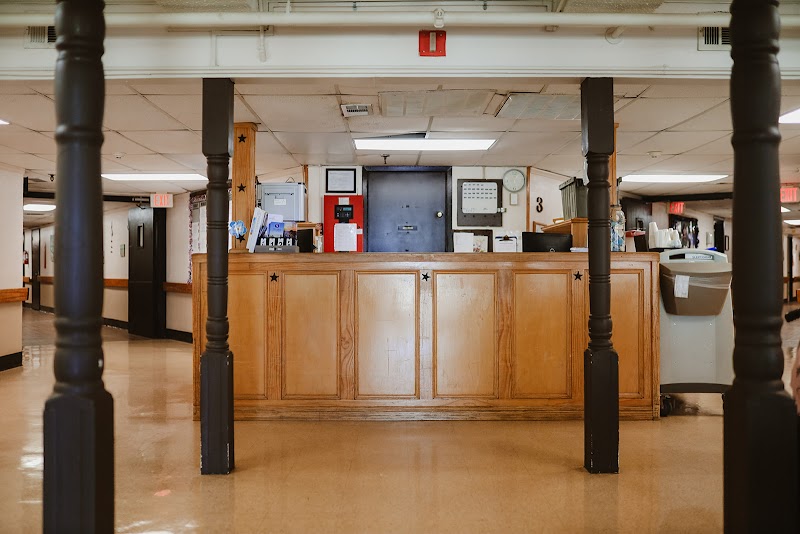
Who Owns and Operates Coleman Healthcare Center?

COLEMAN HEALTHCARE CENTER is owned by a for-profit company. For-profit facilities operate as businesses with obligations to shareholders or private owners. The facility is operated by NEXION HEALTH, a chain that manages multiple nursing homes. With 54 certified beds and approximately 39 residents (about 72% occupancy), it is a smaller facility located in COLEMAN, Texas.

How Does Coleman Healthcare Center Compare to Other Texas Nursing Homes?

Compared to the 100 nursing homes in Texas, COLEMAN HEALTHCARE CENTER's overall rating (4 stars) is above the state average of 2.8, staff turnover (46%) is near the state average of 46%, and health inspection rating (4 stars) is above the national benchmark.

What Should Families Ask When Visiting Coleman Healthcare Center?

Based on this facility's data, families visiting should ask: "Can I visit during a mealtime to observe dining assistance and food quality?" "How do you handle medical emergencies, and what is your hospital transfer rate?" "Can I speak with family members of current residents about their experience?"

Is Coleman Healthcare Center Safe?

Based on CMS inspection data, COLEMAN HEALTHCARE CENTER has a clean safety record: no substantiated abuse findings (meaning no confirmed cases of resident harm), no Immediate Jeopardy citations (the most serious violation level indicating risk of serious injury or death), and is not on the Special Focus Facility watch list (a federal program monitoring the lowest-performing 1% of nursing homes). The facility has a 4-star overall rating and ranks #1 of 100 nursing homes in Texas. While no facility is perfect, families should still ask about staff-to-resident ratios and recent inspection results during their visit.

Do Nurses at Coleman Healthcare Center Stick Around?

COLEMAN HEALTHCARE CENTER has a staff turnover rate of 46%, which is about average for Texas nursing homes (state average: 46%). Moderate turnover is common in nursing homes, but families should still ask about staff tenure and how the facility maintains care continuity when employees leave.

Was Coleman Healthcare Center Ever Fined?

COLEMAN HEALTHCARE CENTER has no federal fines on record. CMS issues fines when nursing homes fail to meet care standards or don't correct problems found during inspections. The absence of fines suggests the facility has either maintained compliance or corrected any issues before penalties were assessed. This is a positive indicator, though families should still review recent inspection reports for the full picture.

Is Coleman Healthcare Center on Any Federal Watch List?

COLEMAN HEALTHCARE CENTER is not on any federal watch list. The most significant is the Special Focus Facility (SFF) program, which identifies the bottom 1% of nursing homes nationally based on persistent, serious quality problems. Not being on this list means the facility has avoided the pattern of deficiencies that triggers enhanced federal oversight. This is a positive indicator, though families should still review the facility's inspection history directly.