PARK MANOR OF CONROE
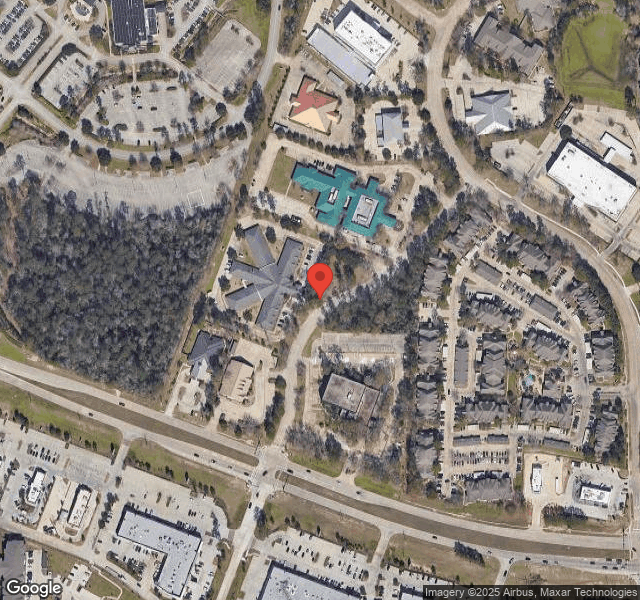
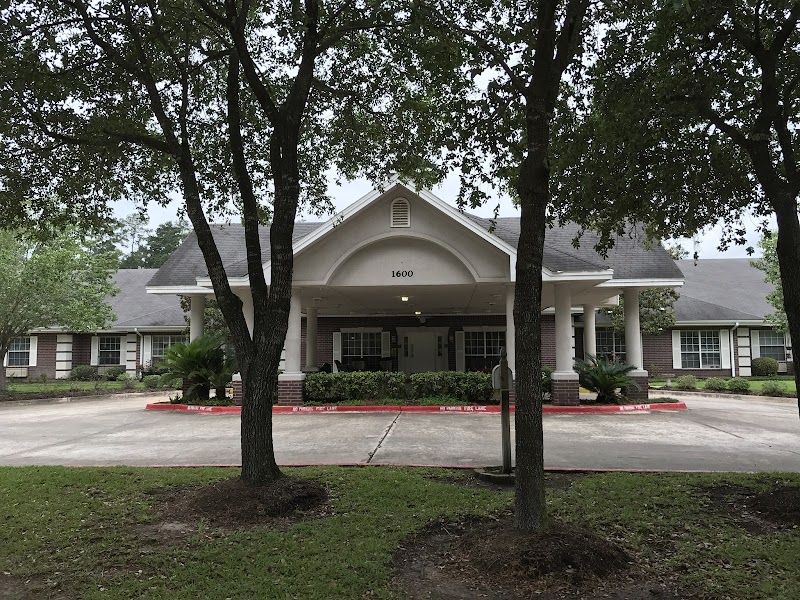
1600 GRAND LAKE DR, CONROE, TX 77301 (936) 441-8266
For profit - Limited Liability company 125 Beds HMG HEALTHCARE Data: November 2025 1 Immediate Jeopardy citation
Trust Grade
71/100
#107 of 1168 in TX
Last Inspection: April 2024

Within standard 12-15 month inspection cycle. Federal law requires annual inspections.

Overview

Park Manor of Conroe has a Trust Grade of B, indicating it is a good choice for families, falling within the 70-79 range. It ranks #107 out of 1,168 nursing homes in Texas, placing it in the top half of facilities statewide, and it is the best option out of 11 homes in Montgomery County. The facility is improving, as it reduced its issues from 2 in 2023 to 1 in 2024. However, staffing is a concern, rated at only 1 out of 5 stars, with a turnover rate of 55%, which is average for Texas. While there are positives, such as excellent overall and health inspection ratings, the facility has faced significant issues, including a critical incident where a resident was hospitalized due to uncontrolled blood sugar levels caused by missed insulin injections. Additionally, there were concerns about food safety, as items were not properly labeled or dated, posing a risk of foodborne illness. Lastly, infection control practices were lacking when staff failed to use proper personal protective equipment in isolation rooms, which could increase the risk of spreading communicable diseases.

Trust Score
B
71/100
In Texas
#107/1168
Top 9%
Safety Record
High Risk
Review needed
Inspections
Getting Better
2 → 1 violations
Staff Stability
⚠ Watch
55% turnover. Above average. Higher turnover means staff may not know residents' routines.
Penalties
○ Average
$13,627 in fines. Higher than 56% of Texas facilities. Some compliance issues.
Skilled Nurses
⚠ Watch
Each resident gets only 22 minutes of Registered Nurse (RN) attention daily — below average for Texas. Fewer RN minutes means fewer trained eyes watching for problems.
Violations
✓ Good
Only 5 deficiencies on record. Cleaner than most facilities. Minor issues only.
★★★★★
5.0
Overall Rating
★☆☆☆☆
1.0
Staff Levels
★★★★★
5.0
Care Quality
★★★★★
5.0
Inspection Score
Stable
2023: 2 issues
2024: 1 issues

The Good

  • 5-Star Quality Measures · Strong clinical quality outcomes
  • Full Sprinkler Coverage · Fire safety systems throughout facility
  • No fines on record

Facility shows strength in quality measures, fire safety.

The Bad

Staff Turnover: 55%

Near Texas avg (46%)

Frequent staff changes - ask about care continuity

Federal Fines: $13,627

Below median ($33,413)

Minor penalties assessed

Chain: HMG HEALTHCARE

Part of a multi-facility chain

Ask about local staffing decisions and management

Staff turnover is elevated (55%)

7 points above Texas average of 48%

The Ugly 5 deficiencies on record

1 life-threatening
Sept 2024 1 deficiency 1 IJ
CRITICAL (J) 📢 Someone Reported This

A family member, employee, or ombudsman was alarmed enough to file a formal complaint

Immediate Jeopardy (IJ) - the most serious Medicare violation

Deficiency F0760 (Tag F0760)

Someone could have died · This affected 1 resident

**NOTE- TERMS IN BRACKETS HAVE BEEN EDITED TO PROTECT CONFIDENTIALITY** Based on interview and record review, the facility failed to ensure 1 resident (CR#1) of 8 residents reviewed for medication adm...

Read full inspector narrative →
**NOTE- TERMS IN BRACKETS HAVE BEEN EDITED TO PROTECT CONFIDENTIALITY** Based on interview and record review, the facility failed to ensure 1 resident (CR#1) of 8 residents reviewed for medication administration were free of significant medication errors. -CR#1 was transferred to the hospital due to concerns of hyperglycemia (high blood sugar), and when he arrived at the hospital his blood sugar (the amount of glucose in the blood) was over 600, when the normal range should be 70-130. There was an omission of insulin injections to treat diabetes from 08/20/2024-08/24/2024, and the first dosage was given on 08/25/2024 the same day CR#1 discharged to the hospital. CR #1 was hospitalized from [DATE] - 08/29/24 with Diabetic Ketoacidosis (DKA a potentially life-threatening complication of diabetes that occurs when the body doesn't have enough insulin) and was admitted to the Intensive Care Unit (ICU). The noncompliance was identified as Past Non-Compliant. The IJ (Immediate Jeopardy) began on 08/20/2024 and ended on 08/30/2024. The facility corrected the noncompliance prior to entrance. The failure placed the residents receiving insulin to treat diabetes mellitus (a disease in which the body's ability to produce or respond to the hormone insulin is impaired) at higher risk for hospitalization to treat hyperglycemia and DKA. Findings included: Record review of CR#1 preadmission assessment dated [DATE] reflected an active diagnosis of type 2 diabetes mellitus. Record review of the Facesheet for CR#1 dated 08/20/2024 revealed he was an [AGE] years old male that admitted to the facility on [DATE], with a primary diagnosis of Metabolic Encephalopathy (a brain disorder due to an underlying condition caused by a chemical imbalance in the blood), and secondary diagnosis of type 2 diabetes mellitus. CR#1 discharged to a local hospital on [DATE], due to evaluated blood sugar. Record review of CR#1's Interim Plan of care dated 08/20/2024 revealed a focus of Diabetic Alert, with a goal to manage symptoms, and intervention to monitor s/s of hypo/hyperglycemia. Record review of CR#1's MDS assessment dated [DATE] revealed in section C a BIMS score of 09 indicating he was moderately impaired cognitively. He was assessed to have diabetes mellitus in Section I and receiving insulin injections in section N. Record review of SBAR dated 08/25/2024 at 7:01am and completed by LVN A revealed CR#1 had a change in condition in which b/s (blood sugar) came back high with blood glucose(also known as blood sugar) reading at 600, physician was notified with orders for insulin with sliding scale at 12 units and recheck in 1 hour. Record review of CR#1's discharge hospital records dated 09/04/2024 reflected that on 08/20/2024, CR#1 discharged from a local hospital with glucose level reading of 103 with a reference range of 70-110 mg/dl. Record review of CR#1's discharge hospital record medication list dated 08/20/2024 reflected orders for Basaglar KwikPen U-100 Insulin 100 Unit/ML (3mL), 16 unit(s) Sub-Q Twice Daily Generic drug: Insulin Glargine. The orders reflected NovoLOG FlexPen U-100 Insulin 100 Unit/ML (3mL) 3-8 unit(s) Sub-Q as directed generic drug: insulin Aspart U-100. Record review of progress note dated 08/25/2024 at 8:05am and complete by LVN A reflected MD return call order received for NovoLOG FlexPen Subcutaneous solution Pen-Injector 100 unit/ML (Insulin Aspart). Inject sliding scale. Recheck FBS in 1 hour and repeat SSI. Recheck in 1 hours if FSBS remains>400 notify MD. Record review of progress note dated 08/25/2024 at 10:05am and complete by LVN A read in part, B/c [sic] continue to remain high MD notified order to continue with current sliding scale orders. 15 units given. Resident remains Alert and follow simple commands. Record review of progress note dated 08/25/2024 at 10:05am and complete by LVN A read in part, B/c [sic] continue to remain high MD notified order to continue with current sliding scale orders. 15 units given. Resident remains Alert and follow simple commands. Record review of progress note dated 08/25/2024 at 11:02am and complete by LVN A read in part, B/c [sic] continue to remain high MD notified order to continue with current sliding scale orders. 15 units given. Resident remains Alert and follow simple commands. Record review of progress note dated 08/25/2024 at 12:16pm and complete by LVN A reflected in part, Resident b/s continued to remain high vitals WNL see vitals notes. Resident remain alert to his [NAME]-line[sic] and responsive to care. RP at bedside and requested a resident be taken to ER (emergency room) for evaluation. 911 called and EMS (Emergency Medical Service) arrived all further care handed all care over. Resident ambulated with assistance from EMT (Emergency Medical Technician) from gurney chair to stretcher. MD notified and aware. Record review of the August 2024 Order Summary Report for CR#1 reflected phone orders with a start date of 08/25/2024 for Basaglar KwikPen Subcutaneous Solution Pen-Injector 100 Unit/ML (Insulin Glargine) Inject 16 unit subcutaneously two times a day related to Type 2 diabetes mellitus. The orders reflected NovoLOG FlexPen Subcutaneous Solution Pen-Injector 100 Unit/ML (Insulin Aspart), to inject as per sliding scale: If 70-50=0 units; 151-200=2 units; 201-250=4 units; 251-300= 6 units; 301-350 = 8 units; 351-399 = 10 units; 400+ = 12 units and call MD, subcutaneously before meals and at bed time related to type 2 diabetes mellitus. Record review of CR#1's hospital records with admission date 08/25/2024 and discharge date of 08/29/2024 reflected that CR#1 presented to the emergency room from the facility for hyperglycemia with evaluated blood sugar of 600. On admission, blood glucose was greater than 900. CR#1 was admitted to the ICU and treated for diabetic ketoacidosis without coma associated with type 2 diabetes mellitus, and the RP of CR#1 said that the facility had not given any insulin for 4 days. Record review of grievance dated 08/26/2024 reflected it was completed by DON and signed by the DON, SW, and Admin reflected in part, The relative of resident called the facility and stated there was an issue with the residents diabetic medications. Residents medications renewed [sic]; it became evident insulin was omitted at admission. Orders added by MD to admisister[sic] sliding scale as directed. Self-Reported Incident (SRI) completed. Record review of Medication Error Report dated 08/25/2024 that the date of the transcription error was 08/20/2024 involving CR#1 when insulin medication as ordered was not on the MAR and not administered. The outcome to resident was hospitalization. Corrective action taken in-services, one on one, and sliding scale audit of insulin. In an interview on 08/30/2024 at 1:28pm with both Unit Manager C and Admin, who said that CR#1 admitted to the facility on [DATE] and discharged on 08/25/2024. Both said that on 08/26/2024 a relative of CR#1 alleged that the facility was responsible for CR#1's hospitalization when he did not get prescribed medication. Both said that a clinical audit of the medical record of CR#1 was completed by the DON, ADON, Unit Manager C and Unit Manager D, the audit revealed there was an omission of insulin injections to treat diabetes from 08/20/2024-08/24/2024, and the first dosage was given on 08/25/2024 the same day CR#1 discharged . Both said that a root cause analysis revealed that the admitting nurse, LVN A, enlisted the help of LVN B in clarifying the orders from CR#1's hospital discharge summary medication list at the time of the admission with the primary physician (Medical Director). Both said that LVN B did not enter the orders for insulin into the facilities EMR(electronic medical record) system, and LVN A as the admitting nurse was responsible for ensuring the orders were entered. Both said that both Unit Managers, ADON, DON, and ADMIN failed to review the admission of CR#1 thoroughly, the review would have caught the error, the error should have been corrected immediately, and delay in treatment prevented. Both said that residents with diabetes should have medication and glucose monitoring orders at admission. Both said that going without medication and monitoring for long periods of time could cause abnormal blood sugars, cause a need to be sent to hospital, and prolong/untreated elevated blood sugars could be fatal. Both said that LVN A, LVN B, Unit Manager C, Unit Manager, D, ADON, DON, and Admin received one on one counseling/training and disciplinary action. Both said that there was a QAPI held to review the system and correct failure, and there is a PIP in place. In an effort to complete a phone interview on 08/30/2024 at 3:05pm with LVN A when there was no answer, and a message was left. In a phone interview on 08/30/2024 at 3:44pm with a relative of CR#1, who said that she was a MD. She said that CR#1 went without insulin to treat diabetes or glucose monitoring from 08/20/2024-08/24/2024. She said that CR#1 was transferred to the hospital due to concerns of hyperglycemia, and when he arrived at the hospital his blood sugar was over 600, when the normal range should be 70-130. She said that CR#1 was admitted to ICU and treated for DKA. She said that the facility could have killed CR#1. She said that CR#1 was discharged from the hospital on [DATE], he was transferred to another facility, and he was doing much better. In an effort to complete a phone interview on 09/03/2024 at 12pm with LVN A, there was no answer, and a message was left. In an interview on 09/04/2024 at 9:45am with RN E and RN F at a local hospital, who said that CR#1 presented to the ER on [DATE], with a chief complaint of hyperglycemia, and his initial labs for blood glucose were 738. Both said that the normal range should be 70-110. Both said that the level of the blood glucose that CR#1 presented to the ER caused a concern that his diabetes was not controlled, treated, or monitored. Both said that CR#1 was admitted to ICU and treated for DKA. Both said that DKA occurs when the body doesn't have enough insulin, it can be fatal, and can be prevented if diabetes is controlled with medication and monitoring. Both said that when CR#1 discharged from the hospital on [DATE] and transferred to the facility his blood glucose levels were 103. In an interview on 09/04/2024 at 11:15am with Admin and DON, who both said that LVN A self-terminated on 09/03/2024 when he did not report to his scheduled shift, and his last day worked was 09/02/2024. In a phone interview on 09/04/2024 at 12:10pm with LVN A, who said that he quit his job, and he does not want to be a part of the investigation. He said that when he was hired at the facility admissions was an all hands-on deck process, it was not assigned to one nurse, and other nurses helped with the admission of CR#1. He said that there was insulin missed, he gets that, but the unit managers were supposed to review all admissions to make sure they are done correctly. He said that he was not going to provide any more details. Interview on 09/04/2024 at 12:26pm with LVN L who works 6am-6pm shift, RN M at 12:42pm who works 6am-6pm shift, and LVN N who works 6am-6pm shift, who acknowledged that training was received on the topics of the admission process, admission orders, and s/s of hyperglycemia and was knowledgeable on the training topics. In an interview on 09/04/2024 at 1:37pm with Perspective Payment System (PPS) Coordinator, she said that she was an LVN, and she ensures the MDS assessments are completed for short term residents. She said that she was a part of the Interdisciplinary Team (IDT), along with social worker, dietary department, rehab department, activities department, but she is the clinical oversight as the nurse. She said that the IDT meets 48 hours after admission, review the clinical records, and ensure initial treatments are in place and addressed. She said that if there are any errors found they should be addressed and corrected immediately. She said that CR#1 had high blood sugar as he had no orders to treat or monitor his diagnosis of diabetes. She said that during the IDT of CR#,1 she only reviewed the current medications, and as the clinical oversight she should have caught that there were no orders to treat or monitor his diagnosis of diabetes. She said that the risk of not receiving medications to treat diabetes was hyperglycemia, a blood sugar of 600 could cause DKA and coma, and that could be fatal. In an interview on 09/04/2024 at 2:08pm with MDS Coordinator, who said that she was an LVN, and she ensures the MDS assessments are completed for long term residents. She said that she was a part of the Interdisciplinary Team (IDT), along with social worker, dietary department, rehab department, activities department, but she was the clinical oversight as the nurse. She said that the IDT meets 48 hours after admission, review the clinical records, and ensure initial treatments are in place and addressed. She said that if there are any errors found they should be addressed and corrected immediately. She said that CR#1 had high blood sugar because she was not getting insulin, and she was sent out to the hospital. She did not take part in the IDT for CR#1 because he was a short term stay resident. She said that the PPS Coordinator should have caught that CR#1 had an admitting diagnosis of diabetes with no orders in place to treat or monitor during the IDT, but any nurse that reviewed the record or provided care should have caught the error. She said that the risk of not receiving medications to treat diabetes could cause DKA and coma, and that could be fatal. In an interview on 09/04/2024 at 2:21pm with DON, who said that LVN B assisted LVN A with contacting the physician to clarify orders at the time CR#1 was admitted on [DATE]. She said that LVN B did not put the orders into the EMR for CR#1's insulin, and LVN A did not ensure the task was completed as the admitting nurse. She said that the Unit Mangers did not review the admission for accuracy the next day, because it was assumed the ADON completed it when she received the chart. She said that Unit Managers and ADON did not review the admission of CR#1 thoroughly to prevent delays in treatment, an as the oversight she did not ensure the Unit Managers and ADON completed the task. She said that CR#1 had a change in condition on 08/25/2024 due to evaluated blood sugar of 600, and he received the initial dose of insulin the same day. She said that the risk to CR#1 was evaluated blood sugar, hyperglycemia, DKA that could lead to coma, and that could be fatal. She said that there was a QAPI held to review the system and correct failure, and there is a PIP in place. She said that LVN A, LVN B, Unit Manager C, Unit Manager D, ADON, Admin, and DON received disciplinary action and one on one training. She said that LVN A self-terminated. In an interview on 09/04/2024 at 3:01pm with the Medical Director, who said that he was the primary physician of CR#1 who admitted to the facility with a diagnosis of diabetes. He said that when nursing staff contacted him to reconcile medications at admission, he gave a verbal order to continue medications on the medication list from the hospital at discharge until he was able to round. He said that he was contacted with change in condition due to evaluated, was told he had not received insulin since admission, gave orders to treat, blood sugar was coming down, but family request CR#1 be sent to the hospital. He said that he participated in a QAPI and there is a PIP in place to ensure the accuracy of the admission process and that mediations are entered and implemented at the time of admission. He said that the admitting nurse should have ensured the orders were in place, and any nurse that reviewed the chart should have been able to correct the error. He said that that the risk to the resident was DKA that can be fatal. He said that it's his expectation that if he gives a verbal order to continue all discharge orders from the hospital that should be done. In an interview on 09/04/2024 at 3:50pm with LVN B, who said that she assisted LVN A with the admission of CR#1 with medication orders. She said that she called the physician (Medical Director) who gave orders to continue medications from the medication list from the hospital at the time of discharge. She said that CR#1 had a diagnosis of diabetes and orders to continue insulin. She said that she did not enter the orders to the EMR, it was an error, and she just missed it. She said that she was not sure how long CR#1 went without insulin to treat diabetes. She said that the risk of CR#1 not receiving insulin from 08/20/2024-08/20/2024 was death, because hyperglycemia could cause DKA. She said that it was the admitting nurse responsibility to ensure the medications are clarified and entered by checking the tasks completed by other nurse, and the unit managers were supposed to review the next day to ensure no errors were made. She said that she received disciplinary action and one on one counseling and training to address the admission process, admission orders, and s/s of hyperglycemia. In an interview on 09/04/2024 at 4:35pm with Unit Manager D, who said there was a QAPI held to review the system and correct failure, and there was a PIP in place. She said that LVN A, LVN B, Unit Manager C, Unit Manager D, ADON, Admin, and DON received disciplinary action and one on one training. In an interview on 09/04/2024 at 4:54pm with the ADON, who said there was a QAPI held to review the system and correct failure, and there was a PIP in place. She said that LVN A, LVN B, Unit Manager C, Unit Manager D, ADON, Admin, and DON received disciplinary action and one on one training. Interview on 09/04/2024 at 5:12pm with RN K, who said that she received disciplinary action and one on one counseling and training to address the admission process, admission orders, and s/s of hyperglycemia as she assisted LVN A with the admission of CR#1, and she was knowledgeable on the training topics. Interview on 09/04/2024 at 6:09pm with LVN G who works 6pm-6am shift, RN H at 6:22pm who works 6pm-6am shift, and LVN I who works 6pm-6am shift, who acknowledged that training was received on the topics of the admission process, admission orders, and s/s of hyperglycemia and was knowledgeable on the training topics. Interview on 09/05/2024 at 6:30am with LVN J who works 10pm-6am shift, who acknowledged that training was received on the topics of the admission process, admission orders, and s/s of hyperglycemia and were knowledgeable on the training topics. Record review of SSA reporting database TULIP reflected Incident intake# 527741 was received on 08/26/2024 with the PIR submitted on 09/04/2024 with the documents to support the following actions were taken, RP and MD notified, and in-service on topics abuse/neglect, blood sugar and accu checks, signs and symptoms of hyper/hypoglycemia, changes in conditions and review of medications list at admission. Further documents to support that satisfaction surveys were conducted, witness statements completed, audit of past 10 admission completed, implemented an audit tool for future admission checklist, Root Cause Analysis completed, QAPI conducted, PIP completed, and one on one counseling and disciplinary actions with LVN A, LVN B, RN K, Unit Manger C, Unit Manger D, ADON, DON, and Admin completed. Record review of QAPI held on 08/27/2024 reflected that that there was a review the facility's admission review practices related to accuracy with review of orders and entering them with use of an admission checklist and noted there was a need for an immediate change in the process. Administrator and DON initiated an action plan on 08/26/2024, with a compliance goal of 08/28/2024, Root Cause Analysis initiated and attached to the system for sustainability, and once compliance was established the DON/Designee would monitor assessments weekly. Record review of PIP dated 08/27/2024 reflected a concern that a nurse omitted insulin medication admission. Goals were for admission checklists to be completed within 24 hours of admission without any omissions. Interventions were for the Don/Designee to complete reeducation on admission checklist, reviewing medication list upon admission, accuchecks, signs and symptoms of hypo/hyperglycemia, and change in condition. Don/Designee will audit the last ten admissions to ensure there were no omissions. DON/Designee would audit admissions checklist five times a week x 4 weeks and periodically thereafter and would upload in the facilities drive monthly ongoing for administrator to review. Record review of Don/Designee audit dated08/27/2024 of the last ten admissions with no omissions. Record review of Administrator admission Checklist Audit (5 times a week for four weeks) with a starte date of 08/26/2024-09/04/2024 with no errors identified. Record review of DON/Designee admission Checklist Audit (5 times a week for four weeks) with a starte date of 08/26/2024-09/04/2024 with no errors identified. Record review of Diabetic Resident Audit dated 08/28/2024 to ensure orders were in place treat and monitor, appropriate diet was in place with a snack, and care plan reflected diagnosis. Record review of Disciplinary Measure dated 08/26/2024 reflected that LVN A, LVN B, and RN K received disciplinary action in the form of a counseling for violation date of 8/20/2024 due to clarification with physician on admission for a discharge hospital medication list for residents with diagnosis of Diabetes Mellitus. Record review of Disciplinary Measure dated 08/26/2024 reflected that Unit Manager C, Unit Manger D, ADON, DON and Admin received disciplinary action in the form of a counseling for violation date of 8/20/2024 due to monitoring admission system to assure nurse managers completed admissions accurately to assure no omissions present. Record review of 1:1 Inservice Record dated 08/26/2024 reflected that LVN A, LVN B, Unit Manger C, Unit Manger D, RN K, and ADON received individual counseling topics of admission System Process Regarding Medication, discharge hospital medication list and follow up with physician on admission, Nursing care of the Resident with Diabetes Mellitus, and Change in A Residents Condition or Status. Record review of 1:1 Inservice Record dated 08/26/2024 reflected that DON and Admin received individual counseling topics of admission System Process Regarding Medication, Nursing care of the Resident with Diabetes Mellitus, Change in A Residents Condition or Status, and reviewing new admission and monitoring system. Record review of in-service titled Manager Duty-Day dated 08/26/2024 reflected that Unit Manager C and Und Manger D were in-serviced to completed review of all admission before noon the next day. Record review of in-service titled Diabetes Mellitus and Blood Sugar dated 8/26/2024 completed with nursing staff on the admission System Process Regarding Medication, reviewing admission medication on admission and going over with the physician, Nursing care of the Resident with Diabetes Mellitus, and Change in A Residents Condition or Status. Record review of in-service titled Diabetes Mellitus dated 8/29/2024 completed with nursing staff on ensuring a blood sugar baseline is established at the time of admission time 7 days for resident with a diagnosis of Diabetes Mellitus. Record review of in-serviced titled admission Checklist dated 08/27/2024 completed with nursing staff to ensure that all admits/readmits have a completed admission checklist submitted to the office of the ADON upon completion by the end of the shift. Record review of in-service titled Abuse and Neglect dated 8/26/2024 completed with nursing staff identifying who to report allegations to, types of abuse and neglect, and reporting timeframes. Record review of facility policy, Administering Medications with revised date December 2012 read in part, . Medications shall be administered in a safe and timely manner, and as prescribed . 3. Medications must be administered in accordance with the orders, including any required time frame . Record review of facility policy, Medication and Treatment Orders with revised date July 2016 read in part, . Orders for medications and treatments will be consistent with principles of safe and effective order writing . 1. Verbal orders must be recorded immediately in the resident's chart by the person receiving the order and must include prescriber's last name, credentials, the date and the time of the order . Record review of facility policy, Nursing Care of the Resident with Diabetes Mellitus with revised date April 2009 read in part, .The purposes of this guideline are: 2. To help the resident control his/her diabetes with diet, exercise, and insulin (as ordered); 3. Prevent recurrent hyperglycemia/hypoglycemia; .The following complications are associated with diabetes: 1. hypoglycemia (blood sugar above target levels) .2. Diabetic Ketoacidosis (DKA) or hyperosmolar (nonketotic). (Note: Diabetic Ketoacidosis is a life-threatening emergency that needs immediate medical attention): .Glucose Monitoring 1. The management of individuals with diabetes mellitus should follow relevant protocols and guidelines. 2. the physician will order the frequency of glucose monitoring .4. Finger Sticks(capillary blood samples)measure current blood glucose levels .b. Normal ranges are approximately 90-130mg/dl before meals and <180 mg/dl after meals.Medication Management .3. Medication management of type II diabetes may include oral hypoglycemic agents with or without insulin .7. Assist the resident with his or specific medication regimen, as ordered and as needed . The noncompliance was identified as Past Non-Compliant. The IJ (Immediate Jeopardy) began on 08/20/2024 and ended on 08/30/2024. The facility corrected the noncompliance prior to entrance. On 09/04/23 at 5:37pm, the facility administrator was notified of past noncompliance IJ. A plan of removal was not requested. An IJ template was provided to the administrator via email.
Jan 2023 2 deficiencies
CONCERN (D)

Potential for Harm - no one hurt, but risky conditions existed

Deficiency F0761 (Tag F0761)

Could have caused harm · This affected 1 resident

Based on observation, interview and record review, the facility failed to ensure that drugs and biologicals used in the facility were secured properly for one (Hall 200 nurse medication cart) of four ...

Read full inspector narrative →
Based on observation, interview and record review, the facility failed to ensure that drugs and biologicals used in the facility were secured properly for one (Hall 200 nurse medication cart) of four nurse medication carts for drug storage, as evidenced by: -Nurse medication cart on Hall 200 had medication on top of cart and was unattended This deficient practice could place 27 residents who reside on Hall 200 at risk for harm and place the facility at risk for possible drug diversion. The findings include: Based on observation, interview and record review, the facility failed to ensure that drugs and biologicals used in the facility were secured properly for one of four nurse medication carts (Hall 200 nurse medication cart) reviewed for drug storage, as evidenced by: -Nurse medication cart on Hall 200 had medication on top of cart and was unattended This deficient practice could place residents who reside on Hall 200 at risk for harm and place the facility at risk for a possible drug diversion. The findings include: Observed on 1/27/2023 at 9:07 am on top of medication cart in 200 Hall a bag of liquid medicine labeled Piperacillin Sodium-Tazobactam Sodium (PIP/Tazo) 3.375/NS in 100 ml Normal Saline (NS)(solution to supply water and salt (sodium chloride) to the body) unattended until 9:11 am (PIP/Tazo is a medication given for infection (An infection is the invasion of tissues by pathogens (is any organism or agent that can produce disease), their growth, and the reaction of host tissues to the infectious agent and the toxins they produce)). LVN A approached the medication cart. Interviewed LVN A on 1/27/2023 at 9:11 am she stated she is not supposed to leave medication on top of the cart unattended, as it can be dangerous to other residents and compromise patient privacy. She stated she went to retrieve intravenous (IV), (medicine that goes into the veins) flushes (syringes filled with normal saline (solution to supply water and salt (sodium chloride) to the body) for the intravenous (IV) medication to be administered into the residents' vein. Interviewed the IP on 1/27/2023 at 11:17 am he said medications should be locked in medication cart, not on top of medication cart unattended, because the medication could be picked up, taken by another resident, resident could have adverse signs and symptom (get sick) if take wrong medication. He reported the medication left unattended , is against the facility policy and procedure and also is against the nursing standard of care. Interviewed the DON on 1/27/2023 at 11:22 am regarding medication and orientation process. She reported all medications should be locked in the medication cart, not on top of medication cart unattended, because the medication could be picked up, taken by another resident, a resident could have adverse signs and symptom (get sick) if take wrong medication. She reported leaving medication unattended is against the facility policy and procedure and also is against the nursing standard of care. Record review of the facility policy titled Storage of Medications (Revised April 2007) read in part: Policy Statement The facility shall store all drugs and biologicals in a safe, secure, and orderly manner. Policy Interpretation and Implementation 7. Compartments (including, but not limited to, drawers, cabinets, rooms, refrigerators, carts and boxes.) containing drugs and biologicals shall be locked when not in use, and trays or cars used to transport such items shall not be left unattended if or otherwise potentially available to others. .
CONCERN (E) 📢 Someone Reported This

A family member, employee, or ombudsman was alarmed enough to file a formal complaint

Potential for Harm - no one hurt, but risky conditions existed

Food Safety (Tag F0812)

Could have caused harm · This affected multiple residents

Based on observation, interview, and record review, the facility failed to store, prepare, distribute, and serve food in accordance with professional standards for food service safety in 1 of 1 kitche...

Read full inspector narrative →
Based on observation, interview, and record review, the facility failed to store, prepare, distribute, and serve food in accordance with professional standards for food service safety in 1 of 1 kitchen reviewed for food procurement in that: -Food items not labeled and not dated. These failures could affect residents who ate food from the facility kitchen and place them at risk of food borne illness and disease. Findings include: Observation of the facility's kitchen and interview on 01/24/23 between 8:30 am and 8:40 am with the Food Service Manager revealed the following: A container of canned Pineapple dated 1/18/23 No used by date A container of grits no label no used by date A container of scrambled eggs dated 1/13/23 No used by date A Carton of Cream Cheese expiry date 1/11/23 1 Bag of Shredded Carrots expiry date 12/28/22 1 case of Corn Flakes expiry date 12/16/20 The above food should have been labeled and dated so that the staff will know when the used-by date of the food and should have been discarded after the used by date. Interview with the Food Service Manager on 01/24/23 at 9:00 AM he stated that he is responsible for training staff on labeling and storage requirements ensuring dietary requirements are met. Record review of facility's Nutrition Services Policies and Procedures dated 9/2017 read in part .Refrigerated Storage Guidelines: Leftovers must be labeled and dated with the date they are prepared and the use by date. .
Nov 2022 1 deficiency
CONCERN (E) 📢 Someone Reported This

A family member, employee, or ombudsman was alarmed enough to file a formal complaint

Potential for Harm - no one hurt, but risky conditions existed

Infection Control (Tag F0880)

Could have caused harm · This affected multiple residents

**NOTE- TERMS IN BRACKETS HAVE BEEN EDITED TO PROTECT CONFIDENTIALITY** Based observation, interview and record review, the facility failed to maintain an infection prevention and control program to h...

Read full inspector narrative →
**NOTE- TERMS IN BRACKETS HAVE BEEN EDITED TO PROTECT CONFIDENTIALITY** Based observation, interview and record review, the facility failed to maintain an infection prevention and control program to help prevent the development and transmission of communicable disease for 2 of 4 rooms (room [ROOM NUMBER] and room [ROOM NUMBER]), in that: - CNA B and Nursing Aide Student did not don all required PPE prior to entering 2 of 4 rooms under isolation precautions. This failure placed residents at risk for acquiring infection of communicable disease. Findings included: Record review of Resident #2's face sheet revealed a [AGE] year-old male admitted into the facility on [DATE] and was diagnosed with COVID-19, muscle weakness and vascular dementia. Record review of the facility's COVID testing log revealed Resident #2 tested positive for COVID-19 on 11/14/2022. Observations of hall 300 on 11/22/2022 beginning at 12:20PM, revealed room [ROOM NUMBER] was under isolation precautions with sign posted requiring eye-protection, N95 mask, gloves and gown for entry into the room. CNA B was observed retrieving Resident #2's meal tray and coming out of his room wearing personal glasses, no gown, gloves or eye protection, and with his N95 mask lowered beneath his nose. He placed Resident #2's used meal tray on the donning station prior to placing it on the cart. There were no face shields stored at the donning station in front of the room. Interview on 11/22/2022 at 12:20PM, CNA B reported that he did not don any PPE to retrieve Resident #2's meal tray since the resident was sitting near the door ready to hand off his tray to him. When asked if he was supposed to wear any PPE, he stated he usually wears a gown, gloves, a mask, but not a face shield since he already wore glasses. He stated he did not don PPE because he did not think it was necessary with Resident #2 sitting nearby the door at the time he picked up his tray. He stated he received a training at a different facility that said it was okay for him to use his personal glasses as eye protection and said he was not aware his mask was lowered when coming out of the room and it was likely lowered because he forgot to pull the mask back up after talking to the resident. Interview on 11/22/2022 at 12:35PM, the ADON acknowledged there were no face shields on the donning stations for 1 of 2 COVID-19 positive rooms after surveyor pointed it out. She stated the Central Supply Manager is was in charge of restocking and replenishing PPE supplies. Interview on 11/22/2022 at 1:02PM, the Central Supply Manager stated she has been trained on which PPE was necessary for droplet precautions and to prevent the spread of infection. She said the face shields were not in the donning station because she had not gotten around to checking the halls again since earlier in the day. She said there was not a specific number of times she makes rounds during her shift but she generally goes up and down the halls to see if anything is needed. Record review of Resident #3's face sheet revealed a [AGE] year-old male admitted into the facility on [DATE] and was diagnosed with COVID-19. Record review of the factility's COVID testing log revealed Resident #3 tested positive for COVID-19 on 11/16/2022. Observations of all 400 on 11/22/2022 beginning at 1:05PM, revealed room [ROOM NUMBER] was under isolation precautions with sign posted requiring eye-protection, N95 mask, gloves and gown for entry into the room. Nurse Aide Student was observed donning on gown, gloves and N95 mask, but no face shield, entered Resident #3's room to pick up their meal tray, placed it on the clean donning station outside the room, doffed PPE then put the meal tray on the cart. In an interview on 11/22/2022 at 1:08PM, Nurse Aide Student stated it was her first day of training in the facility. She said she received isolation precaution training from her program, and said she forgot to put it on prior to entering the room. She stated saw and understood the isolation precaution sign posted on the door required eye protection prior to enter the room. Interview on 11/22/2022 at 1:15PM, the IP stated that he did not realize they were putting the trays on top of the donning stations and the expectation would be to bring the cart to the room to load trays directly on the cart. He said he has not trained any staff to specifically put the trays on the cart including the nursing students. He also stated he had seen CNA B make the same mistake of not putting on all the necessary PPE prior to entering rooms with isolation precautions earlier today and had to correct him on the spot. Despite CNA B already receiving training on infection control, he will need to train him again. Interview on 11/23/2022 at 12:10PM, the DON stated staff should put on their full PPE prior to entering the room and CNA B was one of those who needed to be reeducated multiple times despite having received infection control training before. She said she and the IP have never considered the infection control concerns during the process of taking trays out of rooms under isolation precautions. Record review of the facility's policy on infection control, not dated, revealed when working with suspected or confirmed SARS-CoV-2 Residents, a gown, gloves, eye protection and N-95 respirator or higher are to be worn. Record review of CDC's policy on droplet precautions, dated 09/23/2022, revealed, .[health care personnel] who enter the room of a patient with suspected or confirmed SARS-CoV-2 infection should adhere to Standard Precautions and use a NIOSH-approved particulate respirator with N95 filters or higher , gown, gloves, and eye protection (i.e., goggles or a face shield that covers the front and sides of the face).
Nov 2021 1 deficiency
CONCERN (D)

Potential for Harm - no one hurt, but risky conditions existed

Deficiency F0692 (Tag F0692)

Could have caused harm · This affected 1 resident

**NOTE- TERMS IN BRACKETS HAVE BEEN EDITED TO PROTECT CONFIDENTIALITY** Based on observation, interview, and record review the facility failed to offer 1 of 3 residents (#58) a therapeutic diet as ord...

Read full inspector narrative →
**NOTE- TERMS IN BRACKETS HAVE BEEN EDITED TO PROTECT CONFIDENTIALITY** Based on observation, interview, and record review the facility failed to offer 1 of 3 residents (#58) a therapeutic diet as ordered by the health care provider, reviewed for nutrition and hydration status, in that: Facility staff did not follow resident's physician order for a mechanical soft diet with no straws. These failures could affect residents and placed them at risk for not receiving proper nutrition. As evidence by: Record review of Resident #58's face sheet revealed a [AGE] year-old female who was originally admitted on [DATE] and readmitted on [DATE]. She had the following diagnosis to include; acute respiratory failure, abnormal posture, unspecified lack of coordination, muscle weakness, sepsis, multiple sclerosis, gastro-esophageal reflux disease without esophagitis, epilepsy, anxiety, major depressive disorder, hypothyroidism, hyperlipidemia , and essential hypertension. Record review of Resident #58's Quarterly MDS dated [DATE] revealed she had a BIMS of 6 out of 15 indicating severe cognitive impairment. Her MDS indicated no swallowing disorder problems and no mechanically altered diets. Record review of Resident #58's order summery summary report with active orders as of 11/02/2021 with a dietary order of Mechanical Soft- Dysphagia Advanced texture, regular consistency, No straws/upright for all meals. Start date 8/11/2021. Record review of Resident #58's care plan revised date of 4/09/2021 revealed Resident has nutritional problem or potential nutritional problem of weight fluctuations due to varied intake. Regular diet, no straws. Intervention dated 11/16/2020 provide and serve diet as ordered. Record Review of Resident #58's ST- Therapist Progress and Discharge summary dated [DATE] read in part Patient has met all goals and is safely consuming least restrictive diet of mechanical soft textures and thin liquids by cup sips. Patient demonstrates insight into need for use of safe swallow strategies and is aware to cue staff as needed to assist with proper positing with all meals. Patient states preference to remain on mechanical soft diet. Patient/caregiver training: patient/staff education for proper positing for all meals, patient education for safe swallow strategies including no use of straws. Observation of Resident #58 on 11/02/2021 at 10:33 am revealed resident in bed with head of bed elevated TV tray had leftover breakfast on tray with a glass of orange juice with straw inside the cup and her water cup with a straw inside the cup. There was a sign behind resident above her bed that red read head of bed elevated no straws from the speech therapist. ser Interview with CNA A on 11/02/2021 at 10:33 AM reveled Resident #58 uses straws on occasion but due to chocking possibility no straws but hasn't seen resident choke. Observation of Resident #58 on 11/02/2021 1:10 PM, resident sitting in bed with head of bed elevated. Lunch tray in front of her. She had a glass with red liquid in it she was drinking it through a straw . Interview with Speech Therapist on 11/02/2021 at 1:17 PM Resident is an aspiration risk and is not supposed to use straws. She stated that was This is why she put up the sign to communicate across all shifts to not use straws. She stated Resident #58 doesn't always aspirate but is at risk for it and that's why she isn't to use straws. She has had to pull the straws from the resident before. Interview with the DON on 11/02/2021 at 1:30 pm revealed the importance of following the recommendation of the speech therapist is for the safety of the patient to ensure patients get appropriate diet as needed and/or care. Resident #58 isn't to use straws because she probably would aspirate. She probably doesn't have the strength to swallow. Most likely the kitchen does not give the resident a straw, but resident is with it enough and asks for one.
Understanding Severity Codes (click to expand)
Life-Threatening (Immediate Jeopardy)
J - Isolated K - Pattern L - Widespread
Actual Harm
G - Isolated H - Pattern I - Widespread
Potential for Harm
D - Isolated E - Pattern F - Widespread
No Harm (Minor)
A - Isolated B - Pattern C - Widespread

Questions to Ask on Your Visit

  • "What changes have you made since the serious inspection findings?"
  • "Can I speak with families of current residents?"
  • "What's your RN coverage like on weekends and overnight?"

Our Honest Assessment

Strengths
  • • Licensed and certified facility. Meets minimum state requirements.
Concerns
  • • Multiple safety concerns identified: 1 life-threatening violation(s). Review inspection reports carefully.
  • • 5 deficiencies on record, including 1 critical (life-threatening) violation. These warrant careful review before choosing this facility.
  • • $13,627 in fines. Above average for Texas. Some compliance problems on record.
  • • 55% turnover. Above average. Higher turnover means staff may not know residents' routines.
Bottom line: Mixed indicators with Trust Score of 71/100. Visit in person and ask pointed questions.

About This Facility

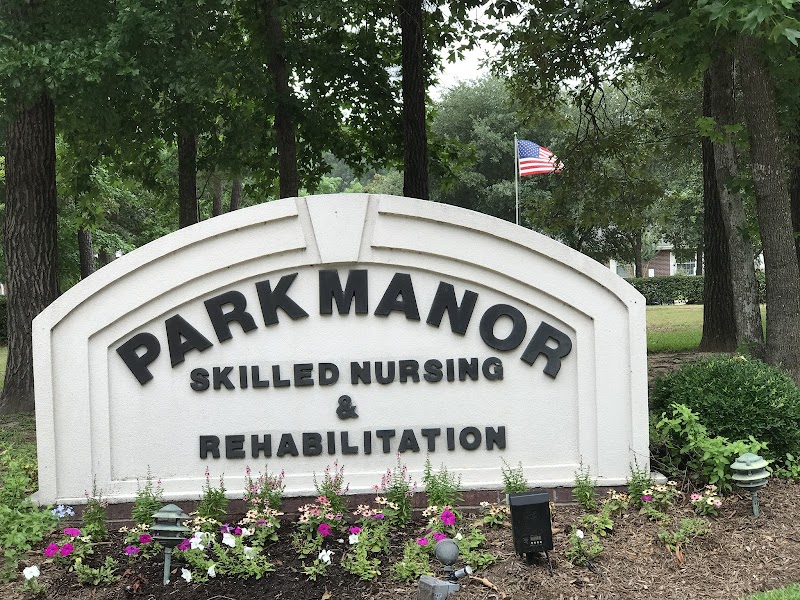
What is Park Manor Of Conroe's CMS Rating?

CMS assigns PARK MANOR OF CONROE an overall rating of 5 out of 5 stars, which is considered much above average nationally. Within Texas, this rating places the facility higher than 99% of the state's 100 nursing homes. This rating reflects solid performance across the metrics CMS uses to evaluate nursing home quality.
How is Park Manor Of Conroe Staffed?

CMS rates PARK MANOR OF CONROE's staffing level at 1 out of 5 stars, which is much below average compared to other nursing homes. Staff turnover is 55%, which is 9 percentage points above the Texas average of 46%. High turnover can affect care consistency as new staff learn residents' individual needs.

What Have Inspectors Found at Park Manor Of Conroe?

State health inspectors documented 5 deficiencies at PARK MANOR OF CONROE during 2021 to 2024. These included: 1 Immediate Jeopardy (the most serious level, indicating potential for serious harm or death) and 4 with potential for harm. Immediate Jeopardy findings are rare and represent the most serious regulatory concerns. They require immediate corrective action.

Who Owns and Operates Park Manor Of Conroe?

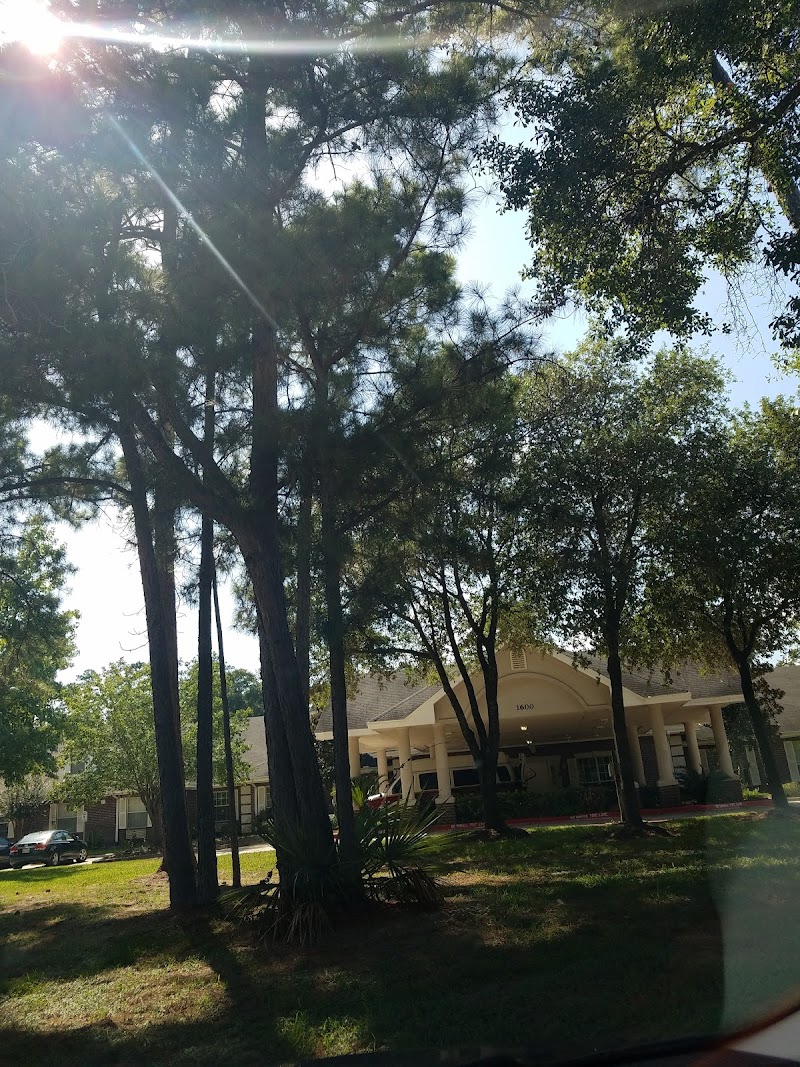
PARK MANOR OF CONROE is owned by a for-profit company. For-profit facilities operate as businesses with obligations to shareholders or private owners. The facility is operated by HMG HEALTHCARE, a chain that manages multiple nursing homes. With 125 certified beds and approximately 126 residents (about 101% occupancy), it is a mid-sized facility located in CONROE, Texas.
How Does Park Manor Of Conroe Compare to Other Texas Nursing Homes?

Compared to the 100 nursing homes in Texas, PARK MANOR OF CONROE's overall rating (5 stars) is above the state average of 2.8, staff turnover (55%) is near the state average of 46%, and health inspection rating (5 stars) is much above the national benchmark.

What Should Families Ask When Visiting Park Manor Of Conroe?

Based on this facility's data, families visiting should ask: "What changes have been made since the serious inspection findings, and how are you preventing similar issues?" "How do you ensure continuity of care given staff turnover, and what is your staff retention strategy?" "Can you walk me through typical staffing levels on day, evening, and night shifts?" "Can I visit during a mealtime to observe dining assistance and food quality?" These questions are particularly relevant given the facility's Immediate Jeopardy citations, the facility's high staff turnover rate, and the below-average staffing rating.

Is Park Manor Of Conroe Safe?

Based on CMS inspection data, PARK MANOR OF CONROE has documented safety concerns. Inspectors have issued 1 Immediate Jeopardy citation (the most serious violation level indicating risk of serious injury or death). The facility has a 5-star overall rating and ranks #1 of 100 nursing homes in Texas. Families considering this facility should ask detailed questions about what corrective actions have been taken since these incidents.

Do Nurses at Park Manor Of Conroe Stick Around?

Staff turnover at PARK MANOR OF CONROE is high. At 55%, the facility is 9 percentage points above the Texas average of 46%. High turnover means new staff may not know residents' individual needs, medications, or preferences. It can also be disorienting for residents, especially those with dementia who rely on familiar faces. Families should ask: What is causing the turnover? What retention programs are in place? How do you ensure care continuity during staff transitions?

Was Park Manor Of Conroe Ever Fined?

PARK MANOR OF CONROE has been fined $13,627 across 1 penalty action. This is below the Texas average of $33,215. While any fine indicates a compliance issue, fines under $50,000 are relatively common and typically reflect isolated problems that were subsequently corrected. Families should ask what specific issues led to these fines and confirm they've been resolved.

Is Park Manor Of Conroe on Any Federal Watch List?

PARK MANOR OF CONROE is not on any federal watch list. The most significant is the Special Focus Facility (SFF) program, which identifies the bottom 1% of nursing homes nationally based on persistent, serious quality problems. Not being on this list means the facility has avoided the pattern of deficiencies that triggers enhanced federal oversight. This is a positive indicator, though families should still review the facility's inspection history directly.