BIRCHWOOD NURSING AND REHABILITATION
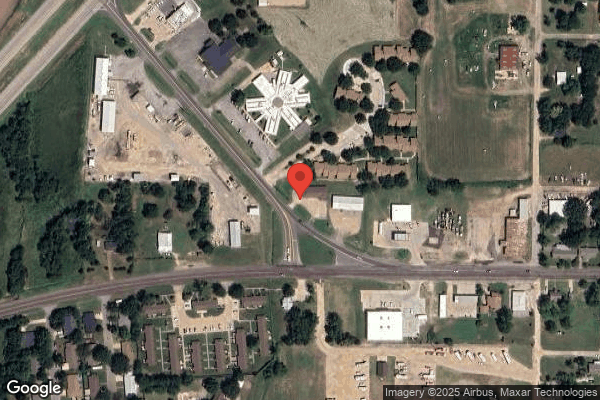
110 W HWY 64, COOPER, TX 75432 (903) 395-2125
For profit - Corporation 100 Beds CREATIVE SOLUTIONS IN HEALTHCARE Data: November 2025
Trust Grade
85/100
#18 of 1168 in TX
Last Inspection: June 2025

Inspected within the last 6 months. Data reflects current conditions.

Overview

Birchwood Nursing and Rehabilitation has a Trust Grade of B+, which means it is above average and recommended for families considering care options. It ranks #18 out of 1,168 facilities in Texas, placing it in the top half, and is the only nursing home in Delta County, highlighting its unique position as the best local choice. The facility's trend is stable, with five issues reported in both 2024 and 2025, indicating consistent challenges rather than worsening conditions. Staffing is a moderate strength, with a 3/5 rating and a turnover rate of 39%, which is better than the Texas average of 50%. Notably, there have been no fines, which is a positive sign, but some concerns were raised during inspections, including unsanitary conditions in the dining and shower areas and failures in providing necessary dialysis care for residents. These issues suggest room for improvement, but the overall quality ratings remain strong.

Trust Score
B+
85/100
In Texas
#18/1168
Top 1%
Safety Record
Low Risk
No red flags
Inspections
Holding Steady
5 → 5 violations
Staff Stability
○ Average
39% turnover. Near Texas's 48% average. Typical for the industry.
Penalties
✓ Good
No fines on record. Clean compliance history, better than most Texas facilities.
Skilled Nurses
⚠ Watch
Each resident gets only 18 minutes of Registered Nurse (RN) attention daily — below average for Texas. Fewer RN minutes means fewer trained eyes watching for problems.
Violations
⚠ Watch
13 deficiencies on record. Higher than average. Multiple issues found across inspections.
★★★★★
5.0
Overall Rating
★★★☆☆
3.0
Staff Levels
★★☆☆☆
2.0
Care Quality
★★★★★
5.0
Inspection Score
Stable
2024: 5 issues
2025: 5 issues

The Good

  • Full Sprinkler Coverage · Fire safety systems throughout facility
  • No fines on record
  • Staff turnover below average (39%)

    9 points below Texas average of 48%

Facility shows strength in fire safety.

The Bad

Staff Turnover: 39%

Near Texas avg (46%)

Typical for the industry

Chain: CREATIVE SOLUTIONS IN HEALTHCARE

Part of a multi-facility chain

Ask about local staffing decisions and management

The Ugly 13 deficiencies on record

Jun 2025 5 deficiencies
CONCERN (D)

Potential for Harm - no one hurt, but risky conditions existed

Deficiency F0582 (Tag F0582)

Could have caused harm · This affected 1 resident

**NOTE- TERMS IN BRACKETS HAVE BEEN EDITED TO PROTECT CONFIDENTIALITY** Based on interview and record review, the facility failed to ensure each resident was informed before, or at the time of admissi...

Read full inspector narrative →
**NOTE- TERMS IN BRACKETS HAVE BEEN EDITED TO PROTECT CONFIDENTIALITY** Based on interview and record review, the facility failed to ensure each resident was informed before, or at the time of admission, and periodically during the residents stay, of services available in the facility and of changes for those services, which included changes for services not covered under Medicare/Medicaid or by the facility's per diem rate for 1 of 3 residents (Resident #108) reviewed for Medicare/Medicaid coverage. The facility failed to ensure Resident #108 was given a SNF ABN when discharged from skilled services at the facility prior to covered days being exhausted. This failure could place residents at risk for not being aware of changes to provided services. Findings include: Record review of Resident #108's face sheet, dated 06/17/25, reflected Resident #108 was an [AGE] year-old male, readmitted to the facility on [DATE] with a diagnosis of pneumonitis (inflamed lung tissue) due to inhalation of food and vomit. Record review of Resident #108's quarterly MDS assessment, dated 04/29/25, reflected Resident #108 made himself understood and understood others. Resident #108's BIMS score was 4, which indicated his cognition was severely impaired. Record review of Resident #108's SNF Beneficiary Protection Notification Review reflected Resident #108 was receiving Medicare Part A services starting on 02/02/25, and the last covered day of Part A services was 03/09/25. During an interview on 06/18/25 at 10:14 a.m., the MDS Coordinator stated she was responsible for ensuring Resident #108 was issued a SNF ABN. The MDS Coordinator stated Resident #108 had 40 skilled benefit days remaining. The MDS Coordinator stated the form should have been issued if the resident had skilled benefit days remaining and was being discharged from Part A services and continued in the facility. The MDS Coordinator stated Resident #108 representative was informed of the services that might not be covered but it was not documented on a SNF ABN form. The MDS Coordinator stated it was important for the resident to receive the form so he would know what he was responsible for paying. During an interview on 06/18/25 at 10:44 a.m., the Administrator stated the MDS Coordinator was responsible for ensuring the SNF ABN was completed. The Administrator stated he expected the SNF ABN to be handed out if the resident had days remaining in the facility. The Administrator stated it was important for the resident to receive the form so they would know what they were responsible for. During an interview on 06/17/25 at 3:50 p.m., the Regional Compliance Nurse stated the facility did not have a policy regarding SNF ABN.
CONCERN (D)

Potential for Harm - no one hurt, but risky conditions existed

Deficiency F0637 (Tag F0637)

Could have caused harm · This affected 1 resident

**NOTE- TERMS IN BRACKETS HAVE BEEN EDITED TO PROTECT CONFIDENTIALITY** Based on interview and record review, the facility failed to complete a significant change MDS assessment within 14 days after a...

Read full inspector narrative →
**NOTE- TERMS IN BRACKETS HAVE BEEN EDITED TO PROTECT CONFIDENTIALITY** Based on interview and record review, the facility failed to complete a significant change MDS assessment within 14 days after a significant change in the resident's mental and physical condition for 2 of 17 residents (Resident #12 and Resident #17) reviewed for assessments. 1. The facility failed to complete a Significant Change in Status MDS Assessment after Resident #17 admitted to hospice services on 04/12/2025. 2. The facility failed to complete a Significant Change in Status MDS Assessment after Resident #12 admitted to hospice services on 02/26/2025. These failures could place residents at risk of having inaccurate assessment, not having individual needs met and decreased quality of life. Findings included: 1. Record review of a face sheet dated 06/18/2025 indicated Resident #17 was a [AGE] year-old male initially admitted to the facility on [DATE] and re-admitted on [DATE] with diagnoses which included encephalopathy (brain disease, damage, or malfunction that causes an altered mental state) and unspecified protein-calorie malnutrition (condition where not enough essential nutrients are consumed which can lead to significant health issues, including muscle and fat loss, impaired immune function, and overall decline in health status). Record review of Resident #17's Order Summary Report dated 06/18/2025 indicated he had an order to admit to hospice services with an order date of 04/12/2025. Record review of Resident #17's care plan with a date initiated of 04/14/2025 indicated he had a terminal prognosis and received hospice services. Record review of Resident #17's electronic health record did not indicate a Significant Change in Status MDS Assessment was completed after Resident #17 admitted to hospice services on 04/12/2025. Record review of the Texas Medicaid Hospice Program Individual Election/Cancellation/Update Form 3071 indicated hospice services were started 04/12/2025. During an interview on 06/17/2025 at 2:43 PM, the MDS Coordinator said she was responsible for completing the MDS assessments for the residents. The MDS Coordinator said she did not complete a Significant Change in Status MDS Assessment for Resident #17 because she did not think he needed one. The MDS Coordinator said Resident #17 admitted to hospice services, but he did not have a change in his condition. The MDS Coordinator said she missed completing the Significant Change in Status MDS Assessment on Resident #17. The MDS Coordinator said it was important for the Significant Change in Status MDS Assessments to be completed as required so the state and staff knew about the change in the resident's condition. 2. Record review of Resident #12's face sheet dated 06/17/25, indicated an [AGE] year-old female who initially admitted to the facility on [DATE], with diagnoses which included dementia (memory loss) and post-traumatic stress disorder (mental disorder that develops from experiencing a traumatic event). Record review of Resident #12's quarterly MDS assessment dated [DATE], indicated she was understood and understood others. Resident #12 had a BIMS score of 9, which indicated her cognition was moderately impaired. The MDS assessment indicated Resident #12 received hospice care. Record review of Resident #12's comprehensive care plan revised on 03/05/25, indicated Resident #12 had a terminal prognosis and/or was receiving hospice services. The care plan interventions included if resident was receiving hospice services, to work cooperatively with hospice team to ensure the resident's spiritual, emotional, intellectual, physical needs were met. Record review of Resident #12's order summary report dated 06/17/25, indicated she had an order to admit to [hospice company] for Alzheimer's/dementia with an order start date of 02/26/25. Record review of Resident #12's electronic health record did not indicate a Significant Change in Status MDS Assessment was completed after Resident #12 admitted to hospice services on 02/26/2025. During an interview on 06/17/25 at 2:53 PM, the MDS Coordinator said Resident #12 admitted to hospice services in February 2025. She said she was responsible for completing the Significant Change in status MDS assessments. She said a Significant Change in Status MDS assessment should have been completed for Resident #12 within 14 days of her being admitted to hospice. She said she had not been educated on completing a Significant Change in Status MDS assessments when a resident was admitted to hospice services. She said she thought the resident had to have 2 qualifying changes in status to warrant a Significant Change in Status MDS assessment. She said she was not aware being admitted to hospice services only required one change in status. The MDS Coordinator said there was no risk to Resident #12 not having a Significant Change MDS assessment completed. During an interview on 06/17/2025 at 3:48 PM, the Regional Reimbursement Nurse said a Significant Change in Status MDS Assessment should be completed within 14 days of a resident's admission to hospice services. The Regional Reimbursement Nurse said the MDS Coordinator was responsible for completing the MDS assessments as required. The Regional Reimbursement Nurse said she did not oversee the MDS Coordinator she was just her corporate support, and she was new to the position. The Regional Reimbursement Nurse said she was not aware the MDS Coordinator had not completed the Significant Change in Status MDS Assessments. The Regional Reimbursement Nurse said not completing a Significant Change in Status MDS Assessment did not affect the residents. During an interview on 06/18/2025 at 11:35 AM, the Administrator said the MDS Coordinator was responsible for completing the MDS assessments as required. The Administrator said he expected the MDS Coordinator to complete the MDS assessments on time and when appropriate. The Administrator said it was important for the Significant Change in Status MDS Assessments to be completed as required for continuity of care. During an interview on 06/18/2025 at 11:39 AM, the ADON said the facility did not have a policy on completion of the MDS assessments. The ADON said they followed the RAI manual. Record review of the Long-Term Care Facility Resident Assessment Instrument 3.0 User's Manual Version 1.18.11 dated October 2023, indicated, An SCSA is required to be performed when a terminally ill resident enrolls in a hospice program (Medicare-certified or State-licensed hospice provider) or changes hospice providers and remains a resident at the nursing home. The ARD must be within 14 days from the effective date of the hospice election (which can be the same or later than the date of the hospice election statement, but not earlier than). An SCSA must be performed regardless of whether an assessment was recently conducted on the resident.
CONCERN (D)

Potential for Harm - no one hurt, but risky conditions existed

PASARR Coordination (Tag F0644)

Could have caused harm · This affected 1 resident

**NOTE- TERMS IN BRACKETS HAVE BEEN EDITED TO PROTECT CONFIDENTIALITY** 2. Record review of Resident #41's face sheet, dated [DATE], reflected Resident #41 was a [AGE] year-old male, admitted to the f...

Read full inspector narrative →
**NOTE- TERMS IN BRACKETS HAVE BEEN EDITED TO PROTECT CONFIDENTIALITY** 2. Record review of Resident #41's face sheet, dated [DATE], reflected Resident #41 was a [AGE] year-old male, admitted to the facility on [DATE] with diagnoses which included psychotic disorder with delusions (a disconnect from reality, where an individual holds strongly to false beliefs that are not based in reality). Record review of Resident #41's annual MDS assessment, dated [DATE], reflected Section A1500 (Preadmission Screening and Resident Review (PASRR)) asked Is the resident currently considered by the state level II PASRR process to have serious mental ill ness and/or intellectual disability or a related condition? This section was marked 0 which meant No. Section A.1510 Level II Preadmission Screening and Resident Review (PASRR) Conditions did not have A. Serious mental illness, B. Intellectual Disability, or C. Other related conditions checked. Resident #41 sometimes made himself understood, and sometimes understood others. Resident #61 had a BIMS score of 3, which indicated his cognition was severely impaired. Record review of Resident #41's comprehensive care did not address PASRR in the care plan. Record review of the PASRR Level 1 Screening form, dated [DATE], reflected Resident #41 had no evidence or indicator of mental illness. During a telephone interview on [DATE] at 3:36 p.m., the PASRR Manager stated if a diagnosis was added that was not previously there, she expected a Form 1012 and a new PASRR Level 1 Screening to be submitted to alert the local authority that the resident required a PASRR evaluation because of a qualifying diagnosis. The PASRR Manager stated the MDS Coordinator was responsible for ensuring a Form 1012 and a new PASRR Level 1 Screening was submitted. The PASRR Manager stated it was important for the residents to be screened for PASRR to ensure their evaluated for eligibility and services. During an interview on [DATE] at 3:50 p.m., the Regional Compliance Nurse stated the facility did not have a policy regarding PASRRs. During an interview on [DATE] at 10:14 a.m., the MDS Coordinator stated she was responsible for ensuring that the local authority was notified of the new diagnosis. The MDS Coordinator stated when Resident #41 was admitted he had no psychiatric diagnoses or medications but two weeks later he received a new order for Zyprexa (psychiatric medication) and a diagnosis of Psychotic Disorder due to behaviors. The MDS Coordinator stated either a Form 1012 or another PASRR Level 1 Screening should have been submitted to alert the local authority of change in PASRR status. The MDS Coordinator stated, it was missed. The MDS Coordinator stated it was important for the residents to be screened for PASRR to ensure their evaluated for eligibility and services. During an interview on [DATE] at 10:44 a.m., the Administrator stated he expected the MDS Coordinator to submit either a Form 1012 or a new PASRR Level 1 Screening to notify the local authority of the new mental health diagnosis. The Administrator stated it was important for the residents to be screened for PASRR to ensure their evaluated for eligibility and services. Based on interview, and record review, the facility failed to ensure individuals with mental health disorders were provided an accurate Preadmission Screening and Resident Review (PASRR) Screenings for 2 of 8 residents (Resident #12 and Resident #41) reviewed for PASRR. 1. The facility failed to refer Resident #12 for PASRR review following new mental illness diagnosis of posttraumatic stress disorder (mental disorder that develops from experiencing a traumatic event) on [DATE]. 2. The facility failed to refer Resident #41 for PASRR review following a mental illness diagnosis of psychotic disorder with delusions (a disconnect from reality, where an individual holds strongly to false beliefs that are not based in reality) on [DATE]. These failures could place residents at risk of not receiving needed assessments (PASRR Evaluation), individualized care, and specialized services to meet their needs. Findings included: 1.Record review of Resident #12's face sheet dated [DATE], indicated an [AGE] year-old female who initially admitted to the facility on [DATE], with diagnosis of post-traumatic stress disorder, onset date of [DATE]. Record review of Resident #12's quarterly MDS assessment dated [DATE], indicated she was understood and understood others. Resident #12 had a BIMS score of 9, which indicated her cognition was moderately impaired. The MDS indicated Resident #12 had an active diagnoses of post-traumatic stress disorder. Record review of Resident #12's comprehensive care plan revised on [DATE], indicated Resident #12 had a history of trauma that may have a negative impact. The trauma was related to loss of [family member #1] while in the care of her older [family member #2], resident's [family member #2] died in her 20's from measles, [family member #3], [family member #4], and [family member #5] died in a wreck and [family member #6] died in a diabetic coma. The care plan interventions included to monitor for escalating anxiety, depression, sleep disturbance, substance abuse, or suicidal thoughts and report immediately to the physician and to the mental health care provider if applicable. Record review of Resident #12's PASRR Level 1 screening dated [DATE], indicated No if there was evidence Resident #12 had a mental illness, intellectual disability, or developmental disability. Record review of Resident #12's order summary report dated [DATE], indicated she had an order for prazosin 1mg give one capsule daily at bedtime for nightmares/PTSD with an order start date of [DATE]. Record review of Resident #12's medication administration record dated [DATE]-[DATE], indicated she had received one capsule of prazosin 1mg daily at 7:00PM. Record review of Resident #12's EMR on [DATE] did not reveal a Form 1012 (Mental Illness/Dementia Resident Review) completed or a new PASRR Level 1. During an interview on [DATE] at 2:53 PM, the MDS Coordinator said Resident #12 did not require a new PASRR Level 1 or a Form 1012 to be completed because PTSD was not a mental illness. She said she looked at the PASRR Evaluation form and PTSD was not listed as a qualifying diagnosis for mental illness therefore a new PASRR Level 1 or a Form 1012 was not needed. During an interview on [DATE] at 3:35 PM, the PASRR Program Manager said if a resident had a new mental diagnosis a Form 1012 was to be completed to determine if further screening was needed. He said PTSD was a qualifying diagnosis for mental illness. He said the MDS Coordinator was responsible for completing a new PASRR Level 1 or a Form 1012. He said it was important for those to be completed for an individual with a mental illness. He said by not completing a new PASRR Level 1 or a Form 1012, the resident could have been eligible for PASRR services and would not receive them. During an interview on [DATE] at 3:41 PM, the Regional Reimbursement Nurse said the diagnosis of PTSD was not specifically stated on the PASRR level 1 or the Form 1012 so she could see how it could have been missed. She said she would have completed a new PASRR Level 1 or a Form 1012. The Regional Reimbursement Nurse said it was important to complete a new PASRR Level 1 or a Form 1012 to see if the resident qualified for PASRR services. She said if the resident did qualify, she could have missed receiving those services. She said the MDS Coordinator was responsible for completing a new PASRR level one or a Form 1012. The Regional Reimbursement Nurse said other Regional Reimbursement Nurses and herself completed quarterly audits to ensure PASRRs were being completed.
CONCERN (D)

Potential for Harm - no one hurt, but risky conditions existed

Unnecessary Medications (Tag F0759)

Could have caused harm · This affected 1 resident

**NOTE- TERMS IN BRACKETS HAVE BEEN EDITED TO PROTECT CONFIDENTIALITY** Based on observation, interview and record review, the facility failed to ensure that it was free of medication error rate of 5 ...

Read full inspector narrative →
**NOTE- TERMS IN BRACKETS HAVE BEEN EDITED TO PROTECT CONFIDENTIALITY** Based on observation, interview and record review, the facility failed to ensure that it was free of medication error rate of 5 percent or greater. The facility had a medication error rate of 5.56%, based on 2 errors out of 36 opportunities, which involved 1 of 6 residents (Resident #43) reviewed for medication administration. The facility failed to ensure MA A administered Resident #43's Artificial Tears and followed the physician's order for Resident #43's Moxifloxacin Ophthalmic Solution (antibiotic eye drops) on 06/17/2025. These failures could place residents at risk of not receiving therapeutic effects of their medications and possible adverse reactions. Findings included: Record review of a face sheet dated 06/18/2025 indicated Resident #43 was a [AGE] year-old female admitted to the facility on [DATE] with diagnoses which included dementia (deterioration of memory, language, and other thinking abilities with behaviors) and candidiasis of skin and nail (fungal infection of skin and nail). Record review of the Quarterly MDS assessment dated [DATE] indicated Resident #43 understood others and was understood by others. The MDS assessment indicated Resident #43's BIMS score was a 12, which indicated her cognition was moderately impaired. The MDS assessment indicated Resident #43 used an antibiotic. Record review of Resident #43's Order Summary Report indicated the following orders: Artificial Tears Ophthalmic (eye) Solution 1 % Instill 1 drop in both eyes five times a day with a start date of 02/16/2024. Moxifloxacin (antibiotic) Ophthalmic Solution 0.5 % Instill 1 drop in left eye four times a day with a start date of 02/16/2024. Record review of Resident #43's June 2025 MAR indicated her Moxifloxacin 0.5% solution scheduled for 7:00 AM and Artificial Tears scheduled at 9:00 AM were administered by MA A. Record review of Resident #43's care plan last reviewed 04/24/2025 indicated she had an eye infection related to candidiasis of the eye to give therapeutic ointments, drops as ordered by the physician. During an observation of medication administration on 06/17/2025 starting at 7:45 AM, MA A administered one drop of Moxifloxacin 0.5% solution in both of Resident #43's eyes and did not administer Resident #43's Artificial Tears. During an interview on 06/17/2025 at 10:18 AM, MA A said she administered Resident #43's Moxifloxacin in both eyes because she misread the order. MA A said she got caught up in trying to get Resident #43's medications together and forgot to administer Resident #43's Artificial Tears. MA A said when she administered medications she should check the prescription with the computer, ensure it was the right resident, amount, time, and how many times the medication was given. MA A said it was important to administer medications as ordered because something could go wrong with the resident and their health. During an interview on 06/18/2025 at 11:15 AM, the DON said the ADON and herself monitored the nurses and medication aides to ensure they were administering medications correctly by conducting the annual check offs and as needed. The DON said if medications were not administered per the doctors' orders the problem or reason the medication was intended for was not going to be resolved. During an interview on 06/18/2025 at 11:35 AM, the Administrator said he expected for medications to be administered per the doctors' orders and for there not to be any mistakes. The Administrator said the DON and ADON were responsible for monitoring to ensure medication errors did not occur. The Administrator said medication errors could affect any residents in the facility. During an interview on 06/18/2025 at 11:50 AM, the ADON said she helped monitor the nurses and medication aides to ensure they administered medications correctly. The ADON said a couple times a month she randomly observed them when they administered medications to ensure they were doing it correctly. The ADON said MA A had only been a MA for about two weeks. The ADON said she had checked off MA A on medication administration, and she had done fine. The ADON said if the residents did not receive medications per the doctors' orders it could be detrimental to their health because they would not be receiving what they needed. Record review of the facility's undated policy titled, Medication Administration and General Guidelines, indicated, Medications are administered as prescribed, In accordance with State Regulations using good nursing principles and practices and only by persons legally authorized to do so .Checklist for completing proper steps in the administration of medications .Adheres to the 6 rights of Medication Administration: 1) Right Dose 2) Right Route 3) Right Resident 4) Right Medication 5) Right Time 6) Right Documentation .
CONCERN (D)

Potential for Harm - no one hurt, but risky conditions existed

Infection Control (Tag F0880)

Could have caused harm · This affected 1 resident

**NOTE- TERMS IN BRACKETS HAVE BEEN EDITED TO PROTECT CONFIDENTIALITY** Based on observation, interview, and record review, the facility failed to maintain an infection prevention and control program ...

Read full inspector narrative →
**NOTE- TERMS IN BRACKETS HAVE BEEN EDITED TO PROTECT CONFIDENTIALITY** Based on observation, interview, and record review, the facility failed to maintain an infection prevention and control program designed to provide a safe, sanitary, and comfortable environment to help prevent the development and transmission of communicable diseases and infections for 1 of 2 residents (Resident #107) reviewed for infection control. The facility did not ensure LVN B performed hand hygiene while providing wound care to Resident #107. This failure could place residents at risk for cross contamination and the spread of infection. Findings included: Record review of Resident #107's face sheet, dated 06/18/25, reflected Resident #107 was a [AGE] year-old male, admitted to the facility on [DATE] with a diagnosis which included hypothyroidism (thyroid gland doesn't produce enough thyroid hormone). Record review of Resident #107's admission MDS, dated [DATE], reflected Resident #107 made himself understood and understood others. Resident #107's BIMS score was 9, which reflected her cognition was moderately impaired. Resident #107 had an open lesion other than ulcers, rashes, and cuts. Record review of Resident #107's comprehensive care plan, revised on 05/13/25 reflected Resident #107 had potential/actual impairment to skin integrity related to lesion on right cheek. The care plan interventions included avoid scratching, keep hands, and body parts from excessive moisture, encourage good nutrition/hydration and keep skin clean and dry. Record review of Resident #107's order summary report, dated 06/18/25, reflected an active physician's order to clean wound to right side of face with normal saline (wound cleanser), apply xeroform gauze (wound dressing) and cover with gauze island (wound dressing) with border one time a day and as needed for wound healing with a start date 05/16/25. During an interview and observation on 06/17/25 at 8:13 a.m., LVN B applied a set of gloves and gathered wound care supplies from treatment cart. LVN B doff (off) and don (on) new gloves without cleansing her hands or using hand sanitizer. LVN B cleaned the wound with normal saline, doff gloves and don gloves without cleansing her hands or using hand sanitizer. LVN B dried the wound using a gauze, doff and don new gloves without cleansing her hands or using hand sanitizer. LVN B applied a xeroform gauze to the wound and finished up the wound care. LVN B stated she should have performed hand washing between gloves changes. LVN B stated I don't know when asked why she did not perform hand hygiene. LVN B stated it was important to perform hand hygiene between glove changes to prevent the spread of infection. During an interview on 06/18/25 at 10:27 a.m., the DON stated she expected LVN B to sanitize her hands between each glove changes. The DON stated she was the Infection Control Preventionist, and she monitored by annual check off and random spot checks. The DON stated if there was an issue noted staff was in-service on the spot. The DON stated she has never had any issues with LVN B providing wound care. The DON stated it was important to perform hand hygiene to prevent the spread of infection. During an interview on 06/18/25 at 10:44 a.m., the Administrator stated he expected hand hygiene to be performed between gloves changes. The Administrator stated the DON was responsible for monitoring and overseeing. The Administrator stated it was important to ensure infection control practices were followed to prevent the spread of infection. Record review of a licensed nurse proficiency audit dated 01/03/25 reflected LVN B had been checked off on proper handwashing technique. Record review of the facility's undated policy titled, Fundamentals of Infection Control Precautions reflected . A variety of infection control measures are used for decreasing the risk of transmission of microorganisms in the facility. These measures make up the fundamentals of infection control precautions . 1. Hand Hygiene . After removing gloves .
May 2024 5 deficiencies
CONCERN (D) 📢 Someone Reported This

A family member, employee, or ombudsman was alarmed enough to file a formal complaint

Potential for Harm - no one hurt, but risky conditions existed

Incontinence Care (Tag F0690)

Could have caused harm · This affected 1 resident

**NOTE- TERMS IN BRACKETS HAVE BEEN EDITED TO PROTECT CONFIDENTIALITY** Based on observation, interview, and record review, the facility failed to ensure a resident who was incontinent of bladder rece...

Read full inspector narrative →
**NOTE- TERMS IN BRACKETS HAVE BEEN EDITED TO PROTECT CONFIDENTIALITY** Based on observation, interview, and record review, the facility failed to ensure a resident who was incontinent of bladder received appropriate treatment and services to prevent urinary tract infections and to restore continence to the extent possible for 1 of 4 residents (Resident #13) reviewed for incontinence. The facility failed to ensure Resident #13 was provided proper incontinent care. These failures could place residents at risk for urinary tract infections and a decreased quality of life. Findings included: Record review of a face sheet dated 05/07/24 indicated Resident #13 was a [AGE] year-old female initially admitted to the facility on [DATE] and re-admitted on [DATE] with diagnoses which included dementia in other diseases classified elsewhere unspecified severity with other behavioral disturbance (loss of memory, language, problem solving and other thinking abilities that were severe enough to interfere with daily life with behaviors). Record review of the Quarterly MDS assessment dated [DATE] indicated Resident #13 was sometimes understood by others and sometimes understood others. The MDS assessment indicated Resident #13 had a BIMS score of 00, which indicated her cognition was severely impaired. The MDS assessment indicated Resident #13 was always incontinent of urine and was frequently incontinent of bowel. The MDS assessment indicated Resident #13 required partial/moderate assistance with toileting and substantial/maximal assistance with personal hygiene. Record review of Resident #13's care plan last reviewed 04/25/2024 indicated she required the assistance of 1 staff for toilet use. Resident #13's care plan indicated she had potential for pressure ulcer development to provide incontinent care after each episode and apply moisture barrier. Record review of Resident #13's Order Summary Report dated 05/08/2024 indicated Amoxicillin-Potassium Clavulanate tablet 875-125 mg give 1 tablet by mouth every day and evening shift for bacterial infection related to urinary tract infection for 10 days with a start date of 05/08/2024. During an observation on 05/07/2024 at 10:37 AM, CNA B provided incontinent care with LVN A. CNA B put on gloves and removed Resident #13's brief. Resident #13 had a bowel movement. CNA B wiped Resident #13 and with the same wipe that had stool on it wiped her again from front to back. CNA B grabbed another wipe and did the same thing. CNA B did not use a clean wipe or clean area on the wipe when wiping Resident #13's peri area. After wiping Resident #13's peri area, CNA B removed one glove and grabbed a clean brief and applied it with her ungloved hand. CNA B did not change gloves and perform hand hygiene prior to applying the clean brief. CNA B finished removed her other glove and washed her hands. During an interview on 05/07/2024 at 10:44 AM, CNA B said when she provided incontinent care to Resident #13, she should have changed both of her gloves before applying the clean brief and should have only wiped once instead of multiple times with the same wipe. CNA B said she was in a hurry, and she was nervous so that's why she had not done that. CNA B said she was trying to flip sides on the wipe but was unable to. CNA B said she should have changed gloves and only wiped once because it could cause urinary tract infections. During an interview on 05/08/2024 at 10:43 AM, LVN A said the charge nurses were responsible for ensuring the CNAs provided proper incontinent care. LVN A said she noticed CNA B did not change gloves at the appropriate times and wiped more than once with the same wipe. LVN A said she tried to prompt CNA B, but she did not hear her. LVN A said the same wipe should not be used multiple times to prevent the stool from causing a urinary tract infection. LVN A said gloves should be changed to get rid of the dirty. During an interview on 05/08/2024 at 12:06 PM, the Administrator said the expectations were for the CNAs to follow the policy for incontinent care and do it as they were supposed to do it. The Administrator said the DON was responsible for providing oversight for the CNAs. The Administrator said it was important for proper incontinent care to be performed to help eliminate urinary tract infections. During an interview on 05/08/2024 at 12:29 PM, the DON said when providing incontinent care, the CNAs should wipe once and throw the wipe away and get a new one. The DON said gloves should be changed between the dirty and clean, and the CNAs should wash their hands in between glove changes. The DON said the ADON, herself, or designees visually watched the CNAs provide incontinent care at least once a quarter if not more to ensure they performed incontinent care properly. The DON said it was important to provide proper incontinent care because the residents could get an infection. Record review of the facility's policy titled, Perineal Care, effective date 05/11/2022, indicated, . This procedure aims to maintain the resident dignity and self-worth and reduce embarrassment by providing cleanliness and comfort to the resident, preventing infections and skin irritation, and observing the resident's skin condition . 11) [NAME] gloves and all other PPE per standard precautions i. Choose your PPE by considering the type of exposure, the durability and appropriateness for the task 12) Soak towels in a washbasin filled with warm water (make sure it is at a comfortable temperature) and facility approved cleansing agent or remove an adequate number of pre-moistened cleansing wipes . Female resident: Working from front to back, wipe . Use a clean area of the washcloth or pre-moistened cleansing wipes for each stroke .21) Gently perform care to the buttocks and anal area, working from front to back without contaminating the perineal area . 24) Doff gloves and PPE 25) Perform hand hygiene . Important Points . Do not wipe more than once with the same surface . Always perform hand hygiene before and after glove use .
CONCERN (D)

Potential for Harm - no one hurt, but risky conditions existed

Deficiency F0806 (Tag F0806)

Could have caused harm · This affected 1 resident

**NOTE- TERMS IN BRACKETS HAVE BEEN EDITED TO PROTECT CONFIDENTIALITY** Based on observation, interview, and record review the facility failed ensure each resident receives and the facility provides f...

Read full inspector narrative →
**NOTE- TERMS IN BRACKETS HAVE BEEN EDITED TO PROTECT CONFIDENTIALITY** Based on observation, interview, and record review the facility failed ensure each resident receives and the facility provides food that accommodates residents' food preferences for 1 (Resident #29) of 14 residents reviewed for food preferences and the accommodation of resident's meal choices. The facility failed to honor Resident #29's preference for double protein portions. This failure could result in a decrease in resident choices, diminished interest in meals, and weight loss. Findings included: Record review of a face sheet, dated 05/08/2024, indicated Resident #29 was a [AGE] year-old male, admitted to the facility on [DATE] with diagnoses which included schizoaffective disorder (a condition that can make you feel detached from reality and can affect your mood), and abnormal weight loss. Record review of an order summary report dated 05/08/2024 indicated Resident #29 had an order for regular diet, regular texture, double protein portions with meals with an order start date of 01/10/2024. Record review of Resident #29's quarterly MDS assessment, dated 03/11/2024, indicated Resident #29 understood others and made himself understood. Resident #29 had a BIMS score of 15, which indicated his cognition was intact. Resident #29 was independent for eating. Record review of the care plan last revised on 09/27/2023 indicated Resident #29 was at risk for malnutrition and was on a regular diet with thin liquids, and double protein portions with meals. The care plan interventions included, encourage 3 or less snacks/day as tolerated, serve diet as ordered and food serve supervision to monitor and discuss food preferences. Record review of the lunch meal ticket dated 05/06/2024 for Resident #29 indicated Resident #29 was on a regular diet and should have received double protein portions. During an observation on 05/06/2024 at 12:00 p.m., Resident #29 was sitting at the table in the dining room. The DON served Resident #29's meal tray with only one slice of meat loaf. The surveyor showed the DON that Resident #29 did not receive double protein portion. During an interview on 05/06/2024 at 1:00 p.m., Resident #29 stated he did not eat a lot of vegetables and he preferred double meat. During an interview on 05/08/2024 at 12:48 p.m., [NAME] D stated she was responsible for ensuring residents received the correct portions. [NAME] D stated she thought the piece that was given to Resident #29 was big enough for double portions, but she should have given two slices to equal double portions. [NAME] D stated he received double protein (meat) portions because he did not like vegetables. [NAME] D stated it was important to ensure Resident #29 received the correct portion to prevent weight loss. During an interview on 05/08/2024 at 12:59 p.m., the Dietary Manager stated [NAME] D was responsible for ensuring Resident #29 received the correct portions. The Dietary Manager stated Resident #29 only eats the protein (meat) and did not like vegetables or starches. The Dietary Manager stated two slices of meat loaf should have been served. The Dietary Manager stated she was responsible for overseeing by monitoring lunch meals. The Dietary Manager stated she had not noticed this issue in the past, but staff had been verbally in-serviced. The Dietary Manager stated it was important for their food preferences and meal tickets to be followed to prevent weight loss. During an interview on 05/08/2024 at 2:45 p.m., The DON stated she was responsible for checking the trays to ensure the proper diet has been served. The DON stated Resident #29 should have had double protein portions on his tray. The DON stated she thought the piece was bigger than a regular portion until surveyor pointed it out that it was the same portion as the resident next to him. The DON stated it was important for Resident #29's food preference to be followed to make sure he was getting the nutrition and calories that he needs since he preferred meat instead of vegetables and starches. The DON stated this failure put Resident #29 at risk for weight loss. During an interview on 05/08/2024 at 2:56 p.m., the Administrator stated he expected for the meal tickets and for food preferences to be followed. The Administrator stated the nurse should be checking the meal tickets for accuracy. The Administrator stated the Dietary Manager was responsible for ensuring the residents were served according to their meal tickets and preferences. The Administrator stated it was important for their food preferences and meal tickets to be followed because it was their right, and wellbeing. Record review of the facility's undated policy, titled Resident Meal Service and HS Snack, indicated, 9. If a resident request larger amount of food for all meals, a large portions diet can be ordered and served. For occasional request a double portion of any meal component may be offered
CONCERN (D) 📢 Someone Reported This

A family member, employee, or ombudsman was alarmed enough to file a formal complaint

Potential for Harm - no one hurt, but risky conditions existed

Infection Control (Tag F0880)

Could have caused harm · This affected 1 resident

**NOTE- TERMS IN BRACKETS HAVE BEEN EDITED TO PROTECT CONFIDENTIALITY** Based on observation, interview, and record review, the facility failed to maintain an infection prevention and control program ...

Read full inspector narrative →
**NOTE- TERMS IN BRACKETS HAVE BEEN EDITED TO PROTECT CONFIDENTIALITY** Based on observation, interview, and record review, the facility failed to maintain an infection prevention and control program designed to provide a safe, sanitary, and comfortable environment and to help prevent the development and transmission of communicable diseases and infections for 1 of 4 residents (Resident #13) reviewed for infection control. The facility failed to ensure CNA B changed gloves and performed hand hygiene while providing incontinent care to Resident #13. The facility failed to ensure CNA B used a clean wipe when cleaning Resident #13's peri area. These failures could place residents and staff at risk for cross contamination and the spread of infection. Findings included: Record review of a face sheet dated 05/07/24 indicated Resident #13 was a [AGE] year-old female initially admitted to the facility on [DATE] and re-admitted on [DATE] with diagnoses which included dementia in other diseases classified elsewhere unspecified severity with other behavioral disturbance (loss of memory, language, problem solving and other thinking abilities that were severe enough to interfere with daily life with behaviors). Record review of the Quarterly MDS assessment dated [DATE] indicated Resident #13 was sometimes understood by others and sometimes understood others. The MDS assessment indicated Resident #13 had a BIMS score of 00, which indicated her cognition was severely impaired. The MDS assessment indicated Resident #13 was always incontinent of urine and was frequently incontinent of bowel. The MDS assessment indicated Resident #13 required partial/moderate assistance with toileting and substantial/maximal assistance with personal hygiene. Record review of Resident #13's care plan last reviewed 04/25/2024 indicated she required the assistance of 1 staff for toilet use. Resident #13's care plan indicated she had potential for pressure ulcer development to provide incontinent care after each episode and apply moisture barrier. Record review of Resident #13's Order Summary Report dated 05/08/2024 indicated Amoxicillin-Potassium Clavulanate tablet 875-125 mg give 1 tablet by mouth every day and evening shift for bacterial infection related to urinary tract infection for 10 days with a start date of 05/08/2024. During an observation on 05/07/2024 at 10:37 AM, CNA B provided incontinent care with LVN A. CNA B put on gloves and removed Resident #13's brief. Resident #13 had a bowel movement. CNA B wiped Resident #13 and with the same wipe that had stool on it wiped her again from front to back. CNA B grabbed another wipe and did the same thing. CNA B did not use a clean wipe or clean area on the wipe when wiping Resident #13's peri area. After wiping Resident #13's peri area, CNA B removed one glove and grabbed a clean brief and applied it with her ungloved hand. CNA B did not change gloves and perform hand hygiene prior to getting the clean brief and applying it. CNA B finished removed her other glove and washed her hands. During an interview on 05/07/2024 at 10:44 AM, CNA B said when she provided incontinent care to Resident #13, she should have changed both of her gloves before applying the clean brief and should have only wiped once instead of multiple times with the same wipe. CNA B said she was in a hurry, and she was nervous so that's why she had not done that. CNA B said she was trying to flip sides on the wipe but was unable to. CNA B said she should have changed gloves and only wiped once because it could cause urinary tract infections. CNA B said changing gloves and performing hand hygiene was important to prevent the spread of infection. During an interview on 05/08/2024 at 10:43 AM, LVN A said the charge nurses were responsible for ensuring the CNAs provided proper incontinent care. LVN A said she noticed CNA B did not change gloves at the appropriate times and wiped more than once with the same wipe. LVN A said she tried to prompt CNA B, but she did not hear her. LVN A said the same wipe should not be used multiple times to prevent the stool from causing a urinary tract infection. LVN A said gloves should be changed to get rid of the dirty. During an interview on 05/08/2024 at 12:06 PM, the Administrator said the expectations were for the CNAs to follow the policy for incontinent care/hand hygiene and do it as they were supposed to do it. The Administrator said the DON was responsible for providing oversight for the CNAs. The Administrator said it was important for the CNAs to change gloves, perform hand hygiene, and wipe properly during incontinent care to eliminate urinary tract infections and infection. During an interview on 05/08/2024 at 12:29 PM, the DON said when providing incontinent care, the CNAs should wipe once and throw the wipe away. The DON said the CNAs should get a new one, and gloves should be changed between the dirty and clean. The DON said the CNAs should wash their hands in between glove changes. The DON said the ADON, herself, or designees visually watched the CNAs provide incontinent care at least once a quarter if not more to ensure they performed incontinent care properly. The DON said it was important to change gloves, use clean wipes, and perform hand hygiene when providing incontinent care because the residents could get an infection. Record review of the facility's undated policy titled, Hand Hygiene, indicated, You may use alcohol-based hand cleaner or soap/water for the following .after removing gloves . Record review of the facility's policy titled, Perineal Care, effective date 05/11/2022, indicated, . This procedure aims to maintain the resident dignity and self-worth and reduce embarrassment by providing cleanliness and comfort to the resident, preventing infections and skin irritation, and observing the resident's skin condition . 11) [NAME] gloves and all other PPE per standard precautions i. Choose your PPE by considering the type of exposure, the durability and appropriateness for the task 12) Soak towels in a washbasin filled with warm water (make sure it is at a comfortable temperature) and facility approved cleansing agent or remove an adequate number of pre-moistened cleansing wipes . Female resident: Working from front to back, wipe . Use a clean area of the washcloth or pre-moistened cleansing wipes for each stroke .21) Gently perform care to the buttocks and anal area, working from front to back without contaminating the perineal area . 24) Doff gloves and PPE 25) Perform hand hygiene . Important Points . Do not wipe more than once with the same surface . Always perform hand hygiene before and after glove use .
CONCERN (D)

Potential for Harm - no one hurt, but risky conditions existed

Smoking Policies (Tag F0926)

Could have caused harm · This affected 1 resident

Based on observation, interview, and record review the facility failed to follow their own established smoking policy for 1 of 2 smoking area (main building) reviewed for smoking policies. The facilit...

Read full inspector narrative →
Based on observation, interview, and record review the facility failed to follow their own established smoking policy for 1 of 2 smoking area (main building) reviewed for smoking policies. The facility did not ensure cigarette butts were disposed of in a metal container. This failure could place residents at risk of an unsafe smoking environment. The findings included: Record review of the smoking policy, revised 11/01/2017, revealed Ashtrays will be a metal container with a self-closing cover device into which ash trays may be emptied . During an observation and interview on 05/06/2024 between 11:30 AM and 11:39 AM the main building smoking area had a plastic-lined trashcan. There were approximately 30 red-tipped cigarette butts at the bottom of the plastic-lined trashcan. The Housekeeping Supervisor was in the smoking area. The Housekeeping Supervisor stated she was responsible for emptying the ashtrays and the red metal trashcan. The Housekeeping Supervisor stated she emptied the cigarette butts in the metal ashtrays into the red metal trashcan and then emptied the red metal trash can into the plastic-lined trashcan. During an interview on 05/08/2024 beginning at 2:08 PM, the Housekeeping Supervisor stated she had only been in the supervising position for 2 days. The Housekeeping Supervisor stated she was unsure who was responsible for emptying the cigarette butts in the red metal trashcan. The Housekeeping Supervisor stated no one asked her to do it, she just started emptying the red metal trashcans. The Housekeeping Supervisor stated she was unsure if the cigarette butts should have been emptied into the plastic-lined trashcan but that was where she had been emptying the cigarette butts. During an interview on 05/08/2024 beginning at 3:05 PM, the Administrator stated the cigarette butts in the red metal trashcan should not have been emptied into the plastic-lined trashcan. The Administrator stated the Maintenance Supervisor was responsible for emptying the cigarette butts and was unsure why the Housekeeping Supervisor was doing it. The Administrator stated it was important to ensure the cigarette butts were disposed of properly to prevent a fire.
CONCERN (E) 📢 Someone Reported This

A family member, employee, or ombudsman was alarmed enough to file a formal complaint

Potential for Harm - no one hurt, but risky conditions existed

Safe Environment (Tag F0584)

Could have caused harm · This affected multiple residents

**NOTE- TERMS IN BRACKETS HAVE BEEN EDITED TO PROTECT CONFIDENTIALITY** Based on observation, interview, and record review, the facility failed to provide a safe, clean, and comfortable homelike envir...

Read full inspector narrative →
**NOTE- TERMS IN BRACKETS HAVE BEEN EDITED TO PROTECT CONFIDENTIALITY** Based on observation, interview, and record review, the facility failed to provide a safe, clean, and comfortable homelike environment for 1 of 1 shower rooms on the secured unit and 1 of 2 dining rooms (main building) reviewed for physical environment. 1. The facility did not ensure the dining room did not have cobwebs and crane flies on the ceiling and walls. 2. The facility failed to ensure the shower in the secure unit did not have pink and black grime on the walls. These failures could place the residents at risk for decreased quality of life and infection due to unsanitary conditions. The findings included: 1. Record review of the face sheet, dated 05/08/2024, revealed Resident #50 was a [AGE] year-old female who admitted to the facility on [DATE] with diagnoses of unspecified dementia, without behavioral disturbances (group of symptoms that affects memory, thinking and interferes with daily life) and diabetes mellitus (high blood sugar). Record review of the admission MDS assessment, dated 04/19/2024, revealed Resident #50 had clear speech and was understood by the staff. The MDS revealed Resident #50 was able to understand others. The MDS revealed Resident #50 had a BIMS score of 12, which indicated moderately impaired cognition. The MDS revealed Resident #50 thought it was very important to do things with groups of people. The MDS revealed Resident #50 was independent with eating. Record review of the comprehensive assessment, initiated on 04/10/2024, revealed Resident #50 had an ADL self-care deficit and was at risk for malnutrition. The interventions included: monitor and document meal intake and provide supervision assistance with eating as needed. During an interview on 05/06/2024 beginning at 11:17 AM, Resident #50 stated her only concern at the facility was the cafeteria. Resident #50 stated there were dead flies on the ceiling and walls in the dining room above the candy bar sign. Resident #50 stated the flies had been there since she admitted to the facility. Resident #50 stated she had reported it to multiple staff members and asked them to clean it, but it had not been cleaned. During an observation on 05/06/2024 at 11:44 AM, two crane flies were hanging from cobwebs above the sign in the main building dining room. There were numerous cobwebs on the walls and ceiling. During an interview on 05/06/2024 beginning at 12:07 PM, Resident #50 was in her room sitting up in a wheelchair with her meal tray in front of her. Resident #50 stated she used to eat in the dining room, but she told staff about the cobwebs and flies, and nothing got fixed so she removed herself. During an observation on 05/07/2024 at 12:21 PM, two crane flies were hanging from cobwebs above the sign in the main building dining room. There were numerous cobwebs on the walls and ceiling. During an interview on 05/08/2024 beginning at 2:08 PM, the Housekeeping Supervisor stated she had only been in the supervising position for 2 days. The Housekeeping Supervisor stated she was unsure who was responsible for ensuring the dining room had no cobwebs or bugs on the ceiling and walls. The Housekeeping Supervisor stated she was unaware there were cobwebs and bugs on the walls and ceiling. The Housekeeping Supervisor stated it should not have been liked that. The Housekeeping Supervisor stated it was important to ensure the walls and ceiling were cleaned especially in the dining room, so the cobwebs or bugs did not fall into the food. The Housekeeping Supervisor stated she would not have wanted it like that in her own home. During an interview on 05/08/2024 beginning at 3:05 PM, the Administrator stated the housekeeping staff were responsible for cleaning from the ceiling to the floor every day. The Administrator stated the housekeeping staff had a deep cleaning schedule that had not been followed well since they were in between supervisors. The Administrator stated the person over housekeeping was coming to the facility to provide training to the current staff. The Administrator stated he was currently responsible for ensuring the dining room was cleaned but after training the Housekeeping Supervisor would have been responsible. The Administrator stated it was important to ensure the dining room walls and ceiling had no cobwebs or bugs for cleanliness and to maintain a homelike environment. 2. During an observation on 05/07/2024 at around 10:38 AM, the shower on the secured unit had pink grime on the grout on one of the side walls towards the bottom and black grime on the grout starting about mid area of the wall down to the corner. During an interview on 05/07/2024 at 10:40 AM, the Housekeeping Supervisor said she was new to the position that it was her second day as supervisor. The Housekeeping Supervisor said the showers should be cleaned every other day unless they had a shower scheduled that day. The Housekeeping Supervisor said the last time the shower in the secure unit should have been cleaned was the day before yesterday (05/05/24). The Housekeeping Supervisor said Housekeeper C should have cleaned it. The Housekeeping Supervisor said she had not had time to clean the showers because they were very short staffed. The Housekeeping Supervisor said it was important to clean the showers to keep bacteria down, prevent infections, and for sanitation and because it was a public shower. During an observation of the shower in the secure unit and an interview on 05/07/2024 at 10:49 AM, Housekeeper C said she was not sure if the pink and black grime on the walls would come off, but she would try to clean it. Housekeeper C said the Housekeeping Supervisor and herself were responsible for cleaning the showers. Housekeeper C said she cleaned it a couple days ago and it should have been cleaned Sunday (05/05/24) by the Housekeeping Supervisor. Housekeeper C said it was important for the showers to be cleaned to keep them sanitary and not have bacteria growing. During an interview on 05/08/24 at 12:00 PM, the Administrator said the showers should be cleaned daily. The Administrator said he provided oversight to housekeeping. The Administrator said he rounded daily around the facility and had not noticed the pink and black grime. The Administrator said it was important for the showers to be clean so infections would not occur. Record review of the facility's undated policy titled, Resident Rights, indicated, .Safe environment- The resident has a right to a safe, clean, comfortable, and homelike environment, including but not limited to receiving treatment and supports for daily living safely. The facility must provide .2. Housekeeping and maintenance services necessary to maintain a sanitary, orderly, and comfortable interior .
Apr 2023 3 deficiencies
CONCERN (D)

Potential for Harm - no one hurt, but risky conditions existed

Assessment Accuracy (Tag F0641)

Could have caused harm · This affected 1 resident

**NOTE- TERMS IN BRACKETS HAVE BEEN EDITED TO PROTECT CONFIDENTIALITY** Based on interview, and record review the facility failed to ensure assessments accurately reflected the resident status for 1 o...

Read full inspector narrative →
**NOTE- TERMS IN BRACKETS HAVE BEEN EDITED TO PROTECT CONFIDENTIALITY** Based on interview, and record review the facility failed to ensure assessments accurately reflected the resident status for 1 of 12 residents (Resident #35) reviewed for MDS assessment accuracy. The facility failed to accurately reflect Resident #35's diagnoses on the MDS assessment. This failure could place residents at risk for not receiving care and services to meet their needs. Findings included: Record review of Resident #35's face sheet dated 04/11/23 indicated a [AGE] year-old male who was admitted to the facility on [DATE]. Resident #35 had a diagnoses which included Alzheimer's disease (progressive disease that destroys memory and other important mental functions), type 2 diabetes (the way the body processes blood sugar) and hypertension (force of the blood against the artery walls is too high). The face sheet indicated Resident #35 had an onset of pneumonia (infection that inflames air sacs in lungs and fill with fluid) on 12/08/22, infection of the skin on 01/10/22 and sepsis (life threatening complication of an infection) on 12/08/2022. Record review of Resident #35's quarterly MDS dated [DATE] indicated Resident #35 had a BIMS score of 3 which indicated severe cognitive impact. The MDS indicated a diagnosis of pneumonia, septicemia, and wound infection in the last 7 days. Record review of Resident #35's order summary report dated 04/11/23 did not indicate the use of antibiotics or wound care for Resident #35. Record review of Resident #35's care plan dated 04/27/21 indicated Resident #35 had the potential for pressure ulcer development. Interventions included to administer treatment as ordered, do not massage over bony prominences, and use mild cleansers for peri-care and washing. The care plan did not indicate Resident #35 had pneumonia, an infected wound or septicemia. Record review of Resident #35's weekly skin assessment dated [DATE] did not indicate any wounds. Record review of Resident #35's weekly skin assessment dated [DATE] did not indicate any wounds. Record review of the nursing progress notes from 03/10/23 to 03/21/23 did not indicate Resident #35 had pneumonia, septicemia, or a wound infection. During an interview on 04/12/23 at 9:10 a.m., the MDS coordinator stated it was her responsibility to make sure the diagnosis was correct on Resident #35's MDS. The MDS coordinator stated it had been correct on the MDS for the previous 3 years and she just missed it this time because she was in a rush. The MDS coordinator stated regional did not double check the MDS assessments unless they were flagged or had an increase in payment. Regional nurses only checked the MDS assessments quarterly and at random. The MDS coordinator stated the importance of making sure the MDS assessments were correct was to ensure adequate payment, make sure it was a true picture of the resident and their needs, and quality measures. The MDS coordinator stated if the MDS assessment was not correct it could result in quality measure impairment, or the payment could be wrong. During an interview on 04/12/23 at 9:22 AM, the DON stated the MDS coordinator was responsible for making sure the MDS assessments were correct. The DON stated she reviewed the MDS assessments at random and signed them when they are completed. The DON stated if the MDS was not correct, it could impact payment and Resident #35 could have looked like he was not getting the correct medications or treatment. During an interview on 04/12/23 at 12:11 PM, the Administrator stated the MDS coordinator was responsible for completing the MDS assessments and he expected them to be done correctly. The Administrator stated if the MDS assessments were not correct, it could impact resident care, but it should not take them long to figure out it was marked incorrectly. Record review of the facility's policy titled, Minimum Data Set (MDS) Policy for MDS assessment Data Accuracy dated 2/2021 indicated . the RN signs the assessment certifying that each section was completed by the appropriate person and the individual is qualified to determine the accuracy of the portion of the resident's assessment completed.
CONCERN (D)

Potential for Harm - no one hurt, but risky conditions existed

Deficiency F0761 (Tag F0761)

Could have caused harm · This affected 1 resident

Based on observation, interview, and record review the facility failed to ensure, in accordance with State and Federal laws, all drugs and biologicals were stored in locked compartments under proper t...

Read full inspector narrative →
Based on observation, interview, and record review the facility failed to ensure, in accordance with State and Federal laws, all drugs and biologicals were stored in locked compartments under proper temperature controls and permitted only authorized personnel to have access to the keys for 1 of 4 medication carts (nurse's cart) reviewed for storage of medications. The facility failed to ensure the nurses' cart was locked when unattended. This deficient practice could place residents at risk of medication misuse and diversion. Findings include: During an observation on 04/11/2023 at 10:31 a.m., LVN A left the nurses' cart unlocked and out of sight, facing Resident #101's room, while checking Resident #101's blood sugar. During an observation on 04/11/2023 at 10:47 a.m., LVN A left the nurses' cart unlocked and out of sight, facing Resident #1's room, while administering Resident #1's medication. During an interview on 04/11/2023 at 10:51 a.m., LVN A stated she should have locked the nurses' cart prior to going in Residents #101 and #1's room. LVN A stated, I get so nervous when state watches me. LVN A stated this failure allowed residents, staff, and visitors access to other residents' medication. During an interview on 04/12/2023 at 9:08 a.m., the DON stated she expected medication carts to be locked when unattended. The DON stated the nurses were responsible for monitoring their own cart. The DON stated she was responsible for training staff on securing/storage of medications. The DON stated she did random checks throughout the day to ensure medication carts were locked when unattended. The DON stated she did not notice any issues during her random checks. The DON stated this failure allowed anyone access to residents' medication. During an interview on 04/12/2023 at 12:36 p.m., the Administrator stated he expected medication carts to be locked when unattended. The Administrator stated this failure could put residents at risk for indigestion of medications. Record review of the facility's Medication Administration Procedures policy, last revised in 2003, revealed . 5. During the medication administration process, the unlocked side of the cart must always be in full view of the nurse 8. After the medication administration process was completed, the medication cart must be completely locked, or otherwise secured
CONCERN (E)

Potential for Harm - no one hurt, but risky conditions existed

Deficiency F0698 (Tag F0698)

Could have caused harm · This affected multiple residents

**NOTE- TERMS IN BRACKETS HAVE BEEN EDITED TO PROTECT CONFIDENTIALITY** Based on observations, interviews, and record review the facility failed to ensure residents who require dialysis received such ...

Read full inspector narrative →
**NOTE- TERMS IN BRACKETS HAVE BEEN EDITED TO PROTECT CONFIDENTIALITY** Based on observations, interviews, and record review the facility failed to ensure residents who require dialysis received such services, consistent with professional standards of practice, the comprehensive person-centered care plan and the residents' goals and preferences for 2 of 2 residents (Resident # 9 and Resident #15) reviewed for dialysis. The facility failed to have a physician's order for dialysis for Resident #9. The facility failed to ensure nursing staff monitored Resident #15's central venous catheter used for dialysis (a long, flexible tube inserted into a vein in your neck, chest, arm, or groin and leads to a large vein that empties into your heart and is used as a dialysis access) for signs and symptoms of infection and for the dressing to be intact. The facility failed to ensure the dialysis clinic was notified that Resident #15's central venous catheter dressing was loose and needed to be changed. These failures could place residents at risk for complications and not receiving proper care and treatment to meet their needs. Findings included: 1. Record review of Resident #9's, undated, face sheet indicated a [AGE] year-old male who was admitted to the facility on [DATE]. Resident #9 had a history of schizophrenia (affects a person's ability to think, feel and behave clearly), type 2 diabetes (the way the body processes blood sugar) and stage 3 kidney disease (mild to moderate kidney damage and kidneys are less able to filter waste and fluid out of your blood). Record review of Resident #9's quarterly MDS dated [DATE] indicated he had a BIMS score of 13 which indicated the resident was cognitively intact. Resident #9 had not rejected care and had a diagnosis of renal insufficiency. The MDS had not indicated dialysis was received. Record review of Resident #9's order summary report dated 04/11/2023 indicated to assess dialysis device location in left arm for positive bruit and thrill every shift for hemodialysis. The physician orders did not indicate Resident #9 received dialysis, the name of the dialysis facility or the days Resident #9 was scheduled to attend dialysis. Record review of Resident #9's care plan dated 04/20/2022 indicated Resident #9 had a history of needing dialysis and had a dialysis port. Resident #9 refused dialysis frequently despite education. The goal indicated Resident #9 would have no complications related to the dialysis port. The interventions included to monitor for dry skin and apply lotion as needed, not to draw blood or take blood pressure in arm with graft, monitor labs and report to the doctor as needed and monitor/document/report to MD PRN any signs or symptoms of infection to access site. Record review of Resident #9's progress notes dated 3/14/23 to 4/6/23 indicated the resident refused dialysis and the primary physician and family member were notified. During an interview on 04/12/23 at 09:59 AM, the Facility Administrator at the Kidney Care facility indicated Resident #9 had refused dialysis on several occasions and he attempted to contact the Administrator at the SNF on optioning a withdraw. The facility Administrator stated Resident #9's dialysis seat days were Tuesday, Thursday, and Saturday at 12:15 PM. The facility Administrator stated if residents refused dialysis more than 30 days, they would look at other options and he had tried to set up a meeting with the nephrologist and Resident #9 on 03/09/2023 and Resident #9 refused to attend. During an interview on 04/12/23 at 8:56 AM, LVN A stated any of the nursing staff could write an order for dialysis and the days the resident attendant should be specified on the order. LVN A stated the importance of having an order for dialysis was to make sure staff were aware of the resident's needs and because an order was needed for resident to be able to attend dialysis. LVN A stated it was the responsibility of the DON to check over all the resident orders. During an interview on 04/12/23 at 12:36 PM, the ADON stated Resident #9 should of had an order for dialysis and the charge nurse that took the order was responsible for completing the order. The ADON stated orders are checked at random by herself and the DON, but not all of them are checked. The ADON stated the dialysis order was important because that was where staff communicated the dialysis days for the resident and if they did not have an order they might have overlooked or missed an appointment. During an interview on 04/12/23 at 9:22 AM, the DON stated the process for dialysis residents was to make sure staff found out the days and times of the residents scheduled appointment and the name of the dialysis facility when they are admitted . The DON stated she would care plan dialysis and make sure there was an order. The DON stated the ADON and herself were responsible for making sure nursing staff knew who to call (dialysis facility and staff member) and the information should have been on the physician order, and it would have been put on a communication form given to the nursing staff when resident first started. The DON stated if there was no order in Resident #9's chart, then he could have missed one of his scheduled dialysis days. During an interview on 04/12/23 at 12:11 PM, the Administrator stated the DON was responsible for making sure Resident #9 had an order for dialysis. The Administrator stated nursing staff was responsible for asking Resident #9 to go to dialysis on all of his scheduled days until he was discharged from the dialysis clinic. The Administrator stated he expected Resident #9 to have an order for dialysis, so that nursing staff did not miss anything going on. The Administrator stated, collaboration important with the clinic to provide the best care. The Administrator stated he expected Resident #9's dialysis schedule and dialysis facility information to have been documented somewhere, but he did not know exactly where the nurses should document it. 2. Record review of Resident #15's face sheet dated 04/12/2023, revealed a [AGE] year-old female who was admitted to the facility on [DATE] with diagnoses which included chronic obstructive pulmonary disease with (acute) exacerbation (chronic inflammatory lung disease that causes obstructed airflow from the lungs), essential (primary) hypertension (high blood pressure), and end stage renal disease (kidney failure). Record review of the quarterly MDS assessment dated [DATE], revealed Resident #15 was understood by others and was able to make self-understood. Resident #15 had a BIMS score of 15, which indicated her cognition was intact. The MDS assessment revealed Resident #15 received dialysis while a resident at the facility. Record review of Resident #15's care plan with a target date of 05/18/2023 revealed a focus of the resident needed dialysis related to renal failure with the goal of the resident would have immediate intervention with any signs and symptoms of complications from dialysis occurred through the review date, and an intervention to check and change dressing daily at the access site and document. Record review of the order summary dated 04/10/2023 revealed Resident #15 had an order to not touch the dialysis port in the left subclavian (central venous catheter inside the vein on the left chest area) and if a problem was observed to call the dialysis center, the dialysis center was to change the dressing when needed. Resident #15 did not have an order to monitor the central venous catheter for signs and symptoms of infection and for the dressing to be intact. Record review of the Treatment Administration record for the month of April 2023 did not reveal Resident #15's central venous catheter was being monitored by the nurses for signs and symptoms of infection and for the dressing to be intact. During an observation and interview on 04/10/2023 at 10:13 AM, Resident #15 stated her dialysis treatments were on hold due to her possibly regaining her kidney function. Resident #15 stated her last dialysis treatment was on 03/30/2023, but she still had her central venous catheter in place. Resident #15's central venous catheter was located on her left chest area. The dressing to the central venous catheter was undated, not completely adhered and the white dressing had a brownish tinge to it. When Resident #15 moved the loose dressing lifted and exposed the exit site (area where the catheter comes out from underneath the skin). Resident #15 stated the facility staff did not check the central venous catheter daily. Resident #15 stated the dressing sometimes was loose due to getting wet when she showered. Resident #15 stated the dialysis clinic was responsible for changing the dressings. During an observation on 04/11/2023 at 8:27 AM, Resident #15 central venous catheter dressing was undated, loose and had the same brownish tinge to it. During an interview on 04/12/2023 at 9:41 AM, RN B, the nurse at the dialysis clinic, stated the dressing to the central venous catheter was changed by the nurses at the dialysis clinic. RN B stated the dressing should not have gotten wet and it should be intact. RN B stated if Resident #15's central venous catheter dressing got wet or was loose the nurses at the facility should have contacted the dialysis clinic. RN B stated to her knowledge the nursing home facility staff had not contacted the dialysis clinic to notify them Resident #15's dressing was loose and not intact. RN B stated the central venous catheter dressing not being intact could result in Resident #15 getting an infection. During an interview on 04/12/2023 at 8:55 AM, LVN A stated she was not monitoring Resident #15's central venous catheter. LVN A stated Resident #15 told her over the weekend her central venous catheter was bothering her so she looked at it since her dressing was loose. LVN A stated she assessed the area that day and there were no signs and symptoms of infection. LVN A stated she did not document this anywhere, and she did not notify the dialysis clinic that Resident #15's central venous catheter dressing was not intact. LVN A stated she should have documented this. LVN A stated she did not know why she had not notified the dialysis clinic, but she should have notified the dialysis clinic. LVN A stated the nurses should be monitoring the central venous catheter for the dressing to be intact and for signs and symptoms of infection and documenting it on the treatment administration record. LVN A stated she had not received any training regarding how to care for residents on dialysis, what to monitor, and when to contact the dialysis clinic. LVN A stated the ADON, DON, and the charge nurse were responsible for documenting the monitoring of Resident #15's central venous catheter on the treatment administration record. LVN A stated the central venous catheter dressing not being intact placed Resident #15 at risk for an infection. During an observation and interview on 04/12/2023 at 9:14 AM, Resident #15 stated the facility transported her to the dialysis clinic yesterday (04/11/2023) afternoon and the dressing to the central venous catheter was changed by the dialysis staff. Resident #15's dressing to the central venous catheter was white and adhered on all sides to her skin. During an interview on 04/12/2023 at 9:21 AM, the DON stated Resident #15 should have had an order to monitor her central venous catheter for signs and symptoms of infection, for the dressing to be intact, and for no redness or swelling to the site. The DON did not know why Resident #15 did not have the order. The DON stated the nurses were responsible for documenting the monitoring of the central venous catheter in the treatment administration record. The DON stated if there were any issues with the central venous catheter or the dressing was not intact the nurses should have notified the dialysis clinic for instructions. The DON stated she had instructed the nurses to call the dialysis center for any issues with the dialysis access. The DON stated not monitoring the central venous catheter and the dressing not being intact placed the resident at risk for getting an infection. During an interview on 04/12/2023 at 12:11 PM, the Administrator stated the DON was responsible for ensuring Resident #15 had an order to monitor her central venous catheter. The Administrator stated he expected the nurses to monitor all the dialysis access sites to provide the best care possible to the residents. The Administrator stated he expected the nurses to contact the dialysis clinic if there were any issues with the residents' access sites. The Administrator stated not checking Resident #15's catheter access site placed her at risk for infection and dislodgment. During an interview on 04/12/2023 at 12:36 PM, the ADON stated the nurses were responsible for monitoring Resident #15's central venous catheter for no signs and symptoms of infection and for the dressing to be intact. The ADON stated the nurses should have been documenting this on the treatment administration record. The ADON stated the DON and herself were responsible for making sure the nurses monitored and documented on Resident #15's central venous catheter. The ADON stated she was working the floor a lot and had not been able to review Resident #15's treatment administration record. The ADON stated the nurses should have contacted the dialysis clinic to notify them Resident #15's central venous catheter dressing was not intact. The ADON stated not monitoring Resident #15's central venous catheter placed her at risk for getting a severe infection because the central venous catheter went directly into her bloodstream. Record review of the facility's policy titled, Dialysis, last revised November 2013, indicated, .review and confirm the physician's order for dialysis . The policy did not address care of the central venous catheter.
Understanding Severity Codes (click to expand)
Life-Threatening (Immediate Jeopardy)
J - Isolated K - Pattern L - Widespread
Actual Harm
G - Isolated H - Pattern I - Widespread
Potential for Harm
D - Isolated E - Pattern F - Widespread
No Harm (Minor)
A - Isolated B - Pattern C - Widespread

Questions to Ask on Your Visit

  • "Can I speak with families of current residents?"
  • "What's your RN coverage like on weekends and overnight?"

Our Honest Assessment

Strengths
  • • Grade B+ (85/100). Above average facility, better than most options in Texas.
  • • No major safety red flags. No abuse findings, life-threatening violations, or SFF status.
  • • No fines on record. Clean compliance history, better than most Texas facilities.
  • • 39% turnover. Below Texas's 48% average. Good staff retention means consistent care.
Concerns
  • • 13 deficiencies on record. Higher than average. Multiple issues found across inspections.
Bottom line: Generally positive indicators. Standard due diligence and a personal visit recommended.

About This Facility

What is Birchwood Nursing And Rehabilitation's CMS Rating?

CMS assigns BIRCHWOOD NURSING AND REHABILITATION an overall rating of 5 out of 5 stars, which is considered much above average nationally. Within Texas, this rating places the facility higher than 99% of the state's 100 nursing homes. This rating reflects solid performance across the metrics CMS uses to evaluate nursing home quality.

How is Birchwood Nursing And Rehabilitation Staffed?

CMS rates BIRCHWOOD NURSING AND REHABILITATION's staffing level at 3 out of 5 stars, which is average compared to other nursing homes. Staff turnover is 39%, compared to the Texas average of 46%. This relatively stable workforce can support continuity of care.

What Have Inspectors Found at Birchwood Nursing And Rehabilitation?

State health inspectors documented 13 deficiencies at BIRCHWOOD NURSING AND REHABILITATION during 2023 to 2025. These included: 13 with potential for harm.

Who Owns and Operates Birchwood Nursing And Rehabilitation?

BIRCHWOOD NURSING AND REHABILITATION is owned by a for-profit company. For-profit facilities operate as businesses with obligations to shareholders or private owners. The facility is operated by CREATIVE SOLUTIONS IN HEALTHCARE, a chain that manages multiple nursing homes. With 100 certified beds and approximately 54 residents (about 54% occupancy), it is a mid-sized facility located in COOPER, Texas.

How Does Birchwood Nursing And Rehabilitation Compare to Other Texas Nursing Homes?

Compared to the 100 nursing homes in Texas, BIRCHWOOD NURSING AND REHABILITATION's overall rating (5 stars) is above the state average of 2.8, staff turnover (39%) is near the state average of 46%, and health inspection rating (5 stars) is much above the national benchmark.

What Should Families Ask When Visiting Birchwood Nursing And Rehabilitation?

Based on this facility's data, families visiting should ask: "Can I visit during a mealtime to observe dining assistance and food quality?" "How do you handle medical emergencies, and what is your hospital transfer rate?" "Can I speak with family members of current residents about their experience?"

Is Birchwood Nursing And Rehabilitation Safe?

Based on CMS inspection data, BIRCHWOOD NURSING AND REHABILITATION has a clean safety record: no substantiated abuse findings (meaning no confirmed cases of resident harm), no Immediate Jeopardy citations (the most serious violation level indicating risk of serious injury or death), and is not on the Special Focus Facility watch list (a federal program monitoring the lowest-performing 1% of nursing homes). The facility has a 5-star overall rating and ranks #1 of 100 nursing homes in Texas. While no facility is perfect, families should still ask about staff-to-resident ratios and recent inspection results during their visit.

Do Nurses at Birchwood Nursing And Rehabilitation Stick Around?

BIRCHWOOD NURSING AND REHABILITATION has a staff turnover rate of 39%, which is about average for Texas nursing homes (state average: 46%). Moderate turnover is common in nursing homes, but families should still ask about staff tenure and how the facility maintains care continuity when employees leave.

Was Birchwood Nursing And Rehabilitation Ever Fined?

BIRCHWOOD NURSING AND REHABILITATION has no federal fines on record. CMS issues fines when nursing homes fail to meet care standards or don't correct problems found during inspections. The absence of fines suggests the facility has either maintained compliance or corrected any issues before penalties were assessed. This is a positive indicator, though families should still review recent inspection reports for the full picture.

Is Birchwood Nursing And Rehabilitation on Any Federal Watch List?

BIRCHWOOD NURSING AND REHABILITATION is not on any federal watch list. The most significant is the Special Focus Facility (SFF) program, which identifies the bottom 1% of nursing homes nationally based on persistent, serious quality problems. Not being on this list means the facility has avoided the pattern of deficiencies that triggers enhanced federal oversight. This is a positive indicator, though families should still review the facility's inspection history directly.