Epic Nursing & Rehabilitation
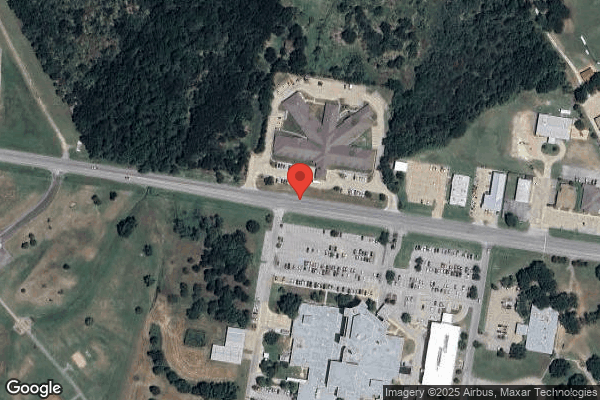
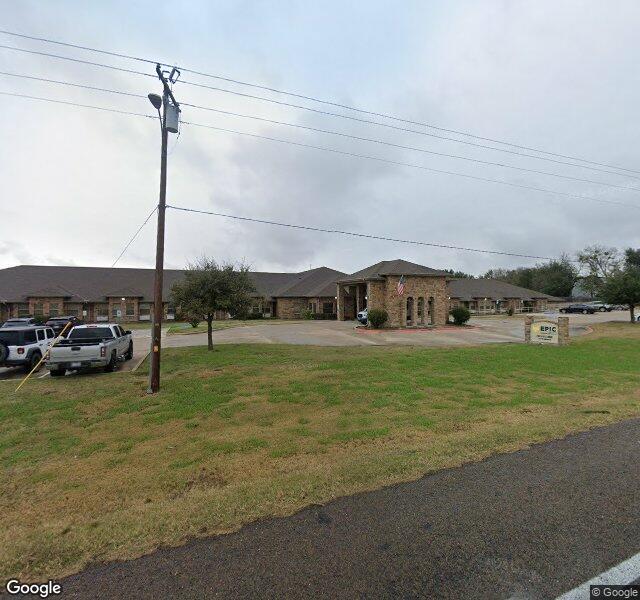
3210 W Hwy 22, Corsicana, TX 75110 (903) 872-4880
For profit - Limited Liability company 119 Beds AVIR HEALTH GROUP Data: November 2025 6 Immediate Jeopardy citations
Trust Grade
0/100
#971 of 1168 in TX
Last Inspection: February 2025

Within standard 12-15 month inspection cycle. Federal law requires annual inspections.

Overview

Epic Nursing & Rehabilitation in Corsicana, Texas, has received a Trust Grade of F, indicating poor quality and significant concerns about resident care. Ranking #971 out of 1168 facilities in Texas places it in the bottom half, and it is the lowest-ranked facility in Navarro County. Unfortunately, the facility is worsening, with the number of issues increasing from 18 in 2024 to 19 in 2025. Staffing is a significant concern, with a low rating of 1 out of 5 stars and a high turnover rate of 70%, far exceeding the Texas average of 50%. Additionally, the facility has faced $213,880 in fines, suggesting ongoing compliance problems. There are serious issues reported, including failures to protect residents from abuse and neglect. For example, one resident was observed engaging in inappropriate behavior with another, while a staff member was reported for forcefully grabbing a resident's wrist. These incidents raise serious concerns about the safety and well-being of residents at this facility. Overall, while there may be some average quality measures, the significant weaknesses in staff stability and safety highlight the need for cautious consideration.

Trust Score
F
0/100
In Texas
#971/1168
Bottom 17%
Safety Record
High Risk
Review needed
Inspections
Getting Worse
18 → 19 violations
Staff Stability
⚠ Watch
70% turnover. Very high, 22 points above average. Constant new faces learning your loved one's needs.
Penalties
⚠ Watch
$213,880 in fines. Higher than 83% of Texas facilities, suggesting repeated compliance issues.
Skilled Nurses
⚠ Watch
Each resident gets only 10 minutes of Registered Nurse (RN) attention daily — below average for Texas. Fewer RN minutes means fewer trained eyes watching for problems.
Violations
⚠ Watch
49 deficiencies on record. Higher than average. Multiple issues found across inspections.
★☆☆☆☆
1.0
Overall Rating
★☆☆☆☆
1.0
Staff Levels
★★★☆☆
3.0
Care Quality
★☆☆☆☆
1.0
Inspection Score
Stable
2024: 18 issues
2025: 19 issues

The Good

  • Full Sprinkler Coverage · Fire safety systems throughout facility
  • No fines on record

Facility shows strength in fire safety.

The Bad

1-Star Overall Rating

Below Texas average (2.8)

Significant quality concerns identified by CMS

Staff Turnover: 70%

24pts above Texas avg (46%)

Frequent staff changes - ask about care continuity

Federal Fines: $213,880

Well above median ($33,413)

Significant penalties indicating serious issues

Chain: AVIR HEALTH GROUP

Part of a multi-facility chain

Ask about local staffing decisions and management

Staff turnover is very high (70%)

22 points above Texas average of 48%

The Ugly 49 deficiencies on record

6 life-threatening
Oct 2025 8 deficiencies 4 IJ (3 affecting multiple)
CRITICAL (J) 📢 Someone Reported This

A family member, employee, or ombudsman was alarmed enough to file a formal complaint

Immediate Jeopardy (IJ) - the most serious Medicare violation

Accident Prevention (Tag F0689)

Someone could have died · This affected 1 resident

**NOTE- TERMS IN BRACKETS HAVE BEEN EDITED TO PROTECT CONFIDENTIALITY** Based on interview and record review, the facility failed to ensure the residents environment remained as free of accident hazar...

Read full inspector narrative →
**NOTE- TERMS IN BRACKETS HAVE BEEN EDITED TO PROTECT CONFIDENTIALITY** Based on interview and record review, the facility failed to ensure the residents environment remained as free of accident hazards as is possible and ensure each resident received adequate supervision to prevent accidents for 1 of 6 residents (Resident #3) reviewed for accidents and hazards.The facility failed to ensure Resident #3 did not elope from the facility on 09/10/25. The noncompliance was identified as PNC (past noncompliance). The Immediate Jeopardy (IJ) began on 09/10/25 and ended on 09/15/25. The facility had corrected the noncompliance before the survey began. This deficient practice placed residents at risk for falls, injuries, and hospitalization.Based on interview and record review, the facility failed to ensure the residents environment remained as free of accident hazards as is possible and ensure each resident received adequate supervision to prevent accidents for 1 of 6 residents (Resident #3) reviewed for accidents and hazards. The facility failed to ensure Resident #3 did not elope from the facility on 09/10/25. The noncompliance was identified as PNC (past noncompliance). The Immediate Jeopardy (IJ) began on 09/10/25 and ended on 09/15/25. The facility had corrected the noncompliance before the survey began. This deficient practice placed residents at risk for falls, injuries, and hospitalization. Findings included: Record review of Resident #3's admission recorded dated 10/02/25 documented an [AGE] year-old female who was admitted to the facility on [DATE]. Resident #3 had diagnoses including: unspecified dementia (loss of memory, language, problem solving and other thinking abilities), muscle weakness (lack of physical or muscle strength), and history of falling. Record review of Resident #3's Quarterly MDS assessment, dated 09/02/25, revealed the resident had a BIMS score of 3 indicating the resident had severe cognitive impairment. Record review of Resident #3's care plan, dated 09/29/25, revealed Resident #3 was care planned for impaired cognitive function/dementia or impaired thought processes r/t dementia, at risk for falls r/t confusion, cognitive impairment, gait/balance problems, and unaware of safety needs. Resident #3's care plan did not reflect to routinely monitor the resident. Review of an initial “Elopement Risk Assessment” dated 06/03/24, reflected Resident #3 was not at risk for elopement and care plan interventions of routinely monitor resident. Review of elopement incident report dated 09/10/25 at 6:10pm written by LVN C reflected “This nurse received a phone call that there was a possible resident of ours walking down the highway. This nurse went outside and resident was walking up with a male person. A lady in a car told me that she is bringing one of our residents back that was off the property. This nurse walked with the resident back into the facility. The resident sat down in the front lobby and was given some water to drink. Vital signs stable. Keeping the resident within sight at this time. No injuries observed at the time of the incident.” Review of Resident #3's nursing progress note dated 09/10/25 written by LVN Cat 6:17pm reflected “This nurse received a phone call of a possible resident outside. This nurse went outside and there was a male walking up the sidewalk with the resident. The lady in the car stated that our resident was walking outside and they are bringing her back. This nurse notified the ADON while we are walking back into the facility because she is here at this time. Assisted the resident back in the facility and gave her some water. VS stable 167/52(blood pressure) 98(oxygen) 97.2(temperature) 98(pulse) O2 sat. She denies any pain and said that she did not fall while she was out. States that she just wanted to get away. She has no control over anything and needed to get away. This nurse was directed to send her back to the secure until to room [ROOM NUMBER] at this time. Notified the responsible party that she would be moving back there and what room she would be in. He states that he will be calling tomorrow and speaking with management”. In an interview with the former DON on 09/29/25 at 2:59pm, she stated she had received a call from the ADON on 09/10/25 around 6:00pm and could not recall the exact time that Resident # 3 was found outside at the road to the right of the facility by someone that passed by in their car. LVN C assessed Resident #3 with no injuries and Resident #3 was placed on the secured unit. The former DON stated there was no camera footage of Resident #3 when she had exited the facility as the cameras did not work. The former DON was advised by the ADON that Resident #3 went out of the facility when a visitor was holding the door open for CNA B to come into the facility. The former DON stated that CNA B did not recognize Resident #3 because she had worked the secured unit. CNA B stated Resident #3 did not reside on the secure unit. The former DON stated CNA B thought that Resident #3 was a visitor because she was dressed like a visitor and had a purse . The former DON stated it was expected for CNA B to recognize Resident #3, and the incident could have resulted in Resident #3 possibly being hit by a car while outside the facility. The former DON stated immediately after the incident on 09/10/25 the facility was trained on the missing resident policy, what to do when a resident elope, and to prevent elopement. In an interview with LVN C on 09/29/25 at 3:14pm, she stated on 09/10/25 she had received a call around 6:00pm during shift change from a lady whom she did not know to let her know there was an elderly person out at the road. LVN C stated at the same time the ADON was on the line with another facility in the area asking if they had a resident that was missing. LVN C stated when she got off the phone she and the ADON immediately went outside the facility. LVN C stated a lady was sitting in a blue car and a young man was bringing Resident #3 to the facility door. LVN C stated Resident # 3 was not outside the facility more than five minutes. LVN C stated she asked Resident #3 where she was going, and Resident #3 told her she just needed a break. LVN C gave Resident #3 some water and assessed her for any injuries, and none were noted. Resident # 3 was placed on the secured unit. LVN C stated anything could have happened to Resident #3 that could have caused harm while outside the facility. LVN C stated inservice on preventing elopement was completed after the incident on what to do in case of elopement. In an interview with CNA B on 09/29/25 at 4:08pm, she stated on 9/10/25 after 6:00PM (the exact time could not be recalled), as she was coming in the facility, a visitor that was leaving out of the facility had held the door open as she was coming in to work. CNA B stated shortly after she was on the secured unit an unidentified staff member had stated to her that Resident #3 went out of the facility earlier. CNA B stated she asked the unidentified person what did Resident #3 look like, and the unidentified person said the resident was dressed up and had a purse. CNA B then stated to the unidentified staff member “Oh My Gosh Resident #3 was coming out of the facility as she was coming into the facility”. CNA B stated Resident #3 did not look like a facility resident. CNA B stated she did not know Resident #3 was a facility resident because she had a dressy colorful dress on, and had a purse, with big hair. CNA B stated she had never seen Resident #3 as she worked the secured unit. CNA B stated that she will take the blame for not recognizing it was Resident #3 coming out of the facility as she was coming in. CNA B expressed she was very sorry for that. CNA B received elopement training to prevent elopement after the incident over elopement procedures and the protocol to follow when there is an elopement. In an attempted interview with Resident #3 on 09/30/25 at 3:22pm, Resident #3 was sitting in the secured unit at the dining table, and she was not able to say if she was safe or not. Resident # 3 was not able to elaborate on if she had left the facility or how she got outside when she was found in the road. Resident #3 she was not able to recall the elopement incident, and she stated she was here and said she did not know. In an interview with Resident #3's RP on 10/01/25 at 9:25am he stated that he received a call on 9/10/2025 around 6:00pm that evening from a female (name unknown) at the facility advised that Resident #3 had been found outside at the road walking on the highway. Resident #3's RP stated the facility never told him how Resident #3 was let out of the facility. Resident #3's RP stated he had a problem with Resident #3 being let out of the facility and that Resident #3 was let out of the facility by staff. Resident #3's RP was very concerned because Resident #3 had dementia and that someone had let Resident #3 out and there was no way Resident #3 could have pushed that heavy door leading to the outside open. Resident #3's RP stated Resident #3 would not have known to return back to the facility if she was not found outside the facility. Resident #3's RP stated the Highway is a very busy highway and anything could have happened (possibly hit by a car) with Resident #3 being on the Highway if no one had found her. Resident #3's RP stated the problem he had was the facility door was not secured, and Resident #3 was able to get out of the facility. Resident #3's RP stated that residents could be able to walk out with employees because no staff was at the front area watching the door. Resident #3's RP stated he wanted the security to the door to be enforced for the safety of all the residents and to ensure this incident would not ever happen again. In an interview with the ADON on 10/01/25 at 11:55am she stated she was on the phone around 6:00pm (could not recall the exact time) on 09/10/25 talking with another facility in the area, and they were asking if they had a resident that was missing. The ADON stated while she was on the phone speaking with the other facility LVN C was on the line with the people that had Resident #3 outside the facility. The ADON stated once she and LVN C both got off the phone they went outside to the parking lot of the facility. The ADON stated there was a lady that was sitting in a blue car and a male gentleman was escorting Resident #3 back to the door of the facility. The ADON stated Resident #3 was back inside the facility by 6:15 pm. The ADON stated that Resident #3 may have gotten out of the facility with visitors. The ADON stated that Resident #3 dressed up every day and would not be recognized as a resident. The ADON stated when Resident # 3 was brought back inside the facility, Resident #3 sat in a chair, and was given water. The ADON stated that Resident #3 told LVN C that she just needed a break. The ADON stated Resident #3 was fully assessed by LVN C with no injuries and escorted Resident #3 to the secured unit. The ADON stated that Resident #3 was very confused and when she went out of the facility would not have known to come back into the facility. The ADON stated the speed limit in front of the facility was 55 miles per hour and the worst thing that could have happened was Resident #3 could have gotten run over by a car. The ADON stated immediately after the elopement incident elopement training was conducted on the protocol, procedure of elopement, and to monitor residents. In an interview with the ADM and interim DON on 10/01/25 at 5:30 pm they stated that when the state surveyor came in on 09/26/25 the elopement was completed. The ADM and Interim DON stated an elopement assessment was completed on all residents, the elopement book was updated and staff were in serviced on the location to find it. Inservice on the missing resident policy procedures (what to do) was completed with all staff. Care plans were updated for all residents that were elopement risks. The sign on the front door, dining area, and any door staff exit through was placed for all resident's safety. An assessment was completed on Resident #3 and the care plan was updated. Resident #3 was moved to the secure unit and staff statements and witness statements were conducted. A root cause analysis was completed by the interim DON along with a complete report of the elopement incident. An interview with the interim DON on 10/03/25 at 12:20pm reflected that Resident #3 was not recognized by CNA B when a visitor was holding the door open for her when she came to work on 9/10/25 which resulted in Resident #3 exiting the facility. The interim DON stated this could have resulted in potential harm if Resident #3 had a fall while outside the facility. The interim DON stated it was expected for staff to make sure Resident #3 was safe. An interview with the ADM on 10/03/25 at 12:40pm stated that Resident # 3 was let out by CNA B who did not recognize she was a resident on 09/10/25 around 6:00pm. The ADM stated that Resident #3 could have experienced a negative outcome with harm if she was hit by a car on the busy highway. The ADM stated it was expected Resident #3's admit assessment completed on 06/03/24 to be followed. The ADM stated Resident #3 was not an elopement risk at the initial assessment but required care plan to be routinely monitored. Review of the facility's “Safety and Supervision of Resident” policy, dated 2001, revealed “Our facility strives to make the environment as free from accident hazards as possible, Resident safety and supervision and assistance to prevent accidents are facility wide priorities. Policy Interpretation and Implementation Facility Oriented Approach to Safety 1. Our facility-oriented approach to safety addresses risks for groups of residents. Resident Risks and Environmental Hazards 1. Due to their complexity and scope, certain resident risk factors and environmental hazards are addressed in dedicated policies and procedures. These risk factors and environmental hazards include the following: e. unsafe wandering…” Review of the facility's “Wandering and Elopements” policy, dated 2001, revealed “The facility will identify residents who are at risk of unsafe wandering and strive to prevent harm while maintaining the least restrictive environment for residents.” This noncompliance was identified as Past Noncompliance (PNC). The noncompliance began on 09/10/25 and ended on 09/15/25. The facility had corrected the noncompliance before the survey began. The facility took the following actions to correct the non-compliance: - Review of Wandering/Elopement Assessment was conducted on all residents was completed on 09/10/25. - Review of Inservice on missing resident policy and protocol to follow was completed on 09/10/25. - Review of Elopement book and Inservice on where the book is located was completed on 09/10/25. - Review of Care plans updated on all residents that are an elopement risk was completed on 09/10/25. - Review of Signage on door in front door and any door staff exit through to make sure residents are not able to exit facility was observed on 09/10/25. - Review of Assessment on Resident #3, Reviewed Resident #3's updated care plan, moved to the secure unit on 09/10/25. - Review of Staff statements/witness statements about the elopement incident was completed on 09/11/25. - Review of Root cause analysis was completed on the elopement was completed by DON on 09/11/25 - Review of Complete incident report on the elopement was completed on 09/15/25
CRITICAL (K) 📢 Someone Reported This

A family member, employee, or ombudsman was alarmed enough to file a formal complaint

Immediate Jeopardy (IJ) - the most serious Medicare violation

Free from Abuse/Neglect (Tag F0600)

Someone could have died · This affected multiple residents

**NOTE- TERMS IN BRACKETS HAVE BEEN EDITED TO PROTECT CONFIDENTIALITY** Based on interview and record review, the facility failed to ensure the residents had the right to be free from abuse and neglec...

Read full inspector narrative →
**NOTE- TERMS IN BRACKETS HAVE BEEN EDITED TO PROTECT CONFIDENTIALITY** Based on interview and record review, the facility failed to ensure the residents had the right to be free from abuse and neglect for three residents (Resident #1, Resident #2 and Resident #4) of seven reviewed for abuse. The facility failed to:1) Ensure Resident #1 did not engage in sexual activity with Resident #2 on 9/24/2025.2) Ensure Resident #2 did not engage in inappropriate behavior on 9/18/2025, 9/19/2025 and 9/24/2025.3) Ensure CNA D did not grab Resident #4's wrist forcefully and shake her arm in the presence of therapy staff on 9/3/2025. On 9/26/2025 at 6:40 pm an Immediate Jeopardy (IJ) was identified. While the IJ was removed on 10/3/2025, the facility remained at a level of actual no actual harm at a scope of pattern that is not immediate jeopardy due to the facility continuing to monitor the implementation and effectiveness of their Plan of Removal. These failures could place residents at risk of abuse, injury, and psychosocial harm.Findings included: 1. Review of Resident #1's face sheet, dated 9/26/2025, reflected a [AGE] year-old female who was admitted to the facility on [DATE] with diagnoses including dementia (group of brain disorders that cause progressive cognitive decline), anemia (low blood iron level), insomnia (problems falling and staying asleep), hypokalemia (low blood levels of potassium), and acute respiratory failure. Review of Resident #1's admission MDS assessment, dated 9/5/2025, reflected she had a BIMS score of 4 suggesting severe cognitive impairment. Review of Resident #1's progress notes for the date of 9/18/2025, reflected no mention of her being found in bed with Resident # 1 on 9/18/2025 Review of Resident #1 's progress note dated 9/25/2025 at 4:14 am, by LVN E reflected: CNA reported that this resident was lying in bed with female resident [Resident #1] sitting on top of him with both of their pants off. CNA told residents to stop and redirected the female resident into the dining room. Review of Resident #1's care plan dated 9/26/2025 (the only care plan in the EMR) on 9/26/2025 , reflected the focus area initiated on 9/11/2025: I reside in the Secure/ Memory unit and am at risk for injury from wandering in an un- safe environment R/T DX of dementia AEB impaired safety awareness. I am at risk for injury from others while residing in secure/ memory unit D/T altered cognition with interventions to Administer meds[ per order, monitor labs- report abnormals to MD. Ensure family/ MD aware of behaviors and/or any increase in behaviors noted, Keep environment free of possible hazards. 2. Review of Resident #2's face sheet, dated 9/26/2025, reflected an [AGE] year-old male who was admitted to the facility on [DATE] with diagnoses including dementia (group of brain disorders that cause progressive cognitive decline), Parkinson's disease (progressive neurological disorder that affect movement, balance and coordination), hypotension (low blood pressure), anxiety disorder and benign prostatic hyperplasia (BPH - enlarged prostate gland). Review of Resident #2's MDS screen in the EMR on 9/26/2025 and 10/3/2025 reflected there was no MDS assessment. Review of Resident #2's progress note, dated 9/18/2025 at 2:30 pm, by LVN C, reflected: In a female room lying in bed with another female. This is not either resident room. Lying on top of the blanket and fully clothed. He had his hand on her leg. This nurse assisted him to his chair and told him that he cannot lay in the bed with anyone. Redirected this resident to his room. Review of Resident #2's progress note, dated 9/25/2025 at 4:14 am, by LVN E, reflected: CNA reported that this resident was lying in bed with female resident sitting on top of him with both of their pants off. CNA told residents to stop and redirected the female resident into the dining room. During an interview on 9/26/2025 at 2:39 pm, CNA B stated she worked Wednesday night on 9/24/25 and about 7:30 pm she discovered Resident #1 and Resident #2 in Resident #2's room. Resident #2 was sitting in his wheelchair and was naked from the waist down with Resident #1 on top of him also naked from the waist down and they were engaged in sexual activity. She stated she separated and redirected residents and took female resident across the hall to her room and helped her put her clothes back on. She called LVN E, the charge nurse, and told her what happened. She stated she had not thought it was abuse at the time because both residents had dementia and did not really know what they were doing. She had no suspicion of ANE because the residents were confused. She stated she did not call ADM because she reported it to LVN E and thought LVN E would call and report this to ADM. She stated she was trained on ANE and all incidents of ANE were to be reported immediately to the ADM. She stated- she did not do that and now she realizes it was ANE and should have been reported. She thought because they were confused it could not be ANE. During an interview on 9/26/2025 at 3:10 pm, LVN C stated she found Resident #1 and Resident #2 lying in bed together on 9/18/2025. She stated the residents were lying side by side on top of the covers, fully clothed and Resident #2 had his hand on Resident #1's leg. She stated Resident #2 wasn't trying to engage in anything. She further stated she had no suspicion of ANE because she did not see him try to grab at nothing or try to touch [Resident #1] in an inappropriate way - he did not seem malicious or vicious at that time. She stated she was easily able to redirect him from the situation and denied seeing Resident #1 and Resident #2 in bed together prior to that. She stated she did not report the incident as ANE because they weren't naked and didn't have their hands in each other pants - nothing like that going one, they were fully clothed and weren't trying to do anything. LVN C further stated she notified the DON but was not sure if she notified the ADM. During an interview on 9/26/2025 at 3:28 pm, LVN E stated she worked the evening of 9/24/2025 and received a call from CNA B around 7:30 pm or 7:45 pm about two residents found having sex. She stated she went to the memory care unit and assessed both residents and did not find any physical injuries . She stated she called the ADON around 9:20 pm and told her what happened. She said the ADON stated to do an incident report but there was no discussion about ANE or reporting to the ADM. She called the DON and told her what happened, and the DON said to complete a head-to-toe, put in a progress note in the system and notify families. She stated there was no discussion or guidance from the DON to call ADM or notify the abuse coordinator about the incident, so she was not sure how to handle it. She stated she did not have any suspicion of ANE because neither the ADON nor DON discussed it with her, so she did not think there was any ANE. She stated she had multiple in-services on ANE and they were supposed to report all incidents of ANE to the ADM who was the AC . She did not report it because no one said it was ANE. During an interview on 9/27/2025 at 12:00 pm, the ADM stated she was not aware of the incident last week on 9/18/2025 between Resident #1 and Resident #2 when they were found on the bed together. She stated it was her expectation that staff would follow the facility policy and report any ANE to her immediately. She stated she was aware of the incident on 9/24/2025; but she was not notified until the next morning when she went to work. The ADM stated she immediately began an investigation and reported it to the state agency. She stated staff should have notified her the night before right after it happened and not waited until the next day. During an interview on 9/27/2025 at 1:39 pm FM of Resident #1 stated the NF called an informed them of the incident between Resident #1 and Resident #2 on 9/24/3035. FM stated they were shocked by this behavior as it was very unlike Resident #1 to engage in behaviors like that. FM stated Resident #1's cognition is impaired and that she doesn't have the capacity for true consent. FM stated her cognition was so impaired they would have to remind her to eat and make sure she would bathe. FM stated this incident was extremely upsetting as Resident #1 does not engage in this sort of behavior. During an interview on 10/1/2025 at 12:07 pm, the ADON stated LVN E called her on 9/24/2025 between 9:22 pm and 9:25 pm and told her about the incident with Resident #1 and Resident #2. She stated she told LVN E to separate the residents, assess them and notify the DON. She stated she had not discussed the possibility of ANE or reporting to the ADM with LVN E at that time; she just told her to call the DON and get guidance. She stated she had been trained to report any ANE immediately to the ADM and was not sure why this was not reported. 3. Record review of Resident #4's admission record, dated 10/02/25, revealed a [AGE] year-old female who was admitted to the facility on [DATE]. Resident #4's diagnoses included unspecified dementia (loss of memory, language, problem solving and other thinking abilities), muscle weakness (lack of physical or muscle strength), and major depressive disorder(feeling of sadness, hopelessness, and loss of interest or pleasure in activities). Record review of Resident #4's Quarterly MDS assessment, dated 09/01/25, revealed the resident had a BIMS score of 0 indicating severe cognitive impairment. Record review of Resident #4's care plan, dated 09/29/25, revealed Resident #4 was care planned for impaired communication r/t often just mumbled, yelled, growled, or shook head for communication and episodes of adverse behaviors physically aggressive, hitting, pinching, kicking, and throwing objects. Review of Resident #4's progress notes written by the ADON, dated 09/03/25 at 5:45 pm, reflected, RP notified by this nurse and DON of incident of abuse reported. Skin assessment and head to toe completed by this nurse all normal. No s/s of distress. An attempted interview with Resident #4 on 10/01/25 at 12:24pm, Resident #4 made a growling noise several times. The interview was not completed. Resident #4 was nonverbal. An attempted interview with Resident # 4's FM was unsuccessful. Left Resident #4's FM voice messages on 10/02/25 at 4:18pm, 10/03/25 at 9:40pm, and 10/03/25 at 6:00pm. Resident #4's FM did not return the call by facility exit on 10/03/25. During an interview on 10/01/25 at 12:39 pm, the PT stated she reported to the ADM on 09/03/25 immediately after she witnessed the incident with Resident #4 and CNA D. The PT stated she was in Resident #4's room helping her get ready for therapy. The PT stated CNA D entered Resident #4's room loudly saying she was going to change Resident #4. The PT stated CNA D moved to Resident # 4's face and repeated that she was going to change her. The PT stated Resident #4 attempted to push CNA D away and Resident #4 slapped CNA D in the face. The PT stated CNA D grabbed Resident #4's wrists forcefully down and shook Resident #4's arm. The PT stated CNA D said to Resident #4 that they were going to get this done and you are not going to be slapping me. The PT stated that she intervened to separate CNA D and Resident #4. The PT stated she told CNA D that she could not hold Resident #4's wrist down in that manner. The PT stated after the incident Resident #4 was emotional and no longer wanted to get dressed. The PT stated Resident #4 cried and did not want to go to therapy. Resident #4 did not return to her baseline until the next day 09/04/25. An interview with CNA D on 10/01/25 at 1:53pm stated on 09/3/25 she went into Resident #4's room to change her. CNA D stated the PT was at the foot of Resident #4's bed and told her to back off and leave Resident #4 alone while she was agitated. CNA D stated she was trying to get Resident #4 changed. CNA D stated she was eye level with Resident #4 sitting Indian style in her bed and asked Resident #4 what was wrong and Resident #4 slapped her in the face and she placed her right hand over Resident #4's left hand to prevent Resident #4 from further slapping her. CNA D stated Resident #4 acted like she was going to slap her again, so she placed her left hand on Resident #4's right hand. CNA D stated she did not hold Resident #4's wrists back or shake her arm. CNA D stated she did her job and was not disrespectful to any of the residents. CNA D stated immediately after the incident the ADM told her to clock out due to the investigation and the ADM called her by phone could not recall the date and was told her they had to let her go due to the incident. An interview with the SW[ on 10/03/25 at 12:06 pm stated she was not aware of the incident with Resident #4 and CNA D when it occurred on 09/03/25. The SW stated she was made aware of the incident after it occurred and the ADM conducted the investigation on. An interview with the interim DON on 10/03/25 at 12:20pm stated the PT reported the incident with Resident #4 and CNA D immediately to the ADM after the incident occurred. The interim DON stated the ADM made her aware of the incident on 9/03/25. The interim DON stated she did not notice a difference with Resident #4's behavior after the incident. The interim DON stated Resident #4 was nonverbal and it was expected for her to be free from any abuse. An interview with the ADM on 10/03/25 at 12:40pm stated the PT notified her on 09/03/25 after the incident occurred with Resident #4 and CNA D. The ADM stated the PT stated CNA D pinned Resident #4's wrists back to prevent Resident #4 from slapping her. The ADM stated Resident #4 was nonverbal and it was expected for CNA D not to have pinned Resident's #4's wrist back. Review of CNA D's personnel file reflected that she was terminated on 09/03/25. Review of the facility's investigation, dated 09/03/25, reflected a thorough investigation was completed, and the allegation of physical abuse was confirmed. Review of the facility's policy, dated April 2021, titled Abuse, Neglect, Exploitation and Misappropriation Prevention Program reflected:Residents have the right to be free from abuse, neglect, misappropriation of resident property and exploitation. This includes but is not limited to freedom from corporal punishment, involuntary seclusion, verbal, mental, sexual or physical abuse, and physical or chemical restraint not required to treat the resident's symptoms.The resident abuse, neglect and exploitation prevention program consists of a facility-wide commitment and resource allocation to support the following objectives:1.Protect residents from abuse, neglect, exploitation or misappropriation of property by anyone including, but not necessarily limited to:a. facility staff.b. other residents.C. consultants.d. volunteers.e. staff from other agencies.f. family members.g. legal representatives.h. friends.i. visitors; and/orj. any other individual. Ensure adequate staffing and oversight/support to prevent burnout, stressful working situations and high turnover rates.Establish and maintain a culture of compassion and caring for all residents and particularly those with behavioral, cognitive or emotional problems. This was determined to be an Immediate Jeopardy (IJ) on 10/01/2025 at 4:53 pm. The Administrator was notified. The ADM was provided with the IJ template on 10/01/2025 at 4:53 pm .The following Plan of Removal submitted by the facility was accepted on 10/02/25 at 4:54pm Immediate Jeopardy (IJ) states as follows: 1--The facility failed to keep Resident #1 and Resident #2 from abuse and neglect when both residents were observed engaging in sexual activity on the memory care unit on 9/24/2025 about 7:30 pm.2-- Resident #5 free from misappropriation when the Business Office Manager took his benefits card and spent $3,700. The facility immediately implemented the following plans: F600- Free from Abuse/Neglect Action (Immediate): 1--Resident 1 and Resident 2 were immediately separated from each other. Residents 1 and 2 received head to toe assessments performed by charge nurse and an emotional assessment performed by social worker. The social worker performed trauma informed care assessment. No adverse findings noted. Medical Director was notified, and orders obtained for psychiatric services.Residents 1 and 2 were evaluated by Psychiatric services and medication changes were implemented. Resident 1 and 2 care plans and Kardex were updated to reflect the resident's history of resident-to-resident sexual activity. 2-The Business Office Manager was immediately terminated from employment at the facility, and the local police department was notified of the misappropriation of resident funds. The BOM was terminated on 09/17/25. The resident's funds were replaced by the facility on 9/18/25. Person(s) Responsible: Administrator and/or Director of Nursing Completion Date: 10/1/2025 Action (Identification): 1--All residents with behaviors documented as an incident report and/or in the progress notes for the previous 90 days will be reviewed to identify any other residents that may exhibit sexually inappropriate behaviors. If any behavioral events are identified the resident care plan and Kardex will be reviewed and updated, and interventions will be placed immediately. Zero out of 60 incident reports reviewed showed no adverse/inappropriate behavior. Daily audit of resident behaviors and interventions will be reviewed and noted in resident chart. Daily audits will be conducted for behavioral events for 14 days, then weekly X30 days. 2. The Regional Business Office Director completed an audit for 70 residents trust funds with no discrepancies noted. This was completed at the corporate level by the Regional Business Office, as the facility BOM was terminated. There were no discrepancies noted from this audit. Person(s) Responsible: Administrator and/or Director of NursingCompletion Date: 10/1/2025 Action (Identification): Staff assigned to the secured unit, in which there are consistent staff members, other facility staff including PRN staff and agency staff will be interviewed for any additional incidents or residents that may have been affected by resident-to-resident abuse. Person(s) Responsible Administrator and/or Designee Completion Date: 10/1/2025 Action (Prevention): 1--Education provided to Administrator and Director of Nursing on the abuse policy, investigating and reporting abuse per HHS and CMS regulations. Testing and discussion were utilized to assess the knowledge retention of the Administrator and the Director of Nursing.2-One-time weekly audits over the next 30 days by the Regional Business Office Manager. Resident Fund Management Service will be audited weekly for the next 30 days. Person(s) Responsible: Regional Nurse ConsultantCompletion Date: 10/1/2025 Action (Prevention): Education provided to all staff by the Administrator:1. Abuse and Neglect: Types of abuse, including sexual abuse and when/who to report to (immediately & the administrator- abuse coordinator)1. Resident to Resident: Recognizing behaviors, triggers, and how to effectively intervene. Staff will be educated to immediately separate the residents and implement 1:1 observation until instructed otherwise by the Administrator and/or Director of Nursing. All Facility staff will complete prior to working their next shift. New employees and agency staff will be educated upon hire and/or prior to working a shift. Knowledge will be verified via test and verbal discussion with affirmative feedback2. Staff that handle resident funds, Business Office and Human Resources Director will undergo retraining on financial policies, ethical standards, and proper fund management procedures. This training was completed on 9/18/25 by the Regional Business Office Director, with the Human Resources Director. Person(s) Responsible: Administrator and/or Designee Completion Date: 10/01/25 Action (Prevention): Education provided to Nursing Staff by the Director of Nursing on:1. Resident Kardex that will contain the updated care plans and interventions following behavioral events. Staff will be notified of behavioral events through shift-to-shift report and/or the Director of Nursing and/or Assistant Director of Nursing. 2. Testing and verbal confirmation are utilized to assess knowledge retention.3. Annual training via Relias regarding resident's rights, theft, misappropriation and abuse. All Facility staff, new hire and agency will complete prior to working their next shift. Knowledge will be verified via test and verbal discussion with affirmative feedback. Person(s) Responsible: Administrator and/or Designee Completion Date: 10/1/25 Action (Monitoring): 1--During daily meeting, Director of Nursing, Assistant Director of Nursing, and/or Designee will review all progress notes and event reports to ensure effective care plans/interventions are in place following any resident-to-resident or other inappropriate behavior. Will be reviewed during daily meeting x 30 days and then weekly thereafter. 2-Weekly and as needed reconciliation of resident trust fund by the Business Office Manager/Regional Business Office Manager. This will be ongoing. Person(s) Responsible: Director of Nursing, Assistant Director of Nursing, and/or Designee Completion Date: 10/1/2025Action (QAPI): Medical Director informed of this plan at the Ad Hoc QAPI. At this time no other recommendations have been made. Person(s) Responsible: Administrator Completion Date: 10/1/2025 The surveyor monitored the POR as follows: Record Review of abuse, neglect, exploitation Inservice completed by 10/03/25 Record Review of copy of cashier's check totaling in the amount of $3700 paid out to Resident #5's RP. An interview with CNA F on 10/03/25 at 12:00pm stated she completed her abuse, neglect, exploitation inservice this morning and was giving a test after completion. CNA F was able to provide types of abuse physical, sexual, financial, and gave examples such as stealing a resident's money. CNA F knew to report immediately if ever witnessed to the ADM. An interview with RN G on 10/03/25 at 12:15pm stated she was given in-service this morning over abuse, neglect, and exploitation. RN G knew to contact the ADM immediately if ever witnessed. RN G knew types of abuse such as taking funds, sexual abuse, and talking bad to residents. RN G knew the signs of abuse/neglect, gave examples of not changing the residents and not caring for them. An interview with CNA H on 10/03/25 at 1:42pm stated as soon as she walked in the door this morning she was provided the abuse, neglect, exploitation training along with a test. CNA H gave examples of abuse /neglect such as yelling at a resident, ignoring call light, sexual, mental, and stealing money from a resident. CNA H stated she was aware last week sometime that a resident had something stolen. An interview with MA I on 10/03/25 at 2:03pm stated she received her in-service on by 10/3/25 over abuse, neglect, and exploitation. MA I was able to give the types of abuse such as physical, mental, and financial. MA I was able to give an example of financial abuse by stealing or borrowing. MA I was able to give signs of abuse/neglect examples such as not changing residents, not feeding, or caring for them. An interview with HK J on 10/03/25 at 2:36pm stated that she received the in-service over abuse, neglect, and exploitation today. HK J knows to report to the ADM if she ever witnessed any abuse or neglect. HK J was able to give examples of abuse /neglect such as resident-to-resident aggression, verbal abuse, not wanting to help a resident, exploitation (stealing money). An interview with the DM on 10/02/25 at 2:53pm stated that she just had her in-service over exploitation in the DON's office. The DM stated taking a resident's magazine would be exploitation. The DM know to report immediately to the AM if she witnessed any abuse or neglect. An interview with the DA on 10/02/25 at 3:07pm stated she was in the DON's office just a while ago for in-service. The DA know who to report abuse, neglect, and exploitation to the ADM immediately. While the IJ was removed on 10/03/25 at 5:12pm, the facility remained out of compliance at a level of no actual harm at a scope of pattern because the facility's need to evaluate the effectiveness of the corrective systems
CRITICAL (K) 📢 Someone Reported This

A family member, employee, or ombudsman was alarmed enough to file a formal complaint

Immediate Jeopardy (IJ) - the most serious Medicare violation

Abuse Prevention Policies (Tag F0607)

Someone could have died · This affected multiple residents

**NOTE- TERMS IN BRACKETS HAVE BEEN EDITED TO PROTECT CONFIDENTIALITY** Based on interview and record review, the facility failed to ensure the residents had the right to be free from abuse and neglec...

Read full inspector narrative →
**NOTE- TERMS IN BRACKETS HAVE BEEN EDITED TO PROTECT CONFIDENTIALITY** Based on interview and record review, the facility failed to ensure the residents had the right to be free from abuse and neglect for three residents (Resident #1, Resident #2 and Resident #4) of seven reviewed for abuse. The facility failed to:1) Ensure Resident #1 did not engage in sexual activity with Resident #2 on 9/24/2025.2) Ensure Resident #2 did not engage in inappropriate behavior on 9/18/2025, 9/19/2025 and 9/24/2025.3) Ensure CNA D did not grab Resident #4's wrist forcefully and shake her arm in the presence of therapy staff on 9/3/2025. On 9/26/2025 at 6:40 pm an Immediate Jeopardy (IJ) was identified. While the IJ was removed on 10/3/2025, the facility remained at a level of actual no actual harm at a scope of pattern that is not immediate jeopardy due to the facility continuing to monitor the implementation and effectiveness of their Plan of Removal. These failures could place residents at risk of abuse, injury, and psychosocial harm. Findings included: 1. Review of Resident #1's face sheet, dated 9/26/2025, reflected a [AGE] year-old female who was admitted to the facility on [DATE] with diagnoses including dementia (group of brain disorders that cause progressive cognitive decline), anemia (low blood iron level), insomnia (problems falling and staying asleep), hypokalemia (low blood levels of potassium), and acute respiratory failure. Review of Resident #1's admission MDS assessment, dated 9/5/2025, reflected she had a BIMS score of 4 suggesting severe cognitive impairment. Review of Resident #1's progress notes for the date of 9/18/2025, reflected no mention of her being found in bed with Resident #1 on 9/18/2025 Review of Resident #1 's progress note dated 9/25/2025 at 4:14 am, by LVN E reflected: CNA reported that this resident was lying in bed with female resident [Resident #1] sitting on top of him with both of their pants off. CNA told residents to stop and redirected the female resident into the dining room. Review of Resident #1's care plan dated 9/26/2025 (the only care plan in the EMR) on 9/26/2025, reflected the focus area initiated on 9/11/2025: I reside in the Secure/ Memory unit and am at risk for injury from wandering in an un- safe environment R/T DX of dementia AEB impaired safety awareness. I am at risk for injury from others while residing in secure/ memory unit D/T altered cognition with interventions to Administer meds per order, monitor labs- report abnormals to MD. Ensure family/ MD aware of behaviors and/or any increase in behaviors noted, Keep environment free of possible hazards. 2. Review of Resident #2's face sheet, dated 9/26/2025, reflected an [AGE] year-old male who was admitted to the facility on [DATE] with diagnoses including dementia (group of brain disorders that cause progressive cognitive decline), Parkison's disease (progressive neurological disorder that affect movement, balance and coordination), hypotension (low blood pressure), anxiety disorder and benign prostatic hyperplasia (BPH - enlarged prostate gland). Review of Resident #2's MDS screen in the EMR on 9/26/2025 and 10/3/2025 reflected there was no MDS assessment. Review of Resident #2's progress note, dated 9/18/2025 at 2:30 pm, by LVN C, reflected: In a female room lying in bed with another female. This is not either resident room. Lying on top of the blanket and fully clothed. He had his hand on her leg. This nurse assisted him to his chair and told him that he cannot lay in the bed with anyone. Redirected this resident to his room. Review of Resident #2's progress note, dated 9/25/2025 at 4:14 am, by LVN E, reflected: CNA reported that this resident was lying in bed with female resident sitting on top of him with both of their pants off. CNA told residents to stop and redirected the female resident into the dining room. During an interview on 9/26/2025 at 2:39 pm, CNA B stated she worked Wednesday night on 9/24/25 and about 7:30 pm she discovered Resident #1 and Resident #2 in Resident #2's room. Resident #2 was sitting in his wheelchair and was naked from the waist down with Resident #1 on top of him also naked from the waist down and they were engaged in sexual activity. She stated she separated and redirected residents and took female resident across the hall to her room and helped her put her clothes back on. She called LVN E, the charge nurse, and told her what happened. She stated she had not thought it was abuse at the time because both residents had dementia and did not really know what they were doing. She had no suspicion of ANE because the residents were confused. She stated she did not call ADM because she reported it to LVN E and thought LVN E would call and report this to ADM. She stated she was trained on ANE and all incidents of ANE were to be reported immediately to the ADM. She stated- she did not do that and now she realizes it was ANE and should have been reported. She thought because they were confused it could not be ANE. During an interview on 9/26/2025 at 3:10 pm, LVN C stated she found Resident #1 and Resident #2 lying in bed together on 9/18/2025. She stated the residents were lying side by side on top of the covers, fully clothed and Resident #2 had his hand on Resident #1's leg. She stated Resident #2 wasn't trying to engage in anything. She further stated she had no suspicion of ANE because she did not see him try to grab at nothing or try to touch [Resident #1] in an inappropriate way - he did not seem malicious or vicious at that time. She stated she was easily able to redirect him from the situation and denied seeing Resident #1 and Resident #2 in bed together prior to that. She stated she did not report the incident as ANE because they weren't naked and didn't have their hands in each other pants - nothing like that going one, they were fully clothed and weren't trying to do anything. LVN C further stated she notified the DON but was not sure if she notified the ADM. During an interview on 9/26/2025 at 3:28 pm, LVN E stated she worked the evening of 9/24/2025 and received a call from CNA B around 7:30 pm or 7:45 pm about two residents found having sex. She stated she went to the memory care unit and assessed both residents and did not find any physical injuries[. She stated she called the ADON around 9:20 pm and told her what happened. She said the ADON stated to do an incident report but there was no discussion about ANE or reporting to the ADM. She called the DON and told her what happened, and the DON said to complete a head-to-toe, put in a progress note in the system and notify families. She stated there was no discussion or guidance from the DON to call ADM or notify the abuse coordinator about the incident, so she was not sure how to handle it. She stated she did not have any suspicion of ANE because neither the ADON nor DON discussed it with her, so she did not think there was any ANE. She stated she had multiple in-services on ANE and they were supposed to report all incidents of ANE to the ADM who was the AC. She did not report it because no one said it was ANE. During an interview on 9/27/2025 at 12:00 pm, the ADM stated she was not aware of the incident last week on 9/18/2025 between Resident #1 and Resident #2 when they were found on the bed together. She stated it was her expectation that staff would follow the facility policy and report any ANE to her immediately. She stated she was aware of the incident on 9/24/2025; but she was not notified until the next morning when she went to work. The ADM stated she immediately began an investigation and reported it to the state agency. She stated staff should have notified her the night before right after it happened and not waited until the next day. During an interview on 10/1/2025 at 12:07 pm, the ADON stated LVN E called her on 9/24/2025 between 9:22 pm and 9:25 pm and told her about the incident with Resident #1 and Resident #2. She stated she told LVN E to separate the residents, assess them and notify the DON. She stated she had not discussed the possibility of ANE or reporting to the ADM with LVN E at that time; she just told her to call the DON and get guidance. She stated she had been trained to report any ANE immediately to the ADM and was not sure why this was not reported. 3. Record review of Resident #4's admission record, dated 10/02/25, revealed an [AGE] year-old female who was admitted to the facility on [DATE]. Resident #4's diagnoses included unspecified dementia (loss of memory, language, problem solving and other thinking abilities), muscle weakness (lack of physical or muscle strength), and major depressive disorder(feeling of sadness, hopelessness, and loss of interest or pleasure in activities). Record review of Resident #4's Quarterly MDS assessment, dated 09/01/25, revealed the resident had a BIMS score of 0 indicating severe cognitive impairment. Record review of Resident #4's care plan, dated 09/29/25, revealed Resident #4 was care planned for impaired communication r/t often just mumbled, yelled, growled, or shook head for communication and episodes of adverse behaviors physically aggressive, hitting, pinching, kicking, and throwing objects. Review of Resident #4's progress notes written by the ADON, dated 09/03/25 at 5:45 pm, reflected, RP notified by this nurse and DON of incident of abuse reported. Skin assessment and head to toe completed by this nurse all normal. No s/s of distress. An attempted interview with Resident #4 on 10/01/25 at 12:24pm, Resident #4 made a growling noise several times. The interview was not completed. Resident #4 was nonverbal. An attempted interview with Resident # 4's FM was unsuccessful. Left Resident #4's FM voice messages on 10/02/25 at 4:18pm, 10/03/25 at 9:40pm, and 10/03/25 at 6:00pm. Resident #4's FM did not return the call by facility exit on 10/03/25. During an interview on 10/01/25 at 12:39 pm, the PT stated she reported to the ADM on 09/03/25 immediately after she witnessed the incident with Resident #4 and CNA D. The PT stated she was in Resident #4's room helping her get ready for therapy. The PT stated CNA D entered Resident #4's room loudly saying she was going to change Resident #4. The PT stated CNA D moved to Resident # 4's face and repeated that she was going to change her. The PT stated Resident #4 attempted to push CNA D away and Resident #4 slapped CNA D in the face. The PT stated CNA D grabbed Resident #4's wrists forcefully down and shook Resident #4's arm. The PT stated CNA D said to Resident #4 that they were going to get this done and you are not going to be slapping me. The PT stated that she intervened to separate CNA D and Resident #4. The PT stated she told CNA D that she could not hold Resident #4's wrist down in that manner. The PT stated after the incident Resident #4 was emotional and no longer wanted to get dressed. The PT stated Resident #4 cried and did not want to go to therapy. Resident #4 did not return to her baseline until the next day 09/04/25. An interview with CNA D on 10/01/25 at 1:53pm stated on 09/3/25 she went into Resident #4's room to change her. CNA D stated the PT was at the foot of Resident #4's bed and told her to back off and leave Resident #4 alone while she was agitated. CNA D stated she was trying to get Resident #4 changed. CNA D stated she was eye level with Resident #4 sitting Indian style in her bed and asked Resident #4 what was wrong and Resident #4 slapped her in the face and she placed her right hand over Resident #4's left hand to prevent Resident #4 from further slapping her. CNA D stated Resident #4 acted like she was going to slap her again, so she placed her left hand on Resident #4's right hand. CNA D stated she did not hold Resident #4's wrists back or shake her arm. CNA D stated she did her job and was not disrespectful to any of the residents. CNA D stated immediately after the incident the ADM told her to clock out due to the investigation and the ADM called her by phone could not recall the date and was told her they had to let her go due to the incident. An interview with the SW on 10/03/25 at 12:06 pm stated she was not aware of the incident with Resident #4 and CNA D when it occurred on 09/03/25. The SW stated she was made aware of the incident after it occurred and the ADM conducted the investigation on. An interview with the interim DON on 10/03/25 at 12:20pm stated the PT reported the incident with Resident #4 and CNA D immediately to the ADM after the incident occurred. The interim DON stated the ADM made her aware of the incident on 9/03/25. The interim DON stated she did not notice a difference with Resident #4's behavior after the incident. The interim DON stated Resident #4 was nonverbal and it was expected for her to be free from any abuse. An interview with the ADM on 10/03/25 at 12:40pm stated the PT notified her on 09/03/25 after the incident occurred with Resident #4 and CNA D. The ADM stated the PT stated CNA D pinned Resident #4's wrists back to prevent Resident #4 from slapping her. The ADM stated Resident #4 was nonverbal and it was expected for CNA D not to have pinned Resident's #4's wrist back. Review of CNA D's personnel file reflected that she was terminated on 09/03/25. Review of the facility's investigation, dated 09/03/25, reflected a thorough investigation was completed, and the allegation of physical abuse was confirmed. Review of the facility's policy, dated April 2021, titled Abuse, Neglect, Exploitation and Misappropriation Prevention Program reflected:Residents have the right to be free from abuse, neglect, misappropriation of resident property and exploitation. This includes but is not limited to freedom from corporal punishment, involuntary seclusion, verbal, mental, sexual or physical abuse, and physical or chemical restraint not required to treat the resident's symptoms.The resident abuse, neglect and exploitation prevention program consists of a facility-wide commitment and resource allocation to support the following objectives:1.Protect residents from abuse, neglect, exploitation or misappropriation of property by anyone including, but not necessarily limited to:a. facility staff.b. other residents.C. consultants.d. volunteers.e. staff from other agencies.f. family members.g. legal representatives.h. friends.i. visitors; and/orj. any other individual. Ensure adequate staffing and oversight/support to prevent burnout, stressful working situations and high turnover rates.Establish and maintain a culture of compassion and caring for all residents and particularly those with behavioral, cognitive or emotional problems. This was determined to be an Immediate Jeopardy (IJ) on 10/01/2025 at 4:53 pm. The Administrator was notified. The ADM was provided with the IJ template on 10/01/2025 at 4:53 pm .The following Plan of Removal submitted by the facility was accepted on 10/02/25 at 4:54pm Immediate Jeopardy (IJ) states as follows: 1--The facility failed to keep Resident #1 and Resident #2 from abuse and neglect when both residents were observed engaging in sexual activity on the memory care unit on 9/24/2025 about 7:30 pm.2-- Resident #5 free from misappropriation when the Business Office Manager took his benefits card and spent $3,700. The facility immediately implemented the following plans: F600- Free from Abuse/Neglect Action (Immediate): 1--Resident 1 and Resident 2 were immediately separated from each other. Residents 1 and 2 received head to toe assessments performed by charge nurse and an emotional assessment performed by social worker. The social worker performed trauma informed care assessment. No adverse findings noted. Medical Director was notified, and orders obtained for psychiatric services.Residents 1 and 2 were evaluated by Psychiatric services and medication changes were implemented. Resident 1 and 2 care plans and Kardex were updated to reflect the resident's history of resident-to-resident sexual activity. 2-The Business Office Manager was immediately terminated from employment at the facility, and the local police department was notified of the misappropriation of resident funds. The BOM was terminated on 09/17/25. The resident's funds were replaced by the facility on 9/18/25. Person(s) Responsible: Administrator and/or Director of Nursing Completion Date: 10/1/2025 Action (Identification): 1--All residents with behaviors documented as an incident report and/or in the progress notes for the previous 90 days will be reviewed to identify any other residents that may exhibit sexually inappropriate behaviors. If any behavioral events are identified the resident care plan and Kardex will be reviewed and updated, and interventions will be placed immediately. Zero out of 60 incident reports reviewed showed no adverse/inappropriate behavior. Daily audit of resident behaviors and interventions will be reviewed and noted in resident chart. Daily audits will be conducted for behavioral events for 14 days, then weekly X30 days. 2. The Regional Business Office Director completed an audit for 70 residents trust funds with no discrepancies noted. This was completed at the corporate level by the Regional Business Office, as the facility BOM was terminated. There were no discrepancies noted from this audit. Person(s) Responsible: Administrator and/or Director of NursingCompletion Date: 10/1/2025 Action (Identification): Staff assigned to the secured unit, in which there are consistent staff members, other facility staff including PRN staff and agency staff will be interviewed for any additional incidents or residents that may have been affected by resident-to-resident abuse. Person(s) Responsible Administrator and/or Designee Completion Date: 10/1/2025 Action (Prevention): 1--Education provided to Administrator and Director of Nursing on the abuse policy, investigating and reporting abuse per HHS and CMS regulations. Testing and discussion were utilized to assess the knowledge retention of the Administrator and the Director of Nursing.2-One-time weekly audits over the next 30 days by the Regional Business Office Manager. Resident Fund Management Service will be audited weekly for the next 30 days. Person(s) Responsible: Regional Nurse ConsultantCompletion Date: 10/1/2025 Action (Prevention): Education provided to all staff by the Administrator:1. Abuse and Neglect: Types of abuse, including sexual abuse and when/who to report to (immediately & the administrator- abuse coordinator)1. Resident to Resident: Recognizing behaviors, triggers, and how to effectively intervene. Staff will be educated to immediately separate the residents and implement 1:1 observation until instructed otherwise by the Administrator and/or Director of Nursing. All Facility staff will complete prior to working their next shift. New employees and agency staff will be educated upon hire and/or prior to working a shift. Knowledge will be verified via test and verbal discussion with affirmative feedback2. Staff that handle resident funds, Business Office and Human Resources Director will undergo retraining on financial policies, ethical standards, and proper fund management procedures. This training was completed on 9/18/25 by the Regional Business Office Director, with the Human Resources Director. Person(s) Responsible: Administrator and/or Designee Completion Date: 10/01/25 Action (Prevention): Education provided to Nursing Staff by the Director of Nursing on:1. Resident Kardex that will contain the updated care plans and interventions following behavioral events. Staff will be notified of behavioral events through shift-to-shift report and/or the Director of Nursing and/or Assistant Director of Nursing. 2. Testing and verbal confirmation are utilized to assess knowledge retention.3. Annual training via Relias regarding resident's rights, theft, misappropriation and abuse. All Facility staff, new hire and agency will complete prior to working their next shift. Knowledge will be verified via test and verbal discussion with affirmative feedback. Person(s) Responsible: Administrator and/or Designee Completion Date: 10/1/25 Action (Monitoring): 1--During daily meeting, Director of Nursing, Assistant Director of Nursing, and/or Designee will review all progress notes and event reports to ensure effective care plans/interventions are in place following any resident-to-resident or other inappropriate behavior. Will be reviewed during daily meeting x 30 days and then weekly thereafter. 2-Weekly and as needed reconciliation of resident trust fund by the Business Office Manager/Regional Business Office Manager. This will be ongoing. Person(s) Responsible: Director of Nursing, Assistant Director of Nursing, and/or Designee Completion Date: 10/1/25 Action (QAPI): Medical Director informed of this plan at the Ad Hoc QAPI. At this time no other recommendations have been made. Person(s) Responsible: Administrator Completion Date: 10/1/2025 The surveyor monitored the POR as follows: Record Review of abuse, neglect, exploitation Inservice completed by 10/03/25 Record Review of copy of cashier's check totaling in the amount of $3700 paid out to Resident #5's RP. An interview with CNA F on 10/03/25 at 12:00pm stated she completed her abuse, neglect, exploitation inservice this morning and was giving a test after completion. CNA F was able to provide types of abuse physical, sexual, financial, and gave examples such as stealing a resident's money. CNA F knew to report immediately if ever witnessed to the ADM. An interview with RN G on 10/03/25 at 12:15pm stated she was given in-service this morning over abuse, neglect, and exploitation. RN G knew to contact the ADM immediately if ever witnessed. RN G knew types of abuse such as taking funds, sexual abuse, and talking bad to residents. RN G knew the signs of abuse/neglect, gave examples of not changing the residents and not caring for them. An interview with CNA H on 10/03/25 at 1:42pm stated as soon as she walked in the door this morning she was provided the abuse, neglect, exploitation training along with a test. CNA H gave examples of abuse /neglect such as yelling at a resident, ignoring call light, sexual, mental, and stealing money from a resident. CNA H stated she was aware last week sometime that a resident had something stolen. An interview with I on 10/03/25 at 2:03pm stated she received her in-service on by 10/3/25 over abuse, neglect, and exploitation. MA I was able to give the types of abuse such as physical, mental, and financial. MA I was able to give an example of financial abuse by stealing or borrowing. MA I was able to give signs of abuse/neglect examples such as not changing residents, not feeding, or caring for them. An interview with HK J on 10/03/25 at 2:36pm stated that she received the in-service over abuse, neglect, and exploitation today. HK J knows to report to the ADM if she ever witnessed any abuse or neglect. HK J was able to give examples of abuse /neglect such as resident-to-resident aggression, verbal abuse, not wanting to help a resident, exploitation (stealing money). An interview with the DM on 10/02/25 at 2:53pm stated that she just had her inservice over exploitation in the DON's office. The DM stated taking a resident's magazine would be exploitation. The DM know to report immediately to the AM if she witnessed any abuse or neglect. An interview with the DA on 10/02/25 at 3:07pm stated she was in the DON's office just a while ago for in-service. The DA know who to report abuse, neglect, and exploitation to the ADM immediately. While the IJ was removed on 10/03/25 at 5:12pm, the facility remained out of compliance at a level of no actual harm at a scope of pattern because the facility's need to evaluate the effectiveness of the corrective systems.
CRITICAL (K) 📢 Someone Reported This

A family member, employee, or ombudsman was alarmed enough to file a formal complaint

Immediate Jeopardy (IJ) - the most serious Medicare violation

Report Alleged Abuse (Tag F0609)

Someone could have died · This affected multiple residents

**NOTE- TERMS IN BRACKETS HAVE BEEN EDITED TO PROTECT CONFIDENTIALITY** Based on interviews and record reviews, the facility failed to ensure that all alleged violations involving abuse, neglect, expl...

Read full inspector narrative →
**NOTE- TERMS IN BRACKETS HAVE BEEN EDITED TO PROTECT CONFIDENTIALITY** Based on interviews and record reviews, the facility failed to ensure that all alleged violations involving abuse, neglect, exploitation or mistreatment, including injuries of unknown source and misappropriation of resident property, are reported immediately but not later than 2 hours after the allegation is made if the events that cause the allegation involve abuse or not later than 24 hours if the events that cause the allegation do not involve abuse to the Administrator for 3 of 7 residents (Resident #1, Resident #2, Resident #5) reviewed for Abuse and Neglect.[KS1] [LP2] The facility staff failed to immediately report abuse and neglect to the Administrator when: 1) Resident #1 was observed engaging in sexual activity with Resident #2 on 9/24/2025.2) Resident #2 was observed engaging in inappropriate behavior with Resident #1 on 9/18/2025 and 9/24/2025.An Immediate Jeopardy (IJ) was identified on 9/29/2025. The IJ template was provided to the facility on 9/29/2025 at 2:00 pm. While the IJ was removed on 10/3/2025, the facility remained out of compliance at a severity level of no actual harm with potential for more than minimal harm that is not IJ and a scope of pattern due to the facility's need to evaluate the effectiveness of the corrective systems.3) The BOM confessed to the Marketing Director that she had taken Resident #5's credit card and spent $3700 for personal useThis failure placed residents at risk of not being protected from abuse, neglect, or exploitation.Findings included: 1.) Resident #1 Review of Resident #1's face sheet dated 9/26/2025 reflected a [AGE] year-old female who was admitted to the facility on [DATE] with diagnoses including Dementia (group of brain disorders that cause progressive cognitive decline), Anemia (low blood iron level), Insomnia (problems falling and staying asleep), Hypokalemia (low blood levels of potassium), and acute respiratory failure. Review of Resident #1's admission MDS assessment dated [DATE] reflected she had a BIMS score of 4 suggesting severe cognitive impairment. Review of the behavior section revealed no behaviors were noted. Review of Resident #1's progress notes on 9/18/2025, reflected no mention of her being found in bed with Resident #2 on 9/18/2025. Review of Resident #1's progress notes dated 9/25/2025 at 4:14 am by LVN E reflected: CNA reported that this resident was lying in bed with female resident [Resident #1] sitting on top of him with both of their pants off. CNA told residents to stop and redirected the female resident into the dining room. Review of Resident #1's care plan (the only care plan in the EMR) on 9/26/2025, reflected the focus area initiated on 9/11/2025:I reside in the Secure/ Memory unit and am at risk for injury from wandering in an un- safe environment R/T DX of dementia AEB impaired safety awareness. I am at risk for injury from others while residing in secure/ memory unit D/T altered cognition.with interventions Administer meds per order, monitor labs- report abnormals to MD. Ensure family/ MD aware of behaviors and/or any increase in behaviors noted, Keep environment free of possible hazards. 2.) Resident #2 Review of Resident #2's face sheet dated 9/26/2025 reflected an [AGE] year-old male who was admitted to the facility on [DATE] with diagnoses including Dementia (group of brain disorders that cause progressive cognitive decline), Parkinson's disease (progressive neurological disorder that affects movement, balance and coordination), hypotension (low blood pressure), anxiety disorder and Benign Prostatic Hyperplasia (BPH - enlarged prostate gland). Review of Resident #2's MDS screen in the EMR on 9/26/2025 and 10/3/2025 reflected there was no MDS assessment. Review of Resident #2's progress note dated 9/18/2025 at 2:30 pm by LVN C reflected: In a female room lying in bed with another female. This is not either resident room. Lying on top of the blanket and fully clothed. He had his hand on her leg. This nurse assisted him to his chair and told him that he cannot lay in the bed with anyone. Redirected this resident to his room. Review of Resident #2's progress note dated 9/25/2025 at 4:14 am by LVN E reflected: CNA reported that this resident was lying in bed with female resident sitting on top of him with both of their pants off. CNA told residents to stop and redirected the female resident into the dining room. During an interview on 9/26/2025 at 2:39 pm, CNA B stated she was working Wednesday night on 9/24/25 and about 7:30 pm she discovered Resident #1 and Resident #2 in Resident #2's room. Resident #2 was sitting in his wheelchair and was naked from the waist down with Resident #1 on top of him also naked from the waist down and they were engaged in sexual activity. She stated she separated and redirected residents and took the female resident across the hall to her room and helped her put her clothes back on. She called LVN E, the charge nurse, and told her what happened. She stated she had not thought it was abuse at the time because both residents had dementia and did not really know what they were doing. She had no suspicion of ANE because the residents were confused. She stated she did not call the ADM because she reported it to LVN E and thought she would. She stated she has had training on ANE and all incidents of ANE are to be reported immediately to the ADM. She did not do that and now she realizes it was ANE and should have been reported. She thought because they were confused it could not be ANE. During an interview on 9/26/2025 at 3:10 pm, LVN C stated she found Resident #1 and Resident #2 lying in bed together on 9/18/2025. She stated the residents were lying side by side on top of the covers, fully clothed and Resident #2 had his hand on Resident #1's leg. She stated Resident #2 wasn't trying to engage in anything. She further stated she had no suspicion of ANE because she did not see him try to grab at nothing try to touch [Resident #1] in an inappropriate way - he did not seem malicious or vicious at that time. She stated she was easily able to redirect him from the situation and denied seeing Resident #1 and Resident #2 in bed together prior to that. She stated she did not report the incident as ANE because they weren't naked and didn't have their hands in each other pants - nothing like that going on, they were fully clothed and weren't trying to do anything. LVN C further stated she notified the DON but was not sure if the DON notified the ADM. During an interview on 9/26/2025 at 3:28 pm, LVN E stated she had been working the evening of 9/24/2025 and received a call from CNA B around 7:30 - 7:45 pm about two residents found having sex. She stated she went to the memory care unit and assessed both residents and did not find any physical injuries. She stated she called the ADON around 9:20 pm and told her what happened. The ADON told her to do an incident report. There was no discussion about ANE or reporting to the ADM. She referred to the DON. She called the DON and told her what happened, and the DON told her to complete a head to toe assessment, put a progress note in the system and notify families. She stated there was no discussion or guidance from the DON to call the ADM or notify the abuse coordinator about the incident, so she was not sure how to handle it. She stated she did not have any suspicion of ANE because neither the ADON nor DON discussed it with her, so she did not think there was any ANE. She stated she has had multiple in-services on ANE and they were supposed to report all incidents of ANE to the ADM who is the AC. She did not report it because no one said it was ANE. During an interview on 9/27/2025 at 12:00 pm, the ADM stated she was not aware of the incident last week on 9/18/2025 between Resident #1 and Resident #2 when they were found on the bed together. She stated it was her expectation that staff would follow the facility policy and report any ANE to her immediately. She stated she was aware of the incident on 9/24/2025; but she had not been notified until the next morning when she came into work and immediately began an investigation and reported it to the state agency. She stated staff should have notified her the night before right after it happened and not waited until the next day. During an interview on 10/1/2025 at 12:07 pm, the ADON stated LVN E called her on 9/24/2025 about 9:22-9:25 pm and told her about the incident with Resident #1 and Resident #2. She stated she told LVN E to separate the residents, assess them and notify the DON. She stated she had not discussed the possibility of ANE or reporting to the ADM with LVN E at that time; she just told her to call the DON and get guidance. She stated she had been trained to report any ANE immediately to the ADM and is not sure why this was not reported. The ADM was notified on 10/01/25 at 4:53 pm, that an Immediate Jeopardy had been identified due to the above failures and an IJ template was provided. The following POR was accepted on 10/02/25 at 4:53 pm. Plan of Removal Immediate Jeopardy F609On 09/26/2025 an abbreviated survey was initiated. On 09/26/202the surveyor provided an Immediate Jeopardy (IJ) notification that the Regulatory Services has determined that the condition at the facility constitutes an immediate jeopardy to resident health and safety. The notification of Immediate Jeopardy states as follows: 1-F609 The facility staff failed to immediately report suspicion of abuse and neglect to the Abuse Coordinator for Resident #1 and Resident #2 when both residents had been observed engaging in sexual activity on the memory care unit on 9/24/2025 at about 7:30 pm.2-- Resident #5 free from misappropriation when the Business Office Manager took his benefits card and spent $3,700.Action (Immediate): 1-Resident 1 and Resident 2 were immediately separated from each other. Residents 1 and 2 received head to toe assessments performed by charge nurse and an emotional assessment performed by social worker. The social worker performed trauma informed care assessment. No adverse findings noted. Medical Director was notified, and orders obtained for psychiatric services. Residents 1 and 2 were evaluated by Psychiatric services and medication changes were implemented. Resident 1 and 2 care plans and Kardex were updated to reflect the resident's history of resident-to-resident sexual activity. 2- The Business Office Manager was immediately terminated from employment at the facility on 9/17/25, and the local police department was notified on 9/17/25 of the misappropriation of resident funds.Completion Date: 10/1/2025Responsible: Administrator and/or Director of Nursing Action: (Identification) 1--All residents with behaviors documented as an incident report and/or in the progress notes for the previous 90 days will be reviewed to identify any other residents that may exhibit sexually inappropriate behaviors. If any behavioral events are identified the resident care plan and Kardex will be reviewed and updated, and interventions will be placed immediately. Zero out of 60 incident reports reviewed showed no adverse/inappropriate behavior. Daily audit of resident behaviors and interventions will be reviewed and noted in resident chart. Daily audits will be conducted for behavioral events for 14 days, then weekly x 30 days.2-- 2- On 9/18/25 The Regional Business Office director completed an audit for 70 residents' trust funds based on the immediate jeopardy, with no discrepancies noted. Start Date: 9/26/2025Completion Date: 10/1/2025Responsible: Administrator and/or Director of Nursing Action: (Prevention) 1--Education provided to Administrator and Director of Nursing on the abuse policy, investigating and reporting abuse per HHS and CMS regulations. Testing and discussion were utilized to assess the knowledge retention of the Administrator and the Director of Nursing.2--One-time weekly audits over the next 30 days by the Regional Business Office Manager. --One-time weekly Resident Funds Management Service audits over the next 30 days by the Regional Business Office Manager. If a discrepancy is found, it will be investigated by the regional business office manager, facility administrator, and Regional VP of Operations. This began on 9/19/25. Start Date: 9/26/2025 Completion Date: 10/1/2025Responsible: Administrator and/or Director of Nursing Action: (Prevention) 1. Abuse and Neglect: Types of abuse, including sexual abuse and when/who to report to (immediately & the administrator- abuse coordinator) 2. Resident to Resident: Recognizing behaviors, triggers, and how to effectively intervene. Staff will be educated to immediately separate the residents and implement 1:1 observation until instructed otherwise by the Administrator and/or Director of Nursing. All Facility staff will complete them prior to working their next shift. New employees and agency staff will be educated upon hire and/or prior to working a shift. Knowledge will be verified via test and verbal discussion with affirmative feedback. 2-- Staff that handle resident funds will undergo retraining on financial policies, ethical standards, and proper fund management procedures. Start Date: 9/26/2025 Completion Date: 10/1//2025Responsible: Administrator and/or Director of Nursing Action: (Monitoring) 1--The resident will be monitored for aggressive/inappropriate behaviors. When no longer exhibiting aggressive/inappropriate behavior that warranted the 1:1 observation the Interdisciplinary Team and Physician will collaborate for the discontinuation of 1:1 observation. 2--Weekly and as needed reconciliation of resident trust fund by the Business Office Manager/Regional Business Office Manager. Start Date: 9/26/2025Completion Date: 10/1/2025Responsible: Administrator and/or Director of Nursing/IDT/Physician The surveyor monitored the POR as follows: Record Review of abuse, neglect, exploitation Inservice completed by 10/03/25In an interview with CNA F on 10/03/25 at 12:00pm she stated she completed her abuse, neglect, exploitation in-service this morning and was given a test after completion. CNA F was able to provide types of abuse including physical, sexual, financial, and gave examples such as stealing a resident's money. CNA F Knew to report immediately if ever witnessed to the ADM.In an interview with RN G on 10/03/25 at 12:15pm she stated she was given in-service this morning over abuse, neglect, and exploitation. RN G knew to contact the ADM immediately if she ever witnessed and ANE. RN G knew types of abuse such as taking funds, sexual abuse, and talking bad to residents. RN G knew the signs of abuse/neglect and gave examples of not changing the residents and not caring for them.In an interview with CNA H on 10/03/25 at 1:42pm she stated as soon as she walked in the door this morning she was provided the abuse, neglect, exploitation training along with a test. CNA H gave examples of abuse /neglect such as yelling at a resident, ignoring call lights, sexual, mental, and stealing money from a resident. CNA H stated she was aware last week sometime that a resident had something stolen. CNA H stated she was aware she needed to report any ANE immediately to her Administrator.In an interview with MA I on 10/03/25 at 2:03pm she stated she received her in-service on 10/3/25 over abuse, neglect, and exploitation. MA I was able to give the types of abuse such as physical, mental, and financial. MA I was able to give an example of financial abuse by stealing or borrowing. MA I was able to give signs of abuse/neglect examples such as not changing residents, not feeding, or caring for them. MA stated she knew to report and ANE immediately to the ADM.In an interview with HK J on 10/03/25 at 2:36pm she stated that she received the in-service over abuse, neglect, and exploitation today. HK J knew to report to the ADM if she ever witnessed any abuse or neglect. HK J was able to give examples of abuse /neglect such as resident-to-resident aggression, verbal abuse, not wanting to help a resident, exploitation (stealing money).In an interview with the DM on 10/02/25 at 2:53pm she stated that she just had her inservice over exploitation in the DON's office. The DM stated taking a resident's magazine would be exploitation. The DM knew to report immediately to the ADM if she witnessed any abuse or neglect.In an interview with the DA on 10/02/25 at 3:07pm she stated she was in the DON's office just a while ago for in-service. The DA knew to report abuse, neglect, and exploitation to the ADM immediately. The DA gave an example of exploitation such as stealing money from a resident. While the IJ was removed on 10/03/25 at 5:12pm, the facility remained out of compliance at a level of no actual harm at a scope of pattern because the facility's need to evaluate the effectiveness of the corrective systems.Additional Findings included:3.) Resident #5Record review of Resident #5's admission record dated 10/02/25 documented a [AGE] year-old male who was admitted to the facility on [DATE]. Resident #5 had diagnoses including: major depressive disorder (sadness), cognitive communication deficit (inability to communicate effective), and hypertension (high blood pressure).Record review of Resident #5's Quarterly MDS assessment, dated 09/23/25, revealed the resident had a BIMS score of 0 indicating the resident had severe cognitive impairment. Record review of Resident #5's care plan, dated 09/29/25, revealed Resident #5 was care planned for visually impaired and requires secure storage of personal items/medications in a lock box to ensure safety and prevent misuse or loss.An attempted interview with the BOM was made 10/02/25 at 4:30pm, 10/03/25 at 11:49am, and 10/03/25 at 3:37pm. Voice message was left and the BOM did not return call prior to facility exit 10/03/25.In an interview with the Marketing Director on 10/01/25 at 10:44am she stated that the BOM confessed to her on 9/16/25 around 6:00 PM that she took Resident #5's credit card and used it for her personal use. The Marketing Director stated the BOM stated that she had used $2000 and then stated $3000. The Marketing Director told the BOM that once she used the card she could not stop. The Marketing Director stated the BOM gave her the office key and stated she was not coming back to work because the police would be there. The Marketing Director stated she did not immediately report the incident to the ADM because she was still trying to process what the BOM just told her. The Marketing Director stated she reported to the ADM around 9:00am on 9/17/25. The Marketing Director stated it was expected for her to report to the abuse coordinator immediately after the BOM told her.In an interview with the ADM on 10/03/25 at 12:40pm she stated the Marketing Director did not contact her until the next day (could not recall the exact time, around 10:30am), after the BOM told her that she took Resident #5's credit card and used it for her personal use. The ADM stated it was expected for the Marketing Director to report to her immediately once she found out about the incident and not the next day.Review of facility policy Abuse, Neglect, Exploitation or Misappropriation - Reporting and Investigating, revised September 2022, reflected: Reporting Allegations to the Administrator and Authorities1. If resident abuse, neglect, exploitation, misappropriation of resident property or injury of unknown source is suspected, the suspicion must be reported immediately to the administrator and to other officials according to state law and HHSC reporting guidelines.2. The administrator or the individual making the allegation immediately reports his or her suspicion to the following persons or agencies:a. The state licensing/certification agency responsible for surveying/licensing the facility;b. The local/state ombudsman;c. The resident's representative;d. Adult protective services (where state law provides jurisdiction in long-term care);e. Law enforcement officials;f. The resident's attending physician; andg. The facility medical director.3. Immediately is defined as:a. within 2 hours of an allegation involving abuse or result in serious bodily injury; orb. within 24 hours of an allegation that does not involve abuse or result in serious bodily injury.
CONCERN (D) 📢 Someone Reported This

A family member, employee, or ombudsman was alarmed enough to file a formal complaint

Potential for Harm - no one hurt, but risky conditions existed

Notification of Changes (Tag F0580)

Could have caused harm · This affected 1 resident

**NOTE- TERMS IN BRACKETS HAVE BEEN EDITED TO PROTECT CONFIDENTIALITY** Based on interview and record review, the facility failed to immediately notify the resident's representative of the change] in ...

Read full inspector narrative →
**NOTE- TERMS IN BRACKETS HAVE BEEN EDITED TO PROTECT CONFIDENTIALITY** Based on interview and record review, the facility failed to immediately notify the resident's representative of the change] in the resident's physical, mental, or psychosocial status for one (Resident #1) of seven residents reviewed for resident rights. The facility failed to ensure Resident #1's RP was notified when she was found lying in bed with Resident #2 on 9/18/2025. This failure placed residents at risk of a decreased quality of life and risk of not having their responsible party represent them in medical and care decisions.Findings included: 1. Review of Resident #1's face sheet, dated 9/26/2025, reflected a [AGE] year-old female who was admitted to the facility on [DATE] with diagnoses including d[dementia (group of brain disorders that cause progressive cognitive decline), anemia (low blood iron level), insomnia (problems falling and staying asleep), hypokalemia (low blood levels of potassium), and acute respiratory failure. Review of Resident #1's admission MDS assessment, dated 9/5/2025, reflected that she had a BIMS score of 4 suggesting severe cognitive impairment. Review of Resident #1's MDS assessment (type not noted), dated 9/12/2025, reflected a BIMS score of 3 suggesting severe cognitive impairment. Review of Resident #1's progress notes, dated 9/18/2025, reflected no mention of Resident #1 found in bed with Resident #2 and no mention that her RP was notified of the incident on 9/18/2025. Review of Resident #1's care plan dated 9/26/2025 (the only care plan in the EMR) on 9/26/2025, reflected the focus area initiated on 9/11/2025: I reside in the Secure/ Memory unit and am at risk for injury from wandering in an un-safe environment R/T DX of dementia AEB impaired safety awareness. I am at risk for injury from others while residing in secure/ memory unit D/T altered cognition with interventions, Administer meds per order, monitor labs- report abnormals to MD. Ensure family/ MD aware of behaviors and/or any increase in behaviors noted, Keep environment free of possible hazards. 2. Review of Resident #2's face sheet, dated 9/26/2025, reflected an [AGE] year-old male who was admitted to the facility on [DATE] with diagnoses including dementia (group of brain disorders that cause progressive cognitive decline), Parkinson's disease (progressive neurological disorder that affect movement, balance and coordination), hypotension (low blood pressure), anxiety disorder and benign prostatic hyperplasia (BPH - enlarged prostate gland). Review of Resident #2's MDS screen in the EMR on 9/26/2025 and 10/3/2025 reflected there was no MDS assessment. Review of Resident #2 progress note, dated 9/18/2025, at 2:30 pm by LVN C reflected, In a female room lying in bed with another female. This is not either resident room. Lying on top of the blanket and fully clothed. He had his hand on her leg. This nurse assisted him to his chair and told him that he cannot lay in the bed with anyone. Redirected this resident to his room. Review of Resident #2's care plan, dated 9/26/2025, reflected no entries prior to 9/22/2025 and there were no entries related to his sexual behaviors.The following focus was initiated on 9/25/32025: I have memory loss/dementia r/t dementia, difficulty making decisions, disease process, impaired decision making, neurological symptoms.With interventions initiated on 9/25/2025 and revised on 9/26/2025: Cue, reorient and supervise or assist me as needed. Discuss concerns about confusion, disease process, transition issues, andcommunity placement with all team members. Observe for and report to the nurse any changes in cognitive function, specificallychanges in: decision-making ability, memory, recall and general awareness, difficulty, expressing self, difficulty understanding others, level of consciousness, and mentalstatus. Review of Resident #2's care plan, dated 09/26/2025 reflected the following focus: I have episodes of adverse behavior(s): Sexually inappropriate behavior (has held hands and attempted to kiss others, shows preference to one resident);Interventions:Anticipate behavior(s) and redirect when in close proximity to others that mightinvoke aggression.Ensure family/MD/aware of behaviors and/or any increase in behaviors noted.Ensure staff is aware of physical/sexual behaviors and interventions.Redirect/remove when approaching/being approached by particular female residentMonitor and chart behaviors q shift and report to MD.Resident will be placed one to one until IDT determines one to one is no longer inneed. During an interview on 9/26/2025 at 3:10 pm, LVN C stated she found Resident #1 and Resident #2 lying in bed together on 9/18/2025. She stated the residents were lying side by side on top of the covers, fully clothed and Resident #2 had his hand on Resident #1's leg. She stated Resident #2 wasn't trying to engage in anything. She stated she had no suspicion of ANE because she did not see him try to grab at nothing or try to touch [Resident #1] in an inappropriate way - he did not seem malicious or vicious at that time[ . She stated she was easily able to redirect him from the situation and denied seeing Resident #1 and Resident #2 in bed together prior to that. She stated she did not] report the incident as ANE because they weren't naked and didn't have their hands in each other's pants - nothing like that going on, they were fully clothed and weren't trying to do anything. LVN C stated she notified the DON but did not remember if she called either resident's RP. During an interview on 9/27/2025 at 12:00 pm, the ADM stated she was not aware of the incident last week on 9/18/2025 between Resident #1 and Resident #2 when they were found on the bed together. She stated it was her expectation that staff would report it immediately to her and notify the RPs of both residents. She was unaware that the RP's had not been notified. During an interview on 9/27/2025 at 1:39 pm, the FM for Resident #1 stated he was notified about an incident of sexual behavior that occurred on 9/24/2025 but never received a call about a previous incident on 9/18/2025. He stated when he was contacted by the facility on 9/24/2025 there was no indication there were any previous incident between [Resident #1} and {Resident #2] or any other male residents. The FM stated he was Resident #1's POA and it was very upsetting that they had not notified him about the incident on 9/18/2025. Review of facility Policy Resident Rights, dated February 2021, reflected: 1. Federal and state laws guarantee certain basic rights to all residents of this facility. These rights include tl1e resident's right to:a. a dignified existence;b. be treated with respect, kindness, and dignity;c. be free from abuse, neglect, misappropriation of property, and exploitation;k. appoint a legal representative of his or her choice, in accordance with state law;o. be notified of his or her medical condition and of any changes in his or her condition;p. be informed of, and participate in, his or her care planning and treatment;
CONCERN (D) 📢 Someone Reported This

A family member, employee, or ombudsman was alarmed enough to file a formal complaint

Potential for Harm - no one hurt, but risky conditions existed

Deficiency F0602 (Tag F0602)

Could have caused harm · This affected 1 resident

**NOTE- TERMS IN BRACKETS HAVE BEEN EDITED TO PROTECT CONFIDENTIALITY** Based on interview and record review, the facility failed to ensure residents had the right to be free from misappropriation of ...

Read full inspector narrative →
**NOTE- TERMS IN BRACKETS HAVE BEEN EDITED TO PROTECT CONFIDENTIALITY** Based on interview and record review, the facility failed to ensure residents had the right to be free from misappropriation of property and exploitation for 1 of 6 (Resident #5) reviewed for misappropriation and exploitation, in that: The facility failed to ensure Resident #5 was free from exploitation when the BOM took Resident #5's net spend credit card and used the card for personal use. The BOM used Resident #5's credit card and withdrew funds totaling $3700. This failure could place residents at risk of financial hardships and a decrease in resident's quality of life.Findings included: Record review of Resident #5's admission record dated 10/02/25 documented a [AGE] year-old male who was admitted to the facility on [DATE]. Resident #5 had diagnoses included major depressive disorder (sadness), cognitive communication deficit (inability to communicate effective), and hypertension (high blood pressure). Record review of Resident #5's Quarterly MDS assessment, dated 09/23/25, revealed the resident had a BIMS score of 0 indicating the resident had severe cognitive impairment. Record review of Resident #5's care plan, dated 09/29/25, revealed Resident #5 was care planned for visually impaired and required secure storage of personal items/medications in a lock box to ensure safety and prevent misuse or loss. An attempted interview with the BOM was made 10/02/25 at 4:30pm, 10/03/25 at 11:49am, and 10/03/25 at 3.37pm. A voice message was left and the BOM did not return call prior to facility exit 10/03/25. An interview with the Marketing Director on 10/01/25 at 10:44am stated on 09/15/25 Resident # 5's RP came to the facility to pick up Resident #5's wallet and the RP noticed there was a credit card missing. The Marketing Director stated she was a witness with the BOM to count out the large amount of cash that was in Resident #5's wallet. Resident #5's RP told the BOM there was a card missing and the BOM asked what card. The Marketing Director stated it was alerted to staff that Resident #5's card may have been misplaced and to be on the lookout. Resident #5's RP stated there was no activity on the card because they had not received any alerts on the card. The Marketing Director stated the next day, 09/16/25,she was speaking with the BOM over the phone and she asked her what was going on because she had given short responses. The Marketing Director stated the BOM asked her if they could meet and they met around 6:08pm. The Marketing Director stated when she opened the BOM's car door she was sobbing and told her she “fucked up” with Resident #5's money and she took Resident #5's card. The Marketing Director stated the BOM stated she received a fraud notification claim and she Resident #5's card. The Marketing Director stated the BOM initially told her she used $2,000 then she went to $3,000 and told her she could not get the money back to Resident #5. The Marketing Director asked what she used Resident #5's card for and she stated on things she could not get back. The BOM stated once she started using the card she could not stop and she had set up a pin for the card. The Marketing Director stated the BOM stated she would be shown on camera using Resident #5's card at locations and she gave her the office key as she was not going back to work because the police would be there. The Marketing Director stated the next morning 09/17/25 around 9:00am when she went to work she reported the incident to the ADM. The Marketing Director stated she did not report to the ADM immediately after it happened because she was trying to process what the BOM told her. The Marketing Director stated it was expected for her to contact the ADM immediately after the BOM confessed to taking Resident #5's credit card and used it for her personal use. An interview with Resident #5 on 10/02/25 at 4:00pm stated his RP told him someone had taken his card out of his wallet and spent $3,700. Resident #5 stated he did not know who took his card and used it but the person who used the card had paid the $3,700 back to him. Resident #5 stated his RP did not tell him who used his credit card but he was upset about it Resident #5 stated he spoke with police and did not press charges because he received the money back. An interview with Resident #5's RP on 10/02/25 at 4:49pm stated she was told by the ADM the BOM took Resident #5's card out of his wallet and spent $3,700. Resident #5's RP stated the wallet was locked up in the business office when Resident #5 was in the hospital. Resident #5's RP stated when Resident #5 returned from the hospital on [DATE] he told his RP that his wallet was in the business office. Resident #5's RP stated she went to the business office to retrieve the wallet from the BOM. Resident #5's RP stated the BOM and another unidentified woman counted the money out to her that was in Resident #5's wallet. Resident #5's RP stated that she had noticed a credit card was missing. Resident #5's RP stated they had not received any card alerts that Resident #5 had used the card. Resident #5 ‘s RP stated when the account was checked it was a total of $3,700 that was used. Resident #5's RP stated Resident #5 did not want to press charges because he received the money back. Resident #5 stated if it was up to her she would have pressed charges on the BOM. Resident #5's RP stated Resident #5 in his right mind, and he had received the $3700 back and did not want to file charges. Resident #5's RP stated the check for $3,700 was written out to her An interview with the SW on 10/03/25 at 12:06pm stated she was not aware of the incident with the BOM using Resident #5's credit card. The SW stated that she did not know the exact date she found out, but it was after the incident had occurred when she and the ADM went to Resident #5's room to return the credit card along with a cashier's check. The SW stated it was expected for the BOM to have not used Resident #5's credit card for her personal use. The SW stated the negative outcome of the BOM using Resident #5's credit card would cause financial hardship to the resident. An interview with the interim DON on 10/03/25 at 12:20pm stated she was not made aware that the BOM had used Resident #5's credit card for her personal use until 09/17/25. The interim DON stated the negative outcome would be loss of control of Resident #5's credit card that would affect Resident #5 emotionally. An interview with the ADM on 10/03/25 at 12:40pm stated she did not find out until 09/17/25 around 10:30am that the BOM confessed to the Marketing Director that she had taken Resident #5's credit card and spent $3700 for her personal use. The ADM stated on 09/15/25 Resident's #5's RP reported the credit card missing from Resident #5's wallet. The ADM stated it was expected that the Marketing Director's reported to her immediately when the BOM confessed of taking and using Resident #5's card. The ADM stated the Marketing Director met with the BOM the evening on 09/16/25 and she had confessed to the Marketing Director that she had taken the card and used the card for personal use. The ADM stated the police were called out to the facility on [DATE] and the resident did not want to press charges because the $3700 was returned back to him . The ADM stated the police did not make any reports due to Resident #5 not wanting to press charges with the credit card being used. The Adm stated the negative outcome with the incident would cause debt to Resident #5 and could effect Resident #5 emotionally and financially. The ADM stated it was expected for the BOM not have took Resident #5's credit card and used it for her personal use. Review of the BOM's personnel file reflected she was terminated on 09/17/25. Review of cashier's check pay to the order of Resident #5's RP with remitter BOM in the amount of $3700 dated 09/18/25. Review of facility's investigation dated 09/18/25 reflected a thorough investigation was completed, and the allegation of misappropriation was confirmed. Review of facility's policy, dated April 2021, titled Abuse, Neglect, Exploitation and Misappropriation Prevention Program reflected: Residents have the right to be free from abuse, neglect, misappropriation of resident property and exploitation. This includes but is not limited to freedom from corporal punishment, involuntary seclusion, verbal, mental, sexual or physical abuse, and physical or chemical restraint not required to treat the resident's symptoms. The resident abuse, neglect and exploitation prevention program consists of a facility-wide commitment and resource allocation to support the following objectives: 1. Protect residents from abuse, neglect, exploitation or misappropriation of property by anyone including, but not necessarily limited to: a. facility staff. b. other residents. c. consultants. d. volunteers. e. staff from other agencies. f. family members. g. legal representatives. h. friends. i. visitors; and/or j. any other individual. Develop and implement policies and protocols to prevent and identify theft, exploitation, or misappropriation of property”.
CONCERN (D) 📢 Someone Reported This

A family member, employee, or ombudsman was alarmed enough to file a formal complaint

Potential for Harm - no one hurt, but risky conditions existed

Comprehensive Assessments (Tag F0636)

Could have caused harm · This affected 1 resident

**NOTE- TERMS IN BRACKETS HAVE BEEN EDITED TO PROTECT CONFIDENTIALITY** Based on interview and record review, the facility failed to conduct an initial comprehensive, accurate, standardized reproducib...

Read full inspector narrative →
**NOTE- TERMS IN BRACKETS HAVE BEEN EDITED TO PROTECT CONFIDENTIALITY** Based on interview and record review, the facility failed to conduct an initial comprehensive, accurate, standardized reproducible assessment of the resident's functional capacity within 14 days of admission for 1 (Resident #2) of 7 residents reviewed for Comprehensive Assessments being completed timely. The facility failed to complete a comprehensive assessment for Resident #2 within 14 days of admission. This failure placed newly admitted residents at risk of not having care and treatment needs assessed to ensure necessary care and services were provided to meet these needs.Findings included: Review of Resident #2's face sheet dated 9/26/2025 reflected an [AGE] year-old male who was admitted to the facility on [DATE] with diagnoses including Dementia (group of brain disorders that cause progressive cognitive decline), Parkinson's disease (progressive neurological disorder that affects movement, balance and coordination), hypotension (low blood pressure), anxiety disorder and Benign Prostatic Hyperplasia (BPH - enlarged prostate gland). Review of Resident #2's MDS screen in the EMR on 9/26/2025 and 10/3/2025 reflected there was no MDS assessment. During an interview on 10/3/2025 at 4:17 pm, the MDS Coordinator stated Resident #2 did not have an MDS assessment done yet. She stated she was running late in getting assessments done. She further stated the facility has 14 days from admission to complete MDS assessments and Resident #2's did not get done. She stated she was the one responsible for making sure they got done. She stated she initially thought Resident #2 was respite because he was admitted on hospice services. During an interview on 10/3/2025 at 4:30 pm, the ADM stated she was unaware the MDS assessments were late and not getting done and unaware that Resident #2 did not have any MDS assessments done since his admission. She stated the MDS coordinator reported up to regional MDS staff but that at the local level the MDS coordinator reported directly to the ADM. She stated her expectation was that the MDS coordinator will complete MDS assessments on time per the facility policy. Review of Facility Policy Comprehensive Assessments with revision date February 2025 reflected: Comprehensive assessments are conducted to assist in developing person-centered care plans.1. Comprehensive assessments are conducted in accordance with criteria and time frames established in the Resident Assessment Instrument (RAI) User Manual.2. admission Assessment -The admission assessment is a comprehensive assessment for a new resident and, under some circumstances, a returning resident that must be completed by the end of day 14, counting the date of admission to the nursing home as day 1 if:a. this is the resident's first time in this facility, ORb. the resident has been admitted to this facility and was discharged return not anticipated, ORc. the resident has been admitted to this facility and was discharged return anticipated and did not return within 30 days of discharge.
CONCERN (E) 📢 Someone Reported This

A family member, employee, or ombudsman was alarmed enough to file a formal complaint

Potential for Harm - no one hurt, but risky conditions existed

Comprehensive Care Plan (Tag F0656)

Could have caused harm · This affected multiple residents

**NOTE- TERMS IN BRACKETS HAVE BEEN EDITED TO PROTECT CONFIDENTIALITY** Based on interview and record review, the facility failed to develop and implement a comprehensive person-centered care plan for...

Read full inspector narrative →
**NOTE- TERMS IN BRACKETS HAVE BEEN EDITED TO PROTECT CONFIDENTIALITY** Based on interview and record review, the facility failed to develop and implement a comprehensive person-centered care plan for each resident that included measurable objectives and timetables to meet a resident's medical, nursing, and mental and psychosocial needs for 3 of 7 residents (Resident #1, Resident #2, Resident #3) reviewed for care plans. The facility failed to update Resident #1's care plan after she was seen in bed with Resident #2 on 9/18/2025[KS1] [LP2] and after a sexual activity incident on 9/24/2025. The facility failed to update Resident #2's care plan after inappropriate behaviors were noted on 9/18/2025, 9/19/2025 and 9/24/2025.[KS3] [LP4] The facility failed to care plan interventions to routinely monitor Resident #3 when an initial elopement assessment was completed 06/03/24[KS5] [LP6] . This failure placed residents at risk of not having their individualized needs met, a delay in services, and not receiving adequate care to meet their needs.Findings included: Resident #1 Review of Resident #1's face sheet dated 9/26/2025 reflected a [AGE] year-old female who was admitted to the facility on [DATE] with diagnoses including Dementia (group of brain disorders that cause progressive cognitive decline), Anemia (low blood iron level), Insomnia (problems falling and staying asleep), Hypokalemia (low blood levels of potassium), and acute respiratory failure. Review[KS7] [LP8] of Resident #1's admission MDS assessment dated [DATE] reflected she had a BIMS score of 4 suggesting severe cognitive impairment. No behaviors were noted in the behavior section of the MDS. Review of Resident #1's progress notes on 9/18/2025, reflected no mention of her being found in bed with Resident #2 on 9/18/2025[KS9] [LP10] Review of Resident #1's progress notes dated 9/25/2025 at 4:14 am by LVN E reflected: CNA reported that this resident was lying in bed with female resident sitting on top of him with both of their pants off. CNA told residents to stop and redirected the female resident into the dining room. Review of Resident #1's care plan (the only care plan in the EMR) on 9/26/2025, reflected the focus area initiated on 9/11/2025: I reside in the Secure/ Memory unit and am at risk for injury from wandering in an un- safe environment R/T DX of dementia AEB impaired safety awareness. I am at risk for injury from others while residing in secure/ memory unit D/T altered cognition.with interventions Administer meds per order, monitor labs- report abnormals to MD. Ensure family/ MD aware of behaviors and/or any increase in behaviors noted, Keep environment free of possible hazards. Resident #2 Review of Resident #2's face sheet dated 9/26/2025 reflected an [AGE] year-old male who was admitted to the facility on [DATE] with diagnoses including Dementia (group of brain disorders that cause progressive cognitive decline), Parkinson's disease (progressive neurological disorder that affects movement, balance and coordination), hypotension (low blood pressure), anxiety disorder and Benign Prostatic Hyperplasia (BPH - enlarged prostate gland). Review of Resident #2's MDS screen in the EMR on 9/26/2025 and 10/3/2025 reflected there was no MDS assessment. Review of Resident #2's progress note dated 9/18/2025 at 2:30 pm by LVN C reflected: In a female room lying in bed with another female. This is not either resident room. Lying on top of the blanket and fully clothed. He had his hand on her leg. This nurse assisted him to his chair and told him that he cannot lay in the bed with anyone. Redirected this resident to his room. Review of Resident #2's progress note dated 9/19/2025 at 8:27 am by LVN K reflected: resident was noted to be kissing a female resident on her hand. resident was redirected by this nurse redirection was successful. Review of Resident #2's progress note dated 9/19/2025 at 8:44 am by LVN K reflected: resident was noted kissing a female resident in the mouth by this nurse, resident was separated from female resident. and redirected. Review of Resident #2's progress note dated 9/25/2025 at 4:14 am by LVN E reflected: CNA reported that this resident was lying in bed with female resident [Resident #1] sitting on top of him with both of their pants off. CNA told residents to stop and redirected the female resident into the dining room. Review of Resident #2's care plan dated 9/26/2025 reflected no entries initiated prior to 9/22/2025 and there were no entries related to his sexual behaviors.The following focus that was initiated on 9/25/2025: I have memory loss/dementia r/t dementia, difficulty making decisions, disease process, Impaired decision making, neurological symptoms.With interventions initiated on 9/25/2025 and revised on 9/26/2025: Cue, reorient and supervise or assist me as needed. Discuss concerns about confusion, disease process, transition issues, andcommunity placement with all team members. Observe for and report to the nurse any changes in cognitive function, specificallychanges in: decision-making ability, memory, recall and general awareness, difficulty, expressing self, difficulty understanding others, level of consciousness, and mentalstatus. Review of Resident #2's care plan on 10/3/2025 reflected the following focus and intervention initiated on 9/26/2025: I have episodes of adverse behavior(s): Sexually inappropriate behavior (has held hands and attempted to kiss others, shows preference to one resident); Interventions:Anticipate behavior(s) and redirect when in close proximity to others that mightinvoke aggression.Ensure family/MD/aware of behaviors and/or any increase in behaviors noted.Ensure staff is aware of physical/sexual behaviors and interventions.Redirect/remove when approaching/being approached by particular female residentMonitor and chart behaviors q[KS11] [LP12] shift and report to MD.Resident will be placed one to one until IDT determines one to one is no longer inneed.[KS13] [LP14] During[KS15] [LP16] an interview on 10/3/2025 at 4:48 pm, the DON stated the former DON had been responsible for updating care plans. She stated when the state agency had been in the facility at the beginning of September 2025, they knew care plans needed to be updated, and she had been working through them but had not completed all of them yet. She stated she had not gotten to Resident #1 or Resident #2's care plans yet. During an interview on 10/3/2025 at 4:30 pm, the ADM stated she was unaware the care plans for Residents#1 and Resident #2 had not been updated[KS17] [LP18] . She stated her expectation was that nursing staff would update care plans to reflect changes in the residents per the facility policy. Resident #3 Record review of Resident #3's admission recorded dated 10/02/25 documented an [AGE] year-old female who was admitted to the facility on [DATE]. Resident #3 had diagnoses including: unspecified dementia (loss of memory, language, problem solving and other thinking abilities), muscle weakness (lack of physical or muscle strength), and history of falling. Record[KS19] review of Resident #3's Quarterly MDS assessment, dated 09/02/25, revealed the resident had a BIMS score of 3 indicating the resident had severe cognitive impairment. Record review of Resident #3's care plan, dated 09/29/25, revealed Resident #3 was care planned for impaired cognitive function/dementia or impaired thought processes r/t dementia, at risk for falls r/t confusion, cognitive impairment, gait/balance problems, and unaware of safety needs. Review of an initial Elopement Risk Assessment dated 06/03/24[KS20] , reflected Resident #3 was not at risk for elopement and care plan interventions of routinely monitor resident. Record review of Resident #3's care plan, dated 09/29/25, revealed that there was no care plan interventions to routinely monitor Resident #3. In an interview with the MDS Coordinator on 10/03/25 at 4:25pm, she stated the agency nurse who no longer worked at the facility would have been responsible for letting her know that Resident #4 had care plan interventions once the initial elopement assessment was completed on 06/03/24[KS21] . The MDS coordinator stated it was expected for the agency nurse to let her know the care plan interventions so she could have entered on the care plan. The MDS Coordinator stated without the care plan interventions updated the staff would not have known to follow the intervention. In an interview with the ADM on 10/03/25 at 4:34pm, she stated she was not aware that the care plan did not reflect care plan interventions from the initial assessment completed on 06/03/24 to reflect to routinely monitor Resident #4[KS22] . The ADM stated it was expected for the MDS Coordinator to place the care plan intervention immediately after the elopement assessment was completed on 06/03/24[KS23] . The ADM stated with interventions not noted there would not have been anything to follow. Review of Facility Policy Care Planning - Interdisciplinary Team with revision date 12/2024, reflected: The interdisciplinary team is responsible for the development of resident care plans.1. Resident care plans are developed according to the timeframes and criteria established by S483.21.2. Comprehensive, person-centered care plans are based on resident assessments and developed by an interdisciplinary team (IDT).4. The resident, the resident's family and/or the resident's legal representative/guardian or surrogate are encouraged to participate in the development of and revisions to the resident's care plan.
Sept 2025 4 deficiencies
CONCERN (D) 📢 Someone Reported This

A family member, employee, or ombudsman was alarmed enough to file a formal complaint

Potential for Harm - no one hurt, but risky conditions existed

Accident Prevention (Tag F0689)

Could have caused harm · This affected 1 resident

**NOTE- TERMS IN BRACKETS HAVE BEEN EDITED TO PROTECT CONFIDENTIALITY** Based on interviews, and record reviews, the facility failed to ensure that residents' environment remained free of accident haz...

Read full inspector narrative →
**NOTE- TERMS IN BRACKETS HAVE BEEN EDITED TO PROTECT CONFIDENTIALITY** Based on interviews, and record reviews, the facility failed to ensure that residents' environment remained free of accident hazards as was possible for 1 of 6 residents (Residents #4) reviewed for accident prevention. The facility failed to ensure that bleach was not attainable for Resident #4 on 08/26/2025. This failure could place residents at risk for accidents and hazards.Findings include: Record review of Resident #4's Face Sheet, dated 09/04/2025, reflected an [AGE] year-old female admitted to the facility on [DATE]. Resident #4 has the following diagnoses: anxiety disorder (feelings of worry or fear are so intense and constant that they don't go away), unspecified dementia (loss of normal brain function that makes it hard to remember, think, speak, and do other everyday tasks), schizophrenia (brain disorder where a person has trouble telling what's real from what's not, leading to a disconnect from reality), and cognitive communication deficit (difficulties with communication that stem from a problem with one or more cognitive processes, such as attention, memory, reasoning, problem solving, or executive functions). Record review of Resident #4's Annual MDS, dated [DATE], reflected the resident was unable to complete the interview to determine the BIMS score. Resident #4 was dependent in the areas of toileting hygiene, shower/bathe self, lower body dressing, putting on taking off footwear, and personal hygiene. Resident #4 required supervision or touching assistance in the area of eating. Record review of Resident #4's Care Plan, dated 09/04/2025, reflected the resident was care planned for memory loss/dementia r/t delusional behaviors, dementia, difficulty making decisions, end stages memory loss, and impaired decision making. Record review of Resident #4's Nursing Progress Note, dated 08/26/2025, reflected kitchen staff notified DON and charge nurse she seen resident drinking her cleaning solution of bleach diluted water with soap in it about 30cc. VS taken immediately 97.7, 124/72bp, 0-10 pain. Resident alert and oriented. Resident # 4 was observed but could not be interviewed due to her cognitive impairment. Record review of Resident #4's Discharge Instructions, dated 08/26/2025, reflected discharge instructions: nontoxic ingestions. Findings: lungs appear clear, the heart and mediastinum unremarkable. No evidence of acute intrathoracic disease. During an interview with the KS on 09/03/2025 at 5:05pm, KS stated that she was washing dishes when she noticed Resident #4 had removed a cup from the dirty cups cart that was in the kitchen's doorway. The KS stated she did not see Resident #4 drink from the cup but knew the cup had bleach and soap water in it. The KS stated she put about one fourth of a cap of bleach in the soapy water. The KS stated that cups were soaked in soapy bleach water to remove hard stains such as coffee and tea. The KS stated when she saw Resident #4 with the cup, she immediately took it and assisted the resident to the nurse. The KS stated the DON and LVN B were at the nurse station. The KS stated she was told that Resident #4's toxicology screen came back negative. The KS stated if Resident would have drank the bleach soap water she could have gotten During an interview with the LVN B on 09/03/2025 at 4:50pm, LVN B stated she was not aware if the kitchen staff saw Resident #4 drink the bleach soap water. LVN B stated that the resident VS's were within normal limits at the time of her assessment. LVN B stated that the NP gave order for the resident to be sent to the ER. LVN B stated that the Resident returned from the ER the same day and there was no trace of toxins, and her labs were normal. During an interview with the DON on 09/04/2025 at 2:48pm, DON stated that the kitchen staff stated she was not aware if Resident #4 had drank from the cup with bleach soap water. The DON stated that Resident #4 was given water per the bleach label instructions. The DON stated Resident #4 was sent to the ER per the NP. The DON stated that the paperwork from the hospital did not reflect Resident had drank the bleach soap water and her lab were all normal. The DON stated there would not be a negative outcome due to the hospital lab work showing Resident #4 did not have toxic chemicals in her system. During an interview with the ADM on 09/04/2025 at 2:55pm, ADM that she was notified by the DON that a kitchen staff stated that Resident #4 had possibility drank bleach soap water. The ADM stated that the only departments that use bleach were dietary and housekeeping. The ADM stated after the incident, bleach would be securely kept in the offices of the DM and housekeeper supervisor. The ADM stated that the resident was sent to the ER and her labs were all normal. The ADM stated there would not be a negative outcome due to the resident not having an adverse effect. Review of the facility's Safety and Supervision of Residents policy, revised dated July 2017, reflected Policy StatementPolicy Interpretation and ImplementationFacility-Oriented Approach to Safety1. Our facility-oriented approach to safety addresses risks for group of residents. Individualized, Resident-Centered Approach to Safety
CONCERN (D) 📢 Someone Reported This

A family member, employee, or ombudsman was alarmed enough to file a formal complaint

Potential for Harm - no one hurt, but risky conditions existed

Safe Environment (Tag F0921)

Could have caused harm · This affected 1 resident

Based on observation, interview, and record review the facility failed to provide a safe, functional, sanitary, and comfortable environment for 1 of 5 halls reviewed for environment. The facility did ...

Read full inspector narrative →
Based on observation, interview, and record review the facility failed to provide a safe, functional, sanitary, and comfortable environment for 1 of 5 halls reviewed for environment. The facility did not address moisture damage and discoloration in the ceiling on the hallway in the secure unit. This failure could place residents at risk of not living in a safe, functional, sanitary, and comfortable environment.The findings included: During on observation on 09/03/2025 at 11:37am, the ceiling in the hallway in the secure unit had water stains and a black substance in the ceiling. During an interview with LVN C on 09/03/2025 at 11:40am, LVN C stated that the ceiling has been like that for a while. LVN C stated the water stains and black substance were cause by an air condition leak in the ceiling. LVN C stated that black substance appeared to be mold to her. LVN C stated a negative outcome would be respiratory issues from the mold. During an interview with the Maintenance Director on 09/03/2025 at 11:45am, Maintenance Director stated that he was aware of the water stains in the ceiling but had not been notified of any black substance in the ceiling. The Maintenance Director stated the air condition unit in the secure had a leak a few weeks back but that had been fixed. The Maintenance Director stated he was waiting for the ceiling to completely dry before fixing it. The Maintenance Director stated that the company requires him to get three estimates before he could proceed to have the work completed. The Maintenance Director stated that a negative outcome would be the ceiling would look less appealing, and the black substance could be mold. The Maintenance Director stated if the black substance was mold, then that could cause respiratory issues for the residents on the secure unit. During an interview with the DON on 09/04/2025 at 2:48pm, the DON stated she was aware that the ceiling had water stains and there was a black substance in the ceiling of the secure unit. The DON stated that the Maintenance Director had recently fixed air condition leak in the attic on the secure unit. The DON stated that the water stains and black substance in the ceiling would make the facility look less homelike. The DON stated that she considered the black substance to be mold. The DON stated that mold could cause respiratory issues for the residents and staff on the secure unit. During an interview with the ADM on 09/04/2025 at 2:55pm, the ADM stated she was not aware of any water stains or black substance in the ceiling of the secure unit. The ADM stated she was aware that air condition on the secure unit had a leak but had been fixed. The ADM stated that she could not give any negative outcomes due to not knowing what the black substance was. Review of the facility's Homelike Environment policy, revised dated 2021, reflected Policy StatementResidents are provided with a safe, clean, comfortable and homelike environment and encouraged to use their personal belongings to the extent possible Policy Interpretation and Implementation1. Staff provides person-centered care that emphasized the residents' comfort, independence and personal needs and preferences.2. The facility staff and management maximizes, to the extent possible, the characteristics of the facility that reflect a personalized, homelike setting. These characteristics include:a. Clean, sanitary and orderly environment;.
CONCERN (E) 📢 Someone Reported This

A family member, employee, or ombudsman was alarmed enough to file a formal complaint

Potential for Harm - no one hurt, but risky conditions existed

Pharmacy Services (Tag F0755)

Could have caused harm · This affected multiple residents

**NOTE- TERMS IN BRACKETS HAVE BEEN EDITED TO PROTECT CONFIDENTIALITY** Based on interview and record review, the facility failed to provide pharmaceutical services which includes the accurate acquiri...

Read full inspector narrative →
**NOTE- TERMS IN BRACKETS HAVE BEEN EDITED TO PROTECT CONFIDENTIALITY** Based on interview and record review, the facility failed to provide pharmaceutical services which includes the accurate acquiring and administering of medications to meet the needs for 35 out of 72 residents reviewed for pharmacy services, in that:The facility failed to provide morning medications for 35 out of 72 residents on 8/31/2025 resulting in 305 medication errors. This failure could place residents at risk of not receiving the intended therapeutic benefit of the medications and supplements, could result in worsening or exacerbation of chronic medical conditions, and hospitalization. Findings included: Resident #1 Review of Resident #1's face sheet dated 9/4/2025 reflected a [AGE] year-old female admitted on [DATE] with diagnoses that included: Cerebral Infarction (Stroke - brain attack), history of falling, Dementia (progressive cognitive disease), and Major Depressive Disorder (behavioral health disorder). Review of Resident #1's annual MDS dated [DATE] reflected a BIMS score of 14 suggesting no cognitive impairments. Review of Resident #1's progress note by LVN A on 8/31/2025 at 4:20 pm reflected: N/O per Dr , to monitor VSS for 12 hours x 1 day d/t med error missed dose of medication. VSS WNL. No s/s of distress noted. DON , ADON, and Administrator notified. Resident is own RP and aware of situation d/t staffing. Resident #2 Review of Resident #2's face sheet dated 9/4/2025 reflected a [AGE] year-old male admitted to the facility on [DATE] with diagnoses that included: Schizoaffective Disorder (behavioral health disorder), Huntington's Disease (breakdown of nerve cells), Gastroenteritis and Colitis (inflammation of the stomach and intestines) and Vitamin deficiency. Review of Resident #2's quarterly MDS dated [DATE], reflected a BIMS score of 8 suggesting mild cognitive impairment. Review of Resident #2's progress note by LVN B on 8/31/2025 at 3:27 pm reflected: new order per Dr to monitor VS for 12 hours x 1 day d/t med error missed dose of medication. VS WNL no s/s of distress. DON ADON, Administrator, RP attempted to be made aware of situation d/t staffing. Resident #3 Review of Resident #3's face sheet dated 9/4/202 reflected a [AGE] year-old male admitted on [DATE] with diagnoses that included: Atrial Fibrillation (irregular heart beat), anxiety disorder, Scoliosis (curvature of the spine), Gastro-esophageal reflux disease (stomach acid reflux disorder) and malignant neoplasm of the testis (cancer of the male testicular organ). Review of Resident #3's quarterly MDS dated [DATE] reflected a BIMS score of 5 suggesting severe cognitive impairment. Review of progress note by LVN B on 8/31/2025 at 2:42 pm reflected: new order per Dr [name] to monitor VS for 12 hours x 1 day d/t med error missed dose of medication. VS WNL no s/s of distress. DON ADON, Administrator, RP aware of situation d/t staffing. During an interview on 9/3/2025 at 10:28 am, MA - A stated she was called at 10:00 am on 8/31/25 to come into the facility and pass meds because the MA for the 100 and 400 halls called in sick. MA-A stated she arrived at the facility at 11:00 and discovered none of the morning meds for the 100 and 400 hall had been passed. She stated she notified the nurse, LVN-B who called the MD for orders. MA-A stated there were no adverse outcomes due to the missed medications. During an interview on 9/3/2025 at 10:31 am, LVN-B stated she called the medical director on 8/31/2025 to inform him of the missed medications for the residents on the 100 and 400 hall and get orders for how to proceed. LVN-B stated she received orders to leave the missed medications as missed and start passing medications according to the current schedule. LVN-B stated she was given orders to monitor the vitals from all residents with missed medication for 12 hours and notify MD of any adverse reactions. She stated the MD informed her that all missed medications would be a medication error, and each would need to be reported. She stated she also called RPs of the residents and informed them of the missing medications. She stated there were no adverse outcomes due to the missed medications. During an interview on 9/3/2025 at 10 40 am, LVN A stated she was working on 8/31/2025 and was assigned the 200 and 300 halls. She stated LVN B told her about the medications for the 100 hall residents had been missed because the MA had called in sick, and no one had known. She stated she had been working with a resident that had a fall that morning and did not realize MA B had not come to work. She stated she helped LVN B make calls to RPs and assess residents by completing vital signs. She stated the residents VS were WNL and she did not see or get report of any adverse outcomes. She stated she had been with LVN B with MD on speaker phone when he gave them instructions to notify the DON, take VS, monitor residents for changes and just give the meds that were due now, but not go back and give any missed medications. During an interview on 9/3/2025 at 11:58 am, the interim ADM stated she had only been at the facility for 1.5 weeks. She stated a nurse called her around 10:10 am on 8/31/2025 and informed her of the missing medications. The ADM stated another MA came in to pass medications. The MD was notified and told them not to give the late meds and to write up med errors for all missed medications. During an interview on 9/3/2025 at 12:15 am, the DON stated she was aware the 100 hall residents missed their morning medications on 8/31/2025. She stated a MA had called in sick after the shift had started. She stated the MA has texted her that morning to let her know she was sick and asked who was on call, so she assumed she had gotten ahold of the staff on call and notified them she was sick. The DON stated she did not notify anyone at the facility that the MA had notified her after 7 am on 8/31/2025 that she was sick and could not come into work. During an interview on 9/3/2025 at 1:52 pm, the MD stated he was aware of the missed medications on 8/31/2025. He stated he was notified about 11:30 on the morning of 8/31/2025 that a MA has called in sick and that morning meds were missed. He stated it was inappropriate for residents to have missed their morning medications and he informed the nurse that called him that all missed medications would be med errors. He stated he gave orders for all residents that missed medications to have their vital signs checked for 12 hours and to be monitored for any changes in condition. He stated to his knowledge there were no adverse outcomes from the medications being missed and no residents had any change sin conditions. He stated he could not comment on the protentional adverse outcomes because he had not yet received a complete list of all the residents and the missed medications. During an interview on 9/3/2025 at 4:51 pm RNC stated she was aware of the missed medications on 8/31/2025 for the 100 hall residents that resulted in over 300 medication errors. She stated a MA had called in sick and by the time anyone realized it the morning med pass had been missed. She stated the MA had texted the DON at 7:09 that morning, but the DON did not contact anyone at the facility and let them know she was sick. She stated LVN B reached out to the MD for orders and was told not to give the morning meds, but to monitor the residents for any changes in conditions. She stated to her knowledge there were no adverse outcomes from the 100 hall residents missing their morning medications. She stated they will be making changes to ensure this does not happen again that included changing the MA schedules, so their shift starts the same time as the nurses, making the charge nurses responsible to ensure the MAs were at the facility for work and completing in-services with all nursing staff. During an interview on 9/4/2025 at 11:59 am, MA B stated she was sick on 8/31/2025 and unable to work. She stated she texted the DON at 7:09 am and told her I don't know who's on call but I cannot work I'm sick. She stated the DON's response was [staff name] I think and nothing more. She stated she also contacted another department head, and they told her they would let the on-call staff know so she assumed it was handled. She stated she found out when she came back to work that all the morning medications for the resident son the 100 hall had been missed. The MD was provided a complete, 82-page report Medication Admin Audit Report on 9/4/2025 at 9:58 am via email. Repeated calls and texts to MD to discuss report and get his statement were not returned. Review of facility report Medication Admin Audit Report dated 9/3/2025 at 11:58 am reflected 82 pages of missed medications. Review of facility policy Administering Medications, revised April 2019, reflected: Medications are administered in a safe and timely manner, and as prescribed. 1. Only persons licensed or permitted by this state to prepare, administer and document the administration of medications may do so.2. The director of nursing services supervises and directs all personnel who administer medications and/or have related functions.3. Staffing schedules are arranged to ensure that medications are administered without unnecessary interruptions.4. Medications are administered in accordance with prescriber orders, including any required time frame.5. Medication administration times are determined by resident need and benefit, not staff convenience. Factors that are considered include:a. enhancing optimal therapeutic effect of the medication;b. preventing potential medication or food interactions; andc. honoring resident choices and preferences, consistent with his or her care plan.6. Medication errors are documented, reported, and reviewed by the QAPI committee to inform process changes and or the need for additional staff training.7. Medications are administered within one (I) hour of their prescribed time, unless otherwise specified (for example, before and after meal orders).8. If a dosage is believed to be inappropriate or excessive for a resident, or a medication has been identified as having potential adverse consequences for the resident or is suspected of being associated with adverse consequences, the person preparing or administering the medication will contact the prescriber, the resident's attending physician or the facility's medical director to discuss the concern.
CONCERN (F) 📢 Someone Reported This

A family member, employee, or ombudsman was alarmed enough to file a formal complaint

Potential for Harm - no one hurt, but risky conditions existed

Deficiency F0727 (Tag F0727)

Could have caused harm · This affected most or all residents

Based on observation, interviews and record reviews, the facility failed to use services of a Registered Nurse for at least 8 consecutive hours, 7 days a week. The facility failed to have an RN at the...

Read full inspector narrative →
Based on observation, interviews and record reviews, the facility failed to use services of a Registered Nurse for at least 8 consecutive hours, 7 days a week. The facility failed to have an RN at the facility on 8/11 to 8/15/2025, 8/18 to 8/22/2025, 8/25 to 8/28/2025, and 9/1/2025, 9/2/2025. This failure could place residents at risk of not receiving adequate care and services of an RN, and decreased quality of life. Findings included: An observation on 9/3/2025 at 11:22 am of the Daily Nurse Staffing Report posting reflected zero scheduled RN hours. Further observation on the 9/3/2025 at 11:22 am of the Daily Nurse Staffing Report reflected zero schedule RN hours. During an interview on 9/3/2025 at 12:15 pm, the DON stated she was not aware that her RN hours could not be used to fulfill the RN staffing hours requirement. She stated she was not familiar with the average daily census requirement and thought her RN hours in addition to the weekend RNs that worked would cover all the required RN hours. The DON stated she was responsible for nurse staffing hours but was not aware her hours could not be used to meet the required RN coverage hours. During an interview on 9/3/2025 at 2:20 pm, the SC stated she had run the RN staffing report and there was no RN coverage for the dates of 8/11 to 8/15/2025, 8/18 to 8/22/2025, 8/25 to 8/28/2025, and 9/1/2025, 9/2/2025. During an interview on 9/3/2025 at 3:34 pm, the SC stated the RN the facility used for covering RN staffing hours went out on leave 8/11/2025 and was not replaced. During an interview on 9/3/25 at 4:51 pm, the RNC stated the ADM was responsible for making sure there was RN coverage. RNC stated she was not aware the RN hours could not be the same as the DON hours and was not aware of the average daily census of 60 criteria. She stated she was aware the facility was using the DON's hours for RN coverage but was not aware that was not allowed. She stated their average daily census was over 60. RNC stated she had provided RN coverage on 9/3 and 9/4/2025 as she had been in the building. During an interview on 9/3/2025 at 5:15 pm, the ADM stated she was not aware the facility needed RN coverage hours other than what the DON provided. The ADM stated it was the DON's responsibility to see that nurse staffing was correct. She stated she was the interim ADM and did not know if their average daily census was over 60, they needed additional RN coverage hours. In an email on 9/3/2025 at 12:54 pm the ADM was asked to provide proof of RN coverage for 8 hours a day for the last 7 days. The ADM replied via email on 9/3/2025 at 2:39 pm that the [DON] was in the building on 8/25/2-025 through 8/29/2025. The ADM was asked via return email on 9/3/2025 at 2:41 pm if there were other RNs in the building for coverage at that time and ADM replied via email on 9/3/2025 at 2:47 pm Unfortunately, no. Record review of Daily Nurse Staffing sheets for 9/2/2025, 9/3/2025 and 9/4/2025: For shift: 6a-6p, category: RN, total staff scheduled: 0, scheduled hours: 0. For shift: 6p-6a, category: RN, total staff scheduled: 0 scheduled hours: 0. Record Review of facility census sheet dated 9/3/2025 reflected the current census was 72 residents. Review of facility policy Staffing, Sufficient and Competent Nursing, revised August 2022, reflected: Our facility provides sufficient numbers of nursing staff with the appropriate skills and competency necessary to provide nursing and related care and services for all residents in accordance with resident care plans and the facility assessment. 1.Licensed nurses and certified nursing assistants are available 24 hours a day, seven (7) days a week to provide competent resident care services including:a. assuring resident safety;b. attaining or maintaining the highest practicable physical, mental and psychosocial well-being of each resident;c. assessing, evaluating, planning and implementing resident care plans; andd. responding to resident needs.2. A licensed nurse is designated as a charge nurse on each shift.A. A licensed nurse may be a licensed practical nurse (LPN), licensed vocational nurse (L VN), or registered nurse (RN).b. A charge nurse is a licensed nurse with designated responsibilities that may include staff supervision, emergency coordination, provider or physician support and direct resident care.c. The director of nursing services (DNS) may serve as the charge nurse only when the average daily occupancy of the facility is 60 or fewer residents.3. A registered nurse provides services at least eight (8) hours every 24 hours, seven (7) days a week.
Feb 2025 4 deficiencies
CONCERN (D)

Potential for Harm - no one hurt, but risky conditions existed

Respiratory Care (Tag F0695)

Could have caused harm · This affected 1 resident

**NOTE- TERMS IN BRACKETS HAVE BEEN EDITED TO PROTECT CONFIDENTIALITY** Based on observation, interview, and record review the facility failed to ensure that residents, who needed respiratory care, we...

Read full inspector narrative →
**NOTE- TERMS IN BRACKETS HAVE BEEN EDITED TO PROTECT CONFIDENTIALITY** Based on observation, interview, and record review the facility failed to ensure that residents, who needed respiratory care, were provided such care consistent with professional standards of practice, the comprehensive person-centered care plan, and the residents' goals and preferences for 1 of 6 (Resident #71) residents reviewed for Respiratory Care. 1. The facility failed to ensure Resident #71's handheld mouthpiece (device through which medication is inhaled) for his nebulizer (turns liquid medication into a mist) was properly stored when not in use on 02/19/2025. These failures could place the residents at risk for respiratory infection and not having their respiratory needs met. Findings include: 1. Record review of Resident #71's Face Sheet, dated 02/19/2025, reflected the resident was a [AGE] year-old male who admitted to the facility on [DATE]. Resident #71 had diagnoses which included influenza (contagious respiratory infection) and acute (sudden onset) cough. Record review of Resident #71's Quarterly MDS (assesses functional capabilities and health status of residents) Assessment, dated 01/21/2025, reflected the resident was cognitively intact with a BIMS (tool used to identify cognitive impairment) score of 15. Section I of the Quarterly MDS Assessment did not indicate Resident #71 was treated for a pulmonary (lung related) diagnosis. Record review of Resident #71's Comprehensive Care Plan, dated 01/28/2025, reflected activity intolerance related to imbalance between supply oxygenation needs and one intervention was to observe for signs and symptoms of respiratory issues. Record review of Resident #71's Physician's Order, dated 02/10/2025 reflected an order for albuterol sulfate 2.5 mg /3 mL (0.083 %) solution for nebulization 1 inhalation Four Times A Day. During an observation and interview on 02/19/25 at 9:46 AM, Resident #71's nebulizer mouthpiece was placed on a bag of chips on the resident's nightstand. The handheld mouthpiece was not stored in a bag. Resident #71 stated he did not remember seeing the mouthpiece bagged. During an observation and interview on 02/19/25 at 3:50 PM, Resident #71's handheld mouthpiece was placed on top of the nebulizer and was not bagged. LVN A came into Resident #71's room and stated all respiratory items were supposed to be stored in a bag when not in use and she had not noticed it was not in the bag. She stated it was important to store the mouthpiece in a bag to keep it clean and prevent the resident from getting an infection. She stated she was going to take care of it. During an interview on 02/20/25 at 9:00 AM, the ADON stated Resident #71's handheld mouthpiece should have been stored in a bag unless the resident was using it. She stated sometimes the bags get moved or misplaced. She stated the resident did not need to put something in his mouth that had touched other items and gotten dirty. She stated it was important to keep it covered to prevent bacteria and the risk of infection. Review of facility's policy Oxygen Administration, revised October 2010, did not reflect how to store respiratory items when not in use.
CONCERN (D)

Potential for Harm - no one hurt, but risky conditions existed

Infection Control (Tag F0880)

Could have caused harm · This affected 1 resident

**NOTE- TERMS IN BRACKETS HAVE BEEN EDITED TO PROTECT CONFIDENTIALITY** Based on observation, interview, and record review the facility failed to establish and maintain an Infection Prevention and Con...

Read full inspector narrative →
**NOTE- TERMS IN BRACKETS HAVE BEEN EDITED TO PROTECT CONFIDENTIALITY** Based on observation, interview, and record review the facility failed to establish and maintain an Infection Prevention and Control Program designed to provide a safe, sanitary, and comfortable environment and to help prevent the development and transmission of communicable diseases and infections for two of eight residents (Resident #22 and Resident #38) reviewed for infection control. 1.The facility failed to ensure CNA B changed her gloves and performed hand hygiene while providing incontinent care to Resident #22 on 02/12/2025. 2.The facility failed to ensure LVN B changed her gloves and performed hand hygiene while providing wound care to Resident #38 on 02/20/2025. This failure could place residents at risk of cross-contamination and development of infections. The findings included: 1.Record review of Resident #22's Face Sheet, dated 02/12/2025, reflected the resident was an [AGE] year-old female who was admitted to the facility on 08/05/2020. Resident #22 had diagnoses which included dementia and contracture of muscle in multiple sites. Record review of Resident #22's Quarterly MDS Assessment, dated 12/11/2024, reflected the resident was unable to complete the assessment and had a BIMS score of 99. Section C reflected Resident #22 never/rarely made decisions regarding tasks of daily life. The MDS reflected the resident was always incontinent of bowel and bladder. Record review of Resident #22's Comprehensive Care Plan, dated 02/11/2025, reflected Resident #22 is at risk for pressure ulcer due to moisture. One intervention was to Check incontinence pads frequently (every 2-3 hours) and change as needed. An observation and interview on 02/18/25 at 9:55 AM revealed CNA B was preparing to provide incontinence care for Resident #22. CNA B had wipes and a clean brief on the bedside table. CNA B was wearing gloves. The curtain was pulled around the bed for privacy and CNA B told Resident #22 she was going to change her brief. CNA B unfastened the tape of the brief on both sides and tucked the front part of the brief in between the resident's legs. CNA B got clean wipes, cleaned the front of the resident, and dropped the wipes into the wastebasket. CNA B turned Resident #22 to her right side, placed a clean brief under her, and removed the soiled brief. CNA B did not change gloves and use hand sanitizer before touching the clean brief. CNA B used a clean wipe to clean Resident # 22's bottom. Resident #22 rolled to her back and CNA B secured the tabs on the sides of the brief. CNA B removed her gloves and tied the bag of trash containing the soiled brief and wipes. CNA B did not used hand sanitizer or wash her hands before leaving the resident's room. CNA B took the bag of trash to the dirty linen room, next to Resident #22's room, and dropped the bag into a trash barrel. When questioned about hand hygiene, CNA B stated she usually had a bottle of hand sanitizer with her, but she had forgotten it. CNA B stated she was supposed to use hand sanitizer when she changed her gloves to prevent spreading germs and causing infection. She stated you never know what a resident has and we don't want to spread it. CNA B agreed she should have removed her gloves and used hand sanitizer before touching the clean brief and before leaving the room. She stated she was going to get a bottle of hand sanitizer to carry with her. During an interview on 02/18/25 at 1:55 PM, LVN C stated it was important for all staff to change gloves and wash their hands or use hand sanitizer when providing care to residents to prevent cross contamination. During an interview on 02/18 25 at 2:10 PM, the DON stated CNA B should have changed gloves and washed her hands or used hand sanitizer while providing incontinence care for Resident #22. The DON stated she expects staff to use correct hand hygiene to prevent the spread of infection to the staff member and other residents. She stated if staff does not wash their hands or use hand sanitizer and change gloves, they contaminate any surfaces they touch. On 02/20/25 at 9:00 AM, the ADON stated her expectation was for all staff to change gloves and wash their hands or use hand sanitizer while providing care to residents. The ADON stated staff must always follow these measures to prevent the risk of cross contamination and infection. She stated she was going to in-service staff. 2.Review of Resident #38's Face Sheet, dated 02/20/2025, reflected the resident was a [AGE] year-old male who was admitted to the facility on [DATE]. Resident #38's diagnoses included Wernicke's encephalopathy (Vitamin B 1 deficiency due to malnutrition), cerebral infarction (affects blood flow to the brain), and polyneuropathy (nerve damage on both sides of the body). Review of Resident #38's Quarterly MDS Assessment, dated 01/07/2025, reflected the resident had severe cognitive impairment with a BIMS score of 4. Section M indicated pressure wounds and the application of dressings to the feet. Review of Resident #38's Comprehensive Care Plan, dated 01/07/2025, reflected the resident had pressure ulcers on both feet and one intervention was to administer treatments as ordered and monitor effectiveness. Review of Resident #38's Physician's Orders, dated 01/03/25, reflected Cleanse wound to left lateral foot with WC/NS, pat dry. Apply santyl (apply betadine to periwound) and cover with island dressing once a day. Cleanse left heel with WC/NS, pat dry. Apply hydrogel & collagen and cover with island dressing once a day. Cleanse right heel with WC/NS, pat dry. Apply santyl (apply betadine to periwound) and cover with island dressing once a day. During an interview and observation on 02/20/25 at 10:45 AM, LVN A was preparing to provide wound care for Resident #38. There were wound care items on a pad on Resident #38's bedside table and LVN A was wearing gloves. LVN A told the resident she was going to change the dressings on his feet. LVN A removed the dressing on the left lateral (on the side) foot and dropped it into the wastebasket next to her. She sprayed normal saline on gauze and cleaned the wound with gauze. LVN A then used a betadine (antiseptic solution) pad to wipe around the wound. She then dipped her index gloved finger into a small medicine cup containing the Santyl (ointment that cleans wounds) and applied the ointment to the wound bed. She covered the wound with a dressing. LVN A changed her gloves but did not use hand sanitizer or wash her hands. LVN A removed the dressing from the left heel, sprayed gauze with normal saline and cleaned the wound with the gauze. LVN A picked up a dressing that had hydrogel and collagen (both promote wound healing) on it and placed the dressing on the left heel. LVN A then removed her gloves, took a pair of gloves from her shirt pocket, and put them on. She did not use sanitizer or wash her hands. LVN A removed the dressing from the right heel, cleaned the wound with normal saline and gauze. She applied the betadine around the wound bed and used her gloved index finger to remove Santyl from the medicine cup and apply it to the wound bed. LVN A applied a dressing to the right heel and then put the heel protectors back on the resident's feet. LVN A removed her gloves and washed her hands in the resident's restroom. LVN A brought the bottle of normal saline spray from Resident #38's room and placed it in a drawer on the medication cart with other wound care supplies. The DON was in the hall when the surveyor and LVN A exited the resident's room and was present during the interview with LVN A. LVN A stated she should not have brought the bottle of hand sanitizer into the resident's room because it was used in other rooms too. She agreed it also contaminated the spray bottle by using it with soiled gloves. The DON recommended to LVN A in the future to take a plastic 8 oz cup with clean dry gauze and a cup with normal saline and gauze in it. The DON stated the bottle of normal saline should not be taken in an out of residents' rooms because of the risk of contamination. LVN A and the DON agreed LVN A should have washed her hands or used hand sanitizer each time she changed gloves. The DON stated LVN A should not have used the fingertip of her soiled glove to apply Santyl to the wound bed. LVN A stated she had tongue depressors on the cart, and she could have used that to apply the ointment. The DON stated she would provide in-service to the staff. Review of the facility's policy Handwashing/Hand Hygiene, updated 01/2025, reflected Hand hygiene is indicated: a. immediately before touching a resident. b. before performing an aseptic task (for example, placing an indwelling device or handling an invasive medical device); c. after contact with blood, body fluids, or contaminated surfaces; d. after touching a resident; e. after touching the resident's environment; f. before moving from work on a soiled body site to a clean body site on the same resident; and g. immediately after glove removal. Review of the facility's policy Dressing: Dry/Clean, revised September 2013, reflected Wash and dry your hands thoroughly. Put on clean gloves. Loosen tape and remove soiled dressing. Pull glove over dressing and discard into plastic or biohazard bag. Wash and dry your hands thoroughly. Apply the ordered dressing . Remove disposable gloves and discard into designated container. Wash and dry your hands thoroughly.
CONCERN (E)

Potential for Harm - no one hurt, but risky conditions existed

Deficiency F0727 (Tag F0727)

Could have caused harm · This affected multiple residents

Based interviews and record reviews, the facility failed to maintain the services of a Registered Nurse (RN) for at least 8 consecutive hours a day, 7 days a week, for 8 days of the 6-month review per...

Read full inspector narrative →
Based interviews and record reviews, the facility failed to maintain the services of a Registered Nurse (RN) for at least 8 consecutive hours a day, 7 days a week, for 8 days of the 6-month review period, reviewed for RN coverage. The facility failed to ensure the facility maintained the required RN coverage for 8 days between April - June 2024. This failure could place residents at risk of not having their nursing and medical needs met and receiving improper care. Findings included: Review of CMS PBJ staffing reports reflected the facility triggered for no RN hours for FY Quarter 3 2024 (April 1 - June 30), revealed the facility did not have the required Registered Nurses coverage of at least 8 consecutive hours a day for the following dates: 04/07/24 no hours recorded. 05/04/24 no hours recorded. 05/05/24 no hours recorded. 05/18/24 no hours recorded. 05/19/24 no hours recorded. 06/01/24 no hours recorded. 06/15/24 no hours recorded. 06/16/24 no hours recorded. During an interview on 02/19/25, at 2:15 PM with the DON who stated when asked what does the facility do when there was not a licensed nurse available in a 24-hour period? The DON stated the managers including myself would come in. When asked how can this impact residents in the facility? She advised; neglect they would not get the care that they need. They would not get the life and quality care that they deserve. Does the facility have an RN to serve as the DON on a full-time basis? She advised yes. Does the facility ensure that the DON services as a charge nurse only when the facility has an average daily occupancy of 60 or fewer residents? Yes, but still covering the 8 hours for both days. What does the facility do when there is not an RN available to work the required 8 consecutive hours on the weekend? They would contact me, and I would come in. She advised since she is on salary it is not keyed into the payroll system to reflect her working. She stated she has a paper form that she turns in when or if she had been called in on the weekends. When asked how does the facility provide care to residents that require an RN if one is not available to work on the weekend? They would call me in. When asked what is the facility doing to address a lack of RN coverage on weekends? We just hired a weekend supervisor who is a RN who is allowed to work 10-12-hour days. She stated the purpose of eight hours RN courage was to ensure everything was being done correctly by staff, provide assistance when needed, and supervise the residents. She stated the potential risk to the residents was not getting the care they needed. She stated they did have concerns with RN staffing on weekends and they had since made corrections by hiring an RN dedicated to the weekends. The DON advised she was on salary and was scheduled Monday through Friday weekly with weekends off. During an interview on 02/20/25 at 1:30 PM with the Administrator who stated she would have been made aware of the lapse in RN coverage on the weekends by the DON. She further advised she was currently Interim Administrator, and the DON would be more equipped to answer this matter pertaining to RN coverage. She stated the risk of not having RN coverage on the weekend was that it was a requirement for the residents, and it would have a negative impact on the care provided to residents. When asked what does the facility do when there is not a licensed nurse available in a 24-hour period? She stated we get someone call them in, if we need to, we have our DON. They are our initial backup followed by our nurse consultant is the DON's back up. If they are not able to work out DON was expected to cover. When asked how does this impact residents in the facility? Administrator stated, it could have a negative impact if an RN specialty was needed, and they are not here. It could affect their care. Review of the facility's policy on RN Coverage, undated, revealed Facilities are responsible for ensuring they have an RN providing services at least 8 consecutive hours a day, 7 days a week.
CONCERN (E)

Potential for Harm - no one hurt, but risky conditions existed

Food Safety (Tag F0812)

Could have caused harm · This affected multiple residents

Based on observation, interview, and record review the facility failed to store, prepare, distributed, and serve food in accordance with professional standards for food service safety for the facility...

Read full inspector narrative →
Based on observation, interview, and record review the facility failed to store, prepare, distributed, and serve food in accordance with professional standards for food service safety for the facility's only kitchen, reviewed for food and nutrition services. 1. The facility failed to ensure the ice machine in the tray-serving area was cleaned on 02/18/25. 2. The facility failed to ensure the opened packages of food in the dry goods pantry were sealed properly after opening on 02/18/25. 3. The facility failed to ensure the desert was covered until ready to serve on 02/19/25. 4. The facility failed to ensure the kitchen staff wore the appropriate hair covering while food was being prepared in the main kitchen on 02/19/25. These failures could place residents at risk for cross contamination and other air-borne illnesses. Findings include: Observations on 02/18/25 from 10:40 AM to 11:37 AM in the facility's main kitchen revealed: The ice machine had dried white drip stains on the door of the machine. There were brownish and white stains and build up above the door, where the front panel and the door connect. On the front right corner and along the seam of the left and right sides of the machine, clumps of the same build up was visible. When the door was lifted, there was brownish and white build up lining the bottom edge of the door. There was black build up at the edge of the ledge on which the door rests, when closed. There were also white stains on the ledge and along the side edges, where the door made contact. The under side of the door, on all edges, had white stains. The part of the door casing, which held the medal hinge, had brown stains all the way across from left to right. The white plastic fall guard, which the ice slides from and into the bin, had black and brown substances on the edge. An opened bag of powdered milk was folded down; however, not securely closed. An opened bag of elbow macaroni pasta was loosely twisted; however, not securely closed. An opened bag of corn meal was loosely folded down; however, not securely closed. An opened bag of long grain rice was folded down; however, not securely closed. An opened bag of breadcrumbs was twisted to close; however not securely closed and a dried brown substance was on the top edge of the bag. When touched, the substance crumbled onto the other packages of food, below it. An opened large bag of instant potatoes, on the bottom shelf, was loosely folded down; however, not securely closed. During an observation on 02/19/25 at 11:39 AM, an uncovered container of diced peaches was on a cart, which was adjacent to the preparation space in the plating area of the kitchen. The cart was next to the door which was being used for entering and exiting the kitchen. There were also 12 desert cups, which contained fruit salad on the preparation space of the plating area. The cups of fruit were also, uncovered. During an observation on 02/19/25 at 12:20 PM, the uncovered desert cups had been placed on trays which were awaiting meal plates and distribution. During observation on 12/19/25 at 12:23 PM, of meal-plating and serving, the [NAME] and Dietary Aide were wearing hair nets; however, the Cook's hair was uncovered in the back and the edges of hair around the forehead, temples, and sideburn areas of the Dietary Aide were not covered. In an interview with the [NAME] on 02/19/25 at 1:08 PM, she stated she thought all of her hair was covered. She stated all hair should be covered because hair could get into the food, which was not a good thing. In an interview with the Dietary Aide on 02/19.25 at 1:21 PM, she stated she was having to go outside and back in, so she was putting her warm cap on over the hair net. She stated taking the cap off, must have caused some of her hair to come out of the hairnet. She stated not having the hair fully covered by the hairnet, hair can fly everywhere and end up in the food. She stated she would make sure her hair was properly covered at all times. She also stated they cover all foods and drinks which go out to the halls, on the food carts. She stated they had not been covering the deserts which are going on trays to the dining room. She stated they send the meals to the locked unit before they start plating the meals for the main dining room. She stated during her preparing for the trays to the locked unit, she filled too many cups and the ones which were observed on the preparation area, were the overflow and were going to be used for the trays to the dining room. She stated the container of diced peaches, which were sitting next to the door, were sat there in case she ran out of the mixed fruit. She acknowledged that she should not have removed the lid until she actually needed the peaches. She stated the fruit in the desert cups and the container of peaches should have been covered because of the possibility of cross contamination of the food. In an interview with the Dietary Manager on 02/19/25 at 3:12 PM, she stated it was important for hair to be completely covered in the kitchen because hair could get in the food. She stated it was important for food to be securely closed to prevent attracting insects, to keep the food fresh, and to prevent cross contamination. She stated she had been the person who was cleaning the ice machine and stated after initial round of the kitchen, she cleaned the ice machine by using a disposable cleaning rag with hot water. She stated she would in-service the kitchen staff on how to properly store food once it had been opened. In an interview with the Administrator on 02/20/25 at 2:40 PM, stated food not being properly closed and stored, after opening could cause the food to go bad, attract insects and rodents, and cross contamination. She stated she expected kitchen staff to keep their hair properly covered to prevent hair from getting in the food. She stated leaving food uncovered, could cause food borne illnesses or cross contamination. She stated she expected staff to ensure foods are covered until ready to use. Record review of the facility's policy on Ice Machines and Ice Storage Chests (January 2012), revealed Ice machines and ice storage/distribution containers will be used and maintained to assure a safe and sanitary supply of ice .1. Ice-making machines, ice storage chests/containers, and ice can all become contaminated by: b. waterborne microorganisms naturally occurring in the water source, c. colonization by microorganisms .2. To help prevent contamination of ice machines, ice storage chests/containers or ice, staff shall follow these precautions: f. Clean and sanitize the tray and ice scoop daily .j. Flush and clean the ice machine and dispenser after lengthy water disruptions (if not disconnected prior to disruption) .3. Our facility has established procedures for cleaning and disinfecting ice machines and ice storage chests which adhere to the manufacturer's instructions. The infection preventionist (or designee) maintains a copy of these procedures. Record review of the facility's policy on Sanitization (November 2022), revealed The food service area is maintained in a clean and sanitary manner .11. Ice chests and coolers used to store and transport ice are cleaned regularly, especially prior to use or when contaminated or visibly soiled. Record review of the facility's policy on Food Receiving and Storage (November 2022), revealed Foods shall be received and stored in a manner that complies with safe food handling practices .1. [Critical Control Point] means a specific point, procedure, or step in food preparation and serving process at which control can be exercised to reduce, eliminate, or prevent the possibility of a food safety hazard. Some operational steps that are critical to control in facilities to prevent or eliminate food safety hazards are .and employee hygienic practices . 3. Dry foods and goods are handled and stored in a manner that maintains the integrity of the packaging until they are ready to use.
Feb 2025 1 deficiency
CONCERN (D) 📢 Someone Reported This

A family member, employee, or ombudsman was alarmed enough to file a formal complaint

Potential for Harm - no one hurt, but risky conditions existed

Quality of Care (Tag F0684)

Could have caused harm · This affected 1 resident

**NOTE- TERMS IN BRACKETS HAVE BEEN EDITED TO PROTECT CONFIDENTIALITY** Based on interviews and record review, the facility failed to ensure that residents received treatment and care in accordance wi...

Read full inspector narrative →
**NOTE- TERMS IN BRACKETS HAVE BEEN EDITED TO PROTECT CONFIDENTIALITY** Based on interviews and record review, the facility failed to ensure that residents received treatment and care in accordance with professional standards of practice, the comprehensive person-centered care plan, and the residents' choices for 1 (Resident #1) of 6 residents reviewed for quality of care. The facility failed to document fluid intake for Residents #1 according to physician orders. This failure could place residents at risk of not receiving necessary medical care, and hospitalization. Findings included: Review of Resident #1's undated face sheet reflected a [AGE] year-old female who was admitted to the facility on [DATE] with diagnoses including heart failure (occurs when the heart cannot pump enough blood and oxygen to the body), cognitive communication deficit (difficulty paying attention to a conversation, staying on topic, remembering information) essential primary hypertension (high blood pressure with no clear, identifiable cause), and Type 2 diabetes mellitus with diabetic neuropathy (complication of diabetes that causes nerve damage). Review of Resident #1's admission MDS, dated [DATE], reflected a BIMS score of 10, indicating moderate cognitive impairment. Resident #1 admission MDS also reflected she was dependent in the following areas: eating, toileting hygiene, lower body dressing, and putting on/taking off footwear. Resident #1 was substantial/maximal assistance in the following areas: oral hygiene, shower/bathe self, upper body dressing, and personal hygiene. Review of Resident #1's care plan, dated 02/12/25, reflected Resident #1 was care planed for resident is on a fluid restriction and is at risk for a fluid imbalance, amount of restriction: 1.5L per day r/t diagnosis CHF. Review of Resident #1's physician order, dated 02/12/25, reflected fluid restriction 1.5 liters daily every shift (day, night). Resident #1 had a previous discontinued physician order dated 02/06/25 - 2/09/25 of monitor fluid intake closely every shift - fluid restriction 48oz every 24 hours (day, night). Resident #1 had a previous discontinued physician order dated 12/17/24 - 02/06/25 of monitor fluid intake closely every shift fluid restriction 1 liter every 24 hours every shift (day, night). Review of Resident #1's Fluids in her EMR, dated 02/12/25, reflected Resident #1's fluids had not been documented from 12/17/24 - 02/12/25. During an interview with Resident #1 on 02/12/25 at 2:05 pm, Resident #1 was not aware that her fluids documented. During an interview with LVN A on 02/12/25 at 3:15 pm, LVN A she stated she was aware that Resident #1 fluids needed to be documented due to an alert in the resident's EMR. LVN A stated that she had made the fluid intake entry for the day shift around 2:45 pm. LVN A stated she did not know why Resident #1's fluid had not been documented on prior to 02/12/25. LVN A stated a negative outcome of not documenting Resident #1's fluid intake would be that the resident could gain or lose weight and you would not know how much the resident had received that day. During an interview with MD on 02/12/25 at 3:30 pm, the MD stated that Resident #1 was seen by her cardiologist on 02/06/25 and her fluid restriction was increased from 1L to 1.5L. The MD stated that he expects the facility to follow physician order. The MD stated there would not be any major negative outcome from the facility not documenting Resident #1's fluid intake due to Resident #1 receiving her diuretic medication twice a day and attending cardiology appointments. The MD stated that the resident could be dehydrated or have weight gain or loss due to her fluid not being documented per orders. During an interview with the DON on 02/12/25 at 3:40 pm, the DON stated physician orders should always be followed. The DON stated it was her expectation for the nurse to document how much fluid intake Resident #1 had twice a day. The DON stated it was important for a resident with a diagnosis of CHF fluid to be monitored to ensure the resident did not have excess fluid. The DON stated a negative outcome of not documenting Resident #1's fluid intake would be you would not know of much fluid she has had and that could cause weight gain as well. During an interview with the interim ADM on 02/12/25 at 3:50 pm, the interim ADM stated physician orders should always be followed. The interim ADM stated it was her expectation for the nurse to document how much fluid intake Resident #1 had twice a day. The interim ADM stated that it's important that Resident #1's fluid intake was documented due to her diagnosis of CHF. The interim ADM stated a negative outcome of not documenting Resident #1's fluid intake would be the unknown amount of fluid she had received, and she could possibly gain or loss weight. The interim ADM stated it was the nurses for the hall Resident #1 resided on responsibility for ensuring her weight was documented per the physician orders. The interim ADM stated that she or her regional compliance nurse could find a policy regarding following physician orders.
Feb 2025 1 deficiency
CONCERN (D) 📢 Someone Reported This

A family member, employee, or ombudsman was alarmed enough to file a formal complaint

Potential for Harm - no one hurt, but risky conditions existed

Investigate Abuse (Tag F0610)

Could have caused harm · This affected 1 resident

**NOTE- TERMS IN BRACKETS HAVE BEEN EDITED TO PROTECT CONFIDENTIALITY** Based on interview and record review the facility failed to, in response to allegations of abuse, neglect, exploitation, or mist...

Read full inspector narrative →
**NOTE- TERMS IN BRACKETS HAVE BEEN EDITED TO PROTECT CONFIDENTIALITY** Based on interview and record review the facility failed to, in response to allegations of abuse, neglect, exploitation, or mistreatment, have evidence that all alleged violations were thoroughly investigated and report the results of all investigations to the administrator or his or her designated representative and to other officials in accordance with State law, including to the State Survey Agency, within 5 working days of the incident, and if the allegation was verified appropriate corrective action was taken for one of three residents (Resident #1) reviewed for abuse and neglect . The facility failed to report, on 02/01/2025, the results of an investigation of an allegation of Abuse and Neglect involving Resident #1 when she had an unwitnessed fall on 01/27/2025. This failure could place residents at risk for continued abuse or neglect without appropriate corrective actions being taken. Findings included: Record review of Resident #1's face sheet, dated 02/07/2025, reflected an [AGE] year-old female who was admitted to the facility on [DATE]. Resident #1 had diagnoses which included primary generalized osteoarthritis(multiple joints affected without a known underlying cause), Dysphagia(difficulty swallowing food), and primary hypertension(high blood pressure with no single cause). Record review of Resident #1's quarterly MDS, dated [DATE], reflected a BIMS of ten (10), which indicated Resident #1 had moderate cognitive impairment. Record review of TULIP, dated 02/07/2024, reflected no five day submitted by the facility. The unwitnessed fall occurred on 01/27/2025 and the five day should have been submitted 02/01/2025. During an interview on 02/07/2024 at 11:00 AM, the DON stated she had submitted the facility self-report to the state on 01/27/2025 when Resident # 1 had an unwitnessed fall and was sent out to the hospital. The DON stated she was not responsible for sending the five day to the state. The DON stated the the interim ADM was responsible to send the completed five day to the state. The DON stated it was expected for the completed five day to be sent within five days so the state would see the proper steps taken for Resident #1's unwitnessed fall. The DON stated the five day completion show the completed in services for staff and interventions in place. During an interview on 02/07/2024 at 5:34 PM, the interim DON stated it was her responsibility and expectation to send the completed 5 days to the state by 02/01/2025. The interim DON stated that there was no facility policy on the five day and that the facility followed the state regulations on the five-day completions. The interim DON stated the completed five day showed the steps taken to ensure the incident would not happen again. The interim DON stated the 5 day was completed but was not sent to the state. The interim DON stated it was a communication breakdown and she thought that the DON had sent it in to the state. The interim DON sated she should had followed up with the DON to make sure the 5 day was sent to the state. Record review of the facility policy Recognizing Signs and Symptoms of Abuse/Neglect revised April 2021 reflected Our facility will not condone any form of resident abuse or neglect. To aid in abuse prevention, all personnel are to report any signs and symptoms of abuse/neglect to their supervisor of to the Director Of Nursing Services immediately.
Jan 2025 1 deficiency
CONCERN (E) 📢 Someone Reported This

A family member, employee, or ombudsman was alarmed enough to file a formal complaint

Potential for Harm - no one hurt, but risky conditions existed

ADL Care (Tag F0677)

Could have caused harm · This affected multiple residents

**NOTE- TERMS IN BRACKETS HAVE BEEN EDITED TO PROTECT CONFIDENTIALITY** Based on observation, interview, and record review, the facility failed to ensure residents who were unable to carry out activit...

Read full inspector narrative →
**NOTE- TERMS IN BRACKETS HAVE BEEN EDITED TO PROTECT CONFIDENTIALITY** Based on observation, interview, and record review, the facility failed to ensure residents who were unable to carry out activities of daily living received necessary services to maintain personal hygiene for two (Resident #1 and Resident #2) of five residents reviewed for bathing. The facility failed to provide showers to Resident #1 and Resident #2 in compliance with their shower schedules. This deficient practice could place residents at risk of a decline in their sense of well-being and level of satisfaction with life. Findings included: Review of Resident #1's admission MDS, dated [DATE], reflected a [AGE] year-old female who was admitted to the facility on [DATE] with diagnoses including heart failure, disorientation, Encephalopathy (a change in brain function causing confusion and agitation that may leave temporary or permanent brain damage), muscle wasting and atrophy, and cerebral infarction (when blood flow to a part of the brain is obstructed). Resident #1 had a BIMS score of 10, which indicated moderately impaired cognition. She required substantial/maximal assistance for showers/baths. Review of Resident #1's care plan, created 12/02/2024, reflected she had an ADL self-care performance deficit with an intervention of requiring assistance with ADL care for showers. Review of Resident #1's general orders created by the ADON on 11/21/24 in her EMR reflected that she was to receive showers on Mondays, Wednesdays, and Fridays once an evening between the hours of 6:00 PM and 6:00 AM. Review of Resident #1's bathing tasks in her EMR, from 12/02/24 - 1/13/25, reflected that she did not receive a shower on the following dates: 12/2/24-NA 1 indicated activity did not occur at 12:15 AM and 7:56 AM, CNA B indicated activity did not occur at 11:53 AM. 12/3/24-CNA C indicated activity did not occur at 11:51 AM and CNA D indicated activity did not occur at 11:25 PM. 12/4/24-NA 2 indicated activity did not occur at 5:23 PM. 12/5/24-NA 2 indicated activity did not occur at 12:43 PM. 12/7/24-CNA C indicated activity did not occur at 12:05 PM. 12/8/24-NA 1 indicated activity did not occur at 3:36 AM, LVN 1 indicated activity did not occur at 8:58 AM, and CNA D indicated activity did not occur at 7:59 PM. 12/9/24-CNA F indicated activity did not occur at 10:43 PM. 12/10/24-CNA G indicated activity did not occur at 5:15 PM and CNA F indicated activity did not occur at 9:52 PM. 12/11/24-this day was left unanswered. 12/12/24-CNA E indicated activity did not occur at 4:00 AM, CNA H indicated activity did not occur at 4:28 PM, and CNA I indicated activity did not occur at 8:10 PM. 12/13/24-NA 3 indicated activity did not occur at 10:18 AM. 12/14/24-Resident returned from hospital at 4:38 AM and CNA G indicated activity did not occur at 10:32 AM and CNA C indicated activity did not occur at 6:52 PM. 12/15/24-NA 3 indicated activity did not occur at 11:24 AM and CNA F indicated activity did not occur at 11:43 AM. 12/16/24-CNA H indicated activity did not occur at 11:33 AM. 12/17/24-NA 1 indicated activity did not occur at 12:34 AM and 8:30 PM, CNA H indicated activity did not occur at 11:19 AM. 12/18/24-CNA H indicated activity did not occur at 7:58 PM. 12/19/24-CNA F indicated activity did not occur at 7:39 PM. 12/20/24-CNA H indicated activity did not occur at 2:26 PM. 12/21/24- CNA H indicated activity did not occur at 4:36 PM and CNA I indicated activity did not occur at 9:00 PM. 12/22/24-CNA H indicated activity did not occur at 10:40 AM and CNA E indicated activity did not occur at 7:54 PM. 12/24/24-this day was left unanswered. 12/25/24-CNA H indicated activity did not occur at 11:10 AM and NA 1 indicated activity did not occur at 9:21 AM. 12/26/24-CNA B indicated activity did not occur at 7:29 PM. 12/27/24- CNA F indicated activity did not occur at 9:14 PM. 12/28/24-NA 3 indicated activity did not occur at 3:20 PM. 12/29/24-NA 3 indicated activity did not occur at 2:01 PM. 12/30/24-CNA B indicated activity did not occur at 11:44 AM. 12/31/24- CNA H indicated activity did not occur at 11:38 AM and CNA E indicated activity did not occur at 8:30 PM. 1/1/25-NA 2 indicated activity did not occur at 5:18 PM. 1/3/25-NA 2 indicated activity did not occur at 2:44 PM and CNA E indicated activity did not occur at 7:36 PM. 1/4/25-CNA H indicated activity did not occur at 8:18 AM and CNA J indicated activity did not occur at 7:52 PM. 1/5/25-CNA H indicated activity did not occur at 9:31 AM and CNA E indicated activity did not occur at 8:06 PM. 1/6/25- CNA F indicated activity did not occur at 9:18 PM. 1/7/25-NA 3 indicated activity did not occur at 10:18 AM and CNA F indicated activity did not occur at 9:56 PM. 1/8/25- CNA B indicated activity did not occur at 7:30 PM. 1/9/25- CNA B indicated activity did not occur at 2:19 PM. 1/10/25- CNA F indicated activity did not occur at 9:26 PM. 1/12/25-NA 2 indicated activity did not occur at 11:15 PM. 1/13/25- CNA F indicated activity did not occur at 12:08 AM and CNA E indicated activity did not occur at 11:00 PM. Review of the facility's shower binder reflected no shower sheets for Resident #1. Observation on 1/14/25 at 12:50 PM revealed Resident #1 in her wheelchair in the facility salon. Her chin had a freckle sized spot of approximately 7-millimeter grey facial hair, and upon Resident #1's socks being removed her feet had a foul odor and large dry patches of flaky skin on the bottoms . During an interview on 1/14/25 at 12:45 PM with the ADON she stated that if it was not documented, it did not happen and that she would call all her staff to figure out why Resident #1 did not have any showers documented. During an interview on 1/14/25 at 1:10 PM with the DON she stated that if a resident misses their shower due to being out of the facility the resident should get a shower upon their return and that showers are available 24/7, if a resident is combative and refuses a shower it is to be documented in the EMR . During a follow up interview on 1/14/25 at 1:20 PM with the ADON she stated that CNA H failed to document showers for Resident #1. Review of Resident #2's quarterly MDS, dated [DATE] reflected a [AGE] year-old female who was admitted to the facility on [DATE] with a re-entry date of 7/6/22 with diagnoses including Dementia (a group of symptoms affecting memory, thinking, and social abilities), schizophrenia (a mental disorder characterized by delusions, hallucinations, disorganized thoughts, speech and behavior), muscle wasting and atrophy, abnormalities of gait and mobility, and fracture of her left femur. Resident #2 had a BIMS score of 03 indicating severe cognitive impairment. She required substantial/maximal assistance for showers/baths. Review of Resident #2's care plan created 12/10/24, reflected she had an ADL self-care performance deficit with an intervention of requiring assistance with ADL care for showers. Review of Resident #2's general orders created by the ADON on 10/31/23 in her EMR reflected that she was to receive showers on Tuesdays, Thursdays, and Saturdays once a day between the hours of 6:00 AM and 6:00 PM. Review of Resident #2's bathing tasks in her EMR, from 12/02/24 - 1/13/25, reflected that she did not receive a shower on the following dates: 12/02/24-CNA B indicated activity did not occur at 6:39 PM. 12/06/24-LVN 2 activity did not occur at 5:28 PM and NA 1 indicated activity did not occur at 11:57 PM. 12/08/24-NA 1 indicated activity did not occur at 3:42 AM 11:08 PM. 12/09/24- CNA J indicated activity did not occur at 1:35 PM and CNA F indicated activity did not occur at 11:25 PM. 12/10/24-NA 2 indicated activity did not occur at 5:10 PM and CNA F indicated activity did not occur at 11:35 PM. 12/13/24- NA 2 indicated activity did not occur at 12:32 PM and CNA C indicated activity did not occur at 9:36 PM. 12/15/24- NA 2 indicated activity did not occur at 1:37 PM and NA 1 indicated activity did not occur at 10:34 PM. 12/16/24- CNA B indicated activity did not occur at 7:39 AM. 12/20/24- CNA K indicated activity did not occur at 1:38 AM, CNA A indicated activity did not occur at 12:53 PM, and NA 1 indicated activity did not occur at 8:46 PM. 12/22/24-CNA B indicated activity did not occur at 7:08 AM and NA 1 indicated activity did not occur at 10:58 PM. 12/23/24-NA 3 indicated activity did not occur at 3:11 PM. 12/24/24- CNA K indicated activity did not occur at 3:29 AM and 6:50 PM, NA 2 indicated activity did not occur at 5:22 PM. 12/25/24-CNA B indicated activity did not occur at 9:10 AM and CNA E indicated activity did not occur at 7:27 PM. 12/27/24- this day was left unanswered. 12/28/24- CNA K indicated activity did not occur at 1:43 AM, NA 2 indicated activity did not occur at 10:25 AM, and CNA C indicated activity did not occur at 6:44 PM. 12/29/24-CNA G indicated activity did not occur at 10:58 AM and CNA C indicated activity did not occur at 7:52 PM. 12/30/24-CNA B indicated activity did not occur at 12:29 PM. 1/01/25-NA 3 indicated activity did not occur at 9:53 AM and CNA C indicated activity did not occur at 8:29 PM. 1/7/25- Resident left to the hospital at 3:21 AM and returned from hospital at 1:58 PM and CNA K indicated activity did not occur at 11:28 PM. 1/8/25-CNA B indicated activity did not occur at 9:36 AM. 1/9/25-NA 1 indicated activity did not occur at 1:49 AM. 1/10/25-NA 1 indicated resident refused at 2:02 AM. 1/11/25-CNA K indicated activity did not occur at 3:43 AM and 10:25 PM and NA 2 indicated activity did not occur at 3:08 PM. 1/12/25- NA 3 indicated activity did not occur at 8:08 AM and CNA K indicated activity did not occur at 10:19 PM. 1/13/25-CNA A indicated activity did not occur at 10:28 AM and NA 1 indicated activity did not occur at 9:24 PM. Observation on 1/14/25 at 11:10 AM revealed Resident #2 slumped in her wheelchair in the facility dining area asleep. She appeared clean . During an interview on 1/14/25 at 1:10 PM with CNA A she stated that residents on one side of the rooms receive showers on Mondays, Wednesdays, and Fridays, and the residents on the other sides of the rooms receive showers on Tuesdays, Thursdays, and Saturdays. She stated she gave Resident #2 a shower on the morning of 1/14/25. She stated that she is to document when and how she gives showers to residents in the residents' EMR . Review of facility's Shower/Tub Bath policy dated revised October 2010 reflected, The purposes of this procedure are to promote cleanliness, provide comfort to the resident and to observe the condition of the resident's skin. The following information should be recorded on the resident's ADL record and/or in the resident's medical record: The date and time the shower/tub bath was performed. The name and title of the individual(s) who assisted the resident with the shower/tub bath. All assessment data (any reddened areas, sores, etc. on the resident's skin) obtained during the shower/tub bath. If the resident refused the shower/tub bath, the reason's why and the intervention taken. Notify the supervisor if the resident refuses the shower/tub bath. Notify the physician of any skin areas that may need to be treated. Review of the facility's Charting and Documentation policy dated last revised July 2017 reflected, All services provided to the resident, progress toward the care plan goals, or any changes in the resident's medical, physical, functional or psychosocial condition, shall be documented in the resident's medical record. The medical record should facilitate communication between the interdisciplinary team regarding the resident's condition and response to care. 1. Documentation in the medical record may be electronic, manual or a combination. 2. The following information is to be documented in the resident medical record: a. objective observations c. treatments or services performed. 7. Documentation of procedures and treatments will include care-specific details, including: e. whether the resident refused the procedure/treatment.
Nov 2024 1 deficiency
CONCERN (D) 📢 Someone Reported This

A family member, employee, or ombudsman was alarmed enough to file a formal complaint

Potential for Harm - no one hurt, but risky conditions existed

Comprehensive Care Plan (Tag F0656)

Could have caused harm · This affected 1 resident

**NOTE- TERMS IN BRACKETS HAVE BEEN EDITED TO PROTECT CONFIDENTIALITY** Based on interviews and record review the facility failed to ensure the comprehensive care plan described the services that were...

Read full inspector narrative →
**NOTE- TERMS IN BRACKETS HAVE BEEN EDITED TO PROTECT CONFIDENTIALITY** Based on interviews and record review the facility failed to ensure the comprehensive care plan described the services that were to be furnished to attain or maintain the residents' highest practicable physical, mental, and psychosocial well-being for 1 of 6 residents (Resident #1) reviewed for comprehensive care plans. The facility failed to ensure Resident #1's comprehensive care plan reflected Resident #1's physician's order dated 11/15/2024 diet was regular, puree, and nectar thick liquids. This deficient practice could place residents at risk for receiving improper care and services due to inaccurate care plans. Findings included: A record review of Resident #1's face sheet undated reflected a [AGE] year-old female who was admitted to the facility on [DATE]. Resident #1's diagnosis was Alzheimer's disease (type of dementia that affects memory, thinking, and behavior), and mild protein-calorie malnutrition (undernutrition characterized by poor growth). A record review of Resident #1's Initial MDS assessment, dated 09/26/2024, reflected the resident had a BIMS score of 3, which indicated severe cognitive impairment. A record review of Resident #1's care plan, dated 11/17/2024, did not reflect or address Resident #1's diet regular, puree, and nectar thick liquids. A record review of Resident #1's physician's orders, dated 11/15/2024, reflected Resident #1 had an order dated 11/15/24 Which reads: Diet: pureed with thickened liquids. During an interview with the DON on 11/18/24 at 1:00 pm, the DON stated that The MDS Coordinator advised that she had placed the diet on the care plan and did not know why it was not on the care plan. The DON stated the MDS Coordinator was responsible for updating care plans when there was a change of condition or order change. The DON stated it was expected for the care plan to be updated when that order was sent in so the plan of care could be followed for the resident. The DON stated without updating the care plan a lot of things could happen and a resident condition would worsen. During an interview with the MDS Coordinator on 11/18/2024 at 1:50 pm, the MDS Coordinator stated that she did not know what happened and the reason the diet was not on the care plan. The MDS Coordinator stated she had placed on the care plan, and it may had been mistakenly deleted. The MDS Coordinator stated that she was responsible for updating the care plan. The MDS Coordinator stated the order was expected to be entered when order was sent in so the plan of care can be followed. The MDS Coordinator stated if the order is not placed on the care plan this may cause the resident to get sick. During an interview with the ADM on 11/18/2024 at 5:20 pm, the ADM stated the MDS Coordinator had spoke with her about the care plan and had expressed to her that it was there previously but did not know what happened or if it was deleted. The ADM stated it was expected that care plans was updated when orders was sent in or changed to ensure the residents medical needs were met. The ADM stated not updating the care place the resident would not receive the proper care and the medical condition may become worse. A record review of the facility's Care Plans, Comprehensive Person-Centered policy, dated 2001, reflected A comprehensive, person-centered care plan that includes measurable objectives and timetables to meet the resident's physical, psychosocial and functional needs is developed and implemented for each resident.
Aug 2024 1 deficiency 1 IJ
CRITICAL (J) 📢 Someone Reported This

A family member, employee, or ombudsman was alarmed enough to file a formal complaint

Immediate Jeopardy (IJ) - the most serious Medicare violation

Accident Prevention (Tag F0689)

Someone could have died · This affected 1 resident

**NOTE- TERMS IN BRACKETS HAVE BEEN EDITED TO PROTECT CONFIDENTIALITY** Based on interview and record review, the facility failed to ensure the residents environment remained as free of accident hazar...

Read full inspector narrative →
**NOTE- TERMS IN BRACKETS HAVE BEEN EDITED TO PROTECT CONFIDENTIALITY** Based on interview and record review, the facility failed to ensure the residents environment remained as free of accident hazards as is possible and ensure each resident received adequate supervision for 2 of 8 residents (Resident #1 and Resident #2) reviewed for accidents and hazards. The facility failed to ensure Resident #1 did not elope from the facility on [DATE]. The facility failed to ensure Resident #2 did not elope from the facility [DATE]. An Immediate Jeopardy (IJ) existed from [DATE] - [DATE]. The IJ was determined to be at past noncompliance as the facility had implemented actions that corrected the deficient practice prior to the beginning of the investigation. This deficient practice placed residents at risk for falls, injuries, dehydration, and hospitalization. Findings included: Record review of Resident #1's admission recorded dated [DATE] documented a [AGE] year-old male who was admitted to the facility on [DATE]. Resident #1 had diagnoses included: unspecified dementia (loss of memory, language, problem solving and other thinking abilities), mild protein-calorie malnutrition (protein intake that is insufficient to meet bodily demands for protein synthesis and tissue repair) and muscle weakness (lack of physical or muscle strength). Record review of Resident #1's Quarterly MDS assessment, dated [DATE], revealed the resident had a BIMS score of 06 indicating the resident had severe cognitive impairment. Record review of Resident #1's care plan, dated [DATE], revealed Resident #1 was care planned for neurocognitive disorder with Lewy bodies, risk for injury from wandering in an unsafe environment, cognitive loss/dementia, and falls. Review of Resident #1's nursing progress note dated [DATE], reflected resident told staff he wanted the manager to know he was not eating anything anymore and he hated living here. Review of an Elopement Risk Assessment date [DATE], reflected Resident #1 was a risk for elopement. No interview could be conducted with Resident #1 due to the Resident #1 being discharged to the VA hospital for behavioral support and elopement risks. Record review of Resident #2's admission recorded dated [DATE] documented a [AGE] year-old male who was admitted to the facility on [DATE]. Resident #2 had diagnoses included: vascular dementia (chronic condition that affects the brain's ability to function by damaging blood vessels and reducing blood flow and oxygen supply), memory deficit (issue with forming, storing, or recalling memories), and anxiety (feeling of fear, dread, and uneasiness that can be a normal reaction of stress). Record review of Resident #2's Quarterly MDS assessment, dated [DATE], revealed the resident had a BIMS score of 05 indicating the resident had severe cognitive impairment. Record review of Resident #2's care plan, dated [DATE], revealed Resident #2 was care planned for episodes of anxiety, psychotropic drug use, dehydration/fluid maintenance, communication, visual function, cognitive loss/dementia, delirium, and elopement. Review of Resident #2's nursing progress note dated [DATE], reflected spoke Resident #2's and she said his worked at the hospital and that is probably why he went over there. Review of an Elopement Risk Assessment dated [DATE], reflected Resident #2 was a risk for elopement. During an interview with Resident #2 on [DATE] at 12:45pm, Resident #2 stated that he climbed over the fence with the chairs. Resident #2 did not state why he eloped but stated he felt safe and was ok. An interview with RN A on [DATE] at 10:00am, revealed RN A stated Resident #2 was outside in the courtyard a few minutes before smoke time. RN A stated that Resident #2 liked to go sit in the gazebo. RN A stated that Resident #2 was only outside for about 10-15 minutes. RN A stated that she was giving resident on the secure unit fluids when LVN A brought Resident #2 back in the secure unit and stated that he was found in the hospital parking lot across the street by a prn facility staff. RN A stated that Resident #2 did not let her assess lower body but only his upper body. RN A stated Resident #2 did not have any injuries from the elopement. RN A stated that since the incident no resident was allowed in the courtyard alone. RN A stated that Resident #2 was placed on 15-minute check. RN A stated when resident was allowed in the courtyard alone staff checked on the resident every 15-30 minutes while outside. RN A stated round inside the secure unit were done at least every two hours. RN A stated that Resident #2 could have been hit by a car, died from heat exhaustion, been injured or been abducted due to his elopement. An interview with the CNA A on [DATE] at 12:55pm, revealed she was an agency staff, and she was in-serviced on the visual check log, missing person policy, rounds and supervision. CNA A stated no resident can be left alone in the courtyard, elopement drill will be performed twice a week for the next five weeks, window alarms were installed on the windows in the secure unit, and window and window alarms checks will be done twice a week for the next five weeks. An interview with the DON on [DATE] at 1:55pm, revealed the DON stated that the facility in-serviced facility staff as well as agency staff on the visual check log, missing person policy, rounds and supervision. DON stated no resident could be left alone in the courtyard, elopement drill will be performed twice a week for the next five weeks, window alarms were installed on the windows in the secure unit, and window and window alarms check will be done twice a week for the next five weeks. DON stated that both Resident #1 and Resident #2 two used objects to get over the fence around the secure unit. DON stated that both residents could have been hit by cars, passed out, or gotten injured during the elopement incidents. An interview with ADM on [DATE] at 4:10pm, revealed that ADM stated in-services were done on visual check log, missing person policy, rounds, and supervision. ADM stated facility staff and agency were in-serviced on those topics of concern. ADM stated no resident can be left alone in the courtyard, elopement drill will be performed twice a week for the next five weeks, window alarms were installed on the windows in the secure unit, and window and window alarms check would be done twice a week for the next five weeks. ADM stated that both Resident #1 and Resident #2 two used objects to get over the fence around the secure unit. ADM stated that both residents could have been dehydrated, picked up by a stranger, fallen and gotten injured or hit by a car due to the elopement incidents. ADM stated she expected for staff to follow through with the invention put in place to ensure all residents were present and safe. Review of the facility's Safety and Supervision of Resident policy, dated 2001, revealed Our facility strives to make the environment as free from accident hazards as possible, Resident safety and supervision and assistance to prevent accidents are facility wide priorities. Policy Interpretation and Implementation Facility Oriented Approach to Safety 1. Our facility-oriented approach to safety addresses risks for groups of residents. Resident Risks and Environmental Hazards 1. Due to their complexity and scope, certain resident risk factors and environmental hazards are addressed in dedicated policies and procedures. These risk factors and environmental hazards include the following: e. unsafe wandering . This noncompliance was identified as Past Noncompliance (PNC). The noncompliance began on [DATE] and ended on [DATE]. The facility had corrected the noncompliance before the survey began. The facility took the following actions to correct the non-compliance: - A Wandering/Elopement Assessment was conducted on all residents. - Resident #1 received 1:1 supervision until he was discharged to the VA hospital on [DATE]. - Observation on [DATE] at 12:45pm of window alarms were installed to all windows and were working properly on the secure unit. - On [DATE] Resident #1 was sent to the VA Hospital for elopement risk and behavioral support. - All staff were in-serviced on their Missing Person Policy, Rounds, and 1:1 supervision. - On [DATE] at 2:55pm reviewed Elopement Drills were conducted ([DATE] and [DATE]). Elopement drills are being conducted twice a week for the next five weeks. - On [DATE] reviewed the facility head count sheet. The facility was conducting a head count on all residents daily. - Visual check logs were being completed on residents in secure unit by the Nurse at the being of each shift and turned in to the DON daily. - On [DATE] at 3:00pm reviewed the window and window alarm checklist. The window and window alarm checks were being conducted five times a week (conducted by maintenance and weekend supervisor) - Resident #2 received 15-minute supervision checks implemented on [DATE]. The 15-minute checks were completed for 72 hours. Observed the 15-minute checks documentation on [DATE] at 11:15am. - Both Resident #1 and Resident #2 care planned were updated with elopement risk interventions. - Resident #1 and Resident #2 received nursing assessments no injuries noted from elopements. Resident #2 was seen by the NP, no med changes and had a follow up visit in two weeks. - On [DATE] QAPI meeting was conducted. - The facility and VA hospital will coordinate a safe placement for Resident #1.
Aug 2024 3 deficiencies
CONCERN (D) 📢 Someone Reported This

A family member, employee, or ombudsman was alarmed enough to file a formal complaint

Potential for Harm - no one hurt, but risky conditions existed

Free from Abuse/Neglect (Tag F0600)

Could have caused harm · This affected 1 resident

**NOTE- TERMS IN BRACKETS HAVE BEEN EDITED TO PROTECT CONFIDENTIALITY** Based on interview and record review, the facility failed to ensure residents were free from physical and verbal abuse for 1 of ...

Read full inspector narrative →
**NOTE- TERMS IN BRACKETS HAVE BEEN EDITED TO PROTECT CONFIDENTIALITY** Based on interview and record review, the facility failed to ensure residents were free from physical and verbal abuse for 1 of 6 residents (Resident #1) reviewed for abuse. The facility failed to prevent LVN A, on 07/28/24, from physically abusing Resident #1 when she hit Resident #1 in the right arm. These failures could place resident at risk for emotional distress, fear, decreased quality of life and further abuse. Findings included: Review of the face sheet for Resident #1 reflected she was a [AGE] year-old female admitted to the facility on [DATE] with diagnoses of: Spastic hemiplegia affecting right dominant side (type of paralysis that affects one side of the body), dysphagia (difficulty swallowing), urinary tract infection (an infection that affects part of the urinary tract, and muscle wasting and atrophy (when muscles waste away). Review of the Quarterly MDS Assessment for Resident #1 dated 05/21/24 reflected a BIMS score of 11 which indicated Resident #1 had moderate cognitive impairment. Resident #1's physical assessment reflected she could feed herself with set up or clean up assist, she needed partial assistance for oral and personal hygiene, and she was fully dependent on staff for toileting and bathing. Review of the Care Plan for Resident #1 dated 01/31/20 and edited 11/06/22 reflected Resident #1 had mobility impairment due to decreased functional limitation in ROM to bilateral lower extremities and a contracture to right lower leg which interfered with daily functions. Goal of Resident #1 would not have any further decline of functional ability/mobility over next quarter. Approaches listed included to encourage Resident #1 to participate in mobility/ADL tasks to extent necessary to accomplish task and to ensure staff were aware of Resident #1's mobility/ADL impairments. In an interview on 08/03/24 at 9:30 AM, Resident #1 stated everything is fine here and the staff treat her well. She stated there was a staff member helping her recently and she hit her on the right arm. She stated she told the woman with the red hair and then the woman with red hair told the girl that hit her not to abuse her clients. She stated she has not seen that staff member since and no one else has mistreated her in any way. She stated she feels safe here and she has no other concerns. In an interview on 08/03/24 at 10:05 AM, the ADM stated she was informed on the morning of 07/29/24 that an incident of abuse had occurred on the previous night (07/28/24) in the facility. She stated she immediately began the investigation. She stated CNA A told her that Resident #1 was down at another resident's room and the other resident did not want Resident #1 to be there. She stated she was informed that CNA A and CNA B had tried to get Resident #1 away from the other residents room and Resident #1 had begun yelling and resisting and had not wanted to leave the area. She stated CNA A and CNA B was attempting to get Resident #1 out of another residents room and LVN A went to assist. She stated Resident #1 was yelling and hitting at the staff. She stated LVN A told her that Resident #1 had a grip on her arm and the LVN A had put her hand up to block resident from hitting her. She stated LVN A told her she was telling Resident #1 not to hit her because she was pregnant, but that she did not ever hit Resident #1. She stated CNA A and CNA B were present during the incident and CNA A told her that LVN A hit Resident #1. She stated CNA B told her she did not see LVN A hit Resident #1 and that CNA B only saw LVN A put her arm up to block being hit. In an interview on 08/03/24 at 10:45 AM, the DON stated CNA A called her on Monday (07/29/24) morning and told her that on the night before (07/28/24), Resident #1 was trying to go into another residents room and that the other resident did not want her in there. She stated CNA A, CNA B, and LVN A were trying to remove Resident #1 from the area. She stated CNA A told her that they got Resident #1 to her room and Resident #1 started swinging her arms at LVN A. She stated CNA A told her that LVN A had told resident you're not going to hit me, I am pregnant and that LVN A hit Resident #1 in the right arm. She stated she asked CNA A why she waited to tell her until the next day and CNA A told her she was afraid that LVN A may have retaliated on her. She stated she immediately informed the ADM, which is the Abuse Coordinator. She stated she interviewed CNA B and CNA B told her that LVN A had hit Resident #1 twice in the right arm/chest area. Attempts to interview CNA B were unsuccessful, three attempts were made to reach her by telephone on 7/03/24 at 11:46 am and 2:00 PM. No return call was received. In an interview on 08/03/24 at 11:48 AM, CNA A stated she was working with CNA B and LVN A, which was on another hall from where the incident occurred. She stated Resident #1 was down at another residents room and she heard yelling. She stated she looked down the hall where Resident #1 was trying to go into another residents room, and she went down to remove Resident #1 from the area because the other resident did not want her in his room. She stated she tried re-directing Resident #1 and Resident #1 did not want to leave the area. She stated CNA B and LVN A came over to help and they got Resident #1 to hold their hands and removed Resident #1 from the area. She stated as soon they got Resident #1 to her room, Resident #1 had become more upset, and they had tried to talk to Resident #1 to calm her down. She stated Resident #1 grabbed LVN A's hand and tried to bite her and LVN A hit resident on her right arm 3 times. She stated she immediately told LVN A to get out of there. She stated she finished her round and then she got with CNA B and they both agreed the incident needed to be reported. She stated she believed they both thought the other was going to report the incident but when the DON called her to work a shift the following day, she asked if it had been reported and the DON told her no. She stated she then reported the incident to the DON, and she knew she should have reported it earlier. She stated she had been trained on abuse and neglect and reporting abuse and neglect. She stated she felt bad, but it was definitely a learning experience for her. In an interview on 08/03/24 at 12:55 PM, LVN B stated she had been in-serviced on abuse and neglect. She stated an example of abuse was taking away an item from a resident roughly or being rough with a resident and she had never witnessed abuse in the facility. She stated if she suspected abuse, she would immediately have reported it to the ADM which is the Abuse Coordinator. She stated if abuse occurred to a resident, it could have caused a resident to be hurt or unheard and it may have made the resident feel as though they could not have trusted or confided in any staff in the facility. In an interview on 08/03/24 at 1:05 PM, RN B stated she had been in-serviced regularly on abuse and neglect. She stated an example of abuse was hitting a resident and she had never witnessed abuse in this facility. She stated if she suspected abuse, she would have separated the resident from the abuse and reported it immediately to the ADM, which is the Abuse Coordinator. She stated if a resident experienced abuse it could have caused them to have experienced emotional distress or physical pain. In an interview on 08/03/2024 at 2:36 PM, the DON stated staff were in-serviced regularly on abuse and reporting abuse. She stated the phone number was placed all over the facility for the Abuse Coordinator in easily visible areas including all residents rooms. She stated an example of abuse would be someone yelling at a resident, and she had never witnessed abuse in this facility. She stated it was her expectation that if staff suspected abuse, they should have made sure the resident was safe and immediately reported it to Administrator which is the Abuse Coordinator. She stated if a resident experienced abuse or misappropriation it could have caused the resident to not use their call light or call for help due to them possibly not trusting anyone again. In an interview on 08/03/2024 at 2:40 PM, the ADM stated staff had been in-serviced regularly on abuse and reporting abuse. She stated the phone number for the Abuse Coordinator was placed all over the facility in easily visible areas, including in all residents rooms. She stated an example of abuse would be if someone had hit a resident, and she had never witnessed abuse in this facility. She stated it was her expectation that if staff suspected abuse, they should have made sure the resident was safe and immediately reported it to herself. She stated she was the Abuse Coordinator. She stated if a resident experienced abuse it could have caused emotional distress. In an interview on 08/03/2024 at 4:12 PM with LVN A, she stated she was aware of the allegation of abuse, and she had been made aware and suspended on July 29, 2024 pending an investigation. She stated when the incident happened, she had been trying to get Resident #1 away from another residents room. She stated Resident #1 was angry because she did not want to leave the area and Resident #1 was holding onto her arm tightly. She stated Resident #1 dug her nails into her arm and was swatting at her. She stated she put her hand up to block Resident #1 from hitting her and asked Resident #1 to please stop trying to hit her because she was pregnant. She stated she had not and would not ever hit Resident #1 or any resident. She stated Resident #1 was very sweet but had behaviors often and there were two newer aides that had helped her assist Resident #1 back to her room. She stated she had been trained on abuse and neglect and reporting abuse or neglect at the facility. She stated Resident #1 had no complaints of pain or of being hit after the incident to her knowledge. Review of facility's Provider Investigation Report dated 07/29/24 revealed LVN A was suspended 07/29/24 pending investigation, staff in-servicing had begun on abuse and reporting, and safe surveys had started for other residents. Review of the facility policy titled Abuse Prevention Program reflected our residents have the right to be free from abuse, neglect, exploitation, or mistreatment, including injuries of unknown sources, and misappropriation of resident property, corporal punishment and involuntary seclusion. Policy Interpretation and implementation: 1. Our facility is committed to protecting our residents from abuse by anyone including, but not necessarily limited to facility staff, other residents, consultants, volunteers, staff from other agencies providing services to our residents, family members, legal guardians, surrogates, sponsors, friends, visitors, or any other individual. 3. Comprehensive policies and procedures have been developed to aid our facility in preventing abuse, neglect, or mistreatment of our residents. Our abuse prevention program provides policies and procedures that govern, as a minimum: a) Establishing a safe environment that supports, to the extent possible, a resident's consensual sexual relationship and by establishing policies and protocols for preventing sexual abuse, This may include identifying when, how, and by whom determinations of capacity to consent to a sexual contact will be made and where this documentation will be recorded; and the resident's right to establish a relationship with another individual, which may include the development of or the presence of an ongoing sexually intimate relationship; b) Identifying, correcting and intervening in situations in which abuse, neglect, exploitation, and/or misappropriation of resident property is more likely to occur with the deployment of trained and qualified, registered, licensed, and certified staff on each shift in sufficient numbers to meet the needs of the residents, and assure that the staff assigned have knowledge of the individual residents' care needs and behavioral symptoms; c) Assuring an assessment of the resources needed to provide care and services to all residents is included in the facility assessment; d) The identification, ongoing assessment, care planning for appropriate interventions, and monitoring of residents with needs and behaviors which might lead to conflict or neglect; e) Ensuring the health and safety of each resident with regard to visitors such as family members or resident representatives, friends, or other individuals subject to the resident's right to deny or withdraw consent at any time and to reasonable clinical and safety restrictions; Providing residents, representatives, and staff information on how and to whom they may report concerns, incidents and grievances without the fear of retribution; and providing feedback regarding the concerns that have been expressed; b) Assigning responsibility for the supervision of staff on all shifts for identifying inappropriate staff behaviors. t) The protection of residents during abuse investigations; i) The reporting and filing of accurate documents relative to incidents of abuse . Review of the Facility Policy on Reporting Abuse to Facility Management dated 2001 and revised April 2012 reflected: It is the responsibility of our employees, facility consultants, Attending Physicians, family members, visitors etcetera, to promptly report any incident or suspected incident of neglect or resident abuse, including injuries of unknown source, and theft or misappropriation of resident property to facility management without fear of retaliation. This facility will post a conspicuous notice of employee rights, including the right to file a complaint with the State Survey Agency if the employee believes the facility has retaliated against him/her for reporting a suspected crime and how to file such a complaint. Policy Interpretation and Implementation: 1. Our facility does not condone resident abuse by anyone, including staff members, physicians, consultants, volunteers, staff of other agencies serving the resident, family members, legal guardians, sponsors, other residents, friends, or other individuals. 2. To help with recognition of incidents of abuse, the following definitions of abuse are provided: b. The willful infliction of injury, unreasonable confinement, intimidation, or punishment with resulting physical harm, pain or mental anguish, which can include staff to resident abuse and certain resident to resident altercations. This also includes the deprivation by an individual, including a caretaker, of goods or services that are necessary to attain or maintain physical, mental and psychosocial well-being. Instances of abuse of all residents, irrespective of any mental or physical condition, cause physical harm, pain or mental anguish. It includes verbal abuse, sexual abuse, physical abuse, and mental abuse including abuse facilitated or enabled through the use of technology. iii. Physical Abuse includes hitting, slapping, pinching, kicking, and controlling behavior through corporal punishment.
CONCERN (D) 📢 Someone Reported This

A family member, employee, or ombudsman was alarmed enough to file a formal complaint

Potential for Harm - no one hurt, but risky conditions existed

Deficiency F0602 (Tag F0602)

Could have caused harm · This affected 1 resident

**NOTE- TERMS IN BRACKETS HAVE BEEN EDITED TO PROTECT CONFIDENTIALITY** Based on interview and record review the facility failed to ensure residents were free from misappropriation and exploitation of...

Read full inspector narrative →
**NOTE- TERMS IN BRACKETS HAVE BEEN EDITED TO PROTECT CONFIDENTIALITY** Based on interview and record review the facility failed to ensure residents were free from misappropriation and exploitation of property for 1 of 6 residents reviewed for misappropriation of property. (Resident #2) The facility failed to protect Resident #2 from misappropriation/exploitation by allowing CNA C to take money from Resident #2 for CNA C's own well-being and personal expenses, exact date unknown. This failure could place residents who resided in this facility at risk of misappropriation of property. Findings included: Record review of a face sheet dated reflected Resident #2 was a [AGE] year-old male initially admitted to the facility on [DATE] with diagnoses which included paraplegia (a chronic condition that affects the lower half of the body, causing loss of muscle function and sensory or motor impairment), idiopathic scoliosis (a spinal condition that causes the spine to curve abnormally to the side, sometimes in the shape of an S or C) urinary tract infection (an infection that affects part of the urinary tract, and muscle wasting and atrophy (when muscles waste away). Record review of the Quarterly MDS assessment dated [DATE] reflected Resident #2 had a BIMS score of 7 which indicated Resident #2 had severe cognitive impairment. The MDS assessment reflected Resident #2 required set up or clean up assistance with eating and was fully dependent on staff for toileting, bathing, and personal hygiene. Record review of the care plan dated 03/12/24 indicated Resident #2 had a motor vehicle accident with neurological injury and was non-compliant with treatment. In an interview on 08/03/2024 at 9:07 AM, Resident #2 stated he had been at the facility for 6 years. He stated the staff here were all alright and they treated him well. He stated no staff had ever stolen anything from him, but he had given one lady $300.00 pretty recently and she had not paid him back. He stated it was CNA C that he gave the money to. He stated he wrote her a check for the money. He stated he did not know where she was at now. He stated he felt safe in the facility, and he had no concerns. He state he did not care if he got his money back or not because he had plenty. In an interview on 08/03/24 at 8:20 AM, the ADM stated in the case of the self-report for misappropriation of property, on 07/31/24, a CNA had informed her that Resident #2 had said he gave $300 dollars to CNA C, and she had not paid him back. She stated she immediately began the investigation and upon interviewing Resident #2, he told her that he had given CNA C a $300 dollar check a few weeks ago. She stated when she asked CNA C about the money, she admitted to receiving the money. She stated CNA C told her she was not going to take the money, but she did, and she knew better. She stated CNA C had been trained on misappropriation of property and had been told not to take money from residents. She stated CNA C was suspended immediately and would be terminated. She stated they performed safe surveys for other residents and there were no other related incidents . She stated she in-serviced staff on abuse and reporting. Attempts to interview CNA C were unsuccessful, two attempts were made to reach her by telephone on 08/03/24 at 9:47 am and 12:16 PM. No return call was received. In an interview on 08/03/2024 at 10:45 AM, the DON stated a nurse (could not recall which nurse) had called and told her that Resident #2 had given a check to someone, and she referred them to call the Abuse Coordinator immediately. She stated she had been out of work that day but was made aware that the allegation had been reported. In an interview on 08/03/2024 at 2:36 PM, the DON stated staff were in-serviced regularly on abuse, neglect, and misappropriation of property. She stated an example of abuse would be someone yelling at a resident, and she had never witnessed abuse in this facility. She stated it was her expectation that if staff suspected abuse, they should have made sure the resident was safe and immediately reported it to Administrator who was the Abuse Coordinator. They stated if a resident experienced abuse or misappropriation it could have caused the resident to not use their call light or call for help due to them possibly not trusting anyone again. In an interview on 08/03/2024 at 2:40 PM, the ADM stated staff had been in-serviced regularly on abuse and reporting abuse. She stated an example of abuse would be if someone had hit a resident, and she had never witnessed abuse in this facility. She stated it was her expectation that if staff suspected abuse, they should have made sure the resident was safe and immediately reported it to herself. She stated she was the Abuse Coordinator. She stated if a resident experienced misappropriation of property, it could have caused the resident to experience emotional distress. Review of the Facility Policy on Reporting Abuse to Facility Management dated 2001 and revised April 2012 revealed: It is the responsibility of our employees, facility consultants, Attending Physicians, family members, visitors etcetera, to promptly report any incident or suspected incident of neglect or resident abuse, including injuries of unknown source, and theft or misappropriation of resident property to facility management without fear of retaliation. This facility will post a conspicuous notice of employee rights, including the right to file a complaint with the State Survey Agency if the employee believes the facility has retaliated against him/her for reporting a suspected crime and how to file such a complaint. Policy Interpretation and Implementation: 1. Our facility does not condone resident abuse by anyone, including staff members, physicians, consultants, volunteers, staff of other agencies serving the resident, family members, legal guardians, sponsors, other residents, friends, or other individuals. 2. To help with recognition of incidents of abuse, the following definitions of abuse are provided: c. Misappropriation of Resident Property: The deliberate misplacement, exploitation, or wrongful, temporary or permanent, use of a resident's belongings or money without the resident's consent. e. Exploitation: taking advantage of a resident for persona I gain through the use of manipulation, intimidation, threats or coercion. F. Mistreatment: inappropriate treatment or exploitation of a resident. Review of the facility policy titled Abuse Prevention Program reflected our residents have the right to be free from abuse, neglect, exploitation, or mistreatment, including injuries of unknown sources, and misappropriation of resident property, corporal punishment and involuntary seclusion. Policy Interpretation and implementation: 1.Our facility is committed to protecting our residents from abuse by anyone including, but not necessarily limited to facility staff, other residents, consultants, volunteers, staff from other agencies providing services to our residents, family members, legal guardians, surrogates, sponsors, friends, visitors, or any other individual. 3. Comprehensive policies and procedures have been developed to aid our facility in preventing abuse, neglect, or mistreatment of our residents. Our abuse prevention program provides policies and procedures that govern, as a minimum: a) Establishing a safe environment that supports, to the extent possible, a resident's consensual sexual relationship and by establishing policies and protocols for preventing sexual abuse, This may include identifying when, how, and by whom determinations of capacity to consent to a sexual contact will be made and where this documentation will be recorded; and the resident's right to establish a relationship with another individual, which may include the development of or the presence of an ongoing sexually intimate relationship; b) Identifying, correcting and intervening in situations in which abuse, neglect, exploitation, and/or misappropriation of resident property is more likely to occur with the deployment of trained and qualified, registered, licensed, and certified staff on each shift in sufficient numbers to meet the needs of the residents, and assure that the staff assigned have knowledge of the individual residents' care needs and behavioral symptoms; c) Assuring an assessment of the resources needed to provide care and services to all residents is included in the facility assessment; d) The identification, ongoing assessment, care planning for appropriate interventions, and monitoring of residents with needs and behaviors which might lead to conflict or neglect; e) Ensuring the health and safety of each resident with regard to visitors such as family members or resident representatives, friends, or other individuals subject to the resident's right to deny or withdraw consent at any time and to reasonable clinical and safety restrictions; Providing residents, representatives, and staff information on how and to whom they may report concerns, incidents and grievances without the fear of retribution; and providing feedback regarding the concerns that have been expressed; b) Assigning responsibility for the supervision of staff on all shifts for identifying inappropriate staff behaviors. t) The protection of residents during abuse investigations; i) The reporting and filing of accurate documents relative to incidents of abuse .
CONCERN (D) 📢 Someone Reported This

A family member, employee, or ombudsman was alarmed enough to file a formal complaint

Potential for Harm - no one hurt, but risky conditions existed

Report Alleged Abuse (Tag F0609)

Could have caused harm · This affected 1 resident

**NOTE- TERMS IN BRACKETS HAVE BEEN EDITED TO PROTECT CONFIDENTIALITY** Based on observation, interview, and record review, the facility failed to ensure an allegation of abuse was reported immediatel...

Read full inspector narrative →
**NOTE- TERMS IN BRACKETS HAVE BEEN EDITED TO PROTECT CONFIDENTIALITY** Based on observation, interview, and record review, the facility failed to ensure an allegation of abuse was reported immediately but not later than 24 hours after the allegation was made for 1 of 6 residents (Resident #1) reviewed for reporting. The facility failed to ensure staff immediately reported an allegation to the abuse coordinator when CNAA reported on 07/29/24 to DON that LVN A had hit Resident #1 in the arm on 07/28/24. This failure could affect residents by placing them at risk of abuse if the reportable allegations are not reported timely after they are discovered. Findings included: Review of the face sheet for Resident #1 reflected she was a [AGE] year-old female admitted to the facility on [DATE] with diagnoses of: Spastic hemiplegia affecting right dominant side (type of paralysis that affects one side of the body), dysphagia (difficulty swallowing), urinary tract infection (an infection that affects part of the urinary tract, and muscle wasting and atrophy (when muscles waste away). Review of the Quarterly MDS Assessment for Resident #1 dated 05/21/24 reflected a BIMS score of 11 which indicated Resident #1 had moderate cognitive impairment. Resident #1's physical assessment reflected she could feed herself with set up or clean up assist, she needed partial assistance for oral and personal hygiene, and she was fully dependent on staff for toileting and bathing. Review of the Care Plan for Resident #1 dated 01/31/20 and edited 11/06/22 reflected Resident #1 had mobility impairment due to decreased functional limitation in ROM to bilateral lower extremities and a contracture to right lower leg which interfered with daily functions. Goal of Resident #1 would not have any further decline of functional ability/mobility over next quarter. Approaches listed included to encourage Resident #1 to participate in mobility/ADL tasks to extent necessary to accomplish task and to ensure staff were aware of Resident #1's mobility/ADL impairments. In an interview on 08/03/24 at 9:30 AM, Resident #1 stated everything is fine here and the staff treat her well. She stated there was a staff member helping her recently and she hit her on the right arm. She stated she told the woman with the red hair and then the woman with red hair told the girl that hit her not to abuse her clients. She stated she has not seen that staff member since and no one else has mistreated her in any way. She stated she feels safe here and she has no other concerns. In an interview on 08/03/24 at 10:05 AM, the ADM stated she was informed on the morning of 07/29/24 that an incident of abuse had occurred on the previous night (07/28/24) in the facility. She stated she immediately began the investigation. She stated CNA A told her that Resident #1 was down at another resident's room and the other resident did not want Resident #1 to be there. She stated she was informed that CNA A and CNA B had tried to get Resident #1 away from the other residents room and Resident #1 had begun yelling and resisting and had not wanted to leave the area. She stated CNA A and CNA B was attempting to get Resident #1 out of another residents room and LVN A went to assist. She stated Resident #1 was yelling and hitting at the staff. She stated LVN A told her that Resident #1 had a grip on her arm and the LVN A had put her hand up to block resident from hitting her. She stated LVN A told her she was telling Resident #1 not to hit her because she was pregnant, but that she did not ever hit Resident #1. She stated CNA A and CNA B were present during the incident and CNA A told her that LVN A hit Resident #1. She stated CNA B told her she did not see LVN A hit Resident #1 and that CNA B only saw LVN A put her arm up to block being hit. In an interview on 08/03/24 at 10:45 AM, the DON stated CNA A called her on Monday (07/29/24) morning and told her that on the night before (07/28/24), Resident #1 was trying to go into another residents room and that the other resident did not want her in there. She stated CNA A, CNA B, and LVN A were trying to remove Resident #1 from the area. She stated CNA A told her that they got Resident #1 to her room and Resident #1 started swinging her arms at LVN A. She stated CNA A told her that LVN A had told resident you're not going to hit me, I am pregnant and that LVN A hit Resident #1 in the right arm. She stated she asked CNA A why she waited to tell her until the next day and CNA A told her she was afraid that LVN A may have retaliated on her. She stated she immediately informed the ADM, which is the Abuse Coordinator. She stated she interviewed CNA B and CNA B told her that LVN A had hit Resident #1 twice in the right arm/chest area. Attempts to interview CNA B were unsuccessful, three attempts were made to reach her by telephone on 7/03/24 at 11:46 am and 2:00 PM. No return call was received. In an interview on 08/03/24 at 11:48 AM, CNA A stated she was working with CNA B and LVN A, which was on another hall from where the incident occurred. She stated Resident #1 was down at another residents room and she heard yelling. She stated she looked down the hall where Resident #1 was trying to go into another residents room, and she went down to remove Resident #1 from the area because the other resident did not want her in his room. She stated she tried re-directing Resident #1 and Resident #1 did not want to leave the area. She stated CNA B and LVN A came over to help and they got Resident #1 to hold their hands and removed Resident #1 from the area. She stated as soon they got Resident #1 to her room, Resident #1 had become more upset, and they had tried to talk to Resident #1 to calm her down. She stated Resident #1 grabbed LVN A's hand and tried to bite her and LVN A hit resident on her right arm 3 times. She stated she immediately told LVN A to get out of there. She stated she finished her round and then she got with CNA B and they both agreed the incident needed to be reported. She stated she believed they both thought the other was going to report the incident but when the DON called her to work a shift the following day, she asked if it had been reported and the DON told her no. She stated she then reported the incident to the DON, and she knew she should have reported it earlier. She stated she had been trained on abuse and neglect and reporting abuse and neglect. She stated she felt bad, but it was definitely a learning experience for her. In an interview on 08/03/24 at 12:55 PM, LVN B stated she had been in-serviced on abuse and neglect. She stated an example of abuse was taking away an item from a resident roughly or being rough with a resident and she had never witnessed abuse in the facility. She stated if she suspected abuse, she would immediately have reported it to the ADM which is the Abuse Coordinator. She stated if an abuse incident was not reported immediately it could have caused a misrepresentation of when and what actually occurred or delayed response in care for the resident. In an interview on 08/03/24 at 1:05 PM, RN B stated she had been in-serviced regularly on abuse and neglect. She stated an example of abuse was hitting a resident and she had never witnessed abuse in this facility. She stated if she suspected abuse, she would have separated the resident from the abuse and reported it immediately to the ADM, which is the Abuse Coordinator. She stated if an incident of abuse was not reported immediately, it could have caused the potential of future abuse happening or caused more harm to the resident. In an interview on 08/03/2024 at 2:36 PM, the DON stated staff were in-serviced regularly on abuse and reporting abuse. She stated the phone number was placed all over the facility for the Abuse Coordinator in easily visible areas including all residents rooms. She stated an example of abuse would be someone yelling at a resident, and she had never witnessed abuse in this facility. She stated it was her expectation that if staff suspected abuse, they should have made sure the resident was safe and immediately reported it to Administrator which is the Abuse Coordinator. She stated if an incident of abuse was not reported immediately, it could have caused the abuse to continue to happen. In an interview on 08/03/2024 at 2:40 PM, the ADM stated staff had been in-serviced regularly on abuse and reporting abuse. She stated the phone number for the Abuse Coordinator was placed all over the facility in easily visible areas, including in all residents rooms. She stated an example of abuse would be if someone had hit a resident, and she had never witnessed abuse in this facility. She stated it was her expectation that if staff suspected abuse, they should have made sure the resident was safe and immediately reported it to herself. She stated she was the Abuse Coordinator. She stated if an incident of abuse was not reported immediately, it could have caused the abuse to continue to go on. In an interview on 08/03/2024 at 4:12 PM with LVN A, she stated she was aware of the allegation of abuse, and she had been made aware and suspended on Monday pending an investigation. She stated when the incident happened, she had been trying to get Resident #1 away from another residents room. She stated Resident #1 was angry because she did not want to leave the area and Resident #1 was holding onto her arm tightly. She stated Resident #1 dug her nails into her arm and was swatting at her. She stated she put her hand up to block Resident #1 from hitting her and asked Resident #1 to please stop trying to hit her because she was pregnant. She stated she had not and would not ever hit Resident #1 or any resident. She stated Resident #1 was very sweet but had behaviors often and there were two newer aides that had helped her assist Resident #1 back to her room. She stated she had been trained on abuse and neglect and reporting abuse or neglect at the facility. She stated Resident #1 had no complaints of pain or of being hit after the incident to her knowledge. Review of the Facility Policy on Reporting Abuse to Facility Management dated 2001 and revised April 2012 revealed: It is the responsibility of our employees, facility consultants, Attending Physicians, family members, visitors etcetera, to promptly report any incident or suspected incident of neglect or resident abuse, including injuries of unknown source, and theft or misappropriation of resident property to facility management without fear of retaliation. 3. All personnel, residents, family members, visitors, etcetera, are encouraged to report incidents of resident abuse or suspected incidents of abuse. Such reports may be made without fear of retaliation from the facility or its staff. 4. Employees, facility consultants and/or Attending Physicians must immediately report any suspected abuse or incidents of abuse to -the Director of Nursing Services. In the absence of the Director of Nursing Services such reports may be made to the Nurse Supervisor on duty. 5. Any individual observing an incident of resident abuse or suspecting resident abuse must immediately report such incident to the Administrator or Director of Nursing Services. a. The name(s) of the resident(s) to which the abuse or suspected abuse occurred; b. The date and time that the incident occurred; c. Where the incident took place; d. The name(s) of the person(s) allegedly committing the incident, if known; e. The name(s) of any witnesses to the incident; f. The type of abuse that was committed (i.e., verbal, physical, sexual, neglect, etcetera.); and g. Any other information that may be requested by management. 6. Any staff member or person affiliated with this facility who has witnessed or who believes that a resident has been a victim of mistreatment, abuse, neglect, or any other criminal offense shall immediately report, or cause a report to be made of, the mistreatment or offense .
Jul 2024 2 deficiencies
CONCERN (D) 📢 Someone Reported This

A family member, employee, or ombudsman was alarmed enough to file a formal complaint

Potential for Harm - no one hurt, but risky conditions existed

Assessment Accuracy (Tag F0641)

Could have caused harm · This affected 1 resident

**NOTE- TERMS IN BRACKETS HAVE BEEN EDITED TO PROTECT CONFIDENTIALITY** Based on interviews and record review the facility failed to ensure assessments accurately reflected the resident's status for 1...

Read full inspector narrative →
**NOTE- TERMS IN BRACKETS HAVE BEEN EDITED TO PROTECT CONFIDENTIALITY** Based on interviews and record review the facility failed to ensure assessments accurately reflected the resident's status for 1 of 6 residents (Residents #1) reviewed for resident assessments. The facility failed to ensure Resident #1's quarterly MDS dated [DATE] reflected that Resident #1 had an active diagnosis of dementia. This deficient practice could place residents at-risk for inadequate care due to inaccurate assessments. Findings included: A record review of Resident #1's face sheet dated 07/18/24 reflected a [AGE] year-old male who was admitted to the facility on [DATE]. Resident #1's diagnoses included malignant neoplasm of prostate (cancer cell form in the tissues of the prostate), lack of coordination (difficulties in controlling and organizing movements), type 2 diabetes mellitus with proliferative diabetic retinopathy without macular edema (advance stage where abnormal new blood vessels grow on the surface of the retina), Schizoaffective disorder (a mental health problem where you experience psychosis as well as mood symptoms), major depressive disorder (mental health condition that causes a persistently low or depressed mood and a loss of interest in activities that once brought joy) and muscle wasting and atrophy (loss of muscle tissue) and Post- traumatic stress disorder (disturbing thoughts and feeling related to their experience that last long after the traumatic event has ended.). A record review of Resident #1's Quarterly Comprehensive MDS assessment, dated 06-13-24, reflected Resident #1 had a BIMS score of 08, which indicated moderately impaired. Resident #1's Quarterly MDS Section I Neurological did not reflect Resident #1 had any neurological diagnoses. A record review of Resident #1's care plan, dated 07/18/24, reflected Resident #1 was care planned for psychological service r/t: dementia and inappropriate behaviors. A record review of Resident #1's 'Second 90-day Physician Recertification of Terminal Illness, dated 02-20-24 reflected Resident #1 has a diagnosis of dementia. In an interview on 07/18/24 at 3:55pm, MDS Coordinator stated that the MDS coordinator was responsible for completing the MDS accurately. MDS Coordinator stated once an MDS was complete then the DON should review it for accuracy. MDS Coordinator stated that Resident #1 MDS was in progress prior to her becoming the MDS Coordinator. The MDS Coordinator stated that the diagnoses would be carried over from the previous MDS assessment. The MDS Coordinator stated she was not aware the Resident #1 had a diagnosis of dementia. The MDS Coordinator stated that if the MDS was inaccurate then the resident may not receive the appropriate care. An interview with the DON on 07/18/24 at 4:20pm, DON stated that MDS Coordinator was responsible for completing the MDS assessment accurately. The DON stated that Resident #1 has had a diagnosis of dementia since he was admitted to the facility. The DON stated she was not aware Resident #1's MDS assessment did not reflect his diagnosis of dementia. The DON stated that if a resident's MDS was inaccurate then the resident would not receive the appropriate care. An interview with the ADM on 07/18/24 at 4:35pm, ADM stated that Resident #1 has a diagnosis of dementia. The ADM stated it was the MDS Coordinators and DON's responsibility to ensure all resident's MDS assessment are completed accurately. The ADM stated the DON should be reviewing all MDS assessment once they're completed. The ADM stated it was her expectation that all MDS assessments are completed accurately. The ADM stated that Resident #1's Quarterly assessment had been revised to reflect the diagnosis of dementia. The ADM stated if a resident's MDS was inaccurate then the resident wouldn't receive the proper care and treatment. A record review of the facility's Resident Assessment, dated October 2023, reflected, Policy Statement A comprehensive assessment of each resident is completed at intervals designated by OBRA regulations and PPS requirements. Data from the Minimum Data (MDS) is submitted to the Internet Quality Improvement Evaluation System (IQIES) as required. Policy Interpretation and Implementation 1. Comprehensive MDS assessments include both the completion of the MDS as well as completion of the CAA process and care planning, Comprehensive MDSs including Admission, Annual, SCSA, and SCPA. 11. Assessment are completed by staff members who have the skills and qualifications to assess relevant care areas and who are knowledgeable about the resident's strengths and area of decline 12. Information in the MDS assessment will consistently reflect information in the progress notes, plans of care and resident observation/interviews.
CONCERN (D) 📢 Someone Reported This

A family member, employee, or ombudsman was alarmed enough to file a formal complaint

Potential for Harm - no one hurt, but risky conditions existed

Medical Records (Tag F0842)

Could have caused harm · This affected 1 resident

**NOTE- TERMS IN BRACKETS HAVE BEEN EDITED TO PROTECT CONFIDENTIALITY** Based on interview and record review, the facility failed to ensure the medical record contain an accurate representation of the...

Read full inspector narrative →
**NOTE- TERMS IN BRACKETS HAVE BEEN EDITED TO PROTECT CONFIDENTIALITY** Based on interview and record review, the facility failed to ensure the medical record contain an accurate representation of the actual experiences of the resident and include enough information to provide a picture of the resident's progress, including his/her response to treatments and/or services, and changes in his/her condition for 1of 4 residents (Resident #1) review for resident assessments. The facility failed to ensure Resident #1's face sheet dated 07/18/2024 reflected his current diagnosis of dementia. This deficient practice could place residents at risk for inadequate care due to inaccurate assessments. Findings included: A record review of Resident #1's face sheet dated 07-18-24 reflected a [AGE] year-old male who was admitted to the facility on [DATE]. Resident #1's diagnoses included malignant neoplasm of prostate (cancer cell form in the tissues of the prostate), lack of coordination (difficulties in controlling and organizing movements), type 2 diabetes mellitus with proliferative diabetic retinopathy without macular edema (advance stage where abnormal new blood vessels grow on the surface of the retina), Schizoaffective disorder (a mental health problem where you experience psychosis as well as mood symptoms), major depressive disorder (mental health condition that causes a persistently low or depressed mood and a loss of interest in activities that once brought joy) and muscle wasting and atrophy (loss of muscle tissue) and Post traumatic stress disorder (disturbing thoughts and feeling related to their experience that last long after the traumatic event has ended.). Resident #'1's face sheet did not reflect the resident's diagnosis of dementia. A record review of Resident #1's Quarterly Comprehensive MDS assessment, dated 06/13/24, reflected the resident had a BIMS score of 08, which indicated moderately impaired. Resident #1's Quarterly MDS Section I Neurological did not reflect Resident #1 had any neurological diagnoses. A record review of Resident #1's care plan, dated 07/18/2024, reflected Resident #1 was care planned for psychological service r/t: dementia and inappropriate behaviors. A record review of Resident #1's 'Second 90-day Physician Recertification of Terminal Illness, dated 02-20-24 reflected Resident #1 has a diagnosis of dementia. In an interview on 07/18/24 at 3:55pm, MDS Coordinator stated that either the SW or BOM was responsible for ensure a resident's face sheet was accurate. MDS Coordinator stated that if a resident's face sheet was inaccurate then the resident may not receive the appropriate care. An interview with the DON on 07/18/24 at 4:20pm, DON stated that the MDS Coordinator was responsible for ensure a resident's face sheet was accurate. The DON stated that Resident #1 has had a diagnosis of dementia since he was admitted to the facility. The DON stated she was not aware Resident #1's face sheet did not reflect Resident #1's diagnosis of dementia. The DON stated that if a resident's face sheet was inaccurate then the resident would not receive the appropriate care. An interview with the ADM on 07/18/24 at 4:35pm, ADM stated that Resident #1 has a diagnosis of dementia and should've been reflected on the face sheet. The ADM stated it was her expectation that all resident's face sheets were accurate. The ADM stated the facility would do an audit on face sheets to ensure all face sheets reflected resident's current diagnoses. The ADM stated if a resident's face sheet was inaccurate then the resident wouldn't receive the proper care and treatment. A record review of the facility's Charting and Documentation, dated July 2017, reflected, Policy Statement All services provided to the resident, progress toward the care plan goals, or any changes in the resident's medical, physical, functional or psychosocial condition, shall be documented in the resident's medical record. The medical record should facilitate communication between the interdisciplinary team regarding the resident's condition and response of care. 2. The following information is to be documented in the resident medical record: a. objective observation; b. Medications administered; c. Treatments or services performed; d. Changes in the resident's condition; e. Events, incidents or accidents involving the resident; and f. Progress towards or changes in the care plan goals and objectives 3. Documentation in the medical records will be objective (not opinionated or speculative), complete, and accurate.
May 2024 2 deficiencies
CONCERN (E) 📢 Someone Reported This

A family member, employee, or ombudsman was alarmed enough to file a formal complaint

Potential for Harm - no one hurt, but risky conditions existed

ADL Care (Tag F0677)

Could have caused harm · This affected multiple residents

**NOTE- TERMS IN BRACKETS HAVE BEEN EDITED TO PROTECT CONFIDENTIALITY** Based on observation, interview, and record review the facility failed to ensure a resident who was unable to carry out activiti...

Read full inspector narrative →
**NOTE- TERMS IN BRACKETS HAVE BEEN EDITED TO PROTECT CONFIDENTIALITY** Based on observation, interview, and record review the facility failed to ensure a resident who was unable to carry out activities of daily living received the necessary services to maintain grooming and personal hygiene for 3 of 6 residents (Residents #1, #2 and #3) reviewed for ADL care. The facility failed to ensure Resident #1 was cleaned, groomed, and free from the strong odor or urine; Resident #2 was cleaned, groomed, and free from the strong odor or urine; and, Resident #3 had adequate staff to help stand and ambulate to the bathroom to use the toilet. This failure placed residents at the facility at risk of diminished quality of life. Findings included: Record review or Resident #1's undated AR reflected a [AGE] year-old male, who was admitted to the facility on [DATE]. He was diagnosed with Diabetes Mellitus Type 2 (which was a condition of the body that disrupted how the body used sugar for fuel) and paraplegia, complete (which was symptom having affected the lower legs due to spinal cord injury or medical conditions.) Record review of Resident #1's Quarterly MDS, dated [DATE], reflected Section C., Cognitive Patterns: Resident #1 had a BIMS Score of 2. A BIMS Score of 2 indicated Resident #1 had severe cognitive impairment. Section GG., Functional Abilities and Goals: The resident had no impairment in either upper extremity (shoulder, elbow, wrist, and hand.) Resident had impairment on both sides of lower extremities (hip, knee, ankle, and foot). The resident utilized a wheelchair for mobility. Resident #1 was dependent upon staff for toileting hygiene, shower/bathe self, and personal hygiene. Dependent meant the helper did all the effort. Section H., Bladder and Bowel (bladder) indicated resident was always incontinent. Bladder and Bowel (bowel) indicated resident was always incontinent. Record review of Resident #1's CP reflected a [focus] area, initiated on 01/08/2024, for psychosocial well-being evidenced by involuntary muscle movement. The [goal], initiated on 01/08/2024, indicated resident's dignity will be maintained and no occurrence of injuries will occur over the next quarter. The [intervention], initiated on 01/08/2024, delegated staff to assist with ADLs as needed. Record review or Resident #2's undated AR reflected a 56- year-old female, who was admitted to the facility on [DATE]. She was diagnosed with Huntington's Disease (which was a disease that affected a person's movement, cognition, and behavior) and muscle wasting and atrophy (which was a condition that caused muscle decrease in size and ability.) Record review of Resident #2's Quarterly MDS, dated [DATE], reflected Section C., Cognitive Patterns: Resident #2 had a BIMS Score of 15. A BIMS Score of 15 indicated the resident had no cognitive impairment. Section GG., Functional Abilities and Goals indicated the resident utilized a wheelchair for mobility. The resident required partial/moderate assistance with toileting hygiene and personal hygiene. Partial/moderate assistance meant the helper did less than half the effort. Section H., Bladder and Bowel (bladder) indicated resident was always incontinent. Bladder and Bowel (bowel) indicated resident was always incontinent. Record review of Resident #2's CP reflected a [focus] area, initiated on 6/17/2021, for other (behavior problems) was evidenced by the resident and incontinent behaviors. The [goal], revised on 1/26/2023, indicated staff will intervene with listed interventions daily. The [intervention], initiated 1/26/2023, indicated staff would try to have had 2 staff members in the room at a time to honor wishes and assist with ADLs as needed. Record review or Resident #3's undated AR reflected a [AGE] year-old female, who was admitted to the facility on [DATE]. She was diagnosed with atrial fibrillation (which was a disease of the heart characterized by irregular and often faster heartbeat,), cerebral infarction (which was a pathologic process that resulted in necrotic tissue in the brain, caused by disrupted oxygen and blood supply,) and muscle wasting and atrophy (which was a condition that caused muscle decrease in size and ability.) Record review of Resident #3's Quarterly MDS, dated [DATE], reflected Section C., Cognitive Patterns; The resident had a BIMS Score of 14. A BIMS Score of 14 indicated Resident had no cognitive impairment. Section GG., Functional Abilities and Goals: The resident had impairment on one side of their upper extremity (shoulder, elbow, wrist, and hand.) The resident had impairment on both sides of their lower extremities (hip, knee, ankle, and foot). The resident utilized a wheelchair for mobility. The resident required substantial/maximal assistance with toileting hygiene (which meant the meant the helper did more than half of the work) and partial/moderate assistance with personal hygiene (which meant the meant the helper did less than half of the work). Section H., Bladder and Bowel (bladder) indicated resident was always incontinent. Bladder and Bowel (bowel) indicated resident was always incontinent. Record review of Resident #3's CP reflected a [focus] area for ADLs, edited on 03/23/2024, evidenced by the resident was dependent upon staff for transfers with stand-up lift. The [goal], edited on 11/20/2023, indicated staff were supposed to use the stand-up lift with all transfers and be free from injury. The [intervention], edited on 11/20/2023, delegated the staff will use stand-up lift with all transfers and with toileting R/T right side weakness. Resident #3's CP reflected a second [focus] area for other, edited on 11/20/2023, evidenced by resident's limited use of right arm. The [goal], edited on 11/20/2023, stated staff will open all items for resident D/T right hand dominance. The [intervention], created on 05/26/2023, delegated staff to assist with ADLs. Record review of a complaint, made to the state on behalf of the residents at the facility, dated 2/27/2024, reflected allegations that that the facility did not have enough staff and that residents were regularly left unattended and repeatedly left soiled, and/or, wet for prolonged periods of time. Record review of a complaint, made to the state on behalf of the residents at the facility, dated 3/12/2024, reflected allegations that staff at the facility were not changing residents in a timely manner, or at all it seemed. The allegation stated that the facility smelled and reeked of urine. Observations on 4/18/2024 at 9:30 AM reflected strong odors of urine in the 400 hallway. Observation and interview on 4/18/2024 at 9:40 AM with Resident #1 revealed the resident was in bed, there were no sheets, and the resident's room had a strong odor of urine. Resident was in a brief with no shirt. He stated that a nurse entered his room earlier to draw blood, but he had not received any help from nursing staff to get him out of bed, cleaned, or dressed. He reported that he had asked for help all morning and that he was mad that staff had not been in to help him. He stated he often went a long time without being cleaned and changed. Observation and interview on 4/18/2024 at 10:20 AM with Resident #3 revealed resident in her room appropriately groomed. There were no body odors, odors or urine, or odors of bowel in the room. In the room was a mechanical stand-up lift. The resident stated there were issues with staffing at the facility because regular staff, those employed by the facility, do not show up, and the facility needed to employ agency staff to fill the gaps. The agency staff were often overloaded, and she often argued with agency staff because they were not familiar with her levels of care. Resident #1 pointed to the stand-up lift in her room and explained how she required staff assistance to stand. She stated she had been reluctant to ask staff for help in the past because she did not think they knew how to use the lift correctly. She denied ever falling or having an injury. She stated that she has had to wait extended periods of time for staff to come and help her and that she had been asked to urinate in her brief. While waiting a long time for staff's help, Resident #2 got frustrated and felt like she was unimportant. Observations on 4/18/2024 at 10:30 AM in the 100 hallway, end of the hall, reflected a strong odor of urine. Observed a CNA, CNA A, setting up a Hoyer lift for a resident and then exiting the room. Interview and observation on 4/18/2024 at 10:55 AM with Resident #2 reflected a strong odor of urine coming from inside the room. She stated she did not think the facility had enough staff and that she has had to wait upwards to 1 hour for a call button response. Often, staff would come to the room to silence the alarm and say they would be right back, but she might have had to wait an additional hour for the help to return. She stated she had been asked to use the bathroom in her brief. While having waited for staff to change her, she felt neglected. When suggested to use her brief for toileting, she felt undignified. Resident # 3 stated that she has often asked a member of therapy staff to help her because she knew she would have to wait a long time for nursing staff. Interview on 4/18/2024 at 12:20 PM with CNA A revealed staffing at the facility was an issue and that staffing shortages impeded providing care to the residents. She stated she was constantly moving (racing) to provide resident care. The workload was not like performing rounds, where she could enter the room and spend time addressing the resident's needs, but it was described as chaotic running from one room to the next. The goal was to answer calls within 10 to 15 minutes but stated that residents have had to wait upwards to an hour for care. CNA A referred to being observed earlier today, 4/18/2024 at 10:30 AM in the 100- hallway, and how it took extra time to wait for a second staff member to help with a resident's Hoyer lift. Management will offer over-time for staff to help fill gaps in staffing, but overtime on top of 12-hour shifts left little time for extra work and enough rest for the next day. She did not feel that residents were neglected, but she did feel that they have had to wait a long time for care. Interview on 4/18/2024 at 12:40 PM with LVN B reflected she was the Staffing Coordinator and that she was in that role at the facility since 9/2023. She reported that the facility was not always fully staffed and that the facility utilized two separate agencies for temporary staffing. Staff, specifically the CNA staff, had been quitting because the CNAs did not like the 12-hour shifts and could work shorter shifts elsewhere and even be paid more per hour. To keep CNAs on staff, CNAs were offered more flexible hours, but they did not like the rotation of days off. Sometimes the facility was short on staff and that did affect the resident's quality of care. The workload was hard for nursing staff and LVN B had noticed staff were sometimes overwhelmed. Interview on 4/18/2024 at 1:20 PM with OT revealed that she had often helped Resident #3 with her needs. She stated that Resident #3 often asked her for help because she received the help right away and did not have to wait on nursing staff. She reported she had been in the resident's room at times and had often observed staff having entered the room to silence the call light and then overheard staff having stated that the would be right back to address the resident's need. OT stated that members of the therapy group have offered, and have helped, to wake residents, to clean residents, and to help serve meals. Interview on 5/1/2024 at 10:00 AM with LVN B revealed she was provided with a form from the ADON each week. The form, called the PPD, was an excel spread sheet printout that had an embedded formula in it which determined the number of direct care staff, which consisted of RNs, LVNs, CNAs, and CMAs, which could be scheduled. The number of staff that could be scheduled was the result of a mathematical formula based on the facility budget and the current resident census. The PPD based staffing on budget and the census. She denied the PPD contained information that determined staffing decisions, such as evaluation of diseases, health conditions, cognitive limitations, acuity of care, or and any other pertinent information about the residents that may affect the services the facility must provide. The acuity of resident's care could increase, but the level of staffing would not increase, because the staffing was not based on resident characteristics. Interview and record review on 5/1/2024 at 10:45 AM with the ADON revealed she was the person who input the census number into the PPD weekly, which resulted in the number of direct care staff, which consisted of RNs, LVNs, CNAs, and CMAs, which could be scheduled. The PPD was pre-populated with a blank spot for the census. The Excel formula calculated the number of staff, based on the census in respect to the facility budget. The number that reflected an acceptable number of staff in respect to the census, and the budget, was 2.85. As long as the facility was at, or under 2.85, the facility was within budget. The acuity of resident's care could increase, but the level of staffing would not increase, because the staffing was not based on resident characteristics. Record review of the most recent PPD, which was undated, determined the nursing hours had (1) the name of the facility, (2) a number representing the census, which was 80, and (3) the number, in the decimal format of 2.83. The ADON denied the PPD contained information that determined staffing decisions, such as evaluation of diseases, health conditions, cognitive limitations, acuity of care, or and any other pertinent information about the residents that may affect the services the facility must provide. The acuity of resident's care could increase, but the level of staffing would not increase, because the staffing was not based on resident characteristics. Residents with a higher level of care required more staff versus residents who required a lower level of care. If there was not enough staffing to address a resident's needs, there was risk of falls, skin breakdown, hasty care without personalization, anger, frustration, and feelings of have been isolated. Observations on 5/1/2024 at 11:15 AM revealed strong odors of urine in the 100 hallway. There were 2 residents observed sitting in their wheelchairs in the hallway. They were observed unengaged with staff, or peers, at the time of the observation. Interview on 5/1/2024 at 11:55 AM with CNA C revealed they did not think there was enough nursing staff at the facility to take care of the residents and their needs. She denied the residents were neglected, but the pace was fast, and it took a long time to respond to resident's needs. She felt there needed to be more staff to care for the residents that had a lot of needs. Interview on 5/1/2024 at 12:20 PM with CMA D revealed she had offered to, and been asked, to help with resident care. She was dually certified as a CNA. CMA D's job was often dependent with the CNA getting the residents prepared for the day; therefore, she often helped get residents ready so she could perform her CMA duties. She denied the residents being neglected but has observed nursing staff overwhelmed at times. Interview on 5/1/2024 at 1:30 PM with the DON revealed she had been working at the facility for the last 5 years and had been the DON for the last approximate 3 months. The facility utilized the PPD to determine the number of direct care staff, which consisted of RNs, LVNs, CNAs, and CMAs, that could be scheduled. The PPD was created by corporate and was utilized at the facility. The PPD was a tool that was used by the facility to budget, in combination with the census, to allocate direct care staffing. The DON denied the PPD contained information that determined staffing decisions, such as evaluation of diseases, health conditions, cognitive limitations, acuity of care, or and any other pertinent information about the residents that may affect the services the facility must provide. According to the PPD, staffing might be adequate one week, but may not be the next if there were residents with a higher level of care. Additional residents in the census having required higher levels of care did not influence the number of staff present. If there were not enough staff to address a resident's needs, there was risk of skin breakdown, residents remaining in bed, reduction on ADL care, falls, diminished quality of life, and lack of self-worth. Interview on 5/1/2024 at 3:22 PM with the ADM revealed she felt the facility was adequately staffed to address the needs of the residents. She felt the staffing was adequate based on the resident population. The PPD was only a tool that was used, and she was able to adjust the budget with the census, if she needed, to accommodate residents with a higher level of care. Record review of the facility's [Staffing] policy, dated April 2007, revealed: Our facility maintained adequate staffing on each shift that ensured that our residents' needs and services were met. Licensed registered nursing and licensed nursing staff were available to promote and monitor the delivery of resident care services. Licensed nursing assistants were available on each shift to provide the needed care and services of each resident as outlined on the resident's comprehensive care plan. Other support services were adequately staffed to ensure that residents needs were met. our facility furnished information from payroll records setting forth the average numbers and types of personnel on each ship during the last week of each quarter to appropriate state agencies as required.
CONCERN (E) 📢 Someone Reported This

A family member, employee, or ombudsman was alarmed enough to file a formal complaint

Potential for Harm - no one hurt, but risky conditions existed

Deficiency F0838 (Tag F0838)

Could have caused harm · This affected multiple residents

**NOTE- TERMS IN BRACKETS HAVE BEEN EDITED TO PROTECT CONFIDENTIALITY** Based on observations, interview, and record review, the facility failed to assess the care required by the resident population ...

Read full inspector narrative →
**NOTE- TERMS IN BRACKETS HAVE BEEN EDITED TO PROTECT CONFIDENTIALITY** Based on observations, interview, and record review, the facility failed to assess the care required by the resident population considering the types of diseases, conditions, physical and cognitive disabilities, overall acuity, and other pertinent facts that were present within that population when determining staffing requirements for 3 of 6 residents (Residents #1, #2, and #3) reviewed for staffing. The facility failed to schedule nursing staff for resident care based on an evaluation of pertinent information about the residents that may affect the services the facility must provide. This failure placed residents at the facility in risk of having their needs unmet. Findings included: Record review or Resident #1's undated AR reflected a [AGE] year-old male, who was admitted to the facility on [DATE]. He was diagnosed with Diabetes Mellitus Type 2 (which was a condition of the body that disrupted how the body used sugar for fuel) and paraplegia, complete (which was symptom having affected the lower legs due to spinal cord injury or medical conditions.) Record review of Resident #1's Quarterly MDS, dated [DATE], reflected Section C., Cognitive Patterns: Resident #1 had a BIMS Score of 2. A BIMS Score of 2 indicated Resident #1 had severe cognitive impairment. Section GG., Functional Abilities and Goals: The resident had no impairment in either upper extremity (shoulder, elbow, wrist, and hand.) Resident had impairment on both sides of lower extremities (hip, knee, ankle, and foot). The resident utilized a wheelchair for mobility. Resident #1 was dependent upon staff for toileting hygiene, shower/bathe self, and personal hygiene. Dependent meant the helper did all the effort. Section H., Bladder and Bowel (bladder) indicated resident was always incontinent. Bladder and Bowel (bowel) indicated resident was always incontinent. Record review of Resident #1's CP reflected a [focus] area, initiated on 01/08/2024, for psychosocial well-being evidenced by involuntary muscle movement. The [goal], initiated on 01/08/2024, indicated resident's dignity will be maintained and no occurrence of injuries will occur over the next quarter. The [intervention], initiated on 01/08/2024, delegated staff to assist with ADLs as needed. Record review or Resident #2's undated AR reflected a 56- year-old female, who was admitted to the facility on [DATE]. She was diagnosed with Huntington's Disease (which was a disease that affected a person's movement, cognition, and behavior) and muscle wasting and atrophy (which was a condition that caused muscle decrease in size and ability.) Record review of Resident #2's Quarterly MDS, dated [DATE], reflected Section C., Cognitive Patterns: Resident #2 had a BIMS Score of 15. A BIMS Score of 15 indicated the resident had no cognitive impairment. Section GG., Functional Abilities and Goals indicated the resident utilized a wheelchair for mobility. The resident required partial/moderate assistance with toileting hygiene and personal hygiene. Partial/moderate assistance meant the helper did less than half the effort. Section H., Bladder and Bowel (bladder) indicated resident was always incontinent. Bladder and Bowel (bowel) indicated resident was always incontinent. Record review of Resident #2's CP reflected a [focus] area, initiated on 6/17/2021, for other (behavior problems) was evidenced by the resident and incontinent behaviors. The [goal], revised on 1/26/2023, indicated staff will intervene with listed interventions daily. The [intervention], initiated 1/26/2023, indicated staff would try to have had 2 staff members in the room at a time to honor wishes and assist with ADLs as needed. Record review or Resident #3's undated AR reflected a [AGE] year-old female, who was admitted to the facility on [DATE]. She was diagnosed with atrial fibrillation (which was a disease of the heart characterized by irregular and often faster heartbeat,), cerebral infarction (which was a pathologic process that resulted in necrotic tissue in the brain, caused by disrupted oxygen and blood supply,) and muscle wasting and atrophy (which was a condition that caused muscle decrease in size and ability.) Record review of Resident #3's Quarterly MDS, dated [DATE], reflected Section C., Cognitive Patterns; The resident had a BIMS Score of 14. A BIMS Score of 14 indicated Resident had no cognitive impairment. Section GG., Functional Abilities and Goals: The resident had impairment on one side of their upper extremity (shoulder, elbow, wrist, and hand.) The resident had impairment on both sides of their lower extremities (hip, knee, ankle, and foot). The resident utilized a wheelchair for mobility. The resident required substantial/maximal assistance with toileting hygiene (which meant the meant the helper did more than half of the work) and partial/moderate assistance with personal hygiene (which meant the meant the helper did less than half of the work). Section H., Bladder and Bowel (bladder) indicated resident was always incontinent. Bladder and Bowel (bowel) indicated resident was always incontinent. Record review of Resident #3's CP reflected a [focus] area for ADLs, edited on 03/23/2024, evidenced by the resident was dependent upon staff for transfers with stand-up lift. The [goal], edited on 11/20/2023, indicated staff were supposed to use the stand-up lift with all transfers and be free from injury. The [intervention], edited on 11/20/2023, delegated the staff will use stand-up lift with all transfers and with toileting R/T right side weakness. Resident #3's CP reflected a second [focus] area for other, edited on 11/20/2023, evidenced by resident's limited use of right arm. The [goal], edited on 11/20/2023, stated staff will open all items for resident D/T right hand dominance. The [intervention], created on 05/26/2023, delegated staff to assist with ADLs. Record review of a complaint, made to the state on behalf of the residents at the facility, dated 2/27/2024, reflected allegations that that the facility did not have enough staff and that residents were regularly left unattended and repeatedly left soiled, and/or, wet for prolonged periods of time. Record review of a complaint, made to the state on behalf of the residents at the facility, dated 3/12/2024, reflected allegations that staff at the facility were not changing residents in a timely manner, or at all it seemed. The allegation stated that the facility smelled and reeked of urine. Observations on 4/18/2024 at 9:30 AM reflected strong odors of urine in the 400 hallway. Observation and interview on 4/18/2024 at 9:40 AM with Resident #1 revealed the resident was in bed, there were no sheets, and the resident's room had a strong odor of urine. Resident was in a brief with no shirt. He stated that a nurse entered his room earlier to draw blood, but he had not received any help from nursing staff to get him out of bed, cleaned, or dressed. He reported that he had asked for help all morning and that he was mad that staff had not been in to help him. He stated he often went a long time without being cleaned and changed. Observation and interview on 4/18/2024 at 10:20 AM with Resident #3 revealed resident in her room appropriately groomed. There were no body odors, odors or urine, or odors of bowel in the room. In the room was a mechanical stand-up lift. The resident stated there were issues with staffing at the facility because regular staff, those employed by the facility, do not show up, and the facility needed to employ agency staff to fill the gaps. The agency staff were often overloaded, and she often argued with agency staff because they were not familiar with her levels of care. Resident #1 pointed to the stand-up lift in her room and explained how she required staff assistance to stand. She stated she had been reluctant to ask staff for help in the past because she did not think they knew how to use the lift correctly. She denied ever falling or having an injury. She stated that she has had to wait extended periods of time for staff to come and help her and that she had been asked to urinate in her brief. While waiting a long time for staff's help, Resident #2 got frustrated and felt like she was unimportant. Observations on 4/18/2024 at 10:30 AM in the 100 hallway, end of the hall, reflected a strong odor of urine. Observed a CNA, CNA A, setting up a Hoyer lift for a resident and then exiting the room. Interview and observation on 4/18/2024 at 10:55 AM with Resident #2 reflected a strong odor of urine coming from inside the room. She stated she did not think the facility had enough staff and that she has had to wait upwards to 1 hour for a call button response. Often, staff would come to the room to silence the alarm and say they would be right back, but she might have had to wait an additional hour for the help to return. She stated she had been asked to use the bathroom in her brief. While having waited for staff to change her, she felt neglected. When suggested to use her brief for toileting, she felt undignified. Resident # 3 stated that she has often asked a member of therapy staff to help her because she knew she would have to wait a long time for nursing staff. Interview on 4/18/2024 at 12:20 PM with CNA A revealed staffing at the facility was an issue and that staffing shortages impeded providing care to the residents. She stated she was constantly moving (racing) to provide resident care. The workload was not like performing rounds, where she could enter the room and spend time addressing the resident's needs, but it was described as chaotic running from one room to the next. The goal was to answer calls within 10 to 15 minutes but stated that residents have had to wait upwards to an hour for care. CNA A referred to being observed earlier today, 4/18/2024 at 10:30 AM in the 100- hallway, and how it took extra time to wait for a second staff member to help with a resident's Hoyer lift. Management will offer over-time for staff to help fill gaps in staffing, but overtime on top of 12-hour shifts left little time for extra work and enough rest for the next day. She did not feel that residents were neglected, but she did feel that they have had to wait a long time for care. Interview on 4/18/2024 at 12:40 PM with LVN B reflected she was the Staffing Coordinator and that she was in that role at the facility since 9/2023. She reported that the facility was not always fully staffed and that the facility utilized two separate agencies for temporary staffing. Staff, specifically the CNA staff, had been quitting because the CNAs did not like the 12-hour shifts and could work shorter shifts elsewhere and even be paid more per hour. To keep CNAs on staff, CNAs were offered more flexible hours, but they did not like the rotation of days off. Sometimes the facility was short on staff and that did affect the resident's quality of care. The workload was hard for nursing staff and LVN B had noticed staff were sometimes overwhelmed. Interview on 4/18/2024 at 1:20 PM with OT revealed that she had often helped Resident #3 with her needs. She stated that Resident #3 often asked her for help because she received the help right away and did not have to wait on nursing staff. She reported she had been in the resident's room at times and had often observed staff having entered the room to silence the call light and then overheard staff having stated that the would be right back to address the resident's need. OT stated that members of the therapy group have offered, and have helped, to wake residents, to clean residents, and to help serve meals. Interview on 5/1/2024 at 10:00 AM with LVN B revealed she was provided with a form from the ADON each week. The form, called the PPD, was an excel spread sheet printout that had an embedded formula in it which determined the number of direct care staff, which consisted of RNs, LVNs, CNAs, and CMAs, which could be scheduled. The number of staff that could be scheduled was the result of a mathematical formula based on the facility budget and the current resident census. The PPD based staffing on budget and the census. She denied the PPD contained information that determined staffing decisions, such as evaluation of diseases, health conditions, cognitive limitations, acuity of care, or and any other pertinent information about the residents that may affect the services the facility must provide. The acuity of resident's care could increase, but the level of staffing would not increase, because the staffing was not based on resident characteristics. Interview and record review on 5/1/2024 at 10:45 AM with the ADON revealed she was the person who input the census number into the PPD weekly, which resulted in the number of direct care staff, which consisted of RNs, LVNs, CNAs, and CMAs, which could be scheduled. The PPD was pre-populated with a blank spot for the census. The Excel formula calculated the number of staff, based on the census in respect to the facility budget. The number that reflected an acceptable number of staff in respect to the census, and the budget, was 2.85. As long as the facility was at, or under 2.85, the facility was within budget. The acuity of resident's care could increase, but the level of staffing would not increase, because the staffing was not based on resident characteristics. Record review of the most recent PPD, which was undated, determined the nursing hours had (1) the name of the facility, (2) a number representing the census, which was 80, and (3) the number, in the decimal format of 2.83. The ADON denied the PPD contained information that determined staffing decisions, such as evaluation of diseases, health conditions, cognitive limitations, acuity of care, or and any other pertinent information about the residents that may affect the services the facility must provide. The acuity of resident's care could increase, but the level of staffing would not increase, because the staffing was not based on resident characteristics. Residents with a higher level of care required more staff versus residents who required a lower level of care. If there was not enough staffing to address a resident's needs, there was risk of falls, skin breakdown, hasty care without personalization, anger, frustration, and feelings of have been isolated. Observations on 5/1/2024 at 11:15 AM revealed strong odors of urine in the 100 hallway. There were 2 residents observed sitting in their wheelchairs in the hallway. They were observed unengaged with staff, or peers, at the time of the observation. Interview on 5/1/2024 at 11:55 AM with CNA C revealed they did not think there was enough nursing staff at the facility to take care of the residents and their needs. She denied the residents were neglected, but the pace was fast, and it took a long time to respond to resident's needs. She felt there needed to be more staff to care for the residents that had a lot of needs. Interview on 5/1/2024 at 12:20 PM with CMA D revealed she had offered to, and been asked, to help with resident care. She was dually certified as a CNA. CMA D's job was often dependent with the CNA getting the residents prepared for the day; therefore, she often helped get residents ready so she could perform her CMA duties. She denied the residents being neglected but has observed nursing staff overwhelmed at times. Interview on 5/1/2024 at 1:30 PM with the DON revealed she had been working at the facility for the last 5 years and had been the DON for the last approximate 3 months. The facility utilized the PPD to determine the number of direct care staff, which consisted of RNs, LVNs, CNAs, and CMAs, that could be scheduled. The PPD was created by corporate and was utilized at the facility. The PPD was a tool that was used by the facility to budget, in combination with the census, to allocate direct care staffing. The DON denied the PPD contained information that determined staffing decisions, such as evaluation of diseases, health conditions, cognitive limitations, acuity of care, or and any other pertinent information about the residents that may affect the services the facility must provide. According to the PPD, staffing might be adequate one week, but may not be the next if there were residents with a higher level of care. Additional residents in the census having required higher levels of care did not influence the number of staff present. If there were not enough staff to address a resident's needs, there was risk of skin breakdown, residents remaining in bed, reduction on ADL care, falls, diminished quality of life, and lack of self-worth. Interview on 5/1/2024 at 3:22 PM with the ADM revealed she felt the facility was adequately staffed to address the needs of the residents. She felt the staffing was adequate based on the resident population. The PPD was only a tool that was used, and she was able to adjust the budget with the census, if she needed, to accommodate residents with a higher level of care. Record review of the facility's [Staffing] policy, dated April 2007, revealed: Our facility maintained adequate staffing on each shift that ensured that our residents' needs and services were met. Licensed registered nursing and licensed nursing staff were available to promote and monitor the delivery of resident care services. Licensed nursing assistants were available on each shift to provide the needed care and services of each resident as outlined on the resident's comprehensive care plan. Other support services were adequately staffed to ensure that residents needs were met. our facility furnished information from payroll records setting forth the average numbers and types of personnel on each ship during the last week of each quarter to appropriate state agencies as required.
Feb 2024 1 deficiency
CONCERN (E) 📢 Someone Reported This

A family member, employee, or ombudsman was alarmed enough to file a formal complaint

Potential for Harm - no one hurt, but risky conditions existed

Deficiency F0583 (Tag F0583)

Could have caused harm · This affected multiple residents

**NOTE- TERMS IN BRACKETS HAVE BEEN EDITED TO PROTECT CONFIDENTIALITY** Based on observation and interview, the facility failed to ensure each resident has a right to secure and confidential personal ...

Read full inspector narrative →
**NOTE- TERMS IN BRACKETS HAVE BEEN EDITED TO PROTECT CONFIDENTIALITY** Based on observation and interview, the facility failed to ensure each resident has a right to secure and confidential personal and medical records for two (2) (WS#1 and WS#2) of seven (7) stationary computer workstations reviewed for resident privacy. The facility failed to ensure Computer Workstation #1 (nurses station) and Workstation #2 (100 hall) were not left open, unattended, and visible to resident medical records. This deficient practice could place residents at-risk of exposure of their personal information to unauthorized individuals. Findings included: During an observation on 2/9/2024 at 10:52 am, workstation (WS) #1 at the nurses station was observed to be unattended with a resident face sheet visible. Further observation revealed a staff member came up to WS#1, put down her cup and walked away leaving screen remaining visible and unattended. At 10:56 am, the computer automatically locked the screen. There were two staff, one resident, one visitor, and two investigators in the vicinity of WS#1 while it was unattended and visible. During an observation on 2/9/2024 at 11:54 am, WS #2 on the 100 hall was found to be open to resident medical records with two staff nearby reviewing paper tickets. The staff were not using or facing the computer screen at that time. The screen was visible from where the Investigator was standing. The staff finished looking at tickets and walked away after locking the computer screen. During an observation on 2/9/2024 at 2:34 pm, WS #2 on the 100 hall was found to be unattended and open to resident medical records. There was no staff observed on the hall at that time. Observations from 2:35 pm to 2:48 pm revealed the following people walked by WS #2 while the screen was visible and unattended: three administrative staff, one visitor, and three residents. During an interview on 2/9/2024 at 2:48 pm, CNA B stated she was the one that had left WS #2 computer screen up and unattended, both earlier that day and currently. She said she remembered to lock the screen of WS #2 earlier in the day but just now, she had just changed a resident nearby and then got busy down the hall and walked away and left the screen up. She stated she had received training on securing the computer screen and she was supposed to lock it before she walked away. She stated if they left a screen up with resident information on it, anyone could walk by and get that information and that would be a HIPAA violation. During an interview on 2/9/2024 at 2:52 pm, LVN A stated she had been working at the facility for four months and had received training on securing computer screens and not leaving them unattended if they are up. She stated she was the one that had been working at WS# 1 and left the screen up. She stated she had gotten busy, had been going back and forth, and just left it up and was sorry. She stated they were supposed to lock computer screens before they walked away. She stated there was a button they could push, and it would lock the computer station. She stated leaving a computer screen up and visible was a HIPAA violation and could violate a resident's privacy. During an interview on 2/9/2024 at 3:13 pm, the DON stated her expectation was that staff would lock computer screens before they walked away. She stated she looked at the computer screens at the nurses' station and they were set to never lock. So, she fixed that so they would time out and lock. She stated she had not gotten to the computer workstations on the resident halls yet. She stated the computers had a walk away button that staff could hit, and it would lock the computer screen. She stated it was the staff person's responsibility to lock the screen before they walked away, and all staff had received training on securing workstations. She stated if a computer screen was left up anyone could get information they shouldn't and could take it to the street. During an interview on 2/9/2024 at 3:46 pm, the AD stated it is unacceptable that staff had left computer screens unattended and visible multiple times. She stated it was her expectation that staff locked computer screens before they walked away. She stated their staff had had training and they knew to lock the computer screens. She stated anyone could have seen a resident's medication information and that was a privacy issue. She stated the facility was supposed to ensure a resident's medical information was safe. Review of the facility's policy Protected Health Information (PHI), Safeguarding Electronic revised [DATE], revealed: Electronic protected health information e-PHI is safeguarded by administrative, technical and physical means to prevent unauthorized access to protected health information.; 1. This facility ensures the confidentiality, integrity and availability of all e-PHI created, maintained, received or transmitted by our information system.
Jan 2024 8 deficiencies
CONCERN (D)

Potential for Harm - no one hurt, but risky conditions existed

Assessment Accuracy (Tag F0641)

Could have caused harm · This affected 1 resident

**NOTE- TERMS IN BRACKETS HAVE BEEN EDITED TO PROTECT CONFIDENTIALITY** Based on observation, interview and record review the facility failed to ensure assessments accurately reflected the resident's ...

Read full inspector narrative →
**NOTE- TERMS IN BRACKETS HAVE BEEN EDITED TO PROTECT CONFIDENTIALITY** Based on observation, interview and record review the facility failed to ensure assessments accurately reflected the resident's status for 1 of 8 residents (Resident # 14) reviewed for MDS accuracy. The facility failed to ensure Resident #14's Annual MDS Assessment reflected the use of bed rails. This failure could place residents at risk of not receiving the care and services to meet their needs. Findings include: A record review of Resident #14's face sheet reflected a [AGE] year-old female who was admitted to the facility on [DATE]. Resident #14's diagnosis which include other seizures (uncontrolled burst of electrical activity between brain cells that cause temporary abnormalities in muscle tone or movements), abnormal posture (rigid body movements and chronic abnormal position of the body), muscle weakness (lack of strength in muscles), parkinsonism (disorder that affects the nervous system and parts of the body controlled by the nerves), and dysphagia (swallowing difficulties). A record review of Resident #14's annual MDS, dated [DATE], reflected the resident had a BIMS score of 04, which indicated severe cognitive impairment. Resident #14's MDS did not reflect the use of bedrails on her bed. A record review of Resident #14's care plan, dated 12/11/23, reflected Resident #14 was care planned for side rails 1/4 for mobility. Goal - Resident #14 will remain safe from entrapment from side rails, daily, through the next view date. Approach - complete a side rail observation and consent from the matrix, license nurse to check for safety, every shift, maintenance to monitor side rails for functioning and rough edges; quarterly, review in quarterly care conference for need of continued use . A record review of Resident #14's bed rail assessment and consent dated 12/09/22, reflected medical symptoms/purpose required use of side rails for Parkinson's and seizures. Attendees were Physician R, Resident #14, ADON Q and a family member. Observation on 01/18/24 at 5:15 PM reflected Resident #14 had bed rails on her bed. No observation of Resident #14 while in bed was made. Interview with NA A on 01/18/24 at 5:25 PM, NA A stated Resident #14 had a fall mat and bed rails so the resident didn't fall out of bed if she was having a seizure. NA A stated Resident #14 needed lots of assistance with ADLs such as dressing, showering, and toileting. Interview with the MDS Coordinator on 01/19/24 at 4:00 PM, the MDS Coordinator stated Resident #14 had bed rails for mobility. The MDS Coordinator stated bed rails would not be identified on the MDS due to it not being a restraint. The MDS Coordinator stated there was no negative outcome if bed rails were not identified on Resident #14's MDS . MDS coordinator stated that she is responsible for ensuring the MDS assessments were accurate. Interview with the DON on 01/19/24 at 4:35 PM, the DON stated the MDS Coordinator was responsible for ensuring MDS assessments were accurate. The DON stated if a resident had bed rails, then the MDS should have reflected the use of bed rails for that resident. The DON stated if bed rails were not identified on the MDS then someone could remove the bed rails or place a resident in bed without bed rails. The DON stated if a resident needed bed rails and didn't have them the resident could sustain injuries from falling out of bed. Interview with the Administrator on 01/19/24 at 4:35 PM, the Administrator stated the MDS Coordinator was responsible for completing the MDS assessment. The Administrator stated bed rails would not have been identified on the MDS because it is not a restraint. The Administrator stated the bed rails were used for mobility. A record review of the facility's Resident Assessment Instrument, dated September 2010, reflected A comprehensive assessment of a resident's needs shall be made within fourteen (14) days of the resident's admission. Policy Interpretation and Implementation 1. The Assessment Coordinator is responsible for ensuring that the Interdisciplinary Assessment Team conduct timely resident assessments and reviews according to the following schedule: a. Within fourteen (14) days of the resident's admission to the facility; b. When there has been a significant change in the resident's condition; c. At least quarterly; and d. Once every twelve (12) months. 2. The interdisciplinary Assessment Team must use the MDS form currently mandated by Federal and State regulations to conduct the resident assessment. Other assessment forms may be used in addition to the MDS form. 3. The purpose of the assessment is to describe the resident's capability to perform daily life functions and to identify significant impairments in functional capacity. 4. Information derived from the comprehensive assessment helps staff to plan care that allows the resident to reach his/her highest practicable level of functioning. 5. Resident and/or their representatives (sponsors) will be encouraged to participate in the initial, quarterly and annual assessments. The Assessment Coordinator or designee will notify the resident and/or sponsor in advance of the scheduled assessment or review. 6. Within seven (7) days of the completion of the resident assessment, a comprehensive care plan will be developed. 7. All persons who have completed any portion of the MDS Resident Assessment Form MUST sign such document attesting to the accuracy of such information.
CONCERN (D)

Potential for Harm - no one hurt, but risky conditions existed

PASARR Coordination (Tag F0644)

Could have caused harm · This affected 1 resident

**NOTE- TERMS IN BRACKETS HAVE BEEN EDITED TO PROTECT CONFIDENTIALITY** Based on interview and record review the facility failed to coordinate assessments with the pre-admission screening and resident...

Read full inspector narrative →
**NOTE- TERMS IN BRACKETS HAVE BEEN EDITED TO PROTECT CONFIDENTIALITY** Based on interview and record review the facility failed to coordinate assessments with the pre-admission screening and resident review (PASARR) program under Medicaid to the maximum extent practicable to avoid duplicative and effort which includes referring all level II residents and all residents with newly evident or possible serious mental disorder, intellectual disability, or a related condition for level II resident review upon significant change in status assessment for 1 of 2 residents (Resident #53) reviewed for PASARR. The facility failed to ensure Resident #53 had an accurate PASRR Level 1 Screening which indicated a diagnosis of mental illness on 03/22/2022. This failure could place residents at risk of not receiving needed individualized care, and specialized services to meet their needs. Findings include: Record review of Resident #53's face sheet reflected a [AGE] year-old female who was admitted to the facility on [DATE]. Her diagnoses included unspecified dementia (impaired ability to remember, think, or make decisions that interferes with doing everyday activities), severe, without behavioral disturbance, psychotic disturbance, mood disturbance and anxiety; muscle wasting and atrophy (Decrease of muscle mass and strength); unspecified lack of coordination; and schizoaffective disorder, unspecified (mental illness with symptoms of hallucinations, delusions and mood swings). Record review of Resident #53's PASRR Level 1 Screening, dated 03/07/2022, reflected no evidence of mental illness, intellectual disability, or developmental disability. Record review of Resident #53's care plan reflected a problem start date of 03/07/2022 for schizophrenia/schizoaffective disorder with a goal for the resident to receive the lowest possible dose to achieve/maintain the therapeutic benefits, maintain safety and quality of life, function and well-being and side effects and interactions kept to a minimum through next quarter. Record review of Resident #53's Quarterly MDS, dated [DATE], reflected Resident #53 had a BIMS score of 00, which indicated severely impaired cognition. Resident #53 used a wheelchair for mobility and was dependent with personal hygiene. Section E of the MDS reflected no behaviors or rejection of care and no mood disorders. Record review of Resident #53's physician's orders reflected the resident was diagnosed with schizoaffective disorder on 03/29/2022. Record review of Resident #53's consent for antipsychotic or neuroleptic medication treatment form, signed 4/23/2022, reflected the resident was being treated since 3/22 for schizoaffective disorder, unspecified. Prescription order dated 3/29/2022 reflected order for antipsychotic medication, Seroquel (quetiapine) 25 mg, ½ tablet twice a day. Prescription order dated 06/11/2022 reflected an increase in dosage of Seroquel (quetiapine) 25 mg, 1 tablet twice a day. In an interview with the SW on 1/18/24 at 12:20 PM, she reported she worked at facility for 1 month. She reported a PASRR was completed prior to admission or received from the previous facility. She reported anyone questionable should be referred to the local mental health authority for PASRR screening. She reported at the time of the PASRR screening no mental illness was determined for Resident #53. She reported Resident #53 was diagnosed with schizoaffective disorder after admission. She reported there should have been a completed PASRR after the mental health diagnosis of schizoaffective disorder on 3/22/22. In an interview with the DON on 01/19/24 at 11:00 AM, she reported the PASARR was completed upon admission on [DATE]. She stated that according to consent for antipsychotic medication, Resident #53 was diagnosed with a mental health diagnosis of schizoaffective disorder on 3/22/2022. She reported she was unaware an additional PASRR needed to be completed. She reported the SW is responsible for PASRR's. She reported risk to the resident for not having an accurate PASARR assessment could be increased negative behaviors. In an interview with the ADM on 01/19/24 at 9:40 AM, she reported PASARR screenings were completed prior to admission to the facility. She reported they followed the facility policy and Centers for Medicare & Medicaid Services (CMS) Resident Assessment Instrument (RAI) guidelines and provided a copy CMS RAI from Chapter 2 Assessments for the RAI. She reported risk to the resident for not having an accurate PASARR assessment could be the resident did not receive the care needed for her mental illness. Record review of admission Criteria Policy reflected the following: .8. Nursing and medical needs of individuals with mental disorders or intellectual disabilities will be determined by coordination with the Medicaid Pre-admission Screening and Resident Review program (PASARR) to the extent practicable. 9. Potential residents with mental disorders or intellectual disabilities will only be admitted if the State mental health agency has determined (through the preadmission screening program) that the individual has a physical or mental condition that requires the level of services provided by the facility . 12. The Administrator, through the Admissions Department, shall assure that the resident and the facility follow applicable admission policies. Record review of CMS RAI Chapter 2 Assessments for the RAI dated October 2023 reflected Guidelines for Determining When a Significant Change Should Result in Referral for a Preadmission Screening and Resident Review (PASRR) Level II Evaluation: If an SCSA [Significant Change in Status Assessment] occurs for an individual known or suspected to have a mental illness, intellectual disability, or related condition (as defined by 42 CFR 483.102), a referral to the State Mental Health or Intellectual Disability/Developmental Disabilities Administration authority (SMH/ID/DDA) for a possible Level II PASRR evaluation must promptly occur as required by Section 1919(e)(7)(B)(iii) of the Social Security Act.
CONCERN (D)

Potential for Harm - no one hurt, but risky conditions existed

Comprehensive Care Plan (Tag F0656)

Could have caused harm · This affected 1 resident

**NOTE- TERMS IN BRACKETS HAVE BEEN EDITED TO PROTECT CONFIDENTIALITY** Based on observation, interview and record review the facility failed to develop and implement a comprehensive person-centered c...

Read full inspector narrative →
**NOTE- TERMS IN BRACKETS HAVE BEEN EDITED TO PROTECT CONFIDENTIALITY** Based on observation, interview and record review the facility failed to develop and implement a comprehensive person-centered care plan for each resident, consistent with the resident rights, that included measurable objectives and timeframes to meet a resident's medical, nursing, and mental and psychosocial needs that were identified in the comprehensive assessment for 2 of 7 residents (Resident #19 and Resident #72) reviewed for comprehensive care plans. The facility failed to ensure a comprehensive care plan was developed for Resident #19 which included measurable objectives and timetables to meet and implement the residents medical nursing mental and psychological needs . The facility failed to ensure a comprehensive care plan was developed for Resident #72 which included measurable objectives and timetables to meet and implement the residents medical nursing mental and psychological needs . This failure could place residents at risk of not having their preferences, choices, and goals met during their stay at the facility . Findings include: 1) Record review of Resident #19's admission MDS, dated [DATE], reflected Resident #19 had a BIMS score of 06, which indicated severe cognitive impairment. Resident #19 used a walker with mobility and required supervision or touching assistance with personal hygiene. Section E of the MDS reflected the resident had a behavior of refusing care. Section F of the MDS reflected Resident #19 had daily preferences to choose his clothing, have snacks available between meals, choose his own bedtime, and have family and friends involved in the discussions about his care. Section F also reflected Resident #19 liked to listen to music and go outside to get fresh air when the weather was good. Section P of the MDS reflected Resident #19 used a physical restraint of bed rails daily. Record review of Resident #19's Care plan, dated 12/06/23, reflected there was only 1 (one) care plan for the resident to participate in the iv-infusion therapy program. A comprehensive care plan was not documented for Resident #19. Record review of Resident #19's face sheet, dated 01/18/24, reflected a [AGE] year-old male who was admitted to the facility on [DATE]. Resident #19 had diagnoses which included Cognitive Communication Deficit (difficulty recognizing something is wrong either in the environment or with oneself), Unspecified Dementia (the loss of the ability to think, remember or reason), Bradycardia (slow heart rate), Hypertension (elevated blood Pressure), Moderated Protein Calorie Malnutrition, and Osteoarthritis (breakdown of joint tissue). Record review of Resident #19's Active Orders, dated 01/18/24, reflected he had elevated blood pressure and took a medication that required monitoring of his blood pressure two times daily with specific parameters to hold medication if the reading was too high or low. Resident #19's orders also reflected he took two high risk medications mirtazapine (an antidepressant) and tramadol (an opiate) that required monitoring for side effects daily. Resident #19's orders also indicated he was on a mechanically altered diet of mechanical soft. In an interview and observation with Resident #19 on 01/17/24 at 1:43 PM revealed Resident #19 was observed lying in bed with top ½ side rails up on his bed. Resident #19 was barefoot and had a walker parked at his bedside. Resident #19 stated he used the side rails to help him get out of the bed. 2) Record review of Resident #72's face sheet, dated 01/19/24, reflected an [AGE] year-old female who was admitted to the facility on [DATE]. Resident #72 had diagnoses which included Profound intellectual disabilities, Anxiety Disorder, Mild Protein Calorie Malnutrition, Schizophrenia, and Essential Hypertension. Record review of Resident #72's admission MDS, dated [DATE], reflected Resident #72 had a BIMS score of 99, which indicated severe cognitive impairment. Resident #72 used a wheelchair with mobility and was dependent for personal hygiene. Section H of the MDS indicated Resident #72 was incontinent of urine and bowel. Section K of the MDS indicated Resident #72 had episodes of coughing and choking during meals or when swallowing, and difficulty or pain with swallowing. Section K also indicated Resident #72 was on a mechanically altered diet. Section M of the MDS indicated Resident #72 was at risk for sink breakdown and received nutrition or hydration interventions to manage skin problems. Section N of the MDS indicated Resident #72 took high risk antianxiety medications. Record review of Resident #72's Active Physicians Orders, dated 01/19/24, reflected there was an order, dated 12/14/23, for weekly skin inspections. Resident #72's orders reflected an order to apply barrier cream to coccyx as needed for prevention of wound, dated 12/07/23. Resident #72's orders reflected an order, dated 1/18/23, for puree diet on a divided plate with nectar thick fluids. Resident #72's orders also reflected she took lorazepam an antianxiety high-risk medication started 1/2/24. Record review of Resident #72's care plan, dated 12/06/23, reflected there were no care plans which documented ADL status, Bowel and Bladder incontinence, Psychotropics medications, Nutritional status, or Skin risk for breakdown. In an observation of Resident #72 on 1/17/23 at 1:48 PM revealed the resident was lying in bed. Resident #72's bed was in the very lowest position with the wheelchair at her bedside. Resident #72 did not respond to any questions. In an interview with RN X on 01/19/24 at 04:00 PM, she reported staff could view the care plan from the monitor in the computer system. If a resident did not have a care plan staff would ask other staff about the resident regarding his or her preferences. She stated staff could also look back at what other staff had done for the resident in question . In an interview with the MDS Coordinator on 1/19/24 at 4:20 PM, she reported she was responsible for care planning the care assessment areas that triggered from the MDS to create the comprehensive care plan. She stated the other department managers also participated in the drafting of the care plan. She reported there was a check off list for care plans that she utilized to assist in creating the care plan. She stated the risk to a resident for not having a comprehensive care plan would have been lack of communications related to conditions and that could affect the care the resident received . In an interview with the ADM and the DON on 01/19/24 at 4:30 PM, the DON reported the Comprehensive care plan must be completed within 21 days from the admission MDS. She stated it's the expectation that the care plan be completed resident assessment instruments timeframe. She stated there would have been a safety risk for a resident not having a comprehensive care plan. The ADM reported the managers did a review of every resident every morning in morning meeting. She also reported in their quality assurance meeting on Thursdays the DON did glance at the care plan to see they were being completed but was not necessarily monitored for accuracy . Record review of the facility's Comprehensive Care Plan policy, dated September 2010, reflected an individualized comprehensive care plan that includes measurable objectives and timetables to meet the residents medical nursing mental and psychological needs is developed for each resident . 4) Areas of concern that are triggered during the resident assessment are evaluated using specific assessment tools (including the Care Area Assessments) before interventions are added to the care plan . 7) The residents comprehensive care plan is developed within 7 days of the completion of the resident's comprehensive assessment (MDS). Record review of the facility's, undated, check list for Care Plan reflected every patient should have the following care plans: Activities ADLs Advanced Directives Behaviors / Social status Bowel and Bladder Discharge Planning Diagnosis specific (diabetic, hypertension, cardiac) Falls Nutrition Pain Risk for Covid Risk for infection Skin Patient specific / individualized care plans Bed Rails Dialysis Contractures Devices Specific Hospice Impaired Vision / Hearing / Communication / Speech PASRR Psychotropics Respiratory Restorative Risk for fluid deficit Seizures Self-administration Smoking Therapy Wander / Elopement Risk
CONCERN (D)

Potential for Harm - no one hurt, but risky conditions existed

Deficiency F0692 (Tag F0692)

Could have caused harm · This affected 1 resident

**NOTE- TERMS IN BRACKETS HAVE BEEN EDITED TO PROTECT CONFIDENTIALITY** Based on observation, interview and record review the facility failed to ensure residents maintained acceptable parameters of nu...

Read full inspector narrative →
**NOTE- TERMS IN BRACKETS HAVE BEEN EDITED TO PROTECT CONFIDENTIALITY** Based on observation, interview and record review the facility failed to ensure residents maintained acceptable parameters of nutritional status, such as usual body weight or desirable body weight range and electrolyte balance, unless the resident's clinical condition demonstrated that was not possible or the resident preferences indicated otherwise for 1 of 8 residents (Resident #4) reviewed for nutrition status maintenance. The facility failed to measure and record Resident #4's body weight, as ordered by the resident's physician, for two consecutive months (November 2023 and December 2023.) This failure could place residents at risk of weight loss, weight gain, nutritional deficit, and adverse health consequences. Findings include: Record review of Resident #4's, undated, face sheet reflected a [AGE] year-old female who was admitted to the facility on [DATE]. She had diagnoses which included other Sequelae of Cerebrovascular Disease (which was a diagnosed medical classification influenced by a disease of how the body delivers oxygen to cells and takes away waste); Spastic Hemiplegia (which was a disease that affected difficulty with balance, gait, and participation in daily activities); and Other Feeding Difficulties (which was a diagnosed medical classification influenced by a disease and how the body processes food and fluid intake.) Record review of Resident #4's CP reflected a Problem Care Area, initiated on 8-4-2021, for the Category: Other, indicated resident has had gradual weight loss. The Approach to this Care Area Problem, edited on 11-6-2022, was Resident #4's weight would be monitored as ordered and ill findings were to be reported. Resident #4's CP reflected a Problem Care Area, initiated on 5-10-2019, for the Category: Unspecified, indicated resident has potential for complications related to a diagnosis of high blood pressure. The Approach to this Care Area Problem, edited on 11-6-2022, was Resident #4's weight would be monitored as ordered per protocol and reported significant changes to the physician. Resident #4's CP reflected a Problem Care Area, initiated on 5-10-2019, for the Category: Unspecified, indicated resident was dependent on tube-feeding for nutrition and hydration, with potential for complications and side effects. The Approach to this Care Area Problem, edited on 11-6-2022, was Resident #4's weight would be monitored as ordered per protocol and reported significant changes to the physician. Record review of a General Order, dated 2-8-2023, written by Physician R reflected his order for Resident #4 was weighed monthly on the first of the month by the 6:00 AM to 6:00 PM shift. The order was received on 2-8-2023; with a start date of 2-8-2023; and the order was open ended (which meant it did not have a stop date.) The Order was verified by ADON Q on 2-8-2023 at 2:05 PM. Record review of Resident #4's order history, dated 2-8-2023, reflected Resident #4 was supposed to receive a monthly weight on the first day or each month; order was open ended. Record review of Resident #4's weight history record indicated Resident #4 was weighed on 2-7-2023 and was 203.6 Pounds; 2-9-2023 she was200.4 pounds; 2-21-2023 she was206.2 pounds; 3-10-2023 she was 201.8 pounds; 3-14-2023 she was 204 pounds; 4-4-2023 she was188.8 pounds; 4-11-2023 she was 204.8 pounds; 4-13-2023 she was 204.8 pounds; 5-5-2023 she was 206.1 pounds; 6-5-2023 she was 218 pounds; 7-1-2023 she was 211 pounds; 8-8-2023 she was 211.8 pounds; 9-8-2023 she was 210.9 pounds; 10-5-2023 she was 209.8 pounds; 1-8-2023 she was 208 pounds; and 1-16-2023 she was 204 pounds. The weight history record did not indicate Resident #4 was weighed in November 2023 or December 2023. Record review of the weight calculator provided by the Long-Term Care Survey Process indicated on 10/05/2023, the resident weighed 209.8 lbs. On 01/08/2024, the resident weighed 208 pounds which was a -0.86 % Loss. On 07/01/2023, the resident weighed 211 pounds. On 01/08/2024, the resident weighed 208 pounds which was a -1.42 % Loss. Record review or Resident #4's Medication Administration Record, dated 11-1-2023 to 11-30-2023, indicated LVN N was supposed to weigh Resident #4 on 11-1-2023 between 6:00 AM and 6:00 PM, but there was no weight registered in the space provided. There were no other weights recorded for the month of November 2023. Record review of Resident #4's Medication Administration Record, dated 12-1-2023 to 12-31-2023, indicated LVN O was supposed to weigh Resident #4 on 12-1-2023 between 6:00 AM and 6:00 PM, but there was no weight registered in the space provided. There were no other weights recorded for the month of December 2023. Record review of Resident #4's Quarterly MDS, dated [DATE], indicated Section C- Cognitive Patterns, Sub-Section C 0500., BIMS Score Summary reflected the resident was not administered a BIMS Assessment. Sub-Section C 0600., Staff Assessment for Mental Status reflected Staff would assess Resident #4's cognitive skills for daily decision making. Sub-Section C 1000., indicated Resident #4's cognitive skills for daily decision making were severely impaired. Section GG- Functional Abilities and Goals, Sub-Section GG 0115., Functional Limitation in Range of Motion, indicated Resident #4 had impairment in both upper extremities (shoulders, elbows, wrist, and hands) and lower extremities (hips, knees, ankles, and feet.) Sub-Section GG 0120., Mobility Devices, indicated Resident #4 utilized a wheelchair for mobility. Sub-Section GG 0130., Self-Care, indicated Resident #4 was dependent (which meant the helper performed all the effort) for eating, oral hygiene, toileting hygiene, shower- bathe self, upper body dressing, lower body dressing, putting on-taking off footwear, and personal hygiene. Section H-Bladder and Bowel, Sub-Section H 0300., Urinary Continence, indicated Resident #4 was always incontinent. Sub-Section H 0400., Bowel Continence, indicated Resident #4 was always incontinent. Section K- Swallowing/Nutritional Status, Sub-Section K0300, Weight Loss, indicated Resident #4 had not lost more than 5 % (percent) of her body weight in the last month or lost more than 10% of her body weight in the last 6 months. Sub-Section K0310., Weight Gain, indicated Resident #4 had not gained more than 5 % (percent) of her body weight in the last month or gained more than 10% of her body weight in the last 6 months. Sub-Section K0520., Nutritional Approaches indicated Resident #4 received tube feeding. Sub-Section K0710., Percent Intake by Artificial Route indicated Resident #4 received 51% or more of caloric intake through tube feeding and 16.95 ounces or more fluid intake per day. Interview and observation with Resident #4 on 1-17-2024 at 2:00 PM revealed the resident was non-verbal yet was able to respond to questions with head nods and audible tone expressions, such tones as pleasant versus unpleasant. Resident #4 was observed in bed resting comfortably, dressed, and groomed. Resident #4 was fed through G-Tube (which was a feeding system that delivers nutrition from a liquid source through a plastic tube that bypasses the mouth and goes straight to the stomach,) which had a full bag of liquid nutrition. Resident #4 denied feelings of hunger. Resident #4 communicated she felt safe at the facility and did not communicate she was in any pain. The insertion site of the G-Tube into the abdomen was clean with no signs of infection. Interview on 1-19-2024 at 3:32 PM with LVN M revealed it was important to check weights, as ordered by the physician, because weight loss or weight gain placed residents' health and stability at risk. Orders for resident's weight calculations were ordered, entered into the NMAR, and the NMAR notified the nurse when to take the weights. It was the nurse's responsibility to follow the NMAR and check the resident's weights. LVN M stated the failure to calculate weights, as ordered, was a failure of the nursing staff. Interview on 1-19-2024 at 4:05 PM with NA P revealed nurse's aides were not responsible for calculating resident's weights as a result of a physician order. NA P stated the nursing staff was responsible for calculating the resident's weights but would sometimes help out if it was possible. NA P stated the NMAR notified the nurses of who and when to calculate weights. Interview on 1-19-2024 at 4:20 PM with ADON Q revealed the physicians ordered weight calculations for the residents because he wanted to monitor them for health reasons. Physician orders were loaded into the NMAR, and the computer system notified the nurses when a patient weight was due for calculation. Residents not having had their weights calculated, as ordered, placed residents at risk of dehydration, malnourishment, and vitamin deficiency. The failure to calculate resident's weights, as ordered by the physician, was that of the nursing staff management. The ADON Q stated the system in place to ensure residents were weighed, as ordered, was a weekly quality-of-care meeting where weights were discussed. Interview on 1-19-2024 at 5:09 PM with the ADM revealed it was important to check weights, as ordered by the physician, to monitor the condition of the resident. Weight loss or weight gain was instrumental in diagnosing and treating health problems. The failure to calculate resident's weights, as ordered by the physician, was that of nursing staff management. The Hoyer lift was not working for a short time last year but has since been fixed. The ADM stated they tried multiple ways to weigh residents who required the Hoyer lift, but none gave accurate weight calculations. She stated residents who required the Hoyer Lift were not neglected for weight loss or weight gain. Record review of the facility's (Weight Assessment and Intervention Policy,) dated September 2008, (Weight Assessment Section) reflected (1) the nursing staff will measure residence weights on admission, and weekly for two weeks thereafter. If no concerns were noted at this point, weights would be measured monthly thereafter; (2) Weights would be recorded in each unit's weight record chart or notebook and in the individual's medical record: (6) the threshold for significant unplanned and undesired weight loss would be based on the following criteria: over one month, 5% weight loss was significant, Greater than 5% was severe; over three months, 7.5% weight loss is significant, Greater than 7.5% is severe; over six months, 10% weight loss is significant, Greater than 10% it is severe.
CONCERN (D)

Potential for Harm - no one hurt, but risky conditions existed

Respiratory Care (Tag F0695)

Could have caused harm · This affected 1 resident

**NOTE- TERMS IN BRACKETS HAVE BEEN EDITED TO PROTECT CONFIDENTIALITY** Based on observation, interview and record review the facility failed to ensure that a resident who needed respiratory care, whi...

Read full inspector narrative →
**NOTE- TERMS IN BRACKETS HAVE BEEN EDITED TO PROTECT CONFIDENTIALITY** Based on observation, interview and record review the facility failed to ensure that a resident who needed respiratory care, which include tracheostomy care and tracheal suctioning, was provided, consistent with professional standards of practice, the comprehensive person-centered care plan and the residents' goals and preferences for 1 of 7 residents (Resident #13) reviewed for respiratory care. The facility failed to ensure Resident #13's nebulizer masks and tubing were covered. This failure could place residents at risk for respiratory infections. Findings include: Record review of Resident #13's Care plan, dated 11/13/23, reflected Resident #13 was care planned for potential complication related to diagnosis of Chronic Obstructive Pulmonary Disease with an approach to administer Nebulizer treatments and / or inhalers as ordered. Monitor for effectiveness, side effects. Record review of Resident #13's Quarterly MDS, dated [DATE] , reflected Resident #13 had a BIMS score of 05, which indicated severe cognitive impairment. Resident #13 used a wheelchair with mobility and was dependent with personal hygiene. Section J of the MDS reflected Resident #13 has shortness of breath or trouble breathing when lying flat. Record review of Resident #13's face sheet, dated 01/19/24, reflected a [AGE] year-old male who was admitted to the facility on [DATE]. Resident #13 had diagnoses which included Anemia (low red blood cell count), Type 2 Diabetes Mellitus (lack of insulin production in the body resulting in unstable blood sugars), Dehydration, Unspecified Protein Calorie Malnutrition, Weakness, Unsteadiness on feet and Chronic Obstructive Pulmonary Disease (a group of lung diseases that block airflow and make it difficult to breathe.) Record review of Resident #13's Active Orders, dated 01/19/24, reflected there was a physician's order for the resident to have ipratropium-albuterol solution every 8 hours inhaled via nebulizer as needed for shortness of breath. Record review of Resident #13's Medication Administration Record, dated 01/19/24, reflected the resident received ipratropium-albuterol solution via his hand-held nebulizer device on 1/17/24 at 11:42 AM for shortness of breath. In an interview and observation with Resident #13 on 1/17/24 at 1:23 PM revealed Resident #13 had a handheld nebulizer on his bedside table with tubing connected and mouthpiece open to air and was uncovered. Resident #13 stated he used the machine when he needed it, almost every day. Resident #13 stated he had asthma. In an observation on 1/18/24 at 10:31 AM revealed Resident #13's nebulizer mouthpiece remained uncovered on the bedside table . In an interview on 1/19/24 at 04:00 PM with RN X, she reported the mouthpiece of the nebulizer should have been in a bag. The risk for the mouthpiece of the nebulizer not being in a bag and covered would be infection. The night nurses were responsible for changing nebulizer mouthpiece and tubing out on night shift weekly. RN X stated they were in serviced by the DON on respiratory equipment . In an interview on 1/19/24 at 4:30 PM with the ADM and the DON, the DON reported oxygen and nebulizers Policy tubing stated the mouthpiece should be cleaned and placed in bag when not in use. The DON reported there should have been an order reflecting that information. The DON stated nursing staff were responsible for changing the tubing and ensuring mouthpieces were bagged. The DON stated nurse managers were responsible for monitoring and instructing on policy. The DON stated the risk to residents would have been respiratory infections. Record review of the facility Department (Respiratory Therapy)-Prevention of infection policy, dated November 2011, reflected #7- Store the circuit (mouthpiece) in a plastic bag between uses.
CONCERN (D)

Potential for Harm - no one hurt, but risky conditions existed

Pharmacy Services (Tag F0755)

Could have caused harm · This affected 1 resident

**NOTE- TERMS IN BRACKETS HAVE BEEN EDITED TO PROTECT CONFIDENTIALITY** Based on observation, interview and record review the facility failed to provide pharmaceutical services which included procedur...

Read full inspector narrative →
**NOTE- TERMS IN BRACKETS HAVE BEEN EDITED TO PROTECT CONFIDENTIALITY** Based on observation, interview and record review the facility failed to provide pharmaceutical services which included procedures that assured the accurate acquiring, receiving, dispensing, and administering of all drugs and biologicals to meet the needs of resident for 1 of 4 residents (Resident #28) reviewed for pharmacy services. The facility failed to order Resident #28's Coreg (carvedilol) 3.125 mg, (for hypertension), in a timely manner. The failure could place residents at risk of medicinal adverse effects, decreased health status and being hospitalized . Findings include: Record review of Resident #28's face sheet reflected a [AGE] year-old female who was admitted on [DATE]. Her diagnoses included acute on chronic systolic congestive heart failure (a condition that occurs when the heart muscle doesn't pump blood as well as it should); other psychoactive substance use; dehydration; hypertension (high blood pressure); and COPD (trouble breathing). Record review of Resident #28's Active Physicians Orders, dated 11/28/2022, reflected there was a physician's order for the resident to have carvedilol (brand name Coreg) 3.125 mg, 1 tablet orally twice daily Record review of Resident #28's care plan, dated 2/21/23, reflected the resident was care planned for hypertension and heart failure, to give medications as ordered and monitor for side effects. Record review of Resident #28's Quarterly MDS, dated [DATE], reflected Resident #28 had a BIMS score of 13, which indicated cognitively intact. The MDS also reflected Resident #28 was independent with personal hygiene. Section E of the MDS reflected the resident had potential indicators of psychosis which were hallucinations and delusions. This section also indicated the resident had physical and verbal behavioral symptoms directed towards others as well as other behavioral symptoms not directed toward others daily. Record review of Resident #28's MAR dated 01/01/24 through 01/19/24 reflected Resident #28's Coreg (carvedilol) was not administered on 01/18/24 at 9:00 AM. Record reflected the medication was unavailable. The MAR reflected Resident #28's blood pressure was 118/74 on 01/18/24 at 9:00 PM and 113/74 on 01/19/24 at 9:00 AM. A total of 1 dose was missed. . During an observation of medication administration on 01/18/2024 at 8:01 AM, MA B did not give Resident #28 the medication Coreg 3.125 mg for hypertension. MA B stated the medication was not available and there were none in the overstock drawer. She reported the medication was ordered yesterday, 01/17/24. In an interview with MA B on 01/19/24 at 4:28 PM, she reported if a medication was out, she checked the overstock medication but if it was not available then she notified the charge nurse. She reported the nurse contacted the pharmacy for delivery. She reported the pharmacy delivered medications twice daily. She reported a resident may miss a dose of a medication before the pharmacy delivered. She reported the negative outcome from a missed dose of blood pressure medication would be increased blood pressure for the resident. In an interview with RN X on 01/19/24 at 4:15 PM, she reported the medication aide or nurse ordered medications through the reorder tab on the Matrix electronic health record or with stickers from medication cards that were sent to the pharmacy on reorder forms. She reported the medication aides or the nurse's checked-in medications when received from the pharmacy and distributed to the appropriate medication cart. She reported if medications were out the medication aide should have reported it to the charge nurse and the charge nurse called the pharmacy for delivery. She reported if resident missed a dose the doctor or nurse practitioner was notified. She reported depending on the medication a missed dose could cause negative effects such as elevated blood pressure, worsening infection, or stomach problems. In an interview with the DON on 01/19/2024 at 5:02 PM, she reported the medication aide was supposed to print and refax the order for any missing medication and notify the nurse to call the pharmacy. The DON reported she printed a daily report of medications not available and would contact the pharmacy. She reported the medication would usually come on the next delivery. She reported medications were delivered around 1:00-2:00 PM and 1:00 AM every day. She reported if a medication was not in delivery, she would put in a stat order to get the medication as soon as possible even if it was outside of delivery times. She reported not taking medications as prescribed could decrease therapeutic effects. In an interview with the ADM on 01/19/2024 at 5:10 PM, she reported the medication aides, and the nurses were responsible for ordering medications. She reported the nurses were able to obtain the medication out of Pixus (locked medication cabinet) and if medication was not available, they called the pharmacy for the medication. She reported the nurse should notify the doctor or nurse practitioner if a medication was unavailable or the resident missed a dose. She reported the medications were ordered through Matrix (electronic health record) or by calling the pharmacy. She reported if residents did not get their medication, it could cause further health issues. Record review of the facility's Medication Orders and Receipt Record Policy dated April 2007 reflected: 1. The Charge Nurse will maintain medication order and receipt records. 3. The Director of Nursing Services will designate individuals to be responsible for completing medication order/receipt forms; and 4. Medications should be ordered in advance, based on the dispensing pharmacy's required lead time
CONCERN (D)

Potential for Harm - no one hurt, but risky conditions existed

Deficiency F0760 (Tag F0760)

Could have caused harm · This affected 1 resident

**NOTE- TERMS IN BRACKETS HAVE BEEN EDITED TO PROTECT CONFIDENTIALITY** Based on observation, interview and record review the facility failed to ensure that the medication error rate was not five perc...

Read full inspector narrative →
**NOTE- TERMS IN BRACKETS HAVE BEEN EDITED TO PROTECT CONFIDENTIALITY** Based on observation, interview and record review the facility failed to ensure that the medication error rate was not five percent or greater. The facility had a medication error rate of 6.45%, based on 2 errors out of 31 opportunities, which involved 2 of 4 residents (Residents #28 and Resident #47) observed during medication administration for medication errors. The facility failed to ensure Resident #28 received Coreg (carvedilol) 3.125 mg, (for hypertension) as ordered by the physician. The facility failed to ensure Resident #47 received Tramadol/Acetaminophen 37.5-325, 2 tablets (for chronic pain) as ordered by the physician. These failures could place residents at risk of inadequate therapeutic outcomes. Findings include: Record review of Resident #28's face sheet reflected a [AGE] year-old female who was admitted on [DATE]. Her diagnoses included acute on chronic systolic congestive heart failure (a condition that occurs when the heart muscle doesn't pump blood as well as it should); other psychoactive substance use; dehydration; hypertension (high blood pressure); and COPD (trouble breathing). Record review of Resident #28's Physicians Orders, dated 11/28/2022, reflected there was a physician's order for the resident to have carvedilol (brand name Coreg) 3.125 mg, 1 tablet orally twice daily Record review of Resident #28's MAR dated 01/01/24 through 01/19/24 reflected Resident #28's Coreg (carvedilol) was not administered on 01/18/24 at 9:00 AM. MAR reflected 1 missed dose due to medication unavailable. During an observation of medication administration for Resident #28 on 01/18/2024 at 8:01 AM, MA B did not administer carvedilol 3.125 mg. She reported the medication was unavailable and was not in overstock drawer. In an interview with MA B on 01/19/24 at 4:28 PM, she reported if a medication was out, she checked the overstock medication but if it was not available then she notified the charge nurse. In an interview with RN X on 01/19/24 at 4:15 PM she reported if medications were out the medication aide should have reported it to the charge nurse and the charge nurse called the pharmacy for delivery. She reported if resident missed a dose the doctor or nurse practitioner was notified. She reported depending on the medication a missed dose could cause negative effects such as elevated blood pressure, worsening infection, or stomach problems Record review of Resident #47's face sheet reflected a [AGE] year-old male who was admitted to the facility on [DATE]. His diagnoses included wedge compression fracture (small breaks in the spine shaped like a wedge) of first thoracic vertebra (first bone in the middle segment of the spine); unspecified atrial fibrillation (the upper chambers of the heart beats chaotically and irregularly); depression; and COPD (trouble breathing). Record review of Resident #47's Annual MDS, dated [DATE], reflected Resident #47 had a BIMS score of 15, which indicated cognitively intact. Resident #47 required assistance with personal hygiene. Section E of the MDS reflected the resident had no behavioral symptoms. Record review of Resident #47's Active Physicians Orders, dated 01/06/24, reflected there was a physician's order for the resident to have tramadol/acetaminophen 37.5-325mg, two tablets orally three times a day. Record review of Resident #47's care pan, dated 01/19/2023, reflected there were no care plans which indicated pain status, assessing or monitoring pain or monitoring pain medications and side effects. Record review of Resident #47's MAR, dated 01/19/24, reflected Resident #47 received tramadol/acetaminophen 37.5-325 mg, 2 tablets as prescribed. The MAR reflected no documentation of refusal of medication or destruction of medication. During an observation of medication administration on 01/18/2023 at 8:22 AM, MA B did not to provide Resident #47's Tramadol/Acetaminophen 37.5-325 2 tablets as prescribed. MA B reported Resident #47 always requested only one tablet and she destroyed the other tablet. MA B said she reported this to the nurse every time the resident refused two pills. In an interview with Resident #47 on 01/18/2023 at 8:24 AM, he reported he only took one tablet of his pain pill because it was hard to swallow. He reported one tablet relieved his pain and he did not need two. In an interview with RN X on 1/19/2024 at 4:15 PM, she reported if a resident refused a medication, the emergency contact and the doctor or nurse practitioner would be contacted. She reported for continual refusal the doctor would be notified to discuss order. In an interview with the DON on 01/19/24 at 5:02 PM, she reported if resident refused partial dose of medications the medication aide was to notify the nurse who was to contact the doctor to get an order for a dosage reduction. She reported not taking medications as prescribed could decrease therapeutic effects. In an interview with the ADM on 01/19/2024 at 5:10 PM she reported if a resident refused partial dose of medication the nurse should have contacted the doctor or nurse practitioner to get the order changed. She reported it was the responsibility of the nurse to educate residents about medications and why they were needed but the resident had a right to refuse and the facility did not force them to take medication. She reported if residents did not get their medication, it could cause further health issues. Record review on 01/19/24 of Administering Medications Policy dated December 2012, reflected: Medications must be administered in accordance with the orders, including any required timeframes. If a dosage is believed to be inappropriate or excessive for a resident, or a medication has been identified as having potential adverse consequences for the resident or is suspected of being associated with adverse consequences, the person preparing or administering the medication shall contact the resident's Attending Physician or the facility's Medical Director to discuss the concerns.
CONCERN (E)

Potential for Harm - no one hurt, but risky conditions existed

Deficiency F0558 (Tag F0558)

Could have caused harm · This affected multiple residents

**NOTE- TERMS IN BRACKETS HAVE BEEN EDITED TO PROTECT CONFIDENTIALITY** Based on observation, interview and record review the facility failed to ensure residents had the right to reside and receive se...

Read full inspector narrative →
**NOTE- TERMS IN BRACKETS HAVE BEEN EDITED TO PROTECT CONFIDENTIALITY** Based on observation, interview and record review the facility failed to ensure residents had the right to reside and receive services in the facility with reasonable accommodation of resident needs and preferences except when to do so would endanger the health or safety of the resident or other residents for 4 of 8 residents (Residents #12, #42, #45 and Resident #63) reviewed for accommodation of needs. 1. The facility failed to ensure Resident #12 and Resident #42's call light buttons were located within each residents reach. 2. The facility failed to ensure Resident #45 and Resident #63's call light pull strings, in their individual bathrooms, were free from entanglement and extended the maximum distance from the wall mount to the floor. This failure could place residents at risk of unmet physical needs and psychological anguish. Findings include: 1. Record review of Resident #12's undated face sheet reflected a [AGE] year-old female who was admitted to the facility on [DATE]. Resident #12 had diagnoses which included Alzheimer's Disease (which was a progressive disease having caused mild memory loss, loss in ability to have conversations, and the loss of ability to respond to the environment) and Acute Respiratory Disease (which was a life-threatening lung injury having caused an inability for oxygen to enter the body.) Record review of Resident #12's CP reflected a Care Area Problem, initiated 12-2-2019, for the Category: Falls, indicated Resident #12 was at risk for falls. The Approach to this Care Area Problem, edited on 11-9-2022, was the call bell was in reach, staff educated and encouraged Resident #12 to utilize her call light button, and the call was answered promptly. Record review of Resident #12's Quarterly MDS, dated [DATE], indicated Section C- Cognitive Patterns, Sub-Section C 0500., BIMS Score Summary reflected a score of 6, which indicated. severe cognitive impairment. Section GG- Functional Abilities and Goals, Sub-Section GG 0115., Functional Limitation in Range of Motion, indicated Resident #12 had impairment in both upper extremities (shoulders, elbows, wrist, and hands) and lower extremities (hips, knees, ankles, and feet.) Sub-Section GG 0120., Mobility Devices, indicated Resident #12 utilized a wheelchair for mobility. Sub-Section GG 0130., Self-Care, indicated Resident #12 was dependent (which meant the helper performed all the effort) for toileting hygiene, shower- bathe self, upper body dressing, lower body dressing, putting on-taking off footwear, and personal hygiene. Section H-Bladder and Bowel, Sub-Section H 0300., Urinary Continence, indicated Resident #12 was always incontinent. Sub-Section H 0400., Bowel Continence, indicated Resident #12 was always incontinent. Observation on 1-17-2024 at 2:44 PM revealed Resident #12's Call Light Button, which was next to her bed, was on the floor and not in the resident's reach. Resident #12's bed was at the highest level. Resident #12 was sleeping with no signs of distress. Observation on 1-18-2024 at 8:00 AM revealed Resident #12's Call Light Button, which was next to her bed, was on the floor. Resident #12 was not in their room. Interview on 1-18-2024 at 8:17 AM with Resident #12, in the dining room, revealed she was doing fine and did not have any issues or concerns with her care. She stated she did not know how to use her Call Light Button, next to her bed, because she did not know she had one. 2. Record review of Resident #42's undated face sheet reflected a [AGE] year-old male who was admitted to the facility on [DATE]. He had diagnoses which included Zoster, with complications, (also known as shingles, which was a viral outbreak having resulted in a painful rash and blisters on the skin) and Spastic Cerebral Palsy (which was a disease which led to increased muscle tone, which resulted in stiff body appearance and jerky body movements.) Record review of Resident #42's CP reflected a Care Area Problem, initiated 11-02-2022, for the Category: Falls, indicated resident was at risk for falls R/T impaired cognition and impaired mobility. The Approach to this Care Area Problem, edited on 11-2-2022, was Resident #42's Call Light Button was in the resident's reach. Resident #42 was educated on its use, Resident # 42 was encouraged to use it, and staff responded to calls promptly. Record review of Resident #42's Quarterly MDS, dated [DATE], indicated Section C- Cognitive Patterns, Sub-Section C 0500., a BIMS Score of 99, which indicated the resident was unable to complete the interview. Sub-Section C 0600., Staff Assessment for Mental Status reflected Staff would assess Resident #42's cognitive skills for daily decision making. Sub-Section C 1000., indicated Resident #42's cognitive skills for daily decision making were severely impaired. Section GG- Functional Abilities and Goals, Sub-Section GG 0115., Functional Limitation in Range of Motion, indicated Resident #42 had impairment in both upper extremities (shoulders, elbows, wrist, and hands) and lower extremities (hips, knees, ankles, and feet.) Sub-Section GG 0120., Mobility Devices, indicated Resident #42 utilized a wheelchair for mobility. Sub-Section GG 0130., Self-Care, indicated Resident #42 was dependent (which meant the helper performed all the effort) for eating, oral hygiene, toileting hygiene, shower- bathe self, upper body dressing, lower body dressing, putting on-taking off footwear, and personal hygiene. Section H-Bladder and Bowel, Sub-Section H 0300., Urinary Continence, indicated Resident #42 was always incontinent. Sub-Section H 0400., Bowel Continence, indicated Resident #42 was always incontinent. Observation on 1-17-2024 at 4:57 PM revealed Resident #42's call light button, which was next to his bed, was on the floor and not in the resident's reach. Resident #42's bed was at the highest level. Resident #42 was sleeping with no signs of distress. Observation and attempted interview on 1-18-2024 at 8:20 AM with Resident #42 revealed he was the resident was non-verbal and unable to interview. Observation on 1-18-2024 at 10:23 AM revealed Resident #42's call light button, which was next to his bed, was on the floor and not in the resident's reach. Resident #42's bed was at the highest level. Resident #42 was sleeping with no signs of distress. 3. Record review of Resident #45's undated face sheet reflected a [AGE] year-old female who was admitted to the facility on [DATE]. She had diagnoses which included Undifferentiated Schizophrenia (which was a severe mental disorder having caused hallucination, delusions, and disorganized speech) and Need for Assistance with Personal Care (which was a diagnosed medical classification influenced by health status and necessary support with health services.) Record review of Resident #45's CP reflected a Care Area Problem, initiated 3-09-2021, for the Category: Falls, indicated resident was at risk for falls R/T Schizophrenia and impaired cognition. The Approach to this Care Area Problem, edited on 11-6-2022, was Resident #45's call light button was in the resident's reach, Resident #45 was educated on its use, Resident # 45 was encouraged to use it, and staff responded to calls promptly. Record review of Resident #45's Annual MDS, dated [DATE], indicated Section C- Cognitive Patterns, Sub-Section C 0500., BIMS Score Summary reflected a BIMS Score of 13, which indicated Resident #45 was cognitively intact. Section GG- Functional Abilities and Goals, Sub-Section GG 0115., Functional Limitation in Range of Motion, indicated Resident #45 had no impairment with upper extremities (shoulders, elbows, wrist, and hands) or lower extremities (hips, knees, ankles, and feet.) Sub-Section GG 0120., Mobility Devices, indicated Resident #45 did not utilize assistance for mobility. Sub-Section GG 0130., Self-Care, indicated Resident #45 was independent (which meant the resident performed the activity by themselves with no assistance from a helper) for eating, oral hygiene, toileting hygiene, lower body dressing, putting on-taking off footwear, and personal hygiene. Resident #45 received Set-up Assistance (which meant staff set-up or cleaned-up after resident completed the activity) for shower- bathe self and upper body dressing, Section H-Bladder and Bowel, Sub-Section H 0300., Urinary Continence, indicated Resident #45 was always continent. Sub-Section H 0400., Bowel Continence, indicated Resident #45 was always continent. Observation on 1-17-2024 at 1:13 PM revealed Resident #45's call light pull string in her private bathroom was wrapped around a silver horizontal bar intended for a resident to hold on to for stability while sitting and standing from the toilet. The bar was affixed to the wall to the right of the toilet, while seated. The bar was 3 feet off the floor and 2.5 feet long horizontally. The call light pull string was affixed to a junction box 3 feet above the horizontal bar. The call light pull string hung from the junction box; the call light pull string was intended to reach 3 inches from the floor. The observation revealed the call light pull string was wrapped 1 time around the horizontal bar. The call light pull string, was wrapped around the horizontal bar and did not extend to the floor as intended. Observation on 1-18-2024 at 9:07 AM reflected Resident #45's call light pull string in her private bathroom was wrapped around a silver horizontal bar intended for a resident to hold on to for stability while sitting and standing from the toilet. The bar was affixed to the wall to the right of the toilet, while seated. The bar was 3 feet off the floor and 2.5 feet long horizontally. The call light pull string was affixed to a junction box 3 feet above the horizontal bar. The call light pull string hung from the junction box; the call light pull string was intended to reach 3 inches from the floor. The observation revealed the call light pull string was wrapped 1 time around the horizontal bar. The call light pull string, was wrapped around the horizontal bar, and did not extend to the floor as intended. Interview on 1-17-2024 at 1:15 PM with Resident #45 revealed she was feeling fine and did not have any issues or concerns with the care she received. Resident #45 was able to locate the call light button next to her bed by pointing to it but did not have an engaged response to the access, or availability, of the call light pull string in her private bathroom. Resident #45 stated she did not have recent falls and she did not have difficulty walking to and from the bathroom. 4. Record review of Resident #63's undated face sheet reflected a [AGE] year-old female who was admitted to the facility on [DATE]. She had a diagnosis which included Pyogenic Arthritis (which was an infection in the joint fluid and joint tissues.) Record review of Resident #63's CP reflected a Care Area Problem, initiated 1-8-2024, for the Category: Falls, indicated Resident #63 experienced falls R/T her reclining chair not being close enough to the bed; self-transfers, unsteady gait; and confusion. The Approach to the Care Area Problem, initiated on 1-8-2024, for the Category: Falls, indicated Resident # 63's call light button was supposed to be in reach. Resident #63 was educated and received explanation of the call light button use, and staff responded to calls promptly. An update, on 1-17-2024, to the Care Area Problem, Category: Falls, initiated 1-8-2024, indicated Resident # 63 was encouraged to use the call light button for transfer assistance. An additional Care Area Problem, initiated 1-09-2024, for the Category: Unspecified, indicated the resident was at risk due to circulatory impairment, chest pain, irregular pulse, skin desensitized to pain or pressure. The Approach to this Care Area Problem, created on 1-9-2024, was Resident #63 was encouraged to use the call light button for assistance with transfers as needed. Record review of Resident #63's admission MDS, dated [DATE], indicated Section C- Cognitive Patterns, Sub-Section C 0500., BIMS Score Summary reflected a BIMS Score of 7, which indicated Resident #63 had severe cognitive impairment. Section GG- Functional Abilities and Goals, Sub-Section GG 0115., Functional Limitation in Range of Motion, indicated Resident #63 had no impairment with upper extremities (shoulders, elbows, wrist, and hands) with impairment on one side of lower extremities (hip, knee, ankle, and foot.) Sub-Section GG 0120., Mobility Devices, indicated Resident #63 utilized a walker for assistance with mobility. Sub-Section GG 0130., Self-Care, indicated Resident #63 received partial/moderate assistance (which meant the helper performed half of the effort) for toileting hygiene, and upper body dressing. Resident #63 received substantial/maximum assistance (which meant the helper performed half of the effort) with showering/bathe self, putting on/taking off footwear, and personal hygiene; Resident #63 received dependent assistance (which meant the helper performed half of the effort) for lower body dressing. Section H-Bladder and Bowel, Sub-Section H 0300., Urinary Continence, indicated Resident #63 was always continent. Sub-Section H 0400., Bowel Continence, indicated Resident #63 was always continent. Observation on 1-17-2024 at 1:27 PM reflected Resident #63's call light pull string in her private bathroom was wrapped around a silver horizontal bar intended for a resident to hold on to for stability while sitting and standing from the toilet. The bar was affixed to the wall to the right of the toilet, while seated. The bar was 3 feet off the floor and 2.5 feet long horizontally. The call light pull string was affixed to a junction box 3 feet above the horizontal bar. The call light pull string hung from the junction box; the call light pull string was intended to reach 3 inches from the floor. The observation revealed the call light pull string wrapped 1 time around the horizontal bar. The call light pull string, was wrapped around the horizontal bar and did not extend to the floor as intended. Interview on 1-17-2024 at 1:38 PM with Resident #63 revealed she usually got help from staff going to a from the bathroom. She did not like the idea of laying on the floor not being able to call for help. Observation on 1-18-2024 at 9:15 AM reflected Resident #63's call light pull string in her private bathroom was wrapped around a silver horizontal bar intended for a resident to hold on to for stability while sitting and standing from the toilet. The bar was affixed to the wall to the right of the toilet, while seated. The bar was 3 feet off the floor and 2.5 feet long horizontally. The call light pull string was affixed to a junction box 3 feet above the horizontal bar. The call light pull string hung from the junction box; the call light pull string was intended to reach 3 inches from the floor. The observation revealed the call light pull string wrapped 1 time around the horizontal bar. The call light pull string, was wrapped around the horizontal bar and did not extend to the floor as intended. Interview and observation on 01-19-24 at 3:32 PM with LVN M revealed facility staff was trained to make sure each resident had their call light button, which was next to the bed, within arm's reach, at all times. She stated each staff member who entered the room to provide care was supposed to visually check the resident's had access to the call light button before leaving the room. She also stated staff was trained to make sure the call light pull strings, in the bathrooms, hung straight down and were not caught on anything. LVN M was shown a resident's bathroom, where a demonstration was performed by wrapping, then unwrapping, the call light pull string around the horizontal bar next to the toilet; LVN M stated the cords were not supposed to be wrapped around the horizontal bar because they might not work when pulled or might be out of reach if a resident was on the floor. LVN M was shown, Resident #42's room, where the call light button was tucked under the covers at the foot of the resident's bed. LVN M stated the placement of the call light button was incorrect and Resident #42 would not have been able to reach the button to call for help. LVN M stated cords, or strings, out of the resident's reach placed residents at risk of falls, sitting in wet clothes, and distrust of staff to tend to their needs. She stated the failure of proper placement of the call light buttons and the call light pull strings lied on each staff that had entered and exited the room. Interview on 1-19-2024 at 3:58 PM with NA P revealed she was trained to put the call light button in reach of each resident and to verbally remind them of the location prior to having left the room. She stated each call light button was supposed to be clipped to the most reasonable and accessible spot, like a pillow or on the mattress. As well, NA M stated the call light pull strings in the bathrooms were supposed to hang down to the floor and were not wrapped around the horizontal bar on the wall next to the toilet. NA M stated the failure of proper placement of the call light buttons and the call light pull strings lied on each staff who entered and exited the rooms. Interview on 1-19-2024 at 4:09 PM with the HKS revealed housekeeping staff were trained to recognize the location of the call light buttons and make sure they were within the resident's reach at all times. Housekeeping staff were trained to make sure the call light pull strings, in the bathrooms, hung to the floor and were not wrapped around the horizontal bar on the wall next to the toilet. If noticed by housekeeping staff, they were trained to unwrap it and let it hang straight down. Interview on 1-19-2024 at 4:31 PM with ADON Q revealed staff were trained to make sure the Call Light Buttons were operational and placed within reach of the resident at all times. The call light buttons were supposed to affixed to the area closest to the resident. Call light pull strings in the bathrooms were supposed to hang straight down; and, not wrapped around the horizontal bar on the wall next to the toilet. Some of the risks for the residents not being able to reach the call light buttons or utilize the call light pull strings were falls, missed medical needs, hurt feelings, or thoughts of having been ignored. ADON Q stated the failure for the correct placement of the call light buttons and call light pull strings fell on every staff who entered and exited the room. Interview on 1-19-2024 at 4:56 PM with the ADM revealed she expected the staff to ensure the call light buttons and call light pull strings were in their correct locations. The call light buttons needed to be within the reach of each resident and the call light pull strings needed to hang straight down to the floor, not wrapped around the horizontal bar on the wall next to the toilet. The ADM stated improperly placed call light buttons and call light pull strings risks placed residents at risk for falls, sitting in soiled clothing, and feelings of anger. Record review of the facility's Answering the Call Light Policy, dated October 2010, indicated (1) explain the call light to the new resident; (2) demonstrate the use of the call light; (3) ask the resident to return the demonstration so that you will be sure that the resident can operate the system. (Note explain to the resident that a call system is also located in his or her bathroom. Demonstrate how it works:) (5) when the resident is in bed or confined to a chair, be sure the call light is within easy reach of the resident.
Aug 2023 1 deficiency
CONCERN (E) 📢 Someone Reported This

A family member, employee, or ombudsman was alarmed enough to file a formal complaint

Potential for Harm - no one hurt, but risky conditions existed

Infection Control (Tag F0880)

Could have caused harm · This affected multiple residents

**NOTE- TERMS IN BRACKETS HAVE BEEN EDITED TO PROTECT CONFIDENTIALITY** Tag: 880 S/S= F Based on observations, interview and record review, the facility failed to provide a safe, sanitary, and comfo...

Read full inspector narrative →
**NOTE- TERMS IN BRACKETS HAVE BEEN EDITED TO PROTECT CONFIDENTIALITY** Tag: 880 S/S= F Based on observations, interview and record review, the facility failed to provide a safe, sanitary, and comfortable environment and to help prevent the development and transmission of communicable diseases and infections for 4 of 4 halls located within the facility. The facility failed to slow the spread of covid 19 by staff not wearing mask when in the facility while current covid 19 outbreak was occurring. The facility failed to ensure dirty soiled linens were properly discarded to the laundry. These failures could place residents at risk for covid 19 infection and communicable diseases. Findings included: A) In an observation on 8/12/23 at10:08 AM upon entry to the facility there were no postings on the front door or notification that the facility was having a covid 19 outbreak. No mask was available at the front door. No staff was observed wearing mask when entering the facility. Staff answered the door with no mask in place. Three nurses were sitting at nurses' station with no mask in place. A Medication assistant was pushing medication cart on 100 halls with no mask in place. Two Certified Nurses' aides with no mask in place working throughout the various halls. Dietary staff were observed prepping food in the kitchen with no masks in place in kitchen . It was revealed during entrance interview at 10:26 AM with LVN A that the facility has 1 covid positive resident in isolation. B) Observation on 8/12/23 at 12:15 PM revealed room [ROOM NUMBER] had soiled towels on the floor, soiled clothing on the floor, and trash on the resident's floor. C) Observation on 8/12/23 at 12:43PM revealed room118 with dirty linens on the floor and clothing on the bathroom floor D) Observation on 8/12/23 at 11:42 AM- revealed of room [ROOM NUMBER] with soiled sheets on the room floor, soiled clothing on the floor, room was cluttered with unclear pathways, trash and clothing scattered on the floor. E) Observation on 8/12/23 at 10:45AM revealed room [ROOM NUMBER] with trash and linens on the floor, and soiled clothing in the bathroom floor. In an interview with LVN A on 08/12/23 at 2:00PM , LVN stated staff should be wearing mask as directed per Inservice and CDC guidelines. LVN A said staff were all instructed via Inservice on covid, and signs include cough, congestion, nausea, vomiting, and shortness of breath. LVN A stated the Risk of not wearing mask would include spreading covid and infection causing residents to become ill. LVN A stated Staff should remove soiled linens when cleaning room changing sheets or clothing on residents. There are soiled linen containers in the hallway to place dirty clothing and sheets into. Linens should be sent to laundry. The risk for leaving soiled linens on floor include the spread of germs and infection. In an interview with the DON on 08/12/23 at 2:28PM, it was stated that staff had been educated to wear mask during active covid outbreak. The DON reported there was 1 positive Resident who was currently in isolation in their room. The Facility staff were educated at the start of their current covid outbreak to wash hands and stop the spread. Part of stopping the spread was to wear their mask. The DON stated staff are aware of covid positive clients via report, and orders for isolation. The DON also communicated by phone with a mass text notification to all staff including dietary, housekeeping and nursing . The DON states she is responsible for sending the mass text. The DON states the risk for not wearing mask includes spreading covid and infections that could make residents sick. The DON states linens should be sent to laundry, and the risk for leaving soiled linens on floor includes the spread of germs and infection. The DON states its practice that the cnas discard dirty linens and clothing in laundry barrels. The DON states staff should pick up linens from floors if they are seen. The DON states nurses should make rounds during shift as well as cna. The DON states dirty linens do not belong on the floor. The DON states the risk for patients is infection, spreading of germs by fecal matter or urine, falls cluttered floors could result in falls . In an interview with the Administrator on 08/12/23 at 2:50PM, Administrator stated staff were fully aware they should wear their mask, they had been educated on wearing their mask and they had them on yesterday and today was no different. The Administrator states staff are made aware of current covid infections by mass communication where a text will go out to all staff notifying them of current covid within the building. The staff were given an in-service at the start of the outbreak several weeks ago that there was a need for increased precautions and mask needed to be worn. The Administrator stated the risk of not wearing mask included the spread of infection. The Administrator stated linens should not be on the floor. The administrator states linens should be discarded in dirty linen containers. The administrator states occasionally residents will throw linens on floor if they change clothing, if staff see it, they are expected to pick it up. Staff should be making frequent rounds during the day. The Administrator states the risk of linens on the floor include spreading of germs and falls due to cluttered areas, this could result in resident injury or illness. Record review of the facility's undated policy named PPE Use When Caring for Residents with Covid-19 pages 43-44 under source control use when caring for residents without covid 19 Even in low to substantial community transmission, source control is required for staff in healthcare settings who: Have other respiratory infection (e.g., those with runny nose, cough, sneeze); or Had a higher -risk exposure (HCP) with someone with covid-19infection, for 10 days after their exposure: or Reside or work on a unit or area of the facility experiencing a covid -19 outbreak; universal use of source control could be discontinued as a mitigation measure once no new cases have been identified for 14 days. Record review of the policy dated April 2013- named Changing Residents' Gowns or Pajamas- #25 Discard soiled clothing/linens into designated container. Red bag as necessary . Record review of the policy dated October 2010-named Dressing and Undressing the Resident-#3-if undressing the resident step 5 states to discard all soiled clothing and linen into laundry container. Red bag as necessary.
May 2023 5 deficiencies 1 IJ (1 affecting multiple)
CRITICAL (K) 📢 Someone Reported This

A family member, employee, or ombudsman was alarmed enough to file a formal complaint

Immediate Jeopardy (IJ) - the most serious Medicare violation

Free from Abuse/Neglect (Tag F0600)

Someone could have died · This affected multiple residents

**NOTE- TERMS IN BRACKETS HAVE BEEN EDITED TO PROTECT CONFIDENTIALITY** Based on observation, interview and record review the facility failed to ensure the resident had the right to be free from abuse...

Read full inspector narrative →
**NOTE- TERMS IN BRACKETS HAVE BEEN EDITED TO PROTECT CONFIDENTIALITY** Based on observation, interview and record review the facility failed to ensure the resident had the right to be free from abuse, neglect, misappropriation of resident property, and exploitation for 2 of 6 residents (Residents #1 and #4) reviewed for abuse. 1. The facility failed to ensure Resident #1 was protected from verbal and physical abuse by MA C. 2. The facility failed to ensure Resident #4 was protected from verbal abuse which included verbally aggressive behavior, such as screaming, cursing, bossing around/demanding, insulting to race or ethnic group and intimidating from CNA A. An Immediate Jeopardy (IJ) situation was identified on 04/23/23. While the IJ was removed on 04/25/23 at 4:40 PM, the facility remained out of compliance at a scope of pattern with actual harm, due to the facility's need to evaluate the effectiveness of the corrective systems. This failure placed residents at risk for physical harm and severe negative psychosocial outcomes which could prevent them from achieving their highest practicable physical, mental, and psychosocial well-being. Findings include: 1. Record review of Resident #1's, undated, face sheet indicated a [AGE] year-old female who was last admitted to the facility on [DATE]. Her diagnoses included epilepsy (recurrent seizures), Parkinson's (a progressive disorder that affects the nervous system), Depression (a mood disorder that causes a persistent feeling of sadness and loss of interest), Bipolar (a mental health condition that causes extreme mood swings that include emotional highs known as mania or hypomania and lows such as depression, Anxiety (a group of mental illnesses that cause constant fear and worry), and mixed receptive-expressive disorder (a communication disorder in which both the receptive and expressive areas of communication may be affected in any degree, from mild to severe). Record review of a Resident #1's quarterly MDS, dated [DATE], indicated a BIMS of 4, which indicated a severe cognitive impairment. Her bed mobility, transfer, dressing, eating, and personal hygiene functional status was 01, which indicated she required supervision for self-performance and support level for each was 01, which indicated setup help only. Record review of Resident #1's care plan, last reviewed/revised on 04/17/23, indicated she had a behavior of yelling and cussing at staff that started 04/13/23 and the approach was staff to calm and redirect resident when she became agitated. Record review of the facility event report, created 04/13/23, at 6:40 PM, by LVN I, stated Resident #1 attacked Medication Aide C. Record review of Resident #1's progress notes, printed 04/19/23, reflected no progress note, dated 04/13/23; no progress note documented the incident between Resident #1 and MA C Record review of Resident #2, undated, face sheet revealed a [AGE] year-old-male who was admitted to the facility on [DATE] with diagnoses which included fracture of the spine, and back pain. Record review of Resident #2 quarterly MDS, dated [DATE], revealed a BIMs of 15, which indicated the resident was cognitively intact. Record review of Resident #2's undated progress notes revealed no progress notes on 04/13/23 and no incident reports. During an interview on 04/19/23 at 4:00 pm with Resident #1 she began sobbing immediately and the DON arrived to comfort the resident, she was not interviewable. During an interview on 04/20/23 at 1:00 PM, MAINT B stated on 04/13/23 during a normal smoke break at 3:30 PM, Resident #1 was out of cigarettes and only had cigars. The resident got upset, stood up to staff and called her a fat bitch, Resident #1 was down the ramp a bit, he went to back her away the from road. MA C came in, numerous times Resident #1 stood up and MA C grabbed her by the pants and pulled her down. MA C grabbed Resident #1 by the head. MAINT B stated he froze up and walked away from situation, it diffused then he turned and saw the wheelchair at an angle with resident in it, almost tilted so Maint B went to Resident #1 and stabilized her wheelchair. MAINT B stated MA C said she could have used that rod in his hand a little while ago (during incident). Maint B told the ADON and DON immediately that Maint B witnessed MA C in a confrontation with Resident #1 because he was uncomfortable. MA C was sent home that day. He stated MA C went in and claimed Resident #1 scratched her and the Administrator leaned towards self defense. MA C said Resident #1 tried to burn her with a cigarette, Resident #1 was highly upset after the incident, asked them to call the cops and was crying. Even after the incident when everyone was back in the building, Resident #1 was screaming and hollering at MA C to get out. Resident #2, was very upset by the situation and told MAINT B that he needed to report it. During an interview on 04/20/23 at 1:30 PM with the DON, she stated MA C worked Saturday in the kitchen (after the incident with Resident #1 on Thursday (04/13/23) without contact with residents, then worked with residents on Monday as a medication aid, but due to new information MA C was then re-suspended Monday (04/17/23) evening at the end of her shift; she was originally suspended Thursday afternoon after the event (MA C abusing Resident #1) during the 3:30 PM smoke break. During an interview and observation on 04/20/23 at 1:55 PM with Resident #2, he stated Resident #1 was trying to go down the ramp in the smoking area and MA C grabbed her by the arm and they grappled. MA C grabbed Resident #1 by the head and twisted Resident #1's hair. Resident #1 hit her head on the bar by the ramp because she was upset with the situation. MA C made the MAINT B, who was out there at the time, leave (by upsetting him). Resident #1 was trying to go down the ramp. Resident #2 said he felt terrible about it (MA C abusing Resident #1), I couldn't do anything about it. He stated staff could put their hands on residents when they wanted and nothing happened (referring to staff being allowed to hit and grab residents abusively), he understood the resident had no choice when staff provided care. He stated Resident #1 was often crying constantly and no staff tried to comfort her or intervene with her (Resident #1 has behaviors of verbally crying and calling out, often tied to smoking). He stated the Adm won't listen to residents and always took the staff member's side (believed what staff said and ignored resident concerns). He was visibly upset when recounting the abuse of Resident #1 by MA C; his voice trembled and he got loud when he conveyed his frustration at not being able to intervene on behalf of Resident #1. He stated he felt helpless when he witnessed the abuse. During an interview on 04/20/23 at 2:22 PM, CNA K stated she did not witness the incident on Thursday (04/13/23), but was assigned to Resident #1's hall that day. Resident #1 was very upset and acted out a lot on Thursday (04/13/23) after the incident. She stated Resident #1 was upset, rocking back and forth and stated she wanted a cigarette and had other behaviors (crying often, hollering out) throughout the evening. During an interview on 04/20/23 at 2:24 PM with the DON, she stated MAINT B reported, around 3:45 PM, on Thursday (04/13/23), MA C tried to get Resident #1 to sit, and MA C could have had Resident #1 by the hair (DON said MANT B was not certain at that moment). The DON took MAINT B to the ADM. The ADM talked to MA C and got the DON, she said Resident #1 tried to burn MA C with a cigarette, was clawing at MA C, and MA C's ring may have caught in Resident #1's hair when she was defending herself from being burned by Resident #1. MA C was sent home at that time and ADM was investigating. During an interview on 04/20/23 at 3:00 PM with the ADM, she stated she talked to Maint B more about it on Monday which was when he said some things he did not mention on Thursday (04/13/23). MAINT B said Resident #1 was outside, upset, and went down the slope of the sidewalk. MA C grabbed Resident #1 by the pants and put her back in the chair, Resident #1 had got combative. MA C said to ADM that she tried to get Resident #1 to stop her from walking down the ramp. It was said Resident #1's hair was pulled, MA C denied pulling Resident #1's hair, MA C stated her ring may have gotten caught in it. The ADM stated she talked to Resident #1 on Thursday (04/13/23) around supper time, before 5 PM. There were no marks on Resident #1. MA C said she pulled the resident by the pants to get her to sit and not walk down the ramp. Resident #1 was fighting MA C; Resident #1 was angry that day. On Monday (04/17/23) MAINT B mentioned hair pulling, he wasn't sure what happened. CNA G came in and said something Monday (04/17/23), MA C was suspended in evening time. Staff were not trained to pull pants to get residents to sit down. The ADM said MA C had scratches on her and got them when she was trying to get Resident #1 to sit back down. MA C told her she did it because he did not want the resident to fall and it was the only way to keep her from falling. Resident #1 tried to burn her with her cigarette and the resident clawed MA C until she drew blood and almost knocked them both over. MA C was sent home Thursday, I thought it was the right thing to do at the time but she did not feel it was reportable at the time but she was investigating. In a confidential staff interview, staff stated one of the housekeepers came in and asked who they should report something to. Confidential Staff said Adm was in kitchen, notify DON. Confidential Staff member stated she went out smoke, a few residents were still outside, Resident #1 was upset and crying, Resident #1 was saying Mama that bitch pulled my hair, mama that bitch snatched me and she was telling that to LVN H. MA C said, she was tired of bringing them out to smoke because every time there was an issue with Resident #1. She was telling LVN H that, LVN H was trying to calm Resident #1. MA C said she was tired of it (Resident #1's behavior). Resident #1 said I'm tired of it too (MA C's arguing); arguing back and forth. MA C went closer to Resident #1. Resident #1 said again Mama she pulled my hair. MA C stated Resident #1 tried to burn her with a cigarette. Resident #1 jumped up from her wheelchair Resident #1 said Mama move I am going to whip that Bitch. The Confidential Staff member got between Resident #1 and MA C. MA C stated, yeah you scratched me, you had a hold of my arm, I bet you let go of my arm then Resident #1 got more upset. MA C said she was not going to allow the resident to hit her, and she was going to defend herself. The DON and ADON came out and grabbed Resident #1. Maint B had a stick in his hand, MA C said next time you need to let me have that (rod), Maint B said he had nothing to do with that and went back inside. MA C continued inflaming the other residents. Another resident offered her a cigarette (menthol), but MA C would not let the resident give Resident #1 a cigarette. MA C said she tried to burn her with a cigar. Confidential Staff stated what she witnessed verbal abuse of Resident #1 and mental abuse of Resident #1. She stated Resident #2 said that's wrong, she didn't have to do her like that, she was pulling her hair and everything. In a confidential staff interview staff stated she did not witness the incident but residents were upset and talked about it. After the incident on 04/13/23, staff was at the nurse's station and MA C sat down and said I am tired of this shit (said at the nurses station in front of staff and referring to Resident #1 having behaviors that revolved around smoking and MA C did not like taking Resident #1 out to smoke). Resident #1 arrived at the nurses station while that comment was said and Resident #1 tried to come into nursing station and said she (Resident #1) was going to get that bitch because she (MA C) pulled her hair. MAINT B calmed the resident down and took Resident #1 to the break room, got Resident #1 a soda, and Maint B pushed Resident #1 back to her room in her wheelchair. Confidential Staff stated that Maint B was supportive of Resident #1 and Resident #1 had a trusting relationship with Maint B; Maint B was often able to calm Resident #1. In a confidential resident interview of a resident stated resident was late to smoke on Thursday at the 3:30 PM smoke time, so they did not witness what occurred. However, they saw Resident #1 had MA C's arm behind her head. MA C was above Resident #1 and Resident #1 was in her wheelchair. She said she saw MA C put her hands on Resident #1's neck. In an interview on 04/21/23 at 4:35 PM, HK D via phone stated, she was out the entire time in the smoking area and Resident #1 was throwing a fit because she had no cigarettes, which was odd and it seemed her cigarettes were going missing, but there was a pack of donated cigars that were the size of cigarettes so Resident #1 was given one of those. Resident #1 called MA C a Fat Bitch and Resident #1 was going down the ramp (standing) and MA C moved several feet to where Resident #1 was and grabbed Resident #1 by her pants and pulled her down into her wheelchair twice. Resident #1 was upset and cussing, MA C pulled Resident #1's hair. MA C held Resident #1 in the chair for about 1 minute against Resident #1's will and was pulling the chair with Resident #1 in it toward the trash cans, still holding her down by the pant loop. Resident #1 was yelling you pulled my hair. She heard Resident #1 say she was going to call the police on MA C and MA C said they would take you (Resident #1) to jail. HK D went and told the ADON. She stated the ADM told HK D she should not say that she saw MA C pull Resident #1's hair if she spoke to the state. In an interview on 04/23/23 at 12:30 PM with MA C, she stated Resident #1 was upset there were no menthol cigarettes, in the can there were free cigars so she gave Resident #1 a cigar and lit it. Resident #1 started to cuss rant and [NAME] and she wanted another resident to give her a cigarette because she had menthol like Resident #1 liked. MA C stated she did not approve of a resident giving a cigarette to another resident. Resident #1 called her names we went further in the smoking area down the ramp she said no don't go further Resident #1 turned and slapped MA C. Resident #1 started to stand up he told her she had to sit because she had seizures and was not wearing her helmet. She grabbed her side to sit her down she had MA C's arm and was punching then reached out with the other hand to burn MA C. MA C stated she had a ring on her finger that was heart-shaped and it grabbed in the residents hair when she reached out so she didn't burn her with the cigar in her hand she got caught in the residents hair while she was trying to get her in her chair. A staff member from housekeeping got her up the ramp Resident #1 grabbed the rail to the ramp and dumped the trash can over. Resident #1 then calmed down and was fine it was all over a cigarette. A nurse came out, the DON or the ADON got her and took her back in she washed blood and stuff off of my arm. She was trying to stop her from burning herself. She did not want her disappearing She went inside and told the DON, and the administrator what happened. She took the residents out for the 11:00 AM smoke break on Monday. Resident #1 came up and apologized, said Mama, she am sorry and she told her she needed to control her temper. When the residents went out at 1:00 pm on Monday someone bought menthol cigarettes for Resident #1. MA C stated her last training on abuse was one month ago the facility did not train staff to touch residents or hold residents down by their pants. Resident #1 had fallen and hit her head in the past when she walked away when she got mad so she was protecting Resident #1. Around 6:55 PM, the DON went and said she was suspended again. She had my arm around her waist for 10 seconds each time and it happened twice during the incident. MAINT B got her to sit down. When asked if there was an incident when she and Resident #1 were back in the building on Thursday at the nurse's station she said Resident #1 screamed at her at the nurse's station, she walked off at the time Record review of the facility work schedule for 04/17/23 revealed MA C was scheduled to work from 7 AM to 7 PM on the 200 and 300 hall and her name was not crossed out for that shift. 2. Record review of Resident #4's, undated, face sheet revealed a [AGE] year-old-female who was admitted to the facility on [DATE] and readmitted on [DATE] with diagnoses which included dementia, depression, and anemia (low red blood cell count). Record review of Resident #4's quarterly MDS, dated [DATE], revealed a BIMs score of 4, which indicated the resident had severely impaired cognition. Resident #4 used a walker for mobility and she did not exhibit any behaviors of physical or verbal aggression toward others or self. Record review of Resident #4's care plan, last updated 04/10/23, revealed falls were a problem area, with a start date of 09/28/22, and showed she suffered a fall on 12/20/22 related to confusion and self-transfers. The care plan approach included call bell in reach and explain/encourage use and answer promptly; another approach was don't rush the resident. Record review of Resident #4's medical record, from her visit to the emergency room on [DATE] at 4:12 PM, revealed ambulance medical technicians relayed to the emergency room staff Resident #4 had a witnessed fall at a nursing home and a CNA told the resident to turn around and get her walker and the resident fell in her doorway. Resident #4 told EMS a black girl beat her up and pushed her into the wall, she tore me up. The record further revealed the resident complained of 10 out of 10 pain in her right shoulder; there was a small laceration to the right cheek and lip area. A chest x-ray revealed a right anterior shoulder dislocation which was confirmed by a shoulder x-ray. The facility contacted adult protective services (APS) and provided both versions of the incident. The resident was transferred from the local hospital to another hospital because her dislocated shoulder had attempted reduction (put back in socket), multiple times,. Record review of Resident #4's medical record, from hospital #2, revealed she was admitted on [DATE] and discharged [DATE]. Resident #4 was treated for a right shoulder dislocation, pain management and increased blood pressure. The resident had urinary retention that required placement of a foley catheter while in hospital #2. There were small abrasions and ecchymosis (bruising) to right lower lip and right cheek. Resident #4 told staff at hospital #2 a girl cursed at her, hit her with a heavy object, and pushed her to the ground where she fell on her right shoulder and hip. During an interview and observation on 04/19/23 at 10:20 AM with Resident #4's family member, family member stated that on the day of Resident #4's fall, 04/06/23, Resident #4 stated she was hit and then fell to the floor. Resident #4 suffered a dislocated shoulder, her teeth were chipped and face was bloody. The Family Member said Resident #4 had no history of claiming assault; but she kept saying she hit me in my face several days in a row, and she kept saying she was scared. Family Member subsequently had Resident #4 removed from the secure unit on the 300 hall to the 400 hall because Resident #4 kept expressing fear related to the 300 hall. During an interview on 4/19/23 at 11:57 AM, CNA A, who was at work at the time of this interview, she stated she was the only direct care staff on the secure unit when 2 residents set off the alarm by pushing the door, so she went intervene. CNA A stated Resident #4 was upset that Resident #9 had urinated and defecated in her room, so CNA cleaned it up and then the door alarm went off again. CNA A said Resident #4 was yelling at Resident #9, who was by the door that was alarming. CNA A told Resident #4 to please go get your walker, three times, then turned back to the door alarm and heard Resident #4 hit the ground. She saw Resident #4 with her arm behind her back, face first on floor; arm ended tucked up under her, she doesn't walk off without walker often, she was in room when she fell. During an interview on 04/24/23 at 3:00 PM with HK D, she stated she was on the secure unit at the time when Resident #4 fell. She heard CNA A yelling and cussing at the residents and she pulled out her phone and recorded the audio of what CNA A was saying at the time Resident #4 fell. She provided a copy of the recording to the State Surveyor, which revealed CNA A saying yo mama, yo mama, Senorita then yelling at Resident #4 you go away, and Resident #4 was heard quietly saying shut up, CNA A said you are a mean old lady and I will call the law, Resident #4 could be heard saying I I I will call the nurse, then CNA A said something inaudible and then said not your conversation (twice), go about your work then her voice got louder and she said go away, this is me and him talking not you, go away, then a creaking noise could be heard and 2 squeaks and a scream from Resident #4 as she fell and at least one male voice saying Oh, then staff saying oh shit and then footsteps and the alarm sounded for the door to bring help to the secure unit. HK D stated she felt the way and what CNA A was saying to Resident #4 was verbal abuse and HK D immediately took the recording and played it for DON, but no one else asked to hear it and no follow up was done In an interview on 04/26/23 at 1:27 pm with ADM she stated she was unaware of the audio recording of the verbal abuse of Resident #4 and that the DON did not inform her that HK D played an audio recording of verbal abuse by CNA A to Resident #4. She stated CNA A would be terminated immediately. She also stated she would report the allegation of abuse immediately. Record review of the facility's schedule revealed that CNA A worked on 4/16/23, 4/17/23, 4/18/23, 4/19/23, and 4/20/23. Record review of the facility's, undated, nursing home resident rights policy stated the resident has a right to be free from abuse, neglect, exploitation, and misappropriation of property. Record review of the facility's preventing resident abuse policy, revised in January 2011, revealed the facility will not condone any form of resident abuse or neglect. This was determined to be an Immediate Jeopardy (IJ) on 04/23/23 at 2:35 PM. The Administrator and the Regional Director of Operations were notified. The ADM was provided with the IJ template on 04/23/23 at 2:35 pm. The following Plan of Removal submitted by the facility was accepted on 04/25/23 at 4:40 PM: Impact Statement: F600- Abuse The facility failed to keep residents free from abuse resulting in the abuse of one resident. All residents have the potential to be affected. [Residents #1 and #2] were assessed by RN and support was provided as accepted, physician was notified of the deficiency on 4/23/23. There were no new orders obtained. The affected resident's responsible party was notified by Administrator of alleged deficiencies and a plan of correction. On 4/23/2023 the Administrator, Director of Nursing Assistant Director of Nursing, and Social Worker interviewed all residents in the facility to determine if any other residents were affected by this event or had any physical or psychosocial distress. No residents had any concerns regarding the identified citation of abuse. The interviews were completed on 4/24/23. Ad-Hoc Quality Assurance and Performance Improvement meeting was held on 4/23/2023, with the Medical Director, NHA (Nursing Home Administrator), RDO (Regional Director of Operations), Director of Nursing, and Assistant Director of Nursing to review the deficiencies, Abuse prevention, abuse investigations, unexplained injuries, preventing abuse, protecting residents during abuse, identifying signs of abuse, reporting abuse to facility management, reporting resident to resident abuse, policy and procedure, and the plan for removal of immediacy. On 4/23/2023 the RDO completed 1:1 in-service on Abuse with the Administrator, Director of Nursing, and Assistant Director of Nursing. Starting on 4/23/2023, the facility leadership (Administrator, Director of Nursing, and Regional Director) will complete education with all staff on abuse, to ensure that each resident receives services consistent with the professional standards of practice, comprehensive person-centered care plan, and the resident's goals and preferences. The training was initiated on 4/23/2023 and will be completed on 4/24/2023. Staff will sign in for the in-service. If they are not able to attend in person, then the DON/designee will complete a 1 on 1 in-service due to having to complete the in-service via phone. Staff will be reminded of who the abuse coordinator is in the facility. Staff will not be allowed to work until they receive the training. RDO will verify the completion of the training and in servicing. The policy pertaining to Abuse was reviewed on 4/23/2023 by the NHA (Nursing Home Administrator), Director of Nursing, RDO (Regional Director of Operations), and Medical Director. No changes made to the abuse policy Starting on 4/23/2023, IDT (Interdisciplinary team), including the Administrator, Director of Nursing, Assistant Director of Nursing, MDS Coordinator, Activity Director, HR, and BOM will meet with all residents daily from Monday to Friday, and Manager on Duty Saturday and Sunday to determine if any allegations of abuse arise for 4 weeks, then PRN. The findings will be brought up to the Administrator for further action within 24 hours if necessary. Grievances will be reviewed during the morning meetings with the Administrator and IDT team members for any follow-up needed. All grievances will be entered into the Grievance log by the Administrator starting 4/23/2023 and the investigation form will be filled out by the Administrator accordingly as an ongoing process. On 4/23/2023 the RDO will start reviewing the Grievance log and investigation forms weekly for four (4) weeks followed by monthly reviews after this will be ongoing. 4/23/2023 RDO will provide physical oversight at the facility weekly x4 weeks and then monthly x 2 months. The Administrator/designee will monitor compliance that the IDT team is meeting with the residents regarding their grievances or any alleged abuse by completing an audit of ten (10) residents per week for four (4) weeks. This was initiated on 4/24/2023. Any identified concern will be addressed within 24 hours and if trends and patterns are identified, the facility will conduct an Ad-Hoc QAPI via phone meeting to discuss if additional interventions are needed to ensure compliance for the next 2 months. The Administrator will be responsible for ensuring this plan is completed on 4/24/2023. The RDO will provide oversight of the Administrator to ensure that the items on the plan of removal are reviewed and completed for 2 months or until cleared of cited deficiencies. POR monitoring included the following: In an observation on 04/24/23 at 3:30 PM in the 200 hall walk through revealed no concerns. In an observation on 04/24/23 at 3:52 PM in the 300 hall secure unit revealed Staff interacting with residents appropriately. In an interview on 04/24/23 at 4:40 PM the COO stated MA C, the staff from the altercation incident, was terminated yesterday (04/23/23), once they completed their interviews with witnesses. There was additional information that had come to light so they made the decision to terminate her. Record review of in-service sheets, dated 04/23/23 and 04/24/23, revealed facility training of recognition of abuse, neglect and exploitation and reporting of events for all staff and administration. Record review on 05/19/23 of the sign-in sheets revealed 91 staff members had been in-serviced on abuse and 8 staff were trained via telephone. Record review of the sign-in sheet dated 04/23/23 for the Quality Assurance and Performance Improvement committee revealed that the RDO, ADM, DON, Medical Director, and ADON attended the meeting. Record review of in-service sheet dated 04/23/23 from 3:00 pm - 3:15 pm revealed one-on-one instruction related to abuse, neglect, and reporting provided by the RDO and signed by the DON and ADM; no mention of the ADON was documented on this form. In an interview on 05/19/23 at 4:45 pm ADM stated the one-on-one training with the RDO discussed the following topics: Abuse, types of abuse, when to report, abuse investigations, injuries of unknown, abuse prevention, protecting resident during abuse investigations, recognizing signs and symptoms of abuse/neglect, and reporting abuse to facility management. She confirmed the DON resigned 05/16/23. In an interview on 05/19/23 at 5:00 pm ADON stated the one-on-one training with the RDO discussed the follow topics: Abuse, types of abuse, when to report, abuse investigations, injuries of unknown origin, abuse prevention, protection of the resident during abuse investigations, recognizing signs and symptoms of abuse/neglect, and reporting abuse to facility management. Record review of the Termination Record dated 04/23/23 for MA C confirmed she was terminated on 04/23/23 and her last day worked was 04/17/23. Record review of the Employee Status List for the facility revealed MA C's name with a line drawn through it and term under Employee Status. Record review revealed safe survey for all resident at the facility has been completed. Further POR monitoring revealed: In an observation on 05/19/23 at 1:25 PM signage was posted on the facility entrance and hand sanitizer was available. The halls appeared neat, clean, and free of odor. All residents appeared neat and well groomed. In an interview on 05/19/23 at 1:55 with CNA L, she stated she has been working at the facility for 5 years and worked the 6am - 6pm shift and her job duties were grooming, shaving, showering and toileting residents. She stated she had not witnessed any abuse or neglect but stated she would stop it, then make sure the resident was safe then report to the abuse coordinator (ADM) or ADON. CNA L stated she had been in-serviced on abuse and neglect and gave the example of physical (hitting a resident) and verbal abuse (talk to resident in a mean tone or cursing a resident). In an interview on 05/19/23 at 2:00 pm with CNA M, she stated she had worked at the facility for 1 year and worked the 6am-6pm shift. CNA M stated that her job duties were to feed residents, showering residents, and keeping residents safe. She had not witnessed any abuse or neglect but stated she would stop the incident, make sure the resident was safe, and notify the abuse coordinator (ADM). CNA M stated she had been in-serviced on abuse and neglect and gave an example for physical abuse (hitting or pushing a resident) and verbal abuse (yelling at a resident or cursing at a resident). In an interview on 05/19/23 at 2:20 pm with CNA N, she stated she had worked at the facility for 5 years and worked the 6pm-6am shift. CNA N's job duties were to help residents with daily routines, and check and change residents. She had not witnessed any abuse or neglect but stated she would ensure the resident was safe then report the incident to the abuse coordinator (ADM), ADON or charge nurse. CNA N had been in-serviced on abuse and neglect, and she gave the example of physical (hitting a resident) and verbal abuse (yelling or screaming at a resident). In an interview on 05/19/23 at 2:30 pm with CNA O, she stated she had worked here for 2 years and worked the 6pm-6am shift. She stated her job duties were to change residents, assist with toileting, assisting residents in getting ready for bed and making sure [TRUNCATED]
CONCERN (D) 📢 Someone Reported This

A family member, employee, or ombudsman was alarmed enough to file a formal complaint

Potential for Harm - no one hurt, but risky conditions existed

Report Alleged Abuse (Tag F0609)

Could have caused harm · This affected 1 resident

**NOTE- TERMS IN BRACKETS HAVE BEEN EDITED TO PROTECT CONFIDENTIALITY** Based on interview and record review, the facility failed to ensure all alleged violations which involved abuse, neglect, exploi...

Read full inspector narrative →
**NOTE- TERMS IN BRACKETS HAVE BEEN EDITED TO PROTECT CONFIDENTIALITY** Based on interview and record review, the facility failed to ensure all alleged violations which involved abuse, neglect, exploitation of mistreatment, including injury of unknown source and misappropriation of resident property, was reported immediately, but not later than 2 hours after the allegation was made, if the events that caused the allegation involved abuse or resulted in serious bodily injury or not later than 24 hours if the events that caused the allegation did not involve abuse and do not result in serious bodily injury, to the administrator of the facility and other officials, which included the State Survey Agency and adult protective services where state law provided for jurisdiction in long-term care facilities, in accordance with State law through established procedures for 2 of 6 residents (Resident #1 and Resident #4) reviewed for abuse. The facility failed to ensure staff immediately reported an allegation of abuse when MA C pulled Resident #1 down by her clothing then grabbed her hair and engaged in a verbal altercation with Resident #1. The facility failed to ensure staff immediately reported an allegation of abuse when CNA A yelled at Resident #4 seconds before Resident #4 suffered a fall that caused her shoulder dislocation, laceratinos and contusions to her face, and chipped her teeth. This failure could place residents at risk of abuse if the reportable allegations was not reported timely after it was discovered. Findings include: 1 Record review of Resident #1's, undated, face sheet indicated a [AGE] year-old female who was last admitted to the facility on [DATE]. Her diagnoses included epilepsy (recurrent seizures), Parkinson's (a progressive disorder that affects the nervous system), Depression (a mood disorder that causes a persistent feeling of sadness and loss of interest), Bipolar (a mental health condition that causes extreme mood swings that include emotional highs known as mania or hypomania and lows such as depression, Anxiety (a group of mental illnesses that cause constant fear and worry), and mixed receptive-expressive disorder (a communication disorder in which both the receptive and expressive areas of communication may be affected in any degree, from mild to severe). Record review of Resident #1's quarterly MDS, dated [DATE], indicated a BIMS of 4, which indicated a severe cognitive impairment. Her bed mobility, transfer, dressing, eating, and personal hygiene functional status was 01, which indicated she required supervision. For self-performance and support level for each was 01 which indicated setup help only. Record review of Resident #1's care plan, last reviewed/revised on 04/17/23, indicated she had a behavior of yelling and cussing at staff that started 04/13/23 and the approach was staff to calm and redirect resident when she became agitated. Record Review of the facility event report, created 04/13/23 at 6:40 PM, by LVN I, stated that Resident #1 attacked MA C. Record Review of TULIP revealed a self-reported incident, 418998, was submitted 4/17/2023 8:57 PM; no self-reported incident was submitted 04/13/23 or 04/14/23. During an interview on 04/20/23 at 1:00 PM, MAINT B stated on 04/13/23 during the 3:30 PM smoke break he saw Resident #1 get upset and called MA C a fat bitch. He then witnessed numerous times Resident #1 stood up and MA C grabbed her by the pants and pulled her down and then grabbed her by the head. He stated Resident #1 was highly upset after the incident and asked staff members to call the cops while she was crying. He stated he informed the DON and ADM immediately after the incident. During an interview on 04/20/23 at 2:24 PM with the DON, she stated MAINT B reported, around 3:45 PM, on Thursday (04/13/23), MA C tried to get Resident #1 to sit, and MA C could have had Resident #1 by the hair (DON said MANT B was not certain at that moment). The DON took MAINT B to the ADM. The ADM talked to MA C and got the DON, she said Resident #1 tried to burn MA C with a cigarette, was clawing at MA C, and MA C's ring may have caught in Resident #1's hair when she was defending herself from being burned by Resident #1. MA C was sent home at that time and ADM was investigating. During an interview on 04/21/23 at 3:20 PM with CNA E, she stated she was shocked to see MA C working as a medication aide on 04/17/23 and on 04/17/23 around 12:30 pm CNA E asked ADM why MA C was back at work after the incident with Resident #1. When ADM told her she was handling the investigation, CNA E left and was upset at how the allegation was handled. During an interview on 04/21/23 at 6:07 PM with the ADM, she stated she started investigating MA C's altercation with Resident #1 on 04/13/23, which included immediate suspension of MA C, but did not have an allegation of abuse until 04/17/23, which was when she reported the incident to the state agency. She stated she consulted the facility's corporate team for assistance in determining when to report and she was advised not to report on 04/13/23. She agreed after prompting that she was required to report the incident immediately but no later than 2 hours after she learned about MA C pulling Resident #1's hair. She did not believe there was an accusation of abuse until Monday 04/17/23. She admitted it was her responsibility to report the altercation to the state survey agency and not doing so placed residents at risk of harm from continued abuse and exposure to MA C after she abused a resident. 2. Record review of Resident #4's, undated, face sheet revealed a [AGE] year-old-female who was admitted to the facility on [DATE] and readmitted on [DATE] with diagnoses which included dementia, depression, and anemia (low red blood cell count). Record review of Resident #4's quarterly MDS, dated [DATE], revealed a BIMs score of 4, which indicated the resident had severely impaired cognition. Resident #4 used a walker for mobility and she did not exhibit any behaviors of physical or verbal aggression toward others or self. Record review of Resident #4's care plan, last updated 04/10/23, revealed falls were a problem area, with a start date of 09/28/22, and showed she suffered a fall on 12/20/22 related to confusion and self-transfers. The care plan approach included call bell in reach and explain/encourage use and answer promptly; another approach was don't rush the resident. During an interview on 04/24/23 at 3:00 pm on the phone, HK D stated she was in secure unit when Resident #4 fell and she had a video that has a recording of the audio of CNA A yelling at Resident #4 seconds before her fall in an abusive manner. She stated she played the recording for the DON at the time of the incident and expected to be asked about it by the ADM, but that never happened. She stated what she heard was verbal and mental abuse according to her training. During an interview on 04/26/23 at 1:27 pm with ADM she stated she was unaware of the audio recording of the verbal abuse of Resident #4 and that the DON did not inform her that HK D played an audio recording of verbal abuse by CNA A to Resident #4. She stated CNA A would be terminated immediately. She also stated she would report the allegation of abuse immediately. Record review of the facility's Reporting abuse to state agencies and other entities/individuals policy, revised in January 2011, indicated all suspected violations . will be immediately reported to appropriate state agencies . should a suspected violation of abuse (including resident to resident abuse) be reported the facility administrator or designee will notify the state agency within 24 hours.
CONCERN (E) 📢 Someone Reported This

A family member, employee, or ombudsman was alarmed enough to file a formal complaint

Potential for Harm - no one hurt, but risky conditions existed

Safe Environment (Tag F0584)

Could have caused harm · This affected multiple residents

**NOTE- TERMS IN BRACKETS HAVE BEEN EDITED TO PROTECT CONFIDENTIALITY** Based on observation, interview and record review the facility failed to ensure the resident had the right to a safe, clean, com...

Read full inspector narrative →
**NOTE- TERMS IN BRACKETS HAVE BEEN EDITED TO PROTECT CONFIDENTIALITY** Based on observation, interview and record review the facility failed to ensure the resident had the right to a safe, clean, comfortable, and homelike environment, which included but not limited to receiving treatment and supports for daily living safely for 3 of 4 hallways (100 Hall, 200 Hall, and 300 Hall) observed for environment 1. The facility failed to ensure the 100 hall was free from a strong odor of urine . 2. The facility failed to ensure the 200 hall was free from a strong odor of smoke . 3. The facility failed to ensure the shower chair in the salon was free from fecal stains . 4. The facility failed to ensure the bottle of CHG (a strong soap that is toxic if ingested) that was atop the sink in the salon was not stored in a secure location. 5. The facility failed to ensure the 200 hall was free from a strong odor of urine. 6. The facility failed to ensure the floor on the 300 hall was clean and the couch cushion was free from stains. These failures could place residents at risk of living in an unclean, uncomfortable and un-homelike environment. Findings include: During an observation on 4/18/23 at 12:00 p.m. revealed strong odors of urine upon entrance into the 100 hall During an observation on 04/18/23 at 3:52 p.m. revealed strong odors of urine present in the 100 hall. During an observation on 04/19/23 at 7:30 a.m. revealed a strong odor of urine was at the end of the 100 hall. During an observation on 04/19/23 at 7:47 a.m. revealed a strong odor of urine outside of room [ROOM NUMBER]. During an observation on 04/19/23 at 7:58 a.m. revealed the salon door was unlocked and there was a brown stain of fecal matter on the shower chair and a bottle of CHG (a strong soap that is toxic if ingested) sitting on top of the sink. During an observation on 04/19/23 at 11:41 a.m. revealed there was an odor of urine on the 200 hall. During an observation on 04/19/23 at 1:15 p.m. revealed an odor of smoke on the 200 hall. During a confidential staff interview, staff member stated that the CNAs were supposed to discard used briefs in plastic trash bags and tie the bag closed then put it in the barrels that are designated for brief disposal. Staff member stated that most of the time the CNAs placed a used brief unsealed in the trash bin inside the resident's room which was what lead to the smeell of urine in the hallways. During an interview on 04/19/23 at 3:30 pm with ADM and DON they stated hazardous chemicals needed to be stored in a secure place so that residents did not accidently ingest or come in contact with potentially hazardous substances. They stated it was everyone's responsibility to secure chemicals if they see them out and if it was a cleaning chemical it was a housekeeping responsibility, if it is a chemical used by nursing it was the responsibility of the staff member who used it. The potential harm was injury or death if a resident accidently contacted a hazardous chemical. When asked about contaminated surfaces in the shower rooms, ADM and DON stated the staff providing showers were responsible for cleaning after each shower. During an observation on 04/20/23 at 12:06 p.m. revealed there was a strong odor of smoke on the 200 hall. During an observation on 04/23/23 at 4:00 p.m. revealed there was a smoke smell in the 200 hall, 300 hall (secure) floor was sticky, and a couch cushion with a fresh liquid stain and clump of solid matter on it was observed. During an interview on 04/23/23 at 4:00 p.m. with CNA K she looked at the couch cushion on the secure hall and stated that a resident must have had an accident and then she turned away to talk to a resident, then walked away. During an interview on 04/18/23 at 12:31 p.m., Resident #11 stated the building smelled like smoke. She stated the smell bothered her and caused her to voice her concerns to staff and that the problem was ongoing. She stated the smell was worse at night and disrupted her evenings. Resident #11 also stated that she frequently smells urine on her hall, the 100 hall. During an interview on 04/20/23 at 12:40 pm, Resident #8 stated he lived on the 200 hall and he did not like the smell of smoke, and the smell came down the hall when anyone smoked in the designated area, so he made it a point to leave the 200 hall and went to different parts of the facility during the scheduled smoke times. Record review of the Resident Council Minutes dated 03/02/23 revealed New Business of bags/trash not getting picked up Record review of the Resident Council Minutes dated 02/02/23 revealed an Issue of cleaning room, hallway, bathroom/trash Record review of the facility's, undated, policy titled Nursing Home Resident Rights stated the resident was entitled to a homelike environment Record review of the facility's policy titled Location of Hazardous Chemicals stated chemicals are stored in the following locations, but there were no locations filled out.
CONCERN (E) 📢 Someone Reported This

A family member, employee, or ombudsman was alarmed enough to file a formal complaint

Potential for Harm - no one hurt, but risky conditions existed

Deficiency F0761 (Tag F0761)

Could have caused harm · This affected multiple residents

Based on observation, interview and record review the facility failed to ensure, in accordance with State and Federal laws, all drugs and biologicals were stored in locked compartments under proper te...

Read full inspector narrative →
Based on observation, interview and record review the facility failed to ensure, in accordance with State and Federal laws, all drugs and biologicals were stored in locked compartments under proper temperature controls, and permitted only authorized personnel to have access to the keys for 2 carts of 6 medication carts (1 medication cart in the secure unit and 1 medication cart by the nurses station) reviewed for medication storage. The facility failed to ensure the secure unit and nurses station medication carts were locked when unattended. This failure could place residents at risk of having access to unauthorized medications and/or lead to possible harm or drug diversions. Findings include: During an observation on 04/18/23 at 5:40 p.m. revealed an unlocked medication cart across from the nurses station with the lock not pushed in and no staff stood at the cart and no staff member was near the nurses station across from the unlocked medication cart. Multiple staff members were assisting in preparation and distribution of dinner. No residents approached the medication cart, but drawers were opened and revealed medications in blister packs and various medical supplies. During an observation on 04/19/23 at 1:18 p.m. on the secured memory care unit, the secured unit medication cart was unlocked with the drawers facing outward in the combined dining/living room parked against the nurse's station desk. On the top of the medication cart there was a medication cup with pudding and a spoon uncovered, 11 residents were in the dining/living room with 2 residents actively wandering toward the nurse's station and med cart. The closest resident came within 3 feet of the unlocked medication cart without being redirected. The silver lock was popped out which indicates the medication cart was unlocked; RA J walked from the dining/living room and into a resident room. After 1-2 minutes the staff member exited the resident room. The staff member, RA J, stated the med cart was unlocked and walked back into the dining/living area without intervention and left the cart unlocked. At 1:27 p.m. LVN I locked the medication cart after being prompted. During an interview on 04/19/23 at 1:27 p.m. with LVN I, she stated she was assigned to the medication cart and she forgot to lock it while she assisted a resident with a shower. She stated the medication cart should be locked at all times because it was dangerous to leave medication unsecured around residents. She said a resident could access the medication within the cart and be harmed by taking medications from the cart. During an interview on 04/19/23 at 3:30 p.m. with the DON and ADM, the DON stated residents could be injured by ingesting medications that were not secured, especially on the locked memory care unit. The ADM stated the nurse or MA assigned to the cart was responsible for ensuring it was locked at all times. Record review of the facility's policy titled Security of Medication Cart , last revised April 2007, reflected the following: . Policy statement The medication cart shall be secured during medication passes Policy interpretation and Implementation 1. The nurse must secure the medication cart during the medication pass to prevent unauthorized entry . 4. Medication carts must be securely locked at all times when out of the nurse's view. 5. When medication cart is not being used, it must be locked and parked at the nurses' station or inside the medication room.
CONCERN (E) 📢 Someone Reported This

A family member, employee, or ombudsman was alarmed enough to file a formal complaint

Potential for Harm - no one hurt, but risky conditions existed

Deficiency F0809 (Tag F0809)

Could have caused harm · This affected multiple residents

Based on observation, interview, and record review the facility failed to ensure each resident received at least three meals daily, at regular times comparable to normal mealtimes in the community or ...

Read full inspector narrative →
Based on observation, interview, and record review the facility failed to ensure each resident received at least three meals daily, at regular times comparable to normal mealtimes in the community or in accordance with the resident's needs, preferences, requests, and plan of care for 4 meals out of 4 meals observed for timeliness. 1. The facility failed to serve the lunch meal until 1:50 PM on 04/18/23. 2. The facility failed to serve the dinner meal until 6:15 PM on 04/18/23 3. The facility failed to serve the breakfast meal until after 8:30 am on 04/19/23 4. The facility failed to serve the lunch meal until after 1:45 PM on 04/19/23. These failures could place residents at risk of weight loss, a decreased quality of life, and decreased feelings of self-worth. Findings included: Record review of the facility's, undated, Mealtime Schedule reflected breakfast at 7:15 am on the 300 hall, 7:30 am in the dining room, and 7:45 am on the hall carts; lunch was served at 12:00 PM in the dining room, 12:15 PM on the halls, except the 300 hall which was the secure unit which was scheduled at 11:45 AM. Dinner was scheduled for 5:15 PM on the hall carts. During an observation on 04/18/23 at 6:15 PM on the 100 Hall 1 CNA E was beginning to distribute the dinner meal that just arrived. During an observation on 04/19/23 at 8:30 AM several residents were seated in the dining room waiting for breakfast; it was not observed when breakfast was served, but it was not served by 8:30 am. During an observation on 04/19/23 at 1:45 PM in the main dining room revealed fried chicken was out on table for a few residents but not all; at some tables one or two residents had food and others at the same table did not. During an interview on 04/18/23 at 9:50 AM with ADM, she stated for the last week she was working in the kitchen because the dietary manager had walked out and took the cook with her. She stated she served as a dietary manager before becoming an administrator, but admitted her certifications had lapsed and she was just filling in. She stated she and her staff have been ensuring the residents are getting 3 meals per day and that snacks are available as well. During and observation and interview on 04/18/23 at 1:50 PM with Resident #11, revealed the residents lunch plate arrived. She stated the ADM was in the kitchen and several meals had been served late for the last week since the dietary manager quit. She said the meals were disgusting over this period of time and that she has refused several meals. Resident #11 declined her lunch 4/18/23 once she saw it. During an interview on 04/20/23 at 11:21 AM with Resident #3, she stated lunch was not served until 3:00 PM yesterday (04/19/23); the resident stated that she does not eat in the dining room but has her meals in her room. She stated she was frustrated by the meals being late, which has been worse over the last week. During an interview on 04/23/23 at 1:50 PM with Resident #8, he stated that meals were an hour late over the last week and that it made him mad. Record review of the Resident Council Minutes dated 01/05/23 revealed that the residents had complained about late meals and late weekend meals. Record review of the facility's Meal Times Policy, dated 12/01/11, reflected the following: Policy . the facility provides three meals daily at regular times which are comparable to meal times in the community setting and scheduled in accordance with state and federal regulations. Meals are served at the specified times except in emergency situation.
Nov 2022 6 deficiencies
CONCERN (D)

Potential for Harm - no one hurt, but risky conditions existed

Deficiency F0727 (Tag F0727)

Could have caused harm · This affected 1 resident

Based on interview and record review, the facility failed to use the services of an RN for at least eight consecutive hours a day, seven days a week in the facility for 2 (08/20/22 and 10/09/22) of 90...

Read full inspector narrative →
Based on interview and record review, the facility failed to use the services of an RN for at least eight consecutive hours a day, seven days a week in the facility for 2 (08/20/22 and 10/09/22) of 90 days reviewed. The facility did not have an RN scheduled for eight consecutive hours a day on 08/20/22 and 10/09/22. This failure could place residents at risk of not having their nursing and medical needs met and receiving improper care. Findings included: Record Review of facility's Time Detail Report, undated, revealed there was not an RN scheduled to work on 08/20/22. Review of RN A's time sheet, undated, revealed she clocked in at 12:00 AM, clocked out at 1:02 AM, clocked in at 2:11 AM, and clocked out at 6:25 AM. Her timesheet reflected she only worked 5.25 hours on 10/09/22. Her hours did not overlap RN K. Review of RN K's time sheet, undated, revealed she clocked in at 5:26 PM and clocked out at 12:00 AM. Her timesheet reflected she only worked 6.50 hours on 10/09/22. Interview with RN A on 11/02/22 at 04:46 PM revealed she was responsible for nurse scheduling at the facility. She stated eight hours RN coverage was her and the DONs responsibility. She stated the facility did not know there needed to be eight hours consecutive RN coverage for 10/09/22. She stated the purpose of eight hours RN courage was to ensure everything was being done correctly and staff were being supervised. She stated RNs are at the facility to provide education to the LVNs, provide assistance when needed, and supervise the residents. She stated the potential risk to the residents was not getting the care they needed. She stated on 08/20/22 the scheduled RN no called and no showed. She stated the facility was unaware there was not an RN working. She stated the RN was terminated on 08/29/22. Interview with the DON on 11/02/22 at 5:05 PM revealed the weekend supervisor was scheduled to work on 08/20/22 but did not show up for her shift. She stated an RN was scheduled for 10/09/22. She stated there was a plan for staff to contact the DON and RN A if there was no RN coverage. She stated the purpose of eight hours RN coverage was to supervise staff and residents. She stated there were no risks to the residents by not having an RN. She stated there were LVNs at the facility and the DON was accessible by phone. Interview with the Administrator on 11/02/22 at 5:30 PM revealed the facility did not have a policy regarding RN coverage.
CONCERN (D)

Potential for Harm - no one hurt, but risky conditions existed

Unnecessary Medications (Tag F0759)

Could have caused harm · This affected 1 resident

**NOTE- TERMS IN BRACKETS HAVE BEEN EDITED TO PROTECT CONFIDENTIALITY** Based on observations, interviews, and record reviews the facility failed to ensure a medication error rate below 5% for 2 of 4 ...

Read full inspector narrative →
**NOTE- TERMS IN BRACKETS HAVE BEEN EDITED TO PROTECT CONFIDENTIALITY** Based on observations, interviews, and record reviews the facility failed to ensure a medication error rate below 5% for 2 of 4 residents (Resident #5 and #20) observed and 2 of 3 staff, MA C and MA D, reviewed for medication administration errors. There were 37 medications opportunities observed of which 2 were in error, which resulted in a 5% medication error rate. MA C administered medication more than one hour after the scheduled time to Resident #5 on 10/30/22. MA D administered medication more than one hour after the scheduled time to Resident #20 on 10/30/22. These failures could place residents at risk for not receiving therapeutic effects of their medications and possible adverse reactions. The findings included: Review of Resident #5's face sheet dated 11/02/22 revealed she was a [AGE] year-old female with an initial admission to the facility on [DATE]. Resident #5's diagnoses included respiratory failure, chronic obstructive pulmonary disease, chest pain, pneumonia, urinary tract infection muscle wasting and constipation. Observation on 10/30/22 at 10:11 am revealed MA C administering the following medications to Resident #5. Acetaminophen COD #4 1 tablet, gabapentin 600 mg 1 tablet, B-12 100 mcg 1 tablet, cetirizine HCL 10 mg 1 tablet, torsemide 20 mg 3 tablets, citalopram 40 mg 1 tablet, ferrous sulfate 325 mg 1 tablet, daily vitamins with minerals 1 tablet, myrbetriq extended release 50 mg 1 tablet, potassium extended release 10 milliequivalent 1 tablet, omeprazole delayed release 20 mg 1 tablet, century vit D3 125 mg (5000iu) 1 tablet, held amlodipine besylate 5 mg, metoprolol extended release 50 mg and Losartan potassium 25 mg due to low blood pressure, resident refused - Fluticasone 50mcg spray and MiraLAX 17 gm. Record review of Resident #5's physician order report dated 10/02/22 - 11/02/22 reflected the resident's medications were scheduled at 8 am and 8:30 am and gabapentin was scheduled at 7 am. Record review on 10/02/22 of Resident #5's medication administration record reflected gabapentin was scheduled for 7 am. Review of Resident #20 's face sheet dated 11/02/22 revealed he was [AGE] years old, with admission date of 09/27/22. admission diagnosis included acute respiratory disease, pain, neuromuscular dysfunction of bladder, muscle weakness, acute prostatitis, malignant melanoma of skin, type 2 diabetes mellitus and hypertension. Observation on 10/30/22 at 10:30 am revealed MA D administering the following medications to Resident #20, famotidine 20 mg 1 tablet, pioglitazone HCL 30 mg 1 tablet, amlodipine Besylate 10 mg 1 tablet, aspirin chewable 81 mg 1 tablet, glipizide 5 mg 1 tablet, potassium chloride extended release 10 milliequivalent 1 capsule and ranolazine extended release 1000mg 1 tablet. Record review of Resident #20's physician order report dated 10/02/22 - 11/02/22 reflected the morning medications were scheduled at 8am and famotidine was scheduled at 7am. Record review on 11/02/22 of Resident #20's medication administration record reflected the morning medications were administered at 8am and famotidine was scheduled at 7am. In an interview with MA C on 10/30/22 at 1:30 pm she stated she had been in the facility for a few weeks. She stated she administered the medications in the morning shift. She stated she was aware she was supposed to administer medications within the one-hour window that was one hour before and an hour after the scheduled time. She stated medications were supposed to be administered timely and per the physician orders and facility policy. MA C stated resident #5 ' s medication was administered late. In an interview with MA D on 11/02/22 at 1:15 pm she stated she had been in the facility for about 2 years. MA D stated she administered medications in the morning and at times in the evening. She stated she was aware she had administered medications late. She stated she administered medication in two halls and at times it was hard to complete passing medications timely. MA D stated she had informed the DON that the workload was high, and she was not able to administer medications timely and the issues had not been addressed. MA D stated medications like blood pressure were to be administered timely to prevent the blood pressure from increasing. MA D also stated she was supposed to administer Resident #20 ' s famotidine 20 mg at 7am. MA D stated she was supposed to administer medications per physician orders and per facility policy. MA D stated she administered the medication late from the scheduled time. In an interview on 11/02/22 at 1:27 pm with the DON she stated the staff were supposed to administered medications per the physician orders and the facility policy. She stated she was not aware that the medications were being administered late. After being informed on the time the medications were administered and the scheduled time, she stated the medications were administered late. Review of the facility policy revised 2012 and titled administering medications reflected, Medications shall be administered in a safe and timely manner, and as prescribed 3. Medications must be administered in accordance with the orders, including any required time frame. 4. Medications must be administered within one (1) hour of their prescribed time, unless otherwise specified (for example, before and after meal orders).
CONCERN (E)

Potential for Harm - no one hurt, but risky conditions existed

Comprehensive Care Plan (Tag F0656)

Could have caused harm · This affected multiple residents

**NOTE- TERMS IN BRACKETS HAVE BEEN EDITED TO PROTECT CONFIDENTIALITY** Based on interview and record review the facility failed to ensure the interdisciplinary team developed and implemented a compre...

Read full inspector narrative →
**NOTE- TERMS IN BRACKETS HAVE BEEN EDITED TO PROTECT CONFIDENTIALITY** Based on interview and record review the facility failed to ensure the interdisciplinary team developed and implemented a comprehensive person-centered care plan for each resident, that includes measurable objectives and timeframes to meet a resident's medical, nursing, and mental and psychosocial needs for 3 (Residents #65, #54, and #32) of 8 residents reviewed for comprehensive care plans. The interdisciplinary team failed to develop and implement a comprehensive person-centered care plan of care for Resident #65. The interdisciplinary team failed to develop and implement a comprehensive person-centered care plan of care for Resident #32. The facility failed to develop a care plan with measurable objectives and timeframes to address Resident #54's hospice services. This failure could affect all residents at the facility by placing them at risk for not having their individual needs identified and met. Findings included: Resident #65 Review of Resident #65's Face Sheet dated 11/02/2022 revealed she was a [AGE] year-old female who admitted to facility on 09/13/2022, with diagnoses including: Systolic (congestive) heart failure-the left ventricle of the heart becomes weak and can't contract and work the way it should. Pressure ulcer of sacral region, stage 4-Also called bedsores. Pain. Convulsions- a sudden, violent, irregular movement of a limb or of the body, caused by involuntary contraction of muscles, Edema- Swelling caused due to excess fluid accumulation in the body tissues. Depressive episodes, bipolar disorder- A serious mental illness characterized by extreme mood swings. Anxiety disorder. Review of Resident #65's admission MDS assessment, dated 09/25/2022, revealed the resident had a BIMS of 12 indicating moderately impaired cognition. Resident #65 requires a one (1) person assist for transfers from sitting on one surface such as the bed, toilet, and wheelchair to another surface such as bed, toilet, and wheelchair. Review of Resident #65's admission Base Line Care Plan dated 9/14/2022. Next review date not indicated. admission Base line Care Plan revealed resident had a history of falls and uses a wheelchair for ambulation. Resident #65 has mental health diagnosis of Anxiety, and a mental health referral was made. Resident #65 is incontinent of bladder. Resident #65 is at risk of skin breakdown. Record review revealed the facility had not developed and/or implemented a comprehensive person-centered care plan for Resident #65. Review of Resident #65's Medical physician orders revealed an order dated on 10/27/22 to document bowel movement every shift. Record review of Resident #65's physician orders dated 9/13/22 revealed Lasix (furosemide) tablet; 1mg; 40mg; amt: 1tab; orally once a day at 08:00 AM for diagnosis of edema. Interview and observation of Resident #65 on 10/31/22 at 12:15 PM revealed she was in her shared room. Observation revealed soiled bed linens laying on the floor in her room. Resident #65 said she had to ask CNA A to put clean sheets on her bed before she could be transferred from the wheelchair to her bed. Resident #65 was observed sitting in her wheelchair in her room. Resident #65 said her wounds were healed but sitting in the wheelchair for long periods of time still hurt her bottom. Resident #65 said she peed constantly and had to be changed frequently. On 11/02/2022 at 11:00 AM resident #65 stated she felt upset because her soiled linens were left on her floor (on 10/31/22). Resident #32 Review of Resident #32's Face Sheet, undated, revealed he was a [AGE] year-old male admitted to the facility on [DATE] with diagnoses including frontotemporal neurocognitive disorder (the result of damage to neurons in the frontal and temporal lobes of the brain with possible symptoms including unusual behaviors, emotional problems and trouble communicating), Alzheimer's disease, anxiety, and antisocial personality disorder. Review of Resident #32's admission MDS Assessment, dated 8/23/22, revealed a BIMS score of 13, suggesting intact cognition. This assessment revealed delusions with verbal behavioral symptoms directed toward others, daily wandering behavior that placed the resident at significant risk of getting to a potentially dangerous place, and limited 1-person assistance with dressing and personal hygiene. Record review revealed the facility had not developed and/or implemented a comprehensive person-centered care plan for Resident #32. An interview on 11/02/2022 at 11:15 AM with the MDS Coordinator revealed she had worked at the facility since August 2022. The MDS Coordinator stated the plan is for her to do care plans eventually, but she has not been trained yet. The MDS Coordinator stated at this point everyone helps complete the care plans. Resident #65 requires the need of personal hygiene assistance. An interview on 11/02/22 11:20 AM with the DON stated she began working at the facility 4 months ago. The DON stated typically, the MDS Coordinator does the care plans. The DON stated the ADON and the DON will do wound, infections, and fall care plans. An interview on 11/02/2022 at 11:30 AM with the ADON stated she was new to her position which started 4 weeks ago. The ADON stated she and the DON will do wound, infections and fall care plans. On 11/2/2022 a review of the Care Planning-Interdisciplinary Team, dated 09/2013, revealed . facility's Care Planning/Interdisciplinary Team is responsible for the development of an individualized comprehensive care plan for each resident based on a thorough assessment that includes, but is not limited to, the MDS. A comprehensive care plan for each resident is developed within seven (7) days of completion of the resident assessment (MDS). Resident # 54 Review of Resident #54's MDS Assessment, dated 08/04/22, reflected she was a [AGE] year-old female who admitted to the facility on [DATE]. Her diagnosis included: diabetes mellitus, hyponatremia, cerebrovascular accident, Non-Alzheimer's Dementia, malnutrition, asthma, chronic obstructive pulmonary disease. Review of Resident #54's physician orders, dated 09/13/22, reflected the resident was admitted to hospice. Review of Resident #54's Comprehensive Care Plan, undated, reflected the care plan did not address the resident's hospice services. Observation and interview with Resident #54 on 11/025/22 at 03:15 PM, revealed that she did not know if she was receiving hospice services. She was laying in her bed. In an interview on 11/02/22 at 03:51 PM with the MDS Coordinator revealed, Resident #54 was receiving hospice services. She stated Resident #54's care plan should have been revised to include hospice services. She stated she did not often review residents' care plans to see if revisions were needed. She stated Resident #54 could potentially be affected if a nurse was not familiar with her care. She stated she did not know why her care plan had not been revised. Review of facility policy, Goals and Objectives, Care Plan, dated April 2009, reflected, Care plans shall incorporate goals and objectives that lead to the resident's highest obtainable level of independence.
CONCERN (E)

Potential for Harm - no one hurt, but risky conditions existed

Social Worker (Tag F0850)

Could have caused harm · This affected multiple residents

Based on interview and record review, the facility failed to employ a qualified social worker on a full-time basis for 11 (12/18/21 to 11/02/22) of 11 months reviewed. The facility failed to have the...

Read full inspector narrative →
Based on interview and record review, the facility failed to employ a qualified social worker on a full-time basis for 11 (12/18/21 to 11/02/22) of 11 months reviewed. The facility failed to have the services of a full-time social worker from 12/18/21 through 11/02/22. This failure placed residents at risk for unmet social services and psychosocial needs. Findings included: Observation of the facility from 10/31/22 at 9:10 AM to 11/02/22 at 8:00 PM revealed the facility did not have a fulltime social worker. Review of the Social Worker's time sheet, dated 12/12/21 to 01/01/22, revealed he was hired on 05/05/21 and his status was terminated. His time sheet reflected 12/17/21 was the last day he worked at the facility. Review of the social worker job posting, undated, revealed the facility needed a part-time licensed social worker. In an interview with the Administrator on 11/02/22 at 08:41 AM revealed the facility did not have a fulltime social worker. The Administrator stated the facility was supposed to have a fulltime social worker because the facility is licensed for more than 120 beds. She stated the previous social worker's last day was in December 2021. She stated the facility had posted job listings on job search sites, reached out to friends, and interdisciplinary involvement in social work tasks. She stated the social worker job description was completion of care plans, scheduling dental appointments, scheduling vision appointments, submitting referrals for psycho-social evaluation, assisting with adjustment to facility, roommate compatibility, admissions, discharge planning, assisting with family questions, scheduling podiatry appointments, and monitoring behaviors regarding reduction of psychiatric medications. She stated the purpose of a social worker was to make sure psycho-social needs of residents were met, assist with payer source for residents regarding certain needs, and find alternative interventions for residents with behaviors. Review of the facility's social service director's job description, titled, Social Services Director, reflected, must be able to identify social and emotional need; knowledge of methods to use to meet those needs. Provide medically related social services to attain or maintain the highest practical physical, mental, and psycho-social well-being of each resident.
CONCERN (E)

Potential for Harm - no one hurt, but risky conditions existed

Infection Control (Tag F0880)

Could have caused harm · This affected multiple residents

**NOTE- TERMS IN BRACKETS HAVE BEEN EDITED TO PROTECT CONFIDENTIALITY** Based on observation, interview and record review, the facility did not maintain an infection prevention program designed to pro...

Read full inspector narrative →
**NOTE- TERMS IN BRACKETS HAVE BEEN EDITED TO PROTECT CONFIDENTIALITY** Based on observation, interview and record review, the facility did not maintain an infection prevention program designed to provide a safe, sanitary, and comfortable environment and to help prevent the development and transmission of communicable diseases and infections for one (Resident #44) of one resident reviewed for infection control. -RN A failed to don (put on) gloves prior to touching 4x4 gauze dressings when assembling wound care supplies for Resident #44. -RN B failed to perform hand hygiene between glove changes during a peri-care (cleaning of genitals) procedure for Resident #44. -RN B failed to change his gloves and perform hand hygiene after providing peri-care and prior to assisting with wound care for Resident #44. -RN A failed to don gloves prior to handling biohazard and trash bags in Resident #44's room. -RN A failed to perform hand hygiene after handling biohazard and trash bags and prior to assisting Resident #44 with repositioning. These failures could place all residents requiring wound care and/or incontinent care at risk for cross-contamination and infection. Findings included: Review of Resident #44's Face Sheet, undated, revealed he was a [AGE] year-old male admitted to the facility on [DATE] with diagnoses including pressure ulcer of the right buttock (an injury to skin and underlying tissue resulting from prolonged pressure on the skin), chronic obstructive pulmonary disease (a progressive lung disease characterized by long-term respiratory symptoms and airflow limitation), aphasia (the inability to comprehend or formulate language), dysphagia (difficulty swallowing) and cerebral palsy (a congenital disorder of movement, muscle tone, or posture). Review of Resident #44's Quarterly MDS Assessment, dated 9/28/22, revealed a severe impairment regarding cognitive skills for daily decision making, a total dependence with bed mobility, always incontinent of bladder and bowel, and one Stage 4 pressure ulcer present upon admission. Review of Resident #44's MD orders revealed a treatment order for a Stage 4 wound to resident's right buttock dated 9/7/22: Cleanse with Dakin's solution, pat dry, apply Santyl and calcium alginate, then apply 4x4 gauze moistened with Dakin's solution, then cover with protective dressing. Change twice a day and prn if soiled or dislodged. Observation of wound care and incontinence care provided by RN's A and B to Resident #44 was observed on 11/01/22 at 02:30 p.m. RN A and RN B washed their hands in the sink of resident's bathroom. RN A donned gloves and wiped down a bedside table with Micro Kill wipes. RN A removed her gloves and performed hand hygiene. RN A lined the bedside table with waxed paper. RN A donned gloves. At the medication cart RN A squeezed Santyl ointment into a medicine cup and poured Dakin's solution into a medicine cup. RN A removed gloves and performed hand hygiene. RN A placed the medicine cups onto the waxed paper. RN A gathered 2 calcium alginate dressings. RN A performed hand hygiene. RN A grabbed a gauze 4x4 dressing out of a box of dressings in the medication cart and placed it into the cup of Dakin's solution. RN A donned a glove on her left hand and wiped scissors down with a Micro Kill wipe. RN A removed the glove and performed hand hygiene. RN A grabbed several 4x4 dressings from a box in the medication cart and placed them into 2 plastic cups on the bedside table. RN A sprayed the 4x4's with wound cleaner. RN A grabbed several wooden spoons and placed them onto the bedside table. RN A grabbed several pairs of gloves, placing them onto the bedside table, and a red biohazard bag, which she placed into the trash can in resident's room. RN A performed hand hygiene and donned gloves. RN B donned gloves and a disposable gown. RN B donned a second pair of gloves. RN B went to the right side of the resident's bed, the resident was lying on his left side. RN B removed the outer set of gloves, walked around to resident's dresser, and looked through resident's dresser drawers trying to find wipes. RN A stood at the left side of resident's bed and unattached resident's old brief. A dressing dated 10/31/22 was removed from resident's right buttock area. RN A removed her gloves, performed hand hygiene, and donned new gloves. RN B returned to the left side of the resident's bed and wiped the resident's genital area from front to back with wipes. RN A assisted the resident to roll onto his back and then his right side. RN B cleaned stool from resident's buttock area, moving from front to back with wipes. RN B removed his gloves and donned new gloves without performing hand hygiene. RN B applied a lotion to resident's buttock area and placed a clean brief under resident's right hip. RN A and B assisted resident to roll to his left side and RN B held residents back. RN A removed her gloves, performed hand hygiene, and donned new gloves. RN A cleaned the wound bed with 4x4's soaked in wound cleanser. RN A dried the wound bed with dry 4x4's. RN A removed her gloves, performed hand hygiene and donned new gloves. RN A applied Santyl ointment to the wound bed with wooden spoons, using a wooden spoon once before discarding. RN A requested assistance from RN B to open dressing packages on the bedside table. RN B came around from the left side of the bed to the bedside table on the right side of the bed, and opened calcium alginate dressings for RN A. RN A placed the calcium alginate dressings into the wound bed. RN B opened an Island Dressing at the bedside table. RN A applied the Island Dressing over the wound bed. RN B walked back to the left side of resident's bed and pressed on the Island dressing with his hand. RN A requested RN B to pull back the edge of the Island dressing, and RN A placed a 4x4 soaked in Dakin's solution on top of the wound bed. RN B closed the dressing and pressed it over the wound bed. RN B assisted to place the clean brief, rolling resident from side to side. RN A removed her gloves. RN B placed the old brief in a trash bag. The brief was sitting on resident's bed. RN A grabbed the trash bag and red biohazard bag without donning gloves, tied them shut, placed them down and assisted to reposition the resident in bed with RN B. RN B covered resident with the blanket on resident's bed. RN A took the trash and biohazard bags and left the room. RN B removed his gloves and gown and washed his hands in the bathroom sink. RN A washed her hands in the bathroom sink. An interview with RN A on 11/01/22 at 3:07 p.m. revealed her to say she knew she messed up when she put the 2 plastic cups on the medication cart before wiping down the cart. RN A said she grabbed the 4x4's from the box on the medication cart without donning gloves because she knew her hands were clean. She said if she put gloves on, she might bump something and not be aware of it. RN A said this was what she usually did regarding the 4x4's. RN A said when RN B was doing peri-care, she had to tell him to change his gloves, and he did not sanitize his hands after removing his gloves and before donning new gloves. RN A said RN B had placed the dirty brief on the resident's bed, which made the whole bed dirty and they should have changed it all out. RN A said RN B should have changed his gloves, sanitized his hands, and put new gloves on before opening the dressings for her, and said she should have opened the dressings before she started the procedure. RN A said she should have sanitized or washed her hands after touching the trash bags. RN A said a potential problem with hand hygiene policy not being followed was if the resident had a wound infection, the infection could have been transferred by someone from an inanimate object to him or someone else and spread. She said infection could be transferred by someone who touched something in the resident's room with contaminated hands. An interview with RN B on 11/01/22 at 3:47 pm revealed he thought RN A should have worn a gown during the procedure. RN B said hand hygiene should be done before starting a procedure and after a procedure. RN B said during a procedure you could take your gloves off and use hand sanitizer if you were going to do something altogether different, for example, if you were changing a diaper and then giving medication. RN B said he was recently hired at the facility, had received a brief hand hygiene training by a Quality nurse, and his orientation training at the facility was on-going. RN B said he did not have a sanitizer with him in the room and thought going out to get it would have caused greater exposure of infection. He said he thought he was not touching the dressings inside the packages when he opened them from the edge so RN A could pick the dressings out of the package. RN B said next time he should go with more gloves and change his gloves before helping with the dressings. He said a potential problem with not following hand hygiene policy could be the transmission of infections. An interview with the ADON on 11/01/22 at 3:59 p.m. revealed she picked 5 staff members every month and reviewed PPE and hand washing with them. She said competencies were collectively done by herself, the DON, and RN A, who was the treatment nurse. The ADON said her expectations regarding hand hygiene were staff change their gloves and perform hand hygiene when going from dirty to clean during any procedure, as well as before and after the procedure. She said staff should also change gloves during a procedure if a glove was ripped or contaminated. The ADON said potential problems with not following proper hand hygiene policy could be infection control, possibly a UTI or staph in a wound. An interview with the DON on 11/02/22 at 1:18 p.m. revealed her expectation of hand hygiene was it be performed before providing care, after changing gloves, and after the completion of care. The DON said gloves should be changed when a soiled brief or dressing was removed, and hand hygiene done before new gloves were donned. She said hand washing should also be performed anytime hands were soiled. The DON said herself, the ADON and RN A, who was the treatment nurse, all provide rounds, perform staff check-offs, and provide staff education. She said a potential problem with hand hygiene not being done was the spread of infection if someone were to have an infection. Review of the facility Handwashing/Hand Hygiene policy, dated 08/2015, revealed .This facility considers hand hygiene the primary means to prevent the spread of infections .7. Use an alcohol-based hand rub containing at least 62% alcohol; or, alternatively, soap (antimicrobial or non-antimicrobial) and water for the following situations .h. Before moving from a contaminated body site to a clean body site during resident care .m. After removing gloves .9. The use of gloves does not replace hand washing/hand hygiene. Integration of glove use along with routine hand hygiene is recognized as the best practice for preventing healthcare-associated infections .Applying and Removing Gloves .1. Perform hand hygiene before applying non-sterile gloves .
CONCERN (F)

Potential for Harm - no one hurt, but risky conditions existed

Food Safety (Tag F0812)

Could have caused harm · This affected most or all residents

Based on observation, interviews, and record review, the facility failed to store, prepare, distribute, and serve food in accordance with professional standards for food service safety in 1 of 1 kitch...

Read full inspector narrative →
Based on observation, interviews, and record review, the facility failed to store, prepare, distribute, and serve food in accordance with professional standards for food service safety in 1 of 1 kitchen reviewed for kitchen sanitation. 1. The facility failed to ensure food was properly stored in the refrigerator, freezer, and dry storage. 2. The facility failed to ensure expired/spoiled foods were discarded. 3. The facility failed to ensure the kitchen floor was free from spills. These failures could place residents at risk for food-borne illness. Findings Included: Observation of the walk-in refrigerator on 10/31/22 at 10:08 AM revealed: - 5 lemons with white and black spots; - 1 bag of withered and brown lettuce; - 1 box of sausage patties open and exposed to air; and - 5 green bell peppers with fuzzy black and white spots. Observation of the walk-in freezer on 10/31/22 at 10:13 AM revealed: - 1 box of garlic breadsticks open and exposed to air; - 1 bag of buttermilk biscuit dough open and exposed to air; - 1 bag of French fries open and exposed to air; -1 bag of pork patties open and exposed to air; -1 plastic pitcher of tea undated and uncovered exposed to air; - 1 box of frozen cooked pancakes open and exposed to air; and - 1 bag of sweet green peas open and exposed to air. Observation of the dry storage on 10/31/22 at 10:16 AM revealed: - 1 plastic container of flour open and exposed to air; -1 plastic container of sugar open and exposed to air; -1 package of creamy wheat cereal open and exposed to air; - 1 bag of white cake mix open and exposed to air; -1 bag of yellow cake mix open and exposed to air; and -1 bag of graham crumbs open and exposed to air. Observation of the small freezer on 10/31/22 at 10:20 AM revealed: -1 box of chocolate flavored chip cookie dough open and exposed to air. Observation of the small refrigerator on 10/31/22 at 10:22 AM revealed: -1 plastic pitcher of tea undated and uncovered exposed to air. Observation of tea maker and juice machine on 11/02/22 at 11:40 AM revealed a clear substance was leaking on the floor in the kitchen. In an interview with the Dietary Manager on 11/02/22 at 05:54 PM revealed she completed walk throughs at least once a week. She stated food was stored improperly because she did not complete walk throughs due to the kitchen being short staffed. She stated she could not remember the last time she completed a walk through in the kitchen. She stated she did not know there was spoiled food in the walk in refrigerator. She stated the spoiled food should have been discarded. She stated the tea and juice maker had been leaking for a while and the Administrator had been made aware. She stated everyone was responsible for food storage. She stated residents were at risks of cross contamination and food borne illness. Review of the facility policy titled Food Receiving and Storage, dated December 2008, revealed, Foods shall be received and stored in a manner that complies with safe food handling practices. Review of U.S Department of Health and Human Services Food Code, dated 2017, revealed, 3-202.15 Package Integrity reflected: Food packages shall be in good condition and protect the integrity of the contents so that the food is not exposed to adulteration or potential contaminants. Review of the Food and Drug Administration Food Code, dated 2017, reflected, .3-302.12 Food Storage Containers, Identified with Common Name of Food. Except for containers holding food that can be readily and unmistakably recognized such as dry pasta, working containers holding food or food ingredients that are removed from their original packages for use in the food establishment, such as cooking oils, flour, herbs, potato flakes, salt, spices, and sugar shall be identified with the common name of the food 3-305.11 Food Storage. (A) .food shall be protected from contamination by storing the food: (1) In a clean, dry location; (2) Where it is not exposed to splash, dust, or other contamination .(B) .refrigerated, ready-to eat time/temperature control for safety food prepared and packaged by a food processing plant shall be clearly marked, at the time the original container is opened in a food establishment and if the food is held for more than 24 hours, to indicate the date or day by which the food shall be consumed on the premises, sold, or discarded, based on the temperature and time combinations specified in (A) of this section and: (1) The day the original container is opened in the food establishment shall be counted as Day 1; and (2) The day or date marked by the food establishment may not exceed a manufacturer's use-by date if the manufacturer determined the use-by date based on food safety
Understanding Severity Codes (click to expand)
Life-Threatening (Immediate Jeopardy)
J - Isolated K - Pattern L - Widespread
Actual Harm
G - Isolated H - Pattern I - Widespread
Potential for Harm
D - Isolated E - Pattern F - Widespread
No Harm (Minor)
A - Isolated B - Pattern C - Widespread

Questions to Ask on Your Visit

  • "What changes have you made since the serious inspection findings?"
  • "What safeguards are in place to prevent abuse and neglect?"
  • "Why is there high staff turnover? How do you retain staff?"
  • "Can I speak with families of current residents?"
  • "What's your RN coverage like on weekends and overnight?"

Our Honest Assessment

Strengths
  • • Licensed and certified facility. Meets minimum state requirements.
Concerns
  • • Multiple safety concerns identified: Federal abuse finding, 6 life-threatening violation(s), Special Focus Facility, $213,880 in fines. Review inspection reports carefully.
  • • 49 deficiencies on record, including 6 critical (life-threatening) violations. These warrant careful review before choosing this facility.
  • • $213,880 in fines. Extremely high, among the most fined facilities in Texas. Major compliance failures.
  • • Grade F (0/100). Below average facility with significant concerns.
Bottom line: This facility has a substantiated abuse finding. Extreme caution advised. Explore alternatives.

About This Facility

What is Epic Nursing & Rehabilitation's CMS Rating?

CMS assigns Epic Nursing & Rehabilitation an overall rating of 1 out of 5 stars, which is considered much below average nationally. Within Texas, this rating places the facility higher than 0% of the state's 100 nursing homes. A rating at this level reflects concerns identified through health inspections, staffing assessments, or quality measures that families should carefully consider.

How is Epic Nursing & Rehabilitation Staffed?

CMS rates Epic Nursing & Rehabilitation's staffing level at 1 out of 5 stars, which is much below average compared to other nursing homes. Staff turnover is 70%, which is 24 percentage points above the Texas average of 46%. High turnover can affect care consistency as new staff learn residents' individual needs.

What Have Inspectors Found at Epic Nursing & Rehabilitation?

State health inspectors documented 49 deficiencies at Epic Nursing & Rehabilitation during 2022 to 2025. These included: 6 Immediate Jeopardy (the most serious level, indicating potential for serious harm or death) and 43 with potential for harm. Immediate Jeopardy findings are rare and represent the most serious regulatory concerns. They require immediate corrective action.

Who Owns and Operates Epic Nursing & Rehabilitation?

Epic Nursing & Rehabilitation is owned by a for-profit company. For-profit facilities operate as businesses with obligations to shareholders or private owners. The facility is operated by AVIR HEALTH GROUP, a chain that manages multiple nursing homes. With 119 certified beds and approximately 73 residents (about 61% occupancy), it is a mid-sized facility located in Corsicana, Texas.

How Does Epic Nursing & Rehabilitation Compare to Other Texas Nursing Homes?

Compared to the 100 nursing homes in Texas, Epic Nursing & Rehabilitation's overall rating (1 stars) is below the state average of 2.8, staff turnover (70%) is significantly higher than the state average of 46%, and health inspection rating (1 stars) is much below the national benchmark.

What Should Families Ask When Visiting Epic Nursing & Rehabilitation?

Based on this facility's data, families visiting should ask: "What changes have been made since the serious inspection findings, and how are you preventing similar issues?" "What safeguards and monitoring systems are in place to protect residents from abuse or neglect?" "How do you ensure continuity of care given staff turnover, and what is your staff retention strategy?" "Can you walk me through typical staffing levels on day, evening, and night shifts?" These questions are particularly relevant given the facility's Immediate Jeopardy citations, the substantiated abuse finding on record, the facility's high staff turnover rate, and the below-average staffing rating.

Is Epic Nursing & Rehabilitation Safe?

Based on CMS inspection data, Epic Nursing & Rehabilitation has documented safety concerns. The facility has 1 substantiated abuse finding (meaning confirmed case of resident harm by staff or other residents). Inspectors have issued 6 Immediate Jeopardy citations (the most serious violation level indicating risk of serious injury or death). The facility is currently on the Special Focus Facility watch list (a federal program monitoring the lowest-performing 1% of nursing homes nationwide). The facility has a 1-star overall rating and ranks #100 of 100 nursing homes in Texas. Families considering this facility should ask detailed questions about what corrective actions have been taken since these incidents.

Do Nurses at Epic Nursing & Rehabilitation Stick Around?

Staff turnover at Epic Nursing & Rehabilitation is high. At 70%, the facility is 24 percentage points above the Texas average of 46%. High turnover means new staff may not know residents' individual needs, medications, or preferences. It can also be disorienting for residents, especially those with dementia who rely on familiar faces. Families should ask: What is causing the turnover? What retention programs are in place? How do you ensure care continuity during staff transitions?

Was Epic Nursing & Rehabilitation Ever Fined?

Epic Nursing & Rehabilitation has been fined $213,880 across 3 penalty actions. This is 6.1x the Texas average of $35,218. Fines at this level are uncommon and typically indicate a pattern of serious deficiencies, repeated violations, or failure to correct problems promptly. CMS reserves penalties of this magnitude for facilities that pose significant, documented risk to resident health or safety. Families should request specific documentation of what issues led to these fines and what systemic changes have been implemented.

Is Epic Nursing & Rehabilitation on Any Federal Watch List?

Epic Nursing & Rehabilitation is currently an SFF Candidate, meaning CMS has identified it as potentially qualifying for the Special Focus Facility watch list. SFF Candidates have a history of serious deficiencies but haven't yet reached the threshold for full SFF designation. The facility is being monitored more closely — if problems continue, it may be added to the official watch list. Families should ask what the facility is doing to address the issues that led to this status.