CROSBYTON NURSING AND REHABILITATION CENTER

222 N FARMER, CROSBYTON, TX 79322 (806) 675-2342
For profit - Limited Liability company 53 Beds BOOKER HOSPITAL DISTRICT Data: November 2025
Trust Grade
60/100
#445 of 1168 in TX
Last Inspection: July 2024

Within standard 12-15 month inspection cycle. Federal law requires annual inspections.

Overview

Crosbyton Nursing and Rehabilitation Center has a Trust Grade of C+, indicating it is slightly above average but still has room for improvement. Ranking #445 of 1168 facilities in Texas places it in the top half, while being #1 of 2 in Crosby County means it is the best local option available. The facility is showing an improving trend, with issues decreasing from 8 in 2024 to 4 in 2025. Staffing is a concern, rated 2 out of 5 stars, with a turnover rate of 48%, which is slightly better than the state average. While there have been no fines, the inspector found serious concerns regarding the handling of abuse allegations, including failures to report and investigate incidents involving multiple residents that could put them at risk. Overall, while there are some strengths, particularly in its local ranking and improving trend, families should be aware of the staffing issues and recent incidents of neglect in reporting allegations.

Trust Score
C+
60/100
In Texas
#445/1168
Top 38%
Safety Record
Low Risk
No red flags
Inspections
Getting Better
8 → 4 violations
Staff Stability
⚠ Watch
48% turnover. Above average. Higher turnover means staff may not know residents' routines.
Penalties
✓ Good
No fines on record. Clean compliance history, better than most Texas facilities.
Skilled Nurses
⚠ Watch
Each resident gets only 25 minutes of Registered Nurse (RN) attention daily — below average for Texas. Fewer RN minutes means fewer trained eyes watching for problems.
Violations
⚠ Watch
21 deficiencies on record. Higher than average. Multiple issues found across inspections.
★★★☆☆
3.0
Overall Rating
★★☆☆☆
2.0
Staff Levels
★★★★☆
4.0
Care Quality
★★★☆☆
3.0
Inspection Score
Stable
2024: 8 issues
2025: 4 issues

The Good

  • 4-Star Quality Measures · Strong clinical quality outcomes
  • Full Sprinkler Coverage · Fire safety systems throughout facility
  • No fines on record

Facility shows strength in quality measures, fire safety.

The Bad

3-Star Overall Rating

Near Texas average (2.8)

Meets federal standards, typical of most facilities

Staff Turnover: 48%

Near Texas avg (46%)

Higher turnover may affect care consistency

Chain: BOOKER HOSPITAL DISTRICT

Part of a multi-facility chain

Ask about local staffing decisions and management

The Ugly 21 deficiencies on record

Feb 2025 4 deficiencies
CONCERN (D) 📢 Someone Reported This

A family member, employee, or ombudsman was alarmed enough to file a formal complaint

Potential for Harm - no one hurt, but risky conditions existed

Free from Abuse/Neglect (Tag F0600)

Could have caused harm · This affected 1 resident

**NOTE- TERMS IN BRACKETS HAVE BEEN EDITED TO PROTECT CONFIDENTIALITY** Based on observation, interview and record review, the facility failed to ensure the rights of the residents to be free from abu...

Read full inspector narrative →
**NOTE- TERMS IN BRACKETS HAVE BEEN EDITED TO PROTECT CONFIDENTIALITY** Based on observation, interview and record review, the facility failed to ensure the rights of the residents to be free from abuse for 2 of 7 residents (Resident #1 and #2) reviewed for abuse. The facility failed to keep Resident #2 safe from Resident #1 on 1/08/25 when a resident-to-resident altercation occurred resulting in Resident #1 hitting Resident #2. This failure could place residents at risk for serious psychosocial harm from abuse, humiliation, intimidation, fear, shame, agitation, and decreased quality of life. Findings included: Resident #1 Record Review of Resident #1's face sheet, dated 02/04/25, revealed a [AGE] year-old male that was admitted to the facility on [DATE], with a diagnosis of Hepatitis C (a contagious viral liver infection). Record Review of Resident #1's Comprehensive MDS assessment dated [DATE], revealed under Section C, Cognitive Patterns, a BIMS score of 07, indicating the resident was severely cognitively impaired. Section E revealed Resident #1 did not exhibit physical behavior (hitting, kicking, pushing, scratching, grabbing, abusing) during the review period [E0200]. Section I Resident #1 had viral Hepatitis. Record review of Resident #1's Physician Order Summary Report, dated 02/04/25, revealed that Resident #1 was not taking any medications for Hepatitis C. Record review of Resident #1's progress notes, dated 12/03/24-2/4/25 revealed the following: *1/08/25 at 4:18 PM LVN A documented: LVN A was sitting at nursing station when another resident (unknown) yelled out, There is a fight in here! BOM and LVN A entered dining area and did not see any physical or verbal altercation. LVN A was informed by another resident (unknown) that Resident #1 hit Resident #2. BOM watched video, and it was verified Resident #1 initiated physical aggression while Resident #2 was sitting in her wc near the table he ate at. Resident #2 was not disturbing the table or making physical contact with anyone upon Resident pulling/pushing Resident #2's wc and swinging his fist backwards towards Resident #2. Resident #2 became agitated but quickly left the area. *1/08/25 at 5:10 PM LVN A documented: Resident #1 was educated on not placing hands on other residents and informed to get staff if there was an incident that needs to be addressed. Resident #1 voiced understanding. Record review of Resident #1's care plan, dated 12/12/24, did not reveal a care plan regarding aggressive behavior but revealed his dx of hepatitis. His care plan did not reveal any revisions regarding the incident on 1/08/25. Record review of facility incident report, dated 1/08/25 revealed the following: Incident description: LVN A was sitting at nursing station when another resident (unknown) yelled out, There is a fight in here! BOM and LVN A entered dining area and did not see any physical or verbal altercation. LVN A was informed by another resident (unknown) that Resident #1 hit Resident #2. BOM watched video, and it was verified Resident #1 initiated physical aggression while Resident #2 was sitting in her wc near the table he ate at. Resident #2 was not disturbing the table or making physical contact with anyone upon Resident pulling/pushing Resident #2's wc and swinging his fist backwards towards Resident #2. Resident #2 became agitated but quickly left the area. Action taken: Stated Resident #2 was assessed with no injuries. Injuries Observed at the time of the incident: No injuries at the time of the incident. Predisposing Environmental Factors: Crowding Agencies/People Notified: Physician C, DON and Family Member D. Record review of the facility incident report, dated 2/4/25, revealed Resident #1 had a physical aggression-initiated incident on 1/08/25. During an interview on 2/4/25 at 12:57 PM, LVN A stated the abuse preventionist was the ADM. She said if she suspected or witnessed abuse, she had been trained to contact the ADM immediately. She said she had abuse training at the facility. She said she had been trained to separate the residents, perform a nursing assessment for injuries, and ensure everyone was safe if there was a resident-to-resident altercation. She stated she had been trained to report all resident-to-resident altercations to the ADM. On 1/08/25, she said she was not in the dining room when the incident occurred with Residents #1 and #2. She stated she had to look back at the video footage. She said when she looked at the footage, she observed Resident #2 sitting at the dining room table, and for some reason unknown to her, Resident #1 became frustrated. She said she observed Resident #1 push Resident #2's wheelchair, and Resident #2 rolled backward. She said Resident #2 rolled backward and did not come into contact with anything. She said Residents #1 and #2 did not make contact with each other. She said as a result, they ensured both residents (Resident #1 and #2) were separated and safe. She said she did an incident report, assessed the residents, and then reported everything she observed on the video footage to the DON. She said this was the first time Resident #1 had acted that way and did not have a history of physically aggressive behavior. She reported the incident to the DON and appropriate parties, such as doctors and family contact. During an interview on 2/4/25 at 1:48 PM, Resident #1 could not recall specifics about the incident on 1/08/25. He stated he might have pushed them, but they asked for it. He said he did not know the other resident's name. He could not report if the other resident were male or female. He stated that they went crying to momma. He said he would handle his issues with [NAME] and [NAME]. He verified that [NAME] and [NAME] were his left and right hands. During an interview on 2/4/25 at 2:23 PM, the ADON stated the ADM was the abuse preventionist. She said if she suspected or witnessed abuse, she had been trained to remove the resident from the area where the abuse was occurring. She said she would go to the ADM, and if he were unavailable, she would go to the DON. She said if a resident-to-resident altercation had occurred, she had been trained to separate the residents, assess for injuries, and report the incident to the ADM and the DON. She stated regarding the incident on 1/08/25, it was her understanding that Resident #2 was attempting to grab something off the dining room table. Resident #1 did not like it, and some yanking and pulling was involved. The ADON stated that she did not witness the incident. During an interview on 2/4/25 at 2:43 PM, the DON stated she understood on 1/08/25 Resident #2 was attempting to remove a decoration from the dining room table. She stated she was unsure if Resident #1 had told Resident #2 a couple of times about the table decoration, but maybe the way Resident #1 approached Resident #2 made her (Resident #2) mad. She said she did not report the incident to HHSC because LVN A reported no physical contact between Resident #1 and Resident #2. She stated she considered a person's wheelchair an extension of their body because it was a part of their mobility, but she was never told Resident #1 made contact with Resident #2's wheelchair. She stated LVN A reported Resident #1 attempted to swing at Resident #2 but did not make contact. She stated she (the DON) did not observe any camera footage. She stated the camera video surveillance was located in the BOM's office, which would be the only way LVN A could have observed the footage. The DON stated she had no documentation to show she looked into the incident on 1/08/25. She stated she spoke with the ADM that evening about the incident between Resident #1 and Resident #2 because he was not in the facility. She stated she did not remember what she reported to him (the ADM), but it had to be what was reported to her by LVN A. Resident #2 Record Review of Resident #2's face sheet, dated 2/04/25, revealed a [AGE] year-old female that was admitted to the facility on [DATE], with a diagnosis of Alzheimer's (memory loss), Restless leg syndrome (irresistible urge to move legs), intermittent explosive disorder (explosive outburst of anger). Record Review of Resident #2's Comprehensive MDS assessment dated [DATE], revealed under Section C, Cognitive Patterns, a BIMS score of 99, indicating the resident was unable to complete the interview. Section E revealed Resident #2 did not exhibit physical behavior (hitting, kicking, pushing, scratching, grabbing, abusing) during the review period [E0200]. Resident #2 did exhibit a presence and frequency of wandering 4-6 days but less than daily [E0900]. Resident #1's wandering did place her at significant risk of getting to a potentially dangerous place and significantly intruded on the privacy of others [E1000.] Record review of Resident #2's care plan, dated 10/12/24, revealed that she had an identified wandering behavior and took medication (Depakote) related to be being combative. There was no care plan addressing aggressive behavior towards residents. Record review of Resident #2's Physician's Order, dated 02/04/25, revealed: An order and start date of 1/20/25 for Depakote 250 MG 1 tablet by mouth 2 times a day for intermittent explosive disorder. Record review of Resident #2's progress notes, dated 10/01/24- 02/04/2025 revealed the following: *10/07/24 at 3:26 PM LVN A documented: Resident #2 wandering up and down the hallways. Resident #2 was agitated. LVN A redirecting Resident #2 from entering other residents (unidentified) rooms. Resident #2 cognitive impairment and decreased ability to understand/follow directions. *11/02/25 at 5:52 PM LVN G documented: Resident #2 getting into other resident bed and when moved she pinched staff and yelled out that they were hitting staff. *11/08/24 at 11:10 AM LVN A documented: Resident #2 became agitated upon CNA (unidentified) removing items from residents wc that residents (unidentified) room. When CNA (unidentified) removed items, resident threw water on CNA (unidentified). Resident #2 proceeded to the dining room and picked up a cup of juice and threw it on the CNA (unidentified). *11/09/24 at 12:12 PM LVN A documented: Resident #2 getting into roommate's snacks/drinks. Upon staff attempting to retrieve items, Resident #2 became agitated and attempted physical aggression. *11/09/24 1:14 PM LVN A documented: Resident #2 wandered into another resident's (unidentified) room and took his peanut M&M bag; DON notified and stated she would replace it for the resident (identified). Resident (unidentified) informed and voiced frustration of not being able to keep things in his room d/t Resident #2 going in his room attempting to take things. *11/11/24 at 11:53 PM LVN G documented: Resident #2 kept going into other residents (unidentified) rooms and would get into their drawers and get their snacks or their personal. *12/01/24 at 5:39 PM LVN B documented: Resident #1 spent most of shift going into others rooms. Resident #2 was redirected with no improvement. Resident #2 was playing with a chain attached to a door and when asked to stop she took the chain swinging it striking the aide on the arm. *12/21/24 at 2:59 PM LVN A documented: Resident #2 agitated and following other residents around. *1/05/25 at 11:33 AM LVN A documented: Resident #2 has become more agitated, defensive upon staff attempting to redirect, actively going into rooms taking other Residents belongings, and appears anxious with inability to relax. Upon reviewing residents' orders, LVN A noted Depakote was discontinued 11/24/24. If behaviors continue, LVN A will contact PCP to see if Depakote can be resumed. *1/12/25 at 5:12 PM LVN B documented: Resident #2 wanders in hallways and goes into other resident's room throughout shift. This is a common behavior for her. She will go in the room look around and come out. Rightly so the other residents are not happy with her behavior and do not want her to go into their room's. Family, administration and staff are aware and frequently redirect resident, she is compliant the majority of the time. However, some residents have taken it upon themselves to yell at her causing her to become defensive. This evening as residents were gathering in dining room she went into dining room as well. A male resident (unidentified) yelled at her to get out. This nurse redirected resident to hallway, gave her some crackers to keep her distracted. This nurse was coming out of another resident's room and saw resident wheel into dining room. Then nurse heard a male Resident (unidentified) yell out. This nurse went into dining room and removed resident from dining room. the same before mentioned male resident stated, She pulled my hair. A female resident stated, She did pull his hair, and she pulled her hair also. Residents' family member notified of her actions. The ADON notified as well. *1/12/25 at 5:33 PM LVN B documented: a Psychiatric referral was made. *1/20/25 at 5:18 PM The Psychiatric Provider Documented: Meeting with facility staff indicates the patient has: Normal appetite. No anxiety and no irritability, and no hostility toward peer(s). No hostility toward caregivers. *1/20/25 at 3:18 PM LVN B documented: The Psychiatric Provider in house for rounds. New order for Depakote 125mg BID received at this time. *1/31/25 at 2:59 PM The Psychiatric Provider Documented: Meeting with facility staff indicates the patient has: Normal appetite. No anxiety and no irritability, and no hostility toward peer(s). No hostility toward caregivers *2/03/25 at 3:15 PM LVN B documented: The Psychiatric Provider in house for rounds. No New orders received at this time. Will continue to monitor Resident #2. *2/03/25 at 4:03 PM The Psychiatric Provider Documented: Meeting with staff reveals: Meeting with facility staff indicates the patient has: Normal appetite. No anxiety and no hostility towards peer(s). No hostility towards caregivers. Record review of facility incident report, dated 11/08/24 revealed the following: Incident description: Nursing (unidentified) witnessed Resident #2 throw water on CNA (unidentified) d/t CNA (unidentified) removing belongings from residents wc that Resident #2 had taken from another residents (unidentified) room. And Resident #2 was unable to give a description of what happened. Action taken: Resident #2 was redirected but it was unsuccessful. Injuries Observed at the time of the incident: No injuries at the time of the incident. Agencies/People Notified: Physician I, DON, ADON and Family Member H. Record review of facility incident report, dated 1/08/25 revealed the following: Incident description: LVN A was sitting at nursing station when another resident (unknown) yelled out, There is a fight in here! BOM and LVN A entered dining area and did not see any physical or verbal altercation. LVN A was informed by another resident (unknown ) that Resident #1 hit Resident #2. BOM watched video, and it was verified Resident #1 initiated physical aggression while Resident #2 was sitting in her wc near the table he eats at. Resident #2 was not disturbing the table or making physical contact with anyone upon Resident pulling/pushing Resident #2's wc and swinging his fist backwards towards Resident #2. Resident #2 became agitated but quickly left the area. Action taken: Stated Resident #2 was assessed with no injuries. Injuries Observed at the time of the incident: No injuries at the time of the incident. Predisposing Environmental Factors: Crowding Agencies/People Notified: Physician I, DON and Family Member H. Record review of the facility incident report, dated 2/4/25, revealed the following: During an observation of the video provided by the BOM, the following was observed by the HHSC investigator: At the start of the video, from the start of the video to .29 seconds, Resident #1 is seated at the left side of the table while Resident #2 is rolling back and forth to his left. No contact was being made between Resident #1 and Resident #2. :29 seconds Resident #1 takes his left hand and grabs the push handle (right side) of Resident #2. Resident #2 appears startled as she looks around, uses her right hand, and attempts to grab the table. :35 seconds Resident #1 takes his left hand, grabs Resident #2's right armrest, and pushes her back. :35-:45 seconds Resident #1 appeared to say something verbally to Resident #2 (the exact wording is unknown due to the lack of audio, but the Resident's mouth was observed moving). :45 seconds Resident #1 takes his left arm and quickly swings back at Resident #2. It is difficult to see if Resident #1 made contact, but Resident #2's right arm moved back quickly. :46 seconds Resident #2 swings back with her right hand twice. The first time, she hit Resident #1 on his left arm, and the second hit him again but held on for a short duration. :50 seconds observed Resident #2 swing back again. It is unclear if contact was made in Resident #2's face, but it was in the vicinity. An unknown object fell to the floor. :51 seconds-1:00 minute Resident #2 grabs the back of Resident #1's chair and jerking back and forth. 1:00 minute Resident #1 begins to exit the dining room. The video ends at 1 minute and 5 seconds. During an interview on 2/4/25 at 2:04 PM, Resident #2 could not recall the incident on 1/08/25. She could not state if another resident, specifically Resident #1, had pushed her. During an interview on 2/4/25 at 2:54 PM, the BOM stated on 1/08/25 at 6:44 PM, she was in her office when she heard another resident (unknown) yelling, They are fighting! She said another resident (unknown) said, Someone hit your grandma! She stated that she asked Resident #1 if he was okay. She thought Resident #2 had hit him because she has a history of doing things (being physical with other residents) of that nature. The BOM stated Resident #1 told her that he did not hit her (Resident #2). She stated that she told LVN A that she would check the camera footage. She stated that once she had observed the camera footage, she had shown LVN A, and they both had observed Resident #1 swing at Resident #2 first. She said she observed physical contact between Resident #1 and #2 . She said she asked LVN A to make a note of the incident. She said she was told by LVN A that she would notate and take care of notifications. The BOM said she was unsure if LVN A called the ADM and DON or just one of them. She said she believed that LVN A just called the DON because the ADM had been out due to having multiple surgeries. She stated the ADM was not in the facility and reported to LVN A, the charge nurse at the time. She said she was unsure if the DON was in the facility at the time of the incident. She said she was also trained to check the cameras if there was any further concern, which was why she checked the cameras. She said she had been trained that resident-to-resident altercation was a form of abuse. The BOM stated she had a copy of the video surveillance footage and would provide it. She said she used her best judgment and saved a copy of the video because their system would erase it after several days. During an interview on 2/5/25 at 8:30 AM, LVN A stated regarding the incident that occurred on 1/08/25 with Resident #1 and #2, she did not report it to the ADM. She said she was familiar with management reviewing the documented incident and had reported the incident to the DON. She stated she did not feel that the behavior she observed regarding Resident #1 was intentional but more of an agitation. She admitted that she reviewed the surveillance with the BOM but did not observe any physical contact with Residents #1 and #2. During an interview on 2/4/25 at 4:00 PM, the DON stated The DON stated she was familiar with and had been trained on the facility's abuse policy. She said she was unaware of physical contact between Resident #1 and #2. She stated that their monitoring system related to the abuse policy and reporting was that she would check the 24-hour report if it were a weekday, and if it were a Monday, she would run a 72-hour report. She stated that if she was not at work, she was unsure if anyone will check the reports for concerning incidents. She said she also checked the resident progress notes daily. She stated everyone was responsible for following the abuse policy. She stated all staff were responsible for following the abuse policy. She stated she had been trained to keep all residents free from abuse and expected all staff to keep residents safe from abuse. The DON stated the potential negative outcome for residents was the failure could lead to further incidents between residents. During an interview on 2/4/25 at 4:30 PM, the ADM stated on 1/08/25, he received a call from the DON, who explained Residents #1 and #2 had an incident. He stated he asked her if there were any injuries. He was told by the DON that there were no injuries. He said he did not remember the specifics of what was reported by the DON but that whatever was reported was not alarming to him. He stated he read the incident report. He stated by the HHSC definition of abuse, the resident-to-resident altercation did not meet the definition of abuse. He stated that he did not observe the camera footage because he was not concerned about what was reported to him by the DON or what he read in the incident report. He stated that the two residents involved did not have the cognitive ability to be affected psychosocially and that even if the two residents were cognitively intact by HHSC standards, the definition of abuse was not met. The ADM said he read that the BOM reviewed the cameras and asked her about the altercation. When he asked her about the incident, the BOM reported that Resident #1 did swing back but did not make any contact. The ADM stated that even if Resident #1 had made contact, he would not have reported it because there was no bruise. He stated Resident #1 did not know what he was doing. Record review of the facility policy, Resident Right, undated, revealed the following: Inservice Objective The purpose of this program is to provide you with a basic understanding of the rights of nursing home residents. A basic understanding of residents' rights is essential to a nurse aides' ability to provide quality care and avoid mistakes that place a resident's safety or well-being at risk. The following is an outline of the information covered in this inservice program. Abuse & Neglect: The right to be free of abuse and neglect Record review of the facility policy, Abuse, Neglect, Exploitation and Misappropriation Prevention Program, Revised April 2021, revealed the following: Policy Statement Residents have the right to be free from abuse and neglect. This includes but not limited to verbal and physical abuse. Policy Interpretation and Implementation The resident abuse and neglect prevention program consist of a facility-wide commitment and resource allocation to support the following objectives: Protect residents from abuse and neglect by anyone including, but not necessarily limited to . Other residents Develop and implement policies and protocols to prevent and identify Abuse or mistreatment of residents Neglect of residents Establish and maintain a culture of compassion and caring for all residents and particularly those with behavioral, cognitive or emotional problems.
CONCERN (E) 📢 Someone Reported This

A family member, employee, or ombudsman was alarmed enough to file a formal complaint

Potential for Harm - no one hurt, but risky conditions existed

Abuse Prevention Policies (Tag F0607)

Could have caused harm · This affected multiple residents

**NOTE- TERMS IN BRACKETS HAVE BEEN EDITED TO PROTECT CONFIDENTIALITY** Based on interviews and record review, the facility failed to implement written policies and procedures that prohibit and preven...

Read full inspector narrative →
**NOTE- TERMS IN BRACKETS HAVE BEEN EDITED TO PROTECT CONFIDENTIALITY** Based on interviews and record review, the facility failed to implement written policies and procedures that prohibit and prevent abuse and neglect for 4 of 7 residents (Resident #1, #2, #3 and #4) reviewed for abuse. The ADM (Abuse Preventionist) failed to follow the facility's abuse policy by not reporting the allegation of abuse to HHSC and documenting his investigation regarding the Resident-to-Resident altercation (Between Resident #1 and Resident #2) that occurred and was reported on 1/08/25 by the DON and LVN A. The ADM failed to follow the facility's abuse policy by not reporting the allegation of abuse to HHSC and documenting his investigation regarding the Resident-to-Resident altercation (Between Resident #2, #3 and #4) that occurred and was reported on 1/12/25 by LVN B to the ADON. The ADM (Abuse Preventionist) failed to follow the facility's abuse policy by not reporting the allegation of abuse to include injury of unknown origin to HHSC and documenting his investigation regarding the bruising that was identified on 1/14/25. The ADON and LVN B failed to follow the facility's abuse policy by not reporting the allegation of abuse to the ADM (Abuse preventionist) regarding the Resident-to-Resident altercation (Between Resident #2, #3 and #4) that occurred and was reported on 1/12/25 by LVN B to the ADON. The ADM and DON failed to report to the Psychiatric Provider that Resident #2 had physical and verbal aggression towards staff and residents after she had referred to psychiatric services as of 1/20/25. These failures could place residents as risk for abuse and neglect. Findings include: Record review of the facility policy, Abuse, Neglect, Exploitation and Misappropriation Prevention Program, Revised April 2021, revealed the following: Policy Statement Residents have the right to be free from abuse and neglect. This includes but not limited to verbal and physical abuse. Policy Interpretation and Implementation The resident abuse and neglect prevention program consist of a facility-wide commitment and resource allocation to support the following objectives: Protect residents from abuse and neglect by anyone including, but not necessarily limited to Facility staff Other residents Develop and implement policies and protocols to prevent and identify Abuse or mistreatment of residents Neglect of residents Establish and maintain a culture of compassion and caring for all residents and particularly those with behavioral, cognitive or emotional problems. Investigate and report any allegations within timeframes required by federal requirements. Record review of the facility policy, Abuse and Neglect, Revised March 2018, revealed the following: Cause Identification The staff will investigate alleged abuse and neglect to clarify what happened and identify possible causes. Record review of the facility policy, Abuse, Neglect, Exploitation or Misappropriation-Reporting and Investigating, Revised September 2022, revealed the following: Policy Statement All reports of resident abuse (including injuries of unknown) and neglect are reported to local, state and federal agencies (as required by current regulations) and thoroughly investigated by facility management. Findings of all investigations are documented and reported. Policy Interpretation and Implementation Reporting Allegations to Administer and Authorities If resident abuse and neglect or injury of unknown origin is suspected, the suspicion must be reported immediately to the administrator and other officials according to state law. The administrator or the individual making the allegation immediately reports his or her suspicion to the following persons or agencies: The state licensing/certification agency responsible for surveying/licensing the facility Immediately is defined as: Within two hours of an allegation involving abuse or result in serious bodily injury Within 24 hours of an allegation that does not involve abuse or result in serious bodily injury Upon receiving any allegations of abuse, neglect and injury of unknown origin, the administrator is responsible for determining what actions (if any) are needed for protection of residents. Investigating Allegations All allegations are thoroughly investigated. The Administrator initiates investigations. Investigations may be assigned to an individual trained in reviewing, investigating and reporting such allegations. The administrators provides supporting documents and evidence related to the alleged incident to the individual in charge of the investigation. The individual conducting the investigation as a minimum: Reviews the documentation and evidence Reviews the resident's medical record to determine the resident's physical and cognitive status at the time of the incident and since the incident. Interviews the person(s) reporting the incident. Interviews witnesses to the incident. Interviews resident (as medically appropriate) or the resident's representative. Interview staff members (on all shifts) who have had contact with the resident during the period of the alleged incident. Interview resident roommate, family members, and visitors; Review all incidents leading up to the incident Documents the investigation completely and thoroughly Record review of the facility policy, Resident-to-Resident Altercation , Revised September 2022, revealed the following: Policy Statement All altercations, including those that may represent resident-to-resident abuse, are investigated and reported to the nursing supervisor, the director of nursing services and to the administrator. Policy Interpretation and Implementation Facility Staff monitor residents for aggressive/inappropriate behavior towards other residents and staff. Behaviors that may provoke a reaction by residents or others include verbally aggressive behavior and physically aggressive behavior. Occurrences of such incidents are promptly reported to the nurse supervisor, director of nursing and to the administrator. The Administrator will report the incident in accordance with the criteria established under Abuse, Neglect-Reporting and Investigating. If two residents are involved in an altercation, staff: Identify what happened Review the events with nursing supervisor, director of nursing and evaluate effectiveness of interventions. Consult with attending physician to identify treatable conditions such as acute psychosis Consult with psychiatric services as needed for assistance in assessing the resident. Report incidents, findings, and corrective measures taken in the resident's medical record. Inquiries concerning resident-to-resident altercations are referred to the director of nurses or to the administrator. Record review of the facility policy, Resident Right, undated, revealed the following: Inservice Objective The purpose of this program is to provide you with a basic understanding of the rights of nursing home residents. A basic understanding of residents' rights is essential to a nurse aides' ability to provide quality care and avoid mistakes that place a resident's safety or well-being at risk. The following is an outline of the information covered in this inservice program. Abuse & Neglect: The right to be free of abuse and neglect Resident #1 Record Review of Resident #1's face sheet, dated 02/04/25, revealed a [AGE] year-old male that was admitted to the facility on [DATE], with a diagnosis of Hepatitis C (a contagious viral liver infection). Record Review of Resident #1's Comprehensive MDS assessment dated [DATE], revealed under Section C, Cognitive Patterns, a BIMS score of 07, indicating the resident was severely cognitively impaired. Section E revealed Resident #1 did not exhibit physical behavior (hitting, kicking, pushing, scratching, grabbing, abusing) during the review period [E0200]. Section I Resident #1 had viral Hepatitis. Record review of Resident #1's Physician Order Summary Report, dated 02/04/25, revealed that Resident #1 was not taking any medications for Hepatitis C. Record review of Resident #1's progress notes, dated 12/03/24-2/4/25 revealed the following: *1/08/25 at 4:18 PM LVN A documented: LVN A was sitting at nursing station when another resident (unknown) yelled out, There is a fight in here! BOM and LVN A entered dining area and did not see any physical or verbal altercation. LVN A was informed by another resident (unknown) that Resident #1 hit Resident #2. BOM watched video, and it was verified Resident #1 initiated physical aggression while Resident #2 was sitting in her wc near the table he ate at. Resident #2 was not disturbing the table or making physical contact with anyone upon Resident pulling/pushing Resident #2's wc and swinging his fist backwards towards Resident #2. Resident #2 became agitated but quickly left the area. *1/08/25 at 5:10 PM LVN A documented: Resident #1 was educated on not placing hands on other residents and informed to get staff if there was an incident that needs to be addressed. Resident #1 voiced understanding. Record review of Resident #1's care plan, dated 12/12/24, did not reveal a care plan regarding aggressive behavior but revealed his dx of hepatitis. His care plan did not reveal any revisions regarding the incident on 1/08/25. Record review of facility incident report, dated 1/08/25 revealed: Incident description: exact note that LVN A documented in Resident #1's progress note on 1/08/25. Action taken: Stated Resident #2 was assessed with no injuries. Injuries Observed at the time of the incident: No injuries at the time of the incident. Predisposing Environmental Factors: Crowding Agencies/People Notified: Physician C, DON and Family Member D. Record review of the facility incident report, dated 2/4/25, revealed: Resident #1 had a physical aggression-initiated incident on 1/08/25. During an interview on 2/4/25 at 12:57 PM, LVN A stated the abuse preventionist was the ADM. She said if she suspected or witnessed abuse, she had been trained to contact the ADM immediately. She said she had abuse training at the facility. She said she had been trained to separate the residents, perform a nursing assessment for injuries, and ensure everyone was safe if there was a resident-to-resident altercation. She stated she had been trained to report all resident-to-resident altercations to the ADM. On 1/08/25, she said she was not in the dining room when the incident occurred with Residents #1 and #2. She stated she had to look back at the video footage. She said when she looked at the footage, she observed Resident #2 sitting at the dining room table, and for some reason unknown to her, Resident #1 became frustrated. She said she observed Resident #1 push Resident #2's wheelchair, and Resident #2 rolled backward. She said Resident #2 rolled backward and did not come into contact with anything. She said Residents #1 and #2 did not make contact with each other. She said as a result, they ensured both residents (Resident #1 and #2) were separated and safe. She said she did an incident report, assessed the residents, and then reported everything she observed on the video footage to the DON. She said this was the first time Resident #1 had acted that way and did not have a history of physically aggressive behavior. She reported the incident to the DON and appropriate parties, such as doctors and family contact. During an interview on 2/4/25 at 1:48 PM, Resident #1 could not recall specifics about the incident on 1/08/25. He stated he might have pushed them, but they asked for it. He said he did not know the other resident's name. He could not report if the other resident were male or female. He stated that they went crying to momma. He said he would handle his issues with [NAME] and [NAME]. He verified that [NAME] and [NAME] were his left and right hands. During an interview on 2/4/25 at 2:23 PM, the ADON stated the ADM was the abuse preventionist. She said if she suspected or witnessed abuse, she had been trained to remove the resident from the area where the abuse was occurring. She said she would go to the ADM, and if he were unavailable, she would go to the DON. She said if a resident-to-resident altercation had occurred, she had been trained to separate the residents, assess for injuries, and report the incident to the ADM and the DON. She stated regarding the incident on 1/08/25, it was her understanding that Resident #2 was attempting to grab something off the dining room table. Resident #1 did not like it, and some yanking and pulling was involved. The ADON stated that she did not witness the incident. During an interview on 2/4/25 at 2:43 PM, the DON stated she understood on 1/08/25 Resident #2 was attempting to remove a decoration from the dining room table. She stated she was unsure if Resident #1 had told Resident #2 a couple of times about the table decoration, but maybe the way Resident #1 approached Resident #2 made her (Resident #2) mad. She said she did not report the incident to HHSC because LVN A reported no physical contact between Resident #1 and Resident #2. She stated she considered a person's wheelchair an extension of their body because it was a part of their mobility, but she was never told Resident #1 made contact with Resident #2's wheelchair. She stated LVN A reported that Resident #1 attempted to swing at Resident #2 but did not make contact. She stated she (the DON) did not observe any camera footage. She stated the camera video surveillance was located in the BOM's office, which would be the only way LVN A could have observed the footage. The DON stated she had no documentation to show she looked into the incident on 1/08/25. She stated she spoke with the ADM that evening about the incident between Resident #1 and Resident #2 because he was not in the facility. She stated she did not remember what she reported to him (the ADM), but it had to be what was reported to her by LVN A. Resident #2 Record Review of Resident #2's face sheet, dated 2/04/25, revealed a [AGE] year-old female that was admitted to the facility on [DATE], with a diagnosis of Alzheimer's (memory loss), Restless leg syndrome (irresistible urge to move legs), intermittent explosive disorder (explosive outburst of anger). Record Review of Resident #2's Comprehensive MDS assessment dated [DATE], revealed under Section C, Cognitive Patterns, a BIMS score of 99, indicating the resident was unable to complete the interview. Section E revealed Resident #2 did not exhibit physical behavior (hitting, kicking, pushing, scratching, grabbing, abusing) during the review period [E0200]. Resident #2 did exhibit a presence and frequency of wandering 4-6 days but less than daily [E0900]. Resident #1's wandering did place her at significant risk of getting to a potentially dangerous place and significantly intruded on the privacy of others [E1000.] Record review of Resident #2's care plan, dated 10/12/24, revealed that she had an identified wandering behavior and also took medication (Depakote) related to be being combative. There was no care plan addressing aggressive behavior towards residents or the incident that occurred on 1/08/25. Record review of Resident #2's care plan, dated 10/12/24, revealed that she had a new care plan implemented 2/06/25 with a focus that addressed that Resident #2 had a potential to be physically aggressive when she feels threatened and or if someone had something that belonged to her and this was related to her dementia. The goal for the review period (2/06/25) revealed that Resident #2 would not harm self or others. The interventions implemented as of 2/06/25 revealed it was expected that staff attempt to redirect Resident #2 to another place or engage her in activities. The interventions also included recognizing Resident #2's trigger are when staff attempt to redirect her or when voices are raised. Other interventions included keeping her as busy as possible and administering medications as ordered. Record review of Resident #2's Physician's Order, dated 02/04/25, revealed: An order and start date of 1/20/25 for Depakote 250 MG 1 tablet by mouth 2 times a day for intermittent explosive disorder. Record review of Resident #2's progress notes, dated 10/01/24- 02/04/2025 revealed the following: *10/07/24 at 3:26 PM LVN A documented: Resident #2 wandering up and down the hallways. Resident #2 was agitated. LVN A redirecting Resident #2 from entering other residents (unidentified) rooms. Resident #2 cognitive impairment and decreased ability to understand/follow directions. *11/02/25 at 5:52 PM LVN G documented: Resident #2 getting into other resident bed and when moved she pinched staff and yelled out that they were hitting staff. *11/08/24 at 11:10 AM LVN A documented: Resident #2 became agitated upon CNA (unidentified) removing items from residents wc that residents (unidentified) room. When CNA (unidentified) removed items, resident threw water on CNA (unidentified). Resident #2 proceeded to the dining room and picked up a cup of juice and threw it on the CNA (unidentified). *11/09/24 at 12:12 PM LVN A documented: Resident #2 getting into roommate's snacks/drinks. Upon staff attempting to retrieve items, Resident #2 became agitated and attempted physical aggression. *11/09/24 1:14 PM LVN A documented: Resident #2 wandered into another resident's (unidentified) room and took his peanut M&M bag; DON notified and stated she would replace it for the resident (identified). Resident (unidentified) informed and voiced frustration of not being able to keep things in his d/t Resident #2 going in his room attempting to take things. *11/11/24 at 11:53 PM LVN G documented: Resident #2 kept going into other residents (unidentified) rooms and would get into their drawers and get their snacks or their personal. *12/01/24 at 5:39 PM LVN B documented: Resident #1 spent most of shift going into others rooms. Resident #2 was redirected with no improvement. Resident #2 was playing with a chain attached to a door and when asked to stop she took the chain swinging it striking the aide on the arm. *12/21/24 at 2:59 PM LVN A documented: Resident #2 agitated and following other residents around. *1/05/25 at 11:33 AM LVN A documented: Resident #2 has become more agitated, defensive upon staff attempting to redirect, actively going into rooms taking other Residents belongings, and appears anxious with inability to relax. Upon reviewing residents' orders, LVN A noted Depakote was discontinued 11/24/24. If behaviors continue, LVN A will contact PCP to see if Depakote can be resumed. *1/12/25 at 5:12 PM LVN B documented: Resident #2 wanders in hallways and goes into other resident's room throughout shift. This is a common behavior for her. She will go in the room look around and come out. Rightly so the other residents are not happy with her behavior and do not want her to go into their room's. Family, administration and staff are aware and frequently redirect resident, she is compliant the majority of the time. However, some residents have taken it upon themselves to yell at her causing her to become defensive. This evening as residents were gathering in dining room she went into dining room as well. A male resident (unidentified) yelled at her to get out. This nurse redirected resident to hallway, gave her some crackers to keep her distracted. This nurse was coming out of another resident's room and saw resident wheel into dining room. Then nurse heard a male Resident (unidentified) yell out. This nurse went into dining room and removed resident from dining room. the same before mentioned male resident stated, She pulled my hair. A female resident stated, She did pull his hair, and she pulled her hair also. Residents' family member notified of her actions. The ADON notified as well. *1/12/25 at 5:33 PM LVN B documented: a Psychiatric referral was made. *1/14/25 at 10:49 AM LVN A documented: Upon Skin Assessment during Shower, CNA (unidentified) informed LVN A resident had multiple bruises BUE. Resident has behavior of wondering, self transfers, attempting to ambulate w/o assist with unsteady gait. Staff to continue to monitor resident to assure safe environment. *1/16/25 at 10:14 AM the ADON Documented: Resident #2 doesn't c/o pain from bruising , The ADON did note that when she (Resident #2) is using her arms to wheel her chair she does so with very big/hard strokes and the inside part of her arms are hitting the arm of the wheelchair. When the ADON asked where the bruises come from she just smiles and points up and says the lord jesus did it. *1/20/25 at 5:18 PM The Psychiatric Provider Documented: Meeting with facility staff indicates the patient has: Normal appetite. No anxiety and no irritability, and no hostility toward peer(s). No hostility toward caregivers. *1/20/25 at 3:18 PM LVN B documented: The Psychiatric Provider in house for rounds. New order for Depakote 125mg BID received at this time. *1/31/25 at 2:59 PM The Psychiatric Provider Documented: Meeting with facility staff indicates the patient has: Normal appetite. No anxiety and no irritability, and no hostility toward peer(s). No hostility toward caregivers *2/03/25 at 3:15 PM LVN B documented: The Psychiatric Provider in house for rounds. No New orders received at this time. Will continue to monitor Resident #2. *2/03/25 at 4:03 PM The Psychiatric Provider Documented: Meeting with staff reveals: Meeting with facility staff indicates the patient has: Normal appetite. No anxiety and no hostility towards peer(s). No hostility towards caregivers. Record review of facility incident report, dated 11/08/24 revealed the following: Incident description: Nursing (unidentified) witnessed Resident #2 throw water on CNA (unidentified) d/t CNA (unidentified) removing belongings from residents wc that Resident #2 had taken from another residents (unidentified) room. And Resident #2 was unable to give a description of what happened. Action taken: Resident #2 was redirected but it was unsuccessful. Injuries Observed at the time of the incident: No injuries at the time of the incident. Agencies/People Notified: Physician I, DON, ADON and Family Member H. Record review of facility incident report, dated 1/08/25 revealed the following: Incident description: LVN A was sitting at nursing station when another resident (unknown) yelled out, There is a fight in here! BOM and LVN A entered dining area and did not see any physical or verbal altercation. LVN A was informed by another resident (unknown) that Resident #1 hit Resident #2. BOM watched video, and it was verified Resident #1 initiated physical aggression while Resident #2 was sitting in her wc near the table he ate at. Resident #2 was not disturbing the table or making physical contact with anyone upon Resident pulling/pushing Resident #2's wc and swinging his fist backwards towards Resident #2. Resident #2 became agitated but quickly left the area. Action taken: Stated Resident #2 was assessed with no injuries. Injuries Observed at the time of the incident: No injuries at the time of the incident. Predisposing Environmental Factors: Crowding Agencies/People Notified: Physician I, DON and Family Member H. Record review of facility incident report, dated 1/14/25 revealed the following: Incident description: upon Resident #2's shower, CNA (unidentified) reported scattered bruising BUE and one large Bruise RUE noted: Deep Purple/Deep. Resident #2 unable to give a description. Immediate Action taken: Assessed areas with no warmth, surrounding redness or increased tenderness noted. Predisposing Physiological Factors: Confused, gait balance, impaired memory, and incontinent Agencies/People Notified: Physician I, DON, ADON and Family Member H. Record review of the facility incident report, dated 2/4/25, revealed the following: Resident #2 had a physical aggression-initiated incident on 11/08/24 (x2) and 12/26/24. Resident #2 had a bruise identified on 1/14/25. Record review of the picture provided by the BOM on 2/4/25 titled Picture #1 of Resident #2 revealed the following: Resident #2's left eye was dark red around the iris Resident #2 had a large bruise on the right arm Record review of the picture provided by the BOM on 2/4/25 titled Picture #2 of Resident #2 revealed the following: Resident #2 had a large dark purple bruise on the upper right arm. Observed a small dark purple bruise on the right elbow. Observed one light, fading circular bruise near the right wrist. Resident #2 had three small, light purple circular bruises on their left arm near the elbow. Observed four small dark purple bruises scattered down towards Resident #2's left wrist. During an observation of the video provided by the BOM, the following was observed by the HHSC investigator: At the start of the video, from the start of the video to .29 seconds, Resident #1 is seated at the left side of the table while Resident #2 is rolling back and forth to his left. No contact was being made between Resident #1 and Resident #2. :29 seconds Resident #1 takes his left hand and grabs the push handle (right side) of Resident #2. Resident #2 appears startled as she looks around, uses her right hand, and attempts to grab the table. :35 seconds Resident #1 takes his left hand, grabs Resident #2's right armrest, and pushes her back. :35-:45 seconds Resident #1 appeared to say something verbally to Resident #2 (the exact wording is unknown due to the lack of audio, but the Resident's mouth was observed moving). :45 seconds Resident #1 takes his left arm and quickly swings back at Resident #2. It is difficult to see if Resident #1 made contact, but Resident #2's right arm moved back quickly. :46 seconds Resident #2 swings back with her right hand twice. The first time, she hit Resident #1 on his left arm, and the second hit him again but held on for a short duration. :50 seconds observed Resident #2 swing back again. It is unclear if contact was made in Resident #2's face, but it was in the vicinity. An unknown object fell to the floor. :51 seconds-1:00 minute Resident #2 grabs the back of Resident #1's chair and jerking back and forth. 1:00 minute Resident #1 begins to exit the dining room. The video ends at 1 minute and 5 seconds. On 02/05/25 at 1:08 PM, Resident #2 was observed self-propelling down the hallway. The observation revealed That She was using both hands to turn the wheels on her wheelchair. No observations were made where her arms made contact with the wheelchair. On 02/05/25 at 1:18 PM, Resident #2 was observed self-propelling down the hallway. The observation revealed that she used both hands to turn the wheels on her wheelchair. No observations were made where her arms made contact with the wheelchair. During an interview on 2/4/25 at 2:04 PM, Resident #2 could not recall the incident on 1/08/25. She could not state if another resident, specifically Resident #1, had pushed her. When asked about the bruising on her arms, she could not recall where the bruising came from. During an interview on 2/4/25 at 2:54 PM, the BOM stated on 1/08/25 at 6:44 PM, she was in her office when she heard another resident (unknown) yelling, They are fighting! She said another resident (unknown) said, Someone hit your grandma! She stated that she asked Resident #1 if he was okay. She thought Resident #2 had hit him because she has a history of doing things (being physical with other residents) of that nature. The BOM stated Resident #1 told her that he did not hit her (Resident #2). She stated that she told LVN A that she would check the camera footage. She stated that once she had observed the camera footage, she had shown LVN A, and they both had observed Resident #1 swing at Resident #2 first. She said she observed physical contact between Resident #1 and #2. She said she asked LVN A to make a note of the incident. She said she was told by LVN A that she would notate and take care of notifications. The BOM said she was unsure if LVN A called the ADM and DON or just one of them. She said she believed that LVN A just called the DON because the ADM had been out due to having multiple surgeries. She said this was why she did not text or notify the ADM; she knew he was out and because LVN A was making the notifications. The BOM said she did not inform the DON because she observed LVN A on the phone with who she assumed was the DON. She stated she was not close enough to LVN A to know what she reported to the DON. The BOM stated she had been trained to report all allegations of abuse to the ADM, and if the ADM was unavailable, she had been trained to report to the charge nurse. She stated that is what she did on 1/08/25. She stated the ADM was not in the facility and reported to LVN A, the charge nurse at the time. She said she was unsure if the DON was in the facility at the time of the incident. She said she was also trained to check the cameras if there was any further concern, which was why she checked the cameras. She said no one (including the ADM and DON) had questioned her about what she observed on the cameras or about the bruising that was identified on 1/14/25. She stated that the maintenance and the ADM had access to her office, so if the ADM wanted to check the cameras, they could do so without her presence. She said she had been trained that resident-to-resident altercation was a form of abuse. The BOM stated she had a copy of the video surveillance footage and would provide it. She said she used her best judgment and saved a copy of the video because their system would erase it after several days. The BOM stated that she could not remember the date, but after the incident on 1/08/25, she followed up with the ADM. She said that Resident #2 had bruises on her arms and a busted blood vessel in her left eye. The BOM said that she took pictures of Resident #1 arms and eyes. She stated the pictures she took have a date of 1/16/25. She said she would provide the pictures to the investigator. She stated that when she spoke with the ADM about the bruising, he stated that the bruising did not coincide with the time of the incident on 1/08/25 but was concerned about the bruising inside the eye. She said that the ADM was looking at the bruising at the time, and no one knew where the bruising came from, but she expressed concern about the cause of the bruising. During an interview on 2/4/25 at 4:00 PM, the DON stated regarding following the facility policy, specifically not reporting abuse to include resident-to-resident altercation and injury of unknown origin to HHSC and the abuse preventionist, that a potential negative outcome for residents could be a severe injury. She said the purpose of having an abuse policy and following it was to ensure that the residents are given the quality of care that they need. The DON stated she was familiar with and had been trained on the facility's abuse policy. She said she was unaware of physical contact between Resident #1 and #2. She stated that their monitoring system related to the abuse policy and reporting was that she would check the 24-hour report if it were a weekday, and if it were a Monday, she would run a 72-hour report. She stated that if she is not at work, she is unsure if [TRUNCATED]
CONCERN (E) 📢 Someone Reported This

A family member, employee, or ombudsman was alarmed enough to file a formal complaint

Potential for Harm - no one hurt, but risky conditions existed

Report Alleged Abuse (Tag F0609)

Could have caused harm · This affected multiple residents

**NOTE- TERMS IN BRACKETS HAVE BEEN EDITED TO PROTECT CONFIDENTIALITY** Based on interviews and record review, the facility failed to ensure that all alleged violations involving abuse, neglect, explo...

Read full inspector narrative →
**NOTE- TERMS IN BRACKETS HAVE BEEN EDITED TO PROTECT CONFIDENTIALITY** Based on interviews and record review, the facility failed to ensure that all alleged violations involving abuse, neglect, exploitation or mistreatment, including injuries of unknown source and misappropriation of resident property, were reported immediately, but not later than 2 hours if the alleged violation involved abuse or neglect and resulted in bodily injury, to other officials (including the State Agency) and the Abuse Preventionist for 4 of 7 residents (Resident #1, #2, #3 and #4) reviewed for abuse. The ADM (Abuse Preventionist) failed to report the allegation of abuse to HHSC regarding the Resident-to-Resident altercation (Between Resident #1 and Resident #2) that occurred and was reported on 1/08/25 by the DON and LVN A within the appropriate time frame. The ADON and LVN B failed to report the allegation of abuse to the ADM (Abuse Preventionist) regarding the Resident-to-Resident altercation (Between Resident #2, #3 and #4) that occurred and was reported on 1/12/25 by LVN B to the ADON within the appropriate timeframe. The ADM (Abuse Preventionist) failed to report the allegation of abuse to include injury of unknown origin to HHSC regarding the bruising that was identified on Resident #2 on 1/14/25 within the appropriate timeframe. These failures could place residents as risk for abuse and neglect. Findings included: Record review of the facility policy, Abuse, Neglect, Exploitation or Misappropriation-Reporting and Investigating, Revised September 2022, revealed the following: Policy Statement All reports of resident abuse (including injuries of unknown) and neglect are reported to local, state and federal agencies (as required by current regulations) . Policy Interpretation and Implementation Reporting Allegations to Administer and Authorities If resident abuse and neglect or injury of unknown origin is suspected, the suspicion must be reported immediately to the administrator and other officials according to state law. The administrator or the individual making the allegation immediately reports his or her suspicion to the following persons or agencies: The state licensing/certification agency responsible for surveying/licensing the facility Immediately is defined as: Within two hours of an allegation involving abuse or result in serious bodily injury Within 24 hours of an allegation that does not involve abuse or result in serious bodily injury Record review of the facility policy, Resident-to-Resident Altercation , Revised September 2022, revealed the following: Policy Statement All altercations, including those that may represent resident-to-resident abuse, are reported to the nursing supervisor, the director of nursing services and to the administrator. Policy Interpretation and Implementation Occurrences of such incidents are promptly reported to the nurse supervisor, director of nursing and to the administrator. The Administrator will report the incident in accordance with the criteria established under Abuse, Neglect-Reporting and Investigating. Inquiries concerning resident-to-resident altercations are referred to the director of nurses or to the administrator. Resident #1 Record Review of Resident #1's face sheet, dated 02/04/25, revealed a [AGE] year-old male that was admitted to the facility on [DATE], with a diagnosis of Hepatitis C (a contagious viral liver infection). Record Review of Resident #1's Comprehensive MDS assessment dated [DATE], revealed under Section C, Cognitive Patterns, a BIMS score of 07, indicating the resident was severely cognitively impaired. Section E revealed Resident #1 did not exhibit physical behavior (hitting, kicking, pushing, scratching, grabbing, abusing) during the review period [E0200]. Section I Resident #1 had viral Hepatitis. Record review of Resident #1's Physician Order Summary Report, dated 02/04/25, revealed that Resident #1 was not taking any medications for Hepatitis C. Record review of Resident #1's care plan, dated 12/12/24, did not reveal a care plan regarding aggressive behavior but revealed his dx of hepatitis. His care plan did not reveal any revisions regarding the incident on 1/08/25. Record review of facility incident report, dated 1/08/25 revealed the following: Incident description: exact note that LVN A documented in Resident #1's progress note on 1/08/25. Action taken: Stated Resident #2 was assessed with no injuries. Injuries Observed at the time of the incident: No injuries at the time of the incident. Predisposing Environmental Factors: Crowding Agencies/People Notified: Physician C, DON and Family Member D. Record review of the facility incident report, dated 2/4/25, revealed Resident #1 had a physical aggression-initiated incident on 1/08/25. Record review of Resident #1's progress notes, dated 12/03/24-2/4/25 revealed the following: *1/08/25 at 4:18 PM LVN A documented: LVN A was sitting at nursing station when another resident (unknown) yelled out, There is a fight in here! BOM and LVN A entered dining area and did not see any physical or verbal altercation. LVN A was informed by another resident (unknown) that Resident #1 hit Resident #2. BOM watched video, and it was verified Resident #1 initiated physical aggression while Resident #2 was sitting in her wc near the table he eats at. Resident #2 was not disturbing the table or making physical contact with anyone upon Resident pulling/pushing Resident #2's wc and swinging his fist backwards towards Resident #2. Resident #2 became agitated but quickly left the area. *1/08/25 at 5:10 PM LVN A documented: Resident #1 was educated on not placing hands on other residents and informed to get staff if there is an incident that needs to be addressed. Resident #1 voiced understanding. During an interview on 2/4/25 at 12:57 PM, LVN A stated the abuse preventionist was the ADM. She said that if she suspected or witnessed abuse, she had been trained to contact the ADM immediately. She said she had abuse training at the facility. She said she had been trained to separate the residents, perform a nursing assessment for injuries, and ensure that everyone was safe if there was a resident-to-resident altercation. She stated she had been trained to report all resident-to-resident altercations to the ADM. On 1/08/25, she said she was not in the dining room when the incident occurred with Resident #1 and #2. She stated that she had to look back at the video footage. She said when she looked at the footage, she observed Resident #2 sitting at the dining room table, and for some reason unknown to her, Resident #1 became frustrated. She said she observed Resident #1 push Resident #2's wheelchair, and Resident #2 rolled backward. She said Resident #2 rolled backward and did not come into contact with anything. She said Residents #1 and #2 did not make contact with each other. She said as a result, they ensured that both residents (Resident #1 and #2) were separated and safe. She said she did an incident report, assessed the residents, and then reported everything she observed on the video footage to the DON. She said that this was the first time Resident #1 had acted that way and did not have a history of physically aggressive behavior. She reported the incident to the DON and appropriate parties, such as doctors and family contact. During an interview on 2/4/25 at 2:43 PM, the DON stated that she understood that 1/08/25 Resident #2 was attempting to remove a decoration from the dining room table. She stated she was unsure if Resident #1 had told Resident #2 a couple of times about the table decoration, but maybe the way Resident #1 approached Resident #2 made her (Resident #2) mad. She said she did not report the incident to HHSC because LVN A reported no physical contact between Resident #1 and Resident #2. She stated that she considered a person's wheelchair an extension of their body because it was a part of their mobility, but she was never told that Resident #1 made contact with Resident #2's wheelchair. She stated that LVN A reported that Resident #1 attempted to swing at Resident #2 but did not make contact. She stated she spoke with the ADM that evening about the incident between Resident #1 and Resident #2 because he was not in the facility. She stated she did not remember what she reported to him (the ADM), but it had to be what was reported to her by LVN A. Resident #2 Record Review of Resident #2's face sheet, dated 2/04/25, revealed a [AGE] year-old female that was admitted to the facility on [DATE], with a diagnosis of Alzheimer's (memory loss), Restless leg syndrome (irresistible urge to move legs), intermittent explosive disorder (explosive outburst of anger). Record Review of Resident #2's Comprehensive MDS assessment dated [DATE], revealed under Section C, Cognitive Patterns, a BIMS score of 99, indicating the resident was unable to complete the interview. Section E revealed Resident #2 did not exhibit physical behavior (hitting, kicking, pushing, scratching, grabbing, abusing) during the review period [E0200]. Resident #2 did exhibit a presence and frequency of wandering 4-6 days but less than daily [E0900]. Resident #1's wandering did place her at significant risk of getting to a potentially dangerous place and significantly intruded on the privacy of others [E1000.] Record review of Resident #2's care plan, dated 10/12/24, revealed that she had an identified wandering behavior and also took medication (Depakote) related to be being combative. There was no care plan addressing aggressive behavior towards residents or the incident that occurred on 1/08/25. Record review of Resident #2's care plan, dated 10/12/24, revealed that she had a new care plan implemented 2/06/25 with a focus that addressed that Resident #2 had a potential to be physically aggressive when she feels threatened and or if someone had something that belonged to her and this was related to her dementia. The goal for the review period (2/06/25) revealed that Resident #2 would not harm self or others. The interventions implemented as of 2/06/25 revealed it was expected that staff attempt to redirect Resident #2 to another place or engage her in activities. The interventions also included recognizing Resident #2's trigger are when staff attempt to redirect her or when voices are raised. Other interventions included keeping her as busy as possible and administering medications as ordered. Record review of Resident #2's Physician's Order, dated 02/04/25, revealed: An order and start date of 1/20/25 for Depakote 250 MG 1 tablet by mouth 2 times a day for intermittent explosive disorder. Record review of facility incident report, dated 1/08/25 revealed the following: Incident description: LVN A was sitting at nursing station when another resident (unknown) yelled out, There is a fight in here! BOM and LVN A entered dining area and did not see any physical or verbal altercation. LVN A was informed by another resident (unknown) that Resident #1 hit Resident #2. BOM watched video, and it was verified Resident #1 initiated physical aggression while Resident #2 was sitting in her wc near the table he eats at. Resident #2 was not disturbing the table or making physical contact with anyone upon Resident pulling/pushing Resident #2's wc and swinging his fist backwards towards Resident #2. Resident #2 became agitated but quickly left the area. Action taken: Stated Resident #2 was assessed with no injuries. Injuries Observed at the time of the incident: No injuries at the time of the incident. Predisposing Environmental Factors: Crowding Agencies/People Notified: Physician I, DON and Family Member H. During an observation of the video provided by the BOM, the following was observed by the HHSC investigator: At the start of the video, from the start of the video to .29 seconds, Resident #1 is seated at the left side of the table while Resident #2 is rolling back and forth to his left. No contact was being made between Resident #1 and Resident #2. :29 seconds Resident #1 takes his left hand and grabs the push handle (right side) of Resident #2. Resident #2 appears startled as she looks around, uses her right hand, and attempts to grab the table. :35 seconds Resident #1 takes his left hand, grabs Resident #2's right armrest, and pushes her back. :35-:45 seconds Resident #1 appeared to say something verbally to Resident #2 (the exact wording is unknown due to the lack of audio, but the Resident's mouth was observed moving). :45 seconds Resident #1 takes his left arm and quickly swings back at Resident #2. It is difficult to see if Resident #1 made contact, but Resident #2's right arm moved back quickly. :46 seconds Resident #2 swings back with her right hand twice. The first time, she hit Resident #1 on his left arm, and the second hit him again but held on for a short duration. :50 seconds observed Resident #2 swing back again. It is unclear if contact was made in Resident #2's face, but it was in the vicinity. An unknown object fell to the floor. :51 seconds-1:00 minute Resident #2 grabs the back of Resident #1's chair and jerking back and forth. 1:00 minute Resident #1 begins to exit the dining room. The video ends at 1 minute and 5 seconds. Record review of facility incident report, dated 1/14/25 revealed the following: Incident description: upon Resident #2's shower, CNA (unidentified) reported scattered bruising BUE and one large Bruise RUE noted: Deep Purple/Deep. Resident #2 unable to give a description. Immediate Action taken: Assessed areas with no warmth, surrounding redness or increased tenderness noted. Predisposing Physiological Factors: Confused, gait balance, impaired memory, and incontinent Agencies/People Notified: Physician I, DON, ADON and Family Member H. Record review of the facility incident report, dated 2/4/25, revealed Resident #2 had a bruise identified on 1/14/25. Record review of the picture provided by the BOM on 2/4/25 titled Picture #1 of Resident #2 revealed the following: *Resident #2's left eye was dark red around the iris *Resident #2 had a large bruise on the right arm Record review of the picture provided by the BOM on 2/4/25 titled Picture #2 of Resident #2 revealed the following: *A large dark purple bruise on the upper right arm. * A small dark purple bruise on the right elbow. Observed one light, fading circular bruise near the right wrist. * Three small, light purple circular bruises on their left arm near the elbow. *Four small dark purple bruises scattered down towards Resident #2's left wrist. Record review of Resident #2's progress notes revealed the following: *1/12/25 at 5:12 PM LVN B documented: Resident #2 wanders in hallways and goes into other resident's room throughout shift. This is a common behavior for her. She will go in the room look around and come out. Rightly so the other residents are not happy with her behavior and do not want her to go into their room's. Family, administration and staff are aware and frequently redirect resident, she is compliant the majority of the time. However, some residents have taken it upon themselves to yell at her causing her to become defensive. This evening as residents were gathering in dining room she went into dining room as well. A male resident (unidentified) yelled at her to get out. This nurse redirected resident to hallway, gave her some crackers to keep her distracted. This nurse was coming out of another resident's room and saw resident wheel into dining room. Then nurse heard a male Resident (unidentified) yell out. This nurse went into dining room and removed resident from dining room. the same before mentioned male resident stated, She pulled my hair. A female resident stated, She did pull his hair, and she pulled her hair also. Residents' family member notified of her actions. The ADON notified as well. *1/14/25 at 10:49 AM LVN A documented: Upon Skin Assessment during Shower, CNA (unidentified) informed LVN A resident had multiple bruises BUE. Resident has behavior of wondering, self transfers, attempting to ambulate w/o assist with unsteady gait. Staff to continue to monitor resident to assure safe environment. *1/16/25 at 10:14 AM the ADON Documented: Resident #2 doesn't c/o pain from bruising , The ADON did note that when she (Resident #2) is using her arms to wheel her chair she does so with very big/hard strokes and the inside part of her arms are hitting the arm of the wheelchair. When the ADON asked where the bruises come from she just smiles and points up and says the lord jesus did it. During an interview on 2/4/25 at 2:54 PM, the BOM stated on 1/08/25 at 6:44 PM, she was in her office when she heard another resident (unknown) yelling, They are fighting! She said another resident (unknown) said, Someone hit your grandma! She stated that she asked Resident #1 if he was okay. She thought Resident #2 had hit him because she has a history of doing things (being physical with other residents) of that nature. The BOM stated that Resident #1 told her that he did not hit her (Resident #2). She stated that she told LVN A that she would check the camera footage. She stated that once she had observed the camera footage, she had shown LVN A, and they both had observed Resident #1 swing at Resident #2 first. She said she observed physical contact between Resident #1 and #2. She said she asked LVN A to make a note of the incident. She said she was told by LVN A that she would notate and take care of notifications. The BOM said she was unsure if LVN A called the ADM and DON or just one of them. She said she believed that LVN A just called the DON because the ADM had been out due to having multiple surgeries. She said this was why she did not text or notify the ADM; she knew he was out and because LVN A was making the notifications. The BOM said she did not inform the DON because she observed LVN A on the phone with who she assumed was the DON. She stated she was not close enough to LVN A to know what she reported to the DON. The BOM stated she had been trained to report all allegations of abuse to the ADM, and if the ADM was unavailable, she had been trained to report to the charge nurse. She stated that is what she did on 1/08/25. She stated the ADM was not in the facility and reported to LVN A, the charge nurse at the time. She said she was unsure if the DON was in the facility at the time of the incident. She said she was also trained to check the cameras if there was any further concern, which was why she checked the cameras. She said no one (including the ADM and DON) had questioned her about what she observed on the cameras or about the bruising that was identified on 1/14/25. She stated that the maintenance and the ADM had access to her office, so if the ADM wanted to check the cameras, they could do so without her presence. She said she had been trained that resident-to-resident altercation was a form of abuse. The BOM stated she had a copy of the video surveillance footage and would provide it. She said she used her best judgment and saved a copy of the video because their system would erase it after several days. The BOM stated that she could not remember the date, but after the incident on 1/08/25, she followed up with the ADM. She said that Resident #2 had bruises on her arms and a busted blood vessel in her left eye. The BOM said that she took pictures of Resident #1 arms and eyes. She stated the pictures she took have a date of 1/16/25. She stated that when she spoke with the ADM about the bruising, he stated that the bruising did not coincide with the time of the incident on 1/08/25 but was concerned about the bruising inside the eye. She said that the ADM was looking at the bruising at the time, and no one knew where the bruising came from, but she expressed concern about the cause of the bruising. During an interview on 2/4/25 at 4:00 PM, the DON stated the potential negative outcome of not reporting reportable incidents to HHSC was that the incidents may not have been adequately investigated at the correct time. She stated failure to report to HHSC could lead to further incidents between residents. She stated that reporting incidents to HHSC was to protect the residents. She stated she was familiar with and had been trained to report reportable incidents to HHSC. She stated that she was unaware until her interview with the investigator that the bruising identified on Resident #2 on 1/14/25 was not reported to HHSC. She stated that the altercation with Resident #1 and #2 was not reported to HHSC. She stated that their system for monitoring and ensuring that reportable incidents are reported to HHSC was that they conducted in-service to staff. She stated they monitored risk management closely. She stated they also monitored the incident and accident report. She stated that if the staff had entered the bruising for Resident #2 had an unknown injury, that would have triggered her to look into it further, but instead, the staff entered the data as bruise. She stated she did not observe the bruising on Resident #2 because she was unaware that she had bruising. She stated she had been trained to report all allegations of ANE to HHSC. The DON stated she expected all allegations of abuse, including resident-to-resident altercations and injury of unknown origin, to be reported to HHSC. She stated that all staff members were responsible for reporting allegations to HHSC because anyone could report them, but she or the ADM could ultimately report them (allegations of ANE) to HHSC. She stated she did not report the injuries of unknown origin because she was unaware of the incident. She stated she did not report the altercation between the residents because it was reported that no contact was made between them (Residents #1 and #2). During an interview on 2/4/25 at 4:30 PM, the ADM stated that on 1/08/25, he received a call from the DON, who explained that Residents #1 and #2 had an incident. He stated he asked her if there were any injuries. He was told by the DON that there were no injuries. He said he did not remember the specifics of what was reported by the DON but that whatever was reported was not alarming to him. He stated he read the incident report. He stated by the HHSC definition of abuse, the resident-to-resident altercation did not meet the definition of abuse and did not need to be reported. He stated that also, by HHSC standards, there were no injuries, so the incident involving Resident #1 and #2 on 1/08/25 did not have to be reported to HHSC. He stated that he did not observe the camera footage because he was not concerned about what was reported to him by the DON or what he read in the incident report. He stated the two residents involved did not have the cognitive ability to be affected psychosocially and that even if the two residents were cognitively intact, he would not have reported the incident to HHSC because, by HHSC standards, the definition of abuse was not met. The ADM said he read that the BOM reviewed the cameras and asked her about the altercation. When he asked her about the incident, the BOM reported that Resident #1 did swing back but did not make any contact. The ADM stated even if Resident #1 had made contact, he would not have reported it because there was no bruise. He stated Resident #1 did not know what he was doing. The ADM stated Resident #2 did have bruising all over her arm, but by HHSC definition, he did not report it. He stated HHSC said the injury had to be suspicious. He stated that if Resident #2's bruising had been suspicious, that would have been concerning to him. He stated a lot of residents are going to have bruising, especially on their arms. He stated he and the BOM both looked at the bruising. He stated that there was confusion about Resident #2 having a black eye, but when they observed her, she did not have a black eye. He said her eye was red but not concerning to him. He stated that as it relates to any incident, he expected all incidents to be reported to him. He stated if it was alarming, meets the definition of abuse, and there are injuries, he would report the incidents to HHSC. He stated the reason why he did not report the incident that occurred on 1/08/25 between Resident #1 and #2 was that it did not meet the definition of abuse, and there were no injuries. He stated he did not report the injury of unknown origin because it was not suspicious in nature or in a suspicious location. He stated he had been trained to report all allegations of abuse to HHSC. During an interview on 2/5/25 at 8:30 AM, LVN A stated on 1/14/25, she and the ADON were at the nursing station. She stated that she was informed by CNA C that when she (CNA C) showered Resident #2 on 1/14/25, she noticed the bruising on her (Resident #2's) arms. She (LVN A) stated she assessed Resident #2. She stated Resident #2 had bruising on both of her upper extremities. She stated there was scattered bruising on both arms. She described the bruising as BUE and dark purple with some yellow color. She stated the darker purple was on the inside of her arms. She stated before this stage that the bruising would have had some redness if it had been fresh. She stated she did not see any bruising to her eye at the time. LVN A stated in her nursing experience that bruising of that (dark purple with some yellow) color meant the bruising was about 3-4 days old. She stated the bruising was resolving and not fresh. LVN A stated she had worked the previous Friday (1/10/25), and the bruising was not there as no one brought it to her attention. She stated that she was off over the weekend. She stated she did not report the incident to the ADM because she was familiar with all documented incidents being reviewed by management. She stated that Resident #2 has a behavior of wandering and attempting to transfer herself. LVN A stated Resident #2 could not say what happened to her and that she (LVN A) had not witnessed what had caused or could have caused the bruising. LVN A stated that regarding the incident that occurred on 1/08/25 with Resident #1 and #2, she did not report it to the ADM. She said similar to the injury of unknown origin, she was familiar with management reviewing the documented incident and had reported the incident to the DON. She stated she did not feel that the behavior she observed regarding Resident #1 was intentional but more of an agitation. She admitted that she reviewed the surveillance with the BOM but did not observe any physical contact with Residents #1 and #2. During an interview on 2/5/25 at 9:14 AM, the ADON stated on 1/14/25, she and LVN A were standing at the nurse's station. She stated a certified nurse's aide (unsure who it was) came and requested for LVN A to look at bruising on Resident #2. The ADON stated she also observed the area, and on Resident #2 arm (right), she observed where her muscle was, and there was a bruise. She stated on Resident #2's arm (left), there were multiple bruises. She was unsure how many. She stated she had LVN A write an incident report. The ADON stated she had difficulty remembering that far back as it related to the details of that day. She stated she did observe Resident #2 moving in her wheelchair and believed that was where the bruise could have come from. She stated that Resident #2 would also dig in boxes, and the bruises on her left arm could have come from her digging in boxes. She stated that she felt nothing alarming when she observed the bruising. She stated that the bruising she observed was mixed blue and yellow. She stated that Resident #2 had never had bruising like she had observed before. She stated she did not observe bruising on Resident #2's eye that day (1/16/25). She stated that on 1/16/25, the ADM did have her look at Resident #2 because of the bruising and potential eye injury. She stated there was no bruising to the eye. She stated she could not remember the ADM's exact wording when he spoke to her, but it was enough for her to take a look at Resident #2 bruising and eye. She stated that when she looked at Resident #2's left eye, it was a little bloodshot, but it appeared red from the moment she woke up. She stated as it related to the bruising on her arms, Resident #2 would look up and say, The Lord Jesus Christ did it when asked what happened. The ADON stated Resident #2was not cognitive enough to recall. She stated that if it were a concerning bruise, they would report it to HHSC. She stated concerning areas such as the face, breast area, back, or groin area are areas they would consider suspicious if bruising appeared in those areas. She stated injuries in those areas would alarm her. She stated that they look at each individual separately, but if they have a history of bruising on their forearms, they try to prevent the bruising. She stated she had been trained on the abuse policy, and she stated the potential negative outcome for not reporting injuries of unknown origin to HHSC or the abuse preventionist was the injury could go without treatment and cause further injury. During an interview on 2/5/25 at 1:35 PM, the ADM stated that Resident #2's eye was red on 1/16/25. He stated it did not concern him. He stated it looked like something could have gotten in her eye, and maybe Resident #2 rubbed it. He stated the potential negative outcome of not reporting incidents to HHSC was that it could jeopardize the safety of the residents. During an interview on 2/6/25 at 11:30 AM, CNA C stated she was the shower aide and provided all showers for the residents at the NF. She said the abuse preventionist was the ADM, and if she suspected or witnessed abuse, she had been trained to separate the resident from the abuser and report it to the charge nurse. She stated she had received abuse training. CNA C stated that 1/14/25, she was the staff member who got Resident #2 up for the morning. She stated that Resident #2 had bruising on the inside of her left arm. She stated the bruising was still on Resident #2's arm. She stated she did not know how Resident #2 received the bruising. She reported the bruising to LVN B as she had been trained to do. She stated LVN B asked her what happened to Resident #2, and she explained to LVN B that she did not know. CNA C stated Resident #2 could not remember what happened. CNA C stated Resident #2 was not in any pain on 1/14/25. CNA C stated that LVN A did an assessment on her computer of Resident #2. CNA C stated she knew nothing that could have caused Resident #2's arm bruising. She stated that Resident #2 received her showers on Tuesdays, Thursdays, and Saturdays. She stated the bruises were identified on Tuesday (1/14/25) and did not shower Resident #2 on Saturday (1/12/25) as she called in that day. She stated that the previous Thursday (1/09/25), she showered Resident #2, but the bruising was not present. CNA C stated she does not document showers or skin assessments, but if she does find anything, she reports it to the CNAs and the nurses. She stated she did not have a reason why she did not report the injuries to the ADM. During an interview on 2/4/25 at 9:57 AM, LVN B stated on 1/12/25, she heard another resident yelling. She stated she went to the dining room, and a resident (unknown) reported that Resident #2 had pulled Resident #3 and Resident #4's hair. LVN B stated she immediately redirected Resident #2 out of the dining room. She stated she assessed all three residents to ensure they were okay. She stated she did not note any injuries. She stated she immediately notified the ADON and all ap[TRUNCATED]
CONCERN (E) 📢 Someone Reported This

A family member, employee, or ombudsman was alarmed enough to file a formal complaint

Potential for Harm - no one hurt, but risky conditions existed

Investigate Abuse (Tag F0610)

Could have caused harm · This affected multiple residents

**NOTE- TERMS IN BRACKETS HAVE BEEN EDITED TO PROTECT CONFIDENTIALITY** Based on interviews and record reviews the facility failed to have evidence all allegations of abuse, neglect or mistreatment we...

Read full inspector narrative →
**NOTE- TERMS IN BRACKETS HAVE BEEN EDITED TO PROTECT CONFIDENTIALITY** Based on interviews and record reviews the facility failed to have evidence all allegations of abuse, neglect or mistreatment were thoroughly investigated for 3 of 7 residents (Resident #1, #2, #3 and #4) reviewed for abuse. The ADM (Abuse Preventionist) failed to document and conduct an investigation regarding the Resident-to-Resident altercation (Between Resident #1 and Resident #2) that occurred and was reported on 1/08/25 by the DON and LVN A. The ADM (Abuse Preventionist) failed to document and conduct an investigation regarding the Resident-to-Resident altercation (Between Resident #2, #3 and #4) that occurred and was reported on 1/12/25 by LVN B to the ADON. The ADM (Abuse Preventionist) failed to document and investigate regarding the bruising that was identified on Resident #2 on 1/14/25. These failures could place residents as risk for abuse and neglect by not investigating allegations of abuse, neglect, exploitation, or mistreatment. Findings included: Resident #1 Record Review of Resident #1's face sheet, dated 02/04/25, revealed a [AGE] year-old male that was admitted to the facility on [DATE], with a diagnosis of Hepatitis C (a contagious viral liver infection). Record Review of Resident #1's Comprehensive MDS assessment dated [DATE], revealed under Section C, Cognitive Patterns, a BIMS score of 07, indicating the resident was severely cognitively impaired. Section E revealed Resident #1 did not exhibit physical behavior (hitting, kicking, pushing, scratching, grabbing, abusing) during the review period [E0200]. Section I Resident #1 had viral Hepatitis. Record review of Resident #1's Physician Order Summary Report, dated 02/04/25, revealed that Resident #1 was not taking any medications for Hepatitis C. Record review of Resident #1's progress notes, dated 12/03/24-2/4/25 revealed the following: *1/08/25 at 4:18 PM LVN A documented: LVN A was sitting at nursing station when another resident (unknown) yelled out, There is a fight in here! BOM and LVN A entered dining area and did not see any physical or verbal altercation. LVN A was informed by another resident (unknown) that Resident #1 hit Resident #2. BOM watched video, and it was verified Resident #1 initiated physical aggression while Resident #2 was sitting in her wc near the table he ate at. Resident #2 was not disturbing the table or making physical contact with anyone upon Resident pulling/pushing Resident #2's wc and swinging his fist backwards towards Resident #2. Resident #2 became agitated but quickly left the area. *1/08/25 at 5:10 PM LVN A documented: Resident #1 was educated on not placing hands on other residents and informed to get staff if there was an incident that needs to be addressed. Resident #1 voiced understanding. Record review of Resident #1's care plan, dated 12/12/24, did not reveal a care plan regarding aggressive behavior but revealed his dx of hepatitis. His care plan did not reveal any revisions regarding the incident on 1/08/25. Record review of facility incident report, dated 1/08/25 revealed the following: Incident description: exact note that LVN A documented in Resident #1's progress note on 1/08/25. Action taken: Stated Resident #2 was assessed with no injuries. Injuries Observed at the time of the incident: No injuries at the time of the incident. Predisposing Environmental Factors: Crowding Agencies/People Notified: Physician C, DON and Family Member D. Record review of the facility incident report, dated 2/4/25, revealed the following: Resident #1 had a physical aggression-initiated incident on 1/08/25. During an interview on 2/4/25 at 12:57 PM, LVN A stated the abuse preventionist was the ADM. She said if she suspected or witnessed abuse, she had been trained to contact the ADM immediately. She said she had abuse training at the facility. She said she had been trained to separate the residents, perform a nursing assessment for injuries, and ensure everyone was safe if there was a resident-to-resident altercation. On 1/08/25, she said she was not in the dining room when the incident occurred with Residents #1 and #2. She stated she had to look back at the video footage. She said when she looked at the footage, she observed Resident #2 sitting at the dining room table, and for some reason unknown to her, Resident #1 became frustrated. She said she observed Resident #1 push Resident #2's wheelchair, and Resident #2 rolled backward. She said Resident #2 rolled backward and did not come into contact with anything. She said Residents #1 and #2 did not make contact with each other. She said as a result, they ensured both residents (Resident #1 and #2) were separated and safe. She said she did an incident report, assessed the residents, and then reported everything she observed on the video footage to the DON. She said this was the first time Resident #1 had acted that way and did not have a history of physically aggressive behavior. She reported the incident to the DON and appropriate parties, such as doctors and family contact. During an interview on 2/4/25 at 1:48 PM, Resident #1 could not recall specifics about the incident on 1/08/25. He stated he might have pushed them, but they asked for it. He said he did not know the other resident's name. He could not report if the other resident were male or female. He stated that they went crying to momma. He said he would handle his issues with [NAME] and [NAME]. He verified that [NAME] and [NAME] were his left and right hands. During an interview on 2/4/25 at 2:23 PM, the ADON stated the ADM was the abuse preventionist. She said if she suspected or witnessed abuse, she had been trained to remove the resident from the area where the abuse was occurring. She said she would go to the ADM, and if he were unavailable, she would go to the DON. She said if a resident-to-resident altercation had occurred, she had been trained to separate the residents, assess for injuries, and report the incident to the ADM and the DON. She stated regarding the incident on 1/08/25, it was her understanding that Resident #2 was attempting to grab something off the dining room table. Resident #1 did not like it, and some yanking and pulling was involved. The ADON stated that she did not witness the incident. During an interview on 2/4/25 at 2:43 PM, the DON stated she understood on 1/08/25 Resident #2 was attempting to remove a decoration from the dining room table. She stated she was unsure if Resident #1 had told Resident #2 a couple of times about the table decoration, but maybe the way Resident #1 approached Resident #2 made her (Resident #2) mad. She stated she considered a person's wheelchair an extension of their body because it was a part of their mobility, but she was never told Resident #1 made contact with Resident #2's wheelchair. She stated that LVN A reported that Resident #1 attempted to swing at Resident #2 but did not make contact. She stated she (the DON) did not observe any camera footage. She stated the camera video surveillance was located in the BOM's office, which would be the only way LVN A could have observed the footage. The DON stated she had no documentation to show she looked into the incident on 1/08/25. She stated she spoke with the ADM that evening about the incident between Resident #1 and Resident #2 because he was not in the facility. She stated she did not remember what she reported to him (the ADM), but it had to be what was reported to her by LVN A. Resident #2 Record Review of Resident #2's face sheet, dated 2/04/25, revealed a [AGE] year-old female that was admitted to the facility on [DATE], with a diagnosis of Alzheimer's (memory loss), Restless leg syndrome (irresistible urge to move legs), intermittent explosive disorder (explosive outburst of anger). Record Review of Resident #2's Comprehensive MDS assessment dated [DATE], revealed under Section C, Cognitive Patterns, a BIMS score of 99, indicating the resident was unable to complete the interview. Section E revealed Resident #2 did not exhibit physical behavior (hitting, kicking, pushing, scratching, grabbing, abusing) during the review period [E0200]. Resident #2 did exhibit a presence and frequency of wandering 4-6 days but less than daily [E0900]. Resident #1's wandering did place her at significant risk of getting to a potentially dangerous place and significantly intruded on the privacy of others [E1000.] Record review of Resident #2's care plan, dated 10/12/24, revealed that she had an identified wandering behavior and also took medication (Depakote) related to be being combative. Resident #2's care plan also revealed that she had a new care plan implemented 2/06/25 with a focus that addressed that Resident #2 had a potential to be physically aggressive when she feels threatened and or if someone had something that belonged to her and this was related to her dementia. The goal for the review period (2/06/25) revealed that Resident #2 would not harm self or others. The interventions implemented as of 2/06/25 revealed it was expected that staff attempt to redirect Resident #2 to another place or engage her in activities. The interventions also included recognizing Resident #2's trigger are when staff attempt to redirect her or when voices are raised. Other interventions included keeping her as busy as possible and administering medications as ordered. Record review of Resident #2's Physician's Order, dated 02/04/25, revealed: An order and start date of 1/20/25 for Depakote 250 MG 1 tablet by mouth 2 times a day for intermittent explosive disorder. Record review of Resident #2's progress notes, dated 10/01/24- 02/04/2025 revealed the following: *10/07/24 at 3:26 PM LVN A documented: Resident #2 wandering up and down the hallways. Resident #2 was agitated. LVN A redirecting Resident #2 from entering other residents (unidentified) rooms. Resident #2 cognitive impairment and decreased ability to understand/follow directions. *11/02/25 at 5:52 PM LVN G documented: Resident #2 getting into other resident bed and when moved she pinched staff and yelled out that they were hitting staff. *11/08/24 at 11:10 AM LVN A documented: Resident #2 became agitated upon CNA (unidentified) removing items from residents wc that residents (unidentified) room. When CNA (unidentified) removed items, resident threw water on CNA (unidentified). Resident #2 proceeded to the dining room and picked up a cup of juice and threw it on the CNA (unidentified). *11/09/24 at 12:12 PM LVN A documented: Resident #2 getting into roommate's snacks/drinks. Upon staff attempting to retrieve items, Resident #2 became agitated and attempted physical aggression. *11/09/24 1:14 PM LVN A documented: Resident #2 wandered into another resident's (unidentified) room and took his peanut M&M bag; DON notified and stated she would replace it for the resident (identified). Resident (unidentified) informed and voiced frustration of not being able to keep things in his d/t Resident #2 going in his room attempting to take things. *11/11/24 at 11:53 PM LVN G documented: Resident #2 kept going into other residents (unidentified) rooms and would get into their drawers and get their snacks or their personal. *12/01/24 at 5:39 PM LVN B documented: Resident #1 spent most of shift going into others rooms. Resident #2 was redirected with no improvement. Resident #2 was playing with a chain attached to a door and when asked to stop she took the chain swinging it striking the aide on the arm. *12/21/24 at 2:59 PM LVN A documented: Resident #2 agitated and following other residents around. *1/05/25 at 11:33 AM LVN A documented: Resident #2 has become more agitated, defensive upon staff attempting to redirect, actively going into rooms taking other Residents belongings, and appears anxious with inability to relax. Upon reviewing residents' orders, LVN A noted Depakote was discontinued 11/24/24. If behaviors continue, LVN A will contact PCP to see if Depakote can be resumed. *1/12/25 at 5:12 PM LVN B documented: Resident #2 wanders in hallways and goes into other resident's room throughout shift. This is a common behavior for her. She will go in the room look around and come out. Rightly so the other residents are not happy with her behavior and do not want her to go into their room's. Family, administration and staff are aware and frequently redirect resident, she is compliant the majority of the time. However, some residents have taken it upon themselves to yell at her causing her to become defensive. This evening as residents were gathering in dining room she went into dining room as well. A male resident (unidentified) yelled at her to get out. This nurse redirected resident to hallway, gave her some crackers to keep her distracted. This nurse was coming out of another resident's room and saw resident wheel into dining room. Then nurse heard a male Resident (unidentified) yell out. This nurse went into dining room and removed resident from dining room. the same before mentioned male resident stated, She pulled my hair. A female resident stated, She did pull his hair, and she pulled her hair also. Residents' family member notified of her actions. The ADON notified as well. *1/12/25 at 5:33 PM LVN B documented: a Psychiatric referral was made. *1/14/25 at 10:49 AM LVN A documented: Upon Skin Assessment during Shower, CNA (unidentified) informed LVN A resident had multiple bruises BUE. Resident has behavior of wondering, self transfers, attempting to ambulate w/o assist with unsteady gait. Staff to continue to monitor resident to assure safe environment. *1/16/25 at 10:14 AM the ADON Documented: Resident #2 doesn't c/o pain from bruising , The ADON did note that when she (Resident #2) is using her arms to wheel her chair she does so with very big/hard strokes and the inside part of her arms are hitting the arm of the wheelchair. When the ADON asked where the bruises come from she just smiles and points up and says the lord jesus did it. *1/20/25 at 5:18 PM The Psychiatric Provider Documented: Meeting with facility staff indicates the patient has: Normal appetite. No anxiety and no irritability, and no hostility toward peer(s). No hostility toward caregivers. *1/20/25 at 3:18 PM LVN B documented: The Psychiatric Provider in house for rounds. New order for Depakote 125mg BID received at this time. *1/31/25 at 2:59 PM The Psychiatric Provider Documented: Meeting with facility staff indicates the patient has: Normal appetite. No anxiety and no irritability, and no hostility toward peer(s). No hostility toward caregivers *2/03/25 at 3:15 PM LVN B documented: The Psychiatric Provider in house for rounds. No New orders received at this time. Will continue to monitor Resident #2. *2/03/25 at 4:03 PM The Psychiatric Provider Documented: Meeting with staff reveals: Meeting with facility staff indicates the patient has: Normal appetite. No anxiety and no hostility towards peer(s). No hostility towards caregivers. Record review of facility incident report, dated 11/08/24 revealed the following: Incident description: Nursing (unidentified) witnessed Resident #2 throw water on CNA (unidentified) d/t CNA (unidentified) removing belongings from residents wc that Resident #2 had taken from another residents (unidentified) room. And Resident #2 was unable to give a description of what happened. Action taken: Resident #2 was redirected but it was unsuccessful. Injuries Observed at the time of the incident: No injuries at the time of the incident. Agencies/People Notified: Physician I, DON, ADON and Family Member H. Record review of facility incident report, dated 1/08/25 revealed the following: Incident description: LVN A was sitting at nursing station when another resident (unknown) yelled out, There is a fight in here! BOM and LVN A entered dining area and did not see any physical or verbal altercation. LVN A was informed by another resident (unknown) that Resident #1 hit Resident #2. BOM watched video, and it was verified Resident #1 initiated physical aggression while Resident #2 was sitting in her wc near the table he eats at. Resident #2 was not disturbing the table or making physical contact with anyone upon Resident pulling/pushing Resident #2's wc and swinging his fist backwards towards Resident #2. Resident #2 became agitated but quickly left the area. Action taken: Stated Resident #2 was assessed with no injuries. Injuries Observed at the time of the incident: No injuries at the time of the incident. Predisposing Environmental Factors: Crowding Agencies/People Notified: Physician I, DON and Family Member H. Record review of facility incident report, dated 1/14/25 revealed the following: Incident description: upon Resident #2's shower, CNA (unidentified) reported scattered bruising BUE and one large Bruise RUE noted: Deep Purple/Deep. Resident #2 unable to give a description. Immediate Action taken: Assessed areas with no warmth, surrounding redness or increased tenderness noted. Predisposing Physiological Factors: Confused, gait balance, impaired memory, and incontinent Agencies/People Notified: Physician I, DON, ADON and Family Member H. Record review of the facility incident report, dated 2/4/25, revealed the following: Resident #2 had a physical aggression-initiated incident on 11/08/24 (x2) and 12/26/24. Resident #2 had a bruise identified on 1/14/25. Record review of the picture provided by the BOM on 2/4/25 titled Picture #1 of Resident #2 revealed the following: Resident #2's left eye was dark red around the iris Resident #2 had a large bruise on the right arm Record review of the picture provided by the BOM on 2/4/25 titled Picture #2 of Resident #2 revealed the following: Resident #2 had a large dark purple bruise on the upper right arm. Observed a small dark purple bruise on the right elbow. Observed one light, fading circular bruise near the right wrist. Resident #2 had three small, light purple circular bruises on their left arm near the elbow. Observed four small dark purple bruises scattered down towards Resident #2's left wrist. During an observation of the video provided by the BOM, the following was observed by the HHSC investigator: At the start of the video, from the start of the video to .29 seconds, Resident #1 is seated at the left side of the table while Resident #2 is rolling back and forth to his left. No contact was being made between Resident #1 and Resident #2. :29 seconds Resident #1 takes his left hand and grabs the push handle (right side) of Resident #2. Resident #2 appears startled as she looks around, uses her right hand, and attempts to grab the table. :35 seconds Resident #1 takes his left hand, grabs Resident #2's right armrest, and pushes her back. :35-:45 seconds Resident #1 appeared to say something verbally to Resident #2 (the exact wording is unknown due to the lack of audio, but the Resident's mouth was observed moving). :45 seconds Resident #1 takes his left arm and quickly swings back at Resident #2. It is difficult to see if Resident #1 made contact, but Resident #2's right arm moved back quickly. :46 seconds Resident #2 swings back with her right hand twice. The first time, she hit Resident #1 on his left arm, and the second hit him again but held on for a short duration. :50 seconds observed Resident #2 swing back again. It is unclear if contact was made in Resident #2's face, but it was in the vicinity. An unknown object fell to the floor. :51 seconds-1:00 minute Resident #2 grabs the back of Resident #1's chair and jerking back and forth. 1:00 minute Resident #1 begins to exit the dining room. The video ends at 1 minute and 5 seconds. On 02/05/25 at 1:08 PM, Resident #2 was observed self-propelling down the hallway. The observation revealed That She was using both hands to turn the wheels on her wheelchair. No observations were made where her arms made contact with the wheelchair. On 02/05/25 at 1:18 PM, Resident #2 was observed self-propelling down the hallway. The observation revealed that she used both hands to turn the wheels on her wheelchair. No observations were made where her arms made contact with the wheelchair. During an interview on 2/4/25 at 2:04 PM, Resident #2 could not recall the incident on 1/08/25. She could not state if another resident, specifically Resident #1, had pushed her. When asked about the bruising on her arms, she could not recall where the bruising came from. During an interview on 2/4/25 at 2:54 PM, the BOM stated on 1/08/25 at 6:44 PM, she was in her office when she heard another resident (unknown) yelling, They are fighting! She said another resident (unknown) said, Someone hit your grandma! She stated that she asked Resident #1 if he was okay. She thought Resident #2 had hit him because she has a history of doing things (being physical with other residents) of that nature. The BOM stated Resident #1 told her that he did not hit her (Resident #2). She stated that she told LVN A that she would check the camera footage. She stated that once she had observed the camera footage, she had shown LVN A, and they both had observed Resident #1 swing at Resident #2 first. She said she observed physical contact between Resident #1 and #2. She said she asked LVN A to make a note of the incident. She said she was told by LVN A that she would notate and take care of notifications. The BOM said she was unsure if LVN A called the ADM and DON or just one of them. She said she believed that LVN A just called the DON because the ADM had been out due to having multiple surgeries. She said this was why she did not text or notify the ADM; she knew he was out and because LVN A was making the notifications. The BOM said she did not inform the DON because she observed LVN A on the phone with who she assumed was the DON. She stated she was not close enough to LVN A to know what she reported to the DON. She said she was also trained to check the cameras if there was any further concern, which was why she checked the cameras. She said no one (including the ADM and DON) had questioned her about what she observed on the cameras or about the bruising that was identified on 1/14/25. She stated that the maintenance and the ADM had access to her office, so if the ADM wanted to check the cameras, they could do so without her presence. She said she had been trained that resident-to-resident altercation was a form of abuse. The BOM stated she had a copy of the video surveillance footage and would provide it. She said she used her best judgment and saved a copy of the video because their system would erase it after several days. The BOM stated that she could not remember the date, but after the incident on 1/08/25, she followed up with the ADM. She said that Resident #2 had bruises on her arms and a busted blood vessel in her left eye. The BOM said that she took pictures of Resident #1 arms and eyes. She stated the pictures she took have a date of 1/16/25. She said she would provide the pictures to the investigator. She stated that when she spoke with the ADM about the bruising, he stated that the bruising did not coincide with the time of the incident on 1/08/25 but was concerned about the bruising inside the eye. She said that the ADM was looking at the bruising at the time, and no one knew where the bruising came from, but she expressed concern about the cause of the bruising. During an interview on 2/4/25 at 4:00 PM, the DON stated regarding investigating allegations of abuse, she had been trained to ensure all allegations were investigated and documented thoroughly. She stated that the purpose of the investigation was to find out if there was actual abuse. She stated that the potential negative outcome of not investigating and documenting the investigation was that abuse could reoccur. She stated she knew that a thorough investigation was not conducted because she thought that contact was not made between Resident #1 and Resident #2. She stated their system for monitoring was that when any incident of concern comes in, they will assess the resident and look for injuries. She stated they talked to all parties involved. She stated she ensured that the residents were safe during the process. She stated she typically keeps a soft file. She stated that her soft file was a file in which she kept keeping things such as witness statements and all documents to support that she was investigating an incident. She stated she did not have a soft file for the incident on 1/08/25 between Resident #1 and #2 or a soft file for the identified bruising from 1/14/25. She stated she had been trained to investigate and include all parties thoroughly. She stated she expected the nurse to document and report accordingly in the resident's EMR. She stated that she expected all allegations of abuse, including resident-to-residence altercations and injuries of unknown origin, to be thoroughly documented. She stated the abuse preventionist (ADM) was responsible for investigations. She stated that Resident #2's bruising was not investigated because she was unaware of it. She stated she did not investigate the altercation between Resident #1 and #2 because she was unaware physical contact was made. She stated she only spoke with LVN A regarding the incident that occurred on 1/08/25 between Resident #1 and Resident #2. During an interview on 2/4/25 at 4:30 PM, the ADM stated that on 1/08/25, he received a call from the DON, who explained that residents #1 and #2 had an incident. He stated he asked her if there were any injuries. He was told by the DON that there were no injuries. He said he did not remember the specifics of what was reported by the DON but that whatever was reported was not alarming to him. He stated he read the incident report. He stated by the HHSC definition of abuse, the resident-to-resident altercation did not meet the definition of abuse and did not need to be reported. He stated that he did not observe the camera footage because he was not concerned about what was reported to him by the DON or what he read in the incident report. The ADM said he read that the BOM reviewed the cameras and asked her about the altercation. When he asked her about the incident, the BOM reported that Resident #1 did swing back but did not make any contact. He stated HHSC said the injuries of unknown origin had to be suspicious. He stated that if Resident #2's bruising had been suspicious, that would have been concerning to him. He stated a lot of residents are going to have bruising, especially on their arms. He stated he and the BOM both looked at the bruising. He stated that there was confusion about Resident #2 having a black eye, but when they observed her, she did not have a black eye. He said her eye was red but not concerning to him. He stated that as it relates to any incident, he expected all incidents investigated. He stated he had been trained that all allegations of abuse must be investigated and documented. During an interview on 2/5/25 at 8:30 AM, LVN A stated on 1/14/25, she and the ADON were at the nursing station. She stated that she was informed by CNA C that when she (CNA C) showered Resident #2, she noticed the bruising on her (Resident #2's) arms. She (LVN A) stated she assessed Resident #2. She stated Resident #2 had bruising on both of her upper extremities. She stated there was scattered bruising on both arms. She described the bruising as BUE and dark purple with some yellow color. She stated the darker purple was on the inside of her arms. She stated before this stage that the bruising would have had some redness if it had been fresh. She stated she did not see any bruising to her eye at the time. LVN A stated in her nursing experience that bruising of that (dark purple with some yellow) color meant the bruising was about 3-4 days old. She stated the bruising was resolving and not fresh. LVN A stated she had worked the previous Friday (1/10/25), and the bruising was not there as no one brought it to her attention. She stated that she was off over the weekend. She stated she did not report the incident to the ADM because she is familiar with all documented incidents being reviewed by management. She stated that Resident #2 has a behavior of wandering and attempting to transfer herself. LVN A stated that Resident #2 could not say what happened to her and that she (LVN A) had not witnessed what had caused or could have caused the bruising. LVN A stated that regarding the incident that occurred on 1/08/25 with Resident #1 and #2, she did not report it to the ADM. She said similar to the injury of unknown origin, she was familiar with management reviewing the documented incident and had reported the incident to the DON. She stated she did not feel that the behavior she observed regarding Resident #1 was intentional but more of an agitation. She admitted that she reviewed the surveillance with the BOM but did not observe any physical contact with Residents #1 and #2. She stated she had not been interviewed about the incident on 1/08/25, nor was she interviewed or questioned about the bruising on Resident #2, identified on 1/12/25. During an interview on 2/5/25 at 9:14 AM, the ADON stated on 1/14/25, she and LVN A were standing at the nurse's station. She stated a certified nurse's aide (unsure who it was) came and requested for LVN A to look at bruising on Resident #2. The ADON stated she also observed the area, and on Resident #2 arm (right), she observed where her muscle was, and there was a bruise. She stated on Resident #2's arm (left), there were multiple bruises. She was unsure how many. She stated she had LVN A write an incident report. The ADON stated she had difficulty remembering that far back as it related to the details of that day. She stated she did observe Resident #2 moving in her wheelchair and believed that was where the bruise could have come from. She stated that Resident #2 would also dig in boxes, and the bruises on her left arm could have come from her digging in boxes. She stated that she felt nothing alarming when she observed the bruising. She stated that the bruising she observed was mixed blue and yellow. She stated that Resident #1 had never had bruising like she had observed before. The ADON stated she did ask around on 1/14/25 but did not document it, nor did she know specifically who and what she asked. She stated she did not observe bruising on Resident #2's eye that day (1/16/25). She stated that on 1/16/25, the ADM did have her look at Resident #2 because of the bruising and potential eye injury. She stated there was no bruising to the eye. She stated she could not remember the ADM's exact wording when he spoke to her, but it was enough for her to take a look at Resident #2 bruising and eye. She stated that when she looked at Resident #2's left eye, it was a little bloodshot, but it appeared red from the moment she woke up. She stated as it related to the bruising on her arms, Resident #2 would look up and say, The Lord Jesus Christ did it when asked what happened. The ADON stated Resident #2 is not cognitive enough to recall. The ADON stated she had been trained when there was an injury of unknown origin to find out if it was an area that was concerning, and that is when they needed to find out what happened. She stated concerning areas such as the face, breast area, back, or groin area are areas they would consider suspicious if bruising appeared in those areas. She stated injuries in those areas would alarm her. She [TRUNCATED]
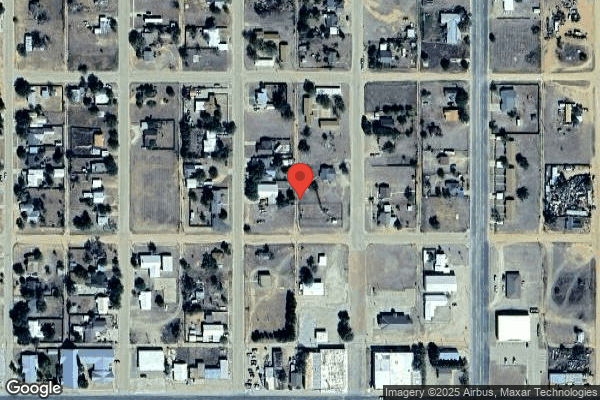
Nov 2024 2 deficiencies
CONCERN (D) 📢 Someone Reported This

A family member, employee, or ombudsman was alarmed enough to file a formal complaint

Potential for Harm - no one hurt, but risky conditions existed

Deficiency F0655 (Tag F0655)

Could have caused harm · This affected 1 resident

**NOTE- TERMS IN BRACKETS HAVE BEEN EDITED TO PROTECT CONFIDENTIALITY** Based on interviews, and record review, the facility failed to develop and implement a baseline care plan within 48 hours for ea...

Read full inspector narrative →
**NOTE- TERMS IN BRACKETS HAVE BEEN EDITED TO PROTECT CONFIDENTIALITY** Based on interviews, and record review, the facility failed to develop and implement a baseline care plan within 48 hours for each resident that includes the instructions needed to provide effective and person-centered care of the resident that meet professional standards of quality care for 1 (Resident #1) of 5 residents reviewed for baseline care plans. The facility failed to complete a baseline care plan within 48 hours of admission for Resident #1. This failure could place newly admitted residents at risk for not receiving the necessary care and services needed. The findings included: Record review of the face sheet, dated 11/06/2024, revealed Resident #1 was a [AGE] year-old female who admitted to the facility on [DATE] with the following diagnoses: vascular dementia (memory loss caused by impaired blood supply to the brain), unspecified sequelae of cerebral infarction (alteration of sensation following stroke), receptive-expressive language disorder (difficulty understanding and expressing self through language), type 2 diabetes mellitus (uncontrolled blood sugar), hypertension (elevated blood pressure), Crohn's Disease (bowel disease affecting the lining of the digestive tract). Record review of Resident #1's initial MDS, dated [DATE] revealed a BIMS score of 99, indicating the resident was unable to complete the interview. Section GG - Functional Abilities and Goals - admission revealed Resident #1 was independent with eating and transfers, required partial/moderate assistance to shower/bathe self and required supervision or touching assistance with tub/shower transfers, dressing and personal hygiene. 11/05/2024 Record review of Resident #1's electronic medical record revealed no baseline care plan. During an interview on 11/05/24 at 3:17 PM with the ADON/MDS-Care Plan Nurse, she stated each resident should have a baseline care plan in place within 48 hours of admission to the facility. She stated the DON and ADON were responsible for assuring baseline care plans were being completed. She stated the charge nurse was responsible for entering resident information into the baseline care plan during the admission process. The ADON stated the facility had been having issues with their electronic health system failing to prompt nurses to initiate the baseline care plan. She stated, we knew this was a problem and have been trying to fix it. She stated a potential negative outcome for failure to implement a baseline care plan was that it could lead to problems such as falls, or elopement based on staff not knowing the resident was at risk for certain things. During an interview on 11/06/24 at 10:57 AM with the DON, she stated she was not aware that Resident #1 did not have a baseline care plan until yesterday (11/05/24). She stated the baseline care plan should be completed within 48 hours of admission. She stated the purpose of the baseline care plan was to inform staff of what care is required for the resident and it was used by all direct care staff and ancillary staff. The DON stated nursing administration was responsible for assuring baseline care plans were complete and accurate. She stated she was aware that the facility had an issue with care plans being completed and planned to conduct a full audit of care plans for all residents. She stated she would be re-educating nursing staff on initiating the baseline care plan in the next few days. She stated a potential negative outcome for failure to develop and implement a baseline care plan was that the resident would not get the care they required. During an interview on 11/06/24 at 11:08 AM with the ADM, he stated he was not aware that Resident #1 did not have a baseline care plan. He stated the purpose of the baseline care plan was to know how to care for folks. He stated the baseline care plan should be completed within 72 hours of admission. He stated nursing staff and nursing administration were responsible for completing the baseline care plan in an accurate and timely manner. The ADM stated the care plan was used by everyone-mainly nursing staff and therapy. He stated his expectation of staff was that baseline care plans were accurate and were completed timely. He stated a potential negative outcome for failure to develop and implement a baseline care plan was that staff would not be able to care for someone 100% without an accurate care plan. Record review of the facility policy titled Care Plans - Baseline, revised March 2022, revealed the following: Policy Statement A baseline plan of care to meet the resident's immediate health and safety needs is developed for each resident within forty-eight (48) hours of admission. Policy Interpretation and Implementation 1. The baseline care plan includes instructions needed to provide effective, person-centered care of the resident that meet professional standards of quality care and must include the minimum healthcare information necessary to properly care for the resident including, but not limited to the following: a. Initial goals based on admission orders and discussion with the resident/representative; b. Physician orders; c. Dietary orders; d. Therapy services; e. Social services; and f. PASARR recommendation, if applicable
CONCERN (D) 📢 Someone Reported This

A family member, employee, or ombudsman was alarmed enough to file a formal complaint

Potential for Harm - no one hurt, but risky conditions existed

Comprehensive Care Plan (Tag F0656)

Could have caused harm · This affected 1 resident

**NOTE- TERMS IN BRACKETS HAVE BEEN EDITED TO PROTECT CONFIDENTIALITY** Based on interviews and record review, the facility failed to develop and implement a comprehensive person-centered care plan fo...

Read full inspector narrative →
**NOTE- TERMS IN BRACKETS HAVE BEEN EDITED TO PROTECT CONFIDENTIALITY** Based on interviews and record review, the facility failed to develop and implement a comprehensive person-centered care plan for each resident, consistent with the resident rights, that included measurable objectives and timeframes to meet a resident's medical, nursing, mental, and psychosocial needs that were identified in the comprehensive assessment for 1 (Resident #2) of 5 residents reviewed for care plans. The facility failed to develop an accurate, consistent, and complete care plan for Resident #2's activities of daily living (ADL's), mobility, disease process, cognition, communication, falls, and medications. This failure could place residents at risk of not receiving the care required to meet their individualized needs. Findings included: Record review of the face sheet, dated 11/05/2024, revealed Resident #2 was a [AGE] year-old male who admitted to the facility on [DATE] with the following diagnoses: malignant neoplasm of unspecified bronchus or lung (lung cancer), generalized muscle weakness (decreased strength), unsteadiness on feet, other lack of coordination. Record review of Resident #2's initial MDS dated [DATE], revealed Resident #2 did not have a BIMS score due to being rarely or never understood. Section GG - Functional Abilities and Goals - admission revealed Resident #2 required supervision or touching assistance with eating and required partial/moderate assistance to shower/bathe self and partial/moderate assistance with tub/shower transfers. Section N - Medications revealed Resident #2 was taking an antidepressant medication while a resident in the facility. Section V - Care Area Assessment Summary revealed Resident #2 was triggered for communication and falls and the Care Planning Decision column indicated these areas were to be addressed in the care plan. Record review of Resident #2's comprehensive care plan initiated on 11/05/24 revealed the following: A focus area for an ADL self-care deficit had a goal section that was blank and interventions for bathing/showering, eating and transfers that were blank. A focus area for limited physical mobility contained no interventions. A focus area that stated the resident was resistive to care, contained no interventions. A focus area for congestive heart failure contained no goals. A focus area for impaired cognitive function/dementia or impaired thought process had incomplete sections for focus, goals, and interventions. A focus area for communication problems had an incomplete focus statement, incomplete goal, and a blank section for interventions. A focus area for actual falls, initiated on 10/08/24, had a blank section for interventions. A focus area for antidepressant medication had a blank section for interventions. During an interview on 11/06/24 at 10:57 AM with the DON, she stated she was not aware that Resident #2's comprehensive care plan was incomplete until yesterday (11/05/24). She stated the comprehensive care plan should be completed by 48 hours after admission and should be updated quarterly and as needed. She stated nursing administration was responsible for completing the comprehensive care plan based on nursing assessment and input from members of the IDT. She stated the purpose of the comprehensive care plan was to inform staff of what care was required for the resident and it was a tool used by all direct care staff and ancillary staff. The DON stated nursing administration was responsible for monitoring and assuring comprehensive care plans were complete and accurate. She stated she was aware that the facility had an issue with care plans being completed and planned to conduct a full audit of care plans for all residents. She stated a potential negative outcome for failure to implement a complete comprehensive care plan was that the resident would not get the care they required. During an interview on 11/06/24 at 11:08 AM with the ADM, he stated he was not aware that the comprehensive care plan for Resident #2 was incomplete. He stated the purpose of the comprehensive care plan was to know how to care for folks. He stated nursing administration was responsible for completing the care plan in an accurate and timely manner. The ADM stated the care plan was used by everyone-mainly nursing staff and therapy for obtaining information about a resident's care needs. He stated his expectation of staff was that comprehensive care plans were complete, accurate and updated. He stated a potential negative outcome for failure to develop and implement a complete comprehensive care plan was that staff would not be able to care for someone 100% without an accurate care plan. Record review of the facility policy, Care Plans, Comprehensive Person-Centered, Revised March 2022, revealed the following documentation: Policy Statement A comprehensive, person-centered care plan that includes measurable objectives and timetables to meet the resident's physical, psychosocial and functional needs is developed and implemented for each resident. Policy Interpretation and Implementation 1. The interdisciplinary team (IDT), in conjunction with the resident and his/her family or legal representative, develops and implements a comprehensive, person-centered care plan for each resident. 2. The comprehensive, person-centered care plan is developed within seven (7) days of the completion of the required MDS assessment (Admission, Annual or Significant Change in Status), and no more than 21 days after admission. . 7. The comprehensive, person-centered care plan: a. includes measurable objectives and timeframes; b. describes the services that are to be furnished to attain or maintain the resident's highest practicable physical, mental, and psychosocial well-being . . 10. When possible, interventions address the underlying source(s) of the problem area(s), not just symptoms or triggers.
Jul 2024 6 deficiencies
CONCERN (D)

Potential for Harm - no one hurt, but risky conditions existed

Deficiency F0552 (Tag F0552)

Could have caused harm · This affected 1 resident

**NOTE- TERMS IN BRACKETS HAVE BEEN EDITED TO PROTECT CONFIDENTIALITY** Based on interviews and record review the facility failed to ensure the residents had the right to participate in his or her tre...

Read full inspector narrative →
**NOTE- TERMS IN BRACKETS HAVE BEEN EDITED TO PROTECT CONFIDENTIALITY** Based on interviews and record review the facility failed to ensure the residents had the right to participate in his or her treatment, which included the right to be informed in advance, by the physician or other practitioner or professional, of the risks and benefits of proposed care, of treatment, and treatment alternatives or treatment options and to choose the alternative or option he or she preferred, for 1 of 15 residents (Resident #20) reviewed for resident rights. The facility failed to obtain a signed informed consent based on information of the benefits, risks, and options available for Resident #20, prior to administering psychotropic medications (a psychoactive drug taken to exert an effect on the chemical make-up of the brain and nervous system). This failure could place residents at risk of receiving medications without their prior knowledge or consent, or that of their responsible party or being aware of the benefits and risks of the medications prescribed. Findings included: Record review of Resident #20's face sheet, dated 7/30/2024, revealed a [AGE] year-old-female was admitted to the facility on [DATE] with diagnoses to include mood disorder due to known psychological condition with depressive features (mental health conditions that primarily affect emotional state), urinary tract infection (an infection in any part of the urinary system), muscle weakness, and unspecified lack of coordination. Record review of comprehensive MDS assessment dated [DATE] revealed Resident #20 had a BIMS score of 12 which indicated the resident's cognition was moderately impaired. Record review of a care plan for Resident #20 dated 6/7/2023 revealed a focus area of depression: Resident will take antidepressant medication as prescribed to assist with this area of concern. Record review of Resident #20's order summary report dated 7/30/2024 revealed the following orders: Escitalopram Oxalate oral Tablet 10 MG (Escitalopram Oxalate), Give 1 tablet by mouth in the evening related to mood disorder due to known physiological condition with depressive features. RisperDAL oral Tablet 0.25 MG (Risperidone), Give 1 tablet by mouth in the evening related to psychotic disorder with hallucinations due to known physiological condition. Record review of Resident #'20s electronic medical record of scanned consents on 5/15/24 revealed a consent for RisperDal. However, there was no consent for Escitalopram found. During an interview on 7/31/24 at 11:40AM with the DON, she verified the consent for Resident #20 for Escitalopram was not completed. The DON stated she was aware of the policy stating residents were required to have a completed consent for antipsychotic or psychotropic medications. The DON stated the DON and the ADON were responsible for ensuring each resident had a completed consent for antipsychotic or psychotropic medications at admission, and they were both responsible for ensuring new medications had a consents. The DON stated she and the ADON completed an audit periodically to ensure the consents were current and completed. The DON stated the ADON was not available for interview as she was on vacation at this time. She stated the potential negative outcome could be medications being administered against the residents' or family wishes. During an interview on 7/31/24 at 12:40PM, the ADM stated nursing staff were responsible for ensuring consents for antipsychotic and psychotropic medications were completed and updated at admission as well as when new medications were added to a resident's order. The ADM stated she was unaware of what the policy stated regarding consents. The ADM stated a potential negative outcome to the residents were the resident may not know what mediation they were taking. Record review of the facility policy titled Resident Rights (revised February 2021) revealed: Policy Statement: Employees shall treat all residents with kindness, respect, and dignity. Policy Interpretation and Implementation: Federal and state laws guarantee certain basic rights to all residents of this facility. These rights include the resident's right to: be treated with respect, kindness, and dignity; be notified of his or her medical condition and of any changes in his or her condition; be informed of, and participate in, his or her care planning and treatment; access personal and medical records pertaining to him or herself; choose an attending physician and participate in decision-making regarding his or her care .
CONCERN (D)

Potential for Harm - no one hurt, but risky conditions existed

Deficiency F0761 (Tag F0761)

Could have caused harm · This affected 1 resident

Based on observations, interviews, and record review, the facility failed to ensure that drugs and biologicals were properly secured for 1 of 1 treatment carts reviewed for proper medication storage. ...

Read full inspector narrative →
Based on observations, interviews, and record review, the facility failed to ensure that drugs and biologicals were properly secured for 1 of 1 treatment carts reviewed for proper medication storage. LVN A left the treatment cart containing medications unlocked and unsupervised in the hallway near the nurse's station. The DON left the treatment cart containing medications unlocked and unsupervised in the hallway near the nurse's station. These failures could place residents at risk of having access to unauthorized medications and/or lead to possible harm, drug overdose, or drug diversions. Findings included: During an observation on 07/29/2024 at 06:58 AM the treatment cart across from the nurse's station and across from the resident living area was observed to be unlocked and unattended. This state surveyor observed residents in close proximity to the treatment cart and no staff were present to supervise the cart. Upon inspection of the second drawer of the cart with LVN A, several prescription medications and creams were observed. During an observation and an interview on 07/29/2024 at 08:07 AM the treatment cart across from the nurse's station and across from the resident living area was observed to be unlocked and unattended. This state surveyor observed residents in close proximity to the treatment cart and no staff were present to supervise the cart. The DON stated she was on duty as the floor nurse, due to the daytime nurse calling in sick, and stated she was responsible for the treatment cart. She stated the treatment cart should be locked when unattended, but she was busy and being pulled in different directions and forgot to lock the cart. During an interview on 07/29/2024 at 07:02 AM LVN A stated she was the nurse on duty, and she was responsible for the treatment cart. She stated the cart should be locked at all times. She stated she has been trained to keep the cart locked as part of her nurse training and it was a standard of nursing knowledge. She stated she was about to lock the cart up just before the survey team entered the building, but she got sidetracked. She stated a potential negative outcome of failing to lock the treatment cart was that residents could access any medications stored on the cart and be injured. During an interview on 07/31/24 at 11:27 AM the DON stated all nursing staff were responsible for assuring treatment carts were locked when unattended. She stated staff were trained on properly securing carts annually and as needed. She stated her expectations of staff for properly securing treatment carts were that the carts were always locked when unattended. She stated a potential negative outcome of failing to secure treatment carts was residents can get into the cart and ingest medications and be harmed. During an interview on 07/31/24 at 12:18 PM the ADM stated the nursing staff was responsible for assuring treatment carts containing medications were locked when unattended. She stated staff were trained on securing carts by the DON through periodic in-servicing. She stated her expectation was that staff properly secure treatment carts at all times when unattended. She stated a potential negative outcome for failure to secure treatment carts containing medications was that a resident could get a hold of a medication or substance and become sick or die. Record review of the facility provided polity titled Storage of Medications, revised November 2020, revealed the following: Policy: The facility stores all drugs and biologicals in a safe, secure, and orderly manner. Policy Interpretation and Implementation: 1. Drugs and biologicals used in the facility are stored in locked compartments . Only persons authorized to prepare and administer medications have access to locked medication. 6. Compartments (including . carts .) containing drugs and biologicals are locked when not in used. Unlocked medication carts are not left unattended.
CONCERN (E)

Potential for Harm - no one hurt, but risky conditions existed

Comprehensive Care Plan (Tag F0656)

Could have caused harm · This affected multiple residents

**NOTE- TERMS IN BRACKETS HAVE BEEN EDITED TO PROTECT CONFIDENTIALITY** Based on interview, and record review, the facility failed to develop and implement a comprehensive person-centered care plan fo...

Read full inspector narrative →
**NOTE- TERMS IN BRACKETS HAVE BEEN EDITED TO PROTECT CONFIDENTIALITY** Based on interview, and record review, the facility failed to develop and implement a comprehensive person-centered care plan for each resident, consistent with the resident rights, that include measurable objectives and timeframes to meet a resident's medical, nursing, mental, and psychosocial needs that were identified in the comprehensive assessment for 3 of 14 residents (Residents #1, #8 and #21) reviewed for care plans. The facility failed to develop a care plan for Resident #1's cognitive loss, communication, psychosocial well-being and pressure ulcer risk. The facility failed to develop a care plan for Resident #8's cognitive loss, vision, falls, nutrition and psychotropic drug use. The facility failed to develop a care plan for Resident #21's delirium, communication, urinary function, psychosocial well-being, mood, dental care, pressure ulcer risk and pain. These failures could place residents at risk of not receiving the care required to meet their individualized needs. Findings included: Resident #1 Record review of the admission record for Resident #1, dated 07/29/24 revealed a [AGE] year-old female who was admitted to the facility on [DATE] and readmitted on [DATE] with the following diagnoses: parkinson's disease (brain disorder that causes uncontrollable movements), essential hypertension (high blood pressure), and muscle weakness. Record review of Resident #1's comprehensive MDS assessment dated [DATE] revealed Section V Care Areas triggered were 02. Cognitive loss/dementia, 04. Communication, 07. Psychosocial well-being, and 16. Pressure ulcer were checked as triggered. Record review of the current care plan for Resident #1, undated, revealed there was no specific care plan regarding cognitive loss, communication, psychosocial well-being and pressure ulcers. Resident #8 Record review of the admission record for Resident #8, dated 07/29/24 revealed a [AGE] year-old female who was admitted to the facility on [DATE] and readmitted on [DATE] with the following diagnoses: altered mental status (memory problems), dehydration (loss of body fluids), and type 2 diabetes mellitus (blood sugar problems). Record review of Resident #8's comprehensive MDS assessment dated [DATE] revealed Section V Care Areas triggered were 02. Cognitive loss/dementia, 03. Visual function, 11. Falls, 12. Nutritional Status, and 17. Psychotropic drug use were checked as triggered. Record review of the current care plan for Resident #8, undated, revealed there was not a completed care plan regarding cognitive loss, visual function, falls, nutritional status or psychotropic drug use. Resident #21 Record review of the admission record for Resident #21, dated 07/29/24 revealed a [AGE] year-old female who was admitted to the facility on [DATE] with the following diagnoses: Alzheimer's disease (memory problems), anxiety (mood disorder) and dementia (cognitive loss of function). Record review of Resident #21's comprehensive MDS assessment dated [DATE] revealed Section V Care Areas triggered were 01. Delirium, 04. Communication, 06. Urinary Incontinence and Indwelling catheter, 07. Psychosocial well-being, 08. Mood State, 15. Dental Care, 16. Pressure ulcer, and 19. Pain were checked as triggered. Record review of the current care plan for Resident #21, undated, revealed there was not a completed care plan regarding delirium, communication, urinary incontinence and indwelling catheter, psychosocial well-being, mood state, dental care, pressure ulcers, or pain. During an interview on 07/31/24 at 10:24 AM, the DON stated the ADON was responsible for completing the care plans and she was responsible for ensuring the care plans were getting completed. The DON stated the ADON was out of the facility at this time on vacation and was not available by phone for interview. The DON stated she did not know why the care plans for Resident #1, Resident #8 and Resident #21 were not completed. The DON stated care plans are reviewed by her when there is a concern, and she cannot remember the last time the care plans were audited. The DON stated a potential negative outcome to the residents was they may not get the care they need. During an interview on 07/31/24 at 10:51 AM, the ADM stated the ADON was responsible for completing the care plans at the facility. The ADM stated the DON is responsible to ensure the ADON is completing the care plans. The ADM stated she did not know why the ADON did not complete the care plans for Resident #1, Resident #8 and Resident #21. The ADM stated they were not able to get ahold of the ADON at this time as she was on vacation. The ADM stated a potential negative outcome to the residents was they may get improper care from staff. Record review of the facility's policy titled, Care Plans, Comprehensive Person-Centered, with a revised date of March 2022, reflected the following: Policy Statement: A comprehensive, person-centered care plan that includes measurable objectives and timetables to meet the resident's physical, psychosocial and functional needs is developed and implemented for each resident
CONCERN (E)

Potential for Harm - no one hurt, but risky conditions existed

Food Safety (Tag F0812)

Could have caused harm · This affected multiple residents

Based on observation, interview, and record review, the facility failed to store, prepare, distribute, and serve food in accordance with professional standards for food service safety in 1 of 1 kitche...

Read full inspector narrative →
Based on observation, interview, and record review, the facility failed to store, prepare, distribute, and serve food in accordance with professional standards for food service safety in 1 of 1 kitchen reviewed for dietary services. 1) The facility failed to keep food properly labeled and sealed in the refrigerator, freezer and pantry. These failures could place residents at risk for food contamination and foodborne illness. The findings included: Observation during a kitchen tour on 07/29/24 at 7:45 AM revealed the following in the refrigerator: 1 pitcher of orange liquid, no label and no date noted on the pitcher and 1 bag of oven roasted turkey breast sandwich meat not sealed properly, dated 7/23/24. The following was noted in the freezer: 1 bag of fried chicken not sealed properly, dated 6/19/24 and 1 bag of 3 biscuits not sealed properly, dated 7/23/24. The following was noted in the pantry: 1 bag of brown gravy mix not sealed properly, dated 7/15/24. Interview on 07/31/24 at 10:02 AM, the DM stated all the dietary staff were responsible for properly labeling and storing food items. The DM stated she was ultimately responsible to ensure dietary staff was properly labeling and storing food items. The DM stated she did not know why some food items were not closed all the way or why the orange liquid was not labeled or dated. The DM stated there was no good reason these things were not done. The DM stated all dietary staff are trained on hire and verbally throughout their shifts as needed. The DM stated a potential negative outcome to the residents was they could get sick due to cross contamination or the food could go bad. Interview on 07/31/24 at 10:40 AM, the DM stated she brought the only policy she could find related to food labeling and storage. Interview on 07/31/24 at 10:51 AM, the ADM stated she expected food storage to be correct at the facility, meaning food should be properly labeled and sealed. The ADM stated the DM was responsible for ensuring the food items were labeled and sealed properly. The ADM stated she did not know why some food items were not sealed all the way or why something was not labeled in the refrigerator. The ADM stated a potential negative outcome to the residents was it could make them sick. Record review of the facility's policy and procedure titled, Nutrition Policies and Procedures Subject: Safe Food Handling, dated 10/2009, reflected the following: Policy: Food acquisition, storage, and distribution will comply with accepted food handling practices. Proper food handling is essential in preventing food borne illness. Procedures: .Refrigerated potentially hazardous (PHF) leftover foods are properly covered, labeled, and date marked with a use by date
CONCERN (E)

Potential for Harm - no one hurt, but risky conditions existed

Infection Control (Tag F0880)

Could have caused harm · This affected multiple residents

**NOTE- TERMS IN BRACKETS HAVE BEEN EDITED TO PROTECT CONFIDENTIALITY** Based on observations, interviews, and record review, the facility failed to maintain an infection control program designed to p...

Read full inspector narrative →
**NOTE- TERMS IN BRACKETS HAVE BEEN EDITED TO PROTECT CONFIDENTIALITY** Based on observations, interviews, and record review, the facility failed to maintain an infection control program designed to provide a safe, comfortable, and sanitary environment to help prevent the development and transmission of communicable diseases for 4 of 4 (Residents #17, #2, #6, #7) and 4 of 4 staff (ADM, DON, CNA A, CNA B) reviewed for infection control. 1. The facility failed to implement and maintain contact precautions and ensure staff utilized Personal Protective Equipment (PPE) appropriately to prevent cross contamination from residents positive with COVID-19. 2. The facility failed to place readily visible signage on the door of Resident #17 who was actively on contact precautions. 3. The administrator entered the room of a resident who was on transmission-based precautions without proper PPE. 4. The DON entered the room of a resident who was on transmission-based precautions without proper PPE. 5. CNA A failed to sanitize hands between glove changes during incontinent care for Resident #2 and Resident #7. 6. CNA B failed to sanitize hands between glove changes during incontinent care for Resident #6. These failures could place residents at risk for spread of infection and cross contamination. Findings included: Resident #17 Record Review of Resident #17's face sheet revealed a [AGE] year-old female that was initially admitted to the facility on [DATE], with the following diagnoses: chronic embolism and thrombosis of unspecified deep veins of right lower extremity (blood clot that has formed in a deep vein and lasted for at least a month), essential (primary) hypertension (a form of high blood pressure that has no identifiable secondary cause), hypothyroidism (condition resulting from decreased production of thyroid hormones), and encephalopathy (altered mental state and confusion). Record Review of Resident #17's MDS assessment dated 03/082024, revealed under Section C, Cognitive Patterns, a BIMS score of 12, indicating the resident was slightly, cognitively impaired. Record Review of Resident #17's nursing progress notes dated 07/28/2024 indicate Resident #17 tested positive for COVID-19 on 07/27/2024. During an interview on 7/29/2024 at 06:55 AM with LVN A, LVN A advised that Resident #17 tested positive for COVID-19 and advised state surveyors to wear a mask. LVN A stated Resident #17 was in and out of her room, but she stated Resident #17 wore a mask. During an observation on 07/29/2024 at 07:55 AM there was no visible PPE outside of Resident #17 's room. There was no visible signage on or around Resident 17's room to indicate transmittable based precautions were in place for Resident #17. During an observation on 07/29/2024 at 08:05 AM the ADM was observed entering Resident #17's room. The ADM was observed wearing a mask but was not seen wearing any additional PPE. During an observation on 07/29/2024 at 8:15 AM a dining staff was observed delivering a breakfast tray to Resident #17's room. The dining staff was observed wearing a mask and obtained a gown from a nearby storage closet before entering the room. The dining staff was observed taking off the gown, upon exiting Resident 17's room, but she could not find a trash can to dispense of the gown. During an observation on 07/29/2024 at 8:20 AM the DON was observed entering Resident #17's room. The DON was observed wearing a mask but was not seen wearing any additional PPE. During an observation on 07/29/2024 at 2:00 PM there was no visible PPE outside of Resident #17's room. During an observation and interview on 07/30/2024 at 9:30 AM there was no visible PPE outside of Resident #17's room. There was no signage indicating Resident #17 was on transmission-based precautions. The Activities Director was asked for PPE for Resident #17's room. The AD obtained a PPE cart and placed it outside of the room. The PPE cart included gowns, gloves, and hand sanitizer. During an observation and interview on 07/30/2024 at 9:35 AM Resident #17 stated she had COVID-19, and she had been positive for 4 days. Resident #17 was observed wearing a mask inside of her room. Resident #17 stated she wore a mask any time she exited her room and stated staff wore a mask as well. Resident #17 stated she felt staff had been safe and cautious when entering her room. It was observed Resident #17 had a trash can near her bed. There were no other trash cans in the room or receptacles available near the door to dispose of contaminated PPE. During an observation on 07/31/2024 at 9:20 AM there was no visible signage on or near Resident 17's room that indicated Resident #17 was on transmission-based precautions. During an interview on 07/31/2024 at 11:40 AM the DON stated Resident #17 was positive for COVID-19. The DON stated she was advised by her corporate office that the procedures for residents with COVID-19 had changed. However, the DON stated the facility's policy was not changed nor updated to reflect the changes. The DON was unaware of the specific changes and stated she thought only wearing a mask was necessary. The DON stated it was explained to her that it would be treated as if a resident had the flu. The DON stated when a resident had the flu, they were placed on enhanced barrier precautions. The DON stated Resident #17 was not placed on enhanced barrier precautions either. The DON stated she did not know why. The DON stated COVID-19 was a transmissible infection that could be spread by droplets. The DON stated per the facility's policy Resident #17 should have been placed on transmission-based precautions. The DON stated this would include a sign being placed on the resident's door indicating she was on transmission-based precautions. The DON stated all staff and visitors that entered Resident #17's room should have worn all necessary PPE including a mask, gloves, and a gown. The DON stated all nursing staff were trained on transmission-based precautions. The DON stated she and the ADON were responsible for ensuring staff received this training. The DON stated it was communicated to nursing staff that Resident #17 tested positive for COVID-19 via nursing reports that were reviewed daily. The DON stated visitors would not have known that Resident #17 was on transmission-based precautions since there was no sign indicating such. The DON stated a sign should have been placed on Resident #17's door, and a PPE cart should have been placed outside of the door to provide necessary PPE for visitors and staff. The DON stated she did not know why this was not done. The DON stated nursing staff was responsible for ensuring the sign was placed on the door and the PPE cart was set up outside of the door. The DON stated there should have been a receptacle for soiled PPE inside of Resident #17's door, and she was not sure why there was not one. The DON stated there was a risk of the spread of infection to staff and other residents due to policy not being followed for transmission-based precautions. During an interview on 07/31/2024 at 12:40 PM the ADM stated the facility was advised that the facility policy was being updated and only a mask was necessary for the care of a resident with COVID-19. The ADM stated the policy she provided was the current policy and it had not been updated recently. The ADM reviewed this policy provided and stated COVID-19 was a transmissible infection and Resident #17 should have been placed on transmission-based precautions based on droplet transmission. The ADM stated, per the facility's policy, there should have been a sign placed on Resident #17's door indicating she was on transmission-based precautions. The ADM stated there should have been a PPE cart outside of Resident #17's room, and she stated she was not aware that there was not one on previous days. The ADM stated it was the responsibility of the nursing staff to ensure the transmission-based precautions were being followed, and it was her responsibility to follow up as well. The ADM stated the DON was responsible for training staff on transmission-based precautions. The ADM stated that not following transmission-based precautions places other residents and staff at risk of spreading infections. Resident #2 Record review of the face sheet for Resident #2 revealed an [AGE] year-old female admitted to the facility on [DATE] with the following diagnoses: Alzheimer's Disease with late onset (a progressive disease that destroys memory and other important mental functions), shortness of breath, dysphagia (swallowing difficulties), cerebral infarction (damage to brain tissue due to a loss of oxygen), iron deficiency anemia (too few healthy red bloods cells due to too little iron), unspecified dementia (a range of neurological conditions affecting the brain), chronic congestive heart failure, (condition in which the heart does not pump enough blood), polyosteoarthritis (arthritis involving two or more joints), and essential hypertension (high blood pressure that does not have one distinct cause). Record review of Resident #2's annual MDS, dated [DATE] revealed Resident #2 had a BIMS score of 06, indicating severe cognitive impairment and was always incontinent of bowel and bladder. Record review of Resident #2's care plan dated 08/24/23 revealed resident had a stroke and was incontinent of bowel and bladder. Observation on 07/30/24 at 1:42 PM of incontinent care on Resident #2 with CNA A revealed CNA A washed hands prior to resident care. Resident was informed of care that was to be performed and gave verbal permission for the state surveyor to observe. Supplies were gathered prior to entering the room. CNA A put on gloves and elevated the bed then performed female incontinent care. Resident #2 was then turned to right side and incontinent care was performed to buttocks area. CNA A was then observed to change gloves. A new brief was placed, and the resident was placed in a position of comfort. CNA A failed to sanitize hands between glove changes. CNA A washed hands following procedure. Resident #6 Record review of the face sheet for Resident #6 revealed an [AGE] year-old female admitted to the facility on [DATE] with the following diagnoses: dementia (the loss of cognitive functioning), cerebral infarction (damage to brain tissue due to a loss of oxygen), Alzheimer's Disease (a progressive disease that destroys memory and other important mental functions), dysphagia, (swallowing difficulties), and anxiety (a feeling of worry or nervousness). Record review of Resident #6's annual MDS, dated [DATE] revealed Resident #6 had a BIMS score of 02, indicating severe cognitive impairment and was frequently incontinent of bowel and bladder. Record review of Resident #6's care plan dated 12/14/2023 revealed the resident has impaired cognitive function and dementia and has bowel incontinence, requiring frequent staff assistance. Observation on 07/30/24 at 1:56 PM of incontinent care on Resident #6 with CNA B revealed, CNA B washed her hands prior to resident care. Resident was informed of care that was to be performed. Supplies were gathered prior to entering the room. CNA B put on gloves and transferred Resident #6 from the chair to the bed with the assistance of CNA A. Observed CNA B perform female incontinent care. Resident #6 was then turned to the right side and incontinent care was performed to the buttocks area. CNA B was then observed to change gloves. A new brief was placed, and the resident was placed in a position of comfort. CNA B failed to sanitize hands between glove changes. CNA B washed her hands following the procedure. Resident #7 Record review of the face sheet for Resident #7 revealed an [AGE] year-old female admitted to the facility on [DATE] with the following diagnoses: dementia (the loss of cognitive functioning), schizoaffective disorder (a mental health problem with confusion and mood issues), major depressive disorder (persistently depressed mood causing impairment in daily life), heart failure (the heart does not pump blood as well as it should), and peripheral vascular disease (a circulatory condition with reduced blood flow to the limbs). Record review of Resident #7's annual MDS, dated [DATE] revealed Resident #6 had a BIMS score of 09, indicating moderately impaired cognition, and was occasionally incontinent of bladder. Record review of Resident #7's care plan dated 06/06/2024 revealed the resident had impaired cognition and frequent bladder incontinence, requiring staff assistance. Observation on 07/30/24 at 02:10 PM of incontinent care on Resident #7 with CNA A revealed, CNA A washed her hands prior to resident care. Resident was informed of care that was to be performed and gave verbal permission for the state surveyor to observe. Supplies were gathered prior to entering the room. CNA A put on gloves and elevated the bed then performed female incontinent care. Resident #7 was then turned to the left side and incontinent care was performed to the buttocks area. CNA A was then observed to change gloves. A new brief was placed, and the resident was placed in a position of comfort. CNA A failed to sanitize hands between glove changes. CNA A washed her hands following the procedure. During an interview on 07/30/2024 at 02:49 PM CNA A stated she failed to sanitize her hands between glove changes during incontinent care for Resident # 2 and Resident #7 because she forgot. She stated she has been trained on proper hand hygiene through the agency she was employed with. She stated a potential negative outcome of failure to sanitize hands between glove changes was spreading infection to the residents or herself. During an interview on 07/30/2024 at 02:49 PM CNA B stated she failed to sanitize her hands between glove changes during incontinent care for Resident #6 because she was nervous and forgot. She stated she has been trained on proper hand hygiene through her CNA training. She stated a potential negative outcome of failure to sanitize hands between glove changes was passing disease. During an interview on 07/30/2024 at 3:07 PM the DON stated staff should perform hand hygiene between glove changes. She stated she and the ADON were responsible for training staff and training was usually conducted on a 1:1 basis with each staff member. She stated a potential negative outcome of failing to use proper hand hygiene was infection. During an interview on 07/31/24 at 12:18 PM the ADM stated nursing administration was responsible for ensuring staff were properly trained on hand hygiene. She stated staff were trained periodically by receiving in-services and yearly skills checks. She stated her expectation of staff regarding handwashing was that it was done correctly every time. She stated a potential negative outcome of failing to use proper hand hygiene was making the residents or staff sick. Record review of facility provided policy titled Isolation - Categories of Transmission-Based Precautions (revised 09/2022) revealed: Policy Statement: Transmission-based precautions are initiated when a resident develops signs and symptoms of a transmissible infection; arrives for admission with symptoms of an infection; or has a laboratory confirmed infection; and is at risk of transmitting the infection to other residents. Policy Interpretation and Implementation: I. Standard precautions are used when caring for residents at all times regardless of their suspected or confirmed infection status. 2. Transmission-based precautions are additional measures that protect staff, visitors and other residents from becoming infected. These measures are determined by the specific pathogen and how it is spread from person to person. The three types of transmission-based precautions are contact, droplet and airborne. 3. When a resident is placed on transmission-based precautions, appropriate notification is placed on the room entrance door and on the front of the chart so that personnel and visitors are aware of the need for and the type of precaution. a. The signage informs the staff of the type of CDC precaution(s), instructions for use of PPE, and/or instructions to see a nurse before entering the room. b. Signs and notifications comply with the resident's right to confidentiality or privacy. Droplet Precautions I. Droplet precautions are implemented for an individual documented or suspected to be infected with microorganisms transmitted by droplets (large-particle droplets [larger than 5 microns in size) that can be generated by the individual coughing, sneezing, talking, or by the performance of procedures such as suctioning). 2. Masks are worn when entering the room. 3. Gloves, gown and goggles are worn if there is risk of spraying respiratory secretions. 4. Resident Transport a. A mask is placed on the resident during transport from his or her room. Record review of facility provided policy titled Isolation - Initiating Transmission-Based Precautions, (dated August 2019) revealed: Policy Statement: Transmission-based precautions are initiated when a resident develops signs and symptoms of a transmissible infection; arrives for admission with symptoms of an infection; or has a laboratory confirmed infection; and is at risk of transmitting the infection to other residents. Policy Interpretation and Implementation: If a resident is suspected of, or identified as, having a communicable infectious disease, the charge nurse or nursing supervisor notifies the infection preventionist and the resident's attending physician for evaluation of appropriate transmission-based precautions. 1.Transmission-based precautions are utilized when a resident meets the criteria for a transmissible infection AND the resident has risk factors that increase the likelihood of transmission. When transmission-based precautions are implemented, the infection preventionist (or designee): a. clearly identifies the type of precautions, the anticipated duration, and the personal protective equipment (PPE) that must be used; b. explains to the resident (or representative) the reason(s) for the precautions; c. provides and/or oversees the education of the resident, representative and/or visitors regarding the precautions and use of PPE; d. determines the appropriate notification on the room entrance door and on the front of the resident's chart so that personnel and visitors are aware of the need for and type of precautions: (I) The signage informs the staff of the type of CDC precaution(s), instructions for use of PPE, and/or instructions to see a nurse before entering the room. (2) Signs and notifications comply with the resident's right to confidentiality or privacy. e. ensures that protective equipment (i.e., gloves, gowns, masks, etc.) is maintained outside the resident's room so that anyone entering the room can apply the appropriate equipment; Record review of the facility's policy titled Handwashing/Hand Hygiene (revised August of 2019) revealed: Policy Statement: This facility considers hand hygiene the primary means to prevent the spread of infections. Policy Interpretation and Implementation: 2. All personnel shall follow the hand washing/hand hygiene procedures to help prevent the spread of infections to other personnel, residents, and visitors. 7. Use an alcohol-based hand rub containing at least 62% alcohol; Or, alternatively, soap (antimicrobial or non-antimicrobial) and water for the following situations: b. Before and after direct contact with residents; h. Before moving from a contaminated body site to a clean body site during resident care; i. After contact with a residence intact skin; m. After removing gloves; 8. Hand hygiene is the final step after removing and disposing of personal protective equipment. 9. The use of gloves does not replace hand washing/hand hygiene. Integration of glove use along with routine hand hygiene is recognized as the best practice for preventing healthcare associated infections.
MINOR (B)

Minor Issue - procedural, no safety impact

Deficiency F0912 (Tag F0912)

Minor procedural issue · This affected multiple residents

**NOTE- TERMS IN BRACKETS HAVE BEEN EDITED TO PROTECT CONFIDENTIALITY** Based on observation, interview and record review, the facility failed to ensure the resident bedroom measured at least 80 squar...

Read full inspector narrative →
**NOTE- TERMS IN BRACKETS HAVE BEEN EDITED TO PROTECT CONFIDENTIALITY** Based on observation, interview and record review, the facility failed to ensure the resident bedroom measured at least 80 square feet per resident in multiple resident bedrooms for 7 of 26 resident semiprivate rooms (Rooms #6, 13, 14, 19, 20, 21 and 30), in that, The facility failed to provide 80 square feet per resident in 7 of 26 semiprivate resident rooms. This failure could result in crowding, cause difficulty in providing ADL services, and placing residents at risk for decreased quality of life. Findings included: On 07/29/24 at 7:33 AM an interview was conducted with the ADM, at the time of the entrance conference. She stated the facility wanted to apply for a room square footage waiver for the semiprivate rooms that did not meet the 80 square foot requirement. Observations were made during a general observation tour on 07/30/23 beginning at 2:00 PM and indicated the following: room [ROOM NUMBER] had 156.54 square feet for 2 residents instead of the required 160 square feet. room [ROOM NUMBER] had 156.58 square feet for 2 residents instead of the required 160 square feet. room [ROOM NUMBER] had 152.37 square feet for 2 residents instead of the required 160 square feet. room [ROOM NUMBER] had 154.03 square feet for 2 residents instead of the required 160 square feet. room [ROOM NUMBER] had 152.2 square feet for 2 residents instead of the required 160 square feet. room [ROOM NUMBER] had 154.03 square feet for 2 residents instead of the required 160 square feet. room [ROOM NUMBER] had 155.25 square feet for 2 residents instead of the required 160 square feet. Interview on 07/31/24 at 10:51 AM, the ADM stated there have not been any changes to the floor plan recently. The ADM stated regarding inadequate room square footage in semiprivate rooms, a potential negative outcome to the residents was it could affect the residents related to crowding and clutter. The ADM stated the facility did not have a policy related to room square footage requirements for residents.
Jun 2023 6 deficiencies
CONCERN (D)

Potential for Harm - no one hurt, but risky conditions existed

PASARR Coordination (Tag F0644)

Could have caused harm · This affected 1 resident

**NOTE- TERMS IN BRACKETS HAVE BEEN EDITED TO PROTECT CONFIDENTIALITY** Based on observation, interview and record review the facility failed to refer all residents with newly a evident or possible se...

Read full inspector narrative →
**NOTE- TERMS IN BRACKETS HAVE BEEN EDITED TO PROTECT CONFIDENTIALITY** Based on observation, interview and record review the facility failed to refer all residents with newly a evident or possible serious mental disorder for PASRR level II evaluation for 2 of 12 residents (Resident #8 and Resident #10) reviewed for PASRR. 1. The facility failed to ensure that Resident #8 was accurately assessed for PASRR services related to hi diagnoses of major depressive disorder, psychotic disorder, and anxiety disorder. 2. The facility failed to ensure that Resident #10 was accurately assessed for PASRR services related to her diagnoses which included major depressive disorder and schizoaffective disorder. These failures could place residents at risk for not receiving the specialized PASRR care and services required to meet their individual needs and could result in a decrease in quality of life. The findings were: Resident #8: Record review of Resident #8's admission record revealed an [AGE] year-old male admitted to the facility on [DATE]. Record review of medical diagnoses for Resident #8 revealed diagnoses including major depressive disorder (MDD), with an onset date of 09/30/2021, psychotic disorder with hallucinations and an onset date of 01/24/2022, and anxiety disorder with an onset date of 11/04/2021. Record review of Resident #8's MDS dated [DATE], revealed documentation indicating diagnoses including depression, anxiety disorder, and psychotic disorder. Record review of Resident #8's care plan dated 10/19/2021 revealed a focus area that pertained to Residents #8's use of an antidepressant medication. Additionally, focus areas pertaining to the use of anti-anxiety and psychotropic medications were present. Record review of Resident #8's Preadmission Screening and Resident Review Level One (PL1) form dated 09/30/2021 revealed under section C0100 Mental Illness an answer of No, indicating the resident did not have a mental illness. During an interview conducted on 06/08/23 at 12:41 PM, the ADON/MDS Coordinator said she was not sure if MDD was a mental illness and then changed her answer and said it was. She said the PL1 should have been redone when Resident #8's diagnosis of MDD was made. She said typically, she would be responsible for making sure this was done and said that it may have been overlooked. She said that the risk to a resident with an inaccurate PL1 would be not receiving services they could be eligible for. She said that for example, certain equipment the resident may benefit from. She said that she will be going through the doctor's notes from now on to double check diagnoses and would revise PL1's for residents as needed. Observation and attempted interview on 06/09/23 at 10:26 AM revealed Resident #8 to be sitting in a wheelchair near the lobby of the facility near a staff member, gazing in one direction with a blank expression on his face. An attempted interview with the resident revealed he was unable to converse with the surveyor and was confused. During an interview conducted on 06/09/23 at 11:15 AM, the PASRR Coordinator from the local mental health authority said that she had evaluated Resident #8 earlier today and said that MDS Coordinators should indicate through documentation on the PL1 form if a resident has a diagnosis that qualifies as a mental illness regardless of a diagnosis of dementia or dementia-like symptoms so that an evaluation could be completed. She said that Major Depressive Disorder qualifies as a mental illness. Resident #10: Record review of the Order Summary Report for female Resident #10 dated 6/7/23 revealed the resident was admitted to the facility on [DATE] and was [AGE] years old. Diagnoses listed included, major depressive disorder, recurrent, unspecified (mental disorder), schizoaffective disorder, depressive type (mental disorder), and unspecified dementia, unspecified severity, without behavioral disturbance, psychotic disturbance, mood, disturbance, and anxiety (mental disorder). Record review of the current face sheet for Resident #10 documented all listed diagnoses, had onset dates of 9/30/21. The Primary diagnosis was unspecified dementia, unspecified, severity, without behavioral disturbance, psychotic disturbance, mood, disturbance, and anxiety. The Classification was Admitting Diagnosis. The second diagnosis listed was schizoaffective disorder, depressive type onset date, 9/30/21 and was classified as an admitting diagnosis. Major depressive disorder, recurrent, unspecified was also listed with an onset date of 9/30/21. Record review of the PASRR Level 1 screening for Resident #10 dated 9/30/21 revealed the following documentation, . Section C. PASRR screen. C0100. Mental illness. Is there evidence or an indicator this is an individual that has a mental illness? No . Record review of the annual MDS assessment for Resident #10 dated 10/13/22 revealed active diagnoses: dementia, depression (other than bipolar), psychotic disorder (other than schizophrenia) and schizophrenia (e.g., Schizoaffective, and schizophreniform disorders). Further record review of this MDS revealed the section titled Preadmission Screening and Resident Review (PASRR), Has the resident been evaluated by a Level II PASRR and determined to have a serious mental illness and/or intellectual disability or a related condition? revealed a response of No. Under the section titled Level II PASRR Conditions: a. Serious mental illness. reveal no documentation. Record review of the quarterly MDS assessment for Resident #10 dated 5/18/23 revealed the following active diagnoses, dementia, depression (other than bipolar), psychotic disorder (other than schizophrenia) and schizophrenia (e.g., Schizoaffective, and schizophreniform disorders). Further record review of the MDS revealed, there was no documentation in the areas, titled, Preadmission Screening and Resident Review (PASRR). Has the resident been evaluated by Level II PASRR and determined to have a serious mental illness and/or mental retardation or a related condition? and titled Level II PASRR Conditions: a. Serious mental illness. Record review of the current care plan for Resident #10 revealed the resident had no care plan related to PASRR. Record review of the Psychiatric Services report for Resident #10 dated 4/18/23 revealed the Problems listed were Psychosis due to general medical condition, hallucinations. Major depressive recurrent, severe without psychotic features. Dementia of Alzheimer's type with late onset. Generalized anxiety disorder . Documented under the Plan Section revealed the following, . Behavioral intervention for psychiatric signs/symptoms . On 6/8/23 at 3:00 PM an interview was conducted with the ADON regarding Resident #10's inaccurate PASRR Level 1 screening related to mental illness. She stated, she found her error (inaccurate assessment for mental illness). She further stated that Resident #10 was negative for mental illness so long that she had overlooked her mental illness diagnosis. On 6/8/23 at 5:02 PM, an interview was conducted with the ADON regarding Resident #10's PASRR. She stated, the resident had been in the facility since approximately 2018. The facility closed, and she went to another facility for a period until the current facility reopened in 2021. She added after the facility reopened; she submitted the same PASRR Level I information from the previous facility without rechecking the diagnoses. On 6/9/23 at 11:05 AM an interview was conducted with the DON regarding issues found in the facility. She stated that the ADON was responsible for ensuring that PASRR screenings were accurate. She added that she expected staff to have reviewed and conducted an accurate PASRR screening. Regarding how this issue could affect residents, she stated residents would not receive the PASRR related services they were eligible for. Review of facility policy titled Admissions Criteria with revision date of March 2019 indicated under policy interpretation and implementation . All new admissions and readmissions are screened for mental disorders (MD), intellectual disabilities (ID) or related disordered (RD) per the Medicaid Preadmission Screening and Resident Review (PASARR) process. Additionally, the policy read If the level one screen indicates that the individual may meet the criteria for MD, ID, or RD, he or she is referred to the state PASARR representative for the Level II (evaluation and determination) screening process. Lastly, the policy read The admitting nurse notifies the social services department when a resident is identified as having a possible (or evident) MD, ID, or RD.
CONCERN (D)

Potential for Harm - no one hurt, but risky conditions existed

Incontinence Care (Tag F0690)

Could have caused harm · This affected 1 resident

**NOTE- TERMS IN BRACKETS HAVE BEEN EDITED TO PROTECT CONFIDENTIALITY** Based on observation, interview, and record review the facility failed to ensure a resident with an indwelling urinary catheter ...

Read full inspector narrative →
**NOTE- TERMS IN BRACKETS HAVE BEEN EDITED TO PROTECT CONFIDENTIALITY** Based on observation, interview, and record review the facility failed to ensure a resident with an indwelling urinary catheter received appropriate treatment and services to prevent urinary tract infections and to restore continence to the extent possible for one (Resident #23) of three residents reviewed for catheter care. The facility failed to provide appropriate catheter care for Resident #23 The facility failed to have appropriate orders and interventions in place for routine catheter care including cleaning and changing of the catheter for Resident #23. This failure could place residents with urinary catheters at risk for the development and/or worsening of urinary tract infections. Findings include: Record review of Resident #23's admission record revealed he was a [AGE] year-old male admitted the facility on 04/03/2023. Record review of Resident #23's medical diagnosis list revealed diagnoses including obstructive and reflux uropathy and infection and inflammatory reaction due to indwelling urethral catheter both with created dates of 04/03/2023. Record review of Resident 23's MDS dated [DATE] revealed under Section H Bladder and Bowel, subsection H0100 Appliances, documentation which indicated Resident #23 had an indwelling urinary catheter upon admission. Under Section I Active Diagnoses subsection Infections, documentation which indicated Resident #23 was admitted with a urinary tract infection. Additionally, under Section C Cognitive Patterns a BIMS of 11 indicating he was moderately cognitively impaired at the time of assessment. Record review of the care plan dated 04/04/2023 revealed a focus area pertaining to Resident #23's indwelling urinary catheter with interventions in place that did not include daily catheter care. During an interview conducted on 06/07/23 at 11:24 AM, Resident #23 said he has had a urinary catheter for over a year now. He said he has not had it changed out in three or four months. He said he tried to clean it himself. He said the staff do not clean it regularly and said there was maybe one time when a staff member cleaned it. He said he thinks it would be better if staff were cleaning it more often. He said he has had a UTI several times in the past and had to be hospitalized . Review of active physician orders for Resident #23 revealed there were no orders addressing his urinary catheter. Record review of progress notes and the Treatment Administration Record for the months of May and June of 2023 revealed there was no documentation of Resident 23's catheter being cleaned or of him being offered or refusing catheter care. During observation and interview conducted on 06/08/23 at 09:20 AM, Resident #23 said staff did not offer to clean his catheter overnight the previous night or yesterday after speaking with the surveyor initially. He said his last UTI was 3-4 months ago and he had to be hospitalized for 3-4 days and received antibiotics. His catheter tubing was observed to contain a white, cloudy material in the urine. During an interview conducted on 06/08/23 at 11:17 AM, the DON said Resident #23 was admitted with an indwelling urinary catheter. She said there should be orders for catheter care. She said she expects her staff to clean around the insertion site daily and as needed. She said once per shift cleaning of the insertion site should be completed and documented. She said she did not know why there were no orders for catheter care. She said that the nurses were responsible for putting orders in when Resident #23 came to the facility and the DON was responsible for ensuring that appropriate orders were in place. She said if a resident has no orders for catheter care and is not regularly being offered catheter care, the risk is infections such as a UTI. During an interview conducted on 06/08/23 at 11:29 AM, CNA A said that catheter care is done every two hours. She said that she did not know if this was documented anywhere. She said she was not sure if an order should be in place for catheter care or for changing out the catheter at certain times. She said that if a catheter is not being cleaned regularly there is a risk for infection. She said CNAs and nurses are responsible for catheter care. She said she had only seen one place to document catheters for one resident and there was no option for documenting catheter care offered or completed. During an interview conducted on 06/08/23 at 01:23 PM, LVN A (Charge Nurse) said she expects the CNAs to provide catheter care with every episode of bowel incontinence care. She said that she was not sure if there was a place to document this and said she had been made aware by the DON earlier today that there was an issue with a lack of orders, prompting, and documentation of catheter care. She said that if catheter care is not offered and regularly completed the risk to the resident is a possible urinary tract infection. During an interview conducted on 06/09/23 at 10:04 AM, Resident #23 said staff came to clean his catheter last night, after surveyor intervention, and said staff also finally changed out his catheter this morning sometime. He said staff told him that they were going to start trying some things to see if they could get it out and said that he needed to try to get those muscles working again. Record review of a facility policy titled Catheter Care, Urinary with revision date of August 2022 read under the section titled Purpose, The purpose of this procedure is to prevent urinary catheter-associated complications, including urinary tract infections. Under the section titled Perineal Care, the policy read Use soap and water or bathing wipes for routine daily hygiene. Antiseptic wipes for daily cleansing are not recommended. Clean the area under the foreskin in uncircumcised males daily.
CONCERN (E)

Potential for Harm - no one hurt, but risky conditions existed

Menu Adequacy (Tag F0803)

Could have caused harm · This affected multiple residents

**NOTE- TERMS IN BRACKETS HAVE BEEN EDITED TO PROTECT CONFIDENTIALITY** Based on observation, interview and record review, the facility failed to ensure that the menu was followed for 3 of 3 residents...

Read full inspector narrative →
**NOTE- TERMS IN BRACKETS HAVE BEEN EDITED TO PROTECT CONFIDENTIALITY** Based on observation, interview and record review, the facility failed to ensure that the menu was followed for 3 of 3 residents (Residents #9, 12 and 31), who consumed 1 of 3 food forms (pureed), in that: The facility failed to ensure 3 residents received the correct portions that were called for on the menu at 1 of 2 meals observed. These resident meal trays had foods omitted and had lesser amounts of food served than called for on the menu. These failures could place residents at risk for unwanted weight loss and hunger. The findings include : Resident #9 Record review of the Order Summary Report for female Resident #9, dated 6/7/23 revealed that the resident was admitted to the facility on [DATE] and was [AGE] years old. The resident had diagnoses of Alzheimer's disease with late onset (mental disorder), dysphasia, oropharyngeal, phase (swallowing disorder) and macular degeneration (vision disorder). Further record review of the Order, Summary Report revealed a diet order that stated, regular diet, purée, texture, regular/thin consistency. Order date: 10/29/21. Start date: 10/29/21. Record review of the facility's Diet Type Report dated 6/7/23 revealed that Resident #9 had a diet order for a regular puréed diet with regular/thin liquids. Record review of the 6/8/23 noon meal tray card for Resident #9 revealed the following documentation, Diet order: puréed, regular liquids, super cereal with breakfast. Resident #31 Record review of the Order Summary Report for male Resident #31 dated 6/8/23 documented that the resident was admitted to the facility on [DATE] and was [AGE] years old. Further record review documented a diagnosis of unspecified, severe protein calorie malnutrition (inadequate nutrition). The Order Summary Report further documented a dietary order of NAS (no added salt) diet, puréed, texture, regular, regular/thin consistency. Order date 4/6/23. Start date: 4/6/23. Record review of the facility's Diet Type Report dated 6/7/23 revealed that Resident #31 had an order for NAS (no added salt), puréed diet with regular/thin liquids. Record review of the noon meal tray card for Resident #31 for 6/8/23 revealed the following order, Diet order: Pureed NAS diet, regular liquids. Resident #12 Record review of the Order Summary Report dated 6/8/23 for female Resident #12 revealed the resident was admitted to the facility on [DATE] and was [AGE] years old. The resident had diagnoses of, type II diabetes mellitus without complication (blood sugar disorder), dysphasia, oropharyngeal, phase (swallowing disorder), and Alzheimer's disease, unspecified (mental disorder). Further record review of the Order Summary Report revealed a diet order that stated, Regular diet puréed texture, honey, consistency, honey, thick liquids, encourage fluids with meals and snacks. Order date 1/11/22. Start date 1/11/22 . Record review of the facility's Diet Type Report dated 6/7/23 revealed that Resident #12 had a diet type order for regular puréed diet with honey fluid consistency liquids . Record review of the noon meal tray card for 6/8/23 revealed the following documentation for Resident #12, Diet order: puréed, honey, thick liquids. - The following observations were made, and interviews conducted during a kitchen tour on 6/08/23 that began at 11:32 AM and concluded at 12:26 PM: Temperatures were taken on the service line, beginning at 11:32 AM, with the following information on dispensing utensils: Mashed sweet potatoes (also used for pureed sweet potatoes) served with the #6 scoop (2/3 cup) Ham served with tongs Spinach served with a 4 ounce ladle. Rolls on the steam table Swiss steak with gravy Served with tongs Cauliflower served with a 4 ounce ladle. Pasta served with a 4 ounce ladle. Puréed ham served with a #10 scoops (3/8 cup) Puréed spinach served with a #8 Scoop (1/2 cup) Record review of the facility's, Spring Summer, 2023 Menu, Week 1, Day 4 Diet Spreadsheet Lunch meal revealed that residents with orders for puréed diets should have received: #6 scoop of puréed brown sugar glazed ham (2/3 cup) #8 scoop of puréed whipped sweet potatoes (1/2 cup) #12 scoop of puréed, spinach, frozen (1/3 cup) #10 scoop of pureed pineapple cubes and puréed bread (3/8 cup) On 6/08/23 at 11:58 AM meal service began with the Dietary Manager serving. On 6/8/23 at 12:05 PM the Dietary Manager served a pureed tray for Resident #31. He received a #8 scoop of puréed spinach, #10 scoop of puréed ham, #6 scoop of sweet potatoes, and did not receive any puréed bread. On 6/8/23 at 12:09 PM the Dietary Manager prepared a puréed meal tray for Resident #9, and she receive a #10 scoop of pureed ham, and #8 scoop of pureed spinach and a #6 scoop of pureed sweet potato and did not receive any puréed bread. In the dining room on 6/08/23 at 12:18 PM, Residents #12 and Resident #9 were fed/assisted by a CNA. Both residents had purée diets and had received a #6 scoop of pureed sweet potato, #8 scoop of pureed spinach, #10 scoop of pureed ham, dessert - pureed pineapple, and did not receive any puréed bread. Observation of the hall tray service on 6/08/23 at 12:23 PM, revealed Resident #31 was served a pureed meal tray by CNA A who started to feed him. The resident received a puréed diet which consisted of a #6 scoop of pureed sweet potato, #8 scoop of pureed spinach, #10 scoop of pureed ham, puréed dessert, and did not receive any puréed bread. On 6/8/23 at 12:39 PM an interview was conducted with the Dietary Manager regarding following the menu. Regarding why she served no puréed bread, she stated she made it but forgot to serve it. Regarding why she had used a #10 scoop for the puréed ham and not a #6 scoop, she stated she had no reason why. On 6/9/23 at 10:46 AM an interview was conducted with the Dietary Manager regarding issues in the kitchen. Regarding recent in-services, she stated that an in-service was conducted with the Dietitian over the phone. She stated sanitation, food handling, and scoop sizes were covered. She stated she did not believe she had a signed in-service sheet for that in-service. Regarding training and orientation for the dietary staff, she stated staff were trained three days. Regarding whom was responsible to ensure that residents receive the correct amounts of food and the menu followed, she stated she was. Regarding what could result from residents not receiving the correct amount of foods, she stated residents could starve to death. On 6/9/23 at 11:05 AM an interview was conducted with the DON. Regarding following the menu, she stated that the Dietary Manager was responsible for ensuring that the menu was followed. She stated that she expected the Dietary Manager and staff would ensure that the right amounts of food were given to residents and check the scoop sizes. She added that as a result of not receiving adequate amounts of food, residents could experience weight loss. Record review of the Record of In-Services for the dietary department for April 2023 through May 2023 revealed in-services were held on 4/18/23 and 5/04/23 covering the topics Sanitation/Food Handling and Sanitation/Handwashing respectively. There was no documentation on either form indicating that the subject of scoop sizes or following the menu was covered. Record review of current undated dietary department guidance revealed the following documentation, Criteria for Scoring Meal Appeal Food Quality Survey. 1. Menu followed. a. Menu followed as written. If a substitute was made, the correct procedure was followed, such as the substitution being in the substitution book and substitute was appropriate. c. Proper serving sizes were followed. One point should be deducted for each food not served properly. d. If an item is omitted from the menu completely, the score should be at three or fair at the highest. Record review of the facility policy, titled Operational Policy and Procedure Manual for Long-Term Care, Revised October 2017, Dietary Services - Meals, Snacks and Service, Menus, revealed the following documentation, Policy Statement. Menus are developed and prepared to meet resident choices, including religious, cultural and ethnic needs following establish national guidelines for nutritional adequacy. Policy Interpretation and Implementation. 1. Menus meet the nutritional needs of residents in accordance with the recommended dietary allowances of the Food and Nutrition Board (National Research Council and National Academy of Sciences) .
CONCERN (E)

Potential for Harm - no one hurt, but risky conditions existed

Food Safety (Tag F0812)

Could have caused harm · This affected multiple residents

Based on observation, interview and record review, the facility failed to store, prepare, distribute and serve food in accordance with professional standards for food service safety for 2 of 2 staff (...

Read full inspector narrative →
Based on observation, interview and record review, the facility failed to store, prepare, distribute and serve food in accordance with professional standards for food service safety for 2 of 2 staff (Dietary Manager and Dietary staff A) in 1 of 1 kitchen, in that: 1) Dietary staff failed to ensure pasteurized eggs were used in under cooked egg dishes (soft cooked/sunny side up/over easy eggs), 2) Dietary staff failed to handle food contact equipment in a manner to prevent contamination, 3) Dietary staff failed to maintain adequate chlorine sanitizer levels in the low temperature dish machine. 4) Dietary staff failed to ensure food contact surfaces were clean, 5) Dietary staff failed to perform sanitary handwashing between the handling of soiled and clean food equipment during dishwashing, 6) Dietary staff failed to use good hygienic practices, 7) Dietary staff failed to store personal items in a manner to prevent contamination of food contact equipment. These failures could place residents at risk for food contamination and foodborne illness. The findings include : - The following observations were made, and interviews conducted during a kitchen tour on 6/07/23 that began at 10:19 AM and concluded at 11:03AM: Dietary staff A was observed washing dishes in the dish machine. She tested the dishwasher, and the rinse temperature was 125°F and there was no detectable chlorine being dispensed in the final rinse cycle per the chlorine test strip. On 6/7/23 at 10:22 AM an interview was conducted with Dietary staff A. She stated that she looked for 50 to 100 ppm chlorine as being the correct level of sanitizer in the dishwasher. On 6/7/23 at 10:24 AM an observation and interview were conducted with the Dietary Manager. Regarding the chlorine level, she stated she recently changed the sanitizer bucket on the dishwasher. The sanitizer level was then checked two more times and there was still no detectable chlorine being dispensed. At this time the Dietary Manager stated that if the chlorine sanitizer was not dispensing then, staff would use the three compartment sink. Regarding how often the dishwasher was primed (flushing the dishwasher sanitizer line/system with sanitizer), she stated, staff primed the dishwasher one time a week. She added the Dishwasher Representative, told them to make sure to mix/stir the sanitizer, when changing the sanitizer bucket, to make sure that the contents of the bucket were being mixed before using. She further stated the Dishwasher Representative told them priming was used to run the sanitizer through the dishwasher system. Dietary staff A handled soiled dishes from the dishwashing area, and then handled and stored clean plates using her bare hands. She failed to wash her hands between the soiled and clean duties. She then donned a pair of gloves and stored more clean dishes without washing her hands prior to donning the gloves. She then handled and stacked more clean glasses. The kitchen refrigerator had approximately one and a half cases of raw eggs that were not pasteurized. On 6/7/23 at 10:44 AM an interview was conducted with the Dietary Manager. She stated there were five residents that liked, requested and were served sunny side up/over easy eggs (not fully cooked) each morning. She stated those eating in the dining room were Residents #5, 11, 13, 23 and 29. She stated that Resident #23 asked for over easy eggs but wants them cooked through. She stated she had two or three more residents that also requested the sunny side up/over easy eggs. She added, she had difficulty getting liquid eggs from her supplier and that the boxed/cases of raw eggs were her backup. She stated that the raw unpasteurized shelled eggs that were in the refrigerator were used for serving over easy and Sunnyside up eggs for residents. She further stated that she was not aware that unpasteurized shelled eggs could not be used for nursing home residents /highly susceptible population when making Sunnyside up/over easy eggs (eggs that were not fully cooked). Dietary staff A was washing soiled dishes with her gloves on. She then removed the gloves and then she handled clean dishes. She failed to wash her hands prior to handling the clean dishes. The dishwasher was tested again after the sanitizer was primed by staff and the final rinse tested at 50 ppm chlorine sanitizer after priming. - The following observations were made during a kitchen tour on 6/07/23 that began at 11:32 AM and concluded at 12:15 PM: The Dietary Manager placed chicken tetrazzini in the processor and puréed it with chicken broth and milk. She then washed the processor parts in the dishwasher. The surveyor checked the processor blade after the processor was cleaned in the dishwasher prior to her preparing to purée the peas. The blade was dirty and had bits of food on the interior portion of the blade housing. She re-washed the processor parts and checked it, and the blade was still soiled with food on the interior portion of the blade. The can opener blade had a buildup of dried food and was soiled. Three of the six cutting boards were soiled with brown/black smears. The Dietary Manager coughed twice in the food preparation area and did not cover her mouth effectively. - The following observations were made during a kitchen tour on 6/08/23 that began at 10:01 AM and concluded at 10:10 AM: The can opener blade was still dirty with a buildup of dried food. There were a set of keys and soiled lanyard left on the center prep table next to stacked clean dishes. Three of the six cutting boards were still dirty with black/brown smears. - The following observations were made, and interviews conducted during a kitchen tour on 6/08/23 that began at 11:00 AM and concluded at 11:02 AM: There was a personal phone on the prep table next to the stove next to other food equipment. - The following observations were made, and interviews conducted during a kitchen tour on 6/08/23 that began at 11:32 AM and concluded at 12:26 PM: The Dietary Manager coughed in the area of the service line. She did not cover her mouth effectively. She raised her elbow to approximately her brow level and coughed downward but did not cover her mouth. On 6/9/23 at 10:41 AM an observation was made in the kitchen and the can opener blade was still dirty with dried food buildup and three of six cutting boards were dirty with smears. On 6/9/23 at 10:29 AM an interview was conducted with Dietary staff A. She stated, she had worked in the facility for a year previously and had retuned in April 2023. She stated dietary staff orientation was three days. There was paperwork one day, a morning shift worked, and then an afternoon/evening shift worked one day. Regarding priming the dishwasher, she stated, she was not aware she had to prime the sanitizer after a new bucket of sanitizer was installed. She stated she received training on priming on 6/08/23. Regarding handwashing and not washing hands between gloves changes and soiled and clean duties, she stated she changed gloves when she thought she had completed all of her duties. She stated that she had received training regarding gloves at a previous job. She added that she was told just to change gloves and there was no mention of anything about hand washing associated with the gloves. Regarding what could result from her actions related to the inadequate dishwashing sanitizer levels, glove changes and handwashing, she stated she could transfer germs and items would not be sanitized or clean. On 6/9/23 at 10:46 AM an interview was conducted with the Dietary Manager regarding issues in the kitchen. She stated, staff had a weekly cleaning schedule for extra things. She was unsure the last time she had pasteurized eggs in the facility. She further stated she that she had not conducted any training regarding priming the dishwasher. She added, dietary staff A was new. She stated she would conduct an in-service on handwashing. Regarding whom was responsible for ensuring dietary sanitation duties were conducted correctly, she stated, she was ultimately responsible, but so was everyone. Regarding what could result from the dietary sanitation issues found, she stated, these issues could make residents sick. Regarding when she conducted the last in-service, she stated that there was an in-service conducted with the Dietitian over the phone. She stated sanitation, and food handling was covered. She stated she did not believe she had a signed in-service sheet for that in-service. Regarding training and orientation for the dietary staff, she stated the training was three days and eight hours. On 6/9/23 at 11:05 AM an interview was conducted with the DON regarding issues found in the facility. Regarding dietary sanitation, she stated that the Dietary Manager was responsible for ensuring that dietary duties were carried out correctly. As far as staff expectations, she stated she expected for staff not to leave their personal items on food prep counters, to conduct education with the staff and to ensure that food contact equipment was clean. Regarding how these issues could affect the residents, she stated these issues could cause resident infections. Record review of the record of in-services for the dietary department for April through May 2023 revealed the following in-services were held on 4/18/23 and 5/04/23: 4/18/23 - The Dietary Manager conducted an in-service for staff regarding Sanitation/Food Handling. The summary documented the following: Discussed the proper way to handle food with gloves changing and proper handwashing. 5/4/23 - The Dietary Manager conducted an in-service for staff that had a subject of Sanitation/Handwashing. The contents of the in-service were listed as, Dietary Manager watched each employee wash hands at sink, and also have employees watch to see the proper handwashing. Sanitation, (Dietician) spoke to the girls (dietary staff) over the phone on proper sanitation. Know how to change gloves, wash hands in between changing gloves. Dietary staff A attended both in-services. Record review of the June 2023 dietary Cleaning Schedule revealed the following documentation, Everyone is responsible for the cleaning!! . (Clean) After each use: . food processor. Can opener . Record review of the facility policy titled DP - F - 17, Nutrition, Policies, and Procedures, Complete Revision: 8/1/2022, revealed the following documentation, Subject: Safe Egg, Storage, and Preparation. Policy: All foods are cooked and held at the appropriate temperatures to prevent the outbreak of foodborne illness. Facility will use and serve only pasteurized liquid or frozen egg products or uncracked/uncompromised pasteurized shelled eggs. The population we serve is considered a highly susceptible population, and, as a result, the FDA and CMS have strongly recommended that we use only pasteurized liquid or frozen egg products or uncracked/uncompromised, pasteurized, shelled eggs, which are deemed safe for consumption and properly handled and cooked/held at appropriate temperatures. Procedures: 1. If a patient/resident and/or his/her legal representative request, soft cooked eggs, to the extent, the yolk is not firmly set, facility will prepare and serve using only pasteurized shell eggs. 2. The Food and Nutrition Services Director/Designee will educate the patient/resident and/or legal representative that uncracked/compromise pasteurized shell eggs are being used to eliminate the risk of foodborne illnesses when soft cooked eggs are ordered/served. Record review of the facility policy, titled Operational Policy and Procedure Manual for Long-Term Care, Dietary Services - Kitchen Operations, Revised November 2022, revealed the following documentation, Sanitization. Policy Statement. The food service area is maintained in a clean and sanitary manner. Policy Interpretation and Implementation. 1. All kitchens, kitchen areas and dining areas are kept clean, free from garbage and debris, and protected from rodents and insects. 2. All utensils, counters, shelves and equipment are kept clean, maintained in good repair, and are free from breaks, corrosions, open seams, cracks, and chipped areas that may affect their use or proper cleaning. Seals, hinges and fasteners are kept in good repair. 3. All equipment, food contact surfaces and utensils are cleaned and sanitize using heat or chemical sanitizing solutions. 4. Cutting boards are washed and sanitized between uses. 5. Dishwashing machines are operated according to manufacturer's instructions. General recommendations for heat and chemical sanitization are. b. Low temperature dishwasher (chemical, sanitization): 1. Wash temperature (120°F); 2. Final rinse with 50 ppm (PPM) hypochlorite (chlorine) on dish surface and final rinse; and 3. The chemical solution is maintained at the correct concentration, based on periodic testing, at least once per shift, and for the effective contact time, according to manufacturer's guidelines . Record review of the facility policy, titled Operational Policy and Procedure Manual for Long-Term Care, Dietary Services - Food and Nutrition Services, Food, Preparation and Service Revised November 2022 revealed the following documentation, Policy Statement. Food and nutrition services employees prepare, distribute and serve food in a manner that complies with safe food handling practices. Policy Interpretation and Implementation. General Guidelines. 1. Identification of potential hazards in the food preparation process and adhering to critical control points can reduce the risk of food contamination and thereby minimize the risk of foodborne illness. 2. Cross-contamination can occur when harmful substances, i.e., Chemical or disease, causing microorganisms are transferred to food by hands, (including gloved hands), food contact surfaces, sponges, cloth towels, or utensils that are not adequately cleaned. Cross-contamination can also occur when raw food touches or drips onto cooked or ready to eat foods. 3. Food preparation staff adhere to proper hygiene and sanitary practices to prevent the spread of foodborne illness. Food Preparation Area . 4. Appropriate measures are used to prevent cross contamination. These include: . d. Cleaning and sanitizing work surfaces (including cutting boards) and food contact equipment between uses, following food code guidelines . Food Preparation, Cooking and Holding Time/Temperatures . 12. Only pasteurized shell eggs are cooked and serve when: a. Resident request undercooked, soft serve or sunny side up eggs; and b. Preparing foods that will not be thoroughly cooked (e.g., Hollandaise sauce, French, toast, ice cream, etc.) . Food Distribution and Service. 5. Food and nutrition service staff, including nursing services personnel, wash their hands before serving food to residents. Employees also wash their hands after collecting soiled plates and food waste prior to handling food trays. 7. Bare hand contact with food is prohibited. Gloves are worn when handling food directly and changed between tasks. Disposable gloves or single use items are discarded after each use 15. All food service equipment and utensils will be sanitized. According to current guidelines and manufacturers recommendations.
CONCERN (E)

Potential for Harm - no one hurt, but risky conditions existed

Safe Environment (Tag F0921)

Could have caused harm · This affected multiple residents

**NOTE- TERMS IN BRACKETS HAVE BEEN EDITED TO PROTECT CONFIDENTIALITY** Based on observation, interview, and record review, the facility failed to provide a safe, functional, sanitary, and comfortable...

Read full inspector narrative →
**NOTE- TERMS IN BRACKETS HAVE BEEN EDITED TO PROTECT CONFIDENTIALITY** Based on observation, interview, and record review, the facility failed to provide a safe, functional, sanitary, and comfortable environment for residents, staff and the public, in 1 of 1 common resident bath (Central) and 6 of 16 resident rooms (15, 17, 25, 27, 30 and 32) in that: 1) The facility failed to ensure resident use water was maintained at comfortable and safe temperatures (resident use hot water ranged from 93.2 degrees F to 117.4 degrees F), and 2) The facility failed to ensure resident use equipment was maintained in a sanitary manner (shower chairs). These failures could lead to resident injuries, spread of infections, and cause the facility to have an unsightly appearance. The findings include : 1. During an observation on 6/07/23 at 11:10 AM, room [ROOM NUMBER] had hot water in the shared restroom at 93.2°F (room [ROOM NUMBER]/27). During an observation on 6/7/23 at 4:10 PM in room [ROOM NUMBER], the hot water in the shared restroom (Rooms 30/32) was 117.4°Fahrenheit where it peaked and then declined. During an observation on 6/7/23 at 4:11 PM, the Dietary Manager also witnessed the hot water in rooms 30/32 shared restroom peaking at 116.9°F and decreased. During an observation on 06/08/23 12:53 PM, a water temperature check was conducted in rooms 15/17's shared restroom. The hot water temperature was 95.6 degrees Fahrenheit During an observation on 06/09/23 09:31 AM, a water temperature check was conducted in rooms 15/17's shared restroom. The hot water temperature was 95.0 degrees Fahrenheit. On 6/7/23 at 4:22 PM an interview was conducted with the Maintenance Supervisor. Regarding the elevated water temperatures, he stated, the facility water system ran on a recirculating pump and that was why it spiked (in room [ROOM NUMBER]/32 on 6/07/23 at 4:10 PM). He added he was working on tweaking the water temperatures. He further stated he had not contacted a repairman/plumber to assist with adjusting or finding a solution for the water temperature issues. He stated there was on one tankless water heater in the facility and there was another (regular) one for the whole facility (resident use water). He stated that he had installed a new water heater at the end of April or early May (2023) that controlled resident use hot water. He also added that he tried to keep the resident use hot water between 100 and 110°F. He stated that was the temperature range that he would shoot for water temperatures. He added, if he attempted to adjust the hot water temperature up or down it goes too high or too low. He stated that he took water temperatures in the facility weekly and added that he usually tested the hot water in the facility between 9:45 AM and 10:30 AM on Tuesdays. He stated that he checks all the resident rooms hot water at that time. The surveyor then explained that taking temperatures during high water usage times, such as showers, could deplete hot water supply and abnormally lower the hot water temperatures taken. Record review of the Water Temps Weekly Logs from 4/4/23 through 6/6/23 revealed that the documented temperatures for hot water in resident rooms ranged between 101-109°F with most temperatures ranging between 101 and 103°F. On 6/9/23 at 9:57 AM an interview was conducted with charge nurse LVN B. Regarding shower times, she stated showers were normally conducted after the kitchen finished dishwashing at approximately 9:00 AM or 9:30AM. She added that CNAs normally finish showers around 10:00 AM before lunch. She stated that the CNAs waited to give showers after the kitchen finishes their dishes because the hot water pressure is low if they do not. She added if everything was running smoothly, CNAs would start showers before breakfast. On 6/7/23 at 5:06 PM an interview was conducted with the Maintenance Supervisor. Regarding his method of taking temperatures in the facility, he stated he documents the temperature when the temperature stops moving on the thermometer. He stated he did not document the temperatures when it peaked, only documented the temperature when the thermometer stopped registering any differences. During a confidential resident interview, one Resident stated the water takes a long time to get warm and added that even when it does get warm, it was not that warm. During another confidential resident interview, the resident voiced concerns with the hot water temperature. The resident stated residents received cold showers often. The most recent was when the new water heater was recently installed. The resident stated this was not a good situation and other residents had complained. On 6/9/23 at 9:17 AM an interview was conducted with the Maintenance Supervisor regarding solutions implemented for the cold water/hot water issues discovered during the survey. He stated, he turned the temperature down a bit on the water heater. He added he planned to install a mixing valve at the sink in that room (room [ROOM NUMBER]/32 restroom). He also stated that the idea to install a mixing valve on the sink in that restroom was brought to his attention by another maintenance employee. Regarding documentation of the peak water temperatures, he stated the peak was usually 109°F. He stated he kept his eye on the water temperatures. He added that the new water heater now had more gallons than the one before. It increased from 50 to 73 gallons. He stated that the facility added the new water heater to increase the amount of hot water available. He added, the facility had a tankless water heater and another water heater for the facility. The other water heater was for resident use water. He further stated the resident use water heater was the one that was changed out recently. Regarding whom was responsible for ensuring that the water temperatures remained within safe ranges, he stated, he was. Regarding what could result if resident use water that was too hot or too cold, he stated if the water was too hot, residents could sustain scalding and if it was too cold residents could get sick. On 6/9/23 at 9:33 AM an interview was conducted with the Maintenance Supervisor regarding the facility's current water temperature policy (2006). The Maintenance Supervisor stated that was the only policy and procedure that he had available regarding water temperatures. He stated when he was hired, that was the policy that was available. Regarding how he determined that resident use water should be between 100 and 110°F, he stated, historically he knew from past experience. The water temperature should be maintained between 100 and 110°F. 2. During an observation on 6/7/23 at 3:52 PM, two of two shower chairs in the central bath had dirt buildup on the mesh back . On 6/8/23 at 4:11 PM an interview was conducted with the Housekeeping Supervisor regarding the cleaning of shower chairs. She stated the CNAs were responsible for cleaning the shower chairs. On 6/9/23 at 10:15 AM interviews were conducted with NA A, and CNA B regarding cleaning of the shower chairs. NA A stated that they clean the shower chairs after each shower. She was unsure if or when they did deep cleaning of the shower chairs. CNA B stated she was not sure when deep cleaning was conducted and added the shower chairs deep cleaning could occur at night or possibly housekeeping did it. Regarding what could result from residents using shower chairs that were not clean, CNA B, stated this could cause resident skin irritation. NA A stated this issue could cause infections, especially if residents had open wounds. Regarding how staff cleaned the shower chairs, CNA B and NA A both stated that they spray a chemical on the shower chair and let it set a while, then rinse it off and let it air dry for 45 minutes. On 6/9/23 at 11:05 AM an interview was conducted with the DON regarding issues found in the facility. Regarding environmental issues, she stated that the Maintenance Supervisor was responsible for ensuring that the water temperatures were within the correct range and that the nursing was responsible for ensuring that the shower chairs were clean. Regarding what she expected of her staff, she stated she expected staff to report water temperature issues to the Maintenance Supervisor and maintenance was expected to fix the issue. Regarding the soiled shower chairs, she stated she expected the nursing staff to ensure that they scrubbed the shower chairs daily and deep clean them daily. Regarding how the water temperatures could affect the residents, she stated high temperatures could cause burns and low temperatures could cause residents to have chills and to refuse showers. Regarding shower chairs being dirty, she stated that this could affect residents by causing or leading to infections. Record review of the current American Burn Association Scald Injury Prevention Educator's Guide revealed the following information. .although scald burns can happen to anyone, .older adults and people with disabilities are the most likely to incur such injuries .High Risk groups .Older Adults .Older adults, .have thinner skin so hot liquids cause deeper burns with even brief exposure. Their ability to feel heat may be decreased due to certain medical conditions or medications so they may not realize water is too hot until injury has occurred. Because they have poor microcirculation, heat is removed from burned tissue rather slowly compared to younger adults . People With Disabilities or Special Needs .Individuals who may have physical, mental or emotional challenges or require some type of assistance from caregivers are at high risk for all types of burn injuries including scalds sensory impairments can result in decreased sensation especially to the hands .so the person may not realize if something is too hot. Changes in a person ' s perception, memory, judgment or awareness may hinder the person ' s ability to recognize a dangerous situation .or respond appropriately to remove themselves from danger . Further record review of the Guide revealed that 100 degree F. water was a safe temperature for bathing. Water at 120 degrees F. would cause a third degree burn (full thickness burn) in 5 minutes . Record review of the website, Neuroscience Online and Electronic Textbook For Neurosciences, UT Health, the University of Texas Health Science Center at Houston (https://nba.[NAME].tmc.edu/neuroscience/m/s2/chapter06.html#:~:text=When%20the%20temperature%20of%20the,all%20subjects%20(Figure%206.7)., . Chapter 6: Pain Principles, reviewed and revised 07 October 2020, revealed the following documentation, .6.3 Pain Threshold and Just Noticeable Differences. When the temperature of the skin reaches 45+ -1°C (111.2F - 114.8F), subjects report pain . Record review of the National Center for Cold Water Safety website (https://www.coldwatersafety.org/what-is-cold-water) revealed the following documentation, What Is Cold Water? . Interesting Temperature Facts. 98.6°F. Normal body temperature measured with an oral thermometer. 95°F. Medical definition of hypothermia. Record review of the facility policy titled Maintenance/Housekeeping, Policies and Procedures, Equipment Management Program, Original: 3/2006, revealed the following documentation, Subject: Domestic Hot Water Temperature. Purpose: to ensure safety and comfort of the patient's/residents. Procedures: 1. The facility shall maintain domestic hot water temperature at 105-120° at the outlet, or per state regulations. Record review revealed the facility presented another water temperature related policy dated/signed 6/9/23 which documented of the following, Nursing Services, Policy and Procedure, Manual for Long-Term Care, Resident, Safety, Water Temperatures, Safety Of, Revised December 2009, revealed of the following documentation, Policy Statement. Tap water in the facility shall be kept within a temperature range to prevent scalding of residents. Policy Interpretation and Implementation. 1. Water heaters that service resident rooms, bathrooms, common areas, and tub/shower areas shall be set to temperatures of no more than 110°F, or the maximum allowable temperature per state regulation. 2. Maintenance staff is responsible for checking thermostats and temperature controls in the facility and recording these checks in a maintenance log. 3. Maintenance staff shall conduct periodic tap water, temperature checks, and record the water temperatures in a safety log. 4. If at any tap water temperatures feel excessive to the touch (i.e. Hot enough to be painful or cause reddening of the skin after removal of the hand from the water), staff will report this finding to the immediate supervisor. Record review of the facility policy, titled Operational Policy and Procedure Manual for Long-Term Care, Revised September 2022, Cleaning and Disinfection of Resident, Care, Items and Equipment, revealed the following documentation, Policy Statement. Resident care equipment, including reusable items, and durable medical equipment will be cleaned and disinfected. According to current CDC recommendations for disinfection and the OSHA blood-borne pathogen standard. Policy Interpretation, and Implementation. 6. Reusable resident care equipment is decontaminated and/or sterilize between residents according to manufacturer's instructions. 7. Only equipment that is designated reusable is used for more than one resident. 9. Durable medical equipment (DME) is cleaned and disinfected before re-used by another resident.
MINOR (B)

Minor Issue - procedural, no safety impact

Deficiency F0912 (Tag F0912)

Minor procedural issue · This affected multiple residents

**NOTE- TERMS IN BRACKETS HAVE BEEN EDITED TO PROTECT CONFIDENTIALITY** Based on observation, interview and record review, the facility failed to ensure the resident bedroom measured at least 80 squar...

Read full inspector narrative →
**NOTE- TERMS IN BRACKETS HAVE BEEN EDITED TO PROTECT CONFIDENTIALITY** Based on observation, interview and record review, the facility failed to ensure the resident bedroom measured at least 80 square feet per resident in multiple resident bedrooms for 7 of 26 resident semiprivate rooms (Rooms #6, 13, 14, 19, 20, 21 and 30), in that, The facility failed to provide 80 square feet per resident in 7 of 26 semiprivate resident rooms. This failure could result in crowding, cause difficulty in providing ADL services, and placing residents at risk for decreased quality of life. Findings included: Observations were made during a general observation tour on 06/08/23 beginning at 4:45 PM and indicated the following: room [ROOM NUMBER] had 156.54 square feet for 2 residents instead of the required 160 square feet. room [ROOM NUMBER] had 156.58 square feet for 2 residents instead of the required 160 square feet. room [ROOM NUMBER] had 152.37 square feet for 2 residents instead of the required 160 square feet. room [ROOM NUMBER] had 154.03 square feet for 2 residents instead of the required 160 square feet. room [ROOM NUMBER] had 152.2 square feet for 2 residents instead of the required 160 square feet. room [ROOM NUMBER] had 154.03 square feet for 2 residents instead of the required 160 square feet. room [ROOM NUMBER] had 155.25 square feet for 2 residents instead of the required 160 square feet. On 6/7/23 at 9:35 AM an interview was conducted with DON, at the time of the entrance conference. She stated the facility wanted to apply for a room square footage waiver for the semiprivate rooms that did not meet the 80 square foot requirement. On 6/9/23 at 11:05 AM an interview was conducted with the DON. Regarding inadequate room square footage in semiprivate rooms, she stated that it could affect residents related to crowding, clutter, and it could cause a fall risk with the rooms being too small. She also requested a waiver at this time. Record review of facility untitled guidelines document dated November 28, 2017, revealed the following documentation related to resident room square footage, Measure at least 80 ft.² per resident in multiple resident bedrooms, and at least 100 ft.² in single resident rooms. unless a variation has been applied for and approved. Are there at least 80 ft.² per resident in multiple resident rooms and at least 100 ft.² for single resident rooms? .
Apr 2023 1 deficiency
CONCERN (E) 📢 Someone Reported This

A family member, employee, or ombudsman was alarmed enough to file a formal complaint

Potential for Harm - no one hurt, but risky conditions existed

Comprehensive Care Plan (Tag F0656)

Could have caused harm · This affected multiple residents

**NOTE- TERMS IN BRACKETS HAVE BEEN EDITED TO PROTECT CONFIDENTIALITY** Based on record review and interview, the facility failed to develop a comprehensive care plan to meet the highest practicable p...

Read full inspector narrative →
**NOTE- TERMS IN BRACKETS HAVE BEEN EDITED TO PROTECT CONFIDENTIALITY** Based on record review and interview, the facility failed to develop a comprehensive care plan to meet the highest practicable physical, mental, psychosocial well-being for 3 of 6 residents (Residents #1, #2 and #3) reviewed for care plans as follows: 1. Resident #1 did not have a care plan for delirium, cognitive loss, vision, communication, activities of daily living, urinary, psychosocial wellbeing, mood, behavior, falls, nutrition, pressure ulcer, psychotropic drug use and pain. 2. Resident #2 did not have a care plan for cognitive loss, vision, communication, activities of daily living, urinary, psychosocial wellbeing, mood, activities, falls, nutritional, pressure ulcer and pain. 3. Resident #3 had 2 missing goals for 2 care plan. 4. Resident # 3 had 9 blank interventions for 9 care plans. This failure could place residents at risk of not receiving the care required to meet their physical, mental, and psychosocial needs to attain or maintain their highest practicable physical, mental, and psychosocial outcome. Findings included: Resident #1 Record review of Resident #1's (dated 04/09/23) face sheet revealed a [AGE] year-old-female was admitted to the facility on [DATE] with diagnoses to include insomnia, depression, and anxiety. Record review of Resident #1's Comprehensive Minimum Data Set, dated [DATE], revealed: Section C Brief Interview for Mental Status score revealed a score of 09, which indicated the resident's cognition was moderately impaired. Section V Care Area Assessment (CAA) Summary: CAA Results: (List the CAA that triggered and not Care Planned) 01. Delirium 02. Cognitive Loss 03. Visual 04. Communication 05. Activities of Daily Living 06. Urinary 07. Psychosocial Well-being 08. Mood 09. Behavior 11 Falls 12 Nutritional 16 Pressure ulcer 17. Psychotropic Drug Use 18. Pain Record Review of Resident #1 Physician Order, dated 04/09/23, revealed the following: Fluoxetine HCl Capsule 10 MG Give 1 capsule by mouth one time a day for depression related to DEPRESSION with an order date of 02/15/23 Record review of Resident #1's care plan, dated 03/05/23, revealed no care plan for delirium, cognitive loss, vision, communication, activities of daily living, urinary, psychosocial well-being, mood, behavior, falls, nutritional, pressure ulcer, psychotropic drug use and pain. Resident #2 Record review of Resident #2's (04/09/23) face sheet revealed an [AGE] year-old-male was admitted to the facility on [DATE] with diagnoses to include urinary tract infection, muscle weakness, and unsteadiness on feet. Record review of Resident #2's admission Minimum Data Set, dated [DATE], revealed: Section C Brief Interview for Mental Status score revealed a score of 12, which indicated the resident's cognition was moderately impaired. Section V Care Area Assessment (CAA) Summary: CAA Results: (List the CAA that triggered and not Care Planned) 02. Communication 03. Visual 04. Communication 05. Activities of Daily Living 06. Urinary 07. Psychosocial Well-being 08. Mood 10. Activities 11. Falls 12. Nutritional 16. Pressure Ulcer 19. Pain Record review of Resident #2's care plan, dated 02/21/23, revealed no care plan for cognitive loss, vision, communication, activities of daily living, urinary, psychosocial wellbeing, mood, activities, falls, nutritional, pressure ulcer and pain. Resident #3 Record review of Resident #3's face sheet dated 04/10/23 revealed an [AGE] year-old-male who was admitted to the facility on [DATE] with diagnoses to include atherosclerotic heart disease (build up in the artery walls), Major depressive disorder and urinary tract infection. Record review of Resident #3's Annual Minimum Data Set, dated [DATE], revealed: Section C Brief Interview for Mental Status score revealed a score of 13, which indicated the resident's cognition was cognitively intact. Record review of Resident #3's care plan, dated 1/31/23, revealed the following: The following care plan focus initiated 02/20/23 did not have a goal: The resident is (SPECIFY: independent/dependent on staff etc.) for meeting emotional, intellectual, physical, and social needs r/t (if dependent) The following care plan focus initiated 02/20/23 did not have any listed interventions: The resident has limited physical mobility r/t The following care plan focus initiated 02/20/23 did not have a goal: The resident is a smoker. The following care plan focus initiated 02/20/23 did not have any listed interventions: The resident has impaired cognitive function/dementia or impaired thought processes r/t The following care plan focus initiated 02/20/23 did not have any listed interventions: The resident is on pain medication therapy The following care plan focus initiated 02/20/23 did not have any listed interventions: The resident has a mood problem r/t The following care plan focus initiated 02/20/23 did not have any listed interventions: The resident has depression r/t The following care plan focus initiated 02/20/23 did not have any listed interventions: The resident has paraplegia r/t The following care plan focus initiated 02/20/23 did not have any listed interventions: The resident has nutritional problem or potential nutritional problem (SPECIFY) r/t The following care plan focus initiated 02/20/23 did not have any listed interventions: The resident has an alteration in neurological status (SPECIFY) r/t The following care plan focus initiated 02/20/23 did not have any listed interventions: The resident has (SPECIFY: Condom/Intermittent/Indwelling Suprapubic) Catheter: During an interview on 04/10/23 at 11:46 AM with the DON, she said the ADON was responsible for the care plans in the facility. She said the ADON was not in the building, and she was on vacation and had been on vacation for at least a week. She said everyone uses the care plan. She said a care plan was a baseline of how to care for the patients that resided in the facility. She said she was aware of some issues with the care plans. She said they had some issues with updating them with the electronic medical system that they had. She said the previous DON had gone in and checked something within the system, and now MDS assessment would trigger CAAs that were not relevant. She said that the ADON had to fix each resident manually. When asked how long this issue had been present, she said the issue had been an ongoing process for over a year. She said they contacted their IT worker, and said she was told about the electronic medical record problem. She said they were told to correct the MDS assessment manually. She said they had had many issues with the electronic medical system that needed to be fixed. When asked what efforts had been made to correct the issue, she said she had not contacted anyone from the electronic medical record company because she did not have the number. She said that she had only reached out to the local IT. When asked if she had reported this to her administrator, she said that they had two administrators since she had been employed at the facility, and the current administrator had been out, and she was not sure if she had reported the electronic medical record issue to the current administrator. She said the previous administrator was aware of the issue. When asked about the system to monitor care plans, she said the ADON reviewed them when they were updated. She said the potential negative outcomes for each care are as follows: Delirium: If staff did not realize the resident had that issue, they could have unnecessary hospitalizations. Cognitive loss: She said the resident could decline, and staff could not identify it if they did not know what they were looking for. Visual: She said the lack of a visual care plan could result in increased falls for the resident if the staff does not know how to accommodate the resident. Communication: She said the resident could experience adverse effects, and then staff may not give them the best care that you could give them because of failure to communicate with them. Activities of daily living: She said if not care is planned, then the CNAs could have missed ADLS for residents. Urinary: She said the failure to care plan urinary the resident could have an infection and missed needed care. Psychosocial well-being: She said if not care plan, staff might have missed things like gradual dose reduction or needed psychiatric services. Mood: She said the failure to care plan for a resident's mood, the resident could have been at risk for depression, and the staff would have been unaware of signs and symptoms of a change in mood. Behavior: She said staff might have over-medicated trying to treat an old behavior or might not recognize new behavior. Falls: She said the resident could have had a fall, potential injuries, and precautions may not be in place to prevent falls. Nutritional: She said the failure to care plan could cause the resident to receive the wrong diet and could have placed the resident at risk for aspiration (fluid in the lungs). Pressure ulcer: She said the failure to care plan for a resident at risk for pressure ulcer could have resulted in a worsening pressure ulcer, or the staff might not know they were at risk and have the correct precautions, which could create a pressure ulcer. Psychotropic drug use: She said the staff could miss the adverse effects of the medications that a resident is taking and may be unable to make necessary adjustments if there are issues with the dosage. Pain: She said if the pain is not care planned, then staff would or could not apply the correct pain management, which can result in pain for the resident. When asked if she had been trained regarding care plans? Her response was, Not really. And stated she had no formal training. When asked what her expectation of resident care plans, she said she would have liked for them to improve and give the overall picture of what is needed for the patient. When asked what her expectation of issues to be resolved with her electronic medical system was, she said that she expected them to be resolved in a timely manner. She said that a year is not considered timely. She said a care plan should include the problem, goal, and intervention. She said if it was blank, the triggered item was not being done or addressed. She said the incomplete care plan or a missing problem, goal, or intervention could cause harm because if the care plan did not have an intervention, then staff and the resident were not working toward a goal. She said if the care plan did not have a goal, then the staff or the resident would not know what they were working towards. She said each care plan should be personalized, and if the information is not personalized, there would have been no progression for the patient. She said she was unfamiliar with the MDS assessment, triggered care areas, and how they all went into the care plan. During an interview on 04/10/23 at 12:09 PM, the administrator said the ADON was responsible for care plans in the facility. She said everyone used the resident care plans, including doctors. She said the care plan was a document that included everything about the patient. She said it was specific; for example, if they were prone to falls, that would have been included. She said this information for the care plan came from the residents. She said she was unaware of any issues with care plans or the electronic medical system. She said no one reported issues to her. When asked whether the facility has a process that monitors resident care plans, she stated she does not look at them but would have liked for the DON to keep track. She said she would ask about care plans in stand-up morning meetings, and no one had ever reported issues. She said a potential negative outcome, and she said the problem identified could get worse and could have been overlooked. She said she had not been trained formally regarding care plans. When asked what her expectation of resident care plans was, she said she would have liked them to be on point. When asked what was on point, she said the care plan should have had a lot of information in them that is current and specific to that resident. When asked if a care plan consisted of the problem, goal, and intervention, she said Yes and that sometimes the intervention was not a one-day thing. She said incomplete goals or interventions could cause the residents' needs to be overlooked When asked should each of these have personalized data in each space, and she responded yes. When asked if there was no data on what could potentially happen in the problem, goal, or intervention space, she said the staff would be unaware of the resident's issues. She said even though the residents had physician orders, it was still important to have the resident's care plan completed. During an interview on 04/12/23 at 12:35 PM, the IT worker said he was unaware the facility had any issues with the electronic medical record. He said if it had been reported, he would have fixed it. He said he could fix the electronic medical record system, including adding and removing users and just about everything. He said he was not familiar with the nursing side of things. He said the nursing staff had multiple people they could reach out to. To his knowledge, the electronic medical record system was new to [NAME]. At first, there were a lot of problems with the electronic medical record at the beginning but no issues that he knew of at this time, and the system is functioning properly. He said he doubted if the system was having issues because the facility was copying a parent facility from which all the settings within the system were copied. Record review of the facility policy Care Plans, Comprehensive Person-Centered, Revised March 2022, revealed the following documentation: Applicability: this policy sets forth the procedures relating to developing a comprehensive, person-centered care plan. Policy Statement A comprehensive, person-centered care plan that includes measurable objectives and timetables to meet the Resident's physical, psychosocial and functional needs is developed and implemented for each resident. Policy Interpretation and Implementation: #7. The comprehensive, person-centered care plan will: (a.) Include measurable objectives and time frames; (b.) Describe the services that are to be furnished to attain or maintain the Residents highest practicable physical, mental, and psychosocial well-being. (c.) includes the resident's stated goals upon admission and desired outcomes; (d.) builds on the resident's strengths; and (e.) reflects currently recognized standards of practice for problem areas and conditions #10. When possible, interventions address the underlying source(s) of the problem area(s) not just symptoms or triggers.
May 2022 2 deficiencies
CONCERN (E)

Potential for Harm - no one hurt, but risky conditions existed

Food Safety (Tag F0812)

Could have caused harm · This affected multiple residents

F812 Based on observation, interview and record review, the facility failed to store, prepare, distribute, and serve food in accordance with professional standards for food service safety for resident...

Read full inspector narrative →
F812 Based on observation, interview and record review, the facility failed to store, prepare, distribute, and serve food in accordance with professional standards for food service safety for residents who consumed food orally from 1 of 1 facility kitchen observed for food storage in that: 1) Foods were not stored properly in the freezer and in the pantry. These failures could place residents at risk of foodborne illness. The findings included: Observations of the kitchen on 05/15/22 at 10:22 AM until at 10:50 AM indicated the following: In the pantry, one container of food thickener, one container of salt, one container of corn meal and one container of rice were not completely sealed. In the freezer, one box of beef patties was not completely sealed and excess ice crystals were noted on the beef patties. Interview on 5/16/22 at 9:46 AM, the Dietary Manager stated all dietary staff were responsible for ensuring food in the freezer and the pantry were completely sealed. The Dietary Manager stated dietary staff have been trained to completely seal all foods. The Dietary Manager stated she last checked the foods on Friday 05/13/22, and she did not know how the failure occurred. The Dietary Manager stated the residents were at risk for cross-contamination and freezer burn. Record review of the facility policy and procedure titled, Food Receiving and Storage, dated October 2017, reflected the following: Policy: Food shall be received and stored in a manner that complies with safe food handling practices
MINOR (B)

Minor Issue - procedural, no safety impact

Deficiency F0912 (Tag F0912)

Minor procedural issue · This affected multiple residents

**NOTE- TERMS IN BRACKETS HAVE BEEN EDITED TO PROTECT CONFIDENTIALITY** F912 Based on observation and interview the facility failed to ensure the resident bedroom measured at least 80 square feet per ...

Read full inspector narrative →
**NOTE- TERMS IN BRACKETS HAVE BEEN EDITED TO PROTECT CONFIDENTIALITY** F912 Based on observation and interview the facility failed to ensure the resident bedroom measured at least 80 square feet per resident in multiple resident bedrooms for eight of 27 in that, (Rooms #6, #13, #14, #19, #20, #21, #29 and #30) had less than 80 square feet per resident. This failure could result in crowding, cause difficulty in providing ADL services, and placing residents at risk for decreased quality of life. Findings included: Observations were made during a general observation tour on 05/15/22 beginning at 10:00 AM and indicated the following: room [ROOM NUMBER] had 156.54 square feet for 2 residents instead of the required 160 square feet. room [ROOM NUMBER] had 156.58 square feet for 2 residents instead of the required 160 square feet. room [ROOM NUMBER] had 152.37 square feet for 2 residents instead of the required 160 square feet. room [ROOM NUMBER] had 154.03 square feet for 2 residents instead of the required 160 square feet. room [ROOM NUMBER] had 152.2 square feet for 2 residents instead of the required 160 square feet. room [ROOM NUMBER] had 154.03 square feet for 2 residents instead of the required 160 square feet. room [ROOM NUMBER] had 155.25 square feet for 2 residents instead of the required 160 square feet. room [ROOM NUMBER] had 155.25 square feet for 2 residents instead of the required 160 square feet. During an interview with the Administrator on 05/16/22 at 10:29 AM, she stated she wanted to continue with the room waiver for the 8 rooms and stated the census was 16. The ADM stated the facility does not have a policy and procedure for the Room Waiver.
Understanding Severity Codes (click to expand)
Life-Threatening (Immediate Jeopardy)
J - Isolated K - Pattern L - Widespread
Actual Harm
G - Isolated H - Pattern I - Widespread
Potential for Harm
D - Isolated E - Pattern F - Widespread
No Harm (Minor)
A - Isolated B - Pattern C - Widespread

Questions to Ask on Your Visit

  • "Can I speak with families of current residents?"
  • "What's your RN coverage like on weekends and overnight?"

Our Honest Assessment

Strengths
  • • No major safety red flags. No abuse findings, life-threatening violations, or SFF status.
  • • No fines on record. Clean compliance history, better than most Texas facilities.
Concerns
  • • 21 deficiencies on record. Higher than average. Multiple issues found across inspections.
Bottom line: Mixed indicators with Trust Score of 60/100. Visit in person and ask pointed questions.

About This Facility

What is Crosbyton's CMS Rating?

CMS assigns CROSBYTON NURSING AND REHABILITATION CENTER an overall rating of 3 out of 5 stars, which is considered average nationally. Within Texas, this rating places the facility higher than 99% of the state's 100 nursing homes. This mid-range rating indicates the facility meets federal standards but may have areas for improvement.

How is Crosbyton Staffed?

CMS rates CROSBYTON NURSING AND REHABILITATION CENTER's staffing level at 2 out of 5 stars, which is below average compared to other nursing homes. Staff turnover is 48%, compared to the Texas average of 46%.

What Have Inspectors Found at Crosbyton?

State health inspectors documented 21 deficiencies at CROSBYTON NURSING AND REHABILITATION CENTER during 2022 to 2025. These included: 18 with potential for harm and 3 minor or isolated issues.

Who Owns and Operates Crosbyton?

CROSBYTON NURSING AND REHABILITATION CENTER is owned by a for-profit company. For-profit facilities operate as businesses with obligations to shareholders or private owners. The facility is operated by BOOKER HOSPITAL DISTRICT, a chain that manages multiple nursing homes. With 53 certified beds and approximately 23 residents (about 43% occupancy), it is a smaller facility located in CROSBYTON, Texas.

How Does Crosbyton Compare to Other Texas Nursing Homes?

Compared to the 100 nursing homes in Texas, CROSBYTON NURSING AND REHABILITATION CENTER's overall rating (3 stars) is above the state average of 2.8, staff turnover (48%) is near the state average of 46%, and health inspection rating (3 stars) is at the national benchmark.

What Should Families Ask When Visiting Crosbyton?

Based on this facility's data, families visiting should ask: "Can you walk me through typical staffing levels on day, evening, and night shifts?" "Can I visit during a mealtime to observe dining assistance and food quality?" "How do you handle medical emergencies, and what is your hospital transfer rate?" "Can I speak with family members of current residents about their experience?" These questions are particularly relevant given the below-average staffing rating.

Is Crosbyton Safe?

Based on CMS inspection data, CROSBYTON NURSING AND REHABILITATION CENTER has a clean safety record: no substantiated abuse findings (meaning no confirmed cases of resident harm), no Immediate Jeopardy citations (the most serious violation level indicating risk of serious injury or death), and is not on the Special Focus Facility watch list (a federal program monitoring the lowest-performing 1% of nursing homes). The facility has a 3-star overall rating and ranks #1 of 100 nursing homes in Texas. While no facility is perfect, families should still ask about staff-to-resident ratios and recent inspection results during their visit.

Do Nurses at Crosbyton Stick Around?

CROSBYTON NURSING AND REHABILITATION CENTER has a staff turnover rate of 48%, which is about average for Texas nursing homes (state average: 46%). Moderate turnover is common in nursing homes, but families should still ask about staff tenure and how the facility maintains care continuity when employees leave.

Was Crosbyton Ever Fined?

CROSBYTON NURSING AND REHABILITATION CENTER has no federal fines on record. CMS issues fines when nursing homes fail to meet care standards or don't correct problems found during inspections. The absence of fines suggests the facility has either maintained compliance or corrected any issues before penalties were assessed. This is a positive indicator, though families should still review recent inspection reports for the full picture.

Is Crosbyton on Any Federal Watch List?

CROSBYTON NURSING AND REHABILITATION CENTER is not on any federal watch list. The most significant is the Special Focus Facility (SFF) program, which identifies the bottom 1% of nursing homes nationally based on persistent, serious quality problems. Not being on this list means the facility has avoided the pattern of deficiencies that triggers enhanced federal oversight. This is a positive indicator, though families should still review the facility's inspection history directly.