DELEON NURSING AND REHABILITATION
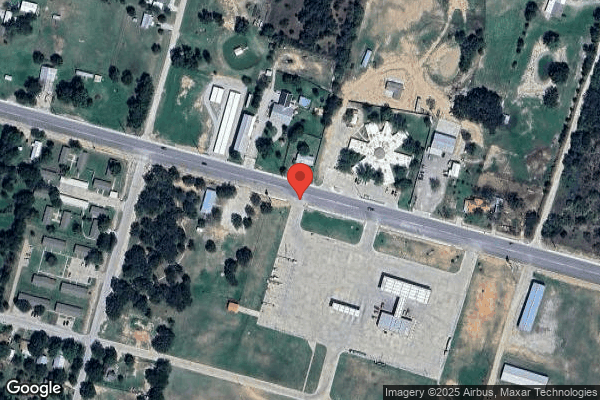
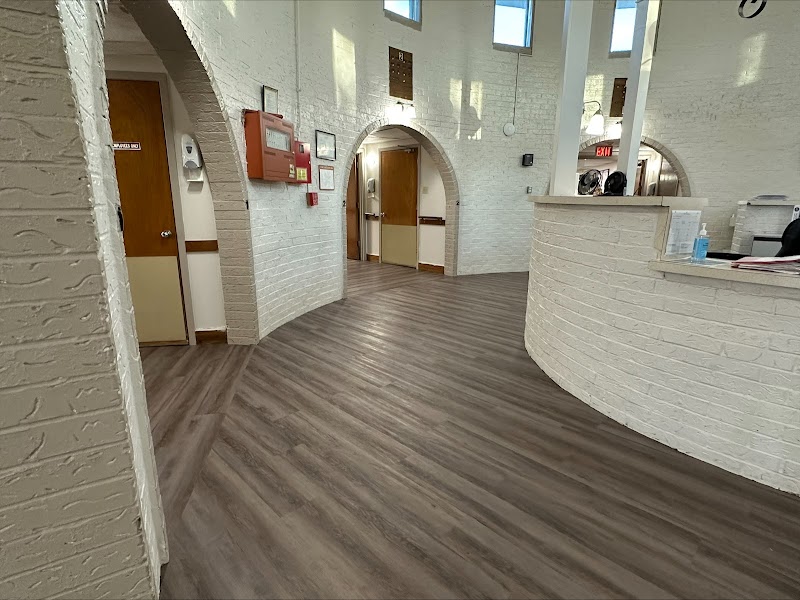
809 E NAVARRO, DE LEON, TX 76444 (254) 893-2075
Government - Hospital district 98 Beds CREATIVE SOLUTIONS IN HEALTHCARE Data: November 2025
Trust Grade
90/100
#44 of 1168 in TX
Last Inspection: August 2024

Within standard 12-15 month inspection cycle. Federal law requires annual inspections.

Overview

DeLeon Nursing and Rehabilitation has received a Trust Grade of A, indicating it is excellent and highly recommended among nursing homes. It ranks #44 out of 1,168 facilities in Texas, placing it in the top half, and is the best option among the three facilities in Comanche County. However, the facility is experiencing a worsening trend, with the number of issues increasing from 6 in 2023 to 8 in 2024. Staffing is a concern, rated at 2 out of 5 stars, but with a relatively low turnover rate of 23%, suggesting that many staff members remain long-term. On the positive side, there are no fines on record, and the facility has better RN coverage than 88% of Texas facilities, which helps in monitoring resident care. While the facility has some strengths, such as a strong overall rating and solid RN coverage, there are notable weaknesses in food safety practices. Recent inspections found problems like a lack of handwashing supplies in the kitchen, improperly labeled and stored food items, and instances of staff not following hand hygiene protocols. These issues could potentially expose residents to foodborne illnesses, making it essential for families to weigh these factors when considering this nursing home.

Trust Score
A
90/100
In Texas
#44/1168
Top 3%
Safety Record
Low Risk
No red flags
Inspections
Getting Worse
6 → 8 violations
Staff Stability
✓ Good
23% annual turnover. Excellent stability, 25 points below Texas's 48% average. Staff who stay learn residents' needs.
Penalties
✓ Good
No fines on record. Clean compliance history, better than most Texas facilities.
Skilled Nurses
⚠ Watch
Each resident gets only 28 minutes of Registered Nurse (RN) attention daily — below average for Texas. Fewer RN minutes means fewer trained eyes watching for problems.
Violations
⚠ Watch
15 deficiencies on record. Higher than average. Multiple issues found across inspections.
★★★★★
5.0
Overall Rating
★★☆☆☆
2.0
Staff Levels
★★★★★
5.0
Care Quality
★★★★☆
4.0
Inspection Score
Stable
2023: 6 issues
2024: 8 issues

The Good

  • 5-Star Quality Measures · Strong clinical quality outcomes
  • Low Staff Turnover (23%) · Staff stability means consistent care
  • Full Sprinkler Coverage · Fire safety systems throughout facility
  • No fines on record
  • Staff turnover is low (23%)

    25 points below Texas average of 48%

Facility shows strength in quality measures, staff retention, fire safety.

The Bad

Chain: CREATIVE SOLUTIONS IN HEALTHCARE

Part of a multi-facility chain

Ask about local staffing decisions and management

The Ugly 15 deficiencies on record

Aug 2024 8 deficiencies
CONCERN (D) 📢 Someone Reported This

A family member, employee, or ombudsman was alarmed enough to file a formal complaint

Potential for Harm - no one hurt, but risky conditions existed

Deficiency F0805 (Tag F0805)

Could have caused harm · This affected 1 resident

**NOTE- TERMS IN BRACKETS HAVE BEEN EDITED TO PROTECT CONFIDENTIALITY** Based on observation, interview, and record review, the facility failed to ensure food was prepared in a form designed to meet i...

Read full inspector narrative →
**NOTE- TERMS IN BRACKETS HAVE BEEN EDITED TO PROTECT CONFIDENTIALITY** Based on observation, interview, and record review, the facility failed to ensure food was prepared in a form designed to meet individual needs for 1 of 14 residents (Resident #22) reviewed for meals. The facility failed to ensure that Resident #22 was served a pureed bowl of melon, instead of a bowl of regular melon. This deficient practice could affect residents by placing them at risk for choking and weight loss. The findings were: Record review of Resident #22's electronic face sheet revealed: [AGE] year-old female admitted on [DATE]. Diagnoses include-Alzheimer's Disease (a progressive disease that destroys memory and other mental functions), and Abnormal weight loss. Record review of Resident #22's Quarterly MDS dated [DATE] revealed: Section C-Cognitive Patterns Resident #22 had a BIMS score of 00 indicating had severe cognitive impairment; Section K- Swallowing/Nutritional Status Resident #22 was on mechanically altered diet. Record review of Resident #22's Care plan dated 08/18/2024 revealed: Focus-Resident has Fortified/ Enhanced Pureed diet and has a planned weight gain Record review of Resident #22's Physician's Orders dated 08/01/2024 revealed: Fortified/Enhanced diet, pureed (all food has been ground, or strained to a soft, smooth consistency, like pudding) texture. During an observation on 08/18/2024 at 5:57 PM revealed Resident #22 was served a bowl of melon that was not pureed. Resident #22 picked up a piece of the melon and put a part of the melon in her mouth and then removed the melon. Resident #22 did not show any sign of distress or coughing . During an observation and interview on 08/18/2024 the RNC stated Resident #22 should have not had a regular bowl of melon, it should have been pureed melon and removed the bowl of melon and provided Resident #22 a pureed dessert. During an interview on 08/19/2024 at 12:39 PM the Dietician stated she expected for residents who were on a pureed diet should have been served pureed fruit. The Dietician stated that she believed the incident was a single incident. The Dietician stated she did not know why the melons were not served pureed to Resident #22. The Dietician stated kitchen staff should have verified the resident's specific diet and had placed the correct food on the tray, before it left the kitchen, and the dining room staff should have checked that the correct diet was served prior to the resident being served. The Dietician stated serving the wrong diet could have led to harm including choking and pneumonia. During an interview on 08/20/2024 at 4:30 PM the ADMN stated her expectation was residents who had an order for a pureed diet should have received a pureed diet. The ADMN stated the kitchen staff and nursing staff were responsible to monitor that residents received the proper diet. The ADMN stated the effect on residents not receiving the proper diet could have caused residents to choke. The ADMN stated what led to failure was staff were nervous and oversight by staff. Record review of facility policy titled, Feeding, Assistive/Complete dated February 14, 2007, revealed: The resident will be free from aspiration . Review diet orders and tray card to confirm appropriate diet.
CONCERN (D) 📢 Someone Reported This

A family member, employee, or ombudsman was alarmed enough to file a formal complaint

Potential for Harm - no one hurt, but risky conditions existed

Deficiency F0839 (Tag F0839)

Could have caused harm · This affected 1 resident

Based on interviews, and record reviews, the facility failed to ensure professional staff was certified in accordance with applicable State laws for 1 (NA B) of 15 personnel reviewed for licensed nurs...

Read full inspector narrative →
Based on interviews, and record reviews, the facility failed to ensure professional staff was certified in accordance with applicable State laws for 1 (NA B) of 15 personnel reviewed for licensed nursing. The facility failed to ensure NA B had become a Certified Nurse Aide by passing her certification test. These failures could place residents at risk of being provided care by staff who are not qualified per state law. Findings included: Record review of NA B's employee file revealed a hire date of 08/30/2022 and no evidence of CNA certification. During an interview on 08/20/24 at 3:21 PM the DON stated that NA B was a NA and not a CNA. The DON stated NA B was currently enrolled in an online course. The DON stated NA B had failed the CNA certification exam twice before and had one more attempt. The DON stated her expectation was for her to complete the online course and pass her test in a timely manner. The DON did not think there was an effect on residents because NA B always worked with a CNA (who was certified). The DON stated what led to failure of NA not being certified was she could not pass because of nerves. During an interview on 08/20/2024 at 4:30 PM the ADMN stated her expectation was for NAs to become certified as quickly as possible. The ADMN stated the DON was to monitor to ensure NAs completed test and became certified. The ADMN stated what led to failure was NA took a program from a high school and she was not sure how well it prepared NA for the test. The ADMN stated they had been waiting for the state provided online class to begin so the NA could retake class and complete the test. Record review of facility provided job description, titled Job Description Student Nurse Aide, dated 2014 revealed; I understand that this position is not permanent but limited to 120 days in which I am required to test and obtain certification.
CONCERN (D) 📢 Someone Reported This

A family member, employee, or ombudsman was alarmed enough to file a formal complaint

Potential for Harm - no one hurt, but risky conditions existed

Infection Control (Tag F0880)

Could have caused harm · This affected 1 resident

**NOTE- TERMS IN BRACKETS HAVE BEEN EDITED TO PROTECT CONFIDENTIALITY** Based on observations, interviews and record reviews, the facility failed to maintain an infection prevention and control progra...

Read full inspector narrative →
**NOTE- TERMS IN BRACKETS HAVE BEEN EDITED TO PROTECT CONFIDENTIALITY** Based on observations, interviews and record reviews, the facility failed to maintain an infection prevention and control program designed to provide a safe, sanitary, and comfortable environment and to help prevent the development and transmission of communicable diseases and infections for 1 of 1 residents LVN A feeding 1of 1 residents (Resident #22) did not perform hand hygiene after touching resident and wiping resident mouth. The facility failed to ensure proper hand hygiene when feeding a resident (Resident #22). These failures placed residents of the facility at risk of infections from respiratory care and dining. Findings included: During a record review on 08/20/2024 of Resident #22's electronic face sheet revealed: [AGE] year-old female admitted on [DATE]. Diagnosis include-Alzheimer's Disease (a progressive disease that destroys memory and other mental functions), Abnormal weight loss. During a record review on 08/20/2024 of Resident #22's Physician Orders dated 08/01/2024 revealed: Fortified/Enhanced diet, pureed (all food has been ground, or strained to a soft, smooth consistency, like pudding) texture. During a record review on 08/20/2024 of Resident #22's Quarterly MDS dated [DATE] revealed: Section C-Cognitive Patterns BIMS score was 00 meaning Resident #22 had severe cognitive impairment. During a record review on 08/20/2024 of Resident #22's Care plan dated 08/18/2024 revealed: Focus-The resident has an ADL (activities of daily living) self-care performance deficit. Goal: the resident will maintain or improve current level of function in Eating . Interventions: Eating: assist x 1. During an observation on 08/18/2024 at 5:57 PM in facility dining room revealed LVN A feeding Resident #22. Observed LVN A sitting between two residents assisting both residents with their meals. LVN A assisted on resident and the assist another resident. LVN A touched one resident and wiped the resident's mouth and did not perform hand hygiene before continuing to assist residents with their meals. LVN A touched the back of Resident #22's chair and picked up a spoon and continued to assist resident with eating without performing hand hygiene before assisting Resident #6 with meal. During an interview on 08/18/2024 at 5:57 PM with LVN A. LVN A stated she had been doing this for a long time and did not even think about it. She stated she failed to hand sanitize when she touched the resients back and face and helped her wipe her face. Review of facility's policy titled Hand Hygiene (no date) You may use alcohol-based hand cleaner or soap/water for the following . Before and after assisting a resident with meals Upon and after coming in contact with a resident's intact skin .
CONCERN (E) 📢 Someone Reported This

A family member, employee, or ombudsman was alarmed enough to file a formal complaint

Potential for Harm - no one hurt, but risky conditions existed

PASARR Coordination (Tag F0644)

Could have caused harm · This affected multiple residents

**NOTE- TERMS IN BRACKETS HAVE BEEN EDITED TO PROTECT CONFIDENTIALITY** Based on interview and record review, the facility failed to refer all level II residents and all residents with newly evident o...

Read full inspector narrative →
**NOTE- TERMS IN BRACKETS HAVE BEEN EDITED TO PROTECT CONFIDENTIALITY** Based on interview and record review, the facility failed to refer all level II residents and all residents with newly evident or possible serious mental disorder, intellectual disability, or a related condition for level II resident review upon a significant change in status assessment for 3 of 14 residents (Resident #5, Resident #12, and Resident #37) reviewed for PASRR. The facility failed to follow up with the LA for PASRR Level II determination when Resident #5, Resident #12, and Resident #37s PASRR Level 1 Screening reflected they were positive for mental illness. This failure could place the residents with a documented mental illness, intellectual and/or developmental disability at risk for not receiving needed services. Findings included: Resident #5 Record review of Resident #5's electronic face sheet dated 08/20/2024 revealed an [AGE] year-old female admitted to the facility on [DATE]. Resident #5 had diagnoses of psychosis with onset date of 01/22/2021 and diagnosis of major depressive disorder added with onset date of 01/26/2021. Resident #5 had secondary diagnosis of dementia added with onset date of 01/17/2023. Record review of Resident #5's medical record revealed no evidence a PASRR evaluation had been performed. Record review of Resident #5's quarterly MDS dated [DATE] revealed Resident #5 had a BIMS score of 15 meaning cognition was intact. Further investigation revealed active psychiatric / mood disorder of depression and psychotic disorder. Record review of Resident #5's care plan dated 07/12/2024 revealed Resident #5 had impaired cognitive function / impaired thought processes r/t psychosis, and mood problem r/t depression, personality change and adjustment disorder. Resident #12 Record review of Resident #12's electronic face sheet dated 08/20/2024 revealed a [AGE] year-old female initially admitted to the facility on [DATE]. Resident #12 had diagnosis of psychosis with onset date of 10/01/2022 and major depressive disorder with onset date of 05/10/2021. Resident #12 had other diagnosis of dementia with onset date of 08/20/2024. Record review of Resident #12's medical record revealed no evidence a PASRR evaluation had been performed. Record review of Resident #12's quarterly MDS dated [DATE] revealed Resident #12 had a BIMS score of 05 meaning severe cognitive impairment. Further review revealed active diagnosis of depression and post-traumatic stress disorder. Record review of Resident #12's care plan dated 08/12/2024 revealed Resident #12 had depression r/t major depressive disorder and a behavior problem. Resident #37 Record review of Resident #37's electronic face sheet dated 08/20/2024 revealed a [AGE] year-old male admitted to the facility on [DATE]. Resident #37 had diagnosis of psychosis with onset date of 11/06/2023 and major depressive disorder onset date of 06/06/2023. Resident #37 had secondary diagnosis of dementia with onset date of 06/06/2023. Record review of Resident #37's medical record revealed no evidence a PASRR evaluation had been performed. Record review of Resident #37's annual MDS dated [DATE] revealed Resident #37 had a BIMS of 01 meaning severe cognitive impairment. Further review revealed active diagnosis of depression. Record review of Resident #37's care plan dated 08/18/2024 revealed Resident #37 required antidepressant medication r/t major depressive disorder and a psychosocial well-being problem r/t anxiety / depression. During an interview on 08/20/2024 at 8:43 a.m., the MDS coordinator stated major depressive disorder did not qualify as a mental illness. She stated once the PASRR level 1 was completed with a negative response for mental illness, a new diagnosis that would qualify as mental illness should have triggered the facility to initiate a new form for PASRR evaluation to be performed. She stated when a resident had a dementia diagnosis and mental illness diagnosis then the resident would not be flagged for a PASRR evaluation. She stated she would look to see if PASRR evaluations had been performed. During a follow up interview on 08/20/2024 at 9:01 a.m., the MDS coordinator stated nursing considered major depression as a mental illness. She stated she was unsure if major depressive disorder would qualify as mental illness on a PASRR level 1 form. She clarified dementia would need to be primary diagnosis for dementia to override a PASRR evaluation. She did not feel that a PASRR evaluation should have been done but would ask facility's corporate MDS coordinator for more guidance. During a follow up interview on 08/20/2024 at 9:28 a.m., the MDS coordinator stated she spoke with the facility's corporate via telephone and was instructed that a 1012 form (used by nursing facilities to determine if a previously negative PASRR level 1 screening form needs to be changed to a positive PASRR level 1 for mental illness) should have been completed after a new diagnosis qualifying as mental illness but the form would a need physician's signature and she was unsure that Resident #5's physician would sign the 1012 form. She stated that she did notify the local authority and a PASRR evaluation was in the process of being scheduled. She stated she was unaware of the rules the facility should have followed when a new mental illness diagnosis had been added to have the PASRR evaluation scheduled after the first PASRR level 1 form was completed. During an interview on 08/20/2024, the ADMN stated she expected for staff to follow the PASRR policy. She stated she expected when a significant change occurred with new diagnosis for a PASRR evaluation to be performed. She stated the MDS coordinator and Regional Corporate MDS coordinator was who monitored PASRR completion. She stated no effect on the residents occurred due to they were receiving care and psychiatric services from the facility. She stated lack of knowledge and oversight led to failure. Review of the facility policy titled PASRR Nursing Facility Specialized Services Policy and Procedure dated 03/06/2019 revealed: 1. PL1 is completed 2. If PL1 is coded as suspicion of MI, ID, DD, then a PE is required.
CONCERN (E) 📢 Someone Reported This

A family member, employee, or ombudsman was alarmed enough to file a formal complaint

Potential for Harm - no one hurt, but risky conditions existed

Respiratory Care (Tag F0695)

Could have caused harm · This affected multiple residents

**NOTE- TERMS IN BRACKETS HAVE BEEN EDITED TO PROTECT CONFIDENTIALITY** Based on observations, interviews and record reviews, the facility failed to ensure that a resident who needs respiratory care, ...

Read full inspector narrative →
**NOTE- TERMS IN BRACKETS HAVE BEEN EDITED TO PROTECT CONFIDENTIALITY** Based on observations, interviews and record reviews, the facility failed to ensure that a resident who needs respiratory care, is provided such care, consistent with professional standards of practice, the comprehensive person-centered care plan, the residents' goals and preferences for 2 of 5 (Resident # 6 and Resident #17) reviewed for oxygen therapy. The facility failed to ensure that oxygen tubing and nasal cannula were placed in plastic bag for 2 of 2 residents (Resident #6 and Resident #17) when not in use. These failures placed residents of the facility at risk for respiratory illnesses. Findings included: During an observation on 08/18/2024 at 2:25 PM RM [ROOM NUMBER] revealed Oxygen tubing with nasal cannula on bedside table and not in a plastic bag. Resident #6 was not in the room at the time. Resident #6 During a review of Resident #6 's electronic face sheet revealed: [AGE] year-old female admitted on [DATE] with diagnoses of Anorexia (eating disorder), Dysphagia (difficulty swallowing), Cognitive communication deficit, and Hypertension (high blood pressure) During a review of Resident #6 's Physician orders date 08/01/2024 revealed: Oxygen at 2 LPM (liters per minute) via nasal cannula to keep oxygen saturation above 90%. During a review of Resident #6's Quarterly MDS dated [DATE] revealed: Section Cognitive Patterns BIMS score was 8 indicating Moderately impaired cognitive status and Section O-Special Treatments, Procedures, and Programs-Oxygen Therapy while a resident. During a review of Resident #6's Care plan dated 06/11/2024 revealed: Focus-The resident has Oxygen Therapy. Goal: The resident will have no signs and symptoms of poor oxygen absorption through the review date. Interventions: Notify the nurse if the oxygen is off the resident-resident frequently removes O2. Oxygen at 2 liter per minute per nasal canula. During an observation on 08/18/2024 at 2:25 PM, revealed Resident #6's oxygen tubing with nasal cannula on the bedside table was not in a plastic bag. Resident #6 was not in the room at the time. Resident #17 During a review of Resident #17's electronic face sheet revealed: [AGE] year-old male admitted on [DATE]. Diagnoses include Chronic Obstructive Pulmonary Disease (lung disease), Hypertension (high blood pressure), Anxiety. During a review of Resident #17's Physician Orders dated 08/01/2024 revealed: May use oxygen at 2-3 liters per minute via nasal canula. Change nasal canula as needed, check oxygen saturation every shift and as needed. During a review of Resident #17's Quarterly MDS dated [DATE] revealed: Section C-cognitive Patterns BIMS score was 12 indicating moderately impaired cognitive status. Section O- Special Treatments, Procedures and Programs, C 1. Oxygen Therapy while a resident. During a review of Resident #17's Care Plan dated 08/05/2024 revealed: Focus The resident has Oxygen Therapy. Goal: The resident will have no signs/symptoms of poor oxygen absorption through the review date. Interventions- for residents who should be ambulatory, proved extension tubing or portable oxygen apparatus. Oxygen 2-3 liters per minute per nasal canula. During an observation on 08/18/2024 at 3:25 PM RM [ROOM NUMBER], revealed Resident #17's oxygen tubing with the nasal cannula was on the floor and not in a plastic bag. Resident #17 was not in the room at this time. During an interview on 08/20/2024 at 10:25 AM with the DON. The DON stated oxygen tubing with nasal canula should not be on a table or on the floor. The DON stated oxygen tubing and nasal canula should be changed when they are visibly soiled. The DON stated when oxygen tubing is found on the floor it should be thrown away and replaced with clean oxygen tubing. The DON stated her expectations were that oxygen tubing would be placed in a plastic bag when not in use by the resident. The DON stated not replacing oxygen tubing and nasal canula after being found on the floor could possibly cause the resident to acquire an infection. The DON stated she did not know why this failure occurred. During a review of facility's policy titled Oxygen Administration dated March 21, 2023 Oxygen therapy includes the administration of oxygen (O2) in liters/minute by cannula or face mask . Goals 3. The resident will be free from infection. Procedure: 10. Change the tubing (including any nasal prongs or mask) that is in use on one patient when it malfunctions or becomes visibly contaminated . Review of facility's policy titled Hand Hygiene (no date) You may use alcohol-based hand cleaner or soap/water for the following . Before and after assisting a resident with meals Upon and after coming in contact with a resident's intact skin .
CONCERN (F) 📢 Someone Reported This

A family member, employee, or ombudsman was alarmed enough to file a formal complaint

Potential for Harm - no one hurt, but risky conditions existed

Food Safety (Tag F0812)

Could have caused harm · This affected most or all residents

Based on observation, interview, and record review, the facility failed to store, prepare, distribute, and serve food in accordance with professional standards for food service safety in 1 of 1 kitche...

Read full inspector narrative →
Based on observation, interview, and record review, the facility failed to store, prepare, distribute, and serve food in accordance with professional standards for food service safety in 1 of 1 kitchen reviewed for food safety. The facility failed to provide paper towels at the kitchen hand washing sink. The facility failed to label stored foods with a description and/or open date. The facility failed to store foods with lids that covered the food. These failures could place residents that eat out of the kitchen at risk for food borne illnesses. The findings included: During an observation on 08/18/2024 between 02:10 PM and 2:30 of the kitchen revealed: 1. The hand washing sink in the kitchen did not have paper towels available to dry hands. 2. An opened container of cake frosting was sitting in a sealed see through bag with no opened date in 1 of 1 dry storage. 3. An opened bag of cream soup base was in a sealed see through bag with no opened date in 1 of 1 dry storage. 4. A circular frozen breaded product was in a sealed see through bag in 1 of 2 freezers with no description or opened date. 5. 1 box of frozen pie dough sheets was opened, the plastic bag was not sealed which exposed product to air in 1 of 2 freezers with no opened date. 6. Pink frozen meat cutlets in a sealed see through bag in 1 of 2 freezers had no description or opened date. 7. 1 foam cup with a pink substance was sitting on a shelf in 1 of 1 refrigerator with no lid, description or opened date. 8. 3 plastic dishes with a yellow substance were sitting on shelf in 1 of 1 refrigerator with a smaller lid than the dishes, no description or date prepared. During an interview on 08/18/2024 at 02:42 p.m., the DM stated she expected for food to be stored in a sealed container after being opened. She stated items should be dated when they were opened. She stated the kitchen sink should have paper towels for staff to dry their hands and to turn off the faucet. She was unsure why items were not covered and dated when stored. She was unsure why faucet did not have paper towels available for staff. She stated she was responsible for monitoring foods stored appropriately and all kitchen staff monitor that there are paper towels available at the sink with housekeeping. During a follow up interview on 08/18/2024 at 06:00 p.m., the DM stated staff were in-serviced on food storage prior 08/18/2024 and that included the need to cover items completely when stored in refrigerator and labeling items. She stated not covering food items completely and not having paper towels to dry hands could lead to food borne illness from cross contamination. During an interview on 08/19/2024 at 12:42 p.m., the Dietician stated she expected for all foods that are stored outside of original packaging to have a label with item description. She stated foods should have been labeled with an open date when they had been opened. She stated that foods should be labeled with preparation date when they were stored. She stated all foods should have been stored in a secure bag or lid that covered the food. The Dietician stated she expected for there to be paper towels to dry hands and turn off the faucets at hand washing sink. She stated staff had just been in-serviced on food storage and how to cover foods completely, so she did not know why foods were not stored appropriately. She stated not storing foods appropriately and not having proper hand drying material could cause illness to residents from cross contamination. She stated the DM monitored that foods are stored properly. Record review of facility policy titled Food Storage and Supplies dated 2012 revealed: Open packages of food are stored in closed containers with covers or in sealed bags and dated as to when opened .These non-perishable foods are still dated when received if they do not have an expiration date and once opened, but do not need to be discarded within 7 days after opening. Perishable items that are refrigerated are dated once opened and used within 7 days (if they do not have an expiration date or best by/use by date), but non-perishable items that are refrigerated once opened should be dated when opened but do not need to be discarded until their expiration date or until the quality has deteriorated .If a frozen food does not have an expiration date or a dated shipping label it will be dated when received or is removed from original packaging. Record review of facility policy titled Hand Washing dated 2012 revealed: Hand washing occurs in sinks provided for that purpose; sink areas provide hot/cold running water, soap in dispensers, and paper towels, and should have a sign posted conspicuously near or above wash basin. According to the FDA (Food and Drug Administration) Food Code (https://www.fda.gov/food/retail-food-protection/fda-food-code accessed 8/20/24): 2-301.1 Cleaning procedure. Every stage in handwashing is equally important and has an additive effect in transient microbial reduction. Therefore, effective handwashing must include scrubbing, rinsing, and drying the hands. When done properly, each stage of handwashing further decreases the transient microbial load on the hands. It is equally important to avoid recontaminating hands by avoiding direct hand contact with heavily contaminated environmental sources, such as manually operated handwashing sink faucets, paper towel dispensers, and rest room door handles after the handwashing procedure. This can be accomplished by obtaining a paper towel from its dispenser before the handwashing procedure, then, after handwashing, using the paper towel to operate the hand sink faucet handles and restroom door handles . 3-501.17 Ready-to-Eat, Time/Temperature Control for Safety Food, Date Marking. (A) Except when PACKAGING FOOD using a REDUCED OXYGEN PACKAGING method as specified under § 3-502.12, and except as specified in (E) and (F) of this section, refrigerated, READY-TO-EAT, TIME/TEMPERATURE CONTROL FOR SAFETY FOOD prepared and held in a FOOD ESTABLISHMENT for more than 24 hours shall be clearly marked to indicate the date or day by which the FOOD shall be consumed on the PREMISES, sold, or discarded when held at a temperature of 5ºC (41ºF) or less for a maximum of 7 days. The day of preparation shall be counted as Day 1. Commercially processed food Open and hold cold (B) Except as specified in (E) - (G) of this section, refrigerated, READY-TO-EAT TIME/TEMPERATURE CONTROL FOR SAFETY FOOD prepared and PACKAGED by a FOOD PROCESSING PLANT shall be clearly marked, at the time the original container is opened in a FOOD ESTABLISHMENT and if the FOOD is held for more than 24 hours, to indicate the date or day by which the FOOD shall be consumed on the FDA Food Code 2022 Chapter 3. Food Chapter 3 - 29 PREMISES, sold, or discarded, based on the temperature and time combinations specified in (A) of this section and: Pf (1) The day the original container is opened in the FOOD ESTABLISHMENT shall be counted as Day 1; Pf and (2) The day or date marked by the FOOD ESTABLISHMENT may not exceed a manufacturer's use-by date if the manufacturer determined the use-by date based on FOOD safety. Pf (C) A refrigerated, READY-TO-EAT TIME/TEMPERATURE CONTROL FOR SAFETY FOOD ingredient or a portion of a refrigerated, READY-TO-EAT, TIME/TEMPERATURE CONTROL FOR SAFETY FOOD that is subsequently combined with additional ingredients or portions of FOOD shall retain the date marking of the earliest prepared or first-prepared ingredient . 3-302.12 Food Storage Containers, Identified with Common Name of Food. Except for containers holding FOOD that can be readily and unmistakably recognized such as dry pasta, working containers holding FOOD or FOOD ingredients that are removed from their original packages for use in the FOOD ESTABLISHMENT, such as cooking oils, flour, herbs, potato flakes, salt, spices, and sugar shall be identified with the common name of the FOOD.
MINOR (B) 📢 Someone Reported This

A family member, employee, or ombudsman was alarmed enough to file a formal complaint

Minor Issue - procedural, no safety impact

Deficiency F0582 (Tag F0582)

Minor procedural issue · This affected multiple residents

**NOTE- TERMS IN BRACKETS HAVE BEEN EDITED TO PROTECT CONFIDENTIALITY** Based on interview and record review, the facility failed to ensure each resident was informed before, or at the time of admissi...

Read full inspector narrative →
**NOTE- TERMS IN BRACKETS HAVE BEEN EDITED TO PROTECT CONFIDENTIALITY** Based on interview and record review, the facility failed to ensure each resident was informed before, or at the time of admission, and periodically during the residents stay, of services available in the facility and of changes for those services, which included changes for services not covered under Medicare/Medicaid for 2 of 14 residents (Resident #8 and Resident #30) reviewed for resident rights. The facility failed to ensure Residents #8 and Resident #30 were given a paper copy of the NOMNC (notice of Medicare non coverage) with information on how to appeal the decision when residents were discharged from skilled services at the facility prior to covered days being exhausted. This failure could place residents at risk for not being aware of their right to appeal the decision to end Medicare coverage for skilled services, changes to provided services, and their financial responsibilities. Findings included: Resident #8 Record review of Resident 8's electronic face sheet dated 08/20/2024 revealed resident was an [AGE] year-old female who was initially admitted on [DATE] with diagnoses that include: enterocolitis due to clostridium difficile (inflammation in the bowl due to infection) sepsis (body's extreme reaction to an infection), UTI (urinary tract infection, hypertension (high blood pressure), and weakness. Record review of Resident #8's admission MDS assessment dated [DATE] revealed Resident #8 had a BIMS score of 11 meaning moderate cognitive impairment. Further review of the MDS revealed Resident #8 sometimes needed help with written material instructions. Record review of the SNF Beneficiary Protection Notification Review indicated Resident #8 received Medicare Part A Skilled Services on 02/29/2024 and her last covered day of Part A services was 04/08/2024. The SNF Beneficiary Protection Notification Review indicated the discharge was voluntary from Medicare Part A Services when benefit days were not exhausted. Record review of Resident #8's NOMNC dated 04/05/2024 revealed the facility spoke with Resident #8's family member to go over NOMNC. A signature from the patient or representative was on NOMNC form. There was no evidence that form was given to patient or representative. During a telephone interview on 08/20/2024 at 9:37 a.m., Resident #8's family stated she did not remember receiving any paperwork about Medicare coverage ending. Resident #8's family denied getting a phone call going over Medicare coverage ending. She stated she did not receive an appeal number. Resident #30 Record review of Resident 30's electronic face sheet dated 08/20/2024 revealed resident was a [AGE] year-old male who was originally admitted on [DATE] with diagnoses that include: atherosclerosis of coronary artery bypass graft(s) without angina pectoris (occlusion of heart artery after it has had surgery to bypass in the past without chest pain), intracardiac thrombosis (blood clot in the heart), congestive heart failure (less blood is pumped through the heart and around the body due to weakened heart, hemiplegia and hemiparesis following cerebral infarction affecting right dominant side (inability to move or weakness to right dominant side following stroke), transient cerebral ischemic attack (mini stroke), and cellulitis (skin infection). Record review of Resident #30's admission MDS dated [DATE] revealed Resident #30 had a BIMS score of 00 meaning severe cognitive impairment. Further review of MDS revealed Resident #30 had moderate difficulty hearing, unclear speech, and sometimes able to make self-understood. Record review of the SNF Beneficiary Protection Notification Review indicated Resident #30 received Medicare Part A Skilled Services on 04/15/2024 and his last covered day of Part A services was 05/16/2024. The SNF Beneficiary Protection Notification Review indicated the discharge was voluntary from Medicare Part A Services when benefit days were not exhausted. Record review of Resident #30's NOMNC dated 05/14/2024 revealed the facility spoke with Resident #30's family member his RR to explain NOMNC. There was no signature from patient or representative on the NOMNC form. There was no evidence the form was given to the patient or representative. During a telephone interview on 08/20/2024 at 9:46 a.m., Resident #30's family stated she did not receive any paperwork about Medicare coverage ending. She stated she did remember a conversation about Medicare coverage ending but did not receive an appeal number. During an interview on 08/09/2024 at 2:57 p.m., the MDS coordinator stated she would call the resident's representative if they were unable to be present to hand them the NOMNC form for signature and the resident was unable to sign themselves. She stated she explained the NOMNC including the last covered Medicare date and verified the discharge date with the representative over the phone. She stated she did not mail the paper form to the RR. She stated the RR was allowed to ask questions over the phone and she would give them the appeal number verbally if they asked for it. The MDS coordinator stated if the RR was present in person, then the form was provided to them. During an interview on 08/20/2024 at 8:20 a.m., the ADMN stated the facility would call family if family were not available in person to sign the NOMNC. Verbal notification would be documented but she was unsure if the NOMNC form was mailed by the MDS coordinator to family. She stated residents and their representative were notified of the NOMNC and stated she felt verbal explanation was more important than given the individual a piece of paper. She stated no one had ever asked for the NOMNC form after verbal explanation. She stated she was unaware the paper form was to be mailed to individual if verbal explanation was provided over the telephone. She stated both her and the MDS coordinator monitored that NOMNCs were done, and she would give the NOMNC information to the resident or their representatives if the MDS coordinator was not working that day. She denied any negative effect to residents from not providing the NOMNC form and stated the facility would help the representatives with the appeal if the resident or their representative voiced that they wanted to appeal. Review of facility policy titled Creative Solutions in Healthcare Advanced Beneficiary Notice NOMNC P&P with revision date of May 2024 revealed: Providers must deliver the NOMNC to all beneficiaries eligible for the expedited determination process per Chapter 4, Section 260 of the Medicare Claims Processing Manual and Chapter 13, Sections 90.2-90.9 of the Medicare Managed Care Manual. A NOMNC must be delivered even if the beneficiary agrees with the termination of services. Medicare providers are responsible for the delivery of the NOMNC. Providers nay formally delegate the delivery of the notices to a designated agent such as a courier service; however, all of the requirements of valid notice delivery apply to designated agents. The provider must ensure that the beneficiary or representative signs and dates the NOMNC to demonstrate that the beneficiary or representative received the notice and understands that the termination decision can be disputed. Use of assistive devices may be used to obtain a signature . If the provider is personally unable to deliver a NOMNC to a person acting on behalf of an enrollee, then the provider should telephone the representative to advise him or her when the enrollee's services are no longer covered. The date of the conversation is the date of the receipt of the notice. Confirm the telephone contact by written notice mailed on that same date.
MINOR (C) 📢 Someone Reported This

A family member, employee, or ombudsman was alarmed enough to file a formal complaint

Minor Issue - procedural, no safety impact

Staffing Information (Tag F0732)

Minor procedural issue · This affected most or all residents

Based upon observation, interview and record review, the facility failed to ensure staffing information was posted in a prominent place readily accessible to residents and visitors for 2 of 3 days rev...

Read full inspector narrative →
Based upon observation, interview and record review, the facility failed to ensure staffing information was posted in a prominent place readily accessible to residents and visitors for 2 of 3 days reviewed for nursing services and postings. The facility failed to ensure daily staffing information was posted in a prominent place on 08/18/2024 and 08/19/2024. This failure places residents, their families, and visitors at risk of not having access to information regarding staffing and facility census. Findings include: During an observation of postings in the facility on 08/18/2024 at 2:00 PM, revealed no daily nursing staffing information posted at the nurses' station or any other place in the facility. During an observation of postings in the facility on 08/19/2024 at 8:30 AM, revealed no daily nursing staffing information posted at nurses' station or any other place in the facility. During an interview on 08/20/2024 at 4:30 PM, the DON stated she did not know she was supposed post the daily staffing. The DON stated she did feel that this would not cause any harm to residents. The DON stated family, residents or visitors could ask what staff were working. The DON stated the failure occurred due to her not knowing she was supposed to display the daily staffing data. The DON stated they did not have a policy for nurse staff posting and they followed the federal regulations.
Nov 2023 1 deficiency
CONCERN (E) 📢 Someone Reported This

A family member, employee, or ombudsman was alarmed enough to file a formal complaint

Potential for Harm - no one hurt, but risky conditions existed

Infection Control (Tag F0880)

Could have caused harm · This affected multiple residents

Based on interview and record review, the facility failed to ensure an infection prevention and control program designed to help prevent the development and transmission of communicable diseases was e...

Read full inspector narrative →
Based on interview and record review, the facility failed to ensure an infection prevention and control program designed to help prevent the development and transmission of communicable diseases was established and maintained for infection control related to COVID-19 (a virus that is spread from person to person causing mild to severe respiratory symptoms) for 16 of 18 residents reviewed. Multiple asymptomatic residents tested positive for COVID-19 after dietary staff tested positive for COVID-19, by not taking preventative measures. This failure has the potential to affect residents by placing them at an increased and unnecessary risk of exposure to communicable diseases and infections, particularly COVID-19. Findings include: Record review of Resident #1's face sheet dated 10/15/23 revealed an admission date of 6/14/23 with a BIMS of 6 and diagnoses which included: Dementia, kidney disease, and hypertension. Record review of Resident #2's face sheet dated 10/15/23 revealed an admission date of 1/28/22 with a BIMS of 5 and diagnoses which included: heat disease, kidney disease, dementia, and type 2 diabetes. Record review of Resident #3's face sheet dated 10/15/23 revealed an admission date of 11/14/20 with a BIMS of 6 and diagnoses which included: Anemia, type 2 diabetes, osteomyelitis. Record review of Resident #4's face sheet dated 10/15/23 revealed an admission date of 10/18/21 with a BIMS of 11 and diagnoses which included: anemia, heart failure, and shortness of breath. Record review of Resident #5's face sheet dated 10/15/23 revealed an admission date of 1/10/23 with a BIMS of 14 and diagnoses which included: multiple sclerosis, muscle weakness, and anorexia. Record review of Resident #6's face sheet dated 10/15/23 revealed an admission date of 3/10/23 with a BIMS of 6 and diagnoses which included: necrosis of amputation stump, cellulitis of left lower limb, and peripheral vascular disease. Record review of Resident #7's face sheet dated 10/15/23 revealed an admission date of 8/17/23 with a BIMS of 6 and diagnoses which included: fall from one level to another, altered mental status, and hypothyroidism. Record review of Resident #8's face sheet dated 10/15/23 revealed an admission date of 4/1/22 with a BIMS of 12 and diagnoses which included: Heart failure, edema, and urinary tract infection. Record review of Resident #9's face sheet dated 10/15/23 revealed an admission date of 5/12/23 with a BIMS of 7 and diagnoses which included: fracture to neck, history of falling, and muscle wasting. Record review of Resident #10's face sheet dated 10/15/23 revealed an admission date of 10/7/20 with a BIMS of 14 and diagnoses which included: heart failure, hypertension, and anxiety disorder. Record review of Resident #11's face sheet dated 10/15/23 revealed an admission date of 1/16/23 with a BIMS of 4 and diagnoses which included: heart disease, weakness, hypertension. Record review of Resident #12's face sheet dated 10/15/23 revealed an admission date of 8/28/23 with a BIMS of 4 and diagnoses which included: type 2 diabetes, hypertension, and dementia. Record review of Resident #13's face sheet dated 10/15/23 revealed an admission date of 10/18/23 with a BIMS of 4 and diagnoses which included: heart failure, type 2 diabetes, and hypertension. Record review of Resident #14's face sheet dated 10/15/23 revealed an admission date of 5/10/21 with a BIMS of 3 and diagnoses which included: muscle wasting, dementia, hypothyroidism. Record review of Resident #15's face sheet dated 10/15/23 revealed an admission date of 6/6/23 with a BIMS of 13 and diagnoses which included: dementia, weakness, and Alzheimer's disease. Record review of Resident #16's face sheet dated 10/15/23 revealed an admission date of 4/26/22 with a BIMS of 5 and diagnoses which included: Dementia, Alzheimer's disease, and anxiety disorder. Record review of Facilities Infection Control Employee Testing: 11/1/23 DM A tested positive for covid-19 11/6/23 DA B tested positive for covid-19 11/6/23 DA C tested positive for covid-19 11/9/23 DA D tested positive for covid-19 11/10/23 2-CNA's tested positive the facility started testing all of the residents which at this time, 16 resident came back positive. Record review of Facilities Covid tracking of all positive residents dated 11/10/23 revealed all residents were asymptomatic, with none of the residents having to be sent out of the facility. During an interview, on 11/15/23 at 12:25 pm, the DON stated that she is the infection preventionist and based on the facility's policy they look at testing residents through root cause analysis and see if an employee had been in direct contract such as an aide or nurse; then those residents would be tested. She stated that when the Dietary Manager did test positive, she did not believe residents needed to be tested because they should have been following proper hand hygiene and cooking the food to the correct temperature resulting in not spreading to the infection to the residents. She stated that when the two other dietary employees tested positive that were also kitchen, she should have probably started to test residents at that point, but once again, did not because they were not direct care employees. Attempted to contact the Medical Director on 11/15/23 at 11:45 AM, no answer, left message. During an interview on 11/15/23 at 12:15 pm DM A stated she went to work the morning of 11/1/23 but was not feeling well. She stated after working a few hours she tested for covid-19, and it came back positive, so she went home. She stated that she was not 100% sure that residents should have been tested at that point, and it's the Administrator's call at that point. She stated that her employees started to wear masks because she tested positive. She stated that on 11/6/23 two of her employees tested positive. She stated that in her opinion, at that point, the residents should have probably been tested, but once again that is not her call to make. During an interview on 11/15/23 at 12:45 pm the ADON stated she felt they had covid-19 contained in the kitchen. She stated that 11/1/23 the manager tested positive but not until 11/6/23 did the other employees in the kitchen test positive. She stated that is why they did not test residents. During an interview on 11/15/23 at 11:15 AM the Administrator stated they had 16 covid-19 positive residents in the facility. She stated she believed based on the facility's infection control tracking; the residents got sick during their Halloween party which took place on 10/30/23. She stated the first employee tested positive on 11/1/23. She stated the employee was the dietary manager. She stated because DM A is not direct care staff, she did not test anyone except the dietary staff. Attempted to contact the Medical Director on 11/15/23 at 2:45 AM, no answer, left message. Record review on facility's outbreak control policy dated 3/2023 revealed: It is important that facility know how to recognize and contain infectious outbreaks. An outbreak is typically one or more of the following. -occurrence of three or more cases of the same infection over a month on the same unit or other defined area.
Jun 2023 4 deficiencies
CONCERN (D)

Potential for Harm - no one hurt, but risky conditions existed

Accident Prevention (Tag F0689)

Could have caused harm · This affected 1 resident

**NOTE- TERMS IN BRACKETS HAVE BEEN EDITED TO PROTECT CONFIDENTIALITY** Based on observation, interview and record review the facility failed to ensure the resident environment remained free of accide...

Read full inspector narrative →
**NOTE- TERMS IN BRACKETS HAVE BEEN EDITED TO PROTECT CONFIDENTIALITY** Based on observation, interview and record review the facility failed to ensure the resident environment remained free of accident hazards and the facility failed to ensure each resident received adequate supervision and assistance devices to prevent accidents for 1 of 12 residents (Resident #199) reviewed for accidents and supervision. The facility failed to ensure there was adequate supervision while Resident #199 was smoking. This failure could place residents at risk for injury due to the lack of supervision provided by the facility. Findings include: Record review of Resident #199's electronic face sheet revealed Resident #199 was an [AGE] year-old male who was admitted to the facility on [DATE]. Resident #199 had diagnoses which included Dementia, Alzheimer's and Depression. Record review of Resident #199 Comprehensive assessment, dated 06/09/2023, revealed a BIMS of 09, which indicated moderately impaired cognition. Resident #199 was a tobacco user. Record review of Resident #199 Comprehensive Care Plan, dated 06/26/2023, revealed no evidence regarding smoking. Record review of Resident #199 Safe Smoking Assessment, dated 06/07/2023, revealed This Resident requires direct supervision while smoking. During an observation and interview on 06/28/23 at 02:10 PM, Resident #199 was seen outside smoking, unsupervised. Resident #199 stated his family brought him cigarettes and staff light cigarettes for him. During an interview on 06/28/2023 at 2:35 PM, the DON stated residents should not be outside smoking alone. She also stated the facility did not allow any residents to smoke unsupervised. The DON stated her expectations about Resident #199 was to be educated and staff were to make sure cigarettes were put out entirely. She also stated the cigarettes were to be disposed down into the closed container. The DON stated staff were to ensure residents were supervised while smoking. The DON stated it was the housekeeping department's responsibility to observe Resident #199 on 06/28/2023. The DON stated Resident #199 could have burned himself. During an interview on 06/28/202 at 5:23 PM, the Administrator stated her expectation was Resident #199 would smoke during the smoking times and would not have access to cigarettes. The Administrator stated all staff were responsible to monitor residents while smoking. She stated the resident could have burned himself while smoking unsupervised. The Administrator stated she was not sure how Resident #199 was able to get cigarettes. Record review of the facility provided policy revealed in the Resident admission packet #26 titled, Smoking Policy, revised 11/1/17, MAKE 2, revealed the following: (1) Smoking tobacco, matches, lighters or other ignition sources for smoking are not permitted to be kept or stored in a resident's room. (2) A safe smoking assessment will be done regularly for each resident who smokes. Smoking by residents classified as unsafe will be prohibited except when the resident will be directly supervised by facility personnel or visitors who are aware of the resident's limitations with smoking. The resident must be within direct view of the smoking supervisor, in reasonably close proximity of the supervisor. And the supervisor must be able to quickly respond in the event of an emergency. Additionally, the supervisor. Whether staff or visitor must be aware of these responsibilities.
CONCERN (D)

Potential for Harm - no one hurt, but risky conditions existed

Deficiency F0761 (Tag F0761)

Could have caused harm · This affected 1 resident

Based on observation, interview, and record review the facility failed to assure that medications were secure and inaccessible to unauthorized staff and residents for one of two medication carts revie...

Read full inspector narrative →
Based on observation, interview, and record review the facility failed to assure that medications were secure and inaccessible to unauthorized staff and residents for one of two medication carts reviewed for medication storage. The facility failed to ensure medication supplies were secured or attended by authorized staff when the medication cart was left unlocked and unattended. This failure could result in access to medications by unauthorized staff or residents leading to possible harm or drug diversion. The findings Included: During an observation on 06/26/23 at 02:09 p.m., a medication cart was observed to be unlocked and unattended outside the nurse's station near Hall 3. Residents were observed passing by the cart. Review of the content of the medication cart revealed the cart contained the following: analgesics (non-narcotic and narcotic pain relievers), antacids (relieve heartburn), antianxiety drugs (have a calming effect and relax muscles), antiarrhythmics (controls irregular heartbeats), antibiotics (for infections), anticoagulants and thrombolytics (prevent blood clots), anticonvulsants (prevent seizures), antidepressants (improve mood), antidiarrheals (relieve diarrhea), antiemetics (relieve nausea and vomiting), antihistamines (control allergic reactions), antihypertensives (control blood pressure), anti-inflammatories (reduce swelling), antipsychotics (treat symptoms of mental illness), antipyretics (lower a fever), barbiturates (help with sleep), beta-blockers (decrease heart rate), cold cures (treat symptoms of a cold), cough suppressant (control coughing), decongestant (decrease nasal stuffiness), diuretics (increase amount of water eliminated), expectorant (help eliminate phlegm), hormones (replace low levels in the body), hypoglycemics - oral (lower the amount of sugar in the blood), laxatives (help with bowel movements), muscle relaxants (reduce muscle spasms), sedatives (have a calming effect and relax muscles), sleeping drugs (promote sleep), vitamins (supplement low vitamin levels in the body). During an interview on 06/26/23 at 2:10 PM LVN-A stated she had left cart and went down Hall 4 to see a resident. LVN-A stated the cart should have been locked when unsupervised. LVN-A stated the effects of an unattended, unlocked medication cart on residents may be a resident could get a medication that was not theirs. A resident taking a medication not prescribed to them could cause dizziness or worse side effects and could have possibly been deadly. During an interview on 06/28/23 at 10:21 PM, the DON stated her expectations were that the carts should be locked if a nurse or medication aide was not standing with cart using it. The staff member responsible for the medication cart should not be down another hall before ensuring the cart is locked. The DON stated the effect an unlocked medication cart could have on residents was a resident could take medication causing ill effects. The DON explained monitoring medication carts was the responsibility of the ADON, DON and ADMN when they were out on halls. The DON stated the failure occurred due to the nurse being nervous that state was in the building and the nurse had just completed count with previous shift. The DON stated an in-service on medication safety was presented last month. During an interview on 06/28/23 at 05:14 PM, the ADMN stated her expectations were for medication carts to be locked at all times. She stated monitoring medication cart safety was the responsibility of the nurse assigned to the cart and any department head while walking around facility. The ADMIN stated the effect an unlocked medication cart may have on residents would be if a resident could get medications that do not belong to them, a resident may not have needed medications. The ADMIN stated the failure occurred due to the nurse being nervous and forgot to lock the medication cart. Record review of the in-service training presented 05/06/2023 revealed 8 of 19 nurses on staff attended the in-service. The topic of the in-service was Med Administration. Review of the facility's policy titled Medication Carts, dated 2003, revealed 1. The medication carts shall be maintained y the facility. 2. The carts are to be locked when not in use or under the direct supervision of the designated nurse. 3. Carts not in use are to be stored in a designated area not blocking egress in the building. 4. Carts must be secured.
CONCERN (E)

Potential for Harm - no one hurt, but risky conditions existed

Medical Records (Tag F0842)

Could have caused harm · This affected multiple residents

**NOTE- TERMS IN BRACKETS HAVE BEEN EDITED TO PROTECT CONFIDENTIALITY** Based on observation, interview and record review the facility failed to ensure, in accordance with accepted professional standa...

Read full inspector narrative →
**NOTE- TERMS IN BRACKETS HAVE BEEN EDITED TO PROTECT CONFIDENTIALITY** Based on observation, interview and record review the facility failed to ensure, in accordance with accepted professional standards and practices, maintain medical records that were complete and accurate for 2 of 3 residents (Resident #36 and Resident #149) reviewed for resident records. The facility failed to document the verification of placement of a wanderguard each shift, and the function of resident's device daily for Resident #36 and Resident #149. This failure could place residents at risk of residents having errors in care and treatment. Findings include: Review of Resident #36's face sheet, dated 06/28/2023, revealed an [AGE] year-old male admitted on [DATE] with the following diagnosis Dementia. review of Resident # 36's Quarterly MDS, dated [DATE], revealed: Section C- Cognitive Behavior a BIMS score of 8 meant he had moderate cognitive impairment. Review of Resident #36's electronic medical record revealed no evidence of documentation of verification of placement of a wanderguard documented each shift, or documentation of the function of resident's device verified at least daily. Review of Resident #149's face sheet, dated 06/28/2023, revealed an [AGE] year-old male admitted on [DATE] with the following diagnosis Dementia and Anxiety. Review of Resident # 149's admission MDS, dated [DATE], revealed no evidence of a BIMS score. Review of Resident #149's electronic medical record revealed no evidence of documentation of verification of placement of a wanderguard documented each shift, or documentation of the function of resident's device verified at least daily. Observation on 06/28/2023 at 11:10 AM revealed Resident #36 was wearing a wanderguard on the right ankle and Resident #149 was wearing a wanderguard on right wrist. During an interview on 06/28/2023 at 5:03 PM the DON stated her expectation was that wanderguards should have been checked for placement and documented every shift in the electronic chart and wanderguard function should have been checked daily and also documented in electronic chart. The DON stated not checking placement every shift could have affected residents by resident skin not being assessed, wanderguard not placed properly or the wander guard not working . During an interview on 06/28/23 at 5:14 PM, the ADMN stated her expectation was that there should have been documentation of placement of wanderguards every shift and functionality of wanderguards documented daily. The ADMN stated the nurses were responsible to ensure wanderguards were being verified for placement and documented each shift. The ADMN stated not checking placement each shift or functionality of wanderguard could have caused skin issues. The ADMN stated staff assuming appropriate documentation was completed led to failure of the wanderguards not being verified. Review of the facility policy titled Elopement Prevention, dated 10/27/10, revealed Wanderguard System (locking or alarming) Placement of the resident's device to alarm the system will be verified each shift and documented on the treatment or other flow record. Function of the resident' s device will be verified at least daily and documented on the treatment of other flow record.
CONCERN (F)

Potential for Harm - no one hurt, but risky conditions existed

Food Safety (Tag F0812)

Could have caused harm · This affected most or all residents

Based on observation, interview and record review the facility failed to store, prepare, distribute, and serve food in accordance with professional standards for food service safety for 1 of 1 kitchen...

Read full inspector narrative →
Based on observation, interview and record review the facility failed to store, prepare, distribute, and serve food in accordance with professional standards for food service safety for 1 of 1 kitchen reviewed for kitchen sanitation. The facility failed to ensure kitchen staff practiced proper hand hygiene. This deficient practice could place residents at risk for food borne illness and cross-contamination. Findings include: During an observation on 06/26/2023 at 11:20 AM, DA B exited the kitchen without removing gloves. DA B then reentered the kitchen with gloves on hands while holding a bowl of pudding. DA B did not wash her hands or change gloves. DA B then opened the refrigerator with gloved hands, placed the bowl of pudding into the refrigerator. DA B then scratched her head underneath her hair net then rubbed her nose with the same gloved hands. DA B then reached into her pocket with her gloved hand, pulled out a pen, wrote on a label, and placed the label onto another bowl of pudding before placing it into the refrigerator. DA B then grabbed a cup from a rack with the same gloved hands then exited the kitchen. DA B then returned to the kitchen with gloves still on, holding a cup of tea and did not wash hands. DA B then reached into her pocket again with gloved hand, pulled out a pen, wrote on a label, and placed it on the cup of tea. DA B then rubbed her nose again with her gloved hand. DA B then exited the kitchen again with gloves still in place. DA B then returned to the kitchen with gloves still on and did not wash her hands. DA B again reached into her pocket with gloved hands, pulled out her cell phone, touched the screen, then placed the cell phone back into her pocket with her gloved hand. DA B, with the same gloved hands, removed the coffee filter from the coffee machine, removed the lid from the trash can, dumped the coffee grounds into the trash can, replaced the lid on the trash can, rinsed out the coffee filter in the sink, and returned the coffee filter to the coffee maker. DA B did not wash her hands. DA B, with the same gloved hands, then grabbed a sanitation cloth from bucket and wiped down the coffee maker, cabinet, and serving cabinet. DA B then exited the kitchen with gloves still on hands. DA B reentered the kitchen with a bucket of ice and placed in on the serving cabinet with the same gloved hands. DA B then washed her hands for less than 5 seconds, with soap and water, and turned off the faucet with her bare hands, grabbed a paper towel, dried hands, and placed paper towel on the serving cabinet. DA B then reached into her pocket, answered her phone, then placed the cell phone back into her pocket. DA B, without gloves on hands, then grabbed a glass, dipped it into the ice bucket, scooped up ice, then used her bare hand to guide the ice into the cup. DA B did this for 15 cups. DA B reached into her pocket, pulled out her phone, then placed it back in her pocket. DA B began placing napkins, silverware, pears, and butter packets on each tray and placed them on the serving cart. DA B knocked a bucket which contained plastic butter packets on to the floor, which caused many butter packets to fall out onto the floor. DA B kneeled to the floor and picked up the butter packets and placed them on the handwashing sink. DA B then placed the bucket of butter packets from the floor on the serving table next to the resident's meal trays. DA B washed her hands for less than 5 seconds, with soap and water, turned off the faucet with her bare hands, dried her hands with a paper towel, then placed the paper towel on the serving cabinet. DA B continued to place napkins, silverware, pears, and butter on the trays. During an attempt to interview on 06/26/2023 at 2:00 PM DA B was not available in person of via phone call. During an interview on 06/26/2023 at 02:15 PM, DM A stated staff must wash hands every time staff entered the kitchen. She stated once in the kitchen there was no need to wash any more until you exited. She stated gloves should be worn anytime food was being handled or served. She stated if something dirty was touched while wearing gloves, new gloves should be donned. DM A stated staff should not handle personal items while serving food or with gloves on. She stated DA B should have changed gloves and washed her hands after she touched her phone. DM A stated she was responsible for training the dietary staff. She stated she in-serviced DA B after observation because she noticed DA B did not wash her hands when leaving and reentering the kitchen. She stated not washing hands could lead to cross-contamination and spread infection. During an interview on 06/26/23 02:36 PM, the ADMIN stated her expectation was for hand washing to be performed every time when entering the kitchen, and anytime you went from dirty to clean. She stated hand washing was very important to prevent the spread of infection. She stated DM A was responsible for training the dietary staff. She stated the failure probably occurred because DA B was nervous but obviously more training needed to be done. Record review of the facility's policy titled, Dietary Services Policy & Procedure Manual under heading of Sanitation and Food Handling, dated 2012, read in part All employees wash your hands with soap and water before starting work, after coughing or sneezing, handling garbage, picking up an article from the floor, after handling soaps or detergents, after using the toilet, after smoking, and after all breaks. Touching something that is not clean and then handling food can cause food poisoning. Review of FDA Food Code of 2022 revealed: 2-301.14 2-301.14 When to Wash. FOOD EMPLOYEES shall clean their hands and exposed portions of their arms as specified under § 2-301.12 immediately before engaging in FOOD preparation including working with exposed FOOD, clean EQUIPMENT and UTENSILS, and unwrapped SINGLE-SERVICE and SINGLE-USE ARTICLESP and: (A) After touching bare human body parts other than clean hands and clean, exposed portions of arms; (B) After using the toilet room; .(D) after coughing, sneezing, using a handkerchief or disposable tissue, using TOBACCO PRODUCTS, eating, or drinking; (E) After handling soiled EQUIPMENT or UTENSILS; (F) During FOOD preparation, as often as necessary to remove soil and contamination and to prevent cross contamination when changing tasks; (G) When switching between working with raw FOOD and working with READY-TO-EAT FOOD; (H) Before donning gloves to initiate a task that involves working with FOOD; and (I) After engaging in other activities that contaminate the hands.
May 2023 1 deficiency
CONCERN (E) 📢 Someone Reported This

A family member, employee, or ombudsman was alarmed enough to file a formal complaint

Potential for Harm - no one hurt, but risky conditions existed

Deficiency F0761 (Tag F0761)

Could have caused harm · This affected multiple residents

Based on observations, interviews, and record review, the facility failed to store medications in a locked compartment for 1 of 2 (Medication Cart 1) reviewed for medication storage. The facility fail...

Read full inspector narrative →
Based on observations, interviews, and record review, the facility failed to store medications in a locked compartment for 1 of 2 (Medication Cart 1) reviewed for medication storage. The facility failed to keep each resident's drugs in their original containers/packaging. The facility failed to keep medication cart 1 secured when not in use. This failure could result in drug diversion. Findings included: During an observation on 05/06/2023 at 08:20AM, the medication cart #1 was unlocked with the medication cart keys left inserted and hanging from the outside of the narcotic lock. The cart was not in use, with staff not in line of sight of cart with residents present. In the top left drawer, there were 15 separate clear pill cups that included resident morning medications outside of their original containers and placed inside. The loose medications included: Celexa 20 mg tablet for depressive disorder Memantine HCI Tablet 5 mg for Alzheimer's Disease Eliquis Tablet 2.5 mg for Atrial Fibrillation (irregular heartbeat) Cyanocobalamin Tablet 500 Mcg for weakness Gemtesa Tablet 75 mg for overactive bladder Lisinopril Tablet 40 Mg for Hypertension (high blood pressure) Acidophilus/Pectin Capsule for Diarrhea Bentyl Capsule 10 mg for Diarrhea Carvedilol Tablet 12.5 Mg for Hypertension (high blood pressure) Aspirin EC Tablet 81 Mg for Cerebral Infarction (stroke) Ferrous Sulfate Tablet 325 Mg for Anemia (low blood count) Furosemide Tablet 20 Mg for Edema (swelling) Gabapentin Capsule 100 Mg for Osteoarthritis (degenerative joint disease) Plavix Tablet 75 mg for Myocardial Infarction (heart attack) Clopidogrel Bisulfate Tablet 75 Mg for Atherosclerotic Heart Disease (plaque in veins) Losartan Potassium Tablet 50 Mg Essential Hypertension (high BP) Metformin HCI Tablet 500 Mg for Type 2 Diabetes Mybetriq Tablet 50 Mg for urgency of urination. Raloxifene HCI Tablet 60 Mg for Osteoporosis Rosuvastatin Calcium Tablet 10 Mg for Hyperlipidemia (high cholesterol Doxycycline Tablet 6.25 Mg for Infection Metoprolol Tablet 25 Mg for Hypertension (high BP) Rivastigmine Capsule 6 Mg for Alzheimer's Disease Cilostazol Tablet 50 Mg for Atherosclerosis (buildup of fats) Glimepiride Tablet 2 Mg for Type 2 Diabetes Mellitus Hydralazine HCI Tablet 25 Mg for Essential Hypertension (high BP) Hydrochlorothiazide Tablet 12.5 for Essential Hypertension (high BP) 2 Hydrocodone-Acetaminophen Tablet 7.5-325 Mg for Chronic Pain Tylenol with Codeine #3 Tablet 300-30 Mg for pain During an interview on 05/06/2023 at 8:25 AM, the RN-A stated she was the nurse in charge with the cart being hers. RN-A stated the medications in the pill cups were OTC drugs, heart disease medication, BP medications, Diabetes medications, ALZ medications, and Narcotics used for pain. She stated the medications in the pill cups were for the next round of morning medications for her residents. She stated the negative impact to residents were that they could have easily opened the cart and taken the medications without her knowledge, leading to possibility of drug diversion. During an interview on 05/06/2023 at 12:34 PM, the DON stated, the charge nurse should have been monitoring the medication carts on the weekends. She stated the negative impact to residents would be, getting the medications, taking them, which would lead to something more severe such as an overdose or drug diversion. The failure she stated occurred with RN-A, she should not have and knows she cannot preset her medications and she knows as well to lock her cart when it's not in use. The DON stated, RN-A must had wanted to get her medications passed too quickly. Her expectations were for nurses to keep their medication carts locked at all times, and not previously setting up resident medications prior to administering. She stated the nurses should have pulled the medications from their original containers, in front of the resident doorway, locking the cart when stepping away. Record review of facility policy Medication Administration Procedures dated 2003 revealed: . .3. Open the unit dose package only when you are administering medication directly to the resident. Removing the medication from it's unit dose packaging in advance lessens the ability to positively identify the medication and increases the chance of drug administration errors and contamination. .8. After the medication administration process is completed, the medication cart must be completely locked, or otherwise secured. Record review of facility Job Description Charge Nurse from the Human Resources Manual dated 2014 revealed: The following is a non-exhaustive criteria that relates to the job of a Charge Nurse, and it is consistent with the business needs of the facility. These are legitimate measures of the qualifications for a Charge Nurse and are related to the functions that are essential to the job of a Charge Nurse. Knowledge Base: . Properly administer resident medication. Statement: This position reports to the DON.
Apr 2022 1 deficiency
CONCERN (F)

Potential for Harm - no one hurt, but risky conditions existed

Food Safety (Tag F0812)

Could have caused harm · This affected most or all residents

Based on observation, interview and record review the facility failed to store, prepare, distribute and serve food in accordance with professional standards for food service safety for 1 of 1 kitchen ...

Read full inspector narrative →
Based on observation, interview and record review the facility failed to store, prepare, distribute and serve food in accordance with professional standards for food service safety for 1 of 1 kitchen reviewed. 1. The facility failed to label, date and properly seal food items. 2. The facility failed to discard rancid food items. 3. The facility's kitchen staff failed to practice proper hand hygiene. These deficient practices could place residents at risk for food borne illness and cross-contamination. Findings include: Observation of the kitchen on 04/24/2022 at 9:05 a.m., during an initial tour and inspection of refrigerator, revealed the following: -Imitation bacon bits box was opened, not labeled and not properly sealed. -Hard boiled eggs box was opened, not labeled and not properly sealed. -Two- 5 lb. bags of Shredded lettuce were unopened, wilted, brown and watery, no expiration date noted. -Cream of mushroom soup stored in a container labeled with an expiration date of 4/20/22. -1 gallon size container of red sauce were not labeled or dated. -Three- 8 oz. cups filled with brown liquid, covered with a lid, were not labeled and not dated. -1 gallon size container of a green jello-like substance was not labeled and not dated. Observation of the kitchen on 04/24/2022 at 9:05 a.m. during an initial tour and inspection of the pantry revealed the following: -A 16 oz. box of Corn starch was opened and had an expiration date of 2/1/22 -A ½ gallon bag of Shredded Coconut was opened and had an expiration date of 3/2/22 A 16 oz. bag o f-Brown sugar was opened and had an expiration date of 3/2/22 -A ½ gallon bag of Pork Gravy mix was opened and had an expiration date of 4/21/22 -A 4 lb. bag of Cheese cake mix was opened and had an expiration date of 4/4/22 -A 1 lb. bag of Mousse mix was opened and had an expiration date of 4/12/22 -5 lb. tub of peanut butter had peanut butter smeared on the outside of original container & lid. -Sweet tea dispenser was filled with prepared tea and had no lid and was not properly covered. -Two baked cakes, were still in the cake pans located on the counter were not properly covered. Observation on 04/24/2022 at 11:30 a.m. revealed DM A entered the kitchen and did not wash their hands. DM A proceeded to lay on the floor to adjust steam table settings and got up off the floor. DM A grabbed the mop and mopped up the floor where tea was leaking. DM A mopped around the carts where cake was prepared for serving, and the cake was uncovered. DM A proceeded to touch the side of the cups of tea that were on the serving tray, prepped for service. DM A did not wash his hands upon entering the kitchen or between tasks. Observation on 04/24/2022 at 11:52 a.m., revealed DM A opened the fridge and took a container of tomato juice, poured the juice into a cup and placed it on a serving tray. DM A did not wash his hands prior to handling the container of juice, DM A was not wearing gloves. Observation on 04/24/2022 at 12:00 p.m. revealed DS B left the kitchen and did not wash their hands upon reentering the kitchen and in between serving drinks and covering the servings of cake with lids. In an interview on 04/26/2022 at 09:50 a.m., the Admin stated the facility's policy for proper hand washing was to turn on the faucet, soap up and wash hands for 20 seconds, rinse, and dry. Use the same paper towel to turn off the faucet. The Admin said it was the facility's policy for food items in the refrigerator, freezer and pantry to be checked daily. DM A should be doing a walk-through of the kitchen every day. The Admin stated he did a walk through periodically, and corporate did them when they were in the facility. The Admin stated that corporate was at the facility on the week of 4/18/22 and they both did a walk through. The Admin said he was responsible for oversight of the DM's duties. The Admin said the last in service for hand washing was on July 12,2021. In an interview on 04/26/2022 at 09:00 a.m., DM A said the facility's policy for proper hand washing was to open the water faucet to warm water, lather with soap and water for 30 seconds. Take a towel and dry hands, use the towel to turn off the faucet. Throw the dirty towel in trash can. DM A said it was the facility's policy for food items in the refrigerator, freezer and pantry to be checked daily. DM A said he was responsible for doing a daily walk through of the fridge and freezer. DM A stated he threw out all expired goods and the Administrator did walk throughs as well. The dietary staff swept and cleaned after every meal. Mopping was done at the end of shift unless there was a spill. After every meal, dietary staff washed the dishes, rinsed them, put them in the container, ran the container, then washed hands, pulled out the clean dishes to air dry. When State Surveyor voiced findings of multiple expired, unlabeled and undated items in pantry and refrigerator, DM A was silent and did not respond. In an interview on 04/26/2022 at 09:30 a.m., DS A stated all food items in the fridge should be dated and were good for 7 days once opened, except for condiments. Record review of the facility's policy titled, Dietary Services Policy & Procedure Manual under heading of Storage Refrigerators, dated 2012, read in part Food must be covered when stored, with a label identifying what is in the container. Per Admin, DM A is responsible for ensuring expired foods are thrown out. Record review of the facility's policy titled, Dietary Services Policy & Procedure Manual under heading of Sanitation and Food Handling, dated 2012, read in part All employees wash your hands with soap and water before starting work, after coughing or sneezing, handling garbage, picking up an article from the floor, after handling soaps or detergents, after using the toilet, after smoking, and after all breaks. Touching something that is not clean and then handling food can cause food poisoning. Record review of the facility's policy titled, Dietary Services Policy & Procedure Manual under heading of Dry Storage and Supplies, dated 2012, read in part, Open packages of food are stored in closed containers with tight covers, and dated as to when opened.
Understanding Severity Codes (click to expand)
Life-Threatening (Immediate Jeopardy)
J - Isolated K - Pattern L - Widespread
Actual Harm
G - Isolated H - Pattern I - Widespread
Potential for Harm
D - Isolated E - Pattern F - Widespread
No Harm (Minor)
A - Isolated B - Pattern C - Widespread

Questions to Ask on Your Visit

  • "Can I speak with families of current residents?"
  • "What's your RN coverage like on weekends and overnight?"

Our Honest Assessment

Strengths
  • • Grade A (90/100). Above average facility, better than most options in Texas.
  • • No major safety red flags. No abuse findings, life-threatening violations, or SFF status.
  • • No fines on record. Clean compliance history, better than most Texas facilities.
  • • 23% annual turnover. Excellent stability, 25 points below Texas's 48% average. Staff who stay learn residents' needs.
Concerns
  • • 15 deficiencies on record. Higher than average. Multiple issues found across inspections.
Bottom line: Generally positive indicators. Standard due diligence and a personal visit recommended.

About This Facility

What is Deleon Nursing And Rehabilitation's CMS Rating?

CMS assigns DELEON NURSING AND REHABILITATION an overall rating of 5 out of 5 stars, which is considered much above average nationally. Within Texas, this rating places the facility higher than 99% of the state's 100 nursing homes. This rating reflects solid performance across the metrics CMS uses to evaluate nursing home quality.
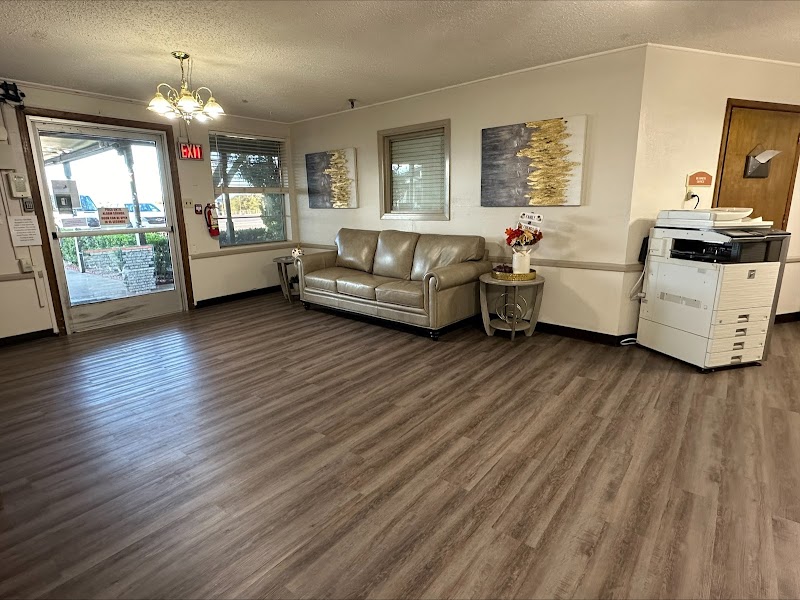
How is Deleon Nursing And Rehabilitation Staffed?

CMS rates DELEON NURSING AND REHABILITATION's staffing level at 2 out of 5 stars, which is below average compared to other nursing homes. Staff turnover is 23%, compared to the Texas average of 46%. This relatively stable workforce can support continuity of care.

What Have Inspectors Found at Deleon Nursing And Rehabilitation?

State health inspectors documented 15 deficiencies at DELEON NURSING AND REHABILITATION during 2022 to 2024. These included: 13 with potential for harm and 2 minor or isolated issues.
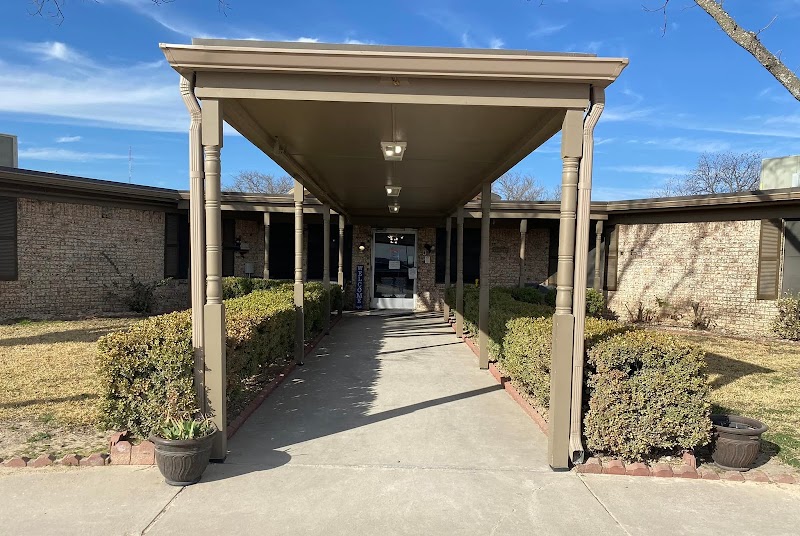
Who Owns and Operates Deleon Nursing And Rehabilitation?

DELEON NURSING AND REHABILITATION is owned by a government entity. Government-operated facilities are typically run by state, county, or municipal agencies. The facility is operated by CREATIVE SOLUTIONS IN HEALTHCARE, a chain that manages multiple nursing homes. With 98 certified beds and approximately 47 residents (about 48% occupancy), it is a smaller facility located in DE LEON, Texas.
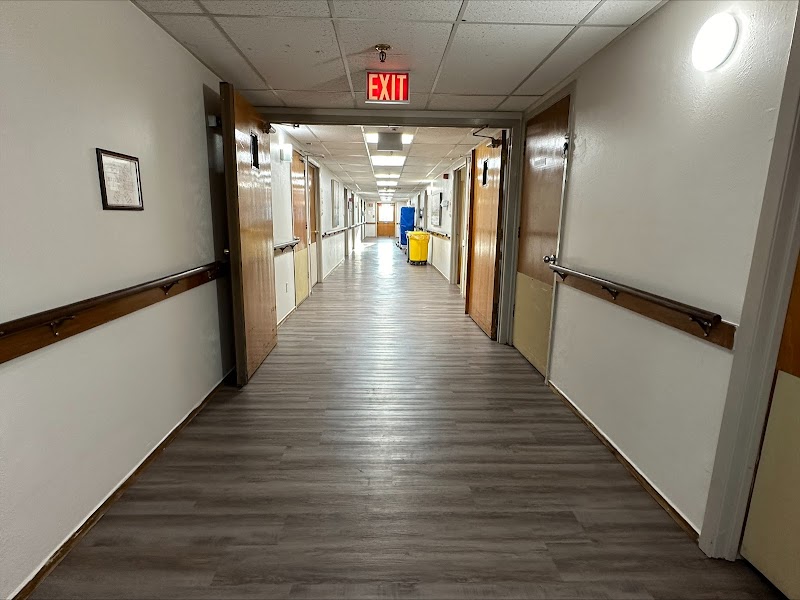
How Does Deleon Nursing And Rehabilitation Compare to Other Texas Nursing Homes?

Compared to the 100 nursing homes in Texas, DELEON NURSING AND REHABILITATION's overall rating (5 stars) is above the state average of 2.8, staff turnover (23%) is significantly lower than the state average of 46%, and health inspection rating (4 stars) is above the national benchmark.

What Should Families Ask When Visiting Deleon Nursing And Rehabilitation?

Based on this facility's data, families visiting should ask: "Can you walk me through typical staffing levels on day, evening, and night shifts?" "Can I visit during a mealtime to observe dining assistance and food quality?" "How do you handle medical emergencies, and what is your hospital transfer rate?" "Can I speak with family members of current residents about their experience?" These questions are particularly relevant given the below-average staffing rating.

Is Deleon Nursing And Rehabilitation Safe?

Based on CMS inspection data, DELEON NURSING AND REHABILITATION has a clean safety record: no substantiated abuse findings (meaning no confirmed cases of resident harm), no Immediate Jeopardy citations (the most serious violation level indicating risk of serious injury or death), and is not on the Special Focus Facility watch list (a federal program monitoring the lowest-performing 1% of nursing homes). The facility has a 5-star overall rating and ranks #1 of 100 nursing homes in Texas. While no facility is perfect, families should still ask about staff-to-resident ratios and recent inspection results during their visit.

Do Nurses at Deleon Nursing And Rehabilitation Stick Around?

Staff at DELEON NURSING AND REHABILITATION tend to stick around. With a turnover rate of 23%, the facility is 22 percentage points below the Texas average of 46%. Low turnover is a positive sign. It means caregivers have time to learn each resident's needs, medications, and personal preferences. Consistent staff also notice subtle changes in a resident's condition more quickly.

Was Deleon Nursing And Rehabilitation Ever Fined?

DELEON NURSING AND REHABILITATION has no federal fines on record. CMS issues fines when nursing homes fail to meet care standards or don't correct problems found during inspections. The absence of fines suggests the facility has either maintained compliance or corrected any issues before penalties were assessed. This is a positive indicator, though families should still review recent inspection reports for the full picture.

Is Deleon Nursing And Rehabilitation on Any Federal Watch List?

DELEON NURSING AND REHABILITATION is not on any federal watch list. The most significant is the Special Focus Facility (SFF) program, which identifies the bottom 1% of nursing homes nationally based on persistent, serious quality problems. Not being on this list means the facility has avoided the pattern of deficiencies that triggers enhanced federal oversight. This is a positive indicator, though families should still review the facility's inspection history directly.