LA VIDA SERENA NURSING AND REHABILITATION
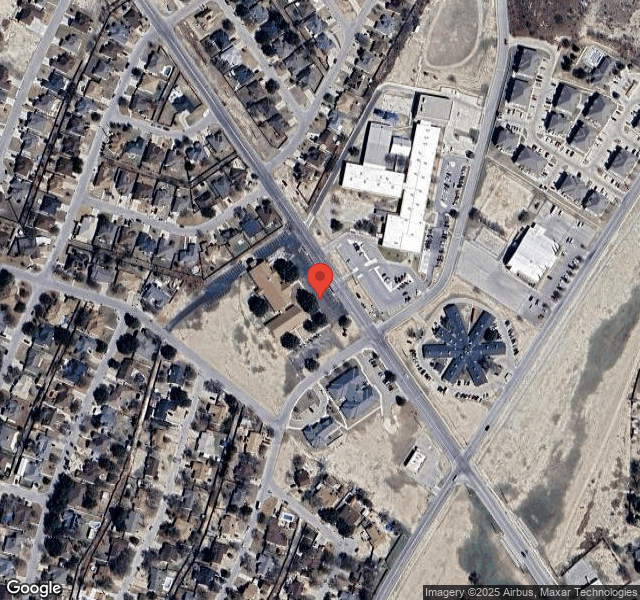
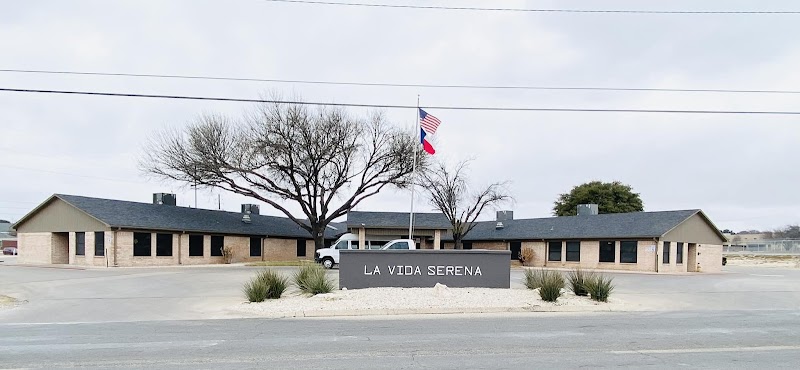
711 KINGS WAY, DEL RIO, TX 78840 (830) 774-0698
For profit - Corporation 120 Beds CREATIVE SOLUTIONS IN HEALTHCARE Data: November 2025
Trust Grade
63/100
#267 of 1168 in TX
Last Inspection: September 2024

Within standard 12-15 month inspection cycle. Federal law requires annual inspections.

Overview

La Vida Serena Nursing and Rehabilitation has a Trust Grade of C+, which indicates it is slightly above average but not without its issues. It ranks #267 out of 1,168 facilities in Texas, placing it in the top half, and is #2 out of 3 in Val Verde County, meaning only one other local option is better. The facility is showing an improving trend, having decreased its issues from four in 2024 to three in 2025. Staffing is a relative strength with a turnover rate of 40%, better than the Texas average of 50%, although their staffing rating is average with 3 out of 5 stars. However, there are some concerning findings, including a serious incident where a resident was injured during a transfer because the facility did not follow the care plan requiring a mechanical lift. Another serious issue was the failure to update care plans after assessments, which could lead to residents not receiving necessary care. While the facility has some strengths, such as a good staffing turnover rate, the presence of serious deficiencies and incidents highlights the need for families to weigh both the strengths and weaknesses carefully.

Trust Score
C+
63/100
In Texas
#267/1168
Top 22%
Safety Record
Moderate
Needs review
Inspections
Getting Better
4 → 3 violations
Staff Stability
○ Average
40% turnover. Near Texas's 48% average. Typical for the industry.
Penalties
○ Average
$12,735 in fines. Higher than 50% of Texas facilities. Some compliance issues.
Skilled Nurses
⚠ Watch
Each resident gets only 20 minutes of Registered Nurse (RN) attention daily — below average for Texas. Fewer RN minutes means fewer trained eyes watching for problems.
Violations
⚠ Watch
18 deficiencies on record. Higher than average. Multiple issues found across inspections.
★★★★☆
4.0
Overall Rating
★★★☆☆
3.0
Staff Levels
★★★☆☆
3.0
Care Quality
★★★★☆
4.0
Inspection Score
Stable
2024: 4 issues
2025: 3 issues

The Good

  • Full Sprinkler Coverage · Fire safety systems throughout facility
  • No fines on record
  • Staff turnover below average (40%)

    8 points below Texas average of 48%

Facility shows strength in fire safety.

The Bad

Staff Turnover: 40%

Near Texas avg (46%)

Typical for the industry

Federal Fines: $12,735

Below median ($33,413)

Minor penalties assessed

Chain: CREATIVE SOLUTIONS IN HEALTHCARE

Part of a multi-facility chain

Ask about local staffing decisions and management

The Ugly 18 deficiencies on record

2 actual harm
May 2025 3 deficiencies 2 Harm
SERIOUS (G) 📢 Someone Reported This

A family member, employee, or ombudsman was alarmed enough to file a formal complaint

Actual Harm - a resident was hurt due to facility failures

Deficiency F0657 (Tag F0657)

A resident was harmed · This affected 1 resident

**NOTE- TERMS IN BRACKETS HAVE BEEN EDITED TO PROTECT CONFIDENTIALITY** Based on the interviews and record review, the facility failed to review and revise Resident Care Plans after each assessment fo...

Read full inspector narrative →
**NOTE- TERMS IN BRACKETS HAVE BEEN EDITED TO PROTECT CONFIDENTIALITY** Based on the interviews and record review, the facility failed to review and revise Resident Care Plans after each assessment for 1 of 3 Residents (Resident # 1) whose records were reviewed for care plan revision/timing, The [NAME] of Resident # 1 was not updated to reflect the required extensive assistance with 2 persons for transfers via mechanical lift . These deficient practices could affect any resident and contribute to the Residents not receiving the care and services they need. The findings included: Record review of Resident # 1's face sheet dated 5/6/25 revealed an [AGE] year-old female admitted to the facility on [DATE], readmitted [DATE] with the diagnosis that included: anxiety disorder (mental illness characterized by feelings of uneasiness, worry, and fear), Communication deficit (impairment in the ability to receive, send, process, and comprehend concepts of verbal, nonverbal communication), and dementia (loss of cognitive functioning - thinking, remembering, and reasoning - to such an extent that it interferes with a person's daily life and activities). Record review of the quarterly MDS assessment, 1/29/25, revealed a BIMS score of 3, which indicated severe cognitive impairment. Section G revealed Resident #1 required extensive assistance with 2 persons for transfers. Record review of the [NAME] for resident # 1, dated 3/08/25, revealed a care plan with focus area [ resident's name is at risk for falls] interventions: staff X 2 to assist with transfers via mechanical lift. Interview with CNA ( A ) on 5/5/25 at 11:15 AM revealed that on 3/7/25, when she transferred Resident # 1 from the wheelchair to bed, Resident #1's transfer status was X1 on the [NAME]. Interview on 5/07/2025 at 2:30 PM, the MDS nurse stated she had not updated the [NAME] for Resident #1 regarding transfer status, staff X 2 to assist with transfers via mechinical lift lift until 3/8/25, as it was missed during audits. She emphasized failing to update these care plans/[NAME] might prevent staff from being aware of Resident #1's transfer status, potentially injuring Resident #1. The MDS nurse stated it was her responsibility to update the [NAME] to reflect the transfer status. Interview on 5/7/2025 at 11:00 a.m., the DON stated the MDS nurse should have updated Resident #1's [NAME] to reflect extensive assistance with 2 persons for transfers via mechinical lift as soon as the Quarterly MDS assessment was completed 1/29/25. She added her ADON was responsible for overseeing care plans, and she audited them at random as failure to update [NAME] timley could negatively affect Residents. Record review of the facility policy, titled Comprehensive Care Planning, undated, revealed . The resident care plan will be reviewed after each admission, quarterly, annually, and/or a significant change in MDS assessment, and revised based on the changing goals, preferences, and needs of the resident and in response to current interventions.
SERIOUS (G) 📢 Someone Reported This

A family member, employee, or ombudsman was alarmed enough to file a formal complaint

Actual Harm - a resident was hurt due to facility failures

Accident Prevention (Tag F0689)

A resident was harmed · This affected 1 resident

**NOTE- TERMS IN BRACKETS HAVE BEEN EDITED TO PROTECT CONFIDENTIALITY** Based on observations, interviews, and record review, the facility failed to ensure each resident received adequate supervision ...

Read full inspector narrative →
**NOTE- TERMS IN BRACKETS HAVE BEEN EDITED TO PROTECT CONFIDENTIALITY** Based on observations, interviews, and record review, the facility failed to ensure each resident received adequate supervision and assistance devices to prevent accidents for 1 of 2 residents (Resident #1) reviewed for accident hazards and supervision, On 03/07/2025, Resident #1 was transferred by CNA (A) using a standing pivot transfer x 1 staff instead of a mechanical lift. During transfer, Resident #1 was injured, resulting in a laceration to the left lower calf requiring 13 stitches. The non-compliance was identified as past non-compliance. The PNC began on 3/7/25 and ended on 3/09/25. The facility had corrected the non-compliance before the survey began. This failure could lead to injury or death to residents. Findings included: Record review of Resident # 1's face sheet dated 5/6/25 revealed an [AGE] year-old female admitted to the facility on [DATE], readmitted [DATE] with the diagnoses that included: anxiety disorder (mental illness characterized by feelings of uneasiness, worry, and fear. Communication deficit (impairment in the ability to receive, send, process, and comprehend concepts of verbal, nonverbal communication), and dementia (loss of cognitive functioning - thinking, remembering, and reasoning - to such an extent that it interferes with a person's daily life and activities). Record review of the quarterly MDS assessment, 1/29/25, revealed a BIMS score of 3, which indicated severe cognitive impairment. Section G revealed Resident #1 required extensive assistance with 2 persons for transfers. Record review of the Care plan for resident # 1, dated 3/08/25, revealed a care plan with focus area [ resident's name is at risk for falls] interventions: staff X 2 to assist with transfers via mechinical lift . Record review of the progress note for Resident # 1, dated 03/07/2025, revealed on 03/07/2025 at 12:45 PM, [CNA A] transferred [Resident #1] from the chair to the bed and left leg rubbed against bed frame. [Resident #1] voiced that her leg hurt. Further review revealed Resident #1 was noted to have an abnormality in the left lower leg, and the resident was transferred to the local hospital for treatment. Record review confirmed that [Resident #1's] MDS assessment , dated 3/7/2025 was a staff X 2 to assist with transfers via mechinical lift. Record review of a progress note, dated 03/07/2025 at 12:45 PM, revealed, This nurse was called into the residents' room by CNA (A), left lower extremity assessed, and [Resident #1] was able to state where the pain was, and 911 was called. Record review of Resident #1's hospital discharge records dated 3/7/25 revealed that Resident # 1 received 13 stitches to the left lower leg. During an Interview with the DON on 05/07/2025 at 1:25 PM, the DON stated CNA (A) should have transferred Resident #1 using two staff members with a mechanical lift as per Resident #1's MDS assessment. The DON also stated residents may be injured if CNAs do not follow the MDS assessment. Interview with CNA (A) on 5/7/2025 at 9:58 AM revealed she transferred Resident #1 without using a mechanical lift, opting for a single-person pivot transfer. She had previously used the lift but was unaware it was indicated in the MDS assessment. As a result of the incident, she was suspended for one day and retrained on locating the [NAME] /Care plan. During a follow-up interview on 5/8/2025 at 8:02 AM , CNA (A) reported that Resident #1 complained of pain in her left lower leg after the transfer, and blood was observed on the left lower calf. Record review of the facility's policy titled, Hydraulic Lift, undated, revealed, The Resident will achieve safe transfer to bed or chair via mechanical lift device. The Administrator was notified on 05/08/2025 at 1:00 PM that a past non-compliance was identified due to the above failure. The facility implemented the following interventions before the survey entrance on 05/05/2025. During an interview with the DON on 5/06/25 at 2:18 PM, the DON stated the facility implemented a system for PRN (as needed) staff to review forms before their shift to identify each resident's care needs. Record review of in-service training titled, How to use [NAME] in EMAR /Report change of condition to charge nurse, dated 03/7/2025 to 03/09/2025, showed that 36 of 36 staff members, and 2 of 2 PRN staff (as needed) completed the in-service training. Further, review revealed the in-service training addressed: CNAs look at [NAME], mechinical lift's to be used if indicated for two-person assist, where to find POC (Plan of Care), competencies, and demonstration of mechanical lift transfers. Interviews with 12 staff members on 05/6/25 from 11:00 a.m. to 1:00 p.m. the following staff [CNA (B), CNA (C), CNA (D), CNA (E), CNA (F), CNA (G), CNA (H), MA (I), CNA (J), CNA (K), CNA (L), CNA (M)] confirmed completion of in services/training: Always Follow the POC (Plan of Care), the CNA's look at the [NAME], mechanical lifts to be used if it is indicated 2 people assist,and where to find the POC (Plan of Care. The Staff were able to verbalize understanding and information provided in the in-service/training. Observation on 05/6/25 at 10:30 AM confirmed MA (N) and LVN (O) transferred Resident #2 using a two-staff mechanical lift transfer. Observation on 5/6/25 at 7:10 AM confirmed CNA (P) and LVN (Q) transferred Resident #3 using a two-staff mechanical lift transfer. The non-compliance was identified as past non-compliance. The PNC began on 3/7/25 and ended on 3/09/25. The facility had corrected the non-compliance before the survey began.
CONCERN (D) 📢 Someone Reported This

A family member, employee, or ombudsman was alarmed enough to file a formal complaint

Potential for Harm - no one hurt, but risky conditions existed

Report Alleged Abuse (Tag F0609)

Could have caused harm · This affected 1 resident

**NOTE- TERMS IN BRACKETS HAVE BEEN EDITED TO PROTECT CONFIDENTIALITY** Based on interviews and record reviews the facility failed to ensure all alleged violations involving abuse, neglect, exploitati...

Read full inspector narrative →
**NOTE- TERMS IN BRACKETS HAVE BEEN EDITED TO PROTECT CONFIDENTIALITY** Based on interviews and record reviews the facility failed to ensure all alleged violations involving abuse, neglect, exploitation, or mistreatment, including injuries of unknown sources were reported immediately to the administrator of the facility and to other officials, including to the State Survey Agency in accordance with State law through established procedures, for 1 of 3 Residents (Resident #1) reviewed for Neglect, The facility did not report an allegation of neglect per facility policy to the State Survey Agency (HHSC) when Resident # 1 received an injury to the left lateral calf occurred. This deficient practice could affect any resident and could contribute to further neglect. The findings were: Record review of Texas Unified Licensure Information Portal (TULIP) on 5/6/25 at 1:50 P.M. revealed no self-reported incidents regarding allegations of Neglect were reported for Resident # 1 . Record review of Resident # 1's face sheet dated 5/6/25 revealed an [AGE] year-old female admitted to the facility on [DATE], readmitted [DATE] with the diagnosis that included: anxiety disorder (mental illness characterized by feelings of uneasiness, worry, and fear) , Communication deficit (impairment in the ability to receive, send, process, and comprehend concepts of verbal, nonverbal communication), and dementia (loss of cognitive functioning - thinking, remembering, and reasoning - to such an extent that it interferes with a person's daily life and activities). Record review of the quarterly MDS assessment, 1/29/25, revealed a BIMS score of 3, which indicated severe cognitive impairment. Section G revealed Resident #1 required extensive assistance with 2 persons for transfers. Record review of Resident #1's progress note, dated 3/7/25, revealed injury to left lower calf 10 cm X 1 cm X 0.5 cm, sent to [local hospital] for evaluation and treatment. Record review of Resident #1's care plan dated 3/7/25, revealed [Resident's name has a laceration to left lateral calf] interventions: perform wound care as ordered. Record review of resident #1's hospital discharge instructions, reviewed 5/5/25 at 10:30 AM, dated 3/7/25, revealed that resident #1 received 13 stitches on the left lower calf. Interview with CNA (A) on 5/6/25 at 10:20 AM revealed she transferred Resident # 1 from the wheelchair to the bed with X 1 assist when the resident's left leg caught on the bed rail. She did not notice the injury to Resident #1's left leg until Resident #1 was in bed, and this was when she notified LVN (B) . Interview with LVN (R) on 5/6/25 at 10:52 AM revealed she was the nurse on duty on 3/7/25 when CNA (A) notified her of the injury to Resident #1's left lower leg. She notified MD, who ordered Resident # 1 to be sent to the local ER. Interview with the MD on 5/6/25 at 1:34 PM revealed he was notified by LVN(R) on 3/7/24 regarding the injury to the left lower leg of Resident # 1, and he ordered for Resident # 1 to be sent to the local ER for an evaluation. During an interview with the DON on May 6, 2025, at 11:15 AM, she shared LVN (R) had reached out to her on March 14, 2025, about an injury to Resident #1's left lower leg. The DON also noted she promptly informed the Administrator about this incident. In a follow-up interview with the DON on the same day at 11:30 AM, she emphasized it was the Administrator's role to report any neglect allegations to HHSC, which was why she did not take the step to report the leg injury for Resident #1. Nonetheless, she conveyed she felt strongly that any allegations of neglect should indeed be reported , to help those responsible accountable for their actions if required. Interview with the Administrator on 5/06/25 at 12:45 P.M. revealed he did not report the injury involving Resident #1, as the incident was witnessed. However, upon reviewing the neglect guidelines from HHSC, he acknowledged he should have reported the incident. Record review of facility policy titled, Abuse, Neglect: , dated 9/9/24, , reflected, The Facility will report and cooperate with any investigations concerning reports of abuse, neglect, exploitation, mistreatment of residents, misappropriation of residents property and injuries of unknown source by the company's employees as outlined in state law ( including to the state survey and certification agency ) .
Sept 2024 2 deficiencies
CONCERN (D)

Potential for Harm - no one hurt, but risky conditions existed

Assessment Accuracy (Tag F0641)

Could have caused harm · This affected 1 resident

**NOTE- TERMS IN BRACKETS HAVE BEEN EDITED TO PROTECT CONFIDENTIALITY** Based on interview and record review, the facility failed to ensure the assessment accurately reflected the resident's status fo...

Read full inspector narrative →
**NOTE- TERMS IN BRACKETS HAVE BEEN EDITED TO PROTECT CONFIDENTIALITY** Based on interview and record review, the facility failed to ensure the assessment accurately reflected the resident's status for 1 of 4 residents (Resident #64) reviewed for assessments, in that: The facility failed to ensure Resident #64's Quarterly MDS assessment incorrectly documented the resident as not receiving hospice care. This failure could place residents at risk for inadequate care due to inaccurate assessments. The findings were: Record review of Resident #64's face sheet, dated 09/18/2023, revealed the resident was [AGE] years old with an admission date of 02/19/2024 and a readmission date of 05/25/2024, Resident #64's with diagnoses that included: Osteomyelitis(a serious infection of the bone that can be acute or chronic) , unspecified, Type II diabetes Mellitus with unspecified complications, End Stage Renal Disease. Record review of THHS Texas Medicaid Hospice Program Individual Election/Cancellation/Update Form 3071 revealed Resident #64 elected hospice services effective 05/14/2024. Record review of Resident #64's Quarterly MDS dated [DATE] revealed a BIMS score of 10 indicating moderate cognitive impairment, and resident was not receiving hospice services. During an interview with the MDS nurse on 09/18/2024 at 11:58 AM, the MDS nurse stated she had completed the MDS. The MDS nurse stated Resident #64's Quarterly MDS was coded as the resident not receiving hospice services and confirmed Resident #64 readmitted to the facility on [DATE] under Hospice. MDS nurse confirmed that MDS should have been completed as a Significant Change MDS and reflected hospice election. The MDS nurse revealed that the RAI was used as reference for the MDS and she had access electronically to the RAI on her computer. During an interview with the DON on 09/19/24 at 12:18 PM, the DON stated Resident #64 was receiving hospice services and should have been coded as receiving hospice services on a Significant Change MDS. The DON confirmed the RAI is used as reference for the MDS and expected MDS Nurse follow the RAI reference. The MDS Nurse was responsible for ensuring accurate coding and the DON was responsible to review for accuracy. Record review of, Long-Term Care Facility Resident Assessment Instrument 3.0 User's Manual, Version 1.19.1, September 2024, revealed, An SCSA is required to be performed when a terminally ill resident enrolls in a hospice program (Medicare-certified or State-licensed hospice provider) or changes hospice providers and remains resident at the nursing home.
CONCERN (D)

Potential for Harm - no one hurt, but risky conditions existed

Quality of Care (Tag F0684)

Could have caused harm · This affected 1 resident

**NOTE- TERMS IN BRACKETS HAVE BEEN EDITED TO PROTECT CONFIDENTIALITY** Based on observations, interviews, and record reviews the facility failed to ensure that residents received treatment and care i...

Read full inspector narrative →
**NOTE- TERMS IN BRACKETS HAVE BEEN EDITED TO PROTECT CONFIDENTIALITY** Based on observations, interviews, and record reviews the facility failed to ensure that residents received treatment and care in accordance with professional standards of practice, the comprehensive person-centered care plan, and the residents' choices for 1 of 9 residents (Resident #34) reviewed for treatments and care related to enteral access devices. The facility failed to ensure medications were administered according to acceptable standards and practices related to enteral access devices when Resident #34's medications were not dissolved in water for administration with a flush between each medication administered. These failures could place residents with enteral access devices at risk of not receiving the intended therapeutic effects of medications, having medical complications, or complications related to utilization of enteral access devices, potentially leading to a decline in health and well-being. Findings included: Record review of the admission Record revealed Resident #34 was a [AGE] year-old male, originally admitted on [DATE] . Record review of the quarterly MDS assessment dated [DATE] revealed Resident #34 had a BIMS summary score of 9, indicative of moderately impaired cognition. Resident #34's primary reason for admission was cerebral infarction, unspecified [a type of stroke caused by blood clot or hemorrhage in the brain]. Other active diagnoses included seizure disorder and malnutrition. Nutritional approaches included feeding tube, with more than 51% of calories and 501 ml or more fluid intake received thru the feeding tube per day. Record review of the Order Summary Report printed on 09/18/2024 revealed: flush enteral tube with 30 ml of water between each medication; flush enteral tube with 60 ml of water before and after medication and feedings; with a start date of 02/25/2021 Medications included: metoprolol [for high blood pressure] the a start date of 07/08/2021, aspirin [for stroke] with a start date of 01/20/2023, Keppra [for seizures] with a start date of 11/04/2022, folic acid [for supplement] with a start date of 09/08/2024, Celexa [for depression] with a start date of 04/27/2022, losartan [for high blood pressure] with a start date of 02/26/2021, multivitamin [for malnutrition], and thiamine [for supplement] ] with a start date of 02/26/2021. Record review of the Care Plan revealed Resident #34 had the following focus areas: seizure disorder, high blood pressure, potential for pressure injury, potential fluid deficit, on psychotropic medication related to depression, seasonal allergies, muscle spasms, and polyneuropathy [nerve damage at multiple sites can result in chronic and acute pain]; with the following associated interventions: give medications as ordered with a date initiated of 02/25/2021. In an observation on 09/18/2024 at 7:45 AM, LVN A prepared medications for Resident #34 by individually crushing each tablet or pill and pouring liquids in separate souffle cups for administration via the enteral access device. The medications were not mixed with water to dissolve. The [NAME] tions included metoprolol tartrate 25 mg, give 0.5 tablet [given for high blood pressure]; aspirin 81 mg [given for history of stroke]; Keppra 7.5 ml solution [given for seizures]; folic acid [for supplement]; Celexa 10 mg, give 0.5 tablet [given for depression]; Losartan 25 mg [given for high blood pressure]; fexofenadine 180 mg [given for seasonal allergies]; multivitamin, and thiamine [given for supplemental nutrition. In an observation on 09/18/2024 beginning at 7:55 AM, LVN A assessed the placement of the enteral access device for Resident #34 by aspiration with no fluids returned. LVN A flushed the enteral access device with 60 ml of water. When the water level got to near the bottom of the syringe, approximately 1 to 3 ml of water, LVN A then added the powder of the first crushed medication to the syringe, then added the 30 ml of water flush to the syringe. As the water and medication mixture then drained into the enteral access device, LVN A then added the powder from the next crushed medication to the last 1 to 3 ml mixture of water and previous medications to the syringe, adding the 30 ml flush of water after. Powder residue could be observed at the top of the 60 ml syringe, and at one point a brownish-beige frothy particulate could be seen coating the walls of the barrel of the syringe. LVN A swirled the syringe while attached to the enteral access device to have all the solid matter trapped by water and drain down the syringe into the enteral access device. After each medication was added to the dregs of the liquid in the barrel, LVN A added 30 ml water, including when she administered the liquid Keppra solution. After the last medication was administered LVN A flushed the syringe with 60 ml of water, clamped the enteral access device, capped the distal end of the enteral access device, and replaced the tube under Resident #34's shirt. In an interview on 9/18/2024 at 8:00 AM, Resident #34 stated he did not want breakfast and declined the supplement. Resident #34 stated he would see what was on the breakfast tray when it arrived, and he would decide then if he was hungry enough to eat. In an interview on 9/18/2024 at 8:03 AM, LVN A stated that either method, mixing the powder of a crushed medication in a few ml of water to dissolve or adding it directly to the syringe, would be correct. LVN A stated that adding the powder of a crushed medication directly to the syringe is how she almost always administered medication to an enteral access device, unless there were specific orders to do it differently. In an interview on 9/18/2024 at 8:40 AM, the DON stated she believed an enteral medication could be added directly to the syringe once crushed as long as there was still some liquid at the bottom of the syringe, and then immediately added the flush as per MD orders. In an interview on 9/18/2024 at 11:35 AM, R.Ph. stated that the order of operations for an enteral tube medication administration should be: 1.) check tube placement first [aspiration of fluids from the enteral access device to visually inspect color and character]; 2.) ensure patency [being unclogged, allowing flow] with a flush in the amount of water as ordered by the MD; 3.) crush each suitable tablet or pill into its own souffle cup with 10 to 15 ml of water; 4.) allow each medication to flow by gravity; 5.) after each medication flush in the amount of water as ordered by the MD; 6.) repeat as necessary and after the last medication flush in the amount of water as ordered by the MD. R.Ph. stated the initial and final flushes at the beginning and end of a medication administration were usually slightly larger, but depended on the amount the MD determined was appropriate. R.Ph. stated the frothy brownish beige particulate was most likely not a reaction between medications, but more likely the inert ingredients coming in contact with air, water and turbulence. R.Ph. stated she would have to review the resident's profile to give more specific details. R.Ph. stated she would call me back in about an hour as she was driving and en route to another facility at the time of the interview. In an interview on 9/18/2024 at 12:26 PM, the MD stated Resident #34 had originally been admitted for stroke some time back, but recently exhibited stroke like symptoms. The MD stated Resident #34's diagnostics came back as negative for a stroke; however, he had more difficulty with speech and swallowing after the stroke like symptoms were noted; which was why Resident #34 had an enteral access device placed. The MD stated he was not sure if the resident was quite at the point where he could take his medications by mouth, crushed in a puree at this point, but that was something therapy was working towards with him. The MD stated he did not believe there was much of a risk in the small amount of medications being mixed in the syringe as described in the observation above. The MD stated there would be some expectation of medication residual in the souffle cup if the medication had been dissolved in water that would approximate the amount of medication observed at the top of the syringe as described in the observation above. The MD stated his expectation was that the crushed medications be dissolved in a small amount of water and flushed as per orders. MD stated that he would consult with the pharmacist for best practice on this issue in regard to Resident #34. In an interview on 9/18/2024 at 2:37 PM, R.Ph. stated that she had reviewed the medication profile for Resident #34, and she did not see any medications that would have an adverse reaction if administered in the fashion as described in the observation above. R.Ph. stated that the best practice would be to place a medication in pill or tablet form in a syringe with 15 to 30 ml of water and allow it to become a slurry [semiliquid mixture of denser solids suspended in liquid] over approximately 20 minutes. Alternatively, medications could be dissolved in a small amount of water for administration via an enteral access device and followed with a prescribed amount of water to ensure the medication reaches the resident and does not interfere with the patency of the enteral access device. Record review of the facility's policy entitled Enteral Medication Administration, revised 1/25/2013, reflected the following procedure: flush the tube with 30 ml or according to physician order; administer one medication at a time, with a flush of 5-10 ml water or the amount ordered by the physician, between each medication and after the medication is administered; verify that the medication cups are clear of any remnants of crushed pills or liquid medication; once all medications have been administered flush the tube with 30 ml of water or according to the physician order. Review of website Nursing 2024, article titled Administering medication through a gastrostomy tube, dated December 2022, accessed from Nursing202https://journals.lww.com/nursing/fulltext/2002/12000/administering_medication_through_a_gastrostomy.14.aspx4 (lww.com), accessed on 09/20/2024, revealed: .Release the GT [enteral access device] clamp. To verify tube placement and patency, aspirate for gastric contents, note the residual volume, and follow your facility's policy for re-instilling it . let the water flow by gravity to flush it .Pour the diluted medication into the syringe and release the tubing to administer it. If you're giving more than one drug, flush between each dose with 15 to 30 ml of water. When finished, flush with 30 ml of water, clamp the GT, and replace the plug . Review of ASPEN Safe Practices for Enteral Nutrition Therapy, accessed from https://aspenjournals.onlinelibrary.[NAME].com/doi/10.1177/0148607116673053, accessed on 09/2024, In Step 11 of Practice Recommendations, under the subheading for Medication Delivery via Enteral Access Devices [feeding tubes], it states Prepare approved immediate-release solid dosage forms of medication for enteral administration according to pharmacist instructions. Techniques may include: a. Crush simple compressed tablets to a fine powder and mix with purified water. b. Open hard gelatin capsules and mix powder containing the immediate release medication with purified water. Further, recommendations are to avoid mixing together different medications intended for administration through the feeding tube [enteral access device]; Inappropriate utilization of the feeding tube can result in complications include impairing the patency of the feeding tube, reducing therapeutic effect of the medication, or increasing drug toxicity; Complications include impairing the patency of the feeding tube, reducing therapeutic effect of the medication, or increasing drug toxicity.
Jul 2024 2 deficiencies
CONCERN (E) 📢 Someone Reported This

A family member, employee, or ombudsman was alarmed enough to file a formal complaint

Potential for Harm - no one hurt, but risky conditions existed

Assessment Accuracy (Tag F0641)

Could have caused harm · This affected multiple residents

**NOTE- TERMS IN BRACKETS HAVE BEEN EDITED TO PROTECT CONFIDENTIALITY** Based on observation, interview, and record review the facility failed to ensure the assessment accurately reflected the residen...

Read full inspector narrative →
**NOTE- TERMS IN BRACKETS HAVE BEEN EDITED TO PROTECT CONFIDENTIALITY** Based on observation, interview, and record review the facility failed to ensure the assessment accurately reflected the resident's status for 2 (Resident #1 and #2) of 5 residents reviewed for accuracy of assessments. 1. The facility failed to ensure Resident #1 was coded on his Quarterly MDS, dated [DATE] for a fall with major injury that occurred on 01/18/2024. 2. The facility failed to ensure Resident #2 was coded on her Quarterly MDS, dated [DATE] for a fall with major injury that occurred on 05/21/2024. This failure could place residents at risk of improper or incorrect care and services necessary for their physical, mental, and psychosocial well-being. The findings included: 1. Record review of Resident #1's admission Record, dated 07/11/2024, reflected Resident #1 was admitted on [DATE] and was [AGE] years old. Resident #1 discharged on 04/21/2024 to another nursing home. Resident #1 had diagnoses of cerebral infarction (a disruption in the brain's blood flow), dementia (a general term for impaired ability to remember, think, or make decisions), and heart failure (heart muscle is weakened and cannot pump enough blood to meet the body's needs). A diagnosis of fracture of right pubis (break in the right bone of the pelvis) was noted with onset date of 01/18/2024 and classified as during stay. Record review of Resident #1's Event Nurses' Note, dated 01/18/2024, reflected Resident #1 had an unwitnessed fall in his room on 01/18/2024 at 07:15 a.m. Under Resident statement, Resident #1 was noted as stating that he fell when walking back to bed after toileting himself. Resident #1 stated he got himself up and back into the bed. The event note reflected Resident #1 was assessed and found to have had a 1.0 cm by 05 cm abrasion on his right elbow and complained of pain to his right buttocks and right leg. Resident #1 was noted to have been sent to the local hospital for evaluation and treatment. Record review of Resident #1's local hospital discharge paperwork, dated 01/18/2024, reflected a CT (an imaging procedure using x-rays to create detailed images of bones and soft tissues) Scan Report, noted date of service 01/18/2024, reflected a CT of the pelvis bone was performed on 01/18/2024 due to history of a fall. The impression revealed a nondisplaced fracture (bone cracked but did not move or change alignment) of the right inferior pubic ramus. Record review of Resident #1's Quarterly MDS, dated [DATE] reflected Resident #1 had a BIMS (Brief Interview of Mental Status) score of 7 indicating he was moderately impaired, he required partial/moderate assistance for transferring from lying to sitting on the side of the bed or sitting to standing; and he had no falls since admission/entry or reentry or the prior assessment. Record review of Resident #1's Quarterly MDS, dated [DATE] reflected Resident #1 had a BIMS (Brief Interview of Mental Status) score of 5 indicating he was moderately impaired, he required partial/moderate assistance for transferring from lying to sitting on the side of the bed or sitting to standing; and he had no falls since admission/entry or reentry or the prior assessment. Record review of Resident #1's comprehensive care plan, dated as closed 04/22/2024, reflected: - Resident #1 had an abrasion to his right elbow. The focus was initiated 01/18/2024. - Resident #1 had a right inferior pubic ramus (right lower section of the pelvis bone) fracture. The focus was initiated 01/18/2024. 2. Record review of Resident #2's admission Record, dated 07/11/2024, reflected Resident #2 was initially admitted on [DATE], re-admitted on [DATE], and was [AGE] years old. Resident #2 had diagnoses of systolic (congestive) heart failure (heart failure in which the left side of the heart cannot pump blood efficiently), muscle wasting and atrophy (shrinking of muscle or nerve tissue), lack of coordination, unsteadiness on feet, and mild cognitive impairment of uncertain or unknown etiology (mild difficulty with language, memory, and thinking with an unknown case). A diagnosis of fracture of unspecified part of right clavicle for closed fracture (a break in part of the right collarbone where the broken bone did not penetrate the skin) was noted with onset date of 05/21/2024, classification was blank. Record review of Resident #2's Event Nurses' Note- Bruise, dated 05/21/2024, reflected Resident #2 had a noted bruise on the right side of her neck/collar bone during a routine shower on 05/21/2024. Resident #2 was noted at the time of the event as cognitively impaired, required cueing, and combative. The event note reflected Resident #2 was assessed, the bruise was noted as purple discoloration with swelling and the resident verbalized pain with touch on site. Resident #2 was noted to have been sent to the local hospital for evaluation and treatment. Record review of Resident #2's local hospital discharge paperwork, dated 05/24/2024, reflected a CT Scan Report, noted date of service 05/21/2024, reflected a CT of the chest was performed on 05/21/2024 due to history of right clavicle trauma. The impression reflected a comminuted and mildly displaced right medial clavicular fracture with extension into the sternoclavicular joint (a break in at least two places on the right part of the collarbone, in the part of the bone close to the breastbone, and the breaks resulted in the bones only slightly not lining up straight). Record review of Resident #2's Quarterly MDS, dated [DATE] reflected Resident #2 had a BIMS score of 5 indicating she was moderately impaired, she required set-up or clean-up assistance with walking, substantial/maximal assistance for showers/baths, supervision or touching assistance for transferring from lying to sitting on the side of the bed, sitting to standing, chair/bed-to-chair transfers, and toilet transfers; and she had no falls since admission/entry or reentry or the prior assessment. Record review of Resident #2's Quarterly MDS, dated [DATE] reflected Resident #2 had a BIMS score of 3 indicating she was moderately impaired, she required substantial/maximal assistance for showers/baths, transferring from lying to sitting on the side of the bed, chair/bed-to-chair transfers, and toilet transfers; and she had two or more falls since admission/entry or reentry or the prior assessment but without injury. Resident #2's mobility for as sitting to standing and walking was coded as not attempted due to medical condition or safety concerns. Record review of Resident #2's comprehensive care plan, accessed 07/11/2024, reflected: - Resident #2 had a bruise to right side of neck/collar bone area with closed clavicle fracture. The focus was initiated 05/21/2024. An observation and attempted interview with Resident #2 on 07/11/2024 at 03:44 p.m., revealed Resident #2 was in her bed laying down, well dressed, and groomed. Resident #2's bed was in low position, against the wall on her left side, a fall mat was placed on the floor to the right side of the bed, and Resident #2's call light was pinched to mattress sheet and within reach, and side table was within reach. Resident #2 refused interview upon request. During an interview on 07/11/2024 at 04:36 p.m., the MDS Nurse stated that she was responsible for updating and reviewing the resident care plans and MDS Assessments. The MDS Nurse stated that after a resident fall, the resident would be screened by the therapy department and if the therapy department determined the resident's need for therapy services, she would complete an assessment and update the resident's care plan. The MDS Nurse stated that if a fall occurred within the lookback period or period of time designated to review between assessments, she would code the fall. The MDS Nurse stated that if Resident #1's fall occurred within that lookback period and if he was sent out to the local hospital for assessment and treatment, his fall should have been coded. The MDS Nurse stated Resident #1's fall should have been coded under the J section on the MDS Assessment for falls and that it would have been considered a major injury. She stated Resident #2's injury should have been coded on her last quarterly assessment. The MDS Nurse stated that because Resident #1 and Resident #2's injuries were care planned the impact of the MDS assessment having not been coded accurately would not have been a big deal, stated it would only have been a documentation issue. During an interview on 07/11/2024 at 05:59 p.m., the MDS Nurse stated she inaccurately coded Resident #2's fall. She stated she coded that Resident #2 had two (2) or more falls but not that Resident #2 had a major injury. She stated for Resident #1, she did not document the Resident #1's fall with fracture, which was a major injury. She stated that she would usually review resident orders and events, where the nurses document a resident fall but had missed Resident #1's fall with injury when completing his quarterly assessment in March 2024. During an interview on 07/11/2024 at 06:38 p.m., the DON stated the nursing staff do not refer to the MDS assessments for interventions, only the care plan. She stated that she did not think the MDS having been coded inappropriately would have impacted the residents' (Resident #1 and Resident #2) care provided by the direct care nursing staff, as long as the care plan was updated with the appropriate interventions. She stated that she believed the inaccurate MDS coding would only impact the communication with the state on how much assistance both the residents (Resident #1 and Resident #2) would have required. During an interview on 07/11/2024 at 07:35 p.m., the ADMIN stated his understanding was that the MDS Assessment coding impacted financial reimbursement to the facility for resident care services, so as long as the care plan was updated appropriately, the care provided to the residents (Resident #1 and Resident #2) would not have been impacted. The ADMIN stated the impact would have been that the facility would have received less compensation for services. Record review of facility policy, 4. Minimum Data Set (MDS) Policy for MDS assessment Data Accuracy 2.2021 revealed The purpose of the MDS policy is to ensure each resident receives and accurate assessment by qualified staff to address the needs of the resident who are familiar with his/her physical, mental, and psychosocial well-being .Federal regulations at 42 CFR 483.20 (b) (1)(xviii), (g), and (h) require that: 1. The assessment accurately reflects the resident's status.
MINOR (C) 📢 Someone Reported This

A family member, employee, or ombudsman was alarmed enough to file a formal complaint

Minor Issue - procedural, no safety impact

Staffing Information (Tag F0732)

Minor procedural issue · This affected most or all residents

Based on observation, interview, and record review the facility failed to post daily information that included the facility name, current date, total number and actual hours worked by registered nurse...

Read full inspector narrative →
Based on observation, interview, and record review the facility failed to post daily information that included the facility name, current date, total number and actual hours worked by registered nurses, licensed practical or licensed vocational nurses, certified nurse aides directly responsible for resident care per shift and the resident census. The facility did not post the required current nurse staffing information from 07/05/2024 to 07/11/2024. This failure could place all residents, their families, and facility visitors at risk of not having access to information regarding staffing data and the facility census. Findings included: Observation on 07/11/2024 at 10:30 a.m., revealed a document labeled [facility name] Direct Care Posting dated 07/04/2024, was posted on a wall across from the nurses' station. During an interview on 07/11/2024 at 10:31 a.m., the ADMIN confirmed the posted nurse staffing document was dated 07/04/2024. The ADMIN stated he believed the staffing document was supposed to be posted every morning around 10:00 a.m. The ADMIN stated the document had not been posted for several days. During an interview on 07/11/2024 at 10:56 a.m., the ADMIN stated he had misspoken earlier and that the night shift charge nurse was responsible for posting the daily census and staffing document. The ADMIN confirmed the night shift charge nurse had not posted the document for several days. During an interview on 07/11/2024 at 06:38 p.m., the DON stated that the night shift was responsible for posting the daily census and nurse staffing document. The DON stated the night shift charge nurse was new and had been putting the document in the ADON's box, who had been out for vacation and therefore did not know the document was there. The DON stated that the failure to post the census and nurse posting information daily would impact the facility's communication with residents, who are cognitively aware, and visiting resident families or guests who would look for that information when visiting the facility. During an interview on 07/11/2024 at 07:35 p.m., the ADMIN stated he was unsure on what the impact of not posting the facility's daily census and nurse staffing would be. The ADMIN stated he reached out to the facility's corporate office for a policy regarding the posting of daily census and nurse staffing and was told that the facility did not have a specific policy, just that the facility was to follow the federal and state regulations.
Aug 2023 5 deficiencies
CONCERN (D)

Potential for Harm - no one hurt, but risky conditions existed

Comprehensive Care Plan (Tag F0656)

Could have caused harm · This affected 1 resident

**NOTE- TERMS IN BRACKETS HAVE BEEN EDITED TO PROTECT CONFIDENTIALITY** Based on interviews and record reviews the facility failed to develop, within 7 days after completion of the comprehensive asses...

Read full inspector narrative →
**NOTE- TERMS IN BRACKETS HAVE BEEN EDITED TO PROTECT CONFIDENTIALITY** Based on interviews and record reviews the facility failed to develop, within 7 days after completion of the comprehensive assessment, a comprehensive care plan, prepared by an interdisciplinary team for 1 of 8 residents (Resident #18) reviewed for care plans, in that: The facility failed to complete a comprehensive care plan for Resident #18 needs for durable medical equipment, a prosthetic leg. This failure could place residents at risk for harm by not supporting their needs. The findings included: A record review of Resident #18's admission record dated 08/14/2023, revealed an admission date of 08/05/2023 with diagnoses which included encounter for orthopedic aftercare following surgical amputation. A record review of Resident #18's admission MDS dated [DATE] revealed Resident #18 was a [AGE] year-old male admitted for post-surgical rehabilitation care to include physical and occupational therapies. Further review revealed Resident #18 had a prosthesis, Section G Functional Status . 2. Limited assistance - resident highly involved in activity; staff provide guided maneuvering of limbs or other non-weight-bearing assistance . G. Dressing - how resident puts on, fastens and takes off all items of clothing, including donning/removing a prosthesis or TED hose A record review of Resident #18's nursing progress notes revealed LVN A documented Resident #18 had a prosthetic right leg; Nursing progress note .06/19/2023 . [LVN A] .nurse has answered light, and Resident needed help with prosthetic, leg was put on properly A record review of Resident #18's dated 08/02/2023, revealed, Assessment & Plan Global Assessment/Plan .PRECAUTIONS: fall risk, .BKA amputation, has prosthetic A record review of Resident #18's care plan dated 08/05/2023 revealed it did not have evidence of any care instructions for Resident #18's need to walk with a prosthesis related to his below the knee amputated leg . Observation on 8/16/2023 at 10:55 AM with Resident #18 revealed he had his right leg amputated below the knee and was supported to walk with a prosthetic leg. During an interview on 08/16/2023 at 11:00 AM the DON stated Resident #18 had his right leg amputated below the knee and was supported to walk with a prosthetic leg which was applied daily and as needed by nursing staff. The DON was informed that Resident #18's care plan did not address Resident #18's need for a prosthetic leg. The DON reviewed Resident #18's care plan and agreed there was no care instructions for staff to follow for care related to applying Resident #18's prosthesis. The DON stated the care plan should have had care instructions for staff to follow for care related to applying Resident #18's prosthesis. The DON stated she and her nurses were culpable for the lack of care support instructions and should have been reviewing the care plans for accuracy. During a joint interview on 08/16/2023 at 01:37 PM with MDS RN B and RN C, they were informed that Resident #18's care plan did not address Resident #18's need for a prosthetic leg. RN B and RN C reviewed Resident #18's care plan and agreed there were no care instructions for staff to follow for care related to applying Resident #18's prosthesis. RN B and RN C stated the care plan should have had care instructions for staff to follow for care related to applying Resident #18's prosthesis. RN B stated, It's my fault. I overlooked it and RN C stated she was also culpable for the lack of care instructions . Record review of the policy Comprehensive care Planning (no date), The facility will develop and implement a comprehensive person-centered care plan for each resident, consistent with the residents' rights that includes measurable objective and timeframes to meet a resident's [NAME], nursing, and mental and psychological needs that are identified int eh comprehensive assessment. The services that are to be finished to attain or maintain the resident's highest practicable physical, mental, and psychosocial well-being. Each resident will have a person-centered comprehensive care plan developed and implemented to meet his other preferences and goals, and address the resident's medical, physical, mental and psychosocial needs
CONCERN (D)

Potential for Harm - no one hurt, but risky conditions existed

ADL Care (Tag F0677)

Could have caused harm · This affected 1 resident

**NOTE- TERMS IN BRACKETS HAVE BEEN EDITED TO PROTECT CONFIDENTIALITY** Based on observation, interview and record review the facility failed to ensure a resident who is unable to carry out activities...

Read full inspector narrative →
**NOTE- TERMS IN BRACKETS HAVE BEEN EDITED TO PROTECT CONFIDENTIALITY** Based on observation, interview and record review the facility failed to ensure a resident who is unable to carry out activities of daily living receives the necessary services to maintain good nutrition for 1 of 8 (Resident #2) residents reviewed in that: Resident #2 did not receive assistance while eating when he was served his meal. This failure could place residents who require feeding assistance at risk of not receiving the necessary services to maintain good nutrition and decline in health. The findings were: Record review of Resident #2's admission Record dated 8/16/2023 revealed he was admitted to the facility on [DATE], re-admitted on [DATE] and his diagnoses included pain in left in right/left knee, muscle weakness, lack of coordination, peripheral vascular disease heart failure and diabetes (a metabolic disease, involving inappropriately elevated blood glucose levels) and cerebral palsy. Record review of Resident #2's Quarterly MDS dated [DATE] revealed Section C Cognition BIMs was 5/15 (severely impaired) and Section G Functional Status bed mobility revealed the resident required extensive assistance with two-person assistance; for transfers the resident was total dependence with two-person assistance and with eating the resident required extensive assistance with one-person physical assistance. Record review of Resident #2's care plan dated 8/17/2023 revealed for Resident #2 in position due to cerebral palsy her Resident #2 request, encourage good nutrition and hydration, and Resident #2 was a risk for hygiene deficit, required extensive -total assist x2 with ADL's, showers, transfers due to neuromuscular impairment related to cerebral palsy interventions to assist with feeding as needed. Observation on 8/15/2023 at 10:06 AM in Resident # 2's room revealed he was served lunch and he was trying to open the butter container. He tried with his fingers and with his teeth with no success. There was no staff helping Resident #2 with eating his lunch. Observation of Resident #2 revealed he was one of the first residents to be served since his room was at the beginning of the hall . Interview on 8/15/2023 at 10:09 AM LVN H stated Resident # 2 required assistance with feeding at times and stated Resident #2 had a recent change. LVN H stated Resident #2 was one of the first residents to be served on the hall. Interview on 8/15/2023 at 10:11AM CNA I stated Resident #2 required assistance with meals. CNA I stated he had the serve the hall, then was going to come back and assist Resident #2 with feeding . Interview on at 8/16/2023 at 10:57 AM the DON stated she was not aware that Resident #2 did not receive help during meals. Interview on 8/16/2023 at 4 PM the ADM discussed occurrences with Resident #2, with no response. The Surveyor asked for a policy for residents receiving assistance during meal from staff. The ADM stated she had no policy for staff assisting residents during meals.
CONCERN (D)

Potential for Harm - no one hurt, but risky conditions existed

Deficiency F0808 (Tag F0808)

Could have caused harm · This affected 1 resident

**NOTE- TERMS IN BRACKETS HAVE BEEN EDITED TO PROTECT CONFIDENTIALITY** Based on observation, interview, and record review the facility failed to assure that residents received a therapeutic diet as p...

Read full inspector narrative →
**NOTE- TERMS IN BRACKETS HAVE BEEN EDITED TO PROTECT CONFIDENTIALITY** Based on observation, interview, and record review the facility failed to assure that residents received a therapeutic diet as prescribed by the physician for 1 of 8 residents (Resident #20) reviewed in that: Resident #20 was prescribed a low sodium diet and was provided a regular diet which did not meet her dietary needs. This failure could affect residents who are prescribed a low sodium diet and could result in complications with high blood pressure and kidney disease. The findings include: Record review of Resident #20's Face Sheet dated 8/14/2023 reflected an [AGE] year-old female resident admitted to the facility on [DATE] with diagnoses including: pulmonary hypertension (high blood pressure), end stage renal disease (final stage of kidney disease where kidneys cannot function on their own), and fluid overload (condition where the liquid portion of the blood is too high ). Record review of Resident #20's MDS dated [DATE] reflected a BIMS of 13, indicating the resident was cognitively intact. The residents MDS did not reflect a Therapeutic diet for the resident. Record review of Resident #20's Dialysis Physician's Order dated 8/1/2023 reflected an order for Low Salt Diet. Record review of Nursing Progress Notes dated 8/1/2023 reflected a note reflecting the resident Returned from dialysis with orders for low salt diet. Record review of Nursing - Dietary Communication Form dated 8/1/2023 reflected a new order for a low sodium diet. Record review of Resident #20's tray ticket dated 8/14/2023 reflected no indication of a low salt diet. Record review of Resident #20's Care Plan dated 7/26/2023 did not reflect a therapeutic diet. Observation and interview on 8/14/2023 at 12:50 PM of the lunch service revealed a meal tray intended for Resident #20 containing a packet of salt on the tray for the resident to use on her food as needed. Resident #20 stated she did not know why she was provided salt, as her ankles were swollen due to water retention and her doctor at the dialysis clinic had informed her that she should maintain a low sodium diet. The resident stated her ankles felt tight at times when they were swollen and made her uncomfortable. Interview on 8/16/2023 at 9:34 AM, the DM stated that if a resident received new dietary orders, a nurse would create a communications slip and provide it to the DM either by physically handing it to her or putting it in her mailbox outside of her office. The DM stated she was able to review orders in the resident's EMR and that any changes would be reviewed in meetings. Interview on 8/16/2023 at 10:57 AM, the DON stated that her expectations for nursing staff was to review orders, create Nursing - Dietary Communication Forms, and provide them to the DM, informing the kitchen of the new dietary order. The DON stated that nursing staff was instructed to double check meals and compare the meals to orders and meal slips. Interview on 8/16/2023 at 3:12 PM, LVN G stated if a resident had an order for a change in their diet, LVN G would turn in a Nursing - Dietary Communication Form to the Dietary Manager to ensure the residents' ordered diet was followed by the kitchen. LVN G stated she had provided the Dietary department with the low sodium diet order the day the order was received. Interview on 8/16/2023 at 3:35 PM, the Administrator stated her expectations were for dietary staff to make any changes based on physicians' orders communicated to them by nursing. Record review of the facility policy, undated, titled Diet Orders/Diet Manual reflected The Dietary Service Department is to be informed of any of the changes listed below in a timely manner: . Change of Diet.
CONCERN (E)

Potential for Harm - no one hurt, but risky conditions existed

Deficiency F0760 (Tag F0760)

Could have caused harm · This affected multiple residents

**NOTE- TERMS IN BRACKETS HAVE BEEN EDITED TO PROTECT CONFIDENTIALITY** Based on observations, interviews, and record reviews, the facility failed to ensure residents are free of any significant medic...

Read full inspector narrative →
**NOTE- TERMS IN BRACKETS HAVE BEEN EDITED TO PROTECT CONFIDENTIALITY** Based on observations, interviews, and record reviews, the facility failed to ensure residents are free of any significant medication errors, for 2 of 3 residents (Residents #20 and #48) reviewed for medication administration, in that: 1. MA D attempted to administer to Resident #20, midodrine [a medication designed to raise a person's blood pressure] while Resident #20 was assessed with high blood pressure. Also, during the same attempt MA D attempted to concurrently administer midodrine [a drug to raise blood pressure] and antihypertensive medications [drugs designed to lower blood pressure]. 2. Resident #20 was administered midodrine incorrectly 6 times during the period from 08/01/2023 to 08/12/2023 by MA D and LVN F. 3. Resident #48 was administered midodrine incorrectly 23 times during the period from 08/01/2023 to 08/15/2023 by MA D, MA E, and LVN F. This deficient practice placed residents at risk for not receiving therapeutic effects of their medications and possible adverse reactions. The findings included : 1. A record review of Resident #20's admission record dated 08/14/2023 revealed an admission date 02/06/2023 and diagnoses which included hypertensive [high blood pressure] heart and chronic kidney disease. A record review of Resident #20's annual MDS dated [DATE] revealed Resident #20 was an [AGE] year-old female admitted for long term care who was able to understand others and make her needs known. Resident #20 was assessed without mental cognition impairment as evidence by a BIMS score of 13 out of 15. Further review revealed Resident #20 received dialysis therapy. A record review of Resident #20's care plan dated 08/14/2023 revealed, [Resident #20] needs dialysis 3x a week r/t end stage renal disease .[Resident #20] will have no s/sx of complications from dialysis through the review date . Obtain vital signs and weight per protocol. Report significant changes in pulse, respirations and BP immediately A record review of Resident #20's August 2023 physician's orders revealed the physician ordered for Resident #20 to receive midodrine 10mg three times a week, 1 hr. prior to dialysis if her blood pressure was lower than 110 systolic [the first number in a blood pressure reading; systolic/diastolic], Give 1 tablet by mouth one time a day every Tue, Thu, Sat related to end stage renal disease, administer medication one hour prior to dialysis if systolic BP is <110. During an observation and interview on 08/15/2023 at 09:00 AM revealed MA D prepared medications to administer to r esident #20. MA D assessed resident #20's blood pressure as 156/58 with a pulse of 57 and alerted LVN G to reassess Resident #20. LVN G assessed Resident #20 with a blood pressure of 137/62 and a pulse of 70. MA D proceeded to dispense Resident #20's morning medications which included midodrine with an order if the blood pressure was greater than 110 do not give the midodrine. MA D also had dispensed 3 medications prescribed for high blood pressure concurrently MA D dispensed all the medications into a pill cup and gathered a cup of water and attempted to administer the medications when the surveyor actively interrupted the attempt to administer the medications and asked MA D if she intended to administer the medications. MA D stated yes. The surveyor again interrupted the medication administration and asked for MA D to please review the order for midodrine. MA D reviewed the order and removed the midodrine and placed the midodrine in another pill cup and stated she would administer the midodrine later; approximately 1 hour prior to Resident #20's dialysis appointment. MA D then administered the remaining medications to Resident #20 . During an interview on 08/15/2023 at 09:20 AM LVN G stated she was the charge nurse for Resident #20. The surveyor gave LVN G a report of the medication error where MA D tried to administer midodrine concurrently with blood pressure medications prescribed to lower high blood pressure. LVN G stated MA D should not have attempted to administer the midodrine due to the blood pressure assessment for Resident #20 was too high for the midodrine to be administered. LVN G stated she would address MA D . During an interview on 08/15/2023 at 09:34 AM the DON received a report from the surveyor of the medication error where MA D tried to administer midodrine concurrently with blood pressure medications prescribed to lower high blood pressure. The DON stated MA D should not have attempted to administer the midodrine due to the blood pressure assessment for Resident #20 was too high for the midodrine to be administered. The DON stated she would address MA D. The DON stated the risk for harm to Resident #20 was possible heart injury. 2. A record review of Resident #20's August 2023 medication administration record and blood pressure records revealed Resident #20 was administered midodrine outside of physicians ordered parameter, give .if blood pressure is less than 110, 4 times. MA D administered the midodrine outside of physicians ordered parameter as follows: - On 08/01/2023 Resident #20 was assessed in the morning, with a blood pressure of 128/63 and was administered the midodrine. - On 08/03/2023 Resident #20 was assessed in the morning, with a blood pressure of 134/64 and was administered the midodrine. - On 08/08/2023 Resident #20 was assessed in the morning, with a blood pressure of 132/64 and was administered the midodrine. - On 08/10/2023 Resident #20 was assessed in the morning, with a blood pressure of 129/64 and was administered the midodrine. A record review of Resident #20's August 2023 medication administration record and blood pressure records revealed Resident #20 was administered midodrine outside of physicians ordered parameter, give .if blood pressure is less than 110, 1 time. LVN F administered the midodrine outside of physicians ordered parameter as follows: - On 08/12/2023 Resident #20 was assessed in the morning, with a blood pressure of 148/70 and was administered the midodrine. 3. A record review of Resident #48's admission record dated 08/15/2023 revealed an admission date of 05/22/2023 with diagnosis which included hypotension [low blood pressure]. A record review of Resident #48's quarterly MDS dated [DATE] revealed Resident #48 was a [AGE] year-old male admitted for long term care. A record review of Resident #48's care plan dated 08/14/2023 revealed, [Resident #48] has potential fluid deficit .[Resident #48] will be free of symptoms of dehydration and maintain moist mucous membranes, good skin turgor . Administer medications as ordered. Monitor/document for side effects and effectiveness. Encourage the resident to drink fluids of choice. A record review of Resident #48's August 2023 physician's orders revealed the physician ordered for Resident #48 to receive midodrine 5mg three times a week, midodrine .Oral Tablet 5mg Give 1 tablet by mouth three times a day for Hypotension Administer if SBP <100 [less than 100]; Hold medication if SBP >100 [is greater than 100; the first number in a blood pressure]. A record review of Resident #48's August 2023 medication administration record and blood pressure records revealed Resident #48 was administered midodrine outside of physician's ordered parameters, give .if blood pressure is less than 100, 4 times. MA D administered the midodrine outside of physician's ordered parameter as follows: -On 08/01/2023 Resident #48 was assessed with a blood pressure of 122/70 and was administered the midodrine at 01:00 PM. -On 08/08/2023 Resident #48 was assessed with a blood pressure of 124/68 and was administered the midodrine at 01:00 PM. -On 08/11/2023 Resident #48 was assessed with a blood pressure of 112/77 and was administered the midodrine at 01:00 PM. - On 08/14/2023 Resident #48 was assessed with a blood pressure of 111/67 and was administered the midodrine at 01:00 PM. A record review of Resident #48's August 2023 medication administration record and blood pressure records revealed Resident #48 was administered midodrine outside of physician's ordered parameters, give .if blood pressure is less than 100, 13 times. MA E administered the midodrine outside of physician's ordered parameter as follows: -On 08/01/2023 Resident #48 was assessed with a blood pressure of 128/70 and was administered the midodrine at 08:00 PM. -On 08/02/2023 Resident #48 was assessed with a blood pressure of 138/68 and was administered the midodrine at 08:00 PM. -On 08/03/2023 Resident #48 was assessed with a blood pressure of 130/68 and was administered the midodrine at 08:00 PM. -On 08/04/2023 Resident #48 was assessed with a blood pressure of 138/68 and was administered the midodrine at 08:00 PM. -On 08/05/2023 Resident #48 was assessed with a blood pressure of 118/60 and was administered the midodrine at 08:00 PM. -On 08/06/2023 Resident #48 was assessed with a blood pressure of 108/62 and was administered the midodrine at 08:00 PM. -On 08/07/2023 Resident #48 was assessed with a blood pressure of 132/70 and was administered the midodrine at 08:00 PM. -On 08/08/2023 Resident #48 was assessed with a blood pressure of 128/66 and was administered the midodrine at 08:00 PM. -On 08/09/2023 Resident #48 was assessed with a blood pressure of 110/66 and was administered the midodrine at 08:00 PM. -On 08/10/2023 Resident #48 was assessed with a blood pressure of 128/70 and was administered the midodrine at 08:00 PM. - On 08/11/2023 Resident #48 was assessed with a blood pressure of 128/70 and was administered the midodrine at 08:00 PM. -On 08/12/2023 Resident #48 was assessed with a blood pressure of 119/70 and was administered the midodrine at 08:00 PM. -On 08/13/2023 Resident #48 was assessed with a blood pressure of 133/78 and was administered the midodrine at 08:00 PM. A record review of Resident #48's August 2023 medication administration record and blood pressure records revealed Resident #48 was administered midodrine outside of physicians ordered parameter, give .if blood pressure is less than 100, 6 times. LVN F administered the midodrine outside of physicians ordered parameter as follows: -On 08/05/2023 Resident #48 was assessed with a blood pressure of 112/70 and was administered the midodrine at 08:00 AM. -On 08/05/2023 Resident #48 was assessed with a blood pressure of 126/64 and was administered the midodrine at 01:00 PM. -On 08/05/2023 Resident #48 was assessed with a blood pressure of 118/60 and was administered the midodrine at 08:00 PM. -On 08/06/2023 Resident #48 was assessed with a blood pressure of 104/62 and was administered the midodrine at 08:00 AM. -On 08/06/2023 Resident #48 was assessed with a blood pressure of 110/64 and was administered the midodrine at 01:00 PM. -On 08/06/2023 Resident #48 was assessed with a blood pressure of 108/62 and was administered the midodrine at 08:00 PM. During an interview on 08/16/2023 at 03:02 PM MA E stated he had been in-serviced by the DON on the drug midodrine to include proper administration. MA E stated the less than symbol and the greater than symbol confused him and would now be written out and not used. MA E stated he had been administering the midodrine to residents in error and was regretful he did not seek out clarification on the less than greater than symbols. During an interview on 08/15/2023 at 05:01 PM the Medical Director stated he had not received reports that Residents #20 and #48 had received their midodrine outside of parameters for the month August 2023. The Medical Director received a report from the surveyor that Resident #20 had been receiving antihypertensive and hypotensive medications concurrently. The Medical Director stated Resident #20 should not have been administered the antihypertensive and hypotensive medications concurrently. The Medical Director stated he was not aware Resident #48 was also administered midodrine out of parameters multiple times in August 2023. The Medical Director stated he should have received reports from nursing staff that the midodrine was given while the residents were hypertensive. The Medical Director stated the risk to residents receiving concurrent hypertensive medications with hypotensive medications and receiving hypotensive medications while having hypertension could potentially at worst cause a resident a neurological event such as a stroke. A record review of the facility's Adverse Consequences and Medication Errors dated February 2023, revealed, Policy Heading: The interdisciplinary team monitors medication usage in order to prevent and detect medication-related problems such as adverse drug reactions and side effects. Policy Interpretation and Implementation .Medications Errors 1. A medication error is defined as the preparation or administration of drugs or biologicals which is not in accordance with physician's orders, manufacturer specifications, or accepted professional standards and principles of the professional(s) providing services.
CONCERN (E)

Potential for Harm - no one hurt, but risky conditions existed

Safe Environment (Tag F0921)

Could have caused harm · This affected multiple residents

**NOTE- TERMS IN BRACKETS HAVE BEEN EDITED TO PROTECT CONFIDENTIALITY** Based on observations, interview and record review the facility failed to provide a safe, functional, and comfortable environmen...

Read full inspector narrative →
**NOTE- TERMS IN BRACKETS HAVE BEEN EDITED TO PROTECT CONFIDENTIALITY** Based on observations, interview and record review the facility failed to provide a safe, functional, and comfortable environment for residents, staff and the public for 3 of 13 (201,202, 205) rooms in the 200 hall in that: Resident rooms 201, 202, 205 had broken window blinds. This could affect residents on the 200 hall and could result in low self-esteem and a lack of privacy. The findings were: 1.Observation on 8/15/2023 at 4:10 PM in resident room [ROOM NUMBER] revealed his window blinds had 5 slats that were broken and could see outside while the window blinds were closed. Interview on 8/15/2023 at 4:11 PM the resident in room [ROOM NUMBER] stated the window blinds had been broken for a while and he did report to Maintenance Supervisor. Observation on 08/16/2023 at 2:20 PM in resident room [ROOM NUMBER] revealed his window blinds had 5 slats that were broken and could see outside while the window blinds were closed. 2. Observation on 8/15/2023 at 4:12 PM in resident room [ROOM NUMBER] revealed the window blinds had 2 slats that were broken . Interview on 8/15/2023 at 4:13 PM the resident in room [ROOM NUMBER] stated he did report the window blinds were broken to staff (unknown). 3. Observation on 8/15/2023 at 4:41PM in resident room [ROOM NUMBER] revealed the window slates were broken. The resident not interviewable. Interview in 8/15/2023 at 4:45 PM with the ADM stated she was not aware the window blinds were broken. A policy was requested. Interview on 8/16/2023 at 1:57 PM the Maintenance Supervisor stated rooms 201,202, 205 had broken window blind slats. The Maintenance Supervisor stated the broken window blinds were not reported to him . Interview on 08/16/23 at 2:16PM the ADM stated the broken window slates on the blinds were not reported to her and would check on TELLS .(communication for environmental concerns in the facility) A policy was requested but was not provided.
Aug 2023 3 deficiencies
CONCERN (D) 📢 Someone Reported This

A family member, employee, or ombudsman was alarmed enough to file a formal complaint

Potential for Harm - no one hurt, but risky conditions existed

Abuse Prevention Policies (Tag F0607)

Could have caused harm · This affected 1 resident

**NOTE- TERMS IN BRACKETS HAVE BEEN EDITED TO PROTECT CONFIDENTIALITY** Based on observation, interview and record review the facility failed to implement written policies and procedures that Prohibit...

Read full inspector narrative →
**NOTE- TERMS IN BRACKETS HAVE BEEN EDITED TO PROTECT CONFIDENTIALITY** Based on observation, interview and record review the facility failed to implement written policies and procedures that Prohibit and prevent abuse for 1 of 5 Residents (Resident #1) whose record were revived for abuse. The facility failed to report an allegation of abuse involving Resident #1 within 2 hours per HHSC regulation. This deficient practice could affect any resident and contribute to further abuse. The findings were: Review of Resident #1's admission, dated [DATE], revealed he was admitted to the facility on [DATE] with diagnoses including UTI (A urinary tract infection is an infection that affects part of the urinary tract.), Major Depressive Disorder (clinical depression, it affects how you feel, think and behave and can lead to a variety of emotional and physical problems) and Anxiety Disorder (the mind and body's reaction to stressful, dangerous, or unfamiliar situations. It's the sense of uneasiness, distress, or dread you feel before a significant event). Review of Resident #1's quarterly MDS assessment dated , [DATE], revealed his BIMS was 6 out of 15 indicative of severe cognitive impairment. Review of incident report, dated [DATE], documented at 04:03 AM by RN A revealed Resident #1 was noted with 2 large bumps to right side of his forehead. Resident #1 reported he was hit on the head by an English speaking male and it happened earlier in the day at4 PM per RN A. Review of Provider Investigation Report, dated [DATE] and written by the ADM, revealed the allegation of abuse involving Resident #1 was reported to the ADM on [DATE] at 8 AM. Observation and attempted interview on [DATE] at 1:45 PM revealed Resident #1 was lying down in bed fully dressed. Attempted interview revealed Resident #1 was confused and in-coherent. He was not interviewable. Interview on [DATE] at 3:20 PM with the ADM revealed she was the abuse coordinator and she reported all allegations of abuse/neglect. She stated Resident #1 was very confused and his story changed about how he got the red marks/bumps on his forehead. She stated she was not sure who exactly told her about Resident #1's injuries but thought it was the morning nurse who told her at about 8 AM. She stated she reported it to HHSC soon afterwards. The ADM reviewed RN A's statement, dated [DATE], documented at 04:03 AM by RN A, which stated she noted the 2 bumps and red marks on Resident #1 during her last round. The ADM stated the allegation was not reportable right away because she had to determine whether or not abuse happened. After discussing the federal regulation and after reading the facility policy it clearly stated an allegation of abuse should be reported within 2 hours. The ADM read RN A's statement again and stated yes it was an allegation of abuse and it should have been reported within 2 hours. Telephone interview on [DATE] at 3:51 PM with RN A revealed she had worked the night shift as of [DATE]. Her statement, dated [DATE] was read to RN A and she stated she remembered the injuries on Resident #1. RN A stated Resident #1 first said he did not know what happened but then stated a big white man hit him. RN A believed she told the previous DON, and remembered taking a picture of Resident #1 and sending it to the DON. RN A stated she did not tell the ADM. RN A stated she was uncertain how soon she should have reported the incident to her immediate supervisor who was the DON. She stated she did not know the time frame the facility had to report the allegation of abuse to HHSC. However, commented she thought it was probably immediately. RN A stated she did not report Resident #1's allegation of abuse to the DON right away. RN A further stated she completed abuse training when she was first hired but did not remember anything afterwards. Interview on [DATE] at 4:50 PM with the DON revealed RN A called her about Resident #1 injuries after 6 AM as RN A was ending her shift. The DON stated she called the ADM right after and told the ADM about the injuries. The DON stated RN A should have reported the allegation of abuse immediately to her and or the ADM. The DON stated an allegation of abuse should be reported immediately per facility policy. She stated she did not in-service RN A about the timeframe for reporting an allegation of abuse. The DON stated she provided abuse/neglect training before assuming her current position. Review of facility policy, Abuse/Neglect, revised [DATE], read: The resident has the right to be free from abuse, neglect, misappropriation of resident property, and exploitation as defined in this subpart. 1. Abuse: Abuse is the willful infliction of injury, unreasonable confinement, intimidation, or punishment with resulting physical harm, pain or mental anguish. E. Reporting 3. Facility employees must report all allegations of abuse, neglect, exploitation, mistreatment of residents, misappropriation of resident property or injury of unknown source to the facility administrator. The facility administrator or designee will report the allegation to HHSC. a. If the allegations involve abuse or result in serious bodily injury, the report is to be made within 2 hours of the allegation.
CONCERN (D) 📢 Someone Reported This

A family member, employee, or ombudsman was alarmed enough to file a formal complaint

Potential for Harm - no one hurt, but risky conditions existed

Report Alleged Abuse (Tag F0609)

Could have caused harm · This affected 1 resident

**NOTE- TERMS IN BRACKETS HAVE BEEN EDITED TO PROTECT CONFIDENTIALITY** Based on observation, interview and record review the facility failed to ensure in response to allegations of abuse, that all al...

Read full inspector narrative →
**NOTE- TERMS IN BRACKETS HAVE BEEN EDITED TO PROTECT CONFIDENTIALITY** Based on observation, interview and record review the facility failed to ensure in response to allegations of abuse, that all alleged violations involving abuse were reported immediately, but not later than 2 hours after the allegation was made for 1 of 5 Residents (Resident #1) whose records were revived for abuse. The facility failed to report an allegation of abuse involving Resident #1 within 2 hours per HHSC regulation. This deficient practice could affect any resident and contribute to further abuse. The findings were: Review of facility policy, Abuse/Neglect, revised [DATE], read: The resident has the right to be free from abuse, neglect, misappropriation of resident property, and exploitation as defined in this subpart. 1. Abuse: Abuse is the willful infliction of injury, unreasonable confinement, intimidation, or punishment with resulting physical harm, pain or mental anguish. E. Reporting 3. Facility employees must report all allegations of abuse, neglect, exploitation, mistreatment of residents, misappropriation of resident property or injury of unknown source to the facility administrator. The facility administrator or designee will report the allegation to HHSC. a. If the allegations involve abuse or result in serious bodily injury, the report is to be made within 2 hours of the allegation. Review of Resident #1's admission, dated [DATE], revealed he was admitted to the facility on [DATE] with diagnoses including UTI (A urinary tract infection is an infection that affects part of the urinary tract.), Major Depressive Disorder (clinical depression, it affects how you feel, think and behave and can lead to a variety of emotional and physical problems) and Anxiety Disorder (the mind and body's reaction to stressful, dangerous, or unfamiliar situations. It's the sense of uneasiness, distress, or dread you feel before a significant event). Review of Resident #1's quarterly MDS assessment dated , [DATE], revealed his BIMS was 6 out of 15 indicative of severe cognitive impairment. Review of incident report, dated [DATE], documented at 04:03 AM by RN A revealed Resident #1 was noted with 2 large bumps to right side of his forehead. Resident #1 reported he was hit on the head by an English speaking male and it happened earlier in the day at4 PM per RN A. Review of Provider Investigation Report, dated [DATE] and written by the ADM, revealed the allegation of abuse involving Resident #1 was reported to the ADM on [DATE] at 8 AM. Observation and attempted interview on [DATE] at 1:45 PM revealed Resident #1 was lying down in bed fully dressed. Attempted interview revealed Resident #1 was confused and in-coherent. He was not interviewable. Interview on [DATE] at 3:20 PM with the ADM revealed she was the abuse coordinator and she reported all allegations of abuse/neglect. She stated Resident #1 was very confused and his story changed about how he got the red marks/bumps on his forehead. She stated she was not sure who exactly told her about Resident #1's injuries but thought it was the morning nurse who told her at about 8 AM. She stated she reported it to HHSC soon afterwards. The ADM reviewed RN A's statement, dated [DATE], documented at 04:03 AM by RN A, which stated she noted the 2 bumps and red marks on Resident #1 during her last round. The ADM stated the allegation was not reportable right away because she had to determine whether or not abuse happened. After discussing the federal regulation and after reading the facility policy it clearly stated an allegation of abuse should be reported within 2 hours. The ADM read RN A's statement again and stated yes it was an allegation of abuse and it should have been reported within 2 hours. Telephone interview on [DATE] at 3:51 PM with RN A revealed she had worked the night shift as of [DATE]. Her statement, dated [DATE] was read to RN A and she stated she remembered the injuries on Resident #1. RN A stated Resident #1 first said he did not know what happened but then stated a big white man hit him. RN A believed she told the previous DON, and remembered taking a picture of Resident #1 and sending it to the DON. RN A stated she did not tell the ADM. RN A stated she was uncertain how soon she should have reported the incident to her immediate supervisor who was the DON. She stated she did not know the time frame the facility had to report the allegation of abuse to HHSC. However, commented she thought it was probably immediately. RN A stated she did not report Resident #1's allegation of abuse to the DON right away. RN A further stated she completed abuse training when she was first hired but did not remember anything afterwards. Interview on [DATE] at 4:50 PM with the DON revealed RN A called her about Resident #1 injuries after 6 AM as RN A was ending her shift. The DON stated she called the ADM right after and told the ADM about the injuries. The DON stated RN A should have reported the allegation of abuse immediately to her and or the ADM. The DON stated an allegation of abuse should be reported immediately per facility policy. She stated she did not in-service RN A about the timeframe for reporting an allegation of abuse. The DON stated she provided abuse/neglect training before assuming her current position.
CONCERN (E) 📢 Someone Reported This

A family member, employee, or ombudsman was alarmed enough to file a formal complaint

Potential for Harm - no one hurt, but risky conditions existed

Medical Records (Tag F0842)

Could have caused harm · This affected multiple residents

**NOTE- TERMS IN BRACKETS HAVE BEEN EDITED TO PROTECT CONFIDENTIALITY** Based on interview and record review the facility failed to maintain clinical records that were complete and/or accurate for 3 o...

Read full inspector narrative →
**NOTE- TERMS IN BRACKETS HAVE BEEN EDITED TO PROTECT CONFIDENTIALITY** Based on interview and record review the facility failed to maintain clinical records that were complete and/or accurate for 3 of 6 (Resident #2, Resident #3, and Resident #4) residents reviewed for clinical records in that: Resident #2, Resident #3 & Resident #4 did not have a discharge summary sheet signed by their physician. This deficient practice could place residents at risk for not getting the required documentation to facilitate a proper discharge. The findings were: 1. Review of Resident #2's face sheet, dated 8/3/23, revealed he was admitted to the facility on [DATE] with diagnosis including unspecified fracture of right femur (breakage of a thigh bone). Further review revealed Resident #2 was discharged on 5/30/23. Review of Resident #2's electronic record revealed a Discharge summary, dated [DATE], revealed Resident #2 was discharged to the hospital. Further review revealed the physician did not sign the discharge summary. Interview on 8/3/23 at 2:30 PM with Medical Records revealed she stated the MD did not sign Resident #2's discharge summary. She stated she did not know when the MD should sign it after discharge. Interview on 8/3/23 at 2:45 PM with the ADM revealed she thought the physician should sign the discharge summary within 30 days after resident discharge. She reviewed Resident #2's discharge summary and stated the physician did not date it and she would not know when he signed it. The ADM stated Medical Records was responsible for ensuring the physician signed the residents discharge summary. 2. Review of Resident #3's face sheet, dated 8/3/23, revealed she was admitted to the facility on [DATE] with diagnosis including COVID-19. Further review revealed Resident #3 was discharged on 1/13/23. Review of Resident #3's electronic record revealed a Discharge summary, dated [DATE], revealed the resident was discharged to another facility. Further review revealed the physician did not sign the discharge summary. Interview on 8/3/23 at 2:30 PM with Medical Records revealed she stated the MD did not sign Resident #3's discharge summary. She stated she did not know when the MD should sign it after discharge. Interview on 8/3/23 at 2:45 PM with the ADM revealed she thought the physician should sign the discharge summary within 30 days after resident discharge. She reviewed Resident #3's discharge summary and stated the physician did not sign it. The ADM stated Medical Records was responsible for ensuring the physician signed the residents discharge summary. 3. Review of Resident #4's face sheet, dated 8/3/23, revealed he was admitted to the facility on [DATE] with diagnosis including unspecified Dementia, unspecified severity with behavioral disturbance. Further review revealed Resident #4 was discharged on 12/6/22. Review of Resident #4's electronic record revealed a Discharge summary, dated [DATE], revealed Resident #4 was discharged to the hospital on [DATE]. Further review revealed the physician did not sign the discharge summary. Interview on 8/3/23 at 2:30 PM with Medical Records revealed she would complete the discharge form and then the physician would sign it while making rounds at the facility. She stated she did not know when he should sign it after discharge. Interview on 8/3/23 at 2:45 PM with the ADM revealed she thought the physician should sign the discharge summary within 30 days after resident discharge. She reviewed Resident #4's discharge summary and stated the physician did not sign it. The ADM stated Medical Records was responsible for ensuring the physician signed the residents discharge summary. Review of facility policy titled, Discharge Summary/Discharge Plan, dated December 2015, read: The entire discharge summary will be completed with each resident that discharges regardless of where they discharge to, or if they expire in house. For electronic discharge summaries, once completed, the DC summary will be printed on blue paper, a white copy made to be placed in the medical record and the original will be sent out for physician's signature. The white copy will remain in place until the signed original returns.
Jun 2022 3 deficiencies
CONCERN (D)

Potential for Harm - no one hurt, but risky conditions existed

Deficiency F0558 (Tag F0558)

Could have caused harm · This affected 1 resident

**NOTE- TERMS IN BRACKETS HAVE BEEN EDITED TO PROTECT CONFIDENTIALITY** Based on observation, interview, and record review the facility failed to ensure residents received services in the facility wit...

Read full inspector narrative →
**NOTE- TERMS IN BRACKETS HAVE BEEN EDITED TO PROTECT CONFIDENTIALITY** Based on observation, interview, and record review the facility failed to ensure residents received services in the facility with reasonable accommodation of needs and preferences for 1 (Resident #55) of 24 residents reviewed for reasonable accommodation of needs/preferences. The facility failed to individualize the physical environment of the resident's bedroom to accommodate the resident's physical limitations to promote independence. This failure could place the residents at risk for unmet needs and decreased quality of life. Findings included: Record review of Resident #55's Face Sheet dated 06/30/2022 revealed Resident #55 was a [AGE] year-old male admitted [DATE]. Resident #55's diagnoses included cerebral infarction (stroke), hemiplegia and hemiparesis affecting left non-dominant side (paralysis on the left side of the body), and contracture (permanent tightening of the muscles, tendons, skin, and surrounding tissues) of the left and right shoulder and left and right elbow. Record review of Resident #55's Quarterly Minimum Data Set (MDS) dated [DATE] revealed Resident #55 was with adequate hearing, had limited ability to make concreate requests, sometimes understands others, and had impaired vision. The MDS revealed that an interpreter was not needed or wanted for communication with health care staff. The MDS revealed Resident #55 BIMS (Brief interview for Mental Status-screening tool to assist with identifying a resident's current cognition status) was 11 (moderately impaired). The MDS revealed Resident #55 had moderate depression. The MDS revealed Resident #55 required extensive assistance for bed mobility, transfer, dressing, eating, and toilet use, and total dependence for locomotion on unit and locomotion off unit. The MDS revealed Resident #55 had upper and lower impairment to both sides. The MDS revealed Speech-Language Pathology and Audiology Services (diagnosis and treatment of speech, language, and swallowing disorders) were provided for 15 minutes for 5 days, starting on 05/04/2022. The MDS revealed Occupational Therapy and Physical Therapy were not provided. Record review on 06/30/2022 of Resident #55's Care Plan dated 05/18/2022 for Last Care Plan Review Completed date revealed section with focus on resident's left side Hemiplegia/Hemiparesis r/t [related to] CVA [Cerebrovascular accident or stroke] did not include interventions/tasks for room set-up or items within reach; however, did mention PO, OT, ST evaluate and treat as ordered. Care Plan section with focus on resident's risk for falls r/t hemiplegia included interventions/tasks for staff to anticipate and meet the resident's needs, be sure the resident's call light is within reach, keep needed items, water, etc. (etcetera), in reach, and personal items within reach. During an observation on 06/27/2022 at 11:21 a.m., Resident #55 was lying in bed. Resident #55 observed in a room without a roommate with bed situated in the corner of the room with head of the bed and right side of the bed against the room walls. Resident #55's wheelchair was situated on the left side of bed and side table with drawers against same wall as headboard on left side of bed. Call light attached to the side table and out of Resident #55's reach in current position. Resident observed with contracture of left hand, wearing a hand splint (device to prevent the fingers from curling into the palm of the hand) on his left hand, and knees elevated in bed. During an interview with Resident #55 on 06/27/2022 at 11:21 a.m., Resident #55 revealed that he required assistance when changing his position in bed or transitioning out of bed. Resident #55 revealed that he wears a brief and utilizes the call light when he requires assistance. Resident #55 indicated that he utilized his right arm and hand for grabbing objects, using the television remote and call light, eating, and drinking. Resident #55 did not reveal why his bed and side table were in the current position. During an interview with CNA A on 06/29/2022 at 10:37 a.m., CNA A revealed she understood that Resident #55 was to have his call light within reach. CNA A revealed Resident #55 typically has a roommate but does not currently. CNA A revealed Resident #55 has greater strength with his right side, was required to be checked every 2 hours by nursing staff, and regularly used his call light for needs. CNA A revealed she was unsure if Resident #55 was receiving physical or occupational therapy. During an interview with the DOT on 06/29/2022 at 10:58 a.m., the DOT revealed Resident #55 was last seen in speech therapy. The DOT revealed Resident #55's insurance did not qualify him for therapy; however, Resident #55 did receive two weeks of therapy after admission. The DOT revealed residents with contractures or who have a splint will consult with OT to determine if it is safe to use bands for exercise. The DOT revealed the therapy department does not complete room assessments for residents except when a concern was identified. The DOT revealed for a resident with left sided weakness, he would grab with his right. The DOT revealed she was unsure on why Resident #55's room was set up with the bed and headboard against the wall on the resident's right side. The DOT revealed the resident rooms are generally set up with the bed in the middle and a bedside table on both sides. The DOT revealed she would place a resident with left sided weakness on the other side to better access the call light. During an interview with the DON on 06/30/2022 at 09:59 a.m., the DON revealed Resident #55 had left side weakness and he would use his right side for grabbing everything. The DON revealed Resident #55 had a preference to be on the far side of the two-occupancy room. The DON revealed Resident #55 was good at communicating if he had preferences. The DON revealed therapy staff would notify facility staff if they noticed any issues or had any concerns. The DON revealed that the nursing staff does not consult with the therapy staff on the set up of resident rooms for residents with ROM limitations, but therapy staff may bring up concerns or recommendations if a concern is identified. During an interview with the DON and Resident #55 on 06/30/2022 at 10:15 a.m. in Resident #55's room, the DON suggested the option to Resident #55's of his bed being relocated to the other side of the room. Resident #55 revealed he preferred the far side of the room, away from the hallway. Resident #55 stated that he planned on acquiring a grabber tool (pick up tool designed to grip or pinch items out of reach) due to not being able to use his left hand. Resident #55 revealed that he did not care about how his difficulty with reaching items would be addressed. Resident #55 revealed he had fallen previously due to trying to reach the call light which had fallen on the floor. Resident #55 revealed that it was very difficult for him to reach items due to his limited range of motion and his right side being away from items. During an interview with the DON in the conference room on 06/30/2022 at 10:36 a.m., the DON revealed she had brought a grabber tool to Resident #55 since the interview with the resident at 10:15 a.m. The DON reported Resident #55 was unable to use the grabber tool due to not having adequate strength or dexterity in his right, dominate hand. The DON revealed Resident #55 was stating that he was happy with his bed on the far side of the room and did not want to be moved to the other side. The DON revealed that when Resident #55 was asked about an alternative option of moving Resident #55's side table to the other side of his bed, the DON stated Resident #55 did not want to move to the other side of the room. During an interview with the DON on 06/30/2022 at 11:05 a.m., the DON revealed Resident #55 did not want to move his bedside table. The DON revealed that she did not know if there was a policy concerning room set up to accommodate for resident needs. The DON revealed that upon admission a resident is assessed by the therapy staff for needs. During an interview with the DON and Resident #55 in his room on 06/30/2022 at 11:11 a.m., Resident #55 reveled that he did not know how to best set up his room to accommodate his needs due to his left-sided weakness. Resident #55 revealed he was willing to discuss changing the location of his side table. Resident #55 revealed that the grabber did not work for his needs. Resident #55 revealed that he wanted to wait until the next day to meet with a family member to discuss what would be the best set up for his room. The DON revealed she would meet with the resident and his daughter to discuss how to arrange the room. The DON requested to provide a policy on room set-up or hemiplegia. The DON revealed that she was not aware of one but would look. During an interview on 06/30/2022 at 11:48 a.m., the ADM and the DON stated that they do not have a policy on accommodation of needs but may refer to resident rights. The ADM and the DON did not provide a potential risk to Resident #55 for failing to accommodate his needs. Record Review of Resident Rights included as part of admission packet on 06/30/2022, revealed no language concerning accommodation of needs in regard to meeting limited range of motion.
CONCERN (E)

Potential for Harm - no one hurt, but risky conditions existed

Food Safety (Tag F0812)

Could have caused harm · This affected multiple residents

. Based on observation, interviews and record review, the facility failed to store, prepare, distribute, and serve food in accordance with professional standards for food service safety for 1 of 1 kit...

Read full inspector narrative →
. Based on observation, interviews and record review, the facility failed to store, prepare, distribute, and serve food in accordance with professional standards for food service safety for 1 of 1 kitchen reviewed for kitchen storage and sanitation in that: 1. An opened case of dry cereal and an opened 50-pound bag of rice were on the floor in the dry goods storeroom. 2. An uncovered, undated half of a cream pie was stored in the white reach-in freezer. 3. Dried food particles were on the interior of the microwave. This deficient practice could place residents who received meals from the main kitchen at risk for food borne illness. The findings were: 1. Observation on 6/27/22 at 9:19 a.m. in the dry goods storeroom revealed on the floor was an opened 50-pound bag of rice with the grains of rice visible and a case of rice crispy cereal. In an interview on 6/28/22 at 1:54 p.m., the FSS stated the open bag of rice should had been placed in a container or in zip-lock plastic bags. The FSS stated the food should not had been stored on the floor and thought the bag of rice and dry cereal were delivered on 6/22/22 but was not positive without looking at the invoices. 2. Observation on 6/27/22 at 9:20 a.m. revealed in the white reach-in freezer was an uncovered, undated half of a white cream pie. Observation and interview on 6/27/22 at 9:23 a.m. after [NAME] A saw the uncovered, undated cream pie in the white reach-in freezer, she stated the pie should [had been] covered and dated. [NAME] A thought the pie was a cream pie, did not know when it was placed in the freezer and thought it was served over the weekend. In an interview on 6/28/22 at 1:54 p.m., the FSS stated left-over food should be dated, covered and/or placed into containers. 3. Observation on 6/27/22 at 9:14 a.m. revealed the interior top of the microwave had dried food particles. Observation on 6/28/22 at 1:37 p.m. revealed the interior top of the microwave had dried food particles. Observation and interview on 6/28/22 at 1:38 p.m., after [NAME] B looked at the interior top of the microwave and used her finger to scrape off the dried particles, she stated the dried particles was food. [NAME] B stated the microwave was cleaned twice a day after breakfast and lunch. In an interview on 6/28/22 at 1:54 p.m., the FSS stated the microwave should be cleaned after each use, at the end of the shift by the cook or after a spill. In an interview on 6/28/22 at 2:18 p.m., the Administrator stated she would periodically conduct rounds in the kitchen to monitor their cleaning routines. In an interview on 6/29/22 at 3:30 p.m. the Administrator stated the facility had 3 residents who did not receive meals or snacks from the kitchen as they had orders for nothing by mouth. Record review of the Texas Food Establishment Rules (TFER) 2015, page 52, section §228.66(a)(1) and 228.66(a)(1)(d) revealed packaged and unpackaged food shall be protected from cross contamination by storing the food in packages, covered containers, or wrappings. Record review of the TFER 2015, page 59, section §228.69(a)(1)(A)-(C) indicated food should be stored in a clean dry location where it is not exposed to splash, dust, or other contamination; and at least 6 inches above the floor. Record review of the TFER 2015, page 72, section §228.75(g)(4)(B) revealed prepared food was to be marked with the date or day of preparation, with a procedure to discard the food on or before the last date or day by which the food must be consumed on the premises or discarded. Record review of the TFER 2015, page107, section §228.113(3) indicated non-food contact surfaces of equipment shall be kept free of an accumulation of dust, dirt, food residue, and other debris. Review of the TFER 2015, page109, section §228.114(c) indicated non-food contact surfaces of equipment shall be cleaned at a frequency necessary to preclude accumulation of soil residues. Record review of the Food Code, U.S. Public Health Service, U.S. FDA, 2017, U.S. Department of H&HS, 3-305.11 Food Storage revealed (A) .Food shall be protected from contamination by storing the food: (1) In a clean, dry location; (2) Where it is not exposed to splash, dust, or other contamination; and (3) At least 15 cm (6 inches) above the floor. Record review of the Food Code, U.S. Public Health Service, U.S. FDA, 2017, U.S. Department of H&HS, revealed 4-602.13 Nonfood-Contact Surfaces, Nonfood-Contact Surfaces of equipment shall be cleaned at a frequency necessary to preclude accumulation of soil residues. Record review of the Food Code, U.S. Public Health Service, U.S. FDA, 2017, U.S. Department of H&HS, revealed 3-501.17, Ready-to-Eat, Time/Temperature Control for Safety Food, Date Marking, revealed (A) .food prepared and held in a food establishment for more than 24 hours shall be clearly marked to indicate the date or day by which the food shall be consumed on the premises, sold or discarded when held at a temperature 5 C (41 F) or less for a maximum of 7 days. The day of preparation shall be counted as Day 1. And (B) .refrigerated, ready-to-eat time/temperature controlled for safety food prepared and packaged by a food processing plant shall be clearly marked, at the time the original container is opened in a food establishment and if the food is held for more than 24-hours, to indicate the date or day by which the food shall be consumed on the premises, sold, or discarded, based on the temperature and time combinations .and .(2) The day or date marked by the food establishment ay not exceed a manufacturer's used-by date if the manufacturer determined the use-by date based on food safety. .
MINOR (B)

Minor Issue - procedural, no safety impact

Garbage Disposal (Tag F0814)

Minor procedural issue · This affected multiple residents

. Based on observation, interviews, and record review, the facility failed to dispose of garbage and refuse properly for 1 of 2 dumpsters (Dumpster #1), in that: Dumpster #1 did not have a drain plug...

Read full inspector narrative →
. Based on observation, interviews, and record review, the facility failed to dispose of garbage and refuse properly for 1 of 2 dumpsters (Dumpster #1), in that: Dumpster #1 did not have a drain plug for 2 of 4 days. This deficient practice could place residents at risk for exposure to germs and diseases carried by vermin and rodents. The findings were: Observation on 6/27/22 at 9:35 a.m. revealed 2 dumpsters, a reddish-brown dumpster (#1) and a tan dumpster (#2) were behind the facility and Dumpster #1 did not have a drain plug. Observation on 6/28/22 at 10:51 a.m. revealed Dumpster #1 did not have a drain plug. Observation and interview on 6/28/22 at 10:52 a.m. with the Maintenance Director revealed Dumpster #1 did not have a drain plug. The Maintenance Director stated he did not notice Dumpster #1 was missing the drain plug until just now. The Maintenance Director stated the dumpsters belonged to the city and thought Dumpster #1 was removed by the city for service a few weeks ago and brought back without the drain plug. In an interview on 6/28/22 at 2:42 p.m. the Housekeeping Director stated she had contacted the city about Dumpster #1 last week because it had some rust on the bottom, but she did not notice the drain plug was missing until today (6/28/22) when she checked the dumpster a few moments ago. In an interview on 6/28/22 at 2:18 p.m. the Administrator stated the dumpsters belonged to the city who would periodically change the dumpsters. In an interview on 6/28/22 at 4:46 p.m. the Administrator revealed the facility did not have a policy on dumpsters or garbage disposal. Record review of the Texas Food Establishment Rules (TFER) 2015, page 129, section §228.152(o) revealed drains in receptacles and waste handling units for refuse, recyclables, and returnables shall have drain plugs in place. Record review of the Food Code, U.S. Public Health Services, U.S. FDA, 2017, U.S. Department of H&HS, 5-501.110 Storing Refuse, Recyclables, and Returnables, revealed Refuse, recyclables, and returnables shall be stored in receptacles or waste handling units so that they are inaccessible to insects and rodents. .
Understanding Severity Codes (click to expand)
Life-Threatening (Immediate Jeopardy)
J - Isolated K - Pattern L - Widespread
Actual Harm
G - Isolated H - Pattern I - Widespread
Potential for Harm
D - Isolated E - Pattern F - Widespread
No Harm (Minor)
A - Isolated B - Pattern C - Widespread

Questions to Ask on Your Visit

  • "Can I speak with families of current residents?"
  • "What's your RN coverage like on weekends and overnight?"

Our Honest Assessment

Strengths
  • • 40% turnover. Below Texas's 48% average. Good staff retention means consistent care.
Concerns
  • • 18 deficiencies on record, including 2 serious (caused harm) violations. Ask about corrective actions taken.
  • • $12,735 in fines. Above average for Texas. Some compliance problems on record.
Bottom line: Mixed indicators with Trust Score of 63/100. Visit in person and ask pointed questions.

About This Facility

What is La Vida Serena Nursing And Rehabilitation's CMS Rating?

CMS assigns LA VIDA SERENA NURSING AND REHABILITATION an overall rating of 4 out of 5 stars, which is considered above average nationally. Within Texas, this rating places the facility higher than 99% of the state's 100 nursing homes. This rating reflects solid performance across the metrics CMS uses to evaluate nursing home quality.
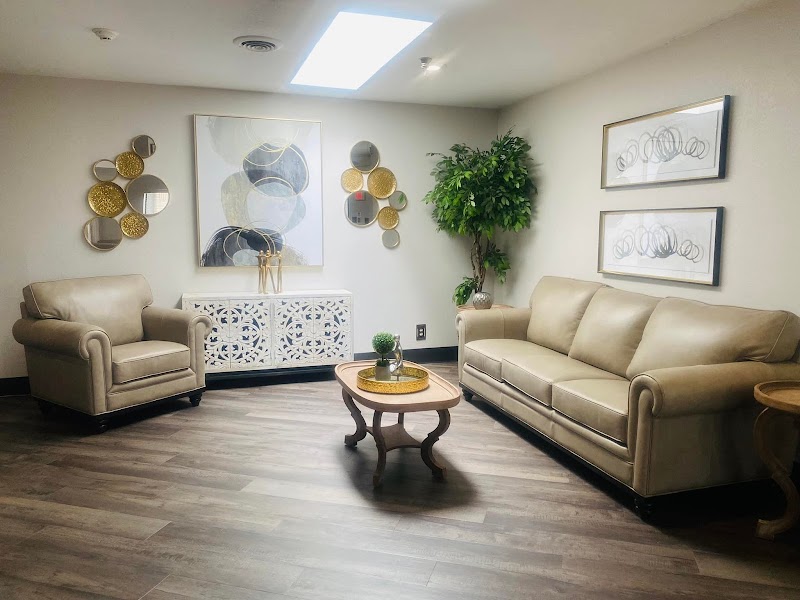
How is La Vida Serena Nursing And Rehabilitation Staffed?

CMS rates LA VIDA SERENA NURSING AND REHABILITATION's staffing level at 3 out of 5 stars, which is average compared to other nursing homes. Staff turnover is 40%, compared to the Texas average of 46%. This relatively stable workforce can support continuity of care.

What Have Inspectors Found at La Vida Serena Nursing And Rehabilitation?

State health inspectors documented 18 deficiencies at LA VIDA SERENA NURSING AND REHABILITATION during 2022 to 2025. These included: 2 that caused actual resident harm, 14 with potential for harm, and 2 minor or isolated issues. Deficiencies causing actual harm indicate documented cases where residents experienced negative health consequences.
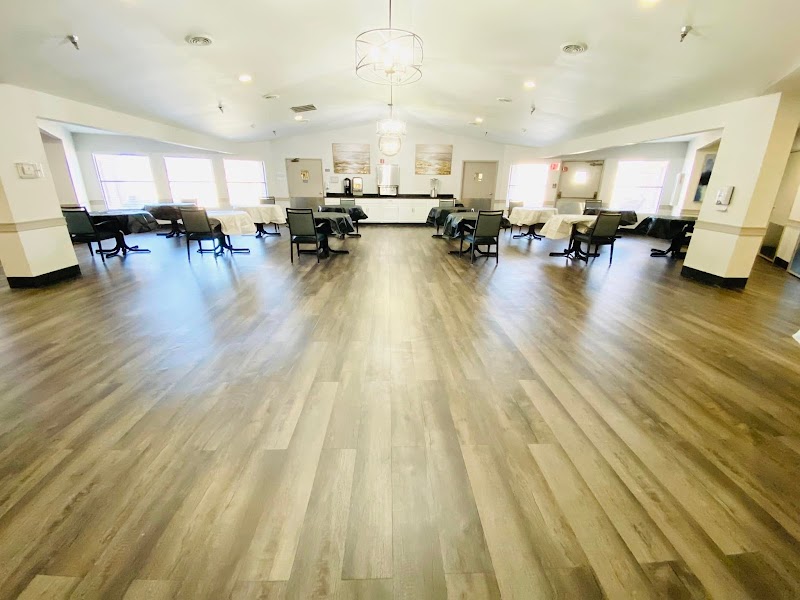
Who Owns and Operates La Vida Serena Nursing And Rehabilitation?

LA VIDA SERENA NURSING AND REHABILITATION is owned by a for-profit company. For-profit facilities operate as businesses with obligations to shareholders or private owners. The facility is operated by CREATIVE SOLUTIONS IN HEALTHCARE, a chain that manages multiple nursing homes. With 120 certified beds and approximately 67 residents (about 56% occupancy), it is a mid-sized facility located in DEL RIO, Texas.
How Does La Vida Serena Nursing And Rehabilitation Compare to Other Texas Nursing Homes?

Compared to the 100 nursing homes in Texas, LA VIDA SERENA NURSING AND REHABILITATION's overall rating (4 stars) is above the state average of 2.8, staff turnover (40%) is near the state average of 46%, and health inspection rating (4 stars) is above the national benchmark.

What Should Families Ask When Visiting La Vida Serena Nursing And Rehabilitation?

Based on this facility's data, families visiting should ask: "Can I visit during a mealtime to observe dining assistance and food quality?" "How do you handle medical emergencies, and what is your hospital transfer rate?" "Can I speak with family members of current residents about their experience?"

Is La Vida Serena Nursing And Rehabilitation Safe?

Based on CMS inspection data, LA VIDA SERENA NURSING AND REHABILITATION has a clean safety record: no substantiated abuse findings (meaning no confirmed cases of resident harm), no Immediate Jeopardy citations (the most serious violation level indicating risk of serious injury or death), and is not on the Special Focus Facility watch list (a federal program monitoring the lowest-performing 1% of nursing homes). The facility has a 4-star overall rating and ranks #1 of 100 nursing homes in Texas. While no facility is perfect, families should still ask about staff-to-resident ratios and recent inspection results during their visit.

Do Nurses at La Vida Serena Nursing And Rehabilitation Stick Around?

LA VIDA SERENA NURSING AND REHABILITATION has a staff turnover rate of 40%, which is about average for Texas nursing homes (state average: 46%). Moderate turnover is common in nursing homes, but families should still ask about staff tenure and how the facility maintains care continuity when employees leave.

Was La Vida Serena Nursing And Rehabilitation Ever Fined?

LA VIDA SERENA NURSING AND REHABILITATION has been fined $12,735 across 1 penalty action. This is below the Texas average of $33,206. While any fine indicates a compliance issue, fines under $50,000 are relatively common and typically reflect isolated problems that were subsequently corrected. Families should ask what specific issues led to these fines and confirm they've been resolved.

Is La Vida Serena Nursing And Rehabilitation on Any Federal Watch List?

LA VIDA SERENA NURSING AND REHABILITATION is not on any federal watch list. The most significant is the Special Focus Facility (SFF) program, which identifies the bottom 1% of nursing homes nationally based on persistent, serious quality problems. Not being on this list means the facility has avoided the pattern of deficiencies that triggers enhanced federal oversight. This is a positive indicator, though families should still review the facility's inspection history directly.