The Homestead of Denison
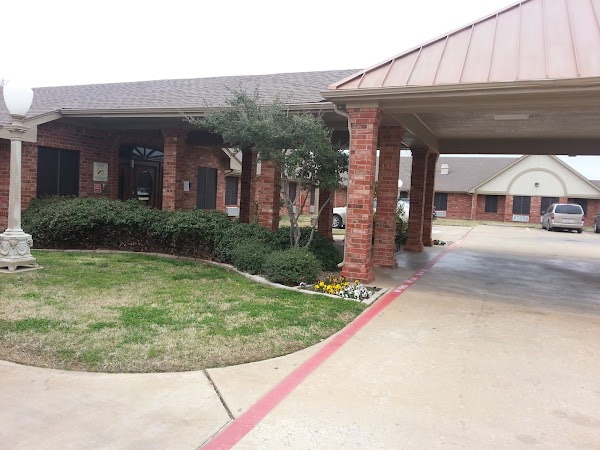
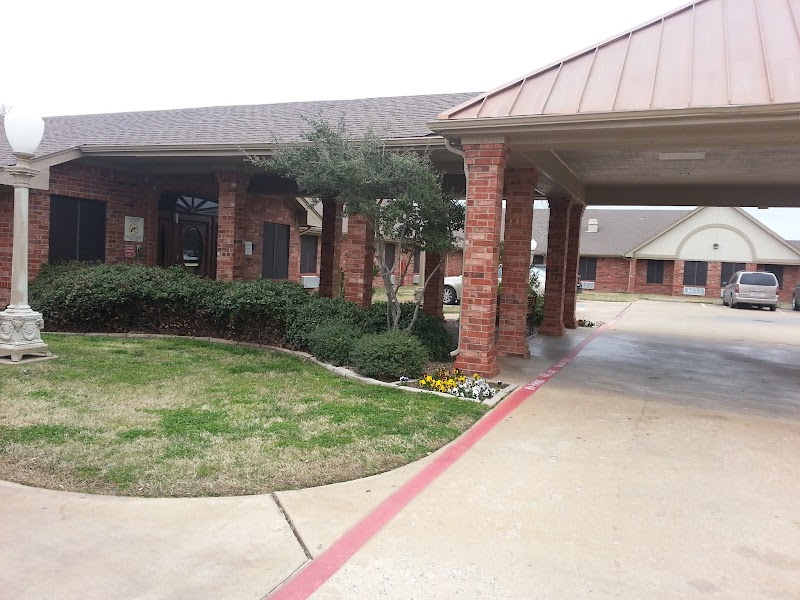
1101 Reba McEntire Ln, Denison, TX 75020 (903) 463-4663
For profit - Limited Liability company 140 Beds PRIORITY MANAGEMENT Data: November 2025 2 Immediate Jeopardy citations
Trust Grade
0/100
#1137 of 1168 in TX
Last Inspection: January 2025

Within standard 12-15 month inspection cycle. Federal law requires annual inspections.

Overview

The Homestead of Denison has received a Trust Grade of F, indicating significant concerns and overall poor quality of care. It ranks #1137 out of 1168 nursing homes in Texas, placing it in the bottom half of facilities, and #11 out of 11 in Grayson County, meaning there are no better local options available. The facility's condition is worsening, with the number of health and safety issues doubling from four in 2024 to eight in 2025. Staffing is a major concern here, with a rating of 1 out of 5 stars and a high turnover rate of 70%, which is significantly above the Texas average of 50%. Additionally, the facility has faced serious incidents, including a failure to properly lift a resident, resulting in a broken leg, and an incident where a resident was subjected to physical abuse by staff, raising significant alarms about resident safety.
Trust Score
F
0/100
In Texas
#1137/1168
Bottom 3%
Safety Record
High Risk
Review needed
Inspections
Getting Worse
4 → 8 violations
Staff Stability
⚠ Watch
70% turnover. Above average. Higher turnover means staff may not know residents' routines.
Penalties
✓ Good
$47,115 in fines. Lower than most Texas facilities. Relatively clean record.
Skilled Nurses
⚠ Watch
Each resident gets only 15 minutes of Registered Nurse (RN) attention daily — below average for Texas. Fewer RN minutes means fewer trained eyes watching for problems.
Violations
⚠ Watch
38 deficiencies on record. Higher than average. Multiple issues found across inspections.
★☆☆☆☆
1.0
Overall Rating
★☆☆☆☆
1.0
Staff Levels
★☆☆☆☆
1.0
Care Quality
★★☆☆☆
2.0
Inspection Score
Stable
2024: 4 issues
2025: 8 issues

The Good

  • Full Sprinkler Coverage · Fire safety systems throughout facility
  • No fines on record

Facility shows strength in fire safety.

The Bad

1-Star Overall Rating

Below Texas average (2.8)

Significant quality concerns identified by CMS

Staff Turnover: 70%

24pts above Texas avg (46%)

Frequent staff changes - ask about care continuity

Federal Fines: $47,115

Above median ($33,413)

Moderate penalties - review what triggered them

Chain: PRIORITY MANAGEMENT

Part of a multi-facility chain

Ask about local staffing decisions and management

Staff turnover is elevated (70%)

22 points above Texas average of 48%

The Ugly 38 deficiencies on record

2 life-threatening
Jul 2025 1 deficiency 1 IJ
CRITICAL (J) 📢 Someone Reported This

A family member, employee, or ombudsman was alarmed enough to file a formal complaint

Immediate Jeopardy (IJ) - the most serious Medicare violation

Free from Abuse/Neglect (Tag F0600)

Someone could have died · This affected 1 resident

**NOTE- TERMS IN BRACKETS HAVE BEEN EDITED TO PROTECT CONFIDENTIALITY** Based on observation, interview, and record review, the facility failed to ensure residents were free from abuse for one of seve...

Read full inspector narrative →
**NOTE- TERMS IN BRACKETS HAVE BEEN EDITED TO PROTECT CONFIDENTIALITY** Based on observation, interview, and record review, the facility failed to ensure residents were free from abuse for one of seven residents (Resident #1) reviewed for abuse. The facility failed to protect Resident #1 from physical abuse by CNA A on 03/30/25, which resulted in Resident #1 sustaining a head injury and contusion to her forehead. The noncompliance was identified as Past Noncompliance IJ. The noncompliance began on 03/30/25 at 6:40 p.m. and ended on 03/31/25. The facility had corrected the noncompliance before the incident investigation began on 07/15/2025. This failure could place residents at risk of serious abuse, injury and harm. Findings included: Record review of Resident #1's face sheet, dated 07/15/25, reflected she was a [AGE] year-old female, admitted to the facility on [DATE] with the diagnoses of Alzheimer's and cognitive communication deficit (communication difficulties stemming from impairments in cognitive skills like attention, memory, and problem- solving). Record review of Resident #1's Quarterly comprehensive MDS, dated [DATE], reflected a BIMS of 4, had continuous behaviors of disorganized thinking, no physical or verbal behaviors toward others, was ambulatory without assistive devices and required stand by assistance for ADLs. Record review of Resident #1's care plan, revised on 02/03/25, reflected [Resident #1] has impaired cognitive function or impaired thought process related Alzheimer's/dementia, mental disorder.Interventions.Use the resident's preferred name. Identity yourself at each interaction. Face the resident when speaking and make eye contact. Reduce any distractions.The resident understands consistent, simple, directive sentences. Provide the resident with necessary cues-stop and return if agitated.Keep the residents routine consistent and try to provide consistent care givers as much as possible in order to decrease confusion. Record review of Provider Investigation Report (Form 3613-A of Texas Health and Human Services) dated 04/04/2025 reflected, . on 03/30/25 at approximately 07:00 p.m. the DON notified the Administrator that CNA B alleged the CNA A pushed Resident #1 causing her to fall and bump her head. CNA A denied any such allegation claiming it was incidental contact. CNA A was immediately suspended pending investigation. There was no other known witness to the allegation. On 03/30/25 at 06:45 p.m. LVN C conducted a head-to-toe assessment of Resident #1, noting swelling to Resident #1's right forehead. On 03/30/25 Resident #1 was sent to the hospital where she received a CT scan which revealed no intracranial abnormalities (any deviation of typical structure or function of the brain). Resident #1 was returned to the facility later that evening. On 03/31/25 Resident #1 was seen by Psychiatric services that noted Resident #1 wasn't experiencing any emotional distress. On 03/31/25 The facility called the police and reported the incident to them. Officer D was the reporting officer, and the case number was [PHONE NUMBER]. On 03/31/25 Facility Social Worker conducted safe surveys with all Interviewalbe resident with no negative outcomes. On 03/31/25 The administrator visited Resident #1 who was asleep on the couch in the memory care unit. Resident #1 had a bruise and some swelling to her forehead.The investigation reveals through witness statements and resident statement that the allegation of abuse had been confirmed. The facility immediately suspended the alleged perpetrator once the allegation was made. The facility notified the family, physician, and ombudsman. The facility immediately sent Resident #1 out to the hospital to receive treatment which revealed no abnormalities of the intercranial space. The facility called and filed a report with the local police. The facility's social worker conducted safe surveys with all Interviewalbe residents with no negative outcomes. The facility terminated the alleged perpetrator. The facility conducted in-service with staff on abuse/neglect. Record review of CNA B's written statement dated 03/30/25 reflected, Resident #1 walked up to CNA A while she was sitting down eating a sandwich. [Resident #1] Was asking to call her son on the phone. CNA A told her that the phones were not working. [Resident #1] stated the was BS I know that they are working. CNA A stood up, got in [Resident #1's] face nose to nose and told [Resident #1] to get out of her face and she shoved her. [Resident #1] fell and hit her head on the floor. Record review of CNA A's written statement dated 03/30/25 reflected, I [CNA A] came to work on Sunday March 30th, 2025. I was sitting at table taking my daily meds I take every day after I get to work and eating a half of a sandwich before I get going. At that time, I was approached by [Resident #1] asking she could use the phone like she does every day, but today she was really aggressive and being really bossy and not trying to listen to our answers. She was yelling y'all are damn liars. I was just trying to calm her down and explain to her she can, we gotta [sic] clean up trays and all that and we will. I turned around in my chair she was standing at nurse desk. I get up and stood in front of her trying again to explain we will she got up on me put her face in my face and I said please give me my space. [Resident #1] was still talking and yelling at [Resident #2] She turned toward [Resident #2] and somehow, she lost her footing and I watched her leg cross over and she fell that fast. CNA B was sitting right there with us and witnessed it all. She immediately said I pushed her. I did not. I've been a CNA for 33 years. I would never hurt myself or anyone else. My job is to protect this resident. Record review of CNA A's clock in and out for pay period 03/23/25-04/05/25 reflected on 03/30/25 she had clocked in at 06:05 p.m. and clocked out 07:57 p.m. There were no other time entry's after 03/30/25 and she was listed as terminated. Record review of the Incident report for Resident #1 completed on 03/30/25 at 6:25 p.m. by LVN C reflected, Called to Memory care unit by CNA [B] stating resident was in the floor. Upon entering main room of memory care unit resident was observed to be sitting in the floor to the right of the nurse's station, with her legs straight out. She was noted to be wearing socks and tennis shoes with rubber soles. There is a large hematoma noted to the right forehead with no break in the skin. No loss of consciousness. Resident states she fell due to being pushed down by someone while pointing at CNA [A].VS obtained with assessment. No AMS noted. BP 140/51, P-89, R-20, T 97.9. DON of facility, MD and [family member] notified. Transferred to [hospital] ER via EMS for eval per MD recommendation. DON of facility notified administrator. Written statements obtained from both CNAs on memory care unit. Record review of Resident #1's hospital record dated 03/30/25 reflected an admission date of 03/30/25 at 7:29 p.m. and discharge back to the facility on [DATE] at 10:18 p.m. Resident #1 had a CT scan performed which revealed no intracranial hemorrhage (brain bleed). There was noted a small right frontal scalp hematoma (collection of blood underneath the skin of the forehead and scalp, often the resulting from trauma), No skull fracture. No acute intracranial abnormalities (any deviation from the typical structure or function of the brain or its surrounding structure). The discharge diagnosis was head injury and contusion (bruise) of scalp. Record review of the Police reported completed on 03/31/25 by Officer D, reflected he had attempted to interview Resident #1 who was not able to recall the events from the previous night, only that she had sustained an injury to her head. In addition, he spoke with Resident #1's family member who indicated he wished to press charges against CNA A. He interviewed CNA B, and her statement was consistent with the written statement she had made on 03/30/25. Officer D then made contact with CNA A which reflected, .contact was then made with [CNA A] via phone to gather her statement of what occurred the previous evening. [CNA A] advised that on the evening of March 30th, 2025, upon arrival to work the patients were sitting at their tables eating dinner. [CNA A] stated she takes a lot of medications that requires she eat food with, so with the patients busy, she decided to take her medication (did not state what medication) and sit down behind the nurse's desk to eat her food. [CNA A] had mentioned that there were four groups of women always wanted to use the phone to call family and causing issues and Resident #1 was the ringleader. [CNA A] had mentioned that the entire weekend [Resident #1] had been acting very aggressive, hitting people, and doing all kinds of crazy stuff. On this evening [CNA A] stated the [Resident #1] had come up to the desk asking to use the phone. [CNA A] stated that she informed [Resident #1] that once they get everyone settled that she would get the phone number from her nurse so she could make the call. Due to [Resident #1] being forgetful, [CNA A] stated that she had come up to the desk multiple times asking the same question. On roughly the fourth time, [CNA A] stated that [Resident #1] became agitated as she approached the nurse's desk with a large purse on her shoulder as she was followed by another patient only identified as [Resident #2]. [CNA A] stated, I then stood up to go wash my hands or do something. When she stood up, she stated that [Resident #1] was right there, but there was a taller desk in between the two of them. [CNA A] stated that [Resident #1] then leaned over the desk and began screaming in her face, calling her a damn liar and that she was holding them captive. [CNA A] stated that [Resident #1] then began turning back and forth between her and [Resident #2] stating they're not gonna let us out, [CNA A] stated as [Resident #1] turned back towards her, she observed her leg/foot twist and that is what caused her to fall to the ground and strike her head on the floor. [CNA A] stated that she tried to catch [Resident #1] as she was falling, but it happened to fast. [CNA A] stated she immediately got the nurse [LVN C]. [CNA A] had stated I've been an aid for 30 plus years, I don't do something like that. Those people are really aggressive. [CNA A] was advised that due to what had been informed to be up to this point and having a witness statement regarding the incident that the charge of Injury to a Child, Elderly Individual, or Disabled individual (PC 22.049f0) was going to be filed at large against her. She advised she understood. Record review of Resident #1's Psychiatric Subsequent Assessment note completed on 03/31/25 by NP F reflected, .Patient seen today for a new problem.Asked by facility DON to see patient via video telehealth for a recent altercation. Patient seen via telehealth with DON assisting. Pt is able to identify herself by her name and date of birth . Patient denies depressive and/or anxiety symptoms. Pt states I was pushed the other day however overall, I am okay. I know that it was not a resident who did it. It was an employee. I don't' know why they did that. I am not scare [sic] to be here and I feel very staff [sic] here. No overt psychosis detected.Mental Status examination.Short term memory: severely impaired.Long term memory.severely impaired. Observation of Resident #1 on 07/15/25 at 8:55 a.m. revealed her in her room in bed sleeping. In an interview with LVN E on 07/15/25 at 9:10 a.m. she stated she worked the 6 a.m. 6 p.m. shift on 04/01/25 following the incident with Resident #1 on 03/30/25. She stated the resident had a pretty good bruise and knot on her forehead which had also progressed to a black eye to her right eye. She stated the resident told her she had been pushed but was unable to identify who pushed her. She stated Resident #1 frequently request to use the phone and thinks her car is out in the parking lot and wants to call the police and report it stolen. She stated she was usually easily redirected, but at times can get very agitated. She stated they just keep reassuring her and re-directing and offering her another activity. Call placed to CNA A on 07/15/25 at 11:10 a.m. Message was left with a request for a return call. In an observation and interview with Resident #1 on 07/15/25 at 11:15 a.m. resident was observed ambulating in the hallway. Resident was asked if we could go to her room to talk, and resident stated yes. Resident #1 stated she was doing wonderful today. Resident was unable to recall any of the events that had occurred on 03/30/25 and stated she felt safe here and liked it here very much. Return call received from CNA A on 07/15/25 at 12:43 p.m. CNA A stated she had just come on duty on 03/30/25 for her 6 p.m. to 6 a.m. shift. She stated it was her 3rd day of her rotation. She stated it was a rough day. She stated Resident #1 had been aggressive all weekend. She stated she and the other residents all rushed the desk wanting to use the phone. She stated they usually kick in right after supper. She stated she was sitting behind the station eating her sandwich and taking her medications which was her usual routine when she came on duty. She stated Resident #1 kept coming up to the desk and asking to use the phone and she kept telling her to back up. She stated there was a resident behind Resident #1. She stated she stood up and Resident #1 was in her face, and she stated she told her again to back up and get out of her face. She stated Resident #1 went to turn around and got her feet tangled up and fell. She stated as soon as she fell, she yelled that I had pushed her. She stated she thinks in the resident's mind she thinks she pushed her. CNA A denied pushing the resident and denied putting her hands on the resident. CNA A stated CNA B went and got LVN C who came and assessed the resident and sent her to the hospital. She stated she was removed from the unit and asked to write a statement and was then sent home. She stated she tried to call the DON but was not able to reach her. She stated she had been terminated. She stated she was interviewed by the police and was told she would be getting a letter but stated she had not received anything yet. In an interview with Officer D on 07/15/25 at 1:05 p.m. he stated he did come to the facility on [DATE] to complete the report. He stated he spoke with the DON and met with Resident #1 and her family member. He stated Resident #1's family member wanted to press charges against CNA A. He stated he completed his investigation and handed it off to the District Attorney's office who will have the final say on what, if any charges were filed. In an interview with the DON on 07/15/25 at 1:10 p.m. stated she received a call from LVN C after the incident on 03/30/25 and was told about the fall and the allegation that Resident #1 had been pushed by CNA A. She stated she told LVN C to remove CNA A immediately from the unit, have her write her statement and then leave. She stated she then called the Administrator. She stated they also contacted the ADON who lives very close to the facility, to come and begin the investigation. She stated they started the Abuse and Neglect in-services that night and then on 03/31/25 they also in-serviced on Resident Rights, Dementia care, and recognizing and dealing with signs of burn out. She stated they sent the resident out to the hospital for evaluation, contacted the MD, family, police and reported the incident to the State. She stated they had NP F from Psychiatric services evaluate Resident #1 the next day and they monitored her for any changes in physical or emotional distress. She stated after they completed their investigation, they felt there was enough evidence to terminate CNA A. She stated she was very surprised at CNA A's action. She stated she had never had any complaints about her care toward the residents. She stated they try and keep consistent staff in the memory care, so they are familiar with the residents and familiar with what works with the resident for behavior management. She stated any time they place a new employee in the unit they go over each resident and review with them the interventions they had in place for re-direction. She stated asking for the phone and asking for her keys was Resident #1's normal behavior. She stated CNA A should have handed her the phone instead of putting her off, which only escalated the resident's behaviors. In an interview with LVN C on 07/15/25 at 4:19 p.m. she stated she had just come onto her 6 p.m. to 6 a.m. shift on 03/30/25. She stated she was responsible for hall 600 and hall 500 which is the locked unit. She stated she was still getting report from the off going nurse on hall 600 when she got a call from CNA B telling her she needed to come quick to the unit. She stated when she arrived on the unit, CNA B was on the floor by Resident #1 and CNA A was standing behind the resident. She stated CNA B was nervous. She stated CNA B was whispering to her that CNA A had pushed Resident #1. She stated Resident #1 was pointing to CNA A stating she had pushed her, and CNA A was stating she had not pushed her. She stated she evaluated the resident who had a large knot on her forehead. She stated she notified the MD who requested to send the resident out to the hospital for evaluation. She stated after she sent the resident out, she notified the DON about the situation. She stated the DON told her to send CNA A home after she completed her statement and to get a written statement from CNA B. She stated she took CNA A off the unit to the other nurse's station to complete her statement and then she went home. She stated she notified Resident #1's family member of the fall and her transport to the hospital. She stated she had worked with CNA A for several months and had not ever had any issues with her performance. She stated she could get a little overwhelmed at times, but stated she was very thorough with her work. She stated Resident #1 would often get close to you, but stated she thought it was because she was hard of hearing. She stated it was not unusual for her to want to use the phone, often stating she needed to call the police because someone had stolen her car. She stated they would re-direct her with activities or agree with her and she would often forget what she was wanting. She stated the facility started in-services on abuse and neglect that evening and the next day they had in-services on resident rights, dementia care and how to recognize burnout. In an interview on 07/15/25 at 4:36 p.m. with Resident #1's Family member, he said he had no concerns regarding the care of Resident #1. He stated the facility contacted him regarding the incident in March 2025 and that they had terminated the CNA. He stated when he saw Resident #1 the next day, she still had a big goose egg on her forehead and a black eye. He stated he regularly visited with Resident #1 and had not observed any change in behavior. He stated she still seemed to like it at the facility. He stated he does not hold the facility responsible for the actions of the CNA A, but stated he did hold her responsible and had told the police he wanted to press charges. He stated she had no business taking care of the elderly. In an interview with CNA B on 07/15/25 at 5:15 p.m. she stated she and CNA A had just come onto shift for their 6 p.m. to 6 a.m. shift on the memory care unit on 03/30/25. She stated the residents were finishing up with their supper. She stated the nurse's station sits in the middle of the large common/dining area and is L-shaped with the opening to the right side of the station. She stated behind the nurse's station was a small table against the wall. She stated she was sitting on the outside of the station at the L reviewing the assignment book and CNA A was sitting at the small table behind the nurse's station eating a sandwich. She stated Resident #1 had walked up behind CNA A requesting to use the phone and CNA A had told her the phone was not working. She stated Resident #1, again asked to use the phone. She stated when CNA A jumped up suddenly from her chair, was what caused her to look up. She stated CNA A turned around and put herself in Resident #1' face, nose to nose and screamed for her to back up and get out of her face and she stated all of sudden CNA A pushed the resident with both her hands open palmed. She stated Resident #1 stumbled backwards and tried to break her fall but could not and fell backwards outside of the nurse's station. She stated there was not another resident behind her. She stated CNA A did not try to catch the resident, but instead just put her hands down to her side. She stated she immediately jumped to run around the station to check on the resident. She stated she did not see her hit her head, but stated she heard the thump, which was very loud. She stated she took a very hard fall. She stated when she got to the resident, she could see the knot on her forehead. She stated she reached in her pocket to get her phone to call for the nurse. She stated she retrieved her phone, and CNA A reached down and grabbed her arm, which caused her phone to fly across the floor. She stated CNA A asked her what she was doing, and she stated she was calling the nurse, look at her head. She stated when CNA A grabbed her arm, Resident #1 flipped out yelling keep her away from me, she pushed me. She stated she retrieved her phone, called the nurse and stayed on the floor with the resident until LVN C got to the unit. She stated she informed LVN C about what she had witnessed. She stated LVN C assessed the resident and called 911. She stated she was asked to write a statement of what she witnessed, and CNA A was told to write her statement. She stated they removed CNA A from the unit immediately. She stated the ADON came to the facility shortly after the incident and she showed her what had happened. She stated the Administrator was on the phone listening to her describe what had occurred. She stated later that evening, maybe around 10:00 p.m. she received a call from CNA A. She stated she wanted her to write her statement that she witnessed the resident get her feet tangled up and that CNA A had tried to catch her. She stated she told CNA A, but you did not try and catch her, She stated CNA A wanted her to make sure she put in her statement the resident tripped over her feet and she wanted her to send her a screenshot of her statement. She stated she told CNA A OK so she could get her off the phone. She stated once she hung up, she immediately blocked her number. She stated she did not send her a screen shot of her statement. She stated she had no doubt CNA A pushed Resident #1 down. She stated she was interviewed by the police and told them the same thing. She stated she had worked with CNA A for a long time and never witnessed her being abusive toward any of the residents but stated she could be a bit explosive with staff at times. She stated the facility in-serviced them on Abuse and neglect that evening and the next day they were in-serviced on resident rights, dementia care and burn out. She stated she did not hesitate in reporting what she saw. In an interview with the ADON on 07/16/25 at 8:55 a.m. she stated the DON had called her on 03/30/25 after the incident with Resident #1. She stated she only lived about 10 minutes away from the facility, so she arrived probably around 8:00 p.m. She stated CNA A had already left the building. She stated CNA B was very distraught over the incident. She stated she did re-enact the incident with her and was very certain she saw CNA A push Resident #1. She stated she spoke with Resident #1 who was also adamant that she did not fall, but instead was pushed. She stated the resident could not name the person who pushed her. She stated she started in servicing the staff on Abuse and Neglect that evening and then onto to the next day. She stated they also in serviced on dementia care, resident rights, and signs of burnout and how to prevent it. She stated they do abuse and neglect in- services monthly or more frequently if an incident occurs. She stated she had not received any complaints or concerns about CNA A's performance before this incident. In an interview on 07/16/25 at 10:47 a.m. with the Social Worker she stated she was responsible for the safe surveys conducted after the incident with Resident #1. She stated none of the residents had abuse concerns. She stated she was familiar with Resident #1, and did not observe any psychosocial impacts such as change in emotional patterns or behavior since the incident. The Social Worker stated that the facility in-serviced on abuse routinely, was able to name types of abuse and who the abuse coordinator was including reporting requirements. In an interview with the Administrator on 07/16/25 at 11:15 a.m. he stated he was the abuse coordinator, and staff were in-serviced on abuse and neglect monthly and sometimes more often. He stated he was notified by the DON on 03/30/25 of the incident involving Resident #1. He stated they suspended CNA A immediately. He stated Resident #1 was assessed and sent to the hospital for further evaluation. He stated she was returned to the facility later the same day. He stated they immediately began in services on Abuse and neglect, Resident rights, dementia care and signs and symptoms of burn out. He stated he reported the incident to the State within 2 hours. He stated the family was notified as well as the MD. He stated they completed their investigation and determined abuse had occurred at the hands of CNA A. He stated they terminated her. He stated in his conversation with CNA A she did not show any remorse or concern for Resident #1, she just kept repeating how many years she had been a CNA and adamantly denied she had pushed her. He stated they held a QAPI meeting on 04/01/25 and put monitoring into place. He stated they interviewed and tested 3-5 random staff members on abuse and neglect, did skin assessments on 3 residents in the memory care unit, the DON reviewed all the weekly skin assessment, and randomly did 3 safe surveys on Interviewalbe residents weekly for 4 weeks and then monthly until June 2025. He stated in addition they were reviewing grievances daily with a resolution within 72 hours. He stated he also communicated frequently with the families, especially the families on the memory care unit. He stated he felt his staff had acted quickly and appropriately during this unfortunate incident and they had done everything in their power to prevent this from occurring. Interviews on 07/15/25 and 07/16/25 across both 12 hour shifts with various staff members, as well as new staff and agency staff (ADON, CNA B LVN C, LVN E, CNA G, CNA H, Staffing Coordinator, CNA I, Agency CNA J, LVN K, RN L, MA M, Agency CNA N, LVN O, CNA P, LVN Q, CNA R, Social Worker and the DON) revealed the facility had conducted abuse and neglect in-services immediately after the incident on 03/30/25 and on a routine basis. The above-mentioned staff members were able to verbalize abuse and different forms of abuse and neglect including reporting to the Administrator who was the facility's abuse coordinator. In addition, the facility had conducted training on Resident rights, dementia care and signs of burnout on 03/31/25. Staff were knowledgeable in re-direction, offering activities, snacks and residents centered activities to assist in behavior management as well as resident rights for refusal a care. Record review of CNA A's personnel file revealed she was hired on 04/01/24 with a last worked date of 03/30/25 and terminated from employment on 04/01/25. The facility had conducted Texas Department of Public Safety Criminal History verification and Employee Misconduct Registry Employability status checks as required and found no bars to employment. Record Review of abuse and neglect in-services conducted by the facility on 03/30/25 revealed that the facility staff was trained on abuse and neglect, types of abuse, who was the abuse coordinator and when abuse should be reported. Record Review of in-services on Resident rights, Dementia Care and Recognizing Burn out reflected the staff were in-serviced on the facility's protocols on 03/31/25. Record review of the facility policy titled, Abuse and Neglect-Clinical Protocol dated October 2022, reflected, The facility will ensure that each resident has the right to be free from, among other things, physical or mental abuse and corporal punishment. The facility will provide a safe resident environment and protect resident from abuse.Staff to Resident Abuse of any Types.The facility assumes the responsibility upon admission of ensuring safety and well-being of the resident.Education fro all staff will be ensured in how to react and reason appropriately to resident behaviors.Staff are expected to be in control of their behavior and behave professionally.The facility will not accept from an employee to claim his/her action was reflexive or knee-jerk reaction' and was not intended to cause harm.Definition.Abuse.the willful infliction of injury, unreasonable confinement, intimidation, or punishment with resulting physical harm, pain or mental anguish.Willful.the individual mush have acted deliberately, not that the individual mush have intended to inflict injury or harm. Record review of the facility's policy titled, Resident Rights, dated October 2022, reflected, Employee's will treat residents with kindness, respect, and dignity.be free from abuse.be supported by the facility in exercising his or her rights. Record review of the facility's policy titled, Dementia- Clinical Protocol, dated November 2018, reflected, .For the individual with confirmed dementia, the IDT will identify a resident-centered care plan to maximize remaining function and quality of [NAME] with interventions that are resident specific. Record review of the facility's policy titled, Recognizing and Dealing with Signs of Burnout, Frustration and Stress that May lead Abuse, dated December 2022, reflected, The facility will make every effort to prevent abuse.Training will be included on these topics in orientation of new employees and at least annually for education and awareness.Behaviors to avoid being accuse of abuse.Never get caught in a shouting match or shoving contest with a resident or staff that would be considered inappropriate.stay calm-maintain a soothing tone of voice.If necessary ask another person to intervene.Always report an incident to your supervisor.Understand resident with Cognitive deficits or Dementia for episode of action out and why they do this. The noncompliance was identified as PNC. The IJ began on 03/30/25 at 6:40 p.m. and ended on 03/31/25. The facility had corrected the noncompliance before the survey began. CNA A was terminated from employment and Resident #1 had no other incidents or signs of harm. The facility staff were reeducated regarding Abuse and Neglect on 03/30/25.
Jan 2025 7 deficiencies
CONCERN (D)

Potential for Harm - no one hurt, but risky conditions existed

Laboratory Services (Tag F0770)

Could have caused harm · This affected 1 resident

**NOTE- TERMS IN BRACKETS HAVE BEEN EDITED TO PROTECT CONFIDENTIALITY** Based on observation, interview, and record review the facility failed to ensure quality of laboratory services to meet applicab...

Read full inspector narrative →
**NOTE- TERMS IN BRACKETS HAVE BEEN EDITED TO PROTECT CONFIDENTIALITY** Based on observation, interview, and record review the facility failed to ensure quality of laboratory services to meet applicable requirements for laboratories by using expired glucometer control solution for 1 medication cart (Nurses medication cart Hall 600) of 3 medication carts reviewed for pharmacy services. The facility failed to ensure an expired glucose control solutions (a liquid used to test the accuracy of a blood glucose meter and test strips) was removed from the nurses medication cart hall 600. This failure could affect diabetic residents resulting in diminished effectiveness, and not receiving the correct reading of the blood glucose level. The findings included: Record review and observation on [DATE] at 10:34 AM of the Nurses Medication Cart Hall 600, with LVN D revealed a glucose control solution with an expiration date of [DATE]. In an interview on [DATE] at 10:41 AM, LVN D stated the glucose control solution was expired. She stated she was responsible to check the cart for expired medication and expired solution. She stated she did not check the solution in the morning. She stated the risk for using expired solution would be a potential for wrong reading of blood glucose level. She stated 4 residents were on blood sugar check in 600 hall. She stated she would use a new solution to test the glucometer and check the blood glucose level for the 4 residents. Interview on [DATE] at 4:42 PM, the DON stated she expected nurses to check the medication carts, daily, for expiration and labeling of medication and expired solution. She stated the risk would be a wrong result of blood sugar level. She stated the pharmacy consultant checks the medication room and the medication carts monthly. Review of the facility's policy Storage of Medications, revised [DATE], reflected the following: .Discontinued, outdated, or deteriorated drugs or biologicals are returned to the dispensing pharmacy or destroyed.
CONCERN (D) 📢 Someone Reported This

A family member, employee, or ombudsman was alarmed enough to file a formal complaint

Potential for Harm - no one hurt, but risky conditions existed

Medical Records (Tag F0842)

Could have caused harm · This affected 1 resident

**NOTE- TERMS IN BRACKETS HAVE BEEN EDITED TO PROTECT CONFIDENTIALITY** Based on interview and record review the facility failed to maintain medical records in accordance with accepted professional st...

Read full inspector narrative →
**NOTE- TERMS IN BRACKETS HAVE BEEN EDITED TO PROTECT CONFIDENTIALITY** Based on interview and record review the facility failed to maintain medical records in accordance with accepted professional standards and practices for one of twenty-four residents (Resident #165) reviewed for medical records. LVN F and RT G failed to document physician notification about the Resident #165's trach dislodgement and change of condition on [DATE]. The noncompliance was identified as PNC from [DATE] to [DATE]. The facility had corrected the noncompliance before the survey began on [DATE]. This failure placed residents at risk for inaccurate medical records. Findings include: Record review of Resident #165's Comprehensive MDS assessment, dated [DATE], reflected a [AGE] year-old female admitted to the facility on [DATE] and a re-admission on [DATE]. Resident #165 had a BIMS of 15 which indicated her cognition was intact. Resident #165 required partial assistance with ADLs. Her diagnoses included chronic obstructive pulmonary disease (a group of lung diseases that cause ongoing breathing problems), respiratory failure (not enough oxygen in the blood). In Section O-Special Treatments, Procedures, and Programs it reflected she required tracheostomy (surgical procedure which consists of making an incision on the anterior aspect of the neck and opening a direct airway through an incision in the trachea) care and oxygen therapy. Record review of Resident #165's care plan, dated [DATE], reflected, [Resident #165] has a tracheostomy (related to respiratory failure .Goal .The resident will have no signs or symptoms of infection through the review date .Interventions .Ensure that trach ties are secured at all times . Monitor/document for restlessness, agitation, confusion, increased heart rate, and bradycardia (decreased heart rate) Record review of the Order Summary Report dated 11/2023 for Resident #165 indicated orders: - change inner cannula daily and as needed, start date of [DATE]. - Change trach collar setup as needed, start date of [DATE]. - Change trach tube every 3 month on dayshift and as needed, start date of [DATE]. - Cleanse trach site and change dressing every shift and as needed, start date [DATE]. - Code status: full code, start date of [DATE]. Record review of the nursing progress note dated [DATE] for Resident #165 and completed by LVN F indicated: At 6:30 PM , RT G was in resident's room, resident's tracheostomy tube was not all the way in, it would not advance, RT G removed the tube to reinsert it properly, the trach tube would not advance, Residents O2 was 96%. resident was following commands and looking at nurse. at 6:38 PM resident saturations were decreasing, at 6:40 PM resident became unconscious and pulse was at 50, Pulse declined, and CPR was initiated at 6:40 PM, 911 was called at 6:40 PM. At 6:50 PM EMS has not arrived, recalled 911, Operator said EMT was on the way. 911 dispatched another [NAME] EMS, at 7:00 PM EMS arrived, CPR remained in progress, EMT continued CPR. At 7:13 PM EMS ceased CPR and stated resident was deceased . EMS left facility not removing the body. At 7:17 PM DON was notified, at 7:19 PM family member was notified, at 10:00 family arrived at facility. Record review of the nursing progress note dated [DATE] for Resident #165 and completed by RT G indicated: Around 6:30 PM pt called me in and asked if I could suction her. I tried to pass the suction tube but it would not pass. I checked her trach and found it part way out. I notified the nurse. I also notified RT director. He advised to take trach all the way out and add some lubricant and try to replace trach. Attempted to replace trach twice but could not get to go in. Nurse was holding trach collar trying to get her O2 up higher to try and insert trach again but pt started desatting (a drop I a person's oxygen saturation levels) quickly. I took out her ambu bag and hooked it up to e-tank and started bagging. we bagged pt for 10 minutes trying to get sats up. pt lost consciousness around 6:40 PM so the nurse called 911. CPR was started and we continued to bag pt and administer CPR until EMS arrived. PT lost pulse just as EMS arrived. EMS arrived around 7:00 PM. they took over CPR and placed AED leads on pt. they performed CPR for a few minutes and pronounced her deceased . In an interview with the RT Director on [DATE] at 3:24 PM he stated RT G called him and told him about Resident #165's trach partial dislodgement, he told her to pull the trach all the way-out and to reinsert it properly. He stated the insertion of the trach is part of the school education for respiratory therapists. He stated the RT G tried twice to reinsert the trach and she called 911. That was the expectation. In an interview with the physician on [DATE] at 4:10 PM he stated in general if a trach dislodged, respiratory therapist supposed to reinsert it that is why an extra trach by the bed side. He stated respiratory therapists were trained to replace the trach, if the trach was partially dislodged, they had to pull it to reestablish the air way. He stated the respiratory therapists were capable to replace the trach, it is not common to fail to replace it, but it happens because sometimes the opening of the stoma is not straight. It is unfortunate. He stated if a trach came out, first thing to do was to try to put it back in. It was the respiratory therapist scope of practice to replace the trach. He stated They did what I expected them to do. I am not expecting them to call me during a code. the protocol of the emergency is to call 911. I know from experience the RT change the trach. Is in their scope of practice. If not able to get it back - call 911. In an interview with LVN F on [DATE] at 1:45 PM she stated everything was very fast, when Resident #165 lost consciousness, she started CPR and told another staff to call 911. LVN F stated she called the physician after the code. She stated she forgot to document that she called the physician. Attempted to reach RT G on [DATE] at 1:50 PM by phone. No answer. Interview with LVN E on [DATE] at 1:35 PM she stated that Resident #165 had history of trach dislodgment. She stated on [DATE] Resident #165's trach was dislodged; RT H tried to reinsert it twice unsuccessfully. They called 911, they arrived to the facility and transferred the resident to the hospital. LVN E stated the difference between the two incidents was 911 arrived to the facility in less than 10 min on [DATE] instead of 20 min on [DATE]. Attempted to reach RT H on [DATE] at 1:42 PM by phone. No answer. Interview with the DON on [DATE] at 4:42 PM she stated she started working in the facility on [DATE], she stated LVN F called her after the code. She stated she did not expect staff to call her or call the physician during an emergency. She stated per protocol they called 911. The DON stated she expected LVN F to document that she called the physician. Record review of the facility's in-service initiated on [DATE] by the DON reflected 23 of nursing staff were in-serviced on change of condition, notifications, and documentation. Individual interviews with LVNs, RNs from all shifts (LVN D, LVN E, LVN I, LVN J, LVN K, LVN L, and RN M ) on [DATE] and [DATE] revealed they had received in-service training on change of condition, notifications, and documentation. Record review of the facility's policy Emergency Trach Care Procedures, not dated, reflected the following: .If you are unable to re-inset either the same size trach tube or a smaller size, call 911 and have the resident shipped to the ER. Review of the facility's policy Change in a Resident's Condition or Status, revised [DATE], reflected the following: .The nurse will notify the resident's Attending Physician, Nurse Practitioner or physician on call when there has been . significant change in the resident's physical/emotional/mental condition . Need to transfer the resident to a hospital/treatment center .
CONCERN (D)

Potential for Harm - no one hurt, but risky conditions existed

QAPI Program (Tag F0867)

Could have caused harm · This affected 1 resident

**NOTE- TERMS IN BRACKETS HAVE BEEN EDITED TO PROTECT CONFIDENTIALITY** Based on interview and record review, the facility failed to ensure the QAA committee developed and implemented appropriate plan...

Read full inspector narrative →
**NOTE- TERMS IN BRACKETS HAVE BEEN EDITED TO PROTECT CONFIDENTIALITY** Based on interview and record review, the facility failed to ensure the QAA committee developed and implemented appropriate plans of action to correct identified quality deficiencies for change of condition concerns. The QAA committee failed to discuss and review Resident #165's change of condition after Resident #165 expired at the facility on [DATE] to determine any quality deficiencies at QAPI meeting in [DATE]. This failure could place residents at risk of quality of care concerns. Findings included: Record review of the nursing progress note dated [DATE] for Resident #165 and completed by RT G indicated: Around 1830 (6:30 PM) pt called me in and asked if I could suction her. I tried to pass the suction tube but it would not pass. I checked her trach and found it part way out. I notified the nurse. I also notified RT director. He advised to take trach all the way out and add some lubricant and try to replace trach. Attempted to replace trach twice but could not get to go in. Nurse was holding trach collar trying to get her O2 up higher to try and insert trach again but pt started desatting (decreasing oxygen saturation levels) quickly. I took out her ambu bag (device used to provide respiratory support to patients in an emergency situation) and hooked it up to e-tank and started bagging. we bagged pt for 10 minutes trying to get sats up. pt lost consciousness around 1840 (6:40 PM) so the nurse called 911. CPR was started and we continued to bag pt and administer CPR until EMS arrived. PT lost pulse just as EMS arrived. EMS arrived around 1900 (7:00 PM). they took over CPR and placed AED leads on pt. they performed CPR for a few minutes and pronounced her deceased . Interview on [DATE] with DON at 4:42 PM revealed she could not recall Resident #165's change of condition and death on [DATE] being discussed at an Interdisciplinary Meeting or at a QAPI meeting. Surveyor requested any documentation of discussion of Resident #165's death. She stated she was hired in [DATE]. She stated she could not recall the incident of Resident #165's change of condition and death. She stated in the QAPI meetings the facility discussed any clinical issues like incident/accidents and change of conditions. She stated the importance of having QAPI meetings were to discuss and review any clinical concerns to see if any changes need to be implemented. Interview on [DATE] at 2:38 PM revealed the Administrator stated he was not able to find any documentation of QAPI meeting for [DATE] and was unable to review documentation to see what was discussed. He stated they had a change of ownership in [DATE] and he took over as Administrator in [DATE]. Interview on [DATE] at 10:01 AM with the Administrator and Regional VP revealed the facility had a monthly QAPI meeting. Administrator stated in QAPI meetings they discuss resident weight loss, falls, change of conditions, hospitalization and tracking/trends. The Administrator stated if they identify concerns, discuss in in QAPI meetings and can come up with a plan for any identified concerns. He stated all department heads were invited to the QAPI meetings but the Medical Director, DON and wound care nurse participated in them. He stated the potential risk of not discussing resident change of conditions could place the facility at risk of not getting the opportunity to educate the employees in the event staff education needs were identified. Interview on [DATE] at 10:47 AM with MDS Coordinator revealed they meet monthly for QAPI meetings even in previous ownership and usually discuss about new admissions, discharge residents and deaths. The MDS Coordinator stated she cannot recall any discussion on QAPI meetings about Resident #165's death. She stated it was important to have QAPI meetings so they can collaborate together for patient safety and care concerns. She stated it can help us in things we can improve on and do better for resident quality of care. Review of QAPI Attendance Record for [DATE] meeting included Medical Director reflected MDS Coordinator was present at this meeting. The Infection Preventionist was not present during the meeting. Review of facility's policy Quality Assurance and Performance Improvement Program revised [DATE] reflected this facility shall develop, implement, and maintain and ongoing, facility-wide Quality Assurance and Performance Improvement (QAPI) program that builds on the Quality Assessment and Assurance Program to actively pursue quality of care and quality of life goals. The primary purpose of the Quality Assurance and Performance Improvement Program is to establish data-driven, facility-wide processes that improve the quality of care, quality of life and clinical outcomes of our residents.
CONCERN (D)

Potential for Harm - no one hurt, but risky conditions existed

Infection Control (Tag F0880)

Could have caused harm · This affected 1 resident

**NOTE- TERMS IN BRACKETS HAVE BEEN EDITED TO PROTECT CONFIDENTIALITY** Based on observation, interview, and record review, the facility failed to maintain an Infection Prevention and Control Program ...

Read full inspector narrative →
**NOTE- TERMS IN BRACKETS HAVE BEEN EDITED TO PROTECT CONFIDENTIALITY** Based on observation, interview, and record review, the facility failed to maintain an Infection Prevention and Control Program designed to provide a safe, sanitary, and comfortable environment and to help prevent the development and transmission of communicable diseases and infections for 1 of 8 residents (Resident #54) reviewed for infection control. The facility failed to ensure LVN D used the required PPE for Resident #54, who was on enhanced barrier precautions due to his tube feeding and foley catheter, while administering resident medication through tube feeding on 12/10/24. This failure could place the resident at risk of cross-contamination and development of infection. Findings included: Record review of Resident #54's Comprehensive MDS assessment dated [DATE] reflected a [AGE] year-old male admitted to the facility on [DATE] 3. Resident had a BIMS score of 9 which indicated he was moderately cognitively impaired. Diagnoses included pressure ulcer of sacral region, and local infection of the skin. Review of section K: Swallowing/Nutritional Status resident had feeding tube. Record Review of Resident #54's Physician Orders Report on 12/13/24 reflected: - Implement and maintain enhanced barrier precautions (EBP) when performing high contact care activities related to peg tube (tube feeding), foley catheter, with a start date of 10/04/24. - Alprazolam 0.25 mg, Give 1 tablet via PEG-Tube one time a day, with a start date of 10/16/24. - Hydrocodone-Acetaminophen 10-325 mg, Give 1 tablet via PEG-Tube every 6 hours, with a start date of 9/12/24. - Methocarbamol 750 mg, Give 1 tablet via PEG-Tube every 6 hours, with a start date of 9/12/24. Record review of Resident #54's comprehensive care plan initiated on 6/26/24, reflected, Resident is on Enhanced Barrier Precautions related to peg tube .Goal: Resident will remain in EBP until no longer meet criteria . Interventions .Enhanced barrier precautions until no longer required . Post appropriate enhanced barrier precautions signs. An observation of the medication pass on 12/10/24 at 1:41 PM revealed LVN D at the medication cart preparing Resident #54's medication and gathering supplies needed to administer medication through tube feeding. LVN D entered Resident #54's room, performed hand hygiene and put on gloves, but did not put on a gown. LVN D checked the placement of the tube feeding by checking the residual, she flushed the tube feeding with 60 ml of water. LVN D then administered medication ( Alprazolam 0.25 mg, Hydrocodone-Acetaminophen 10-325 mg, Methocarbamol 750 mg). LVN D returned to the medication cart and removed her gloves and performed hand hygiene. In an interview with LVN D on 12/10/24 at 2:04 PM she stated Resident #54 was on Enhanced Barrier Precautions because of his tube feeding, foley catheter and his sacrum wound. She stated she was supposed to wear a gown and gloves while providing care or medication administration to his tube feeding and failed to do so. She stated she just forgot. She stated she had been in serviced on the use of Enhanced Barrier Precautions and what PPE was required. She stated the risk to the resident would be potential spread of infections. In an interview with the DON on 12/12/24 at 04:42 PM, she stated they had in serviced the staff that for anyone with a catheter or tube feeding they were required to wear a gown when performing direct care . She stated the risk was potential spread of multi-drug resistant organism (MDRO) from resident to resident. She stated the DON and the ADON were responsible to do routine rounds to monitor staff. Record review of the facility's policy, Enhanced Barrier Precautions, dated 3/2024, reflected, Enhanced Barrier Precautions - expand the use of PPE and refer to the use of gown and gloves during high contact resident care activities that provide opportunities for transfer of MDRO to staff hands and clothing. MDROs may be indirectly transferred from resident to resident during these high contact care activities . Examples of EBP residents: Wounds . Indwelling medical devices: include central lines, urinary catheters, feeding tubes.
CONCERN (E)

Potential for Harm - no one hurt, but risky conditions existed

ADL Care (Tag F0677)

Could have caused harm · This affected multiple residents

**NOTE- TERMS IN BRACKETS HAVE BEEN EDITED TO PROTECT CONFIDENTIALITY** Based on observation, interview, and record review the facility failed to provide the necessary services for residents who are u...

Read full inspector narrative →
**NOTE- TERMS IN BRACKETS HAVE BEEN EDITED TO PROTECT CONFIDENTIALITY** Based on observation, interview, and record review the facility failed to provide the necessary services for residents who are unable to carry out activities of daily living to maintain good grooming and personal hygiene for 1 (Resident #9) of 6 residents reviewed for ADL's. The facility failed to ensure Resident #9 had her fingernails trimmed and cleaned. These failures could place residents who were dependent on staff for ADL care at risk for loss of dignity, risk for infections and a decreased quality of life. Findings include: Record review of Resident #9's Quarterly MDS assessment dated [DATE] reflected Resident #9 was an [AGE] year-old female admitted to the facility on [DATE] and readmitted on [DATE] with diagnoses of heart failure, coronary artery disease (narrowing or blockage of your coronary arteries), Alzheimer's disease (brain disorder that causes a gradual decline in memory, thinking, and reasoning skills), dementia (neurological conditions that cause a decline in mental abilities that affect daily life), cerebral infarction (result of disrupted blood flow to the brain due to problems with blood vessels that supply it) and dementia. She had a BIMS of 13 indicating she was cognitively intact. She was total dependent with personal hygiene and showering ADLs. Record review of Resident #9's Comprehensive Care Plan last revised 11/25/24 reflected the following: -[Resident #9] is primarily bedfast all or most of the time and has potential for skin breakdown . Intervention included Provide assistance with ADL care as needed. -[Resident #9] has a history of CVA with the potential for a recurrence. Intervention included Assist with ADL's as needed and monitor for decline in functioning. -Bathing/dressing with interventions to include 1 person assist dressing and 2 person assist bathing and bed bath only. Observation on 12/10/24 at 9:18 AM revealed Resident #9 was lying in bed. She was observed with dirty long nails of approximately 0.5 cm on the right hand. Her left hand was contracted with splint in place. Surveyor attempted to interview Resident #9 but she was confused and unable to answer about her fingernails. Observation on 12/11/24 at 2:49 PM revealed Resident #9 was in bed. She was observed to have long fingernails of approximately 0.5 cm that were dirty. Interview on 12/11/24 at 2:51 PM with LVN A revealed Resident #9 did not leave the bed and was total dependent with ADLs. She stated everyone oversee cutting and cleaning fingernails as needed. LVN A stated Resident #9 left hand was hard to trim and clean because she will freak out. Observation with LVN A revealed Resident #9 had long dirty fingernails on both hands. LVN A stated Resident #9's fingernails were dirty. LVN A stated the risk to the resident of not getting her fingernails trimmed and cleaned was infection if they are dirty. In an interview on 12/11/24 at 3:30 PM with CNA B revealed Resident #9 had a contracted left hand. She stated Resident #9 is total dependent with ADLs and had no resistive to care behaviors when assisting her. CNA B stated CNAs were responsible to ensure resident nails cleaned or trim them unless resident is a diabetic in which nursing is responsible to trim the fingernails. Interview on 12/12/24 at 4:42 PM with the DON revealed CNAs were responsible to ensure fingernails are trimmed and cleaned. She stated the Charge Nurse was responsible for ensuring residents receive fingernail care. She stated the risk to the resident were infection, skin tears and potential risk of harm to resident with long fingernails. Review of the facility's policy titled Care of Fingernails/Toenails, revised October 2010, reflected to clean the nail bed, to keep nails trimmed, and to prevent infections . Nail care includes daily cleaning and regular trimming. 2. Proper nail care can aid in the prevention of skin problems around the nail bed .4. Trimmed and smooth nails prevent the resident from accidentally scratching and injuring his or her skin.
CONCERN (E)

Potential for Harm - no one hurt, but risky conditions existed

Pharmacy Services (Tag F0755)

Could have caused harm · This affected multiple residents

Based on observation, interview, and record review the facility failed to provide pharmaceutical services to ensure the accurate acquiring, receiving, dispensing, administering, and securing of medica...

Read full inspector narrative →
Based on observation, interview, and record review the facility failed to provide pharmaceutical services to ensure the accurate acquiring, receiving, dispensing, administering, and securing of medications for 2 medication carts (Nurses medication cart Hall 600, and Nurses medication cart 300/400 halls) of 3 medication carts reviewed for pharmacy services. The facility failed to ensure medications in unsecured containers were immediately removed from stock. These failures could place residents at risk of not having the medication available due to possible drug diversion and at risk of not receiving the intended therapeutic benefit of the medication. Findings Included: Record review and observation on 12/10/24 at 10:34 AM of the Nurses Medication Cart Hall 600, with LVN D revealed the blister pack for Resident #12's acetaminophen codeine. 300-30 mg tablet (controlled medication used for pain) had 1 blister seal broken and the pill was still inside the broken blister and tapped over. Interview on 12/10/24 at 10:41 AM, LVN D stated she was unaware when the blister pack seal was broken. She stated she did the count in the morning with the ongoing nurse, but she did not check the blisters for damage. She stated the risk of a damaged blister would be a potential for drug diversion. At that time, the surveyor checked the medication; the count was compared to the blister pack and the count was correct. Record review and observation on 12/10/24 at 10:49 AM of Nurses Medication Cart Hall 300/400, with LVN I revealed the blister pack for Resident #62's hydrocodone acetaminophen 5-325 mg tablet (controlled medication used for pain) had 1 blister seal broken and the pill still inside the broken blister. Interview on 12/10/24 at 10:54 AM, LVN I stated the count was done at shift change and the count was correct. She stated she did not check the blister packs during the count. She stated she was unaware when the blister pack seal was broken. She stated the risk would be a potential for drug diversion. She stated the nurses and med aides were responsible to check the medication blister packs for broken seals during the count of narcotics during the change of the shift. She stated when a broken seal was observed, she would report it to the DON and would discard the pill with another nurse. Interview on 12/12/24 at 4:42 PM, the DON stated if a blister pack medication seal was broken the pill should have been discarded. The DON stated it would not be acceptable to keep a pill in a blister pack that was opened. She stated the risk would be losing the medication because the seal was broken and potential for drug diversion. She stated nurses were responsible the check the medication packs for damaged blister during the count at the shift change. She stated the DON and the ADON were responsible to do random check of the medication carts for monitoring. Review of the facility's policy Storage of Medications, revised April 2019, reflected the following: .Discontinued, outdated, or deteriorated drugs or biologicals are returned to the dispensing pharmacy or destroyed.
CONCERN (F)

Potential for Harm - no one hurt, but risky conditions existed

Food Safety (Tag F0812)

Could have caused harm · This affected most or all residents

Based on observations, interviews and record review, the facility failed to store, prepare, and serve food in accordance with professional standards for food service safety for the facility's only kit...

Read full inspector narrative →
Based on observations, interviews and record review, the facility failed to store, prepare, and serve food in accordance with professional standards for food service safety for the facility's only kitchen in that: 1. The facility failed to ensure food items in the facility refrigerator and freezer were dated or labeled. 2. The facility failed to use proper hand hygiene while handling and serving food to the residents. These failures could affect residents who received their meals from the facility's only kitchen, by placing them at risk for food-borne illness if consumed and food contamination. Findings Include: Observation of refrigerator 1 and interview with Dietary Manager on 12/10/24 revealed: At 8:40am an 8oz Cool Whip container with no open date or date received. At 8:46am an 46oz container of Ready Care thickened sweetened tea with about 2 ounces left dated 10/31/24. The Dietary Manager stated that it was empty and needed to be thrown out. She stated that she was unsure if there was potential harm to the resident because it was just tea. She then looked at the container observed the manufacture label that stated, must refrigerate and thrown out after 7 days of opening. At 8:48am a second 46oz Ready Care thickened sweetened tea almost full with a date of 10/31/24. The Dietary Manager threw that one out as well. Observation of Freezer 1 and interview with Dietary Manager on 12/10/24 revealed: At 8:48am an opened gallon sized Ziplock bag with about 1 gallon of 2-inch straw-like beige tubular items that the Dietary Manager identified as French Fries, with no label of what the item was or date opened. At 8:49am an unopened plastic clear bag of about 150 one-inch pink circular items with no label, that was identified by Dietary Manager as smoked sausage. At 8:50am a 2-gallon Ziplock bag with about a half-gallon of thin rigid 1-inch brown items without a label. The Dietary Manager was unable to identify what it was. Observation of Freezer 2 and interview with Dietary Manager on 12/10/24 revealed: At 8:50am a blue plastic bag closed by a knot, with about 2 gallons worth of green pea sized frozen items with no label, no date received or date opened. The Dietary Manager stated the items were California Vegetables. At 8:50am a blue plastic bag closed by a knot, with about a gallon of dime size green circular items with no label, no date received or date opened. The Dietary Manager stated that it was okra. At 8:50am a sealed a 2-gallon Ziploc bag with 10 tan 5-inch ovals 5-inch ovals. The Dietary Manager stated they were hashbrowns. At 8:51am a sealed plastic bag with 5-inch tan circular disc with no label or date received. The Dietary Manager stated they were waffles. At 8:51am a closed clear plastic bag with 8 white and yellow with green specks 7-inch oval items with no label or date received. The Dietary manager stated they were garlic breads. At 8:52am an clear blue plastic bag closed with a knot on top that had about 2 gallons of white, green, and orange different sizes and shapes of frozen items no label, date received or date opened. The Dietary Manager stated it was California mixed vegetables. At 8:52 am a sealed plastic bag of about 2 gallons of circular wedged orange, brown 1-inch oval items with no label or date received. The Dietary Manager stated they were sweet potato fries. At 8:54am a clear plastic bag of 8 foot long tannish textured 1 inch straw-like items with no label or date received. The Dietary Manager stated they were churros. At 8:54am 4 packages of sealed tannish brown 3-inch disk stacked by 3s. The Dietary Manager stated they were pancakes. At 8:55am a 2nd bag of a clear plastic bag of about a gallon of circular wedged orange, brown 1-inch items with no label or date received. The Dietary Manager identified them as sweet potato fries. At 8:56am a sealed clear plastic bag with about 2 gallons worth of textured green leafy items with no label or date received. The Dietary Manager stated they were collard greens. At 8:56am an unsealed clear plastic bag with 15 white and light brown, foot long circular 1-inch items with no label date received or date opened. The Dietary Manager stated they were bread sticks. At 8:58am a blue plastic bag closed with a knot on top, with about a gallon of white rigid 1/2 chunky items with no label, date opened or date received. The Dietary Manager was unable to identify what it was. Interview with Dietary Manager on 12/10/24 at 8:59am revealed that she did not know that items in freezer and refrigerator needed a label to identify them. She stated the expectation for dating items in the refrigerator and freezer were for all items to have a handwritten date received and if the items were opened then a date opened. She stated that she was the person who put the items in bags and took them out of their original boxes when they arrived to put them in the freezers. She stated she knew what every item was, and she could be called at any time if other staff had questions of what things were. She stated that if dietary staff didn't know what things were and they didn't have at date, then the risk to the resident would be that they may be given wrong food or bad food. Observation of [NAME] C on 12/10/24 at 11:35am pureeing lasagna rolls with gloves on. While pureeing her phone rang and she answered her phone and walked away to go to another room. The cook returned, threw away the gloves she had on, put new gloves on and resumed pureeing food. The cook did not wash her hands before putting new gloves on. The cook finished pureeing the lasagna rolls and walked to the dishwashing area with the food processor with her gloves on and returned to kitchen serving area and proceeded to touch the serving spoons on the heating table. Observation of [NAME] C on 12/10/24 at 11:50am grabbed two serving spoons with her bare hands hanging above her by the spoon instead of the handle then put the spoons in the hot food on the heating tray. Observation of [NAME] C on 12/10/24 at 12:01pm revealed removing the hot tray of lasagna roll out of the oven and placing it on the shelf, one of the pot mittens fell on the floor and the [NAME] picked it up and put it next to the stove. Interview with [NAME] C on 12/10/24 at 12:45am revealed that she should wash her hands before putting gloves and gloves should be worn anytime handling food like cooking and serving. She stated she should have washed her hands after coming from the back room after her phone call and then should have put gloves on. She stated that you need to wash your hands whenever you leave the serving area and go to another part of the kitchen. [NAME] C stated she should have not touched the part of the serving utensil that would go in the food and stated she should have been wearing gloves. She stated that she put the cooking mitten that fell on the floor on the cart on the side of the stove to put in in the laundry basket later. She stated that if she forgot to put it in the laundry basket it would potentially cause harm to the residents by exposing them to bacteria and cross contamination which could make them sick. Interview with Dietary Manager on 12/10/24 at 12:56pm revealed the expectation for kitchen staff was to wash their hands any time they go into a different part of the kitchen or changed tasks. She stated that [NAME] C should have washed her hands after she put the food processor in the dishwashing area. She stated that all kitchen staff should have worn gloves any time they are serving food or managing serving utensils. Dietary Manager clarified when they received food deliveries, she was responsible for labeling the food and putting it away. She stated that everything should have had a date received and a date opened once it was opened. Record review of Food Receiving and Storage revised July 2014 reflected, Policy Interpretation and Implementation . 7. All foods stored in the refrigerator or freezer will be covered, labeled and dated (use by date) 10. The freezer must keep frozen foods frozen solid. Wrappers of frozen foods must stay intact until thawing Record review of Preventing Foodborne Illness - Employee Hygiene and Sanitary Practices revised October 2008 reflected, .6. Employees must wash their hands: .c. Whenever entering or re-entering the kitchen; d. Before coming in contact with any food surfaces; .f. After handling soiled equipment or utensils; g. During food preparation, as often as necessary to remove soil and contamination and to prevent cross contamination when changing tasks; and/or h. After engaging in other activities that contaminate the hands . 10. Gloves are considered single-use items and must be discarded after completing the task for which they are used. The use of disposable gloves does not substitute for proper handwashing . Review of the Food and Drug Administration Food Code, dated 2022, reflected, .3-302.12 Food Storage Containers, Identified with Common Name of Food. Except for containers holding food that can be readily and unmistakably recognized such as dry pasta, working containers holding food, or food ingredients that are removed from their original packages for use in the food establishment, such as cooking oils, flour, herbs, potato flakes, salt, spices, and sugar shall be identified with the common name of the food 3-305.11 Food Storage.(B) .refrigerated, ready-to eat time/temperature control for safety food prepared and packaged by a food processing plant shall be clearly marked, at the time the original container is opened in a food establishment and if the food is held for more than 24 hours, to indicate the date or day by which the food shall be consumed on the premises, sold, or discarded, based on the temperature and time combinations specified in (A) of this section and: (1) The day the original container is opened in the food establishment shall be counted as Day 1; and (2) The day or date marked by the food establishment may not exceed a manufacturer's use-by date if the manufacturer determined the use-by date based on food safety Review of the Food and Drug Administration Food Code, dated 2022, reflected .2-301.14 When to Wash. FOOD EMPLOYEES shall clean their hands and exposed portions of their arms as specified under § 2-301.12 immediately before engaging in FOOD preparation including working with exposed FOOD, clean EQUIPMENT and UTENSILS, and unwrapped SINGLE-SERVICE and SINGLE-USE ARTICLESP and: . (E) After handling soiled EQUIPMENT or UTENSILS; (F) During FOOD preparation, as often as necessary to remove soil and contamination and to prevent cross contamination when changing tasks; . (H) Before donning gloves to initiate a task that involves working with FOOD; P and (I) After engaging in other activities that contaminate the hands .
Nov 2024 1 deficiency
CONCERN (E) 📢 Someone Reported This

A family member, employee, or ombudsman was alarmed enough to file a formal complaint

Potential for Harm - no one hurt, but risky conditions existed

Infection Control (Tag F0880)

Could have caused harm · This affected multiple residents

**NOTE- TERMS IN BRACKETS HAVE BEEN EDITED TO PROTECT CONFIDENTIALITY** Based on observation, interview, and record review, the facility failed to maintain an Infection Prevention and Control Program ...

Read full inspector narrative →
**NOTE- TERMS IN BRACKETS HAVE BEEN EDITED TO PROTECT CONFIDENTIALITY** Based on observation, interview, and record review, the facility failed to maintain an Infection Prevention and Control Program designed to provide a safe, sanitary, and comfortable environment and to help prevent the development and transmission of communicable diseases and infections for two of 12 residents (Resident #1 and Resident #2) observed for infection control. 1. The facility failed to ensure that CNA A changed her gloves and performed hand hygiene while providing incontinence care to Resident #1 and transport dirty linens in a plastic bag on 11/05/24. 2. The facility failed to ensure that CNA B changed her gloves and performed hand hygiene while providing incontinence care to Resident #2 and remove her gloves before leaving the room on 11/06/24. These failures could place the residents at risk of cross-contamination and development of infection. Findings included: 1. Record review of Resident #1's Face sheet dated 11/06/24 reflected a [AGE] year-old female with an admission date of 11/04/22. Her diagnoses included cerebral infarction (disrupted blood flow to the brain), hemiplegia affecting right side (paralysis) and diabetes. Record review of Resident #1's quarterly MDS dated [DATE] reflected the resident had a BIMS of 15 which indicated she was cognitively intact. She required partial to moderate assistance with toileting and was always incontinent of bladder and bowel. An observation on 11/05/24 at 09:40 a.m. revealed CNA A entered Resident #1 and Resident #3's room. CNA A went to Resident #3's unmade bed and proceeded to strip the linens from the bed without gloves on. CNA A stated to Resident #1, she would be back to provide her incontinent care. CNA A wadded up the dirty linens from Resident #3's bed, holding the linens against her uniform and left the room to deposit the linens in the soiled linen barrel. CNA A then went to the clean linen cart and retrieved a package of wipes, a plastic bag and gloves and re-entered Resident #1's room to provide incontinence care. CNA A put on gloves without performing hand hygiene and unfastened the resident's brief and cleaned down each groin, across the pubic area and down the middle. CNA A then went to the closet, wearing her soiled gloves, and retrieved a clean brief. CNA A then assisted the resident onto her side revealing she had a moderate bowel movement. CNA A cleaned the resident from front to back, removed the soiled brief and then reached into her pants pocket and retrieved a tube of barrier cream and applied the barrier cream while still wearing her soiled gloves. CNA A then wiped the excess barrier cream from her gloves onto the clean brief and had the resident roll back onto her back. CNA A then placed the tube of barrier cream back into her pants pocket and then retrieved a bottle of powder from another pocket and sprinkled the powder on the resident's pubic area and groin area. CNA A then fastened the resident's brief and repositioned the resident. CNA A removed her gloves, gathered the trash bag and left the room without performing hand hygiene. In an interview with CNA A on 11/04/24 at 09:50 a.m. she stated she was supposed to place dirty linens in a plastic bag. She stated she was behind this morning and just did not think when she stripped Resident #3's bed. She stated when she carried the linens against her uniform, she had cross contaminated herself. She stated she was supposed to perform hand hygiene before and after care, when her hands were soiled and was supposed to wash her hands after she entered the room and before she left. She stated she had failed to do that. She stated she had provided the tube of barrier cream herself, because she did not care for the small packets of barrier cream the facility had on hand. She stated she had been taking the tube of barrier cream from resident to resident. She stated she realized now how that could cause cross contamination between resident to resident. 2. Record review of Resident #2's Face sheet dated 11/06/24 reflected a [AGE] year-old male with an admission date of 05/30/14. His diagnoses included hemiplegia affecting left side (paralysis), epilepsy (seizure disorder) and acute cystitis (urinary tract infection that cause inflammation of the bladder). Record review of resident #2's quarterly MDS assessment, dated 09/25/24, reflected a staff assessment of mental status which indicated he was moderately cognitively impaired. He required substantial to maximum assistance for all ADL's and was frequently incontinent of bowel and always incontinent of urine. In an observation on 11/06/24 at 09:00 a.m. revealed CNA B entered Resident #2's room to provide incontinence care. CNA B washed her hands and put on gloves and went to the closet and gathered a shirt and pair of pants for the resident. CNA B unfastened the resident's brief and cleaned down each groin, across the pubic area and retracted the foreskin and cleaned the tip of the penis wiped down the shaft and changed the wipes with each pass. CNA B assisted the resident onto his side and cleaned the resident from front to back. CNA B placed a clean brief under the resident without changing her gloves and performing hand hygiene. CNA B repositioned the resident back onto his back and fastened the brief and put on his clean pants and shirt. CNA B then went to the resident's chest of drawers, wearing the soiled gloves, and searched for a pair of socks. CNA B stated she would have to go out of the room to retrieve some socks. CNA B removed her gloves, exited the room, and used the hand sanitizer on the hallway way and retrieved a pair of non-slip socks from the linen cart. CNA B re-entered the room, washed her hands and put on gloves. CNA B placed the socks on the resident and assisted him to the side of the bed and then transferred him from the bed to the wheelchair. CNA B gathered up the trash and bag of soiled linen and left the room, still wearing her gloves, and entered the soiled linen closet at the end of the hall. CNA B deposited the trash and soiled linens and then removed her gloves and performed hand hygiene. In an interview on 11/06/24 at 09:20 p.m. with CNA B she stated she was supposed to wash her hands before and after care and before going from dirty to clean. She stated she realized she had missed a step because she was nervous. She stated she was supposed to remove her gloves before leaving the room and had just forgot. She stated the risk of not changing her gloves and performing hand hygiene placed the resident at risk of infections. She stated gloves were never to be worn after leaving the resident's room, because they were considered contaminated and risked spreading germs. In an interview on 11/06/24 at 01:00 p.m. with DON she stated staff were supposed to wash hands and change gloves before, and after completion of cleaning a resident and after completion of care. She stated staff were never to wear gloves after leaving the resident's room since they were considered contaminated. She stated soiled linens were always to be placed in a plastic bag before removing them from the residents' room. She stated the facility provided individual packets of barrier cream for residents and tubes of barrier cream or powder should not be shared from resident to resident due to the risk of cross contamination and the spread of germs. She stated she had worked so hard with the staff on skills and stated they were all aware of what they were supposed to be doing. She stated the risk of failing to perform hand hygiene was increased infections and cross contamination. Record review of CNA A's competency check off for hand hygiene, infection control and peri-care revealed she was proficient in care as of 07/15/24. Record review of CNA B's competency check off for hand hygiene, infection control and peri-care revealed she was proficient in care as of 11/01/24. Record review of the facility's policy titled, Handwashing/Hand Hygiene, dated December 2022, reflected, The facility considers hand hygiene the primary means to prevent the spread of infections All personnel shall follow the handwashing/hand hygiene procedures to help prevent the spread of infection .Wash hands with soap and water .when hands are visibly soiled .Use and alcohol-based hand rub .Before and after direct contact with residents .Before moving from a contaminated body site to a clean body site during resident care .After removing gloves .Hand hygiene is the final step after removing and disposing of personal protective equipment .The use of gloves does not replace hand washing/hand hygiene . Record review of the facility's policy titled, Laundry and Bedding, Soiled, dated September 2022, reflected, Soiled laundry/bedding shall be handled, transported and processed according to best practices for infection prevention and control .Contaminated laundry is bagged or contained at the point of collection (i.e., location where it was used) .Contaminated linen and laundry bags are not held close to the body or squeezed during transport .
Jan 2024 3 deficiencies
CONCERN (D) 📢 Someone Reported This

A family member, employee, or ombudsman was alarmed enough to file a formal complaint

Potential for Harm - no one hurt, but risky conditions existed

Abuse Prevention Policies (Tag F0607)

Could have caused harm · This affected 1 resident

**NOTE- TERMS IN BRACKETS HAVE BEEN EDITED TO PROTECT CONFIDENTIALITY** Based on interview and record review the facility failed to develop and implement written policies and procedures that prohibit ...

Read full inspector narrative →
**NOTE- TERMS IN BRACKETS HAVE BEEN EDITED TO PROTECT CONFIDENTIALITY** Based on interview and record review the facility failed to develop and implement written policies and procedures that prohibit and prevent abuse, neglect, and exploitation of residents and misappropriation of resident property and establish policies and procedures to investigate any such allegations for one of seven residents (Resident #1) reviewed for abuse and neglect. The facility failed to follow their policy for abuse and neglect by not reporting an allegation of abuse within 2 hours when Resident #1 alleged his spouse caused him to be sick on 11/24/23. This failure could place residents at risk for not having their allegations of abuse and neglect investigated. Findings include: Record review of the facility's policy titled, Abuse, Neglect, Molestation and Misappropriation, revised November 2022, reflected, .All allegations of abuse along with injuries of unknown origin are reported immediately to the charge nurse and /or administrator of the facility along with other officials in accordance with State law through established guidelines .The Administrator and/or DON .will notify state agencies according to their state reporting guidelines .All allegations are to be reported within the timeframe allotted by the appropriate state agency Record review of Resident #1's admission MDS assessment , dated 11/24/23, reflected Resident #1 was a [AGE] year-old male who was admitted to the facility on [DATE] with diagnoses which included heart failure, seizure disorder (burst of uncontrolled electrical activity between brain cells that causes abnormalities in muscle tone or movements), and respiratory failure. Resident #1 was able to make himself understood and understood others. Resident #1's brief interview for mental status had not been completed at the time of the assessment. Resident #1 had a feeding tube and received 51 % of intake by artificial means, was oxygen dependent with a tracheostomy ( an opening in the windpipe to help air and oxygen reach the lungs) and was on mechanical ventilation. Record review of Resident #1's 48-hour care plan, dated 11/24/23, reflected The resident requires tube feedings .Interventions .Provide local care to G-tube site as ordered .The resident is dependent with tube feeding and water flushes. See MD orders for current feeding orders .The resident has a tracheostomy .Monitor/document for restlessness, agitation, confusion, increased heart rate and bradycardia (slow heart rate) .Provide paper and pencil if needed. Work with resident to develop communication system that will work in an emergency Record review of Resident #1's progress note, written by Agency LVN A, dated 11/24/23 reflected .2143 [8:43 p.m.] .called to room by resident's wife, she stated that resident vomited, and she believes that he had aspirated. O2 saturation fluctuating between 90-94 % O2 at 3l per hour, RT suctioned resident's trach, wife insisting that resident be sent to hospital. Called EMS for transport, went to notify resident and wife that EMS was in route to transport, resident requested speaking valve, resident reported to this LVN, 'I'm not sick, it's her (pointing to wife) she's doing this to me' resident began looking at wife and stating, ' Quit lying, tell them what you're doing to me.' Staff stayed in room with resident, this LVN notified Administrator of resident statement, when EMS arrived to transport, notified lead EMT of resident's statement as well, resident transported to [hospital] at 2230 [9:30 p.m.] . In an interview with Agency LVN A on 01/03/24 at 3:45 p.m., she stated she had come on duty on 11/24/23 at 6:00 p.m. She stated Resident #1 required frequent suctioning and the Respiratory Therapist was working with him a lot during the shift. She stated Resident #1's family member asked about sending him to the hospital, but stated once they suctioned the resident his O2 sats were back in the normal range. She stated about 2 hours into her shift the family member called her to the room and reported Resident #1 had thrown up and she insisted he go to the hospital. Agency LVN A stated she had not seen any evidence the resident had thrown up. She stated she called Respiratory back in to suction the resident while she called for EMS since the family member insisted he go to the hospital. She stated when she returned to the room was when Resident #1 made the statements about his family member making him sick. She stated the family member kept talking over him. She stated the family member then stepped out of the room and she asked the resident what exactly the family member was doing to him, and he just kept saying ask her. She stated she had a staff member stay in the room with the resident until EMS arrived and she reported to them as well as called the hospital and told them what the resident had alleged. She stated she also contacted the Administrator and reported the allegation to her. She stated she treated the situation as an abuse allegation and reported it to the Abuse coordinator. In an interview with the Director of Operations on 01/03/24 at 4:00 p.m., he stated he was notified on 11/25/23 by the previous Assistant Administrator of the incident that had occurred on 11/24/23. He stated he was told by the Assistant Administrator the resident would not be returning to the facility. He stated he instructed her to report the incident to APS since the resident was no longer in the facility and it involved an allegation toward the family member. He stated he was informed today (01/03/24) by the SW that APS called her back in November 2023 and closed out the case and was told the facility needed to report the incident to the State Survey Agency. He stated had he been informed; he would have reported the incident to the State Survey Agency. He stated their policy required them to follow the Reporting guidelines so an allegation of abuse should had been reported within 2 hours. He stated the previous Assistant Administrator was responsible for reporting. He stated the Assistant Administrator had since been let go. In an interview with the Social Worker on 01/04/24 at 9:05 a.m., she stated she was first informed about the incident involving Resident #1 on 11/25/23. She stated the previous Assistant Administrator instructed her to notify APS of the allegation since the resident was no longer in the facility. She stated she reported the incident online and received a confirmation E-mail from APS the report was received. She stated sometime in the middle of the next week (11/27/23-12/01/23) she received a call from an APS worker ( name unknown) who stated the case had been closed and the facility needed to report the incident to the State Survey Agency. She stated she informed the Assistant Administrator of what the APS worker had said. She stated she was not sure what the previous Assistant Administrator had done. In an interview with the previous Assistant Administrator on 01/04/24 at 1:25 p.m., she stated she had worked at the facility from July 2023 through 12/19/23 when she was terminated. She stated she recalled the incident with Resident #1 and stated Agency LVN A called and reported the incident to her on 11/24/23. She stated she did not call in the allegation to the State Survey Agency. She stated she reached out to the Director of Operations the next day, and he told her he did not think it was a reportable incident, but she stated she felt something needed to be done, so she instructed the Social Worker to call and report it to APS. She stated the Social Worker did come to her the next week and told her APS closed out the case and said the facility needed to report the incident to the State Survey Agency. She stated she thought she reported this to the Director of Operations. She stated at the time a lot her responsibility's had been removed from her and were being done by the Director of Operations and the DON. She stated, once again she did not report the incident to the State Survey Agency. In a follow up interview with the Director of Operations on 01/04/24 at 2:40 p.m., he stated the previous Assistant Administrator was the designated Abuse Coordinator during the time the incident on 11/24/23 occurred. He stated anytime there was a change of Abuse Coordinator, the staff were informed, and postings were placed in numerous locations throughout the facility with the name of the coordinator and their contact number.
CONCERN (D) 📢 Someone Reported This

A family member, employee, or ombudsman was alarmed enough to file a formal complaint

Potential for Harm - no one hurt, but risky conditions existed

Report Alleged Abuse (Tag F0609)

Could have caused harm · This affected 1 resident

**NOTE- TERMS IN BRACKETS HAVE BEEN EDITED TO PROTECT CONFIDENTIALITY** Based on interview and record review the facility failed to ensure that all alleged violations involving abuse, neglect, exploit...

Read full inspector narrative →
**NOTE- TERMS IN BRACKETS HAVE BEEN EDITED TO PROTECT CONFIDENTIALITY** Based on interview and record review the facility failed to ensure that all alleged violations involving abuse, neglect, exploitation, or mistreatment, including injuries of unknown source and misappropriation of resident property were reported immediately, but not later than 2 hours after the allegation was made, if the events that caused the allegation involved abuse or resulted in serious bodily injury, to the administrator of the facility and to other officials (including to the State Survey Agency and adult protective services were state law provides for jurisdiction in long-term care facilities) in accordance with State law through established procedures for one of seven residents (Resident #1) reviewed for abuse and neglect. The facility failed to report an allegation of abuse to the state survey agency when Resident #1's stated his spouse was making him sick on 11/24/23 within the 2-hour time frame. This failure could place residents at risk for unreported allegations of abuse, neglect, and injuries of unknown origin. Findings include: Record review of Resident #1's admission MDS assessment , dated 11/24/23, reflected Resident #1 was a [AGE] year-old male who was admitted to the facility on [DATE] with diagnoses which included heart failure, seizure disorder (burst of uncontrolled electrical activity between brain cells that causes abnormalities in muscle tone or movements), and respiratory failure. Resident #1 was able to make himself understood and understood others. Resident #1's brief interview for mental status had not been completed at the time of the assessment. Resident #1 had a feeding tube and received 51 % of intake by artificial means, was oxygen dependent with a tracheostomy ( an opening in the windpipe to help air and oxygen reach the lungs) and was on mechanical ventilation. Record review of Resident #1's 48-hour care plan, dated 11/24/23, reflected The resident requires tube feedings .Interventions .Provide local care to G-tube site as ordered .The resident is dependent with tube feeding and water flushes. See MD orders for current feeding orders .The resident has a tracheostomy .Monitor/document for restlessness, agitation, confusion, increased heart rate and bradycardia .Provide paper and pencil if needed. Work with resident to develop communication system that will work in an emergency Record review of Resident #1's progress note, written by Agency LVN A, dated 11/24/23 reflected .2143 [8:43 p.m.] .called to room by resident's wife, she stated that resident vomited, and she believes that he had aspirated. O2 sats fluctuating between 90-94 % O2 at 3l per hour, RT suctioned resident's trach, wife insisting that resident be sent to hospital. Called EMS for transport, went to notify resident and wife that EMS was in route to transport, resident requested speaking valve, resident reported to this LVN, ' I'm not sick, it's her (pointing to wife) she's doing this to me' resident began looking at wife and stating, 'Quit lying, tell them what you're doing to me.' Staff stayed in room with resident, this LVN notified Administrator of resident statement, when EMS arrived to transport, notified lead EMT of resident's statement as well, resident transported to [hospital] at 2230 [9:30 p.m. In an interview with Agency LVN A on 01/03/24 at 3:45 p.m. she stated she had come on duty on 11/24/23 at 6:00 p.m. She stated Resident #1 was requiring frequent suctioning and the Respiratory Therapist had been working with him a lot during the shift. She stated Resident #1's wife was asking about sending him to the hospital, but stated once they suctioned the resident his O2 sats were back in the normal range. She stated about 2 hours into her shift the wife called her to the room and reported that Resident #1 had thrown up and she was insisting that he go to the hospital. Agency LVN A stated she had not seen any evidence that the resident had thrown up. She stated she called Respiratory back in to suction the resident while she called for EMS since the wife was insisting, he go to the hospital. She stated when she returned to the room is when Resident #1 made the statements about his wife making him sick. She stated the wife kept talking over him. She stated the wife then stepped out of the room and she asked the resident what exactly the wife was doing to him, and he just kept saying ask her. She stated she had a staff member stay in the room with the resident until EMS arrived and she reported to them as well as calling the hospital and telling them what the resident had alleged. She stated she also contacted the Administrator and reported the allegation to her. She stated she treated the situation as an abuse allegation and reported it to the Abuse coordinator. In an interview with the Director of Operations on 01/03/24 at 4:00 p.m. he stated he was notified on 11/25/23 by the previous Assistant Administrator of the incident that had occurred on 11/24/23. He stated he had been told by the Assistant Administrator the resident would not be returning to the facility. He stated he instructed her to report the incident to APS since the resident was no longer in the facility and it involved an allegation toward the wife. He stated he was informed today (01/03/24) by the SW that APS had called her back in November 2023 and had closed out the case and was told the facility needed to report the incident to the State. He stated had he been informed; he would have reported the incident to the State. He stated their policy required them to follow the Reporting guidelines so an allegation of abuse should had been reported within 2 hours. He stated the previous Assistant Administrator was responsible for reporting. He stated the Assistant Administrator had since been let go. In an interview with the Social Worker on 01/04/24 at 9:05 a.m. she stated she was first informed about the incident involving Resident #1 on 11/25/23. She stated the previous Assistant Administrator instructed her to notify APS of the allegation since the resident was no longer in the facility. She stated she reported the incident online and received a confirmation E-mail from APS the report had been received. She stated sometime in the middle of the next week (11/27/23-12/01/23) she received a call from an APS worker ( name unknown) the case had been closed and the facility needed to report the incident to the State. She stated she informed the Assistant Administrator of what the APS worker had said. She stated she was not sure what the previous Assistant Administrator had done. In an interview with the previous Assistant Administrator on 01/04/24 at 1:25 p.m. she stated she had worked at the facility from July 2023 through 12/19/23 when she was terminated. She stated she recalled the incident with Resident #1 and stated Agency LVN A had called and reported the incident to her on 11/24/23. She stated she did not call in the allegation to the State. She stated she had reached out to the Director of Operations the next day, and he told her he did not think it was a reportable incident, but she stated she felt something needed to be done, so she instructed the Social Worker to call and report it to APS. She stated the Social Worker did come to her the next week and told her APS had closed out the case and told us we needed to report the incident to the State. She stated she thinks she reported this to the Director of Operations. She stated at the time a lot her responsibility's had been removed from her and were being done by the Director of Operations and the DON. She stated, once again she did not report the incident to the State. In a follow up interview with the Director of Operations on 01/04/24 at 2:40 p.m. he stated the previous Assistant Administrator was the designated Abuse Coordinator during the time the incident on 11/24/23 had occurred. He stated anytime there is a change of Abuse Coordinator the staff were informed, and posting were placed in numerous locations throughout the facility with the name of the coordinator and their contact number. Record review of the facility's policy titled, Abuse, Neglect, Molestation and Misappropriation, revised November 2022, reflected, .All allegations of abuse along with injuries of unknown origin are reported immediately to the charge nurse and /or administrator of the facility along with other officials in accordance with State law through established guidelines .The Administrator and/or DON .will notify state agencies according to their state reporting guidelines .All allegations are to be reported withing the timeframe allotted by the appropriate state agency .
CONCERN (D) 📢 Someone Reported This

A family member, employee, or ombudsman was alarmed enough to file a formal complaint

Potential for Harm - no one hurt, but risky conditions existed

Deficiency F0635 (Tag F0635)

Could have caused harm · This affected 1 resident

**NOTE- TERMS IN BRACKETS HAVE BEEN EDITED TO PROTECT CONFIDENTIALITY** Based on interview and record review the facility failed to have physician orders for the resident's immediate care, at the time...

Read full inspector narrative →
**NOTE- TERMS IN BRACKETS HAVE BEEN EDITED TO PROTECT CONFIDENTIALITY** Based on interview and record review the facility failed to have physician orders for the resident's immediate care, at the time each resident was admitted for one of three residents (Resident #1) reviewed for admission Physician Orders. 1. The facility failed to have Physician orders to check residual prior to medication administration. 2. The facility failed to have physician ordered which indicated the proper use of Resident #1's Gastrojejunostomy tube for feeding and medication administration upon his admission to the facility on [DATE]. These failures could place residents at risk of nausea, vomiting and diarrhea. Findings include: Record review of Resident #1's admission MDS assessment, dated 11/24/23, reflected Resident #1 was a [AGE] year-old male who was admitted to the facility on [DATE] with diagnoses which included heart failure, seizure disorder (burst of uncontrolled electrical activity between brain cells that causes abnormalities in muscle tone or movements), and respiratory failure. Resident #1 was able to make himself understood and understood others. Resident #1's brief interview for mental status had not been completed at the time of the assessment. Resident #1 had a feeding tube and received 51 % of intake by artificial means, was oxygen dependent with a tracheostomy ( an opening in the windpipe to help air and oxygen reach the lungs) and was on mechanical ventilation. Record review of Resident #1's 48-hour care plan, dated 11/24/23, revealed The resident requires tube feedings .Interventions .Provide local care to G-tube site as ordered .The resident is dependent with tube feeding and water flushes. See MD orders for current feeding orders .The resident has a tracheostomy .Monitor/document for restlessness, agitation, confusion, increased heart rate and bradycardia (slow heart rate) .Provide paper and pencil if needed. Work with resident to develop communication system that will work in an emergency Record review of Resident #1 progress note, written by LVN B on 11/22/23, reflected Arriving via ambulance after discharge from [hospital] status post Aortic Valve Repair (heart valve), R Hemothorax (collection of blood between the chest wall and lung), CVA (stroke), Septicemia (blood poison), respiratory failure .G/J tube (a soft narrow tube that enters the stomach in the upper part of the abdomen and threaded into the small intestine. The gastric port sits in the stomach and is used to vent air and give medications. The jejunal port sits in the small intestines and is used for feeding) site with some redness, Glucerna 1.5 started at 80cc/Hour Record review of Resident #1's Physician Order Summary, dated from 01/03/24, reflected an admission date of 11/22/23. The orders reflected, .Glucerna 1.5 at 80 ml/hour every shift Resident may be disconnected from feeding for activities, ADLS, therapy and quality of life with a start date of 11/22/23 The order did not indicate which port of the G/J tube the feeding was to be administered. Record review of the physician's orders did not include to check for residual (amount remaining) prior to administration of medication through the gastric port, or how much residual required physician notification and when to hold the medication administration. Record review of the hospital discharge orders, dated 11/21/23, for Resident #1 reflected, Continue current Tube Feeding regimen: Promote (high protein supplement) at 80 ml/hr x 22 hours via J-tube water flushes per MD discretion In an interview with LVN C on 01/03/24 at 12:15 p.m. revealed she was the nurse who admitted Resident #1 on 11/22/23. She stated the admitting nurse was responsible for entering all the admission orders on any new admission. She stated they utilized the hospital discharge orders for their admitting orders, and if there was anything that needed clarifying they would contact the facility physician to obtain orders. She stated Resident #1 admitted with a G/J tube which was a specialty tube that had two separate ports. She stated the J tube was for feedings and the G tube was for medication administration. She stated they also had a standing protocol to check for residual prior to administering any medications. She stated the protocol was to hold medications for any residual over 100 ml and she stated she somehow missed putting it in the orders. She stated the G/J tube orders should have been specified on the orders as well to ensure the feedings were provided through the correct port. She stated failing to connect it to the J tube might cause some nausea. She stated she had no excuses, and stated she remembered having two admissions that day around the same time and guessed she just overlooked it. In an interview with the DON on 01/03/24 at 02:35 p.m., she stated all the nursing staff who were assigned to the ventilator hall had specialized training. She stated most of those residents had g-tubes and the nursing staff knew to always check residual prior to giving medications. She stated that was just standard nursing care. She stated however admission orders needed to be specific and indicate how much residual required physician notifications and when to hold the medications. She stated a specialty tube such a G/J tube should also have specified orders on which port to use for the feedings and which for the medications. She stated any concern or questions should be clarified with the physician. She stated failing to have specific orders for proper care of the G/J tube could result in tube occlusion, nausea and vomiting for the resident. Record review of the facility's policy titled, Enteral Feedings- Safety Precautions, dated November 2018, reflected, To ensure the safe administration of enteral nutrition .check the following information .Route of delivery .access site .Method (Pump, gravity, syringe) and Rate of administration (ml/hour) .Check enteral tube placement every 4 hours and prior to feeding or administration of medication .Check gastric residual volume as ordered
Nov 2023 8 deficiencies 1 IJ (1 affecting multiple)
CRITICAL (K) 📢 Someone Reported This

A family member, employee, or ombudsman was alarmed enough to file a formal complaint

Immediate Jeopardy (IJ) - the most serious Medicare violation

Accident Prevention (Tag F0689)

Someone could have died · This affected multiple residents

**NOTE- TERMS IN BRACKETS HAVE BEEN EDITED TO PROTECT CONFIDENTIALITY** Based on interview, and record review the facility failed to ensure the resident environment was free of accidents and hazards a...

Read full inspector narrative →
**NOTE- TERMS IN BRACKETS HAVE BEEN EDITED TO PROTECT CONFIDENTIALITY** Based on interview, and record review the facility failed to ensure the resident environment was free of accidents and hazards as was possible for one resident (Resident #33) of four residents reviewed for accidents and hazards, in that: CNA A, CNA B, CNA C and LVN D failed to lift Resident #33 with a mechanical lift twice on 01/05/23, which resulted in the resident having a broken leg. The noncompliance was identified as PNC. The IJ began on 01/05/23, and ended on 07/26/23. The facility had corrected the noncompliance before the survey began. This failure placed residents at risk of severe injury. Findings include: Review of Resident #33's face sheet, dated 11/15/23, reflected Resident #33 was a [AGE] year-old female, admitted on [DATE], and had a primary admitting diagnoses of hemiplegia and hemiparesis following cerebral infarction affecting right dominant side (right-sided weakness and paralysis following stroke), as well as stroke, generalized muscle weakness, and dysarthria following cerebral infarction (difficulty speaking following a stroke.) Review of Resident #33's annual MDS, dated [DATE], reflected Resident #33 was able to speak clearly, be understood by others, and was able to understand others. The resident had a BIMs of 12, indicating possible moderate cognitive impairment. The document reflected no behavioral issues or indicators of psychosis. The document reflected functionally Resident #33 used a wheelchair and required extensive two-person assistance for bed mobility (moving herself around in her bed), transfer, dressing, and toilet use. She was totally dependent on staff for bathing but was able to feed herself. Review of Resident #33's admission MDS, dated [DATE], reflected she required extensive two-person assistance with bed mobility, dressing, bathing, and toilet use, and was only transferred once or twice with one-person physical assist. Review of Resident #33's care plan, dated 11/20/22, reflected Transfers total assist x 2 with Mechanical lift . An interview on 11/07/23 at 3:27 PM with Resident #33 revealed that on her birthday this year, 01/05/23, the aide did not want to use the mechanical lift, and she and the other aide who assisted dropped her, and the nurse on duty, whose name she did not know, did not seem very worried about it. She said she had been visiting with her family member, and after shift change he noticed that her leg was swelling and said it looked like she had two knees on one leg. She said the nurse who had come on duty (LVN A) was alarmed and got X-rays for her and she had a broken leg. She said her leg had a knot which was discolored and as large as a fist. She said they fired a nurse and an aide over the incident. She was unable to identify the staff members by name. An interview on 11/09/23 at 11:01 AM with Asst. Administrator revealed she had been employed at the facility for about a week when the Administrator discovered the incident with Resident #33's leg during a mock survey. She said they immediately put a PIP in place and started doing training with staff on related issues. She said they did skills check-offs for all of the nurses and CNAs. She said at the time they discovered it, in July, the people involved in the transfer were not working at the facility. She had been told that day (11/09/23) initially that the staff involved in the incident were not working at the facility at the current time, and when she learned that they actually were still employees, she knew that was bad. An interview on 11/09/23 at 11:05 AM with the DON revealed the former DON had been terminated for not performing her job duties, which included not reporting things that should have been reported. She said the former DON was very avoidant of reporting and some other aspects of her job, and when she was at the facility she created a culture of similar attitudes among the staff, and they had worked very hard to change that since she had been there, including terminating some staff and hiring new, and a lot of training. She said their QAPI process included many PIPs due to the former DON's lack of performance, and the incident with Resident #33 was one of the things they QAPI'd. She said in July 2023, when they discovered the issue, the former DON (at that time the active DON) told them the staff involved were no longer employed at the facility. She said the Administrator had been at the facility for less than a week when they discovered the issue with Resident #33 and they felt absolutely sick about it and immediately began to re-train the direct care staff. An interview and record review on 11/09/23 at 3:18 PM with the ADON revealed she started around the time that they did the mock survey and discovered the incident with Resident #33. At that time she was not able to find skills check-offs for the direct care staff left by the former administrative staff, so she initiated new ones. She said she did them with all of the already existing staff, and when they hired new staff they had seven days to get all of their check-offs completed. At the time of this interview, she provided a binder with all of the skills check-offs she had done, organized by hallway, and including full time and PRN employees. An interview on 11/09/23 at 4:08 PM with CNA D revealed she had been the CNA who had an incident with Resident #33 during a transfer, but there had been one on the shift before hers, as well. She said she had come in for her 6PM to 6AM shift, and Resident #33 was complaining about pain in her leg when she got there. She said the resident was in her wheelchair, visiting with her when she got to work, and there was no sling under her, so she and LVN A attempted to transfer her with a gait belt. She said that they stood the resident up and when she went to push the wheelchair out of the way something was wrong, and it would not move. At that time Resident #33 started to drop, and she tried to stop her with the belt, but the way her arm was extended she was not able to, so she yelled at the nurse that she was falling, and she fell with the resident. She said she landed on the floor, partially on the leg of the wheelchair, and Resident #33 landed on top of her. She said LVN A also went down on the side, while slowing the fall. She said the fall happened very slowly and she cushioned Resident #33 from the floor and wheelchair, but it was scary. She said the nurse assessed Resident #33 and they got a sling and got the resident back into her bed. She said after that the resident was still complaining about pain in her leg, so she told LVN E, who said the CNAs had to set her on the floor earlier that day too, and that she had normal pain for her when she checked on her. She then told LVN A, because the resident kept complaining, and LVN A sent Resident #33 out to the hospital right away . CNA D said Resident #33 was new to her at that time, and she did not know the resident was lift, but had been trained since on how to know. She said she would look at the [NAME] (information regarding care in the electronic chart) and talk to the nurse, and if there was not a sling under the resident, she would put one under them and use the mechanical lift to transfer them. She said the two CNAs who had the fall with the resident earlier that day did not work there anymore, and she thought she remembered their first names, but did not know their last names, and they had not worked there for a long time. An interview on 11/10/23 at 10:04 AM with the DON revealed there was a disciplinary notice for LVN E back in January, when this incident happened for not reporting the first of two incidents to administrative staff. At the time of this interview she provided an incident report for the second of the two falls the resident had that day, but said there was no incident report for the other one. An interview on 11/10/23 at 10:50 AM with Resident #33 revealed she had been a mechanical lift for years, before she even came to this facility. She said she only remembered one fall, and it was with a CNA and nurse who still worked at the facility. She said they did send her to the hospital after it happened, and she only remembered falling one time. She said she thought she remembered that the aide had not used the mechanical lift because there was something wrong with it, but she could not remember what. She said since that happened all the staff had done a good job transferring her with the mechanical lift. An observation on 11/10/23 at 11:34 AM of Resident #27 being transferred by mechanical lift ed by CNA I and CNA J. Correct procedures were followed by the CNAs and no concerns were noted. A telephone interview on 11/10/23 at 1:09 PM with LVN E revealed two CNAs (CNA B and CNA C) had lifted Resident #33 with a gait belt on her shift, but she talked to the CNAs at the time, and they said they had looked at the [NAME] and it said to use a gait belt. She did not check at that time to see if the [NAME] said the resident was a gait belt transfer. She said the resident did not really fall, but was slowly sat down on the floor by the CNAs and she assessed the resident. She was not in the room during that transfer, so she did not see it, but the resident was able to talk to her and tell her what happened. She said Resident #33 always had pain, to the point where you could touch her and she would say it hurt, and her pain was at her baseline when she assessed her . LVN E said there was no indication of injury at that time, and she told the resident's that if she started to have increased pain to let her know and she could contact the physician and get Xray orders, and he seemed like he was fine with that. After she assessed her, she and the CNAs put her back in her wheelchair using the gait belt, with no problems. She said after the incident the resident and her were outside talking and laughing, and she does not remember her acting like or saying she was in additional pain. She said she and the two CNAs involved were suspended related to the incident, and then terminated. Review of an incident report for Resident #33, dated 01/05/23, by LVN A, reflected Nursing Description: Pt was being transferred to bed from w/c using gait belt when her body became flaccid. CNA and this nurse low [missing text] floor. Resident Description: Pt stated that her leg was hurting and she wanted to sit. Description: Pt lowered to floor into seated position. VS taken at that time and WNL; Pt c/o pain in LLE; Mechanical lift and sling gathered and [missing text] from floor; EMS called and transported to (name of hospital); Family/DON/ADON/PCP notified of event. The report reflected bruising on the front of the resident's left lower leg, that the resident was alert and oriented, and had pain of eight on a scale from one to ten. Review of a nursing progress note for Resident #33, by LVN E, dated 01/05/23 at 4:00 PM, reflected resident wanted to get up in w/c chair, CNA;s was [sic] getting resident up using gait belt. had to assist resident to floor. this nurse assessed resident. No injuries are [sic] bruising noted at this time. resident stated she had little pain to left LLE asked her resident if pain was different from her normal pain stated no. gave resident pain pill. resident up there told him if she states pain is worse i will notify DR to get x ray. Review of a nursing progress note for Resident #33, by LVN A, dated 01/05/23 at 8:52 PM, reflected Pt lowered into floor after attempting to transfer her from the w/c to the bed; Gait belt in use; C/o pain in LLE prior to transfer; Bruise noted at site of pain after transfer; EMS contacted and transported to TMC for eval; Appropriate parties notified. Review of a nursing progress note for Resident #33, by LVN O, dated 11/07/23, reflected Resident #33's return to the facility from the hospital. Resident is readmitted from TMC ( .) Resident is happy to be back home, alert and oriented though feeling bad about her L tibia fracture that is nonsurgical. The patient is post fall, history of CVA, and left hemiparesis. The left leg is immobilized and in a non-weight bearing status. Interviews beginning at 8:00 AM on 11/09/23, and concluding at 4:00 PM on 11/10/23 with the following staff (covering all shifts and halls) revealed staff had been trained, and was knowledgeable about all aspects involved in the incident with Resident #33, including what to do if the mechanical lift did not work properly, what to do if a mechanical lift resident does not have a sling underneath them, where to find transfer information about a resident, how to do a proper mechanical lift transfer, and reporting incidents, accidents, or concerns. Interviewed staff were: CNA D, LVN E, ADON, LVN F, CNA G, CNA H, CNA I, CNA J, CNA K, CNA L, CNA M, CNA N, LVN P, CNA Q, CNA R, LVN Y, LVN Z, and CNA AA. The Former DON and LVN A were not available for interview on 11/10/23. Review of QAPI documents for a Performance Improvement Plan, dated 07/26/23, reflected plans which included training of all staff due to concerns regarding mechanical lift transfers and reporting incidents. Review of the binder of skills check-offs, which included all full time and PRN staff, reflected completed, correct skills check-offs and competency quizzes which included mechanical lift transfers, for a sample of CNAs covering all halls and all shifts (CNA D, CNA G, CNA I, CNA J, CNA K, CNA L, CNA M, and CNA N). Review of the policy Safe Lifting and Moving of Residents, revised 07/2017, reflected the following: Policy Statement: In order to protect the safety and well-being of staff and residents, and to promote quality care, this facility uses appropriate techniques and devices to lift and move residents. ( .) 2. Manual lifting of residents shall be eliminated when feasible. 4. Staff responsible for direct resident care will be trained in the use of manual (gait/transfer belts, lateral boards) and mechanical lifting devices. 5. Mechanical lifting devices shall be used for heavy lifting, including lifting and moving residents when necessary. 6. Only staff with documented training on the safe use and care of the machines and equipment used in this facility will be allowed to lift or move residents. 7. Staff will be observed for competency in using mechanical lifts and observed periodically for adherence to policies and procedures regarding use of equipment and safe lifting techniques. 8. Mechanical lifts shall be made readily available and accessible to staff 24 hours a day. Back-up battery packs on remote chargers shall be provided as needed so that lifts can be used 24 hours a day while batteries are being recharged. 9. Enough slings, in the sizes required by residents in need, will be available at all times. As an alternative, residents with lifting and movement needs will be provided with single-resident use disposable slings.
CONCERN (D) 📢 Someone Reported This

A family member, employee, or ombudsman was alarmed enough to file a formal complaint

Potential for Harm - no one hurt, but risky conditions existed

Deficiency F0805 (Tag F0805)

Could have caused harm · This affected 1 resident

**NOTE- TERMS IN BRACKETS HAVE BEEN EDITED TO PROTECT CONFIDENTIALITY** Based on observation, interview and record review, the facility failed to provide one of ten residents (Resident #63) food in a ...

Read full inspector narrative →
**NOTE- TERMS IN BRACKETS HAVE BEEN EDITED TO PROTECT CONFIDENTIALITY** Based on observation, interview and record review, the facility failed to provide one of ten residents (Resident #63) food in a form to meet their needs. The facility failed to process the pureed diet for a correct, pudding-like consistency for Resident #63. This failure could place residents at risk of dietary and nutritional needs not being met. Findings included: Review of Resident #63's face sheet, dated 11/10/23, reflected she was a [AGE] year-old female 08/23/22, and having diagnoses of Alzheimer's, unspecified dementia, dysphagia (trouble swallowing), and an unspecified eating disorder. Review of Resident #63's significant change MDS, dated [DATE], reflected she was rarely able to be understood or to understand others, and had moderate difficulty hearing as well as severely impaired vision. Resident #63 had long and short term memory loss, severely impaired daily decision-making skills, and continuous inattention and disorganized thinking. She required extensive one to two person assistance for most ADLs, except for eating, when she required supervision of one person. Review of Resident #63's diet order, dated 11/15/22, reflected Regular diet Pureed texture, Regular consistency, Serve ice cream w/dinner. Provide scoop plate at every meal.NO DINNER ROLLS AND TORTILLAS. Review of Resident #63's careplans reflected the following: - A careplan initiated 09/13/22 Problem: (Resident #63) is at risk for weight loss and malnutrition r/t poor appetite, swallowing Problems with one of the interventions being to offer diet per orders. - A care plan initiated 09/13/22 Problem: (Resident #63) has a swallowing problem r/t c/o difficulty swallowing, holding food in mouth. Goal: (Resident #63) will not have injury related to aspiration through the review date. Interventions: ( .) Diet to be followed as prescribed. Observation on 11/07/23 at 12:20 PM revealed Resident #63 seated near the nursing station with her lunch in front of her, not eating. The pureed diet consisted of three mounds of food, holding the spherical shape of the scoops used for serving, and one scoop appeared to have gravy on it. An interview with CNA V on 11/07/23 at 12:49 PM revealed Resident #63 was usually able to feed herself, but did not eat well . The CNA said they would attempt to help her if she did not eat, but she would physically hit them when they did, but they continued to offer. CNA V said they offered her the nutritional shakes, and she liked them. She said that was the case on this day, that the resident did not eat, but drank a shake. An observation on 11/08/23 at 12:22 PM revealed when three surveyors tested a pureed diet tray, the consistency of the food appeared the same as they day before, and stood in the shape of the scoops, like stiff mashed potatoes, with no puddling. The pureed hamburger with bun was thick, and not smooth. It had a slightly unevenly grainy texture. The pureed french fries were also thick, holding the shape of the scoop and had what appeared to be a thin, slightly dried skin on the scoop. They were not smooth and contained lumps that were not hard, but were firmer than the rest of the pureed dish . An interview on 11/08/23 at 12:26 PM with Dietary Services Manager revealed she tried the food on the test tray and said it was supposed to be pudding-like texture. She said the food on the tray was not that texture. She said cook was the one who made the puree, and used a recipe. She said the cook had worked there for a very long time, so she was not sure who trained her. She said the risk of the food being an improper texture was that a resident could get pieces in their lungs or choke /. An interview and observation on 11/08/23 at 12:41 PM with the Dietician revealed the food was a little thick today. She said the texture was supposed to be smooth like mashed potatoes. She said the manager trained the cooks, and she did education and in-services as well. She said they did not want the puree to be too thin, and that some therapists wanted it to be thicker, so the resident would have a bolus they could swallow better. She placed some of the burger, then some of the french fries between her fingers and thumb and mashed it, and showed it to the surveyor. She said she felt the texture was consistent and acceptable. The surveyor observed the food on her fingers, and it did not appear as a smooth, pudding-like consistency. The Dietician said the risk of not having the appropriate pureed texture was aspiration and choking. An observation on 11/09/23 at 12:35 PM revealed a test tray sampled by four surveyors. The appearance of the food on the tray appeared softer and smoother than the previous test tray, and the texture on the tongue was an appropriate, smooth pureed texture, for all three items on the plate. Review of the undated policy Consistency Modified Diets reflected Pureed: This diet consists of pureed, homogenous, and cohesive foods. Food should be pudding-like; no coarse textures, raw fruits or vegetables, nuts, etc., are allowed. Any foods that require bolus formation, controlled manipulation, or mastication are excluded. This diet is designed for people who have moderate to severe dysphagia, with poor oral phase abilities and reduced ability to protect their airway. Close or complete supervision and alternate feeding methods may be required. ( .) Since oral intake of these meals is generally low, great efforts have been made to improve the taste, texture and nutritional value of many of the recipes.
CONCERN (D) 📢 Someone Reported This

A family member, employee, or ombudsman was alarmed enough to file a formal complaint

Potential for Harm - no one hurt, but risky conditions existed

Deficiency F0919 (Tag F0919)

Could have caused harm · This affected 1 resident

**NOTE- TERMS IN BRACKETS HAVE BEEN EDITED TO PROTECT CONFIDENTIALITY** Based on observations, interviews and record review, the facility failed to ensure resident rooms were adequately equipped to al...

Read full inspector narrative →
**NOTE- TERMS IN BRACKETS HAVE BEEN EDITED TO PROTECT CONFIDENTIALITY** Based on observations, interviews and record review, the facility failed to ensure resident rooms were adequately equipped to allow residents to call for staff assistance through a communication system which relays the call directly to a staff member or to a centralized staff work area for one of 14 residents (Resident #28) reviewed for resident call system. The facility failed to ensure Resident #28 had an accessible and working call light. This failure could place residents in the facility at risk of being unable to obtain assistance for activities of daily living or in the event of an emergency. Findings included: Review of Resident #28's Face sheet, indicated that the resident was a [AGE] year-old male, admitted to the facility on [DATE] with a diagnosis of Pneumonia Due to Pseudomonas (a bacterial infection) and Tracheo-Esophageal Fistula (an abnormal connection between the trachea and the esophagus) following tracheostomy. Review of Resident #28's Care Plan , indicated that the resident was a [AGE] year old male who admitted to the facility on [DATE] with a diagnosis of pain in unspecified joint, obsessive- Compulsive disorder, Anemia, and Schizophrenia. Problem: Resident #28 is known for thrashing about in the bed when he is uncomfortable in an effort to gain assistance with repositioning or attention. Goal: Will have fewer episodes of thrashing and will use call light for assistance. Interventions: ensure call light is in reach. Problem: Resident #28 is at risk for Fall r/t left sided Hemiplegia/CVA. Bil ankle contractures and Right hip contracture. Goal: Resident #28 will have no injuries related to falls. Intervention: Encourage use of call light, Keep call light within reach at all times when in room Observation and interview on 11/07/2023 at 2:32 PM revealed Resident #28 resided in B bed of room [ROOM NUMBER]. Observation revealed resident laying in bed with call light resting on bedside table to the right of the resident. Residence television was on at very high-volume resident was ask to turn down the television in order to be interviewed. Resident attempted to turn down the volume of the television but was unsuccessful due to the television remote not working properly. When the resident attempted to activate his call light located on the bedside table the call light system located behind the residence bed did not activate (the red light did not come on) observation of the call light outside the residence room was not illuminated. When asked does the car light work the resident responded nothing works. The resident stated that he does not know how long the call light has not been working . In an interview on 11/07/2023 at approximately 3:30 PM CNA I stated that she entered residence room when she noticed the call light was on. She was asked if she knew that resident call light B was not working properly and she responded with no she did not know that the call light on B bed was not working properly. She stated that the risk of the call light not working means you don't know if the resident needs assistance. Observation on 11/10/23 at 10:16 AM revealed Resident #28's call light for bed B was still not operational. When the resident attempted to activate the call light by pushing the red button it did not illuminate behind his bed nor did it illuminate on the call light system outside the door. It also failed to activate at nurses station. In an interview 11/10/2023 at 10:20 am with assistant administrator revealed the call lights are needed to alert staff that a resident is in need of assistance. If there is a call light that is not working properly staff should make a report to maintenance in the facility maintenance log so that maintenance can come in and repair the faulty system. She stated that there have been no inputs into the system that the call light is not functioning properly. she stated that the maintenance director is not in the building today he was on leave. Record review of Work Order #487 created by Administrator on 11/10/2023 revealed call light malfunction: Call light malfunction, not lighting up above door nor at call annunciator. Call light cord was not working but when swapped with a new one, it is functioning appropriately. Time log total: 10 minutes . Review of facility's Resident Call Systems revealed: The nurses' station is equipped to receive resident calls through a communication system from resident rooms and toilet and bathing facilities. The call system in resident rooms will be accessible to alert, confined residents, confused resident and the resident will be instructed as to availability and location.
CONCERN (E)

Potential for Harm - no one hurt, but risky conditions existed

Deficiency F0761 (Tag F0761)

Could have caused harm · This affected multiple residents

**NOTE- TERMS IN BRACKETS HAVE BEEN EDITED TO PROTECT CONFIDENTIALITY** Based on observation, interview and record review, the facility failed to store drugs and biologicals used in the facility must ...

Read full inspector narrative →
**NOTE- TERMS IN BRACKETS HAVE BEEN EDITED TO PROTECT CONFIDENTIALITY** Based on observation, interview and record review, the facility failed to store drugs and biologicals used in the facility must be labeled in accordance with currently accepted professional principles, and include the appropriate accessory and cautionary instructions, and the expiration date when applicable for two (Medication Room A and B) of two medication rooms reviewed for medication storage. The facility failed to store or dispose of medications no longer in use. This failure places residents at risk for incorrect administration of medications due to medications not being stored/disposed of appropriately. Findings include: In an observation and interview on [DATE] at 10:30 am in medication room A revealed, a 16 x 16 x16 brown cardboard box on the floor overflowing with medications. Interview with LVN F revealed that the overflowing medications in the cardboard box contained non-narcotic medications that had been discontinued, expired, or belonged to residents that been discharged from the facility. LVN F said that the medications in the box were for destruction by the pharmacist. She said that she did not know when the pharmacy would come to pick up the medications to be destroyed. In an observation on [DATE] at 11:34 am in medication room B, a 16 x 16 x 16 brown cardboard box was on the floor overflowing with medications. Interview with LVN Y revealed, the nurses placed non-narcotic medications that had been discontinued or expired in the box; No controlled medications are placed in the box. He said that he did not know when the pharmacy would come to pick up the medications for destruction. The ADON stated that medications were placed in the cardboard box until the pharmacist came once a month for medication destruction. She stated the DON had the drug destruction book and has never been responsible for drug log destruction or narcotic log destruction. She reported that the medication had always been in the box on the floor in the corner. She stated behind a locked door, non-narcotics were ok on the floor and two lock doors were required for narcotics. The ADON reported that she was not aware of any risks for boxes being on the floor. She was not aware of any risk of medication diversion with their non-narcotic medications because only the nurses have access to medication room. The ADON stated that she does not know how the tracking system of medication to be destructed works. She reports that not having a tracking system can led to the risk of a drug diversion. The ADON states that staff not washing their hands is a risk of spreading infection. Interview with the DON on [DATE] at 12:45 pm revealed that she was not aware that they did not have a tracking system for the non-narcotics to be destroyed. She also stated that lack of tracking can lead to drug diversion. Record review of the facility's, undated, policy, Storage of Medication, reflected that, will maintain medication storage and preparation areas in a clean, safe, and sanitary manner ( .)
CONCERN (E)

Potential for Harm - no one hurt, but risky conditions existed

Food Safety (Tag F0812)

Could have caused harm · This affected multiple residents

Based on observation, interview, and record review the facility failed to store, prepare, distribute, and serve food in accordance with professional standards in the facility's only kitchen reviewed f...

Read full inspector narrative →
Based on observation, interview, and record review the facility failed to store, prepare, distribute, and serve food in accordance with professional standards in the facility's only kitchen reviewed for kitchen sanitation. The facility failed to properly close an opened and partially used shelf stable food item. This failure could place residents at risk for food contamination and food-borne illness. Findings included: Observation on 11/07/2023 at 8:41 AM of the facility's walk-in dry goods pantry revealed that there was a plastic tub of Vanilla Heat 'N Ice Icing on a top shelf with the lid not properly closed and sealed, leaving an approximate ¼ to ½ gap exposing the top of the icing surface for an unknown amount of time. The icing had been used to top the apple dump cake that was served as dessert for lunch on 11/07/2023 as observed upon entry to the kitchen where Dietary Aide S was observed portioning the cake with white icing into individual bowls for the lunch service. The icing tub was on the top shelf on the exterior wall of the pantry. Interview and observation on 11/07/2023 at 9:21 AM with the Dietary Services Manager revealed the container of frosting was improperly closed and as such could lead to contamination of the product if used again. Dietary Services Manager stated that contamination could have come from insects, bacteria, or mold entering the container and being served to a resident which might have led to a resident becoming ill. Interview on 11/07/2023 at 9:32 AM with Dietary Aide S revealed that he had opened and used part of the tub of icing for the dessert cake he was portioning. Dietary Aide S stated he thought the container had been properly closed and did not notice the open portion of the lid. Dietary Aide S was not able to state how long the tub of icing had been sitting in the dry goods pantry. Interview and observation on 11/10/2023 at 10:14 AM with Dietary Services Manager revealed that had not been able to find any policy related to how dry or shelf stable goods were to be stored. The Dietary Services Manager stated the contents of the icing tub were disposed of to not risk exposing any residents to a contaminated food product but had saved the container to use as training aid during in-service with staff to show the dangers and how to properly close that type of container. The Dietary Services Manager stated that the dangers of a lid having been left open, even partially, were that the product can spoil causing anyone who ate the contents to possibly get sick; there was a danger of bacteria building up that can cause food poisoning. The Dietary Services Manager had also stated that an open lid could have let in bugs and gnats and as it's contents of sugary icing might attracted ants as well. The Dietary Services Manager thoroughly reviewed the tub label and found the contents to have been shelf stable and manufacturer had not labeled with a recommendation to refrigerate after opening. The Dietary Services Manager trains and in-services kitchen staff; all kitchen staff hold current food service handler certifications. The Dietary Services Manager was observed multiple times during survey to be in multiple areas of the kitchen assisting and working alongside staff during food preparation and meal service. Interview on 11/10/2023 at 10:24 AM with [NAME] T revealed that staff has been in-serviced by the Dietary Services Manager about improperly stored foods being dangerous as they can grow bacteria and spoil, ruining the product and can make people sick; if bacteria were something like E. coli it could have possibly caused death. [NAME] T stated that shelf stable items needed to be looked at to be sure packaging was intact and not been torn and was not expired. [NAME] T stated that if food items were not stored right they could get bugs that would have brought bacteria or germs and made people sick. Interview on 11/10/2023 at 10:31 AM with Dietary Aide U revealed she did preparation work such as plated desserts, cut fruit, and took carts to halls. Dietary Aide U stated staff could help control contamination of foods by wearing hair nets, washing hands frequently, and using gloves if they may need to touch food directly. Dietary Aide U stated the residents could get sick easily from germs since they are older and may have illnesses. During the interview, Dietary Aide U stated that if food was not correctly stored it would go bad and not be good to serve. Dietary Aide U stated spoiled foods could cause stomach virus' and make people sick. Dietary Aide U stated that if partially used foods were put away, staff would need to make sure and store at correct temperature, in right container/zip lock, label when opened and when to use by. Interview on 11/10/23 at 1:05 PM with the Assistant Administrator stated that not following proper food storage procedure could have resulted in contamination or unsafe kitchen practices. The Assistant Administrator stated that there was no specific food storage policy for the facility or the management company that could be found or was provided prior to the end of the survey. Review of the U.S. Public Health Service Food Code, dated 2022, 3-202.15, Package Integrity. FOOD packages shall be in good condition and protect the integrity of the contents so that the FOOD is not exposed to ADULTERATION or potential contaminants. Review of the U.S. Public Health Service Food Code, dated 2022, 3-305.11 Food Storage. (A)Except as specified in (B) and (C) of this section, FOOD shall be protected from contamination by storing the FOOD: (1)In a clean, dry location; (2)Where it is not exposed to splash, dust, or other contamination; and (3)At least 15 cm (6 inches) above the floor.
CONCERN (E)

Potential for Harm - no one hurt, but risky conditions existed

Safe Environment (Tag F0921)

Could have caused harm · This affected multiple residents

Based on observation, interview and record review, the facility failed to provide a safe, functional, sanitary, and comfortable environment for residents, staff and the public for two (Medication Room...

Read full inspector narrative →
Based on observation, interview and record review, the facility failed to provide a safe, functional, sanitary, and comfortable environment for residents, staff and the public for two (Medication Rooms A and B) of two medication rooms reviewed for environment. Facility failed to maintain storage and preparation areas in a clean, safe, and sanitary manner in medications room A and medication room B. This failure places facility staff to not follow proper infection prevention practices for hand washing and cross contamination. Findings include: In an observation and interview on 11/09/23 at 10:30 am in medication room A revealed a white and green colored substance around opening of the faucet of the sink. [NAME] and green casting ring around drain. Black spots on the right corner and on the grout around the sink. The sink was deteriorating with rust forming on the inside of the sink, drain, faucet. The rust was also observed on the left side of the rim sides of the sink. Two covid-19 testing boxes were observed stacked on top of each other on the right-side of the rim of the sink. A lunch box and black bag was observed on the opposite side of the rim of the sink. Also observed was a black colored, fuzzy substance on the grout lines of the counter by the sink. LVN F stated that if she had no choice, she would wash her hands in the sink, however she currently does not wash her hand in medication room A. LVN F said that housekeeping was responsible for sanitation of the medication room. In an observation on 11/09/23 at 11:34 am in medication room B revealed one ceiling light working and the other ceiling light did not work. LVN Y stated that the light had been out for a while. Medication room B observation revealed a 10 x 5 hole in the wall. Some tiles near the wall were also missing. A medication cart with over-the-counter medications was placed next to the wall with the hole and missing tile. LVN Y stated that the wall with the hole had been like that for a while. Interview with the ADON on 11/09/23 at 12:40 pm revealed that she was aware of the status of the sink in medication room A and had put a sign on it. She stated that she would never wash her hands in such a sink. She reported that it looked contaminated. She did not say if she had reported the condition of the sink. The ADON reported that there was a sign that said do not uses sink in medication room A in September 2023 when she started working at facility. The ADON states that staff not washing their hands is a risk of spreading infection. Interview with the DON on 11/09/23 at 12:45 pm reveal that she was not aware of the condition of medication room A and medication room B. She reports that she would not wash her hands in the contaminated sink. She said that the ADON was responsible for monitoring the medication rooms. Not washing hands can cause a spread of infection. The DON said that the hole in medication room B was a pest inviter. Interview with the housekeeping manger on 11/10/23 at 09:20 AM reveal that he was aware of medication room A needing to be deep cleaned. He reports that he was told to just empty the trash and mop the floors in both medication room A and medication room B. He also stated that he was surprised that the wall and tile in medication room B hand not been fixed. Record review of the facility's, undated, policy, Storage of Medication, reflected that, will maintain medication storage and preparation areas in a clean, safe, and sanitary manner ( .)
CONCERN (E)

Potential for Harm - no one hurt, but risky conditions existed

Deficiency F0925 (Tag F0925)

Could have caused harm · This affected multiple residents

**NOTE- TERMS IN BRACKETS HAVE BEEN EDITED TO PROTECT CONFIDENTIALITY** Based on observation, interview and record review, the facility failed to maintain an effective pest control program to keep the...

Read full inspector narrative →
**NOTE- TERMS IN BRACKETS HAVE BEEN EDITED TO PROTECT CONFIDENTIALITY** Based on observation, interview and record review, the facility failed to maintain an effective pest control program to keep the facility free of pests for two of (Halls 300 and 400) of six halls. The facility failed to keep the environment free of flies and gnats. This failure could affect by placing them at risk for the potential spread of infection, food-borne illness, bites, and decreased quality of life. Findings included: Review of Resident #31's face sheet, dated 11/10/23, reflected he was an [AGE] year-old male, admitted on [DATE], and had diagnoses of dementia and Crohn's disease (a disease that causes bowel inflammation. Review of Resident #31's Quarterly MDS assessment, dated 09/13/23, reflected he was able to understand others, and be understood by others. He had long and short-term memory problems, but was normally able to recall where is room was located, the season, staff's names and faces, and that he was in a nursing home. His daily decision-making skills were moderately impaired. Review of Resident #43's face sheet, dated 11/09/23, reflected she was a [AGE] year-old female, admitted on [DATE], and had diagnoses of chronic obstructive pulmonary disease, and Parkinson's disease (a disease that progressively affects the nervous system.) Review of Resident #43's Quarterly MDS assessment, dated 10/19/23, reflected she was able to understand others, and be understood by others. She had a BIMS score of 15, indicating she was cognitively intact. Review of Resident #33's face sheet, dated 11/15/23, reflected Resident #33 was a [AGE] year-old female, admitted on [DATE], and had a primary admitting diagnosis of hemiplegia and hemiparesis following cerebral infarction affecting right dominant side (right-sided weakness and paralysis following stroke. Review of Resident #33's annual MDS, dated [DATE], reflected Resident #33 was able to speak clearly, be understood by others, and was able to understand others. The resident had a BIMS of 12, indicating possible moderate cognitive impairment. An observation on 11/07/23 at 11:35 AM revealed a fly flying in the 300 hall, landing on the surveyor's tablet and a nearby housekeeping cart repeatedly. An interview and observation on 11/07/23 at 1:27 PM revealed Resident #31 in his wheelchair with two flies flying in the room, and landing on various surfaces, including the resident's bed, overbed table, resident, surveyor, and surveyor's table. While the resident and surveyor were talking, a fly landed in the middle of his forehead and rested there for a few seconds. Resident #31 had a flyswatter on his bedside table, and was trying to hit the flies in the air. He was not able to answer how frequently they got flies in the facility but he said they did get them sometimes and that was why he kept the flyswatter in his room. An interview and observation on 11/07/23 at 1:32 PM revealed CNA W swatting at a fly in the 300 hall with her hand when it flew near her face. She said she had worked on the other side of the building for a short time and this was her first day on this side. She said she had not noticed flies being a problem over there, but she had been swatting at flies and gnats all morning on this side. An interview and observation on 11/07/23 at 1:36 PM with Housekeeper X revealed she had seen some flies, but not an ungodly amount and thought it was because the doors at the end of the hall were kept open too long sometimes. She said EMS had been there twice that morning and kept the doors open, and sometimes the staff used the doors to take the trash out and the door stayed open then. In an anonymous group meeting on 11/08/23 at 10:00 AM, the nine residents in attendance were in unanimous agreement that the facility had flies and gnats, but none of them had complained to staff, though the majority of them were bothered by the pests. They all agreed that they had never seen staff doing anything to rid the building of the flies or gnats. One resident said they had seen a staff member looking bothered by a fly and waving their hands around at it in the hall. Two residents said they had flies in their rooms every day, and had flyswatters or bug zappers to kill them with. Six of the nine residents said they had flies in their rooms, including when they were eating. Three of the nine residents said they had been bothered by the flies or gnats when in common areas of the building. One resident said It's gross! Throughout the meeting, a gnat was flying around the room, and residents and surveyor were waving their hands to shoo it away. An observation on 11/09/23 at 7:58 AM revealed Resident #43 self propelling her wheelchair down the 300 hall, carrying a cup of coffee. Twice she stopped to swat at a fly with her hand, and grimaced when she did it. Resident #43 stopped twice to speak with staff in the hall, but did not mention the fly to them. An interview and observation on 11/09/23 at 8:05 AM with Resident #43 in her room revealed the facility did have flies and she did not like them, but she was more concerned with frequent gnats in her room. She said she hated them, and they really bothered her. She said she had not reported them to staff, but thought they came for the food, because staff often left the meal trays for too long after meals instead of removing them immediately. An observation on 11/09/23 at 8:51 AM revealed a fly landing on the surveyor's table in the hall, repeatedly. An interview on 11/09/23 at 8:53 AM revealed LVN F had noticed flies starting after the most recent heavy rain the area had, but was not sure exactly when that had been. She said she had not worked in the facility very long, and was not sure where to document pest complaints, but she would tell the maintenance man about it. She said when she had been at work on 11/06/23 there was a flyswatter at the nurses station, but it was not there on the day of this interview. She turned to talk to Housekeeper X about the flies at that time, then walked away. Housekeeper X told the surveyor there was also a ranch next door, and she thought that was the reason for the flies. LVN F returned to inform the surveyor that they used an electronic notification system for maintenance requests, and they were putting in a request about the flies. An interview on 11/09/23 at 9:25 AM with the Maintenance Director revealed he was near the nurses station with an electric bug zapper, and said that someone had put a work order in for flies, so he was on fly patrol. He said that he had not seen a lot of flies, but some of the residents had complained about them. He said he was using the electric swatter, because the regular ones were a contamination risk, and the electric one trapped the flies inside . An interview on 11/09/23 at 11:30 AM with Resident #33 revealed she complained the facility had gnats that flew around in her room, and got in her face. She said she had not told staff about them, but they could see them just like she could. She also thought the room sometimes had mosquitos, but did not have any bites at the time of the interview. An interview on 11/09/23 at 11:27 AM with the DON revealed the Asst. Administrator was on fly detail on 11/08/23, and they thought the problem might have been a resident on the 400 hall who kept opening the window to their room. She said they also replaced two mattresses in the hall, in case they were contributing to the problem. The DON said they first time she had noticed flies was on 11/08/23, and they had some gnats which were associated with the recent rain. She said they were a problem because they were a sanitation and infection control issue. An interview on 11/10/23 at 3:54 PM with the Asst. Administrator and DON revealed the maintenance man had walked around the past two days dealing with flies, and the flies were gone. The Asst. Administrator said the flies were not a pervasive issue, and she had not noticed them until 11/09/23. She thought they were the result of recent weather changes and being next to a field. Asst. Administrator said they had removed anything they thought could possibly be contributing to the problem, as well as getting rid of the existing flies. She said the staff should have reported them as soon as they saw them, so they could get pest control there as soon as possible, but nobody had reported them to her, the DON, or maintenance. The Asst. Administrator said they had pest control services come out regularly and as needed, and they did not ever delay having them come when they knew there was a problem. Review of the electronic maintenance log, provided on 11/09/23, reflected the past 30 days of maintenance requests, undated. The DON logged in to the computer to check the dates, as they were not reflected on the log, and the only entry for pests on the log was ants, on 09/12/23. Review of the undated Pest Control policy reflected An effective pest control program is maintained so the facility is free of pests and rodents. ( .) A pest control book is maintained at the facility nurse station. Employees are instructed to identify areas of the facility where pests are spotted and log the location in the book. The pest control service will utilize the book for treating specific locations where pests were observed by staff, residents, families and/or visitors. This treatment may occur during routine visits or during an emergency call when the pest control service is contacted to treat areas in the facility during an infestation outbreak or when a resident's health or safety may be affected. Every effort will be made to keep resident areas free of loose food and items which attract pests. Frequent routine inspections are made to all resident's rooms and other areas of the facility to ascertain the effectiveness of the pest control service.
CONCERN (F)

Potential for Harm - no one hurt, but risky conditions existed

Deficiency F0727 (Tag F0727)

Could have caused harm · This affected most or all residents

Based on interview, and record review the facility failed to ensure a Registered Nurse was on duty in the facility for a minimum of eight consecutive hours a day, seven days a week, for five (05/13/23...

Read full inspector narrative →
Based on interview, and record review the facility failed to ensure a Registered Nurse was on duty in the facility for a minimum of eight consecutive hours a day, seven days a week, for five (05/13/23, 05/27/23, 05/28/23, 06/24/23, and 06/25/23) of 90 days reviewed. The facility failed to have RN coverage on 05/13/23, 05/27/23, 05/28/23, 06/24/23, and 06/25/23. This failure could place residents at risk of not having their nursing and medical needs met and receiving improper care. Review of the CMS PBJ Staffing Data Report, a report reflecting data self-reported to CMS by the facility, dated 11/01/23, reflected the facility had not reported RN coverage hours for 05/13/23, 05/27/23, 05/28/23, 06/24/23, and 06/25/23. An interview on 11/07/23 at 10:00 AM with the DON revealed she was regional staff, and had been the sitting DON at the facility since they had to terminate the former DON, and would be until the week following the survey. She said she worked more than full time at the facility. An interview on 11/08/2023 at 3:19 PM revealed when the Asst. Administrator was provided the dates with missing RN hours, she said the company she worked for had taken over the facility on 07/01/23, so she did not have access to some previous information, but she would try to get the information from their corporate office. She said that she knew the former DON did come in on weekends sometimes, but she was salaried so did not clock in, but she would try to get the needed information. She said they had not had any gaps in RN hours since she had been at the facility. An interview on 11/10/23 at 4:08 PM with the Asst. Administrator revealed the corporate office was unable to provide confirmation of RN hours on those dates. Review of the policy for Staffing, Sufficient and Competent Nursing, revised 08/2022, reflected the following: 3. A registered nurse provides services at least eight (8) consecutive hours every 24 hours, seven (7) days a week. RNs may be scheduled more than eight (8) hours depending on the acuity needs of the resident.
Oct 2023 1 deficiency
CONCERN (D) 📢 Someone Reported This

A family member, employee, or ombudsman was alarmed enough to file a formal complaint

Potential for Harm - no one hurt, but risky conditions existed

Resident Rights (Tag F0550)

Could have caused harm · This affected 1 resident

**NOTE- TERMS IN BRACKETS HAVE BEEN EDITED TO PROTECT CONFIDENTIALITY** Based on observations, interviews, and record reviews, the facility failed to ensure each resident was treated with respect, dig...

Read full inspector narrative →
**NOTE- TERMS IN BRACKETS HAVE BEEN EDITED TO PROTECT CONFIDENTIALITY** Based on observations, interviews, and record reviews, the facility failed to ensure each resident was treated with respect, dignity, and care, in a manner and in an environment that promotes the maintenance or enhancement of their quality of life, recognizing each resident's individuality. The facility failed to protect and promote the rights of the resident for 1 (Resident #2) of 6 residents observed for dignity. The facility failed to ensure Agency CNA B provided Resident #1 with privacy during a bed bath and brief change. This failure could place residents at risk for diminished quality of life and loss of dignity and self-worth. The findings included: Record review of Resident #1's face sheet, printed on 10/14/23, revealed a [AGE] year-old female who admitted to the facility on [DATE] with diagnoses of hemiplegia and hemiparesis following cerebral infarction affecting right dominant side (paralysis of partial or total body function on one side of the body), cerebral infarction (stroke), muscle weakness, dysarthria following cerebral infarction, lack of coordination, glaucoma, essential hypertension, muscle wasting and atrophy, right and left shoulder, memory deficit, type 2 diabetes mellitus, and major depressive disorder. Record review of Resident #1's annual MDS assessment, dated 09/27/23, revealed Resident #1 had a BIMS score of 12, indicating Resident #1 had moderate cognitive impairment. Section G of the assessment revealed Resident #1 required extensive two-person physical assistance with ADLs of bed mobility, transfers, dressing, toilet use, personal hygiene and required total one-person assistance in bathing. Record review of Resident #1's care plan, initiated on 11/04/22 revealed a goal of I have an ADL Self Care Performance Deficit r/t CVA with interventions to include BATHING: I require moderate assistance with bathing/showering 1 staff member. In an observation of room [ROOM NUMBER] on 10/14/23 at 4:03 p.m., surveyor knocked on the rooms open door and began to ask residents present permission to enter the room. At this time CNA B yelled patient care, surveyor paused at the threshold to ensure no residents privacy was jeopardized. CNA B then walked to the foot of the bed, which was visible from the hall, stated patient care again and pulled Resident #1's privacy curtain to partially cover half of her bed. CNA B asked surveyor if she need to speak with Resident #1 or the resident in the B bed, who was standing on the B side of the room. The room divider curtain was not drawn. As surveyor stood in the hall outside of room [ROOM NUMBER], for approximately 5 minutes, CNA B was observed to be providing care to Resident #1, emptying a water basin, leaving the room to obtain incontinent supplies from the supply cart and returning to Resident #1, without closing the door. In an interview attempt on 10/14/23 at 4:10 pm, Resident #1 stated she was well but declined to further speak with surveyor. In an interview on 10/14/23 at 4:12 p.m., CNA B stated she was an agency aide, and it was her second time working in the facility. CNA B stated she had provided Resident #1 a bed bath and was finishing up when surveyor knocked on the open door of room [ROOM NUMBER]. CNA B stated when personal care was provided to residents, the curtain should be pulled to protect the resident. CNA B stated she did not pull Resident #1's curtains because they were stuck, she stated she did not close the door because Resident #1's roommate was in and out of the room. CNA B stated she received training from her staffing agency and had not been apart of any facility held in-services. CNA B stated providing personal care with the door and curtains open could expose the resident to people in the hallway. In an interview on 10/14/23 at 4:15 p.m., LVN C stated she was the nurse for the 600 hall. LVN C stated she was not aware Resident #1 received personal care with the curtains and door open. LVN B stated when a resident received care, the door and curtains should be pulled to protect the resident's privacy. LVN B stated it was the responsibility of the staff member providing care to protect the resident's privacy and not doing so could cause a resident to lose their sense of self and dignity. In an interview on 10/14/23 at 6:07 p.m., the ADON stated she was made aware of the surveyors' observation and stated CNA B should have staff should have knocked on the door introduced herself, obtained verbal consent for the care being provided, pulled the curtain for privacy, closed the door and provide the care. The ADON stated any nursing staff member who provided care were responsible for ensuring the privacy of the resident was protected. The ADON stated not ensuring the residents privacy was protected while they received care could cause emotional distress. The ADON stated they have begun to in-service all nursing staff on privacy and have placed CNA B on the do not return list, barring her from selecting shifts at the facility in the future. In an interview on 10/14/23 at 6:40 p.m., the RDCO stated nursing staff should be closing doors and privacy curtain and should be cognizant of the resident's privacy, as it was their responsibility. The RDCO stated not closing doors and privacy curtains could affect the resident's sense of dignity and would restrict their privacy. The RDCO stated she and the ADON have started to in service nursing staff on privacy and dignity and will conduct hall audits to ensure resident privacy was protected at all times in the future. In an interview on 10/14/23 at 7:00 p.m., the AADMIN stated it was expected for nursing staff to provide and respect the rights of any residents who receive care. the AADMIN stated staff are continually educated on resident rights and in services were started following this incident. The AADMIN stated hall sweeps would be conducted at random to ensure residents privacy was protected. Review of the facility's policy entitled Dignity, revised in February 2021, read in part: Policy Statement: Each resident shall be cared for in a manner that promotes enhances his or her of well-being, level of satisfaction with life, and feelings of self-worth and self-esteem. Policy Interpretation and Implementation: 1. Residents are treated with dignity and respect at all times .11. Staff will promote, maintain, and protect resident privacy, including bodily privacy during assistance with personal care and during treatment procedures .
Jul 2023 2 deficiencies
CONCERN (D) 📢 Someone Reported This

A family member, employee, or ombudsman was alarmed enough to file a formal complaint

Potential for Harm - no one hurt, but risky conditions existed

Comprehensive Care Plan (Tag F0656)

Could have caused harm · This affected 1 resident

**NOTE- TERMS IN BRACKETS HAVE BEEN EDITED TO PROTECT CONFIDENTIALITY** Based on observation, interview, and record review, the facility failed to ensure the comprehensive care plan described the serv...

Read full inspector narrative →
**NOTE- TERMS IN BRACKETS HAVE BEEN EDITED TO PROTECT CONFIDENTIALITY** Based on observation, interview, and record review, the facility failed to ensure the comprehensive care plan described the services that were to be furnished to attain or maintain the resident's highest practicable physical, mental, and psychosocial well-being for two (Residents #1 and Resident #2) of two residents reviewed for comprehensive care plans. 1. The Facility failed to document the need to secure the foley catheter for Resident #1 and Resident #2. 2. The facility failed to document Resident #2's behaviors related to his history of pulling out his catheter. This failure could place residents at risk for possible adverse side effects, adverse consequences, and decreased quality of life. Findings include: 1. Review of Resident #1's admission MDS assessment dated [DATE] revealed the resident was an [AGE] year-old male admitted to the facility on [DATE]. The resident was unable to complete the interview questions for mental status and the facility indicated he was severely cognitively impaired, had a urinary catheter and was incontinent of bowel. Diagnoses included dementia, spinal stenosis (narrowing of the spinal canal) and fusion of spine, lumbar region. Review of Resident #1's Care Plan dated 06/08/23 reflected, Resident with Foley catheter use for bladder incontinence r/t s/p fusion spinal lumbar laminectomy (a surgical procedure to remove bony pressure on the spinal canal) with decompression .Interventions included .Perform catheter care per facility policy as indicated . There were no interventions to ensure the catheter was anchored and secured documented. Review of Resident #1's Physician's order summary report as of 07/13/23 reflected, .Foley Care: output Q shift .Foley Cath care q shift . There were no orders to keep the urinary drainage bag below the bladder and secure the catheter tubing to the resident's thigh. Observation on 07/13/23 at 12:00 p.m. revealed CNA A and CNA B enter Resident #1's room to provide Mechanical lift transfer from the wheelchair to the bed. CNA A unhooked the urinary drainage bag from the wheelchair and placed it on Resident #1's lap, while CNA B positioned the mechanical lift over the resident. Both staff hooked the mechanical lift sling to the lift, and raised the resident from his wheelchair, with the urinary bag laying on his lap above his bladder. The staff transferred the resident to his bed and positioned him on the bed. Both staff then removed the residents' pants, revealing his catheter tubing was not secured to his leg. 2. Review of Resident #2's Quarterly MDS assessment dated [DATE] revealed the resident was a [AGE] year-old male admitted to the facility on [DATE]. The Resident had a BIMs of 9, which indicated he was moderately cognitively impaired, had a urinary catheter and colostomy. No behaviors were indicated. Diagnoses included neurogenic bladder (lack of bladder control due to a brain, spinal cord, or nerve problem), quadriplegia, incomplete (paralysis affecting all four limbs) and bipolar disorder (mental illness that causes unusual shifts in mood). Review of Resident #2's Care Plan dated 03/22/23 reflected, Resident with Foley catheter use .Interventions included .Perform catheter care per facility policy as indicated . There were no interventions to ensure the catheter was anchored and secured documented. There were no behaviors documented about the resident's history of pulling catheter out. Review of Resident #2's Physician's order summary report as of 07/13/23 reflected, .Foley Cath care q shift .Change urinary catheter and drainage bag PRN plugged/out as needed .Monitor urinary output each shift . There were no orders to keep the urinary drainage bag below the bladder and secure the catheter tubing to resident's thigh. Review of Nurses progress note dated 05/29/23 at 2:27 p.m. reflected, .1:10 p.m. CNA reported that the resident had pulled out his FC with the bulb intact. This nurse entered room to check on resident. Resident is noted to be awake and alert, in bed, with HOB elevated about 30 degrees. FC was noted to be on the floor at bedside with bulb intact. Resident reports that he decided he no longer wanted a FC and went ahead and yanked it out. Observation on 07/13/23 at 01:30 p.m. revealed CNA C and CNA D enter Resident #2's room to provide Mechanical lift transfer from the bed to the wheelchair. Both staff rolled the resident from side to side to place the mechanical lift sling under the resident. The foley catheter tube was not secured to the resident's leg, which caused the tubing to become taut when rolling from side to side. CNA D positioned the mechanical lift over the resident's bed and both staff hooked up the sling to the lift. CNA D unhooked the urinary drainage bag from the bed while she began to raise the resident off the bed. Resident #2 stated, Be sure you don't pull out my catheter,. In an interview with Resident #2 on 07/13/23 at 1:40 p.m. he stated the staff pulled out his catheter a few months ago, so he is always cautions them when they are moving him or getting him up. In an interview with the ADON on 07/13/23 at 2:25 p.m. she stated staff were to always keep the urinary drainage bag below the resident's bladder to prevent the urine from backing up into the bladder which could cause risk of infection. She stated every resident who had a foley catheter should have the catheter anchored unless they had refused it. She stated if the resident had refused to have their catheter anchored, it should be care planned. She stated Resident #2 had a history of pulling out his catheter, and stated he was sent to the hospital in May as result of him pulling out his catheter. She stated those behaviors should be care planned. In an interview with the DON on 07/13/23 at 2:30 p.m. she stated the catheter was to be maintained below the level of the bladder. She stated placing the drainage bag in the resident's lap was not maintaining it below the bladder. She stated catheters should be secured to prevent accidental removal of the catheter which could cause trauma to the urethra. She stated this, along with any behaviors should be care planned. In an interview with MDS Coordinator E on 07/13/23 at 2:40 p.m. she stated she and MDS Coordinator F are responsible for creating the comprehensive care plans. She stated any changes to the comprehensive care plan can be made by them or the nursing staff. She stated they all meet in daily clinicals and can easily update the care plans during that time. She stated any behaviors a resident was having should be care planned. In an interview with the Corporate MDS Coordinator on 07/13/23 at 2:45 p.m. she stated any resident who was admitted with a foley catheter needed to have all necessary interventions documented to reduce any risk of infections or injury. She stated if changes occurred after the initial comprehensive care plan was created it was normally the nurses who updated the care plan, but stated it was a team effort and anyone could update the care plan. She stated the care plan was one place that captured all the needs of the resident to ensure the most positive outcome possible. In an interview with MDS Coordinator F on 07/13/23 at 3:30 p.m. she stated she had not care planned the use of catheter straps for Resident #1 and Resident #2 because it was not on the physician orders. She stated she was not sure why Resident #2's behaviors for pulling out his catheter had gotten overlooked unless she was not present in the stand-up meetings when it was discussed. She stated all behaviors should be care planned. Review of the facility's undated policy titled Comprehensive Resident Care Plans , reflected, A comprehensive person-centered care plan is developed for each resident using the results of the comprehensive assessment. Each resident's care plan shall include measurable objectives and timetable to meet all resident needs identified in the comprehensive assessment. All items or services ordered to be provided or withheld shall be included in each resident's plan of care. The comprehensive care plan describes services furnished to attain or maintain the resident's highest practicable physical, mental, and psychosocial well-being. Resident's right to refuse care and treatment shall also be included in the comprehensive care plan .Each resident's plan of care shall be reviewed by an interdisciplinary team after each MDS assessment is conducted and revised as necessary to reflect the resident's current care needs .
CONCERN (D) 📢 Someone Reported This

A family member, employee, or ombudsman was alarmed enough to file a formal complaint

Potential for Harm - no one hurt, but risky conditions existed

Incontinence Care (Tag F0690)

Could have caused harm · This affected 1 resident

**NOTE- TERMS IN BRACKETS HAVE BEEN EDITED TO PROTECT CONFIDENTIALITY** Based on observation, interview, and record review the facility failed to ensure that a resident who was incontinent of bladder ...

Read full inspector narrative →
**NOTE- TERMS IN BRACKETS HAVE BEEN EDITED TO PROTECT CONFIDENTIALITY** Based on observation, interview, and record review the facility failed to ensure that a resident who was incontinent of bladder received appropriate treatment and services to prevent urinary tract infections for two (Resident #1 and Resident #2) of two resident reviewed for catheter care. 1. CNA A and CNA B failed to keep Resident #1's urine catheter bag below the level of the bladder during a mechanical lift transfer. 2. Facility staff failed to ensure Resident #1 and Resident #2's foley catheter was anchored to their inner thigh. This failure could place residents at risk for urinary tract infections and urethral trauma. Findings included: 1. Review of Resident #1's admission MDS assessment dated [DATE] revealed the resident was an [AGE] year-old male admitted to the facility on [DATE]. The resident was unable to complete the interview questions for mental status and the facility indicated he was severely cognitively impaired, had a urinary catheter and was incontinent of bowel. Diagnoses included dementia, spinal stenosis (narrowing of the spinal canal) and fusion of spine, lumbar region. Review of Resident #1's Care Plan dated 06/08/23 reflected, Resident with Foley catheter use for bladder incontinence r/t s/p fusion spinal lumbar laminectomy (a surgical procedure to remove bony pressure on the spinal canal) with decompression .Interventions included .Perform catheter care per facility policy as indicated . There were no interventions to ensure the catheter was anchored and secured documented. Review of Resident #1's Physician's order summary report as of 07/13/23 reflected, .Foley Care: output Q shift .Foley Cath care q shift . There were no orders to keep the urinary drainage bag below the bladder and secure the catheter tubing to the resident's thigh. Observation on 07/13/23 at 12:00 p.m. revealed CNA A and CNA B entered Resident #1's room to provide Mechanical lift transfer from the wheelchair to the bed. Both staff washed their hands and put on gloves. CNA A unhooked the urinary drainage bag from the wheelchair and placed it on Resident #1's lap, while CNA B positioned the mechanical lift over the resident. Both staff hooked the mechanical lift sling to the lift, and raised the resident from his wheelchair, with the urinary bag laying on his lap above his bladder. The staff transferred the resident to his bed and positioned him on the bed. Both staff then removed the residents' pants, revealing his catheter tubing was not secured to his leg. In an interview with CNA A on 07/13/23 at 2:00 p.m. revealed she had been taught to always keep the urinary bag below the bladder, because it could cause the urine to back up into the bladder but stated she had recently been told they could lay the bag in the resident's lap during the mechanical lift transfer. She stated the nurses put the catheter straps on the residents. She stated she had looked for a catheter strap a few days ago but could not find one. In an interview with CNA B on 07/13/23 at 2:05 p.m. she stated she had worked at the facility for 4 months. She stated she was told they were to lay the urinary catheter bag on the resident's lap during a mechanical lift transfer, so they did not risk it getting hung up on anything and pulling it out. She stated she had not seen any catheter straps on Resident #1 and stated she assumed the nurse would be responsible for putting those on a resident. 2. Review of Resident #2's Quarterly MDS assessment dated [DATE] revealed the resident was a [AGE] year-old male admitted to the facility on [DATE]. The Resident had a BIMs of 9, which indicated he was moderately cognitively impaired, had a urinary catheter and colostomy. No behaviors were indicated. Diagnoses included neurogenic bladder (lack of bladder control due to a brain, spinal cord, or nerve problem), quadriplegia, incomplete (paralysis affecting all four limbs) and bipolar disorder (mental illness that causes unusual shifts in mood). Review of Resident #2's Care Plan dated 03/22/23 reflected, Resident with Foley catheter use .Interventions included .Perform catheter care per facility policy as indicated . There were no interventions to ensure the catheter was anchored and secured documented. Review of Resident #2's Physician's order summary report as of 07/13/23 reflected, .Foley Cath care q shift .Change urinary catheter and drainage bag PRN plugged/out as needed .Monitor urinary output each shift . There were no orders to keep the urinary drainage bag below the bladder and secure the catheter tubing to the resident's thigh. Observation on 07/13/23 at 01:30 p.m. revealed CNA C and CNA D entered Resident #2's room to provide Mechanical lift transfer from the bed to the wheelchair. Both staff washed their hands and put on gloves. Both staff rolled the resident from side to side to place the mechanical lift sling under the resident. The foley catheter tube was not secured to the resident's leg, which caused the tubing to become taut when rolling from side to side. CNA D positioned the mechanical lift over the resident's bed and both staff hooked up the sling to the lift. CNA D unhooked the urinary drainage bag from the bed while she began to raise the resident off the bed. Resident #2 stated, Be sure you don't pull out my catheter, Both staff positioned the resident over the wheelchair, holding the urinary drainage bag below the resident bladder, and lowered him into his wheelchair. CNA D then hooked the drainage bag to the bottom of the wheelchair. In an interview with Resident #2 on 07/13/23 at 1:40 p.m. he stated the staff pulled out his catheter a few months ago, so he is always cautions them when they are moving him or getting him up. In an interview with CNA D on 07/13/23 at 1:45 p.m. she stated she had always been taught to keep the drainage bag below the bladder, but stated they were told this morning during an in-service on transfer that they could lay the drainage bag in the resident's lap. She stated this was not what she had been taught and she was confused. She stated the catheter was also supposed to be secured, but stated the nurses were the ones who did this. She stated she was not sure if Resident #2 had refused to have a strap or not. In an interview with CNA C on 07/13/23 at 1:50 p.m. she stated she had always been taught to keep the urinary bag below the bladder. She stated she was not sure about the catheter strap and assumed it was the nurse who placed those on the residents. In an interview with the ADON on 07/13/23 at 2:25 p.m. she stated staff were to always keep the urinary drainage bag below the resident's bladder to prevent the urine from backing up into the bladder which could cause risk of infection. She stated every resident who had a foley catheter should have the catheter anchored unless they had refused it. She stated if the resident had refused to have their catheter anchored, it should be care planned. In an interview with the DON on 07/13/23 at 2:30 p.m. she stated the catheter was to be maintained below the level of the bladder. She stated placing the drainage bag in the resident's lap was not maintaining it below the bladder. She stated catheters should be secured to prevent accidental removal of the catheter which could cause trauma to the urethra. In an interview with the Corporate Director of Operations on 07/13/23 at 2:45 p.m. he stated they had been conducting in-service training this morning on mechanical lift transfers and one of the CNAs had asked how they were to secure the foley catheter bag during the transfers. He stated he was the one who had instructed them to place the drainage bag on the resident's lap to prevent the catheter from becoming hung up on something and getting pulled out. He stated he should have deferred the question to the Clinical staff. He stated they had since corrected this information to all the staff who had been misinformed. The facility's policy titled, Catheter Care, Urinary, dated September 2014, reflected, .The urinary drainage bag must be always held or positioned lower than the bladder to prevent the urine in the tubing and drainage bag from flowing back into the urinary bladder .Ensure the catheter remains secured with a leg strap to reduce friction and movement at the insertion site. (Note: Catheter tubing should be strapped to the resident's inner thigh.) .
May 2023 2 deficiencies
CONCERN (D) 📢 Someone Reported This

A family member, employee, or ombudsman was alarmed enough to file a formal complaint

Potential for Harm - no one hurt, but risky conditions existed

Respiratory Care (Tag F0695)

Could have caused harm · This affected 1 resident

**NOTE- TERMS IN BRACKETS HAVE BEEN EDITED TO PROTECT CONFIDENTIALITY** Based on observation, interview and record review, the facility failed to ensure that a resident who needed respiratory care, in...

Read full inspector narrative →
**NOTE- TERMS IN BRACKETS HAVE BEEN EDITED TO PROTECT CONFIDENTIALITY** Based on observation, interview and record review, the facility failed to ensure that a resident who needed respiratory care, including tracheostomy care, was provided such care, consistent with professional standards of practice for one (Resident #1) of four residents reviewed for respiratory care. RT B failed to follow the procedure for tracheostomy care for Resident #1 when he failed to maintain a sterile/clean field for supplies necessary for care and failed to change his gloves and perform hand hygiene before applying a clean trach drainage sponge and before suctioning the resident. These failures could place residents with tracheostomies at risk for respiratory infections and the risk of lung infections. Findings include: 1. Review of Resident #1's Face Sheet dated 05/24/23 reflected a [AGE] year-old male with an admission date of 04/26/23. Review of Resident #1's comprehensive MDS assessment, dated 05/02/2023, reflected the resident was unable to participate in the interview for cognition. His active diagnoses included respiratory failure, dependence on respirator [ventilator] status, and tracheostomy status. In Section O-Special Treatments, Procedures, and Programs it revealed that he required tracheostomy care (a surgical opening in the neck providing a direct airway through the trachea), suctioning, oxygen therapy and Invasive Mechanical Ventilator. Review of Resident #1's Physician orders summary dated May 2023, reflected, .Clean trach site and change dressing every shift with a start date of 04/30/23 .change inner cannula daily and prn as needed with a start date of 04/27/23 . Review of Resident #1's care plan dated 04/27/23, reflected, .The resident has a tracheostomy r/t respiratory failure .Goal .The resident will have clear and equal breath sounds bilaterally through the review date .Interventions .Suction as necessary .Use universal precautions as appropriate An observation on 05/24/23 at 11:29 AM revealed RT B entered Resident #1's room to provide tracheostomy care. RT B placed the tracheostomy kit on the resident's bedside table. RT B performed hand hygiene and donned gloves. RT B removed the old tracheostomy drainage sponge from around the resident's tracheostomy and discarded it in the trash can. RT B removed and discarded the dirty gloves. Without performing hand hygiene, RT B opened the tracheostomy care kit (holds sterile supplies for cleaning tracheostomy). RT B without performing hand hygiene he donned sterile gloves; RT B held the sterile side of the gloves with hands (RT B contaminated the sterile gloves with his hands). RT B placed the sterile gauze (with non-sterile gloves) into the basin portion of the trach kit and opened several individual tubes of sterile normal saline and poured them over the gauze. RT B proceeded to clean around the trach stoma with the gauze soaked in normal saline, still wearing the same gloves. RT B then picked up the split trach sponge and placed it around the trach stoma. Still wearing the same gloves, RT B then turned on the suction machine, removed the Yankauer (oral suctioning tube) suction tip from the suction line and attached the suction to the resident's in-line suction line and inserted the suction line into the trach twice. RT B then disconnected the suction from the in-line suction line and reattached the Yankauer to the suction line and placed it in bag and turned off the suction machine. RT B removed his gloves and washed his hands. In an interview with RT B on 05/24/23 at 2:04 PM he stated he was checked off on trach care. He stated he was supposed to perform hand hygiene before and after trach care. He stated he had never been told he was supposed to change his gloves and perform hand hygiene after removing the old trach sponge and cleaning the stoma. He stated he knew the procedure was supposed to be an aseptic procedure to reduce the risk of cross contamination. Review of RT B's Competency checks for tracheostomy care reflected he was skills checked on 09/14/22 by the Director of Pulmonary services and deemed competent in trach care. In an Interview with the Director of Respiratory services on 05/24/23 at 2:10 PM revealed he had worked on as needed basis for the facility for several years and last year he had accepted the position of Director. He stated he would be coming twice a week. He stated he performed skills checks on all staff to ensure everyone was following the facility's procedure for tracheostomy care. He stated any trach care needed to be with as much sterile technique as possible due to the risk of infections. He stated failing to follow correct procedures places the patient at risk of infections and re-hospitalizations. In an interview with the DON on 05/25/23 at 3:10 PM revealed hand hygiene was to be performed anytime a staff member went from a dirty procedure to a clean procedure. She stated trach care was to be an aseptic/sterile technique. She stated failure for the staff to follow proper procedures could result in infections. Review of the facility's policy, Tracheostomy Care' revised August 2013, reflected, .Aseptic technique must be used .During tracheostomy tube changes either reusable or disposable .Gloves must be used on both hands during any or all manipulation of the tracheostomy. Sterile gloves must be used during aseptic procedures .Remove old dressings. Pull soiled glove over dressing and discard into appropriate receptacle .Wash hands .
CONCERN (D) 📢 Someone Reported This

A family member, employee, or ombudsman was alarmed enough to file a formal complaint

Potential for Harm - no one hurt, but risky conditions existed

Infection Control (Tag F0880)

Could have caused harm · This affected 1 resident

**NOTE- TERMS IN BRACKETS HAVE BEEN EDITED TO PROTECT CONFIDENTIALITY** Based on observation, interview and record review, the facility failed to maintain an infection prevention and control program d...

Read full inspector narrative →
**NOTE- TERMS IN BRACKETS HAVE BEEN EDITED TO PROTECT CONFIDENTIALITY** Based on observation, interview and record review, the facility failed to maintain an infection prevention and control program designated to provide a safe, sanitary, and comfortable environment and to help prevent the development and transmission of communicable disease and infection for 3 (Resident #2, Resident #3, and Resident#4) of 5 residents reviewed for infection control. The facility failed to ensure MA A disinfected the blood pressure cuff in between blood pressure checks for Residents #2, #3, and #4. This failure could place residents at-risk of cross contamination which could result in infections or illness. Findings included: Review of Resident# 2's Quarterly MDS, dated [DATE], revealed the resident was an [AGE] year-old female admitted to the facility on [DATE] with diagnoses that included elevated blood pressure, muscle weakness, and cerebral infarction (occurs as a result of disrupted blood flow to the brain due to problems with the blood vessels that supply it). Review of Resident #2's physician orders dated 05/24/23 reflected, amlodipine besylate tablet; 5 mg, give 1 tablet by mouth, one time per day - Special instruction: Hold for systolic blood pressure less than 110 and or diastolic blood pressure less than 60 and or heart rate less than 60. Review of Resident #3's Comprehensive MDS, dated [DATE], revealed the resident was an [AGE] year-old male admitted to the facility on [DATE] with diagnoses including elevated blood pressure, hyperlipidemia (an abnormal high concentration of fats or lipids in the blood), and muscle weakness. Resident#3 was unable to complete the interview for cognition assessment. Review of Resident #3's Physician Orders dated 05/24/23 reflected, sotalol HCL tablet 80 mg, give 0.5 tablet by mouth, two times a day - Special instruction: Hold for systolic blood pressure less than 95 and or when the heart rate is less than 55. Review of Resident #4's Quarterly MDS Assessment, dated 03/13/23, reflected he was a [AGE] year-old male admitted to the facility on [DATE], with diagnoses including elevated blood pressure, anxiety, and muscle weakness. Resident#4 had a BIMS of 13 indicating he was cognitively intact. Review of Resident #4's Physician Orders dated 05/24/23 reflected, lisinopril tablet 2.5 mg give 1 tablet by mouth one time a day. Observation on 05/24/23 at 9:10 AM revealed MA A performing morning medication pass, during which time MA A checked the blood pressures on Resident #2. MA A did not sanitize the blood pressure cuff after using it on Resident #2. MA A put the blood pressure cuff on top of the medication cart after use. Observation on 05/24/23 at 9:17 AM revealed MA A continued to perform morning medication pass, during which time she checked the blood pressure on Resident #3. MA A used the same blood pressure cuff right after using it on Resident#2. MA A did not sanitize the blood pressure cuff before or after using it on Resident #3. She left the blood pressure cuff on top of the medication cart. Observation on 05/24/23 at 9:26 AM revealed MA A continued to perform morning medication pass, during which time she checked the blood pressure on Resident #4. MA A used the same blood pressure cuff right after using it on Resident#3. MA A did not sanitize the blood pressure cuff before or after using it on Resident #4. Interview on 05/24/23 at 9:35 AM, MA A stated reusable equipment, like blood pressure cuffs, should be sanitized with wipes between each resident use (before and after use on each resident) to prevent transmitting of infection from one resident to another. MA A stated she forgot to wipe the cuff this time because she did not have the wipes in the cart. Interview on 05/25/23 at 3:10 PM, the DON stated that her expectation was that staff would sanitize all reusable equipment between each resident use. The DON stated that not doing so placed residents at risk of cross contamination of infections from one resident to another. The DON stated she was responsible for training staff on infection control. The DON stated that she did routine rounds in the floor to ensure the nurses and medication aides were following proper infection control procedures. Record review of facility's policy Cleaning and Disinfecting Non-Critical - Care Items, revised June 2011, reflected . non-critical items are those that come in contact with intact skin but not mucous membranes. bed pans, blood pressure cuffs, . Reusable items are cleaned and disinfected or sterilized between residents.
Apr 2023 2 deficiencies
CONCERN (D) 📢 Someone Reported This

A family member, employee, or ombudsman was alarmed enough to file a formal complaint

Potential for Harm - no one hurt, but risky conditions existed

Respiratory Care (Tag F0695)

Could have caused harm · This affected 1 resident

**NOTE- TERMS IN BRACKETS HAVE BEEN EDITED TO PROTECT CONFIDENTIALITY** Based on observation, interview and record review, the facility failed to ensure that a resident who needs respiratory care, is ...

Read full inspector narrative →
**NOTE- TERMS IN BRACKETS HAVE BEEN EDITED TO PROTECT CONFIDENTIALITY** Based on observation, interview and record review, the facility failed to ensure that a resident who needs respiratory care, is provided such care, consistent with professional standards of practice one (Resident #1) of two oxygen concentrators reviewed for essential equipment. The facility failed to clean the oxygen concentrator and change nasal cannula tubing or Resident #1. These failures could affect residents by causing inhaling of foreign particles and decreased output of oxygen resulting in increased risk of respiratory infections. Findings included: Review of Resident #1's face sheet dated 04/05/23 reflected, a [AGE] year-old female admitted to the facility 12/08/21 with diagnoses of dementia, insomnia, cerebral infarction, osteoporosis, and morbid obesity. Review of Resident #1's Quarterly MDS dated [DATE] reflected, she had shortness of breath with exertion (e.g., waling, bathing, transferring) and received oxygen therapy Review of Resident #1's physician orders dated 02/21/23 reflected an order for continuous oxygen administration at 3 liters nasal cannula. A physician order dated 02/21/23 reflected, check oxygen filter for placement and cleanliness every week on Sunday and prn. A physician order dated 02/21/23 reflected, change oxygen tubing/water every week on Sunday and prn. Review of Resident #1's treatment administration record dated 04/05/23 reflected, LVN C initialed as completed on Sunday 04/02/23 physician orders to check oxygen filter for placement and cleanliness and change oxygen tubing/water. Observation on 04/05/23 at 10:39 AM revealed Resident #1's oxygen concentrator filter with no cover noted with densely packed grey substance covering the entirety of the filter, nasal cannula tubing worn by the resident with tape attached dated 03/26/23, distilled water connected to the concentrator dated 04/01/23. In an observation and interview on 04/05/23 at 10:41 AM with LVN B revealed she was assigned staff nurse for Resident #1. LVN B stated she observed the oxygen concentrator for Resident #1 missing the cover for its filter, a build up of gray material on the filter, the humidified water connected to the concentrator dated 04/01/23, and the nasal cannula tubing worn by Resident #1 dated 03/26/23. LVN B stated she believed facility night nurses were responsible for checking and changing the oxygen concentrator filters, tubing, and water weekly. LVN B stated she also believed it was her responsibility to check and change those same items should the night nurse not. LVN B stated she did not change and or check Resident #1's filter or nasal cannula tubing because she did not see the filter with the buildup, the missing filter cover, or nasal cannula tubing dated 03/26/23. LVN B stated there was a potential risk for infection to Resident #1 should the oxygen concentrator not be checked for cleanliness and tubing changed. In an interview on 04/05/23 at 10:55 AM the DON stated she observed Resident #1's oxygen concentrator and noticed it the nasal cannula had not been changed since 3/26/23 and observed the filter was covered in dust and grime. The DON stated, residents receiving oxygen therapy the oxygen tubing was normally changed by the 6 PM to 6 AM nursing staff. The DON stated, any nursing staff and not just the 6 PM to 6 AM nursing staff would be responsible for changing the tubing should they notice it needed to be changed. The DON stated, at times with the humidified oxygen therapy debris could collect in the nasal cannula tubing and for that reason the nasal cannula tubing should be changed to prevent the risk of infection. The DON stated oxygen concentrator filters are monitored for cleanliness by nursing staff and supposed to be changed every 30 days. The DON stated, the risk of the oxygen concentrator filters collecting dust and or grime would be a resident not getting enough sustained oxygen and infection. In an interview on 04/06/23 at 8:07 AM with LVN C revealed she worked with Resident #1 on Saturday 04/01/23 and Sunday 04/02/23. LVN C stated Resident #1 received oxygen therapy administered through nasal cannula. LVN C stated she remembered replacing the distilled water bottle and dating it for Resident #1's oxygen concentrator on 04/01/23 because it was low. LVN C stated Resident #1's oxygen nasal cannula tubing was supposed to changed when the distilled water bottle was changed. LVN C stated she did not change the oxygen nasal cannula tubing on 04/01/23. LVN C stated she did not change the filters to oxygen concentrators, she was unsure where the filter was on an oxygen concentrator and did not know who was supposed to change oxygen concentrator filters. LVN C stated it was important to check the oxygen concentrator filter, tubing, and water because the resident need to breath clean air. Review of facility policy titled, Departmental (Respiratory Therapy)- Prevention of Infection reflected, Purpose: The purpose of this procedure is to guide prevention of infection associated with respiratory therapy tasks and equipment, including ventilators, among residents and staff . Steps in procedure: Infection control considerations related to oxygen administration . 7. Change the oxygen cannula and tubing every seven (7) days or as needed .9. Wash filters from oxygen concentrators every seven days with soap and water Rinse and squeeze dry. Documentation: The following information should be recorded in the resident's medical record: 1. The date and time the respiratory therapy was performed. 2. The type of respiratory therapy performed. 3. The name and title of the individuals (s) who performed the respiratory therapy .
CONCERN (D) 📢 Someone Reported This

A family member, employee, or ombudsman was alarmed enough to file a formal complaint

Potential for Harm - no one hurt, but risky conditions existed

Infection Control (Tag F0880)

Could have caused harm · This affected 1 resident

Based on observations, interview, and record review, the facility failed to handle, store, process, and transport linens to prevent the spread of infection for one (200-unit clean linen closet) of fou...

Read full inspector narrative →
Based on observations, interview, and record review, the facility failed to handle, store, process, and transport linens to prevent the spread of infection for one (200-unit clean linen closet) of four clean linen closets reviewed for infection control. CNA A failed to use appropriate personal protective equipment to handle and transport resident laundry in order to prevent the spread of infection. This failure could affect staff and residents placing them at risk for the spread of infection. Findings included: An observation on 04/05/23 at 12:10 PM of Hospice CNA A walking down the unit 300 hallway wearing disposable gloves with loose pieces of resident clothing in her hands not contained within a bag. Hospice CNA A disposed of the loose pieces of clothing in a yellow laundry bin and placed the lid on the laundry bin. Hospice CNA A then without removing her disposable gloves walked to the 200-unit clean linen closet and with her gloved hands entered the closet and retrieved a resident gown with her gloved hands. In an interview on 04/05/23 at 12:12 PM Hospice CNA A stated she had transported resident dirty laundry in the unit hallway without a bag. Hospice CNA A stated she handled the dirty resident laundry with gloved hands. Hospice CNA A stated dirty resident laundry should be transported in the unit hallways bagged to prevent the risk of transferring potential dirty items from the laundry to herself. Hospice CNA A stated when handling dirty laundry, she should have disposed of her gloves before handling clean laundry. Hospice CNA A stated she did not change her gloves between her disposal of resident dirty laundry on the 300-unit hallway and retrieval of a resident gown from the 200-unit clean linen closet. Hospice CNA A stated she should have transported dirty resident laundry in a bag, she should have disposed of her gloves after handling dirty resident laundry and should have washed her hands before handling clean resident laundry to prevent transferring anything from the soiled resident laundry to clean linens. In an interview on 04/05/23 at 2:54 PM the DON stated Hospice CNA A along with any facility CNA should transport resident laundry within the unit hallways enclosed in a tied off bag in order to place soiled laundry in the yellow soiled laundry barrels. The DON stated, after handling soiled laundry CNA's should discard their gloves and either wash their hands if a sink is available and us AHBR, before placing on new gloves and or handling any new clean laundry or linens. The DON stated should a CNA not change their gloves and perform hand hygiene between handling soiled and clean laundry it would pose a potential risk for contamination and or infection of clean laundry. Review of Relias Certificate of Training dated 07/07/22 reflected, Hospice CNA A completed Infection Control in Home Care and Basics of Hand Hygiene training on 07/07/22. Review of Relias Course on Basics of Hand Hygiene dated 04/05/23 reflected Section 2: Hand Hygiene: When to Perform .You should always perform hand hygiene: .Before applying and after removing personal protective equipment (e.g., gloves) .After contact with blood, bodily fluids, or other potentially contaminated surfaces . Review of the facility policy revised July 2009 titled Laundry and Bedding, Soiled reflected, Policy Statement: Soiled laundry/bedding shall be handled in a manner that prevents gross microbial contamination of the air and persons handling the linen. Policy Interpretation and Implementation: 1. Soiled laundry and bedding (e.g., personal clothing, uniforms, scrub suits, gowns, bedsheets, blankets, towels, etc.) contaminated with blood or other potentially infectious materials must be handled as little as possible and with a minimum of agitation. 2. Place contaminated laundry in a bag or container at the location where it is used and do not sort or rinse at the location of use. 3. Place and transport contaminated laundry in bags or containers in accordance with established polices governing the handling and disposal of contaminated items. 4. Anyone who handles soiled laundry must wear protective gloves and other appropriate protective equipment (e.g., gowns if soiling of clothing is likely) . Review of the facility policy revised August 2019 titled, Handwashing/Hand Hygiene reflected, Policy Statement: This facility considers hand hygiene the primary means to prevent the spread of infections. Policy Interpretation and Implementation: .2. All personnel shall follow the handwashing/ hand hygiene procedures to help prevent the spread of infections to other personnel, residents, and visitors . 7. Use an alcohol based hand rub containing at least 62% alcohol; or alternatively, soap (antimicrobial or non-antimicrobial) and water for the following situations: . g. Before handling clean or soiled dressings, gauze pads, etc.; 9. The use of gloves does not replace hand washing/hand hygiene. Integration of glove use along with routine hand hygiene is recognized as the best practice for preventing healthcare-associated infections.
Mar 2023 1 deficiency
CONCERN (F) 📢 Someone Reported This

A family member, employee, or ombudsman was alarmed enough to file a formal complaint

Potential for Harm - no one hurt, but risky conditions existed

Food Safety (Tag F0812)

Could have caused harm · This affected most or all residents

Based on observations, interview and record review, the facility failed to store, prepare, distribute and serve food in accordance with professional standards in one of one kitchen reviewed for kitche...

Read full inspector narrative →
Based on observations, interview and record review, the facility failed to store, prepare, distribute and serve food in accordance with professional standards in one of one kitchen reviewed for kitchen sanitation. The facility failed to cover, label and date prepared refrigerator food items. This failure could place residents at risk for food contamination and food-borne illness. Findings included: Observation on 03/10/23 at 8:30 AM of the facility's reach-in refrigerator revealed there were 18 cheesecakes in pie shells and four bowls of cheesecake filling not covered, labeled, or dated. The pies and filling were located on shelves with other food items above them. Interview and observation on 03/10/23 at 9:01 AM with the Dietary Manager revealed the pies and filling in the reach-in refrigerator were cheesecake and he acknowledged that they were uncovered. The Dietary Manager stated that items in the reach-in refrigerator are to be covered, labeled, and dated when prepared so they would know when items need to be discarded and to prevent contamination. Observation with the Dietary Manager revealed the instructions for the no bake cheesecake mix revealed to .cover and refrigerate. The cheesecakes and filling were to be served to all diet textures. Interview on 03/10/23 at 1:05 PM with Administrator revealed he expected the Dietary Manager to follow the food storage policy. The Administrator stated that not following the food storage policy could result in contamination or unsafe kitchen practices. Review of facility's policy Food Storage dated November 2022 reflected All food purchased will be wholesome, manufactured, processed, and prepared in compliance with all State, Federal, and local laws and regulations. Food will be stored in a safe and sanitary method to prevent contamination and food-borne illness. Review of the U.S. Public Health Service Food Code, dated 2022, 3-501.17 Ready-to-Eat, Time/Temperature Control for Safety Food, Date Marking: commercially processed food, revealed, .refrigerated, ready-to-eat, time/temperature control for safety food prepared and packaged by a Food Processing Plant shall be clearly marked, at the time the original container is opened in a Food Establishment and if the Food is held for more than 24 hours, to indicate the date or day by which the food shall be consumed on the premises, sold, or discarded, based on the temperature and time combinations specified in (A) of this section and: (1) The day the original container is opened in the Food establishment shall be counted as Day 1; and (2) The day or date marked by the Food establishment may not exceed a manufacturer's use-by date if the manufacturer determined the use-by date based on food safety.
Jan 2023 3 deficiencies
CONCERN (D) 📢 Someone Reported This

A family member, employee, or ombudsman was alarmed enough to file a formal complaint

Potential for Harm - no one hurt, but risky conditions existed

ADL Care (Tag F0677)

Could have caused harm · This affected 1 resident

**NOTE- TERMS IN BRACKETS HAVE BEEN EDITED TO PROTECT CONFIDENTIALITY** Based on interview and record review the facility failed to ensure residents who were unable to carry out activities of daily li...

Read full inspector narrative →
**NOTE- TERMS IN BRACKETS HAVE BEEN EDITED TO PROTECT CONFIDENTIALITY** Based on interview and record review the facility failed to ensure residents who were unable to carry out activities of daily living received the necessary services to maintain good personal hygiene for one (Resident #2) of five residents reviewed for ADL care. The facility failed to ensure staff provided consistent showers/baths to Residents #2. This failure could place residents at risk of not receiving needed hygiene care which could cause skin breakdown, a loss of dignity and self-worth. Findings included: Record review of Resident #2's admission MDS assessment, dated 02/09/22, reflected an [AGE] year-old female admitted to the facility on [DATE]. She had a BIMS of 15 which indicated that she was cognitively intact. Her active diagnoses included hypertension, insomnia, and anxiety. She required total dependence with bathing and all ADLs. Record review of Resident #2's care plan, initiated 03/21/2018, reflected, .bathing/dressing .patient will maintain a 2-person assistance with all ADL's .bed bath only . Record review of Resident #2's ADL documentation report for January 2023 reflected one bath on 1/09/2023. No other documentation of baths given during January 2 through January 8th of 2023. In an interview with Resident #2 on 01/12/23 at 11:33 a.m., she stated she was supposed to receive baths Monday, Wednesday, and Friday every week. She stated she did not get a bath like she was supposed to on 1/11/23. She has missed other days but was unable to provide exact dates missed. In an interview with CNA A on 01/12/23 at 11:54 a.m. revealed that Resident #2 did not get a shower on 1/11/2023. She was told that Resident #2 would not allow the other CNA B in her room. She asked the nurse for help to bathe her, but they did not have time to. She stated she was going to give her one today. In an interview with the Staffing Coordinator on 01/12/23 at 12:43 p.m. revealed no showers logged for the previous week. She stated there was a shower on 1/11/23 for Resident #2. Staffing coordinator called CNA C to confirm Resident# 2 did receive a bath, but CNA C stated she assumed that they did the bath and logged it, but that she did not give her a bath. In an interview with LVN D on 01/12/22 at 12:53 p.m. revealed that they did not give Resident #2 a bath on 1/11/23. She stated she did not have an hour to spend in the room with Resident #1, so they just cleaned her up instead of giving her a bath. LVN D was not able to confirm where to look to check if showers have been done. In an interview with the Administrator on 01/12/22 at 1:56 p.m. revealed that the facility has set up a shower/bath schedule. All residents were to receive their showers either Monday, Wednesday, Friday or Tuesday, Thursday, Saturday (or Sunday) of every week. He stated the facility tries to accommodate requests for them as much as possible. The Administrator stated that it was a dignity issue if the residents do not receive adequate number of showers. Review of the facility's undated policy titled, Bath, Shower/Tub, revised February 2018, reflected, The purpose of this procedure are to promote cleanliness, provide comfort to the resident and to observe the condition of resident's skin .documentation to include date and time the shower/tub bath was performed .the name and title of the individual(s) who assisted the resident with the shower/tub bath .
CONCERN (D) 📢 Someone Reported This

A family member, employee, or ombudsman was alarmed enough to file a formal complaint

Potential for Harm - no one hurt, but risky conditions existed

Food Safety (Tag F0812)

Could have caused harm · This affected 1 resident

**NOTE- TERMS IN BRACKETS HAVE BEEN EDITED TO PROTECT CONFIDENTIALITY** Based on observation, interview and record review the facility failed to ensure residents were served food in accordance with pr...

Read full inspector narrative →
**NOTE- TERMS IN BRACKETS HAVE BEEN EDITED TO PROTECT CONFIDENTIALITY** Based on observation, interview and record review the facility failed to ensure residents were served food in accordance with professional standards for food service safety for two (Resident #3 and Resident #4) out of five residents observed. The facility failed to ensure staff did appropriate hand hygiene while picking up food trays from Resident #3 and Resident #4. This failure could place residents at risk of infection. Findings included: Record review of Resident #3's admission MDS assessment, dated 12/22/22, reflected an [AGE] year-old female admitted to the facility on [DATE]. She had a BIMS of 99 which indicated she was not cognitively intact. Her active diagnoses included hypertension, heart failure, and insomnia. Record review of Resident #4's admission MDS assessment, dated 11/22/22, reflected a [AGE] year-old female admitted to the facility on [DATE]. She had a BIMS of 12 which indicated she was cognitively intact. Her active diagnoses included hypertension, major depressive disorder, and diabetes mellitus type 2. Observation on 1/10/23 at 09:23 a.m., revealed CNA D went to remove Resident #3's tray, touched Resident #3's pillow and after dropping tray off in hallway went directly to Resident #4's room and did not do any hand hygiene before, during, or after either room. In an interview with CNA D on 01/10/23 at 09:43 a.m., revealed that she normally does clean her hands between each patient but that she missed it this time. She stated, she forgot. In an interview with the ADON on 01/12/22 at 10:25 a.m., revealed that the expectation was hand hygiene before and after patient care of when leaving the room. She stated that they do skills check off for hand hygiene. The purpose of hand hygiene was to not spread infection. Review of the facility's undated policy titled, Handwashing/ Hand Hygiene revised August 2019, reflected, This facility considers hand hygiene the primary means to prevent spread of infection .before and after direct contact with residents; after contact with objects in the immediate vicinity of the resident . Review of Clinical Proficiencies (Skill Assessments) Required Upon Hire and Annually dated 01/04/2023, Hand Washing Skill Assessment .
CONCERN (D) 📢 Someone Reported This

A family member, employee, or ombudsman was alarmed enough to file a formal complaint

Potential for Harm - no one hurt, but risky conditions existed

Safe Environment (Tag F0921)

Could have caused harm · This affected 1 resident

**NOTE- TERMS IN BRACKETS HAVE BEEN EDITED TO PROTECT CONFIDENTIALITY** Based on observation, interview, and record review, the facility failed to provide a safe, functional, sanitary and comfortable ...

Read full inspector narrative →
**NOTE- TERMS IN BRACKETS HAVE BEEN EDITED TO PROTECT CONFIDENTIALITY** Based on observation, interview, and record review, the facility failed to provide a safe, functional, sanitary and comfortable environment for one (Resident #1) of five residents reviewed for environment. The facility failed to ensure walls were in clean and good repair for Resident #1. This failure could affect residents by placing them at risk for diminished quality of life due to the lack of a well-kept environment. Findings included: Record review of Resident #1's admission MDS assessment, dated 01/06/23, reflected an [AGE] year-old female admitted to the facility on [DATE]. She had a BIMS of 15 which indicated she was cognitively intact. Her active diagnoses included morbid obesity, anemia, and anxiety disorder. Interview 01/10/2023 at 10:37 a.m., Resident #1 revealed that she was not having a good day. I am about to have a meltdown. Resident #1 stated that the facility seems to be run down. The wall is scraped up and I am missing a nightstand. Resident #1 pointed to the areas to the right of the bed, above headboard, as well as to the left of the bed. Observation on 01/10/23 at 10:37 a.m., revealed a large area on wall next to the right side of the bed, just above the headboard missing plaster and paint. On the left side of the bed, there were two areas on the wall that had plaster and paint missing. Interview on 01/12/23 at 1:56 p.m. with the Administrator revealed that, they do have a process in place regarding looking for physical environment issues. There were people assigned to do rounds on the building and in charge of telling maintenance man so that the issues can be fixed. Administrator unable to explain why Resident #1's room was not caught during rounds by assigned staff. The Administrator stated that it was better for the resident to have a home like environment. The Administrator stated it created a better environment for the residents. Review of the maintenance log, Work Orders for Homestead of Denison dated December 1, 2022 - January 10, 2023, revealed there was not a maintenance request for Resident #1's wall to be fixed. Review of the policy/procedure for Homelike Environment revised February 2021 revealed: Residents are to be provided with safe, clean, comfortable, and homelike environment .facility staff and management maximizes, to the extent possible, the characteristics of the facility that reflect a personalized, homelike setting .
Sept 2022 7 deficiencies
CONCERN (D)

Potential for Harm - no one hurt, but risky conditions existed

Comprehensive Care Plan (Tag F0656)

Could have caused harm · This affected 1 resident

**NOTE- TERMS IN BRACKETS HAVE BEEN EDITED TO PROTECT CONFIDENTIALITY** Based on observation, interview and record review, the facility failed to ensure the comprehensive care plan described the servi...

Read full inspector narrative →
**NOTE- TERMS IN BRACKETS HAVE BEEN EDITED TO PROTECT CONFIDENTIALITY** Based on observation, interview and record review, the facility failed to ensure the comprehensive care plan described the services that were to be furnished to attain or maintain the resident's highest practicable physical, mental, and psychosocial well-being for one (Residents #74) of six residents reviewed for comprehensive care plans. The facility failed to care plan Resident #74's contracture to his bilateral hands and elbows and implement interventions to prevent further decline in his range of motion. These failures could place the residents at risk for possible adverse side effects, adverse consequences, and decreased quality of life and care. Findings included: Review of Resident #74's Face sheet dated 09/14/22 reflected a [AGE] year-old male with an admission dated of 05/26/22. Review of Resident #74's quarterly MDS assessment, dated 08/18/22, reflected he was a cognitively intact with a BIMs of 15. The resident had upper and lower extremity impairment on both sides. Resident #74 was started on PT and OT on 08/13/22. His active diagnoses included cerebral palsy, quadriplegia, and encounter for attention to tracheostomy. Review of Resident #74's Physician order summary for September 2022, reflected, .Please don and doff resting hand splints to be worn at night as tolerated every morning and at bedtime .start date 09/14/22 .Nursing to perform passive range of motion to Bilateral upper extremities one time a day as tolerated and to follow up with therapy if decline in ROM noted .start date 09/14/22 . Review of Resident #74's comprehensive care plan revised on 08/31/22, reflected, Resident requires therapy due to impaired mobility, resp failure, sepsis, spinal cord disease .Interventions .OT eval and treat .PT eval and treat . The resident's contractures to his bilateral hands and elbows were not addressed and the care plan did not address interventions post discharge from therapy on 09/01/22. Review of Resident #74's OT discharge summary with a date of service from 08/13/22 to 09/01/22 reflected, .Short term goals .Patient will increase AROM right and left elbow/forearm extension to -95 degrees in order to restore maximum functional use of the affected extremity Baseline line extension on 08/13/22 (-100) Discharge 09/01/22 (-95).Long term goals .Patient will increase AROM right and left elbow/forearm extension to -45 degrees in order to restore maximum functional use of the affected extremity Baseline line extension on 08/13/22 (-100) Discharge 09/01/22 (-95) Discharge Reason: Highest Practical level achieved Discharge Recommendations and status Restorative Programs .Not indicated at this time .Functional Maintenance Program - Not indicated at this time An observation and interview with Resident #74 on 09/14/22 at 10:30 a.m. revealed both resident's elbows and hands were contracted. Resident #74 stated he had splints in the past for his hands but did not want to wear them. He stated his main concern was his elbows. He stated he was discharged from therapy the first of this month and he had not received any ROM to his arms since that time. He stated he wanted to be able to use his arms to be able to maintain some level of independence. An observation made with OT E on 09/14/22 at 11:15 a.m. with Resident #74 revealed with some stretching from OT E the Residents ROM in both arms were still at his discharge level on 09/01/22. Resident #74 informed OT E he had not been getting any stretching exercise from anyone for several weeks, and once again stated he was most concerned about his elbows. He informed OT E he had not seen his resting hand splints for a very long time. In an interview with MDS Coordinator B on 09/15/22 at 1:15 p.m., she stated any resident with contractures should have the contractures and what interventions were needed on the care plan. She stated she was responsible for the care plan for Resident #74. She stated she reviews the assessments, and any therapy notes for the residents and updates the care plans quarterly, or sooner if she was given a heads up of any changes to the resident. She stated having a care plan with resident specific interventions alerts the staff on a resident's needs and choices and failing to have those interventions in place could potentially delay care for the resident and could result in a resident's decline. Review of facility's policy Care Plans, Comprehensive Person-Centered dated March 2022, reflected .A comprehensive, person-centered care plan that includes measurable objectives and timetables to meet the resident's physical, psychosocial and functional needs is developed and implement for each resident .Care plan interventions are chosen only after data gathering, proper sequencing of events, careful consideration of the relationship between the resident's problems areas and their causes, and relevant clinical decision making When possible, interventions address the underlying source(s) of the problem areas(s), not just symptoms or triggers .Assessment of residents are ongoing and care plans are revised as information about the residents and the residents' conditions changes .The interdisciplinary team reviews and updated the care plan when there has been a significant change in the resident's condition .When the desired outcome is not met .when the resident has been readmitted to facility from a hospital stay .at least quarterly .
CONCERN (D)

Potential for Harm - no one hurt, but risky conditions existed

ADL Care (Tag F0677)

Could have caused harm · This affected 1 resident

**NOTE- TERMS IN BRACKETS HAVE BEEN EDITED TO PROTECT CONFIDENTIALITY** Based on observation, interview and record review, the facility failed to ensure residents who were unable to carry out activiti...

Read full inspector narrative →
**NOTE- TERMS IN BRACKETS HAVE BEEN EDITED TO PROTECT CONFIDENTIALITY** Based on observation, interview and record review, the facility failed to ensure residents who were unable to carry out activities of daily living with the necessary services to maintain good personal hygiene for one (Resident #190) of four residents reviewed for ADL care. The facility failed to ensure Resident #190's hair was clean and combed, her nails were trimmed, and she received a consistent bath. This failure could place residents at risk of not receiving needed hygiene care which could cause skin breakdown and a loss of dignity. Findings included: Review of Resident #190's Face Sheet dated 09/13/22 reflected a [AGE] year-old female with an admission date of 08/30/22. Review of Resident #190's admission MDS assessment, dated 09/05/22, reflected she was severely cognitively impaired and unable to complete the interview questions for cognition. She required extensive assistance of two persons for all ADLs. She had active diagnoses of acute respiratory failure with hypoxia, dysphagia, diabetes, cognitive communication deficit, pneumonia, muscular dystrophy, and had a tracheostomy and was ventilator dependent. Review of Resident #190's care plan, dated 10/05/20, reflected, .Bed Mobility .Bathing/dressing Interventions 2-person assist with bathing and dressing .Resident #190 is bedbound at this time There were no interventions to address the resident's matted hair. Review of the facility's undated Shower Schedule reflected Resident #190 was scheduled for showers or baths on Tuesdays, Thursday, and Saturdays during the 6:00 p.m. to 06:00 a.m. shift. Review of Resident # 190's ADL documentation report for September 2022 reflected, Bathing- Resident Refused on 09/01/22, 09/02/22, 09/03/22, 09/04/22, 09/06/22, 09/07/22, 09/09/22, 09/10/22, 09/12/22. It was documented she received bathing on 09/08/22 and 09/11/22. An observation on 09/13/22 at 10:15 a.m. revealed Resident #190 lying in bed on a ventilator. Residents' hair was observed to be unkept, completely matted in the back and sticking straight up. Foley catheter bag was completely full of amber colored urine. In an interview with Agency CNA I on 09/14/22 at 9:30 a.m. revealed she worked the 06:00 am to 06:00 pm. shift on 09/13/22 and was assigned to Resident #190. She stated they did not give any baths yesterday because there were no linens. She stated she had not notified anyone about them not having linens, or that they had not given any baths. She stated she was not sure who was scheduled for baths. An Observation of the linen closet on Hall 200 on 09/14/22 at 9:35 a.m. revealed there were an ample supply of linens available. An observation on 09/14/22 at 10:15 a.m. revealed Resident #190 in her room receiving physical therapy. Her hair continued to be uncombed, unkept and very matted at the back of her head. Residents' toenails were observed to be approximately ½ inch long. Resident had painted toenails and over half of the nail had grown out. Resident's skin was dry and flaky. In an interview with Resident #190's family member at bedside on 09/14/22 at 1:25 p.m. revealed he had attempted to comb Resident #190's hair, but stated it was still very tangled. He stated she had not had her hair combed since she had been at the facility. He stated he started to cut her toenails but was afraid he might cut her toe. An observation with Agency LVN L on 09/14/22 at 1:55 p.m. in Resident #190's room, revealed her assessing Resident #190's feet. She stated this was her first day assigned to the resident. She stated her toenails should have been trimmed. She stated she was not sure about the process for requesting podiatry care but would find out. In an interview with CNA E on 09/14/22 at 2;00 p.m. stated she was assigned to Resident #190 but stated they had not given her a bath. She stated they had done incontinence care on her this morning. She stated she did do oral care on her but did not brush her hair. In an interview with Agency CNA J on 09/15/22 at 10:45 a.m. revealed she had worked the 06:00 p.m. to 06:00 a.m. shift on 09/14/22. She stated she had been assigned to Resident #190 but stated she had not given her a bath. She stated they only gave one bath because they were out of linens. In a follow up interview with CNA E on 09/15/22 at 11:15 a.m. she revealed they had linens available on 09/14/22 and on 09/15/22. In an interview with LVN C on 09/15/22 at 11:20 a.m. revealed he covers the 300 hall and covers the 200 hall when the nurse for the 200 hall is on break. He stated they had not had any issues with a short supply of linens for a few months. He stated they may be a little low at the beginning of the shift, but by mid shift the linens were re-stocked. He stated a lot of the staff want to get all their baths done first thing in the morning, instead of spreading them out. He stated no one had reported to him any issues with no linens or not providing baths because of no linens. In an interview with the DON on 09/15/22 at 11:30 a.m. revealed they were aware of some residents not receiving their baths on the 200 hall. She stated she had revised the shower schedule and had also had corporate assist her to make sure all the resident's showers days were in the Kiosk system under the CNAs task. She stated there was no excuse for a CNA not to know the shower days for their assigned residents. She stated she was in the process of starting quality of life rounds, and she was monitoring the daily flow sheet charting from the CNAs. She stated they had to do better. She stated staff were to notify the charge nurse anytime someone refused a shower. She stated failing to provide baths and hair care was a dignity issue. Review of the facility's policy, Activities of Daily Living (ADL), Supporting, dated March 2018, reflected, Residents will be provided with care, treatment and services as appropriate to maintain or improve their ability to carry out activities of daily living (ADLs). Residents who are unable to carry out activities of daily living independently will receive the services necessary to maintain good nutrition, grooming, and personal and oral hygiene .
CONCERN (D)

Potential for Harm - no one hurt, but risky conditions existed

Deficiency F0688 (Tag F0688)

Could have caused harm · This affected 1 resident

**NOTE- TERMS IN BRACKETS HAVE BEEN EDITED TO PROTECT CONFIDENTIALITY** Based on observation, interview, and record review, the facility failed to ensure residents with limited range of motion receive...

Read full inspector narrative →
**NOTE- TERMS IN BRACKETS HAVE BEEN EDITED TO PROTECT CONFIDENTIALITY** Based on observation, interview, and record review, the facility failed to ensure residents with limited range of motion received appropriate treatment and services to increase range of motion and/or prevent further decrease in range of motion for one (Resident #74) of three residents reviewed for range of motion. The facility failed to implement interventions to prevent further decline of Resident #74's contractures to his bilateral elbows and hands upon discharge from therapy services on 09/01/22. This failure could place residents at risk for decline in range of motion, decreased mobility, and worsening of contractures. Findings included: Review of Resident #74's Face sheet dated 09/14/22 reflected a [AGE] year-old male with an admission dated of 05/26/22. Review of Resident #74's quarterly MDS assessment, dated 08/18/22, reflected he was a cognitively intact with a BIMs of 15. The resident had upper and lower extremity impairment on both sides. Resident #74 was started on PT and OT on 08/13/22. Active diagnoses included cerebral palsy, quadriplegia, and encounter for attention to tracheostomy. Review of Resident #74's Physician order summary for September 2022, reflected, .Please don and doff resting hand splints to be worn at night as tolerated every morning and at bedtime .start date 09/14/22 .Nursing to perform passive range of motion to Bilateral upper extremities one time a day as tolerated and to follow up with therapy if decline in ROM noted .start date 09/14/22 . Review of Resident #74's TAR for September 2020 did not have any interventions documented for ROM or splinting to his hands. Review of Resident #74's comprehensive care plan revised on 08/31/22, reflected, Resident requires therapy due to impaired mobility, resp failure, sepsis, spinal cord disease .Interventions .OT eval and treat .PT eval and treat . The resident's contractures to his bilateral hands and elbows were not addressed and the care plan did not address interventions post discharge from therapy on 09/01/22. Review of Resident #74's OT discharge summary with a date of service from 08/13/22 to 09/01/22 reflected, .Short term goals .Patient will increase AROM right and left elbow/forearm extension to -95 degrees in order to restore maximum functional use of the affected extremity Baseline line extension on 08/13/22 (-100) Discharge 09/01/22 (-95).Long term goals .Patient will increase AROM right and left elbow/forearm extension to -45 degrees in order to restore maximum functional use of the affected extremity Baseline line extension on 08/13/22 (-100) Discharge 09/01/22 (-95) Discharge Reason: Highest Practical level achieved Discharge Recommendations and status Restorative Programs .Not indicated at this time .Functional Maintenance Program - Not indicated at this time An observation and interview with Resident #74 on 09/14/22 at 10:30 a.m. revealed both resident's elbows and hands were contracted. Resident #74 stated he had splints in the past for his hands but did not want to wear them. He stated his main concern was his elbows. He stated he was discharged from therapy the first of this month and he had not received any ROM to his arms since that time. He stated he wanted to be able to use his arms to be able to maintain some level of independence. In an interview with OT E on 09/14/22 at 11:10 a.m. revealed she completed the discharge summary for Resident #74. She stated they had issued resting hand splints for him in the past and had an order for them to be put on at bedtime and during the day as tolerated. She stated when a resident goes to the hospital the doctor does not always pick the orders back up when they return, and they will drop off. She stated on his most recent discharge from therapy she had not ordered any restorative or maintenance for him for passive range of motion because the facility does not have a restorative program and she had not been instructed on how to place someone on an ongoing maintenance program for this. She stated when she ordered the residents hand splints back in June, she had also ordered elbow splints, but the company only had splints for knees, so she had not been able to obtain the elbow splints. She stated the splints sent were for knees, which were way too big for the residents' elbows. She stated Resident #74 required daily ROM to stay at the level he had achieved. She stated when he had therapy five days a week and none on the weekend, it would take some extra stretching on the next Monday to get him loosened back up. An observation made with OT E on 09/14/22 at 11:15 a.m. with Resident #74 revealed with some stretching from OT E the Residents ROM in both arms were still at his discharge level on 09/01/22. Resident #74 informed OT E he had not been getting any stretching exercise from anyone for several weeks, and once again stated he was most concerned about his elbows. He informed OT E he had not seen his resting hand splints for a very long time. In an interview with LVN D on 09/14/22 at 11:25 a.m. revealed she had never seen an order for the Nursing staff to don and doff hand splints or perform ROM on Resident #74. LVN D revealed she was assigned to this hall and had cared for Resident #74 since his admission to the facility. In an interview with the DON on 09/14/22 at 11:30 a.m. she stated they had all residents screened by therapy upon admission. She stated once therapy discharged a resident, they were informed of the pending discharge in their daily stand-up meetings. She stated they do not have a restorative program, but ROM and splinting can be carried out by the nursing staffing and the CNAs. She stated she had not been informed about Resident #74's need for ROM or splinting. She stated therapy just needs to let her know what the ongoing needs were going to be so they can get an order and get it placed on the CNAs and Nurses care plans. She stated failing to follow through with a residents ongoing need for splinting or ROM could lead to worsening of a resident's contractures. In an interview with the DOR on 09/14/22 at 1:05 p.m. reflected they had not been notifying the nursing department of any maintenance range of motion a resident would need to maintain their current level of mobility because the facility does not have a restorative program. He stated if the resident needed splinting, then they had been instructing the Charge Nurse or the CNAs and getting an order for those to be placed on the resident. He stated they had just been printing out the exercise program for the resident and giving it to them to follow. He stated he does quarterly rounds with each resident to determine if they have had a decline and need to be put back on therapy, and if nursing informs them a resident had declined, he stated the resident would then be placed back on therapy to regain and hopefully get back to their previous level. He stated they were working on system to ensure each resident has interventions in place. In a follow up interview with the DOR on 09/15/22 at 2:00 p.m. revealed he had ordered elbow splints for Resident #74. He stated once the splints arrived, they would pick him back up on therapy to work with him on the splints. Review of the facility's policy, Restorative Nursing Services dated July 2017, reflected, Residents will receive restorative nursing care as needed to help promote optimal safety and independence. Restorative nursing care consist of nursing intervention that may or may not be accompanied by formalized rehabilitative services (e.g., physical, occupation or speech therapies). Residents may be started on a restorative nursing program upon admission, during the course of stay or when discharged from rehabilitative care. Restorative goals and objectives are individualized and resident-centered, and are outlined in the resident's plan of care .
CONCERN (E)

Potential for Harm - no one hurt, but risky conditions existed

Respiratory Care (Tag F0695)

Could have caused harm · This affected multiple residents

**NOTE- TERMS IN BRACKETS HAVE BEEN EDITED TO PROTECT CONFIDENTIALITY** Based on observation, interview and record review, the facility failed to ensure that a resident who needed respiratory care, in...

Read full inspector narrative →
**NOTE- TERMS IN BRACKETS HAVE BEEN EDITED TO PROTECT CONFIDENTIALITY** Based on observation, interview and record review, the facility failed to ensure that a resident who needed respiratory care, including tracheostomy care, was provided such care, consistent with professional standards of practice for three (Resident #34, Resident #18, and Resident # 72) of three residents reviewed for respiratory care. 1. RT F failed to maintain a sterile/clean field for supplies necessary for care and failed to change his gloves and perform hand hygiene before applying a clean trach drainage sponge and before suctioning Resident #34. 2. Agency RT G failed to maintain a sterile/clean field for supplies necessary for care, failed to perform hand hygiene before providing care, failed to change her gloves and perform hand hygiene before applying a clean trach drainage sponge and failed to use sterile technique when inserting a new inner cannula into the resident's trach and failed to perform hand hygiene prior to suctioning Resident#18. 3. The facility failed to ensure Resident #72 's oxygen (O2) tubing was changed out weekly per physician orders and failed to follow the prescribed amount of oxygen to be delivered. These failures could place residents with tracheostomies at risk for respiratory infections and residents who received oxygen therapy at risk of receiving an incorrect amount of oxygen and the risk of lung infections. Findings included: 1. Review of Resident #34's Face Sheet dated 09/14/22 reflected a [AGE] year-old male with an admission date of 06/24/20 and readmission date of 07/9/22. Review of Resident #34's quarterly MDS assessment, dated 07/26/22, reflected the resident was moderately cognitively impaired and was unable to participate in the interview for cognition. His active diagnoses included acute chronic respiratory failure with hypoxia, dependence on respirator [ventilator] status tracheostomy status and cerebral palsy. In Section O-Special Treatments, Procedures, and Programs it revealed that he required tracheostomy care (a surgical opening in the neck providing a direct airway through the trachea), suctioning, oxygen therapy and Invasive Mechanical Ventilator during the 14 days look back period. Review of Resident #34's Physician orders summary dated September 2022, reflected, .Clean trach site with NS (normal saline) pat dry and place split gauze 4x4 qd on nights every shift with a start date of 08/12/22 .clean/change inner cannula daily and prn as needed dirty with a start date of 08/25/22 .change trach tie q Friday day and prn two times a day for skin assessment with a start date of 07/22/22 . Review of Resident #34's care plan revised on 07/14/22, reflected, .The resident has a tracheostomy r/t respiratory failure .Goal .The resident will have no s/s of infection through the review date .Interventions .Suction as necessary .Use universal precautions as appropriate .Routine trach change by respiratory care An observation on 09/13/22 at 11:00 a.m. revealed RT F entered Resident #34''s room to provide tracheostomy care. RT F placed the unopened tracheostomy kit on the resident's bedside cabinet without cleaning the cabinet. RT F donned gloves without performing hand hygiene and opened the tracheostomy care kit (holds sterile supplies for cleaning tracheostomy) and removed the sterile drape (used to create a sterile field for tracheostomy cleaning supplies) and placed it on the resident's bedside cabinet, as well as the sterile gloves and the remaining supplies (including the sterile drain sponge) except for the sterile gauze. RT F placed the sterile gauze (with non-sterile gloves) into the basin portion of the trach kit and opened several individual tubes of sterile normal saline and poured them over the gauze. RT F then removed the old tracheostomy drainage sponge from around the resident's tracheostomy. RT F discarded the draining pad in the trash can and proceeded to clean around the trach stoma with the gauze soaked in normal saline, still wearing the same gloves. RT F then picked up the split trach sponge and placed it around the trach stoma. Still wearing the same gloves, RT F then turned on the suction machine, removed the Yankauer (oral suctioning tube) suction tip from the suction line and attached the suction to the resident's in-line suction line and inserted the suction line into the trach twice. RT F then disconnected the suction from the in-line suction line and reattached the Yankauer to the suction line and placed it in bag and turned off the suction machine. RT F removed his gloves and washed his hands. In an interview with RT F on 09/13/22 at 1:50 p.m. he stated he started full time at the facility about 2 months ago. He stated he does recall if anyone checked him off on trach care. He stated he was supposed to perform hand hygiene before and after trach care. He stated he had never been told he was supposed to change his gloves and perform hand hygiene after removing the old trach sponge and cleaning the stoma. He stated he knew the procedure was supposed to be an aseptic procedure to reduce the risk of cross contamination. Review of RT F's Competency checks for tracheostomy care reflected he was skills checked on 09/14/22 by the Director of Pulmonary services and deemed competent in trach care. 2. Review of Resident #18's Face Sheet dated 09/14/22 reflected a [AGE] year-old female with an admission date of 10/20/16 and readmission date of 04/15/22. Review of Resident #18's quarterly MDS assessment, dated 07/06/22, reflected the resident was moderately cognitively impaired and had a BIMs of 11. Her active diagnoses included acute chronic respiratory failure with hypoxia, encounter for attention to tracheostomy, diabetes, and cerebrovascular accident. In Section O-Special Treatments, Procedures, and Programs it revealed that she required tracheostomy care (a surgical opening in the neck providing a direct airway through the trachea), suctioning, oxygen therapy and Invasive Mechanical Ventilator during the 14 days look back period. Review of Resident #18's Physician orders summary dated September 2022, reflected, .Trach care bid and prn with a start date of 08/19/22 .suction q2 prn every 2 hours as needed with a start date of 08/09/22 change trach tube Q3 months and PRN as needed with a start date of 03/09/22 .change trach tie q Friday day and prn with a start date of 12/10/21 . Review of Resident #18's care plan revised on 08/01/22, reflected, .The resident has a tracheostomy .Goal .The resident will have clear and equal breath sounds bilaterally through the review date .Interventions .Suction as necessary .Use universal precautions as appropriate .Routine trach change by respiratory care An observation on 09/13/22 at 01:30 p.m. revealed Agency RT G entered Resident #18''s room to provide tracheostomy care. Agency RT G entered the room with 2 packages of 4x4's, a trach sponge, a few vials of normal saline and a disposable inner cannula. Agency RT G donned gloves without performing hand hygiene, and placed the unopened tracheostomy kit on the resident's bedside cabinet without cleaning the cabinet. RT F donned gloves without performing hand hygiene and opened the packages of 4x4's and the inner cannula and placed them on the bed. Agency RT G wet the gauze with some normal saline and removed the old trach sponge and wiped the stoma site with the wet gauze. Agency RT G then removed the inner cannula from inside the resident's tracheostomy, revealing the tube was coated in dark brown substances, and discarded it in the trash. Wearing the same gloves, Agency RT G then picked up the new inner cannula and inserted it into the trach and locked it. Agency RT G then reached into the drawer in the cabinet by the resident's bed and pulled out a package of antibiotic ointment and applied a small amount under the trach ties, and with the same gloves placed the split trach sponge around the trach stoma. Still wearing the same gloves, Agency RT G then turned on the suction machine, removed the Yankauer (oral suctioning tube) suction tip from the suction line and attached the suction to the resident's in-line suction line and inserted the suction line into the trach twice. Agency RT G then disconnected the suction from the in-line suction line and reattached the Yankauer to the suction line and handed it to the resident, who performed oral suctioning of her mouth. Agency RT G then cleared the line and placed the suction tube in a bag and turned off the suction machine. RT F removed her gloves and washed her hands. In an interview with Agency RT G on 09/13/22 at 1:55 p.m. She stated she was supposed to perform hand hygiene before and after trach care. She stated she knew the procedure was supposed to be an aseptic procedure to reduce the risk of cross contamination and stated since she was not cleaning the inner cannula, just replacing it, she did not think she needed to use sterile technique. In an interview with the DON on 09/13/22 at 1:55 p.m. revealed hand hygiene was to be performed anytime a staff member went from a dirty procedure to a clean procedure. She stated trach care was to be an aseptic/sterile technique. She stated they had recently hired a Director of Pulmonary services who would be responsible for ensuring competency of the Respiratory therapist. She stated for any agency personnel they were provided a welcome packet that included basic skills check off's that is completed by one of the floor staff. She stated she was not sure why RT F had not been skills checked upon hire. She stated failure for the staff to follow proper procedures could result in infections. In an Interview with the Director of Pulmonary services on 09/14/22 at 10:40 a.m. revealed he had worked on as needed basis for the facility for several years and had only recently accepted the position of Director. He stated he would be coming twice a week. He stated he had been getting the supply room stocked and had been working on standardizing their orders for their trach patients. He stated he was also working in the welcome package for the agency RT's and would be performing skills checks on those staff and current staff to ensure everyone was following the facilities procedure for tracheostomy care. He stated trach care should be done each shift or more frequently if they patient has a lot of secretions. He stated any trach care needed to be with as much sterile technique as possible due to the risk of infections. He stated failing to follow correct procedures places the patient at risk of infections and re-hospitalizations. Review of the facility's policy, Tracheostomy Care' revised August 2016, reflected, .Aseptic technique must be used .During tracheostomy tube changes either reusable or disposable .Gloves must be used on both hands during any or all manipulation of the tracheostomy. Sterile gloves must be used during aseptic procedures .Remove old dressings. Pull soiled glove over dressing and discard into appropriate receptacle .Wash hands . The policy further reflected, Disposable inner Cannula . 1. put-on general-purpose gloves. 2. Ensure you have a clean working surface 3. Position Resident in Semi Fowlers position 4. Loosen trach ties so you can clean behind the flange and re-attach 5. Remove dirty dressing from behind flange 6. Wash hands 7. Open containers of Sterile H2O/Saline (if not part of the Trach Care Tray) 8. Open Trach Care Tray 9. Put on sterile gloves. 10. Place drape over clean surface of table 11. Place contents of the kit on the drape 12. Pour contents of Saline into one or two compartments of the trach care tray 13.Soak 4X4's in Saline 14. Remove the disposable inner cannula and discard. Replace with new disposable inner cannula in trach tube daily and PRN. 15. Using aseptic technique, take a 4X4 and start on the top of the stoma (behind the flange) and wipe in one direction across the top of the stoma and discard. 16. Using a new 4X4 wipe across the bottom of the stoma (behind the flange) in one direction only and discard 19. Place the new drain sponge (V-UP) around the stoma 22. Discard contaminated supplies . 3. Review of Resident #72's Face Sheet dated 09/14/22 reflected a [AGE] year-old male with an admission date of 07/16/22 and readmission date of 08/08/22. Review of Resident #72's quarterly MDS assessment, dated 08/15/22, reflected the resident was severely cognitively impaired and was unable to participate in the interview for cognition. His active diagnoses included acute chronic respiratory failure with hypoxia, pneumonia, hip fracture, and chronic obstructive pulmonary disease with acute exacerbation. In Section O-Special Treatments, Procedures, and Programs it revealed that he required oxygen therapy during the 14 days look back period. Review of Resident #72s Physician orders summary dated September 2022, reflected, .Change O2 tubing/water every week on Sunday and PRN every night shift with a start date of 07/17/22 .O2 @ 2-5 L via NC continuous with a start date of 07/17/22 Review of Resident #72's care plan revised on 08/25/22, reflected, .The resident has oxygen therapy r/t COPD, resp failure .Goal .The resident will have no s/sx of poor oxygen absorption through the review date .Interventions .Oxygen settings per orders . An observation on 09/13/22 at 10:30 a.m. revealed Resident #72 in his room in bed with O2 via nasal cannula. The O2 tubing had a date of 08/28/22 and O2 rate was set at 6 liters. The resident stated he was on continuous oxygen. An observation made with Agency LVN M on 09/13/22 at 11:20 p.m. she stated the O2 tubing was dated for 08/28/22 and his O2 was set at 6 liters. She stated the oxygen tubing should have been changed weekly. Agency LVN M then reviewed the resident's physician orders and stated his orders were for 2-5 liters of O2. She stated Oxygen was like any other medication and they had to have an order for the amount to be delivered. She stated it was her responsibility to check and make sure a resident's O2 was being delivered as ordered. She stated she would change out the tubing and adjust the O2 liters as ordered. In an interview with the DON on 09/15/22 at 8:55 a.m. revealed any resident who required oxygen had to have an order from the physician which stated the number of liters to be delivered. She stated the physician had to determine how much supplemental oxygen someone needed. The DON stated the staff was to change out all O2 tubing and nebulizer tubing every week to prevent infections and cross contaminations. She stated the staff were to check the setting on every shift. Review of the facility's policy, Oxygen Administration, dated October 2010, reflected, The purpose of this procedure is to provide guidelines for safe oxygen administration .Verify that there is a physician's order for this procedure .Unless otherwise ordered, start the flow of oxygen at the rate of 2 to 3 liters per minute .after completing oxygen setup or adjustments, the following information should be recorded in the resident's medical record .the date and time that the procedure was performed .The rate of oxygen flow, route, and rationale .The frequency and duration of the treatment .all assessment data obtained before, during and after the procedure .
CONCERN (E)

Potential for Harm - no one hurt, but risky conditions existed

Pharmacy Services (Tag F0755)

Could have caused harm · This affected multiple residents

Based on observation, interview and record review, the facility failed to provide pharmaceutical services (including procedures that assure the accurate acquiring, receiving, dispensing, and administe...

Read full inspector narrative →
Based on observation, interview and record review, the facility failed to provide pharmaceutical services (including procedures that assure the accurate acquiring, receiving, dispensing, and administering of all drugs and biologicals) to meet the needs of residents in two of three (medication room two and three)medication rooms for expired medications. The facility failed to ensure expired medications were removed from stock in two out of three medication rooms. This failure could place residents at risk of not receiving the intended therapeutic benefit of their medications. Findings included: Observation on 09/13/22 at 11:37 a.m. of medication room two revealed, two bottles of Aspirin 325 mg tablet with an expiration date of 7/22, one bottle of Aspirin 325 mg tablet with expiration of 6/22, and one bottle of Vitamin D3 (1000IU) with an expiration date of 8/22. Observation on 09/13/22 at 11:13 a.m. of medication room three revealed, a bottle of Nasal Spray- NS 0.65% with an expiration of 8/22. Interview on 09/13/22 at 10: 24 a.m. with LVN O revealed, medication room one and two aren't used anymore. The medications should have been removed. Regarding medication room three she stated, This is the main medication room that we use. The expired medications should have been removed. LVN O stated that giving expired medications can decrease its effectiveness. Interview on 09/15/22 11:13 a.m. with the DON stated, We have a pharmacy consultant that comes monthly and is expected to remove all expired medications. Nurses can remove the expired medications as well. The DON stated that giving expired medications the residents may not get effective dose. DON was not able to explain why the pharmacy consultant did not remove medications and expected that the pharmacy consultant would remove all expired medications. Review of the facility's policy on Hazardous Waste Pharmaceuticals, dated April 2018, revealed, . 4. Unused and expired pharmaceuticals may be disposed of through a contracted reverse distributor, .
CONCERN (E)

Potential for Harm - no one hurt, but risky conditions existed

Food Safety (Tag F0812)

Could have caused harm · This affected multiple residents

Based on observation, interview and record review the facility failed to store, prepare, distribute, and serve food in accordance with professional standards for food service safety for one of one kit...

Read full inspector narrative →
Based on observation, interview and record review the facility failed to store, prepare, distribute, and serve food in accordance with professional standards for food service safety for one of one kitchen reviewed for kitchen sanitation in that: Dietary Aide T failed to sanitize the food thermometer when checking lunch food temperatures prior to lunch on 09/14/22. This failure could place residents at risk for food contamination and food-borne illness. Findings included: Observation on 09/14/22 at 11:41 AM revealed the Dietary Aide T took the food temperature of the ham of 203 degrees Fahrenheit using the thermometer. She did not sanitize or clean food thermometer before putting it in cabbage to take temperature of 188 degrees Fahrenheit. She did not sanitize the food thermometer and put the thermometer in the sweet potatoes with a temperature of 172 degrees Fahrenheit. She then took the temperature with food thermometer of sweet potato with temperature of 174 degrees Fahrenheit. She then put food thermometer tip in running hot water from faucet. She then put the thermometer in the same plastic cup of water which had food particles in it. Dietary Manager gave Dietary Aide T sanitizing wipes and told Dietary Aide T to use them to sanitize food thermometer. Dietary Aide T sanitized food thermometer with wipe. Observation on 09/14/22 at 11:49 AM revealed Dietary Aide T took food temperature of cornbread of 178 degrees Fahrenheit. She used same sanitizing wipe used prior on food thermometer. Dietary Aide T took food temperature of sauce. Interview on 09/14/22 at 11:51 AM with Dietary Aide T revealed she should have used the sanitizing wipes between each use of food thermometer and did not clean the food thermometer like she was trained to. She stated she should have used a new wipe each time. Interview on 09/15/22 at 1:28 PM with the Dietary Manager revealed Dietary Aide T was a new hire but she had shown her how to take food temperatures. She stated Dietary Aide T should have sanitized the food thermometer after taking food temperature of each food item prior to using it to temp another food item. She stated they had sanitizing wipes to sanitize food thermometer and should use a new sanitizing wipe each time. She stated the food thermometer not being sanitized properly could place residents at risk of germs and cross contamination. She stated she will have to in-service Dietary Aide T on how to take food temperatures properly and was responsible for ensuring dietary staff knew how to take food temperatures. Review of the facility's policy for Preventing Foodborne Illness- Food handling revised July 2014 reflected Food will be store, prepared, handled and served so that the risk of foodborne illness is minimized .This facility recognizes that the critical factors implicated in foodborne illness are: contaminated equipment .All employees who handle, prepare or serve food will be trained in the practices of safe food handling and preventing foodborne illness . Review of the US Food Code dated 2017 reflected Employees are properly sanitizing multiuse equipment and utensils before they are reused .
CONCERN (E)

Potential for Harm - no one hurt, but risky conditions existed

Infection Control (Tag F0880)

Could have caused harm · This affected multiple residents

**NOTE- TERMS IN BRACKETS HAVE BEEN EDITED TO PROTECT CONFIDENTIALITY** Based on observation, interview and record review the facility failed to maintain an infection prevention and control program de...

Read full inspector narrative →
**NOTE- TERMS IN BRACKETS HAVE BEEN EDITED TO PROTECT CONFIDENTIALITY** Based on observation, interview and record review the facility failed to maintain an infection prevention and control program designed to provide a safe, sanitary, and comfortable environment and to help prevent the development and transmission of communicable diseases and infections for four (Resident #34, Resident # 18, Resident #88, and Resident #8) of 14 residents reviewed for infection control. 1. RT F failed to maintain a sterile/clean field for supplies necessary to for care and failed to change his gloves and perform hand hygiene before applying a clean trach drainage sponge and before suctioning Resident 34. 2. Agency RT G failed to maintain a sterile/clean field for supplies necessary for care, failed to perform hand hygiene before providing care, failed to change her gloves and perform hand hygiene before applying a clean trach drainage sponge and failed to use sterile technique when inserting a new inner cannula into the resident's trach and failed to perform hand hygiene prior to suctioning Resident #18. 3. Agency CNA I failed to perform hand hygiene during incontinence checks for Resident # 88. 4, Agency LVN P and Agency CNA Q failed to wear appropriate PPE when entering Resident #8's room who was on isolation for confirmed positive COVID-19 status. These failures could place residents at risk for infections and cross contamination. Findings Include: 1. Review of Resident #34's Face Sheet dated 09/14/22 reflected a [AGE] year-old male with an admission date of 06/24/20 and readmission date of 07/9/22. Review of Resident #34's quarterly MDS assessment, dated 07/26/22, reflected the resident was moderately cognitively impaired and was unable to participate in the interview for cognition. His active diagnoses included acute chronic respiratory failure with hypoxia, dependence on respirator [ventilator] status tracheostomy status and cerebral palsy. In Section O-Special Treatments, Procedures, and Programs it revealed that he required tracheostomy care (a surgical opening in the neck providing a direct airway through the trachea), suctioning, oxygen therapy and Invasive Mechanical Ventilator during the 14 days look back period. An observation on 09/13/22 at 11:00 a.m. revealed RT F entered Resident #34''s room to provide tracheostomy care. RT F placed the unopened tracheostomy kit on the resident's bedside cabinet without cleaning the cabinet. RT F donned gloves without performing hand hygiene and opened the tracheostomy care kit (holds sterile supplies for cleaning tracheostomy) and removed the sterile drape (used to create a sterile field for tracheostomy cleaning supplies) and placed it on the resident's bedside cabinet, as well as the sterile gloves and the remaining supplies (including the sterile drain sponge) except for the sterile gauze. RT F placed the sterile gauze (with non-sterile gloves) into the basin portion of the trach kit and opened several individual tubes of sterile normal saline and poured them over the gauze. RT F then removed the old tracheostomy drainage sponge from around the resident's tracheostomy. RT F discarded the draining pad in the trash can and proceeded to clean around the trach stoma with the gauze soaked in normal saline, still wearing the same gloves. RT F then picked up the split trach sponge and placed it around the trach stoma. Still wearing the same gloves, RT F then turned on the suction machine, removed the Yankauer (oral suctioning tube) suction tip from the suction line and attached the suction to the resident's in-line suction line and inserted the suction line into the trach twice. RT F then disconnected the suction from the in-line suction line and reattached the Yankauer to the suction line and placed it in bag and turned off the suction machine. RT F removed his gloves and washed his hands. In an interview with RT F on 09/13/22 at 1:50 p.m. he stated he started full time at the facility about 2 months ago. He stated he does recall if anyone checked him off on trach care. He stated he was supposed to perform hand hygiene before and after trach care. He stated he had never been told he was supposed to change his gloves and perform hand hygiene after removing the old trach sponge and cleaning the stoma. He stated he knew the procedure was supposed to be an aseptic procedure to reduce the risk of cross contamination. 2. Review of Resident #18's Face Sheet dated 09/14/22 reflected a [AGE] year-old female with an admission date of 10/20/16 and readmission date of 04/15/22. Review of Resident #18's quarterly MDS assessment, dated 07/06/22, reflected the resident was moderately cognitively impaired and had a BIMs of 11. Her active diagnoses included acute chronic respiratory failure with hypoxia, encounter for attention to tracheostomy, diabetes, and cerebrovascular accident. In Section O-Special Treatments, Procedures, and Programs it revealed that she required tracheostomy care (a surgical opening in the neck providing a direct airway through the trachea), suctioning, oxygen therapy and Invasive Mechanical Ventilator during the 14 days look back period. An observation on 09/13/22 at 01:30 p.m. revealed Agency RT G entered Resident #18''s room to provide tracheostomy care. Agency RT G entered the room with 2 packages of 4x4's, a trach sponge, a few vials of normal saline and a disposable inner cannula. Agency RT G donned gloves without performing hand hygiene. placed the unopened tracheostomy kit on the resident's bedside cabinet without cleaning the cabinet. RT F donned gloves without performing hand hygiene and opened the packages of 4x4's and the inner cannula and placed them on the bed. Agency RT G wet the gauze with some normal saline and removed the old trach sponge and wiped the stoma site with the wet gauze. Agency RT G then removed the inner cannula from inside the resident's tracheostomy, revealing the tube was coated in dark brown substances, and discarded it in the trash. Wearing the same gloves, Agency RT G then picked up the new inner cannula and inserted it into the trach and locked it. Agency RT G then reached into the drawer in the cabinet by the resident's bed and pulled out a package of antibiotic ointment and applied a small amount under the trach ties, and with the same gloves placed the split trach sponge around the trach stoma. Still wearing the same gloves, Agency RT G then turned on the suction machine, removed the Yankauer (oral suctioning tube) suction tip from the suction line and attached the suction to the resident's in-line suction line and inserted the suction line into the trach twice. Agency RT G then disconnected the suction from the in-line suction line and reattached the Yankauer to the suction line and handed it to the resident, who performed oral suctioning of her mouth. Agency RT G then cleared the line and placed the suction tube in a bag and turned off the suction machine. RT F removed her gloves and washed her hands. In an interview with Agency RT G on 09/13/22 at 1:55 p.m. She stated she was supposed to perform hand hygiene before and after trach care. She stated she knew the procedure was supposed to be an aseptic procedure to reduce the risk of cross contamination and stated since she was not cleaning the inner cannula, just replacing it, she did not think she needed to use sterile technique. 3. Review of Resident #88's Face Sheet dated 09/13/22 reflected a [AGE] year-old male with and admission date of 04/07/21. Review of Resident #88's Annual MDS assessment dated [DATE] reflected the resident was severely cognitively impaired and unable to complete the interview for cognition. He was always incontinent of bowel and bladder. His active diagnoses included acute chronic respiratory failure with hypoxia and persistent vegetative stated. In Section O-Special Treatments, Procedures, and Programs it revealed that she required tracheostomy care (a surgical opening in the neck providing a direct airway through the trachea), suctioning, oxygen therapy and Invasive Mechanical Ventilator during the 14 days look back period. In an observation on 09/13/22 at 1:15 p.m. revealed Agency CNA I entered Resident #88's room to perform incontinence check. Agency CNA I donned gloves without performing hand hygiene and lowered the head of the bed to approximately 35 degrees. Agency CNA I pulled back the resident's covers and touched his diaper to check the wet indicator strip, and stated he was dry. Agency CNA I then recovered the resident and re-adjusted the head of his bed, removed her gloves, and left the room without performing hand hygiene. In an interview with Agency CNA I on 09/13/22 at 1:30 p.m. revealed she was supposed to perform hand hygiene before and after care. She stated she realized she had not done that and stated she guessed she was nervous. She stated she knew hand hygiene was important to prevent the spread of germs and infections. She stated the staffing agency does not provide in services and stated they only in servicing she gets would be from the facility. She stated she could not recall the last time she had been in serviced on hand hygiene. In an interview with the DON on 09/13/22 at 1:55 p.m. revealed hand hygiene was to be performed anytime a staff member went from a dirty procedure to a clean procedure. She stated trach care was to be an aseptic/sterile technique. She stated staff were to perform hand hygiene after they entered a resident's room, any time the changed their gloves and before they left a resident's room. She stated failure to follow this process puts residents at risk of infections and cross contamination. Review of the facility's policy, Handwashing/Hand Hygiene dated August 2019, reflected, This facility considers hand hygiene the primary means to prevent the spread of infections .Use and alcohol-based hand rub or, alternatively, soap .and water for the following situations Before and after direct contact with residents .Before performing any non-surgical invasive procedures .Before and after handling an invasive device .Before donning sterile gloves .Before moving from a contaminated body site to a clean body site during resident care .After contact with a resident's intact skin .After contact with objects (e.g., medical equipment) in the immediate vicinity of the resident .After removing gloves .Before and after entering isolation precaution settings . 4. Review of Resident #8's face sheet printed 09/13/22 reflected she was a [AGE] year-old female admitted to the facility on [DATE] and readmitted on [DATE] with diagnoses of dementia, Parkinson's disease, chronic obstructive pulmonary disease, hypertension, neuropathy and multiple sclerosis. Review of facility's current COVID-19-line listing received on 09/13/22 reflected Resident #8 tested positive for covid on 09/09/22 with symptoms of cough and malaise. Observation on 09/13/22 at 12:53 PM revealed Resident #8's door had Enhanced Barrier Precautions Sign with Stop Sign revealed Everyone must: clean their hands, including before entering and when leaving the room. Providers and Staff must also: wear gloves and a gown for the following high-contact resident care activities. Dressing bathing/showering transferring, changing linens, providing hygiene, changing briefs or assisting with toileting, device care or use: central line, urinary catheter, feeding tube, tracheostomy and wound care: any skin opening requiring a dressing. Resident #8 was lying in bed. Agency LVN P sanitized her hands and went into Resident #8's room with N95 mask and face shield to check Resident #8's blood pressure. Agency LVN P did not put a gown or put gloves on when she went into Resident #8's room. She checked Resident #8's blood pressure without gown or gloves on. She left Resident #8's room and used sanitizer. Observation on 09/13/22 at 12:55 PM revealed both Agency LVN P and Agency CNA Q had N95 mask and face shield on when they went into Resident #8's room since Resident #8 was requesting assistance to go to bathroom. Agency LVN P and Agency LVN Q went into Resident #8's room without a gown or gloves on. Interview on 09/13/22 at 12:59 PM with LVN O revealed she was not the charge nurse for Resident #8 but was familiar with resident. She stated Resident #8, and her roommate were both on quarantine for current positive COVID-19 infection with positive test results. She stated they stayed in their room and were not moved to 600 hall which was considered the hot zone. She stated before you enter Resident #8's room you were to wear full PPE including N95, face shield/googles, gown and gloves. She stated when you leave resident room you take off gown and gloves and hand hygiene before you leave room. She stated she did not know what agency staff were in-serviced prior to working at the facility. Interview on 09/13/22 at 1:05 PM with Agency CNA Q revealed she went into Resident #8's room with Agency LVN P when nurse asked her about resident assistance to bathroom. She stated she was not aware Resident #8 required isolation precautions. She was not aware Resident #8 had tested positive for COVID-19 infection and no one had informed her about isolation precautions for Resident #8. She stated only residents in quarantine for COVID-19 and unless she was made aware resident was in quarantine, she did not need to wear full PPE in resident room. She stated if she had been informed of Resident #8 quarantine for COVID-19 she would have worn full PPE including gown and gloves when in resident room and providing care to resident. She stated in all resident rooms staff were to always wear N95 and face shield or goggles. She had not been in-serviced about enhanced precautions signage. Interview on 09/13/22 at 1:08 PM with Agency LVN P revealed no one had discussed with her about which residents on her hall were on isolation or on quarantine. She stated she was told residents who were positive for COVID-19 were moved to 600 hall. She was not aware of Resident #8's positive covid status. She stated when going into residents' room she was to wear N95 mask and face shield unless they were on quarantine for COVID-19 then full PPE of gowns and gloves. She stated this was her first time working with these residents and did not receive at shift change a report about which residents were in quarantine. She stated the signage on Resident #8's door revealed enhanced barrier precautions of gown and gloves when providing care, but this signage did not indicate to her full PPE was required. Interview on 09/13/22 at 1:35 PM with the DON revealed Agency LVN had access to Resident #8's clinical documentation and could look in clinical record about positive Covid-19 status of resident. The DON stated Resident #8 was currently positive with COVID-19 and her room was considered a hot zone. She stated she expected all staff to wear appropriate full PPE in Resident #8's room of N95 mask, face shield/googles, gown and gloves. She stated at shift change nurse should have informed agency nurse of which residents on her halls were in the hot zone. She stated the halls of 300, 400, 500 and 600 hall all staff should be wearing full PPE due to these halls being warm since resident positives came off his hall. She stated 500 hall on secure unit was considered a hot zone for residents with positive covid status. She stated she was responsible for ensuring staff were trained and will in-service staff including agency staff of where warm and hot zones are located along with PPE requirements when in resident rooms. She stated signage on residents in hot zone should have droplet/contact precautions signage along with PPE outside of resident room and was not aware Resident #8's room did not have correct signage on door. Review of facility's policy undated of COVID-19 containment guidelines reflected the following: .isolation units: HCP (health care providers) who enter the room of the resident with known or suspected COVID-19 should adhere to transmission-based precautions and use an N95 or equivalent respirator (or facemask if a respirator is not available), gown, gloves and eye protection. Review of facility's policy Coronavirus Disease (COVID-19) revised 06/02/21 received on 09/14/22 reflected every effort will be made to protect our residents, families, staff from the possible harm that may result from potential exposure to COVID-19 (novel coronavirus) while they are in our care. Under prevention of transmission, it reflected .11. Personal Protective Equipment This facility will ensure all staff are using appropriate PPE when they are interacting with residents, to the extent PPE available and per CDC guidelines .Full PPE (N95/respirator, gown, gloves, eye protection) should be worn per CDC guidelines for the care of any resident with known or suspected COVID-19 or the care of resident with unknown COVID-19 status per CDC guidance .
Understanding Severity Codes (click to expand)
Life-Threatening (Immediate Jeopardy)
J - Isolated K - Pattern L - Widespread
Actual Harm
G - Isolated H - Pattern I - Widespread
Potential for Harm
D - Isolated E - Pattern F - Widespread
No Harm (Minor)
A - Isolated B - Pattern C - Widespread

Questions to Ask on Your Visit

  • "What changes have you made since the serious inspection findings?"
  • "What safeguards are in place to prevent abuse and neglect?"
  • "Why is there high staff turnover? How do you retain staff?"
  • "Can I speak with families of current residents?"
  • "What's your RN coverage like on weekends and overnight?"

Our Honest Assessment

Strengths
  • • Licensed and certified facility. Meets minimum state requirements.
Concerns
  • • Multiple safety concerns identified: Federal abuse finding, 2 life-threatening violation(s), $47,115 in fines. Review inspection reports carefully.
  • • 38 deficiencies on record, including 2 critical (life-threatening) violations. These warrant careful review before choosing this facility.
  • • $47,115 in fines. Higher than 94% of Texas facilities, suggesting repeated compliance issues.
  • • Grade F (0/100). Below average facility with significant concerns.
Bottom line: This facility has a substantiated abuse finding. Extreme caution advised. Explore alternatives.

About This Facility

What is The Homestead Of Denison's CMS Rating?

CMS assigns The Homestead of Denison an overall rating of 1 out of 5 stars, which is considered much below average nationally. Within Texas, this rating places the facility higher than 0% of the state's 100 nursing homes. A rating at this level reflects concerns identified through health inspections, staffing assessments, or quality measures that families should carefully consider.
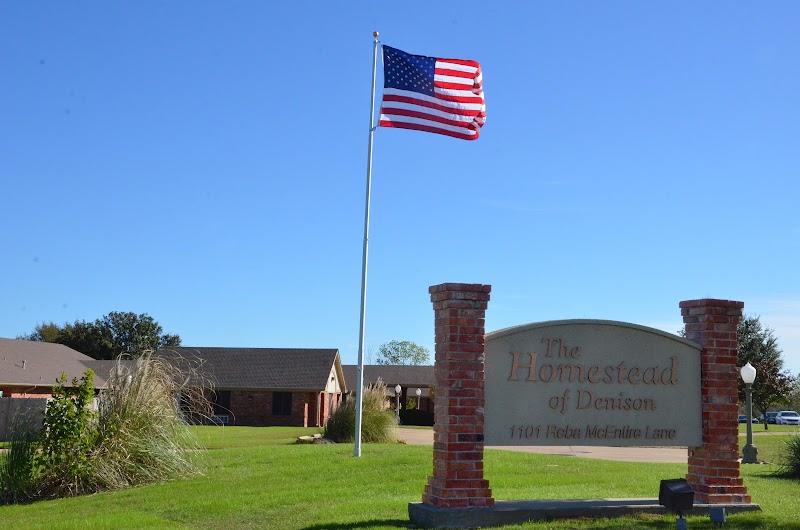
How is The Homestead Of Denison Staffed?

CMS rates The Homestead of Denison's staffing level at 1 out of 5 stars, which is much below average compared to other nursing homes. Staff turnover is 70%, which is 24 percentage points above the Texas average of 46%. High turnover can affect care consistency as new staff learn residents' individual needs. RN turnover specifically is 86%, which is notably high. RNs provide skilled clinical oversight, so turnover in this role can affect medical care quality.

What Have Inspectors Found at The Homestead Of Denison?

State health inspectors documented 38 deficiencies at The Homestead of Denison during 2022 to 2025. These included: 2 Immediate Jeopardy (the most serious level, indicating potential for serious harm or death) and 36 with potential for harm. Immediate Jeopardy findings are rare and represent the most serious regulatory concerns. They require immediate corrective action.
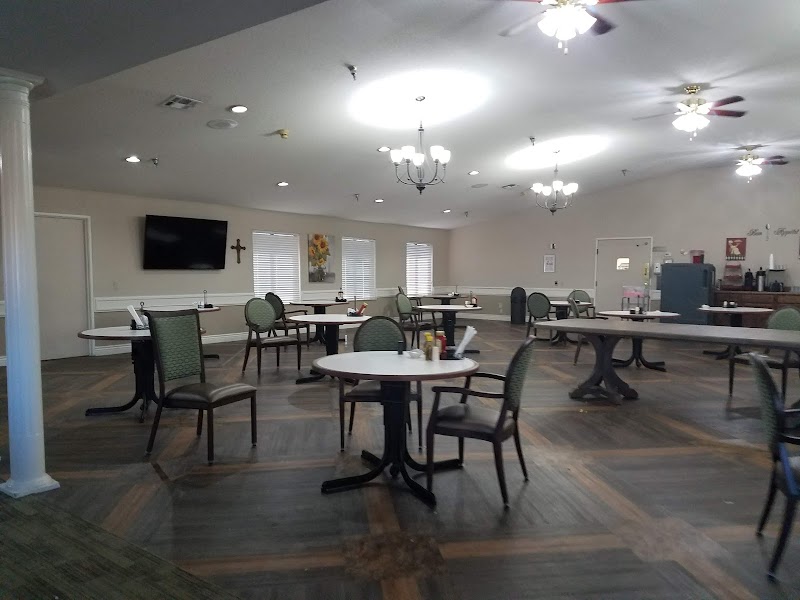
Who Owns and Operates The Homestead Of Denison?

The Homestead of Denison is owned by a for-profit company. For-profit facilities operate as businesses with obligations to shareholders or private owners. The facility is operated by PRIORITY MANAGEMENT, a chain that manages multiple nursing homes. With 140 certified beds and approximately 63 residents (about 45% occupancy), it is a mid-sized facility located in Denison, Texas.

How Does The Homestead Of Denison Compare to Other Texas Nursing Homes?

Compared to the 100 nursing homes in Texas, The Homestead of Denison's overall rating (1 stars) is below the state average of 2.8, staff turnover (70%) is significantly higher than the state average of 46%, and health inspection rating (2 stars) is below the national benchmark.

What Should Families Ask When Visiting The Homestead Of Denison?

Based on this facility's data, families visiting should ask: "What changes have been made since the serious inspection findings, and how are you preventing similar issues?" "What safeguards and monitoring systems are in place to protect residents from abuse or neglect?" "How do you ensure continuity of care given staff turnover, and what is your staff retention strategy?" "Can you walk me through typical staffing levels on day, evening, and night shifts?" These questions are particularly relevant given the facility's Immediate Jeopardy citations, the substantiated abuse finding on record, the facility's high staff turnover rate, and the below-average staffing rating.

Is The Homestead Of Denison Safe?

Based on CMS inspection data, The Homestead of Denison has documented safety concerns. The facility has 1 substantiated abuse finding (meaning confirmed case of resident harm by staff or other residents). Inspectors have issued 2 Immediate Jeopardy citations (the most serious violation level indicating risk of serious injury or death). The facility has a 1-star overall rating and ranks #100 of 100 nursing homes in Texas. Families considering this facility should ask detailed questions about what corrective actions have been taken since these incidents.

Do Nurses at The Homestead Of Denison Stick Around?

Staff turnover at The Homestead of Denison is high. At 70%, the facility is 24 percentage points above the Texas average of 46%. Registered Nurse turnover is particularly concerning at 86%. RNs handle complex medical decisions and coordinate care — frequent RN changes can directly impact care quality. High turnover means new staff may not know residents' individual needs, medications, or preferences. It can also be disorienting for residents, especially those with dementia who rely on familiar faces. Families should ask: What is causing the turnover? What retention programs are in place? How do you ensure care continuity during staff transitions?

Was The Homestead Of Denison Ever Fined?

The Homestead of Denison has been fined $47,115 across 3 penalty actions. The Texas average is $33,550. While any fine indicates a compliance issue, fines under $50,000 are relatively common and typically reflect isolated problems that were subsequently corrected. Families should ask what specific issues led to these fines and confirm they've been resolved.

Is The Homestead Of Denison on Any Federal Watch List?

The Homestead of Denison is not on any federal watch list. The most significant is the Special Focus Facility (SFF) program, which identifies the bottom 1% of nursing homes nationally based on persistent, serious quality problems. Not being on this list means the facility has avoided the pattern of deficiencies that triggers enhanced federal oversight. This is a positive indicator, though families should still review the facility's inspection history directly.