GREAT PLAINS NURSING AND REHABILITATION

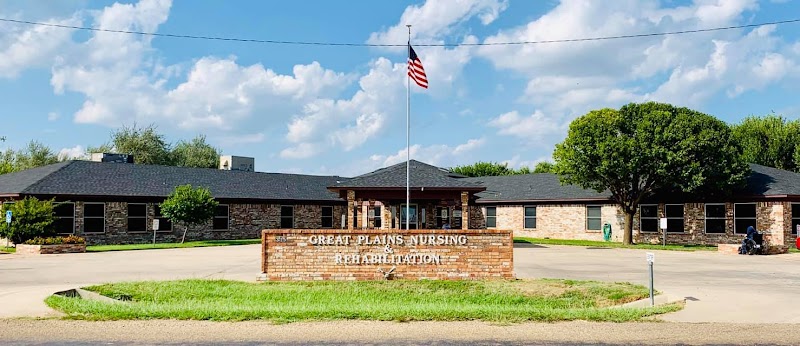
315 E 19TH, DUMAS, TX 79029 (806) 935-4143
For profit - Limited Liability company 120 Beds CREATIVE SOLUTIONS IN HEALTHCARE Data: November 2025
Trust Grade
90/100
#57 of 1168 in TX
Last Inspection: May 2025

Inspected within the last 6 months. Data reflects current conditions.

Overview

Great Plains Nursing and Rehabilitation in Dumas, Texas has received an impressive Trust Grade of A, indicating that it is an excellent facility that comes highly recommended. It ranks #57 out of 1,168 nursing homes in Texas, placing it in the top half, and is the top choice among the two facilities in Moore County. The facility's trend is stable, as they have reported the same two issues over the last two years, suggesting consistent oversight. Staffing is a relative strength, with a rating of 4 out of 5 stars and a turnover rate of 34%, which is significantly lower than the state average of 50%. While there have been no fines reported, which is a positive sign, there are some concerning findings from recent inspections. Specifically, there were issues related to food safety, including the failure to properly label and date stored foods and to discard expired items, which could pose a risk for food-borne illnesses. Additionally, the facility has been operating without a full-time Director of Nursing since December 2023, which raises concerns about leadership stability. Overall, this facility shows many strengths, but potential residents and their families should consider these weaknesses when making a decision.

Trust Score
A
90/100
In Texas
#57/1168
Top 4%
Safety Record
Low Risk
No red flags
Inspections
Holding Steady
2 → 2 violations
Staff Stability
○ Average
34% turnover. Near Texas's 48% average. Typical for the industry.
Penalties
✓ Good
No fines on record. Clean compliance history, better than most Texas facilities.
Skilled Nurses
○ Average
Each resident gets 33 minutes of Registered Nurse (RN) attention daily — about average for Texas. RNs are the most trained staff who monitor for health changes.
Violations
○ Average
9 deficiencies on record. Average for a facility this size. Mostly minor or procedural issues.
★★★★★
5.0
Overall Rating
★★★★☆
4.0
Staff Levels
★★★★★
5.0
Care Quality
★★★★★
5.0
Inspection Score
Stable
2024: 2 issues
2025: 2 issues

The Good

  • 4-Star Staffing Rating · Above-average nurse staffing levels
  • 5-Star Quality Measures · Strong clinical quality outcomes
  • Full Sprinkler Coverage · Fire safety systems throughout facility
  • No fines on record
  • Staff turnover below average (34%)

    14 points below Texas average of 48%

Facility shows strength in staffing levels, quality measures, fire safety.

The Bad

Staff Turnover: 34%

11pts below Texas avg (46%)

Typical for the industry

Chain: CREATIVE SOLUTIONS IN HEALTHCARE

Part of a multi-facility chain

Ask about local staffing decisions and management

The Ugly 9 deficiencies on record

May 2025 2 deficiencies
CONCERN (D)

Potential for Harm - no one hurt, but risky conditions existed

Deficiency F0583 (Tag F0583)

Could have caused harm · This affected 1 resident

**NOTE- TERMS IN BRACKETS HAVE BEEN EDITED TO PROTECT CONFIDENTIALITY** Based on interview, observation, and record review, the facility failed to ensure all residents were treated with respect and di...

Read full inspector narrative →
**NOTE- TERMS IN BRACKETS HAVE BEEN EDITED TO PROTECT CONFIDENTIALITY** Based on interview, observation, and record review, the facility failed to ensure all residents were treated with respect and dignity for 1 of 3 residents (Resident #1) reviewed for dignity. The facility failed to ensure LVN A provided privacy during wound care for Resident #1. This failure placed all residents at risk of psychosocial harm due to a diminished quality of life. Finding included: Record review of Resident #1's face sheet undated revealed a [AGE] year-old male with an admission date of 05/30/2024 with the following diagnoses: peripheral vascular disease (narrowed blood vessels reduce blood flow to the limbs), open wound, cognitive communication deficit (difficulties in communication), traumatic brain injury. Record review of Resident #1's Comprehensive MDS dated [DATE] revealed a BIMS score of 11 which indicated resident's cognition was moderately impaired. During an observation of wound care on 05/28/25 at 03:24 PM, LVN B closed the door, pulled middle curtain and closed window blind. Resident #1 did not have a curtain at foot of bed. Resident #1's roommate was in room during wound care . Resident # 1 was lying in bed with right backside of upper thigh exposed during wound care. During an interview on 05/29/25 at 01:45 PM with LVN B, she stated during wound care they always just close the middle curtain, door, and window blind. She stated she does not know why there was no end privacy curtain. She stated having no curtain at the end of resident's bed would violate resident privacy if the roommate went to the bathroom or someone came in the room. She stated Resident #1's roommate was independent in his wheelchair. She stated Resident #1 was dependent on staff and wound care and ADLs was done in the resident bed. She stated she had been trained to provide resident privacy during wound care. During an interview on 05/29/25 at 02:19 with LVN B, she stated housekeeping had taken down privacy curtains to wash and forgot to put back up. During an interview on 05/29/25 at 03:00 PM with Resident #1, when asked how he would feel if someone saw him during wound care Resident #1 laughed. When asked if he would be embarrassed if someone saw him during wound care Resident #1 stated yes. During an interview on 05/30/25 at 08:48 AM with the DON, she stated privacy should be provided during resident care. She stated all curtains should be pulled. She stated she was not aware of any reason the resident would not have a curtain at the foot of his bed. She stated housekeeping had taken the curtain down to wash and did not put it back up. She stated rooms were monitored daily during champion rounds. She stated champion rounds was department heads make room rounds at least once a day. She stated all staff had been trained to provided resident privacy while providing care. She stated resident was a total care. She stated the potential negative outcome could be resident being exposed to roommate and visitors causing embarrassment. During an interview on 05/30/25 at 09:00 AM with the ADM, he stated privacy should be provided during resident care. He stated the curtain at the foot of Resident #1's bed was taken down by laundry to wash and was not replaced. He stated HSK was responsible for washing and replacing the privacy curtains in resident rooms. He stated rooms were monitored daily during champion rounds. He stated he was not aware Resident #1 did not have a privacy curtain at the foot of his bed. He stated staff were trained on resident privacy during care. He stated the potential negative outcome could cause the resident embarrassment and it was a dignity issue. During an interview on 05/30/25 at 10:45 AM with HSK Supervisor, she stated HSK was responsible to washing and putting the privacy curtains up. She stated resident rooms were monitored daily during champion rounds and she was not aware Resident #1 did not have a privacy curtain at foot of bed. She stated Resident #1 curtain was taken down to wash and was not replaced. She stated the curtain should be replaced when taken down for laundry. She stated there was extra privacy curtains in laundry. She stated privacy curtains were used to provide resident privacy. She stated the potential negative outcome could cause the resident to not have privacy during care . Record review of the facility policy titled Resident Rights dated revised 11/28/2016 revealed the following: The resident has a right to a dignified existence, self-determination, and communication with and access to persons and services inside and outside the facility, including those specified in this policy . Privacy and confidentiality - the resident has a right to personal privacy and confidentiality of his or her personal and medical records. 1. Personal privacy includes accommodations, medical treatment, written and telephone communications, personal care, visits, and meetings of family and resident groups, but this does not require the facility to provide a private room for each resident.
CONCERN (D)

Potential for Harm - no one hurt, but risky conditions existed

Deficiency F0645 (Tag F0645)

Could have caused harm · This affected 1 resident

**NOTE- TERMS IN BRACKETS HAVE BEEN EDITED TO PROTECT CONFIDENTIALITY** Based on interviews and record reviews, the facility failed to ensure all Pre-admission Screening and Resident Review (PASRR) Le...

Read full inspector narrative →
**NOTE- TERMS IN BRACKETS HAVE BEEN EDITED TO PROTECT CONFIDENTIALITY** Based on interviews and record reviews, the facility failed to ensure all Pre-admission Screening and Resident Review (PASRR) Level I residents with mental illness were provided with an accurate PASRR Level I for 2 of 15 residents (Resident #7 and Resident #23) reviewed for PASRR screening, in that: 1. Resident #7 did not have an accurate and updated PASRR Level 1 assessment reflecting a diagnosis of mental illness. 2. Resident #23 did not have an accurate and updated PASRR Level 1 assessment reflecting a diagnosis of mental illness. These failures could place residents, with an inaccurate PASRR Level 1 and no PASRR Level 2 Evaluation, at risk for not receiving care and services to meet their needs. The findings included: Resident #7 Record review of Resident #7's electronic face sheet dated 05/29/2025 revealed an [AGE] year-old female initially admitted to the facility on [DATE]. The face sheet included the following diagnoses: Heart Failure, Unspecified, Primary, with an onset date of 03/07/2024. Psychotic disorder with delusions due to known psychological condition (severe mental health disorder that cause abnormal thinking and perceptions), Secondary 2, with an onset date of 04/23/2024. Generalized Anxiety Disorder (excessive, ongoing worry that is hard to control), Secondary, with an onset date of 03/07/2024. Major Depressive Disorder Recurrent, Severe without Psychotic Features (a mood disorder that causes a persistent feeling of sadness and loss of interest), Secondary, with an onset date of 03/07/2024. Dementia in other diseases classified elsewhere, severe, with other behavioral disturbance (loss of mental functions severe enough to affect daily life and activities) Secondary, with an onset date of 03/07/2024. Alzheimer's disease with late onset (common dementia type that develops after age [AGE]), Secondary, with an onset date of 03/07/2024. The document did not indicate Resident #7 had a primary diagnosis of dementia. Record review of Resident #7's Quarterly MDS dated [DATE], revealed under section I, Resident #7 had an active diagnosis of Psychotic Disorder. Additionally, under Section C Cognitive Patterns, Resident #7's MDS revealed a BIMS of 10, indicating the resident was moderately, cognitively impaired. Record review of Resident #7's care plan with a last Care Plan review date of 05/09/2025, under Diagnoses, indicated Resident #7 had a diagnosis of Psychotic Disorder with Delusions Due to Known Psychological Condition and Major Depressive Disorder. Additionally, the care plan included a focus area that began on 03/07/2024 which stated, The resident has mood problem r/t Disease Process of Depression., with a goal that was revised on 03/21/2025 which stated, The resident will have improved mood state happier, calmer appearance, no s/sx of depression, anxiety, or sadness through the review date., with the Interventions/Tasks that included the following: Administer medications as ordered. Monitor/document for side effects and effectiveness. Date Initiated: 03/07/2024; Assist the resident to identify strengths, positive coping skills and reinforce these. Date Initiated: 03/07/2024; Behavioral health consults as needed (psycho-geriatric team, psychiatrist etc.) Date Initiated: 03/07/2024; Educate the resident/family/caregivers regarding expectations of treatment, concerns with side effects and potential adverse effects, evaluation, maintenance. Date Initiated: 03/07/2024; Monitor/record mood to determine if problems seem to be related to external causes, i.e. medications, treatments, concern over diagnosis. Date Initiated: 03/07/2024; Monitor/record/report to MD prn acute episode feelings or sadness; loss of pleasure and interest in activities; feelings of worthlessness or guilt; change in appetite/ eating habits; change in sleep patterns; diminished ability to concentrate; change in psychomotor skills. Date Initiated: 03/07/2024; Monitor/record/report to MD prn mood patterns s/sx of depression, anxiety, sad mood as per facility behavior monitoring protocols. Record review of Resident #7's physician's Order Summary as of 05/29/2025 revealed under Diagnoses, Major Depressive Disorder Recurrent, Severe Without Psychotic Features and unspecified Psychotic Disorder with Delusions Due to Known Psychological Condition. Resident #7 was prescribed buPROPion HCl ER (hydrochloride extended-release) (XL) Oral Tablet Extended Release 24 Hour 150 MG (Bupropion HCl) 1 tablet by mouth one time a day related to Major Depressive Disorder Recurrent, Severe Without Psychotic Features, risperiDONE Oral Tablet 1 MG (Risperidone) 1 tablet by mouth at bedtime related to Major Depressive Disorder Recurrent, Severe Without Psychotic Features and Generalized Anxiety Disorder, and Sertraline HCl (hydrochloride) Oral Capsule 200 MG (Sertraline HCl) 1 capsule by mouth one time a day related to Major Depressive Disorder Recurrent, Severe Without Psychotic Features. Record review of Resident #7's Preadmission Screening and Resident Review (PASRR) Level One (PL1) form dated 03/07/2024 revealed under section C0100 Mental Illness an answer of NO, indicating the resident does not have a mental illness. There were no additional PL1 screenings provided by the facility for Resident #7. There were no additional documents provided to suggest Resident #7 had a completed PASRR Evaluation. Resident #23 Record review of Resident #23's electronic face sheet dated 05/29/2025 revealed a [AGE] year-old female initially admitted to the facility on [DATE]. The face sheet included the following diagnoses: o Benign neoplasm of meninges, unspecified (non-cancerous, abnormal growth (tumor) that arises from the protective lining around the brain and spinal cord), Primary, with an onset date of 09/10/2024. o Hydrocephalus, Unspecified (buildup of fluid in cavities (ventricles) deep within the brain), Secondary, with an onset date of 09/10/2024. o Personal History of Traumatic Brain Injury, Secondary, with an onset date of 08/20/2024. o Unspecified Mood (affective) Disorder (symptoms that are characteristic of a depressive disorder and cause clinically significant distress or impairment), Secondary, with an onset date of 08/20/2024. The document did not indicate Resident #23 had a primary diagnosis of dementia. Record review of Resident #23's Quarterly MDS dated [DATE], revealed under Section C Cognitive Patterns, Resident #23's MDS revealed a BIMS of 7, indicating the resident was significantly, cognitively impaired. There was not an option on Resident #23's MDS, under section I Psychiatric/Mood Disorder, related to unspecified Mood Disorder. Record review of Resident #23's care plan with a last Care Plan review date of 04/14/2025, under Diagnoses, indicated Resident #23 had a diagnosis of Unspecified Mood (Affective) Disorder. Additionally, the care plan included a focus area that began on 11/13/2024 which stated, Resident is on neuro stimulant for mood disorder, with a goal that was revised on 11/13/2024 which stated, The resident will be free from discomfort or adverse reactions related to neuro stimulant therapy through the review date., with the Interventions/Tasks that included the following: Educate the resident/family/caregivers about the risks, benefits, and the side effects and/or toxic symptoms of neuro stimulant. Date Initiated: 11/13/2024; Give antidepressant medications ordered by physician. Monitor/document side effects and effectiveness. Date Initiated: 11/13/2024. Record review of Resident #23's physician's Order Summary as of 05/29/2025 revealed under Diagnoses Unspecified Mood (Affective) Disorder. Resident #23 was prescribed Sertraline HCl (hydrochloride) Oral Tablet 50 MG (Sertraline HCl) Give 1 tablet by mouth at bedtime related to Unspecified Mood (Affective) Disorder. Record review of Resident #23's Preadmission Screening and Resident Review (PASRR) Level One (PL1) form dated 09/20/2014 revealed under section C0100 Mental Illness an answer of NO, indicating the resident does not have a mental illness. There were no additional PL1 screenings provided by the facility for Resident #23. There were no additional documents provided to suggest Resident #23 had a completed PASRR Evaluation. During an interview on 05/30/2025 at 10:20 AM, RN A stated she was the MDS and PASRR coordinator. RN A stated she was responsible for entering a Rresident's PASRR upon admission. RN A stated she was also responsible for requesting an update if there were any changes needed to a Rresident's PASRR. RN A stated she entered PASRR screenings upon admission, as they were received. RN A stated she did not compare a Resident's diagnoses to the resident's PASRR upon admission, as she assumed the PASRR the facility received was accurate. RN A stated she did not realize this was something she should have done previously. RN A stated she relied on the previously completed PASRR to determine if a Resident had a positive PASRR. RN A stated she would only have submitted a form to request a PASRR to be updated if a Resident had a new diagnosis of a mental illness. RN A stated she thought any diagnosis of dementia would have caused a Resident to have a negative PASRR, and she was not aware the diagnosis of dementia should be the Resident's primary diagnosis to exclude the Resident from a positive PASRR. RN A stated she thought a Resident's diagnosis of mental illness would depend on the severity to determine if the Resident qualified for a positive PASRR. RN A stated Resident #7 did not have a primary diagnosis of dementia, and Resident #7 had a diagnosis of a mental illness. RN A stated, based on that information, Resident #7 should have had a positive PASRR. RN A stated Resident #23 did not have a diagnosis of dementia, and Resident #23 had a diagnosis of mental illness. RN A stated, based on that information, Resident #23 should have had a positive PASRR. RN A stated she believed the reason Resident #7 and Resident #23 did not have a positive PASRR was because they were completed incorrectly prior to the residents being admitted to the facility, and she was not aware she should have requested they be updated. RN A stated she was trained on PASRR via online webinars. RN A stated she would review the PASRR criteria again and request an updated PASRR for Resident #7 and Resident #23, as soon as possible. RN A stated she did not feel Resident #7 or Resident #23 were negatively affected by having an inaccurate PASRR screening since they were being offered psychiatric services. RN A stated if a Resident's PASRR was not accurate, the Resident may not be offered services they could have benefitted from. During an interview on 05/30/2025 at 10:35 AM, the DON stated RN A was responsible for entering a Resident's PASRR, upon admission. The DON stated she was also responsible for reviewing the PASRR prior to admission to ensure the facility was able to meet the needs of the resident. The DON stated RN A should have checked each PASRR for accuracy, and RN A should have requested an updated PASRR if it was not accurate. The DON stated she was unsure of which specific mental illness would have met the criteria for a positive PASRR, and she would need to look it up to verify it. The DON stated, to her knowledge, major depressive disorder, psychotic disorder, and unspecified mood (affective) disorder should have qualified a Resident for a positive PASRR. The DON stated she received training online pertaining to PASRR. The DON stated it was important for a Resident to have an accurate PASRR to ensure the Resident was receiving services related to their mental illness if the Resident wanted services. During an interview on 05/30/2025 at 10:55 AM, the ADM stated RN A was responsible for entering a Resident's PASRR, upon admission. The ADM stated it was his expectation that RN A ensured a Resident's PASRR was accurate based on the Resident's diagnosis. The ADM stated he believed major depressive disorder, psychotic disorder, and unspecified mood (affective) disorder should have qualified a Resident for a positive PASRR. The ADM stated if the PASRR was completed incorrectly prior to admission, it was his expectation the PASRR would be updated as soon as possible after admission. The ADM stated all facility staff received training on PASRR via online webinars. The ADM stated he planned to begin reviewing a resident's PASRR to assist RN A, to ensure each PASRR was accurate. The ADM sated if a resident's PASRR was not accurate, it could affect the care the Resident received, and the Resident may miss services they qualified for. Record review of the facility's policy titled, PASRR Level 1 Screen Policy and Procedure, revised 03/06/2019 revealed the following: Policy: It is the policy of (redacted organization) facilities to obtain a PLI screening form from the RE (referring entity) prior to admission to the NF (nursing facility). Procedure: The Facility will review the PLI Screening Form for completion and correctness prior to admission and submit the PLI form per regulations. The Type of admission is reviewed for correctness. Ensure the Name, SS number, Medicare/Medicaid numbers and DOB is correct. The Date of the PLI is correct (i.e. correct day, month and year) and review each item on the PLI to ensure accuracy and prevent a regulatory problem.
Apr 2024 1 deficiency
CONCERN (F)

Potential for Harm - no one hurt, but risky conditions existed

Food Safety (Tag F0812)

Could have caused harm · This affected most or all residents

**NOTE- TERMS IN BRACKETS HAVE BEEN EDITED TO PROTECT CONFIDENTIALITY** Based on observation, interview, and record review the facility failed to store and distribute food in accordance with professio...

Read full inspector narrative →
**NOTE- TERMS IN BRACKETS HAVE BEEN EDITED TO PROTECT CONFIDENTIALITY** Based on observation, interview, and record review the facility failed to store and distribute food in accordance with professional standards for food service safety in 1 of 1 kitchen reviewed for food safety. 1. The facility failed to ensure stored foods were properly labeled and dated. 2. The facility failed to ensure expired foods were discarded. 3. The facility failed to store foods in accordance with professional standards. These failures could place residents who ate the food from the kitchen at risk for food-borne illness. Findings included: On 4/17/24 at 8:54AM an initial observation of the kitchen was conducted. Inspection of the freezer revealed: 1 food service bag of frozen chicken quarters with no received date, no open date and open to air, 2 food service bags of frozen chicken quarters with no received date. 1 food service bag of frozen chicken [NAME] with no received date, 7 10-lb. chubs of frozen hamburger meat with no received date, 1 zip seal bag of frozen chicken nuggets no received date, and no open date, 2 3-gal. containers of vanilla ice cream with no received date, and no open date, 1 2.6-lb. frozen apple pie with no received date, no open date and, 1 10-lb. box of frozen sliced carrots with no received date, and no open date, and open to air. Inspection of the refrigerator revealed the following: 2 4-lb. containers of hummus with an expiration date of 2/8/24, and 1 partial food service bag of shredded mozzarella cheese with no received date, and no open date. Inspection of the dry pantry revealed the following: 1 3-lb. bag of fresh potatoes with no received date, no open date and, open to air, 2 1-lb. bags of powdered sugar with no received date, 2 2-lb. bags of marshmallows with no received date, 5 1-lb. bags of alfredo sauce mix with no received date, 6 2.75-oz. bags of cherry gelatin with no received date, and 1-gal. pancake syrup with no received date or open date. An interview on 4/19/24 at 9:02 AM with the FSM revealed she was responsible for checking the food items into the kitchen when the truck delivered them to the facility. She stated the negative outcome of not having foods properly labeled and dated was that residents could become sick if they ate foods that are expired. She stated that foods which are not labeled as to what is in the package could cause problems for residents who might be served foods which they should not have. The FSM was asked how she knew when food was to be disposed of and she stated she used the first in/first out method and the expiration date on the product. Record review of the facility's Food Safety policy date 2012 revealed the following: 1. Food is to be tightly wrapped or sealed and covered in a clean container. Opened food shall be labeled, dated, and stored properly. 2. Do not keep potentially hazardous food in the refrigerator past the labeled expiration date. Record review of the facility's Dry Storage policy dated 2012 revealed the following: 1. Dry bulk foods (e.g., flour, sugar) are stored in seamless metal or plastic containers with tight covers or bins which are easily sanitized. Containers are labeled. 2. Open packages of food are stored in closed containers with tight covers, as dated as to when opened. Record review of the facility's Storage Refrigerators policy dated 2012 revealed the following: 1. Food must be covered when stored, with a date label identifying what is in the container. On 4/19/24 at 9:09AM the FSM stated there was no specific Storage Freezers policy.
Mar 2024 1 deficiency
CONCERN (F) 📢 Someone Reported This

A family member, employee, or ombudsman was alarmed enough to file a formal complaint

Potential for Harm - no one hurt, but risky conditions existed

Deficiency F0727 (Tag F0727)

Could have caused harm · This affected most or all residents

Based on interview the facility failed to designate a registered nurse (RN) to serve as the Director of Nurses (DON) on a full-time basis for the care and treatment of 38 out of 38 residents. The fac...

Read full inspector narrative →
Based on interview the facility failed to designate a registered nurse (RN) to serve as the Director of Nurses (DON) on a full-time basis for the care and treatment of 38 out of 38 residents. The facility has been without a full time DON since 12/21/2023. This failure has the potential to affect the residents in the facility and place them at risk of not having staff with advance care skills available to assist in their care needs. Findings include: During the Entrance Conference on 03/05/2024 at 9:38 AM, ADM stated the facility did not have a full time DON, but that RN A was doing the job of the DON until they find a replacement. During an interview on 03/05/2024 at 11:25 AM, RN A stated that the facility has not had a DON since 12/21/23, but that she is working as the DON until they find a replacement. RN A stated that she is a compliance nurse for the company that owns the facility. She stated she works in other facilities as well as this one, but that she comes into this facility every morning to check in, but that she does not always work 8 hours a day at this facility. During an interview on 03/05/2024 at 1:26 PM, LVN ADON stated that there is not a DON on staff and that RN A is not the DON. LVN ADON stated that the DON quit around Christmas of last year (2023) and that RN A comes in the mornings and evenings to check on the facility, but only works a couple of days a week. During an interview on 03/05/2024 at 3:07 PM, RN B stated that there is not a full time DON in the facility, but that RN A is at the facility at least once a week. RN B stated a possible negative outcome for not having a full time DON would be that if a resident or family member had an issue, the staff may not be able to help in the situation. During an interview on 03/05/2024 at 3:15 PM, ADM stated that he considers full time to be 8 hours a day, 40 hours per week. ADM stated that RN A is not working in the facility full time and a possible negative outcome for not having a full time DON on staff would be that there would be no oversight for staff. Policy for RN/DON coverage was requested on 03/05/2024 but was not provided by facility.
Apr 2023 2 deficiencies
CONCERN (D) 📢 Someone Reported This

A family member, employee, or ombudsman was alarmed enough to file a formal complaint

Potential for Harm - no one hurt, but risky conditions existed

Tube Feeding (Tag F0693)

Could have caused harm · This affected 1 resident

**NOTE- TERMS IN BRACKETS HAVE BEEN EDITED TO PROTECT CONFIDENTIALITY** Based on interview and record review, the facility failed to base on a resident comprehensive assistance to ensure a resident wh...

Read full inspector narrative →
**NOTE- TERMS IN BRACKETS HAVE BEEN EDITED TO PROTECT CONFIDENTIALITY** Based on interview and record review, the facility failed to base on a resident comprehensive assistance to ensure a resident who is fed by enteral means receives the appropriate treatment and services to prevent complications of enteral feedings for 1 of 2 residents (Resident #1). The facility failed to follow physician orders for tube feeding for Resident #1. This deficient practice could place residents at risk for injury and/or deterioration in their condition. Findings include: Record review of Resident # 1's face sheet, dated 4/25/23, revealed a [AGE] year-old female who was admitted to facility on 2/23/22 with diagnoses which included, but were not limited to Cerebral palsy (group of disorders that affect movement and muscle tone or posture), gastrostomy tube (feeding tube), intermittent explosive disorder (explosive eruptions occur, suddenly with little or no warning), urinary tract infection, muscle weakness, developmental disorder of speech and language and constipation (infrequent, irregular or difficult evacuation of the bowels). Record review of Resident #1's quarterly MDS, dated [DATE], revealed a BIMS of 99 which indicated the resident had severely impaired cognition. The MDS revealed the resident required extensive assistance with 2 person assistance with all ADL's. Record review of Resident #1's Care Plan, dated 02/22/23, indicated the resident had a potential fluid deficit related to inability to self-perform nutrition/hydration tasks with PEG (percutaneous endoscopic gastrostomy) feeding/fluid intake. The resident will be free of symptoms of dehydration and maintain moist mucous membranes, good skin turgor. Administer fluids per gastrostomy tube as ordered. The resident requires tube feeding r/t Cerebral Palsy. The resident will remain free of side effects or complications related to tube feeding. Check for tube placement and gastric contents/residual volume per facility protocol and record. The resident will maintain adequate nutritional and hydration status and weight stable, no signs or symptoms of malnutrition or dehydration through review date. The resident is dependent with tube feeding and water flushes. See physician orders for current feeding orders. Record review of Resident #1's orders revealed physician orders were Nutren 1.0 Liquid give 500 Milliliter via G-Tube two times a day related to encounter for attention to gastrostomy and every shift flush tube with 60 milliliters water before and after medication and feedings. Nutren 1.0 Liquid give 250 ml via G-Tube one time a day related to encounter for attention to gastrostomy **Hold for residual >200ml** with 100 ml water at 1:00 PM. Start date: 02/23/22 Record review of Resident #1's TAR tube feeding was missed on 3/6/23 at 1300 (1:00pm) and was given at 1730 (5:30 PM). During an interview on 04/25/23 at 11:40 AM with the DON, when asked if the DON failed to give Resident #1 her tube feeding on 3/6/23 at 1:00 pm, she stated, I failed to see it (order for tube feeding). The DON stated this was her first time taking care of Resident #1 and she was new to the facility. The DON stated I was brand new and needed to be trained on the floor, unfortunately that's what happened. The DON stated a negative outcome to the resident could have been weight loss and skin issues. The DON stated I'll admit I made a mistake. Resident #1 failed to receive her tube feeding at 1:00pm on 3/6/23. The facility ensured she got her calories for the day. During an interview on 4/25/23 at 2:37 PM with the ADON when asked how did the DON know she missed the tube feeding at 1:00pm on 3/6/23, she stated I was the one that found the error and notified the DON immediately. The ADON stated she noticed the tube feeding was to be delivered at 1:00 PM and discovered around shift change that the tube feeding had not been given to Resident #1, which was around 5:00 PM. She notified the MD and received an order to give Resident #1 an additional feeding. The ADON stated the resident did receive all her calories for the day, it was just later in the day and into the evening when she received all her caloric intake. Resident #1 receives all caloric intake via gastrostomy tube. Record review of the facility's, undated, policy titled Enteral Nutrition revealed the following: Policy .Adequate nutrition support through enteral nutrition is provided to residents as ordered . Policy Interpretation and Implementation . 4.) Enteral nutrition is ordered by the provider based on the recommendations of the dietitian. If a feeding tube is ordered, the provider and interdisciplinary team document why enteral nutrition is medically necessary . 10.) Enteral feedings are scheduled to try to optimize resident independence whenever possible (for example., at night or during hours that do not interfere with the resident's ability to participate in facility activities.) 11.) The Nurse confirms that orders for enteral nutrition are complete. Complete orders include: a. Enteral nutrition product . d. Administration method . 13) Staff caring for resident with feeding tubes are trained on potential adverse effects of tube feeding . 17) Residents receiving enteral nutrition are periodically reassessed for the continued appropriateness and necessity of the feeding tube.
CONCERN (D) 📢 Someone Reported This

A family member, employee, or ombudsman was alarmed enough to file a formal complaint

Potential for Harm - no one hurt, but risky conditions existed

Infection Control (Tag F0880)

Could have caused harm · This affected 1 resident

**NOTE- TERMS IN BRACKETS HAVE BEEN EDITED TO PROTECT CONFIDENTIALITY** Based on observation, interview and record review the facility failed to establish and maintain an infection prevention and cont...

Read full inspector narrative →
**NOTE- TERMS IN BRACKETS HAVE BEEN EDITED TO PROTECT CONFIDENTIALITY** Based on observation, interview and record review the facility failed to establish and maintain an infection prevention and control program designed to provide a safe, sanitary, and comfortable environment and to help prevent the development and transmission of communicable diseases and infections for 1 of 1 (Resident #1) resident reviewed for infection control. CNA B failed to use proper hand hygiene techniques when providing incontinence care for Resident #1. This failure could place residents at risk of being exposed to the spread of viral infections, secondary infections, tissue breakdown, communicable disease and feelings of isolation related to poor hygiene. Findings include: Record Review of Resident # 1's face sheet, dated 4/25/23, revealed a [AGE] year-old female who was admitted to facility on 2/23/22 with diagnoses which included, but were not limited to, Cerebral palsy (group of disorders that affect movement and muscle tone or posture), gastrostomy tube (feeding tube), intermittent explosive disorder (explosive eruptions occur, suddenly with little or no warning), urinary tract infection, muscle weakness, developmental disorder of speech and language and constipation (infrequent, irregular or difficult evacuation of the bowels). Record Review of Resident #1 quarterly MDS, dated [DATE], revealed a BIMS of 99 which indicated severely impaired cognition. The MDS revealed the resident required extensive assistance with 2 persons assistance with all ADL's. Record review of Resident #1 care plan, last reviewed 2/22/23, revealed Resident #1 had bladder and bowel incontinence. Interventions include, but not included: ACTIVITIES: notify nursing if incontinent during activities. INCONTINENT care frequently and apply moisture barrier after each episode. Monitor/document for s/sx UTI: pain, burning, blood tinged urine, cloudiness, no output, deepening of urine color, increased pulse, increased temperature, urinary frequency, foul smelling urine, fever, chills, altered mental status, change in behavior, change in eating patterns, Monitor/document/report to MD PRN if possible medical causes of incontinence: bladder infection, constipation, loss of bladder tone, weakening of control muscles, decreased bladder capacity, diabetes, stroke, medication side effects. Check resident frequently and assist with toileting as needed. Provide peri care after each incontinent episode. Report any skin change to the nurse immediately. During an observation on 4/25/23 at 1:30 PM, CNA A and CNA B assisted Resident #1 with incontinence care. CNA A placed all supplies on the bedside table. CNA A closed the curtains and door for privacy. CNA A and CNA B washed their hands and placed gloves on their hands. CNA B picked up Resident #1, in a scoop lift technique, and placed Resident #1 onto the bed. CNA A and CNA B turned Resident #1 onto each side to remove pants and placed a blanket over her peri-area for privacy. CNA B performed peri-care using wipes from front to back. CNA B took gloves off and placed them into a receptacle. CNA B rolled Resident #1 onto her side and cleaned her anal area from front to back. CNA B removed the dirty brief and threw it away into a receptacle. CNA B picked up gloves and went to place them on and one glove broke. CNA B took the glove off and threw it away. CNA B picked up a new gloves and placed on hands. CNA B did not wash hands or use ABHR prior to applying new gloves. CNA B placed a new brief onto Resident #1 and rolled Resident #1. CNA A and CNA B rolled Resident #1 to each side to pull her pants back into place. CNA B picked up Resident #1 in a scoop lift technique and placed Resident #1 back into her wheelchair. CNA's A and B left Resident #1 in a comfortable position. During an interview on 4/25/23 at 2:31 PM, CNA B stated she did a horrible job with incontinence care. She stated she felt she did 'everything' wrong. CNA B stated I did not sanitize my hands when I changed my gloves. I should have stopped and said I need to stop and sanitize my hands. During an interview on 4/25/23 at 3:04 PM, CNA A stated this was not our best incontinence care. We were always asked to show the state how good we were. CNA A stated she felt like they missed a lot. CNA A stated CNA B did not sanitize her hands when she changed her gloves. Record review of the facility's undated, Nurse Aide Incontinence Care Proficiency Assessment competency revealed Place in employee's personnel file when complete . Washes hands/Changes gloves Record review of the facility's Infection Control Plan: Overview, dated 10/2022, stated .Infection Control: The facility will establish and maintain an Infection Control Program designed to provide a safe, sanitary and comfortable environment and to help prevent the development and transmission of disease and infection .The facility will require staff to wash their hands after each direct resident contact for which hand washing is indicated by accepted professional practice . Implement hand hygiene (hand washing) practices consistent with accepted standards of practice, to reduce the spread of infection and prevent cross-contamination
Feb 2023 3 deficiencies
CONCERN (D)

Potential for Harm - no one hurt, but risky conditions existed

Deficiency F0578 (Tag F0578)

Could have caused harm · This affected 1 resident

**NOTE- TERMS IN BRACKETS HAVE BEEN EDITED TO PROTECT CONFIDENTIALITY** Based on interview, and record review, the facility failed to ensure all residents had the right to formulate an advanced direct...

Read full inspector narrative →
**NOTE- TERMS IN BRACKETS HAVE BEEN EDITED TO PROTECT CONFIDENTIALITY** Based on interview, and record review, the facility failed to ensure all residents had the right to formulate an advanced directive for 1 (Resident #39) of 16 residents reviewed for advanced directives. Resident #39 had a DNR in his record with no date of when the physician signed the document. The facility's failure to ensure the accuracy of a residents advanced directive such as a DNR (Do Not Resuscitate), recognized under State law (whether statutory or as recognized by the courts of the State), relating to the provision of health care could place residents a risk for not receiving healthcare as per their or their legal representatives wishes. Findings include: Record review of the face sheet dated 2-22-2023 in the clinical record for Resident #39 revealed a [AGE] year-old male resident admitted to the facility on [DATE] with diagnoses to include cerebral infarct (occurs as a result of disrupted blood flow to the brain due to problems with the blood that supplies it), metabolic encephalopathy (a problem in the brain that causes a chemical imbalance in the brain), gastrostomy (an opening into the stomach from the abdominal wall made surgically to introduce food), and hemiplegia (paralysis on one side of the body). Record review of the clinical record for Resident #39 revealed the last MDS completed was a quarterly on 1-20-2023 with a BIMS that required staff evaluation because he had memory issues and was unable to complete the test due to memory issues. Resident #39 had a functional status indicating he required one to two-person assistance with all activities. Resident #39 was also listed under section O Special Treatments, Procedures, and Programs to be receiving Hospice care while a resident. Record review of the clinical record for Resident #39's revealed a care plan with admission date of 10-14-2022 with the following: Focus: Resident had an order for DNR-date initiated 10-19-2022 Goal: Resident/Responsible party's decision for DNR will be honored .-date initiated 10-19-2022 Intervention-Social Services to consult with resident and representative regarding the decision to continue DNR-date initiated 10-19-2022 Record review of the clinical record for Resident #39's revealed an Order Summary Report with Active Orders as of 2-23-2023 with the following order: Order Summary-DNR Active 10-19-2022 Record review of the clinical record for Resident #39's revealed a DNR (dated 10-29-2022 by the qualified relative) in the miscellaneous section under the Advanced Directives. In the section for the Physicians Statement the physician's signature, printed name, and license number was present but there was no date of when the physician signed the document. Record review of the clinical record for Resident #39 revealed under the miscellaneous section under Hospice Intake was a DNR (dated 10-29-2022 by the qualified relative). This DNR also had no date of when the physician signed the document. During an interview on 02-24-2023 at 08:49 AM LVN A reported that if Resident #39 coded she would first assess the resident to confirm that he had coded and since he was a DNR she would notify the hospice nurse and follow her instructions, that she would not code him, she would not initiate CPR. LVN A reported that she would verify his code status in his hospice book, the facility DNR book, or on the computer system. LVN A checked Resident #39's in the facility's DNR book and found Resident #39's DNR. LVN A reviewed the DNR and reported that it was valid. When asked when the physician signed the DNR LVN A reviewed the DNR again and stated, Oh, it does not have a date of when the doctor signed it. LVN A then reported that Resident #39 did not have a valid DNR and that if Resident #39 coded at this time she would get the crash cart and start CPR. During an interview on 02-24-2023 at 10:06 AM LVN A reported that if a DNR was incorrect then a residents or family's wishes may not be followed, and it could result in a lawsuit. During an interview on 02-24-2023 at 09:21 AM the DON verified that Resident #39 was on hospice and was a DNR. The DON reviewed Resident #39's DNR and reported that it was not valid due to not having a date when the physician signed the DNR. The DON reported that they would get it corrected immediately. The DON reported that an invalid DNR can cause issued if the doctor. did not recognize it as valid DNR once activated, the family could say it was not valid if activated, and it could cause issues with the residents wishes. The DON reported that the part time Social Worker was responsible for reviewing all DNR's for correctness. During an interview by phone on 02-24-2023 at 09:05 AM the Social Worker verified that she was the part time Social Worker for the facility. The Social Worker verified that she would review all DNR's for the facility and that she usually reviews each form line by line and that Resident #39 was one of many and she just missed that the physician did not date the form. The Social Worker reported that an incorrect DNR can result in the resident or family not having their wishes followed. Record review of facility provided policy titled Do Not Resuscitate Order, with the date of revision 10-12-2013, revealed the following: Out of Hospital DNR Form: The Out of Hospital DNR form was designed [NAME] the Texas Department of Human Services to comply with the requirements as set forth in the Health and Safety Code for the purposes of instructing Emergency Medical personnel and other health care professionals for forgo resuscitation attempts. 11. All validly executed DNR order will be honored by the facility 13. For completion of the form, see attached instructions of the out of hospital DNR form the TAHC Record review of OUT-OF-HOSPITAL DO-NOT-RESUSCITATE (OOH-DNR) ORDER-TEXAS DEPARTMENT OF STATE HEALTH SERVICES, undated revealed the following: -The original or a copy of a fully and properly completed OOH-DNR Order or the presence of an OOH-DNR device on a person is sufficient evidence of the existence of the original OOH-DNR Order and either one shall be honored by responding health care professional
CONCERN (D)

Potential for Harm - no one hurt, but risky conditions existed

Deficiency F0761 (Tag F0761)

Could have caused harm · This affected 1 resident

Based on observation, interview, and record review; it was determined the facility failed to ensure medications were stored in accordance with currently accepted professional principles on 1 (100/500 ...

Read full inspector narrative →
Based on observation, interview, and record review; it was determined the facility failed to ensure medications were stored in accordance with currently accepted professional principles on 1 (100/500 Hall Medication cart) of 3 medication carts reviewed for medication storage. 5 loose medications were observed in the bottom of the second drawer of the 100/500 Hall medication cart The facility's failure to ensure medications were stored in accordance with currently accepted professional principles could place residents receiving medication at risk for administration of medication incorrectly or missing doses of medications that could result in ineffective treatment and/or exacerbation of the disease process. Findings include: During an observation on 02-23-2023 at 09:41 AM of the 100/500 Hall medication cart 5 loose pills were noted in the bottom of the second drawer. The observation was completed with LVN A present. LVN A was asked by this surveyor to gather all 5 loose pills and have them identified. On 02-23-2023 at 09:57 AM LVN A reported that the 5 loose pills had been identified as Allopurinol (used to treat Gout/high uric acid), Lisinopril (used to treat high blood pressure), Ropinirole (used to treat Parkinson's-a disorder of the central nervous system that affects movement, often including tremors), Carbamazepine (anticonvulsant-used to prevent or reduce the severity of epileptic fits of other convulsions), and Furosemide (Diuretic-used to treat fluid retention). During an interview on 02-23-2023 at 10:02 AM LVN A (the nurse responsible for the 100/500 Hall medication cart this shift) reported that the 5 loose pills were an issue because residents could have a bad reaction to the medications meaning that they could receive the wrong medications if the nurses would not check the back of the pill cards for loose pills that stick and do not get administered. LVN A feels that residents could miss doses of medications and that it could affect their condition. LVN A reported that the nurses are supposed to check their carts every shift, but she got busy this shift and did not have time to check the cart. During an interview on 02-23-2023 at 10:13 AM ADON B verified that she was responsible for checking the carts daily, that she checked them Monday and they were good, that the facility had a call-in Tuesday, and she did not have time due to working the floor, and with the survey she had been busy and did not get to check the carts. ADON B reported that usually she would not find any issues and the five loose pills were abnormal. ADON B did feel that 5 loose pills were an issue and was not acceptable. ADON B reported that the facility would not be aware if the residents received their needed medications. ADON B reported that if a resident did not receive one medication dose it would probably not affect their treatment or care but that the residents do need their medications. ADON B reported that the facility would address the issue of the loose pills. During an interview on 02-24-2023 at 10:08 AM the DON reported that the facility had the night shift check each cart each shift for cleanliness and loose medications and the ADON does an audit of each cart on Mondays and that due to this process this facility does not have any issues with the residents missing any medications, that the five loose pills were a onetime occurrence and that the residents did not miss any doses of medications. The DON reported that this facility has never had any residents report any missed medications and that if the resident's medication were short and needed to be filled early that the facility would pay for the refill but that has not occurred. The DON felt that there were no negative consequences from the loose medications. During an interview on 02-24-2023 at 12:52 PM the DON reported that they only had the one med storage policy that she had provided to this surveyor and did not have any other polices on medication cart safety/care. Record review of the facility provided policy titled Recommended Medication Storage revised 7-2012 revealed no information related to this deficiency.
CONCERN (F)

Potential for Harm - no one hurt, but risky conditions existed

Food Safety (Tag F0812)

Could have caused harm · This affected most or all residents

Based on observation, interview, and record review, the facility failed to store, prepare, and serve food under sanitary conditions in 1 of 1 kitchen when they failed to: A. Ensure stored food was pr...

Read full inspector narrative →
Based on observation, interview, and record review, the facility failed to store, prepare, and serve food under sanitary conditions in 1 of 1 kitchen when they failed to: A. Ensure stored food was properly labeled, dated and stored B. Ensure that all expired food is discarded after 7 days. C. Ensure staff followed proper hand hygiene processes. These failures placed all residents who ate food served by the kitchen at risk of cross contamination and food-borne illness. Findings included: An observation in the facility kitchen on 02/22/2023 at 9:23 AM, revealed: 02/22/23 09:22AM Entered into kitchen area, observed flat of eggs on grill of stove. Heat coming from stove/oven area. 02/22/23 09:23AM observed scrambled, poached eggs left out on roller cart at room temperature. There is also pork sausage stored on same cart at room temperature. Dry cereal in bowls left on counter uncovered. 02/22/23 09:24AM Observed tomato juice in a juice cup with lid with no date, tub that juice was in was labeled with a date of 02/05/2023. 02/22/02/22/23 09:28AM observed cereal in zip lock bag with a date 11/14 (No year noted on bag) 02/22/23 11:23AM observed expired food in freezer with an expiration date of 05/09/2022. 02/22/23 11:30am observed a bottle scrubber, rag that appeared to be dirty, and a used glove leaning against what appeared to be clean pitchers on a lower shelf in the kitchen. There also appeared to be a mask, and employee personal cup on the top shelf of this unit of shelving. 02/22/23 11:44AM Observed what appeared to be a pork chop in a zip-lock bag lying on a cart at room temperature. Unaware of how long product had been there. 02/22/23 11:45AM observed cherry cobblers prepared and uncovered on serving trays. Cherry cobblers still uncovered. During an observation of kitchen on 02/22/23 09:32am hand washing sink with roll of unused trash bags in the sink as well as on the back of the sink area. This was the only hand washing sink in kitchen During an observation on 02/22/23 12:23 PM CNA D wiped brow and played with the miniblind cord. No hand washing or sanitation was performed between the passing of trays. CNA D did not wash or sanitize throughout the delivery of lunch trays. During observation on 02/22/23 12:28 PM CNA D assisting resident with eating and did not wash or sanitize hands before assisting resident with eating. CNA D then turned to resident behind her, adjusted clothing protector under residents' hair. CNA D then returned to original resident and did not wash or sanitize hands before assisting resident to eat. During an interview on 02/22/23 01:04 PM CNA D stated that we are supposed to sanitize our hands in between each resident's tray. Asked why this was not performed. CNA D stated, I was nervous because you guys were watching us. CAN D was asked what a negative outcome could be from not performing this task, her response was infection or cross contamination. During an interview on 02/22/23 02:43pm interviewed Dietary Aide D regarding the warm up of the dishwashing machine. Dietary Aide D stated that it does take some time for the machine to be ready to wash dishes. Dietary Aide D stated that she runs the machine a couple of times before washing any dishes. During an interview on 02/22/2023 at 3:27 PM, [NAME] C was asked how long food is to be stored in the refrigerators and freezers once they have been opened, she stated that it was to be only 7 days from the date written on the packaging. Also asked if plates and bowls of food were to be set out on trays without coverings, [NAME] C stated no they should be covered once the plates or bowls are made. When asked why this wasn't done with the dessert [NAME] C stated that the Dietary Aide D does not normally work with her, and she is not sure why they were not covered. During an interview on 02/23/2023 at 3:38pm, ADM was asked about the hiring of a Dietary Manager. ADM stated that a new one had been hired and was starting the following week. Was unable to interview department manager due to facility not having one. Record review of the facility's policy titled Food Safety with a date of 2012, documented: 2. Food is to be wrapped or sealed and covered in clean containers. Opened food shall be labeled dated and stored properly. Perishable opened foods shall be used within 7 days or less, in compliance with the Texas Food Establishment rules. Non-perishable foods will be used as long as the quality of the product is maintained. 8. Do not keep potentially hazardous food in refrigerator past the labeled expiration date. Record review of the USDA Food Code dated 2017, revealed, in part: Preventing Contamination by Employees 3-302.12 Food Storage Containers, Identified with Common Name of Food. Except for containers holding FOOD that can be readily and unmistakably recognized such as dry pasta, working containers holding FOOD or FOOD ingredients that are removed from their original packages for use in the FOOD ESTABLISHMENT, such as cooking oils, flour, herbs, potato flakes, salt, spices, and sugar shall be identified with the common name of the FOOD. Record review of facility policy dated 2012 titled Hand Washing revealed the following: We will ensure proper hand washing procedures are utilized. Employees are to frequently perform hand washing as outlined below. Procedure: 1. Hand washing occurs in sinks provided for that purpose; sink areas provide hot/cold running water, soap in dispenser, and paper towels, and should have a sign posted conspicuously near or above wash basin. 2. The hand washing technique is as follows: a. Remove ring and watch if they cannot be sanitized during the hand washing process. b. Turn on water, adjusting to warm temperature and forceful flow. c. Wet hands d. Deliver soap in palm e. Lather up soap f. Cup the fingertips within the palms of the hands and rub vigorously g. Interlock fingers and work them back and forth and side to side. h. Scrub back of hands, wrists or lower arms. i. Rinse hands, wrists, and lower arms thoroughly 3. Dry hand sand arms with paper towel, then turnoff the faucets with the paper towel 4. Discard used paper towels in trash receptacle 5. Food preparation sinks are not to be used for hand washing.
Understanding Severity Codes (click to expand)
Life-Threatening (Immediate Jeopardy)
J - Isolated K - Pattern L - Widespread
Actual Harm
G - Isolated H - Pattern I - Widespread
Potential for Harm
D - Isolated E - Pattern F - Widespread
No Harm (Minor)
A - Isolated B - Pattern C - Widespread

Questions to Ask on Your Visit

  • "Can I speak with families of current residents?"
  • "What's your RN coverage like on weekends and overnight?"

Our Honest Assessment

Strengths
  • • Grade A (90/100). Above average facility, better than most options in Texas.
  • • No major safety red flags. No abuse findings, life-threatening violations, or SFF status.
  • • No fines on record. Clean compliance history, better than most Texas facilities.
  • • 34% turnover. Below Texas's 48% average. Good staff retention means consistent care.
Concerns
  • • No significant concerns identified. This facility shows no red flags across CMS ratings, staff turnover, or federal penalties.
Bottom line: Generally positive indicators. Standard due diligence and a personal visit recommended.

About This Facility

What is Great Plains Nursing And Rehabilitation's CMS Rating?

CMS assigns GREAT PLAINS NURSING AND REHABILITATION an overall rating of 5 out of 5 stars, which is considered much above average nationally. Within Texas, this rating places the facility higher than 99% of the state's 100 nursing homes. This rating reflects solid performance across the metrics CMS uses to evaluate nursing home quality.
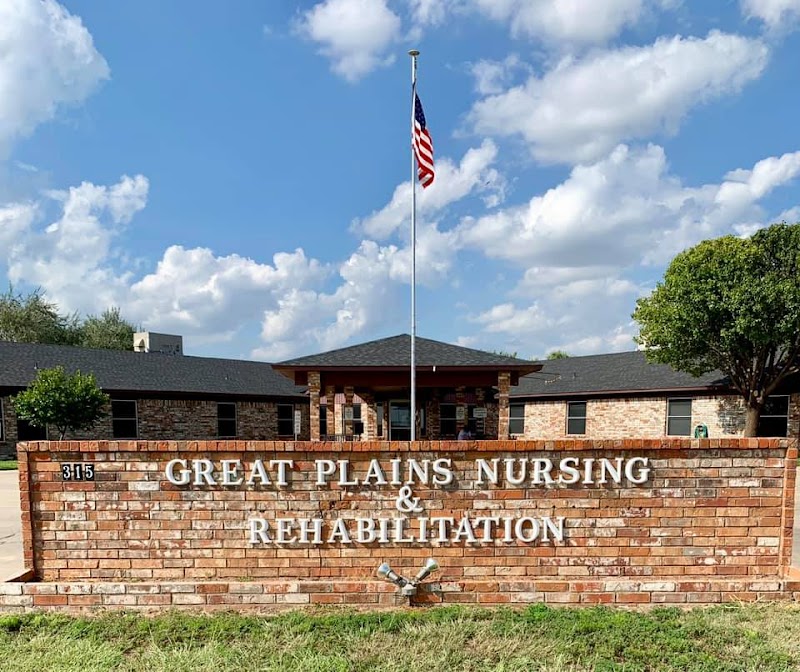
How is Great Plains Nursing And Rehabilitation Staffed?

CMS rates GREAT PLAINS NURSING AND REHABILITATION's staffing level at 4 out of 5 stars, which is above average compared to other nursing homes. Staff turnover is 34%, compared to the Texas average of 46%. This relatively stable workforce can support continuity of care.

What Have Inspectors Found at Great Plains Nursing And Rehabilitation?

State health inspectors documented 9 deficiencies at GREAT PLAINS NURSING AND REHABILITATION during 2023 to 2025. These included: 9 with potential for harm.
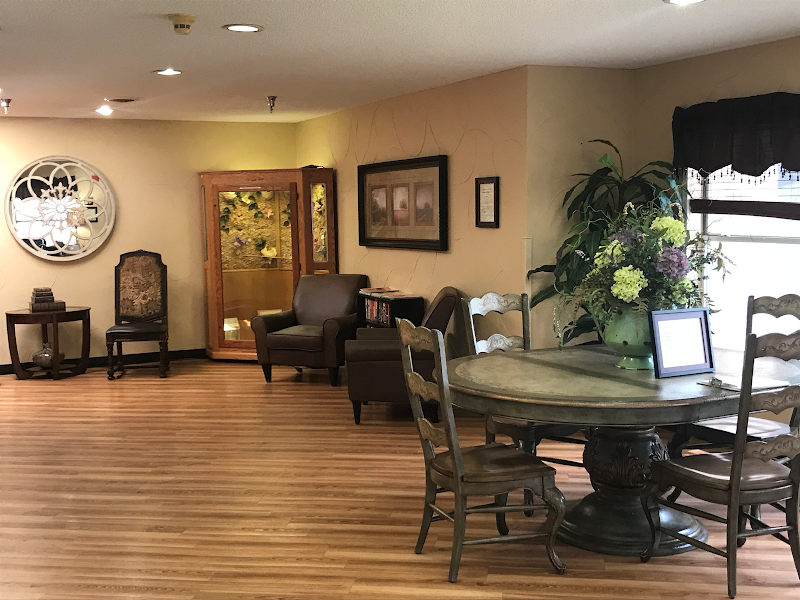
Who Owns and Operates Great Plains Nursing And Rehabilitation?

GREAT PLAINS NURSING AND REHABILITATION is owned by a for-profit company. For-profit facilities operate as businesses with obligations to shareholders or private owners. The facility is operated by CREATIVE SOLUTIONS IN HEALTHCARE, a chain that manages multiple nursing homes. With 120 certified beds and approximately 38 residents (about 32% occupancy), it is a mid-sized facility located in DUMAS, Texas.
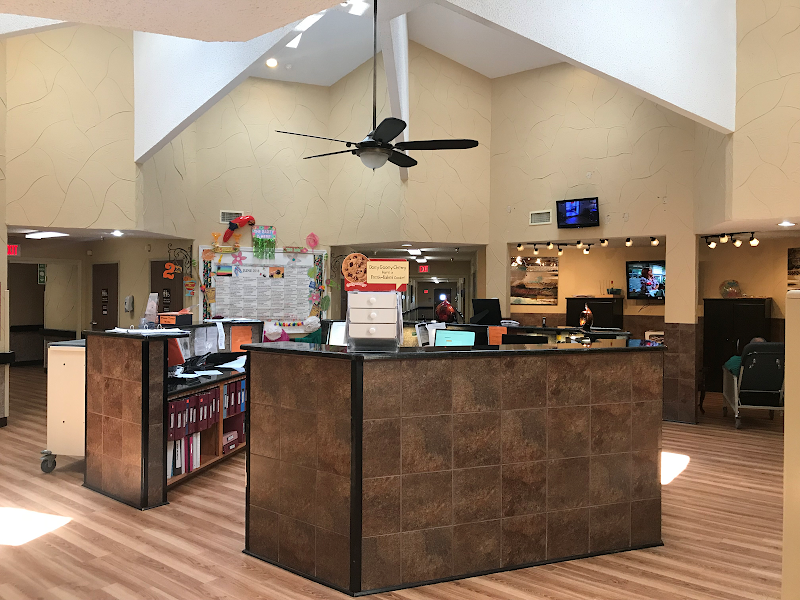
How Does Great Plains Nursing And Rehabilitation Compare to Other Texas Nursing Homes?

Compared to the 100 nursing homes in Texas, GREAT PLAINS NURSING AND REHABILITATION's overall rating (5 stars) is above the state average of 2.8, staff turnover (34%) is significantly lower than the state average of 46%, and health inspection rating (5 stars) is much above the national benchmark.

What Should Families Ask When Visiting Great Plains Nursing And Rehabilitation?

Based on this facility's data, families visiting should ask: "Can I visit during a mealtime to observe dining assistance and food quality?" "How do you handle medical emergencies, and what is your hospital transfer rate?" "Can I speak with family members of current residents about their experience?"

Is Great Plains Nursing And Rehabilitation Safe?

Based on CMS inspection data, GREAT PLAINS NURSING AND REHABILITATION has a clean safety record: no substantiated abuse findings (meaning no confirmed cases of resident harm), no Immediate Jeopardy citations (the most serious violation level indicating risk of serious injury or death), and is not on the Special Focus Facility watch list (a federal program monitoring the lowest-performing 1% of nursing homes). The facility has a 5-star overall rating and ranks #1 of 100 nursing homes in Texas. While no facility is perfect, families should still ask about staff-to-resident ratios and recent inspection results during their visit.

Do Nurses at Great Plains Nursing And Rehabilitation Stick Around?

GREAT PLAINS NURSING AND REHABILITATION has a staff turnover rate of 34%, which is about average for Texas nursing homes (state average: 46%). Moderate turnover is common in nursing homes, but families should still ask about staff tenure and how the facility maintains care continuity when employees leave.

Was Great Plains Nursing And Rehabilitation Ever Fined?

GREAT PLAINS NURSING AND REHABILITATION has no federal fines on record. CMS issues fines when nursing homes fail to meet care standards or don't correct problems found during inspections. The absence of fines suggests the facility has either maintained compliance or corrected any issues before penalties were assessed. This is a positive indicator, though families should still review recent inspection reports for the full picture.

Is Great Plains Nursing And Rehabilitation on Any Federal Watch List?

GREAT PLAINS NURSING AND REHABILITATION is not on any federal watch list. The most significant is the Special Focus Facility (SFF) program, which identifies the bottom 1% of nursing homes nationally based on persistent, serious quality problems. Not being on this list means the facility has avoided the pattern of deficiencies that triggers enhanced federal oversight. This is a positive indicator, though families should still review the facility's inspection history directly.