EAGLE PASS NURSING AND REHABILITATION

2550 ZACATECAS DR, EAGLE PASS, TX 78852 (830) 773-4488
Government - Hospital district 114 Beds CREATIVE SOLUTIONS IN HEALTHCARE Data: November 2025 1 Immediate Jeopardy citation
Trust Grade
29/100
#698 of 1168 in TX
Last Inspection: May 2025

Inspected within the last 6 months. Data reflects current conditions.

Overview

Eagle Pass Nursing and Rehabilitation has received a Trust Grade of F, indicating significant concerns about the facility's quality of care. Ranking #698 out of 1,168 facilities in Texas places it in the bottom half, while it is #2 out of 3 in Maverick County, meaning only one local option is better. The facility's trend is improving, with issues decreasing from 20 in 2024 to 5 in 2025, but the overall staffing rating is poor at 1 out of 5 stars, despite a low turnover rate of 25%. The facility has faced fines totaling $22,195, which is average for Texas, and has concerning RN coverage, being below 77% of other state facilities. Specific incidents include a resident eloping through an unlocked door and suffering a fall, and another resident experiencing a delay in care for a bleeding injury that resulted in a fractured toe. While there are some strengths such as low staff turnover and an improving trend, the serious safety and care issues highlight significant weaknesses that families should consider.

Trust Score
F
29/100
In Texas
#698/1168
Bottom 41%
Safety Record
High Risk
Review needed
Inspections
Getting Better
20 → 5 violations
Staff Stability
✓ Good
25% annual turnover. Excellent stability, 23 points below Texas's 48% average. Staff who stay learn residents' needs.
Penalties
✓ Good
$22,195 in fines. Lower than most Texas facilities. Relatively clean record.
Skilled Nurses
⚠ Watch
Each resident gets only 14 minutes of Registered Nurse (RN) attention daily — below average for Texas. Fewer RN minutes means fewer trained eyes watching for problems.
Violations
⚠ Watch
26 deficiencies on record. Higher than average. Multiple issues found across inspections.
★★☆☆☆
2.0
Overall Rating
★☆☆☆☆
1.0
Staff Levels
★★★☆☆
3.0
Care Quality
★★★☆☆
3.0
Inspection Score
Stable
2024: 20 issues
2025: 5 issues

The Good

  • Low Staff Turnover (25%) · Staff stability means consistent care
  • Full Sprinkler Coverage · Fire safety systems throughout facility
  • No fines on record
  • Staff turnover is low (25%)

    23 points below Texas average of 48%

Facility shows strength in staff retention, fire safety.

The Bad

2-Star Overall Rating

Below Texas average (2.8)

Below average - review inspection findings carefully

Federal Fines: $22,195

Below median ($33,413)

Minor penalties assessed

Chain: CREATIVE SOLUTIONS IN HEALTHCARE

Part of a multi-facility chain

Ask about local staffing decisions and management

The Ugly 26 deficiencies on record

1 life-threatening 2 actual harm
May 2025 4 deficiencies
CONCERN (D)

Potential for Harm - no one hurt, but risky conditions existed

Deficiency F0942 (Tag F0942)

Could have caused harm · This affected 1 resident

Based on interview and record review, the facility failed to provide mandatory effective training on rights of the resident training for 1 of 28 employees (CNA C) reviewed for training. The facility f...

Read full inspector narrative →
Based on interview and record review, the facility failed to provide mandatory effective training on rights of the resident training for 1 of 28 employees (CNA C) reviewed for training. The facility failed to ensure rights of the resident training was provided to CNA C annually. This failure could affect residents and place them at risk of being uninformed due to lack of staff training. The findings were: Record review of the personnel records for CNA C revealed a hire date of 08/09/2023. Review of a training in-services for CNA C from 05/18/2024 to 05/21/2025, provided by the HR revealed no evidence of resident rights training being provided annually. Interview with the HR on 05/21/2025 at 11:00 AM, revealed the facility used Relias (computer-based training program) for employee's annual trainings. The HR stated employees received emails informing them they had annual trainings due. The HR stated that department heads also received emails when their employees had an annual training due. The HR stated department heads and HR were responsible to ensure staff completed their annual trainings timely. The HR stated it was important that staff had their annual trainings to ensure staff are up to date on policy/procedure for quality care of the residents. Interview with the DON on 05/21/2025 at 1:45 PM, revealed she had only been DON for a short time. The DON stated staff were trained annually via Relias and notified via email when a training is due. The DON stated it was the responsibility of the department heads to ensure their staff completed their annual trainings. The DON stated it was important to train staff annually to ensure resident receive care that meets their needs. Interview with the Administrator 05/21/2025 at 1:52 PM revealed the facility used Relias for employee's annual trainings. The Administrator stated staff and their supervisor were notified via email that they had a new training assigned in Relias. The Administrator stated, via the employee handbook, it was the responsibility of the employees to ensure their annual trainings were completed once assigned. The Administrator stated it was important to train staff annually to ensure residents received good care. Record review of the facility's employee handbook, section named HR-Personnel Handbook 2019, dated 09/20/2019, revealed EMPLOYEE EDUCATION PROGRAM All employees, regardless of status or classification, are required to complete mandatory training as defined by Federal, State and company policies. This facility provides multiple avenues of training that include an online learning management system, external CEU training, reimbursement for program or licensure training and more. For additional information about education opportunities, please contact the Benefits office. A policy addressing required annual training including resident rights training was requested from HR on 05/21/2025 at 11:00 AM but was not provided prior to exit. A policy addressing required annual training including resident rights training was requested from the DON on 05/21/2025 at 01:45 PM but was not provided prior to exit. A policy addressing required annual training including resident rights training was requested from the Administrator on 05/21/2025 at 1:52 PM but was not provided prior to exit.
CONCERN (E)

Potential for Harm - no one hurt, but risky conditions existed

Food Safety (Tag F0812)

Could have caused harm · This affected multiple residents

Based on observation, interview, and record review, the facility failed to store, prepare, distribute, and serve food in accordance with professional standards for food service safety for 1 of 1 kitch...

Read full inspector narrative →
Based on observation, interview, and record review, the facility failed to store, prepare, distribute, and serve food in accordance with professional standards for food service safety for 1 of 1 kitchen observed for kitchen sanitation. 1. The facility failed to ensure a tray of prepared and poured glasses of thicken beverages were dated. 2. The facility failed to ensure opened jar of jalapenos dated 05/05/2025 were refrigerated. 3. The facility failed to ensure a large opened plastic container of vanilla cream icing with lid open to air and partially used was sealed properly. 4. The facility failed to ensure half used bottle of salad dressing was refrigerated. 5. The facility failed to ensure a beverage container in the dining room with water was dated with prepared date. These failures could place residents who received meals and/or snacks from the kitchen at risk for food borne illness. The findings included: During observation and interview on 05/18/2025 at 10:17 a.m. the initial tour of the kitchen revealed in the walk-in refrigerator a tray with beverages poured approximately 6 glasses with thickened liquids, 1 sipping cup and one nosey cup (cup with the area cut out for the nose), not dated. The DM stated they must have been poured for lunch, but they should have been dated. The pantry revealed a jar of jalapenos dated 05/05/2025 with 2 small slits in the lid, having been opened with refrigerate after opening on the label. The DM stated 05/05/2025 was the received date however, they should have been refrigerated. The DM was observed removing the jar of jalapenos from the pantry and tossed in the trash. A large tub of vanilla cream icing was observed on the bottom shelf of the pantry with the lid open and having been partially used dated 03/12/2025 expiration date 09/17/2025 and a half-used bottle of salad dressing was also on the bottom shelf of the pantry dated 04/29/2205 label with refrigerate when opened instructions. The DM stated the vanilla cream icing should have had the lid secured and salad dressing should have been refrigerated, but she did not know it was opened. The DM removed the salad dressing from the pantry and tossed it in the trash. The DM stated by items not having been sealed properly or refrigerated after opening it the items could go bad and it could cause a resident to get sick if it was served and could cause diarrhea. In the dining room on the counter was a beverage container of water on the counter with no date as to when prepared. The DM stated the beverage container was probably put out that morning and it should have been dated. During an interview on 05/21/2025 at 11:45 a.m. the Administrator stated things could go bad if they were not dated or stored at the correct temperatures. The Administrator further stated this could cause resident to get sick if the items were bad. The administrator stated the kitchen staff were responsible for the proper storage of items. Record review of in-service training dated 03/21/2204 revealed, staff had been in serviced regarding Labeling, Dating and Food Storage Refrigerator. Record review in service training dated 09/02/2204 revealed, staff had been in serviced regarding Labeling and Dating. Review of facility's policy, Storage Refrigerators, dated 2012, read All Storage Refrigerators shall be maintained clean and have a proper temperature for food storage and to ensure a proper environment and temperature for food storage. Procedure: #5. Food must be covered when stored, with a date label identifying what is in the container. Review of facility's policy, Food storage and Supplies, dated 2012, read, All facility storage areas will be maintained in an orderly manner that preserves the condition of food and supplies. We will ensure storage areas are clean, organized, dry and .Procedure: #4. Open packages of food are stored in closed containers with covers or in sealed bags, and dated as to when opened. Review of the Food Code, U.S. Public Health Service, U.S. FDA, 2022, U.S. Department of H&HS, revealed, 3-305.11, Food Storage, (A) Food shall be protected from contamination by storing the food: (1) in a clean, dry location; (2) Where it is not exposited to splash, dust, or other contamination.
CONCERN (E)

Potential for Harm - no one hurt, but risky conditions existed

Deficiency F0912 (Tag F0912)

Could have caused harm · This affected multiple residents

Based on observations, interviews, and record review the facility failed to provide a minimum of 80 square feet per resident in 46 of 46 resident rooms (A1 through A11, B12 through B23, C24 through C3...

Read full inspector narrative →
Based on observations, interviews, and record review the facility failed to provide a minimum of 80 square feet per resident in 46 of 46 resident rooms (A1 through A11, B12 through B23, C24 through C33, D34 through D40, E41 through E46.) reviewed for minimum for square footage per resident. Resident rooms A1 through A11, B12 through B23, C24 through C33, D34 through D40, E41 through E46 did not have a minimum of 80 square feet per resident. This deficient practice could affect residents residing in rooms could result in inadequate space to provide care and resident dissatisfaction with the environment. The findings were: Observation of resident rooms in C hall, D hall and E hall on 05/18/2025 from 10:30 AM to 3:30 PM revealed resident room had two beds, one by the door and the other by the window. Resident beds closet to the door were at the edge of the doorframe with privacy curtains open and resting on the edge of beds. Privacy curtains were in the doorway. Interview with the the Administrator on 05/18/2025 at 3:45 PM revealed all the resident rooms are certified for two residents. The Administrator stated the facility did not have a room size waiver and she did not know the size of the resident rooms. Interview with the Administrator and Maintenance on 05/19/2025 at 2:15 pm revealed the rooms were less than 160 square feet meaning there was less than 80 square feet per resident in each room. The Administrator stated she and Maintenance measured each room to find that they did not have the required square feet for the residents. Record review of resident room measurements provided by the facility administrator revealed: Resident rooms A1 to A11 measured 159.83 square feet. Dividing the 159.83 square feet of usable floor space by 2 resulted in 79.91 square feet of floor space per resident in this room. Resident rooms B12, B15 to B23 measured 158.66 square feet. Dividing the 158.66 square feet of usable floor space by 2 resulted in 79.33 square feet of floor space per resident in this room. Resident room B13 to B14 measured 159.83. Dividing the 159.83 square feet of usable floor space by 2 resulted in 79.83 square feet of floor space per resident in this room. Rooms C24 to C33 measured 158.80 square feet. Dividing the 158.80 square feet of usable floor space by 2 resulted in 79.4 square feet of floor space per resident in this room. Rooms D34 to D40 measured 159.83 square feet. Dividing the 159.83 square feet of usable floor space by 2 resulted in 79.915 square feet of floor space per resident in this room. Rooms E41 to E46 measured 159.83 square feet. Dividing the 159.83 square feet of usable floor space by 2 resulted in 79.915 square feet of floor space per resident in this room. Record review of Form 3740, Bed Classifications, provided by the Administrator on 05/21/2025 revealed that all resident rooms were double occupancy.
MINOR (C)

Minor Issue - procedural, no safety impact

Staffing Information (Tag F0732)

Minor procedural issue · This affected most or all residents

Based on observation and interview, the facility failed to post the nurse staffing data on a daily basis at the beginning of each shift for 1 of 1 facilities reviewed for nursing services. The daily s...

Read full inspector narrative →
Based on observation and interview, the facility failed to post the nurse staffing data on a daily basis at the beginning of each shift for 1 of 1 facilities reviewed for nursing services. The daily staff posting was not updated on 5/18/25. This failure could result in residents and visitors not knowing how many staff were providing services to the residents. The findings were: In an observation on 5/18/25 at 10:15 a.m., the daily staff posting was on a dry erase board made specifically for the daily staff posting on the wall behind the left side of the nursing station in public view. The daily staff posting was dated 5/18/25. The daily staff posting had the number 0 for Medication Aide (MA). In an observation and interview on 5/18/25 at 10:17 a.m., MA F was on A-hall with a medication cart and stated she was working that morning. In an observation and interview on 5/18/25 at 10:20 a.m., RN G was observed holding the daily schedule book and was erasing the specific staffing numbers and writing in new numbers in the data areas for staffing. RN G stated someone from the office or a charge nurse was responsible for changing the daily staff posting. In an interview on 5/18/25 at 10:34 a.m., the DON stated it was the charge nurse who was responsible for posting the daily staffing on the weekends. The DON stated possible consequences of the daily staff posting not being updated with the correct information could be something might happen with RN coverage. In an interview on 5/21/25 11:43 a.m., the Administrator stated it was important for the daily staff posting to be accurate and updated daily so people would know how many staff are caring for the residents. In an interview on 5/21/25 at 1:22 p.m., the Administrator stated there was no policy for the daily staff posting.
Apr 2025 1 deficiency 1 IJ
CRITICAL (J) 📢 Someone Reported This

A family member, employee, or ombudsman was alarmed enough to file a formal complaint

Immediate Jeopardy (IJ) - the most serious Medicare violation

Accident Prevention (Tag F0689)

Someone could have died · This affected 1 resident

**NOTE- TERMS IN BRACKETS HAVE BEEN EDITED TO PROTECT CONFIDENTIALITY** Based on observations, interviews, and record review, the facility failed to ensure the resident environment remained as free of...

Read full inspector narrative →
**NOTE- TERMS IN BRACKETS HAVE BEEN EDITED TO PROTECT CONFIDENTIALITY** Based on observations, interviews, and record review, the facility failed to ensure the resident environment remained as free of accident hazards as possible and each resident received adequate supervision to prevent accidents for 1 of 9 residents (Resident #1) reviewed for accidents and supervision , The facility failed to supervise Resident #1 who eloped from the facility on 09/07/24 through an unlocked door and sustained a fall with no injury in the course of the elopement. An Immediate Jeopardy (IJ) was identified as past non-compliance on 04/24/25. The non-compliance began on 09/07/24 and ended on 09/09/24. The facility had corrected the non-compliance before the survey began on 04/23/25. This deficient practice could place residents including Resident #1, who were elopement risks, at-risk of harm, serious injury, or death. The findings included: Record review of the face sheet for Resident #1 dated 4/23/25 revealed the 85- year- old male resident was admitted to the facility on [DATE] with the following diagnoses: unspecified dementia (a condition of cognitive impairment that can have occur for various reasons), anxiety disorder (a condition in which there are strong feelings of worry or fear), and unspecified convulsions (a condition in which a person has seizures where the specific cause is not identified). Record review of Resident #1's Quarterly MDS dated [DATE] revealed the resident had a BIMS score of 6, which indicated the resident was severely cognitively impaired. Further review of the MDS indicated the resident exhibited a significant risk of wandering behavior. Record review of the Initial care plan for Resident #1 initiated on 6/3/24 revealed the resident had a risk of elopement potential. The interventions included identifying the pattern of wandering and distracting the resident from wandering with pleasant diversions and structured activities. Further review revealed the resident's care plan was changed on 9/7/24 to include the resident's elopement on 9/7/24. Record review of wandering assessment for Resident #1 dated 8/27/24 noted the resident had a history of wandering and was a risk for wandering behavior to continue. The wandering assessment was revised on 9/7/24 to include the elopement incident. Record review of the physician order summary for Resident #1 dated 9/6/24 revealed the resident had an order for 30 minute monitoring dated 6/2/24 and an order for psychiatric evaluation dated 6/4/24. Record review of the chart progress notes for Resident #1 from 09/7/24 to 9/20/24 revealed the resident was under continuous 30 minute monitoring by nursing staff since return to the facility from the elopement with the plan for the 30 minute monitoring to be continued. Resident #1 was discharged on 9/21/24 to another nursing facility which had a secured unit. Observation from 04/23/25 to 04/25/25 between the hours of 8:00 a.m. and 1:00 p.m., of all the resident corridor hallways revealed the door alarms were in working order. During an interview with the Administrator and the Assistant Director of Nurses (ADON) on 4/23/25 at 10:30 am regarding the elopement incident., the ADON stated Resident #1 had eloped from the facility on 9/7/24 while waiting in the dining room for breakfast to be served. The ADON stated C.N.A-B had taken Resident #1 to the dining room at 7:15am and went to retrieve other residents to bring them to the dining room. C.N.A.-B found Resident #1's wheelchair unoccupied when she returned to the dining room. C.N.A-B immediately notified the Charge Nurse, and a Code Orange Elopement protocol was begun at 7:20 am. Resident #1 was found by C.N.A-C and C.N.A-D, to be lying on the ground outside the facility and outside the dining room door. Resident #1 was assessed by RN-A and found to have no signs of injury. Resident #1 had stated he was not in any pain. Resident #1 was brought back inside of the facility and it was determined the dining room door in which the resident had exited was unlocked. Resident #1 was transported to the local hospital at 7:58 am for further evaluation. It was determined in the hospital emergency room that Resident #1 had no signs of injury. Resident #1 was returned back to the facility at 11:15 am. The Administrator stated each of the facility's exit doors prior to the incident on 9/7/24 had been checked once a day for door lock/alarm viability. The Administrator stated the facility was unable to determine the staff member who unlocked the dining room door. The Administrator stated since the incident, each of the facility door locks were checked 3 times a day during each 8 hour shift for door lock/alarm viability. During an observation with the Maintenance Director on 4/23/25 from 11:30 am until 11:45 am all exit doors in the facility were checked for door lock/alarm viability. The Maintenance Director stated all of the facility exit doors were checked during every 8 hour shift for each 24 hour time frame for door lock/alarm viability. During an interview with the ADON and HR Director on 4/23/25 at 12:35 pm, the ADON and HR Director stated all of the active staff working in the facility at the time of the incident on 9/7/24 were in-serviced on resident elopement protocol. They stated all of the facility's current active staff had been in-serviced on elopement protocol. During an interview with C.N.A.-C on 4/23/25 at 1:45 pm she stated Resident #1 had been found on the ground next to the dining room door (outside of the facility) on 9/7/24 at 7:36 am. She stated she did not believe that Resident #1 could have walked more than 10-15 feet while outside the facility before he fell on the ground besides the dining room door. C.N.A.-C stated she had received the facility in-service conducted from 9/7/24 to 9/9/24 on elopement which included monitoring residents for exit seeking behaviors such as checking exits, pushing on doors, and verbalizing wanting to leave the facility and interventions to take during an elopement drill. During an interview with C.N.A.-D on 4/23/25 at 1:50 pm she stated that Resident #1 had been found on the ground next to the dining room door(outside the facility) on 9/7/24 at 7:36 am. She stated she did not believe that Resident #1 could have walked more than 10-15 feet while outside the facility before he fell on the ground beside the dining room door. C.N.A.-D stated she had received the facility in-service conducted from 9/7/24 to 9/9/24 on elopement which included monitoring residents for exit seeking behaviors such as checking exits, pushing on doors, and verbalizing wanting to leave the facility and interventions to take during an elopement drill. During an interview with RN-A on 4/23/25 at 1:55 pm he stated Resident #1 had been found on the ground next to the dining room door(outside the facility) on 9/7/24 at 7:36 am. RN-A stated Resident #1 was assessed and found to have no signs of injury. RN-A stated Resident #1 voiced no pain at the time of the assessment. RN-A stated he had received the facility in-service conducted from 9/7/24 to 9/9/24 on elopement which included monitoring residents for exit seeking behaviors such as checking exits, pushing on doors, and verbalizing wanting to leave the facility and interventions to take during an elopement drill. During an interview on 4/23/25 from 1:40 pm to 2:30 pm with 6 CNAs ( E, F, J, M, N, and P), 5 LVNs (H, I, K, O, and Q), 1 RN (G) and 1 MA ( L) who confirmed they had received the facility in-service on elopement conducted from 9/7/24 to 9/9/24 and included: monitoring residents for exit seeking behaviors such as checking exits, pushing on doors, and verbalizing wanting to leave the facility. Record review of active employee roster dated 9/7/24 noted all employees had received elopement protocol training. Record review of the active employee roster dated 4/23/25 noted all active employees had received elopement protocol training. Record review of the facility's alarm monitoring form from 9/7/24 thru 4/23/25 revealed all exit doors in the facility were checked for door lock/alarm functionality every 8 hours during a 24 hour time frame with no concerns noted. Record review of the facility's policy titled, Elopement Response, dated 10/27/10 in the Nursing Policy and Procedure Manual, revealed for the post return resident evaluation and care the facility will evaluate it's elopement prevention program and all residents will be re-assessed for elopement risk.
Apr 2024 11 deficiencies
CONCERN (D)

Potential for Harm - no one hurt, but risky conditions existed

Deficiency F0552 (Tag F0552)

Could have caused harm · This affected 1 resident

**NOTE- TERMS IN BRACKETS HAVE BEEN EDITED TO PROTECT CONFIDENTIALITY** Based on observation, interview, and record review the facility failed to ensure the resident's had the right to be informed of ...

Read full inspector narrative →
**NOTE- TERMS IN BRACKETS HAVE BEEN EDITED TO PROTECT CONFIDENTIALITY** Based on observation, interview, and record review the facility failed to ensure the resident's had the right to be informed of the risks, and participate in, his or her treatment which included the right to be informed in advance, by the physician or other practitioner or professional, of the risks and benefits of proposed care, of treatment and treatment alternatives or treatment options and to choose the alternative or option he or she preferred, for 1 of 24 residents (Resident #34) reviewed for resident rights. The facility failed to provide Resident #34's Responsible Party with the benefits, risks, and options available after a psychiatrist recommendation to discontinue the Ativan/Benadryl/Haldol Gel on 02/27/2024. This deficient practice could place residents at risk of receiving medications without their responsible party's risk prior knowledge or consent. The findings included: Record review of Resident #34's face sheet, dated 04/17/2024, reflected a [AGE] year-old female was admitted on [DATE] with a primary diagnosis of Other sequelae of cerebral infarction (history of a stroke). The face sheet also reflected Resident #34 had a Responsible Party that was a family member and a Medical POA. Record review of Resident #34's admission MDS, dated [DATE], reflected Resident #34's cognition was moderately impaired. The MDS also reflected Resident #34 had received antipsychotics, antidepressants, and antianxiety medications. Record review of Resident #34's comprehensive person-centered care plan, dated 04/17/2024, did not reflect any information related to the administration of antipsychotic medications. Record review of Resident #34's physician orders, dated 04/17/2024, reflected an order for: -ABH Gel (Ativan 1mg/Benadryl 25mg/Haldol 1mg) Gel 1mg/25/mg/1mg MG (Lorazepam/Diphenhydramine/Haloperidol) Apply to VOLAR WRIST topically two times a day for Anxiety/Agitation related to VASCULAR DEMENTIA, UNSPECIFIED SEVERITY, WITHOUT BEHAVIORAL DISTURBANCE, PSYCHOTIC DISTURBANCE, MOOD DISTURBANCE, AND ANXIETY (F01.50) HOLD IF RESIDENT BECOMES DROWSY, order date 01/22/2024. Record review of [Psychiatry Services] Progress Note, dated 02/27/2024, reflected Plan . Mood disorder due to a general medical condition (disorder) . Continue ABH gel [for] 14 days then [discontinue]. Record review of a medication review regimen, dated 02/11/2024, reflected a recommendation for the nursing department, to do an AIMS assessment for ABH gel, to complete a consent for antipsychotics or neuroleptics form, and to consider a more appropriate diagnosis for administering the ABH gel. Observation and interview on 04/15/2024 at 9:23 AM revealed Resident #34 sitting upright in her bed, and confirmed she had no concerns about her care. Resident #34 was observed to stare blankly in the distance at no object with a subtle head bobbing and during an interview with a Spanish interpreter via telephone would continue to stare blankly in the distance occasionally nodding her head. Phone interview on 04/17/2024 at 9:06 AM, Resident #34's family member confirmed he was the primary responsible party for Resident #34. He confirmed he visited the facility several days of every week since Resident #34 had been admitted and was aware of Resident #34 being administered the ABH gel. He stated it was given to Resident #34 because she refused medications. He stated he had not been informed of the psychiatric evaluation on 02/27/2024 that recommended to discontinue the ABH gel after 14 days. Resident #34's family member confirmed he had visited the facility several times in person since 02/27/2024 and had regular communication with the charge nurses. The ADON and the DON however was never informed of the psychiatric assessment. Phone interview on 04/17/2024 at 10:00 AM the MD confirmed he recalled Resident #34 and confirmed as a standard practice he followed the recommendations by other physician's such as psychiatrists and field experts. The MD confirmed he was not aware of the psychiatric evaluation on 02/27/2024 that recommended Resident #34 to discontinue the ABH gel after 14 days and confirmed the risk to Resident #34 could be various. Interview on 04/17/2024 at 10:58 AM, the ADON confirmed she was familiar with Resident #34 having been administered the ABH Gel, and confirmed she was unfamiliar with the recommendation by psychiatric services to discontinue the ABH gel. The ADON confirmed Resident #34's ABH Gel administration and follow-up assessments were handled by the DON primarily so the DON would be the primary point of contact related to contacting the family and physician. Interview on 04/17/2024 at 11:16 AM, the DON confirmed she was familiar with Resident #34 having been administered the ABH Gel, and confirmed she was familiar with the recommendation by psychiatric services to discontinue the ABH gel. The DON stated communication with Resident #34's family and physician was completed by herself and confirmed the family was notified verbally during his on-site visit but did not indicate it in clinical records. The DON confirmed the MD was notified of the psychiatric evaluation however could not recall a precise date or time when the MD was notified and confirmed the MD likely forgot that he was notified of the psychiatric visit. The DON confirmed that the potential risk to Resident #34 was that the family member or MD could have considered not following the recommendation by psychiatric services. A policy specific to notification to family and physician was requested on 04/17/2024 at 11:25 AM to the ADM and not provided upon exit.
CONCERN (D)

Potential for Harm - no one hurt, but risky conditions existed

Comprehensive Care Plan (Tag F0656)

Could have caused harm · This affected 1 resident

**NOTE- TERMS IN BRACKETS HAVE BEEN EDITED TO PROTECT CONFIDENTIALITY** Based on observation, interview and record review the facility failed to develop and implement a comprehensive person-centered c...

Read full inspector narrative →
**NOTE- TERMS IN BRACKETS HAVE BEEN EDITED TO PROTECT CONFIDENTIALITY** Based on observation, interview and record review the facility failed to develop and implement a comprehensive person-centered care plan that includes measurable objectives and time frames to meet a resident's medical and nursing needs to be furnished to attain or maintain the resident's highest practicable physical, mental, and psychosocial well-being for 1 of 8 residents (Residents #56) reviewed for comprehensive care plans in that: The facility failed to update a plan of care to address Resident #56's current use of oxygen. The care plan did not reflect Resident #56's self administration of his own oxygen. This deficient practice could place residents at risk of not being provided with the necessary care or services and having personalized plans developed to address their specific needs. The findings included: Record review of Resident #56's face sheet dated 4/17/2024 revealed an [AGE] year-old male with an admission date of 10/18/2023 with diagnoses which included: pneumonia (An infection of the air sacs in one or both the lungs. Characterized by severe cough with phlegm, fever, chills and difficulty in breathing), diabetes mellitus, anemia (Deficiency of healthy red blood cells in blood. Red blood cells (RBCs) are essential to carry oxygen to all parts of the body. Fatigue, unexplained weaknesses are some of the common symptoms.), acute respiratory failure with hypoxia (inadequate gas exchange by the respiratory system, meaning that the arterial oxygen, carbon dioxide, or both cannot be kept at normal levels. A drop in the oxygen carried in the blood is known as hypoxemia), emphysema (A lung disease which results in shortness of breath due to destruction and dilatation of the alveoli (air sac)), chronic obstructive pulmonary disease (persistent respiratory symptoms like progressive breathlessness and cough), and chronic atrial fibrillation (irregular and often faster heartbeat). Record review of Resident #56's quarterly MDS dated [DATE] revealed a BIMS score of 15 which indicated intact cognition and received oxygen therapy. Record review of Resident #56's physician order summary, dated 4/14/2024, revealed: -a verbal order for oxygen at 2 liters per minute via nasal cannula as needed with a start date of 3/22/2024 and no end date. Record review of Resident #56's Care Plan initiated on 10/19/2023 revealed: -Resident #56 had Oxygen Therapy d/t Dx of Emphysema, initiated on 10/19/2023 and revised on 04/02/2024, give medications as ordered by physician, monitor/document side effects and effectiveness, If the resident is allowed to eat, oxygen still must be given to the resident but in a different manner (e.g., changing from mask to a nasal cannula). Return resident to usual oxygen delivery method after the meal, monitor for s/sx of respiratory distress and report to MD PRN: respirations, pulse oximetry, increased heart rate (tachycardia), restlessness, diaphoresis, headaches, lethargy, confusion, atelectasis, hemoptysis, cough, pleuritic pain, accessory muscle usage, skin color, notify the nurse if the oxygen is off the resident, oxygen at ____lpm per nasal canula, position resident to facilitate ventilation/perfusion matching: use upright, high-fowlers position whenever possible to allow for optimal diaphragm. The care plan did not address the resident self-administration of oxygen, did not address the residents self-use of a pulse oximeter (device used to check oxygen saturation rate and pulse), did not specify the active order for 2 liters per minute rate as needed for oxygen, and did not specify the frequency for vital signs. Record review of Resident #56's MAR, dated 4/17/2024, revealed Oxygen at 2 liter per minute as needed was blank, indicating it had not been administered in the month of April. During an observation on 4/15/2024 at 11:56 a.m. Resident #56 was in his room. The resident had a pulse oximeter on his bedside table and an oxygen concentrator was present next to his bed. Resident #56 stated he used the oxygen at night and checked his own oxygen levels with his pulse oximeter. During a follow up interview on 4/17/2024 at 11:46 a.m. Resident #56 stated he used his oxygen on his own every night and sometimes during the day he will lay down and use it. Resident #56 stated he will check his own oxygen saturation through out the day and if it goes below 90% he knew that was bad and would use his oxygen. Resident #56 stated he did not notify staff if his oxygen saturation was below 90%. Resident #56 stated staff go into his room to check his oxygen saturation twice a day an sometimes an extra time at night. Resident #56 stated they checked his oxygen saturation that morning and it was 97%. During an interview on 4/17/2024 at 11:52 a.m. LVN D stated she had check Resident #56's oxygen saturation that morning when she checked his blood sugar but had not documented it. LVN D stated she remembered his oxygen saturation from that morning and would document it. LVN D stated she checked Resident #56's oxygen saturation everyday but did not document it. She stated the order changed to as needed and her electronic medical record program did not prompt her to document it. LVN D stated the resident liked to check his own oxygen and used his oxygen on his own. During an interview on 4/17/24 at 3:20 p.m. the DON stated nursing staff would document if a resident used oxygen and Resident #56 had a PRN or as needed order for oxygen. The DON stated Resident #56 had a BIMS score of 15 so he could administer his own oxygen and check his own oxygen saturation. The DON stated staff would document if they administered the oxygen to the resident but because he administered it to himself it would not be documented. The DON stated because the resident had a PRN order, they were not expected to check his oxygen saturation like they would for continuous oxygen and oxygen saturation would not be documented daily even if staff were checking it. The DON stated, I can care plan it if you want me to. During an interview on 4/17/24 at 3:20 p.m. The Regional Compliance Nurse stated Resident #56 had a PRN order for oxygen, so staff only needed to check it weekly. The Regional Compliance Nurse stated staff could check Resident #56's vital signs, including his oxygen saturation but were not expected to document it because they would be going above and beyond. RN E stated they did not know if Resident #56 was administering his own oxygen because he could just be saying he was. Record review of the facility's policy, titled Comprehensive Care Planning, no date, stated The facility will develop and implement a comprehensive person-centered care plan for each resident, consistent with the resident rights that includes measurable objectives and timeframes to meet a resident's medical, nursing, and mental and psychosocial needs that are identified in the comprehensive assessment. The comprehensive care plan will describe the following, The services that are to be furnished to attain or maintain the resident's highest practicable physical .The resident's preference and potential for future discharge .Each resident will have a person-centered comprehensive care plan developed and implemented to meet his other preferences and goals, and address the resident's medical, physical, mental and psychosocial needs .The facility will establish, document and implement the care and services to be provided to each resident to assist in attaining or maintaining his or her highest practicable quality of life. Care planning drives the type of care and services that a resident receives [NAME] plans will be person-centered and reflect the resident's goals for admission and desired outcomes .The comprehensive care plan will reflect interventions to enable each resident to meet his/her objectives. Interventions are the specific care and services that will be implemented. When developing the comprehensive care plan, facility staff will, at a minimum, use the Minimum Data Set (MOS, to assess the resident's clinical condition, cognitive and functional status, and use of services. if a Care Area Assessment (CAA) is triggered, the facility will further assess the resident to determine whether the resident is at risk of developing, or currently has a weakness or need associated with that CAA, and how the risk, weakness or need affects the resident. Documentation regarding these assessments and the facility's rationale for deciding whether or not to proceed with care planning for each area triggered will be recorded in the medical record.
CONCERN (D)

Potential for Harm - no one hurt, but risky conditions existed

Deficiency F0698 (Tag F0698)

Could have caused harm · This affected 1 resident

**NOTE- TERMS IN BRACKETS HAVE BEEN EDITED TO PROTECT CONFIDENTIALITY** Based on observations, interviews and record review, the facility failed to ensure that residents who required dialysis received...

Read full inspector narrative →
**NOTE- TERMS IN BRACKETS HAVE BEEN EDITED TO PROTECT CONFIDENTIALITY** Based on observations, interviews and record review, the facility failed to ensure that residents who required dialysis received such services, consistent with professional standards of practice for 1 of 2 residents (Resident #55) reviewed for dialysis: The facility did not maintain communication, coordination, and collaboration with the dialysis facility for Resident #55. This deficient practice could affect residents who received dialysis treatments and place them at risk for complications and not receiving proper care and treatment to meet their needs. The findings included: Record review of Resident #55's face sheet, dated 4/17/24, revealed a [AGE] year-old female admitted to the facility on [DATE] with diagnoses that included, acute kidney injury, hyperlipidemia (elevated cholesterol), glaucoma (increased pressure within the eyeball causing gradual loss of sight), end stage renal disease (condition in which the kidneys cease functioning on a permanent basis), and atrial fibrillation (irregular, rapid heart rate commonly caused by poor blood flow). Record review of Resident #55's most recent MDS admission assessment, dated 3/30/24, revealed the resident's cognition was intact for daily decision-making skills and required dialysis treatments. Record review of Resident #55's comprehensive care plan, with revision date 4/01/24 revealed the resident received dialysis related to renal failure and was at risk for potential complications from dialysis, with interventions that included do not draw blood or take blood pressure in arm with graft, monitor/document peripheral edema, monitor/document/report to MD PRN signs and symptoms of and to report abnormal bleeding, hemorrhage, bacteremia, and septic shock, obtain vital signs and weight per protocol, report significant changes in pulse, respirations, and blood pressure immediately. Record review of Resident #55's Order Summary Report, dated 4/17/24 revealed the following orders: - Dialysis Monday, Wednesday, Friday with a start date of 04/10/2024 and no end date. - Dialysis Monday, Wednesday, Friday discontinued on 04/08/2024 No orders Record review of Resident #55's Dialysis Communications Record revealed the following: -the 3/29/24 record was requested and not provided. - the 4/01/24 record revealed the pre assessment for the nursing facility weight was blank and the dialysis center communication area for vitals was blank. - the 4/03/24 record revealed the pre assessment for the nursing facility weight was blank and the post assessment for skin condition the nursing facility was blank. - the 4/05/24 record revealed the pre assessment for the nursing facility weight was blank and the post assessment for oxygen saturation and blood sugar was blank. - the 4/08/24 record revealed the pre assessment for the nursing facility skin assessment was blank. - the 4/10/24 record revealed the post assessment for the nursing facility skin assessment was blank. - the 4/12/24 record revealed the pre assessment for the nursing facility nurse's signature was blank. The vitals listed on the morning pre assessment at the nursing facility were also documented the same in the evening on the electronic medical record on 04/12/24 at 8:04 p.m - the 4/15/24 record revealed the dialysis center communication area for vitals was blank and contained no dialysis nurse's signature. -the 4/17/24 record was requested and not provided. During an interview on 4/14/24 at 12:32 p.m., Resident #55 revealed she went to dialysis treatments on Monday, Wednesday, and Friday and had a central port for dialysis. During an interview on 04/17/2024 at 9:45 a.m. the DON stated the facility staff would fill out the pre and post assessment for each dialysis resident. The DON stated the dialysis facility was responsible for filling out the dialysis center communication portion of the form. The DON stated if vitals were missing from the dialysis center portion of the form she would call and get the information from the dialysis center. The DON stated the dialysis center did not fill out the vitals on 04/01/24 and 04/15/24 and were left blank on the form. The DON stated only the information the dialysis facility was responsible for was blank on the forms for Resident #55. Record review of the facility's policy titled Dialysis, dated 11/2013, stated Dialysis is . The facility will establish baseline information from the dialysis center with will monitor changes from the baseline .4. The resident will be referred for a skin/wound assessment by the wound care nurse. Skin assessment will be ongoing .All documentation will be maintained in the resident's clinical record. The physician may obtain a dry weight measure to compare the resident's daily weight results to. Verify with the physician for the weight plan of care . the facility will make every effort to assist the resident in obtaining information and assistance with questions from the dialysis center about his/her treatment .The date and time that the resident leaves the facility will be recorded by the nurse. The facility will monitor departures and returns from the dialysis center. The facility will document the resident's vital signs, general appearance, orientation, and additional baseline data as needed. The resident's clinical record will be documented with this information. The date and time of the resident's return to the facility will be recorded by the nurse. The facility will be observant of any of the following symptoms. If the resident experiences any of these symptoms, the nurse will contact the dialysis center, the attending physician immediately .
CONCERN (D)

Potential for Harm - no one hurt, but risky conditions existed

Garbage Disposal (Tag F0814)

Could have caused harm · This affected 1 resident

Based on observations and interviews, the facility failed to ensure all facility dumpsters were equipped with a drain plug. 2 of the 3 facility dumpsters lacked a drain plug. This failure posed a san...

Read full inspector narrative →
Based on observations and interviews, the facility failed to ensure all facility dumpsters were equipped with a drain plug. 2 of the 3 facility dumpsters lacked a drain plug. This failure posed a sanitary and safety hazard that could result in water accumulating in the dumpsters and in the attraction of vermin from standing water. The findings included: Observation and interview on 04/15/2024 at 11:18 AM, 3 facility dumpsters were revealed outside of the facility of which 2 were observed to have an exit drain but lacked a drain plug. Of the 2 that lacked a drain plug, one appeared to have a soda bottle lodged in the drain outlet. The DM confirmed the dumpsters were the responsibility of the MS and confirmed she was not aware of the lack of drain plugs in the dumpsters. The DM confirmed she was not aware of the necessity of drain plugs or what their role in garbage maintenance included. Interview on 04/15/2024 at 3:35 PM, the MS, with interpreter assistance provided by the DON, confirmed he was aware of the lack of drain plugs in 2 of the 3 dumpsters and confirmed the drain plugs were removed by the city during a recent inspection for an unknown reason. The MS confirmed he did not have evidence of the city inspection and had no record to support the city removing the drain plugs of those specific dumpsters. The MS confirmed the lack of drain plugs could result in standing water accumulating and attract pests, leading to a pest control concern. Facility policy titled Waste Control and Disposal, undated, reflected Waste Control and Disposal will be taken care of in a sanitary manner . but did not reflect any specific policy related to dumpster maintenance.
CONCERN (D)

Potential for Harm - no one hurt, but risky conditions existed

Medical Records (Tag F0842)

Could have caused harm · This affected 1 resident

**NOTE- TERMS IN BRACKETS HAVE BEEN EDITED TO PROTECT CONFIDENTIALITY** Based on observations, interviews and record reviews, the facility failed to maintain medical records on each resident that were...

Read full inspector narrative →
**NOTE- TERMS IN BRACKETS HAVE BEEN EDITED TO PROTECT CONFIDENTIALITY** Based on observations, interviews and record reviews, the facility failed to maintain medical records on each resident that were accurately documented for 1 of 8 residents (Residents #213) reviewed for accurate medical records in that: The facility accurately documented Resident #213 mobility status on an admission assessment for elopement risk. This deficient practice could affect residents who have medical records and could result in misinformation about professional care provided. The findings included: Record review of Resident #213's face sheet dated 4/17/2024 reflected an [AGE] year-old male was originally admitted to the facility on [DATE] and readmitted on [DATE] with diagnoses left femur fracture, lack of coordination, dementia (conditions that affect the brain's ability to think, remember, and function normally), type 1 diabetes, difficulty in walking, and protein calorie malnutrition. Record review of Resident #213's Admitting MDS, dated [DATE], reflected the Resident was severely cognitively impaired. The MDS reflected Resident #213 had a wheelchair, used supervision or touching assistance to transfer from bed to a chair, used supervision or touching assistance to walk 10 feet, and used supervision or touching assistance to wheel 150 feet. Record review of Resident #213's comprehensive care plan revised date 4/15/2024 reflected: -the Resident had a risk for falls due to assistance with transfers and a history of falls with interventions Ensure that the resident wears appropriate footwear when ambulating or mobilizing in wheelchair and Staff x 2 to assist with transfers. -the Resident had an ADL self-care performance deficit related to dementia with interventions assist with personal hygiene as required: hair, shaving, oral care as needed, bathing requires staff x1 for assistance, bed mobility: required staff x1 for assistance, the resident used a wheelchair, and transferring: required staff x1 for assistance. Record review of an assessment titled Elopement Risk Assessment, dated 3/23/2024, stated 1. Is resident bed bound, in a geriatric, or unable to self-propel wheelchair? Yes. The answer to this question was yes, the assessment was complete. The score was 0 for the elopement risk, indicating no risk for elopement. This assessment showed the resident was non ambulatory and made him not an elopement risk. Record review of an assessment titled Fall Risk Assessment, dated 3/23/2024, stated A. Level of consciousness/ mental status: intermittent confusion B. history of falls (past 3 months): 1-2 falls in the past 3 months C. ambulation/ elimination status: ambulatory/continent .E. Is the Resident able to stand? Yes, balance problem of standing, balance problem while walking, decrease muscular coordination, change in gait pattern when walking through doorway, jerking or unstable and making turns, requires use of assistive devices (cane, wheelchair, walker, furniture) . The resident had a score of 14 which indicated high fall risk. This assessment showed the resident was ambulatory and made him a fall risk. Record review of nursing progress note, dated 4/4/2024, stated resident up during night walking in different halls. Resident refused medication at this time. During an interview on 4/17/2024 at 3:31 p.m. the DON stated Resident #213 can self-propel himself in his wheelchair. The DON stated there were no concerns for wandering or elopement risk for Resident #213. The DON stated on admission Resident #213 was not able to walk and could only stand. The DON stated ambulatory meant walking. The DON stated the assessments were accurate reflection of the Resident on admission which showed he was unable to self-propel himself and able to ambulate. The DON stated when the resident was admitted he was weak and since then had improved and could self-propel himself in his wheelchair. The DON stated the progress note of the resident walking different halls at night did not make him an elopement risk because he was just walking. The DON stated elopement assessments were done on admission and only if something triggered for a new one to be done. The DON stated walking around does not qualify him for a new assessment and he had no behaviors exhibiting wandering. Record review of the facility's policy titled Documentation, dated 05/2015, stated Documentation is the recording of all information, both objective and subjective, in the clinical record of an individual resident. It includes observations, investigations, and communications of the resident involving care and treatments. It has legal requirements regarding accuracy and completeness, legibility and timing. Special forms in the clinical record are utilized in nursing documentation, such as assessment, care plan, nursing progress notes, flow sheets, medication sheets, incident reports, and summary sheets (daily, weekly, monthly, discharge). Documentation also occurs in the clinical software . Goal 1. The facility will maintain complete and accurate documentation for each resident on all appropriate clinical record sheets. 2. The facility will ensure that information is comprehensive and timely and properly signed .
CONCERN (D)

Potential for Harm - no one hurt, but risky conditions existed

Staffing Data (Tag F0851)

Could have caused harm · This affected 1 resident

Based on interviews and record review, the facility failed to follow guidelines for mandatory submission of staffing information based on payroll data in a uniform format for 11 of 91 days in Fiscal Y...

Read full inspector narrative →
Based on interviews and record review, the facility failed to follow guidelines for mandatory submission of staffing information based on payroll data in a uniform format for 11 of 91 days in Fiscal Year Quarter 1 of 2024. Long-term care facilities must electronically submit to CMS complete and accurate direct care staffing information, including information for agency and contract staff, based on payroll and other verifiable and auditable data in a uniform format according to specifications established by CMS. The facility failed to submit staffing information to CMS for 11 of 91 days in Fiscal Year Quarter 1 of 2024. This deficient practice could place residents at risk for personal needs not being identified and met, decreased quality of care, decline in health status, and decreased feelings of well-being within their living environment. The findings included: Record review of CMS Form-671 (Long-Term Care Facility Application for Medicare and Medicaid) dated 04/17/2024 provided by the ADM reflected a total of 56 residents in the facility. Record review of the PBJ Staffing Data Report, Fiscal Year Quarter 1 of 2024 (October 1 - December 31), dated 04/10/2024, reflected the facility had failed to RN staffing hours on the following dates: 11/24, 12/04, 12/05, 12/09, 12/10, 12/16, 12/17, 12/18, 12/21, 12/22, and 12/27. Interview on 04/16/2024 at 4:46 PM, the ADM confirmed the Payroll Based Journal staffing hours were submitted by the corporate office to CMS. The ADM confirmed the facility had an RN during the periods listed within the PBJ staffing data report, however the days were likely staffed by the CCN who, as a salaried staff member, did not complete timesheets and would otherwise not be able to evidence their staffing at the facility. The ADM confirmed the potential harm would be that an RN could not be confirmed to have been at the facility and thus not able to provide RN assistance to the facility. Interview on 04/16/2024 at 5:12 PM, the CCN confirmed she was at the facility during November 2023 and December 2023 when the routine RNs employed at the building were not able to work their shifts. The CCN confirmed that she did not complete time sheets due to her being a salaried staff member and had no ability to enter payroll-based journaling. The CCN confirmed she had no record such as a personal schedule to evidence her having been at the facility during the dates. Record review of the CMS, Electronic Staffing Data Submission Payroll-Based Journal, Long-Term Care Facility Policy Manual, Version 2.6, June 2022, section 1.2 Submission Timeliness and Accuracy, reflected Direct care staffing and census data will be collected quarterly, and is required to be timely and accurate. Further review revealed Report Quarter 1 date range as October 1-December 31. Policy manual reflected, Deadline: Submissions must be received by the end of the 45th calendar day (11:59 PM Eastern Time) after the last day in each fiscal quarter in order to be considered timely.
CONCERN (D)

Potential for Harm - no one hurt, but risky conditions existed

Deficiency F0944 (Tag F0944)

Could have caused harm · This affected 1 resident

Based on record review and interview, the facility failed to include as part of its QAPI program, mandatory training that outlined and informed staff of the elements and goals of the facility's QAPI p...

Read full inspector narrative →
Based on record review and interview, the facility failed to include as part of its QAPI program, mandatory training that outlined and informed staff of the elements and goals of the facility's QAPI program, for 3 of the 16 staff members (LVN H, LVN I, CNA J) reviewed for mandatory training. Three staff members (LVN H, LVN I, and CNA J) reviewed for mandatory training had not received training regarding the facility's QAA-QAPI program. This deficient practice could place residents at risk of receiving inadequate care from staff who are unfamiliar with the facility's QAPI program. The findings included: Record review of employee files reflected no documented evidence the following employees received training regarding the QAPI program: -LVN H, hired on 07/18/2023 -LVN I, hired on 06/29/2022 -CNA J, hired on 01/17/2024 Interview 04/17/2024 at 2:00 PM, the HRD confirmed she was not aware of LVN H, LVN I, and CNA J not having received QAPI training. The HRD confirmed all staff training was assigned by corporate, and she did not control what staff were assigned. The HRD confirmed LVN H, LVN I, and CNA J were all assigned QAPI training; however, they had not completed the online training via their company contracted training site, Relias. The HRD confirmed her responsibility for training was limited to reminding department heads of late or non-compliant training. Interview on 04/17/2024 at 2:46 PM, the ADM confirmed he was not aware of the facility staff not having been trained on the facility's QAPI plan and protocols. The ADM confirmed the risk could be that staff would be unaware of what the facility's QAPI plan included. The ADM confirmed the QAPI plan was the facility's policy.
CONCERN (D)

Potential for Harm - no one hurt, but risky conditions existed

Deficiency F0946 (Tag F0946)

Could have caused harm · This affected 1 resident

Based on record review and interview, the facility failed to ensure all staff received training in compliance and ethics for 5 of the 16 staff members (the DON, LVN H, LVN I, CNA J, and RN K) reviewed...

Read full inspector narrative →
Based on record review and interview, the facility failed to ensure all staff received training in compliance and ethics for 5 of the 16 staff members (the DON, LVN H, LVN I, CNA J, and RN K) reviewed for mandatory training. Five staff members (the DON, LVN H, LVN I, CNA J, and RN K) reviewed for mandatory training had not received training regarding compliance and ethics. This failure could place residents at risk of receiving inadequate care from staff who are uneducated on compliance and ethics. The findings included: Record review of employee files reflected no documented evidence the following employees received training regarding the ethics program: -DON, hired on 12/01/2016 -LVN H, hired on 07/18/2023 -LVN I, hired on 06/29/2022 -CNA J, hired on 01/17/2024 -RN K, hired on 08/09/2023 Interview 04/17/2024 at 2:00 PM, the HRD confirmed she was not aware of the DON, LVN H, LVN I, CNA J, and RN K not having received ethics training. The HRD confirmed all staff training was assigned by corporate, and she did not control what staff were assigned. The HRD confirmed the DON, LVN H, LVN I, CNA J, and RN K were all assigned ethics training; however, they had not completed the online training via their company contracted training site, Relias. The HRD confirmed her responsibility for training was limited to reminding department heads of late or non-compliant training. Interview on 04/17/2024 at 2:46 PM, the ADM confirmed he was not aware of the facility staff not having been trained on corporate compliance and ethics. The ADM confirmed the risk could be that staff would be unaware of corporate compliance and ethics. The ADM confirmed the facility did not have a policy specific to ethics training.
CONCERN (E)

Potential for Harm - no one hurt, but risky conditions existed

Incontinence Care (Tag F0690)

Could have caused harm · This affected multiple residents

**NOTE- TERMS IN BRACKETS HAVE BEEN EDITED TO PROTECT CONFIDENTIALITY** Based on observation, interview, and record review, the facility failed to ensure a resident who was incontinent of bladder rece...

Read full inspector narrative →
**NOTE- TERMS IN BRACKETS HAVE BEEN EDITED TO PROTECT CONFIDENTIALITY** Based on observation, interview, and record review, the facility failed to ensure a resident who was incontinent of bladder receives appropriate treatment and services to prevent urinary tract infections and to restore continence to the extent possible for 5 of 5 residents (Resident #38, #11, #55, #17, and #48) reviewed for indwelling urinary catheter care, in that: 1. Resident #38's indwelling urinary catheter drainage bag was touching the floor. 2. The facility failed to ensure Resident #11 was provided proper catheter care. 3. Resident #55's indwelling urinary catheter drainage bag was touching the floor. 4. Resident #17's indwelling urinary catheter drainage bag and catheter tubing was touching the floor. 5. Resident #48 indwelling urinary catheter drainage bag and catheter tubing was touching the floor. This failure could place residents with indwelling urinary catheter devices at risk for the development of new or worsening urinary tract infections. The findings included: 1. Record review of Resident #38's face sheet, dated 4/14/24 revealed an [AGE] year-old female admitted to the facility on [DATE] and re-admitted on [DATE] and 2/22/24 with diagnoses that included cerebral infarction (occurs as a result of disrupted blood flow to the brain due to problems with the blood vessels that supply it), type 2 diabetes (a long-term condition in which the body has trouble controlling blood sugar and using it for energy), urinary tract infection, and hypertension (elevated blood pressure). Record review of Resident #38's most recent quarterly MDS assessment, dated 2/26/24 revealed the resident was moderately cognitively impaired for daily decision-making skills and was always incontinent of bowel and bladder. Record review of Resident #38's comprehensive care plan, with revision date 4/10/24 revealed the resident had an indwelling urinary catheter with interventions that included to position the catheter bag and tubing below the level of the bladder, in a privacy bag, and check tubing for kinks and maintain the drainage bag off the floor. Observation on 4/14/24 at 12:57 p.m., revealed Resident #38's indwelling urinary catheter bag was touching the floor while the resident was sitting up in a wheelchair eating lunch in the dining room. Observation and interview on 4/14/24 at 1:21 p.m. revealed Resident #38 continued eating in the dining room and the indwelling urinary catheter bag was touching the floor while the resident was eating lunch. LVN A revealed he observed Resident #38's indwelling urinary catheter bag was touching the floor and it should not have been because the catheter tubing could get kinked or get pulled off causing injury. LVN A further revealed, the indwelling urinary catheter bag touching the floor was considered an infection control issue and could result in Resident #38 developing an infection. 2. Record review of Resident #11's face sheet, dated 4/17/24 revealed a [AGE] year-old female admitted to the facility on [DATE] and re-admitted on [DATE] with diagnoses that included intellectual disabilities, dementia, type 2 diabetes (a long-term condition in which the body has trouble controlling blood sugar and using it for energy), rash and other nonspecific skin eruption, seizures, urinary tract infection, hypertension (elevated blood pressure), congenital hydrocephalus (too much fluid builds up in the brain, causing pressure and damage), and acute candidiasis (fungal infection) of vulva and vagina. Record review of Resident #11's most recent quarterly MDS assessment, dated 2/26/24 revealed the resident was moderately cognitively impaired for daily decision-making skills, had a urinary catheter and was always incontinent of bowel. Record review of Resident #11's comprehensive care plan, with revision date 4/02/24 revealed the resident had an indwelling urinary catheter with interventions that included to position the catheter bag and tubing below the level of the bladder, in a privacy bag, check tubing for kinks, and maintain the drainage bag off the floor. Observation on 4/15/24 at 3:15 p.m., revealed CNA L and CNA M provided catheter care to Resident #11. The catheter bag and tubing was hanging from the side of the bed touching the floor. CNA L and CNA M washed their hands and put on gloves and a gown due to the resident being on enhanced barrier precautions. CNA L removed the blankets covering Resident #11. No leg strap was noted on the Resident to hold the catheter tubing in place. CNA L then removed her gloves. CNA M then held the bottle of hand sanitizer with her gloved hands for CNA L to use. CNA M then handed CNA L a new pair of gloves. CNA L then put on the new gloves. CNA L and CNA M both rolled Resident #11 to her side to place a towel under her. CNA M then removed her used gloves, handed the used gloves to CNA L, CNA L grabbed CNA M's used gloves with her gloved hands, and threw them in the trash. CNA L then unfastened Resident #11's used brief and rolled it up and under the resident's vaginal area. CNA L then grabbed the catheter tubing where it exited the urethra meatus (opening where urine exits the body) with her index finger and thumb and wiped the catheter tubing in a direction away from the resident. CNA L then removed her used gloves, sanitized her hands, and continued catheter care. After catheter care was complete the CNAs lowered the bed, and the catheter bag and tubing was touching the floor. During an interview on 04/15/24 at 3:38 p.m. CNA L stated she did not notice that she touched CNA M's used gloves and then touched the catheter tube with the same gloves. CNA L stated she thought she changed her gloves before and stated she should have because they could have been contaminated and could cause an infection. CNA L stated the catheter bag was inside a dignity bag, they washed the dignity bags, so it was ok if it touched the floor, and it was hard to keep the catheter bags from touching the floor because the bed had to be low to the floor. During an interview on 04/15/24 at 5:15 p.m. the DON stated staff did not need to change their gloves after touching another staff s used gloves because the resident had not been cleaned yet and it was okay to touch the catheter tubing since it was not cleaned yet. 3. Record review of Resident #55's face sheet, dated 4/17/24, revealed a [AGE] year-old female admitted to the facility on [DATE] with diagnoses that included, acute kidney injury, hyperlipidemia (elevated cholesterol), glaucoma (increased pressure within the eyeball causing gradual loss of sight), end stage renal disease (condition in which the kidneys cease functioning on a permanent basis), and atrial fibrillation (irregular, rapid heart rate commonly caused by poor blood flow). Record review of Resident #55's most recent MDS admission assessment, dated 3/30/24, revealed the resident's cognition was intact for daily decision-making skills and had an indwelling catheter. Record review of Resident #55's comprehensive care plan, with revision date 4/12/24 revealed the resident had an indwelling catheter and was at risk for complications with interventions to check tubing for kinks, maintain the drainage bag off the floor, and ensure the tubing was anchored to the resident's leg or linens so that tubing was not pulled. During an observation on 04/14/24 at 12:30 p.m. Resident #55's catheter bag was hanging from the side of her bed in a dignity bag and touching the floor. 4. Record review of Resident #17's face sheet, dated 4/15/24 revealed a [AGE] year-old male admitted to the facility on [DATE] and re-admitted on [DATE] with diagnoses that included Alzheimer's disease (a brain disorder that slowly destroys memory and thinking skills, and, eventually, the ability to carry out the simplest tasks), cognitive communication deficit, urinary tract infection, and disorders of bladder. Record review of Resident #17's most recent quarterly MDS assessment, dated 2/16/24 revealed the resident was severely cognitively impaired for daily decision-making skills, was always incontinent of bowel and bladder, and had an indwelling urinary catheter. Record review of Resident #17's comprehensive care plan, with revision date 5/11/23 revealed the resident had an indwelling urinary catheter with interventions that included to position catheter bag and tubing below the level of the bladder and in a privacy bag while in bed or wheelchair. Observation on 4/14/24 at 10:53 a.m. revealed Resident #17 in the bed with the indwelling urinary catheter bag observed in a dignity bag touching the floor. Observation on 4/15/24 at 10:32 a.m. revealed Resident #17 in the bed with the indwelling urinary catheter bag and catheter tubing touching the floor. Observation on 4/15/24 at 2:56 p.m. revealed Resident #17 in the bed with the indwelling urinary catheter bag touching the floor. During an observation and interview on 4/15/24 at 3:46 p.m., LVN B observed Resident #17's indwelling urinary catheter touching the floor and stated, I think it (the indwelling urinary catheter bag) needs a bin. LVN B revealed, Resident #17's indwelling urinary catheter bag was in a privacy bag but the indwelling urinary catheter bag itself was not touching the floor. LVN B then stated, Resident #17's indwelling urinary catheter bag was in a privacy bag because it was facility protocol and if the privacy bag were to become soiled or if it leaked, the privacy bag would be replaced. LVN B stated, infection can transfer from the privacy bag to the indwelling urinary catheter bag if soiled and it could be stepped on or dislodged. LVN B revealed if the privacy bag became soiled the resident could develop an infection. LVN B further revealed, if the indwelling urinary catheter tubing was touching the floor, it was considered cross contamination. 5. Record review of Resident #48's face sheet, dated 4/14/24 revealed an [AGE] year-old male admitted to the facility on [DATE] and re-admitted on [DATE] with diagnoses that included acute kidney injury, type 2 diabetes (a long-term condition in which the body has trouble controlling blood sugar and using it for energy), urinary tract infection, and benign prostatic hyperplasia (urine is blocked due to the enlargement of prostate gland). Record review of Resident #48's most recent quarterly MDS assessment, dated 3/19/24 revealed the resident was moderately cognitively impaired for daily decision-making skills. The resident did not have a catheter at the time of the MDS and it was not noted in the MDS. Record review of Resident #48's comprehensive care plan, with revision date 4/09/24 revealed the resident was on enhanced barrier precautions with interventions to wear gloves and gown if any of the following activities are to occur: linen change, resident hygiene, transfer, dressing, toileting/incontinent care, bed mobility, wound care, enteral feeding care, catheter care, trach care, bathing, or other high-contact activity. The catheter was not mentioned anywhere else on the care plan. During an observation on 04/14/24 between 12:52 p.m. and 1:22 p.m. Resident #48 was observed eating in the dining room for lunch. The Resident had his catheter bag hanging from his wheelchair and touching the floor. The dignity bag had a white substance and grass stuck to it. During an observation and interview on 04/14/24 at 1:22 CNA L was observed pushing Resident #48 in his wheelchair back to his room. The catheter bag was clipped on a slanted bar of the wheelchair and was dragging on the floor. CNA L stated they clipped the catheter bag on the wheelchair, but it moved because the resident pulls on it. This state surveyor pointed out that it was clipped on to a slanted bar and the bag would slide down the bar and touch the floor. CNA L stated the catheter bag should not be dragging on the floor or it could get pulled out or dirty. During an interview on 4/15/24 at 5:15 p.m., the DON revealed she considered the indwelling urinary catheter's privacy bag a barrier protecting the actual indwelling urinary catheter bag as it kept it from direct contact with the floor. The DON further stated, I don't think anything can happen like being stepped on. The DON stated, the indwelling urinary catheter tubing should not be touching the floor because the floor was dirty, and infection can happen. The DON revealed, the indwelling urinary catheter tubing touching the floor could result in infection and if the tubing got stuck on the wheelchair it could cause dislodgement. Record review of the facility policy and procedure titled, Catheter Care, revision date 2/13/2007 revealed in part, .Check the resident frequently to be sure he or she is not lying on the catheter and to keep the catheter and tubing free of kinks .Keep tubing off floor and minimize friction or movement at insertion site .Be sure the catheter tubing and drainage bag are kept off the floor .
CONCERN (E)

Potential for Harm - no one hurt, but risky conditions existed

Deficiency F0728 (Tag F0728)

Could have caused harm · This affected multiple residents

Based on interviews and record review the facility failed to ensure 3 of 3 Nurses' Aides (NA E, NA F, & NA G) were not working in the facility longer than four months without having completed a compet...

Read full inspector narrative →
Based on interviews and record review the facility failed to ensure 3 of 3 Nurses' Aides (NA E, NA F, & NA G) were not working in the facility longer than four months without having completed a competency evaluation program. The facility failed to ensure NA E, NA F, and NA G became certified within four months of hire as full-time staff. This deficient practice place residents at risk for receiving care from an individual whose skill level was not known. The findings included: Record review of the facility staff roster provided upon entrance reflected the following: -Nurse Aide E was listed as a Non-Certified Nurse Aide with a hire date of 09/19/2022. -Nurse Aide F was listed as a Non-Certified Nurse Aide with a hire date of 10/06/2022. -Nurse Aide G was listed as a Non-Certified Nurse Aide with a hire date of 08/09/2023. Record review of employee personnel files reflected the following: -Nurse Aide E had not completed a training and competency evaluation program, or a competency evaluation program approved by the State. -Nurse Aide F had not completed a training and competency evaluation program, or a competency evaluation program approved by the State. -Nurse Aide G had not completed a training and competency evaluation program, or a competency evaluation program approved by the State. Interview on 04/17/2024 at 2:00 PM, the HRD confirmed Nurse Aide E did have a start date of employment at the facility on 09/19/2022 and confirmed Nurse Aide E had attempted to complete the competency evaluation program but did not meet the requirements for passing the examination and confirmed Nurse Aide E was a full-time staff member completing ADL assistance with residents. The HRD confirmed she was not aware if Nurse Aide E complete nurse aide tasks independently or shadowed by a CNA. The HRD confirmed Nurse Aide F did have a start date of employment at the facility on 10/06/2022 and confirmed Nurse Aide F had attempted to complete the competency evaluation program but did not meet the requirements for passing the examination and confirmed Nurse Aide F was a full-time staff member completing ADL assistance with residents. The HRD confirmed she was not aware if Nurse Aide F completed nurse aide tasks independently or shadowed by a CNA. The HRD confirmed Nurse Aide G did have a start date of employment at the facility on 08/09/2023 and confirmed Nurse Aide G had attempted to complete the competency evaluation program but did not meet the requirements for passing the examination and confirmed Nurse Aide G was a full-time staff member completing ADL assistance with residents. The HRD confirmed she was not aware if Nurse Aide G completed nurse aide tasks independently or shadowed by a CNA. Interview on 04/17/2024 at 3:04 PM, the DON confirmed she was aware of Nurse Aides E, F, and G having been employed at the facility as full-time nurse aides and that Nurse Aides E, F, and G had not completed a competency evaluation program. The DON confirmed Nurse Aides E, F, G had not worked independently and were shadowed by CNAs. The DON confirmed the expectation for all hired nurse aides was to have them become certified within four months, and that otherwise, residents could potentially be cared for by staff who were insufficiently evaluated for competence. Record review of Nurse Aide job description, undated, reflected: nurse aides were to complete a nursing and competency program and become certified without a precise time stated.
CONCERN (E)

Potential for Harm - no one hurt, but risky conditions existed

Infection Control (Tag F0880)

Could have caused harm · This affected multiple residents

**NOTE- TERMS IN BRACKETS HAVE BEEN EDITED TO PROTECT CONFIDENTIALITY** Based on observation, interview, and record review, the facility failed to maintain an infection prevention and control program ...

Read full inspector narrative →
**NOTE- TERMS IN BRACKETS HAVE BEEN EDITED TO PROTECT CONFIDENTIALITY** Based on observation, interview, and record review, the facility failed to maintain an infection prevention and control program designed to provide a safe, sanitary, and comfortable environment to help prevent the development and transmission of communicable diseases and infections for 1 of 2 Medication Aides and 1 of 1 housekeeper reviewed for infection control, in that: 1. The facility failed to ensure Med Aide C utilized appropriate hand hygiene and infection control principles. Med Aide C did not perform hand hygiene between glove changes, did not sanitize the blood pressure cuff between residents and did not use proper PPE when providing services to residents on contact isolation for Residents #23, Resident #17, and Resident #35. 2. The facility failed to ensure Housekeeper N performed proper hygiene after cleaning Resident #23's and Resident #51's room. This deficient practice could place residents at risk of infection for transmission of communicable diseases and a decline in health. The findings included: 1. a. Record review of Resident #23's face sheet, dated 4/16/24 revealed an [AGE] year-old male admitted to the facility on [DATE] and re-admitted on [DATE] with diagnoses that included urinary tract infection, hypertension (increased blood pressure), dementia (impaired ability to remember, think, or make decisions that interferes with doing everyday activities), chronic obstructive pulmonary disease (diseases that cause airflow blockage and breathing-related problems), extended spectrum beta lactamase [ESBL] resistance (an enzyme in the body that breaks down commonly used antibiotics making them ineffective), and retention of urine. Record review of Resident #23's Order Summary Report, dated 4/16/24 revealed the following: - CONTACT ISOLATION FOR ESBL TO URINE every shift with order date 4/8/24 and no end date b. Record review of Resident #51's face sheet, dated 4/16/24 revealed an [AGE] year-old male admitted to the facility on [DATE] and re-admitted on [DATE] with diagnoses that included dementia (impaired ability to remember, think, or make decisions that interferes with doing everyday activities), hypertension (increased blood pressure), heart disease, chronic obstructive pulmonary disease (diseases that cause airflow blockage and breathing-related problems), chronic kidney disease stage 3 (condition in which the kidneys are damaged and can't filter blood the way they should), extended spectrum beta lactamase [ESBL] resistance (an enzyme in the body that breaks down commonly used antibiotics making them ineffective), and urinary tract infection. Record review of Resident #51's Order Summary Report, dated 4/16/23 revealed the following: - CONTACT ISOLATION FOR ESBL TO URINE every shift, with order date 4/8/24 and no end date c. Record review of Resident #35's face sheet, dated 4/16/24 revealed a [AGE] year-old female admitted to the facility on [DATE] with diagnoses that included muscle weakness, abnormalities of gait and mobility, lack of coordination, need for assistance with personal care, dementia (impaired ability to remember, think, or make decisions that interferes with doing everyday activities), and hypertension (elevated blood pressure). Observation on 4/16/24, at 8:04 a.m., revealed Resident #23 and Resident #51, who resided in the same room, had a PPE cart and signage on the outside of the room indicating the residents were on contact isolation. During the medication pass, Med Aide C entered the room to obtain Resident #23's blood pressure and did not wear a gown, or gloves when entering the room. Med Aide C exited the room, prepared the medications for Resident #23, and returned to the bedside to administer the medications without using proper PPE. Med Aide C then exited the room and was approached by the DON who stated, please put on your gown. Med Aide C confirmed she had not put on proper PPE and stated, that's a big no no. Med Aide C returned to the medication cart and put on a gown and a pair of gloves but did not sanitize or wash her hands prior to putting on the gloves. Med Aide C then entered the same room and obtained Resident #51's blood pressure using the same blood pressure cuff used on Resident #23 without sanitizing the blood pressure cuff prior to use. Med Aide C then continued with medication pass and obtained the blood pressure from Resident #35 using the same blood pressure cuff used on Resident #23 and Resident #51 without sanitizing the blood pressure cuff prior to use. During an interview on 4/16/24 at 8:45 a , Med Aide C stated she did not realize the signage and PPE cart outside of Resident #23 and Resident #51's room. Med Aide C revealed she was not sure what type of infection Resident #23 and Resident #51 had and believed they were being treated with antibiotics. Med Aide C revealed she should have been disinfecting the blood pressure cuff between resident use because it could cause a spread of infection and was considered cross contamination. Med Aide C revealed, cross contamination could result in the residents getting sick. 2. During an observation on 04/15/24 at 9:12 a.m. room [ROOM NUMBER], where resident #23 and Resident #51 resided, contained a sign that stated Stop contact precautions everyone must clean hands when entering and leaving room. Doctors and staff must gown and glove at the door and use resident dedicated or disposable equipment clean. A second sign stated Contact Precautions .Remove sign after room is terminally cleaned. Common Conditions (refer to Facility Policy): Highly drug-resistant organisms .Carbapenem resistant Gram-negative rods/ESBL .Equipment and Supplies: equipment and supplies in room, disposable equipment when available. Clean and disinfect reusable equipment including IV pumps, cell phone or pagers if used in room, and other electronics, supplies, and equipment prior to removing from resident's room. Ensure blood pressure cuff and stethoscope are cleaned and disinfected between residents. Linen Management: Bag linen in resident's room. Personal Protective Equipment: .Take OFF & dispose in this order, gown and gloves at the same time, wash or gel hands . Housekeeper N was noted with a cleaning cart outside room [ROOM NUMBER] and cleaned room [ROOM NUMBER]. Housekeeper N exited room [ROOM NUMBER], removed her gown and gloves, did not clean her hands, put on a new pair of gloves, and went into the next room to clean it. During an interview on 04/15/24 at 9:14 a.m. Housekeeper N stated she wore a gown and gloves when cleaning room [ROOM NUMBER]. Housekeeper N stated she cleaned everything in room [ROOM NUMBER] including the bathroom and door handles. Housekeeper N stated she removed the gown and gloves, discarded of them in the trash, put on new gloves, and then started cleaning the next room. Housekeeper N stated she had on clean gloves so she thought it was ok. Housekeeper N stated there was no hand sanitizer available on the PPE cart in front of room [ROOM NUMBER]. This surveyor pointed out a bottle on top of a PPE cart across the hallway and another next to the room on the wall in the hallway. During an interview on 04/15/24 at 5:21 p.m. the DON stated staff was expected to perform hand hygiene before and after care, they could use hand sanitizer to clean their hands, housekeeping gets training for infection control, all staff had access to hand sanitizer, and housekeeper N should have sanitized her hands between rooms to prevent infection. During an interview on 4/16/24 at 5:04 p.m., the DON revealed it was her expectation for the staff to disinfect the blood pressure cuff between resident use to prevent cross contamination, which could cause residents to get an infection. The DON further revealed, for residents on isolation, the staff must use proper PPE to prevent cross contamination. Record review of the facility policy and procedure, titled Infection Control Plan, updated 3/2024 revealed in part, .The Facility will establish and maintain an Infection Control Program designed to provide a safe, sanitary and comfortable environment and to help prevent the development and transmission of disease and infection .Preventing Spread of Infection .When the Infection Control Program determines that a resident needs isolation to prevent the spread of infection, the facility will isolate the resident .The facility will require staff to wash their hands after each direct contact for which hand washing is indicated by accepted professional practice .The facility will require staff to Donn and Doff PPE before and after contact with resident who needs isolation to prevent the spread of infection to others in the facility .Fundamentals of Infection Control Precautions .Hand Hygiene continues to be the primary means of preventing the transmission of infection .situations that require hand hygiene .Before and after entering isolation precaution settings .Upon and after coming in contact with a resident's intact skin, (e.g., when taking a pulse or blood pressure .) .After removing gloves or aprons .Gloving .Wearing gloves does not replace the need for hand washing because gloves may have small inapparent defects or be torn during use, and hands can become contaminated during removal of gloves .Resident care equipment and articles .Non-invasive resident care equipment is cleaned daily or as need between use by the nursing assistant .
Apr 2024 2 deficiencies
CONCERN (D) 📢 Someone Reported This

A family member, employee, or ombudsman was alarmed enough to file a formal complaint

Potential for Harm - no one hurt, but risky conditions existed

Abuse Prevention Policies (Tag F0607)

Could have caused harm · This affected 1 resident

**NOTE- TERMS IN BRACKETS HAVE BEEN EDITED TO PROTECT CONFIDENTIALITY** Based on interview and record review the facility failed to implement written policies and procedures that prohibit and prevent ...

Read full inspector narrative →
**NOTE- TERMS IN BRACKETS HAVE BEEN EDITED TO PROTECT CONFIDENTIALITY** Based on interview and record review the facility failed to implement written policies and procedures that prohibit and prevent abuse neglect for 3 of 5 Residents (Residents 1, 2 and 3) whose records were reviewed for abuse and neglect. 1. The ADM reported the Resident to Resident altercation involving Resident #1 and Resident #2 about 4 hours after he learned about the incident. 2. The ADM reported an allegation of Resident Neglect after 4 hours after the incident took place. Resident #3 fell and sustained a fractured nose. These deficient practices could affect any Resident and contribute to abuse and neglect. 1. Review of Resident #1's face sheet, 2/24/24, revealed he was admitted to the facility on [DATE], with diagnoses including Dementia with agitation and Cognitive Communication Deficit. Review of Resident #1's quarterly MDS assessment dated [DATE] revealed her BIMS was 3 of 15 reflective of severe cognitive impairment. Review of Resident #2's face sheet, dated 2/28/24, revealed he was admitted to the facility on [DATE] with a diagnoses including Dementia without behavior disturbance, Anxiety and Depression. Review of Resident #2's quarterly MDS assessment, dated 2/28/24, revealed his BIMS was 14 of 15 reflecting he was cognitively intact. Review of Provider Investigation Report, dated, 3/4/24 revealed on 2/26/24 at 12:45 PM Resident #1 hit Resident #2 on the right shoulder multiple times resulting in slight bruising to the shoulder. The incident took place in the dining room. CNA A intervened right away and removed Resident #1 from the dining room. Resident #2 stated he did not have pain and did not express any emotional distress. Upon interview Resident #1 did not remember the incident. Further review revealed the ADM reported an allegation of Resident abuse on 2/26/24 at 4:59 PM, over 4 hours after the incident took place and not within 2 hours per facility policy. Interview on 3/30/24 at 11:53 AM with the DON regarding the incident involving Resident #1 and Resident #2 revealed revealed she was working the floor, responded to the incident and told the ADM about the incident right away. Interview on 3/30/24 at 2:30 PM with the ADM revealed staff told him about the incident involving Resident #1 and Resident #2 soon after the incident took place. He stated he was relatively new and it took him time to complete the reporting process. He stated he understood an allegation for Resident Abuse had to be reported within 2 hours and it was closer to 4 hours when he reported the Resident to Resident altercation. 2. Review of Resident #3's face sheet, dated 3/29/24, revealed she was admitted to the facility on [DATE] with diagnoses including Cerebral Infarction and Other lack of Coordination. Review of Resident #3's annual MDS assessment, dated 3/3/24, revealed her BIMS was 11 of 15 reflective moderate cognitive impairment. Review of the facility Provider Investigation Report, dated 3/5/24 at 5:05 PM, revealed Resident #3 fell off her bed and sustained a laceration to her nose. The incident was unwitnessed. Resident #3 reported she was reaching for socks and hit the trash can next to her bed. Resident #3 was sent out to the hospital via EMS right away and X-rays revealed she had a fractured nose. The incident was reported at 9:34 PM. Interview on 3/30/24 at 2:30 PM with the ADM revealed staff told him about the incident involving Resident #3 soon after the incident took place. He stated he was relatively new and it took him time to complete the intake documentation. He stated he understood an allegation for Resident Neglect had to be reported within 2 hours and he reported the incident after 4 hours of learning about it. Review of facility policy, Abuse/Neglect revised 3/29/18, read: The facility will provide and promote the protection of resident rights. It is each individual's responsibility to recognize, report and promptly investigate actual or alleged abuse, neglect, exploitation, mistreatment of residents or misappropriation of resident property, abuse and situations that may constitute abuse or neglect to any resident in the facility. 3. Facility employees must report all allegations: abuse, neglect, exploitation, mistreatment of residents or misappropriation of resident property or injury of unknown source to the facility administrator. The facility administrator or designees will report to HHSC all incidents that meet the criteria of Provider Letter 19-17 dated 7/10/19. a. If the allegations involve abuse or result in serious bodily injury, the report must be made within 2 hours of the allegation.
CONCERN (D) 📢 Someone Reported This

A family member, employee, or ombudsman was alarmed enough to file a formal complaint

Potential for Harm - no one hurt, but risky conditions existed

Report Alleged Abuse (Tag F0609)

Could have caused harm · This affected 1 resident

**NOTE- TERMS IN BRACKETS HAVE BEEN EDITED TO PROTECT CONFIDENTIALITY** Based on interview and record review the facility failed to ensure that all alleged violations involving abuse, neglect are repo...

Read full inspector narrative →
**NOTE- TERMS IN BRACKETS HAVE BEEN EDITED TO PROTECT CONFIDENTIALITY** Based on interview and record review the facility failed to ensure that all alleged violations involving abuse, neglect are reported immediately, but not later than 2 hours after the allegation is made for 3 of 5 Residents (Residents 1, 2 and 3) whose records were reviewed for abuse and neglect. 1. The ADM reported the Resident to Resident altercation involving Resident #1 and Resident #2 about 4 hours after he learned about the incident. 2. The ADM reported an allegation of Resident Neglect after 4 hours after the incident took place. Resident #3 fell and sustained a fractured nose. These deficient practices could affect any Resident and contribute to abuse and neglect. Review of facility policy, Abuse/Neglect revised 3/29/18, read: The facility will provide and promote the protection of resident rights. It is each individual's responsibility to recognize, report and promptly investigate actual or alleged abuse, neglect, exploitation, mistreatment of residents or misappropriation of resident property, abuse and situations that may constitute abuse or neglect to any resident in the facility. 3. Facility employees must report all allegations: abuse, neglect, exploitation, mistreatment of residents or misappropriation of resident property or injury of unknown source to the facility administrator. The facility administrator or designees will report to HHSC all incidents that meet the criteria of Provider Letter 19-17 dated 7/10/19. a. If the allegations involve abuse or result in serious bodily injury, the report must be made within 2 hours of the allegation. 1. Review of Resident #1's face sheet, 2/24/24, revealed he was admitted to the facility on [DATE], with diagnoses including Dementia with agitation and Cognitive Communication Deficit. Review of Resident #1's quarterly MDS assessment dated [DATE] revealed her BIMS was 3 of 15 reflective of severe cognitive impairment. Review of Resident #2's face sheet, dated 2/28/24, revealed he was admitted to the facility on [DATE] with a diagnoses including Dementia without behavior disturbance, Anxiety and Depression. Review of Resident #2's quarterly MDS assessment, dated 2/28/24, revealed his BIMS was 14 of 15 reflecting he was cognitively intact. Review of Provider Investigation Report, dated, 3/4/24 revealed on 2/26/24 at 12:45 PM Resident #1 hit Resident #2 on the right shoulder multiple times resulting in slight bruising to the shoulder. The incident took place in the dining room. CNA A intervened right away and removed Resident #1 from the dining room. Resident #2 stated he did not have pain and did not express any emotional distress. Upon interview Resident #1 did not remember the incident. Further review revealed the ADM reported an allegation of Resident abuse on 2/26/24 at 4:59 PM, over 4 hours after the incident took place and not within 2 hours per facility policy. Interview on 3/30/24 at 11:53 AM with the DON regarding the incident involving Resident #1 and Resident #2 revealed revealed she was working the floor, responded to the incident and told the ADM about the incident right away. Interview on 3/30/24 at 2:30 PM with the ADM revealed staff told him about the incident involving Resident #1 and Resident #2 soon after the incident took place. He stated he was relatively new and it took him time to complete the reporting process. He stated he understood an allegation for Resident Abuse had to be reported within 2 hours and it was closer to 4 hours when he reported the Resident to Resident altercation. 2. Review of Resident #3's face sheet, dated 3/29/24, revealed she was admitted to the facility on [DATE] with diagnoses including Cerebral Infarction and Other lack of Coordination. Review of Resident #3's annual MDS assessment, dated 3/3/24, revealed her BIMS was 11 of 15 reflective moderate cognitive impairment. Review of the facility Provider Investigation Report, dated 3/5/24 at 5:05 PM, revealed Resident #3 fell off her bed and sustained a laceration to her nose. The incident was unwitnessed. Resident #3 reported she was reaching for socks and hit the trash can next to her bed. Resident #3 was sent out to the hospital via EMS right away and X-rays revealed she had a fractured nose. The incident was reported at 9:34 PM. Interview on 3/30/24 at 2:30 PM with the ADM revealed staff told him about the incident involving Resident #3 soon after the incident took place. He stated he was relatively new and it took him time to complete the intake documentation. He stated he understood an allegation for Resident Neglect had to be reported within 2 hours and he reported the incident after 4 hours of learning about it.
Feb 2024 7 deficiencies 2 Harm
SERIOUS (G) 📢 Someone Reported This

A family member, employee, or ombudsman was alarmed enough to file a formal complaint

Actual Harm - a resident was hurt due to facility failures

Quality of Care (Tag F0684)

A resident was harmed · This affected 1 resident

**NOTE- TERMS IN BRACKETS HAVE BEEN EDITED TO PROTECT CONFIDENTIALITY** Based on interview, and record review, the facility failed to provide treatment and care in accordance with professional standar...

Read full inspector narrative →
**NOTE- TERMS IN BRACKETS HAVE BEEN EDITED TO PROTECT CONFIDENTIALITY** Based on interview, and record review, the facility failed to provide treatment and care in accordance with professional standards of practice for one of three residents (Resident #1) reviewed for quality of care. The facility failed to ensure Resident #1 received timely treatment and care that was eventually diagnosed with a laceration to the left foot. On 7/28/23, Resident #1 was found to have blood on her left foot when transferring to bed around 4 PM by NA AC. NA AD was aware of the injury prior to the end of her shift at 2 PM but did not report to a charge nurse. Resident #1 was left without care to her foot from the time NA AD noticed it bleeding (time undetermined) until 4 PM when NA AC noticed the foot bleeding. Resident #1 was sent to the hospital and was found to have a fracture of the fifth toe proximal phalanx. This deficient practice placed all residents at risk of experiencing a delay in treatment that could have resulted in harm or potentially death. The findings included: Record review of Resident #1's face sheet, 02/06/2024, reflected a [AGE] year-old with an original admission date of 10/14/2021 and a primary diagnosis of Nutritional Marasmus (a severe form of malnutrition) as well as a diagnosis of Cognitive Delays and Dementia. Resident is not intervenable due to her diagnosis of cognitive delays and dementia. Record review of Resident #1's quarterly MDS assessment, dated 06/28/2023, reflected Resident #1's ability to shower was identified as total dependence requiring a single person assisting her. Resident has a BIMS score of 03 which indicated severe cognitive impairment. Record review of Resident #1's care plan, dated 11/14/23, revealed Resident # 1 required assistance with ADLs including bathing, feeding, and transferring to and from bed/chair via 2-person lift. Resident required total care for showering, 1 person assist, and 2-person assistance with getting dressed. Record review of Resident #1's EHR reflected a shower record, dated 07/28/2023 recorded to have taken place at 1:59 PM by NA AD. Record review of Resident #1's eTransfer assessment form, dated 07/28/2023, reflected Resident #1 was transferred to the ER at 4:54 PM on 07/28/2023 due to [NA AC] noted blood to [Resident #1's] left foot 5th toe, upon assessment by writer laceration to back of 5th toe was noted with active bleeding. Record review of Resident #1's hospital record, dated 07/28/2023, reflected Resident #1 received an x-ray impression that read Mildly displaced fracture of the fifth toe proximal phalanx is age indeterminate . focal soft tissue defect at the lateral aspect of the fifth metatarsophalangeal joint Record review of the investigation soft folder for the incident, undated, prepared by the ADM reflected Resident #1's face sheet (dated 07/28/2023), an Event Nurses' note (dated 07/28/2023), 8 resident witness statements, progress notes ranging from 07/28/2023 to 07/30/2023 (printed on 08/03/2023), ED clinical summary (dated 08/03/2023), Facility in-service training (dated 07/28/2023) titled: abuse + neglect, safe resident handling, reporting, transfers. Facility completed in-service training with 15 of their 38 direct care staff. No evidence of staff statements or findings was present in the soft folder. Interview with LVN N at 3:35 PM revealed LVN N completed a head-to-toe skin assessment around 10 AM because the resident had a follow up telephone doctor's appointment for scabies. At the time of the head-to-toe assessment there was no noted injury to the resident's foot. Skin assessment did not reveal any scabies rash or injury to the resident's left foot. The bleeding on resident's left foot was reported to her by NA AC about 4 PM. LVN N determined the resident needed x-rays and sent the resident to the ER. LVN N worked a double shift (6AM to 10 PM) that day and was the charge nurse during the day shift also. LVN N stated the resident's injury was not identified during the day shift. It was not identified until the evening shift when NA AC noticed it during a transfer. When NA AC was asked about the injury, she stated that the injury was present prior to transferring the resident from wheelchair to bed. LVN N stated that NA AD was asked about the injury and stated that she noticed the injury prior to the end of her shift (2PM) but did not report it to anyone. LVN N stated that the resident was total care/ two person assist transfer. LVN N stated the facility completed in-service training on Abuse/Neglect/Exploitation, Reporting, Safe handling residents, and transferring on the same day as incident. Interview on 02/07/2024 at 11:04 AM, the ADON stated she became aware of Resident #1's bleeding foot once NA AC reported it to her at the start of NA AC's shift during rounding. The ADON stated during the investigation, she developed the theory that Resident #1's foot was injured during a shower with NA AD. The ADON stated the shower was done on the morning shift. The ADON stated her investigation revealed that NA AD was aware of the injury prior to the end of her shift at 2 PM but did not report to a charge nurse. When ADON interviewed NA AD it was revealed that NA AD noticed the resident's foot was bleeding prior to the end of her shift at 2 PM. NA AC took over for NA AD at 2 PM and noticed the resident's foot bleeding when resident was being transferred from her chair to her bed about 4 PM. The ADON stated during investigation, other CNAs reported to her that Resident #1 had a shower around 11:00 AM on 07/28/2023. The ADON stated her expectation was for the incident to have been reported by NA AD. Interview on 02/07/2024 at 3:35 PM, NA AC stated she observed Resident #1's pinky toe which appeared to be bleeding, to which the ADON and LVN N asked NA AC who worked before her, to which NA AC replied that NA AD was working before her. NA AC stated CNA AE also observed the bleeding. NA AC stated she saw a wound bandage without a signature, initials, or date on the patch where it was bleeding. CNA C stated NA AD was originally scheduled to work an additional shift on a different hall. NA AC stated following this incident, she participated in an in-service related to safe handling, reporting, and transfers. NA AC stated she did not work with NA AD after this incident. Attempted interview on 02/06/2024 at 2:24 PM with Resident #1. Unable to complete interview with Resident #1 being non-interviewable due to her diagnosis of cognitive delays and dementia. Phone interview with NA AD was attempted on 02/06/2024 at 3:52 PM and 02/07/2024 at 9:15 AM with unsuccessful contact. Phone interview was attempted on 02/07/2024 at 3:46 PM with CNA AE with unsuccessful contact. Phone interview with Resident #1's Responsible Party was attempted on 02/06/2024 at 3:49 PM and 02/07/2024 at 9:20 AM with unsuccessful contact.
SERIOUS (G) 📢 Someone Reported This

A family member, employee, or ombudsman was alarmed enough to file a formal complaint

Actual Harm - a resident was hurt due to facility failures

Deficiency F0726 (Tag F0726)

A resident was harmed · This affected 1 resident

**NOTE- TERMS IN BRACKETS HAVE BEEN EDITED TO PROTECT CONFIDENTIALITY** Based on observation, interview, and record review, the facility failed to ensure that all nursing staff have the specific compe...

Read full inspector narrative →
**NOTE- TERMS IN BRACKETS HAVE BEEN EDITED TO PROTECT CONFIDENTIALITY** Based on observation, interview, and record review, the facility failed to ensure that all nursing staff have the specific competencies and skill sets necessary to care for residents' needs, as identified through resident assessments, and described in the plan of care for 2 of 4 residents (Residents #1 and #3) reviewed for reportable incidents. The facility failed to complete in-service training to all direct care staff after four reportable incidents occurred involving Resident #1 and #3. Resident #1 had a fractured 5th toe. Resident #3 had a fall and hit his head after an improper mechanical transfer. This deficient practice could place residents at risk of being cared for by insufficiently trained staff following incidents that resulted in serious injury and risk of death. The findings included: Record review of Resident #1's face sheet, 02/06/2024 reflected a [AGE] year-old with an original admission date of 10/14/2021 and a primary diagnosis of Nutritional Marasmus (a severe form of malnutrition) as well as a diagnosis of Cognitive Delays and Dementia. Resident is not interviewable due to her diagnosis of cognitive delays and dementia. Record review of the incident report, undated, reflected Resident #1 was sent to the ER for x-rays on 07/28/2023 and diagnosed with a fracture in her 5th toe of her left foot. NA AD noticed Resident #1's foot was bleeding prior to the end of her shift at 2 pm. NA AC started her shift a 2 PM. When NA AC was assisting the resident with transferring from chair to bed NA AC noticed the blood on resident's left foot. NA AC reported the blood to LVN N and it was determined that Resident #1 needed x-rays. Resident #1 was sent to the ER where she was diagnosed with a fracture to her 5th toe on her left foot. Record review of the same incident report reflected staff in-service on 02/06/2024 titled Abuse/Neglect/Exploitation, Reporting, Safe handling residents, and transferring dated 07/28/2023 reflected 15 of 38 direct care staff were in-serviced. Alleged perpetrator did not receive this in-service training. Record review of an incident report, undated, reflected Resident #3 was sent to the ER on [DATE] for a potential head injury after falling during an inadequate mechanical transfer. Record review of the same incident report staff in-service on 02/06/2024 titled Hoyer Life Transfers-Safe Resident Handling dated 10/09/2023 reflected 12 of 38 direct care staff were in-serviced. Interview on 02/06/2024 at 4:05 P.M., the ADON stated she completed in-service training on Abuse/Neglect, reporting and safe handling/transferring residents on 07/28/2023 in response to the incident that happened on 07/28/2023 with Resident #1. The ADON stated she in-serviced staff that were present on the 2 P.M to 10 P.M. shift on 07/28/2023. The ADON stated she felt the need to in-service only the specific shift/staff and felt that it was an isolated incident caused by a particular staff member. The ADON stated she completed the in-services and followed her prescribed protocol of in-servicing only the immediately available staff at the time of the discovery of the incident. Interview on 02/09/2024 at 8:43 A.M., the ADM stated the facility staff are trained by corporate assignments in Relias and rely on the test/quiz to confirm the content apart from the regular in-services and onboarding staff receive. He stated there is no classroom setting where staff are required to do a return demonstration. The ADM stated investigation responsibilities are shared between himself, the DON, and the ADON in terms of their completion and implementation of changes made. The ADM stated he was the point of contact for the QA committee and the committee had each dept head complete individual audits of their respective departments and he relied on them to determine concerns. The ADM stated he was the final reviewer of the investigations and did not have concerns with the completion of the investigations until the state investigation began.
CONCERN (D) 📢 Someone Reported This

A family member, employee, or ombudsman was alarmed enough to file a formal complaint

Potential for Harm - no one hurt, but risky conditions existed

Accident Prevention (Tag F0689)

Could have caused harm · This affected 1 resident

**NOTE- TERMS IN BRACKETS HAVE BEEN EDITED TO PROTECT CONFIDENTIALITY** Based on record review and interview, the facility failed to provide an environment that is free from accident hazards over whic...

Read full inspector narrative →
**NOTE- TERMS IN BRACKETS HAVE BEEN EDITED TO PROTECT CONFIDENTIALITY** Based on record review and interview, the facility failed to provide an environment that is free from accident hazards over which the facility has control and provide supervision and assistive devices to each resident to prevent avoidable accidents to prevent accidents, for 1 of 19 residents (Resident #3) reviewed for accident hazards and supervision. Resident #3 fell to the ground during a mechanical lift transfer. This deficient practice placed residents at risk for accidents and injury. The findings included: Record review of Resident #3's admission record, dated 02/07/2024, reflected a [AGE] year-old with an admission date of 03/04/2022, and a primary diagnosis of cerebral infarction due to embolism of left middle cerebral artery (a stroke). Record review of Resident #3's MDS, dated [DATE], reflected Resident #3 was rated for bed transfer ability as totally dependent, requiring a two-person assist, and also reflected a BIMS of 0, indicating severe cognitive deficit. Record review of Resident #3's hospital records, dated 10/09/2023, reflected Resident #3 received six CT and XR scans that did not reveal injuries were sustained by the fall but admission to the hospital was reflected as head injury. Record review of an in-service, titled Hoyer Life Transfers-Safe Resident Handling, dated 10/9/23, reflected twelve total staff in attendance, with an additional page completed for same date with one additional staff in attendance that was also listed on the previous page. Record review of Witness Statements, dated 10/09/2023, reflected that CNA C stated Hoyer sling was placed incorrectly by [CNA AB]. [Resident #3] fell from hoyer when transferring from WC to bed and the second note by CNA AB, that stated I put to hoyer sling wrong. Record review of the TULIP intake #456415 reflected Resident #3 fell while staff were helping Resident #3 move from the bed using a large mechanical lift, and after it happened the staff that were there reported one of them made a mistake. Interview on 02/08/2024 at 10:19 AM, CNA C stated she was formerly known by a different name. CNA C stated she recalled the incident with Resident #3, and stated he needed a sling for the Hoyer transfer. CNA C stated she needed another staff to help her and asked CNA AB to help transfer Resident #3 to the shower. CNA C stated the two parts that needed to be around his head that connect to the hook were not placed right and after the machine was raised she noticed this as Resident #3 had fallen out of the Hoyer. CNA C stated it was not able to be fixed once he was in the air. CNA C stated Resident #3 did not have bleeding or exposed bone. CNA C stated after the incident, she left and got the ADON. CNA C stated she was interviewed by ADON following the incident to which the ADON asked her and CNA AB to document why the resident fell. Phone interview was attempted on 02/08/2024 at 10:13 AM with CNA AB with unsuccessful contact. Interview on 02/08/2024 at 11:01 AM, the ADON stated the incident involved Resident #3 was explained to her by CNA C and CNA AB as a mistake by CNA AB in placing the resident within the mechanical lift and causing him to fall and potentially hurt himself. The ADON stated it was her decision to transfer Resident #3 to the hospital to rule out a potential head injury but received Resident #3 following a lack of injury at the hospital. The ADON stated she recommended CNA AB be terminated but was not able to due to CNA AB not returning to work following the incident. The ADON stated she began in-servicing on mechanical lift transfers following this incident. Interview on 02/08/2024 at 11:29 AM, the ADM stated he was unfamiliar with the investigation related to Resident #3 and described it as a nursing function. The ADM stated he relied on the nursing administration such as the DON and ADON to complete the nursing investigation and recommend appropriate follow-up such as the in-service training and termination. The ADM stated it was his expectation that no resident be dropped by staff or subject to controllable accidents. A policy specific to accidents and hazards was requested on 02/09/2024 at 3:00 PM but was not provided to the investigation team prior to exit.
CONCERN (D) 📢 Someone Reported This

A family member, employee, or ombudsman was alarmed enough to file a formal complaint

Potential for Harm - no one hurt, but risky conditions existed

Safe Environment (Tag F0921)

Could have caused harm · This affected 1 resident

Based on record review and interview, the facility failed to provide a safe, functional, sanitary, and comfortable environment for residents, staff, and the public for 1 of 2 Physical Environment repo...

Read full inspector narrative →
Based on record review and interview, the facility failed to provide a safe, functional, sanitary, and comfortable environment for residents, staff, and the public for 1 of 2 Physical Environment reportable incidents (#427073). The facility failed to complete a fire watch from 10:00 PM on 05/30/2023 through 8:00 AM 05/31/2023 while the fire alert system was offline. This deficient practice could place residents at risk of encountering fire. The findings included: Record review of fire watches, dated beginning 05/29/2023 at 9:00 AM reflected a fire watch was continuously in effect with 15-minute increment documented checks through 05/31/2023 at 1:30 PM apart from 10:00 PM on 05/30/2023 through 8:00 AM 05/31/2023 while the fire alert system was offline. Interview on 02/07/2024 at 1:12 PM, the ADM stated the original concern related to the fire panel was that it was giving a warning message to the fire prevention vendor that the facility contracted with. The ADM stated he was notified by this fire prevention vendor that until the problem is corrected, the fire prevention system was not operating as intended and might require a fire watch. The ADM stated he did not have further details related to the fire panel being inactive and deferred to his MS. Interview on 02/07/2024 at 1:45 PM, the MS stated he began the fire watch after the fire prevention vendor notified him on 05/29/2023 of the fire prevention outage and instructed the staff to continue the fire watch forms until it was repaired in a few days. The MS stated his responsibility did not include evaluating whether a fire watch was being continued and believed the staff who worked on the overnight shift on 05/30/2023 through 05/31/2023 was no longer an employee and could not be interviewed. The MS stated he was not interviewed related to this by the ADM or anyone else and was concerned with the local fire marshal inspection that took place several months following this incident. Facility policy related to fire prevention and fire watches was requested of the ADM on 02/09/2024 at 3:00 PM but was not given to the investigation team for review before exit.
CONCERN (E) 📢 Someone Reported This

A family member, employee, or ombudsman was alarmed enough to file a formal complaint

Potential for Harm - no one hurt, but risky conditions existed

Investigate Abuse (Tag F0610)

Could have caused harm · This affected multiple residents

**NOTE- TERMS IN BRACKETS HAVE BEEN EDITED TO PROTECT CONFIDENTIALITY** Based on record review and interview, the facility failed to thoroughly investigate all alleged violations of resident abuse, ne...

Read full inspector narrative →
**NOTE- TERMS IN BRACKETS HAVE BEEN EDITED TO PROTECT CONFIDENTIALITY** Based on record review and interview, the facility failed to thoroughly investigate all alleged violations of resident abuse, neglect, exploitation, or mistreatment for 3 of 16 Facility Reported Incidents (#440095, #449979, #471822) reviewed for reporting allegations. The facility failed to thoroughly investigate: -An incident (#440095) when Resident #1 sustained a foot laceration during a shower and was not reported to nursing staff for at least two hours. -An incident (#449979) when Resident #4 complained of knee pain to which a right knee fracture was discovered at the hospital. -An incident (#471822) when an unoccupied shower room caught flame in the facility due to an electrical fire. This deficient practice placed residents at risk of abuse, neglect, exploitation, or mistreatment. The findings included: Record review of Resident #1's face sheet, dated 02/06/2024, reflected a [AGE] year-old with an original admission date of 10/14/2021 and a primary diagnosis of Nutritional Marasmus (a severe form of malnutrition). Record review of Resident #1's quarterly MDS, dated [DATE], reflected Resident #1's ability to shower was identified as total dependence requiring a single person assisting her. Resident has a BIMS score of 03 which indicated severe cognitive impairment. Record review of the TULIP intake #440095 reflected a self reported incident where Resident #1 was found with a cut to Resident #1's foot and went to the hospital after getting a shower earlier. Record review of the incident investigation for #440095 soft folder prepared by the ADM reflected resident's face sheet (dated 07/28/2023), an Event Nurses' note (dated 07/28/2023), 8 resident witness statements, progress notes ranging from 07/28/23 to 07/30/2023 (printed on 08/03/2023), ED clinical summary (dated 08/03/2023), Facility in-service training (dated 07/28/2023) titled: abuse + neglect, safe resident handling, reporting, transfers. Facility completed in-service training with 15 of their 38 direct care staff. No evidence of staff statements was present in the soft folder. Record review of Resident #4's face sheet, dated 02/06/2024, reflected an [AGE] year-old originally admitted on [DATE] and a primary diagnosis of Dementia (A group of thinking and social symptoms that interferes with daily functioning). Record review of the TULIP intake #449979 reflected a self-reported incident where Resident #4 went to the hospital after stating Resident #4 had knee pain. The hospital found a break in Resident #4's knee. Record review of the incident investigation for intake #449979 soft folder prepared by the ADM reflected nursing notes (dated 09/07/2023), hospital discharge paperwork (dated 09/12/2023), and 9 witness statements from other residents. Facility completed in-service training with 13 of their 38 direct care staff. No evidence of staff statements or any other investigative components were present in the soft folder. Record review of the TULIP intake #471922 reflected a self-reported incident where one of the facility's shower rooms had an electrical fire while it was empty. Record review of the incident investigation for intake #471922 soft folder prepared by the ADM reflected invoices from two electricians and a general contractor, accompanied by a handwritten note that reflected 'smoke inhalation assessments were completed on all residents' and a risk assessment completed on 12/27/23 without any further details related to the smoke inhalation assessments or the risk assessment completed. No further self-reported incident investigation reports or tools were found associated with this intake. Attempted interview on 02/06/2024 at 2:24 PM with Resident #1, unable to be completed due to Resident #1 being non-interviewable. Interview on 02/06/2024 at 3:21 PM, the ADON stated the ADM completed the investigation (#440095) while she completed the in-service training on abuse, neglect, reporting and safe handling of the residents. The ADON stated the in-service was completed with the staff on shift the day of the incident. The ADON did not continue to train other staff because she felt the incident was an isolated incident caused by one singular staff member. Interview on 02/08/2024 at 2:53 PM, the ADM stated no residents were in the shower room at the time of the fire. The ADM stated the fire was discovered in the morning and the invoices included in the soft folder were for the repairs made of plywood to the roof and the electrical connections. The ADM stated he originally felt his investigation of this incident was sufficient and thorough but only during state investigation did he see shortcomings in his process and evidence. The ADM stated investigations were a shared responsibility between himself and the DON or ADON when the DON was not available. The ADM stated it was his sole responsibility as it did not relate to nursing administration. The ADM stated he felt the risk associated with not completing a sufficient investigation involving facility fires would be that the incident could recur due to not determining the cause of the fire and whether residents were harmed as a result. The ADM stated the investigations for the other incidents were sufficient in his interpretation but only after reviewing them during the state investigation did he find unanswered questions. Record review of facility ANE policy, undated, reflected the ADM was the final responsible party for completing investigations of ANE or other reportable incidents in the facility and determining their sufficiency.
MINOR (C) 📢 Someone Reported This

A family member, employee, or ombudsman was alarmed enough to file a formal complaint

Minor Issue - procedural, no safety impact

Staffing Information (Tag F0732)

Minor procedural issue · This affected most or all residents

Based on observation, interview, and record review, the facility failed to post the current nurse staffing data for 1 of 1 facility. The nurse staffing data on entrance on 02/06/2024 was for 01/29/20...

Read full inspector narrative →
Based on observation, interview, and record review, the facility failed to post the current nurse staffing data for 1 of 1 facility. The nurse staffing data on entrance on 02/06/2024 was for 01/29/2024. This deficient practice could place residents at risk by not providing adequate staffing information for the residents, staff, and visitors to ensure that resident care needs are met. The findings included: Observation on 02/06/2024 at 11:00 AM, revealed a posting detailing nurse staffing information for 01/29/2024 in front of the nurse's station. Interview on 02/06/2024 at 12:45 PM, the ADM stated the general postings within the facility were his responsibility. The ADM stated the nurse staffing data posting was a responsibility of the nursing department and deferred to the ADON for discussing the posting. Interview on 02/06/2024 at 3:45 PM, the ADON stated the nurse staffing data posting was her responsibility when the DON was not available in the facility. The ADON stated she was aware the posting was not updated and stated it was not updated because she had neglected to update it as she had forgotten. The ADON stated the last time it was updated was on 01/29/2024 and stated no one had made her aware of it until today. The ADON stated residents and visitors had access to the staff schedules at the nurses' station, but they must ask for the schedule book. The ADON stated she felt the risk associated with not keeping the nurse staffing data posting updated was that residents and visitors might not know the number of care staff present in the facility. Facility policy specific to postings or nurse staffing data was requested on 02/09/2024 at 3:00 PM to the ADM but was not given to the investigation team for review before exit.
MINOR (C) 📢 Someone Reported This

A family member, employee, or ombudsman was alarmed enough to file a formal complaint

Minor Issue - procedural, no safety impact

Deficiency F0837 (Tag F0837)

Minor procedural issue · This affected most or all residents

Based on interview and record review, the facility failed to ensure that the facility has an active (engaged and involved) governing body that is responsible for establishing and implementing policies...

Read full inspector narrative →
Based on interview and record review, the facility failed to ensure that the facility has an active (engaged and involved) governing body that is responsible for establishing and implementing policies regarding the management of the facility for 1 of 1 facility. The governing body did not appoint an administrator who was actively engaged in establishing and implementing policies regarding the management of the facility by not involving himself in the investigations and in-servicing of staff following incidents occurring at the facility. This deficient practice could result in the facility not being managed in a responsible manner, which could affect the health and safety of all residents. The findings included: On 02/06/2024 at 11:25 AM, the investigation team conducted an entrance conference with the ADM. The ADM stated he was the current facility ADM and had received his LNFA within the last year and half. The ADM stated he was not familiar with all aspects of state licensure and compliance requirements. The ADM stated his role was to be a collaborative effort between himself and the department heads of the facility where he would defer to their expert judgement in making decisions related to their department. Interviews completed between 02/06/2024 at 11:00 a.m. and 02/10/2024 3:00 p.m., the ADM stated repeatedly he was unfamiliar with the specifics of the self-reported incidents that occurred at the facility and would rely on the respective department head to evaluate compliance; for example, the ADM stated incidents involving resident falls, choking incidents, or unwitnessed injuries were primarily reviewed by the nursing department and thus the DON and ADON would be chiefly responsible for determining the cause and proper response after the incidents. The ADM stated additionally he was not familiar with individual staff members as the nurse aides were in a perpetual state of leaving their positions and being hired on. The ADM stated also that he was not familiar with the medical director's expectations regarding in-servicing staff following a reportable incident such as a resident experiencing a major injury requiring hospitalization. Confidential interviews with direct care and administrative staff between 02/06/2024 at 11:00 a.m. and 02/10/2024 at 3:00 p.m. regarding the interaction and feedback the ADM had with the daily operation of the facility revealed staff identify the ADM to be the abuse coordinator however do not identify the ADM to be the primary responsible for receiving support in their respective department and rely on their department head to answer questions. Interviewees described previous administrators to be more interactive and hands-on in terms of their daily work and described the current ADM to often ask the respective department head for their own recommendations and only followed those recommendations. Several interviewees stated they would prefer more interaction and awareness of the daily operation of the facility by the ADM. Record review of the ADM's personnel file reflected the ADM was hired on 08/09/2022 with an accompanied LNFA license expiring on 07/22/2024. Record review of the facility policy, titled Job Description - Administrator, dated 2014, reflected Accountable for total operation of the assigned nursing home in compliance with Standards of Operations and applicable local, state, and federal regulations.
Feb 2023 1 deficiency
CONCERN (D)

Potential for Harm - no one hurt, but risky conditions existed

MDS Data Transmission (Tag F0640)

Could have caused harm · This affected 1 resident

**NOTE- TERMS IN BRACKETS HAVE BEEN EDITED TO PROTECT CONFIDENTIALITY** Based on interview and record review, the facility failed to ensure a MDS assessment was electronically completed and transmitte...

Read full inspector narrative →
**NOTE- TERMS IN BRACKETS HAVE BEEN EDITED TO PROTECT CONFIDENTIALITY** Based on interview and record review, the facility failed to ensure a MDS assessment was electronically completed and transmitted to the CMS System within 14 days after completion for 2 of 24 residents (Residents #31 and #61) reviewed for transmitting assessments, in that: 1. Resident #4's discharge MDS assessment was not completed and transmitted within 14 days of completion. 2. Resident #40's discharge MDS assessment was not completed and transmitted within 14 days of completion. This deficient practice could place residents at risk of not having records completed and submitted in a timely manner as required. Findings include: 1. Review of Resident #4's face sheet, dated [DATE], revealed an admission date of [DATE] with diagnoses that included COVID-19, heart disease, kidney disease, gastro-esophageal reflux disease, hypertension (high blood pressure), and dementia. Resident #4 was discharged to home on [DATE]. Review of Resident #4's electronic quarterly MDS assessment revealed that there was no discharge MDS assessment available at the time of survey. 2. Review of Resident #40's face sheet, dated [DATE] revealed an admission date of [DATE]with diagnoses that included Gastro-Esophageal Reflux Disease without Esophagitis and Hypothyroidism. Resident #40 died in the facility on [DATE]. Review of Resident #40's electronic quarterly MDS assessment revealed that there was no discharge MDS assessment available at the time of survey. Interview on [DATE] at 3:30 p.m. with the MDS Coordinator, the MDS Coordinator confirmed Resident #4 and Resident #40's discharge MDS assessment was not started. When asked why these reports were not started, the MDS Coordinator stated, I do not know if it was a glitch, but sometimes it [MDS alert] does not come out for us. and, [Resident #40] was a death in the facility and private pay, but we are not sure why he [his MDS alert] didn't come out. When questioned about the consequence of not submitting records within the 14 days, the MDS Coordinator stated that there would be no consequence. When questioned about the facility policy regarding MDS assessments, the MDS Coordinator stated that the facility follows RAI guidance (there was no policy to review).
Understanding Severity Codes (click to expand)
Life-Threatening (Immediate Jeopardy)
J - Isolated K - Pattern L - Widespread
Actual Harm
G - Isolated H - Pattern I - Widespread
Potential for Harm
D - Isolated E - Pattern F - Widespread
No Harm (Minor)
A - Isolated B - Pattern C - Widespread

Questions to Ask on Your Visit

  • "What changes have you made since the serious inspection findings?"
  • "Can I speak with families of current residents?"
  • "What's your RN coverage like on weekends and overnight?"

Our Honest Assessment

Strengths
  • • 25% annual turnover. Excellent stability, 23 points below Texas's 48% average. Staff who stay learn residents' needs.
Concerns
  • • Multiple safety concerns identified: 1 life-threatening violation(s), 2 harm violation(s). Review inspection reports carefully.
  • • 26 deficiencies on record, including 1 critical (life-threatening) violation. These warrant careful review before choosing this facility.
  • • $22,195 in fines. Higher than 94% of Texas facilities, suggesting repeated compliance issues.
  • • Grade F (29/100). Below average facility with significant concerns.
Bottom line: Trust Score of 29/100 indicates significant concerns. Thoroughly evaluate alternatives.

About This Facility

What is Eagle Pass Nursing And Rehabilitation's CMS Rating?

CMS assigns EAGLE PASS NURSING AND REHABILITATION an overall rating of 2 out of 5 stars, which is considered below average nationally. Within Texas, this rating places the facility higher than 0% of the state's 100 nursing homes. A rating at this level reflects concerns identified through health inspections, staffing assessments, or quality measures that families should carefully consider.
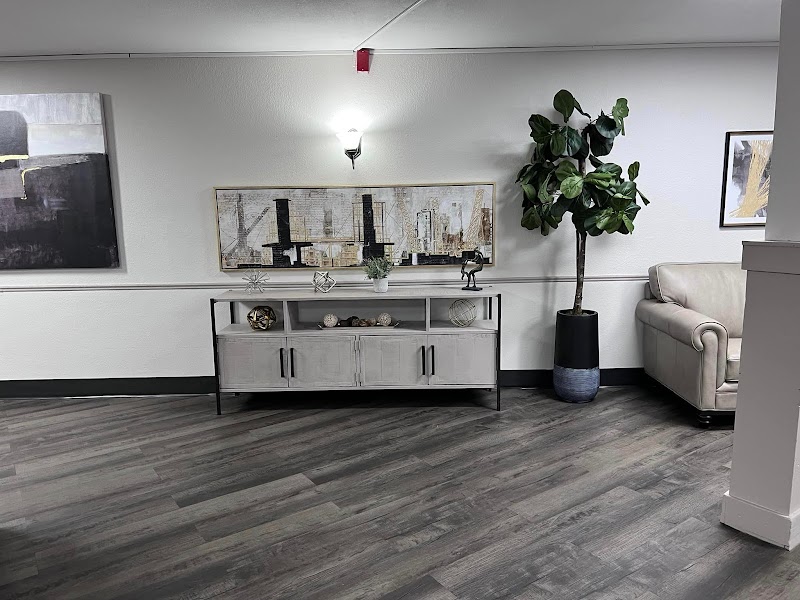
How is Eagle Pass Nursing And Rehabilitation Staffed?

CMS rates EAGLE PASS NURSING AND REHABILITATION's staffing level at 1 out of 5 stars, which is much below average compared to other nursing homes. Staff turnover is 25%, compared to the Texas average of 46%. This relatively stable workforce can support continuity of care.

What Have Inspectors Found at Eagle Pass Nursing And Rehabilitation?

State health inspectors documented 26 deficiencies at EAGLE PASS NURSING AND REHABILITATION during 2023 to 2025. These included: 1 Immediate Jeopardy (the most serious level, indicating potential for serious harm or death), 2 that caused actual resident harm, 20 with potential for harm, and 3 minor or isolated issues. Immediate Jeopardy findings are rare and represent the most serious regulatory concerns. They require immediate corrective action.
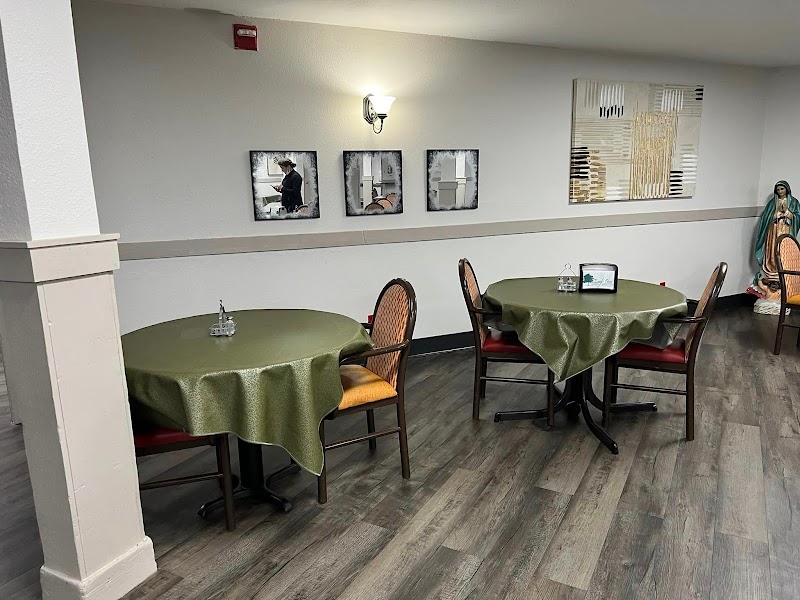
Who Owns and Operates Eagle Pass Nursing And Rehabilitation?

EAGLE PASS NURSING AND REHABILITATION is owned by a government entity. Government-operated facilities are typically run by state, county, or municipal agencies. The facility is operated by CREATIVE SOLUTIONS IN HEALTHCARE, a chain that manages multiple nursing homes. With 114 certified beds and approximately 59 residents (about 52% occupancy), it is a mid-sized facility located in EAGLE PASS, Texas.
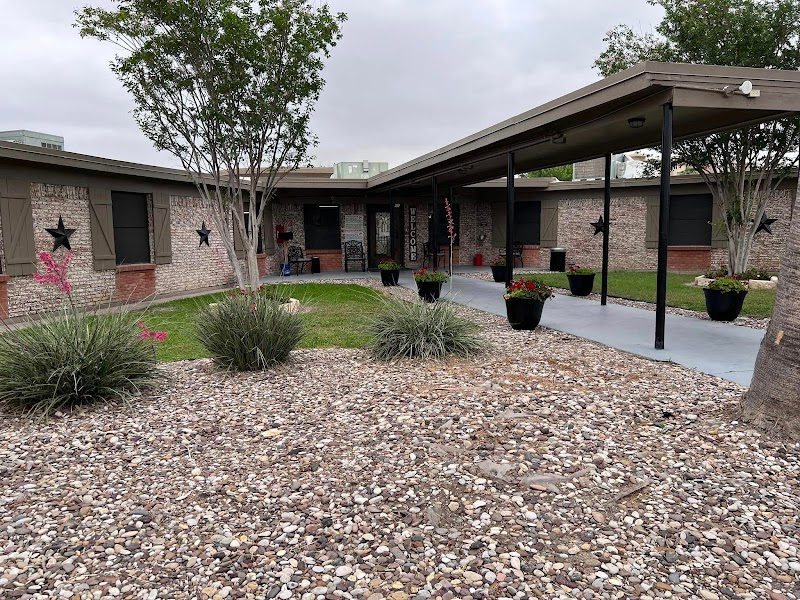
How Does Eagle Pass Nursing And Rehabilitation Compare to Other Texas Nursing Homes?

Compared to the 100 nursing homes in Texas, EAGLE PASS NURSING AND REHABILITATION's overall rating (2 stars) is below the state average of 2.8, staff turnover (25%) is significantly lower than the state average of 46%, and health inspection rating (3 stars) is at the national benchmark.

What Should Families Ask When Visiting Eagle Pass Nursing And Rehabilitation?

Based on this facility's data, families visiting should ask: "What changes have been made since the serious inspection findings, and how are you preventing similar issues?" "Can you walk me through typical staffing levels on day, evening, and night shifts?" "Can I visit during a mealtime to observe dining assistance and food quality?" "How do you handle medical emergencies, and what is your hospital transfer rate?" These questions are particularly relevant given the facility's Immediate Jeopardy citations and the below-average staffing rating.

Is Eagle Pass Nursing And Rehabilitation Safe?

Based on CMS inspection data, EAGLE PASS NURSING AND REHABILITATION has documented safety concerns. Inspectors have issued 1 Immediate Jeopardy citation (the most serious violation level indicating risk of serious injury or death). The facility has a 2-star overall rating and ranks #100 of 100 nursing homes in Texas. Families considering this facility should ask detailed questions about what corrective actions have been taken since these incidents.

Do Nurses at Eagle Pass Nursing And Rehabilitation Stick Around?

Staff at EAGLE PASS NURSING AND REHABILITATION tend to stick around. With a turnover rate of 25%, the facility is 21 percentage points below the Texas average of 46%. Low turnover is a positive sign. It means caregivers have time to learn each resident's needs, medications, and personal preferences. Consistent staff also notice subtle changes in a resident's condition more quickly.

Was Eagle Pass Nursing And Rehabilitation Ever Fined?

EAGLE PASS NURSING AND REHABILITATION has been fined $22,195 across 2 penalty actions. This is below the Texas average of $33,301. While any fine indicates a compliance issue, fines under $50,000 are relatively common and typically reflect isolated problems that were subsequently corrected. Families should ask what specific issues led to these fines and confirm they've been resolved.

Is Eagle Pass Nursing And Rehabilitation on Any Federal Watch List?

EAGLE PASS NURSING AND REHABILITATION is not on any federal watch list. The most significant is the Special Focus Facility (SFF) program, which identifies the bottom 1% of nursing homes nationally based on persistent, serious quality problems. Not being on this list means the facility has avoided the pattern of deficiencies that triggers enhanced federal oversight. This is a positive indicator, though families should still review the facility's inspection history directly.