LA HACIENDA DE PAZ REHABILITATION AND CARE CENTER
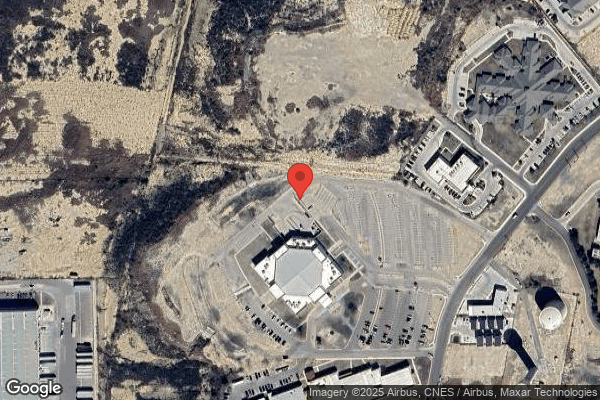
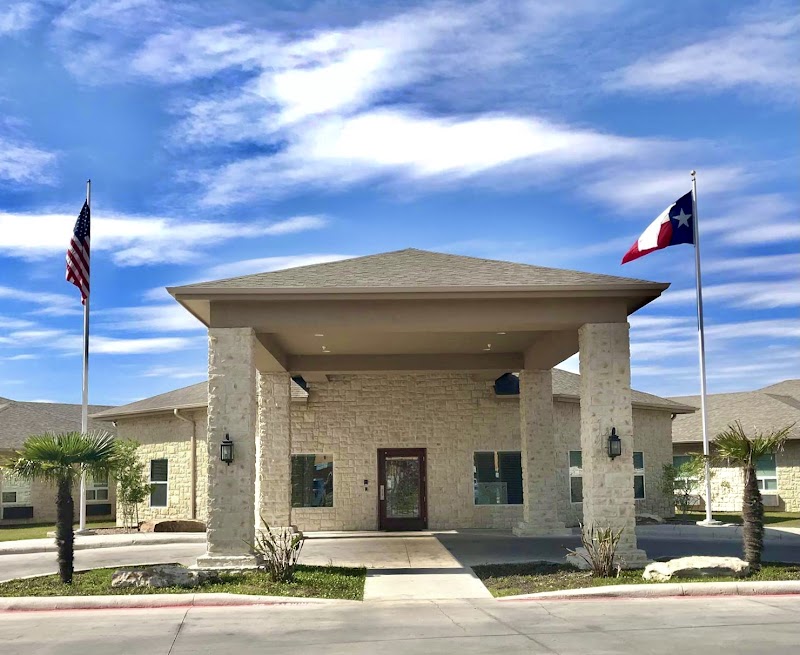
3333 BOB ROGERS DR, EAGLE PASS, TX 78852 (830) 213-8138
Government - Hospital district 104 Beds CREATIVE SOLUTIONS IN HEALTHCARE Data: November 2025 1 Immediate Jeopardy citation
Trust Grade
26/100
#747 of 1168 in TX
Last Inspection: August 2024

Within standard 12-15 month inspection cycle. Federal law requires annual inspections.

Overview

La Hacienda de Paz Rehabilitation and Care Center has received a Trust Grade of F, indicating significant concerns about its quality of care. Ranking #747 out of 1168 facilities in Texas places it in the bottom half, and it is the lowest-rated facility in Maverick County. The facility's performance has been stable in recent years, with 14 issues reported, including one critical incident involving the failure to protect a resident from abuse. Staffing is a relative strength, with a turnover rate of 38%, lower than the Texas average, but the facility has less RN coverage than 76% of Texas facilities, which is a concern. Additionally, fines totaling $21,645 suggest some compliance issues, while findings show problems with food safety and personal hygiene care for residents. Families should weigh these significant weaknesses against the somewhat better staffing stability.

Trust Score
F
26/100
In Texas
#747/1168
Bottom 37%
Safety Record
High Risk
Review needed
Inspections
Holding Steady
3 → 3 violations
Staff Stability
○ Average
38% turnover. Near Texas's 48% average. Typical for the industry.
Penalties
⚠ Watch
$21,645 in fines. Higher than 92% of Texas facilities. Major compliance failures.
Skilled Nurses
⚠ Watch
Each resident gets only 15 minutes of Registered Nurse (RN) attention daily — below average for Texas. Fewer RN minutes means fewer trained eyes watching for problems.
Violations
⚠ Watch
14 deficiencies on record. Higher than average. Multiple issues found across inspections.
★★☆☆☆
2.0
Overall Rating
★★☆☆☆
2.0
Staff Levels
★★☆☆☆
2.0
Care Quality
★★☆☆☆
2.0
Inspection Score
Stable
2024: 3 issues
2025: 3 issues

The Good

  • Full Sprinkler Coverage · Fire safety systems throughout facility
  • No fines on record
  • Staff turnover below average (38%)

    10 points below Texas average of 48%

Facility shows strength in fire safety.

The Bad

2-Star Overall Rating

Below Texas average (2.8)

Below average - review inspection findings carefully

Staff Turnover: 38%

Near Texas avg (46%)

Typical for the industry

Federal Fines: $21,645

Below median ($33,413)

Minor penalties assessed

Chain: CREATIVE SOLUTIONS IN HEALTHCARE

Part of a multi-facility chain

Ask about local staffing decisions and management

The Ugly 14 deficiencies on record

1 life-threatening
May 2025 3 deficiencies 1 IJ
CRITICAL (J) 📢 Someone Reported This

A family member, employee, or ombudsman was alarmed enough to file a formal complaint

Immediate Jeopardy (IJ) - the most serious Medicare violation

Free from Abuse/Neglect (Tag F0600)

Someone could have died · This affected 1 resident

**NOTE- TERMS IN BRACKETS HAVE BEEN EDITED TO PROTECT CONFIDENTIALITY** Based on observation, interview, and record review, the facility failed to protect a resident's right to be free from abuse, neg...

Read full inspector narrative →
**NOTE- TERMS IN BRACKETS HAVE BEEN EDITED TO PROTECT CONFIDENTIALITY** Based on observation, interview, and record review, the facility failed to protect a resident's right to be free from abuse, neglect, misappropriation of resident property, and exploitation for 1 of 3 residents (Resident #2) reviewed for abuse, in that: The facility failed to supervise and protect Resident #2, who did not have the ability to consent, from harm when Resident #1, on 3/27/25, was observed leaning over Resident #2's bed with his hand under her brief touching her genital area. An Immediate Jeopardy (IJ) was identified as past noncompliance. The noncompliance began on 03/27/25 and ended on 03/29/25. The facility had corrected the noncompliance before the survey began. A PNC IJ template was presented to the Director of Nursing at 5:45 pm on 05/15/25. These deficient practices placed residents at risk of psychosocial harm and continued abuse. The findings were: Record review of admission Record dated 05/14/25 for Resident #1 revealed an [AGE] year-old male admitted to the facility 02/14/25. Resident #1's diagnoses included encounter for orthopedic aftercare following surgical amputation, generalized anxiety disorder (a disorder characterized by excessive, uncontrollable and often irrational worry about events or activities); unspecified dementia, unspecified severity without behavioral disturbance, psychotic disturbance, mood disturbance and anxiety (a person has been diagnosed with dementia and exhibits cognitive decline (memory loss, difficulty thinking, etc) but does not show accompanying behavioral symptoms; mood disorder due to known physiological condition (diagnosis where a person experiences depressed mood or diminished interest/pleasure that is directly related to the physiological effects of another medical condition); and end stage renal disease (a condition in which the kidneys lose the ability to remove waste and balance fluids). Record review of Resident #1's admission MDS dated [DATE] revealed a BIMS score of 5, indicating severe cognitive impairment. Record review of Resident #1's Care Plan with revision date of 03/27/25 had a focus of The resident has potential to demonstrate physical behaviors related to dementia. The Interventions included May be evaluated and treated by [NAME] psych services; May be evaluated and treated by [ NAME] behavioral health associates; Give resident as many choices as possible about care and activities; Monitor/document/report to MD of danger to self or others; Notify the charge nurse of any physically abusive behaviors. Record review of admission Record dated 05/15/25 for Resident #2 revealed a [AGE] year-old female admitted to the facility 02/29/20 with the most recent admission date of 07/05/23. Resident 2's diagnoses included cerebral infarction (known as a stroke, a medical condition where brain tissue dies due to a lack of blood flow), aphasia following cerebral infarction (language disorder caused by damage to the brain's language centers, that impairs communication, comprehension and expression), dysphasia (impaired ability to understand or use the spoken word) and hemiplegia and hemiparesis following cerebral infarction affecting left dominant side (muscle weakness or partial paralysis on one side of the body). Record review of Resident #2's Quarterly MDS dated [DATE] documented that resident was unable to complete a BIMS and a staff interview revealed she is severely cognitively impaired. Record review of Resident #2's Care Plan revised 5/22/23 indicated a Focus of The resident has a psychosocial well-being problem related to abuse allegation. The Interventions included Allow the resident time to answer questions and to verbalize feelings perceptions and fears; Initiate referrals as needed Social Services consult and referral to psych services. According to the Facility Provider Investigation Report 3613-A, on 3/27/25 CNA R reported to charge nurse that she heard screaming coming from Resident #2's room. CNA R found Resident #1 on the floor next to the low bed for Resident #2 with his hand under her diaper in her genital area. CNA R immediately told him to remove his hand and she called for the charge nurse, LVN S, to come and assist her to get Resident #1 out of the room. Attempts were made to call CNA R and LVN S for further comment on 05/14/25 at 4:32 pm but neither one returned the call after voicemails were left. Record review showed Head to toe assessments were completed for both residents following this event. Resident #2 was sent to the hospital for further exam to ensure there were no physical changes noted and physician confirmed there were no abnormal findings. Resident #1 was referred for psych services. Following the event, both residents were interviewed and neither could tell anything that happened and were not aware of what had occurred. Record review shows Safe surveys were conducted with 11 female residents and all expressed they could tell a staff members if they felt threatened but all said they felt safe at the time of interview. Five of the females were referred to psychiatric services for a Trauma Informed PRN Assessment. 3 of these 5 were seen on 04/22/25 and 2 were seen on 4/23/25. Record review of psychiatric consultant visits for Resident #1 revealed he was seen on 4/11/24, 4/18/24, 5/1/24, 5/7/24 and 5/14/24. Record review of email dated 04/23/25 sent from Director of Operations for the facility to local Ombudsman revealed the list of names of females that had trauma informed assessments and the Ombudsman was asked to visit with them. Review of Progress Notes from the time of his admission, revealed Resident #1 was frequently found wandering into other residents' rooms, especially female rooms, expressing that he was looking for his mother or his wife. Due to the wandering, review of observations logs revealed Resident #1 was placed on intermittent periods of increased observation beginning 03/04/25 through 03/06/25 (every hour from 10:00 pm to 5:00 am), and on 3/23/25 every 30 minutes (from 10:00 pm to 5:00 am). After the incident with Resident #2, he was placed on 1 to 1 monitoring 24 hours per day beginning 03/27/25. During the surveyor's investigation, confidential interviews revealed several women who had previous encounters with Resident #1. They all expressed anxiety and unease about Resident #1 coming in their rooms but stated they felt the facility staff were doing their best to keep them safe. Record review of the 30-Day Discharge Notice in the Medical Record documented that on 04/11/25, the facility gave Resident #1's representative a 30-day discharge notice due to facility not being able to meet resident's needs. The notice stated Resident requires an all-male facility. Resident continuously exhibits behavior to enter women's rooms. On 03/27/25 a nonconsensual sexual incident involving Resident #1 with a female resident was witnessed. Since incident Resident #1 continues on 1:1 supervision. Resident #1 was observed in his room on 05/15/25 at 7:00 am eating his breakfast. He was confused and not able to be interviewed. According to the sitter, he was leaving to go to hyperbaric treatment at 7:30 am which was scheduled twice a week due to his non-healing wounds. Resident #2 was observed in her room in bed on 05/15/25 at 7:15 am. Observation made with DON present. Resident #2 appeared to be asleep. DON stated resident no longer talks but appears to understand some simple things that are said to her. According to the DON on 05/15/25 at 9:50 am, during the last care plan meeting with the responsible party, facilities who could provide the needed care due to Resident #1's wandering and behavior with female residents were discussed and permission was given to send clinical documentation for the facilities' review. The representative then decided to appeal the discharge and the appeals hearing will be held 05/27/25. Review of the facility policy titled Abuse/Neglect dated 09/09/24 stated: The resident has the right to be free from abuse, neglect, misappropriation of resident property, and exploitation as defined in the subpart. 1. Abuse: Abuse is the willful infliction of injury, unreasonable confinement, intimidation, or punishment with resulting physical harm, pain or mental anguish. Abuse also includes the deprivation by an individual, including a caretaker, of goods or services that are necessary to attain or maintain physical, mental, and psychosocial well-being. Instances of abuse of all residents, irrespective of any mental or physical condition, cause physical harm, pain or mental anguish. (sic) .Willful, as used in this definition of abuse, means the individual must have acted deliberately, not that the individual must have intended to inflict injury or harm. 4. Sexual Abuse: non-consensual sexual contact of any type with a resident. 9. Misappropriation of resident property: means the deliberate misplacement, exploitation, or wrongful, temporary, or permanent use of a resident's belongings or money without the resident's consent. Inservice training was reviewed for training in misappropriation of property and abuse and neglect. The following inservices were noted: 10/11/24 - Topic: Abuse and Neglect - Signed by 101 of 105 staff members 12/12/24 - Topic: Signed by 133 of 133 staff members 3/28/25 - Topic: Abuse, Neglect and Exploitation - Signed by 79 staff members Following this incident, the facility conducted safe surveys of residents. One unidentified resident stated she felt anxious in Resident #1's presence but denied feeling unsafe. Surveyors interviewed staff members on 05/14/25 and 05/15/25 by asking Have you had training about abuse/neglect/misappropriation? When was the most recent time? How would you respond to allegations of abuse/neglect/misappropriation? The purpose of these interviews was to cover staff members understanding of how to prevent misappropriation of resident's property as well as prevention of abuse. 5/14/25 8:30 am - CNA C - Have had training on ANE - would report any incidents to Administrator 5/14/25 10:20 am - LVN D - Have had training on ANE - would report any incidents to Administrator 5/14/25 1:00 pm - Interviews with COTA E, PTA F and OT G in therapy department. All said they had training about 2 weeks ago and received information on protocols for ANE and how to keep resident safe. 5/15/25 9:26 am - LVN A - Stated we get inservices on ANE regularly. I would let the DON and ADM know if I was aware of any incident. 5/15/25 9:27 am - LVN H - Yes we had one recently like last month. I would tell the DON or ADM. 5/15/25 9:30 am - LVN I - I believe last month was the last time we had an inservice. For misappropriation I would report to the finance person and the supervisor. 5/15/25 9:31 am - CNA J - We had an inservice a few weeks ago. We report to the DON and ADM. 5/15/25 9:35 am - HSK K - We have had a lot of inservices on ANE. I have been here 5 years. For misappropriation, we would try to find out who took the money. We would report to the DON or ADM. 5/15/25 9:35 am - HSK L - I had an inservice a month ago. For misappropriation, I would first help them look for their money and then tell ADM and my supervisor. 5/15/25 12:00 - CNA M - Yes we had training about a month ago. I would report ANE immediately to the ADM. 5/15/25 12:00 - CNA N - We had an inservice about a month ago. I would report to the ADM and charge nurse. 5/15/25 3:21 pm - CNA O (Night shift via phone) We have had a lot of inservices on ANE. I would report it immediately to ADM. 5/15/25 3:24 pm - CNA P - (Night shift via phone) Anytime something happens they do an inservice. I would report to ADM. 5/15/25 3:30 pm - CNA Q - (Night shift via phone) We have had a lot of inservices on ANE. I would report immediately to ADM.
CONCERN (D) 📢 Someone Reported This

A family member, employee, or ombudsman was alarmed enough to file a formal complaint

Potential for Harm - no one hurt, but risky conditions existed

Resident Rights (Tag F0550)

Could have caused harm · This affected 1 resident

**NOTE- TERMS IN BRACKETS HAVE BEEN EDITED TO PROTECT CONFIDENTIALITY** Based on observation, interview and record review the facility failed to treat each resident with respect and dignity and care f...

Read full inspector narrative →
**NOTE- TERMS IN BRACKETS HAVE BEEN EDITED TO PROTECT CONFIDENTIALITY** Based on observation, interview and record review the facility failed to treat each resident with respect and dignity and care for each resident in a manner and in an environment that promotes enhancement of his or her quality of life, recognizing each resident's individuality for 2 of 3 Residents (Resident #4 and Resident #5) who were interviewed regarding the method of transportation used to take them to doctor's appointments. 1. Resident #4 stated that the van driver had taken her in her wheelchair instead of the van across the street from the facility for a doctor's appointment which created pain in her knees. 2. Resident #5 was also wheeled across the street in her wheelchair for a doctor's appointment which embarrassed her. These deficient practices could affect dependent residents and contribute to feelings of shame or feeling uncomfortable and could place residents at risk of embarrassment, lack of privacy, and loss of dignity. Findings include: 1. Record review of admission Record for Resident #4 revealed an [AGE] year old female originally admitted to the facility 10/30/2018 with the most recent admission date of 01/02/24. The diagnoses for Resident #4 included sepsis (a very serious condition that occurs as a result of a complication with an infection), pyogenic arthritis (a serious and painful infection of a joint), chronic obstructive pulmonary disease (a progressive lung disease characterized by chronic respiratory symptoms and airflow limitation), and acute pyelonephritis (a serious kidney infection affecting both kidneys). Record review of Resident #4's Quarterly MDS dated [DATE] revealed a BIMS score of 13 indicating resident was cognitively intact. During an interview with Resident #4 on 05/14/25 at 11:45 am, resident stated that the van driver had decided to take her to her doctor's appointment across the street by pushing her wheelchair to the office. Resident #4 stated this was very painful since she had a great deal of pain in her knee and was supposed to get an injection in the knee at the doctor's office. Being pushed in a wheelchair along a bumpy street created a great deal of pain in her leg. Resident #4 did not know why she was not taken in the van. During an interview with the Van Driver on 05/14/25 at 12:49 pm, she was asked if she took residents to the doctor's office in their wheelchairs rather than in the van. The Van Driver stated that since residents don't get to go out of the facility very often and they like to get fresh air, she takes them in their wheelchairs since the offices are just across the street. She stated that sometimes families take residents out as well. She then claimed that she knew that Resident #4 was upset about going in the wheelchair but that she did not take her and someone else must have taken her. She was asked for the names of other residents who she has taken to the doctor in their wheelchair. There was no documentation in the medical record as to why the van was not used. 2. Record review of admission Record dated 05/14/25 for Resident #5 revealed a [AGE] year-old female admitted to the facility 09/20/24. Resident #5's diagnoses included aftercare following joint replacement surgery, overactive bladder, difficulty in walking, anxiety disorder (a mental health condition that causes fear, dread and other symptoms that are out of proportion to the situation), and Type 2 Diabetes Mellitus (a group of diseases that result in too much sugar in the blood). Record review of Resident #5's Quarterly MDS dated [DATE] revealed a BIMS score of 13 indicating she was cognitively intact. An interview with Resident #5 on 05/14/25 at 1:35 pm revealed she had been taken to the doctor via wheelchair. Resident #5 stated the van driver told her it would be too much trouble to load her into the van, go across the street and then have to unload her. She also stated she felt embarrassed when she was pushed in the wheelchair down the street. Resident #5 stated she was not given a choice as to how she wanted to be transported to the doctor's office. During an interview with Resident #6 on 05/14/25 at 1:12 pm, he acknowledged he had been taken to the doctor via wheelchair. Resident #6 stated he would go either way and didn't mind going in the wheelchair. Resident #6 was asked if the Van Driver ever asked for his preference and he said its whatever is available. An interview with the DON on 05/14/25 at 2:46 pm revealed that Resident #4 had mentioned to the charge nurse that she didn't want to go to the doctor's appointment if she was going to be taken in the wheelchair. The DON stated that resident should have expressed her concerns about this to her so it could be addressed. After discussing the issues that were expressed by the residents with surveyor, the DON stated that residents would no longer be taken via wheelchair and only be transported via facility van. An undated policy titled Transportation of a Resident (non-emergency) states: Residents requiring transportation in non-emergency situations to and from the nearest medical service provider will be transferred by a facility employee in a safe manner. 1. The driver must be a licensed driver in the state and an employee of the nursing facility. 2. All residents must be secured in the vehicle by seat belt. 3. Residents must be physically assisted in and out of the vehicle by a trained employee using appropriate transfer techniques.Based on observation, interview and record review the facility failed to treat each resident with respect and dignity and care for each resident in a manner and in an environment that promotes enhancement of his or her quality of life, recognizing each resident's individuality for 2 of 3 Residents (Resident #4 and Resident #5) who were interviewed regarding the method of transportation used to take them to doctor's appointments. 1. Resident #4 stated that the van driver had taken her in her wheelchair instead of the van across the street from the facility for a doctor's appointment which created pain in her knees. 2. Resident #5 was also wheeled across the street in her wheelchair for a doctor's appointment which embarrassed her. These deficient practices could affect dependent residents and contribute to feelings of shame or feeling uncomfortable and could place residents at risk of embarrassment, lack of privacy, and loss of dignity. Findings include: 1. Record review of admission Record for Resident #4 revealed an [AGE] year old female originally admitted to the facility 10/30/2018 with the most recent admission date of 01/02/24. The diagnoses for Resident #4 included sepsis (a very serious condition that occurs as a result of a complication with an infection), pyogenic arthritis (a serious and painful infection of a joint), chronic obstructive pulmonary disease (a progressive lung disease characterized by chronic respiratory symptoms and airflow limitation), and acute pyelonephritis (a serious kidney infection affecting both kidneys). Record review of Resident #4's Quarterly MDS dated [DATE] revealed a BIMS score of 13 indicating resident was cognitively intact. During an interview with Resident #4 on 05/14/25 at 11:45 am, resident stated that the van driver had decided to take her to her doctor's appointment across the street by pushing her wheelchair to the office. Resident #4 stated this was very painful since she had a great deal of pain in her knee and was supposed to get an injection in the knee at the doctor's office. Being pushed in a wheelchair along a bumpy street created a great deal of pain in her leg. Resident #4 did not know why she was not taken in the van. During an interview with the Van Driver on 05/14/25 at 12:49 pm, she was asked if she took residents to the doctor's office in their wheelchairs rather than in the van. The Van Driver stated that since residents don't get to go out of the facility very often and they like to get fresh air, she takes them in their wheelchairs since the offices are just across the street. She stated that sometimes families take residents out as well. She then claimed that she knew that Resident #4 was upset about going in the wheelchair but that she did not take her and someone else must have taken her. She was asked for the names of other residents who she has taken to the doctor in their wheelchair. There was no documentation in the medical record as to why the van was not used. 2. Record review of admission Record dated 05/14/25 for Resident #5 revealed a [AGE] year-old female admitted to the facility 09/20/24. Resident #5's diagnoses included aftercare following joint replacement surgery, overactive bladder, difficulty in walking, anxiety disorder (a mental health condition that causes fear, dread and other symptoms that are out of proportion to the situation), and Type 2 Diabetes Mellitus (a group of diseases that result in too much sugar in the blood). Record review of Resident #5's Quarterly MDS dated [DATE] revealed a BIMS score of 13 indicating she was cognitively intact. An interview with Resident #5 on 05/14/25 at 1:35 pm revealed she had been taken to the doctor via wheelchair. Resident #5 stated the van driver told her it would be too much trouble to load her into the van, go across the street and then have to unload her. She also stated she felt embarrassed when she was pushed in the wheelchair down the street. Resident #5 stated she was not given a choice as to how she wanted to be transported to the doctor's office. During an interview with Resident #6 on 05/14/25 at 1:12 pm, he acknowledged he had been taken to the doctor via wheelchair. Resident #6 stated he would go either way and didn't mind going in the wheelchair. Resident #6 was asked if the Van Driver ever asked for his preference and he said its whatever is available. An interview with the DON on 05/14/25 at 2:46 pm revealed that Resident #4 had mentioned to the charge nurse that she didn't want to go to the doctor's appointment if she was going to be taken in the wheelchair. The DON stated that resident should have expressed her concerns about this to her so it could be addressed. After discussing the issues that were expressed by the residents with surveyor, the DON stated that residents would no longer be taken via wheelchair and only be transported via facility van. An undated policy titled Transportation of a Resident (non-emergency) states: Residents requiring transportation in non-emergency situations to and from the nearest medical service provider will be transferred by a facility employee in a safe manner. 1. The driver must be a licensed driver in the state and an employee of the nursing facility. 2. All residents must be secured in the vehicle by seat belt. 3. Residents must be physically assisted in and out of the vehicle by a trained employee using appropriate transfer techniques.
CONCERN (D) 📢 Someone Reported This

A family member, employee, or ombudsman was alarmed enough to file a formal complaint

Potential for Harm - no one hurt, but risky conditions existed

Deficiency F0602 (Tag F0602)

Could have caused harm · This affected 1 resident

**NOTE- TERMS IN BRACKETS HAVE BEEN EDITED TO PROTECT CONFIDENTIALITY** Based on interview and record review the facility failed to ensure residents had the right to be free from abuse, neglect, misap...

Read full inspector narrative →
**NOTE- TERMS IN BRACKETS HAVE BEEN EDITED TO PROTECT CONFIDENTIALITY** Based on interview and record review the facility failed to ensure residents had the right to be free from abuse, neglect, misappropriation of resident property, and exploitation for 1 resident (Resident #3) reviewed for misappropriation. The facility failed to prevent misappropriation of property when HSK B took money via cash app directly from a bank card from Resident #3 in the amount of $891. The noncompliance was identified as past noncompliance. The noncompliance began on 09/30/24 and ended on 10/01/24. The facility had corrected the noncompliance before the survey began. This failure could place residents at risk of misappropriation which could lead to further exploitation of other residents. Findings included: Record review of Resident #3's admission Record dated 05/13/25 documented a [AGE] year-old female admitted to the facility 07/17/24. Resident #3's diagnoses included sepsis (a very serious condition that occurs as a result of a complication with an infection), mild cognitive impairment, Type 2 Diabetes Mellitus without complications (a group of diseases that result in too much sugar in the blood), and extended spectrum beta lactamase (ESBL) resistance (the development of resistance by bacteria to a broad range of antibiotics including penicillins, cephalosporins and aztreonam. A review of the Care Plan for Resident #3 revealed a BIMS score of 8 indicating impaired cognitive function. The BIMS was initiated on 07/26/24. Although she had diabetes, she was on a regular diet and enjoyed ordering food through a food delivery service from area restaurants. An intervention for this was to monitor her blood sugar and weight per policy. Review of Facility Investigation Report dated 10/01/24 revealed that while trying to pay Resident #3's applied income on 09/30/24 using her bank card, the Business Office Manager discovered Resident #3 did not have sufficient funds in her bank account due to a number of Cash App withdrawals made to HSK B. The facility immediately suspended HSK B on 9/30/24 and made a police report. When confronted by facility, HSK B denied taking any money from the resident but one of the withdrawals was to the name of HSK B's boyfriend who did not work at the facility. The employee did not return to work after being suspended and was terminated following the investigation. Record review of Inservice training revealedtraining for misappropriation of property and abuse and neglect. The following inservices were noted: 10/11/24 - Topic: Abuse and Neglect - Signed by 101 of 105 staff members Record review noted that on 10/01/24, the facility conducted an inservice on exploitation and had staff members complete a questionnaire. On 10/02/24, a Safe Survey was conducted with residents. No other residents reported any issues with staff members requesting money from them or having money taken without their consent. Record review of Discharge Summary revealed Resident #3 was discharged home from the facility on 10/31/24. Review indicated 8 residents were interviewed for Safe Surveys on 10/03/25. Resident Grievance log was also reviewed but there were no further allegations of misappropriation. Record review of facility investigation file revealed Resident #3 received a reimbursement check in the amount of #$891 dated 11/22/24 from the facility. Resident #3 signed a statement that she had received the check. Review of the Police Report dated 10/01/24 revealed a report was taken and given Incident #202400022660.The report stated the case was referred to the Criminal Investigation Division. A phone interview on 05/13/25 at 2:31 pm with police officer who took the report revealed that the case was investigated by one of the detectives. The officer stated they still needed documents from the victim and have been unable to get them. He stated we cannot file charges until we get those documents. Apparently, Resident #3 told the investigator she was moving to Mexico. The officer could not tell surveyor what documents they were still needing without clearance from the resident. On 05/13/25 at 3:20 pm, the DON stated she had obtained Resident #3's phone number from one of her family members and talked with her. Resident #3 is still in the city and stated she would call the police department to provide the needed information. Record review of HSK B's personnel file did not reveal any previous disciplinary activity. A phone call was attempted to HSK B on 05/15/25 but she did not return the call. Review of the facility policy titled Abuse/Neglect dated 09/09/24 stated: The resident has the right to be free from abuse, neglect, misappropriation of resident property, and exploitation as defined in the subpart. 9. Misappropriation of resident property: means the deliberate misplacement, exploitation, or wrongful, temporary, or permanent use of a resident's belongings or money without the resident's consent. Surveyors interviewed staff members on 05/14/25 and 05/15/25 by asking Have you had training about abuse/neglect/misappropriation? When was the most recent time? How would you respond to allegations of abuse/neglect/misappropriation? The purpose of these interviews was to cover staff members understanding of how to prevent misappropriation of resident's property as well as prevention of abuse. 5/14/25 8:30 am - CNA C - Have had training on ANE - would report any incidents to Administrator 5/14/25 10:20 am - LVN D - Have had training on ANE - would report any incidents to Administrator 5/14/25 1:00 pm - Interviews with COTA E, PTA F and OT G in therapy department. All said they had training about 2 weeks ago and received information on protocols for ANE and how to keep resident safe. 5/15/25 9:26 am - LVN A - Stated we get inservices on ANE regularly. I would let the DON and ADM know if I was aware of any incident. 5/15/25 9:27 am - LVN H - Yes we had one recently like last month. I would tell the DON or ADM. 5/15/25 9:30 am - LVN I - I believe last month was the last time we had an inservice. For misappropriation I would report to the finance person and the supervisor. 5/15/25 9:31 am - CNA J - We had an inservice a few weeks ago. We report to the DON and ADM. 5/15/25 9:35 am - HSK K - We have had a lot of inservices on ANE. I have been here 5 years. For misappropriation, we would try to find out who took the money. We would report to the DON or ADM. 5/15/25 9:35 am - HSK L - I had an inservice a month ago. For misappropriation, I would first help them look for their money and then tell ADM and my supervisor. 5/15/25 12:00 - CNA M - Yes we had training about a month ago. I would report ANE immediately to the ADM. 5/15/25 12:00 - CNA N - We had an inservice about a month ago. I would report to the ADM and charge nurse. 5/15/25 3:21 pm - CNA O (Night shift via phone) We have had a lot of inservices on ANE. I would report it immediately to ADM. 5/15/25 3:24 pm - CNA P - (Night shift via phone) Anytime something happens they do an inservice. I would report to ADM. 5/15/25 3:30 pm - CNA Q - (Night shift via phone) We have had a lot of inservices on ANE. I would report immediately to ADM.
Aug 2024 3 deficiencies
CONCERN (D)

Potential for Harm - no one hurt, but risky conditions existed

Assessment Accuracy (Tag F0641)

Could have caused harm · This affected 1 resident

**NOTE- TERMS IN BRACKETS HAVE BEEN EDITED TO PROTECT CONFIDENTIALITY** Based on observations, interviews and record reviews, the facility assessments failed to ensure that the assessment accurately r...

Read full inspector narrative →
**NOTE- TERMS IN BRACKETS HAVE BEEN EDITED TO PROTECT CONFIDENTIALITY** Based on observations, interviews and record reviews, the facility assessments failed to ensure that the assessment accurately reflected the resident's status for two residents (Resident #42 and #84) of 24 residents reviewed for assessments. 1. Resident #42's cardiac pacemaker was not identified as an active diagnosis on his quarterly MDS assessment with an ARD of 07/09/2024. 2. Resident #84's falls since admission were not reflected on her quarterly MDS assessment with an ARD of 08/09/2024. These failures placed residents at risk for missed or inaccurate care. The findings were: 1.Record review of Resident #42's electronic face sheet dated 08/22/2024 reflected he was admitted to the facility on [DATE]. The resident's diagnoses included: diabetes mellitus (a disease of inadequate control of blood levels of glucose), unspecified atrial fibrillation (a common type of arrhythmia, or irregular heart rhythm, that causes the upper chambers of the heart to beat rapidly and irregularly), anemia (a blood disorder that occurs when the body does not produce enough healthy red blood cells, or the red blood cells do not function properly), atherosclerotic heart disease (a condition that causes arteries to narrow and harden due to plaque buildup) and presence of cardiac pacemaker (a device used to control an irregular heart rhythm). Record review of Resident #42's quarterly MDS assessment with an ARD of 07/09/2024 reflected he was understood and usually able to understand. He scored a 14 out of 15 on his BIMS which signified he was cognitively intact. Review of Section I-Active Diagnoses did not reflect his presence of cardiac pacemaker. Record review of Resident #42's comprehensive care plan revised on 01/31/2024 reflected Focus, has a defibrillator pacemaker, Interventions/Tasks, Apical pulse daily to monitor proper function of the pacemaker, notify MD if pulse is less than 60 or greater than 100. Record review of Resident #42's Active Orders as of: 08/22/2024 reflected APICAL PULSE DAILY TO MONITOR PROPER FUNCTION OF PACEMAKER one time a day related to PRESENCE OF CARDIAC PACEMAKER (Z95.0) NOTIFY MD IF PULSE < 60 BPM > 100 Phone Active 01/27/2022 01/28/2022. Record review of Resident #42's TAR dated 08/01/2024-08/31/2024 reflected APICAL PULSE DAILY TO MONITOR PROPER FUNCTION OF PACEMAKER one time a day related to PRESENCE OF CARDIAC PACEMAKER (Z95.0) NOTIFY MD IF PULSE < 60 BPM > 100 Phone Active 01/27/2022 01/28/2022. And nurses initialed off daily that Resident #42's apical pulse was checked and noted the corresponding pulse rate. Observation on 08/22/2024 at 11:32 a.m. of Resident #42 revealed he showed the surveyor a scar on his upper left chest where he had a pacemaker. Interview on 08/22/2024 at 11:34 a.m. with Resident #42, he stated he had the pacemaker since 2007. 2.Record review of Resident #84's electronic face sheet dated 08/21/2024 reflected she was admitted to the facility on [DATE]. Her diagnoses included: unspecified dementia (a general term for a range of neurological conditions that cause a loss of brain function and impair a person's ability to think, remember, and make decisions), muscle weakness (commonly due to lack of exercise, ageing or muscle injury) and psychotic disorder (a condition that causes people to lose touch with reality) Record review of Resident #84's quarterly MDS assessment with an ARD of 08/09/2024 reflected she scored a 04 out of 15 on her BIMS which signified she was severely cognitively impaired. She required substantial assistance with her ADL's. Review of Section J-Health Conditions reflected Number of Falls Since Admission/Entry or Reentry or Prior Assessment, whichever is more recent, No boxes were coded to indicate, None, One or Two or more. Record review of Resident #84's comprehensive care plan revised date of 07/22/2024 reflected Focus, resident has a hx of falls due to limited mobility, impaired vision, weakness and use of antipsychotic medications and poor safety awareness. Record review of Resident #84's Fall Nurses Note dated 06/04/2024 reflected Resident #84 had a fall with no injury. Record review of Resident #84's Fall-Risk Assessments dated 07/10/2024 reflected she scored a 10 which signified she was High Risk for falls and had 1-2 Falls in the past 3 months. Observation on 08/23/2024 at 10:00 a.m. of Resident #84's room revealed she had a low bed with a fall mat. Interview on 08/23/2024 at 10:00 am with the ADM revealed she was accountable for the MDS's and stated it was important to show residents care as accurate and to be transparent as a provider. She stated care could be missed if the MDS was not accurate and result in demise. Interview on 08/23/2024 at 10:15 a.m. with MDS A revealed a new MDS nurse completed the quarterly MDS for Resident #42, and she started in 04/2024 and was still learning. She stated it was important to have accurate MDS's because care could be missed and she would double check MDS B's work, because she was the RN who signed the MDS's for accuracy. Interview on 08/23/2024 at 10:23 a.m. with MDS B revealed she missed the cardiac pacemaker diagnosis for Resident #42, and she was trained, but still learning. She stated she needed to review the falls for residents. She stated the MDS's for Residents #42 and #84 had since been modified to correct the errors. She stated it could have resulted in missed care. Interview on 08/23/2024 at 10:36 a.m. with the DON revealed MDS's trigger components and are the base of the care plan, so they must be accurate. She stated important care could be misinterpreted or missed and result in harm. Record review of the facility policy and procedure titled Minimum Data Set (MDS) policy for MDS assessment Data Accuracy 2.2021 (undated) reflected The purpose of the MDS policy is to ensure each resident receives an accurate assessment by qualified staff to address the needs of the resident who are familiar with his/her physical, mental, and psychosocial well-being. Record review of the CMS Long-Term Care Facility Resident Assessment Instrument 3.0 User's Manual Version 1.17.1, October 2019 reflected The RAI process has multiple regulatory requirements . (1) the assessment accurately reflects the resident's status.
CONCERN (D)

Potential for Harm - no one hurt, but risky conditions existed

Quality of Care (Tag F0684)

Could have caused harm · This affected 1 resident

**NOTE- TERMS IN BRACKETS HAVE BEEN EDITED TO PROTECT CONFIDENTIALITY** Based on observation, interviews and record reviews, the facility failed to ensure that residents receive treatment and care in ...

Read full inspector narrative →
**NOTE- TERMS IN BRACKETS HAVE BEEN EDITED TO PROTECT CONFIDENTIALITY** Based on observation, interviews and record reviews, the facility failed to ensure that residents receive treatment and care in accordance with professional standards of practice, the comprehensive person-centered care plan, and the resident's choices for one resident (Resident #42) out of 24 residents reviewed for quality of care. RN C did not perform an apical pulse for Resident #42 in August 2024 as ordered to check the function of his cardiac pacemaker. This deficient practice could affect residents with cardiac pacemakers and could result in dysrhythmias (irregular heartbeats). The findings included: Record review of Resident #42's electronic face sheet dated 08/22/2024 reflected he was admitted to the facility on [DATE]. The resident's diagnoses included: diabetes mellitus (a disease of inadequate control of blood levels of glucose), unspecified atrial fibrillation (a common type of arrhythmia, or irregular heart rhythm, that causes the upper chambers of the heart to beat rapidly and irregularly), anemia (a blood disorder that occurs when the body does not produce enough healthy red blood cells, or the red blood cells do not function properly), atherosclerotic heart disease (a condition that causes arteries to narrow and harden due to plaque buildup) and presence of cardiac pacemaker (a device used to control an irregular heart rhythm). Record review of Resident #42's quarterly MDS assessment with an ARD of 07/09/2024 reflected he was understood and usually able to understand. He scored a 14 out of 15 on his BIMS which signified he was cognitively intact. Review of Section I-Active Diagnoses did not reflect his presence of cardiac pacemaker. Record review of Resident #42's comprehensive care plan revised on 01/31/2024 reflected Focus, has a defibrillator pacemaker, Interventions/Tasks, Apical pulse daily to monitor proper function of the pacemaker, notify MD if pulse is less than 60 or greater than 100. Record review of Resident #42's Active Orders as of: 08/22/2024 reflected APICAL PULSE DAILY TO MONITOR PROPER FUNCTION OF PACEMAKER one time a day related to PRESENCE OF CARDIAC PACEMAKER (Z95.0) NOTIFY MD IF PULSE < 60 BPM > 100 Phone Active 01/27/2022 01/28/2022. Record review of Resident #42's TAR dated 08/01/2024-08/31/2024 reflected APICAL PULSE DAILY TO MONITOR PROPER FUNCTION OF PACEMAKER one time a day related to PRESENCE OF CARDIAC PACEMAKER (Z95.0) NOTIFY MD IF PULSE < 60 BPM > 100 Phone Active 01/27/2022 01/28/2022. And nurses initialed off daily that Resident #42's apical pulse was checked and noted the corresponding pulse rate. Observation on 08/22/2024 at 11:32 a.m. of Resident #42 revealed he showed the surveyor a scar on his upper left chest where he had a pacemaker. Interview on 08/22/2024 at 11:34 a.m. with Resident #42, he stated he had the pacemaker since 2007. When asked by the surveyor if nurses listen to his heart, he stated the only one that listened to his heart was the doctor. He stated the nurses used a cuff to take his vital signs. Interview on 08/22/2024 at 11:45 a.m. with RN C who was assigned to Resident #42, she stated she took his vital signs with a machine and a cuff, and it was important because he was on cardiac medications. When shown the by the surveyor she initialed off on the apical pulse check, she stated she did not read it and marked it off. She stated she did not know he had a cardiac pacemaker. She stated she had a stethoscope and knew how to take an apical pulse, but she did not do it. She stated she did not get assigned to that hall much. Interview on 08/23/2024 at 10:36 a.m. with the DON, she stated she in-serviced her nurses on the apical pulse, and she was not aware normal vital signs were taken. She stated nurses were trained and knew how to take an apical pulse. She stated it was an older but thorough way of listening to any irregularity in the heartbeat which was important with a resident who had a pacemaker. She stated she was responsible for overseeing resident care, and checked that physician orders were followed. Record review of RN C's Nurse Proficiency Audit dated 11/5/2023 reflected she was signed off as s or satisfactory for Cardiovascular Assessment Skills. Record review of the facility policy and procedure titled Permanent Pacemaker revised February 13, 2007, reflected The resident will experience correct functioning of the pacemaker. Record review of Resident #42's cardiac follow-up dated 05/4/2024 reflected Normal Pacemaker Examination. Record review of the facility policy and procedure titled Pulse, Apical dated 2003, reflected Auscultate for the sound (lub-dub) of the heartbeat and count beats for 60 seconds with each lub-dub signifying a single beat and note rhythm and quality and any deviations from baseline values.
CONCERN (D)

Potential for Harm - no one hurt, but risky conditions existed

Infection Control (Tag F0880)

Could have caused harm · This affected 1 resident

**NOTE- TERMS IN BRACKETS HAVE BEEN EDITED TO PROTECT CONFIDENTIALITY** Based on observation, interviews and record reviews, the facility failed to establish and maintain an infection control program ...

Read full inspector narrative →
**NOTE- TERMS IN BRACKETS HAVE BEEN EDITED TO PROTECT CONFIDENTIALITY** Based on observation, interviews and record reviews, the facility failed to establish and maintain an infection control program designed to provide a safe, sanitary, and comfortable environment and to help prevent the development and transmission of communicable diseases and infections for 1 resident (Resident #8) of 4 observed for peri care and wound care in that: CNA D and RN C failed to sanitize their hands between glove changes while performing peri care and wound care for Resident #8. These failures could result in cross contamination of germs and could result in an infection or hospitalization. The findings were: Record Review of Resident #8's face sheet dated 08/20/2024 revealed she had an original admission on [DATE] and a re-admission on [DATE], with diagnoses of: cerebral infarction (a stroke), chronic atrial fibrillation (irregular heart rhythm), heart failure (heart does not pump enough blood), and dysphasia (difficulty swallowing). Record Review of Resident #8's quarterly MDS assessment with an ARD of 08/13/2024 revealed Resident #8 had frequent incontinent bowel and bladder. Further review of the MDS revealed Resident #8's SAMS score was a 3, indicating rarely/never understood. Observation on 08/21/2024 at 9:21 a.m. of CNA D performed peri care for Resident #8, during peri care, CNA D did not sanitize her hands in-between glove changes. Interview on 08/21/2024 at 9:37 a.m. with CNA D stated not sanitizing her hands between glove changes could cause cross contamination and could result in the resident getting an infection or being hospitalized . Observation on 8/21/2024 at 9:45 am of RN C performed wound care for Resident #8, during wound care, RN C did not sanitize her hands in-between glove changes. Interview on 8/21/2024 at 10:00 am with RN C stated she should have sanitized her hands in-between gloves changes to prevent cross-contamination. Interview on 8/21/2024 at 10:15 am with the DON stated the nurse and CNA should have sanitized their hands in-between glove changes to prevent any infections from cross-contamination. Record Review of CNA D's Nurse Aide Incontinence Care Proficiency Assessment (not dated) revealed they were checked off for completing incontinent care which included washes hands/changes gloves. Review of the facility policy and procedure guide titled Perineal Care dated 4/27/2022, revealed Always perform hand hygiene before and after glove use.
Jul 2023 6 deficiencies
CONCERN (D)

Potential for Harm - no one hurt, but risky conditions existed

Accident Prevention (Tag F0689)

Could have caused harm · This affected 1 resident

**NOTE- TERMS IN BRACKETS HAVE BEEN EDITED TO PROTECT CONFIDENTIALITY** Based on observations, interviews, and record reviews, the facility failed to ensure that the resident environment remained as f...

Read full inspector narrative →
**NOTE- TERMS IN BRACKETS HAVE BEEN EDITED TO PROTECT CONFIDENTIALITY** Based on observations, interviews, and record reviews, the facility failed to ensure that the resident environment remained as free of accident hazards as was possible for 1 of 3 Residents (Resident #49) reviewed for accidents and hazards, in that: The facility failed to ensure Resident #49 did not keep cigarettes in her room. This deficient practice could place residents at risk of harm or injury and contribute to avoidable accidents. The findings included: Record review of Resident #49's face sheet, dated 7/9/23 revealed a [AGE] year old female admitted to the facility on [DATE] and re-admitted on [DATE] with diagnoses that included dementia unspecified severity, mood disturbance, difficulty in walking, lack of coordination, respiratory failure with hypoxia (means that you don't have enough oxygen in your blood, but your levels of carbon dioxide are close to normal), chronic obstructive pulmonary disease (diseases that cause airflow blockage and breathing-related problems) and nicotine dependence with withdrawal. Record review of Resident #49's most recent quarterly MDS assessment, dated 5/23/23 revealed the resident was moderately cognitively impaired for daily decision-making skills and received oxygen therapy. Record review of Resident #49's comprehensive care plan, dated 6/7/23 revealed the resident smoked and was at risk for complications with interventions that included, no smoking materials or igniters will be stored in the resident rooms. Record review of Resident #49's Smoking Assessment, dated 7/5/23 revealed all smoking materials will be kept at the nurse's station. Record review of the Social Worker's progress note, dated 10/25/21 revealed, Resident #49 was noted smoking in the facility restroom and having cigarettes and lighter in her possession. Observation and interview on 7/9/23 at 2:22 p.m. revealed Resident #49 sitting up in bed eating lunch with the oxygen concentrator operating via a nasal canula. Resident #49 revealed smoking was allowed several times throughout the day with staff supervision and she had last gone out to smoke at 1:00 p.m. Resident #49 revealed smoking was allowed only in a designated area and with staff supervision. Resident #49 revealed facility staff kept the cigarettes and lighters in the nurse's station. A pack of cigarettes was observed on the seat of the resident's wheelchair and Resident #49 revealed the pack of cigarettes on the seat of the wheelchair belonged to her, but the pack was empty because I don't want them to throw away the boxes, so I save the empty ones. Upon further inspection, and with the resident's permission, the pack of cigarettes was opened and there were at least 6 unused cigarettes in the pack. Resident #49 revealed she may have mistakenly given the staff an empty pack of cigarettes and kept the pack with the cigarettes. Resident #49 revealed the next smoke break was at 3:00 p.m. Observation and interview on 7/9/23 at 3:00 p.m., Housekeeping Staff A entered Resident #49's room to take the resident on smoke break. Housekeeping Staff A revealed, Housekeeping Staff B had last taken the residents out for smoke break at 1:00 p.m. and Housekeeping Staff A had asked Housekeeping Staff B about Resident #49's cigarettes. Housekeeping Staff A revealed Housekeeping Staff B told her she had asked Resident #49 for the cigarette pack, but the resident didn't give it back to her. Housekeeping Staff A revealed she did not ask why Housekeeping Staff B didn't get the cigarettes back. Housekeeping Staff A revealed, Resident #49 was not supposed to have the cigarettes in her room. During an interview on 7/10/23 at 9:38 a.m., Housekeeping Staff B revealed it was the housekeeping staff's responsibility to accompany those residents who smoked and had to ensure the cigarettes and lighters were kept locked in a box at the nurse's station. Housekeeping Staff B revealed she had taken Resident #49 out for a smoke break on 7/9/23 at 1:00 p.m. and revealed there was a problem with Resident #49 keeping the cigarette packs. Housekeeping Staff B revealed, Resident #49 had the box of cigarettes that I gave her, and she had 2 boxes of her own that the resident said were empty but she won't let me see if the boxes have cigarettes. Housekeeping Staff B revealed, Resident #49 did not want to give her the pack of cigarettes back after she had smoked. Housekeeping Staff B revealed she did not tell anyone about it. Housekeeping Staff B revealed Resident #49 was not supposed to have cigarettes in her room because if she were to smoke in the room, she could burn herself or start a fire. During an interview on 7/11/23 at 1:54 p.m., the DON and the Administrator revealed, the housekeepers pick up the smoking supplies from the nurse's station. The DON revealed, the nurses were only concerned with ensuring the residents are getting a smoke break, but the housekeepers keep track of the smoking materials and should be reporting to the nurses. The DON further revealed, the person taking the resident out to smoke is responsible for ensuring the smoking supplies are retrieved and locked in the box and placed in a drawer in the nurse's station. The Administrator revealed, Resident #49 is not a safe smoker as evidenced by the recent smoking assessment done by the Social Worker. The Administrator further revealed, if Resident #49 were to smoke in the facility without being supervised she could burn or hurt herself or start a fire and hurt others. Record review of the facility policy and procedure titled Smoking Policy, revision date 11/1/17 revealed in part, .Smoking policies must be formulated and adopted by the facility .The facility is responsible for enforcement of smoking policies which must include at least the following provisions .Matches, lighters, or other ignition sources for smoking are not permitted to be kept or stored in a resident's room .
CONCERN (D)

Potential for Harm - no one hurt, but risky conditions existed

Pharmacy Services (Tag F0755)

Could have caused harm · This affected 1 resident

**NOTE- TERMS IN BRACKETS HAVE BEEN EDITED TO PROTECT CONFIDENTIALITY** Based on observation, interview, and record review the facility failed to provide pharmaceutical services (including procedures ...

Read full inspector narrative →
**NOTE- TERMS IN BRACKETS HAVE BEEN EDITED TO PROTECT CONFIDENTIALITY** Based on observation, interview, and record review the facility failed to provide pharmaceutical services (including procedures that assure the accurate acquiring, receiving, dispensing, and administering of all drugs and biologicals) to meet the needs of each resident, for 1 of 6 Residents (Resident #49) reviewed for medication administration in that: Resident #49 was observed with a medication cup identified as cough syrup at the bedside. This deficient practice could affect residents who received medication and place them at risk of not receiving the appropriate amount of medication and could results in an adverse reaction or a decline in health. The findings included: Record review of Resident #49's face sheet, dated 7/9/23 revealed a [AGE] year old female admitted to the facility on [DATE] and re-admitted on [DATE] with diagnoses that included dementia unspecified severity, mood disturbance, difficulty in walking, lack of coordination, respiratory failure with hypoxia (means that you don't have enough oxygen in your blood, but your levels of carbon dioxide are close to normal), chronic obstructive pulmonary disease (COPD; diseases that cause airflow blockage and breathing-related problems) and nicotine dependence with withdrawal. Record review of Resident #49's most recent quarterly MDS assessment, dated 5/23/23 revealed the resident was moderately cognitively impaired for daily decision-making skills. Record review of Resident #49's comprehensive care plan, dated 6/7/23 revealed the resident received oxygen therapy related to COPD and was at risk for complications with interventions that included to give medications as ordered by physician and the resident was also non-compliant with medication administration and was at risk for complications. Record review of Resident #49's Order Summary Report, dated 7/9/23 revealed the following: -Robitussin 12 Hour Cough Suspension Extended Release 30 mg/5 ml, give 10 ml by mouth as needed for cough/congestion every 12 hours, with order date 1/22/23 and no end date Record review of Resident #49's Medication Administration Record for July 2023 revealed there was no documentation for medication administration of Robitussin 12 Hour Cough Suspension Extended Release. Observation and interview on 7/9/23 at 2:22 p.m. revealed Resident #49 sitting up in bed eating lunch with the oxygen concentrator operating via a nasal canula. Resident #49 was observed with two medication cups on the nightstand to the left of the resident's bed. One medication cup had a small oblong yellow item and the other medication cup had approximately 5 ml of a red liquid. Resident #49 revealed the one medication cup had a piece of pineapple and the second medication cup with the red liquid the resident identified as her cough medication. Resident #49 revealed an unidentified female nurse had provided her with the cough syrup at approximately 1:00 p.m. but the resident did not take the medication because she wanted to go smoke instead. Resident #49 revealed she planned on taking the cough syrup later. During an observation and interview on 7/9/23 at 3:25 p.m., LVN C identified the red liquid in the medication cup in Resident #49's nightstand was cough syrup that the resident requested. LVN C revealed Resident #49 was not supposed to have medications left at the bedside because there were residents in the facility who wandered and could have taken the medication by mistake. During a follow up interview on 7/9/23 at 3:43 p.m., LVN C revealed she was certain the medication cup with the red liquid observed in Resident #49's nightstand as cough syrup because it was the only cough syrup prescribed to the resident. LVN C revealed Resident #49's Medication Administration Record did not reflect the cough syrup was signed out and identified LVN D as the nurse administering medications in the morning to Resident #49. LVN C revealed, if the cough syrup was given sooner than the prescribed 12 hours the resident could have received a double dose causing a stronger effect or an adverse effect. During an interview on 7/10/23 at 11:17 a.m., LVN D revealed she had only given Resident #49 two scheduled medications on 7/9/23 but did not give the resident the Robitussin 12 Hour Cough Suspension Extended Release. LVN D stated, only me and LVN C were the only two people giving out medications on Resident #49's hall, I have no idea who put the cough syrup in the Resident #49's room. LVN D revealed, Resident #49 was alert and oriented and was aware of what medications she was being given. During an interview on 7/10/23 at 1:54 p.m., the DON revealed, medications should not be left at the bedside because there was the potential for other residents to consume the medication. Record review of the facility policy and procedure titled, Medication Administration Procedures, Pharmacy Policy and Procedure Manual 2003, revealed in part, .1. All medications are administered by licensed medical or nursing personnel .The 10 rights of medication should always be adhered to .Right medication .Right dose .Right to refuse .Any deviation from specified and recommended procedures in dispensing or administering medications to the resident .shall be in concurrence with current statutes and regulations .
CONCERN (E)

Potential for Harm - no one hurt, but risky conditions existed

ADL Care (Tag F0677)

Could have caused harm · This affected multiple residents

**NOTE- TERMS IN BRACKETS HAVE BEEN EDITED TO PROTECT CONFIDENTIALITY** Based on observation, interview, and record review the facility failed to ensure residents who were unable to carry out activiti...

Read full inspector narrative →
**NOTE- TERMS IN BRACKETS HAVE BEEN EDITED TO PROTECT CONFIDENTIALITY** Based on observation, interview, and record review the facility failed to ensure residents who were unable to carry out activities of daily living were provided with the necessary services to maintain good personal hygiene for one (Resident #53) of six residents reviewed for ADL care, in that: The facility failed to ensure Resident #52 was provided bathing as scheduled. This failure could place residents who require assistance from staff for personal hygiene at risk of not receiving care and services to meet their needs and not reaching their highest practicable physical and psychosocial well-being. The findings were: Record review of the admission record dated 7/12/2023, reflected Resident #52 was a [AGE] year-old male with an initial admission date of 5/17/18 and a primary diagnosis of Parkinson's Disease. Record review of the comprehensive MDS assessment dated [DATE], reflected Resident #52 was admitted under the primary medical condition category of Progressive Neurological Conditions. Other active diagnoses included unspecified intellectual disabilities. Resident #52's summary BIMS score was a 6, which was indicative of severely impacted cognition. The field of showering in the admission performance was rated as 2, which was indicative of requiring substantial to maximal assist with at least half of the effort being supplied by staff assistance. Record review of the comprehensive care plan, dated 7/12/2023, revealed Resident #52 had a focus area of ADL Self Care Performance Deficit due to cognitive impairment and weakness with the following associated interventions: bathing - assistance by one staff initiated on 6/1/2018. Record review of the ADLs task sheet revealed Resident #52 was scheduled for bathing on Monday's, Wednesday's and Friday's on the 6:00 AM to 2:00 PM shift. Further review reflected no documented evidence Resident #52 received a scheduled shower on 6/16/2023, 6/21/2023, 6/23/2023, 7/7/2023, 7/10/2023. Observation on 7/09/2023 at 12:07 PM, revealed Resident #52 was laying in his bed requesting assistance from staff. Resident #52 presented with a bare brief and t-shirt on. Interview on 7/12/2023 at 8:29 AM, CNA G stated she operated as a shower aide primarily and would shower residents with the CNA of that shift. CNA G stated the showers for that shift would be documented solely by the CNA of that shift even if CNA G completed them. CNA G stated she would not document the showers she completed as that was the responsibility of the CNA of that shift. Interview on 7/12/2023 at 8:44 AM, CNA H stated he operated as a CNA primarily and would assist with showering residents with shower aides on that shift. CNA H stated he would document the showers completed by the shower aids of that shift but if he did not do them himself he would not complete the questions within the ADL task sheet and would instead mark Not Applicable. CNA H stated he understood the showers to have been completed by the shower aides, but it was their nursing protocol to document only from the shift CNA. Interview on 7/12/2023 at 9:14 AM, the DON stated showers should be documented in the electronic health record. The DON stated the individual shower aides and CNAs all had access to the ADL task sheet and could complete the questions themselves to affirm the ADL care was provided and should be completing them for the showers that they completed. The DON stated the shower documentation did not reflect that the showers were completed for Resident #52 due to the discrepancy in the Not Applicable answer choices selected on the ADL shower sheet. The DON stated the risk associated with the CNAs completing the ADL task in the EHR would be that documentation could potentially be recorded incorrectly and result in insufficient care provided to residents. Record review of the policy entitled Resident Showers, copyrighted 2022, revealed the facility's policy was to . Assist residents with bathing to maintain proper hygiene, stimulate circulation, and help prevent skin issues . Under the section entitled Policy Explanation and Compliance Guidelines: 1.) . provided showers as per request, or as per facility schedule protocols, and based upon resident safety. 11.) Assist the resident was showering as needed.
CONCERN (E)

Potential for Harm - no one hurt, but risky conditions existed

Unnecessary Medications (Tag F0759)

Could have caused harm · This affected multiple residents

**NOTE- TERMS IN BRACKETS HAVE BEEN EDITED TO PROTECT CONFIDENTIALITY** Based on observation, interview and record review, the facility failed to ensure that it was free of medication error rate of 5 ...

Read full inspector narrative →
**NOTE- TERMS IN BRACKETS HAVE BEEN EDITED TO PROTECT CONFIDENTIALITY** Based on observation, interview and record review, the facility failed to ensure that it was free of medication error rate of 5 percent or greater. The facility had a medication error rate of 7.14%, based on 2 errors out of 28 opportunities, which involved 2 of 7 residents (Resident #44 and #29) reviewed for medication administration in that: 1. RN E failed to administer Resident #44's Furosemide (a diuretic used to treat swelling caused by fluid retention) as ordered. 2. RN F administered Resident #29's Nifedipine (used to treat high blood pressure) extended-release medication in crushed form instead of whole. These failures could place residents at risk for not receiving the intended therapeutic benefit of their medications or receiving them as prescribed, per physician orders. The findings included: 1. Record review of Resident #44's face sheet, dated 7/11/13 revealed a [AGE] year-old female admitted to the facility on [DATE] and re-admitted on [DATE] with diagnoses that included edema (swelling), hyperlipidemia (high cholesterol), hypertension (high blood pressure), morbid (severe) obesity, atrial fibrillation (an irregular and often very rapid heart rhythm [arrhythmia] that can lead to blood clots in the heart) and presence of aortocoronary bypass graft (surgery in which a healthy blood vessel taken from another part of the body is used to make a new path for blood around a blocked artery leading to the heart). Record review of Resident #44's comprehensive care plan, revision date 7/10/23 revealed the resident was on diuretic therapy related to edema with interventions that included to administer medications as ordered. Record review of Resident #44's Order Summary Report dated 7/11/23 revealed the following: -Furosemide 40 mg, give 1 tablet by mouth one time a day for edema with order date 7/5/23 and no end date Observation on 7/11/23 at 7:45 a.m., during the medication pass, RN E dispensed 3 tablets of Furosemide to equal 60 mg to Resident #44 as indicated on the medication blister package. During an observation and interview on 7/11/23 at 10:49 a.m., RN E removed the blister pack of the Furosemide medication prescribed to Resident #44 from the medication cart for review and revealed she had dispensed 3 tablets of Furosemide to equal 60 mg to Resident #44 but discovered an additional blister pack of Furosemide medication prescribed to Resident #44 with the prescription label that indicated 40 mg tablets. RN E revealed she had given the wrong dose to Resident #44 resulting in a medication error because the resident should have been given 40 mg of Furosemide instead of 60 mg. RN E revealed, if Resident #44 did not receive the correct dosage of Furosemide as prescribed the resident would be dosed incorrectly and not getting the therapeutic benefit of the medication. 2. Record review of Resident #29's face sheet, dated 7/11/23 revealed an [AGE] year-old male admitted to the facility on [DATE] and re-admitted on [DATE] and 6/28/23 with diagnoses that included heart failure, type 2 diabetes (a chronic, long-lasting health condition that affects how your body turns food into energy), hyperlipidemia (high cholesterol) and hypertension (high blood pressure). Record review of Resident #29's comprehensive care plan, dated 6/8/23 revealed the resident had hypertension and was at risk for complications with interventions that included to give anti-hypertensive medications as ordered. Record review of Resident #29's Order Summary Report dated 7/11/23 revealed the following: -Nifedipine XL Oral Tablet Extended Release 24 Hour 60 mg, give 1 tablet by mouth two times a day related to hypertension. Do not crush, with order date 7/10/23 and no end date. Observation on 7/11/23 at 6:25 p.m., during the medication pass, revealed RN F crushed 5 of Resident #29's medications including the Nifedipine XL Oral Tablet Extended Release 24 Hour 60 mg, mixed them in apple sauce and administered the medications to the resident. During an observation and interview on 7/11/23 at 6:41 p.m., RN F revealed Resident #29 received his medications crushed with thickened liquid because the resident was at risk of choking. RN F observed the pharmacy label on the medication blister pack and confirmed the label indicated the Nifedipine XL Oral Tablet Extended Release 24 Hour 60 mg indicated Do Not Crush Or Chew on the label. RN F revealed she was not sure how that would affect Resident #29 and would have to notify the physician to find out. During a follow up interview on 7/11/23 at 6:53 p.m., RN F revealed she had notified the physician regarding Resident #29's Nifedipine medication and revealed the physician did not want to change the order or the medication at this time and would review at the next appointment. RN F revealed she had notified the pharmacist and was told the Nifedipine XL Oral Tablet Extended Release 24 Hour should not have been crushed because the medication was designed to distribute slowly and if crushed would lose its effectiveness. RN F revealed, crushing the medication when it was not supposed to be crushed resulted in a medication error. During a telephone interview on 7/11/23 at 7:05 p.m., the Pharmacist revealed, Resident #29's Nifedipine XL Oral Tablet Extended Release 24 Hour was not supposed to be crushed because the medication in extended-release form was designed to distribute over a period of time and if crushed it would destroy that mechanism resulting in the dose given all at once. The Pharmacist revealed facility staff would have to be monitoring blood pressure readings for Resident #29 to determine if there were any negative effect. During an interview on 7/12/23 at 7:53 a.m., the DON revealed only that Resident #29's Nifedipine XL Oral Tablet Extended Release 24 Hour would be changed to a different medication by the physician. The DON revealed the facility had completed a medication error report. Record review of the facility policy and procedure titled, Medication Administration Procedures, Pharmacy Policy and Procedure Manual 2003, revealed in part, .The 10 rights of medication should always be adhered to .Right medication .Right dose .Any deviation from specified and recommended procedures in dispensing or administering medications to the resident requires documented approval .and shall be in concurrence with current statutes and regulations .
CONCERN (E)

Potential for Harm - no one hurt, but risky conditions existed

Infection Control (Tag F0880)

Could have caused harm · This affected multiple residents

**NOTE- TERMS IN BRACKETS HAVE BEEN EDITED TO PROTECT CONFIDENTIALITY** Based on observation, interview, and record review, the facility failed to establish and maintain an infection prevention and co...

Read full inspector narrative →
**NOTE- TERMS IN BRACKETS HAVE BEEN EDITED TO PROTECT CONFIDENTIALITY** Based on observation, interview, and record review, the facility failed to establish and maintain an infection prevention and control program designed to provide a safe, sanitary, and comfortable environment and to help prevent the development and transmission of communicable diseases and infections for 4 of 8 residents (Resident #18, #44, #70 and #36) reviewed for infection control practices, in that: During the medication pass, RN E failed to: - perform hand hygiene between residents - did not wear gloves when administering medications via a peg tube, when cleaning a resident's eye lids with prescribed eye scrub, when obtaining an accu check (a test used to obtain a rapid assessment of blood glucose concentration results) or when injecting insulin - did not sanitize the wrist blood pressure cuff between residents, did not sanitize the glucometer prior or after use, did not clean the syringe after it was used to check for residual (stomach contents) and after administering medications via a feeding tube - touched and administered a medication with her ungloved hand These failures could place residents at risk for infection, transmission for communicable diseases and or a decline in health. The findings included: 1. Record review of Resident #18's face sheet, dated 7/11/23 revealed a [AGE] year-old female admitted to the facility on [DATE] and re-admitted on [DATE] with diagnoses that included protein calorie malnutrition, quadriplegia (paralysis that affects all a person's limbs and body from the neck down), dysphagia (difficulty swallowing) and adult failure to thrive. Record review of Resident #18's most recent annual MDS assessment, dated 6/23/23 revealed the resident was moderately cognitively impaired for daily decision-making skills and required a feeding tube. Record review of Resident #18's comprehensive care plan, dated 7/10/23 revealed the resident had a potential risk for malnutrition due to dependent on staff for tube feedings with interventions that included to administer enteral feedings as ordered. Record review of Resident #18's Order Summary Report, dated 7/11/23 revealed the following: -Enteral Feed Order every shift check tube residual before medications and feeding administration. If more than 100 cc, hold feeding/meds, return stomach contents, and notify MD, with order date 9/14/21 and no end date 2. Record review of Resident #44's face sheet, dated 7/11/23 revealed a [AGE] year-old female admitted to the facility on [DATE] and re-admitted on [DATE] with diagnoses that included edema, hyperlipidemia (high cholesterol), hypertension (high blood pressure), aftercare following joint replacement surgery and type 2 diabetes (a chronic, long-lasting health condition that affects how your body turns food into energy). Record review of Resident #44's most recent quarterly MDS assessment, dated 5/12/23 revealed the resident was cognitively intact for daily decision-making skills. Record review of Resident #44's comprehensive care plan, dated 7/10/23 revealed the resident had hypertension and was at risk for complications with interventions that included to give anti-hypertensive medications as ordered and to obtain blood pressure readings. Resident #44 also had diabetes and was at risk for complications with interventions that included to monitor/document/report to the physician signs and symptoms of hypoglycemia (low blood sugar) or hyperglycemia (high blood sugar) Record review of Resident #44's Order Summary Report, dated 7/11/23 revealed the following: - Novolog Solution 100 unit/ml, inject as per sliding scale subcutaneously two times a day related to type 2 diabetes. Notify physician if blood sugar is less than 60 mg/dl or more than 300 mg/dl, with order date 8/29/22 and no end date -Multivitamin Adult Minerals tablet, give 1 tablet by mouth one time a day related to unspecified protein-calorie malnutrition, with order date 1/21/22 and no end date 3. Record review of Resident #70's face sheet, dated 7/11/23 revealed a [AGE] year-old female admitted to the facility on [DATE] and re-admitted on [DATE] with diagnoses that included dementia, gastrostomy status (feeding tube, a surgical opening into the stomach from the abdominal wall), hypertension (high blood pressure) and heart disease. Record review of Resident #70's most recent significant change MDS assessment, dated 4/26/23 revealed the resident was severely cognitively impaired for daily decision-making skills and required a feeding tube. Record review of Resident #70's comprehensive care plan, dated 6/7/23 revealed the resident had potential for fluid deficit and was dependent on staff for tube feedings and flushes with interventions that included to administer medications as ordered and the resident had coronary artery disease and was at risk for complications of cardiac problems with interventions that included to monitor blood pressure. Record review of Resident #70's Order Summary Report, dated 7/11/23 revealed the following: - Enteral Feed Order every shift check g-tube residual before medications and feeding administration. Hold meds/feed if residual more than 100 cc. Return stomach contents and notify MD, with order date 4/21/23 and no end date - Losartan Potassium Oral Tablet 25 mg, give 1 tablet via PEG-Tube one time a day related to hypertension, hold if systolic blood pressure is less than 100 mm hg, with order date 6/4/23 and no end date 4. Record review of Resident #36's face sheet, dated 7/11/23 revealed a [AGE] year-old male admitted to the facility on [DATE] and re-admitted on [DATE] with diagnoses that included type 2 diabetes (a chronic, long-lasting health condition that affects how your body turns food into energy), hypertension (high blood pressure), hyperlipidemia (high cholesterol) and cognitive communication deficit. Record review of Resident #36's most recent quarterly MDS assessment, dated 3/24/23 revealed the resident was severely cognitively impaired for daily decision-making skills and received insulin injections. Record review of Resident #36's comprehensive care plan, dated 6/7/23 revealed the resident had impaired visual function with interventions that included to administer Occusoft lid scrubs as ordered, had hypertension with interventions that included to obtain blood pressure readings and the resident had diabetes with interventions that included to monitor/document/report to the physician signs and symptoms of hypoglycemia (low blood sugar) and hyperglycemia (high blood sugar). Record review of Resident #36's Order Summary Report, dated 7/11/23 revealed the following: - Occusoft Lidscrubs to both eyes one time a day with order date 2/23/22 and no end date - Novolog Injection Solution 100 unit/ml, inject as per sliding scale subcutaneously three times a day related to type 2 diabetes with foot ulcer with order date 6/19/23 and no end date. Observation on 7/11/23 at 7:36 a.m., during the medication pass, revealed RN E went into Resident #18's room after crushing the medications, took a large syringe, inserted it into the feeding tube port and pulled back on the plunger to check for residual. RN E then removed the plunger and administered medications to Resident #18 with the same syringe inserted into the resident's feeding tube and did not wear gloves. RN E then removed the syringe from Resident #18's feeding tube and placed it in a plastic sleeve without rinsing it. RN E then returned to the medication cart, took a wrist blood pressure cuff, and obtained Resident #44's blood pressure. RN E then replaced the wrist blood pressure cuff back in the medication cart without sanitizing it. RN E did not perform hand hygiene and pulled Resident #44's medications from the medication cart and placed them in a medication cup. RN E, after dispensing 6 medications into the medication cup for Resident #44, took the 7th pill identified as a Multivitamin Adult Minerals tablet, placed it on her ungloved hand and placed the pill in the medication cup with the other 6 medications. RN E then returned to Resident #44's bedside to obtain an accu check, did not sanitize the glucometer prior to use, did not perform hand hygiene and did not wear gloves when she obtained the accu check. RN E then returned to the medication cart to document medication administration. RN E then took the same wrist blood pressure cuff from the medication cart and obtained Resident #70's blood pressure. RN E did not perform hand hygiene and did not sanitize the wrist blood pressure cuff prior to obtaining a blood pressure on Resident #70. RN E then returned to the medication cart, pulled Resident #70's medications for administration via a feeding tube. RN E then returned to Resident #70's bedside, did not perform hand hygiene, took a large syringe, and inserted into the resident's feeding tube and did not wear gloves. RN E then pulled back on the plunger to check for residual, removed the plunger and administered Resident #70's medications into the feeding tube without using gloves. RN E then removed the syringe from Resident #70's feeding tube and placed the syringe in a plastic sleeve without rinsing the syringe. RN E then returned to the medication cart and obtained the glucometer and the wrist blood pressure cuff. RN E then went into Resident #36's room, did not perform hand hygiene, did not wear gloves, and took Resident #36's Occusoft Lidscrubs from the package and cleansed the resident's eye lids. RN E then took the glucometer, did not sanitize it prior to use, did not perform hand hygiene and did not wear gloves when she obtained Resident #36's accu check. RN E then took the wrist blood pressure cuff, did not sanitize it prior to use and obtained Resident #36's blood pressure. RN E then returned to the medication cart, documented the accu check results and the blood pressure results for Resident #36 and then retrieved the resident's Novolog insulin solution. RN E then dispensed 4 units of the insulin, did not perform hand hygiene or wear gloves, and administered the insulin to Resident #36. During an interview on 7/11/23 at 10:49 a.m., RN E revealed she had failed to perform hand hygiene between resident care to Resident #18, #44, #70 and #36. RN E further revealed she had not been using gloves when obtaining the accu check, when administering an insulin injection, during administration of medications via a feeding tube or when cleansing Resident #36's eye lids. RN E revealed she also had not been sanitizing the wrist blood pressure cuff or the glucometer between resident use. RN E revealed she was not sure about having to wash the syringe after medication administration via a feeding tube. RN E revealed these failures were considered an infection control issue and cross contamination and could results in the residents or herself getting sick. RN E revealed she had worked for the facility for the past 3 months and was assigned a very heavy hall and had an emergency earlier in the morning and it was too much, one thing after another. During an interview on 7/12/23 at 7:53 a.m., the DON revealed she was uncertain about having to rinse the syringe after it was used to check for residual and when administering medications via a feeding tube. The DON revealed it was best nursing practice to rinse the syringe after using it for administration of feeding tube medications because the residual from the medications and from gastric juices could be left in the syringe causing bacteria to grow and possibly causing an infection that would make the residents sick. The DON revealed all shared medical equipment, such as blood pressure cuffs and glucometers had to be sanitized before and after use to prevent cross contamination. The DON revealed, not performing hand hygiene between patient care or not using gloves during procedures such as medication administration via a feeding tube, insulin injections, accu checks or scrubbing eye lids was an infection control issue and risk for cross contamination. The DON revealed RN E should have thrown away the medication she touched without wearing gloves as it was also cross contamination. Record review of the competency document titled Enteral Medication Administration for RN E, dated 4/13/23 revealed she had satisfied the requirements for administering medications via a feeding tube. Record review of the Nurse Proficiency Audit for RN E dated 4/10/23 revealed she had satisfied the requirements for subcutaneous injections, enteral feedings, glucometer use, proper hand washing technique, preventing cross contamination and universal precautions. Record review of the facility policy and procedure titled, Gastrostomy Tube Care, revision date 2/13/07 revealed in part, .3. Wash hands. Apply gloves .8. Remove supplies, wash, rinse, dry and cover on a tray .Change out supplies weekly . Record review of the facility policy and procedure titled, Enteral Medications Administration, revision date 1/25/13 revealed in part, .Wash hands and put on a clean pair of disposable gloves .12. Change the medication syringe as directed by the manufacturer's label. If the syringe is used for 24 hours, clean after each use .Remove gloves and wash hands . Record review of the facility policy and procedure titled, Glucometer, revision date 2/13/07 revealed in part, .3. Gloves must be worn at all times during specimen collection .1. Clean and inspect meter exterior with each use .2. Meter will be cleaned with a germicidal and allowed to air dry between patient testings . Record review of the facility policy and procedure titled, Blood Pressure, Brachial, dated 2003 revealed in part, .3. Perform handwashing . Record review of the facility policy and procedure titled, Fundamentals of Infection Control Precautions, updated 3/2023 revealed in part, .A variety of infection control measures are used for decreasing the risk of transmission of microorganisms in the facility .1. Hand Hygiene continues to be the primary means of preventing the transmission of infection. The following is a list of some situations that require hand hygiene .Before and after performing any invasive procedure (e.g., fingerstick blood sampling) .Upon and after coming in contact with a resident's intact skin (e.g., when taking a pulse or blood pressure .)
CONCERN (F)

Potential for Harm - no one hurt, but risky conditions existed

Food Safety (Tag F0812)

Could have caused harm · This affected most or all residents

Based on observation, interview, and record review, the facility failed to store, prepare, distribute and serve food in accordance with professional standards for food service safety for 1 of 1 kitche...

Read full inspector narrative →
Based on observation, interview, and record review, the facility failed to store, prepare, distribute and serve food in accordance with professional standards for food service safety for 1 of 1 kitchen reviewed for kitchen sanitation in that: 1. The facility failed to maintain the cleanliness of the ice maker found within the kitchen 2. The facility failed to label and date food containers found within the kitchen. 3. The facility failed to complete daily temperature logs of reach-in refrigerators and freezers found within the kitchen and nourishment room. 4. The facility failed to ensure the walk-in freezer and nourishment room freezer maintained a temperature below 0 degrees Fahrenheit. These failures could place residents at risk for cross-contamination and foodborne illnesses. The findings included: Observation on 7/9/23 at 11:10 AM revealed a black substance build-up within the ice maker in the kitchen. Upon further inspection revealed a reach-in fridge with the corresponding temperature log completed through 7/6/23 containing three plastic containers of food without labels or dates. Inspection of the walk-in freezer revealed the temperature log completed through 7/6/23 and an internal freezer temperature of 20 degrees Fahrenheit. Displayed on the digital thermometer to the freezer read an error code of APn6. Interview on 7/9/2022 at 11:11 AM, the DM stated the kitchen staff was responsible for emptying and cleaning out the ice maker every 3 months by draining and emptying the ice maker and cleaning it from the inside. She stated the MS had just cleaned the ice maker within the last few weeks. The DM stated she did not notice the black substance build-up and could not identify what it was. The DM stated the ice maker should be cleaned and would contact his MS to have it partially disassembled to remove the black substance build up as the substance could cause foodborne illness in residents who consume ice from the ice maker. The DM stated the staff who enter the kitchen in the morning are responsible for completing the temperature logs for all fridges and freezers, in addition to reporting to herself and the MS if the fridges or freezers are reaching high temperatures. The DM stated the cook who assembled the food was responsible for storing the food and placing the content/date sticker on the food for recording. The DM stated the risks associated with these failures was a potential for foodborne illness in residents. Observation on 7/11/23 at 4:42 PM, of the nourishment room refrigerator/freezer combination unit revealed to contain a temperature log for the refrigerator but not the freezer portion of the unit. Additionally, the internal temperature was revealed to be 8 degrees Fahrenheit. Interview on 7/12/23 at 9:14 AM, the DON stated it was her expectation that food prepared in the kitchen be dated and labeled, that the ice provided to residents be from a clean ice maker, that the freezer be at a freezing temperature, and all fridges and freezers intended for resident use be continuously documented in their respective temperatures. The DON stated these aforementioned concerns have a direct correlation to resident health and safety in that they could cause foodborne illness. Record review of the facility nutritional policy titled Refrigerator/Freezer Temperature log, undated, reflected Person assigned or DSM must record temperature for each refrigerator and freezer and sign in column provided . take temperatures at same time every morning (AM) and evening (PM). The morning reaching should preferably be taken upon opening the department. Record review of the facility nutritional policy titled Cleaning of the Ice Machine, undated, reflected The ice machine shall be cleaned and sanitized according to manufacturer's instructions to maintain sanitary conditions in order to prevent food contamination and the growth of disease producing organisms and toxins. Record review of the facility nutritional policy titled Food Storage and Supplies, undated, reflected All facility storage areas will be maintained in an orderly manner that preserves the condition of food and supplies. We will ensure storage areas are clean, organized, dry, and protected from vermin and insects . Record review of US FDA Food Code, dated 2022, revealed Surfaces of utensils and equipment contacting food that is not time/temperature control for safety food such as . ice makers, and ice bins must be cleaned on a routine basis to prevent the development of slime, mold, or soil residues that may contribute to an accumulation of microorganisms. Some equipment manufacturers and industry associations, e.g., within the tea industry, develop guidelines for regular cleaning and sanitizing of equipment . and 3-304.11 Food Contact with Equipment and Utensils. FOOD shall only contact surfaces of: (A) EQUIPMENT and UTENSILS that are cleaned as specified under Part 4-6 of this Code and SANITIZED as specified under Part 4-7 of this Code; P (B) Single-service and single-use articles.
Jun 2023 1 deficiency
CONCERN (D) 📢 Someone Reported This

A family member, employee, or ombudsman was alarmed enough to file a formal complaint

Potential for Harm - no one hurt, but risky conditions existed

Report Alleged Abuse (Tag F0609)

Could have caused harm · This affected 1 resident

**NOTE- TERMS IN BRACKETS HAVE BEEN EDITED TO PROTECT CONFIDENTIALITY** Based on interviews and record reviews the facility failed to ensure that all alleged violations involving abuse, neglect, explo...

Read full inspector narrative →
**NOTE- TERMS IN BRACKETS HAVE BEEN EDITED TO PROTECT CONFIDENTIALITY** Based on interviews and record reviews the facility failed to ensure that all alleged violations involving abuse, neglect, exploitation or mistreatment, including injuries of unknown source and misappropriation of resident property, are reported immediately, but not later than 2 hours after the allegation is made, if the events that cause the allegation involve abuse or result in serious bodily injury, or not later than 24 hours if the events that cause the allegation do not involve abuse and do not result in serious bodily injury, to the administrator of the facility and to other officials (including to the State Survey Agency and adult protective services where state law provides for jurisdiction in long-term care facilities) in accordance with State law through established procedures, for 1 of 8 residents (Resident #5) reviewed for Abuse, in that: CNA B failed to report witnessed physical abuse of Resident #5 by SNA C and SNA D . This failure placed residents at risk for abuse. The findings included: A record review of Resident #5's admission record, dated 06/07/2023, revealed an admission date of 03/10/2022 with diagnoses which included dementia [impaired ability to remember, think, or make decisions that interferes with doing everyday activities]. A record review of Resident #5's quarterly MDS, dated [DATE], revealed Resident #5 was an [AGE] year-old female admitted after an acute hospital discharge. Resident #5 was hard of hearing, had unclear speech, could understand others, and was assessed with a BIMS of 01 out of 15 indicating severe mental cognition impairment. Further review revealed Resident #5 had a need for a gastric tube and required enteral feedings, flushes, and gastric tube care [a gastrostomy tube (also called a G-tube) is a tube inserted through the belly that brings nutrition directly to the stomach]. A record review of Resident #5's care plan, dated, 06/07/2023, revealed, Resident #5 has impaired cognitive function related to dementia and is at risk for complications. Interventions: keep the residents routine consistent and try to provide consistent care givers as much as possible in order to decrease confusion . resident #5 has a communication problem related to cognitive impairment and forgetfulness. Intervention: use communication techniques which enhance interaction; allow adequate time to respond, repeat as necessary, do not rush, request feedback, clarification from the resident, to ensure understanding, face when speaking and make eye contact. A record review of the facility's Provider Investigation Report, dated 05/19/2023, revealed the facility reported allegations of abuse for six residents which included Resident #5. The report revealed SNA B had witnessed SNA C and D physically abuse residents, and cited specifically Resident #5, and had not immediately reported the witnessed physical abuse to anyone; Facility-initiated staff interviews; 05/15/2023 at 08:30 PM CNA B reported she has witnessed SNA C and SNA D purposely provoking resident [Resident #5] to get upset specifically SNA C was .poking Resident #5's stomach to cause a reaction from her. A record review of the facility's Provider Investigation Report, dated 05/19/2023, revealed a witness statement, dated 05/07/2023, name of witness CNA B, issue related to SNA C, [translated from Spanish] on my turn to work I could see my co-worker SNA C was molesting a Resident [Resident #5] by picking / poking provoking them to anger them. I also know that SNA C and SNA D have pranked residents for their enjoyment .the statement above is true to the best of my knowledge, signed CNA B. A record review of the facility's Provider Investigation Report, dated 05/19/2023, revealed a witness statement, dated 05/07/2023, name of witness CNA B, issue related to SNA D, [translated from Spanish] I was able to see my co-worker SNA D entered residents [unidentified] rooms and took their perfumes and duly applied the perfumes on herself, I told her That should not be done! she was upset because we pressed her to answer call lights. The statement above is true to the best of my knowledge, signed CNA B. During an interview on 06/07/2023 at 12:15 AM CNA B stated she witnessed student nurse aides SNA C and SNA D mistreated residents in the past, I can't recall dates and times .but it was on the 06:00 PM-06:00 AM shift. CNA B stated on 1 occasion she witnessed SNA C poke Resident #5 in the stomach as if to attempt to provoke a negative reaction from Resident #5. CNA B stated she intervened and rebuked SNA C and set the expectation that the behavior is not acceptable. CNA B stated she did not report the incident to anyone since she believed SNA C was inexperienced and required additional education which she provided. CNA B stated she believed SNA C would improve. During an interview on 06/07/2023 at 05:00 PM the DON stated during an investigation to allegations of abuse allegedly perpetrated by SNA C, CNA B reported she witnessed mistreatment towards residents, by SNA C, in the recent past and had rebuked SNA C but did not report the incident to anyone. The DON stated CNA B reported she had witnessed, date unknown, SNA C poked Resident #5 in the stomach to provoke anger. The DON stated she recognized CNA B should have reported the witnessed mistreatment to residents by SNA C immediately. The DON stated the expectation was to immediately report the incident and the facility would report the incident to the state survey agency within 2 hours of the original report. The DON stated the delayed report of allegations of abuse could have placed residents at risk for abuse. During an interview on 06/08/2023 at 10:00 AM the Administrator stated she immediately suspended SNA C and SNA D and restricted them from the facility, when she received the report from SNA A of witnessed Resident abuse by SNA C and SNA D [05/15/2023]. The Administrator stated she initiated an investigation and revealed CNA B had witnessed SNA C and SNA D physically abused unidentified residents sometime in the recent past. during the investigation CNA B reported she had witnessed prior to the investigation, date unknown, SNA C poked Resident #5 in the stomach to provoke anger. The Administrator stated CNA B was re-educated to recognize the witnessed abuse was an incident that warranted immediate reporting to leadership and included herself the Administrator. The Administrator stated the failed immediate report of Resident abuse from SNA C and D, could have placed other residents at risk for abuse. The Administrator stated the expectation was to immediately report allegations of ANE incidents and the facility would report the incident to the state survey agency within 2 hours of the original report. A facility policy for Abuse, Neglect, Exploitation Policy was requested on 06/07/2023, and not provided by survey exit.
May 2022 1 deficiency
CONCERN (E)

Potential for Harm - no one hurt, but risky conditions existed

Comprehensive Care Plan (Tag F0656)

Could have caused harm · This affected multiple residents

**NOTE- TERMS IN BRACKETS HAVE BEEN EDITED TO PROTECT CONFIDENTIALITY** Based on observations, interviews and record reviews, the facility failed to ensure that the comprehensive person-centered care ...

Read full inspector narrative →
**NOTE- TERMS IN BRACKETS HAVE BEEN EDITED TO PROTECT CONFIDENTIALITY** Based on observations, interviews and record reviews, the facility failed to ensure that the comprehensive person-centered care plan was reviewed and revised by the interdisciplinary team after each assessment, including both the comprehensive and quarterly review assessments for 3 of 12 residents (#21, #49 and #75) in that: 1. Resident #21's order for Xanax 0.25mg day was discontinued and not removed from her care plan. 2. Resident #49 changed the rate on her oxygen concentrator and her behavior was not reflected in her care plan. 3. Resident #75 had VRE of the urine and placed on contact isolation, and it was not reflected in her care plan. This deficient practice could affect residents with changes in condition or behavior and could result in missing or inadequate care. The findings were: 1. Review of Resident #21's electronic face sheet dated 05/26/22 revealed a [AGE] year-old female originally admitted to facility 12/19/17 and last admitted [DATE]. Resident #21's diagnoses included acute respiratory failure with hypoxia (a state in which oxygen supply is insufficient), cognitive communication deficit, major depressive disorder and other disorders of the peripheral nervous system (nerves outside the brain and spinal cord that distort or interrupt the messages between the brain and the rest of the body.) Review of Resident #21's Care Plan dated 04/08/22 revealed a focus of The resident uses anti-anxiety medications. Goals and interventions were noted along with the focus. Review of Resident #21's Physician's Orders as of 05/27/22 did not reveal the presence of the anti-anxiety medication, Xanax, which was previously ordered. Review of Resident #21's Discontinued Physician's Orders revealed an end date for Xanax 0.25 mg of 04/08/22. Review of Nurses Notes dated 4/8/202 stated Resident continues to refuse Xanax 0.25mg at dialysis days, stated I'm not taking that medication. Md notified, Medication d/c (discontinued), resident notified. During an interview with MDS A and MDS B on 05/27/22 at 10:07 AM, MDS B revealed care plans are changed depending on when MDS Nurses are notified about a change and then they can either change the plan the same day or as the review is done. MDS B stated, That issue needs to be resolved - we only review a resident's care plan when they are up for review unless we are told otherwise. MDS B further stated Resident #21's anti-anxiety medication should have been resolved but the MDS Nurses had not been made aware of it, so the change had not been made yet. 2. Review of Resident #49's electronic face sheet dated May 24, 2022 revealed she was readmitted to the facility on [DATE] with diagnoses of dementia (a chronic or persistent disorder of the mental processes caused by brain disease or injury and marked by memory disorders, personality changes, and impaired reasoning.), anxiety (a feeling of worry, nervousness, or unease, typically about an imminent event or something with an uncertain outcome.), Chronic Obstructive Pulmonary Disease (constriction of the airways and difficulty or discomfort in breathing.), Acute respiratory failure (room air oxygen saturation less than or equal to 90%). Review of Resident #49's quarterly MDS assessment with an ARD of 4/7/22 revealed she scored an 11 for a BIMS which indicated she moderately cognitively impaired. She was marked as using Oxygen. Review of Resident #49's comprehensive person-centered care plan with a revision date of 01/19/2022 revealed has Oxygen Therapy related to COPD and is at risk for complications Interventions O2 at 2 liters per minute via nasal cannula Continuously and PRN. Her care plan was not updated to reflect that she changed the rate on her oxygen concentrator. Review of Resident #49's physician orders dated May 2022 revealed O2 at 2LPM per NC continuously .start date 7/4/21 . to monitor 02 saturation every shift and PRN . Notify physician if O2 saturation is under 90%. Observation on 05/24/22 at 1:43 PM of Resident #49's oxygen concentrator revealed oxygen concentrator on 4.0 liters per minute while in use by resident and located in resident bathroom, next to the hallway where she was sitting in the entrance way to her room. Observation on 05/24/22 at 4:30 PM of Resident #49's oxygen concentrator, revealed resident in bed with oxygen in use. Resident concentrator checked and concentrator reading 3.5 liters per minute while located in resident bathroom at this time. Observation on 05/25/22 at 7:42 AM of Resident #49's oxygen concentrator, revealed resident in bed with oxygen in use. Resident concentrator checked and concentrator reading 3.5 liters per minute while located in resident bathroom at this time. Observation on 05/25/22 12:27 PM of Resident #49's oxygen concentrator, revealed resident in bed with oxygen in use. Resident concentrator checked and concentrator reading 4.0 liters per minute while located in resident bathroom at this time. In an interview with LVN C on 05/25/2022 at 12:21 PM, she stated, I check the 02 saturation every shift. I checked it this morning at 6 AM and it was at 96%. When asked if she checked how many liters the concentrator was set to, she stated, Well, I should. I checked this morning, and it was on 2 liters. She changes everything though and moves her machine around all the time. In an interview with LVN C on 05/25/2022 at 12:34 PM, she stated while looking at Resident #49's Oxygen Concentrator, It's at 4 liters. It should be at 2 liters. In an interview with Resident #49 on 05/25/2022 at 12:35 PM, she stated, No, I don't touch the thing, it's a new machine. I don't change nothing. Interview on 5/27/2022 at 10:30 AM with DON revealed that, if the resident is in need of any more oxygen, we need to let the physician know and see what needs to be done to meet the resident's needs 3. Review of Resident #75's electronic face sheet dated May 26, 2022 revealed she was readmitted to the facility on [DATE] with diagnoses of pneumonitis due to inhalation of food or vomit (lung infection), diabetes (unable to regulate blood sugar), cerebral infarction (stroke affecting brain), hemiplegia and hemiparesis (paralysis to one side) affecting right dominant side, chronic obstructive pulmonary disease (lung disease) and gastrostomy (tube placed to stomach for medications, fluids and enteral feeding). Review of Resident #75's quarterly MDS assessment with an ARD of 5/7/22 revealed she was not a candidate for a BIMS which indicated she was severely cognitively impaired and not interviewable. She was incontinent of bowel, had an indwelling urinary catheter and required extensive assistance with ADL's. Review of Resident #75's comprehensive person-centered care plan with a revision date of 5/6/22 revealed has a Urinary Tract Infection and is at risk for complications .Interventions: Obtain and monitor lab/diagnostic work as ordered. Report results to MD and follow up as indicated. Her care plan was not updated to reflect she was on contact isolation for VRE. Review of Resident #75's physician orders dated May 2022 revealed she was started on Contact Isolation for VRE on 5/17/22. Review of Resident #75's progress note dated 5/17/22 at 11:13 a.m. revealed writer spoke with PA .in regard to faxed UA results, resident is presenting with VRE infection to urine. Observation on 5/24/22 at 11:00 a.m. of Resident #75's room revealed a sign Contact Isolation with a plastic bin with PPE located outside of her room. Interview on 5/27/22 at 10:07 a.m. with MDS A and MDS B revealed that they only update between assessments unless someone tells them of important changes the resident may have such as a communicable infection. MDS B stated when the nurses received the lab results and Resident #75 was placed on contact isolation, her care plan should have been revised to reflect it because staff use her care plan to provide person-centered care which is specific to her needs. Interview on 5/27/22 at 11:00 a.m. with the ADM who is accountable for the MDS staff revealed she had the DON review the MDS for accuracy, but they needed to be better about communicating important issues between the review periods so the care plans reflect the most current needs of the resident as possible. She stated it was important for the VRE and contact isolation to be added to Resident #75's person-centered care plan because she had visitors and staff that needed to go in and take care of her in a safe manner. Review of the facility policy and procedure titled Comprehensive Care Planning (undated) revealed The resident's care plan will be reviewed after each Admission, Quarterly, Annual and/or Significant Change MDS assessment, and revised based on changing goals, preferences and needs of the resident and in response to current interventions.
Understanding Severity Codes (click to expand)
Life-Threatening (Immediate Jeopardy)
J - Isolated K - Pattern L - Widespread
Actual Harm
G - Isolated H - Pattern I - Widespread
Potential for Harm
D - Isolated E - Pattern F - Widespread
No Harm (Minor)
A - Isolated B - Pattern C - Widespread

Questions to Ask on Your Visit

  • "What changes have you made since the serious inspection findings?"
  • "What safeguards are in place to prevent abuse and neglect?"
  • "Can I speak with families of current residents?"
  • "What's your RN coverage like on weekends and overnight?"

Our Honest Assessment

Strengths
  • • 38% turnover. Below Texas's 48% average. Good staff retention means consistent care.
Concerns
  • • Multiple safety concerns identified: Federal abuse finding, 1 life-threatening violation(s). Review inspection reports carefully.
  • • 14 deficiencies on record, including 1 critical (life-threatening) violation. These warrant careful review before choosing this facility.
  • • $21,645 in fines. Higher than 94% of Texas facilities, suggesting repeated compliance issues.
  • • Grade F (26/100). Below average facility with significant concerns.
Bottom line: This facility has a substantiated abuse finding. Extreme caution advised. Explore alternatives.

About This Facility

What is La Hacienda De Paz Rehabilitation And's CMS Rating?

CMS assigns LA HACIENDA DE PAZ REHABILITATION AND CARE CENTER an overall rating of 2 out of 5 stars, which is considered below average nationally. Within Texas, this rating places the facility higher than 0% of the state's 100 nursing homes. A rating at this level reflects concerns identified through health inspections, staffing assessments, or quality measures that families should carefully consider.
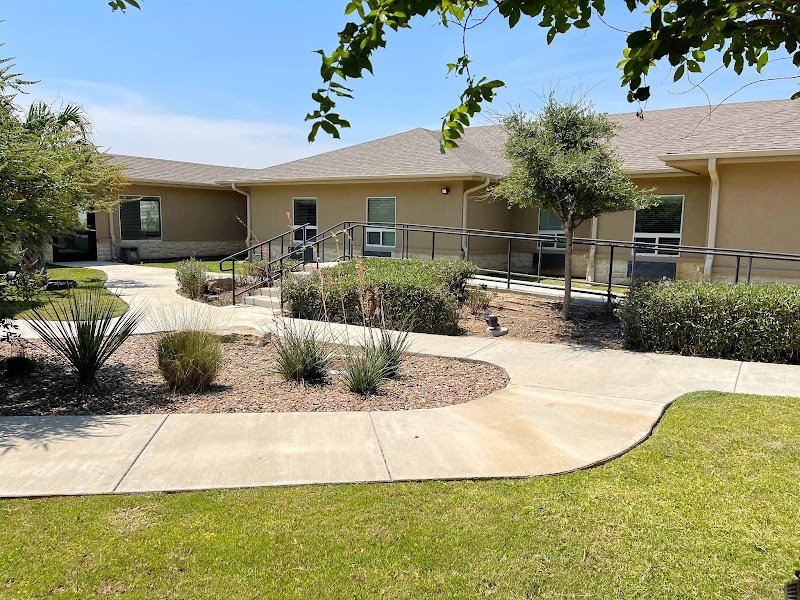
How is La Hacienda De Paz Rehabilitation And Staffed?

CMS rates LA HACIENDA DE PAZ REHABILITATION AND CARE CENTER's staffing level at 2 out of 5 stars, which is below average compared to other nursing homes. Staff turnover is 38%, compared to the Texas average of 46%. This relatively stable workforce can support continuity of care.

What Have Inspectors Found at La Hacienda De Paz Rehabilitation And?

State health inspectors documented 14 deficiencies at LA HACIENDA DE PAZ REHABILITATION AND CARE CENTER during 2022 to 2025. These included: 1 Immediate Jeopardy (the most serious level, indicating potential for serious harm or death) and 13 with potential for harm. Immediate Jeopardy findings are rare and represent the most serious regulatory concerns. They require immediate corrective action.

Who Owns and Operates La Hacienda De Paz Rehabilitation And?

LA HACIENDA DE PAZ REHABILITATION AND CARE CENTER is owned by a government entity. Government-operated facilities are typically run by state, county, or municipal agencies. The facility is operated by CREATIVE SOLUTIONS IN HEALTHCARE, a chain that manages multiple nursing homes. With 104 certified beds and approximately 92 residents (about 88% occupancy), it is a mid-sized facility located in EAGLE PASS, Texas.
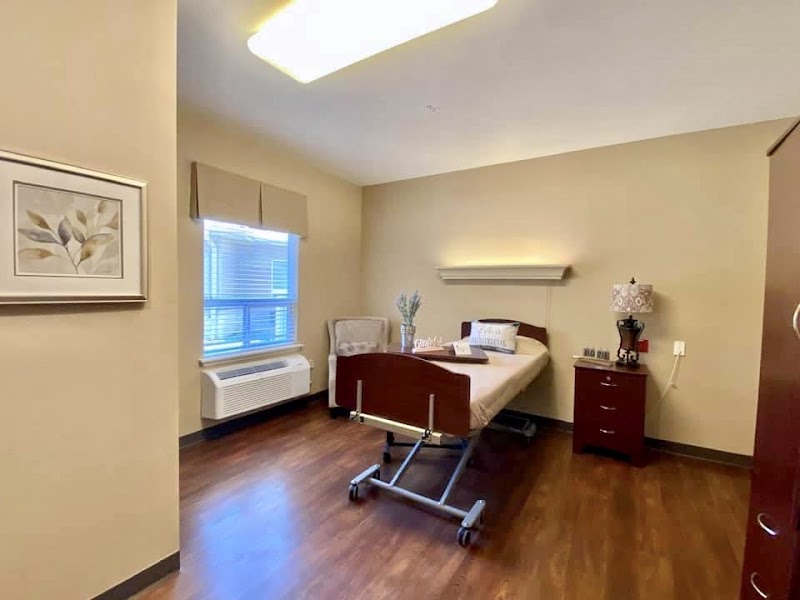
How Does La Hacienda De Paz Rehabilitation And Compare to Other Texas Nursing Homes?

Compared to the 100 nursing homes in Texas, LA HACIENDA DE PAZ REHABILITATION AND CARE CENTER's overall rating (2 stars) is below the state average of 2.8, staff turnover (38%) is near the state average of 46%, and health inspection rating (2 stars) is below the national benchmark.

What Should Families Ask When Visiting La Hacienda De Paz Rehabilitation And?

Based on this facility's data, families visiting should ask: "What changes have been made since the serious inspection findings, and how are you preventing similar issues?" "What safeguards and monitoring systems are in place to protect residents from abuse or neglect?" "Can you walk me through typical staffing levels on day, evening, and night shifts?" "Can I visit during a mealtime to observe dining assistance and food quality?" These questions are particularly relevant given the facility's Immediate Jeopardy citations, the substantiated abuse finding on record, and the below-average staffing rating.

Is La Hacienda De Paz Rehabilitation And Safe?

Based on CMS inspection data, LA HACIENDA DE PAZ REHABILITATION AND CARE CENTER has documented safety concerns. The facility has 1 substantiated abuse finding (meaning confirmed case of resident harm by staff or other residents). Inspectors have issued 1 Immediate Jeopardy citation (the most serious violation level indicating risk of serious injury or death). The facility has a 2-star overall rating and ranks #100 of 100 nursing homes in Texas. Families considering this facility should ask detailed questions about what corrective actions have been taken since these incidents.

Do Nurses at La Hacienda De Paz Rehabilitation And Stick Around?

LA HACIENDA DE PAZ REHABILITATION AND CARE CENTER has a staff turnover rate of 38%, which is about average for Texas nursing homes (state average: 46%). Moderate turnover is common in nursing homes, but families should still ask about staff tenure and how the facility maintains care continuity when employees leave.

Was La Hacienda De Paz Rehabilitation And Ever Fined?

LA HACIENDA DE PAZ REHABILITATION AND CARE CENTER has been fined $21,645 across 1 penalty action. This is below the Texas average of $33,295. While any fine indicates a compliance issue, fines under $50,000 are relatively common and typically reflect isolated problems that were subsequently corrected. Families should ask what specific issues led to these fines and confirm they've been resolved.

Is La Hacienda De Paz Rehabilitation And on Any Federal Watch List?

LA HACIENDA DE PAZ REHABILITATION AND CARE CENTER is not on any federal watch list. The most significant is the Special Focus Facility (SFF) program, which identifies the bottom 1% of nursing homes nationally based on persistent, serious quality problems. Not being on this list means the facility has avoided the pattern of deficiencies that triggers enhanced federal oversight. This is a positive indicator, though families should still review the facility's inspection history directly.