THE WOODLANDS

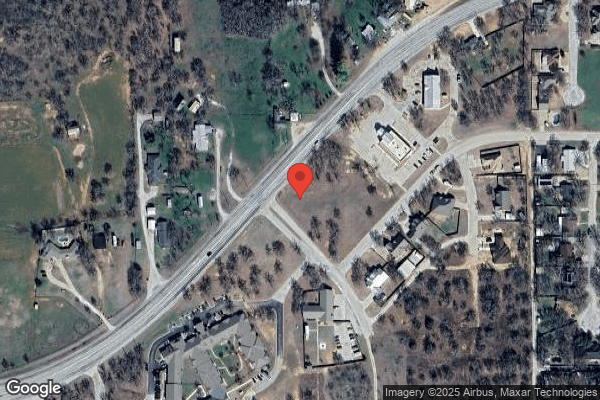
125 INSPIRATION BLVD, EASTLAND, TX 76448 (254) 629-1779
For profit - Limited Liability company 76 Beds AVIR HEALTH GROUP Data: November 2025 3 Immediate Jeopardy citations
Trust Grade
0/100
#867 of 1168 in TX
Last Inspection: August 2025

Inspected within the last 6 months. Data reflects current conditions.

Overview

The Woodlands nursing home has received a Trust Grade of F, indicating significant concerns and poor quality. It ranks #867 out of 1168 in Texas, placing it in the bottom half of facilities statewide, and #3 out of 4 in Eastland County, suggesting that there are only a couple of local options that may be better. The facility's trend remains stable, with 8 issues reported for both 2024 and 2025. Staffing is a notable concern, as it has a low rating of 1 out of 5 and there have been recent critical incidents, including failures to secure residents during transportation, which resulted in falls, and inadequate supervision leading to a resident eloping from the facility. On a positive note, the facility has a good staff turnover rate of 0%, indicating that staff are dedicated and likely familiar with the residents' needs, yet the substantial fines of $129,580 signal ongoing compliance issues that families should consider.

Trust Score
F
0/100
In Texas
#867/1168
Bottom 26%
Safety Record
High Risk
Review needed
Inspections
Holding Steady
8 → 8 violations
Staff Stability
○ Average
Turnover data not reported for this facility.
Penalties
✓ Good
$129,580 in fines. Lower than most Texas facilities. Relatively clean record.
Skilled Nurses
⚠ Watch
Each resident gets only 18 minutes of Registered Nurse (RN) attention daily — below average for Texas. Fewer RN minutes means fewer trained eyes watching for problems.
Violations
⚠ Watch
35 deficiencies on record. Higher than average. Multiple issues found across inspections.
★★☆☆☆
2.0
Overall Rating
★☆☆☆☆
1.0
Staff Levels
★★★★★
5.0
Care Quality
★☆☆☆☆
1.0
Inspection Score
Stable
2024: 8 issues
2025: 8 issues

The Good

  • 5-Star Quality Measures · Strong clinical quality outcomes
  • Full Sprinkler Coverage · Fire safety systems throughout facility
  • No fines on record

Facility shows strength in quality measures, fire safety.

The Bad

2-Star Overall Rating

Below Texas average (2.8)

Below average - review inspection findings carefully

Federal Fines: $129,580

Well above median ($33,413)

Significant penalties indicating serious issues

Chain: AVIR HEALTH GROUP

Part of a multi-facility chain

Ask about local staffing decisions and management

The Ugly 35 deficiencies on record

3 life-threatening
Aug 2025 5 deficiencies
CONCERN (D) 📢 Someone Reported This

A family member, employee, or ombudsman was alarmed enough to file a formal complaint

Potential for Harm - no one hurt, but risky conditions existed

Deficiency F0655 (Tag F0655)

Could have caused harm · This affected 1 resident

**NOTE- TERMS IN BRACKETS HAVE BEEN EDITED TO PROTECT CONFIDENTIALITY** Based on interviews and record review, the facility failed to develop a baseline care plan within 48 hours of a resident's admis...

Read full inspector narrative →
**NOTE- TERMS IN BRACKETS HAVE BEEN EDITED TO PROTECT CONFIDENTIALITY** Based on interviews and record review, the facility failed to develop a baseline care plan within 48 hours of a resident's admission that included the instructions needed to provide effective and person-centered care plan and provide a summary of their baseline care plan to residents for 1 (Resident #44) of 5 residents reviewed for baseline care plan completion.The facility failed to complete Resident #44's baseline care plan within the required 48-hour timeframe. This failure could place residents who were newly admitted at risk for not receiving necessary care and services or having important care needs identified.Findings included:Record review of Resident #44's face sheet dated 08/12/2025 revealed a [AGE] year-old female admitted on [DATE] with the following diagnoses fracture of femur, high blood pressure, atrial fibrillation (abnormal heart rhythm) and muscle weakness.Record review of Resident #44's admission MDS dated [DATE] revealed in Section C - Cognitive Patterns revealed a BIMS score of 15 (cognitively intact).Record review of Resident #44's electronic medical record revealed Resident #44's baseline care plan was initiated on 08/13/2025. During an observation and interview on 08/12/2025 at 11:35 AM Resident #44 was sitting in her room in her wheelchair. Resident #44 stated she was at facility for breaking her hip.During an interview on 08/13/2025 at 11:07 AM the RNC stated her expectation was that baseline care plans should have been completed within 48 hours of admission. The RNC stated she had initiated the baseline care plan for Resident #44 today. The RNC stated that the baseline care plan had not been completed in the required 48 hours. The RNC stated the charge nurse, and the DON were responsible for completing the baseline care plan. The RNC did not provide a reason for what to led to failure. During an interview on 08/13/2025 at 2:15 PM the DON stated her expectation was baseline care plans should have been completed within the 48 hours of admission. The DON stated the charge nurse was responsible for initiating the baseline care plan. The DON stated what led to failure was oversight by staff. During an interview on 08/13/2025 at 3:30 PM the ADMN stated her expectation was baseline care plans should have been completed within 48 hours of admission. The ADMN stated the charge nurse was responsible for completing the baseline care plan. The ADMN stated the DON was responsible for monitoring to ensure the baseline care plans were completed within 48 hours. The ADMN stated she did not think there was a negative effect on resident not having baseline care completed. The ADMN did not give a reason for the failure of Resident #44's baseline care plan completed. Record review of the facility policy titled, Care Plans-Baseline dated March 2022, revealed A baseline plan of care to meet the resident's immediate health and safety needs is developed for each resident within forty-eight (48) hours of admission.
CONCERN (D)

Potential for Harm - no one hurt, but risky conditions existed

Comprehensive Care Plan (Tag F0656)

Could have caused harm · This affected 1 resident

**NOTE- TERMS IN BRACKETS HAVE BEEN EDITED TO PROTECT CONFIDENTIALITY** Based on observation, interview and record review the facility failed to develop and implement a comprehensive, person-centered ...

Read full inspector narrative →
**NOTE- TERMS IN BRACKETS HAVE BEEN EDITED TO PROTECT CONFIDENTIALITY** Based on observation, interview and record review the facility failed to develop and implement a comprehensive, person-centered care plan for each resident that included measurable objectives and time frames to meet, attain, and/or maintain the resident's highest practicable physical, mental, and psychosocial well-being for 2 of 2 residents (Resident #2, and Resident #6) reviewed for care plans in that:Resident #2 did not have a comprehensive care plan in place that included a code status of do not resuscitate. Resident #6 did not have a comprehensive care plan in place that included use of a trapeze (equipment attached to a resident's bed to aide in independent repositioning).This failure could affect residents by placing them at risk of not receiving individualized care and services to achieve their goals.The findings included the following:Review of Resident #2's Resident Face Sheet dated [DATE], revealed he was an [AGE] year-old male initially admitted to the facility on [DATE] and had a most recent admission date of [DATE] with medical diagnoses including pancreatic cancer, pressure ulcer on sacrum (lower part of the back), shortness of breath, low thyroid function, depression, anxiety, high blood pressure, macular degeneration, weakness, and bladder cancer. Under Other Information, DNR, Yes was entered.Review of Resident #2's Quarterly MDS Assessment, dated [DATE], Section C - Cognitive Patterns, subsection C0500 BIMS Summary Score revealed he had a BIMS score of 11 out of 15, indicating moderate cognitive impairment. Review of Resident #2's physician's order dated [DATE] revealed an order **Code Status: ***DNR***. Review of Resident #2's miscellaneous records revealed an Out-of-Hospital Do-Not-Resuscitate (OOH-DNR) order signed by Resident #2's physician and notarized on [DATE].Review of Resident #2's Comprehensive Care plan reviewed/revised [DATE] revealed: Focus Resident and or RP/family have advance directive of choice to be FULL CODE status. Observation on [DATE] 8:28 AM Resident # 2 was in his bed sleeping. Resident #6Review of Resident #6's Resident Face Sheet, dated [DATE], revealed he was a [AGE] year-old male admitted to the facility on [DATE] with medical diagnoses including intracerebral hemorrhage (brain bleeding), urinary incontinence (inability to control urine output), dysphagia (problems with swallowing), anxiety, shortness of breath, depression, post-traumatic stress disorder, high blood pressure, myocardial infarction (heart attack), chronic kidney disease, and pain.Review of Resident #6's Quarterly MDS Assessment, dated [DATE], revealed he had a BIMS score of 09 out of 15, indicating moderate cognitive impairment. Review of Resident #6's physician orders dated [DATE] revealed Trapeze to be used for mobility. Review of Resident #6's Comprehensive Care Plan reviewed/revised [DATE] revealed use of a trapeze was not addressed on the care plan. Observation on [DATE] at 10:08 AM, revealed a trapeze device to assist the resident with repositioning was attached to the headboard of Resident #6's bed. During an interview on [DATE] at 11:33 AM, LVN A stated she was not aware that Resident #6's trapeze was not on his care plan, she thought it was. She stated she did not think the resident would suffer adverse effects of the trapeze not being on the care plan. During an interview on [DATE] at 2:24 PM, with the DON and the RNC, the DON stated she was surprised Resident #6's trapeze was not on the care plan. She stated she could not explain why it was not. The DON stated her expectations were for care plans to be completed on time and accurate. She stated she could not think of an adverse effect on the resident if the trapeze was not addressed on the care plan. The RNC stated the CAAs provided the basis for care planning. She explained the facility conducts IDT meetings every weekday morning at which time acute events were identified and a decision made by the team to add to the care plan. She stated it was important to include everything on the care plan, so the staff were aware. The DON stated the ADON was responsible for reviewing/revising care plans. The RNC stated the DON was ultimately responsible for the accuracy of the care plans. During an interview on [DATE] at 2:39 PM, the ADON stated she had been in the ADON position for 4 months. She explained training was provided on the job from the DON and corporate support. The ADON stated she did not initiate care plans but was responsible for keeping care plans up to date. She stated she did not know how the trapeze was missed on Resident #6's care plan. The ADON stated Resident #6 was the only resident with trapeze. She stated consequences to the resident of failing to include the trapeze on the care plan would be if staff was not aware he had a trapeze and he needed it. During an interview on [DATE] at 2:45 PM, the DON stated a DNR status should be care planned. She explained that could affect the resident who might receive CPR against their wishes. The DON stated she did not know what caused the failure to include Resident #2's code status on the care plan to occur. The DON stated that she and the MDS coordinator were responsible for monitoring the accuracy of the care plans. She stated care plans were reviewed quarterly, annually and with a change of condition. Review of facility policy titled Care Plans, Comprehensive Person-Centered dated 2001, revealed 7. The comprehensive, person-centered care plan: b. describes the services that are to be furnished to attain or maintain the resident's highest practicable physical, mental, and psychosocial well-being, . and 11. Assessments of residents are ongoing and care plans are revised as information about the residents and the resident's conditions change.
CONCERN (F)

Potential for Harm - no one hurt, but risky conditions existed

Deficiency F0727 (Tag F0727)

Could have caused harm · This affected most or all residents

Based on record review and interviews, the facility failed to ensure the use of the services of a registered nurse for at least 8 consecutive hours a day, seven days a week for 7 of 90 (02/02/2025, 02...

Read full inspector narrative →
Based on record review and interviews, the facility failed to ensure the use of the services of a registered nurse for at least 8 consecutive hours a day, seven days a week for 7 of 90 (02/02/2025, 02/15/2025, 02/16/2025, 03/01/2025, 03/02/2025, 03/15/2025 and 03/16/2025) days reviewed for RN coverage. The facility failed to provide evidence that a Registered Nurse (RN) worked 8 consecutive hours a day, seven days a week on 02/02/2025, 02/15/2025, 02/16/2025, 03/01/2025, 03/02/2025, 03/15/2025 and 03/16/2025.This failure placed the residents at risk for not having decisions made that would have required an RN to make in the management of the residents' healthcare needs and in managing and monitoring of the direct care staff. Findings included:Record review of the facility's Direct Care Staff Daily Report for Fiscal Year Quarter 2 (January 1, 2025, to March 31, 2025), revealed on 02/02/2025, 02/15/2025, 02/16/2025, 03/01/2025, 03/02/2025, 03/15/2025 and 03/16/2025 there was no evidence of 8 hour RN coverage. During an interview on 08/13/2025 at 2:15 PM the DON stated her expectation was to have RN coverage 8 hours a day. The DON stated the ADMN was responsible for making the staffing schedule. The DON stated she did not feel there was a negative impact to residents, because she was available by phone and lived close to the facility. The DON stated what led to failure was the inability to hire RN's. During an interview on 08/13/2025 at 3:30 PM the ADMN stated her expectation was to follow policy and have RN coverage 8 hours a day. The ADMN stated she was responsible for creating the staffing schedule. The ADMN stated she did not feel there was a negative effect on residents, due to the support staff available by phone. The ADMN stated what led to failure was the facility did not have a weekend RN during the months of February and March. The ADMN stated they had been trying to hire a RN during the time frame. The ADMN stated they did not have a policy for RN staffing.
CONCERN (F)

Potential for Harm - no one hurt, but risky conditions existed

Deficiency F0802 (Tag F0802)

Could have caused harm · This affected most or all residents

Based on observation, interview, and record review the facility failed to employ sufficient number of staff to carry out the functions of the food and nutrition service department for 1 of 1 kitchenTh...

Read full inspector narrative →
Based on observation, interview, and record review the facility failed to employ sufficient number of staff to carry out the functions of the food and nutrition service department for 1 of 1 kitchenThe facility failed to ensure there were sufficient number of staff who prepared meals in the kitchen and served cooked food to residents at posted mealtimes. This failure could place residents at risk of not having their nutritional needs met and delay assistance with activities of daily living. Findings included:During an observation on 08/11/2025 at 09:50 AM the resident mealtimes posted outside of the kitchen read: Breakfast 7:15 AM Memory Care7:45 AM Hall trays, 8:00 AM Main Dining Room.Lunch 11:15 AM Memory Care, 11:45 AM Hall trays, 12:00 PM Main Dining RoomDinner 4:15 PM Memory Care, 4:45 PM Hall Trays, 5:00 PM Main Dining RoomDuring an observation on 08/11/2025 at 09:51 AM revealed 1 DM, 1 [NAME] and 1 dishwasher in the kitchen preparing for lunch meal. During an observation on 08/11/2025 at 1:10 PM the hall trays for long term care residents were sent out of the kitchen. , one hour and 20 minutes past posted mealtime.During an observation on 08/11/2025 at 1:30 PM the meal was delivered to meal service area located in the main dining room.During an observation on 08/11/2025 at 2:05 PM meal service completed, and all residents had been served,. During an observation on 08/12/2025 at 08:28 AM revealed breakfast being served in the main dining room.During an observation on 08/13/2025 at 12:15 PM the hall trays were delivered to Hall 400. During an observation on 08/13/2025 at 12:27 PM meal arrived from the kitchen to service area in main dining room. , 27 minutes past posted mealtime. During an observation on 08/13/2025 at 12:42 PM first meal tray was delivered to first resident in the main dining room. , 42 minutes past pasted mealtime. During a group interview on 08/12/2025 at 11:00 AM 8 of 8 residents stated meals were not on time. The residents' stated meals were 1-2 hours late. The residents stated there was a sign by the menu that stated when meals were to be served. The residents stated the meals were never served at the time posted. The residents stated when lunch was late then activities, such as BINGO, were also late. During an interview on 08/13/2025 at 2:25 PM with the DM, she stated meal service was late due to being understaffed. She stated there should have been one cook, one dishwasher and 2 dietary aides for each meal. The DM stated meal service being late effects resident a great deal. The DM stated medications must be held or given later. The DM stated the residents were used to having meals at a certain time and being late with meals can affect their attitude and how much the residents would eat. The DM stated she was responsible for making sure meals were served on time. The DM stated the ADMN also monitored meal service.During an interview on 08/13/2025 at 2:45 PM the DON stated her expectations were that meals would be served on time per schedule. The DON stated meals being late affected the residents' medications and their activities of daily living activities, such as showers and incontinent care. During an interview on 08/13/2025 at 2:50 PM the ADMN stated her expectation was for meals to be served at the time posted. The ADMN stated meals were not being served on time due to a large turnover in kitchen staff. The ADMN stated meal service not being on time can affect the resident's medication routine and activities of daily living such as showers and incontinent care. The ADMN stated the residents had the expectation of meals being served on time. The ADMN stated meal service times were monitored by the department heads. The ADMIN stated she had been trying to hire more kitchen staff but had not had many qualified applicants. Record review of facility's grievance log dated April 2025, May 2025, June 2025 and July 2025 revealed residents filed a grievance concerning meals being late. Record review of facility's policy titled, Food and Nutrition Services not dated revealed: Policy statement: Each resident is provided with a nourishing palatable, well-balanced diet that meets his or her daily nutritional and special dietary needs, taking into consideration the preference of each resident.3. Meals and/or nutritional supplements will be provided within 45 minutes of either resident request or scheduled mealtime, and in accordance with the resident's medication requirements.9. Meals are scheduled at regular times to assure that each resident receives at least three (3) meals per day. Mealtimes are posted in facility common areas.
CONCERN (F)

Potential for Harm - no one hurt, but risky conditions existed

Deficiency F0809 (Tag F0809)

Could have caused harm · This affected most or all residents

Based on observation, interview, and record review the facility failed to employ sufficient staff to carry out the functions of the food and nutrition service department for 1 0f 1 kitchen. The facili...

Read full inspector narrative →
Based on observation, interview, and record review the facility failed to employ sufficient staff to carry out the functions of the food and nutrition service department for 1 0f 1 kitchen. The facility failed to ensure that meals were served at the post mealtimes. This failure could place residents at risk of not having their nutritional needs met and delay assistance with activities of daily living.Findings included:During an observation on 08/11/2025 at 09:50 AM resident mealtimes posted outside of kitchen: Breakfast 7:15 AM Memory Care7:45 AM Hall trays, 8:00 AM Main Dining Room.Lunch 11:15 AM Memory Care, 11:45 AM Hall trays, 12:00 PM Main Dining RoomDinner 4:15 PM Memory Care, 4:45 PM Hall Trays, 5:00 PM Main Dining RoomDuring an observation on 08/11/2025 at 09:51 AM observed 1 DM, 1 [NAME] and 1 dishwasher in the kitchen preparing for lunch meal. During an observation on 08/11/2025 at 1:10 PM hall trays for long term care residents were sent out of the kitchen.During an observation on 08/11/2025 at 1:30 PM the meal was delivered to meal service area located in the main dining room.During an observation on 08/11/2025 at 2:05 PM meal service completed, and all residents had been served. During an observation on 08/12/2025 at 08:28 observed breakfast being served in main dining room.During an observation on 08/13/2025 at 12:15 PM hall trays were delivered to Hall 400.During an observation on 08/13/2025 at 12:27 PM meal arrived from the kitchen to service area in main dining room.During an observation on 08/13/2025 at 12:42 PM first meal tray was delivered to first resident in the main dining room. During a group interview on 08/12/2025 at 11:00 AM 8 of 8 residents stated meals are not on time. The residents' stated meals are 1-2 hours late. The residents stated there was a sign by the menu that states when meals are to be served. The residents' stated the meals are never served at the time posted. The resident's stated when lunch is late then activities such as BINGO was also late. During an interview with DM on 08/13/2025 at 2:25 PM stated meal service was late due to being understaffed. She stated there should have been one cook, one dishwasher and 2 dietary aides for each meal. DM stated meal service being late effects resident a great deal. DM stated medications must be held or given later. The DM stated the residents were used to having meals at a certain time and being late with meals can affect their attitude and how much the residents would eat. The DM stated that she was responsible for making sure that meals are served on time. DM stated the ADMN also monitors meal service.During an interview with DON on 08/13/2025 at 2:45 PM DON stated her expectations was that meals would be served on time per schedule. DON stated meals being late affect the residents' medications and activity of daily living activities such as showers, incontinent care. DON stated all residents eat meals from the kitchen. During an interview with ADMN on 08/13/2025 at 2:50 PM stated her expectations were that meals be served at the time posted. ADMN stated meals were not being served on time due to a large turnover in kitchen staff. ADMN stated meal service not being on time can affect the resident's medication routine and activities of daily living such as showers and incontinent care. ADMN stated the residents had an expectation of meals being served on time. ADMN stated meal service times are monitored by department heads. ADMIN stated had been trying to hire more kitchen staff but had not had many qualified applicants. Record review of facility's grievance log residents filed a grievance concerning late meals in April, May, June and July of 2025.Record review of facility's policy titled: Food and Nutrition Services (no dated) revealed Policy statement: Each resident is provided with a nourishing palatable, well-balanced diet that meets his or her daily nutritional and special dietary needs, taking into consideration the preference of each resident.3. Meals and/or nutritional supplements will be provided within 45 minutes of either resident request or scheduled meal time, and in accordance with the resident's medication requirements.9. Meals are scheduled at regular times to assure that each resident receives at least three (3) meals per day. Mealtimes are posted in facility common areas.
Apr 2025 3 deficiencies 3 IJ (3 affecting multiple)
CRITICAL (K) 📢 Someone Reported This

A family member, employee, or ombudsman was alarmed enough to file a formal complaint

Immediate Jeopardy (IJ) - the most serious Medicare violation

Free from Abuse/Neglect (Tag F0600)

Someone could have died · This affected multiple residents

**NOTE- TERMS IN BRACKETS HAVE BEEN EDITED TO PROTECT CONFIDENTIALITY** Based on observation, interview, and record review the facility failed to protect the resident's right to be free from neglect f...

Read full inspector narrative →
**NOTE- TERMS IN BRACKETS HAVE BEEN EDITED TO PROTECT CONFIDENTIALITY** Based on observation, interview, and record review the facility failed to protect the resident's right to be free from neglect for 2 of 14 residents (Resident #10 and Resident #11) reviewed for neglect. The facility failed to ensure Resident #10 was secured with a seatbelt when being transported in the facility van to an appointment in another town approximately 47.5 miles one way on 03/26/2025. Resident #10 fell out of his wheelchair onto the floor of the facility van. The facility failed to ensure Resident #11 was secured with a seatbelt when being transported in the facility van to an appointment in another town approximately 47.5 miles one way on 03/18/2025. An Immediate Jeopardy (IJ) was identified on 03/31/2025. While the IJ was lowered on 04/02/2025 at 9:23 AM, the facility remained out of compliance at a severity level of no actual harm potential for more than minimal harm with a scope of pattern, due to the facility's need to evaluate the effectiveness of their corrective actions. These failures placed residents at risk of injury due to not being supervised and placed them at risk of serious bodily harm, physical impairment, or death. Findings include: Resident #10 Record review of Resident #10's face sheet revealed an [AGE] year-old male admitted on [DATE] with the following diagnosis Diabetes Mellitus type II, Flaccid hemiplegia (compete paralysis, lack of muscle tone) Left side Chronic Obstructive Pulmonary Disease (lung disease). Record review of Resident #10's Quarterly MDS dated [DATE] revealed a BIMS score of 12 meaning moderately impaired cognition. Section G Functional status: Resident #10 required extensive assist with bed mobility, transfers, and toileting. Record review of Resident #10's Care Plan dated 02/18/2025 revealed: Resident had decreased functional limitation in ROM (range of motion) to left side. Decreased mobility to left side. Approach: Ensure staff aware of resident's mobility/ADL (activities of daily living) impairments. Resident #11 Record review of Resident #11's face sheet revealed a [AGE] year-old female who was admitted [DATE] with the following diagnosis Cerebral Infarction (condition where blood flow to brain is blocked), Bilateral above the knee amputation (removal of both legs above the knee), Diabetes Mellitus type II, Congestive Heart Failure (heart disease), chronic kidney disease (kidney damage) End Stage Renal Disease (dialysis). Record review of Resident #11's Quarterly MDS dated [DATE] revealed: Section C Cognitive Status: Resident had a BIMS of 15 (Intact Cognition). Section GG-Functional Abilities GG0115 Functional Limitation in Range of Motion lower extremity impairment on both sides. Car transfer-substantial/maximal assistance. During an observation and interview on 03/27/2025 at 02:15 PM, Resident #10 was lying in bed awake, unable to move left arm. Resident #10 stated he went in the facility's van with Transport Aide F as driver to dental appointment in another town. Resident #10 stated his wheelchair was secured in the van, but he did not have on seatbelt or anything to secure him in his wheelchair. Resident stated he asked Transport Aide F to put the seatbelt on and Transport Aide F told him she did not like the seatbelt, so she did not put it on him for the drive to appointment in another town approximately 47.8 miles one way. the facility. Resident #10 stated it made him feel unsafe. Resident stated they were on interstate and a truck was ahead of them and Transport Aide F had to slam on the brakes, and Resident #10 came out of wheelchair and landed on the floor with my right leg up under the dash of the van. Resident #10 stated he asked Transport Aide F to pull over and she told him he couldn't pull over until there was an exit. Resident stated this happened approximately 30 miles from #10 stated he had to lay on the floor of the van for about 30 minutes until they got back to the facility. Resident #10 stated when they got back to the facility it took 4 people to get him out of the van and into a wheelchair. Resident stated Transport Aide F knew that he needed the seat belt but did not put it on him. During an interview on 03/28/2025 at 02:45 PM, the ADMN stated Transport Aide F was hired on 08/15/2024 and had 2 weeks training before starting van driver position. Transport Aide F initial training was on 11/01/2024. ADMN stated Transport Aide F had been checked off on competency of use of seat belts and securing wheelchairs in van again on 03/25/2025 by MM. ADMN stated Resident #11 was identified through the complaint process on 03/25/2025 of not being buckled in with seat belt when being transported. ADMN stated in-service consisted of each van driver providing a return demonstration on use of seatbelts in van for residents in a wheelchair. During an interview on 03/28/2025 at 04:00 PM, MM stated he trained Transport Aide F on 08/15/2024 by showing her how to secure a resident in a wheelchair in the facility van. MM stated Transport Aide F performed return demonstration several times on the use of wheelchair tie downs and use of seat belt. MM stated Transport aide-F had not reported any problems with seatbelt in van. MM stated Transport Aide F completed the refresher course on 03/25/2025 that included how to strap the wheelchair down with ties, and how to safely buckle residents with seat belt, and she demonstrated how to secure wheelchair in the van and to safely buckle a resident with a seat belt. MM stated Transport Aide F was instructed if the van is not safe do not drive, stop, and call 911 and notify ADMN and DON. During an interview on 03/28/2025 at 02:30 PM, Transport Aide F stated she transported Resident #10 in facility van to dental appointment in another town, on 03/26/2025 at 08:00 AM Transport Aide F stated there was construction on the interstate and she had to slam on her brakes to avoid hitting a vehicle in front of the van. Transport Aide F stated when she slammed on the brakes, Resident #10 was thrown out of his wheelchair onto the floor of the van. Transport Aide F stated she got off the interstate to see if Resident #10 was hurt and if he wanted to get back in his wheelchair. Transport Aide F stated Resident #10 told her he did not want to get back up into the wheelchair. Transport Aide F stated she did not secure Resident #10 with a seatbelt because she was not sure how to secure a resident. Transport Aide F stated she did not feel she was properly trained in how to use a seatbelt. Transport Aide F stated Resident #10's wheelchair was secure to van floor properly. Transport Aide F stated she thought Resident #10 was secure in the van with wheelchair being secure to the floor. Transport Aide F stated she was suspended until today and will not be driving the van anymore. During an interview on 03/28/2025 at 02:50 PM, Resident #11 stated on 03/18/2025 while being transported in facility van to appointment in another town, Resident #11 asked Transport Aide F to put on her seatbelt. Resident #11 stated Transport Aide F told her seatbelt did not work. Resident #11 stated Transport Aide F put on brakes, and Resident #11 had to put her hands on the back of the seat in front of her to keep from falling out of wheelchair. Resident #11 stated Transport Aide F made her feel unsafe in the van and would not go in the van if Transport Aide F was driving. During a follow-up interview on 03/28/2025 at 04:00 PM, MM stated he trained Transport Aide F by showing her how to secure a resident in a wheelchair in facility van. Transport Aide F performed return demonstration several times. MM stated Transport aide-F did not report any problems with seatbelt in van. MM stated a refresher course was done on 03/25/2025 on how to strap the wheelchair down with ties, and how to safely buckle residents in a wheelchair with seat belt, if van not safe do not drive stop and call 911 and notify ADMNIN and DON. During a follow-up interview on 03/29/2025 at 01:05 PM, Transport Aide F stated she forgot to put the seatbelt on Resident #11 on 03/18/2025 during transport to appointment. Transport Aide -F stated on 03/25/2025 refresher course, she did not buckle the seat belt was only shown how it works. Transport Aide -F stated she remembered signing the in-service sheet dated 03/25/2025 for use of seatbelt. Transport Aide F stated there was construction on the interstate and she slammed on the brakes to not wreck. Transport Aide F stated Resident #10 slid out of wheelchair and Resident #10's left leg went under dashboard. Transport Aide F stated she pulled off the interstate at the next exit. Transport Aide F stated she asked Resident #10 if he was okay and if he wanted to get back into his wheelchair. Transport Aide F stated Resident #10 told her to just drive slowly and get him back to the facility. Transport Aide-F stated Resident #10 was just lying on floor of van and not saying anything about hurting. Transport Aide-F stated she did not call the ADMN because she did not feel she need to call since they were only 20-25 minutes away from the facility. Transport Aide-F stated she was unsure of where construction was on interstate. During an interview on 03/30/2025 at 11:13 AM, the ADMN stated there were no manufacture instructions in the van that she was aware of. The ADMN stated she thought the employee chose not to follow training and safety precautions. The ADMN stated she reeducated staff on 03/27/2025 and suspended Transport Aide F and took the facility van out of service for wheelchair transports. ADMN stated facility van was scheduled for safety inspection in another town on Friday 03/28/2025 for safety inspection of seatbelts. The ADMN stated the safety inspection determined the seat belt and the wheelchair tie downs were functioning properly, but it was recommended to upgrade the system due to it being old and antiquated. The ADMN stated the facility chose to not use the facility van for wheelchair transports. The ADMN stated what led to the failure of the neglect was Transport Aide F to follow the policy and procedures. The ADMN stated the facility would prevent further neglect by conducting resident council meetings, making rounds with residents for safe surveys, observe resident care and feedback from the staff and the residents. The ADMN stated only when a resident complained, was the issue addressed. The ADMN stated competencies were conducted on hire, annually and as needed with compliance. The ADMN stated MM inspected the van weekly and reported any negative findings. The ADMN stated she would expect staff to follow procedures and policies. Record review of facility policy titled: Van Driver Orientation Policy & Procedure, not dated revealed: Policy: Each employe who is designated to drive the facility van will receive adequate orientation and training to assure the safety of all passengers . 4. The designated trainer will instruct and review with the employee procedures to follow in case of an emergency and/or accident. The instruction shall include at a minimum: the facility phone number to contact, Administrators' cell phone number to contact, immediately call 911 in case of injury to any van passenger .to contact local police in caser of an accident .thoroughly check all passengers to assure well-being and seatbelts are secure 7 Once the steps are read and the designated trainer must instruct and observe return demonstration by employee n the correct procedure for safely securing a resident in a wheelchair and an ambulatory resident using the safety belts provided in the van. The employee must demonstrate how to safely apply and tighten the safety belts to prevent a wheelchair from rolling or tilting during transport and how to secure the safety belt around the resident to prevent injury Review of facility's policy titled, Identifying Types of Abuse, dated revised September 2022 revealed: As part of the abuse prevention strategy, volunteers, employees, and contractors hired by this facility are expected to be able to identify the different types of abuse that may occur against residents 1. Neglect is the failure of the facility, its employees or service providers to provide goods and services to a resident that are necessary to avoid physical harm, pain, mental anguish, or emotional distress. 2. Neglect occurs when the facility is aware of, or should have been aware of, goods, or services that a resident requires but the facility fails to provide them, and this has resulted in (or may result in) physical harm, pain, mental anguish, or emotional distress. 3. Neglect includes cases where the facility's indifference to disregard for resident care, comfort, or safety results in (or could result in) physical harm, pain, mental anguish or emotional distress This was determined to be an Immediate Jeopardy (IJ) on 03/31/2025 at 2:40 PM. The Administration was informed of the IJ. The Administrator was provided with the IJ template on 03/31/2025 at 2:40 PM and was given Three Strike Letter. Record review of Plan of Removal accepted on 04/01/2025 at 04:24 PM reflected the following: FACILITY: [Facility Name] Facility ID Number: 110493 SURVEY TYPE: Complaint Survey SURVEY DATE: 03/31/2025 Plan for REMOVAL F 600 Plan to remove immediate jeopardy. The facility failed to ensure that a resident was free from neglect when the facility failed to provide the required structures and process in place for oversight and monitoring the safety of residents being transported by Transport Aide-A. F 600 On 3/26/25 Resident # 10 was assessed by the charge nurse for injuries, resident sustained a 25cm scratch to back. Charge Nurse notified physician, obtained orders for x-rays and notified responsible party. On 3/26/2025 Residents with appointments that must be transported in wheelchairs are identified as affected by using the current van for wheelchair transportation. On 3/26/25 Safe Surveys with other residents that were transported by the facility staff in wheelchairs and those not in wheelchairs. The Safe Survey Questions: 1. Do you feel safe here? 2. If, you have a concern do you feel comfortable reporting it? 3. Do you know who the Administrator is ? 4. Do you know who the Director of Nursing is? 5. Do you know who the Ombudsman is ? 6. Do you feel safe when transported by facility staff? Findings: Resident #10 and # 11 both reported issues with same driver not following training/using seat belts to secure resident. The other 5 residents did not report safety issues, just that the van was old and rundown. Staff did share that the center has a new van on order to replace the current van. On 3/25/2025 the van driver was retrained on facility safety procedures for strapping residents into the wheelchair using the wheelchair tie downs and seatbelts by another staff member. The NHA Nursing Home Administrator observed the retraining of the van driver, by the more senior staff member with experience driving the van. The van was removed from service for transporting residents in wheelchairs on 3/26/2025. The van will not be put back in service until the complete restraint system including seatbelts for wheelchairs is replaced. The facility has purchased a new van with delivery expected this week. Residents requiring wheelchair transport will be completed by sister facilities until all staff who will drive are checked off for operations of the lift, the wheelchair tie downs and seatbelts of the new van. Administrator, Surveyor and 2 facility approved drivers observed sister facility driver demonstrate the wheelchair tie downs and seat belting prior to transporting our resident on Monday 3/31/2025. One of our van drivers accompanied the resident and the driver on the appointment. The Administrator reviewed the van driver's competencies that were completed on the vehicle. Residents will not be transported in the existing van in a wheelchair until after the restraint system is updated and all drivers are checked off on securing the wheelchair with tie downs and seatbelts system for the residents. on 4/1/25 Both van drivers have been in serviced not to use the wheelchair van until the system for securing wheelchairs is replaced with new system and competencies with return demonstration are completed by the Nursing Home Administrator/Designee. On 3/26/2025 The van driver was suspended pending investigation. The van was removed from service in transporting wheelchairs on 3/26/2025 at 11am. Van was inspected on 3/28/2025 by a company that specializes in wheelchair transport vehicles. The technician stated to the Maintenance Supervisor the system is functioning, but old and needed to be updated. The NHA Nursing Home Administrator called to follow up the inspection report, was told there was a missing part, but was unable to determine what was missing since he was not aware of what system was installed in the van. The Administrator went back out to the van along with the more senior staff member with experience driving the van and could not find anywhere else a missing part would be mounted in the floor or sides of the van. There is a seatbelt part in the floor that the technician said was missing, but during the inspection by the NHA Nursing Home Administrator and the more senior staff person with experience driving the van the part is in the floor to connect the seatbelt. There is not an inspection report. NHA Nursing Home Administrator did call and email multiple times to request the report. On 3/31/2025 The NHA Nursing Home Administrator/Designee in-serviced all staff on the state provider letter PL 2024-14 Abuse Neglect Exploitation, Misappropriation of resident property and other incidents. The NHA Administrator/Designee chose to use another format to Inservice instead of the facility's policy and procedures on Abuse, Neglect, Exploitation and Misappropriation Program and Identifying Types of Abuse as staff were just in serviced on 3/20/2025 and 3/26/2025. All staff including new hires and agency, will be required to complete the in-service prior to starting their next scheduled shift. On 3/31/2025 NHA Nursing Home Administrator/ Designee In service all staff that drive the van on safety and emergency procedures with post test. If staff fail the post test they will be retrained again and tested again. Staff will not be allowed to operate the facility van until they have successfully passed the post test. On 3/31/2025 NHA Nursing Home Administrator /Designee performed competencies and return demonstration on emergency procedures, operating the wheelchair lift, test Driver on driving and reviewing you tube video for strapping the wheelchair and buckling the person in the wheelchair on all transport staff. Staff will be suspended from driving until competencies are passed. Competencies with return demonstration will be completed on hire, annually, and PRN. On 3/27/2025 NHA Nursing Home Administrator and Regional Nurse Consultant reviewed the Van Driver Orientation List and added instructions for emergency procedures to include procedures for if a resident falls out of seat or chair to pull over, call 911, notify NHA Nursing Home Administrator. On 3/31/2025 NHA Nursing Home Administrator/Designee will conduct audits with observation to be completed for proper securement of wheelchair and seatbelt use weekly times four weeks, then weekly times two weeks and PRN there after. 3/31/25 NHA Nursing Home Administrator /Designee will interview residents who are transported by facility staff. Residents will be asked the following questions: 1 Were you buckled in and wheelchair secured? 2. Did the driver follow posted speed limits and other traffic signs? 3. Did the driver use cell phone while driving? 4. D d you feel safe while being transported? 5. Do you have any other concerns? Interviews will be conducted with residents who are transported by the center staff weekly for four weeks, then weekly for two weeks and PRN thereafter. On 3/27/2025 Ad-Hoc QAPI Held with Medical Director, NHA Nursing Home Administrator, Director of Nursing, Assistant Director of Nursing, Regional Nurse Consultant to review the alleged deficiency, policy and procedure and the plan of removal of immediacy. Ad-HOC QAPI repeated on 3/31/2025. The NHA Nursing Home Administrator will be responsible for ensuring the plan is completed on 3/31/2025. The RDO/Designee will provide oversight by observation and record reviews to the of NHA Nursing Home Administrator to ensure that the items on the plan of removal are reviewed and completed on 3/31/2025. The RDO/ Designee will continue monitoring weekly for four weeks, then monthly for two months then as needed. Surveyors monitored the facility's Plan of Removal and confirmed it was sufficient to remove the IJ through observations, interviews, and record review from 04/01/2025 at 4:24 PM to 09:23 AM as follows: During an interview on 04/02/2025 at 05:34 AM, NA T stated she/he had in-service on neglect on 04/01/2025 by DON. NA T stated neglect was not changing a resident, not answering call lights, and not keeping resident safe. NA T stated she or he would report any suspected neglect to charge nurse and ADM. During an interview on 04/02/2025 at 05:38 AM, LVN K stated she had in-service on neglect on 04/01/2025 by DON. LVN K stated neglect was the failure to provide services to resident like not giving them their medications, not keeping them clean, not answering call lights and not keeping them safe. During an interview on 04/02/2025 at 05:40 AM, LVN V stated neglect was failure to provide resident with services such as medications, providing fluids, keeping them clean, helping them when asked for help. LVN V stated she would report neglect to ADM. LVN V stated she had in-service on neglect on 04/01/2025 by DON During an interview on 04/02/2025 at 05:42 AM, NA L stated he had in-service on neglect on 04/01/2025 by DON. NA L stated neglect was leaving a resident in soiled diaper for a long time, not feeding a resident, not answering call lights, not keeping them safe. NA L stated he would report to charge nurse and ADM. During an interview on 04/02/2025 at 05:50 AM, CNA A stated had in-service on neglect. CNA A stated neglect was leaving a resident unattended, not keeping them clean, leaving them in bed for hours and not checking on them. CNA stated she would report neglect to charge nurse and ADM. During an interview on 04/02/2025 at 05:55 AM, CNA stated she had in-service on Neglect 04/01/2025 by DON. CNA W stated neglect was not changing a resident when they were wet, not giving them something to drink, not keeping them safe. CNA W stated she would report neglect to charge nurse and ADM. During an interview on 04/02/2025 at 06:05 AM, LVN Y stated she had an in-service on neglect on 04/01/2025 By DON. LVN Y stated neglect was the failure to provide care such as not keeping residents safe. She stated she would report neglect to ADM. During an interview on 04/02/2025 at 06:08 AM, LVN P stated she had in-service on Neglect on 04/01/2025 by DON. LVN P stated neglect was the failure to provide care to residents. LVN P stated the failure could be not assisting resident to eat, not providing incontinent care. LVN P stated she would report any neglect to ADM. During an interview on 04/02/2025 at 06:10 AM, CNA X stated she had in-service on Neglect on 04/01/2025 by DON CNA X stated neglect was failure to provide care, not providing hygiene care, fluids, assistance when asked. CNA X stated she would report any neglect to charge nurse and ADM. During a record review on 04/02/2025 at 06:45 AM of MM and Transport Aide B completed retraining of the facility van orientation that included a test drive with ADM, securing a resident in a wheelchair in the van and securing a resident in the seatbelt. The test drive included adhering to state driving laws, parking and backing up the van. Record review revealed this training was conducted on 03/31/2025. Record review on 04/02/2025 at 07:10 AM of RDO/designee Review of F689 and F600 POR/POC signed by RDO on 04/01/2025. Record review on 04/02/2025 at 07:15 AM of in-service provided to the staff on 04/01/2025, that drive the facility's van. The in-service included the facility van is not to be used for wheelchair transports until further notice. Record review on 04/02/2025 at 07:20 AM of the facility's in-service conducted on 03/31/2025 included the van driver's competency with emergency procedures and a completed post-test by MM and Transport Aide B. During an interview 04/02/2025 at 08:10 AM, Transport aide B stated she/he had in-service on neglect on 04/01/2025 by DON. Transport aide B stated had been re-trained on use of seatbelts in van, in-serviced on new van orientation for calling 911 and notifying ADM if a resident slid out of wheelchair or got any injury during transport. Transport Aide B stated she was observed driving the van and parking the van, following speed limit, and parking the van, and securing resident in wheelchair in van with seat belt secured. Transport Aide B stated she had watched a YouTube video on van transportation and securing a wheelchair in van. Transport Aide B stated completed a competency for seat belts and safety in the van on 04/01/2025. During a record review on 04/01/2025 at 08:20 AM record review of facility's Ad-Hoc QAPI held on 03/31/2025 with Medical Director, ADM, DON, ADON, Regional Nurse Consultant that reviewed the alleged deficiency, policy and procedures and transport injury. Record review of Van Driver Orientation List for Transport Aide F on 04/01/2025 at 08:25 AM revealed training completed on 03/25/2025 that consisted of securing a wheelchair in the facility van and securing a resident in a wheelchair with seat belt. The training included a return demonstration of securing a wheelchair and securing a resident in a wheelchair with a seat belt. During a record review on 04/01/2025 at 08:30 AM of Van Driver Orientation List for Transport Aide F revealed training completed on 11/14/2024. Record review04/01/2025 at 08:35 AM of Resident #10's EMR progress notes dated 03/26/2025 revealed a physical assessment of the resident by DON after returning from van transport. The physical assessment revealed resident sustained an 25 cm abrasion to his lower back. Record review on o4/02/2025 at 08:40 AM of facility safe assessment conducted on 03/26/2025 of Resident #11, Resident #12, Resident #13, and Resident #14 safe survey interviews conducted by ADM revealed above residents did not feel safe when transported by facility van. The residents' stated van is not in good condition. Record review on 04/02/2025 at 08:42 AM of facility safe assessment conducted on 03/27/2025 for Resident #10 revealed Resident #10 did not feel safe when transported by facility staff due to staff did not follow training. During a record review on 04/02/2025 at 08:45 AM of Transport Aide F facility counseling dated 03/26/2025 Transport Aide F was suspended pending investigation of van incident. An Immediate Jeopardy was identified on 03/31/2025. While the Immediate Jeopardy was removed on 04/02/2025 at 09:23 AM, the facility remained out of compliance at a level of no actual harm with a potential for more than minimal harm and a scope of pattern, due to the facility monitoring the effectiveness of their Plan of Removal. The ADMN, the DON, and the RRN were informed of the Immediate Jeopardy was removed on 04/02/2025 at 9:23 AM.
CRITICAL (K) 📢 Someone Reported This

A family member, employee, or ombudsman was alarmed enough to file a formal complaint

Immediate Jeopardy (IJ) - the most serious Medicare violation

Accident Prevention (Tag F0689)

Someone could have died · This affected multiple residents

**NOTE- TERMS IN BRACKETS HAVE BEEN EDITED TO PROTECT CONFIDENTIALITY** Based on observation, interview and record review, the facility failed to ensure each resident received adequate supervision to ...

Read full inspector narrative →
**NOTE- TERMS IN BRACKETS HAVE BEEN EDITED TO PROTECT CONFIDENTIALITY** Based on observation, interview and record review, the facility failed to ensure each resident received adequate supervision to prevent accidents for 3 of 14 (Resident #3, Resident #10 and Resident #11) residents reviewed for supervision. 1. The facility failed to provide supervision for Resident #3, who was care planned for wandering in unsafe places, to prevent him from eloping from the facility on 03/21/2025. The facility was unaware Resident #3 had exited the facility, through his unlocked window in the secure unit. The facility failed to provide adequate supervision in secured locked unit to prevent elopement on 12/05/2024 and 03/23/2025. An Immediate Jeopardy (IJ) was identified on 03/21/2025. While the IJ was lowered on 03/28/2025 at 4:45 PM, the facility remained out of compliance at a severity level of no actual harm with potential for more than minimal harm with a scope of pattern, due to the facility's need to evaluate the effectiveness of their corrective actions. 2. The facility failed to ensure Resident #10, and Resident #11 were safely secured in the facility van while being transported to and from the facility. An Immediate Jeopardy (IJ) was identified on 03/31/2025. While the IJ was lowered on 04/02/2025 at 9:23 AM, the facility remained out of compliance at a severity level of no actual harm with potential for more than minimal harm with a scope of pattern, due to the facility's need to evaluate the effectiveness of their corrective actions. These failures placed residents at risk of injury due to not being supervised and placed them at risk of serious bodily harm, physical impairment, or death. Findings include: 1. Record review of Resident # 3's face sheet dated 03/24/2025 revealed a [AGE] year-old female admitted on [DATE] with a readmission on [DATE] with the following diagnoses cardiac issues, seizures, and traumatic brain injury. Record review of Resident #3's Quarterly MDS, dated [DATE], revealed: Section C - Cognitive Patterns Resident #3 had a BIMS of 14, meaning cognitively intact. Section GG Mobility Devices Resident #3 required the use of a walker. Record review of Resident #3's Care Plan updated on 03/21/2025 revealed: Problem: start date 10/09/2024 I am on the memory care unit due to exit seeking behaviors. On 3/21/25 had actual Elopement through bedroom window-High Risk 20. Goal: Resident will remain free from injury related to exit seeking/elopement attempts through next quarter. Approach: Start Date 03/21/2025 Consider Medication Review if behaviors continue or escalate; Start Date- 03/21/2025 Consider psych consult with increase in behaviors; Start Date- 03/21/2025 Ensure all basic needs are met when resident. becomes anxious or aggressive. Offer toileting, snack, fluids, comfort. Etc.; Start Date- 12/05/2024 Resident must be accompanied by staff while in courtyard. Start Date- 10/09/2024 Assess/ record/ report to MD risk factors for potential elopement such as: wandering, repeated requests to leave facility, attempts to leave facility. Start Date- 10/09/2024 Check doors & windows for security and for proper functioning and placement per facility protocol. Start Date-10/09/2024 Develop and activities program to divert. attention and meet needs for social, cognitive stimulation; Start Date- 10/09/2024 Discuss with resident/ family risks of elopement. and wandering; Start Date- 10/09/2024 If resident is missing from facility, follow elopement protocol, notify MD and family. immediately, and document; Start Date- 10/09/2024 Placement on secure unit for high risk for elopement; Start Date: 10/09/2024. Supervise closely and make regular compliance rounds whenever resident is in room. Record review of Resident #3's physician orders revealed Start date of 10/09/2024 Admit to facility secure unit. Record review of Resident #3's progress notes revealed: Date 10/24/2024 at 4:52 PM documented by LVN C creating a map of the exits of the Secure Unit, when asked the Resident did not respond and only nodded to agree with the co-conspirators statement of getting out of here. This Nurse explained to Resident that his placement here was agreed between his mother and himself to promote independence in a safe environment. Resident stated, I don't care, I can leave if i want to. Further education given on importance of remaining safe as well as dangers surrounding facility. Resident was not agreeable to education and walked away. Date: 12/05/2024 at 15:42 PM documented by LVN C Resident found by Staff on ALF Patio attempting to gain entry to ALF. ALF Patio is separated from Secure Unit Courtyard by 4ft locked fence. [NAME] located pushed against fence beside bush. Resident states he hopped the fence to go to [nearby town]. Resident story changed multiple times and includes wanting to sit somewhere else and wanting fresh air. Resident assessed for injury, no skin impairments or bruising noted to any part of body, Resident denies pain. PCP notified, attempted to notify Mother voice mail not available. Resident previously given freedom to come and go From Secure Unit Courtyard, at this time Staff must be present in area for Resident to venture outdoors to prevent injury from attempt to leave area and to prevent Resident eloping from facility. Date 12/10/2024 at 9:30 PM documented by LVN K Resident walking around in secure unit with walker .States, I need you to let me out of here. Resident continues to exit seek daily. All care was witnessed by staff. Date 12/12/2024 at 2:30 AM documented by LVN O res up ambulating throughout night on unit with and at times without his walker, when amb without walker res has unsteady gait. becomes upset when staff encourage use of walker and remind res staff do not wish him to fall again with potential injuries a possibilities. Also res asked CNA to open secure unit doors, while standing at the front of unit by main doors. this writer entered secure unit, res attempted to grab doors as they closed but was unable and almost fell attempting to. reminded res doors must remain closed and locked, he started yelling loudly and repeatedly, bull shit. when asked to have consideration for others who are sleeping he yells, I don't fucking care all attempts to calm res unsuccessful. res went back to his room on his own. has come out since 3 times and stood at front of unit doors pushing on handle of doors until alarm sounds, when staff attempted to redirect him from this behavior he again starts to yell and whenever staff opened door of unit to turn off or reset alarm he again grabs at door trying to walk through door with staff in doorway. after these attempts he says I give up and I'm walking out of here tomorrow. Date 12/12/2024 at 7:10 PM documented by LVN P Rsd held locked double doors of memory care unit until they opened. Attempted to exit and became angry and combative when staff attempted to intervene. CNA called out for assistance and staff immediately assisted. The rsd appeared very angry stating, I am leaving this place. I am going home to [NAME]! I'm going to walk!. Rsd was given emotional support by staff and the situation de-escalated. The rsd walked to his room in an angry manner yelling profanities. Date 12/13/2024 at 9:30 AM documented by LVN Q resident has been very restlessness and uncooperative with staff his attempt to leave the unit with holding the hand bars down for the full 15 seconds and then the alarms were alarming, and the staff had to retrieve resident before he could leave the unit unattended that is when he became increased restlessness with agitation and aggressively pacing with rollator walker staff was unsuccessful with keeping him from exiting the unit while visitors were coming into unit and staff then was able to get to him within 3 feet of him exiting the unit, this nurse was summoned to unit STAT, on arrival this nurse was able to calm him down and redirect him into sitting in the HR Desk where this nurse then called his mother to advise her of the above uncooperativeness and agitation then this nurse asked if she would attempt to talk with him to calm him down even more , he then was on the phone talking with his mother demanding her to come get him and take him home, she spoke with him approximately 10 minutes then he let this nurse speak with her again this nurse was advised that the mother was unable to come today due to she has appointments and obligations already in motion and she was unable to change them on short notice she did declare that she would be here this weekend sometime to visit him and she felt that would help him for this behavioral episode, that is when the resident agreed to go back into the unit without behaviors noted. Date 12/13/2024 at 12:42 PM documented by LVN Q Resident is at the unit doors attempting to elope and exit seeking is in high risk at present time the unit is where he is with a staff at all times due to his quick and exit abilities are placing himself in harm's way this nurse has made a call into the office of FNP at present time this nurse is on hold in que for the answering service, staff was instructed to stay with resident to help protect him from being able to exit while the staff was assisting other residents. Date 12/14/2025 at 2:30 PM documented by LVN R kitchen worker came through door that leads from kitchen into memory care kitchen. Res grabbed door and would not let go. CNA stood between res and door and called this nurse. This nurse went to memory care, finally convinced res to go outside into courtyard. Res and nurse sat on bench and talked for a while then went back inside to call his mother. Res talked to his mother for approx 15-20 min then went back to memory care. Date 12/29/2024 at 10:16 AM documented by LVN Q noted at present time resident has been with pacing and becoming agitated about wanting to go home, this nurse has attempted to redirect resident with having him have the broom and dustpan so he can sweep to redirect his focus on wanting to leave, noted has worked at this point on his redirection. Date 12/30/2024 at 12:40 PM documented by LVN P CNA reported to this nurse that the resident continues to show unprovoked aggressive behavior toward staff members. The rsd became angry this AM when the breakfast trays arrived when he wasn't immediately served before others and began cussing the CNA and banging on the table. The rsd has a hx of frequent angry outbursts with use of profanity and tendencies to use physical force. The rsd is actively exit seeking and has damaged two exit doors and his window facing the courtyard in attempts to escape. The rsd is alert and is aware this behavior is not appropriate and verbalizes that he knows it is wrong. However, the rsd exhibits ST memory deficits and appears not to remember the behaviors or appears confused at times when questioned. Date 01/02/2025 at 3:30 PM documented by LVN C Resident attempted to exit memory care Secured Unit while doors were open. Resident was immediately stopped by nearby Staff. Resident attempted to hit with walker, hit CNA with closed fist and proceeded to yelling and cuss at those stopping him. Resident would not be redirected from attempting to exit memory care. Date 02/06/2025 at 5:28 AM Documented by LVN O res went to x 2 cnas and nurse on this hall telling staff to open the doors and let him out. Res also went to all exits multiple times since 0400 of unit pushing egress on doors causing alarms to go off at these doors and not easily redirected, staff members on both sides of exit doors until res stopped pushing at doors, he also amb into doorway of other res rooms and not easily redirected. When encouraged to continue to rest through to morning meal went back to his room but yelled at this writer once let me out loudly then entered his own room. Date 02/07/2025 at 1:37 PM documented by LVN C Resident has continued previous behavior of pushing/pull on secured locked doors and pacing. Date 02/09/2025 at 2:59 PM documented by LVN C This Nurse could intervene Resident began screaming at that person This is my house I can go wherever the f**k I want. This Nurse stood between the two and prevented Resident from entering further into the room. Resident attempted to punch This Nurse, This Nurse leaned out of the way and prevented injury to either party. DON notified and instructed This Nurse to call Residents mother and have them talk on the phone. Residents Mother stated to This Nurse I don't know what to do about it She spoke with Resident via phone, Resident finally left the other persons room. After the end of the phone call Resident began pacing and trying to exit secure doors. Date 02/12/2025 at 5:01 AM documented by LVN O wanting staff to let him out, becomes angry when staff not able to, pushing at doors and setting off alarms on doors, only then does he back off the doors, Date 02/22/2025 at 4:50 PM documented by LVN C Resident has been exit seeking this shift. Pacing unit from door to door attempting to pry them open. Resident has been attempting to push past staff when doors are open. Date 02/26/2025 at 5:59 AM documented by LVN O res had behaviors through this night shift, cursing at staff when he would demand to be let out of secure unit or being given the code to the doors and staff explained that were unable to do so, res pushing and pulling at all exit doors all throughout night shift, res multiple times pulling at doors hard and almost falling backwards, staff steading res with their hands trying to keep res safe from falling and he would yell don't touch me and attempt to swing at staff. staff would encourage res not to do so for his safety. he would curse at staff and continue doing so despite encouragement. res caused alarms to go off numerous times pushing at doors. Date 02/27/2025 at 5:29 AM documented by LVN K resident continues with negative mood, continues to exit seek throughout the shift, redirected away from doors, requires constant monitoring, denies any pain, stated, are you going to let me out of here to get my pick up and go to [ Nearby City]? This nurse reassured him that she would not be assisting him in leaving facility. Date 03/02/2025 at 4:34 documented by LVN O res up walking without walker this shift and continues to ask staff and demand staff let him out of unit, continues to push at doors to attempt to exit, Date 03/03/2025 at 5:47 AM documented by LVN O res continues to attempt to leave secure unit and pushes at doors, earlier in shift got through door at end of unit that leads to AL dining room, after pushing door for 15 seconds setting off egress and releasing door, (as safety required sign on door states to do) required 3 staff members to get res to back into unit safely and reset door, res also attempted same maneuver on other dining room door that leads to outside at front of building but staff were able to get between res and door and keep him in building and safe. Date 03/04/2025 at 2:06 PM documented by SW Writer Contacted resident's mother, [insert name] to discuss recent. behaviors of pushing on the exit door to the parking lot for 15 plus seconds until the door open and then going outside to a parking lot which is next a four-lane busy highway. Resident's mother is in agreement that resident needs to be in a unit that has a fence between the road/street or no assess to the street for his safety. Date 03/07/2024 at 4:44 AM documented by LVN O res continues exit seeking this shift and pushing at doors, cursing at staff when unable to let him out of unit, res gait is unsteady when not using walker, Date 03/14/2025 at 3:51 AM documented by LVN K states, i wanna go home. Date 03/21/2025 at 2:47 PM documented by LVN C Resident displaying exit seeking behavior: pushing on doors, attempting to push past Staff to Exit . will continue to monitor for exit seeking behaviors. Date 03/21/2025 at 8:55 PM documented by LVN S at 19:59 code white was called after being unable to locate resident and finding his window open. This nurse located resident in front of [City name] Dialysis center and accompanied resident safely back to facility. Upon assessment no injuries noted to rt, rt denies pain . Rt stated I don't want to be her anymore! I want to leave RT placed on Q 15 minute checks for 24 hours. RT RP [RP name] called, situation explained stating she understands situation and has no further questions or complaints. PCP faxed. All windows in facility checked, maintenance [name] coming to ensure windows are in compliance with regulations. Rt moved to different room, resting in bed peacefully. Date 03/21/2025 at 9:51 PM documented by DON Res smiling and states I want to go home. I'm going home. Discussed risks of leaving facility against medical advice and risks associated with elopement. Verbalizes understanding and states I know, but I don't care. Date 03/22/2025 at 5:48 AM documented by LVN K Resident awake, sitting on side of bed . resident alert and oriented, talking with staff, stating he will bust out again. Continue to monitor closely Date 03/23/2025 at 4:52 PM documented by LVN C Resident exit seeking this shift. Eloped from Memory Care unit into ALF and was exiting ALF dining room door that leads to highway. Resident stopped outside door and escorted back to Memory Care. No injuries noted, Resident denies pain. Date 03/24/2025 at 1:07 PM documented by DON Clarification to note on 06/23/25 at 1652: Spoke with on duty memory care CNA on date of entry. CNA states res approached door in memory care dining room. Resident pushed on door, causing door alarm to sound. CNA immediately recognized and responded to alarm. CNA reports res was standing outside door of memory care dining room next to building. Res immediately redirected resident back through memory care dining room door without difficulty. Staff will perform 1 on 1 resident observation at this time until further placement arrangements can be made. During an observation on 03/21/2025 at 7:10 PM, Resident #3 was observed sitting at desk with CNA A. CNA A said she was the only staff that was working on the secured unit. CNA A stated if something was to happen, she would have to leave the residents to make a phone call for help or leave the unit to call for help from the other unit. During an observation on 03/21/2025 at 8:15pm, there was no lock on Resident #3's bedroom window and two of the dining room windows facing the street did not have a lock. Resident #3 had been moved to another room with an interior window that had a lock and faced the gated courtyard. During an interview on 03/24/2025 at 2:40 PM, LVN C stated she was working on 03/23/2025 but was not on the secure unit when she heard the alarm go off. LVN C stated when she entered the secure unit, she saw CNA E standing at the door (that exited out of the secure unit dining area into the parking lot) attempting to turn the door alarm off. LVN C stated she exited thru the secure door that entered the ALF and noticed the door exiting the ALF dining room (north side of building facing the major highway) was open. LVN C stated she located Resident #3 outside of the ALF door with his walker. During an interview on 03/25/2025 at 10:35 AM, the DON stated Resident #3 was placed on 15-minute safety rounds checks after his elopement on 03/21/2025 for 24 hours. Staff was responsible to ensure Resident was safe and not trying to exit seek. The resident was then placed on 1:1 supervision on 03/24/2025 at 4:54pm until he was to be transferred to another facility. The DON stated the ADMN and MM were responsible to ensure the locks were placed on window. The DON stated not having locks on the windows led to failure of Resident #3 being able to exit his window. During an interview on 3/25/25, the Administrator stated when Resident #3 returned from behavioral hospital on [DATE], she asked the maintenance director to make sure that all the windows hand locks in the secure unit, because there were several that did not have locks. The ADMN stated she did not go back and follow up to ensure they were done. The ADMN stated her expectation was that MM had put the locks in the windows. The ADMN stated what led to failure was that MM did not put locks on the windows and she failed to verify the windows had locks. The ADMN stared she had not reported the incident on March 23rd because even though Resident # 3 was able to exit the secure unit, he did not leave the property. During an interview on 03/25/2025 at 1:15 PM the MD stated he had provided care for Resident #3. The MD stated due to Resident #3's traumatic brain injury he was not capable of making decisions on his own and was not safe to be out of facility on his own. The MD stated the facility was on a major highway and if Resident #3 were to have gotten out of the facility, he could have had the potential of being stuck by a motor vehicle. The MD stated having only one staff on the secure unit during a shift was not sufficient staff to supervise all the resident's needs. Record review of facility policy titled, Wandering and Elopements dated 2001 revealed; The facility will identify residents who are at risk of unsafe wandering and strive to prevent harm while maintaining the least restrictive environment for residents. If identified as at risk for wandering, elopement, or other safety issues, the residents' care plan will include strategies and interventions to maintain the residents' safety. This was determined to be an Immediate Jeopardy (IJ) on 03/21/2025 at 4:31 PM. The Administration was informed of the IJ. The Administrator was provided with the IJ template on 03/26/2025 at 12:30 PM. Record review of Plan of Removal accepted on 03/27/2025 at 5:17 PM reflected the following: FACILITY: [Facility Name] Facility ID Number: 110493 SURVEY TYPE: Complaint Survey SURVEY DATE: 3/26/2025 Plan for REMOVAL Plan to remove immediate jeopardy. The facility allegedly failed to ensure a resident with a known history exit seeking and elopement received with adequate supervision in a secured locked unit to prevent elopement. F689 On 3/26/2025 the Administrator notified Medical Director of immediate jeopardy. Starting on 3/26/2025 the Director of Nursing/Designee will initiate in-service on adequate supervision to prevent a resident from leaving the facility, including policies on elopement/missing resident. In the event a resident starts exhibiting exit seeking behavior that are not controlled with the following interventions redirection, assessing for unmet needs, assessing for pain, hunger, toileting, personal care, and increase in activities, the care plan team will evaluate the need for 1:1 and or alternate placement. This will be discussed during clinical morning meeting and quarterly care plan meetings for residents who reside on the secure unit. All staff including new hires and agency will be in-serviced on this policy prior to beginning their next shift. This will be completed by 3/26/2025. On 3/26/2025 12 residents residing on the secure resident, none are actively exit seeking, they are not attempting to climb out windows or exit doors. Residents were assessed by IDT round to include Administrator, Director of Nursing, Regional Nurse Consultant and direct care staff. Residents were assessed with an elopement risk assessment. On 3/26/2025 The policies for one on one have been created to include the following: Residents are placed on one on one there will be a third designated person assigned to the resident & not part of the usual staffing pattern. Criteria for 1:1 would be a resident exhibiting self-harm and uncontrolled behaviors posing risk to self and others. 1:1 supervision is defined as resident will be within line of sight of staff. Interventions used prior to placing a resident on 1:1 would be redirections, assessing pain, hunger, unmet need, toileting, and personal items. On 3/25/2025 the Resident #3 was discharged to a more a different facility with a more secure unit to eliminate the risk of elopement by this resident. Ad-Hoc QAPI meeting was held on 3/26/2025, with the Medical Director, NHA (Nursing Home Administrator), Regional Nurse Consultant, Director of Nursing, and Assistant Director of Nursing to review the alleged deficiency, policy and procedure, and the plan for removal of immediacy. Starting on 3/26/2025, IDT (Interdisciplinary team), including Administrator, Director of Nursing an Assistant Director of Nursing will review the head count and checks window to ensure they are secure with L bracket to prevent opening more than 6 inches in the secure unit of the facility daily Monday to Friday, and Manager on Duty Saturday and Sunday. Any negative findings will be immediately brought up to the Administrator/Designee for further action, if necessary. This will continue daily for the next 14 days. Then weekly there after. Starting 3/26/2025 RDO or designee will provide physical oversight at facility weekly x4 weeks and then monthly x 2 months. The Administrator/designee will monitor compliance by physical plant rounds Monday through Friday; Manager on Duty will monitor on weekends. Any identified concerns will be addressed immediately and if trends and patterns are identified, the facility will conduct an Ad-Hoc QAPI meeting to discuss if additional interventions are needed to ensure compliance for next 2 months. The Administrator will be responsible for ensuring this plan is completed on 3/26/2025. The RDO/Designee will provide oversight of Administrator to ensure that the items on the plan of removal are reviewed and completed. Surveyors monitored the facility's Plan of Removal and confirmed it was sufficient to remove the IJ through observations, interviews, and record review from 03/27/2025 at 5:17 PM to 03/28/2025 at 4:45 PM as follows: During an observation on 03/25/2025 between 4:45 and 4:50 PM all window in the secure unit were observed to have L brackets placed in each window. Record review of facility's EMR assessment section residents residing on secure unit on 03/28/2025 at 08:25 AM revealed elopement assessments for 12 residents currently residing on secure unit. 11 of 12 residents identified as elopement risk. Record review of the facility provided agenda for the Ad-Hoc QAPI meeting held on 3/26/2025 revealed that the MD had attended meeting and signed the agenda. Record review of electronic medical records revealed the 12 residents on the secure unit had an elopement risk assessment completed on 03/26/2025. Record review of facility provided policy revealed a policy titled One on One Resident Supervision. During an interview on 03/25/2025 at 8:40 AM the ADMN stated Resident #3 had been excepted to another facility and would be transported today to new facility. During an observation and record review on 03/25/2025 at 4:00 PM Resident #3 was not located on the secure unit. Record review revealed he had been discharged to another facility. Record review on 03/28/2025 at 09:00 AM, observed and reviewed in-services for staff located at nurses station, for One on One, Resident Rights, Staffing on Secure Unit, Elopement, and Exit seeking. Observed sign-in sheets for each in-service. Observed DON conducting an in-service with a dietary staff member. Record review of the facility provided agenda for the Ad-Hoc QAPI meeting held on 3/26/2025 revealed meeting was held and attendees had signed. Record review of facility provided documents revealed facility was performing head count and window checks daily. During an interview on 03/28/2025 at 09:10 AM, CNA A stated she was in-serviced on 03/27/2028 by DON on resident rights, secure unit staffing, one on one, exit seeking, and elopement on 03/27/2025 by DON. CNA A stated one on one was making sure resident was in line of sight and staying with them and not helping with other residents. CNA A stated the secure unit should have 2 staff on all shifts, if resident was exit seeking should try to redirect and call for help if needed. If a resident elopes, she was to try to find the resident, let the charge nurse know, do room check and head count. Residents have the right to make their own choices, refuse care, and know what medicines they are getting. During an interview on 03/28/2025 at 09:15 AM, NA G stated she was in serviced on 03/27/2025 by DON resident rights, one on one, staffing of secure unit, exit seeking and elopement on 03/27/2025 by DON. Staffing of secure unit with at least 2 staff unit each shift. NA G stated one on one meant always keeping resident in line of sight. NA G stated if residents were exit seeking to try to redirect or see if they are hungry. NA G stated residents had the right to refuse care, treated with respect, and make decisions. During an interview on 03/28/2025 at 09:20 AM, LVN H stated she was in-services on 03/27/2025 by DON on One-to One, Staffing on Secured Unit, Resident Rights, Exit Seeking, and Elopement on 03/27/2025 by DON. LVN H stated one on one meant keeping resident in line of sight and not leaving resident until another staff member can take over one on one. LVN H stated the secure unit should have been staffed with 2 staff at all times. LVNH stated if a resident was exit seeking staff should try to re-direct resident, offer food or see if the resident was in pain. LVN H stated residents had the right to refuse care, to be treated with respect and to make their own decisions. During an interview on 03/28/2025 at 09:30 AM, CNA I stated the secure unit should have 2 staff at all times, one on one meant to keep the resident in line of sight and to not leave them without someone to take the staff's place. CNA I stated for elopement should let charge nurse know, check all rooms, all areas of facility to try to locate resident. CNA I stated she had in-services on 03/27/2025 by ADON before her shift. CNA stated residents had the right to refuse care, treated with respect, and make decisions. CNA I stated other in-services she had today included Exit Seeking, Resident Rights, Staff on Secure Unit, and Elopement. During an interview on 03/28/2025 at 09:45 AM, AD said she received in-services on 03/28/2025 by DON on resident rights, one on one, secure unit staffing and elopement secure unit staffing. The AD stated one on one was keeping the resident in line of sight and secure unit should have 2 staff on all shifts. The AD stated if a resident was trying to elope to try to re-direct, get other staff to help. The AD stated if resident had eloped check on other residents, try to find missing resident and report to ADM, DON and other staff. The AD stated residents had the right to make their own choices, be treated with respect and have needs taken care of. During an interview 03/28/2025 at 09:55 AM, NA F stated she had been in-serviced on 03/28/2025 by DON on one on one, resident rights, staff on secure unit, elopement and exit seeking. NA F stated one on one meant staying with resident and keeping your eyes on them. NA F stated if resident eloped need to try to find them, call DON and ADM and let other staff know someone is missing. NA F stated residents had to the right to refuse care, treated with respect, and make decisions. Transport Aide F stated the residents had the right to be treated with respect, and to make their own choices. During an interview on 03/28/2025 at 10:28 AM, CNA J stated she worked night shift and had in-services 03/27/2025 by DON on one on one, staffing of secure unit, elopement, exit seeking, and resident rights. CNA J stated she would assist on secure unit when needed and one on one meant to keep the resident in line of sight and not leave the resident. CNA J stated if a resident was exit seeking to try to re-direct them or offer them something to eat and if a resident elopes to let all staff know, try [TRUNCATED]
CRITICAL (K) 📢 Someone Reported This

A family member, employee, or ombudsman was alarmed enough to file a formal complaint

Immediate Jeopardy (IJ) - the most serious Medicare violation

Deficiency F0725 (Tag F0725)

Someone could have died · This affected multiple residents

**NOTE- TERMS IN BRACKETS HAVE BEEN EDITED TO PROTECT CONFIDENTIALITY** Based on observation, interviews, and record review, the facility failed to have sufficient nursing staff to provide nursing and...

Read full inspector narrative →
**NOTE- TERMS IN BRACKETS HAVE BEEN EDITED TO PROTECT CONFIDENTIALITY** Based on observation, interviews, and record review, the facility failed to have sufficient nursing staff to provide nursing and related services to assure resident safety and attain or maintain the highest practicable physical, mental, and psychosocial well-being of each resident and determined by considering the number, acuity, and diagnoses of the facility's resident population with accordance with 1 of 13 residents (Resident #3) reviewed for sufficient staffing The facility failed to provide sufficient staffing of Secured Locked Unit for resident with known history of elopement that required 1:1 supervision on 03/24/2025. An Immediate Jeopardy (IJ) was identified on 03/21/2025. While the IJ was lowered on 03/28/2025 at 4:45 PM, the facility remained out of compliance at a severity level of no actual harm with potential for more than minimal harm with a scope of pattern, due to the facility's need to evaluate the effectiveness of their corrective actions. This failure could place the residents at risk of residents' needs, safety and psychosocial well-being not being met. The findings include: Record review of Resident # 3's face sheet dated 03/24/2025 revealed a [AGE] year-old female admitted on [DATE] with a readmission on [DATE] with the following diagnoses cardiac issues, seizures, and traumatic brain injury. Record review of Resident #3's Quarterly MDS, dated [DATE], revealed: Section C - Cognitive Patterns Resident #3 had a BIMS of 14, meaning cognitively intact. Section GG Mobility Devices Resident #3 required the use of a walker. Record review of Resident #3's Care Plan updated on 03/21/2025 revealed: Problem: start date 10/09/2024 I am on the memory care unit due to exit seeking behaviors. On 3/21/25 had actual Elopement through bedroom window-High Risk 20. Goal: Resident will remain free from injury related to exit seeking/elopement attempts through next quarter. Approach: Start Date 03/21/2025 Consider Medication Review if behaviors continue or escalate; Start Date- 03/21/2025 Consider psych consult with increase in behaviors; Start Date- 03/21/2025 Ensure all basic needs are met when resident. becomes anxious or aggressive. Offer toileting, snack, fluids, comfort. Etc.; Start Date- 12/05/2024 Resident must be accompanied by staff while in courtyard. Start Date- 10/09/2024 Assess/ record/ report to MD risk factors for potential elopement such as: wandering, repeated requests to leave facility, attempts to leave facility. Start Date- 10/09/2024 Check doors & windows for security and for proper functioning and placement per facility protocol. Start Date-10/09/2024 Develop and activities program to divert. attention and meet needs for social, cognitive stimulation; Start Date- 10/09/2024 Discuss with resident/ family risks of elopement. and wandering; Start Date- 10/09/2024 If resident is missing from facility, follow elopement protocol, notify MD and family. immediately, and document; Start Date- 10/09/2024 Placement on secure unit for high risk for elopement; Start Date: 10/09/2024 Supervise closely and make regular compliance rounds whenever resident is in room. Record review of Resident #3's physician orders revealed Start date of 10/09/2024 Admit to facility secure unit. Record review of Resident #3's progress notes revealed: Date 03/23/2025 at 4:52 PM documented by LVN C Resident exit seeking this shift. Eloped from Memory Care unit into ALF and was exiting ALF dining room door that leads to highway. Resident stopped outside door and escorted back to Memory Care. No injuries noted, Resident denies pain. Date 03/24/2025 at 1:07 PM documented by DON Clarification to note on 06/23/25 at 1652: Spoke with on duty memory care CNA on date of entry. CNA states res approached door in memory care dining room. Resident pushed on door, causing door alarm to sound. CNA immediately recognized and responded to alarm. CNA reports res was standing outside door of memory care dining room next to building. Res immediately redirected resident back through memory care dining room door without difficulty. Staff will perform 1 on 1 resident observation at this time until further placement arrangements can be made. During an observation on 3/24/2025 at 9:55 AM Resident #3 was sitting in his room on his bed, no staff was in his room or within the proximity of his room. During an observation on 03/24/2025 between 12:35 and 12:40 PM, CNA B was sitting at the dining room table assisting a resident with eating their lunch, NA Z was assisting another resident in the resident's room. One resident was trying to open doors and another resident was scraping food from one plate to another plate (that were not theirs) and pouring food on to the floor. CNA B appeared flustered while trying to provide care for the three residents in the dining area. Resident # 3 left the dining area and went to his room. During an observation and interview on 03/24/2025 at 3:20 PM, Resident #3 was standing in the hallway on the secure unit with his walker. Resident #3 stated he wanted to go home and that is why he ran away yesterday. Resident #3 went into his room and sat on his bed. CNA B was observed walking away from Resident #3's room, no staff were observed in room with Resident #3. During an interview on 03/24/2025 at 4:20 PM, CNA B stated she and NA Z were the staff who had been working on the secure unit that day. CNA B stated she was not aware Resident #3 was supposed to be on 1:1 supervision. CNA B stated she and NA Z were taking turns watching Resident #3. CNA B stated 1:1 supervision meant a staff constantly with a resident. CNA B stated when a resident was on 1:1 supervision staff documented on a log their observations of resident. CNA B stated she had not been notified Resident #3 was on 1:1 supervision by the nurse or the DON. CNA B stated she had not been given a log to document 1:1 supervision. CNA B stated whoever was doing the 1:1 supervision should have been writing it down. CNA B stated the DON or nurse had not told her that she needed to do one on one for Resident #3. During an interview on 03/24/2025 at 4:30 PM, NA Z stated she had not been notified that Resident #3 was on 1:1 supervision. During an interview on 03/25/2025 at 10:35 AM, the DON stated Resident #3 was placed on 1:1 supervision on 3/23/2025, after he exited the secure unit, until a new placement could be found. The DON stated her expectation was that Resident #3 be within line of sight of staff. The DON stated that if Resident #3 was in his room, he could not be seen by staff. The DON stated the aides on the secure unit were responsible to provide 1:1 supervision for Resident #3 and different staff would come and assist on the secure unit. The DON stated she was not aware there was times Resident #3 was not on 1:1 supervision. During an interview on 03/25/2025 at 11:45 PM, the ADMN stated her expectation was that Resident #3 was placed on 1:1 supervision on 3/23/2025 after he exited the building. The AMDN stated her expectation of 1:1 supervision was that Resident #3 should have been within line of site of a staff at all times. The ADMN stated NA Z, CNA B and LVN P were responsible for 1:1 supervision along with department staff throughout the day. The ADMN stated if Resident #3 was in his room there should have been a staff member within line of site. The ADMN stated she was not aware Resident # 3 had been in his room without staff. The ADMN did not have an explanation to why staff did not know about the 1:1 supervision., she stated staff should have been notified at the beginning of their shift. The ADMN stated they did not have a policy for 1:1 supervision. During an interview on 03/25/2025 at 1:15 PM, the MD stated he had provided care for Resident #3. The MD stated due to Resident #3's traumatic brain injury he was not capable of making decisions on his own and was not safe to be out of facility on his own. The MD stated the facility was on a major highway and if Resident #3 were to have gotten out of the facility, he could have had the potential of being stuck by a motor vehicle. The MD stated having only one staff on the secure unit during a shift was not sufficient staff to supervise all the resident's needs. Record review of facility policy title, Staffing, Sufficient and Competent Nursing dated August 2022, Our facility provides sufficient numbers of nursing staff with the appropriate skills and competency necessary to provide nursing and related care and services for all residents in accordance with resident care plans and the facility assessment.' This was determined to be an Immediate Jeopardy (IJ) on 03/21/2025 at 4:31 PM. The Administration was informed of the IJ. The Administrator was provided with the IJ template on 03/26/2025 at 12:30 PM. Record review of Plan of Removal accepted on 03/27/2025 at 5:17 PM reflected the following: FACILITY: [Facility Name] Facility ID Number: 110493 SURVEY TYPE: Complaint Survey SURVEY DATE: 3/26/2025 Plan for REMOVAL Plan to remove immediate jeopardy. The facility failed to provide sufficient staffing of Secured Locked Unit for resident with a known history exit seeking and elopement that required 10-15 minute safety checks and 1:1 supervision. F 725 On 3/26/2025 the Administrator notified the Medical Director of the immediate jeopardy. On 3/26/2025 None of the 12 residents residing on the secure unit are identified as inappropriate for the secure unit at this time. The 12 residents residing in the secure unit were assessed by the IDT team to include the Administrator, Director of Nurses, Regional Nurse Consultant and direct care staff for appropriate placement. An elopement risk assessment was also completed on all 12 residents on 3/26/2025. On 3/26/2025 The policies for one on one have been created to include the following: Residents are placed on one on one there will be a third designated person assigned to the resident & not part of the usual staffing pattern. Criteria for 1:1 would be a resident exhibiting self-harm and uncontrolled behaviors posing risk to self and others. Interventions used prior to placing a resident on 1:1 would be redirections, assessing pain, hunger, unmet need, toileting, and personal items. On 3/25/2025 the resident #3 was discharged to a different facility with a more secure unit to eliminate the risk of elopement by this resident. Starting on 3/26/2025 the Director of Nursing/Designee will initiate in-service for all staff including new hires and agency prior to working next scheduled shift including weekends and nights on adequate supervision to be defined as two facility staff members at all times present on the secure unit. Staffing from other departments will be reassigned to work in the secure unit if needed for both day and night shifts. Residents change of condition are discussed with the care plan team during the morning meeting, quarterly, and as needed. The facility will access the need for additional interventions when evaluating the changes in a resident's condition. Ad-Hoc QAPI meeting was held on 3/26/2025, with the Medical Director, NHA (Nursing Home Administrator), (Regional Nurse Consultant), Director of Nursing, and Assistant Director of Nursing to review the alleged deficiency, policy and procedure, and the plan for removal of immediacy. Starting on 3/26/2025, IDT (Interdisciplinary team), including the Administrator, Director of Nursing an Assistant Director of Nursing, will review staffing schedules in the secure unit to determine two staff are always in the secured unit daily Monday to Friday, and Manager on Duty Saturday and Sunday. Any negative findings for sufficient staffing will be immediately brought up to the Administrator/Designee for further action, if necessary. Administrator/Designee will send additional staff including center leadership team, center staff and/or agency as needed to meet sufficient staffing needs. Starting 3/26/2025 RDO or designee will provide physical oversight at facility weekly x4 weeks and then monthly x 2 months. The Administrator/designee will monitor compliance by reviewing staffing schedule and assignment sheet and staff present Monday through Friday. The Weekend Manager on Duty will monitor compliance on weekends by reviewing staffing schedules and assignment sheets. Any identified concerns will be addressed immediately and if trends and patterns are identified, the facility will conduct an Ad-Hoc QAPI meeting to discuss if additional interventions are needed to ensure compliance for next 2 months. The Administrator will be responsible for ensuring this plan is completed on 3/26/2025. The RDO/Designee will provide oversight of Administrator to ensure that the items on the plan of removal are reviewed and completed. Surveyors monitored the facility's Plan of Removal and confirmed it was sufficient to remove the IJ through observations, interviews, and record review from 03/27/2025 at 5:17 PM to 03/28/2025 at 4:45 PM as follows: Surveyors monitored the facility's Plan of Removal and confirmed it was sufficient to remove the IJ through observations, interviews, and record review from 03/27/2025 at 5:17 PM to 03/28/2025 at 4:45 PM as follows: During an observation on 03/25/2025 between 4:45 and 4:50 PM all window in the secure unit were observed to have L brackets placed in each window. Record review of facility's EMR assessment section residents residing on secure unit on 03/28/2025 at 08:25 AM revealed elopement assessments for 12 residents currently residing on secure unit. 11 of 12 residents identified as elopement risk. Record review of the facility provided agenda for the Ad-Hoc QAPI meeting held on 3/26/2025 revealed that the MD had attended meeting and signed the agenda. Record review of electronic medical records revealed the 12 residents on the secure unit had an elopement risk assessment completed on 03/26/2025. Record review of facility provided policy revealed a policy titled One on One Resident Supervision. During an interview on 03/25/2025 at 8:40 AM the ADMN stated Resident #3 had been excepted to another facility and would be transported today to new facility. During an observation and record review on 03/25/2025 at 4:00 PM Resident #3 was not located on the secure unit. Record review revealed he had been discharged to another facility. Record review on 03/28/2025 at 09:00 AM, observed and reviewed in-services for staff located at nurses station, for One on One, Resident Rights, Staffing on Secure Unit, Elopement, and Exit seeking. Observed sign-in sheets for each in-service. Observed DON conducting an in-service with a dietary staff member. Record review of the facility provided agenda for the Ad-Hoc QAPI meeting held on 3/26/2025 revealed meeting was held and attendees had signed. Record review of facility provided documents revealed facility was performing head count and window checks daily. During an interview on 03/28/2025 at 09:10 AM, CNA A stated she was in-serviced on 03/27/2028 by DON on resident rights, secure unit staffing, one on one, exit seeking, and elopement on 03/27/2025 by DON. CNA A stated one on one was making sure resident was in line of sight and staying with them and not helping with other residents. CNA A stated the secure unit should have 2 staff on all shifts, if resident was exit seeking should try to redirect and call for help if needed. If a resident elopes, she was to try to find the resident, let the charge nurse know, do room check and head count. Residents have the right to make their own choices, refuse care, and know what medicines they are getting. During an interview on 03/28/2025 at 09:15 AM, NA G stated she was in serviced on 03/27/2025 by DON resident rights, one on one, staffing of secure unit, exit seeking and elopement on 03/27/2025 by DON. Staffing of secure unit with at least 2 staff unit each shift. NA G stated one on one meant always keeping resident in line of sight. NA G stated if residents were exit seeking to try to redirect or see if they are hungry. NA G stated residents had the right to refuse care, treated with respect, and make decisions. During an interview on 03/28/2025 at 09:20 AM, LVN H stated she was in-services on 03/27/2025 by DON on One-to One, Staffing on Secured Unit, Resident Rights, Exit Seeking, and Elopement on 03/27/2025 by DON. LVN H stated one on one meant keeping resident in line of sight and not leaving resident until another staff member can take over one on one. LVN H stated the secure unit should have been staffed with 2 staff at all times. LVNH stated if a resident was exit seeking staff should try to re-direct resident, offer food or see if the resident was in pain. LVN H stated residents had the right to refuse care, to be treated with respect and to make their own decisions. During an interview on 03/28/2025 at 09:30 AM, CNA I stated the secure unit should have 2 staff at all times, one on one meant to keep the resident in line of sight and to not leave them without someone to take the staff's place. CNA I stated for elopement should let charge nurse know, check all rooms, all areas of facility to try to locate resident. CNA I stated she had in-services on 03/27/2025 by ADON before her shift. CNA stated residents had the right to refuse care, treated with respect, and make decisions. CNA I stated other in-services she had today included Exit Seeking, Resident Rights, Staff on Secure Unit, and Elopement. During an interview on 03/28/2025 at 09:45 AM, AD said she received in-services on 03/28/2025 by DON on resident rights, one on one, secure unit staffing and elopement secure unit staffing. The AD stated one on one was keeping the resident in line of sight and secure unit should have 2 staff on all shifts. The AD stated if a resident was trying to elope to try to re-direct, get other staff to help. The AD stated if resident had eloped check on other residents, try to find missing resident and report to ADM, DON and other staff. The AD stated residents had the right to make their own choices, be treated with respect and have needs taken care of. During an interview 03/28/2025 at 09:55 AM, NA F stated she had been in-serviced on 03/28/2025 by DON on one on one, resident rights, staff on secure unit, elopement and exit seeking. NA F stated one on one meant staying with resident and keeping your eyes on them. NA F stated if resident eloped need to try to find them, call DON and ADM and let other staff know someone is missing. NA F stated residents had to the right to refuse care, treated with respect, and make decisions. Transport Aide F stated the residents had the right to be treated with respect, and to make their own choices. During an interview on 03/28/2025 at 10:28 AM, CNA J stated she worked night shift and had in-services 03/27/2025 by DON on one on one, staffing of secure unit, elopement, exit seeking, and resident rights. CNA J stated she would assist on secure unit when needed and one on one meant to keep the resident in line of sight and not leave the resident. CNA J stated if a resident was exit seeking to try to re-direct them or offer them something to eat and if a resident elopes to let all staff know, try to locate resident and notify ADM and DON and make sure all other residents are accounted for. CNA J stated residents had to the right to refuse care, treated with respect, and make decisions. During an interview on 03/28/2025 at 11:05 AM, LVN K stated she had in-service [AJB1] 03/27/2025 by ADON on resident rights, elopement, exit seeking, staffing on secure unit and one on one. LVN K stated the secure unit should have 2 staff on all shifts, one on one meant keeping resident in line of sight. LVN stated residents had the right to refuse care, to be treated with respect, and make their own decisions. During an interview on 03/28/2025 at 11:17 AM, NA L stated received in-services [AJB2] on 03/27/2025 by DON on resident rights, one on one, secure unit staff, elopement and exit seeking and staffing on secure unit. NA L stated for resident's exit seeking to try to distract resident. Resident rights, the residents have the right to make their own choices, to be treated with respect and taken care of. NA L stated one on one means making sure you can see residents all the time you were with them, and the secure unit should have 2 staff on all shifts. NA L stated if a resident eloped, he would let the charge nurse know immediately and would begin looking for resident and making sure no one else is missing. During an observation on 03/28/2025 at 12:01 PM, the DON was on the secure unit performing head count of the residents and checking on the residents and the staff. During an interview on 03/28/2025 at 01:25 PM, the DON stated she prepared in-services for resident rights, one on one, Secure unit staffing, elopement and exit seeking. The DON stated she conducted in-services on 03/27/2025 with staff in-house on both shifts. DON stated all staff were provided handouts regarding information on all in-services. DON stated she was available to staff for any questions or concerns. During an interview on 03/28/2025 at 01:35 PM, ADON stated she assisted DON with preparing in-services on 03/27/2025 on resident rights, Secure unit staffing, one on one, Exit seeking, and elopement. ADON stated called staff not at facility or not able to come to facility for in-services and discussed in-service information with staff on phone. ADON stated handouts were available for all staff and would be given to staff unable to attend in person. During an observation on 03/28/2025 at 01:40 PM observed all the windows on secure unit had L brackets on the windows to prevent windows from being raised more than 6 inches. During an interview on 03/282025 at 02:10 PM, MM stated he checked windows L brackets on secure unit daily and if any not working they would be fixed immediately. MM stated he had a log sheet to document that L brackets were checked and secure. MM stated he had in services 03/27/2025 by ADON on one on one, secure unit staffing, resident rights and elopement and exit seeking. During an interview on 03/28/2025 at 02:45 PM, Housekeeper M stated she attended in-services on 03/28/2025 by DON for resident rights, one on one in secure unit. Staffing for secure unit, exit seeking and elopement. Housekeeper M stated one on one was keeping resident in line of sight and staying with the resident until someone else was available. Housekeeper M stated residents have the right to make choices and to kept clean and safe. During an attempted interview on 3/28/2025 at 3:45 PM the MD's office did not answer phone and a message was left. An Immediate Jeopardy was identified on 03/21/2025. While the Immediate Jeopardy was removed on 03/28/2025, the facility remained out of compliance at a level of no actual harm with a potential for more than minimal harm and a scope of pattern, due to the facility monitoring the effectiveness of their Plan of Removal. The ADMN, the DON, and the RRN were informed of the Immediate Jeopardy was removed on 03/28/2025 at 4:45 PM.
Jul 2024 8 deficiencies
CONCERN (E) 📢 Someone Reported This

A family member, employee, or ombudsman was alarmed enough to file a formal complaint

Potential for Harm - no one hurt, but risky conditions existed

Deficiency F0552 (Tag F0552)

Could have caused harm · This affected multiple residents

**NOTE- TERMS IN BRACKETS HAVE BEEN EDITED TO PROTECT CONFIDENTIALITY** Based on interview and record review, the facility failed to ensure each resident's drug regimen was free of unnecessary drugs f...

Read full inspector narrative →
**NOTE- TERMS IN BRACKETS HAVE BEEN EDITED TO PROTECT CONFIDENTIALITY** Based on interview and record review, the facility failed to ensure each resident's drug regimen was free of unnecessary drugs for 1 (Resident #315) of 18 residents whose medications were reviewed. The facility failed to ensure Resident #315 (a male) received a female hormone replacement drug (Medroxyprogesterone) due to inappropriate sexual behaviors without review for continued necessity and documented rational for the benefit or adequate monitoring from 06/14/2024 until current. This failure could place residents at risk of being over-medicated or experiencing undesirable side effects and cause a physical or psychosocial decline in health. The findings included: Record review of Resident #315's electronic face sheet revealed: [AGE] year-old-male admitted [DATE]. Resident #315's diagnoses included: Depression, Type II diabetes mellitus, Mood disorder, Generalized Anxiety, Other sexual dysfunction not due to substance or known physiological condition, Hypertension (high blood pressure) Chronic Obstructive Pulmonary Disease (lung disease). Record review of Resident # 315's admission MDS assessment dated [DATE] revealed: Section C Cognitive Patterns BIMS score was 06 (severe cognitive impairment). Section E Behaviors-A. Physical behavioral symptoms directed toward others (sexual) 2. Behaviors of this type occurred 4 to 6 days, but less than daily. Record review of Resident #315's Physician orders dated 07/01/2024 revealed: medroxyprogesterone (Hormone used for the treatment of sexually inappropriate behavior in patients with dementia) tablet 10 mg 1 tablet by mouth once a day. Record review of Resident #315's Care plan dated 06/18/2024 revealed: Problem start date 06/18/2024, I have been sexually inappropriate with female staff and residents. I have touched their breasts and have verbalized my wishes to touch them again. I wander in and out of rooms but am easily redirected. Goal: Problem: Resident sexual behavior will decrease. Approach: Review medications as needed. 1. Psych consult for possible medication change to decrease sexual behaviors. 2. Close monitoring and frequent rounds on Resident. 3. Redirect and correct sexual behaviors. During an interview on 07/10/2024 at 10:05 AM, the ADON stated the admitting nurse was responsible for getting consents signed for anti-psychotics, anti-depressants and all medications that require a consent. The ADON stated she checks and was to follow up to make sure all consents were signed. She stated this one just got missed due to agency staff working. She stated the negative impact on the resident would be that side effects could have been missed or why they had taken the medication. She stated Resident #315's family was aware of the medication administered for behaviors but had no consent for this one. During an interview on 07/10/2024 at 2:00 PM, Resident #315's representative stated he had not signed any consents or gave a verbal consent for this medication. He stated he knew of the medication and was accepting of it being provided to this resident but had not known there needed to be a consent signed. He stated the resident has been on this medication before entering the facility and was asked to sign the consent this day of 07/10/2024. During an interview on 07/10/2024 at 2:42 PM, the DON stated they had gotten a verbal consent from the representative and should have been in the residents' EMR. She stated the facility was to obtain consents for everything and did not know why this one was missed. The DON stated the admitting nurse monitors the consents as she was responsible for the admitting paperwork to be completed. She stated Resident #315's representative lived out of state and there would have been no way for him to sign the consent. The DON stated it was partly her fault as she had only gotten verbal consents. She stated she did not think there was a negative impact to Resident #315 since the Resident Representative was aware. She stated a negative effect on the resident were that if it wasn't the correct dose there could have been different behaviors. The DON stated it was herself as well as the ADMN give the consent trainings to the admission staff and should have done a checklist upon admission. She stated the failure was not having the communication between staff with her expectations to have the consents completed on admission. The DON stated there was no consents policy to provide.
CONCERN (E) 📢 Someone Reported This

A family member, employee, or ombudsman was alarmed enough to file a formal complaint

Potential for Harm - no one hurt, but risky conditions existed

Comprehensive Care Plan (Tag F0656)

Could have caused harm · This affected multiple residents

**NOTE- TERMS IN BRACKETS HAVE BEEN EDITED TO PROTECT CONFIDENTIALITY** Based on interviews and record reviews, the facility failed to develop a comprehensive person-centered care plan based on assess...

Read full inspector narrative →
**NOTE- TERMS IN BRACKETS HAVE BEEN EDITED TO PROTECT CONFIDENTIALITY** Based on interviews and record reviews, the facility failed to develop a comprehensive person-centered care plan based on assessed needs that includes measurable objectives and timeframes to meet the resident's medical, nursing, mental, and psychosocial needs and describes the services that are to be furnished to attain or maintain the resident's highest practicable physical, mental, and psychosocial well-being for 2 (Resident #41 and Resident #315) of 18 residents reviewed for comprehensive person-centered care plans. The facility failed to ensure Resident #41's comprehensive care plan was person centered and measurable when addressing Residents delusions behavior. The facility failed to ensure Resident #315's comprehensive care plan contained Resident's medication prescribed for the treatment of sexually inappropriate behavior in patients with dementia. These failures could affect the residents by placing them at risk for not receiving care and services to attain or maintain the resident's highest practicable physical, mental, and psychosocial well-being. Findings included: Resident #41 Record review of Resident #41's admission MDS assessment dated [DATE] revealed: Section A- Identification Information revealed Resident #41 was an [AGE] year-old female admitted on [DATE] with an original admission date of 03/26/2024; Section C-Cognitive Pattens reflected she had a BIMS score of 9 (moderately impaired cognitive status); Section D- Mood reflected Resident #41 had felt down and depressed (nearly every day); Section E- Behavior reflected Resident had delusions; Section I- Active Diagnoses reflected Resident #41 had the following diagnoses: osteoarthritis (Chronic disease that causes the breakdown of joint cartilage), Diabetes mellitus Type II, Fracture of shaft of right femur, Fracture of upper end of right humerus (upper arm), Insomnia (persistent problems falling and staying asleep), depression, dementia, and depression; Section N- Medications revealed no evidence that Resident #41 received antipsychotic, antianxiety or antidepressant medications. Record review of Resident #41's Physician Orders dated 07/01/2024 revealed no evidence of medication ordered for antipsychotic, antianxiety or antidepressant medications. Record review of Resident #41's care plan dated 05/28/2024 revealed: Problem start date 05/28/2024 Resident's RP is reluctant to consent to psychoactive medications. Family prefers to take a holistic approach to medical care. Problem: Resident will not experience any adverse effects from holistic approach. Approach Base POC on minimal pharmacological interventions. Problem: start date 05/28/2024 Resident has episodes of anxiety and is at risk of fluctuations in moods; Goal: Resident anxiety will be maintained at the level tolerable to resident and will demonstrate reduced anxiety AEB response to proper medication over the next quarter; Approach: administer medications as ordered; monitor and document s/sx of medications; monitor and documents s/sx of adverse effect of medications given r/t the underlying health problem. Problem: start date 05/28/2024 Resident has a diagnosis of depression and is at risk for fluctuations in mood, little interest or pleasure in doing things and decreased socialization; Goal: Resident will have fewer or no episodes of depression and will voice positive feeling about self over the next quarter; Approach Administer medication as ordered, monitor labs-report abnormal to MD Resident #315 Record review of Resident #315's electronic face sheet revealed: [AGE] year-old-male admitted [DATE]. Resident #315's diagnoses included: Depression, Type II diabetes mellitus, Mood disorder, Generalized Anxiety, Other sexual dysfunction not due to substance or known physiological condition, Hypertension (high blood pressure), Chronic Obstructive Pulmonary Disease (lung disease). Record review of Resident # 315's admission MDS assessment dated [DATE] revealed: Section C Cognitive Patterns BIMS score was 06 (severe cognitive impairment). Record review of Resident #315's Physician orders dated 07/01/2024 revealed: medroxyprogesterone (Hormone used for the treatment of sexually inappropriate behavior in patients with dementia) tablet 10 mg 1 tablet by mouth once a day. Record review of Resident #315's Care plan dated 06/18/2024 revealed: Problem start date 06/18/2024, I have been sexually inappropriate with female staff and residents. I have touched their breasts and have verbalized my wishes to touch them again. I wander in and out of rooms but am easily redirected. Goal: Problem: Resident sexual behavior will decrease. Approach: Review medications as needed. 1. Psych consult for possible medication change to decrease sexual behaviors. 2. Close monitoring and frequent rounds on Resident. 3. Redirect and correct sexual behaviors. During an interview on 07/10/2024 at 6:15 PM the ADON stated she and the DON were responsible for creating care plans. The ADON stated care plans should have been individualized, person centered and measurable. The ADON stated interventions should be individualized for each resident. The ADON stated Resident #41should not have had interventions for antidepressant, antipsychotics and antianxiety because she was not taking any of those medications. During an interview on 07/10/2024 at 6:41 PM the DON stated her expectation was that care plans should have been personalized and measurable. The DON stated the affect on residents not having a person specific care plan could have resulted in care or monitoring not being provided. The DON stated oversight led to failure of care plans not being person specific. Record review of facility policy titled, Care Plans- Comprehensive dated September 2010 revealed , An individualized comprehensive care plan that includes measurable objectives and timetables to meet the resident's medical, nursing, mental and psychological needs is developed for each resident .Incorporate identified problem areas; Incorporate risk factors associated with identified problems; Build on the resident's strengths; Reflect the resident's expressed wishes regarding care and treatment goals . Care plan interventions are designed after careful consideration of the relationship between the resident's problem areas and their causes. When possible, interventions address the underlying source(s) of the problem area(s), rather than addressing only symptoms or triggers. It is recognized that care planning individual symptoms or Care Area Triggers in isolation may have little, if any, benefit for the resident. Identifying problem areas and their causes and developing interventions that are targeted and meaningful to the resident are interdisciplinary processes that require careful data gathering, proper sequencing of events and complex clinical decision making. No single discipline can manage the task in isolation. The resident's physician (or primary healthcare provider) is integral to this process.
CONCERN (E) 📢 Someone Reported This

A family member, employee, or ombudsman was alarmed enough to file a formal complaint

Potential for Harm - no one hurt, but risky conditions existed

Accident Prevention (Tag F0689)

Could have caused harm · This affected multiple residents

Based on observations, interviews, and record reviews, the facility failed to maintain an environment that was as free from accident hazards as was possible for 2 of 4 (Hall 300 and Hall 400) halls re...

Read full inspector narrative →
Based on observations, interviews, and record reviews, the facility failed to maintain an environment that was as free from accident hazards as was possible for 2 of 4 (Hall 300 and Hall 400) halls reviewed for accident hazards. The facility failed to ensure a spray bottle of grill and oven cleaner, a bottle of rubbing alcohol, a wire metal brush and a steel wool cleaning pad were stored in a cabinet on Hall 300 that was locked and not accessible to the residents on Hall 300. The facility failed to ensure a bottle of shaving cream, a tube of antifungal powder, a tub of zinc oxide, body lotion, deodorant bottles, and a bottle of shampoo/body wash were stored in a locked shower room and not accessible to the residents on Hall 400. This failure could place residents at risk of injury due to hazardous chemicals. Findings include: During an observation on 07/08/2024 at 11:48 AM, an unlocked cabinet in the Hall 300 kitchen contained the following items: a spray bottle of grill and oven cleaner, a bottle of rubbing alcohol; a wire metal brush and a steel wool cleaning pad. During observation on 07/09/2024 at 3:37 PM, Hall 400 (MCU) shower was unlocked with chemicals and cleaners that included: shampoo and body wash, deodorant bottles, shaving cream, Antifungal powder, Zinc Oxide paste skin protectant and moisturizing body lotion. During an interview on 07/08/2024 at 12:16 PM, LVN A stated cleaning items should not have been stored in the kitchen on Hall 300. LVN A stated the kitchen was only used to serve food. LVN A stated the kitchen staff were responsible for monitoring items in the Hall 300 kitchen. LVN A stated chemicals should have been stored where residents were not able to have access. During an interview on 07/10/2024 at 6:15 PM, the ADON stated cleaning chemicals, rubbing alcohol, shampoo, lotions, and zinc oxide cream should not have been stored where residents could have been able to ingest them. The ADON stated all staff should have been monitoring and making sure hazardous items were locked where residents were not able to get to them. The ADON stated if a resident were to eat or drink hazardous materials it could have caused serious harm. During an interview on 07/10/2024 at 7:07 PM, the ADMN stated chemicals should not have been stored in a location where residents were able to access them. The ADMN stated the shower rooms should have been locked when not in use. The ADMN stated residents could have had a hazardous effect if they were to eat or drink something they were not supposed to. The ADMN stated what led to the failure was staff were not following their policies and procedures . Record review of facility policy titled, Environmental Services Safety Procedures dated 01/01/2023 revealed Staff will ensure equipment (e.g., cords, ladders, or chemicals) is properly stored and not left unattended in areas that are accessible to residents. When not in use, equipment will be stored in a locking closet, cabinet, laundry carts, or storage area for safety.
CONCERN (E) 📢 Someone Reported This

A family member, employee, or ombudsman was alarmed enough to file a formal complaint

Potential for Harm - no one hurt, but risky conditions existed

Deficiency F0725 (Tag F0725)

Could have caused harm · This affected multiple residents

Based on interviews, and record review the facility failed to have sufficient nursing staff to provide nursing and related services to assure resident safety and attain or maintain the highest practic...

Read full inspector narrative →
Based on interviews, and record review the facility failed to have sufficient nursing staff to provide nursing and related services to assure resident safety and attain or maintain the highest practicable physical, mental, and psychosocial well-being of each resident as determined by considering the number, acuity, and diagnoses of the facility's resident population in accordance with the facility assessment for 7 of 10 days reviewed for sufficient staffing. The facility failed to maintain nurse staffing at the level indicated by the PPD budget on 03/23/2024, 05/11/2024, 06/13/2024, 06/18/2024, 07/02/2024, 07/05/2024 and 07/07/2024. This failure could place the residents at risk of resident's needs, safety and psychosocial well-being not being met. Findings included: Record review of timesheets dated 03/23/2024 revealed 168.63 hours worked by direct care staff. Per facility PPD and census, 176.70 direct care staff hours were needed. Record review of timesheets dated 05/11/2024 revealed 137.36 hours worked by direct care staff. Per facility PPD and census, 156.75 direct care staff hours were needed. Record review of timesheets dated 06/13/2024 revealed 162.33 hours worked by direct care staff. Per facility PPD and census, 171 direct care staff hours were needed. Record review of timesheets dated 06/18/2024 revealed 166.40 hours worked by direct care staff. Per facility PPD and census, 173.85 direct care staff hours were needed. Record review of timesheets dated 07/02/2024 revealed 169.02 hours worked by direct care staff. Per facility PPD and census, 176.70 direct care staff hours were needed. Record review of timesheets dated 07/05/2024 revealed 147.80 hours worked by direct care staff. Per facility PPD and census, 176.70 direct care staff hours were needed. Record review of timesheets dated 07/07 /2024 revealed 148.32 hours worked by direct care staff. Per facility PPD and census, 173.85 direct care staff hours were needed. During an interview on 07/09/2024 at 9:25 AM Resident # 26 stated the facility was short staffed and it took staff a long time to respond to call lights. Resident # 26 stated the most recent time she remembered taking a long time to answer the call light was on July 5th. She had pushed her call light because she had urinated on herself, and the aide came in and told her she would come back to change her and did not come back for over 2 hours. Resident #26 stated she did not have any skin breakdown, but that she had sensitive skin and it hurt when she had to sit in urine. During an interview on 07/09/2024 at 10:34 AM Resident #9 stated the staff take a long time to answer call lights and there have been times when there were only 2 aides to take care of the entire building. Resident # 9 stated he has had to call his family member to have someone come to his room to assist him to the restroom because no one had answered his call light. During a confidential interview on 07/09/2024 at 3:30 PM the confidential interview stated they were happy that State was in the facility as they had asked upper management for more staff as they were being told that the CNA's were to clean the MCU while working their shift. Confidential interview stated HK would go clean only on Fridays. Confidential interview stated HK had not always cleaned on Fridays and that was why it smelled of urine. Confidential interview stated it took them away from resident care and was unable to keep up with both jobs. During an interview on 07/09/2024 at 4:00 PM the HK Supervisor stated her HK staff stayed mostly on the 1-3 halls M-F and there was no specific day for those halls to be cleaned. She stated the MCU was designated to be cleaned only on Fridays, but at times had not been cleaned on a weekly basis because the CNA's were to clean that hallway. The HK Supervisor stated she had spoken to ADMN about getting more staff for HK, but no staff had been hired. She stated she only had 3 HK all day on Fridays and the aides do all the cleaning on hall 4 (MCU) due to not having enough HK staff to help clean there. The HK Supervisor stated she did not keep a cleaning log for the MCU. The HK supervisor stated she was responsible for monitoring Hall 4 (MCU). Her expectations were to have someone to help check the laundry and to check for any chemicals, clear the hallways and rooms for trash and dirty dishes. She stated the negative impact for the MCU residents were, they could not realize something was dirty because of their conditions and it was not acceptable for them to be in this environment. The HK Supervisor stated there was sometimes only one aide on the MCU, and it would be hard to watch the residents and keep it clean the way it was supposed to be. During an interview on 07/10/2024 at 6:41 PM the DON stated her expectation was for staffing to be at corporate PPD rate. The DON stated the PPD rate was 2.85 and was only hours for direct care staff. The DON stated not meeting the PPD could affect residents by the staff could have had a slower response time. During an interview on 07/10/2024 at 7:07 PM the ADMN stated her expectation was to staff the building with direct care staff at the PPD rate set by corporate. The ADMN stated the PPD rate was 2.85, and the PPD hours were determined by multiplying the rate (2.85) by the census and that would give you the number of hours needed. The ADMN stated the DON and herself were responsible to monitor staffing. The ADMN stated not meeting the PPD hours could have affected the residents by resident care could have been delayed. The ADMN stated she thought what led to the failure was the retention of staff and difficulty of staffing. Record review of facility policy titled, Hours of Work dated December 2009 revealed: facility has established hours of work in accordance with resident needs and current regulations governing our facility's staffing requirements.
CONCERN (E) 📢 Someone Reported This

A family member, employee, or ombudsman was alarmed enough to file a formal complaint

Potential for Harm - no one hurt, but risky conditions existed

Deficiency F0727 (Tag F0727)

Could have caused harm · This affected multiple residents

Based on record review and interviews, the facility failed to ensure the use of the services of a registered nurse for at least 8 consecutive hours a day, seven days a week for 15 (01/01/2024, 01/07/2...

Read full inspector narrative →
Based on record review and interviews, the facility failed to ensure the use of the services of a registered nurse for at least 8 consecutive hours a day, seven days a week for 15 (01/01/2024, 01/07/2024, 01/13/2024, 01/14/2024, 01/27/2024, 01/28/2024, 02/03/2024, 02/04/2024, 02/10/2024, 02/11/2024, 02/17/2024, 02/24/2024, 02/25/2024, 03/02/2024 and 03/03/2024) of 91 days reviewed for RN coverage. The facility failed to provide evidence that a Registered Nurse (RN) worked 8 consecutive hours a day, seven days a week on 01/01/2024, 01/07/2024, 01/13/2024, 01/14/2024, 01/27/2024, 01/28/2024, 02/03/2024, 02/04/2024, 02/10/2024, 02/11/2024, 02/17/2024, 02/24/2024, 02/25/2024, 03/02/2024 and 03/03/2024. This failure placed the residents at risk for not having decisions made that would have required an RN to make in the management of the residents' healthcare needs and in managing and monitoring of the direct care staff. Findings included: Review of facility's Direct Care Staff Daily Report from 01/01/2024 to 01/31/2024 revealed on 01/01/2024, 01/07/2024, 01/13/2024, 01/14/2024, 01/27/2024 , 01/28/2024, 02/03/2024, 02/04/2024, 02/10/2024, 02/11/2024, 02/17/2024, 02/24/2024, 02/25/2024, 03/02/2024 and 03/03/2024 there was no evidence of RN coverage. During an interview on 07/09/2024 at 3:30 PM, HR stated she had been responsible for scheduling. HR stated she had a staff rotation in place where an RN would be scheduled daily. HR stated when one RN needed time off she did not think about needing to have an RN cover. During an interview on 07/10/2024 at 6:41 PM, the DON stated she was hired to be the DON in January of 2024. The DON stated when she started, HR was scheduling nursing staff, and within the last few weeks she had taken over the responsibility. The DON stated when she started there was a schedule in place that had an RN scheduled each day. The DON stated what led to the failure was HR and herself not able to find RN coverage if one of the RNs scheduled had taken time off. The DON did not think there was a negative effect to residents because the DON and ADON were always on call and able to come in or answer questions over the phone. During an interview on 07/10/2024 at 7:07 PM, the ADMN stated the expectation was to have 8 hours of continuous RN coverage daily per federal guidelines. The ADMN stated the facility did not have a policy for RN daily coverage. The ADMN stated when she started, 4 weeks ago, she realized there was not a system to track RN coverage. The ADMN stated the HR person had been doing the scheduling prior to her starting at the facility. The ADMN stated she and the DON had taken the responsibly of monitoring RN coverage. The ADMN stated she did not think having missed RN coverage had a negative effect to the residents because they had LVN coverage, and staff had access to the DON and ADON. The ADMN stated she thought what led to the failure was the retention of staff and challenge of staffing. Record review of facility policy titled, Hours of Work dated December 2009 revealed: facility has established hours of work in accordance with resident needs and current regulations governing our facility's staffing requirements.
CONCERN (E) 📢 Someone Reported This

A family member, employee, or ombudsman was alarmed enough to file a formal complaint

Potential for Harm - no one hurt, but risky conditions existed

Deficiency F0804 (Tag F0804)

Could have caused harm · This affected multiple residents

Based on observation, interview, and record review, the facility failed to ensure that each resident received food that is palatable, attractive, and at a safe and appetizing temperature for 1 of 2 lu...

Read full inspector narrative →
Based on observation, interview, and record review, the facility failed to ensure that each resident received food that is palatable, attractive, and at a safe and appetizing temperature for 1 of 2 lunch meals tested for nutritive value, flavor, and appearance: The facility failed to provide palatable food served at an appetizing temperature to residents, during lunch on 07/08/2024. There were no temperatures logged for the morning meal of 07/08/2024. This failure could affect the residents who ate food from the facility kitchen by placing them at risk of poor food intake and/or dissatisfaction of the meals served. The findings included: During observation on 07/08/2024 at 11:33 AM of the temperature logbook, the breakfast temperature were not logged. During observation on 07/08/2024 at 11:34 AM, the [NAME] had not temped the food before plating began. The puree food temperatures (which were below the required temperature of 135 degrees) included: 1. pureed broccoli rice at 119 degrees 2. mechanical chicken at 117 degrees 3. pureed chicken at 132 degrees 4. pureed green beans 130 degrees During an interview on 07/08/2024 at 11:45 AM, the DM stated the food temperatures were not hot enough. The DM stated temperatures should have been done prior to plating. She stated she monitored the dietary staff and food temperatures prior to serving residents. She stated since they were not up to correct temperatures it would have to be warmed up. She stated the dietary staff have had training, but it was on a one-to-one verbal training and had not documented them. During an interview on 07/08/2024 at 11:49 AM, the Dietary [NAME] stated she did not temp the food because they were running behind with serving. She stated she was not the morning cook, but the staff should have recorded them in the logbook if they had been done. She stated the staff have one to one in-service with the DM. She stated if the food was too cold, residents may not have eaten it, with that leading to weight loss. During an interview on 07/10/2024 at 6:30 PM, the ADMN stated all food temperatures should have been taken and food kept at proper temperatures before serving residents. She stated in not doing so the negative impact for residents could have caused bacteria to build with residents possibly getting a food borne illness. She stated the failure was with the cook and not temping the food, and the staff should never be in too much of a hurry having placed the residents in jeopardy. She stated the DM was to have monitored the temperatures and food temp logs. The ADMN stated the failure was with dietary staff being in a hurry. She stated her expectations were for all food temperatures to be completed and logged into the food temperature logbooks. Record review of facility policy titled Food Preparation and Service with revised date of 2014 revealed: Policy Stated Food service employees shall prepare and serve food in a manner that complies with safe food handling practices. Food Preparation, Cooking, and Holding Temperatures and Times: 1. The danger zone open the temperature is between 41°F and 135°F. This temperature range promotes the rapid growth of pathogenic microorganisms that cause foodborne illness . Review of facility policy titled Resident Nutrition Services with the revised date of November of 2009 revealed: 4. To minimize the risk of foodborne illness, the time that potentially hazardous foods remain in the danger zone (45°F to 135°F) will be kept to a minimum .
CONCERN (E) 📢 Someone Reported This

A family member, employee, or ombudsman was alarmed enough to file a formal complaint

Potential for Harm - no one hurt, but risky conditions existed

Food Safety (Tag F0812)

Could have caused harm · This affected multiple residents

Based on observations, interviews, and record reviews the facility failed to properly store, prepare, distribute, and serve food in accordance with professional standards for food service safety for 1...

Read full inspector narrative →
Based on observations, interviews, and record reviews the facility failed to properly store, prepare, distribute, and serve food in accordance with professional standards for food service safety for 1 of 1 kitchen reviewed. 1. Foods were not sealed and/or labeled properly in dry food storage, refrigerator, and freezer. 2. Ice machine scoop was not stored in proper container while not in use. 3. Hairnets not being worn when needed. 4. Uncovered trash receptacle bin 5. Scoop was left inside the dry storage oatmeal container. 6. Expired food products in the dry storage area. These failures could place residents that eat out of the kitchen at risk for contamination and food borne illnesses. Findings included: During an observation on 07/08/2024 at 9:57 AM of the kitchen revealed: Dry Storage: 1. dry oatmeal with scoop placed and left inside container dated 9/21/23 2. unsealed opened 50 lb. bag of dry oats 3. opened bag of dry cereal not labeled 4. 1 box dry cereal with an expired date of 05/07/2024 5. 1 unsealed loaf of bread with no open date 6. 1 unsealed package of hotdog buns 7. 1 bag of 2 round kaiser rolls with an expired date of 07/04/2024 8. 3 loaves of bread with an expired date of 07/04/2024 9. 1 unsealed 16 oz bag of potato chips 10. 1 opened 49.6 oz bag of cornbread stuffing mix not labeled or dated 11. 1 opened unsealed 24 oz bag of gelatin dessert 12. 1 opened unsealed bag of Buttermilk Biscuit Mix 13. 1 bag of spaghetti noodles unlabeled and undated Refrigerator #1 1. 1 gallon of opened lime juice with no open date 2. 1 quart of opened Half and Half with no open date 3. 1 gallon of opened whole milk with no open date 4. opened sliced sandwich cheese with no open date or label 5. 9 unopened plastic bags of yellow liquid with no in date or label 6. 15 dessert bowls of pudding with no label or date. Freezer #1 1. 1-3-gallon tub of ice cream with no open date 2. 1 unsealed bag of frozen okra with no label or open date 3. 1 opened unsealed bag of frozen pasta with no label or open date Kitchen 1. Ice machine was observed with ice scoop on top of unit and not stored in the proper area 2. Open trash receptacle with no lid in cooking area During observation on 07/08/2024 at 11:00 AM the DA was observed not wearing a hair restraint on his beard. During an interview on 07/08/2024 at 11:00 AM the DA stated he was supposed to be wearing a hairnet over his beard and it had been about 3 months since he had worn one. He stated he had had in-services on doing so. The DA stated not doing so, could cause residents to possibly get hair in their food, and would be contaminated. During an interview on 07/08/2024 at 11:53 AM the DM stated there should have been no expired products in the pantry and was not aware there were. She stated all products should have had an in date, and once opened or taken out of the original box, they should have been labeled with an opened date. The DM stated she monitored for expired dates as well as monitored products being labeled and stored properly twice a week. She stated the staff usually used the products before they would have expired so had not monitored the expired products as closely. The DM also stated, hairnets should be worn on all exposed hair, even beards, in the kitchen. She stated she had told her staff multiple times a hairnet should be worn, but they had not listened to her. She stated it was unclean to not wear one, with the possibility of hair getting into the resident's food. The DM stated the uncovered trashcan receptacle was unsanitary and was always to be covered. She stated it was not to be placed in the prep and cooking area without a lid. The DM stated dietary staff knew they were to have kept the trash receptacle covered at all times. The DM stated the ice scoop was to be stored on top of the ice machine. She stated the top of the ice machine had not been cleaned or sanitized, and she never thought it was an unsanitary place to store it. She stated the negative impact to residents possibly could have been bacteria getting into resident drinks when ice was being placed in their cups causing them to get sick. The DM stated the scoop in the oatmeal should not be stored inside the bin. She stated it was unsanitary and could cause cross contamination with staff touching it. She stated all dietary Infection Control was monitored ultimately by her, as the residents were vulnerable to increased bacteria. She stated they could get sick. The DM stated all staff should also wear hairnets on any loose hair. She stated the failures were staff not doing what was asked of them and to follow through with rules and regulation of what was taught in her in-services and trainings. She stated her expectations were for the residents' food to not be contaminated with germs and bacteria. The DM stated ultimately, she had not monitored her staff or followed through with rules and regulations and keeping staff accountable. The DM stated her expectations were for staff the follow all trainings and protocols. During an interview on 07/10/2024 at 6:27 PM, the ADMN stated the DM monitored the kitchen sanitation, cleanliness and all food preparation and products. She stated she had not seen or performed any follow up of dietary staff since she had recently started the position as ADMN. She stated she felt the failure was with staff not following through with their in-services. The ADMN stated the negative impact to residents could have been cross contamination with residents getting sick. She stated her expectations were for all staff to follow the guidelines and regulations for the health of the residents. Record review of facility policy Food Receiving and Storage dated and revised December 2008 revealed: Policy Statement-Foods shall be received and stored in a manner that complies with safe food handling practices. Policy Interpretation and Implementation-Clean Storage area: Food Services, or other designated staff, will maintain clean food storage areas at all times . Dry Foods Stored in Bins: dry foods that are stored in bins will be removed from original packaging, labeled, and dated (use by date). Such foods will be rotated using a first in-first out system. Labeling Foods Stored in Refrigerator/Freezer: All foods stored in the refrigerator or freezer will be covered, labeled, and dated (use by date). Expiration Dates: supervisors will be responsible for ensuring food items in pantry, refrigerators, and freezers are not expired or past perish dates. Supervisors should contact vendors or manufacturers when expiration dates are in question or to decipher codes Record review of facility policy Food Preparation and Service dated, July 2014 revealed: 7. Food preparation staff will adhere to proper hygiene and sanitary practices to prevent the spread of food borne illness. 7. Dietary staff shall wear hairnet (hairnet, hat, beard restraint, etc.) so that hair does not contact food. Record review of the Texas Food Establishment Rules accessed at https://www.dshs.texas.gov/foodestablishments/pdf/Laws/TFERFieldInspectionManual032416.pdf on 06/10/2021 revealed: Food storage containers, identified with common name of food. Except for containers holding food that can be readily and unmistakably recognized such as dry pasta, working containers holding food or food ingredients that are removed from their original packages for use in the food establishment, such as cooking oils, flour, herbs, potato flakes, salt, spices, and sugar shall be identified with the common name of the food . is in a container or package that does not bear an expiration date or day .food prepared and held in a food establishment for more than 24 hours shall be clearly marked to indicate the date or day by which the food shall be consumed on the premises, sold, or discarded
CONCERN (E) 📢 Someone Reported This

A family member, employee, or ombudsman was alarmed enough to file a formal complaint

Potential for Harm - no one hurt, but risky conditions existed

Safe Environment (Tag F0921)

Could have caused harm · This affected multiple residents

Based on observations, interviews, record review, the facility failed to provide a safe, functional, sanitary, and comfortable environment for 1 of 4 hallways (Memory Care Unit) and reviewed for safe,...

Read full inspector narrative →
Based on observations, interviews, record review, the facility failed to provide a safe, functional, sanitary, and comfortable environment for 1 of 4 hallways (Memory Care Unit) and reviewed for safe, functional, sanitary, and comfortable environment. The facility failed to have residents' environment clean and without damage for 1 (MCU) of 4 hallways. These failures could place residents who reside in the facility in an unsafe and uncomfortable environment. Findings included: During observation on 04/08/2024 at 9:45 AM revealed: 1. Smell of urine upon entrance 2. Debris and trash in the hallway and resident rooms 3. Window frame unpainted with exposed wood and debris During a confidential interview on 07/09/2024 at 3:30 PM, the confidential interview stated they were happy that State was in the facility as they had asked upper management for more staff as they were being told that the CNA's were to clean the MCU while working their shift. Confidential interview stated HK would go clean only on Fridays. Confidential interview stated HK had not always cleaned on Fridays and that was why it smelled of urine. Confidential interview stated it took away them away from resident care and was unable to keep up with both jobs. During an interview on 07/09/2024 at 4:00 PM, the HK Supervisor stated her HK staff stayed mostly on the 1-3 halls M-F and there was no specific day for those halls to be cleaned. She stated the MCU was designated to be cleaned only on Fridays, but at times had not been cleaned on a weekly basis because the CNA's were to clean that hallway. The HK Supervisor stated she had spoken to ADMN about getting more staff for HK, but no staff had been hired. She stated she only had 3 HK all day on Fridays and the aids do all the cleaning on hall 4 (MCU) due to not having enough HK staff to help clean there. The HK Supervisor stated she did not keep a cleaning log for the MCU. The HK supervisor stated she was responsible for monitoring Hall 4 (MCU). Her expectations were to have someone to help check the laundry and to check for any chemicals, clear the hallways and rooms for trash and dirty dishes. She stated the negative impact for the MCU residents were, they could not realize something was dirty because of their conditions and it was not acceptable for them to be in this environment. The HK Supervisor stated there were sometimes only one aid on the MCU, and it would be hard to watch the residents and keep clean the way it was supposed to be. During an interview on 07/10/2024 at 2:42 PM, the DON stated the protocols for HK and cleaning the MCU was to be designated on Fridays, but they could not always clean that day due to low staffing. She stated the CNA's and Aids do a cleaning sweep with the day and night shift splitting the duties. The DON stated the staff as a whole should have been cleaning the facility areas but ultimately it fell on the Director of HK. She stated it was nursing and CNA's that monitored and clean up and if they were not able to finish it, it was HK was that finished the job. The DON stated if the environment were not cleaned the residents could possibly get sick, but it depended on what their diagnosis was. She stated the failure occurred with not having enough cleaning staff, and her expectations was that the residents environment be cleaned and completed in a timely manner. During an interview on 07/10/2024 at 6:42 PM, the ADMN stated the MCU should be cleaned before any other halls in the facility, as that hall was a high touch area. She stated the MCU hall would be more likely to spread bacteria. The ADMN stated it was the HK supervisor who should have monitored as well as herself as ADMN, but she had not had the time since being hired in that position. She stated it fell on the HK to clean in the MCU on Fridays and the CNA's being told to clean on the other days. The ADMN stated since the CNA's cleaning prior to Fridays it most likely would cause for a decrease in proper resident care when needed. She stated the failure to having done it that way was not having enough staff but had not been aware of the dirty environment. The ADMN stated her expectations were to add more staff to help on that hallway to better the environment for the residents. Record Review of facility policy Quality of Life-Homelike Environment with revised date of April 2014 revealed: Policy Statement: Residents are provided with a safe, clean, comfortable, and homelike environment and encouraged to use their personal belongings to the extent possible. Policy Interpretation and Implementation: 1. Staff shall provide person centered care that emphasizes the residents comfort, independence and personal needs and preferences. 2. The facility staff and management shall maximize, to the extent possible, the characteristics of the facility that reflect a personalized, homelike setting. These characteristics include: a. Cleanliness and order; b. Comfortable lighting c. Inviting colors and décor d. Personalized furniture and room arrangements e. Pleasant neutral scents; f. Plants and flowers, where appropriate; g. Comfortable temperatures; and h. Comfortable noise levels
Oct 2023 4 deficiencies
CONCERN (E) 📢 Someone Reported This

A family member, employee, or ombudsman was alarmed enough to file a formal complaint

Potential for Harm - no one hurt, but risky conditions existed

Safe Environment (Tag F0584)

Could have caused harm · This affected multiple residents

**NOTE- TERMS IN BRACKETS HAVE BEEN EDITED TO PROTECT CONFIDENTIALITY** Based on observation, interview and records review the facility failed to provide a safe, functional, sanitary and comfortable e...

Read full inspector narrative →
**NOTE- TERMS IN BRACKETS HAVE BEEN EDITED TO PROTECT CONFIDENTIALITY** Based on observation, interview and records review the facility failed to provide a safe, functional, sanitary and comfortable environment for residents, staff and the public for 2 of 3 patios and 1 of 6 entrance/exit doors reviewed for environment . 1. The facility failed to ensure 2 of 3 non-designated smoking outdoor patios were free of smoke and cigarette butts. 2. The facility failed to ensure smoke did not enter hallway 300 of the nursing facility. These failures could place residents at risk for a clean and comfortable environment. Findings included: 1. Record review of Resident #210's face sheet reflected an [AGE] year-old female who was admitted to the facility on [DATE] with medical diagnoses which included irregular heart rate, type 2 diabetes, high blood pressure, depression, and impaired vision. During an interview on 10/06/2023 at 2:28 PM, Resident #210 stated she swept up cigarette butts in the smoking area often. She said the smell of cigarette smoke still continued to be a problem for her and her neighbors. She said she would most often stay in other parts of the building or keep her door closed to cut down on the bothersome cigarette smoke smell . 2. Record review of Resident #212's face sheet reflected a [AGE] year-old female who was admitted to the facility on [DATE]. No medical diagnoses were documented in the electronic records. During an interview on 10/07/23 at 3:09 PM, Resident #212 said she could smell cigarette smoke in her room sometimes when the exit door was opened or was left open while smokers were on the patio. Resident #212 said her neighbor went out and swept up cigarette butts in the smoking area. Resident #212 said she did not like the smell of cigarette smoke and would often keep her door closed so she would not have to smell the smoke. She said she had deodorizers in her room to cut down on the smell, but they did not always work. Resident #212 said she did not like that she had to keep her door closed all the time but felt that was the only way to keep out the smell. 3. Record review of Resident #313 face sheet reflected an [AGE] year-old male who was admitted to the facility on [DATE]. He had diagnoses which included Sepsis, Pneumonia, Shortness of breath, Hypoxemia, Acute respiratory failure with hypoxia, COPD . Resident was a nonsmoker. During an observation and interview on 10/08/23 at 4:28 PM, Resident #313 was wearing O2 via NC lying in bed with the head of the bead elevated approximately 45 degrees. He said he could often smell the smoke when residents were outside smoking. He said there were times he had difficulty breathing from the smoke and would have a bout of coughing that sometimes got so bad he would have to go to the nurse's station for his inhaler to make it stop . 4. Record review of Resident #312 face sheet reflected an [AGE] year-old female who was admitted to the facility on [DATE]. She had diagnoses which included functional dyspnea, shortness of breath, Respiratory disorder, Emphysema . Resident was a nonsmoker. During an observation and interview on 10/08/23 at 4:41 PM, Resident #312 was sitting up in the recliner and had an O2 concentrator near her. She said she would wear the O2 at night or when she had difficulty breathing. She said the smell of smoke would be strong in her room as the smoking residents came back in each day after their smoke break. She said it would be strong for a little while then slowly start to disappear. Resident #312 said it bothered her, but she did not think there was anything she could do about it . During an observation on 10/06/23 at 11:15AM, revealed the outside perimeter of the building, the walkway of designated smoking area was covered in dead grass. Ruts from tires were noted on each side of the walkway from the exit door. The designated smoking area had cigarette butts and ashes on the ground and cigarette butts sitting on top of the rock facade. The grass surrounding the smoking area was brown and dry. The one ashtray was full of cigarette butts. During an observation on 10/06/23 at 3:15 PM revealed the end of Hall 200 that lead to the designated smoking area had the odor of cigarette smoke. Numerous residents and staff were standing and/or sitting within 3 feet of the exit door smoking . Staff began to move residents from the smoking area back inside the building. The smell was strong up the 200 hall as well as up the 300 hall. Staff began to discard the cigarette butts from the ashtray into the red foot lever trash bin. Staff did not sweep away the ashes on the ground. As the residents entered Hall 300, there was a significant smell of smoke coming into the hallway. During an observation on 10/06/23 at 3:25 PM the patio area, just off the dining room, had 2 ceramic planters with sand inside and 5 cigarette butts in the planter to the left, 2 cigarette butts in the planter to the right. There were cigarette butts on the concrete of the patio. There was a pack of cigarettes that still contained 2 unused cigarettes sitting on the rock façade of the wall. During an interview on 10/06/2023 at 4:18 PM, the ED said she was aware of resident complaints about smelling cigarette smoke inside the building. She stated she requested the smoking section be moved after the only assisted living resident that smoked passed away but corporate said no. The ED said they used the charcoal filter bags to assist in removal of the smell of tobacco smoke. During an observation on 10/07/23 at 2:15 PM, the exit door at the end of Hall 200 had charcoal filter bags attached around the top right corner of the door. There was a mild odor of cigarette smoke in the hallway of Hall 200. During an observation on 10/07/23 at 3:25 PM, revealed the patio area just off the dining room of the assisted living unit had 2 ceramic planters with sand inside and 5 cigarette butts in the planter to the left, 2 cigarette butts in the planter to the right. There were cigarette butts on the concrete of the patio. There was a pack of cigarettes that still contained 2 unused cigarettes sitting on the rock façade of the wall. There was a large white trash can with a foot lever that had a plastic bag and numerous pieces of paper, Styrofoam, ashes, and cigarette butts inside. There was no signage on or near the patio that stated the area was a designated smoking area. During an interview on 10/07/23 at 3:30 PM, CG A said she did not know if the patio area off the dining room of the assisted living unit was a non-smoking area. She said she knew the exit door down the 200 Hall was a designated smoking area and maybe visitors of the assisted living unit went out on that patio and smoked. During an observation and interview on 10/07/23 at 3:35 PM, the ED said the patio directly off the dining room of the ALF unit was for visiting. She said she did not see any signage anywhere that stated the area was a designated smoking area. She said she saw the cigarette butts in the planters and the cigarette pack with unused cigarettes. The ED said the ALF used to have a smoker and that resident would smoke in the area and thought maybe some visitors or staff were still using the area as a designated smoking area, but it was not a designated smoking area. The staff and visitors were supposed to go to the designated smoking area down the 200 Hall . During an observation on 10/07/23 at 3:55 PM, revealed the patio just off the dining room of the nursing facility were several cigarette butts on the ground surrounding the walkway to the door, at corner of the concrete and building in the grass, between fabric windmills and other decorations in the ground. There was a long 2-foot-wide by 6-foot-wide wooden planter box that had numerous cigarette butts in the soil and laying on top of the soil as well as a used surgical mask. There was no signage marking that the patio was a designated smoking area. During an interview and observation on 10/07/23 at 4:05 PM, the ADM said the patio directly off of the dining room of the nursing facility was a non-smoking area. He verified the cigarette butts in all the patio area and said they should not have been there . Staff and visitors were only supposed to smoke in the designated smoking area outside the building near laundry. He said facility staff and visitors may have parked close to the patio area and discarded of the cigarettes as they came up to the building. He again said the patio was a non-smoking area and the area did not have signage that stated it was a smoking area. The ADM said there should not have been any cigarette butts on the ground or in the planter box in that area. He said the facility did not use the patio area as some residents would complain about the smell of smoke when a person came back inside from smoking. During an observation on 10/08/23 at 10:30 AM, there was a smell of cigarette smoke odor along 200 Hall starting at rooms 211 & 212. No smokers were at the designated smoking area. There were still charcoal filter bags attached to the door casing on the top right side of the doorframe. During an observation on 10/08/23 at 11:20AM, there continued to be cigarette butts in both planters on the patio directly off the dining room of the ALF unit . During an observation on 10/08/23 at 2:35 PM, there was a smell of cigarette smoke in the hallway leading to the designated outdoor smoking area beginning at room [ROOM NUMBER]. During an interview on 10/08/23 at 5:25 PM, the ED said she followed the smoking policy the nursing facility used regarding smoking and the admission agreement regarding the physical environment. Record review of the facility policy labeled Smoking Policy-Residents, revised December 2011, reflected: The facility shall establish and maintain safe resident smoking practices. Prior to, or upon admission, residents shall be informed about any limitations on smoking, including designated smoking areas, and the extent to which the facility can accommodate their smoking or nonsmoking preferences; for example, in making room assignments. Non-Smoking signs shall be prominently displayed throughout the facility where smoking is prohibited. Smoking restrictions shall be strictly enforced in all nonsmoking areas. Only facility-approved ashtrays and other smoking equipment/paraphernalia shall be used in resident living or sleeping areas. Metal containers, with self-closing cover devices, shall be available in smoking areas. Ashtrays shall only be emptied into designated receptacles Record review of the Facility admission Agreement Form 3647, dated June 2022, Smoking Addendum reflected: Smoking is not permitted outside entry doors areas, hallways, common areas, anywhere inside the building, and patios. Residents and guests may not smoke in apartments or resident rooms. Anyone, resident or guest, smoking in any of the above smoke-free areas will be fined $500.00 per offense and is in violation of their lease and subject to eviction proceedings. All residents and guests must smoke in the designated smoking area only. Residents shall inform guests of the smoking policy and are responsible for their guests. Record review of the facility policy labeled Quality of Life-Homelike Environment, revised April 2014 reflected: Residents are provided with a safe, clean, comfortable and homelike environment and encouraged to use their personal belongings to the extent possible . The facility staff and management shall maximize, to the extent possible, the characteristics of the facility that reflect a personalized, homelike setting. These characteristics include: Cleanliness and order. Pleasant, neutral scents .
CONCERN (E) 📢 Someone Reported This

A family member, employee, or ombudsman was alarmed enough to file a formal complaint

Potential for Harm - no one hurt, but risky conditions existed

Deficiency F0804 (Tag F0804)

Could have caused harm · This affected multiple residents

Based on observation, interviews and record reviews the facility failed to ensure food and drink was palatable, attractive, and at a safe and appetizing temperature for 1 of 2 meals reviewed for palat...

Read full inspector narrative →
Based on observation, interviews and record reviews the facility failed to ensure food and drink was palatable, attractive, and at a safe and appetizing temperature for 1 of 2 meals reviewed for palatable foods. 1. The facility failed to provide residents who had an altered textured meal with food that was at a safe and appetizing temperature. 2. The facility failed to provide residents with meals that had a palatable flavor. These findings could place residents at risk of poor nutrition and weight loss. Findings include: During an observation and interview on 10/06/23 at 11:35 AM, the resident's pureed meal plates were on top of a shelf on the wall in the kitchen that had an AC duct blowing cold air on the individually prepared meal plates. The DC said she prepared the pureed meal then plated each individual plate so it would be easy to serve the residents later. She said she always put the plates up on the shelf after she prepared them. DA-A was observed to place each resident's meal plate in the microwave to warm them back up to serving temperature. DA-A then placed the plates on the top of the enclosed food cart, which also had an AC duct blowing cold air on the individually prepared meal plates. DA-A said the air blowing on top of the prepared meal plates was cold. She said when she got to the skilled nursing facility dining room she would probably need to reheat them in the microwave again to bring them back up to serving temperature. The DC and DA-A said they would not eat food that was prepared and allowed to go cold then reheated twice via a microwave if they had a choice. During an observation on 10/06/23 at 12:00 PM, DA-B was setting up resident trays with silverware and desserts in the skilled nursing facility dining room while DA-A left to get a thermometer to check the temperatures of the foods that were placed on the steam table for the skilled nursing facility dining area. He said they did not typically check the temperatures of the foods after they left the kitchen on the other side of the building and were placed in the steam table of the nursing facility dining area. He said they did not utilize the steam table for all the meals for the skilled nursing facility dining area, and maybe 2 to 3 meals a week were about all they used the steam table. During an observation on 10/06/23 at 12:18 PM, DA-A took the temperature of the individual pureed meal that measured the following: Pureed popcorn Shrimp 102.4 degrees Pureed macaroni and cheese 99.4 degrees Fahrenheit Pureed steamed broccoli 102.0 degrees Fahrenheit. DA-A reheated the pureed meal tray for a second time in the microwave behind the nurse's station and the temperatures were as follows: Pureed popcorn Shrimp 128.0 degrees Fahrenheit Pureed macaroni and cheese 121.0 degrees Fahrenheit Pureed steamed broccoli 129.0 degrees Fahrenheit . During an interview and observation on 10/06/23 at 12:30 PM, revealed the State Surveyor tasted the popcorn shrimp and it was an overtly salted popcorn shrimp, no seasoning to the macaroni and cheese, little flavor in the steamed broccoli and the dessert baked apples had hard undercooked apples. The ADM said the shrimp tasted fine to him, the macaroni and cheese could have had salt and pepper added and the apples had been hard and undercooked. The ED of the assisted living center that housed the building's kitchen said the shrimp did not taste salty to her, but she did not like or dislike the popcorn shrimp. She said she agreed the macaroni and cheese had no flavor and needed salt and pepper, she was not personally a fan of the steamed broccoli, but that was because she just did not like broccoli in that form. The ED said the apples in the dessert were hard and undercooked. During an interview on 10/06/23 at 12:45 PM with LVN-C, she said the residents always told her the food was cold. She said that made it to where residents did not want to eat, and it could lead to weight loss. She said it was a constant issue. LVN-C said she complained to the ADM, DON and ADON. During an interview on 10/06/23 at 3:30 PM with the Resident Council, they said the food was mostly cold and for the most part was terrible. The group said they had a steam table for the food and a few times a week the kitchen staff would use the steam table, the food would be warm or hot and would taste a little bit better, but the kitchen staff usually did not utilize the steam table . During an interview on 10/06/23 at 5:30 PM with the DM, she said the dietary staff were supposed to utilize the steam table in the skilled nursing facility dining area for breakfast and lunch each day. She said they typically made the meal trays and put them on the enclosed food cart for supper each night because she did not have as large of a crew for the evening meal. The DM said she was unaware the cold air ran across the areas where they placed the resident prepared pureed meal plates or the tray would need to be reheated 2 times in the microwave to maintain a palatable temperature. She said the dietary staff should have prepared the pureed food items and stored them in pans on the steam table and only plate the food at the time of food service to maintain the temperature and palatability of the food. The DM said the facility had a set menu and an alternative menu. She said if the residents did not like a meal, they had the alternate meal choice and that was all. The DM said even if the entire facility did not like a meal, corporate told her she could not take it off the menu because they had an alternate meal choice they could ask for instead. Record review of the facility policy labeled Resident Nutrition Services, revised 11/2009, reflected: Each resident shall receive the correct diet, with preferences accommodated as feasible and shall receive prompt meal service and appropriate feeding assistance .To minimize the risk of foodborne illness, the time that potentially hazardous foods remain in the danger zone (41 degrees F to 135 degrees F) will be kept to a minimum .
CONCERN (E) 📢 Someone Reported This

A family member, employee, or ombudsman was alarmed enough to file a formal complaint

Potential for Harm - no one hurt, but risky conditions existed

Smoking Policies (Tag F0926)

Could have caused harm · This affected multiple residents

**NOTE- TERMS IN BRACKETS HAVE BEEN EDITED TO PROTECT CONFIDENTIALITY** Based on observation, interview and record review the facility failed to establish policies, in accordance with applicable Feder...

Read full inspector narrative →
**NOTE- TERMS IN BRACKETS HAVE BEEN EDITED TO PROTECT CONFIDENTIALITY** Based on observation, interview and record review the facility failed to establish policies, in accordance with applicable Federal, State, and local laws and regulations, regarding smoking, smoking areas, and smoking safety that also took into account nonsmoking residents for 1 of 1 smoking area and 2 of 3 patio areas reviewed for smoking. 1. The facility failed to consider nonsmoking resident's exposure to cigarette smoke. 2. The facility failed to maintain nonsmoking areas free of cigarette butts. These failures placed residents at risk of illness and a decline in health. Findings include: Record review of Resident #210's face sheet revealed an [AGE] year-old female admitted [DATE] with medical diagnoses of an irregular heart rate, type 2 diabetes, high blood pressure, depression, and impaired vision. During an interview on 10/06/2023 at 2:28 PM, Resident #210 stated she swept up cigarette butts in the smoking area often. She said the smell of cigarette smoke still continued to be a problem for her and her neighbors. She said she would most often stay in other parts of the building or keep her door closed to cut down on the bothersome cigarette smoke smell. Record review of Resident #212's face sheet revealed she was a [AGE] year-old female admitted [DATE]. No medical diagnoses were in the electronic records. During an interview on 10/07/23 at 3:09 PM, Resident #212 said she could smell cigarette smoke in her room sometimes when the exit door was opened or was left open while smokers were on the patio. Resident #212 said her neighbor went out and swept up cigarette butts in the smoking area. Resident #212 said she did not like the smell of cigarette smoke and would often keep her door closed so she would not have to smell the smoke. She said she had deodorizers in her room to cut down on the smell, but they did not always work. Resident #212 said she did not like that she had to keep her door closed all the time but felt that was the only way to keep out the smell. Record review of Resident #313 face sheet revealed an [AGE] year-old male admitted [DATE]. He had a diagnosis list that included Sepsis, Pneumonia, Shortness of breath, Hypoxemia, Acute respiratory failure with hypoxia, COPD. Resident was a nonsmoker. During an observation and interview on 10/08/23 at 4:28PM, Resident #313 was wearing O2 via NC lying in bed with the head of the bead elevated approximately 45 degrees. He said he could often smell the smoke when residents were outside smoking. He said there had been times that he had difficulty breathing from the smoke and would have a bout of coughing that sometimes got so bad he would have to go to the nurse's station for his inhaler to make it stop. Record review of Resident #312 face sheet revealed an [AGE] year-old female that admitted on [DATE]. She had a diagnosis list that included functional dyspnea, shortness of breath, Respiratory disorder, Emphysema. Resident was a nonsmoker. During an observation and interview on 10/08/23 at 4:41PM, Resident #312 was sitting up in recliner and had an O2 concentrator near her. She said she would wear the O2 at night or when she had difficulty breathing. She said the smell of smoke would be strong in her room as the smoking residents came back in each day after their smoke break. She said it would be strong for a little while then slowly start to disappear. Resident #312 said it bothered her, but she did not think there was anything she could do about it. During an observation on 10/06/23 at 11:15AM, the outside perimeter of building, the walkway of designated smoking area was covered in dead grass. Ruts from tires were noted on each side of walkway from the exit door. The designated smoking area had cigarette butts and ashes on the ground and cigarette butts sitting on top of the rock facade. The grass surrounding the smoking area was brown and dry. The one ashtray was full of cigarette butts. During an observation on 10/06/23 at 3:15PM the end of Hall 200 that lead to the designated smoking area had the odor of cigarette smoke. Numerous residents and staff were standing and/or sitting within 3 feet of the exit door smoking. Staff began to move residents from the smoking area back inside the building. The smell was strong up the 200 halls of the Assisted Living unit as well as up the 300 hall of the Nursing unit. Staff began to discard the cigarette butts from the ashtray into the red foot lever trash bin. Staff did not sweep away the ashes on the ground. During an observation on 10/06/23 at 3:25 PM the patio area just off the dining room had 2 ceramic planters with sand inside and 5 cigarette butts in the planter to the left, 2 cigarette butts in the planter to the right. There were cigarette butts on the concrete of the patio. There was a pack of cigarettes that still contained 2 unused cigarettes sitting on the rock façade of the wall. During an interview on 10/06/2023 at 4:18 PM, ED said she was aware of resident complaints about smelling cigarette smoke inside the building. She stated she had requested the smoking section be moved after the only assisted living resident that smoked passed away but corporate said no. ED said they used the charcoal filter bags to assist in removal of the smell of tobacco smoke. During an observation on 10/07/23 at 2:15PM, the exit door at the end of Hall 200 had charcoal filter bags attached around the top right corner of the door. There was a mild odor of cigarette smoke in the hallway of Hall 200. During an observation on 10/07/23 at 3:25PM, the patio area just off the dining room of the assisted living unit had 2 ceramic planters with sand inside and 5 cigarette butts in the planter to the left, 2 cigarette butts in the planter to the right. There were cigarette butts on the concrete of the patio. There was a pack of cigarettes that still contained 2 unused cigarettes sitting on the rock façade of the wall. There was a large white trash can with a foot lever that had a plastic bag and numerous pieces of paper, Styrofoam, ashes, and cigarette butts inside. There was no signage on or near the patio that stated the area was a designated smoking area. During an interview on 10/07/23 at 3:30PM CG-A said she did not know if the patio area off the dining room of the assisted living unit was a nonsmoking area. She said she knew the exit door down the 200 Hall was a designated smoking area and maybe visitors of the assisted living unit went out on that patio and smoked. During an observation and interview on 10/07/23 at 3:35PM, ED said the patio directly off the dining room of the ALF unit was for visiting. She said she did not see any signage anywhere that stated the area was a designated smoking area. She said she seen the cigarette butts in the planters and the cigarette pack with unused cigarettes. ED said the ALF used to have a smoker and that resident would smoke in that area and thought maybe some visitors or staff were still using the area as a designated smoking area, but it was not a designated smoking area. The staff and visitors were supposed to go to the designated smoking area down the 200 Hall. During an observation on 10/07/23 at 3:55PM, the patio just off the dining room of the nursing facility were several cigarette butts on ground surrounding walkway to door, at corner of concrete and building in the grass, between fabric windmills and other decorations in the ground. There was a long 2-foot-wide by 6-foot-wide wooden planter box that had numerous cigarette butts in the soil and laying on top of the soil as well as a used surgical mask. There was no signage marking that the patio was a designated smoking area. During an interview and observation on 10/07/23 at 4:05PM, ADM said the patio directly off of the dining room of the nursing facility was a nonsmoking area. He verified the cigarette butts in all the patio area and said they should not have been there. Staff and visitors were only supposed to smoke in the designated smoking area outside the building near laundry. He said facility staff and visitors may have parked close to the patio area and discarded of the cigarettes as they came up to the building. He again said the patio was a nonsmoking area and that the area did not have signage that stated it was a smoking area. ADM said there should not have been any cigarette butts on the ground or in the planter box in that area. He said the facility did not use that patio area as some residents would complain about the smell of smoke when a person came back inside from smoking. During an observation on 10/08/23 at 10:30 AM, there was a smell of cigarette smoke odor along 200 Hall starting at rooms 211 & 212. No smokers were at the designated smoking area. There were still charcoal filter bags attached to the door casing on the top right side of the doorframe. During an observation on 10/08/23 at 11:20AM, there continued to be cigarette butts in both planters on the patio directly off the dining room of the ALF unit. During an observation on 10/08/23 at 2:35 PM, there was a smell of cigarette smoke in the hallway leading to the designated outdoor smoking area beginning at room [ROOM NUMBER]. During an interview on 10/08/23 at 5:25PM, ED said she followed the smoking policy that the nursing facility used regarding smoking and the admission agreement regarding the physical environment. Record review of facility policy labeled Smoking Policy-Residents revised December 2011: The facility shall establish and maintain safe resident smoking practices. Prior to, or upon admission, residents shall be informed about any limitations on smoking, including designated smoking areas, and the extent to which the facility can accommodate their smoking or nonsmoking preferences; for example, in making room assignments. Non-Smoking signs shall be prominently displayed throughout the facility where smoking is prohibited. Smoking restrictions shall be strictly enforced in all nonsmoking areas. Only facility-approved ashtrays and other smoking equipment/paraphernalia shall be used in resident living or sleeping areas. Metal containers, with self-closing cover devices, shall be available in smoking areas. Ashtrays shall only be emptied into designated receptacles . Review of Facility admission Agreement Form 3647 dated June 2022, Smoking Addendum: Smoking is defined as inhaling, exhaling, burning, vaping, or carrying any lighted cigar, cigarette, pipe, or any other device containing any tobacco product, or any other leaf, weed, plant, or other product. Smoking is not permitted outside entry doors areas, hallways, common areas, anywhere inside the building, and patios. Residents and guests may not smoke in apartments or resident rooms. Anyone, resident or guest, smoking in any of the above smoke-free areas will be fined $500.00 per offense and is in violation of their lease and subject to eviction proceedings. All residents and guests must smoke in the designated smoking area only. Residents shall inform guests of the smoking policy and are responsible for their guests.
CONCERN (F) 📢 Someone Reported This

A family member, employee, or ombudsman was alarmed enough to file a formal complaint

Potential for Harm - no one hurt, but risky conditions existed

Food Safety (Tag F0812)

Could have caused harm · This affected most or all residents

**NOTE- TERMS IN BRACKETS HAVE BEEN EDITED TO PROTECT CONFIDENTIALITY** Based on observation, interview and record review the facility failed to store, prepare, distribute and serve food in accordance...

Read full inspector narrative →
**NOTE- TERMS IN BRACKETS HAVE BEEN EDITED TO PROTECT CONFIDENTIALITY** Based on observation, interview and record review the facility failed to store, prepare, distribute and serve food in accordance with professional standards for food safety for 1 of 1 kitchen reviewed for food storage. The facility failed to properly store food in the dry food storage, refrigerators and freezer in the kitchen . This failure could place residents at risk for foodborne illnesses. Findings include: During an observation on 10/06/23 at 4:15 PM of the kitchen revealed the following: Dry Food Storage 1 small can of powdered milk with an opened date of 10/26/21 with an expiration of 01/2022. 1 small can of baking powder with an open date of 01/03/22 with an expiration date of 10/18/23. 1 bag of egg noodles was half empty and unsealed. 1 bag of cereal was ¾ empty was unsealed. 1 bottle of pancake syrup that was 2/3 empty had an unreadable opened date. 1 bottle of soy sauce was ¾ empty and was not closed completely. 1 5-gallon tub appeared to be a brown rice with no label on the container. 1 5-gallon tub appeared to have oats on it had 1 label that stated rice with a date of 3/27 and another date on the tub that read 9/27. 1 5-gallon tub that appeared to be brown sugar had a label written on side that stated cereal. Freezer 1 clear plastic bag with what appeared to be 10 breaded chicken tenders had no label to identify the food item and it was unsealed. 2 clear plastic bags with what appeared to be popcorn shrimp had no label to identify the food item. 1 large blue bag wedged between other boxes and bags had no label to identify the food item. 1 clear plastic bag with round breaded patties had no label to identify the food item. 5 pieces of a flat rectangular bakery crust with layers of wax paper between them was uncovered and exposed to the air had no label to identify the food item. 7 meat patties with wax paper to separate the patties was wrapped in a clear plastic wrap that did not cover all the meat exposing some of the meat to the air had no label to identify the food items. The contents of the freezer were extremely packed and while inspecting items on lower shelves, 1 box slid onto the State Surveyor. Refrigerator #2 1 clear plastic tub had 4 eggs with 1 label that stated it was cranberry sauce and another label stated boiled eggs expiration date of 10/06/23. 1 commercial package of sandwich sliced turkey had an expiration date of 10/03/23. 1 large glass bowl with what appeared to be cottage cheese did not have a label to identify the food item. 1 metal pan with white roll of meat was on last shelf defrosting over the top of a box of bacon on the floor of the refrigerator. 1 metal pan Refrigerator #1 1 1-gallon jug of lime juice was ¾ empty had a best by date of 08/10/23. 1 dispenser with a white liquid with green flecks inside had no label to identify the food item. 1 dispenser with a tan liquid inside had no label to identify the food item. 1 dispenser with a thick white substance inside had no label to identify the food item. 1 commercial tub of cottage cheese had mechanically alter meat inside had a label that stated mech (mechanical) soft ham . 1 bag of what appeared to be shredded cabbage had a stamp of best by 10/03/23. 6 bags of what appeared to be shredded lettuce had no label to identify the food item or when it was placed in the refrigerator or when to use by. 5 bags of shredded cabbage had no label to identify the food item or when it was placed in the refrigerator or when to use by. 7 bags of what appeared to be liquid eggs laid on the bottom shelf had no label to identify the food item or when it was placed in the refrigerator or when to use by. During an interview on 10/06/23 at 5:30 PM with the DM, as she went back through all the food storage areas, she said the items in the freezer were all her fault because the other freezer had gone out almost five (5) weeks prior and she had to put all frozen foods into the 1 freezer. She said originally the former maintenance director had ordered a part to fix the freezer, but it was the wrong size and the part was discontinued so the facility was awaiting a new freezer. The DM said all items no matter what they were or where they were stored needed a label to identify the food item and when it was opened. She also said all items should have been sealed. She verified items in the dry food storage room and said the egg noodles, soy sauce and cereal were not sealed. She said she did not know the last time the powdered milk or the baking powder was used other than possibly before the skilled nursing facility moved into the building. As she verified the items in the freezer, she identified the clear bag with breaded strips was breaded chicken tenders. She identified the 2 clear bags with what appeared to be popcorn shrimp were breaded popcorn shrimp. The DM said the large blue bag inside the freezer was breaded chicken fried steak patties. She said the bakery crusts were cobbler tops that the cook utilized any time they made a fruit cobbler. She said the facility had large clear plastic zipper sealed bags the cobbler tops should have been placed in. The DM said the meat patties were beef patties for hamburgers and they should not have been covered with plastic wrap but should have been placed in a clear plastic zipper sealed bag. She said she did not usually put any type of label on an item if they had not opened the item and just removed the bag from the box. Further interview revealed, the DM verification of the refrigerators identified the glass bowl did have cottage cheese that was used on the salad bar of the assisted living facility dining room earlier in the day . She said the clear plastic tub had boiled eggs that needed to be discarded that day. She said the labels stuck to containers really well and their dish washer machine did not effectively remove the old labels from containers. The DM said she thought that since the meat was in a pan and it only had another box of meat below, it was fine to defrost the meat on the shelf. She also said the meat was turkey. The DM verified the white liquid with the green flecks was ranch salad dressing, the tan liquid was thousand island salad dressing and the thick white liquid was mayonnaise . She said the bottles should have labels on them as they would be hard to identify the items. The DM said the clear bags with the green shredded items were coleslaw and lettuce and the yellow liquid was liquid eggs. She said she was not aware she needed to place labels on the items to identify them when they had not yet been opened, even after removing the bags from their shipping boxes. The DM said without a label on those items, it would be difficult to identify the food items. She said the turkey sandwich meat was brought in by a resident only a few days prior. She also said the shredded cabbage was used for coleslaw with the expiration date of 10/03/23 was shipped to the facility last week. Record review of the facility policy labeled Food Receiving and Storage, last revised 07/2014, revealed: Food shall be received and stored in a manner that complies with safe food handling practices . Dry foods that are stored in bins will be removed from original packaging, labeled and dated (used by date) . All foods stored in the refrigerator or freezer will be covered, labeled and dated (use by date) . The freezer must keep frozen foods frozen solid. Wrappers of frozen foods must stay intact until thawing . Uncooked and raw animal products and fish will be stored separately in drip-proof containers and below fruits, vegetables and other ready to eat foods . Review of the FDA Food Code 2022 revealed: 3-602.11 Food Labels. (A) FOOD PACKAGED in a FOOD ESTABLISHMENT, shall be labeled as specified in LAW, including 21 CFR 101 - Food labeling, and 9 CFR 317 Labeling, marking devices, and containers. (B) Label information shall include: (1) The common name of the FOOD, or absent a common name, an adequately descriptive identity statement; (2) If made from two or more ingredients, a list of ingredients and sub-ingredients in descending order of predominance by weight, including a declaration of artificial colors, artificial flavors and chemical preservatives, if contained in the FOOD; (3) An accurate declaration of the net quantity of contents; (4) The name and place of business of the manufacturer, [NAME], or distributor; and (5) The name of the FOOD source for each MAJOR FOOD ALLERGEN contained in the FOOD unless the FOOD source is already part of the common or usual name of the respective ingredient. Pf (6) Except as exempted in the Federal Food, Drug, and Cosmetic Act § 403(q)(3) - (5), nutrition labeling as specified in 21 CFR 101 - Food Labeling and 9 CFR 317 Subpart B Nutrition Labeling. (7) For any salmonid FISH containing canthaxanthin or astaxanthin as a COLOR ADDITIVE, the labeling of the bulk FISH container, including a list of ingredients, displayed on the retail container or by other written means, such as a counter card, that discloses the use of canthaxanthin or astaxanthin. Time/temperature control for safety refrigerated foods must be consumed, sold or discarded by the expiration date.
Sept 2023 3 deficiencies
CONCERN (D) 📢 Someone Reported This

A family member, employee, or ombudsman was alarmed enough to file a formal complaint

Potential for Harm - no one hurt, but risky conditions existed

Accident Prevention (Tag F0689)

Could have caused harm · This affected 1 resident

**NOTE- TERMS IN BRACKETS HAVE BEEN EDITED TO PROTECT CONFIDENTIALITY** Based on observation, interview and record review, the facility failed to ensure the resident environment remained as free of ac...

Read full inspector narrative →
**NOTE- TERMS IN BRACKETS HAVE BEEN EDITED TO PROTECT CONFIDENTIALITY** Based on observation, interview and record review, the facility failed to ensure the resident environment remained as free of accident hazards as possible and each resident received adequate supervision and assistance devices to prevent accidents for 1 of 3 residents (Resident #1) reviewed for accidents and supervision. The facility failed to ensure Resident #1 was free of accidents which resulted in him being dropped due to inappropriate use of assistance devices by NA A. This failure could place residents at risk of injuries. Findings include: Review of Resident #1's electronic face sheet revealed resident was an [AGE] year-old male who was admitted to the facility on [DATE] with diagnoses to include: paralysis of left side, weakness, and lack of coordination. Review of Resident #1's Quarterly MDS assessment dated [DATE], revealed: Section C: Cognitive Patterns: BIMS score (08) indicating moderate cognitive impairment. Section G: Transfer: Extensive assistance with two-person physical assist. Review of Resident's #1's electronic comprehensive care plan initiated 05/18/2023, revealed: Problem: Self-care deficit: requires assistance. Extensive/Weight Bearing. Goal: Will maintain ability to participate with self-care at current level as evidenced by ADL score. Will anticipate and meet needs while giving cues/direction to preform ADL at their ability. Approach: Explain all procedures before starting. Praise attempts/performance. Explain plan of care. Promote dignity by ensuring privacy, conversing with resident while providing care. Further review of comprehensive care plan revealed no evidence of a focus, objective, or interventions related to the type of transfer assistance was required for Resident #1. During an interview on 09/06/2023 at 12:15 PM, Resident #1 stated he had been dropped multiple times during transfers. He stated that he did not know the exact dates or staff involved in the other alleged falls. He stated the staff always transferred him using the mechanical lift with only one staff member present, and he had been dropped at least twice. Resident #1 stated the staff had recently began transferring him with a two person stand pivot transfer with two very little girls who were not strong enough to transfer him and he had been dropped multiple times. Resident #1 stated he had not received any injuries. During an interview on 09/06/2023 at 1:00 PM, Resident #1's family member stated Resident #1 had been dropped during transfers multiple times. She stated he had been dropped twice using the mechanical lift. Resident #1's family member stated the staff always used only one person when performing mechanical transfers with Resident #1. She stated the staff sometimes performed two persons stand pivot transfers with Resident #1. She stated she was unclear as to whether the staff should be using the mechanical lift or using two person transfers. She stated Resident #1 always felt very unsafe during transfers. Review of Resident #1's electronic nurse progress note dated 07/08/2023 at 12:58 pm, signed by LVN D, revealed: NA A reported to this nurse that she had assisted in a controlled fall involving the mechanical lift. Per the NA A, the resident leaned backwards, and the mechanical lift arm tilted backward and caused the mechanical lift to tip over. The NA A was able to control the fall and stated the resident maintained his position in the sling and did not hit his head on the floor. The resident landed softly onto his back. The resident was lifted with the mechanical lift and placed into his wheelchair. This nurse evaluated the resident and there were no visible injuries. The resident denies pain or injury. The family present described the event in much the same way as the NA A. They praised the NA A for how she handled the situation. DON and PCP notified. Review of Resident #1's electronic nurse progress note dated 05/24/2023 at 3:21 PM, signed by LVN E, revealed in part: Resident required mechanical lift and Geri chair due to resident not being able to hold himself up. Resident does complain off pain in left shoulder and in groin area. This nurse informed doctor. Received new order for Geri chair, use of Hoyer lift to get resident out of bed and in bed . Review of Resident #1's electronic physicians orders revealed no evidence of an order to use mechanical lift for transfers. Review of Resident #1's physical therapy notes revealed no evidence of what type of transfer assistance was required or suggested for Resident #1. During an observation on 09/08/2023 at 11:30 AM, NA B and NA C performed a mechanical lift transfer with Resident #1. Two staff performed the transfer appropriately and safely. During an interview on 09/08/2023 at 12:00 PM, NA B stated Resident #1 was a two person stand pivot transfer. She stated she had always used two people but had never used a mechanical lift to transfer Resident #1. She stated she had been trained on the proper use of the mechanical lift. She stated information on how to transfer residents could be found in the computer, but Resident #1's transfer information was not in his records. During an interview on 09/08/2023 at 12:15 PM, NA C stated she had performed a skills competency check off on mechanical lift transfers. She stated two people must always be present during a mechanical lift transfer. She stated she transferred Resident #1 with a two person stand pivot. She stated she had never dropped Resident #1 and had never heard of Resident #1 being dropped. She stated she was not aware of how to find a residents transfer status in the computer. She stated she would just ask another employee if she had not known what assistance was required to transfer a resident. Attempted interview on 09/08/2023 at 1:30 PM with NA A via phone call with no answer. Message left with no return call. Review of NA A's Skills Competency Check Off dated 04/25/2023, revealed she had been trained and checked off on two person transfers and transfers using the mechanical lift. During an interview on 09/08/2023 at 2:30 PM, DON stated two people were always required when transferring a resident with a mechanical lift. She stated she was aware that NA A had performed a one-person transfer using mechanical lift and had dropped Resident #1, but she was not aware of Resident #1 being dropped any other times. She stated NA A had been trained that mechanical lifts required two people. DON stated she had in-serviced NA A again after the incident on 07/09/2023. DON stated she had interviewed NA A and NA A stated she had a stressful day and was in a hurry when transferring Resident #1 and was not thinking. DON stated NA A no longer worked for the facility; she had resigned about a week ago. DON stated Resident #1 initially required a Hoyer lift transfer, but now only required a two person stand pivot transfer. DON stated not having an order or anything in the care plan stating how to transfer Resident #1 could have been what led the failure of the inappropriate transfer. [NAME] stated the possible risk to the resident could have been a major injury. Review of Inservice titled 2 person Lift Transfers, dated 07/09/2023, revealed NA A and other NAs were in serviced stating 2 people must always be present during a Hoyer lift transfer. Review of facility policy titled, Lifting Machine, Using a Portable, revised December 2013, revealed: Purpose: The purpose of this procedure is to help lift residents using a manual lifting device. Preparation: 1. Review the residents care plan to assess for any special needs of the resident. 2. assemble the equipment and supplies as needed. General guidelines: Two nursing assistants are required to perform this procedure.
CONCERN (E) 📢 Someone Reported This

A family member, employee, or ombudsman was alarmed enough to file a formal complaint

Potential for Harm - no one hurt, but risky conditions existed

Comprehensive Care Plan (Tag F0656)

Could have caused harm · This affected multiple residents

**NOTE- TERMS IN BRACKETS HAVE BEEN EDITED TO PROTECT CONFIDENTIALITY** Based on interview and record review, the facility failed to develop a comprehensive person-centered care plan based on assessed...

Read full inspector narrative →
**NOTE- TERMS IN BRACKETS HAVE BEEN EDITED TO PROTECT CONFIDENTIALITY** Based on interview and record review, the facility failed to develop a comprehensive person-centered care plan based on assessed needs to attain or maintain the resident's highest practicable physical, mental, and psychosocial well-being for 3 (Resident #1, Resident #2, and Resident #3) of 3 residents reviewed for comprehensive person-centered care plans. 1. The facility failed to develop a comprehensive person-centered care plan based on assessed needs to address type of transfer assistance was required for Resident #1. 2. The facility failed to develop a comprehensive person-centered care plan based on assessed needs to address the use of medroxyprogesterone (female hormone used to lower sex drive in men) as an intervention for inappropriate sexual behaviors for Resident #2. 3. The facility failed to develop a comprehensive person-centered care plan based on assessed needs to address the behavior of Resident #3 holding up her dress and wandering about the unit. These failures could affect the residents by placing them at risk for not receiving care and services to meet their needs. Findings included: Resident #1 Review of Resident #1's electronic face sheet revealed resident was an [AGE] year-old male who was admitted to the facility on [DATE] with diagnoses to include: paralysis of left side, weakness, and lack of coordination. Review of Resident #1's Quarterly MDS assessment dated [DATE], revealed: Section C: Cognitive Patterns: BIMS score (08) indicated moderate cognitive impairment. Section G: Transfer: Extensive assistance with two-person physical assist. Review of Resident's #1's electronic comprehensive care plan initiated 05/18/2023, revealed: Problem: Self-care deficit: requires assistance. Extensive/Weight Bearing. Goal: Will maintain ability to participate with self-care at current level as evidenced by ADL score. Will anticipate and meet needs while giving cues/direction to preform ADL at their ability. Approach: Explain all procedures before starting. Praise attempts/performance. Explain plan of care. Promote dignity by ensuring privacy, conversing with resident while providing care. Further review of comprehensive care plan revealed no evidence of a focus, objective, or interventions related to the type of transfer assistance required for Resident #1. Review of Resident #1's electronic nurse progress note dated 07/08/2023 at 12:58 pm, signed by LVN D, revealed: NA reported to this nurse that she had assisted in a controlled fall involving the Hoyer lift. Per the NA, the resident leaned backwards, and the Hoyer lift arm tilted backward and caused the Hoyer to tip over. The NA was able to control the fall and stated the resident maintained his position in the sling and did not hit his head on the floor. The resident landed softly onto his back. The resident was lifted with the Hoyer lift and placed into his wheelchair. This nurse evaluated the resident and there were no visible injuries. The resident denies pain or injury. The family present described the event in much the same way as the NA. They praised the NA for how she handled the situation. DON and PCP notified. Resident #2 Review of Resident #2's electronic face sheet revealed resident was a [AGE] year-old male who was admitted to the facility on [DATE] with diagnosis to include: Sexual dysfunction, brain damage, and Psychotic disorder with delusions. Review of Resident #2's Quarterly MDS dated [DATE], revealed: Section C: Cognitive Patterns: BIMS score section blank. Section E: Behavior: Behavioral Symptoms: Physical behavioral symptoms directed toward others occurred 1 to 3 days. Verbal behavioral symptoms directed toward others occurred 1 to 3 days. Other behavioral symptoms not directed toward others occurred 1 to 3 days. Review of Resident's #2's electronic comprehensive care plan initiated 07/05/2023, revealed: Problem: Resident has displayed inappropriate sexual behaviors towards young ladies in the unit. Goal: Prevent any further inappropriate behaviors. Approach: Redirect resident away from ladies in the unit. Discuss with resident about the inappropriate behaviors and educate on appropriate behaviors. Further review of comprehensive care plan revealed no evidence of a focus, objective, or interventions related to the use of medroxyprogesterone as an intervention for inappropriate sexual behaviors. Review of Resident #2's electronic physicians orders revealed: Medroxyprogesterone suspension 150 mg/ml intramuscular once a day on Monday every 2 weeks with a start date of 04/06/2023. Resident #3 Review of Resident #3's electronic face sheet revealed resident was an [AGE] year-old female who was admitted to the facility on [DATE] with diagnosis to include: dementia and depression. Review of Resident #3's Quarterly MDS dated [DATE], revealed: Section C: Cognitive Patterns: BIMS score left blank. Section E: Behavior: Behavioral Symptoms: Wandering occurred daily. Review of Resident's #3's electronic comprehensive care plan edited on 08/23/2023, revealed: Problem: Resident resides in secure unit and is at risk for injury from wandering in an unsafe environment. Resident is at risk for injury from others while residing in secure unit. Goal: Dignity will be maintained, and resident will wander about unit without the occurrence of any injury over the next quarter. Approach: Resident will be redirected if wonders into another resident's room. Allow resident to choose activities inside and outside that don't pose a safety risk. Further review of comprehensive care plan revealed no evidence of a focus, objective, or interventions related to Resident #3's behavior of holding up her dress. Review of Resident #3's nurses notes dated 08/22/2023 at 8:36 pm, signed by DON, revealed: CNA walked in to find female Resident #3 in male Residents #2's room holding her dress up. CNA found male Resident #2 standing behind Resident #3 with his penis in his hand. He was not touching female Resident #2 during this time. During an interview on 09/08/2023 at 2:30 PM, DON stated Resident #3 held her dress up all the time. She stated it was part of her behaviors. DON stated the facility had been working on improvement of the care plan process. She stated the MDS nurse was responsible for the development and updating of the care plans. She stated the MDS nurse was not available for interview because she was on vacation. DON stated it was ultimately her responsibility to monitor the accuracy of care plans. She stated Resident #1's required assistance for 2 person transfers, and Resident #2's medroxyprogesterone and Resident #3's behavior should have been in the care plan. DON stated the possible risk to residents could be major injuries or incidents. DON stated the failure occurred because the facility was working on updating all care plans and had not reviewed those care plans yet. Record review of the facility's policy Care Plans, Comprehensive Person-Centered, dated as revised December 2016, revealed the following [in part]: Policy Statement: A comprehensive, person-centered care plan that includes measurable objectives and timetables to meet the resident's physical, psychosocial and functional needs is developed and implemented for each resident. Policy Interpretation and Implementation 12. The comprehensive, person-centered care plan is developed withing seven (7) days of the completion of the required comprehensive assessment (MDS). 13. Assessments of residents are ongoing and care plans are revised as information about the resident and the residents' conditions change. 14. The Interdisciplinary Team must review and update the care plan: a. When there has been a significate change in the resident's condition. b. When the desired outcome in not met. c. When the resident has been readmitted to the facility from and hospital stay; and d. At least quarterly, in conjunction with the required quarterly MDS assessment.
CONCERN (E) 📢 Someone Reported This

A family member, employee, or ombudsman was alarmed enough to file a formal complaint

Potential for Harm - no one hurt, but risky conditions existed

Deficiency F0760 (Tag F0760)

Could have caused harm · This affected multiple residents

**NOTE- TERMS IN BRACKETS HAVE BEEN EDITED TO PROTECT CONFIDENTIALITY** Based on interview and record review, the facility failed to ensure each resident's drug regimen was free of significant medicat...

Read full inspector narrative →
**NOTE- TERMS IN BRACKETS HAVE BEEN EDITED TO PROTECT CONFIDENTIALITY** Based on interview and record review, the facility failed to ensure each resident's drug regimen was free of significant medication errors for 1 (Resident # 2) of 3 residents reviewed for medications. The facility failed to administer 10 doses of medroxyprogesterone (female hormone used to lower sex drive in men) to Resident #2 due to medication not being available, but MAR indicated 4 of those doses were administered when they were not. The deficient practice placed the residents at risk of harm or not receiving desired outcomes from medications not administered according to physician's orders and manufacturer's specifications. Findings Included: Review of Resident #2's electronic face sheet revealed resident was a [AGE] year-old male who was admitted to the facility on [DATE] with diagnosis to include: Sexual dysfunction, brain damage, and Psychotic disorder with delusions. Review of Resident #2's Quarterly MDS assessment dated [DATE], revealed: Section C: Cognitive Patterns: BIMS score section blank. Section E: Behavior: Behavioral Symptoms: Physical behavioral symptoms directed toward others occurred 1 to 3 days. Verbal behavioral symptoms directed toward others occurred 1 to 3 days. Other behavioral symptoms not directed toward others occurred 1 to 3 days. Review of Resident's #2's electronic comprehensive care plan initiated 07/05/2023, revealed: Problem: Resident has displayed inappropriate sexual behaviors towards young ladies in the unit. Resident has displayed inappropriate sexual behaviors towards young ladies in the unit. Goal: Prevent any further inappropriate behaviors. Approach: Redirect resident away from ladies in the unit. Discuss with resident about the inappropriate behaviors and educate on appropriate behaviors. Further review of comprehensive care plan revealed no evidence of a focus, objective, or interventions related to the use of medroxyprogesterone as an intervention for inappropriate sexual behaviors. Review of Resident #2's electronic physicians orders revealed: Medroxyprogesterone suspension 150 mg/ml intramuscular once a day on Monday every 2 weeks with a start date of 04/06/2023. Review of Resident #2's MAR revealed Resident #2 had not received medroxyprogesterone on 04/10/23, 05/08/23, 05/22/23, 07/03/23, 07/17/23, and 08/14/23. Further review of the MAR revealed medroxyprogesterone was administered on 04/24/23 by LVN D, on 06/05/23 by RN F, on 06/19/23 by LVN G, and on 07/31/23 by RN H. During an interview on 09/06/23 at 3:50 PM, DON stated Resident #2 was involved in a sexual incident, which prompted her to do a chart audit. She discovered that Resident #2 had not received his Medroxyprogesterone Injection on 08/14/23. She stated that she instructed for his injection to be given immediately. DON stated Resident #2 had a profound change after receiving his injection which prompted her to look into his previous administration of this medication. DON stated after researching Resident #2's chart, calling the pharmacy, and interviewing nurses, it was discovered that his medication had not been given until 08/23/23. DON stated she verified that the pharmacy had only sent 1 dose of Medroxyprogesterone on 07/30/23 which was the dose given on 08/24/23. DON stated there was no way Medroxyprogesterone was adminsitered on 04/24/23 by LVN D, on 06/05/23 by RN F, on 06/19/23 by LVN G, and on 07/31/23 by RN H. During an interview attempt on 09/08/23 at 2:40 PM, LVN D, RN F, LVN G, and RN H did not answer the phone. Voice mails were left with no return call. During an interview on 09/08/23 at 2:50 PM, Residents #2's family member stated she was notified Resident #2 had not received his medication when it was discovered in August. During an interview on 09/08/2023 at 2:30 PM, DON stated it was the nurse's responsibility to contact the pharmacy when a medication was not available and to notify her. She stated nurses should never document a medication as given when it was not. DON stated she interviewed and in-serviced the nurses about false documentation on 08/28/2023. She stated she did not know what lead to the failure other than nurses not paying attention. DON stated this failure caused Resident #2 to continue to have sexual behaviors. Review of in service dated 08/28/2023 regarding documentation, following physicians' orders, and following the 7 rights of medication administration was signed by LVN D, RN F, LVN G, and RN H. Review of the facility's policy titled, Medication Administration Procedures dated 2023, revealed, .5. After the resident has been identified, administer the medication and immediately chart doses administered on the medication administration record. It is recommended that medication be charted immediately after administration, but if facility policy permits, medication may be charted immediately before administration. Initials are to be used. Check marks are not acceptable All nurses administering medication must sign and initial the designated area of each resident's medication/treatment administration record or resident specific master signature log for identification of all initials used in charting. 6. If a dose of regularly scheduled medication is withheld or refused, the nurse is to initial and circle the front of the medication administration record in the space provided for that dosage administration and an explanatory note is to be entered in the nursing notes or in the PRN nurses notes section of the medication administration record. In the presence of individual facility policies concerning refused and held documentation, the facility policy supersedes this policy .15. Medication errors and adverse drug reactions are immediately reported to the resident's Physician. In addition, the Director of nurses and/or designee should be notified of any medication errors. Any medication error will require a medication error report that includes the error and actions to prevent reoccurrence.
Aug 2023 3 deficiencies
CONCERN (D) 📢 Someone Reported This

A family member, employee, or ombudsman was alarmed enough to file a formal complaint

Potential for Harm - no one hurt, but risky conditions existed

Smoking Policies (Tag F0926)

Could have caused harm · This affected 1 resident

**NOTE- TERMS IN BRACKETS HAVE BEEN EDITED TO PROTECT CONFIDENTIALITY** Based on observation, interview, and record review the facility failed to establish policies, in accordance with applicable Fede...

Read full inspector narrative →
**NOTE- TERMS IN BRACKETS HAVE BEEN EDITED TO PROTECT CONFIDENTIALITY** Based on observation, interview, and record review the facility failed to establish policies, in accordance with applicable Federal, State, and local laws and regulations, regarding smoking, smoking areas, and smoking safety that also take into account nonsmoking residents for 1 of 1 smoking areas observed. The facility failed to take into account nonsmoking resident's exposure to cigarette smoke. This failure placed residents at risk of illness and a decline in health. Findings included: Review of Resident #212 (R #212) face sheet revealed a [AGE] year-old female admitted [DATE]. No medical diagnoses were listed in the electronic medical record. During an interview on 08/06/2023 at 12:09 PM, R #212 stated she could smell cigarette smoke in her room when the exit door was opened or was left open while smokers were the on the patio. She stated her neighbor went out and swept up ash and cigarette butts in the smoking area. Observation on 08/07/2023 at 2:35 PM on the 200 Hall of the assisted living unit, while walking down the hallway towards the exit door to the designated smoking area, an obvious smell of cigarette smoke was noted beginning at room [ROOM NUMBER]. Three smokers were observed outside of the exit door less than 10 feet from the door. Unable to interview at the time due to a situation on another unit. The identity of the smokers was unknown because their backs were turned towards the exit door. Observation on 08/08/2023 at 9:49 AM of the designated smoking area, the red, covered bucket designed for emptying ashtrays into had a broken foot lever. One metal ashtray with a broken top was setting on the rock ledge within 6 feet of the entrance/exit door. Nine cigarette butts and cigarette ash were scattered on the ground. During an interview on 08/09/2023 at 2:10 PM, RA B, a staff member in the assisted living unit, stated in the past she had residents complain to her about the cigarette smoke smell in the building, but she could not recall their names. Observation on 08/10/2023 at 10:20 AM, cigarette smoke odor in 200 Hall of the assisted living unit was noted starting at rooms 211 & 212. No smokers were at the designated smoking area. During an interview on 08/10/2023 at 1:03 PM, the Housekeeping Supervisor stated she was not sure who was responsible for keeping the smoking area clean. She stated the smoking area was located on the assisted living section of the building but the only residents that smoke reside on the skilled nursing section. The HS stated she oversees the housekeeping staff in the skilled nursing section. Review of the Facility smoking policy dated October 2022, revealed 1. Prior to, and upon admission, residents shall be informed of the facility smoking policy, including designated smoking areas, and the extent to which the facility can accommodate their smoking or non-smoking preferences and 20. If at any time the facility changes its policy to prohibit smoking (including electronic cigarettes), it will allow current residents who smoke or use smokeless tobacco to continue smoking in an area that maintains the quality of life for these residents and takes into account non-smoking residents. Facility policy did not address responsibility for keeping the smoking area clean.
CONCERN (E) 📢 Someone Reported This

A family member, employee, or ombudsman was alarmed enough to file a formal complaint

Potential for Harm - no one hurt, but risky conditions existed

Safe Environment (Tag F0584)

Could have caused harm · This affected multiple residents

**NOTE- TERMS IN BRACKETS HAVE BEEN EDITED TO PROTECT CONFIDENTIALITY** Based on observation, interview, and records review the facility failed to provide a safe, clean, comfortable and homelike envir...

Read full inspector narrative →
**NOTE- TERMS IN BRACKETS HAVE BEEN EDITED TO PROTECT CONFIDENTIALITY** Based on observation, interview, and records review the facility failed to provide a safe, clean, comfortable and homelike environment, including but not limited to receiving treatment and supports for daily living safely at 1 of 6 entrance/exit walkways observed. The facility failed to ensure outside concrete walkways and sidewalks were clean, dry, and safe. This failure places visitors and residents at risk for falls and injury. Findings included: Record review of Resident #101's (R #101) face sheet revealed an [AGE] year-old female admitted [DATE] with the medical diagnosis of dementia. Record review of Resident #108's (R #108) face sheet revealed an [AGE] year-old female admitted [DATE] with the medical diagnosis of Parkinson's disease. Parkinson's disease I affects the body by causing uncontrollable shaking, inability to move for seconds or minutes and problems with balance. Observation on 08/05/2023 at 9:40 AM, the concrete walkway from the southwest exit door and the sidewalk had water running down the walkway causing a build-up of dead grass and moss on the walkway and sidewalk. The ground was saturated on each side of walkway from exit door. Ruts from tires were noted on each side of walkway from exit door. Observation on 08/05/2023 at 9:53 AM, the water running on the walkway and sidewalk was located outside the exit door on Hall 200 of the skilled unit. During an interview on 08/05/2023 at 10:04 AM, the DON of the skilled nursing unit stated there were no residents on the skilled nursing unit that walked outside unaccompanied. She stated she was not aware of the water outside of the exit door on Hall 200. During an interview on 08/05/2023 at 10:18 AM, the Maintenance Director stated the water leak outside of the southwest exit door had been evident since he started working at the facility in September 2022. The Maintenance Director stated the lawn maintenance company broke sprinkler heads every time the grass was mowed. During an interview on 08/06/2023 at 1:10 PM, R #101 stated she and another resident walk the perimeter of the building twice each morning, 2 more times at noon (before/after each meal) and 1 time in the evening because of the heat. She stated they avoided the area of sidewalk covered with water and moss. The resident stated sidewalks were not available for the entire perimeter of the building. She said they walked some on the pavement and some on the sidewalk. During an interview on 08/06/2023 at 1:18 PM, R #108 stated she and another resident (R #101) walked several times a day around the facility. She stated they walked along the side of the driveway where the water was on the sidewalk. R #108 stated the water had been there for a long time but could not say just how long. She stated they were very careful when they walk, especially in that area because it looked slippery. Observation on 08/07/2023 at 7:29 AM, R #101 and R #108 walking along the side of east entrance road. The residents walked to the end of the entrance road, turned, and walked back toward the facility. No sidewalks are available along the entrance roads. During an interview on 08/07/2023 at 9:50 AM, the Administrator stated the water running at the southwest exit of the building and standing water in the corner flower bed outside of the Administrators window was because of the new lawn service company running over the sprinkler heads and breaking them. He stated he was aware of the potential hazard and was working on getting the sprinkler heads fixed. The facility did not provide a policy on maintaining clean and dry walkways prior to exit.
CONCERN (E) 📢 Someone Reported This

A family member, employee, or ombudsman was alarmed enough to file a formal complaint

Potential for Harm - no one hurt, but risky conditions existed

Safe Environment (Tag F0921)

Could have caused harm · This affected multiple residents

**NOTE- TERMS IN BRACKETS HAVE BEEN EDITED TO PROTECT CONFIDENTIALITY** Based on observation, interviews, and record reviews the facility failed to provide a safe, functional, sanitary, and comfortabl...

Read full inspector narrative →
**NOTE- TERMS IN BRACKETS HAVE BEEN EDITED TO PROTECT CONFIDENTIALITY** Based on observation, interviews, and record reviews the facility failed to provide a safe, functional, sanitary, and comfortable environment for residents, staff and the public at one of one designated smoking areas observed for safety and cleanliness. The facility failed to maintain a clean and safe area for smokers. The facility failed to ensure cigarette butts were properly disposed of. The facility failed to ensure the red metal container (metal container with self-closing cover device which ashtrays can be emptied), was in good working condition. These failures place residents and visitors at risk for being in an unsafe smoking environment. Findings included: Record review of Resident #210's (R #210) face sheet revealed an [AGE] year-old female admitted [DATE] with medical diagnoses of an irregular heart rate, depression, type 2 diabetes, and high blood pressure. A Brief Interview of Mental Status dated 08/25/2022 revealed a score of 15 out of 15 indicated R #210 had intact cognition. During an observation on 08/05/2023 at 9:40 AM of the designated smoking area, ashes and 9 cigarette butts were on the ground. The grass surrounding the smoking area was brown and dry. The foot lever on the red fire-resistant disposal container was broken and the lid on the metal ashtray was broken. The metal ashtray was sitting on a rock ledge against the building and was full of cigarette butts. During an interview on 08/07/2023 at 11:58 AM, RA A, an assisted living staff member, stated R #210 sweeps up cigarette butts in the smoking area often. She did not know who was responsible for keeping the smoking area clean. During an interview on 08/07/2023 at 1:08 PM, R # 210 stated she did go out to the designated smoking area and sweep cigarette butts. She stated she also sweeps in the hallways and sitting areas. During an interview on 08/07/2023 at 2:18 PM, the Executive Director of the assisted living unit described the incident when a fire started at the outside smoking area. She stated it was a grass fire she assumed was started with a cigarette butt. Stated she used the fire extinguisher located near the smoking area to put the fire out. But when she thought it was out, it flared back up again. Stated she had to use 3 different extinguishers to put the fire out which she accomplished before the fire department arrived. The ED stated she requested the smoking section be moved after the one smoker on the assisted living unit passed away and was denied. During an observation on 08/08/2023 at 9:49 AM of the designated smoking area, combustible chairs or chair pads were placed less than 10 feet from the exit door. There were 2 wood chairs with cloth upholstered seats and one metal chair with a cloth covered cushion, and one all wood chair. Observation on 08/09/2023 at 8:37 AM, no one was present in the designated smoking area. Ashes and cigarette butts noted on ground. Odor of cigarette smoke was noted. The metal ashtray on the rock ledge continued to be full of cigarette butts. During an interview on 08/09/2023 at 2:10 PM, RA B, a staff member in the assisted living unit, stated she was working the day of the fire by the smoking area. She said she thought the fire occurred 3 - 5 months ago. RA B stated she was told someone threw a cigarette butt in the grass. During an interview on 08/10/2023 at 11:04 AM, the Administrator stated housekeeping services for the skilled unit and the assisted living were separate. He stated the designated smoking area attached to the assisted living part of the building was used by the skilled unit residents and staff. He was not able to clarify which facility was responsible for keeping the designated smoking area safe and clean. During an interview on 08/10/2023 at 1:03 PM, the Housekeeping Supervisor stated she was not clear on which staff were responsible for cleaning up the smoking area. She explained the assisted living and skilled unit had separate housekeeping staff. She stated she was not aware of anything in writing and her staff takes care of the 3 halls in the skilled unit plus the memory care unit. During an interview on 08/10/2023 at 1:05 PM, the Maintenance Director stated with both facilities being in one building it can get confusing on who was responsible for areas used by both facilities. He did not have an answer for who was responsible for maintaining safety and cleanliness of the designated smoking area. The facility was not able to provide a policy on maintaining a clean and safe designated smoking area prior to exit.
Jul 2023 1 deficiency
CONCERN (E) 📢 Someone Reported This

A family member, employee, or ombudsman was alarmed enough to file a formal complaint

Potential for Harm - no one hurt, but risky conditions existed

Deficiency F0657 (Tag F0657)

Could have caused harm · This affected multiple residents

**NOTE- TERMS IN BRACKETS HAVE BEEN EDITED TO PROTECT CONFIDENTIALITY** Based on observation, interview, and record review, the facility failed to develop and implement a comprehensive person-centered...

Read full inspector narrative →
**NOTE- TERMS IN BRACKETS HAVE BEEN EDITED TO PROTECT CONFIDENTIALITY** Based on observation, interview, and record review, the facility failed to develop and implement a comprehensive person-centered care plan that was developed within 7-days after completion of the comprehensive assessment and reviewed and revised by the interdisciplinary team for 3 (Resident #1, Resident #3, and Resident #4) of 4 residents reviewed for care plans. 1. Resident #1's Care Plan was not updated to include a change in condition in her medical status which resulted in hospitalization and a new diagnosis of hyponatremia. 2. Resident #3's Care Plan was not updated to include a change in medical status when he returned from the hospital with a new diagnosis of an upper GI bleed and a new diet order. 3. Resident #4's Care Plan was not updated to include that Resident #4 had been hospitalized twice in the past two (2) months, had issues related to dehydration, had new diagnoses related to Sepsis and Acute metabolic encephalopathy. This failure could place all residents at risk of not receiving the proper care and services needed to meet individualized needs. Findings included: Record review of Resident #1's Face Sheet, dated 07/25/2023, revealed Resident #1 was an [AGE] year-old female who was admitted to the facility on [DATE]. The record revealed Resident #1 had a recently returned to the nursing facility 07/23/2023, after readmission from an inpatient hospital stay. The record revealed her diagnoses included Anxiety Disorder due to known physiological condition (primary), Essential Hypertension (occurs when you have abnormally high blood pressure that was not the result of a medical condition), Hyperthyroidism (occurs when the thyroid gland makes too much thyroid hormone), and Age-related (life transition) osteoporosis (bone disease that develops when bone mineral density and bone mass decrease and the quality or structure of the one changes). Record review of Resident #1's quarterly MDS assessment, dated 07/02/2023, revealed Resident #1 had a BIM score of 10, which indicated moderate cognitive impairment. Record review of Resident #1's functional status in section G of the MDS assessment revealed Resident #1 required extensive assistance with at least two staff in bed mobility, transfers, dressing, and personal hygiene. During an observation on 07/25/2023 at 10:35 a.m., LVN E was observed to administer pain medication for Resident #1. LVN E took out a blister packet that contained Hydrocodone-Acetaminophen, 10-325mg, with the directions to give to Resident #1 every four (4) hours PRN for pain. Record review of Resident #1's Progress Note, dated 06/20/2023, revealed LVN A had observed Resident #1 had increased episodes of forgetfulness and increased sleeping. The record review revealed Resident #1 reported to LVN A pain and soreness all over. The record review revealed LVN A documented Resident #1 was observed with slurred speech at times. Record review revealed LVN A notified Resident #1's doctor of new change in condition and a new order was received to transfer Resident #1 to emergency room by ambulance on 06/20/2023 for evaluation. Resident #1 was admitted into the hospital from the ER. Record review of Resident #1's Progress Note, dated 06/27/2023, revealed Nurse B had observed Resident #1 when she arrived back at the facility from the hospital with a new diagnosis of hyponatremia (low sodium level in your blood). Record review of Resident #1's doctor order, dated 06/27/2023, revealed Resident #1 was directed to drink a vanilla Boost with her meals. Record review of Resident #1's Care Plan, dated 05/09/2023, revealed Resident #1's Care Plan had not been updated to include the episode of slurred speech, hospitalization, or new diagnosis of hyponatremia. Record review of Resident #3's Face Sheet, dated 07/25/2023, revealed Resident #3 was an [AGE] year-old-male who was admitted to the facility on [DATE]. The record revealed Resident #3 had a recently returned to the nursing facility 06/02/2023, after readmission from an inpatient hospital stay. The record revealed his diagnoses included Hypokalemia (low potassium levels in the blood), chronic (persisting) kidney disease (condition which kidneys are damaged and cannon filer blood as well as they should), Stage 3 (mild to moderate damage), Hemiplegia (paralysis of one side of the body), unspecified affecting left side, Heart failure, Nontraumatic intracerebral hemorrhage (bleeding in the brain), Cerebral infarction (occurs as a result of disruptive blood flow to brain due to problems with the blood vessels that supply it), and Chronic (persisting) obstructive pulmonary disease (group of diseases that cause airflow blockage and breathing-related problems). Record review of Resident #3's five (5) day MDS assessment, dated 06/07/2023, revealed Resident #3 had a BIM score of 08, which indicated moderate cognitive impairment. Record review of Resident #3's functional status revealed Resident #3 required extensive assistance with two (2) or more staff assist in the areas of bed mobility, transfers, dressing, and personal hygiene. During an interview on 07/25/2023 at 10:59 a.m., Resident #3 said he had been in the hospital approximately a month prior due to his stomach hurting. Resident #3 said the staff had to cut up his food since he returned from the hospital, and he was not too happy about it because Resident #3 said he had always been independent. Record review of Resident #3's Progress Notes, dated 05/30/2023 at 11:29 a.m., revealed Nurse B was informed by Resident #3 had vomited twice during the overnight shift and continued to vomit during the morning. Record review revealed Nurse B described the vomit as dark brown and Resident #3's stomach as distended and very hard in her documentation. Nurse B documented Resident #3's doctor was contacted and had ordered Resident #3 to be sent to the ER. Record review of the progress notes revealed Nurse B recorded on 05/30/2023 at 3:25 p.m., Resident #3's family member had contacted the facility and revealed Resident #3 had been admitted to the hospital for further tests. Record review of the Progress Notes revealed there was no other entry that pertained to the incident documented in the progress notes after the date of 05/30/2023. Record review of Resident #3's Physician Progress Note, dated 06/02/2023, revealed Resident #3 was assessed with an upper GI bleed, as the doctor had been informed Resident #3 had coffee ground emesis (vomit) in a patient with underlying Barrett's esophagus (a condition in which the pink lining of the swallowing tube connects the mouth to the stomach [esophagus] becomes damaged by acid reflux, which causes the lining to thicken and become red). Record review of Resident #3's Hospital Discharge Report, dated 06/02/2023, revealed Resident #3's primary discharge diagnosis was upper GI bleed. Record review of Resident #3's Diet Order, dated 06/02/2023, revealed Resident #3 was prescribed a new diet by the doctor who discharged Resident #3 from the hospital. Record review revealed Resident #3's diet was changed to a Dysphagia Level III diet (diet to include bite-sized pieces of moist food with near-normal texture, and avoid hard, sticky, or crunchy foods) effective 06/02/2023. Record review of Resident #3's admission Diet Order, dated 05/18/2023, revealed Resident #3 was ordered a Regular Diet when he was admitted to the nursing facility on 05/18/2023. Record review of Resident #3's Care Plan, dated 05/18/2023, revealed the Care Plan had not been updated to include Resident #3 had been in the hospital and diagnosed with an Upper GI Bleed or received new diet orders as a result. Record review of Resident #4's Face Sheet, dated 07/25/2023, revealed Resident #4 was an [AGE] year-old-male who was admitted to the facility on [DATE]. The record revealed Resident #4 had a recently returned to the nursing facility 07/10/2023, after readmission from an inpatient hospital stay. The record revealed his diagnoses included Sepsis (body's extreme response to an infection), unspecified organism (Primary), Pneumonia (an infection that affects one or both lungs), unspecified organism, Metabolic encephalopathy (problem in the brain caused by a chemical imbalance caused by an illness or organ not working as well as they should), resistance to penicillin, other streptococcus (bacteria that causes infection) as the cause of diseases classified elsewhere, and other staphylococcus (bacteria that causes infection) as the cause of disease classified elsewhere. Record review of Resident #4's MDS five (5) day MDS assessment, dated 07/16/2023, revealed Resident #4 had a BIMS score of 07, which indicated severe cognitive impairment. Record review of Resident #4's functional status revealed Resident #4 required limited assistance with set up or one (1) staff assist in the areas of bed mobility, transfers, dressing, and personal hygiene. During an interview on 07/25/2023 at 2:01 p.m., Resident #4 said he had been in the hospital a few days before and he had been sick and not feeling well. Record review of Resident #4's Progress Notes, dated 05/27/2023, revealed Nurse C documented Resident #4 reported he was not feeling well, and was assessed with a crackle sound when breathing. The documentation revealed Nurse C contacted Resident #4's doctor who suggested Resident #4 be sent to out for evaluation. Resident #4 was admitted to the hospital with a diagnosis of Pneumonia on 05/27/2023. Record review of Resident #4's Progress Notes revealed the fact that Resident #4 was discharged and readmitted to the facility on [DATE] was not documented in Progress Notes. The information was obtained based on review of the progress notes. Record review of Resident #4's Hospital Discharge summary, dated [DATE], revealed Resident #4 was discharged from the hospital with a diagnosis of hypoxia and healthcare-associate (contracted when in a nursing home or hospital) pneumonia. Record review of Resident #4's Progress Notes, dated 07/03/2023, revealed Resident #4 was assessed by Nurse C, who contacted Resident #4's medical doctor, who requested Resident #4 be sent to the ER for evaluation due to hypoxia (state in which oxygen was not available in sufficient amounts at the tissue level to maintain adequate homeostasis) and to reach an oxygen level greater than 90%. Progress Note revealed Resident #4 was admitted into the hospital with diagnoses of Acute (sudden) Metabolic Encephalopathy (problem in the brain caused by a chemical imbalance caused by an illness or organ not working as well as they should), Leukocytosis, HTN (hypertension), urgency, dehydration, and UTI (urinary tract infection). Record review of Resident #4's Hospital Discharge Record, dated 07/10/2023, revealed Resident #4 was admitted to the hospital on [DATE] with sepsis and found to have gram positive bacteremia. Resident #4 presented at the ER with generalized weakness, and dark urine onset on the morning of 07/03/2023 upon awakening. Resident #4 was placed on antibiotics and monitored as an inpatient at the hospital. Record review revealed Resident #4 would be discharged back to the nursing home with new diagnoses of Sepsis, dehydration, and Acute metabolic encephalopathy. Record review of Resident #4's Progress Note, dated 07/10/2023, revealed Resident #4 returned to the facility and with sepsis and on IV antibiotics as documented by LVN D. Record review of Resident #4's Care Plan, date 07/18/2023, revealed the Care Plan for Resident #4 had not been updated to include Resident #4 had been hospitalized twice in the past two (2) months, had issues related to dehydration, and had new diagnoses of Sepsis and Acute metabolic encephalopathy. During an interview on 07/25/2023 at 1:30 p.m., the DON said Resident #1 was discharged to the ER on [DATE] for low sodium and readmitted to the facility on [DATE]. The DON said Resident #1's Care Plan should have been updated to reflect Resident #1's change in condition of slurred speech, which caused hospitalization and the new diagnosis of hyponatremia when she was readmitted to the nursing facility on 06/27/2023. The DON said the MDS Coordinator was responsible for the initial care plan and the baseline care plan was the responsibility of the admitting nurse. The DON said she was responsible to monitor all care plans to ensure plans were accurate and up to date. The DON said regarding Resident #1, she missed the change in condition/readmission information and the updated diagnosis of low sodium. During an interview on 07/25/2023 at 3:04 p.m., the ADON said she had been at the facility for 1 ½ years. The ADON said when Resident #3 had returned from the hospital and was readmitted with a new diagnosis of GI Bleed and a new diet, Resident #3's Care Plan should have been updated to reflect the new information. The ADON said the discharge orders had been discussed and changes put in place to ensure Resident #3 received the new diet order, but not updating the Care Plan did not meet her expectations. During an interview on 07/25/2023 at 3:26 p.m., the DON said she had been at the facility for seven (7) months. The DON said the care plan issues of not being updated when Resident #1, Resident #3, and Resident #4 were readmitted after inpatient hospital stays did not meet her expectations. The DON said more training was needed with the MDS Coordinator to recognize when a care plan needed to be updated. Record review of the facility policy, Using the Care Plan, dated 08/2006, revealed changes in the resident's condition must be reported to the MDS Coordinator so that a review of resident's assessment and care plan can be made. Documentation must be consistent with the resident's care plan. Record review of the facility policy, Care Plans, Comprehensive Person-Centered, dated 12/2016, revealed the IDT must review and update the care plan when there had been a significant change in a resident's condition and when a resident had been readmitted to the facility from a hospital stay. Record review of the facility policy, Change in a Resident's Condition or Status. Dated 11/2015, revealed a significant change of condition required a review or revision to the resident's care plan.
Jul 2023 2 deficiencies
CONCERN (D) 📢 Someone Reported This

A family member, employee, or ombudsman was alarmed enough to file a formal complaint

Potential for Harm - no one hurt, but risky conditions existed

Deficiency F0761 (Tag F0761)

Could have caused harm · This affected 1 resident

**NOTE- TERMS IN BRACKETS HAVE BEEN EDITED TO PROTECT CONFIDENTIALITY** Based on observations, interviews, and record reviews, the facility failed to store all drugs and biologicals in locked compartm...

Read full inspector narrative →
**NOTE- TERMS IN BRACKETS HAVE BEEN EDITED TO PROTECT CONFIDENTIALITY** Based on observations, interviews, and record reviews, the facility failed to store all drugs and biologicals in locked compartments and to permit only authorized personnel to have access to the keys for 1 (Med Cart A) of 4 medication carts reviewed for medication storage. The facility failed to ensure medication Med Cart A was not left unlocked and unsecured while unattended. This failure could place residents at risk of accessing and ingesting medications not intended for the resident and could result in significant adverse consequences necessitating hospitalization to stabilize resident. The Findings included: During an observation on 07/17/2023 at 9:45AM on hall 100, Med Cart A was unlocked and unattended, outside of resident room [ROOM NUMBER]. LVN A was observed in resident's room [ROOM NUMBER] at bedside of resident, with her back to door. Med Cart A contained the following medications: Eliquis (blood thinner), hydralazine (lowers blood pressure), enoxaparin (blood thinner), hydromorphone tablets (narcotic), hydromorphone sublingual (narcotic), gabapentin (pain medication), Breo Ellipta (inhaler to open airway), triamcinolone (steroid), Spiriva (inhaler to open airway), tramadol (opioid), furosemide (lowers blood pressure, diuretic), lisinopril (lowers blood pressure), Imdur (lowers blood pressure), lorazepam (treat anxiety and treat agitation), amlodipine (lowers blood pressure), Coreg (lowers blood pressure), and citalopram (treat anxiety and treat agitation). During an interview on 07/17/2023 at 9:50AM, LVN A stated the medication cart should have been locked when not attended. LVN A stated that she forgot to lock the cart. LVN A stated she had gotten in a hurry and had taken medication into the resident's room. LVN A stated she always locked medication cart and was not sure why she had forgotten to lock it. During an interview on 07/18/2023 at 11:15AM, the DON stated her expectation was medication carts should have been locked when not attended. The DON stated the effect on residents could have been residents had access to the wrong medication and could have caused minimal to severe harm. The DON stated the nurses on the floor were responsible to monitor that medication carts were locked when unattended. And the DON and ADON were ultimately responsible to ensure medication carts were not left unlocked when unattended. The DON stated failure could have occurred due to nurses being distracted and in hurry. Record review of the facility policy titled Security of Medication Cart, dated April 2007, revealed: The nurse must secure the medication cart during the medication pass to prevent unauthorized entry. The medication cart should be parked in doorway of the resident's room during the medication pass. The cart doors and drawers should be facing the resident's room. When it is not possible to park the medication cart in the doorway, the cart should be parked in the hallway against the wall with doors and drawers facing the wall. The cart must be locked before the nurse enters the resident's room. Medication carts must be securely locked at all times when out of the nurse's view.
CONCERN (D) 📢 Someone Reported This

A family member, employee, or ombudsman was alarmed enough to file a formal complaint

Potential for Harm - no one hurt, but risky conditions existed

Infection Control (Tag F0880)

Could have caused harm · This affected 1 resident

Based on observation, interview and record review, the facility failed to establish and maintain an infection prevention and control program designed to provide a safe, sanitary, and comfortable envir...

Read full inspector narrative →
Based on observation, interview and record review, the facility failed to establish and maintain an infection prevention and control program designed to provide a safe, sanitary, and comfortable environment and to help prevent the development and transmission of communicable diseases and infections for 2 of (RN B and LVN A) of 10 staff reviewed for infection control. The facility failed to ensure staff (RN B and LVN A) wore face coverings correctly according to manufactures specifications while providing direct care services. This deficient practice could affect residents that reside in the facility and placed them at risk of infection. The findings included: During an observation on 07/17/2023 at 9:40AM, RN B was in dining room administering medications to a resident with surgical mask worn below nose leaving nose exposed. During an observation on 07/17/2023 at 9:45AM, LVN A was observed not wearing a surgical mask, in resident's room, at resident bedside. During an interview on 07/17/2023 at 9:40AM, RN B stated surgical masks were to be worn during patient care. During an interview on 07/17/2023 at 9:45AM, LVN A stated she was unsure if surgical masks were required. During an interview on 07/17/2023 at 9:50AM, the ADMN stated there were no COVID positive residents but there were two staff who had tested positive for COVID. The ADMN stated his expectation was all staff should have been wearing surgical masks in the building while in common areas. The ADMN stated surgical face mask should have covered both the nose and the mouth. The ADMN reported that staff were informed of COVID positive staff and told that all staff would have to wear mask while in the building. The ADMN stated all staff were provided in-service on Covid Precautions, hand washing and Proper PPE usage on 7/13/2023. During an interview on 07/17/2023 at 11:15AM, the DON stated her expectation was that all staff were to wear surgical face masks, covering both nose and mouth, while in the building. The DON stated she felt that since staff have not worn surgical mask in several months, they were not used to wearing surgical face masks because they thought the pandemic was over. During an interview on 07/18/2023 at 11:30AM, the IP stated there were two staff that had tested positive for COVID. The IP stated her expectation was that staff wear surgical face mask covering both their nose and their mouth while in the building. The IP stated all staff were responsible for monitoring other staff, but ultimately the administration was responsible for ensuring staff wore surgical mask appropriately. The IP stated the effect on residents of staff not wearing surgical face mask appropriately could have exposed residents to COVID. The IP did not have an answer to why the failure occurred, she stated the staff had been trained and had plenty of PPE. Record review of facility in-service report titled Covid precautions, hand washing & proper PPE usage dated 07/13/2023 revealed that both RN B and LVN A attended the in-service on 07/13/2023. Record review of facility policy titled Sequence for Putting on Personal Protective Equipment (PPE) revealed, Fit flexible band to nose, fit snug to face and below chin.
May 2023 5 deficiencies
CONCERN (D)

Potential for Harm - no one hurt, but risky conditions existed

Respiratory Care (Tag F0695)

Could have caused harm · This affected 1 resident

**NOTE- TERMS IN BRACKETS HAVE BEEN EDITED TO PROTECT CONFIDENTIALITY** Based on observation, interview, and record review the facility failed to ensure that a resident who needs respiratory care, is ...

Read full inspector narrative →
**NOTE- TERMS IN BRACKETS HAVE BEEN EDITED TO PROTECT CONFIDENTIALITY** Based on observation, interview, and record review the facility failed to ensure that a resident who needs respiratory care, is provided such care, consistent with professional standards of practice, the comprehensive person-centered care plan, the residents' goals, and preferences for 1 of 1 Resident (Resident #110) reviewed for respiratory care. A. The facility failed to ensure Resident #110's oxygen tubing was changed weekly. B. The facility failed to ensure Resident #110's nasal cannula and nebulizer were kept in a bag while not in use. These failures could place residents at risk for infections and transmission of communicable diseases. Findings included: Record review of Resident # 110's Face Sheet dated 04/13/2023 revealed a [AGE] year-old female, who was admitted to the facility on [DATE]. Diagnosis included dementia (memory loss) Hypertension (high blood pressure), Acute upper respiratory infection, Muscle wasting, Shortness of breath, Depression, Anxiety, chronic obstructive pulmonary disease (a lung disease that block airflow and make it difficult to breathe). Record review of Resident #110's MDS admission assessment dated [DATE] revealed a BIMS score of 99 (severe cognitive impairment). Section I: Active diagnosis revealed chronic pulmonary disease, or chronic lung disease. Section O: Respiratory Treatments was marked for Oxygen Therapy. Record review of Resident #110's Physician Orders dated 04/13/2023 revealed an order for Oxygen at 2 liters per minute via nasal cannula PRN. Change oxygen tubing weekly on Sunday (05/02/2023 was a Tuesday). Change oxygen water when empty. Record review of Resident #110's admission Care Plan, 04/13/2023, revealed a care plan for [Resident #110] has COPD (obstructive pulmonary disease) - Oxygen PRN to keep oxygen saturation above 92%. The Care Plan failed to have an intervention regarding when oxygen tubing needed to be changed. In an observation and interview on 05/02/2023 at 09:45 AM during initial rounds, Resident #110 was lying in her bed receiving oxygen via nasal cannula at 2 liters per minute. Her nebulizer was sitting on her nightstand uncovered. She was unable to answer to answer any questions regarding whether her oxygen tubing had been changed. In an observation on 05/03/2023 at 2:30 PM Resident #110 was sitting in the dayroom in her wheelchair. Her nasal cannula was uncovered and hanging over the oxygen concentrator in her room with the nose prongs about an inch from the floor. In an Interview on 05/04/2023 at 2:45 PM with the DON stated oxygen tubing was changed weekly based on the resident's orders, or as needed if they become contaminated or occluded. The DON stated oxygen tubing and the humidifier bottle should be changed per doctor's orders. If they were not dated, she stated she would discard them and replace them with a new nasal cannula. She stated tubing and the nebulizer should be stored in a plastic bag when not in use to prevent cross contamination and infection. Record review of the facility policy Respiratory Therapy -Prevention of Infection, dated 2001 revised November 2011, revealed the following [in part]: Purpose: The purpose of this procedure is to guide prevention of infection associated with respiratory therapy tasks and equipment, including ventilators, among residents and staff. Procedure: Product: Oxygen delivery devices (no-aerosol producing) Ex: venturi masks, nasal cannulas, oxygen supply tubing. Infection Control Considerations Related to Medication Nebulizers/Continuous Aerosol: 7. Store the circuit in plastic bag between uses. 9. Discard the administration set-up every seven (7) days as needed.
CONCERN (D)

Potential for Harm - no one hurt, but risky conditions existed

Infection Control (Tag F0880)

Could have caused harm · This affected 1 resident

**NOTE- TERMS IN BRACKETS HAVE BEEN EDITED TO PROTECT CONFIDENTIALITY** Based on observation, interview and record review the facility failed to establish and maintain an infection prevention and cont...

Read full inspector narrative →
**NOTE- TERMS IN BRACKETS HAVE BEEN EDITED TO PROTECT CONFIDENTIALITY** Based on observation, interview and record review the facility failed to establish and maintain an infection prevention and control program designed to prevent the development and transmission of infection for 1 of 1 staff reviewed for incontinent care (CNA A). CNA A did not perform hygiene and change gloves while providing incontinent care for Resident #53. This deficient practice could place residents at risk for infection, and a decline in health. The findings included: Review of Resident # 53's Face Sheet, dated 05/04/2023, revealed he was a 56 -year-old admitted on [DATE] with the following diagnoses: dementia, chronic kidney disease, high blood pressure, Post traumatic Stress Disorder, Pain, and Heart Attack. Review of Resident # 53's MDS dated [DATE] revealed, BIMS 15 (Brief Interview for Mental Status) and he required total assistance of 2 for toileting, total assist of 2 for bathing and personal hygiene and was incontinent of bowel and bladder. Observation and interview on 05/04/2023 at 10:15 AM of incontinent care for Resident #53 revealed, CNA A turned the resident over to his left side and cleaned the rectal area. She then put a clean brief on the resident, adjusted his position in bed, pulled up his sheet and blanket. All tasks were performed wearing the same gloves. She did not wash or sanitize her hands. She responded after the procedure she should have washed her hands and changed her gloves, but she just forgot. She stated this could cause infection. Interview on 05/04/2023 at 11:30 AM, the DON stated it was her responsibility to make sure staff were educated properly and to monitor the CNAs through competency checks. She stated competency checks had been completed on CNA A, recently. The DON stated she expected the CNAs to provided complete incontinent care and perform hand hygiene between glove changes. Interview on 05/04/2023 at 1:30 PM, the Administrator stated it was the DONs responsibility to make sure the staff were educated properly. The Administrator further stated, it was his expectation that the CNAs provide complete incontinent care and perform hand hygiene and change their gloves per facility policy. The facility's policy and procedure, titled, Perineal Care using Pre-Moistened Wipes revised October 2010, documented [n-part]: Purpose: Male resident: To promote cleanliness and prevent infection: 2. Wash and dry hands thoroughly and apply gloves. 10. Discard disposable items into disposable containers. 11. Remove gloves and discard into designated container. Wash and dry your hands thoroughly. 12. Reposition the covers and make the resident comfortable. 15. Wash and dry your hands thoroughly.
CONCERN (E)

Potential for Harm - no one hurt, but risky conditions existed

Deficiency F0657 (Tag F0657)

Could have caused harm · This affected multiple residents

**NOTE- TERMS IN BRACKETS HAVE BEEN EDITED TO PROTECT CONFIDENTIALITY** Based on interview and record review the facility failed to develop a comprehensive care plan within 7 days after completion of ...

Read full inspector narrative →
**NOTE- TERMS IN BRACKETS HAVE BEEN EDITED TO PROTECT CONFIDENTIALITY** Based on interview and record review the facility failed to develop a comprehensive care plan within 7 days after completion of the comprehensive assessment and ensure the comprehensive care plan was reviewed and revised by the interdisciplinary team after each assessment, including both the comprehensive and quarterly review assessments for 6 (Resident #13, #17, #25, #29, #43, and #52) of 9 residents who were reviewed for comprehensive care plans. The facility failed to develop a comprehensive care plan within seven days after the completion of MDS quarterly assessment for Resident's #13, #17, #25, #29, #43, and the annual assessment for #52. The DPS and evidence needs to reflect that they did not revise the care plan after the quarterly assessment for Resident #13, #17, #25, #29, and #43, These failures could affect residents by placing them at risk for not having their individual needs met. Findings included: Resident #13 Record review of Resident #13's Face Sheet, dated 05/04/2023, revealed an [AGE] year-old male, admitted to the facility on [DATE]. Diagnosis included vascular dementia with behavioral disturbance (problems with reasoning, planning, judgment, memory and other thought processes caused by brain damage from impaired blood flow to your brain), cerebrovascular disease (conditions that affect blood flow to your brain), and hypertension (high blood pressure). Record review of Resident #13's MDS Quarterly Assessment, dated 03/30/2023, revealed a BIMS score was unable to be obtained due the resident not able to complete the assessment. Resident #13 was not interviewable. Record review of Resident #13's care plans revealed the facility last reviewed/revised a care plan on 04/23/2022. The facility failed to develop a comprehensive care plan after the MDS Quarterly assessment dated [DATE]. Resident #17 Record review of Resident #17's Face Sheet, dated 05/04/2023, revealed an [AGE] year-old female, admitted to the facility on [DATE]. Diagnosis included anxiety disorder due to known physiological condition (a condition with exaggerated tension, worrying, and nervousness about daily life events), chronic obstructive pulmonary disease (COPD - a chronic inflammatory lung disease that causes obstructed airflow from the lungs), Major Depressive Disorder (a mood disorder that causes a persistent feeling of sadness and loss of interest). Record review of Resident #17's MDS Quarterly Assessment, dated 03/27/2023, revealed a BIMS score 10 (moderately impaired cognition). Record review of Resident #17's care plans revealed the facility last reviewed/revised a care plan on 03/20/2023. The facility failed to develop a comprehensive care plan after the MDS Quarterly assessment dated [DATE]. In an interview on 05/03/2023 at 9:21 AM, Resident #17 said she had never been to a care plan meeting. Resident #25 Record review of Resident #25's Face Sheet, dated 05/04/2023, revealed a [AGE] year-old male, originally admitted to the facility on [DATE] with a latest return admission date of 03/27/2023. Diagnosis included Schizophrenia (a serious mental disorder in which people interpret reality abnormally), bipolar disorder (a mental health condition defined by periods of extreme mood disturbances that affect mood, thoughts, and behavior) and cerebral infarction (or stroke, is a brain lesion in which a cluster of brain cells die when they don't get enough blood). Record review of Resident #25's MDS Quarterly Assessment, dated 03/30/2023, revealed a BIMS score was unable to be obtained due the resident not able to complete the assessment. Resident #25 was not interviewable. Record review of Resident #25's care plans revealed the facility last reviewed/revised a care plan on 02/15/2023. The facility failed to develop a comprehensive care plan after the MDS Quarterly assessment dated [DATE]. Resident #29 Record review of Resident #29's Face Sheet, dated 05/04/2023, revealed a [AGE] year-old female, admitted to the facility on [DATE]. Diagnosis included unspecified psychosis not due to a substance or known physiological condition (diagnosis can include psychosis due to a medical condition), chronic obstructive pulmonary disease (COPD - a chronic inflammatory lung disease that causes obstructed airflow from the lungs), Major Depressive Disorder (a mood disorder that causes a persistent feeling of sadness and loss of interest). Record review of Resident #29's MDS Quarterly Assessment, dated 03/30/2023, revealed a BIMS score of 9 (moderately impaired cognition). Record review of Resident #29's care plans revealed the facility last reviewed/revised a care plan on 02/15/2023. The facility failed to develop a comprehensive care plan after the MDS Quarterly assessment dated [DATE]. In an interview on 05/03/2023 at 10:15 AM, Resident #29 was unsure if she had been to a care plan meeting. Resident #43 Record review of Resident #43's Face Sheet, dated 05/04/2023, revealed a [AGE] year-old male, admitted to the facility on [DATE]. Diagnosis included Major Depressive Disorder (a mood disorder that causes a persistent feeling of sadness and loss of interest), amputation at knee level - left lower leg; malignant melanoma of skin (skin cancer). Record review of Resident #43's MDS Quarterly Assessment, dated 03/22/2023, revealed a BIMS score of 10 (moderately impaired cognition). Record review of Resident #43's care plans revealed the facility last reviewed/revised a care plan on 02/15/2023. The facility failed to develop a comprehensive care plan after the MDS Quarterly assessment dated [DATE]. Resident #52 Record review of Resident #52's Face Sheet, dated 05/04/2023, revealed an [AGE] year-old male, admitted to the facility on [DATE]. Diagnosis included unspecified dementia (a group of symptoms affecting memory, thinking and social abilities severely enough to interfere with your daily life), severe, with anxiety, anxiety disorder (a condition with exaggerated tension, worrying, and nervousness about daily life events), chronic obstructive pulmonary disease (COPD - a chronic inflammatory lung disease that causes obstructed airflow from the lungs). Record review of Resident #52's MDS Annual Assessment, dated 03/10/2023, revealed a BIMS score of 9 (moderately impaired cognition). Record review of Resident #52's care plans revealed the facility last reviewed/revised a care plan on 02/15/2023. The facility failed to develop a comprehensive care plan after the MDS Annual assessment dated [DATE]. In an interview on 05/02/2023 at 10:12 AM, Resident #52 did not know if he had been to a care plan meeting. In an interview on 05/04/23 at 10:00 AM, the MDS Coordinator stated she was responsible for completing the residents' care plans after a MDS Quarterly or Annual assessment. She said she is having to work on the floor and the care plan are not getting done. She said all she has time to do is the MDSs. She said she is attempting to get caught up on the care plans. She said a possible negative outcome would be the resident would not receive the services they need. In an interview on 05/04/2023 at 10:25 AM, the Administrator said the MDS Coordinator was having to work the floor due to not having a nurse scheduled at that time. He was aware the MDS Coordinator was not getting the care plans completed within the required time frames. Record review of the facility's policy Care Plans, Comprehensive Person-Centered, dated as revised December 2016, revealed the following [in part]: Policy Statement: A comprehensive, person-centered care plan that includes measurable objectives and timetables to meet the resident's physical, psychosocial and functional needs is developed and implemented for each resident. Policy Interpretation and Implementation 12. The comprehensive, person-centered care plan is developed withing seven (7) days of the completion of the required comprehensive assessment (MDS). 13. Assessments of residents are ongoing and care plans are revised as information about the resident and the residents' conditions change. 14. The Interdisciplinary Team must review and update the care plan: a. When there has been a significate change in the resident's condition; b. When the desired outcome in not met; c. When the resident has been readmitted to the facility from and hospital stay; and d. At least quarterly, in conjunction with the required quarterly MDS assessment.
CONCERN (E)

Potential for Harm - no one hurt, but risky conditions existed

Deficiency F0727 (Tag F0727)

Could have caused harm · This affected multiple residents

Based on record review and interviews, the facility failed to use the services of a registered nurse (RN), for at least 8 consecutive hours a day, 7 days a week for 3 of 3 months (October 2022, Novemb...

Read full inspector narrative →
Based on record review and interviews, the facility failed to use the services of a registered nurse (RN), for at least 8 consecutive hours a day, 7 days a week for 3 of 3 months (October 2022, November 2022, and December 2022) reviewed for RN coverage. The facility failed to ensure that an RN worked 8 consecutive hours a day, seven days a week for 13 of 62 days. This failure placed the residents at risk for not having decisions made that would have required an RN to make in the management of the residents' healthcare needs and in managing and monitoring of the direct care staff. Findings include: Record review of CMS' PBJ Staffing Data Report, (payroll-based journal nurse staffing and non-nurse staffing datasets provide information submitted by nursing homes including rehabilitation services on a quarterly basis) FY Quarter 1, 2023 (October 1, 2022-December 31, 2022), run date 04/26/2023, revealed no evidence of RN coverage for 12 of 62 days: 1. 10/02/2022 with no RN coverage, 2. 10/08/2022 with no RN coverage, 3. 10/09/2022 with no RN coverage, 4. 10/22/2022 with no RN coverage, 5. 10/23/2022 with no RN coverage, 6. 11/05/2022 with no RN coverage, 7. 11/06/2022 with no RN coverage, 8. 12/03/2022 with no RN coverage, 9. 12/04/2022 with no RN coverage, 10. 12/24/2022 with no RN coverage, 11. 12/25/2022 with no RN coverage, 12. 12/31/2022 with no RN coverage. In an interview on 05/04/2023 at 10:05 am, the Administrator said the failure occurred due to the weekend RN quitting and they could not find anyone to work on the weekends. They were also using an agency and they failed to provide a weekend RN. If there was a problem the LVN could call 911 for assistance. The Administrator denied any negative outcomes with the lack of RN coverage for the reported dates. In an interview on 05/04/2023 at 11:21 am, the DON said she was not employed at that time, but she was aware of the problem of having no RN coverage on the weekends. She said possible negative outcomes of not having RN coverage was certain assessments that RNs can only do would not get completed. She also said in situations in which the LVN did not have the knowledge to know what to do, they could always call 911 for assistance. She denied of knowing any negative outcomes for the reported period of no RN coverage. She said she was on call for 24-hours a day if needed. A facility policy was requested on 05/04/2023 at 11:30 am but failed to provide evidence of policies or procedures regarding utilization of RNs for 8 consecutive hours a day/7 day a week.
CONCERN (F)

Potential for Harm - no one hurt, but risky conditions existed

Food Safety (Tag F0812)

Could have caused harm · This affected most or all residents

Based on observation, interview and record review, the facility failed to store, prepare, distribute, and serve food in accordance with professional standards for food safety in the facility's main ki...

Read full inspector narrative →
Based on observation, interview and record review, the facility failed to store, prepare, distribute, and serve food in accordance with professional standards for food safety in the facility's main kitchen and ancillary kitchen reviewed for cold storage. The facility failed to ensure two (2) refrigerators had manual thermometers in them to provide a visual reference of inside temperatures in the event the digital ones failed. These failures could affect all residents in the facility who receive their meals from the facility's kitchen by placing them at risk of acquiring food-borne illness and food contamination. Findings include: Observation on 05/02/2023 at 09:00 AM in the facility's main kitchen revealed a Turbo Air 2-door refrigerator that did not have a manual thermometer inside. The digital thermometer located above the right-hand door read 39 degrees Fahrenheit. Observation on 05/02/2023 at 12:02 PM in the Nursing Facility ancillary kitchen revealed a True (brand) 2-door commercial refrigerator that did not have a manual thermometer inside. A digital thermometer on the outside of the refrigerator indicated a temperature of 36 degrees Fahrenheit. In an interview on 05/02/2023 at 09:08 AM, FSW #1 said she did not know when the thermometer in the main kitchen refrigerator went missing and had no idea where it was. She did not offer any outcomes due to the missing thermometer. In an interview on 05/02/2023 at 09:12 AM, FSW #2 said the thermometer in the main kitchen refrigerator fell out and landed on the floor two days prior and he took it to the back to be cleaned and sanitized and forget to put it back in the refrigerator. He did not say if any outcomes to residents could occur. In an interview on 05/02/2023 at 10:15 AM, DM said she was not aware of the missing thermometer in the main dining facility kitchen, and she would replace it with a new one. She said residents could become ill if the food got too warm inside the refrigerator. In an interview on 05/02/2023 at 12:08 PM, FSW #2 said he does not know why there was no thermometer in the ancillary kitchen's refrigerator, and he was not responsible for it not being there. The facility did not provide a policy on food storage that addressed temperatures. Review of the FDA Food Code 2022, January 18, 2023, Version, Chapter 3-25 and 3-26, 3-501 Temperature and Time Control, 3-501.12 Time/Temperature Control for Safety Food, Slacking (slowly increasing the temperature of frozen meat so it cab be fried or cooked) states Frozen TIME/TEMPERATURE CONTROL FOR SAFETY FOOD that is slacked to moderate the temperature shall be held: (A) Under refrigeration that maintains the FOOD temperature at 5 degrees Celsius (41 degrees Fahrenheit) or less
Mar 2023 1 deficiency
CONCERN (E) 📢 Someone Reported This

A family member, employee, or ombudsman was alarmed enough to file a formal complaint

Potential for Harm - no one hurt, but risky conditions existed

Deficiency F0553 (Tag F0553)

Could have caused harm · This affected multiple residents

**NOTE- TERMS IN BRACKETS HAVE BEEN EDITED TO PROTECT CONFIDENTIALITY** Based on interview and record review the facility failed to ensure the Resident Representative or Legal Guardian had the right t...

Read full inspector narrative →
**NOTE- TERMS IN BRACKETS HAVE BEEN EDITED TO PROTECT CONFIDENTIALITY** Based on interview and record review the facility failed to ensure the Resident Representative or Legal Guardian had the right to participate in the development and implementation of his person-centered plan of care for 2 of 3 residents (Resident #1 and Resident #2) whose care was reviewed for, in that: The facility failed to include Resident #1 and Resident #2's Legal Guardian/RR in her Care Conference meeting. This failure could affect residents and place them at-risk by contributing to inadequate care. The findings included: Record review of Resident #1's face sheet, dated 03/18/2023, revealed Resident #1 was an [AGE] year-old female, with her latest admission to the facility being on 10/14/2022, with his original admission being 08/13/2020. Her diagnoses included Acute pyelonephritis (a bacterial infection causing inflammation of the kidneys), Calculus of the gallbladder with obstruction (gallstones), anxiety disorder, and abnormal weight loss. Record review of Resident #1's MDS dated [DATE], Section C, Cognitive Patterns, revealed she had a BIMS score of a 10 (moderately impaired cognition). Section G, Functional Status, indicated she was unsteady, and only able to stabilize with staff assistance. Section I, Active Diagnoses, indicated she had a primary Diagnoses of Debility, and Cardiorespiratory Conditions, Anemia, Hypertension (high Blood Pressure), Inflammatory Bowel Disease (Inflammation of the GI tract), Neurogenic Bladder (lack of bladder control due to a brain, spinal cord or nerve problem and Hyperlipidemia (High Cholesterol). Record review of the Care Conference meeting notes for Resident #1 dated 11/22/2022 and 02/07/2023 revealed, there were no mention nor documented progress notes for an invitation of Care Conferences for this resident. During a telephone interview on 03/18/2023 at 3:15 PM, Resident #1's Legal Guardian stated, he had never been invited to one of the Care Conference meetings and did not know he had the option to participate. Resident #1's Legal Guardian stated he would have liked to attend and would also like to attend for future Care Conferences. Record review of Resident #2's face sheet, dated 03/20/2023, revealed Resident #2 was a [AGE] year-old male, admitted [DATE]. His diagnoses included Cellulitis (bacterial skin infection), overactive bladder, laceration without foreign body of penis, pressure ulcer stage 2, pressure-induced deep tissue damage of the heel, disturbances of salivary secretion, neuralgia and neuritis (nerve inflammation), shortness of breath, nausea with vomiting, senile degeneration of brain (a decrease in cognitive abilities or mental decline), generalized anxiety disorder, diabetes mellitus due to underlying condition with ketoacidosis (a serious complication of diabetes that can be life-threatening), urinary tract infection, osteomyelitis (infection of the bone, and dysphagia (swallowing difficulties). Record review of Resident #2's MDS dated [DATE], Section C, Cognitive Patterns, revealed he had a BIMS score of a 0 (severely impaired cognition). Section G, Functional Status, indicated he required total dependence. Section I, Active Diagnoses, indicated she had a primary Diagnoses of Debility, and Cardiorespiratory Conditions, Anemia, Hypertension (high Blood Pressure), Inflammatory Bowel Disease (Inflammation of the GI tract), Neurogenic Bladder (lack of bladder control due to a brain, spinal cord or nerve problem and Hyperlipidemia (High Cholesterol). Record review of the Care Conference meeting notes for Resident #2 dated 01/10/2023, and a significant change care conference, there were no mention nor documented progress notes for invitations of Care Conferences for this resident. During an interview with Resident #2's RR's on 03/20/2023 at 12:05 PM, they had never been invited to any of his Care Conference meetings and did not know they had the option to participate. Resident #2's RR stated they would have liked to attend and would also like to attend for future Care Conferences and continued to state she had not known much of what was going on during this stay at the facility. In an interview on 03/20/2023 at 2:19 PM, the SW stated, she was responsible for the scheduled care plan conferences with setting the date and time. The members involved were to be, but not limited to; the RR, the resident, therapist, MDS coordinator, and Hospice. Send out all the invitations. The SW also stated phone calls were made and documented under progress notes. The meetings are scheduled 2 weeks in advance, and some had been longer and were given the option of a telephone conference call or RR could had come into the facility. The SW stated she was unable to locate any documentation in Resident #1 and Resident #2's progress notes for evidence it had been done. She continued to state that Resident #2 had a significant change care conference on 02/21/2023with no evidence documented of RR notification or attending. She stated it is the ADMIN who monitors over her, the negative impact to residents could have been that the resident may have suffered, or even their whole condition suffers. It would benefit the resident for family to have attended the care conferences, to know what is going on with their loved one, give their input and be on the same page with their care. She said the failure could have been in several places with not having had an MDS coordinator, she stated it's been half hazzard and good results didn't come from unfinished work. Her expectations were to get on schedule and have documentation or going back to the letters and a strict schedule for it to get finished the correct way. In an interview 03/20/2023 at 3:27 PM, the DON stated, it was she who should have been monitoring as well as the MDS Coordinator, they were both new to the positions and was a learning experience. The DON stated, she had only been to one Care Plan Conference, with the family having been called by the SW then she stated it was her assumption the SW had been documenting in the progress notes, and not following up. The negative impact to residents, could be a minimum or major impact to the resident, but depended on what the circumstances were. She then continued to state, there were a lot of families that were fighting, and that is probably why it's not done. The SW should even then document in the progress notes the outcome. She did not know why it had not been documented, she did not know what the facility policy procedures were and with no documentation could not say if the RR's were invited or not invited. The failures were, she felt, the facility went too long without a DON. Her expectations were to iterate for the person who called the representative should be the one to have documented in the progress notes they had spoken to the RR. In an interview on 03/22/2023 at 4:05 PM, the ADMIN stated, it was the MDS nurse over the SW, with the DON's responsibility to monitor over her, but ultimately, he was over the DON. The failures were the staff members responsible did not document, and when that had not been done, it has not been completed. His expectations were to contact any and all RR's and having the responses documented. During an attempted telephone interview on 03/22/2023 at 4:05 PM, with MDS, she was unavailable with no returned phone call back. Record review of the facility's policy entitled Resident/Family Participation-Assessment/Care Plans, dated 2001 with revised date of 08/2007, revealed: Policy Statement: Each resident and his or her family members are encouraged to participate in the development of the resident's comprehensive assessment and care plan. Policy Interpretation and Implementation: 1. Resident and his/her family, and/or a legal representative (sponsor), are invited to attend and participate in the resident's assessment and care planning conference. 2. A seven-day (7) advance notice of the care planning conference is provided to the resident and interested family members. Such notice is made by mail and/or telephone. 3. Do you social services director or designee is responsible for contacting the resident's family and for maintaining records of such notices. Notices include; a. The date of the conference; b. The time of the conference; c. Relocation of the conference; d. The name of each family member contacted; e. The date and time the family was contacted; next slide f. The method of contacting the family (e.g., mail, telephone, email, etc.); g. Input from family members when they are not able to attend; h. Input from the resident when he or she is not able to attend; i. Refusal of participation, if applicable; and j. The date and signature of the individual making the contact .
Understanding Severity Codes (click to expand)
Life-Threatening (Immediate Jeopardy)
J - Isolated K - Pattern L - Widespread
Actual Harm
G - Isolated H - Pattern I - Widespread
Potential for Harm
D - Isolated E - Pattern F - Widespread
No Harm (Minor)
A - Isolated B - Pattern C - Widespread

Questions to Ask on Your Visit

  • "What changes have you made since the serious inspection findings?"
  • "What safeguards are in place to prevent abuse and neglect?"
  • "Can I speak with families of current residents?"
  • "What's your RN coverage like on weekends and overnight?"

Our Honest Assessment

Strengths
  • • Licensed and certified facility. Meets minimum state requirements.
Concerns
  • • Multiple safety concerns identified: Federal abuse finding, 3 life-threatening violation(s), $129,580 in fines, Payment denial on record. Review inspection reports carefully.
  • • 35 deficiencies on record, including 3 critical (life-threatening) violations. These warrant careful review before choosing this facility.
  • • $129,580 in fines. Extremely high, among the most fined facilities in Texas. Major compliance failures.
  • • Grade F (0/100). Below average facility with significant concerns.
Bottom line: This facility has a substantiated abuse finding. Extreme caution advised. Explore alternatives.

About This Facility

What is The Woodlands's CMS Rating?

CMS assigns THE WOODLANDS an overall rating of 2 out of 5 stars, which is considered below average nationally. Within Texas, this rating places the facility higher than 0% of the state's 100 nursing homes. A rating at this level reflects concerns identified through health inspections, staffing assessments, or quality measures that families should carefully consider.

How is The Woodlands Staffed?

CMS rates THE WOODLANDS's staffing level at 1 out of 5 stars, which is much below average compared to other nursing homes.

What Have Inspectors Found at The Woodlands?

State health inspectors documented 35 deficiencies at THE WOODLANDS during 2023 to 2025. These included: 3 Immediate Jeopardy (the most serious level, indicating potential for serious harm or death) and 32 with potential for harm. Immediate Jeopardy findings are rare and represent the most serious regulatory concerns. They require immediate corrective action.

Who Owns and Operates The Woodlands?

THE WOODLANDS is owned by a for-profit company. For-profit facilities operate as businesses with obligations to shareholders or private owners. The facility is operated by AVIR HEALTH GROUP, a chain that manages multiple nursing homes. With 76 certified beds and approximately 70 residents (about 92% occupancy), it is a smaller facility located in EASTLAND, Texas.

How Does The Woodlands Compare to Other Texas Nursing Homes?

Compared to the 100 nursing homes in Texas, THE WOODLANDS's overall rating (2 stars) is below the state average of 2.8 and health inspection rating (1 stars) is much below the national benchmark.

What Should Families Ask When Visiting The Woodlands?

Based on this facility's data, families visiting should ask: "What changes have been made since the serious inspection findings, and how are you preventing similar issues?" "What safeguards and monitoring systems are in place to protect residents from abuse or neglect?" "Can you walk me through typical staffing levels on day, evening, and night shifts?" "Can I visit during a mealtime to observe dining assistance and food quality?" These questions are particularly relevant given the facility's Immediate Jeopardy citations, the substantiated abuse finding on record, and the below-average staffing rating.

Is The Woodlands Safe?

Based on CMS inspection data, THE WOODLANDS has documented safety concerns. The facility has 1 substantiated abuse finding (meaning confirmed case of resident harm by staff or other residents). Inspectors have issued 3 Immediate Jeopardy citations (the most serious violation level indicating risk of serious injury or death). The facility has a 2-star overall rating and ranks #100 of 100 nursing homes in Texas. Families considering this facility should ask detailed questions about what corrective actions have been taken since these incidents.

Do Nurses at The Woodlands Stick Around?

THE WOODLANDS has not reported staff turnover data to CMS. Staff turnover matters because consistent caregivers learn residents' individual needs, medications, and preferences. When staff frequently change, this institutional knowledge is lost. Families should ask the facility directly about their staff retention rates and average employee tenure.

Was The Woodlands Ever Fined?

THE WOODLANDS has been fined $129,580 across 1 penalty action. This is 3.8x the Texas average of $34,375. Fines at this level are uncommon and typically indicate a pattern of serious deficiencies, repeated violations, or failure to correct problems promptly. CMS reserves penalties of this magnitude for facilities that pose significant, documented risk to resident health or safety. Families should request specific documentation of what issues led to these fines and what systemic changes have been implemented.

Is The Woodlands on Any Federal Watch List?

THE WOODLANDS is not on any federal watch list. The most significant is the Special Focus Facility (SFF) program, which identifies the bottom 1% of nursing homes nationally based on persistent, serious quality problems. Not being on this list means the facility has avoided the pattern of deficiencies that triggers enhanced federal oversight. This is a positive indicator, though families should still review the facility's inspection history directly.