CONCHO HEALTH & REHABILITATION CENTER

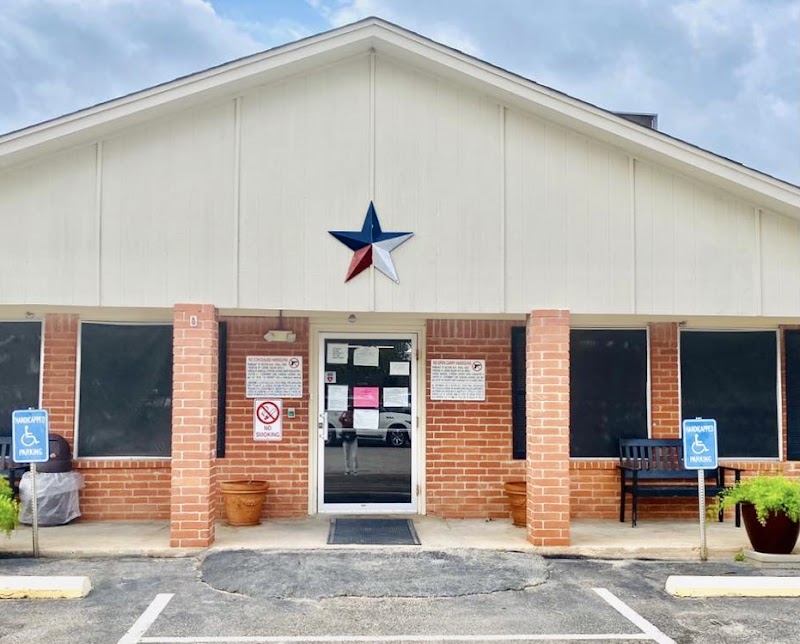
613 EAKER ST, EDEN, TX 76837 (325) 869-5531
Government - Hospital district 66 Beds CREATIVE SOLUTIONS IN HEALTHCARE Data: November 2025
Trust Grade
85/100
#30 of 1168 in TX
Last Inspection: July 2025

Inspected within the last 6 months. Data reflects current conditions.

Overview

Concho Health & Rehabilitation Center in Eden, Texas has a Trust Grade of B+, indicating it is above average and recommended for families considering care options. It ranks #30 out of 1,168 facilities in Texas, placing it in the top half, and is the only facility in Concho County, which means there are no local competitors. The facility shows an improving trend, with reported issues decreasing from four in 2024 to two in 2025. However, staffing is a concern, with a rating of 2 out of 5 stars and a high turnover rate of 67%, which is above the Texas average. On the positive side, there have been no fines recorded, which is a good sign of compliance, and the facility provides average RN coverage, ensuring some level of oversight in resident care. Specific incidents raised during inspections include kitchen staff not wearing facial hair restraints during meal preparation, posing a risk for foodborne illness, and concerns about infection control practices, such as staff not properly washing their hands or changing gloves after assisting residents with personal care, which could increase the risk of infection. Families may appreciate the facility's good reputation but should be aware of staffing challenges and the need for improvements in infection control practices.

Trust Score
B+
85/100
In Texas
#30/1168
Top 2%
Safety Record
Low Risk
No red flags
Inspections
Getting Better
4 → 2 violations
Staff Stability
⚠ Watch
67% turnover. Above average. Higher turnover means staff may not know residents' routines.
Penalties
✓ Good
No fines on record. Clean compliance history, better than most Texas facilities.
Skilled Nurses
⚠ Watch
Each resident gets only 22 minutes of Registered Nurse (RN) attention daily — below average for Texas. Fewer RN minutes means fewer trained eyes watching for problems.
Violations
⚠ Watch
12 deficiencies on record. Higher than average. Multiple issues found across inspections.
★★★★★
5.0
Overall Rating
★★☆☆☆
2.0
Staff Levels
★★★☆☆
3.0
Care Quality
★★★★★
5.0
Inspection Score
Stable
2024: 4 issues
2025: 2 issues

The Good

  • Full Sprinkler Coverage · Fire safety systems throughout facility
  • No fines on record

Facility shows strength in fire safety.

The Bad

Staff Turnover: 67%

21pts above Texas avg (46%)

Frequent staff changes - ask about care continuity

Chain: CREATIVE SOLUTIONS IN HEALTHCARE

Part of a multi-facility chain

Ask about local staffing decisions and management

Staff turnover is elevated (67%)

19 points above Texas average of 48%

The Ugly 12 deficiencies on record

Jul 2025 2 deficiencies
CONCERN (D)

Potential for Harm - no one hurt, but risky conditions existed

Comprehensive Care Plan (Tag F0656)

Could have caused harm · This affected 1 resident

**NOTE- TERMS IN BRACKETS HAVE BEEN EDITED TO PROTECT CONFIDENTIALITY** Based on observation, interview and record review, the facility failed to develop and implement a comprehensive, person-centered...

Read full inspector narrative →
**NOTE- TERMS IN BRACKETS HAVE BEEN EDITED TO PROTECT CONFIDENTIALITY** Based on observation, interview and record review, the facility failed to develop and implement a comprehensive, person-centered care plan for each resident, consistent with the resident rights, that included measurable objectives and time frames to meet a resident's medical, nursing, and mental and psychosocial needs that were identified in the comprehensive assessment and described services that attained or maintained the resident's highest practicable physical, mental, and psychosocial well-being for 1 of 7 residents (Resident #2) reviewed for care plans. : The facility failed to ensure a Care Plan was developed to address Resident #2's dry skin (skin was not falling off the body the way it should). This failure could place residents at risk of not receiving individualized care and services to meet their needs. The findings include:Record review of Resident #2's admission Record, dated 7/23/25, revealed an [AGE] year-old male who was admitted to the facility on [DATE]. Resident #2 had diagnoses which included Vitamin D deficiency (deficiency that may cause skin to become dry and flakey) and Diabetes (a condition where the body cannot regulate its blood sugar effectively). Record review of Resident #2's Quarterly MDS Assessment, dated 4/23/25, revealed:He scored an 8 of 15 on his Brief Mental Status exam, which indicated he was moderately cognitively impaired.Resident #2 did not receive any Skin Treatments. Record review of Resident #2's Order Summary, dated 7/23/25, revealed an order dated 6/6/25 for lotion to bilateral (both sides) upper extremities every day. Record review of Resident #2's Care Plan, last updated 4/30/25, revealed no care plan for the order of lotion. Observation and interview on 07/22/2025 at 11:31 AM revealed Resident #2 in the dining room. Resident #2's cheeks were covered with flakes of dead skin build up. Resident #2 stated it was just old man stuff. The resident stated he didn't like to take shower. Interview on 07/24/2025 at 9:45 AM, the DON said Resident #2 had dry-skin scales all over his face and arms and used regular lotion to soften it. The DON stated it helped, but Resident #2 did not like to take showers. The DON said Resident #2 had a diagnosis of seborrheic keratosis, which meant the skin did not want to detach the way it should. The DON said Resident #2 stated he had a history of skin cancer years ago, but she did not follow up with Resident #2's responsible party to confirm that the information. The DON stated it did not look like Resident #2's skin condition was care planned. The DON said if the facility was doing the lotion as a treatment it should be care planned. The DON stated she had been at the facility six weeks and had not had a chance to review charts, so she did not know why the care plan was missed. The DON said the order for the lotion was signed on 6/8/25 so the facility had a month to get it into the care plan. Interview on 07/24/2025 at 11:07 AM, the MDS Coordinator stated after 14 days of admission she was responsible for the initial care plan and any MDS update. The MDS Coordinator stated the DON was responsible for putting in acute care plans which was anything between the MDS cycles. The MDS Coordinator stated the facility had Standards of Care meetings where doctor orders were discussed. The MDS Coordinator stated frequently the computer was in with the nurses at the Standards of Care meeting so they would put it in the computer at the time of the meeting. The MDS Coordinator stated she would expect a standing order to be care planned if the lotion was ordered 6/6/25. The MDS Coordinator stated she did not know why the care plan was missed. The MDS Coordinator stated she felt the care plan process was effective because the facility did not have a DON for a long time. The MDS Coordinator said the ADON would go to morning meetings and bring up changes in resident conditions in the morning meetings. Record review of the facility's policy and procedure on Comprehensive Care Planning, undated, revealed: The facility will develop and implement a comprehensive person-centered care plan for each resident, consistent with the resident rights that includes measurable objectives and timeframes to meet a resident's medical, nursing and mental and psychosocial needs that are identified in the comprehensive assessment. The comprehensive care plan will describe the following - The services that are to be furnished to attain or maintain the resident's highest practicable physical, mental and psychosocial well-being.
CONCERN (D) 📢 Someone Reported This

A family member, employee, or ombudsman was alarmed enough to file a formal complaint

Potential for Harm - no one hurt, but risky conditions existed

Infection Control (Tag F0880)

Could have caused harm · This affected 1 resident

**NOTE- TERMS IN BRACKETS HAVE BEEN EDITED TO PROTECT CONFIDENTIALITY** Based on observation, interview, and record review, the facility failed to establish and maintain an infection prevention and co...

Read full inspector narrative →
**NOTE- TERMS IN BRACKETS HAVE BEEN EDITED TO PROTECT CONFIDENTIALITY** Based on observation, interview, and record review, the facility failed to establish and maintain an infection prevention and control program designed to provide a safe, sanitary and comfortable environment and to help prevent the development and transmission of communicable diseases and infections for one (Resident #7) of two residents reviewed for infection control practices. LVN A failed to sanitize the glucometer with a germicidal wipe after she performed a blood sugar check on Resident #7. This failure could affect the residents by placing them at risk for the spread of infection. Finding include: Record review of Resident #7's admission record, dated 07/24/25, revealed a [AGE] year-old female who was admitted to the facility on [DATE]. Resident #7 had diagnoses which included diabetes mellitus type 2 and chronic kidney disease. Record review of Resident #7's Medication Order summary, dated 07/24/25, revealed she received Insulin Solution (Insulin Asp art) subcutaneously before meals and at bedtime per sliding scale related to type 2 diabetes mellitus. During an observation and interview on 07/23/2025 at 4:14 PM, revealed LVN A used a glucometer to perform a blood sugar check on Resident #7 in her room. After the nurse checked the resident's blood sugar she went to her medication cart, cleaned and sanitized the glucometer with an alcohol prep pad. LVN A said she normally used alcohol prep pads to clean and sanitize the glucometer. She said as far as she knew that was an acceptable way to sanitize the glucometer. During an interview on 07/23/2025 at 4:55 PM, the DON said the nurse was not supposed to use an alcohol prep pad but instead they were supposed to use the germicidal wipes. The DON said if the nurse did not use the germicidal wipes it could lead to cross contamination and the spread of infections. The DON said she had not noticed the nurses not using the germicidal wipes and would be conducting more training. During an interview on 07/24/2025 at 3:46 PM, the Administrator said the nurse should have used the germicidal type of wipe to sanitize the glucometer to properly sanitize the glucometer. She said the germicidal was used to spread of germs and infections. Review of the facility's, undated, policy titled Glucometer indicated in part: Maintenance 2. Meter will be cleaned with a germicidal and allowed to air dry between patient testings.
May 2024 4 deficiencies
CONCERN (D)

Potential for Harm - no one hurt, but risky conditions existed

Accident Prevention (Tag F0689)

Could have caused harm · This affected 1 resident

**NOTE- TERMS IN BRACKETS HAVE BEEN EDITED TO PROTECT CONFIDENTIALITY** Based on observation, interview and record review, the facility failed to ensure each resident received adequate supervision and...

Read full inspector narrative →
**NOTE- TERMS IN BRACKETS HAVE BEEN EDITED TO PROTECT CONFIDENTIALITY** Based on observation, interview and record review, the facility failed to ensure each resident received adequate supervision and assistance devices to prevent accidents for 1 of 2 residents reviewed for accident hazards/supervision (Resident #5). The facility failed to ensure CNA E and G demonstrated appropriate transfer techniques while using the mechanical lift for Resident #5. These failures could place residents at risk for injuries. Findings included: Review of Resident #5's admission Record, dated [DATE], revealed she was an [AGE] year-old female admitted to the facility on [DATE] with diagnoses including fibromyalgia (a condition causing widespread pain and fatigue) and reduced mobility. Review of Resident #5's state MDS assessment dated [DATE] revealed: She had a mental status score of 6 of 15 (indicating severe cognitive impairment) She needed extensive assistance of two or more people to transfer between bed and wheelchair. Observation and interview on [DATE] at 02:34 PM revealed Resident #5 was in her room in her wheelchair. Resident #5 said she was waiting to be transferred to bed. CNA E and CNA G entered the room with the lift . CNA E instructed CNA F to spread the legs of the mechanical lift and lock it. Both aides secured the sling to the mechanical lift. CNA E operated the lift while CNA G steadied Resident #5. Resident #5's wheelchair rolled forward by approximately 6 - 8 inches. Once lifted, CNA E checked Resident #5's wheelchair locks and moved the wheelchair out of the way. CNA E steadied Resident #5 as CNA G moved the lift to the bed. CNA G lowered Resident #5's bed and CNA E positioned Resident #5 in the center of the bed. CNA E told her (CNA G) to lock the lift which CNA G did. Once Resident #5 was lowered into the bed, CNA E immediately took the sling off and CNA G took the mechanical lift out of the room. Interview on [DATE] at 4:24 PM CNA E stated she worked at the facility on and off for 1.5 years as agency staff. CNA E stated she knocked on the door, found out what Resident #5 needed, left and got CNA G. CNA E stated they returned to Resident #5's room and CNA G operated the mechanical lift. CNA E stated they (CNA E and CNA G) got Resident #5 hooked to the lift. CNA E said she had to remind CNA G to spread the legs to the lift and lock it. CNA E said she locked the right side of Resident #5's wheelchair. When informed Resident #5's wheelchair moved easily 6- 8 inches, CNA E stated, it didn't lock. CNA E said she held onto Resident #5 as Resident #5 was lifted into the air and then she had to move Resident #5's wheelchair. CNA E said she remembered she had to tell CNA G to unlock the lift and she (CNA G) started to close the legs to the lift and CNA E had to tell her to stop. CNA E said they got Resident #5 moved to the bed, but the bed was so high and there was a cord in the way, CNA G had to close the legs slightly to push the legs under the bed. CNA E said she told CNA G to lock the lift before lowering Resident #5. CNA E said she remembered having to push Resident #5 to the center of the bed. CNA E said when they got Resident #5 down, they got her unhooked and CNA G took the lift out as quickly as possible. CNA E said she knew the motions and if she was focusing on her instead of trying to help her coworker she would not have messed up. Interview on [DATE] at 09:42 AM the DON said she trained the staff to get a second person. The DON said the operator of the lift, spread the legs of the lift to go around the wheelchair, locked the lift, made sure the sling was on the right way, lifted the resident, unlocked the lift, steered the lift to where it needed to go, locked the lift, lowered the lift and unhooked the resident. The DON stated the spotter made sure the sling was on the resident, held the resident while the resident was being lifted, pulled the wheelchair waly, held onto the resident while the resident was being moved, positioned the resident over the bed, held the resident while the resident was going down, and unhooked the sling. The DON said the wheelchair had to be locked before anything because they did not what the wheelchair moving out from under the resident. The DON said in-services on the lift were done on the facility's computer Inservice program. She did not answer why the therapy department did not do a return demonstration. The DON said the facility did (skill) check-offs upon hire, annually, and as needed. The DON said the aide's surveyor observed were an agency staff and a new aide who had not been a CNA long enough to need an annual check off. Interview on [DATE] at 10:24 AM the Administrator was read the lift observation. The Administrator identified that the wheelchair not being locked was an error and was a risk for injury to the resident. Observation on [DATE] at 10:59 AM of the mechanical lift revealed nothing on the boom about how to operate the mechanical lift. (There were no instructions posted on the lift on how to use it) Review of in-service provided by the facility revealed the facility provided an in-service to the staff on the correct use of the hydraulic lift [DATE]. Review of the facility's policy and procedure on Hydraulic Lift, undated, revealed: The hydraulic lift is a mechanical device used to transfer a resident from and to the bed and chair. It is reserved for those who are paralyzed, obese, or too weak to transfer without complete assistance. The number of staff to provide assistance with the transfer should be determined by the manufacturer recommendations. Goals. The resident will achieve safe transfer to bed or chair via mechanical lift device. The caregiver will demonstrate safe and correct transfer of the resident to the bed or chair via the hydraulic lift. Procedure: Prepare the lift by setting the adjustable base to its widest position. Lock or unlock the base wheels according to the lift manufacturer's recommendations. Connect the sling. Pump the lift while holding the steering arm until a sitting position is assumed and the buttocks are lifted off the bed. Reassure the resident at this time. Move the lift away from the bed while holding the knees with one hand to guide the movement of the resident in the sling and steadily into the chair until the proper position has been achieved. Guide the resident to the chair and steady the chair to receive the resident. Remove the resident straps. Move the lift away from the resident. To return the resident to bed, reverse the procedure.
CONCERN (D)

Potential for Harm - no one hurt, but risky conditions existed

Deficiency F0761 (Tag F0761)

Could have caused harm · This affected 1 resident

Based on observation, interview, and record review, the facility failed to ensure all controlled drugs and biologicals were stored in separately locked and permanently affixed compartments for 1 of 2 ...

Read full inspector narrative →
Based on observation, interview, and record review, the facility failed to ensure all controlled drugs and biologicals were stored in separately locked and permanently affixed compartments for 1 of 2 medication carts (Med Cart #1), reviewed for labeling/storage of drugs and biologicals. The facility failed to secure controlled medication in a locked compartment. These failures could place the facility at risk of drug diversion and access to medications. Findings included: Observation of the facility Med Cart #1 on 05/21/24 at 03:27 PM with LVN A revealed one sublingual morphine medication blister pack in the regular section of the chart instead of in the locked narcotic drawer. An interview with LVN A on 05/21/24 at 03:50 PM LVN A stated she did not remember putting the morphine in the regular part of the med cart. LVN A stated she must have just grabbed all the medication packs and put them in the regular section. LVN A stated that she knows all narcotics need to be in the locked part of the medication for safety reasons. LVN A stated at the beginning and end of the shift the oncoming and off going nurse will do a narcotic check on the cart to ensure count is correct. An interview with the DON on 05/23/24 at 03:46 PM the DON stated that all carts should be kept orderly, medication carts should be locked when unattended and all narcotics should be double locked and signed out on narcotic sheet when given. DON stated the nurses or medication aids do a Narcotic count with each shift. A review of the facility policy titled Storage of controlled substance dated 2003, provided by the DON, reads, in part, Controlled drugs (schedule II) .will be kept in a separate, permanently affixed compartment .
CONCERN (E)

Potential for Harm - no one hurt, but risky conditions existed

Infection Control (Tag F0880)

Could have caused harm · This affected multiple residents

**NOTE- TERMS IN BRACKETS HAVE BEEN EDITED TO PROTECT CONFIDENTIALITY** Based on observation, interview, and record review, the facility failed to maintain an infection prevention and control program ...

Read full inspector narrative →
**NOTE- TERMS IN BRACKETS HAVE BEEN EDITED TO PROTECT CONFIDENTIALITY** Based on observation, interview, and record review, the facility failed to maintain an infection prevention and control program designed to provide a safe, sanitary, and comfortable environment to help prevent the development and transmission of communicable diseases and infections for 3 (Resident #5, #9 and #31) of 5 residents reviewed for infection control. The facility failed to ensure: CNA E did not turn off the faucet with her bare hands after washing them and before performing personal care for Resident #5. CNA's E and F change their gloves after they became contaminated during incontinent care while assisting Resident #9. CNA B change her gloves after they became contaminated during incontinent care while assisting Resident #31. This failure could place resident's risk for cross contamination and the spread of infection. Finding include: RESIDENT #5 During an observation on 05/21/24 at beginning at 02:46 PM CNA E entered Resident #5's bathroom and rinsed her hands (no soap was used), turned off the faucet with her bare hands and then dried her hands with a paper towel. Immediately after, CNA E entered the bathroom washed her hands with soap but turned off the faucet with her bare hands. During an interview on 05/22/24 at 4:24 p.m. CNA E stated she worked for the facility on and off for 1.5 years. CNA E confirmed she washed her hands after doing performing care for Resident #5. She said she turned on the faucet, soaped her hands, rinsed them, turned the faucet off with a paper towel and then dried her hands with a paper towel. Surveyor read the observation that she turned the faucet off with her bare hands, and CNA E said she was flustered from helping another CNA with care. During an interview on 05/23/24 at 9:42 a.m. the DON and Regional Consultant stated the expectation for handwashing was to wet hands, use soap, wash the entire hand and nails, rinse, dry the hands with a paper towel, and then use a paper towel to turn off the faucet. When asked what the expectation about handwashing was, the DON sighed, let me guess, they turned off the faucet with their hands? The DON said staff were in-serviced on how to wash their hands. During an interview on 05/23/24 at 10:24 a.m. the Administrator was informed of the handwashing observation. The Administrator agreed there was a chance of cross contamination and asked how the investigation was completed. RESIDENT #9 Record review of Resident #9's admission record dated 05/23/2024 indicated she was a [AGE] year-old female that was initially admitted to facility on 04/02/2022 with medical diagnosis that include muscle weakness, age-related cognitive decline and care provider dependency. Record review of Resident #9's MDS dated [DATE] indicated in part: Bladder and Bowel: Urinary Continence =. 3. Always incontinent. Bowel Continence = 3. Always incontinent. Record review of Resident #9's care plan dated 05/15/2024 indicated in part: Focus: The resident has bladder incontinence. Goal: The resident will remain free from skin breakdown due to incontinence and brief use. Interventions/Task: Notify nursing if incontinent during activities. Apply barrier cream after each incontinent episode. Brief use: the resident uses disposable briefs. Change every 2 hours and prn. During an observation of incontinent care on 05/22/24 at 02:26 PM with CNA E and CNA F for Resident #9. CNA F wiped Resident #9 perineal area from front to back with a clean wipe each time, she did not change her gloves. Resident #9 was rolled to the side to CNA E who then wiped the resident's bottom, removed the old brief, did not change gloves and placed new clean brief. CNA E then placed barrier cream, removed the one glove that had barrier cream and put on one new glove. Both CNA's adjusted the brief, both pulled resident up in bed and without changing her gloves CNA E touched the wipes, the remote, the barrier cream container and the dresser drawer. During an interview with both CNA F and CNA E on 05/22/24 at 2:40 pm. Both CNA's stated they should have changed their gloves and hand sanitized or washed their hands before going from dirty to clean on Resident #9. CNA E stated that changing gloves and hand hygiene were used to help prevent cross contamination. RESIDENT #31 Record review of Resident #31's admission record dated 05/23/2024 indicated she was admitted to the facility on [DATE] with diagnoses which included dementia and muscle weakness. She was [AGE] years of age. Record review of Resident #31's MDS dated [DATE] indicated in part: Bladder and Bowel: Urinary Continence =. 2. Frequently incontinent. Bowel Continence = 3. Always incontinent. Record review of Resident #31's care plan dated 06/01/22 indicated in part: Focus: The resident has bladder incontinence. The resident has bowel incontinence. Goal: The resident will remain free from skin breakdown due to incontinence and brief use through review date. The resident will not have any complications related to bowel incontinence. Interventions: Incontinent care at least every 2 hours and apply moisture barrier after each episode. Apply barrier cream after every incontinent episode. Check resident every two hours and assist with toileting as needed. Provide pericare after each incontinent episode. During an observation on 05/22/24 at 03:34 PM CNA B performed incontinent care for Resident #31. CNA B entered the resident's room, washed her hands and put on a pair of new gloves. CNA B then undid the resident's brief and it was noted that the brief was wet with urine. CNA B then took some wet wipes and wiped the resident's vaginal area. The CNA then rolled Resident #31 on her right side and took some more wet wipes and wiped the resident's rectal area. While CNA B performed the wiping her gloves came in contact with the resident's vaginal and rectal areas. While still wearing the same gloves CNA B then took the clean brief and fastened it to Resident #31. During an interview on 05/22/24 at 03:46 PM CNA B said she usually changed her gloves before going from clean to dirty but this time she was in a hurry and did not do it. CNA B said not changing her gloves and touching the clean items could lead to cross contamination. During an interview on 05/23/24 at 01:44 PM the DON said it was expected for staff to remove their gloves and wash their hands and install a pair of new gloves once they became contaminated. The DON said staff were supposed to change their gloves to prevent from contaminating other items. The DON believed the failure occurred because the staff got nervous and forgot to change their gloves once they became contaminated. During an interview on 05/23/24 at 03:28 PM the Administrator was made aware of the incontinent observations. The Administrator said staff were supposed to change their gloves and wash their hands once they became contaminated. The Administrator said it was the DON's and ADON's job to monitor staff to make sure those steps were followed. The Administrator said the failure probably occurred because the staff got nervous and forgot to change their gloves at the appropriate time. Record review of the facility's document titled Personal care and dated 05/11/2022 indicated in part: Start: Perform hand hygiene. DON (put on) gloves and all other PPE per standard precautions. Gently perform perineal care wiping from clean urethral area to dirty rectal area to avoid contaminating the urethral area- clean to dirty. DOFF (remove) gloves and PPE, perform hand hygiene. Provide resident comfort and safety by re-clothing (if applicable - incontinence pads and briefs), straightening bedding, adjusting the bed and/or side rails and placing call light within residents reach. Perform hand hygiene. Important points: Doffing and discarding of gloves are required if visibly soiled, always perform hand hygiene before and after glove use.
CONCERN (F)

Potential for Harm - no one hurt, but risky conditions existed

Food Safety (Tag F0812)

Could have caused harm · This affected most or all residents

Based on observation, interview and record review the facility failed to store, prepare, distribute and serve food in accordance with professional standards for food service safety in the facility's o...

Read full inspector narrative →
Based on observation, interview and record review the facility failed to store, prepare, distribute and serve food in accordance with professional standards for food service safety in the facility's only kitchen in that: The facility failed to ensure kitchen staff wore facial hair restraints during meal preparation. These failures could place residents who received meals prepared in the kitchen at risk for food borne illness and cross-contamination. Findings include: During an observation and interview on 05/21/24 at 10:24 AM Dietary [NAME] D and Dietary Aide C were not wearing facial hair restraints as they each had a moustache and beard. Dietary [NAME] D and Dietary Aide C said they normally wore their facial hair restraints but had forgotten to put them on this morning. There was food set out such as chicken and cake which both staff members were currently preparing when seen without the restraints. During an interview on 05/22/24 at 10:54 AM the Dietary Manager said when staff were in the kitchen, they were supposed to wear hair restraints including facial hair restraints. The DM was made aware of dietary cook and aide not wearing facial hair restraints when they were in the process of preparing food. The DM said the staff were supposed to wear their facial hair restraints when they were in the kitchen and they knew that. The DM said she was not sure why they were not wearing them. The DM said if the staff did not wear their hair restraints that could lead to hair getting on the food. The DM said she would do some training on them wearing their facial hair restraints. During an interview on 05/23/24 at 03:24 PM the Administrator said it was expected for kitchen staff to wear their hair restraints to include facial hair restraints. The Administrator said the DM was responsible for making sure the staff wore their hair restraints. The Administrator said if the staff did not wear their hair restraints, then there was a possibility of hair landing on the food. The Administrator said she believed the failure occurred because the staff forgot to put the restraints on. Record review of the facility's document titled dietary services policy and procedures manual 2012 indicated in part: Sanitation and food handling: All employees receive instruction in sanitation during orientation and through in-services training programs. Hair nets or hats covering the hairline are worn at all times. [NAME] guards are required for facial hair.
Jul 2023 1 deficiency
CONCERN (D) 📢 Someone Reported This

A family member, employee, or ombudsman was alarmed enough to file a formal complaint

Potential for Harm - no one hurt, but risky conditions existed

Transfer Requirements (Tag F0622)

Could have caused harm · This affected 1 resident

**NOTE- TERMS IN BRACKETS HAVE BEEN EDITED TO PROTECT CONFIDENTIALITY** Based on interviews and record reviews the facility failed to ensure a notice of transfer or discharge required under this secti...

Read full inspector narrative →
**NOTE- TERMS IN BRACKETS HAVE BEEN EDITED TO PROTECT CONFIDENTIALITY** Based on interviews and record reviews the facility failed to ensure a notice of transfer or discharge required under this section was made by the facility at least 30 days before the resident was transferred for one (Resident #1) of 3 Residents reviewed for discharge requirement. 1) The facility failed and refused to readmit Resident #1 from the hospital where she was transferred for evaluation and treatment. 2) The facility did not give Resident #1 or the representative a discharge notice when she was transferred to another facility from the hospital. 3) The facility did not permit Resident #1 to remain in the facility and failed to initiate a 30-day discharge based upon the facility's ability to meet the resident's needs and welfare. 4) There was no documentation from the physician indicating that the resident had specific needs that could not be met in the facility. 5) The facility failed to ensure residents had a discharge summary that included a recapitulation of the resident's stay that included, but was not limited to diagnoses, course of illness/treatment or therapy, and pertinent lab, radiology, and consultation results. 6) The facility failed to establish and follow a written policy on permitting resident to return to the facility after she was hospitalized . This failure affected discharged residents and could place the residents at risk of being discharged and not having access to available advocacy services, discharge/transfer options and appeal process. Findings Included: Record review of the face sheet for Resident #1 revealed a [AGE] year-old female admitted to the facility on [DATE]. Her diagnoses included Paraplegic (paralysis), urinary tract infection, schizoaffective disorder (chronic mental health), cerebellar ataxia (inflamed brain), cervicalgia (neck injury), dry eye syndrome, postmenopausal atrophic vaginitis (inflamed vagina), mood disorder, restless leg syndrome and insomnia (difficulty sleeping). Review of Resident #1's admission MDS assessment, dated 06/09/23, reflected the resident had a BIMS score of 08, which reflected the resident was moderately impaired. Section BO300 indicated highly impaired hearing. Resident #1 required extensive assistance with two persons for bed mobility, transfer, and toilet use, dressing, and locomotion on and off unit. Extensive assistance with one person for personal hygiene and eating. The resident required total assistance in bathing activity. Resident #1 had an impairment on both sides of upper and lower upper extremities (paralysis). Review of Resident #1's care plan dated 06/06/23 reflected care area problems with potential for uncontrollable pain, use of anti-anxiety medication and hearing deficit. However, there was no care plan for behavioral issues as reflected on the interviews with staffs and administration. During interview with SWH on 07/11/23 at 12:37pm, she said she was the Social Worker at the hospital where Resident #1 was transferred for evaluation and treatment of suicidal ideation. SWH explained Resident #1 was hard of hearing and communicated with her through a white board. SWH noted Resident#1 said she was being abuse by a staff member in the facility which made her say she didn't want to live any longer. SWH stated they treated Resident #1 and was ready to discharge the resident to the facility. She contacted ADM of the facility who said they are not taking Resident #1 back because they cannot meet her psychological needs. SWH informed the Administrator (ADM) the hospital was not a place to keep the resident and should take her back and initiate a proper discharge. She said ADM refused to take back the Resident #1. Meanwhile, Resident #1 said she did not want to go back to the facility because she did not feel safe in the facility. During interview with SWG on 07/11/23 at 1:32p.m, he said he was the Social Worker of the facility. SWG explained he was not involved in the discharge of Resident #1. He found out in the Morning meeting after Resident #1 was discharged . He said he did not know the facility did not want Resident #1 back after her discharge from the hospital. SWG explained Resident #1 has been trying to leave the facility to move to Abilene close to his brother. He called the brother who stated no facility will take her because of behavioral issues. SWG said he made several calls to different facility and none will take the resident. He explained Resident #1 constantly calls for assistance and gets very angry if the facility did not respond fast enough. SWG noted the DON and Administrator were involved with the discharge of Resident #1. He normally calls discharge residents to ensure they were getting services at home. However, Resident #1went to another facility and he did not call her. During interview with ADM on 07/10/2023 at 3:15p.m, she said she was the Administrator and responsible for the discharge of Resident #1. ADM explained Resident #1 was transferred to the hospital for suicidal ideation and did not return to the facility. The ADM was asked to provide information about the discharge of Resident #1. She said did not have documentation because she was not planning on discharging Resident #1 when she went to hospital. She stated she did not have the following: 1) Resident/Representative verbal or written notice of intent to leave the facility. 2) Comprehensive care plan that includes the resident's goals for admission and discharge 3) Discharge planning process 4) Discharge summary 5) Signed physician order of discharge 6) Notice to Adult Protective Service (APS) 7) Meeting with Interdisciplinary Team (IDT) about discharge 8) Required 30-day notice to Resident #1 9) No communication with receiving facility The ADM went on to say Resident #1 has some behavioral problems which included calling police for staff member. Resident #1 she said calls staff terrible names and was difficulty to care for. ADM explained when the hospital called to return Resident #1 to facility, she informed them she was not sure if the facility can meet the psychological needs of the resident. She told hospital she will contact corporate and let them know. In an interview with LVNA on 07/11/23 at 3:21p.m, she said was the charge nurse responsible for Resident #1 during the evening shifts. LVNA explained she admitted Resident #1to the facility and was familiar with her care. She said she was the nurse who transferred Resident #1 for suicidal ideation. She was told Resident was not coming back. LVNA explained Resident #1 was rude and hateful. She made it hard on staffs to care for her. Resident #1 she said, throws trays and utensils on the floor for no reason. She says racial words on demand and yells on staffs. LVNA stated resident told her she wanted to die which was the reason she transferred her to the hospital for psych evaluation and treatment. She said it was not safe for the Resident #1 to be in the facility because they don't have one-on-one care which she requires. During interview with PhyP on 07/11/23 at 3:45p.m, he said he was the medical doctor for Resident#1. PhyP explained Resident#1 was threatening to commit suicide and gave order to transfer resident to the hospital. He said Resident #1 was denied inpatient psychological care and the facility could not meet his needs. PhyP stated Resident #1 has chronic history attempting suicide and the facility don't have the needed staff to care for the resident. When informed of lack of documentation, phyP insisted the facility followed the discharge process. Review of Resident #1 clinical records revealed there was no documentation from the PhyP indicating the specific needs of the resident, the efforts to meet those needs and specific services the receiving facility will be able to provide that was not present in the current facility. Furthermore, there was no documentation that the safety of the residents or other residents are endangered due to clinical or behavioral status of the resident. Closed record review of Resident #1's EHRs revealed there was no documentation of the following in either resident's record: The basis for the transfer or discharge (i.e., the specific resident needs that cannot be met, the facility's attempt to meet those needs); that an appropriate notice was provided to the resident and/or legal representative; disposition of personal effects, or any documentation by a physician that the transfer or discharge was necessary for the residents' welfare or the safety of individuals in the facility is endangered due to the clinical or behavioral status of the resident or the health of individuals in the facility would otherwise be endangered. Record review of undated facility policy Admission, Transfer and Discharge reflected The facility will permit each resident to remain in the facility, and not transfer or discharge the resident from the facility. In the following limited circumstances, this facility may initiate transfers or discharges: A) The transfer or discharge is necessary for the resident's welfare and the resident's needs cannot be met in the facility. B) The transfer or discharge is appropriate because the resident's health has improved sufficiently so the resident no longer needs services provided by the facility. C) The safety of individuals is endangered due to the clinical or behavioral status of the resident. D) The health of the individuals in the facility would otherwise be endangered. E) The resident has failed, after reasonable and appropriate notice to pay, or have paid under Medicare or Medicaid, for his or her stay at the facility. F) The facility ceases to operate. Emergent Transfers to Acute Care Residents who are sent emergently to the hospital are considered facility-initiated transfers because the resident's return is generally expected. Residents who are not sent to the emergency room, will be permitted to return to the facility, unless the residents meet one of the criteria under which the facility can initiate discharge.
Apr 2023 5 deficiencies
CONCERN (D) 📢 Someone Reported This

A family member, employee, or ombudsman was alarmed enough to file a formal complaint

Potential for Harm - no one hurt, but risky conditions existed

Accident Prevention (Tag F0689)

Could have caused harm · This affected 1 resident

**NOTE- TERMS IN BRACKETS HAVE BEEN EDITED TO PROTECT CONFIDENTIALITY** Based on observation, interview and record review, the facility failed to ensure each resident received adequate supervision and...

Read full inspector narrative →
**NOTE- TERMS IN BRACKETS HAVE BEEN EDITED TO PROTECT CONFIDENTIALITY** Based on observation, interview and record review, the facility failed to ensure each resident received adequate supervision and assistance devices to prevent accidents for 1 of 3 resident reviewed for accidents hazards/supervision/devices, in that: (Resident #42). CNA A failed to complete an appropriate one-person gait belt transfer. This failure could place residents at risk of inadequate supervision and preventable injuries. Findings included: Review of Resident #42's admission Record dated 4/11/23 revealed he was a [AGE] year-old male admitted to the facility on [DATE] with diagnoses which included anorexia (lack of appetite causing abnormal weight loss), dementia with behavioral disturbance , muscle weakness, lack of coordination, and stroke. Resident #42 was on hospice services. Review of Resident #42's Significant Change MDS, dated [DATE], revealed: He scored a 6 of 15 on his mental status exam (indicating severe cognitive impairment) He needed stand by assistance of two staff for transfers. Review of Resident #42's Care Plan, updated 1/21/23, revealed a Focus: Resident has a terminal prognosis and/or is receiving hospice services. The Goal was the resident's comfort will be maintained through review. Interventions included: adjust provision of ADLs to compensate for resident's changing abilities. Review of Resident #42's Care plan, updated 10/21/22, revealed a focus of: Resident has an ADL self- care performance Deficit. The Goal was: the resident will maintain or improve current level of function through the revies date. Identified interventions included: Transferring: requires staff x2 for assistance and the resident requires total assistance with transfers, initiated 1/21/23. Observation on 04/10/23 at 12:55 PM revealed CNA A took Resident #42 to his room. CNA A rolled Resident #42 to his and checked his dresser for a gait belt; when she was unable to find the gait belt she left the room to find one. Resident #42 was observed to have tremors on his left said. LVN B came into the room with CNA A stating she had a gait belt. CNA A put the gait belt around Resident #42, scooted the resident to the end of the wheelchair and locked the brakes. CNA A tried to lift Resident #42. Resident #42 was not cooperative (did not participate in the process) and the gait belt slid up to his arm pits. CNA A let Resident #42 sit again and tightened the gait belt. CNA A put one hand on either side of Resident #42 and assisted him to stand, when the gait belt started sliding up his ribs, CNA A slightly pushed in to lift him with her hands on the sides. LVN B reached over the wheelchair and grabbed Resident #42 by the waistband. Resident #42 was not able to straighten his legs or bear weight. CNA A lifted Resident #42 into the bed where he laid back with his knees in the air like he was still sitting. CNA A took off the belt, straightened Resident #42's legs and covered him with a blanket. Interview on 4/11/23 at 6:01 PM CNA stated she worked at the facility for about a month. CNA A said she worked at the facility for about a month but had received in-service on how to transfer residents. CNA A said to complete a one-person gait belt transfer the aide was to wash her hands, put on the gait belt tight enough to fit two-fingers under it, put their feet on either side of the resident, put the aide's hands on either side of the resident, lift with the knees and transfer. CNA A said the 4/10/23 transfer did not go that way because she had not worked on Resident #42's hall and did not know the residents and what they were capable of doing . CNA A said Resident #42 had a bad day and was not bearing weight on 4/10/23. She stated a mechanical lift would have been more appropriate, but she did not think to get it. Interview on 4/12/23 at 9:45 AM the DON, ADON, and Corporate RN stated the expectation for a one-person gait belt transfer was to make sure the bed was at the same level as the wheelchair, make sure the gait belt was tight enough, explain what the person was doing with the resident, make sure the wheelchair was locked, put a hand on either side of the resident and lift with the knees. They stated if a resident was not weight-bearing they were not appropriate for a gait belt transfer and the aides did have the ability to say if a resident needed to use a mechanical lift. They said all the aides needed to do was to go to the ADON or DON and let them know . They were informed of the observation and stated the aide should have asked for help with the transfer. Interview on 4/12/23 at 10:09 AM the Administrator was informed of the improperly completed transfer. Review of the computerized in-services revealed CNA A was in-serviced on safely moving residents - lifting and transferring on 1/2/23. Review of the in-service Transfer from Bed to Wheelchair using a Transfer Belt Inservice, completed 1/10/23, revealed: Procedure guidelines for transferring from a bed to a wheelchair using a transfer belt. Lock the bed brakes and wheelchair wheels. Adjust the height of the bed to the level of the wheelchair seat. Place the wheelchair facing toward the foot of the bed, midway between the head and the foot of the bed. Position the wheelchair at a 45-degree angle to the bed on the same side of the patient's stronger side. Secure the wheels by pushing handles forward on the locks above the wheel rims. Place the transfer belt on the waist of the patient over the gown (clothes) With the tag of the belt touching the patient's gown, slide the metal trimmed end of the gait belt through the teeth on the other end. Pull the metal trimmed end away from the teeth. Tighten the belt until snug on the patient's center of gravity. The belt should be tight enough for 2 fingers to slide into the belt. Spread your feet, flex you r hips and knees and align your knees with those of the patient. Grasp the transfer belt along the patient's sides. Position yourself slightly in front of the patient, to guard and protect him or her throughout the transfer. Safety points Determine if the patient can fully assist or partially assist. Do not start the procedure until all required care givers are at the bedside. Properly apply the transfer belt. Review of the facility's policy and procedure on Moving a Resident, Bed to Chair /Chair to Bed, undated, revealed: Purpose: The purpose of this procedure is to allow the resident to be out of his or her bed as much as possible and to provide for safe transferring of the resident. Steps in the Procedure: Lower the height of the bed to the lowest position. If moving a Resident from chair to bed: Place the chair so it touches the side of the bed and faces the foot of the bed (Note: have the chair on the resident's strong side) Position a gait belt around the resident's waist and clasp it. Make sure it is tight enough that only a slight hand movement will guide the patient, but not so tight that you cannot firmly grasp the belt without making the patient uncomfortable. If the resident requires, two persons (one on each side) should grasp the gait belt and gently stand and turn the resident and sit him or the edge of the bed. If the resident can assist in the procedure, stand on the resident's weak side (Note: encourage the resident to use his or her strong side and to assist in the procedure as much as possible.) Support the resident by placing a gait belt around the resident's waist for you to hold and steady the resident. Instruct the resident to place his or her hands on the arms of the chair for support. Instruct the resident to stand and turn with his or her back to the bed and sit on the edge of the bed. Move with the resident. Should the resident become weak, pale, begin to perspire, complain of chest pain, feel dizzy or any other symptoms of acute distress, cease the procedure and summon the charge nurse.
CONCERN (D) 📢 Someone Reported This

A family member, employee, or ombudsman was alarmed enough to file a formal complaint

Potential for Harm - no one hurt, but risky conditions existed

Pharmacy Services (Tag F0755)

Could have caused harm · This affected 1 resident

Based on observation, interview and record review, the facility failed to provide pharmaceutical services (including procedures that assure the accurate acquiring, receiving, dispensing, and administe...

Read full inspector narrative →
Based on observation, interview and record review, the facility failed to provide pharmaceutical services (including procedures that assure the accurate acquiring, receiving, dispensing, and administering of all drugs and biologicals) to meet the needs of residents for 1 of 3 medication carts and 1 of 1 surplus-stocked medication cart reviewed for medication storage. Medication Cart #1 had seven (7) expired medications. Medication Surplus Cart had one (1) expired controlled medication of ten (10) capsules in the med storage room, available for use. This failure could place residents at risk for not receiving the therapeutic effects of the medications ordered. The findings included: Observation on 04/12/23 at 08:30 AM, of surplus-stocked medication cart, revealed: - Temazepam 7.5mg (10 capsules) expiration date 3/11/23 Interview on 04/12/23 at 09:00 AM , the ADON stated that the Consulting Pharmacist checked the locked medication cart in the medication storage room. She stated the Consulting Pharmacist rotated a review of medication in the medication storage room followed by medication carts on the floor one month and the next month conducted a review of medication carts on the floor only. He does not review all med carts and storage area each month. The ADON said the Pharmacist reviewed the medication in the medication storage area in February 2023. The ADON said the nurses look for expiration dates on medication packages prior to administration. Observation of medication cart #1 on 04/12/23 beginning at 09:30 AM, revealed : - Three foil packages of Hemorrhoidal Suppositories expiration date 3/23 - One 16 oz bottle Isopropyl Alcohol expiration date 03/23 - One package Ipratropium Bromide 0.5mg and Albuterol Sulfate 3mg/ml expiration date 2/10/23 - Two Povidone Iodine Swab sticks single-use package expiration date 08/22 - One 4 oz bottle Tincture of Benzoin Prep Spray expiration date 07/22 - One 30 oz bottle of ProStat Sugar free expiration date 6/6/22 - One 16 oz bottle Ultra Tuss Dextromethorphan Cough Suppressant expiration date 5/22 - One Povidone Iodine Swab sticks single-use package expiration date 01/21 The expired medications were stored with non-expired medications, not separated and could be inadvertently dispensed Record review of the facility policy titled Recommended Medication Storage (PA 03-3.02h) Revised date 7/2012. There is no mention of an audit process for removal of expired medications nor a responsible party who would remove the medications.
CONCERN (E) 📢 Someone Reported This

A family member, employee, or ombudsman was alarmed enough to file a formal complaint

Potential for Harm - no one hurt, but risky conditions existed

Deficiency F0552 (Tag F0552)

Could have caused harm · This affected multiple residents

**NOTE- TERMS IN BRACKETS HAVE BEEN EDITED TO PROTECT CONFIDENTIALITY** Based on interviews and record reviews the facility failed to ensure the resident's had the right to be informed of the risks, a...

Read full inspector narrative →
**NOTE- TERMS IN BRACKETS HAVE BEEN EDITED TO PROTECT CONFIDENTIALITY** Based on interviews and record reviews the facility failed to ensure the resident's had the right to be informed of the risks, and participate in, his or her treatment which included the right to be informed in advance, by the physician or other practitioner or professional, of the risks and benefits of proposed care, of treatment and treatment alternatives or treatment options and to choose the alternative or option he or she preferred, for 2 of 10 residents (Resident #44, Resident # 148) reviewed for resident rights . The facility failed to obtain informed consent from Resident #44 prior to administering Bupropion, an antidepressant used to treat depression. The facility also failed to obtain informed consent from Resident #44 prior to administering Duloxetine, an antidepressant used to treat depression in adults and generalized anxiety disorders (excessive worry and tension that disrupts daily life and lasts 6 months or longer). The facility failed to obtain informed consent for Resident #148 for Seroquel with a start date of 03/20/23. The consent on file was not signed by prescribing provider, by resident, or by resident representative prior to the facility administering Seroquel Tablet related to psychotic disorder with delusions. This failure places residents at risk of being administered medications without consent. Findings include: Record review of Record review of Resident #44's face sheet revealed admission date of 1/3/23 with diagnoses of major depressive disorder (a mental condition characterized by a persistently depressed mood and long-term loss of pleasure or interest in life), Type 2 Diabetes Mellitus , metabolic encephalopathy (a problem in the brain caused by a chemical imbalance), dementia a condition characterized by progressive or persistent loss of intellectual functioning), hypertension, Stage 3 kidney failure (moderate kidney damage), hypothyroidism (abnormally low activity of the thyroid gland). She was [AGE] years of age. Record review of Resident #44's admission MDS, dated [DATE], indicated he had a BIMS score of 08, which indicated he was cognitively moderately impaired. The MDS also indicated Resident #44 was receiving antidepression medications. Record review of Resident #44's care plan indicated, in part: Focus: resident requires antidepressant medication. Goal: The resident will be free from discomfort or adverse reactions related to antidepressant therapy through review date. Intervention: Give antidepressant medications ordered by physician. Monitor/document side effects and effectiveness. Record review of Resident #44's medication profile dated 01/27/23 indicated in part: Bupropion Sustained Release Tablet Extended Release, every 12 Hour, 200 MG, Give 1 tablet by mouth two times a day for Depression. Duloxetine Hydrochloride capsule Delayed Release Particles, 60 MG, Give 1 capsule by mouth two times a day for Depression. Record review of Resident #44's clinical records, revealed the consent on file was signed by Family Nurse Practitioner, but not signed by resident or representative prior to the facility administering Bupropion SR Tablet Extended Release for depression with a start date of 01/27/23 and Duloxetine HCl Capsule Delayed Release Particles for depression with start date of 01/27/23. Record review of Record review of Resident #148's face sheet revealed admission date of 3/15/22 with diagnoses of major depressive disorder (a mental condition characterized by a persistently depressed mood and long-term loss of pleasure or interest in life), Type 2 Diabetes Mellitus, dysphagia (impairment of speech), dementia (progressive loss of intellectual functioning, memory, and abstract thinking), generalized anxiety disorder (severe ,ongoing anxiety that interferes with daily activities), psychotic disorder with delusions (unshakeable belief in something implausible). He was [AGE] years of age. Record review of Resident #148's admission MDS, dated [DATE], indicated he had a BIMS score of 08, which indicated he was cognitively moderately impaired. The MDS also indicated Resident #148 was diagnosed with major depressive disorder, psychotic disorder with delusions. Record review of Resident #148's care plan indicated, in part: Focus: resident requires antipsychotic and anticonvulsant medications for diagnosis of psychotic disorder with delusions due to known physiological condition. Goal: resident will be/remain free of drug related complications, including movement disorder, discomfort, hypotension, gait disturbance, constipation/impaction or cognitive/behavioral impairment through the review date. Intervention: Administer medications as ordered. Monitor/document for side effects and effectiveness. Consult with pharmacy, MD to consider dosage reduction when clinically appropriate. Discuss with MD, family regarding ongoing need for use of medication. Record review of Resident #148's medication profile dated 03/20/23 indicated in part: Seroquel Tablet, Give 100 mg via PEG-Tube two times a day related to psychotic disorder with delusions. Record review of Resident #148's clinical records, revealed the consent on file was not signed by prescribing provider, by resident, or by resident representative prior to the facility administering Seroquel Tablet related to psychotic disorder with delusions with start date of 03/20/23. Interview on 04/12/2023 at 1:00pm, the DON stated that the ADON and DON are in charge of obtaining consents for medications from residents or resident representatives. She stated that she was aware medication should not be administered without obtaining consents first. Record review of the facility's policy revised 02/01/2007, titled Resident Rights and Consent to Receive Psychotropic Medications indicated, in part: Consent must be obtained before the medication may be started. The attempt to receive this consent must be documented. Consent may be obtained by residents or their legal representatives giving the facility consent as indicated by signing the psychotropic consent form or, The person who prescribes the medication or his/her designee, including facility nursing staff, obtains consent from the resident or legal representative, documents in the chart that the required information was discussed with the resident or legal representative and the circumstances under which consent was given. Telephone consent will be acceptable. The facility staff will fill out the Psychotropic Permission Form which will be kept as permanent document to be kept in chart.
CONCERN (E) 📢 Someone Reported This

A family member, employee, or ombudsman was alarmed enough to file a formal complaint

Potential for Harm - no one hurt, but risky conditions existed

Comprehensive Care Plan (Tag F0656)

Could have caused harm · This affected multiple residents

**NOTE- TERMS IN BRACKETS HAVE BEEN EDITED TO PROTECT CONFIDENTIALITY** Based on interview and record review the facility failed to develop and implement a comprehensive, person-centered care plan for...

Read full inspector narrative →
**NOTE- TERMS IN BRACKETS HAVE BEEN EDITED TO PROTECT CONFIDENTIALITY** Based on interview and record review the facility failed to develop and implement a comprehensive, person-centered care plan for each resident that included measurable objectives and time frames to meet, attain, and/or maintain the resident's highest practicable physical, mental, and psychosocial well-being for 3 of 12 residents (Residents #5, #20, and #32) reviewed for care plans in that: Resident #5 did not have a care plan to address her pain. Resident #20 did not have a care plan to address her pain. Resident #32 did not have a care plan to address her Alzheimer's/Dementia or pain. This failure could affect residents by placing them at risk of not receiving individualized care and services to meet their needs. The findings included the following: Review of Resident #5's admission Record dated 4/12/23, revealed she was an [AGE] year-old female admitted to the facility on [DATE] with diagnoses which included arthritis. Record review of Resident #5's Annual MDS Assessment, dated 3/27/23, revealed: She scored a 9 of 15 on her mental status exam (indicating moderate cognitive impairment). She received scheduled and as-needed pain medications. She reported she frequently experienced pain at a level of 6 of 10. She received opiate medications for 7 of 7 days prior to the assessment Resident #5's MDS CAA documented pain as a triggered area that needed to be care planned. Record review of Resident #5's Order Summary Report, dated 4/12/23, revealed orders: Fentanyl Transdermal Patch 72 hours 12 mcg/hour - apply 1 patch transdermally one time a day every 72 hours (3 days) for pain and remover per schedule beginning 3/3/23 (no diagnosis) Meloxicam Tablet 15 mg, give 1 tablet by mouth one time a day related to arthritis. beginning 7/4/22 Oxycodone-acetaminophen 7.5mg/325 mg 1 tablet by mouth every 6 hours as needed for pain beginning 1/26/23. Tizanidine 2 mg 1 capsule every 8 hours as needed for pain and muscle spasms. beginning 2/7/23 Review of Resident #5's care plan, last updated 3/30/23, revealed no care plan for pain. Interview on 4/12/23 at 4:23 PM the MDS Coordinator stated there was no care plan for Resident #5's pain or pain medication. The MDS Coordinator stated she did not know why pain medication interventions were getting missed. She said any time there was a medication change the DON or whoever could do a care plan. She said new orders were reviewed every morning in the morning meetings and were on the 24-hour report and in the nurse's notes which she had access too. The MDS Coordinator stated the facility did not have a stable DON or ADON in she did not know how long so the Compliance RN had been reviewing the care plans on Monday - Wednesday - Friday . She said usually medications were added when they reviewed new orders in the morning meetings. Review of Resident #20's admission Record, dated 4/12/23, revealed she was a [AGE] year-old female admitted to the facility on [DATE] with diagnoses which included Parkinson's Disease (brain disorder that causes unintended or uncontrollable movements, such as shaking, stiffness, and difficulty with balance and coordination) and restless leg syndrome (uncontrollable, painful urge to move legs). Review of Resident #20's Initial MDS Assessment, dated 12/13/22, revealed: She scored a 15 of 15 on her mental status exam and showed no signs of delirium (indicating she was cognitively intact). She received as needed pain medication but reported frequently experiencing pain at an intensity of 8 of 10. Review of Resident #20's Quarterly MDS Assessment, dated 3/22/23, revealed: She scored a 15 of 15 on her mental status exam and showed no signs of delirium (indicating she was cognitively intact). She received as needed pain medication but reported frequently experiencing pain at an intensity of 8 of 10. Her CAA Summary documented Pain was a triggered item and was addressed in the care plan . Review of Resident #20's Order Summary Report, dated 4/12/23, revealed orders for: Gabapentin 300 mg twice a day for Neuropathic pain dated 12/2/22. Meloxicam 15 mg for pain dated 3/25/23 Methadone 5 mg every 8 hours as needed for pain dated 12/2/22 Morphine Sulfate 15 mg twice a day for pain dated 1/25/23 Hydrocodone-Acetaminophen every 6 hours as needed for pain dated 12/2/22 Tizanidine 4 mg every 8 hours as needed for muscle relaxant. Review of Resident #20's Care Plan, last updated 1/18/23, revealed no care plan for pain. In an interview on 04/12/23 at 2:40 PM the MDS nurse stated that the comprehensive plan of care was created based upon the MDS assessment and initial baseline care plan by herself (the MDS nurse). She stated the comprehensive care plan for Resident #20 was created on 12/5/22, and although pain was triggered on the MDS assessment, it was not addressed in the comprehensive care plan on 12/5/22. The MDS nurse stated, it was an oversight on my part and I should have caught this. She also stated that changes to the care plans were done upon identified issues such as when a resident started an antibiotic or had a change in condition. She stated that she was made aware of changes to resident status during the morning meetings that occurred at 9:00AM each weekday since all department heads were present (Administrator, DON, ADON, Director of Rehab, Dietary, Maintenance, Medical Records), and each party present reported issues regarding the residents related to their discipline. Review of Resident #32's admission Record, dated 4/12/23, revealed she was an [AGE] year old female admitted to the facility on [DATE] with diagnoses which included unspecified dementia with psychotic disturbance and anxiety, Alzheimer's Disease, and Seizures (abnormal brain activity that causes abnormalities in muscles, movement and consciousness needing specialized medication/ monitoring to control and/or other interventions to prevent injury during a seizure). Review of Resident #32's Initial MDS Assessment, dated 3/24/23, revealed: She scored a 2 of 15 on her mental status exam with no signs of delirium (indicating she was severely cognitively impaired). Identified diagnoses included: Alzheimer's Disease, Dementia, and Anxiety. (Seizures were not indicated) Review of the CAA Summary revealed Cognitive status was a triggered care area and was addressed in the care plan Review of Resident #32's Order Summary Report, dated 4/12/23, revealed orders: Gabapentin 300 mg three times a day for mild pain Memantine HCL 10mg twice a day related to Alzheimer's Disease Review of Resident #32's care plan, last updated 3/20/23 revealed no care plan for dementia/Alzheimer's disease or pain. Interview on 4/12/23 at 3:10 PM the DON stated she went and reviewed the MDS assessments to make sure the CAA Areas were triggered. In an interview on 04/12/23 at 3:20 PM the Administrator and the Director of Nurses, confirmed that plans of care were reviewed and or implemented by the Director of Nurses or Assistant Director of Nurses. The Administrator stated that the corporate Program Compliance nurse conducted audits on assessments and for Risk Management for the facility, ensured assessments matched orders and care plans, and then shared her findings with the Director of Nurses and Administrator as well as the Assistant Director of Operations. Review of the facility's policy and procedure on Comprehensive Care Planning, undated, revealed: The facility will develop and implement a comprehensive care plan for each resident, consistent with the resident rights that includes measurable objectives and timeframes to meet a resident's medical, nursing, and mental and psychosocial needs that are identified in the comprehensive assessment. The comprehensive care plan will describe the following: The services that are to be furnished to attain or maintain the resident's highest practicable physical, mental, and psychosocial well-being and the right to refuse treatment. Each resident will have a person-centered comprehensive care plan developed and implemented to meet his other preferences and goals, and address the resident's medical, physical, mental and psychosocial needs. Through the care planning process, facility staff will work with the resident and his/her representative, if applicable to understand and meet the resident's preferences, choices and goals during their stay at the facility. The facility will establish, document and implement the care and services to be provided to each resident to assist in attaining or maintain his or her highest practicable quality of life. Care planning drives the type of care and services that a resident receives. The comprehensive care plan will reflect interventions to enable each resident to meet his/her objectives. Interventions are the specific care and services that will be implemented. When developing the comprehensive care plan, facility staff will, at a minimum, used the Minimum Data Set to assess the resident's clinical condition, cognitive and functional status, and use of services. If a Care Area Assessment is triggered, the facility will further assess the resident to determine whether the resident is at risk of developing or currently has a a weakness or need associated with that CAA, and how the risk, weakness or need affects the resident. Documentation regarding these assessments and the facility's rationale for deciding whether or not to proceed with care planning for each area triggered will be recorded in the medical record. There may be times when a resident risk, weakness or need is identified within the context of the MDS assessment but may not cause a CAA to trigger. The facility will address these areas and will document the assessment of these risks, weakness or needs in the medical record and determine whether or not to develop a care plan and interventions to address the area. If the decision to proceed to care planning is made, the interdisciplinary team, in conjunction with the resident and/or resident's representative, if applicable, will develop and implement the comprehensive care plan and describe how the facility will address the resident's goals, preferences, strengths, weaknesses, and needs.
CONCERN (E) 📢 Someone Reported This

A family member, employee, or ombudsman was alarmed enough to file a formal complaint

Potential for Harm - no one hurt, but risky conditions existed

Room Equipment (Tag F0908)

Could have caused harm · This affected multiple residents

Based on observations, interviews, and record review, the facility failed to ensure all patient care equipment was in safe operating condition for 10 of 41 residents (Residents #6, #10, #11, #13, #14,...

Read full inspector narrative →
Based on observations, interviews, and record review, the facility failed to ensure all patient care equipment was in safe operating condition for 10 of 41 residents (Residents #6, #10, #11, #13, #14, #17, #18, #25, #28, #32) reviewed for safe, functional equipment, in that: Residents #6, #10, #11, #13, #14, #17, #18, #25, #28 and #32 wheelchairs, to include the brakes, were not in safe working order. These failures could place residents at risk for skin issues, discomfort, and falls. Findings included: Observation, interview and record review on 4/11/23 at 3:40 PM during resident council meeting Resident #18 complained the brakes on her wheelchair were loose and that she was concerned because she knew most of the other wheelchairs in the building had similar issues. Resident #11 stated that her wheelchair brakes were also loose and had wobbly wheels but, she stated she had not reported it to anyone. On Inspection, the wheelchair brakes did not properly engage on either wheel of the wheelchair for Resident #18, #11, #10, #25 and #32. The brakes would lock but were not tight and the wheels would continue to roll even with the brake in the locked position. Resident #18 stated she had reported her brakes to a CNA but could not remember their name . No other resident had reported the brakes not working correctly to any facility staff. Record review of resident council meeting minutes book revealed no reports of any issues related to wheelchairs. Observation on 4/11/23 at 6:00 PM revealed Resident #28's right wheelchair brake not engaged. The brake would lock, but the wheel would still roll. Observation on 4/12/23 at 2:05 PM of residents gathered in the dayroom, revealed Resident #14's right wheelchair brake did not properly engage when in the locked position, Resident #6 and Resident #17's wheelchair brakes on both sides did not properly engage when in the locked position, and Resident #13's left wheelchair brake did not properly engage when in the locked position. All of the brakes locked, but the wheels continued to roll. Interview on 4/12/23 at 2:15 PM the DON, ADON, and Corporate RN stated wheelchair safety monitoring included determining which wheels roll and if the brakes worked. The ADON added they checked if brakes engaged would the wheelchair actually stop. The Corporate RN stated there was no set schedule of wheelchair monitoring. The DON stated the staff would come and tell them if there were problems with a wheelchair. The DON said if it was a weekday, the aides would come and tell the management and if it was a weekend, they would text. The Corporate RN stated there was a maintenance log and there were QR codes they could scan into their phones to access the maintenance log . They all stated loose brakes would not wait because if the resident transferred the wheelchair could move out from under them. The Corporate RN stated fixing brakes on the wheelchair was usually a quick fix completed by the Maintenance Director. Once informed of the observation the ADON stated there needed to be a sweep of the building. The DON stated the aides washed wheelchair and should check then Interview on 4/12/23 at 2:30 PM the Administrator was informed of the wheelchair brake observations. She said they don't lock?! I'll get maintenance on it right now. The Administrator stated anyone who found wheelchair brakes not working could report the issue. The Administrator said the risk to the residents was an increased risk of falls during transfers. She stated anytime there was anything wrong with equipment it should go into the maintenance book. The Administrator added if the Maintenance Director could not fix it they would order a new wheelchair. Interview on 4/12/23 at 6:34 PM the DON and Corporate RN stated there was no policy for wheelchair maintenance or resident equipment. Record review on 4/12/23 of maintenance Status Task List for date range 3/12/23 through 4/12/23 revealed no requests regarding wheelchair brake repairs.
Understanding Severity Codes (click to expand)
Life-Threatening (Immediate Jeopardy)
J - Isolated K - Pattern L - Widespread
Actual Harm
G - Isolated H - Pattern I - Widespread
Potential for Harm
D - Isolated E - Pattern F - Widespread
No Harm (Minor)
A - Isolated B - Pattern C - Widespread

Questions to Ask on Your Visit

  • "Why is there high staff turnover? How do you retain staff?"
  • "Can I speak with families of current residents?"
  • "What's your RN coverage like on weekends and overnight?"

Our Honest Assessment

Strengths
  • • Grade B+ (85/100). Above average facility, better than most options in Texas.
  • • No major safety red flags. No abuse findings, life-threatening violations, or SFF status.
  • • No fines on record. Clean compliance history, better than most Texas facilities.
Concerns
  • • 12 deficiencies on record. Higher than average. Multiple issues found across inspections.
  • • 67% turnover. Above average. Higher turnover means staff may not know residents' routines.
Bottom line: Generally positive indicators. Standard due diligence and a personal visit recommended.

About This Facility

What is Concho Health & Rehabilitation Center's CMS Rating?

CMS assigns CONCHO HEALTH & REHABILITATION CENTER an overall rating of 5 out of 5 stars, which is considered much above average nationally. Within Texas, this rating places the facility higher than 99% of the state's 100 nursing homes. This rating reflects solid performance across the metrics CMS uses to evaluate nursing home quality.
How is Concho Health & Rehabilitation Center Staffed?

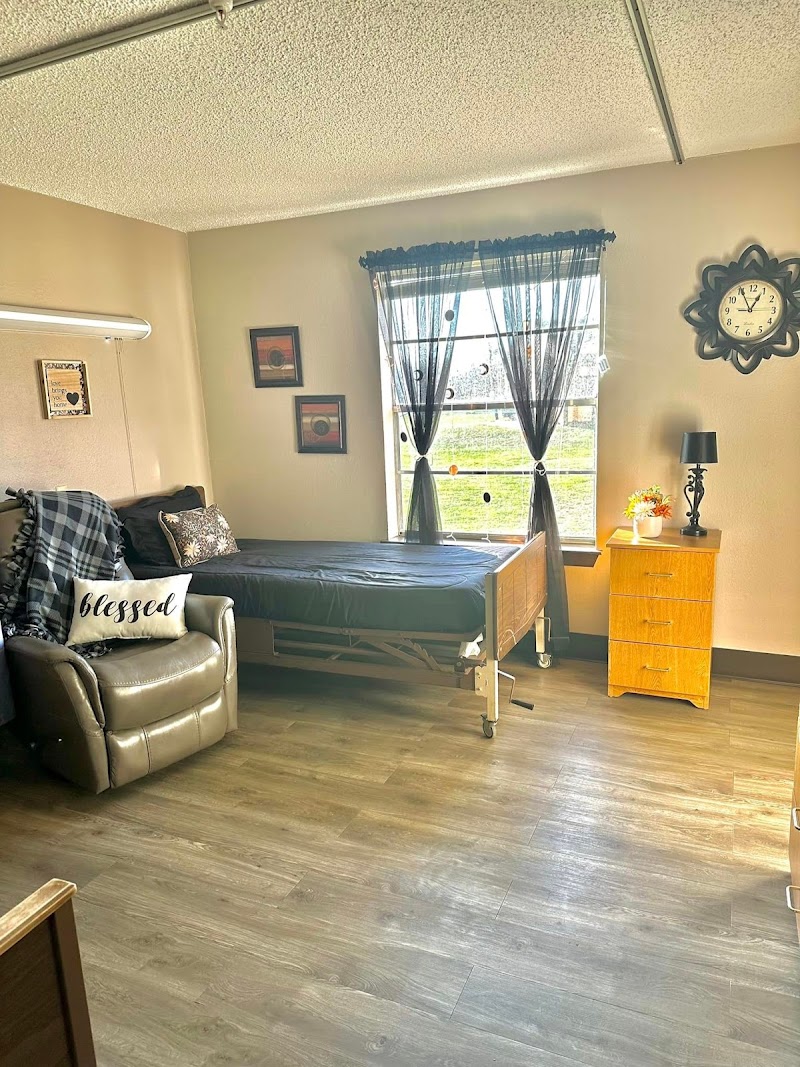
CMS rates CONCHO HEALTH & REHABILITATION CENTER's staffing level at 2 out of 5 stars, which is below average compared to other nursing homes. Staff turnover is 67%, which is 21 percentage points above the Texas average of 46%. High turnover can affect care consistency as new staff learn residents' individual needs. RN turnover specifically is 67%, which is notably high. RNs provide skilled clinical oversight, so turnover in this role can affect medical care quality.

What Have Inspectors Found at Concho Health & Rehabilitation Center?

State health inspectors documented 12 deficiencies at CONCHO HEALTH & REHABILITATION CENTER during 2023 to 2025. These included: 12 with potential for harm.
Who Owns and Operates Concho Health & Rehabilitation Center?

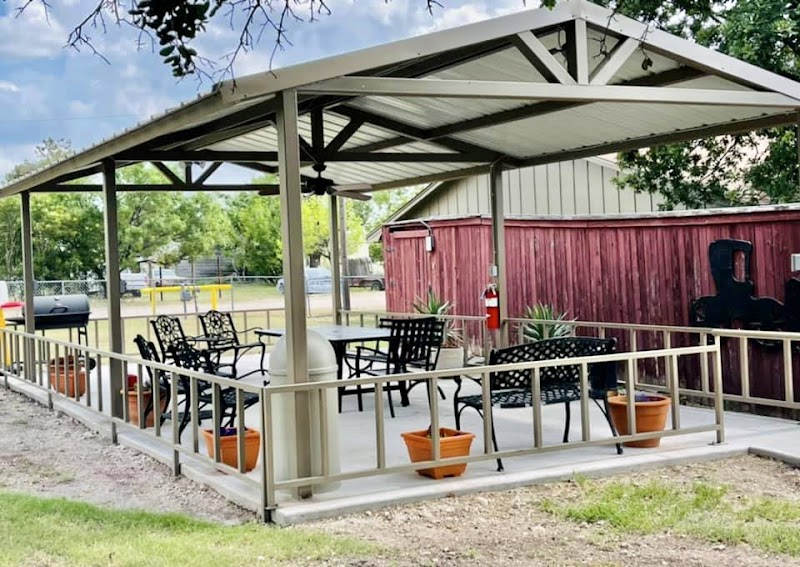
CONCHO HEALTH & REHABILITATION CENTER is owned by a government entity. Government-operated facilities are typically run by state, county, or municipal agencies. The facility is operated by CREATIVE SOLUTIONS IN HEALTHCARE, a chain that manages multiple nursing homes. With 66 certified beds and approximately 39 residents (about 59% occupancy), it is a smaller facility located in EDEN, Texas.
How Does Concho Health & Rehabilitation Center Compare to Other Texas Nursing Homes?

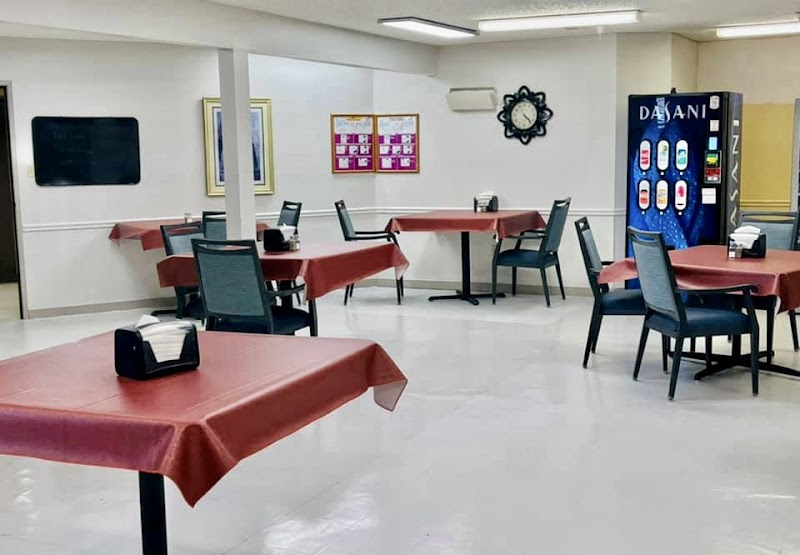
Compared to the 100 nursing homes in Texas, CONCHO HEALTH & REHABILITATION CENTER's overall rating (5 stars) is above the state average of 2.8, staff turnover (67%) is significantly higher than the state average of 46%, and health inspection rating (5 stars) is much above the national benchmark.

What Should Families Ask When Visiting Concho Health & Rehabilitation Center?

Based on this facility's data, families visiting should ask: "How do you ensure continuity of care given staff turnover, and what is your staff retention strategy?" "Can you walk me through typical staffing levels on day, evening, and night shifts?" "Can I visit during a mealtime to observe dining assistance and food quality?" "How do you handle medical emergencies, and what is your hospital transfer rate?" These questions are particularly relevant given the facility's high staff turnover rate and the below-average staffing rating.

Is Concho Health & Rehabilitation Center Safe?

Based on CMS inspection data, CONCHO HEALTH & REHABILITATION CENTER has a clean safety record: no substantiated abuse findings (meaning no confirmed cases of resident harm), no Immediate Jeopardy citations (the most serious violation level indicating risk of serious injury or death), and is not on the Special Focus Facility watch list (a federal program monitoring the lowest-performing 1% of nursing homes). The facility has a 5-star overall rating and ranks #1 of 100 nursing homes in Texas. While no facility is perfect, families should still ask about staff-to-resident ratios and recent inspection results during their visit.

Do Nurses at Concho Health & Rehabilitation Center Stick Around?

Staff turnover at CONCHO HEALTH & REHABILITATION CENTER is high. At 67%, the facility is 21 percentage points above the Texas average of 46%. Registered Nurse turnover is particularly concerning at 67%. RNs handle complex medical decisions and coordinate care — frequent RN changes can directly impact care quality. High turnover means new staff may not know residents' individual needs, medications, or preferences. It can also be disorienting for residents, especially those with dementia who rely on familiar faces. Families should ask: What is causing the turnover? What retention programs are in place? How do you ensure care continuity during staff transitions?

Was Concho Health & Rehabilitation Center Ever Fined?

CONCHO HEALTH & REHABILITATION CENTER has no federal fines on record. CMS issues fines when nursing homes fail to meet care standards or don't correct problems found during inspections. The absence of fines suggests the facility has either maintained compliance or corrected any issues before penalties were assessed. This is a positive indicator, though families should still review recent inspection reports for the full picture.

Is Concho Health & Rehabilitation Center on Any Federal Watch List?

CONCHO HEALTH & REHABILITATION CENTER is not on any federal watch list. The most significant is the Special Focus Facility (SFF) program, which identifies the bottom 1% of nursing homes nationally based on persistent, serious quality problems. Not being on this list means the facility has avoided the pattern of deficiencies that triggers enhanced federal oversight. This is a positive indicator, though families should still review the facility's inspection history directly.