SOUTHBROOKE MANOR NURSING AND REHABILITATION CENTE

1401 W MAIN ST, EDNA, TX 77957 (361) 782-7614
Non profit - Corporation 120 Beds WELLSENTIAL HEALTH Data: November 2025
Trust Grade
80/100
#131 of 1168 in TX
Last Inspection: November 2024

Within standard 12-15 month inspection cycle. Federal law requires annual inspections.

Overview

Southbrooke Manor Nursing and Rehabilitation Center has a Trust Grade of B+, which means it is above average and recommended for families looking for care. It ranks #131 out of 1,168 facilities in Texas, placing it in the top half, and is the best option in Jackson County. The facility is improving, having reduced its issues from eight in 2024 to two in 2025. However, staffing is a weakness, receiving a 2/5 star rating with a 48% turnover rate, which is slightly below the Texas average of 50%. While there have been no fines, which is positive, some specific concerns were noted, such as residents not receiving their mail on Saturdays, and issues with medication storage that could lead to serious risks for residents. Overall, while Southbrooke Manor has some strengths, such as high quality ratings, families should be aware of the staffing issues and recent inspection findings.

Trust Score
B+
80/100
In Texas
#131/1168
Top 11%
Safety Record
Low Risk
No red flags
Inspections
Getting Better
8 → 2 violations
Staff Stability
⚠ Watch
48% turnover. Above average. Higher turnover means staff may not know residents' routines.
Penalties
✓ Good
No fines on record. Clean compliance history, better than most Texas facilities.
Skilled Nurses
⚠ Watch
Each resident gets only 20 minutes of Registered Nurse (RN) attention daily — below average for Texas. Fewer RN minutes means fewer trained eyes watching for problems.
Violations
⚠ Watch
21 deficiencies on record. Higher than average. Multiple issues found across inspections.
★★★★★
5.0
Overall Rating
★★☆☆☆
2.0
Staff Levels
★★★★★
5.0
Care Quality
★★★★☆
4.0
Inspection Score
Stable
2024: 8 issues
2025: 2 issues

The Good

  • 5-Star Quality Measures · Strong clinical quality outcomes
  • Full Sprinkler Coverage · Fire safety systems throughout facility
  • No fines on record

Facility shows strength in quality measures, fire safety.

The Bad

Staff Turnover: 48%

Near Texas avg (46%)

Higher turnover may affect care consistency

Chain: WELLSENTIAL HEALTH

Part of a multi-facility chain

Ask about local staffing decisions and management

The Ugly 21 deficiencies on record

Aug 2025 1 deficiency
CONCERN (D) 📢 Someone Reported This

A family member, employee, or ombudsman was alarmed enough to file a formal complaint

Potential for Harm - no one hurt, but risky conditions existed

Infection Control (Tag F0880)

Could have caused harm · This affected 1 resident

**NOTE- TERMS IN BRACKETS HAVE BEEN EDITED TO PROTECT CONFIDENTIALITY** Based on observation, interview, and record review the facility failed to maintain an infection prevention and control program d...

Read full inspector narrative →
**NOTE- TERMS IN BRACKETS HAVE BEEN EDITED TO PROTECT CONFIDENTIALITY** Based on observation, interview, and record review the facility failed to maintain an infection prevention and control program designed to provide a safe, sanitary, and comfortable environment to help prevent the development and transmission of communicable diseases and infections for 2 of 5 residents (Residents #3 and #5) reviewed for infection control, in that: 1. Resident #3 was observed with a catheter bag lying on the ground beside of Resident #3's bed on 08/05/2025. 2. On 08/06/2025, CNA D and CNA F failed to wear a gown while transferring and emptying Resident #5's urinary catheter, Resident #5 had an EBP sign outside the room door, which indicated the use of additional PPE (gown and gloves). These failures placed residents at risk of transmission of communicable diseases and infections, a decline in health status, and hospitalization. Findings included: 1.Record review of Resident #3's undated face sheet revealed Resident #3 was an [AGE] year-old male who admitted to the facility on [DATE] with diagnoses that included Depression (a mood disorder [NAME] causes persistent feelings of sadness and loss of interest) and Chronic Kidney Disease (a gradual loss of kidney function). Record review of Resident #3's significant change MDS assessment, dated 07/25/2025, revealed a BIMS score of 15, indicating no cognitive impairment. Section H - Bladder and Bowel, revealed Resident #3 had an indwelling catheter. Record review of Resident #3's comprehensive care plan revealed. [Resident] is at risk for impaired urinary function d/t Neurogenic bladder and has a foley catheter, date initiated 03/15/2018 and revised on 09/12/2022. Record review of Resident #3's August MAR revealed an order, check foley catheter every shift. Use a leg strap to secure foley in place, start date 07/24/2025. Resident #3 had an order, monitor that collection bag is off the floor and hung below bladder level every shift, start date 07/24/2025. During an observation on 08/05/2025 at 9:20 a.m., Resident #3 was observed lying in bed with his foley catheter bag lying on the floor next to the right side of Resident #3's bed. During an interview with Resident #3 on, 08/05/2025 at 9:21 a.m., Resident #3 stated he was not aware of the foley bag lying on the floor and stated, No, it should be hanging on the side of the bed railing. Resident #3 stated the nurses or CNAs were responsible for attaching the catheter bag to the side of his bed and that he required assistance from staff to get in and out of bed. During an interview with CNA C on, 08/05/2025 at 9:43 a.m., CNA C stated Resident #3's foley bag was lying on the floor next to Resident #3's bed and stated the foley bag should be connected to the side of Resident #3's bed. CNA C stated the nurses and CNAs were responsible for ensuring the foley catheter bag was secured to the bed and not lying on the floor. CNA C stated she had received training on infection control and the placement of foley catheter bags and a foley bag should not be lying on the floor due to germs and cross contamination. During an interview with the DON on, 08/06/2025 at 5:32 p.m., the DON stated foley catheter bags should be attached to the side of a resident bed when a resident was in bed and that everyone was responsible for ensuring foley bags were not touching the ground. The DON stated staff had received training on infection control, including foley catheter bag placement a month ago and a resident who had a foley catheter bag touching the floor had a potential for infection. Record review of a facility document titled, Infection Prevention and Control Program, date implemented 05/13/2023, revealed, Policy: This facility has established and maintains an infection prevention and control program designed to provide a safe, sanitary and comfortable environment and to help prevent the development and transmission of communicable diseases and infections as per accepted national standards and guidelines. 2. Record review of Resident #5's admission record dated 08/06/2025 reflected a [AGE] year-old male with an admission date of 07/25/2025. Record review of Resident #5's Medical Diagnosis sheet dated 08/06/2025, reflected diagnoses which included nodular prostate with lower urinary tract symptoms, retention of urine, unspecified, and pressure ulcer of sacral region, stage I. Record review of Resident #5's MDS, dated [DATE], reflected a BIMS score of 15 out of 15, which suggested no cognitive impairment (no problems making decisions about care or things that affected daily life). Further review reflected Resident #5 had a urinary catheter. Record review of Resident #5's Care Plan, documented the following focus areas: The resident has an ADL self-care performance deficit r/t general weakness level of function through the bathing but requires staff to bathe lower extremities, dated 07/28/2025, With interventions including requiring extensive to total assistance by two staff to move between surfaces. Resident has the need for Enhanced Barrier Precautions due to: foley catheter and ileostomy, dated 08/06/2025, with interventions including assess for signs and symptoms of infection. Record review of Resident #5's Order Summary Report, dated 08/06/2025, reflected doctor's orders, including the following: Check Foley catheter every shift Use leg strap to secure Foley in place. Dated 07/28/2025. Foley cath [catheter] care q shift and PRN every shift. Dated 07/28/2025. Foley catheter 16Fr 10ml. Dated 07/28/2025. During an observation on 08/05/2025 at 3:00 p.m. outside Resident #5's room, there was an EBP sign to indicate to staff that the resident required staff to wear extra PPE (gown in addition to gloves) for high-contact care activities, including transferring and during device care or use. PPE was observed in the hall and readily available. Further observation revealed Resident #5 had a urinary catheter bag inside a privacy bag underneath his wheelchair. During an observation on 08/05/2025 at 3:35 p.m., CNA D and CNA F did not put on a gown before assisting Resident #5 with a transfer and emptying his urinary catheter bag. During an observation on 08/05/2025 at 3:36 p.m., CNA D and CNA F assisted Resident #5 into bed with a transfer board, and CNA D emptied the urinary catheter bag. During an interview on 08/06/2025 at 3:42 p.m., CNA D stated she did not wear a gown to transfer Resident #5 or empty his foley catheter bag. When asked why they did not put on a gown in addition to gloves, CNA D she did not see the sign, so she did not put on a gown in addition to gloves. CNA D further stated that she knew the expectation and had been trained on EBP. When asked what the risks to the resident were if they did not follow EBP precautions, CNA D said it was important to follow the precautions to decrease the risk of infection to the resident. During an interview on 08/06/2025 at 3:43 p.m., CNA F stated that she did not wear a gown in addition to gloves before assisting with the transfer of Resident #5 from his wheelchair to the bed, and when asked they did not put on all the recommended PPE, CNA F stated, I wasn't paying attention, and did not see the sign outside the door. CNA F further stated she was aware of the use of EBP and had been trained. CNA F stated the risk of not following the precautions was possible infection to the resident. During an interview on 08/06/2025 at 5:46 p.m., when asked what EBP precautions were for, the DON stated to prevent potential infection and to protect the resident from the staff., the DON further stated, all nursing staff were expected to wear recommended EBP PPE when the sign was posted outside a resident's door. When asked what the risks to the resident were if they did not follow EBP precautions, the DON stated, risks of infection, and for Foley [catheter], a urinary tract infection. Record review of an example of the facility's Enhanced Barrier Precautions posting (provided by the DON) marked with the CDC logo and reviewed on 08/06/2025, with no date, reflected Providers and staff must also wear gloves and a gown for the following high-contact resident care activities. transferring and during device care or use: central line, urinary catheter, feeding tube, tracheostomy. Record review of the facility's policy titled Enhanced Barrier Precautions, dated 04/24/2024, reflected that the facility used enhanced barrier precautions for the prevention of transmission of multidrug-resistant organisms. Further review reflected .PPE for enhanced barrier precautions is only necessary when performing high-contact care activities. , which included transferring. Device care or use: central lines, urinary catheters, feeding tubes, tracheostomy/ventilator tubes.
Apr 2025 1 deficiency
CONCERN (D) 📢 Someone Reported This

A family member, employee, or ombudsman was alarmed enough to file a formal complaint

Potential for Harm - no one hurt, but risky conditions existed

Quality of Care (Tag F0684)

Could have caused harm · This affected 1 resident

**NOTE- TERMS IN BRACKETS HAVE BEEN EDITED TO PROTECT CONFIDENTIALITY** Based on interview and record review the facility failed to ensure, based on the comprehensive assessment of a resident, that re...

Read full inspector narrative →
**NOTE- TERMS IN BRACKETS HAVE BEEN EDITED TO PROTECT CONFIDENTIALITY** Based on interview and record review the facility failed to ensure, based on the comprehensive assessment of a resident, that residents received treatment and care in accordance with professional standards of practice, the comprehensive care plan, and the residents' choices for 1 of 4 residents (Resident #1) reviewed for quality of care/treatment. The facility failed to ensure Resident #1's admitting physician had the full hospital clinical discharge record which resulted in the physician holding a recommended medication (colchicine oral tablet 0.6 mg) for the resident. This failure could place residents at risk for improper care due to inaccurate records. Findings include: Record review of Resident #1's face sheet, dated 4/22/25, reflected the resident was a [AGE] year-old female who was admitted to the facility on [DATE] and discharged [DATE] (discharged to hospital for lung and abdominal pain). Resident #1 had diagnoses which included: epilepsy (seizures) (primary), pleural effusion (fluid in the lungs-admissions), other pericardial effusion (fluid around the heart), atrial fibrillation (irregular heart rhythm at admissions), and hypotension (low blood pressure at admissions). The RP was listed as: the resident. Record review of Resident #1's hospital transfer medication orders, dated 4/16/25, reflected: the medication. Colchicine Oral Tablet 0.6 mg (colchicine) twice per day given 0000 (midnight) and 0600 (6:00 AM) was put on hold. Record review of Resident #1's hospital discharge record reflected: the medication colchicine 0.6 mg tablet (1/2 X0.6mg) PO 0000 (midnight), 0600 (6:00 AM). Last taken: 04/16/25 06:25 0.3 mg. [medication was started on 4/16/25 at midnight] Record review of Resident#1's admissions MDS, dated [DATE], reflected: BIMS score was 15, which indicated cognitively intact. Record review of Resident# 1's Baseline Care Plan, dated 4/17/25, reflected the goals and interventions included: oxygen therapy related to history of pleural effusion (fluid buildup in tissue around lung and chest); and anticoagulant (blood thinner) and pain medications. Record review of Resident #1's Nurse Note, dated 4/16/25 at 6:22 PM, authored by RN A, reflected: Resident #1's hospital transfer medication list was reviewed with the MD and the MD discontinued colicine [medication for inflammation around the lungs and heart] and Toradol. Record review of Resident #1's Nurse Note, dated 4/17/25 at 4:35 PM, authored by RN A read, Resident seen on rounds by [MD] and rec'd order to restart colicine 0.3 mg BID. Resident own RP. Record review of Resident #1's hospital discharge record reflected: the medication colchicine 0.6 mg tablet (1/2 X 0.6mg) PO 0000 (midnight), 0600 (6:00 AM). Last taken: 04/16/25 06:25 0.3 mg. Record review of Resident#1's Nurse Note, dated 4/16/25 at 6:22 PM, authored by RN A read, Reviewed order with [physician], discontinued colchicine and Toradol Record review of Resident #1's Nurse Note, dated 4/17/25 at 4:35 PM, authored by RN A reflected: physician saw the resident and re-ordered the medication colchicine at 0.3 mg BID. Record review of Resident #1 's Physician' Orders, dated April 2025, reflected: the medication colchicine oral tablet 0.6 mg, 2 tablets per day was documented as ordered on 4/19/25. Record review of Resident #1 's MAR, dated April 2025, reflected colchicine oral tablet 0.6 mg was given on 4/18/25 at 50 minutes past midnight and at 11:00 PM; and on 4/19/25 at 50 minutes past midnight; and second dose not given to resident because the resident was sent to the ER for a change of condition (abdomen and lung pain). During interview on 4/22/25 at 12:30 PM, the physician stated: she permitted the admission of Resident #1 into the facility on 4/16/25. The Physician stated she reviewed with the facility's admitting nurse (RN A) the hospital's discharged medication orders and held the medication colchicine oral tablet 0.6 mg twice per day. The Physician stated without the complete medical record she viewed, the medication as a treatment for goat and the resident had no signs or symptoms of goat. The Physician stated when she visited the resident on 4/17/25 in the facility and had access to the complete hospital record, she re-instated the medication colchicine. The Physician stated the resident missed two doses of the medication from the time of admission but had no adverse effects because the half-life of the medication was 27 hours. The MD stated the resident missed two does because she (MD) held the medication pending further review of the hospital record. The Physician stated the resident's hospitalization on 4/19/25 was not related to the missed two doses of the medication on 4/16/25. The Physician stated the resident received colchicine on 4/18/25 and 4/19/25. The Physician stated, if I had seen the [hospital] record when the patient had been admitted , I would have continued the medication (colchicine). The Physician stated the facility failing to have the complete hospital record at admissions for her review negatively affected continuity of care. The Physician stated food was not required before or after the resident was given the medication. The Physician stated with the existence of the full hospital record, she realized the IC Specialist recommended the medication to deal with fluid in the heart and lungs; and not prescribed to the resident for goat. The Physician stated she explained to Resident #1 the medication colchicine was held because she (the Physician) did not have access to the full hospital record on 4/16/25. The MD stated she admitted the resident to the facility and issued admissions orders based on the hospital medication discharge list. During an interview on 4/22/225 at 12:45 PM, the NP stated regarding hospital records at admissions: full records were required as part of continuity or care. The NP stated the facility's failure to have full records on 4/16/25 for Resident #1 resulted in the Physician holding the medication colchicine. The NP stated, once the records were received and reviewed by the Physician, the hold on the medication colchicine was removed and the resident received the medications prior to the hospitalization on 4/19/25. Attempted phone interview on 4/22/25 at 2:30 PM, with the admission Coordinator. A message was left to return call to the state surveyor. During an interview on 4/22/25 at 2:31 PM, the Business Office Manager stated the process of admissions started with reviewing the clinical record from the hospital and determining whether the resident's needs could be met by the facility. The BOM stated the facility should have the clinical record to include the medication profile to discuss with the admitting physician. The BOM stated, the facility's procedure for all admissions was for the hospital record to be sent to the physician by email prior to any resident admitting to the facility. The BOM stated upon any admission the nurse either with verbal orders or the actual hospital record reconciled orders with the physician. The BOM stated she was not involved in the transfer of Resident #1 on 4/16/25. The BOM stated she was only a backup to the admission Director when the latter was not available. During telephone interview on 4/22/25 at 2:45 PM, Resident #1 stated she was not feeling well. Resident #1 stated she was pissed when not given her [colchicine oral tablet 0.6 mg twice per day] when admitted to the facility on [DATE]. Resident #1 stated the Physician explained to her at admissions the full hospital records were not available and she (the Physician) held back the colchicine medication. Resident #1 stated, once the full hospital records became available to the Physician, the Physician re-instated the colchicine medication; and she received the medication on the day of her ER transfer (4/19/25). Resident #1 stated she was sent to the ER because she had abdominal and chest pains not because of not receiving the medication colchicine at admissions. During telephone interview on 4/22/25 at 3:05 PM, Medication Aide B stated Resident #1 received her medications on time and never complained about the medications. Medication Aide B stated, Resident #1 did not require food with her medications. Medication Aide B stated she followed physician orders and documented in the April 2025 MAR all medications ordered by the physician to include colchicine. During an interview on 4/22/25 at 3:50 PM, RN A stated she was the admitting nurse on 4/16/25 at 5:06 PM for Resident #1. RN A stated at admissions she had the hospital medication list only and not the total hospital record; no labs, no H&P, and no other documentation. RN A stated she could not give an explanation why the facility did not have the total hospital record at the time of Resident #1's admission. RN A reviewed the hospital medication list at 6:22 PM with the admitting physician by telephone and the Physician held colchicine oral tablet 0.6 mg twice per day and Toradol because both medications affected the kidney and were not intended for long term use. RN A stated the Physician needed to review the entire hospital record before resuming the held medications. RN A stated the Physician received the records the next day (4/17/25) and re-ordered the held medication; the resident missed two doses of the colchicine. RN A stated, Resident #1 told her she (Resident #1) could not understand the reasoning for the colchicine not ordered at admissions; the resident was not concerned about the Toradol (anti-inflammatory medication) because it was a PRN medication. RN A stated complete admission records were required at time of admissions because you needed a complete history on the resident. During an interview on 4/22/25 at 4:10 PM, the DON stated Resident #1 was admitted without the medication colchicine because the physician was uncertain why the resident was on a goat medication and held the medication; the resident had no pain related to goat. The DON stated the physician saw the resident within 24 hours, reviewed the full hospital record and re-ordered the medication. The DON stated the facility should have had all the hospital records for the physician rather than just a medication list on admission for continuity of care. The DON stated there was no adverse effect to the resident by missing two doses of the medication. The DON stated he had no explanation why the total hospital record was not available to the physician at the time of the resident's admission. During an interview on 4/22/25 at 4:30 PM, the Administrator stated at admissions the facility should attempt to get the full hospital record because it tells us a story of the patient. The Administrator stated the full resident record allowed the admitting physician to provide continuity of care. The administrator stated she had no explanation for the admission manager not having readily available the full hospital record for the physician. During an interview on 4/23/25 at 8:45 AM, the Administrator stated the physician was sent by email on 4/16/25 the hospital Clinical Update pdf which included the hospital H&P. Record review of the facility's Resident admission Agreement, dated revised 10/14/2021, read, .The Resident or his or her Legal Representative, acknowledges that the Facility shall render medical services to the Resident under the general and specific instructions of the Resident's Attending Physician Record review of the facility's Admission policy, dated 10/24/22, read: .The facility will maintain an admission policy governing admission to the facility to ensure fair and impartial admission practices The policy did not address any admission checklist when the resident was transferred from the hospital to include reconciliation of hospital medications and availability of the hospital clinical record. Record review of the facility's Medication Reconciliation policy, dated 4/10/23, read, .Pre-admission Processes: a. Obtain current medication list from referral sources (i.e., hospital .). The policy did not address to obtain the hospital clinical record for clinical notes in reference to the hospital medications. Record review of the facility's policies did not reflect a policy on the items to check when the facility accepted new admissions from a hospital for review by the admitting physician.
Nov 2024 5 deficiencies
CONCERN (D)

Potential for Harm - no one hurt, but risky conditions existed

Deficiency F0583 (Tag F0583)

Could have caused harm · This affected 1 resident

**NOTE- TERMS IN BRACKETS HAVE BEEN EDITED TO PROTECT CONFIDENTIALITY** Based on observation, interview, and record review, the facility failed to ensure residents had the right to personal privacy an...

Read full inspector narrative →
**NOTE- TERMS IN BRACKETS HAVE BEEN EDITED TO PROTECT CONFIDENTIALITY** Based on observation, interview, and record review, the facility failed to ensure residents had the right to personal privacy and confidentiality of his or her personal and medical records for one of three residents (Resident #63) reviewed for privacy. The facility failed to ensure MA B locked the computer, which exposed Resident #63's morning medication list after she walked away and left the computer unattended. This failure could place residents at risk of having medical information exposed to others and cause residents to feel uncomfortable and disrespected. The findings included: Record review of Resident #63's face sheet, dated 11/20/24, revealed a [AGE] year old male admitted to the facility on [DATE]. Resident #63 had diagnosis that included: Hemiparesis (condition that causes partial paralysis or weakness on one side of the body), Intracerebral hemorrhage (occurs when a blood vessel in the brain bursts and bleeds into the brain tissue), and Gout (is a type of arthritis that occurs when the body has too much uric acid, which causes crystals to form in the joints). Record review of Resident #63's Quarterly MDS assessment, dated 10/18/24, reflected a BIMS score of 15 which suggested Intact cognition. Observation on 11/20/24 at 8:20 am, revealed that MA B prepared Resident's #63's morning medication, walked away from the computer (did not lock screen). During an interview on 11/20/24 at 8:20 AM, MA B stated she was not aware of the option to close the computer screen and believed that minimizing the screen was sufficient. MA B confirmed that when she stepped away from the computer, Resident #63's private medical information may have been exposed. During an interview on 11/20/24 at 9:21 AM, the DON stated she was not aware Resident #63's records were left open and unattended. The DON mentioned it was her expectation for the facility nursing staff to uphold HIPAA regulations and lock computer screens when they were away from them. The DON emphasized that all staff members were responsible for ensuring the protection of residents' information. The DON stated leaving residents' charts open and unattended could lead to unauthorized access. The DON also stated her ADON's would be responsible for overseeing compliance with this task, and she would monitor it by conducting random computer screen checks. Record review of the facility policy titled Medication administration, dated 10/1/2019 Revealed: Privacy is maintained at all times for all resident information by closing the medication administration record when not in use .
CONCERN (D)

Potential for Harm - no one hurt, but risky conditions existed

Comprehensive Care Plan (Tag F0656)

Could have caused harm · This affected 1 resident

Based on interviews and record reviews the facility failed to develop and implement a comprehensive person-centered care plan for each resident, consistent with the resident rights, that included meas...

Read full inspector narrative →
Based on interviews and record reviews the facility failed to develop and implement a comprehensive person-centered care plan for each resident, consistent with the resident rights, that included measurable objectives and timeframes to meet a resident's medical, nursing, and mental and psychosocial needs that were identified in the comprehensive assessment for 1 of 24 residents (Resident #20) reviewed for care plans. The facility failed to develop a care plan to address Resident #20's anti-coagulant medication use. This failure could have placed residents at risk of not having their needs identified and met. The findings were: Record review of Resident #20's face sheet, dated 11/20/24, revealed an original admission date of 8/5/11 with diagnoses that included: unspecified dementia (a condition in which a person can experience memory loss, poor judgement, and confusion), unspecified atrial fibrillation (a heart condition where the upper chambers of the heart beat irregularly) and essential primary hypertension (a condition of high blood pressure with no known cause). Record review of Resident's #20's Quarterly MDS assessment, dated 10/31/24, revealed a BIMS score of 12 which indicated moderate cognitive impairment. Record review of Resident #20's Physician's orders dated 11/20/24 revealed Resident #20 was taking Xarelto, an anticoagulant medication, with a start date on 4/12/22. Record review of Resident #20's ongoing care plan initiated on 3/26/18 revealed that the Resident's anti-coagulant medication use was not documented in the care plan. During an interview with the Director of Nurses on 11/20/24 at 2:20p.m., she stated that Resident # 20's anti-coagulant medication use was not documented on his current care plan. She stated that having the anti-coagulant medication usage on the care plan was important for care staff to be aware of the resident's care needs so that the needs are met. During an interview with the Regional Care Management Support Specialist on 11/20/24 at 2:30 p.m., she stated that Resident #20's anti-coagulant medication use was not documented on his current care plan. She stated that the Resident's medication usages should be documented on the resident's care plan and the anticoagulant medication usage had been omitted. She stated that having this information documented would allow the resident care needs to be met. Record review of the facility's policy titled Comprehensive Care Plan dated 10/24/22 revealed the comprehensive care plan will be reviewed and revised by the interdisciplinary team after each comprehensive and quarterly MDS assessment.
CONCERN (E)

Potential for Harm - no one hurt, but risky conditions existed

Deficiency F0576 (Tag F0576)

Could have caused harm · This affected multiple residents

Based on interview sand record review, the facility failed to promote the residents' right to receive mail, for all facility residents. The facility staff did not distribute mail received on Saturday...

Read full inspector narrative →
Based on interview sand record review, the facility failed to promote the residents' right to receive mail, for all facility residents. The facility staff did not distribute mail received on Saturdays to the residents. This deficient practice could result in residents not receiving mail in a timely manner and a diminished quality of life. Findings included: During a confidential group meeting on 11/20/24 at 1:08 PM, members of the resident group stated that they do not receive mail on Saturdays. The residents did not understand why the mail was not distributed on Saturdays, and stated they felt this practice was disrespectful. During an interview with the Business Manager on 11/20/24 at 2:55 PM, the Business Manager stated she or the receptionist collected the mail Monday through Friday and gave it to the Activity Director. The Business Manager stated they gave the Activity Director the mail the day it was received if the mail was delivered by 5:00 PM. If it was delivered after, 5:00 PM, they would get their mail the next day. On Saturday, the Business Manager stated the manager on duty was responsible for collecting the mail. The mail collected on the weekends was held until Monday for the business office to sort through before being passed to the Activity Director to deliver to the residents. The Business Manager stated the policy of the facility was to wait and give the mail to the business office on Monday. During an interview with the DON on 11/21/24 at 1:20 PM, the DON stated the business office gets the mail and sorts out the residents' mail from the facility's mail. Once the Business Manager has sorted the mail, she gives resident mail to the Activity Director who delivers it to the residents. The DON stated she does not know who gives mail to the residents on the weekends. When asked what could happen if mail is not received the day it is delivered, the DON stated the residents could experience disappointment and bills could be late. During an interview with the Administrator on 11/21/24 at 1:30 PM, the Administrator stated the business office gets the mail Monday through Friday unless the mail was delivered later in the day after the business office had closed for the day. If mail was delivered later in the day, the business office would sort the mail the next morning. The Administrator stated once the mail was sorted the next morning, it was given to the Activity Director to be passed out to the residents. The Administrator stated that on the weekends there was a manager on duty for six hours each day. The Administrator stated that if mail was delivered on Saturday, it was held for the business office the following Monday. The Administrator stated when the Business Manager gets in on Monday, she sorted through any mail received on the weekend and gave resident mail to the Activity Director to hand out to the residents. When asked what could happen if the mail was not received the day it was delivered, the Administrator stated the residents could feel heartbroken or experience sadness. Review of the facility's policy titled Selection of Resident Preferences, undated, stated all incoming mail will be directed to the resident.
CONCERN (E)

Potential for Harm - no one hurt, but risky conditions existed

Deficiency F0761 (Tag F0761)

Could have caused harm · This affected multiple residents

Based on observations, interviews, and record review, the facility failed to ensure drugs and biologicals were stored in accordance with currently accepted professional principles for 2 of 4 medicatio...

Read full inspector narrative →
Based on observations, interviews, and record review, the facility failed to ensure drugs and biologicals were stored in accordance with currently accepted professional principles for 2 of 4 medication carts observed. The medication aide cart for the 400/600 halls contained 17 loose pills. The medication aide cart for the 300/500 halls contained 6 loose pills. This failure could place residents who receive medications at risk for not receiving the intended therapeutic effects of their prescribed medications and experiencing unintended and harmful effects of medications prescribed to others. Findings included: During an observation and interview on 11/20/24 at 10:30 AM of the medication aide cart for the 400/600 halls with MA B, 17 loose pills were observed in the bottom of the cart drawers holding the blister packs. When asked what could happen if loose pills were left in the cart, MA B stated the pills could drop to the floor and be picked up and consumed by residents they were not prescribed for which could cause unwanted and harmful adverse effects. During an observation and interview on 11/20/24 at 10:45 AM of the medication aide cart for the 300/500 halls with MA B, 6 loose pills were observed in the bottom of the cart drawers holding the blister packs. When asked what could happen if loose pills were left in the cart, MA B stated residents could pick up the loose pills and get undesirable effects if they ingested them. During an interview with the DON on 11/20/24 at 12:05 PM, the DON stated if loose pills were present, a resident could acquire and consume something they were not supposed to take resulting in harmful or unwanted effects. During an interview with the Regional RN on 11/20/24 at 3:30 PM, the Regional RN stated she could not find a specific facility policy on storage of medication. Review of the facility policy titled Medication Carts and Supplies for Administering Meds, revised on 10/01/19, stated the purpose of the mobile medication system is to ensure appropriate control and surveillance of resident assigned medications.
MINOR (B)

Minor Issue - procedural, no safety impact

Deficiency F0944 (Tag F0944)

Minor procedural issue · This affected multiple residents

Based on interviews, and record review, the facility failed to ensure Quality Assurance Performance Improvement (QAPI) Training that outlines and informs staff of the elements and goals of the facilit...

Read full inspector narrative →
Based on interviews, and record review, the facility failed to ensure Quality Assurance Performance Improvement (QAPI) Training that outlines and informs staff of the elements and goals of the facility's QAPI program for 1 of 21 staff (CNA A) reviewed for training. The facility failed to ensure that 1 of 21 staff (c) had completed their mandatory QAPI annual training. This failure could place residents at risk for care by CNA staff who had been insufficiently trained while working in the facility. The findings included: Record review of the annual CNA training information revealed that: CNA A (re-hired-10/10/23) had not completed the mandatory QAPI annual training requirement. During an interview with the Human Resources (HR) Director on 11/21/24 at 12:30p.m., she stated that there was not a record of completed annual QAPI training for CNA A. The HR Director stated that she had responsibility for coordinating the employee's training program and that it was the staff member's responsibility to have completed their training assignments. The HR Director stated that the staff member's completion of the training would have improved their resident care service by increasing their knowledge base. During an interview with the Administrator on 11/21/24 at 12:45p.m., she stated that staff's completion of their QAPI training would have improved resident care services by meeting their training requirements. Record review of the facility's policy on Training Requirements dated 10/13/22 stated It is the responsibility of each employee, volunteer, or contract staff to complete required training.
Oct 2024 2 deficiencies
CONCERN (D) 📢 Someone Reported This

A family member, employee, or ombudsman was alarmed enough to file a formal complaint

Potential for Harm - no one hurt, but risky conditions existed

Comprehensive Care Plan (Tag F0656)

Could have caused harm · This affected 1 resident

**NOTE- TERMS IN BRACKETS HAVE BEEN EDITED TO PROTECT CONFIDENTIALITY** Based on observations, interviews and record reviews the facility failed to develop and implement a comprehensive person-centere...

Read full inspector narrative →
**NOTE- TERMS IN BRACKETS HAVE BEEN EDITED TO PROTECT CONFIDENTIALITY** Based on observations, interviews and record reviews the facility failed to develop and implement a comprehensive person-centered care plan that included measurable objectives and time frames to meet a resident's medical and nursing needs to be furnished to attain or maintain the resident's highest practicable physical, mental, and psychosocial well-being for 1 of 6 residents (Resident #1) reviewed for comprehensive care plans: The facility failed to ensure Resident #1's care plan reflected that he ate quickly and was known to put large amounts of food in his mouth. This deficient practice could place residents at risk of not being provided with the necessary care or services and having personalized plans developed to address their specific needs. The findings included: Record Review of Resident #1's admission record, dated 10/17/24, revealed an [AGE] year-old male originally admitted on [DATE] and with diagnoses including dementia with mood disorder, weakness, dysphagia oropharyngeal phase (Patients with oropharyngeal dysphagia have difficulty transferring food from the mouth into the pharynx and esophagus to initiate the involuntary swallowing process), need for assistance with personal care, and muscle wasting and atrophy, not elsewhere classified. Record Review of Resident #1's quarterly MDS assessment, dated 10/06/24, reflected Resident #1 was severely impaired for daily decision making. The MDS showed the resident had a mechanically altered diet. Record review of Resident #1's care plan contained that Resident #1 had a swallowing problem related to swallowing difficulty and actual choking episode initiated on 4/7/24 with interventions to follow prescribed diet, monitor/document/report as needed any signs of symptoms of dysphagia: pocketing, choking, coughing, drooling, holding food in mouth, several attempts at swallowing, refusing to eat, appears concerned during meals, refer to speech therapist for swallowing evaluation, and resident to eat with supervision only. Also, Resident #1 was at risk for impaired nutritional problem due to diet restrictions and malnutrition, no salt added diet, pureed texture, honey thickened liquids consistency, large portions for all meals, initiated on 9/20/23 and revised on 8/28/24. Interventions included explain and reinforce to the resident the importance of maintaining the diet ordered encourage the resident to comply, explain consequences of refusal, obesity/malnutrition risk factors and provide, serve diet as ordered, monitor intake and record every meal. The care plan did not contain any information or interventions related to the resident's behavior of eating fast. Record review of Resident #1's physician orders, dated 10/17/24, showed an order for regular diet pureed texture, honey thickened liquids consistency, large portions all meals, with an order date of 6/13/24 and no end date. Record review of nursing notes, dated, 4/7/24, revealed a note that stated Resident was sitting at table eating dinner when I noticed he was backing away from the table and doing hand gestures for assistance. This nurse and CNA went over to resident, [Resident #1] was blue in color around the lips and unable to catch his breath. This nurse along with [RN D] & LVN and 2 CNAS attempted to stand him up to do Heimlich maneuver. Resident then was assisted to floor and abd thrusts were performed. Resident then coughed up a piece of chicken and returned to normal color. o2 sat @87% and placed on 02@2L and oxygen level increased to 94% on RA. Resident alert x1 which is his normal. 911 activated, resident transferred to [Hospital] ER accompanied by 3 EMTS. Report called in to RN .RP aware . FNP aware. DON aware. Written by LVN C on 4/7/24. During an interview on 10/17/24 at 1:33 p.m. RN D stated on 4/7/24 she was called to the locked unit to assist with a resident who was choking. RN D stated she knew the resident would eat quickly, like it was his last meal, but he had never choked before and staff would always tell him to slow down when eating. RN D stated she never initiated speech therapy to screen the resident because she was not the nurse who was responsible. RN D stated she did not recall if there was an intervention for staff to prompt the resident to slow down while eating. During an interview on 10/17/24 at 1:55 p.m. LVN C stated that Resident #1 was known to eat quickly. LVN C stated even when you would tell the resident to slow down, while eating, he would not listen. LVN C stated on 4/7/23 she observed the resident eating quickly and putting too much food in his mouth. LVN C stated he put too much chicken in his mouth and she could tell from his eyes that he was choking. LVN C stated they then did abdominal thrusts, and he was able to clear the food. LVN C stated she had talked to therapy about the resident eating quickly prior to the choking episode but she could not recall who she spoke to. LVN C stated he should have been care planned for eating quickly. During an interview on 10/17/24 at 2:39 p.m. the ST stated she did evaluate the resident after his choking episode but prior to the episode she had never evaluated him or been alerted by staff that he ate quickly. The ST stated while eating quickly was a red flag she may not have been alerted because he did not have any symptoms such as coughing or drooling while eating. During an interview on 10/17/24 at 3:18 p.m. the DON stated Resident #1 was known to be a messy eater, he would take big bites of his food, he would put more on his spoon than he should and would eat fast. The DON stated the resident behavior of eating quickly should have been in the care plan because it was out of the regular norm and put him at higher risk of choking. The DON stated they added the resident's behavior of eating quickly on 10/17/24 to the care plan. On 10/17/24 at 3:36 p.m. the DON stated they did not have a care plan policy.
CONCERN (E) 📢 Someone Reported This

A family member, employee, or ombudsman was alarmed enough to file a formal complaint

Potential for Harm - no one hurt, but risky conditions existed

Deficiency F0761 (Tag F0761)

Could have caused harm · This affected multiple residents

Based on observations, interviews, and record review the facility failed to store all drugs and biologicals in locked compartments under proper temperature controls and permit only authorized personne...

Read full inspector narrative →
Based on observations, interviews, and record review the facility failed to store all drugs and biologicals in locked compartments under proper temperature controls and permit only authorized personnel to have access to the keys, for 1 of 1 medication storage rooms. The facility failed to ensure the facility medication storage room was locked and secured while unattended. This failure could place residents at risk for harm by accidental ingestion of medications or drug diversion. The findings included: Observation on 10/15/2024 at 5:02 a.m., revealed the door to the facility's medication storage room was propped open with a metal box and was unattended. The medication storage room was located at the entrance to Hall 300, and there were no staff inside the room. LVN-A was observed standing in front of a medication cart parked on the opposite side of the circular nurse's station to the medication room. LVN-B was observed standing in front of another medication cart parked against the wall at the entrance to a hall on opposite side from medication room. There were 4 residents sitting in wheelchairs in the foyer next to the Nurse's station. Upon seeing the State Surveyor, LVN-A immediately gestured with her hand, using two fingers in a V-shape, pointing first to her eyes and then towards the medication room indicating she had visual access to the medication room. During an interview on 10/15/2024 at 05:04 a.m., LVN-A stated she had propped open the door to the medication room so that she could re-supply her medication cart without having to unlock/lock the door with her key each time she went into the medication room to get medications and supplies for her cart. LVN-A stated that propping the medication door was a routine practice for her, but she always stayed within eyesight of the medication room when she had it propped open. When asked what she would do if one of the residents sitting in the foyer next to the nurse's station started having a medical emergency such as a seizure, LVN-A stated she would go to the resident to render aide, and stated that in such a scenario, the medication room would be left open and unsupervised, allowing access to residents or unauthorized staff. LVN-A stated that leaving the medication room propped open and unsupervised could lead to residents wandering in and gaining access to medications. During an interview with LVN-B on 10/15/2024 at 5:08 a.m. LVN-B stated the door to the medication room had been propped open but stated it should not have been. LVN-B stated that if she was called away to attend to another resident, the medication room would have been left unsupervised allowing possible access to a confused resident. During an interview with the DON on 10/15/2024 at 8:11a.m., the DON stated the medication room door should always be kept closed and locked, and it was not acceptable to prop open the door to the medication room. The DON further stated that propping the door in open to the medication room could result in residents gaining unsupervised access to medications or theft of medications. Further interview with the DON on 10/17/2024 at 2:56 p.m. revealed that the facility did not have a specific policy regarding the medication storage room remaining locked but did confirm it was the facility expectation that the medication room should remain locked at all times unless being directly accessed by authorized staff.
May 2024 1 deficiency
CONCERN (D) 📢 Someone Reported This

A family member, employee, or ombudsman was alarmed enough to file a formal complaint

Potential for Harm - no one hurt, but risky conditions existed

Accident Prevention (Tag F0689)

Could have caused harm · This affected 1 resident

**NOTE- TERMS IN BRACKETS HAVE BEEN EDITED TO PROTECT CONFIDENTIALITY** Based on interview and record review, the facility failed to ensure the resident environment remains as free of accident hazards...

Read full inspector narrative →
**NOTE- TERMS IN BRACKETS HAVE BEEN EDITED TO PROTECT CONFIDENTIALITY** Based on interview and record review, the facility failed to ensure the resident environment remains as free of accident hazards as is possible and each resident receives adequate supervision and assistance devices to prevent accidents for 1 (Resident #1) of 5 residents reviewed, in that: Resident #1 displayed aggressive behaviors, was transported without adequate supervision, and attacked the transport driver. This failure could lead to residents who display aggressive behaviors hurting themselves or others due to inadequate supervision. The findings were: Record review of Resident #1's facesheet, dated 05/05/2024, revealed the resident was admitted to the facility on [DATE] with diagnoses including: Unspecified Dementia, Generalized Anxiety Disorder, and Unsteadiness on Feet. Record review of Resident #1's Quarterly MDS, dated [DATE], revealed a BIMS score of 01 which indicted severe cognitive impairment. Record review of Resident #1's care plan, revised 05/01/2024, revealed [Resident #1] has potential to be physically aggressive to other residents and staff r/t Anger, Dementia, Poor impulse control. Record review of Resident #1's progress notes, dated 04/04/2024, revealed, CNA heard [Resident #1] talking loudly to another resident and looked up intime to see [Resident #1] strike another resident on the back of his head with a closed hand. The other in returned struck [Resident #1] with an open hand on his left side. CNA stated she could not get to them fast enough. Residents immediately separated and she went to get a charge nurse while having [Resident #1] with her, starting 1:1 monitoring. When asked what happened resident stated that he didn't know what this nurse was talking about. When asked if he struck his friend, he stated, No, he's my brother. I would not hit him Resident again became verbally abusive to other residents and aggressive to staff, he was kept one on one while awake. Took him outside for some fresh air which seemed to calm him down and he finally took his medication and went to sleep for most of the night. DON is aware of situation. Further review of progress notes dated 04/14/2024, revealed, [Resident #1] was sitting in chair in common area. He then stood up and went to double doors and knocked on them. [Resident #1] then walked up to another resident asking him to open the doors. The other resident asked [Resident #1] to leave him alone. This nurse was standing in between the 2 residents. This nurse could not get [Resident #1] to get away from the other resident so This nurse asked the other resident to stand up and go to his room for a few minutes. The other resident did get up and walk toward room. [Resident #1] then began to follow the other resident and was unable to redirect by this nurse. This nurse was in between the 2 residents and trying to redirect [Resident #1]. [Resident #1] kept saying that he just wanted to talk to the other resident because he needed the other resident to open the door. [Resident #1] was at the door of the other resident's room. The other resident wanted to get by and leave his room since [Resident #1] would not leave the doorway. [Resident #1] then slapped this nurse in the ear with his right closed hand. CNA came out of room and was able to get the other resident away and back into dining area. [Resident #1] kept following the other resident. The other resident went back into his room. [Resident #1] then went to a different resident asking if he could open the door. [Resident #1] did not listen to any redirection [Resident #1] remains on 1:1. Further review of progress notes dated 05/02/2024, revealed, Call to doorway of Hall 200 to assist nurse with [Resident #1] because he was trying to exit the hallway, [Resident #1] had nurse by wrist. While telling [Resident #1] to let go of nurse [Resident #1] began to hit this nurse. CNA was present who attempted to redirect resident so this nurse to exit hallway. [Resident #1] continued to try to corner the nurse and hit this nurse, alerted DON to assist with situation. Further review of progress notes dated 05/02/2024, revealed, [Resident #1's Responsible Party] notified of the situation and agreed to have [Resident #1] sent to [sic] psych hospital for evaluation. Explained we will notify her when a facility has been found, when he's accepted and when he will transfer . Further review of progress notes dated 05/03/2024, revealed, [Resident #1] transferred to [psychiatric hospital] via facility van accompanied by van driver . During an interview with the Facility Van Driver on 05/04/2024 at 2:02 p.m., the Van Driver stated that she was tasked with driving [Resident #1] to a psychiatric hospital for evaluation and treatment due to his recent display of aggressive behaviors toward peers and staff. The Van Driver stated she felt safe with the resident because they had a good relationship. The Van Driver stated she would personally calm him by playing dominoes and taking walks and was surprised by his behavior on the day of transport. The Van Driver confirmed that she was alone with Resident #1 during the transport and stated she would have asked for another staff member to accompany them if she had felt unsafe. During an interview with the DON on 05/05/2024 at 2:34 p.m., the DON stated that Resident #1 was being transported to a psychiatric hospital for evaluation and treatment due to recent displays of aggression toward peers and staff. The DON stated that the Van Driver had always calmed resident #1 in the past. The DON stated the Van Driver told her that Resident #1 approached the Van Driver while the vehicle was in motion, pulled the driver's hair, and choked her. The Van Driver told the DON that she parked in a convenience store parking lot and called the police. Police were able to calm Resident #1 who appeared to have no knowledge of the incident after a few minutes, and the Van Driver proceeded to transport Resident #1 to the psychiatric hospital without further incident. The DON confirmed that Resident #1 and the Van Driver were uninjured during the incident. During an interview with the Administrator on 05/05/2024 at 4:00 p.m., the Administrator stated the facility policy regarding sending staff to accompany residents during transport had been decided on a case-by-case basis depending on the circumstances in the past. The Administrator confirmed that due to the incident with Resident #1, the policy would change and that a staff member would accompany the Van Driver when transporting residents in the future. The Administrator confirmed that while Resident #1 and the Van Driver were uninjured during the incident, they could have had an accident that injured themselves and others on the highway. During an interview with the Administrator 05/05/2024 at 5:15 p.m., the Administrator confirmed the facility did not have a written policy regarding accompanying residents during transport.
Sept 2023 3 deficiencies
CONCERN (D) 📢 Someone Reported This

A family member, employee, or ombudsman was alarmed enough to file a formal complaint

Potential for Harm - no one hurt, but risky conditions existed

Deficiency F0657 (Tag F0657)

Could have caused harm · This affected 1 resident

**NOTE- TERMS IN BRACKETS HAVE BEEN EDITED TO PROTECT CONFIDENTIALITY** Based on interview and record review, the facility failed to ensure a comprehensive care must be reviewed and revised by the int...

Read full inspector narrative →
**NOTE- TERMS IN BRACKETS HAVE BEEN EDITED TO PROTECT CONFIDENTIALITY** Based on interview and record review, the facility failed to ensure a comprehensive care must be reviewed and revised by the interdisciplinary team after each assessment, including both the comprehensive and quarterly review assessments for 1 of 24 residents (Resident #57) reviewed for care plans, in that: Resident #57's care plan did not reflect the change in the resident's diet from regular to mechanical soft. This deficient practice could place residents at risk of receiving improper care. The findings were: Record review of Resident #57's face sheet, dated 09/22/2023, revealed the resident was admitted to the facility on [DATE] with diagnoses including: Moderate Protein Calorie Malnutrition, Unspecified Dementia, and Muscle Wasting and Atrophy. Record review of Resident #57's Significant Change MDS, dated [DATE], revealed a BIMS score of 2 which indicated severe cognitive deficit. Record review of Resident #57's care plan, revised 06/08/2023, revealed, [Resident #57] is on a Regular Diet with Regular Liquids. Record review of Resident #57's diet order, dated 7/31/2023, revealed Mechanical Soft texture, Regular Liquids consistency, [sic] FORTIFIED MEAL PLAN AT ALL MEALS. During an interview with the MDS/Care Plan Coordinator on 09/22/2023 at 1:14 p.m., the MDS/Care Plan Coordinator confirmed Resident #57's care plan did not accurately reflect his diet order, stated she was responsible for ensuring the accuracy of care plans, and stated the error was an oversight. Review of the CMS RAI Version 3.0 Manual dated October 2019 revealed .to evaluate the information gained through both the comprehensive assessment processes in order to identify problems, causes, contributing factors, and risk factors related to the problems .the IDT must evaluate the information gained to develop a care plan that addresses those findings in the context of the resident's goals, preferences, strengths and problems.
CONCERN (E)

Potential for Harm - no one hurt, but risky conditions existed

Food Safety (Tag F0812)

Could have caused harm · This affected multiple residents

Based on observation, interviews, and record review, the facility failed to store, prepare, distribute, and serve food in accordance with professional standards for food service safety for 1 of 1 kitc...

Read full inspector narrative →
Based on observation, interviews, and record review, the facility failed to store, prepare, distribute, and serve food in accordance with professional standards for food service safety for 1 of 1 kitchen, reviewed for kitchen sanitation, in that: The inside lip of the ice machine was soiled with a white chalk-like substance, boxes of dry goods were stored on the floor of the pantry, crumbs were found in a refrigerator, and a blood-like substance was found in a refrigerator. These deficient practices could place residents at risk for food borne illness. The findings were: Observation on 09/19/2023 at 10:48 a.m. revealed the presence of a white chalk-like substance on the inside lip of the ice machine. During an interview with Dietary Aide E on 09/19/2023 at 10:49 a.m., Dietary Aide E confirmed the presence of a white chalk-like substance on the inside lip of the ice machine and stated she would clean it. Observation on 09/22/2023 at 12:52 p.m., revealed three cases of thickening powder were stacked, one on top of the other, with one box placed on the floor of the pantry connected to the kitchen. Further observation at the same time revealed the refrigerator in the pantry was marked #4 and contained a five-gallon bucket of pickles with numerous crumbs on the lid of the bucket. Refrigerator #4 also contained an empty plastic rectangular tub with a substance that appeared to be dried blood in the bottom of the tub. During an interview with the Dietary Supervisor on 09/22/2023 at 1:12 p.m., the Dietary Supervisor confirmed a case of thickening powder was on the floor of the pantry, stated it had been recently received from the supplier and should have been stored on a shelf. The Dietary Manager additionally confirmed the presence of crumbs on the lid of the bucket of pickles and a substance that appeared to be dried blood in the bottom of the tub. The Dietary Supervisor stated the tub had been used to hold thawing meat and stated she would have both the bucket and the tub cleaned. The Dietary Supervisor confirmed she was responsible for cleanliness in the kitchen and that the errors were oversights. Record review of facility policy General Kitchen Sanitation, revised 05/10/2018, read All food preparation areas, food-contact surfaces, dining facilities and equipment are cleaned and sanitized after each use, including all tableware, kitchenware and food-contact surfaces of equipment. Record review of the Food Code, U.S. Public Health Service, U.S. FDA, 2017, U.S. Department of H&HS, revealed 4-601.11 Equipment, Food-Contact Surfaces, Nonfood-Contact Surfaces, and Utensils. (A) EQUIPMENT FOOD-CONTACT SURFACES and UTENSILS shall be clean to sight and touch. [ .] (C) Non-FOOD-CONTACT SURFACES of EQUIPMENT shall be kept free of an accumulation of dust, dirt, FOOD residue, and other debris.
CONCERN (E)

Potential for Harm - no one hurt, but risky conditions existed

Infection Control (Tag F0880)

Could have caused harm · This affected multiple residents

**NOTE- TERMS IN BRACKETS HAVE BEEN EDITED TO PROTECT CONFIDENTIALITY** Based on observation, interview, and record review, the facility failed to maintain an Infection prevention and control program ...

Read full inspector narrative →
**NOTE- TERMS IN BRACKETS HAVE BEEN EDITED TO PROTECT CONFIDENTIALITY** Based on observation, interview, and record review, the facility failed to maintain an Infection prevention and control program designed to provide a safe, sanitary, and comfortable environment and to help prevent the development and transmission of communicable disease and infection for 4 of 10 residents (Residents #5, #20, #21 and, #57) reviewed for infection control, in that: 1. Medication Aide B did not sanitize the blood pressure cuff between resident #5 and resident #20 2. While providing incontinent care for resident #21, CNA A did not wash her hands after touching the bed remote and, CNA D did not change her gloves or wash her hands before touching a pair of clean briefs 3. During incontinent care CNA A allowed Resident #57's cleaned genitals and catheter tubing to come into contact with the resident's soiled adult brief. These deficient practices could place residents at-risk for infection due to improper care practices. The findings include: 1. Record review of Resident #5's face sheet, dated 09/21/2023, revealed an admission date of 12/21/2020 and, a readmission date of 08/15/2011, with diagnoses which included: Dementia (decline in cognitive abilities), Type 2 Diabetes mellitus (high level of sugar in the blood), Major depressive disorder (mental disorder characterized by at least two weeks of pervasive low mood, low self-esteem, and loss of interest or pleasure), Hypertension (High blood pressure) . Record review of Resident #5's physician orders for September 2023 revealed an order for Prinivil Tablet 5 MG (Lisinopril) Give 1 tablet by mouth one time a day related to ESSENTIAL (PRIMARY) HYPERTENSION HOLD FOR Systolic blood pressure LESS THAN 100 AND diastolic blood pressure LESS THAN 60 NOTIFY NURSE Record review of Resident #20's face sheet, dated 09/22/2023, revealed an admission date of 01/18/2021 and, a readmission date of 06/22/2023, with diagnoses which included: Major depressive disorder(mental disorder characterized by at least two weeks of pervasive low mood, low self-esteem, and loss of interest or pleasure), Type 2 diabetes mellitus(high level of sugar in the blood), Chronic kidney disease(gradual loss of kidney function), Hyperlipidemia(Elevated level of any or all lipids(fat) in the blood), Hypertension(High blood pressure) Record review of Resident #20's physician orders for September 2023 revealed an order for Digoxin Tablet 250 MCG Give 1 tablet by mouth one time a day related to UNSPECIFIED ATRIAL FIBRILLATION (I48.91) HOLD IF PULSE IS LESS THAN 60 (250mcg=0.25mg) Observation on 09/21/23 at 08:30 a.m. revealed, while administering medications, Medication Aide B took the blood pressure and pulse of Resident #20. Further observation at 8:50 a.m. revealed, Medication Aide B took the blood pressure and pulse of Resident #5 with the same blood pressure/pulse cuff than the one used for Resident #20. Medication aide B did not sanitize the blood pressure/pulse cuff between the two residents. During an interview with Medication aide B on 09/21/2023 at 9:00 a.m. revealed the the medication aide forgot to use a wipe to clean the blood pressure/pulse cuff between use. She revealed it was causing a risk of cross contamination. She received infection control training within the year. During an interview on 09/22/2023 at 9:58 a.m., the DON confirmed the medication aide should have sanitized the blood pressure/pulse cuff in between resident to avoid cross contamination. She revealed infection control training was provided to the staff multiple times a year. She revealed the staff's skills were checked annually. She also stated the ADON and herself would do spot check of the staff for skills and infection control knowledge. Further interview revealed the facility used the CDC guidelines as infection control policy. 2. Record review of Resident #21's face sheet, dated 09/22/2023, revealed an admission date of 03/17/2015 and, a readmission date of 10/27/2022, with diagnoses which included: Dementia (decline in cognitive abilities), Major depressive disorder (mood disorder that causes a persistent feeling of sadness and loss of interest), Pain in right hip, Hypertension (high blood pressure). Record review of Resident #21's MDS quarterly assessment, dated 07/05/2023, revealed the resident had memory problem and was severely cognitively impaired. Resident #21 required extensive assistance and was always incontinent of bowel and bladder. Record review of Resident #21's care plan revealed a care plan initiated 07/07/2023 with a problem of has bowel incontinence r/t (related to) immobility and an intervention of Provide pericare(incontinent) after each incontinent episode Observation on 09/21/23 at 09:40 a.m., revealed while providing incontinent care for Resident # 21 CNA A touched the bed remote control with her gloved hands and after washing her hands. She picked up the bed remote from the floor to put it back on the foot of the bed. She did not change her gloves or wash her hands, then, opened a plastic bag containing gloves and, took a pair of gloves to give to CNA D, contaminating the gloves that CNA D was going to wear. CNA D put the contaminated gloves on and started providing care. Further observation revealed, after cleaning Resident #21's buttocks, CNA D did not change her gloves and wash her hands before touching a clean pair of briefs. The resident had a large bowel movement. During an Interview on 09/21/2023 at 9:58 a.m., CNA A confirmed she touched the bed remote after washing her hands and putting her gloves one. She did not realize the remote was considered contaminated and that she should have changed her gloves and clean her hands. She confirmed receiving infection control training within the year. During an interview on 09/21/2023 at 10:00 a.m., CNA D confirmed not changing her gloves and cleaning her hands after cleaning the resident's buttocks. She confirmed she needed to clean her hands and change gloves, but she forgot. She confirmed receiving infection control training within the year. 3. Record review of Resident #57's face sheet, dated 09/22/2023, revealed the resident was admitted to the facility on [DATE] with diagnoses including: Moderate Protein Calorie Malnutrition, Unspecified Dementia, and Muscle Wasting and Atrophy. Record review of Resident #57's Significant Change MDS, dated [DATE], revealed a BIMS score of 2 which indicated severe cognitive deficit. Record review of Resident #57's care plan, revised 06/08/2023, revealed, [Resident #57] has an ADL self-care performance deficit [related to] Confusion, Dementia, Impaired balance. Observation on 09/21/2023 at 10:03 a.m. revealed CNA A cleaned Resident #57's perineal area, genitals, and foley catheter, then allowed the resident's genitals and catheter tubing to fall into the resident's soiled adult brief. During an interview with CNA A on 09/21/2023 at 10:03 a.m., CNA A confirmed she had allowed Resident #57's genitals and catheter tubing to fall into the resident's soiled adult brief, stated she had done so mistakenly, and confirmed the resident's genitals and catheter tubing had been re-contaminated. During an interview on 09/22/2023 at 9:58 a.m., the DON confirmed the environment around the residents is considered contaminated and the staff should have changed gloves and wash their hands prior to start the care to prevent the risk for infection for the resident. She confirmed staff should change gloves and wash their hands after cleaning during incontinent care and prior to touching clean briefs so to not re contaminate the resident. She revealed infection control training was provided to the staff multiple times a year. She revealed the staff's skills were checked annually. She also stated the ADON and herself would spot check the staff for skills and infection control knowledge. Review of the facility policy, titled hand hygiene in healthcare settings, dated 01/08/2021, revealed use an alcohol-based hand sanitizer after touching the patient's environment, after contact with blood, body fluids or contaminated surface.
Aug 2023 1 deficiency
CONCERN (E) 📢 Someone Reported This

A family member, employee, or ombudsman was alarmed enough to file a formal complaint

Potential for Harm - no one hurt, but risky conditions existed

Infection Control (Tag F0880)

Could have caused harm · This affected multiple residents

**NOTE- TERMS IN BRACKETS HAVE BEEN EDITED TO PROTECT CONFIDENTIALITY** Based on observation, interview and record review the facility failed to maintain an infection prevention and control program de...

Read full inspector narrative →
**NOTE- TERMS IN BRACKETS HAVE BEEN EDITED TO PROTECT CONFIDENTIALITY** Based on observation, interview and record review the facility failed to maintain an infection prevention and control program designed to provide a safe, sanitary and comfortable environment and to help prevent the development and transmission of communicable diseases and infections in 2 of 3 shower rooms (100/200, 500/600) and 1 of 1 linen cart observed for infection control, in that: 1. The facility failed to ensure the 100/200 shower room was cleaned and disinfected according to policy: there were multiple used towels and sheets left on the floor; there was fecal matter on the toilet seat of the shower chair located in the shower stall and fecal matter on the wall; there was urine under the toilet seat of the shower chair located in the vanity area; there was used hair brush left on top of the tooth brush holder and pieces of paper on the floor. 2. The facility failed to ensure the 500/600 shower room was cleaned and disinfected according to policy; there were multiple used towels on the floor outside one of the stalls; there were clean towels in the sink; the sink had a layer of dust in it; there was a roll on detergent stick opened and left on top the shower bed positioned perpendicular along the back wall; there was another shower bed located crossways at the foot of the first shower bed. There was a large white area on top of the mattress, 3. The facility failed to ensure nursing staff did not store personal belongings on the linen cart. These deficient practices could affect residents who used the shower rooms and who received linens and they could lead to the spread of diseases and infections. The findings were: 1. Observation and interview on 8/31/23 at 3:20 PM during environmental rounds of the 100/200 shower room with the MS revealed there were multiple used towels and sheets on the floor throughout the shower room. There was a brown stain on top of the toilet seat of the shower chair located in the shower stall. There was fecal matter on the left wall entering the shower stall, there were multiple urine stains under the toilet seat of the shower chair located in the vanity area; there was a used hair brush with multiple white/blondish hair placed on the top of the toothbrush holder mounted on the wall. There were also pieces of paper on the floor. The MS confirmed these findings and stated she had previously seen the shower rooms in the same condition The MS stated the aides were supposed to clean up after every shower, clean and disinfect the resident equipment and wipe it down. The MS stated the brown spot on the shower chair in the stall looked like feces as well as the brown spot on the wall. The MS stated the other shower chair had dried up multiple urine stains underneath the toilet seat. The MS stated there was a used hair brush on the toothbrush holder which staff should have cleaned and stored in a plastic bag with the resident's name on it. The MS stated there were multiple used towels on the floor that staff should put in a plastic bag and stored in the linen barrels located in the laundry room. There were pieces of trash on the floor and the shower room needed sweeping and mopping. The MS stated she had alerted nursing staff of her findings before but was not sure about the outcome. Observation and interview on 8/31/23 at 3:35 PM with Housekeeping Staff A in the 100/200 shower room revealed she had worked at the facility about 4 months. Housekeeping Staff A stated she was not sure what her exact duties were when cleaning the shower rooms. Housekeeping Staff A stated she had picked up the dirty towels off the floor, swept the floor and removed the used brush. Observation and interview on 8/31/23 at 3:45 PM with LVN B, the DON and the ADM, in the 100/200 shower room revealed LVN B stated the aides were responsible for cleaning up the shower room after showering each resident and housekeeping staff would deep clean the shower room at the end of the day. LVN B stated the aides should place all used towels in a plastic bag and put them in a linen barrel located in the laundry room. They should gather up all resident items and return them to the resident room; clean and disinfect all resident equipment along with the shower stall, sweep and mop the floor as needed. LVN B stated the brown smudge on the toilet top of the shower chair looked like fecal matter including the brown spot on the wall. LVN B stated there were multiple dried urine stains on the bottom of the toilet seat of the shower chair located in the vanity area. LVN B stated the residents who were showered could be infected or become sick related to cross contamination. LVN B stated it was important to clean and disinfect the shower stall and all resident equipment. 2. Observation and interview on 8/31/23 at 3:30 PM during environmental rounds of the 500/600 shower room with the MS revealed multiple used towels on the floor outside one of the stalls; there were clean towels in the sink; the sink had a layer of dust in it; there was a roll on detergent stick opened and left on top the shower bed positioned perpendicular along the back wall; there was another shower bed located crossways at the foot of the first shower bed blocking the shower area. There was a large white area on top of the mattress, attempts to wipe the area down with a paper towel were unsuccessful. The white residue was dried on the mattress top. The MS confirmed the stated findings and stated the white area looked like baby powder. The MS stated the used towels should not be left on the floor, the clean towels in the sink could not be used because the sink was dirty and staff should not use the roll on deodorant on multiple residents and should secure it in a plastic bag with the resident's name on it. Observation and interview on 8/31/23 at 4:00 PM with LVN B, the DON and the ADM, in shower room [ROOM NUMBER]/500 revealed the sink had a layer of dust in it; there was a white piece of deodorant on top of the shower bed positioned perpendicular to the back wall; there was another shower bed located crossways at the foot of the first shower bed. There was a large white area on top of the mattress, attempts to wipe the area down with a paper towel were unsuccessful. The white residue was dried on the mattress top. Interview with LVN B confirmed these stated findings. LVN B stated it looked like the sink had not been cleaned and again stated the resident equipment had not been cleaned and disinfected per facility policy to prevent the spread of diseases and infections. 3. Observation on 8/31/23 at 3:45 PM with LVN B, the DON and the ADM, revealed there was a linen cart with towels and bed sheets exposed on the 400 hall. The cloth flap was left open. On the top of the linen cart was a black purse. On the inside of the cart there was a soft drink cup, a Yeti cup, a blanket and another bag. Interview on 8/31/23 at 7:19 PM with LVN B revealed she closed the linen cart because there was a soft drink cup, a Yeti cup, a personal blanket and a personal bag mixed in with the clean linens. LVN B stated there was also a black purse on the top of the linen cart. LVN B stated this was a risk for cross contamination; the spread of diseases and infections to residents. LVN B stated she spoke with the CNA who was working the 300/400 halls and confirmed that all of the belongings mentioned belonged to the CNA. Interview on 8/31/23 at 7:07 PM with CNA C revealed the shower room and resident equipment should be cleaned and disinfected after showering every resident. CNA C stated the dirty linens should be bagged and the floor should be swept and mopped. CNA C stated resident supplies should only be used on the resident the supplies belong to and not on any other residents. CNA C stated the concern would be cross contamination and the spread of infections. Interview on 8/31/23 at 7:27 PM with CNA D revealed shower rooms should be cleaned from top to bottom after each resident shower to prevent the spread of infections. CNA D stated personal supplies should only be used on the resident who belonged to the resident. CNA D stated personal supplies should either be bagged with the resident name and kept in the cabinet in the shower or taken to the resident room. Review of a facility policy, Infection Prevention and Control Program, dated 5/13/23 read: This facility has established a maintains an infection prevention and control program designed to provide a safe, sanitary and comfortable environment and to help prevent the development and transmission of communicable diseases and infections as per accepted national standards and guidelines. 4. Standard Precautions: a. All staff shall assume that all residents are potentially infected or colonized with an organism that could be transmitted during the course of providing resident care services. e. Environmental cleaning and disinfection shall be performed according to the facility policy. All staff have responsibilities related to the cleanliness of the facility, and are to report problems outside of their scope to the appropriate department. 10. Equipment Protocol: a. All reusable items and equipment requiring special cleaning, disinfection, or sterilization shall be cleaned in accordance with our current procedures governing the cleaning and sterilization of soiled or contaminated equipment. 12. Linens: a. Laundry and direct care staff shall handle, store, process, and transport linens to prevent spread of infection. b. Clean linen should always be separated from soiled linen. c. Clean linen shall be delivered to resident care units on covered carts.
Jul 2022 7 deficiencies
CONCERN (D)

Potential for Harm - no one hurt, but risky conditions existed

Deficiency F0558 (Tag F0558)

Could have caused harm · This affected 1 resident

**NOTE- TERMS IN BRACKETS HAVE BEEN EDITED TO PROTECT CONFIDENTIALITY** Based on observation, interviews, and the facility failed to ensure residents' right to reside and receive services in the facil...

Read full inspector narrative →
**NOTE- TERMS IN BRACKETS HAVE BEEN EDITED TO PROTECT CONFIDENTIALITY** Based on observation, interviews, and the facility failed to ensure residents' right to reside and receive services in the facility with reasonable accommodation of resdient needs and preferences for 1 of 24 resident rooms (Resident #27) reviewed for environmental conditions in that: Resident #27's call light was not within reach and placed for easy access. This deficient practice could place residents at risk of not receiving care or attention needed. The findings were: Record review of Resident #27's face sheet, dated 07/29/2022, revealed the resident was originally admitted to the facility on [DATE] (readmission on [DATE]) with diagnoses that include: paralytic syndrome (Loss of reflexes; Severe muscle aches or weakness; Loose and floppy limbs (flaccid paralysis) unspecified, contracture (abnormal shortening of muscle tissue, rendering the muscle highly resistant to stretching) of muscle left wrist, contracture right hand, contracture left hand, personal history of traumatic brain injury (injury usually results from a violent blow or jolt to the head or body), abnormal involuntary movements (Involuntary movements refers to the jerking, shaking, or uncoordinated motion), and ataxia (poor muscle control that causes clumsy voluntary movements). Record review of Resident #27's Significant Change MDS assessment, dated 06/13/2022, revealed the resident's BIMS score was 12, which indicated moderate cognitive impairment. The resident required extensive assistance (staff provide weight bearing support) with two persons physical assistance for bed mobility, transfers, and toileting with extensive assistance one-person physical assistance for dressing. Record review of Resident #27's care plan, initiated 02/24/2020, revealed Resident #27 had limited physical mobility r/t contractures, neurological deficits with an intervention that stated encourage resident to use the call light and wait for assistance. Record review of Resident #27's Nursing Fall Risk Evaluation, dated 07/02/2022 revealed a fall risk score of 15. Section 2 B. titled History of falls (past 3 months) 1-2 falls in past 3 months, Section 2 E. titled gait/balance/ambulation requires us of assistive devices. Section 3 If the total score is 10 or greater, the resident should be considered a HIGH RISK for potential falls. A prevention protocol should be initiated immediately and documented on the care plan. Observation and interview on 07/26/2022 at 9:27 a.m. revealed Resident #27 in his bed with it in the lowest position against the wall, a fall mat was present on the side between his bed and nightstand. Resident #27's call light was on his nightstand draped across resting in the open top drawer hanging down. Resident #27 stated that he could not reach the call light. Resident #27's nightstand was approximately 2 feet from bed the width of the fall mat. He further stated that normally his call light was placed on the corner of his bed or on his pillow. During an interview on 07/26/2022 9:41 a.m. CNA D confirmed that Resident #27's call light was out of reach. She further stated he would not be able to reach it. CNA D then clipped Resident #27's call light to his pillow. Observation on 07/27/2022 at 12:42 p.m. revealed Resident#27 was eating lunch in his room sitting in his wheelchair with his lunch arranged on his over bed table in front of him and the call light was on the floor behind him next to his nightstand. During an interview on 07/27/2022 at 12:45 p.m. ADON B confirmed Resident #27's call light was on the floor and out of reach of resident. ADON B further stated Resident #27 could have fallen out of his wheelchair and would not be able to call for help. Observation and interview on 07/29/2022 at 12:25 p.m. revealed Resident #27 sitting up in wheelchair next to bed watching television with his call light clipped to his privacy curtain behind him near his nightstand. Resident #27 stated he did not know where his call light was. I guess it's back there. Resident #27 motioned behind him by pointing his hand. During an interview on 07/29/2022 at 2:51 p.m. the DON stated that call lights should be always placed within reach of residents. She further stated it is everyone's responsibility and anybody that walked by could put a call light within reach of residents. The DON stated that by not having the call light within reach a resident could fall or might need something and they could not get assistance. The DON further stated there could be lots of negative outcomes by a resident not having their within reach call light. During an interview on 07/29/2022 at 2:58 p.m. the ADM stated the call light should always be within reach and near the resident. She further stated everyone was responsible to ensure the call light was placed within reach. The ADM stated the resident would not be able to call out for help if they needed it if the call light was not within reach. ADM stated that staff had been in-serviced on call lights and their placement. Record review of facility's in-service dated 05/22/2022 at 3:00 p.m. Topic: Call lights. Contents and Summary of training session: Ensure that call lights are answered in a timely manner and call lights are always in reach for the resident. Record review of facility's Nursing Policy and Procedures Miscellaneous titled Answering the Call Light revised 07/2015, revealed under Purpose, The purpose of this procedure is to respond to the resident's requests and needs. General Guidelines: #4 When the resident is in bed or confined to a chair be sure the call light is within easy reach of the resident.
CONCERN (D)

Potential for Harm - no one hurt, but risky conditions existed

Assessment Accuracy (Tag F0641)

Could have caused harm · This affected 1 resident

**NOTE- TERMS IN BRACKETS HAVE BEEN EDITED TO PROTECT CONFIDENTIALITY** Based on observations, interviews and record review, the facility failed to have an accurate assessment for one resident (#28) o...

Read full inspector narrative →
**NOTE- TERMS IN BRACKETS HAVE BEEN EDITED TO PROTECT CONFIDENTIALITY** Based on observations, interviews and record review, the facility failed to have an accurate assessment for one resident (#28) out of 8 residents reviewed for accurate assessments in that: Resident #28 received oxygen therapy at the facility and it was not reflected on her MDS assessment. This deficient practice could affect residents who receive special treatments or services and could result in missed care. The findings were: Review of Resident #28's electronic face sheet dated 7/26/22 revealed she was admitted to the facility on [DATE] with diagnoses of chronic obstructive pulmonary disease (a respiratory disease with progressive symptoms of breathlessness and cough), respiratory failure, diabetes mellitus(chronic metabolic disorder characterized by persistent high blood sugars), and adult failure to thrive (presence of one or more medical conditions, usually in elderly, frail patient, that put them at risk for further decline). Review of Resident #28's annual MDS assessment with an ARD of 6/6/22 revealed she was not coded to be on oxygen while at the facility and scored a 14/15 on her BIMS which indicated she was cognitively intact. Review of Resident #28's comprehensive care plan date initiated 7/27/20 revealed Focus .will refuse her O 2 at bedtime .Interventions .Oxygen at 2 L PM via NC as ordered. Review of Resident #28's Active Orders As Of: 7/26/22 revealed two orders for oxygen: Oxygen 2 L/NC at hs for SOB with an active date of 4/19/21 and Oxygen at 2 LPM via NASAL CANNULA as needed for hypoxia (low oxygen level in blood) MAY TITRATE to 4 L to maintain O 2 SAT up to 90% with an active date of 12/21/20. Review of Resident #28's MAR for June 2022 and July 2022 revealed she was initialed off for having oxygen at 2 L/NC at bedtime for SOB with an active date as of 4/19/21 for each day of the 7 day look back. Observation on 07/27/22 at 11:19 a.m. with the DON of Resident #28 revealed she was sitting on the side of her bed with her oxygen on at 5 LPM via NC. Her oxygen tubing was not dated. Interview on 7/27/22 at 11:21 a.m. with resident #28 revealed she adjusted her own oxygen setting and was on it continually because she was SOB. Interview on 7/29/22 at 1:45 p.m. with the MDS nurse revealed that she thought she had the documentation to support not coding the oxygen on Resident #28's annual MDS assessment with an ARD of 6/6/22 but she did not. The MDS nurse further stated she would modify that MDS and that it was important for the MDS to be accurate because it triggered the care plan for Resident #28 which provided information on how to take care of the resident. She further stated that care could be missed because of the inaccuracy of the MDS. She stated she had been doing MDS's for over 9 years and had training. Interview on 7/29/22 at 3:00 p.m. with the DON revealed that it was important for Resident #28's MDS assessments and care plans to be accurate because that it reflected what type of care the resident wants and needs and it could be missed and result in this case management of the oxygen she used. She stated she was accountable for the MDS's. Record review of, Long-Term Care Facility Resident Assessment Instrument 3.0 User's Manual, Version 1.17.1, October 2019, revealed The RAI process has multiple regulatory requirements. Federal regulations at 42 CFR 483.20 (b)(1)(xviii), (g), and (h) require that (1) the assessment accurately reflects the resident ' s status .O0100C, Oxygen therapy Code continuous or intermittent oxygen administered via mask, cannula, etc., delivered to a resident to relieve hypoxia in this item .This item may be coded if the resident places or removes his/her own oxygen mask, cannula .The treatments, procedures, and programs listed in Item O0100, Special Treatments, Procedures, and Programs, can have a profound effect on an individual ' s health status, self-image, dignity, and quality of life.
CONCERN (D)

Potential for Harm - no one hurt, but risky conditions existed

Comprehensive Care Plan (Tag F0656)

Could have caused harm · This affected 1 resident

**NOTE- TERMS IN BRACKETS HAVE BEEN EDITED TO PROTECT CONFIDENTIALITY** Based on observations, interviews, and record reviews, the facility failed to develop and implement a comprehensive person-cente...

Read full inspector narrative →
**NOTE- TERMS IN BRACKETS HAVE BEEN EDITED TO PROTECT CONFIDENTIALITY** Based on observations, interviews, and record reviews, the facility failed to develop and implement a comprehensive person-centered care plan for 1 of 8 residents (Resident #9) reviewed for comprehensive care plans, in that: Resident #9's comprehensive person-centered care plan did not reflect he was always incontinent of bladder and bowel This deficient practice could affect residents with specific care needs and could result in missed care. The findings included: Review of Resident #9's electronic face sheet dated 7/29/22 revealed he was admitted to the facility on [DATE] with diagnoses of dementia (cognitive and memory loss), major depressive disorder (mood disorder that causes a persistent feeling of sadness), paranoid schizophrenia (characterized by delusions and hallucinations), and adult failure to thrive (a progressive functional deterioration of a physical and cognitive nature). Review of Resident#9's quarterly MDS assessment with an ARD of 5/12/22 revealed he was always incontinent of bladder and bowel and scored a 3/15 on his BIMS which indicated he was severely cognitively impaired. Review of Resident #9's comprehensive plan of care dated 5/11/21 did not reflect he was always incontinent of bladder and bowel. Observation on 7/28/22 at 11:13 a.m. of CNA F revealed she performed incontinent care for Resident #9. Interview on 7/28/22 with CNA F, she stated that Resident #9 was always incontinent of bladder and bowel. Interview on 7/29/22 at 1:45 p.m. with the MDS nurse revealed that Resident #9's incontinent status should have been reflected in his comprehensive care plan. She further stated that the residents' care plans guide the care for the staff and could result in lack of or inadequate care provided. The MDS nurse stated she had been doing MDS's for over 9 years and had training. Interview on 7/29/22 at 3:00 p.m. with the DON revealed that it was important for Resident #9's incontinent status needed to be reflected in hiscomprehensive care plan because that is of what type of care the resident wants and needs. Review of the CMS RAI Version 3.0 Manual dated October 2019 revealed .to evaluate the information gained through both the comprehensive assessment processes in order to identify problems, causes, contributing factors, and risk factors related to the problems .the IDT must evaluate the information gained to develop a care plan that addresses those findings in the context of the resident's goals, preferences, strengths and problems.
CONCERN (D)

Potential for Harm - no one hurt, but risky conditions existed

Incontinence Care (Tag F0690)

Could have caused harm · This affected 1 resident

**NOTE- TERMS IN BRACKETS HAVE BEEN EDITED TO PROTECT CONFIDENTIALITY** Based on observation, interview and record review the facility failed to ensure a resident who was incontinent of bladder receiv...

Read full inspector narrative →
**NOTE- TERMS IN BRACKETS HAVE BEEN EDITED TO PROTECT CONFIDENTIALITY** Based on observation, interview and record review the facility failed to ensure a resident who was incontinent of bladder received appropriate treatment and services for 1 of 1 resident (#102)observed for indwelling urinary catheters in that: Resident #102's urinary catheter was not secured with a leg band to prevent pulling or trauma. This deficient practice could affect residents who received services for indwelling urinary catheters and could result in trauma or urinary tract infections. The findings were: Review of Resident #102's electronic face sheet dated 7/29/2022 revealed he was admitted to the facility on [DATE] with diagnoses of iron deficiency anemia (low amount of iron in blood), pain in right hip, chronic kidney disease and benign prostatic hyperplasia with lower urinary tract symptoms (a condition which the flow of urine is blocked due to the enlargement of the prostate gland). Review of Resident #102's admission MDS assessment with an ARD of 6/17/22 revealed he scored a 15/15 on his BIMS which indicated he was cognitively intact. Further review revealed he was coded to have an indwelling urinary catheter. Review of Resident #102's comprehensive care plan dated 6/22/22 revealed Focus .has indwelling catheter related to impaired mobility and spinal stenosis .Interventions .monitor for pain/discomfort duet to catheter. The care plan did not address his catheter tubing leg strap. Review of Resident #102's Active Orders As Of: 7/29/22 .revealed Foley Catheter: Change 16F with 30 ml bulb as needed for patency, dislodgement on the 13th of every month .active 6/12/22. Observation on 7/29/22 at 09:00 a.m. of Resident #102 as he received catheter care by ADON A revealed he had a broken leg strap urinary catheter tubing device on his right thigh. The urinary catheter tubing which was connected to the drainage bag was hanging over the opposite side of the bed toward the wall. The catheter bag with urine in it was pulling on the tubing and Resident #28's urethra (tube that connects the urinary bladder to the urinary meatus). Interview on 7/29/22 at 09:10 a.m. with Resident #102 revealed the tubing was uncomfortable for him and pulled at his penis without the urinary catheter legstrap in place to hold off the tension. Interview on 7/29/22 at 09:15 a.m. with NA C who was assigned to work with Resident #102 revealed she did not notice that Resident #102's urinary catheter leg strap was broken and not in place. She stated it was important because the urine bag when it contained urine would pull on the tubing and the resident's penis. She stated that it could result in pain or discomfort for the resident. Interview on 7/29/22 at 2:30 p.m. with ADON A she stated that Resident #102 should have had his catheter leg strap replaced so that the catheter tubing would not pull on the urethra. She stated that she had just now replaced Resident #102's urinary catheter leg strap and that he had some urine in the urinary drainage bag. Interview on 7/29/22 at 3:00 p.m. with the DON revealed that it was important for Resident #102 to have a leg strap on his urinary catheter bag tubing because without it the weight of the bag with urine will pull the tubing and cause pain or discomfort for the resident. She stated that she was accountable for nursing care and that nursing staff are trained on how to manage urinary catheters. Review of the facility nursing staff Incontinent Care Proficiency (with or without Foley) (undated) revealed If indwelling urinary catheter is present .Secure catheter in the leg strap to prevent pulling. Review of the facility policy and procedure titled Catheter Care, Urinary dated revised 7/15 revealed under steps in procedure .17. Secure catheter tubing to prevent pulling.
CONCERN (D)

Potential for Harm - no one hurt, but risky conditions existed

Respiratory Care (Tag F0695)

Could have caused harm · This affected 1 resident

**NOTE- TERMS IN BRACKETS HAVE BEEN EDITED TO PROTECT CONFIDENTIALITY** Based on observations, interview and record reviews, the facility failed to provide respiratory care consistent with professiona...

Read full inspector narrative →
**NOTE- TERMS IN BRACKETS HAVE BEEN EDITED TO PROTECT CONFIDENTIALITY** Based on observations, interview and record reviews, the facility failed to provide respiratory care consistent with professional standards of practice and the comprehensive person-centered care plan for 1 of 6 residents (#28) reviewed for oxygen therapy in that: Resident #28's oxygen tubing was not dated. This deficient practice could affect all residents on oxygen and could result in respiratory compromise and/or hypoxia (deficiency in the amount of oxygen reaching the tissues). The findings were: Review of Resident #28's electronic face sheet dated 7/26/22 revealed she was admitted to the facility on [DATE] with diagnoses of chronic obstructive pulmonary disease (a respiratory disease with progressive symptoms of breathlessness and cough), respiratory failure, diabetes mellitus(chronic metabolic disorder characterized by persistent high blood sugars), and adult failure to thrive (presence of one or more medical conditions, usually in elderly, frail patient, that put them at risk for further decline). Review of Resident #28's annual MDS assessment with an ARD of 6/6/22 revealed she was not coded to be on oxygen while at the facility and scored a 14/15 on her BIMS which indicated she was cognitively intact. Review of Resident #28's comprehensive care plan date initiated 7/27/20 revealed Focus .will refuse her O 2 at bedtime .Interventions .Oxygen at 2 L PM via NC as ordered. Review of Resident #28's Active Orders As Of: 7/26/22 revealed two orders for oxygen: Oxygen 2 L/NC at hs for SOB with an active date of 4/19/21 and Oxygen at 2 LPM via NASAL CANNULA as needed for hypoxia ( low oxygen level in blood) MAY TITRATE to 4 L to maintain O 2 SAT up to 90% with an active date of 12/21/20. Review of Resident #28's MAR for June 2022 and July 2022 revealed she was initialed off for having oxygen at 2 L/NC at bedtime for SOB with an active date as of 4/19/21 for each day of the 7 day look back. Observation on 07/27/22 at 11:19 a.m. with the DON of Resident #28 revealed she was sitting on the side of her bed with her oxygen on at 5 LPM via NC. Her oxygen tubing was not dated. Interview on 7/27/22 at 11:21 a.m. with resident #28 revealed she adjusted her own oxygen setting and was on it continually because she was SOB. She further stated she did not know if the tubing was dated or not. Interview on 7/29/22 at 3:00 p.m. with the DON revealed that it was important for Resident #28's oxygen tubing was dated because it showed the tubing was getting changed out each week to prevent dust particles or other substances from getting into the tubing and causing an obstruction of flow. She further stated that nurses are trained on proper procedures with oxygen administration and management and that she was accountable for all nursing care in the facility. Review of nurse in-service training titled Respiratory Certification dated 3/9/22 revealed nursing staff received training on respiratory therapy and management. Review of the facility policy and procedure titled Oxygen Administration dated revised 7/15 revealed Steps in the Procedure .a. Date and initial tubing.
CONCERN (E)

Potential for Harm - no one hurt, but risky conditions existed

Food Safety (Tag F0812)

Could have caused harm · This affected multiple residents

Based on observation, interviews, and record review, the facility failed to store, prepare, distribute, and serve food in accordance with professional standards for food service safety for 1 of 1 kitc...

Read full inspector narrative →
Based on observation, interviews, and record review, the facility failed to store, prepare, distribute, and serve food in accordance with professional standards for food service safety for 1 of 1 kitchen, reviewed for kitchen sanitation, in that: The inside of the freezer, by the exit door, was dirty on the bottom with a white creamy substance; The freezer, by the exit door, door handles were dingy with some type of black film. These deficient practices could place residents at risk for food borne illness. The findings were: During an observation on 07/28/2022 at 10:01 a.m., this surveyor observed the freezer, by the exit door, door handles were dingy with some type of black film and the inside was dirty on the bottom with a white creamy substance. During an observation and interview on 07/28/2022 at 10:09 a.m. the DM confirmed that the freezer, by the exit door, was dirty on the bottom, inside the freezer and also confirmed the door handles waere dingy with some type of black film. The DM stated the freezer was serviced a couple of weeks ago and the items melted. She further stated it was ice cream that melted on the bottom of the freezer. She further stated the kitchen staff tried to do a deep clean of the kitchen every 2 weeks. She stated the last deep clean was done about two weeks ago. The DM stated the potential harm to residents was related to infection control due to possible contamination. The DM also stated she was responsible for ensuring the kitchen was actually deep cleaned. During an interview on 07/29/22 at 3:06 p.m., the ADM stated the DM was responsible for ensuring the freezers are thoroughly cleaned. She further stated there should have been a schedule set up for when the kitchen was deep cleaned. The ADM stated the potential harm to residents was infection control and contamination. Record review of facility policy General Kitchen Sanitation, revised 05/10/2018, read All food preparation areas, food-contact surfaces, dining facilities and equipment are cleaned and sanitized after each use, including all tableware, kitchenware and food-contact surfaces of equipment. Record review of the Food Code, U.S. Public Health Service, U.S. FDA, 2017, U.S. Department of H&HS, revealed 4-601.11 Equipment, Food-Contact Surfaces, Nonfood-Contact Surfaces, and Utensils. (A) EQUIPMENT FOOD-CONTACT SURFACES and UTENSILS shall be clean to sight and touch. [ .] (C) Non-FOOD-CONTACT SURFACES of EQUIPMENT shall be kept free of an accumulation of dust, dirt, FOOD residue, and other debris.
MINOR (B)

Minor Issue - procedural, no safety impact

Abuse Prevention Policies (Tag F0607)

Minor procedural issue · This affected multiple residents

Based on interview and record review, the facility failed to implement their written policies and procedures that prohibit and prevent abuse for 17 of 18 employee files (MD, DM, AD, CNA D, CNA E, CNA ...

Read full inspector narrative →
Based on interview and record review, the facility failed to implement their written policies and procedures that prohibit and prevent abuse for 17 of 18 employee files (MD, DM, AD, CNA D, CNA E, CNA F, CNA G, CNA H, CNA I, DA J, NA C, NA K, NA L, LVN M, LVN N, RN O, and RN P) reviewed for abuse and neglect, in that The facility did not complete employee misconduct registry (EMR)/nurse aide registries (NAR) annually for the MD, DM, AD, CNA D, CNA E, CNA F, CNA G, CNA H, CNA I, DA J, NA C, NA K, NA L, LVN M, LVN N, RN O, and RN P. These deficient practices could place residents at risk for abuse, neglect, exploitation and misappropriation of property. The findings were: Review of the facility's Abuse Prevention Program Policy, dated 09/2018, stated Our residents have he right to be free from abuse, neglect, misappropriation of resident property, corporal punishment and involuntary seclusion. [ .] 2. Our facility conducts employee background checks and will not knowingly employ any individual who has been convicted of abusing, neglecting, or mistreating individuals. 1. Record review on 07/29/2022 of the staff roster, undated, revealed the MD was hired on 05/08/1995. Record review on 07/29/2022 of the MD's staff records revealed the last EMR was dated 07/28/2022. Record review on 07/29/2022 of the MD's actual clocked in hours, dated from 06/26/2022 thru 07/26/2022, read for total hours was over 209. 2. Record review on 07/29/2022 of the staff roster, undated, revealed the DM was hired on 02/16/2022. Record review on 07/29/2022 of the DM's staff records revealed the last EMR was dated 07/28/2022. Record review on 07/29/2022 of DM's actual clocked in hours, dated from 06/26/2022 thru 07/26/2022, read for total hours was over 214. 3. Record review on 07/29/2022 of the staff roster, undated, revealed the AD was hired on 09/20/2019. Record review on 07/29/2022 of the AD's staff records revealed the last EMR was dated 07/28/2022. Record review on 07/29/2022 of AD's actual clocked in hours, dated from 06/26/2022 thru 07/26/2022, read for total hours was over 180. 4. Record review on 07/29/2022 of the staff roster, undated, revealed CNA D was hired on 03/24/2011. Record review on 07/29/2022 of CNA D's staff records revealed the last EMR was dated 07/28/2022. Record review on 07/29/2022 of CNA D's actual clocked in hours, dated from 06/26/2022 thru 07/26/2022, read for total hours was over 153. 5. Record review on 07/29/2022 of the staff roster, undated, revealed CNA E was hired on 05/12/2022. Record review on 07/29/2022 of CNA E's staff records revealed the last EMR was dated 07/28/2022. Record review on 07/29/2022 of CNA E's actual clocked in hours, dated from 06/26/2022 thru 07/26/2022, read for total hours was over 32. 6. Record review on 07/29/2022 of the staff roster, undated, revealed CNA F was hired on 09/08/2006. Record review on 07/29/2022 of CNA F's staff records revealed the last EMR was dated 07/28/2022. Record review on 07/29/2022 of CNA F's actual clocked in hours, dated from 06/26/2022 thru 07/26/2022, read for total hours was over 196. 7. Record review on 07/29/2022 of the staff roster, undated, revealed CNA G was hired on 05/29/2007. Record review on 07/29/2022 of CNA G's staff records revealed the last EMR was dated 07/28/2022. Record review on 07/29/2022 of CNA G's actual clocked in hours, dated from 06/26/2022 thru 07/26/2022, read for total hours was over 187. 8. Record review on 07/29/2022 of the staff roster, undated, revealed CNA H was hired on 01/8/2009. Record review on 07/29/2022 of CNA H's staff records revealed the last EMR was dated 07/28/2022. Record review on 07/29/2022 of CNA H's actual clocked in hours, dated from 06/26/2022 thru 07/26/2022, read for total hours was over 98. 9. Record review on 07/29/2022 of the staff roster, undated, revealed CNA I was hired on 04/05/2017. Record review on 07/29/2022 of CNA I's staff records revealed the last EMR was dated 07/28/2022. Record review on 07/29/2022 of CNA I's actual clocked in hours, dated from 06/26/2022 thru 07/26/2022, read for total hours was over 139. 10. Record review on 07/29/2022 of the staff roster, undated, revealed DA J was hired on 01/17/1995. Record review on 07/29/2022 of DA J's staff records revealed the last EMR was dated 07/28/2022. Record review on 07/29/2022 of DA J's actual clocked in hours, dated from 06/26/2022 thru 07/26/2022, read for total hours was over 123. 11. Record review on 07/29/2022 of the staff roster, undated, revealed NA C was hired on 06/03/2022. Record review on 07/29/2022 of NA C's staff records revealed the last EMR was dated 07/28/2022. Record review on 07/29/2022 of NA C's actual clocked in hours, dated from 06/26/2022 thru 07/26/2022, read for total hours was over 201. 12. Record review on 07/29/2022 of the staff roster, undated, revealed NA K was hired on 05/28/2021. Record review on 07/29/2022 of NA K's staff records revealed the last EMR was dated 07/28/2022. Record review on 07/29/2022 of NA K's actual clocked in hours, dated from 06/26/2022 thru 07/26/2022, read for total hours was over 90. 13. Record review on 07/29/2022 of the staff roster, undated, revealed NA L was hired on 05/9/2022. Record review on 07/29/2022 of NA L's staff records revealed the last EMR was dated 07/28/2022. Record review on 07/29/2022 of NA L's actual clocked in hours, dated from 06/26/2022 thru 07/26/2022, read for total hours was over 180. 14. Record review on 07/29/2022 of the staff roster, undated, revealed LVN M was hired on 09/12/2007. Record review on 07/29/2022 of LVN M's staff records revealed the last EMR was dated 07/28/2022. Record review on 07/29/2022 of LVN M 's actual clocked in hours, dated from 06/26/2022 thru 07/26/2022, read for total hours was over 171. 15. Record review on 07/29/2022 of the staff roster, undated, revealed LVN N was hired on 06/15/2010. Record review on 07/29/2022 of LVN N's staff records revealed the last EMR was dated 07/28/2022. Record review on 07/29/2022 of LVN N's actual clocked in hours, dated from 06/26/2022 thru 07/26/2022, read for total hours was over 156. 16. Record review on 07/29/2022 of the staff roster, undated, revealed RN O was hired on 01/09/2009. Record review on 07/29/2022 of RN O's staff records revealed the last EMR was dated 07/28/2022. Record review on 07/29/2022 of RN O's actual clocked in hours, dated from 06/26/2022 thru 07/26/2022, read for total hours was over 201. 17. Record review on 07/29/2022 of the staff roster, undated, revealed RN P was hired on 04/20/2017. Record review on 07/29/2022 of RN P's staff records revealed the last EMR was dated 07/28/2022. Record review on 07/29/2022 of RN P's actual clocked in hours, dated from 06/26/2022 thru 07/26/2022, read for total hours was over 24. During an interview on 07/29/22 at 02:43 p.m., the DON stated she was aware that staff membes' EMR and NAR checks needed to be completed upon hire and annually. However, she was not aware that staff members MD, DM, AD, CNA D, CNA E, CNA F, CNA G, CNA H, CNA I, DA J, NA C, NA K, NA L, LVN M, LVN N, RN O, and RN P EMR and NAR were not previously done, until the survey team asked for the paperwork. The DON stated that HR was ultimately responsible for making sure the EMR and NAR were done. She continued that this facility did not currently have an HR individual and that she and the ADM were currently doing HR duties. The DON stated the potential harm to residents was having a staff member working in the facility that was not supposed to be in the facility. During an interview on 07/29/22 at 3:06 p.m., the ADM stated she was aware of that staff membes' EMR and NAR checks needed to be completed upon hire and annually. However, she was not aware that staff members MD, DM, AD, CNA D, CNA E, CNA F, CNA G, CNA H, CNA I, DA J, NA C, NA K, NA L, LVN M, LVN N, RN O, and RN P EMR and NAR were not previously done, until the survey team asked for the paperwork. The ADM stated that HR Corporate was ultimately responsible for making sure the EMR's and NAR's were done, because they did not currently have an HR individual. The ADM further stated that she and the DON were currently doing HR duties. The ADM stated the potential harm to residents was having a staff member working in the facility that was not supposed to be in the facility.
Understanding Severity Codes (click to expand)
Life-Threatening (Immediate Jeopardy)
J - Isolated K - Pattern L - Widespread
Actual Harm
G - Isolated H - Pattern I - Widespread
Potential for Harm
D - Isolated E - Pattern F - Widespread
No Harm (Minor)
A - Isolated B - Pattern C - Widespread

Questions to Ask on Your Visit

  • "Can I speak with families of current residents?"
  • "What's your RN coverage like on weekends and overnight?"

Our Honest Assessment

Strengths
  • • Grade B+ (80/100). Above average facility, better than most options in Texas.
  • • No major safety red flags. No abuse findings, life-threatening violations, or SFF status.
  • • No fines on record. Clean compliance history, better than most Texas facilities.
Concerns
  • • 21 deficiencies on record. Higher than average. Multiple issues found across inspections.
Bottom line: Generally positive indicators. Standard due diligence and a personal visit recommended.

About This Facility

What is Southbrooke Manor Nursing And Rehabilitation Cente's CMS Rating?

CMS assigns SOUTHBROOKE MANOR NURSING AND REHABILITATION CENTE an overall rating of 5 out of 5 stars, which is considered much above average nationally. Within Texas, this rating places the facility higher than 99% of the state's 100 nursing homes. This rating reflects solid performance across the metrics CMS uses to evaluate nursing home quality.
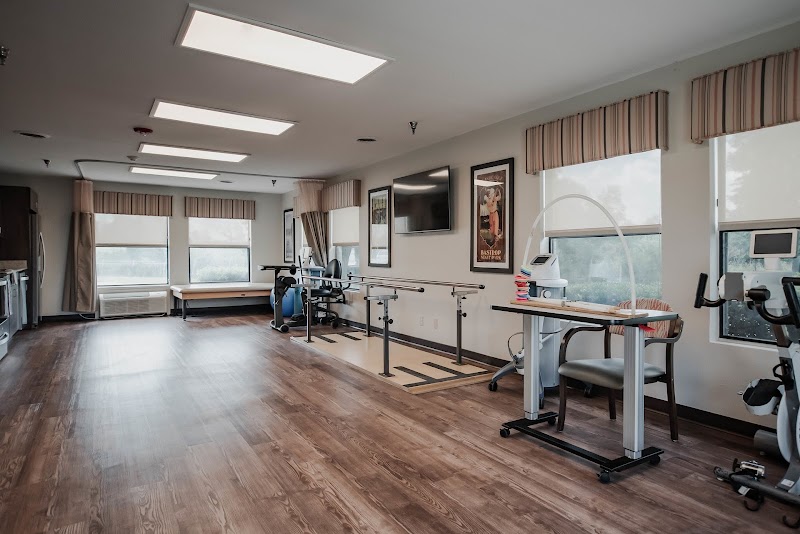
How is Southbrooke Manor Nursing And Rehabilitation Cente Staffed?

CMS rates SOUTHBROOKE MANOR NURSING AND REHABILITATION CENTE's staffing level at 2 out of 5 stars, which is below average compared to other nursing homes. Staff turnover is 48%, compared to the Texas average of 46%.

What Have Inspectors Found at Southbrooke Manor Nursing And Rehabilitation Cente?

State health inspectors documented 21 deficiencies at SOUTHBROOKE MANOR NURSING AND REHABILITATION CENTE during 2022 to 2025. These included: 19 with potential for harm and 2 minor or isolated issues.
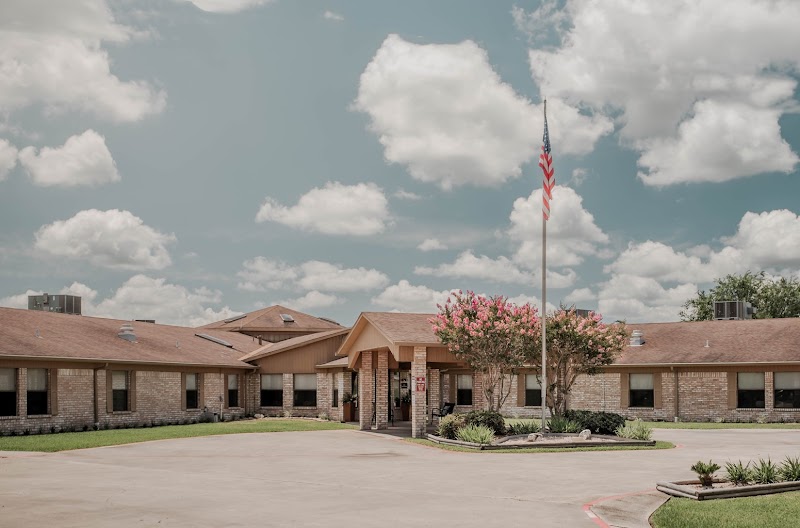
Who Owns and Operates Southbrooke Manor Nursing And Rehabilitation Cente?

SOUTHBROOKE MANOR NURSING AND REHABILITATION CENTE is owned by a non-profit organization. Non-profit facilities reinvest revenue into operations rather than distributing to shareholders. The facility is operated by WELLSENTIAL HEALTH, a chain that manages multiple nursing homes. With 120 certified beds and approximately 77 residents (about 64% occupancy), it is a mid-sized facility located in EDNA, Texas.
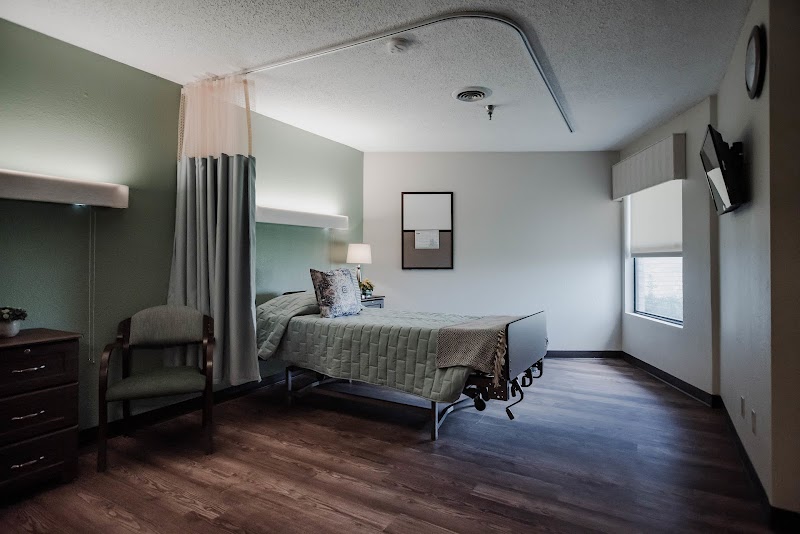
How Does Southbrooke Manor Nursing And Rehabilitation Cente Compare to Other Texas Nursing Homes?

Compared to the 100 nursing homes in Texas, SOUTHBROOKE MANOR NURSING AND REHABILITATION CENTE's overall rating (5 stars) is above the state average of 2.8, staff turnover (48%) is near the state average of 46%, and health inspection rating (4 stars) is above the national benchmark.

What Should Families Ask When Visiting Southbrooke Manor Nursing And Rehabilitation Cente?

Based on this facility's data, families visiting should ask: "Can you walk me through typical staffing levels on day, evening, and night shifts?" "Can I visit during a mealtime to observe dining assistance and food quality?" "How do you handle medical emergencies, and what is your hospital transfer rate?" "Can I speak with family members of current residents about their experience?" These questions are particularly relevant given the below-average staffing rating.

Is Southbrooke Manor Nursing And Rehabilitation Cente Safe?

Based on CMS inspection data, SOUTHBROOKE MANOR NURSING AND REHABILITATION CENTE has a clean safety record: no substantiated abuse findings (meaning no confirmed cases of resident harm), no Immediate Jeopardy citations (the most serious violation level indicating risk of serious injury or death), and is not on the Special Focus Facility watch list (a federal program monitoring the lowest-performing 1% of nursing homes). The facility has a 5-star overall rating and ranks #1 of 100 nursing homes in Texas. While no facility is perfect, families should still ask about staff-to-resident ratios and recent inspection results during their visit.

Do Nurses at Southbrooke Manor Nursing And Rehabilitation Cente Stick Around?

SOUTHBROOKE MANOR NURSING AND REHABILITATION CENTE has a staff turnover rate of 48%, which is about average for Texas nursing homes (state average: 46%). Moderate turnover is common in nursing homes, but families should still ask about staff tenure and how the facility maintains care continuity when employees leave.

Was Southbrooke Manor Nursing And Rehabilitation Cente Ever Fined?

SOUTHBROOKE MANOR NURSING AND REHABILITATION CENTE has no federal fines on record. CMS issues fines when nursing homes fail to meet care standards or don't correct problems found during inspections. The absence of fines suggests the facility has either maintained compliance or corrected any issues before penalties were assessed. This is a positive indicator, though families should still review recent inspection reports for the full picture.

Is Southbrooke Manor Nursing And Rehabilitation Cente on Any Federal Watch List?

SOUTHBROOKE MANOR NURSING AND REHABILITATION CENTE is not on any federal watch list. The most significant is the Special Focus Facility (SFF) program, which identifies the bottom 1% of nursing homes nationally based on persistent, serious quality problems. Not being on this list means the facility has avoided the pattern of deficiencies that triggers enhanced federal oversight. This is a positive indicator, though families should still review the facility's inspection history directly.