SCHLEICHER COUNTY MEDICAL CENTER
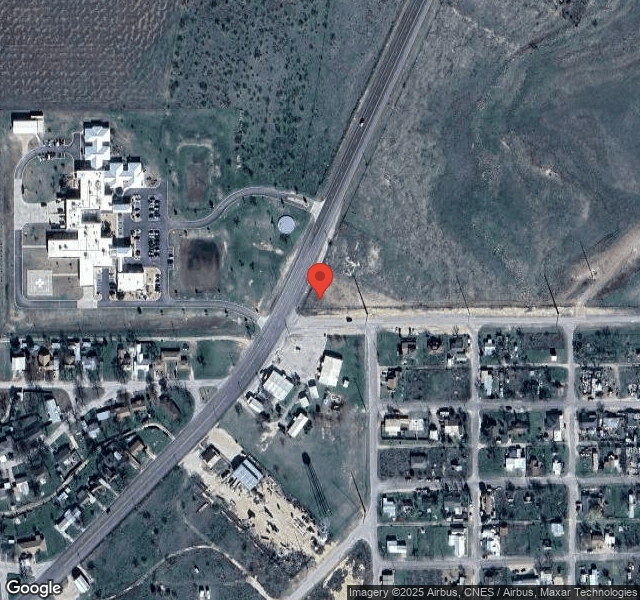

104 N US HWY 277, ELDORADO, TX 76936 (325) 853-3931
Government - Hospital district 34 Beds Independent Data: November 2025
Trust Grade
60/100
#556 of 1168 in TX
Last Inspection: August 2024

Within standard 12-15 month inspection cycle. Federal law requires annual inspections.

Overview

Schleicher County Medical Center has a Trust Grade of C+, which indicates they are slightly above average among nursing homes. They rank #556 out of 1168 facilities in Texas, placing them in the top half, and they are the only option available in Schleicher County. The facility has shown improvement over time, reducing their number of issues from 6 in 2023 to 4 in 2024. Staffing is a strength, with a 4-star rating and a turnover rate of 47%, which is below the Texas average. However, there have been serious concerns, including incidents where staff failed to properly assist a resident during a transfer, which could have resulted in severe injury, and issues in the kitchen related to food safety that could lead to food-borne illnesses. Overall, while there are strengths in staffing and recent improvements, families should be aware of the significant incidents and the need for continued oversight.

Trust Score
C+
60/100
In Texas
#556/1168
Top 47%
Safety Record
Moderate
Needs review
Inspections
Getting Better
6 → 4 violations
Staff Stability
⚠ Watch
47% turnover. Above average. Higher turnover means staff may not know residents' routines.
Penalties
✓ Good
No fines on record. Clean compliance history, better than most Texas facilities.
Skilled Nurses
○ Average
Each resident gets 40 minutes of Registered Nurse (RN) attention daily — about average for Texas. RNs are the most trained staff who monitor for health changes.
Violations
⚠ Watch
11 deficiencies on record. Higher than average. Multiple issues found across inspections.
★★★☆☆
3.0
Overall Rating
★★★★☆
4.0
Staff Levels
★☆☆☆☆
1.0
Care Quality
★★★★☆
4.0
Inspection Score
Stable
2023: 6 issues
2024: 4 issues

The Good

  • 4-Star Staffing Rating · Above-average nurse staffing levels
  • Full Sprinkler Coverage · Fire safety systems throughout facility
  • No fines on record

Facility shows strength in staffing levels, fire safety.

The Bad

3-Star Overall Rating

Near Texas average (2.8)

Meets federal standards, typical of most facilities

Staff Turnover: 47%

Near Texas avg (46%)

Higher turnover may affect care consistency

The Ugly 11 deficiencies on record

2 actual harm
Aug 2024 4 deficiencies
CONCERN (D)

Potential for Harm - no one hurt, but risky conditions existed

Comprehensive Care Plan (Tag F0656)

Could have caused harm · This affected 1 resident

**NOTE- TERMS IN BRACKETS HAVE BEEN EDITED TO PROTECT CONFIDENTIALITY** Based on interviews and record review, the facility failed to develop and implement a comprehensive, person-centered care plan f...

Read full inspector narrative →
**NOTE- TERMS IN BRACKETS HAVE BEEN EDITED TO PROTECT CONFIDENTIALITY** Based on interviews and record review, the facility failed to develop and implement a comprehensive, person-centered care plan for each resident that included measurable objectives and time frames to meet, attain, and/or maintain the resident's highest practicable physical, mental, and psychosocial well-being for 1 of 5 residents (Resident #16) reviewed for care plans. The facility failed to have a care plan in place to accurately address Resident #16's oxygen use. This failure could affect residents by placing them at risk of not receiving individualized care and services to meet their needs. The findings included: Record review of admission record indicated Resident #16 was an [AGE] year-old male who was admitted to the facility on [DATE]. Resident #16 had medical diagnoses that included palliative care, Cerebral infarction, unspecified severe protein-calorie malnutrition, and pain. Record review of Resident #16's admission MDS assessment dated [DATE] revealed his Cognitive Skills for Daily Decision Making to be severely impaired - never/rarely made decisions. He required maximum assistance and was dependent on staff for all ADL's except for eating. He relied on staff for mobility. Under section O for Respiratory treatments C1. Oxygen therapy was selected while a resident at the facility. Record review of Resident #16's order summary dated August 14th, 2024 included, Oxygen @2-5 LPM via nasal cannula and may titrate for patient comfort at night at bedtime, and, While resident is up and awake, no oxygen required as long as SPO2 remains above 92%. every shift. Record review of Resident #16's care plan dated 07/24/2024 revealed no care plan for oxygen use. Interview on 08/15/24 at 01:35 PM, the DON stated she would check orders and medical diagnosis for items that should be care planned. The DON stated she had been working on care plans she took over in June since her MDS nurse did not want to do them anymore. the DON stated Resident #16s care plan addressed the under terminal illness. The DON stated she had worked on it today. The care plan was updated after surveyor intervention. Review of facility policy titled Comprehensive Care Plans dated 06-01-2024 revealed, in part: A comprehensive person-centered care plan is developed and implemented for each resident, consistent with the resident's rights, that include measurable objectives and time frames to meet a resident's medical, nursing, and mental and psychosocial needs that are identified in the resident's comprehensive assessment.
CONCERN (D)

Potential for Harm - no one hurt, but risky conditions existed

Deficiency F0761 (Tag F0761)

Could have caused harm · This affected 1 resident

**NOTE- TERMS IN BRACKETS HAVE BEEN EDITED TO PROTECT CONFIDENTIALITY** Based on observation, interview and record review the facility failed to ensure drugs and biologicals were labeled in accordance...

Read full inspector narrative →
**NOTE- TERMS IN BRACKETS HAVE BEEN EDITED TO PROTECT CONFIDENTIALITY** Based on observation, interview and record review the facility failed to ensure drugs and biologicals were labeled in accordance with currently accepted professional principles for 1 of 1 medication rooms inspected for medication storage. The medication room had opened and undated vial of Tuberculin (TB) medication in the refrigerator. This failure could place residents at risk of receiving medications that were expired and not produce the therapeutic effect. The findings were: During an observation and interview on [DATE] at 02:12 PM the medication room was inspected with RN A present. There was a small refrigerator which contained one 0.1 ml vial of Tuberculin formula which had been opened but no open date was found. The Tuberculin container indicated Once entered, vial should be discarded after 30 days. RN A said it was each nurse's responsibility to date the vials when they are opened. RN A said she was not aware the vial was undated. During an interview on [DATE] at 12:20 PM, the DON was made aware of the opened and undated TB vial located in the medication room. The DON said she was not sure as to why the vial was undated since it had been opened. The DON said it was everybody's job to monitor the refrigerator or any other medications that required an open date when opened and discarded when expired. The DON said if the staff used an expired or undated TB vial it could lead to a false TB test result. Record review of policy titled Medication storage and dated [DATE] indicated in part: It is the policy of this facility to ensure all medications housed on our premises will be stored in the pharmacy and/or medication rooms according to the manufacturers recommendations and sufficient to ensure proper sanitation, temperature, light, ventilation, moisture control, segregation and security. All OTC, insulins, multi dose vials (needle puncture) should be labeled with an open date and discarded within 28 days unless the manufacturer specifies different date.
CONCERN (D)

Potential for Harm - no one hurt, but risky conditions existed

Infection Control (Tag F0880)

Could have caused harm · This affected 1 resident

**NOTE- TERMS IN BRACKETS HAVE BEEN EDITED TO PROTECT CONFIDENTIALITY** Based on observation, interview, and record review, the facility failed to maintain an infection prevention and control program ...

Read full inspector narrative →
**NOTE- TERMS IN BRACKETS HAVE BEEN EDITED TO PROTECT CONFIDENTIALITY** Based on observation, interview, and record review, the facility failed to maintain an infection prevention and control program designed to provide a safe, sanitary, and comfortable environment to help prevent the development and transmission of communicable diseases and infections for 1 (Resident #9) of 2 residents reviewed for infection control. CNA B failed to change her gloves when going from dirty to clean during peri-care for Resident #9. CNA C failed to wash her hands prior to putting gloves on and assisting Resident #9 with personal care. This failure could place residents at risk for cross contamination and the spread of infection. Finding include: Record review of Resident #9's admission record dated 08/15/24 indicated she was admitted to the facility on [DATE] with diagnoses of stroke and chronic respiratory failure. She was [AGE] years of age. Record review of Resident #9's care plan dated 08/2024 indicated in part: Focus: The resident has bladder incontinence. Goal: The resident will remain free from skin breakdown due to incontinence and brief use through the review date. Interventions: Check resident every 2 hours and PRN as required for incontinence. Wash, rinse and dry perineum. Change clothing PRN after incontinence episodes. Record review of Resident #9's MDS dated [DATE] indicated in part: BIMS = 10 indicating the resident was moderately impaired Urinary continence = Frequently incontinent. Bowel continence = Always incontinent . During an observation on 08/14/24 at 02:02 PM, CNA B and CNA C performed incontinent care for Resident #9. CNA C entered the resident's room and put on a pair of gloves without first washing her hands. Both CNAs opened Resident #9's brief and rolled her to her right side. CNA B took a wet wipe and wiped the resident's rectal area which contained a smear of bowel movement on the wipe. CNA B took some skin protectant ointment and applied it to the resident's buttocks while still wearing the same soiled gloves. While still wearing the same soiled gloves CNA B took a new brief and placed it under the resident's bottom and rolled the resident back onto the brief. CNA B took some wet wipes and wiped Resident #9's vaginal area. Both CNAs then removed their gloves and washed their hands. CNA C turned the faucet on and washed her hands with water only and for approximately five seconds then turned the faucet off with her bare hands. During an interview on 08/14/24 at 02:12 PM, CNA B said she had been trained to change her gloves once they became contaminated to prevent cross contamination. CNA B said she should have changed gloves after she cleansed Resident #9's rectal area since she then touched the new brief and cleansed the resident's vaginal area. CNA B said she had forgotten to change her gloves at the appropriate time. CNA B said if she did not change her gloves then that could lead to cross contamination and the spread of germs. CNA B said they had received training on infection control to include glove changing and handwashing but again she had forgotten to change her gloves after they became contaminated. During an interview on 08/14/24 at 02:14 PM, CNA C said she had been trained on glove changes and handwashing. CNA C said she had to wash her hands for around 20 seconds with soap and water and turn off the faucet with a paper towel to prevent re-contamination of her hands. CNA C acknowledged she had washed her hands quickly and had not used soap nor closed the faucet with a paper towel after assisting Resident #9 with personal care. CNA C said she had gotten nervous and messed up. CNA C said if she did not wash her hands correctly that could lead to the spread of infections. During an interview on 08/15/24 at 12:16 PM, the DON was made aware of the incontinent care observation performed on Resident #9 by CNAs B and C. The DON said it was expected for the CNAs to wash their hands prior to and after performing personal care. The DON said staff were supposed to wash their hands for 15 to 20 seconds with soap and water. The DON said the CNAs were supposed to change their gloves and wash their hands when going from dirty to clean. The DON said the failure probably occurred because the CNAs got nervous and forgot their steps. The DON said that LVN D conducted training with the CNAs in regard to infection control and incontinent care. The DON said if the CNAs did not wash their hands or changed their gloves that could lead to the spread of infections. During an interview on 08/15/24 at 01:24 PM, LVN D said she conducted training with the staff regarding infection control such as personal care of the residents. The LVN D was made aware of the observation of incontinent care performed by CNAs B and C. LVN D said the CNAs were expected to wash their hands prior to performing resident care. LVN D said the CNAs were supposed to wash their hands for at least 20 seconds with water, soap and turn the faucet off with a paper towel to prevent recontamination of their hands. LVN D said the CNAs were expected to change their gloves and wash their hands when going from dirty to clean. LVN D said CNA B should have changed her gloves before touching the new brief and wiping Resident #9's vagina. LVN D said she believed the failure occurred because the CNAs got nervous and forgot their steps. LVN D said if the CNAs did not wash their hands or changed their gloves at the required time that could lead to cross contamination. Record review of the facility policy titled Hand hygiene dated 04/11/2023 indicated in part: All staff will perform proper hand hygiene procedures to prevent the spread of infection to other personnel, residents and visitors. This applies to all staff working in all locations within the facility. Hand hygiene is a general term for cleaning your hands by handwashing with soap and water or the use of antiseptic hand rub also known as alcohol-based-hand-rub. Hand hygiene technique when using soap and water: a. Wet hands with water, avoid using hot water to prevent drying of skin. b. apply to hands the amount of soap recommended by the manufacturer. C. rub hands together vigorously for at least 20 seconds covering all surfaces of the hands and fingers. D. rinse hands with water. E. dry thoroughly with a single use towel. F use clean towel to turn off the faucet. Additional considerations: The use of gloves does not replace hand hygiene. If your task requires gloves perform hand hygiene prior to donning gloves and immediately after removing gloves. Record review of the facility's policy titled Helping a resident with toileting needs and dated 06/01/2024 indicated in part: It is the practice of this facility to assist residents with toileting needs in order to maintain the resident's dignity as well as proper hygiene. Put on gloves-if you contaminate your gloves in any way during the procedure you must change into a new pair. Help with wiping and throw the paper into the trash bag or toilet. Remove your gloves and dispose of them in the trash bag. Help the resident with their clothing and assist them back into their bed or chair. Put on new gloves - help the resident wash, rinse, and dry their hands. Remove your gloves and place in the trash bag. Properly dispose of trash bag and wash your hands. Record review of the facility's document titled Standard precautions infection control dated 04/01/2023 indicated in part: All staff are to assume that all residents are potentially infected or colonized with an organism that could be transmitted during the course of providing resident care services. Therefore, all staff shall adhere to standard precautions to prevent the spread of infections to residents, staff and visitor. Standard precautions refer to the infection prevention practices that apply to all residents, regardless of suspected or confirmed diagnosis or presumed infection status. This includes hand hygiene, selection and use of PPE (e.g., gloves, gowns, facemasks, respirators, eye protection), respiratory hygiene and cough etiquette, safe injection practices, environmental cleaning and disinfection and reprocessing of reusable resident medical equipment. Record review of the facility's policy titled Infection prevention and control program and dated 03/01/2024 indicated in part: This facility has established and maintains an infection prevention and control program designed to provide a safe, sanitary and comfortable environment and to help prevent the development and transmission of communicable disease and infections.
CONCERN (E)

Potential for Harm - no one hurt, but risky conditions existed

Food Safety (Tag F0812)

Could have caused harm · This affected multiple residents

Based on observation, interview and record review, the facility failed to store, prepare, distribute, and serve food in accordance with professional standards for food safety in the facility's only ki...

Read full inspector narrative →
Based on observation, interview and record review, the facility failed to store, prepare, distribute, and serve food in accordance with professional standards for food safety in the facility's only kitchen. The facility failed to ensure food items in the facility's only dry storage was sealed appropriately. These failures could place residents at risk for food-borne illness, and food contamination. Findings include: Observations of the kitchen's dry storage area on 08/13/24 at 09:37 AM, revealed One bag of southern yellow cornbread was opened. Observations of the kitchen's dry storage area on 08/14/24 at 11:27 AM, revealed the following items were not sealed: - one bag of southern yellow cornbread, -one bag of Tostitos original tortilla chips, -one bag of cereal, and -one bag of spaghetti pasta. Interview with the Dietary Manager (DM) on 08/14/24 at 11:38 AM, revealed he was not aware there was food in the dry storage that was. The DM stated that these items was recently used but was unaware how long they had been opened. The DM stated all food and items that was opened was to be dated with an opened date and if the package could not be sealed the item should be placed in a resealable bag/container and labeled if not visible through the container or bag. The DM stated the bags not being appropriately sealed could cause cross contamination. The DM stated he will take this as a chance to teach his staff. Review of the undated policy titled Food Safety Requirements stated in part, Storage of food in a manner that helps prevent deterioration or contamination of the food, including from growth of microorganisms.
Oct 2023 2 deficiencies 2 Harm
SERIOUS (G) 📢 Someone Reported This

A family member, employee, or ombudsman was alarmed enough to file a formal complaint

Actual Harm - a resident was hurt due to facility failures

Accident Prevention (Tag F0689)

A resident was harmed · This affected 1 resident

**NOTE- TERMS IN BRACKETS HAVE BEEN EDITED TO PROTECT CONFIDENTIALITY** Based on interview, and record review, the facility failed to ensure the resident environment remained as free from accident haz...

Read full inspector narrative →
**NOTE- TERMS IN BRACKETS HAVE BEEN EDITED TO PROTECT CONFIDENTIALITY** Based on interview, and record review, the facility failed to ensure the resident environment remained as free from accident hazards was possible and each resident received adequate supervision and assistive devices to prevent accidents for 1 of 4 residents (Resident #1) reviewed for accidents and supervision . 1. HA A failed to ensure Resident #1 was properly transferred by two persons using a Hoyer lift. 2. The facility failed to ensure HA A was properly trained before transferring Resident #1 by Hoyer lift . The noncompliance was identified as PNC. The noncompliance began on 8/29/23 and ended on 9/4/23. The facility had corrected the noncompliance before the investigation began. This failure could place residents at risk of severe injury. Findings included: Record review of Resident #1's electronic health record revealed a [AGE] year-old female with an admission date of 01/17/2013. Resident #1 had diagnoses which included: Alzheimer's Disease with late onset (progressive memory impairment), anemia (lack of red blood cells), dementia in other diseases classified elsewhere (impairment of brain functions), hyperlipidemia (high levels of fat in blood), chronic pain, rhinitis (stuffy nose), constipation (difficult bowel movements), hypokalemia (below normal potassium), sclerosing mesenteritis (tissue that holds the small intestines in place becomes inflamed), Cushing's syndrome (over production of cortisol), Vitamin B12 deficiency (deficient in Vitamin B12), anxiety disorder (anxiety that interferes with daily life), insomnia (sleep disorder), intermittent explosive disorder (sudden episodes of unwarranted anger), restless leg syndrome (irresistible urge to move the legs), type 2 diabetes with diabetic polyneuropathy (adult onset of the way the body processes blood sugar with damage to the small blood vessels that supply the nerves in the body), mixed obsessional acts (pervasive and invasive thoughts that cause anxious and distress), atherosclerotic heart disease of native coronary artery without angina (substances collect on inner walls of the heart arteries), localized edema (swelling due to excessive accumulation of fluid at specific site), GERD (acid reflux), hemiplegia hemiparesis (loss of strength in arm, leg and sometimes face on one side of body), unspecified hearing loss, psychotic disorder (disconnection from reality). Record review of Resident #1's electronic health record revealed the most recent Care Plan, dated 6/9/2023, revised on 9/2/23, reflected Transfer: I am an extensive assist x2 staff for transferring. I use a Hoyer lift x2 staff at all times. Record review of incident/accident report, dated 10/1/23, revealed Resident #1 had a witnessed fall, dated 9/2/23 at 1:15 PM. Record review of Resident #1's physician orders, dated 7/11/23, revealed Hoyer Lift x2 CNA for all transfers. Record review of Resident #1's progress note, dated 9/2/23 at 4:36 pm, revealed Resident returned from the ER at 1630 [4:30 pm] with no new medication changes. RSD was given a tetanus shot at the ER per RSD hitting her head on a medal piece of equipment for safety and prevention of other precautions. RSD was also given 5 staples to laceration that occurred on the back of the head from the fall Interview on 10/1/23 at 11:20 AM with RN A revealed staff were trained on Hoyer lifts. The facility had someone come in and do a whole staff meeting on it. They were also trained upon hire. There should be two people providing support to do a Hoyer lift. The facility has hospitality aides, and they could only do certain tasks when on the floor until tested. The tasks they could do was pass water and answer call lights and hand residents things. They could not do hands on anything. Hospitality aides could assist with Hoyer lifts, but they could not actually do the Hoyer lift. Interview on 10/1/23 at 12:19 PM with HA A revealed she was not trained on Hoyer Lifts prior to the incident. HA A stated CNA B supported the back of the resident and HA A pulled the Hoyer Lift backwards, operating the lift, during the incident with Resident #1 that resulted in her fall and injury. HA A stated she thought the failure was the sling was too big or not on properly resulting in the resident slipping out of the sling and hitting her head on the leg of the Hoyer. Interview on 10/1/23 at 12:59 PM with CNA B revealed CNA B had section 1 and HA A had hall 3. CNA B stated she did not put Resident #1 in the sling. CNA B had been asking HA A several times if she needed help and she would not answer or say she needed help, but CNA B kept checking on her. CNA B stated, I knocked on the door to Resident #1's room and HA A was in there with Resident #1 and Resident #1 was already in the sling in the Hoyer. So, I assisted. HA A operated the Hoyer lift. CNA B stated HA A was a HA, and she should have known not to do a one-person transfer. HA A was already in there and had not asked for help; CNA B walked in on her. The HA should be the assist and the CNA should operate the Hoyer, but she already was. CNA B stated she had not seen HA A do any Hoyer Lifts since and HA A was only allowed to observe. CNA B stated the resident went to the ER and received 5 staples in her head. CNA B stated, It is not allowed for HA to work their own floor, so I don't know why she was working her own floor. They scheduled her on her own hall because I remember I thought that was weird that she was scheduled that way. I voiced that concern to [LVN A ]. Interview on 10/1/23 at 2:42 PM with LVN A revealed, Hospitality Aide (HA) could provide water and answer lights but couldn't provide any care. LVN A stated, They can stock and let us know if someone needs something. They can pass a tray, but they can't feed until certified or if they have had feeding training. I have not ever had a CNA voice any concerns with an HA having their own hall. They are never assigned to their own area. LVN stated the expectation for Hoyer lifts were there always had to be two people and preferred them both to be certified unless they had Hoyer lift training and were checked off on the training. Hoyer lift training should be provided upon hire unless they had something provided of previous training. LVN A stated HA A was not to do Hoyer Lifts because LVN A was not aware that HA A was checked off. Interview on 10/1/23 at 2:59 PM with ADON revealed she never had a report HA worked their own floor. The ADON stated, HA can pass ice water and answer a light but if it has anything to do with transfers or care, they have to go call the CNA on the floor. If they are doing the training and they have been checked off on, they can assist with transfers, as long as it is with a certified aide or nurse. The ADON revealed, the training was eye opening on how many didn't understand the sling colors. We just believe the failure was just the sling, it was ill fitting. The ADON revealed the facility had new training and equipment to prevent it from happening again. The ADON stated CNA B was spotting and HA A was on the Hoyer. HA A should have been spotting and CNA B should have been on the remote. The ADON revealed she did not know who was supposed to be training HA A that day and the facility would start adding who it was on the schedule . ADON stated, We located this failure that day since we don't know who was supposed to be training her [HA A]. Interview on 10/1/23 at 3:39 PM with the DON revealed the DON did not know who was training on the day of the incident. The DON stated she was informed CNA B had offered to help and that was how CNA B and HA A ended up together. The DON stated, I don't want to say she was working the floor alone , but I think that is how it was. I have seen the video of what happened. I did not see what happened inside the room. [HA A] was not in the room with Hoyer alone very long before [CNA B] came and helped. HA A should have been trained upon hire on Hoyer lift transfers. The DON revealed HA A could not use a Hoyer lift and could only be there to spot and for this incident CNA B was spotting. The DON stated, I know now that HA A was working the floor on her own but did not know that before . Interview on 10/1/23 at 3:39 PM with the DON revealed the facility did a large Hoyer lift training and now require a specific aide to do the training who had a lot of experience . The facility replaced slings and put (resident's) name in them to make sure they were appropriate. The DON revealed, the facility made some administrative changes, and the aide with experience will take over the scheduling and making sure the trainings were done. CNA C was that before , but the facility was making that change . Interview on 10/1/23 at 5:13 PM with the ADM revealed the ADM interviewed HA A and asked her if she knew she couldn't transfer alone, and HA A told her she knew that . When asked why she did it, she began crying. The ADM stated she asked HA A was she comfortable with Hoyer Lift transfers and HA A informed the ADM she thought she could do it. The ADM stated when she asked HA A why she did it she just started crying. The ADM revealed HA A admitted to her she was not familiar with Hoyer's but didn't tell anyone. The ADM stated, [HA A] had her own section (hall) and that was why the facility was changing things to prevent this from happening again. Maintenance came in and checked every Hoyer and one had a loose leg and so it was replaced. The lift that was replaced was not the lift that was used for Resident #1 . Interview on 10/1/23 at 5:13 PM with the ADM revealed, We are switching up who does the schedule and so we have the ADON, and DON sign off on it now. We had training done and all direct care staff got the training; it was mandatory. Then, we made every single one of them demonstrate [how to operate a Hoyer lift] and we had them get in the sling so they could see how that felt. Record review of New Hire Orientation checklist, dated 8/28/23, for HA A reflected Skills Review and Body Mechanics: Safe Lifting/Transfer/Gait Belts and Mechanical Lifts had no documentation and were not checked off ; indicating training was not completed Record review of Safe Resident Handling/Transfers policy, dated 9/4/23, revealed, .6. The staff will inspect the equipment prior to use to ensure functionality and will alert maintenance or other designee if the equipment is not functioning properly . 8. The facility will ensure that there are appropriate amounts of varying sizes of slings to accommodate residents and that residents will be measured correctly as per the manufacturer's instructions on proper sling sizing . 10. Two staff members must be utilized when transferring residents with a mechanical lift. 11. Staff will be educated on the use of safe handling/transfer practices to include use of mechanical lift devices upon hire, annually and as the need arises or changes in equipment occur. 12. Staff must demonstrate competency in the use of mechanical lifts prior to use and annually with documentation of that competency placed in their education file. Record review of the No Lift Policy, dated 6/04, revealed, .4. Nursing staff will receive training in the use of mechanical lifts during the orientation period. The facility took the following actions to correct the noncompliance: Record review of Staff Meeting dated 9/4/23 revealed all 16 direct care staff were in- serviced on Proper use of Hoyer lift and sit to stand. Record review of Electronic Total Lift Competency dated 9/4/23 9/6/23 revealed 16 direct care staff were checked off on; HA A checked off on 9/4/23. Record review of invoice dated 9/4/23 for one Electric Patient Lift. Record review of invoice dated 9/7/23 for 12 slings of 7 different sizes. Interview on 10/1/23 at 2:59 pm with ADON revealed The audits for the Hoyer's are being done more often and had more intense training: Two people and an employee in the Hoyer. Audits will be every three months and it was annually and at hire before. We have a designated aide will do the training who has 15 years of experience. We purchased new slings specifically for each patient and we have a new Hoyer and we have removed the Hoyer [Resident #1] was in because the wheels got stuck sometimes and we are ironing the names [of residents] in the slings. We have also increased monitoring and audits of Hoyer lifts. ADON revealed she does not know who was supposed to be training HA-A that day and the facility will start adding who it is on the schedule. Throughout the course of the investigation from 10/1/23-10/2/23 staff were interviewed and confirmed their understanding of the in-service training provided by the facility. Staff interviewed included two CNAs (one night shift), one HA, one LVN, one RN. Interview on 10/1/23 at 2:11 pm with family member revealed staff use 2-3 staff to transfer their resident with Hoyer Lift. Two observations were conducted of staff conducting a safe, competent Hoyer Lift transfer.
SERIOUS (G) 📢 Someone Reported This

A family member, employee, or ombudsman was alarmed enough to file a formal complaint

Actual Harm - a resident was hurt due to facility failures

Deficiency F0726 (Tag F0726)

A resident was harmed · This affected 1 resident

**NOTE- TERMS IN BRACKETS HAVE BEEN EDITED TO PROTECT CONFIDENTIALITY** Based on interview, and record review, the facility failed to ensure staff had the appropriate competencies and skills sets to p...

Read full inspector narrative →
**NOTE- TERMS IN BRACKETS HAVE BEEN EDITED TO PROTECT CONFIDENTIALITY** Based on interview, and record review, the facility failed to ensure staff had the appropriate competencies and skills sets to provide nursing and related services to assure resident safety and attain or maintain the highest practicable physical, mental, and psychosocial well-being for 1 of 4 residents (Resident #1) reviewed for accidents and supervision . 1. HA A failed to ensure Resident #1 was properly transferred by two persons using a Hoyer lift. 2. The facility failed to ensure HA A was properly trained and able to demonstrate compentency in skills and techniques before transferring Resident #1 by Hoyer lift . The noncompliance was identified as PNC. The noncompliance began on 8/29/23 and ended on 9/4/23. The facility had corrected the noncompliance before the investigation began. This failure could place residents at risk of severe injury. Findings included: Record review of Resident #1's electronic health record revealed a [AGE] year-old female with an admission date of 01/17/2013. Resident #1 had diagnoses which included: Alzheimer's Disease with late onset (progressive memory impairment), anemia (lack of red blood cells), dementia in other diseases classified elsewhere (impairment of brain functions), hyperlipidemia (high levels of fat in blood), chronic pain, rhinitis (stuffy nose), constipation (difficult bowel movements), hypokalemia (below normal potassium), sclerosing mesenteritis (tissue that holds the small intestines in place becomes inflamed), Cushing's syndrome (over production of cortisol), Vitamin B12 deficiency (deficient in Vitamin B12), anxiety disorder (anxiety that interferes with daily life), insomnia (sleep disorder), intermittent explosive disorder (sudden episodes of unwarranted anger), restless leg syndrome (irresistible urge to move the legs), type 2 diabetes with diabetic polyneuropathy (adult onset of the way the body processes blood sugar with damage to the small blood vessels that supply the nerves in the body), mixed obsessional acts (pervasive and invasive thoughts that cause anxious and distress), atherosclerotic heart disease of native coronary artery without angina (substances collect on inner walls of the heart arteries), localized edema (swelling due to excessive accumulation of fluid at specific site), GERD (acid reflux), hemiplegia hemiparesis (loss of strength in arm, leg and sometimes face on one side of body), unspecified hearing loss, psychotic disorder (disconnection from reality). Record review of Resident #1's electronic health record revealed the most recent Care Plan, dated 6/9/2023, revised on 9/2/23, reflected Transfer: I am an extensive assist x2 staff for transferring. I use a Hoyer lift x2 staff at all times. Record review of incident/accident report, dated 10/1/23, revealed Resident #1 had a witnessed fall, dated 9/2/23 at 1:15 PM. Record review of Resident #1's physician orders, dated 7/11/23, revealed Hoyer Lift x2 CNA for all transfers. Record review of Resident #1's progress note, dated 9/2/23 at 4:36 pm, revealed Resident returned from the ER at 1630 [4:30 pm] with no new medication changes. RSD was given a tetanus shot at the ER per RSD hitting her head on a medal piece of equipment for safety and prevention of other precautions. RSD was also given 5 staples to laceration that occurred on the back of the head from the fall Interview on 10/1/23 at 11:20 AM with RN A revealed staff were trained on Hoyer lifts. The facility had someone come in and do a whole staff meeting on it. They were also trained upon hire. There should be two people providing support to do a Hoyer lift. The facility has hospitality aides, and they could only do certain tasks when on the floor until tested. The tasks they could do was pass water and answer call lights and hand residents things. They could not do hands on anything. Hospitality aides could assist with Hoyer lifts, but they could not actually do the Hoyer lift. Interview on 10/1/23 at 12:19 PM with HA A revealed she was not trained on Hoyer Lifts prior to the incident. HA A stated CNA B supported the back of the resident and HA A pulled the Hoyer Lift backwards, operating the lift, during the incident with Resident #1 that resulted in her fall and injury. HA A stated she thought the failure was the sling was too big or not on properly resulting in the resident slipping out of the sling and hitting her head on the leg of the Hoyer. Interview on 10/1/23 at 12:59 PM with CNA B revealed CNA B had section 1 and HA A had hall 3. CNA B stated she did not put Resident #1 in the sling. CNA B had been asking HA A several times if she needed help and she would not answer or say she needed help, but CNA B kept checking on her. CNA B stated, I knocked on the door to Resident #1's room and HA A was in there with Resident #1 and Resident #1 was already in the sling in the Hoyer. So, I assisted. HA A operated the Hoyer lift. CNA B stated HA A was a HA, and she should have known not to do a one-person transfer. HA A was already in there and had not asked for help; CNA B walked in on her. The HA should be the assist and the CNA should operate the Hoyer, but she already was. CNA B stated she had not seen HA A do any Hoyer Lifts since and HA A was only allowed to observe. CNA B stated the resident went to the ER and received 5 staples in her head. CNA B stated, It is not allowed for HA to work their own floor, so I don't know why she was working her own floor. They scheduled her on her own hall because I remember I thought that was weird that she was scheduled that way. I voiced that concern to [LVN A]. Interview on 10/1/23 at 2:42 PM with LVN A revealed, Hospitality Aide (HA) could provide water and answer lights but couldn't provide any care. LVN A stated, They can stock and let us know if someone needs something. They can pass a tray, but they can't feed until certified or if they have had feeding training. I have not ever had a CNA voice any concerns with an HA having their own hall. They are never assigned to their own area. LVN stated the expectation for Hoyer lifts were there always had to be two people and preferred them both to be certified unless they had Hoyer lift training and were checked off on the training. Hoyer lift training should be provided upon hire unless they had something provided of previous training. LVN A stated HA A was not to do Hoyer Lifts because LVN A was not aware that HA A was checked off for that training. Interview on 10/1/23 at 2:59 PM with ADON revealed she never had a report HA worked their own floor. The ADON stated, HA can pass ice water and answer a light but if it has anything to do with transfers or care, they have to go call the CNA on the floor. If they are doing the training and they have been checked off on, they can assist with transfers, as long as it is with a certified aide or nurse. The ADON revealed, the training was eye opening on how many didn't understand the sling colors. We just believe the failure was just the sling, it was ill fitting. The ADON revealed the facility had new training and equipment to prevent it from happening again. The ADON stated CNA B was spotting and HA A was on the Hoyer. HA A should have been spotting and CNA B should have been on the remote. The ADON revealed she did not know who was supposed to be training HA A that day and the facility would start adding who it was on the schedule . ADON stated, We located this failure that day since we don't know who was supposed to be training her [HA A]. Interview on 10/1/23 at 3:39 PM with the DON revealed the DON did not know who was training on the day of the incident. The DON stated she was informed CNA B had offered to help and that was how CNA B and HA A ended up together. The DON stated, I don't want to say she was working the floor alone , but I think that is how it was. I have seen the video of what happened. I did not see what happened inside the room. [HA A] was not in the room with Hoyer alone very long before [CNA B] came and helped. HA A should have been trained upon hire on Hoyer lift transfers. The DON revealed HA A could not use a Hoyer lift and could only be there to spot and for this incident CNA B was spotting. The DON stated, I know now that HA A was working the floor on her own but did not know that before . Interview on 10/1/23 at 3:39 PM with the DON revealed the facility did a large Hoyer lift training and now require a different aide to do the training who had a lot of experience . The facility replaced slings and put (resident's) name in them to make sure they were appropriate. The DON revealed, the facility made some administrative changes, and the aide with experience will take over the scheduling and making sure the trainings were done. CNA C was that before , but the facility was making that change. Interview on 10/1/23 at 5:13 PM with the ADM revealed the ADM interviewed HA A and asked her if she knew she couldn't transfer alone, and HA A told her she knew that . When asked why she did it, she began crying. The ADM stated she asked HA A was she comfortable with Hoyer Lift transfers and HA A informed the ADM she thought she could do it. The ADM stated when she asked HA A why she did it she just started crying. The ADM revealed HA A admitted to her she was not familiar with Hoyer's but didn't tell anyone. The ADM stated, [HA A] had her own section (hall) and that was why the facility was changing things to prevent this from happening again. Maintenance came in and checked every Hoyer and one had a loose leg and so it was replaced. The lift that was replaced was not the lift that was used for Resident #1 . Interview on 10/1/23 at 5:13 PM with the ADM revealed, We are switching up who does the schedule and so we have the ADON, and DON sign off on the schedule now. We had training done and all direct care staff got the training; it was mandatory. Then, we made every single one of them demonstrate [how to operate a Hoyer lift] and we had them get in the sling so they could see how that felt. Record review of New Hire Orientation checklist, dated 8/28/23, for HA A reflected Skills Review and Body Mechanics: Safe Lifting/Transfer/Gait Belts and Mechanical Lifts had no documentation and were not checked off; indicating training was not completed. Record review of Safe Resident Handling/Transfers policy, dated 9/4/23, revealed, .6. The staff will inspect the equipment prior to use to ensure functionality and will alert maintenance or other designee if the equipment is not functioning properly . 8. The facility will ensure that there are appropriate amounts of varying sizes of slings to accommodate residents and that residents will be measured correctly as per the manufacturer's instructions on proper sling sizing . 10. Two staff members must be utilized when transferring residents with a mechanical lift. 11. Staff will be educated on the use of safe handling/transfer practices to include use of mechanical lift devices upon hire, annually and as the need arises or changes in equipment occur. 12. Staff must demonstrate competency in the use of mechanical lifts prior to use and annually with documentation of that competency placed in their education file. Record review of the No Lift Policy, dated 6/04, revealed, .4. Nursing staff will receive training in the use of mechanical lifts during the orientation period. The facility took the following actions to correct the noncompliance: Record review of Staff Meeting dated 9/4/23 revealed all 16 direct care staff were in-serviced on Proper use of Hoyer lift and sit to stand. Record review of Electronic Total Lift Competency dated 9/4/23 9/6/23 revealed 16 direct care staff were checked off on; HA A checked off on 9/4/23. Record review of invoice dated 9/4/23 for one Electric Patient Lift. Record review of invoice dated 9/7/23 for 12 slings of 7 different sizes. Interview on 10/1/23 at 2:59 pm with ADON revealed The audits for the Hoyer's are being done more often and had more intense training: Two people and an employee in the Hoyer. Audits will be every three months and it was annually and at hire before. We have a designated aide to do the training who has 15 years of experience. We purchased new slings specifically for each patient and we have a new Hoyer and we have removed the Hoyer [Resident #1] was in because the wheels got stuck sometimes and we are ironing the names [of residents] in the slings. We have also increased monitoring and audits of Hoyer lifts. ADON revealed she does not know who was supposed to be training HA-A that day and the facility will start adding who it is on the schedule. Throughout the course of the investigation from 10/1/23-10/2/23 staff were interviewed and confirmed their understanding of the in-service training provided by the facility. Staff interviewed included two CNAs (one night shift), one HA, one LVN, one RN. Interview on 10/1/23 at 2:11 pm with a family member revealed staff use 2-3 staff to transfer their resident with Hoyer Lift. Two observations were conducted of staff conducting a safe, competent Hoyer Lift transfer.
Jun 2023 4 deficiencies
CONCERN (D)

Potential for Harm - no one hurt, but risky conditions existed

Deficiency F0700 (Tag F0700)

Could have caused harm · This affected 1 resident

**NOTE- TERMS IN BRACKETS HAVE BEEN EDITED TO PROTECT CONFIDENTIALITY** Based on observation, interview, and record review the facility failed to ensure residents with bed rails were assessed for the ...

Read full inspector narrative →
**NOTE- TERMS IN BRACKETS HAVE BEEN EDITED TO PROTECT CONFIDENTIALITY** Based on observation, interview, and record review the facility failed to ensure residents with bed rails were assessed for the risk of entrapment from bed rails, failed to provide ongoing monitoring and supervision for the use of bed rails, and failed to have a care plan in place for bed rails for 1 of 1 resident (Resident #7) reviewed for the use of full (4) bed rails. 1. Resident # 7 had full side rails at her request without a developed care plan with measurable goals benefits and risks related to side rail use. 2. The facility failed to routinely assess Resident #7 for ongoing need for and risks of side rail use (including entrapment). 3. The facility failed to conduct and document routine monitoring of Resident #7 while full side rails were in use. This failure could affect residents by putting them at an increased and unnecessary risk of harm, entrapment, and injury. Findings included: Review of Resident #7's admission Record dated 6/29/23 revealed she was a [AGE] year-old female originally admitted to the facility on [DATE] with a most recent admission date of 6/16/23. She had diagnoses which included dementia, repeated falls, macular degeneration (a degenerative condition affecting the central part of the retina resulting in distortion or loss of central vision), psychotic disorder with hallucinations, psychotic disorder with delusions, major depressive disorder, chronic pain, and Alzheimer's disease. Review of Resident #7's quarterly MDS assessment, dated 5/20/23, revealed: She had moderate difficulty hearing and used hearing aids, she had unclear speech, was usually understood and was usually able to understand others, and she had impaired vision. Her mental status exam score was 11, indicating she had moderately impaired cognition. She required extensive or 2 plus person assistance with all ADLs and required a wheelchair for mobility. She was frequently incontinent of bowel and bladder. She received a scheduled pain medication regimen and had a history of falls. She received an antidepressant daily and an opioid daily. She had documented bed rail use daily. Review of Resident #7's Bed Rail Assessment, dated 6/16/23, revealed she was non-ambulatory, her level of consciousness fluctuated, she had an alteration in safety awareness due to cognitive decline, and had a history of falls. The assessment also revealed she had poor bed mobility, difficulty with balance and trunk control, she had difficulty with postural hypotension (decreased blood pressure with a change in position), and she was visually impaired. Further review of Resident #7's chart revealed only one other bed rail assessment dated [DATE]. Review of Resident #7's Fall Risk Evaluation, dated 6/16/23, revealed a score of 19, indicating she was a high risk for falls. Review of Resident #7's Comprehensive Care Plan, revised 6/27/23, revealed no care plan for the use of full bed rails. Observation on 6/27/23 at 1:52 PM revealed Resident #7 resting quietly in bed with full bed rails up and the bed at a normal height. Resident #7's call light button was within reach. Review of Resident #7's Order Summary, dated 6/28/23, revealed the following orders: Bed in low position while resident in bed every shift (order date 4/11/23) Full rails when in bed as personal safety per resident request every shift (order date 4/11/23) Fall precautions PRN (order date 5/1/23) Donepezil HCl tablet 10mg - give 1 tablet by mouth at bedtime for dementia related to Alzheimer's (order date 2/13/23) Memantine HCl tablet 10mg - give 1 tablet by mouth two times a day related to Alzheimer's (order date 11/30/22) Sertraline HCl tablet 50mg - give 1 tablet by mouth one time a day for depression related to major depressive disorder (order date 11/30/22) Sertraline HCl tablet 100mg - give 1 tablet by mouth one time a day for depression related to major depressive disorder (order date 11/30/23) Tramadol HCl tablet 50mg - give 2 tablets by mouth at bedtime for pain (order date 2/13/23) Tramadol HCl tablet 5mg - give 2 tablets by mouth every 6 hours as needed for moderate and sever pain (order date 2/13/23) Review of Resident #7's Consent section of her electronic chart on 6/29/23 revealed a Physical Restraint Informed Consent dated 11/7/14 for full bed rails signed by the resident's spouse, a consent for full bed rail use dated 5/2/16 signed by Resident #7, and a Shared Risk Agreement - Side Rails dated 6/29/16 signed by Resident #7. In an interview on 6/29/23 at 12:37 PM, the ADON stated that Resident #7 liked to lay in bed on her side with a pillow between her knees and very rarely moved once she was comfortable, but the aides did frequent checks while she was in bed. She stated that rounds were every 2 hours and if call light went off during the night. There was no set schedule for checking the residents during the day. The ADON stated there was no official monitoring system in place for Resident #7's bed rails. She stated the nursing staff had not readdressed Resident #7's desire to have the side rails in a long time. She stated that she believed the side rails were care planned in the old EMR system but was not aware that they were not in the new EMR system that had been in use since December 2022. In an interview on 6/29/23 at 1:26 PM, the Administrator stated she was not aware of the need for routine monitoring for bed rails. She stated she was aware that some care plans were missing information but did not specifically know that Resident #7 did not have a care plan for full bed rails. She stated the former DON was responsible for creating care plans and after she was terminated in February 2023, she discovered that the care plans were not being done correctly. Review of facility policy Proper Use of Side Rails dated 2/01/23 revealed, in part: As part of the resident's comprehensive assessment, the following components will be considered when determining the resident's need, and whether or not the use of side/bed rails meets those needs: a. Medical diagnosis, conditions, symptoms, and/or behavioral symptoms b. Size and weight c. Sleep habits d. Medications e. Acute medical or surgical interventions f. Underlying medical conditions g. Existence of delirium h. Ability to toilet self safely i. Cognition j. Communication k. Mobility (in and out of bed) l. Risk of falling The use of side rails will be specified in the resident's plan of care. The facility will provide ongoing monitoring and supervision of side/bed rail use for effectiveness, assessment of need and determination when the side/bed rail will be discontinued. Responsibilities are specified as follows: a. direct care staff will be responsible for care ad treatment in accordance with the plan of care. b. a nurse assigned to the resident will complete reassessments in accordance with the facility's assessment schedule, but not less than quarterly, upon a significant change in status, or a change in the type of bed/mattress/rail. c. the interdisciplinary team will make decisions regarding when the side/bed rail will be used or discontinued, or when to revise the care plan to address any residual effects of the rail.
CONCERN (D)

Potential for Harm - no one hurt, but risky conditions existed

Infection Control (Tag F0880)

Could have caused harm · This affected 1 resident

**NOTE- TERMS IN BRACKETS HAVE BEEN EDITED TO PROTECT CONFIDENTIALITY** Based on observation, interview, and record review, the facility failed to maintain an infection prevention and control program ...

Read full inspector narrative →
**NOTE- TERMS IN BRACKETS HAVE BEEN EDITED TO PROTECT CONFIDENTIALITY** Based on observation, interview, and record review, the facility failed to maintain an infection prevention and control program designed to provide a safe, sanitary, and comfortable environment to help prevent the development and transmission of communicable diseases and infections for one (Resident #4) of one resident reviewed for infection control. LVN C failed to sanitize the bedside table and put down a barrier to prevent cross contamination. LVN C failed to sanitize scissors after they became contaminated prior to ostomy care for Resident #4. LVN C failed to wash her hands prior to donning gloves for resident care. This failure could place resident's risk for cross contamination and the spread of infection. Findings Included: Record review of Resident #4's face sheet indicated she was [AGE] years old admitted to the facility on [DATE] with diagnoses including dementia, diabetes mellitus, colostomy status, localized infection of the skin and subcutaneous tissue, major depressive disorder. Record review of the MDS assessment dated [DATE] indicated Resident #4 was understood and understood others. The MDS indicated she had minimal impaired cognition based on her BIMS score of 14. The MDS indicated Resident #4 had a pressure ulcer/injury. Resident receives applications of ointments/medications for pressure ulcer/injury. Resident has indwelling catheter and colostomy. Resident requires extensive assistance for transfers, uses wheelchair for mobility. Record review of the comprehensive care plan dated 5/23/23 indicated Resident #4 has potential/actual impairment to skin integrity due to open area to ostomy stoma. Goal is that the resident will have no complications related to open skin. Interventions are to follow facility protocols for treatment of injury. Monitor/document location and treatment of skin injury. Report abnormalities, failure to heal, signs and symptoms of infection and maceration to physician. Record review of Resident #4's physician orders dated 3/09/23 Cleanse and clean ostomy as needed. Apply thin duoderm around ostomy site for skin protection prior to applying wafer, may also use hydrocolloid gel around site for protection, change every 3 days and as needed. Perform skin assessment everyday shift on Thursdays. During an observation on 6/27/23 at 1:50 PM, LVN C entered Resident #4's room. LVN C placed supplies for colostomy bag and dressing change on the residents bedside table. It was noted by surveyor that residents abdomen was swollen, red and excoriated. LVN C stated that resident had developed a little ulcer next to the stoma and surrounding skin was irritated. LVN C then pulled scissors out of her pocket, placed the scissors in her mouth, washed her hands and donned gloves while holding the scissors in her mouth. LVN C then walked to residents bedside table and removed the moldable convex skin barrier with flange from the package. LVN C took the scissors from her mouth and cut the hole to size for placement over the stoma. LVN C then opened the skin protectant wipe package and applied to residents skin, then LVN C attached the moldable convex skin barrier to residents skin. LVN C then took the drainable pouch and attached it to the flange of the moldable convex skin barrier. LVN C doffed gloves and left the residents room to get tape, stating that wafer did not stick to skin. LVN C returned to residents room, donned new gloves, failing to wash her hands. LVN C then, applied Hypafix tape all around wafer. LVN C covered resident with blanket, then doffed gloves and washed her hands prior to leaving the room. During interview on 06/29/23 at 11:45 AM with ADON, she stated that she is responsible for nurse training regarding resident care procedures. ADON stated that her expectations for colostomy care are as follows: 1.Walk into the residents room and wash hands. 2. Clean bedside table with sanitizing wipes and lay down barrier paper. 3. Remove supplies from package and set up on barrier paper. 4. Wash hands and don clean gloves. 5. Remove soiled moldable convex skin barrier with flange and bag. 6. Wash hands and don clean gloves. 7. Pre- cut moldable convex skin barrier with flange and attach new bag. 8. Assess pain level and pre- medicate if necessary. 9. Apply skin barrier, attach moldable convex skin barrier with flange and new bag. 10. Doff gloves and wash hands. Position resident for comfort. During an interview on 06/29/23 at 12:30 PM, the Administrator stated that all staff is expected to perform proper hand hygiene prior to resident care. Administrator stated that infection control is important to the safety of the residents. Record review of the facility's policy titled Hand hygiene and revised 02/01/23 indicated in part: Policy: All staff will perform proper hand hygiene procedures to prevent the spread of infection to other personnel, residents, and visitors. The use of gloves does not replace hand hygiene. Perform hand hygiene prior to donning gloves and immediately after offing gloves. Perform hand hygiene after handling contaminated objects, before performing resident care procedures. Record review of the facility's policy titled Infection Prevention and revised 02/01/23 indicated in part: This facility has established and maintains an infection prevention and control program designed to provide a safe, sanitary, and comfortable environment and to help prevent the development and transmission of communicable diseases and infections.
CONCERN (E)

Potential for Harm - no one hurt, but risky conditions existed

Deficiency F0761 (Tag F0761)

Could have caused harm · This affected multiple residents

Based on observation, interview and record review the facility failed to provide pharmaceutical services, including procedures that ensure the accurate administering of all drugs to meet the needs of ...

Read full inspector narrative →
Based on observation, interview and record review the facility failed to provide pharmaceutical services, including procedures that ensure the accurate administering of all drugs to meet the needs of the residents, for 1 of 1 medication room and 1 of 1 treatment cart inspected for medication storage. The medication room had opened, undated and an expired vials of tuberculin in the medication refrigerator. The treatment cart contained insulin pens without open dates. This failure could place residents at risk of receiving medications that were expired and not produce the desired effect, and at risk of not receiving the therapeutic benefit of medications or adverse reactions to medications. Findings include: During an observation and interview on 06/27/23 at 05:54 PM, the medication room was inspected with LVN A present. The door was locked and LVN A unlocked the door. Inside a small refrigerator were two opened 1ml vials of Tuberculin solution. One of the vials had an open date of 05/18/23 and the other opened vial did not have an open date. The Tuberculin solution box indicated Once entered, vial should be discarded after 30 days. LVN A said she did not know if someone was assigned to inspect the refrigerator for expired and undated medications. LVN A said it was probably everyone's job to date the vials when they were opened. During an observation and interview on 06/28/23 at 11:10 AM, the nurse treatment cart was inspected with LVN B. The treatment cart was locked and the nurse unlocked it. Inside one of the drawers there were 2 opened insulin pens that had no open date on them. LVN B said she was not sure who opened the pens and they should be dated when opened. LVN B said if they administered insulins that were expired they might not be as effective. During an interview on 06/29/23 at 10:46 AM, the DON said it was her expectation for the TB vial and insulin pens to be dated when opened and disposed when expired. The DON said she was not sure if there was someone designated to inspect the medication room for expired medications or the treatment carts but that they were working on fixing that as she had just started as DON on 06/12/23. The DON said the vials and pens not being dated occurred because it was probably overlooked by the staff that opened it and did not discard the expired TB vial. The DON said if staff used an expired test solution it could give an inaccurate reading and an expired insulin could lead to the medication to being as effective. During an interview on 06/29/23 at 11:54 AM, the Administrator said it was her expectation for staff to date insulin pens and TB vials when opened. The Administrator said it was her expectation for the DON and ADON to monitor that staff were dating them. The Administrator said if staff used an expired medication it could lead to false reading and the resident not receiving the correct medication dose. Record review of the facility policy titled Labeling of medications and biologicals dated 06/28/23 indicated in part: All medications and biologicals used in the facility will be labeled in accordance with current state and federal regulations to facilitate consideration of precautions and safe administration of medications. Labels for multi-use vials must include: The date the vial was initially opened or accessed (needle-punctured). All opened or accessed vials should be discarded within 28 days unless the manufacturer specifies a different (shorter or longer) date for that opened vial. Record review of the facility policy titled Insulin Pen dated 06/28/23 indicated in part: It is the policy of this facility to use insulin pens in order to improve the accuracy of insulin dosing. Insulin pens must be clearly labeled with the resident name, physician name, date dispensed, type of insulin, amount to be given, frequency and expiration date. Insulin pens must be dated upon opening. Insulin pens should be disposed of after 28 days or according to manufactures recommendations.
MINOR (C)

Minor Issue - procedural, no safety impact

Staffing Data (Tag F0851)

Minor procedural issue · This affected most or all residents

Based on interview and record review, the facility failed to follow guidelines for mandatory submission of staffing information based on payroll data in a uniform format. Long-term care facilities mus...

Read full inspector narrative →
Based on interview and record review, the facility failed to follow guidelines for mandatory submission of staffing information based on payroll data in a uniform format. Long-term care facilities must electronically submit to CMS complete and accurate direct care staffing information, including information for agency and contract staff, based on payroll and other verifiable and auditable data in a uniform format according to specifications established by CMS. The facility failed to submit PBJ staffing information to CMS for the 2nd quarter of the fiscal year 2023. The facility's failure could place residents at risk for personal needs not being identified and met, decreased quality of care, decline in health status, and decreased feelings of well-being within their living environment. The findings included: Record review of the CMS PBJ Staffing Data Report, CASPER Report 1705D FY Quarter 2 2023 (January 1 - March 31), dated 06/22/2023, revealed the following entry: Failed to Submit Data for the Quarter .Triggered .Triggered=No Data Submitted for the Quarter. Review of the facility's Employee List dated 6/27/23 indicated the following: 1 Administrator 5 RNs (included DON) 6 LVNs. 17 CNAs 3 Maintenance Personnel 6 Housekeeping Personnel 1 Human Resources 8 Dietary Personnel 4 Hospitality Aides 2 Medication Aides. 1 Activity Director. Record review of the facility CMS form 672 (Resident Census and Conditions of Residents) dated 06/28/23 provided by the DON indicated a total of 28 residents in the facility. During an interview on 06/29/23 at 09:14 AM, the Administrator said that a Payroll Based Journal had not been submitted by the previous DON and was one of the reasons they had terminated her. The Administrator said they were unable to tell if the previous DON had even attempted to submit the Payroll Based Journal so at this time they had no evidence to show this had been done.
Apr 2022 1 deficiency
CONCERN (F)

Potential for Harm - no one hurt, but risky conditions existed

Food Safety (Tag F0812)

Could have caused harm · This affected most or all residents

Based on observation, interview and record review the facility failed to store, prepare, distribute and serve food in accordance with professional standards for food service safety in the facility's o...

Read full inspector narrative →
Based on observation, interview and record review the facility failed to store, prepare, distribute and serve food in accordance with professional standards for food service safety in the facility's only kitchen. The facility failed to ensure the dishwasher machine dispensed the correct amount of chlorine sanitizer. This failure could place residents at risk for food-borne illness and cross contamination. Findings include: During an observation and interview on 04/26/2022 at 10:32 AM, Dietary Aide A was seen washing the dishes with the automatic dishwasher. The aide said she first rinsed the pots and dishes and then ran them through the dishwasher. The aide said she would go based on how the dishes looked after they went through the dishwasher to determine if they were clean and sanitized. Dietary Aide A said she looked at the chemical containers as well to determine if the dishwasher machine had chemicals going to it. The aide said she also checked the water temperature on the dishwasher machine to see if it was working correctly. The aide said she used the test strips to check the temperature of the dishwasher water. Dietary Aide A took a chlorine test strip paper and dipped it in the water that was in the dishwasher after she ran it with a load of dishes. The aide compared the test strip results to the colors on the test strip container. The test strip was white in color and matched the 10 ppm mark on the test strip container. The aide said the color on the test strip indicated the temperature of the water and 10 ppm was correct and was good. Dietary aide A said she believed the test strips were to test the temperature of the water. The sanitizing chemical container was noted to be half to a quarter full and indicated Low temp dish machine sanitizer which was connected to the dishwasher machine. The dishwasher temperature gauge indicated 125 degrees Fahrenheit. During an observation and interview on 04/26/2022 at 10:44 AM, the Dietary Manager tested the dishwasher water with a test strip and it indicated 10ppm when compared to the colors on the test strip container. The Dietary Manager said the dishwasher machine was supposed to indicate 50ppm on the test strip so the machine was not getting enough chlorine sanitizer solution. The Dietary Manager told Dietary Aide A whenever the test strip did not indicate 50 ppm to tell someone and not just continue using the dishwasher. Dietary Aide A said when she tested the chemicals this morning the test strip had indicated 50 ppm. The Dietary Manager primed the chemical dispensing component on the dishwasher and tested the chemical again and it was 50 ppm on the test strip. The Dietary Manager said that was correct now and Dietary Aide A was not the regular dishwasher person. The Dietary Manger told the Dietary Aide to re-wash the dishes she had already washed. The aide then re-washed the dishes. During an interview on 04/28/2022 at 09:32 AM, Dietary Aide A said she had worked in the kitchen for about 1 year. The aide said she was trained by the Dietary Manager on using the dishwasher machine and checking the chemicals. The aide said she knew how to check the chemicals on the dishwasher but she got so nervous she panicked and forgot. The aide said she knew the test strips were used to measure the amount of chlorine chemical and not the water temperature. The aide said if the dishes were not sanitized correctly it could lead to the dishes not being cleaned properly and could lead to the residents coming in contact with germs and bacteria. During an interview on 04/28/22 at 09:48 AM, the Dietary Manager said Dietary Aide A received training regarding the use of the dishwasher before she used it. The manager said he trained her so he knew she knew how to check the chemicals and he had observed her doing it correctly. The manager said the aide got very nervous and just blanked out. The manager said the staff received monthly in-services on the use of the dishwasher machine. The manager said if the dishwasher was not sanitizing correctly then everything that was washed in it could continue to be contaminated. The manager said he believed the failure occurred because Dietary Aide A got very nervous and forgot the steps on how to check the dishwasher chemicals. During an interview on 04/28/22 at 11:24 AM, the Administrator said she would go into the kitchen and observe the staff working and ask them if they needed any help. The Administrator said Dietary Aide A had told her she got very nervous when the State Surveyor observed her washing the dishes. The Administrator said the failure probably occurred because the aide got nervous and did not remember the steps on how to check the dishwasher for sanitizer results. The Administrator said the staff would get more in-services and training on the use of the dishwasher. Record review of the dishwasher machine manufactures plaque located on the side of the machine indicated in part: Minimum chlorine 50 PPM. Record review of Dietary Aide A training files provided by the Dietary Manager revealed in part: Dishwasher temperature - Wash temperature must be 120. Rinse temperature must be 120. Parts per million (ppm) needs to be at 50 or greater. Make sure that all chemicals working properly. Record review of the facility policy Dishwasher temperature, dated 01/20/2020, indicated in part: It is the policy of this facility to ensure dishes and utensils are cleaned under sanitary conditions through adequate dishwasher temperature. All items cleaned in the dishwasher will be washed in water that is sufficient to sanitize any and all items. Manufactures instructions shall be followed for machine washing and sanitizing. For low temperature dishwashers (chemical sanitization). The wash temperature shall be 120 degrees Fahrenheit. The rinse temperature shall be 120 degrees Fahrenheit. The sanitizing solution shall be 50ppm hypochlorite (chlorine) on dish surface final rinse. Chemical solutions shall be maintained at the correct concentration, based on periodic testing, at least once per shift. Results of concentration checks shall be recorded.
Understanding Severity Codes (click to expand)
Life-Threatening (Immediate Jeopardy)
J - Isolated K - Pattern L - Widespread
Actual Harm
G - Isolated H - Pattern I - Widespread
Potential for Harm
D - Isolated E - Pattern F - Widespread
No Harm (Minor)
A - Isolated B - Pattern C - Widespread

Questions to Ask on Your Visit

  • "Can I speak with families of current residents?"
  • "What's your RN coverage like on weekends and overnight?"

Our Honest Assessment

Strengths
  • • No fines on record. Clean compliance history, better than most Texas facilities.
Concerns
  • • 11 deficiencies on record, including 2 serious (caused harm) violations. Ask about corrective actions taken.
Bottom line: Mixed indicators with Trust Score of 60/100. Visit in person and ask pointed questions.

About This Facility

What is Schleicher County Medical Center's CMS Rating?

CMS assigns SCHLEICHER COUNTY MEDICAL CENTER an overall rating of 3 out of 5 stars, which is considered average nationally. Within Texas, this rating places the facility higher than 99% of the state's 100 nursing homes. This mid-range rating indicates the facility meets federal standards but may have areas for improvement.

How is Schleicher County Medical Center Staffed?

CMS rates SCHLEICHER COUNTY MEDICAL CENTER's staffing level at 4 out of 5 stars, which is above average compared to other nursing homes. Staff turnover is 47%, compared to the Texas average of 46%.

What Have Inspectors Found at Schleicher County Medical Center?

State health inspectors documented 11 deficiencies at SCHLEICHER COUNTY MEDICAL CENTER during 2022 to 2024. These included: 2 that caused actual resident harm, 8 with potential for harm, and 1 minor or isolated issues. Deficiencies causing actual harm indicate documented cases where residents experienced negative health consequences.

Who Owns and Operates Schleicher County Medical Center?

SCHLEICHER COUNTY MEDICAL CENTER is owned by a government entity. Government-operated facilities are typically run by state, county, or municipal agencies. The facility operates independently rather than as part of a larger chain. With 34 certified beds and approximately 30 residents (about 88% occupancy), it is a smaller facility located in ELDORADO, Texas.

How Does Schleicher County Medical Center Compare to Other Texas Nursing Homes?

Compared to the 100 nursing homes in Texas, SCHLEICHER COUNTY MEDICAL CENTER's overall rating (3 stars) is above the state average of 2.8, staff turnover (47%) is near the state average of 46%, and health inspection rating (4 stars) is above the national benchmark.

What Should Families Ask When Visiting Schleicher County Medical Center?

Based on this facility's data, families visiting should ask: "Can I visit during a mealtime to observe dining assistance and food quality?" "How do you handle medical emergencies, and what is your hospital transfer rate?" "Can I speak with family members of current residents about their experience?"

Is Schleicher County Medical Center Safe?

Based on CMS inspection data, SCHLEICHER COUNTY MEDICAL CENTER has a clean safety record: no substantiated abuse findings (meaning no confirmed cases of resident harm), no Immediate Jeopardy citations (the most serious violation level indicating risk of serious injury or death), and is not on the Special Focus Facility watch list (a federal program monitoring the lowest-performing 1% of nursing homes). The facility has a 3-star overall rating and ranks #1 of 100 nursing homes in Texas. While no facility is perfect, families should still ask about staff-to-resident ratios and recent inspection results during their visit.

Do Nurses at Schleicher County Medical Center Stick Around?

SCHLEICHER COUNTY MEDICAL CENTER has a staff turnover rate of 47%, which is about average for Texas nursing homes (state average: 46%). Moderate turnover is common in nursing homes, but families should still ask about staff tenure and how the facility maintains care continuity when employees leave.

Was Schleicher County Medical Center Ever Fined?

SCHLEICHER COUNTY MEDICAL CENTER has no federal fines on record. CMS issues fines when nursing homes fail to meet care standards or don't correct problems found during inspections. The absence of fines suggests the facility has either maintained compliance or corrected any issues before penalties were assessed. This is a positive indicator, though families should still review recent inspection reports for the full picture.

Is Schleicher County Medical Center on Any Federal Watch List?

SCHLEICHER COUNTY MEDICAL CENTER is not on any federal watch list. The most significant is the Special Focus Facility (SFF) program, which identifies the bottom 1% of nursing homes nationally based on persistent, serious quality problems. Not being on this list means the facility has avoided the pattern of deficiencies that triggers enhanced federal oversight. This is a positive indicator, though families should still review the facility's inspection history directly.