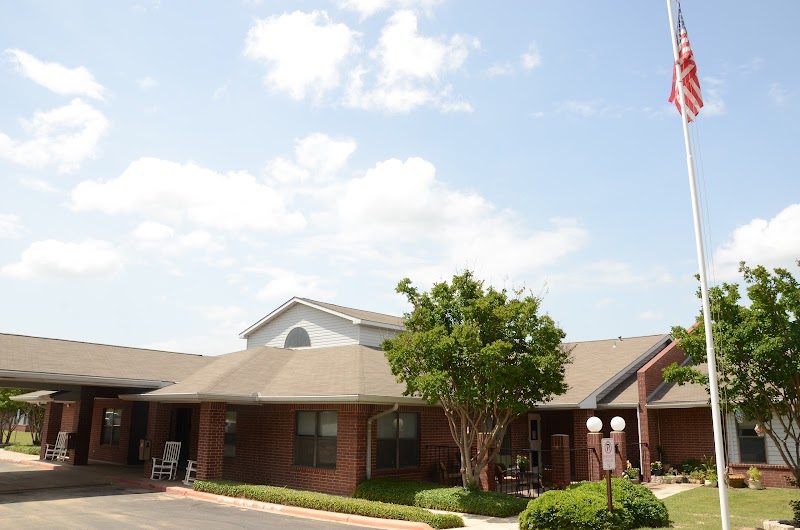
Avir at Enchanted Rock

210 WEST WINDCREST ST, FREDERICKSBURG, TX 78624 (830) 637-7885
For profit - Corporation 120 Beds Independent Data: November 2025 5 Immediate Jeopardy citations
Trust Grade
0/100
#931 of 1168 in TX
Last Inspection: February 2025

Within standard 12-15 month inspection cycle. Federal law requires annual inspections.

Overview

Avir at Enchanted Rock has received a Trust Grade of F, which indicates significant concerns about the quality of care provided. It ranks #931 out of 1168 facilities in Texas, placing it in the bottom half of nursing homes in the state, and #3 out of 4 in Gillespie County, meaning there is only one local option rated higher. While the facility is trending towards improvement, having reduced issues from 19 in 2024 to 15 in 2025, it still faces serious challenges, including a concerning staff turnover rate of 88%, which is much higher than the Texas average. The facility has accumulated fines totaling $93,966, which is higher than 79% of Texas facilities, indicating possible compliance problems. Although it has average RN coverage, the nursing home has multiple critical incidents, such as residents wandering off the premises without supervision and failing to report a serious fall that resulted in injury. While there are some quality measures rated good, the overall picture suggests families should proceed with caution when considering this facility.

Trust Score
F
0/100
In Texas
#931/1168
Bottom 21%
Safety Record
High Risk
Review needed
Inspections
Getting Better
19 → 15 violations
Staff Stability
⚠ Watch
88% turnover. Very high, 40 points above average. Constant new faces learning your loved one's needs.
Penalties
✓ Good
$93,966 in fines. Lower than most Texas facilities. Relatively clean record.
Skilled Nurses
⚠ Watch
Each resident gets only 21 minutes of Registered Nurse (RN) attention daily — below average for Texas. Fewer RN minutes means fewer trained eyes watching for problems.
Violations
⚠ Watch
45 deficiencies on record. Higher than average. Multiple issues found across inspections.
★☆☆☆☆
1.0
Overall Rating
★☆☆☆☆
1.0
Staff Levels
★★★★☆
4.0
Care Quality
★☆☆☆☆
1.0
Inspection Score
Stable
2024: 19 issues
2025: 15 issues

The Good

  • 4-Star Quality Measures · Strong clinical quality outcomes
  • Full Sprinkler Coverage · Fire safety systems throughout facility
  • No fines on record

Facility shows strength in quality measures, fire safety.

The Bad

1-Star Overall Rating

Below Texas average (2.8)

Significant quality concerns identified by CMS

Staff Turnover: 88%

42pts above Texas avg (46%)

Frequent staff changes - ask about care continuity

Federal Fines: $93,966

Well above median ($33,413)

Moderate penalties - review what triggered them

Staff turnover is very high (88%)

40 points above Texas average of 48%

The Ugly 45 deficiencies on record

5 life-threatening
Jul 2025 3 deficiencies
CONCERN (D) 📢 Someone Reported This

A family member, employee, or ombudsman was alarmed enough to file a formal complaint

Potential for Harm - no one hurt, but risky conditions existed

PASARR Coordination (Tag F0644)

Could have caused harm · This affected 1 resident

**NOTE- TERMS IN BRACKETS HAVE BEEN EDITED TO PROTECT CONFIDENTIALITY** Based on Observation, Interview and Record Review the facility failed to incorporate the recommendations from the PASARR level I...

Read full inspector narrative →
**NOTE- TERMS IN BRACKETS HAVE BEEN EDITED TO PROTECT CONFIDENTIALITY** Based on Observation, Interview and Record Review the facility failed to incorporate the recommendations from the PASARR level II determination and the PASARR evaluation report into a resident's assessment, care planning, and transitions of care for 1 of 3 (Resident #3) PASSAR services in that: The facility failed to submit a complete and accurate request for nursing facilityspecialized services in the LTC Online Portal within 20 business days after the date of IDT meeting.This failure could affect residents on PASARR services and could result in Resident not proving PASARR services.The findings: Record review of Resident #3's admission Record dated 07/09/2025 documented he was admitted on [DATE], re-admitted on -2/04/2024 with diagnoses of Parkinson's disease, and Intellectual Disabilities. Record review of Resident #3's Quarterly MDS dated [DATE] documented his BIMs score was 5/15 (severely impaired), mobilized with wheelchair and had a diagnosis of Parkinson's disease, and Intellectual Disabilities.Record review of Resident #3's Care Plan dated 04/15/2025 documented he had a diagnose of Intellectual Disability and he had a PASSAR care plan that included a specialized wheelchair. Record review of Resident #3's IDT PCSP meeting was dated 04/24/2025 attended meeting was Resident #3, MDS and PASSAR agent. Record review of the IDT PCSP meeting revealed they discussed starting Occupational (OT) and Physical Therapy (PT). Record review of Resident #3's NFSS dated 4/11/2025 was referred to Occupational Therapy for rehabilitation through PASRR program to maintain mobility and ADL participation due to Intellectual Disabilities, Parkinson's disease, unsteadiness on feet and tremors. Resident #3 would benefit to work on his balance, standing, coordination and monitoring of behaviors by the DOR. This NFSS form Authorization Type was new. Record review of this NFSS OT Portal history included: on 4/25/2025 at 3:19 PM was denied due to Authorization Type as RESTART, please resubmit as a RESTART.Record review of Resident #3 NFSS dated 4/13/2025 was referred to PT Therapy for rehabilitation through PASRR program to maintain mobility and ADL participation due to Parkinson's disease. muscle weakness, abnormalities of gait and mobility.to prevent functional decline. Resident #3 could benefit from independently and safety.to maximize functional independence and decrease risk of falls by DOR. This NFSS form Authorization Type was new. Record review of Resident #3's PT NFSS Portal history included: on 4/25/2025 at 3:20 PM was denied due to Authorization Type as RESTART, please resubmit as a RESTART.Observation and Interview on 07/9/2025 at 11:16 AM with Resident #3, he was sitting in specialized wheelchair, and he stated the wheelchair was comfortable.Interview on 07/10/2025 at 2:00 PM with MDS stated Resident #3's the dated of the IDT Annual PCSP meeting was on 4/24/2025 and they discussed starting up again, therapy. Interview on 07/10/205 at 3:00 PM with the DOR stated for Resident #3's she did fill out the NFSS for PT and OT for Resident #3 The DOR stated she had to resubmit the NFSS form because the Authorization Type was documented new, instead of RESTART. The DOR stated she was not aware of the PASSAR rule to submit NFSS within 20 business days from the last IDT meeting. Interview on 07/20/2025 at 5:00 PM with the Corporate CEO stated he did not have a PASSAR policy and would follow the STATE regulations.
CONCERN (D) 📢 Someone Reported This

A family member, employee, or ombudsman was alarmed enough to file a formal complaint

Potential for Harm - no one hurt, but risky conditions existed

Pharmacy Services (Tag F0755)

Could have caused harm · This affected 1 resident

**NOTE- TERMS IN BRACKETS HAVE BEEN EDITED TO PROTECT CONFIDENTIALITY** Based on observations, interviews, and record reviews the facility failed to ensure a process which provided pharmaceutical serv...

Read full inspector narrative →
**NOTE- TERMS IN BRACKETS HAVE BEEN EDITED TO PROTECT CONFIDENTIALITY** Based on observations, interviews, and record reviews the facility failed to ensure a process which provided pharmaceutical services (including procedures that assure the accurate acquiring, receiving, dispensing, and administering of all drugs and biologicals) to meet the needs of each Resident, for 2 of 6 residents (resident #1 and Resident #2) reviewed for procedures for accurate acquiring, receiving, dispensing, and administering of all drugs, in that: 1. The facility had Resident #1's controlled medications unsecured, 3 loose, 0.25mg pills of clonazepam stored in the ADON's desk drawer separated from the narcotic count sheet. 2. The facility had Resident #2's controlled medications unsecured, a bottle of liquid Dilauded, loose in a narcotic drawer separated from the narcotic count sheet. These failures could place residents at risk for safety from medication errors. The findings included: 1 a record review of Resident #1's admission record dated 7/8/2025, revealed an admission date of 8/17/2024 with a discharge date of 10/15/2024 with a diagnosis which included anxiety disorder. A record review of Resident #1's discharge MDS assessment dated [DATE] revealed Resident #1 was a [AGE] year-old female admitted for long term palliative care and discharged to the hospital via emergency services. A record review of Resident #1's physicians orders dated 8/18/2024, revealed the physician had prescribed Resident #1 to receive clonazepam 0.25mg, daily, 1 pill by mouth at bedtime for anxiety. A record review of Resident #1's narcotic count sheet dated 9/18/2024 revealed the pharmacy delivered 14 pills of clonazepam 0.25mg. further review revealed facility nurses documented Resident #1 had received 11 administrations of the drug and had received her last dose on the evening of 10/15/2024 and had 3 remaining pills left. A record review of the facility's CMS form 3613A provider investigation form dated 3/10/2025 revealed a search of the previous DON and ADON's offices evidenced many controlled narcotic drugs which were not returned to the pharmacy for destruction after residents had discharged . The facility coordinated with the pharmacy to process the drugs for destruction; after the process the pharmacy and the DON discovered 3 loose pills identified as clonazepam 0.25mg. further search of the offices of the previous DON and ADON revealed a narcotic count sheet for clonazepam 0.25mg for Resident #1 without the card of narcotics attached. The conclusion was plausible the 3 loose pills may have been Resident #1's. further review revealed, . Drug Diversion . numerous narcotic medications were found in the ADON desk drawer. There were narcotics in there from June 2024. 3 tablets of clonazepam 0.25mg were found loose in the drawer . 2 A record review of Resident #2's admission record dated 7/10/2025 revealed an admission date of 3/3/2024 and a discharge date of 10/20/2024 with diagnoses which included dementia (the loss of cognitive functioning - thinking, remembering, and reasoning - to such an extent that it interferes with a person's daily life and activities), senile (related to dementia) degeneration of brain, and encounter for palliative care (a focus on the comfort, care, and quality of life for individuals with a serious illness). A record review of Resident #2's discharge MDS assessment dated [DATE] revealed Resident #2 was a [AGE] year-old male admitted for palliative long-term care related to his diagnosis of dementia. A record review of Resident #2's physicians orders dated 10/19/2025 revealed the physician prescribed for Resident #2 to receive hydromorphone 1mg sub lingual, under his tongue, every 3 hours for pain. A record review of Resident #2's October 2024 electronic medication administration record revealed nurses documented on 10/19/2024 that Resident #2 received 3 doses of hydromorphone 1mg/1ml for effective pain relief. A record review of Resident #2's narcotic count sheet dated 10/19/2024 revealed the pharmacy delivered to the facility a bottle of liquid hydromorphone which contained 30ml at a concentration of 1mg per ml, 1mg/ml. further review revealed the document was void of any documentation for any administrations. A record review of the facility's CMS form 3613A provider investigation form dated 3/10/2025 revealed a search of the previous DON and ADON's offices evidenced many controlled narcotic drugs which were not returned to the pharmacy for destruction after residents had discharged . The facility coordinated with the pharmacy to process the drugs for destruction; after the process the pharmacy and the DON discovered a narcotic count sheet for Resident #2's bottle of liquid hydromorphone 30ml at 1mg/ml. The document revealed the pharmacy delivered the drug on 10/19/2024. The DON and the ADON reviewed the document and revealed there was no documentation for any drug administrations. A record review of Resident #2's narcotic count sheet for hydromorphone dated 10/19/2024 revealed the pharmacy delivered a bottle of liquid hydromorphone which contained 30ml of hydromorphone at a concentration of 1mg/ml. further review revealed no documentation for any administrations. During an observation on 7/10/2025 at 3:50 PM revealed the facility's discontinued narcotic storage cabinet in the ADON's office secured behind a locked closet door. Further observation revealed a bottle of liquid hydromorphone for Resident #2 dated 10/19/2024 and contained 27lm of liquid medication. The bottle was not stored with the narcotic count sheet. During an interview on 7/10/2025 at 1:33 PM ADON B stated she was the ADON during the period from 2/1/2024 to 3/1/2025. ADON B stated during the period of 2/1/2025 through 2/12/2025 DON A was the DON. ADON B stated during the DON's tenure she had not processed the narcotics to be returned to the pharmacy for discharged residents and kept the sole key to the to the cabinet in which the drugs were stored. ADON B stated DON A had no more room in the cabinet for discontinued narcotics and began to store the drugs in the ADON desk. The ADON stated she protested and had reported the incident to the leadership to include the regional nurse and the administrator. ADON B stated she worked with DON C during the last week in February 2025 and began to coordinate with DON C to process narcotics for destruction and resigned prior to the completion of the process. During an interview on 7/11/2025 at 11:50 AM DON C stated she was the DON for the end of February 2025 and then on through March, and April 2025 and at the end of February 2025 she had learned that ADON B and DON A had not processed discontinued narcotics for return and destruction to the pharmacy since June of 2024. DON C stated, it was a mess . they had narcotics everywhere in the closet, which was not locked, and in ADON B's desk. DON C stated she coordinated with the pharmacy and eventually settled all the narcotic drugs with the pharmacy prior to her resignation as the DON in April 2025. DON C stated she discovered 3 loose pills identified as 0.25mg clonazepam in the drawer of ADON B's desk and in DON A desk a narcotic count sheet for Resident #2's liquid hydromorphone but no bottle of the hydromorphone was located. During an interview on 7/10/2025 at 11:00 AM the current ADON stated she was the ADON as of 3/1/2025 and had learned from DON C that DON A and ADON B had not processed discontinued narcotics to be returned to the pharmacy for destruction for the months of June 2024 through early February 2025. The ADON stated she reviewed the discontinued narcotic storage cabinet today (7/10/2025) and discovered a bottle of liquid hydromorphone, 1mg/1ml, which contained 27ml of medication. The ADON stated the bottle was labeled for Resident #2. The ADON stated Resident #2's October 2024 MAR revealed he was administered 3 doses prior to his discharge and thus the bottle she discovered more than likely was the bottle for the narcotic count sheet which was found without the bottle. The ADON stated the policy, and procedure was for the nurse who administered a narcotic to a Resident was to immediately after the administration document the administration in the residents electronic MAR and then immediately document the administration on the residents' paper narcotic count sheet. The ADON stated the policy and procedure for the residents who had narcotics after they were discharged was for the nurses to alert the DON who would then remove the narcotics from the medication carts and then coordinate with the pharmacy monthly to destroy the medications. The ADON stated the narcotics should be accompanied by the paper narcotic count sheet, the narcotic count sheet should accurately document the remaining doses of medication remaining. During an interview on 7/10/2025 at 12:10 PM the current DON stated he was the DON for the last 3 paychecks (since the end of May 2025) and had learned from DON C that DON A and ADON B had not processed discontinued narcotics to be returned to the pharmacy for destruction for the months of June 2024 through early February 2025. The DON stated he had learned from DON C that 3 loose pills of 0.25mg clonazepam were discovered in the desk drawer for ADON B and the bottle of Resident #2's dilauded was missing. The DON stated the expectation was for all narcotics to be controlled in a manner where the drugs are secured and accounted accurately with the narcotic count sheet. The DON stated the process was for the nurse who administered a narcotic to a Resident was to immediately after the administration document the administration in the residents electronic MAR and then immediately document the administration on the residents' paper narcotic count sheet. The DON stated the policy and procedure for the residents who had narcotics after they were discharged was for the nurses to alert the DON who would then remove the narcotics from the medication carts and then coordinate with the pharmacy monthly to destroy the medications. The DON stated the narcotics should be accompanied by the paper narcotic count sheet; the narcotic count sheet should accurately document the remaining doses of medication remaining. The DON stated the risk to residents was a loss of security control for their narcotics and could expose residents for a risk of overdosing and or under dosing. A record review of the facility's Controlled Substances policy dated November 2022, revealed, Policy StatementThe facility complies with all laws, regulations, and other requirements related to handling, storage, disposal, documentation of controlled medications (listed as Schedule II-V of the Comprehensive Drug Abuse Prevention and Control Act of 1976). 3. Nursing staff count controlled medication inventory at the end of each shift, using these records to reconcile the inventory count. 4. The nurse coming on duty and the nurse going off duty make the count together and document and report any discrepancies to the director of nursing services. 13. Controlled substances remaining in the facility after the order has been discontinued or the resident has been discharged are securely locked in an area with restricted access until destroyed. 14. Accountability records for discontinued controlled substances are kept with the unused supply until it is destroyed or disposed of as required by applicable law or regulation. 15. The consultant pharmacist or designee routinely monitors controlled substance storage records. A record review of the United States of America's Drug Enforcement Administration's website titled Drug scheduling https://www.deadiversion.usdoj.gov/schedules/orangebook/c_cs_alpha.pdfAccessed 7/14/2025, revealed clonazepam was a controlled narcotic on the schedule IV and hydromorphone a controlled narcotic on the schedule II. Further review revealed, Drug SchedulesDrugs, substances, and certain chemicals used to make drugs are classified into five (5) distinct categories or schedules depending upon the drug's acceptable medical use and the drug's abuse or dependency potential. The abuse rate is a determinate factor in the scheduling of the drug; for example, Schedule I drugs have a high potential for abuse and the potential to create severe psychological and/or physical dependence. As the drug schedule changes-- Schedule II, Schedule III, etc., so does the abuse potential-- Schedule V drugs represent the least potential for abuse.
MINOR (C) 📢 Someone Reported This

A family member, employee, or ombudsman was alarmed enough to file a formal complaint

Minor Issue - procedural, no safety impact

Staffing Information (Tag F0732)

Minor procedural issue · This affected most or all residents

Based on observations, interviews, and record review the facility failed to maintain the posted daily nurse staffing data for a minimum of 18 months, or as required by State law, whichever is greater ...

Read full inspector narrative →
Based on observations, interviews, and record review the facility failed to maintain the posted daily nurse staffing data for a minimum of 18 months, or as required by State law, whichever is greater for 1 of 1 facility in that:The facility failed to post the Nursing Staff posting and have retention for 18 months. This failure could affect all residents and could result in resident not being aware of which staff were working for the day or not being aware of the census for the day.The Finding: Observation on 7/8/2025 at 10:00 AM while walking halls, there was no observation of the nurse staff posting posted. Observation on 7/9/2025 at 10:50 AM while walking halls, there was no observation of the nurse staff posting posted. Observation on 7/9/2025 at 5:00pm while walking halls, there was no observation of the nurse staff posting posted. Observation on 7/9/2025 at 5:01 PM revealed the Direct Care Daily Staffing, dated March 14, 2025, was sitting under the Receptionist counter. Interview on 7/9/2025 at 5:00pm with the ADM and Receptionist, responsible for posting the Nurse staffing information were not aware that it needed to be posted and was not sure they needed to keep 18 months. The Receptionist stated it was her responsibility to post the Direct Care Staffing sheet and had stopped. The Receptionist stated the last Direct Care Staffing posted was March 14,2025.Record review of Posting Direct Care Daily, Staffing Numbers, dated August 2022, was documented Our facility will post on a daily basis for each nurse staffing data, including the number of nursing personnel responsible for providing direct care to residents. 1 Within 2 hours of beginning of each shift, the number of licensed nurses and the number of unlicensed nursing personnel directly responsible for resident care is posted in a prominent location and in a clear and readable format. Shift staffing information is recorded on a form for each shift. 6. Records of staffing information for each shift are kept for a minimum of 18 months or as required by state law.
Feb 2025 9 deficiencies
CONCERN (D)

Potential for Harm - no one hurt, but risky conditions existed

Deficiency F0558 (Tag F0558)

Could have caused harm · This affected 1 resident

**NOTE- TERMS IN BRACKETS HAVE BEEN EDITED TO PROTECT CONFIDENTIALITY** Based on observation, interview and record review the facility failed to ensure residents received services in the facility with...

Read full inspector narrative →
**NOTE- TERMS IN BRACKETS HAVE BEEN EDITED TO PROTECT CONFIDENTIALITY** Based on observation, interview and record review the facility failed to ensure residents received services in the facility with reasonable accommodation of resident needs for 1 of 8 residents (Resident #207) who were observed for call light placement. The facility failed to ensure the call light was within reach for Resident #207. This deficient practice could place residents at risk of keeping them from calling for help as needed. The findings were: Record review of Resident #207's face sheet, dated 02/12/2025, revealed she was admitted to the facility on [DATE] with diagnoses which included: fracture of other parts of pelvis, subsequent encounter for fracture with routine healing, wedge compression fracture of unspecified thoracic vertebra, subsequent encounter for fracture with routine healing, muscle weakness (generalized), unspecified abnormalities of gait and mobility, and age-related osteoporosis without current pathological fracture. Record review of Resident #207's admission MDS assessment, dated 02/02/2025, revealed the resident's BIMS score was 12, which indicated moderate cognitive impairment. The admission MDS assessment further revealed Resident #207 required substantial/maximal assistance (helper does more than half the effort) for toileting hygiene, shower/bathe self, lower body dressing, putting on/taking off footwear, sit to lying, lying to sitting on the side of bed, sit to stand, chair/bed to chair-to-chair transfer, toilet transfer, and tub/shower transfer. Record review of Resident #207's care plan, initiated date of 01/31/2025, revealed Resident #207 had a problem of The resident has an alteration in musculoskeletal status r/t pubic fx & thoracic compression fx. and interventions revealed Anticipate and meet needs. Be sure call light is within reach and respond promptly to all requests for assistance. Observation and Interview on 02/09/2025 at 10:54 a.m. revealed Resident #207 in bed with her call light lying across the arm of her on the recliner side with the recliner in the standing position approximately 3 feet from Resident #207. Resident #207 stated she did not know where her call light was as she felt around on the bed. Resident #207 further stated she usually had it. When informed it was on the recliner, she stated that was of course where she last had it, and she was not able to reach it while in her bed. During an interview on 02/09/2025 at 11:07 a.m. CNA D stated during her round she forgot to put it back on Resident #207. CNA D further stated Resident #207 would not have been able to reach it where it laid on the recliner. CNA D stated Resident #207 did typically use the call light. CNA D stated the use of the call light was in case they were having an emergency. The CNA further stated a resident could fall or something worse could happen if they did not have their call light. During an interview on 02/11/2025 at 3:59 p.m. the DON stated call lights were supposed to be placed right next to the resident or within reach so they could use. The DON stated Resident #207 did use her call light. The DON further stated call lights were so any resident needing assistance would have assistance from or CNAs or nursing staff. The DON stated by not having their call lights they could potentially try to get up by themselves or they could search for it, and it could cause them to potentially tumble out of bed looking for it. Record review of facility's Call lights: Accessibility and Timely Response policy, implemented date 07/2022, read Policy: The purpose of this policy is to assure the facility is adequately equipped with a call light at each resident's bedside, toilet, and bathing facility to allow residents to call for assistance. Call lights will directly relay to a staff member or centralized location to ensure appropriate response. Policy Explanation and Compliance Guidelines: 5. Staff will ensure the call light is within reach of resident and secured, as needed. 6. The call system will be accessible to residents while in their bed or other sleeping accommodations with the resident's room.
CONCERN (D)

Potential for Harm - no one hurt, but risky conditions existed

Deficiency F0578 (Tag F0578)

Could have caused harm · This affected 1 resident

**NOTE- TERMS IN BRACKETS HAVE BEEN EDITED TO PROTECT CONFIDENTIALITY** Based on record review and interview, the facility failed to ensure residents have the right to formulate an advance directive a...

Read full inspector narrative →
**NOTE- TERMS IN BRACKETS HAVE BEEN EDITED TO PROTECT CONFIDENTIALITY** Based on record review and interview, the facility failed to ensure residents have the right to formulate an advance directive and determine the choice to receive or not receive CPR (cardiopulmonary resuscitation) for 1 of 8 residents (Resident #46) whose records were reviewed for code status. The facility failed to obtain a DNR order and complete a care plan for Resident #46 after the completion of the Texas OOHDNR dated [DATE]. This deficient practice could affect any resident who requested a DNR code status and could result in staff providing CPR for a resident who did not wish to be resuscitated. The findings were: Record review of Resident #46's face sheet, dated [DATE], revealed she was admitted on [DATE] wit diagnoses which included: hemiplegia and hemiparesis following nontraumatic intracerebral hemorrhage affecting right non-dominant side, nontraumatic acute subdural hemorrhage, unspecified dementia, unspecified severity, without behavioral disturbance, psychotic disturbance, mood disturbance, and anxiety, hyperlipidemia and essential (primary) hypertension. Record review of resident #46's admission MDS assessment, dated [DATE], revealed the resident's BIMS score was not obtained due to resident not being able to complete the Brief Interview for Mental Status. Record review of Resident #46's care plan, initiated date of [DATE], revealed Resident #46 had a focus of Full Code and interventions revealed Continue CPR until resident responds or until EMS arrives to take over the code. Record review of Resident #46's physician order summary report, dated [DATE], revealed a physician order reading, **Code Status***FULL CODE***. Record review of Resident #46's Texas OOHDNR (out of hospital do not resuscitate) dated [DATE], completed by Resident #46's Medical Power of Attorney, revealed Based on the known desires of the person, or a determination of the best interest of the person, I direct that none of the following resuscitation measures be initiated or continue for the person: cardiopulmonary resuscitation (CPR) . During an interview on [DATE] at 5:17 family member/MPOA of Resident #46 stated Resident #46 did not wish to receive CPR. The family member further stated Resident #46 had an OOHDNR from California and she had to do it over when she moved to Texas. Family member stated the Texas OOHDNR was completed when Resident #46 after she admitted to the facility. During an interview on [DATE] at 10:43 a.m. LVN C the MDS Coordinator stated change orders at that time would have gone through the social worker and further stated the social worker would have been responsible for revising the care plan with the correct code status. LVN C stated those changes were important due to it putting resident at risk of being resuscitated against what she wanted. LVN C stated the social worker before would monitor the code status and would update everything, making sure all the forms were in place. During an interview on [DATE] at 11:48 a.m. the DON with the Administrator present reviewed Resident #46's code status and stated the OOHDNR was completed on [DATE]. The DON further stated Resident #46's orders read full code and the care plan read Resident #46 was a full code. She further stated the social worker was responsible at the time to let people know so they could put it in the order. The DON stated the MDS coordinator (LVN C) would have been responsible for updating the care plan had she been aware. The DON stated by this not having been communicated it would cause CPR to be performed on a DNR patient especially if it was not the wishes of the resident which could be bad. The DON further stated this could cause mental suffering. The Administrator interjected it could extend life of the resident if they did not want it. During an interview on [DATE] at 3:46 p.m. LVN A stated a resident's code status was in the computer and they popped up on the MARs. She stated they were all over the place and on the crash cart itself they had a list of resident's code status. LVN A stated the communications were usually by a copy of the OOHDNR being provided or emailed to them with a message asking them to change the order. During an interview on [DATE] at 3:54 p.m., regarding a resident's code status, LVN B stated they checked on the computer for sure, and she would take her computer with her when she was working. LVN B stated would know a resident's code status through PCC. (Point Click Care). LVN B further stated they were informed many times of code status change through the 24-hour report. LVN B stated they needed to be informed immediately so an order could be obtained. Record review of facility's Communication of Code Status policy, implemented 07/2022, read Policy: It is the policy of this facility to adhere to residents' rights to formulate advance directives. In accordance to these rights, this facility will implement procedures to communicate a resident's code status to those individuals who need to know this information. Policy Explanation and Compliance Guidelines: 1. The facility will follow facility policy regarding a resident's right to request, refuse and/or discontinue medical or surgical treatment and to formulate an Advance Directive. 4. The resident's code status should be entered into the resident physician order in the EMR.
CONCERN (D)

Potential for Harm - no one hurt, but risky conditions existed

Report Alleged Abuse (Tag F0609)

Could have caused harm · This affected 1 resident

**NOTE- TERMS IN BRACKETS HAVE BEEN EDITED TO PROTECT CONFIDENTIALITY** Based on interview, and record review, the facility failed to ensure that all allegations involving abuse, neglect, and misappro...

Read full inspector narrative →
**NOTE- TERMS IN BRACKETS HAVE BEEN EDITED TO PROTECT CONFIDENTIALITY** Based on interview, and record review, the facility failed to ensure that all allegations involving abuse, neglect, and misappropriation were reported immediately, but no later than 2 hours after the allegation was made to the State Survey Agency for 1 of 8 residents (Resident #2) reviewed for abuse and neglect. The facility did not report to the State Survey Agency (HHSC) an incident in which Resident #2 alleged that CNA J told her that her butt was too big. This failure could place residents at risk for abuse/neglect and could lead to a diminished quality of life and psychosocial harm. The findings included: Record review of Resident #2's Face Sheet, dated 2/12/2025, reflected a [AGE] year-old female resident with an initial admission date of 01/29/2018, with diagnoses including Multiple Sclerosis (A disease in which the immune system eats away at the protective covering of nerves), and major depressive disorder. Record review of Resident #2's Quarterly MDS Assessment, dated 11/27/2024, reflected the resident had a BIMS score of 14, reflecting the resident had intact cognition. Record review of facility complaint/grievance report, dated 1/23/2025, reflected that a staff member had told Resident #2 That her butt is too big and to get bigger clothes that fit. Further review reflected that the grievance was investigated by the DON. Investigation included, Spoke to staff member. States she told resident that her clothes were too small. Denies stating that her 'butt is too big'. Interview on 2/11/2025 at 2:11 PM, Resident #2 stated that CNA J had told Resident #2 that her daughter needed to buy new clothes for her because her butt was too big while CNA J was assisting Resident #2 with ADLs. Resident #2 stated that CNA J said so many mean things to her and this one was the thing that made her want to write a grievance, as she had had enough. Resident #2 stated that CNA J saying that frustrated her and upset her at the time, but that CNA J had said so many things to her that she just tried to ignore it. Resident #2 stated she had not heard anything to follow up on her grievance complaint against CNA J. Interview on 2/11/2025 at 3:11 PM, CNA K stated that while helping Resident #2 transfer, Resident #2 made a comment calling herself fat. CNA K stated she asked Resident #2 why she would say that, and Resident #2 responded that CNA J had told her that her butt was too big. CNA K stated she told the Administrator and DON about the incident. Interview on 2/11/2025 at 4:00 PM, the DON stated that the incident was brought to her attention by CNA K when the grievance was written. The DON stated she talked to CNA J and that CNA J denied telling Resident #2 that her butt was too big, and that she only said her pants were tight, and that when she spoke to Resident #2 she, did not use that phrasing. The DON stated that the incident would only be reportable if it was true. When asked how she would know if it was true, the DON stated, you gotta know your staff members, you gotta know your residents and [Resident #2] never said the phrase your butt is too big when I asked her about it. The DON stated she oversaw teaching the Abuse and Neglect in-services. The DON stated the risk to residents was that if it was true, it could be construed as verbal abuse. The DON stated that Resident #2 told her that she felt fine and was not upset about the incident. The DON further stated that the investigation on the grievance document was the only investigation that was completed. Interview on 2/11/2025 at 5:20 PM, the ADM stated that his expectation was for grievances to be responded to by appropriate parties and for them to bring them to him if they were allegations of abuse, neglect, exploitation, or misappropriation. The ADM stated that he would report the incident to the state survey agency. The ADM stated he was not aware of this incident and assumed the DON would appropriately report and investigate grievances related to nursing staff. Record review of TULIP did not reflect a facility reported incident that corresponded to the allegations in the incident described above. Record review of facility policy titled, Abuse, Neglect, and Exploitation, dated 7/2022, reflected, Reporting of all alleged violations to the Administrator, state agency, adult protective services, and to all other required agencies (e.g. law enforcement when applicable) within specified timeframes.
CONCERN (D)

Potential for Harm - no one hurt, but risky conditions existed

Investigate Abuse (Tag F0610)

Could have caused harm · This affected 1 resident

**NOTE- TERMS IN BRACKETS HAVE BEEN EDITED TO PROTECT CONFIDENTIALITY** Based on interview, and record review, the facility failed to ensure that all allegations involving abuse, neglect, and misappro...

Read full inspector narrative →
**NOTE- TERMS IN BRACKETS HAVE BEEN EDITED TO PROTECT CONFIDENTIALITY** Based on interview, and record review, the facility failed to ensure that all allegations involving abuse, neglect, and misappropriation were investigated for 1 of 8 residents (Resident #2) reviewed for abuse and neglect. The facility did not report to the State Survey Agency (HHSC) an incident in which Resident #2 alleged that CNA J told her that her behind was too large. This failure could place residents at risk for abuse/neglect and could lead to a diminished quality of life and psychosocial harm. The findings included: Record review of Resident #2's Face Sheet, dated 2/12/2025, reflected a [AGE] year-old female resident with an initial admission date of 01/29/2018, with diagnoses including Multiple Sclerosis (A disease in which the immune system eats away at the protective covering of nerves), and major depressive disorder. Record review of Resident #2's Quarterly MDS Assessment, dated 11/27/2024, reflected the resident had a BIMS of 14, reflecting the resident had intact cognition. Record review of facility complaint/grievance report, dated 1/23/2025, reflected that a staff member had told her That her butt is too big and to get bigger clothes that fit. Further review reflected that the grievance was investigated by the DON. Investigation included, Spoke to staff member. States she told resident that her clothes were too small. Denies stating that her 'butt is too big'. Interview on 2/11/2025 at 2:11 PM, Resident #2 stated that CNA J had told Resident #2 that her daughter needed to buy new clothes for her because her butt was too big while CNA J was assisting Resident #2 with ADLs. Resident #2 stated that CNA J said so many mean things to her and this one was the thing that made her want to write a grievance, as she had had enough. Resident #2 stated that CNA J saying that frustrated her and upset her at the time, but that CNA J had said so many things to her that she just tried to ignore it. Resident #2 stated she had not heard anything to follow up on her grievance complaint against CNA J. Interview on 2/11/2025 at 3:11 PM, CNA K stated that while helping Resident #2 transfer, Resident #2 made a comment about herself, calling herself fat. CNA K stated she asked Resident #2 why she would say that, and Resident #2 responded that CNA J had told her that her butt was too big. CNA K stated she told the Administrator and DON about the incident. Interview on 2/11/2025 at 4:00 PM, the DON stated that the incident was brought to her attention by CNA K. The DON stated she talked to CNA J and that CNA J denied telling Resident #2 that her butt was too big, and that she only said her pants were tight, and that when she spoke to Resident #2 she, did not use that phrasing. The DON stated that the incident would only be reportable if it was true. When asked how she would know if it was true, the DON stated, you gotta know your staff members, you gotta know your residents and [Resident #2] never said the phrase your butt is too big when I asked her about it. The DON stated she oversees teaching the Abuse and Neglect in-services. The DON stated the risk to residents was that if it was true it could be construed as verbal abuse. The DON stated that Resident #2 told her that she felt fine and was not upset about the incident. The DON further stated that the investigation on the grievance document is the only investigation that was completed. Interview on 2/11/2025 at 5:20 PM, the ADM stated that his expectation was for grievances to be responded to by appropriate parties and for them to bring them to him if they are allegations of abuse, neglect, exploitation, or misappropriation. The ADM stated that he would report the incident to the state survey agency. The ADM also stated that the expectation for investigating the incident was to investigate further than interviewing the alleged perpetrator and the victim. Record review of facility policy titled, Abuse, Neglect, and Exploitation, dated 7/2022, reflected, An immediate investigation is warranted when suspicion of abuse, neglect or exploitation, or reports of abuse, neglect, or exploitation occur. The policy then goes on to describe the steps of investigation.
CONCERN (D)

Potential for Harm - no one hurt, but risky conditions existed

Assessment Accuracy (Tag F0641)

Could have caused harm · This affected 1 resident

**NOTE- TERMS IN BRACKETS HAVE BEEN EDITED TO PROTECT CONFIDENTIALITY** Based on interview and record review, the facility failed to conduct an accurate comprehensive assessment of each resident's fun...

Read full inspector narrative →
**NOTE- TERMS IN BRACKETS HAVE BEEN EDITED TO PROTECT CONFIDENTIALITY** Based on interview and record review, the facility failed to conduct an accurate comprehensive assessment of each resident's functional capacity including the resident's needs, strengths, goals, life history and preferences for 1 of 8 Residents (Resident #44) reviewed for assessments. Resident #44's Quarterly MDS Assessment did not reflect his diagnosis of depression. This failure could place residents at risk for not receiving the care and services as needed. The findings included: Record review of Resident #44's face sheet, dated 02/12/2025, reflected a [AGE] year-old male resident admitted on [DATE] with diagnosis of type 2 diabetes mellitus, and anxiety disorder. Depression was not listed as a diagnosis on Resident #44's face sheet. Record review of Resident #44's Quarterly MDS assessment dated [DATE], reflected under Section I - Active Diagnosis, subsection Psychiatric/Mood Disorder reflected that Resident #44 only had anxiety disorder and did not include depression. Record review of Resident #44's Care Plan, dated 02/12/2025, reflected that the resident used antidepressant medication and interventions that include monitoring for effectiveness. Record review of physician evaluation note, dated 10/25/2024, reflected that Resident #44 had a diagnosis of Depression, unspecified, and was taking an antidepressant medication. Interview on 02/12/2025 at 10:43 AM, the LVN C stated that she was unsure why the MDS did not have Resident #44's depression of diagnosis. The MDS LVN stated that she completed the MDS's and care plans, and that it was likely just overlooked. Interview on 2/12/2025 at 10:14 AM, the DON stated that she oversaw ensuring the accuracy of MDS Assessments before they were submitted. The DON also stated that she was unsure why Resident #44's depression diagnosis was not included in his MDS Assessment. The DON stated the risk to residents for their MDS Assessments not including all of the residents diagnosis could include confusion from the physician.
CONCERN (D)

Potential for Harm - no one hurt, but risky conditions existed

Comprehensive Care Plan (Tag F0656)

Could have caused harm · This affected 1 resident

**NOTE- TERMS IN BRACKETS HAVE BEEN EDITED TO PROTECT CONFIDENTIALITY** Based on interview, and record review, the facility failed to develop and implement a comprehensive person-centered care plan fo...

Read full inspector narrative →
**NOTE- TERMS IN BRACKETS HAVE BEEN EDITED TO PROTECT CONFIDENTIALITY** Based on interview, and record review, the facility failed to develop and implement a comprehensive person-centered care plan for each that includes measurable objectives and timeframes to meet a resident's medical, nursing, and mental needs that are identified in the comprehensive assessment, and services that are to be furnished to attain or maintain the resident's highest practicable physical, mental, and psychosocial well-being for 2 of 8 residents (Resident #8 and #46) reviewed for care plans. 1. The facility failed to ensure Resident #46's care plan reflected that the resident was a DNR. 2. Resident #8 was prescribed a thoracic-lumbar-sacral orthoses (TLSO) back brace, to be worn daily and it was not reflected in the care plan. This deficient practice places residents at risk for not receiving proper care and services due to inaccurate care plans. The findings were: 1 Record review of Resident #46's face sheet, dated [DATE], revealed she was admitted on [DATE] with diagnoses which included: hemiplegia and hemiparesis following nontraumatic intracerebral hemorrhage affecting right non-dominant side, nontraumatic acute subdural hemorrhage, unspecified dementia, unspecified severity, without behavioral disturbance, psychotic disturbance, mood disturbance, and anxiety, hyperlipidemia and essential (primary) hypertension. Record review of resident #46's admission MDS assessment, dated [DATE], revealed the resident's BIMS score was not obtained due to resident not being able to complete the Brief Interview for Mental Status. Record review of Resident #46's care plan, initiated date of [DATE], revealed Resident #46 had a focus of Full Code and interventions revealed Continue CPR until resident responds or until EMS arrives to take over the code. Record review of Resident #46's Texas OOHDNR (out of hospital do not resuscitate) dated [DATE], completed by Resident #46's Medical Power of Attorney, revealed Based on the known desires of the person, or a determination of the best interest of the person, I direct that none of the following resuscitation measures be initiated or continue for the person: cardiopulmonary resuscitation (CPR) . During an interview on [DATE] at 5:17 p.m. family member/MPOA of Resident #46 stated Resident #46 did not wish to receive CPR. The family member further stated Resident #46 had an OOHDNR from California and she had to do it over when she moved to Texas. Family member stated the Texas OOHDNR was completed when Resident #46 after she admitted to the facility. During an interview on [DATE] at 10:43 a.m. LVN C the MDS Coordinator stated the social worker would have been responsible for revising the care plan with the correct code status. LVN C stated those changes were important due to it putting resident at risk of being resuscitated against what she wanted. LVN C stated the social worker before would monitor the code status and would update everything, making sure all the forms were in place. During an interview on [DATE] at 11:48 a.m. the DON with the Administrator present reviewed Resident #46's code status and stated the OOHDNR was completed on [DATE]. The DON further stated the care plan read Resident #46 was a full code. The DON stated the MDS coordinator (LVN C) would have been responsible for updating the care plan had she been aware. The DON stated by this not having been communicated it would cause CPR to be performed on a DNR patient especially if not the wishes of the resident which could be bad. The DON further stated this could cause mental suffering. The Administrator interjected it could extend life of the resident if they did not want it. 2 A record review of Resident #8's admission record dated [DATE], revealed an admission date of [DATE] with diagnoses which included wedge compression fracture of lumbar vertebra (a break in a vertebra (a bone in your spine)). A record review of Resident #8's quarterly MDS assessment dated [DATE] revealed Resident #8 was a [AGE] year-old female admitted for long term care and assessed with a BIMS score of 08 out of a possible 15 which indicated moderate cognitive impairment. Resident #8 was assessed with adequate hearing, could make herself understood and could understand others, and had adequate vision with her glasses. Resident #8 was assessed with partial moderate assistance - helper does less than half the effort. Helper lifts or holds trunk or limbs but provides less than half the effort for the ability to dress and undress above the waist. Resident #8 was assessed as substantial maximal assistance - helper does more than half the effort. Helps lift or hold trunk or limbs and provides more than half the effort for the ability to dress and undress below the waist. A record review of Resident #8's physician orders dated [DATE], revealed the physician prescribed Resident #8 a TSLO brace and instructed for Resident #8 to wear the brace, at all times unless the patient is in shower / refuses. A record review of Resident #8's care plan dated [DATE] revealed no evidence for Resident #8's TSLO brace. During an interview on [DATE] at 11:12 AM, CNA N stated Resident #8 had a back brace and she would wear the back brace some days. CNA N stated she received instructions about Resident #8's back brace verbally from the nurses. During an interview on [DATE] at 11:17 AM, LVN M stated she had reviewed Resident #8's care plan and had not discovered any focus, goal, and or intervention for Resident #8's TSLO brace. LVN M stated Resident was prescribed a brace on [DATE] and could wear the brace daily when Resident #8 would accept wearing the brace. LVN M stated Resident #8 would refuse the brace occasionally. During an interview on [DATE] at 10:43 a.m., LVN C, the MDS Coordinator stated all new orders would be reviewed the next business day at the facility's interdisciplinary team (IDT) morning meetings. LVN C stated the orders, notes, and admissions would be reviewed and discussed by the IDT, and supported with care plan revisions as needed. LVN C stated she reviewed the care plan for Resident #8 and the care plan did not have interventions for her TSLO brace. LVN C stated the IDT should have developed and implemented interventions to support Resident #8's TSLO brace. LVN C stated any one of the IDT members could have done so, including herself, LVN C. LVN C stated the usual IDT members at the morning meeting were the Administrator, the DON, the SW, the Activities Director, and herself. LVN C stated the risk for harm for Resident #8 was a lack of support for her TSLO brace. During an interview on [DATE] at 11:48 a.m., the DON stated Resident #8 had an intervention for a TSLO brace which was added [DATE] after surveyor interventions. The DON stated the risk for harm for Resident #8 was minimal due to Resident #8 often refused to wear the brace. The DON stated she could not recall if she was in attendance for the morning meeting regarding Resident #8's TSLO brace. The DON stated she usually was in attendance for all morning meetings. The DON stated the person responsible for reviewing care plans for accuracy was the MDS nurse LVN C. During an interview on [DATE] at 7:00 PM, the Regional Corporation Nurse stated Resident #8 should have had a support for her TSLO brace to include a focus, goals, and interventions specific to Resident #8 developed, revised, and implemented by the IDT. Record review of facility's Comprehensive Care Plans policy, implemented date 07/2022, read, Policy: It is policy of this facility to develop and implement a comprehensive person-centered care plan for each resident, consistent with resident rights, that includes measurable objectives and timeframes to meet a resident's medical, nursing, and mental and psychosocial needs that are identified in the resident's comprehensive assessment. Policy Explanation and Compliance Guidelines: 1. The care planning process will include an assessment of the resident's strengths and needs and will incorporate the resident's personal and cultural preferences in developing goals of care. Services provided or arranged by the facility, as outlined the comprehensive care plan, shall be culturally competent and trauma-informed.
CONCERN (D)

Potential for Harm - no one hurt, but risky conditions existed

Pharmacy Services (Tag F0755)

Could have caused harm · This affected 1 resident

**NOTE- TERMS IN BRACKETS HAVE BEEN EDITED TO PROTECT CONFIDENTIALITY** Based on observations, interviews, and record reviews, the facility failed to ensure residents were free from significant medica...

Read full inspector narrative →
**NOTE- TERMS IN BRACKETS HAVE BEEN EDITED TO PROTECT CONFIDENTIALITY** Based on observations, interviews, and record reviews, the facility failed to ensure residents were free from significant medication errors for 2 of 8 residents (Residents #2, and #6) reviewed for significant medication errors. 1. On 2/10/2025 at 1:37 PM, LVN O administered Resident #2's Baclofen late by 32 minutes. 2. On 2/10/2025 LVN O administered Resident #6's: a. Hydrocodone at 12:10 PM; late by 3 hours and 10 minutes. b. Cipro at 12:10 PM; late by 2 hours and 10 minutes. c. Hydrocodone at 2:10 PM; late by 1 hour and 25 minutes These deficient practices placed residents at risk for not receiving the therapeutic effects of their prescribed medications. The findings included: A record review of Resident #2's admission record revealed 9/22/2023 with diagnoses which included multiple sclerosis (a disease that causes breakdown of the protective covering of nerves. Multiple sclerosis can cause numbness, weakness, trouble walking, vision changes and other symptoms. It's also known as MS), stiffness of right, left knee, stiffness of right, left ankle. A record review of Resident #2's quarterly MDS assessment dated [DATE] revealed Resident #2 was a [AGE] year-old female admitted for long term care and assessed with a BIMS score of 14 out of a possible 15 which indicated intact cognition. Resident #2 was diagnosed with MS and used a wheelchair due to bilateral upper and lower impairments to her range of movement. A record review of Resident #2's care plan dated 2/12/2025 revealed, (Resident #2) Risk for Fall r/t MS decreased body/core strength & control Date Initiated: 01/29/2018 . Administer medications as ordered. Monitor/document for side effects and effectiveness. A record review of Resident #2's physicians orders dated 2/12/2025 revealed the physician ordered Resident #2 to receive Baclofen 10 mg (prescribed for muscle stiffness and tightness and muscle pain) three times a day at 6:00 AM, 11:45 PM, and at 7:00 PM. A record review of Resident #2's Medication Admin Audit Report dated 2/11/2025 revealed Resident #2 was administered the 11:45 AM dose of baclofen, late by 32 minutes, at 1:17 PM by LVN O. A record review of Resident #6's admission record dated 2/12/2025 revealed an admission date of 1/21/2024 with diagnoses which included chronic pain and altered mental status. A record review of Resident #6's quarterly MDS assessment dated [DATE] revealed Resident #6 was a [AGE] year-old female admitted for long term care and was assessed with a BIMS score of 6 out of a possible 15 which indicated severe cognition impairment. A record review of Resident #6's care plan dated 2/12/2025 revealed, The resident is on pain medication therapy Date Initiated: 02/13/2024 Revision on: 02/13/2024 The resident will be free of any discomfort or adverse side effects from pain medication through the review date. Date Initiated: 02/13/2024 Revision on: 01/02/2025 . Administer ANALGESIC medications as ordered by physician. Monitor/document side effects and effectiveness Q-SHIFT. The resident has incontinence r/t aging process Date Initiated: 01/22/2024 Revision on: 02/13/2024 The resident will remain free from infection and skin breakdown due to incontinence A record review of Resident #6's physicians orders dated 2/12/2025 revealed the physician prescribed for Resident #6 to receive hydrocodone - acetaminophen, a pain reliever, 10 mg - 325 mg three times a day at 6:00 AM, 11:45 AM, and again at 6:00 PM. Further review revealed Resident #6 was prescribed to receive ciprofloxacin 250mg, an antibiotic prescribed to treat a urinary tract infection, twice a day at 9:00 AM and again at 5:00 PM. A record review of Resident #6's Medication Admin Audit Report dated 2/11/2025 revealed Resident #6 was administered: a. the 6:00 AM dose of hydrocodone, late by 3 hours and 10 minutes, at 12:10 PM by LVN O. b. the 9:00 AM dose of cipro at 12:10 PM late by 2 hours and 10 minutes c. the 11:45 AM dose of hydrocodone, late by 1 hours and 25 minutes, at 2:10 PM by LVN O. During an observation and interview on 02/10/25 at 10:29 AM revealed LVN O administering medications from the medication aide medication cart. LVN O stated she was a nurse who worked in an as needed position and was called in to help today. LVN O stated she arrived for duty at 7 AM and was assigned to fill in as the facility's medication aide. LVN O stated she was running late in medication administration and had administered Resident #7's medications late. LVN O stated she was passing medications late and had reported the late medication administration to the DON. LVN O stated LVN P asked if I was ok and stated LVN P learned I was late for 200-hall and LVN P stated she would help. During an interview on 2/10/25 at 11:27 AM, LVN P stated LVN O was in reds and still had 200-hall to pass meds. LVN P stated she learned on her own and the DON had not reported the alert that LVN O was late in medication administration. During an interview on 2/12/2025 at 7:00 PM, the Regional Nurse stated the facility's policy and expectation was for nursing staff to administer residents' medications as prescribed by the physician to include the correct time, which could be considered on time if the medication was administered 1 hour earlier than the prescribed time and or 1 hour later than the prescribed time. the Regional Nurse stated the potential risk to residents was not receiving the therapeutic effects of their medications. A policy regarding medication administration was requested on 2/11/2025 at 10:23 AM via an email to the Administrator and as of 2/19/2025, it was not provided. A record review of the Institute for Safe Medication Practices website titled ISMP Acute Care Guidelines for Timely Administration of Scheduled Medication ismp-hosp-temp-MASTER.qxd accessed 2/4/2025 revealed, Medications administered more frequently than daily but not more frequently than every 4 hours (e.g., BID, TID, q4h, q6h) Administer these medications within 1 hour before or after the scheduled time.
CONCERN (D)

Potential for Harm - no one hurt, but risky conditions existed

Infection Control (Tag F0880)

Could have caused harm · This affected 1 resident

**NOTE- TERMS IN BRACKETS HAVE BEEN EDITED TO PROTECT CONFIDENTIALITY** Based on observations, interviews, and record reviews, the facility failed to maintain an infection prevention and control progr...

Read full inspector narrative →
**NOTE- TERMS IN BRACKETS HAVE BEEN EDITED TO PROTECT CONFIDENTIALITY** Based on observations, interviews, and record reviews, the facility failed to maintain an infection prevention and control program designed to provide a safe, sanitary, and comfortable environment and to help prevent the development and transmission of communicable diseases and infections, which must include, at a minimum, standard and transmission-based precautions to be followed to prevent spread of infections, for 1 of 2 residents reviewed (Residents #23) for infection control and prevention. On 2/12/2025, CNA L provided catheter care for Resident #23 without donning Enhanced Barrier Precautions Personal Protection Equipment (EBP PPE). This failure could place residents at risk for harm by cross-contamination. The findings included: A record review of Resident #23's admission record dated 2/12/2025 revealed an admission date of 2/4/2024 with diagnoses which included benign prostatic hyperplasia with lower urinary tract symptoms (non-cancer tumors of the urinary tract), retention of urine, and obstructive and reflux uropathy (blocked urinary tract). A record review of Resident #23's quarterly MDS assessment dated [DATE] revealed Resident #23 was a [AGE] year-old male admitted for long term care and assessed with a BIMS score of 2 out of a possible 15 which indicated a severely impaired cognition. Resident #23 was assessed as needing assistance with toileting hygiene, Dependent - helper does all of the effort to complete the activity. A record review of Resident #23's care plan dated 2/12/2025 revealed, EBP: Staff must use gown and gloves during high-contact resident care activities that could possibly to result in transfer of MDROs to hands and clothing of staff. Enhanced Barrier Precautions are recommended for residents known to be colonized or infected with a MDRO as well as those who are not confirmed to have a MDRO (e.g., residents with wounds or indwelling medical devices). Date Initiated: 07/17/2024 Revision on: 07/22/2024 . Gowns will be available in room for staff to don when performing direct care with Resident . Date Initiated: 07/17/2024 Sign for EBP precautions will be outside residents' room, to alert staff of precautions with direct care procedures. A record review of Resident #23's physicians orders dated 2/12/2025 revealed the physician ordered for staff to follow EBP precautions for Resident #23, EBP: Staff must use gown and gloves during high-contact resident care activities that could possibly result in transfer of MDROs to hands and clothing of staff. Enhanced Barrier Precautions are recommended for residents known to be colonized or infected with a [NAME] as well as those who are not confirmed to have an MDRO (e.g., residents with wounds or indwelling medical devices). two times a day EBP precautions for suprapubic catheter. (name brand indwelling catheter) catheter care Q (every) shift and PRN (as needed) During an observation and interview on 2/12/2025 at 3:31 PM revealed Resident #23's room presented with EBP precautions signage on the door and PPE at the doorway. The signage revealed, STOP ENHANCED BARRIER PRECAUTIONS EVERYONE MUST: Clean their hands, including before entering and when leaving the room. PROVIDERS AND STAFF MUST ALSO: Wear gloves and a gown for the following High - Contact Resident Care Activities. Dressing, bathing / showering, transferring, changing linens, providing hygiene, changing briefs or assisting with toileting, Device care or use: central line, urinary catheter, feeding tube, tracheostomy, wound care: any skin opening requiring a dressing. Continued observation revealed CNA L entered Resident #23's room, greeted Resident #23, and asked for consent to provide catheter care for Resident #23's indwelling suprapubic catheter Observation revealed Resident #23 was laying in his bed and CNA L did not donn a gown and wore gloves. CNA L provided catheter care to include removing linens, removing an adult brief, replacing the adult brief, and re-applying linens. CNA L changed gloves and performed hand hygiene during the care. CNA L completed the care doffed the gloves performed hand hygiene and exited the room with intentions to continue care for other residents. CNA L stated he was assigned the CNA duties for the 400-hall and was scheduled to work from 2 PM until 10 PM. CNA L stated he forgot to DON the gown as per the EBP protocol. CNA L stated he was aware of the signage and PPE equipment supply at the doorway. During an interview on 2/12/2025 at 7:00 PM, the Regional Nurse stated the expectation and EBP protocol was for all staff to donn EBP PPE to include gloves and a gown for all residents assessed as needing EBP. The Regional Nurse stated the risk for not following EBP was potential cross contamination and infections. A record review of the facility's policy titled Enhanced Barrier Precautions: Policy: It is the policy of this facility to implement enhanced barrier precautions for the prevention of transmission of multidrug-resistant organisms. Definitions: Enhanced barrier precautions (EBP) refer to an infection control intervention designed to reduce transmission of multidrug-resistant organisms that employs targeted gown and gloves use during high contact resident care activities. Policy Explanation and Compliance Guidelines: .4. High-contact resident care activities include: . g. Device care or use: central lines, urinary catheters, feeding tubes, tracheostomy/ventilator tubes
CONCERN (E)

Potential for Harm - no one hurt, but risky conditions existed

Deficiency F0655 (Tag F0655)

Could have caused harm · This affected multiple residents

**NOTE- TERMS IN BRACKETS HAVE BEEN EDITED TO PROTECT CONFIDENTIALITY** Based on interviews and record review, the facility failed to develop and implement a baseline care plan for each resident that ...

Read full inspector narrative →
**NOTE- TERMS IN BRACKETS HAVE BEEN EDITED TO PROTECT CONFIDENTIALITY** Based on interviews and record review, the facility failed to develop and implement a baseline care plan for each resident that included the instructions needed to provide effective and person-centered care of the resident that met professional standards of quality care within 48 hours of a resident's admission, including initial goals based on admission orders, physician orders, dietary orders, and social services for 3 of 8 (Resident #21, Resident #51 and Resident #207) reviewed for baseline care plans. The facility failed to ensure a baseline care plan was completed within 48 hours from admission for Resident #21, Resident #51 and Resident #207. These failures could place residents at risk of not receiving care and services to meet their needs. The findings were: Record review of Resident #21's face sheet, dated 02/10/2025, revealed Resident #21 was admitted on [DATE], with diagnoses which included: chronic obstructive pulmonary disease, type 2 diabetes mellitus without complications, unspecified cirrhosis of liver, chronic viral hepatitis C, essential (primary) hypertension, heart failure, ischemic cardiomyopathy, and cognitive communication deficit. Record review of Resident #21's admission MDS assessment, dated 01/13/205, revealed Resident #21's BIMS score was 00 indicating severe cognitive impairment. Record review of Resident #21's electronic medical record revealed Resident #21 did not have a completed baseline care plan. Record review of Resident #51's face sheet, dated 02/09/2025, revealed Resident #51 was admitted on [DATE], with diagnoses which included: laceration without foreign body of right cheek and temporomandibular area, subsequent encounter, unspecified abnormalities of gait and mobility, unspecified fall, subsequent encounter, dysphagia, pharyngoesophageal phase, dysphagia, oropharyngeal phase, essential (primary) hypertension, and cognitive communication deficit. Record review of Resident #51's admission MDS assessment, dated 01/27/2025, revealed Resident #51 was not able to complete the brief interview for mental status. Record review of Resident #51's electronic medical records revealed Resident #51 did not have a completed baseline care plan. Record review of Resident #207's face sheet, dated 02/12/2025, revealed Resident #51 was admitted on [DATE], with diagnoses which included: fracture of other parts of pelvis, subsequent encounter for fracture with routine healing, wedge compression fracture of unspecified thoracic vertebra subsequent encounter for fracture with routine healing, age-related osteoporosis without current pathological fracture, major depressive disorder, single episode, anxiety disorder, unspecified, peripheral vascular disease, unspecified, hypothyroidism, unspecified, and other specified polyneuropathies. Record review of Resident #207's admission MDS assessment, dated 02/02/2025, revealed Resident #207's BIMS score was 12 indicating moderate cognitive impairment. Record review of Resident #207's electronic medical records revealed Resident #207 did not have a completed baseline care plan. During an interview on 02/11/2025 at 3:23 p.m. the DON stated baseline care plans were done by the charge nurses. She stated she would open them, and the charge nurse was to fill them out. The DON stated there was a link in PCC (Point Click Care) where she could see what was still outstanding and what still needed completing. During an interview on 02/12/2025 at 10:43 a.m. LVN C the MDS Coordinator stated baseline care plans were done by the admission nurses or the charge nurses. LVN C further stated the DON would check for the completion. LVN C stated the importance of the base line care plans were to set the standards for the resident's stay it was for time between when the comprehensive care plan was completed. During an interview and record review on 02/12/2025 at 11:48 a.m. the DON reviewed the baseline care plans of Residents #21, #51 and #207 with the Administrator present during the interview and review of records. The DON stated the three residents' baseline care plans had not been completed. The DON and Administrator stated resident's baseline care plans should be completed within 72 or 3 days from admission. The DON stated the importance was to identify and understand what the resident was like. During an interview on 02/12/2025 at 3:46 p.m. LVN A stated she used to write all the care plans and was the ADON at one time for the facility. LVN A stated baseline care plans are supposed to be done on day 3 after a resident was admitted . LVN A stated sometimes the nurses do them, but an RN had to open them first. LVN A stated the nurses had a check list that would tell them what they were supposed to do each day after admission. LVN A stated it got passed down from nurse to nurse. During an interview on 02/12/2025 at 3:54 p.m. LVN B stated she hadn't been told to do baseline care plans. LVN B further stated they wanted them to do the initial assessment when a resident came in, and the functional abilities, but she had never been told anything about the base line care plan. Record review of facility's policy titled Baseline Care Plan, revised 07/18/2024, read Policy: The facility will develop and implement a baseline care plan for each resident that includes the instructions needed to provide effective and person-centered care of the resident that meet professional standards of quality care.', Policy Explanation and Compliance Guidelines: 1. The baseline care plan will: a. be developed within 48 hours of a resident's admission. b. be initiated/opened by the RN. c. May be completed by IDT staff. d. Include the minimum healthcare information necessary to properly care for a resident including, but not limited to: i. initial goals based on admission orders. ii. Physician orders. iii. Dietary orders .
Jan 2025 3 deficiencies 1 IJ (1 affecting multiple)
CRITICAL (K) 📢 Someone Reported This

A family member, employee, or ombudsman was alarmed enough to file a formal complaint

Immediate Jeopardy (IJ) - the most serious Medicare violation

Accident Prevention (Tag F0689)

Someone could have died · This affected multiple residents

**NOTE- TERMS IN BRACKETS HAVE BEEN EDITED TO PROTECT CONFIDENTIALITY** Based on interviews, observations, and record review, the facility failed to ensure each resident received adequate supervision ...

Read full inspector narrative →
**NOTE- TERMS IN BRACKETS HAVE BEEN EDITED TO PROTECT CONFIDENTIALITY** Based on interviews, observations, and record review, the facility failed to ensure each resident received adequate supervision to prevent accidents for 3 of 26 residents (Resident #1, #2, and #3) reviewed for accidents and hazards supervision, in that: 1. Resident #1 was found in in another town about an hour's drive from the facility. 2. Resident #2 was spotted going down looking (sic) at cars outside of the facility and had not been supervised the whole time she was outside of the facility. There were no assessments (to include skin assessments) done for Resident #2. 3. Resident #3 eloped and was found walking down the street. Resident #3 had a wander guard but nursing staff did not hear any door alarm with this exit. An IJ was identified on 01/16/25 at 04:45 PM, The IJ template was provided to the facility on [DATE] at 05:45 PM. While the IJ was removed on 01/19/25 at 01:06 PM, the facility remained out of compliance at a scope of a pattern and a severity level of no actual harm with potential for more than minimal harm that is not immediate jeopardy because all staff had not been trained on supervision and elopement. This deficient practice could result in a risk to the residents' health and safety and placed the residents at risk of heat or cold exposure, dehydration and/or other medical complications, or being struck by a motor vehicle. The findings included: 1. Record review of Resident #1's admission record, dated 01/15/25, reflected a [AGE] year-old male with admission date 08/31/24 and discharge date [DATE]. It reflected Resident #1 had diagnoses to include alcohol abuse with intoxication delirium (a mental state in which you are confused, disoriented, and not able to think or remember clearly) and alcohol dependence with alcohol-induced persisting amnestic disorder (a disturbance in memory). Record review of Resident #1's BIMS assessment, dated 09/04/24, reflected a score of 10 out of 15, indicating moderate impairment. Record review of Resident #1's Baseline Care Plan assessment, dated 08/30/24 and created by ADON B, reflected no answers for sections 3. Health Conditions . B. Level of Consciousness/Cognition . H. Safety Risks . 9. Is the resident an elopement risk?, mental health needs, and behavioral concerns. Record review of Resident #1's Elopement Risk Assessment, dated 08/31/24, reflected Resident #1 was Moderately impaired-decisions poor; cues/supervision required with One or more times [previous attempts to leave residence/facility] in the last week. It further revealed Resident #1 did not recognize stop lights and signs, did not know precautions when crossing streets, did not know location of current residence, did not know location of current residence, and did not recognize physical needs. The assessment further revealed he was at high risk for elopement and Wanderguard appropriate at this time-initiate wanderguard interventions. Record review of Resident #1's September 2024 MAR, dated 01/15/25, reflected: VISUAL CHECK EVERY 2 HOURS . for elopement risk with a start date of 08/31/2024. WANDER GUARD CHECK PLACEMENT EVERY SHIFT . with a start date of 09/04/24 and D/C Date of 09/10/24. Record review of Resident #1's hospital documents, dated 08/30/24, revealed Resident #1 was admitted to the hospital on [DATE]. The hospital documents reflected Resident #1 comes into the ED today from the local jail for altered mental status . He was going through alcohol detox and thought related to his detox but he complete(d) the program today and still was not in a normal mental status. [Resident #1] is disoriented and can give his name but not his date of birth , the current year, where he is. Record review of Resident #1's Nurse's Note, authored by LVN C, dated 08/31/24 at 01:28PM, reflected Resident has attempted to get out of the back doors to the facility several times this shift. He states that he wants to go home . Obtained new order from PCP for medications to assist with anxiety and added 2 hour location checks to charting. Resident continues to insist that he has to leave. Record review of Resident #1's progress notes in PCC reflected no mention of Resident #1 leaving the facility on 09/04/24. Record review of a statement provided by the DON AK, authored by the DON AK, undated, reflected, I was notified by [ADON B] that [Resident #1] was no longer in the facility, facility was searched and head count was done to ensure other residents were all accounted for. Every resident with the exception of [Resident #1] was accounted for. Sign out book was checked, resident had not signed out. When facility and property was checked, it was noted that pillows and personal effects were placed on an employee's car. Family, administration and authorities were notified. [Received] notification from authorities that resident was pulled over in a vehicle (that did not belong to him) and taken to (another town) for further detainment. [Administrator G] went to pick up resident and brought him back to facility. Full body assessment done per [DON AK]. No injuries or discolorations noted at this time. No s/s of distress. Resident was apologetic for leaving without notifying anyone. [Resident #1] was alert and oriented and knew what he was doing was wrong but continued to leave the facility [without] signing out. Resident suffers from alcoholism which causes some disorganized thinking processes. Resident was able to explain what roads he took to get to where he was at and that he took a car without permission. Resident was safely brought back to facility via [Administrator G] and was encouraged to enter a detox center. Resident agreed and was ultimately safely discharged to another facility that specializes in detox from substance abuse. During an interview on 01/15/25 at 12:45 PM, Resident #1's RP revealed Resident #1 was confused but she did not know how confused or how bad his condition was after his hospital stay, several weeks before admission. She revealed the facility should have Resident #1's hospital documentation to reflect his mental status. She revealed she did not want to get the facility in trouble because it was her fault that she didn't realize what his new baseline mental status was. She revealed she would think the facility would have assessed Resident #1 to know how to care for resident and should have kept eyes on Resident #1 to prevent him from leaving the facility as she found out that his mental status was poor, after Resident #1 left the building. Resident #1's RP did not reveal any details about where the resident was found but the administrator had to drive to pick up Resident #1 from another location. During an interview on 01/15/25 at 01:17PM, RN A revealed she did not do the 4 AM check on 09/04/24 , which was a part of the doctor's orders to check on Resident #1 every 2 hours. RN A revealed when the morning shift was coming into the facility, they saw clothes that had Resident #1's name on them. RN A went to Resident #1's room and he was gone. During an interview on 01/15/25 at 02:45PM, LVN F revealed she knew Resident #1 was an elopement risk due to his behavior from the previous day. She revealed the nursing staff found Resident #1 was not in his room when the 6AM staff came in for their shift. The nursing staff searched inside and outside of the facility and found Resident #1 was no longer on the premises. LVN F revealed she called Administrator G and another nurse (unidentified) called the DON. She revealed Administrator G instructed her to call the local police department to report a missing person. LVN F could not identify what staff member called the local police department. She revealed Administrator G found out Resident #1 was in another town about an hour's drive away from the facility went to pick him up, brought Resident #1 back to the facility, and worked on placing Resident #1 in a different facility this same day. LVN F revealed she felt this incident was considered an elopement, however, LVN F was corrected by Administrator G this was not an elopement because Resident #1 could explain what and why he left the facility. LVN F further revealed she recalled Resident #1 did not have a wander guard bracelet on because there were not enough wander guard bracelets available at this time. LVN F revealed she was not trained on elopements or wandering after this incident . LVN F knew what to do for residents who wandered or were at risk for elopement. During an interview on 01/16/25 at 06:35 AM, the CDM revealed after the incident involving Resident #1, the dietary department was trained on elopement and signed a sheet someone from the nursing department handed them. She further revealed her whole department signed a sheet to prove they got trained. (This sign-in sheet was not able to be produced by the facility.) During an interview on 01/16/25 at 08:13 AM, the DON revealed Resident #1 did not elope but left AMA because he had intact cognition but presented with disorganized thinking due to his alcoholism. She revealed she was told by nursing staff that Resident #1 was not in his room during a visual check. She revealed Resident #1 was on visual checks because she thought it was good protocol to have him on visual checks because he had disorganized thinking. She further revealed Resident #1 did not sign out on pass and he had doctor's orders to go out on therapeutic pass. The DON revealed she did not know if Resident #1 was capable of driving a car. She revealed she did not know if Resident #1 was an elopement risk but an elopement risk assessment would let the staff know. She revealed when Resident #1 was not in his room, they did a head count, and they couldn't find him on the premises. The DON revealed at this point, he was considered missing and they called the authorities, PCP, RP, and Administrator. When they called the authorities, they found him at another town'spolice department. She revealed the family who owned the car Resident #1 took from the nursing home parking lot did not decide to press charges against Resident #1. The DON revealed she started working at the facility in May 2024. She revealed staff were trained on wandering and elopement before this incident. She revealed Administrator G stated corporate risk management team did not consider this an elopement and the facility was advised not to report this incident to HHSC. She further revealed Administrator G said risk management advised the facility not to document in PCC and to do a soft file (physical copy) of this incident to include assessments of Resident #1. The DON revealed she trained everyone face to face, but she did not have a staff roster when training her clinical staff to train all of these staff members. The DON revealed if she did not get to train nursing staff, she left it in the binder where nurses signed in for their shift. She further revealed the nursing staff know to read what she puts in the binder and sign off that they read the pertinent documents. The DON revealed she only trained her department and no other departments. She further revealed she did not train the office staff. During an interview on 01/16/25 at 01:40PM, Confidential Staff N revealed they heard no one was going to report when Resident #1 eloped and was found in a different city about an hour away. They further revealed ADM G picked Resident #1 and brought him back to the facility but was not aware of anything else. They revealed they were told not to report this incident to HHSC because the facility was going to handle this incident a different way. During an interview on 01/16/25 at 02:37PM, ADM G revealed Resident #1 had alcohol induced dementia. ADM G revealed Resident #1 told him he looked out the window one night and thought he saw his wife's car and it was time to go home. ADM G revealed he remembered the facility staff called him, the police were involved, they tracked his phone, and the authorities had pulled him over in another town about an hour away. ADM G revealed he drove to the town to pick Resident #1 up from the police station. He revealed Resident #1 did not know where he was going. He revealed they had a conversation with the facility's ownership immediately about this incident. ADM G further revealed he thought this incident was reportable. ADM G revealed the COO gave them direction to not report this incident to HHSC. ADM G revealed Resident #1 did not have a wander guard bracelet. He revealed the front doors going outside did not lock overnight. He revealed he remembered knowing this was an issue, figuring out how to prevent residents from leaving the facility overnight. ADM G after he picked up Resident #1 he filled out a self-report form, in-serviced some staff about ANE and elopement and was still working on this. He revealed he started the paperwork as soon as he came into the building because he knew he was on the clock to complete in order to report to HHSC. During an interview on 01/16/25 at 04:16PM, the Medical Director revealed Resident #1 was at risk for elopement and he requested for everything to be done before Resident #1 left the building on 09/04/24. He further revealed he was contacted after this incident and the expectation was to ensure Resident #1 did not leave the facility for the resident's safety. 2. Record review of Resident #2's admission record, dated 01/15/25, reflected an [AGE] year-old male with admission date 08/13/24 and discharge date [DATE]. It reflected Resident #2 had diagnoses to include dehydration, altered mental status, muscle weakness, abnormalities of gait or mobility, lack of coordination, dementia (condition characterized by progressive or persistent loss of intellectual functioning, especially with impairment of memory and abstract thinking), and depression. Record review of Resident #2's Care Plan, close date 09/09/24, reflected focus The resident is an elopement risk/wanderer r/t impaired safety awareness, initiated 08/15/24 with interventions to include WANDER ALERT bracelet check placement and functioning q shift. Record review of Resident #2's August 2024 MAR, dated 01/15/25, reflected: WANDER GUARD CHECK FOR FUNCTION EVERYDAY. with a start date of 08/14/24 and D/C Date 09/03/24, filled out appropriately for day and night shifts. VISUAL CHECK EVERY 2 HOURS with a start date of 08/14/24 and D/C Date 09/03/24, filled out appropriately. Record review of Resident #2's Elopement Risk Assessment, dated 08/14/24, reflected Resident #2 was Moderately impaired-decisions poor; cues/supervision required with One or more times [previous attempts to leave residence/facility] in the last week. It further revealed Resident #2 did not recognize stop lights and signs, did not know precautions when crossing streets, did not know location of current residence, did not know location of current residence, and did not recognize physical needs. The assessment further revealed he was at high risk for elopement and Wanderguard appropriate at this time-initiate wanderguard interventions. Record review of Alert Note, authored by AD, dated 08/22/24 at 12:06PM, reflected, AD finished exercise group in main dining room and on the way back to AD office alarm in activities room was going off. AD looked out the outside door to make sure no one had gone out. Upon looking down the sidewalk resident was spotted going down looking (sic) at cars. She thought her son was out there. AD approached and redirected resident back to building and inside. AD and resident went to find the charge nurse to let her know about the adventure. [DON] was at the nurse's station as well, so she is (sic) aware of the incident. Record review of Resident #2's progress notes and assessments reflected no skin assessments were done after Resident #2 was found outside of the facility on 08/22/24 around 12:06PM. During an interview on 01/15/25 at 12:15 PM, LVN E revealed if a resident left the building and there were no eyes on the resident, she would complete a skin assessment on resident. After reading the alert note on 08/22/24 at 12:06PM, LVN E revealed she would have done a skin assessment on Resident #2 because Resident #2 exited the building and it appeared there was some time where a staff member wasn't with Resident #2. During an interview on 01/16/25 at 08:13 AM, the DON revealed Resident #2 was found on the facility sidewalk by the AD. She revealed Resident #2 was still on property and this incident was not reported because Resident #2 was on the premises. During an interview on 01/16/25 at 01:05PM, the AD revealed she had heard the door next to her office sound, so she went to check to see if a resident had left the building. She revealed Resident #2 was observed walking on the sidewalk between the nursing home parking lot (on her left) and the facility building/yard (on her right). The AD revealed Resident #2 was able to walk past 3 trees on the right side of her before she laid eyes on Resident #2. The AD revealed she was able to go outside and redirect Resident #2 to come back into the facility. The AD revealed she was trained on elopement this morning and had already been trained prior to this morning. During interview on 01/16/25 at 10:57 AM, the DON revealed there were no skin assessments done for Resident #2 on or after 08/22/24. 3. Record review of Resident #3's admission record, dated 01/15/25, reflected a [AGE] year-old female with admission date 02/07/24 and discharge date [DATE]. It reflected Resident #3 had diagnoses to include abnormalities of gait and mobility, repeated falls, lack of coordination, muscle weakness, hypertension (high blood pressure), and dementia. Record review of Resident #3's Care Plan, close date 03/20/24, reflected focus The resident is an elopement risk/wanderer r/t impaired cognition Dementia wandering about in wc not easily redirected . 3/17/24 eloped from facility, located and easily redirected back to facility . 3/13/24 eloped out front doors to sidewalk easily redirected back into facility, initiated 02/07/24, with interventions to include WANDER ALERT bracelet applied check placement and function q shift, initiated 02/13/24, careplan meeting pending for alternated placement for secure unit for safety, initiated 03/14/24, 1:1 initiated, still attempting to assist family to find a suitable secured unit for her safety, initiated 03/18/24. Record review of Resident #3's March 2024 MAR, dated 01/15/25, reflected: WANDER GUARD CHECK PLACEMENT EVERY SHIFT, with a start date 02/12/24 and D/C date 03/25/24, filled out appropriately for day and night shifts. WANDER GUARD CHECK FOR FUNCTION EVERYDAY, every shift with a start date 02/12/24 and D/C Date 03/25/24, filled out appropriately for day and night shifts. Record review of Resident #3's Elopement Risk Evaluation V 2.0, dated 03/13/24, reflected Resident #3 was at risk for elopement. Record review of Resident #3's admission MDS assessment, dated 02/12/24, reflected Resident #3 had a BIMS score of 05 out of 15, indicating severely impaired cognition. Record Review of written statement in intake 491104's investigation provided by the facility, undated, by COTA J reflected I was alerted by [Unidentified resident] that [Resident #3] was outside. [unidentified resident] stated that she saw her walking down a road opposite direction of our building from her window. I immediately found [LVN F] to alert her of [Resident #3] being outside. We both left the building to look in the direction of where [unidentified resident] last saw her go. [LVN F] was able to quickly locate [Resident #3] and guide her back to the building. Record review of written statement in intake 491104's investigation provided by the facility, dated 03/17/24, by DON K reflected .[Resident #3] continues on [every 15 minute] checks that were initiated Friday, 3/15/24 . [LVN F] reports wanderguard device has been alarming appropriately but they did not hear any door alarm with her last exit from the [building]. She is unsure why there was no alarm sounding when she went to retrieve her through the front door exit. During an interview 01/15/25 02:02 PM, the Business Office Manager was not aware if she was trained on elopements. She revealed she would contact the Administrator or the DON if she saw a resident leaving the facility. She revealed she would try to redirect the resident and try to stop the resident from leaving the facility. She would try to get help, even calling someone while trying to help resident. During an interview on 01/15/25 at 03:14 PM, RN H revealed she had received an in-service on wander guards and what to do for residents who wandered but had not been trained on elopements. She revealed it would be a good idea to be trained on elopements because she was not aware of how to help her coworkers if an elopement occurred. RN H stated rhetorical questions (questions to make a point rather than to get an answer) like Do we notify the doctor or RP?. She revealed she was present when Resident #1 eloped and stated she was not asked for a witness statement, which she felt would be the procedure for this incident to figure out how this resident left the building. Observation 01/16/25 at 04:32AM revealed the facility's front door was locked from the outside. However, it was revealed the doors were not locked going from the inside of the facility to the outside of the facility. During an interview and observation on 01/16/25 at 04:38AM with ADON B, ADON B revealed there were 2 doors to open before accessing the outside, in the front of the building. The first door had a machine attached to the door that should lock the doors if a resident with a wander guard bracelet approached the door. She further revealed if a resident had a wander guard the first door should lock itself to prevent these residents from walking outside, however, if the 1st door was held open for 15 seconds, then the resident could walk out but the alarm will continue to sound. She revealed when the alarm sounded, the staff would look to see what exit was alarming to investigate if a resident left the building or not. She further revealed the second and last door that goes to the outside did not have an alarm. ADON B revealed residents without wander guards could open both doors to exit the front of the building without any alarms sounding. ADON B further revealed if a resident was allowed to go out on pass and wanted to leave, they would have to sign out with staff. She revealed there were no current residents that sign out on pass during the overnight shift. During an interview on 01/16/25 at 05:27AM, the current administrator (Administrator I) revealed if there was a confirmed elopement or abuse, neglect, exploitation, he would print the current staff roster and train 100% of all facility staff members. He revealed he would be important for all staff to know what to do in the case of these situations. During a combined interview on 01/16/25 at 05:51AM, RN A and CNA D revealed they did not recall being trained about topics that included elopement or residents who wander after the incident where Resident #1 left the facility. RN A revealed she did know a little bit of what to do if a resident eloped and she would check all the rooms and outside of the facility if the door alarmed. CNA D revealed those residents with wander guards would alarm the door if they opened the door to exit the facility. RN A revealed she knew what residents were at risk for elopement because it popped up on her point of care screen. CNA D revealed she knew residents were at risk for elopement if they were wearing a wander guard, but it did not show her on her point of care screen. During an interview on 01/16/25 at 01:54PM, OT AQ revealed since February 2024, she had not received any training to include elopement and Abuse, Neglect, and Exploitation. She was educated on Elopement this morning to include pay attention to exit seeking behaviors. During an interview on 01/16/25 at 04:09PM, COTA J revealed Resident #3 left the building and walked down the road and about 1 to 2 blocks away from the facility before an unidentified resident told her they saw Resident #3 outside. She revealed she did not recall how Resident #3 got out and that the door alarms did not sound when resident left the building. She revealed she was trained on elopement before this incident and refreshers after . Record review of in-service about policy Wandering and Elopements, dated 03/17/24, reflected 20 staff were in-serviced. Requested staff roster for 03/17/24 on 01/15/25 at 09:50AM and no staff roster was able to be provided. Record review of in-service, undated, titled Elopement Risk Residents/Q2hr checks, reflected 8 nurses were in-serviced. The summary of this in-service reflected, As nurses, we need to make sure we are constantly laying eyes on our residents especially our elopement risk residents. Rounds must be made at the very least, 2hrs, if not sooner. It is our responsibility to keep our residents safe. It is of the upmost importance that we are correctly documenting our 2hr checks on these resident and appropriately documenting exit seeking behaviors. This is not an option. An Immediate Jeopardy (IJ) was identified and presented to Administrator I on 01/16/25 at 05:45 PM. A Plan of Removal was requested. The following Plan of Removal submitted by the facility was accepted on 01/17/25 at 06:19 PM. 1) Resident #1, Resident #2 and Resident #3 no longer reside in facility. 2) DON Inserviced all staff on elopement policy, 1/16/2025 those who cannot be reached by telephone will be in-serviced when they return to work before taking the floor, by DON. This will be ongoing process and new hire employees will be in-serviced on elopement policy during hire process. 3) Maintenance to verify all wanderguards in use in facility are functional 1/16/25. This was completed 01/16/25. Verified by administrator. Maintenance will make these checks daily Monday thru Friday and nursing staff makes the checks on weekends. These daily wanderguard checks are documented in Point Click Care Nurse Medical Administration Record. 4) Maintenance to verify all doors with wanderguards or alarms are functional this was completed 1/16/25 verified by the administrator. Door locks are checked Monday through Friday by Maintenance. Maintenance documents on his written log. Doors with wanderguard alarms alert and locks the door when resident with wanderguard approaches. Doors with wanderguard system do not alert if staff or visitors open door. Doors with other exit alarms alert when staff, residents or visitors open door. The front door also has the receptionist observing during business hours. When the receptionist leaves the doors are unlocked for staff and visitors but lock automatically with approach of resident with wanderguard. The facility monitors doors after hours by staff responding to alarms. A visitor exiting and a resident behind them with a wanderguard still sets off the alarm as witnessed by Surveyor. Staff responds to door alarms to ensure the safety of residents who wander. Front double door doors will be locked with keypad. Staff will unlock for visitors to enter or exit. 5) Updated elopement assessment on all current residents 1/16/25. Completed by DON, ADON, and MDS nurse. Residents with wanderguards are identified for staff in the front of the elopement binder, on the home dashboard of Point Click Care and the Kardex. Residents may be at high risk for elopement but not actively exit seeking. Until we see exit seeking behavior, they would not be deemed appropriate for an actual wander guard. At the bottom of the elopement risk assessment, it asks if a wanderguard is indicated. If the answer is yes then we would apply a wanderguard. Nurses in-serviced on 1/17/2025 by Administrator to ensure that checks ordered by physician are completed and documented timely. Nurses not in facility today will be in-serviced before they begin their next shift in the facility, this will include new hires. Interdisciplinary team will review elopement assessments that trigger for high risk to determine if a wander guard is warranted. 6) Residents with wanderguards have current orders, careplan and elopement assessment. Completed by ADON on 1/16/25 7) Elopement binders equipped with all high risk for elopement resident facesheets at the front, and all other residents facesheets behind the tab were placed at the nurses station and at the receptionist desk by the DON/Administrator. 8) Staff were inserviced by BOM regarding the elopement binders, where they are located, and how to use them on 01/16/2025. 9) The administrator inserviced on 1/16/2025 the DON and ADON to update the facesheets in the elopement binder with any new admission, or change in elopement risk from low risk to high risk. All nursing staff were inserviced on the elopement policy, including all assessments and notifications to RP and provider that are required, by the DON on 01/16/2025. All nursing staff will receive the inservice prior to starting their next shift. 10) All residents at high risk for elopement will be identified on the C NA Kardex. This inservice will be delivered by the DON to all staff on 01/16/2025. All staff will receive this inservice prior to starting their next shift. 11) All residents who are at high risk for elopement will be added to the home dashboard on the EMR by the DON on 01/16/2025. An inservice will be provided by the DON on 01/16/2025. All nursing staff will receive this inservice prior to beginning their next shift. 12) Facility completed internal investigations on the three elopement incidents. 13) Medical Director informed of IJ on 1/16/2025 by Administrator 14) Ad Hoc QAPI, 1/16/2025 reviewed the IJ, What occurred and what the facility has in place to prevent it from recurring. POR verification was as follows: Record review of facility's discharge list, dated 01/17/25, reflected Residents #1, 2, and 3 were discharged . Resident #3 discharged home on 3/18/24; Resident #1 discharged home on 9/4/24; and Resident #2 discharged to an ALF on 9/3/24. Record review of facility's in-service sheets dated 01/16/25 at 5:45 PM to 01/17/25 at 5:30 PM reflected: 41 staff working had been in-serviced on elopement (100% training rate). Total paid staff was 65. Record review of Logbook Documentation, dated 01/16/25-01/18/25, reflected all doors passed for magnetic door locks(100 hall, 200 hall, 300 hall, 300 hall service door, 400 hall, family room, front door, main dining room, small dining room, therapy rehab gym) and resident monitoring system (400 hall, therapy rehab gym, front door, and Residents #4-10). Record review of the home dashboard of Point Click Care, posted 01/16/25, reflected: Residents at High Risk for Elopement: Resident #4 Resident #5 Resident #6 Resident #7 Resident #25 Resident #24 Resident #23 Resident #22 Resident #21 Resident #20 Resident #19 Resident #18 Resident #9 Resident #10 Resident #26 Resident #16 Resident #15 Resident #13 Resi[TRUNCATED]
CONCERN (D) 📢 Someone Reported This

A family member, employee, or ombudsman was alarmed enough to file a formal complaint

Potential for Harm - no one hurt, but risky conditions existed

Report Alleged Abuse (Tag F0609)

Could have caused harm · This affected 1 resident

**NOTE- TERMS IN BRACKETS HAVE BEEN EDITED TO PROTECT CONFIDENTIALITY** Based on interviews and record reviews the facility failed to ensure that all alleged violations involving abuse, neglect, explo...

Read full inspector narrative →
**NOTE- TERMS IN BRACKETS HAVE BEEN EDITED TO PROTECT CONFIDENTIALITY** Based on interviews and record reviews the facility failed to ensure that all alleged violations involving abuse, neglect, exploitation, or mistreatment, were reported immediately, but not later than 2 hours after the allegation was made for 2 (Resident #1 and #2) of 26 residents reviewed for reporting of alleged violations, in that: The facility failed to report to the state agency: 1. an elopement incident regarding Resident #1, after he had taken a car that did not belong to him from the nursing home parking lot and drove to a town over 60 miles away . 2. an incident involving a missing resident (Resident #2). This failure could place facility residents at risk of harm due to delays in reporting allegations of abuse and neglect. Findings included: 1. Record review of Resident #1's admission record, dated 01/15/25, reflected a [AGE] year-old male with admission date 08/31/24 and discharge date [DATE]. It reflected Resident #1 had diagnoses to include alcohol abuse with intoxication delirium (a mental state in which you are confused, disoriented, and not able to think or remember clearly) and alcohol dependence with alcohol-induced persisting amnestic disorder (a disturbance in memory). Record review of Resident #1's BIMS assessment, dated 09/04/24, reflected a score of 10 out of 15, indicating moderate impairment. Record review of Resident #1's Baseline Care Plan assessment, dated 08/30/24 and created by ADON B, reflected no answers for sections 3. Health Conditions . B. Level of Consciousness/Cognition . H. Safety Risks . 9. Is the resident an elopement risk?, mental health needs, and behavioral concerns. Record review of Resident #1's Elopement Risk Assessment, dated 08/31/24, reflected Resident #1 was Moderately impaired-decisions poor; cues/supervision required with One or more times [previous attempts to leave residence/facility] in the last week. It further revealed Resident #1 did not recognize stop lights and signs, did not know precautions when crossing streets, did not know location of current residence, and did not recognize physical needs. The assessment further revealed he was at high risk for elopement and Wanderguard (technology where the facility will be alerted if a resident wearing a wanderguard bracelet gets close to an exit door) appropriate at this time-initiate wanderguard interventions. Record review of Resident #1's September 2024 MAR, dated 01/15/25, reflected: VISUAL CHECK EVERY 2 HOURS . for elopement risk with a start date of 08/31/2024. WANDER GUARD CHECK PLACEMENT EVERY SHIFT . with a start date of 09/04/24 and D/C Date of 09/10/24 . During an interview on 01/16/25 at 01:40PM, Confidential Staff N revealed they heard no one was going to report when Resident #1 eloped and was found in a different city about an hour away. They further revealed ADM G picked Resident #1 up and brought him back to the facility but was not aware of anything else. They revealed they were told not to report this incident to HHSC because the facility was going to handle this incident a different way. During an interview on 01/16/25 at 02:37PM, ADM G revealed Resident #1 had alcohol induced dementia. ADM G revealed Resident #1 told him he looked out the window one night and thought he saw his wife's car and it was time to go home. ADM G revealed he remembered the facility staff called him, the police were involved, they tracked his phone, and the authorities had pulled him over in another town about an hour away. ADM G revealed he drove to the town to pick Resident #1 up from the police station. He revealed Resident #1 did not know where he was going. He revealed he had a conversation with the facility's ownership immediately about this incident. ADM G further revealed he thought this incident was reportable. ADM G revealed the COO gave them direction to not report this incident to HHSC. ADM G revealed Resident #1 did not have a wander guard bracelet. He revealed the front doors going outside did not lock overnight. He revealed he remembered knowing this was an issue, figuring out how to prevent residents from leaving the facility overnight. ADM G after he picked up Resident #1, he filled out a self-report form, in-serviced some staff about ANE and elopement and was still working on this. He revealed he started the paperwork as soon as he came into the building because he knew he was on the clock to complete it in order to report it to HHSC. 2. Record review of Resident #2's admission record, dated 01/15/25, reflected an [AGE] year-old male with an admission date of 08/13/24 and discharge date [DATE]. It reflected Resident #2 had diagnoses to include dehydration, altered mental status, muscle weakness, abnormalities of gait or mobility, lack of coordination, dementia (condition characterized by progressive or persistent loss of intellectual functioning, especially with impairment of memory and abstract thinking), and depression. Record review of Resident #2's Care Plan, close date 09/09/24, reflected focus The resident is an elopement risk/wanderer r/t impaired safety awareness, initiated 08/15/24 with interventions to include WANDER ALERT bracelet check placement and functioning q shift. Record review of Resident #2's August 2024 MAR, dated 01/15/25, reflected: WANDER GUARD CHECK FOR FUNCTION EVERYDAY. with a start date of 08/14/24 and D/C Date 09/03/24, filled out appropriately for day and night shifts. VISUAL CHECK EVERY 2 HOURS with a start date of 08/14/24 and D/C Date 09/03/24, filled out appropriately. Record review of Resident #2's Elopement Risk Assessment, dated 08/14/24, reflected Resident #2 was Moderately impaired-decisions poor; cues/supervision required with One or more times [previous attempts to leave residence/facility] in the last week. It further revealed Resident #2 did not recognize stop lights and signs, did not know precautions when crossing streets, did not know location of current residence, and did not recognize physical needs. The assessment further revealed he was at high risk for elopement and Wanderguard appropriate at this time-initiate wanderguard interventions. Record review of Alert Note, authored by AD, dated 08/22/24 at 12:06PM, reflected, AD finished exercise group in main dining room and on the way back to AD's office, alarm in activities room was going off. AD looked out the outside door to make sure no one had gone out. Upon looking down the sidewalk resident was spotted going down looking (sic) at cars. She thought her son was out there. AD approached and redirected resident back to building and inside. AD and resident went to find the charge nurse to let her know about the adventure. [DON] was at the nurse's station as well, so she is (sic) aware of the incident. Record review of Resident #2's progress notes and assessments reflected no skin assessments were done after Resident #2 was found outside of the facility on 08/22/24 around 12:06PM During an interview on 01/15/25 at 12:15 PM, LVN E revealed if a resident left the building and there were no eyes on the resident, she would complete a skin assessment on resident. After reading the alert note on 08/22/24 at 12:06PM, LVN E revealed she would have done a skin assessment on Resident #2 because Resident #2 exited the building and it appeared there was some time where a staff member wasn't with Resident #2 . During an interview on 01/16/25 at 08:13 AM, the DON revealed Resident #2 was found on the facility sidewalk by the AD. She revealed Resident #2 was still on property and this incident was not reported because Resident #2 was on the premises . During an interview on 01/16/25 at 01:05PM, the AD revealed she had heard the door next to her office sound, so she went to check to see if a resident had left the building. She revealed Resident #2 was observed walking on the sidewalk between the nursing home parking lot (on her left) and the facility building/yard (on her right). The AD revealed Resident #2 was able to walk past 3 trees on the right side of her before she laid eyes on Resident #2. The AD revealed she was able to go outside and redirect Resident #2 to come back into the facility. The AD revealed she was trained on elopement this morning and had already been trained prior to this morning. Record Review of TULIP from March 2024 to present, database that contains facility self-reports of reportable incidents that occur, did not reflect any self-reports about any elopements. Record Review of facility's policy Wandering and Elopements, revised March 2019, reflected The facility will identify residents who are at risk of unsafe wandering and strive to prevent harm while maintaining the least restrictive environment for residents . 4. When the resident returns to the facility, the director of nursing services or charge nurse shall: a. examine the resident for injuries; b. contact the attending physician and report findings and conditions of the resident . e. complete and file an incident report . Record review of facility's policy Abuse, Neglect, and Exploitation, implemented 07/22, reflected, 'Neglect' means failure of the facility, its employees, or service providers to provide goods and services to a resident that are necessary to avoid physical harm, pain, mental anguish, or emotional distress. and 2. The facility will designate an Abuse Coordinator in the facility who is responsible for reporting allegations or suspected abuse, neglect, or exploitation to the state survey agency and other officials in accordance with state law. and VII. Reporting/Response A. The facility will have written procedures that include: 1. Reporting of all alleged violations to the Administrator, state agency, adult protective services and to all other required agencies . within specified timeframes . Record Review of Texas Health and Human Services's Long-Term Care Regulation Provider Letter, issued 08/29/24, reflected the following: 2.1 Incidents that a NF Must Report to HHSC . Neglect, A missing resident . CMS defines neglect as, the failure of the facility, its employees or service providers to provide goods and services to a resident that are necessary to avoid physical harm, pain, mental anguish, or emotional distress . Example of a missing resident: A resident is not in his room when staff wake residents up in the morning . Staff search the facility and cannot find the resident.
CONCERN (E) 📢 Someone Reported This

A family member, employee, or ombudsman was alarmed enough to file a formal complaint

Potential for Harm - no one hurt, but risky conditions existed

Comprehensive Care Plan (Tag F0656)

Could have caused harm · This affected multiple residents

**NOTE- TERMS IN BRACKETS HAVE BEEN EDITED TO PROTECT CONFIDENTIALITY** Based on interviews and record reviews, the facility failed to develop and implement a comprehensive person-centered care plan f...

Read full inspector narrative →
**NOTE- TERMS IN BRACKETS HAVE BEEN EDITED TO PROTECT CONFIDENTIALITY** Based on interviews and record reviews, the facility failed to develop and implement a comprehensive person-centered care plan for each resident, that include measurable objectives and time frames to meet residents' mental, nursing, and mental and psychosocial needs that are identified in the comprehensive assessment and to ensure that the comprehensive care plan described the services that were to be furnished to attain or maintain the resident's highest practicable physical, mental, and psychosocial well-being, including the right to refuse treatment for 16 of 26 residents (Residents #11-#26) reviewed for care plans, in that. Resident #11 through Resident #26 were at high risk for elopement after completing their respective Elopement Risk Assessment and their care plans were not updated to reflect this finding per facility policy and interviews. This failure could affect residents who have care areas not addressed by the care plans by not having their needs met and putting them at risk of not receiving appropriate care. The findings included : Record review of Resident #11's Elopement Risk Assessment, dated 01/16/25, reflected resident was [AGE] years old with an admission date 11/13/24. The document further reflected an elopement risk score of 13, indicating high risk for elopement. The assessment reflected, IDT has determined Wanderguard not indicated at this time - resident is not actively exit seeking. Record Review of Resident #11's Care Plan, last updated 01/14/25, reflected diagnoses that included hemiplegia (paralysis of one side of the body) and hemiparesis (partial weakness on one side of the body), dementia (group of symptoms affecting memory, thinking, and social abilities), cognitive communication deficit. The Care Plan further reflected no focus area indicating the resident was at risk of elopement. Record review of Resident #12's Elopement Risk Assessment, dated 01/16/25, reflected resident was [AGE] years old with an initial admission date 07/15/23. The document further reflected an elopement risk score of 20, indicating high risk for elopement. The assessment reflected, IDT has determined Wanderguard not indicated at this time - resident is not actively exit seeking. Record Review of Resident #12's Care Plan, last updated 01/14/25, reflected a diagnosis that included dementia, hypertension (high blood pressure), anxiety. The Care Plan further reflected no focus area indicating the resident was at risk of elopement. Record review of Resident #13's Elopement Risk Assessment, dated 01/16/25, reflected resident was [AGE] years old with an initial admission date 05/04/20. The document further reflected an elopement risk score of 15, indicating high risk for elopement. The assessment reflected, IDT has determined Wanderguard not indicated at this time - resident is not actively exit seeking. Record Review of Resident #13's Care Plan, last updated 01/06/25, reflected a diagnosis that included Alzheimer's (a brain disorder caused by damage to nerve cells in the brain), type 2 diabetes mellitus, congestive heart failure (long-term condition in which the heart can't pump blood well enough to meet the body's needs), hypertension. The Care Plan further reflected no focus area indicating the resident was at risk of elopement. Record review of Resident #14's Elopement Risk Assessment, dated 01/16/25, reflected resident was [AGE] years old with an admission date 01/21/24. The document further reflected an elopement risk score of 12, indicating high risk for elopement. The assessment reflected, IDT has determined Wanderguard not indicated at this time - resident is not actively exit seeking. Record Review of Resident #14's Care Plan, last updated 01/03/25, reflected a diagnosis that included hypertension, altered mental status and macular degeneration (vision impairment). The Care Plan further reflected no focus area indicating the resident was at risk of elopement. Record review of Resident #15's Elopement Risk Assessment, dated 01/16/25, reflected resident was [AGE] years old with an initial admission date 05/02/23. The document further reflected an elopement risk score of 10, indicating high risk for elopement. The assessment reflected, IDT has determined Wanderguard not indicated at this time - resident is not actively exit seeking. Record Review of Resident #15's Care Plan, last updated 12/11/24, reflected a diagnosis that included dementia and dysphasia (language disorder that affects speech production and comprehension). The Care Plan further reflected no focus area indicating the resident was at risk of elopement. Record review of Resident #16's Elopement Risk Assessment, dated 01/16/25, reflected resident was [AGE] years old with an admission date 03/18/23. The document further reflected an elopement risk score of 16, indicating high risk for elopement. The assessment reflected, IDT has determined Wanderguard not indicated at this time - resident is not actively exit seeking. Record Review of Resident #16's Care Plan, last updated 01/06/25, reflected a diagnosis that included paranoid schizophrenia (reoccurring delusions or hallucinations that are grandiose), anxiety, and lack of coordination. The Care Plan further reflected no focus area indicating the resident was at risk of elopement. Record review of Resident #17's Elopement Risk Assessment, dated 01/16/25, reflected resident was [AGE] years old with an initial admission date 02/21/23. The document further reflected an elopement risk score of 18, indicating high risk for elopement. The assessment reflected, IDT has determined Wanderguard not indicated at this time - resident is not actively exit seeking. Record Review of Resident #17's Care Plan, last updated 01/06/25, reflected a diagnosis that included hypertension, dementia, epilepsy (brain condition that causes recurring seizures due to abnormal brain activity), dysphasia, heart failure, and abnormalities of gait and mobility. The Care Plan further reflected no focus area indicating the resident was at risk of elopement. Record review of Resident #26's Elopement Risk Assessment, dated 01/16/25, reflected resident was [AGE] years old with an admission date 09/28/24. The document further reflected an elopement risk score of 25, indicating high risk for elopement. The assessment reflected, IDT has determined Wanderguard not indicated at this time - resident is not actively exit seeking. Record Review of Resident #26's Care Plan, last updated 01/14/25, reflected a diagnosis that included hypertension, heart failure, and muscle weakness. The Care Plan further reflected focus area indicating the resident was at risk of elopement initiated 01/14/25. Record review of Resident #18's Elopement Risk Assessment, dated 01/16/25, reflected resident was [AGE] years old with an admission date 06/20/23. The document further reflected an elopement risk score of 19, indicating high risk for elopement. The assessment reflected, IDT has determined Wanderguard not indicated at this time - resident is not actively exit seeking. Record Review of Resident #18's Care Plan, last updated 01/06/25, reflected a diagnosis that included hypertension, chronic obstructive pulmonary disease (lung and airway diseases that restrict your breathing), dementia, and heart failure. The Care Plan further reflected no focus area indicating the resident was at risk of elopement. Record review of Resident #19's Elopement Risk Assessment, dated 01/16/25, reflected resident was [AGE] years old with an admission date 01/05/22. The document further reflected an elopement risk score of 12, indicating high risk for elopement. The assessment reflected, IDT has determined Wanderguard not indicated at this time - resident is not actively exit seeking. Record Review of Resident #19's Care Plan, last updated 1/6/25, reflected a diagnosis that included dementia, cognitive communication deficit, hypertension, and lack of coordination. The Care Plan further reflected no focus area indicating the resident was at risk of elopement. Record review of Resident #20's Elopement Risk Assessment, dated 01/16/25, reflected resident was [AGE] years old with an initial admission date 03/01/23. The document further reflected an elopement risk score of 11, indicating high risk for elopement. The assessment reflected, IDT has determined Wanderguard not indicated at this time - resident is not actively exit seeking. Record Review of Resident #20's Care Plan, last updated 01/06/25, reflected a diagnosis that included Alzheimer's Disease, hypertension, and kidney disease. The Care Plan further reflected no focus area indicating the resident was at risk of elopement. Record review of Resident #21's Elopement Risk Assessment, dated 01/16/25, reflected resident was [AGE] years old with an initial admission date of 09/06/23. The document further reflected an elopement risk score of 11, indicating high risk for elopement. The assessment reflected, IDT has determined Wanderguard not indicated at this time - resident is not actively exit seeking. Record Review of Resident #21's Care Plan, last updated 01/06/25, reflected a diagnosis that included hypertension, muscle weakness, abnormal gait and mobility, and chronic kidney disease. The Care Plan further reflected no focus area indicating the resident was at risk of elopement. Record review of Resident #22's Elopement Risk Assessment, dated 01/16/25, reflected resident was [AGE] years old with an initial admission date 09/01/07. The document further reflected an elopement risk score of 14, indicating high risk for elopement. The assessment reflected, IDT has determined Wanderguard not indicated at this time - resident is not actively exit seeking. Record Review of Resident #22's Care Plan, last updated 01/06/25, reflected a diagnosis that included other specified mental disorders due to known psychological condition, kidney failure, anxiety disorder, and dysphasia. The Care Plan further reflected no focus area indicating the resident was at risk of elopement. Record review of Resident #23's Elopement Risk Assessment, dated 01/16/25, reflected resident was [AGE] years old with an admission date 07/29/24. The document further reflected an elopement risk score of 13, indicating high risk for elopement. The assessment reflected, IDT has determined Wanderguard not indicated at this time - resident is not actively exit seeking. Record Review of Resident #23's Care Plan, last updated 01/09/25, reflected a diagnosis that included unspecified dementia with mood disturbance, hemiplegia and hemiparesis following cerebral infarction affecting left side. The Care Plan further reflected no focus area indicating the resident was at risk of elopement. Record review of Resident #24's Elopement Risk Assessment, dated 01/16/25, reflected resident was [AGE] years old with an admission date 01/10/25. The document further reflected an elopement risk score of 14, indicating high risk for elopement. The assessment reflected, IDT has determined Wanderguard not indicated at this time - resident is not actively exit seeking. Record Review of Resident #24's Care Plan, last updated 01/17/25, reflected a diagnosis that included epilepsy, altered mental status, muscle weakness and abnormalities of gait. The Care Plan further reflected no focus area indicating the resident was at risk of elopement. Record review of Resident #25's Elopement Risk Assessment, dated 01/16/25, reflected resident was [AGE] years old with an admission date 01/02/25. The document further reflected an elopement risk score of 10, indicating high risk for elopement. The assessment reflected, IDT has determined Wanderguard not indicated at this time - resident is not actively exit seeking. Record Review of Resident #25's Care Plan, last updated 01/13/25, reflected a diagnosis that included acute respiratory failure with hypoxia (low levels of oxygen in your body tissues) and anxiety. The Care Plan further reflected no focus area indicating the resident was at risk of elopement. Observation on 01/17/25 from 03:00 PM to 03:15 PM reflected that the 16 residents at risk for elopement were present in the facility. During an interview on 01/17/25 at 02:37 PM, MDS nurse AJ revealed she had no explanation why the residents with high-risk elopement scores had no goals or interventions reflected in their care plans. MDS nurse AJ revealed care plan goals and interventions were decided at admission, a change of condition, and quarterly assessments. MDS nurse AJ revealed she was responsible for the comprehensive care plan and any updates. MDS nurse AJ further revealed once the care plan was developed the [NAME] should reflect interventions involving elopement and other treatment recommendations . During an interview on 01/17/25 at 03:27 PM, the DON revealed assessments and change of conditions drove the care plan development and updates; and the care plans were updated quarterly. The DON revealed the care plan served as a communication tool for staff to know goals and interventions for each resident. The DON stated MDS nurse AJ was responsible for updating the care plans from input from the interdisciplinary team. The DON revealed she could not explain whys the care plans were not updated for 15 of 16 residents identified as high elopement risk. The DON revealed the care plans should have been updated because the care plan drove the care given by the staff . Record Review of facility's policy Wandering and Elopements, revised March 2019, reflected The facility will identify residents who are at risk of unsafe wandering and strive to prevent harm while maintaining the least restrictive environment for residents . 1. If identified as at risk for wandering, elopement, or other safety issues, the resident's care plan will include strategies and interventions to maintain the resident's safety. Record review of facility's Comprehensive Care Plans, dated 07/2022, read: It is the policy of this facility to develop and implement a comprehensive person-centered care plan for each resident, consistent with resident rights, that includes measurable objectives and timeframes to meet a resident's medical, nursing, and mental and psychosocial needs that are identified in the resident's comprehensive assessment .the comprehensive care plan will be reviewed and revised by the interdisciplinary team after each comprehensive and quarterly MDS assessment .
Jun 2024 1 deficiency
CONCERN (D) 📢 Someone Reported This

A family member, employee, or ombudsman was alarmed enough to file a formal complaint

Potential for Harm - no one hurt, but risky conditions existed

Accident Prevention (Tag F0689)

Could have caused harm · This affected 1 resident

**NOTE- TERMS IN BRACKETS HAVE BEEN EDITED TO PROTECT CONFIDENTIALITY** Based on observation, interview and record review the facility failed to ensure the resident environment remained as free of acc...

Read full inspector narrative →
**NOTE- TERMS IN BRACKETS HAVE BEEN EDITED TO PROTECT CONFIDENTIALITY** Based on observation, interview and record review the facility failed to ensure the resident environment remained as free of accident hazards as is possible; and each resident received assistance devices to prevent accidents for 1 of 3 Residents (Resident #1) whose records were reviewed for falls. Nursing staff failed to ensure both brakes on Resident #1's wheelchair were locked while not in use and that Resident #1's call light was in place per Resident #1's Care Plan. These deficient practices could affect any resident at risk for falls and could contribute to a decline in resident's physical health. The findings were: Review of Resident #1's face sheet, undated, revealed she was admitted to the facility on [DATE] with diagnoses including unspecified Dementia, unspecified abnormalities of gait and mobility, unspecified lack of coordination and cognitive communication deficit. Review of Resident #1's MDS assessment, dated 6/12/24, revealed her BIMS was 5 of 15 reflecting severe cognitive impairment; she required extensive to total assistance with ADLs from 1 to 2 staff, and she had experienced multiple falls. Review of the incident accident log revealed Resident #1 had experienced multiple falls since December 2023 including: 12/8/23: Resident #1 attempted unassisted transfer from wheelchair to bed; upon assessment no injury was noted. 3/2/24 Resident #1 fell from wheelchair leaning over to pick up something; laceration to forehead and swelling to nose. 3/25/24 Nurse observed Resident #1 sitting upright leaning against the bed, call light within reach, side table present not in the way. No apparent injuries noted. Resident stated she slid out of bed, denied self-transferring. 5/7/24 CNA made nurse aware that Resident #1 was noted to be face down on floor near doorway with blood noted to her head; laceration to head. Resident #1 stated I was putting on my shoes and I fell out of bed and hit my head on the doorway. 5/10/24: Resident #1 stood up from wheelchair and fell; no injury noted. Resident #1 stated she lost her balance. 5/13/24: Resident #1 lying on floor with head resting near the food of the bed. Upon assessment noted raised, reddened area to right side of forehead. Resident #1 stated I remember getting up and I remember falling down. Applied ice to knees. 6/8/24: Nurse was assisting another resident across the hallway and heard Resident #1 hollering for help. She called for help. Staff responded and saw the Resident on the floor on her knees and bending over her bed which was in the lowest position. Resident #1 stated she wanted to walk in the hall; no apparent injuries. 6/9/24: Resident #1 was lying face beside her bed. Resident #1 stated reaching for shoes on the wheelchair and fell off the bed. Upon assessment, Resident #1 noted with redness to left side, rib area, laceration to right eyebrow, right posterior forearm. Neck was stabilized as she was log rolled onto her back. No internal/external rotation. No length difference. 2 steri-strips applied to right eye brow and 1 steri-strip applied to right hip. 6/10/24: Resident #1 noted laying on the floor, head by the foot of the bed; in room. Resident #1 stated she fell from wheelchair tried to get up without assistance. Her right eye remained swollen and purple in color with steri strips in place from previous fall. Left arm steri strips from previous fall in place. 6/19/24: CNA's alerted nurse that Resident #1 was noted to be face down on the floor near the bed. Resident #1 stated I was trying to roll out of ed to get up but I fell face first on the floor. Noted bruising and slight swelling to eyes. Review of Resident #1's Acute Care Plan revised on 6/19/24, read: Actual fall: 6/19/24, tried to get out of bed and rolled out on to floor, bruising and swelling to eyes. 6/10/24: on floor in room fell from wheelchair tried to get up without/ assist right eye swollen. 6/9/24: face down on floor in room stated reaching for shoes and fell off bed, laceration to right posterior arm and red raised area to right hip. 6/8/24: on floor in room on her knees; stated she wanted to walk in the hall no injury. 5/13/24: lying on floor next to bed stated she recalls getting up out of bed and falling. 5/10/24: stood from wheelchair fell no injury stated she lost her balance no injury. 5/7/24 on floor in door entry with laceration to head. 3/2/24 fell from wheelchair leaning over to pick up something. laceration to forehead and swelling to nose. 12/8/23: she attempted unassisted transfer from wheelchair to bed no injury. Further review of Care Plan revealed interventions which included: 6/19/24 neuron- checks. 6/11/24 Discussed with resident her injury related to/ poor safety awareness, educated related to using her call light, she discussed wanting to use her walker freely, continues to have a strong since of independence, admitted doesn't do what is supposed to do. reiterated staff is here to assist as she needs; ensure bed is in lowest position, frequent reminders to use call light and wait for assistance with ADLS. Discussed with resident her increase number of falls recently states she knows but doesn't know why I keep falling, discussed using call light and allowing staff to provide her stand by assistance so she can still be independent but we are there for support wen needed such as steadying her gait and helping her ambulated safely. 6/10/24 placed non-skid socks on resident, reeducated resident on using call light and waiting for staff to come and assist her to bed. 6/3/24 discussed resident that if items fall on floor then please use call light to alert staff to retrieve items for her. 5/12/24 increase room round frequencies. before leaving room. 5/10/24 encourage to call for assist for transfers, offer to assist to bed or recliner. 5/7/24 to ER for laceration repair, neuro - checks, increase rounding. Review of the facility action plan for Resident #1, dated 5/1/24, identified staff was not completing incident reports correctly/completely, not reporting every fall to the DON. Implemented new/reinforced measures: frequent rounding, anticipate resident needs, administrative staff to discuss res falls during morning meetings and during weekly meetings to ensure interventions were in place, falls discussed during Care Plan meetings. Review of in-service for fall management, dated 6/19/24, after Resident #1's last fall revealed 9 staff attended the in-service. Observation and interview on 6/20/24 at 12:05 PM, in the main dining room during lunch meal, revealed Resident #1 sitting at one of the tables. She had black, purple and yellow bruising around her right eye. Resident #1 stated she fell a couple of nights ago. Further interview stated she felt ok today. Observation and interview on 6/20/24 at 3:00 PM with Resident #1 revealed she was lying in bed; bed in low position with call light clipped to the top of the cover. The wheelchair was positioned at the foot of the bed; right side was locked but left side was not locked. Wheelchair moved to the right when pushed on it. Resident #1 noted with bruising around right eye and fading light green discoloration to the top of her forehead with a scar about 3 cm long. Interview with Resident #1 revealed she stated the scar on her forehead, probably got it from a fall. She stated fell yesterday and other times. Resident #1 was able to explain the function of the call light. She stated staff would respond when she triggered the call light but it would take time. Resident #1 was unable to elaborate. She presented as being alert but with very slow thought process. Interview on 6/21/24 at 11:20 AM with CNA A revealed Resident #1 had a fall a couple of days ago. She stated she normally worked another hall but would often pick up shifts and worked whatever hall they needed her to work. CNA A stated she was working with Resident #1 on this date. She stated Resident #1 required total care but would not ask for assistance. She stated some of the interventions included low bed, call light within reach and staff had to do frequent rounds on Resident #1 Observation and interview on 6/21/24 at 6:30 PM revealed Resident #1 was lying in bed; it was in the low position; call light was on the floor on Resident #1's left had side and the wheelchair at the foot of the bed was not locked. Interview with Resident #1 did not respond when asked about the call light placement or if she used the wheelchair. Observation and interview on 6/21/24 at 6:37 PM with MA B revealed was aware Resident #1 was a fall risk and she had a fall most recently. MA B stated Resident #1's bed should remain in the lowest position, call light within reach, wheelchair should be locked at all times and kept at the foot of the bed and the path to the doorway and bathroom should be free of any obstacles/safety hazards. Observation upon entering Resident #1's room revealed she was lying in bed, bed in low position. Her call light was on the floor and the wheelchair at the end of the bed was not locked. MA B stated Resident #1 new how to use the call light, did not always use it but should be within reach. She stated the wheelchair should be locked because Resident #1 was impulsive, had a tendency to get out of bed and if she tried to transfer into the wheelchair it would roll and Resident #1 would fall. MA B stated Resident #1 could not stand up on her own and had unsteady gait. Observation and interview on 6/21/24 at 7:16 PM with CNA D revealed she put Resident #1 to bed after dinner between 6:00 PM to 6:05 PM. Put bed in lowest position. She stated the DON asked to shower a resident on 300 hall. She stated she forgot to put Resident #1's call light back in place. She remembered putting the wheelchair at the end of the bed because if had left it the bed Resident #1 would try to use it. She stated Resident #1 would try to stand up. CNA D stated she did not remember locking the wheelchair but stated she should lock it because it could be a safety hazard for Resident #1. Interview on 6/21/24 at 7:40 PM with the DON revealed Resident #1 was a high fall risk because she would try to stand up and walk on her own bur was unable to because she had poor balance and unsteady gait. The DON stated Resident #1 had fallen multiple times. She stated Resident #1 did not always use the call light, was determined to maintain her independence and would not ask for assistance for transfers. The DON stated in an effort to keep Resident #1 as safe as possible nursing staff was to anticipate her needs, check in on her frequently, keep her bed in the lowest position, keep the call light within reach, keep the wheelchair at the foot of the bed and in the locked position. Review of facility policy, Fall Prevention Program, dated 6/22, read: Policy: Each resident will be assessed for fall risk and will receive care and services in accordance with their individualized level of risk to minimize the likelihood of falls. A fall is an event in which an individual unintentionally comes to rest on the ground, floor, or other level, but not as a result of an overwhelming external force (e.g., resident pushes another resident). The event may be witnessed, reported, or presumed when a resident is found on the floor or ground, and can occur anywhere. Policy Explanation and Compliance Guidelines: 1. The facility utilizes a standardized risk assessment for determining a resident's fall risk. a. The risk assessment categorizes residents according to low, moderate, or high risk. b. For program identification purposes, the facility utilizes high risk and low/moderate risk, using the scoring method designated on the risk assessment. 2. Upon admission, the nurse will complete a fall risk assessment along with the admission assessment to determine the resident's level of fall risk. 3. The nurse will indicate on the care plan and POC for nursing assistants, the resident's fall risk and initiate interventions on the resident's baseline care plan, in accordance with the resident's level of risk. 4. The nurse will refer to the facility's High Risk or Low/Moderate Risk protocols when determining primary interventions. 6. High Risk Protocols: a. The resident will be placed on the facility's Fall Prevention Program. i. Indicate fall risk on care plan. ii. Place Fall Prevention Indicator (yellow color-coded sticker) on the name plate to resident's room. iii. Place Fall Prevention Indicator on resident's wheelchair. b. Implement interventions from Low/Moderate Risk Protocols. c. Provide interventions that address unique risk factors measured by the risk assessment tool: medications, psychological, cognitive status, or recent change in functional status. d. Provide additional interventions as directed by the resident's assessment, including but not limited to: i. Assistive devices ii. Increased frequency of rounds iii. Sitter, if indicated iv. Medication regimen review v. Low bed vi. Alternate call system access vii. Scheduled ambulation or toileting assistance viii. Family/caregiver or resident education ix. Therapy services referral
Jan 2024 18 deficiencies 3 IJ
CRITICAL (J)

Immediate Jeopardy (IJ) - the most serious Medicare violation

Abuse Prevention Policies (Tag F0607)

Someone could have died · This affected 1 resident

Based on interview and record review the facility failed to implement written policies and procedures that prohibit and prevent abuse for 1 of 24 residents (Resident #21) reviewed for abuse and neglec...

Read full inspector narrative →
Based on interview and record review the facility failed to implement written policies and procedures that prohibit and prevent abuse for 1 of 24 residents (Resident #21) reviewed for abuse and neglect, in that: The facility failed to implement their policy to report and investigate Resident #21's 11/21/23 fall with a serious injury, per [state agency] guideline. The Administrator, DON, and LVN D did not report Resident #21's fall with a fracture to the state agency. An Immediate Jeopardy (IJ) was identified on 01/12/2024 at 07:14 PM. While the IJ was removed on 01/13/2024 at 06:25 PM, the facility remained out of compliance at a scope of isolated with potential for more than minimal harm that is not immediate jeopardy due to the facility's need to evaluate the effectiveness of their corrective actions. This deficiency could have placed resident at risk for harm by abuse, neglect, and or mistreatment, contributing to further serious injuries. The findings included: Record review of Resident #21's Face Sheet, dated 1/12/24, revealed an admission date of 11/11/23 with diagnoses which included fracture of .part of neck of left femur (thigh bone), lack of coordination, cognitive communication deficit, dementia (the loss of cognitive functioning that interferes with daily life and activities), muscle weakness, osteoporosis (bone strength weakens and is susceptible to fracture), arthritis (swelling and tenderness of one or more joints), and abnormalities with gait and mobility. Record review of Resident #21's MDS admission assessment, dated 11/14/23, revealed Resident #21 had a BIMS score of 12 out of 15, which indicated moderate cognitive impairment. Resident #21 was assessed with a need for help with self-care and functional cognition. Resident #21 used a walker and a wheelchair in the past 7 days. Resident #21's admission performance was substantial/maximal assistance for the following: toileting hygiene, putting on/taking off footwear, and lower body dressing. Resident #21 had a fall in the last month prior to admission. Record review of Resident #21's care plan revealed Resident #21 had the following: Problem: Transfers, initiated 11/13/23, with an intervention of 1 person assist .Problem: Ambulation/Mobility, initiated 11/13/23, with an intervention of 1 Person Assist and Uses [NAME] .Problem: The resident has limited physical mobility, initiated 11/13/23, with an intervention of The resident uses a walker for walking .Problem: The resident has impaired cognitive function/dementia or impaired thought processes, initiated 11/13/23, with an intervention of Cue, reorient and supervise as needed. Record review of Resident #21's Nurse's Note, authored by LVN D, on 11/21/2023 at 01:42 PM revealed, It was reported to this nurse that [Resident #21] had fallen in her room during independent transfer. It was noted [Resident #21] was unable to move left hip after the fall during assessment. [Resident #21] c/o pain to left hip which was new pain for her. EMS called to send resident to ER for evaluation and treat due to above information. [Resident #21] left facility via EMS at 1342 [01:42 PM]. There were no other notes pertaining to an investigation of the 11/21/2023 incident. During an interview on 01/13/24 at 03:26 PM, the Administrator revealed the DON and LVN D did not report Resident #21's fall on 11/21/23 fall that resulted in a fracture. Record Review of Resident #21's incident reports revealed no incident report for Resident #21's 11/21/2023 fall with a serious injury. Record Review of TULIP from 11/21/2023 to 01/12/2024 revealed no serious injury report for Resident #21's 11/21/2023 fall with a serious injury. There was no record of a Provider Investigation Report of the 11/21/2023 fall with serious injury. Record review of the facility's Change in a Resident's Condition or Status, revised February 2021, revealed, 1. The nurse will notify the resident's attending physician or physician on call when there has been a(an):1. Accident or incident involving the resident. Record review of the facility's Accidents and Incidents-Investigating and Reporting, revised July 2017, revealed, 1. The nurse supervisor/charge nurse and/or the department director or supervisor shall promptly initiate and document investigation of the accident or incident . 3. The facility is in compliance with current rules and regulations governing accidents and/or incidents . 5. The nurse supervisor/charge nurse and/or the department director or supervisor shall complete a Report of Incident/Accident form and submit the original to the director of nursing services within 24 hours of the incident or accident. 6. The director of nursing services shall ensure that the administer receives a copy of the Report of Incident/Accident form for each occurrence. 7. Incident/accident reports will be reviewed by the safety committee for trends related to accident or safety hazards in the facility and to analyze any individual resident vulnerabilities. Record Review of Long-Term Care Regulation Provider Letter, revised 01/19/23, revealed A provider must report reportable incidents to [state agency] Complain and Incident Intake In addition to reporting an incident, a provider must investigate, or ensure that an investigation was completed, to determine why it occurred, what actions the provider will take in response to the incident and what changes will be made to help prevent a similar incident from occurring. On 1/17/2024 at 11:11 AM, there was a request for the Abuse, Neglect, Exploitation policy from the Administrator. No policy was provided. This was determined to be an Immediate Jeopardy on 01/12/2024. The Administrator was notified and provided the IJ template on 01/12/2024 at 07:14 PM. The following Plan of Removal submitted by the facility was accepted on 01/13/2024 at 06:25 PM. Plan of Removal Immediate Jeopardy On 01/12/2024 during annual survey at [facility] the surveyor provided an Immediate Jeopardy (IJ) Template notification that the Regulatory Services has determined that an event occurred at the facility constituting an immediate threat to resident health and safety. The notification of Immediate Jeopardy states as follows: the facility failed to develop and implement a base line care plan to support Resident #21( ' s) needs for safety related to the assessed high fall risk and experienced a fall with a serious injury. 11/11/23 Resident was assessed by admitting nurse LVN B as high fall risk with a history of falls. (see Action Item #1) MDS nurse C assessed Resident #21 as not a fall risk without a history of falls. (see Action Item #2) Record reviews of Resident #21's incidents reports revealed no incident report for Resident #21's 11/21/2023 fall with a serious injury. (see Action Item #3) Record review of TULIP from 11/21/2023 to 01/12/2024 revealed no serious injury report for Resident #21's 11/21/2023 fall with a serious injury. (see Action Item #4) Record reviews of Resident #21's nursing assessments revealed no record of change in condition related to Resident #21's 11/21/2023 fall with a serious injury. (see Action Item #5) During an interview on 01/12/2024 with MDS C nurse revealed after Resident #21's 11/25/2023 admission post hospitalization for evaluation and treatment of a hip fracture, she did not update Resident #21's care plan. (see Action Item #2) A record review of the facility's nursing staff in-services from January 2023 through December 2023 revealed no staff training for falls completed after the incident on 11/21/2023. (see Action Item #6) Action #1: Facility Assistant Directors of Nursing (ADONs) completed a Fall Risk Assessment on current residents within the facility on 1-12-2024. Census was 71 and 71 residents had a new Fall Risk Assessment completed. Monitoring will continue for new admission review by the clinical leadership (DON, ADONs) ongoing, audits will be conducted weekly x 4 and shared with the facility QAPI team to monitor sustained compliance. Start Date: 1/12/2024 Completion Date: 1/12/2024 Responsible: ADONs, Director of Nursing and Administrator to review completion. Action #2: DON and Administrator inserviced the MDS Nurse on review of fall risk assessments of residents and to reflect on the MDS when completing the MDS for accuracy. MDS nurse also educated on updating the plan of care after review of incident reports for falls and when any resident fall has been identified. Monitoring will continue for new admission review by the clinical leadership (DON,ADONs) ongoing, audits will be conducted weekly x 4 and shared with the facility QAPI team to monitor sustained compliance Start Date: 1/12/2024 Completion Date: 1/12/2024 Responsible: MDS Nurse, Director of Nursing and Administrator to review completion. Action #3: DON and Administrator inserviced the Licensed Nurses on completion of incident reports as required for resident falls and falls with injury timely after the event occurrence. Any licensed nurse not present during this inservice will be inserviced prior to the start of their next scheduled shift. The DON, ADONs will monitor staff schedules for licensed nursing to ensure education has been completed, this will continue until team members scheduled through the next week have been inserviced. DON, ADONs will add this process review to be included in new hire orientation for nursing staff. Start Date: 1/12/2024 Completion Date: 1/12/2024 Responsible: Director of Nursing and Administrator to review completion. Action #4: DON and Administrator will review Tulip reporting guidelines and will follow required reporting serious injury reporting. Administrator and DON inserviced by Chief Clinical Officer on incident reporting process. Start Date: 1/12/2024 Completion Date: 1/12/2024 Responsible: Director of Nursing and Administrator Action #5: DON and ADON's inserviced the Licensed Nurses on change of condition and assessment and documentation for any resident with an identified change in condition. Any licensed nurse not present during this inservice will be inserviced prior to the start of their next scheduled shift. The DON, ADONs will monitor staff schedules for licensed nursing to ensure education has been completed, this will continue until team members scheduled through the next week have been inserviced. DON, ADONs will add this process review to be included in new hire orientation for nursing staff. Start Date: 1/12/2024 Completion Date: 1/12/2024 Responsible: Director of Nursing, ADONs and Administrator to review completion. Action #6: DON and ADONs inserviced the Nursing staff on fall management including identification of risk, baseline care plan, care plan interventions, monitoring for falls. Any nursing staff member not present during this inservice will be inserviced prior to the start of their next scheduled shift. The DON, ADONs will monitor staff schedules for nursing staff to ensure education has been completed, this will continue until team members scheduled through the next week have been inserviced. DON, ADONs will add this process review to be included in new hire orientation for nursing staff. Start Date: 1/12/2024 Completion Date: 1/12/2024 Responsible: Director of Nursing, ADONs and Administrator to review completion. Administrator [Facility] 1/12/2024 POR Verification Evidence Action #1: Record review of the facility fall risk assessments revealed a census of 71 residents assessed as a fall risk. All 71 residents were revised for care plans with fall risk interventions. A record review of the facility's New admission IDT Care Plan Checklist dated 01/13/2024 revealed monitoring will continue for new admissions review by the clinical leadership (dons, ADON's) ongoing, audits will be conducted weekly x 4 and shared with the facility QAPI team to monitor sustained compliance. Further record review revealed the monitoring included Resident identifiers, diagnoses, fall risk assessments, IDT post admission plan of care completed, care plan updated, and a quality of life manager review. During an interview on 01/13/2024 at 02:45 PM the Administrator stated each POR action plan from 1 through 6 were completed by the DON, ADON's, CCO. Further interview revealed monitoring will continue for new admission review by the clinical leadership (DON, ADONs) ongoing, audits will be conducted weekly x 4 and shared with the facility QAPI team to monitor sustained compliance. During an interview on 1/13/2024 at 03:25 PM the DON stated each POR action plan from 1 through 6 were completed by the DON, ADON's, CCO. Further interview revealed monitoring will continue for new admission review by the clinical leadership (DON, ADONs) ongoing, audits will be conducted weekly x 4 and shared with the facility QAPI team to monitor sustained compliance. Action #2: Record review of the facility's in-services revealed the MDS nurse C received an in-service dated 01/12/2023, fall risk assessment and fall risk managing. Action #3: A record review of the facility's nursing staff roster dated 01/13/2024 revealed 78 Nursing staff to include 25 Licensed nurses and 53 CNA's. A record review of the facility's staffing schedule dated 01/13/2024 revealed 6 Licensed nurses worked the 06:00 AM to 06:00 PM shift. A record review of the facility's staffing schedule dated 01/13/2024 revealed 4 Licensed nurses worked the 06:00 PM to 06:00 AM shift. A record review of the facility's Accident and Incidents in-service records dated 01/12/2024 through 01/13/2024, revealed 12 nurses were in-serviced. Action #4: During an interview on 01/13/204 at 02:45 PM revealed the Chief Clinical Officer in-serviced the Administrator and the DON on TULIP reporting. A record review of the facility's TULIP reporting in-service, dated 01/13/2024 revealed, DON and Administrator will review TULIP reporting Guidelines and will follow required reporting serious injuries. Action #5: A record review of the facility's Change of Condition in-service dated 01/13/2024 revealed 13 nurses were in-serviced. Action #6: Licensed Nurses work 12 hour shifts-6a-6p,6p-6a; C.N.A. staff work 8 hour shifts (6-2,2-10,10-6) A record review of the facility Care Plan, and Fall risk Assessment, in-service records revealed 19 CNA's received the training. A record review of the facility Care Plan, and Fall risk Assessment, in-service records revealed 12 nurses received the training. A record review of the facility's staffing schedule dated 01/13/2024 revealed 10 CNA's worked the 06:00 AM to 02:00 PM shift. A record review of the facility's staffing schedule dated 01/13/2024 revealed 8 CNA's worked the 02:00 PM to 10:00 PM shift. A record review of the facility's staffing schedule dated 01/13/2024 revealed 4 CNA's worked the 02:00 PM to 06:00 AM shift. A record review of the facility's nursing roster revealed a nursing staff of 78, including 53 CNAs and 25 Nurses. 32 staff members were interviewed and a sample of the 18 from all 3 shifts were documented as follows: During an interview on 1/13/2024 at 12:31 PM, ADON A and ADON E revealed that they received four in-services that included: falls, baseline care plans, incident reporting, and change of conditions. CNA 06:00 AM to 02:00 PM shift: During an interview on 1/13/2024 from 01:31 PM- 01:36 PM, CNA G, CNA H, CNA I, CNA L revealed that they received recent training to include care plans and policy for falls. Licensed nurse 06:00 AM to 06:00 PM shift: During an interview on 01/13/2024 from 01:31 PM- 01:36 PM, LVN F, LVN J, LVN K, CMA M revealed that they received recent training to include care plans, when to report an incident, and policy for falls. CNA 02:00 PM to 10:00 PM shift: During an interview on 1/13/2024 at 3:50 PM, CNA O, CNA V, CNA W revealed that they were trained on the policy for falls and care plans. During an interview on 1/13/2024 at 4:20 PM, CNA P revealed that she was trained on knowing care plans, knowing her residents, reporting to nurses, and recognizing change in conditions. CNA 10:00 PM to 06:00 AM shift: During an interview on 1/13/2024 at 3:59 PM, CNA N revealed that she was trained on fall protocol, change of conditions, and documenting to include incident reporting, care plans. During an interview on 1/13/2024 at 4:15 PM, CNA Q revealed that they were trained on care plans and falls. Licensed Nursing 06:00 PM to 06:00 AM shift: During an interview on 1/13/2024 at 3:54 PM, LVN R revealed that she had been a nurse for a while and was trained on care plans, falls, change in conditions, and reporting incidents. During an interview on 1/13/2024 at 4:15 PM, LVN U revealed that she was trained on care plans, the fall policy, reporting incidents, and change in conditions. During an interview on 1/13/2024 at 4:18 PM, LVN S revealed that he received training to include falls, reporting incidents, care plans, and change in conditions. During an interview on 1/13/2024 at 4:23 PM, LVN T revealed that she was trained on care plans, the fall policy, reporting incidents, and change in conditions. An Immediate Jeopardy (IJ) was identified on 01/12/2024 at 07:14 PM. While the IJ was removed on 01/13/2024 at 06:25 PM, the facility remained out of compliance at a scope of isolated with potential for more than minimal harm that is not immediate jeopardy due to the facility's need to evaluate the effectiveness of their corrective actions.
CRITICAL (J)

Immediate Jeopardy (IJ) - the most serious Medicare violation

Investigate Abuse (Tag F0610)

Someone could have died · This affected 1 resident

Based on nterview and record review the facility failed to immediately investigate, protect the resident, and report allegations of neglect when: Resident #21 had an unwitnessed fall with a serious in...

Read full inspector narrative →
Based on nterview and record review the facility failed to immediately investigate, protect the resident, and report allegations of neglect when: Resident #21 had an unwitnessed fall with a serious injury on 11/21/23, per [state agency] guideline. An Immediate Jeopardy (IJ) was identified on 01/12/2024 at 07:14 PM. While the IJ was removed on 01/13/2024 at 06:25 PM, the facility remained out of compliance at a scope of isolated with potential for more than minimal harm that is not immediate jeopardy due to the facility ' s need to evaluate the effectiveness of their corrective actions. This deficiency could have placed resident at risk for harm by abuse, neglect, and or mistreatment, contributing to further serious injuries. The findings included: Record review of Resident #21's Face Sheet, dated 1/12/24, revealed an admission date of 11/11/23 with diagnoses which included fracture of .part of neck of left femur (thigh bone), lack of coordination, cognitive communication deficit, dementia (the loss of cognitive functioning that interferes with daily life and activities), muscle weakness, osteoporosis (bone strength weakens and is susceptible to fracture), arthritis (swelling and tenderness of one or more joints), and abnormalities with gait and mobility. Record review of Resident #21's MDS admission assessment, dated 11/14/23, revealed Resident #21 had a BIMS score of 12 out of 15, which indicated moderate cognitive impairment. Resident #21 was assessed with a need for help with self-care and functional cognition. Resident #21 used a walker and a wheelchair in the past 7 days. Resident #21's admission performance was substantial/maximal assistance for the following: toileting hygiene, putting on/taking off footwear, and lower body dressing. Resident #21 had a fall in the last month prior to admission. Record review of Resident #21's care plan revealed Resident #21 had the following: Problem: Transfers, initiated 11/13/23, with an intervention of 1 person assist .Problem: Ambulation/Mobility, initiated 11/13/23, with an intervention of 1 Person Assist and Uses [NAME] .Problem: The resident has limited physical mobility, initiated 11/13/23, with an intervention of The resident uses a walker for walking .Problem: The resident has impaired cognitive function/dementia or impaired thought processes, initiated 11/13/23, with an intervention of Cue, reorient and supervise as needed. Record review of Resident #21's Nurse's Note, authored by LVN D, on 11/21/2023 at 01:42 PM revealed, It was reported to this nurse that [Resident #21] had fallen in her room during independent transfer. It was noted [Resident #21] was unable to move left hip after the fall during assessment. [Resident #21] c/o pain to left hip which was new pain for her. EMS called to send resident to ER for evaluation and treat due to above information. [Resident #21] left facility via EMS at 1342 [01:42 PM]. There were no other notes pertaining to an investigation of the 11/21/2023 incident. During an interview on 01/13/24 at 03:26 PM, the Administrator revealed the DON and LVN D did not report Resident #21's fall on 11/21/23 fall that resulted in a fracture. Record Review of Resident #21's incident reports revealed no incident report for Resident #21's 11/21/2023 fall with a serious injury. Record Review of TULIP from 11/21/2023 to 01/12/2024 revealed no serious injury report for Resident #21's 11/21/2023 fall with a serious injury. There was no record of a Provider Investigation Report of the 11/21/2023 fall with serious injury. Record review of the facility's Change in a Resident's Condition or Status, revised February 2021, revealed, 1. The nurse will notify the resident's attending physician or physician on call when there has been a(an):1. Accident or incident involving the resident. Record review of the facility's Accidents and Incidents-Investigating and Reporting, revised July 2017, revealed, 1. The nurse supervisor/charge nurse and/or the department director or supervisor shall promptly initiate and document investigation of the accident or incident . 3. The facility is in compliance with current rules and regulations governing accidents and/or incidents . 5. The nurse supervisor/charge nurse and/or the department director or supervisor shall complete a Report of Incident/Accident form and submit the original to the director of nursing services within 24 hours of the incident or accident. 6. The director of nursing services shall ensure that the administer receives a copy of the Report of Incident/Accident form for each occurrence. 7. Incident/accident reports will be reviewed by the safety committee for trends related to accident or safety hazards in the facility and to analyze any individual resident vulnerabilities. Record Review of Long-Term Care Regulation Provider Letter, revised 01/19/23, revealed A provider must report reportable incidents to [state agency] Complain and Incident Intake In addition to reporting an incident, a provider must investigate, or ensure that an investigation was completed, to determine why it occurred, what actions the provider will take in response to the incident and what changes will be made to help prevent a similar incident from occurring. On 1/17/2024 at 11:11 AM, there was a request for the Abuse, Neglect, Exploitation policy from the Administrator. No policy was provided. This was determined to be an Immediate Jeopardy on 01/12/2024. The Administrator was notified and provided the IJ template on 01/12/2024 at 07:14 PM. The following Plan of Removal submitted by the facility was accepted on 01/13/2024 at 06:25 PM. Plan of Removal Immediate Jeopardy On 01/12/2024 during annual survey at [facility] the surveyor provided an Immediate Jeopardy (IJ) Template notification that the Regulatory Services has determined that an event occurred at the facility constituting an immediate threat to resident health and safety. The notification of Immediate Jeopardy states as follows: the facility failed to develop and implement a base line care plan to support Resident #21( ' s) needs for safety related to the assessed high fall risk and experienced a fall with a serious injury. 11/11/23 Resident was assessed by admitting nurse LVN B as high fall risk with a history of falls. (see Action Item #1) MDS nurse C assessed Resident #21 as not a fall risk without a history of falls. (see Action Item #2) Record reviews of Resident #21's incidents reports revealed no incident report for Resident #21's 11/21/2023 fall with a serious injury. (see Action Item #3) Record review of TULIP from 11/21/2023 to 01/12/2024 revealed no serious injury report for Resident #21's 11/21/2023 fall with a serious injury. (see Action Item #4) Record reviews of Resident #21's nursing assessments revealed no record of change in condition related to Resident #21's 11/21/2023 fall with a serious injury. (see Action Item #5) During an interview on 01/12/2024 with MDS C nurse revealed after Resident #21's 11/25/2023 admission post hospitalization for evaluation and treatment of a hip fracture, she did not update Resident #21's care plan. (see Action Item #2) A record review of the facility's nursing staff in-services from January 2023 through December 2023 revealed no staff training for falls completed after the incident on 11/21/2023. (see Action Item #6) Action #1: Facility Assistant Directors of Nursing (ADONs) completed a Fall Risk Assessment on current residents within the facility on 1-12-2024. Census was 71 and 71 residents had a new Fall Risk Assessment completed. Monitoring will continue for new admission review by the clinical leadership (DON, ADONs) ongoing, audits will be conducted weekly x 4 and shared with the facility QAPI team to monitor sustained compliance. Start Date: 1/12/2024 Completion Date: 1/12/2024 Responsible: ADONs, Director of Nursing and Administrator to review completion. Action #2: DON and Administrator inserviced the MDS Nurse on review of fall risk assessments of residents and to reflect on the MDS when completing the MDS for accuracy. MDS nurse also educated on updating the plan of care after review of incident reports for falls and when any resident fall has been identified. Monitoring will continue for new admission review by the clinical leadership (DON,ADONs) ongoing, audits will be conducted weekly x 4 and shared with the facility QAPI team to monitor sustained compliance Start Date: 1/12/2024 Completion Date: 1/12/2024 Responsible: MDS Nurse, Director of Nursing and Administrator to review completion. Action #3: DON and Administrator inserviced the Licensed Nurses on completion of incident reports as required for resident falls and falls with injury timely after the event occurrence. Any licensed nurse not present during this inservice will be inserviced prior to the start of their next scheduled shift. The DON, ADONs will monitor staff schedules for licensed nursing to ensure education has been completed, this will continue until team members scheduled through the next week have been inserviced. DON, ADONs will add this process review to be included in new hire orientation for nursing staff. Start Date: 1/12/2024 Completion Date: 1/12/2024 Responsible: Director of Nursing and Administrator to review completion. Action #4: DON and Administrator will review Tulip reporting guidelines and will follow required reporting serious injury reporting. Administrator and DON inserviced by Chief Clinical Officer on incident reporting process. Start Date: 1/12/2024 Completion Date: 1/12/2024 Responsible: Director of Nursing and Administrator Action #5: DON and ADON's inserviced the Licensed Nurses on change of condition and assessment and documentation for any resident with an identified change in condition. Any licensed nurse not present during this inservice will be inserviced prior to the start of their next scheduled shift. The DON, ADONs will monitor staff schedules for licensed nursing to ensure education has been completed, this will continue until team members scheduled through the next week have been inserviced. DON, ADONs will add this process review to be included in new hire orientation for nursing staff. Start Date: 1/12/2024 Completion Date: 1/12/2024 Responsible: Director of Nursing, ADONs and Administrator to review completion. Action #6: DON and ADONs inserviced the Nursing staff on fall management including identification of risk, baseline care plan, care plan interventions, monitoring for falls. Any nursing staff member not present during this inservice will be inserviced prior to the start of their next scheduled shift. The DON, ADONs will monitor staff schedules for nursing staff to ensure education has been completed, this will continue until team members scheduled through the next week have been inserviced. DON, ADONs will add this process review to be included in new hire orientation for nursing staff. Start Date: 1/12/2024 Completion Date: 1/12/2024 Responsible: Director of Nursing, ADONs and Administrator to review completion. Administrator [Facility] 1/12/2024 POR Verification Evidence Action #1: Record review of the facility fall risk assessments revealed a census of 71 residents assessed as a fall risk. All 71 residents were revised for care plans with fall risk interventions. A record review of the facility's New admission IDT Care Plan Checklist dated 01/13/2024 revealed monitoring will continue for new admissions review by the clinical leadership (dons, ADON's) ongoing, audits will be conducted weekly x 4 and shared with the facility QAPI team to monitor sustained compliance. Further record review revealed the monitoring included Resident identifiers, diagnoses, fall risk assessments, IDT post admission plan of care completed, care plan updated, and a quality of life manager review. During an interview on 01/13/2024 at 02:45 PM the Administrator stated each POR action plan from 1 through 6 were completed by the DON, ADON's, CCO. Further interview revealed monitoring will continue for new admission review by the clinical leadership (DON, ADONs) ongoing, audits will be conducted weekly x 4 and shared with the facility QAPI team to monitor sustained compliance. During an interview on 1/13/2024 at 03:25 PM the DON stated each POR action plan from 1 through 6 were completed by the DON, ADON's, CCO. Further interview revealed monitoring will continue for new admission review by the clinical leadership (DON, ADONs) ongoing, audits will be conducted weekly x 4 and shared with the facility QAPI team to monitor sustained compliance. Action #2: Record review of the facility's in-services revealed the MDS nurse C received an in-service dated 01/12/2023, fall risk assessment and fall risk managing. Action #3: A record review of the facility's nursing staff roster dated 01/13/2024 revealed 78 Nursing staff to include 25 Licensed nurses and 53 CNA's. A record review of the facility's staffing schedule dated 01/13/2024 revealed 6 Licensed nurses worked the 06:00 AM to 06:00 PM shift. A record review of the facility's staffing schedule dated 01/13/2024 revealed 4 Licensed nurses worked the 06:00 PM to 06:00 AM shift. A record review of the facility's Accident and Incidents in-service records dated 01/12/2024 through 01/13/2024, revealed 12 nurses were in-serviced. Action #4: During an interview on 01/13/204 at 02:45 PM revealed the Chief Clinical Officer in-serviced the Administrator and the DON on TULIP reporting. A record review of the facility's TULIP reporting in-service, dated 01/13/2024 revealed, DON and Administrator will review TULIP reporting Guidelines and will follow required reporting serious injuries. Action #5: A record review of the facility's Change of Condition in-service dated 01/13/2024 revealed 13 nurses were in-serviced. Action #6: Licensed Nurses work 12 hour shifts-6a-6p,6p-6a; C.N.A. staff work 8 hour shifts (6-2,2-10,10-6) A record review of the facility Care Plan, and Fall risk Assessment, in-service records revealed 19 CNA's received the training. A record review of the facility Care Plan, and Fall risk Assessment, in-service records revealed 12 nurses received the training. A record review of the facility's staffing schedule dated 01/13/2024 revealed 10 CNA's worked the 06:00 AM to 02:00 PM shift. A record review of the facility's staffing schedule dated 01/13/2024 revealed 8 CNA's worked the 02:00 PM to 10:00 PM shift. A record review of the facility's staffing schedule dated 01/13/2024 revealed 4 CNA's worked the 02:00 PM to 06:00 AM shift. A record review of the facility's nursing roster revealed a nursing staff of 78, including 53 CNAs and 25 Nurses. 32 staff members were interviewed and a sample of the 18 from all 3 shifts were documented as follows: During an interview on 1/13/2024 at 12:31 PM, ADON A and ADON E revealed that they received four in-services that included: falls, baseline care plans, incident reporting, and change of conditions. CNA 06:00 AM to 02:00 PM shift: During an interview on 1/13/2024 from 01:31 PM- 01:36 PM, CNA G, CNA H, CNA I, CNA L revealed that they received recent training to include care plans and policy for falls. Licensed nurse 06:00 AM to 06:00 PM shift: During an interview on 01/13/2024 from 01:31 PM- 01:36 PM, LVN F, LVN J, LVN K, CMA M revealed that they received recent training to include care plans, when to report an incident, and policy for falls. CNA 02:00 PM to 10:00 PM shift: During an interview on 1/13/2024 at 3:50 PM, CNA O, CNA V, CNA W revealed that they were trained on the policy for falls and care plans. During an interview on 1/13/2024 at 4:20 PM, CNA P revealed that she was trained on knowing care plans, knowing her residents, reporting to nurses, and recognizing change in conditions. CNA 10:00 PM to 06:00 AM shift: During an interview on 1/13/2024 at 3:59 PM, CNA N revealed that she was trained on fall protocol, change of conditions, and documenting to include incident reporting, care plans. During an interview on 1/13/2024 at 4:15 PM, CNA Q revealed that they were trained on care plans and falls. Licensed Nursing 06:00 PM to 06:00 AM shift: During an interview on 1/13/2024 at 3:54 PM, LVN R revealed that she had been a nurse for a while and was trained on care plans, falls, change in conditions, and reporting incidents. During an interview on 1/13/2024 at 4:15 PM, LVN U revealed that she was trained on care plans, the fall policy, reporting incidents, and change in conditions. During an interview on 1/13/2024 at 4:18 PM, LVN S revealed that he received training to include falls, reporting incidents, care plans, and change in conditions. During an interview on 1/13/2024 at 4:23 PM, LVN T revealed that she was trained on care plans, the fall policy, reporting incidents, and change in conditions. An Immediate Jeopardy (IJ) was identified on 01/12/2024 at 07:14 PM. While the IJ was removed on 01/13/2024 at 06:25 PM, the facility remained out of compliance at a scope of isolated with potential for more than minimal harm that is not immediate jeopardy due to the facility ' s need to evaluate the effectiveness of their corrective actions.
CRITICAL (J)

Immediate Jeopardy (IJ) - the most serious Medicare violation

Accident Prevention (Tag F0689)

Someone could have died · This affected 1 resident

**NOTE- TERMS IN BRACKETS HAVE BEEN EDITED TO PROTECT CONFIDENTIALITY** Based on interviews and record reviews the facility failed to ensure, based on the comprehensive assessment of residents, the re...

Read full inspector narrative →
**NOTE- TERMS IN BRACKETS HAVE BEEN EDITED TO PROTECT CONFIDENTIALITY** Based on interviews and record reviews the facility failed to ensure, based on the comprehensive assessment of residents, the residents received treatment and care in accordance with professional standards of practice, the comprehensive person-centered care plan, and the residents' choices, for 1 of 24 residents (Resident #21) reviewed for quality of care, in that: The facility failed to ensure Resident #21 received appropriate assessments and interventions due to being at high risk for falls. The facility failed to develop Resident #21's care plan to address interventions for risk of falls. Resident #21 had a fall on 11/21/2023 which resulted in an emergency hospitalization for a hip fracture and was admitted to the facility without any interventions for Resident #21's high fall risk. An Immediate Jeopardy (IJ) was identified on 01/12/2024 at 07:14 PM. While the IJ was removed on 01/13/2024 at 06:25 PM, the facility remained out of compliance at a scope of isolated with actual harm that is not immediate jeopardy due to the facility's need to evaluate the effectiveness of their corrective actions. These failures could place residents at risk of not receiving the necessary medical assessments and treatments and contribute to a decline in health status. These findings included: Record review of Resident #21's Face Sheet, dated 1/12/24, revealed an admission date of 11/11/23 and re-admission date of 11/25/23 with diagnoses which included fracture of .part of neck of left femur (thigh bone), lack of coordination, cognitive communication deficit, dementia (the loss of cognitive functioning that interferes with daily life and activities), muscle weakness, osteoporosis (bone strength weakens and is susceptible to fracture), arthritis (swelling and tenderness of one or more joints), and abnormalities with gait and mobility. Record review of Resident #21's MDS admission assessment, dated 11/14/23, revealed Resident #21 had a BIMS score of 12 out of 15, which indicated moderate cognitive impairment. Resident #21 was assessed with a need for help with self-care and functional cognition. Resident #21 used a walker and a wheelchair in the past 7 days. Resident #21's admission performance was substantial/maximal assistance for the following: toileting hygiene, putting on/taking off footwear, and lower body dressing. Resident #21 had a fall in the last month prior to admission. Resident #21 also had 91 minutes of individual occupational therapy in the last 7 days and 59 minutes of individual physical therapy in the last 7 days. The Care Area Assessment Summary for falls revealed the care area for falls was triggered, For each triggered Care Area, indicate whether a new care plan, care plan revision, or continuation of current care plan is necessary to address the problem(s) identified in your assessment of the care area. Record review of Resident #21's MDS assessment, dated 11/28/23, revealed Resident #21 had the following declines, when compared to her 11/14/23 MDS admission assessment: Instead of needing substantial/maximal assistance, Resident #21 was dependent for putting on/taking off footwear. Instead of partial/moderate assistance, Resident #21 needed substantial/maximal assistance for toilet transfer. Resident #21 had a new active diagnosis of hip fracture. Resident #21 had a fall in the last month, in the last 2-6 months, and had a fracture related to a fall in the last 6 months. Resident #21 had a new health condition of Hip Replacement. Resident #21 had a new skin condition of a surgical wound. fall in the last month prior to admission. Resident #21 also had 82 minutes of individual occupational therapy in the last 7 days and 67 minutes of individual physical therapy in the last 7 days. There was no Care Area Assessment Summary for this assessment. Record review of Resident #21's care plan revealed Resident #21 had the following: Problem: Transfers, initiated 11/13/23, with an intervention of 1 person assist .Problem: Ambulation/Mobility, initiated 11/13/23, with an intervention of 1 Person Assist and Uses [NAME] .Problem: The resident has limited physical mobility, initiated 11/13/23, with an intervention of The resident uses a walker for walking .Problem: The resident has impaired cognitive function/dementia or impaired thought processes, initiated 11/13/23, with an intervention of Cue, reorient and supervise as needed. Problem: The resident has an alteration in musculoskeletal status LEFT HIP FX .initiated 12/29/23, with interventions Anticipate and meet needs . Problem: The resident has impaired visual function, initiated 11/13/23, with an intervention of Ensure appropriate visual aids glasses are available to support resident's participation in activities . Record review of Resident #21's care plan revealed no documentation of Resident #21 being at risk for falls after admission on [DATE] and re-admission on [DATE]. Record Review of a Nurse's note, authored by LVN B, on 11/11/23 at 01:05 PM revealed, [Resident #21] arrived via [van] for a fall. ***FULL CODE*** No know[n] allergies. A&0 x 3 with confusion. Skin intact Record review of Resident #21 ' s Nurse's Note, authored by LVN D, on 11/21/2023 at 1:42 PM revealed, It was reported to this nurse that [Resident #21] had fallen in her room during independent transfer. It was noted [Resident #21] was unable to move left hip after the fall during assessment. [Resident #21] c/o pain to left hip which was new pain for her. EMS called to send resident to ER for evaluation and treat due to above information. [Resident #21] left facility via EMS at 1342 [01:42 PM]. Record Review of Resident #21's hospital visit, dated 11/21/23, revealed chief complaint of hip fracture with diagnosis that included fracture of .part of neck of left femur (thigh bone) and fracture of part of her left arm [bone] and discharge recommendations for physical therapy and occupational therapy at a Skilled Nursing Facility. During an interview on 01/12/24 at 01:47 PM, MDS nurse C revealed there had been an issue of completing eINTERACT Change in Condition assessments. There was training on completing change in condition assessments. MDS nurse C stated Change in Condition assessments were completed after an injury and after falls. MDS nurse C stated after a resident falls, progress notes and incident reports were to be completed. MDS nurse C further revealed if a resident was a fall risk, it should be documented in the resident's care plan. MDS nurse C revealed that she thought every resident in the facility should be considered at risk for falls. MDS nurse C revealed that a resident's initial care plan came after the IDT admission assessment and Resident #21's care plan was missing Resident #21 she was at risk for falls. MDS nurse C noted that Resident #21's Fall Risk Assessment showed that Resident #21 was a high fall risk. After Resident #21 admission on [DATE], after being sent to the hospital for her 11/11/23 fall, the MDS nurse C admitted to not updating Resident #21's care plan to reflect that Resident #21 was at risk for falls. During an interview on 01/12/24 at 03:23 PM, ADON A revealed Resident #21 came back to the facility on [DATE]. ADON A revealed there was not an incident report for the 11/21/23 fall, because Resident #21 went to the hospital and the incident report should have been done when Resident #21 came back. ADON A read aloud the 11/21/2023, Resident #21's nurse progress note, authored by LVN D, to provide information about this incident. ADON A stated that EMS was called and LVN D wrote Resident #21 had left hip pain. ADON A could not give further details about this incident. ADON A further revealed that nursing staff was trained on making incident reports but it would be good to re-train the nursing staff. During an interview on 01/12/24 at 04:33 PM, LVN D revealed that she was not aware of Resident #21 had a fall on 11/11/23. During an interview on 01/12/2024 at 06:04 PM, ADON A revealed there could be an education for when to fill out an incident report and training on falls. ADON A revealed the baseline care plan included falls. ADON A revealed the MDS nurse was to ensure that at risk for falls was added to resident care plans for interventions. During an interview on 01/13/24 at 01:07 PM, the Medical Director revealed there was a high turnover of staff and visiting nurses who did not know specific care for the residents. She further revealed they may not be familiar with the facility's policies. The Medical Director revealed most residents should be identified as high fall risks, making sure there were interventions in place like call lights working. The Medical Director stated since Resident #21 fell before that it would be a given to include being at risk for falls in her care plan. She stated residents with no interventions for those at risk for falls could have recurrent falls. During an interview on 01/13/24 at 01:47 PM, CNA I (who worked on 11/21/23 from 6 AM to 2 PM with Resident #21) revealed she did not recall a fall that occurred on this day. During an interview on 01/13/24 at 01:59 PM, NP Y, who worked for Resident #21's doctor and has worked with Resident #21 to her admission to the facility revealed he recounted care for Resident #21 as follows: Prior to being admitted to this facility, Resident #21 fell, went to the hospital, and then went back to her Assisted Living Facility. She was prescribed medication for pain and became increasingly confused. She had to go back to the Emergency Room. She was treated and assessed at the hospital, and it was determined that she needed to go to a nursing facility for some rehab. NP Y revealed Resident #21 had dementia and it could have contributed to her fall. NP Y revealed after her 11/21/23 fall, Resident #21 sustained a fracture to her shoulder and her hip. He revealed Resident #21 came back to the nursing home facility to continue rehab. NP Y further revealed his expectation was for the facility to have interventions to prevent falls because Resident #21 was a high fall risk. He recommended that Resident #21 should have been monitored every 2 hours and have her call bell within reach, at the very least. NP Y also mentioned Resident #21 had a UTI, which could have also contributed to her 11/21/23 fall. During an interview on 01/13/24 at 02:08 PM, the DON revealed that all nursing management staff were out, with covid the week of 11/21/23 when the fall occurred. The COVID outbreak date was 11/15/23. The DON revealed that the baseline care plan [NAME] for the CNAs was created after the Interdisciplinary team (IDT) assessment. The DON revealed, if a resident had a fall, a risk assessment report would trigger a fall risk assessment to be completed and an action plan would be triggered as well. The DON revealed MDS nurse C was responsible for completing baseline care plans. The DON revealed that LVN D would be able to give more details about Resident #21 ' s 11/21/2023 fall. During an interview on 01/13/24 at 03:26 PM, the Administrator revealed Resident #21 was identified as a high risk for falls due to a fall risk assessment. The Administrator revealed the facility ' s electronic medical record system did not automatically add Resident #21 was at risk for falls on her care plan. The Administrator revealed that they now know how to make sure residents who are assessed as at risk for falls get added to resident care plans. The Administrator revealed that this was important for residents to prevent injuries and for their overall safety. The Administrator further revealed that the care plan should be a story of the Resident and their time in the facility. The Administrator also revealed after Resident #21 ' s 11/21/23 fall, the family and physician were not notified. Resident #21 was discharged on 01/12/24 and unavailable for observation. The phone number listed on Resident #21's admission record was called without an answer and a message was left on 01/13/24 at 12:06 PM and 05:50 PM, There was no response back. This was the phone number for Resident #21 and Resident #21's Responsibly Party (RP). Record review of the facility's 2023 in-service training records revealed there were no staff trainings completed after Resident #21 ' s 11/21/2023 fall with a serious injury incident. Record Review of Resident #21's Assessments from November to December 2023, revealed that the facility failed to complete an eINTERACT Change in Condition Evaluation V4.2. Record Review of Resident #21's Assessments revealed that the facility completed NSG: FALL RISK EVALUATION V2 assessments, 11/11/2023 (for Admission) and 11/25/2023 (for Reentry), which reflected Resident #21 was at High Risk for falls. Record review of the facility's admission Assessment and Follow Up: Role of the Nurse policy, revised September 2012, revealed the following: .7. Conduct an admission assessment (history and physical), including: a. A summary of the individual's recent medical history, including hospitalizations, acute illnesses, and overall status prior to admission . 9. Conduct supplemental assessments (following facility forms and protocol) including: c. Fall risk assessment Record Review of the facility's policy Care Plans, Comprehensive Person-Centered, revised March 2022, revealed the following: .1. The IDT, in conjunction with the resident and his/her family or legal representative, develops and implements a comprehensive, person-centered care plan for each resident .3. The care plan interventions are derived from a thorough analysis of information gathered as part of the comprehensive assessment .7. The comprehensive, person-centered care plan: .b. describes the services that are to be furnished to attain or maintain the resident's highest practicable physical, mental, and psychosocial well-being .9. Care plan interventions are chosen only after data gathering, proper sequencing of events, careful consideration of the relationship between the resident's problem areas and their causes, and relevant clinical decision making .11. Assessments of residents are ongoing and care plans are revised as information about the residents and residents' conditions change .12. The interdisciplinary team reviews and updates the care plan: a. When there has been a significant change in the resident's condition; b. When the desired outcome is not met; c. When the resident has been readmitted to the facility from a hospital stay Record review of the facility's Fall Risk Assessment policy, revised March 2018, revealed .1. Upon admission, the nursing staff and the physician will review a resident's record for a history of falls, especially falls in the last 90 days and recurrent or periodic bouts of falling over time Record review of the facility's Falls and Fall Risk, Managing policy, revised March 2018, revealed the following: 1. Resident-Centered Approaches to Managing Falls and Fall Risk .1. The staff, with the input of the attending physician, will implement a resident-centered fall prevention plan to reduce the specific risk factor(s) of falls for each resident at risk or with a history of falls .7. In conjunction with the attending physician, staff will identify and implement relevant interventions to try to minimize serious consequences of falling 2. Monitoring Subsequent Falls and Fall Risk .1. The staff will monitor and document each resident's response to interventions intended to reduce falling or the risks of falling .4. If the resident continues to fall, staff will re-evaluate the situation and whether it is appropriate to continue or change current interventions. As needed, the attending physician will help the staff reconsider possible causes that may not previously have been identified Record review of the facility's Change in a Resident's Condition or Status policy, revised February 2021, revealed the following: .1. The nurse will notify the resident's attending physician or physician on call when there has been a(an): a. accident or incident involving the resident .3. Prior to notifying the physician or healthcare provider, the nurse will make detailed observations and gather relevant and pertinent information for the provider, including (for example) information prompted by the Interact SBAR Communication Form. 4. Unless otherwise instructed by the resident, a nurse will notify the resident's representative when: a. the resident is involved in any accident or incident that results in an injury including injuries of an unknown source; .8. The nurse will record in the resident's medical record information relative to changes in the resident's medical/mental condition or status Record Review of the facility's Charting and Documentation policy, revised July 2017, revealed the following: .2. The following information is to be documented in the resident medical record: a. objective observations; c. Treatments or services performed; d. Changes in resident's condition; e. Events, incidents or accidents involving the resident; and f. Progress toward or changes in the care plan goals and objectives. 3.Documentation in the medical record will be objective (not opinionated or speculative), complete, and accurate This was determined to be an Immediate Jeopardy on 01/12/2024. The Administrator was notified and provided the IJ template on 01/12/2024 at 07:14 PM. The following Plan of Removal submitted by the facility was accepted on 01/13/2024 at 06:25 PM. Plan of Removal Immediate Jeopardy On 01/12/2024 during annual survey at [facility] the surveyor provided an Immediate Jeopardy (IJ) Template notification that the Regulatory Services has determined that an event occurred at the facility constituting an immediate threat to resident health and safety. The notification of Immediate Jeopardy states as follows: the facility failed to develop and implement a base line care plan to support Resident #21( ' s) needs for safety related to the assessed high fall risk and experienced a fall with a serious injury. 11/11/23 Resident was assessed by admitting nurse LVN B as high fall risk with a history of falls. (see Action Item #1) MDS nurse C assessed Resident #21 as not a fall risk without a history of falls. (see Action Item #2) Record reviews of Resident #21's incidents reports revealed no incident report for Resident #21's 11/21/2023 fall with a serious injury. (see Action Item #3) Record review of TULIP from 11/21/2023 to 01/12/2024 revealed no serious injury report for Resident #21's 11/21/2023 fall with a serious injury. (see Action Item #4) Record reviews of Resident #21's nursing assessments revealed no record of change in condition related to Resident #21's 11/21/2023 fall with a serious injury. (see Action Item #5) During an interview on 01/12/2024 with MDS C nurse revealed after Resident #21's 11/25/2023 admission post hospitalization for evaluation and treatment of a hip fracture, she did not update Resident #21's care plan. (see Action Item #2) A record review of the facility's nursing staff in-services from January 2023 through December 2023 revealed no staff training for falls completed after the incident on 11/21/2023. (see Action Item #6) Action #1: Facility Assistant Directors of Nursing (ADONs) completed a Fall Risk Assessment on current residents within the facility on 1-12-2024. Census was 71 and 71 residents had a new Fall Risk Assessment completed. Monitoring will continue for new admission review by the clinical leadership (DON, ADONs) ongoing, audits will be conducted weekly x 4 and shared with the facility QAPI team to monitor sustained compliance. Start Date: 1/12/2024 Completion Date: 1/12/2024 Responsible: ADONs, Director of Nursing and Administrator to review completion. Action #2: DON and Administrator inserviced the MDS Nurse on review of fall risk assessments of residents and to reflect on the MDS when completing the MDS for accuracy. MDS nurse also educated on updating the plan of care after review of incident reports for falls and when any resident fall has been identified. Monitoring will continue for new admission review by the clinical leadership (DON,ADONs) ongoing, audits will be conducted weekly x 4 and shared with the facility QAPI team to monitor sustained compliance Start Date: 1/12/2024 Completion Date: 1/12/2024 Responsible: MDS Nurse, Director of Nursing and Administrator to review completion. Action #3: DON and Administrator inserviced the Licensed Nurses on completion of incident reports as required for resident falls and falls with injury timely after the event occurrence. Any licensed nurse not present during this inservice will be inserviced prior to the start of their next scheduled shift. The DON, ADONs will monitor staff schedules for licensed nursing to ensure education has been completed, this will continue until team members scheduled through the next week have been inserviced. DON, ADONs will add this process review to be included in new hire orientation for nursing staff. Start Date: 1/12/2024 Completion Date: 1/12/2024 Responsible: Director of Nursing and Administrator to review completion. Action #4: DON and Administrator will review Tulip reporting guidelines and will follow required reporting serious injury reporting. Administrator and DON inserviced by Chief Clinical Officer on incident reporting process. Start Date: 1/12/2024 Completion Date: 1/12/2024 Responsible: Director of Nursing and Administrator Action #5: DON and ADON's inserviced the Licensed Nurses on change of condition and assessment and documentation for any resident with an identified change in condition. Any licensed nurse not present during this inservice will be inserviced prior to the start of their next scheduled shift. The DON, ADONs will monitor staff schedules for licensed nursing to ensure education has been completed, this will continue until team members scheduled through the next week have been inserviced. DON, ADONs will add this process review to be included in new hire orientation for nursing staff. Start Date: 1/12/2024 Completion Date: 1/12/2024 Responsible: Director of Nursing, ADONs and Administrator to review completion. Action #6: DON and ADONs inserviced the Nursing staff on fall management including identification of risk, baseline care plan, care plan interventions, monitoring for falls. Any nursing staff member not present during this inservice will be inserviced prior to the start of their next scheduled shift. The DON, ADONs will monitor staff schedules for nursing staff to ensure education has been completed, this will continue until team members scheduled through the next week have been inserviced. DON, ADONs will add this process review to be included in new hire orientation for nursing staff. Start Date: 1/12/2024 Completion Date: 1/12/2024 Responsible: Director of Nursing, ADONs and Administrator to review completion. Administrator [Facility] 1/12/2024 POR Verification Evidence Action #1: Record review of the facility fall risk assessments revealed a census of 71 residents assessed as a fall risk. All 71 residents were revised for care plans with fall risk interventions. A record review of the facility's New admission IDT Care Plan Checklist dated 01/13/2024 revealed monitoring will continue for new admissions review by the clinical leadership (dons, ADON's) ongoing, audits will be conducted weekly x 4 and shared with the facility QAPI team to monitor sustained compliance. Further record review revealed the monitoring included Resident identifiers, diagnoses, fall risk assessments, IDT post admission plan of care completed, care plan updated, and a quality of life manager review. During an interview on 01/13/2024 at 02:45 PM the Administrator stated each POR action plan from 1 through 6 were completed by the DON, ADON's, CCO. Further interview revealed monitoring will continue for new admission review by the clinical leadership (DON, ADONs) ongoing, audits will be conducted weekly x 4 and shared with the facility QAPI team to monitor sustained compliance. During an interview on 1/13/2024 at 03:25 PM the DON stated each POR action plan from 1 through 6 were completed by the DON, ADON's, CCO. Further interview revealed monitoring will continue for new admission review by the clinical leadership (DON, ADONs) ongoing, audits will be conducted weekly x 4 and shared with the facility QAPI team to monitor sustained compliance. Action #2: Record review of the facility's in-services revealed the MDS nurse C received an in-service dated 01/12/2023, fall risk assessment and fall risk managing. Action #3: A record review of the facility's nursing staff roster dated 01/13/2024 revealed 78 Nursing staff to include 25 Licensed nurses and 53 CNA's. A record review of the facility's staffing schedule dated 01/13/2024 revealed 6 Licensed nurses worked the 06:00 AM to 06:00 PM shift. A record review of the facility's staffing schedule dated 01/13/2024 revealed 4 Licensed nurses worked the 06:00 PM to 06:00 AM shift. A record review of the facility's Accident and Incidents in-service records dated 01/12/2024 through 01/13/2024, revealed 12 nurses were in-serviced. Action #4: During an interview on 01/13/204 at 02:45 PM revealed the Chief Clinical Officer in-serviced the Administrator and the DON on TULIP reporting. A record review of the facility's TULIP reporting in-service, dated 01/13/2024 revealed, DON and Administrator will review TULIP reporting Guidelines and will follow required reporting serious injuries. Action #5: A record review of the facility's Change of Condition in-service dated 01/13/2024 revealed 13 nurses were in-serviced. Action #6: Licensed Nurses work 12 hour shifts-6a-6p,6p-6a; C.N.A. staff work 8 hour shifts (6-2,2-10,10-6) A record review of the facility Care Plan, and Fall risk Assessment, in-service records revealed 19 CNA's received the training. A record review of the facility Care Plan, and Fall risk Assessment, in-service records revealed 12 nurses received the training. A record review of the facility's staffing schedule dated 01/13/2024 revealed 10 CNA's worked the 06:00 AM to 02:00 PM shift. A record review of the facility's staffing schedule dated 01/13/2024 revealed 8 CNA's worked the 02:00 PM to 10:00 PM shift. A record review of the facility's staffing schedule dated 01/13/2024 revealed 4 CNA's worked the 02:00 PM to 06:00 AM shift. A record review of the facility's nursing roster revealed a nursing staff of 78, including 53 CNAs and 25 Nurses. 32 staff members were interviewed and a sample of the 18 from all 3 shifts were documented as follows: During an interview on 1/13/2024 at 12:31 PM, ADON A and ADON E revealed that they received four in-services that included: falls, baseline care plans, incident reporting, and change of conditions. CNA 06:00 AM to 02:00 PM shift: During an interview on 1/13/2024 from 01:31 PM- 01:36 PM, CNA G, CNA H, CNA I, CNA L revealed that they received recent training to include care plans and policy for falls. Licensed nurse 06:00 AM to 06:00 PM shift: During an interview on 01/13/2024 from 01:31 PM- 01:36 PM, LVN F, LVN J, LVN K, CMA M revealed that they received recent training to include care plans, when to report an incident, and policy for falls. CNA 02:00 PM to 10:00 PM shift: During an interview on 1/13/2024 at 3:50 PM, CNA O, CNA V, CNA W revealed that they were trained on the policy for falls and care plans. During an interview on 1/13/2024 at 4:20 PM, CNA P revealed that she was trained on knowing care plans, knowing her residents, reporting to nurses, and recognizing change in conditions. CNA 10:00 PM to 06:00 AM shift: During an interview on 1/13/2024 at 3:59 PM, CNA N revealed that she was trained on fall protocol, change of conditions, and documenting to include incident reporting, care plans. During an interview on 1/13/2024 at 4:15 PM, CNA Q revealed that they were trained on care plans and falls. Licensed Nursing 06:00 PM to 06:00 AM shift: During an interview on 1/13/2024 at 3:54 PM, LVN R revealed that she had been a nurse for a while and was trained on care plans, falls, change in conditions, and reporting incidents. During an interview on 1/13/2024 at 4:15 PM, LVN U revealed that she was trained on care plans, the fall policy, reporting incidents, and change in conditions. During an interview on 1/13/2024 at 4:18 PM, LVN S revealed that he received training to include falls, reporting incidents, care plans, and change in conditions. During an interview on 1/13/2024 at 4:23 PM, LVN T revealed that she was trained on care plans, the fall policy, reporting incidents, and change in conditions. An Immediate Jeopardy (IJ) was identified on 01/12/2024 at 07:14 PM. While the IJ was removed on 01/13/2024 at 06:25 PM, the facility remained out of compliance at a scope of isolated with actual harm that is not immediate jeopardy due to the facility's need to evaluate the effectiveness of their corrective actions.
CONCERN (D)

Potential for Harm - no one hurt, but risky conditions existed

Notification of Changes (Tag F0580)

Could have caused harm · This affected 1 resident

Based on interview and record review the facility failed to immediately consult with the resident's physician and notify, consistent with his or her authority, the resident representative when there w...

Read full inspector narrative →
Based on interview and record review the facility failed to immediately consult with the resident's physician and notify, consistent with his or her authority, the resident representative when there was an accident, and it had the potential for requiring physician intervention for 1 of 24 Residents (Resident #21) whose records were reviewed for accidents, in that: LVN D failed to notify Resident #21's physician when the resident had a fall on 11/21/23. This failure could contribute to residents not receiving the medical care and treatment needed and a decline in physical condition. The findings were: Record review of Resident #21's Face Sheet, dated 1/12/24, revealed an admission date of 11/11/23 with diagnoses which included fracture of .part of neck of left femur (thigh bone), lack of coordination, cognitive communication deficit, dementia (the loss of cognitive functioning that interferes with daily life and activities), muscle weakness, osteoporosis (bone strength weakens and is susceptible to fracture), arthritis (swelling and tenderness of one or more joints), and abnormalities with gait and mobility. Record review of Resident #21's MDS admission assessment, dated 11/14/23, revealed Resident #21 had a BIMS score of 12 out of 15, which indicated moderate cognitive impairment. Resident #21 was assessed with a need for help with self-care and functional cognition. Resident #21 used a walker and a wheelchair in the past 7 days. Resident #21's admission performance was substantial/maximal assistance for the following: toileting hygiene, putting on/taking off footwear, and lower body dressing. Resident #21 had a fall in the last month prior to admission. Record review of Resident #21's care plan revealed Resident #21 had the following: Problem: Transfers, initiated 11/13/23, with an intervention of 1 person assist .Problem: Ambulation/Mobility, initiated 11/13/23, with an intervention of 1 Person Assist and Uses [NAME] .Problem: The resident has limited physical mobility, initiated 11/13/23, with an intervention of The resident uses a walker for walking .Problem: The resident has impaired cognitive function/dementia or impaired thought processes, initiated 11/13/23, with an intervention of Cue, reorient and supervise as needed. Problem: The resident has an alteration in musculoskeletal status LEFT HIP FX .initiated 12/29/23, with interventions Anticipate and meet needs . Problem: The resident has impaired visual function, initiated 11/13/23, with an intervention of Ensure appropriate visual aids glasses are available to support resident's participation in activities . Record review of resident #21's care plan revealed no documentation of Resident #21 being at risk for falls. Record review of Resident #21's Nurse's Note, authored by LVN D, on 11/21/2023 at 01:42 PM revealed, It was reported to this nurse that [Resident #21] had fallen in her room during independent transfer. It was noted [Resident #21] was unable to move left hip after the fall during assessment. [Resident #21] c/o pain to left hip which was new pain for her. EMS called to send resident to ER for evaluation and treat due to above information. [Resident #21] left facility via EMS at 1342 [01:42 PM]. During an interview on 01/12/24 at 04:33 PM, LVN D revealed that she was not aware that Resident #21 had a fall on 11/11/23. During an interview on 01/13/24 at 03:26 PM, the Administrator stated after Resident #21's 11/21/23 fall, the family and physician were not notified. Record review of the facility's Change in a Resident's Condition or Status, revised February 2021, revealed, 1. The nurse will notify the resident's attending physician or physician on call when there has been a(an):1. Accident or incident involving the resident.
CONCERN (D)

Potential for Harm - no one hurt, but risky conditions existed

Grievances (Tag F0585)

Could have caused harm · This affected 1 resident

**NOTE- TERMS IN BRACKETS HAVE BEEN EDITED TO PROTECT CONFIDENTIALITY** Based on observations, interviews, and record reviews the facility failed to ensure residents' rights to voice grievances to the...

Read full inspector narrative →
**NOTE- TERMS IN BRACKETS HAVE BEEN EDITED TO PROTECT CONFIDENTIALITY** Based on observations, interviews, and record reviews the facility failed to ensure residents' rights to voice grievances to the facility or other agencies or entities that heard grievances without discrimination or reprisal and without fear of discrimination or reprisal for 1 of 24 residents (Resident #22) reviewed for grievances, in that; 1. The facility failed to ensure CNA X, LVN J, and ADON E initiated a grievance report on behalf of Resident #22 when the Resident reported a grievance to CNA X. This failure could place residents at risk by denying their right to make and have grievances heard and contributed to feelings of not being heard and unresolved issues. The findings included: A record review of Resident #22's admission record dated 01/12/2024 revealed an admission date of 09/21/2023 with diagnoses which included a non-ruptured cerebral aneurysm [a ballooning arising from a weakened area in the wall of a blood vessel in the brain]. A record review of Resident #22's quarterly MDS assessment, dated 12/21/2023, revealed Resident #22 was a [AGE] year-old male admitted for long term care and was assessed with a BIMS score of 11 out of a possible 15 which indicated moderate cognitive impairment. A record review on 01/12/2024 of the facility's grievance records revealed no grievance report for Resident #22. During an observation on 01/09/2024 at 11:51 PM, Resident #22 stated to CNA X he had a complaint that someone took his bar hand soap and placed it too far underneath the sink cabinet and he had to get out of his wheelchair and crawl on the floor to retrieve the hand soap so he could wash his hands, Resident #22 stated, if it happened again it would be the last time! During an interview on 01/12/2024 at 11:12 AM CNA X stated on 01/09/2024 she reported Resident #22's complaint of his bar soap being moved to LVN J. CNA X stated she had not documented the complaint on a grievance form because she had reported the grievance to LVN J. During an interview on 01/12/2024 at 11:18 AM, LVN J stated on 01/09/2024 she received a report from CNA X on behalf of Resident #22. LVN J stated she did not generate a grievance report but did report the grievance to the ADON E. During an interview on 01/12/2024 at 11:24 AM, ADON E stated on 01/09/2024 LVN J reported Resident #22 made a grievance concerning his hand soap. ADON E stated he visited with Resident #22 but had not generated a grievance report. ADON E stated his expectations were for CNA X, LVN J, and himself to have generated a grievance report. ADON E stated the staff were trained to generate a grievance report when residents voiced grievances. ADON E stated the risk to residents would be diminished quality of life due to their grievances not being heard. A record review of the facility's Grievances policy dated August 2022, revealed, It is the policy of this facility to support each resident and family members right to voice grievances without discrimination, reprisal, or fear of discrimination or reprisal. Definition: prompt efforts to resolve. include facility acknowledgement of a complaint and or grievance and actively working towards resolution of that complaint and or grievance . grievances may be voiced in the following forms: verbal complaint to a staff member or grievance official . the staff member receiving the grievance will record the nature and specifics of the grievance on the designated grievance form . forward the grievance form to the grievance official as soon as practicable. the grievance official will take steps to resolve the grievance, and record information about the grievance, and those actions, on the grievance form . all staff involved in the grievance investigation or resolution should make prompt efforts to resolve the grievance and return the grievance form to the grievance official. prompt efforts include acknowledgement of complaint and or grievances and actively working towards a resolution of that compliance and or grievance . the grievance official or designee will keep the resident appropriately apprised of progress towards the resolution of the grievances.
CONCERN (D)

Potential for Harm - no one hurt, but risky conditions existed

Report Alleged Abuse (Tag F0609)

Could have caused harm · This affected 1 resident

Based on interviews and record reviews the facility failed to ensure all alleged violations involving abuse, neglect, exploitation or mistreatment, including injuries of unknown source and misappropri...

Read full inspector narrative →
Based on interviews and record reviews the facility failed to ensure all alleged violations involving abuse, neglect, exploitation or mistreatment, including injuries of unknown source and misappropriation of resident property, are reported immediately, but not later than 2 hours after the allegation is made, if the events that cause the allegation involve abuse or result in serious bodily injury, or not later than 24 hours if the events that cause the allegation do not involve abuse and do not result in serious bodily injury, to the administrator of the facility and to other officials, including to the State Survey Agency, for 1 of 24 residents (Resident #21) reviewed for abuse and neglect, in that: LVN D did not report Resident #21's fall immediately to the DON and the Administrator. The Administrator, DON, and LVN D did not report Resident #21's fall with a fracture to the state agency. This deficiency could have placed resident at risk for harm by abuse, neglect, and or mistreatment. The findings included: Record review of Resident #21's Face Sheet, dated 1/12/24, revealed an admission date of 11/11/23 with diagnoses which included fracture of .part of neck of left femur (thigh bone), lack of coordination, cognitive communication deficit, dementia (the loss of cognitive functioning that interferes with daily life and activities), muscle weakness, osteoporosis (bone strength weakens and is susceptible to fracture), arthritis (swelling and tenderness of one or more joints), and abnormalities with gait and mobility. Record review of Resident #21's MDS admission assessment, dated 11/14/23, revealed Resident #21 had a BIMS score of 12 out of 15, which indicated moderate cognitive impairment. Resident #21 was assessed with a need for help with self-care and functional cognition. Resident #21 used a walker and a wheelchair in the past 7 days. Resident #21's admission performance was substantial/maximal assistance for the following: toileting hygiene, putting on/taking off footwear, and lower body dressing. Resident #21 had a fall in the last month prior to admission. Record review of Resident #21's care plan revealed Resident #21 had the following: Problem: Transfers, initiated 11/13/23, with an intervention of 1 person assist .Problem: Ambulation/Mobility, initiated 11/13/23, with an intervention of 1 Person Assist and Uses [NAME] .Problem: The resident has limited physical mobility, initiated 11/13/23, with an intervention of The resident uses a walker for walking .Problem: The resident has impaired cognitive function/dementia or impaired thought processes, initiated 11/13/23, with an intervention of Cue, reorient and supervise as needed. Record review of Resident #21's Nurse's Note, authored by LVN D, on 11/21/2023 at 01:42 PM revealed, It was reported to this nurse that [Resident #21] had fallen in her room during independent transfer. It was noted [Resident #21] was unable to move left hip after the fall during assessment. [Resident #21] c/o pain to left hip which was new pain for her. EMS called to send resident to ER for evaluation and treat due to above information. [Resident #21] left facility via EMS at 1342 [01:42 PM]. During an interview on 01/13/24 at 03:26 PM, the Administrator revealed the DON and LVN D did not report Resident #21's fall on 11/21/23 fall the resulted in a fracture. Record review of the facility's Change in a Resident's Condition or Status, revised February 2021, revealed, 1. The nurse will notify the resident's attending physician or physician on call when there has been a(an):1. Accident or incident involving the resident Record Review of Long-Term Care Regulation Provider Letter, revised 01/19/23, revealed A provider must report reportable incidents to [state agency] Complain and Incident Intake
CONCERN (D)

Potential for Harm - no one hurt, but risky conditions existed

Pressure Ulcer Prevention (Tag F0686)

Could have caused harm · This affected 1 resident

**NOTE- TERMS IN BRACKETS HAVE BEEN EDITED TO PROTECT CONFIDENTIALITY** Based on observations, interviews, and record reviews the facility failed to ensure residents received care, consistent with pro...

Read full inspector narrative →
**NOTE- TERMS IN BRACKETS HAVE BEEN EDITED TO PROTECT CONFIDENTIALITY** Based on observations, interviews, and record reviews the facility failed to ensure residents received care, consistent with professional standards of practice, to prevent pressure ulcers and does not develop pressure ulcers for 1 of 24 residents (Resident #8) reviewed for prevention of pressure ulcers, in that: The facility failed to follow physicians' orders for Resident #8's ordered pressure ulcer preventions. This failure could place residents at risk for pressure ulcer development. The findings included: A record review of Resident #8's admission record dated 01/11/2024 revealed an admission date of 09/06/2021 with diagnoses which included Alzheimer's disease [a progressive disease beginning with mild memory loss and possibly leading to loss of the ability to carry on a conversation and respond to the environment]. A record review of Resident #8's quarterly MDS assessment dated [DATE] revealed Resident #8 was an 86-yr-old female admitted for long term care and assessed with a BIMS score of 0 out of a possible 15 which indicated severe mental cognitive impairment. A record review of Resident #8's care plan dated 01/11/2024 revealed, Resident Care/Safety .Resident will be safe and be free from injuries while in facility .Float Heels While In Bed- D/T wounds . The resident has potential for pressure ulcer development r/t disease process Hx [history] of ulcers, Immobility. The resident will not develop any additional skin breakdown redness, blisters or discoloration by/through review date . float heels in wc [wheelchair] using foot board provided by hospice and protective boots while in bed . A record review of Resident #8's physician orders dated 01/11/2024 revealed, an active physician's order dated 12/15/2022 in which Resident #8 was prescribed protective [heel] boots, heels must be offloaded while in wheelchair .is only to wear protective boots while in bed every shift. During an observation on 01/09/24 at 02:51 PM revealed Resident #8 in bed laying on her side. Further observation revealed Resident #8 wore socks and no pressure ulcer prevention boots. During an observation on 01/10/2024 at 01:54 PM of Resident #8 revealed Resident #8 was in bed supine awake with her television on. Further observation revealed Resident #8 was not wearing any protective boots and was wearing socks. During an observation and interview on 01/11/2024 at 01:04 PM CNA I stated she had placed Resident #8 in bed after lunch. CNA I pulled back Resident #8's blankets at her feet and revealed Resident #8 wore socks. CNA I stated Resident #8 did not wear booties and had no skin breakdown on her heels. During an observation and interview on 01/11/2024 at 01:15 PM LVN BB stated she was the charge nurse for Resident #8. LVN BB stated Resident #8 did not use pressure ulcer prevention boots and did not have skin breakdown at her heels. LVN BB reviewed Resident #8's physician orders and care plan. LVN BB stated the orders and care plan revealed Resident #8 was prescribed to wear pressure ulcer prevention boots while in bed. LVN BB stated she would provide the pressure ulcer prevention boots for Resident #8. During an interview on 01/13/2024 at 12:53 PM The Medical Director stated the expectation was for medical staff to follow physicians' orders and if needed the nurses could report to physicians' changes in condition. During an interview on 01/13/2024 at 02:00 PM the DON stated LVN BB had not reported Resident #8 was prescribed pressure ulcer prevention boots and was receiving the care. The DON stated pressure ulcer prevention boots may not have been appropriate for Resident #8 however all physician's orders should be followed and if needed the physicians should receive reports for changes of conditions. The DON stated the risk for residents not receiving care as prescribed by physicians could be health status decline. During an interview on 01/13/2024 at 03:30 PM the Administrator stated her expectations were for nursing staff to follow physicians orders and to have clear effective communications with the physicians. Review of the facility's Pressure Injury Prevention and management policy, dated 6/2022, revealed, .Evidence-based interventions for prevention will be implemented for all residents who are assessed at risk or who have pressure injury present. Basic or routine care interventions could include but are not limited to: .Redistribute pressure (such as repositioning, protecting and/or offloading heels, etc.).
CONCERN (D)

Potential for Harm - no one hurt, but risky conditions existed

Respiratory Care (Tag F0695)

Could have caused harm · This affected 1 resident

**NOTE- TERMS IN BRACKETS HAVE BEEN EDITED TO PROTECT CONFIDENTIALITY** Based on observation, interview and record review the facility failed to ensure that a resident who needed respiratory care was ...

Read full inspector narrative →
**NOTE- TERMS IN BRACKETS HAVE BEEN EDITED TO PROTECT CONFIDENTIALITY** Based on observation, interview and record review the facility failed to ensure that a resident who needed respiratory care was provided with such care, consistent with professional standards of practice, the comprehensive person-centered care plan, and the residents' goals and preferences for 1 of 24 residents (Resident #58) reviewed for respiratory care, in that: The facility failed to ensure Resident #58's oxygen tank was stored and handled properly. This deficient practice could place residents at risk for danger, including decline in health. The findings included: A record review of Resident #58's admission record dated 01/10/2024, revealed an admission date of 12/13/2023 with diagnoses which included acute respiratory failure with hypoxia [serious condition that causes fluid to build up in your lungs with low level of oxygen in your blood], asthma [condition in which your airways narrow and swell and may produce extra mucus, which can make breathing difficulty and trigger coughing], obstructive sleep apnea [condition that can cause repeatedly stop and start breathing while sleeping], and pleural effusion [a condition where excess fluid accumulates in the space between the lungs and the chest wall, making breathing difficult and painful]. A record review of Resident #58's quarterly MDS assessment dated [DATE] revealed Resident #58 had a BIMS score of 14 out of a possible 15 indicating intact cognition. The MDS assessment also revealed that Resident #58 experienced shortness of breath or trouble breathing with exertion, like walking, bathing, transferring. It was further revealed that Resident #58 had intermittent oxygen therapy as a respiratory treatment, on admission and while a resident. A record review of Resident #58's care plan revealed, The resident has potential for altered respiratory status/difficulty breathing r/t dx of asthma, s/p acute respiratory failure, initiated 01/09/24, with interventions OXYGEN SETTINGS: O2 as ordered. A record review of Resident #58's Order Summary Report, dated 01/10/24, revealed a doctor order of Does the resident experience SOB while lying flat every shift with order date 12/13/23 and oxygen via nasal cannula 2-3L prn to maintain oxygen level above 92% with order date 01/09/24. Pharmacy orders included Ipratroplum-Albuterol Inhalation Solution 0.5-2.5 (3MG/3ML), 3 milliliter inhale orally four times a day and Ipratroplum-Albuterol Inhalation Solution 0.5-2.5 (3MG/3ML) 3ml inhale orally every 2 hours as needed for SOB or Wheezing via nebulizer. During an observation and interview on 01/10/24 at 12:52 PM, Resident #58 revealed that she did breathing treatments with a nebulizer. Resident #58 revealed that she had 2 grandkids that came to visit her. It was observed that her oxygen tank was in front of the drawers of a dresser where the top drawer could be opened and tap the oxygen tank. There was a towel observed lying on top of the oxygen tank. Resident #58 revealed that her grandkids have dropped items in the past and there was a potential for the oxygen tank to be knocked over. Resident #58 identified this as a safety issue for her family. Resident #58 further revealed that perhaps the oxygen tank was placed there so it would be easier for the bus driver to get to it. During an interview on 01/10/24 at 01:18 PM, ADON E revealed that e-tanks are cylinders that have oxygen in them. They were stored in their rooms to be used for mobility, when walking with the resident. For example, therapy would carry that with them when helping resident move through the halls. ADON E further revealed that the full and empty gas tanks were locked in a closet because it was compressed gas and if dropped, there may be a slight chance of it exploding. ADON E revealed that the e-tanks were put in a cart ([NAME]) or a bag attached to the wheelchair so that it would not fall. The ADON revealed that the oxygen e-tank could have the potential to fall being in the room. During an interview on 1/10/24 at 01:56 PM, Laundry Aide EE revealed that she noted seeing silver oxygen cylinder tanks and cleaned around them. Laundry Aide EE further revealed that she was scared to push these over. A record review of the facility's policy Compressed Oxygen Storage and Handling, undated, revealed To ensure the safe, sanitary use and storage of oxygen in the facility, the following rules will be followed: (3) Oxygen tanks will not be used as hat [NAME] or clothes racks.
CONCERN (D)

Potential for Harm - no one hurt, but risky conditions existed

Infection Control (Tag F0880)

Could have caused harm · This affected 1 resident

**NOTE- TERMS IN BRACKETS HAVE BEEN EDITED TO PROTECT CONFIDENTIALITY** Based on observations, interviews, and record reviews the facility failed to establish and maintain an infection prevention and ...

Read full inspector narrative →
**NOTE- TERMS IN BRACKETS HAVE BEEN EDITED TO PROTECT CONFIDENTIALITY** Based on observations, interviews, and record reviews the facility failed to establish and maintain an infection prevention and control program designed to provide a safe, sanitary, and comfortable environment, and to help prevent the development and transmission of communicable diseases and infections. The facility failed to ensure standard and transmission-based precautions were followed to prevent the spread of infections to include hand hygiene procedures were followed by staff involved in direct resident contact, for 2 of 24 residents (Residents #53 and #38) reviewed for infection control, in that: 1. LVN J did not perform hand hygiene in between, dirty to clean and in between glove changes while preparing and administering Resident #53's intravenous antibiotic medication. 2. CNA GG did not perform hand hygiene in between glove changes while performing suprapubic catheter care for Resident #38. These failures could place residents at risk for contracting and spreading infectious diseases. The findings included: 1. A record review of Resident #53's admission record, dated 01/12/2024, revealed an admission date of 12/26/2023 with diagnoses which included streptococcus [a bacteria that cause many disorders, including strep throat, pneumonia, and wound, skin, heart valve, and bloodstream infections] and presence of right artificial knee joint surgical wound. A record review of Resident #53's admission MDS assessment, dated 12/28/2023, revealed Resident #53 was a [AGE] year-old male admitted for short term care and assessed with a BIMS score of 13 out of a possible 15 which indicated no cognitive impairment. A record review of Resident #53's care plan dated 01/12/2024 revealed, The resident is on intravenous medications cefazolin injection solution reconstituted 2G [gram] related to infection status post right knee replacement, 12/29/2023; The resident will not have any complications related to IV [intravenous] therapy through the review date. Interventions: administer antibiotic medications as ordered by the physician. monitor and document side effects and effectiveness every shift . the resident has acute pain related to knee replacement bored to dehiscence right knee prosthetic joint infection . notify physician if interventions are unsuccessful . A record review of Resident #53's physicians' orders dated 01/12/2024 revealed Resident #53 was to receive an intravenous antibiotic cefazolin 2 grams every eight hours, at 08:00 AM, 04:00 PM, and at 12:00 AM. During an observation and interview on 01/11/2024 at 03:50 PM revealed LVN J entered Resident #53's room to administer Resident #53's 04:00 PM dose of the cefazolin intravenous medication. Further observations by 2 surveyors revealed LVN J did not perform glove changes and hand hygiene in between touching potentially dirty items e.g. patient, linens, bed side table, and clean items e.g. medication bag, medication tubing, and intravenous port. LVN J stated she had provided hand hygiene and denied she had touched any dirty items without providing glove changes and hand hygiene. 2. A record review of Resident #38's admission record, dated 01/12/2024, revealed an admission date of 12/20/2021 with diagnoses which included prostatic hyperplasia with lower urinary tract symptoms [age-associated prostate gland enlargement that can cause urination difficulty. With this condition, the urinary stream may be weak, or stop and start. In some cases, it can lead to infections.]. A record review of Resident #38's quarterly MDS assessment, dated 09/29/2023, revealed Resident #38 was a [AGE] year-old male admitted for long term care and assessed with a BIMS score of 03 out of a possible 15 which indicated severe cognitive impairment. A record review of Resident #38's care plan dated 01/12/2024 revealed, Resident with Supra pubic Catheter use risk for infection .Goal: Resident will remain free of infection. Interventions: .Resident will be free of complications of catheter use. Assess frequently for any signs and symptoms of infection. Assess need for continued usage. Change Catheter per facility policy .Prompt incontinent care A record review of Resident #38's physicians' orders dated 01/12/2024 revealed Resident #38 was to receive urinary catheter care every shift and as needed. During an observation and interview on 01/12/2024 at 03:15 PM revealed CNA GG provided suprapubic catheter care for Resident #38. Further observation revealed CNA GG changed gloves multiple times and did not provide hand hygiene in between glove changes. CNA GG stated she had not provided hand hygiene in between glove changes and recognized she should have. During an interview on 01/13/2024 at 12:53 PM, the Medical Director stated the professional standard was for nursing staff to follow glove changes to include hand hygiene to prevent the spread of pathogens [germs]. During an interview on 01/13/2024 at 02:00 PM, the DON stated the training and expectations was for nursing staff to provide glove changes to include hand hygiene in between glove changes, when staff change from a dirty to clean procedure . During an interview on 01/13/2024 at 03:30 PM the Administrator stated the facility's goal was for all residents to receive care with proper hand hygiene procedures. The Administrator stated the risk for residents who do not receive procedures followed with proper hand hygiene could be a decline in their health status. A record review of the facility's Hand washing Hand Hygiene policy dated August 2019, revealed, This facility considers hand hygiene the primary means to prevent the spread of infections .use an alcohol based hand rub containing at least 62% alcohol or alternatively so and water for the following situations: .before and after direct contact with residents; before preparing or handling medications; before and after handling an invasive device for example urinary catheters and intravenous access sites; .before moving from a contaminated body site to a clean body site during the residence care; .after removing gloves; .the use of gloves does not replace hand washing hand hygiene .integration of glove use along with routine hand hygiene is recognized as the best practice for preventing healthcare associated infections.
CONCERN (E)

Potential for Harm - no one hurt, but risky conditions existed

Safe Environment (Tag F0584)

Could have caused harm · This affected multiple residents

**NOTE- TERMS IN BRACKETS HAVE BEEN EDITED TO PROTECT CONFIDENTIALITY** Based on observations, interviews, and record reviews the facility failed to ensure the resident could receive care and services...

Read full inspector narrative →
**NOTE- TERMS IN BRACKETS HAVE BEEN EDITED TO PROTECT CONFIDENTIALITY** Based on observations, interviews, and record reviews the facility failed to ensure the resident could receive care and services safely and that the physical layout of the facility maximizes resident independence and did not pose a safety risk and received housekeeping and maintenance services necessary to maintain a sanitary, orderly, and comfortable interior for 3 of 48 residents (Resident #29, #58, and #36) and 1 of 1 facility's reviewed for a safe, clean, homelike environment, in that: 1.The facility failed to maintain Resident #36's room, a Resident with legal blindness, in a safe, clean, well - lit and, homelike environment. 2.The facility failed to ensure the 100 / 200-hall shower room had a functioning heater. 3. The facility failed to appropriately store an oxygen cylinder which was covered with towels in Resident 58's room. 4. The facility failed to ensure Resident #58's room fan was free from dust for Resident #58, who had chronic obstructive pulmonary disease [a group of diseases that cause airflow blockage and breathing-related problems]. These failures could place residents at risk for injuries and diminished self-esteem. Findings included: 1. A record review of Resident #36's admission record dated 01/11/2024, revealed an admission date of 09/07/2022. Resident #36 had diagnoses which included legal blindness (a person can only read line 1 of the eye test chart [the big E] from 20 feet away), depression (a depressed mood or loss of pleasure or interest in activities for long periods of time), and generalized anxiety disorder (symptoms include constant worry, restlessness, and trouble with concentration). A record review of Resident #36's quarterly MDS assessment, dated 12/26/2023, revealed Resident #36 was an [AGE] year-old male who was admitted for long term care and assessed with a BIMS score of 11 out of a possible 15 which indicated mild cognitive impairment. A record review of Resident #36's care plan, dated 01/11/2024, revealed, Risk for Fall r/t being legally blind .Minimize falls for the Resident during stay at the facility . Adequate lighting .Keep floors clean and free of spills and/or debris During an observation and interview on 01/09/24 at 11:15 PM revealed Resident #36's room presented with a stained aged white vinyl floor with some pieces missing. Resident #36's bathroom presented with a non-functioning heater and a dimly lit light fixture. Resident #36 stated it was cold in his bathroom and too dark. Resident #36 stated he was legally blind but could see better with bright light and could walk with the use of his sweep cane. Resident #36 stated his floor was dirty or stained and sometimes confused him with a stain and/or an actual trip hazard, the resident stated, I can see dark spots [on the floor] and have to sweep them with my cane to see if it is something or just dirty. During an interview on 01/09/24 at 03:00 PM, LVN J stated Resident #36's bathroom floor was stained but could be stripped, and the bathroom light was dim, also Resident #36's bathroom heater did not heat. Resident #36 stated to LVN J it's cold in there, LVN J stated it was cool in the bathroom. During an interview and observation on 01/10/24 at 09:45 AM, the Maintenance Director stated the outdoor temperature was 42 degrees Fahrenheit. An observation of Resident #36's bathroom revealed the heater was not functioning and the Maintenance Director used a thermometer to measure Resident #36's bathroom at 60 degrees Fahrenheit. the maintenance Director stated Resident #36's bathroom was dimly lit and the floor throughout the bathroom and the bedroom were Bad and needed to be replaced. During an interview on 01/13/2024 at 12:53 PM, The Medical Director stated stained floors and dimly lit rooms for residents who have limited sight could contribute to risks and continued falls with potentials for serious injuries and an improved environment could help Residents. During an interview on 01/13/2024 at 02:00 PM, the DON stated Resident #36's cold and dim bathroom and stained floor could contribute to the Resident's fall risk. The DON stated Resident #36 could benefit, morale and safety awareness, from a well-lit warm bathroom and a new floor. A record review of the facility's Environmental Services policy dated 05/2022, revealed the following: .the lighting in residents' rooms and common areas should enhance the residents' independence and safety by use of lights in appropriate locations and minimize glare and are the appropriate intensity. the community should maintain a narrow temperature range that is comfortable for the residents and minimizes the loss of body heat . Resident care equipment and equipment used by the residents should be clean and properly stored. 2. During an interview and observation on 01/10/24 at 09:55 AM the Maintenance Director stated the outdoor temperature is 42 degrees Fahrenheit. An observation of the facility's 100/200-hall shower room revealed the heater was not functioning. The Maintenance Director used a thermometer to measure the 100/200-hall shower room at 63 degrees Fahrenheit. The maintenance Director stated the heater needed to be replaced. 3. A record review of Resident #58's admission record, dated 01/10/2024, revealed an admission date of 12/13/2023. Resident #58 had diagnoses which included acute respiratory failure with hypoxia (serious condition that causes fluid to build up in your lungs with low level of oxygen in your blood), asthma (condition in which your airways narrow and swell and may produce extra mucus, which can make breathing difficulty and trigger coughing), obstructive sleep apnea (condition that can cause repeatedly stop and start breathing while sleeping), and pleural effusion (a condition where excess fluid accumulates in the space between the lungs and the chest wall, making breathing difficult and painful). A record review of Resident #58's quarterly MDS assessment, dated 12/20/2023, revealed Resident #58 had a BIMS score of 14 out of a possible 15 which indicated intact cognition. The MDS assessment also revealed Resident #58 experienced shortness of breath or trouble breathing with exertion, like walking, bathing, and transferring. further review revealed Resident #58 had intermittent oxygen therapy as a respiratory treatment, on admission and while a resident. A record review of Resident #58's care plan revealed, The resident has potential for altered respiratory status/difficulty breathing r/t dx of asthma, s/p acute respiratory failure, initiated 01/09/24, with interventions OXYGEN SETTINGS: O2 as ordered. A record review of Resident #58's Order Summary Report, dated 01/10/24, revealed a doctor order which stated Does the resident experience SOB while lying flat every shift with order date 12/13/23 and oxygen via nasal cannula 2-3L prn to maintain oxygen level above 92% with order date 01/09/24. Pharmacy orders included Ipratroplum-Albuterol Inhalation Solution 0.5-2.5 (3MG/3ML), 3 milliliter inhale orally four times a day Ipratroplum-Albuterol Inhalation Solution 0.5-2.5 (3MG/3ML) 3ml inhale orally every 2 hours as needed for SOB or Wheezing via nebulizer. During an observation and interview on 01/10/24 at 12:52 PM, Resident #58 revealed she did breathing treatments with a nebulizer. It was observed her oxygen tank was in front of the drawers of a dresser where the top drawer could be opened and tap the oxygen tank. There was a towel observed lying on top of the oxygen tank. Resident #58 revealed her grandkids dropped items in the past and there was a potential for the oxygen tank to be knocked over. Resident #58 identified this as a safety issue for her family. She was unaware of what could happen, but did not want her grandkids to accidentally knock these tanks over. Resident #58 further revealed perhaps the oxygen tank was placed there so it would be easier for the bus driver to get to it. During an interview on 01/10/24 at 01:18 PM, ADON E revealed e-tanks were cylinders that had oxygen in them. The e-tanks were stored in residents' rooms to be used for mobility, when walking with the resident. For example, therapy would carry the e-tank with them when helping the resident move through the halls. ADON E further revealed the full and empty gas tanks were locked in a closet because it was compressed gas and if dropped, there may be a slight chance of it exploding. ADON E revealed that the e-tanks were put in a cart ([NAME]) or a bag attached to the wheelchair so that it would not fall. The ADON revealed that the oxygen e-tank could have the potential of falling being in the room. During an interview on 1/10/24 at 01:56 PM, Laundry Aide EE revealed she noted seeing silver oxygen cylinder tanks and cleaned around them. Laundry Aide EE further revealed she was scared to push these over. She did not mention why she was scared but knew to be safe around the oxygen cylinders. A record review of the facility's, undated, policy Compressed Oxygen Storage and Handling, revealed To ensure the safe, sanitary use and storage of oxygen in the facility, the following rules will be followed: (3) Oxygen tanks will not be used as hat [NAME] or clothes racks. 4. During an interview and observation on 01/09/24 at 01:51 PM, Resident #58 had a fan on a nightstand on the right side of her bed, directed at her face and chest. Resident #58 noted that the fan had dust and could cause the dust particles to be flying. Resident #58 further revealed that this dust could negatively affect her breathing. During an observation and interview on 01/10/24 at 12:52 PM, Resident #58 revealed she did breathing treatments with a nebulizer. Resident #58 stated allergens aggravated her respiratory symptoms. Resident #58 identified dust could be an allergen for her. During an interview on 01/10/24 at 01:18 PM, ADON E revealed that if a fan had dust while on that there could be a potential issue with breathing. ADON E revealed that housekeeping was to clean the rooms daily and would probably be able to clean the personal fans. During an interview on 1/10/24 at 01:56 PM, Laundry Aide EE revealed she did not clean the dust out of the fan. She further revealed that she was not trained to clean the personal fans. She thought maybe maintenance oversaw cleaning of personal fans. During an interview on 01/10/24 at 02:29 PM, ADON E saw Resident #58's fan and revealed the fan did not get dusty like that while in the facility because she has not been in the facility for that long. ADON E suggested that the fan may have come into the facility like that. ADON E was not aware of how long Resident #58's fan had been in the facility. ADON E was going to get the Maintenance Director to blow the dust out of the fan. ADON E revealed they may not have checked the fan when it came into the building because visitors brought things in, all the time. During an interview on 01/10/24 at 02:48 PM, the FNS Director, who was working as the housekeeping supervisor due to the absence of the housekeeping manager, revealed housekeeping did not clean the inside of personal fans, where dust could collect. She was unaware of who was in charge of cleaning the personal fans. During an interview on 01/10/24 at 03:01PM, the Maintenance Director revealed Resident #58's fan was pretty full of dust. He took the dust out with an air compressor. The Maintenance Director revealed he was not aware the fan needed to be cleaned. He revealed he would have expected something like this to be a work order so he could complete the task, but there was no a work order to clean Resident #58's personal fan. During an interview on 01/13/24 at 02:38 PM, the DON revealed if a dusty fan was being used the dust could aggravate respiratory issues. During an interview on 01/13/2024 at 03:30 PM the Administrator stated the facility's goal was for all residents to have a safe, clean, homelike environment, and all issues identified would be corrected. A record review of the facility's Environmental Services policy, dated 05/2022, revealed reflected the following: . Resident care equipment and equipment used by the residents should be clean and properly stored.
CONCERN (E)

Potential for Harm - no one hurt, but risky conditions existed

Comprehensive Care Plan (Tag F0656)

Could have caused harm · This affected multiple residents

**NOTE- TERMS IN BRACKETS HAVE BEEN EDITED TO PROTECT CONFIDENTIALITY** Based on interview and record review, the facility failed to develop and implement a comprehensive person-centered care plan for...

Read full inspector narrative →
**NOTE- TERMS IN BRACKETS HAVE BEEN EDITED TO PROTECT CONFIDENTIALITY** Based on interview and record review, the facility failed to develop and implement a comprehensive person-centered care plan for 1 of 24 residents (Resident #21) reviewed for comprehensive care plans, in that: Resident #21's care plan did not address that the resident was at the high risk for falls. This deficient practice could result in a loss of quality of life due to residents receiving improper care. The findings were: Record review of Resident #21's admission record, dated 1/12/24, revealed an admission date of 11/11/23 with diagnoses which included fracture of .part of neck of left femur (thigh bone), lack of coordination, cognitive communication deficit, dementia (the loss of cognitive functioning that interferes with daily life and activities), muscle weakness, osteoporosis (bone strength weakens and is susceptible to fracture), arthritis (swelling and tenderness of one or more joints), and abnormalities with gait and mobility. Record review of Resident #21's MDS admission assessment, dated 11/14/23, revealed Resident #21 had a BIMS score of 12 out of 15, which indicated moderate cognitive impairment. Resident #21 was assessed with a need for help with self-care and functional cognition. Resident #21 used a walker and a wheelchair in the past 7 days. Resident #21's admission performance was substantial/maximal assistance for the following: toileting hygiene, putting on/taking off footwear, and lower body dressing. Resident #21 had a fall in the last month prior to admission. Record review of Resident #21's care plan revealed Resident #21 had the following: Problem: Transfers, initiated 11/13/23, with an intervention of 1 person assist .Problem: Ambulation/Mobility, initiated 11/13/23, with an intervention of 1 Person Assist and Uses [NAME] .Problem: The resident has limited physical mobility, initiated 11/13/23, with an intervention of The resident uses a walker for walking .Problem: The resident has impaired cognitive function/dementia or impaired thought processes, initiated 11/13/23, with an intervention of Cue, reorient and supervise as needed. Problem: The resident has an alteration in musculoskeletal status LEFT HIP FX .initiated 12/29/23, with interventions Anticipate and meet needs . Problem: The resident has impaired visual function, initiated 11/13/23, with an intervention of Ensure appropriate visual aids glasses are available to support resident's participation in activities . Record review of resident #21's care plan revealed no documentation of Resident #21 being at risk for falls. During an interview on 01/12/24 at 01:47 PM, MDS nurse C stated if a resident was a fall risk, it should be documented in the resident's care plan. MDS nurse C stated that she thought every resident in the facility should be considered at risk for falls. MDS nurse C stated that a resident's initial care plan came after the IDT admission assessment and Resident #21's care plan was missing Resident #21 she was at risk for falls. MDS nurse C stated that Resident #21's Fall Risk Assessment indicated the resident was a high fall risk. MDS nurse C further stated after Resident #21's admission on [DATE] and after being sent to the hospital for her 11/11/23 fall, the MDS nurse C confirmed she did note update Resident #21's care plan to reflect that the resident was at risk for falls. During an interview on 01/12/2024 at 06:04 PM, ADON A revealed the baseline care plan included falls. ADON A revealed the MDS nurse C was to ensure that at risk for falls was added to resident care plans for interventions. During an interview on 01/13/24 at 01:07 PM, the Medical Director stated most residents should be identified as high fall risks, making sure there were interventions in place like call lights working. The Medical Director stated since Resident #21 fell before that it would be a given to include being at risk for falls in her care plan. The Medical Director stated residents with no interventions for those at risk for falls could have recurrent falls. During an interview on 01/13/24 at 02:08 PM, the DON stated MDS nurse C was responsible for completing baseline care plans for the residents. Record Review of the facility's policy Care Plans, Comprehensive Person-Centered, revised March 2022, revealed the following: .1. The IDT, in conjunction with the resident and his/her family or legal representative, develops and implements a comprehensive, person-centered care plan for each resident .3. The care plan interventions are derived from a thorough analysis of information gathered as part of the comprehensive assessment .7. The comprehensive, person-centered care plan: .b. describes the services that are to be furnished to attain or maintain the resident's highest practicable physical, mental, and psychosocial well-being .9. Care plan interventions are chosen only after data gathering, proper sequencing of events, careful consideration of the relationship between the resident's problem areas and their causes, and relevant clinical decision making .11. Assessments of residents are ongoing and care plans are revised as information about the residents and residents' conditions change .12. The interdisciplinary team reviews and updates the care plan: a. When there has been a significant change in the resident's condition; b. When the desired outcome is not met; c. When the resident has been readmitted to the facility from a hospital stay
CONCERN (E)

Potential for Harm - no one hurt, but risky conditions existed

Deficiency F0657 (Tag F0657)

Could have caused harm · This affected multiple residents

Based on observation, interview and record review, the facility failed to ensure the comprehensive care plan was reviewed and revised by the interdisciplinary 1 of 24 residents (Resident #16), reviewe...

Read full inspector narrative →
Based on observation, interview and record review, the facility failed to ensure the comprehensive care plan was reviewed and revised by the interdisciplinary 1 of 24 residents (Resident #16), reviewed for care plan revisions, in that: Resident #16 had healed pressure areas that were not being marked as resolved in her care plans. These failures could place residents at risk for lack of coordination of services. These findings were: Record review of Resident #16's admission Record, dated 01/13/24, revealed an admission date of 12/06/23 with diagnoses which included fracture of right lower leg and unspecified fall. Record review of Resident #16's MDS comprehensive assessment, dated 12/11/23, revealed Resident #16 had a BIMS score of 15/15, which indicated intact cognition. It also revealed that Resident #16 was at risk for developing pressure ulcers/injuries. Resident #16 had no unhealed pressure ulcers/injuries. Record review of Resident #16's care plan revealed Resident #16 had the following, initiated and revised 01/08/24: Problem: The resident has pressure injuries: DTI right heel DTI left heel Unstageable pressure injury right mid back Unstageable pressure injury right gluteal fold Unstageable pressure injury left mid back With interventions of Follow facility policies/protocols for the prevention/treatment of skin breakdown. and weekly treatment documentation to include measurement of each area of skin breakdown's width, length, depth, type of tissue and exudate Record Review of Order Summary Report, dated 01/13/24, revealed one order for a pressure area WOUND CARE-RIGHT HEEL, DTI: Cleanse with wound cleanser and pat dry. Paint heel with betadine 3X week. The Order Summary Report also revealed Weekly skin check by licensed nurse q week, West Coast Wound Care to Eval and Tx, and WOUND CARE CONSULT AS INDICATED. During an interview on 01/09/24 at 11:01 AM, Resident #16 revealed that she was being treated for wounds with no complaints of her care. Resident #16 was not able to specific what kind of pressure areas that she had or where these pressure areas were located. During an interview on 01/12/24 at 01:47 PM, MDS nurse C revealed that pressure areas that are healed would have resolved noted next to the pressure area that the resident had, in a resident's care plan. MDS nurse C confirmed that Resident #16's care plan had 3 unstageable pressure areas noted, but these pressure areas were currently healed. She further revealed that these pressure areas may still be in the care plan, but should say resolved next to the pressure area. MDS nurse C revealed that she was not told that these pressure areas were resolved so Resident #16's care plan was not updated. She further revealed that she got updates on resident's plan of care at morning focus meetings, weekly wound care assessments, and weekly at risk meetings. Record Review of the facility's policy Skin management revealed Nurse will document findings and any updates in treatment or interventions when a change to the impaired area is identified. Discuss treatments, recommendations, and care plan updates for residents identified with wounds at weekly At-Risk Review Meeting. Record Review of the facility's policy Care Plans, Comprehensive Person-Centered, revised March 2022, revealed, 11. Assessments of residents are ongoing and care plans are revised as information about the residents and residents' conditions change.
CONCERN (E)

Potential for Harm - no one hurt, but risky conditions existed

Unnecessary Medications (Tag F0759)

Could have caused harm · This affected multiple residents

**NOTE- TERMS IN BRACKETS HAVE BEEN EDITED TO PROTECT CONFIDENTIALITY** Based on observation, interview and record review the facility failed to ensure its medication error rates were not 5% or greate...

Read full inspector narrative →
**NOTE- TERMS IN BRACKETS HAVE BEEN EDITED TO PROTECT CONFIDENTIALITY** Based on observation, interview and record review the facility failed to ensure its medication error rates were not 5% or greater. The facility had a medication error rate of 12%, based on three errors out of 25 opportunities which involved 3 of 6 residents (Resident #53, #63, and #70) observed during medication administration reviewed for medication errors . 1. LVN J failed to administer Resident #53's 8:00 AM scheduled dose of intravenous (in the vein) cefazolin (an antibiotic - works by killing bacteria or preventing their growth). 2. Medication Aide CC failed to administer Resident #70's 7:00 AM metformin (a diabetes control medication) timely, according to physician orders and instead administered the medication at 9:10 AM. 3. Medication Aide CC failed to administer Resident #63's 7:00 AM omeprazole (a medication which decreases the amount of acid produced by the stomach) timely, according to physician orders and instead administered the medication at 9:00 AM. These deficient practices could place residents at risk for not receiving therapeutic effects of their medications and possible adverse reactions. The findings included: 1. Resident #53 A record review of Resident #53's admission record, dated 01/12/2024, revealed an admission date of 12/26/2023 with diagnoses which included streptococcus (a bacteria that cause many disorders, including strep throat, pneumonia, and wound, skin, heart valve, and bloodstream infections) and presence of right artificial knee joint surgical wound. A record review of Resident #53's admission MDS assessment, dated 12/28/2023, revealed Resident #53 was a [AGE] year-old male admitted to the facility for short term care and assessed with a BIMS score of 13 out of a possible 15, which indicated no cognitive impairment. A record review of Resident #53's care plan, dated 01/12/2024, revealed The resident is on intravenous medications cefazolin injection solution reconstituted 2G [gram] related to infection status post right knee replacement, 12/29/2023; The resident will not have any complications related to IV [intravenous] therapy through the review date. Interventions: administer antibiotic medications as ordered by the physician. Monitor and document side effects and effectiveness every shift . the resident has acute pain related to knee replacement bored to dehiscence right knee prosthetic joint infection . notify physician if interventions are unsuccessful A record review of Resident #53's physicians' orders, dated 01/12/2024, revealed Resident #53 was to receive an intravenous antibiotic cefazolin 2 grams every eight hours, at 08:00 AM, 04:00 PM, and at 12:00 AM . During an observation and interview on 01/11/2024 at 03:50 PM revealed LVN J entered Resident #53's room to administer Resident #53's 04:00 PM dose of the cefazolin intravenous medication. Upon entering Resident #53's room the State Surveyor observed Resident #53's IV medication pump ( a machine which delivers IV medications) disconnected from Resident #53 and had a full bag of cefazolin medication hung from the stand which supported the pump. LVN J stated at 08:00 AM she had hung the bag of cefazolin on the IV stand, set up the pump, and connected the line to Resident #53. LVN J stated she set the pump to deliver the dose over 1 hour. LVN J stated she returned at 09:00 AM and disconnected Resident #53 from the pump and had not recognized the dose was not delivered to Resident #53 . LVN J stated the risk to Resident #53 was he had not received a scheduled dose of an antibiotic scheduled for every 8 hours . 2. A record review of Resident #70's admission record, dated 01/12/2024, revealed an admission date of 12/28/2023 with diagnoses which included type II diabetes (a chronic condition that happens when a person has persistently high blood sugar levels). A record review of Resident #70's admission MDS assessment, dated 12/30/2023, revealed Resident #70 was a [AGE] year-old female admitted to the facility for short term care and assessed with a BIMS score of 15 out of a possible 15, which indicated no cognitive impairment. A record review of Resident #70's care plan, dated 01/12/2024, revealed, The resident has diabetes mellitus . the resident will have no complications related to diabetes through the review date .[administer] diabetes medications as ordered by doctor A record review of Resident #70's physician's orders revealed Resident #70 was prescribed metformin 1000 mg give 1 tablet by mouth 3 times a day [07:00 AM, 12:00 PM, and 05:00 PM] related to type 2 diabetes . During an observation on 01/11/2024 at 09:06 AM revealed Medication Aide CC prepared and administered 1 tablet of metformin 1000 mg to Resident #70 at 09:10 AM . 3. A record review of Resident #63's admission record, dated 01/12/2024, revealed an admission date of 12/22/2023 with diagnoses which included gastro-esophageal reflux disease (occurs when stomach acid repeatedly flows back into the tube connecting your mouth and stomach [esophagus]). A record review of Resident #63's admission MDS assessment, dated 12/27/2023, revealed Resident #63 was a [AGE] year-old male admitted for long term care and assessed with a BIMS score of 15 out of a possible 15, which indicated no cognitive impairment. A record review of Resident #63's physician's orders revealed Resident #63 was prescribed omeprazole 20 mg give 20 mg by mouth two times a day (07:00 AM and 04:00 PM) for heartburn. During an observation on 01/11/2024 at 08:54 AM revealed Medication Aide CC prepared and administered 1 capsule of omeprazole 20 mg to Resident #70 at 09:00 AM . During an interview on 01/12/2024 at 09:12 AM, MA CC stated she administered medications late for Residents #63 and #70 because they were not scheduled at liberalized administration times like other residents (07:00 AM to 10:00 AM). MA CC stated she had not reported her potentially late medication administration to her supervisors . During an interview on 01/13/2024 at 12:53 PM, the Medical Director stated the professional standard was for nursing staff to follow physician's orders and administer the medications on time. The Medical Director stated the risk to residents was they may not receive their intended therapeutic effects, up to and including health status decline, of their prescribed medications if not administered as prescribed. During an interview on 01/13/2024 at 02:00 PM, the DON stated the training and expectations was for nursing staff to administer medications on time as prescribed and if not possible then for staff to immediately report to supervisors which included herself (the DON) and intervention measures could be employed to ensure residents received their medications as prescribed. The DON stated the risk to residents who did not receive their medications as prescribed could be under dosing and or overdosing. During an interview on 01/13/2024 at 03:30 PM, the Administrator stated the facility's goal was for all residents to receive their prescribed medications on time as prescribed. The Administrator stated the risk for residents who did not receive their medications as prescribed could be a decline in their health status . A record review of the facility's Adverse Consequences and Medication Errors dated April 2014, revealed, .A 'medication error' is defined as the preparation or administration of drugs or biologicals which is not in accordance with physicians' orders, manufacturer specifications, or accepted professional standards and principles of the professionals' providing services. Examples of medication errors include .wrong time
CONCERN (E)

Potential for Harm - no one hurt, but risky conditions existed

Deficiency F0760 (Tag F0760)

Could have caused harm · This affected multiple residents

**NOTE- TERMS IN BRACKETS HAVE BEEN EDITED TO PROTECT CONFIDENTIALITY** Based on observations, interviews, and record reviews the facility failed to ensure Residents are free of any significant medica...

Read full inspector narrative →
**NOTE- TERMS IN BRACKETS HAVE BEEN EDITED TO PROTECT CONFIDENTIALITY** Based on observations, interviews, and record reviews the facility failed to ensure Residents are free of any significant medication errors, for 5 of 24 residents (Residents #7, #27, #43, #52 and #225) reviewed for significant medication errors, in that: 1. Medication Aide DD administered late medications to: a. Resident #7 was ordered Acetaminophen 325mg [pain reliever] and duloxetine 60mg [an antidepressant] to be administered twice a day with the first dose administered at 09:00 AM and was administered at 10:35 AM. b. Resident #27 was ordered pilocarpine ophthalmic solution [eye drops] and dorzolamide - timolol ophthalmic solution [eye drops] for glaucoma [a group of eye diseases that can cause vision loss and blindness by damaging a nerve in the back of your eye called the optic nerve] twice a day, anytime from 06:00 AM to 10:00 AM with the first dose administered at 11:05 AM. c. Resident #43 was ordered sacubitril - valsartan 24mg-26mg [used to treat patients whose heart cannot pump a normal amount of blood to the body] and carvedilol [a medication to treat high blood pressure] twice a day, anytime from 06:00 AM to 10:00 AM with the first dose administered at 11:12 AM. d. Resident #225 was ordered apixaban 2.5mg [an anticoagulant used to reduce the risk of stroke and blood clots] and metoprolol 50mg [used to treat high blood pressure] to be administered twice a day with the first dose administered at 09:00 AM and was administered at 10:30 AM. 2. The facility failed to administer Resident #52's insulin according to doctor's orders. These failures placed residents at risk for not receiving the therapeutic effects of their medications as prescribed by a physician. The findings included: Resident #7 A record review of Resident #7's face sheet dated 01/12/2024 revealed an admission date of 07/02/2018 with diagnoses which included major depressive disorder [a mental health condition that causes a persistently low or depressed mood and a loss of interest in activities that once brought joy] and polyneuropathy [the simultaneous malfunction of many peripheral nerves throughout the body]. A record review of Resident #7's quarterly MDS assessment dated [DATE] revealed Resident #7 was an [AGE] year-old female admitted for long term care and was assessed with a BIMS score of 13 out of 15 which indicated Resident #7 was cognitively intact. A record review of Resident #7's care plan dated 01/12/2024 revealed, Problem: chronic headaches .Goal: will have relief .Interventions: medications as ordered . monitor effects of medication .notify MD if headaches worsen or if no relief with medication; Pain r/t [related to] osteoporosis/neuropathy .Goal: Resident will verbalize the least amount of pain and/or discomfort over the next 90 days .Intervention: .Administer pain meds as ordered by physician and The resident uses antidepressant medication r/t Major Depressive Disorder .Goal: .The resident will be free from discomfort or adverse reactions related to antidepressant therapy through the review date .Intervention: Administer ANTIDEPRESSANT medications as ordered by physician. Monitor/document side effects and effectiveness Q-SHIFT. A record review of Resident #7's physician's orders dated 01/12/2024 revealed Resident #7 was to receive Acetaminophen 325mg [pain reliever] and duloxetine 60mg [an antidepressant] to be administered twice a day with the first dose to administered at 09:00 AM A record review of the facility's Medication Audit Report dated 01/10/2024 revealed Resident #7 was scheduled to receive Acetaminophen 325mg and duloxetine 60mg at 09:00 AM but was administered the medications at 10:35 AM. Resident #27 A record review of Resident #27's face sheet dated 01/12/2024 revealed an admission date of 07/17/2023 with diagnoses which included Glaucoma [a group of eye diseases that can cause vision loss and blindness by damaging a nerve in the back of your eye called the optic nerve]. A record review of Resident #27's quarterly MDS assessment dated [DATE] revealed Resident #27 was an [AGE] year-old female admitted for long term care and was assessed with a BIMS score of 10 out of 15 which indicated Resident #27 mild cognitive impairment. A record review of Resident #27's care plan dated 01/12/2024 revealed, Problem: The resident has highly impaired visual function r/t Glaucoma, blindness .Goal: The Resident will not have complications r/t blindness thru next review .Interventions: .opthal drops/medications as ordered . A record review of Resident #7's physician's orders dated 01/12/2024 revealed Resident #27 was to receive pilocarpine ophthalmic solution [eye drops] and dorzolamide - timolol ophthalmic solution [eye drops] twice a day, anytime from 06:00 AM to 10:00 AM. A record review of the facility's Medication Audit Report dated 01/10/2024 revealed Resident #27 was scheduled to receive pilocarpine ophthalmic solution [eye drops] and dorzolamide - timolol ophthalmic solution [eye drops] twice a day anytime from 06:00 AM to 10:00 AM, but was administered the medications at 11:05 AM. Resident #43 A record review of Resident #43's face sheet dated 01/12/2024 revealed an admission date of 11/13/2022 with diagnoses which included cardiomyopathy [causes the heart to lose its ability to pump blood well] and chronic congestive heart disease [heart failure, is a long-term condition in which your heart can't pump blood well enough to meet your body's needs]. A record review of Resident #43's quarterly MDS assessment dated [DATE] revealed Resident #43 was an [AGE] year-old male admitted for long term care and was assessed with a BIMS score of 14 out of 15 which indicated Resident #27 was cognitively intact. A record review of Resident #43's care plan dated 01/12/2024 revealed, Problem: The resident has altered cardiovascular status r/t cardiomyopathy, pulmonary hypertension [high blood pressure], aortic valve insufficiency, chronic heart failure .Goal: The resident will be free from complications of cardiac problems through the review date .Interventions: .medications as ordered . A record review of Resident #43's physician's orders dated 01/12/2024 revealed Resident #43 was to receive sacubitril - valsartan 24mg-26mg and carvedilol twice a day, anytime from 06:00 AM to 10:00 AM. with the first dose administered at 11:12 AM. A record review of the facility's Medication Audit Report dated 01/10/2024 revealed Resident #43 was scheduled to receive sacubitril - valsartan 24mg-26mg and carvedilol twice a day, anytime from 06:00 AM to 10:00 AM but was administered the medications at 11:12 AM. Resident #225 A record review of Resident #225's face sheet dated 01/12/2024 revealed an admission date of 10/03/2023 with diagnoses which included cerebral infarction due to thrombosis [a brain bleed from a blood clot]. A record review of Resident #225's quarterly MDS assessment dated [DATE] revealed Resident #225 was an [AGE] year-old female admitted for long term care and was assessed with a BIMS score of 04 out of 15 which indicated Resident #225 was severely cognitively impaired. A record review of Resident #225's care plan dated 01/12/2024 revealed, Problem: The resident is on anticoagulant therapy [apixaban] r/t cerebral infarct [stroke] .Goal: The resident will be free from discomfort or adverse reactions related to anticoagulant use through the review date .Interventions: . Administer anticoagulant medications as ordered by physician. Monitor for side effects and effectiveness Q-SHIFT . A record review of Resident #225's physician's orders dated 01/12/2024 revealed Resident #225 was to receive sacubitril - valsartan 24mg-26mg and carvedilol twice a day, anytime from 06:00 AM to 10:00 AM. A record review of the facility's Medication Audit Report dated 01/10/2024 revealed Resident #225 was scheduled to receive apixaban 2.5mg and metoprolol 50mg to be administered twice a day with the first dose administered at 09:00 AM but was administered at 10:30 AM. During an observation and interview on 01/10/2024 at 10:22 AM MA DD was observed passing medications. Further review revealed the computer screen, upon the medication cart, revealed the medication administration records for residents #7, #27, #43, and #225 were highlighted in red. MA DD stated she was late on the medication administration for residents #7, #27, #43, and #225. MA DD stated she had not reported the potential late medication administrations to her supervisors. During an interview on 01/13/2024 at 12:53 PM The Medical Director stated the professional standard was for nursing staff to follow physician's orders and administer the medications on time. The Medical Director stated the risk to residents was they may not receive their intended therapeutic effects, up to and including health status decline, of their prescribed medications if not administered as prescribed. During an interview on 01/13/2024 at 02:00 PM the DON stated the training and expectations was for nursing staff to administer medications on time as prescribed and if not possible then for staff to immediately report to supervisors including herself [the DON] and intervention measures could be employed to ensure residents received their medications as prescribed. The DON stated the risk to residents who do not receive their medications as prescribed could be under dosing and or overdosing. During an interview on 01/13/2024 at 03:30 PM the Administrator stated the facility's goal is for all residents to receive their prescribed medications on time as prescribed. The Administrator stated the risk for residents who do not receive their medications as prescribed could be a decline in their health status. A record review of the facility's Adverse Consequences and Medication Errors dated April 2014, revealed, .A 'medication error' is defined as the preparation or administration of drugs or biologicals which is not in accordance with physicians' orders, manufacturer specifications, or accepted professional standards and principles of the professionals' providing services. Examples of medication errors include .wrong time . 2. Record review of Resident #52's Face Sheet, dated 1/10/24, revealed an admission date of 11/01/23 with diagnoses which included Type 2 Diabetes (insufficient production of insulin by the body). Record review of Resident #52's care plan revealed [Resident #52] has Diabetes Mellitus, initiated 11/03/23, with interventions of Diabetes medication as ordered by doctor. Monitor/document for side effects and effectiveness., Fasting Serum Blood Sugar as ordered by doctor. Record review of Resident #52's MDS assessment, dated 11/05/23, revealed Resident #52 had a BIMS score of 15/15, which indicated intact cognition. Record review of Resident #52's Order Summary Report, dated 01/12/24, revealed an order, dated 11/06/23, for Insulin Lispro 100 UNIT/ML Solution pen-injector, Inject 12 units subcutaneously before meals and at bedtime related to TYPE 2 DIABTES MELLITUS WITHOUT COMPLICATIONS. Record review of resident #52's scanned medical records revealed, Physician's orders, Therapeutic interchange program, a doctor's order dated 11/06/23, for resident #52, start: insulin lispro 100U/ML (injection pen), inject 12 unit subcutaneously before meals and at bedtime .Give for blood sugar equal to or greater than 400. Record review of Resident #52's November 2023 Nursing MAR revealed 39 out of 99 times when Resident #52's Insulin Lispro was given outside of parameters. Record review of Resident #52's December 2023 Nursing MAR revealed 26 out of 124 times when Resident #52's Insulin Lispro was given outside of parameters. Record review of Resident #52's January 2024 Nursing MAR revealed 3 out of 41 times when Resident #52's Insulin Lispro was given outside of parameters. Record review of Resident #52's pharmacy consultant reviews for the past 3 months (November 2023-January 2024) revealed no corrections were suggested for Resident #52's Insulin Lispro. Record review of incident reports and progress notes for 3 months (November 2023-January 2024) revealed that Resident #52 did not have any documented signs or symptoms of low or high blood sugars. During an interview on 01/09/24 at 11:24 AM, Resident #52 revealed his blood sugars ranged mostly from 100-400mg per deciliter. During an interview and observation on 01/11/24 at 03:47 PM, ADON A revealed Resident #52 should have insulin lispro administered before meals and at bedtime, which was 4 times per day. ADON A stated that this was not a PRN (as needed) medication but was a scheduled medication. ADON A further revealed if Resident #52's blood sugar was greater than 400, the doctor should be notified, and insulin should be administered. ADON A stated if Resident #52's blood sugar was less than 90, then insulin would not be administered per the physician's orders. ADON A stated if a resident's blood sugar got too low, they could be lethargic, disoriented, and may even need to go to the hospital. ADON A reviewed Resident #52's November and December 2023's, and January 2024's MAR and stated there were no parameters for insulin lispro. During an interview and observation on 01/11/24 at 03:47 PM, ADON A reviewed Resident #52's December 2023 MAR, specifically 12/13/23, and confirmed that Insulin Lispro should not have been given 2 out of the 4 opportunities resident #52's blood sugars were checked. Resident #52's blood sugars were 190mg per deciliter at 11:30 AM and 182mg per deciliter at 04:30 PM, which were less than 400. ADON A stated the parameters for Insulin Lispro did not show up on Resident #52's MAR and/or Resident #52's order summary report. ADON A stated the parameters had printed out on the order summary report when the resident goes to the emergency room, home, or to their doctor's appointments. ADON A demonstrated how the nursing staff recorded giving dosages in the electronic MAR. The observation and demonstration revealed that to see the parameters for Insulin Lispro, the nursing staff would have to know to hover over the order to know to give Insulin Lispro if blood sugars are over 400. ADON A also revealed that the MAR could be inaccurately showing that Insulin Lispro was administered when it was not. ADON A demonstrated the way she documented in the eMAR that triggered showing Insulin Lispro was administered when it was not and stated that Insulin Lispro may not have been administered even though the MAR reflected that it was. During an interview on 01/11/24 at 05:06 PM, the DON confirmed that Insulin Lispro had no parameters on the order summary report. She revealed that this report was sent with Resident #52 whenever he went to doctor appointments, the hospital, or home. She stated that having the parameters on the report would let someone know when to give Resident #52 Insulin Lispro. The DON reported that if a resident had too low blood sugar, symptoms could include tremors, altered mental status, and possible death. The DON reviewed Resident #52's MAR for 12/13/23 and Insulin Lispro should not have been given 2 out of the 4 opportunities for the day. The DON stated these 2 insulin administrations were given outside of parameters. The DON also stated documenting in the eMAR would be a part of training which needed to be provided for the nursing staff. During an interview on 01/12/24 at 08:38 AM, ADON E revealed that if a resident experienced hypoglycemia (low blood sugar), then they could be at risk of developing a coma, at the worst. ADON E revealed that the parameter of giving Insulin Lispro only if blood sugars were over 400 should have been shown. ADON E would ensure that this was fixed for all residents to prevent residents from experiencing negative effects. During an interview on 01/13/24 at 04:22PM, LVN T stated she was one of the nurses who gave Resident #52 insulin out of parameters. LVN T revealed the doctor's orders on the eMAR did not show blood sugar parameters. LVN T was aware of signs and symptoms of low blood sugars. Record Review of the facility's policy Administering Medications, dated April 2019, revealed .4. Medications are administered with prescriber orders, including any required time frame. 8. If a dosage is believe to be inappropriate or excessive for resident, or a medication has been identified as having potential adverse consequences for the resident or is suspected of being associated with adverse consequences, the person preparing or administering the medication will contact the prescriber, the resident's attending physician or the facility's medical director to discuss the concerns.
CONCERN (E)

Potential for Harm - no one hurt, but risky conditions existed

Deficiency F0761 (Tag F0761)

Could have caused harm · This affected multiple residents

**NOTE- TERMS IN BRACKETS HAVE BEEN EDITED TO PROTECT CONFIDENTIALITY** Based on observations, interviews, and record reviews the facility failed to store and label Drugs and biologicals used in the f...

Read full inspector narrative →
**NOTE- TERMS IN BRACKETS HAVE BEEN EDITED TO PROTECT CONFIDENTIALITY** Based on observations, interviews, and record reviews the facility failed to store and label Drugs and biologicals used in the facility in accordance with currently accepted professional principles, and include the appropriate accessory and cautionary instructions, and the expiration date, for 1 of 4 medication carts, reviewed for insulin injection pens. The facility failed to label Resident #15's insulin injection pen with the dates to identify when the insulin injection pen was taken out of refrigeration storage and the date to indicate when the insulin injection pen should be discarded. This failure could place residents at risk for harm by receiving ineffective insulin therapy. The findings included: A record review of Resident #15's admission record dated 01/12/2024 revealed an admission date of 02/24/2022 with diagnoses which included type 1 diabetes [a chronic condition in which the pancreas produces little or no insulin]. A record review of Resident #15's quarterly MDS assessment dated [DATE] revealed Resident #15 was a [AGE] year-old female admitted for long term care and assessed with a BIMS score of 15 out of a possible 15 which indicated no cognition impairment. A record review of Resident #15's care plan revealed, Problem: .The resident has Type 1 Diabetes Mellitus, BS [blood sugars] fluctuate rapidly .Goal: .The resident will have no complications related to diabetes through the review date .Interventions: .Diabetes medication as ordered by doctor. Monitor/document for side effects and effectiveness. A record review of Resident #15's physicians orders dated 01/12/2024 revealed Resident #15 was to receive [insulin lispro] [injection pen] Subcutaneous [the insertion of medications beneath the skin] Solution Pen injector 100 UNIT/ML (Insulin Lispro) Inject 15 unit subcutaneously two times a day, related to type 1 diabetes mellitus with hypoglycemia. During an observation and interview on 01/11/2024 at 02:46 PM, revealed the facility's nurse's medication cart stored Resident #15's insulin injection pen. Further review revealed the injection pen was not labeled with any dates to indicate the date the pen was placed into service and / or the date the pen should be discarded. LVN FF stated he intended to use the insulin pen later in his shift. LVN FF stated upon review of the injection pen there was no date to indicate when the injection pen should be discarded. LVN FF stated the injection pen should be discarded 28 days after the medication was removed from refrigeration per the manufacturer's recommendations. LVN FF stated he would confer with the DON. The DON reviewed the insulin injection pen pharmacy label and recognized the pharmacy delivered the injection pen on 12/21/2023 and therefore to err on the side of . The DON instructed LVN FF to use the date of 12/21/2023 as the date the medication was removed from refrigeration and placed into use. LVN FF counted 28 days from 12/21/2023 and labeled the injection pen with the discard date. During an interview on 01/13/2024 at 12:53 PM, the Medical Director stated the professional standard was for nursing staff to follow insulin injection pen manufactures recommendations for labeling insulin once the medication was removed from refrigeration. During an interview on 01/13/2024 at 02:00 PM, the DON stated the training and expectations was for nursing staff to label insulin medications once the medication was removed from refrigeration. The DON stated insulin medications were refrigerated for preservation of the medications effectiveness and once removed from refrigeration the medication loses its effectiveness after several days [28-45 days]. The DON stated the manufacturer sets those recommended discard dates. During an interview on 01/13/2024 at 03:30 PM, the Administrator stated the facility's goal was for all residents to receive their prescribed medications as prescribed. The Administrator stated the risk for residents who do not receive their medications as prescribed could be a decline in their health status. A record review of the facility's Storage of medications policy dated 08/2020, revealed, medications and biologicals are stored safely, securely, and properly, following manufacturers recommendations for those of the supplier . expiration dating beyond use dating . certain medications or package types, such as intravenous solutions, multiple dose injectable vials, . and blood sugar testing solutions and strips will require an expiration date shorter than the manufacturers expiration date once open to ensure medication purity and potency. A record review of the [insulin lispro injection pen] website https://uspl.lilly.com/humalog/humalog.html#pi Accessed 01/12/2024, titled Full Prescription Data revealed, warnings . Do not use [insulin lispro] past the expiration date printed on the label or 28 days after you first use it. And How should I store [insulin lispro]? All unopened vials: Store all unopened vials in the refrigerator at 36°F to 46°F (2°C to 8°C). Do not freeze. Unopened vials should be thrown away after 28 days, if they are stored at room temperature. After vials have been opened: Store opened vials in the refrigerator or at room temperature up to 86°F (30°C) for up to 28 days. Keep vials away from heat and out of direct light. Throw away all opened vials after 28 days of use, even if there is insulin left in the vial.
CONCERN (E)

Potential for Harm - no one hurt, but risky conditions existed

Food Safety (Tag F0812)

Could have caused harm · This affected multiple residents

Based on observations, interviews, and record reviews, the facility failed to store, prepare, distribute, and serve food in accordance with professional standards for food service safety for 1 of 1 ki...

Read full inspector narrative →
Based on observations, interviews, and record reviews, the facility failed to store, prepare, distribute, and serve food in accordance with professional standards for food service safety for 1 of 1 kitchen, reviewed for kitchen sanitation, in that: The facility failed to ensure that sanitizing buckets were not near containers of food. These failures could place residents who received meals and/or snacks from the kitchen at risk for food borne illness. The findings included: During an observation, during the initial kitchen tour, on 01/09/24 starting at 09:38 AM, revealed there was 1 sanitizing bucket next to a tray of several plastic wrapped, clear plastic bowls of dry cereal, prepared 12/03/23. The exact number of bowls of dry cereal was unknown. The FNS director instructed FNS Dietary Aide Z to throw the dry cereal away because they were near the sanitizing bucket. During an interview on 01/11/24 at 09:03 AM, the FNS Director revealed that FNS Dietary Aide Z was sanitizing a cart after food service. The sanitizing bucket was being used by FNS Dietary Aide Z and she placed it on the shelf next to the tray of bowls of dry cereal. The FNS Director ensured that this was not a common practice for the kitchen and that FNS Dietary Aide Z may have been nervous. The FNS Director further revealed that the kitchen staff were educated, upon hire, on the policy Kitchen Sanitation and Cleaning Schedules, among others, that mentioned keeping sanitizing buckets away from foods. The FNS Director monitored the kitchen staff to ensure that they were following kitchen policies. During an interview on 01/12/24 at 10:18 AM, the RD revealed that the sanitizing buckets should not be around food in order to prevent contamination. She further revealed that this was not something that was normally done in this facility's kitchen. During an interview on 01/13/24 at 02:38 PM, the DON revealed that if the contents from a kitchen's sanitizing bucket got into foods, this could cause the residents to have gastro-intestinal issues. Record Review of the facility's policy Kitchen Sanitation and Cleaning Schedules, undated, revealed Do not store sanitizing buckets next to food items or exposed food contact surfaces. Record review of the Food Code, U.S. Public Health Service, U.S. FDA, 2022, U.S. Department of H&HS, revealed 3-305.1, Food Storage, (A) Food shall be protected from contamination by storing the food: (1) in a clean, dry location; (2) Where it is not exposited to splash, dust, or other contamination.
CONCERN (E)

Potential for Harm - no one hurt, but risky conditions existed

Deficiency F0919 (Tag F0919)

Could have caused harm · This affected multiple residents

**NOTE- TERMS IN BRACKETS HAVE BEEN EDITED TO PROTECT CONFIDENTIALITY** Based on observations, interviews, and record reviews the facility failed to be adequately equipped to allow residents to call f...

Read full inspector narrative →
**NOTE- TERMS IN BRACKETS HAVE BEEN EDITED TO PROTECT CONFIDENTIALITY** Based on observations, interviews, and record reviews the facility failed to be adequately equipped to allow residents to call for staff assistance through a communication system which relays the call directly to a staff member or to a centralized staff work area from each resident's bedside, for 3 of 70 Residents (Resident #1 #41 and Resident #226) reviewed for the ability to call for staff, in that: The facility failed to provide Residents #1, #41 and #226 functioning nurse call light systems. This failure could place residents at risk for injury and diminished self-esteem, due to the inability to call for assistance. The findings included: 1. Record review of Resident #1's face sheet, dated 1/13/24, revealed the [AGE] year old resident was admitted to the facility on [DATE] with diagnoses including: Alzheimer's disease late onset (a common form of dementia that begins after age [AGE] with progressive memory loss), type 2 diabetes (a chronic condition that affects the way the body processes blood sugar), and primary hypertension (a condition involving abnormally high blood pressure). Record review of Resident #1's MDS, dated [DATE], revealed a BIMS score of 0, indicating severe cognitive impairment. Record review of Resident #1's Care Plan Report, dated 5/13/18 and revised on 1/25/23, revealed resident was at risk for falls. During an observation with the Maintenance Director on 1/9/24 at 1:25 p.m., revealed: 1.- the call light dome above doorway for Resident #1 was not working when the call light was activated. 2-the call light indicator and audio signal for Resident #1's room was not operational at the nurse's station whenever the call light was activated. 2. A record review of Resident #41's admission record revealed an admission date of 11/22/2023 with diagnoses which included dementia [not a specific disease but is rather a general term for the impaired ability to remember, think, or make decisions that interferes with doing everyday activities]. A record review of Resident #41's quarterly MDS assessment dated [DATE], revealed Resident #41 was a [AGE] year-old female admitted for long term care and assessed as a fall risk with a BIMS score of 10 out of a possible 15 which indicated moderate cognitive impairment. A record review of Resident #41's care plan dated 01/12/2024, revealed, ACUTE CARE PLAN: Actual fall 10.16.23 fell trying to go to BR no injury; 9/3/23 fell transferring self from bed; 8/29/23 fell from wc abrasion to forehead; 8/15/23 fall hematoma top scalp scrap left iliac skin tear left; 7/8 fall laceration to forehead .Goal: Incidence of falls will decrease over the next 90 days. Interventions: .Placed non-slip socks on resident, Reeducated resident on using call light and waiting for staff to come and assist her to bed .Discussed resident that if items fall on floor then please use call light to alert staff to retrieve items for her. During an observation on 01/09/2024 at 04:32 PM revealed Resident #41's room with the call light not employed. Further observation revealed the main nurse call light system panel located at the nurses' station with Resident #41's room call light lit without any sound. 3. A record review of Resident #226's admission record dated 01/12/2024 revealed an admission date of 10/20/2023 with diagnoses which included dementia [not a specific disease but is rather a general term for the impaired ability to remember, think, or make decisions that interferes with doing everyday activities]. A record review of Resident #226's quarterly MDS assessment dated [DATE], revealed Resident #226 was a [AGE] year-old male admitted for long term care and assessed as a fall risk with a BIMS score of 07 out of a possible 15 which indicated severe cognitive impairment. A record review of Resident #226's care plan dated 01/12/2024, revealed, Problem: Resident Care/Safety, Goal: Resident Care/Safety [NAME] .Interventions: keep call light in reach . Risk for Fall r/t fall prior to admit, weakness and debility .Minimize falls for the Resident during stay at the facility .Encourage use of call light .Keep call light within reach at all times when in room . A record review of Resident #226's nursing progress notes revealed a note authored by LVN U documented on 12/18/2023 at 02:41 PM, Resident woke up in a foul mood. Came up to nurses station confused after using rest room. Resident started asking 'why is everyone sitting around playing [?] not doing anything. I need my room [room number] my light is on and and everyone is playing around.' Resident call light is not on [at nurses main call light panel] and what Resident was seeing at station was nurses charting at computers. Staff attempted to assist him back to his room and he sat there yelling at staff. Resident is refusing to redirect from bad mood. During an observation on 01/09/2024 at 04:35 PM revealed Resident #226's room had a call light system which would not light at the outside of Resident #226's room nor at the call light panel at the nurse's station but would light at the wall switch inside Resident #226's room. During an interview on 01/09/24 at 03:05 PM LSC surveyor stated the facility had call light failures at Resident #41's room and Resident #226's room. During an interview with the Maintenance Director on 1/10/24 at 10:30 AM stated the call light system was malfunctioning in Resident #41's and Resident #226's room. During an interview with the Maintenance Director on 1/10/24 at 3:30pm stated that he had spoken with the facility's regional maintenance director and regional nurse in July of 2023 that the facility's call light system needed to be replaced. He stated that a non-working call lights would not allow the residents to receive the help they needed. During an interview with the Administrator on 1/11/24 at 9:05am stated that she was not aware of a non-working call light problem for Resident #1. She stated working call lights provide notice that a resident had needs to be met. She stated that she felt Resident #1's mental status would not allow her to understand how to operate a call light. During an interview on 01/13/2024 at 12:53 PM the Medical Director stated the professional standard was for the facility to have a functioning nurse call alert system. The medical director stated the failed call light system placed residents at risk for further falls and a decline in health status. During an interview on 01/13/2024 at 02:00 PM the DON stated the call light system had malfunctioned for several residents and the failure could place residents at risk for neglect and falls. During an interview on 01/13/2024 at 03:30 PM the Administrator stated the facility's goal was for all residents to receive care with the aid of a functioning nurse alert call system and the failure could result in a decline in their health status. Record review of the facility's policy Answering the Call Light revised in March 2021 on page 13 stated that Staff need to be sure that the call light is plugged in and functioning at all times.
MINOR (B)

Minor Issue - procedural, no safety impact

Menu Adequacy (Tag F0803)

Minor procedural issue · This affected multiple residents

Based on observation, interview, and record review, the facility failed to ensure that recipes were followed for 2 of 2 pureed food side items for 1/11/24 lunch, in that: 1.The facility failed to ensu...

Read full inspector narrative →
Based on observation, interview, and record review, the facility failed to ensure that recipes were followed for 2 of 2 pureed food side items for 1/11/24 lunch, in that: 1.The facility failed to ensure that the recipes for Cabbage Cooked Pureed Thick and Beans Baked (no bacon) Pureed Thick, were being followed. These failures could place residents at risk for dissatisfaction, poor intake, and diminished quality of life. The findings were: Record Review of the facility's Cabbage Cooked Pureed Thick recipe, dated 1/10/24, revealed that for 25 servings, the ingredients included: 3 Quart ½ Cup Cooked Cabbage, ½ Cup 2 Tablespoon Melted Margarine, and 3 ¼ cup Food Thickener. The directions included: step 3. Add a thickener. Process briefly until mixed, scraping sides of bowl. Record Review of the facility's Beans Baked (no bacon) Pureed Thick recipe, dated 1/10/24, revealed that for 25 servings, the ingredients included: 25 #8 scoop Beans Baked (no bacon), ½ Cup 2 Tablespoon Margarine, and 1 ¼ cup Hot Water, 1 ¼ Teaspoon Vegetable Base w/No Added MSG, and 3 1/3 Tablespoon Food Thickener. The directions included: step 3. Add a thickener. Process briefly until mixed, scraping sides of bowl. During an interview and observation on 1/11/24 at 10:06 AM, the FNS Director was standing next to FNS [NAME] AA while she was preparing pureed foods (foods: Cabbage Cooked Pureed Thick and Beans Baked (no bacon) Pureed Thick) for 01/11/24 lunch. FNS [NAME] AA revealed that there were 4 residents in the facility that were on a pureed diet. She prepared for 6 servings of pureed foods just in case a pureed meal tray dropped or one of these residents asked for seconds. There was no recipe next to FNS [NAME] AA while she was preparing the pureed foods. FNS [NAME] AA did not use thickener per both recipes. The FNS Director revealed that they did not add food thickener according to the recipes because it lost nutrition. The pureed foods did come out to the right consistency to be considered a pureed food. During an interview on 1/11/24 at 11:59 AM, the FNS Director revealed that there was not a policy for following recipes. She also revealed that when preparing pureed foods, if the food does not need it, the kitchen staff would not add food thickener. She further revealed that the kitchen staff knew to follow the recipes and not to add thickener. The FNS Director revealed that add thickener as needed should be added to the recipes because the thickener does not add nutritive value. The FNS director further revealed that following the recipe ensured that there were enough servings for the residents, but she does not need the recipes to ensure that she made enough servings. The FNS Director further revealed that she had trained her kitchen staff to make sure there were enough servings for the residents, without having to add thickener to pureed foods. During an interview on 01/12/24 at 10:18 AM, the RD revealed that recipes should be followed and acknowledged that the pureed foods recipes should state to add thickener only as needed. The RD further revealed that it was okay that the kitchen staff was not adding thickener when it was not needed. This did not decrease the nutritive value of the food. During an interview on 01/12/24 at 11:42 AM, the FNS Director revealed that if pureed foods were not made correctly that a resident could choke. There was no policy for following recipes for this facility, per the FNS Director.
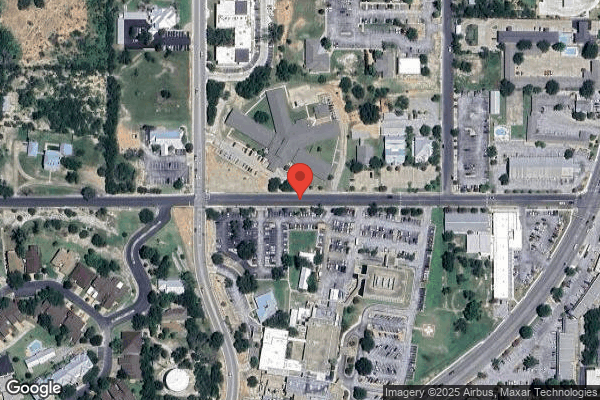
Jan 2023 2 deficiencies 1 IJ
CRITICAL (J) 📢 Someone Reported This

A family member, employee, or ombudsman was alarmed enough to file a formal complaint

Immediate Jeopardy (IJ) - the most serious Medicare violation

Quality of Care (Tag F0684)

Someone could have died · This affected 1 resident

**NOTE- TERMS IN BRACKETS HAVE BEEN EDITED TO PROTECT CONFIDENTIALITY** . The facility remained out of compliance at severity of no actual harm with a potential for more than minimal harm. Based on in...

Read full inspector narrative →
**NOTE- TERMS IN BRACKETS HAVE BEEN EDITED TO PROTECT CONFIDENTIALITY** . The facility remained out of compliance at severity of no actual harm with a potential for more than minimal harm. Based on interviews and record reviews, the facility failed to ensure that, based on the comprehensive assessment of a resident, the resident received treatment and care in accordance with professional standards of practice, the comprehensive person-centered care plan, and the resident's choices for 1 of 3 residents (Resident #1) reviewed for receiving nursing services in that: 1. The nurses did not report Resident #1's weight gain to the physician as ordered. 2. The nurses did not follow physician orders to weigh Resident #1 daily. 3. The nurses did not report to the physician Resident #1 was not weighed daily per orders. 4. The nurses were unable to contact Resident #1's physician when the resident had a change of condition on 12/29/2022 which required emergency services and a transfer to the emergency room. These failures resulted in the identification of an Immediate Jeopardy (IJ) on 01/17/2023 at 4:50 p.m. While the IJ was removed on 01/20/2023, the facility remained out of compliance at actual harm that was not immediate jeopardy with a scope of isolated due to the facility's need to monitor the implementation and effectiveness of its corrective systems. These failures could place residents at risk for health status decline and deny the physician opportunities to intervene on behalf of the resident(s). The findings included: A record review of Resident #1's admission Record, dated 01/01/2023, revealed an admission date of 11/25/2022, with diagnoses of a head laceration (cut), heart failure, pulmonary hypertension (a type of high blood pressure that affects the arteries in the lungs and the right side of the heart which causes the heart to work harder to pump blood into the lungs), and a cardiac pacemaker (medical device implanted under the skin to assist the heart with beating). The admission Record indicated Resident #1's primary physician was Physician A. Further review of the admission Record under Miscellaneous Information revealed Resident #1 was discharged from the facility on 12/30/2022 to another nursing home. A record review of Resident #1's admission MDS, dated [DATE], revealed Resident #1 was a [AGE] year-old female diagnosed with heart failure and her cognitive skills for daily decision making were intact with a BIMS (Brief Interview of Mental Status) score of 13 out of 15, and required assistance of 1 person with locomotion. A record review of Resident #1's Care Plan dated 01/01/2023, revealed Resident #1 had a need for monitoring and support for her heart failure and a cardiac pacemaker. The interventions were monitor, document, report, any signs, and symptoms of coronary artery disease .dependent edema [swelling]. A record review of Resident #1's Physician's Order Summary dated 01/01/2022, revealed an order dated 11/26/2022, for nurses to weigh Resident #1 daily and report to Physician B (Resident #1's cardiologist [heart doctor]) any weight gain of 3 pounds or more in 1 day and/or a 5-pound weight gain over 3 days. A record review of Resident #1's Daily Weight Record revealed a weight gain of 3.4 pounds from 116 pounds on 11/29/2022 to 119.4 pounds on 11/30/2022. Further review revealed Resident # 1 was not weighed on 12/04/2022, 12/23/2022, 12/25/2022, and 12/26/2022. A record review of Resident #1's Nursing Progress Notes dated 12/19/2022, authored by the Registered Dietician (RD) indicated the resident's weight was 123.2 pounds on 12/08/2022, 126.2 pounds on 12/14/2022, and was 126.4 pounds on 12/19/2022 which was a significant weight gain of 10.2 pounds, an 8.8% increase in 21 days. A record review of Resident #1's Nursing Progress Notes dated 12/23/2022, authored by LVN C documented the reason why Resident #1 was not weighed daily was due to Resident on contact isolation. A record review of Resident #1's Nursing Progress Notes dated 12/26/2022 revealed a note authored by LVN D documented the reason why Resident #1 was not weighed daily was due to on isolation for COVID-19. A record review of Resident #1's Nursing Progress Notes dated 12/27/2022, authored by LVN D documented the reason why Resident #1 was not weighed daily was due to on isolation and can-not leave room. Record review of Resident #1's emergency room Nursing Home Transfer form dated 12/29/22, located in the resident's electronic clinical record under the Miscellaneous tab, revealed Resident #1 was admitted to the emergency room at 13:51 (01:51 p.m.). The report revealed Resident #1's Physician B (her cardiologist) was contacted who recommended Resident #1's Lasix (diuretic medication to release fluid from the body) be increased to 40 mg twice a day, then 40 mg once a day. The Nursing Home Transfer form revealed Resident #1 received Lasix 40 mg IV (intravenous) at the hospital for peripheral edema (swelling to the hands or feet), was provided with new orders for Lasix 40 mg BID (twice a day) for 2 days and was discharged at 16:36 (04:36 p.m.) on 12/29/22 back to the facility. Record reviews of Resident #1's Medical Record on 01/01/2023 failed to reveal any documents (nurses notes or assessments) related to Resident #1's change of condition on 12/29/2022 which required emergency services and a transfer to the emergency room. During an interview on 01/01/2023 at 1:10 p.m., Resident #1 stated on 12/29/2022 she was taken to the emergency room at the hospital. Resident #1 stated her primary care physician (Physician A) informed the emergency room doctor he had not received any messages from the nursing home concerning her weight gain and swelling. Resident #1 stated her body was swollen from 13 pounds of excess fluid and the emergency room nurse had to cut off her wedding ring before administering intravenous medications. Resident #1 stated the emergency room doctor reported the amount of excess fluid was extremely serious due to her heart condition and may have contributed with problems getting her head wound to close. Resident #1 stated LVN A and RN B cared for her on 12/29/2022 and discovered her left arm and left side of her body were swollen to the point her clothes were not fitting her and she was losing circulation to her left hand and feet. Resident #1 stated she requested the nurses call her physician to which they replied, we cannot it is Christmas holidays, and the doctor is not available. Resident #1 stated she was eventually transported to the hospital where she received care. Resident #1 stated she was not weighed daily and was told we do not have a scale. Resident #1 stated the facility did have a scale, I was weighed on a wheelchair scale and a 'stand on scale', but when they moved me to the COVID-19 isolation room they did not weigh me daily. During an interview on 01/01/2023 at 5:20 p.m., LVN A stated she and RN B assessed Resident #1 on 12/29/2022 with a swollen left body side, which included her arm and hand. LVN A stated she and RN B called Resident #1's physician (Physician A), reached the physician's office, and left a message for the physician to return their call. LVN A stated the physician did not call back and after 2 more attempts to reach the physician failed, she and RN B arranged for the facility's van driver to transport Resident #1 to the emergency room. LVN A stated she was not aware of Resident #1's gradual weight gain over the month. LVN A stated she had not documented any findings surrounding the events of Resident #1's weight gain, swelling, change of condition, attempts to reach the physician, details surrounding the transport of Resident #1 to the hospital, I have no excuse .I thought RN B was going to write the notes. During an interview on 01/01/2023 at 5:37 p.m. RN B stated she and LVN A assessed Resident #1 on 12/29/2022 and discovered Resident #1 with pain and swelling to her left side of her body which included her left hand, I was concerned for the lack of circulation and swelling to her left ring finger. RN B stated she and LVN B attempted to call Resident #1's physician more than 3 times without success, RN B stated each time over the course of 2 hours they left messages with Resident #1's physician office (Physician A) for an urgent call back, with no call back from the physician. RN B stated the situation grew to a stressful situation where she did not believe the situation called for a 911 call but was serious enough to warrant LVN A and herself to arrange for the facility's van driver to transport Resident #1 to the hospital's emergency room. RN B stated she was not aware of Resident #1's gradual weight gain over the month. RN B stated she had not documented any findings surrounding the events of Resident #1's weight gain, swelling, change of condition, attempts to reach the physician, details surrounding the transport of Resident #1 to the hospital, I know I should have documented . I did not .I thought LVN B documented. RN B stated the failure to document could place residents at risk for harm by inaccurate medical records. Further interview on 01/14/2023 at 4:15 p.m. RN B stated she did not contact the medical director when she and LVN A were unable to contact Physician A about Resident #1's change of condition. In a telephone interview on 01/14/2023 at 11:30 a.m., Physician A stated she honestly could not remember if the facility had contacted her about Resident #1's weight gain, stated it would have been Resident #1's cardiologist (Physician B) who would have been notified about the weight change since he had prescribed her diuretics. Physician A stated she was not notified Resident #1's weights were not obtained daily as ordered. Physician A stated her office nurse did notify her Resident #1 had been sent to the ER. On 01/14/2023 at 1:24 p.m., the surveyor called Physician B (Resident #1's cardiologist) without success of contacting him by the time the surveyor exited the facility. During an interview on 01/01/2023 at 6:10 p.m. the Administrator and the DON stated the events surrounding Resident #1's 12/29/2022 need for emergency services were not handled as best as could be. Resident #1 could have and should have been weighed daily even in the COVID-19 isolation unit. The DON stated the facility had scales the staff could have used to assess Resident #1 for weight gain. The DON stated the nursing staff could and should have reported to him and the physician the lack of a daily weights for Resident #1. The DON stated the inability to give Resident #1's physician a report was a serious problem the Administrator and himself would investigate. The Administrator concurred. The Administrator and the DON stated the failure could have placed Resident(s) at risk for serious harm for health status decline and inaccurate records. Further interview on 01/14/2023 at 10:44 a.m., the DON stated he was not aware Resident #1's weights were not obtained daily as ordered. The DON stated, I know there was a difficulty in reaching a response from some of the physicians and Physician A was one of the ones that are difficult to get a hold of. The DON stated we have changed physician groups since then to Physician Group C who started providing services to residents. The DON stated on 01/16/2023 the facility would approach the residents and their responsible parties who reside on 100 Hall to ask them if they want to switch their primary physician to the physician with Physician Group C. Then residents on the other halls would also be approached to slowly phase out the local physicians that are difficult to reach. The DON stated newly admitted residents had the option of receiving services from Physician Group C and several newly admitted residents had chosen Physician Group C for their primary physician. The DON stated the physician with Physician Group C had given the DON his cell phone number, does not mind being called 24-hours a day and was prompt in returning calls from the facility. In an interview on 01/14/2023 at 11:43 a.m., the Administrator stated the facility had started to use the services from Physician Group C. The Administrator stated they did not have a contract with Physician Group C as the physician with that group was not their medical director. The Administrator stated he did have emails with Physician Group C he could provide to the surveyor. Record review of email correspondence from Physician Group C to the Administrator, dated 1/2/2023, revealed Physician Group A provided the facility with an onboarding form. Record review of email correspondence from the DON to Physician Group C, dated 01/10/2023, revealed the DON had requested information of the groups medical personnel to set up their electronic medical records access. In an interview on 01/14/2023 at 1:45 p.m., RN A stated she had called Physician Group C yesterday (01/13/2023), left a message and received a call back in about 20 minutes. In an interview on 01/14/2023 at 2:00 p.m. LVN E stated she has not had a change in a resident's condition that needed an immediate response from the physician. LVN E stated the response times from the local physicians would vary and often they would not get back to the facility until the next day for non-urgent issues. LVN E stated the facility recently started working with Physician Group C; she had worked with Physician Group C before, and it was nice having a group (of physicians) who answers right away. In an interview on 01/14/2023 at 11:57 a.m. with the DON, he revealed the facility had not done any in-services since 12/27/2022 which was about abuse and neglect. In an interview on 01/14/2023 at 4:47 p.m., the DON stated the facility did not have a policy directing staff who they should contact when the resident's physician could not be notified. The DON stated the policy on a resident's change of condition mentioned contacting the resident's physician. Record review of the Change in a Resident's Condition or Status policy, revised February 2021, revealed Our facility promptly notifies the resident, his or her attending physician, and the resident representative of changes in the resident's medical/mental condition and/or status (e.g., changes in level of care, billing/payments, resident rights, etc.). 1. The nurse will notify the resident's attending physician or physician on call when there has been a(an): .d. significant change in the resident's physical/emotional/mental condition; .g. need to transfer the resident to a hospital/treatment center; .2. A 'significant change' of condition is a major decline or improvement in the resident's status that: a. will not normally resolve itself without intervention by staff or by implementing standard disease-related clinical interventions (is not 'self-limiting'); . Record review of facility's Abuse/Neglect/Misappropriation Prevention Program dated April 2021 read: .Protect residents from abuse, neglect .develop and implement policies and protocols to prevent and identify .neglect of residents . The Administrator was notified by phone on 01/17/2023 at 4:50 p.m. that an Immediate Jeopardy was identified due to the above failures and the IJ template was provided via email. The facility's plan of removal (POR) was accepted on 01/18/2023 at 4:30 p.m. and included: Abatement plan for IJ called 01/17/2023 around 5 p.m. today at Windcrest Nursing and Rehab, 210 W Windcrest Street, Fredericksburg, Texas 78624. Summary of details which lead to outcomes: IJ called relating to facility not ensuring licensed nurses were assessing residents and reporting abnormal findings to the physician according to physician orders, that could likely result in serious harm to this 1 resident, that was identified during the investigation. The following plan of action outlines immediate interventions employed by the facility to abate any further concerns surrounding the above issue. 1. On 01/01/2023, the two licensed nurses were educated by the DON on facility protocols for assessing and reporting abnormal findings physician orders. This included education on the protocols for assessing a resident with change of condition, reporting process to physicians for change of condition, documenting in clinical record, and following physician orders. DON/designee, will continue to monitor, daily, in morning meeting, the assessments and change of conditions for the past 24 hours, and following of physician orders to reporting changes to be documented in the clinical record. 2. DON/designee educated facility licensed nurses on using the current process from 01/01/23, change of condition, daily weights. This process has been effective since 01/01/2023 going forward, with no concerns identified by DON/designee for any of the above. DON/designee continue to review 24-hour report daily regarding assessment of residents, changes of condition, notification to physicians and documentation in the clinical record. 3. Morning clinical stand up has identified no other concerns since 01/01/2023 going forward. 4. DON/designee will continue to monitor daily, for assessments, complying with physician orders, change of condition for any potential issues that might occur and will address when identified. 5. All licensed nurses will be educated by DON/designee, on the facility protocols regarding changes of condition, notifications associated with and documentation of incident identified on an ongoing basis as needed. Chart review will be conducted by DON/designee utilizing 24-hour report, for follow-up on appropriate assessments, change of condition, reporting to physician, and documenting the event in the clinical. 6. During daily morning clinical meeting, documentation from the past 24 hours will be reviewed by the DON/designee to ensure assessments, change of conditions, reporting to physicians, and documentation of events are in the clinical record. Since the identified concern noted on 01/01/2023, this process has been in place and no identified issues or concerns were identified per guidance. Any concern found will be addressed at the time identified. DON/designee will continue to review clinical documentation daily on an ongoing basis to ensure nursing assessments, change of condition, reporting and documenting is completed. On 01/18/2023 through 01/20/2023, the surveyor confirmed the facility implemented their Plan of Removal sufficiently to remove the IJ by: During an observation and interview on 01/18/2023 at 3:43 p.m., Resident #2 was in her room in bed watching TV, receiving continuous oxygen at 3.5 liters per minute; w/c and walker were present. Call light was within reach. The resident revealed: the care she received was pretty good. She was given the assistance she needed for ADLs. She revealed that interventions for her CHF included medications, monitoring, and taking of vital signs. She stated that daily I am weighed for fluid retention .right now I am not retaining fluids . She stated that she knew the signs of fluid retention which included swelling of the legs. She felt that the facility and MD were monitoring her weight and fluid retention. She had no complaints about her care and did not feel neglected. During an observation and interview on 01/18/2023 at 4 p.m., Resident #4 was in his room sitting on a w/c, cleaned and groomed, call light was within reach, no skin tears or bruises present. The resident revealed his care was good and his needs were met. The resident stated that he was weighed every day and sometimes twice in the month of December and January 2023. Observation and interview on 01/18/2023 at 5 p.m. of Hot Zone (Hall 300) revealed: a sitting weight chair was present in the Hot Zone. Observation of Resident #3 revealed she was sitting on a coach watching TV, alert and oriented, receiving continuous oxygen at 2 liters per minute. The resident revealed she had been weighed two times since she was moved to the Hot Zone. The resident stated that weights were taken as an indicator of any fluid retention for her CHF. The resident described her care as excellent and her needs were met. The resident denied any neglect around treatments and interventions for her multiple diagnoses. During an interview on 01/18/2023 at 5:15 p.m., LVN F revealed: Resident #3 was weighed the two days she was in the Hot Zone; and the resident was being monitored for any change of condition. LVN F would notify the MD if there was a change of condition. LVN F stated she attended training on assessing a resident for change of condition, reporting to the physician, and following physician orders. During an interview on 01/19/2023 at 9:22 a.m., the DON revealed: the DON provided in-service on change of condition and notification of physician on 01/01/2023 to LVN A and RN B. Also, the training involved monitoring a resident in the COVID-19 unit and documenting a weighing a resident in the COVID-19 unit. Documentation of education for the latter nursing staff was placed in the employee files.[ Surveyor interviewed LVN A and RN B on the training received from the DON] During an interview on 01/19/2023 at 9:28 a.m., RN B (day shift) revealed: she received in-service on 01/01/2023 on change of condition, following MD orders, and contacting MD. The highlight that stood out from the training was to contact the facility's physician when you cannot contact the primary. Also, the MD orders need to be followed and documented even if the resident was in the Hot Zone. RN B stated the system failure was not contacting the MD to address the fluid retention in the resident's arm. Likewise, RN B had received training on abuse and neglect. During an interview on 01/19/2023 at 9:37 a.m., LVN A (day shift) revealed: she received in-service training on 01/01/2023 on the topics of change for condition, contacting the MD, and following MD orders. The highlights of the training were to contact the MD or the facility MD to address a change of condition, and to follow MD orders. LVN A stated the system failure was lack of communications from the MD's office; the resident's arm was swelling and the whole left side of the body was swelling; resident was on the COVID-19 for 10 days. Also, LVN A had received training on abuse/neglect in the past. During an interview on 01/19/2023 at 10:05 a.m., LVN E (day shift) revealed: she received training on change of condition and the highlight was to call the MD and if nurse could not find the primary MD to call the facility MD. Also, nursing staff needed to follow MD orders even if the resident was in the COVID-19. She also received training on abuse/neglect. During an interview on 01/19/2023 at 10:12 a.m., LVN G (day shift) revealed she attended in-service on change of condition and MD notification. She recalled the highlights were to contact the facility MD if no contact was made with primary MD. Also, follow MD orders regardless of the location of the resident. Also, contact RP and MD immediately when there is a change of condition. During an interview on 01/19/2023 at 10:18 a.m., Med Aide H (morning shift) revealed: education was provided on change of condition, contacting the MD, and documentation. Likewise, Med Aide H received abuse/neglect training in the past. The highlights of the training were: concerns need to be voiced involving a change of command as soon as possible to the charge nurse. During an interview on 01/19/2023 at 10:31 a.m., CNA I (morning shift) revealed: education was provided on change of condition, contacting the MD, and documentation. Likewise, CNA I received abuse/neglect training in the past. The highlights of the training were: contact nursing staff when there was a change of condition. CNA I stated there was a weight scale in the Hot Zone to weigh residents. During an interview on 01/19/2023 at 10:40 a.m., CNA J (morning shift) revealed: education was provided on change of condition, contacting the MD, and documentation. Likewise, CNA J received abuse/neglect training in the past. The highlights of the training were: to contact the charge nurse if there was a change of condition and to closely monitor a resident. CNA J stated that training revealed there was a weight scale in the Hot Zone for weighing residents. During an interview on 01/19/2023 at 10:58 a.m., LVN L stated: he attended morning meetings this week (01/16/2023 to 01/19/2023) and the meetings discussed assessments, change of conditions, reporting to physicians, and documentation of events are in the clinical record. Also, meetings emphasized to follow through on any change of condition or assessments of new admissions. Regarding new admissions, residents would be put in the warm zone regarding their vaccination history and signs and symptoms of COVID-19. LVN L stated that training revealed there was a weight scale in the Hot Zone for weighing residents. During an interview on 01/19/2023 at 10:53 a.m., CNA K (night shift) revealed: education was provided on change of condition, contacting the MD, and documentation. Likewise, CNA K received abuse/neglect training in the past. The highlights of the training were: to report any change of condition to the charge nurse. CNA K stated that training revealed there was a weight scale in the Hot Zone for weighing residents. During an interview on 01/19/2023 at 11 a.m., LVN L (night shift) revealed: education was provided on change of condition, contacting the MD, and documentation. Likewise, LVN L received abuse/neglect training in the past. The highlights of the training were: document change of condition, notifying the MD in timely manner and follow-up with any new orders given. As a nurse, to monitor, document, and report findings whether the resident is improving or declining. LVN L stated that training revealed there was a weight scale in the Hot Zone for weighing residents. During a joint interview on 01/19/2023 at 11:10 a.m., the Administrator stated morning reports are held at 9 a.m. to discuss assessments, change of conditions, reporting to physicians, and documentation of events are in the clinical record. Since 01/01/2023 to 01/19/2023, there have been 13 new admissions and the assessments and MD follow-up were discussed at the morning meetings. The DON added that the focus of the morning meetings was the discussion of the 24-hour report. The clinical part of the meeting's attendees were: Administrator, DON, 2 ADON, MDS nurse and Director of Rehab and charge nurses. Immediacy per the DON for Resident #1 was removed when the resident was sent to the hospital on [DATE] and a weight was placed in the COVID-19 unit. During an interview on 01/19/2023 at 7:28 p.m., CNA M (evening shift) stated: education was provided on change of condition, contacting the MD, and documentation. Likewise, the staff member received abuse/neglect training in the past. The highlights of the training were: to report a change of condition if a changed occurred to the nurse; follow orders on daily weights. If working in the COVID unit there was a scale present; just sit the resident on a chair, get a reading to tell the nurse. During an interview on 01/19/2023 at 7:33 p.m., CNA N (evening shift) revealed: education was provided on change of condition, contacting the MD, weight assessment and documentation. Likewise, the staff member received abuse/neglect training in the past. The highlights of the training were: inform the charge nurse if there was a change of condition in the resident; and follow MD orders on weights. In the Hot Zone there was a chair that takes weights and once weights are taken give the result to the charge nurse. During an interview on 01/19/2023 at 7:37 p.m., Med Aide O (evening shift) revealed: education was provided on change of condition, contacting the MD, weight assessment, and documentation. Likewise, the staff member received abuse/neglect training in the past. The highlights of the training were: observe for reactions to medications and adverse effects to medications and inform the charge nurse; follow MD orders regardless of time; in the Hot Zone there was a weight chair; and sanitize after every use. During an interview on 01/19/2023 at 7:43 p.m., Student Nurse Aide P (evening shift) revealed: education was provided on change of condition, contacting the MD, weight assessment and documentation. Likewise, the staff member received abuse/neglect training in the past. The highlights of the training were: monitor resident's change of condition and report changes to the nurse. As for weight assessment, we should take weights before breakfast .in the Hot Zone there is a wheel scale chair for weights. During an interview on 01/19/2023 at 7:47 p.m., LVN Q (night shift) revealed: education was provided on change of condition, contacting the MD, weight assessments, and documentation. Likewise, the staff member received abuse/neglect training in the past. The highlights of the training were: report and document change of condition and notify the MD if no call the facility MD and call the DON and send resident to ER. The main highlight on weight assessments was to follow MD orders and document. In the Hot Zone there was a permanent weight chair for weighing residents. Care and service should continue in the Hot Zone LVN Q stated, because the residents are people. During an interview on 01/19/2023 at 7:55 p.m., LVN R (night shift) revealed: education was provided on change of condition, contacting the MD, weight assessment, and documentation. Likewise, the staff member received abuse/neglect training in the past. The highlights of the training were: document a change of condition and if you cannot find the primary MD call the facility MD and last option is to send resident to ER. As for weight assessment document and if there was a discrepancy re-weigh the resident. LVN R added, In the Hot Zone you can weigh a resident by the use of the weighing chair. During an interview on 01/19/2023 at 8:03 p.m., CNA S (evening and night shift) revealed: education was provided on change of condition, contacting the MD, weight assessment and documentation. Likewise, the staff member received abuse/neglect training in the past. The highlights of the training were: report any change of condition to the charge nurse; document and take weights per MD orders. In the Hot Zone there was a weight chair. During an interview on 01/20/2023 at 9:59 a.m., RN T (Nurse Consultant) revealed: education was provided on change of condition, contacting the MD, weight assessment, and documentation. Likewise, the staff member received abuse/neglect training in the past. The highlights of the training were: change of condition needs to be reported immediately to the MD; if one cannot locate the on-call MD; if no contact with an MD; send to the ER. The highlight on weight assessment was to follow the order; and document. There was weight scale chair in the COVID-19 unit was placed permanently on 01/01/2023. During an interview on 01/20/2023 at 10:32 a.m., Med Aide U (day shift) revealed: education was provided on change of condition, contacting the MD, weight assessment, and documentation. Likewise, the staff member received abuse/neglect training in the past. The highlights of the training were: if change of condition occurred notified the charge nurse immediately. Regarding weight assessment, if resident is in the COVID-19 unit there was a scale to measure the resident; and follow MD orders on weights. During an interview on 01/20/2023 at 10:35 AM, LVN F (day and evening shift) revealed: education was provided on change of condition, contacting the MD, weight assessment and documentation. Likewise, the staff member received [TRUNCATED]
CONCERN (D) 📢 Someone Reported This

A family member, employee, or ombudsman was alarmed enough to file a formal complaint

Potential for Harm - no one hurt, but risky conditions existed

Medical Records (Tag F0842)

Could have caused harm · This affected 1 resident

**NOTE- TERMS IN BRACKETS HAVE BEEN EDITED TO PROTECT CONFIDENTIALITY** . Based on interviews and record reviews the facility failed to maintain medical records on each resident that are complete; acc...

Read full inspector narrative →
**NOTE- TERMS IN BRACKETS HAVE BEEN EDITED TO PROTECT CONFIDENTIALITY** . Based on interviews and record reviews the facility failed to maintain medical records on each resident that are complete; accurately documented; readily accessible; and systematically organized for 1 of 3 Resident (Resident #1) reviewed for accurate medical records, in that; RN B and LVN A did not document a change of condition for Resident #1 on 12/29/2022. This failure could place residents at risk of in accurate incomplete medical records. The findings include: A record review of Resident #1's admission Record, dated 01/01/2023, revealed an admission date of 11/25/2022, with diagnoses of a head laceration (cut), heart failure, pulmonary hypertension (a type of high blood pressure that affects the arteries in the lungs and the right side of the heart which causes the heart to work harder to pump blood into the lungs), and a cardiac pacemaker (medical device implanted under the skin to assist the heart with beating). The admission Record indicated Resident #1's primary physician was Physician A. Further review of the admission Record under Miscellaneous Information revealed Resident #1 was discharged from the facility on 12/30/2022 to another nursing home. A record review of Resident #1's admission MDS, dated [DATE], revealed Resident #1 was a [AGE] year-old female diagnosed with heart failure and her cognitive skills for daily decision making were intact with a BIMS (Brief Interview of Mental Status) score of 13 out of 15. A record review of Resident #1's Care Plan dated 01/01/2023, revealed Resident #1 had a need for monitoring and support for her heart failure and a cardiac pacemaker, monitor, document, report, any signs, and symptoms of coronary artery disease .dependent edema [swelling]. Record review of Resident #1's emergency room Nursing Home Transfer form dated 12/29/22, located in the resident's electronic clinical record under the Miscellaneous tab, revealed Resident #1 was admitted to the emergency room at 13:51 (01:51 p.m.). The report revealed Resident #1's Physician B (her cardiologist) was contacted who recommended Resident #1's Lasix (diuretic medication to release fluid from the body) be increased to 40 mg twice a day, then 40 mg once a day. The Nursing Home Transfer form revealed Resident #1 received Lasix 40 mg IV (intravenous) at the hospital for peripheral edema (swelling to the hands or feet), was provided with new orders for Lasix 40 mg BID (twice a day) for 2 days and was discharged at 16:36 (04:36 p.m.) on 12/29/22 back to the facility. Record reviews of Resident #1's Medical Record on 01/01/2023 failed to reveal any documents (nurses notes or assessments) related to Resident #1's change of condition on 12/29/2022 which required emergency services and a transfer to the emergency room. During an interview on 01/01/2023 at 1:10 p.m., Resident #1 stated on 12/29/2022 she was taken to the emergency room at the hospital. Resident #1 stated her primary care physician (Physician A) informed the emergency room doctor Resident #1's physician (Physician A) had not received any messages from the nursing home concerning her weight gain and swelling. Resident #1 stated her body was swollen from 13 pounds of excess fluid and the emergency room nurse had to cut off her wedding ring before administering intravenous medications. Resident #1 stated the emergency room doctor reported the amount of excess fluid was extremely serious due to her heart condition and may have contributed with problems getting her head wound to close. Resident #1 stated LVN A and RN B cared for her on 12/29/2022 and discovered her left arm and left side of her body were swollen to the point her clothes were not fitting her and she was losing circulation to her left hand and feet. Resident #1 stated she requested the nurses call her physician to which they replied, we cannot it is Christmas holidays, and the doctor is not available. Resident #1 stated she was eventually transported to the hospital where she received care. Resident #1 stated she was not weighed daily and was told we do not have a scale. Resident #1 stated the facility did have a scale, I was weighed on a wheelchair scale and a 'stand on scale', but when they moved me to the COVID-19 isolation room they did not weigh me daily. During an interview on 01/01/2023 at 5:20 p.m., LVN A stated she and RN B assessed Resident #1 on 12/29/2022 with a swollen left body side, which included her arm and hand. LVN A stated she and RN B called Resident #1's physician (Physician A), reached the physician's office, and left a message for the physician to return their call. LVN A stated the physician did not call back and after 2 more attempts to reach the physician failed, she and RN B arranged for the facility's van driver to transport Resident #1 to the emergency room. LVN A stated she was not aware of Resident #1's gradual weight gain over the month. LVN A stated she had not documented any findings surrounding the events of Resident #1's weight gain, swelling, change of condition, attempts to reach the physician, details surrounding the transport of Resident #1 to the hospital, I have no excuse .I thought RN B was going to write the notes. During an interview on 01/01/2023 at 5:37 p.m. RN B stated she and LVN A assessed Resident #1 on 12/29/2022 and discovered Resident #1 with pain and swelling to her left side of her body which included her left hand, I was concerned for the lack of circulation and swelling to her left ring finger. RN B stated she and LVN B attempted to call Resident #1's physician more than 3 times without success, RN B stated each time over the course of 2 hours they left messages with Resident 1's physician office (Physician A) for an urgent call back, with no call back from the physician. RN B stated the situation grew to a stressful situation where she did not believe the situation called for a 911 call, but was serious enough to warrant LVN A and herself to arrange for the facility's van driver to transport Resident #1 to the hospital's emergency room. RN B stated she was not aware of Resident #1's gradual weight gain over the month. RN B stated she had not documented any findings surrounding the events of Resident #1's weight gain, swelling, change of condition, attempts to reach the physician, details surrounding the transport of Resident #1 to the hospital, I know I should have documented . I did not .I thought LVN B documented. RN B stated the failure to document could place residents at risk for harm by inaccurate medical records. During an interview on 01/01/2023 at 6:10 p.m. the Administrator and the DON stated the events surrounding Resident #1's 12/29/2022 need for emergency services were not handled as best as could be. Resident #1 could have and should have been weighed daily even in the COVID-19 isolation unit. The DON stated the facility had scales the staff could have used to assess Resident #1 for weight gain. The DON stated the nursing staff could and should have reported to him and the physician the lack of a daily weights for Resident #1. The DON stated the inability to give Resident #1's physician a report is a serious problem the Administrator and himself would investigate. The Administrator concurred. The Administrator and the DON stated the failure could have placed Resident(s) at risk for serious harm for health status decline and inaccurate records. Record review of facility's Change in a Resident's Condition or Status dated February 2021 read: .The nurse will record in the resident's medical record information relative to changes in the resident's medical/mental condition or status.
Nov 2022 9 deficiencies
CONCERN (D)

Potential for Harm - no one hurt, but risky conditions existed

Deficiency F0645 (Tag F0645)

Could have caused harm · This affected 1 resident

**NOTE- TERMS IN BRACKETS HAVE BEEN EDITED TO PROTECT CONFIDENTIALITY** Based on interview and record review the facility failed to ensure each resident with a mental disorder was screened prior to ad...

Read full inspector narrative →
**NOTE- TERMS IN BRACKETS HAVE BEEN EDITED TO PROTECT CONFIDENTIALITY** Based on interview and record review the facility failed to ensure each resident with a mental disorder was screened prior to admission for 1 of 3 of (#20) resident reviewed for PASRR: The facility did not correctly identify Resident #20 on the PASRR Level 1 Screening Form as having Mental Illness and did not submit a request to correct their PASRR negative screening. This could affect resident with mental illness that was not considered to be a Positive PASRR and could result in a decrease in services. The Findings were: Record review of Resident #20's admission Record dated 11/18/2022 revealed he was admitted on [DATE] and was diagnosed with schizoaffective (condition where symptoms of both psychotic and mood disorders are present together during one episode), bipolar (8/8/22) ( causes extreme mood swings that include emotional highs (mania or hypomania) and lows). no dementia. Record review of Resident #20's Quarterly MDS section I Active Diagnoses, psychiatric/mood disorder revealed a diagnoses of schizoaffective, bipolar. Record review of Resident #20's PL1, prior to this SNF was 8/4/2022 and was positive for Mental Illness. Record review of Resident #20's PL 1 dated 8/8/2022 was negative and this was inputted into the SIMPLE (computer program to gather information on residents PASRR eligibility), program. Interview on 11/17/2022 at 3:58 PM with MDS/Care Plan coordinator revealed when asked if she knew that Resident #20 diagnosis of schizoaffective, bipolar should trigger a positive PASRR screening, she responded, not aware that she inputted the wrong PL 1 and would correct the mistake at this time. The stated she was responsible for ensuring all residents with mental Illness were indicated in the SIMPLE program as positive for PASSRR. The MDS/Care Plan coordinator stated it was a mistake. Interview on 11/18/2022 at 12:58 PM with Administrator stated the MDS and IDT were responsible for residents with positive PASRR. The Administrator stated if not completed correctly, it could affect the resident by not receiving services. Record review of the Policy PASRR (preadmission and screening resident review) rules dated 2/8/2019 revealed Guidelines: It is the intent of facility to meet the abide to the State and Federal regulations that pertain to resident PASRR rule. Purpose: The intent of this guidelines is to identify residents with Metal Illness (MI) . and to ensure they are properly placed, whether in community or in a nursing home (NF) and to ensure they review the services they require for their MI (mental illness). Procedure: The PASRR Level 1 (PL 1) the facility will receive a PL1 upon admission, if the IDT (interdisciplinary) TEAM suspects any MI . the facility prior to admission will contact the LIDDA and follow the preadmission screenings process: The referring entity (SNF)PL 1 to LIDDA 72 hour timer starts).
CONCERN (D)

Potential for Harm - no one hurt, but risky conditions existed

Comprehensive Care Plan (Tag F0656)

Could have caused harm · This affected 1 resident

**NOTE- TERMS IN BRACKETS HAVE BEEN EDITED TO PROTECT CONFIDENTIALITY** Based on interview and record review the facility failed to ensure the facility must develop and implement a comprehensive perso...

Read full inspector narrative →
**NOTE- TERMS IN BRACKETS HAVE BEEN EDITED TO PROTECT CONFIDENTIALITY** Based on interview and record review the facility failed to ensure the facility must develop and implement a comprehensive person-centered care plan for each resident, consistent with the resident rights), that includes measurable objectives and timeframes to meet a resident's medical, nursing, and mental and psychosocial needs that are identified in the comprehensive assessment. The comprehensive care plan must describe the following - Any specialized services or specialized rehabilitative services the nursing facility will provide as a result of PASARR recommendations for 1 of 2 (#40) residents with a positive PASRR in that: MDS/Care plan nurse did not include in care plan for Resident #40 his specialized wheelchair for a PASRR positive resident. This failure could place residents at risk for not receiving appropriate treatment and could result on a decrease in quality of care. The Findings were: Record review of Resident #40's admission record dated 11/18/2022 revealed he was admitted on [DATE] with diagnoses of paranoid schizophrenia (characterized by predominantly positive symptoms of schizophrenia, including delusions and hallucinations. These debilitating symptoms blur the line between what is real and what isn't, making it difficult for the person to lead a typical life.), intellectual disabilities (a term used when there are limits to a person's ability to learn at an expected level and function in daily life), Parkinson's disease (a brain disorder that causes unintended or uncontrollable movements, such as shaking, stiffness, and difficulty with balance and coordination) and cognitive communications deficit. Record review of Resident #40's Annual MDS dated [DATE] revealed in section C Cognitive Patterns, 3/15 (severely impaired) section I Active diagnoses Parkinson's disease, schizophrenia, and intellectual disability. Record review of Resident #40's care plan dated 10/17/2022 revealed he met the PASARR level 1 determination for ID (intellectual disability) as per evaluation on 9/30/2022. No DME specialized wheelchair for Resident #40's was on the care plan. Each Resident's plan of shall be reviewed by an interdisciplinary team after each MDs assessments is conduced and revised necessary to reflect the resident's current care needs. Record review of Resident #40's Annual PASRR (annual assessment completed by the MDS nurse)- 1/2022 recommendation specialized wheelchair, resident had COVID-19, PASRR representatives was not able to come into building due to COVID-19: IDT Quarterly meeting on 4/23/2020 had DME recommendation for specialized wheelchair; DME-4/23/2020 mattress was received. Record review of Resident #40's Physician attestation for diagnosis PASARR dated 12/5/2019, included intellectual disability, ICD-10 code F79, onset 1955. Observation on 11/17/2022 at 3:50 PM in the dining room, during an activity revealed Resident #40 was sitting in his specialized wheelchair. Resident #40 was not interviewable. Interview on 11/17/22 at 3:39 PM with the DOR revealed she did submit proper forms for Resident #40; he does have DME for specialized wheelchair. This request was late. The specialized equipment ordered by therapy and MDS. Interview on 11/17/2022 at 3:45 PM with MDS/Care Plan nurse revealed she did not see specialized wheelchair on the care plan. MDS/Care Plan nurse stated the risk be that the resident does not receive equipment they need for their diagnoses and quality of life. Record review of Compressive Resident Care Plans (no date) revealed All items or services ordered to be provided or withheld shall be included in each resident's plan of care. The comprehensive care plan describes serviced furnished to attain or maintain the resident's highest practicable physical, mental, and psychosocial wellbeing. Record review of the Policy PASRR (preadmission and screening resident review) rules dated 2/8/2019 revealed Guidelines: It is the intent of facility to meet the abide to the State and Federal regulations that pertain to resident PASRR rule. Purpose: The intent of this guidelines is to identify residents with Metal Illness (MI) . and to ensure they are properly placed, whether in community or in a nursing home (NF) and to ensure they review the services they require for their MI (mental illness). Procedure: The PASRR Level 1 (PL 1) the facility will receive a PL1 upon admission, if the IDT (interdisciplinary) TEAM suspects any MI . the facility prior to admission will contact the LIDDA and follow the preadmission screenings process: The referring entity (SNF)PL 1 to LIDDA 72-hour timer starts). Post IDT meeting responsibilities: Once the ID makes is determinations about specialized care, the facility will; 1. include all specialized services and support activities in the resident comprehensive plan of care.
CONCERN (D)

Potential for Harm - no one hurt, but risky conditions existed

Pressure Ulcer Prevention (Tag F0686)

Could have caused harm · This affected 1 resident

**NOTE- TERMS IN BRACKETS HAVE BEEN EDITED TO PROTECT CONFIDENTIALITY** Based on observation, interview, and record review the facility failed to ensure a resident having pressure ulcers received care...

Read full inspector narrative →
**NOTE- TERMS IN BRACKETS HAVE BEEN EDITED TO PROTECT CONFIDENTIALITY** Based on observation, interview, and record review the facility failed to ensure a resident having pressure ulcers received care and treatment consistent with professional standards of practice to promote healing and prevent further development of pressure ulcers for 2 of 2 residents (Residents #24 and #51) reviewed for pressure ulcers in that: 1. LVN G failed to perform hand hygiene practices per the facility's policy and procedure, during Resident 24's wound care on his pressure ulcers. -LVN G contaminated a clean bandage with non-sanitized scissors she used while providing Resident 24's wound care on his pressure ulcers. -LVN G failed to properly transcribe physician wound care orders for Resident 24's pressure ulcer. 2. LVN D and LVN E failed to provide Resident 51's pressure ulcer treatments as prescribed by the physician. These failures could result in the Residents with pressure ulcers worsening in size and staging. The findings included: 1. Record review of Resident 24's admission record, dated 11/16/22, revealed the resident was admitted to the facility on [DATE] with diagnoses that included peripheral vascular disease (affects the blood vessels), chronic heart failure, and pressure ulcer of the left heel stage 4 (A sores that extend below the subcutaneous fat into your deep tissues, including muscle, tendons, and ligaments). Record review of Resident 24's order summary, dated 11/15/2022, revealed an order dated 10/26/22 for wound care to arterial wound (arterial ulcers are painful injuries in your skin caused by poor circulation) of the left 1st toe: paint area with betadine, apply non-stick gauze over wound, wrap area with fluff gauze roll, two times a day, no end date. A second order dated 10/26/22 for wound care clean arterial wound of the left, medial foot with normal saline, paint area with betadine, apply non-stick gauze over wound, wrap area with fluff gauze roll, two times a day continue till healed, no end date. A third order for wound care clean stage 4 pressure wound of the left heel with normal saline, paint area with betadine, apply non-stick gauze over wound, wrap area with gauze fluff roll, two times a day, continue until healed, no end date. Record review of document titled Wound evaluation and management summary, dated 11/14/22, revealed a focused wound exam for the arterial wound of the left third toe. It stated to apply betadine for 10 days, paint wound, dress with gauze roll once a day for 10 days to the left third toe. During an observation on 11/16/22 at 2:12 p.m. LVN G performed wound care on Resident 24's pressure ulcers and wounds to his left foot. LVN G used clean scissors to cut off an old bandage that had red and brown stains on it. LVN G placed the contaminated scissors on the bedside table with other clean supplies. LVN G continued wound care. At one-point LVN G removed her contaminated gloves, did not sanitizer her hands, put on new gloves with her contaminated hands, and continued wound care. LVN G also wiped around the outer edge of a wound on the medial (inner) side of the resident's left foot. LVN G used the same swab and wiped in the middle of the wound of the medial (inner) side of the left foot and contaminated the middle of the wound with the swab used to clean the outside area of the wound. LVN G was observed providing wound care to the Resident's 3rd toe. Later LVN G used the contaminated scissors to cut a clean gauze bandage. LVN G covered the residents wound on his left foot with the contaminated bandage. During an interview on 11/16/22 at 2:44 p.m. LVN G stated she cleaned the 3rd toe according to the providers orders. She stated the old treatment nurse put the order in that showed the 1st toe of the left foot should be cleaned. She stated she had only been there two weeks. She stated she never caught the order which showed the 1st toe instead of the 3rd toe. She stated Resident 24 did not have a wound on his 1st toe. She stated she should have performed hand hygiene anytime she went from a dirty to clean area. She stated she did not notice she forgot to sanitize her hands when she changed her gloves. She stated she should have cleaned the scissors after she used them. She stated she did not clean the scissor after she cut off the dirty bandage. She stated the resident's wound could be infected, contaminated from the other wounds and dressing, if she did not clean the scissors. She stated she had only received half a day of training with the previous wound care nurse. She stated she did rounds with the wound doctor on Mondays. She stated she was not sure if she had done skills check off, but she had worked at the facility since September 2022. She stated she was enrolled in a wound care certification course but had not been able to take it yet. She stated she was responsible for changes to wound care orders and she did not catch the error for the order with the wrong toe. During an interview on 11/18/22 at 9:58 a.m. RN H stated LVN G had put the incorrect order for the wound care on the resident 24's toe. She stated if the order was not for the right site someone could have treated the 1st toe and not performed wound care on the 3rd toe. She stated they could have thought the wound on the 1st toe was healed and discontinued the order and not treated the 3rd toe. RN H stated LVN G did get trained with the previous wound care nurse, with her, and with ADON C. RN H stated LVN G was a wound care nurse at a previous facility, was a floor nurse at the current facility before becoming the treatment nurse, and she also worked in a wound clinic. RN H stated LVN G shadowed the previous treatment nurse a lot. RN H stated LVN G was nervous to be observed. She stated staff should have sanitized their hands between glove changes to prevent cross contamination. During an interview on 11/18/22 at 3:38 p.m. ADON C stated staff should have performed hand hygiene anytime they performed care from clean to a dirty area. He stated they should have performed hand hygiene for a clean procedure and different items required staff to wash their hands or sanitize their hands. He stated wounds should have been cleaned from the inside outwards, so bacteria are pushed outside the wound. He stated staff should change their gloves anytime they are contaminated, and they should have sanitized between glove changes. He stated LVN G transcribed the orders from the wound care provider into the EMR. He stated LVN G was normally there Monday through Friday. He stated when LVN G was not there the RN supervisor or whoever the acting supervisor was would have done the wound care. He stated if the regular treatment nurse was off and another nurse not familiar with the resident or orders cared for the resident, hopefully they would have been a prudent nurse, and seen the 1st toe had no wound and went back to look at the order. He stated they would then have changed the order to the correct toe. 2. Record review of Resident 51's admission record, dated 11/18/22, showed an original admission date of 01/24/22 and a readmission date of 02/24/22 with diagnosis that included type 2 diabetes mellitus (high blood sugar, insulin resistance, and relative lack of insulin), heart failure, pressure ulcer of right lower back unstageable, pressure ulcer of sacral region stage 4, and blindness of right eye. Record review of Resident 51's order summary, dated 11/17/22, time stamped 9:33 a.m., showed an order for wound care to coccyx (tailbone area) wound: Apply collagen powder and leptospermum honey once daily. Cover with gauze island border once daily one time a day for wound care, with a start date of 09/16/22, and no end date. A second order for wound care to right ischium (lower part of the buttocks). Cleanse with wound cleanser, pat dry. Apply leptospermum honey paste and collagen powder to wound bed and pack with calcium alginate rope. Secure with gauze island with border daily and PRN one time a day for wound care, with a start date of 10/22/22, and no end date. During an observation on 11/17/22 at 9:35 a.m. LVN D and LVN E performed wound care on Resident 51's pressure ulcers. LVN D performed the wound care and LVN E assisted in handing LVN D supplies. LVN E stated they did not have collagen powder to apply to the wounds. LVN D cleaned the coccyx area ulcer and applied leptospermum honey inside the wound bed. LVN D did not use the collagen powder and covered the coccyx pressure ulcer with a bandage. LVN D then performed wound care on the ischium pressure ulcer. LVN D applied leptospermum honey inside the wound bed, applied calcium alginate rope inside the wound. LVN D did not use the collagen powder and covered the ischium pressure ulcer with a bandage. During an in interview on 11/18/22 at 9:40 am RN H stated hospice was responsible for providing wound care supplies for Resident 51. RN H stated there was a shortage of collagen powder. She stated the first she heard of them being out of the collagen powder was on 11/17/22. RN H stated you can treat a wound with out an order. She stated the point of wound care is to promote healing. She stated they needed to call the doctor and tell him what was going on. She stated they called the doctor and the doctor told them when the collagen powder comes in to start using it again. She stated they changed the order to a triad cream and calcium alginate rope only. She stated staff should not wait until they run out of supplies before they let someone know. She stated when you have about 7 days' worth left then you should order more. She stated the nurse who performed the wound care yesterday documented they were out of the powder. She stated hospice was called but she did not know when, and hospice stated they did not have any powder. She stated they did receive more supplies or powder the day before, but the order was changed, and they were no longer using the collagen powder. Record review of Resident 51's MAR, dated 11/18/22, revealed an order to reorder all medications through hospice every shift, start date 08/27/22. The order had been marked administered for the 6 a.m. shift and 6 p.m. shift from November 1st through November 17th, 2022. Record review of Resident 51's order summary, dated 11/18/22, revealed an order for wound care to right ischium. Cleanse with wound cleanser, pat dry. Apply leptospermum paste to wound bed and pack with calcium alginate rope. Secure with gauze island with border. Due to collagen powder delayed arrival. D/C once supplies available. one time a day until 11/24/2022 5:59 a.m., Start Date-11/18/2022 6:00 a.m. During an interview on 11/18/22 at 3:44 p.m. ADON C stated when staff are out of supplies the needed to call the doctor ahead of time and tell them what supplies they had available. He stated if you get the order ahead of time it was okay to put the current order on hold. Record review of facility's document titled Inservice Nurse wound care, dated 09/09/22, stated before you do wound care, make sure you have an order and clearly know what the order is. If you do not have an order slash it dropped off, disappeared and you know according to the wound notes there is an order. Clarify this with the doctor add the order. Do you not just carry out the treatment according to the physicians wound no dash enter the order in the EMR, or you also have to sign out the order once it is done. Many orders are good for so many days. It is everyone's job to know when orders need to be updated etc. Maybe you know a resident get a certain treatment everyday dash question why is it no longer showing in the EMR and let someone in administrative help you with this concern. The document contained signature for LVN G's signature and LVN E's signature. Record review of the facility's policy titled Drug Orders, no date, stated All drugs must be prescribed by the resident's physician or consulting physician, dentist, podiatrist, or other individual allowed by law to prescribe. If drugs are verbal, they must be taken by a licensed nurse, pharmacist, physician assistant, or a physician, and immediately recorded and signed by the person receiving the order. All drug orders will be counter-signed by the prescriber and returned to the chart in a timely manner. Verbal drug orders for Schedule II drugs are permitted in an emergency. Medications will be ordered and reordered on a timely basis so as to ensure residents do not miss doses. Record review of the facility's policy titled Pressure Ulcers, no date, stated The facility will provide care based on each resident's comprehensive assessment to ensure that a resident who enter the facility without pressure ulcers does not develop pressure ulcers unless pressure ulcers are unavoidable due to the predictable patterns of the resident's clinical condition or the resident or his/her representative's refusal of care and treatment to prevent pressure ulcers .services are provided to prevent the formation of pressure ulcers. Resident having pressure ulcers receive necessary treatment and services to promote healing, prevent infection and prevent new pressure ulcers from developing . Record review of the facility's policy titled Handwashing/Hand Hygiene, dated 08/2015, stated policy statement. This facility considers hand hygiene the primary means to prevent the spread of infections. Policy interpretation and implementation. Number one all personnel shall be trained and regularly in serviced on the importance of hand hygiene and preventing the transmission of healthcare associated infections 2. all personnel shall follow the hand washing slash hand hygiene procedures to help prevent the spread of infection to other personnel, residents, and visitors . 6. wash hands with soap (antimicrobial or non-antimicrobial) and water for the following situation a. when hands are visibly soiled .7. News and alcohol based hand rub containing at least 62% alcohol, or, alternatively, soap (antimicrobial or non-antimicrobial) and water for the following situations: .d. Before preparing any non-surgical invasive procedures .h. Before moving from a contaminated body site to a clean body site during resident care i. after contact with the resident's intact skin .k. after handling used dressings, contaminated equipment, etc. l. After contact with objects in the immediate vicinity of the resident m. after removing gloves . applying and removing gloves 1. perform hand hygiene before applying nonsterile go up
CONCERN (D)

Potential for Harm - no one hurt, but risky conditions existed

Accident Prevention (Tag F0689)

Could have caused harm · This affected 1 resident

**NOTE- TERMS IN BRACKETS HAVE BEEN EDITED TO PROTECT CONFIDENTIALITY** Based on observation, interview, and record review, the facility failed to ensure each resident received adequate supervision to...

Read full inspector narrative →
**NOTE- TERMS IN BRACKETS HAVE BEEN EDITED TO PROTECT CONFIDENTIALITY** Based on observation, interview, and record review, the facility failed to ensure each resident received adequate supervision to prevent accidents for 2 residents (#213 and #216) of 8 residents reviewed for accidents, hazards, and supervision, in that: 1. Resident #213 had a razor in his room. 2. Resident #216 had a razor in his room and a prescription cream on his bedside table. These failures could place residents at risk of harm or injury and contribute to avoidable accidents. The findings were: 1. Record review of Resident #213's admission record, dated 11/17/22, revealed the resident was admitted to the facility on [DATE] and readmitted on [DATE] with diagnosis of aftercare following joint replacement surgery, muscle weakness, bipolar disorder, depression, anxiety, and post traumatic stress disorder. Record review of Resident #213's care plan, dated 11/11/22, revealed the resident dresses independently and needed set up assistance only for bathing. During on observation on 11/15/22 at 11:25 a.m. Resident #213 was observed laying in his bed. On the counter by the sink in his room was a disposable razor. 2. Record review of Resident #216's admission record, dated 11/16/22, revealed an admission date of 08/29/22 and readmission date of 11/4/22 with diagnosis of acute respiratory failure with hypoxia (low oxygen levels), muscle weakness, and unspecified lack of coordination. Record review of Resident #216's care plan, dated 08/31/22, revealed, the resident required x1 assistance with bathing, dressing, and used a shower chair. During an observation on 11/15/22 at 11:28 a.m. a tube of prescription cream, cotton swabs, and food seasoning was noted on a bedside table in Resident #216's room. During an observation and interview on 11/16/22 at 9:02 a.m. Resident #216 was noted to have a razor on the counter by the sink in his room. Resident #216 stated he shaved on his own every morning. He stated he had a tube of prescription mupirocin ointment which he applied to the inside of his nose every day. He stated the skin doctor gave it to him because he almost burned a hole through his nose. He stated at the hospital they gave him a prescription for the mupirocin ointment which he applies with a cotton swab to his nostrils daily. He stated he guessed the facility did not know he had the ointment. During an interview on 11/17/22 at 3:19 p.m. LVN J stated resident on the 100 hallway, where Resident #213 and #216 reside, needed set up help with bathing because they had not been released from therapy yet. She stated 6 residents had showers in their rooms on the 100 hallway and they all had sinks to brush their teeth in their rooms. She stated she would have to ask the aides to see who was able to shave on their own. She stated the aides helped with shaving. She did not think any of the residents had an electric razor. She stated the aides would allow the residents to use the razors to shave then they put them away in the carts or discard of them in a sharps container. She stated residents are allowed to use an electric razor on their own, but she did not know if any residents had one. She stated she thought Resident #216 was approved to use a muscle rub ointment on his own. She stated she thought there was a sheet they fill out to self-administer medications and it could be located under miscellaneous documents in the EMR. She stated if he was able to self-administer medications it could be under orders or in his care plan. Observation at 3:33 p.m. this surveyor and LVN J went to Resident #216's room where the razor and prescription tube of ointment was shown to LVN J. She stated the prescription mupirocin ointment could now be purchased over the counter. This surveyor pointed out the label on the prescription showed Rx only. When asked if Residents were allowed to keep over the counter medications in their rooms LVN J said they were not allowed. She stated there was supposed to be staff who do quality of life rounds daily where they look for prohibited items in the residents' rooms and ask them questions about their likes. LVN J and this surveyor went to Resident #213's room where a razor was observed on the counter next to the sink. She stated she did not know if he was allowed to have the razor. LVN J stated if the residents were allowed to have a medication in their room it needed to be care planned. During an interview on 11/17/22 at 3:33 p.m. LVN K stated residents should not have razors in their rooms. During an interview on 11/18/22 at 10:12 a.m. RN H stated there are items residents should not have in their rooms. She stated she planned to have an in-service on this topic that day. She stated while doing rounds she located a razor and nebulizer is Resident #216's room and removed them. She stated Resident #216 should not have had the razor or medicated cream in his room. She stated it was an option to see if he was able to have either, but the resident has good days and bad days. She was not sure if Resident #213 was allowed to have a razor. She stated a beside assessment would need to be done to determine if a resident was able to keep a medicated cream at bedside. She stated if a resident brings in a medication after they are admitted they would not know because they can not dig around in drawers. This surveyor informed RN H the medicated cream was visible on the bedside table since 11/15/22. She stated they have been able to provide a lock box to keep items but they preferred to encourage residents to allow them to keep items for them, because if they are having an issue the staff may not know. During an interview on 11/18/22 at 3:19 p.m. ADON C stated no residents should have razors in their rooms. He stated they are only allowed electric razors. He stated if a resident was allowed to have a razor they would have needed to be check off, reassessed regularly, and properly stored. He stated the razors need to be stored where no one else can get to them and it needed to be care planned. He stated when a resident is admitted the aides will help put their items away. He stated they try not to have the residents feel like they are being searched for prohibited items. He stated they tried to educate residents and the families on why they need to know about all medications they have. He stated they need to know what the residents are always taking in case it needs to be communicated to the doctor or the ER. He stated the razors in the residents' rooms should have been found already and razors are bad period. He stated when a razor is found in the room the expectation is to fix it, educate, and train. Record review of facility's policy titled Self-administration of Drugs, no date, stated the medication nurse will bring the drugs to the resident within one hour of the time scheduled for administration. The medication nurse will flag with red flags the medications left with the resident. The medication nurse will return within one hour and retrieve the medication left with the resident. The medication nurse will confirm self-administration of the drugs left with the resident and document drugs administered in the medical record. If the interdisciplinary team, including the attending physician, determines that the resident may not self-administer drugs safely, the decision will be discussed with the resident, the resident's family or legal representative and the assessment will be documented by the interdisciplinary team in the residence medical record. Record review of facility's policy titled Accidents, no date, stated the facility shall remain as free from accident hazards as possible. Each resident receives adequate supervision and assistive devices, based on the comprehensive assessment, to prevent accidents.
CONCERN (D)

Potential for Harm - no one hurt, but risky conditions existed

Medical Records (Tag F0842)

Could have caused harm · This affected 1 resident

**NOTE- TERMS IN BRACKETS HAVE BEEN EDITED TO PROTECT CONFIDENTIALITY** Based on interview and record review the facility failed to maintain medical records in accordance with accepted professional st...

Read full inspector narrative →
**NOTE- TERMS IN BRACKETS HAVE BEEN EDITED TO PROTECT CONFIDENTIALITY** Based on interview and record review the facility failed to maintain medical records in accordance with accepted professional standards and practices that are accurately documented for 1 of 20 residents (#22 and #51) reviewed for resident records, in that: 1. Resident #22's care plan and MDS showed the resident had an indwelling catheter. The catheter had been previously discontinued. These deficient practices could affect residents that reside in the facility and could result in errors in care and treatment. The findings were: 1. Record review of Resident #22's admission record, dated 11/17/22, with an admission date of 06/21/18 and a readmission date of 03/24/21 revealed diagnoses of atrial fibrillation (irregular often rapid heart rhythm) and repeated falls. Record review of Resident #22's MDS, dated [DATE], revealed under section H for Bladder and Bowel the resident had an indwelling catheter. Record review of Resident #22's care plan dated 08/19/22, revealed the resident had indwelling catheter with interventions to check the tubing, monitor for pain or discomfort from the catheter, change and care for as ordered. Record review of Resident #22's order summary, dated 11/18/22, revealed orders for foley catheter care every shift and as need as, with a start date of 06/30/22 and 09/14/22, and no end dates. All orders for a foley catheter were marked as discontinued under order status. There was not discharge date . Observation on 11/18/22 at 12:57 p.m. Resident #22 revealed she did not have a indwelling catheter. During an interview on 11/18/22 at 12:58 p.m. Resident #22 stated she used to have a catheter but not anymore. She was unsure of how long ago but thought it had been a few months ago that she had it. During an interview on 11/18/22 at 1:00 p.m. the MDS nurse stated she was responsible for updating care plans and the MDS' for residents. The MDS nurse stated she had been required to complete the acute care sections for residents and there are many other duties for her to do. She stated MDS' are updated quarterly or with a significant change. She stated a foley catheter that was discontinued did not constitute a significant change for the MDS and should have been updated in the care plan when the order was discontinued. During an interview on 11/18/22 at 3:26 p.m. ADON C stated he does not do the MDS or care plan changes. He stated the MDS coordinator was responsible for those. He stated he hoped the resident #22 did not still have a catheter and if it still showed in the care plan it would not affect the care the resident received. He stated the resident is cared for 100 percent of the time. He stated every day they reviewed new orders, discontinued orders, on hold orders, and completed orders at morning meetings.
CONCERN (D)

Potential for Harm - no one hurt, but risky conditions existed

Infection Control (Tag F0880)

Could have caused harm · This affected 1 resident

**NOTE- TERMS IN BRACKETS HAVE BEEN EDITED TO PROTECT CONFIDENTIALITY** Based on observation, interview, and record review, the facility failed to maintain an infection prevention and control program ...

Read full inspector narrative →
**NOTE- TERMS IN BRACKETS HAVE BEEN EDITED TO PROTECT CONFIDENTIALITY** Based on observation, interview, and record review, the facility failed to maintain an infection prevention and control program designed to provide a safe, sanitary, and comfortable environment to help prevent the development and transmission of infections for 2 of 10 residents (Residents #19 and #24) reviewed for infection control, in that: 1. LVN I contaminated her gloves by touching a privacy curtain and immediately administering an injection to Resident 19. 2. LVN G failed to perform hand hygiene practices per the facility's policy and procedure, during Resident #24's wound care on his pressure ulcers. -LVN G contaminated a clean bandage with non-sanitized scissors she used while providing Resident #24's wound care on his pressure ulcers. These deficient practices could place residents in the facility at risk for infections. The findings were: 1. Record review of Resident #19's MDS, dated [DATE], showed an admission date of 4/14/22, with diagnosis that included coronary artery disease (major blood vessels supplying the heart are narrowed) and diabetes mellitus (A condition results from insufficient production of insulin, causing high blood sugar). Under section N- medication indicated the resident receives injection for insulin. During an observation on 11/17/22 at 11:28 a.m. LVN I stated she planned to check Resident #19's blood glucose. LVN I performed hand hygiene, put on clean gloves, then pulled the privacy curtain closed, contaminating her gloves. LVN I then touched Resident #19's finger with the contaminated gloves, cleansed the resident's finger with an alcohol, grabbed the glucose monitor with her contaminated gloves, grabbed a glucose monitor strip with her contaminated gloves, stuck the contaminated strip into the meter, lanced the resident's finger with a lancet, and placed the contaminated glucose meter strip up to the open cut with blood on the resident's finger. During an interview on 11/17/22 at 11:45 a.m. LVN I stated she touched the privacy curtain with her gloved hands because she was not sure if she needed to provide more privacy for the resident when there was no roommate. She stated once she touched the privacy curtain, she should have changed her gloves because they were contaminated. During an interview on 11/18/22 at 3:39 p.m. ADON C stated LVN I should have changed her glove after touching the privacy curtain if she was using the hand to care for the resident. He stated staff should perform hand hygiene for a clean procedure. 2. Record review of Resident #24's admission record, dated 11/16/22, revealed the resident was admitted to the facility on [DATE] with diagnoses that included peripheral vascular disease (affects the blood vessels), chronic heart failure, and pressure ulcer of the left heel stage 4. Record review of Resident #24's order summary, dated 11/15/2022, revealed an order dated 10/26/22 for wound care to arterial wound of the left 1st toe: paint area with betadine, apply non-stick gauze over wound, wrap area with fluff gauze roll, two times a day, no end date. A second order dated 10/26/22 for wound care clean arterial wound of the left, medial foot with normal saline, paint area with betadine, apply non-stick gauze over wound, wrap area with fluff gauze roll, two times a day continue until healed, no end date. A third order for wound care clean stage 4 pressure wound of the left heel with normal saline, paint area with betadine, apply non-stick gauze over wound, wrap area with gauze fluff roll, two times a day, continue until healed, no end date. Record review of document titled Wound evaluation and management summary, dated 11/14/22, revealed a focused wound exam for the arterial wound of the left third toe. It stated to apply betadine or 10 days, paint wound, dress with gauze roll one a day for 10 days to the left third toe. During an observation on 11/16/22 at 2:12 p.m. LVN G performed wound care on Resident #24's pressure ulcers and wounds to his left foot. LVN G used clean scissors to cut off an old bandage that had red and brown stains on it. LVN G placed the contaminated scissors on the bedside table with other clean supplies. LVN G continued wound care. At one-point LVN G removed her contaminated gloves, did not sanitizer her hands, donned new gloves with her contaminated hands, and continued wound care. LVN G also wiped around the outer edge of a wound on the medial (inner) side of the resident's left foot. LVN G used the same swab and wiped in the middle of the wound of the medial (inner) side of the left foot and contaminated the middle of the wound with the swab used to clean the outside area of the wound. Later LVN G used the contaminated scissors to cut a clean gauze bandage. LVN G covered the residents wound on his foot with the contaminated bandage. During an interview on 11/16/22 at 2:44 p.m. LVN G stated she cleaned the 3rd toe according to the providers orders. She stated the old treatment nurse put the order in that showed the 1st toe of the left foot should be cleaned. She stated she had only been there two weeks. She stated she never caught the order which showed the 1st toe instead of the 3rd toe. She stated Resident #24 did not have a wound on his 1st toe. She stated she should have performed hand hygiene anytime she went from a dirty to clean area. She stated she did not notice she forgot to sanitize her hands when she changed her gloves. She stated she should have cleaned the scissors after she used them. She stated she did not clean the scissor after she cut off the dirty bandage. She stated the resident's wound could be infected, contaminated from the other wounds and dressing, if she did not clean the scissors. She stated she had only received half a day of training with the previous wound care nurse. She stated she did rounds with the wound doctor on Mondays. She stated she was not sure if she had done skills check off, but she had worked at the facility since September 2022. She stated she was enrolled in a wound care certification course but had not been able to take it yet. She stated she was responsible for changes to wound care orders and she did not catch the error for the order with the wrong toe. During an interview on 11/18/22 at 9:58 a.m. RN H stated LVN G had put the incorrect order for the wound care on the resident's toe. She stated if the order was not the right site someone could have treated the 1st toe and not performed wound care on the 3rd toe. She stated they could have thought the wound on the 1st toe was healed and discontinued the order and not treated the 3rd toe. RN H stated LVN G did get trained with the previous wound care nurse, with her, and with ADON C. RN H stated LVN G was a wound care nurse at a previous facility, was a floor nurse at the current facility before becoming the treatment nurse, and she also worked in a wound clinic. RN H stated LVN G shadowed the previous treatment nurse a lot. RN H stated LVN G was nervous to be observed. She stated staff should have sanitized their hands between glove changes to prevent cross contamination. During an interview on 11/18/22 at 3:38 p.m. ADON C stated staff should have performed hand hygiene anytime they performed care from clean to a dirty area. He stated they should have performed hand hygiene for a clean procedure and different items required staff to wash their hands or sanitize their hands. He stated wounds should have been cleaned from the inside outwards, so bacteria are pushed outside the wound. He stated staff should change their gloves anytime they are contaminated, and they should have sanitized between glove changes. Record review of the facility's policy titled Infection Control Policy, no date, stated infection prevention and control program. The facility has established and maintains an infection control program that has a system for preventing, identifying, reporting, investigating, and controlling infections and communicable diseases for all residents, staff, visitors, volunteers, and other individuals providing contractual services to the facility . all employees are required to wash their hands after each direct resident contact for which hand washing is indicated by accepted professional practice . Record review of the facility's policy titled Handwashing/Hand Hygiene, dated 08/2015, stated policy statement. This facility considers hand hygiene the primary means to prevent the spread of infections. Policy interpretation and implementation. Number one all personnel shall be trained and regularly in serviced on the importance of hand hygiene and preventing the transmission of healthcare associated infections 2. all personnel shall follow the hand washing slash hand hygiene procedures to help prevent the spread of infection to other personnel, residents, and visitors . 6. wash hands with soap (antimicrobial or non-antimicrobial) and water for the following situation a. when hands are visibly soiled .7. News and alcohol based hand rub containing at least 62% alcohol, or, alternatively, soap (antimicrobial or non-antimicrobial) and water for the following situations: .d. Before preparing any non-surgical invasive procedures .h. Before moving from a contaminated body site to a clean body site during resident care i. after contact with the resident's intact skin .k. after handling used dressings, contaminated equipment, etc. l. After contact with objects in the immediate vicinity of the resident m. after removing gloves . applying and removing gloves 1. perform hand hygiene before applying nonsterile go up
CONCERN (E)

Potential for Harm - no one hurt, but risky conditions existed

Deficiency F0578 (Tag F0578)

Could have caused harm · This affected multiple residents

**NOTE- TERMS IN BRACKETS HAVE BEEN EDITED TO PROTECT CONFIDENTIALITY** Based on interview and record review, the facility failed to ensure residents have the right to formulate an advance directive f...

Read full inspector narrative →
**NOTE- TERMS IN BRACKETS HAVE BEEN EDITED TO PROTECT CONFIDENTIALITY** Based on interview and record review, the facility failed to ensure residents have the right to formulate an advance directive for 4 of 8 residents (Residents #34, #214, #219, #223) reviewed for advanced directives: 1. The Facility failed to determine on admission whether Resident #34, had an advance directive and, if not, determine whether the Resident or Resident's Representatives wished to formulate an advance directive. 2. The Facility failed to determine on admission whether Resident #214, had an advance directive and, if not, determine whether the Resident or Resident's Representatives wished to formulate an advance directive. 3. The Facility failed to determine on admission whether Resident #219, had an advance directive and, if not, determine whether the Resident or Resident's Representatives wished to formulate an advance directive. 4. The Facility failed to determine on admission whether Resident #223, had an advance directive and, if not, determine whether the Resident or Resident's Representatives wished to formulate an advance directive. These deficient practices could place residents at risk of not having their wishes known, which could affect whether they receive medical treatment according to their rights. The Findings were: 1. Record review of Resident #34's admission record, dated [DATE], revealed an initial admission date of [DATE] and a re-admission date of [DATE] with diagnosis of Neck Fracture and muscle weakness. Record review of Resident #34's orders, dated [DATE], showed an order for Full code status, with a start date of [DATE], and no end date. Record review of Resident #34's admission MDS dated [DATE] revealed section C Cognitive Patterns were 11/15 (moderately impaired). Record review of Resident #34's care plan, dated [DATE], showed the Resident was Full Code (resuscitate) and to Ensure Residents wishes are followed as desired, with a cancel date of [DATE]. 2. Record review of Resident #214's admission record, dated [DATE], revealed an admission of [DATE] with diagnosis of Traumatic Hemorrhage of the Cerebrum (Major Brain Bleed) and Contusion of other Part of Head (a bruise). Under Advance Directive, code status was a Full Code. Record review of document titled SW: CODE STATUS DISCUSSION, dated [DATE], revealed in person discussion with the Resident #214, stating Resident wants CPR performed if she codes. Physician was notified on [DATE]. Record review of Resident #214's orders dated [DATE], showed an order for Full code status, with a start date of [DATE], and no end date. Record review of Resident #214's care plan dated [DATE], showed the Resident was Full Code and to Ensure Residents wishes are followed as desired. 3. Record review of Resident #219's admission record, dated [DATE], revealed an admission of [DATE] with diagnosis of Acute Pancreatitis (A disease condition characterized by inflammation of the pancreas), muscle weakness, and abnormal gait (Abnormal walk). Record review of document titled SW: CODE STATUS DISCUSSION, dated [DATE], revealed in person discussion with the Resident #219, stating Resident wants CPR performed, if he codes. Physician was notified on [DATE]. Record review of Resident #219's orders, dated [DATE], showed an order for Full code status, with a start date of [DATE], and no end date. Record review of Resident #219's care plan, dated [DATE], showed the Resident was Full Code and to Ensure Residents wishes are followed as desired. 4. Record review of Resident #223's admission record, dated [DATE], revealed an admission of [DATE] with diagnosis of Fracture of Vertebra a dislocation or fracture of the vertebrae (backbone) and can occur anywhere along the spine.) and Dementia (group of symptoms that affects memory and thinking). Record review of document titled SW: CODE STATUS DISCUSSION, dated [DATE], revealed in person discussion with the Resident #223, stating Resident wants CPR performed, if she codes. Physician was notified on [DATE]. Record review of Resident #223's orders, dated [DATE], showed an order for Full code status, with a start date of [DATE], and no end date. Record review of Resident #223's care plan, dated [DATE], showed the Resident was Full Code and to Ensure Residents wishes are followed as desired. During an interview on [DATE] at 11:57 a.m. the Social Worker stated Residents #34, #214, #219, and #223 had no forms for advance directives from the hospital, or the families had not brought in any information about advance directives. He stated he had a code discussion with Resident #214, #219, and #223. He stated he did not know if they had advance directives and normally the families would bring in advance directives if they had them. He stated these Residents were on a rehab hallway and were not there for very long. He stated if they stayed longer and moved to another hallway then he would have followed up on advance directive status. He stated he planned to touch base with Resident #34's family to see if they had a medical power of attorney. He stated he usually would ask the family towards the early part of the residents stay to bring any paperwork for advance directives. He stated Resident #34 had not specifically asked for the advance directive. He stated according to the advance directive policy he had not followed it. He stated he had not seen the policy in a while. He stated historically they would reach out to the family to see if they had an advance directive and those who did not have one, they would have asked the resident representatives about any medication changes or ER visits. The SW stated the risk for not having a residents advanced directive on file was staff not knowing what the resident had a right to decide his/her end-of-life choice. Record review of the facility's policy titled Advance Directives, dated 12/2016, stated Advance directives will be respected in accordance with state law and facility policy. Policy Interpretation and Implementation. 1. Upon admission, the resident will be provided with written information concerning the right to refuse or accept medical pr surgical treatment and to formulate an advance directive if he or she chooses to do so .3. If the resident is incapacitated and unable to receive information about his or her right to formulate an advance directive, the information may be provided to the resident's legal representative. 4. If the resident becomes able to receive and understand this information later, or she will be provided with the same written materials as described above, even if his or her legal representative has already been given this information .6. Prior to or planned mission of a resident, the social service director or designee will inquire of the resident, his slash her family members and slash or his or her legal representative, about the existence of any written advanced directives. 7. Information about whether or not the resident has executed an advanced directive shall be displayed prominently in the medical record. 8. If the resident indicates that he or she had not established advanced directives, the facility will offer assistance in establishing advanced directives. a. The resident will be giving the option to accept or decline in assistance, and care will not be contingent on either decision. b. Nursing staff will document in the medical record the offer to assist the president's decision to accept or decline assistance .
CONCERN (E)

Potential for Harm - no one hurt, but risky conditions existed

Deficiency F0657 (Tag F0657)

Could have caused harm · This affected multiple residents

**NOTE- TERMS IN BRACKETS HAVE BEEN EDITED TO PROTECT CONFIDENTIALITY** Based on interview and record review the facility failed to ensure Residents care plans were reviewed and revised by the IDT wit...

Read full inspector narrative →
**NOTE- TERMS IN BRACKETS HAVE BEEN EDITED TO PROTECT CONFIDENTIALITY** Based on interview and record review the facility failed to ensure Residents care plans were reviewed and revised by the IDT within the required timeframe for 3 of 3 residents reviewed for care plan timing/revision, in that: 1. Resident #32's care plan conference attendees did not include the CNA, Physician, Registered Nurse, and Food and Nutrition Services. 2. Resident #49's care plan conference attendees did not include the CNA, Physician, Registered Nurse, Food and Nutrition Services. There was no documentation for September and June Care Plan Conferences. 3. A quarterly review of Resident #24's Comprehensive Care Plan was not conducted until 9 months after the review of his initial Comprehensive Care Plan. These failures could affect residents and could result in a decrease of services provided from different disciplines. The Findings were: Record review of a sample Resident Care Plan conference form include who attended the meetings; Nursing Summary, Dietary Summary; Recreations Summary; Social Work (SW) Summary; Pharmacy summary; Restorative Care/Physical /Occupational summary; Physician Summary; and Resident/Family. 1. Record review of Resident #32's admission Record dated 11/18/2022 revealed she was admitted on [DATE] with diagnoses of traumatic subdural hemorrhage without loss of consciousness (traumatic subdural hemorrhage), muscle weakness, abnormalities of gait and mobility, lack of coordination, cognitive communications deficit, diabetes II, bipolar disorder, anxiety disorder, and age-related osteoporosis (a medical condition in which the bones become brittle and fragile from loss of tissue, typically as a result of hormonal changes, or deficiency of calcium or vitamin D). Record review of Resident #32's Care plan dated 11/14/2022 revealed her CAA areas were BIMs of 15 (cognitively intact), cognitive loss/dementia, ADL functional/rehabilitation potential, Falls, nutritional status, pressure ulcer, and psychotropic drug use. Record review of Resident #32's Care plan Conference dated 4/20/2022 revealed the attendees were registered nurse and SW. The Care Plan Conference, B Nursing Summary included diagnoses Traumatic subdural hemorrhage, alert and oriented x3 with some difficulty with short term memory recall. Vision and hearing appear adequate for purpose. Clear speech and able to make needs known to staff; E Dietary Summary- Current Diet-Regular. Current weight 125; F Recreation Summary- up in wheelchair, watches televising, and attends some group activities, she does out on pass with family and they make regular visits; G SW summary= 13 on latest BIMS. Appears to be coping well with facility life. Resident will continue to cope well with tacitly life in next 90 days; J Physician summary-not present; K Resident/Family- spouse concerned about acid reflux, ADON informed him resident #2 was taking medications for acid reflux. Reviewed other medications. Care Level- Do not Resuscitate. The blank sections were Physician Summary with no dietary, pharmacy, activities, nursing administration, physician, family/resident or CNA attended. 2. Record review of Resident #49's admission Record dated 11/18/2022 reveled she was admitted on [DATE] and re-admitted on [DATE] with diagnoses of depression, diabetes II, vitamin deviancy, heat disease with heart failure, atrial fibrillation (an irregular and often very rapid heart rhythm (arrhythmia) that can lead to blood clots in the heart), gastro -esophageal reflux disease ( a digestive disease characterized by chronic acid reflux, which occurs when stomach acid flows back into the esophagus), pain in left ankle and joints of left foot, abnormal gait and mobility, Guillain Baree Syndrome (syndrome is a rare disorder in which your body's immune system attacks your nerves) and acute kidney disease. Record review of Resident #49's care plan dated 10/24/2022 revealed she had little, or no activity involvement related to immobility, physical limitations, neurological deficits Guillain Bare she had atrial fibrillation, congestive heart failure, risk for falls. Record review of Resident #49's Care Plan Conference dated 1/12/2022 revealed the attendees were SW and Physical/Occupational therapy. Section D: Nursing Summary- Guillain Baree Syndrome; E Dietary Summary-Current diet Regular, current weight 219; F Recreation Summary- Self initiated activities between rehab sessions; G SW summary-15 on latest BIMs, struggling to take care of herself at home in the community, and family believes 24-hour caregiver or nursing home, family is working with attorney to quality for nursing home Medicaid; H Pharmacy Summary-monthly; I Physician Summary -blank, therapy department-patient doing leg exercises and will do standing frame today, Stimulate the nerve and get the circulation going. Occupational Therapy she did sliding board transfers. J Physician Summary-no note; and K Family stated she will need 24-hour care if she goes home. Care Level review-full resuscitate. The blank sections were Physician Summary with no registered nurse, dietary, pharmacy, activities, nursing administration, physician and family/resident or CNA attended. Interview on 11/18/2022 at 12:16 PM with the Social Worker (SW) stated the resident care plans were completed quarterly, and he had been working at this facility, since 2017. The SW stated he invited the family, residents and department managers to the care plan conferences. The SW stated the nurse, therapy, kitchen and Activity Director, if available come to the resident care plan conferences, but does not usually attend. The SW stated he did not document the reason why care plan conference attendees did not attend. The SW stated he was not aware of the requirements that the above disciplines attend a care plan conference. The SW stated he was not inviting physician or CNAs. Interview on 11/18/2022 at 12:58 PM the Administrator was not aware the SW was not inviting physician or CNAs to the Resident Care Plan Conferences. The Administrator stated this resulted in residents not receiving services they need. Interview on 11/16/2022 at 2:09 PM with Resident #49 stated she never went to one or was never offered to go to a care plan conference. Record review of Resident #49's chart revealed care plan conference dated-6/29/2022 was blank. Interview on 11/18/2022 at 12:34 PM the SW stated Resident #49 did not have a care plan conference September 2022 and 6/29/2022 was blank. The SW stated he was not sure why it was blank or that Resident #49 was missing September 2022 care plan conference. 3. Record review of Resident #24's admission Record printed 11/15/2022 revealed he was a [AGE] year-old male with an initial admission date of 11/19/2021 diagnosed with psychotic disturbance, mood disturbance, anxiety, and chronic diastolic (congestive) heart failure. Record review of Section C Cognitive Patterns of Resident #24's Minimum Data Sheet dated 9/27/2022 revealed a Brief Interview for Mental Status score of 13, indicating intact cognitive response. Record review of Resident #24's electronic medical record revealed an explanation of an admission Multidisciplinary Care Conference (MCC) (an MCC is similar to and Interdisciplinary Care Team (IDT) meeting) signed 11/24/2021 and an explanation of a quarterly Multidisciplinary Care Conference signed 9/16/2022. During an interview on 11/15/2022 at 1:08 PM, Resident #24 stated that he was unsure about his care plan. He also stated that he did not know what medication he was taking, and that he would like to know what medication he was taking. During an interview on 11/18/2022 between 12:19 PM and 12:56 PM, the SW was unable to recall if an MCC regarding Resident #24 occurred between the months of January 2022 and August 2022. The SW stated, I can't say that the conferences occurred. Further, The SW was unable to produce a record of an MCC regarding Resident #24 occurring between the month of January 2022 and August 2022. Record Review of the 'Senior Care Centers Operational/Resident Care Policies Comprehensive Resident Care Plans [no publish date] policy on 11/18/2022 revealed instruction that Resident's care plans are reviewed at least quarterly.Record Review of the 'Senior Care Centers Operational/Resident Care Policies Comprehensive Resident Care Plans [no publish date] policy on 11/18/2022 revealed instruction that Resident's care plans are reviewed at least quarterly. Record review of the Comprehensive Resident Care Plans (no date) revealed The interdisciplinary team included, 1. The Residents Attending Physician, 2. A Registered Nurse with responsibility for the resident, 3. A nurse aide with responsibility for the resident, 4. A member of Food and Nutrition services staff, 5. Other appropriate staff in disciplines as determined by the resident needs or as requested by resident : and 6. The resident, the resident family, or the resident representative to the extent practical.
CONCERN (E)

Potential for Harm - no one hurt, but risky conditions existed

Safe Environment (Tag F0921)

Could have caused harm · This affected multiple residents

**NOTE- TERMS IN BRACKETS HAVE BEEN EDITED TO PROTECT CONFIDENTIALITY** Based on observations and interviews the facility failed to provide a safe, functional, sanitary, and comfortable environment fo...

Read full inspector narrative →
**NOTE- TERMS IN BRACKETS HAVE BEEN EDITED TO PROTECT CONFIDENTIALITY** Based on observations and interviews the facility failed to provide a safe, functional, sanitary, and comfortable environment for 1 of 24 residents (Resident #24) for sanitary conditions in that: The facility failed to repair a leak in the bathroom of 1 of 15 rooms for the duration of 13 months. This deficient practice could place residents at risk of a diminished quality of life due to exposure to an environment that is unsanitary. The Findings were: Record review of admission Record printed 11/15/2022 revealed Resident #24 was a [AGE] year-old male with an initial admission date of 11/19/2021 diagnosed with anxiety, and chronic diastolic (congestive) heart failure. Record review of Care Plan printed on 11/15/2022 revealed a problem with Bathing/Dressing and interventions with include 1 Person Assist Bathing and the use of a shower chair initiated on 12/03/21. During an interview on 11/15/2022 at 1:08 PM, Resident #24 stated that there was water leaking in his bathroom. Observation of the bathroom floor in room [ROOM NUMBER] on 11/15/2022 at 1:08 PM revealed a puddle of clear liquid measuring approximately one foot wide and half an inch deep standing between the toilet and shower. During an interview on 11/16/2022 at 08:47 AM, the Maintenance Director stated that when staff notices an issue, they alert me. I advise staff to list the issue in the maintenance log. Then I go and fix it [the issue]. The Maintenance Director added, All issues to this date [11/16/2022] have been resolved, but I've been too busy to record that I fixed them Observation of the facility maintenance log on 11/16/2022 at 8:50 AM revealed an issue reading shower head is leaking and flooding the bathroom in room [ROOM NUMBER] noted by on 10/6/2021. There was no listed resolution date. During an interview on 11/16/2022 at 8:57 AM, the Maintenance Director stated that he fixed things in room [ROOM NUMBER] all the time. He also stated that he had not been notified of the leak in the bathroom of room [ROOM NUMBER] until last Wednesday [11/9/2022]. During an interview on 11/16/2022 at 10:46 AM, CNA A stated that he reported a leak in the bathroom of room [ROOM NUMBER] to maintenance at 10:40 AM today [11/16/2022] but had not noticed a leak prior to today. CNA A stated that he thought the water was leaking from the toilet in the bathroom of room [ROOM NUMBER]. During an interview on 11/16/2022 at 10:50 AM HA B stated that she cleaned water off the floor in the bathroom of room [ROOM NUMBER] yesterday [morning of 11/15/2022] and did not inform maintenance of a possible leak. HA B also stated that she did not recall seeing a leak in the bathroom of room [ROOM NUMBER] prior to 11/15/2022. Observation of the bathroom in room [ROOM NUMBER] on 11/17/2022 between 3:00 PM and 4:00 PM revealed a puddle of clear liquid on the bathroom floor between the shower and toilet During an interview on 11/17/2022 at 4:09 PM, the RMD stated that the facility does not have an internal policy for identifying or addressing possible hazards, but we adhere to the Life Safety Code regulation. The RMD added the facility uses TELS [TELS Building Services software] and the maintenance logbook for identifying hazards and address major issues during the monthly maintenance meeting. During an interview on 11/18/2022 at 3:50 PM, ADON C stated that he noticed a puddle in the bathroom of room [ROOM NUMBER] during wound care of Resident #24 but he does not recall the date. He stated that he called housekeeping and verbally reported the issue to the Maintenance Director. ADON C added that the puddle could increase the risk of injury for the staff and would serve as a detriment to the resident's home-like environment. Record Review of the 'Senior Care Centers Operational/Resident Care Policies - Environment [no publish date] policy on 11/18/2022 revealed that The facility provides a safe, clean, comfortable, and homelike environment and provide for safety in treatment and support for daily living in an environment that maximizes resident independence.
Understanding Severity Codes (click to expand)
Life-Threatening (Immediate Jeopardy)
J - Isolated K - Pattern L - Widespread
Actual Harm
G - Isolated H - Pattern I - Widespread
Potential for Harm
D - Isolated E - Pattern F - Widespread
No Harm (Minor)
A - Isolated B - Pattern C - Widespread

Questions to Ask on Your Visit

  • "What changes have you made since the serious inspection findings?"
  • "Why is there high staff turnover? How do you retain staff?"
  • "Can I speak with families of current residents?"
  • "What's your RN coverage like on weekends and overnight?"

Our Honest Assessment

Strengths
  • • Licensed and certified facility. Meets minimum state requirements.
Concerns
  • • Multiple safety concerns identified: 5 life-threatening violation(s), $93,966 in fines. Review inspection reports carefully.
  • • 45 deficiencies on record, including 5 critical (life-threatening) violations. These warrant careful review before choosing this facility.
  • • $93,966 in fines. Extremely high, among the most fined facilities in Texas. Major compliance failures.
  • • Grade F (0/100). Below average facility with significant concerns.
Bottom line: This facility has 5 Immediate Jeopardy findings. Serious concerns require careful evaluation.

About This Facility

What is Avir At Enchanted Rock's CMS Rating?

CMS assigns Avir at Enchanted Rock an overall rating of 1 out of 5 stars, which is considered much below average nationally. Within Texas, this rating places the facility higher than 0% of the state's 100 nursing homes. A rating at this level reflects concerns identified through health inspections, staffing assessments, or quality measures that families should carefully consider.

How is Avir At Enchanted Rock Staffed?

CMS rates Avir at Enchanted Rock's staffing level at 1 out of 5 stars, which is much below average compared to other nursing homes. Staff turnover is 88%, which is 42 percentage points above the Texas average of 46%. High turnover can affect care consistency as new staff learn residents' individual needs.

What Have Inspectors Found at Avir At Enchanted Rock?

State health inspectors documented 45 deficiencies at Avir at Enchanted Rock during 2022 to 2025. These included: 5 Immediate Jeopardy (the most serious level, indicating potential for serious harm or death), 38 with potential for harm, and 2 minor or isolated issues. Immediate Jeopardy findings are rare and represent the most serious regulatory concerns. They require immediate corrective action.

Who Owns and Operates Avir At Enchanted Rock?

Avir at Enchanted Rock is owned by a for-profit company. For-profit facilities operate as businesses with obligations to shareholders or private owners. The facility operates independently rather than as part of a larger chain. With 120 certified beds and approximately 49 residents (about 41% occupancy), it is a mid-sized facility located in FREDERICKSBURG, Texas.

How Does Avir At Enchanted Rock Compare to Other Texas Nursing Homes?

Compared to the 100 nursing homes in Texas, Avir at Enchanted Rock's overall rating (1 stars) is below the state average of 2.8, staff turnover (88%) is significantly higher than the state average of 46%, and health inspection rating (1 stars) is much below the national benchmark.

What Should Families Ask When Visiting Avir At Enchanted Rock?

Based on this facility's data, families visiting should ask: "What changes have been made since the serious inspection findings, and how are you preventing similar issues?" "How do you ensure continuity of care given staff turnover, and what is your staff retention strategy?" "Can you walk me through typical staffing levels on day, evening, and night shifts?" "Can I visit during a mealtime to observe dining assistance and food quality?" These questions are particularly relevant given the facility's Immediate Jeopardy citations, the facility's high staff turnover rate, and the below-average staffing rating.

Is Avir At Enchanted Rock Safe?

Based on CMS inspection data, Avir at Enchanted Rock has documented safety concerns. Inspectors have issued 5 Immediate Jeopardy citations (the most serious violation level indicating risk of serious injury or death). The facility has a 1-star overall rating and ranks #100 of 100 nursing homes in Texas. Families considering this facility should ask detailed questions about what corrective actions have been taken since these incidents.

Do Nurses at Avir At Enchanted Rock Stick Around?

Staff turnover at Avir at Enchanted Rock is high. At 88%, the facility is 42 percentage points above the Texas average of 46%. High turnover means new staff may not know residents' individual needs, medications, or preferences. It can also be disorienting for residents, especially those with dementia who rely on familiar faces. Families should ask: What is causing the turnover? What retention programs are in place? How do you ensure care continuity during staff transitions?

Was Avir At Enchanted Rock Ever Fined?

Avir at Enchanted Rock has been fined $93,966 across 3 penalty actions. This is above the Texas average of $34,019. Fines in this range indicate compliance issues significant enough for CMS to impose meaningful financial consequences. Common causes include delayed correction of deficiencies, repeat violations, or care failures affecting resident safety. Families should ask facility leadership what changes have been made since these penalties.

Is Avir At Enchanted Rock on Any Federal Watch List?

Avir at Enchanted Rock is not on any federal watch list. The most significant is the Special Focus Facility (SFF) program, which identifies the bottom 1% of nursing homes nationally based on persistent, serious quality problems. Not being on this list means the facility has avoided the pattern of deficiencies that triggers enhanced federal oversight. This is a positive indicator, though families should still review the facility's inspection history directly.