Gainesville Convalescent Center
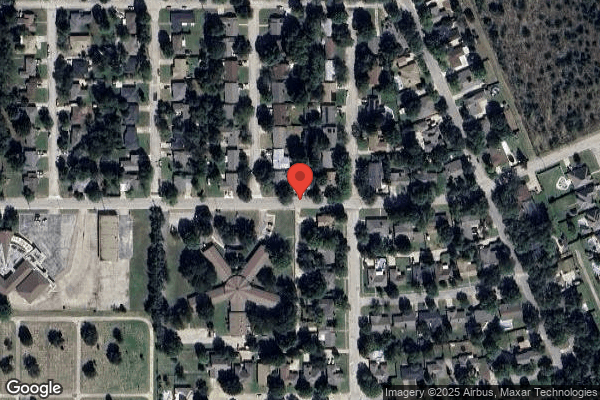
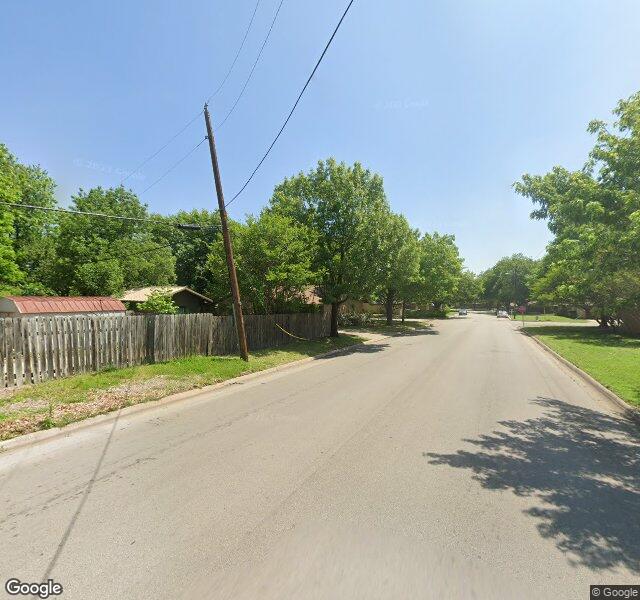
1900 O'Neal St, Gainesville, TX 76240 (940) 665-2826
For profit - Corporation 112 Beds AVIR HEALTH GROUP Data: November 2025 4 Immediate Jeopardy citations
Trust Grade
0/100
#726 of 1168 in TX
Last Inspection: September 2024

Within standard 12-15 month inspection cycle. Federal law requires annual inspections.

Overview

Gainesville Convalescent Center has received a Trust Grade of F, indicating significant concerns about the quality of care provided. Ranking #726 out of 1168 nursing homes in Texas places it in the bottom half of facilities statewide, although it is #2 out of 4 in Cooke County, meaning only one local option is better. The facility is reportedly improving, having reduced the number of issues from 21 in 2024 to 4 in 2025. Staffing is a significant weakness here, with a poor rating of 1 out of 5 stars and a troubling turnover rate of 100%, which is much higher than the state average of 50%. Additionally, the facility has faced $127,532 in fines, higher than 85% of Texas nursing homes, signaling ongoing compliance problems. Specific incidents of concern highlight critical failures in resident care, including a resident who did not receive timely pain management after an unwitnessed fall, resulting in a left displaced hip fracture. Another incident involved staff neglect when a resident requested hospital transfer due to leg pain, but the nurse failed to respond appropriately, leading to police involvement to ensure the resident received care. While there are some strengths, such as a high quality measure rating, the overall findings suggest families should exercise caution when considering this facility for their loved ones.

Trust Score
F
0/100
In Texas
#726/1168
Bottom 38%
Safety Record
High Risk
Review needed
Inspections
Getting Better
21 → 4 violations
Staff Stability
⚠ Watch
100% turnover. Very high, 52 points above average. Constant new faces learning your loved one's needs.
Penalties
✓ Good
$127,532 in fines. Lower than most Texas facilities. Relatively clean record.
Skilled Nurses
⚠ Watch
Each resident gets only 17 minutes of Registered Nurse (RN) attention daily — below average for Texas. Fewer RN minutes means fewer trained eyes watching for problems.
Violations
⚠ Watch
46 deficiencies on record. Higher than average. Multiple issues found across inspections.
★★☆☆☆
2.0
Overall Rating
★☆☆☆☆
1.0
Staff Levels
★★★★★
5.0
Care Quality
★☆☆☆☆
1.0
Inspection Score
Stable
2024: 21 issues
2025: 4 issues

The Good

  • 5-Star Quality Measures · Strong clinical quality outcomes
  • Full Sprinkler Coverage · Fire safety systems throughout facility
  • No fines on record

Facility shows strength in quality measures, fire safety.

The Bad

2-Star Overall Rating

Below Texas average (2.8)

Below average - review inspection findings carefully

Staff Turnover: 100%

53pts above Texas avg (47%)

Frequent staff changes - ask about care continuity

Federal Fines: $127,532

Well above median ($33,413)

Significant penalties indicating serious issues

Chain: AVIR HEALTH GROUP

Part of a multi-facility chain

Ask about local staffing decisions and management

Staff turnover is very high (100%)

52 points above Texas average of 48%

The Ugly 46 deficiencies on record

4 life-threatening
Jun 2025 4 deficiencies 2 IJ
CRITICAL (J) 📢 Someone Reported This

A family member, employee, or ombudsman was alarmed enough to file a formal complaint

Immediate Jeopardy (IJ) - the most serious Medicare violation

Free from Abuse/Neglect (Tag F0600)

Someone could have died · This affected 1 resident

**NOTE- TERMS IN BRACKETS HAVE BEEN EDITED TO PROTECT CONFIDENTIALITY** Based on observations, interview, and record review, the facility failed to protect a resident's right to be free from neglect f...

Read full inspector narrative →
**NOTE- TERMS IN BRACKETS HAVE BEEN EDITED TO PROTECT CONFIDENTIALITY** Based on observations, interview, and record review, the facility failed to protect a resident's right to be free from neglect for one (Resident #1) of 8 residents reviewed for resident neglect. The facility failed to ensure Resident #1 was free from neglect by RN A on 05/31/25. RN A failed to perform an assessment on 05/31/25 when Resident #1 reported he needed to go to the hospital complaining of leg pain. RN A failed to notify and follow-up to ensure Resident #1 was sent to the hospital. RN A failed to notify the physician or any licensed nurse of Resident #1 requesting to go to the hospital. RN A called 911 to report Resident #1's behavior, but RN A failed to report Resident #1 wanted to go to the hospital on [DATE]. When police arrived at the facility on 05/31/25, RN A did not notify the police of Resident #1 wanting to go to the hospital or assist in sending Resident #1 to the hospital. The local police called EMS and Resident #1 was transferred to the emergency room. Resident #1 was admitted to the hospital on [DATE] and placed on a heparin drip as a precaution until test results were completed to rule out a DVT. These failures resulted in an identification of an Immediate Jeopardy (IJ) on 06/05/25 at 5:10 PM. While the IJ was removed on 06/06/25 at 8:15 PM, the facility remained out of compliance at a scope of isolated with a potential for more than minimal harm, due to the facility's need to evaluate the effectiveness of the corrective systems. These failures placed residents at risk for serious injuries, abuse, serious harm, and death. Findings included: Review of Resident #1's face sheet undated reflected Resident #1 was a [AGE] year-old male admitted on [DATE] and readmitted on [DATE] from the hospital. Resident #1 had diagnoses of acute embolism and thrombosis of right femoral vein (presence of a blood clot in the femoral vein of the right leg), atrial fibrillation (irregular heartbeat), acute embolism and thrombosis of right lower extremity bilateral (presence of blood clots in the deep veins in both legs), chronic pulmonary edema (the buildup of fluid in your lungs), peripheral vascular disease (condition where blood vessels outside the heart and brain are affected, reducing blood flow to the limbs). Resident #1 was his own responsible party. Review of Resident #1's Quarterly MDS assessment dated [DATE] reflected Resident #1 had a BIMS of 15 indicating he was cognitively intact. Resident #1 required set up assistance to independent with ADLs. Review of Resident #1's Comprehensive Care Plan reflected the following: -dated 04/21/25 Resident will call [transportation] to go to the hospital wanting IV pain medication. Even when offering his pain medication he has on hand. -dated 06/02/25 high probability of [deep vein thrombosis] to lower extremities. Refuses to take any type of anticoagulant. Intervention included to notify provider and send resident to ER when [complaint of shortness of breath]. -dated 06/02/25 Risk for deep vein thrombosis. Interventions include evaluate legs for swelling and monitor legs for changes in skin color, temperature. Review of Resident #1's Nurse progress note by RN A dated 05/31/25 reflected the following: [LVN D] notified this nurse that resident wanted to talk. when this nurse arrived at resident room. resident stated, I said to that other nurse that when I need to go he hospital . I need to go. this nurse said, alright you can go then, resident interrupted nurse and stated, you know what get out of here. now! get the hell out of here. this nurse said OKAY and stared walking down the hall. Resident followed this nurse down the hall and became aggressive and started yelling at this nurse, you f****** bitch I will destroy you. I will ruin you. f*** you. resident waving hands in the air. This nurse left and went to shelter in 300 unit, then police were called. nurse asked the police to speak to resident because of the potential for scalation and that, he might physically attack this nurse later. this nurse also asked the police to request resident to delete the videos on his phone that he have been recording of this nurse on the previous morning in the lobby area of this facility. resident left facility via EMS. nurse was not notified of this. Review of local police call record dated 05/31/25 at 6:14 PM a call for a welfare check at the facility reflected patient is being aggressive towards staff with caller as the RN Nurse for night shift who is concerned for her safety. The caller reported patient verbally assaulted the caller. At 6:34 PM police arrived to the facility and 6:45 PM a request for EMS for patient transport possible blood clot. EMS notified. EMS transport one at 7:00 PM. Review of Resident #1's EMS record dated 05/31/25 reflected Patient was noted to be sitting on the edge of the bed with the left leg swollen. Patient stated that he was having some sudden trouble breathing with leg pain as well. Patient stated that he has history of blood clots and that today it was getting worse. Patient states that it's gotten even more unbearable for the last 45 minutes when his shortness of breath started. Patient stated that he tried telling the nurse staff but they would not take him seriously. Patient then stated he got irritated and raise his voice at the staff and law enforcement was called .Medic 2 transported one patient code [emergent] to [hospital] without incident. Review of Resident #1's hospital records reflected Resident #1 was admitted to the hospital on [DATE] from nursing home with a history of factor V Leiden deficiency (inherited disorder that increases the risk of developing blood clots) with a history of chronic bilateral lower extremity DVTs .who was brought to the [emergency department] from the nursing nurse via EMS with a chief complaint of worsening of his lower extremity edema with pain associated with worsening dyspnea over the last 2 days .He became concerned for new DVT probably [pulmonary embolism] because of his shortness of breath, requested EMS .In the [emergency department] venous dopplers currently ordered but are pending. CT angiogram of the chest revealed no pulmonary embolism .Labs include a CBC that revealed a mild normocytic anemia .Patient was initially on a heparin drip pending the venous doppler. He is being admitted for further management . Observation and Interview on 06/03/25 at 9:59 AM with Social Worker revealed Resident #1 was in his room sitting on his bed. Resident #1 stated he wanted the social worker to stay in the room. Resident #1 stated on 05/31/25 he asked to speak to RN A. He stated RN A came to his room and he told her he needed to go to the hospital for shortness of breath and leg pain. Resident #1 stated RN A refused to send him to the hospital on [DATE] at the beginning of her shift and RN A did not care what happened to me. He stated he did get upset yelled at RN A. He stated the police were called to the facility by staff. He stated the police called EMS for him noticing he was short of breath. He stated the EMTs took me to the hospital for possible blood clot. He stated he was complaining of shortness of breath and leg pain. He stated on 05/31/25 he told CNA C about RN A refusing to send him to the hospital. He stated RN A would not even print off his face sheet so he could have it when EMTs transporting him to the hospital. He stated he tried to do the right thing by letting RN A know he needed to go to the hospital. He stated he returned back to the facility from the hospital yesterday on 06/02/25. He stated the Administrator was aware of the allegation and he was told by Administrator that RN A would not be returning back to the facility. Interview on 06/03/25 at 10:35 AM with DON revealed she received a phone call on 05/31/25 from RN A about not wanting to take care of Resident #1 anymore because he was being verbally aggressive towards me and asked if LVN B could take care of him. DON stated she advised RN A to inform LVN B to take care of Resident #1 for the rest of the shift. DON stated it was not reported to her of Resident #1 wanting to go to the hospital. She stated at 6:38 pm she spoke to CNA C about RN A calling the police on Resident #1 but did not know why RN A called the police. DON stated she reached out to RN A who told her Resident #1 was being aggressive towards her and she was afraid of Resident #1. DON stated she was not notified about Resident #1 wanting to go to the hospital. She further stated she was not informed Resident #1 was sent to the hospital. She stated she should have been notified of Resident #1 being sent to the hospital. DON stated she did not find out Resident #1 had been sent to the hospital or in the hospital until 06/02/25 when she was at the facility. She stated she reached out to Resident #1 on 06/02/25 via telephone who reported to her about RN refusing to send him to the hospital on [DATE] when he reported having trouble breathing and needing to go to the hospital. She stated she immediately reported the neglect allegation to the Administrator. She stated Administrator reached out to RN A who was suspended pending investigation on 06/02/25. Interviews on 06/03/25 at 1:11 PM with CNA C revealed on 05/31/25 Resident #1 was concerned about leg pain and swollen leg thought he might have a blood clot. She stated Resident #1 reported to her he wanted to be sent to hospital CNA C stated Resident #1 told her that he tried to do it their way by notifying RN A of needing to go to the hospital so they can send him to hospital but Resident #1 stated RN A blew him off. CNA C stated she did not have an opportunity to report Resident #1 wanting to be send to the hospital to LVN B because she got distracted when the police arrived to the facility. She stated she contacted the DON via telephone on 05/31/25 about police in the facility and RN A had called the police on Resident #1. CNA C stated Resident #1 was walking slowly and was flustered with RN A. She stated Resident #1 went back to his room and police contacted EMT to send him to the hospital. She stated she did not know if LVN B was aware of Resident #1 wanting to go to the hospital. CNA C stated Resident #1 had issues with RN A but RN A was still Resident #1's nurse. She stated RN A would ask LVN B to give Resident #1 his medications. She stated her last in-service on abuse/neglect was about a couple weeks ago to maybe a month ago. She stated she had not been in-serviced on 05/31/25 or after on abuse/neglect policy including reporting. She stated she had not spoke to Administrator or DON to give them a statement about the incident on 05/31/25 with Resident #1. Interview on 06/04/25 at 8:09 PM with CNA C revealed she reported to the DON about RN A not sending Resident #1 to the hospital when she reported to DON about RN A calling the police on Resident #1. She stated she should have called the Administrator who is the abuse coordinator immediately to report the allegation of neglect of Resident #1 reporting RN A did not send him to the hospital. She stated she was verbally counseled for failure to report the allegation to the Administrator immediately. She stated RN A worked the rest of her shift on 05/31/25 and worked on 06/01/25 night shift until 6 AM on 06/02/25. Interview on 06/03/25 at 2:52 PM with Social Worker revealed Resident #1 reported on 05/31/25 to RN A he was short of breath and was concerned about a possible blood clot. She was not aware of RN A refusing to send him to the hospital until 06/03/25. Social Worker stated RN A had an attitude problem and Resident #1 reported to her RN A was mouthy to him. Interview on 06/04/25 at 11:05 AM with Police Officer H revealed the police officer who was dispatched to the facility on [DATE] worked the night shift. He stated he would leave a message to call surveyor. He stated based on his review of the report it reflected on 05/31/25 a nurse from the facility called to report Resident #1 having a verbal altercation with nurse. He reviewed the call details report reflecting Resident #1 complained of leg pain when police arrived at the facility and police notified EMTs to send Resident #1 to the hospital. Interview on 06/04/25 at 8:44 PM with LVN D revealed she had been administering Resident #1's medications to Resident #1 when RN A was assigned as his nurse for the last couple of weeks She stated RN A told her that she could not administer medications to Resident #1 and DON was aware of it. She stated she did not follow up with DON or the Administrator about RN A not administering Resident #1's medications on her shifts and requesting her to give Resident #1 his medications. She stated she was not asked to be Resident #1's charge nurse on 05/31/25. She stated the police officer asked her to print off Resident #1's face sheet but did not understand why RN A was not more involved in Resident #1 being sent to the hospital. She stated she did not know why Resident #1 was sent to the hospital. She stated she did not make any notifications of Resident #1 going to the hospital since he was RN A's resident on 05/31/25. She stated she heard Resident #1 cussing right after shift change but she did not really think anything of it since it stopped. She stated Resident #1 did verbally cuss out staff. She stated as the charge nurse if a resident reports to her wanting to go to the hospital, she would assess, find out more information about what was going on with resident and take vitals. She stated residents have a right to go to the hospital if he or she wants to. She stated she would contact the physician to report her assessment of the resident and what was going on with resident. She stated if a resident wants to go to the hospital she would report it to physician and DON. Interview on 06/05/25 at 9:14 AM with DON revealed RN A called the police on Resident #1. She stated RN A told her Resident #1 was cussing and yelling at her. DON stated RN A told her she was in fear for her life so this is why she called the police. DON stated she expected the nurse to assess resident including head to toe, vital, and asking to find out more about resident's change of condition. She stated RN A should have notified the physician and if resident wanted to be sent out to the hospital to send resident out to the hospital. She stated Resident #1 was his own responsible party. She stated if she had known on 05/31/25 of RN A refusing to send Resident #1 to the hospital she would have reported an allegation of abuse/neglect to the Administrator immediately. She stated prior to this incident there had been customer service complaints of RN A's tone being rude. She stated Resident #1 did not like her. She was not aware of RN A not giving Resident #1 her medications when she was his charge nurse and having other nurses administer his medications. She stated Resident #1 was admitted to the hospital on [DATE]. She stated Resident #1 had a history of DVT in a previous hospitalization. Interview on 06/05/25 at 9:33 AM with Resident #1's MD revealed he could not recall if he was notified about Resident #1 being sent to the hospital on [DATE]. He stated he expected the nurse to assess the resident including taking vitals and listening to lungs. He expected the nurse to find out more information of why Resident #1 wanted to be sent to the hospital. Resident #1's MD stated should call the on-call physician to notify of Resident #1 symptoms and change of condition. He stated Resident #1 had a history of calling Uber to go to hospital. He stated if resident wanted to go to the hospital, the nurse will contact EMS for transportation. He stated the risk to the resident could be potential risk of pulmonary embolism or heart attack. Interview on 06/05/25 at 10:17 AM with LVN D revealed Resident #1 told her he needed to talk to RN A but did not tell him what was going on. She reported to RN A at shift change which was 6:00 PM on 05/31/25 that Resident #1 wanted to talk to him. LVN D stated she was not informed Resident #1 wanted to go to the hospital and was not aware of any change of condition. Interview on 06/07/25 at 11:18 AM with RN A revealed LVN D reported to her Resident #1 wanted him to go see him at beginning of her shift at 6 PM. She stated she found it odd he wanted to talk to her because she stated she stayed out of his room, she did not like to deal with him and if he walking down the hall I go the other way. She stated when she entered Resident #1's room. RN A stated he told he needed to go to the hospital and she told him you can go. RN A stated Resident #1 started yelling at her, told her to get the hell out of his room. She stated she left his room and he followed her down the hall saying who the hell are you, I am going to destroy you. RN A stated she did not know what Resident #1 was complaining of and did not have a chance to ask any questions. She stated she did not have a chance to assess him or ask him more questions to find out what he wanted to go to the hospital. LVN D stated she went to shelter on the secure unit and called the police to inform of Resident #1's aggression towards her. She stated she needed to administer her medications to the residents on his hall and was afraid he might attack me so she called the police. RN A stated she called the police after she sheltered on the secure unit and it took like 20 to 30 minutes for them to arrive. She stated she did not inform the police about Resident #1 wanting to go to the hospital. She did not inform anyone about Resident #1 wanting to go to the hospital. She stated the police called for Resident #1 to be sent out to the hospital. She stated she had 2 incidents with Resident #1 when giving him his medications prior to 05/31/25 and Resident #1 got upset at her for opening the door and waking him up for his medications. She stated Resident #1 followed her and yelled at her by cussing her out. She stated she gave the other nurse on her shift to have the other nurse administer his medications. She stated she would follow-up with other nurse to see if it was given and documented it was given. She stated the DON called me on 05/31/25 to find out why I called the police. She stated she did not inform anyone about Resident #1 going to the hospital. She stated Resident #1 did have chronic DVT history. She stated when she was contacted by the facility on 06/02/25 she told them she quit because she knew Resident #1 would back at the facility. Interview on 06/05/25 at 12:10 PM with Administrator revealed Resident #1 did have past issues with nurses about wanting to get medications on time. He stated Resident #1 did have history of being verbally aggressive to staff. DON reported to him on 06/02/25 of Resident #1 reporting RN A refused to send him to the hospital and police had to call EMS to send him to the hospital. The Administrator stated this was an allegation of neglect and possibly abuse so he reported it to HHSC. He stated he initiated the investigation and contacted RN A to suspend her pending investigation. He stated RN A refused to give a witness statement for the incident on 05/31/25 and RN A told him F*** this facility and F*** those residents. He stated he was not aware of RN A not giving Resident #1 his medications on her shift as the charge nurse and having the other nurse give the medications to Resident #1. He stated CNA C should have immediately notified me as the abuse coordinator on 05/31/25 of RN A refusing to send Resident #1 to the hospital. He stated RN A should have assessed Resident #1 and/or tell other nurse about Resident #1 wanting to go to hospital. He stated the failure to immediately report abuse or neglect to me could place residents at risk for resident abuse/neglect to continue and not be aware of abuse/neglect. He stated this placed the residents at risk for further abuse and neglect with allowing RN A to continue to work and could possibly do it to someone else. Interview on 06/05/25 at 7:14 PM with Local Police Officer G revealed he did come out to the facility on [DATE]. He stated based on interviews with facility staff it seemed like Resident #1 did not seem to get along with RN A. He stated Resident #1 requested to the police to go to the hospital on [DATE] per a possible blood clot. He stated he called EMS and Resident #1 was sent out to the hospital. Review of RN A's timecard for 05/31/25 reflected RN A worked from 05/31/25 at 5:43 PM to 6:14 AM on 06/01/25. On 06/01/25 at 5:43 PM to 6:21 PM on 06/02/25. Review of facility's policy last revised September 2022 Abuse, Neglect, Exploitation or Misappropriation - Reporting and Investigating reflected All reports of resident abuse (including injuries of unknown origin, neglect, exploitation or theft/misappropriation of property are reported to local, state and federal agencies (as required by current regulations) and thoroughly investigated by facility management .Reporting allegations to the Administrator and Authorities 1. If resident abuse, neglect .is suspected, the suspicion must be reported immediately to the administrator and to other officials according to state law and HHSC reporting guidelines .6. Upon receiving any allegations of abuse, neglect .the administrator is responsible for ensuring what actions (if any) are needed for the protection of residents .12. Any employee who has been accused of resident abuse is placed on leave with no resident contact until the investigation is complete . On 06/05/25 at 5:10 PM, the Administrator and ADON were informed in person with DON and Regional VP on the phone of an IJ situation. The Administrator was provided the IJ template at this time. The facility's plan of removal was accepted on 06/06/25 at 10:44 AM and reflected the following: The facility failed to protect Resident #1's right to be free from neglect when RN A decided she would not provide care to resident #1 when she was assigned to the resident. This failure could place residents at risk for not having measures I place to protect them from serious harm, mental anguish, neglect or death. The facility medical director was notified of the Immediate Jeopardy by the Facility Administrator on 06/05/2025. Resident #1 was sent to the ER for evaluation and treatment on 5/31/25 and returned to the facility on [DATE]. RN A was suspended, pending investigation, by the DON and Facility Administrator on 6/2/25 and terminated from her position by the DON and Administrator on 6/3/25. All staff were in-serviced on Abuse, Neglect, and Exploitation, Patient care assignments, resident change in condition, resident rights, and reporting Abuse and Neglect to the abuse coordinator/facility administrator immediately, beginning on June 2nd, 2025, and were completed on 06/05/2025. In-services were completed per the Director of Nursing. No staff or agency staff will be allowed in the facility until they are in-serviced by the ADON/ADMIN on Abuse, Neglect, and Exploitation and all other in-service requirements. Staff were in-serviced that it is a resident right to go to the hospital when they want. Staff were also in-serviced that they must assess patients prior to send them out. Staff were in-serviced by ADON that the MD must be notified on any change of condition immediately. DON/ADON will monitor and be responsible moving forward. The facility DON began in-services for all nursing staff regarding resident care assignments and the responsibilities included in resident care assignments for nursing staff, notification to the physician if residents request to go to the hospital, notification to DON and Administrator if law enforcement are called to the facility, and resident assessment on 6/5/2025. All nursing staff will be in-serviced by the DON prior to the start of their next shift. DON and Administrator will interview 3 staff daily related to their understanding of the inservice education provided, for the next 4 weeks. Admin/ADON conducted safe surveys with alert residents on 6/3/25 An Ad Hoc QAPI was held by the Regional VP of Operations, Facility Administrator, Director of Nursing, Regional Nurse Consultant, (medical director), and Asst. Director of Nurses on 06/05/2025 to review the alleged deficiency and plan. Review of the IJ monitoring for the facility's plan of removal reflected the following: Review of RN A's termination dated 06/02/25 reflected RN A was placed on suspension for neglect allegation and said she wasn't going to do that and stated she quit .[RN A] was very antagonistic towards the residents and other staff. Interviews from 06/06/25 at 2:25 PM to 7:40 PM with four nurses from different shifts (LVN I, RN O, LVN Q and Agency LVN S) they had been in-serviced on abuse/neglect policy. All were knowledgeable of types of abuse/neglect and would report any allegations immediately to Administrator who was the abuse coordinator once the resident was safe. Interviews from 06/06/25 at 2:42 PM to 7:20 PM with eight CNAs from different shifts (CNA J, CNA K, CNA L, CNA M, CNA N, CNA P, CNA R, and CNA T) revealed they had been in-serviced on abuse/neglect policy, resident rights and patient care responsibility. All were knowledgeable of types of abuse/neglect and would report any allegations immediately to Administrator who was the abuse coordinator once the resident was safe. All CNAs were aware of resident rights including resident right to go to the hospital. All stated if CNA became aware of allegation of nurse not sending a resident to the hospital or assessing a resident for a change of condition they would immediately notify the Administrator of the allegation. The CNAs stated they would notify the DON and Administrator if resident rights were violated. They were all knowledgeable of where to find contact information for the abuse coordinator. Interviews from 06/06/25 at 3:40 PM to 7:26 PM with three facility staff (Activity Director, Dietary [NAME] U and Dietary Aide V) reflected they were in-serviced on abuse/neglect, reporting requirements of allegations and resident rights. All three staff were knowledgeable of types of abuse/neglect and would report any allegations immediately to Administrator who was the abuse coordinator once the resident was safe. They were aware of resident rights including resident right to go to the hospital. They stated they would notify the DON and Administrator if resident rights were violated. They were all knowledgeable of where to find contact information for the abuse coordinator. Interview on 06/06/25 at 3:53 PM with Administrator revealed staff have been in-serviced from different shifts on abuse/neglect policy and reporting requirements. He stated all staff who have been in-serviced should be aware to notify him immediately of any allegations of abuse/neglect. He stated CNA C and LVN B have been in-serviced on abuse/neglect and reporting requirements to immediately report any allegations to him. He stated any staff who have not been in-serviced will be unable to work until in-serviced. Interview on 06/06/25 at 4:41 PM with ADON revealed staff had been in-serviced on abuse/neglect. She was knowledgeable of types of abuse/neglect and would report any allegations to Administrator immediately once the resident was safe. She was knowledgeable of resident right. She stated LVN B had been in-serviced but she was unavailable to contact due to being on personal leave at this time. She stated LVN B would be in-serviced in person again to ensure her understanding of all the in-services when she returns back to work from her leave. Review of In-services for Abuse/Neglect dated 06/02/25 to 06/05/25 reflected staff were in-serviced on abuse/neglect policy and reporting requirements. Review of 2 of 2 resident clinical records (Resident #2 and #3) for change of condition and hospitalization revealed no concerns with abuse or neglect. Review revealed CNA C and LVN B were verbally counseled for not reporting an allegation of abuse/neglect signed by employees on 06/04/25. Review of Reporting of Abuse and Neglect dated 06/05/25 reflected if you feel, see or even think abuse or neglect is happening, immediately do the following: Get the resident or residents to safety. Immediately call the abuse coordinator [Administrator] with phone number provided. An IJ was identified on 06/05/25. The IJ template was provided to the Administrator and ADON on 06/05/25 at 5:10 PM. While the IJ was removed on 06/06/25, the facility remained out of compliance at a scope of isolated and a severity level of no actual harm with potential for more than minimal harm to ensure the effectiveness of the training and plan of removal components.
CRITICAL (J) 📢 Someone Reported This

A family member, employee, or ombudsman was alarmed enough to file a formal complaint

Immediate Jeopardy (IJ) - the most serious Medicare violation

Report Alleged Abuse (Tag F0609)

Someone could have died · This affected 1 resident

**NOTE- TERMS IN BRACKETS HAVE BEEN EDITED TO PROTECT CONFIDENTIALITY** Based on observations, interviews and record reviews, the facility failed to ensure that all alleged violations involving abuse ...

Read full inspector narrative →
**NOTE- TERMS IN BRACKETS HAVE BEEN EDITED TO PROTECT CONFIDENTIALITY** Based on observations, interviews and record reviews, the facility failed to ensure that all alleged violations involving abuse and neglect were reported immediately, but not later than 2 hours after the allegation was made, if the events that caused the allegation involved abuse or resulted in serious bodily injury to the administrator of the facility and to other officials (including to the State Survey Agency in accordance with State law through established procedures for one, (Resident #1) of eight residents reviewed for resident neglect. The facility failed to report a potential allegation of neglect to the Abuse Coordinator when RN A failed to provide care and treatment for Resident # 1, who was in her care assignment. LVN B and CNA C were aware that RN A did not provide care to Resident #1. RN A was allowed to work on 05/31/25 to 06/02/25 after she failed to provide care and treatment when Resident # 1 requested to go the hospital on [DATE]. Police notified EMS of Resident #1's request to go to the hospital for a possible blood clot on 05/31/25. RN A was suspended on 06/02/25 by the Abuse Coordinator. An identification of an Immediate Jeopardy (IJ) on 06/05/25 at 5:10 PM. While the IJ was removed on 06/06/25 at 8:15 PM, the facility remained out of compliance at a scope of isolated with a potential for more than minimal harm, due to the facility's need to evaluate the effectiveness of the corrective systems. These failures placed residents at risk for serious injuries, abuse, and serious harm. Findings included: Review of Resident #1's face sheet undated reflected Resident #1 was a [AGE] year-old male admitted on [DATE] and readmitted on [DATE] from the hospital. Resident #1 had diagnoses of acute embolism and thrombosis of right femoral vein (presence of a blood clot in the femoral vein of the right leg), atrial fibrillation (irregular heartbeat), acute embolism and thrombosis of right lower extremity bilateral (presence of blood clots in the deep veins in both legs), chronic pulmonary edema (the buildup of fluid in your lungs), peripheral vascular disease (condition where blood vessels outside the heart and brain are affected, reducing blood flow to the limbs). Resident #1 was his own responsible party. Review of Resident #1's Quarterly MDS assessment dated [DATE] reflected Resident #1 had a BIMS of 15 indicating he was cognitively intact. Resident #1 required set up assistance to independent with ADLs. Review of Resident #1's Comprehensive Care Plan reflected the following: -dated 04/21/25 Resident will call [transportation] to go to the hospital wanting IV pain medication. Even when offering his pain medication he has on hand. -dated 06/02/25 high probability of [deep vein thrombosis] to lower extremities. Refuses to take any type of anticoagulant. Intervention included to notify provider and send resident to ER when [complaint of shortness of breath]. -dated 06/02/25 Risk for deep vein thrombosis. Interventions include evaluate legs for swelling and monitor legs for changes in skin color, temperature. Review of Resident #1's Nurse progress note by RN A dated 05/31/25 reflected the following: [LVN D] notified this nurse that resident wanted to talk. when this nurse arrived at resident room. resident stated, I said to that other nurse that when I need to go he hospital . I need to go. this nurse said, alright you can go then, resident interrupted nurse and stated, you know what get out of here. now! get the hell out of here. this nurse said OKAY and stared walking down the hall. Resident followed this nurse down the hall and became aggressive and started yelling at this nurse, you f****** bitch I will destroy you. I will ruin you. f*** you. resident waving hands in the air. This nurse left and went to shelter in 300 unit, then police were called. nurse asked the police to speak to resident because of the potential for scalation and that, he might physically attack this nurse later. this nurse also asked the police to request resident to delete the videos on his phone that he have been recording of this nurse on the previous morning in the lobby area of this facility. resident left facility via EMS. nurse was not notified of this. Review of local police call record dated 05/31/25 at 6:14 PM a call for a welfare check at the facility reflected patient is being aggressive towards staff with caller as the RN Nurse for night shift who is concerned for her safety. The caller reported patient verbally assaulted the caller. At 6:34 PM police arrived to the facility and 6:45 PM a request for EMS for patient transport possible blood clot. EMS notified. EMS transport one at 7:00 PM. Review of Resident #1's EMS record dated 05/31/25 reflected Patient was noted to be sitting on the edge of the bed with the left leg swollen. Patient stated that he was having some sudden trouble breathing with leg pain as well. Patient stated that he has history of blood clots and that today it was getting worse. Patient states that it's gotten even more unbearable for the last 45 minutes when his shortness of breath started. Patient stated that he tried telling the nurse staff but they would not take him seriously. Patient then stated he got irritated and raise his voice at the staff and law enforcement was called .Medic 2 transported one patient code [emergent] to [hospital] without incident. Review of Resident #1's hospital records reflected Resident #1 was admitted to the hospital on [DATE] from nursing home with a history of factor V Leiden deficiency (inherited disorder that increases the risk of developing blood clots) with a history of chronic bilateral lower extremity DVTs .who was brought to the [emergency department] from the nursing nurse via EMS with a chief complaint of worsening of his lower extremity edema with pain associated with worsening dyspnea over the last 2 days .He became concerned for new DVT probably [pulmonary embolism] because of his shortness of breath, requested EMS .In the [emergency department] venous dopplers currently ordered but are pending. CT angiogram of the chest revealed no pulmonary embolism .Labs include a CBC that revealed a mild normocytic anemia .Patient was initially on a heparin drip pending the venous doppler. He is being admitted for further management . Observation and Interview on 06/03/25 at 9:59 AM with Social Worker revealed Resident #1 was in his room sitting on his bed. Resident #1 stated he wanted the social worker to stay in the room. Resident #1 stated on 05/31/25 he asked to speak to RN A. He stated RN A came to his room and he told her he needed to go to the hospital for shortness of breath and leg pain. Resident #1 stated RN A refused to send him to the hospital on [DATE] at the beginning of her shift and RN A did not care what happened to me. He stated he did get upset yelled at RN A. He stated the police were called to the facility by staff. He stated the police called EMS for him noticing he was short of breath. He stated the EMTs took me to the hospital for possible blood clot. He stated he was complaining of shortness of breath and leg pain. He stated on 05/31/25 he told CNA C about RN A refusing to send him to the hospital. He stated RN A would not even print off his face sheet so he could have it when EMTs transporting him to the hospital. He stated he tried to do the right thing by letting RN A know he needed to go to the hospital. He stated he returned back to the facility from the hospital yesterday on 06/02/25. He stated the Administrator was aware of the allegation and he was told by Administrator that RN A would not be returning back to the facility. Interview on 06/03/25 at 10:35 AM with DON revealed she received a phone call on 05/31/25 from RN A about not wanting to take care of Resident #1 anymore because he was being verbally aggressive towards me and asked if LVN B could take care of him. DON stated she advised RN A to inform LVN B to take care of Resident #1 for the rest of the shift. DON stated it was not reported to her of Resident #1 wanting to go to the hospital. She stated at 6:38 pm she spoke to CNA C about RN A calling the police on Resident #1 but did not know why RN A called the police. DON stated she reached out to RN A who told her Resident #1 was being aggressive towards her and she was afraid of Resident #1. DON stated she was not notified about Resident #1 wanting to go to the hospital. She further stated she was not informed Resident #1 was sent to the hospital. She stated she should have been notified of Resident #1 being sent to the hospital. DON stated she did not find out Resident #1 had been sent to the hospital or in the hospital until 06/02/25 when she was at the facility. She stated she reached out to Resident #1 on 06/02/25 via telephone who reported to her about RN refusing to send him to the hospital on [DATE] when he reported having trouble breathing and needing to go to the hospital. She stated she immediately reported the neglect allegation to the Administrator. She stated Administrator reached out to RN A who was suspended pending investigation on 06/02/25. Interviews on 06/03/25 at 1:11 PM with CNA C revealed on 05/31/25 Resident #1 was concerned about leg pain and swollen leg thought he might have a blood clot. She stated Resident #1 reported to her he wanted to be sent to hospital CNA C stated Resident #1 told her that he tried to do it their way by notifying RN A of needing to go to the hospital so they can send him to hospital but Resident #1 stated RN A blew him off. CNA C stated she did not have an opportunity to report Resident #1 wanting to be send to the hospital to LVN B because she got distracted when the police arrived to the facility. She stated she contacted the DON via telephone on 05/31/25 about police in the facility and RN A had called the police on Resident #1. CNA C stated Resident #1 was walking slowly and was flustered with RN A. She stated Resident #1 went back to his room and police contacted EMT to send him to the hospital. She stated she did not know if LVN B was aware of Resident #1 wanting to go to the hospital. CNA C stated Resident #1 had issues with RN A but RN A was still Resident #1's nurse. She stated RN A would ask LVN B to give Resident #1 his medications. She stated her last in-service on abuse/neglect was about a couple weeks ago to maybe a month ago. She stated she had not been in-serviced on 05/31/25 or after on abuse/neglect policy including reporting. She stated she had not spoke to Administrator or DON to give them a statement about the incident on 05/31/25 with Resident #1. Interview on 06/04/25 at 8:09 PM with CNA C revealed she reported to the DON about RN A not sending Resident #1 to the hospital when she reported to DON about RN A calling the police on Resident #1. She stated she should have called the Administrator who is the abuse coordinator immediately to report the allegation of neglect of Resident #1 reporting RN A did not send him to the hospital. She stated she was verbally counseled for failure to report the allegation to the Administrator immediately yesterday. She stated RN A worked the rest of her shift on 05/31/25 and worked on 06/01/25 night shift until 6 AM on 06/02/25. She was knowledgeable of different types of abuse/neglect policy and reporting requirements and was in-serviced yesterday. Interview on 06/03/25 at 2:52 PM with Social Worker revealed Resident #1 reported on 05/31/25 to RN A he was short of breath and was concerned about a possible blood clot. She was not aware of RN A refusing to send him to the hospital until 06/03/25. Social Worker stated RN A had an attitude problem and Resident #1 reported to her RN A was mouthy to him. Interview on 06/04/25 at 11:05 AM with Police Officer H revealed the police officer who was dispatched to the facility on [DATE] worked the night shift. He stated he would leave a message to call surveyor. He stated based on his review of the report it reflected on 05/31/25 a nurse from the facility called to report Resident #1 having a verbal altercation with nurse. He reviewed the call details report reflecting Resident #1 complained of leg pain when police arrived at the facility and police notified EMTs to send Resident #1 to the hospital. Interview on 06/04/25 at 8:36 PM with CNA E revealed on 05/31/25 she did not know why Resident #1 was being sent to the hospital but saw him on the EMS stretcher. She stated the Administrator is the abuse coordinator. She stated RN A could be condescending and act like she is better than anyone else. Interview on 06/04/25 at 8:44 PM with LVN D revealed she had been administering Resident #1's medications to Resident #1 when RN A was assigned as his nurse for the last couple of weeks. She stated RN A told her that she could not administer medications to Resident #1 and DON was aware of it. She stated she did not follow up with DON or the Administrator about RN A not administering Resident #1's medications on her shifts and requesting her to give Resident #1 his medications. She stated she was not asked to be Resident #1's charge nurse on 05/31/25. She stated the police officer asked her to print off Resident #1's face sheet but did not understand why RN A was not more involved in Resident #1 being sent to the hospital. She stated she did not know why Resident #1 was sent to the hospital. She stated she did not make any notifications of Resident #1 going to the hospital since he was RN A's resident on 05/31/25. She stated she heard Resident #1 cussing right after shift change but she did not really think anything of it since it stopped. She stated Resident #1 did verbally cuss out staff. She stated as the charge nurse if a resident reports to her wanting to go to the hospital, she would assess, find out more information about what was going on with resident and take vitals. She stated residents have a right to go to the hospital if he or she wants to. She stated she would contact the physician to report her assessment of the resident and what was going on with resident. She stated if a resident wants to go to the hospital she would report it to physician and DON. Interview on 06/05/25 at 9:14 AM with DON revealed RN A called the police on Resident #1. She stated RN A told her Resident #1 was cussing and yelling at her. DON stated RN A told her she was in fear for her life so this is why she called the police. DON stated she expected the nurse to assess resident including head to toe, vital, and asking to find out more about resident's change of condition. She stated RN A should have notified the physician and if resident wanted to be sent out to the hospital to send resident out to the hospital. She stated Resident #1 was his own responsible party. She stated if she had known on 05/31/25 of RN A refusing to send Resident #1 to the hospital she would have reported an allegation of abuse/neglect to the Administrator immediately. She stated prior to this incident there had been customer service complaints of RN A's tone being rude. She stated Resident #1 did not like her. She was not aware of RN A not giving Resident #1 her medications when she was his charge nurse and having other nurses administer his medications. She stated Resident #1 was admitted to the hospital on [DATE]. She stated Resident #1 had a history of DVT in a previous hospitalization. Interview on 06/05/25 at 9:33 AM with Resident #1's MD revealed he could not recall if he was notified about Resident #1 being sent to the hospital on [DATE]. He stated he expected the nurse to assess the resident including taking vitals and listening to lungs. He expected the nurse to find out more information of why Resident #1 wanted to be sent to the hospital. Resident #1's MD stated should call the on-call physician to notify of Resident #1 symptoms and change of condition. He stated Resident #1 had a history of calling Uber to go to hospital. He stated if resident wanted to go to the hospital, the nurse will contact EMS for transportation. He stated the risk to the resident could be potential risk of pulmonary embolism or heart attack. Interview on 06/05/25 at 10:17 AM with LVN D revealed Resident #1 told her he needed to talk to RN A but did not tell him what was going on. She reported to RN A at shift change which was 6:00 PM on 05/31/25 that Resident #1 wanted to talk to him. LVN D stated she was not informed Resident #1 wanted to go to the hospital and was not aware of any change of condition. Interview on 06/07/25 at 11:18 AM with RN A revealed LVN D reported to her Resident #1 wanted him to go see him at beginning of her shift at 6 PM. She stated she found it odd he wanted to talk to her because she stated she stayed out of his room, she did not like to deal with him and if he walking down the hall I go the other way. She stated when she entered Resident #1's room. RN A stated he told he needed to go to the hospital and she told him you can go. RN A stated Resident #1 started yelling at her, told her to get the hell out of his room. She stated she left his room and he followed her down the hall saying who the hell are you, I am going to destroy you. RN A stated she did not know what Resident #1 was complaining of and did not have a chance to ask any questions. She stated she did not have a chance to assess him or ask him more questions to find out what he wanted to go to the hospital. LVN D stated she went to shelter on the secure unit and called the police to inform of Resident #1's aggression towards her. She stated she needed to administer her medications to the residents on his hall and was afraid he might attack me so she called the police. RN A stated she called the police after she sheltered on the secure unit and it took like 20 to 30 minutes for them to arrive. She stated she did not inform the police about Resident #1 wanting to go to the hospital. She did not inform anyone about Resident #1 wanting to go to the hospital. She stated the police called for Resident #1 to be sent out to the hospital. She stated she had 2 incidents with Resident #1 when giving him his medications prior to 05/31/25 and Resident #1 got upset at her for opening the door and waking him up for his medications. She stated Resident #1 followed her and yelled at her by cussing her out. She stated she gave the other nurse on her shift to have the other nurse administer his medications. She stated she would follow-up with other nurse to see if it was given and documented it was given. She stated the DON called me on 05/31/25 to find out why I called the police. She stated she did not inform anyone about Resident #1 going to the hospital. She stated Resident #1 did have chronic DVT history. She stated when she was contacted by the facility on 06/02/25 she told them she quit because she knew Resident #1 would back at the facility. Interview on 06/05/25 at 12:10 PM with Administrator revealed Resident #1 did have past issues with nurses about wanting to get medications on time. He stated Resident #1 did have history of being verbally aggressive to staff. DON reported to him on 06/02/25 of Resident #1 reporting RN A refused to send him to the hospital and police had to call EMS to send him to the hospital. The Administrator stated this was an allegation of neglect and possibly abuse so he reported it to HHSC. He stated he initiated the investigation and contacted RN A to suspend her pending investigation. He stated RN A refused to give a witness statement for the incident on 05/31/25 and RN told him Fuck this facility and Fuck those residents. He stated he was not aware of RN A not giving Resident #1 his medications on her shift as the charge nurse and having the other nurse give the medications to Resident #1. He stated CNA C should have immediately notified me as the abuse coordinator on 05/31/25 of RN A refusing to send Resident #1 to the hospital. He stated RN A should have assessed Resident #1 and/or tell other nurse about Resident #1 wanting to go to hospital. He stated the failure to immediately report abuse or neglect to me could place residents at risk for resident abuse/neglect to continue and not be aware of abuse/neglect. He stated this placed the residents at risk for further abuse and neglect with allowing RN A to continue to work and could possibly do it to someone else. Interview on 06/05/25 at 7:14 PM with Local Police Officer G revealed he did come out to the facility on [DATE]. He stated based on interviews with facility staff it seemed like Resident #1 did not seem to get along with RN A. He stated Resident #1 requested to the police to go to the hospital on [DATE] per a possible blood clot. He stated he called EMS and Resident #1 was sent out to the hospital. Review of RN A's timecard for 05/31/25 reflected RN A worked from 05/31/25 at 5:43 PM to 6:14 AM on 06/01/25. On 06/01/25 at 5:43 PM to 6:21 PM on 06/02/25. Review of facility's policy last revised September 2022 Abuse, Neglect, Exploitation or Misappropriation - Reporting and Investigating reflected All reports of resident abuse (including injuries of unknown origin, neglect, exploitation or theft/misappropriation of property are reported to local, state and federal agencies (as required by current regulations) and thoroughly investigated by facility management .Reporting allegations to the Administrator and Authorities 1. If resident abuse, neglect .is suspected, the suspicion must be reported immediately to the administrator and to other officials according to state law and HHSC reporting guidelines .6. Upon receiving any allegations of abuse, neglect .the administrator is responsible for ensuring what actions (if any) are needed for the protection of residents .12. Any employee who has been accused of resident abuse is placed on leave with no resident contact until the investigation is complete . On 06/05/25 at 5:10 PM, the Administrator and ADON were informed in person with DON and Regional VP on the phone of an IJ situation. The Administrator was provided the IJ template at this time. The facility's plan of removal was accepted on 06/06/25 at 10:44 AM. Review of facility's Plan of Removal for F609 reflected the following: The facility failed to report a potential allegation of neglect to the Abuse Coordinator when RN A failed to provide care and treatment for Resident #1, who was in her care assignment. The facility medical director was notified of the Immediate Jeopardy by the Facility Administrator on 06/05/2025. Resident #1 was sent to the ER for evaluation and treatment on 5/31/25 and returned to the facility on [DATE]. RN A was suspended on 06/02/2025 by the DON and Administrator and terminated from her position at the facility on 06/03/2025 by the DON and Facility Administrator/Abuse Coordinator. LVN B and CNA C were in-serviced by the DON and Administrator on 6/3/25 regarding immediately reporting potential Abuse, Neglect, and Misappropriation. Both employees were given written disciplinary action related to not reporting immediately, by the DON on 06/04/2025. All staff were in-serviced by ADON/DON on Abuse, Neglect, and Exploitation, and reporting Abuse and Neglect to the abuse coordinator/facility administrator immediately, beginning on June 2nd 2025 and were completed on 06/05/2025. ADMIN or designee will monitor and be responsible moving forward. In-services were completed per the Director of Nursing. Any new staff or agency staff will be in-serviced by the DON on Abuse, Neglect, and Exploitation policy before the start of their first shift. DON and Administrator will interview 3 staff daily related to their understanding of the in-service education provided, for the next 4 weeks. Admin and ADON conducted safe surveys with alert residents on 6/3/25. Review of the IJ monitoring for the facility's plan of removal reflected the following: Interviews from 06/06/25 at 2:25 PM to 7:40 PM with four nurses from different shifts (LVN I, RN O, LVN Q and Agency LVN S) they had been in-serviced on abuse/neglect policy,. All were knowledgeable of types of abuse/neglect and would report any allegations immediately to Administrator who was the abuse coordinator once the resident was safe. Interviews from 06/06/25 at 2:42 PM to 7:20 PM with eight CNAs from different shifts (CNA J, CNA K, CNA L, CNA M, CNA N, CNA P, CNA R, and CNA T) revealed they had been in-serviced on abuse/neglect policy,. All were knowledgeable of types of abuse/neglect and would report any allegations immediately to Administrator who was the abuse coordinator once the resident was safe. They were all knowledgeable of where to find contact information for the abuse coordinator. Interviews from 06/06/25 at 3:40 PM to 7:26 PM with three facility staff (Activity Director, Dietary [NAME] U and Dietary Aide V) reflected they were in-serviced on abuse/neglect, reporting requirements of allegations and resident rights. All three staff were knowledgeable of types of abuse/neglect and would report any allegations immediately to Administrator who is the abuse coordinator once the resident was safe. They were aware of resident rights including resident right to go to the hospital. They stated they would notify the DON and Administrator if resident rights were violated. They were all knowledgeable of where to find contact information for the abuse coordinator. Interview on 06/06/25 at 3:53 PM with Administrator revealed staff have been in-serviced from different shifts on abuse/neglect policy and reporting requirements. He stated all staff who have been in-serviced should be aware to notify him immediately of any allegations of abuse/neglect. He stated CNA C and LVN B have been in-serviced on abuse/neglect and reporting requirements to immediately report any allegations to him. He stated any staff who have not been in-serviced will be unable to work until in-serviced. Interview on 06/06/25 at 4:41 PM with ADON revealed staff had been in-serviced on abuse/neglect. She was knowledgeable of types of abuse/neglect and would report any allegations to Administrator immediately once the resident was safe. She stated LVN B had been in-serviced but she was unavailable to contact due to being on personal leave at this time. She stated LVN B would be in-serviced in person again to ensure her understanding of all the in-services when she returns back to work from her leave. Review of In-services for Abuse/Neglect dated 06/02/25 to 06/05/25 reflected staff were in-serviced on abuse/neglect policy and reporting requirements including CNA C and LVN B. Review of 2 of 2 resident clinical records (Resident #2 and #3) revealed no concerns with abuse or neglect. Review revealed CNA C and LVN B were verbally counseled for not reporting an allegation of abuse/neglect signed by employees on 06/04/25. Review of Reporting of Abuse and Neglect dated 06/05/25 reflected if you feel, see or even think abuse or neglect is happening, immediately do the following: Get the resident or residents to safety. Immediately call the abuse coordinator [Administrator] with phone number provided. An IJ was identified on 06/05/25. The IJ template was provided to the Administrator and ADON on 06/05/25 at 5:10 PM. While the IJ was removed on 06/06/25, the facility remained out of compliance at a scope of isolated and a severity level of no actual harm with potential for more than minimal harm to ensure the effectiveness of the training and plan of removal components.
CONCERN (D) 📢 Someone Reported This

A family member, employee, or ombudsman was alarmed enough to file a formal complaint

Potential for Harm - no one hurt, but risky conditions existed

Resident Rights (Tag F0550)

Could have caused harm · This affected 1 resident

**NOTE- TERMS IN BRACKETS HAVE BEEN EDITED TO PROTECT CONFIDENTIALITY** Based on observation, interview and record review, the facility failed to ensure resident had a right to a dignified existence a...

Read full inspector narrative →
**NOTE- TERMS IN BRACKETS HAVE BEEN EDITED TO PROTECT CONFIDENTIALITY** Based on observation, interview and record review, the facility failed to ensure resident had a right to a dignified existence and self-determination that promotes enhancement of his or her quality of life, recognizing each resident's individuality for one of eight residents (Resident #1) reviewed for resident rights. The facility failed to ensure Resident #1's right to go to the hospital on [DATE] was followed by RN A. Police had to contact EMS for Resident #1 requesting to go to the hospital for a possible blood clot. The failure could place residents at risk of a loss of self-determination and dignity. Findings included: Review of Resident #1's face sheet undated reflected Resident #1 was a [AGE] year-old male admitted on [DATE] and readmitted on [DATE] from the hospital. Resident #1 had diagnoses of acute embolism and thrombosis of right femoral vein (presence of a blood clot in the femoral vein of the right leg), atrial fibrillation (irregular heartbeat), acute embolism and thrombosis of right lower extremity bilateral (presence of blood clots in the deep veins in both legs), chronic pulmonary edema (the buildup of fluid in your lungs), peripheral vascular disease (condition where blood vessels outside the heart and brain are affected, reducing blood flow to the limbs). Resident #1 was his own responsible party. Review of Resident #1's Quarterly MDS assessment dated [DATE] reflected Resident #1 had a BIMS of 15 indicating he was cognitively intact. Resident #1 required set up assistance to independent with ADLs. Review of Resident #1's Comprehensive Care Plan reflected the following: -dated 04/21/25 Resident will call [transportation] to go to the hospital wanting IV pain medication. Even when offering his pain medication he has on hand. -dated 06/02/25 high probability of [deep vein thrombosis] to lower extremities. Refuses to take any type of anticoagulant. Intervention included to notify provider and send resident to ER when [complaint of shortness of breath]. -dated 06/02/25 Risk for deep vein thrombosis. Interventions include evaluate legs for swelling and monitor legs for changes in skin color, temperature. Review of Resident #1's Nurse progress note by RN A dated 05/31/25 reflected the following: [LVN D] notified this nurse that resident wanted to talk. when this nurse arrived at resident room. resident stated, I said to that other nurse that when I need to go he hospital . I need to go. this nurse said, alright you can go then, resident interrupted nurse and stated, you know what get out of here. now! get the hell out of here. this nurse said OKAY and stared walking down the hall. Resident followed this nurse down the hall and became aggressive and started yelling at this nurse, you f****** bitch I will destroy you. I will ruin you. f*** you. resident waving hands in the air. This nurse left and went to shelter in 300 unit, then police were called. nurse asked the police to speak to resident because of the potential for scalation and that, he might physically attack this nurse later. this nurse also asked the police to request resident to delete the videos on his phone that he have been recording of this nurse on the previous morning in the lobby area of this facility. resident left facility via EMS. nurse was not notified of this. Review of local police call record dated 05/31/25 at 6:14 PM a call for a welfare check at the facility reflected patient is being aggressive towards staff with caller as the RN Nurse for night shift who is concerned for her safety. The caller reported patient verbally assaulted the caller. At 6:34 PM police arrived to the facility and 6:45 PM a request for EMS for patient transport possible blood clot. EMS notified. EMS transport one at 7:00 PM. Review of Resident #1's EMS record dated 05/31/25 reflected Patient was noted to be sitting on the edge of the bed with the left leg swollen. Patient stated that he was having some sudden trouble breathing with leg pain as well. Patient stated that he has history of blood clots and that today it was getting worse. Patient states that it's gotten even more unbearable for the last 45 minutes when his shortness of breath started. Patient stated that he tried telling the nurse staff but they would not take him seriously. Patient then stated he got irritated and raise his voice at the staff and law enforcement was called .Medic 2 transported one patient code [emergent] to [hospital] without incident. Review of Resident #1's hospital records reflected Resident #1 was admitted to the hospital on [DATE] from nursing home with diagnoses of bilateral leg pain, factor V Leiden deficiency (inherited disorder that increases the risk of developing blood clots) and chronic bilateral lower extremity DVTs. Resident #1 was brought to the [emergency department] from the nursing nurse via EMS with a chief complaint of worsening of his lower extremity edema with pain associated with worsening dyspnea over the last 2 days .He became concerned for new DVT probably [pulmonary embolism] because of his shortness of breath, requested EMS .In the [emergency department] venous dopplers currently ordered but are pending. CT angiogram of the chest revealed no pulmonary embolism .Labs include a CBC that revealed a mild normocytic anemia .Patient was initially on a heparin drip pending the venous doppler. He is being admitted for further management . Observation and Interview with Social Worker and Resident #1 on 06/03/25 at 9:59 AM revealed Resident #1 was in his room sitting on his bed. Resident #1 stated he wanted the social worker to stay in the room. Resident #1 stated on 05/31/25 he asked to speak to RN A. He stated RN A came to his room and he told her he needed to go to the hospital for shortness of breath and leg pain. Resident #1 stated RN A refused to send him to the hospital on [DATE] at the beginning of her shift and RN A did not care what happened to him. He stated the police were called to the facility by staff. He stated the police called EMS for him noticing he was short of breath. He stated the EMTs took me to the hospital for possible blood clot. He stated he was complaining of shortness of breath and leg pain. He stated RN A would not even print off his face sheet so he could have it when EMTs transporting him to the hospital. He stated he tried to do the right thing by letting RN A know he needed to go to the hospital. He stated he returned to the facility from the hospital yesterday on 06/02/25. Interview on 06/03/25 at 10:35 AM with DON revealed she received a phone call on 05/31/25 from RN A, but it was not reported to her of Resident #1 wanting to go to the hospital. She stated at 6:38 pm she spoke to CNA C about RN A calling the police on Resident #1 but did not know why RN A called the police. DON stated she reached out to RN A who told her Resident #1 was being aggressive towards her and she was afraid of Resident #1. DON stated she was not notified about Resident #1 wanting to go to the hospital. She further stated she was not informed Resident #1 was sent to the hospital. She stated she should have been notified of Resident #1 being sent to the hospital. DON stated she did not find out Resident #1 had been sent to the hospital or in the hospital until 06/02/25 when she was at the facility. She stated she reached out to Resident #1 on 06/02/25 via telephone who reported to her about RN A refusing to send him to the hospital on [DATE] when he reported having trouble breathing and needing to go to the hospital. Interviews on 06/03/25 at 1:11 PM with CNA C revealed on 05/31/25 Resident #1 was concerned about leg pain and swollen leg thought he might have a blood clot. She stated Resident #1 reported to her he wanted to be sent to hospital CNA C stated Resident #1 told her that he tried to do it their way by notifying RN A of needing to go to the hospital so they can send him to hospital but Resident #1 stated RN A blew him off. CNA C stated she did not have an opportunity to report Resident #1 wanting to be send to the hospital to LVN B because she got distracted when the police arrived to the facility. She stated Resident #1 went back to his room and police contacted EMT to send him to the hospital. She stated she did not know if LVN B was aware of Resident #1 wanting to go to the hospital. Interview on 06/04/25 at 11:05 AM with Police Officer H revealed the police officer who was dispatched to the facility on [DATE] worked the night shift. He stated he would leave a message to call surveyor. He stated based on his review of the report it reflected on 05/31/25 a nurse from the facility called to report Resident #1 having a verbal altercation with nurse. He reviewed the call details report reflecting Resident #1 complained of leg pain when police arrived at the facility and police notified EMTs to send Resident #1 to the hospital. Interview on 06/04/25 at 8:44 PM with LVN D revealed she was not asked to be Resident #1's charge nurse on 05/31/25. She stated the police officer asked her to print off Resident #1's face sheet but did not understand why RN A was not more involved in Resident #1 being sent to the hospital. She stated she did not know why Resident #1 was sent to the hospital on [DATE]. She stated she did not make any notifications of Resident #1 going to the hospital since he was RN A's resident on 05/31/25. She stated as the charge nurse if a resident reports to her wanting to go to the hospital, she would assess, find out more information about what was going on with resident and take vitals. She stated residents have a right to go to the hospital if he or she wants to. She stated she would contact the physician to report her assessment of the resident and what was going on with resident. She stated if a resident wants to go to the hospital she would report it to the physician and DON. Interview on 06/05/25 at 9:14 AM with DON revealed RN A should have notified the physician and if resident wanted to be sent out to the hospital to send resident out to the hospital. She stated Resident #1 was his own responsible party. She stated Resident #1 was admitted to the hospital on [DATE]. She stated Resident #1 had a history of DVT in a previous hospitalization. Interview on 06/05/25 at 9:33 AM with Resident #1's MD revealed if resident wanted to go to the hospital, the nurse will contact EMS for transportation. He stated the risk to the resident could be potential risk of pulmonary embolism or heart attack. He stated Resident #1 could have had complications but he was not discharged until 06/02/25 to rule out DVT and blood clot for Resident #1. Interview on 06/05/25 at 10:17 AM with LVN D revealed Resident #1 told her he needed to talk to RN A but did not tell him what was going on. She reported to RN A at shift change which was 6:00 PM on 05/31/25 that Resident #1 wanted to talk to him. LVN D stated she was not informed Resident #1 wanted to go to the hospital and was not aware of any change of condition for Resident #1. Interview on 06/07/25 at 11:18 AM with RN A revealed LVN D reported to her Resident #1 wanted him to go see him at beginning of her shift at 6 PM. She stated she found it odd he wanted to talk to her because she stated she stayed out of his room, she did not like to deal with him and if he walking down the hall. She went the other way. She stated when she entered Resident #1's room. RN A stated he told her he needed to go to the hospital and she told him you can go. RN A stated Resident #1 started yelling at her, told her to get the hell out of his room. She stated she left his room and he followed her down the hall saying who the hell are you, I am going to destroy you. RN A stated she did not know what Resident #1 was complaining of and did not have a chance to ask any questions. She stated she did not have a chance to assess him or ask him more questions to find out what he wanted to go to the hospital. LVN D stated she went to shelter on the secure unit and called the police to inform of Resident #1's aggression towards her. She stated she needed to administer her medications to the residents on his hall and was afraid he might attack her so she called the police. RN A stated she called the police after she sheltered on the secure unit and it took like 20 to 30 minutes for them to arrive. She stated she did not inform the police about Resident #1 wanting to go to the hospital. She did not inform anyone about Resident #1 wanting to go to the hospital. She stated the police called for Resident #1 to be sent out to the hospital. She stated the DON called me on 05/31/25 to find out why she called the police. She stated she did not inform anyone about Resident #1 going to the hospital. She stated Resident #1 did have chronic DVT history. She stated when she was contacted by the facility on 06/02/25 she told them she quit because she knew Resident #1 would be back at the facility. Review of facility's policy Resident Rights last revised February 2021 reflected employees shall treat all residents with kindness, respect and dignity. 1. Federal and state laws guarantee certain basic rights to all residents of this facility. These rights include the resident's right to: a. a dignified existence; .e. self-determination .s .participate in decision-making regarding his or her care .
CONCERN (D) 📢 Someone Reported This

A family member, employee, or ombudsman was alarmed enough to file a formal complaint

Potential for Harm - no one hurt, but risky conditions existed

Notification of Changes (Tag F0580)

Could have caused harm · This affected 1 resident

**NOTE- TERMS IN BRACKETS HAVE BEEN EDITED TO PROTECT CONFIDENTIALITY** Based on interview and record review, the facility failed to notify the resident's physician when there was a significant change...

Read full inspector narrative →
**NOTE- TERMS IN BRACKETS HAVE BEEN EDITED TO PROTECT CONFIDENTIALITY** Based on interview and record review, the facility failed to notify the resident's physician when there was a significant change in the physical status for one (Resident #1) of six residents reviewed for notification of changes. RN A failed to notify the physician of Resident #1 being sent to the hospital on [DATE]. This failure could place residents at risk for not notifying the physician for a change in condition and hospitalization. Findings included: Review of Resident #1's face sheet undated reflected Resident #1 was a [AGE] year-old male admitted on [DATE] and readmitted on [DATE] from the hospital. Resident #1 had diagnoses of acute embolism and thrombosis of right femoral vein (presence of a blood clot in the femoral vein of the right leg), atrial fibrillation (irregular heartbeat), acute embolism and thrombosis of right lower extremity bilateral (presence of blood clots in the deep veins in both legs), chronic pulmonary edema (the buildup of fluid in your lungs), peripheral vascular disease (condition where blood vessels outside the heart and brain are affected, reducing blood flow to the limbs). Resident #1 was his own responsible party. Review of Resident #1's Quarterly MDS assessment dated [DATE] reflected Resident #1 had a BIMS of 15 indicating he was cognitively intact. Resident #1 required set up assistance to independent with ADLs. Review of Resident #1's Comprehensive Care Plan reflected the following: -dated 04/21/25 Resident will call [transportation] to go to the hospital wanting IV pain medication. Even when offering his pain medication he has on hand. -dated 06/02/25 high probability of [deep vein thrombosis] to lower extremities. Refuses to take any type of anticoagulant. Intervention included to notify provider and send resident to ER when [complaint of shortness of breath]. -dated 06/02/25 Risk for deep vein thrombosis. Interventions include evaluate legs for swelling and monitor legs for changes in skin color, temperature. Review of Resident #1's Nurse progress note by RN A dated 05/31/25 reflected the following: [LVN D] notified this nurse that resident wanted to talk. when this nurse arrived at resident room. resident stated, I said to that other nurse that when I need to go he hospital . I need to go. this nurse said, alright you can go then, resident interrupted nurse and stated, you know what get out of here. now! get the hell out of here. this nurse said OKAY and stared walking down the hall. Resident followed this nurse down the hall and became aggressive and started yelling at this nurse, you f****** bitch I will destroy you. I will ruin you. f*** you. resident waving hands in the air. This nurse left and went to shelter in 300 unit, then police were called. nurse asked the police to speak to resident because of the potential for scalation and that, he might physically attack this nurse later. this nurse also asked the police to request resident to delete the videos on his phone that he have been recording of this nurse on the previous morning in the lobby area of this facility. resident left facility via EMS. nurse was not notified of this. Review of local police call record dated 05/31/25 at 6:14 PM a call for a welfare check at the facility reflected patient is being aggressive towards staff with caller as the RN Nurse for night shift who is concerned for her safety. The caller reported patient verbally assaulted the caller. At 6:34 PM police arrived to the facility and 6:45 PM a request for EMS for patient transport possible blood clot. EMS notified. EMS transport one at 7:00 PM. Review of Resident #1's EMS record dated 05/31/25 reflected Patient was noted to be sitting on the edge of the bed with the left leg swollen. Patient stated that he was having some sudden trouble breathing with leg pain as well. Patient stated that he has history of blood clots and that today it was getting worse. Patient states that it's gotten even more unbearable for the last 45 minutes when his shortness of breath started. Patient stated that he tried telling the nurse staff but they would not take him seriously. Patient then stated he got irritated and raise his voice at the staff and law enforcement was called .Medic 2 transported one patient code [emergent] to [hospital] without incident. Review of Resident #1's hospital records reflected Resident #1 was admitted to the hospital on [DATE] from nursing home with a history of factor V Leiden deficiency (inherited disorder that increases the risk of developing blood clots) with a history of chronic bilateral lower extremity DVTs .who was brought to the [emergency department] from the nursing nurse via EMS with a chief complaint of worsening of his lower extremity edema with pain associated with worsening dyspnea over the last 2 days .He became concerned for new DVT probably [pulmonary embolism] because of his shortness of breath, requested EMS .In the [emergency department] venous dopplers currently ordered but are pending. CT angiogram of the chest revealed no pulmonary embolism .Labs include a CBC that revealed a mild normocytic anemia .Patient was initially on a heparin drip pending the venous doppler. He is being admitted for further management . Observation and Interview on 06/03/25 at 9:59 AM with Social Worker revealed Resident #1 was in his room sitting on his bed. Resident #1 stated he wanted the social worker to stay in the room. Resident #1 stated on 05/31/25 he asked to speak to RN A. He stated RN A came to his room and he told her he needed to go to the hospital for shortness of breath and leg pain. Resident #1 stated RN A refused to send him to the hospital on [DATE] at the beginning of her shift and RN A did not care what happened to me. He stated the police were called to the facility by staff. He stated the police called EMS for him noticing he was short of breath. He stated the EMTs took me to the hospital for possible blood clot. He stated he was complaining of shortness of breath and leg pain. He stated RN A would not even print off his face sheet so he could have it when EMTs transporting him to the hospital. He stated he tried to do the right thing by letting RN A know he needed to go to the hospital. He stated he returned back to the facility from the hospital yesterday on 06/02/25. Interview on 06/03/25 at 10:35 AM with DON revealed she received a phone call on 05/31/25 from RN A, but it was not reported to her of Resident #1 wanting to go to the hospital. She stated at 6:38 pm she spoke to CNA C about RN A calling the police on Resident #1 but did not know why RN A called the police. DON stated she reached out to RN A who told her Resident #1 was being aggressive towards her and she was afraid of Resident #1. DON stated she was not notified about Resident #1 wanting to go to the hospital. She further stated she was not informed Resident #1 was sent to the hospital. She stated she should have been notified of Resident #1 being sent to the hospital. DON stated she did not find out Resident #1 had been sent to the hospital or in the hospital until 06/02/25 when she was at the facility. She stated she reached out to Resident #1 on 06/02/25 via telephone who reported to her about RN refusing to send him to the hospital on [DATE] when he reported having trouble breathing and needing to go to the hospital. Interviews on 06/03/25 at 1:11 PM with CNA C revealed on 05/31/25 Resident #1 was concerned about leg pain and swollen leg thought he might have a blood clot. She stated Resident #1 reported to her he wanted to be sent to hospital CNA C stated Resident #1 told her that he tried to do it their way by notifying RN A of needing to go to the hospital so they can send him to hospital but Resident #1 stated RN A blew him off. CNA C stated she did not have an opportunity to report Resident #1 wanting to be send to the hospital to LVN B because she got distracted when the police arrived to the facility. She stated Resident #1 went back to his room and police contacted EMT to send him to the hospital. She stated she did not know if LVN B was aware of Resident #1 wanting to go to the hospital. Interview on 06/04/25 at 11:05 AM with Police Officer H revealed the police officer who was dispatched to the facility on [DATE] worked the night shift. He stated he would leave a message to call surveyor. He stated based on his review of the report it reflected on 05/31/25 a nurse from the facility called to report Resident #1 having a verbal altercation with nurse. He reviewed the call details report reflecting Resident #1 complained of leg pain when police arrived at the facility and police notified EMTs to send Resident #1 to the hospital. Interview on 06/04/25 at 8:44 PM with LVN D revealed she was not asked to be Resident #1's charge nurse on 05/31/25. She stated the police officer asked her to print off Resident #1's face sheet but did not understand why RN A was not more involved in Resident #1 being sent to the hospital. She stated she did not know why Resident #1 was sent to the hospital on [DATE]. She stated she did not make any notifications of Resident #1 going to the hospital since he was RN A's resident on 05/31/25. She stated as the charge nurse if a resident reports to her wanting to go to the hospital, she would assess, find out more information about what was going on with resident and take vitals. She stated residents have a right to go to the hospital if he or she wants to. She stated she would contact the physician to report her assessment of the resident and what was going on with resident. She stated if a resident wants to go to the hospital she would report it to the physician and DON. Interview on 06/05/25 at 9:14 AM with DON revealed she expected the RN A to assess resident including head to toe, vital, and asking to find out more about resident's change of condition. She stated RN A should have notified the physician and if resident wanted to be sent out to the hospital to send resident out to the hospital. She stated Resident #1 was his own responsible party. She stated Resident #1 was admitted to the hospital on [DATE]. She stated Resident #1 had a history of DVT in a previous hospitalization. Interview on 06/05/25 at 9:33 AM with Resident #1's MD revealed he could not recall if he was notified about Resident #1 being sent to the hospital on [DATE]. He stated he expected the nurse to assess the resident including taking vitals and listening to lungs. He expected the nurse to find out more information of why Resident #1 wanted to be sent to the hospital. Resident #1's MD stated should call the on-call physician to notify of Resident #1 symptoms and change of condition. He stated if resident wanted to go to the hospital, the nurse will contact EMS for transportation. He stated the risk to the resident could be potential risk of pulmonary embolism or heart attack. He stated Resident #1 could have had complications but he was kept in the hospital until the DVT and blood clot were ruled out. Interview on 06/05/25 at 10:17 AM with LVN D revealed Resident #1 told her he needed to talk to RN A but did not tell him what was going on. She reported to RN A at shift change which was 6:00 PM on 05/31/25 that Resident #1 wanted to talk to her. LVN D stated she was not informed Resident #1 wanted to go to the hospital and was not aware of any change of condition for Resident #1. Interview on 06/07/25 at 11:18 AM with RN A revealed LVN D reported to her Resident #1 wanted him to go see him at beginning of her shift at 6 PM. She stated she found it odd he wanted to talk to her because she stated she stayed out of his room, she did not like to deal with him and if he walking down the hall I go the other way. She stated when she entered Resident #1's room. RN A stated he told he needed to go to the hospital and she told him you can go. RN A stated Resident #1 started yelling at her, told her to get the hell out of his room. She stated she left his room and he followed her down the hall saying who the hell are you, I am going to destroy you. RN A stated she did not know what Resident #1 was complaining of and did not have a chance to ask any questions. She stated she did not have a chance to assess him or ask him more questions to find out what he wanted to go to the hospital. LVN D stated she went to shelter on the secure unit and called the police to inform of Resident #1's aggression towards her. She stated she needed to administer her medications to the residents on his hall and was afraid he might attack me so she called the police. RN A stated she called the police after she sheltered on the secure unit and it took like 20 to 30 minutes for them to arrive. She stated she did not inform the police about Resident #1 wanting to go to the hospital. She did not inform anyone about Resident #1 wanting to go to the hospital. She stated the police called for Resident #1 to be sent out to the hospital. She stated the DON called me on 05/31/25 to find out why I called the police. She stated she did not inform anyone about Resident #1 going to the hospital. She stated Resident #1 did have chronic DVT history. Review of facility's policy Change in a Resident's Condition or Status last revised April 2025 reflected the facility promptly notifies his or her attending physician .of changes in the resident's medical/mental condition and or status .The nurse will notify the resident's attending physician or physician on call when there has been a(an) .need to transfer resident to a hospital/treatment center .3. Prior to notifying the physician or healthcare provider, the nurse will make detailed observations and gather relevant and pertinent information for the provider .
Sept 2024 13 deficiencies
CONCERN (D)

Potential for Harm - no one hurt, but risky conditions existed

Deficiency F0561 (Tag F0561)

Could have caused harm · This affected 1 resident

**NOTE- TERMS IN BRACKETS HAVE BEEN EDITED TO PROTECT CONFIDENTIALITY** Based on observation , interview and record review, the facility failed to promote and facilitate resident self- determination t...

Read full inspector narrative →
**NOTE- TERMS IN BRACKETS HAVE BEEN EDITED TO PROTECT CONFIDENTIALITY** Based on observation , interview and record review, the facility failed to promote and facilitate resident self- determination through support of resident choice for 1 of 7 residents (Resident #50) reviewed for resident rights. The facility failed to promote Resident #50's self-determination by not offering her an opportunity to smoke when smoke breaks occurred at the facility. This failure could place residents at risk of a decreased self-worth due to their preferences not being met. Findings include: Review of Resident #50's face sheet undated reflected Resident #50 was a [AGE] year-old female admitted to the facility on [DATE] with diagnoses of stroke, cognitive communication deficit, diabetes, anxiety disorder, Alzheimer's disease and seizures. Review of Resident #50's admission MDS assessment date 08/27/24 reflected Resident #50 had a BIMS of 14 indicating she was cognitively intact. Review of Resident #50's comprehensive care plan last revised on 08/23/24 reflected Resident #50 had the Potential for safety hazard, injury related to smoking. Resident assessed to be a supervised smoker and E-Cigarette. Intervention included Smoking allowed only in designated smoking areas. No smoking is allowed inside facility at any time. Review of Resident #50's Smoking assessment dated [DATE] reflected Resident #50 had smoking materials of cigarettes. It reflected smoking frequency of use was less than daily . Resident #50's assessment reflected she was a safe smoker. Observation and Interview on 09/10/24 at 2:25 PM with Resident #50 in her room revealed she was newer to the facility and was not aware of her rights. She could not recall any care plan meeting the facility had with her since admission. She stated she wanted to be involved in her care. She stated she was a current smoker but she was not aware the facility had smoking break times or even allowed her to smoke. She stated no one at the facility had offered to her the opportunity to smoke She stated she would like to smoke if she was allowed to while at the facility. Interview on 09/10/24 at 2:28 PM with CNA N revealed she not aware Resident #50 was a smoker. She stated there was only 1 resident who was a current smoker on the secure unit. Interview on 09/11/24 at 12:50 PM with CNA I revealed she became aware on Sunday (09/08/24) about Resident #50 being a smoker because Resident #50 had asked her about it. She stated she would have to get with the AD to find out where her smoking items were since they were not on the secure unit. She stated she had not had a chance to check with the AD about Resident #50 yet. She stated Resident #50 had not been offered to smoke at smoking times and another resident had his smoking breaks. Interview on 09/11/24 at 3:20 PM with ADON revealed she did a smoking assessment on Resident #50 when staff found vapes and cigarettes in her possession. ADON stated Resident #50 should be allowed to smoke with supervision by staff during smoke break times. ADON stated she was unaware Resident #50 was not offered the opportunity to smoke during smoke break times. Observation and Interview on 09/11/24 at 4:09PM with CNA I revealed CNA I asked the AD about Resident #50's smoking items but AD did not have them. Observation of smoking items for the secure unit revealed no smoking items for Resident #50, only smoking items for another resident who smoked. CNA I stated Resident #50 did not get a smoking break since she was unable to find her smoking items. She stated she or the other CNA on the secure unit were the ones who took residents on the secure unit to the patio at smoking break times. Interview on 09/11/24 at 4:24 PM with LVN L revealed she was aware Resident #50 was a smoker when her vape and cigarettes were found in resident's possession. LVN L said they put them in the narcotic box in the medication cart for security. She stated Resident #50 had not asked her to smoke. She was unaware the CNAs on the secure unit were not aware Resident #50 was a current smoker. Interview on 09/12/24 at 9:28 AM with DON revealed she was unaware of Resident #50 not being offered the opportunity to smoke. She stated Resident #50 had a smoking assessment completed by ADON when smoking items were found in her possession. DON stated Resident #50's smoking items were located in the nurse's narcotic medication cart. She stated Resident #50 should be allowed the opportunity to smoke per her preference at smoking break times per the facility's smoking policy. Review of Facility's Smoking Resident List provided on 09/10/24 reflected Resident #50 was not a smoker. Review of Facility's Smoking Break Times provided on 09/10/24 reflected smoking schedule at 9:00 AM, 11:30 AM, 1:00 PM, 3:30 PM, 6:30 PM and 9:00 PM. Review of Smoking Policy - Residents dated October 2022 reflected This facility shall establish and maintain safe resident smoking practices. Prior to, and upon admission, resident shall be informed of the facility smoking policy, including designated smoking area, and the extent to which the facility can accommodate their smoking or non-smoking preferences.
CONCERN (D) 📢 Someone Reported This

A family member, employee, or ombudsman was alarmed enough to file a formal complaint

Potential for Harm - no one hurt, but risky conditions existed

PASARR Coordination (Tag F0644)

Could have caused harm · This affected 1 resident

**NOTE- TERMS IN BRACKETS HAVE BEEN EDITED TO PROTECT CONFIDENTIALITY** Based on interview and record review, the facility to ensure a new resident was not admitted with a mental disorder, unless the ...

Read full inspector narrative →
**NOTE- TERMS IN BRACKETS HAVE BEEN EDITED TO PROTECT CONFIDENTIALITY** Based on interview and record review, the facility to ensure a new resident was not admitted with a mental disorder, unless the state mental health authority determined, based on an independent physical and mental evaluation performed by a person or entity other than the State mental health authority prior to admission, that the individual requires the level of services provided by a nursing facility and if the resident requires such level of services, whether the resident requires specialized services for one (Resident #9) of six residents reviewed for PASARR screening. The facility failed to ensure Resident #9 received a PASARR level 2 evaluation. This failure could affect residents with mental illness and place them at risk of not being assessed to receive needed services. Findings included: Record review of Resident #9's Comprehensive MDS assessment, dated 08/02/2024, reflected she was a [AGE] year-old female admitted to the facility on [DATE] and readmitted on [DATE]. She had a BIMS score of 15 which indicated her cognition was intact. Diagnoses included schizoaffective disorder (mood disorder), bipolar disorder (mood disorder with unusual shifts in mood, activity level, and concentration), respiratory failure, and diabetes (chronic disease impacting sugar levels in the blood). Record review of Resident #9's care plan initiated on 10/06/2022 and revised 07/10/2024, reflected she received psychotropic medication for schizophrenia/schizoaffective disorder and bipolar disorder; interventions included .administer medications as ordered .monitor and document behaviors and signs of interactions and side effects. She had a diagnosis of depression and was at risk for fluctuations in mood, little interest or pleasure in doing things; interventions included .encourage resident to be an active participant in decision making .encourage to get out of bed as tolerated . provide psyche (psych) consult as ordered . Record review of Resident #9's Continuity of Care Document, undated, reflected the diagnoses of bipolar disorder, effective dated 08/30/2022 and schizoaffective disorder, effective dated of 09/29/2022. Record review of Resident #9's PASARR Level 1 Screening, Section C, dated 08/30/2022, reflected the question if there was evidence or an indicator the individual had a mental illness was marked NO. Record review of Resident #9's psychiatric visit summary titled, Psychiatric Periodic Evaluation, date of service 09/02/2024, reflected she was hospitalized in the past due to psychosis and had a .past psychiatric history significant for schizoaffective disorder, bipolar disorders with depression . and was seen for a follow up. In an interview on 09/11/2024 at 2:11 PM with the MDS Nurse revealed she was not familiar with PASARR and residents typically had the PASARR completed upon admission. She stated she was responsible to enter data into the system and update the MDS quarterly, annually, and upon a significant change in conjunction with the interdisciplinary team assessments. She stated she was not working at the facility when Resident #9 was admitted to the facility. The MDS Nurse reviewed Resident #9's diagnoses and stated she had schizoaffective disorder, bipolar disorder, and no dementia diagnosis. She stated that she was not sure if schizoaffective disorder or bipolar disorder qualified as a mental illness for the question in Section C of the PASARR Level 1 Screening and she would follow up with the Regional Reimbursement Specialist for clarification. She stated that the PASARR screening was to ensure a resident who qualified obtained extra help, activities, or therapy. In an interview on 09/11/2024 at 2:39 PM with the MDS Nurse, she stated she had reached out to the Regional Reimbursement Coordinator and stated Resident #9 should have had a positive PASRR screening and it should have been updated on subsequent MDS reviews. She stated that the local authority had been contacted and was going to come to reassess Resident #9 and they planned to audit all other residents with schizoaffective or bipolar disorder to ensure their PASRR screening was accurate. In an interview on 09/11/2024 at 3:06 PM with the Regional Reimbursement Coordinator revealed the MDS Nurse was responsible for the PASARR assessment, and it was completed upon admission. She stated based on Resident #9's diagnoses the resident should had been referred for a PASARR Level 2 evaluation and it should have been noticed during the quarterly MDS reviews. She stated the risk to residents by not having an accurate PASRR screening and not updated on subsequent MDS reviews was the resident might not receive services they needed. Record review of the facility's PASARR policy titled Resident Assessment - Coordination with PASARR Program, dated 2022, reflected: .1. All applicants to this facility will be screened for serious mental disorders or intellectual disabilities and related conditions in accordance with the State's Medicaid rules for screening . a. PASARR Level I - initial pre-screening that is completed prior to admission i. Negative Level I Screen - permits admission to proceed and ends the PASARR process unless a possible serious mental disorder or intellectual disability arises later . 9. Any resident who exhibits a newly evident or possible serious mental disorder, intellectual disability, or a related condition will be referred promptly to the state mental health or intellectual disability authority for a level II resident review.
CONCERN (D)

Potential for Harm - no one hurt, but risky conditions existed

Deficiency F0657 (Tag F0657)

Could have caused harm · This affected 1 resident

**NOTE- TERMS IN BRACKETS HAVE BEEN EDITED TO PROTECT CONFIDENTIALITY** Based on interview and record review the facility failed to ensure the comprehensive care plans were prepared by an IDT that inc...

Read full inspector narrative →
**NOTE- TERMS IN BRACKETS HAVE BEEN EDITED TO PROTECT CONFIDENTIALITY** Based on interview and record review the facility failed to ensure the comprehensive care plans were prepared by an IDT that included the attending physician, a registered nurse and a nurse aide with responsibility for the resident, a member of food and nutrition services staff and the participation of the resident for one of 8 residents (Resident #50) reviewed for care plan conference. The facility failed to ensure Resident #50 had a care plan conference to discuss her treatment and discharge goals. This failure could place residents at risk for not receiving adequate or individualized care. Findings include: Review of Resident #50's face sheet undated reflected Resident #50 was a [AGE] year-old female admitted to the facility on [DATE] with diagnoses of stroke, cognitive communication deficit, diabetes, anxiety disorder, Alzheimer's disease and seizures. Review of Resident #50's admission MDS assessment dated [DATE] reflected Resident #50 had a BIMS of 14 indicating she was cognitively intact. Resident #50 had inattention and disorganized thinking. Resident #50 had wandering behavior 1 to 3 days of the 7 day look back period. Resident #50 required partial/moderate assistance with oral hygiene and bathing/shower ADLs. Resident #50 required supervision with personal hygiene ADLs. It reflected in the activities section she liked music and to go outside. Resident #50 was taking antipsychotic and antidepressant medications. Care plan assessment summary reflected delirium, cognitive loss/dementia, communication, ADL functional/rehabilitation potential, mood state, behavioral symptoms, dental care and psychotropic drug use. Review of Resident #50's comprehensive care plan last revised on 09/02/24 reflected the following: -start date 08/15/24, created date 09/02/24 Resident #50 had potential for drug related complications associated with use of psychotropic drug medications. It did not specify what psychotropic medications Resident #50 was ordered. -start date 08/15/24, created date 08/22/24 Resident #50's ADL functional state/rehabilitation potential [Resident #50] have a diagnosis of CVA (Stroke). It did not reflect specific ADL assistance Resident #50 required. Intervention reflected Assist with ADLs and comfort measures as needed. The care plan did not address Resident #50's discharge goals. Observation and Interview on 09/10/24 at 2:25 PM with Resident #50 in her room revealed she was newer to the facility. She stated she did not have a care plan meeting since admission. She stated she did not have any family to discharge with at this time, but she would like to be informed and provided her discharge plan options. She stated she wanted to be involved in her care. She stated she admitted from the hospital and was not aware of what to expect from the facility. Interview on 09/11/24 at 3:20 PM with ADON revealed she had not discussed discharge options with Resident #50. She stated Resident #50 had no safe place to discharge at this time but they should have had a care plan meeting for Resident #50 already. The ADON stated the resident's ADL assistance needs should be care planned by the MDS Coordinator. Follow-up interview on 09/13/24 at 1:30 PM with ADON revealed newly admitted residents including Resident #50 should have had a care plan meeting within 21 days of admission date. She stated Resident #50 was overdue for her care plan meeting and facility will schedule Resident #50's care plan meeting for next week. She stated she was responsible for giving the list to AD on which residents needed to be scheduled for care plan meetings and AD would then schedule the residents. Review of facility's policy Care Plans, Comprehensive Person-Centered revised March 2022 reflected A comprehensive, person-centered care plan that includes measurable objectives and timetables to meet the resident's physical, psychosocial and functional needs is developed and implemented for each resident. 1. The interdisciplinary team (IDT), in conjunction with the resident and his/her family or legal representative, develops and implements a comprehensive, person-centered care plan for each resident. 2. The comprehensive, person-centered care plan is developed within seven (7) days of the completion of the required MDS assessment (Admission, Annual or Significant Change in Status), and no more than 21 days after admission . Each resident's comprehensive person-centered care plan is consistent with the resident's rights to participate in the development and implementation of his or her plan of care, including the right to: a. participate in the planning process; b. identify individuals or roles to be included; c. request meetings; d.request revisions to the plan of care; e. participate in establishing the expected goals and outcomes of care; f. participate in determining the type, amount, frequency and duration of care; g. receive the services and/or items included in the plan of care; and h. see the care plan and sign it after significant changes are made. The comprehensive, person-centered care plan: a. includes measurable objectives and timeframes; b. describes the services that are to be furnished to attain or maintain the resident's highest practicable physical, mental, and psychosocial well-being, including: c.includes the resident's stated goals upon admission and desired outcomes; d. builds on the resident's strengths; and e. reflects currently recognized standards of practice for problem areas and conditions.
CONCERN (D)

Potential for Harm - no one hurt, but risky conditions existed

ADL Care (Tag F0677)

Could have caused harm · This affected 1 resident

**NOTE- TERMS IN BRACKETS HAVE BEEN EDITED TO PROTECT CONFIDENTIALITY** Based on observation, interview, and record review the facility failed to provide the necessary services for residents who are u...

Read full inspector narrative →
**NOTE- TERMS IN BRACKETS HAVE BEEN EDITED TO PROTECT CONFIDENTIALITY** Based on observation, interview, and record review the facility failed to provide the necessary services for residents who are unable to carry out activities of daily living to maintain good grooming and personal hygiene for one of thirteen residents (Resident # 18) reviewed for ADLs. The facility failed to ensure Resident #18 had her facial hair removed and her nails cut. These failures could place residents who were dependent on staff for ADL care at a loss of dignity and a decreased quality of life. Findings include: Record review of Resident #18's annual MDS assessment, dated 06/20/24, reflected a [AGE] year-old female with an admission date of 07/01/22 and a re-admission date of 03/13/24. Resident #18 had BIMS score of 3 which indicated she was severely cognitively impaired. She required moderate assistance for bathing and personal hygiene. Diagnoses included Alzheimer's and osteoarthritis (chronic condition that breaks down the cartilage in the joints, causing pain and stiffness). Record review of Resident #18's care plan with a revision date of 04/27/24 reflected, ADLs .Self-care deficit: Requires assistance .Goals .will be clean, dry and free from odors with dignity maintained .Interventions .Provide/assist with bath or shower as per schedule and as needed . Record review of the undated shower schedule for hall 400 revealed Resident #18 was scheduled on the 6 pm to 6 am shift on Tue- Thursday and Saturdays. Record review of Resident #18's shower sheets revealed she had received a shower from the night shift CNA on 09/04/24 and Agency CNA E from the day shift on 09/06/24 and 09/09/24. In an observation on 09/11/24 at 01:40 p.m. Resident #18 was observed to have multiple chin hairs that were over 2 inches long. Resident nails were clean but approximately ½ inch in length and some were jagged. Resident appeared clean and had no body odor. In an interview on 09/11/24 at 01:42 p.m. with Resident #18, she stated she did not like the long chin hairs because she was a woman not a man and they bugged her. She stated she did not know the staff could take care of that for her and stated she would love to have the chin hair removed. Resident #18 stated she did not like her nails long but did not know the staff could do that for her either. In an interview with Agency CNA E on 09/11/24 at 02:00 p.m. she stated she had showered Resident #18 on 09/06/24 and 09/09/24. She stated she showers her when she is on shift. She stated the resident will let her clean her nails but would not let her cut them. She stated she had tried to get her to let her cut them yesterday (09/10/24) but had not told the nurse. She stated she meant to go back and try again. She stated she had overlooked her chin hair and stated she would take care of that today. She stated it would bug her if she had chin hair, so she knew it probably bothered the resident. She stated they are supposed to shave the residents and clean and cut their nails on shower days. In an interview with the DON on 09/12/24 at 08:52 a.m. she stated the staff were supposed to check resident's nails daily to make sure they clean and trimmed if needed. She stated if a resident was diabetic the Nurses were responsible for trimming the nails. She stated if a resident refused nail care, then they needed to notify the nurse and see if they could get the resident to let them cut their nails. She stated long nails could cause skin tears and risk of infections. She stated all residents, both male and female were to be shaved on their shower days. She stated failing to remove facial hair from a female is a dignity issue. Record review of the facility's policy, Activities of Daily living (ADL), Supporting dated March 2018, reflected, Residents who are unable to carry out activities of daily living independently will receive the services necessary to maintain good nutrition, grooming and personal and oral hygiene .If residents with cognitive impairment or dementia resist care, staff will attempt to identify the underlying cause of the problem and not just assume the resident is refusing or declining care. Approaching the resident in a different way or at a different time, or having another staff member speak with the resident may be appropriate .
CONCERN (D)

Potential for Harm - no one hurt, but risky conditions existed

Quality of Care (Tag F0684)

Could have caused harm · This affected 1 resident

**NOTE- TERMS IN BRACKETS HAVE BEEN EDITED TO PROTECT CONFIDENTIALITY** Based on observations, interviews, and record review, the facility failed to ensure that residents receive treatment and care in...

Read full inspector narrative →
**NOTE- TERMS IN BRACKETS HAVE BEEN EDITED TO PROTECT CONFIDENTIALITY** Based on observations, interviews, and record review, the facility failed to ensure that residents receive treatment and care in accordance with professional standards of practice, the comprehensive person-centered care plan, and the resident's choices for 1 (Resident #7) of 6 residents reviewed for quality of care. The facility failed to follow physician orders and perform wound treatments as ordered for Resident #7. 1. The ADON failed to discontinue the previous physician order from a xeroform dressing for Resident #7's surgical incision to the updated order for a wet to dry dressing on 07/01/2024. 2. Agency LVN D failed to notify the ADON, DON, or Physician of the conflicting orders and provided a xeroform and wet to dry dressing of Resident #7's incision site on 09/10/2024. These failures could place residents at risk for complications including skin break down, infection, or decreased physical and mental functioning. Findings included: Record review of Resident #7's comprehensive MDS assessment, dated 08/31/2024, revealed she was a [AGE] year-old female, admitted to the facility on [DATE] and readmitted on [DATE]. She had a BIMS score of 7 which indicated she was severely cognitively impaired. Diagnoses included hypertension (high blood pressure), dementia (loss of cognition), Parkinson's disease (brain disorder that causes uncontrollable movements), and infection following a surgical procedure. Record review of Resident #7's care plan, initiated on 05/21/2024 and updated on 07/03/2024, reflected the resident had a surgical wound to her lower right extremity and interventions included monitor area for increase of breakdown ., signs of infection and report to the physician. Record review of Resident #7's physician orders dated 08/12/2024 to 09/12/2024 reflected, RIGHT LOWER LEG: Cleanse with NS (Normal Saline), Pat dry, apply a wet to dry dressing on site and cover with dry dressing once a day everyday and wrap with ace wrap, with a start date of 07/01/2024. Record review of Resident #7's physician orders dated 08/12/2024 to 09/12/2024 reflected, RIGHT LATERAL KNEE SURGICAL INCISION: Clean with Normal Saline APPL (apply) Xeroform, 4x4 ABD PAD (absorbent dressing) ACE BANDAGE/MEDIPORE TAPE (surgical tape) PRN (as needed) FOR SOILED BANDAGE CHANGE . with a start date of 05/28/2024 and end date of 09/10/2024. Record review of Resident #7's nurses' progress notes, by the ADON, dated 07/01/2024, reflected the physician's nurse provided an order .to do a wet to dry dressing everyday starting 7/2/24 . In an interview on 09/10/2024 at 2:50 PM with Agency LVN C revealed Resident #7's order for the incision site on the right lower leg was a wet to dry dressing. She stated the order was for the right lower leg from a surgical procedure and the wound was mostly healed with a small area at the bottom that was still healing. In an observation on 09/10/2024 at 2:54 PM Resident #7 was observed in her wheelchair in her room. Agency LVN C removed the ace wrap which revealed one closed surgical incision line that ran vertically down the right shin with a portion of the incision opened at the bottom of the incision. There were two small yellow square gauzes located on the top portion of the closed incision site and a white gauze over the lower portion of the open incision. Agency LVN C removed the two yellow squares and the white gauze from the incision site and wiped the site top to bottom with a gauze dipped in saline solution. The lower portion of the incision had an open area about a half of an inch long. She wiped the incision site with dry gauze, placed a wet gauze soaked with saline over the site and wrapped the lower right leg with an ace bandage. Agency LVN C stated that Agency LVN D performed the previous dressing change early in the morning of 09/10/2024. In an interview on 09/10/2024 at 3:33 PM with Agency LVN C revealed the small yellow square gauze was a xeroform dressing. She stated that was not the current order. She stated that Agency LVN D had performed the wound care. In an interview on 09/10/2024 at 3:35 PM with the DON revealed there were two orders for Resident #7's surgical incision and the order for xeroform should have been discontinued. She stated that using xeroform instead of a wet to dry dressing could cause a resident's wound to breakdown. She stated that it was the responsibility of the ADON to review and update orders weekly. Interview on 09/11/2024 at 7:36 AM with Agency LVN D revealed she did the wound dressing change for Resident #7 on 09/09/2024 and remembered she used the xeroform on the top of the closed incision site, cleaned and dressed the open portion of the incision with gauze, and covered both with a bandage and an ace wrap. Agency LVN D stated that she was aware of the two orders and thought it was confusing, so she used the xeroform on the closed part of the incision and the gauze at the bottom of the incision. She stated that when there were conflicting orders they were supposed to inform the Nurse Practitioner to determine which order to discontinue. She stated that she did not contact the Nurse Practitioner or inform the DON and was not sure why she did not inform them. She stated that the risk to the resident for using xeroform when it was supposed to be a wet to dry dressing put a resident at risk of the wound not healing properly. In an interview on 09/13/2024 at 1:17 PM with the ADON revealed the nurse on the floor was responsible for entering new orders and contacted the physician to clarify orders that conflicted. The ADON reviewed Resident #7's progress note dated 07/01/2024 that reflected the physician ordered a wet to dry dressing and was written by the ADON. She stated she was responsible to discontinue the xeroform order but must have missed it. She stated she did not think there was a risk to the resident, the xeroform kept the site moist and the wet to dry was a debridement (a procedure that removes dead, infected, or damaged tissue from a wound) of the site. Review of facility's wound care policy, titled Wound Care dated 2001 and revised July 2024 reflected, .1. Verify that there is a physician's order for this procedure .
CONCERN (D) 📢 Someone Reported This

A family member, employee, or ombudsman was alarmed enough to file a formal complaint

Potential for Harm - no one hurt, but risky conditions existed

Tube Feeding (Tag F0693)

Could have caused harm · This affected 1 resident

**NOTE- TERMS IN BRACKETS HAVE BEEN EDITED TO PROTECT CONFIDENTIALITY** Based on observation, interview and record review, the facility failed to provide treatment and services to prevent complication...

Read full inspector narrative →
**NOTE- TERMS IN BRACKETS HAVE BEEN EDITED TO PROTECT CONFIDENTIALITY** Based on observation, interview and record review, the facility failed to provide treatment and services to prevent complications of enteral feeding for one of one resident (Resident #4) reviewed for feeding tubes. 1. The facility failed to ensure LVN A flushed Resident #4's G-Tube with 30 cc of water prior to the medication administration per physician's orders. 2. The facility failed to ensure LVN A dissolved all the medications prior to administration through Resident #4's G-Tube. 3. The facility failed to ensure LVN A administered medications through Resident #4's G-Tube by gravity, and instead she pushed one of the medications with the plunger and syringe. 4. The facility failed to ensure LVN A clamped the tubing before it drained completely between each medication administration. These failures could affect residents by placing them at risk of abdominal discomfort, obstruction of the G-tube and incomplete medication administrations. Findings included: Record review of Resident #4's Significant change MDS assessment, dated 06/24/24, reflected a [AGE] year-old female with and re-admission date 06/14/24. Resident #4's BIMS score was 0 which indicated she was severely cognitively impaired. She was totally depended on all ADL and always incontinent of bowel and bladder and received 51% or more of total calories through a feeding tube (a tube inserted through the abdomen that delivers nutrition directly to the stomach). Diagnoses included dehydration, dysphagia (difficulty swallowing) and cerebral palsy (a congenital disorder of movement, muscle tone or posture due to abnormal brain development). Record review of Resident #4's Care Plan, initiated on 06/20/24, reflected, .Feeding tube- Enteral nutrition for nutrition and hydration, with potential for complications, side effects .Interventions Administer tube feeding and water flushes as ordered. See MD orders for current feeding orders . Record review of Resident #4's Physicians Order Report, dated 08/11/24 through 09/11/24, reflected, .Flush G-tube with 30 cc of water prior to and after medication administration, with a start date of 09/09/24. Record review of Resident #4's medication administration record for September 2024, reflected, . Flush G-tube with 30 cc of water prior to and after medication administration, with a start date of 09/09/24. An observation on 09/11/24 at 09:25 a.m. revealed LVN A at the medication cart to prepare Resident #4's G-tube medications. LVN A entered the resident's room with the rolling blood pressure cuff and took the resident's blood pressure. LVN A returned to the medication cart and began pulling the resident's medication without performing hand hygiene. LVN A opened a bottle of Acidophilous 10 mg (probiotic) and poured two capsules into the lid of the bottle and then used her bare hands to put one of the capsules back into the bottle and placed the remaining capsule into a plastic cup. LVN A then opened the capsule with her bare hands into the plastic cup and diluted it with 30 cc of water. LVN A then proceed to pull Amlodipine 10 mg (blood pressure medication) 1 tablet, Vitamin C 500 mg (supplement) 1 tablet, Aspirin 81 mg (analgesic) 1 tablet, Vitamin D3 2000 units (supplement) 5 tablets to equal 10,000 units, Fibercon 625 mg (supplement) 1 tablet, Lasix 40 mg (diuretic) 1 tablet, Multivitamin (supplement) 1 tablet, Paroxetine HCL 10 mg (antidepressant) 1 tablet, Senna 8.6 mg (laxative) 1 tablet, and Prostat liquid protein 30 ml. LVN A placed each of the medications into a separate plastic cup, crushed them and diluted them with 30 cc of water and entered the resident's room with the medications. LVN A went to the resident's bathroom and filled two plastic cups with water and a larger plastic container with water and placed them on the bedside table with the medications. LVN A then donned a gown and gloves and retrieved the 60-cc piston syringe and placed the syringe in the end of the resident's G-tube and drew back 30 cc of gastric residual. She re-instilled the residual to the resident's stomach. LVN A then placed the 60-cc syringe into the G-Tube and began pouring the cup containing the Vitamin D3 without first flushing the tube with 30 cc of water. The medication had not dissolved and had visible solid particles in the cup. LVN A poured the medication into the tube. The medication would not go down the tube by gravity. LVN A then picked up the plunger and placed it into the syringe and pushed the medication. The syringe was coated with the remaining undissolved medication. LVN A then removed the plunger and poured approximately 30 cc of water allowing the tube to completely empty, before pouring the next medication. LVN A continued with the next nine medications, allowing each time for the tube to completely empty prior to pouring the water flush and the next medication. LVN A then poured the undiluted, very thick Prostat into the tube, where it stayed. LVN A then removed the syringe with the Prostat and poured it back into a cup and diluted it with water. LVN A then re-attached the syringe and poured the diluted Prostat back into the tube. After completion of the medication administration LVN A flushed the tube with 30 ccs of water. She removed her gown and gloves and returned to the medication cart. In an interview with LVN A on 09/11/24 at 9:50 a.m., she stated she was supposed to flush with 30 cc of water before and after completion of medication administration and flush with 30cc between each medication. She stated she did not know she could not push the medication when it would not go down the tube. She stated she knew the medication was not dissolved well but stated she knew she could not mix the medications prior and stated they would have required a longer time to completely dissolve. She stated she was not aware she was not supposed to let the tube empty completely between medications. She stated Resident #4 was the only resident in the facility with a G-tube and she is not normally assigned to her. She stated the resident received bolus feedings but was also eating. She stated the Prostat liquid protein should be given orally since it was so thick. In an interview on 09/11/24 at 1:00 p.m. the DON stated the facility policy was to flush G-Tubes with 30cc of water before and after medications, and medications were to be given by gravity. She stated pushing the medications could cause displacement of the tube. She stated the nurse should have made sure all the medications were dissolved and they should maintain a continuous flow of medication followed by water without allowing air in between. She stated by not keeping a consistent flow it can allow air in the resident's stomach. Record Review of LVN A's skills check for Medication administration Via G-tube dated 03/14/24 reflected she was competent in the procedure. Record review of the facility's policy, Administering Medications through an Enteral Tube, dated March 2015, reflected, .Dilute the crushed or split medication with 15-30 ml room temperature tap water (or prescribed amount) .Administer medication by gravity flow .Pour diluted medication into the barrel of the syringe while holding the tubing slight above the level of insertion .Open the clamp and deliver mediation slowly .Clamp tubing (or begin flush) before the tubing drains completely .If administering more than one mediation, flush with 15 ml ( or prescribed amount) room temperature tap water between medications .When the last of the medications begins to drain from the tubing, flush the tubing with 15 ml of warm room temperature tap water ( or prescribed amount) .
CONCERN (D) 📢 Someone Reported This

A family member, employee, or ombudsman was alarmed enough to file a formal complaint

Potential for Harm - no one hurt, but risky conditions existed

Infection Control (Tag F0880)

Could have caused harm · This affected 1 resident

**NOTE- TERMS IN BRACKETS HAVE BEEN EDITED TO PROTECT CONFIDENTIALITY** Based on observation, interview, and record review the facility failed to establish and maintain an infection prevention and con...

Read full inspector narrative →
**NOTE- TERMS IN BRACKETS HAVE BEEN EDITED TO PROTECT CONFIDENTIALITY** Based on observation, interview, and record review the facility failed to establish and maintain an infection prevention and control program designated to provide a safe, sanitary, and comfortable environment and to help prevent the development and transmission of communicable diseases and infections for three of thirteen residents (Resident #32, Resident #7, and Resident #4) reviewed for infection control. 1. The facility failed to ensure LVN A disinfected the blood pressure cuff in between blood pressure checks for Residents #32, Resident #7, and Resident #4) on 09/11/24. 2. The facility failed to ensure LVN A performed hand hygiene during medication administration and did not cross contaminate the medication for Resident #32 and Resident #7 on 09/11/24. 3. The facility failed to ensure LVN A did not cross contaminate Resident #32's eye drops, allergy nasal spray and antifungal powder during medication pass on 09/11/24. These failures could place residents at risk of cross contamination which could result in infections or illness. Findings include: Record review of Resident #32's Quarterly MDS assessment, dated 08/01/24, reflected a [AGE] year-old female who was admitted to the facility on [DATE]. Resident #32 had a BIMS score of 15 which indicated she was cognitively intact. Diagnoses included heart failure and cerebral vascular accident (stroke). Record review of Resident #7's Quarterly MDS assessment, dated 08/31/24, reflected a [AGE] year-old female who re-entered the facility on 05/24/24. Resident #7 had a BIMS score of 7 which indicated she was severely cognitively impaired. Diagnoses included pneumonia (bacterial infection of the lungs) and seizure disorder. Record review of Resident #4's Significant change MDS assessment, dated 06/24/24, reflected a [AGE] year-old female with a re-admission date of 06/14/24. Resident #4's BIMS score was 0 which indicated she was severely cognitively impaired. She was totally dependent on all ADLs and always incontinent of bowel and bladder and received 51% or more of total calories through a feeding tube (a tube inserted through the abdomen that delivers nutrition directly to the stomach). Diagnoses included dehydration, dysphagia (difficulty swallowing) and cerebral palsy (a congenital disorder of movement, muscle tone or posture due to abnormal brain development). Observation on 09/11/24 at 8:25 a.m. revealed LVN A at the medication cart in front of Resident #32 and Resident #7's room preparing to pass their morning medications. LVN A stated she first needed to get the resident's blood pressure. LVN A entered the resident's room with a rolling blood pressure monitor and cuff and took Resident #32's blood pressure. LVN A then went across the room and took Resident #7's blood pressure without sanitizing the blood pressure cuff or performing hand hygiene. LVN A then returned to the cart to proceed with pulling Resident #32's morning medication. LVN failed to perform hand hygiene or sanitize the blood pressure cuff. LVN A opened the medication cart and began pulling the resident morning medication. While punching Resident #32's Lisinopril out of the blister pack the pill popped out of the plastic medication cup and fell on top of the medication cart. LVN A picked up the pill with her bare hands and placed it in the medication cup with 10 other medications. LVN A then removed a bottle of artificial tears, a bottle of Flonase allergy spray and a bottle of Nystatin powder (antifungal) from the medication cart and entered the resident's room. LVN A placed the eye drops, the Nasal allergy spray, and the Nystatin powder onto the resident's bedside table without cleaning the surface of the table. LVN A administered the oral medications to Resident #32 and then went to the bathroom to obtain a paper towel. While LVN A was in the bathroom, Resident #32 picked up the bottle of Nasal spray and self-administered her nasal spray. LVN A put on gloves without performing hand hygiene and administered the eye drops to each of the resident's eyes. LVN A removed her gloves and performed hand hygiene and put on clean gloves and applied the Nystatin powder under each of the resident's breasts. LVN A removed her gloves and then went to pick up the eye drops, Allergy spray and antifungal powder when she dropped the bottle of eye drops onto the floor. LVN A picked up the eye drops and returned to the medication cart, where she placed all three items on top of the medication cart. LVN A discarded her gloves and performed hand hygiene and then picked up the eye drops, nasal spray and anti-fungal powder and placed them back in the medication cart without sanitizing them. Continued observation of medication pass with LVN A on 09/11/24 at 9:25 a.m. revealed her outside of Resident #4's room to provide G-Tube medication administration. LVN A entered the Residents room with the rolling blood pressure cuff and monitor without sanitizing it and took the resident's blood pressure. LVN A returned to the medication cart and began pulling the resident's medication without performing hand hygiene or cleaning the blood pressure cuff. LVN A opened a bottle of Acidophilous 10 mg (probiotic) and poured two capsules into the lid of the bottle and then used her bare hands to put one of the capsules back into the bottle and placed the remaining capsule into a plastic cup. LVN A then opened the capsule with her bare hands into the plastic cup and diluted it with 30 cc of water. LVN A then proceeded to pull the remaining nine medications and entered Resident #4's room. LVN A went to the resident's bathroom and filled two plastic cups with water and a larger plastic container with water and placed them on the bedside table with the medications. LVN A then donned a gown and gloves and retrieved the 60-cc piston syringe and placed the syringe in the end of the resident's G-tube and drew back 30 cc of gastric residual. She re-instilled the residual to the resident's stomach and proceeded with the medication administration. LVN A then removed her gown and gloves and returned to the medication cart and performed hand hygiene. In an interview with LVN A on 09/11/24 at 9:50 a.m., she stated she was supposed to clean the blood pressure cuff between each resident and stated she had not done that. She stated she just forgot. She stated she should have sanitized the eye drops and other items taken into the resident's room and should not have set them on the bedside table. She stated the resident had the Flonase in her hand before she even realized it. She stated she did not know she should not have touched the pill with her hands and stated she guessed she should have discarded the pill when she dropped it on the medication cart and was not aware she could not touch the pills with her bare hands. She stated she was supposed to perform hand hygiene before and after any contact with residents and after glove removal and guessed she had missed some steps. She stated, I just messed up. She stated all these failures could result in the spread of germs and infections. In an interview with the DON on 09/11/24 at 1:05 p.m., she stated the staff were required to clean the blood pressure equipment used after each use before using it another resident. She stated failure to do this could potentially spread germs. She stated staff were to do hand hygiene before starting their medication pass and after. She stated at no time were they to touch any medication with their bare hands, and if they dropped a pill on the cart, they should discard it. She stated they should not be placing medication bottles on the bedside table unless they have sanitized it first. She stated once she dropped it on the floor, she should have discarded the bottle of artificial tears. She stated they do frequent in-services on hand hygiene. She stated they also do annual skills checks on all the staff for hand hygiene and for the nurses they do medication administration skills checks. She stated she would be do doing re-education with LVN A. Record Review of LVN A's Medication Administration skills Validation form dated 03/14/24 reflected she was competent in medication administration which included infection control practices. Record review of the facility's policy titled Handwashing/Hand Hygiene, dated October 2023, reflected, This facility consider hand hygiene the primary means to prevent the spread of healthcare-associated infections .All personnel are trained and regularly in-serviced on the importance of hand hygiene in preventing the transmission of healthcare-associated infections .Indications for Hand Hygiene .Immediately before touching a resident .After touching a resident .after touching the resident's environment .Immediately after glove removal Record review of the facility's policy titled, Cleaning and Disinfection of Resident-Care items Equipment, dated September,2022, reflected, . non-critical items are those that come in contact with intact skin . Non-critical resident-care items include .blood pressure cuffs .and computers .Non-critical items require cleaning followed by either low or intermediated-level disinfection .Disinfection is performed with an EPA-registered disinfectant labeled for use in healthcare settings
CONCERN (E)

Potential for Harm - no one hurt, but risky conditions existed

Safe Environment (Tag F0584)

Could have caused harm · This affected multiple residents

**NOTE- TERMS IN BRACKETS HAVE BEEN EDITED TO PROTECT CONFIDENTIALITY** Based on observations, interviews, and record review, the facility failed to provide maintenance services necessary to maintain ...

Read full inspector narrative →
**NOTE- TERMS IN BRACKETS HAVE BEEN EDITED TO PROTECT CONFIDENTIALITY** Based on observations, interviews, and record review, the facility failed to provide maintenance services necessary to maintain an orderly and comfortable homelike environment for 3 (Resident #9, #19, and #45) of 6 residents reviewed for resident rights. The facility failed to ensure the shared bathroom sink for Resident #9, Resident #19, and Resident #45 was in working order. This failure could place residents at risk for infection and living in an unsanitary and uncomfortable environment. Findings included: Record review of Resident #19's Quarterly MDS assessment, dated 08/19/2024, reflected she was a [AGE] year-old female admitted to the facility on [DATE] and readmitted on [DATE]. She had a BIMS score of 15 which indicated cognition was intact. Diagnoses included chronic obstructive pulmonary disease (a lung disease that limits airflow), dementia (loss of cognition) Parkinson's disease (brain disorder that causes uncontrollable movements), and stroke. Record review of Resident #19's care plan initiated on 03/19/2023 and updated on 07/19/2023 reflected the resident had impaired decision making due to dementia; interventions included encourage resident to verbalize her feelings, concerns, and fears and clarify misconceptions. Record review of Resident # 45's Quarterly MDS assessment, dated 08/21/2024, reflected she was a [AGE] year-old female admitted to the facility on [DATE]. She had a BIMS score of 15 which indicated her cognition was intact. Diagnoses included dementia (loss of cognition), chronic pain syndrome, and muscle weakness. Record review of Resident #45's care plan initiated on 10/31/2023 and updated on 09/04/2024 reflected she had the potential for alteration in thought processes, impaired decision making, and memory loss due to dementia; interventions included provide reality orientation and validation as needed and promote dignity. Record review of Resident #9's Comprehensive MDS assessment, dated 08/02/2024, reflected she was a [AGE] year-old female admitted to the facility on [DATE] and readmitted on [DATE]. She had a BIMS score of 15 which indicated her cognition was intact. Diagnoses included schizoaffective disorder (mood disorder), bipolar disorder (mood disorder with unusual shifts in mood, activity level, and concentration), respiratory failure, and diabetes (chronic disease impacting sugar levels in the blood). Record review of Resident #9's care plan initiated on 10/06/2022 and revised 07/10/2024, reflected .resident is at risk for frequent infections .related to diabetes . She had a diagnosis of depression and was at risk for fluctuations in mood, little interest or pleasure in doing things .encourage resident to be an active participant in decision making . In an interview on 09/10/2024 at 10:11 AM with Resident #19 she stated her bathroom sink had been clogged for over 2 weeks and she informed maintenance. She stated the Maintenance Director came and took some tools in there and told her there was a part he needed to order. She stated that since he worked on the sink the water pooled in the sink and slowly drained and she was not able to use the sink. She stated she had spoken with the DON about the issue as well and was told maintenance ordered some parts. She stated that she saw the Maintenance Director bring in a bucket and tools on several different occasions, but it still had issues. She stated the sink was shared between herself and the two residents next door (Resident #9 and Resident #45) and was not sure why the sink was clogged. In an observation on 09/10/2024 at 10:13 AM of the bathroom revealed there was one bathroom sink and it was over half full of water and a package of wipes was on the ledge of the sink. In an interview on 09/10/2024 at 10:29 AM with Resident #45 she stated that her sink was unusable and she had spoken with the Maintenance Director several times about the issue. She stated about a week ago he told her they had plunged it and that the cause was pencil shavings from the resident next door and he needed to get a new part for the sink. She stated staff were aware and told her they logged the concern in the maintenance book. She stated she likes to wash her face but was not able to with the sink being clogged so instead she used a wet rag to rinse her face. She stated she wished she could use the sink. In an observation on 09/11/2024 at 10:31 AM of Residents' (#9, #19, and #45) sink revealed it was a quarter full with water and was not draining. In an interview on 09/13/2024 at 12:12 PM with Resident #9 revealed she did not use her bathroom sink because it was not working and she did not want to cause problems with it. She stated that she uses wipes for her face and hand sanitizer for her hands after using the restroom. She stated she would like to use her sink and it bothered her to not be able to wash her face and hands. In an interview on 09/10/2024 at 10:40 AM interview with CNA G revealed she was aware of the clogged sink and sometimes it was drained and then would clog up again. She stated she informed maintenance and it was in the maintenance log. Record review of maintenance log reflected an entry that stated, sink isn't draining for Resident #9 and Resident #45's room, dated 05/31/2024. Section titled Work Performed reflected waiting on part 6-2, dated completed 6-14, and initialed by the Maintenance Director. In an interview on 09/11/2024 at 2:30 PM with the Maintenance Director revealed he was aware of the clogged sink at the end of May 2024 which was documented in his maintenance log and it was still an issue. He stated he was responsible for repairs in the building. He stated that he had taken apart the pipes and the pea trap had what looked like sediment. He stated he was able to run the snake through the pipe and it would drain slower, but it was still having issues and became clogged often. He stated he brought up the concern with the Previous Administrator in morning meetings and was not provided any direction other than buying a different snake and if it was still an issue then they needed to call a plumber. He stated the sink continued to clog into the end of June 2024. He stated he told the Previous Administrator they would need a plumber and he did not receive a response. He stated he did not document the subsequent clogs of the sink in the maintenance log. He stated residents having a working sink was important for infection control, so they could wash their hands, and for a homelike environment. In an interview on 09/12/2024 at 2:34 PM with the Housekeeping Manager revealed she was told by a housekeeper about a month ago that Resident #9, Resident #19, and Resident #45's shared bathroom sink was clogged and drained slowly. The Housekeeping Manager stated she thought it was because Resident #19 put her colored pencil shavings down the sink. She stated the Maintenance Director had attempted to fix the sink multiple times, but it became clogged again. In an interview on 09/12/2024 at 5:00 PM with the DON revealed she was aware of the sink concerns, and it was caused by Resident #9 putting pencil shavings down the drain and she had asked the resident not to dispose of the shavings in the sink in the past. She stated the Maintenance Director had worked on the sink multiple times. In an interview on 09/13/2024 at 11:00 AM with the Administrator revealed she was aware of the residents' (#9, #19, and #45) sink issue and was told it was due to Resident #19 putting pencil shavings down the sink. She stated they had a plumber coming today. She stated it was the responsibility of the Maintenance Director to address maintenance concerns. She stated the risk to residents was infection control and hygiene care because they would not be able to brush their teeth or wash their hands. Record review of the facility's homelike environment policy, titled Homelike Environment, dated 2001 and revised February 2021, reflected, .Residents are provided with a safe, clean, comfortable and homelike environment . 2. The facility staff and management maximizes, to the extent possible, the characteristics of the facility that reflect a personalized, homelike setting. These characteristics include: a. clean, sanitary and orderly environment; . Record review of the facility's maintenance policy, titled Maintenance Service, dated 2001 and revised December 2009, reflected, .The maintenance department is responsible for maintaining the buildings, grounds, and equipment in a safe and operable manner at all times .10. Maintenance personnel shall follow established safety regulations to ensure the safety and well-being of all concerned . Record review of the facility's maintenance work order policy, titled Work Orders, Maintenance, dated 2001 and revised April 2010, reflected, .Maintenance work orders shall be completed in order to establish a priority of maintenance service . 5. Emergency requests will be given priority in making necessary repairs .
CONCERN (E)

Potential for Harm - no one hurt, but risky conditions existed

Comprehensive Care Plan (Tag F0656)

Could have caused harm · This affected multiple residents

**NOTE- TERMS IN BRACKETS HAVE BEEN EDITED TO PROTECT CONFIDENTIALITY** Based on observations, interview and record review, the facility failed to develop and implement comprehensive person-centered ...

Read full inspector narrative →
**NOTE- TERMS IN BRACKETS HAVE BEEN EDITED TO PROTECT CONFIDENTIALITY** Based on observations, interview and record review, the facility failed to develop and implement comprehensive person-centered care plans for each resident that included measurable objectives and timeframes to meet a resident's medical, nursing, and mental and psychosocial needs that were identified in the comprehensive assessment for 6 of 24 (Residents #7, #28, #39, #43, #46, #50) of 24 residents reviewed for comprehensive care plans. 1. The facility failed to develop a comprehensive person-centered care plan for Resident #50. The comprehensive care plans failed to adress the specific psychotropic medications ordered by the physician, specific required ADL assistance and comfort measures and discharge goals. 2. The facility failed to develop a care plan for Resident #43 and #46's significant weight loss. The facility failed to develop ADL assistance comprehensive person-centered care plans for Resident #43 and #46. 3. The facility failed to include in the care plan last revised on 08/28/24 Resident #39's contractures to his right hand with interventions required to prevent further decline or injury. 4. The facility failed to care plan Resident #7's and Resident #28's preference to be showered by female staff. Resident #7 was showered on 09/13/2024, 09/06/2024, 09/02/2024, 08/28/2024, given a bed bath on 08/24/2024 by a male CNA, Agency CNA H, and refused a shower on 08/05/2024 and 07/31/2024. Resident #28 refused a shower on 09/02/2024, 08/05/2024, 07/31/2024 and was showered on 08/28/2024, signed by Agency CNA H. These failures could affect residents of the facility by not addressing their physical, mental, and psychosocial needs for each to attain or maintain their highest practicable physical, mental, and psychosocial outcome. Findings include: 1. Review of Resident #50's face sheet undated reflected Resident #50 was a [AGE] year-old female admitted to the facility on [DATE] with diagnoses of stroke, cognitive communication deficit, diabetes, anxiety disorder, Alzheimer's disease and seizures. Review of Resident #50's admission MDS assessment dated [DATE] reflected Resident #50 had a BIMS of 14 indicating she was cognitively intact. Resident #50 had inattention and disorganized thinking. Resident #50 had wandering behavior 1 to 3 days of the 7 day look back period. Resident #50 required partial/moderate assistance with oral hygiene and bathing/shower ADLs. Resident #50 required supervision with personal hygiene ADLs. It reflected in the activities section she liked music and to go outside. Resident #50 was taking antipsychotic and antidepressant medications. Care plan assessment summary reflected delirium, cognitive loss/dementia, communication, ADL functional/rehabilitation potential, mood state, behavioral symptoms, dental care and psychotropic drug use. Review of Resident #50's comprehensive care plan last revised on 09/02/24 reflected the following: -start date 08/15/24, created date 09/02/24 Resident #50 had potential for drug related complications associated with use of psychotropic drug medications. It did not specify what psychotropic medications Resident #50 was ordered. -start date 08/15/24, created date 08/22/24 Resident #50's ADL functional state/rehabilitation potential [Resident #50] have a diagnosis of CVA (Stroke). It did not reflect specific ADL assistance Resident #50 required. Intervention reflected Assist with ADLs and comfort measures as needed. The care plan did not address Resident #50's discharge goals. Observation and Interview on 09/10/24 at 2:25 PM with Resident #50 in her room revealed she was newer to the facility. She stated she did not have a care plan meeting since admission. She stated she did not have any family to discharge with at this time, but she would like to be informed and provided her discharge plan options. She stated she wanted to be involved in her care. She stated she was a smoker but was not aware the facility had smoking break times. She stated she admitted from the hospital and was not aware of what to expect from the facility. Interview on 09/11/24 at 3:20 PM with ADON revealed she had not discussed discharge options with Resident #50. She stated Resident #50 had no safe place to discharge at this time but they should have had a care plan meeting for Resident #50 already. The ADON stated the resident's ADL assistance needs should be care planned by the MDS Coordinator. Follow-up interview on 09/13/24 at 1:30 PM with ADON revealed newly admitted residents including Resident #50 should have had a care plan meeting within 21 days of admission date. She stated Resident #50 was overdue for her care plan meeting and facility will schedule Resident #50's care plan meeting for next week. She stated she was responsible for giving the list to AD on which residents needed to be scheduled for care plan meetings and AD would then schedule the residents. 2. Review of Resident #46's face sheet undated reflected Resident #46 was a [AGE] year old male admitted to the facility on [DATE] and readmitted on [DATE] with diagnoses of Cerebral infarction (stroke), Depression, Hypertension, Chronic obstructive pulmonary disease (lung disease causing restricting airflow and breathing problems), asthma (chronic lung disease that causes inflammation in the airways making it difficult to breathe), protein-calorie malnutrition, Kidney Failure (condition that occurs when the kidneys are no longer able to filter waste from the bold or control fluid levels), Dysphagia (swallowing disorder) and Dementia. Review of Resident #46's quarterly MDS assessment dated [DATE] reflected Resident #46 was severely impaired in daily decision making. Resident #46 required partial/moderate to substantial/maximal assistance with ADLs except supervision assistance with eating. The assessment reflected Resident #46 had significant weight loss. Review of Resident #46's dietary progress notes by RD reflected the following: -dated 07/15/24 at 4:24 PM Wt. (weight) 161.2# -18# x 1mth(10%), stable x 3wks. BMI 26.0 .Intake variable per staff. Therapy working with resident on self feeding .Inadequate intake [related to] feeding difficulty and decreased appetite .continue current intervention. -dated 08/12/24 2:52 PM Wt. 162.1# -20# x 3 mths(11.3%), -23# x 6mths(12.6%). BMI 26.2-appropriate for age. Resident alert and up at table in [Dining room] for lunch feeding self with hands and regular utensil. Divided plate .Intake variable per staff. Therapy working with resident on self feeding. Tremors in hands. [Speech Therapy] working with resident to improve intake .needs=1840-2200kcals, 74gms [protein], 2200ml fluids. Wt. stable x 1mth. continue current intervention. -dated 09/09/24 6:48 PM Wt. 165.3# -13# x 3mths(7.6%), -17# x 6mths. Wt. stable x 2mths. BMI 26.7 appropriate. Resident alert and up at table in [dining room] for lunch feeding self with regular utensils. Divided plate .Intake 50-100% per staff. Therapy working with resident on self feeding. Fed at times. Nursing reports possible lactose intolerance r/t house shakes. Est.needs=1840-2200kcals, 74gms pro, 2200ml fluids. REc: d/c house shakes and weighted utensils. Review of Resident #46's comprehensive care plan last revised on 07/24/24 did not reflect ADL assistance needs for Resident #46. It did not reflect significant weight loss for Resident #46. Review of Resident #43's face sheet undated reflected Resident #43 was a [AGE] year-old female admitted to the facility on [DATE] with diagnoses of Alzheimer's disease, Abnormal weight loss, Cognitive Communication deficit, major depressive disorder and Dysphagia. Review of Resident #43's quarterly MDS assessment dated [DATE] reflected Resident #43 had a BIMS of 2 indicating she was severely cognitively impaired. Resident #43 required partial/moderate assistance with ADLs. It did not indicate significant weight loss for Resident #43. Review of Resident #43's comprehensive care plan last revised on 08/21/24 reflected no care plan for ADL assistance needs for Resident #43 and no care plan for Resident #43's significant weight loss. Review of Resident #43's dietary progress notes reflected the following: -dated 07/16/24 Wt. 127.2# -16# x 3mths(11.2%), -19# x 6mths(13%). BMI 23.3. Resident alert and confused sitting at table in [dining room] for lunch feeding self. Needs cuing and encouragement to continue eating. Intake variable. REG diet. Divided plate for meals. House shake @ [Lunch] and [Dinner]. Walks away during meals .Walks about memory care unit often -dated 08/12/24 Wt. 128.1# -17# x 6mths(11.9%). BMI 23.4 appropriate for age. Resident alert and confused sitting at table in DR for lunch feeding self. Needs set up, cuing, redirection, and encouragement with meals. Intake variable. Ate 75-100% of lunch today. REG diet. Divided plate for meals. House shake @ [Lunch] and [Dinner]. Walks away during meals .Walks about memory care unit often . -dated 07/16/24 Wt. 127.2# -16# x 3mths(11.2%), -19# x 6mths(13%). BMI 23.3. Resident alert and confused sitting at table in DR for lunch feeding self. Needs cuing and encouragement to continue eating. Intake variable. REG diet. Divided plate for meals. House shake @ [Lunch] and [Dinner].Walks away during meals .Walks about memory care unit often . Interview on 09/11/24 at 11:29 AM revealed Resident #43's RP was aware of Resident #43's significant weight loss. Interview on 09/11/24 at 12:45 PM with CNA I revealed Resident #43 needed assistance with all ADLs. She stated Resident #43 required one person assistance with personal hygiene and oral care along with showering due to her vision issues and cognition issues. Interview on 09/12/24 at 2:42 PM with MDS Coordinator revealed she was not aware she needed to do ADL care plans for residents. She stated the ADON was responsible for significant weight loss care plans since she reviewed the weights. Interview on 09/12/24 at 9:45 AM with DON revealed resident ADL assistance needs should be care planned for residents. Interview on 09/12/24 at 9:52 AM with MDS Coordinator revealed she was not responsible for completing ADL assistance resident care plans. Interview on 09/13/24 at 1:30 PM with ADON revealed she was responsible for completing the acute care plans but MDS Coordinator was responsible for ensuring care plans were developed upon admission and updated quarterly. She stated MDS Coordinator was responsible for ADL care plans for residents. She stated Residents #43 and #46's significant weight loss should be care planned. 3. Record review of Resident #39's quarterly MDS assessment, dated 07/16/24, reflected a [AGE] year-old male with an admission date of 01/26/23. Resident #39 had BIMS score of 9 which indicated he was moderately cognitively impaired. He required maximum to dependent assist on all ADLs except for eating which required only set up assistance. Resident #39 was always incontinent of bowel and bladder. Diagnoses included cerebral vascular accident (stroke) and hemiplegia (condition that causes partial or complete paralysis of one side of the body). Record review of Resident #39's care plan with a revision date of 08/28/24 did not address resident's contractures to his right hand or interventions required to maintain good skin integrity to his hands. In an observation and interview on 09/10/24 at 10:02 a.m. revealed Resident #39 being provided incontinence care by Agency CNA E. Residents fingernails were long and dirty. His left hand was noted to have yellow patchy area on 3 fingers and his thumb. Resident #39 stated he thought it might be dried food. Resident's right hand was contracted and had no splint in place. Resident #39 requested a bed bath from Agency CNA E today (09/10/24) and she stated she would come back and do that for him. In an interview with Agency CNA E on 09/10/24 at 10:15 a.m. she stated Resident #39 was scheduled on 6 pm to 6 am shower list but stated he would often ask her to bathe him since he had a certain way he liked to be moved. She stated she had tried to get him to let her put the carrot (soft device used for contracted hands) in his right hand, but he stated it hurt too much and would not let them. She stated he would let them clean his nails, but they were so thick you could not cut them effectively. In an interview with the ADON on 09/11/24 at 03:27 p.m. she stated the MDS coordinator was responsible for creating and updating the care plan. She stated contractures should be care planned with interventions. She stated they had tried a carrot on Resident #39, but he did not like it and would not let them use it. She stated his nails needed to be kept cut to prevent injury to the palm of his hand. She stated the Podiatrist (foot doctor) came today (09/11/24) and cut both his toenails and his fingernails. In an interview with the MDS coordinator on 09/11/24 at 04:00 p.m. she stated she was mostly responsible for updating the care plan. She stated contractures should be care planned. She stated she was aware Resident #39 had a contracture and stated they needed to have interventions in place to prevent further decline, or if he was refusing the necessary interventions it needed to be addressed in the care plan. She stated they should indicate what other interventions could be used other than the carrot. She stated if the Resident was refusing to have his nails clipped or if staff were unable to clip them, then they also needed to address how they were going to get his nails trimmed to prevent skin breakdown. In an interview with the DON on 09/12/24 at 08:50 a.m. she stated contractures were to be care planned. She stated she knew the care plans were not comprehensive. She stated the MDS nurse was responsible for updating the care plan. She stated the care plan should be patient centered and reflect the current care needs of the resident to ensure accurate care and resident wishes. 4. Record review of Resident #7's comprehensive MDS assessment, dated 08/31/2024, revealed she was a [AGE] year-old female, admitted to the facility on [DATE] and readmitted on [DATE]. She had a BIMS score of 7 which indicated she was severely cognitively impaired. Diagnoses included hypertension (high blood pressure), dementia (loss of cognition), Parkinson's disease (brain disorder that causes uncontrollable movements), and infection following a surgical procedure. Record review of Resident #7's care plan, initiated on 05/21/2024 and updated on 07/03/2024, reflected her preference for female staff to shower her was not care planned. Record review of Resident #7's quarterly care plan conference, dated 07/03/2024 and attended by Resident #7, the MDS Nurse, and the ADON, reflected there was no mention that she preferred female staff to shower her or had concerns about showers. Record review of Resident #7's nursing order, start dated 05/28/2024 revealed resident was showered on Mondays, Wednesdays, and Fridays during the 6:00 AM and 6:00 PM shift. An interview on 09/10/2024 at 12:56 PM with Resident #7 revealed she preferred female staff to shower her and had to ask staff repeatedly to be showered. She stated she had turned down showers in the past because she preferred female staff rather than male staff or had been told that staff would shower her later and it did not happen. She was unable to remember which days she had refused or had missed a shower. She stated staff were aware she was not comfortable with male staff showering her because she had told them. Record review of Resident #7's shower sheets from 07/31/2024 through 09/13/2024 reflected she refused a shower on 08/05/2024 and 07/31/2024, signed by Agency CNA H. She was showered on 09/13/2024, 09/06/2024, 09/02/2024, 08/28/2024, and had a bed bath on 08/24/2024 signed by Agency CNA H. Record review of Resident #28's Quarterly MDS assessment, dated 06/28/2024, reflected she was a [AGE] year-old female admitted to the facility on [DATE]. Her BIMS score was a 15 which indicated her cognition was intact. Her diagnoses included cancer, malnutrition, asthma (inflammation and narrowing of the airways) and Chronic Obstructive Pulmonary Disease (lung diseases that cause restricted airflow), and muscle weakness. Record review of Resident #28's care plan dated revised 06/12/2024 reflected there were no problem areas or interventions regarding showers or baths. Record review of Resident #28's quarterly care plan conference, dated 06/12/2024 and attended by the DON, the ADON, and the MDS Nurse, reflected, .Will refuse showers most of the time due to male staff . An interview on 09/10/2024 at 9:54 AM with Resident #28 she stated she had not had a shower in about two weeks and refused the most recent shower because she did not want to be showered by a male aide and preferred female aides to shower her. She stated that she was uncomfortable with males showering her. She stated staff were aware because she told them she preferred a female staff member to shower her. She stated there were times that a female staff member was not available to shower her, or it was not someone she was familiar with, so she refused. Record review of Resident #28's shower sheets from 07/31/2024 through 09/13/2024 reflected she refused a shower on 09/02/2024, 08/05/2024, 07/31/2024, signed by Agency CNA H. She was showered on 08/28/2024, signed by Agency CNA H. In an interview on 09/11/2024 at 4:25 PM with Agency CNA H revealed he worked at the facility as an agency CNA during the 6 PM to 6 AM shift and was familiar with Resident #7 and Resident # 28. He stated that Resident #28 frequently refused showers and preferred female staff. He stated that Resident #7 also preferred female staff to shower her. He stated there was a female CNA on a different hall and he frequently swapped residents with her.- He said he showered some of the male residents on the female CNA's hall, and she showered some of the female residents on his hall. He stated that sometimes the female CNA was not available; and he documented on the resident's shower sheet if the resident refused a shower, in the electronic record, and informed the nurse. He stated that it was important to honor the resident preference to have a same-sex staff member to shower them because some residents, males and females, were not comfortable to be showered by an opposite-sex staff member. In an interview on 09/12/2024 at 5:00 PM with the DON revealed she thought Resident #7's preference to be showered by female staff was care planned and remembered it being discussed in the past. In an interview on 09/13/2024 at 1:17 PM with the ADON revealed Resident #7 was particular about who showered her and preferred specific female staff to shower her, and remembered it being discussed during her most recent care plan conference. She stated she remembered having a care plan conference for Resident #28 where it was discussed she preferred female staff to shower her. She stated that if a resident preferred a female or male staff to shower them, it should be care planned so that the CNAs and nurses knew what type of assistance the resident required. She stated that the MDS nurse was responsible for care planning Residents #7's and #28's preference for females. In an interview with the MDS coordinator on 09/11/24 at 04:00 p.m. she stated she was mostly responsible for updating the care plan. Review of facility's policy Care Plans, Comprehensive Person-Centered revised March 2022 reflected A comprehensive, person-centered care plan that includes measurable objectives and timetables to meet the resident's physical, psychosocial and functional needs is developed and implemented for each resident. 1. The interdisciplinary team (IDT), in conjunction with the resident and his/her family or legal representative, develops and implements a comprehensive, person-centered care plan for each resident. 2. The comprehensive, person-centered care plan is developed within seven (7) days of the completion of the required MDS assessment (Admission, Annual or Significant Change in Status), and no more than 21 days after admission . Each resident's comprehensive person-centered care plan is consistent with the resident's rights to participate in the development and implementation of his or her plan of care, including the right to: a. participate in the planning process; b. identify individuals or roles to be included; c. request meetings; d.request revisions to the plan of care; e. participate in establishing the expected goals and outcomes of care; f. participate in determining the type, amount, frequency and duration of care; g. receive the services and/or items included in the plan of care; and h. see the care plan and sign it after significant changes are made. The comprehensive, person-centered care plan: a. includes measurable objectives and timeframes; b. describes the services that are to be furnished to attain or maintain the resident's highest practicable physical, mental, and psychosocial well-being, including: c.includes the resident's stated goals upon admission and desired outcomes; d. builds on the resident's strengths; and e. reflects currently recognized standards of practice for problem areas and conditions. 11. Assessments of residents are ongoing and care plans are revised as information about the residents and the residents' conditions change.
CONCERN (E)

Potential for Harm - no one hurt, but risky conditions existed

Deficiency F0679 (Tag F0679)

Could have caused harm · This affected multiple residents

**NOTE- TERMS IN BRACKETS HAVE BEEN EDITED TO PROTECT CONFIDENTIALITY** Based on observation, interview and record review the facility failed to provide, based on the comprehensive assessment and care...

Read full inspector narrative →
**NOTE- TERMS IN BRACKETS HAVE BEEN EDITED TO PROTECT CONFIDENTIALITY** Based on observation, interview and record review the facility failed to provide, based on the comprehensive assessment and care plan, both facility-sponsored group and individual activities and independent activities designed to meet the interests of and support the physical, mental and psychosocial well-being of each resident for three (Resident #13, #26 and #36) of 7 residents reviewed for activities. 1. The facility failed to provide individualized and group activities for Resident #13 on the secure unit who did not consistently attend group activities off the secure unit. The facility failed to ensure Resident #13 had an individualized activity care plan. 2. The facility failed to provide individualized and group activities for Resident #26 on the secure unit who did not attend the group activities off the secure unit. The facility failed to follow Resident #26's individualized activity care plan. 3. The facility failed to provide individualized activities for Resident #36 on the secure unit who did not attend the group activities off the secure unit. The facility failed to ensure Resident #36 had an individualized activity care plan. These failures could place residents at risk for decline in quality of life, social and mental psychosocial wellbeing. Findings included: 1. Review of Resident #13's face sheet undated reflected Resident #13 was a [AGE] year-old male admitted to the facility on [DATE] and readmitted on [DATE] with diagnoses of Metabolic encephalopathy (occurs when problems with your metabolism cause brain dysfunction), hypertension ( high blood pressure), atrial fibrillation (irregular heartbeat), Dysphagia (swallowing disorder), Cognitive Communication Deficit ( difficulty with communication that's caused by disruption in cognition) , Chronic Kidney Disease (disease when your kidneys stop filtering waste from your flood), Dementia (loss of memory, language, problem-solving and other thinking abilities that are severe enough to interfere with daily life) and Chronic Obstructive Pulmonary Disease (disease that causes air flow limitation ,less air in and out of the airways and breathing-related symptoms). Review of Resident #13's Significant Change MDS assessment dated [DATE] reflected Resident #13 was severely cognitively impaired in Daily Decision Making. Resident #13 had wandering behavior which occurred 1 to 3 days during the 7 day look back period. It reflected Resident #13's activity section was not completed for Resident #13 since he was never or rarely understood. There was no activity preference completed by staff or family. Review of Resident #13's comprehensive care plan last revised on 09/09/24 reflected Resident #13 had impaired decision making related to dementia. It reflected a start date of 01/09/24 and last edited on 09/08/24 Resident #13 had behavior problem r/t (related to) wandering, hitting walls, moving furniture, hitting staff. Intervention included to Provide a program of activities that is of interests and accommodates resident status. Review revealed there was no activity care plan for Resident #13. Review of Resident #13's Activity progress notes completed by AD for December 2023 to September 2024 reflected the following: -dated 12/29/23 Resident enjoyed the holidays and visits with family. Resident attended and participated in many group and independent activities. -dated 01/14/24 at 11:41 AM resident enjoyed attending and participating in many scheduled group activities and visiting other often including family -dated 07/14/24 at 11:44 AM Resident attends and participates in some group activities in/out of unit of his choosing weekly and some independent activities daily Observation on 09/10/24 at 10:01 AM and 10:09 AM revealed Resident #13 was ambulating on his own and pacing in the common area and the hallway. Interview on 09/10/24 at 10:09 AM revealed Resident #13 stated there were not a lot of activities on the unit and he did not have much to do. He mentioned he was in the process of fixing something. Interview on 09/11/24 at 12:45 PM with CNA I revealed Resident #13 was a past smoker but did not smoke anymore. She stated Resident #13 was taken outside to the secure outside courtyard when another resident smoked. CNA I stated she would get out the items provided by Activity Director which included balls. She stated Resident #13 did like to fix things. She stated she was unable to provide individualized activities to Resident #13 on a regular basis due to needing to provide ADL care or supervision to residents on the secure unit. She stated Resident #13 went to bingo in the main dining room but she was not aware of any group activities which involved them in hands-on activities of preference to fix items. Observation on 09/11/24 at 4:07 PM revealed Resident #13 was walking and going up to the walls using his hands moving up/down on the wall mimicking like he was fixing something on the wall. Interview on 09/12/24 at 2:48 PM with AD revealed Resident #13 liked to socialize, walk, activities outside, food activities and do activities with his hands. She stated there should be an activity item which Resident #13 used since he liked to do things with his hands. She stated she was not aware Resident #13 did not have an activity care plan for his individual needs and preferences. 2. Review of Resident #26's face sheet undated reflected Resident #26 was a [AGE] year old male admitted to the facility on [DATE] and readmitted on [DATE] with diagnoses of stroke, Dysphagia (swallowing disorder), diabetes, insomnia and Alzheimer's disease. Review of Resident #26's Annual MDS assessment dated [DATE] reflected Resident #26 was severely impaired in daily decision making. Resident #26 exhibited wandering behavior 1 to 3 days during a 7 day look back period. The assessment reflected Resident #26's activities care area was triggered for care planning decision. Staff activity assessment reflected Resident #26 activity preferences of spending time outdoors, spending time away from the nursing home and participating in favorite activities. Review of Resident #26's comprehensive care plan last updated on 08/14/24 reflected Resident #26 was high risk for injury related to identified elopement risk factors and or exit seeking behavior due to impaired cognition and/or daily decision making. Resident #26 had behavior problems of kicking, hitting, slapping and refusing care. Intervention added 08/02/23 included Provide a program of activities that is of interest and accommodates resident status. Resident likes: to do things with his hands. Five (sic) him something he can do that involves his hands. Review of Resident #26's activity progress notes completed by AD for October 2023 to September 2024 reflected: -dated 10/15/23 at 11:23 AM resident wanders often in memory care unit and is often needing redirected. Resident enjoys many visits with family often. -dated 12/29/23 at 11:52 AM resident enjoyed one on one visits 3 X a week needs redirecting often. -dated 01/14/24 at 11:46 AM resident is one on one 3 X a week and needs redirecting often. family visit nightly. -dated 07/13/24 at 11:46 AM Resident is a passive participant and often needs redirected. Resident enjoys family visits often Observation on 09/10/24 at 10:00 AM revealed Resident #26 was at the door to the court yard pressing on the bar and trying to open it. At 10:10 AM Resident #26 was ambulating on his own pacing in the common area with no activity going on. TV was on in the background but Resident #26 was not paying attention to it. Observation on 09/10/24 at 2:20 PM revealed Resident #26 was in the common area walking within the secure unit. The TV in the common area was turned off with no music. Observation on 09/10/24 at 2:30 PM revealed a exercise group activity with AD and 7 residents, but no residents on the secure unit including Residents #13, #26 and #36. Interview on 09/11/24 at 12:45 PM with CNA I stated Residents #26 and #36 did not come off the unit for activities. She stated she would sometimes use a ball with Resident #26 but it had to be a bigger ball because he had behaviors of putting things in his mouth. She stated AD would come get some of the residents off the unit for group activities in the main dining room but AD did not provide group activities on the secure unit. Observation on 09/11/24 at 4:02 PM revealed Resident #26 was ambulating on the unit walking. There was no TV on and no music. There was no group activity going on for the unit. Observation and Interview on 09/10/24 at 4:10 PM with CNA I revealed she only had a basket with stress ball, small foam football and small ball that AD had put together to use with residents including Resident #13 on the secure unit. She stated these items were too small to use for Resident #26 since he put things in his mouth. She stated she did not have any hands-on activity item for Resident #13 who liked to fix things. She stated she had not had a chance to do any activities using these items today yet. She stated these items would not be good to use with Resident #36 who had behaviors of getting combative and throwing things. Interview on 09/12/24 at 2:42 PM with MDS Coordinator revealed she was not responsible for resident activities care plan and the AD would be responsible to update the care plan. Interview on 09/12/24 at 2:59 PM with AD reflected she did not do individualized activities with Resident #26. Interview revealed CNAs on the unit were responsible to ensure resident was provided activities. She stated when she did come on the unit she would interact with him when he was walking on the unit by walking with him about twice weekly. She stated Resident #26 did not come off the unit for group due to safety concern of exit seeking. She stated she had not reached out to family to find out about Resident #26's preferences. She stated she was not aware Resident #26's care plan was not completed for activities and thought MDS Coordinator was completing it. 3. Review of Resident #36's face sheet undated reflected Resident #36 was a [AGE] year-old female admitted to the facility on [DATE] with diagnoses of Heart disease with heart failure, palliative care (end of life), vascular dementia (dementia that occurs when the brain's blood supply is damaged, causing problems with memory, thinking, and behavior), dysphagia ((swallowing disorder), cognitive communication deficit and violent behavior. Review of Resident #36's quarterly MDS assessment dated [DATE] reflected Resident #36 was severely cognitively impaired in daily decision making. Resident #36 exhibited behaviors of hallucinations, delusions and rejection of care. Resident #36 was on hospice services. Review of Resident #36's comprehensive care plan last edited on 08/14/24 reflected Resident #36 had violent behaviors. It reflected last edited on 08/14/24 that Resident #36 had cognitive loss/dementia resides in secure unit and is at risk for injury from wandering in an unsafe environment . impaired safety awareness. Interventions included: Activities director to monitor/discuss activity preference and Allow resident to choose activities inside and outside that don't pose a safety risk It did not reflect an activity individualized care plan. Review of Resident #36's progress notes from April to September 2024 reflected no activity progress notes about resident activities. Review of Resident #36's assessments from April to September 2024 reflected no activities assessment for Resident #36. Interview on 09/12/24 at 3:14 PM with AD revealed Resident #36 did not like to be touched and was combative. She stated Resident #36 would listen to music and it would be good to have music playing on the secure unit. She had not reached out to family to find out more about Resident #36's activity preferences. She was not aware it was not care planned for activities for Resident #36. She stated Resident #36 did not come off the unit for group activities due to her behaviors and the stimulation would be overwhelming for her. Interview on 09/12/24 at 2:59 PM with AD revealed she had showed CNAs that work on the unit the activity closet which included these sensory baskets made up of little balls, stress balls and other small objects for the CNAs to use with the residents including Resident #13 on their shift. She stated not all the residents were able to come off the unit due to safety concerns and exit seeking behaviors so she would bring food items to the unit after group activities passing them out to the residents on the unit who were not able to participate in the secure unit. She stated on Tuesdays they had a coffee/donut activity in the main dining room but she brought back the donuts to them after the group activity ended for those on the unit unable to come over. She stated the residents on the unit enjoyed cookies and milk which they did for Grandparents day. She stated the MDS Coordinator did the activity care plans for residents. She stated she went to the unit about twice daily for about 15 minutes each time. She stated Resident #36 did not come off the secure unit due to safety concerns and her behaviors. She stated residents who do not have individualized activities per their preferences may have a decline in their quality of life and can affect their enjoyment level. Follow-up interview on 09/12/24 at 4:25 PM with AD revealed she did not have any activity assessments for Resident #13, #26 and #36. She stated she was behind in documentation including her activity assessments. She stated all residents should have an activity assessment completed upon admission and then updated as needed. She stated she documented in progress notes about activities but she stated she was behind in documenting activities for residents. Interview on 09/12/24 at 5:10 PM with DON revealed Residents #13 and #26 liked to do things with their hands and fix things. She stated the residents should have activities on the secure unit per their preferences and individualized needs. She stated the activities care plan should be completed. 4. Review of facility's policy Activity Programs revised June 2018 reflected Activity programs are designed to meet the interests of and support the physical, mental and psychosocial well-being of each resident. 1. The activities program is provided to support the well-being of residents and to encourage both independence and community interaction. 2. Activities offered are based on the comprehensive resident-centered assessment and the preferences of each resident. 3. The activities program is ongoing and includes facility-organized group activities, independent individual activities and assisted individual activities. 4.Activities are considered any endeavor, other than routine ADLs, in which the resident participates, that is intended to enhance his or her sense of well-being and to promote or enhance physical, cognitive or emotional health. 5. Our activity programs are designed to encourage maximum individual participation and are geared to the individual resident's needs . 7. Our activity programs consist of individual, small group and large group activities that are designed to meet the needs and interests of each resident. Activity programs include activities that promote: a. self-esteem; b. comfort; c. pleasure; d. education e. creativity; f. success; and g. independence .12. Individualized and group activities are provided that: a. reflect the schedules, choices and rights of the residents; b. are offered at hours convenient to the residents, including evenings, holidays and weekends; c. reflect the cultural and religious interests, hobbies, life experiences and personal preferences of the residents; d. appeal to men and women, as well as those of various age groups residing in the facility; and e. incorporate family, visitor and resident ideas of desired appropriate activities.
CONCERN (E)

Potential for Harm - no one hurt, but risky conditions existed

Respiratory Care (Tag F0695)

Could have caused harm · This affected multiple residents

**NOTE- TERMS IN BRACKETS HAVE BEEN EDITED TO PROTECT CONFIDENTIALITY** Based on observation, interview and record review, the facility failed to ensure that residents who needed respiratory care were...

Read full inspector narrative →
**NOTE- TERMS IN BRACKETS HAVE BEEN EDITED TO PROTECT CONFIDENTIALITY** Based on observation, interview and record review, the facility failed to ensure that residents who needed respiratory care were provided such care consistent with professional standards of practice, the comprehensive person-centered care plan, and the resident's goals and preferences for 4 (Resident #25, Resident #28, Resident #37, and Resident #253) of 6 residents reviewed for respiratory care. 1. The facility failed to obtain a Physician's order for Resident #37's continuous supplemental oxygen. 2. The facility failed to ensure Resident #25's nasal cannula, oxygen tubing and humidifier were changed out on 09/08/24 per physician orders. 3. The facility failed to ensure Resident # 28's humidifier was changed out when empty on 09/10/2024 per physician orders. 4. The facility failed to ensure Resident # 253 humidifier was changed out when empty on 09/10/2024 per physician orders. These failures could place residents who received oxygen therapy at risk of oxygen toxicity, respiratory infections, nose bleeds, and nasal discomfort. Findings Included: 1. Record review of Resident #37's significant change MDS assessment dated [DATE], reflected a [AGE] year-old female with a re-entry date of 07/23/24 to the facility. She had a BIMS score of 13 which indicated she was cognitively intact. Diagnoses included diabetes, heart failure, respiratory failure, pneumonia (infection that inflames air sacs in one or both lungs) and chronic obstructive pulmonary disease (chronic disease that blocks air flow). The resident was dependent on ADL's and required maximum assistance with transfers. Resident #37 had received Oxygen therapy while a resident. Record review of Resident #37's care plan initiated on 06/21/24 and revised on 07/10/24 reflected, .Resident requires oxygen therapy related to hypoxemia (low level of oxygen in the blood) .Interventions .Administer oxygen as ordered . Record of Resident #37's Physician orders report dated 08/10/24 to 09/10/24, reflected, oxygen at 4 Liters per minute for shortness of breath and sats (level of oxygen in the blood) below 90% as needed ., with a start date of 07/23/24. There were no orders for continuous oxygen therapy while a resident in the facility. Record review of Resident #37's Medication administration record dated September 2024 reflected, .O2 @ 4 Liters per minute for shortness of breath, Sats below 90% as needed with a start date of 07/23/24 . There were no indications noted by the staff of any oxygen administration from 09/01/24 through 09/10/24. In an observation on 09/10/24 at 09:55 a.m. Resident #37 was observed in bed with O2 via nasal cannula. The O2 concentrator was set to deliver 2.5 liters per minute. In an interview with Resident #37 on 09/10/24 at 09:56 a.m. she stated she had been on oxygen continuously since her return from the hospital in July 2024. She stated she had been receiving 2 liters of oxygen per minute. In an observation of Resident #37's oxygen concentrator with Agency LVN F on 09/10/24 at 02:10 p.m. she stated the oxygen was set to deliver approximately 3.5 liters per minute. She stated the resident was on continuous oxygen and her oxygen saturation levels would drop into the 80's if she did not have her oxygen on continuously. She stated they had to have orders for continuous oxygen and stated she was not aware there were no orders for continuous oxygen. She stated she does not know why it would have been on 2.5 liters per minute earlier today (09/10/24). She stated she was responsible for checking the oxygen levels each shift and checking the amount of oxygen delivered. She stated the resident had required up to 4 liters per minute ever since she came back from the hospital. She stated anything lower, and her oxygen saturations would drop. She stated she should have checked the orders instead of assuming the order was there. In an interview with the DON on 09/10/24 at 02:28 p.m. she stated anyone on continuous oxygen should have an order for continuous oxygen and the amount to be delivered per minute. She stated a PRN order is intended for as needed for short term use, but if they needed it all time the order needed to specify that. She stated the nurses should be checking the rate of oxygen anytime they were checking vital signs and oxygen saturation levels to ensure they were receiving the correct amount of oxygen. She stated too much oxygen could result in oxygen toxicity. 2. Record review of Resident #25's quarterly MDS assessment dated [DATE], reflected a [AGE] year-old female with an entry date of 07/01/22 to the facility. She had a BIMS score of 15 which indicated she was cognitively intact. Diagnoses included diabetes and chronic obstructive pulmonary disease (chronic disease that blocks air flow). The resident required minimal assistance with ADL's. Resident #25 had received Oxygen therapy while a resident in the facility. Record review of Resident #25's care plan initiated on 03/23/23 and revised on 08/28/24 reflected, .Resident requires oxygen therapy .Interventions .Administer oxygen as ordered .Change cannula or mask and tubing as per facility protocol and prn . Record review of Resident #25's Physician orders report dated 08/12/24 to 09/12/24, reflected, Change humidifier, nasal cannula/mask, and oxygen tubing every week on Sunday, with a start date of 05/21/22. Record review of Resident #25's Medication administration record dated September 2024 reflected, Change humidifier, nasal cannula/mask, and oxygen tubing every week on Sunday, with a start date of 05/21/22. The record was signed off on 09/08/24 (Sunday) by Agency LVN B, as completed. In an observation on 09/10/24 at 9:50 a.m. Resident #25 was observed in bed with Oxygen via a nasal cannula. The oxygen tubing and the humidifier bottle were not dated. In an interview with Resident #25 on 09/10/24 at 9:52 a.m. she stated the staff usually change the cannula and tubing on Sundays but stated it did not get changed this last Sunday (09/08/24). She stated they must have gotten busy and did not get to it. She stated it needed to be changed because it was getting to the point her nasal cannula could stand up on its own. In an interview with Agency LVN B on 09/11/24 at 03:45 p.m. she stated she had worked on Sunday (09/08/24) and had gone to change Resident #25's oxygen tubing, but when she got to the room, she had brought a short oxygen tubing and resident liked the long one since she ambulated to the bathroom. She stated she went to find the long tubing but was unable to find any and then got busy and forgot about it. She stated she had signed off on the Medication administration record that she had changed the tubing before she went to the resident's room. She stated she did not tell the oncoming shift that the tubing still needed to be changed. She stated the tubing needed to be changed weekly to reduce the risk of respiratory infections. She stated she knew she was supposed to sign off any task of medication after it was administered, not before. She stated by doing this a resident could go without ordered services or medications. 3. Record review of Resident #28's Quarterly MDS, dated [DATE], reflected she was a [AGE] year-old female admitted to the facility on [DATE]. Her BIMS score was a 15 which indicated her cognition was intact. Her diagnoses included cancer, malnutrition, asthma (inflammation and narrowing of the airways) and Chronic Obstructive Pulmonary Disease (lung diseases that cause restricted airflow), and muscle weakness. Record review of Resident #28's care plan dated 09/21/2023 and revised 06/21/2024, reflected she required oxygen therapy due to hypoxemia (low blood oxygen) and Chronic Obstructive Pulmonary Disease (lung diseases that cause restricted airflow) and to . administer oxygen as ordered . Change cannula or mask and tubing as per facility protocol and prn . Record review of Resident #28's Physician orders report dated 08/12/24 to 09/12/24, reflected, Change humidifier, nasal cannula/mask, and oxygen tubing every week on Sunday, with a start date of 06/21/2024. Record review of Resident #28's Medication Administration Record, dated 09/01/2024 to 09/12/2024, reflected, .Change humidifier, nasal cannula/mask, and oxygen tubing every week on Sunday, with a start date of 05/21/22. The record was signed off on 09/08/24 (Sunday) by Agency LVN B, as completed. In an observation on 09/10/24 at 9:54 AM Resident #28 was observed seated in a wheelchair with oxygen via a nasal cannula. The humidifier bottle was not dated and empty. Resident #28 stated she was not aware it was empty. In an observation and interview on 09/11/2024 at 9:49 AM with Resident #28 revealed her humidifier bottle was empty and undated and had not been replaced. Resident #28 stated that a nurse told her that they were out of humidifier bottles and the shipment would arrive on 09/11/2024 or 09/12/2024. She stated she was not sure which nurse told her they were out of humidifier bottles. 4. Record review of Resident #253's Comprehensive MDS assessment, dated 09/09/2024, reflected she was a [AGE] year-old female admitted to the facility on [DATE]. Her BIMS score was 13, indicating her cognition was intact. Diagnoses included end stage renal disease (kidney failure), respiratory failure, stroke, and diabetes (chronic disease impacting sugar levels in the blood). Section O reflected she was admitted on continuous oxygen therapy. Record review of Resident #253's care plan dated 09/02/2024 and revised 09/092024, reflected she required oxygen therapy due to hypoxemia (low blood oxygen) and to . administer oxygen as ordered . Change cannula or mask and tubing as per facility protocol and prn . Record review of Resident #253's Physician orders report, dated 09/01/24 to 09/12/24, reflected, Change humidifier, nasal cannula/mask, and oxygen tubing every week on Sunday, with a start date of 09/10/2024. Record review of Resident #253's Medication Administration Record, dated 09/02/2024-09/12/2024, reflected it was not documented that the physician order was completed. In an observation on 09/10/2024 at 9:56 AM, Resident #253 was observed laying in bed with oxygen via a nasal cannula. The humidifier bottle was empty and undated. Resident #253 stated she was blind and did not know the humidifier bottle was empty. In an interview on 09/10/2024 at 10:42 AM with CNA G revealed the nurses were responsible to change humidifier bottles and CNAs were responsible to let nurses know if the humidifier needed to be replaced and the humidifier bottle should be dated when put in the oxygen machine. CNA G stated she had not noticed that the humidifier bottles were empty for Resident #28 and Resident #253 and was going to inform the nurse immediately. In an interview on 09/10/2024 at 10:45 AM interview with Agency LVN C revealed she was unaware that the humidifier bottle was empty for Resident #28 or Resident #253 and would address it immediately. She stated that tubing and humidifier bottles were changed every Sunday for sanitation purposes. She stated that if a CNA noticed the humidifier is low they should notify a nurse so that it could be replaced. In an interview and observation on 09/11/2024 at 10:12 AM with the ADON revealed Resident #28's and Resident #253's oxygen humidifiers were empty and undated. The ADON stated that there should be humidifier bottles in the supply closet and observation of the supply closet revealed a box of humidifier bottles. The ADON took two humidifier bottles and attempted to attach them to Resident #28's and Resident #253's oxygen machines. The ADON stated that the humidifier bottles were not the exact right size, but she was able to get them attached and working properly for the residents and she expected any other nurse to be able to do the same. The ADON stated the nurses were responsible to change the humidifier and tubing weekly or as needed. She stated if a CNA observed an empty humidifier bottle, they notified the nurse and if it was not addressed by the nurse then they were supposed to notify the ADON or the Weekend Supervisor and repeat the process or escalate it to the DON if it was not completed. She stated that it was important to ensure humidifier bottles were replaced when empty because the humidifier fluid kept the nasal passages moist to prevent nose bleeds, soreness, or a stuffy nose. She stated she was not sure if the humidifier bottle or tubing should be dated but she dated the humidifier bottles because it was what she always had done. In an interview with the DON on 09/12/24 at 8:48 a.m. she stated the staff were not to sign off any time before the administration of a task or a medication. She stated this placed residents at risk if the task did not get completed and not having their services or treatments administered as ordered. She stated the tubing and humidor were changed weekly to reduce the risk of respiratory infections. Record review of the facility's policy titled, Oxygen Administration, dated October 2010, reflected, The purpose of this procedure is to provide guidelines for safe oxygen administration .Verify that there is a physician's order for this procedure .Before administering oxygen, and while the resident is receiving oxygen therapy, assess for the following .signs or symptoms of oxygen toxicity .lung sounds .Unless otherwise ordered, start the flow of oxygen at the rate of 2 to 3 liters per minutes .Periodically re-check water level in humidifying bottle .Oxygen/nebulizer tubing/masks to be changed by nursing department weekly, and documented in the electronic health record .
CONCERN (E)

Potential for Harm - no one hurt, but risky conditions existed

Deficiency F0727 (Tag F0727)

Could have caused harm · This affected multiple residents

Based on interview, and record review, the facility failed to use the services of a registered nurse for at least 8 consecutive hours a day, 7 days a week for 1 of 1 facility reviewed for RN coverage....

Read full inspector narrative →
Based on interview, and record review, the facility failed to use the services of a registered nurse for at least 8 consecutive hours a day, 7 days a week for 1 of 1 facility reviewed for RN coverage. The facility failed to provide RN coverage for 8 consecutive hours daily on Saturdays and Sundays in June, July, and August 2024. This deficient practice had the potential to affect residents in the facility by leaving staff without supervisory coverage for RN-specific nursing activities. Findings include: Record Review of RN timesheets for June to September 2024 for facility and Agency staff revealed no RN coverage for the following weekends: 06/01/24 - 06/02/24, 06/08/24 - 06/09/24, 06/15/24 - 06/16/24, 06/22/24 - 06/23/24, 06/29/24 - 06/30/24, 07/13/24 - 07/14/24, 07/20/24 - 07/21/24, 08/03/24 - 08/04/24, 08/10/24 - 08/11/24 and 08/24/24 - 08/25/24. Interview on 09/12/24 at 2:08 PM with ADON revealed she was contacted on the weekends when facility did not have RN coverage on the weekends. She stated she would notify the DON if she needed further assistance. Interview on 09/12/24 at 2:11 PM with DON revealed she did not provide RN coverage on the weekends. She stated the previous weekend RN Supervisor was a no show on the first weekend in August 2024. She stated in September 2024 they have RN coverage on the weekends from agency staff. Interview on 09/12/24 at 2:40 PM with LVN A revealed there had not been RN coverage until the last couple of weekends this month. She was not sure how long the facility had been without RN weekend coverage. She stated the agency RN coverage, which was just started in the last couple of weeks, helped and agency RN provided support to them while at the facility. She stated when the facility had no RN coverage on the weekends they would call or text the ADON about any issues or concerns. She stated there was a manager on duty each weekend but were not RNs. She stated the DON worked only during the week. Interview on 09/13/24 at 3:45 PM with LVN L revealed the facility had been without RN coverage on the weekends since previous RN was employed by the facility and now for the last 2 weeks had used agency RN coverage for the weekends. She stated when there was no RN coverage for the facility on the weekends they would call the ADON who was an LVN to assist them as needed. She stated having the agency RN was helpful and would support them while at the facility on the weekends assisting as needed. She stated the DON worked only during the week. Interview on 09/13/24 at 11:00 AM with Administrator revealed she became aware yesterday of RN coverage issues on the weekend. She stated they will be using agency RN on the weekends until they can hire a full time RN for weekend coverage. She stated she was aware of the regulation to have RN coverage daily and the risk of having the ADON be the contact person for the weekends was it could place her out of the scope of her practice as an LVN. Review of facility's policy Departmental Supervision revised August 2022 reflected 1. A licensed nurse (RN/ .LVN) is on duty twenty-four hours per day, seven (7) days per week, to provide resident care services and supervise the nursing services activities provided by unlicensed staff. A licensed nurse is designated as a charge nurse on each shift. 2. A registered nurse provides services at least eight (8) consecutive hours every 24 hours, seven (7) days a week. RNs may be scheduled more than eight (8) hours depending on the acuity needs of the resident.
CONCERN (F)

Potential for Harm - no one hurt, but risky conditions existed

Food Safety (Tag F0812)

Could have caused harm · This affected most or all residents

Based on observations, interviews and record review, the facility failed to store, prepare, distribute and serve food in accordance with professional standards for food service safety for the facility...

Read full inspector narrative →
Based on observations, interviews and record review, the facility failed to store, prepare, distribute and serve food in accordance with professional standards for food service safety for the facility's only kitchen for 2 of 2 Dietary Staff (Dietary Aide J and Dietary Aide K) reviewed for kitchen sanitation. Dietary Aide J and K failed to wear effective hair restraints and to perform hand hygiene during lunch meal service on 09/10/24. These failures could place residents at risk for food contamination and food-borne illness. Findings include: Observation on 09/10/24 from 12:03 pm to 12:06 PM with Dietary Aide J revealed she was taking puréed food temps on the steam table with her hair restraint not covering about 1.5 inches on the back of her hair and about 1 inch uncovered above both of her ears. Observations on 09/10/24 at 12:07 PM revealed Dietary Aide J started putting food on the plate for resident lunch. Observation revealed Dietary Aide J was wearing a hair restraint not covering about 1.5 inches on the back of her hair and about 1 inch uncovered above both of her ears. Observation on 09/10/24 at 12:08 pm to 12:29 PM revealed Dietary Aide K was putting desserts and silverware on meal trays along with covering the plates while not wearing an effective hair restraint with uncovered about ½ in hair with about 5 threads of hair not covered in front, ½ inch not covered in the back of the hair, and ½ inch hair on sides near both of her ears. Observation on 09/10/24 at 12:18 PM revealed Dietary Aide K touched her face mask, did not wash hands and continued putting covers on plates and silverware on hall trays. Observation on 09/10/24 at 12:20 pm revealed Dietary Aide J was touching counter with her left hand inner part. She did not wash hands and touched the inner part of resident plate while putting food on the plate with the scoop. Observation on 09/10/24 at 12:24 PM with Dietary Aide J revealed she wiped her left palm of her hand on her apron. Observation revealed she did not wash her hands. She continued grabbing plates with her hand and scooped food unto plate. Observation on 09/10/24 at 12:26 PM revealed Dietary Aide J putting her left hand on counter then touching the inner part of the plates while plating food. Dietary Aide J was wearing a hair restraint not covering about 1.5 inches on the back of her hair and about 1 inch uncovered above both of her ears during food meal service of scooping food on resident lunch plates. Observation on 09/10/24 at 12:28 PM with Dietary Aide J revealed she touched the counter with her hand. Interview on 09/10/24 at 12:33 PM with Dietary Aide J revealed she should have washed her hands after touching her apron. She stated the counter was clean prior to meal prep. She stated usually she did not put the plates down on the steam table and usually held them on the outer part. She stated she was not aware her hair restraint was not covering her hair. She states she was aware her hair restraints was supposed to be covering her hair. Interview on 09/10/24 at 12:34 PM with Dietary Aide K stated she should have washed her hands after touching her mask. She stated she was not aware her hair restraint was not fully covering her hair and it should have been. Interview on 09/10/24 at 12:36 PM with Dietary Manager revealed she expected dietary staff to wash hands when touching face mask, or apron and when touching surfaces that are not clean. She stated not washing hands properly placed residents at risk for food contamination and illness. She stated dietary staff not covering their hair fully and effectively with hair restraints placed residents at risk for hair getting in the food and for cross contamination. Review of facility's orientation for Dietary Aide/Dishwasher/Cook Orientation dated 04/10/24 reflected Dietary Aide J was in-serviced on handwashing. Review of facility's policy Preventing Foodborne Illness - Employee Hygiene and Sanitary Practices last revised November 2022 reflected Food and nutrition services employees follow appropriate hygiene and sanitary procedures to prevent the spread of foodborne illness . Hand Washing/Hand Hygiene 6. Employees must wash their hands: a. after personal body functions (i.e., toileting, blowing/wiping nose, coughing, sneezing, etc.); . g. during food preparation, as often as necessary to remove soil and contamination and to prevent cross contamination when changing tasks; and/or h. after engaging in other activities that contaminate the hands .Hair nets 15. Hair nets or caps and/or beard restraints are worn when cooking, preparing or assembling food to keep hair from contacting exposed food, clean equipment, utensils and linens. Review of the FDA US Food Code 2022 reflected the following: -under section 2-3 Personal Cleanliness 2-301.11 Clean Condition Food Employees shall keep their hands and exposed portions of their arms clean. -under section 2-402.11 Effectiveness. (Hair Restraints) 1. Code of Federal Regulations, Title 21, Sections 110.10 Personnel. (b) (6) Wearing, where appropriate, in an effective manner, hair nets, head bands, caps, beard covers, or other effective hair restraints.
Aug 2024 1 deficiency
CONCERN (E) 📢 Someone Reported This

A family member, employee, or ombudsman was alarmed enough to file a formal complaint

Potential for Harm - no one hurt, but risky conditions existed

Grievances (Tag F0585)

Could have caused harm · This affected multiple residents

**NOTE- TERMS IN BRACKETS HAVE BEEN EDITED TO PROTECT CONFIDENTIALITY** Based on observation interview and record review the facility failed to ensure prompt efforts were made to resolve grievances fo...

Read full inspector narrative →
**NOTE- TERMS IN BRACKETS HAVE BEEN EDITED TO PROTECT CONFIDENTIALITY** Based on observation interview and record review the facility failed to ensure prompt efforts were made to resolve grievances for 4 of 6 residents (Resident #1, Resident #2, Resident #3, Resident #4) reviewed for grievances. The facility did not ensure grievances from 06/01/2024 to 08/27/2024 were completed for Resident #1, Resident #2, Resident #3, Resident #4, who were not comfortable in their rooms due to lack of proper air conditioning (room temperatures). This deficient practice could place residents at risk of living in an uncomfortable environment leading to a decreased quality of life. Findings included: Record review of Grievance log from 06/01/2024 to 08/27/2024 reflected no grievances related to air condition/room temperatures were recorded. Record review of Resident #1's quarterly MDS assessment, dated 08/21/2024 reflected she was a [AGE] year-old female who was admitted on [DATE]. Resident #1's diagnoses included: Acute upper respiratory infection (infection that can affect the nose, throat, and lungs) and hypertension (high blood pressure). Record review of Quarterly MDS dated [DATE] reflected Resident #1 had a BIMS score of 15, which indicated intact cognitive abilities. Observation and interview with Resident #1 on 8/26/24 at 12:14 PM revealed resident had a window air conditioning (AC) unit in her room. Resident stated she did not have a comfortable room temperature during the summer and her (family member ) brought a window air condition unit for her. Resident stated the facility maintenance staff installed it in her window and she was comfortable with the room temperature since then. Record review of Resident #2' annual MDS assessment, dated 07/12/2024, reflected Resident #2 was a [AGE] year-old male with an admission date of 07/01/2022. Resident # 2's diagnoses included: Acute Respiratory disease (lung condition that can cause widespread lung inflammation and low blood oxygen levels), chronic obstructive pulmonary disease (lung disease causing restricted airflow and breathing problems) Record review of annual MDS dated [DATE] reflected Resident #2 had a BIMS score of 14, which indicated intact cognitive abilities. Observation and interview with Resident #2 on 08/26/24 at 02:16 PM revealed resident had a window AC unit. The resident stated he complained to the facility that air conditioning was not blowing cold air into his room for several days. Resident #2 stated the facility could not give him a time or date as to when the air conditioning was going to be fixed. The resident stated it was summer and hot. Resident #2 stated the facility did not offer him air conditioning window unit. Resident #2 stated he told the facility that if he had money in his account to go get a window unit for him. The resident stated he bought the air conditioning unit using his own money because the facility did not know how long it was going to take to fix the air conditioning. He stated the current maintenance guy installed the window AC unit. Resident #2 stated he was comfortable since the window AC unit was installed. Record review of the window AC unit receipt dated 06/10/2024 reflected the facility purchased a window AC unit worth $155.88 from Walmart for Resident #2. The facility used Resident #2's funds to purchase the AC unit. Record review of Resident #3's quarterly MDS dated [DATE] reflected Resident #3 was a [AGE] year-old female with an original admission date of 03/08/2023, current admission date of 07/10/2024. Resident # 3's diagnoses included: Parkinson's disease (a chronic, progressive brain disorder that affects the nervous system and causes movement and non-motor symptoms), muscle wasting and atrophy (the thinning or loss of muscle tissue that can cause a decrease in muscle size and strength). Record review of quarterly MDS dated [DATE] reflected resident had a BIMS score of 15, which indicated intact cognitive abilities. Observation and interview with Resident #3 on 08/26/24 at 12:20 PM revealed Resident #3 had a window AC unit in his room. Resident #3 stated she was not satisfied with the central air condition in her room which blew air to the wall. Resident #3 stated she could not remember if the facility offered an air conditioning unit. The resident stated her family bought a window air condition unit, and the facility staff installed it. Resident stated she now had a comfortable room temperature, and the window unit blew the air towards her. Record review of Resident #4's MDS assessment dated [DATE] indicated resident was a [AGE] year-old female with an admission date of 06/08/2024. Resident # 4's diagnoses included: acute respiratory failure with hypoxia (a condition in which the lungs have difficulty exchanging oxygen and carbon dioxide with the blood, resulting in low oxygen levels in the body's tissues), type 2 diabetes (a chronic condition that causes high blood sugar levels). Record review of the MDS assessment dated [DATE] reflected resident had a BIMS score of 13, which indicated intact cognitive abilities. Observation and interview with resident#4 on 08/27/2024 at 11:48 AM revealed she had a window AC unit in her room. Resident stated her family member #6 bought it for her to make her comfortable. An interview with the facility Maintenance Director on 08/26/2024 at 12:48 PM who stated the facility had air condition issues in some parts of the building and he had installed several window AC units in resident rooms. He stated the facility was responsible to make sure the residents had a comfortable room temperature. Maintenance director stated the facility was responsible to purchase and install the window air condition unit without delay. He stated the residents will not have a comfortable stay if the room temperature was not right. An interview with DON on 08/26/2024 who stated the facility was having trouble with the AC since the they had an old air condition system. DON stated some rooms get cold and some do not. DON stated some residents preferred to have an extra window AC unit and a fan because they were hot. She stated she did not know who was responsible to purchase the window unit if a resident was not comfortable with the room temperature. DON stated the Administrator was handling AC related things. Interview with the Administrator on 08/26/2024 at 1:24 PM who stated some of the resident complained they did not cool enough room and the facility offered window AC units to those residents. She stated some residents preferred to use their own window units. She stated a Resident #2 had to spent down money from his trust fund account to pay for an AC window unit. The facility used that money to purchase a window unit. Administrator stated the facility purchased several window units and installed it to the residents whoever wanted one. She stated none of the residents had to purchase a window AC unit because the facility did not offer to buy one. An interview with the DON and the Regional Nurse on 08/27/2024 at 1:32 PM The Regional Nurse stated if a resident complained that their room was not cooling, the maintenance director would check the AC and repair it as soon as possible. If the AC was not able to fix immediately then the facility purchased window AC units and installed it. DON stated the facility would offer to move that resident to a cool room, offer fans/alternatives to address the concern. Interview with the Grievance officer/Administrator on 08/27/24 at 2:00 PM who stated she and the maintenance director were responsible to address any air condition related grievances expressed by the residents. She stated if a resident had expressed concerns about the room temperature, with the help of the maintenance director, she tried to find out the reason and get it fixed. She stated residents were offered alternate rooms or window AC units. Administrator stated she had not run into any delays in addressing resident grievances. Administrator stated if there was an issue the maintenance director could not resolve, she contacted the company which had contract with the facility to repair the AC. Administrator stated the facility offered window AC units to all who asked for it and some residents preferred to buy their own units. The interview with the Administrator on 08/27/2024 at 2:00 PM revealed she did not remember which resident was complaining about the air conditioning issue. The interview revealed she did not receive any grievances during the summer. The administrator stated that she did not know what the situation was and what lead to the purchase of the air conditioning unit for Resident #2. Interview of the maintenance director on 08/27/2024 at 2:40 PM who stated he did not know what a work order was, he stated if a resident had an issue with the AC, then that was communicated to him verbally or the nurse would write it on the maintenance log located in the nurse's station. He then communicated with the business office manager or the administrator to get money to purchase parts to complete the repairs. Review of the facility policy on Grievances dated April 2017 reflected Residents and their representatives have the right to file grievances, either orally or in writing, to the facility staff or to the agency designated to hear grievances (e.g., the State Ombudsman). The administrator and staff will make prompt efforts to resolve grievances to the satisfaction of the resident and/or representative. All grievances, complaints or recommendations stemming from resident or family groups concerning issues of resident care in the facility will be considered. Actions on such issues will be responded to in writing, including a rationale for the response. Upon receipt of a grievance and/or complaint, the grievance officer will review and investigate the allegations and submit a written report of such findings to the administrator within five (5) working days of receiving the grievance and/or complaint. The grievance officer, administrator and staff will take immediate action to prevent further potential violations of resident rights while the alleged violation is being investigated. The administrator will review the findings with grievance officer to determine what corrective actions, if any, need to be taken.
Jul 2024 7 deficiencies 2 IJ (2 affecting multiple)
CRITICAL (K) 📢 Someone Reported This

A family member, employee, or ombudsman was alarmed enough to file a formal complaint

Immediate Jeopardy (IJ) - the most serious Medicare violation

Deficiency F0697 (Tag F0697)

Someone could have died · This affected multiple residents

**NOTE- TERMS IN BRACKETS HAVE BEEN EDITED TO PROTECT CONFIDENTIALITY** Based on observation, interview and record review, the facility failed to ensure that pain management was provided to residents ...

Read full inspector narrative →
**NOTE- TERMS IN BRACKETS HAVE BEEN EDITED TO PROTECT CONFIDENTIALITY** Based on observation, interview and record review, the facility failed to ensure that pain management was provided to residents who required such services, consistent with professional standards of practice, the comprehensive person-centered care plan, and the residents' goals and preferences for one (Residents #1) of six residents reviewed for pain management. 1. The facility failed to ensure Resident #1 was assessed, monitored and received effective pain management by LVN A after Resident #1 was found on the floor with indications of pain when mumbling and grumbling during transfer at time of unwitnessed fall on 02/24/24 at 12:17 AM. Resident #1 received no pain management from LVN A. 2. The facility failed to ensure Resident #1 received pain medication until after a 9 hour delay after the an unwitnessed fall. Resident #1 exhibited increasing signs of pain indicated by facial grimacing, moaning and holding her left hip. LVN B failed to follow Resident #1's prn physician order of administering Tylenol 500 mg before the 4 hours and failed to notify the physician of Resident #1's pain medication not being effective. 3. The facility failed to ensure effective pain management was provided to Resident #1 resulting in increased indicators of pain which resulted in 911 being called after Resident #1's POA intervention to contact Physician. Resident #1 was admitted to the hospital (19 hour delay since pain onset) for a left displaced hip fracture and had surgery to repair the fracture An Immediate Jeopardy (IJ) was identified on 07/17/24. The IJ Template was provided to the facility on [DATE] at 12:15 PM. While the IJ was removed on 07/19/24, the facility remained out of compliance at a scope of pattern and severity level of potential for more than minimal harm because all staff had not been trained on pain management. These failures placed residents at risk of experiencing significant pain, discomfort and hospitalization. Findings include: Review of Resident #1's face sheet dated 07/16/24 reflected Resident #1 was a [AGE] year-old female admitted to the facility on [DATE] and readmitted on [DATE] from the hospital. Review of Resident #1's Quarterly MDS dated [DATE] reflected Resident #1 had diagnoses of traumatic brain injury (form of acquired brain injury occurs when a sudden trauma causes damage to the brain), hypertension (high blood pressure), unsteadiness on feet, cognitive communication deficit, anxiety disorder (persistent feelings of worry or fear) and depression disorder (episodes of persistently sad moods) and a BIMS score of 00 (severely impaired cognition). Review of Resident #1's comprehensive care plan last revised on 06/11/24 revealed resident had experienced multiple falls and included a fall on 02/24/2024 but did not indicate injury of hip fracture. Interventions included floor mats next to bed when resident was in bed, ensure her nonskid socks are on, and check frequently to make sure resident was not self-transferring, and to monitor pain during task. Review of Event Report for Resident #1 by LVN A with an event date of 02/24/2024 at 12:17 AM, dated recorded 02/24/2024 at 06:18 AM and closed date of 02/26/2024 at 1:38 PM by the DON reflected an unwitnessed fall in resident room. Resident seen lying on her right side on the floor in her room. Resident confused, pacing around in hallway & room. Resident re-directed & repositioned back to bed several times but prove abortive. CNA called [Charge Nurse] that resident is on the floor, resident seen lying on her right side on the floor close to the door. When asked, resident unable to explain, Resident mumbling & grumbling during transfer. Vital signs Blood pressure: 129/73, Pulse :68, Respirations:18, 02:96% [room air], T:97.4. No skin tear noted. Stat xray to bilateral hip ordered. Resident's POA, Supervisor & MD notified. Neuro checks initiated. Resident's pain was noted to be a 1 out of 10 (mild) and had painful and/or limited range of motion in her lower extremities. She was responsive to her name and to pain and was able to perceive her environment clearly and responded appropriately to stimuli. Review of Post Fall Observation report with an observation date of 02/24/2024 at 12:21 AM and completed dated of 02/24/2024 at 6:24 AM by LVN A reflected Resident #1 was previously in her bed and had an unwitnessed fall and was seen lying on her left side in her room. LVN A documented that Resident #1 had an agitated and confused mental status prior to the fall, and a pain level of 3 of 10 at 06:26 AM. Review of Resident #1's nurse's progress note dated 02/24/2024 at 1:48 AM by LVN A revealed resident had an unwitnessed fall and the Physician, supervisor, and resident's representative were notified and a STAT x-ray to both hips were ordered. Review of Resident #1's nurse's progress note dated 02/24/2024 at 10:11 AM by LVN B reflected 9am Resident has facial grimacing and has been holding her left hip. [Physician C] notified ordered [Tylenol] 500mg tablet one q 4hrs prn pain.[Tylenol] 500mg tab one given for pain inital [sp] dose given for pain for pain level of 5. Repositioned in bed with both legs in straight alignment using pillows to keep legs straight align ment.10am good results from pain med.(1) 1011am Phone call made to [X-ray Company N] and they said he will be here shortly. Review of Resident #1's nurse's progress note dated 02/24/2024 at 12:27 PM by LVN B revealed at 12:24 PM [x-ray company N] had arrived to x-ray resident's hips and resident was observed moaning and holding her left hip and was given a Tylenol 500 mg for a pain level noted as a 4 and was turned and repositioned with pillows. Review of Resident #1's nurse's progress note date 02/24/2024 at 7:21 PM by LVN B revealed Resident #1's family had visited and were told the x-ray results were not in yet and staff had called x-ray services and they stated it would be awhile until results were ready. LVN B documented that the POA wanted Physician C called to ask for an order to transfer Resident #1 to the hospital via ambulance to be evaluated by the emergency room doctor. LVN B documented that Physician C gave orders to send Resident #1 to the hospital and Resident #1 was being transported via ambulance at 5:00 PM and DON notified at 5:09 PM. Review of Resident #1's Physician Orders for February 2024 reflected a physician order with a start date of 02/24/2024 and end date of 02/28/2024 for APAP [Tylenol] 500 MG one tablet, every 4 hours for pain. Record review of February 2024 MAR for 02/01/2024-02/29/2024 revealed an order for a pain evaluation every shift, 6:00 AM- 6:00 PM (day shift) and 6:00 PM to 6:00 AM shift (night shift). Review of resident pain level on the night shift of 02/23/2024 showed entry, initialed by LVN A, that noted resident's pain was a 0. The following morning shift on 02/24/2024 initialed by LVN B recorded a pain of 5. Review of Resident #1's MAR for February 2024 revealed a physician order with a start date of 02/24/2024 and end date of 02/28/2024 for APAP [Tylenol] 500 MG one tablet, every 4 hours for pain with blank spaces for 02/24/2024. Review of Hospital EMS record dated 02/24/24 reflected EMS received a phone call on 02/24/24 at 5:02 PM from facility. Resident #1 was transported from facility to local hospital for a possible hip fracture. Patient was having right hip pain secondary to a fall she sustained at 0100 this morning. Nursing staff stated they called for transport due to the patient not getting better. Patient was transported supine and immobilized the right hip area. Patient also has a history of [traumatic brain injury] due to a fall and hitting her head on a marble coffee table as stated by family in the room .Patient complains of pain on the left side during any movement .Lower extremities-patient had pain on left side with shortening of the left leg The EMS record reflected Resident #1 had chief complaint of hip hurting for 16 hour duration. Review of Hospital paperwork for Physician documentation dated 02/24/24 from Emergency Doctor reflected Resident #1 diagnosis of fracture of unspecified part of neck of left femur bone ( hip fracture). Resident #1 presented to ER with complaints of hip injury .coming into the emergency room with left hip pain after she had a fall at the nursing home patient denies any other injuries, she does have deformity on the left hip.X-ray shows a femoral neck fracture on the left side. Review of Hospital paperwork of Admitting History and Physical dated 02/24/24 reflected Resident #1 was a [AGE] year-old female nursing home resident with history of dementia, coronary artery disease, hypertension, type 2 diabetes and seizure disorder .She continued to have pain in left hip area after the fall at nursing home .Evaluation revealed left femoral neck (hip) fracture .It is relieved with oral hydrocodone .Pain with any movement of left hip .Plan.1. Left femoral neck fracture: Patient will be admitted to the hospital. IV morphine will be given as needed for pain control .orthopedic surgery was consulted. Plan to have surgical open reduction internal fixation tomorrow . Review of Hospital X-rays CR for pelvis and left hip with pain with traumas/injury dated 02/24/24 reflected Resident #1 had an acute left displaced subcapital femoral neck fracture (hip fracture). Review of Resident #1's X-ray by X-ray Company N of bilateral hips with pelvis dated 02/24/24 signed at 7:55 PM reflected an acute transverse fracture of the left of the neck femur (hip fracture). Review of Email dated 02/24/24 at 7:59 PM reflected DON and ADON were emailed to indicate a critical finding was flagged for patient [Resident #1], service date 02/24/24. Observation on 07/16/2024 at 9:40 AM of Resident #1 revealed she was asleep in bed on low position and with floor mats and interview with resident revealed she was confused, pleasant, and did not remember falling. Interview on 07/16/24 at 2:09 PM with resident's POA revealed on 02/24/2024 she was notified by the night nurse (LVN A) in the middle of the night that Resident #1 had a fall and was found on the floor with her blankets tangled around her legs and x-ray was ordered for Resident #1. She had another call later in the morning by LVN B about Resident #1 had been in bed all day and had a little discomfort and crying and was given Tylenol for pain and were awaiting x-ray to come. The POA and another family member visited Resident #1 on 02/24/24 in the late afternoon and resident was in bed with a pillow propped under her knee. POA said it seemed like the resident could not get comfortable because when she would make any movement with the left leg she would cry and grab it. She stated Resident #1 did not typically have pain and she was concerned that the fall had occurred in the middle of the night but there were still no x-ray results and resident was crying with any little movement and said it hurt. The POA stated she told the nurse (LVN B) that she was going to call 911 and have resident transported to ER and nurse said they needed to call the doctor to get an order and that the nurse would call. The POA checked a few minutes later and the nurse was helping a different resident and the POA and family member stated they would call 911 and nurse said no, she would do it immediately. The POA stated that she was frustrated that it seemed to take another 45 minutes before they had the call from Physician C to send resident to hospital via ambulance. The POA stated that the resident ended up having a fracture and had hip surgery. The POA stated she called the Administrator the following day and expressed her frustration about the delay in getting the resident to the hospital and x-ray results. The POA stated that the Administrator stated she knew and understood and had turned it in [to HHSC]. Interview on 07/16/2024 at 2:42 PM via phone with Physician C revealed he was notified in the middle of the night on 02/24/2024 that Resident #1 had a fall with some pain with movement and he ordered a STAT x-ray. He stated he thought he was called again later in the morning about the resident having some pain and he ordered Tylenol 500 mg every 4 hours as needed and asked about the status of the x-ray and was told they were waiting for x-ray to arrive. He stated he did not know Resident #1 was experiencing increasing pain until later into the evening when he was contacted by facility and informed that the family requested Resident #1 be sent to the emergency room (ER) due to her pain levels. He instructed that Resident #1 be sent to the hospital for an evaluation due to the level of pain resident had and the results of the x-ray were still pending. Physician C stated he reviewed the nurse's progress notes and did not know why Resident #1 received Tylenol 500 mg on 02/24/2024 at 9 am and then at 12:24 pm because it was too soon for another dose that if contacted he would have ordered a Tylenol #3 which is slightly stronger to manage the pain. Physician C stated that his expectation was if a resident's pain was not controlled then he would be called and he would either order stronger pain medication or send the resident to the hospital. Physician C stated that he expected the nurses to use their judgement and if a resident fell, and there was a suspicion of injury or the resident had uncontrolled pain, then they can send her to the ER themselves. He stated Resident #1 had injury of hip fracture. Interview on 07/16/2024 at 3:12 PM via phone with LVN A revealed on 02/24/24 resident was up and pacing the halls that evening which was typical for her and she was put back to bed a number of times. LVN A stated the CNA alerted LVN A that Resident #1 had fallen and she observed the resident lying on right side on the floor in her room next to her bed. LVN A stated that she assessed Resident #1 and she didn't seem to be in much pain but only mumbled and grumbled during transfer back into bed. She states she notified the doctor and the POA and an x-ray was ordered STAT by physician due to resident having some pain. LVN A stated she did not remember giving any pain medication to Resident #1 on her shift. LVN A stated she noticed later into her shift that Resident #1 was having more pain and discomfort when moving her lower extremities. She stated she contacted x-ray company about the STAT x-ray by phone but could not recall when she called the STAT x-ray in. LVN A stated she notified LVN B at shift change of Resident #1 had a fall and x-ray ordered for Resident #1. She stated she was not in-serviced on pain management or x-ray services since incident. Interview on 07/17/2024 at 5:09 PM via phone with LVN B revealed she was familiar with Resident #1 and that she had falls in the past but never had a serious injury until February 2024. She stated Resident #1 typically walked up and down the halls and it was common for her to cry, ask for family members, to lash out and throw things, hit or kick. LVN B stated that Resident #1 was able to indicate that she had pain verbally and would point to the area or say hurt. LVN B stated that on 02/24/2024 during the night to day shift change, LVN A informed her that Resident #1 had experienced a fall around the middle of the night- the POA and physician had been contacted, and an order for a STAT X-ray had been ordered. LVN B stated that during her shift Resident #1 did not display her typical behavior, she was in bed, displayed signs of pain such as facial grimacing and holding her left leg which appeared slightly turned out and was painful to touch. LVN B stated she thought Resident #1 had broken her hip. LVN B stated that she called Physician C around 9:00 AM to ask for pain medication because the resident did not have any orders pain medication and he prescribed Tylenol 500 mg as needed every 4 hours for pain and asked if the x-ray results were in yet. LVN A stated she told him they were not in yet and she would call about the x-ray status. LVN B stated that she gave Resident #1 Tylenol 500 mg and called the x-ray company at 10:11 AM and they stated they would be there soon. LVN B stated she must have forgotten to document she gave the Tylenol to Resident #1 in the Medication Administration Record (MAR) because there was a lot going on and Resident #1 ended up going back to sleep but was restless. LVN B stated that she did her best to make Resident #1 as comfortable as possible while waiting for x-ray to arrive and repositioned resident with legs in straight alignment using pillows to keep the legs straight based on her nursing experience that if a resident has a broken hip then you want to keep the legs straight. LVN B stated that around 12:24 PM the x-ray arrived and resident was observed to be moaning and crying during the x-ray and she repositioned the resident with straight legs and gave her another Tylenol 500 mg. LVN B stated Resident #1 was restless and with any little movement, expressed pain verbally, said she was hurting, had facial grimacing, and was pointing and holding at both sides of her hip but mostly the left side. LVN B stated that around 4:00 PM on 02/24/2024 the POA arrived and was concerned about the resident. LVN B stated Resident #1 had facial grimacing, grabbed at both of her hips, cried with any movement and said she was in pain. She stated at the POA's request she contacted Physician C and received an order to transfer resident to the emergency room around 5:00 PM. She stated she was not in-serviced on pain management or x-ray services since incident. Interview on 07/19/24 at 2:36 PM with CNA G revealed she worked the day shift on 02/24/24 when Resident #1 was grunting. She stated she overheard LVN A tell LVN B about Resident #1 having a fall on the night shift. She stated at breakfast Resident #1 did not want to get up and eat breakfast. She recalled during her shift Resident #1 was crying constantly and looked to be in pain by holding and gesturing to left side. She stated LVN B gave Resident #1 pain medication not sure what time sometime after breakfast. CNA G stated she used gait belt to transfer Resident #1 into wheelchair and put her back in bed with gait belt. She stated Resident #1 was showing signs of pain of moaning and crying along with holding and guarding her left side. She stated LVN B did not give her any instruction about transferring or positioning resident. She stated Resident #1 stayed in the bed for the rest of the shift after noticing Resident #1 was in pain with transfer. She stated sometime after lunch before supper Resident #1's family came and were upset the x-ray results were not in yet for Resident #1 asking for her to be sent to hospital due to her being in pain. She stated LVN B sent Resident #1 to the hospital. Interview on 07/16/2024 at 12:58 PM with the DON revealed if a resident falls they are assessed by a nurse for pain and injury and if a resident could not speak, the PAINAD (pain assessmnt scale) should be used. The DON stated she expected mobile STAT x-ray can take anywhere up to 4-6 hours to be completed. The DON stated that she expected staff to document any medication given in the MAR. She was not able to find documentation of pain medication given in the February 2024 MAR for Resident #1. Interview on 07/16/2024 at 1:26 PM with the Corporate Nurse, revealed her expectations for staff documentation of medication administration were the same as the DON mentioned and expected it to be documented in the MAR to show pain medication administered. Interview on 07/17/2024 at 10:56 AM with LVN F revealed she was familiar with Resident #1 and was not working on the day of her fall on 02/24/2024. LVN F stated Resident #1 did not typically display pain indicators before her fall on 02/24/2024 and she was able to point to or tell you where the pain was and cried if in pain. She stated she could not recall an in-service on pain management she received. Interview on 07/17/24 at 11:01 AM with LVN I revealed she had not received an in-service or training on x-ray services or pain management within the last year that she could recall. Interview on 07/17/24 at 11:12 AM with CNA H revealed Resident #1 yelled out when in pain after she sustained hip fracture but she did not work on 02/24/24. She stated Resident #1 grumbling or mumbling during movements was not normal it would tell me she was hurting and in pain. She states she would tell the nurse of any indicators of pain for residents immediately. Review of Email received from X-ray Company N dated 07/16/24 at 4:38 PM sent to ADON revealed the X-ray Company N notes indicated received phone call from [LVN A] at 4:01 AM who took the order. It was originally placed as routine. [LVN B] called at 10:21 AM and the order was changed to a STAT. [X-ray tech] called facility at 10:40 am and spoke to [LVN A] with ETA. [X-ray tech] arrived at 12:15 PM . Interviews on 07/16/24 at 5:32 and 5:56 PM with ADON revealed Resident #1 was sent out via 911 by LVN B after LVN B notified Physician C and physician ordered Resident #1 to be sent out to hospital for further evaluation. She stated she expected stat x-ray results to be completed within 4 to 6 hours. She was not sure what time stat x-ray results had come to the facility and Resident #1 was sent to the hospital prior to receiving stat x-ray results. She stated she was not working on 02/24/24 and did not read her email to indicate Resident #1 had critical finding for her x-ray. She stated she was aware of Resident #1 being sent to the hospital and having a fracture on 02/25/24 when she was at work. Interview on 07/17/24 at 9:05 AM with DON revealed she expected charge nurse to document what time she contacted x-ray company to order stat x-ray and when she notified Physician C. She stated the stat x-ray order should have been put in the electronic record as a telephone order after getting the order from Physician C. She stated she was unable to find documentation of telephone physician order by LVN A. She stated LVN B should have documented the administration of the prn Tylenol order on 02/24/24 but stated at least it was in the progress notes when Resident #1 received Tylenol. She stated Resident #1 was sent out to the hospital on [DATE] at 5:09 PM and facility had not received the stat x-ray results. The DON stated Resident #1 should have been sent out to the hospital prior to 5 pm if Resident #1 was exhibiting increasing signs of pain as indicated by the progress notes. She stated LVN A should have reached out to the physician for a pain medication order and to give a report of Resident #1's pain to the physician. The DON stated a delay in pain management placed Resident #1 at risk for increased pain and suffering. She stated she did not review Resident #1's stat x-ray results until 02/25/24 and she did receive an email in the evening about a critical x-ray result but she did not review it until the next morning. She stated Resident #1's stat x-ray results were not received until after Resident #1 was sent to the hospital. She stated the facility had not in-serviced on pain management or x-ray services since 02/24/24. Interview on 07/19/2024 at 3:20 PM with ADON revealed Resident #1 did not usually have pain and when she did she would be able to say she is in pain by gesturing to area she was hurting. She stated Resident #1 would display pain indicators with facial grimaces, crying, or sweating. The ADON stated that if a resident is nonverbal then they would display signs of pain such as grimacing, breathing changes, guarding of the site, crying; and for residents with dementia the PAINAD scale should be used to assess pain. She stated based on reviewing Resident #1's progress notes on 02/24/24 by LVN A and LVN B there were indicators of pain displayed by Resident #1 including grumbling during transfer, grimacing, crying, moaning and holding onto her hip. Review of facility's in-service dated 10/21/23 to Nurses and CNA reflected Acute Condition Changes - Clinical Protocol policy was reviewed which included Nurse shall assess and document/report the following baseline information .c. Current level of pain, and any recent changes in pain level . It reflected LVN B attended in-service but LVN A did not attend in-service. Review of facility's policy titled Pain Assessment and Management, dated 2001 and revised March 2015, reflected to help the staff identify pain in the resident, and to develop interventions that are consistent with the resident's goals and needs and that address the underlying causes of pain. Under general guidelines . 1. The pain management program is based on a facility-wide commitment to resident comfort. 2. 'Pain management' is defined as the process of alleviating the resident's pain to a level that is acceptable to the resident and is based on his or her clinical condition and established treatment goals. 3. Pain management is a multidisciplinary care process that includes the following: a. assessing the potential for pain; b. effectively recognizing the presence of pain; c. Identifying the characteristics of pain; d. addressing the underlying causes of the pain; e. developing and implementing approaches to pain management; f. identifying and using specific strategies for different levels and sources of pain; g. monitoring for effectiveness of interventions; and h. modifying approaches as necessary . 5. Conduct a comprehensive pain assessment .whenever there is a significant change in condition, and when there is onset of new pain or worsening of existing pain . Under Recognizing Pain, it reflected .2. Possible Behavioral signs of pain a. Verbal expressions such as groaning, crying, screaming; b. Facial expressions such as grimacing .d. Behavior such as .decreased participation in usual activities; e. Limitations in his or her level of activity due to the presence of pain; f. Guarding, rubbing or favoring a particular part of the body . Under Assessing pain it reflected During the comprehensive pain assessment gather the following as indicated from the resident .Characteristics of pain (1) Intensity of Pain, (2) Descriptors of pain (3) Pattern of pain (4) Location and radiation of pain and (5) Frequency, timing and duration of pain . An Immediate Jeopardy was identified on 07/17/24. The Administrator and the DON were notified on 07/17/24 at 12:15 PM of the Immediate Jeopardy. IJ template provided at this time and plan of removal was requested. The facility's plan of removal was accepted on 07/18/24 at 3:49 PM. The accepted plan of removal for the Immediate Jeopardy included the following: Problem: Pain (F697) The facility failed to treat residents' pain in a timely manner. Plan: 1. [Physician C] Medical Director has been notified of the Immediate Jeopardy by the Administrator on 07/17/2024. QAPI was conducted with the medical director. 2. Administrator/Designee initiated in-service on abuse and neglect on 07/17/24. 3. Regional Nurse to educate DON regarding assessing residents for pain after an incident and of sending the resident to the ER for evaluation if inhouse Xray cannot be obtained timely. DON educated on assessing pain in the moderate to severely cognitively impaired. Completion: 07/18/24 4. DON/designee will initiate assessing residents who have fallen from July 1, 2024, to current for indicators of pain i.e., verbal/non-verbal on 07/17/24. Completion date: 07/17/24. 5. DON/designee initiated in-service on 07/17/24 with charge nurses/agency nurses on the following: o Pain Management verbal and non-verbal indicators following a fall. o Pain Assessment observation form completion following a fall. o Notification to physician when pain medication is ineffective. o Assessing pain using a consistent approach and a standardized pain assessment (PAINAD) instrument appropriate to the resident's cognitive level (moderate to severe cognitive impairment). Completion: 07/18/24 and ongoing 6. DON/designee initiated in-service with nurse aides, medication aides and managers on duty/agency staff on reporting indicators of pain i.e., verbal or non-verbal to the charge nurse. Completion: 7/18/24 and ongoing 7. Charge nurses, agency nurses, aides, certified staff not working during the in-services on Pain, will be in-service prior to their next scheduled shift. Staff will not be allowed to work until in-service is complete. Newly hired staff will receive the in-services during their orientation period. Agency nurses will be in-service prior to beginning their shift. 8. Licensed and certified nursing staff/agency staff will be given a competency-based quiz on pain. Completion: 7/18/24 9. Monitoring will occur during the clinical morning meeting Monday through Friday; weekend supervisor will review the Facility Activity Report for resident falls and new orders. If concerns are noted by weekend supervisor the DON will be contacted. The DON will be responsible and monitor residents' post fall pain management. 10. Weekend supervisor was in-serviced on monitoring the Facility Activity Report and follow-up on orders i.e., X-ray, and residents with pain. Completed: 07/18/24 The facility's implementation of the IJ Plan of Removal was verified through the following: Review of facility's in-service initiated for 07/17/24 reflected CNAs, nursing and nursing administration (ADON, Weekend RN Supervisor and DON) were in-serviced on pain management, nursing documentation about pain assessment, notification to physician when exhibit change of condition of pain onset, physician orders for pain medication and x-ray orders, and laboratory, diagnostic and radiology services On 07/19/24 between 10:55 AM and 6:51 PM revealed four (4) licensed vocational nurses were interviewed, from different shifts, on training and new system to ensure compliance for pain management. All nursing staff were able to verbalize understanding of how to assess for pain for residents with nonverbal indicators to use painad scale and give examples of pain indicators for nonverbal residents. Nursing was in-serviced on training regarding stat x-rays to be completed in timely manner and to follow up to get results in a timely manner. They were knowledgeable of expectation of physician's orders for x-rays that they needed to obtain x-ray orders and contact x-ray company to follow the physician x-ray orders. Nursing was knowledgeable on inputting physician orders for x-rays and to notify physician if there is a delay in stat x-ray services. Nursing stated if resident showed increasing signs of pain since unwitnessed fall and/or pain during movements they would send resident out to hospital for further evaluation. They would contact ADON, DON or weekend RN supervisor if having issues with x-ray services. Nursing aware of time for completion of stat x-rays to be with 4 to 6 hours and to follow up if results of stat x-ray have not been received. On 07/19/24 between 2:36 PM to 6:15 PM revealed four (4) CNAs were interviewed, from different shifts on training and notifying nurses of indicators of resident pain. All CNAs could give examples of verbal and nonverbal indicators of pain and would immediately notify charge nurse of any concerns with resident pain. If CNAs felt like nurse was not following up with resident about pain,[TRUNCATED]
CRITICAL (K) 📢 Someone Reported This

A family member, employee, or ombudsman was alarmed enough to file a formal complaint

Immediate Jeopardy (IJ) - the most serious Medicare violation

Deficiency F0776 (Tag F0776)

Someone could have died · This affected multiple residents

**NOTE- TERMS IN BRACKETS HAVE BEEN EDITED TO PROTECT CONFIDENTIALITY** Based on interview and record review the facility failed to provide radiology or other diagnostic services to meet the needs of ...

Read full inspector narrative →
**NOTE- TERMS IN BRACKETS HAVE BEEN EDITED TO PROTECT CONFIDENTIALITY** Based on interview and record review the facility failed to provide radiology or other diagnostic services to meet the needs of its residents in a timely manner for one (Resident #1) of six residents reviewed for radiology services. 1. The facility failed to ensure that a stat x-ray was completed in a timely manner for Resident #1 on 02/24/24. 2. The facility failed to follow up to get Resident #1's stat x-ray results in a timely manner on 02/24/24. Resident #1 had an unwitnessed fall on 02/24/24 at 12:17 AM and sustained an injury. LVN A failed to ensure x-ray physician order was placed stat and not routine 12 hours after the unwitnessed fall, X-ray tech was at facility to complete stat x-ray for Resident #1. 17 hours after unwitnessed incident, Resident was sent to hospital for increasing pain and x-ray results had not been received. As a result, Resident #1 was admitted to the hospital (19 hour delay) since pain onset and unwitnessed fall for a left displaced hip fracture and had surgery to repair the fracture. An Immediate Jeopardy (IJ) was identified on 07/17/24. The IJ Template was provided to the facility on [DATE] at 12:15 PM. While the IJ was removed on 07/19/24, the facility remained out of compliance at a scope of pattern and severity level of potential for more than minimal harm because all staff had not been trained on x-ray services. These failures could place resident at risk of results in delayed diagnosis, medical treatment, and hospitalization. Findings include: Review of Resident #1's face sheet dated 07/16/24 reflected Resident #1 was a [AGE] year-old female admitted to the facility on [DATE] and readmitted on [DATE] from the hospital. Review of Resident #1's Quarterly MDS dated [DATE] reflected Resident #1 had diagnoses of traumatic brain injury (form of acquired brain injury occurs when a sudden trauma causes damage to the brain), hypertension (high blood pressure), unsteadiness on feet, cognitive communication deficit, anxiety disorder (persistent feelings of worry or fear) and depression disorder (episodes of persistently sad moods) and a BIMS score of 00 (severely impaired cognition). Review of Resident #1's comprehensive care plan last revised on 06/11/24 revealed resident had experienced multiple falls included a fall on 02/24/2024 but did not indicate injury of hip fracture. Interventions included floor mats next to bed when resident was in bed, ensure her nonskid socks are on, and check frequently to make sure resident was not self-transferring, and to monitor pain during task. Review of Event Report for Resident #1 by LVN A with an event date of 02/24/2024 at 12:17 AM, dated recorded 02/24/2024 at 06:18 AM and closed date of 02/26/2024 at 1:38 PM by the DON reflected an unwitnessed fall in resident room. Resident seen lying on her right side on the floor in her room. Resident confused, pacing around in hallway & room. Resident re-directed & repositioned back to bed several times but prove abortive. CNA called [Charge Nurse] that resident is on the floor, resident seen lying on her right side on the floor close to the door. When asked, resident unable to explain, Resident mumbling & grumbling during transfer. Vital signs Blood pressure: 129/73, Pulse :68, Respiratoins:18, 02:96% [room air], T:97.4. No skin tear noted. Stat xray to bilateral hip ordered. Resident's POA, Supervisor & MD notified. Neuro checks initiated. Resident's pain was noted to be a 1 out of 10 (mild) and had painful and/or limited range of motion in her lower extremities. She was responsive to her name and to pain and was able to perceive her environment clearly and responded appropriately to stimuli. Review of Post Fall Observation report with an observation date of 02/24/2024 at 12:21 AM and completed dated of 02/24/2024 at 6:24 AM by LVN A reflected Resident #1 was previously in her bed and had an unwitnessed fall and was seen lying on her left side in her room. LVN A documented that Resident #1 had an agitated and confused mental status prior to the fall, and a pain level of 3 of 10 at 06:26 AM. Review of Resident #1's nurse's progress note dated 02/24/2024 at 1:48 AM by LVN A revealed resident had an unwitnessed fall and the Physician, supervisor, and resident's representative were notified and a STAT x-ray to both hips were ordered. Review of Resident #1's nurse's progress note dated 02/24/2024 at 10:11 AM by LVN B reflected 9am Resident has facial grimacing and has been holding her left hip. [Physician C] notified ordered [Tylenol] 500mg tablet one q 4hrs prn pain.[Tylenol] 500mg tab one given for pain inital [sp] dose given for pain for pain level of 5. Repositioned in bed with both legs in straight alignment using pillows to keep legs straight align ment.10am good results from pain med.(1) 1011am Phone call made to [X-ray Company N] and they said he will be here shortly. Review of Resident #1's nurse's progress note dated 02/24/2024 at 12:27 PM by LVN B revealed at 12:24 PM [x-ray company N] had arrived to x-ray resident's hips and resident was observed moaning and holding her left hip and was given a Tylenol 500 mg for a pain level noted as a 4 and was turned and repositioned with pillows. Review of Resident #1's nurse's progress note date 02/24/2024 at 7:21 PM by LVN B revealed Resident #1's family had visited and were told the x-ray results were not in yet and staff had called x-ray services and they stated it would be awhile until results were ready. LVN B documented that the POA wanted Physician C called to ask for an order to transfer Resident #1 to the hospital via ambulance to be evaluated by the emergency room doctor. LVN B documented that Physician C gave orders to send Resident #1 to the hospital and Resident #1 was being transported via ambulance at 5:00 PM and DON notified at 5:09 PM. Review of Resident #1's Physician Orders for February 2024 reflected a physician order with a start date of 02/24/2024 and end date of 02/28/2024 for APAP [Tylenol] 500 MG one tablet, every 4 hours for pain. Review of Hospital EMS record dated 02/24/24 reflected EMS received a phone call on 02/24/24 at 5:02 PM from facility. Resident #1 was transported from facility to local hospital for a possible hip fracture. Patient was having right hip pain secondary to a fall she sustained at 0100 this morning. Nursing staff stated they called for transport due to the patient not getting better. Patient was transported supine and immobilized the right hip area. Patient also has a history of [traumatic brain injury] due to a fall and hitting her head on a marble coffee table as stated by family in the room .Patient complains of pain on the left side during any movement .Lower extremities-patient had pain on left side with shortening of the left leg The EMS record reflected Resident #1 had chief complaint of hip hurting for 16 hour duration. Review of Hospital paperwork for Physician documentation dated 02/24/24 from Emergency Doctor reflected Resident #1 diagnosis of fracture of unspecified part of neck of left femur. Resident #1 presented to ER with complaints of hip injury .coming into the emergency room with left hip pain after she had a fall at the nursing home patient denies any other injuries, she does have deformity on the left hip X-ray shows a femoral neck fracture on the left side. Review of Hospital paperwork of Admitting History and Physical dated 02/24/24 reflected Resident #1 was a [AGE] year-old female nursing home resident with history of dementia, coronary artery disease, hypertension, type 2 diabetes and seizure disorder .She continued to have pain in left hip area after the fall at nursing home .Evaluation revealed left femoral neck (hip) fracture .It is relieved with oral hydrocodone .Pain with any movement of left hip .Plan.1. Left femoral neck fracture: Patient will be admitted to the hospital. IV morphine will be given as needed for pain control .orthopedic surgery was consulted. Plan to have surgical open reduction internal fixation tomorrow . Review of Hospital X-rays CR for pelvis and left hip with pain with traumas/injury dated 02/24/24 reflected Resident #1 had an acute left displaced subcapital femoral neck fracture (hip). Review of Resident #1's X-ray by X-ray Company N of bilateral hips with pelvis dated 02/24/24 signed at 7:55 PM reflected an acute transverse fracture of the left of the neck femur (hip). Review of Email dated 02/24/24 at 7:59 PM reflected DON and ADON were emailed to indicate a critical finding (findings/results require immediate or urgent communication with the provider) was flagged for patient [Resident #1], service date 02/24/24. Observation on 07/16/2024 at 9:40 AM of Resident #1 revealed she was asleep in bed on low position and with floor mats and interview with resident revealed she was confused, pleasant, and did not remember falling. Interview on 07/16/24 at 2:09 PM with resident's POA revealed on 02/24/2024 she was notified by the night nurse (LVN A) in the middle night that Resident #1 had a fall and was found on the floor with her blankets tangled around her legs and x-ray was ordered for Resident #1. She had another call later in the morning by LVN B about Resident #1 had been in bed all day and had a little discomfort and crying and was given Tylenol for pain and were awaiting x-ray to come. The POA and another family member visited Resident #1 on 02/24/24 in the late afternoon and resident was in bed with a pillow propped under her knee. POA seemed like the resident could not get comfortable because when she would make any movement with left leg she would cry and grab it. She stated Resident #1 did not typically have pain and she was concerned that the fall had occurred in the middle of the night but there were still no x-ray results and resident was crying with any little movement and said it hurt. The POA stated she told the nurse (LVN B) that she was going to call 911 and have resident transported to ER and nurse said they needed to call the doctor to get an order and that the nurse would call. The POA checked a few minutes later and the nurse was helping a different resident and the POA and family member stated they would call 911 and nurse said no, she would do it immediately. The POA stated that she was frustrated that it seemed to take another 45 minutes before they had the call from Physician C to send resident to hospital via ambulance. The POA stated that the resident ended up having a fracture and had hip surgery. The POA stated she called the Administrator the following day and expressed her frustration about the delay in getting the resident to the hospital and x-ray results. The POA stated that the Administrator stated she knew and understood and had turned it in [to HHSC]. Interview on 07/16/2024 at 2:42 PM via phone with Physician C revealed he was notified in the middle of the night on 02/24/2024 that Resident #1 had a fall with some pain with movement and he ordered a STAT x-ray. He stated he thought he was called again later in the morning about the resident having some pain and he ordered Tylenol 500 mg every 4 hours as needed and asked about the status of the x-ray and was told they were waiting for x-ray to arrive. He stated he did not know Resident #1 was experiencing increasing pain until later into the evening when he was contacted by facility and informed that the family requested Resident #1 be sent to the emergency room (ER) due to her pain levels. He instructed that Resident #1 be sent to the hospital for an evaluation due to the level of pain resident had and the results of the x-ray were still pending. Physician C stated he reviewed the nurse's progress notes and did not know why Resident #1 received Tylenol 500 mg on 02/24/2024 at 9 am and then at 12:24 pm because it was too soon for another dose that if contacted he would have ordered a Tylenol #3 which is slightly stronger to manage the pain. Physician C stated that his expectation was if a resident's pain was not controlled then he would be called and he would either order stronger pain medication or send the resident to the hospital. Physician C stated that he expected the nurses to use their judgement and if a resident fell, and there was a suspicion of injury or the resident had uncontrolled pain, then they can send her to the ER themselves. He stated Resident #1 had injury of hip fracture. Interview on 07/16/2024 at 3:12 PM via phone with LVN A revealed on 02/24/24 resident was up and pacing the halls that evening which was typical for her and she was put back to bed a number of times. LVN A stated the CNA alerted LVN that Resident #1 had fallen and she observed the resident lying on right side on the floor in her room next to her bed. LVN A stated that she assessed Resident #1 and she didn't seem to be in much pain but only mumbled and grumbled during transfer back into bed. She states she notified the doctor and the POA and an x-ray was ordered STAT by physician due to resident having some pain. LVN A stated she did not remember giving any pain medication to Resident #1 on her shift. LVN A stated she noticed later into her shift that Resident #1 was having more pain and discomfort when moving her lower extremities. She stated she contacted x-ray company about the STAT x-ray by phone but could not recall when she called the STAT x-ray in. LVN A stated she notified LVN B at shift change of Resident #1 had a fall and x-ray ordered for Resident #1. She stated she was not in-serviced on pain management or x-ray services since incident. Interview on 07/17/2024 at 5:09 PM via phone with LVN B revealed she was familiar with Resident #1 and that she had falls in the past but never had a serious injury until February 2024. She stated Resident #1 typically walked up and down the halls and it was common for her to cry, ask for family members, to lash out and throw things, hit or kick. LVN B stated that Resident #1 was able to indicate that she had pain verbally and would point to the area or say hurt. LVN B stated that on 02/24/2024 during the night to day shift change, LVN A informed her that Resident #1 had experienced a fall around the middle of the night- the POA and physician had been contacted, and an order for a STAT X-ray had been ordered. LVN B stated that during her shift Resident #1 did not display her typical behavior, she was in bed, displayed signs of pain such as facial grimacing and holding her left leg which appeared slightly turned out and was painful to touch. LVN B stated she thought Resident #1 had broken her hip. LVN B stated that she called Physician C around 9:00 AM to ask for pain medication because the resident did not have any orders pain medication and he prescribed Tylenol 500 mg as needed every 4 hours for pain and asked if the x-ray results were in yet. LVN A stated she told him they were not in yet and she would call about the x-ray status. LVN B stated that she gave Resident #1 Tylenol 500 mg and called the x-ray company at 10:11 AM and they stated they would be there soon. LVN B stated she must have forgotten to document she gave the Tylenol to Resident #1 in the Medication Administration Record (MAR) because there was a lot going on and Resident #1 ended up going back to sleep but was restless. LVN B stated that she did her best to make Resident #1 as comfortable as possible while waiting for x-ray to arrive and repositioned resident with legs in straight alignment using pillows to keep the legs straight based on her nursing experience that if a resident has a broken hip then you want to keep the legs straight. LVN B stated that around 12:24 PM the x-ray arrived and resident was observed to be moaning and crying during the x-ray and she repositioned the resident with straight legs and gave her another Tylenol 500 mg. LVN B stated Resident #1 was restless and with any little movement, expressed pain verbally, said she was hurting, had facial grimacing, and was pointing and holding at both sides of her hip but mostly the left side. LVN B stated that around 4:00 PM on 02/24/2024 the POA arrived and was concerned about the resident. LVN B stated Resident #1 had facial grimacing, grabbed at both of her hips, cried with any movement and said she was in pain. She stated at the POA's request she contacted Physician C and received an order to transfer resident to the emergency room around 5:00 PM. She stated she was not in-serviced on pain management or x-ray services since incident. Interview on 07/19/24 at 2:36 PM with CNA G revealed she worked the day shift on 02/24/24 when Resident #1 was grunting. She stated she overheard LVN A tell LVN B about Resident #1 having a fall on the night shift. She stated at breakfast Resident #1 did not want to get up and eat breakfast. She recalled during her shift Resident #1 was crying constantly and looked to be in pain by holding and gesturing to left side. She stated LVN B gave Resident #1 pain medication not sure what time sometime after breakfast. CNA G stated she used gait belt to transfer Resident #1 into wheelchair and put her back in bed with gait belt. She stated Resident #1 was showing signs of pain of moaning and crying along with holding and guarding her left side. She stated LVN B did not give her any instruction about transferring or positioning resident. She stated Resident #1 stayed in the bed for the rest of the shift after noticing Resident #1 was in pain with transfer. She stated sometime after lunch before supper Resident #1's family came and were upset the x-ray results were not in yet for Resident #1 asking for her to be sent to hospital due to her being in pain. She stated LVN B sent Resident #1 to the hospital. Interview on 07/16/2024 at 12:58 PM with the DON revealed if a resident falls they are assessed by a nurse for pain and injury and if a resident could not speak, the PAINAD should be used. The DON stated she expected mobile STAT x-ray can take anywhere up to 4-6 hours to be completed. The DON stated charge nurse was responsible for calling X-ray company N by phone after obtaining a physician order for x-ray orders including stat x-ray orders. Interview on 07/17/2024 at 10:56 AM with LVN F revealed she could not recall an in-service on pain management she received and was unaware of any in-service for X-ray services Interview on 07/17/24 at 11:01 AM with LVN I revealed she had not received an in-service or training on x-ray services or pain management within the last year that she could recall. Review of Email received from X-ray Company N dated 07/16/24 at 4:38 PM sent to ADON revealed the X-ray Company N notes indicated received phone call from [LVN A] at 4:01 AM who took the order. It was originally placed as routine. [LVN B] called at 10:21 AM and the order was changed to a STAT. [X-ray tech] called facility at 10:40 am and spoke to [LVN A] with ETA. [X-ray tech] arrived at 12:15 PM . Interviews on 07/16/24 at 5:32 and 5:56 PM with ADON revealed Resident #1 was sent out via 911 by LVN B after LVN B notified Physician C and physician ordered Resident #1 to be sent out to hospital for further evaluation. She stated she expected stat x-ray results to be completed within 4 to 6 hours. She stated X-ray company N reported according to their records Resident #1's x-ray was called in as routine at 4:01 by LVN A on 02/24/24 but was changed to stat by LVN B when she reached out to them. She was not sure what time stat x-ray results had come to the facility and Resident #1 was sent to the hospital prior to receiving x-ray results. She stated she was not working on 02/24/24 and did not read her email to indicate Resident #1 had critical finding for her x-ray. She stated she was aware of Resident #1 being sent to the hospital and having a fracture on 02/25/24 when she was at work. Interview on 07/17/24 at 9:05 AM with DON revealed she expected charge nurse to document what time she contacted x-ray company to order stat x-ray and when she notified Physician C. She stated the stat x-ray order should have been put in the electronic record as a telephone order after getting the order from Physician C. She stated she was unable to find documentation of telephone physician order by LVN A. She stated LVN A should have documented and inputted x-ray order into the electronic record as a physician telephone order. She stated Resident #1 was sent out to the hospital on [DATE] at 5:09 PM and facility had not received the stat x-ray results. The DON stated Resident #1 should have been sent out to the hospital prior to 5 pm if Resident #1 was exhibiting increasing signs of pain and x-ray results had not been received as indicated by the progress notes. The DON stated a delay in receiving stat x-ray results could place Resident #1 at risk for increased pain and suffering. She stated she did not review Resident #1's stat x-ray results until 02/25/24 and she did receive an email in the evening about a critical x-ray result but she did not review it until the next morning. She stated Resident #1's stat x-ray results were not received until after Resident #1 was sent to the hospital. She stated the facility had not in-serviced on pain management or x-ray services since 02/24/24. Facility was unable to provide any in-service on X-ray services per DON on 07/16/24. Review of X-ray Company N's Contract with Facility effective 12/01/19 reflected C. Provider shall perform the service required hereunder in accordance with: I. All applicable federal, state, and local laws, rules and regulations. II. All applicable standards of all relevant accrediting organizations, and III. All applicable policies, rules and regulations. The facility did not have a policy for X-ray services per DON on 07/16/24. An Immediate Jeopardy was identified on 07/17/24. The Administrator and the DON were notified on 07/17/24 at 12:15 PM of the Immediate Jeopardy. IJ template provided at this time and plan of removal was requested. The facility's plan of removal was accepted on 07/18/24 at 3:49 PM. The accepted plan of removal for the Immediate Jeopardy included the following: Problem: Radiology (F776) The facility failed to ensure an x-ray was completed in a timely manner for a resident who sustained an injury/pain from a fall. The facility failed to follow up to get the results for a stat x-ray for a resident who sustained injury/pain from a fall in a timely manner. The facility failed to follow their policy for x-rays with residents who sustain an injury/pain with a fall. Plan: 11. [Physician C], Medical Director has been notified of the Immediate Jeopardy by the Administrator on 07/17/2024. QAPI was conducted with the medical director. 12. Administrator/Designee initiated in-service on abuse and neglect on 07/17/24. 13. Regional Nurse to educate DON regarding assessing residents for pain after an incident, ordering STAT X-ray, completion, and follow-up of X-ray. Education includes obtaining order for X-ray, entering order in EHR/Matrix, sending the resident to the ER for evaluation if in-house X-ray cannot be obtained timely. Completion: 7/17/2024 14. DON/Designee initiated in-services on 07/17/24 with charge nurses/agency nurses on how to order a STAT X-ray, timely follow-up on X-rays related to X-ray completion and results which should be obtained within four hours when related to injury/pain, if longer than four hours resident(s) need to be transported to emergency room per physician's order. 15. In-service charge nurses/agency nurses on notification to the DON/designee after hours and on weekends related to resident falls and results of pending X-rays initiated on 07/17/24. Completion: 07/17/24 16. Audit was completed on X-rays ordered in the last 30 days. Completion: 07/17/2024 17. Charge nurses, agency nurse/aides, and certified staff not working during the in-services on X-rays, will be in-service prior to their next scheduled shift. Staff will not be allowed to work until in-service is complete. Newly hired staff will receive the in-services during their orientation period. 18. The weekend supervisor was in-service monitoring the Facility Activity Report and follow-up on orders i.e, X-ray, and residents with pain. Completed: 07/17/24 19. Monitoring will occur during the clinical morning meeting Monday through Friday; weekend supervisor will review the Facility Activity Report for resident falls and new orders. If concerns are noted by the weekend supervisor the DON will be contacted. The DON will be responsible and monitor residents' post fall with major injury for timely completion of X-ray and results. 20. Facility charge nurses and agency nurses will be given a competency-based quiz on following physician orders. Completion: 7/18/24 The facility's implementation of the IJ Plan of Removal was verified through the following: Review of facility's in-service initiated for 07/17/24 reflected CNAs, nursing and nursing administration (ADON, Weekend RN Supervisor and DON) were in-serviced on pain management, nursing documentation about pain assessment, notification to physician when exhibit change of condition of pain onset, following physician orders for pain medication and x-ray orders, and laboratory, diagnostic and radiology services timeliness. On 07/19/24 between 10:55 AM and 6:51 PM revealed four (4) licensed vocational nurses were interviewed, from different shifts, on training and new system to ensure compliance for pain management. All nursing staff were able to verbalize understanding of how to assess for pain for residents with nonverbal indicators to use painad scale and give examples of pain indicators for nonverbal residents. Nursing was in-serviced on training regarding stat x-rays to be completed in timely manner and to follow up to get results in a timely manner. They were knowledgeable of expectation of physician's orders for x-rays that they needed to obtain x-ray orders and contact x-ray company to follow the physician x-ray orders. Nursing were knowledgeable on inputting physician orders for x-rays and to notify physician if there is a delay in stat x-ray services. Nursing stated if resident showed increasing signs of pain since unwitnessed fall and/or pain during movements they would send resident out to hospital for further evaluation. They would contact ADON, DON or weekend RN supervisor if having issues with x-ray services. Nursing aware of time for completion of stat x-rays to be with 4 to 6 hours and to follow up if results of stat x-ray have not been received. Interview on 07/19/24 with ADON at 4:45 PM revealed LVN B is currently on leave and she will be in-serviced 1:1 about pain management and x-ray services timeliness. She stated she was responsible to ensure new nurses were in-serviced going forward prior to working the floor on pain management and x-ray services. She stated her and the DON have incorporate a tool of auditing residents sent to hospital and x-ray services to ensure timeliness of stat x-rays ordered. She stated they have not in-serviced LVN A yet and will be doing a 1:1 inservice with her about pain management, documentation and x-ray services timeliness. She stated all current staff have been in-serviced and she will be working this weekend to ensure all nursing are in-serviced. She stated at morning meeting they will discuss any residents sent to the hospital, any concerns with pain management and x-ray services. She stated RN weekend supervisor will be overseeing on the weekends to ensure pain management and x-ray services are addressed. She stated the DON is out today due to personal leave. She stated her and the DON will be notified of any critical x-ray lab results and will look at them immediately then they will contact the charge nurse to follow up to ensure nursing is addressing resident needs. On 07/19/24 at 7:03 PM, the Administrator was informed the IJ was removed. However, the facility remained out of compliance at a scope of pattern that is not immediate jeopardy and severity level of potential for more than minimal harm. The facility needs to ensure in-service training and evaluate the effectiveness of the corrective systems for diagnostic services.
CONCERN (D) 📢 Someone Reported This

A family member, employee, or ombudsman was alarmed enough to file a formal complaint

Potential for Harm - no one hurt, but risky conditions existed

Safe Environment (Tag F0584)

Could have caused harm · This affected 1 resident

**NOTE- TERMS IN BRACKETS HAVE BEEN EDITED TO PROTECT CONFIDENTIALITY** Based on observation, interview and record review, the facility failed to provide a safe, clean, comfortable and homelike enviro...

Read full inspector narrative →
**NOTE- TERMS IN BRACKETS HAVE BEEN EDITED TO PROTECT CONFIDENTIALITY** Based on observation, interview and record review, the facility failed to provide a safe, clean, comfortable and homelike environment for one of three halls (Hall 300) observed for daily living safely. The facility failed to ensure a shared bathroom on hall 300 was clean and sanitary for rooms [ROOM NUMBERS]. The facility failed to ensure a clean and sanitary mattress for Bed B in room [ROOM NUMBER]. This failure could place residents at risk for diminished quality of life due to the lack of unsanitary and unclean environment. Findings include: Observation on 07/16/2024 at 10:00 a.m., revealed a strong smell of urine from room [ROOM NUMBER]. Observation of Bed B revealed a sheetless mattress with a strong smell of urine which contained a wet circle. Observation of the shared bathroom with rooms [ROOM NUMBERS], revealed dried feces spread around the toilet seat and no toilet paper. Loose paper was observed on the floor in front of sink. Observation on 07/16/2024 at 11:30am revealed a strong smell of urine from room [ROOM NUMBER]. Observation of Bed B revealed a sheetless mattress with a strong smell of urine which contained a wet circle. Observation of the shared bathroom with rooms [ROOM NUMBERS], revealed dried feces spread around the toilet seat and no toilet paper. Loose paper was observed on the floor in front of sink. Interview on 07/16/2024 at 11:19am with CNA G revealed housekeeping normally cleaned the secured unit once in the morning and once in the afternoon. Interview on 07/16/2024 at 1:57pm with Housekeeper A revealed he was reassigned to the laundry room by the Maintenance Director. Housekeeper A stated he didn't clean any halls this day. An interview with the Maintenance Director on 07/16/2024 at 3:05pm revealed unit 300 wasn't cleaned because he reassigned Housekeeper A, who normally cleaned the hall, to laundry. Interview on 07/16/2024 at 1:45pm with the Administrator revealed the units are cleaned daily. The Administrator stated the Housekeeper is expected to spot check each room on their assigned unit before leaving. The Administrator stated the Housekeeping Manager left early today due personal leave . Interview on 07/19/24 at 1:32 PM with the Housekeeping Supervisor revealed on Tuesday (07/16/24) she had to leave early. She stated she expected housekeeping to clean the secure unit rooms (hall 300) including bathrooms twice daily. She stated she found out Housekeeper A, who was supposed to clean on the secure unit, was pulled to work in Laundry his entire shift. She stated housekeeping services should have occurred for residents on the secure unit so it can be cleaned. She stated she or the housekeeper who was pulled to laundry clean the secure unit on their shift. Record Review of facility's Policy Quality of Life - Homelike Environment last revised April 2014 reflected Residents are provided with a safe, clean, comfortable and homelike environment The facility staff and management shall maximize, to the extent possible, the characteristics of the facility that reflect personalized homelike setting. These characteristics in: a. Cleanliness and order .
CONCERN (D) 📢 Someone Reported This

A family member, employee, or ombudsman was alarmed enough to file a formal complaint

Potential for Harm - no one hurt, but risky conditions existed

Comprehensive Care Plan (Tag F0656)

Could have caused harm · This affected 1 resident

**NOTE- TERMS IN BRACKETS HAVE BEEN EDITED TO PROTECT CONFIDENTIALITY** Based on observations, interviews, and record review, the facility failed to develop or implement a person-centered comprehensiv...

Read full inspector narrative →
**NOTE- TERMS IN BRACKETS HAVE BEEN EDITED TO PROTECT CONFIDENTIALITY** Based on observations, interviews, and record review, the facility failed to develop or implement a person-centered comprehensive care plan for one (Resident #2) of five residents reviewed for care plans. The facility failed to provide a comprehensive and person-centered care plan for Resident #2 about resident's behaviors and preferences. This failure puts residents at risk of not being provided personalized care and negatively impact their quality of life. Findings included: Record review of Resident #2's face sheet was a [AGE] year-old male admitted to the facility on [DATE] with the diagnoses of unspecified dementia, bi-polar disorder (intense shifts in mood and energy levels), chronic obstructive pulmonary disease (lung disease causing difficulty breathing), emphysema (lung condition that causes shortness of breath), and alcohol abuse. Review of Resident #2's Quarterly MDS dated [DATE] revealed a BIMS score of 03 (severe cognitive impairment). Record review of Resident #2's care plan revealed problem start date of 10/17/2023 and edited on 06/12/2024 that resident hides cigarettes and lighters in his room with an approach of smoking materials to be kept per facility guidelines and staff provided education regarding smoking policy. Further review revealed a problem start date of 12/16/2022 of potential of complications related to use of psychotropic medications due to diagnosis of Bipolar/Depression and an approach of .Redirect resident when he starts to cuss or yell at staff and other residents. Resident will get upset when he runs out of cigarettes. with an edit date of 06/27/2023. Record review of Resident #2's nursing progress note dated 11/24/2023 by the ADON revealed a vape was found in Resident #2's room and he and family member were educated that resident cannot have vapes in his room. Record review of Resident #2's nursing progress note dated 12/21/2023 by DON revealed resident was found in his room with a vape and was refusing to give it to a CNA. The DON documented that the resident and family member were provided further education on facility policy regarding vapes and that further incidents would result in a 30-day discharge notice. Record review of Resident #2's nursing progress note dated 01/09/2024 by Social Services Director revealed resident was observed by staff smoking a vape in his room and educated family member to bring new vapes directly to facility and they would store the vape in the smoke box. Record review of Resident #2's nursing progress note dated 07/09/2024 by LVN I revealed resident had two vapes during the smoke break and cursed and yelled at LVN I for asking Resident #2 about having two vapes. Observation and interview on 07/16/2024 at 11:05 AM of Resident #2 revealed he was seated in a wheelchair in the dining room at a table with other residents wearing a bright green hat and t-shirt and pants, he appeared clean with no odors and agreed to private interview and became agitated when exiting the dining room and stated he would be interviewed in the hallway. Interview on 07/16/2024 at 9:58 AM with LVN F revealed that she was familiar with Resident #2 and that he was frequently rude, cussed at staff with profanity and racial slurs, was demanding, and sometimes he rejected care. LVN F stated Resident #2 enjoyed smoke breaks to use his vape. Interview 07/16/2024 at 11:07 AM with Resident #2 revealed that sometimes staff came up to him with a frowning look on their faces and he did not like it and would frown right back. Resident #2 stated he did curse at staff if they made him angry and at other residents because they irritated him because they are not all there in the head. Resident #2 stated the activity he enjoyed the most was the smoke breaks and he had switched from cigarettes to vapes. Interview on 07/19/2024 at 2:37 PM with CNA G revealed she was agency staff and had worked at the facility regularly for about a year and a half. CNA G stated that she was familiar with Resident #2 and he was verbally abusive to staff and other residents and any redirection served no purpose. CNA G stated that they have to keep Resident #2 and another resident separate. CNA G stated that his family had snuck alcohol into the room for the resident and vapes in the past. CNA G stated that smoke breaks are the most important to Resident #2 and if he thought he was going to miss a smoke break due to needing incontinent care then he refused care. Interview on 07/19/2024 at 3:08 PM with CNA N revealed she had worked at facility for about a year and was familiar with Resident #2. CNA N stated that Resident #2 cursed and used racial slurs at staff if they were not able to do what he wanted when he wanted it done. CNA N stated that physical therapy had told Resident #2 to push himself in his wheelchair but he would become angry and lash out at staff and constantly tried to get someone to push him down the hall. Interview on 07/19/2024 at 6:44 PM with CNA O revealed she was familiar with Resident #2 and that he had moments of not being kind, cussed at and used racial slurs towards staff and other residents. She stated that Resident #2 and another resident do not get along so staff monitor them and kept them away from each other. CNA O stated his favorite activity was when he used his vape during the smoke break and talking with other residents. Interview on 07/19/2024 at 3:20 PM with the ADON revealed she was responsible for acute care plans and had worked at the facility for about 2 years. The ADON reviewed Resident #1's care plan and stated that the care plan showed that resident had a fall on 02/24/2024 with the words self-transfer and instead should say she had the fall on 02/24/2024 with injury of hip fracture due to a self-transfer. The ADON stated she was familiar with Resident #2 and he had challenging behaviors. The ADON stated he was observed using a vape in his room more than once, had alcohol snuck into the facility by visitors multiple times, yelled and cursed at staff and residents over little things or when they did not provide something the minute he asked for it and that they had to be very careful in the way they approach Resident #2 or he will also refuse care. The ADON reviewed Resident #2's care plan and stated that the concerns regarding his behavior of verbal abuse towards other staff and residents, drinking alcohol and sneaking it into his room, and used vapes instead of cigarettes should be in his care plan and would update it right away. The ADON stated she was not sure why Resident #1 and Resident #2 care plans were not updated. The ADON stated that it was important for care plans to be accurate so staff are aware that it could happen again and of interventions and risks factors individualized to each resident. Interview on 07/19/2024 at 6:40 PM with the DON revealed that Resident #2 had manipulative behaviors sometimes instigated arguments with resident, yelled and cussed at staff and other residents. The DON stated that they tried to anticipate his needs and knew that he had to be approached a certain way. The DON stated that the family had snuck liquor into his room and there was a time where he had to have medication held because he showed signs of being intoxicated and they had found liquor bottles and vapes in his room. The DON stated that Resident #2 does not like another resident at the facility and they have to keep them separated from each other or facing different sides of the room so they have little interaction. Interview on 07/22/24 at 1:25 PM with DON revealed she expected resident comprehensive care plans to be person-centered. She stated she was not aware Resident #1's care plan did not include her unwitnessed fall with injury of hip fracture in February 2024. The DON stated she was unaware of Resident #2's care plan not being person centered and including his behaviors. She stated resident comprehensive care plans should be updated with acute changes and change of condition by the ADON. Review of facility's care plan policy titled Care Plans, Comprehensive Person-Centered, dated 2001 and revised December 2016, reflected comprehensive, person-centered care plans were to be developed and implemented for each resident and included measurable objectives and timetables to meet the resident's physical, psychosocial and functional needs . 8. The comprehensive, person-centered care plan will: a. Include measurable objectives and timeframes; b. Describe the services that are to be furnished to attain or maintain the resident's highest practicable physical, mental, and psychosocial well-being; c. Describe services that would otherwise be provided for the above, but are not provided due to the resident exercising his or her rights, including the right to refuse treatment; d. Describe any specialized services to be provided as a result of PASARR recommendations; e. Include the resident's stated goals upon admission and desired outcomes; f. Include the resident's stated preference and potential for future discharge, including his or her desire to return to the community and any referrals made to local agencies or other entities to support such a desire; g. Incorporate identified problem areas; h. Incorporate risk factors associated with identified problems; i. Build on the resident's strengths; j. Reflect the resident's expressed wishes regarding care and treatment goals; k. Reflect treatment goals, timetables and objectives in measurable outcomes; l. Identify the professional services that are responsible for each element of care; m. Aid in preventing or reducing decline in the resident's functional status and/or functional levels; n. Enhance the optimal functioning of the resident by focusing on a rehabilitative program; and o. Reflect currently recognized standards of practice for problem areas and conditions . 13. Assessments of residents are ongoing and care plans are revised as information about the residents and the residents' conditions change .
CONCERN (D) 📢 Someone Reported This

A family member, employee, or ombudsman was alarmed enough to file a formal complaint

Potential for Harm - no one hurt, but risky conditions existed

Infection Control (Tag F0880)

Could have caused harm · This affected 1 resident

**NOTE- TERMS IN BRACKETS HAVE BEEN EDITED TO PROTECT CONFIDENTIALITY** Based on observation, interview and record review, the facility failed to maintain an infection control program designed to prev...

Read full inspector narrative →
**NOTE- TERMS IN BRACKETS HAVE BEEN EDITED TO PROTECT CONFIDENTIALITY** Based on observation, interview and record review, the facility failed to maintain an infection control program designed to prevent the development and transmission of infection for 1 resident of 8 residents (Resident #5) observed for infection control. The facility failed to ensure CNA G performed hand hygiene and changed gloves during incontinent care for Resident #5. This failure could place residents at risk for infection and cross contamination of pathogens and illness. Findings include: Record review of Resident #5's Quarterly MDS assessment dated [DATE] reflected Resident #5 was a [AGE] year-old male admitted to the facility on [DATE] with diagnoses included hemiplegia (paralysis that affects only one side of the body), muscle wasting, and cerebral infarction (a condition that occurs when blood flow to the brain is disrupted, causing tissue death in the brain). Resident #5's BIMS score of 10, which indicated Resident #5's cognition was moderately impaired. The MDS assessment indicated Resident #5 required maximal assistance with toileting and personal hygiene. The MDS assessment indicated Resident #5 was always incontinent of bowel and bladder. Observation on 07/16/24 at 10:38 AM revealed CNA G entered Resident #5's room to provide incontinence care. CNA G washed her hands and donned (put on) gloves, she unfastened Resident #5's brief, she cleaned the front pubic area with peri wipes. She then assisted resident on his side. She wiped the resident's buttock area with peri-wipes. CNA G then removed the soiled brief and with soiled gloves, placed the clean brief under the resident. CNA G removed and discarded the dirty gloves, she donned clean gloves without hand hygiene. She fastened the brief and covered resident. Once finished, she removes and discarded gloves, she washed hands and left the room. In an interview on 07/16/24 at 10:50 AM, CNA G stated she supposed to change her gloves and perform hand hygiene when she went from dirty to clean and acknowledged she did not do that. CNA G stated she should sanitize her hands between change of gloves. CNA G stated failing to provide proper care exposed the resident to infections. In an interview on 07/16/24 at 2:56 PM, the DON stated she expected the staff to remove their gloves and sanitize their hands when going from dirty to clean. She stated the staff should have sanitized hands between change of gloves. She stated no doing so would place resident at risk of cross contamination. Record review of the facility's policy, Hand Washing/Hand Hygiene , revised August 2015, reflected, . Hand hygiene the primary means to prevent the spread of infections. 7. Use an alcohol-based hand rub containing at least 62% alcohol, or, alternatively, soap and water for the following situations: . m. After removing gloves.
CONCERN (E) 📢 Someone Reported This

A family member, employee, or ombudsman was alarmed enough to file a formal complaint

Potential for Harm - no one hurt, but risky conditions existed

Abuse Prevention Policies (Tag F0607)

Could have caused harm · This affected multiple residents

**NOTE- TERMS IN BRACKETS HAVE BEEN EDITED TO PROTECT CONFIDENTIALITY** Based on observations, interview and record review, the failed to implement their written abuse prevention policy and investigat...

Read full inspector narrative →
**NOTE- TERMS IN BRACKETS HAVE BEEN EDITED TO PROTECT CONFIDENTIALITY** Based on observations, interview and record review, the failed to implement their written abuse prevention policy and investigate allegations for two residents (Residents #1 and #8) of eight residents reviewed for resident abuse and one (LVN B) of three staff files reviewed for employee files. 1. The Administrator failed to follow facility policy when Resident #1 had an injury of unknown origin resulting in serious injury by not reporting the injury within the required timeframe. 2. CNA H failed to immediately report an allegation of abuse to the Administrator or DON related to Resident #8. 3. Facility failed to ensure LVN B's Criminal Background Check and EMR/NAR check were completed upon hire and in her employee file. These failures places residents at risk of abuse along with allegations of abuse identified and investigated thoroughly. Findings included: Record Review of facility's policy for staff reporting abuse allegations dated 2001 and revised January 2011 titled Policy for Reporting Abuse to Facility Management: Responsibility of Reporting Resident Abuse reflected: It is the responsibility of our employees, facility consultants, Attending Physicians, family members, visitors etc., to promptly report any incident or suspected incident of neglect or resident abuse .to facility management . Responsibility of Reporting Resident Abuse 4) Employees, facility consultants and/or attending physicians, family members, visitors, etc., to promptly report any incident or suspected incident of neglect or resident abuse, including injuries of unknown source, and theft or misappropriation of resident property to facility management . Requirements to Report 6) Any staff member or person affiliated with this facility who has witnessed or who believes that a resident has been a victim of mistreatment, abuse, neglect, or any other criminal offense shall immediately report, or cause a report to be made of, the mistreatment or offense. Review of facility's Abuse and Neglect Reporting Policy titled Abuse, Neglect, Exploitation or Misappropriation- Reporting and Investigating dated 2001 and revised September 2022, reflected: All reports of resident abuse (including injuries of unknown origin), neglect, exploitation, or theft/misappropriation of resident property are reported to local, state and federal agencies (as required by current regulations) and thoroughly investigated by facility management. Findings of all investigations are documented and reported . Reporting Allegations to the Administrator and Authorities 1.If resident abuse, neglect, exploitation, misappropriation of resident property or injury of unknown source is suspected, the suspicion must be reported immediately to the administrator and to other officials according to state law and HHSC reporting guidelines. 2. 2.The administrator or the individual making the allegation immediately reports his or her suspicion to the following persons or agencies: a. The state licensing/certification agency responsible for surveying/licensing the facility; b. The local/state ombudsman; c. The resident's representative; d. Adult protective services (where state law provides jurisdiction in long-term care); e. Law enforcement officials; f. The resident's attending physician; and g. The facility medical director. 3.Immediately is defined as: a. within two hours of an allegation involving abuse or result in serious bodily injury; or b. within 24 hours of an allegation that does not involve abuse or result in serious bodily injury. 1. Review of Resident #1's face sheet dated 07/16/2024 was a [AGE] year-old female admitted to the facility on [DATE] and readmitted on [DATE] with diagnoses of traumatic brain injury, type-2 diabetes, hypertension (high blood pressure), muscle weakness, cognitive communication deficit, anxiety disorder and depression disorder with a BIMS score of 00 (severely impaired cognition). Review of Resident #1's care plan revealed Resident #1 had a problem regarding falls with a start date of 06/19/2023 and edited date of 06/11/2024. The care plan noted that Resident #1 had a history of falls with no injuries, and the fall dated 02/24/2024 did not indicate if the resident had any injuries and stated self transfer. with a long-term goal to reduce number of falls and be free from significant injury. Interventions included floor mats next to bed when resident was in bed, ensure her nonskid socks are on, floor mats on floor when resident is in bed, and check frequently to make sure resident was not self-transferring, Observation on 07/16/2024 at 9:40 AM of Resident #1 revealed she was asleep in bed on low position and with floor mats and interview with resident revealed she was confused, pleasant, and did not remember falling. Review of Event Report for Resident #1 by LVN A with an event date of 02/24/2024 12:17 AM and completed date of 02/26/2024 at 1:38 PM by the DON revealed resident was confused, agitated and placed to bed several times when a CNA found resident on the floor lying on her right side pain and was mumbling & grumbling during transfer with X-ray to both hips ordered and resident's POA, supervisor, and physician notified. Review of Resident #1's nurse's progress note dated 02/24/2024 at 1:48 AM by LVN A revealed resident had an unwitnessed fall and the Physician, supervisor, and resident's representative were notified and a STAT x-ray to both hips were ordered. Review of Resident #1's nurse's progress note dated 02/24/2024 at 10:11 AM by LVN B reflected 9am Resident has facial grimacing and has been holding her left hip. [Physician C] notified ordered [Tylenol] 500mg tablet one q 4hrs prn pain.[Tylenol] 500mg tab one given for pain inital [sp] dose given for pain for pain level of 5. Repositioned in bed with both legs in straight alignment using pillows to keep legs straight align ment.10am good results from pain med.(1) 1011am Phone call made to [X-ray Company N] and they said he will be here shortly. Review of Resident #1's nurse's progress note dated 02/24/2024 at 12:27 PM by LVN B revealed at 12:24 PM [x-ray company N] had arrived to x-ray resident's hips and resident was observed moaning and holding her left hip and was given a Tylenol 500 mg for a pain level noted as a 4 and was turned and repositioned with pillows. Review of Hospital EMS record dated 02/24/24 reflected EMS received a phone call on 02/24/24 at 5:02 PM from facility. Resident #1 was transported from facility to local hospital for a possible hip fracture. Patient was having right hip pain secondary to a fall she sustained at 0100 this morning. Nursing staff stated they called for transport due to the patient not getting better. Patient was transported supine and immobilized the right hip area. Patient also has a history of [traumatic brain injury] due to a fall and hitting her head on a marble coffee table as stated by family in the room .Patient complains of pain on the left side during any movement .Lower extremities-patient had pain on left side with shortening of the left leg The EMS record reflected Resident #1 had chief complaint of hip hurting for 16 hour duration. Review of Resident #1's nurse's progress note date 02/24/2024 at 7:21 PM by LVN B revealed Resident #1's family had visited and were told the x-ray results were not in yet and staff had called x-ray services and they stated it would be awhile until results were ready. LVN B documented that the POA wanted Physician C called to ask for an order to transfer Resident #1 to the hospital via ambulance to be evaluated by the emergency room doctor. LVN B documented that Physician C gave orders to send Resident #1 to the hospital and Resident #1 was being transported via ambulance at 5:00 PM and DON notified at 5:09 PM. Record review of Resident #1 x-ray report titled Patient Report with date of service of 02/24/2024 and electronically signed by Physician E on 02/24/2024 at 7:55 PM reflected Resident #1 had both her left and right hips x-rayed and she had an acute left hip fracture. Review of Email received from X-ray Company N dated 07/16/24 at 4:38 PM sent to ADON revealed the X-ray Company N notes indicated received phone call from [LVN A] at 4:01 AM who took the order. It was originally placed as routine. [LVN B] called at 10:21 AM and the order was changed to a STAT. [X-ray tech] called facility at 10:40 am and spoke to [LVN A] with ETA. [X-ray tech] arrived at 12:15 PM . Review of provider investigation report dated and signed by the Administrator on 03/01/2024 revealed Resident #1's fall was reported to HHSC on 02/25/2024 at 9:10 AM. Interview on 07/16/2024 at 12:58 PM with DON revealed she was unsure when the x-ray report was received by the facility and would have to go look at the Provider Investigation Report (PIR). The DON reviewed the PIR and stated that it looked like it was received by the facility on 02/24/2024 at 8:00 PM. The DON stated she did not remember the incident well because it happened during the weekend and she was not working. She stated it also happened in February 2024 and it was difficult for her to remember the details because she did not work on that weekend but stated she knew the Administrator was aware and was handling the investigation. Interview on 07/17/24 at 9:05 AM with DON revealed Resident #1 was sent out to the hospital on [DATE] at 5:09 PM because the facility had not received the stat x-ray results and according to the provider investigation report the resident had pain. The DON stated she did not review Resident #1's stat x-ray results until 02/25/24 and she did receive an email in the evening about a critical x-ray result indicating Resident #1 had a hip fracture but she did not review it until the next morning. She stated Resident #1's stat x-ray results were not received until after Resident #1 was sent to the hospital. She stated she was not sure when the Administrator reported the fracture to the state. Interview on 07/22/24 at 2:44 PM with the Administrator revealed Resident #1's fracture should have been reported to the state within 2 hours. She stated there was a delay in reporting to the state. She stated Resident #1 had a fracture and she was not aware of it until the next morning (02/25/24) when the DON reported it to her. She stated she was not aware the DON had received an email about the critical x-ray showing Resident #1 had a hip fracture the evening before. She stated the risk to residents due to a delay in reporting allegations of abuse and neglect could place residents at risk of further abuse and neglect. 2. Record Review of Resident #8 's, face sheet revealed he was an [AGE] year-old male who admitted to the facility on [DATE] with a diagnosis of encephalopathy (a brain disease that alters brain function), hypertension (high blood pressure), dysphagia, unspecified dementia (impaired ability to remember, think, or make decisions), unspecified severity, without behavioral disturbance, psychotic disturbance, mood disturbance, anxiety disorder (persistent feelings of worry), metabolic encephalopathy (a neurological disorder), hyperlipidemia (high levels of fat particles in the blood), unspecified, hypothyroidism (deficiency of thyroid hormones), muscle weakness, and aphasia (language disorder). Record review of Resident #8's discharge MDS dated [DATE] revealed he had a BIMS score of 10 (moderate cognitive impairment). Record Review of a witness statement dated 09/26/2023 signed by CNA H revealed LVN M pulled Resident #8 from a chair by his legs causing Resident #8 to fall. CNA H indicated the incident occurred on 09/25/2023 at approximately 5:20pm. Record Review of Progress Notes dated 9/26/2023 at 1:02am indicated multiple bruises notes to Resident #8's bilateral arm. Resident #8 denied pain at the site. Medications administered as ordered and well tolerated. An interviewed with CNA H via telephone on 07/16/2024 at 2:12pm revealed after witnessing an incident between Resident #8 and LVN M, it wasn't reported until the next morning. CNA H stated she knew to report abuse immediately, but the incident happened at the end of her shift at approximately 5:30pm. CNA H stated as a temporary employee, she didn't have a telephone number or anyone to report it to. CNA H stated she reported the incident the next morning to the DON and the Administrator. CNA H stated LVN M was the only nurse on the unit, and she was in and out of the unit. CNA H stated she couldn't leave the secured unit for this reason since LVN M was the only nurse on the unit and there was no one else to report to. An interview with the DON on 07/16/2024 at 3:20pm revealed CNA H informed her of the abuse allegation the morning after the incident. The DON stated she was unsure of the exact time, but it was in the morning. The DON stated she and CNA H reported the incident to the previous Administrator. She stated she doesn't know why it took a while for the previous Administrator to self-report. An interview with the Administrator 07/16/2024 at 6:25pm revealed according to policy, abuse should be reported within 2 hours. The Administrator stated as the Abuse Coordinator, her contact information was posted in several places throughout the facility. 3. Review of facility's policy Abuse Prevention Program revised November 2010 reflected Our facility conducts employee background checks .Screening: The facility will screen employees for a history of abuse, neglect, or mistreating resident by .checking with the appropriate licensing boards and registries. Review of LVN B's employee file revealed a hire date of 07/01/22 with no criminal background check and EMR/NAR check in employee file. Interview on 07/19/24 at 6:01 PM with Administrator revealed she could not find the criminal background checks and EMR/NAR for LVN B. She stated HR Manager was not at facility so she will follow up with HR Manager to see if she can find LVN B's criminal background check and EMR/NAR for LVN B. The Administrator stated she would run the EMR/NAR checks and Criminal background checks for LVN B. Interview on 07/22/24 at 1:15 PM with HR Manager revealed she was not able to locate EMR/NAR checks and criminal background checks for LVN B. She stated the risk for residents would be having employees providing care to residents who have abusive background. She stated the criminal background check for LVN B should have been completed prior to hire and should be in the file. She stated she found out within the last month that EMR/NAR checks need to be completed upon hire and annually. She stated she did not know the criminal background checks and EMR/NAR checks were missing in some of the employee files who were not new hires. She stated as the HR manager with the new hires the EMR/NAR checks along with criminal background checks are completed prior to employee being hired. She stated she did not receive much training before she was put in this position. She stated she will check the current employees who are not new hires to ensure the criminal background checks and EMR/NAR checks are completed and in the employee files. Follow-up interview on 07/22/24 at 2:44 PM with Administrator, she said the HR Manager was responsible to ensure employee criminal background checks and EMR/NAR checks were completed. She stated the criminal background checks should be completed upon hire and kept in employee file. She stated not having EMR/NAR checks completed and Criminal background checks completed place residents at risk of harm and abuse if employees have bars to employment the facility should have been aware of. She stated she was not aware LVN B's criminal background check and EMR/NAR check were not in her employee file. She stated she would have to follow up with HR to ensure upon hire for employees to have criminal background checks completed and EMR/NARs upon hire/annually in employee files. Review of LVN B's EMR/NAR check completed on 07/18/24 after surveyor intervention revealed she was employable. Review of LVN B's Criminal Background completed on 07/19/24 after surveyor intervention revealed no bars to employment. Review of facility's policy Section II: Hiring - Pre-Onboarding the New Employee undated reflected .EMR (Employee Misconduct Registry) The Employee Misconduct Registry is a public registry that collects data on unlicensed personnel who commit acts of abuse, neglect, exploitation, misappropriation, or misconduct against residents and consumers. Its purpose is to identify and prevent employability for anyone on the list. HHSC-regulated facilities and agencies are required to check this list before the first day of employment and annually thereafter .Every Employee must have a Criminal Background Check performed and results received prior to beginning work at the facility .
CONCERN (E) 📢 Someone Reported This

A family member, employee, or ombudsman was alarmed enough to file a formal complaint

Potential for Harm - no one hurt, but risky conditions existed

Report Alleged Abuse (Tag F0609)

Could have caused harm · This affected multiple residents

**NOTE- TERMS IN BRACKETS HAVE BEEN EDITED TO PROTECT CONFIDENTIALITY** Based on observations, interview and record review, the failed to report allegations of abuse within 2 hours to HHSC for abuse a...

Read full inspector narrative →
**NOTE- TERMS IN BRACKETS HAVE BEEN EDITED TO PROTECT CONFIDENTIALITY** Based on observations, interview and record review, the failed to report allegations of abuse within 2 hours to HHSC for abuse allegations for two residents (Residents #1, #8 and) of 8 residents reviewed for reporting resident abuse. 1. The Administrator failed to report Resident #1's fall with serious injury within 2 hours to HHSC. 2. The facility failed to report an allegation of abuse involving Resident #8 to the appropriate State Agency immediately on 09/25/2023. These failures could place resident at risk of not having abuse, neglect, exploitation allegations reported. Findings include: 1. Review of Resident #1's face sheet dated 07/16/2024 was a [AGE] year-old female admitted to the facility on [DATE] and readmitted on [DATE] with diagnoses of traumatic brain injury, type-2 diabetes, hypertension (high blood pressure), muscle weakness, cognitive communication deficit, anxiety disorder and depression disorder with a BIMS score of 00 (severely impaired cognition). Review of Resident #1's care plan revealed Resident #1 had a problem regarding falls with a start date of 06/19/2023 and edited date of 06/11/2024. The care plan noted that Resident #1 had a history of falls with no injuries, and the fall dated 02/24/2024 did not indicate if the resident had any injuries and stated self transfer with a long-term goal to reduce number of falls and be free from significant injury. Interventions included floor mats next to bed when resident was in bed, ensure her nonskid socks are on, floor mats on floor when resident is in bed, and check frequently to make sure resident was not self-transferring, Observation on 07/16/2024 at 9:40 AM of Resident #1 revealed she was asleep in bed on low position and with floor mats and interview with resident revealed she was confused, pleasant, and did not remember falling. Review of Event Report for Resident #1 by LVN A with an event date of 02/24/2024 at 12:17 AM and completed date of 02/26/2024 at 1:38 PM by the DON revealed resident was confused, agitated and placed to bed several times when a CNA found resident on the floor lying on her right side pain and was mumbling & grumbling during transfer with X-ray to both hips ordered and resident's POA, supervisor, and physician notified . Review of Email received from X-ray Company N dated 07/16/24 at 4:38 PM sent to ADON revealed the X-ray Company N notes indicated received phone call from [LVN A] at 4:01 AM who took the order. It was originally placed as routine. [LVN B] called at 10:21 AM and the order was changed to a STAT. [X-ray tech] called facility at 10:40 am and spoke to [LVN A] with ETA. [X-ray tech] arrived at 12:15 PM . Review of Hospital EMS record dated 02/24/24 reflected EMS received a phone call on 02/24/24 at 5:02 PM from facility. Resident #1 was transported from facility to local hospital for a possible hip fracture. Patient was having right hip pain secondary to a fall she sustained at 0100 this morning. Nursing staff stated they called for transport due to the patient not getting better. Patient was transported supine and immobilized the right hip area. Patient also has a history of [traumatic brain injury] due to a fall and hitting her head on a marble coffee table as stated by family in the room .Patient complains of pain on the left side during any movement .Lower extremities-patient had pain on left side with shortening of the left leg The EMS record reflected Resident #1 had chief complaint of hip hurting for 16 hour duration. Record review of Resident #1 x-ray report titled Patient Report with date of service of 02/24/2024 and electronically signed by Radiologist, Physician E, on 02/24/2024 at 7:55 PM reflected Resident #1 had both her left and right hips x-rayed and she had an acute left hip fracture. Record review of provider report dated 03/01/2024 revealed incident was reported to HHSC on 02/25/2024 at 9:10 AM. Observation on 07/16/2024 at 9:40 AM of Resident #1 revealed she was asleep in bed on low position and with floor mats and interview with resident revealed she was confused, pleasant, and did not remember falling. Interview on 07/17/24 at 9:05 AM with DON revealed Resident #1 was sent out to the hospital on [DATE] at 5:09 PM because the facility had not received the stat x-ray results and according to the provider investigation report the resident had pain. The DON stated she did not review Resident #1's stat x-ray results until 02/25/24 and she did receive an email in the evening about a critical x-ray result indicating Resident #1 had a hip fracture but she did not review it until the next morning. She stated Resident #1's stat x-ray results were not received until after Resident #1 was sent to the hospital. She stated she was not sure when the Administrator reported the fracture to the state. Interview on 07/22/24 at 2:44 PM and 2:48 PM with the Administrator revealed Resident #1's fracture should have been reported to the state within 2 hours. She stated there was a delay in reporting to the state. She stated Resident #1 had a fracture and was not aware of it until the next morning (02/25/24) when DON reported it to her. She stated she was not aware the DON had received an email about the critical x-ray the evening before. She stated the risk to residents due to a delay in reporting allegations of abuse and neglect could place residents at risk of further abuse and neglect. 2. Record Review of Resident #8 's, face sheet revealed he was an [AGE] year-old male who admitted to the facility on [DATE] with a diagnosis of encephalopathy (a brain disease that alters brain function), hypertension (high blood pressure), dysphagia, unspecified dementia (impaired ability to remember, think, or make decisions), unspecified severity, without behavioral disturbance, psychotic disturbance, mood disturbance, anxiety disorder (persistent feelings of worry), metabolic encephalopathy (a neurological disorder), hyperlipidemia (high levels of fat particles in the blood), unspecified, hypothyroidism (deficiency of thyroid hormones), muscle weakness, and aphasia (language disorder). Record review of Resident #8's discharge MDS dated [DATE] revealed he had a BIMS score of 10 (moderate cognitive impairment). Record Review of a witness statement dated 09/26/2023 signed by CNA H revealed LVN M pulled Resident #8 from a chair by his legs causing Resident #8 to fall. CNA H indicated the incident occurred on 09/25/2023 at approximately 5:20pm. Record Review of Progress Notes dated 9/26/2023 at 1:02am indicated multiple bruises notes to Resident #8's bilateral arm. Resident #8 denied pain at the site. Medications administered as ordered and well tolerated. An interview with CNA H via telephone on 07/16/2024 at 2:12pm revealed after witnessing an incident between Resident #8 and LVN M, it wasn't reported until the next morning. CNA H stated she knew to report abuse immediately, but the incident happened at the end of her shift at approximately 5:30pm. CNA H stated as a temporary employee, she didn't have a telephone number or anyone to report it to. CNA H stated she reported the incident the next morning to the DON and the Administrator. CNA H stated LVN M was the only nurse on the unit, and she was in and out of the unit. CNA H stated she couldn't leave the secured unit for this reason since LVN M was the only nurse on the unit and there was no one else to report to. An interview with the DON on 07/16/2024 at 3:20pm revealed CNA H informed her of the abuse allegation of Resident #8 the morning after the incident. The DON stated she was unsure of the exact time, but it was in the morning. The DON stated she and CNA H reported the incident to the previous Administrator. She stated she doesn't know why it took a while for the previous Administrator to self-report. An interview with the Administrator 07/16/2024 at 6:25pm revealed according to policy, abuse should be reported within 2 hours. The Administrator stated as the Abuse Coordinator, her contact information was posted in several places throughout the facility. Review of facility's Abuse and Neglect Reporting Policy titled Abuse, Neglect, Exploitation or Misappropriation- Reporting and Investigating dated 2001 and revised September 2022, reflected: All reports of resident abuse (including injuries of unknown origin), neglect, exploitation, or theft/misappropriation of resident property are reported to local, state and federal agencies (as required by current regulations) and thoroughly investigated by facility management. Findings of all investigations are documented and reported . Reporting Allegations to the Administrator and Authorities 1.If resident abuse, neglect, exploitation, misappropriation of resident property or injury of unknown source is suspected, the suspicion must be reported immediately to the administrator and to other officials according to state law and HHSC reporting guidelines. 2. 2.The administrator or the individual making the allegation immediately reports his or her suspicion to the following persons or agencies: a. The state licensing/certification agency responsible for surveying/licensing the facility; b. The local/state ombudsman; c. The resident's representative; d. Adult protective services (where state law provides jurisdiction in long-term care); e. Law enforcement officials; f. The resident's attending physician; and g. The facility medical director. 3.Immediately is defined as: a. within two hours of an allegation involving abuse or result in serious bodily injury; or b. within 24 hours of an allegation that does not involve abuse or result in serious bodily injury.
Dec 2023 2 deficiencies
CONCERN (D) 📢 Someone Reported This

A family member, employee, or ombudsman was alarmed enough to file a formal complaint

Potential for Harm - no one hurt, but risky conditions existed

ADL Care (Tag F0677)

Could have caused harm · This affected 1 resident

**NOTE- TERMS IN BRACKETS HAVE BEEN EDITED TO PROTECT CONFIDENTIALITY** Based on interview, and record review, the facility failed to ensure a resident who is unable to carry out activities of daily l...

Read full inspector narrative →
**NOTE- TERMS IN BRACKETS HAVE BEEN EDITED TO PROTECT CONFIDENTIALITY** Based on interview, and record review, the facility failed to ensure a resident who is unable to carry out activities of daily living receives the necessary services to maintain good nutrition, grooming and oral hygiene for one resident (Resident #1) of six residents reviewed for quality of life. The facility failed to ensure Resident #1 received showers per her shower schedule. This failure could place residents at risk of low self-esteem, anxiety, embarrassment, and a decline in their quality of life. Findings included: Record review of Resident #1's face sheet dated 12/16/23, revealed that the resident was an [AGE] year-old female, initially admitted to the facility on [DATE] with diagnosis that include hemiplegia and Hemiparesis following non-traumatic hemorrhage affecting right dominant side, Primary, admission (Paralysis of half of the body), Lack of coordination, Acute embolism, and thrombosis (obstruction of an artery or blood vessels), and need for assistance with personal care. Record review of Resident #1's Minimum Data Set (MDS) assessment dated [DATE], revealed that Resident #1 had a Brief interview for Mental status (BIMS) score of 13 which indicated intact cognitive response or no cognitive impairment. Resident #1 used a wheelchair seven days a week. Resident #1 required partial/moderate assistance for showers/bathing and upper body dressing and substantial/maximal assistance for lower body dressing. Record review of Resident #1's Care plan dated 10/19/23, revealed that the resident was at risk for falls, required assistance, had an unsteady gait and confusion. With an approach to provide assistance as needed to complete tasks. The resident had a self-care deficit and required assistance for set-up and had limited non-weight bearing, with a goal to maintain ability to participate with self-care at her current level and the staff is to anticipate and meet needs while giving clues/direction to perform activities of daily living, with an approach to provide/assist with bath or shower as per schedule and as needed. Record review of the facility's grievance files from 08/07/23 to 12/13/23 revealed that Resident #1 had filed a grievance denoting No, hot water, action taken indicated that the facility had ordered a new pump. Record review of physical showers sheets for Resident #1 revealed that the resident had received showers on 11/07/23, 11/9/23, 11/13/23, 11/16/23, 11/21/23, refused a shower on 11/22/23 (resident indicated she had received one the day before), 11/27/23 (refused, notes on sheet indicate that the resident said the water was too cold), 12/5/23, 12/10/23, and 12/15/23.This data indicated that Res#1 had only received/offered showers/bed baths 9 days out of 35 days of data available notating showers/bed baths. Record review of Point of Care ADL Category Report, dated 11/15/23 to 12/15/23, indicated that from 11/21/23 to 12/15/23 shower/bathing activity either did not occur or was left entirely blank. Record review of Resident #1's skin assessments for the months of November 2023 and December 2023 revealed no skin degradation. In an interview on 12/16/23 with the ADM at 10:08 AM, the ADM indicated that the facility had been having issues with hot water over the last two to two and a half weeks. She stated that it was a problem with the pumps with the boilers but that they had always had at least one pump functioning, providing some hot water. She stated that new pump had been ordered and should be at the facility and installed on 12/16/23. She stated that there was only one day that only two halls were without adequate hot water. In an interview on 12/16/23 with Resident #6 at 10:55 AM, revealed sometimes the water was hot in the morning at the facility, and that he had taken a cold shower that morning. But he normally only took a shower about once a week as his choice, and that he did not like to get bed baths. In an interview on 12/16/23 with Resident #1 at 11:05 AM revealed she had not taken a shower for over two weeks, she indicated the hot water was out, and the staff had not offered her a bed bath or a shower. Resident #1 indicated her regular shower days were Tuesday, Thursday, and Saturday. She stated she would like to take three showers a week. In an interview on 12/16/23 with the ADON at 11:17 AM, revealed the facility had been experiencing a hot water issue for the last two weeks. She stated that they always had at least one hall with hot water working during that time and they had shifted showers for the residents to the morning hours because there was more hot water at that time. She stated the facility did not have good adherence to notating showers because the facility was using a lot of agency staff lately. In an interview on 12/16/23 with Res #2 at 11:46 AM, Resident #2 revealed that he had not taken a shower in two weeks, but that he had received several bed baths with warm to hot towels. In an interview on 12/16/23 with LVN A at 11:59 AM, LVN A revealed the facility had an issue with having enough hot water for the last two weeks. The staff had been heating water in microwaves and testing that it is not too hot and using that water on towels for performing bed baths. The staff do have a book at each nursing station that has to be filled out to notate showers and bed baths. the staff also notate when residents refuse to take showers. LVN A stated she had not seen any rise in any skin degradation as that would the first issue to look for. When residents do not get showers, it could affect their skin, their self-esteem or cause mental harm. In an interview on 12/16/23 with CNA E at 12:31 PM, CNA E stated that there had been some issues with hot water over the last two weeks. She stated that she did not have any residents that had not had not received showers or bed baths. She stated that when staff gave showers to residents, the shower is supposed to be noted on a shower sheet whether it did or did not happen, and that the shower sheets are to be turned in everyday to the nurse's station. In an interview on 12/16/23 with Resident #3 at 12:33 PM, Resident #3 stated she had not taken a shower in nearly two weeks, and she does not elect to get bed baths. She stated that she had been offered showers and that she had no other issues with her care or treatment at the facility. In an interview on 12/16/23 with the Maintenance Director at 2:15 PM, Maintenance Director revealed that there had been issues with the boiler for hot water in the facility for around two weeks. He stated that a pump had been ordered and received and installed on 12/04/23 and then the other pump went out a few days later and that had been placed on order and should be arriving at the facility on 12/16/23. He stated that the facility always had some hot water available, and he had been keeping the system operating until the next ordered pump comes. In an interview on 12/16/23 with the Relative #22 at 2:24 PM, revealed Resident #1 told him that she had not had a bath or shower in the last 19 days. He denied she had been offered any showers or bed baths. Resident #1 still had a very sharp mind, and she had not complained of anything in the past, so he took this very seriously. In an interview on 12/16/23 with the DON at 2:58 PM, revealed she was not sure if the policy for the facility was two or three showers per week at the facility. She stated that although there was a gap in Resident #1's shower sheets and shower data in the electronic health record, she was sure that there was not a 19-day gap in Resident #1's showers. She stated that if a resident were to miss that many showers it could contribute to skin degradation and may affect the mood and mental status of the residents. In an interview on 12/16/23 with CNA B at 4:07 PM, CNA B revealed that all of the CNA's in the building offered bed-baths or showers to all of the residents. He stated some residents might refuse both. He stated that the staff are instructed to fill out a shower sheet for each resident that they assisted with a shower/bed bath and that those sheets were to be turned into the nurse's station at the end of each shift. He stated that the CNA that normally assists Res #1 had not been to the facility for over a week due to recently giving birth. He stated that he had not heard any complaints from the residents about showers, and that they had been doing more bed baths for the last two weeks. Review of the facility's admission Agreement reflected Residents will be given 3 showers a week . Review of the facility's undated policy entitled Shower/Tub Bath Level II, stated that The following information should be recorded on the resident's ADL record and/or in the resident's medical record: 1. The date and time the shower/tub was performed. 2. The name and title of the individual(s)who assisted the resident with the shower/tub. 5. If the resident refused the shower/tub bath, the reason(s) why and the intervention taken.
CONCERN (E) 📢 Someone Reported This

A family member, employee, or ombudsman was alarmed enough to file a formal complaint

Potential for Harm - no one hurt, but risky conditions existed

Accident Prevention (Tag F0689)

Could have caused harm · This affected multiple residents

**NOTE- TERMS IN BRACKETS HAVE BEEN EDITED TO PROTECT CONFIDENTIALITY** Based on observation and interview, the facility failed to ensure the resident's environment remained as free of accident hazard...

Read full inspector narrative →
**NOTE- TERMS IN BRACKETS HAVE BEEN EDITED TO PROTECT CONFIDENTIALITY** Based on observation and interview, the facility failed to ensure the resident's environment remained as free of accident hazards as possible for one (Resident #8) of fourteen residents on the secure unit, 300 wing reviewed for quality of care. The facility failed to ensure several doors in the secure unit were not found to be open and able to be secured, allowing residents possible access to hazardous chemicals stored in the janitors closet of the secure wing, and an activity supplies closet. This failure could expose residents to undue harm, chemical exposure or poisoning. Findings included: Record review of Resident #8's face sheet, dated 12/16/23, revealed that the resident was a [AGE] year-old male who was initially admitted to the facility on [DATE] with diagnosis of Alzheimer's disease, Unspecified Dementia, Diabetes mellitus, and Insomnia. Record review of Resident #8's Minimal Data Sheet (MDS) assessment dated [DATE] revealed the resident had a Brief interview for Mental Status (BIMS) Score of 0 indicating severe cognitive impact. Further review of Resident #8's MDS revealed that the resident was ambulatory and required minimal assistance with ambulation. Review of Resident #8's Care Plan dated 09/20/23 revealed that the resident, : wanders in other resident's rooms/space. Elopement attempts/High risk. Goals: Will have behavior identified so that staff may intervene quickly wit listed interventions, daily through the next review date. Approach: Redirect resident to common areas or his room when wandering into others area. Problem: Resident resides in secure unit and is at risk for injury from wandering into unsafe environment, impaired safety awareness. Resident is at risk for injuries from others while residing in secure unit due to cognition. Approach: Keep environment free from possible hazards. Observation on 12/16/23 at 11:31 AM revealed that Resident #8 was seated in a regular chair near to the entrance of the Secure Unit, 300 wing. The resident was observed for several minutes by himself and not in direct sight of either of the two staff members working on the Secure unit at that time, with one staff member inside of the nurses station at the far end of the hallway and the other staff member tending to residents in the activity/dining area out of sight of the investigator at the opposite far end of the hall The resident appeared to be sitting alone less than 4 feet away from both the unsecured Activity Storage Closet and 5 feet away from the unsecured Janitors Closet. Observation and interview on 12/16/23 with the DON and the ADON at 4;46 PM. DON and ADON of the Secure unit, 300 Hall. The DON opened both the Janitor's closet and the Activity Storage closet in the Secure unit. The DON and the ADON were unable to demonstrate that they could secure the doors. Observations of the contents of the Activity Storage closet revealed that the closet many items stacked on top of each other nearly to the ceiling of the closet. DON stated that the stacked items could pose a hazard to residents if the items fell on the residents. Observations of the unsecured Janitors closet revealed that the closet contained opened gallon containers of: - All Purpose Odor Controller and Waste Degrader - Water Soluble Odor Neutralizer - Window Ready Ammoniated Glass Cleaner In addition, the Janitors closet also contained a spray bottle of Room Sense 200 Disinfectant Cleaner The DON stated that if a resident were to drink or spill those chemicals in their eyes it could harm to residents. In an interview on 12/16/23 with CNA C at 5:36 PM on the Secure Unit, CNA C stated that she was an agency employee but worked regularly at the facility for 8-9 months. She stated that she had noticed the entire door handle to the Activity Storage closet had been missing for the past two days. She stated that she had not seen any residents go into the Activity Storage Closet or the janitors Closet but because the doors could not lock, the residents could get into those areas at any time. In an interview on 12/16/23 with LVN A at 5:42 PM, LVN A revealed that she had been working at the facility for the last 17 years. She stated that she had been working on the Secure unit for a few years exclusively four nights a week. She stated that she had seen many residents wander around the area of the janitors closet many times. She stated that the handle to the Activity Storage closet might have been broken off for maybe two months . She stated that she was concerned residents might have access to the chemicals in the janitors closet and that if residents were able to get those chemicals, they could harm themselves. In an interview on 12/16/23 with the DON at 5:48 PM, DON revealed that she had directed the staff to remove the chemicals from the Janitors closet on the secure wing and that she had sent he Maintenance Director out to buy locks for the unsecured doors. She explained that the facility could not find the keys for those doors and that she would have the handle to the Activity Storage closet replaced as soon as possible. In an interview on 12/16/23 with CNA D at 6:59 PM, CNA D revealed that she had been working on the Secure unit for over a year. She stated that she had seen residents get into both the Activity Storage Closet and the janitors closet on the Secure Unit. She stated that the handles on the doors and the locks may have been broken for over two months and that she had reported it to her nurse when she first noted it. Review of the facility's policy entitled Safety and Supervision of Residents, dated 2007 (revised), it stated that Our facility strives to make the environment as free from accident hazards as possible. Resident safety and supervision and assistance to prevent accidents are facility-wide priorities .2. Safety risks and environmental hazards are identified on an ongoing process .Resident Risks and Environmental Hazards: 1.environmental hazards include: e. Unsafe wandering .F. Poison Control .
Jul 2023 11 deficiencies
CONCERN (D)

Potential for Harm - no one hurt, but risky conditions existed

Incontinence Care (Tag F0690)

Could have caused harm · This affected 1 resident

**NOTE- TERMS IN BRACKETS HAVE BEEN EDITED TO PROTECT CONFIDENTIALITY** Based on observation, interview, and record review the facility failed to ensure that a resident who was incontinent of bladder ...

Read full inspector narrative →
**NOTE- TERMS IN BRACKETS HAVE BEEN EDITED TO PROTECT CONFIDENTIALITY** Based on observation, interview, and record review the facility failed to ensure that a resident who was incontinent of bladder received appropriate treatment and services to prevent urinary tract infections for one (Resident #28) of two resident reviewed for catheter care. CNA C and CNA D failed to keep Resident #28's urine catheter bag below the level of the bladder during a mechanical lift transfer. This failure could place residents at risk for urinary tract infections. Findings included: Review of Resident #28's Quarterly MDS dated [DATE] reflected a [AGE] year-old male admitted to the facility on [DATE]. Resident had a BIMs of 15 which indicated he was cognitively intact. Resident had a foley catheter and was always incontinent of bowel. He required extensive two-person assistance for transfers and had infection of the foot. Diagnoses included neurogenic bladder (lack of bladder control due to a brain, spinal cord, or nerve problem), paraplegia (paralysis of lower body), multiple sclerosis (nervous system disease that affects your brain and spinal cord) and type 2 diabetes mellitus. Record review of Resident #28's care plan 06/19/23 reflected, .Problem .Potential for complications related to indwelling urinary catheter. Patient refused to wear leg strap .Interventions .Monitor, document, notify MD prn s/sx of complications related to catheter use, including UTI, trauma, bleeding .Maintain closed drainage system, with drainage bag lower than bladder level at all times . Review of Resident #28's Physician Orders Report dated 06/19/23 to 07/19/23 reflected, . Change catheter Q month .Flush foley w/500 ml saline Q HS . Observation on 07/18/23 at 10:05 a.m. revealed CNA C and CNA D completing ADL care on Resident #28 and placing him on mechanical lift sling in preparation to transfer from bed to wheelchair. CNA D placed the Resident #28's urinary catheter bag on top of his abdomen. Agency LVN A entered the room and stated she needed to complete wound care before they got the resident up (urinary bag remained on resident's abdomen). Agency LVN A completed the wound care. CNA C and CNA D positioned the mechanical lift over the resident and hooked up the sling. CNA D took the urinary drainage bag and hooked it on the front arms of the mechanical lift, above the resident's head. CNA C raised the mechanical lift and both staff transferred the resident to his wheelchair. The urinary bag remined level with the resident's head during the transfer. Urine was observed backing up in the tubing back toward the resident's bladder. Resident #28 was lowered into his wheelchair and staff hooked the urinary catheter bag on the wheelchair. In an interview on 07/18/23 at 10:40 a.m. with CNAs C and D, both stated the urinary drainage bag was to be always kept below the resident's bladder. CNA D stated she knew better, and CNA C stated she should have held the catheter bag while they are transferring the resident. Both staff stated by failing to do this it put the resident at risk for urinary tract infections. Record review of CNA C's skills verification checklist dated 05/01/23 reflected she was competent in Peri-care-Foley catheter tubing care. Record review of CNA D's skills verification checklist dated 05/24/23 reflected she was competent in Peri-care-Foley catheter tubing care. In an interview with the DON on 07/20/23 at 08:51 a.m. she stated the catheter was to be maintained below the level of the bladder. She stated placing the drainage bag in the resident's lap was not maintaining it below the bladder nor hooking it to the bars of the mechanical lift. She stated by not keeping it below the bladder urine could back up into the bladder and increase the risk of urinary tract infections. The facility's policy titled, Catheter Care, Urinary, dated September 2014, reflected, .The urinary drainage bag must be held or positioned lower than the bladder at all times to prevent the urine in the tubing and drainage bag from flowing back into the urinary bladder .
CONCERN (E) 📢 Someone Reported This

A family member, employee, or ombudsman was alarmed enough to file a formal complaint

Potential for Harm - no one hurt, but risky conditions existed

Safe Environment (Tag F0584)

Could have caused harm · This affected multiple residents

**NOTE- TERMS IN BRACKETS HAVE BEEN EDITED TO PROTECT CONFIDENTIALITY** Based on observation, interview, and record review, the facility failed to provide comfortable and safe temperature levels for 1...

Read full inspector narrative →
**NOTE- TERMS IN BRACKETS HAVE BEEN EDITED TO PROTECT CONFIDENTIALITY** Based on observation, interview, and record review, the facility failed to provide comfortable and safe temperature levels for 17 residents including five residents (#8, #41, #23, #38, #99) and 12 residents in confidential group interview) reviewed for resident rights. 1. The facility failed to ensure dining room air conditioning was working properly to maintain safe and comfortable air temperatures for residents in the dining room. 2. The facility failed to ensure Residents #99 and #41 had working air conditioner in their room. The failure could place residents at risk of living in an unsafe, unsanitary, and uncomfortable environment. Findings included: Observation and Interview on 07/18/23 at 10:06 AM with Resident #41 revealed it was hot in her room for the last 2 days. She stated facility was aware of it and gave 2 fans to try to keep the room cooler. Observation of Resident #41's room revealed it was warm and stuffy with 2 fans blowing. Observation and Interview on 07/18/23 at 11:50 AM revealed the dining room temperature was 82 degrees Fahrenheit taken by Maintenance Director. There were residents in the dining room. He stated the chiller was not working for the air conditioning affected the dining room temperature. He stated the chiller went out yesterday (07/17/23) afternoon and he was working on trying to get it fixed. Observation on 07/18/23 at 12:18 PM revealed dining room was feeling warm. There was a food warmer next to the main entrance, with a box fan facing into the dining room. Residents were in dining room for lunch. Interview on 07/18/23 at 12:31 PM with Resident #99 revealed her room was hot on 200 hall and dining room was hot too. She stated the air conditioning was not working. She stated she had difficulty sleeping due to the heat. She stated the dining room was hot for a couple of months. She stated the hot temperatures in the dining room made it uncomfortable to eat in the dining room. Observation and Interview on 07/18/23 at 12:33 PM with Resident #8 revealed she was eating lunch. She stated it was warm in the dining room and the facility had ongoing issues with air conditioning. Observation and Interview on 07/18/23 at 12:35 PM with Resident #23 revealed he was sitting at dining room table with three other residents eating his lunch. He stated the air conditioning stopped working yesterday and was ongoing issue with air conditioning. He stated it had been warm in the dining room for a couple of months the air conditioning did not work well in the dining room. He stated the temperature made it uncomfortable while he ate in the dining room. Interview on 07/18/23 at 1:38 PM with CNA C revealed the air conditioning in the dining room had been ongoing issue for at least 2 months. Observation on 07/18/23 at 1:58 PM revealed resident room [ROOM NUMBER] (Residents #8 and #99) air temperature was 82 degrees Fahrenheit taken by Maintenance Director. It felt warm and stuffy. Interview with Maintenance Director revealed the air was not blowing and he would have to see what was wrong with it. Interview on 07/18/23 at 3:45 PM with Maintenance Director revealed he was still working on fixing room [ROOM NUMBER]'s air conditioner. He stated air conditioner technician was coming out today and will look at fixing the air conditioner chiller. He stated he had to run water over the chiller every 15 minutes on the air conditioning unit all day today so it would not go out on him. He stated the facility was aware of repairs needed to be completed on the air conditioner but had not gotten the repairs completed. Interview on 07/19/23 at 8:32 AM with Resident #99 revealed it was warm in her room this morning and air conditioning did not get fixed in her room. She stated it was warm in in the daytime. She stated the dining room was still hot and had not been fixed. Interview on 07/19/23 at 8:35 AM Resident #41 stated her room was still warm and air conditioning was not fixed. She stated dining room was very hot and air conditioning was not working in the dining room for a couple of months at least. Interview on 07/19/23 at 9:20 AM with Housekeeping Supervisor revealed air conditioner in the dining room had not been working for a while. She stated the facility had air conditioner repair of chiller replaced. She then stated the water pump exploded and was replaced. She stated the chiller started throwing alarms and had a technician come out on 05/31/23. She stated the company gave facility quotes and estimates for air conditioner repair and were turned into corporate. She stated corporate approved the wrong quote, so they were waiting on corporate approval in order to get air conditioning working. In a Confidential Group Interview with 12 residents on 07/19/23 revealed the dining room was warm during the day and facility and had ongoing air conditioning issues at the facility. Observation on 07/19/23 at 12:20 PM taken by Life Safety Surveyor revealed air temperature was 90.1 degrees Fahrenheit in dining room with humidity of 48.1%. Residents were in dining room. Interview on 07/19/23 at 03:05 PM Resident #99 stated her room air temperature was better now after facility put in air conditioner window unit today. She stated last night air conditioner technician had fixed the air conditioning slept okay but this morning it was hot in her room. She stated now she would not have to wait for main air conditioning unit to be fixed. Interview on 07/19/23 at 4:31 PM Resident #38 stated the dining room had been hot the last couple of months especially during meals. Interview on 07/19/23 at 3:32 PM with LVN E revealed the dining room had been hot and stuffy for the last couple of months. She stated resident room [ROOM NUMBER] did seem stuffier and warmer the last couple of days. She stated the residents in room [ROOM NUMBER] had not complained to her about the air conditioning in their room. Interview on 07/19/23 at 3:35 PM with CNA G revealed the dining room had been hotter the last couple of weeks. She stated the facility had ongoing issues with air conditioning. Interview on 07/19/23 3:40 PM with CNA F revealed the dining room had been hot since she started working at the facility. Interview on 07/20/23 at 11:05 AM with CNA I stated facility had issues with the air conditioning in the dining room for the last couple of months. Interview on 07/20/23 at 10:15 AM with Activity Director stated the last couple of months the facility had an issue with air conditioning and dining room would get hot during the day. Interview on 07/18/23 at 2:40 PM with the Administrator revealed about a month ago they had issues with air conditioner chiller and pump which were fixed. He stated yesterday the chiller went out and the Maintenance Director was working on fixing the air conditioner. He stated the air conditioning in the dining room was working. Interview on 07/19/23 with Maintenance Director revealed he was working on getting the air conditioner working in the dining room today to get the temperature cooler for the residents. Review of invoice for air conditioning repair dated 06/05/23 reflected the last time air conditioner was repaired. The DON stated on 07/20/23 at 11:20 AM the facility did not have a specific policy on air conditioning. Review of facility's policy Resident Rights revised August 2009 reflected Federal and state laws guarantee certain basic rights to all resident of this facility.
CONCERN (E)

Potential for Harm - no one hurt, but risky conditions existed

Deficiency F0727 (Tag F0727)

Could have caused harm · This affected multiple residents

Based on interview, and record review, the facility failed to use the services of a registered nurse for at least 8 consecutive hours a day, 7 days a week for 1 of 1 facility reviewed for RN coverage....

Read full inspector narrative →
Based on interview, and record review, the facility failed to use the services of a registered nurse for at least 8 consecutive hours a day, 7 days a week for 1 of 1 facility reviewed for RN coverage. The facility failed to provide RN coverage for 8 consecutive hours daily on Saturdays and Sundays in May to July 2023. This deficient practice had the potential to affect residents in the facility by leaving staff without supervisory coverage for RN-specific nursing activities. Findings included: Record Review of facility's timesheets and sign in sheets for staff for May 2023 to June 2023 reflected the following: -05/06/23 reflected LVNs E, L, T and ZC worked at facility -05/07/23 reflected LVNs L, T and ZC worked at facility -05/13/23 reflected LVNs T, R Agency LVN S, and Agency LVN T worked at facility -05/14/23 reflected LVN P, LVN R, Agency LVN S and Agency LVN ZB worked at facility. -05/20/23 reflected LVN E, LVN T, LVN ZC and Agency LVN U -05/21/23 reflected LVN E, LVN T, LVN ZC and Agency LVN U -05/27/23 reflected LVN L, LVN R, Agency LVN S and Agency LVN V -05/28/23 reflected LVN L, LVN R, Agency LVN S and Agency LVN V -06/03/23 reflected LVN E, LVN ZC, Agency LVN S and Agency LVN W -06/04/23 reflected LVN E, LVN ZC, Agency LVN S and Agency LVN W -06/10/23 reflected LVN L, LVN R, Agency LVN S and Agency LVN W -06/11/23 reflected LVN L, LVN R, Agency LVN S and Agency LVN W -06/17/23 reflected LVN E, LVN ZC, Agency LVN Y and Agency LVN X -06/18/23 reflected LVN E, LVN ZC, Agency LVN X, previous ADON (RN) was at facility for 1 hour -06/24/23 reflected LVN L, LVN ZC, Agency LVN S worked at the facility. The previous ADON (RN) was at facility for 4.25 hours. -06/25/23 reflected LVN L, LVN ZC, Agency LVN S worked at the facility. The previous ADON (RN) was at facility for 4.25 hours. There was no RN coverage for Saturdays and Sundays for May 2023. 06/18/12, 06/24/23 and 06/25/23 had partial RN coverage. Review of facility's sign-in sheets for July 2023 reflected the following: -07/01/23 reflected LVN E, LVN ZC, Agency LVN Y and Agency LVN Z -07/02/23 reflected LVN E, Agency LVN Y, Agency LVN Z -07/08/23 reflected LVN L, Agency LVN X, Agency LVN S and Agency LVN ZA -07/09/23 reflected LVN L, Agency LVN S, Agency LVN S, Agency LVN ZA -07/15/23 reflected LVN L, LVN ZC, Agency LVN A, Agency LVN S. -07/16/23 reflected Agency LVN A, LVN ZC, Agency LVN S and Agency LVN W There was no RN coverage on Saturdays and Sundays for July 2023. Interview on 07/19/23 at 3:35 PM with CNA G revealed she worked this past weekend when there was only 2 LVNs and no RN coverage. She was not aware of RN being at the facility on the weekends. She was only aware of the DON being the only RN at their facility. She stated the DON worked during the week and did not work on the weekends. Interview on 07/19/23 3:40 PM with CNA F revealed only 2 LVNS were on her shift when she worked every other weekend. She stated the only RN she knew worked at facility was DON and she did not come to the facility on the weekends. Interview on 07/20/23 at 10:30 AM with LVN E stated there was no RN coverage on weekends since she worked here. She stated the facility only had LVNs on weekend shifts with no RN. She stated the DON was the only RN who worked at the facility during the week. Interview on 07/20/23 at 11:05 AM with CNA I stated there were 2 nurses on weekend not sure if LVN or RN because they do not usually identify to us if LVN or RN. He stated DON did not come to building on weekends for RN coverage. Interview on 07/20/23 at 10:15 AM with the Activity Director stated she did come to the facilities on the weekends to assist with activities especially if she was having a group activity. She stated there was no RN coverage on the weekends. Interview on 07/20/23 at 8:50 AM with the DON revealed she was aware facility had no RN coverage on weekends. She only has the 2 LVNs on weekend with no RN coverage. She stated she did not come to facility on weekends. She stated LVNs could contact her by phone if needed something urgent but did not have an RN who came to the facility on weekends. She stated she was the only RN that was employed by the facility. She stated the facility did use agency nurses to assist with nursing staff coverage, but the agency nurses were LVNs not RNs. Interview on 07/20/23 at 11:20 AM with the DON revealed the facility did not have a specific RN coverage policy. Interview on 07/20/23 at 1:15 PM with Administrator revealed he was aware the facility did not have RN coverage on the weekends. He stated the DON provided RN coverage during the week. He stated he had only been at the facility as Interim Administrator for less than a month. Review of facility's policy Departmental Supervision revised August 2006 reflected 1. A Registered or Licensed Practical/Vocational Nurse is on duty twenty-four hours per day, seven days per week to supervise the nursing services activities in accordance with physician orders and facility policy. 2. A Registered Nurse is employed as the Director of Nursing Services .is on duty during the day shift Monday through Friday. The policy did not reflect about RN coverage on the weekends.
CONCERN (E)

Potential for Harm - no one hurt, but risky conditions existed

Pharmacy Services (Tag F0755)

Could have caused harm · This affected multiple residents

**NOTE- TERMS IN BRACKETS HAVE BEEN EDITED TO PROTECT CONFIDENTIALITY** Based on interview and record review, the facility failed to provide pharmaceutical services including procedures that assure th...

Read full inspector narrative →
**NOTE- TERMS IN BRACKETS HAVE BEEN EDITED TO PROTECT CONFIDENTIALITY** Based on interview and record review, the facility failed to provide pharmaceutical services including procedures that assure the accurate acquiring and administering of all medications to meet the needs of each resident for two (Residents #28 and #7) of six residents reviewed for pharmacy services. 1. Agency LVN A failed to follow the manufacturer's instructions to [NAME] the Novolin R Insulin (Hormone) Pen prior to dialing in required amount of Insulin to be administered to Resident #28. 2. LVN B failed to follow the procedure for accurate administration of Resident #7's Flonase (corticosteroids to treat allergy's) Nasal Spray. LVN B did not ensure Resident #7 cleared his nasal passages before use. These failures placed residents at risk of not receiving therapeutic dosage of medication. Findings included: 1. Review of Resident #28's Quarterly MDS dated [DATE] reflected a [AGE] year-old male admitted to the facility on [DATE]. Resident had a BIMs of 15 which indicated he was cognitively intact. Diagnoses included type 2 diabetes mellitus. Review of Resident #28's Physician Orders Report dated 06/19/23 to 07/19/23 reflected, . Novolin R Flex pen 100 units/ml (3ml) amt: per sliding scale .251 to 300 = 8 Units .Before meals and at bedtime . An observation of the medication pass on 07/18/23 at 11:20 a.m. revealed Agency LVN A checked Resident #28's FSBS and obtained a reading of 263. Agency LVN A returned to the medication cart and disposed of the lancet and test strip and placed the glucometer on top of the medication cart. Agency LVN A looked at the MAR and determined resident would need insulin according to sliding scale and opened the medication cart and retrieved Resident #28's Novolin R Flex Pen. Agency LVN A placed a needle on the insulin pen and dialed 8 units without priming the pen first. Agency LVN A then administered the Insulin to Resident #28. In an interview with Agency LVN A on 07/18/23 at 11:25 a.m. she stated was unaware the Insulin Pen had to be primed before administering the required does. Review of Agency LNV A's Agency Nurse Competencies dated 03/29/23 reflected she was competent in Medication administration and blood sugar checks with glucometer cleaning. 2. Review of Resident #7's undated Face Sheet reflected a [AGE] year-old male admitted to the facility on [DATE]. Diagnoses included dementia and allergic rhinitis (inflammation of the mucous membranes of the nose). Review of Resident #7's Physician Order Report dated 06/19/23-07/19/23 reflected, .Flonase Allergy Relief spray, suspension; 50 mcg/actuation; amt: 1 spray; nasal . An observation of the medication pass on 07/19/23 at 7:55 a.m. revealed LVN B at the medication cart pulling Resident #7's a.m. medications. LVN B pulled a bottle of Flonase nasal spray. LVN B put on gloves, shook the bottle of nose spray, and placed the nose spray into each of the resident's nostrils without having the resident blow his nose and administered one spray in each nostril. In an interview with LVN B on 12/11/19 at 8:00 a.m. when asked what the procedure was for administering nose spray, she stated she did not know she was supposed to have the resident blow his nose. She stated she had never read the instructions from the package insert and they were not in the box of nasal spray. In an interview with the DON on 07/20/23 at 08:45 a.m. she stated staff were to prime the Insulin pens first to ensure they removed the air and ensure the resident received the required amount of Insulin. She stated staff were to have residents blow their nose prior to giving nasal spray to ensure the passageways were cleared of any mucus so the resident received the full benefit of the nasal spray. She stated failing to follow procedures could result in residents not receiving the full amount of medication ordered. Review of manufacturer instructions obtained from https://www.novo-pi.com/novolinr.pdf searched on 07/21/23 reflected, .Before each injection small amounts of air may collect in the cartridge during normal use. To avoid injecting air and to make sure you take the right does of insulin turn the doses selection to select 2 units Keep the needle pointing upwards, press the push-button all the way in .A drop of insulin should appear .if not repeat the procedure no more than 6 times . Review of the Facility's undated procedure titled, How to use and Insulin Pen, reflected, .To clear the air out of the pen: Remove the cap from the needle, turn the dose dial to 2 units, Hold the pen so the needle is up in the air, Push the end of the pen in to clear the air, Watch the tip of needle for a drop of insulin. You may need to do the more than once to see the drop of insulin on the needle . Review of the facility's policy, Medication Administration .Nose drops, dated January 2023, reflected, .Have resident gently blow nose to clear the nostrils .
CONCERN (E)

Potential for Harm - no one hurt, but risky conditions existed

Deficiency F0868 (Tag F0868)

Could have caused harm · This affected multiple residents

Based on interview and record review, the facility failed to ensure that the facility's medical director or his/her designee attended the QAPI meetings for one of one facility, reviewed for QAPI, in t...

Read full inspector narrative →
Based on interview and record review, the facility failed to ensure that the facility's medical director or his/her designee attended the QAPI meetings for one of one facility, reviewed for QAPI, in that: The facility failed to ensure the Medical Director attended QAPI meetings since 09/23/22. This failure placed residents at risk for quality deficiencies being unidentified and no appropriate plans of actions developed or implemented. Findings include: Review of the facility's QAPI meeting sign in sheets for July 2022 to June 2023 reflected QAPI meetings were held monthly. The QAPI meeting sign in sheet dated 09/23/22 reflected Medical Director met with facility QAPI. The Medical Director did not meet when facility had QAPI meetings in October 2022, 12/13/22, 1/19/23, 2/16/23, 3/16/23, 4/20/23, 5/16/23 and 6/29/23 with QAPI. Interview on 07/19/23 at 5:10 PM the Administrator stated there had only been one QAPI meeting since he started as the Administrator at the facility. He stated the Medical Director did not attend the June QAPI meeting. He stated the DON went over information with the Medical Director he needed to know about QAPI separately. Interview on 07/20/23 at 8:50 AM the DON stated the Medical Director had not been coming to the QAPI meetings since she had been at facility. She stated the Administrator was responsible for coordinating and scheduling the QAPI meetings. She stated she did meet with Medical Director weekly and went over concerns with him. She stated there had been a lot of turnover with Administrators at the facility not staying very long. She stated she thought it was difficult for the facility to schedule with the Medical Director the QAPI meetings. Interview on 07/20/23 at 10:15 AM with Activity Director revealed she had attended the QAPI meetings monthly and could only remember one time the Medical Director met with them for QAPI. Interview on 07/20/23 at 10:46 AM the Medical Director stated he was not communicated to nor informed about the facility's QAPI meetings monthly. The Medical Director stated he was aware he was required to attend QAPI meetings at least quarterly. He stated there had been turnover of administrators in the building since they moved last year to another facility. He stated the DON communicated to him on Fridays when he came to facility about areas discussed in the QAPI meetings, but he did not meet with the other members of QAPI. He stated he had no issues with other facilities he worked with in contacting him to schedule the QAPI meetings so he could attend. He stated a few months ago the front office person did contact him to schedule the QAPI meetings with the facility. The Medical Director stated he would find out about the QAPI meetings after already occurred at facility. Review of facility's policy Quality Assurance and Performance Improvement (QAPI) Committee revised April 2014 The Administrator shall delegate the necessary authority for the QAPI Committee to establish, maintain and oversee the QAPI Program .The following individuals will serve on the committee: .Medical Director .The committee will meet monthly at an appointed time.
CONCERN (E)

Potential for Harm - no one hurt, but risky conditions existed

Infection Control (Tag F0880)

Could have caused harm · This affected multiple residents

Based on observation, interview and record review, the facility failed to maintain an infection prevention and control program designated to provide a safe, sanitary, and comfortable environment and t...

Read full inspector narrative →
Based on observation, interview and record review, the facility failed to maintain an infection prevention and control program designated to provide a safe, sanitary, and comfortable environment and to help prevent the development and transmission of communicable disease and infection for three (Resident #28, Resident #35, and Resident#7) of six residents and four of six staff members reviewed for infection control. 1. Agency LVN A failed to perform hand hygiene during wound care for Resident # 28. 2. CNA C and CNA D failed to perform hand hygiene after performing ADL care and mechanical lift transfer on Resident # 28 and before leaving the resident's room. 3. LVN B failed to disinfect the blood pressure cuff in between blood pressure checks for Residents #35 and Resident #7. These failures could place residents at-risk of cross contamination which could result in infections or illness. Findings included: 1. Observation on 07/18/23 at 10:05 a.m. revealed CNA C and CNA D completing ADL care on Resident #28 and placing him on mechanical lift sling in preparation to transfer from bed to wheelchair. CNA D placed the Resident #28's urinary catheter bag on top of his abdomen. Agency LVN A entered the room with wound care supplies in her hand. Agency LVN A stated she needed to complete wound care before they got the resident up (urinary bag remained on resident's abdomen). Agency LVN A put on gloves without performing hand hygiene and removed the old dressing off Resident #28's right big toe. Agency LVN A changed gloves but did not perform hand hygiene, and cleaned the toe with normal saline, applied the ointment and a clean dressing. Agency LVN A them removed her gloves and performed hand hygiene. CNA C and CNA D positioned the mechanical lift over the resident and hooked up the sling. CNA D took the urinary drainage bag and hooked it on the front arms of the mechanical lift, above the resident's head. CNA C raised the mechanical lift and both staff transferred the resident to his wheelchair. Resident #28 was lowered into his wheelchair and staff hooked the urinary catheter bag on the wheelchair. After positioning the resident, both staff gathered up the dirty linen and trash, removed their gloves and exited the room without performing hand hygiene. CNA C went to the linen cart to obtain clean linen, while CNA D walked down the hall with the trash. CNA D was observed using the hand sanitizer in the hallway. CNA C re-entered Resident #28's room with the resident's bedside table which had been placed in the hallway to make room for the mechanical lift. CNA C then exited the room without performing hand hygiene. In an interview on 07/18/23 at 10:35 a.m. with CNAs C and D, both stated they were to perform hand hygiene after they completed ADL care and after they had transferred the resident. Both stated they were to perform hand hygiene after entering a resident's room and before exiting a room and stated they had failed to do this. Both staff stated failing to perform hand hygiene placed resident at risk of cross contamination and could spread infection. In an interview with Agency LVN A on 07/18/23 at 11:28a.m. she stated was required to perform hand hygiene before and after wound care. She stated she was not aware she had to perform hand hygiene during wound care. She stated she knew she had to change her gloves after she had removed the dirty dressing, but stated she was not aware she had to perform hand after changing her gloves. 2. Observation on 07/19/23 at 7:50 a.m. revealed LVN B performing morning medication pass, during which time LVN B checked the blood pressures on Resident #35. LVN B did not sanitize the blood pressure cuff after using it on Resident #35. LVN B put the blood pressure cuff on top of the medication cart after use. Observation on 07/19/23 at 7:55 a.m. revealed LVN B continued to perform morning medication pass, during which time she checked the blood pressure on Resident #7. LVN B used the same blood pressure cuff right after using it on Resident#35. LVN B did not sanitize the blood pressure cuff before or after using it on Resident #7. Interview on 07/19/23 at 8:00 a.m., LVN B stated blood pressure cuffs should be sanitized with wipes between each resident use (before and after use on each resident) to prevent transmitting of infection from one resident to another. LVN B stated she knew she had forgotten something. Interview on 07/20/23 at 8:50 a.m. with the DON it was her expectation for all staff to perform hand hygiene after entering a resident's room, after glove changes and before exiting a resident's room. she stated her expectation were for staff to sanitize all reusable equipment between each resident use. The DON stated by failing to follow these procedures it placed residents at risk of cross contamination of infections from one resident to another. The DON stated she was responsible for training staff on infection control. Record review of the facility's policy titled Handwashing/Hand Hygiene, dated August 2015, reflected, This facility consider hand hygiene the primary means to prevent the spread of infections .All personnel shall be trained and regularly in-serviced on the importance of hand hygiene in preventing the transmission of healthcare-associated infections .Use an alcohol-base hand rub containing at least 62% alcohol; or, alternatively, soap ( antimicrobial or non-antimicrobial) and water for the following situations .Before and after contact with a residents .before performing any non-surgical invasive procedures .Before and after handling an invasive device ( e.g. urinary catheters .) Before handling clean or soiled dressings, gauze pads, etc.After handling used dressings, contaminated equipment, etc.After contact with objects (e.g., medical equipment i) in the immediate vicinity of the resident .After removing gloves . Record review of facility's undated policy Infection Prevention and Control Program, reflected, .Environmental Cleaning/Disinfection .non-critical items are those that come in contact with intact skin but not mucous membranes. (Blood pressure cuffs .bedside tables) .Decontamination is cleaning and/or disinfecting an object to render it safe for handling .
CONCERN (E) 📢 Someone Reported This

A family member, employee, or ombudsman was alarmed enough to file a formal complaint

Potential for Harm - no one hurt, but risky conditions existed

Safe Environment (Tag F0921)

Could have caused harm · This affected multiple residents

**NOTE- TERMS IN BRACKETS HAVE BEEN EDITED TO PROTECT CONFIDENTIALITY** Based on observation, interview and record review. the facility failed to provide a safe, functional, sanitary, and comfortable ...

Read full inspector narrative →
**NOTE- TERMS IN BRACKETS HAVE BEEN EDITED TO PROTECT CONFIDENTIALITY** Based on observation, interview and record review. the facility failed to provide a safe, functional, sanitary, and comfortable environment for dining room and three of four resident halls (200, 300 hall and 400 hall) reviewed for physical environment. 1. The facility failed to ensure the secure unit (300 hall) common area was maintained with floorboards in place and the wall not exposed. One of two doors in common area did not have a door sealant in place. 2. The facility failed to ensure resident room [ROOM NUMBER]'s closet ceiling was not leaking and had blackish stains on ceiling. 3. The facility failed to ensure resident rooms' 404 and 406 had a shower in working order. 4. The facility failed to ensure resident room [ROOM NUMBER] had a working air conditioner which did not leak. 5. The facility failed to ensure hall 200 overhead lights were free of dead bugs. 6.The facility failed to ensure resident common area at end of 400 hall was kept clean and window seals were cleaned. These failures placed residents at risk for an unsanitary and unsafe environment. Findings included: 1. Observations of the secure unit common area on 07/18/23 at 10:22 AM and 11:43 AM revealed the a floor board approximately 1 foot by 3 inches was detaching and a floorboard was completely detached approximately 8 inches x 3 inches . The small divider wall approximately 3 feet tall revealed at the end floorboard detached of about 6 inches along with 1 of 2 corner plastic protector completely off with pieces of wall sticking out. The door at end of hallway was missing door sealant approximately ½ inch on left bottom side of door about 6 inches length missing. Interview on 07/18/23 at 11:45 AM with Agency CNA H revealed she had noticed the floorboards coming up near the door to smoking area but the plastic coming off the wall had just happened. She stated she did not inform anyone about it. Interview on 07/18/23 at 11:47 AM revealed Maintenance Director stated he was not informed of the issues with the floorboards and the divider wall. He stated he expected facility staff to notify him about it. He stated he had only been at facility for less than a month and there was a lot of repairs needed to be completed. He stated the door did not seal properly on the left bottom side but had not noticed it before. He stated the door not sealing properly could allow bugs to come in. 2. Observation and Interview on 07/18/23 at 11:37 AM revealed resident room's air temperature was taken by Maintenance Director which was 82 degrees Fahrenheit. He stated resident room [ROOM NUMBER]'s air conditioner was turned off, so he turned it on. Interview on 07/18/23 at 11:38 AM revealed Agency CNA H stated they kept resident room [ROOM NUMBER]'s air conditioner off since the closet leaked when air conditioner was on. Observation on 07/18/23 at 11:39 AM revealed in resident room [ROOM NUMBER]'s closet had a trash can filled up with cloudy dark water with foul smell and ceiling in closet was bent down and had a blackish stain of about 10 inches opening above the trash can. The air conditioner was turned on and the ceiling had drops of water coming from ceiling. Interview on 07/18/23 at 11:40 AM with Maintenance Director revealed he was not aware of resident room [ROOM NUMBER]'s closet ceiling leaking. He stated the ceiling had mold on it and he shut off the air conditioner. 3. Observations on 07/19/23 at 3:50 PM and 4:06 PM revealed bathroom shower wall on left side wall between resident rooms [ROOM NUMBERS] had under faucet of shower there were numerous missing tiles of over 30 tiles (each tile about 4 x 4 inch) exposing inner wall of sheet rock across six rows of tiles across by seven rows length. There was an open hole in wall of approximately 5 tiles across and 5 tiles length. On shower floor three tiles were on ground along with pieces of sheet rock and grayish dirt on shower floor. Interview on 07/19/23 at 3:52 PM with CNA G revealed the shower room between resident rooms [ROOM NUMBERS] had missing tile and open wall for approximately 2 months. She stated the Maintenance Director, Housekeeping Supervisor and DON were aware of shower wall needing to be replaced. She stated Resident #27 did use her toilet, but they had to take resident to another shower room since shower could not be used until it was repaired. Interview on 07/20/23 at 9:05 AM with the DON revealed she was aware of resident shower room between 404 and 406 needed to be fixed. She stated she did not know what the delay was in fixing it, but Maintenance Director and Housekeeping Supervisor were aware of it. She stated they had moved Resident #27 to 100 hall due to the shower needed to be fixed but she kept coming back to her old room [ROOM NUMBER] so she was moved back to room [ROOM NUMBER]. She stated the CNAs took her to 100 hall resident shower room to shower her since the shower needed to be fixed. Interview on 07/20/23 at 12:50 PM with Housekeeping Supervisor revealed she was the Maintenance Director and Housekeeping Supervisor prior to current Maintenance Director being hired a couple of weeks ago. She stated on 05/30/23 and 05/31/23 the facility had different repair companies to come out to give the facility a quote which included the shower on 400 hall. She stated she got the different bids from different companies and sent them to Corporate and previous Business Office Manager for approval. She stated on 06/05/23 Corporate told her to request a check but did not specify which company to have repair it and then on 06/11/23 previous Business Office Manager reached out to Corporate to find out which company they wanted to go with for the shower repairs. She stated the facility was waiting for approval of which company to use and send money to company for the repairs to be completed for the shower. 4. Observation on 07/18/23 at 11:39 AM revealed in occupied resident room [ROOM NUMBER], there was a towel under the window unit air conditioner, it was leaking. The towel was soaking wet. Interview on 07/18/23 at 3:45 PM with Maintenance Director revealed he was not aware of resident room [ROOM NUMBER]'s air conditioner leaking. He stated he would have to look at it. 5. Observation on 07/19/23 at 10:24 AM on 200 hall revealed there were six overhead lights, four of the lights had dead bugs inside the light covers. At the end of the hall right before the rehab gym in both left and right corners there are spider webs and spiders with dead bugs observed on the web. Interview on 07/19/23 at 2:38 PM with Housekeeper M revealed maintenance would clean the light covers. She stated that if the bugs get too bad then they notify maintenance and maintenance puts out bait traps. 6. Observation on 07/18/23 at 1:25 PM and 9:10 AM revealed at the end of the 400 hall the common area there were dead bugs, dust, and dirt on window seals Three dead bugs observed on floor. Interview on 07/19/23 at 9:13 AM with Housekeeping Supervisor revealed she did notice the window seals needed to be cleaned after surveyor brought it to her attention. She stated housekeeping tried to clean resident halls and the common areas daily. She stated the window seals needed to be cleaned and floor did have dead bugs on it. Review of facility's policy Environmental Services Safety Procedures implemented 01/01/23 reflected to ensure general safety procedures are followed in the course of performing housekeeping and/or laundry duties. The policy was not specific about housekeeping or maintenance requirements.
CONCERN (E)

Potential for Harm - no one hurt, but risky conditions existed

Deficiency F0925 (Tag F0925)

Could have caused harm · This affected multiple residents

**NOTE- TERMS IN BRACKETS HAVE BEEN EDITED TO PROTECT CONFIDENTIALITY** Based on observation, interview, and record review, the facility failed to ensure an effective pest control program was implemen...

Read full inspector narrative →
**NOTE- TERMS IN BRACKETS HAVE BEEN EDITED TO PROTECT CONFIDENTIALITY** Based on observation, interview, and record review, the facility failed to ensure an effective pest control program was implemented so the facility was free of pests and rodents for the facility's dining room and three of four halls (Halls 200, 300 and 400) reviewed for pest control. 1. The facility failed to keep an effective pest control program to ensure dining room was free of flies, gnats and spiders. The facility failed to ensure bug zapper in dining room was serviced and not full of flies and gnat. The facility failed to ensure ice machine was free of dead gnat. 2. The facility failed to ensure hall 300 and dining area for hall 300 was free of bugs. 3. The facility failed to ensure halls 200 and 400 were free of bug activity. These failures could place residents at risk for spread of infection, cross-contamination, and decreased quality of life. Findings included: 1. Observations during residents' lunch on 07/18/23 at 12:18 PM in dining room revealed in front of the 2nd set of sliding doors from the kitchen entrance, in the top left corner was a spider web with a live small spider. The 1st set of sliding doors, a dime-sized dark colored spider crawl across the sliding door in the dining room. Observation on 07/18/23 at 2:02 PM revealed a dead dark colored bug on the ice in the ice machine. Interview on 07/18/23 at 2:05 PM with Dietary [NAME] J revealed there was a bug on the ice and appeared to be a gnat. She stated she will need to clean out all the ice out of ice machine. Observation on 07/18/23 at 2:27 PM revealed Dietary [NAME] J was scooping ice out of ice machine while ice machine was still on. Interview on 07/18/23 at 2:28 PM with the DON revealed the ice machine will need to be turned off, all ice disposed of and then cleaned out properly before it can be used again. Observation on 07/19/23 at 1:00 PM revealed a bug zapper the size of a small neon sign, mounted up on the wall in the dining room to the left of the kitchen entrance door. It had a green neon light inside (to draw the bugs in). In the background, there were about 10 small black squares on 2 rows. On each square there was at least 25 gnats (10x20=250x2= 500) there was some moths and flies inside as well scattered over the other bugs. To the left of the bug zapper was a spider web with some dead bugs and a spider. Above that, where the wall meets the ceiling, there was about 1 foot (length of a standard 12 ruler) of spider webs dotted with dead bugs and spiders. Interview on 07/19/23 at 1:20 PM with Housekeeper N revealed the device on the wall with neon green light in the dining room killed bugs and it had a lot of bugs on it, some flies but most were gnats. Housekeeper N stated she guessed maintenance cleaned it. She said she thought it should be cleaned twice a week. She stated to the left of the bug zapper, were cobwebs, bugs, spiders, and dirt. She stated the harm this poses to the residents was the bug zapper could catch on fire. Housekeeper N said at the facility she has seen water bugs; June bugs and she thinks some cockroaches on the 300 hall in the last room on the left side and just water bugs in the laundry room. She stated she reported these sightings to the Housekeeping Supervisor. Interview on 07/19/23 at 2:05 PM with Maintenance Director revealed he had requested a maintenance log from the Administrator as well as all the reports of bug/pest sightings he was told they received. He said that the facility would be getting a new pest control tech and facility accepted his bid just today. Maintenance Director was asked to identify the device on the wall with the neon green light and stated it was a bug zapper. He further stated emptying out the bug zapper is contracted out as part of the service with pest control. He stated the risk to residents could be hazardous and a health issue with the decomposing bugs are not good. At 2:12 PM revealed Maintenance Director turned the bug zapper off. Maintenance Director stated, it's not supposed to be that full, no bug could land on it anyway. He stated it was gnats, moths and flies on the inside. He also described what he saw to the left of the bug zapper was a spider's web with may fly entrapped. 2. Observation on 07/18/23 at 10:20 AM revealed Resident #45 was lying down on couch in common area. There was a dark bug turned over on ground about 2 feet away from the couch. Observation on 07/18/23 at 10:22 AM revealed Resident #35 was sleeping in her bed on the secure unit in room [ROOM NUMBER]. There were two flies in her room landing on her bedding. Interview on 07/18/23 at 11:10 AM with Agency CNA H revealed she had noticed bugs including flies and water bugs. She stated the bugs were bad after smoking break for residents. Observations on 07/18/23 at 10:24 AM and 11:44 AM revealed door at end of hallway of secure unit had an opening with absence of door sealant of about ½ inch on left bottom side of door about 6 inches length. Interview on 07/18/23 at 11:47 AM with Maintenance Director revealed pest control had not come out since he had started working at the facility less than a month ago. He stated the bugs could come in more after smoke breaks. He stated he did not know when pest control came out or how often. He stated the door did not seal properly on the left bottom side but had not noticed it before. He stated the door not sealing properly could allow bugs to come in. Observation on 07/18/23 at 12:52 PM revealed three flies were in dining area of 300 hall while residents on the secure unit were eating lunch. One of the flies landed on table where a male resident was eating his lunch. Confidential Group Interview with 12 residents on 07/19/23 at 11:19 AM revealed the facility had ongoing issues with pests including huge water bugs, roaches, spiders and dark ant-like bugs. Observation on 07/19/23 at 10:24 AM on 200 hall revealed there were six overhead lights, four of the lights had dead bugs inside the light covers. At the end of the hall right before the rehab gym in both left and right corners there are spider webs and spiders with dead bugs observed on the web. Interview on 07/19/23 at 2:38 PM with Housekeeper M revealed maintenance would clean the light covers. She stated that if the bugs get too bad then they notify maintenance and maintenance puts out bait traps. Interviews on 07/19/23 at 9:38 AM and 3:32 PM with LVN E revealed she had only seen water bugs at the facility. She said, I put it in the maintenance book and tell maintenance. At the time when I entered the issues the then maintenance person did nothing. I have not seen anyone here spraying. Since the new person (maintenance director) I have not seen any issues. LVN E stated last time she saw pest control technician was back in June 2023 sometime. Interview on 07/19/23 at 3:35 PM with CNA G revealed the facility had issues with flies and water bugs. She stated she had seen a water bug on Resident #5's bedding when she gave her a bed bath. She stated she flicked it off and it scootered away. She stated she did not report the water bug to the Maintenance Director. She stated the water bugs were worse on 400 hall. Interview on 07/19/23 3:40 PM with CNA F revealed the facility had issues with flies, gnats and water bugs. She had not seen pest control come out to the facility to treat the bugs. Observation on 07/19/23 at 3:49 PM revealed two flies landed on Resident #2's blanket while she was lying in bed. Interview on 07/19/23at 4:25 PM with Resident #149 reflected she had seen water bugs in her room and last time was 2 days ago. She stated it came in from hallway and it moved quick. She stated the bug was dark color and big bug. Interview on 07/19/23 at 4:31 PM with Resident #38 revealed the flies and gnats were bad in the facility. He had seen big dark colored water bugs. He stated the flies were in the dining room when they ate and in his room for a while but could not specify how long. Interview on 07/20/23 at 11:05 AM with CNA I revealed he had seen water bugs and flies at the facility. He stated last week he had turned on shower and water bug came out of the shower drain. He did not know when the pest control came out last. He did not report it to Maintenance Director. Interview on 07/20/23 at 11:55 AM with Pest Control Technician revealed he came out to the facility monthly and was scheduled to come out today to service the facility for gnats. He stated since he had been coming out the facility since January 2023 he had discussed with the facility about issues with gnats. He stated about 2 or 3 months ago when he serviced the facility they had issues with gnats and flies, so he had reached out to corporate about getting fly lights to assist with fly and gnat issues. He stated the fly light in the kitchen was not able to be serviced due to the device was too old and could not get glue traps to replace. He stated he can only treat resident rooms when residents are not in their room. He stated the facility had an ongoing issue with drain flies due to drains not being cleaned properly. He stated he had not seen roaches at the facility and was not informed of issues with water bugs in the facility. He stated if staff were reporting water bugs coming out of the drains it mean there was some kind of issue of bugs harboring in the drains. He stated the last couple of times he had come out to facility he had seen issues with June bugs. He stated he was not notified by the facility the pest control log had been misplaced. Interview on 07/20/23 at 12:50 PM with Housekeeping Supervisor revealed she was the Maintenance Director and Housekeeping Supervisor prior to current Maintenance Director being hired a couple of weeks ago. She stated the facility did have issues with flies, water bugs and roaches. She state the pest control came out monthly to service the building. She stated she did not know the pest control book was missing. She stated there had been a pest control log before. Interview on 07/20/23 at 9:10 AM with Administrator revealed he could not locate the pest control book and did not find a pest control log for the facility . He stated they were in the process of changing pest control companies. Record Review of facility's maintenance log for October 2022 to July 2023 reflected the date of 05/11/23 on halls 300 and 400 to spray for roaches and ants. Pest Control company was called. There were no other entries about bugs or pests. Review of pest control documentation for April 2023 to June 2023 reflected the following: -06/01/23 pest control serviced the building. Housekeeping Supervisor reported cockroaches on Hall D (300 hall). Pest Control saw no pest control activity. -05/03/23 facility reported cockroaches in the interior. Pest control sprayed liquid residual in interior. -04/04/23 pest control visited, and Housekeeping Supervisor reported gnat activity in the kitchen. Pest Control did fly treatment in areas of activity Review of facility's pest control policy undated reflected the facility shall maintain an effective pest control program. This facility maintains an on-going pest control program to ensure that the building is kept free of insects and rodents .Maintenance services assist, when appropriate and necessary, in providing pest control services.
CONCERN (F)

Potential for Harm - no one hurt, but risky conditions existed

Deficiency F0801 (Tag F0801)

Could have caused harm · This affected most or all residents

Based on interview and record review, the facility failed to employ sufficient staff with the appropriate competencies and skills sets to carry out the functions of the food and nutrition service for ...

Read full inspector narrative →
Based on interview and record review, the facility failed to employ sufficient staff with the appropriate competencies and skills sets to carry out the functions of the food and nutrition service for one (Dietary [NAME] J) of two dietary staff reviewed for qualifications. 1. The facility failed to employ a qualified Dietary Manager. 2. The facility failed to ensure Dietary [NAME] J had a current food handlers license. This failure could place the residents at risk of not being provided a nutritional well-balanced diet and not have their dietary needs identified and addressed. Findings included: Interview on 07/18/23 at 09:45 AM with Dietary [NAME] J revealed she was by herself after 2pm, no dietary aide or dishwasher during the week. Dietary [NAME] J stated the facility had been without a Dietary Manager for 3 weeks. Interview on 07/20/23 at 1:15 PM with Administrator revealed the Dietary Manager quit last month. The Administrator stated they were currently looking for a Dietary Manager. Record Review of Dietary [NAME] J's employee file reflected her date of hire was 01/20/22. Dietary [NAME] J' food handler's training certificate reflected she completed it on 08/18/20 and expired on 08//18/22. Interview on 07/20/23 at 2:30 PM with Dietary [NAME] J revealed she was aware her food handler's license training was not current. She had not completed it yet. She stated she would complete the food handler's training today and provide it to the facility. Interview on 07/20/23 at 2:04 PM with Consultant RD revealed she was aware the facility did not have current Dietary Manager, but it had happened recently within the last month. She stated she visited the facility once a month and since there was no Dietary Manager she met with Dietary [NAME] J to review kitchen sanitation. She stated Dietary personnel who worked in the facility were required to complete food handler's license and keep it current. She stated Dietary [NAME] J had her phone number and could reach out to her if she had any questions. Review of Dietary Department Schedule for June 2023 reflected on 06/27/23 Dietary Manager walked out and quit. Review of Dietary Department Schedule for July 2023 reflected no Dietary Manager and Dietary [NAME] J was the only dietary staff Monday through Wednesday and Fridays from 3 pm to 8 pm. Review of facility's policy Food Service Manager revised December 2008 reflected The daily functions of the Food Services Department are under the supervision of a qualified Food Services Manager. 1. The Food Services Manager is a qualified supervisor licensed by the state and is knowledgeable and trained in food procurement storage, handling, preparation, and delivery.
CONCERN (F)

Potential for Harm - no one hurt, but risky conditions existed

Food Safety (Tag F0812)

Could have caused harm · This affected most or all residents

**NOTE- TERMS IN BRACKETS HAVE BEEN EDITED TO PROTECT CONFIDENTIALITY** Based on observation, interview, and record review of the facility failed to store, prepare, distribute, and serve food in accor...

Read full inspector narrative →
**NOTE- TERMS IN BRACKETS HAVE BEEN EDITED TO PROTECT CONFIDENTIALITY** Based on observation, interview, and record review of the facility failed to store, prepare, distribute, and serve food in accordance with professional standards for food service safety in the facility's only kitchen reviewed for kitchen sanitation. 1. The facility failed to ensure stored canned goods, had an uncompromised seal, free from dents. 2. The facility failed to ensure items in the kitchen and dry storage were labeled and stored in accordance with the professional standards for food service. 3. The facility failed to ensure that two of three refrigerators and two freezers' outsides were free from dirt, dust and dead bugs/pests. 4. The facility failed to discard items stored in reach-in refrigerator, kitchen area or dry storage that were not properly labeled or past the 'best buy', consume by or expiration dates. 5. The facility failed to ensure the handwashing sink was free from leaking/running water (hot side). 6. The facility failed to ensure the kitchen remained free of bugs and insects (pests). 7. The facility failed to ensure the ice machine was free from brownish yellowish stains inside the ice chest. 8. The facility failed to ensure the ice machine was free bugs/pests inside the ice chest. 9. The facility failed to ensure bread held in the kitchen was free from mold. These failures could place residents at risk for food-borne illness and cross contamination. Findings Included: Observations of the Kitchen on 07/18/23 at 09:35 AM revealed the following: -The hand sink's hot water leaks at more than a drip even when both sides are turned off. -On top of the microwave was a pack of small tortillas, no label of item description, no open date, no manufacturer's expiration date, and no consume by or discard by date. -1-16 oz. bag of small marshmallows, open to air. Manufacturer's best by date 08/04/23, there was no received by date, no open date, and no consume by or discard date. -small white basket with various items inside- an inhaler without a name or prescription label, a small hanging weight scale, 2 digital thermometers, a yellow highlighter, 2 pkts. of hot chocolate, and binder clips. Observations of the dry storage area (inside kitchen, not a separate room) 07/18/23 at 09:49 AM revealed the following: -one -6 lbs. 10 oz. can [NAME] Peas, no received date, dented on the top side of the can. -one-6 lbs. 10 oz. can [NAME] Peas no received date, no manufacturer's expiration date. -one-6 lbs. 10 oz. can [NAME] Peas, received by date 06/02, dented on bottom side of can, no manufacturer's expiration date. -one-6.6 lbs. can of Tomato sauce receive 05/18, dented on side, no manufacturer's expiration date. -one-24 oz. bag of strawberry gelatin mix, open to air, no open date, no received by date, no consume by or discard by date. There was no manufacturer's expiration date. -one-32 oz. bag of powdered sugar, previously opened, dated 06/30/23, no consume by or discard by date, manufacturer's date illegible (has been smudged). -one-5 lbs. bag of Baking Cocoa 10-12% Fat, open to air dated 05/11, no open date, no consume by or discard by date, no manufacturer's expiration date. -one-20 lbs. tub of Rice, there was no label of item description, no open date, no consume by or discard by date. -one-20 lbs. tub of cornmeal, dated 10/19/23. There was no received by date, no consume by, or discard date or a manufacturer's expiration date. -Two-20 oz. loafs of bread, open to air. [NAME] was no received dates, no open date, no manufacturer's expiration date, no consume by or discard by date. -two-17 oz bags of spilt top hoagies rolls dated 06/29/23, had mold on multiple areas of at least 4 of the 8 rolls in each bag. -two-20 oz loves of thin sliced white bread, no received by date, manufacturer's best by date 06/27/23. -one- large fly noted flying around while the surveyor was looking at the bread, it landed on the edge of the prep table. Observations of the reach-in refrigerator on 07/18/23 at 10:27 AM revealed the following: -one small zip top bag of crumbs, no label of item description, no open date, no consume by or discard by date. -one small clear plastic bowl covered with plastic wrap with a small square piece of cake. There was no label of item description, no open date, no consume by or discard date. -one- large zip top bag with 5 lbs. bag of shredded mozzarella cheese inside, open to air. There was no received by date on the original packaging, no open date, no consume by or discard date note. Manufacturer packed date 04/24/23. -one small fly noted flying around the kitchen. -one-8 oz. [NAME] jack cheese cubes, manufacturer's expiration date 10/13/23. There was no received by date and no open date. -one-64 oz. container of Peach [NAME] Cranberry Juice, no received by date, no open date, no consume by or discard date. -one-64 oz. container of Strawberry [NAME] Cranberry Juice, no received by date, no open date, no consume by or discard date. -one-5 lbs. tub of sour cream, manufacturer expiration date 07/07/23, open date 07/17/23. There was no received by date. -one pack of turkey ham lunch meat, no label of item description, no received by date, no manufacturer best by date noted. -one pack turkey salami lunch meat, no label of item description, no received by date, no manufacturer best by date noted. -one-pack of turkey bologna lunch meat, no label of item description, no received by date, no manufacturer best by date noted. -one medium clear square contain with green lid labeled cheese date 03/16/23 had yellow sliced cheese. At the bottom of the container was some of the cheese was melted and some of the sliced cheese was melted into this melted re-solidified cheese. There was also some liquid noted at the bottom of the container, the integrity/consistency of the cheese in this container had been altered. Observation of the ice machine on 07/18/23 at 02:02 PM revealed the following: -The machine is located outside the kitchen in the dining room. On the left side of the ice machine, there was a vent/grate, it was dusty and dirty. -Beneath the vent, at the corner leading to the front of the machine was a white hardened crusty like calcified substance. -Inside the chest, the outer rim of the ice chute had brown and yellow stain the length of the chute. -In the ice itself, was a small dark colored dead bug/insect noted. In an Interview on 07/18/23 at 09:45 AM with Dietary [NAME] J. She stated she had been there over 1 year. She stated she was by herself after 2pm, no dietary aide or dishwasher. Dietary [NAME] j stated they (the facility) had been without a Dietary Manager for 3 weeks; the ADMIN had been helping out with ordering & taking things off the delivery truck. She stated she thought the census was 51 but she usually prepares a meal for 60, which covers her double portion resident. Dietary [NAME] J stated weekend crew does the putting away of dry storage, usually on Saturday. She stated the facility got delivery in on Thursday night when there was a bit more of a crew then to help put away freezer and fridge. When asked who was responsible for labeling, Dietary [NAME] J stated if you take something out of the case, put case's received by date and date opened on the item. She stated dry storage is not put away today, weekend staff did not do it as they normally do. She stated the fridge and freezer temps was not done due to being by herself she tries to focus on the bigger/more important tasks. Review of the Facility's Dietary Services Policy and Procedure Manual, Origination date 2001, revised December 2008, reflected Policy: Statement- Foods shall be received and stored in a manner that complies with safe food handling practices. Policy Interpretation and Implementation: 1 Food Services, or other designated staff, will maintain clean food storage area at all time. 4. Non-refrigerated food, disposable dishware and napkins will be store in a designate dry storage unit which is temperature and humidity controlled, free of insects and rodent and kept clean. 5. Food in designated dry storage area s shall be kept off the floor (at least 18 inches) and clear of sprinkler heads, sewage/waste disposal pipes and vents. 6. Dry foods that are stored in bins will be removed from original packaging, labeled and dated (use by date). Such foods will be rotated using a fist in-first out system. 7. All foods stored in the refrigerator or freezer will be covered, labeled and dated (use by date). 11. Functioning of the refrigeration and food temperatures will be monitored at designate intervals throughout the day by the Food Service Manger or designee and documented according to state-specific requirements.
CONCERN (F) 📢 Someone Reported This

A family member, employee, or ombudsman was alarmed enough to file a formal complaint

Potential for Harm - no one hurt, but risky conditions existed

Room Equipment (Tag F0908)

Could have caused harm · This affected most or all residents

**NOTE- TERMS IN BRACKETS HAVE BEEN EDITED TO PROTECT CONFIDENTIALITY** Based on observations, interview and record review the facility failed to maintain mechanical and electrical equipment in safe o...

Read full inspector narrative →
**NOTE- TERMS IN BRACKETS HAVE BEEN EDITED TO PROTECT CONFIDENTIALITY** Based on observations, interview and record review the facility failed to maintain mechanical and electrical equipment in safe operating condition for residents in one of one dining room and 300 hall reviewed for physical environment. 1. The facility failed to ensure dining room air conditioning was working properly to maintain safe and comfortable air temperatures for residents in the dining room. 2. The facility failed to ensure Residents #99 and #41 had working air conditioner in their room. 3. The facility failed to ensure resident room [ROOM NUMBER] and hall 300 had working air conditioner. The failure could place residents at risk of living in an unsafe, unsanitary, and uncomfortable environment. Findings included: Observation and Interview on 07/18/23 at 10:06 AM with Resident #41 revealed it was hot in her room for the last 2 days. She stated facility was aware of it and gave 2 fans to try to keep the room cooler. Observation of Resident #41's room revealed it was warm and stuffy with 2 fans blowing. Observations on 07/18/23 from 10:11 AM 10:28 AM on hall 300 revealed it was warm but at end of hall 300 the air conditioning was working so it felt cooler than the hallway. Observation on 07/18/23 at 10:12 AM revealed resident room [ROOM NUMBER] was warm. Resident #9 stated it was hot today in her room and the hall was hotter than usual. She stated the facility was having issues with air conditioner. Observation on 07/18/23 at 11:33 AM revealed resident room [ROOM NUMBER]'s air temperature was 86 degrees taken by Maintenance Director. Interview with Maintenance Director revealed the air conditioner in resident room [ROOM NUMBER] was turned off so Maintenance Director turned it on. He stated the air conditioner should have been turned on. Observation on 07/18/23 at 11:35 AM revealed resident room [ROOM NUMBER]'s air temperature was 83 degrees. Observation and Interview on 07/18/23 at 11:37 AM revealed resident room's air temperature was taken by Maintenance Director which was 82 degrees Fahrenheit. He stated resident room [ROOM NUMBER]'s air conditioner was turned off, so he turned it on. Observation and Interview on 07/18/23 at 11:50 AM revealed the dining room temperature was 82 degrees Fahrenheit taken by Maintenance Director. There were residents in the dining room. He stated the chiller was not working for the air conditioning affected the dining room temperature. He stated the chiller went out yesterday (07/17/23) afternoon and he was working on trying to get it fixed. Observation on 07/18/23 at 12:18 PM revealed dining room was feeling warm. There was a food warmer next to the main entrance, with a box fan facing into the dining room. Residents were in dining room for lunch. Interview on 07/18/23 at 12:31 PM with Resident #99 revealed her room was hot on 200 hall and dining room was hot too. She stated the air conditioning was not working. She stated she had difficulty sleeping due to the heat. She stated the dining room was hot for a couple of months. She stated the hot temperatures in the dining room made it uncomfortable to eat in the dining room. Observation and Interview on 07/18/23 at 12:33 PM with Resident #8 revealed she was eating lunch. She stated it was warm in the dining room and the facility had ongoing issues with air conditioning. Observation and Interview on 07/18/23 at 12:35 PM with Resident #23 revealed he was sitting at dining room table with three other residents eating his lunch. He stated the air conditioning stopped working yesterday and was ongoing issue with air conditioning. He stated it had been warm in the dining room for a couple of months the air conditioning did not work well in the dining room. He stated the temperature made it uncomfortable while he ate in the dining room. Interview on 07/18/23 at 1:38 PM with CNA C revealed the air conditioning in the dining room had been ongoing issue for at least 2 months. Observation on 07/18/23 at 1:58 PM revealed resident room [ROOM NUMBER] (Residents #8 and #99) air temperature was 82 degrees Fahrenheit taken by Maintenance Director. It felt warm and stuffy. Interview with Maintenance Director revealed the air was not blowing and he would have to see what was wrong with it. Interview on 07/18/23 at 3:45 PM with Maintenance Director revealed he was still working on fixing room [ROOM NUMBER]'s air conditioner. He stated air conditioner technician was coming out today and will look at fixing the air conditioner chiller. He stated he had to run water over the chiller every 15 minutes on the air conditioning unit all day today so it would not go out on him. He stated the facility was aware of repairs needed to be completed on the air conditioner but had not gotten the repairs completed. Interview on 07/19/23 at 8:32 AM with Resident #99 revealed it was warm in her room this morning and air conditioning did not get fixed in her room. She stated it was warm in in the daytime. She stated the dining room was still hot and had not been fixed. Interview on 07/19/23 at 8:35 AM Resident #41 stated her room was still warm and air conditioning was not fixed. She stated dining room was very hot and air conditioning was not working in the dining room for a couple of months at least. Interview on 07/18/23 at 10:18 AM with Agency CNA H stated the air conditioning went out on the hallway yesterday afternoon and Maintenance was aware of it. She stated one of the residents was moved to another hall due to getting too hot. She stated the air conditioning unit at the end of the hallway in the common area was working so she tried to encourage residents to come down there where it was cooler. Interview on 07/19/23 at 9:20 AM with Housekeeping Supervisor revealed air conditioner in the dining room had not been working for a while. She stated the facility had air conditioner repair of chiller replaced. She then stated the water pump exploded and was replaced. She stated the chiller started throwing alarms and had a technician come out on 05/31/23. She stated the company gave facility quotes and estimates for air conditioner repair and were turned into corporate. She stated corporate approved the wrong quote, so they were waiting on corporate approval in order to get air conditioning working. In a Confidential Group Interview with 12 residents on 07/19/23 at 11:19 AM revealed the dining room was warm during the day and facility had ongoing air conditioning issues. Observation on 07/19/23 at 12:20 PM taken by Life Safety Surveyor revealed air temperature was 90.1 degrees Fahrenheit in dining room with humidity of 48.1%. Residents were in dining room Interview on 07/19/23 at 03:05 PM Resident #99 stated her room air temperature was better now after facility put in air conditioner window unit today. She stated last night air conditioner technician had fixed the air conditioning slept okay but this morning it was hot in her room. She stated now she would not have to wait for main air conditioning unit to be fixed. Interview on 07/19/23 at 3:32 PM with LVN E revealed the dining room had been hot and stuffy for the last couple of months. She stated resident room [ROOM NUMBER] did seem stuffier and warmer the last couple of days. She stated the residents in room [ROOM NUMBER] had not complained to her about the air conditioning in their room. Interview on 07/19/23 at 3:35 PM with CNA G revealed the dining room had been hotter the last couple of weeks. She stated the facility had ongoing issues with air conditioning. Interview on 07/19/23 3:40 PM with CNA F revealed the dining room had been hot since she started working at the facility. Interview on 07/20/23 at 11:05 AM with CNA I stated facility had issues with the air conditioning in the dining room for the last couple of months. Interview on 07/20/23 at 10:15 AM with Activity Director stated the last couple of months the facility had an issue with air conditioning and dining room would get hot during the day. Interview on 07/18/23 at 2:40 PM with the Administrator revealed about a month ago they had issues with air conditioner chiller and pump which were fixed. He stated yesterday the chiller went out and the Maintenance Director was working on fixing the air conditioner. He stated the air conditioning in the dining room was working. Interview on 07/19/23 with Maintenance Director revealed he was working on getting the air conditioner working in the dining room today to get the temperature cooler for the residents. Review of invoice for air conditioning repair dated 06/05/23 reflected the last time air conditioner was repaired. Review of Maintenance Log from October 2022 to July 2023 reflected on 05/20/23 the air conditioning was not working in the whole facility. There were no other entries about air conditioning. The DON stated on 07/20/23 at 11:20 AM the facility did not have a specific policy on air conditioning.
Nov 2022 3 deficiencies
CONCERN (D) 📢 Someone Reported This

A family member, employee, or ombudsman was alarmed enough to file a formal complaint

Potential for Harm - no one hurt, but risky conditions existed

Comprehensive Care Plan (Tag F0656)

Could have caused harm · This affected 1 resident

**NOTE- TERMS IN BRACKETS HAVE BEEN EDITED TO PROTECT CONFIDENTIALITY** Based on interview and record review, the facility failed to ensure the comprehensive care plan described the services that were...

Read full inspector narrative →
**NOTE- TERMS IN BRACKETS HAVE BEEN EDITED TO PROTECT CONFIDENTIALITY** Based on interview and record review, the facility failed to ensure the comprehensive care plan described the services that were to be furnished to attain or maintain the resident's highest practicable physical, mental, and psychosocial well-being for one (Residents #2) of four residents reviewed for comprehensive care plans. The facility failed to complete a comprehensive Care plan for Resident #2. This failure could place the residents at risk for not having their needs and goals identified and decreased quality of life and care. Findings included: Record review of Resident #2's admission MDS assessment, dated 08/21/22, reflected a [AGE] year-old female admitted to the facility on [DATE]. She had a BIMS of 4 which indicated she was severely cognitively impaired and. Her active diagnoses included diabetes, cerebrovascular accident (stroke), and renal insufficient (poor kidney function). She required extensive assistance of one for personal hygiene and required physical help in part of bathing activity. She was always incontinent of bladder was continent of bowel. Review of Resident #2's clinical record revealed no comprehensive care plan had been completed since Resident #2's admission to the facility. In an interview with the DON on 11/17/22 at 4:20 p.m. she stated she was aware Resident #2's care plan had not been completed. She stated when she started for the facility in August 2022 there were several issues with care plans and MDS being completed. She stated she was updating them when she could. She stated the MDS nurse had quite about 2 weeks ago, and the Corporate MDS person was working on getting the MDS's caught up but had not addressed the care plans. She stated care plans were essential in directing the care for the residents. In an interview with the Administrator on 11/17/22 at 4:25 p.m. she stated when she started for the facility in August 2022, she was told the MDS's had not been completed since July 2022. She stated Corporate was made aware and the MDS nurse was given until December 2022 to get everything caught up. She stated the previous MDS nurse resigned 2 weeks ago and now Corporate was trying to get them caught up. She stated they were still completing care plan conference with the residents and updating care plans as they come to them, but stated she was aware there was still care plans that were not completed. Attempts to reach the Corporate MDS nurse were made on 11/17/22 at 4:43 p.m. No return call received. Review of facility's policy Care Planning- Interdisciplinary Team dated September 2013, reflected .A Comprehensive care plan for each resident is developed within seven (7) days of completion of the resident assessment (MDS) .The care plan is based on the resident's comprehensive assessment is developed by a Care Planning/Interdisciplinary Team which includes, but is not necessarily limited to the following personnel: The resident's Attending physician .The Registered Nurse who has responsible for the resident .the Dietary Manager/Dietician .The Social Services Worker responsible for the resident .The Activity Director/Coordinator .Nursing Assistants responsible for the resident
CONCERN (E) 📢 Someone Reported This

A family member, employee, or ombudsman was alarmed enough to file a formal complaint

Potential for Harm - no one hurt, but risky conditions existed

ADL Care (Tag F0677)

Could have caused harm · This affected multiple residents

**NOTE- TERMS IN BRACKETS HAVE BEEN EDITED TO PROTECT CONFIDENTIALITY** Based on observation, interview and record review the facility failed to ensure residents who were unable to carry out activitie...

Read full inspector narrative →
**NOTE- TERMS IN BRACKETS HAVE BEEN EDITED TO PROTECT CONFIDENTIALITY** Based on observation, interview and record review the facility failed to ensure residents who were unable to carry out activities of daily living received the necessary services to maintain good nutrition, grooming, and personal and oral hygiene for two (Residents #1, and #2,) of six residents reviewed for ADL care. The facility failed to ensure staff provided consistent showers/baths to Residents #1 and #2 These failures could place residents at risk of not receiving needed hygiene care which could cause skin breakdown, a loss of dignity and self-worth. Findings included: 1. Record review of Resident #1's admission MDS assessment, dated 10/09/22, reflected a [AGE] year-old male admitted to the facility on [DATE]. He had a BIMSs of 15 which indicated he was cognitively intact and. His active diagnoses included athetoid cerebral palsy (a movement disorder caused by damage to the developing brain) and hypertension. He was totally dependent of all ADLs with the assistance of one except for eating which only required set up assistance. He was continent of bowel and bladder. Record review of Resident #1's care plan, dated updated 08/26/22, reflected, . Resident is limited in ability to bathe self R/T cerebral palsy .Goal .Resident will bathe upper body with staff assistance .Allow sufficient time to complete bathing .Resident is at risk for pressure ulcers R/T mobility impairment .Resident skin will remain intact .Keep clean and dry as possible. Minimize skin exposure to moisture . Record review of the undated hall 400 shower schedule reflected Resident #1 was scheduled for a shower on Tuesday's, Thursday's, and Saturdays on the 6 a.m. to 6 p.m. shift. Record review of Resident #1's Point of Care history report for October 2022 reflected no showers on scheduled days for 10/08/22, 10/13/22, 10/15/22, 10/22/22, 10/25/22 and for November 2022 reflected no showers on scheduled days for 11/12/22 and 11/15/22. In an interview and observation with Resident #1 on 11/17/22 at 09:30 a.m. revealed Resident #1 was in bed. He had approximately a 1/4 inch of facial hair on his chin and upper lip. When asked if he had received his showers and been shaved, he shook his head no. When asked if he had received his showers last week, he indicated the last shower he had received was on 11/10/22. In an interview with Agency CNA A on 11/17/22 at 09:50 a.m. revealed she was a contracted agency staff assigned to the facility for 10 days. She stated today was day four. She stated she has a shower schedule that indicated who required showers on her shift 6:00 a.m. to 6:00 p.m. She stated Resident #1 was on the schedule to be showered today. She stated she did not shower him on Tuesday, stating it was only her second day and she was still orienting to the facility. She stated she was supposed let the charge nurse know anytime a resident refused their shower. She stated she had not notified anyone on 11/15/22 of Resident #1's missed shower. In an interview with Agency LVN C on 11/17/22 at 10:00 a.m. revealed she was a contracted agency staff assigned to the facility for 10 days. She stated she was aware of the resident's shower schedule and stated the CNAs were to notify her if a resident refused a shower. She stated the staff also was to complete a shower sheet and notify her if a resident had any skin issues observed during their shower. She stated Resident #1 notified the staff when he was ready to get up and the staff would shower him during that time on his assigned days. She stated she had not been made aware he had not received his shower on 11/10/22. She stated she would ensure he received his shower today. 2. Record review of Resident #2's admission MDS assessment, dated 08/21/22, reflected a [AGE] year-old female admitted to the facility on [DATE]. She had a BIMSs of 4 which indicated she was severely cognitively impaired. Her active diagnoses included diabetes, cerebrovascular accident (stroke), and renal insufficient (poor renal function). She required extensive assistance of one for personal hygiene and required physical help in part of bathing activity. She was always incontinent of bladder was continent of bowel. Review of Resident #2's Clinical record revealed no comprehensive care plan had been completed since Resident #2's admission to the facility. Record review of the undated shower schedule for hall 200, reflected Resident #2 was scheduled for a shower on Tuesday's, Thursday's, and Saturdays on the 6 a.m. to 6 p.m. shift. Record review of Resident #2's Point of Care history report for November 2022 reflected no showers on scheduled days for 11/05/22, 11/08/22, 11/12/22, 11/12/22 and 11/15/22 or 11/17/22. Observation and Interview on 11/17/22 at 9:53 AM revealed Resident #2 had disheveled and greasy hair while lying in bed. She stated she had not been getting her showers last week or this week. She stated no one comes into her room to offer her a shower and have only 1 aide on their hall. She stated aides have told her and her roommate there are not enough staff to provide showers to her. In an interview with CNA D on 11/17/22 at 1:45 p.m. he stated he was assigned to hall 200. He stated he was not aware Resident #2 had not had a shower for over 2 weeks. He stated they used to have a shower aide, and he assumed the shower aide was taking care of all the showers. He stated he was not aware until last week they no longer had a shower aide. He stated he was required to complete a shower sheet on everyone he provided a shower to and was supposed to notify the charge nurse of any resident he did not give a shower to and or refused. He stated he had not completed any of the documentation required, stating he had just run out of time. He stated he was supposed to have help today, but the agency staff member did not come in today. He stated he was doing good to keep everyone clean and dry. In an interview with the DON on 11/17/22 at 01:50 p.m. she stated it was the responsibility of each aide to turn in a shower sheet and document if they gave the shower, or if the resident refused, and turn it into the charge nurse, who then turned it into her for review. She stated she had only received two shower sheets for 11/16/22. She stated she had been working on the floor and in the COVID-19 unit off and on since their outbreak 07/11/22. She stated they had reached out to a staffing agency to try and get aides and nurses and had not had consistent results. She stated she had even tried to get agency nurses to come and work as aides, and when they reported and found out they were scheduled as aides, they would decline the assignment. She stated she had hired 2 showers aides that were covering all the showers, but corporate had cut back her staffing and she had to let them go. She stated she was aware she had issues with residents getting showers, and actively trying to come up with a solution. She stated until they were able to get full time staff and not have to rely so heavily on agency staff it was going to be a daily challenge. She stated it was not acceptable for residents to go without their showers and could cause a loss of dignity and overall cleanliness. In an interview with the Administrator on 11/17/22 at 2:00 p.m. revealed they had contracts with two different staffing agencies, and she had reached out to all of them with their open shifts. She stated they were recruiting daily and posting open shifts to all the staffing agencies. She stated they are offering sign on bonus, referral bonuses and advertising online thought recruitment websites. She stated she the resident could experience a loss of dignity, skin integrity and overall quality of life when they are not provided their showers. Review of the facility's policy titled, Activities of Daily Living (ADL), Supporting, dated March 2018, reflected, .Residents who are unable to carry out activities of daily living independently will receive the necessary services to maintain good, nutrition, grooming and personal and oral hygiene .Appropriate care and services will be provided for residents who are unable to carry out ADLs independently, with the consent of the resident and in accordance with the plan of care, including appropriate support and assistant with .Hygiene (bathing, dressing, grooming and oral care) .
CONCERN (E) 📢 Someone Reported This

A family member, employee, or ombudsman was alarmed enough to file a formal complaint

Potential for Harm - no one hurt, but risky conditions existed

Deficiency F0760 (Tag F0760)

Could have caused harm · This affected multiple residents

**NOTE- TERMS IN BRACKETS HAVE BEEN EDITED TO PROTECT CONFIDENTIALITY** Based on observations, interviews, and record review, the facility failed to ensure residents were free of significant medicatio...

Read full inspector narrative →
**NOTE- TERMS IN BRACKETS HAVE BEEN EDITED TO PROTECT CONFIDENTIALITY** Based on observations, interviews, and record review, the facility failed to ensure residents were free of significant medication errors for two (Residents #2 and #3) of 4 residents reviewed for significant medication errors. 1. The facility failed to ensure Resident #3 received her 7 AM medication of Gabapentin 600 mg on 11/17/22 until 10:00 AM. 2. The facility failed to ensure Resident #2 received her blood sugar check and insulin per physician orders prior to breakfast on 11/17/22. These failures could place residents at risk of significant medication errors which could result in serious illness, decline in health, or hospitalization. Findings included: 1. Record Review of Resident #3's quarterly MDS assessment dated [DATE] reflected Resident #3 was admitted to the facility on [DATE] with diagnoses of heart disease, peripheral vascular disease (blood circulation disorder) and diabetes. She had a BIMS of 15 indicating she was cognitively intact. Resident #3 had occasional pain and received pain medication regimen. Record Review of Resident #3's Consolidated Physician Orders dated 11/17/22 reflected a current physician order dated 07/05/22 of Gabapentin 600 mg 1 tab oral for Chronic pain three times a day (7:00 AM, 12:00 PM and 7:00 PM). Review of Resident #3's November MAR reflected on 11/17/22 Gabapentin 600 mg 1 tab oral for Chronic pain three times a day - 7:00 AM medication reflected given and did not reflect it was late. Observation and Interview on 11/17/22 at 9:50 AM revealed Resident #3 stated she had not been given her morning medications yet. She stated sometimes her morning medication was late. Observation and Interview on 11/17/22 at 10:00 AM revealed Resident #3 was administered 7 pills including Gabapentin 600 mg (1 tablet) 7 am medication by Agency LVN E. Agency LVN E stated this was the first time working at facility and administering medications to residents. She stated she was late giving these medications to Resident #3. Resident #3 was assessed for pain and denied any pain at time of medication administration. She stated she had not received any training from the facility about how to use the electronic MAR and was trying to figure it out on her own. Interview on 11/17/22 at 2:47 PM with Agency LVN E revealed she was having difficulty with the electronic MAR and did not have a way to look it up after she documented the medication given to residents. She stated Resident #3's medication of Gabapentin was late this morning and she thought she documented it as late given. She stated resident's medications should have been administered as ordered within 1 hour before and 1 hour after of prescribed time to be considered on time. 2. Record review of Resident #2's admission MDS assessment, dated 08/21/22, reflected a [AGE] year-old female admitted to the facility on [DATE]. She was severely cognitively impaired and had a BIMS of 4. Her active diagnoses included diabetes, cerebrovascular accident (stroke), and renal insufficient (poor kidney function). Observation and Interview on 11/17/22 at 9:53 AM revealed Resident #2 was lying in bed. She stated she had not received any of her morning medications yet and had eaten breakfast this morning. Observation and Interview on 11/17/22 at 10:27 AM revealed Agency LVN E took Resident #2's blood sugar which was 281. Agency LVN E could not find Resident #2's insulin lispro in the medication cart and asked another Agency LVN F to look for it in the medication room. Agency LVN F came back and told Agency LVN E she could not find Resident #2's insulin lispro. At 10:35 AM Agency LVN E injected 15 units of Lantus with insulin pen. Resident #2 was given her morning medications with a cup of water. Agency LVN E stated she would have to come back to give Resident #2 her fasting acting insulin (insulin lispro) of 8 units once she could locate it. Review of the November Consolidated Physician Orders for Resident #2, dated 11/17/22 reflected: Physician order dated 11/02/22: Admelog Solostar U-100 Insulin (insulin lispro) insulin pen; 100 UNIT/ML amount: per sliding scale. If blood sugar is: Less than 70, call MD. 70 to 149, give 0 units 150 to 199, give 4 units 200 to 249, give 6 units 250 to 299, give 8 units 300 to 349, give 10 units 350 to 399, give 12 units 400 to 449, give 14 units 450 to 499, give 18 units greater than 500, call MD Subcutaneous before meals and at bedtime. 6:30 AM, 11:30 AM, 4:30 PM, 8:00 PM Physician Order dated 10/30/22: Lantus Solostar U-100 insulin (insulin glargine) insulin pen; 100 unit/mL (3 mL) amount: 15 units; subcutaneous for diagnosis of Type 2 Diabetes mellitus without complications once a day at 8:00 AM Review of Resident #2's MAR for November 2022 reflected: on 11/17/22 at 6:30 AM for Admelog Solostar U-100 Insulin (insulin lispro) insulin pen; 100 UNIT/ML amount: per sliding scale. at 6:30 AM not administered: drug/item unavailable by Agency LVN E and received 8 units of Humalog insulin at 6:30 AM on 11/17/22 for a blood sugar of 281. on 11/17/22 at 8:00 AM for Lantus Solostar U-100 insulin (insulin glargine) insulin pen; 100 unit/mL (3 mL) amount: 15 units was given by Agency LVN E. It did not reflect medication was late given. Observation and Interview on 11/17/22 at 11:11 AM revealed Agency LVN E stated she got the insulin lispro out of emergency kit in medication room and was about to give Resident #2 her insulin per sliding scale. At 11:17 AM Agency LVN E injected Resident #2 with 8 units of insulin lispro pen and did not take Resident #2's blood sugar prior to administering insulin to Resident #2. Agency LVN E stated blood sugar check and sliding scale insulin was due at 6:30 AM this morning before breakfast but Resident #2 was not in room at the time. LVN B stated she checked Resident #2's blood sugar during medication pass around 10:30 AM that morning (11/17/22). LVN B stated she was unable to administer sliding scale insulin (insulin lispro) to Resident #2 per the 6:30 AM order at that time (10:30 AM) because the insulin lispro was not available. LVN B stated she was now administering insulin lispro to Resident #2 per the 11:30 AM physician order. She stated she did not need to recheck the blood sugar again since it was within the last hour. She stated medications were supposed to be given an hour before to an hour after medication time for it to be considered on time. She stated not checking a resident's blood sugar prior to a meal could cause the blood sugar to be elevated since Resident #2 had eaten breakfast already. She stated this was her first time working at the facility and was having difficulty with the electronic MAR. Interview on 11/17/22 at 2:47 PM with Agency LVN E revealed she did not realize she had put 8 units and blood sugar of 281 on 11/17/22 for 6:30 AM and it should be on the 11:30 AM order for Resident #2. She stated she thought she had put down it was late given for Resident #2's Lantus 15 units this morning and stated she gave it late. She stated she was having difficulty with the electronic MAR and did not have a way to look it up after it was documented. Interview on 11/17/22 at 12:31 PM with Consultant Pharmacist revealed Resident #2's finger stick blood sugar checks should be completed before meals as ordered by physician and give insulin per sliding scale as ordered by physician. She stated the physician should be notified if insulin not available. She stated timeframes for medications to be given on time are within 1 hour before or 1 hour after physician ordered time. She stated Resident #3's Gabapentin not given within appropriate timeframe of 8 am is a significant medication error and could place Resident #3 at risk of increased pain if not given as ordered by physician and possibility of medication dosages being too close to each other. She stated Agency LVN E should have checked for the insulin in the emergency medication kit when it was due this morning at 6:30 AM. Interview on 11/17/22 at 12:45 PM with DON revealed Agency LVN E did come to her about Resident #2's lispro insulin not available in the medication cart and she instructed her to get it out of the emergency medication kit in the medication room. She stated the Nurse Practitioner was notified about getting insulin lispro medication out of emergency kit since it was not available on the medication cart. She stated Agency LVN E should have noticed at time of 6:30 AM medication time that the insulin lispro was not in the medication cart and could have gotten it out of the emergency medication kit to give to Resident #2. She stated Resident #2's blood sugar should have been checked again to ensure adequate insulin units given per resident's sliding scale for her blood sugar. The DON stated medications given on time are 1 hour before to 1 hour after time frame on physician order. She stated Resident #3 could have been at risk for increased pain since Gabapentin medication given late this morning . Interviews on 11/17/22 at 3:35 PM and 5:00 PM with DON revealed Agency LVN E should have checked blood sugar again prior to giving Resident #2 the insulin lispro after she got it out of emergency kit since there was a time lapse between blood sugar checks. She stated Agency LVN E will not be back at the facility after today due to significant medication errors. She stated since this morning they have gone over with her about her documentation about late administration of medications today. She stated it should be documented on the MAR as late administration of medication and not shown as given on time. She stated they are using agency nurses as charge nurses and was not aware of any specific training the facility provided to them. She stated if Agency LVN E was having difficulty with the electronic MAR and late administration of medication she could have reached out to her for assistance. Interview on 11/17/22 at 1:32 PM with Nurse Practitioner revealed she did see Resident #2 this morning on her rounds at the facility. She stated Resident #2's finger stick blood sugar checks were to be performed before meals and insulin given as ordered per sliding scale depending on blood sugar. She stated not checking a blood sugar until after a resident eats causes a blood sugar reading to be more elevated. She stated she was not aware of Resident #2 missing her blood sugar check and insulin dosage prior to breakfast this morning and was not notified of missed medication until later. She stated missing a blood sugar check and sliding scale insulin dosage could place resident at risk of elevated blood sugar reading. She stated she would have expected Agency LVN E to re-check blood sugar again prior to giving her insulin on sliding scale since time lapsed since it was checked to ensure appropriate amount of insulin given as ordered. She stated since Resident #3 did get her blood sugar check and insulin prior to lunch she had no additional physician orders at this time. She stated Resident #3 should have received her Gabapentin dosage this morning within appropriate timeframe. She stated 2 hours after prescribed time was considered a late dosage. She stated all these medications including Insulin and Gabapentin were considered significant medication errors. Record Review of facility's in-service dated 09/28/22 for 5 Rights of Medication Administration reflected nursing staff were in-serviced on the right time and Agency LVN E was not listed on the in-service. Record Review of facility's policy Medication Administration dated September 2018 reflected Medications are administered as prescribed in accordance with manufacturers' specifications, good nursing principles and practices .Medication Administration: 1. Medications are administered in accordance with written orders of the prescriber .3. Medication administration timing parameters include the following: a. Medications to be given .before meals are to be scheduled for administration .prior to meals .14. Medications are administered within 60 minutes of scheduled time, except before or after meal orders, which are administered based on mealtimes. Record Review of facility's policy Medication Administration General Guidelines revised September 2018 reflected under documentation, 2. If a dose of regularly scheduled medication is withheld, refused or given at other than the scheduled time, the space provided on the front of the MAR for the dosage administration is initialed and circled. An explanatory note is entered on the reverse side of the record provided for PRN documentation.
Jun 2022 5 deficiencies
CONCERN (D)

Potential for Harm - no one hurt, but risky conditions existed

Tube Feeding (Tag F0693)

Could have caused harm · This affected 1 resident

**NOTE- TERMS IN BRACKETS HAVE BEEN EDITED TO PROTECT CONFIDENTIALITY** Based on observation, interview and record review, the facility failed to provide treatment and services to prevent complication...

Read full inspector narrative →
**NOTE- TERMS IN BRACKETS HAVE BEEN EDITED TO PROTECT CONFIDENTIALITY** Based on observation, interview and record review, the facility failed to provide treatment and services to prevent complications of enteral feeding for one (Residents #101) of one resident reviewed for feeding tubes. 1. LVN A failed to check placement of Resident #101's G-Tube (a tube inserted through the abdomen that delivers nutrition directly to the stomach) by checking for gastric residual (quantity remaining) prior to administering the resident medications. 2. The facility failed to have a physician orders on when medications and feedings should be held based on amount of gastric residual obtained; and when to contact the physician if feedings or medications were held. These failures could affect residents by placing them at risk of obstruction of the G-tube, nausea, vomiting and potential for aspiration and discomfort. Findings included: Resident #101's significant change MDS assessment, dated 06/14/22, reflected he was a [AGE] year-old male admitted to the facility on [DATE] and readmitted on [DATE], with diagnoses including dysphagia (swallowing difficulties), transient ischemic attack, and acute and chronic respiratory failure with hypoxia. The resident had a BIMS of 15 which indicated he was cognitively intact. Resident #101 received 51% or more of total calories through tube feeding (G-tube - tube inserted through the abdomen that delivers nutrition directly to the stomach.). Resident #101's Care Plan, initiated on 06/08/22, reflected, . The resident requires tube feeding .Goal .The resident will be free of aspiration .Interventions .Check for tube placement and gastric contents/residual volume per facility protocol and record. Hold feed if greater than (x)cc aspirate . Care plan did not indicate how much residual would require the medications or feedings to be held. Review of Resident #101's Physicians Order Report dated 06/22/22 reflected, .Enteral Feed Order every shift Check residual before medications and feedings: return contents after each check . with a start date of 06/11/22. The order did not reflect how much residual would require physician notification of when to hold medications or feedings. Review of Resident #101's MAR for June 2022 reflected, .Enteral Feed Order every shift Check residual before medications and feedings: return contents after each check . with a start date of 06/11/22. An observation on 06/22/22 at 07:45 a.m. revealed LVN A at the medication cart pulling the following medications for G-tube administration and for Resident #101: Levofloxacin 1 500 mg tablet and 1 250 mg tablet for a total of 750 mg (antibiotic) Magnesium 400 mg 1 tablet (supplement) Multiple Vitamin 1 tablet (supplement) Norvasc 5 mg tablet 1 tablet (antihypertension) Pepcid 20 mg 1 tablet (Antacid) Plavix 75 mg 1 tablet 1 tablet (blood thinner) Flomax 0.4 mg capsule (for urinary retention) Flagyl 500 mg 1 tablet (antibiotic) LVN A donned gloves and placed each of the tablets into a plastic sleeve and crushed them and placed each of the medications into an individual plastic cup. LVN A gathered 8 pill cups and 2 plastic water cups filled with warm water and entered the resident's room. LVN A poured approximately 10 to 15 ccs of water into each pill cup and placed the continuous feeding pump on hold. LVN A retrieved a 60-cc piston syringe and drew back to approximately 30 cc of air, disconnect the G-tube line from the feeding pump and placed the syringe onto the end of the g-tube and pushed the 30 cc of air into the resident's stomach and listened with her stethoscope. LVN A then removed the plunger from the piston syringe and flushed the G-tube with approximately 30cc of water began administering each of the medication, flushing with approximately 10 ccs of water between each medication. LVN A flushed the G-tube with approximately 60 cc after the last medication. In an interview with LVN A on 06/22/22 at 9:35 a.m. she revealed she checks placement of Resident #101's feeding tube by using air auscultation. She stated she inserted at least 30 cc of air and listened to determine the g-tube was in place. LVN A then reviewed the MAR and stated she should have checked for residual but failed to do that. When asked how much residual the resident had to have before she would hold medications, she stated 60 to 100 ccs. LVN B stated she was not aware checking placement by air auscultation was not longer a standard of practice. She stated they orders also did not specify how much residual would require them to hold the medications and call the physician. She stated she would get the orders clarified. Review of Resident #101's telephone order dated 06/22/22 reflected, Enteral Feed order every 12 hours related Dysphagia .check residual before giving meds and feedings and hold if residual is grater tan 60 cc and then call Doctor . with a start date of 06/22/22. Review of LVN A's employee training, revealed a hire date of 06/07/22. Inservice records reflected she had been in serviced on Administering medications through an enteral feeding tube. In an interview with the DON on 06/22/22 at 10:45 a.m. she stated the staff were always to check the placement of the G-Tube prior to medication administration by checking for gastric residual. She stated any resident who had 60 cc or more of gastric residual would require them to hold the medication and notify the physician for further instructions. She stated using air auscultation for checking placement had not been the standard of care for several years. She stated she had in serviced the staff on medication administration and checking placement on a resident with a G- Tube but failed to specify how to check placement. She stated she would re-educate the staff to ensure they were following the proper standard of care. She stated the risk of inserting air can cause bloating and belly discomfort to the resident. She stated the physician orders needed to specify when they should hold medications and feeding based on the amount of residual obtained and when they should notify the physician. She stated they would update the orders. Review of the facility's policy, Administering Medications through an Enteral Tube, dated November 2018, reflected, .Verify that there is a physician's medication order for this procedure .Retrieve the medication .Verify placement of feeding tube .Unplug or unclamp the tube and check for placement by aspiration of gastric contents .Aspirate gastric contents with a 60 ml syringe. If residual is less than 60 ml reinject aspirate and continue with procedure. If greater than 60 ml stop procedure and feeding notify physician .
CONCERN (D)

Potential for Harm - no one hurt, but risky conditions existed

Deficiency F0804 (Tag F0804)

Could have caused harm · This affected 1 resident

**NOTE- TERMS IN BRACKETS HAVE BEEN EDITED TO PROTECT CONFIDENTIALITY** Based on observation, interview, and record review, the facility failed to provide food prepared by methods, which conserved the...

Read full inspector narrative →
**NOTE- TERMS IN BRACKETS HAVE BEEN EDITED TO PROTECT CONFIDENTIALITY** Based on observation, interview, and record review, the facility failed to provide food prepared by methods, which conserved the nutritive value, flavor, texture, and appearance for two (Lunch 06/21/22 and Breakfast 06/22/22) of two meals observed for pureed food. 1. Dietary Manager failed to prepare pureed lunch meal items for Resident #51 on 06/21/22 per the recipes in order to maintain the appropriate texture and nutritive value. 2. The facility failed to ensure Resident #51 received pureed oatmeal on 06/22/22 for breakfast. These failures could place residents on pureed diet by resulting in a decrease in nutrition status, loss of appetite and decreased intake placing them at risk for the potential of aspiration and of unplanned weight loss. Findings included: Review of Resident #51's face sheet dated 06/22/22 reflected he was an [AGE] year-old male admitted to the facility on [DATE] with readmission date on 06/16/22. Review of Resident #51's physician order dated 06/17/22 reflected Resident #51 had a regular diet of pureed texture with honey consistency. Review of Resident #51's physician order dated 06/10/22 reflected Resident #51 had a lactose free diet with honey consistency related to lactose intolerance. Review of Resident #51's Speech Therapy Evaluation and Plan of Treatment dated 06/21/22 reflected Resident #51 had diagnoses of metabolic encephalopathy, dehydration, dysphagia, cognitive communication deficit. She was referred to speech therapy for Dysphagia services due to new onset of coughing/chocking during oral intake. Resident #51 was assessed puree diet with honey thickened liquids. Observation and Interview on 06/21/22 at 11:55 AM revealed Dietary Manager put 2 patties of chicken fried steak in food blender and put unmeasured amount in plastic cup of water from pot not boiling on stove top into food blender and then turned it on to mix them. She added another unmeasured amount of amount of water from pot not boiling into food blender. She put it on divided plate. At 12:01 PM Dietary Manager took the temperature of pureed chicken fried steak was 138.9 degrees F so she put Resident #51's the divided plate of pureed rolls, carrots and chicken fried steak in microwave for 30 seconds. Dietary Manager stated she would nuke it in the microwave until the temperature was at least 165 degrees. Then temped it again Dietary Manager saying the temperature was not what needed to be so she put it in for another 30 seconds. She temped the chicken puree at 154 degrees F so she put the divided plate with pureed in microwave on for 15 seconds. She temped again, then put it back in microwave on for 15 seconds again, temped it again, put on for 15 seconds, another 15 seconds she put the divided plate with pureed on. She put it on for 30 seconds and temperature was at 172 degrees for pureed chicken fried steak. At 12:17 PM Resident #51's meal was put on cart and taken out of kitchen to serve to Resident #51. Observation on 06/21/22 at 12:22 PM LVN B was feeding Resident #51 his pureed lunch of chicken fried steak, carrots, and rolls. Interview on 06/21/22 at 10:48 AM with Social Worker revealed Resident #51 had recently gone to the hospital with aspiration pneumonia and he had chronic diarrhea. She stated Resident #51 is lactose intolerant. Interview on 06/21/22 at 1:57 PM with the Dietary Manager revealed Resident #51 was on pureed food diet. She stated she could add tempered water to pureed when mixing it. She stated she could not add milk since Resident #51 was lactose intolerant. She stated she was the only staff member in the kitchen, so she had to use the microwave to reheat Resident #51's food to get the temperature to proper temperature to serve. She stated she would have used the stove to reheat the pureed if there had been more staff in the kitchen to assist her. She stated warming pureed foot in the microwave could place the food at more risk of being dehydrated and solidifying the texture more than needed. She stated she did not have any lactose free milk to use in pureed recipes. She stated she did not have a pureed recipe book to follow with her menu to ensure she was preparing the pureed correctly. She stated she was doing the best she could with limited resources and did not have the input of the Dietitian to assist her to ensure nutrition needs were being met. She stated she could have used milk or gravy to mix the pureed food, but both had dairy in which Resident #51 was lactose intolerant. She stated she had worked at other facilities and they added water to mix pureed food so she thought she could. She stated at other facilities chicken or beef broth can be added as the liquid to pureed when preparing it. She stated she had not contacted the Consultant Dietitian nor had the Dietitian reached out to her. She stated she did not know who the Consultant Dietitian was for the facility and had only been working at facility for about 2 weeks. Observation on 06/22/22 at 8:25 AM revealed CNA D was feeding Resident #51 his breakfast. The oatmeal was very dry and lumpy. CNA D stated she gave Resident #51 one bite and he started coughing so she did not give him anymore of the oatmeal. Resident #51 also had thickened orange juice and water. CNA D later took some of the oatmeal and smashed it with a fork to make it less lumpy and fed it to Resident #51 who seemed to tolerate this better. Interview on 06/21/22 at 12:58 PM with CNA C revealed Resident #51 was pureed diet due to aspiration and choking risk. Interview on 06/22/22 at 12:54 PM and on 06/23/22 at 1:18 PM with Social Worker revealed she had made Resident #51's oatmeal this morning. She said she did not realize it was lumpy. She stated she was covering in the kitchen for the Dietary Manager being out and only assisting in kitchen since there was no one else. She did not have any recipe or guidance to follow for pureed. She was aware Resident #51 was on pureed diet due to swallowing issues. She stated she had taken food handlers course. Interview on 06/22/22 at 10:17 am and 11:11 AM with Consultant Dietitian revealed today was his first time in the facility since residents were admitted . He stated the facility had not contacted the company he worked for until yesterday. He stated the facility had not informed him until today when he arrived the Dietary Manager they had hired was not certified. He stated he was not aware the facility had a new menu they were currently using and facility had not reached out to him to ensure the menu met the nutritional needs of residents. He stated he would only come out monthly for this facility since there were not many residents. He stated they gave him access to facility resident records today when he arrived. He stated he had not had an opportunity to review resident records yet. He stated Resident #51 should receive pureed consistency of soft, smooth pudding consistency with no chunks. He stated Resident #51 not receiving a pureed consistency could place resident at risk for aspirating. He stated the oatmeal should not be lumpy and should be of a pudding like consistency for pureed. He stated he would ensure the facility had pureed recipes for the menu items for the Dietary Staff to follow. He stated the pureed recipes provided guidance in how to make pureed menu items appropriately. He stated the Dietary Manager should have pureed recipes to follow to ensure nutritional needs were met. Interview on 06/23/22 at 9:50 AM with Speech Therapist revealed Resident #51 was on pureed diet with honey thickened liquids. She stated Resident #51 was an aspiration risk and had swallowing issues. She stated pureed consistency should be smooth with no lumps. She stated the Dietary Staff should be using a blender to puree his food and should not be chopping it when serving it to get it to right consistency. She stated adding water to pureed food could dilute it. Interview on 06/22/22 at 3:25 PM with Administrator revealed Dietary Manager was not working today and would not be back until Saturday. She stated the Social Worker/Activity Director was in kitchen cooking today since they did not have any other dietary staff other than dietary aide who did the dishes in the afternoon to assist in kitchen. She stated the Consultant Dietitian came out today for the first time to review residents' records. She stated the facility was having trouble finding a qualified Dietary Manager who was certified and Dietary staff to work in kitchen. She stated she expected Resident #51 to receive a pureed diet as ordered by his physician. She stated she will look for pureed recipe for lunch. She stated going forward she would ensure the Dietitian provided assistance and guidance to the Dietary Manager to ensure resident nutritional needs. She stated she will ensure Dietary Manager had pureed recipes to follow. Review of facility's pureed menu reflected pureed country fried steak reflected to place portions to be pureed into blender or food processor. Add adequate amount of gravy or liquid need to achieve the consistency as appropriate for resident(s) and puree until smooth .Reheat to an internal temperature of >165F held for 15 seconds .Note: If gravy is served on the menu, it may be used in place of milk and additional gravy may be served over pureed meat if desired. Review of facility's policy Pureed Diet dated 2014 reflected The pureed diet is a texture modification of regular or therapeutic diets, designed to provide adequate nutrition for those persons with choking tendencies or difficulty with swallowing due to facial paralysis or other illness .The pureed recipes are followed for regular diet items so that the consistency of pureed foods is that of a semi-solid rather that a semi-liquid. Pureed food should be the consistency of applesauce or pudding to mashed potato consistency.
CONCERN (D)

Potential for Harm - no one hurt, but risky conditions existed

Deficiency F0806 (Tag F0806)

Could have caused harm · This affected 1 resident

**NOTE- TERMS IN BRACKETS HAVE BEEN EDITED TO PROTECT CONFIDENTIALITY** Based on observation, interview, and record review, the facility failed to accommodate resident intolerances for one (Resident #...

Read full inspector narrative →
**NOTE- TERMS IN BRACKETS HAVE BEEN EDITED TO PROTECT CONFIDENTIALITY** Based on observation, interview, and record review, the facility failed to accommodate resident intolerances for one (Resident #51) of three residents reviewed for food intolerances. Resident #51, who was on lactose intolerant diet, was served chocolate pudding with skim milk on 06/21/22 for lunch. This failure could place residents at risk for stomach discomfort and gastrointestinal issues. Findings included: Review of Resident #51's face sheet dated 06/22/22 reflected he was an [AGE] year-old male admitted to the facility on [DATE] with readmission date on 06/16/22 from the hospital. Review of Resident #51's physician order dated 06/10/22 reflected Resident #51 had a lactose free diet with honey consistency related to lactose intolerance. Observation and interview on 06/21/22 at 12:02 PM revealed Dietary Manager put chocolate pudding made with skim milk on original label on Resident #51's tray for dessert. At 12:17 PM Resident #51's lunch tray went out with chocolate pudding on it. At 12:22 PM LVN B started feeding Resident #51 his pureed lunch. At 12:39 PM LVN B stated she could not feed Resident #51 the chocolate pudding because he was lactose intolerant and thought milk was in it. She stated she would have to get him some applesauce instead. She stated Resident #51 should not have food with dairy. Interview on 06/21/22 at 10:48 AM with Social Worker revealed Resident #51 had recently gone to the hospital with aspiration pneumonia and he had chronic diarrhea. She stated Resident #51 is lactose intolerant. Interview on 06/21/22 at 12:58 PM with CNA C revealed Resident #51 was pureed diet due to aspiration risk and was lactose intolerant so he could not have dairy products. Interview on 06/21/22 at 1:57 PM with the Dietary Manager revealed last week she was informed Resident # 51 could not have milk or dairy products since he was lactose intolerant. She stated she should have not served the pudding to Resident #51 and did not currently have anything that was dairy free to give Resident #51. She stated she was going today to do weekly shopping and will put lactose free milk and get lactose free food options for Resident #51. Interview on 06/22/22 at 10:17 AM with Consultant Dietitian revealed Resident #51 being served pudding with skim milk could result in GI discomfort issues including diarrhea since Resident #51 was lactose intolerant. He stated he expected facility to follow physician order on diet restrictions and be provided food consistent with diet. Review of facility's policy Lactose Restricted Diet dated 2014 reflected The lactose restricted diet is designed to prevent or reduce the symptoms associated with ingesting lactose-containing products. Possible symptoms that may be alleviated include bloating, flatulence, cramping and diarrhea. This diet is designed for residents who have symptoms of lactose intolerance or are diagnosed with lactase deficiency .The diet is a regular diet with the restriction or elimination of lactose-containing foods and beverages .Labels need to be read avoiding foods containing milk, lactose, milk solids, whey, curd, skim milk power, and skim milk solids if a severe restriction is necessary.
CONCERN (E)

Potential for Harm - no one hurt, but risky conditions existed

Deficiency F0805 (Tag F0805)

Could have caused harm · This affected multiple residents

**NOTE- TERMS IN BRACKETS HAVE BEEN EDITED TO PROTECT CONFIDENTIALITY** Based on observation, interview, and record review the facility failed to provide food prepared in a form designed to meet indiv...

Read full inspector narrative →
**NOTE- TERMS IN BRACKETS HAVE BEEN EDITED TO PROTECT CONFIDENTIALITY** Based on observation, interview, and record review the facility failed to provide food prepared in a form designed to meet individual needs for one (Resident #51) of three residents reviewed for therapeutic diets. 1. The facility failed to ensure Resident #51 received pureed consistency and honey thickened water as ordered on 06/21/22 for lunch meal. 2. The facility failed to ensure Resident #51 received oatmeal in a pureed form on 06/22/22 for breakfast. This failure placed residents on a pureed diet at risk of choking, aspiration, and lack of the required caloric intake. Findings included: 1. Review of Resident #51's face sheet dated 06/22/22 reflected he was an [AGE] year-old male admitted to the facility on [DATE] with readmission date on 06/16/22. Review of Resident #51's physician order dated 06/17/22 reflected Resident #51 had a regular diet of pureed texture with honey consistency. Review of Resident #51's physician order dated 06/10/22 reflected Resident #51 had a lactose free diet with honey consistency related to lactose intolerance. Review of Resident #51's Speech Therapy Evaluation and Plan of Treatment dated 06/21/22 reflected Resident #51 had diagnoses of metabolic encephalopathy, dehydration, dysphagia, cognitive communication deficit. She was referred to speech therapy for Dysphagia services due to new onset of coughing/chocking during oral intake. Resident #51 was assessed puree diet with honey thickened liquids. Observation and Interview on 06/21/22 at 11:55 AM revealed Dietary Manager put 2 patties of chicken fried steak in food blender and put unmeasured amount in plastic cup of water from pot not boiling on stove top into food blender and then turned it on to mix them. She added another unmeasured amount of amount of water from pot not boiling into food blender. She put it on divided plate. At 12:01 PM Dietary Manager took the temperature of pureed chicken fried steak was 138.9 degrees F so she put Resident #51's the divided plate of pureed rolls, carrots and chicken fried steak in microwave for 30 seconds. Dietary Manager stated she would nuke it in the microwave until the temperature was at least 165 degrees. Then temped it again saying not what needed to be so she put it in for another 30 seconds. She temped the chicken puree at 154 degrees F so she put the divided plate with pureed in microwave on for 15 seconds. She temped again, then put it back in microwave on for 15 seconds again, temped it again, put on for 15 seconds, another 15 seconds she put the divided plate with pureed on. She put it on for 30 seconds and temperature was at 172 degrees for pureed chicken fried steak. Observation on 06/21/22 at 12:05 PM revealed Dietary Manager poured honey thickened water in cup. Dietary Manager had iced tea in cup and added thickener for honey consistency. Water was not honey thickened consistency. A At 12:17 PM Resident #51's meal along with water and tea was put on cart and taken out of kitchen to serve to Resident #51. Observation and Interview on 06/21/22 at 12:22 PM LVN B was feeding Resident #51 his pureed lunch of chicken fried steak, carrots and rolls. Resident #51 had tea with honey thickened consistency. At 12:39 PM LVN B stated she would not serve the water to Resident #51 because it was not honey thickened consistency and she did not want to take a chance Resident #51 would choke. Interview on 06/21/22 at 10:48 AM with Social Worker revealed Resident #51 had recently gone to the hospital with aspiration pneumonia and he had chronic diarrhea. She stated Resident #51 is lactose intolerant. Interview on 06/21/22 at 1:57 PM with the Dietary Manager revealed Resident #51 was on pureed food diet. She stated she could add tempered water to pureed when mixing it. She stated she could not add milk. She stated she was the only staff member in the kitchen so she had to use the microwave to reheat Resident #51's food to get the temperature to proper temperature to serve. She stated she would have used the stove to reheat the pureed if there had been more staff in the kitchen to assist her. She stated warming pureed foot in the microwave could place the food at more risk of being dehydrated and solidifying the texture more than needed. She stated she did not have any lactose free milk to use in pureed recipes. She stated she did not have a pureed recipe book to follow with her menu. She stated she could have used milk or gravy to mix the pureed food but both had dairy in which Resident #51 was lactose intolerant. She stated she had worked at other facilities and they added water to mix pureed food so she thought she could. She stated she had not been in contact with the Consultant Dietitian nor had the Dietitian had not reached. 2. Observation on 06/22/22 at 8:25 AM revealed CNA D was feeding Resident #51 his breakfast. The oatmeal was very dry and lumpy. CNA D stated she gave Resident #51 one bite and he started coughing so she did not give him anymore of the oatmeal. Resident #51 also had thickened orange juice and water. CNA D later took some of the oatmeal and smashed it with a fork to make it less lumpy and fed it to Resident #51 who seemed to tolerate this better. Interview on 06/22/22 at 12:54 PM and on 06/23/22 at 1:18 PM with Social Worker revealed she had made Resident #51's oatmeal this morning. She said she did not realize it was lumpy. She stated she was covering in the kitchen for the Dietary Manager being out and only assisting in kitchen since there was no one else. She did not have any recipe or guidance to follow for pureed. She was aware Resident #51 was on pureed diet due to swallowing issues. She stated she had taken food handlers course. Interview on 06/21/22 at 12:58 PM with CNA C revealed Resident #51 was on pureed diet and honey thickened liquids due to aspiration and choking risk. Interview on 06/22/22 at 10:17 am and 11:11 AM with Consultant Dietitian revealed today was his first time in the facility since residents were admitted . He stated the facility had not contacted the company he worked for until yesterday. He stated the facility had not informed him until today when he arrived the Dietary Manager they had hired was not certified. He stated he was not aware the facility had a new menu they were currently using and facility had not reached out to him to ensure the menu met the nutritional needs of residents. He stated he would only come out monthly for this facility since there were not many residents. He stated they gave him access to facility resident records today when he arrived. He stated he had not had an opportunity to review resident records yet. He stated Resident #51 should receive pureed consistency of soft, smooth pudding consistency with no chunks. He stated Resident #51 not receiving a pureed consistency could place resident at risk for aspirating. He stated the oatmeal should not be lumpy and should be of a pudding like consistency for pureed. He stated he would ensure the facility had pureed recipes for the menu items for the Dietary Staff to follow. He stated the pureed recipes provided guidance in how to make pureed menu items appropriately. He stated the Dietary Manager should have pureed recipes to follow to ensure nutritional needs were met. He stated Resident #51 should get honey thickened liquids due to aspiration and choking risk. Interview on 06/23/22 at 9:50 AM with Speech Therapist revealed Resident #51 was on pureed diet with honey thickened liquids. She stated Resident #51 was an aspiration risk and had swallowing issues. She stated pureed consistency should be smooth with no lumps. She stated the Dietary Staff should be using a blender to puree his food and should not be chopping it when serving it to get it to right consistency. She stated adding water to pureed food could dilute it. Interview on 06/22/22 at 3:25 PM with Administrator revealed Dietary Manager was not working today and would not be back until Saturday. She stated the Social Worker/Activity Director was in kitchen cooking today since they did not have any other dietary staff other than dietary aide who did the dishes in the afternoon to assist in kitchen. She stated the Consultant Dietitian came out today for the first time to review residents' records. She stated the facility was having trouble finding a qualified Dietary Manager who was certified and Dietary staff to work in kitchen. She stated she expected Resident #51 to receive a pureed diet as ordered by his physician. She stated she will look for pureed recipe for lunch. She stated going forward she would ensure the Dietitian provided assistance and guidance to the Dietary Manager to ensure resident nutritional needs. She stated she will ensure Dietary Manager had pureed recipes to follow. She stated she expected Resident #51 to receive a pureed diet and honey thickened liquid as ordered by his physician. Review of facility's policy Pureed Diet dated 2014 reflected The pureed diet is a texture modification of regular or therapeutic diets, designed to provided adequate nutrition for those persons with choking tendencies or difficulty with swallowing due to facial paralysis or other illness .The pureed recipes are followed for regular diet items so that the consistency of pureed foods is that of a semi-solid rather that a semi-liquid. Pureed food should be the consistency of applesauce or pudding to mashed potato consistency.
CONCERN (F)

Potential for Harm - no one hurt, but risky conditions existed

Deficiency F0801 (Tag F0801)

Could have caused harm · This affected most or all residents

Based on interview and record review, the facility failed to employ sufficient staff with the appropriate competencies and skills sets to carry out the functions of the food and nutrition service for ...

Read full inspector narrative →
Based on interview and record review, the facility failed to employ sufficient staff with the appropriate competencies and skills sets to carry out the functions of the food and nutrition service for one (Dietary Manager) of two dietary staff reviewed for qualifications. The facility failed to employ a qualified Dietary Manager. This failure could place the residents at risk of not being provided a nutritional well-balanced diet and not have their dietary needs identified and addressed. Findings included: Record Review of Dietary Manager's employee file reflected she had completed Certification Food Protection Manager Certification Examination dated 08/23/19. Her resume in her employee file reflected she had an Associates degree in Pastry Arts in December 2021 and certificate in Culinary Arts in January 2019. There were no copies of her degrees or certificate in culinary arts in her employee file. Interview on 06/21/22 at 1:57 PM with the Dietary Manager revealed she was hired about 2 weeks ago and was an uncertified Dietary Manager. She said she had completed the first class out of three classes she needed to complete before she could take the manager's examination test to become a certified dietary manager. She stated the second class was a nutrition class which starts in September 2022 and then had one more class to take before she can take the examination. She stated she had worked in long term care as a Dietary Cook. She stated she had not been in contact with the Consultant Dietitian nor had the Dietitian had not reached. She stated she was the only staff member in the kitchen, so she had to do everything in the kitchen. She stated she had not given a copy of her education degrees to the facility yet. Interview on 06/22/22 at 10:17 am with Consultant Dietitian revealed today was his first time in the facility since admitting residents. He stated the facility had not contacted the company he worked for until yesterday. He stated the facility had not informed him until today when he arrived the Dietary Manager they had hired was not certified. He stated he did not know exactly how his consultant role was with an uncertified dietary manager since this would be the first facility, he worked with who did not have a certified dietary manager so he would contact the company he worked for to find out. He stated he had told facility he would be here near the end of the month of June to review the residents and their nutritional needs. He stated he was not aware the facility had a new menu they were using and had not reached out to him to ensure the menu met the nutritional needs of residents. He stated he would only come out monthly for this facility since there were not many residents. He stated the facility had not contacted him about having a g-tube resident who was npo and was given access to facility resident records today when he arrived. He stated he had not had an opportunity to review resident records yet. Follow-up interview on 06/22/22 at 1:46 PM with Consultant Dietitian revealed his role with an uncertified dietary manager would be that he would need to provide education and supervise the dietary manager to ensure resident nutritional needs were being met. He stated he thought the Dietary Manager would be here today, but she was not there. He stated his concern about facility hiring uncertified dietary manager would be to ensure she was enrolled in classes to learn more and would need more oversight by him to ensure residents' dietary and nutritional needs were being met. Interview on 06/22/22 at 3:25 PM with Administrator revealed Dietary Manager was not working today and would not be back until Saturday. She stated the Social Worker/Activity Director was in kitchen cooking today since they did not have any other dietary staff other than dietary aide who did the dishes in the afternoon to assist in kitchen. She stated at beginning of June 2022 when facility reopened with residents, she reached out to previous Dietitian by email but had not heard anything back from her. She stated she reached out to the consultant company the dietitian worked for yesterday via telephone and found out the previous Dietitian was no longer working for the company, so the Consultant Dietitian came out today for the first time to review residents' records. She stated the facility was having trouble finding a qualified Dietary Manager who was certified and Dietary staff. She stated going forward she will ensure the Dietitian was more involved with the facility to ensure resident nutritional and dietary needs were being met by the Dietary Manager. She stated they will reach out via telephone to Consultant Dietitian for resident dietary and nutritional needs. Review of facility's policy Dietitian revised October 2017 reflected 2. A Food and Nutrition Services Manager will oversee the production, storage and delivery of food. The Dietitian will work closely with the Food and Nutrition Services Manager and clinical staff .7. If a dietitian is not employed full-time (35 or more hours per week) a director of food service management will be designated. This individual will: a. be a certified dietary manager; or b. be a certified food manager; c. or be nationally certified in food service management and safety; or d. have an associate's (or higher) degree in food service management or hospitality (must be from an accredited institution and include courses in food service or restaurant management); e. Meet any state requirements for food service or dietary managers; and f. Receive frequently scheduled consultation from a qualified dietitian or qualified nutritional professional. Review of job description for Dietary Service Manager from human resources manual 2014 reflected it was not signed by Dietary Manager. It reflected base knowledge was current certification by state as required. Review of the Texas Department of Aging and Disability Services-Nursing Facility Requirements for Licensure and Medicaid Certification Handbook, Revision: 07-3, the director of food service must be at least: (A) a qualified dietitian; (B) an associate-in-arts graduate in nutrition and food management (such as Dietetics, Home Economics, or Restaurant Management); (C) a graduate of a dietetic technician or dietetic assistant training program approved by the American Dietetic Association, or the Dietary Manager's Association, whether conducted by correspondence or in a classroom; (D) a person who has completed a state-agency approved 90-hour course in food service supervision; or (E) a person who has training and experience in food service supervision and management in a military service equivalent in content to the programs in subparagraphs (A)-(D) of this paragraph and has had his training credentials evaluated and approved by the nutrition program specialist of the Texas Department of Human Services' Long-Term Care-Regulatory.
Understanding Severity Codes (click to expand)
Life-Threatening (Immediate Jeopardy)
J - Isolated K - Pattern L - Widespread
Actual Harm
G - Isolated H - Pattern I - Widespread
Potential for Harm
D - Isolated E - Pattern F - Widespread
No Harm (Minor)
A - Isolated B - Pattern C - Widespread

Questions to Ask on Your Visit

  • "What changes have you made since the serious inspection findings?"
  • "What safeguards are in place to prevent abuse and neglect?"
  • "Why is there high staff turnover? How do you retain staff?"
  • "Can I speak with families of current residents?"
  • "What's your RN coverage like on weekends and overnight?"

Our Honest Assessment

Strengths
  • • Licensed and certified facility. Meets minimum state requirements.
Concerns
  • • Multiple safety concerns identified: Federal abuse finding, 4 life-threatening violation(s), $127,532 in fines. Review inspection reports carefully.
  • • 46 deficiencies on record, including 4 critical (life-threatening) violations. These warrant careful review before choosing this facility.
  • • $127,532 in fines. Extremely high, among the most fined facilities in Texas. Major compliance failures.
  • • Grade F (0/100). Below average facility with significant concerns.
Bottom line: This facility has a substantiated abuse finding. Extreme caution advised. Explore alternatives.

About This Facility

What is Gainesville Convalescent Center's CMS Rating?

CMS assigns Gainesville Convalescent Center an overall rating of 2 out of 5 stars, which is considered below average nationally. Within Texas, this rating places the facility higher than 0% of the state's 100 nursing homes. A rating at this level reflects concerns identified through health inspections, staffing assessments, or quality measures that families should carefully consider.

How is Gainesville Convalescent Center Staffed?

CMS rates Gainesville Convalescent Center's staffing level at 1 out of 5 stars, which is much below average compared to other nursing homes. Staff turnover is 100%, which is 53 percentage points above the Texas average of 47%. High turnover can affect care consistency as new staff learn residents' individual needs.

What Have Inspectors Found at Gainesville Convalescent Center?

State health inspectors documented 46 deficiencies at Gainesville Convalescent Center during 2022 to 2025. These included: 4 Immediate Jeopardy (the most serious level, indicating potential for serious harm or death) and 42 with potential for harm. Immediate Jeopardy findings are rare and represent the most serious regulatory concerns. They require immediate corrective action.

Who Owns and Operates Gainesville Convalescent Center?

Gainesville Convalescent Center is owned by a for-profit company. For-profit facilities operate as businesses with obligations to shareholders or private owners. The facility is operated by AVIR HEALTH GROUP, a chain that manages multiple nursing homes. With 112 certified beds and approximately 50 residents (about 45% occupancy), it is a mid-sized facility located in Gainesville, Texas.

How Does Gainesville Convalescent Center Compare to Other Texas Nursing Homes?

Compared to the 100 nursing homes in Texas, Gainesville Convalescent Center's overall rating (2 stars) is below the state average of 2.8, staff turnover (100%) is significantly higher than the state average of 47%, and health inspection rating (1 stars) is much below the national benchmark.

What Should Families Ask When Visiting Gainesville Convalescent Center?

Based on this facility's data, families visiting should ask: "What changes have been made since the serious inspection findings, and how are you preventing similar issues?" "What safeguards and monitoring systems are in place to protect residents from abuse or neglect?" "How do you ensure continuity of care given staff turnover, and what is your staff retention strategy?" "Can you walk me through typical staffing levels on day, evening, and night shifts?" These questions are particularly relevant given the facility's Immediate Jeopardy citations, the substantiated abuse finding on record, the facility's high staff turnover rate, and the below-average staffing rating.

Is Gainesville Convalescent Center Safe?

Based on CMS inspection data, Gainesville Convalescent Center has documented safety concerns. The facility has 1 substantiated abuse finding (meaning confirmed case of resident harm by staff or other residents). Inspectors have issued 4 Immediate Jeopardy citations (the most serious violation level indicating risk of serious injury or death). The facility has a 2-star overall rating and ranks #100 of 100 nursing homes in Texas. Families considering this facility should ask detailed questions about what corrective actions have been taken since these incidents.

Do Nurses at Gainesville Convalescent Center Stick Around?

Staff turnover at Gainesville Convalescent Center is high. At 100%, the facility is 53 percentage points above the Texas average of 47%. High turnover means new staff may not know residents' individual needs, medications, or preferences. It can also be disorienting for residents, especially those with dementia who rely on familiar faces. Families should ask: What is causing the turnover? What retention programs are in place? How do you ensure care continuity during staff transitions?

Was Gainesville Convalescent Center Ever Fined?

Gainesville Convalescent Center has been fined $127,532 across 2 penalty actions. This is 3.7x the Texas average of $34,354. Fines at this level are uncommon and typically indicate a pattern of serious deficiencies, repeated violations, or failure to correct problems promptly. CMS reserves penalties of this magnitude for facilities that pose significant, documented risk to resident health or safety. Families should request specific documentation of what issues led to these fines and what systemic changes have been implemented.

Is Gainesville Convalescent Center on Any Federal Watch List?

Gainesville Convalescent Center is not on any federal watch list. The most significant is the Special Focus Facility (SFF) program, which identifies the bottom 1% of nursing homes nationally based on persistent, serious quality problems. Not being on this list means the facility has avoided the pattern of deficiencies that triggers enhanced federal oversight. This is a positive indicator, though families should still review the facility's inspection history directly.