GANADO NURSING AND REHABILITATION CENTER


107 E ROGERS, GANADO, TX 77962 (361) 771-3315
For profit - Limited Liability company 91 Beds CREATIVE SOLUTIONS IN HEALTHCARE Data: November 2025 1 Immediate Jeopardy citation
Trust Grade
51/100
#469 of 1168 in TX
Last Inspection: November 2024

Within standard 12-15 month inspection cycle. Federal law requires annual inspections.

Overview

Ganado Nursing and Rehabilitation Center has received a Trust Grade of C, indicating it is average and in the middle of the pack among nursing homes. It ranks #2 out of 2 facilities in Jackson County, meaning only one local option is better, and holds a position of #469 out of 1168 in Texas, placing it in the top half. The facility is improving, with issues decreasing from seven in 2024 to just one in 2025. While staffing is a concern with a low rating of 1 out of 5 stars and a turnover rate of 52%, they do have good RN coverage, exceeding 95% of Texas facilities, which helps catch potential issues. However, the facility has faced some serious incidents, including a critical failure to supervise a resident who eloped and was found outside, as well as concerns regarding food safety and improper medication storage, which could pose risks to residents' health.

Trust Score
C
51/100
In Texas
#469/1168
Top 40%
Safety Record
High Risk
Review needed
Inspections
Getting Better
7 → 1 violations
Staff Stability
⚠ Watch
52% turnover. Above average. Higher turnover means staff may not know residents' routines.
Penalties
⚠ Watch
$12,740 in fines. Higher than 79% of Texas facilities, suggesting repeated compliance issues.
Skilled Nurses
○ Average
Each resident gets 34 minutes of Registered Nurse (RN) attention daily — about average for Texas. RNs are the most trained staff who monitor for health changes.
Violations
⚠ Watch
18 deficiencies on record. Higher than average. Multiple issues found across inspections.
★★★☆☆
3.0
Overall Rating
★☆☆☆☆
1.0
Staff Levels
★★★☆☆
3.0
Care Quality
★★★★☆
4.0
Inspection Score
Stable
2024: 7 issues
2025: 1 issues

The Good

  • Full Sprinkler Coverage · Fire safety systems throughout facility
  • No fines on record

Facility shows strength in fire safety.

The Bad

3-Star Overall Rating

Near Texas average (2.8)

Meets federal standards, typical of most facilities

Staff Turnover: 52%

Near Texas avg (46%)

Higher turnover may affect care consistency

Federal Fines: $12,740

Below median ($33,413)

Minor penalties assessed

Chain: CREATIVE SOLUTIONS IN HEALTHCARE

Part of a multi-facility chain

Ask about local staffing decisions and management

The Ugly 18 deficiencies on record

1 life-threatening
May 2025 1 deficiency 1 IJ
CRITICAL (J) 📢 Someone Reported This

A family member, employee, or ombudsman was alarmed enough to file a formal complaint

Immediate Jeopardy (IJ) - the most serious Medicare violation

Accident Prevention (Tag F0689)

Someone could have died · This affected 1 resident

**NOTE- TERMS IN BRACKETS HAVE BEEN EDITED TO PROTECT CONFIDENTIALITY** Based on observations, interviews, and record review, the facility failed to ensure the resident environment remained as free of...

Read full inspector narrative →
**NOTE- TERMS IN BRACKETS HAVE BEEN EDITED TO PROTECT CONFIDENTIALITY** Based on observations, interviews, and record review, the facility failed to ensure the resident environment remained as free of accident hazards as possible and each received adequate supervision to prevent accidents for 1 of 9 residents (Resident #1) reviewed for accidents and supervision. The facility failed to supervise Resident #1 who eloped from the facility on 03/30/2025 when he exited through an unlocked sliding door at the end of hallway 200 and was found outside in the driveway. The non-compliance was identified as PNC. The Immediate Jeopardy (IJ) began on 03/30/2025 and ended on 04/28/25. The facility had corrected the non-compliance before the survey began on 05/13/2025. This deficient practice could place residents at risk of harm, serious injury, or death. The findings included: Record review of Resident #1's face sheet revealed the resident had diagnoses including unspecified Parkinsonism (a neurological condition that effect movement), Dementia (decline in cognitive abilities),Osteoarthritis (a joint disease resulting in breakdown of bone cartilage), Dystonia (movement disorder), Dysphagia (difficulty swallowing), Psychosis (a condition that causes disassociation from reality), Major Depression Disorder. Record review of Resident #1's Quarterly MDS assessment, dated 3/17/25, revealed Resident #1 had a BIMS score of 3, indicating severe cognitive impairment. Further review of MDS assessment did not indicate a history of wandering behavior. Record review of Resident #1's Care plan revealed resident had no prior history of elopement and the Care Plan was updated on 3/30/25 to reflect actual elopement and as risk for elopement with interventions of providing structured activities, distraction with diversions to include food, conversation, television, books, determine need for exercise, compliance rounds and supervision. Resident required no special supervision prior to this elopement. Record review of Form 3613-A Self-Report Incident, dated 4/4/25, revealed facility identified and reported an elopement incident that occurred when Resident #1 eloped from the facility on 3/30/25 at 4:00 p.m. in accordance with state guidelines and completed internal investigation, in-services and monitoring. Further review revealed Resident #1 was found outside the facility near the laundry room by another resident who then brought Resident #1 to the 200 Hall door and informed staff. In an interview with the Administrator on 5/13/25 at 10:20 a.m., the Administrator stated Resident #1 was found within 10 minutes of the last time he was seen by staff on 3/30/25. The Administrator stated Resident #1 had self-propelled to his room on 200 Hall (room [ROOM NUMBER]) from common area and self-propelled out the end of the hallway door. The Administrator stated the door was normally locked and required a keypad code to enter and exit, but it was unlocked on 3/30/2025 when Resident #1 eloped from facility. The Administrator stated the facility was unable to state for certain what caused the door alarm to malfunction, but believed the keypad was affected by the weather or storm on that day. The Administrator stated the affected entry way was and remained a high traffic area as that was the entry and exit way staff used for laundry and trash barrels 24-hours a day. Observation from 5/13/25-5/15/25 between hours of 8:00 a.m. and 4:00 p.m. each day revealed all of the resident corridor hallway door alarms were in working order. During an interview with the Administrator on 5/13/25 at 10:20 a.m., The Administrator stated that all of the active staff working in the facility at the time of the incident on 3/30/25 were in-serviced on resident elopement protocol. Record review of additional in-service training revealed live elopement drills were completed for all three shifts beginning 3/30/25 and continued thru 4/25/25. Record review of the facility's staff roster revealed there were 76 active current employees and all employees received elopement protocol In-service to include Elopement prevention & response, how to monitor electric sliding keypad doors to include re-setting door lock and guidance to notify Administrator immediately if door lock is not able to be re-set and to utilize door monitor at all times until door lock is repaired, elopement protocol and Abuse & Neglect. Record review of in-service training records dated 3/30/25 revealed 24 licensed nursing staff received in-service training on 3/30/25 to include how to identify residents who were elopement risk and how to locate risk Assessment, BIMS assessment and elopement care plan in EMR (Electronic Medical Record) and complete accurately. Record review of in-service training records dated 3/30/25 revealed 27 nurse aides / certified medication aids received in-service training on 3/30/25 on how to locate and identify residents who are an elopement risk. Record review of in-service training records dated 3/30/25 revealed 24 non-licensed employees received in-service on 3/30/25 on how to identify and recognize residents who may be a risk for elopement. Record review of active employee roster dated 5/13/25 revealed all employees had received elopement protocol training. Interviews with 27 staff on 5/13/25 from 10:00 a.m. to 4:07 p.m. revealed the 27 staff (Administrator, DON, Activity Director, BOM, Medical Records, HR Director, FSS, Dietary I, Dietary J, Dietary K, Dietary L, Housekeeper M, Floor Maintenance N, Housekeeper O, Laundry Aide P, CNA Q, CNA R, CNA S, CNA T, CNA U, CNA V, Hospitality Aide W, CNA X, Director of Rehab, COTA AA, PTA, BB, and OT CC) revealed they had received in-service trainings for elopement protocols, and staff were able to verbalize an understanding of the facility's elopement protocols. Record review of door monitoring dated 4/1/25-4/28/25 revealed all corridor doors, front door and dining room doors were checked every 15 minutes for security. Record review of elopement monitoring of Resident #1 was completed 3/31/25-4/28/25 with no attempts at elopement. Record review of elopement assessments were completed 5x/week for 4 weeks for all residents at risk for elopement. Record review of the facility Post Elopement Drill / Actual Elopement Guide revealed facility would verify elopement, notify staff and family, and complete post event documentation for elopement protocol. A request was made for a Policy for Elopement on 5/15/25, not received prior to exit.
Nov 2024 5 deficiencies
CONCERN (D) 📢 Someone Reported This

A family member, employee, or ombudsman was alarmed enough to file a formal complaint

Potential for Harm - no one hurt, but risky conditions existed

Deficiency F0578 (Tag F0578)

Could have caused harm · This affected 1 resident

**NOTE- TERMS IN BRACKETS HAVE BEEN EDITED TO PROTECT CONFIDENTIALITY** Based on observation, interview and record review, the facility failed to ensure residents' right to formulate an advance direct...

Read full inspector narrative →
**NOTE- TERMS IN BRACKETS HAVE BEEN EDITED TO PROTECT CONFIDENTIALITY** Based on observation, interview and record review, the facility failed to ensure residents' right to formulate an advance directive for 1 of 14 residents (Resident #30) reviewed for advanced directives, in that: The facility failed to ensure Resident #40's Out-of-Hospital Do Not Resuscitate (OOH DNR) was signed by two witnesses, which made the document invalid. This failure could place residents at risk of having their end of life wishes dishonored, and of having CPR performed against their wishes. The findings included: Record review of Resident #30's face sheet, dated [DATE] revealed a [AGE] year-old female admitted to the facility on [DATE] with diagnoses that included traumatic subdural hemorrhage without loss of consciousness (a brain injury that occurs when blood pools under the dura mater, usually due to a head injury), chronic obstructive pulmonary disease (a common lung disease that makes it difficult to breathe), and chronic systolic (congestive) heart failure (a serious condition that occurs when the heart can't pump enough blood to the body). Further review of Resident #30's face sheet revealed the resident was identified as DNR status. Record review of Resident #30's 5-day scheduled assessment MDS assessment, dated [DATE], revealed the resident had a BIMS of 8, indicating moderately impaired cognition. Record review of Resident #30's comprehensive care plan, updated [DATE] revealed the resident was DNR status with interventions which included in absence of b/p, pulse, and respiration, CPR will not be initiated. Record review of Resident #30's Order Summary Report, dated [DATE], revealed the following: - DNR (Do Not Resuscitate), with an order date of [DATE] and no end date. Record review of Resident #30's OOH DNR, dated [DATE], revealed it was signed by Resident #30 and the resident's physician on that date. The area for two witnesses was blank. During an interview on [DATE] at 12:30 PM, the Regional Compliance RN stated Resident #30's OOH-DNR form was missing two signatures, rendering the form invalid. This meant the resident would receive CPR if she went into cardiac arrest. During an interview on [DATE] at 12:55 PM, the DON stated there were no witness signatures on Resident #30's OOH-DNR form, which made the form invalid. The consequence of this failure was in the event the resident goes into cardiac arrest, she would be administered CPR, which would be against her wishes. Record review of the facility policy EL 03-4.0 Do Not Resuscitate Order, revised [DATE], revealed: Procedure: 1. Any resident may initiate an Out of Hospital DNR Order. The resident's attending physician will document the presence of the terminal condition in the resident's permanent record. 2. If the resident is capable of providing informed consent for the order, he/she will sign and date the DNR order on the front of the official DNR form .5. In all cases the form must be signed and dated by two witnesses.
CONCERN (D) 📢 Someone Reported This

A family member, employee, or ombudsman was alarmed enough to file a formal complaint

Potential for Harm - no one hurt, but risky conditions existed

Pharmacy Services (Tag F0755)

Could have caused harm · This affected 1 resident

**NOTE- TERMS IN BRACKETS HAVE BEEN EDITED TO PROTECT CONFIDENTIALITY** Based on observation, interview, and record review, the facility failed to ensure pharmaceutical services (including procedures ...

Read full inspector narrative →
**NOTE- TERMS IN BRACKETS HAVE BEEN EDITED TO PROTECT CONFIDENTIALITY** Based on observation, interview, and record review, the facility failed to ensure pharmaceutical services (including procedures that assure the accurate acquiring, receiving, dispensing, and administering of all drugs and biologicals) to meet the needs of each resident for 1 of 1 residents (Resident #37) reviewed for pharmacy services, in that: The Narcotics refrigerator in the main medication storage room, contained an opened and expired medication, Lorazepam for Resident #37. This failure could affect residents whose medications were stored in the medication storage room and place residents at risk of receiving expired medications. The findings were: Observation on 11/13/2024 at 4:17 p.m. of the facility medication storage room with the ADON present, revealed one expired medication, Lorazepam 2 mg/ml for Resident #37, found in the locked Narcotics refrigerator. The Pharmacy Label on the outside of the box read, discard 3/12/2024. The expiration date on the bottle itself was, 31 [DATE]. During an interview with the ADON on 11/13/2024 at 4:20 p.m., the ADON stated Resident #37's Lorazepam was expired and should have been discarded by the pharmacy expiration date on the label of 3/12/2024. The ADON stated that expired or discontinued medications should be removed from medication carts or storage room by each respective Nurse or Medication Aide as they conduct their medication cart checks, and that the Supply Nurse and DON, should check and dispose of any expired medications in the medication storage room during re-supply. The ADON stated that for expired controlled medications like the Lorazepam, they should be removed and placed in the locked storage inside the DON's office until the Pharmacist comes and conducts expired medication disposal. The ADON stated that keeping the expired Lorazepam stored with current medications could increase the risk of an expired medication being given, since Resident #37 was still in the facility, and noted that medication that was expired might be less effective. Record review of the Pharmacist's Monthly Medication Review for October 2024, included a Medication Cart Audit dated 9/17/2024 which revealed, Medications that have been discontinued or meds for patients that have discharged - They should be pulled from the carts/med room same day and 3. I recommend pulling expiration dates 2-3 months in advance to avoid expired administration. Record review of facility policy titled Storage of Controlled Substance undated but is part of the facility Pharmacy Policy & Procedure Manual 2003, revealed, Drugs shall not be kept on hand after the expiration date on the label, and no contaminated or deteriorated drugs shall be available.
CONCERN (D) 📢 Someone Reported This

A family member, employee, or ombudsman was alarmed enough to file a formal complaint

Potential for Harm - no one hurt, but risky conditions existed

Infection Control (Tag F0880)

Could have caused harm · This affected 1 resident

Based on observation, interview, and record review, the facility failed to maintain an Infection prevention and control program designed to provide a safe, sanitary, and comfortable environment and to...

Read full inspector narrative →
Based on observation, interview, and record review, the facility failed to maintain an Infection prevention and control program designed to provide a safe, sanitary, and comfortable environment and to help prevent the development and transmission of communicable disease and infection for 1 of 7 residents (Resident #24) reviewed for infection control, in that: MA A did not sanitize the blood pressure cuffs (wrist and manual) and stethoscope between use with different residents. This deficient practice could place residents at-risk for infection due to improper care practices. The findings include: During an observation on 11/13/2024 at 7:56 a.m. MA A was observed to take the blood pressure for Resident #34 using a wrist blood pressure (B/P) cuff at first, and then after repeated error messages, switched to using the manual B/P cuff with stethoscope to assess Resident #34's blood pressure. MA-A then placed the wrist cuff back on the medication cart and the manual blood pressure (B/P) cuff inside the medication cart along with stethoscope and proceeded with medication administration to Resident #34. Then without sanitizing either the wrist or manual B/P cuff and stethoscope proceeded to Resident #24 to take his blood pressure using both the same wrist and manual B/P cuffs and stethoscope. During an interview with MA A on 11/13/2024 at 8:22 a.m., MA A stated she had taken blood pressures on two different residents using the same wrist and manual B/P cuffs and stethoscope and stated she did not sanitize the cuffs or stethoscope between the residents. She stated she just forgot, but knew she was supposed to sanitize the cuffs in between uses with different residents as not sanitizing could be a risk for infection for the residents. She confirmed receiving training for infection control within the year. During an interview on 11/13/2024 at 11:10 a.m., the RCN stated the MA should have sanitized the blood pressure cuff and stethoscope in between use with the different residents to avoid cross contamination. The RCN revealed infection control training was provided to the staff annually and as needed with competency checks. Review of facility policy, titled Fundamentals of Infection Control Precautions, updated 3/2023, revealed Non-invasive resident care equipment is cleaned daily or as needed between use by the nursing assistant and Under Surveillance section Ensures that reusable equipment is appropriately cleaned, disinfected or reprocessed.
CONCERN (E) 📢 Someone Reported This

A family member, employee, or ombudsman was alarmed enough to file a formal complaint

Potential for Harm - no one hurt, but risky conditions existed

Deficiency F0761 (Tag F0761)

Could have caused harm · This affected multiple residents

**NOTE- TERMS IN BRACKETS HAVE BEEN EDITED TO PROTECT CONFIDENTIALITY** Based on observation, interview and record review, the facility failed to ensure all drugs and biologicals were stored in locked...

Read full inspector narrative →
**NOTE- TERMS IN BRACKETS HAVE BEEN EDITED TO PROTECT CONFIDENTIALITY** Based on observation, interview and record review, the facility failed to ensure all drugs and biologicals were stored in locked compartments and labeled in accordance with currently accepted professional principles reviewed for medications stored in 1 of 1 narcotics refrigerator in main medication room, and for 1 of 2 medication carts (Hall 200 Medication Cart) reviewed for storage, in that: 1. During medication administration for Resident #34, MA- A left Hall 200 Medication cart unlocked outside the resident's room, out of sight of MA-A. 2. During medication administration for Resident #20, MA-B left 8 blister packages of medication unattended and unsecured on top of the 200 Hall medication cart. These failures could place residents at risk for misappropriation of property and could place residents at risk for accidents, hazards and not receiving therapeutic effects. 1. Observation on [DATE] at 7:56 a.m. revealed MA-A entering Resident #34's room carrying a wrist blood pressure cuff and shutting the curtains to doorway behind her. While she was inside the resident's room checking Resident #34's blood pressure, the medication cart was left unlocked outside the room and out of sight of MA-A. Inside the unlocked cart were medication blister packs, bottles and vials of medications for the residents on Hall 200. During an interview with MA-A on [DATE] at 8:22 a.m., MA-A stated the medication cart was left unlocked while she was administering medications to Resident #34 inside the resident's room and out of view of the medication cart. MA-A stated she knew she was supposed to keep the medication cart locked when she was away from the cart but had forgotten to lock it. She stated that leaving the cart unlocked could result in medications being accessed by other residents or staff. During an interview on [DATE] at 11:10 a.m., the RCN stated that the medication carts need to be kept locked at all times when not being directly accessed by Nurse or Medication Aide. Record review of facility policy titled Medication Administration Procedures undated, revealed under #8. After the medication administration process is completed, the medication cart must be completely locked or otherwise secured, and included in #5 During the medication administration process the unlocked side of the cart must always be in full view of the nurse. 2. Observation on [DATE] at 8:39 a.m., revealed MA-B prepared Resident #20's medications by popping out his medications from blister packs into a medication cup, then leaving the medication blister packs on top of the medication cart, locked the medication cart, and entered Resident #20's room carrying the medication cup and water. While MA-B was inside Resident #20's room administering his medications, the medication blister packs for the following medications: Buspirone 10 mg, Rytary 48.75/195 mg, Lasix 20 mg, Losartan 50 mg, Venlafaxine 75 mg and Venlafaxine 150 mg, Tizanidine 2 mg and Potassium Chloride ER 20 meq were left unsecured and unsupervised on top of the medication cart that was located outside his room and out of sight from MA-B. During an interview with MA-B on [DATE] at 8:48 a.m. MA-B stated she knew she was supposed to keep the medications locked inside the cart but stated she got nervous and forgot to lock them back up inside the cart when she went inside Resident #20's room to give him his medications. MA-B stated that leaving medications out on top of the cart unsecured and unattended could result in someone stealing the medications or accidentally taking them. During an interview on [DATE] at 9:00 a.m., the RCN stated medications should always be secured inside the locked medication cart and stated that the Medication Aide had been trained in medication administration and keeping medications locked but was just nervous and off her normal routine while being monitored by the Surveyor. Record review of the Pharmacist's Monthly Medication Review for [DATE], included a Medication Cart Audit dated [DATE] which revealed, Medications that have been discontinued or meds for patients that have discharged - They should be pulled from the carts/med room same day and 3. I recommend pulling expiration dates 2-3 months in advance to avoid expired administration. Record review of facility policy titled Storage of Controlled Substance undated but is part of the facility Pharmacy Policy & Procedure Manual 2003, revealed, Drugs shall not be kept on hand after the expiration date on the label, and no contaminated or deteriorated drugs shall be available.
CONCERN (E) 📢 Someone Reported This

A family member, employee, or ombudsman was alarmed enough to file a formal complaint

Potential for Harm - no one hurt, but risky conditions existed

Safe Environment (Tag F0921)

Could have caused harm · This affected multiple residents

Based on observation, interview, and record review, the facility failed to provide a safe, functional, sanitary, and comfortable environment for residents, staff and the public for 1 of 3 spa/shower r...

Read full inspector narrative →
Based on observation, interview, and record review, the facility failed to provide a safe, functional, sanitary, and comfortable environment for residents, staff and the public for 1 of 3 spa/shower rooms reviewed, in that: The toilet in the spa/shower room on 200 hallway was loosely affixed to the floor and was able to be moved approximately two inches to the side. This deficient practice could place residents, staff, and the public at risk of living, working, and visiting within an environment which was unsafe and not functional. The findings were: Observation on 11/12/2024 at 11:10 a.m. revealed the toilet in the spa/shower room on 200 hallway was loosely affixed to the floor and was able to be moved approximately two inches to the side. During an interview with the Administrator on 11/12/2024 at 11:12 a.m., the Administrator confirmed the toilet in the spa/shower room on 200 hallway was loosely affixed to the floor and was able to be moved approximately two inches to the side. The Administrator further confirmed that anyone who attempted to utilize the toilet could possibly fall and sustain an injury. The Administrator directed staff to close the spa/shower room until the toilet was repaired. Record review of the facility's Preventive Maintenance Policy dated 2003 revealed, Preventative maintenance is an undeniably critical component to any maintenance strategy .It is key to lowering maintenance costs, reducing equipment downtime improving asset lifespan, efficiency and increasing environmental safety .Maintenance employee will take the necessary precautions and actions to reduce equipment failures from occurring before they happen. For example, performing regular business and equipment inspections, cleaning and lubricating essential equipment, tidying the facility grounds .
Oct 2024 2 deficiencies
CONCERN (D) 📢 Someone Reported This

A family member, employee, or ombudsman was alarmed enough to file a formal complaint

Potential for Harm - no one hurt, but risky conditions existed

Food Safety (Tag F0812)

Could have caused harm · This affected 1 resident

Based on observation, interview, and record review, the facility failed to store, prepare, distribute, and serve food in accordance with professional standards for food service safety for 1 of 1 kitch...

Read full inspector narrative →
Based on observation, interview, and record review, the facility failed to store, prepare, distribute, and serve food in accordance with professional standards for food service safety for 1 of 1 kitchen reviewed for the safe storage, preparation, distribution, and serving of food, in that: The facility failed to discard an expired food item in the facility reach-in refrigerator. This failure could affect residents who received their meals from the facility's only kitchen, by placing them at risk for receiving expired food items. Findings included: During an observation on 10/18/2024 at 08:25 a.m. in the facility's reach-in refrigerator, there was a plastic container labeled pineapple, dated 10/07/2024, and Use by: 10/14/2024. During an observation and interview on 10/18/2024 at 08:25 a.m., [NAME] A stated the kitchen staff were told to date leftover items for use by 7 days after having been opened and stored. [NAME] A stated all kitchen staff were responsible for pulling food items out that were past their use-by date. When questioned, [NAME] A was observed taking the container labeled pineapple with Use by: 10/14/2024 from the investigator and stated she would take care of the item. [NAME] A stated there was not a concern for the pineapple having been left in the refrigerator past its use-by date because it had not been served. During an interview on 10/18/2024 at 11:45 a.m., the RCN stated she did not see an impact for an item having been in the refrigerator past it's use-by date if the item was not used. Attempted interview of the RDN on 10/18/2024 at 03:24 p.m. was unsuccessful. The DM and the ADMIN were unavailable for interview on 10/18/2024. Record review of the facility policy titled Food Storage and Supplies, dated 2012, reflected .9 . Perishable items that are refrigerated are dated once opened and used within 7 days . Review of the Food and Drug Administration Food Code, dated 2022, reflected, .3-501.17 Ready-to-Eat, Time/Temperature Control for Safety Food, Date Marking. (A) . refrigerated, ready-to-eat, time/temperature control for safety food prepared and held in a food establishment for more than 24 hours shall be clearly marked to indicate the date or day by which the food shall be consumed on the premises, sold, or discarded when held at a temperature of 5°C (41°F) or less for a maximum of 7 days. The day of preparation shall be counted as Day 1 .Open and hold cold (B) . refrigerated, ready-to-eat, time/temperature control for safety food prepared and packaged by a food processing plant shall be clearly marked, at the time the original container is opened in a food establishment and if the food is held for more than 24 hours, to indicate the date or day by which the food shall be consumed on the premises, sold, or discarded, based on the temperature and time combinations specified in § (A) of this section and: (1) The day the original container is opened in the food establishment shall be counted as Day 1; and (2) The day or date marked by the food establishment may not exceed a manufacture's use-by date if the manufacture determined the use-by date based on food safety.
MINOR (C) 📢 Someone Reported This

A family member, employee, or ombudsman was alarmed enough to file a formal complaint

Minor Issue - procedural, no safety impact

Staffing Information (Tag F0732)

Minor procedural issue · This affected most or all residents

Based on observation, interview, and record review, the facility failed to post daily information that included the facility name, current date, total number and actual hours worked by registered nurs...

Read full inspector narrative →
Based on observation, interview, and record review, the facility failed to post daily information that included the facility name, current date, total number and actual hours worked by registered nurses, licensed practical or licensed vocational nurses, certified nurse aides directly responsible for resident care per shift and the resident census for 2 days (10/15/2024 to 10/16/2024) of 2 days reviewed. The facility did not post the required current nurse staffing information from 10/15/2024 to 10/16/2024. This failure could place all residents, their families, and facility visitors at risk of not having access to information regarding staffing data and the facility census. Findings included: During an observation on 10/17/2024 at 09:03 a.m., a document labeled [facility name] Daily Staffing of Nursing Personnel dated 10/14/2024, was posted in a vertical sign holder on the nurses' station. The census on the document was noted as 45. During an observation and interview on 10/17/2024 at 09:05 a.m., the MDS Nurse stated she and the ADON were responsible for updating the daily census and nurse staffing document daily and tried to have it posted before 9 o'clock. The MDS Nurse stated she and the ADON covered the responsibility when the other was not available. The MDS Nurse stated she could not find the scheduling book on the morning of 10/17/2024 which was why it was posted after 09:00 a.m. The MDS Nurse stated she was not sure why the posted document said the 14th. The MDS Nurse was observed removing the posted document, labeled [facility name] Daily Staffing of Nursing Personnel and dated 10/14/2024, and replaced it with a document, labeled [facility name] Daily Staffing of Nursing Personnel and dated 10/17/2024, during the conversation. The census on the document dated 10/17/2024 was noted as 47. During an interview on 10/17/2024 at 08:22 p.m., the RCN stated the facility did not have a policy on staffing but did have a checklist that was used for required postings in the facility. During an interview on 10/18/2024 at 11:45 a.m., the RCN stated every facility she worked with was different and the nursing facility company did not have company wide requirement for who was responsible for posting the daily census and nurse staffing posting. The RCN stated she did not feel there would be an impact on the posting being late or missed because there was a sign-in sheet that the facility staff used, and it would let the staff know where their assignment was and identify the other staff scheduled to work. During an interview on 10/18/2024 at 01:37 p.m., the ADON confirmed she was normally responsible for posting the daily census and nurse staffing document and stated she tried to get the MDS Nurse to cover for her when she was not available. The ADON stated she was not sure who her actual back-up was for this task. The ADON stated that the facility goal was to post the daily census and nurse staffing document by 09:00 a.m., after the morning meeting. The ADON stated because she came in late on Tuesday, 10/15/2024, and was doing medication administration on Wednesday and Thursday morning, 10/16/2024 and 10/17/2024; the posting was missed or late. Record review of facility document, Mandatory Posting, undated, revealed Daily Staffing by shift of Licensed and Unlicensed Nursing Staff.
Sept 2023 3 deficiencies
CONCERN (D) 📢 Someone Reported This

A family member, employee, or ombudsman was alarmed enough to file a formal complaint

Potential for Harm - no one hurt, but risky conditions existed

Assessment Accuracy (Tag F0641)

Could have caused harm · This affected 1 resident

**NOTE- TERMS IN BRACKETS HAVE BEEN EDITED TO PROTECT CONFIDENTIALITY** Based on interview and record review, the facility failed to ensure assessments accurately reflected the resident's status for 1...

Read full inspector narrative →
**NOTE- TERMS IN BRACKETS HAVE BEEN EDITED TO PROTECT CONFIDENTIALITY** Based on interview and record review, the facility failed to ensure assessments accurately reflected the resident's status for 1 of 5 Residents (Resident #34) whose MDS records were reviewed for accuracy in that: Resident #34's quarterly MDS assessment dated [DATE] incorrectly documented the resident was treated with insulin. This failure could place residents at risk for inadequate care due to inaccurate assessments. The findings included: Record review of Resident #34's face sheet, dated 9/27/23 revealed a [AGE] year-old female admitted to the facility on [DATE] and re-admitted on 10/16 21 with diagnoses that included diabetes with diabetic neuropathy (a chronic, long-lasting condition that affects how your body turns food into energy with damage to nerves in your body including your feet, organs, and muscles), muscle weakness and need for assistance with personal care. Record review of Resident #34's most recent quarterly MDS assessment, dated 9/4/23 revealed the resident was moderately cognitively impaired for daily decision-making skills and for Section N - Medications, under Insulin, Resident #34 was identified as having received insulin injections 1 day during the last 7 days and had orders for insulin injections of any type were received during the last 7 days. Record review of Resident #34's comprehensive care plan, revision date 5/8/23 revealed the resident had diabetes with interventions that included to check sugar levels as ordered and check all of body for breaks in skin and treat promptly as ordered by doctor. Record review of Resident #34's Order Summary Report, dated 9/27/23 revealed the following non-insulin medicines: -Bydureon BCise Subcutaneous Auto-injector 2 MG/0.85 ML, inject 1 dose subcutaneously one time a day every Friday related to type 2 diabetes mellitus with diabetic neuropathy with order date 4/20/23 and no end date -Glipizide 5 mg tablet by mouth one time a day related to type 2 diabetes mellitus with diabetic neuropathy with order date 4/14/22 and no end date -Metformin 500 mg tablet by mouth one time a day related to type 2 diabetes mellitus with diabetic neuropathy with order date 10/6/21 and no end date. Further review of Resident #34's Order Summary Report revealed the resident was not treated with insulin. During an interview on 9/28/23 at 11:52 a.m., the DON revealed the MDS, and the care plan were the responsibility of the MDS Coordinator. The DON stated Resident #34 had diabetes and was treated with metformin and glipizide. The DON further stated she was not certain if Bydureon was insulin but confirmed it was used to treat diabetes. The DON stated, if the MDS was incorrectly coded then it would be considered inaccurate and it would not reflect the resident correctly. During an interview on 9/28/23 at 12:05 p.m., the MDS Coordinator revealed Resident #34 was a diabetic and had been treated with Bydureon injection she believed to be a form of insulin. The MDS Coordinator revealed she was not aware Bydureon injection was not an insulin and was marked in error on the MDS assessment. The MDS Coordinator stated the error on the MDS assessment did not truly reflect the resident and the MDS assessment was used for reimbursement and to tell the story of the resident. The MDS Coordinator stated the RAI manual was used to develop/complete the MDS. Record review of the medication prescribing information for Bydureon injection, revision date 1/2012 revealed in part, .Bydureon is an extended-release formulation of exenatide, administered as an injection once every seven days (weekly) .Bydureon is indicated as an adjunct to diet and exercise to improve glycemic control in adults with type 2 diabetes mellitus in multiple clinical settings .Bydureon is not a substitute for insulin . Record review of the CMS MDS 3.0 Manual dated October 2023 revealed in part, .The OBRA regulations require nursing homes that are Medicare certified, Medicaid certified or both, to conduct initial and periodic assessments for all their residents. The Resident Assessment Instrument (RAI) process is the basis for the accurate assessment of each resident. The MDS 3.0 is part of that assessment process and is required by CMS .
CONCERN (D) 📢 Someone Reported This

A family member, employee, or ombudsman was alarmed enough to file a formal complaint

Potential for Harm - no one hurt, but risky conditions existed

Unnecessary Medications (Tag F0759)

Could have caused harm · This affected 1 resident

**NOTE- TERMS IN BRACKETS HAVE BEEN EDITED TO PROTECT CONFIDENTIALITY** Based on observation, interview, and record review the facility failed to ensure their medication error rate was not 5 percent o...

Read full inspector narrative →
**NOTE- TERMS IN BRACKETS HAVE BEEN EDITED TO PROTECT CONFIDENTIALITY** Based on observation, interview, and record review the facility failed to ensure their medication error rate was not 5 percent or greater and had a medication error rate of 13.16% percent with 38 medication administration opportunities observed with 5 errors for 2 of 3 residents (Residents #6 and #35) and 1 of 2 (Medication Aide A) reviewed for medication administration, in that: Medication Aide A administered an expired medication to Resident #6 and administered medications to Resident #35 outside parameters as ordered by the physician. These deficient practices could place residents at risk of not receiving therapeutic effects from their medications as intended by the prescribing physician order. The findings included: 1. Record review of Resident #6's face sheet dated 9/28/23 revealed a [AGE] year-old male admitted to the facility on [DATE] with diagnoses that included dementia, hypertensive heart disease without heart failure, hypertension (high blood pressure) and need for assistance with personal care. Record review of Resident #6's most recent quarterly MDS assessment, dated 8/24/23 revealed the resident was severely cognitively impaired for daily decision-making skills. Record review of Resident #6's comprehensive care plan, revision date 5/8/23 revealed the resident had hypertension with interventions that included to give medications as ordered. Record review of Resident #6's Order Summary Report, dated 9/28/23 revealed the following: -Norvasc tablet 5 mg (amlodipine besylate) give 1 tablet by mouth one time a day for hypertension with order date 6/24/22 and no end date Record review of Resident #6's MAR for September 2023 revealed the following: - Norvasc tablet 5 mg (amlodipine besylate) give 1 tablet by mouth one time a day for hypertension scheduled for 7:30 a.m. Observation on 9/28/23 at 7:52 a.m., during the medication pass revealed Medication Aide A administered 1 tablet of Norvasc tablet 5 mg (amlodipine besylate) with expiration date 6/2023 to Resident #6. During an interview on 9/28/23 at 7:56 a.m., Medication Aide A revealed Resident #6's medications were provided to the facility by the family and were checked by the charge nurse or the ADON for expiration dates before they were placed in the medication cart. Medication Aide A confirmed the Norvasc tablet 5 mg (amlodipine besylate) medication was expired. Medication Aide A then revealed the medications in the medication cart should be checked for expired medications by the medication aide or whoever was using the medication cart. Medication Aide A revealed, expired medications could result in the loss of therapeutic effect if given past the expired date. 2. Record review of Resident #35's face sheet dated 9/28/23 revealed a [AGE] year old male admitted to the facility on [DATE] and re-admitted on [DATE] with diagnoses that included hypertensive heart disease with heart failure, pure hyperglyceridemia (high concentration of triglycerides, most abundant fatty molecule in most organisms, in the blood), anemia (condition in which the blood does not have enough healthy red blood cells), hyperlipidemia (high cholesterol), difficulty in walking, and need for assistance with personal care. Record review of Resident #35's most recent quarterly MDS assessment, dated 8/21/23 revealed the resident was moderately cognitively impaired for daily decision-making skills. Record review of Resident #35's comprehensive care plan, revision date 5/8/23 revealed the following: -resident had congestive heart failure and hypertension with interventions that included to administer hypertensive medications as ordered, metoprolol -resident had potential for weight loss due to anemia with interventions to administer medications as ordered, ferrous sulfate -resident had hyperlipidemia/hypercholesterolemia with interventions that included to administer medication as ordered, fenofibrate Record review of Resident #35's Order Summary Report, dated 9/28/23 revealed the following: -Amantadine tablet 100 mg, give 1 tablet by mouth one time a day for mild motor symptoms with order date 3/1/21 and no end date -Fenofibrate tablet 145 mg, give 1 tablet by mouth one time a day for elevated triglycerides with order date 6/10/21 and no end date -Ferrous Sulfate tablet 325 mg, give 1 tablet by mouth one time a day related to anemia with order date 6/30/21 and no end date -Metoprolol Succinate ER tablet extended release 24-hour 100 mg, give 1 tablet by mouth two times a day related to hypertensive heart disease with heart failure with order date 12/2/22 and no end date Record review of Resident #35's MAR for September 2023 revealed the following: -Amantadine tablet 100 mg, give 1 tablet by mouth one time a day for mild motor symptoms scheduled for 7:00 a.m. -Fenofibrate tablet 145 mg, give 1 tablet by mouth one time a day for elevated triglycerides scheduled for 6:30 a.m. -Ferrous Sulfate tablet 325 mg, give 1 tablet by mouth one time a day related to anemia scheduled for 7:00 a.m. -Metoprolol Succinate ER tablet extended release 24-hour 100 mg, give 1 tablet by mouth two times a day related to hypertensive heart disease with heart failure scheduled for 7:00 a.m. Observation on 9/28/23 at 8:33 a.m. during the medication pass revealed Medication Aide A administered Resident #35's Amantadine, Fenofibrate, Ferrous Sulfate and Metoprolol outside parameters as ordered by the physician. During an interview on 9/28/23 at 8:47 a.m., Resident #35 revealed he had not received any medications on 9/28/23 prior to the medications administered by Medication Aide A. Resident #35 stated, I'll take my medications any time they give them to me. Doesn't matter if it's before or after breakfast. During an interview on 9/28/23 at 8:49 a.m., Medication Aide A revealed she started her shift at 6:00 a.m. and started her shift by checking the medication cart to ensure it was stocked, stocked a pitcher with ice water and then started medication pass. Medication Aide A revealed she had asked Resident #35 if he wanted his medications at the beginning of the shift but Resident #35 wanted to go to the dining room first. Medication Aide A stated, medications needed to be given as scheduled because physician's orders were supposed to be followed and if not given as scheduled the medication would not have the proper therapeutic effect. During an interview on 9/28/23 at 9:16 a.m., the DON confirmed medications were scheduled per facility policy and could be administered up to one hour before and one hour after the scheduled time. During a follow up interview on 9/28/23 at 11:41 a.m., the DON revealed there were some residents who preferred their medications after eating breakfast but Resident #35 was not one of them. The DON revealed, Resident #35 would have taken his medications whenever they were offered. The DON revealed, expired medications given to the residents could result in an adverse effect or the resident could get sick and it would not be effective if used past the expiration date. The DON revealed, medications not administered during their scheduled time could results in those medications negatively interacting with other medications and could also results in the medication not providing a therapeutic effect. The DON revealed medications not given per schedule was not following the physician's orders. Record review of the Medication Aide Proficiency Audit for Medication Aide A, dated 12/23/22 revealed Medication Aide had satisfied the requirements for passing medications, including checking medications 3 times, observing the 6 rights of medication including Right Time and checking medications for expiration dates. Record review of the facility policy and procedure titled, Medication Administration Procedures, revision date 10/25/17 revealed in part, .If a dose of regularly scheduled medication is withheld or refused, the nurse is to initial and circle the front of the medication administration record in the space provided for that dosage administration and an explanatory note is to be entered in the nursing notes .Defining the schedules for administering medications to: Maximize the effectiveness of the medication .The 10 rights of medication should always be adhered to .Right time .
CONCERN (F) 📢 Someone Reported This

A family member, employee, or ombudsman was alarmed enough to file a formal complaint

Potential for Harm - no one hurt, but risky conditions existed

Food Safety (Tag F0812)

Could have caused harm · This affected most or all residents

Based on observation, interview, and record review, the facility failed to store, prepare, distribute, and serve food in accordance with professional standards for food service safety for 1 of 1 kitch...

Read full inspector narrative →
Based on observation, interview, and record review, the facility failed to store, prepare, distribute, and serve food in accordance with professional standards for food service safety for 1 of 1 kitchen, in that: 1. There was a storage container of prepared food in the reach-in cooler that was not properly sealed. 2. There was an open container of cottage cheese in the reach-in cooler without a date indicating when it should be used or discarded. 3. There were three open containers of thickened liquids in the reach-in cooler without dates indicating when they should be used or discarded. 4. There was an open 25 lb. sack of whole milk powder in the dry storage room that was rolled down and not placed in a sealed container. These failures could place residents who received meals and/or snacks from the kitchen at risk for food borne illness. The findings included: 1. Observation on 09/26/2023 at 11:17 a.m. in the reach-in cooler revealed a clear, plastic 4-quart container filled with cooked black-eyed peas. The container had a red plastic lid that did not extend to the end of the container, resulting in a gap approximately ½ between the lid and the container and exposing the contents of the container to the ambient air in the cooler and potential contamination by pathogens and bacteria. Interview on 09/26/2023 at 11:20 a.m. with the DM revealed the lid on the container did not fully cover the container, preventing the container from being tightly sealed and exposing the contents of the container to the ambient air in the cooler. The DM stated he was aware there were problems with the lids for the containers and the facility needed to procure new ones. The DM further stated all dietary employees were trained to label, date and completely seal all food stored in the coolers, and he provided training monthly. 2. Observation on 09/26/2023 at 11:30 a.m. in the reach-in cooler revealed a 5-lb. container of cottage cheese that had been opened. There was a typed label on the container with the date 09/06/2023 and written in marker was, Open 09/13/2023. There was no marking to indicate the date or day by which the cottage cheese should be used or discarded. Interview with the DM on 09/26/2023 at 11:32 a.m. revealed he acknowledged the cottage cheese was opened over ten days prior, did not have use-by date indicated by the facility, and should have been discarded to ensure it was safe from spoilage. 3. Observation on 09/26/2023 at 11:35 a.m. in the reach-in cooler revealed a 46 oz. container of thickened orange juice, a 46-oz. container of thickened lemon-flavored water and a 46-oz. container of thickened sweetened tea. On the thickened orange juice was written in marker, 8/16/2023. On the thickened lemon water there was a typed label reading 9/13/2023. On the thickened sweet tea was a typed label reading 9/06/2023. Interview with the DM on 09/26/2023 at 11:36 a.m. revealed he acknowledged the thickened liquids did not have use-by dates but did not believe thickened water, tea and juice were subject to spoilage. 4. Observation on 09/26/2023 at 11:40 a.m. in the dry storage room revealed a 25 lb. paper sack of powdered milk. The sack had been opened and was rolled down. It was not placed in a sealed container to prevent potential contamination from rodents or pests. Interview on 09/26/2023 at 11:41 a.m. with the DM revealed he acknowledged the sack of powdered milk had been opened and not properly stored in sealed container. The DM stated not properly sealing the powdered milk made it subject to potential contamination from pests. Interview on 09/29/2023 at 9:45 a.m. with the administrator revealed all foods stored in coolers needed to be properly covered to prevent contamination from bacteria. The container of cottage cheese had been in the cooler for over ten days and should have been discarded. All foods brought into the facility are labeled with the date they are received and are marked with the date they are opened. The labels on the three containers of thickened liquids indicated the dates they were received by the facility. The administrator acknowledged all three containers had been opened and there were no labels or dates indicating the dates they were opened, and once opened, they were subject to deterioration and could potentially cause foodborne illness. The sack of milk powder in the dry storage room not placed in a sealed container after it had been opened and should have been to prevent the risk of contamination by pests. Record review of facility policy IC00-8.0 Food Storage and Supplies, Dietary Services Policy & Procedure Manual 2012, revealed: 3. Dry bulk foods (e.g. flour, sugar) are stored in seamless metal or plastic containers with tight covers or bins which are easily sanitized. Containers are labeled. 4. Open packages of food are stored in closed containers with covers or in sealed bags and dated as to when opened. 9. Perishable items that are refrigerated are dated once opened and used within 7 days. Record review of the Food Code, U.S. Public Health Service, U.S. FDA, 2022, U.S. Department of H&HS, revealed 3-501.17 Ready-to-Eat/Time Temperature Control for Safety Food, Date Marking. (B) Except as specified in (E) -(G) of this section, refrigerated, ready-to-eat, time/temperature control for safety food prepared and packaged by a food processing plant shall be clearly marked, at the time the original container is opened in a food establishment and if the food is held for more than 24 hours, to indicate the date or day by which the food shall be consumed on the premises, sold, or discarded, based on the temperature and time combinations specified in (A) of this section and: (1) The day the original container is opened in the food establishment shall be counted as Day 1; and (2) The day or date marked by the food establishment may not exceed a manufacturer's use-by date if the manufacturer determined the use-by date based on food safety. Record review of the Food Code, U.S. Public Health Service, U.S. FDA, 2022, U.S. Department of H&HS, 3-305.11, revealed: Preventing Contamination from the Premises - Food Storage. (A) Except as specified in (B) and (C) of this section, FOOD shall be protected from contamination by storing the FOOD: (1) In a clean, dry location; (2) Where it is not exposed to splash, dust, or other contamination. Review of product storage instructions from the manufacturer of the thickened orange juice, water and sweet tea revealed all three products had the same storage instructions: Refrigerate after opening and use within 7 days. https://lyonsreadycare.com/collections/dysphagia/products/thickened-orange-juice-cartons-nectar-level-2.
Aug 2023 1 deficiency
CONCERN (D) 📢 Someone Reported This

A family member, employee, or ombudsman was alarmed enough to file a formal complaint

Potential for Harm - no one hurt, but risky conditions existed

Infection Control (Tag F0880)

Could have caused harm · This affected 1 resident

**NOTE- TERMS IN BRACKETS HAVE BEEN EDITED TO PROTECT CONFIDENTIALITY** Based on observation, interview, and record review, the facility failed to maintain an Infection prevention and control program ...

Read full inspector narrative →
**NOTE- TERMS IN BRACKETS HAVE BEEN EDITED TO PROTECT CONFIDENTIALITY** Based on observation, interview, and record review, the facility failed to maintain an Infection prevention and control program designed to provide a safe, sanitary and comfortable environment and to help prevent the development and transmission of communicable disease and infection for 1 of 2 residents (Resident #1) reviewed for infection control, in that: While providing incontinent care for Resident #1 CNA B did not wash or sanitize her hands between change of gloves before touching the resident's clean brief and after cleaning the resident's buttocks' area. The soiled brief and draw sheet came in contact with the inside of the new brief. These deficient practices could place residents at-risk for infection due to improper care practices. The findings included: Record review Resident #1's face sheet, dated 08/31/2023, revealed an admission date 12/17/2018 and, a readmission date of 06/09/2023 with diagnosis including: Dementia(decline in cognitive abilities), Chronic kidney disease(gradual loss of kidney function), Hypertension(High blood pressure), anemia(blood disorder in which the blood has a reduced ability to carry oxygen) Record review of Resident #1's Quarterly MDS, dated [DATE], revealed the resident had a BIMS score of 0 indicating severe cognitive impairment. Resident #1 required extensive assistance, was always incontinent of bladder and bowel. Observation on 08/31/23 at 11:30 a.m. while providing perineal care for Resident #1, CNA B, after cleaning the resident buttocks, changed her gloves but did not sanitize her hands. The resident had a loose bowel movement and the CNA had feces on her gloves. While changing the soiled briefs and draw sheet, NA A and CNA B rolled the soiled items against the resident then placed the new briefs an draw sheet under the soiled sheet and brief. When they rolled the resident the dirty draw sheet, which was stained with feces, came in contact with the inside of the new brief. During an interview with CNA B on 08/31/2023 at 11:47 a.m , she confirmed she should have sanitized or washed her hands between changing gloves and understood it could cause a risk of cross contamination. She forgot to use sanitizer. She confirmed she received training for infection control and hand hygiene. She did realize she was contaminating the new brief and thought she was using the proper way to change the linen and brief. During an interview with the DON on 08/31/2023 at 11:55 a.m., the DON confirmed not sanitizing between change of gloves was a risk of infection for the resident. She confirmed the soiled draw sheet should have not gotten in contact with the inside of the new brief. She confirmed training for infection control was done at least annually and every time a concern with infection control occurred. Record review of annual skills checklist revealed skills checks were not done for NA A and CNA B since they had not been employed at the facility for a year. Record review of the facility's policy, titled, Perineal care, dated 05/11/2022, revealed, Always perform hand hygiene before and after glove use.
Jul 2022 6 deficiencies
CONCERN (D)

Potential for Harm - no one hurt, but risky conditions existed

Deficiency F0583 (Tag F0583)

Could have caused harm · This affected 1 resident

**NOTE- TERMS IN BRACKETS HAVE BEEN EDITED TO PROTECT CONFIDENTIALITY** Based on observation, interview, and record review, the facility failed to ensure residents have a right to personal privacy for...

Read full inspector narrative →
**NOTE- TERMS IN BRACKETS HAVE BEEN EDITED TO PROTECT CONFIDENTIALITY** Based on observation, interview, and record review, the facility failed to ensure residents have a right to personal privacy for 1 of 6 residents (Resident #16) reviewed for privacy, in that: RN C did not completely close Resident #16's privacy curtain while providing colostomy care. This deficient practice could place residents at-risk of loss of dignity due to lack of privacy. The findings include: Record review of Resident #16's face sheet, dated 07/28/2022, revealed an admission date of 05/25/2016, and a readmission date of 07/21/2021, with diagnoses which included: Left sided colitis(inflammation of the lining of the colon) with abscess(swollen area within body tissue, containing an accumulation of pus), Colostomy status(opening for the colon, or large intestine, through the abdomen), Rectal prolapse(rectum, part of the large intestine, slips down inside the anus), Record review of Resident #16's Annual MDS, dated [DATE], revealed the resident had a BIMS score of 9, which indicated moderate cognitive impairment Resident #16 required extensive assistance and, was always incontinent of bladder and had a colostomy. Record review of Resident #16's care plans revealed a care plan with a revision date of 05/16/2022 and, a problem of [Resident #16] was admitted with indwelling F/C that was removed the next day (5/26/16) without complication. Potential for urinary complications due to Urinary Retention and history of frequent UTIs. She has very infrequent urinary incontinence. She has a Colostomy due to rectal prolapse. Potential for UTI, Constipation. She prefers self care for ostomy bag and has occasional bowel leakage in surrounding areas related to self-changing colostomy bag. Resident is non-compliant Observation on 07/28/22 9:35 AM revealed while providing colostomy care for Resident #16, RN C left the privacy curtain at the end of the resident's open. Resident #16's bed was the bed closest by the room's door. Anybody opening the door would have seen the resident during care. The resident colostomy site was uncovered and her brief was open, partially exposing her pubic mound. During an interview with RN C on 07/28/2022 at 9:51 a.m., RN C verbally confirmed the privacy curtain was not closed while she provided care for Resident #16 but it should have been to provide privacy to the resident. RN C revealed she had forgotten to close the privacy curtain. During an interview with the DON on 07/28/2022 at 4:06 p.m., the DON confirmed privacy must be provided during nursing care and Resident #16's privacy curtains should have been closed completely. Record review of the facility's policy titled, Resident Rights dated 11/28/2016, revealed, Privacy and confidentiality - The resident has a right to personal privacy and confidentiality [ .] Record review of the Resident rights section of the admission packet, undated, revealed You have the right to: privacy, including privacy during visits, phone call and while attending to personal needs.
CONCERN (D)

Potential for Harm - no one hurt, but risky conditions existed

Deficiency F0638 (Tag F0638)

Could have caused harm · This affected 1 resident

**NOTE- TERMS IN BRACKETS HAVE BEEN EDITED TO PROTECT CONFIDENTIALITY** Based on interview and record review, the facility failed to assess each resident quarterly (every 3 months) using the Minimum D...

Read full inspector narrative →
**NOTE- TERMS IN BRACKETS HAVE BEEN EDITED TO PROTECT CONFIDENTIALITY** Based on interview and record review, the facility failed to assess each resident quarterly (every 3 months) using the Minimum Data Set form specified by the state and approved by CMS for 1 of 16 residents (Resident #1) whose MDS assessments were reviewed, in that: Resident #1's Quarterly MDS assessment was not completed or submitted. This failure could place residents at-risk of not having their assessments completed timely and not receiving necessary treatments and services. The findings were: Record review of Resident #1's face sheet, dated 07/29//2022, revealed an initial admission date of 03/19/2022 and a re-admission of 06/08/2022 with diagnoses that included: Cardiomegaly (bigger (enlarged) heart than the normal), anxiety disorder, legal blindness, hypothyroidism (underactive thyroid) and type 2 diabetes mellitus (high levels of sugar in the blood). Record review of Resident #1's electronic record revealed the resident's last completed MDS was dated 03/26/2022. Record review of Resident #1's Quarterly MDS, dated [DATE], revealed the resident's MDS was open but not completed or submitted. In an interview with the MDS Coordinator on 07/29/2022 at 1:20 p.m., the MDS Coordinator confirmed Resident #1's MDS, dated [DATE], was overdue and had not been completed within the required 3-month time period. The MDS Coordinator was unable to locate the assessment on the LTCMI (Long Term Care Medicaid Information) report as well. The MDS Coordinator reviewed her monitoring system and process for marking assessments off once completed and stated she did not know how it could have gotten overlooked. Record review of, Long-Term Care Facility Resident Assessment Instrument 3.0 User's Manual, Version 1.17.1, October 2019, revealed, Chapter 2: Assessments for the Resident Assessment Instrument (RAI), 2.5 Assessment Types and Definitions: The Quarterly assessment is an OBRA non-comprehensive assessment for a resident that must be completed at least every 92 days following the previous OBRA assessment of any type. It is used to track a resident's status between comprehensive assessments to ensure critical indicators of gradual change in a resident's status are monitored. As such, not all MDS items appear on the Quarterly assessment. The ARD (A2300) must be not more than 92 days after the ARD of the most recent OBRA assessment of any type.
CONCERN (D)

Potential for Harm - no one hurt, but risky conditions existed

Assessment Accuracy (Tag F0641)

Could have caused harm · This affected 1 resident

**NOTE- TERMS IN BRACKETS HAVE BEEN EDITED TO PROTECT CONFIDENTIALITY** Based on interview and record review, the facility failed to ensure the assessment accurately reflected the resident's status fo...

Read full inspector narrative →
**NOTE- TERMS IN BRACKETS HAVE BEEN EDITED TO PROTECT CONFIDENTIALITY** Based on interview and record review, the facility failed to ensure the assessment accurately reflected the resident's status for 1 of 16 residents (Resident #22) whose assessments were reviewed, in that: Resident #22's Annual MDS incorrectly documented the resident as receiving an insulin injection. This deficient practice could place residents at-risk for inadequate care due to inaccurate assessments. The findings were: Record review of Resident #22's face sheet, dated 07/27/2022, revealed an admission date of 01/16/2020 with diagnoses that included: Type 2 diabetes mellitus (high levels of sugar in the blood), Diabetic retinopathy(disease of the retina which results in impairment or loss of vision). Record review of Resident #22's physician orders for May 2022 revealed orders for Bydureon BCise (non insulin injectable prescription medicine that may improve blood sugar (glucose)) 2 MG/0.85ML Auto-injector Inject 2 milligram subcutaneously one time a day every Sat related to TYPE 2 DIABETES MELLITUS WITH DIABETIC NEUROPATHY, UNSPECIFIED Record review of Resident #22's Annual MDS, dated [DATE], revealed the assessment indicated Resident #22 received 1 injection of insulin during the 7 days look back period. During an interview with the MDS Coordinator on 07/29/2022 at 1:02 p.m., the MDS Coordinator confirmed Resident #22's Annual MDS was coded as the resident having received insulin when Resident #22 had only received Bydureon BCise 2. The MDS Coordinator stated Resident #22 had received 1 injection but it was a non-insulin injection. The MDS coordinator was not aware Bydureon BCise 2 was a non insulin injectable. Record review of, Long-Term Care Facility Resident Assessment Instrument 3.0 User's Manual, Version 1.17.1, October 2019, revealed Enter in Item N0350A, the number of days during the 7-day look-back period (or since admission/entry or reentry if less than 7 days) that insulin injections were received.
CONCERN (D)

Potential for Harm - no one hurt, but risky conditions existed

Infection Control (Tag F0880)

Could have caused harm · This affected 1 resident

**NOTE- TERMS IN BRACKETS HAVE BEEN EDITED TO PROTECT CONFIDENTIALITY** Based on observation, interview, and record review, the facility failed to maintain an Infection prevention and control program ...

Read full inspector narrative →
**NOTE- TERMS IN BRACKETS HAVE BEEN EDITED TO PROTECT CONFIDENTIALITY** Based on observation, interview, and record review, the facility failed to maintain an Infection prevention and control program designed to provide a safe, sanitary and comfortable environment and to help prevent the development and transmission of communicable disease and infection for 1 of 6 residents (Resident #13) reviewed for infection control, in that: CNA D and CNA E did not wash their hands after providing perineal care for Resident #13. This deficient practice could place residents at-risk for infection due to improper care practices. The findings include: Record review of Resident #13's face sheet, dated 07/29/2022, revealed an admission date of 01/28/2022, with diagnoses which included: Major depressive disorder(mood disorder that causes a persistent feeling of sadness and loss of interest), Dementia(loss of cognitive functioning - thinking, remembering, and reasoning), Hypothyroidism(thyroid gland doesn't produce enough of certain crucial hormones), Type 2 diabetes mellitus (high levels of sugar in the blood)and, Psychosis(mental health problem that causes people to perceive or interpret things differently from those around them.) Record review of Resident #13's Quarterly MDS, dated [DATE], revealed the resident had a BIMS score of 6, indicating she was severely impaired. Resident #13 required extensive assistance and was always incontinent of bowel and bladder. Record review of Resident #13's care plan, dated and edited 03/14/2022, revealed a care plan, with a problem of [Resident #13] is incontinent of bowel and bladder D/T inability to detect urge for elimination R/T Dementia, disease process, impaired mobility and a goal of [Resident #13] will be clean, dry,odor free will have regular BM patterns and will be free from S/S of UTI through next review Observation on 07/28/2022 11:40 a.m. revealed CNA D and CNA E, after providing perineal care for Resident #13, did not wash their hands after removing their gloves and before leaving Resident #13's room. With their unwashed bare hands, they opened Resident #13's door, then went to the soiled supply room and entered the code on the key pad and opened the door. During an interview with CNA D and CNA E on 07/28/2022 at 11:48 A.m., they confirmed they did not clean their hands before leaving Resident #13's room. They revealed they were going to go to the shower room to wash their hands but should have washed their hands before leaving the room to not contaminate the other rooms. They confirmed they had received infection control training. During an interview with the DON on 07/28/2022 at 4:06 p.m., the DON confirmed the staff needed to wash their hands before exiting a room to prevent cross contamination. The DON confirmed the staff were trained to wash their hands when entering a room before providing care and before exiting the room. Record review of CNA D, Orientation and annual clinical skills performance checklist for Nurse Aide, dated 04/28/2022, revealed CNA D met the requirement for hand washing. Record review of the facility's policy titled, Fundamental of infection control precautions dated 2019, revealed, the following is a list of some situations that require hand hygiene: [ .] before and after assisting a resident with toileting (hand washing with soap and water) [ .] after contact with a resident's mucous membrane and body fluids or excretions.
CONCERN (E)

Potential for Harm - no one hurt, but risky conditions existed

Deficiency F0680 (Tag F0680)

Could have caused harm · This affected multiple residents

Based on interviews and record reviews, the facility failed to ensure the activities program was directed by a qualified professional who was a qualified therapeutic recreation specialist or an activi...

Read full inspector narrative →
Based on interviews and record reviews, the facility failed to ensure the activities program was directed by a qualified professional who was a qualified therapeutic recreation specialist or an activities professional who was licensed or registered by the state for 1 of 1 Activity Director, reviewed in that: The facility failed to ensure the AD was qualified to serve as the director of the activities program. This failure could place residents at risk for reduced quality of life due to lack of activities that were individualized to match the skills, abilities, and interests/preferences of each resident. The findings were: Record review of the staff roster, undated, revealed a staff member listed as Activities Director. Further review revealed the AD was hired on 07/01/2022. Record review of the AD's employee file revealed no documentation of certification or CEU's (Continuing Education Units) as an Activity Director. Record review of the AD's job application revealed the AD had no previous experience working as an Activities Director or as a volunteer for an Activity department. In an interview on 07/28/2022 at 2:15 p.m., the AD revealed she did not have a certification or license to qualify as an Activities Director. She stated her background was as a lab tech and that she had worked at the facility for the previous owners for 6 months as the AD waiting to take the course. The AD further stated the previous owners had told her she would have to work there a year before they would pay for the class. In an interview on 07/28/2022 at 5:23 p.m., the Administrator confirmed the AD did not have a certification or license to qualify as an AD. He stated the plan was to get her registered as soon as possible. In an interview and record review on 07/29/2022 at 2:50 p.m., the Administrator provided a job description for the Activity Director and a job description for an Activity Assistant. The Administrator stated the current AD had signed the AA job description upon hire because she did not meet the qualifications on the AD job description. The Administrator further stated he had started a few months ago and had been playing catch up since the buyout on 07/01/2022, adding that he was just learning what staff I have and what I don't. Review of the Job Description Activity Director, Human Resources Manual 2014, revealed under Knowledge Base: Must be certified Activity Director. Review of the Job Description Activity Assistant, Human Resources Manual 2014, revealed under Statement: This position reports directly to the Activity Director.
CONCERN (E)

Potential for Harm - no one hurt, but risky conditions existed

Menu Adequacy (Tag F0803)

Could have caused harm · This affected multiple residents

**NOTE- TERMS IN BRACKETS HAVE BEEN EDITED TO PROTECT CONFIDENTIALITY** Based on observation, interview, and record review, the facility failed to meet the nutritional needs of Residents in accordance...

Read full inspector narrative →
**NOTE- TERMS IN BRACKETS HAVE BEEN EDITED TO PROTECT CONFIDENTIALITY** Based on observation, interview, and record review, the facility failed to meet the nutritional needs of Residents in accordance with established national guidelines by offering an alternate menu to meet the individual needs and preferences for 3 of 16 Residents (Residents # 1, #8, and #148) in that: The facility did not provide an alternative menu to Residents # 1, #8, and #148 when it was requested by the Residents. This failure could place Residents at further risk of not having their nutritional needs met through the preferences of the Residents. The findings include: Record review of Resident # 1's face sheet, dated 7/29/22 revealed the [AGE] year old Resident was admitted to the facility on [DATE] with diagnoses including: cardiomegaly, a cardiac condition involving an enlarged heart., diabetes, a condition affecting the production of the body's blood sugar., and legal blindness. Record review of Resident #1's MDS dated [DATE], revealed a BIMS score of 11 which indicated moderate cognitive impairment. Record review of Resident #8's face sheet, dated 7/29/22, revealed the [AGE] year old Resident was admitted to the facility on [DATE] with diagnoses including: anxiety disorder, a mental health disorder characterized by feelings of worry., and a history of breast cancer. Record review of Resident #8's MDS, dated [DATE], revealed a BIMS score of 12 which indicated moderate cognitive impairment. Record review of Resident # 148's face sheet, dated 7/29/22 revealed the [AGE] year old Resident was admitted to the facility on [DATE] with diagnoses including: COPD, a disease of the lungs, diabetes, a condition affecting the production of the body's blood sugar., and hypertensive heart disease, a heart condition affecting the body's blood pressure control. Record review of Resident # 148's MDS, dated , 7/11/22, revealed a BIMS score of 12 which indicated moderate cognitive impairment. During an interview with the Food Service Director on 7/27/22 at 11:25am., the Food Service Director stated that she had not yet posted the alternative menu selection for lunch which was scheduled for 11:30am. The Food Service Director stated she could not advise what the alternative meal selection had been for the lunch and supper meals on 07/25/22 and 07/26/22 as these were not noted in her computer. The Food Service Director stated that the alternative meal selections for each day are based on what left overs are available in the kitchen. During an interview with Resident #8 on 07/27/22 at 3:50pm she stated that she eats her meals in her room. Resident #8 stated that she is not aware of what alternative meal selections are available to her for any meal and that they are not offered to her despite her request for them. During an interview with Resident # 148 on 07/27/22 at 4:15pm she stated that she usually eats her meals in her room. Resident # 148 stated that she is unaware of what the alternative meal selections are for each meal and she was not offered alternate meals when she has requested them. During an interview with Resident # 1 on 07/27/22 at 4:20pm she stated that she eats all of her meals in her room. Resident # 1 stated that she is not aware of what the alternate meal selections are for each meal. Resident # 1 stated that when she has asked for the alternate meal, she was told that it was not available. Observation on 07/28/22 at 11:45am revealed that the alternate meal selection for the 11:30am lunch time meal was not yet posted in the dining room. During an interview with Medication Aide MA A on 07/28/22 at 11:50am, the MA A stated that she was not aware of what the alternative meal selection was for the lunch-time meal as it was not yet posted in the dining room. The MA A stated that alternative meal menus are also not kept at the Nursing Stations. During an interview with the Food Service Director on 07/28/22 at 2:40 pm she stated that the alternative meal selection for the Residents is posted in the main dining room. The Food Service Director stated that Residents who eat in their rooms can ask the Nursing staff who can then ask the Dietary staff what the alternative meal selection is for the day. Record review of the Dietary Policy and Procedures Manual 2012 FP-00-6.0 stated that alternative meal selections are to be provided as part of Resident menus.
Understanding Severity Codes (click to expand)
Life-Threatening (Immediate Jeopardy)
J - Isolated K - Pattern L - Widespread
Actual Harm
G - Isolated H - Pattern I - Widespread
Potential for Harm
D - Isolated E - Pattern F - Widespread
No Harm (Minor)
A - Isolated B - Pattern C - Widespread

Questions to Ask on Your Visit

  • "What changes have you made since the serious inspection findings?"
  • "Can I speak with families of current residents?"
  • "What's your RN coverage like on weekends and overnight?"

Our Honest Assessment

Strengths
  • • Licensed and certified facility. Meets minimum state requirements.
Concerns
  • • Multiple safety concerns identified: 1 life-threatening violation(s). Review inspection reports carefully.
  • • 18 deficiencies on record, including 1 critical (life-threatening) violation. These warrant careful review before choosing this facility.
  • • $12,740 in fines. Above average for Texas. Some compliance problems on record.
  • • Grade C (51/100). Below average facility with significant concerns.
Bottom line: Mixed indicators with Trust Score of 51/100. Visit in person and ask pointed questions.

About This Facility

What is Ganado's CMS Rating?

CMS assigns GANADO NURSING AND REHABILITATION CENTER an overall rating of 3 out of 5 stars, which is considered average nationally. Within Texas, this rating places the facility higher than 99% of the state's 100 nursing homes. This mid-range rating indicates the facility meets federal standards but may have areas for improvement.
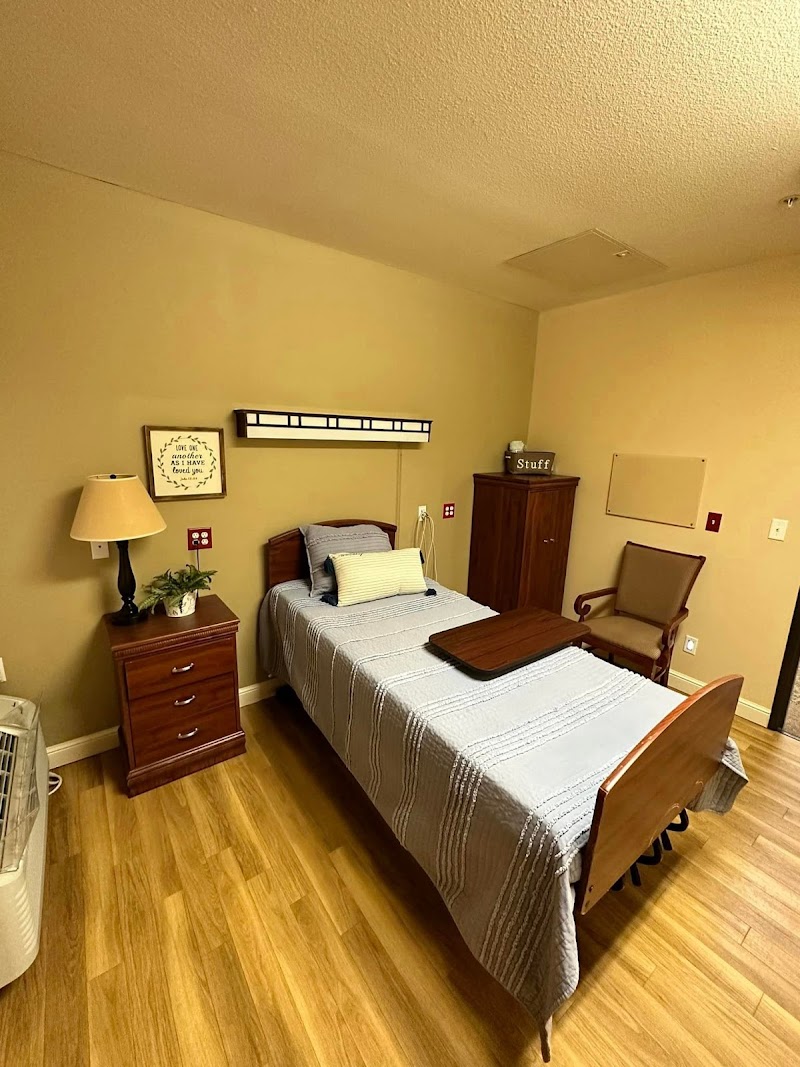
How is Ganado Staffed?

CMS rates GANADO NURSING AND REHABILITATION CENTER's staffing level at 1 out of 5 stars, which is much below average compared to other nursing homes. Staff turnover is 52%, compared to the Texas average of 46%.

What Have Inspectors Found at Ganado?

State health inspectors documented 18 deficiencies at GANADO NURSING AND REHABILITATION CENTER during 2022 to 2025. These included: 1 Immediate Jeopardy (the most serious level, indicating potential for serious harm or death), 16 with potential for harm, and 1 minor or isolated issues. Immediate Jeopardy findings are rare and represent the most serious regulatory concerns. They require immediate corrective action.
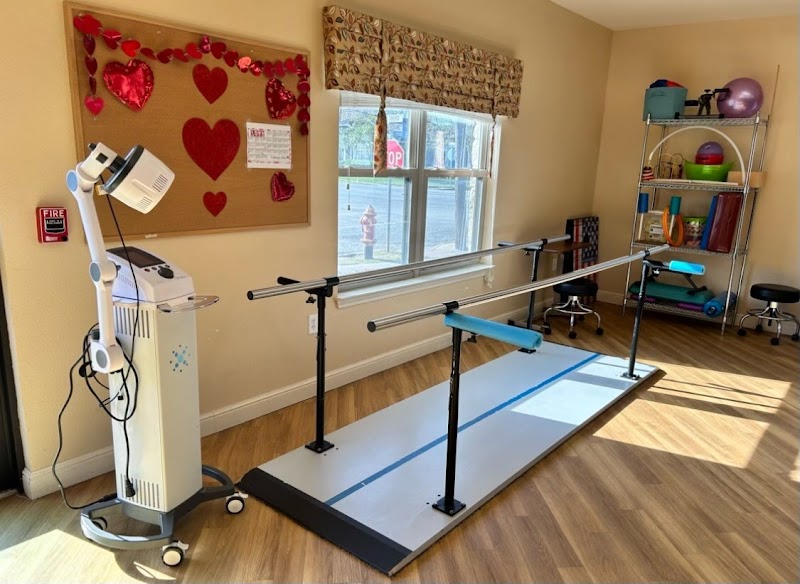
Who Owns and Operates Ganado?

GANADO NURSING AND REHABILITATION CENTER is owned by a for-profit company. For-profit facilities operate as businesses with obligations to shareholders or private owners. The facility is operated by CREATIVE SOLUTIONS IN HEALTHCARE, a chain that manages multiple nursing homes. With 91 certified beds and approximately 48 residents (about 53% occupancy), it is a smaller facility located in GANADO, Texas.

How Does Ganado Compare to Other Texas Nursing Homes?

Compared to the 100 nursing homes in Texas, GANADO NURSING AND REHABILITATION CENTER's overall rating (3 stars) is above the state average of 2.8, staff turnover (52%) is near the state average of 46%, and health inspection rating (4 stars) is above the national benchmark.

What Should Families Ask When Visiting Ganado?

Based on this facility's data, families visiting should ask: "What changes have been made since the serious inspection findings, and how are you preventing similar issues?" "Can you walk me through typical staffing levels on day, evening, and night shifts?" "Can I visit during a mealtime to observe dining assistance and food quality?" "How do you handle medical emergencies, and what is your hospital transfer rate?" These questions are particularly relevant given the facility's Immediate Jeopardy citations and the below-average staffing rating.

Is Ganado Safe?

Based on CMS inspection data, GANADO NURSING AND REHABILITATION CENTER has documented safety concerns. Inspectors have issued 1 Immediate Jeopardy citation (the most serious violation level indicating risk of serious injury or death). The facility has a 3-star overall rating and ranks #1 of 100 nursing homes in Texas. Families considering this facility should ask detailed questions about what corrective actions have been taken since these incidents.

Do Nurses at Ganado Stick Around?

GANADO NURSING AND REHABILITATION CENTER has a staff turnover rate of 52%, which is 6 percentage points above the Texas average of 46%. Moderate turnover is common in nursing homes, but families should still ask about staff tenure and how the facility maintains care continuity when employees leave.

Was Ganado Ever Fined?

GANADO NURSING AND REHABILITATION CENTER has been fined $12,740 across 1 penalty action. This is below the Texas average of $33,206. While any fine indicates a compliance issue, fines under $50,000 are relatively common and typically reflect isolated problems that were subsequently corrected. Families should ask what specific issues led to these fines and confirm they've been resolved.

Is Ganado on Any Federal Watch List?

GANADO NURSING AND REHABILITATION CENTER is not on any federal watch list. The most significant is the Special Focus Facility (SFF) program, which identifies the bottom 1% of nursing homes nationally based on persistent, serious quality problems. Not being on this list means the facility has avoided the pattern of deficiencies that triggers enhanced federal oversight. This is a positive indicator, though families should still review the facility's inspection history directly.