HARMONY CARE AT GIDDINGS
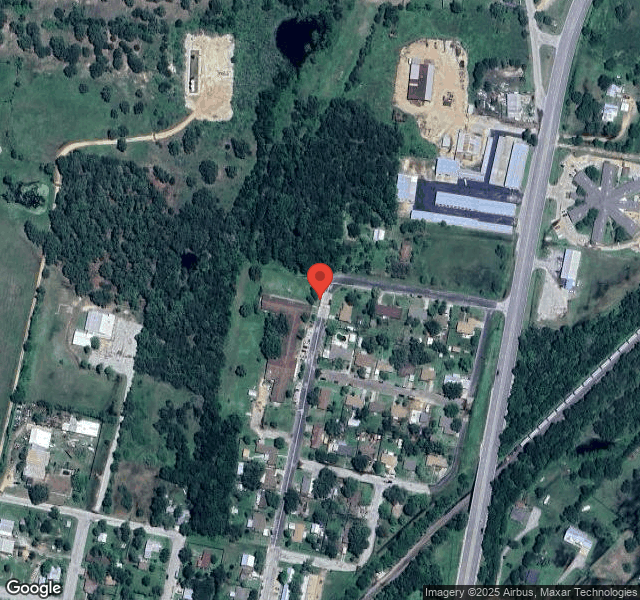

1181 N WILLIAMSON, GIDDINGS, TX 78942 (979) 542-3611
For profit - Partnership 84 Beds HARMONY CARE GROUP Data: November 2025 3 Immediate Jeopardy citations
Trust Grade
0/100
#728 of 1168 in TX
Last Inspection: July 2025

Inspected within the last 6 months. Data reflects current conditions.

Overview

Harmony Care at Giddings has received a Trust Grade of F, indicating significant concerns about its operations and care quality. It ranks #728 out of 1168 nursing homes in Texas, placing it in the bottom half of facilities in the state, but it is the top-rated option in Lee County. Unfortunately, the facility is worsening, with the number of issues increasing from 13 in 2024 to 17 in 2025. Staffing ratings are low at 1 out of 5 stars, but the turnover rate is 0%, which is a positive aspect, suggesting staff may stay long-term. However, the facility has accumulated $146,532 in fines, which is higher than 91% of Texas facilities, indicating ongoing compliance issues. Critical incidents have raised alarms, such as a resident developing possible sepsis due to a neglected catheter change and another resident not receiving necessary insulin, leading to a life-threatening condition. Overall, while there are some strengths, the numerous deficiencies and critical incidents present serious concerns for families considering this nursing home.

Trust Score
F
0/100
In Texas
#728/1168
Bottom 38%
Safety Record
High Risk
Review needed
Inspections
Getting Worse
13 → 17 violations
Staff Stability
○ Average
Turnover data not reported for this facility.
Penalties
✓ Good
$146,532 in fines. Lower than most Texas facilities. Relatively clean record.
Skilled Nurses
⚠ Watch
Each resident gets only 20 minutes of Registered Nurse (RN) attention daily — below average for Texas. Fewer RN minutes means fewer trained eyes watching for problems.
Violations
⚠ Watch
38 deficiencies on record. Higher than average. Multiple issues found across inspections.
★★☆☆☆
2.0
Overall Rating
★☆☆☆☆
1.0
Staff Levels
★★★★★
5.0
Care Quality
★☆☆☆☆
1.0
Inspection Score
Stable
2024: 13 issues
2025: 17 issues

The Good

  • 5-Star Quality Measures · Strong clinical quality outcomes
  • Full Sprinkler Coverage · Fire safety systems throughout facility
  • No fines on record

Facility shows strength in quality measures, fire safety.

The Bad

2-Star Overall Rating

Below Texas average (2.8)

Below average - review inspection findings carefully

Federal Fines: $146,532

Well above median ($33,413)

Significant penalties indicating serious issues

Chain: HARMONY CARE GROUP

Part of a multi-facility chain

Ask about local staffing decisions and management

The Ugly 38 deficiencies on record

3 life-threatening
Jul 2025 8 deficiencies
CONCERN (D)

Potential for Harm - no one hurt, but risky conditions existed

Deficiency F0557 (Tag F0557)

Could have caused harm · This affected 1 resident

**NOTE- TERMS IN BRACKETS HAVE BEEN EDITED TO PROTECT CONFIDENTIALITY** Based on observation, interview and record review the facility failed to ensure the resident had the right to be treated with re...

Read full inspector narrative →
**NOTE- TERMS IN BRACKETS HAVE BEEN EDITED TO PROTECT CONFIDENTIALITY** Based on observation, interview and record review the facility failed to ensure the resident had the right to be treated with respect and dignity for one of five residents (Resident #14) reviewed for dignity. The facility failed to speak to Resident #14 in a way that promoted her dignity and self-worth. This failure could place residents at risk of a decline in their sense of dignity, level of satisfaction with life, and feeling of self-worth.Findings include: Record review of Resident #14's face sheet, dated 07/17/2025, reflected a [AGE] year-old female who was admitted to the facility on [DATE]. Resident #14 had diagnoses which included unspecified dementia, unspecified severity, without behavioral disturbance, psychotic disturbance, mood disturbance, and anxiety (a condition where a person exhibits symptoms of dementia, but the specific type of dementia was not identified, and the severity had not been specified. Dementia- a loss of thinking, remembering, and reasoning to such an extent that it interferes with a person's daily life and activities) , senile degeneration of the brain, not elsewhere classified (a decline in mental abilities like memory, reasoning, and judgement), and anxiety disorder ( excessive, persistent, and uncontrollable feelings of worry, fear, and unease), and Wernicke's encephalopathy (caused by vitamin B1 deficiency, primarily affecting the brain and nervous system). Record review of Resident #14's admission MDS, dated [DATE], reflected the resident had a BIMS score of 9, which indicated her cognition was moderately impaired. Resident #9 did not have any physical or verbal behavior symptoms directed toward others. She had senile degeneration of the brain, Wernicke's encephalopathy, anxiety disorder and non-Alzheimer's dementia (is various types of dementia that are not caused by Alzheimer's disease [(a progressive brain disorder that slowly destroys memory and thinking skills, ultimately interfering with daily life]). Record review of Resident #14's Comprehensive Care Plan, with a revision date of 06/30/2025, reflected Resident #9 had signs and symptoms of anxiety. Interventions: Allow Resident #14 to voice thoughts and feelings. Explore with resident the reason of anxiety. Psych services as ordered. Resident #14 resides in the secure unit. She was at risk for elopement and needed reduced stimuli and a controlled environment. Resident #14's dignity will be maintained and will be safe in the secured unit. Interventions: Monitor frequently to assure residents safety. Explain all procedures, suing terms/ gestures resident can understand. Call by name when given care. Record review of Resident #14's skin assessment and safe survey, on 07/17/2025 at 4:00 PM, dated 07/17/2025, there were no concerns with skin assessments and the resident did not have any psychosocial negative outcomes. She was calm and did not recall the incident. Observation on 07/17/2025 at 12:15 PM, the state surveyor was entering the secured unit and heard someone in a loud tone state you need to sit in your chair. The hallway revealed staff and residents in the dining room. The State Surveyor was approximately 200 feet from the dining room. Upon entering the dining room CNA G and CNA H were passing out trays. Observation on 07/17/2025 at 12: 30 PM to 12:40 PM revealed CNA G remained in the hall when the State Surveyor exited the secure unit and within 3 minutes found the Corporate Nurse and explained what occurred on the secure unit with CNA G. Another DON from a sister facility immediately went to the unit and walked with CNA G to the front office. CNA G wrote a statement, and she was immediately terminated upon further investigation. Interview on 07/17/2025 at 12:20 PM, CNA H stated CNA G did speak in a loud tone when speaking to Resident #14 in the dining room approximately 12:15 PM on 07/17/2025. She stated CNA G stated, you need to sit in your chair. She stated Resident #14 did not respond to CNA G. CNA H stated Resident #14 did not become upset after CNA H spoke to her in a loud tone. Interview on 07/17/2025 at 12:25 PM, CNA G stated she did speak in a loud tone when she stated sit in your chair when she spoke to Resident #14. CNA G stated, I did use a loud tone and was expected to use a softer tone when speaking to a resident. She stated, I can understand this was not the correct tone of voice to use when speaking to residents. CNA G stated she was in-service on abuse and neglect. She did not remember the date. Interview on 07/17/2025 at 2:05 PM, the Corporate Nurse stated CNA G was immediately terminated. She stated anyone using a loud tone when speaking to a resident was not tolerated in the facility. She stated there was a potential a resident may become more anxious and effect a resident's dignity if a staff used a loud tone when speaking to a resident. The Corporate Nurse stated to prevent this from happening again she felt terminating CNA G was in the best interest of the residents in the facility. She stated they wanted to ensure extra precautions were taken to prevent potential neglect or abuse. She stated the physician, ombudsman, family and HHSC were immediately contacted about the incident with Resident #14. The Corporate Nurse stated safety checks and skin assessments were completed on all residents on the secure unit and there were no concerns. She stated an investigation into the incident had begun and the full investigation would be completed within 5 days and submitted to HHSC. The Corporate Nurse stated the facility would not tolerate any rude tone being used when speaking to any of the residents. Interview on 07/17/2025 at 2:30 PM, the DON from the sister facility stated Resident #14 did not have any psychosocial negative outcomes from CNA G speaking to her in a rude tone. She stated Resident #14 was calm and did not display any anxious behavior such as worried expression, wringing her hands or pacing. She stated CNA G was immediately removed from the secure unit and terminated. She stated she instructed nurses to complete skin assessments and safety checks on all residents on the secure unit. The DON stated the skin assessments and safety checks were being completed as a precaution. She stated when staff used a rude tone with a resident this affected a resident's dignity. Interview on 07/17/2025 at 2:45 PM, . Resident #14 stated she did not like for anyone to speak to her very loud. Resident #14 stated no one had spoken to her in a loud tone or yelled at her. She stated no one was rude or mean to her. Resident #14 stated she wanted to see her family. She kept talking about her family. Resident #14 was calm and smiling. She stated, talk to someone else about all of this because I am fine here. Resident #14 stated she felt safe and was not afraid to live in the facility. She stated she did not want to talk anymore and stated come back next week for another visit. Record review of the facility's, undated Resident Rights policy reflected All residents have the right to be treated with dignity and respect, regardless of age, disability, race, ethnicity, religion, sexual orientation, gender identity, or socioeconomic status. Staff will interact with residents in a manner that promotes their self-esteem and self-worth, using preferred names and titles honoring their personal preferences. Record review of the facility's Identifying Types of Abuse Policy, dated June 2023, reflected verbal abuse includes but not limited to the use of oral, written, or gestured language. This definition includes communication that expresses disparaging and derogatory terms to residents within their hearing/seeing distance. Examples: name calling, swearing, threatening harm , trying to frighten the resident, racial slurs, etc .
CONCERN (D)

Potential for Harm - no one hurt, but risky conditions existed

ADL Care (Tag F0677)

Could have caused harm · This affected 1 resident

**NOTE- TERMS IN BRACKETS HAVE BEEN EDITED TO PROTECT CONFIDENTIALITY** Based on observation, interview and record review, the facility failed to ensure a resident who was unable to carry out activiti...

Read full inspector narrative →
**NOTE- TERMS IN BRACKETS HAVE BEEN EDITED TO PROTECT CONFIDENTIALITY** Based on observation, interview and record review, the facility failed to ensure a resident who was unable to carry out activities of daily living received the necessary services to maintain good nutrition, grooming, and personal and oral hygiene for two of eight residents (Resident# 12 and Resident #16) reviewed for ADL care. The facility failed to ensure Resident #12, and Resident # 16's nails were cleaned, and did not have rough edges. This failure could place residents at risk of not receiving services or care, diminished quality of life, and decreased self-esteem. Findings include: 1. Record review of Resident #12's face sheet, dated 07/17/2025, reflected an [AGE] year-old male who was admitted to the facility on [DATE]. Resident #17 had diagnoses which included Type 2 diabetes mellitus without complications (a disorder where the body either does not produce enough insulin or cannot properly use the insulin it produces, leading to high blood sugar levels), lack of coordination (the inability to smoothly and efficiently combine movements of different body parts. It can manifest as clumsiness, unsteadiness, or difficulty with tasks such as buttoning a shirt), and anxiety disorder (conditions characterized by excessive fear, worry, and apprehension that can interfere with daily activities). Record review of Resident #12's Annual MDS, dated [DATE], reflected the resident had a BIMS score of 15, which indicated his cognition was intact. Resident #12 required partial/moderate assistance (helper does less than half the effort) with personal hygiene, and showers. He required supervision/or touching assistance (helper provides verbal cues and/or touching as resident completes activity) with the following: dressing, toileting, and oral hygiene. Record review of Resident #12's Comprehensive Care Plan, with completion date of 06/30/2025, reflected Resident # 12 required one staff assistance with bathing, dressing, grooming and hygiene. Observation and interview on 07/15/2025 at 11:01 AM, revealed Resident #12 was in his room sitting in his wheelchair. He had a blackish/ brownish substance underneath the middle and ring fingernails on his right hand. Resident #12's middle fingernail on his right hand was uneven around the edges. Resident #12 stated he requested for his nails to be cleaned and filed a few days ago. He did not recall the date or who he asked to clean his nails. Resident #12 stated the person explained he would receive nail care on Sunday (07/20/2025). He stated he did not recall the ladies name when he requested his nails to be cleaned and filed. 2. Record review of Resident # 16's face sheet, dated 07/17/2025, reflected a [AGE] year-old female who was admitted to the facility on [DATE] and readmitted on [DATE]. Resident #16 had diagnoses which included paraplegia, unspecified (partial or complete paralysis of both legs and often the lower trunk, with the specific cause or extent of the impairment not being clearly defined), lack of coordination (the inability to smoothly and efficiently combine movements of different body parts. It can manifest as clumsiness, unsteadiness, or difficulty with tasks such as buttoning a shirt), and contracture of left hand (a condition where the tissue under the skin of the palm thickens and tightens, causing one or more fingers to bend towards the palm and making it difficult to straighten them). Record review of Resident #16's Quarterly MDS Assessment, dated 06/09/2025, reflected Resident #16 had a BIMS score of 11, which indicated her cognitive status was moderately impaired. Resident #16 required set up assistance with personal hygiene, oral hygiene, and upper body dressing. She required partial/moderate assistance with showers (helper does less than half the effort). Record review of Resident #16's Comprehensive Care Plan, with completion date of 06/30/2025, reflected Resident #16 had an ADL self-care performance deficit related to disease process and impaired balance. Intervention: Bathing/Showering- check nail length and trim and clean on bath day and as necessary. Report any changes to the nurse. Observation and interview on 07/15/2025 at 11:15 AM, revealed Resident #16 was in her room sitting in her wheelchair. She had a blackish/ brownish substance underneath the middle ring and fore fingernails on her right hand. Resident #16's ring and middle fingernail on her right hand were uneven around the edges. She stated on Saturday (07/12/2025) she asked a nurse if she would clean her nails. Resident #16 did not recall the nurse's name, and the nurse stated her nails would be cleaned and trimmed on Sunday (07/13/2025). She stated no one cleaned her nails on Sunday (07/13/2025). In an interview on 07/15/2025 at 2:00 PM, LVN F stated the nurses were responsible for residents with diagnosis of diabetes with nail care such as trimming, cleaning, filing. He stated the CNAs were responsible for all other residents' nail care. LVN F stated if a resident had brownish/blackish substance underneath their nails and if a resident swallowed the substance there was a possibility a resident may become ill, such as stomach problems nausea and vomiting. LVN F stated if a resident refused any type of care, the nurse would document the refusal in the nurse's notes. He stated Resident #12 and Resident #16 did not refuse nail care. He stated no one reported to him Resident #16 or Resident #12 refused nail care. LVN F stated he had worked with Resident #12 and Resident #16 for several weeks. He stated he was in- serviced on nail care, however, he did not recall the date. In an interview on 06/19/2025 at 9:20 AM, CNA G stated the CNAs were responsible for cleaning, trimming, and filing all residents' nails except for the residents with a diagnosis of diabetes. She stated the nurses were responsible for all the residents' nails with a diagnosis of diabetes. CNA G stated the residents' nails were usually cleaned on Sundays, their shower days and as needed. She stated if there was a blackish substance on the residents' fingertips or underneath their nails and the resident swallowed the blackish substance there was a possibility a resident may become ill, such as vomiting and diarrhea. She stated a resident may cause a skin tear if their fingernails were not smooth. CNA G stated she was in-serviced on cleaning, filing, and trimming residents' nails but she did not recall the date. She stated she had given care to Resident # 12 and Resident #16, and they did not refuse nail care. CNA G stated she did not know the last time these residents' nails were trimmed or cleaned. She stated if any resident refused care it was reported to the nurse and the nurse would document the refusal in the nurses note. In an interview on 06/19/25 at 10:30 AM, CNA C stated the nurses and the CNAs were responsible for nail care. She stated the nurses were responsible to trim and clean all resident's nails with a diagnosis of diabetes. She stated it was the CNAs' responsibility to clean and trim all other residents' nails during showers or as needed. She stated if there was a blackish substance underneath the resident's nails, there was a possibility the substance had bacteria. CNA C stated if a resident swallowed the bacteria there was a possibility a resident may become ill with stomach problems such as vomiting. CNA C stated she was in-serviced on nail care; however, she did not recall the date. She stated she had given care to Resident #12 and Resident #16. She stated she was not aware of Resident #12 or Resident #16 refusing nail care. In an interview on 07/17/25 at 09:36 AM, the Corporate Nurse stated if a resident ingested the blackish substance on their fingers or underneath their fingernails, there was a possibility the substance may be some type of bacteria, however it would be difficult to determine if the blackish/ brownish substance was bacteria. She stated it was a possibility a resident may become ill with stomach issues such as vomiting and nausea if they ingested the blackish/ brownish substance. She stated the CNAs were responsible for all residents' nails such as cleaning, trimming, and filing except for the residents with diabetes (a disease that occurs when your blood sugar, is too high). She stated for any resident with a diagnosis of diabetes the nurse was responsible for these residents' fingernails. The Corporate Nurse stated the nurse supervisor was responsible for monitoring CNAs giving ADL care which included nail care and the DON was responsible for monitoring the nurse supervisors. Record review of the facility's Policy on Activities of Daily Living, dated 03/2018, reflected Residents will be provided with care, treatment, and services as appropriate to maintain or improve their ability to carry out ADLs. Residents who are unable to carry out activities of daily living independently will receive the services necessary to maintain good nutrition, grooming, and personal and oral hygiene. Interventions to improve or minimize a resident's functional abilities will be in accordance with the resident's assessed needs, preferences, stated goals and recognized standards of practice. The resident's response to interventions will be monitored, evaluated, and revised as appropriate.
CONCERN (D)

Potential for Harm - no one hurt, but risky conditions existed

Deficiency F0679 (Tag F0679)

Could have caused harm · This affected 1 resident

**NOTE- TERMS IN BRACKETS HAVE BEEN EDITED TO PROTECT CONFIDENTIALITY** Based on interview, observation and record review, the facility failed, to provide an ongoing activities program to support resi...

Read full inspector narrative →
**NOTE- TERMS IN BRACKETS HAVE BEEN EDITED TO PROTECT CONFIDENTIALITY** Based on interview, observation and record review, the facility failed, to provide an ongoing activities program to support residents in their choice of activities, both facility sponsored group and individual activities, and independent activities, designed to meet the interests of and support the physical, mental, and psychosocial well-being of each resident, encouraging both independence and interaction in the community for two of five residents ( Resident # 15 and Resident #25) reviewed for activities. The facility failed to provide Resident #15 and Resident #25 in room activities on the dates of 07/01/2025 thru 7/17/2025. This failure could place residents at risk for boredom, depression, and diminished quality of life. Based on interview, observation and record review, the facility failed, to provide an ongoing activities program to support residents in their choice of activities, both facility sponsored group and individual activities, and independent activities, designed to meet the interests of and support the physical, mental, and psychosocial well-being of each resident, encouraging both independence and interaction in the community for two of five residents ( Resident # 15 and Resident #25) reviewed for activities. The facility failed to provide Resident #15 and Resident #25 in room activities on the dates of 07/01/2025 thru 7/17/2025. This failure could place residents at risk for boredom, depression, and diminished quality of life. Findings included:Review of Resident #15's Face Sheet, dated 07/17/2025, reflected an [AGE] year-old female admitted on [DATE] with a diagnosis of Parkinson's disease without dyskinesia, without mention of fluctuations (motor symptoms like tremors, rigidity and slowness of movement. Dyskinesia- disease symptoms where involuntary movements are absent, and there are no significant variations in symptom throughout the day), muscle wasting and atrophy, not elsewhere classified, unspecified site (muscles that lose their nerve supply and waste away), and unspecified asthma (a respiratory condition marked by spasms in the lungs, causing difficulty in breathing).Review of Resident #15's admission MDS Assessment, dated 09/21/2024, reflected Resident #15 had a BIMS score of 15 which indicated her cognition was intact. Resident #15's activity preference was the following:1. Reading books or newspaper.2. Listening to music.3. Being around animals.4. Keeping up with the news.5. Do favorite activities.6. Go outside to get fresh air when the weather is good.7. Do things in groups of people.8. Participating in religious services or practices. Review of Resident #15's Quarterly MDS Assessment, dated 06/10/2025, reflected Resident #15 had a BIMS score of 15 which indicated Resident #15's cognition was intact. Review of Resident #15's Comprehensive Care Plan, dated 06/30/2025, reflected Resident #15 required in rom activity related to resident not participating in activities. Intervention: Activity Director will assess the resident's interest and create the activity plan. Review of Resident #15's Activity Initial Assessment, dated 09/16/2024, reflected Resident #15 preferred activities in her room. Review of Resident #15's Activity In room Participation Record, dated July 2025, reflected Resident #15 did not receive any in room activities from 07/01/2025 thru 07/17/2025. Observation and interview on 07/16/2025 at 2:20 PM, revealed Resident # 15 was in her room watching television. She stated she was tired of watching television every day. Resident #15 stated she did want activities in her room and wanted activity director to visit her and assist her with doing activities. Resident #15 stated she was receiving activities from the Activity Director at one time; however, she had not been getting activities in her room from the Activity Director over the past several weeks. Resident #15 stated she did get bored sometimes. She stated she did not want to attend group activities. Review of Resident #25's Face Sheet, dated 07/17/2025, reflected a 68- year-old male was admitted on [DATE] and readmitted on [DATE] with a diagnoses of unspecified dementia, unspecified severity, with other behavioral disturbance (a condition where a person exhibits symptoms of dementia, but the specific type of dementia was not identified, and the severity had not been specified. Dementia- a loss of thinking, remembering, and reasoning to such an extent that it interferes with a person's daily life and activities with behaviors such as agitation - characterized by restlessness, and anxiety - feelings of fear worry, unease , and apprehension), cognitive communication deficit ( difficulties in communication that arise from impairments in cognitive functions like attention, memory reasoning, and problem-solving), and lack of coordination ( the inability to smoothly and efficiently control movements). Review of Resident #25's Annual MDS, dated [DATE], reflected Resident #25 had a BIMS score of 7 which indicated his cognition was moderately impaired. Resident #25's activity preference was participating in religious services or practices. Review of Resident #25's Quarterly MDS, dated [DATE], reflected Resident #25 had a BIMS score of 8 which indicated his cognition was moderately impaired. Review of Resident #25's Comprehensive Care Plan Assessment, with a completion date of 06/30/2025, reflected Resident #25 was at risk for pain, impaired physical mobility, and inflammation in affected joints. Intervention: Encourage socialization and involvement in activities. Resident #15 required in room activity. Intervention: Activity Director will assess the resident's interest and create activity plan. Review of Resident #25's Activity In room Participation Record, dated July 2025, reflected Resident #15 did not receive any in room activities from 07/01/2025 thru 07/17/2025. Review of The Activity Director's Personnel record on 07/17/2025, reflected she was a certified Activity Director. Observation and interview on 07/17/2025 at 9:10 AM, Resident #25 was sitting in his room lying in bed. He was staring at the wall in front of him. There was not any stimulation on in his room. Resident #25 stated he sometimes gets bored and wished someone come in and talk to him. He stated he did not remember when anyone came in and talked to him or offered him activity. Resident #25 stated he did not want to attend group activities. He stated he did not enjoy being around a group. Resident #25 stated he was tired and come back tomorrow and talk to him. Interview on 07/16/2025 at 8:30 AM, the Activity Director stated Resident #15, and Resident #25 did not receive in room activities from 07/01/2025 thru 07/17/2025. The Activity Director stated she was expected to ensure all residents received activities based on their preferences and their physical abilities. She stated if a was not coming out of their room, the residents were to be provided in room activities. The Activity Director stated she provided in room activities at least twice a week. She stated there was not an excuse why Resident #15 and Resident #25 did not receive in room visits. The Activity Director stated if a resident was not receiving activities on a consistent basis there was a potential a resident may become bored, depressed, or have a decline in their quality of life. Interview on 07/17/2025 at 8:45 AM, The Corporate Nurse stated she expected in room activities be provided to the residents needing these type of activities. She stated if the if a resident was not receiving in room activities there was a possibility a resident may become depressed, bored, and isolated. She stated the Activity Director was responsible for all activities in the facility. The Corporate Nurse stated the Administrator quit on 07/01/2025 and the facility was in the process of hiring a new administrator. She stated the Administrator would be responsible for monitoring the Activity Director and she was going to assign someone (she did not know who at the time of the interview) to monitor activity programs until an administrator was hired. Review of the Facility Activity Programs Policy, dated 06/2018, reflected Activity programs are designed to meet the interests of and support the physical, mental and psychosocial well-being of each resident.Policy Interpretation and Implementation1. The activities program is provided to support the well-being of residents and to encourage both independence and community interaction.2. Activities offered are based on the comprehensive resident-centered assessment and the preferences of each resident.3. The activities program is ongoing and includes facility-organized group activities, independent individual activities and assisted individual activities.4. Activities are considered any endeavor, other than routine ADLs, in which the resident participates, that is intended to enhance his or her sense of well-being and to promote or enhance physical, cognitive or emotional health.5. Our activity programs are designed to encourage maximum individual participation and are geared to the individual resident's needs.6. Activities are scheduled 7 (seven) days a week and residents are given an opportunity to contribute to the planning, preparation, conducting, cleanup and critique of the programs.7. Our activity programs consist of individual, small group and large group activities that are designed to meet the needs and interests of each resident. Activity programs include activities that promote:1. self-esteem.2. comfort.3. pleasure.4. education.5. creativity.6. success; and7. independence.8. All activities are documented in the resident's medical record.9. Activities participation for each resident is approved by the attending physician based on information in the resident's comprehensive assessment.10. Scheduled activities are posted on the resident bulletin board. Activity schedules are also provided individually to residents who cannot access the bulletin board (e.g., bed bound or visually impaired residents). Individualized and group activities are provided that:1. reflect the schedules, choices and rights of the residents.2. are offered at hours convenient to the residents, including evenings, holidays and weekends.3. reflect the cultural and religious interests, hobbies, life experiences and personal preferences of the residents.4. appeal to men and women, as well as those of various age groups residing in the facility; and5. incorporate family, visitor and resident ideas of desired appropriate activities.11. Residents are encouraged, but not required, to participate in scheduled activities.12. Adequate space and equipment are provided to ensure that needed services identified in the resident's plan of care are met.
CONCERN (D)

Potential for Harm - no one hurt, but risky conditions existed

Garbage Disposal (Tag F0814)

Could have caused harm · This affected 1 resident

Based on observation, interview and record review, the facility failed to dispose of garbage properly in 1 of 1 kitchen.On 07/15/2025 at 9:30 AM, 1 of 2 facility garbage containers were observed with ...

Read full inspector narrative →
Based on observation, interview and record review, the facility failed to dispose of garbage properly in 1 of 1 kitchen.On 07/15/2025 at 9:30 AM, 1 of 2 facility garbage containers were observed with no lids attached or on them and they had waste inside. This failure has the potential to affect residents in the facility, staff, and visitors by placing them at risk of infection for exposure to germs and diseases carried by pests and rodents. In an interview with Dietary Supervisor on 07/16/2025 at 3:15 PM, Dietary Supervisor stated that trash cans should always have lids and should remain closed when not in use. Dietary Supervisor stated not keeping the lids closed could lead to cross contamination, placing residents at risk of illness.In an interview 07/17/2025 at 9:51 AM with Dietary Aide D, she stated that she has been employed at the facility for six years and has worked in the kitchen for the past four years. She reported that she has been trained on all kitchen policies. Dietary Aide D stated that trash cans should be kept always closed with a lid. She explained that if a trash can is left open, it can allow germs to accumulate, potentially contaminating the food and causing residents to become ill.Record review of the Dietary Services Policies and Procedures for Waste Control and Disposal, stated that Trash cans must be covered at all times except during use.
CONCERN (D)

Potential for Harm - no one hurt, but risky conditions existed

Deficiency F0925 (Tag F0925)

Could have caused harm · This affected 1 resident

Based on observations, interviews, and record review, the facility failed to maintain an effective pest control program so that the facility was free of pests for one of one kitchen reviewed for effec...

Read full inspector narrative →
Based on observations, interviews, and record review, the facility failed to maintain an effective pest control program so that the facility was free of pests for one of one kitchen reviewed for effective pest control.The facility had presence of mouse droppings on a shelf in the food storage room.This failure could place residents at risk for spread of infection, cross-contamination, and decreased quality of life.Observation on 07/15/2025 at 9:22 AM, in the facility's kitchen food storage room revealed several mouse droppings on the bottom shelf.In an interview with Dietary Supervisor on 07/16/2025 at 3:15 PM, she stated it looked like mouse droppings to her as well on the shelf. Dietary Supervisor stated the maintenance department was responsible for pest control. She stated the shelf would be cleaned that day.In an interview with the Maintenance Supervisor on 7/17/2025 at 9:44 AM, he stated that he began working at the facility on June 2, 2025. He reported that he has not personally seen any pests in the facility; however, some staff members have informed him that they have seen mice. The Maintenance Supervisor stated that pest control visited the facility twice last month and performed extermination services. He indicated he could provide the surveyor with copies of the pest control visit documentation. He also stated that the facility was surrounded by wooded areas and that he has contacted the city to request assistance with pest concerns related to the woods located behind the facility.Record Review of the facility's food storage policy, undated, stated:Procedure: 1. Storage areas will be free from rodent and insect infestation; and will be treated for pests and vermin on a regular schedule. Record Review of the facility's pest control service inspection report dated 07/14/2025 revealed, the facility was last treated for rodents. The facility's inspection report dated 06/27/2025 revealed, the facility was treated for roaches, spiders, and ants.Record Review of the facility's pest control policy, not dated revealed, Policy statement: Our facility shall maintain an effective pest control program.Policy Interpretation and Implementation: 1. This facility maintains an on-going pest control program to ensure that the building is kept free of insects and rodents
CONCERN (E)

Potential for Harm - no one hurt, but risky conditions existed

Food Safety (Tag F0812)

Could have caused harm · This affected multiple residents

**NOTE- TERMS IN BRACKETS HAVE BEEN EDITED TO PROTECT CONFIDENTIALITY** Based on observations, interviews, and record reviews the facility failed to properly store, prepare, distribute food under sani...

Read full inspector narrative →
**NOTE- TERMS IN BRACKETS HAVE BEEN EDITED TO PROTECT CONFIDENTIALITY** Based on observations, interviews, and record reviews the facility failed to properly store, prepare, distribute food under sanitary conditions in accordance with professional standards for food service safety for 1 of 1 kitchen.1. The facility failed to label and date all food items located in the walk-in refrigerator, freezers and in the dry food pantry area on 7/15/2025, and 7/16/2025. 2. The facility failed to clean and sanitize its food storage areas, to include the shelves and 1freezer in storage room. on 7/15/2025, and 7/16/2025.3. The facility failed to clean and sanitize its dining area on 7/15/2025, 7/16/2025, and 7/17/2025. These failures could place residents who receive meals from the kitchen and dine in the facility's dining room at risk for foodborne illnesses.Observation during the initial tour of the kitchen on 7/15/2025 beginning at 09:30 AM, the following was observed:Dry Food Pantry area: 18 cans of diced red peppers, not labeled and dated 6 cans of Thick it, not labeled and dated 2 gallons of Coleslaw Dressings, not labeled and dated 6 cans of chicken noodles, not labeled and dated 4 boxes of Cream of Wheat, not labeled and datedWalk in refrigerator: Ziploc bag of thawed meat, not labeled and dated 3 pitchers of unmarked liquids or drinks, not labeled and dated A plastic pitcher filled about 2/3 full of peaches, not labeled and dated 6 gallons of milk, not labeled and datedUpright Freezer: 4 frozen jugs of orange juice and 4 frozen jugs of cranberry juice, not labeled and dated. Observed the shelf in the [NAME] freezer to be unclean, the shelf noted with sticky brown residue and an unknown dead insect resembling a beetle. The pantry shelves were observed to be unclean. There were mice droppings noted on the bottom shelf of the pantry room.07/15/2025, 12: 30 PM, the dining area was observed with: 5 dirty windowsills with dead bugs and cobwebs Cobwebs on beams Ceiling fans with significant dust and cobwebs07/16/2025 at 9:11AM, kitchen policy and procedure were requested from facility staff. During a follow up tour of kitchen on 7/16/2025 beginning at 11:00 AM, the following was observed: Unlabeled and not dated items remained: 18 cans of diced red peppers, 6 cans of Thick it, 2 gallons of Coleslaw Dressings,6 cans of chicken noodles, and 4 boxes of Cream of WheatNew items noted to be unlabeled and dated: opened frozen omelets and steak friesThe unclean shelves remained with the mouse droppings.The dining area remained with unclean windowsills.In an interview on 07/16/2025 at 3:15 PM Dietary Supervisor, stated the facility's practice is to keep open food for three days and then dispose of it. She also stated that all food products were expected to be labeled and dated upon arrival. She confirmed that her expectation was for all staff to follow this procedure.When asked about cleaning procedures, she stated that she personally trained staff on the cleaning schedule, which included daily cleaning of shelves and sweeping/mopping the storage room. However, when the surveyor asked to review the cleaning schedule book for the week of July 13-19, 2025, it was observed to have no entries. The Dietary Supervisor acknowledged that although staff had cleaned, no one had recorded their work in the log.The surveyor escorted the Dietary Supervisor to the food storage room and pointed out the mouse droppings and visibly soiled shelves. The Dietary Supervisor acknowledged the issue and stated the area would be cleaned that day. She was also shown the unlabeled food items in dry storage, the refrigerator, and freezer, and stated that they would all be marked immediately. She further admitted that she had previously noted a blue bag of food that was not labeled or dated.When asked what potential harm could result from food items not being labeled and dated properly, the Dietary Supervisor stated that items could expire and become contaminated, which could cause residents to become ill. The surveyor escorted the Dietary Supervisor to the windowsills; she stated housekeeping was responsible for cleaning the windowsills in the dining area.In an interview 07/17/2025 at 9:25 AM, Housekeeping Supervisor stated that she was responsible for overseeing the cleaning of the dining room. She reported that housekeeping staff sweep and mop the floors, sanitize all tables, and wipe down countertops. She stated that windows were cleaned once a week, and that dusting, spraying, and wiping of surfaces are part of the routine duties.When asked about who provides training on the cleaning schedule, the Housekeeping Supervisor stated that she was responsible for training staff. She noted that she has not been in her position long and has not yet had time to complete a formal cleaning schedule. She explained that the department has been short-staffed, and she has been assisting in other areas of the facility.She stated that cleaning the ceiling fans was the responsibility of the maintenance department, as housekeeping staff do not have access to ladders. When informed that several dead bugs were observed in the windowsills, the Housekeeping Supervisor stated that they would address the issue that day. She also stated that the three housekeepers currently working have been employed at the facility longer than she has.When asked about potential harm, she stated that dust could trigger resident allergies, and bugs could crawl on residents and bite them, potentially causing illness.In an interview 07/17/2025 at 9:35 AM, Housekeeper E stated that she has been working at the facility for two months. She reported that she has been trained on the facility's cleaning policies. She explained that the expected cleaning process in the dining room included wiping the tables first, sweeping the floors, cleaning the windows and windowsills, and mopping last.She stated that the Housekeeping Supervisor new and was in the process of developing a new cleaning schedule for the staff. When asked about the potential harm of having unclean areas in the dining room, Housekeeper E stated that it could cause health issues for residents or make them sick.In an interview 07/17/2025 at 9:51 AM, Dietary Aide D stated that she has been employed at the facility for six years and has worked in the kitchen for the past four years. She reported that she has been trained on all kitchen policies. Dietary Aide D stated they label and date all items received in the kitchen. She stated opened products were dated with date opened. Dietary Aide D stated they clean the kitchen daily and mark off task in the cleaning book. She stated both dietary and housekeeping clean the dining area, but housekeeping cleans the windowsills.Record Review of facility's Food Storage Policy not dated revealed: Food will be stored in an area that is clean, dry and free from contaminants. Storage areas will be free from rodent and insect infestation; and will be treated for pests and vermin on a regular schedule. Food should be dated as it is placed on the shelves if required by state regulation. Date marking should be visible on all high-risk food to indicate the date by which a ready-to-eat TCS food should be consumed, sold or discarded.Record Review of facility's General Food Preparation and Handling Policy not dated revealed: The kitchen will be kept neat and orderly. a. The kitchen surfaces and equipment will be cleaned and sanitized as appropriate. Leftovers must be labeled, dated, covered, and stored in refrigerator.Record Review of facility's Cleaning and Sanitation of Dining and Food Service Areas revealed: Policy: The food and nutrition services staff will maintain the cleanliness and sanitation of the dining and food service areas through compliance with a written, comprehensive cleaning schedule.
CONCERN (E)

Potential for Harm - no one hurt, but risky conditions existed

Infection Control (Tag F0880)

Could have caused harm · This affected multiple residents

**NOTE- TERMS IN BRACKETS HAVE BEEN EDITED TO PROTECT CONFIDENTIALITY** Based on observation, interview, and record review, the facility failed to maintain an infection prevention and control program,...

Read full inspector narrative →
**NOTE- TERMS IN BRACKETS HAVE BEEN EDITED TO PROTECT CONFIDENTIALITY** Based on observation, interview, and record review, the facility failed to maintain an infection prevention and control program, including hand hygiene, designed to provide a safe, sanitary, and comfortable environment, and to help prevent the development and transmission of communicable diseases and infections for 7 (Resident #5, Resident #8, Resident #22, Resident #27, Resident #15, Resident #39, and Resident #42 of 11 residents reviewed for infection control practices, in that: The facility failed to:1. Ensure CNA B and Medication Aide A practiced proper hand hygiene while serving and assisting residents #22, #27, and #42 during the lunch meal on [DATE].2. Ensure CNA C changed dirty gloves when handling clean items while providing peri care to Resident #8.3. Ensure Medication Aide A sanitized blood pressure monitors in between Resident #15 and Resident #39 while obtaining blood pressures. 4. Ensure LVN F washed his hands before and after the wound care on Resident #5 and changed dirty gloves when handling clean items while providing wound care. These failures could place residents at risk for healthcare associated cross-contamination and infections. An observation of the lunch meal on [DATE] between 12:08PM and 12:50PM revealed CNA B, and Medication Aide A assisted in the dining room.CNA B, and Medication Aide A were observed passing out trays to 12 residents at 6 tables.CNA B was observed sitting down to provide feeding assistance to Resident #42 immediately after passing lunch trays, without performing hand hygiene (washing or sanitizing hands). Medication Aide A was also observed sitting down to assist Resident #27 with feeding immediately after passing lunch trays, without performing hand hygiene. CNA B was observed later leaving Resident #42 after providing feeding assistance without performing hand hygiene. CNA B then proceeded to Resident #22 to help with her meal, again without washing or sanitizing his hands. Review of Resident #8's face sheet dated [DATE] reflected a [AGE] year-old female who was initially admitted to the facility on [DATE] and readmitted on [DATE] with diagnoses including morbid (severe) obesity due to excess calories, depression, muscle weakness, abnormalities of gait, type 2 diabetes, anxiety disorder and infection following a procedure.Review of Resident #8's quarterly MDS assessment, dated [DATE] reflected a BIMS score of 12, indicating she had moderately impaired cognition.Review of Resident #8's care plan dated [DATE] had not indicated peri care.During an observation on [DATE] at 11:45am CNA C was providing peri care for Resident #8. CNA C put on gloves after washing his hands. After that he opened the brief and cleaned Resident #8's front and back with wet wipes dispensed directly from the wipe's packet. In that process he handled the whole wipe packet with the soiled gloves. He had not changed his gloves in the entire process and touched clean items that included a new brief and Resident #8's clothes and blanket. After the completion of peri care he placed the contaminated wipe packet containing wet wipes in a drawer containing Resident #8's personal belongings.During an interview on [DATE] at 11:55am CNA C stated he received training on peri care when he started working at the facility about 5 months ago. When the investigator walked through the peri care that he had done on Resident #8, CNA C stated he understood he should not have contaminated the wet wipe packet by handling it with soiled gloves, due to the danger of spreading germs. He said, by storing the contaminated packet in the drawer he had contaminated the items inside the drawer as well. He stated he also forgot to change the gloves before picking up the clean items after the completion of the cleaning.Review of Resident #5's face sheet dated [DATE] reflected a [AGE] year-old male who was admitted to the facility on [DATE] with diagnoses including traumatic brain injury without loss of consciousness, injury to L5 level of lumbar spinal cord (5th segment of the lower part of the spinal cord) , severe protein-calorie malnutrition, pressure ulcer of sacral (pelvis) region, stage 4, spinal stenosis of lumbosacral region (narrowing of the spaces within the spine of the lower back region ).Review of Resident #5's initial MDS assessment, dated [DATE] reflected a BIMS score of 0 indicated he had severe impairment with cognition.Review of Resident #5's care plan, dated [DATE], reflected Resident #5 had pressure ulcer at the sacrum (pelvis) area r/t Immobility. The relevant intervention was administering treatments as ordered and monitor for effectiveness.Record review of Resident #5's Physician's order revealed : Sacrum: Cleanse with Wash Cloth, Pat dry, Pack with Silver alginate, Cover with Dry dressing, Change QD/PRN one time a day. Start Date-[DATE].During an observation on [DATE] at 3:00pm LVN F was performing wound care on Resident #5. He put on gown and mask and then went to resident for wound care. LVN F started wound care with putting on gloves, without washing or sanitizing his hands. He opened the brief and cleaned the wound on Resident #5's sacral area. LVN F then applied medication and closed the brief. After the competition of the wound care he adjusted the bed, tidied up bed and sheets, pulled up the blanket for Resident #5. LVN F did not change his gloves in the entire process. Once the process was completed, without sanitizing or washing his hands he left the room and continued work on the computer at the nursing station.During an interview on [DATE] at 3:55pm LVN F stated he worked at the facility for a few years and got experience as an LVN for years. When walked through the wound care that he had done on Resident #5, LVN F stated, as an experienced LVN he was not supposed to forget the fundamentals of wound care. He stated he should have washed his hands thoroughly before and after the wound care. He stated he was supposed to change his gloves when handling clean items during the procedure. LVN F stated he knew all these however forgotten to practice them at that time. LVN F stated proper infection control practices were important while doing nursing care to contain infectious diseases from spreading. He stated he attended infection control and hand hygiene in-services at the facility however could not remember exact dates.Review of Resident #15's face sheet dated [DATE] reflected an [AGE] year-old female who was admitted to the facility on [DATE] with diagnoses including muscle wasting, Lack of coordination, muscle weakness, abnormalities of gait and mobility, Parkinson's disease and atrial fibrillation (irregular heartbeats).Review of Resident #15's quarterly MDS assessment, dated [DATE] reflected a BIMS score of 15, indicating her cognition was intact.Review of Resident #15's care plan, dated [DATE], reflected Resident #15 had renal insufficiency and relevant intervention was monitoring (increased pulse, increased respirations and increased BP.Record review of Resident #15's Physician's order revealed: Coreg Oral Tablet 12.5 MG (Carvedilol): Give 1 tablet by mouth two times a day for Hold if SBP <110 or HR <70. Start Date: [DATE].Review of Resident #39's face sheet dated [DATE] reflected a [AGE] year-old female who was admitted to the facility initially on [DATE] and readmitted on [DATE] with diagnoses including hypertension, major depressive disorder, pain, atherosclerosis of aorta(main blood vessel leaving the heart has hardened due to build up of fat), Hyperlipidemia(too much fat (lipids) in blood), peripheral vascular disease (poor blood flow to the arms and legs) and generalized anxiety disorder.[VT1]Review of Resident #39's quarterly MDS assessment, dated [DATE] reflected a BIMS score of 15, indicating her cognition was intact.Review of Resident #39's care plan, dated [DATE], reflected Resident #39 had hypertension & Hyperlipidemia. The relevant intervention was obtaining blood pressure readings per MD order/per facility protocol.Record review of Resident #39's Physician's order revealed: Metoprolol Succinate ER [VT3] Tablet Extended Release 24 Hour 50 MG: Give 1 tablet by mouth one time a day related to essential (primary) hypertensionhold for SBP under 110 or HR under 70 and notify Nurse. Start Date-[DATE] During an observation on [DATE] at 10:35am Med Aide A failed to sanitize the wrist blood pressure monitor before using it on Resident #39, in between Resident #15 and Resident #39. Med Aide A took the blood pressure of Resident #15 with a blood pressure monitor without sanitizing it. After administering the medications to Resident #15 she moved on to Resident #39 and used the same blood pressure monitor on her without sanitizing it. Med Aide A did not sanitize the monitor after the use on Resident #15 until the investigator pointed it out. The Assistant Director of Nursing brought some wipes to Med Aide A as there were no wet wipes readily available on the cart.During an interview on [DATE] at 11:15 a.m., Med Aide A stated sanitizing blood pressure cuffs in between the residents was important and, she did not sanitize it because there were no wipes available at the facility. The investigator notified this to the Assistant Director of Nurses and immediately Assistant Director of Nurses brought a few packets of wet wipes to Med Aide A. Med Aide A stated she was under the impression that the wipes were not available at the facility. She stated she was aware of the impact on residents if she did not follow the infection control protocol as it was necessary to minimize spreading diseases from one resident to another. Med Aide A stated she received trainings on infection control occasionally however no in-services received specifically on sanitizing medical equipment. During an interview on [DATE] at 2:20pm the Director of Nurses stated she was the Infection Preventionist at the facility as well. She said CNA C should not have handled the wet wipe packet with soiled gloves. She stated CNA C was supposed to throw away the contaminated wet wipe packet instead of saving for future use, when he realized that the packet was contaminated. The Director of Nurses stated she already completed a one-to-one in- service with CNA C and would be doing an in-service for all the staff members for peri care. The Director of Nurses stated, the deficient practice of LVN F during wound care was a concern as it was violating infection control practices, that opens the avenue for the germs to spread in the facility. She stated Resident #5's pressure ulcer also could get infected if the infection control protocol had not been followed appropriately. The Director of Nurses stated, as per facility's infection control protocol, all the medical equipment in use including blood pressure cuffs should be sanitized immediately after the use on residents. This was one of the ways minimizing contagious diseases and staff were trained for this. The Director of Nurses stated she could not remember exactly when the staff received in- services on infection control as she started working at the facility only few months ago and was in the process of fixing the issues one by one.An interview with CNA B on [DATE] at 1:23 PM revealed he was trained on proper hand hygiene. He stated that he has been working at the facility since [DATE]. He reported that he was currently PRN but was transitioning to a full-time position. When asked if he performed hand hygiene before assisting residents with meals, CNA B stated that he does wash his hands beforehand. He was asked what steps he takes before feeding a resident directly, and he responded that he was supposed to wash his hands or use hand sanitizer. When asked how he ensured proper hand hygiene when delivering meals to multiple residents, he stated that he sanitized his hands in between.The surveyor informed CNA B of the observations made of him failing to use proper hand hygiene before and between assisting residents. CNA B acknowledged the concern and admitted he should have known better, stating that his wife was a registered nurse. He admitted that he did not wash his hands prior to assisting Resident #42 and Resident #22 with their meals. He also stated there were not enough hand sanitizing stations in the facility and that the area was particularly busy that day. CNA B acknowledged that failure to use proper hand hygiene could potentially cause harm to residents by exposing them to germs and increasing the risk of illness.An interview conducted on [DATE] at 1:33 p.m., Medication Aide A stated that she has been working at the facility for one year and five months. When asked if she had received training on hand hygiene and assisting residents during dining, she confirmed that she had been trained on proper handwashing procedures. She stated that after serving every third resident, staff are expected to wash their hands and not use the same gloves or utensils repeatedly.Medication Aide A further stated that she typically washes her hands in the med room or the restroom, as there is no handwashing station in the dining area. When asked what steps should be taken before directly feeding a resident, she replied that staff were supposed to perform hand hygiene.The surveyor informed Medication Aide A of observations where she failed to wash or sanitize her hands-once while passing meal trays and another time when feeding Resident #27. Medication Aide A responded that she did not know why she had not washed her hands in the dining room on that day. She explained that it was a rushed situation, as she was assisting with both meals and medications, and that she had a lot on her mind at the time. She stated a resident can become ill from not performing proper handwashing.In an interview with Director of Nursing, [DATE], 1:30PM, Director of Nursing stated that she has held her position at the facility since February 2025. She reported that she was responsible for conducting hand hygiene training for the staff and confirmed that training sessions were most recently completed in May and [DATE]. She added that she was now involving the Assistant Director of Nursing to assist with ongoing training.The Director of Nursing stated that she has high expectations for staff regarding hand hygiene practices. She emphasized that staff were expected to wash their hands before assisting residents with meals and to sanitize their hands between serving each tray. She further stated that staff should wash their hands before feeding residents and again between assisting different residents. The Director of Nursing reported that necessary supplies for hand hygiene were available and accessible, and that staff were also expected to assist residents with cleaning their hands before meals.She stated that poor hand hygiene could lead to the spread of infections, colds, and other illnesses, which may cause residents to become sick.Record review of facility's policy Handwashing / Hand hygiene revised in [DATE] reflected: Policy StatementThis facility considers hand hygiene the primary means to prevent the spread of healthcare-associated infections. Indications for Hand Hygiene1. Hand hygiene is indicated:2. immediately before touching a resident.3. before performing an aseptic task (for example, placing an indwelling device or handling an invasive medical device).4. after contact with blood, body fluids, or contaminated surfaces.5. after touching a resident.6. after touching the resident's environment.7. before moving from work on a soiled body site to a clean body site on the same resident; and8. immediately after glove removal.1. Use an alcohol-based hand rub containing at least 60% alcohol for most clinical situations.2. Wash hands with soap and water:9. when hands are visibly soiled; and10. after contact with a resident with infectious diarrhea including, but not limited to infections caused by norovirus, salmonella, shigella and C. difficile.3. Single-use disposable gloves should be used:1. before aseptic procedures.2. when anticipating contact with blood or body fluids; and3. when in contact with a resident, or the equipment or environment of a resident, who is on contact precautions.4. The use of gloves does not replace hand washing/hand hygiene. Record review of facility policy Wound care revised in [DATE] reflected: The purpose of this procedure is to provide guidelines for the care of wounds to promote healing. Steps in the Procedure1. Use disposable cloth (paper towel is adequate) to establish clean field on resident's overbed table. Placeall items to be used during procedure on the clean field. Arrange the supplies so they can be easilyreached.2. Wash and dry your hands thoroughly.4. Put on exam glove. Loosen tape and remove dressing.5. Pull glove over dressing and discard into appropriate receptacle. Wash and dry your hands thoroughly.10. Wear sterile gloves when physically touching the wound or holding a moist surface over the wound.Remove disposable gloves and discard into designated container. Wash and dry your hands thoroughly.21. Wipe reusable supplies with alcohol as indicated (i.e., outsides of containers that were touched by unclean hands, scissor blades, etc.). Return reusable supplies to resident's drawer in treatment cart.23.Wash and dry your hands thoroughly.Review of facility's policy Cleaning and Disinfecting Non-Critical Resident-Care Items revised in [DATE] reflected:PurposeThe purpose of this procedure is to provide guidelines for disinfection of non-critical resident-care items. a. non-critical items are those that come in contact with intact skin but not mucous membranes.(1) Non-critical resident-care items include bedpans, blood pressure cuffs, crutches and computers.(2) Most non-critical reusable items can be decontaminated where they are used (as opposed to being transported to a central processing location).b. Reusable items are cleaned and disinfected or sterilized between residents (e.g., stethoscopes, durable medical equipment) .
CONCERN (F)

Potential for Harm - no one hurt, but risky conditions existed

Staffing Data (Tag F0851)

Could have caused harm · This affected most or all residents

Based on interview and record review the facility failed to electronically submit to CMS complete and accurate direct care staffing information, including the category of work for each person on direc...

Read full inspector narrative →
Based on interview and record review the facility failed to electronically submit to CMS complete and accurate direct care staffing information, including the category of work for each person on direct care, including, but not limited to, whether the individual was a registered, nurse, licensed practical nurse, licensed vocational nurse, certified nursing assistant, therapist, or other type of medical personnel as specified by CMS for one of one facility reviewed for administration. The facility failed to submit PBJ (Payroll Based Journal) staffing information to CMS for October 1, 2024, to December 31, 2024. This failure could place residents at risk for personal needs not being identified and met, decreased quality of care, decline in health status, and decreased feelings of well-being within their living environment. Record review of the CMS PBJ report for CMS FY Quarter 1 2025 (October 1, 2024 - December 31, 2024) indicated the facility failed to submit data for the quarter. Interview on 07/17/2025 at 7:45 AM the Corporate Nurse stated that she was aware the Payroll Based Journal had not been submitted for the quarter of October 1, 2024 - December 31, 2024, to CMS. She stated she was unsure as to why the data had not been reported and she would reach out to her corporate level staff and attempt to get an answer. She stated she was aware the Payroll Based Journal was required to be submitted. The Corporate Nurse stated the Administrator did quit on 07/01/2025 and she could not answer why he did not ensure the Payroll Based Journal was not submitted. Review of the facility's Reporting Direct Care Staffing Information (Payroll- Based Journal), dated 2001, reflected the following Reporting Direct Care Staffing Information (Payroll-Based Journal)Policy StatementDirect care staffing information is reported electronically to CMS through the Payroll-Based Journal system.Policy Interpretation and Implementation1. Complete and accurate direct care staffing information is reported electronically to CMS through the Payroll-Based Journal (PBJ) system in a uniform format specified by CMS.2. Direct care staff are those individuals who, through interpersonal contact with residents or resident care management, provide care and services to allow residents to attain or maintain their highest practicable physical, mental, and psychosocial well-being.3. Direct care staffing information includes staff hired directly by the facility, those hired through an agency, and contract employees.4. Direct care staff does not include individuals whose primary duty is maintaining the physical environment of the facility (for example, housekeeping).5. Providers who are employed by the facility (including physicians) are included in direct care staffing information; providers who bill Medicare directly are not included.6. For auditing purposes, reported staffing information is based on payroll records, invoices, tied back to a contract, or other verifiable information.7. Data is submitted only by designated personnel with training on the PBJ user interface. 8. Technical specifications for uploading data directly from a payroll or time and attendance system will be accessed through: https://www.cms.gov/Medicare/Quality-Initiatives-Patient-Assessment-Instruments/NursingHomeQualityInits/Staffing-Data-Submission-PBJ.html.9. Direct care staffing information is submitted on the schedule specified by CMS, but no less frequently than quarterly.
May 2025 3 deficiencies 2 IJ (2 affecting multiple)
CRITICAL (K) 📢 Someone Reported This

A family member, employee, or ombudsman was alarmed enough to file a formal complaint

Immediate Jeopardy (IJ) - the most serious Medicare violation

Incontinence Care (Tag F0690)

Someone could have died · This affected multiple residents

**NOTE- TERMS IN BRACKETS HAVE BEEN EDITED TO PROTECT CONFIDENTIALITY** Based on interview, and record review, the facility failed to ensure that a resident who is incontinent of bladder receives appr...

Read full inspector narrative →
**NOTE- TERMS IN BRACKETS HAVE BEEN EDITED TO PROTECT CONFIDENTIALITY** Based on interview, and record review, the facility failed to ensure that a resident who is incontinent of bladder receives appropriate treatment and services to prevent urinary tract infections for 1 (Resident #1) of 4 residents review for catheter care. The facility failed to change Resident #1's foley catheter (a medical device used to drain urine from the bladder.) as ordered monthly on 04/09/2025 and 5/9/2025. Resident #1 was sent to the local ER on [DATE] due to fever and lethargy and was diagnosed with possible sepsis (is a life-threatening condition that occurs when the body has extreme response to infection). This failure resulted in an identification of an Immediate Jeopardy (IJ) on 05/19/2025 at 4:19 pm and an IJ template was given. While the IJ was removed on 05/20/2025 at 7:01 pm, the facility remained out of compliance at a severity of no actual harm with a potential for more than minimal harm, that was not immediate jeopardy at a scope of pattern, due to the facility's need to evaluate the effectiveness of the corrective systems. This deficient practice could place residents at risk for hospitalization, coma and death. Findings included: Review of Resident # 1's face sheet dated 05/18/2025 reflected a [AGE] year-old male admitted on [DATE] with diagnoses that included: Autistic disorder (is a developmental disorder that affects communication, behavior and social interaction, with symptoms typically appearing in early childhood), Hypertension (HTN - High blood pressure), Urinary retention, history of Urinary Tract Infections (UTI -occurs when bacteria get in the urinary system, often through the urethra, and begin to multiply in the bladder), Diabetes Mellitus type II (a chronic condition characterized by insulin resistance and elevated blood sugar levels). Review of Resident #1's hospital discharge papers dated 4/1/2025 reflected: Urinary retention -multiple trials of foley removal without success -continue foley -continue Flomax -3/10 foley replaced by urology. replace foley monthly. Review of Resident #1's admission MDS dated [DATE] indicated he had a BIMS score of not conducted indicating severe cognitive impairment. Staff assessment of Mental Status reflected Resident #1 has short-term and long-term memory problems. Section H- Bladder and Bowel reflected Resident #1 had an indwelling catheter. Review of Resident #1's MAR/TAR reflected: CHANGE F/C 14fr 10cc Q MONTH AND PRN IF DISLOGED. one time a day starting on the 9th and ending on the 9th every month dated 04/03/2025 with start date of 04/09/2025. Provide catheter care Q-shift/PRN every shift. Review of Resident #1's Care Plan initiated 04/14/2025 reflected no plan of care for catheter, DM or Hypertension. Review of Resident #1's TAR reflected his Foley was changed on 4/9/25 by MA E. Review of Resident #1's TAR reflected his Foley was changed on 5/9/25 by MA A. Review of Resident #1's progress notes written by LVN C dated 05/17/2025 at 1:39 pm reflected: Resident transferred to ER due to difficult to arouse, decrease in urine output and low blood pressure. Review of Resident #1 current hospital records dated 5/17/2025 reflected: He was sent over from his nursing home for fever of 101, more lethargic than usual and his glucose reading was high. On arrival his serum glucose is around 478, sodium is 156, creatinine of 4. He is very lethargic and barely opens eyes. Initial work up shows likely diagnosis of DKA/ hyperosmolar diabetes (is a serious complication of diabetes, primarily occurring in individual with type 2 diabetes), possible sepsis, UTI (his foley was exchanged in ER, had brown urine with some pus in penile area), possible right lung pneumonia, with AKI. During an interview on 05/19/2025 at 10:11 am MA A stated she did not change Resident #1's foley catheter because it was outside her scope of practice. MA A stated Resident #1's foley catheter order to change was on her MAR and she accidentally signed it. MA A also stated she did not tell the nurse who worked on 5/9/2025 about the foley catheter needing to be changed. During an interview on 05/19/2025 at 11:04 am the DON stated, foley catheters were supposed to be changed once a month. The DON stated if foley catheters were not changed as ordered, the resident would get infection. The DON stated Resident #1's foley catheter was supposed to be changed around 5/09/2025 and the nurse was supposed to initial when it was changed. The DON stated staff did not document urine output because Resident #1 did not have orders to document urine output and Resident #1 did not have issues with output. The DON stated MAs cannot change foley catheters because it was not within their scope of practice. The DON reviewed Resident #1's TAR and noted that it was not changed on 4/9 and 5/9 but was initialed by MAs. The DON stated Resident #1's order for catheter change was revised on 5/10/2025 by LVN F to reflect on the nurse's TAR, according to the DON. During an interview on 05/19/2025 at 11:43 am the NP stated Resident #1 had a foley catheter due to urinary retention. The NP stated she usually did not write orders for foley catheters, and she let the urologist deal with foley catheters. The NP stated she expected the facility to keep foley catheters clean and free from infection. The NP asked to step out and call the MD, came back later and stated she would not continue with the interview unless her MD was present. During a phone interview on 05/19/2025 at 2:45 pm the MD stated, there was new evidence that indicated not to change the foley catheter monthly. The MD stated changing foley monthly, really did not make a difference in infection prevention. The MD stated the hospital may have said change the foley catheter monthly, but he disagreed with the urologist (are medical specialists who focus on the diagnosis and treatment of conditions related to the urinary tract and male reproductive system) . The MD stated Resident #1 would have to be scheduled for urology follow-up, maybe his foley catheter was difficult. During an interview on 05/19/2025 at 1:35 pm, the Interim Administrator stated not changing the foley catheter as ordered can lead to possible infection. The Interim Administrator stated the CNAs were supposed to document urine output. The interim Administrator stated if Resident #1 had the foley catheter due to urinary retentions, it was important to document urine output. Attempts was made to contact MA E on 05/19/2025 at 10:30 am but was unsuccessful. Attempts was made to contact LVN F on 05/19/2025 at 12:21 pm but was unsuccessful . Review of facility's policy titled Catheter Care; Urinary dated August 2022 reflected: Purpose The purpose of this procedure is to prevent urinary catheter-associated complications, including urinary tract infections. Preparation 1. Review the resident's care plan to assess for any special needs of the resident. 2. Assemble the equipment and supplies as needed. The VP for Operation, Interim Administrator and the DON were notified on 05/19/25 at 4:19 pm that an IJ had been identified and an IJ template was provided. The following POR was approved on 05/20/25 at 12:51 pm. F690 Immediate Jeopardy Removal Actions Taken 1. Immediate Resident Response o Resident #1 was immediately transferred to the emergency room on 5/17/2025 due to fever, lethargy, and suspected sepsis. o A full head-to-toe assessment was conducted by licensed staff prior to transfer. (No skin breakdown, foley catheter intact) o Foley catheter was replaced in the ER. The resident was diagnosed with UTI, possible sepsis, AKI, and pneumonia. o Family and physician were notified immediately. 2. Resident Safety Review o 100% audit of all residents with Foley catheters completed on [5/19/2025] by the Director of Nursing (audit tool created to monitor foley catheter orders) (DON was in-serviced prior to completing audit on 5/19/2025 by CNO) Reviewed orders for catheter care and replacement schedule. (Review of 1 resident with foley pre- discharged orders in PCC were reviewed by DON as resident #1 is in the hospital. ( No residents other than resident # 1 have a foley catheter. Verified compliance with physician orders, TAR/MAR accuracy, and documented output as needed. Any overdue changes were immediately completed by a licensed nurse. (Currently no residents in the facility with foley catheter orders) None are affected. Any discrepancies in documentation were immediately addressed and corrected. 3. Order Clarification & Physician Review o All current Foley catheter orders reviewed with attending physicians to ensure: By: CNO and DON 5/19/2025. Specific frequency for changes (monthly, prn, etc.) Whether urology follow-up is required. Clear instructions on who is responsible (facility vs. specialist). o Physician orders revised accordingly and entered into EMR (1 resident total) (DON/ designee will monitor upon admission and weekly in Standards of care meeting). 4. Scope of Practice Enforcement o Immediate education and competency check completed on 5/19/2025 for all medication aides (MAs) clarifying: ( DON completed education. Staff that were not present we called by the DON. Staff that could not be reached must be in-serviced prior to next scheduled shift. MAs may not change Foley catheters. MAs must report Foley orders to licensed nurses immediately. MAs may not document, or initial Foley care they did not perform. o The MA involved was removed from the schedule pending retraining and counseling (In-service and posttest). ( Next scheduled shift for MA is 5/21/25 and she will not be allowed to work prior to the in-service and test for acknowledgement. 5. Documentation & Tracking System Improvements o New Foley catheter tracking log implemented for all residents with catheters ( monitored by DON/ Designee. o TARs and MARs updated to reflect accurate task assignments and responsibilities. ( DON completed the task after in-service by CNO on 5/19/2025. o DON or designee to verify completion of catheter change orders date. (This will be reviewed after admission and weekly in Standards of Care meeting) (Continuously). 6. Care Planning & Assessment o Resident #1's care plan updated by DON immediately to reflect catheter management needs. o 100% audit of care plans (foley catheter audit ) for all catheterized residents completed by DON to ensure individualized interventions for infection prevention, hydration, and output monitoring (3 resident's care plans were updated). (This will be tracked in the weekly Standards of care meeting) o Facility policy updated to require catheter care plans within 24 hours of admission. ( DON will be responsible and the CNO will provide oversight weekly X 6 weeks and then monthly. 7. Staff Education o In-service conducted for all licensed nurses and MAs by DON (in-service and posttest) on: ( DON will provide continuous training with new hires, agency, and staff who were not present to ensure compliance is met and sustained. Foley catheter management per HHSC/CMS standards. Identifying early signs of UTI and sepsis. Documentation protocols and scope of practice. o DON and ADON re-trained on oversight responsibility for order reconciliation, scope of practice enforcement, and task delegation (in-service by CNO) ( By verbal and written acknowledgement of training. 8. Quality Assurance and Monitoring o Daily (clinical morning meeting) review for 14 days (continuously in weekly Standards of care meeting) of: Catheter care orders. Documentation of changes. Correct scope of task completion. o QA team to review catheter log weekly and monitor compliance during rounds. (Monthly in QAPI meeting indefinitely-as long as there are residents with foley catheters) o Findings reviewed in monthly QAPI meetings. 9. Leadership Accountability o MA involved received documented disciplinary counseling. (DON via phone on 5/20/25) All MAs and nurses have been in-serviced by DON via in person or phone. ( Post test was sent via phone after in-service by DON to the staff who were not present at the time of the in-person training. All staff will be required to acknowledge the education was given by presenting the signed posttest prior to the next scheduled shift. o DON received education on catheter care orders, identifying signs of UTI and sepsis, and documentation protocols and scope of practice. Chief Nursing Officer providing oversight (5/19/25 daily X 10 days in person, then weekly X 4 remotely, and then monthly remotely and prn to ensure continued compliance with the plan. The Surveyor monitored the POR on 05/20/2025 from 1:00 pm to 7:00 pm as follows: During interviews on 05/20/2025 from 1:00 pm -7:00 pm, three LVNs (LVN B, C and D), 1 RN (RN D) from all shifts stated they had been in-serviced by the DON and the Interim Administrator/ CNO During interviews on 05/20/2025 from 1:00 pm -7:00 pm, two MAs (MA A and B), from all shifts, they both stated they had been in-serviced by the DON and the Interim Administrator/ CNO that MAs and Nurses were responsible for documenting on the MAR. They stated MAs were responsible for documenting in the MAR non-nursing responsibilities. Nurses were responsible for documenting in the MAR nursing responsibilities, such as catheter care. They were trained on MAR documentation. They learned to notify the charge nurse or DON if they observed incorrect entries or nursing responsibilities in the MAR. They stated if they accidentally checked off performing nursing responsibilities, such as ointment, on the MAR, they would strike out and notify nurse on duty. They stated they knew it was important to notify the nurse whenever they observe nursing responsibilities on the MA's MAR. They stated It's important because it could be abuse or neglect. Resident won't get attention they need as ordered from the doctor. Resident needs to get their treatment. Residents won't get what they need, such as wound care or ointment. Residents could not receive a medication or treatment if the MAR was checked off as received but they did not receive. During an interview on 05/20/2025 at 3:40 pm the DON stated she was in-serviced on 05/19/25 by the CNO. She learned about the types of orders, expectations, what to look for when reviewing orders, admissions/readmissions process, new procedures, scope of practices for MAs and nurses, following orders, and reviewing and revising care plans. She also reviewed orders for catheter care and replacement schedule on 05/19/25 and found there were no residents other than Resident #1 who had a foley catheter. She reviewed Resident #1's EHR and verified compliance with physician orders, TAR/MAR accuracy, and urinary output documentation on 05/19/25. There were no overdue changes that immediately needed to be completed by a licensed nurse during review and verification. She also did not identify any discrepancies in documentation. Attending physicians, her and the CNO reviewed all current foley catheter orders on 05/19/25 for frequency for changes in output, urology follow-up, and who was responsible for changing. MD became oversight for ensuring urinary output documented, urology follow-ups were made, and foley catheters were changed according to orders. She started and completed the audit of all residents with foley catheters on 05/19/25 and found there were no residents with foley pre-discharged orders in EHR other than Resident #1. Resident #1's physician orders were revised and entered in EHR on 05/19/25 . She provided immediate education and competency checks by phone and in-person to the MAs on 05/19/25 regarding MAs not changing foley catheters, reporting foley orders to licensed nurses immediately, and not documenting or initialing foley care they did not perform. All MAs have been reached by in-person or phone before their next scheduled shift. MA involved was removed from the schedule. She reached out to the MA involved and the MA was scheduled to visit the facility to receive counseling and retraining on 05/21/25. She initiated and was monitoring a new foley catheter tracking log on 05/19/25. No discrepancies and errors observed. She updated Resident #1's TAR/MAR to reflect task assignments and responsibilities after being trained by the CNO on 05/19/25. There were no other residents. She was to start verifying completion of catheter change orders date and review after Resident #1's readmission and weekly. She updated Resident #1's care plan to reflect catheter management needs on 05/20/25. She completed an audit of all catheterized residents' care plans to ensure interventions were included and implemented and was tracking weekly. The DON stated the CNO updated the facility's policy to reflect requiring catheter care plans within 24 hours of admission and overseeing weekly for next 6 weeks and then monthly thereafter. She in-serviced all licensed nurses and MAs and gave post-tests to them regarding foley catheter management, documentation protocols, and identifying early signs of UTI and sepsis. CNO retrained her and had her sign written acknowledgment on oversight responsibility for order reconciliation, scope of practice enforcement, and task delegation on 05/19/25. QA was reviewing daily for 14 days and then weekly on catheter care orders, documentation of changes, and correct scope of task completion. QA team also reviewing catheter log weekly to monitor compliance during rounds and findings monthly in QAPI meeting. CNO was overseeing from 05/19/25, daily for the next 10 days in person, weekly for the next four weeks, and then monthly remotely and as needed to ensure compliance. During an interview on 05/20/2025 at 5:18pm Interim Administrator/CNO stated she in-serviced the DON on 05/19/25 regarding order reconciliation, ensuring orders were in nurses' MAR, ensuring orders for foley care and monitoring were in place, ensuring MAs notifying nurses of any orders in their MAR, and DON reviewing and tracking any discrepancies and errors and correcting. The Interim Administrator/CNO stated the DON signed an acknowledgement of receiving the in-service before performing the audit of residents with foley catheters. The Interim Administrator/CNO stated she, the DON, and MD reviewed current residents' foley catheter orders on 05/19/25 and found no other discrepancies and errors. The Interim Administrator/CNO stated she and the DON discussed with the MD the IJs as well. The Interim Administrator/CNO stated she in-serviced the DON on updating TARs and MARs to reflect accurate task assignments and responsibilities on 05/19/25 before the DON updated the TARs and MARs. DON signed an acknowledgement of receiving the in-service before updating the TARs and MARs. She was overseeing weekly for the next 6 weeks to ensure facility policy was updated and followed regarding catheter care plans were required within 24 hours of admission. She in-serviced the DON on oversight responsibility for order reconciliation, scope of practice enforcement, and task delegation. DON signed an acknowledgement of receiving the in-service before initiating oversight responsibility for order reconciliation, scope of practice enforcement, and task delegation. She oversaw to ensure processes completed daily for the next 10 days in person, then weekly for four weeks remotely, and then monthly remotely and as needed to ensure continued compliance. Review of facility's in-services dated 05/19/2025 reflected the following: Facility had an ADHOC QAAC for identification of deficient practice. DON: Foley Catheter Review: Foley Catheter Policy presented by the Interim Administrator/CNO and signed by the DON. Nurses: Foley catheter, Foley catheter management/policy and procedure, identify early signs of UTI and sepsis, documentation presented by the Interim Administrator/CNO and the DON; signed by LVN B and LVN F and via phone for LVN C and RN D. Medication Aides: Foley Catheter: MAs may not change foley catheter, MAs must report foley catheter orders to nurse, MAs may not document or initial on foley catheter, presented by the Interim Administrator/CNO and the DON; signed by MA A, MA E via phone. Education to Physician/NP on MARs/TARs on new/readmissions. Weekly Review of high-risk residents regardless of payer. LOA residents require same level of care as skilled. MD stated and acknowledged understanding of medication process and foley catheter orders to be specified if would like catheter changed monthly. Nursing: Scope of Practice/ Medication Administration presented by the DON via phone for MA F. Foley Catheter test completed on 05/19/2025 by Nurses including the DON, LVN B, LVN C via phone, RN D via phone, MA E via phone, LVN F Review of facility's in-services dated 05/20/2025 reflected the following: Foley Catheter management, notification of change in condition to nurse, where to document output dated 05/20/2025 presented by the DON signed by CNAs . Review of Facility's Indwelling (Foley) Catheter Insertion policy, revised 05/19/25, reflected the policy was updated to required care plan updates with foley catheter within 24 hours of admission, verify resident specific output orders related to diagnosis for foley catheter insertion, and verify resident specific foley change orders with physician monthly or PRN for occlusions and dislodgement. DON audit of all residents with foley catheters, completed on 05/19/25, reflected Resident #1 was the only resident. Orders for catheter care and replacement schedule were reviewed and present. Foley change frequency was ordered. Foley changed as ordered. Care plan reflected foley use. Tracking log was used for foley catheter care residents. This failure resulted in an identification of an Immediate Jeopardy (IJ) on 05/19/2025 at 4:19 pm and an IJ template was given. While the IJ was removed on 05/20/2025 at 7:01 pm, the facility remained out of compliance at a severity of no actual harm with a potential for more than minimal harm, that was not immediate jeopardy at a scope of pattern, due to the facility's need to evaluate the effectiveness of the corrective systems.
CRITICAL (K) 📢 Someone Reported This

A family member, employee, or ombudsman was alarmed enough to file a formal complaint

Immediate Jeopardy (IJ) - the most serious Medicare violation

Pharmacy Services (Tag F0755)

Someone could have died · This affected multiple residents

**NOTE- TERMS IN BRACKETS HAVE BEEN EDITED TO PROTECT CONFIDENTIALITY** Based on interview, and record review, the facility failed to provide pharmaceutical services including procedures that assure t...

Read full inspector narrative →
**NOTE- TERMS IN BRACKETS HAVE BEEN EDITED TO PROTECT CONFIDENTIALITY** Based on interview, and record review, the facility failed to provide pharmaceutical services including procedures that assure the accurate acquiring, receiving, dispensing, and administering of all drugs and biologicals to meet the needs of each resident for 1 (Resident #1) of 4 residents review for pharmacy services. The facility failed to carry out Resident #1's orders from the hospital for insulin to control his blood glucose. Resident #1 was sent to the local ER on [DATE] due to fever and lethargy and was diagnosed with Diabetes Ketone Acidosis (DKA-Diabetes Ketone Acidosis is serious and can be life threatening. DKA is when your body doesn't have enough insulin to allow blood sugar into your cells for use as energy (with a blood serum level of 478. Normal blood serum glucose levels: Fasting blood glucose 70 to 99 mg/dL. Random blood glucose: generally, it should be 125 mg/dL.) . This failure resulted in an identification of an Immediate Jeopardy (IJ) on 05/19/2025 at 4:19 pm and an IJ template was given. While the IJ was removed on 05/20/2025 at 7:01pm, the facility remained out of compliance at a severity of no actual harm with a potential for more than minimal harm, that was not immediate jeopardy at a scope of pattern, due to the facility's need to evaluate the effectiveness of the corrective systems. This deficient practice could place residents at risk for high blood glucose, hospitalization, coma and death. Findings included: Review of Resident # 1's face sheet dated 05/18/2025 reflected a [AGE] year-old male admitted on [DATE] with diagnoses that included: Autistic disorder (is a developmental disorder that affects communication, behavior and social interaction, with symptoms typically appearing in early childhood), Hypertension (HTN - High blood pressure), Urinary retention, history of Urinary Tract Infections (UTI -occurs when bacteria get in the urinary system, often through the urethra, and begin to multiply in the bladder), Diabetes Mellitus type II (a chronic condition characterized by insulin resistance and elevated blood sugar levels). Review of Resident #1's hospital discharge orders dated 4/1/2025 reflected: Insulin NPH Hum/Reg 70/30 (Trade name: Novolin 70/30) 15 Units Subcutaneous before Breakfast and Dinner Review of Resident #1's hospital discharge papers dated 4/1/2025 reflected: Type 2 diabetes mellitus uncontrolled with hyperglycemia (high blood sugar level), A1c 7.5% - Home regimen; NPH 70/30 15 units b.i.d. - continue at l0u BID due to hypoglycemia - sliding scale insulin, monitor for hypoglycemia Review of Resident #1's admission MDS dated [DATE] indicated he had a BIMS score of not conducted indicating severe cognitive impairment. Staff assessment of Mental Status reflected Resident #1 has short-term and long-term memory problems. Section I- Active Diagnoses reflected Resident #1 had Diabetes Mellitus. Section N- Medications did not indicate Resident #1 was on insulin. Review of Resident #1's initial physician/NP narrative note written by the MD dated 05/04/2025 reflected: Type 2 Diabetes Mellitus with Foot Ulcer Continue insulin regimen as prescribed. Monitor glucose levels and foot ulcer healing. Review of Resident #1's Care Plan initiated 04/14/2025 reflected no plan of care for a catheter, DM. Review of Resident #1's progress notes written by NP dated 05/04/2025 reflected: Type 2 Diabetes Mellitus with Foot Ulcer Continue insulin regimen as prescribed. Monitor glucose levels and foot ulcer healing. Chief Complaint Management of chronic medical conditions including the ones listed above. Review of Resident #1's MAR/TAR reflected no orders for Insulin or blood sugar checks for the months of April and May 2025. Review of Resident #1's progress notes written by LVN C dated 05/17/2025 at 1:39 pm reflected: Resident transferred to ER due to difficult to arouse, decrease in urine output and low blood pressure. Review of Resident #1's current hospital records dated 5/17/2025 reflected: He was sent over from his nursing home for fever of 101, more lethargic than usual and his glucose reading was high. On arrival his serum glucose is around 478, sodium is 156, creatinine of 4. He is very lethargic and barely opens eyes. Initial work up shows likely diagnosis of DKA/ hyperosmolar diabetes ( is a serious complication of diabetes, primarily occurring in individual with type 2 diabetes), possible sepsis (is a life threatening condition that occurs when the body has extreme response to infection), UTI (his foley (foley- a medical device that helps drain urine from the bladder when you can't pee on your own) was exchanged in ER), had brown urine with some pus in penile area, possible right lung pneumonia, with AKI. Normal blood serum glucose levels: Fasting blood glucose 70 to 99 mg/dL Random blood glucose: generally, it should be 125 mg/dL. Medlineplus https://medlineplus.gov.ency/article During an interview on 05/19/2025 at 10:01 am LVN B stated he was not aware of Resident #1 needing accu checks (accu check refer to the use of a glucometer to test a patient's blood sugar level) or insulin. During an interview on 05/19/2025 at 11:04 am the DON stated, she knew Resident #1 was diabetic from his referral papers that were faxed over. The DON stated she reviewed Resident #1's admission papers and she didn't see Resident #1 was on Insulin. The DON stated she participated in Resident #1's admission assessments and reviewed his orders from the referral papers sent in February 2025. The DON stated she did not put Resident #1's orders in Point Click Care (PCC- a web based EHR that helps long-term care provider manage the complete lifecycle of a resident care). The DON stated Resident #1 was admitted to the facility with only 2 pieces of paper. The DON stated she called the local hospital for Resident #1's hospital records and was told the records would be faxed over. The DON stated she did not follow up to find out if Resident #1's hospital records were faxed or document that she had called for the hospital records. The DON stated she did not see Resident #1 showing signs or symptoms of Hypo (low) or Hyperglycemia (high blood glucose). The DON stated if a Resident was supposed to get insulin and did not get the insulin, the resident would have hyperglycemia which can lead to DKA and coma. During an interview on 05/19/2025 at 11:43 am the NP stated, Resident #1 was seen once a month because he was non-funded ( no Payal source). The NP stated she had seen Resident #1 twice since he was admitted to the facility. The NP stated she visited with Resident #1 on 5/17/2025. She said he was not responding well, he was unresponsive, and she ordered for him to be sent to the ER for further evaluation. The NP stated she documented on 05/04/2025 that Resident #1 should continue insulin regimen as prescribed, monitor glucose levels and foot ulcer healing based on the MD's previous documentation and Resident #1's hospital records. The NP stated she did not review Resident #1's MAR/TAR for his glucose reading during her visits. The NP stated she did not have access to PCC to put in orders. The NP stated if a resident was ordered insulin and did not get the insulin as ordered, the resident can go into DKA or hyperosmolarity (blood is more concentrated than normal due to dehydration). The NP stated, generally, you want the serum blood glucose around 80 and not more than 200, and 400 plus serum blood glucose can indicate uncontrol diabetes/blood sugar. The NP stated she ordered labs on 5/4/2025 but was not able to get the lab done due to Resident #1's funding. The NP stated she gave the lab ordered sheet to the DON and spoke with the MD regarding that. The NP stated, if the insulin was ordered from the hospital for Resident #1, Resident #1 should have gotten the insulin as ordered. During a phone interview on 05/19/2025 at 12:15 pm RN D stated he worked with Resident #1 but could not remember putting Resident #1's orders in the EMR upon admission. RN D stated he did not recall Resident #1 having orders for accu checks or insulin. RN D stated he had never given Resident #1 insulin or checked his blood glucose level. During an interview on 05/19/2025 at about 12:41 pm, the DON stated the NP gave her a sheet with orders for labs for Resident #1, but the labs were not completed due to Resident's payment source (LOA-Letter of Agreement). The DON stated Resident #1 contract with the hospital only pay for room and boarding only. During an interview on 05/19/2025 at 1:35 pm, the Interim Administrator stated when a resident is being admitted from the hospital, the admitting nurse was responsible to call the hospital for clarification of orders. She stated, if the Resident was transported to the facility without hospital papers, the admitting nurse is responsible to contact the hospital for discharge papers and follow up on the papers. The Interim Administrator stated the DON was responsible to ensure the nurses were following all orders. The Interim Administrator stated for a resident who was ordered insulin and did not get the insulin, the resident's blood glucose would be high. The Interim Administrator stated the facility missed the insulin order for Resident #1, it was a mistake, and they were working on fixing the problem. The Interim Administrator stated for a Resident with LOA funding, the facility gets paid a flat rate per day through the hospital contract. The Interim Administrator also stated the facility would pay for labs because the Resident had to be taken care of. The Interim Administrator stated that was a misunderstanding. The Interim Administrator stated the MD should be able to see and treat every Resident regardless of their payment source. During a phone interview on 05/19/2025 at 2:45 pm the MD stated he had just reviewed Resident #1's chart and the insulin and accu checks were an error on their part. He stated it was an oversight not looking for the accu check and the insulin administration. The MD stated his office should have realized that Resident #1's insulin was held. The MD stated he was told by the NP that the DON said the insulin was discontinued due to insurance problem/ LOA. The MD stated the facility should have continued with Resident #1's accu checks and stopped the 70/30 insulin when the blood glucose was stable. The MD stated his NP should have asked the facility to monitor Resident #1's blood glucose reading regardless of payment source. The MD stated DKA was considered life threatening, but we can bring the Resident/Patient back from it. He stated DKA can also be triggered by acute infection, but again, the blood glucose should have been monitored before the facility can decide on keeping Resident #1 on the insulin or not. Review of Resident #1's Letter of Agreement dated 04/01/2025 reflected the following: Obligations of Facility a. Facility shall provide quality service to patient without discriminating of the basis of source of payment, gender, nationality, ethnicity, age, or handicap. b. Facility shall invoice Hospital by the 15th of each month for services to patient. An itemized statement will accompany each invoice. c. Facility agrees to provide the following services to the Patient: i. Nursing Care ii. Physical Therapy iii. Speech Therapy iv. Occupation Therapy d. Facility agrees to provide the medications prescribed by transferring physician. A list of the prescribed medications is located in Exhibit A and is included by reference herein. Review of facility's policy titled Reconciliation of Medications on admission dated July 2017 reflected: Purpose The purpose of this procedure is to ensure medication safety by accurately accounting for the resident's medications, routes and dosages upon admission or readmission to the facility. Preparation 1. Gather the information needed to reconcile the medication list: a. Approved medication reconciliation form. b. Discharge summary from referring facility. c. admission order sheet. d. All prescription and supplement information obtained from the resident/family during the medication history; and e. Most recent medication administration record (MAR), if this is a readmission. 2. Find a quiet place that is free from distractions. General Guidelines 1. Medication reconciliation is the process of comparing pre-discharge medications to post-discharge medications by creating an accurate list of both prescription and over the counter medications that includes the drug name, dosage, frequency, route, and indication for use for the purpose of preventing unintended changes or omissions at transition points in care. 2. Medication reconciliation reduces medication errors and enhances resident safety by ensuring that the medications the resident needs and has been taking continue to be administered without interruption, in the correct dosages and routes, during the admission/transfer process. 3. Medication reconciliation helps to ensure that all medications, routes and dosages on the list are appropriate for the resident and his/her condition, and do not interact in a negative way with other medications/supplements on the list. 4. Medication reconciliation helps to ensure that medications, routes and dosages have been accurately communicated to the Attending Physician and care team. Steps in the Procedure 3. Using an approved medication reconciliation form or other record, list all medications from the medication history, the discharge summary, the previous MAR (if applicable), and the admitting orders (sources). 4. List the dose, route and frequency for all medications. 5. Review the list carefully to determine if there are discrepancies/conflicts. c. There is a medication listed on the discharge summary for which there is no diagnosis or condition to support the use of the medication. 6. If there is a discrepancy or conflict in medications, dose, route or frequency, determine the most appropriate action to resolve the discrepancy. For example: a. Contact the nurse from the referring facility. b. Contact the physician from the referring facility. c. Discuss with the resident or family. d. Contact the resident's primary physician in the community. e. Contact the resident's secondary physician(s) in the community. f. Contact the community pharmacy used by the resident; or g. Contact the admitting and/or Attending Physician. The VP for Operation, Interim Administrator and the DON were notified on 05/19/25 at 4:19 pm that an IJ had been identified and an IJ template was provided. The following POR was approved on 05/20/25 at 12:51 pm. F755 Immediate Jeopardy Removal Actions Taken 1. Immediate Clinical Response o Resident #1 was immediately transferred to the hospital upon identification of altered mental status and signs of sepsis and hyperglycemia on 5/17/2025. o Full head-to-toe nursing assessment completed and documented prior to transfer. o Family and physician were notified promptly. 2. Resident Review & Safety Measures o 100% audit of all current residents with diabetes diagnoses was conducted on [5/19/2025] by Director of Nursing. (Documented on audit tool developed for new admit medication reconciliation) DON was in-serviced before completing audit by Chief Nursing Officer. o Review included MAR/TAR, physician orders, care plans, and hospital discharge records for insulin, glucose monitoring, or diabetic care needs. o Any missing or incorrect orders were immediately clarified with the physician and implemented. (1 resident) o Any residents found without current diabetic monitoring or medication orders received immediate physician review. (All medications for non-funded residents will be ordered through the pharmacy and charged in the same manner as a skilled resident, facility's responsibility). (All care plans were audited, with 2 updates made to care plans ) 3. Hospital Discharge Order Reconciliation o A new protocol was implemented effective immediately: A licensed nurse and the DON or designee will review all hospital discharge papers at time of admission or return to ensure all orders are entered correctly into the EMR (PCC). (Medication reconciliation form ) The receiving nurse must confirm medication orders, follow-up appointments, and labs on all new and readmitted resident. (This will be tracked daily in the clinical morning meeting by the DON/Designee) Any additional education will be provided to the DON if there are any discrepancies.) Orders will be reviewed by the DON or designee on all admission and noted as reviewed in the EMR. (Within 24 hours after admission) 4. Physician/Nurse Practitioner Notification and Oversight o The facility's Medical Director and NP were re-educated by the Chief Nurse Officer 5/19/25 on the responsibility to review MAR/TAR and hospital discharge notes on every visit. o The facility implemented a process that requires weekly NP review of high-risk residents, including diabetic and non-funded residents. (Medications will be ordered from the pharmacy and cost occurred outside of LOA will be supported by the facility. NP review will be monitored by use of change of condition form) ( Change of condition forms on PCC will be reviewed daily in clinical stand up by DON / Designee to ensure compliance. 5. Education and Training o Emergency in-service conducted on May 19th, 2025, by Director of Nurses to all licensed nursing staff on: ( DON was provided training prior to in-servicing others by CNO. Importance of following hospital discharge orders. Recognizing signs/symptoms of hypo/hyperglycemia. Diabetic care management and documentation requirements. Immediate reporting of missing or unclear orders. (in-service and posttest) o Re-education for DON and ADON on responsibilities during admission/re-admission. (By: CNO) 5/19/25) 6. Monitoring and Quality Assurance o Indefinite Daily audits of all new admissions and re-admissions to ensure: Hospital discharge orders are obtained, reviewed, and implemented timely. Daily review in clinical morning meeting). Medication orders are entered into the EMR correctly. o All audits are reviewed by the Administrator or Regional Nurse Consultant daily. o Ongoing Monthly QA audits will be conducted thereafter and tracked via QAPI. 7. Accountability and Leadership Oversight o DON educated on policy and procedure. ( By: CNO policy reviewed, and DON acknowledged understanding with verbal and written acknowledgment. o Additional coverage and oversight by Chief Nursing Officer ( Weekly X 6 weeks then monthly. The Surveyor monitored the POR on 05/20/2025 from 1:00pm to 7:00 pm as follows: During interviews on 05/20/2025 from 1:00 pm -7:00 pm, three LVNs ( LVN B, C and D), 1 RN (RN D) from all shifts stated they had been in-serviced by the DON and the Interim Administrator/ CNO and they learned about the types of orders, expectations, what to look for when reviewing orders, admissions/readmissions process, new procedures, scope of practices for MAs and nurses, following orders, review residents EHR and verified compliance with physician orders, review MAR/TAR, physician orders, care plans, and hospital discharge records for insulin, glucose monitoring, or diabetic care needs. They all stated the DON would review orders on all admissions and comparing to EHR to ensure completed within 24 hours of admission. During an interview on 05/20/2025 at 3:40 pm the DON stated she completed a full audit of all current residents with diabetes diagnoses on 05/19/25. Review included MAR/TAR, physician orders, care plans, and hospital discharge records for insulin, glucose monitoring, or diabetic care needs. The DON stated the CNO in-serviced her before completing the audit on 05/19/25. The DON stated Resident #1 was identified as the only resident with missing or incorrect orders that was immediately clarified with the physician on 05/19/25. The DON stated there were no residents identified as requiring immediate physician review because none were without current diabetic monitoring and medication orders. New protocol immediately implemented by her and licensed nurses on 05/19/25 on reviewing all hospital discharge papers at the time of admission and readmission. The DON stated there were no new admissions nor readmissions since 05/19/25. The DON stated she was conducting daily tracking to ensure receiving nurse confirmed receiving discharge papers and orders at time of admission and readmission. The DON stated she was also reviewing orders on all admissions and comparing to EHR to ensure completed within 24 hours of admission. The DON stated the MD and NP were re-educated by the CNO on 05/19/25 to review MAR/TAR and hospital discharge notes on every visit. The facility also started having NP review weekly high-risk residents on 05/19/25. The DON stated she immediately in-serviced and gave post-tests on all licensed nursing staff on 05/19/25 on importance of following hospital discharge orders, recognizing signs/symptoms of hypo/hyperglycemia, diabetic care management and documentation requirements, and immediate reporting of missing or unclear orders. She was also trained before the in-service by the CNO on 05/19/25. The DON stated the CNO re-educated her on admission/readmission process on 05/19/25. Indefinite daily audits of all new admissions and re-admissions to ensure hospital discharge orders are obtained, reviewed, and implemented timely and medication orders are entered into the EHR correctly. QAPI was conducting monthly reviews thereafter. The DON stated she was educated by the CNO and signed an acknowledgement of the policies and procedures regarding medication administration, physician orders for diabetic's process, and admission/readmission process. CNO would oversee weekly for the next six weeks and then monthly. During an interview on 05/20/2025 at 5:18pm Interim Administrator/CNO stated she in-serviced the DON on the importance of admission/readmission process and responsibilities, following hospital discharge orders, recognizing signs/symptoms of hypo/hyperglycemia, diabetic care management and documentation requirements, immediate reporting of missing or unclear orders on 05/19/25. The Interim Administrator/CNO stated the DON also signed an acknowledgement on 05/19/25 before in-servicing the remainder of staff on 05/19/25. The Interim Administrator/CNO stated she reviewed the policy and DON signed acknowledging policy and procedure reviewed on processes. The Interim Administrator/CNO stated she oversaw to ensure processes completed weekly for the next 6 weeks and then monthly. Review of facility's in-services dated 05/19/2025 reflected the following: Facility had an ADHOC QAAC for identification of deficient practice. DON: Review Medication orders on admission: following hospital discharge orders, recognizing symptoms of hypo/hyperglycemia, Diabetes care/ management, reporting missing/unclear orders presented by the Interim Administrator/CNO and signed by the DON. Nurses: Medication Administration: following hospital discharge orders, recognizing symptoms of hypo/hyperglycemia, Diabetes care/ management, reporting missing/unclear orders presented by the Interim Administrator/CNO and the DON; signed by LVN B and LVN F and via phone for LVN C and RN D. Education to Physician/NP on MARs/TARs on new/readmissions. Weekly Review of high-risk residents regardless of payer. LOA residents require same level of care as skilled. MD stated and acknowledged understanding of medication process, missed dosage of medication due to transcription error presented by the Interim Administrator and the DON signed by Interim Administrator and the DON on behalf of the MD and the NP . Abuse, Neglect and Physician Orders quiz completed by Nurses including the DON, LVN B, LVN C via phone, RN D via phone, MA E via phone, LVN F Administering Medications policy, revised April 2019, reflected DON was reeducated on policy. Abuse, neglect and physician's orders post-tests were completed by licensed nurses. DON audit of all residents with diabetes diagnoses, conducted 05/19/25, reflected the DON reviewed MAR/TAR reflecting accurate orders, ensured medication reconciliation, diagnosis of diabetes, physician orders, care plans reflect diabetes, glucose monitoring and diabetic care needs, hospital discharge orders reviewed, and insulin ordered and administered as ordered. This failure resulted in an identification of an Immediate Jeopardy (IJ) on 05/19/2025 at 4:19 pm and an IJ template was given. While the IJ was removed on 05/20/2025 at 7:01pm, the facility remained out of compliance at a severity of no actual harm with a potential for more than minimal harm, that was not immediate jeopardy at a scope of pattern, due to the facility's need to evaluate the effectiveness of the corrective systems.
CONCERN (E) 📢 Someone Reported This

A family member, employee, or ombudsman was alarmed enough to file a formal complaint

Potential for Harm - no one hurt, but risky conditions existed

Comprehensive Care Plan (Tag F0656)

Could have caused harm · This affected multiple residents

**NOTE- TERMS IN BRACKETS HAVE BEEN EDITED TO PROTECT CONFIDENTIALITY** Based on interviews and record reviews, the facility failed to develop a comprehensive person-centered care plan for each reside...

Read full inspector narrative →
**NOTE- TERMS IN BRACKETS HAVE BEEN EDITED TO PROTECT CONFIDENTIALITY** Based on interviews and record reviews, the facility failed to develop a comprehensive person-centered care plan for each resident that includes measurable objectives and timeframes to meet a resident's medical, nursing, and mental and psychosocial needs and describes the services that are to be furnished to attain or maintain the resident's highest practicable physical, mental, and psychosocial well-being for one resident (Resident #1) out of four residents reviewed for the development of the comprehensive care plans. The facility failed to ensure Resident #1 had a comprehensive person-centered care plan completed to reflect Resident #1's care needs for Catheter, Diabetes, Oxygen therapy, medications (antibiotics , anti-hypertensive, anticoagulant), and Cognition. This deficient practice places the resident at risk for not receiving the necessary and appropriate care. Findings included: Review of Resident # 1's face sheet dated 05/18/2025 reflected a [AGE] year-old male admitted on [DATE] with diagnoses that included: Autistic disorder (is a developmental disorder that affects communication, behavior and social interaction, with symptoms typically appearing in early childhood), Hypertension (HTN - High blood pressure), Urinary retention, history of Urinary Tract Infections (UTI -occurs when bacteria get in the urinary system, often through the urethra, and begin to multiply in the bladder), Diabetes Mellitus type II (a chronic condition characterized by insulin resistance and elevated blood sugar levels). Resident #1's admission MDS dated [DATE] indicated he had a BIMS score of not conducted indicating severe cognitive impairment. Staff assessment of Mental Status reflected Resident #1 has short-term and long-term memory problems. Section H- Bladder and Bowel reflected Resident #1 had an indwelling catheter. Section I- Active Diagnoses reflected Resident #1 had Diabetes Mellitus. Section N Medication reflected Resident #1 took an anticoagulant medication. Section O-Special Treatments, procedures and Program reflected Resident #1 was on oxygen therapy. Review of Resident #1's Care Plan initiated 04/14/2025 reflected only Resident #1's dietary needs were addressed and there was no plan of care for catheter, DM, Oxygen therapy, Anticoagulant or Hypertension. Review of Resident #1's MAR reflected the following orders: Lisinopril Oral Tablet 20MG (Lisinopril) Give 1 tablet by mouth one time a day for HTN -Start Date- 04/02/2025 9:00 am . Carvedilol Oral Tablet 25 MG (Carvedilol) Give 1 tablet by mouth two times a day for High BP -Start Date- 04/02/2025 9:00 am. Nifedipine ER Oral Tablet Extended Release 24 Hour 60 MG (Nifedipine) Give 1 tablet by mouth two times a day for HTN -Start Date- 04/02/2025 9:00 am. Hydralazine HCl Oral Tablet 100 MG (Hydralazine HCl) Give 1 tablet by mouth three times a day for High BP-Start Date- 04/02/2025 9:00 am. Apixaban Oral Tablet 5 MG (Apixaban) Give 1 tablet by mouth two times a day for Anticoagulant -Start Date- 04/02/2025 9:00 am. Tamsulosin HCl Oral Capsule 0.4 MG (Tamsulosin HCl) Give 0.8 mg by mouth two times a day for Enlarged Prostate -Start Date- 04/02/2025 0900. CHANGE F/C 14fr 10cc Q MONTH AND PRN IF DISLOGED. one time a day starting on the 9th and ending on the 9th every month. Provide catheter care Q-shift/PRN every shift. During an interview on 05/19/2025 at 12:41 pm the DON stated the facility had a remote MDS Nurse who was responsible to complete care plans. The DON stated Resident #1 should have had a comprehensive care plan completed but was not sure of the time frame, maybe within 48-72 hours. The DON stated she usually checked to see if the baseline care plans were developed. The DON stated she was wearing so many heads and it was hard to keep up. The DON stated Residents needed care plans to know how to take care of them. During an interview on 05/19/2025 at 1:35 pm, the Interim Administrator stated the initial baseline care plan should be done 48-72 hours after admission. The Interim Administrator stated compressive care plans should be done with the initial MDS assessment and quarterly updates, and when there is a significant change. The Interim Administrator stated a comprehensive care plan was a road map to provide care for a particular resident. The Interim Administrator stated it was not good that Resident #1's comprehensive care plan only addressed his dietary needs, and she did not have explanation as to why Resident #1's comprehensive care plan was not completed. The Interim Administrator stated the MDS Nurse was responsible to complete the comprehensive care plans with information provided by the DON. During a phone interview on 05/19/2025 at 3:17 pm the MDS nurse stated she completes the comprehensive care plan after she had completed her assessment about 21 days after admission. The MDS Nurse stated she completed Resident #1's MDS assessment on 04/14/2025 but did not complete his comprehensive Care Plan. The MDS nurse stated it looked like it fell through the cracks, and she did not have explanation as to why Resident #1's comprehensive care plan was not done. Review of facility's policy titled Care Plan; Comprehensive Person-Centered dated March 2022 reflected: Policy Statement A comprehensive, person-centered care plan that includes measurable objectives and timetables to meet the resident's physical, psychosocial and functional needs is developed and implemented for each resident. 1. The interdisciplinary team (IDT), in conjunction with the resident and his/her family or legal representative, develops and implements a comprehensive, person-centered care plan for each resident. 2. The comprehensive, person-centered care plan is developed within seven (7) days of the completion of the required MDS assessment (Admission, Annual or Significant Change in Status), and no more than 21 days after admission. 3. The care plan interventions are derived from a thorough analysis of the information gathered as part of the comprehensive assessment. 4. Each resident's comprehensive person-centered care plan is consistent with the resident's rights to participate in the development and implementation of his or her plan of care, including the right to: The comprehensive, person-centered care plan: a. includes measurable objectives and timeframes. b. describes the services that are to be furnished to attain or maintain the resident's highest practicable. physical, mental, and psychosocial well-being, including: (1) services that would otherwise be provided for the above, but are not provided due to the resident exercising his or her rights, including the right to refuse treatment. (2) any specialized services to be provided as a result of PASARR recommendations; and (3) which professional services are responsible for each element of care. c. includes the resident's stated goals upon admission and desired outcomes. d. builds on the resident's strengths; and e. reflects currently recognized standards of practice for problem areas and conditions. 8. Services provided for or arranged by the facility and outlined in the comprehensive care plan are: a. provided by qualified persons. b. culturally competent; and c. trauma informed. 9. Care plan interventions are chosen only after data gathering, proper sequencing of events, careful consideration of the relationship between the resident's problem areas and their causes, and relevant clinical decision making. 10. When possible, interventions address the underlying source(s) of the problem area(s), not just symptoms or triggers. 11. Assessments of residents are ongoing and care plans are revised as information about the residents and the residents' conditions change. 12. The interdisciplinary team reviews and updates the care plan: a. when there has been a significant change in the resident's condition. b. when the desired outcome is not met. c. when the resident has been readmitted to the facility from a hospital stay; and d. at least quarterly, in conjunction with the required quarterly MDS assessment.
Mar 2025 1 deficiency
CONCERN (D) 📢 Someone Reported This

A family member, employee, or ombudsman was alarmed enough to file a formal complaint

Potential for Harm - no one hurt, but risky conditions existed

Infection Control (Tag F0880)

Could have caused harm · This affected 1 resident

**NOTE- TERMS IN BRACKETS HAVE BEEN EDITED TO PROTECT CONFIDENTIALITY** Based on interviews, and record review, the facility failed to establish and maintain an infection prevention and control progra...

Read full inspector narrative →
**NOTE- TERMS IN BRACKETS HAVE BEEN EDITED TO PROTECT CONFIDENTIALITY** Based on interviews, and record review, the facility failed to establish and maintain an infection prevention and control program designed to provide a safe, sanitary, and comfortable environment and to help prevent the development and transmission of communicable diseases and infection for 2 of 5 residents (Residents #1 and #2) reviewed for infection control. The facility failed to ensure Resident #1 was placed on Isolation after she tested COVID-19 (Coronavirus 2019) positive in the hospital on [DATE]. The facility failed to have signage on Resident #1's door that reflected PPE was required for infection control. The facility failed to removed Resident #2 from a COVID-19 positive room even though she tested negative for COVID. These failures could place residents at risk for infection, or hospitalization. Findings included: According to the intakes received by HHSC, The facility is not practicing infection control. They are not quarantining the covid positive Residents. [Resident #3] is next door to [Resident #1], and she is Covid Positive. The staff are not wearing PPEs, gloves or gowns. The staff are saying the Resident's covid test results are negative. This is false. The Complainant is concerned Covid will spread to other Residents due to the facility lack of infection Control, and on [DATE], [Resident #1] was sent to the local hospital due to loss of appetite, body aches and cough .The Resident came back from the hospital a couple of hours later. The Complainant assisted EMS with getting the Resident back into the facility and overheard an EMT tell [LVN A] that [Resident #1] had COVID. [Resident #1] is not receiving treatment, and there is not even isolation sign on her door. The complainant fears the illness will spread to other Residents. There Complainant is not aware of other active COVID-19 cases in the facility, but there are several Residents with similar symptom.[sic] Review of Resident #1's face sheet, dated [DATE], reflected a [AGE] year-old female who was admitted to the facility on [DATE]. Resident #1 had diagnoses which included Systemic Lupus Erythematosus unspecified (a chronic autoimmune disease in which the body's immune system mistakenly attacks healthy tissues in many parts of the body), nontraumatic intracranial hemorrhage (bleeding within the intracranial vault including the brain), Cognitive communication deficit, Acute respiratory failure with hypoxia (Hypoxia is low level of oxygen in the body tissue). Review of Resident #1's Quarterly MDS Assessment, dated [DATE], reflected Resident #1 had a BIMS score of 10, which indicated she had moderate cognitive impairment. Review of Resident #1's Comprehensive Care Plan dated [DATE] reflected Resident #1 had an ADL self-care. performance deficit, had impaired cognitive function/dementia or impaired thought processes, had altered respiratory status/difficulty breathing. Review of Resident #1's progress noted dated [DATE] at 9:51 am written by LVN A reflected, minimally responding to verbal and tactile stimulation, very clammy and diaphoretic. New order received: IV 1L 100ml/hr. CBC, CMP, UA, chest Xray. Review of Resident #1's progress noted dated [DATE] at 1:36 pm written by LVN A reflected, doc notified of COC, resident appears to be lethargic, clammy, and diaphoretic. to receive from doc: CBC, CMP, UA, chest Xray, IV NS 1000mL at 100mL/h. Review of Resident #1's progress notes dated [DATE] at 9:00am written by the DON reflected, LATE ENTRY Note Text: Spoke with nurse at hospital notified at this time that resident was given test for Covid which was NEGATIVE. Also notified that MD seen no need for IV placement. Resident is not dehydrated. Resident sent back to facility with no medications ordered. Review of Resident #1's clinical records from [DATE] through [DATE] did not reflected Resident #1 was COVID positive. It did not reflect Resident #1 was isolated due to COVID and was being monitor. It did not reflect Resident #1 was being treated for COVID 19. Review of Resident #2's face sheet, dated [DATE], reflected a [AGE] year-old female who was admitted to the facility on [DATE] with readmission date of [DATE]. Resident #2 had diagnoses which included Metabolic Encephalopathy (a condition characterized by brain dysfunction caused by systemic metabolic disturbances. Symptoms make include confusion, memory loss, loss of consciousness), Urinary tract infection, Dysphagia (difficulty swallowing) following unspecified cerebrovascular disease (group of conditions that affect blood flow and blood vessels in the brain). Review of Resident #2's admission MDS Assessment, dated [DATE], reflected Resident #2 had a BIMS score of 1, which indicated she had severe cognitive impairment. Review of Resident #2's Comprehensive Care Plan initiated [DATE] reflected Resident #2 required staff assistance for meeting emotional, intellectual, physical, and social needs related to diagnosis of Dementia, Resident is at risk for infection related to risk of COVID-19, and also at risk for social isolation r/t infection control practices implemented by CDC and CMS guidelines to limit visitation, communal dining, and group activities. Community transmission of COVID-19. Review of Resident #2's progress notes dated [DATE] written by the DON reflected: Late Entry: created [DATE] @1:43 pm Note Text: Tested for covid NEGATIVE. Review of Resident #2's clinical records did not indicate Resident #2 was moved to another room due to roommate being tested positive for COVID-19 Review of facility's infection control logs for the months of January, February and March of 2025 did not reflected Resident #1 or any other Resident had COVID-19. During an interview on [DATE] at 12:10 pm, LVN A stated she was not in the facility when Resident #1 was transferred to the local Hospital ER on [DATE] and assumed Resident #1 had a changed of condition that is why she was sent to the hospital. LVN A stated she was the assigned nurse when Resident #1 returned from the ER on [DATE] and Resident #1 was not in any Respiratory distress, Resident #1 was at baseline. LVN A stated EMT to her Resident #1 was COVID positive and she told the EMS staff that was not true, Resident #1 was not COVID positive because nurse to nurse report from the hospital and was told Resident #1 was COVID negative. LVN A stated EMS gave her Resident #1's hospital papers and it indicated Resident #1 was COVID negative. LVN A stated she told the DON what the EMS staff had said about Resident #1 being COVID positive and put Resident #1's hospital records in the medical records box. LVN A stated since she had been at the facility from 06/2024 to [DATE], no Resident had tested positive for COVID-19 so there was no need to isolate a Resident. During an interview on [DATE] at 12:36 am LVN B stated she was not the nurse on duty who sent Resident #1 to the ER on [DATE]. LVN B stated she had not seen Resident #1 with change of condition, no coughing, no running nose. LVN B stated as far as she can recall, there has been no resident with s/s of covid or tested positive for covid. If someone test positive for covid we have to put them on isolation, let the DON and the Administrator know, they will take it from there and notified whoever. During an interview on [DATE] at 12:47pm, Resident #1's family stated, she was told by facility's staff that Resident #1 was sent to the ER to get IV started because they were having trouble starting an IV. Resident #1's family also stated facility staff told her Resident #1 was COVID negative. Family also stated if Resident #1 had COVID, the nurses and the DON did not tell her. During an interview on [DATE] at 1:04 pm, CNA C stated he had worked with Resident #1 and was never told she was COVID-19 positive. CNA C stated since he had worked in the facility from 12/2024, no resident had tested positive for COVID-19; No Resident had been put on isolation due to COVID-19. During an interview on [DATE] at 1:37 pm, the Medical Record staff stated when a resident comes from the hospital, the nurses give him the resident's hospital records, and it is scanned into PCC. The Medical Record staff stated he did not get hospital records for Resident #1's hospital visit on [DATE]. He stated he was aware that Resident #1 went to the hospital on [DATE] but there were no records. During an interview on [DATE] at 1:45 pm, CNA D stated she was usually assigned with Resident #1. CNA stated she could not recall if Resident #1 had signs and symptoms of COVID 19. CNA D stated Resident #1 told her she was COVID positive around the time the resident was sent to the ER. CNA D stated there was a rumor in the facility that Resident #1 was COVID positive but there was nothing done to treat Resident #1. CNA D stated Resident #1 had a roommate, the roommate was never removed from the room and Resident #1 was never isolated. During an interview on [DATE] at 2:38 pm, the DON stated she was in the facility when Resident #1 was being sent to the ER on [DATE] due to IV placement. She stated she got nurse-to-nurse report from the hospital on [DATE] regarding Resident #1 was being transfer back to the facility. The DON stated she was also told Resident #1 was COVID negative and Resident #1 did not need IV fluids based on labs done at the hospital. The DON stated she was in the facility when Resident #1 got back, and EMS did not provide hospital papers. The DON said she did not hear EMS say Resident #1 was covid positive. The DON stated, Resident #1's family stated Resident #1 was COVID negative. The DON stated she heard the staff say Resident #1 was positive for COVID, but they did not re-test Resident #1 to confirm because there were no covid test in the facility. The DON stated the COVID test in the facility were all expired. The DON stated, if a Resident was COVID positive, they had to isolate the resident, notify family and the Doctor, test roommate and or remove from the room depending on the test result. During an interview with on [DATE] at 2:00 pm, Resident #1 stated she recalled going to the ER for IV meds. Resident #1 stated while in the hospital, they swapped her nose for COVID, and they try to say she had COVID. Resident #1 stated she did not think she had COVID because she did not feel the same as when she had COVID before and was surprised. Requested Hospital records for Resident #1's hospital stay on [DATE] from the Administrator and the Hospital. Received Resident #1's hospital records on [DATE]. Reviewed of Resident #1's hospital records dated [DATE] reflected the following: COVID-19 confirmed, Cough unspecified-confirmed, fever unspecified-confirmed. Chief Complaint-Nausea-Patient is a [AGE] year-old female who comes to the emergency department by EMS from [Nursing Home] complaining of flulike symptoms, of cough, congestions fever, running nose for 2 days. The Nursing home staff was concerned she might be dehydrated and called EMS to have her evaluated. She is speaking in full sentences, alert and oriented without distress.Vital signs stable. Denies any other symptoms. Lab results-2019 Coronavirus SARS-CoV-2Ra positive on [DATE] at 11:42 am ED Course: Patient is a [AGE] year-old female who comes to the emergency department complaining of generalized flulike symptoms and cough for the past few days. Denies any Nausea or vomiting to me. No clinical evidence of dehydration. Vital signs are stable. Patient is COVID positive, and symptoms have been going on for the past few days. Unable to get a list of her medications and without this I do not feel comfortable prescribing Paxlovid at this time due to possible interactions with her other medications. Patient is asymptomatic and hemodynamically stable at this time. Recommended continued supportive care, fluid hydration orally and close outpatient follow-up with PCP with droplet precaution at the nursing home to avoid spread of the virus to other residents. During an interview on [DATE], LVN A stated she and the DON sent Resident #1 out to the hospital on [DATE] for IV placement. LVN A stated Resident #1 had a change of condition, the MD and Resident #1's family were notified. LVN A stated she called EMS and explained why Resident #1 was being sent to the ER. LVN A stated she was still at work on [DATE] when Resident #1 returned from the ER. LVN A stated she did not get report for the hospital regarding Resident #1, the DON got report. LVN A stated the EMS staff told her Resident #1 was COVID positive and she did not take them seriously because the 2 EMS personnels did not want to be there and was just doing the job to get pay. LVN A looked at Resident #1's printed hospital records and stated those were the same records Resident #1 came back from the hospital with on [DATE]. LVN A stated if the hospital records indicated Resident #1 was COVID positive, then she was COVID positive. LVN A stated Resident #1 was sent to the ER for IV placement due to dehydration, not COVID test and was tested by the hospital due to protocol. LVN A stated she came back to the facility at the end of my shift I was ready to go home. I have life outside of work, I come and do my job and leave. I passed report on to the incoming shift that Resident #1 was COVID positive, I don't recall speaking with the DON that Resident #1 was COVID positive, I did not notify the MD, I passed it on in report and went to my Kids. LVN A stated, I am assuming we isolate if a Resident was COVID positive, roommate has to be tested and removed from the room, staff wear full PPEs. LVN A stated she did not test Resident #1's roommate for COVID, she did not know what happened to Resident #1's roommate. LVN A stated she left, went home, not sure if she worked the days following because she had taken some days off. LVN A stated isolation is to prevent them from passing on to somebody else. PPEs included gowns, N95 mask/face shield and gloves. During an interview on [DATE] at 09:38 am the DON stated Resident #1 was sent to the ER on [DATE] due to showing signs and symptoms of dehydration such as low blood pressure and dry lips. The DON stated the facility tried to start an IV but was unsuccessful, MD was notified, and Resident was transferred to the hospital. The DON stated LVN A said Resident #1 was sent back without hospital papers. The DON stated Resident #1 should have had hospital records and the admitting nurse is responsible to review the hospital records and give to medical record personnel to enable all staff working with the resident to have access to the records. DON stated she did not see Resident #1's hospital records until [DATE]. The DON stated COVID POSITIVE precautions were isolation, verify the test by retesting, notify families and all parties, test the roommate, if negative they are to be removed from the room, don PPEs such as gowns, gloves, face shield, N95 mask, the sign on the door. The DON stated Resident #1 was not COVID positive, but the roommate was tested negative and moved to another room. During an interview on [DATE] at 10:36 am, Resident #1 stated her roommate had been in the room the entire time and had not been moved to another room. Resident #1 stated staff had not been wearing gowns and mask to care for her when she came back from the hospital. During an interview on [DATE] from 10:42 am through 1:09 pm CNA D, CNA F, CMA G, CNA H, CNA I, Housekeeper J and Housekeeper K all stated Resident #1 was never isolated when she returned from the hospital. They stated there had not been any communication of COVID positive resident in the facility around the time Resident#1 went to the hospital. They all stated it was never passed in report that Resident #1 had COVID. They all stated Resident #1's roommate was never moved to another room. They stated they were never in-serviced on COVID positive in the last 60 days. During an interview on [DATE] at 11:55 am, the Administrator said he first heard Resident #1 went out to the ER on [DATE] during their regular morning meeting due to him being off work. The Administrator stated he was not made aware by the DON that Resident #1 tested positive for COVID 19. The Administrator stated if a resident was COVID positive, the expectation was to isolate the resident and monitor, do not have to put them on another hall, follow infection control precautions. The Administrator stated, if the positive resident had a roommate, the roommate should be tested and quarantine when negative. The Administrator stated the DON have details on the facility's policy on COVID, he did not know. The Administrator stated COVID positive should be communicated with other staff caring for the residents for precautions. The Administrator stated he never saw Resident #1's hospital records until [DATE]. The Administrator stated, when a resident was transferred from the hospital, their hospital records are scanned into the system by the Medical Record staff. The Administrator stated the nurses were supposed to review the records for updates, changes and update the Resident's medical records. The Administrator stated he expected the nurses to take into serious consideration what EMS tells them to familiarize themself with the resident, if not done, they will not know how to properly care for the Residents. The Administrator stated they have not isolated any resident for COVID since he had been at the facility due to not having covid positive resident. The Administrator stated it was the expectation for the staff to call the hospital to get paperwork/records, to follow up from the hospital, for continuity of care. He stated, not following the steps for taking precautions could have caused an outbreak, bigger problems, potential to affect other Residents and staff. He stated the DON was supposed to ensure that there were covid tests in facility. During an interview on [DATE] at 2:57 pm, LVN L stated he usually got report from LVN A due to them being on the same rotation. LVN L stated he had never gotten report from LVN A indicating Resident #1 was COVID positive. LVN L stated Resident #1 has never been isolated due to COVID-19 and her roommate had been in the room the entire time. LVN L stated if a Resident tested positive for COVID-19, they are to be isolated in a room by themselves or with another covid positive Resident. Staff would wear full PPE such as N95 mask, gown, gloves, face shield, sign place on the door. LVN L stated if Resident #1 tested positive, it would have been good communicating it to staff that provide care for the resident to prevent the spread of the virus. Review of facility's policy titled Infection Prevent and Control Program updated 04/2024 reflected: 1. The infection prevention and control program is a facility-wide effort involving all disciplines and individuals and is an integral part of the quality assurance and performance improvement program. 2. The elements of the infection prevention and control program consist of coordination/oversight, policies/ procedures, surveillance, data analysis, antibiotic stewardship, outbreak management, prevention of infection, and employee health and safety. Policies and Procedures Policies and procedures are utilized as the standards of the infection prevention and control program. The infection prevention and control committee, Medical Director, Director of Nursing Services, and other key clinical and administrative staff review the infection control policies at least annually. The review will include: (1) Updating or supplementing policies and procedures as needed; (2) Assessment of staff compliance with existing policies and regulations; and (3) Any trends or significant problems since the previous review. Prevention of Infection a. Important facets of infection prevention include: (1) identifying possible infections or potential complications of existing infections; (2) instituting measures to avoid complications or dissemination; (3) educating staff and ensuring that they adhere to proper techniques and procedures; (4) enhancing screening for possible significant pathogens; (5) immunizing residents and staff to try to prevent illness; (6) implementing appropriate isolation precautions when necessary; and (7) following established general and disease-specific guidelines such as those of the Centers for Disease Control (CDC). Requested facility's COVID policy on [DATE] and [DATE] from the Administrator and policy was never given.
Feb 2025 5 deficiencies
CONCERN (D) 📢 Someone Reported This

A family member, employee, or ombudsman was alarmed enough to file a formal complaint

Potential for Harm - no one hurt, but risky conditions existed

Resident Rights (Tag F0550)

Could have caused harm · This affected 1 resident

**NOTE- TERMS IN BRACKETS HAVE BEEN EDITED TO PROTECT CONFIDENTIALITY** Based on observation, interview, and record review, the facility failed to ensure each resident was treated with respect and car...

Read full inspector narrative →
**NOTE- TERMS IN BRACKETS HAVE BEEN EDITED TO PROTECT CONFIDENTIALITY** Based on observation, interview, and record review, the facility failed to ensure each resident was treated with respect and care in a manner and in an environment that promoted maintenance or enhancement of his or her quality of life for 1 (Resident #5) of 7 residents reviewed for resident rights. The facility failed to honor Resident #5's request of being assisted out of bed on 02/09/25. This failure could place resident at risk for depression, diminished quality of life and isolation. Findings included: Review of Resident #5's face sheet, dated 02/09/2025, reflected a [AGE] year-old female admitted to the facility on [DATE] with a diagnoses of hemiplegia and hemiparesis following cerebral infarction affecting left non-dominant side (a condition that occurs when the right side of the brain is damaged, resulting in physical disabilities on the left side of the body), depression, unspecified (disorder than can impact your mood, thoughts and feelings, weight, sleeping habits, etc.) and pain. Review of Resident #5's MDS admission Assessment, dated 07/22/2024, reflected Resident #5 had a BIMS score of a 10, which indicated her cognition was moderately impaired. Resident #5 required a mechanical lift with transfers. Review of Resident #5's Comprehensive Care Plan , revised on 07/29/2024, reflected Resident #5 had a focused area of depression. The interventions included encourage Resident #5 to be an active participant in decision making. Encourage Resident #5 to be involved in activities of choice and preferences. During an observation on 2/9/25 from 8:15 am until 9:10 am revealed Resident #5 remained in her bed. Resident #5 was eating breakfast while in her room alone. During an interview on 2/9/25 at 8:58 am with Resident #5 revealed that she had wanted to get up this morning prior to breakfast time. Resident #5 stated she was told by staff that they could not get her up. Resident #5 stated she liked to get up and eat in the dining room with other people. She stated it makes her mad and sad to be told she cannot get up out of bed. Resident #5 stated it happens all the time that they tell her she cannot get up. During an interview on 2/9/25 at 9:00 am with CNA A revealed she was unable to get Resident #1 out of bed because they did not have a clean sling to use for her. They are waiting for the laundry to get finished washing and drying the sling. In a follow-up interview on 2/10/25 at 9:20 am with CNA A, she stated on average she would guess it happened about one time a week that a sling is not available for Resident #5 to get up. During an interview on 2/9/25 at 9:10 am with Laundry Aide B revealed the sling needed to get Resident #5 out of bed had not been put in the washing machine yet. She stated that the current load had 16 more minutes than she would wash the sling and set it outside to air dry. The amount of time it would take depended on how fast it dried outside and the weather. During an interview on 2/10/25 at 9:50 am with the Adm revealed he was not aware that Resident #5 was not being assisted to get out of bed because of the lack of a sling. He stated soon after the observation yesterday another sling was found. He also had talked to the laundry person and told her if a sling were needed, she could dry it in the dryer. The Adm stated it should not be happening that Resident #5 was told a sling was not available to get her up. He stated all residents have the right to get out of bed when they asked. Review of a facility In-service Training Report dated 11/11/24, with the topics to be covered including resident rights. The in-service contents covered included a document titled Resident Rights which included The resident has the right to a dignified existence, self-determination, and communication with and access to persons and services inside and outside the facility.
CONCERN (D) 📢 Someone Reported This

A family member, employee, or ombudsman was alarmed enough to file a formal complaint

Potential for Harm - no one hurt, but risky conditions existed

Notification of Changes (Tag F0580)

Could have caused harm · This affected 1 resident

**NOTE- TERMS IN BRACKETS HAVE BEEN EDITED TO PROTECT CONFIDENTIALITY** Based on interview and record review, the facility failed to immediately notify the resident's representative(s) when there was ...

Read full inspector narrative →
**NOTE- TERMS IN BRACKETS HAVE BEEN EDITED TO PROTECT CONFIDENTIALITY** Based on interview and record review, the facility failed to immediately notify the resident's representative(s) when there was a significant change in the resident's physical and psychosocial status for one (Resident #4) of seven residents reviewed for changes in condition. 1. The facility failed to notify Resident #4's RP of Resident #4 being hit by a peer on 2/3/25. 2. The facility failed to notify Resident #4's RP of a visit to the ER after Resident #4 had a fall on 2/7/25 with an onset of increased confusion. These failures could put residents at risk of not having their care needs and health changes communicated and addressed with their responsible party. Findings included: Review of Resident #4's undated face sheet reflected an [AGE] year-old female who was admitted to the facility on [DATE] with diagnoses including Alzheimer's disease with early onset (a progressive disease that destroys memory, thinking and behavior, interfering with daily functioning), cognitive communication deficit (reduced ability to communicate needs), and dementia (brain impairment of at least two brain functions). Responsible Parties are listed as Resident #4 and RP E. Review of Resident #4's payment MDS assessment, dated 1/25/25, reflected a BIMS score of 9, indicating moderate cognitive impairment. Review of Resident #4's quarterly care plan, initiated 1/28/25, reflected focus areas of diet and falls. Review of Resident #4's Progress Notes from 1/13/25 through 2/8/25, revealed there were no entry on the notes for 2/3/25. Continued review revealed on 2/7/25 RN D documented at 11:20 pm that a weekly skin assessment was completed. At 11:32 pm Pt sent to hospital for evaluation post unwitnessed fall, skin tear and new onset of confusion. On 2/8/25 at 10:09am Resident #4 was noted to have returned from the ED with orders for an antibiotic for seven days. No diagnoses or other orders were noted. Review of an IR dated 2/7/25 included Pt found laying down on the floor in room next to wheelchair with blood from the right wrist due to skin tear. The predisposing physiological factors included check marks indicating confusion and impaired memory. People notified were listed as the physician, DON, and Resident #4 herself. During an interview on 2/9/25 at 9:54 am, Resident #4's RP E revealed they did not know that Resident #4 had been hit by another resident or that she had been sent to the ER after a fall. RP E stated although they had not been able to be as involved in Resident #4's care, they still would like to be notified of those types of events. RP E stated the frequency of events like this would indicate whether Resident #4 was in a safe place and that would be something they are interested. RP E stated they had been notified of Resident #4's admission into the facility but had not been notified since that time. RP E stated Resident #4 was not able to make decisions on her own which was why she was on a secure unit, she no longer had safety awareness. During an interview on 2/8/25 at 12:48 pm, CNA F stated he normally worked alone on the secure unit. He stated he can usually handle it but will request help occasionally. CNA F stated on 2/3/25 there was an incident in which Resident #4 was hit by Resident #7. He stated he asked a physical therapist who was in the unit working with another resident to notify the nurse and administration. CNA F stated he separated the two residents into different areas and LVN C came to assess the residents. CNA F stated he assumed someone in administration had also been notified. CNA F stated Resident #4 had redness to the side of her face but no other injuries. During an interview on 2/8/25 at 4:21pm, LVN C stated she had been aware of the incident during which Resident #4 was hit but had not documented or notified the RP as she had been told the DON was involved and she assumed everything needed would be done by the DON. During an interview on 2/8/25 at 11:05 pm with RN D revealed he was not aware that a peer had hit Resident #4. He was working on 2/7/25 when Resident #4 fell. RN D stated she had been sent to the ED due to a possible change in the level of confusion. RN D explained Resident #4 had a history of confusion, but seemed at the time more so than usual and they were not able to determine the cause of the fall. He did not notify the RP; the resident was her own RP. During an interview on 2/10/25 at 8:45 am, the facility DOR stated on 2/3/25 one of the PT staff had come to her while she was in a meeting with the administration, and reported she needed to tell the Administrator about an incident involving two residents on the secure unit. The DOR stated the Administrator was in the meeting so she directed her staff to him. During an interview on 2/10/25 at 9:50 am, the Adm stated he was notified by a PT staff on 2/3/25 that the staff on the secure unit wanted to see him. The Adm stated he assumed the staff wanted to see him regarding an issue they had been discussing previously he had not realized there was an incident of aggression between two residents. He stated had he known about the incident he would have sent a nurse to assess the resident, notify the physician if needed, write an IR, and notify the RP. During an interview on 2/10/25 at 9:30 am, the DON stated she was not notified of Resident #4 being hit by another resident. The DON stated she had been notified of Resident #4's fall and was aware that Resident #4 was being sent to the ED. The DON stated she had instructed RN D to notify Resident #4's RP. She stated that the RP should have been notified of both events. Review of the facility's Charting and Documentation policy, revised April 2008, reflected the policy included the following: All incidents, accidents, or changes in the resident's condition must be recorded. Documentation of procedures and treatments shall include care-specific details and include at a minimum: f. Notification of family, physician, or other staff, if indicated.
CONCERN (D) 📢 Someone Reported This

A family member, employee, or ombudsman was alarmed enough to file a formal complaint

Potential for Harm - no one hurt, but risky conditions existed

Investigate Abuse (Tag F0610)

Could have caused harm · This affected 1 resident

**NOTE- TERMS IN BRACKETS HAVE BEEN EDITED TO PROTECT CONFIDENTIALITY** Based on interview and record review, the facility failed to, in response to allegations of abuse, neglect or mistreatment, have...

Read full inspector narrative →
**NOTE- TERMS IN BRACKETS HAVE BEEN EDITED TO PROTECT CONFIDENTIALITY** Based on interview and record review, the facility failed to, in response to allegations of abuse, neglect or mistreatment, have evidence that all alleged violations were thoroughly investigated for two (Residents #4 and #7) of seven residents reviewed for abuse and neglect. The facility failed to investigate an allegation of abuse when Resident #7 hit Resident #4 on her face on 2/3/25. This failure placed residents at risk of further abuse, trauma, and psychosocial harm. Findings included: Review of Resident #4's undated face sheet reflected an [AGE] year-old female who was admitted to the facility on [DATE] with diagnoses including Alzheimer's disease with early onset (a progressive disease that destroys memory, thinking and behavior, interfering with daily functioning), cognitive communication deficit (reduced ability to communicate needs), and dementia (brain impairment of at least two brain functions). Responsible Parties are listed as Resident #4 and RP E. Review of Resident #4's MDS assessment, dated 1/25/25, reflected a BIMS score of 9, indicating moderate cognitive impairment. Review of Resident #4's quarterly care plan, initiated 1/28/25, reflected focused areas of diet and falls. Review of Resident #4's Progress Notes from 1/13/25 through 2/8/25, revealed there were no entry on the notes for 2/3/25. Review of Resident #7's face sheet, dated 2/9/25, reflected a [AGE] year-old male admitted to the facility on [DATE] with a diagnosis of dementia severe with agitation (brain impairment of at least two brain functions with worry and anxiety) and schizoaffective disorder (a combination of schizophrenia, a mental health condition with symptoms of hallucinations or delusions mixed with mood disorder such as mania and depression) Review of Resident #7's MDS Assessment, dated 1/31/25, reflected Resident #7 had a BIMS score of a 3, which indicated severe cognitive impairment. Record review of Resident #7's Comprehensive Care Plan, initiated, 1/28/25 reflected a focus area of a regular/mechanical soft diet. No other focused areas were included. Review of Resident #7's Progress Notes from 1/15/25 through 2/8/25, revealed there were no entry on the notes for 2/3/25. During an interview on 2/8/25 at 12:48pm, CNA F stated on 2/3/25 there was an incident in which Resident #4 was hit by Resident #7. He stated he asked a physical therapist who was in the unit working with another resident to notify the nurse and administration. CNA F stated he separated the two residents into different areas and LVN C came to assess the residents. CNA F stated he assumed someone in administration had also been notified. CNA F stated Resident #4 had redness to the side of her face but no other injuries. During an interview on 2/8/25 at 4:21pm, LVN C stated she had been aware of the incident during which Resident #4 was hit but she had not documented or notified the RP as she had been told the DON was involved, and she assumed everything needed would be done by the DON. During an interview on 2/10/25 at 8:45 am, the DOR stated, on 2/3/25, one of the PT staff had come to her while she was in a meeting with the administration, and reported she needed to tell the Administrator about an incident involving two residents on the secure unit. The DOR stated the Administrator was in the meeting so she directed her staff to him. During an interview on 2/10/25 at 9:30 am, the DON stated she was not notified of Resident #4 being hit by another resident. She stated had she been notified, she would have reported the incident as abuse. During an interview on 2/10/25 at 9:50 am, the Adm stated he was notified by a PT staff on 2/3/25 that the staff on the secure unit wanted to see him. The Adm stated he assumed the staff wanted to see him regarding an issue they had been discussing previously he had not realized there was an incident of aggression between two residents. He stated had he known about the incident he would have sent a nurse to assess the resident, notify the physician if needed, write an IR, and notify the RP. The Adm stated if he had been told, he would have investigated the incident to make sure the residents were safe and determine whether or not the incident was reportable. Review of the facility policy abuse/ neglect, undated, reflected the policy included the following: It is the policy of this facility to provide professional care and services in an environment that is free from any type of abuse, corporal punishment, involuntary seclusion, misappropriation of property, exploitation, neglect, or mistreatment. The facility follows the federal guidelines dedicated to prevention of abuse and timely and thorough investigations of allegations. These guidelines include compliance with the seven (7) federal components of prevention and investigation .The Administrator is the Abuse Coordinator in this facility and is responsible for developing and implementing the abuse prevention training curriculum and conducting the investigation in situations of alleged abuse/neglect.
CONCERN (D) 📢 Someone Reported This

A family member, employee, or ombudsman was alarmed enough to file a formal complaint

Potential for Harm - no one hurt, but risky conditions existed

Comprehensive Care Plan (Tag F0656)

Could have caused harm · This affected 1 resident

**NOTE- TERMS IN BRACKETS HAVE BEEN EDITED TO PROTECT CONFIDENTIALITY** Based on interview and record review, the facility failed to develop and implement a comprehensive person-centered care plan tha...

Read full inspector narrative →
**NOTE- TERMS IN BRACKETS HAVE BEEN EDITED TO PROTECT CONFIDENTIALITY** Based on interview and record review, the facility failed to develop and implement a comprehensive person-centered care plan that includes measurable objectives and timeframes to meet a resident's medical, nursing, and mental and psychosocial needs and describes the services that are to be furnished to attain or maintain the resident's highest practicable physical, mental, and psychosocial well-being for 2 of 7 residents (Residents #5 and #7) reviewed for care plans. 1. The facility failed to ensure the comprehensive care plan for Resident #5 included the need for a mechanical lift transfer with the assistance of 2 staff. 2. The facility failed to ensure Resident #7's comprehensive care plan included aggressive behaviors. These failures could affect residents by placing them at risk of not receiving appropriate physical and psychosocial care. Findings included: Review of Resident #5's face sheet, dated 2/9/2025, reflected a [AGE] year-old female admitted to the facility on [DATE] with a diagnoses of hemiplegia and hemiparesis following cerebral infarction affecting left non-dominant side (a condition that occurs when the right side of the brain was damaged, resulting in physical disabilities on the left side of the body), depression, unspecified (disorder than can impact your mood, thoughts and feelings, weight, sleeping habits, etc.) and pain. Review of Resident #5's MDS admission Assessment, dated 07/22/24, reflected Resident #5 had a BIMS score of 10, which indicated her cognition was moderately impaired. Resident #5 required a mechanical lift with transfers. Record review of Resident #5's Comprehensive Care Plan, revised, 09/12/24 reflected a focus area of ADL self-care performance the interventions listed included TRANSFER: the resident is able to: Requires total assist x1. Review of Resident #7's face sheet, dated 2/9/25, reflected a [AGE] year-old male admitted to the facility on [DATE] with a diagnosis of dementia severe with agitation (brain impairment of at least two brain functions with worry and anxiety) and schizoaffective disorder (a combination of schizophrenia, a mental health condition with symptoms of hallucinations or delusions mixed with mood disorder such as mania and depression) Review of Resident #7's MDS Assessment, dated 1/31/25, reflected Resident #7 had a BIMS score of a 3, which indicated severe cognitive impairment. Review of Resident #7's Comprehensive Care Plan, initiated, 1/28/25 reflected a focus area of a regular/mechanical soft diet. No other focused areas were included. Review of progress Notes from previous facility included with admission paperwork, dated 1/13/25, revealed recent documentation of aggressive history for Resident #7 on 1/23/25 it was noted he had the behavior of grabbing and spitting on nurses. During an interview on 2/8/25 at 12:48 pm, CNA F stated Resident #7 had been frequently aggressive with staff when they were providing care. He stated he knew of one incident in which Resident #7 was also aggressive with a peer. CNA F stated he did the best he could do to deal with the aggression and protect the other residents. During an interview on 2/8/25 at 4:49 pm, CNA G stated she experienced Resident #7 being aggressive toward staff. CNA G stated she would, in the past, just back off from assisting him and try again later. During an interview on 2/9/25 at 11:30 am the Adm stated the person responsible for care plans was a corporate nurse, and the DON added some of the nursing needs. He stated aggressive behaviors and transfer needs should be included in a resident's care plan. During an interview on 2/10/25 at 9:30 am with the DON revealed that she was only able to add antibiotic treatments and falls to a care plan. She stated Resident #4's transfer needs with the mechanical lift and 2 staff should be on the care plan. Resident #7's aggression should also be addressed on the care plan. During an interview on 2/10/25 at 9:10 am with Corporate LVN/DOR stated that day she was notified that the MDS nurse was out sick. It was her job to oversee all care plans at that facility, and others owned by the same corporation. The LVN/DOR stated she was not aware that Resident #4's care plan did not include her transfer requirements. She stated a mechanical lift always required the use of two staff members and should be included in the care plan. The LVN/DOR stated she was not familiar with Resident #7 but looking at his records they were close to being within the time, 21 days, that a comprehensive care plan was required. She stated the of the care plans was so they can provide the best care possible for the residents. Review of the facility policy titled Lifting Machine, Using a Mechanical, revised 7/2017, reflected the following: At least two (2) nursing assistants are needed to safely move a resident with a mechanical lift. Review of the facility's Care Plans, Comprehensive Person-Centered policy, revised March 2022, reflected the following: A comprehensive, person-centered care plan that includes measurable objectives and timetables to meet the resident's physical, psychosocial and functional needs is developed and implemented for each resident. Policy Statement: The interdisciplinary team is responsible for the development of resident care plans. Policy Interpretation and Implementation: 1. Resident care plans are developed according to the timeframes and criteria established by §483.21.
CONCERN (D) 📢 Someone Reported This

A family member, employee, or ombudsman was alarmed enough to file a formal complaint

Potential for Harm - no one hurt, but risky conditions existed

Safe Environment (Tag F0921)

Could have caused harm · This affected 1 resident

Based on observation, interview, and record review, the facility failed to provide a safe, functional, sanitary, and comfortable environment for residents, staff, and the public for one (secure hall) ...

Read full inspector narrative →
Based on observation, interview, and record review, the facility failed to provide a safe, functional, sanitary, and comfortable environment for residents, staff, and the public for one (secure hall) of three halls reviewed for physical environment. The facility failed to ensure an exit door on the secured unit contained an alarm to alert staff if a resident exited the door. This deficient practice could place residents at risk of injury or harm. Findings included: Review of the facility Midnight Census report dated 2/9/25 revealed there were 7 residents listed as residing on the secure unit. Review of the facility IRs from 10/1/2025 through 2/9/25 revealed there were none related to unauthorized departure. During an observation and interview on 2/8/25 at 12:48 pm with CNA F revealed he believed that the exit door contained an alarm that went off when it was opened. CNA F was not certain how to turn the alarm off. He stated he would normally ask the Administrator, who was not at the facility on that day. CNA F stated he had not observed any residents trying to go out the door. Observation of the exit door revealed there was a small box to the right of the door on the wall. There was no indication of the box being connected to the door. During an observation and interview on 2/9/25 at 9:30 am with the Adm revealed there was a problem with one of the secure unit exit doors. He stated they were aware and had ordered an alarm for the door. He stated there was no functioning alarm at that time. Observation of the exit door revealed when opened, it opened to an outside fenced area. No alarm was detected or heard. The Adm confirmed the seven residents housed on the secure unit were there for their safety has they had a history of UDs or attempts . He stated he was not aware of any attempts of UD since those residents were admitted to the newly opened secure unit a little over a month ago. The Adm stated there was always a staff member on the unit, making sure the residents were safe. When asked what happened if a resident went out the door while staff was providing personal care to another resident unaware that someone went out, he stated they would be in a fenced in area that contained a tall fence. During an interview on 2/9/25 at 4:09 pm with the Maintenance Technician revealed he was notified on 2/3/25 that someone had pulled the wires from the door alarm. He stated he did not know why anyone would do that, but it was not repairable. He stated, on 2/4/25, he ordered a new alarm. He stated, on 2/6/25, he put a temporary alarm up so the staff would know if someone went out. The Maintenance Technician stated he did not know what had happened to make that alarm nonfunctioning, but tomorrow morning, he would make sure there was a functioning alarm. During an additional observation and interview on 2/10/25 at 8:15 am with the facility Maintenance Technicia,n he stated the Adm had bought another temporary alarm at a local retail and applied it to the door yesterday. Observation of the door revealed there was a new box to the side of the door. When the door was opened a loud alarm went off.
Sept 2024 2 deficiencies
CONCERN (D) 📢 Someone Reported This

A family member, employee, or ombudsman was alarmed enough to file a formal complaint

Potential for Harm - no one hurt, but risky conditions existed

Resident Rights (Tag F0550)

Could have caused harm · This affected 1 resident

**NOTE- TERMS IN BRACKETS HAVE BEEN EDITED TO PROTECT CONFIDENTIALITY** Based on observation, interview, and record review, the facility failed to ensure each resident was treated with respect and car...

Read full inspector narrative →
**NOTE- TERMS IN BRACKETS HAVE BEEN EDITED TO PROTECT CONFIDENTIALITY** Based on observation, interview, and record review, the facility failed to ensure each resident was treated with respect and care in a manner and in an environment that promoted maintenance or enhancement of his or her quality of life for 1 (Resident #1) of 4 residents reviewed for resident rights. The facility failed to honor Resident #1's request of being assisted out of bed between 8:30 and 9:00 AM on 09/12/2024. This failure could place resident at risk for depression, diminished quality of life and isolation. Findings included: Record review of Resident #1's face sheet, dated 09/12/2024, reflected a [AGE] year-old female admitted to the facility on [DATE] with a diagnoses of hemiplegia and hemiparesis following cerebral infarction affecting left non-dominant side (a condition that occurs when the right side of the brain is damaged, resulting in physical disabilities on the left side of the body), depression, unspecified (disorder than can impact your mood, thoughts and feelings, weight, sleeping habits, etc.), tobacco use (a plant with leaves that have high levels of the addictive chemical nicotine), age-related physical debility (a symptom of frailty, a syndrome that occurs as people age and their bodies decline). Resident #1 was her own responsible party. Record review of Resident #1's MDS admission Assessment, dated 07/22/2024, reflected Resident #1 had a BIMS score of a 10, which indicated her cognition was moderately impaired. Resident #1 required mechanical lift with transfers. Record review of Resident #1's Comprehensive Care Plan , revised on 07/27/2024, reflected Resident #1 had a diagnosis of depression (disorder than can impact your mood, thoughts and feelings, weight, sleeping habits, etc.), had a history of depression and was at risk for episodes of depression and adverse reactions ( fatigue, digestive issues, weight gain or loss, and/or dry mouth). Interventions: Encourage Resident #1 to be an active participant in decision making. Encourage Resident #1 to be involved in activities of choice and preferences. Monitor for impending episodes of depression and document in the clinical record. Resident #1 had pressure wound. Intervention: Assist with turn and re-positioning during rounds and as needed. Keep family/ RP/MD informed of resident's progress. Provide pressure reducing device for bed and wheelchair. Resident #1 had potential for pain. Intervention: Encourage socialization and activity attendance as tolerated. Resident #1's comprehensive care plan did not reflect any documentation of her smoking. Record review of Resident #1's electronic medical record on 09/12/2024 reflected there were no records/ documentation indicating Resident #1 may not be out of bed or how much time she may be allowed to be out of bed. There was no documentation of any restrictions of resident smoking from the attending physician or the Director of Nurses. Record review of Resident #1's admission file reflected she did not have an admission file of any signed documents. Resident #1 was her own responsible party. admission documents including resident rights was not reviewed with resident upon day of admission. There were not any facility admission records reviewed with Resident #1. The facility did not have any admission records on Resident #1. Record review of Resident #1's 15 minute round checklist, dated 9/11/2024 reflected the staff completed 15 minute checks on Resident #1 until she was transferred to hospital. Observation on 09/12/2024 at 7:30 until 9:00 AM revealed there were residents being assisted out of bed into wheelchairs and residents sitting in the dining room, lobby, and common areas. Resident #1 was not in the smoking area at 9:00 AM smoke break. Resident #1 was in her room in bed at 9:00 AM Interview on 09/12/2024 at 8:30 AM Resident #1 was in her room lying in bed. She stated she told one of the staff she wanted to get out of bed by 9:00 AM for smoke break. She stated she preferred to get up in the morning for the first smoke break. Resident #1 stated this was when she wanted out of bed in the morning and she liked to take naps in the afternoon. She stated she did have a wound on her bottom but she was able to be out of bed and it does not hurt when she is up in her chair approximately two hours. She stated she becomes depressed sometimes and feels lonely in her room when she remains in bed most of the day. She stated she has asked staff to help her out of bed and the staff will say they will need to get someone to help them to get her out of bed and no one comes back to her room and assists her out of bed. Resident #1 stated no one had discussed with her about not being able to get out of bed. She stated the nurses had not mentioned to her she was not able to get out of bed for any reason. Resident #1 stated she will ask to get out of bed not only to go smoke but she would want to do artwork in her room to help her from becoming depressed and the staff will not assist her out of bed. She stated she was very depressed yesterday and asked to be assisted out of bed and the staff refused. Resident #1 stated she made a statement she would hurt herself and within few minutes the staff assisted her out of bed and assisted her to the dining room for a meal. She stated she was out of bed over an hour and the staff did not have an issue to assist her out of bed when she made this statement. Resident #1 stated she does become anxious and depressed. She stated when she does not get a cigarette this makes her anxiety increase and she does feel more depressed because what she enjoys doing the most is smoking and it gives her some enjoyment in life. She also stated she preferred to socialize with residents during smoking times. During smoking times was when she preferred to meet new friends instead of activity programs. Smoking was her activity and socialization time. She stated she was not informed of the facility's rules on smoking when she was admitted to the facility and she was not presented any form about smoking. Resident #1 stated she only said that she was going to hurt herself due to the staff would not assist her out of bed. Observation on 09/12/2024 from 9:00 AM to 9:30 AM revealed Resident #1 remained in bed. Interview on 09/12/2024 at 9:30 AM Resident #1 stated she requested two times to be assisted out of bed and the staff stated they may help her at a later time. She stated she wanted to go to smoke at 9:00 AM and was not able to go because no one would assist her out of bed. Observation on 09/12/2024 at 11:45 AM revealed Resident #1 was up in her wheelchair and stated she did go to the 11:00 smoke break but she wanted to be assisted out of bed before 9:00 but they did not give her a reason why they could not get her up at that time and she had to wait about 2 hours. In an interview on 09/12/2024 at 1:20 PM Anonymous Staff A stated Resident #1 required two staff members to assist her out of bed and sometimes it was easier to assist her out of bed later in the day. Anonymous Staff A did not answer any other questions about the reason it was easier to assist Resident #1 out of bed later in the day. Anonymous Staff A stated Resident #1 would sit up for hours when she was out of bed and it did not affect her wound and Resident #1 did not complain of pain when she was out of bed. Anonymous Staff A stated no one had informed nursing staff Resident #1 was not to be out of bed and sitting her wheelchair and was not informed Resident #1 was only to be out of bed a certain amount of time. Anonymous staff A stated the facility staff did not have residents except for Resident #1 which required more care and it was easier to give care to other residents than Resident #1. Anonymous Staff A stated if a resident wanted to get out of bed they had a right to get out of bed and not have to wait for few hours before receiving assistance. Anonymous Staff A stated there was time to assist Resident #1 out of bed when she requested before 9:00 AM today (09/12/2024). Anonymous Staff A stated any nurse could assist with resident care even assisting resident out of bed. Anonymous Staff A stated there were no meetings or instructions of any restrictions with Resident #1's smoking. In an interview on 09/12/2024 at 2:00 PM Director of Nurses B stated Resident #1 was out of bed during the day. She stated Resident #1 did have a wound on her buttocks. Director of Nurses B stated there was not any record that indicated Resident #1 was not to be out of bed and no record indicated the amount of time she was to be out of bed or in bed. Director of Nurses B stated if a resident asks to be assisted out of bed the staff was to assist the resident out of bed. Director of Nurses B stated she could not answer if it was a resident right to be assisted out of bed when they requested and the staff was available when the resident requested to be assisted out of bed. She stated this was a privilege and not a right. She stated Resident #1 would want to be assisted out of bed to go smoke and if this is the only reason she wants to be out of bed it is a privilege and not a right. She stated Resident #1 was being referred to psych services. In an interview on 09/12/2024 at 2:40 PM Director of Nurses B stated if a resident wanted to be assisted out of bed and they had a wound they did not need to be out of bed but maybe less than 10 minutes. She stated Resident #1 did enjoy doing crafts in her room and she did sit up and do crafts. Director of Nurses B stated if Resident #1 requested to be out of bed to do crafts she could not answer if this was a right or privilege. In an interview on 09/12/2024 at 3:05 PM CNA C stated she had not always assisted Resident #1 out of bed so she can go smoke. She stated there had been times she would want to be assisted out of bed to do some crafts in her room and sometimes it may be 3 or 4 hour later and Resident #1 would not want to get out of bed at that time due to being around 9:00 PM. She stated if she wants to be assisted out of bed to go smoke the staff was not required to assist her out of bed due to it is a privilege to go smoke and they do not have to assist her out of bed. CNA C stated it was difficult to assist her out of bed if she wants to do crafts and then she would want to go back to bed. CNA C said they would assist her back to bed around 4:00 PM and she would want to be assisted out of bed for the 8:00 PM smoke break and it was too difficult to assist her to bed at 4:00 PM and assist her out of bed again at 8:00 PM. She stated there were other residents they would assist to bed and then assist out of bed but these residents only required one person assist and not two person assist. She stated there were enough staff to assist her in and out of bed but it was too difficult sometimes and especially if she only wanted to go smoke. In an interview on 09/12/2024 at 3:40 PM the Administrator stated if a resident wanted to get out of bed and the staff had time to assist the resident out of bed it was their right to be out of bed. She stated if a resident wanted out of bed to go smoke that was a privilege and not a resident right to assist her out of bed to go smoke. The Administrator stated if a resident wanted to be assisted out of bed to do crafts in their room or to be up to do something else that would be their right to be assisted out of bed to do those things but not to go smoke. She stated a resident did have a right to get out of bed when they requested. She stated the facility had a smoking form to explain the facility smoking protocol was a privilege and the smoking privilege can be taken away from a resident The Administrator said Resident #1 did not sign this form and she did not have any admission paperwork including resident rights signed by Resident #1. She stated Resident #1 was her own responsible party. She stated Resident #1 did not sign any of the facility's admission paperwork. The administrator stated they did not have an admission file on Resident #1. In an interview with Resident #1 at 4:15 PM Resident #1 stated she was her own responsible party and she did not sign any forms when she was admitted to this facility. She stated no one discussed facility rules, resident rights, smoking form, or anything about what to expect in this facility. In an attempted interview on 09/12/2024 at 3:45 PM with the MD on the MD did not return the phone call. Record review of the Facility Policy of Resident Rights , not dated, reflected the resident , do not give up any rights when you enter a nursing facility. The facility must assist you to fully exercise your rights. Any violation of these rights is against the law. You have a right to : all care necessary for you to have the highest possible level of health. Be treated with courtesy, consideration , and respect. Participate in activities inside and outside the facility. Record review of the Residents Smoking policy, not dated, reflected the following: This facility shall establish and maintain safe resident smoking practices. 1. Prior to, or upon admission, residents shall be informed about any limitations on smoking, including designated smoking areas, and the extent to which the facility can accommodate their smoking or non-smoking preferences; for example, in making room assignments. 2. The staff shall consult with the Attending Physician and the Director of Nursing Services to determine any restrictions on a resident's smoking privileges. 3. Any smoking-related privileges, restrictions, and concerns shall be noted on the care plan, and all personnel caring for the resident shall be alerted to these issues.
CONCERN (D) 📢 Someone Reported This

A family member, employee, or ombudsman was alarmed enough to file a formal complaint

Potential for Harm - no one hurt, but risky conditions existed

Comprehensive Care Plan (Tag F0656)

Could have caused harm · This affected 1 resident

**NOTE- TERMS IN BRACKETS HAVE BEEN EDITED TO PROTECT CONFIDENTIALITY** Based on interview and record review, the facility failed to develop and implement a comprehensive person-centered care plan tha...

Read full inspector narrative →
**NOTE- TERMS IN BRACKETS HAVE BEEN EDITED TO PROTECT CONFIDENTIALITY** Based on interview and record review, the facility failed to develop and implement a comprehensive person-centered care plan that includes measurable objectives and timeframes to meet a resident's medical, nursing, and mental and psychosocial needs and describes the services that are to be furnished to attain or maintain the resident's highest practicable physical, mental, and psychosocial well-being for 1 of 5 residents (Resident #1) reviewed for care plans. The facility failed to ensure the comprehensive care plans for Resident #1 included ADLs, behaviors, and diagnosis of mental illness on 07/25/2024. This failure could affect residents by placing them at risk of not receiving appropriate physical and psychosocial care. Findings included: Record review of Resident #1's face sheet , dated 09/12/2024, reflected a [AGE] year-old female admitted to the facility on [DATE] with a diagnoses of hemiplegia and hemiparesis following cerebral infarction affecting left non-dominant side (a condition that occurs when the right side of the brain is damaged, resulting in physical disabilities on the left side of the body), depression, unspecified (disorder than can impact your mood, thoughts and feelings, weight, sleeping habits, etc.) age-related physical debility ( a symptom of frailty, a syndrome that occurs as people age and their bodies decline), schizophrenia (a mental disorder characterized by disruptions in thought processes, perceptions, and emotional responsiveness), bi-polar disorder (a mental illness that causes extreme shifts in mood and energy) and, tobacco use (a plant with leaves that have high levels of the addictive chemical nicotine). Record review of Resident #1's MDS admission Assessment, dated 07/22/2024, reflected Resident #1 had a BIMS score of a 10, which indicated her cognition was moderately impaired. Resident #1 required mechanical lift with transfers. Resident #1 had verbal behavior symptoms. She had impairment with lower extremity. Resident #1 required maximal assistance (helper does more than half the effort) with eating and rolling left and right. Resident #1 was dependent on staff for oral hygiene, toileting, showers, lower body dressing, putting on/taking off footwear, personal hygiene, sit to lying position, lying to sitting on side of bed, and wheeling in manual wheelchair. Resident #1 was frequently incontinent of bladder and always incontinent of bowels. Record review of Resident #1's Comprehensive Care Plan, dated, 07/25/2024 reflected no care planning for ADLs such as: require mechanical transfers, eating, hygiene, toileting, showers, dressing, positioning in bed, type of ambulation and if resident able to propel self. Resident #1's behaviors, diagnosis of schizophrenia , bi-polar disorder, and tobacco use were not documented on Resident #1's care plan. In an interview on 09/12/2024 at 2:40 PM the Director of Nurses stated Resident #1's ADLs including the following: Hygiene, transfers with mechanical lift, toileting, showers, eating abilities, dressing, repositioning in bed and type of ambulation was required to be on the comprehensive care plan. She stated if a resident had a mental illness such as schizophrenia and bi-polar and any type of behaviors it was to be also care planned. The Director of Nurses stated the staff would not know the type of care a resident needed if it was not care planned. She stated all staff was to follow the care plan to know what type of care each resident needed. She stated the MDS Coordinator was not in the facility. In an interview on 09/12/2024 at 3:05 PM CNA C stated she knew about care plans and what is documented on the care plan is what type of care a resident needed and if it was not documented it would be difficult to know the care every resident needed. She stated she thought she knew what type of care Resident #1 needed and she knew she needed all of her care to be completed by the staff. CNA C did not respond to any specific questions about Resident #1's care. In an interview on 09/12/2024 at 3:40 PM the Administrator stated anything documented on the MDS was to be care planned. She stated all residents' psychosocial and physical needs were to be care planned. She stated if Resident #1's care plan did not have behaviors, ADLs, and psychiatric diagnosis on the care plan it would be difficult to know the correct care to give to Resident #1. The Administrator stated it was the MDS/ Care plan coordinator's responsibility to ensure all care plans were completed according to the MDS and each residents' specific needs. She stated a resident may have a decline in quality of life or quality of care if their care plan was not completed accurately and was not person centered. In an interview with Resident #1 at 4:15 PM she stated she did not feel her ADLs needs were being met by the staff. Resident #1 stated she did not believe the staff knew how to turn and position her in bed or how to give her personal hygiene care. She stated she believed they needed more training on how to care for residents who was overweight like her. Record review of the Facility's Comprehensive Assessments and the Care Delivery Process, not dated, reflected the following: Comprehensive assessments will be conducted to assist in developing person-centered care plans. Comprehensive assessments, care planning and the care delivery process involve collecting and analyzing information, choosing, and initiating interventions, and then monitoring results and adjusting interventions. Assessment and information collection includes (what, where and when?). The objective of the information collection (assessment) phase is to obtain, organize, and subsequently analyze information about a patient. Assess the individual. Gather relevant information from multiple sources, including: 1. Observation. 2. Physical assessment. 3. Symptom or condition-related assessments (Braden (tool to predict the risk of pressure ulcers, AIMs Abnormal Involuntary Movement Scale, a rating scale used to assess the severity of involuntary movements in patients taking neuroleptic medications, falls, etc.); 4.Resident and family interview. 5.Hospital discharge summaries. 6. Consultant reports. 7. Lab and diagnostic test results; and 8. Evaluations from other disciplines (for example, dietary, respiratory, social services, etc.). 9. Complete the Minimum Data Set within 14 days after admission, within 14 days after it is determined that the resident has had a significant change in physical or mental condition, and annually. Information analysis steps include (How and Why?). Define issues, including problems, risk factors, and other concerns (to which all disciplines can relate). Define conditions and problems that are causing, or could cause, other problems. 1. Identify potential causes or contributing factors of problems and symptoms, including: a. Medical. b. Psychosocial. c. Environmental; and Functional. d. Arrange conditions, problems and outcomes in their proper order based on the information gathered in steps I and 2. e. Try to determine the interrelationship between existing problems. f. Determine the most plausible relationships between conditions. g. Define current treatments and services; link with problems/diagnoses. h. Identify the current interventions and treatments; and i. Link these to problems and diagnoses they are supposed to be treating. j. Identify overall care goals and specific objectives of individual treatments. k. Evaluate whether or not these treatments are accomplishing the anticipated results. l. Make decisions about care and treatment. m. Apply clinical reasoning to assessment information and determine the most appropriate interventions. n. Decision making leading to a person-centered plan of care includes: o. Selecting and implementing interventions, based on the results of the above. Monitoring results and adjusting interventions includes: a. Periodically reviewing progress and adjusting treatments. b. Continue to define or refine the objectives of specific treatments as well as overall care and services.
May 2024 9 deficiencies 1 IJ
CRITICAL (J)

Immediate Jeopardy (IJ) - the most serious Medicare violation

Accident Prevention (Tag F0689)

Someone could have died · This affected 1 resident

**NOTE- TERMS IN BRACKETS HAVE BEEN EDITED TO PROTECT CONFIDENTIALITY** Based on observation, interview, and record review the facility failed to ensure each resident received adequate supervision and...

Read full inspector narrative →
**NOTE- TERMS IN BRACKETS HAVE BEEN EDITED TO PROTECT CONFIDENTIALITY** Based on observation, interview, and record review the facility failed to ensure each resident received adequate supervision and assistance devices to prevent accidents for 1 of 1 resident (Resident# 25) reviewed for elopement and failed to ensure the residents' environment remained as free of accident hazards as possible for 1 of 1 shower rooms reviewed for quality of care. A) The facility failed to ensure Resident #25 was monitored for wandering and elopement. Resident #25 eloped from the facility on 05/14/2024 without facility knowledge and was found at the convenience store 0.4 miles away. An immediate Jeopardy (IJ) situation was identified on 05/29/2024 at 1:22 PM. While the IJ was removed on 05/31/2024 at 1:00 PM, the facility remained out of compliance because of the facility's need to evaluate the effectiveness of its corrective systems. This failure places residents at risk for elopement, accidents, and heat exhaustion due to lake of supervision. B) The facility failed to ensure two spray bottles containing a degreaser and a disinfectant were not left in an unlocked shower room. This failure could lead to unintentional ingestion, inhalation or eye contact with chemicals leading to injury and hospitalization. Findings included: A) Review of Resident #25's Face sheet dated 05/28/2024 reflected a [AGE] year-old male admitted to the facility on [DATE] with the following diagnoses Dementia (A group of symptoms that affects memory, thinking and interferes with daily life.), Vertigo (A sense of spinning experienced even when someone is perfectly still.), anxiety disorder, (Fear characterized by behavioral disturbances) and lack of coordination. Review of Resident #25 Annual MDS dated [DATE] reflected he was assessed to have a BIMS score of 7 indicating moderate cognitive impairment. Resident #25 was assessed to not have wandering behavior during the assessment period. Resident #25 was assessed to require moderate assist with ADLs. Review of Resident #25's Comprehensive care plan reflected a focus area dated 09/23/22 Resident #25 has impaired cognitive function/dementia or impaired thought processes r/t Dementia, impaired decision making. Further review reflected a focus area dated 01/10/0223 Resident #25 has vertigo related to dizziness. And a focus area dated 07/26/2022 Resident #25 is a wanderer r/t Disoriented to place. He has ideations of wanting to go home and believes he has a vehicle at the community that he can get in and drive. Goals included: The resident's safety will be maintained through the review date and the resident will not leave facility unattended through the review date. Interventions included: Assess for fall risk. Date Initiated: 07/26/2022; Disguise exits; cover door knobs and handles, tape floor. Date Initiated: 07/26/202, Distract resident from wandering by offering pleasant diversions, structured activities, food, conversation, television, book. Resident prefers: Date Initiated: 07/26/2022, Identify pattern of wandering: Is wandering purposeful, aimless, or escapist? Is resident looking for something? Does it indicate the need for more exercise? Intervene as appropriate. Date Initiated: 07/26/2022; Monitor for fatigue and weight loss. Date Initiated: 07/26/2022. Review of Resident #25's nursing progress notes reflected an entry dated 05/13/2024 At approx. 6:25 PM, Resident #25 asked to walk to store, stating they let me do it all the time, I just sign out. This charge nurse verified request with Administrator. This charge nurse was informed that resident cannot leave residence unattended due to being observed breaking the smoking policy and smoking unattended while walking to store on a previous occasion. Resident was mildly argumentative but agreed and verbalized understanding. Further review reflected an entry dated 05/14/2024 at 8:30 PM This resident was observed walking from the facility toward the neighborhood store. Resident stated he went to store to buy candies This charge nurse informed CNA to pick up resident from store due to the fatigue from the walk. The CNA brought resident back to facility. This charge nurse did head to toe assessment. No skin issues noted. Resident denies pain or discomfort at this time. This charge nurse asked resident if he would cooperate with a physical search to make, he doesn't have any unpopular items. Resident refused physical search of himself. Assessed vitals: B/P 124/71, P78, R18, T 98.0. Q 15 min checks initiated. Review of the weather channel website reflected the sunset at the facility on 5/14/2024 was indicated to be at 8:14 PM and the average temperature to be between 82 and 88 degrees Fahrenheit. Review of Google Maps dated 05/14/24 revealed the speed limit on the road Resident #25 walked to be 30 miles per hour and the distance to the store to be 0.4 miles. In an interview on 05/28/2024 at 3:02 PM the Administrator stated the incident with Resident #25 was not reported to the state. She stated he did leave the facility and he did not sign out and the facility did not know where he was. She stated it was not an elopement he just went to the store unattended he likes to get cigarettes. She stated again it was not an elopement, but a behavior and we discourage him from going. Administrator stated she did not know if he was his own responsible party. In an interview on 05/28/2024 at 3:10 PM the DON stated she did not do an investigation of Resident #25's elopement just what was in the nursing notes she stated he had some confusion, but he was pretty much with it. Review of Resident #25's consolidated physician orders reflected an order dated 05/11/2024 Hydrocodone-Acetaminophen 10-325mg by mouth four times daily for low back pain. Further review reflected an order dated 12/05/2022 Meclizine HCL 12.5mg one tablet every 6 hours for vertigo. Review of Resident #25's Behavioral Health care note dated 05/17/2024 This is a follow-up visit and the staff reports that the patient continues to have occasional mood swings and depression. Staff stated that the patient left and went to the store without permission. He started yelling at caregivers and refused to be checked when he came back .Patient stated that he went to the store to buy cigarettes. He denied yelling at staff though and stated that he is a grown man and can do whatever he wants . In an interview on 05/28/2024 at 3:18 PM CNA E she stated that Resident #25 wanders, but she has never seen him leave she stated she was told if he tries to leave, and we caught him that we are to put him on 15 min checks. She stated he was pretty much with it. In an interview on 05/28/2024 at 3:20 PM Resident #25 stated he feels comfortable going out by himself stated he likes to go get M&Ms. He stated, They won't take me, so I just take off, It's only a quarter of mile. Observation on 05/28/2024 at 3:36 PM revealed both the front and back exit doors without locks and an alarm that was barely audible. In an interview on 05/28/2024 at 10:32 AM the DON stated Resident #25 did not elope she stated he was alert. When asked if anyone knew he was gone, she stated no. She further stated he has had an increase in narcotic use due to a fall and complaints of hip pain. She stated she has heard of his behaviors of confusion and wandering but has not seen any. She did not know what the facility's policy was regarding elopement. She stated the nurses could not see the front door from the nurse's station and they could not hear the door alarms from there. Review of Resident #25's EMR reflected an elopement assessment dated [DATE] (no previous elopement assessments were done.) Review of the elopement assessment reflected Resident #25 was assessed to have a 12-elopement risk score indicating he was at risk for elopement. In an interview on 05/29/2024 at 10:38 AM LVN A stated she had been here for about 2 weeks; she stated Resident #25 was alert and knows what is going on. She stated she was told he likes to go to the store, but he was not supposed to go. LVN A stated she cannot see the doors or hear the alarms. She further stated she did not think it was safe for Resident #25 to go to the store alone. In an interview on 05/29/2024 at 11:20 AM Resident #25's facility Physician stated regarding Resident #25's cognitive status It depends she stated she was aware he has left in the past and has had a recent increase in his pain medication. She stated sometimes he is confused and not aware of his safety needs and other times he is aware of his needs. In an interview on 05/29/2024 at 11:42 AM the facility RN C stated an elopement was when someone would leave the facility and does not come back. She stated resident #25 was found at the store and he did not sign out, but he knows where he is going, she stated the facility did not report the incident because they did not feel like it was an elopement because they figured he went to the store. When asked if the facility knew when he left or how long he was gone the RN C stated they did not. In an interview on 05/29/2024 at 11:50 AM Resident #25's RP stated his dad should definitely be supervised and should not walk all the way to the store on his own. He stated Resident #25 did not handle the heat very well. He stated he has episodes of confusion and states he wants to go home sometimes. He stated sometimes he is fine but should definitely be supervised. In an interview on 05/29/2024 at 2:39 PM CNA G stated he was working when Resident #25 left the faciity on [DATE]. He stated he took the residents out on their last smoke break around 6:00 PM or 6:30 PM and he stated Resident #25 stayed outside on the back porch after the break. CNA G stated he was ok to be outside by himself just not to smoke. He stated the RN charge nurse told him she thought Resident #25 had left the facility because a resident told her she saw him leave and to go get him. CNA G stated he left to go get him after he finished the shower he was giving. CNA G stated Resident #25 was at the railroad tracks coming back to the facility. He stated it was still daylight. CNA G stated he was not sure what time it was he stated Resident #25 told him he wanted candy and that was why he left the building. CNA G stated Resident #25 came back without issues. In an interview on 05/30/2024 at 1:53 PM the DON stated regarding Resident #25's elopement and updating his care plan to include his behavior, she stated Well that is questionable when asked why she stated, I did not think he eloped. The DON stated care plans should be updated after changes in condition or behavior and failure to do so could cause staff to overlook something that could affect the resident's care. Attempts to contact RN Charge Nurse on 05/28/2024 at 3:25 PM, 05/29/2024 at 2:00 PM and 5/30/2024 at 10:30 AM were unsuccessful. B) Observation on 05/29/2024 at 1:15 PM in the unlocked shower room revealed two spray bottles hanging from hooks on the wall above the linen cart and approximately 6 feet from the floor. The linen cart was located in a indented area of the wall. One bottle was labeled Non-acid Restroom Cleaner Disinfectant, and the other bottle was labeled a Degreaser. Both bottle labels were from the same chemical company. Both bottles stated Warning: causes eye irritation. Avoid contact with eyes, skin, and clothing. Wash hands and affected area thoroughly after handing. First aid: If in eyes: rinse cautiously with water for several minutes. Continue rinsing for 15 minutes. If eye irritation persists, get medical attention. If on skin: Wash with plenty of water, if skin irritation persists, get medical attention. See label on original container for complete direction for use and additional information. Keep out of reach of children. Review of the product Material Safety Data Sheet for the Non-Acid Restroom Cleaner Disinfectant found online at the manufacturer's website reflected If swallowed, rinse mouth. Do not induce vomiting without medical advice. If conscious, dilute by drinking up to a cupful of milk or water as tolerated. If inhaled, move the person to fresh air and keep comfortable for breathing. Start first aid. Immediately call a poison control center or physician. Classification: eye damage, skin irritation and acute toxicity. Hazard statements: Causes serious eye damage and skin irritation. Harmful if swallowed. In an observation and interview on 05/29/2024 at 3:25 PM in the shower room, the ADM stated the chemicals in the spray bottles were not a brand that the facility used. She opened one bottle, sniffed it, and stated it's just vinegar. Observation in the shower room on 05/29/2024 at 4:40 PM revealed the spray bottles had been removed. In an interview on 05/30/2024 at 3:37 PM the DON stated her expectation was that chemicals should be locked up as the potential risk to the resident could be their skin might break out. She stated she had removed them from the shower room when informed by the ADM that they were in there. In an interview on 05/30/2024 at 4:25 PM the ADM stated chemicals should be locked up and the risk to the resident depends on the chemical. She again stated the chemicals she observed in the shower room were not a brand that the facility used. She had no further comment. Review of an undated facility policy and procedure titled Material Safety Data Sheet reflected Policy Statement: A current Material Safety Data Sheet (MSDS) will be obtained and kept on file for each hazardous chemical stored or used in our facility. The program coordinator is responsible for receiving and reviewing all material safety data sheets (MSDSs) before chemicals are used by employees. Review of the MSDS book for the facility did not include the Material Safety Data Sheets for the two spray bottles found in the shower room. Review of an undated facility policy and procedure titled Location of Hazardous Chemicals reflected Hazardous chemicals and/or materials are maintained in the following locations: housekeeping closet, maintenance closet, maintenance office, kitchen, dietary storage, storage shed. B) Observation on 05/29/2024 at 1:15 PM in the unlocked shower room revealed two spray bottles hanging from hooks on the wall above the linen cart and approximately 6 feet from the floor. The linen cart was located in a indented area of the wall. One bottle was labeled Non-acid Restroom Cleaner Disinfectant, and the other bottle was labeled a Degreaser. Both bottle labels were from the same chemical company. Both bottles stated Warning: causes eye irritation. Avoid contact with eyes, skin, and clothing. Wash hands and affected area thoroughly after handing. First aid: If in eyes: rinse cautiously with water for several minutes. Continue rinsing for 15 minutes. If eye irritation persists, get medical attention. If on skin: Wash with plenty of water, if skin irritation persists, get medical attention. See label on original container for complete direction for use and additional information. Keep out of reach of children. Review of the product Material Safety Data Sheet for the Non-Acid Restroom Cleaner Disinfectant found online at the manufacturer's website reflected If swallowed, rinse mouth. Do not induce vomiting without medical advice. If conscious, dilute by drinking up to a cupful of milk or water as tolerated. If inhaled, move the person to fresh air and keep comfortable for breathing. Start first aid. Immediately call a poison control center or physician. Classification: eye damage, skin irritation and acute toxicity. Hazard statements: Causes serious eye damage and skin irritation. Harmful if swallowed. In an observation and interview on 05/29/2024 at 3:25 PM in the shower room, the ADM stated the chemicals in the spray bottles were not a brand that the facility used. She opened one bottle, sniffed it, and stated it's just vinegar. Observation in the shower room on 05/29/2024 at 4:40 PM revealed the spray bottles had been removed. In an interview on 05/30/2024 at 3:37 PM the DON stated her expectation was that chemicals should be locked up as the potential risk to the resident could be their skin might break out. She stated she had removed them from the shower room when informed by the ADM that they were in there. In an interview on 05/30/2024 at 4:25 PM the ADM stated chemicals should be locked up and the risk to the resident depends on the chemical. She again stated the chemicals she observed in the shower room were not a brand that the facility used. She had no further comment. Review of an undated facility policy and procedure titled Material Safety Data Sheet reflected Policy Statement: A current Material Safety Data Sheet (MSDS) will be obtained and kept on file for each hazardous chemical stored or used in our facility. The program coordinator is responsible for receiving and reviewing all material safety data sheets (MSDSs) before chemicals are used by employees. Review of the MSDS book for the facility did not include the Material Safety Data Sheets for the two spray bottles found in the shower room. Review of an undated facility policy and procedure titled Location of Hazardous Chemicals reflected Hazardous chemicals and/or materials are maintained in the following locations: housekeeping closet, maintenance closet, maintenance office, kitchen, dietary storage, storage shed. Review of the facility's policy Elopements (not dated) reflected Staff shall investigate and report all cases of missing residents. Staff shall promptly report any resident who tries to leave the premises or is suspected of being missing to the Charge Nurse or Director of Nursing . 2. If an employee observes a resident leaving the premises, he/she should: a. Attempt to prevent the departure in a courteous manner; b. Get help from other staff members in the immediate vicinity, if necessary; and c. Instruct another staff member to inform the Charge Nurse or Director of Nursing Services that a resident has left the premises. The Administrator was notified on 05/29/2024 at 1:22 PM, that an Immediate Jeopardy had been identified due to the above failures and an IJ template was provided. The following POR was accepted on 05/30/2024 at 5:01 PM: PLAN OF REMOVAL OF IMMEDIATE JEOPARDY F689 On 05/29/2024 at approximately 1:20 PM, the facility was notified by an HHSC employee the facility was in Immediate Jeopardy (IJ) with allegations of Supervision (F689) noncompliance. The surveyor provided an Immediate Jeopardy (IJ) Template notification via email that the Regulatory Services has determined that Immediate action is required to ensure residents are safety. Action: o On 5/29/24 R25 was immediately placed on every 15 min checks Nurse or designee will be assigned to do the monitoring and documentation on paper indicated q 15 min visual checks, Director Of Nursing or Nurse manager will oversee to make sure it's being completed, until the facility can transfer R25 to another facility with secure unit, waiting on approval from facility that has a secure unit, clinicals were sent. o On 5/29/24 Director of Nursing/nurse managers Immediately reviewed residents with Dementia diagnosis or wandering behaviors for elopement risk, all resident's elopement risk assessment was completed to determine risk level, 1 Resident #R25 was only identified to be at risk for elopement at this time. Elopement assessments will be completed on admission and if changes in mental cognition, and yearly. o On 5/29/24 Regional Director of Clinical Operations in-service Administrator/Director of Nursing on Provider Letter for investigation and reporting Elopement to the state. Administrator/ or designee Immediately in-service all staff Full time, Part- Time and PRN, in person and those not present were in-service via phone, 100% completion on elopement policy, exit seeking behaviors per policy, safety and supervision. New employees will be trained as part of their orientation. o On 5/29/24 Maintenance inspected the Alarms at the door entrance and exits for proper functioning, he identified the volume was low and was able to increase volume for staff to hear if someone was exiting. Door locking mechanisms were inspected for both front and dining room doors and were found to be in working order, doors will be locked after visiting hours between 10pm and 6am. o On 5/29/24 MDS nurse reviewed all residents who have diagnosis of Dementia, to make sure interventions and correct supervision were in place for the nursing staff to be able to see in the electronic health record (EHR). Director of Nursing in-service the Nursing staff in person, and the nursing staff not present were in-service via phone on where to find in the information in the care plan and [NAME] (nurse to nurse communication form). o Please review and accept this Plan of Removal. All items above have been completed with completion date and time May 30,20024 The Survey Team monitored the POR on 05/29/2024 through 5/31/2024 as followed: Review of nursing notes dated 05/29/2024 reflected an entry at 12:56 PM the DON spoke with resident's RP, notified him that resident will need to be transferred to locked unit and there is a room available at another facility, we will be sending records to them. He expressed understanding. Review of the facility's 24-hour 1:1 Monitoring and Safety check for Resident #25 reflected the monitoring started 05/29/2024 at 11:15 AM and ongoing. In an interview on 05/31/2024 at 10:58 AM the DON stated she was checking the sheet two times per shift to make sure it was done. Review of the 1:1 in-service for Administrator and DON reflected in-services were conducted on 05/29/2024 regarding elopement, and the provider letter safety/ supervision. The in-service was signed by the RNC as the trainer and the Administrator and DON as the recipients of the training. In an interview on 05/31/2024 at 11:10 AM the Administrator stated she was provided a 1:1 in-service from the RNC and was given instruction on elopements, starting to lock the doors at night, activate alarms and replaced broken alarms and purchasing a door bell. Administrator stated was instructed to report elopements as soon as it is reported to her. In an interview on 05/31/2024 at 11:11 AM the DON stated she was instructed on elopement. She stated when an elopement occurs staff should try to stop the resident from leaving and place them on every 15 min checks. She was also instructed that the incident should be reported the State. She stated, I think the confusion came from us not thinking his leaving was an elopement. She stated she was aware now that it was considered an elopement if the resident leaves and the facility was not aware. Review of the in-service training provided to the facility staff by the RNC dated 05/29/2024 through 05/31/2024 reflected the topic was elopement, safety, supervision, and unauthorized departures. The in-service was signed by 31 of the 38 total employees. In an interview on 05/31/2024 at 11:30 AM the DON stated the employees not yet in serviced will be in serviced before they come to work. In an interview on 05/30/2024 at 3:18 PM CNA G stated, We had an in-service about the difference in elopement and leave without signing. Elopement is when they leave with no one knowing and the other is when they tell someone first. Stated they are to monitor for these behaviors and if some is trying to leave, they have to be put on every 15 min checks. In an interview on 05/30/2024 at 4:30 PM LVN Charge nurse LVN A she stated she was trained on elopement, and they are doing q15 min checks on Resident #25. She stated they told her that if they do have a resident that is missing to notify administration right away. She stated she was also told to make sure the front door is locked at 10 pm if she is working the evening shift. In an interview on 05/31/2024 at 11:38 AM LVN B she stated she was trained on elopement, and they are doing q15 min checks on Resident #25. She stated they told her that if they do have a resident that is missing to notify administration and to make sure the door alarms are on and working. In an interview on 05/31/2024 at 11:58 AM CNA Y stated she was in-serviced on elopement and monitoring residents that try to leave and to notify nurses if it occurs. She stated elopement was when a resident leaves and you did not know about it. Also, to keep an eye on Resident #25 every 15 min. In an interview on 05/31/2024 at 12:05 PM CNA J (night) stated she was in-serviced over the phone and was instructed the doors are to be lock at 10:00 PM till 6:00 AM and monitor wandering behaviors. They talked about elopement and to report to nurse if someone is missing. In an interview on 05/31/2024 at 12:20 PM CNA K stated she was in serviced on 05/29/2024 about residents leaving and if a resident is trying to leave tell the nurse and put them every 15 min checks and if they get out to tell charge nurse right away. Also, to keep doors locked at night now. In an interview with the Maintenance supervisor on 05/31/2024 at 11:38 AM checked all door alarms and replaced with louder alarms. Inspected the door locking mechanisms and all were working. Was in-serviced on elopement and monitoring residents for behavior. Observation on 05/31/2024 at 11:45 AM revealed alarms working on all exit doors and alarms are audible. Review of the list of Dementia residents provided by the facility reflected 14 residents. Review of the 14 Resident EMR's reflected elopement assessment done. No high risk for elopement was identified. On 05/31/2024 at 2:00 PM the facility was notified the IJ was lowered to no actual harm with the potential for more than minimal harm.
CONCERN (D)

Potential for Harm - no one hurt, but risky conditions existed

Report Alleged Abuse (Tag F0609)

Could have caused harm · This affected 1 resident

**NOTE- TERMS IN BRACKETS HAVE BEEN EDITED TO PROTECT CONFIDENTIALITY** Based on interview, and record review the facility failed to ensure that all alleged violations involving neglect were reported ...

Read full inspector narrative →
**NOTE- TERMS IN BRACKETS HAVE BEEN EDITED TO PROTECT CONFIDENTIALITY** Based on interview, and record review the facility failed to ensure that all alleged violations involving neglect were reported immediately to the state survey agency, for 1 of 1 resident (Resident# 25) reviewed for elopement. The facility did not report to the state survey agency when Resident #25 eloped from the facility on 05/14/2024 without facility knowledge and was found at the convenience store 0.4 miles away. This failure places residents at risk for elopement, accidents, and heat exhaustion due to lake of supervision. Findings included: Review of Resident #25's Face sheet dated 05/28/2024 reflected a [AGE] year-old male admitted to the facility on [DATE] with the following diagnoses Dementia (A group of symptoms that affects memory, thinking and interferes with daily life.), Vertigo (A sense of spinning experienced even when someone is perfectly still.), anxiety disorder, (Fear characterized by behavioral disturbances.) and lack of coordination. Review of Resident #25 Annual MDS dated [DATE] reflected he was assessed to have a BIMS score of 7 indicating moderate cognitive impairment. Resident #25 was assessed to not have wandering behavior during the assessment period. Resident #25 was assessed to require moderate assist with ADLs. Review of Resident #25's Comprehensive care plan reflected a focus area dated 09/23/22 Resident #25 has impaired cognitive function/dementia or impaired thought processes related to dementia, impaired decision making. Further review reflected a focus area dated 01/10/0223 Resident #25 has vertigo related to dizziness. And a focus area dated 07/26/2022 Resident #25 is a wanderer r/t Disoriented to place. He has ideations of wanting to go home and believes he has a vehicle at the community that he can get in and drive. Goals included: The resident's safety will be maintained through the review date and the resident will not leave facility unattended through the review date. Interventions included: Assess for fall risk. Date Initiated: 07/26/2022; Disguise exits; cover door knobs and handles, tape floor. Date Initiated: 07/26/2022, Distract resident from wandering by offering pleasant diversions, structured activities, food, conversation, television, book. Resident prefers: Date Initiated: 07/26/2022 , Identify pattern of wandering: Is wandering purposeful, aimless, or escapist? Is resident looking for something? Does it indicate the need for more exercise? Intervene as appropriate. Date Initiated: 07/26/2022; Monitor for fatigue and weight loss. Date Initiated: 07/26/2022. Review of Resident #25's nursing progress notes reflected an entry dated 05/13/2024 At approx. 6:25 PM, Resident #25 asked to walk to store, stating they let me do it all the time, I just sign out. This charge nurse verified request with Administrator. This charge nurse was informed that resident cannot leave residence unattended due to being observed breaking the smoking policy and smoking unattended while walking to store on a previous occasion. Resident was mildly argumentative but agreed and verbalized understanding. Further review reflected an entry dated 05/14/2024 at 8:30 PM This resident was observed walking from the facility toward the neighborhood store. Resident stated he went to store to buy candies This charge nurse informed CNA to pick up resident from store due to the fatigue from the walk. The CNA brought resident back to facility. This charge nurse did head to toe assessment. No skin issues noted. Resident denies pain or discomfort at this time. This charge nurse asked resident if he would cooperate with a physical search to make, he doesn't have any unpopular items. Resident refused physical search of himself. Assessed vitals: B/P 124/71, P78, R18, T 98.0. Q 15 min checks initiated. In an interview on 05/28/2024 at 3:02 PM the Administrator stated the incident with Resident #25 was not reported to the state. She stated he did leave the facility and he did not sign out and the facility did not know where he was. She stated it was not an elopement he just went to the store unattended he likes to get cigarettes. She stated again it was not an elopement, but a behavior and we discourage him from going. Administrator stated she did not know if he was his own responsible party. In an interview on 05/29/2024 at 10:32 AM the DON stated Resident #25 did not elope she stated he was alert. When asked if anyone knew he was gone, she stated no. She further stated he has had an increase in narcotic use due to a fall and complaints of hip pain. She stated she has heard of his behaviors of confusion and wandering but has not seen any. She did not know what the facility's policy was regarding elopement. The DON stated the incident was not reported to the stated because she did not think it was an elopement. Review of the facility policy abuse/ neglect (not dated) reflected It is the policy of this facility to provide professional care and services in an environment that is free from any type of abuse, corporal punishment, involuntary seclusion, misappropriation of property, exploitation, neglect, or mistreatment. The facility follows the federal guidelines dedicated to prevention of abuse and timely and thorough investigations of allegations. These guidelines include compliance with the seven (7) federal components of prevention and investigation . Neglect is the failure to provide necessary and adequate (medical, personal or psychological) care. Neglect is the failure to care for a person in a manner, which would avoid harm and pain, or the failure to react to a situation which may be harmful. Neglect may or may not be intentional . All allegations of abuse will be reported to the appropriate State Agencies immediately after the initial allegation is received. A final investigation report will be submitted to the appropriate State Agencies within 5 working days . The Administrator is the Abuse Coordinator. Preliminary Investigation Report: The abuse coordinator must submit a preliminary investigation report to the appropriate State Agencies immediately once assurances for the resident's or other resident's safety have been established. However, if the event that caused the allegation of abuse results in serious bodily harm, the allegation of abuse must be reported to appropriate state agencies immediately and not later than 2 hours after receiving the allegation of abuse. Final Investigation Report: The abuse coordinator must submit a final investigation report to the appropriate State Agencies within five (5) working days of the allegation.
CONCERN (D)

Potential for Harm - no one hurt, but risky conditions existed

Deficiency F0635 (Tag F0635)

Could have caused harm · This affected 1 resident

**NOTE- TERMS IN BRACKETS HAVE BEEN EDITED TO PROTECT CONFIDENTIALITY** Based on interview and record review, the facility failed to ensure that residents had orders and followed physician's orders fo...

Read full inspector narrative →
**NOTE- TERMS IN BRACKETS HAVE BEEN EDITED TO PROTECT CONFIDENTIALITY** Based on interview and record review, the facility failed to ensure that residents had orders and followed physician's orders for the resident's immediate care for 1 of 15 Residents (Resident #80) reviewed for admission orders. The facility failed to provide physician's orders for fingerstick blood sugar checks for Resident #80 who was admitted to the facility on [DATE]. The facility failed to check Resident #80's blood pressure per Physician's orders. This failure could place the resident at risk of not receiving necessary care and services upon admission that could result in a deterioration of her condition. Findings included: Record review of the undated Face Sheet for Resident #80 reflected she was a [AGE] year-old female admitted to the facility on [DATE] and readmitted on [DATE] with a diagnosis of Type 2 Diabetes (long term condition in which the body has trouble controlling blood sugar and using it for energy) and Morbid Obesity (severely overweight). Record review of the Discharge Medications list dated 04/23/2024 from a hospital and provided by Resident #80. The medication list was transcribed by LVN C, the receiving nurse for Resident #80 and reflected Insulin glargine 60 Units subcutaneously (underneath all of the layers of the skin) twice a day for Type 2 Diabetes and Lisinopril Oral tablet Give 1 tablet by mouth one time a day for hypertension [high blood pressure] hold for SBP <110, DBP< 80 or HR < 60. In an interview on 05/29/2024 at 4:05 PM Resident #80's Physician stated he no idea who wrote the orders for Resident #80. He stated normally the on-call Dr. would write the orders but he did not know who that Dr. was or if they were called. He stated the facility knew he would visit the resident the week after admission. He stated Resident #80 was a low risk for problems with her blood sugar as she was aware when it was low, but doing a blood sugar check would be appropriate before administering insulin. He stated it would be a standard of care to have blood pressure checks prior to blood pressure medications and blood sugar checks prior to giving insulin. He stated he would set parameters for giving the medications. In an interview on 05/30/2024 12:10 PM LVN C stated she was the receiving nurse and had worked the evening shift when Resident #80 was admitted . She stated she had called the facility Medical Director to confirm orders and stated she got the Resident's medications from paperwork she had provided from her recent discharge from a hospital. She stated she had put in blood pressure parameters and told the Medical Director the resident had been checking her blood sugars at home. In an interview on 05/30/2024 01:00 PM LVN A stated there were no orders in the chart for FSBS and she did not see orders for FSBS from admission. She stated she had not seen any orders for blood pressure checks. She stated she was still learning how to use the facility electronic health care charting. Record review of the Blood Pressure Summary for Resident #80 reflected she had blood pressure checks on 5/25/2024 at 31 minutes past midnight, at 10:04 AM on 05/27/2024, at 3:24 PM on 05/28/2024 and at 10:03 AM on 5/29/2024. No other blood pressure checks were recorded. Record review of the Blood Sugar Summary for Resident #80 reflected she had her blood sugar checked on 05/24/2024 at 10:30 PM with a reading of 129 and on 05/30/2024 at 9:41 AM with a reading of 168. No other blood sugars were recorded. In an interview on 05/30/2024 at 3:25 PM the DON stated the standard of care for a resident with diagnoses of insulin-dependent diabetes would be blood sugar accuchecks (blood sugar monitoring). She stated an abnormally high or low blood sugar could be a risk to the resident. She stated the standard of care for a resident receiving blood pressure medication would be blood pressure checks. She stated she had started in her position three months ago, and it was a process training the nurses. Record review of a facility Therapeutic Interchange Program for medications signed by the DON on 03/22/2024 reflected for a resident receiving insulin, blood glucose monitoring was recommended. In an interview on 05/30/2024 at 4:21 PM the ADM stated her expectation was that nursing staff follow physician's order. She stated she did not understand the risk of not taking a blood pressure or blood glucose check as that was a clinical question. Review of an article titled Blood Glucose Monitoring dated 05/23/2023 from the National Institute of Health/National Library of Medicine reflected Blood glucose monitoring helps to identify patterns in the fluctuation of blood glucose (sugar) that occur in response to diet, exercise, medications, and pathological processes associated with blood glucose fluctuations, such as diabetes mellitus. Unusually high or low blood glucose levels can potentially lead to life threatening conditions, both acute and chronic. The human body attempts to maintain blood glucose levels at about 72 to 108 mg/dl. Regular daily blood glucose monitoring is recommended for those with diabetes mellitus using insulin therapy. Review of an article titled Open Resources for Nursing Blood Pressure Introduction dated 2021 from the National Institute of Health/National Library of Medicine reflected The accurate measurement of blood pressure is important for ensuring patient safety and optimizing body system function. Blood pressure measurements are used by health care providers to make important decisions about a patient's care. Blood pressure measurements help providers make decisions about whether a patient needs fluids or prescription medications. It is crucial to follow the proper steps to obtain a patient's blood pressure to ensure the care team has accurate data to help make health care decisions and determine a plan of care.
CONCERN (D)

Potential for Harm - no one hurt, but risky conditions existed

Deficiency F0655 (Tag F0655)

Could have caused harm · This affected 1 resident

**NOTE- TERMS IN BRACKETS HAVE BEEN EDITED TO PROTECT CONFIDENTIALITY** Based on interview and record review, the facility failed to develop and implement a baseline care plan within 48 hours of admis...

Read full inspector narrative →
**NOTE- TERMS IN BRACKETS HAVE BEEN EDITED TO PROTECT CONFIDENTIALITY** Based on interview and record review, the facility failed to develop and implement a baseline care plan within 48 hours of admission that included the instructions needed to provide effective and person-centered care of the resident that meets professional standards of quality care for 1 of 15 residents (Resident #80) reviewed for baseline care plans. The facility failed to ensure Resident #80's baseline care plan dated 05/28/2024 included instructions to address her admission diagnosis, Type 2 Diabetes (long term condition in which the body has trouble controlling blood sugar and using it for energy) and physician orders within 48 hours of admission. Resident #80 was admitted to the facility on [DATE]. This failure could place residents at risk of receiving inadequate care and services. Findings included: Record review of the undated Face Sheet for Resident #80 reflected she was a [AGE] year-old female admitted to the facility on [DATE] and readmitted on [DATE] with a diagnosis of Type 2 Diabetes (long term condition in which the body has trouble controlling blood sugar and using it for energy) and Morbid Obesity (severely overweight). Record review of the Discharge Medications list dated 04/23/2024 from a hospital and provided by Resident #80 reflected Insulin Glargine 60 Units subcutaneously (underneath all of the layers of the skin) twice a day for Type 2 Diabetes and Lisinopril 20 mg daily for high blood pressure. The list was transcribed by LVN C, the receiving nurse, for Resident #80 on 05/24/2024. Record review of the Baseline Care Plan for Resident #80 dated 05/28/2024 (4 days after admission) reflected she had a refrigerator in her room, and she was at risk for falls due to impaired mobility and medications. It stated she used a CPAP machine while sleeping and she was a full code. In an interview on 05/30/2024 at 1:00 PM LVN A stated she had not been trained to do a baseline care plan. Record review of an undated facility admission Check List stated All starred items must be completed upon admission. All other assessment must be completed by the following nurses every shift until all items are completed within the first 24 hours without exception. Page 2 of the document reflected Baseline Care Plan. In an interview on 05/30/2024 at 3:31 PM the DON stated the nurses in the facility had not been trained to do a Baseline Care Plan. She stated she usually started the task of completing Care Plans. She stated Care Plans would be used by the staff to help provide care for the residents. Care plan policy review was not provided prior to exit.
CONCERN (E)

Potential for Harm - no one hurt, but risky conditions existed

Safe Environment (Tag F0584)

Could have caused harm · This affected multiple residents

**NOTE- TERMS IN BRACKETS HAVE BEEN EDITED TO PROTECT CONFIDENTIALITY** Based on observation, interview and record review, the facility failed to ensure residents had a safe, clean, comfortable, and h...

Read full inspector narrative →
**NOTE- TERMS IN BRACKETS HAVE BEEN EDITED TO PROTECT CONFIDENTIALITY** Based on observation, interview and record review, the facility failed to ensure residents had a safe, clean, comfortable, and homelike environment for 5 of 15 of Residents (Residents #27, #5, #13, #1 and #19), 1 of 1 outside facility grounds, and 1 of 1 shower rooms reviewed for homelike environment. A) The facility failed to ensure Resident #27's bathroom soap dispenser was attached to the wall on 05/28/2024 at 09:38 AM. B) The facility failed to ensure Resident # 5's remote control cord for her bed was intact and functional on 05/28/2024 at 09:40 AM. C) The facility failed to ensure Resident #13's window blinds were intact and not missing slats on 05/28/2024 at 09:40 AM. D) The facility failed to ensure Resident #1's window blinds were attached to the top of her window; the windowsill was attached securely to the window and the baseboard next to the window was attached to the wall on 05/29/2024 at 9:49 AM. E) The facility failed to ensure Resident #19's windowsill was attached securely to the wall and her room was not exposed to outside air on 05/29/2024 at 10:00 AM. F) The facility failed to ensure the facility grounds were kept mowed and debris was picked up on 05/28/2024. G) The facility failed to ensure the shower room linen cart was clean and the baseboard in the shower room was attached to the wall on 05/29/2024 at 1:15 PM. H) The facility failed to ensure the floor going into the dining room was intact and not missing a piece of concrete on 05/29/2024 at 11:00 AM. These failures placed residents at risk of having a dysfunctional, unsafe, and unhomelike environment. Findings included: A. Record review of the undated Face Sheet for Resident #27 reflected she was a [AGE] year-old female admitted to the facility on [DATE] with diagnoses of Cerebral Infarction (brain stroke), Encephalopathy (any brain disease that alters brain function or structure), and personal history of Transient Ischemic Attack (a brief stroke-like attack). Record review of the Quarterly MDS for Resident #27 dated 05/18/2024 reflected she had unclear speech, and a BIMS score of 4 indicating severe cognitive impairment. Observation and attempted interview on 05/28/2024 at 09:38 AM in Resident #27's bathroom the soap dispenser was not attached to the wall. Resident #27 had difficulty speaking but pointed out the broken soap dispenser. In an interview and walking rounds on 05/29/2024 at 4:23 PM the MS and ADM observed the broken soap dispenser in Resident #27's bathroom. The ADM stated they did Angel Rounds but could not state who the Angels were or what rooms they were assigned to. Record review of the undated Care Team Assignment Sheet aka Angels indicated Resident #27's room was assigned to a staff member who was no longer employed at the facility. B. Record review of the undated Face Sheet for Resident #5 reflected she was a [AGE] year-old female admitted to the facility on [DATE] and readmitted on [DATE] with diagnoses of Unspecified Fracture of left Ilium (pelvic bone fracture), repeated falls, and muscle weakness generalized. Record review of the Quarterly MDS dated [DATE] for Resident #5 reflected she had a BIMS score of 15 indicating intact cognitive function. Observation on 05/28/2024 at 09:40 AM in Resident #5's room revealed the remote control for her bed had electrical tape holding it together in a few spots and several wires were exposed. Observation and interview on 05/29/23024 at 4:30 PM in Resident #5's room of her bed's remote that had wires exposed and electrical tape on it. Resident #5 stated sometimes the remote for her bed did not work. The ADM observed the remote control and stated the voltage to the device was 9V and so was no danger to the resident. C. Record review of the undated Face Sheet for Resident #13 reflected she was a [AGE] year-old female admitted to the facility on [DATE] with diagnoses of Anemia (condition in which the blood doesn't have enough healthy red blood cells and hemoglobin, a protein found in red blood cells to carry oxygen all through the body), Unspecified Intellectual Disabilities and Cognitive Communication Deficit (difficulty understanding language and speaking associated with attention, higher brain functions and working memory). Record review of the MDS Optional State Assessment Set dated 05/13/2024 for Resident #13 indicated she had a BIMS score of 11 indicating moderate cognitive impairment. Observation on 05/29/2024 at 9:40 AM in Resident #13's room revealed her window blinds were broken on the left side and were missing 16 partial slats. Observation and interview on 05/30/2024 at 4:35 PM in Resident #13's room revealed her window blinds were still broken. The ADM stated she needed new blinds and the Angels who made rounds on the rooms should have reported it. Record review of the undated Care Team Assignment Sheet aka Angels indicated Resident #13's room was assigned to a staff member who was no longer employed at the facility. D. Record review of the undated Face Sheet for Resident #1 reflected she was a [AGE] year-old female admitted to the facility on [DATE] with diagnoses of Unspecified Atrial Fibrillation (hearts upper chamber beat chaotically, irregularly, and out of sync with the lower heart chambers), Pneumonia (infection that inflames air sacs in one or both lungs which may fill with fluid), and Unspecified Dementia (cognitive impairment without a specific diagnosis). Record review of the MDS Record review of the Nursing Home PPS Item Set dated 05/25/2024 for Resident #1 reflected she had a BIMS score of 11 indicating moderate cognitive impairment. Observation on 05/29/24 at 9:49 AM in Resident #1's room revealed the window blinds were falling off of the window and were not attached on the left or right side. The windowsill was not completely attached to the wall. The baseboard was not attached to the wall for approximately 3 ft to the right of the windowsill. Record review of the undated Care Team Assignment Sheet aka Angels provided by the ADM indicated Resident #1's room was assigned to a staff member who was no longer employed at the facility. E. Record review of the undated Face Sheet for Resident #19 reflected she was an [AGE] year-old female admitted to the facility on [DATE] and readmitted on [DATE] with diagnoses of Paroxysmal Atrial Fibrillation ((hearts upper chamber beat chaotically, irregularly, and out of sync with the lower heart chambers that reverts to a regular rhythm within 7 days), Sepsis (life-threatening complication of an infection) and Allergy, unspecified. Record review of the MDS OSA Item Set dated 05/13/2024 for Resident #19 reflected she had a BIMS score of 11 indicating moderate cognitive impairment. Observation and interview on 05/29/2024 at 10:00 AM in Resident #19's room revealed a spider web in the top left corner of the window. The windowsill was falling off and at a 45-degree angle. Warm air could be felt coming through an opening to the outside on the left bottom of the window behind the windowsill. Resident #19 stated I noticed that. I'm worried about mildew and mold. I'm allergic to that. Observation and interview on 05/29/2024 at 4:30 PM in Resident #19's room with ADM and MS of the broken windowsill and a small opening in the screen that allowed warm outside air into the room. The ADM stated there was a possible risk of mold forming on the windowsill. Record review of the undated Care Team Assignment Sheet aka Angels provided by the ADM indicated Resident #1's room was assigned to a staff member who was no longer employed at the facility. Record review of an undated blank Guardian Angel Round Sheet' reflected Areas to inspect: Are walls in good repair? No holes, peeling paint or other damage. The Guardian Angel round sheets should be turned in daily. F. Observation on 05/28/2024 at 9:00 AM revealed the front lawn of the facility had high grass and weeds that were approximately 6 inches tall. Observation on 05/28/2024 at 11:51 AM revealed the lawn located off of the back of the facility and next to the smoking area had grass and weeds ranging from 6-12 inches tall. Broken sticks and limbs were located all over the patio. There was a large pile of broken limbs on the ground approximately 5 ft long X 2 ft wide X 1 ft high. Observation an interview on 05/29/2024 at 5:13 PM of the front lawn of the facility with the MS who stated he had worked at the facility since the end of January 2024. He stated the lawn could use a good mowing. Observation and interview on 05/29/2024 at 5:20 PM in the back of facility with the MS revealed large tree sticks on patio, the lawn with grass up to 1 ft tall in places, and a large pile of tree limbs next to the patio. He stated he did not know where to put the tree limbs as he could not put them in the dumpster. He stated the riding lawnmower was broken and the weed eater was not working. He stated he did have a functional leaf blower but with all of the issues inside the building he had not had time to blow the debris off of the patio. He stated the [NAME] had been broken since Friday (May 24, 2024) but with all of the rain prior to that he had not been able to [NAME] the grass. G. Observation on 05/29/2024 at 1:15 PM in the shower room revealed the linen cart had dirt and debris on the shelves alongside adult briefs and towels. The baseboard to the left of the shower room door was detached from the wall and small pieces of crumbled sheetrock were on the baseboard and on the floor. H. Observation on 05/29/2024 at 11:00 AM of a hole approximately 6 inches x 3 wide X 1/2 inch in the concrete floor outside the dining room entrance door. In an interview on 05/30/2024 at 4:10 PM the ADM observed the hole in the floor and stated it possibly could be a fall risk. In an interview on 05/29/2024 at 4:23 PM the MS stated this was his first job doing maintenance. He stated he followed the Maintenance calendar and completed water temperature checks every day. He stated he looked in the Maintenance log at the nurse's station everyday Monday through Friday and sometimes on the weekends. Record review of the undated Maintenance Calendar reflected on Thursday of every week to check to ensure screens are on all windows and in good repair and Check sidewalks and parking area or uneven surfaces/trip hazards. Record review of Maintenance and HK Request/Issue Forms in book at nurses' station did not reflect any of the maintenance issues observed. Record review of the undated Maintenance Calendar reflected on Thursday of every week to check to ensure screens are on all windows and in good repair and Check sidewalks and parking area or uneven surfaces/trip hazards. Record review of an undated task sheet provided by the ADM reflected Frequency: Weekly Ensure screens are on all windows and in good repair. Repair any holes or bent screens as needed. In an anonymous interview on 05/28/2024 a staff member stated they knew how to use the Maintenance Request/Issues Form but had not noticed any issues. In an interview on 05/30/2024 at 3:48 PM the DON stated her expectation was that the facility grounds would be kept clean, and that limbs on the back patio would be removed. She stated the windowsill in the resident's room that was open to outside air could allow insects to enter the building. She stated the disrepair of the facility could affect the resident's sense of dignity. In an interview on 05/30/2024 at 4:28 PM the ADM stated her expectation was that the facility should be kept in good condition. She stated the facility lawnmower had just broken and she did not know why the weed eater had not been used. She stated staff should notify the MS daily if any maintenance issues are found. Review of an undated facility policy and procedure titled Quality of Life - Homelike Environment reflected Policy Statement: Residents are provided with a safe, clean, comfortable, and homelike environment. 2. The facility staff and management shall maximize to the extent possible the characteristics of the facility that reflect a personalized, homelike setting. These characteristics include Cleanliness and order.
CONCERN (E)

Potential for Harm - no one hurt, but risky conditions existed

Respiratory Care (Tag F0695)

Could have caused harm · This affected multiple residents

**NOTE- TERMS IN BRACKETS HAVE BEEN EDITED TO PROTECT CONFIDENTIALITY** Based on observation, interview, and record review the facility failed to ensure that a resident who needed respiratory care was...

Read full inspector narrative →
**NOTE- TERMS IN BRACKETS HAVE BEEN EDITED TO PROTECT CONFIDENTIALITY** Based on observation, interview, and record review the facility failed to ensure that a resident who needed respiratory care was provided such care, consistent with professional standards of practice, the comprehensive person-centered care plan, and the residents goals and preferences for 4 of 4 residents (Residents #88, #22, #19 and #24) reviewed for respiratory care. A. The facility failed to ensure Resident #80's CPAP mask was covered with a dated plastic bag on 05/28/2024 at 9:52 AM B. The facility failed to ensure Resident #22's nebulizer mask was covered with a dated plastic bag on 05/29/2024 at 2:33 PM. C. The facility failed to ensure Resident #19's oxygen tubing was dated on 05/28/2024 at 11:02 AM and failed to ensure her nasal cannula was covered with a dated plastic bag when not in use. D. The facility failed to ensure Resident #24's nebulizer mask was covered with a dated plastic bag on 05/29/2024 at 2:33 PM when not in use. These failures could place residents at risk for respiratory infections. Findings included: A. Record review of the undated Face Sheet for Resident #80 reflected she was a [AGE] year-old female admitted to the facility on [DATE] and readmitted on [DATE] with diagnoses of Type 2 Diabetes (long term condition in which the body has trouble controlling blood sugar and using it for energy), Morbid Obesity (severely overweight), insomnia (sleep disorder in which a person has trouble falling or staying asleep), shortness of breath and sleep apnea (a potentially serious sleep disorder in which breathing repeatedly stops and starts). Record review of a Care Plan dated 05/28/2024 for Resident #80 reflected she used a CPAP machine while sleeping. Interventions: Change filter out weekly on the C-pap machine, clean tubing and mask weekly as directed. Record review of Physician's Orders dated 05/29/2024 for Resident #80 reflected CPAP apply at bedtime. Observation on 05/28/2024 at 9:52 AM in Resident #80's room, a CPAP mask was on top of her mattress and not bagged. Observation on 05/29/2024 at 2:16 PM in Resident #80's room a CPAP mask was uncovered and hanging off the side of her bedrail. B. Record review of the undated Face Sheet for Resident #22 reflected she was a [AGE] year-old female admitted to the facility on [DATE] and readmitted on [DATE] with diagnoses of Chronic Obstructive Pulmonary Disease with acute exacerbation (group of lung diseases that block airflow and make it difficult to breathe), and Unspecified Dementia (a person loses the ability to think, remember, learn, make decisions, and solve problems). Record review of an MDS OSA Item Set dated 05/19/2024 for Resident #22 reflected she had a BIMS score of 15 indicating intact cognitive status. Her active diagnoses included Chronic Obstructive Pulmonary Disease. Record review of Physician Orders for Resident #22 dated 02/08/2024 reflected she had an order for Albuterol Solution (medication that relaxes the muscles in the lungs to open up the airways and make breathing easier) 0.5-2.5 (3) mg/3 ml 1 vial two times a day. Observation on 05/28/2024 at 10:25 AM revealed Resident #22's nebulizer mask was uncovered and on top of her bedspread. C. Record review of the undated Face Sheet for Resident #19 reflected she was an [AGE] year-old female admitted to the facility on [DATE] and readmitted on [DATE] with diagnoses of Paroxysmal Atrial Fibrillation ((hearts upper chamber beat chaotically, irregularly, and out of sync with the lower heart chambers that reverts to a regular rhythm within 7 days), Sepsis (life-threatening complication of an infection) and Allergy, unspecified. Record review of the MDS OSA Item Set dated 05/13/2024 for Resident #19 reflected she had a BIMS score of 11 indicating moderate cognitive impairment. Observation on 05/28/2024 at 11:02 AM in Resident #19's room revealed she had oxygen tubing connected to a concentrator. A plastic bag attached to the concentrator was dated 5/20/2024. The nasal cannula was uncovered and was on top of her bedspread. D. Record review of the undated Face Sheet for Resident #24 reflected she was an [AGE] year-old female admitted to the facility on [DATE] and readmitted on [DATE] with diagnoses of Unspecified Dementia (a person loses the ability to think, remember, learn, make decisions, and solve problems), Cognitive Communication Deficit (person struggles with memory, organization, and problem solving making it difficult to properly speak, listen, read, write or interact in social situations), and seasonal allergy Rhinitis (allergic response causing itchy, watery eyes, sneezing). Record review of Quarterly MDS dated [DATE] for Resident #24 reflected she had a BIMS score of 9 indicating moderate cognitive impairment. Observation on 05/29/2024 at 2:33 PM of Resident #24's nebulizer mask, which was sitting in a box uncovered on a dresser. In an observation and interview on 05/29/2024 at 2:44 PM in Resident #80's room, LVN A, stated her CPAP mask should have been in a zip lock bag with the date on it. She stated the last time she was on duty; the resident did not have the CPAP machine. LVN A observed the CPAP mask hanging off of the bed rail and stated it was not sanitary, could have germs on it and she could get a respiratory infection. In an observation and interview on 05/29/2024 at 2:47 PM in Resident #24's room LVN A stated her nebulizer mask should have been bagged. She stated it was not in the right place and there was no date on it. She further stated all other places she had worked; the night nurses changed the respiratory equipment on Sunday nights. In an interview on 05/30/2024 at 3:35 PM the DON stated respiratory equipment should have a bag over it and the policy in the facility was for the Sunday night nurse to change the tubing, bag, and date the equipment. She said the nurses had not been trained on that policy since she had been there. She stated the potential risk to the resident was an infection as all kinds of bacteria could be on the equipment. In an interview on 05/30/2024 at 4:24 PM the ADM stated nursing staff should be changing oxygen tubing and dating it. She stated she did not know if the masks or cannulas should be covered. Record review of an undated facility policy and procedure titled Departmental (Respiratory Therapy) Prevention of Infection. The purpose of this procedure is to guide prevention of infection associated with therapy tasks and equipment, including ventilators, among residents and staff. Infection control considerations related to oxygen administration: 8. Keep the oxygen cannula and tubing used prn in a plastic bag when not in use. Infection control considerations related to medication nebulizers/continuous aerosol: 8. Store the circuit in plastic bag, marked with date and resident's name between uses.
CONCERN (E)

Potential for Harm - no one hurt, but risky conditions existed

Deficiency F0761 (Tag F0761)

Could have caused harm · This affected multiple residents

Based on observation, interview and record review, the facility failed to ensure that all expired drugs and biologicals were removed and destroyed for 1 of 1 medication storage rooms reviewed for medi...

Read full inspector narrative →
Based on observation, interview and record review, the facility failed to ensure that all expired drugs and biologicals were removed and destroyed for 1 of 1 medication storage rooms reviewed for medications and failed to ensure 1 of 1 medication storage room refrigerators was free of contaminants. The facility failed to remove 7 bottles of expired medication from the medication storage room and 1 container of expired protective skin applicators when it was observed on 05/28/2024 at 3:45 PM. The facility failed to ensure the medication room refrigerator was free of contaminants including staff food and drinks when it was observed on on 05/28/2024 at 3:45 PM. This failure could place all residents at an increased risk of receiving expired and/or contaminated medications/supplements resulting in adverse health consequences. Findings included: Observation on 05/28/2024 at 3:45 PM in the medication storage room revealed one bottle of Aspirin 81 mg expiration date 08/2023, four bottles of Docusate Sodium expiration date 04/2024, one bottle of natural tear eye drops expiration date of 09/24/2023, Skincote protective dressing applicator expiration date 08/2023. The medication room refrigerator had one open container of lemon-flavored thickened liquid, and two magic cups (nutritional supplement) for residents. Staff food items included an open container of yogurt, an open strawberry-flavored drink, two bottles 33 oz. water, one of which was open, cheese sticks, one large 32 oz soft drink with a straw in it, crispy onion salad topper and a jar of opened mayonnaise. In an interview on 05/28/2024 at 3:55 PM MA H stated she had been working in the facility since May 1, 2024, and stated the staff used the refrigerator in the medication room because the staff did not have one in their break room. She stated the medications that were expired would not be as potent if given to a resident. In an interview on 05/28/2024 at 4:12 PM LVN B stated the expired medications would not be as effective if given to a resident. She stated the staff remove expired medications as a team and no one person was responsible. She further stated the staff should not be using the refrigerator in the medication room for their personal food as there could be cross contamination. In an interview on 5/28/2024 at 4:20 PM the DON stated she had been working at the facility since February 2024. She stated regarding the expired medications, the staffing coordinator had quit a month ago and they had not gotten around to removing the expired medications. She stated the potential risk of expired medications could be GI upset and they would be less effective. Regarding staff food in the resident's refrigerator, she stated there could be cross-contamination. She stated the staff did not have a refrigerator in their break room. In an interview on 05/30/2024 at 3:45 PM the DON stated she and other staff had pulled expired medications off of the storage room shelves at the beginning of April 2024. She stated the central supply person was no longer at the facility and it was one of her duties to remove expired medications. She stated having staff food in the refrigerator could be an issue due to cross contamination and expired medications would not be as potent or the resident could have an adverse reaction. In an interview on 05/30/2024 at 4:26 PM the ADM stated her expectation was that the medication aides would clean expired medications off of the storage room shelves. She said the task depended on who the DON assigned it to. She stated expired medications could potentially be ineffective. She stated food and drinks should not be in the storage room refrigerator as it was an infection control issue. Review of a facility policy and procedure dated 01/01/2024 titled Storage of Medications reflected The facility will store all drugs and biologicals in a safe, secure, and orderly manner. 4. The facility shall not use discontinued, outdated, or deteriorated drugs or biologicals. All such drugs shall be returned to the dispensing pharmacy or destroyed. 8. Medications requiring refrigeration must be stored in a refrigerator located in the drug room at the nurses' station or other secured location. Medications must be stored separately from food and must be labeled accordingly.
CONCERN (E) 📢 Someone Reported This

A family member, employee, or ombudsman was alarmed enough to file a formal complaint

Potential for Harm - no one hurt, but risky conditions existed

Deficiency F0925 (Tag F0925)

Could have caused harm · This affected multiple residents

Based on observations, interviews, and record review the facility failed to maintain an effective pest control program so that the facility was free of pests for 1 of 1 dining rooms and 1 of 1 shower ...

Read full inspector narrative →
Based on observations, interviews, and record review the facility failed to maintain an effective pest control program so that the facility was free of pests for 1 of 1 dining rooms and 1 of 1 shower room reviewed for environment. The facility failed to ensure the dining room was free of flies during the resident meal service on 05/28/2024 at 12:15 PM. The facility failed to ensure the shower room was free of roaches and water bugs on 05/29/2024 at 1:15 PM. These failures could place residents at risk for insect borne illness, not having a home free of pests and a comfortable environment in which to live. Findings included: Observation on 05/28/2024 at 12:15 PM revealed one resident swatting a fly off of her food. The fly landed in her dessert cup and was stuck on the inside. Another resident had a fly land on her drink cup several times. Observation on 05/29/2024 at 1:15 PM in the shower room of a small brown roach crawling toward the commode and a water bug (a large insect that can bite and prefers very wet environments) approximately one-inch-long crawling on the wall above the linen cart. In an interview on 05/30/2024 at 4:35 PM the ADM stated she and the MS did the pest control for the facility. She stated they used over the counter products, and she was not aware of any live roaches, but she had seen dead roaches. She stated they sprayed around the outside of the building one time a month. She stated a commercial pest control company had quit coming to the facility and she did not know why. In an anonymous staff interview on 05/30/2024 at 12:34 PM they stated there were water bugs in the facility and the infestation was worse in the summer. They stated there were a lot of flies everywhere in the building and especially in the dining room. In an interview on 05/30/2024 at 12:39 PM MA I stated she had been at the facility since the end of January. Stated there are a lot of flies in the dining room and at the nurse's station. She stated she had not observed crawling insects, but she did not go into the shower room. In an interview on 05/30/2024 at 3:50 PM the DON stated her expectation was that the facility would be pest free. She stated insects could contaminate food. She stated she had not seen any roaches, but she had seen flies in the dining room. In an interview on 05/30/2024 at 4:30 PM the ADM stated her expectation was that the facility would be pest free which she stated was not realistic. She stated food that insects landed on could be contaminated. She stated she obtained the pest control chemicals from the local big chain store, or the hardware store and the chemicals were stored outside in the storage room. She stated she and her MS sprayed the pest control products monthly and as needed. She stated she did not know why the pest control company quit coming and stated the company she worked for had taken over the facility November 1st, 2023. Record review of an undated facility policy and procedure titled Pest Control reflected Purpose: to provide an environment free of pests. Policy: 1. The facility will have pest control that provides frequent treatment of the environment for pests. It will allow for periodic treatment when a problem is detected. There will be emphasis on the pest control in the kitchens, cafeterias, laundries, loading docks, construction activities and other areas prone to infestation. Monitoring of the environment will be done by the facility's staff. Pest control problems will be reported promptly. Screens will be maintained in all windows that open to the outside.
CONCERN (F)

Potential for Harm - no one hurt, but risky conditions existed

Staffing Data (Tag F0851)

Could have caused harm · This affected most or all residents

**NOTE- TERMS IN BRACKETS HAVE BEEN EDITED TO PROTECT CONFIDENTIALITY** Based on interview and record review, the facility failed to follow guidelines for mandatory electronic submission of staffing i...

Read full inspector narrative →
**NOTE- TERMS IN BRACKETS HAVE BEEN EDITED TO PROTECT CONFIDENTIALITY** Based on interview and record review, the facility failed to follow guidelines for mandatory electronic submission of staffing information based on payroll data in a uniform format. The facility failed to submit direct care staffing information on the schedule specified by CMS (Centers for Medicare and Medicaid Services), but no less frequently than quarterly for 1 of 4 quarters reviewed for payroll data information (Quarter 1 2024). The facility failed to submit PBJ staffing information to CMS for the 1st quarter ([DATE] to March 30) of fiscal year 2024. This failure could place residents at risk for personal needs not being identified and met, decreased quality of care, decline in health status, and decreased feelings of well-being within their living environment. Findings included: Review of the facility's Civil Rights Survey Report dated 05/28/2024 (Form 3761) indicated the following: 3 RNs 7 LVNs 9 Direct Care Staff 6 Dietary 4 Housekeeping & Laundry 7 All Others Record review of the CMS PBJ Staffing Data Report (payroll-based staffing), CASPER Report (Certification and Survey Provider Enhanced Report) 1705 D FY Quarter 1 2024 (October 1-December 31), dated 05/22/2024, indicated the following entry: Metric Failed to Submit Data for the Quarter, Result Triggered Definition Triggered = No Data Submitted for Quarter. In an interview on 05/30/2023 at 1:20 PM the Administrator stated the corporate office was in charge of reporting the CMS PBJ staffing data. She stated the pervious company was responsible for reporting the 1st quarter staffing information and it was not done. She stated the new corporate office did report the 2nd order. Review of the facility's policy (undated) reflected Policy Statement: Direct care staffing information is reported electronically to CMS through the Payroll-Based Journal system. Policy Interpretation and Implementation: 1. Complete and accurate direct care staffing information is reported electronically to CMS through the Payroll-Based Journal (PBJ) system in a uniform format specified by CMS. 8. Technical specifications for uploading data directly from a payroll or time and attendance system will be accessed through: https://www.cms.gov/Medicare/Quality-Initiatives-Patient-Assessment-Instruments/NursingHomeQualityInits/Staffing-Data-Submission-PBJ.html.9. Direct care staffing information is submitted on the schedule specified by CMS, but no less frequently than quarterly. 10. Staffing information is collected daily and reported for each fiscal quarter no later than 45 days after the end of the reporting quarter. Dates are as follows: Fiscal Quarter Date Range Submission Deadline 1 October 1 - December 31 February 14 2 January 1 - March 31 May 15 3 April 1 - June 30 August 14 4 July 1 - September 30 November 14
Jan 2024 1 deficiency
CONCERN (E) 📢 Someone Reported This

A family member, employee, or ombudsman was alarmed enough to file a formal complaint

Potential for Harm - no one hurt, but risky conditions existed

Safe Environment (Tag F0584)

Could have caused harm · This affected multiple residents

Based on observation, interview, and record review, the facility failed to provide a safe, clean, comfortable, and homelike environment for 5 out of 8 residents reviewed for comfortable and safe tempe...

Read full inspector narrative →
Based on observation, interview, and record review, the facility failed to provide a safe, clean, comfortable, and homelike environment for 5 out of 8 residents reviewed for comfortable and safe temperature levels. The facility failed to ensure the dining area was within 71-81 degrees Fahrenheit . This failure could place residents susceptible to loss of body heat and an uncomfortable setting. Findings included: Observation on 01/17/2024 at 10:50 a.m., revealed a personal use thermometer on top of a piano in the dining room, the temperature observed was at 67 degrees Fahrenheit. Further observations revealed no residents in the dining room. Observation on 01/17/2024 at 10:53 a.m., revealed dining room thermostat set at 73 degrees Fahrenheit, and temperature at 67 degrees Fahrenheit. Observation on 01/17/2024 at 12:01 p.m., revealed dining room thermostat set at 73 degrees Fahrenheit, and temperature at 68 degrees Fahrenheit while residents were eating lunch. Interview on 01/17/2024 at 10:43 a.m., Resident #1 stated that the dining room. Can be really cold, and that, it (dining room) is okay right now, but at night it can get cold. Interview on 01/17/2024 at 10:46 a.m., CNA A stated that the hallways and the residents' rooms are warm, and if residents state it is cold, we respect the residents' concerns and request and we, put up the temperatures., if residents ask for blankets, we give them blankets and assure they are comfortable. CNA A reiterated that the hallways and rooms are good, the dining room is the area that gets cold, we try to keep them warm by offering the blankets and for extra layers of clothing. During an observation and interview in the dining room on 01/17/2024 at 11:41 a.m., Resident #2 stated she chose to eat lunch today in the dining room. Resident #1 stated the temperature in the dining room is not bad right now, although it is cold that I wear sweaters and layers. Observation revealed the personal use thermometer on top of the piano temperature at 68 degrees Fahrenheit. Interview on 01/17/2024 at 11:47 a.m., Resident #3 stated that it does get cold in the dining room. especially at night. Interview on 01/17/2024 at 11:50 a.m., Resident #4 stated that it is cold in the dining room, Resident #4 further stated, she usually puts on her jacket and hat, and it would be ok, since it got cold outside it will get cold in the dining room. Interview on 01/17/2024 at 01:59 p.m., Resident #5 stated that she chooses to eat in her room because she noticed temperatures are warmer down in her hallway compared to the dining room, Resident #5 stated the dining room can be cold, especially during the winter and at night. Interview on 01/17/2024 at 02:39 p.m., the ADON stated that the dining hall and nursing station uses the same HVAC system. The ADON stated that to her knowledge, the system is working for that area, and at this time we are not able to provide temperature logs for the building, the ADON added if residents express concerns on the facility temperatures being cold, we, turn up the heat, offer and give blankets to our residents. The ADON commented on the temperatures in the dining hall and stated, I think it is the window or the door used to our courtyard, is where the cold air comes in, the door leads to the designated area where residents smoke during the designated smoking times, and that door is also used by staff to access the outside area. The ADON added that the dining room is emptied after the dinner service for cleaning. Interview on 01/17/2024 at 03:37 p.m., the ADM stated that at this time she is not able to provide the temperature logs for the facility, and that no residents have informed her of the temperatures of the dining hall. The ADM added that to her knowledge the HVAC system for that area is working. The ADM commented on the temperatures in the dining hall and stated, we have residents that smoke during the designated times, some residents use wheelchairs so it may take some time to get them ready and safely escort the residents to the area, the door is left open to escort the residents out to the area and also back in. Review of the facility's Quality of Life-Homelike Environment policy, no date, reflected a policy statement that Resident are provided with a safe, clean, comfortable, and homelike environment and encouraged to use their personal belongings to the extent possible. Further review of the policy reflected, 2. The facility staff and management shall maximize, to the extent possible, the characteristics of the facility that reflect a personalized, homelike setting. These characteristics include: G. Comfortable temperatures
Jan 2024 1 deficiency
CONCERN (D) 📢 Someone Reported This

A family member, employee, or ombudsman was alarmed enough to file a formal complaint

Potential for Harm - no one hurt, but risky conditions existed

Accident Prevention (Tag F0689)

Could have caused harm · This affected 1 resident

**NOTE- TERMS IN BRACKETS HAVE BEEN EDITED TO PROTECT CONFIDENTIALITY** Based on observations, interviews, and record reviews, the facility failed to ensure the resident environment remains free of ac...

Read full inspector narrative →
**NOTE- TERMS IN BRACKETS HAVE BEEN EDITED TO PROTECT CONFIDENTIALITY** Based on observations, interviews, and record reviews, the facility failed to ensure the resident environment remains free of accidents and hazards for one (1) (Resident #1) of four (4) residents reviewed for accidents and hazards. The facility failed to properly supervise Resident #1 and as a result she had a cigarette lighter stored in her room. This deficient practice placed residents at risk for accidents resulting in injuries or hospitalization related to burns or fire. Findings include: Review of Resident #1's face sheet dated 1/3/2024 reflected a [AGE] year-old female admitted on [DATE] with diagnoses that included Chronic Obstructive Pulmonary Disease (a group of lung diseases that block airflow and make it difficult to breathe), Personal History of Lung Cancer, Muscle Wasting and Atrophy, Dementia (age related memory loss) and Paraplegia (partial paralysis). Review of Resident #1's MDS dated [DATE] reflected a BIMS of 11, indicating moderate cognitive impairment. Review of Section G, Functional status revealed resident was limited assistance with eating; extensive assistance with transfers, mobility, dressing and personal hygiene; extensive assistance with toilet use and bathing. Resident # 1 required one person assistance with all activities except transfers where she was a two person assist. Review of Resident #1's Care Plan dated 11/5/2023 revealed Resident #1 was a smoker with interventions: Instruct resident about smoking risks and hazards and about smoking cessation aids that are available; Instruct resident about the facility policy on smoking: locations, times, safety concerns; Notify charge nurse immediately if it was suspected resident has violated facility smoking policy; Observe clothing and skin for signs of cigarette burns. Record review of Resident #1's smoking safety screens dated 11/18/2023 and 1/3/2024 revealed Resident #1 was safe to smoke with supervision. During an observation on 1/3/2024 at 12:55 pm of the outside smoking area, Resident #4 was observed smoking a cigarette. There was no staff in the area and Resident #4 did not have a smoking apron on his person. During an observation on 1/3/2024 at 1:00 pm in the facility common room, the ADON approached Resident #4 and asked him if he had a lighter on him. Resident #4 replied that he did and produced the lighter out of his pocket. The ADON asked him for the lighter and the resident handed it to her. During an observation on 1/3/2024 at 1:35 pm of the outside smoking area, 3 residents were observed to be smoking with one staff in attendance. Two residents were observed wearing smoking aprons. During an interview on 1/3/2024 at 11:35 am, RN-A stated she had been working at the facility for 3 to 4 months and she had not witnessed any issues with residents being unsafe or not following the smoking policy. RN - A stated smoking materials were locked up in the medication room and the smoking aprons were also kept in the medication room. She stated when it was time for the residents' smoke break, the designated staff would hand out cigarettes to the residents and take them outside of the dining room to smoke. She stated staff would hand out the Aprons to the supervised smokers and light their cigarettes for them. During an interview on 1/3/2024 at 12:55 pm, Resident #4 he stated he had gotten cigarettes from then nurse and went outside and lit his own cigarettes. He produced a lighter from out of his coat pocket and showed this investigator. During an interview on 1/3/2024 at 1:10 pm AD stated Resident #4 had completed a smoking safety screen and was determined to be an unsupervised smoker; Resident #4 could smoke outside unsupervised in the designated smoking area, could go without an apron and could have a cigarette lighter on his person. During an interview on 1/3/2024 at 1:15 pm, Resident #1 stated RN -A had just come in the room and asked her if she had a lighter in her possession and if so, could she give it to her. Resident # 1 stated she handed her lighter to RN-A. Resident #1 stated she had kept the lighter in her dresser drawer when she was not using it and had kept it there for several weeks. Resident #1 stated she was familiar with the facility's smoking policy. She stated she could only smoke at the designated times out back, and she had to be supervised and she had to wear an apron. She stated she would get her cigarettes from the staff and the cigarettes were kept in a lock box in the medication room. She stated she knew she was not supposed to have a lighter in her room, but she likes having her own lighter. During an interview on 1/3/2023 at 1:40 pm, RN- A stated the ADON had asked her to go around and ask all the smokers if they had lighters. She stated she went to Resident #1 and Resident #1 initially denied it but then told RN-A the lighter was in her top drawer. RN-A retrieved the lighter and held on to it until Resident #1 went out to smoke a short while later. RN -A stated when the residents came back in from their smoke break, the lighter was put in the lock box in the medication room. During an interview on 1/3/2024 at 2:45 pm, the AD stated she had been working at this facility since 11/27/2023. She stated they have no residents that wander and no intrusive residents currently at this facility. She stated there have been no incidents involving close calls with lighters since she had been here. She stated the facility currently had no residents on continuous oxygen and that none of the residents that smoke had roommates. She stated if a resident passed their smoking safety screen, they could smoke independently in the designated smoking area and were allowed per the facility policy to keep smoking material on their person. She stated they had one resident who was an independent smoker, and that resident was allowed to keep a lighter on his person, but the cigarettes were still locked up in the medication room. During an interview on 1/3/2024 at 3:17 pm, the Activity Director stated the facility held a resident council meeting on 11/2/2023 and the local Ombudsman came to the meeting to talk to the residents about their rights and review the facility smoking policy. She stated the Ombudsman discussed smoking break times, smoking safety and went over the entire smoking policy. She stated Resident #1 attended this council meeting. She stated she frequently takes the smokers out for their smoke breaks and the supervised smokers were very good about wearing their smoking aprons and abiding by the policy. She stated she had not witnessed any unsafe encounters while supervising the residents on their smoke breaks. During an interview with the AD and RDCO (Regional Director of Clinical Operations) on 1/3/2024 at 5:30 pm, the AD stated they were not able to find the smoking behavior contract for Resident #1 but was sure she signed one when she was admitted . The DON stated there had been no safety incidents with any of the smokers since she had been here. Corporate Staff stated the definition of smoking materials in the facility's smoking policy includes all tobacco products and lighters. During an interview with the AD on 1/3/2024 at 6:45 pm, she stated her expectations of staff, when they take residents out for smoke breaks, was that the residents that required supervision, the staff would be the one to light their cigarettes and then hold onto the lighter until they came back inside and then the lighter went in the lock box in the medication room. She stated Resident #1 having a lighter in her room did not meet her expectations and that a resident could potentially burn themselves or burn someone else, or even start a fire. Review of Resident #4's Smoking - Safety Screen dated 11/11/2023 revealed Resident #4 is Safe to smoke without supervision. Resident is able to demonstrate task without difficulty. Review of facility smoke break sign, undated, posted at the nurses station revealed Designated Smoking times 8:30 am, 11:00 am, 1:30 pm, 3:30 pm, 7:00 pm, 9:00 pm Further the sign stated No one is to smoke in the front of the building. A member of the staff is to accompany Residents to monitor safety. Please be sure cigarette butts are out when discarded, empty ashtray before lighting cigarettes. Thank you Review of the facility Incident/Accident Report date 1//3/2024 revealed no incidents involving smoking, burns or lighters for the period of 7/4/2023 to 1/3/2024. Review of facility staff in-service record dated 5/15/2023 revealed residents requiring supervision should not light their own cigarettes. Staff should light cigarettes and keep the lighter. Further it stated, supervised resident: Resident #1. Review of facility Resident Council Minutes dated 11//2/23 at 10:15 am in the dining room revealed Resident #1 was in attendance at the meeting and topics were Resident Rights, Meals, Care Plans, Family Council and Smoking Policy. Review of undated facility policy Nursing Policies and Procedures Stated under Smoking Safety - Resident Assessment #9 Smoking materials for residents who are determined by the interdisciplinary team as needing assistance with smoking, and for residents who use or reside in a room with oxygen use, will be stored by the nursing staff beginning at the time of admission, when purchased by the residents and/or received from family or other visitors; #10 Smoking materials for residents who are determined by the interdisciplinary team as safe for independent smoking may be managed by the resident, but must be stored on their person or in a locked box inaccessible to other residents.
Oct 2023 1 deficiency
CONCERN (E) 📢 Someone Reported This

A family member, employee, or ombudsman was alarmed enough to file a formal complaint

Potential for Harm - no one hurt, but risky conditions existed

Deficiency F0761 (Tag F0761)

Could have caused harm · This affected multiple residents

Based on observation, interview, and record review the facility failed to ensure that all drugs and biologicals were stored in locked compartments and inaccessible to unauthorized staff, visitors, and...

Read full inspector narrative →
Based on observation, interview, and record review the facility failed to ensure that all drugs and biologicals were stored in locked compartments and inaccessible to unauthorized staff, visitors, and residents for two (Nurse medication cart and Nurse treatment cart) of four (4) medication carts reviewed for medication storage. The facility failed to prevent the Nurse's medication cart and Nurse's treatment cart from being unattended and unlocked. This failure could place residents, unauthorized staff and visitors access to medications that could cause physical harm and decreased quality of life . Findings include: An observation on 10/14/2023 at 11:07 am revealed the Nurse's medication cart and Nurse's treatment cart were unlocked and unattended at the nurse's station. There were three residents, one agency staff and 2 family members in the immediate vicinity of the two unlocked carts. There were no facility staff observed to be in the area. An observation on 10/14/2023 at 11:09 am revealed a nurse returning to the Nurse's station and sitting behind the station, out of the line of sight of the medication carts. Further observations revealed at 11:11 am the nurse walked from around behind the Nurse's station to hand the investigator a cell phone, locked the two medication carts and returned to behind the Nurse's station. An observation on 10/14/2023 at 11:12 am revealed the Nurse's medication cart contained prescription medications for nausea and vomiting, blood pressure issues, heart issues, bladder issues, cough, nebulizer treatments and inhalers for breathing problems and blood sugar regulation issues. Further observation revealed the Nurse's treatment cart contained both over the counter and prescription wound care medications/topicals, wound cleaning spray, topicals for skin issues and wound care supplies. During an interview on 10/14/2023 at 10:08 am, two family members standing at the nurse's station stated they had just come into the facility before the investigator and had been standing at the Nurse's station for about a minute or so And there had been no staff in the area while they had been standing there. During an interview on 10/14/2023 at 10:12 am LVN A she stated she had walked away to help a resident and forgot and left both carts unlocked. She stated they are not supposed to leave the medication carts unlocked. During an interview on 10/14/2023 at 10:20 am, an agency Medication Aide she stated keeping the medication carts secured is just something you know she stated she has been trained to keep her cart locked to keep the meds safe, if not somebody, anybody, could get in there and possibly poison themselves and possible die. During an interview on 10/14/2023 at 1:05 pm, Director of Nursing (DON) she stated her expectation was that staff will make sure medication carts are locked at all times. If not, anyone could get in the carts and get to the medications. During an interview on 10/14/2023 at 2:10 pm LVN A stated she had walked away from her carts to help a resident and left the medication carts unlocked. She stated she had received training on keeping the medications carts locked and they are supposed to keep them locked at all times. Any resident could get in there and get to meds. That would not be safe. During an interview on 10/14/2023 at 2:40 pm, the DON stated they have about 5 residents that wander around the building but are not intrusive and don't go into people's rooms or get into things. She stated she had never seen any resident approach the carts or try getting into the carts. She stated she had observed medication carts unlocked in the past and it was for the same nurse (LVN A) that left it unlocked today. She stated she had spoken to her in the past about securing the medication carts. Review of the facility policy 'Security of Medication Cart, revised April 2007 read: 4. Medication carts must be securely locked at all times when out of the nurse's view; 5. When medication cart is not being used, it must be locked and parked at the nurse's station or inside the medication room. Review of the facility policy 'Administering Medications', revised December 2012, read: Medications shall be administered in a safe and timely manner, and as prescribed. Item 16 reads: During administration of medications, the medication cart will be kept closed and locked when out of sight of the medication nurse or aide. It may be kept in the doorway of the resident's room, with the open drawers facing inward and all other sides closed. No medications are kept on top of the cart. The cart must be clearly visible to the personnel administering medications, and all outward sides must be inaccessible to residents or others passing by.
Sept 2023 1 deficiency
CONCERN (D) 📢 Someone Reported This

A family member, employee, or ombudsman was alarmed enough to file a formal complaint

Potential for Harm - no one hurt, but risky conditions existed

Deficiency F0657 (Tag F0657)

Could have caused harm · This affected 1 resident

**NOTE- TERMS IN BRACKETS HAVE BEEN EDITED TO PROTECT CONFIDENTIALITY** Based on interviews and record reviews, the facility failed to review and revise the comprehensive person-centered care plan aft...

Read full inspector narrative →
**NOTE- TERMS IN BRACKETS HAVE BEEN EDITED TO PROTECT CONFIDENTIALITY** Based on interviews and record reviews, the facility failed to review and revise the comprehensive person-centered care plan after each assessment, including comprehensive and quarterly review assessments, for 2 of 4 residents (Resident #1 and #2) reviewed for care plan timing, in that: 1. Resident #1's quarterly MDS assessment was completed on 08/08/23 and her most recent comprehensive person-centered care plan was revised and completed on 01/06/2023. 2. Resident #2's quarterly MDS assessment was completed on 07/20/23 and his most recent comprehensive person-centered care plan was revised and completed on 02/03/2023. This deficient practice could place residents at risk of not having their current preferences, goals, and needs met. Findings included: Review of Resident #1's face sheet, dated 09/29/2023, reflected an [AGE] year-old female who was admitted to the facility on [DATE] with diagnoses including unspecified dementia, personal history of COVID-19, unspecified muscle wasting and atrophy (a decrease in size and wasting of muscle tissue), other abnormalities of gait and mobility, other speech and language deficits following cerebral infarction (occurs as a result of disrupted blood flow to the brain due to problems with the blood vessels that supply it), essential (primary) hypertension (high blood pressure), generalized muscle weakness, unspecified acute kidney failure, dysuria (discomfort when urinating), unspecified altered mental status, history of falling, other lack of coordination, unspecified protein-calorie malnutrition, presence of cardiac pacemaker, unspecified anxiety disorder, unspecified feeding difficulties, personal history of urinary tract infections, and post traumatic stress disorder. Review of Resident #1's quarterly MDS assessment, dated 08/08/2023, reflected a BIMS score of 5, indicating severe cognitive impairment. Resident #1 was frequently incontinent with urinary and bowel continence. Resident #1 had one fall since admission and sustained a minor injury. Resident #1 required extensive assistance of one person with bed mobility, transfers, dressing, toilet use, and personal hygiene, supervision with eating, and physical help with bathing. Review of Resident #1's care plans reflected her last comprehensive person-centered care plan was revised and completed on 01/06/2023. Resident #1 also had a comprehensive person-centered care plan started on 07/15/2023 with no completion date. Review of Resident #2's face sheet, dated 09/29/2023, reflected an [AGE] year-old male who was admitted to the facility on [DATE] with diagnoses including unspecified dementia, unspecified macular degeneration (an eye disease that can blur central vision), blindness of one eye, recurrent, severe major depressive disorder, unspecified insomnia, essential (primary) hypertension (high blood pressure), unspecified bipolar disorder, unspecified feeding difficulties, overactive bladder, unsteadiness of feet, personal history of COVID-19, other abnormalities of gait and mobility, other lack of coordination, muscle wasting and atrophy (a decrease in size and wasting of muscle tissue), generalized muscle weakness, unspecified constipation, repeated falls, high risk of heterosexual behavior, abnormal weight loss, cognitive communication deficit, dysphasia (swallowing difficulties), and unspecified lack of coordination. Review of Resident #2's quarterly MDS assessment, dated 07/20/2023, reflected a BIMS score of 2, indicating severe cognitive impairment. Resident #2 was always incontinent with urinary continence and frequently incontinent with bowel continence. Resident #2 required extensive assistance of one person with bed mobility, transfers, dressing, eating, toilet use and personal hygiene and physical help with bathing. Review of Resident #2's care plans reflected his last comprehensive person-centered care plan was revised and completed on 02/03/2023. Resident #2 also had a comprehensive person-centered care plan started on 07/15/2023 with no completion date. During an interview on 09/29/2023 at 12:48 PM, CNA A stated she was not sure who was responsible for reviewing and revising residents' care plans. CNA A stated she thought she could access and view residents' care plans to determine their needs. CNA A stated she was not sure if residents could be negatively affected by staff not reviewing and revising their care plans to meet their current needs. During an interview on 09/29/2023 at 1:07 PM, CNA B stated he was not sure who was responsible for reviewing and revising residents' care plans. CNA B stated he could access and view residents' care plans to determine their needs. CNA B stated residents could be negatively affected by staff not reviewing and revising their care plans to meet their current needs. During an interview on 09/29/2023 at 1:13 PM, LVN A stated the ADON was responsible for reviewing and revising residents' care plans. LVN A stated she could access and view residents' care plans to determine their needs. LVN A stated residents could be negatively affected by staff not reviewing and revising their care plans to meet their current needs. During an interview on 09/29/2023 at 1:25 PM, ADON stated the Regional MDS Coordinator was responsible for reviewing and revising residents' care plans. The ADON stated she was aware some residents' care plans were not reviewed and revised. The ADON stated residents' care plans that were not reviewed and revised were because of the staff turnover rate. The ADON explained the facility did not have an MDS coordinator when she began her employment at the facility six months ago. The ADON stated residents could be negatively affected by staff not reviewing and revising their care plans to meet their current needs if staff did not know the residents. During an interview on 09/29/2023 at 1:34 PM, the ADM stated the Regional MDS Coordinator was responsible for reviewing and revising residents' MDS assessments and care plans. The ADM stated he was aware some residents' care plans were not reviewed and revised. The ADM stated he thought residents' care plans were being addressed and revised. The ADM stated residents' care plans that were not reviewed and revised were because of the staff turnover rate and the facility not having its own MDS coordinator. The ADM stated residents' needs could not be met by staff not reviewing and revising their care plans to meet their current needs and if residents' had a change of condition. During an interview on 09/29/2023 at 1:55 PM, the Regional MDS Coordinator stated she was responsible for reviewing and revising residents' care plans. The Regional MDS Coordinator stated she had been reviewing and revising residents' care plans for a few months because of the facility's staffing shortage to ensure the facility remained in compliance with residents' MDS assessment and care plan reviewing and revision timeframe requirements. The Regional MDS Coordinator stated she tried to revise residents' care plans when revising their MDS assessments. The Regional MDS Coordinator stated she fell behind on reviewing and revising residents' care plans in the last few weeks because of regulation changes and trainings given for October 2023. The Regional MDS Coordinator stated she thought all residents whose care plans were last reviewed up to September 2023 should have revised care plans. The Regional MDS Coordinator stated residents might be negatively affected by staff not reviewing and revising their care plans to meet their current needs depending on their issues. The Regional MDS Coordinator stated she was currently the only person reviewing and revising residents' care plans. The Regional MDS Coordinator stated the former DON was helping her with reviewing and revising residents' care plans before leaving her employment with the facility. During an interview on 09/29/2023 at 2:09 PM, the BOM stated the ADON, DON, and Regional MDS Coordinator were responsible for reviewing and revising residents' care plans. The BOM stated residents would not receive the care they need by staff not reviewing and revising their care plans to meet their current needs. BOM stated he was not sure if CNAs could access and view residents' care plans to determine their needs. Review of the facility's comprehensive person-centered care plan policy and procedure, revised March 2022, reflected the following: Policy Statement: A comprehensive, person-centered care plan that includes measurable objectives and timetables to meet the resident's physical, psychosocial and functional needs is developed and implemented for each resident. Policy Interpretation and Implementation: 11. Assessments of residents are ongoing and care plans are revised as information about the residents and the residents' conditions change. 12. The interdisciplinary team reviews and updates the care plan: a. when there has been a significant change in the resident's condition; b. when the desired outcome is not met; c. when the resident has been readmitted to the facility from a hospital stay; and d. at least quarterly, in conjunction with the required quarterly MDS assessment. Review of the facility's interdisciplinary team care planning policy and procedure, revised March 2022, reflected the following: Policy Statement: The interdisciplinary team is responsible for the development of resident care plans. Policy Interpretation and Implementation: 1. Resident care plans are developed according to the timeframes and criteria established by §483.21.
Jun 2023 1 deficiency
CONCERN (D) 📢 Someone Reported This

A family member, employee, or ombudsman was alarmed enough to file a formal complaint

Potential for Harm - no one hurt, but risky conditions existed

Notification of Changes (Tag F0580)

Could have caused harm · This affected 1 resident

**NOTE- TERMS IN BRACKETS HAVE BEEN EDITED TO PROTECT CONFIDENTIALITY** Based on interview and record review, the facility failed to notify the resident's family when there was a change of condition i...

Read full inspector narrative →
**NOTE- TERMS IN BRACKETS HAVE BEEN EDITED TO PROTECT CONFIDENTIALITY** Based on interview and record review, the facility failed to notify the resident's family when there was a change of condition in the resident's physical status for one (Resident #1) of three residents reviewed for change in condition, in that: The facility failed to notify the family of Resident #1 of his change in condition and admission to hospital on [DATE]. This failure placed residents at risk of not receiving the necessary support and advocacy from their family. Findings included: Record Review of Resident #1's face sheet, dated 06/07/2023, revealed a [AGE] year-old-male admitted to the facility on [DATE] and readmitted on [DATE] with diagnoses which included chronic atrial fibrillation (changes to the heart's tissue or the electrical signaling that helps the heartbeat), cognitive communication deficit (difficulty with thinking and how someone uses language), unspecified dementia with behavior disturbance (experience memory loss, poor judgement, confusion), and peripheral vascular disease (reduced circulation of the blood to a body part other than the brain or heart). Resident #1 was his own responsible party. He had three different emergency contacts listed on his face sheet. Record Review of Resident #1's Quarterly MDS assessment dated [DATE], reflected Resident #1 had a BIMS score of 12 which indicated his cognition was moderately impaired. Resident required extensive assistance with personal hygiene, dressing, bed mobility Resident had a catheter and was always incontinent of bowel. He was assessed to have a diagnosis of cognitive communication deficit (difficulty with thinking and how someone uses language). Record Review of Resident #1's Comprehensive Care Plan with revision date of 03/27/2023 and target date of 06/02/2023 reflected Resident #1 was dependent on staff for meeting emotional, intellectual, physical, and social needs. Intervention: Encourage ongoing family involvement. Resident #1 preferred to socialize with family and friends. Review resident's activation needs with the family. (Resident activation in healthcare- a measure of an individual's understanding, competence, and willingness to participate in care decisions and processes). Record Review of Resident #1's Nurses Notes dated 06/05/2023 at 10:12 AM reflected Resident #1 stated his abdomen had been hurting since 3:00 AM. Staff reported a large amount of liquid stool, the color of dark red. Notified the MD and she gave order to send Resident #1 to ER. Ambulance arrived at the facility. ADON notified. Author LVN A. Record Review of a Nurses Note dated 06/05/2023 at 10:17 AM reflected a change of condition note that Resident #1 had abdominal pain and blood in stool. He had lower abdominal pain. Resident #1's relevant medical history was dementia. Recommendation from Primary Care Provider was to transfer to ER. Author: LVN A Record Review of a Nurses Note dated 06/05/2023 at 5:48 PM reflected Resident #1 was admitted to the hospital for evaluation of rectal bleeding. Notified ADON and DON. Author: LVN A. In an interview on 06/07/2023 at 12:45 PM the Nurse Consultant stated if a resident was their own responsible party, and the resident had a change of condition or was admitted to the hospital, she expected the family to be notified. She stated the family needed to know if their loved one was in the hospital. She also stated if a resident passed away and the family did not know the resident was in the hospital it would be very devastating to the family. She stated the resident may need emotional support from their family, need personal items, or may need any type of assistance while a patient at the hospital. She stated there was a potential for a resident to become depressed if the resident did not receive any visits from their family. She stated there was also a possibility the resident may think their family did not care about them. The Nurse Consultant also stated in Resident #1's electronic medical records or admission files, there was nothing documented of him requested he did not want his family to be contacted for any reason. She also stated she completed an in-service during the morning meeting on 06/6/2023 for nursing staff to contact family if a resident was their own responsible party and the resident went to hospital or if there were any changes with the resident unless the resident gave a verbal or written notice stating the resident did not want their family notified. She stated Resident #1's family was not contacted when he went to the hospital on [DATE]. The Nurse Consultant also stated she did not care what the policy stated the nurses were to call families when the resident was transferred to the hospital. In an interview on 06/07/2023 at 1:30 PM, the ADON stated she had informed LVN A to call Resident #1's family on 06/05/2023. She stated the family was needed to be notified of Resident #1's change of condition and transferred to the hospital. The ADON stated in Resident #1's electronic medical records, there was not any documentation of the family being notified of the resident's change of condition or being admitted to the hospital on [DATE]. She also stated she viewed Resident #1's electronic medical records and there was not any documentation of Resident #1 requesting his family not to be notified of his medical condition or when he was admitted to the hospital. She stated Resident #1 was his own responsible party. The ADON also stated if the resident's family was notified it would be documented in Resident #1's nurses note, or the change of condition note in the electronic medical record. In an interview on 06/07/2023 at 4:15 PM, the Administrator stated the only time a family member would not be called was when a resident was their own responsible party was if the resident requested the family not to be contacted. He stated if a resident did not provide verbal directions and/or written directions to the staff, the family was expected to be contacted anytime there was a change of condition, or a resident was admitted to the hospital. He did not respond to any further questions of potential negative outcome if a resident did not receive visits from family when in hospital. In an interview on 06/17/2023 at 4:00 PM with the Administrator, a request for a policy regarding change in condition with a resident but was not provided at time of exit. Record review of facility's policy of Orientation for Transfer or Discharge not dated reflected resident is oriented and prepared for a facility -initiated transfer (e.g., hospital emergency room or therapeutic leave). For an emergency transfer or discharge to a hospital or other acute care institution, implement the following procedures: Call 911 if the resident meets clinical /behavioral criteria per facility policy, or assist in obtaining transportation. Notify the resident's attending physician. Orient/prepare the resident for transfer; and prepare for medical record transfer. (Was continued on the next page. The page was not provided at time of exit).
May 2023 1 deficiency
CONCERN (D) 📢 Someone Reported This

A family member, employee, or ombudsman was alarmed enough to file a formal complaint

Potential for Harm - no one hurt, but risky conditions existed

Free from Abuse/Neglect (Tag F0600)

Could have caused harm · This affected 1 resident

**NOTE- TERMS IN BRACKETS HAVE BEEN EDITED TO PROTECT CONFIDENTIALITY** Based on observation, interview, and record review, the facility failed to ensure each resident was free from abuse or neglect f...

Read full inspector narrative →
**NOTE- TERMS IN BRACKETS HAVE BEEN EDITED TO PROTECT CONFIDENTIALITY** Based on observation, interview, and record review, the facility failed to ensure each resident was free from abuse or neglect for one Resident, Resident #1. LVN A made derogatory statements and yelled at Resident #1. This failure put residents at risk of experiencing humiliation, degradation, and a decreased quality of life. Findings included: Review of Resident #1's 05/22/2023 face sheet reflected a [AGE] year-old woman admitted to the facility on [DATE] with diagnoses including partial traumatic amputation at level between knee and ankle left lower leg, bipolar disorder (mental health condition that causes extreme mood swings that include emotional highs and lows, and schizophrenia (mental disorder characterized by continuous or relapsing episodes of hallucinations (typically hearing voices), delusions, and disorganized thinking). Resident #2 admitted to the facility on [DATE] and did not have an MDS or care plan in place. In an interview on 05/22/2023 at 1:14 PM Resident #1 revealed that on 05/21/2023 LVN A insulted her, ridiculed her, and told her to die. Resident #1 revealed that when Resident #1 told LVN A that she needed assistance LVN A told her, I don't care. Resident #1 revealed LVN A used profanity when she spoke to her, and she has overheard LVN A use profanity when LVN A spoke to the other employees. Resident #1 revealed that LVN A told Resident #1 to, leave her alone. Resident #1 revealed LVN A talked to Resident #1 as if Resident #1 was not a human. Resident #1 fell, was bleeding, and needed bandages. Resident #1 revealed LVN A told her you should not have touched it and picked at it (referring to Resident #1's bleeding residual limb). Resident #1 revealed that LVN A, when she was bandaging Resident #1's limb said, do you want to do this? Resident #1 said that LVN A's face was, distorted and mean looking. Resident #1 said she was shocked that a caregiver spoke to her and treated her with such little care. She said she was very angry about the treatment from LVN A and did not want to ever see LVN A again. She reported she had never been treated so poorly . Her feelings were hurt and she was stunned and shocked by LVN A's treatment of her and LVN A made her feel like a dog. Resident #1 revealed she reported LVN A's behavior to the ADM and the Activity Director. In an observatin on 05/22/2023 at 1:14 PM Resident #1 appeared angery, hurt, and shocked when she reported her 05/21/2023 interations with LVN B. In an interview on 05/22/2023 at 2:18 PM the former DON revealed LVN A was not very friendly, and a lot of staff have complained that LVN A was mean and rude, but she had not heard of any resident complaints and there was no direct evidence of LVN doing anything against the residents. The former DON revealed LVN A was, really good at selling her story when it is not the truth. In an interview on 05/22/2023 at 3:37 PM CNA C revealed that on 05/21/2023 Resident #1, who has an amputated right leg, fell in her bathroom. CNA C said she ran and got LVN A who was outside smoking. CNA C said Resident #1 was bleeding pretty badly. CNA C said that LVN A yelled at Resident #1 and told Resident #1 she was, crazy. CNA C revealed that Resident #1 wanted to use the facility telephone and CNA A told her no, you have your own cell phone in your room, you can use that. CNA C revealed that LVN A told Resident #1 to stop bothering her and Resident #1 needed to go to bed. CNA C revealed she has heard her yell at residents but can't remember the specifics. CNA C said she was trained in resident abuse, neglect and exploitation and resident abuse is make resident people feel unheard, neglected, and yelling at residents. CNA C revealed that she feels LVN A was abusive to Resident #1. When asked if CNA C told the ADM about LVN A's behavior towards residents she said no. CNA C revealed she does not think the ADM would listen and when you told people things at the facility you didn't get heard and people liked to play favorites. A review of LVN A's Elder Abuse Posttest dated 12/27/2022 reflected she revealed the following: LVN A felt comfortable with her current knowledge of how to provide advocacy within the criminal justice system to address ageist tendencies that may dismiss older victims as unreliable witnesses, she felt confident that she could give a comprehensive definition of elder abuse if she needed to define it for a colleague or client, she identified the types of elder abuse as financial exploitation, neglect, sexual, physical, and emotional, she listed that older adults may not report abuse because of shame/embarrassment, fear, retaliation, and pride. A review of Facility Policy, undated, revealed the facility defined abuse as the willful infliction of injury, unreasonable confinement, intimidation, or punishment with resulting physical harm, pain, or mental anguish. This includes the deprivation by an individual, including a caretaker, of good or services that are necessary to attain or maintain physical, mental, and psychosocial well-being. Resident abuse may include staff to resident abuse. Verbal abuse is defined as the use of oral . or gestured language that willfully included disparaging and derogatory terms to residents or within their hearing distance or sight, regardless of their age, ability to comprehend or disability. Examples are name calling, cursing, or yelling at a patient in anger. Threats of harm, saying things to frighten a resident, evidence of psychological harm, verbal abuse may be considered a type of mental abuse. Mental abuse is the use of verbal or non-verbal conduct which causes or has the potential to cause the resident to experience humiliation, harassment, threats of punishment or deprivation.
Mar 2023 3 deficiencies
CONCERN (D)

Potential for Harm - no one hurt, but risky conditions existed

Quality of Care (Tag F0684)

Could have caused harm · This affected 1 resident

**NOTE- TERMS IN BRACKETS HAVE BEEN EDITED TO PROTECT CONFIDENTIALITY** Based on observation, interview and record review, the facility failed to ensure residents received treatment and care in accord...

Read full inspector narrative →
**NOTE- TERMS IN BRACKETS HAVE BEEN EDITED TO PROTECT CONFIDENTIALITY** Based on observation, interview and record review, the facility failed to ensure residents received treatment and care in accordance with professional standards of practice for two (Resident #25 and Resident #2) of 12 residents reviewed for quality of care. 1. The DON failed to ensure Resident #25's GI consult was scheduled in a timely manner. 2. Resident #2 was not wearing compression bandages as ordered on 3/29/2023 and 03/30/23 and did not receive monitoring for edema as ordered. These failures placed residents at risk of delayed care and services in accordance with professional standards of practice. Findings included: 1. A record review of Resident #25's face sheet dated 3/30/2023 reflected a [AGE] year-old female admitted on [DATE] with diagnoses of metabolic encephalopathy (brain disorder), type 2 diabetes (uncontrolled blood sugar), Alzheimer's disease (memory loss), hypertension (high blood pressure), unspecified convulsions (irregular muscle movements), epileptic seizures (neurological disorder), major depressive disorder (depression), schizophrenia (mental disorder), acute myocardial infarction (heart attack), hyperlipidemia (high cholesterol), and post-traumatic stress disorder (recurrent distress). A record review of Resident #25's MDS assessment dated [DATE] reflected a BIMS score of 3, which indicated severely impaired cognition. A review of Section G (Functional Status) reflected Resident #25 required extensive assistance and a two person physical assist with transferring. A record review of Resident #25's care plan last revised on 2/21/2023 reflected she had a history of constipation and staff were to monitor for signs and symptoms of complications related to constipation such as abdominal distension, vomiting, and small loose stools. An observation on 3/28/2023 at 2:12 p.m., revealed Resident #25 was lying in bed and appeared free of distress. Resident #25 was non-interviewable. During an interview on 3/28/2023 at 2:58 p.m., Resident #25's family member stated Resident #25 had been hospitalized twice on Friday, 3/24/2023. Resident #25's family member stated she received a call from a nurse at the facility around 6:00 a.m. on 3/24/2023. Resident #25's family did not know which nurse she spoke with but said the nurse reported Resident #25 had abdominal pain and coffee ground vomit. Resident #25's family member stated she did not understand what this meant until later, when a different nurse explained what that meant. Resident #25's family member stated she was concerned about Resident #25's condition and requested Resident #25 be sent out to the hospital for the second time on 3/24/2023. Resident #25's family member stated she felt the facility was non-communicative when she wanted updates about Resident #25's condition. Resident 25's family member stated she felt the facility should have called her to provide an update on 3/24/2023 but since they did not, she had to call the facility herself at 4:45 p.m. on 3/24/2023. A record review of Resident #25's progress notes dated 3/24/2023 reflected the following: At 6:02 a.m., LVN C documented Resident throwing up coffee ground emesis. Bowel sounds active all four quadrants. BS 267,t 97.7, oxygen 90% on room air, BP 146/92, P 100, R 22. Alert X 1. Notified [Physician] and she gave order to send to ER. Notified 911 and they are en route. At 9:33 a.m., LVN C documented [local hospital] called and said they are discharging resident with the diagnosis of constipation. Notified B&M transport and they are going to transport resident by ambulance. Notified RP. At 11:32 a.m., LVN C documented Resident arrived via ambulance per stretcher. Alert and Oriented X 2. Clean and dry. V/S WNL. RP aware of her return. At 3:49 p.m., LVN C documented Resident trembling and skin clammy and cold to touch. V/S 179/111, 176, 22, 98.8, Oxygen Saturation 92% room air. Daughter called and wanted an update on previous ER Visit. This nurse informed daughter what she was diagnosed at the ER. Daughter was not satisfied with resident's care and wanted her sent to a big Hospital Like [name removed]. Notified 911 and they are on their way. At 4:01 p.m., LVN C documented EMT came back in to the facility to say they were taking her back to [local hospital] because their was nothing wrong with her. Spoke with the ER MD and informed her the family wanted a cardiac workup done based on previous Ml and current V/S. The MD stated she would do what she could. At 10:47 p.m., LVN D documented Returned from [local hospital] ER per EMS at 21 :15 (9:15pm). Taken to room per stretcher and transferred by total lift by 2 EMS personnel and this nurse. Resident alert and answering simple questions. Does appear to be tired and falls asleep easily if not stimulated. VS taken. Respirations even and non-labored, breath sounds CTA bilaterally, sats 94% on room air. Bed placed in lowest position and blue mat on floor next to bed. 21 :25 (9:25pm) phoned [Physician] and reviewed new orders and radiology reports. New orders include to increase Keppra to 1000mg daily, and to start Macrobid 100mg BID for 7 days for UTI. Follow up with private physician in 2-3 days, follow up with PCM and neurology in the next 5-7 days A record review of Resident #25's progress note dated 3/27/2023 at 4:57 p.m., authored by LVN D reflected Spoke with [Physician] regarding ER recommendation to consult with neurologist. [Physician] has referred Resident to Neurology [consultant]. Sent referral to fax number she provided requesting appt and alert to what forms/info we need to fax to them. Resident family member aware the doctor would be contacted for referral. A record review of Resident #25's hospital discharge instructions dated 3/24/2023 reflected she was to be seen by the Physician within 4-5 days and patient/nursing instructed to follow up with PCP for GI consult for reevaluation causes of upper GI bleed and need for upper endoscopy. A record review of Resident #25's lab work dated 3/24/2023 reflected her hemoglobin and hematocrit were within normal range. A record review of Resident #25's hospital discharge paperwork dated 3/24/2023 reflected she received a GI consult with her first hospital admission on [DATE], and she received a neurology consult for her second hospital admission on [DATE]. A record review of Resident #25's chart on 3/29/2023 reflected LVN D sent Resident #25's medical information to a neurology clinic on 3/27/2023 at 3:00 p.m. Resident #25's chart reflected no documentation indicating her medical information was sent to a GI specialist. A record review of Resident #25's progress notes on 3/29/2023 reflected no mention of Resident #25 needing a GI consult. Resident #25's progress notes did not reflect she had been experiencing any vomiting or GI symptoms since 3/24/2023. A record review of Resident #25's physician orders on 3/29/2023 reflected no mention of Resident #25 needing a GI consult. A record review of Resident 25's ADL flow sheet for bowel elimination reflected that since her hospital discharge on [DATE], she had bowel movements on 3/26/2023, 3/27/2023, and 3/28/2023. During an interview on 3/29/2023 at 2:21 p.m., the DON stated LVN C faxed all of Resident #25's hospital paperwork to the Physician. During an interview on 3/29/2023 at 2:38 p.m., the Physician stated she had not visited with Resident #25 since she was discharged from the hospital on 3/24/2023. The Physician stated a GI consult did not require a referral from herself and that the facility could send in referrals to specialists. The Physician stated she was aware of the recommendation that Resident #25 see a GI specialist and stated it was the facility's responsibility to act on that. When asked if the GI consult had been set up, the Physician stated the facility was working on it. The Physician stated there should be no delay in a resident seeing a GI doctor if they had a GI bleed. The Physician stated if the hospital thought Resident #25 had a GI bleed, they should have admitted her. The Physician stated if there were anything acute, Resident #25 should have stayed in the hospital. During an interview on 3/29/2023 at 2:54 p.m., the DON stated Resident #25's appointment with a GI specialist had not yet been scheduled. The DON stated it was not in the nurses' 24-hour report that a GI appointment needed to be set up. When asked why the appointment had not yet been scheduled, the DON stated LVN C would set it up then. The DON stated LVN B, who was the previous ADON, used to set up appointments like that but her daughter got sick recently. The DON stated that from that point forward, she would be responsible for making those appointments. When asked how soon she expected those appointments to be made, the DON stated, I would have to check our policy. During an interview on 3/29/2023 at 3:10 p.m., the DON stated there was no policy for scheduling consults but the procedure was to follow the MD's orders. During an interview on 3/29/2023 at 3:18 p.m., LVN C stated she had just scheduled Resident #25's appointment with the GI doctor. LVN C stated usually they would give referrals to the ADON and the ADON would schedule appointments when there was a consult. LVN C stated LVN B used to be the ADON but they were switching over right now and were transitioning to a different ADON. When asked how soon consults should be scheduled after they are received, LVN C stated, right away, I would think. LVN C stated the ADON was responsible for scheduling those consults. When asked why the GI consult had not been scheduled prior to that day, LVN C stated, I really don't know. It was so busy that day. We overlooked it I guess. LVN C stated, I really thought someone had made it and stated, they don't usually tell us to make appointments. LVN C stated LVN B had bad been working the role of ADON and CNA lately. When asked what a potential negative outcome might be if Resident #25 had a GI bleed and her GI consult was not scheduled in a timely manner, LVN C stated, probably not real good and stated she might need a blood transfusion or possibly worse. A record review of the facility's undated 24-hour nursing report titled Communications from 3/24/2023 through 3/30/2023 reflected there was no mentions of Resident #25 needing a GI consult until 3/29/2023 when LVN C documented that Resident #25 had a GI consult on May 8th @ 845am Lakeside Professional Building. During an interview on 3/29/2023 at 3:20 p.m., the DON stated LVN B's daughter was sick and that was why she stepped down as ADON. During an interview on 3/29/2023 at 4:00 p.m., the DON stated she did not think there was a policy on following written orders, just that nursing staff needed to follow orders. During an interview on 3/30/2023 at 8:45 a.m., LVN B stated she stepped down from ADON the week prior so she had just been working as an LVN. LVN B stated the ADON started her role last week. LVN B stated she had not worked from 3/24/2023-3/27/2023 but was aware of Resident #25's hospitalization. LVN B stated she did not see Resident #25's consult to see a GI doctor and stated she never saw the paperwork. LVN B stated she had been training the ADON the past two weeks but there had not been a consult that came through for LVN B to show the ADON the steps of how to schedule appointments. LVN B stated if the consult did not mention a specific doctor, the DON, the ADON or herself-or whoever saw the order-should have called Resident #25's insurance to find a doctor who was covered through her insurance. LVN B stated appointments should be scheduled within three days of receiving a consult. LVN B stated if Resident #25 had had any vomiting or GI symptoms, those would be documented. LVN B stated staff had not reported to her any GI symptoms since 3/24/2023. LVN B stated when she worked on 3/28/2023-3/30/2023, she had not observed Resident #25 to have any vomiting or GI issues and Resident #25 had not reported any GI concerns. When asked how failing to schedule a GI consult in a timely manner might impact Resident #25, LVN B stated, She could have something going on with her bowels. If she had coffee grounds, that's old blood. LVN B stated probably when asked if this had fallen through the cracks with the transition of ADONs. During an interview on 3/30/2023 at 9:00 a.m., the ADON stated she was the ADON in training. The ADON stated she worked Monday through Friday but did not work Friday 3/24/2023. When asked if LVN B had trained her on scheduling consults, the ADON stated ,LVN B hasn't had time and had not been in the facility. The ADON stated the DON had trained her on some things but had not specifically trained her on scheduling consults. The ADON stated she was told Resident #25 wen to the hospital but she was not sure what all transpired. The ADON stated prior to 3/29/2023, she was not aware Resident #25 needed a GI consult. The ADON stated that was her first time in that role but stated oftentimes the charge nurse passed that information on and it went to management from there. The ADON stated typically the charge nurse would put an order in for the consult or document in the 24-hour report so there was some way it could be tracked and someone could find it. The ADON stated prior to 3/29/2023, she was not sure any action had been done on the GI order for Resident #25. The ADON stated staff had not reported Resident #25 had any GI symptoms and the ADON stated she saw Resident #25 the night of 3/29/2023 and she was fine. When asked what a potential negative resident outcome could be if a resident ad a GI bleed and did not have a GI consult scheduled in a timely manner, the ADON stated, so many things, it could go so many different ways, and it could be a bad situation if we didn't follow up on it. The ADON stated Resident #25 was stable enough for the hospital to send her back to the facility. During an interview on 3/30/2023 at 9:18 a.m., the DON stated, this whole thing has been bothering me. The DON stated the facility did follow up with the Physician within 4-5 days, but when she had looked at the discharge orders which were sent to the Physician, there was no mention to the Physician about Resident #25's GI bleed. The DON stated the Physician was notified that day and the whole process is going to change anyway. When asked how she ensured the facility was following recommendations from the hospital when the Physician was busy, the DON stated, we would send an ASAP text to the Physician and she usually responds. The DON stated, I think we need to put in an emergency thing. The DON stated if Resident #25 had possible perforation of the gut, that scared her. When asked how nursing staff monitored Resident #25 for symptoms, the DON stated she would think they would be watching her stool and seen if she had thrown up. When asked if she had talked to staff to see if they had been keeping an eye on Resident #25, the DON stated, I will now and obviously I need to do some education with them. The DON stated, I always thought they needed a referral to see a specialist. The DON stated she reviewed Resident #25's labs and the labs did not show low hematocrit or hemoglobin levels (blood levels that can become low with bleeding). When asked how she thought a delay in scheduling the GI consult could potentially affect Resident #25, the DON stated she did not think the delay would do anything because Resident #25 did not have symptoms. During an interview on 3/30/2023 at 10:14 a.m., LVN C stated Resident #24 had not had any nausea or vomiting since Friday 3/24/2023. LVN C stated Resident #25's last bowel movement was on 3/28/2023. LVN C stated if Resident #25 had any GI symptoms, nursing staff would document it in Resident #25's chart. LVN C stated no staff had reported any GI symptoms to her. During an interview on 3/30/2023 at 2:22 p.m., when asked if it was his expectation that staff followed hospital discharge orders, the Administrator stated, it would be the DON that would need to answer that During an interview on 3/30/2023 at 2:40 p.m., the DON stated she had read Resident #25's discharge instructions on 3/24/2023. A record review of the facility's undated policy titled Quality of Care reflected the following: Purpose: Ensure identification and provision of needed care and services that are resident-centered, in accordance with the resident's preferences, goals for care and professional standards of practice that will meet each resident's physical, mental and psychosocial needs. Procedure: Based on the comprehensive assessment of a resident, the facility must ensure that residents receive treatment and care in accordance with professional standards of practice, the comprehensive person-centered care plan and resident choices. Each resident's care plan must reflect person-centered care and include resident choices, preferences, goals, concerns/needs and describe the services and care that is to be furnished to attain or maintain, or improve the resident's highest practicable physical, mental and psychosocial well-being. 2. A record review of the undated face sheet for Resident #2 reflected a [AGE] year-old female admitted to the facility on [DATE] with diagnoses of atrial fibrillation (irregular heart rate), dementia without behavioral disturbance, hypertension (high blood pressure), hyperlipidemia (high cholesterol), congestive heart failure (impairment of the heart's blood pumping function that causes fluid retention), weakness, peripheral vascular disease (a slow and progressive circulation disorder). A record review of the quarterly MDS for Resident #2 dated 12/2/2022 reflected she required the extensive assistance of one person for dressing, personal hygiene, and bathing. It reflected a diagnosis of heart failure. It did not reflect a diagnosis of peripheral vascular disease. A record review of the care plan for Resident #2 dated 9/28/2022 reflected the following: Focus (Resident #2) has Peripheral Vascular Disease (PVD) r/t AFib, CHF. Goal The resident will be free of s/sx of PVD through the review date. Interventions Ace wrap per MD order Educate resident to use caution with heating pads, hot water bottles etc. Educate the resident on the importance of proper foot care including: proper fitting shoes, wash and dry feet thoroughly, Keep toenails cut, inspect feet daily, daily change of hosiery and socks. Elevate legs when sitting or sleeping. Encourage good nutrition and hydration. Encourage resident to change position frequently, not sitting in one position for long periods of time. Give medications for improved blood flow or anticoagulants as ordered If resident has thick nails, corns, calluses, refer to podiatrist. Keep skin on extremities well hydrated with lotion in order to prevent dry skin and cracking of the skin. Monitor the extremities for s/sx of injury, infection or ulcers. Monitor/document for excessive edema and encourage resident to elevate legs. Monitor/document/report PRN any s/sx of complications of extremities: coldness of extremity, pallor, rubor, cyanosis and pain. Monitor/document/report PRN any s/sx of skin problems related to PVD: Redness, Edema, Blistering, Itching, Burning, Bruises, Cuts, other skin lesions. A record review of physician orders for Resident #2 on 3/30/2023 reflected the following: Wrap both legs with ace wrap below the knees daily, rest periods during the day and leave off at night while in bed every day shift related to PERIPHERAL VASCULAR DISEASE, UNSPECIFIED with a start date of 1/19/2023. Remove ACE wrap from BLE at night before bed. Every night shift for removal with a start date of 1/26/2023. Review of the TAR for Resident #2 reflected the order to wrap Resident #2's legs with a compression bandage was not marked off for 3/30/2023. Observation on 3/29/2023 at 11:08 a.m., revealed Resident #2 seated in her wheelchair at the nurse's station in a knee length skirt. Her legs were not wrapped with compression bandages and were dark purple, very shiny, and exhibited signs of lymphedema (swelling in the arms or legs). Observation and interview on 3/29/2023 at 2:11 p.m., revealed Resident #2 seated in her recliner with her legs elevated and no compression wraps. Her legs were much less purple and had a red hue, but there were signs of mild weeping (lymphatic fluid seeps from skin) and pitting (swelling in which pressure to the skin results in an indentation that lasts for a few moments) in her legs. Resident #2 stated she had been in the shower, so her bandages had come off, and no one had come to reapply them. She stated she wanted them on and would wrap them herself if she could reach the bandages. During an interview on 3/29/2023 at 2:17 p.m., CNA E stated she had worked at the facility for 40 years, and she knew Resident #2 very well. She stated Resident #2 could not put her own compression wraps on her legs and was completely dependent on the nurse to do so. She stated she had given Resident #2 a shower earlier that morning and Resident #2 was waiting for the nurse to rewrap her legs. Observation on 3/29/2023 at 4:12 p.m., revealed Resident #2 was in her recliner with her feet elevated and her legs bare. Observation on 3/30/2023 at 8:15 a.m., revealed Resident #2 in the dining room having breakfast in her wheelchair at lunch with no wraps on her legs. Observation on 3/30/2023 at 9:59 a.m., revealed Resident #2 seated in her recliner with legs not elevated and no wraps on her legs. Observation on 3/30/2023 at 11:05 a.m., revealed Resident #2 seated in her recliner with legs not elevated and no wraps on her legs. Observation and interview on 3/30/2023 at 1:18 p.m., revealed Resident #2 seated in her recliner with her legs not elevated and not wrapped. She was awake and visiting with family members. Her family members stated they visited Resident #2 every couple of weeks and did not know her legs were supposed to be wrapped during the day. They stated they saw the wraps on her legs about half the time when they visited and did not see them on her legs the other half of the time. During an interview on 3/30/2023 at 1:22 p.m., LVN C stated Resident #2's legs were wrapped and that she had wrapped them at 6:00 a.m. that morning. When informed that Resident #2's legs had been observed unwrapped for several hours, LVN C stated Resident #2 must have taken the wraps off. When asked if she had noticed the wraps were not on, LVN C stated she had not. LVN C stated she had not marked the wraps on Resident #2's TAR because she had not done her documentation yet, but she did wrap the legs that morning. During an interview on 3/30/2023 at 1:32 p.m., the DON stated the order to wrap Resident #2's legs was lacking in detail and did not include times they should be wrapped or times she should have rest from the wraps. The DON stated the staff should have been monitoring for edema, especially because she was on spironolactone and furosemide and they needed to ensure the medications were effective. The DON stated Resident #2 was ordered to have her legs elevated. The DON stated she felt the legs should have been wrapped first thing in the morning and that the intention of the order was for Resident #2 to have her legs wrapped for most of her waking hours. The DON stated there was no way to ensure Resident #2 was being monitored for edema if it was not ordered. The DON stated she had only been at the facility for one month and was still discovering problems that needed to be addressed, and she would be addressing this one. During an interview on 3/30/2023 at 1:50 p.m., CNA E stated she did not believe Resident #2 could take her compression wraps off herself. During an interview on 03/30/23 at 3:02 p.m., the ADM stated the facility did not have a written policy for following physician orders, but the policy and procedure was to follow physician orders.
CONCERN (D)

Potential for Harm - no one hurt, but risky conditions existed

Infection Control (Tag F0880)

Could have caused harm · This affected 1 resident

Based on observation, interview, and record review the facility failed to establish and maintain an infection prevention and control program designed to prevent the development and transmission of com...

Read full inspector narrative →
Based on observation, interview, and record review the facility failed to establish and maintain an infection prevention and control program designed to prevent the development and transmission of communicable diseases for two of four residents (Residents #11 and #12 and 1 of 1 LVN (LVN A) reviewed for fingerstick blood sugar checks. LVN A failed to sanitize the common glucometer, which is used during blood testing between resident blood sugar checks for Resident #11 and #12. This failure could place residents at risk of exposure to blood-borne diseases. Findings Included: Observation on 03/28/2023 at 10:59 AM, revealed LVN B preparing to perform a finger stick blook sugar (FSBS) test on Resident #12. LVN B removed the glucometer from the cart and placed the glucometer on the cart without cleaning the cart. LVN B without cleaning the glucometer took the glucometer into Resident #12's room along with her insulin pen and placed both items on her night stand without cleaning the night stand or putting down a barrier. LVN B then performed the FSBS test on Resident #12. After the FSBS test LVN B wiped the top of the glucometer with an alcohol wipe and placed on her cart. LVN B then took out Resident #11's insulin pen and the glucometer and placed a testing strip in the glucometer and went to Resident #11's room. LVN B placed the glucometer, and insulin pen on Resident #11's overbed table without cleaning or applying a barrier and then went and got her computer and placed it on the residents over bed table. LVN B then performed the FSBS test on Resident #11. LVN B then administered Resident #11's insulin and took all the items back to her cart. LVN B wiped the front of the insulin pen and the glucometer with an alcohol wipe and placed the glucometer and insulin pen back in the medication cart. In an interview on 03/28/2023 at 1:15 PM, LVN B stated she should not have cleaned the glucometer with alcohol swabs, and further stated I just learned that and stated she should not have brought the glucometer and insulin into room and placed on the residents over bed table it is a cross contamination issues. In an interview on 03/28/2023 at 1:35 PM, the DON stated the nurses are to clean the glucometers with the Sani wipes before use. The DON stated the nurses should clean any surface that medical equipment is placed on, and a barrier such as parchment paper should be used. Review of the Manufacture guidelines for cleaning and disinfecting the glucometer reflected Cleaning and disinfecting can be completed by using a commercially available EPA-registered disinfectant detergent or germicide wipe. Many wipes act as both a cleaner and disinfectant. If blood is visibly present on the meter, two wipes must be used, one wipe to clean and a second wipe to disinfect. Option 2 To clean, wipe meter down with soap and water or isopropyl alcohol. To disinfect, use a 1:10 concentration of sodium hypochlorite (bleach) solution. Further review reflected Cleaning can be accomplished by wiping the meter down with soap and water or isopropyl alcohol but will not disinfect a meter. Review of the facility's policy Cleaning and Disinfection of Resident-Care Items and Equipment dated August 2009 reflected Durable medical equipment must be cleansed and disinfected before reuse by another resident. Review of the facility's Glucometer Cleaning Instructions (provided by the facility DON) not dated reflected Use Super Sani-Cloth germicidal disposable wipes to wipe down glucometer, then allow 2-minute wet time
CONCERN (F)

Potential for Harm - no one hurt, but risky conditions existed

Deficiency F0727 (Tag F0727)

Could have caused harm · This affected most or all residents

Based on interview and record review, the facility failed to use the services of a registered nurse for at least 8 consecutive hours a day, 7 days a week for four of 30 days reviewed for RN coverage. ...

Read full inspector narrative →
Based on interview and record review, the facility failed to use the services of a registered nurse for at least 8 consecutive hours a day, 7 days a week for four of 30 days reviewed for RN coverage. The facility failed to ensure they had an RN on duty on 03/05/23, 03/12/23, 03/19/23, and 03/25/23. This failure placed residents at risk of missed nursing assessments, interventions, care, and treatment. Findings included: Review of RN staffing hours for March 2023 reflected zero hours worked by an RN on 03/05/23, 03/12/23, 03/19/23, and 03/25/23. During an interview on 03/30/23 at 12:27 PM, the DON stated the facility census has been between 32 and 35 for over a year, and she has worked as the facility RN either Sunday or Saturday since she started. She stated she thought the rules about RN coverage were that if the census was low enough, they did not need an RN on duty every day. She stated she lived only a few minutes away from the facility and was on call 24/7 if there was an issue or a need for RN assessment or presence. The DON stated there was not an RN on duty the previous Sunday or other Sundays in March 2023, and she understood it was an issue because of supervision. When asked to elaborate on possible negative outcomes to residents if no RN was on duty, she stated she did not think there would be one since she was on call and available all the time and could be at the building so quickly. During an interview on 03/30/23 at 12:33 PM, RN A stated she worked PRN at the facility and had not been called to pick up any shifts in March 2023. She stated she had not worked any Sundays in March, but she would be available to work Sundays when they needed her. During an interview on 03/20/23 at 12:47 PM, the administrator provided facility policy on departmental supervision and stated the policy required an LVN or RN to be on duty at all times. He acknowledged the facility policy did not meet the regulatory requirement. He stated they had an RN who was willing to work weekends for them, and he thought she had been scheduled during weekends. He stated he was not aware that RN A had not been on the schedule in March 2023. He stated he monitored for compliance with regulations on RN staffing by delegating that task to his DON. Record review of facility policy dated August 2006 reflected the following, Policy Statement: The nursing services department shall be under the direct supervision of a registered or licensed practical/vocational nurse at all times. Policy Interpretation and Implementation: 1. A registered or licensed practical/vocational nurse (RN/LPN/LVN) is on duty 24 hours per day, seven days per week, to supervise the nursing services activities in accordance with physician orders and facility policy. 2. A registered nurse (RN) is employed as the Director of Nursing Services. The DNS is on duty during the day shift Monday through Friday. During the absence of the DNS, a nurse supervisor/charge nurse is responsible for the supervision of all nursing department activities, including the supervision of direct care staff. 3. The nurse supervisor/charge nurses are registered nurses (RN) or licensed practical vocational nurses (LPN/LVN), and are duly licensed by the state. 4. The Director of Nursing Services and/or the nurse supervisor/charge nurse, as a minimum, is responsible for: a. making daily resident visits to observe and evaluate the residence, physical and emotional status; b. reviewing medication, cards for completeness of information, accuracy in the transcription of physician orders, and adherence to stop order policies; c. reviewing individual, resident care, plans for appropriate goals, problems, approaches, and revisions, based on nursing needs; d. Assuring that the residence plan of care is being followed; e. arranging schedule to allow time for supervision and evaluation of performance of nursing personnel, and paid feeding assistants; f. informing attending physicians and resident families of changes in the residence, medical condition; g. charting and documenting medical records as necessary; h. keeping Nursing Service Personnel, informed of status of residence, and other related matters through written reports and verbal communication; i. Assigning work schedules and staffing to meet the needs of residence; providing direct resident care as necessary or appropriate; j. and other tasks and functions, that may become necessary.
Mar 2023 1 deficiency
CONCERN (F) 📢 Someone Reported This

A family member, employee, or ombudsman was alarmed enough to file a formal complaint

Potential for Harm - no one hurt, but risky conditions existed

Food Safety (Tag F0812)

Could have caused harm · This affected most or all residents

Based on observation, interview, and record review, the facility failed to prepare, distribute, and serve food in accordance with professional standards for facility service safety and preparation for...

Read full inspector narrative →
Based on observation, interview, and record review, the facility failed to prepare, distribute, and serve food in accordance with professional standards for facility service safety and preparation for one of one kitchen. The facility failed to ensure Dietary [NAME] A properly sanitized hands between tasks. This failure could place the residents, who received food from the kitchen, at risk for health complications, foodborne illnesses, and decreased quality of life. Findings included: Observation of the kitchen on 03/09/2023 at 9:25 AM revealed the Dietary [NAME] A was using oven mitts and checked on food cooking in the oven. When she heard the knock at the door, she turned around and the surveyor asked if she had a hair net. Dietary [NAME] A stated yes and picked up a dirty wet rag and washed her hands with the rag. She walked toward the hair nets at the other locked entrance door and placed the hair net in the surveyor's hand. She walked with the surveyor to the sink and the surveyor washed both hands. She stood by the surveyor until hand washing was completed. She returned to the stove and looked at the vegetables she was preparing for lunch. Dietary [NAME] A touched her clothes and side of her hair in the small open area of the hair net with all her fingers on her right hand. She walked to a shelf and opened a large container with different types of ladles. She reached for a ladle and touched the section of the ladle used to place inside the cooking pot. She returned to the stove and put the same ladle into the cooking pot with California vegetable medley being prepared and began to stir the food. The dietary cook A did not properly sanitize or wash hands between these tasks. In an interview on 03/09/2023 at 9:35 AM the Dietary [NAME] A stated she did use the wet rag to wash her hands. She stated she did touch her clothes and her hair. She stated her hair felt lose underneath the hair net. She stated it was required for her to wash hands at the sink in between tasks or anytime her hands may be dirty. She stated she did not follow how she was trained to wash her hands. She stated anytime her hands touched anything dirty or if it was a possibility her hands were dirty, she was expected to use the sink in the kitchen with soap and water to sanitize her hands. She also stated she had been in serviced on hand hygiene and she was aware of proper hand hygiene. She stated she was not thinking when she washed her hands with the disinfectant rag. She stated the rag was dirty and had disinfectant on it to clean the prep tables and sink. She stated she did not wash, sanitize, or wear gloves after she washed her hands when she first entered the kitchen around 6:00 AM today. In an interview on 03/09/2023 at 9:50 AM the Dietary Manager stated it was her responsibility to monitor hand hygiene in the kitchen. She stated she had stepped out of the kitchen for several minutes during this incident. She stated all staff was expected to follow proper hand hygiene protocol. She stated dietary cook was expected to wash her hands in the sink in between tasks and whenever her hands were contaminated by touching objects or anything may not be clean. She stated if she touched her clothing and hair, she was expected to wash her hands immediately. She stated touching inside of the ladle had potential of cross contamination of bacteria on her hands onto the ladle. She stated if the ladle in the vegetables on the stove was the ladle, she touched the ladle would be considered contaminated. She stated she had in-serviced staff on hand hygiene in the kitchen. She also stated if the food was contaminated a resident may become sick with a virus, could have diarrhea or vomiting and become dehydrated. She stated there was a possibility a resident may need hospital care. In an interview on 03/09/2023 at 2:45 PM the Director of Nurses stated all staff was expected to use proper hand hygiene protocol including dietary staff. She stated anytime the staff's hands were contaminated they were expected to immediately wash their hands at the designated sink using soap and water. She also stated the dietary staff was expected to follow their hand hygiene protocol/policy. She stated if a dietary staff's hands were potentially contaminated and touched any type of utensils and used the utensils in the pan while cooking there was a possibility bacteria would transfer from the utensil to the food. She stated residents had potential of becoming ill with some type of gastrointestinal virus. She stated there was a potential a resident be admitted to the hospital with certain type of viral infections. She also stated it was her responsibility to monitor all sanitation including hand hygiene in the kitchen. Record Review of Dietary [NAME] A's time sheet for 03/09/2023 reflected dietary cook clocked in for the day at 5:46 AM. Record review of the Safety Data Sheet of Sink and Surface Cleaner Sanitizer (not dated) reflected wash hands thoroughly after handling. In case of hand contact rinse with plenty of water. If swallowed rinse mouth and get medical attention if symptoms occur. Keep out of reach of children. Record review of Facility Policy titled Employee Sanitation dated 2018 reflected the nutrition and food service employees of the facility will practice good sanitation practices in accordance with state and US Food Codes to minimize the risk of infection and food borne illness. Employees must wash their hands and exposed portions of their arms at designated hand washing facilities at the following times: 1. Immediately before engaging in food preparation including working with exposed food, clean equipment and utensils, and unwrapped single-service and single-use articles. 2. During food preparation, as often as necessary to remove soil and contamination and prevent cross contamination when changing tasks. 3. After engaging in other activities that contaminate hands.
Understanding Severity Codes (click to expand)
Life-Threatening (Immediate Jeopardy)
J - Isolated K - Pattern L - Widespread
Actual Harm
G - Isolated H - Pattern I - Widespread
Potential for Harm
D - Isolated E - Pattern F - Widespread
No Harm (Minor)
A - Isolated B - Pattern C - Widespread

Questions to Ask on Your Visit

  • "What changes have you made since the serious inspection findings?"
  • "Can I speak with families of current residents?"
  • "What's your RN coverage like on weekends and overnight?"

Our Honest Assessment

Strengths
  • • Licensed and certified facility. Meets minimum state requirements.
Concerns
  • • Multiple safety concerns identified: 3 life-threatening violation(s), $146,532 in fines, Payment denial on record. Review inspection reports carefully.
  • • 38 deficiencies on record, including 3 critical (life-threatening) violations. These warrant careful review before choosing this facility.
  • • $146,532 in fines. Extremely high, among the most fined facilities in Texas. Major compliance failures.
  • • Grade F (0/100). Below average facility with significant concerns.
Bottom line: This facility has 3 Immediate Jeopardy findings. Serious concerns require careful evaluation.

About This Facility

What is Harmony Care At Giddings's CMS Rating?

CMS assigns HARMONY CARE AT GIDDINGS an overall rating of 2 out of 5 stars, which is considered below average nationally. Within Texas, this rating places the facility higher than 0% of the state's 100 nursing homes. A rating at this level reflects concerns identified through health inspections, staffing assessments, or quality measures that families should carefully consider.

How is Harmony Care At Giddings Staffed?

CMS rates HARMONY CARE AT GIDDINGS's staffing level at 1 out of 5 stars, which is much below average compared to other nursing homes.

What Have Inspectors Found at Harmony Care At Giddings?

State health inspectors documented 38 deficiencies at HARMONY CARE AT GIDDINGS during 2023 to 2025. These included: 3 Immediate Jeopardy (the most serious level, indicating potential for serious harm or death) and 35 with potential for harm. Immediate Jeopardy findings are rare and represent the most serious regulatory concerns. They require immediate corrective action.

Who Owns and Operates Harmony Care At Giddings?

HARMONY CARE AT GIDDINGS is owned by a for-profit company. For-profit facilities operate as businesses with obligations to shareholders or private owners. The facility is operated by HARMONY CARE GROUP, a chain that manages multiple nursing homes. With 84 certified beds and approximately 42 residents (about 50% occupancy), it is a smaller facility located in GIDDINGS, Texas.

How Does Harmony Care At Giddings Compare to Other Texas Nursing Homes?

Compared to the 100 nursing homes in Texas, HARMONY CARE AT GIDDINGS's overall rating (2 stars) is below the state average of 2.8 and health inspection rating (1 stars) is much below the national benchmark.

What Should Families Ask When Visiting Harmony Care At Giddings?

Based on this facility's data, families visiting should ask: "What changes have been made since the serious inspection findings, and how are you preventing similar issues?" "Can you walk me through typical staffing levels on day, evening, and night shifts?" "Can I visit during a mealtime to observe dining assistance and food quality?" "How do you handle medical emergencies, and what is your hospital transfer rate?" These questions are particularly relevant given the facility's Immediate Jeopardy citations and the below-average staffing rating.

Is Harmony Care At Giddings Safe?

Based on CMS inspection data, HARMONY CARE AT GIDDINGS has documented safety concerns. Inspectors have issued 3 Immediate Jeopardy citations (the most serious violation level indicating risk of serious injury or death). The facility has a 2-star overall rating and ranks #100 of 100 nursing homes in Texas. Families considering this facility should ask detailed questions about what corrective actions have been taken since these incidents.

Do Nurses at Harmony Care At Giddings Stick Around?

HARMONY CARE AT GIDDINGS has not reported staff turnover data to CMS. Staff turnover matters because consistent caregivers learn residents' individual needs, medications, and preferences. When staff frequently change, this institutional knowledge is lost. Families should ask the facility directly about their staff retention rates and average employee tenure.

Was Harmony Care At Giddings Ever Fined?

HARMONY CARE AT GIDDINGS has been fined $146,532 across 2 penalty actions. This is 4.2x the Texas average of $34,544. Fines at this level are uncommon and typically indicate a pattern of serious deficiencies, repeated violations, or failure to correct problems promptly. CMS reserves penalties of this magnitude for facilities that pose significant, documented risk to resident health or safety. Families should request specific documentation of what issues led to these fines and what systemic changes have been implemented.

Is Harmony Care At Giddings on Any Federal Watch List?

HARMONY CARE AT GIDDINGS is not on any federal watch list. The most significant is the Special Focus Facility (SFF) program, which identifies the bottom 1% of nursing homes nationally based on persistent, serious quality problems. Not being on this list means the facility has avoided the pattern of deficiencies that triggers enhanced federal oversight. This is a positive indicator, though families should still review the facility's inspection history directly.