OAKLAND MANOR NURSING CENTER
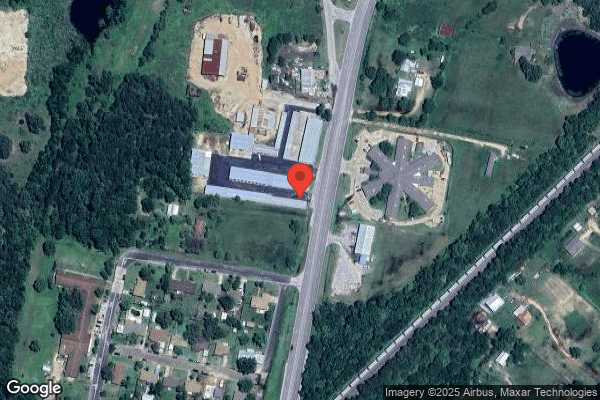

1400 N MAIN ST, GIDDINGS, TX 78942 (979) 542-1755
For profit - Limited Liability company 102 Beds SLP OPERATIONS Data: November 2025 5 Immediate Jeopardy citations
Trust Grade
0/100
#1058 of 1168 in TX
Last Inspection: February 2025

Within standard 12-15 month inspection cycle. Federal law requires annual inspections.

Overview

Oakland Manor Nursing Center has received a Trust Grade of F, indicating significant concerns about the quality of care provided. It ranks #1058 out of 1168 facilities in Texas, placing it in the bottom half, and it is the second-best option in Lee County, meaning there is only one other local facility to consider. The facility's situation is worsening, with the number of issues increasing from 12 in 2024 to 13 in 2025. Staffing is a relative strength here, with a 2/5 rating and a turnover rate of 46%, which is slightly below the Texas average of 50%. However, the facility has accumulated $233,353 in fines, higher than 95% of Texas facilities, indicating ongoing compliance issues. In terms of care, there have been critical incidents, such as residents using improper utensils, which raises concerns about sanitation, and failures to provide residents with meals that meet their dietary needs. Additionally, a resident at risk of elopement was left unattended outside, posing serious safety risks. While there are some strengths, such as slightly better staffing turnover, the significant issues highlighted in inspections are concerning for families considering this nursing home for their loved ones.

Trust Score
F
0/100
In Texas
#1058/1168
Bottom 10%
Safety Record
High Risk
Review needed
Inspections
Getting Worse
12 → 13 violations
Staff Stability
⚠ Watch
46% turnover. Above average. Higher turnover means staff may not know residents' routines.
Penalties
✓ Good
$233,353 in fines. Lower than most Texas facilities. Relatively clean record.
Skilled Nurses
⚠ Watch
Each resident gets only 17 minutes of Registered Nurse (RN) attention daily — below average for Texas. Fewer RN minutes means fewer trained eyes watching for problems.
Violations
⚠ Watch
39 deficiencies on record. Higher than average. Multiple issues found across inspections.
★☆☆☆☆
1.0
Overall Rating
★★☆☆☆
2.0
Staff Levels
★★★★☆
4.0
Care Quality
★☆☆☆☆
1.0
Inspection Score
Stable
2024: 12 issues
2025: 13 issues

The Good

  • 4-Star Quality Measures · Strong clinical quality outcomes
  • Full Sprinkler Coverage · Fire safety systems throughout facility
  • No fines on record

Facility shows strength in quality measures, fire safety.

The Bad

1-Star Overall Rating

Below Texas average (2.8)

Significant quality concerns identified by CMS

Staff Turnover: 46%

Near Texas avg (46%)

Higher turnover may affect care consistency

Federal Fines: $233,353

Well above median ($33,413)

Significant penalties indicating serious issues

Chain: SLP OPERATIONS

Part of a multi-facility chain

Ask about local staffing decisions and management

The Ugly 39 deficiencies on record

5 life-threatening
May 2025 1 deficiency
CONCERN (D) 📢 Someone Reported This

A family member, employee, or ombudsman was alarmed enough to file a formal complaint

Potential for Harm - no one hurt, but risky conditions existed

Pharmacy Services (Tag F0755)

Could have caused harm · This affected 1 resident

**NOTE- TERMS IN BRACKETS HAVE BEEN EDITED TO PROTECT CONFIDENTIALITY** Based on interviews and record review, the facility failed to provide pharmaceutical services including procedures that assured ...

Read full inspector narrative →
**NOTE- TERMS IN BRACKETS HAVE BEEN EDITED TO PROTECT CONFIDENTIALITY** Based on interviews and record review, the facility failed to provide pharmaceutical services including procedures that assured the accurate acquiring, receiving, dispensing, and administering of all routine and emergency drugs and biologicals for 1 of 4 residents (Resident #1) reviewed for pharmacy services. The facility failed to ensure Resident #1's Tylenol-codeine 3 were acquired and administered according to physician's orders. These failures could place residents at risk for not receiving therapeutic dosages of their medications as ordered by the physician and a potential for decreased health status and decreased quality of life. Findings included: Review of Resident #1's face sheet reflected a [AGE] year-old female admitted on [DATE] with diagnoses of atherosclerotic heart disease (buildup of fats in the artery walls), unspecified dementia (symptoms that negatively affect memory, thinking, and social abilities), pain, other recurrent depressive disorders (repeated periods of significant sadness, loss of interest), and anxiety disorder (excessive worry, fear that interfere with daily life). Review of Resident #1's physician orders reflected Resident #1 had an order for Tylenol-codeine 3 tablet scheduled every 8 hours with a start date of 02/28/2025. Review of Resident #1's MAR reflected Resident #1's Tylenol-codeine 3 was not administered on 05/01/2025 at 12:00 AM and 8:00 AM. Reasons listed on the MAR for 12:00 AM reflected Not Administered: Other and for 8:00 AM Not Administered: Drug/Item Unavailable. Review of Resident #1's care plan dated 03/09/2025 reflected Resident #1 had complaints of acute pain related to having chronic back pain, sciatic nerve pain, and restless leg syndrome. Approach included to administered medications (Tylenol #3) as directed by MD. Review of Resident #1's quarterly MDS assessment dated [DATE] reflected a BIMS score of 15 (no cognitive impairment). Further review reflected Resident #1 received a scheduled pain medication regimen. Resident #1's quarterly MDS pain assessment interview revealed Resident #1 had pain frequently. During an interview on 05/02/2025 at 10:59 AM, Resident #1 stated earlier this week she ran out of her Tylenol 3. Resident #1 stated she also received a muscle relaxer, and her pain was okay when she missed her Tylenol 3. Resident #1 stated she had pain and sciatica and that was why she needed her Tylenol-3. During an interview on 05/02/2025 at 2:28 PM, LVN A stated Resident #1's Tylenol 3 was marked as not administered because it was not available or in the facility. LVN A stated narcotics were required to be called in by the NP for refills. LVN A stated she believed Resident #1 had one refill available. LVN A stated she believed the day shift had ordered the refill. She stated Resident #1's pharmacy needed to be called by a certain time for refills. LVN A stated she worked the 6:00 PM to 6:00 AM shift the evening Resident #1's medication was not available as it was scheduled at 12:00 AM during this shift. LVN A stated the medication had been ordered from the pharmacy and it was closed, if it was not ordered by a certain time, it did not get delivered to the facility. LVN A stated the facility had an e-kit but the request for a narcotic had to be called into the pharmacy and the medication needed was in the middle of the night. LVN A stated she believed the DON could call the mediation in. LVN A stated she could not use the e-kit for Resident #1 because it was connected to a different pharmacy than what Resident #1 used. LVN A stated the code for the e-kit was provided by the pharmacy for controlled medications. LVN A stated Resident #1 was asleep when the medication was supposed to be given and did not have any obvious signs or symptoms of pain. LVN A stated Resident #1 also had PRN Tylenol and did not request it. LVN A stated she believed someone went to the pharmacy in the morning and picked up Resident #1's medication. LVN A stated normally she would have notified the NP or the MD for missed medication or refusals. LVN A stated she did not call the NP or on-call and notify them because it was not an emergency, she had been stepped on in the past for calling the NP or MD for non-emergencies . During an interview on 05/02/2025 at 2:51 PM, MA B stated if she saw a medication was out, she would have notified the nurse, and the nurse would handle it from there . During an interview on 05/02/2025 at 2:59 PM, LVN C stated scheduled narcotic medications were refilled by calling the NP or the MD to refill the medication. LVN C stated if she could not get the medication within a few hours or a day, she would see if the resident could get something else while they waited for the medication. LVN C stated it was never okay for a resident to go without their scheduled medication. She stated she would have notified the doctor and asked if they wanted to prescribe something else. LVN C stated the on-call information was posted and there were numbers you could call anytime . During an interview on 05/02/2025 at 3:19 PM, the DON stated scheduled narcotics could be called in by a physician anytime, day or night. The DON stated staff could call the DON and she could have called the pharmacist. The DON stated most every medication was in the e-kit. The DON stated residents should not miss scheduled doses of a narcotic medication. The DON stated if Resident #1 was asleep, staff were able to delay the medication, but it should have been given unless the staff received an order to hold the medication. The DON stated staff did not let her know Resident #1's Tylenol 3 was out and she expected staff to let her know the medication was missed and the staff to notify the NP or the MD because they could have provided a different kind of medication, if needed. The DON stated she expected nurses to document if they ordered a refill and stated they did not always do that. The DON stated medications should have been ordered 5-7 days before the resident ran out of the medication. The DON stated the e-kit was not specific to one pharmacy, it was to any resident in the building. The DON stated Resident #1's Tylenol 3 was available in the e-kit . During an interview on 05/02/2025 at 3:45 PM, the NP stated she was familiar with Resident #1. She stated she was aware the facility ran out of Resident #1's Tylenol 3 and the facility just had to go pick it up but it was difficult logistically and she was unsure if the facility had someone to get it. The NP stated she was notified when she was at the facility the morning of 05/01/2025 that the medication had run out. The NP stated it was zero concern for her and stated Resident #1 was drug seeking. The NP stated that based on her assessment Resident #1 did not have pain. The NP stated Resident #1 had regular Tylenol if she needed it. The NP stated it was not a dire emergency and if it was, the facility could have called the on-call number but that was not an appropriate thing to call on-call for. Review of the facility policy titled Person-Centered Medication Administration (Liberalized Medication Pass), dated February 2025, reflected the facility has a liberalized schedule and if a provider orders that a medication is to be given at a specific time due to specific health benefits to the resident, the medication will be administered as ordered.
Feb 2025 8 deficiencies
CONCERN (D)

Potential for Harm - no one hurt, but risky conditions existed

Comprehensive Care Plan (Tag F0656)

Could have caused harm · This affected 1 resident

**NOTE- TERMS IN BRACKETS HAVE BEEN EDITED TO PROTECT CONFIDENTIALITY** Based on observations, interviews, and record review, the facility failed to develop and implement a comprehensive person-center...

Read full inspector narrative →
**NOTE- TERMS IN BRACKETS HAVE BEEN EDITED TO PROTECT CONFIDENTIALITY** Based on observations, interviews, and record review, the facility failed to develop and implement a comprehensive person-centered care plan for 2 of 24 residents (Residents #35 and 104) reviewed for care plans. The facility failed to include Resident #35's behaviors of urinating in places other than the toilet in his care plan. The facility failed to include Resident #104's bilateral heel injuries in her care plan. These failures placed residents at risk of not having their care needs met. Findings included: Review of the undated face sheet for Resident #35 reflected a [AGE] year-old male admitted to the facility on [DATE]. His diagnoses included dementia with behavioral disturbances and anxiety disorder. Review of the annual MDS for Resident #35 dated 12/19/24 reflected a BIMS score of 03, indicating severely impaired cognition. It reflected he required supervision or touching assistance with toileting hygiene. Review of the care plan for Resident #35 dated 01/23/25 reflected the following: [Resident #35] experience decreased bladder continence. [Resident #35] will attain improved level of bladder continence. There was no care plan item related to behaviors of urinating in wastebaskets or piles of clothing. Observation and interview on 02/24/25 at 10:24 AM revealed Resident #35's room had an overwhelming foul odor. The wastebasket in his bathroom had standing yellow liquid in it. The floor around the base of the toilet was not tiled, and there was a dark brown/black crust both on the toilet base itself and the floor below. Resident #35 stated he did not notice an odor in his room. Review of the undated face sheet for Resident #104 reflected an [AGE] year-old female admitted to the facility on [DATE]. Her diagnoses included persistent atrial fibrillation (irregular heartbeat), hyperlipidemia (high cholesterol), dementia, anxiety disorder, hypertension (high blood pressure), atherosclerotic heart disease of native coronary artery (buildup of hardened fat in the artery restricting circulation), cardiomyopathy (disease that affects the heart muscle), and heart failure. Review of admission MDS assessment for Resident #104 dated 02/12/25 reflected a BIMS score of 02, indicating severely impaired cognition. It reflected she had a deep tissue injury (unique form of pressure ulcer that affects the underlying layers of skin, muscle, and other soft tissues. It occurs beneath intact skin and initially appears as a deep bruise. Unlike superficial injuries, deep tissue injuries are not immediately visible, making them challenging to detect and diagnose early) on both heels and was receiving treatment for pressure injury. Review of the care plan for Resident #104 reflected no care planning related to pressure injury prevention or treatment. Review of a physician order for Resident #104 reflected the following dated 02/20/25: Wound Treatment Order: Location: Bilateral Heels Clean with normal saline/wound cleanser; apply skin prep; leave OTA Observation on 02/24/25 at 12:14 PM revealed Resident #104 in the dining room with slippers on her feet that had no backs. She had deep tissue injuries (DTIs) visible on both heels. During an interview on 02/25/25 at 03:30 PM, the ADM stated the strong foul odor in Resident #35's room was the result of his behavior of urinating in wastebaskets, piles of clothing, and other inappropriate areas. She stated he had care planning for this behavior, as it was well known throughout the facility. During an interview on 02/26/25 at 04:14 PM, the CCM stated she was responsible for creating care plans. She stated she decided what to add as care plan items by completing the comprehensive MDS assessment and drawing the care areas that triggered on the assessment over to the plan in the facility's EMR . The CCM stated she was aware Resident #104 had DTIs, and there should have been a care plan item for the pressure injuries. She stated DTIs were considered pressure injuries. She stated there should have at least been a care plan item for risk of pressure injuries. The CCM stated the reason the pressure injuries were not placed on the care plan was because she had been working the floor as a charge nurse frequently, and the care plan item had slipped her mind. A potential negative impact on the resident was staff might not know what to do to improve the injuries. The CCM stated Resident #35 had known behaviors of urinating in his wastebasket, on piles of clothes and the floor, and other inappropriate places. She stated she thought he had been care planned for these behaviors, and she did not know he had not. She stated he cleaned his room with his clothes. She stated she had noticed an odor in his room, and it was the result of these behaviors. She stated he should have a care plan for the behaviors. She stated the behaviors placed him at risk for infection and slip hazards. During an interview on 02/26/25 at 04:58 PM, the DON stated Resident #35's behaviors and Resident #104's pressure injuries should have been care planned. She stated she, the ADON, and the CCM were responsible for ensuring care plans were comprehensive. The DON stated she would have expected Resident #35's behaviors related to urination and Resident #104's pressure ulcers to be care planned. She stated she monitored for compliance with comprehensive care plans by discussing all care needs during their morning clinical meetings. She stated a potential negative impact on residents was they might not get their care needs met. During an interview on 02/26/25 at 05:19 PM, the ADM stated she expected Resident #35's behaviors of urinating in places other than the toilet to be in the care plan. She stated she was surprised to learn it was not. She stated Resident #104's pressure injuries should have been care planned, as well. She stated it was the responsibility of the CCM to ensure all needs were in the care plans. She stated she monitored to ensure care needs were in the care plans by discussing it during morning meetings and asking if issues were care planned. She stated the potential negative impact of these issues not being care planned was the residents might not get necessary treatment. Review of the facility policy dated December 2020 and titled Care Plans, Comprehensive and Person-Centered reflected the following: A comprehensive, person-centered care plan that includes measurable objectives and timetables to meet the resident's physical, psychosocial and functional needs is developed and implemented for each resident. The services provided or arranged by the facility, as outlined by the comprehensive care plan, are provided by qualified persons, are culturally, competent, and trauma informed. 8. The comprehensive, person-centered care plan will: a. Include measurable objectives, and time frames; b. Describe the services that are to be furnished to attain or maintain the resident's highest practical, physical, mental, and psychosocial well-being; c. Describe services that would otherwise be provided for the above but are not provided due to the resident exercising his or her rights, including the right to refuse treatment.
CONCERN (D)

Potential for Harm - no one hurt, but risky conditions existed

Quality of Care (Tag F0684)

Could have caused harm · This affected 1 resident

**NOTE- TERMS IN BRACKETS HAVE BEEN EDITED TO PROTECT CONFIDENTIALITY** Based on observations, interviews, and record review, the facility failed to ensure that residents received treatment and care i...

Read full inspector narrative →
**NOTE- TERMS IN BRACKETS HAVE BEEN EDITED TO PROTECT CONFIDENTIALITY** Based on observations, interviews, and record review, the facility failed to ensure that residents received treatment and care in accordance with professional standards of practice, the comprehensive person-centered care plan, and the residents' choices for 2 of 8 residents (Residents #45 and 104) reviewed for quality of care. 1. The facility failed to follow up with treatment of a skin tear from a fall for Resident #45 after readmission from the hospital. 2. The facility failed to ensure Resident #104 had compression hose applied to both legs from 02/24/25 to 02/26/25 as ordered. These failures places residents at risk of not receiving necessary medical care, worsened swelling, infection, and hospitalization. Findings included: Record review of Resident #45's face sheet, dated 02/26/25, revealed a [AGE] year-old male, admitted on [DATE], with diagnoses that included cellulitis of left upper limb (an infection in the skin tissue), muscle weakness, unspecified lack of coordination, and other fracture of shaft of left humerus (break in the bone of the upper arm). Review of Resident #45's quarterly MDS, dated [DATE], reflected a BIMS score of 15 which indicated no cognitive impairment. Review of Resident #45's care plan, dated 02/11/25, reflected Problem: Pressure sores/ skin care with approaches including report to charge nurse any redness or skin breakdown immediately. Review of Resident #45's wound management report dated 01/26/25-02/25/25 reflected no wound management records for that time period. Review of Resident #45's nurse's note dated 02/15/25 at 02:15 AM reflected Resident #45 fell and Swelling/redness/abrasions noted to left outer arm, ST to left outer hand .resident transported to ER via EMS. Record review of Resident #45's admission observation form dated 02/17/2025 at 11:29 PM revealed Resident #45 returned from hospital and alterations in skin section revealed s/t to left hand with treatment of application of non-surgical dressing. Review of Resident #45's active and discontinued orders for the month of February 2025 reflected no orders to monitor or treat skin tear to left hand. Review of Resident #45's nurses' notes from 02/18/25-02/25/25 reflected no mention of any skin tears. Observation and interview on 02/24/25 at 11:57 AM revealed Resident #45 had a dressing to the left hand with initials and dated 01/14/25. Resident stated he broke his arm and got a skin tear to his hand when he fell recently. He stated he had just returned from a follow up with the orthopedic doctor. He stated the date on the dressing was wrong, but he didn't know when the dressing had been changed . During an interview on 02/26/25 at 10:46 AM, LVN C stated skin assessments were done weekly, by the nurse for that hall, according to the schedule. She stated she was unaware of the skin tear to Resident #45's left hand. She reviewed the resident's chart and stated the skin tear was documented on the admission assessment, but no orders were written for the skin tear. LVN C stated the resident needed to have the skin tear monitored because he had an infection from a skin tear to the left elbow in January 2025. She stated if it was not monitored then it could get infected and not get the appropriate treatment. During an interview on 02/26/25 at 01:23 PM, CNA F stated if she noticed a new skin issue, then she was expected to report it to the nurse and document it on the shower sheet in the electronic health record. She stated if she noticed an old dressing on a resident then she would tell the nurse and the DON or the ADON. CNA F stated the skin tear could cause increase in pain if not monitored. During an interview on 02/26/25 at 02:33 PM, CNA G stated if she noticed a new skin tear on a resident then she would report it to the nurse. She stated the skin tear could get worse if its wasn't monitored. Review of the undated face sheet for Resident #104 reflected an [AGE] year-old female admitted to the facility on [DATE]. Her diagnoses included persistent atrial fibrillation (irregular heartbeat), hyperlipidemia (high cholesterol), dementia, anxiety disorder, hypertension (high blood pressure), atherosclerotic heart disease of native coronary artery (buildup of hardened fat in the artery restricting circulation), cardiomyopathy (disease that affects the heart muscle), and heart failure. Review of admission MDS assessment for Resident #104 dated 02/12/25 reflected a BIMS score of 02, indicating severely impaired cognition. It reflected she was completely dependent on staff for lower body dressing. It reflected she was taking a diuretic medication (reduces fluid overload in the body when the heart can no longer circulate the fluids adequately). It reflected she had a deep tissue injury (unique form of pressure ulcer that affects the underlying layers of skin, muscle, and other soft tissues. It occurs beneath intact skin and initially appears as a deep bruise. Unlike superficial injuries, deep tissue injuries are not immediately visible, making them challenging to detect and diagnose early.) on both heels and was receiving treatment for pressure injury. Review of the care plan for Resident #104 dated 02/25/25 reflected the following: Resident is on diuretic medication r/t HTN/CAD. Monitor cardiovascular system and fluid status to determine effectiveness of diuretic. Review of a physician's order dated 02/19/25 reflected the following: Apply compression hose to bilateral legs every day as tolerated and remove at HS . Review of the February 2025 MAR for Resident #104 reflected her compression hose were marked as Not administered: Drug/item not available on 02/24/25 and 02/25/25 by LVN D. There was no entry marked for 02/26/25. During an interview on 02/26/25 at 03:57 PM, LVN C stated she was aware Resident #104 had an order for compression hose to be on both legs during the day shift each day. LVN C stated the hose were not applied today, 02/26/25. She stated the hose was not applied, because she got behind in her duties. LVN C stated there had been some days when hose was not applied because she needed a bigger size. The ones they had available were size large, and Resident #104 might have needed a size XL. LVN C stated she did not know if her nurse managers had been notified Resident #104 might have needed a bigger size hose, but the size was not the reason why the hose were not applied today. LVN C stated the hose were helping Resident #104, and the swelling on her legs had gone down since they started applying the hose. LVN C stated she had been trained to follow all physician orders. A telephone attempt was made on 02/26/25 at 04:15 PM to interview LVN D, but contact was not returned as of 03/05/25. During an interview on 02/26/25 at 04:40 PM, the ADON stated a head-to-toe skin assessment was required on all residents when they were [re]admitted . She stated the process was to notify the MD of skin issues and obtain an order for treatment and start the order. She stated skin assessments were done weekly by the nurse that worked the hall on the scheduled day. The ADON stated if the skin tear wasn't monitored then it had the potential to get infected. She stated residents with orders for compression hose should have compression hose applied each day. She stated she did not know Resident #104 very well, as the ADON had been on leave just after Resident #104 admitted to the facility. She stated the nurse management team monitored for compliance with orders by checking the administration report. She stated the report would include any missed treatments no matter what the reason given for the missed administration. She stated she and the DON were responsible for ensuring compliance with quality-of-care issues. She stated the potential negative impacts of compression hose not being applied were increased edema and discomfort. During an interview on 02/26/25 at 04:57 PM, the DON stated she expected the nurse that admitted a resident to do a complete assessment that included a complete skin assessment. She stated if there was an issue with the integrity of the skin, then the nurse needed to document it and contact the MD for treatment orders. She stated the doctor should have been contacted for orders for treatment of a skin tear. The DON stated if the skin tear was not monitored then an infection could have developed. The DON stated she did not know Resident #104 was ordered compression hose daily. She stated the nurse management team had discussions about adding compression hose once Resident #104's initial swelling had gone down on her legs, but when she had first admitted to the facility, the swelling on her feet and legs were so bad, the hose could not have been applied. The DON stated she and the ADON were responsible for making sure the orders were followed, but it was easier to do when she did not have to work the floor as a charge nurse, which she often had to do. The DON stated a potential negative impact of Resident #104 not receiving her compression hose application was her feet would continue to get edematous (swollen) and it could compromise circulation. During an interview on 02/26/25 at 05:19 PM, the ADM stated it was required for skin tears to be reported to the physician and to receive treatment. She stated it was also required for a resident ordered compression hose to receive the compression hose each day unless she refused. The ADM stated the DON and the ADON were responsible for ensuring compliance in these areas, but they had a medication noncompliance report that they pulled each morning and went over in the morning meeting. She stated she did not know why these issues were not reviewed in the morning meeting. The ADM stated the potential negative impact of both failures was the injuries could have worsened. Record review of the facility policy titled Provision of Quality of Care, dated February 2025, revealed the following policy Quality of care is a fundamental principle that applies to all treatment and care provided to facility residents. Based on the comprehensive assessment of a resident, the facility must ensure that residents receive treatment and care in accordance with professional standards of practice, the comprehensive person-centered care plan, and the resident's choices. The policy explanation and compliance included 1. Each resident will be provided with care and services to attain or maintain his/her highest practicable physical, mental, and psychosocial well-being. 4. Qualified people will provide the care and treatment in accordance with professional standards of practice, the resident's care plan, and the resident's choices.
CONCERN (D)

Potential for Harm - no one hurt, but risky conditions existed

Deficiency F0919 (Tag F0919)

Could have caused harm · This affected 1 resident

**NOTE- TERMS IN BRACKETS HAVE BEEN EDITED TO PROTECT CONFIDENTIALITY** The facility failed to ensure a functional emergency call light system in the bathroom for 1 of 5 (Resident # 38) residents revi...

Read full inspector narrative →
**NOTE- TERMS IN BRACKETS HAVE BEEN EDITED TO PROTECT CONFIDENTIALITY** The facility failed to ensure a functional emergency call light system in the bathroom for 1 of 5 (Resident # 38) residents reviewed for communication systems. The facility failed to ensure the emergency call light in the bathroom was functional for Resident #38. This failure could place the residents at risk of falls causing injury. Findings included: Record review of Resident #38's face sheet, dated 02/26/2025, revealed a [AGE] year-old female, admitted on [DATE], with diagnoses that included: Type 2 diabetes mellitus (a condition that affects how the body uses sugar as a fuel), muscle weakness, lack of coordination, chest pain, hypertension (high blood pressure), bipolar disorder (a chronic mood disorder that causes intense shifts in mood, energy levels and behavior), and atherosclerotic heart disease (condition that occurs when plaque builds up in the arteries, hardening them and limiting blood flow to the heart). Record review of Resident #38's quarterly MDS, dated [DATE], revealed a BIMS score of 15 which indicated no cognitive impairment. Record review of Resident #38's Morse Fall Scale (a standardized fall risk assessment tool), dated 01/02/2025, revealed a score of 40 indicating a moderate fall risk. The fall scale revealed resident had a history of falls. Record review of Resident #38's care plan, dated 01/02/2025, revealed Resident uses half bed rails for request of resident, assist with movement in bed, security with transfers with approaches that included Keep call bell within reach of resident. Record review of Resident #38's care plan, dated 01/17/2024 and last revised on 12/23/2024, revealed [Resident #38] is prescribed anticoagulant therapy, she takes aspirin with approaches that included Protect resident from injury/trauma. Record review of Resident #38's care plan, dated 08/07/2023 and last revised on 12/15/2024 revealed [Resident #38] has a history of falls R/T to her having a unsteady gait at times. With approaches that included Keep call light in reach at all times. During an interview and observation on 02/24/2025 at 09:55 AM, Resident #38 stated her call light in the bathroom was not functioning and the facility had attached a squeaky toy to the handrail in the bathroom, but no one could hear it. She stated she was a high fall risk because she had falls in the past. She stated she couldn't remember how long the bathroom light had not been working. During an observation, the call light cord in the bathroom was pulled and no lights went off in the room, bathroom, or outside of the room door and no audible alarm could be heard. During an observation of use of the squeaky toy the sound from the device was barely audible in the room with the bathroom door open. During an observation on 02/26/2025 at 01:00 PM in Resident #38's bathroom and room with two surveyors revealed the squeaky toy device was not audible in the hall at all with the bedroom door closed. Observation also revealed emergency call light system for the bathroom remained nonfunctional. During an interview on 02/26/2025 at 01:23 PM, CNA F stated she had worked at the facility for about 5 months. She stated CNAs and MAINT were responsible for ensuring the call lights were functioning. CNA F stated if she realized a call light was not working then she would notify the DON. She stated she wasn't sure if there were random checks to ensure the call lights worked. CNA F stated she had never seen the emergency call light for Resident #38 on. She stated the call lights not functioning could cause the resident to become scared, increase their fall risk, and it could prevent the residents from getting the help they required. CNA F stated she had seen the squeaky toy attached to the handrail, but she wasn't sure what it was for. She stated she had not used it but if it's anything like my child's toy, you wouldn't be able to hear it [from the hall]. During an interview on 02/26/2025 at 02:55 PM, the MAINT stated he had only worked at the facility for 3 weeks. He stated he was responsible for ensuring the call light systems were in functioning order. The MAINT stated he would randomly pick rooms down each hall and test the call light systems. He stated he did this on a weekly basis. He stated if the call lights were not working then he would fix them. He stated he expected the staff to verbally tell him if they noticed a call light was not working immediately. He stated he just discovered that staff could put request in the online tracking system, and he had started to encourage staff to use this system as well. The MAINT stated a non-functioning call light system could affect the resident in many ways, depending on the resident it could be life or death and it could increase the risk of falls. During an interview on 02/26/2025 at 04:40 PM, the ADON stated she had worked at the facility for about 4 ½ years. She stated that all staff members were responsible for ensuring the call lights work. She stated she wasn't sure how it was monitored to ensure the call lights were working. She stated that was the MAINT responsibility. The ADON stated if a call light system doesn't work then it could be considered neglecting the resident because if they had an emergency it would interfere with their care. During an interview on 02/26/2025 at 04:57 PM, the DON stated she had worked at the facility for 8 to 9 years. She stated the MAINT was responsible for ensuring all the call lights were functioning. She stated she expected all staff to notify the MAINT if the call light was not working. She stated she didn't know how the MAINT monitored to ensure the call lights were functioning. The DON stated if the call light was not functioning then the resident would not be able to communicate their needs. During an interview on 02/26/2025 at 05:19 PM, the ADM stated the MAINT was responsible for ensuring the call lights were in working order. She stated she expected the staff to notify the MAINT of any non-working call lights. The ADM stated the MAINT did random weekly checks of the call lights. She stated if the call light system did not work then it would affect the resident because they wouldn't be able to get the help they needed. Record review of facility policy titled Answering the call light dated 2001 and revised in March 2021, revealed Purpose The purpose of this procedure is to ensure timely responses to the resident's requests and needs. General Guidelines 3. Explain to the resident that a call system is also located in his/her bathroom. 4. Be sure that the call light is plugged in and functioning at all times. 7. Report all defective call lights to the nurse supervisor promptly. Record review of grievances revealed no complaints or concerns related to call lights.
CONCERN (E)

Potential for Harm - no one hurt, but risky conditions existed

Deficiency F0558 (Tag F0558)

Could have caused harm · This affected multiple residents

**NOTE- TERMS IN BRACKETS HAVE BEEN EDITED TO PROTECT CONFIDENTIALITY** Based on observations, interviews, and record review the facility failed to ensure the right to reside and receive services in t...

Read full inspector narrative →
**NOTE- TERMS IN BRACKETS HAVE BEEN EDITED TO PROTECT CONFIDENTIALITY** Based on observations, interviews, and record review the facility failed to ensure the right to reside and receive services in the facility with reasonable accommodation of resident needs and preferences for 3 of 7 (Resident #6, #49, and #203) residents reviewed for accommodations. The facility failed to ensure that Residents #6, #49, and #203 had their call lights within reach while lying in bed. This failure could place residents at risk of injury, for not receiving timely care, and for not receiving nursing interventions. Findings included: Record review of Resident #6's face sheet, dated 02/26/2025, revealed an [AGE] year-old female, admitted on [DATE], with diagnoses that included cerebral infarction (a condition in which the blood flow to the brain is cut off causing brain damage), hemiplegia (the complete paralysis on one side of the body), and cognitive communication deficit (a condition that affects the ability to communicate effectively). Record review of Resident #6's quarterly MDS, dated [DATE], revealed a BIMS score of 00 which indicated severe cognitive deficits. Record review of Resident #6's care plan, dated 11/15/2024, revealed Problem [Resident #6] is at risk for falls due to: Paralysis to the left side with an approach that included Increased staff supervision with intensity based on resident need. Encourage [Resident #6] to use call light when assistance is needed. Record review of Resident #49's face sheet, dated 02/26/2025, revealed a [AGE] year-old male, admitted on [DATE], with diagnoses that included aphasia (inability to talk), hemiplegia and hemiparesis following a cerebral infarction (one sided paralysis and weakness due to a lack of blood flow to the brain), and lack of coordination. Record review of Resident #49's comprehensive MDS, dated [DATE], revealed Resident #49 was unable to complete a BIMS assessment and had both short- and long-term memory problems. Record review of Resident #49's care plan, dated 01/20/2025 and last revised 02/25/2025, revealed no care plan related to call lights. Record review of Resident #203's face sheet, dated 02/26/2025, revealed a [AGE] year-old male, admitted on [DATE], with diagnoses that included cerebral infarction, respiratory failure (a condition of not enough oxygen or too much carbon dioxide in the blood), and patent foramen ovale (a small opening between the upper heart chambers). Record review of Resident #203's record revealed an admission MDS was in process. Record review of Resident #203's care plan, dated 02/13/2025, revealed no care plan related to call lights. During an observation on 02/24/2025 at 09:50 AM, Resident #49 was lying in bed and his call light was on the floor near the head of the bed next to a fall mat, trash can, and enteral feeding pole. During an observation on 02/24/2025 at 09:55 AM, Resident #203 was lying in bed and his call light was sitting inside of a water basin on top of the nightstand approximately 4 feet from Resident #203. During an observation on 02/25/2025 at 02:46 PM, Resident #6 was lying in bed and her call light was on the floor between the bed and the wall and out of reach. During an interview on 02/26/2025 at 01:23 PM, CNA F stated she had worked at the facility for about 5 months. She stated all staff were responsible for ensuring the call lights were within reach for all residents when in bed. She stated that was something everyone was supposed to look at any time staff go into a resident's room. She stated if the call lights were out of reach it could cause the resident to become scared, increase their fall risk, and it could prevent the residents from getting the help they required. During an interview on 02/26/2025 at 02:48 PM, HK L stated she didn't know what a call light was. She stated she had not been trained to ensure the call light was within resident's reach. During an interview on 02/26/2025 at 03:57 PM, LVN C stated that all staff were responsible for ensuring call lights were within reach. She stated the DON and the ADON did rounds to ensure staff were placing call lights within reach. LVN C stated if the call light was not within reach, then it could be considered neglect because the residents couldn't get what they needed. During an interview on 02/26/2025 at 04:40 PM, the ADON stated she had worked at the facility for about 4 ½ years. She stated that all staff members were responsible for ensuring the call lights were within reach. She stated she and the DON performed daily rounding and that was one thing that they checked for. The ADON stated if a call light wasn't within reach, then it could be considered neglecting the resident because if they had an emergency it would interfere with their care. During an interview on 02/26/2025 at 04:57 PM, the DON stated she had worked at the facility for 8 to 9 years. She stated the aides, the nurses, and everyone in the building should have ensured call lights were within reach of the residents when in bed. She stated she and the ADON monitored for this during their daily rounds. The DON stated if the call light was not within reach, then the resident would not be able to communicate their needs. During an interview on 02/26/2025 at 05:19 PM, the ADM stated all of us were responsible for ensuring the call lights were within reach of the residents. She stated she expected the staff to make sure the call light was within reach of the resident anytime they were left in their room. The ADM stated the managers performed quality of life checks daily and checking call light placement was part of the checklist. She stated if the call light was not within reach, then it would affect the resident because they wouldn't be able to get the help they needed. Record review of the facility policy titled Answering the call light dated 2001 and revised in March 2021, revealed Purpose The purpose of this procedure is to ensure timely responses to the resident's requests and needs. General Guidelines 4. Be sure that the call light is plugged in and functioning at all times. 5. When the resident is in bed or confined to a chair be sure the call light is within easy reach of the resident. Record review of grievances revealed no complaints or concerns related to call lights.
CONCERN (E)

Potential for Harm - no one hurt, but risky conditions existed

Safe Environment (Tag F0584)

Could have caused harm · This affected multiple residents

**NOTE- TERMS IN BRACKETS HAVE BEEN EDITED TO PROTECT CONFIDENTIALITY** Based on observations, interviews, and record review, the facility failed to ensure the resident's right to a safe, clean, comfo...

Read full inspector narrative →
**NOTE- TERMS IN BRACKETS HAVE BEEN EDITED TO PROTECT CONFIDENTIALITY** Based on observations, interviews, and record review, the facility failed to ensure the resident's right to a safe, clean, comfortable and homelike environment, including but not limited to receiving treatment and supports for daily living safely for 2 of 3 shower rooms (shower rooms A and B), 2 of 24 resident rooms (Residents #18 and 35), and in 2 halls and 1 common area (halls 100 and 600 and the rotunda) reviewed for physical environment. 1. The facility failed to ensure shower rooms A and B were clean from 02/24/25 to 02/26/25. 2. The facility failed to ensure the rooms for Residents #18 and 35 were clean from 02/24/25 to 02/26/25. 3. The facility failed to ensure the 100 and 600 halls and the rotunda were free of unpleasant odors from 02/24/25 to 02/26/25. These failures placed residents at risk of discomfort and diminished quality of life. Findings included: 1. Observation on 02/24/25 at 10:03 AM revealed shower room A (entrance on the 100 hall) had a first aid bandage, hair, and a disposable glove on the floor of the shower. The toilet had a brown substance caked on it in several areas, and the trash can was overflowing. The mirror over the sink was spattered with white specks. The substance on the mirror came off when wiped with a tissue. A gallon jug of body soap was open on a low shelf, and the lid was not visible in the area. Observation on 02/24/25 at 11:40 AM revealed shower room B (entrance on the 500 hall) had brown substance crusted on the seat and the bowl of the toilet, beads of yellow liquid on the toilet seat, dried yellow fluid on the floor, and black/brown tracks on the floor under the sink and toilet. Observation on 2/25/25 at 08:03 AM revealed shower room A still had a first aid bandage, hair, and a disposable glove on the floor of the shower. The toilet still had a brown substance caked on it in several areas, and the trash can was overflowing. The mirror over the sink was still spattered with white specks. Observation on 2/25/25 at 08:07 AM revealed shower room B still had had brown substance crusted on the seat and the bowl of the toilet, beads of yellow liquid on the toilet seat, dried yellow fluid on the floor, and black/brown tracks on the floor under the sink and toilet. Observation on 02/26/25 at 11:02 AM revealed shower room A still had a first aid bandage, hair, and a disposable glove on the floor of the shower. The toilet still had a brown substance caked on it in several areas, and the trash can was overflowing. The mirror over the sink was still spattered with white specks. Observation on 02/26/25 at 11:04 AM revealed shower room B still had had brown substance crusted on the seat and the bowl of the toilet, beads of yellow liquid on the toilet seat, dried yellow fluid on the floor, and black/brown tracks on the floor under the sink and toilet. 2. Review of the undated face sheet for Resident #18 reflected a [AGE] year-old male admitted to the facility on [DATE]. His diagnoses included intellectual disabilities, depression, and history of urinary tract infection. Review of the quarterly MDS for Resident #18 dated 11/18/24 reflected a BIMS score of 07, indicating severely impaired cognition. It reflected he was occasionally incontinent of bowel and had an indwelling catheter. It reflected he was independent with toileting hygiene. Review of the care plan for Resident #18 dated 12/15/24 reflected the following: [Resident #18] has impaired cognitive abilities related to his diagnosis of Intellectual Disabilities. There was no care plan item related to behaviors of poor hygiene. Review of the undated face sheet for Resident #35 reflected a [AGE] year-old male admitted to the facility on [DATE]. His diagnoses included dementia with behavioral disturbances and anxiety disorder. Review of the annual MDS for Resident #35 dated 12/19/24 reflected a BIMS score of 03, indicating severely impaired cognition. It reflected he required supervision or touching assistance with toileting hygiene. Review of the care plan for Resident #35 dated 01/23/25 reflected the following: [Resident #35] experience decreased bladder continence. [Resident #35] will attain improved level of bladder continence. There was no care plan item related to behaviors of urinating in wastebaskets or piles of clothing. Observation and interview on 02/24/25 at 10:16 AM revealed Resident #18's bed was unmade, and the sheet had a yellowish moisture stain from the edge of the bed toward the center with a dark brown streak mark in the middle. His toilet had streaks of a thick brown substance on the underside of the seat and within the bowl. There was an unpleasant odor in his room and bathroom. Resident #18 did not respond to questions about the condition of his room, though he did engage in some light conversation. Observation and interview on 02/24/25 at 10:24 AM revealed Resident #35's room had an overwhelming foul odor. His bathroom had white flecks covering the mirror, brown crusted substance on the toilet, and the wastebasket had standing yellow liquid in it. The floor around the base of the toilet was not tiled, and there was a dark brown/black crust both on the toilet base itself and the floor below. Resident #35 stated his room looked good to him and asked if it looked clean enough. Observation on 02/25/25 at 08:20 AM revealed Resident #18's bed and bathroom still unmade, and the sheet still had a yellowish moisture stain from the edge of the bed toward the center with a dark brown streak mark in the middle. His toilet had still streaks of a thick brown substance on the underside of the seat and within the bowl. There was still an unpleasant odor in his room and bathroom. Observation on 02/25/25 at 08:22 AM revealed Resident #35's room and bathroom still had an overwhelming foul odor which was even stronger than on 02/24/25. His bathroom had white flecks covering the mirror, brown crusted substance on the toilet, and the wastebasket had standing yellow liquid in it. The floor around the base of the toilet was not tiled, and there was a dark brown/black crust both on the toilet base itself and the floor below. Observation on 02/26/25 at 03:30 PM revealed Resident #18's bed was still unmade, and the sheet still had a yellowish moisture stain from the edge of the bed toward the center with a dark brown streak mark in the middle. His toilet had still streaks of a thick brown substance on the underside of the seat and within the bowl. There was still an unpleasant odor in his room and bathroom. Observation on 02/26/25 at 03:30 PM revealed Resident #35's bedroom and bathroom still had an overwhelming foul odor which was even stronger than on 02/24/25. His bathroom had white flecks covering the mirror, brown crusted substance on the toilet, and the wastebasket had standing yellow liquid in it. The floor around the base of the toilet was not tiled, and there was a dark brown/black crust both on the toilet base itself and the floor below. 3. Observation from 02/24/25 at 09:00 AM to 04:00 PM, on 02/25/24 from 07:30 AM to 03:30 PM, and 02/26/25 from 08:00 AM to 06:20 PM revealed the facility had a foul odor (urine, among others) that was detectable everywhere in the facility except the secure unit (200 hall) and dining room but became stronger when on the 100 and 600 halls and in the rotunda (center of the wagon wheel-shaped building). During an interview on 02/26/25 at 02:48 PM, HK L stated she had worked at the facility for a few weeks and worked 08:00 AM to 02:00 PM. She stated she was not taught to have a specific procedure or order of cleaning areas of the facility, but most days she was responsible for cleaning 100, 300, and 500 halls as well as the rotunda. She stated she was responsible for cleaning the shower rooms on those halls, but she was not allowed to work any overtime and could not finish her work most days. She stated she had noticed the foul odor in the facility, and the odor came mostly from a few rooms on the 600 hall. She stated the housekeeping staff were instructed to go into those rooms and clean more often, but she did not usually work that hall. She stated none of the residents had complained to her about the odor, but the staff did not like it. During an interview on 02/26/25 at 03:04 PM, the HKS stated she had been in her position since May 2024. She stated they had been shorthanded in the housekeeping department lately, and cleaning the shower rooms did not always happen. She stated she checked the shower rooms as often as she could. She stated the housekeeping staff were paid less than at most facilities and they were not given very many hours. She stated if the housekeepers were to stay longer to finish their cleaning, she had to give up her own hours. She stated she had hired several staff who had quit soon after hiring, because they could not make enough money. She stated she was not aware who was not allowing them to work enough hours, but the staff did not work enough hours to get the facility clean, and they had a resident population who made more mess than average. She stated she had noticed the foul odor in the facility, and the odor was because of Residents #18 and 35. She stated housekeepers were supposed to stop in those rooms more often and make sure they were clean, because both of the residents were incontinent or had the behavior of urinating in inappropriate places such as piles of clothing or waste baskets. She stated the housekeepers did not have time to clean all the areas they had to clean once, let alone enough time to go into certain rooms several times throughout the day. She stated she had reported the concerns about housekeepers having enough time to clean to her management, but nothing had changed. She stated she was responsible for the cleanliness of the facility, but she was not given the resources she needed to do her job. She stated the potential impact on the residents was they could smell bad odors or get sick. During an interview on 02/26/25 at 03:17 PM HK M stated she had worked at the facility since July 2024. She stated the hours they were allowed to work did not give them enough time to clean the whole facility or get into Resident #18 and 35's rooms more than once. She stated Resident #18 and 35's rooms made the whole facility smell bad . During an interview on 02/26/25 at 03:34 PM, CNA F stated she had worked at the facility since September 2024 and one of her duties were giving showers to her residents. She stated she was supposed to sanitize the shower rooms when they were done with each shower, but her management had never given her any sanitizing supplies. She stated the facility could have been cleaner, and it had a bad odor most of the time, but she had not reported the issue to her management. She stated she had not heard residents complain about the odor or the cleanliness of the facility. During an interview on 02/26/25 at 04:58 PM, the DON stated she was familiar with the unpleasant odors in the facility and thought they mostly came from Resident #18 and 35. She stated she thought the residents were care planned for the behaviors related to urine, feces, and poor hygiene. She stated her understanding was housekeeping was to visit those rooms more frequently to make sure there was no urine or feces present. She stated they have had major staffing challenges at the building and the housekeeping had fallen through the gaps. She stated the impact of the facility not being clean was the residents were at risk of infection. During an interview on 02/26/25 at 05:19 PM, the ADM stated she had spoken to the HKS about ensuring the rooms and common areas were clean at the end of each day. She stated the HKS was supposed to clean the common areas so the housekeepers could focus on rooms and shower rooms. The ADM stated the housekeepers only worked six hours a day, and if the census went up, they could work more hours, but she felt it was enough time to get all the housekeeping done. The ADM stated if they were not able to clean thoroughly in all areas in six hours, they could work additional hours. She stated she had not told anyone they could not have additional hours if they needed the time to get the job done. She stated she was aware of the odor in the facility, and it was a new situation that had occurred because they had some turnover in the housekeeping department. She stated a potential negative impact on residents was it could be a dignity issue. Review of the facility policy dated February 2021 and titled Homelike Environment reflected the following: Residents are provided with a safe, clean, comfortable, and homelike environment, and encouraged to use their personal belongings to the extent possible. 2. The facility staff and management maximizes, to the extent possible, the characteristics of the facility that reflect a personalized, homelike setting. These characteristics include: a. clean, sanitary, and orderly environment; e. Clean bed and bath linens that are in good condition; f. Pleasant, neutral scents.
CONCERN (E) 📢 Someone Reported This

A family member, employee, or ombudsman was alarmed enough to file a formal complaint

Potential for Harm - no one hurt, but risky conditions existed

Pharmacy Services (Tag F0755)

Could have caused harm · This affected multiple residents

Based on observations, interviews, and record review, the facility failed to ensure pharmaceutical services were provided to meet the needs of each resident: specifically, expired or opened medical su...

Read full inspector narrative →
Based on observations, interviews, and record review, the facility failed to ensure pharmaceutical services were provided to meet the needs of each resident: specifically, expired or opened medical supplies were stored in 1 of 2 (100/200-hall Nurses' medication cart) medication carts. The facility failed to ensure expired or open supplies were removed from the 100/200-hall Nurses' medication cart that included one 5 x 9 Xeroform dressing that expired 01/2025, one sterile cotton tipped applicator that expired 08/01/2024, five 4 x 4 drain sponges that expired 12/05/2024, one 2 x 2 hydrogel saturated dressing that expired 11/15/2024, one 1 x 8 Xeroform dressing that expired 03/2024, three 6 x 7 Silicone Composite Dressings that expired 02/22/2025, and one opened package of rolled gauze bandage. These failures could place residents at risk of contamination causing illness or decreased effectiveness of medication. Findings included: Observation on 02/26/2025 at 11:50 AM of the 100/200 hall Nurses' medication cart with LVN E in attendance revealed one 5 x 9 Xeroform dressing that expired 01/2025, one sterile cotton tipped applicator that expired 08/01/2024, five 4 x 4 drain sponges that expired 12/05/2024, one 2 x 2 hydrogel saturated dressing that expired 11/15/2024, one 1 x 8 Xeroform dressing that expired 03/2024, three 6 x 7 Silicone Composite Dressings that expired 02/22/2025, and one opened package of rolled gauze bandage. During an interview on 02/26/2025 at 11:58 AM, LVN E stated the nurses' including herself were responsible for checking for expiration dates. She stated there used to be a schedule to ensure it was getting done but she hadn't seen that schedule in a long time. She stated open packages should be thrown away and not put back in the cart because it was no longer sterile. LVN E stated if the saturated dressings were used, they may not be as effective. During an interview on 02/26/2025 at 03:57 PM, LVN C stated the nurses were responsible for checking for expired medication and supplies in their carts. She stated if the supplies were used after the expiration date they may not be as effective. During an interview on 02/26/2025 at 04:40 PM, the ADON stated the nurses were responsible for checking expiration dates in their carts. She stated the pharmacist also checked all the carts once a month. She stated if the supplies were used, they may not be as effective. During an interview on 02/26/2025 at 04:57 PM, the DON stated it was a combination of everyone that was responsible for ensuring all expired medications and supplies were removed from the medication carts. She stated the pharmacist checked all the carts once monthly and provided a report each month. She stated she expected her staff to not use an expired supply. She stated the integrity of the product could be affected after the expiration date. During an interview on 02/26/2025 at 05:19 PM, the ADM stated the DON was responsible for ensuring expired medication and supplies were removed from all medication carts. She stated if supplies were used after the expiration date, then it could cause an injury. Record Review of the facility policy and procedure titled Storage of Medications dated 2001 and revised in November 2020 revealed: Policy heading the facility stores all drugs and biologicals in a safe, secure, and orderly manner. Policy interpretation and Implementation . 4. Drug containers that have missing, incomplete, improper, or incorrect labels are returned to the pharmacy for proper labeling before storing. Discontinues, outdated, or deteriorated drugs or biologicals are returned to the dispensing pharmacy or destroyed. Record review of grievances indicated no complaint or concerns from residents about expired medications or supplies being administered.
CONCERN (E)

Potential for Harm - no one hurt, but risky conditions existed

Food Safety (Tag F0812)

Could have caused harm · This affected multiple residents

Based on observations, interviews, and record review, the facility failed to store, prepare, distribute food in accordance with professional standards for food service safety for one of one kitchen re...

Read full inspector narrative →
Based on observations, interviews, and record review, the facility failed to store, prepare, distribute food in accordance with professional standards for food service safety for one of one kitchen reviewed for kitchen sanitation. 1. The facility failed to ensure fruit cobbler was covered, dated, or labeled after being in the refrigerator. 2. The facility failed to ensure CK K did not store her shoes on the kitchen utility cart in the kitchen. 3. The facility failed to ensure CK J properly used proper hand hygiene during food preparation. This failure could place residents who ate food from the kitchen at risk for foodborne illness. Findings included: 1. Observation on 02/24/2025 at 9:05 AM in the open front refrigerator located across from the steam table reflected a large pan of fruit cobbler not labeled, covered, or dated. Interview with the Dietary Manager on 02/24/2025 at 9:14 AM stated the fruit cobbler was made on Sunday (02/23/2025) to be served for lunch on 02/24/2025. She stated the fruit cobbler was expected to be covered, labeled, and dated. The Dietary Manager stated there was a possibility if staff were placing items in the refrigerator, their sleeve or anything on their clothes, could touch the cobbler. She stated it was a possibility the fruit cobbler may become contaminated when not covered. She stated a resident had a potential of developing stomach issues if the resident ingested some type of bacteria. 2. Observation on 02/24/2025 at 9:10 AM there was a pair of shoes located on the second shelf of a three-shelf utility cart in the kitchen. The shoes were touching hair nets the staff wore in the kitchen. Interview on 02/24/2025 at 9:14 AM the Dietary Manager stated the shoes belonged to the afternoon shift cook. She stated it was unsanitary for shoes to be stored anywhere in the kitchen area. The Dietary Manager stated there was a potential the hair nets were contaminated. She stated if the utility cart was not sanitized after the shoes were removed there was a possibility clean dishes, food, and/or silverware may become contaminated. She stated her expectations were not to have any staff personal items stored in the kitchen. Interview on 02/25/2025 at 3:05 PM CK K stated the shoes located on the three-shelf utility cart belonged to her. She stated she kept her shoes in the kitchen when she went home for the day. CK K stated she wore another pair of shoes into the kitchen and changed into the tennis shoes she left on the utility cart or other places in the kitchen ( she did not specify the other places she left her shoes). CK K stated she left her shoes in the kitchen after her shift due to not wanting her dogs to chew on her good shoes at her house. She stated she had been in-serviced not to leave personal items in the kitchen. CK K stated the shoes were contaminated and if they touched the utility cart or anything the staff used to prepare residents meals these items would be considered contaminated. Observation on 02/25/2025 at 11:05 AM CK J pureeing residents' lunch meal. CK J removed gloves and placed new gloves on her hands. She did not wash or sanitize her hands prior to replacing new gloves on her hands. CK J touched the fourchette ( area of the glove where the fingers are placed) and palm area of the glove when removing the gloves from the container. She touched her right side of her shirt, touched the handle of the can opener attached to the food preparation table, touched the menu binder, touched the lid, and outside of the thickener can after placed new gloves on her hands. CK J did not change her gloves when she began to place the broccoli into the puree processor. She touched the broccoli with her hands as she placed it in the puree processor. Interview on 02/25/2025 at 11:20 AM CK J stated, I did touch my clothes, the handle of can opener, the recipe binder, and the can of the thickener. She stated all these items were considered contaminated and she was expected to remove the gloves, wash hands, and place new gloves. CK J stated she could have contaminated the broccoli with possible bacteria on her gloves. She stated if the food was contaminated there was a potential a resident may become physically ill such as stomach issues with diarrhea. CK J stated she received an in-service related to hand hygiene. She stated she did not remember the date of the in-service. Interview on 02/26/2025 at 11:45 PM the Administrator stated all dietary staff were expected to wash hands or change gloves in between tasks. She stated if a cook was wearing gloves and touched anything considered contaminated, there was a possibility the cook may contaminate the food. She stated there was a potential a resident may become ill such as diarrhea or vomiting if the resident ingested contaminated food. She stated shoes or any dietary staff personal items were not to be stored in the kitchen. The administrator stated there was an area away from the kitchen, by the bathroom or the dietary manager's office, the staff were permitted to store personal items. The Administrator stated shoes stored on the kitchen utility cart was unacceptable and not sanitary. She stated all foods were expected to be covered, labeled, and dated. The Administrator stated if food was not covered there was a possibility anything type of bacteria may fall on the food and a resident may become ill such as vomiting or diarrhea if they ingested the bacteria. Interview on 02/26/2025 at 10:40 AM with the Dietary Manager requested Label, Dating, Storage of food Policy and it was not provided at time of exit. Review of the Facility Policy on Employee Sanitation , dated 10/01/2018, reflected The Nutrition and Foodservice employees of the facility will practice good sanitation practices to minimize the risk of infection and food borne illness. Gloves are not a substitute for thorough and frequent hand washing. When using, gloves always wash hands before touching or putting on new gloves. Change gloves between each food preparation task. After touching items, utensils or equipment not related to task. After touching hair, face, or any other source of contamination. Review of the FDA Food Code 2022 reflected the following: Pathogens can contaminate and/or grow in food that is not stored properly. Drips of condensate and drafts of unfiltered air can be sources of microbial contamination for stored food. Shoes carry contamination onto the floors of food preparation and storage areas. Even trace amounts of refuse or wastes in rooms used as toilets or for dressing, storing garbage or implements, or housing machinery can become sources of food contamination. Moist conditions in storage areas promote microbial growth. . The hands are particularly important in transmitting foodborne pathogens. Food employees with dirty hands and/or fingernails may contaminate the food being prepared. Therefore, any activity which may contaminate the hands must be followed by thorough handwashing in accordance with the procedures outlined in the Code.
CONCERN (E)

Potential for Harm - no one hurt, but risky conditions existed

Deficiency F0943 (Tag F0943)

Could have caused harm · This affected multiple residents

Based on interviews and record review, the facility failed to provide training on abuse, neglect, exploitation, and misappropriation of resident property, procedures for reporting incidents of abuse, ...

Read full inspector narrative →
Based on interviews and record review, the facility failed to provide training on abuse, neglect, exploitation, and misappropriation of resident property, procedures for reporting incidents of abuse, neglect, exploitation, or the misappropriation of resident property, and dementia management and resident abuse prevention to their staff for 4 of 8 staff (RN A, CNA N, CNA O, and CNA P) reviewed for staff training requirements. The facility failed to provide RN A, CNA N, CNA O, and CNA P with orientation, as required by their abuse/neglect prevention policy and procedure prior to scheduling them to work with residents. This failure placed residents at risk of abuse and neglect. Findings included: Review of the personnel file for RN A reflected a hire date of 02/15/24. Her personnel file did not include documentation of the required orientation. Review of the personnel file for CNA N reflected a hire date of 06/24/24. His personnel file did not include documentation of the required orientation. Review of the personnel file for CNA O reflected a hire date of 01/17/23. Her personnel file did not include documentation of the required orientation. Review of the personnel file for CNA P reflected a hire date of 12/03/24. Her personnel file did not include documentation of the required orientation . During an interview on 02/26/25 at 04:24 PM, the HR stated she had been the HR at the facility for years. She stated she was responsible for ensuring orientation was conducted for new hires. She stated the owners had recently implemented a new process for onboarding new staff, and she had stopped doing her old process, which was all on paper. She stated she had discovered that the new process did not have any provision for orientation. She stated she thought the staff had been trained in abuse and neglect, because they had additional computer-based training they completed after they started, but the failure to conduct orientation meant they were not trained in abuse/neglect prevention prior to starting work with residents. The HR stated the potential negative impact to residents was staff would not know how to identify and report abuse or neglect. During an interview on 02/26/25 at 04:58 PM, the DON stated she was familiar with the facility orientation procedure. She stated the HR did a portion of the orientation, and then department heads came in and did the topics that were specific to their departments. She stated required topics were covered during the orientation. She stated not providing orientation to new staff before they started working with residents could impact residents negatively especially if the staff, they hired were not experienced with long term care. The DON stated she monitored for compliance on required trainings and orientation by asking frequently. During an interview on 02/26/25 at 05:19 PM, the ADM stated it was the responsibility of the HR to complete the orientation for new hires. The ADM stated the orientation was very general, and the department heads came in to introduce themselves and speak about what they did in the building. She stated the orientation was required to ensure the required topics were addressed before new staff had contact with residents. She stated staff missing orientation could potentially impact residents because staff might not know the right way to take care of them. Review a sample copy of the facility's New Hire Orientation Checklist reflected the following: MANDATORY IN-SERVICES . Abuse prevention Resident rights . Restraints, restraint reduction Review of undated facility policy titled Abuse and Neglect Policy and Procedure reflected the following: Our facility implements an effective system for the prevention of abuse and neglect The facility during its orientation program and through ongoing training, provides all employees with information regarding abuse and neglect, reporting requirements, prevention, intervention and detection. The facility will train employees, through orientation and ongoing sessions on issues related to abuse/neglect prohibition practices and reporting. 1. a. An orientation leader will be assigned to the new associate. A classroom session will be scheduled for new employee to discuss related to abuse prohibition practices. 2. Documentation of training will be present in the employee file: a. What constitutes abuse, neglect, and misappropriation of resident property. b. Appropriate interventions to deal with aggressive and/or catastrophic reaction of residents. How staff should report their knowledge related to allegations without fear of reprisal. How to recognize signs of burnout, frustration, and stress that may lead to abuse.
Feb 2025 4 deficiencies
CONCERN (D) 📢 Someone Reported This

A family member, employee, or ombudsman was alarmed enough to file a formal complaint

Potential for Harm - no one hurt, but risky conditions existed

ADL Care (Tag F0677)

Could have caused harm · This affected 1 resident

**NOTE- TERMS IN BRACKETS HAVE BEEN EDITED TO PROTECT CONFIDENTIALITY** Based on observations, interview and record review, the facility failed to ensure a resident who was unable to carry out activit...

Read full inspector narrative →
**NOTE- TERMS IN BRACKETS HAVE BEEN EDITED TO PROTECT CONFIDENTIALITY** Based on observations, interview and record review, the facility failed to ensure a resident who was unable to carry out activities of daily living received the necessary services to maintain good nutrition, grooming, and personal and oral hygiene for two of eight residents (Resident # 1, and Resident #2) reviewed ADL care. 1. The facility failed to ensure Resident #1 and Resident #2 nails were cleaned, trimmed, and did not have any rough edges. This failure could place residents at risk for poor hygiene, dignity issues, and decreased quality of life. Findings included: 1. Review of Resident #1's face sheet, dated, 02/20/2025, reflected a [AGE] year-old male who was admitted on [DATE] and readmitted on [DATE]. Resident #1 had diagnoses which included type 2 diabetes without complications ( when your body can not use insulin properly or does not make enough insulin) unspecified lack of coordination (uncoordinated movement due to a muscle control problem that causes an inability to coordinate movements), and cerebral infarction due to embolism of left middle cerebral artery ( a condition where a blood clot travels to and blocks the left middle artery in the brain, causing tissue death in the area supplied by that artery causing deficits such as weakness, speech problems and sensory loss). Review of Resident #1's Annual MDS Assessment, dated 01/14/2025, reflected the resident had a BIMS score of 99, which indicated he was unable to complete the BIMS interview. Resident #1 was dependent on staff for the following: personal hygiene, oral hygiene, toileting hygiene, showers, upper and lower body dressing, transfers, and bed mobility. Review of Resident #1s Comprehensive Care Plan, dated 02/18/2025, reflected Resident #1 was at risk for decline in ADL function. Intervention: Resident #1 required one staff assistance with bathing, hygiene, dressing, and grooming. Observation and interview on 02/20/25 at 10:07 AM, revealed Resident #1 was sitting in the common area with other residents on the secure unit. He had a blackish/ brownish substance underneath the middle ring and fore fingernails on his right hand. Resident #1's ring and middle fingernail on his right hand were uneven around the edges. Resident #1 was not interview able. 2. Record review of Resident #2's face sheet, dated 02/20/2024, reflected a [AGE] year-old female who was admitted to the facility on [DATE]. Resident #2 had diagnoses which included needed assistance with personal care (someone required assistance with basic daily living activities such as: bathing, dressing, eating, toileting, grooming due to physical, mental, or cognitive limitations that prevent them from preforming these tasks independently), unspecified dementia, unspecified severity, without behavioral disturbance ( a diagnosis of dementia- -interferes with a person's ability to remember, reason or able to think to such an extent that it interferes with a person's daily life and activities- where the specific type of dementia was unknown, the level of severity was not clearly defined and the person does not have behavior problems), and unspecified lack of coordination ( uncoordinated movement is due to a muscle control problem that causes an inability to coordinate movements). Record review of Resident #2's Quarterly MDS Assessment, dated 12/30/2024, reflected Resident #2 had a BIMS score of 0, which indicated her cognition was severely impaired. Resident #2 was total dependent on staff for personal hygiene, upper and lower body dressing, and toileting hygiene. She required substantial/ maximal assistance ( helper does more than half the effort) with showers, oral hygiene, and transfers. Record review of Resident #2's Comprehensive Care Plan, dated 01/09/2025, reflected Resident #2 tasks will be documented in the plan of care assistance ( this is guide for CNAs to follow) Interventions: nail care once a day on Tuesday, Thursday, and Saturdays 6:00 PM to 6:00 AM. Observation and interview on 02/20/2025 at 10:37 AM, revealed Resident #2 was sitting in the common area on the secure unit with other residents. Her nails on her right hand were not smooth around the edges. She had a blackish brownish substance underneath her middle and ring fingernails on her right hand. Resident #2 was not interview able. In an interview on 02/20/2025 at 9:10 AM with the Activity Assistant stated she did nail care as part of her activities with the residents. The Activity Assistant stated she would cut, trim , clean and paint all residents' nails on the secure unit. The Activity Assistant stated she was not a CNA. She stated she did not know if there were residents with diagnosis of diabetes on secure unit. She stated the Activity Director did nails with all the residents and she was informed by the Activity Director it was acceptable to do nail care on all residents. In an interview on 02/20/2025 at 10:45 AM, CNA A stated the CNAs were responsible for cleaning, trimming, and filing all residents' nails except for the residents with a diagnosis of diabetes. She stated the nurses were responsible for all the residents' nails with a diagnosis of diabetes. CNA A stated the residents nails were usually cleaned on their shower days and as needed. She stated if there was a blackish substance on the residents' fingertips or underneath their nails and the resident swallowed the blackish substance there was a possibility a resident may become ill such as vomiting and diarrhea. She stated a resident may cause a skin tear if their fingernails were not smooth. CNA A stated she was in-serviced on cleaning, filing, and trimming residents' nails but she did not recall the date. She stated she had given care to Resident # 1 and Resident # 2, and she was not aware of these residents refusing nail care. In an interview on 02/20/2025 at 10:55 AM, CNA B stated the Activity Staff was responsible for nail care for all the residents including residents with diabetes. CNA B stated she was trained on nail care; however, she did not recall the date. In an interview on 02/20/2025 at 11:35 AM LVN C stated the Activity Staff was responsible for nail care for all the residents including residents with diabetes. LVN C stated she did not recall the date of last in-service on nail care. In an interview on 02/20/2025 at 1:05 PM CNA D stated the nurses, and the CNAs were responsible for nail care. She stated the nurses were responsible to trim and clean all resident's nails with a diagnosis of diabetes. She stated it was the CNAs responsibility to clean and trim all other residents' nails during showers or as needed. She stated if there was a blackish substance underneath the resident's nails, there was a possibility the substance had bacteria. CNA D stated if a resident swallowed the bacteria there was a possibility a resident may become ill with stomach problems and may develop a stomach infection. CNA D stated she was not aware of Resident #1 or Resident # 2 refusing nail care. CNA D stated she was in-serviced on nail care; however, she did not recall the date. In an interview on 02/20/2025 via phone the Activity Director stated she does nail care on residents every Monday morning. She stated she trimmed, cut , cleaned, and would paint the female residents' nails. She stated she did nails on both males and females. The Activity Director stated she did residents' nails with diagnosis of diabetes. She also stated she had a nail electric machine at her house she purchased and she would bring it to the facility and use this electric machine to file residents' nails. She stated no one had mentioned to her that she was not qualified to do residents nails. The Activity Director stated she was a CNA at one time, however, she let her CNA license expire and she was not currently a CNA. In an interview on 02/20/25 at 03:36 PM, the Director of Nurses stated if a resident ingested the blackish substance on their fingers or underneath their fingernails, there was a possibility the substance may be some type of bacteria. She stated unless she knew what type of bacteria it was difficult to determine if a resident would become physically ill. She stated all residents were expected to receive nail care during showers and as needed. The Director of Nurses stated the CNAs completed nail care on all residents except for the residents with diagnosis of diabetes. She stated all residents with a diagnosis of diabetes, the nurse was responsible for their nail care. The Director of Nurses stated she expected the CNAs to report any changes in all residents' nails to the nurse supervisor. She stated if a resident had rough nails, there was a potential a resident may scratch themselves. She stated it was the nurse supervisor's responsibility to monitor ADL care. She stated the activity staff was not responsible for nail care. She stated they would paint residents' nails; however, it was not the facilities protocol for activity staff to cut, trim or clean any residents' nails. The Director of Nurses stated only CNAs and Nurses was qualified to cut, trim and clean residents nails. Record review of the facilities Fingernails, Toenails Policy, dated February 2018, reflected The purpose of this procedure was to clean the nail bed, to keep nails trimmed, and to prevent infections. The following information should be recorded in the resident's medical record: 1. The date and time that nail care was given. 2. The name and title of the individual who administered the nail care. 3. The condition of the resident's nails and nail bed , including: a. Redness or irritation of skin of hands and feet. b. Breaks or cracks in skin, especially between toes. c. Pale, Bluish, or gray discoloration of feet. d. Bluish or dark color of nail beds. e. Corns or calluses. f. Ingrown nails. g. Bleeding; and/or h. Pain. 4. Any difficulties in cutting the resident's nails. 5. Any problems or complaints made by the residents with his/her hands or feet or any complaints related to the procedure. 6. If the resident refused the treatment, the reason why and the intervention taken. 7. The signature and title of the person recording the data.
CONCERN (D) 📢 Someone Reported This

A family member, employee, or ombudsman was alarmed enough to file a formal complaint

Potential for Harm - no one hurt, but risky conditions existed

Deficiency F0800 (Tag F0800)

Could have caused harm · This affected 1 resident

**NOTE- TERMS IN BRACKETS HAVE BEEN EDITED TO PROTECT CONFIDENTIALITY** Based on observation, interview and record review, the facility failed to ensure all residents were provided a nourishing, palat...

Read full inspector narrative →
**NOTE- TERMS IN BRACKETS HAVE BEEN EDITED TO PROTECT CONFIDENTIALITY** Based on observation, interview and record review, the facility failed to ensure all residents were provided a nourishing, palatable, well-balanced diet that meets daily nutritional and special dietary needs for one (Resident #4) of five residents reviewed for needs and preferences. The facility failed to ensure Resident #4 received a diabetic diet as listed on his meal ticket and ordered by the physician. This failure placed residents at risk for altered nutritional status and decreased quality of life. Findings include: Record review of Resident #4's face sheet, dated 02/20/2024, reflected a [AGE] year-old male who was admitted to the facility on [DATE] and readmitted on [DATE]. Resident #4 had diagnoses which included type 2 diabetes without complications ( when your body can not use insulin properly or does not make enough insulin) unspecified lack of coordination (uncoordinated movement due to a muscle control problem that causes an inability to coordinate movements), unspecified dementia, unspecified severity, with behavioral disturbance ( a diagnosis of dementia- -interferes with a person's ability to remember, reason or able to think to such an extent that it interferes with a person's daily life and activities- where the specific type of dementia was unknown, the level of severity was not clearly defined and the person does have behavior problems), and cognitive communication deficit ( difficulty communicating effectively due to problems with memory, attention, reasoning, or organization) Record review of Resident #4's Quarterly MDS Assessment, dated 11/19/2024, reflected Resident #4 had a BIMS score of 4, which indicated his cognition was severely impaired. Resident #4 required supervision or touching assistance with eating, personal hygiene, upper and lower body dressing, and toileting hygiene. Resident #4 had diagnosis of diabetes mellitus. Resident #4 required a therapeutic diet such as: low salt, diabetic, or low cholesterol. He did not have five percent weight loss in the last month or loss of ten percent or more in the last six months. Review of Resident #4's Comprehensive Care Plan, edited on 12/23/2024 reflected Resident #4 had nutritional status/diet. Intervention: determine likes/ dislikes. Diet as ordered: received a regular LCS diet, thin liquids, fortify all meals and bedtime snack. Fluid consistency: thin liquids. Resident #4 had cognitive loss (a gradual decline in mental abilities). Interventions: Anticipate needs and observe for non-verbal cues. Explain what you intend to do while providing care. Allow Resident #4 to participate as able. Orient Resident #4 to person, place, and time. Review of Resident #4's Physician Orders, dated 2/202/2025, reflected Resident #4 had an order for insulin 100 unit/milliliters; amount: 12 units; subcutaneous ( beneath, or under, all the layers of skin) at bedtime 8:00 PM. He received metformin tablet (diabetic medication); 1,000 milligram; amount one tablet; oral twice a day 7:00 AM -10:00 AM, 7:00 PM -10:00 PM. Review of Resident #4's Blood Sugar Vital Report reflected on 02/20/2025 at 6:55 AM Resident #4's blood sugar was 98 mg/dl. His blood sugar at 11:45 AM was 231 mg/dl. Review of Resident #4's Nurses Notes on 2/20/2025 at 4:45 PM revealed there was not a nurses note entry for 2/20/2025. Review of Resident #4's meal slip on 02/202/2024 at 12:10 PM reflected Resident #4 required low concentrated sweet /regular diet. Dessert ½ square of gingerbread. Reviewed Resident #4's medical record and there was not any type of documentation of Resident #4 released authorization he understood eating desserts may affect his physical condition. Observation on 02/20/2025 at 12:13 PM reflected Resident #4 had a full size serving of dessert ( gingerbread). Interview on 02/20/2025 at 12:18 PM CNA A stated Resident #4 received a full size serving of dessert. She stated the nurses checks the meal trays and compare the meal trays with the meal ticket prior to the meal cart being delivered to the secure unit. Observation on 02/20/2025 between 12:19 until 12:30 six meal trays of non-diabetic residents had the same size dessert as Resident #4. Observation and interview on 02/20/2025 at 12:25 PM Resident #4 did eat the entire piece of gingerbread. Resident #4 was not interview able. Observation on 02/20/2025 between 12:00 PM and 12:35 PM of four diabetic residents' meal tray and they were served half portion of gingerbread . Interview on 2/20/2025 at 2:05 PM The Dietary Manager stated anyone with a low concentrated diet was expected to receive half portion of dessert. She stated the facility protocol is more lenient on desserts for the diabetics and they receive half the portion of a dessert. Interview on 02/20/2025 at 2:20 PM The Registered Dietician Consultant stated the facility has a liberal diet with residents on a low concentrated diet. She stated any resident on low concentrated diet was expected to receive half portion of dessert. The Registered Dietician Consultant stated when the nurse checks the blood sugar of residents with diabetes and their blood sugar was elevated before meal, the resident with elevated blood sugar was not to receive the dessert and receive a dessert without sugar. She stated any blood sugar over 200 would be considered elevated and would not be served a half portion of dessert. The Registered Dietician Consultant stated the resident would need a sugar free dessert. Interview on 02/20/2025 at 3:36 PM The Director of Nurses stated she checked the meal trays and compared the resident's meal tray to the meal ticket. She stated she could not recall why she would allow Resident #4 meal tray go to the secure unit without considering his blood sugar and the size of the cake. She stated if a resident's blood sugar was over 200 it would be beneficial for that resident receive non-sugar dessert. She stated there was a possibility Resident #4's blood sugar may increase after eating a full serving of cake. She stated any resident with blood sugar over 200 did not need a full serving of dessert. Record review of the facility's low concentrated sweets diet policy, dated 2021, reflected The low concentrated sweets diet is less restrictive than a calorie-controlled diet and may be appropriate for diabetics with controlled blood sugar levels. The low concentrated sweets diet follows the regular diet with reduced portions of regular desserts, some unsweetened desserts made with sugar-substitute, unsweetened fruits or those rinsed of sugar syrup, sugar substitute, diet jelly and diet syrup. This diet as opposed to the calorie-controlled diet may be preferred for the institutionalized person who is generally unmotivated or not -compliant with caloric restrictions. Desserts: all types- ½ serving; may also serve reduced calorie desserts if desired.
CONCERN (D) 📢 Someone Reported This

A family member, employee, or ombudsman was alarmed enough to file a formal complaint

Potential for Harm - no one hurt, but risky conditions existed

Medical Records (Tag F0842)

Could have caused harm · This affected 1 resident

**NOTE- TERMS IN BRACKETS HAVE BEEN EDITED TO PROTECT CONFIDENTIALITY** Based on interview and record review, the facility failed to maintain medical records in accordance with accepted professional s...

Read full inspector narrative →
**NOTE- TERMS IN BRACKETS HAVE BEEN EDITED TO PROTECT CONFIDENTIALITY** Based on interview and record review, the facility failed to maintain medical records in accordance with accepted professional standards and practices that are complete and accurate for 1 (Resident #3) of 5 residents reviewed for medical records. The facility failed to ensure nursing staff documented if the medical physician, nurse practitioner or family was contacted after Resident #3 fell on [DATE]. This failure placed residents at risk of not receiving the proper care and having medical records that are not current/accurate Findings included: Record review of Resident #3's face sheet, dated 02/20/2024, reflected a [AGE] year-old female who was admitted to the facility on [DATE] and readmitted on [DATE]. Resident #3 had diagnoses which included unspecified lack of coordination ( uncoordinated movement is due to a muscle control problem that causes an inability to coordinate movements), unspecified fracture of right pubis, subsequent encounter for fracture with routine healing (part of the hip bone located on the right side of your body),vitamin D deficiency ( body does not have enough vitamin D. Vitamin D is essential for bone health), muscle weakness ( lack of muscle strength or power. It can affect one area of the body or the entire body), and cognitive communication deficit ( difficulty communicating effectively due to problems with memory, attention, reasoning, or organization). Record review of Resident #3's Annual MDS Assessment, dated 02/07/2025, reflected Resident #3 had a BIMS score of 3, which indicated her cognition was severely impaired. She required glasses for vision impairment. Resident #3 required substantial/ maximal assistance ( helper does more than half the effort) with the following: eating, oral hygiene, toileting hygiene, and showers. She was dependent on staff for toilet transfer. Resident #3 required supervision or touching assistance with bed mobility and the following transfers: sit to stand, chair to bed , and bed to chair. She required partial assistance from another person to complete self-care, indoor mobility, and functional cognition ( the resident needs for assistance with planning regular tasks, such as shopping or remembering to take medication prior to current illness or injury). Record review of Resident #3's Comprehensive Care Plan, revised on 02/04/2025, reflected Resident #3 had a potential risk for falls related to impaired balance and impaired vision. She had an unwitnessed fall on 12/23/2024. Interventions: Resident #3 will sit on floor at times to look for items. Encourage Resident #3 to call for assistance if she believes light does not work. Assess Resident #3 for use of glasses. Encourage Resident #3 to wear glasses when out of bed. Assess Resident #3's footwear for proper fit ad non-skid soles. Encourage use of call light. Resident #3 had a diagnosis of vitamin D deficiency; Resident #3 was at risk for fractures due to her vitamin deficiency. Intervention: Administer medications as ordered by Primary Care Physician. Monitor Vitamin D levels through labs as ordered by Primary Care Physician. Record review of Resident #3's nurses note, dated 01/04/2025 reflected post fall follow-up: initial progress note post-fall. Mental status: no change from baseline. Injuries identified at the time of initial fall : no injury noted at the time of the fall. Delayed injury identified at this time: no delayed injury noted. Vital signs: Vital signs within Resident's baseline. Pain: no pain reported. Neurological checks: witnessed fall without head injury. Since the fall, Resident #3 required: no change in amount of assistance. Interventions: wheelchair breaks locked. Resident response to fall interventions: current interventions are effective. Diagnostic tests: not applicable. Additional notifications: none. Signed by LVN Interview on 02/20/2025 at 3:05 PM The Director of Nurses stated the nurse was expected to document on 01/04/2025 if the family, physician, or DON was notified of the fall. She stated the nurse was expected to document if there were any new orders. The Director of Nurses verified by reviewing Resident #3's nurses' documentation on 01/04/2025 the nurse did not document if nurse practitioner, medical doctor or family was notified of Resident #3's fall. She stated if the nurse did not chart the notifications, it reflected the notifications was not made by the nurse. The Director of Nurses stated she expected for the nurse practitioner or the medical doctor to be notified after a resident fell and documented in the residents' nurses' notes in the electronic medical record. She stated there was a potential a resident would not receive the care they may need and a fracture could be missed if the nurse practitioner or medical doctor was not notified. The Director of Nurses stated LVN E was the nurse assigned to Resident #3. She stated LVN E witnessed on 01/04/2025 Resident #3's fall. Interview on 02/20/2025 at 4:15 PM, attempted to call LVN E. A voice message was left to return phone call. LVN E never returned phone call for an interview prior to survey exit. Interview via phone on 02/20/2025 at 5:01 PM the Nurse Practitioner stated she had a record of being notified of a fall for Resident #3. She stated Resident #3 did not have any pain and she denied giving any new orders for Resident #3. Review of the facility's Fall Protocol dated, November 2024, reflected Notify the resident's attending physician and family in an appropriate time frame. When a fall results in significant injury or condition change, notify the practitioner immediately by phone. When a fall does not result in significant injury or a condition change, notify the practitioner routinely such as by fax or by phone the next office day.
CONCERN (E) 📢 Someone Reported This

A family member, employee, or ombudsman was alarmed enough to file a formal complaint

Potential for Harm - no one hurt, but risky conditions existed

Deficiency F0679 (Tag F0679)

Could have caused harm · This affected multiple residents

Based on interview and record review, the facility failed, to provide an ongoing activities program to support residents in their choice of activities, both facility-sponsored group and individual act...

Read full inspector narrative →
Based on interview and record review, the facility failed, to provide an ongoing activities program to support residents in their choice of activities, both facility-sponsored group and individual activities and independent activities, designed to meet the interest of and support the physical, mental, and psychosocial well-being of each resident, encouraging both independence and interaction for residents residing on secure unit, 100 hall, 500 hall and 600 hall. 1. The facility failed to provide activities on secure unit for the month of January 2025. 2. The facility failed to provide activities on 100, 500 and 600 halls 25 days out of 31 days for the month of January 2025, and 13 out of 20 days for the month of February 2025. This failure placed residents at risk for boredom, depression, increased behaviors, and diminished quality of life. Findings include: Review of the January 2025 Activity Calendar for the secure unit reflected it was the same calendar for residents not residing on the secure unit. Review of the secure unit group activity participation binder on 02/20/2025 reflected activities did not occur on the secure unit for the month of January 2025. Review of the activity participation records on 02/20/2025 for the halls not on the secure unit (100, 500 and 600) reflected the residents did not receive activities such as: group, in room activities or offered activity items for independent activities on the following dates in January 2025: 1. January 1st thru January 5th 2. January 8th thru January 12th 3. January 14th thru January 19th 4. January 21st thru January 26th 5. January 29th thru January 31st Review of the activity participation records for the halls not on the secure unit ( Halls 100, 500, and 600) reflected the residents did not receive activities such as groups, in room activities or offered activity items for independent activities for the following dates in the month of February 2025: 1. February 1st thru February 2nd 2. February 5th thru February 9th 3. February 11th thru February 16th Review of Activity Assistant Personnel Record on 02/20/2025 reflected the Activity Assistant date of hire was 02/10/2025. Review of the Activity Director Personnel Record on 02/202/2025 reflected the Activity Director's date of hire was 11/06/2024 and she did have her Activity Professional License (does not expire). Review of the activity calendar and a party given by management staff for the residents was not on the January 2025 or February 2025 calendars Observation on 02/20/2025 at 10:00 AM there were five residents sitting in the dining room and two of the residents had their heads on the table. There was not any activities being offered to residents independently or in a group. Interview on 2/20/2025 at 9:10 AM Activity Assistant stated she had only been employed as Activity Assistant since 02/10/2025. She stated she does activities on the secure unit and sometimes she will do activities when the Activity Director was not at the facility for the other residents on 100, 500 , and 600 halls. She stated the secure unit and the following halls were the only areas in the facility where residents resided. The Activity Assistant stated she did not have any participation records of activities she did for the 100, 500 or 600 halls. She stated it was very important for residents to receive activities. She stated if the residents did not receive activities it could affect their cognition, may become depressed or lonely. The Activity Assistant stated it was protocol to document the participation of residents in activities. Interview on 02/20/2025 at 10:05 AM the Director of Nurses stated activities are a vital part of a resident's life. If a resident was not receiving activities there was a possibility the resident may become more depressed, anxious, and overall effect of their quality of life. She stated activities helps a resident's cognition, their self-esteem and enhances their quality of life while living in a nursing home. The Director of Nurses stated some of the management staff would have a party once a week for the residents. She stated she did not know if it was documented or not Interview via phone on 02/20/2025 at 1:45 PM The Activity Director stated she only worked Mondays and Tuesdays. She stated she left activity items out for the residents to do but she did not know if the residents used any of the activity items. She stated all her participation records was in the activity room. The Activity Director stated she did not have any other participation records. She stated she did not know for sure if all the activities on the calendar was being done with the residents when she was not in the facility. She stated she did not have any records indicating if the activities were being conducted with the residents in her absence. The Activity Director did not elaborate who was responsible for activities in her absence. She stated the Administrator was her supervisor. She stated if a resident was not receiving any activities the resident may become bored, become depressed, their mental status may decline, and it would affect their quality of life. She stated when she was not in the facility the department head such as Business Office Manager, Social Worker, MDS Coordinator, etc. would have a party once a week. The Activity Director stated all activities was expected to be documented to indicate the residents who attended the activity and to prove activity did occur according to the activity calendar. The Activity Director stated she was responsible for the participation record documentation and the Activity Assistant was responsible for activity participation records on the secured unit. Interview on 02/20/2025 at 4:00 PM Resident # 5 stated she was bored and did not have anything to do there was never any group activities. She stated she wanted to meet with a group of people and have friendships. Interview on 02/20/2025 at 4:15 PM Resident #6 stated she felt there was not any activities at this nursing place and she wished they had something to do in a group with other residents. She stated she became bored especially in afternoons and on weekends. She stated in AM she watched tv in her room but this was not enough activities for her. Interview on 2/20/2025 at 3:30 PM The Business Office Manager stated the management staff would do activities one day a week in the afternoon and have a party. She stated they did not have any participation records to reflect a party occurred one day a week. The Business Office Manager stated she knew participation records was expected to be documented to prove any activities did occur with the residents. Review of the facilities Activity Documentation Policy, dated January 2020 reflected the following records, at a minimum, are maintained by the Activity Department personnel: attendance records, activities evaluation, activities calendar, activity progress notes and individualized activities care plan or activities portion of the comprehensive care plan.
Sept 2024 1 deficiency 1 IJ
CRITICAL (J) 📢 Someone Reported This

A family member, employee, or ombudsman was alarmed enough to file a formal complaint

Immediate Jeopardy (IJ) - the most serious Medicare violation

Accident Prevention (Tag F0689)

Someone could have died · This affected 1 resident

**NOTE- TERMS IN BRACKETS HAVE BEEN EDITED TO PROTECT CONFIDENTIALITY** Based on observations, interviews, and record review, the facility failed to ensure each resident received adequate supervision ...

Read full inspector narrative →
**NOTE- TERMS IN BRACKETS HAVE BEEN EDITED TO PROTECT CONFIDENTIALITY** Based on observations, interviews, and record review, the facility failed to ensure each resident received adequate supervision and assistance devices to prevent accidents for one (Resident #1) of four residents reviewed for elopement. The facility failed to ensure Resident #1, who was an elopement risk, was not left outside in the secure unit courtyard by himself on 08/13/24. The noncompliance was identified as PNC IJ. The IJ began on 08/13/24 and ended on 08/18/24. The facility had corrected the noncompliance before the survey began. This failure could place residents at risk of not receiving their medications and meals, going missing, or sustaining injuries, dehydration, or death. Findings included: Review of Resident #1's face sheet, dated 09/25/24, reflected a [AGE] year-old male who was admitted to the facility on [DATE] with diagnoses including unspecified dementia (a group of diseases that cause a loss of cognitive functioning that interferes with daily life), anxiety disorder, and unspecified mood disorder. Review of Resident #1's admission MDS assessment, dated 08/19/24, reflected he had a BIMS of 4, which indicated he had severe cognitive impairment. Review of Resident #1's care plan, dated 08/16/24, reflected he had a diagnosis of dementia and resided in the secure unit due to his known history of wandering and poor safety awareness allowing freedom of mobility. Staff noted on 08/13/24, Resident #1 eloped from secure unit courtyard stating he climbed over the fence. Interventions included refer Resident #1 to behavioral facility for evaluation and treatment, initiate 1:1 monitoring until psychological services discontinues 1:1 monitoring, psychological/psychiatric services evaluation and treatment, initiated medication review with psychologist/MD/Pharmacist as needed, Resident #1 required supervision when he wanted to go outside and encourage extra hydration, encourage to attend group activities daily, have an elopement assessment done on admission, quarterly, and with significant change in condition, provide Resident #1 with activities based on his prior lifestyle/interests if Resident #1 wanders, conduct medical evaluation per MD orders, speech will evaluate and treat for cognition, staff will monitor Resident #1 and report changes in exit seeking behaviors to the ADM, DON, physician and RP, and provide comfort measures for Resident #1's basic needs when he began to wander. Review of Resident #1's elopement risk assessment, dated 08/08/24, reflected he was at risk for elopement with an intervention of being placed in the secure unit. Review of Resident #1's progress notes reflected the following: - LVN A documented on 08/12/24 at 5:48 p.m., Resident day 3/7 admission and resident alert and oriented to self with forgetfulness. Resident noted up pacing all night and as he was pacing proceeded to knock on adjacent doors and required staff redirection. Resident would apologize to staff then continued to pace up and down hall and stated he cannot sleep. Resident will continue to be monitored. - LVN B documented on 08/13/24 at 12:20 a.m., Resident day 6/7 new admit, resident very pleasant, able to make needs known, stated to the nurse he has no pain or discomfort. Nurse noted him wandering from room to room throughout the night, open other residents room doors, he was confused as to what he need and what he was looking for. Staff had to keep directing him back to his room. -LVN B documented on 08/13/24 at 5:22 a.m., Resident did not sleep throughout the night he kept coming out of his room going into other rooms. Staff had to be redirected back into his room. -LVN A documented on 08/13/24 at 6:58 p.m., This staff was alerted by CNA staff that resident was let out to courtyard. This staff walked perimeter of the fence line and alerted other staff as well as DON of missing resident. [PD] was contacted and given description of resident wearing longhorns baseball hat along with grey shirt and khaki shorts. Head count was completed by this staff of 17 accounted for with 1 resident eloping noted 18 before elopement. [PD] then called this staff and alerted resident was found and will be returned per [PD]. Resident returned with no visible sign of injury. Resident ambulated independently back to secured unit without any behaviors and was noted happy and noted with sweaty shirt. Head to toe assessment was noted with no injuries b/p taken and noted 127/68 p74 temp 98.3 spo 97% on rrom air. Resident denies pain or distress, officer stated resident stated he had to walk because his car broke down. Resident sitting in common area water offered and taken well. This staff was then told by don 1 to 1 in place. -DON documented on 08/13/24 at 8:13 p.m., This nurse went to check on resident after returning to facility. Resident was noted to be happy and sitting in recliner in common area drinking water. Resident noted to have sweat on T-shirt. resident ask where he went and he stated for a long walk. Resident denied pain and had no noted visible sign of injury. I ask resident if he could he show me what he did and he said yes, physical therapist and myself walked him outside in courtyard and resident went to fence pointing up to a post and showing us that he just grabbed up and pulled over the fence. resident was easily redirected to inside the building. I ask resident if he would like more water and a snack and he stated yes. Water and pizza was provided to staff and he ate all and drank as he was eating. Resident remains happy and joking. states that he is a little tired now. -DON documented on 08/13/24 at 9:13 p.m., I went to check on resident and he was in bed at this time, I ask if he would like to shower and he declined at this time, I did a head to toe assessment and noted no bruises or scratches to body on anterior or posterior side. Left knee noted to be red in color and resident stated hit it on fence. Resident given glass of water and tolerated well. MD notified of elopement with med review done and stated no lab to be done at this time. Medical director notified as well. Resident remains one on one monitoring at this time. -DON documented on 08/13/24 at 9:31 p.m., I notified resident [family] about elopement and updated on resident overall condition. Resident [family] stated he did this at home all the time. [Family] states they went hiking all the time with me as I am a wildlife photography and he can out do me for sure. [Family] stated he is appreciative for the update and has no concerns at this time. During a group interview on 09/25/24 at 10:31 a.m., the DON and the HRC stated Resident #1 was a new resident. The DON and the HRC stated Resident #1 was in the facility's secure unit courtyard and hopped over the fence. The DON and the HRC stated staff searched for Resident #1, notified the police, and found him. The DON stated her and a physical therapist took Resident #1 out to the secure unit courtyard again and Resident #1 demonstrated how he climbed over the fence. The DON and the HRC stated Resident #1 was in the secure unit courtyard getting fresh air. The DON and the HRC stated they did not know if anyone was outside in the secure unit courtyard with Resident #1. The DON stated CNA C let Resident #1 out into the secure unit courtyard, went to check on another resident, came back to secure unit courtyard, noticed Resident #1 was missing, and notified a night shift nurse. The DON stated she was in the facility when staff notified her that Resident #1 was missing. The DON stated Resident #1 told staff that he wanted to leave, when asked why he climbed over secure unit courtyard fence. The DON stated Resident #1 also told staff he climbed over the secure unit courtyard fence because his car broke down and he was trying to find a phone. The DON stated Resident #1's family told staff that Resident #1 would leave home in the past. The DON stated Resident #1 never eloped at the facility in the past and had been at the facility for one week since admission. The DON stated CNA C told her that Resident #1 did not leave the secure unit courtyard in the past, wanted to go outside, let him out, and did not think he would climb over the fence. The DON stated Resident #1 had no prior exit-seeking behaviors, but Resident #1's family told her that Resident #1 would leave the house in the past prior to his admission, which was why he was considered exit-seeking. The DON stated she believed the secure unit courtyard fence was approximately 8-10 feet and CNA C did not think Resident #1 would climb the fence and leave. The DON stated staff implemented visual observations of Resident #1 and had psychological services visit Resident #1 following the incident. The DON stated Resident #1 was no longer on 1:1 monitoring at the time of the interview because psychological services told staff that they could stop 1:1 monitoring of Resident #1. The DON stated staff documented all 1:1 monitoring performed on Resident #1. The DON stated Resident #1 had short-term memory issues. The DON stated Resident #1's family wanted to place Resident #1 in a facility because he wanted to wander out of the house and would get up and leave the house. The DON stated staff were educated on elopement and other trainings. The DON stated staff did not have orientation training specifically on the topic of elopement prior to beginning employment. The DON stated staff were in-serviced monthly and with elopement being one of the topics reviewed. The DON stated staff were taught to be out in the secure unit courtyard accompanying and supervising residents following Resident #1's incident. The DON stated before Resident #1's incident, residents could walk in the secure unit courtyard, staff could frequently check on residents and were not required to supervise residents in the area. During an interview on 09/25/24 at 10:46 a.m., the DON stated Resident #1 was sent to a behavior hospital on [DATE] because of his exhibited aggressive behaviors towards another resident and returned 09/13/24 because he had no behaviors in the hospital. The DON stated Resident #1 did not exhibit any aggressive or exit-seeking behaviors since returning from the hospital. An observation of the secure unit courtyard on 09/25/24 at 11:46 a.m. reflected the courtyard was empty, there were no residents in the area at the time of the observation, there was a fence that stretched the entire landscape with no openings, and approximately 10 feet tall. An observation of the door leading to the secure unit courtyard on 09/25/24 at 11:51 a.m. reflected a sign posted on the door that indicated, Do not let residents out of the facility unassisted. During an interview on 09/25/24 at 11:56 a.m., CNA D stated she could not recall when staff posted the sign on the door leading to the secure unit courtyard, but she believed it was a month or two months ago. During an interview on 09/25/24 at 11:59 a.m., LVN E stated she was given orientation training on elopement and in-serviced by the DON 2-4 times in the last four months on the topic. LVN E stated if a resident asked to go to the secure unit courtyard, she was trained to go out to the courtyard with the resident. LVN E stated she would also bring the resident inside and not leave the resident alone in the secure unit courtyard if another resident needed her help. LVN E stated if a resident was not in the secure unit courtyard, she was trained to initiate the facility's missing resident protocol, start searching the resident, and immediately notify the DON. LVN E stated she never observed a resident climb over the secure unit courtyard fence and did not know how Resident #1 climbed over the secure unit courtyard fence. LVN E stated Resident #1 had no exit seeking behaviors since his incident. LVN E stated Resident #1 was placed on 1:1 monitoring following his incident and taken off 1:1 monitoring after psychological services verified, he was okay. LVN E stated the CNAs and supervising nursing staff initiated Resident #1's 1:1 monitoring. During an interview on 09/25/24 at 12:11 p.m., CNA D stated she was given orientation training on elopement and in-serviced by the DON two weeks ago on the topic. CNA D stated if a resident asked her to go to the secure unit courtyard, she was trained to go out to the secure unit courtyard with them. CNA D stated she would bring the resident back inside the facility and not leave the resident alone in the secure unit courtyard if another resident needed her help. CNA D stated if a resident was not in the secure unit courtyard, she was trained to notify a nurse. CNA D stated there was also a doorbell for assistance in the secure unit courtyard. CNA D stated she helped conduct 1:1 monitoring for Resident #1 every 15 minutes after his incident. CNA D stated Resident #1 had no previous or subsequent elopement incidents. CNA D stated she documented Resident #1's 1:1 monitoring on physical log sheets. CNA D stated she never had a resident climb over the secure unit courtyard fence. CNA D stated she did not know how Resident #1 climbed over the secure unit courtyard fence because Resident #1 did not have any marks, scratches, or scars. CNA D stated Resident #1 had no exit seeking behaviors since the incident. CNA D stated Resident #1 was taken off 1:1 monitoring after psychological services verified, he was okay. During an interview on 09/25/24 at 12:23 p.m., the MR stated she helped supervise residents in the secure unit. An observation of the secure unit and interview on 09/25/24 at 12:24 p.m. reflected Resident #2 wandering to the secure unit entrance doors. CNA D monitored and redirected Resident #2 away from the doors. Resident #2 stated she was doing fine, felt safe, never wanted to leave the facility, and staff checked on her. An observation of the secure unit on 09/25/24 at 12:26 p.m. reflected Resident #3 wandering to the secure unit entrance doors. LVN E monitored and redirected Resident #3 away from the doors. An attempt to interview Resident #3 was made, but he was unable to answer any questions. An observation and interview of Resident #1 on 09/25/24 at 12:28 p.m. reflected he had no scratches, marks, or scars. Resident #1 stated he could not remember how and why he climbed over the secure unit courtyard fence, but he believed it was determination. Resident #1 did not explain why it was determination. Resident #1 stated he also could not remember how long he was away from the facility after he climbed the secure unit courtyard fence. Resident #1 stated he never attempted to climb over the secure unit courtyard fence after his incident. Resident #1 stated he felt safe, staff checked on him often, he had no injuries from his incident, and did not want to leave the facility. An attempt to contact Resident #1's RP was made on 09/25/24 at 12:46 p.m. A voicemail and call back number was left. Resident #1's RP did not return the call prior to exit. During an interview on 09/25/24 at 12:47 p.m. the NP stated staff notified her about Resident #1's elopement episodes. The NP stated Resident #1 tried to leave when he was admitted , which was why he was assigned to reside in the secure unit, because staff had an elopement unit. The NP stated she was notified whenever Resident #1 tried to leave the facility. The NP stated Resident #1 had behavior issues. The NP stated police were called when Resident #1 somehow climbed over the secure unit courtyard fence. The NP stated staff encouraged Resident #1 to come back to the facility. The NP stated to her knowledge, Resident #1 was never out of staff's sight. The NP stated to her understanding, Resident #1 broke through the secure unit courtyard fence and did not climb over the fence. The NP stated Resident #1 was always trying to leave, but he never got that close to leaving the facility. The NP stated Resident #1 medications changed and staff had no problems since he returned from the behavior hospital. The NP stated she heard about Resident #1's incident 1-2x weeks before his transfer to a behavior hospital. The NP stated she last visited Resident #1 at the facility 3 weeks ago. The NP stated she reviewed Resident #1's new medications implemented at the behavior hospital and continued the medications after he returned from the behavior hospital because they were effective. An attempt to contact LVN A was made on 09/26/24 at 9:42 a.m. A voicemail and call back number was left. LVN A did not return the call prior to exit. An attempt to contact CNA F was made on 09/26/24 at 9:43 a.m. An attempt to leave a voicemail and call back number was made, but there was an automatic message that indicated the person the user was trying to reach was not accepting calls at the time and automatically ended the call after the message. An attempt to contact LVN G was made on 09/26/24 at 9:44 p.m. A voicemail and call back number was left. LVN G did not return the call prior to exit. During an interview on 09/26/24 at 11:09 a.m., CNA C stated she was given orientation training on elopement and in-serviced by the DON on the topic. CNA C stated if a resident asked her to go to the secure unit courtyard, she was trained to go with the resident. CNA C stated before the training, she was trained to supervise residents within eyesight from the inside of the facility whenever a resident requested to go out into the secure unit courtyard. CNA C explained she would have another staff member monitor the resident in the secure unit courtyard if another resident asked her for help while another resident was in the secure unit courtyard. CNA C stated she was working in the secure unit when Resident #1 eloped from the facility two months ago. CNA C stated Resident #1 asked her if he could go out to the secure unit courtyard and she allowed Resident #1 to go in the secure unit courtyard. CNA C explained residents could go into the secure into courtyard and be supervised by staff within eyesight at the time of the incident. CNA C explained she went back inside the facility to help lie a resident down into bed, returned 5 minutes later, observed Resident #1 was gone from the secure unit courtyard, and immediately notified the nurse. CNA C stated there was another CNA who was supposed to work on her shift the day of the incident, but the CNA called out sick. CNA C stated the DON, LVN G, and LVN A were working at the time when she notified them that Resident #1 was missing. CNA C stated Resident #1 was placed on 1:1 monitoring after his incident. CNA C stated she participated in monitoring Resident #1 every 15 minutes and documented the monitoring she performed on physical log sheets. Review of Resident #1's elopement risk evaluation, dated 08/13/24, reflected he was at risk for elopement with additional interventions of being placed in secure unit, structural activities, and ensuring room was located close to nursing stations and away from exit doors. Review of Resident #1's orders reflected an order by the MD on 08/13/24 to place Resident #1 on one-on-one monitoring through the night and then monitor every 15 minutes for 72 hours. The order was discharged by the MD on 08/28/24 because Resident #1 was discharged to the behavior hospital on [DATE]. Review of Resident #1's psychological evaluation note, dated 08/20/24, reflected he was seen by psychological services 1-5 times a month. Session summary indicated, Patient reported that he missed his home and family very much and reported he thought frequently about returning home. When asked, patient reported he did remember trying to make one elopement attempt reporting that he thought he would go to [NAME]. Patient was a poor historian, he initially reported he had zero family in the area and had no children. Later in the interview, he reported that he did have sons and one son was living somewhere in [NAME]. He acknowledged one escape attempt, reporting that he could vaguely remember going over the fence, but could not remember any details about additional attempts. Plan was to see patient one week to assist with identifying coping strategies to assist with reducing anxiety and improving adjustment as well as referring him for psychiatric evaluation to assist with identifying medications that might assist with reducing agitation and improving his adjustment. Review of Resident #1's psychologist progress note, dated 08/27/24, reflected Resident #1 reported that he continued to miss home, but did not think about eloping because he would have nowhere to go. Plan was to consult with Resident #1's staff regarding his psychotropic medications and supervision and the plan was to see him in two days to reevaluate his status and assist with behavior management. Review of Resident #1's 1:1 monitoring sheets, 08/23/24-08/28/24, reflected staff checked on him every 15 minutes and he had no exhibited abnormal behaviors. Review of Resident #1's census report, dated 09/25/24, reflected he discharged on 08/28/24 and returned 09/13/24. Review of the facility's provider investigation report reflected Resident #1's incident happened on 08/13/24 at 7:41 p.m. in the secure unit and was reported to SA on 08/14/24 at 7:00 p.m. Resident #1 was placed on 1:1 monitoring for 3 days after the incident. There were notices placed on all doors that indicated, No resident should be outside without supervision. Staff were educated on abuse and neglect, wandering, and elopement. Staff also conducted elopement practice drills on 08/13/24. CNA C was interviewed and stated on 08/13/24, she let Resident #1 into the secure unit courtyard at 6:45 p.m. because he asked, she went to change another resident's brief, came back around 7:00 p.m., noticed Resident #1 was not in visible site, and notified the charge nurse on duty. Resident #1 was interviewed and stated he grabbed a bar and climbed over the fence when staff asked him how he got out of the secure unit courtyard. Staff reviewed the facility's missing resident and elopement and wandering policies on 08/13/24. Staff accounted for all residents during their head count except Resident #1 at the time of his incident. Staff also checked all maintenance records on for all doors and gates and ensured they were operable, locked, and secured from 08/12/24 through 08/22/24. Gates and doors passed inspection during the previously mentioned timeframe. All residents were reevaluated for elopement risk observation and had care plans reviewed and revised with new interventions implemented. Staff also verified that all residents' electronic health records included photos of the residents. Staff also updated residents' elopement risk records. Staff were educated on behavior and communication on 08/22/24. Resident #1's progress notes and care plan were updated. Staff were also educated on aggressive behavior on 08/14/24, off-duty call in on 08/13/24, missing resident on 08/13/24, wandering elopement and running away on 08/14/24, abuse and neglect on 08/13/24, and secure unit gates at unknown date. Staff initiated 1:1 monitoring on Resident #1 every 15 minutes from 08/13/24 through 08/18/24. There were no subsequent incidents of elopement. Staff initiated 15 resident safety surveys on 08/14/24, which found residents reported never been harmed by any staff or other residents, never witnessed any form of mistreatment by any staff or other residents, felt safe at facility, staff treated them with respect, and knew who to report mistreatment to. Review of the facility's incident and accident reports reflected Resident #1's elopement incident was documented on 08/13/24 at 8:06 p.m. in which he was placed on 1:1 monitoring every 15 minutes for 72 hours and had a medical work up completed. Review of the facility's admission/discharge report reflected Resident #1 was discharged to a behavior hospital on [DATE]. Review of the facility's wandering, elopement, and running away policy, undated, reflected the following: Wandering: Random or repetitive locomotion that may be foal directed, non-goal directed, or aimless. Elopement: Occurs when a resident leaves the premises or safe area unplanned. Running Away: Occurs when a resident is in distress about admission to a facility. Review of the facility's emergency policy and procedure for missing resident, revised December 2021, reflected the following: Policy statement: Resident elopement resulting in a missing resident is considered a center emergency. Policy Interpretation and Implementation: 1. Residents at risk for wandering and/or elopement will be monitored, and staff will take necessary precautions to ensure their safety. 2. Staff will implement the protocol for missing resident immediately upon discovering that a resident cannot be located. Review of the facility's wandering and elopements policy and procedure, undated, reflected the following: Policy Statement: The facility will ensure that residents who exhibit wandering behavior and/or are at risk for elopement receive adequate supervision to prevent accidents and receive care in accordance with their person-centered plan of care. Definitions: 'Wandering' is random or repetitive locomotion that may be goal-directed (e.g., the per on appears to be searching for something such as an exit or person), non-goal directed, or aimless. 'Elopement' occurs when a resident leaves the premises or safe area without authorization (i.e., an order for discharge or leave of absence) and/or any necessary supervision to do so. The noncompliance was identified as PNC IJ. The IJ began on 08/13/24 and ended on 08/18/24. The facility had corrected the noncompliance before the survey began.
Jul 2024 1 deficiency
CONCERN (D) 📢 Someone Reported This

A family member, employee, or ombudsman was alarmed enough to file a formal complaint

Potential for Harm - no one hurt, but risky conditions existed

Accident Prevention (Tag F0689)

Could have caused harm · This affected 1 resident

**NOTE- TERMS IN BRACKETS HAVE BEEN EDITED TO PROTECT CONFIDENTIALITY** Based on observation, interview and record review, the facility failed to ensure each resident received adequate supervision and...

Read full inspector narrative →
**NOTE- TERMS IN BRACKETS HAVE BEEN EDITED TO PROTECT CONFIDENTIALITY** Based on observation, interview and record review, the facility failed to ensure each resident received adequate supervision and assistance devices to prevent accidents for 1 of 5 resident (Resident #1) reviewed for fall mats. The facility failed to ensure Resident #1 had a fall mat in place beside his bed per his care plan. This failure could place residents at risk of falls, injuries, pain, and hospitalization. Findings included: Record review of Resident #1's undated Face Sheet reflected he was a [AGE] year-old male admitted to the facility on [DATE] with diagnoses of traumatic Subdural Hematoma (when blood leaks between the skull and the surface of the brain after a head injury) without loss of consciousness, Muscle weakness generalized, unspecified lack of coordination, and Alzheimer's Disease (progressive disease that destroys memory and other important mental functions). Record review of Resident #1's Comprehensive MDS dated [DATE] reflected he had a BIMS score of 8 indicating moderate cognitive impairment. His Functional Abilities and Goals indicated he required partial/moderate assistance for sitting to standing, and chair/bed-to-chair transfer. Record review of the Care Plan for Resident #1 dated 04/01/2024 reflected he was at risk for falls due to decreased safety awareness. Goal: [Resident #1] will be free of falls. Approach: start date 06/26/2024 [Resident #] will have a fall mat placed next to bed due to risk for falls. Discipline: Nursing, Chartable task, No. Observation on 07/09/2024 at 9:47 AM of Resident #1 revealed he was in his bed. He had a ½ side rail up and the bed was in low position. There was no fall mat on the floor. In an interview on 07/09/2024 at 9:53 AM LVN A stated she was the nurse for Resident #1. She stated she was not aware he needed a fall mat beside his bed. Observation on 07/09/2024 at 11:30 AM in Resident #1's room revealed he had a fall mat beside his bed. In an interview on 07/09/2024 at 1:23 PM LVN A stated she had worked at the facility for one month. She stated the morning shift had been very hectic due to another resident passing away. She stated she was unsure where to look in the chart to find out if Resident #1 required a fall mat and further stated she did not look at his Care Plan. In an interview on 07/09/2024 at 2:05 PM the ADON stated she had worked at the facility for four years. She stated Resident #1 had a Care Plan that stated he needed a fall mat beside his bed. She stated LVN charge nurses should know where to look for that information as it was given to them in orientation. She further stated not having a fall mat in place could lead to a potential injury. In an interview on 07/09/2024 at 2:15 PM the DON stated her expectation was for nurses to be making rounds to check on residents frequently. She stated call lights should be in place, the bed should be in low position and a fall mat in place if it was in the resident's Care Plan. She stated the nurses and aides should know where to look in the chart to see if the resident required a fall mat. She further stated the risk of not having a fall mat in place was an increased risk for injury. In an interview on 07/09/2024 at 3:23 PM the ADM stated her expectation for residents at risk for falls was to have interventions in place to minimize injuries. She stated nurses should look at the Care Plan and follow them. She further stated the potential risk to a resident could be an injury. Record review of a facility policy and procedure titled Falls and Fall Risk, Managing dated 2001 and reviewed July 2019 reflected Based on previous evaluations and current data, the staff will identify interventions related to the resident's specific risks and causes to try to prevent the resident from falling and to try to minimize complications from falling. Resident centered approaches to managing falls and fall risk: 1. The staff, with the input of the attending physician, will implement a resident-centered fall prevention plan to reduce the specific factor(s) of falls for each resident at risk or with a history of falls. 7. In conjunction with the attending physician, staff will identify and implement relevant interventions to try to minimize serious consequences of falling.
Apr 2024 1 deficiency
CONCERN (E) 📢 Someone Reported This

A family member, employee, or ombudsman was alarmed enough to file a formal complaint

Potential for Harm - no one hurt, but risky conditions existed

Safe Environment (Tag F0584)

Could have caused harm · This affected multiple residents

**NOTE- TERMS IN BRACKETS HAVE BEEN EDITED TO PROTECT CONFIDENTIALITY** Based on observation, interview, and record review, the facility failed to provide a safe, clean, comfortable and homelike envir...

Read full inspector narrative →
**NOTE- TERMS IN BRACKETS HAVE BEEN EDITED TO PROTECT CONFIDENTIALITY** Based on observation, interview, and record review, the facility failed to provide a safe, clean, comfortable and homelike environment for 7 of 7 residents (Residents #1- #7) and 4 of 6 halls (100, 200 secure unit, 500, and 600 halls) reviewed for physical environment. The facility failed to ensure the rooms for Residents #1- #7 and the 600-hallway area were clean and in good repair on 04/23/2024. This failure placed residents at risk of decreased quality of life. Findings included: Observation on 04/23/24 at 10:18 AM revealed a large light brown stain of pooled and dried liquid on the ceiling tiles of the 600 hall and a coating of black dust collecting in a large area around the air conditioner vent nearby. Review of the undated face sheet for Resident #1 reflected an [AGE] year-old male admitted to the facility on [DATE] with diagnoses including dementia, age-related cataract (clouding of the lens of the eye), and cognitive communication deficit (problems communicating caused by impaired cognition). Observation and interview on 04/23/24 at 10:22 AM revealed Resident #1 sitting in a chair in his room on the 100 hall, which he had to himself. In the ceiling over the other bed in the room was an approximately two foot by six-inch paint and texturing plaster peeling and chipping away along a seam in the ceiling drywall. The air conditioning vent over the bed had a black substance present inside it and rust on the grate. Resident #1 stated the ceiling in his room had been that way for a long time, but he was not sure how long. He stated it had been like that for months, at least. He stated the facility had offered him a room change until the ceiling was repaired, but he refused because he did not want to move out of his room. Resident #1 stated he had no breathing problems or other ill effects from the issues. Review of the undated face sheet for Resident #2 reflected an [AGE] year-old male admitted to the facility on [DATE] with diagnoses including dementia, major depressive disorder, and cognitive communication deficit (problems communicating caused by impaired cognition). Observation on 04/23/24 at 10:32 AM revealed a large patch on the wall behind and one to the side of Resident #2's bed in his room on the 500 hall was scratched, torn, and scuffed down to the drywall. Resident #2 was asleep in his bed and did not awaken when addressed. Review of the undated face sheet for Resident #3 reflected an [AGE] year-old female admitted to the facility on [DATE] with diagnoses including dementia and hypertensive retinopathy (damage to the retinas from high blood pressure that can lead to vision loss). Observation and interview on 04/23/24 at 01:20 PM revealed Resident #3 sitting on the edge of her bed in her room on the 100 hall. On the wall behind her head was a large area (approximately one foot by six inches) on which the paint and texturing plaster had been scraped and torn away, exposing the drywall. Resident #3 stated she had noticed the damage to her wall, but she thought the facility would be taking care of it. Review of the undated face sheet for Resident #4 reflected a [AGE] year-old female admitted to the facility on [DATE] with diagnoses including irritable bowel syndrome, anxiety disorder, and recurrent depressive disorders. Review of the admission MDS assessment for Resident #4 dated 04/24/24 reflected the BIMS assessment had not been completed yet. Review of the undated face sheet for Resident #5 reflected a [AGE] year-old female admitted to the facility on [DATE] with diagnoses including major depressive disorder, constipation, and hemiplegia/hemiparesis (paralysis on one side of the body). Review of the quarterly MDS for Resident #5 dated 02/08/24 reflected a BIMS score of 15, indicating intact cognition. Observation and interview on 04/23/24 at 01:26 PM revealed Residents #4 and #5 in their room on the 100 hall, sitting in their wheelchairs. Resident #4 stated the bathroom door did not close properly, and Resident #5 stated the floor was coming up in the bathroom. Resident #5 stated the facility was aware and kept telling them they would fix it, but it had been like that a long time. She stated they did not have anybody in maintenance, and it was obvious, because nothing was being repaired. Observation revealed the bathroom door did not fit in the doorframe and thus could not be closed all the way. The floor in their bathroom was one solid sheet of linoleum, and it was no longer affixed to the subfloor but was peeling off at the sides. The insect screen on their window had several holes in it. Resident #4 stated she did not like the lack of privacy, and the bathroom was already small enough as it was. She stated it made her feel like the facility did not care about them. Review of the undated face sheet for Resident #6 reflected an [AGE] year-old female admitted to the facility on [DATE] with diagnoses including dementia, Alzheimer's disease, major depressive disorder, generalized anxiety disorder, and unspecified lack of coordination. Review of the quarterly MDS for Resident #6 dated 03/14/24 reflected a BIMS score of 3, indicating severe cognitive impairment. Observation and interview on 04/23/24 at 01:34 PM revealed Resident #6 walking independently up the hall of the 200 hall/secure unit to her room. She stated, That is my room and gave permission to enter. The bathroom light switch in Resident #6's room was loose and not fully connected to the wiring behind it. The screws that bolted an air vent to the wall by the bedroom door had come out, and the vent was hanging loose on the duct opening. There was a large armoire in the room with the drawer second from the bottom missing, and the front of the drawer in her bedside table had been removed and leaning against the side of the table. Review of the undated face sheet for Resident #7 reflected an [AGE] year-old female admitted to the facility on [DATE] with diagnoses including dementia, anxiety disorder, and unspecified lack of coordination. Review of the quarterly MDS for Resident #7 dated 01/18/24 reflected a BIMS score of 3, indicating severe cognitive impairment. Observation and interview on 04/23/24 at 01:36 PM revealed stains and black dust surrounding the air conditioning vent in the ceiling of Resident #7's room on the 200 hall/secure unit. The bathroom light had two bulbs in the fixture, one of which did not come and the other of which flickered occasionally but mostly did not come on. The bathroom smelled very strongly of stale urine. Resident #7 entered her room, ambulating with her walker, and stated she used the bathroom in her room sometimes. She stated if she was in the living room, she used the bathroom in the hall, but she went to the bathroom by herself and used the bathroom in her room. She expressed surprise at the fact the bathroom was dark and stated she had not realized the light was not coming on. During an interview on 04/23/24 at 10:56 AM, the ADM stated there was no maintenance director for the facility, but the regional maintenance director for the company visited the facility once per week. During a telephone interview on 04/23/24 at 12:14 PM, the RMAINT stated he had been at the facility the day prior (04/22/24) and had done a walkthrough noting the issues with sheetrock and drywall in the building on a spreadsheet. He stated he had a drywall contractor who worked exclusively for the company doing drywall repairs, and that contractor would be visiting the facility the next day (04/24/24) to go through the list of sheet rock damage and prepare to repair the issues. He stated there had been a few leaks in the ceiling, and the plumbers had been there to fix the leaks but did not repair drywall damage. He stated most of the drywall patch work would be in resident rooms, but some would be in common areas and hallways. He stated he had sent the spreadsheet to the ADM with all the spots that needed to be repaired. The RMAINT stated most of the repairs were just a matter of paint, but some of them would require taping and bedding. He stated he was not aware of any other outstanding issues in the building but was always pulled in 20 different directions when he visited the facility. During an interview on 04/23/24 at 01:00 PM, the ADM stated the RMAINT would be at the facility the following day, 04/24/24, with a contractor to work on the ceilings. The ADM stated she already had the approval from corporate to repair all of those issues. The ADM stated the one in Resident #1's room occurred during the cold front earlier this year when a sprinkler head broke. She stated they moved his roommate, but he did not want to move. The ADM stated there was another leak in the air conditioning unit, and that caused some of the other damage on the 100 hall. She stated the contractor would fix the sheetrock, drywall, and painting starting tomorrow. The ADM stated they had cleaned the air conditioning vents but she was not aware of the ceiling damage or the dust on the 600 hall. She stated the housekeeping department had cleaned the air conditioning vents. The ADM stated she had not had a maintenance director in the building since November 2023. The ADM stated she was trying to hire someone for the maintenance director position, but it was proving very difficult in their area. She stated they have had applicants, but many of them did not pass the criminal background checks, and others never showed up for the interviews. The ADM stated she advertised on the job boards and in the local newspaper and has offered her staff a referral bonus of $500 if they referred a successful candidate. She even stated with these measures, they have not been lucky. The ADM stated her corporate office was supportive, but they did not have interim maintenance directors and only sent the RMAINT to the facility once per week. She stated there was another man who was the maintenance director at a sister facility, and he came to the building on Saturdays to help out. The ADM stated she had to leave for an appointment. She was not available to walk through the building and observe the failures that were observed after 01:00 PM. During an interview and observation on 04/23/24 at 04:00 PM, the AADM stated she worked at a sister facility and would be covering for the ADM during a leave of absence The AADM stated she was at the facility becoming oriented before the ADM's leave began on 04/28/24. The AADM walked the facility and observed each of the above listed failures. While in the bathroom for Resident #7, she noted the foul odor in the bathroom and saw there was feces in the toilet. She flushed the toilet, but the feces did not go down the pipe. She stated she did not know what was in place at the facility to prevent failures such as those, but they should have been repaired. She stated potential negative outcomes of the failures on residents were infection in the case of the toilet in Resident #7's room, fall risk in the case of the floor in Resident #4's and 5's bathroom, and for all the issues, they could have made it undesirable to live in the facility if the resident was aware of his or her surroundings and embarrassing when visitors came to the building. She stated if there was a process in place currently, the process was not working. Review of facility policy dated February 2021 and titled Homelike Environment reflected the following: Residents are provided with a safe, clean, comfortable, and homelike environment and encouraged to use their personal belongings to the extent possible. The facility staff and management maximize, to the extent possible, the characteristics of the facility that reflected personalized, homelike setting. These characteristics include: a. Clean, sanitary and orderly environment; b. Comfortable, adequate lighting; f. Pleasant, neutral scents.
Apr 2024 1 deficiency
CONCERN (D) 📢 Someone Reported This

A family member, employee, or ombudsman was alarmed enough to file a formal complaint

Potential for Harm - no one hurt, but risky conditions existed

Free from Abuse/Neglect (Tag F0600)

Could have caused harm · This affected 1 resident

**NOTE- TERMS IN BRACKETS HAVE BEEN EDITED TO PROTECT CONFIDENTIALITY** Based on observation, interview, and record review the facility failed to ensure residents had the right to be free from abuse a...

Read full inspector narrative →
**NOTE- TERMS IN BRACKETS HAVE BEEN EDITED TO PROTECT CONFIDENTIALITY** Based on observation, interview, and record review the facility failed to ensure residents had the right to be free from abuse and neglect for 1 (Resident #1) of 5 residents reviewed for abuse and neglect in that: CNA A yelled (verbal abuse) at Resident #1, and refused to make up her bed so she could lie down on 04/12/23. The noncompliance was identified as past noncompliance (PNC). The non-compliance began on 4/12/23 and ended on 4/13/23. The facility corrected the noncompliance before the survey began. This failure (of verbal abuse) could place residents at risk of physical or emotional distress, and injury. Findings included: Review of the Face Sheet for Resident #1 reflected she was admitted on [DATE] with diagnoses of: Atrial Fibrillation, Alzheimer's disease, Hypothyroidism, Seizures, Chronic Obstructive Pulmonary Disease, major depressive disorder and Dementia with unspecified behavior disturbance. Review of the MDS significant change assessment for Resident #1 dated 11/13/23 reflected a BIMS score of 03 indicating severe cognitive impairment. Her functional assessment reflected she required set up for meals and extensive assistance for most of her ADLs. She was assessed as occasionally incontinent of urine and frequently incontinent of bowel. Review of the Care Plan for Resident #1 dated 4/02/24 reflected interventions were in place for: Seizures, a scheduled toileting plan, Memory problems, Abnormal bleeding r/t anticoagulation medications, diabetes, attention seeking behaviors (such as claiming she had fallen), poor safety awareness and history of Syncope (falls). Review of the facility incident investigation (unfinished to five-day mark on 4/15/24) reflected on 4/12/24 two staff reported a CNA used foul language towards Resident #1 and refused to provide care (making a bed). RP and medical director were notified. The DON and administrator were present at the time the Housekeeper and Transport Aide made the report. Witness statements from the Housekeeper and the Transport Aide were included in the packet. Staff were all inserviced on Abuse Neglect & Exploitation on 4/15/24 by the DON. The CNA named was suspended for the investigation. Review of the Progress Notes for Resident #1 reflected the facility transport aide reported to the nurse and the DON that CNA A had told the resident she would not put a fitted sheet on her bed just to have the resident defecate on it (in foul language). Resident #1 stated she could not help having diarrhea and needed sheets on her bed. The CNA refused and did not put any bedding on the bed. The medical director and resident's RP were notified (note DON already aware). The Social worker was notified and spoke with the resident. A Skin assessment for Resident #1 did not reveal any signs of injury. In an interview and observation on 4/15/24 at 10:25 am, Resident #1 stated she did not recall the incident where a CNA spoke badly to her. She stated she could transfer back to bed on her own. There were notices at her bedside reminding her to ask for help and use her call light. The surveyor notified the charge nurse that Resident #1 was attempting to self-transfer back to bed. In an interview on 4/15/24 at 10:45 am, the Administrator stated the Housekeeper and Transport Aide reported the verbal abuse of Resident #1 right away. The administrator stated the witnesses informed her the aide used foul language and refused to make up the resident's bed. The administrator stated the social worker reported to her CNA A had threatened to retaliate against the resident if she reported any problems. In an interview on 4/15/24 at 11:50 am, Housekeeper B (who overheard the incident) stated CNA A told Resident #1 she would not put a fitted sheet on her bed because the resident would just shit on it anyway. Housekeeper B stated the CNA used a sarcastic tone and gave the impression of being lazy. She stated she had not heard anyone else complain about the rudeness of staff. In an interview on 4/15/24 at 12:27 pm, CNA G stated she was working on the day the incident occurred. She stated Resident #1 was forgetful and did not comply with care sometimes. She stated Resident #1 was once a resident of Memory Care and would forget to use her call light to ask for assistance. She stated Resident #1 required frequent checks and bed linen changes. She stated it was unacceptable to refuse to help a resident, to refuse to change a bed and yelling at a resident was abuse. In an interview on 4/15/24 at 12:33pm, CNA A stated she was in a situation with multiple residents at the time of the alleged incident. She stated she helped Resident #1 return from the dining room and then went back to assist others. She stated she returned with Resident #2 (#1's the next room up the hall) who was bleeding profusely from her thumb. CNA A stated she did not use foul language with Resident #1 and only stated she would be right back as soon as she finished helping Resident #2. She stated the nurse declined to help Resident #2. CNA A stated she applied a band aide from her own supplies to Resident #2 because the bleeding from a cut to her thumb was so bad. CNA A stated there was so much blood she helped Resident #2 change her clothing. Observation of Resident #2 on 4/15/24 at 12:45 pm revealed she had no band aides or dressings to her fingers. Resident #2 was resting quietly in bed and did not reply to surveyor when he introduced himself. In an interview on 4/15/24 at 12:50 pm, LVN W stated Resident #2 had a history of chewing her fingernails down to the nub and would occasionally have some bleeding. She stated Resident #2 had no incidents of bleeding in the last 30 days. LVN W stated she worked with Resident #1 frequently and she was forgetful and needed frequent reminders to stay on task. She stated the resident had memory problems and wanted to do things for herself, which had caused a number of falls. She stated Resident #1 was usually pleasant and it would not be normal for her to argue with an aide. In an interview on 4/15/24 at 1:15 pm, the DON stated she was not sure what the CNA cussing out Resident #1 was thinking, she stated Resident #1 wanted things her way but was cooperative with most people. She stated Resident #1 needed frequent reminders to do most of her ADLs and would refuse sometimes, but you could just reapproach her in a few minutes. Review of the Progress Notes for Resident #2 reflected no mention of bleeding or dressing r/t to skin damage since a fall on 2/27/24. Review of the Facility Abuse Neglect and Exploitation Policy dated 10/2023 reflected verbal abuse of a resident would be substantiated if overheard by other residents or staff. Review of the Personnel File of CNA A reflected she was educated on prevention of Resident Abuse and Verbal abuse. CNA A was hired on 11/15/2023 and was appropriately screened through EMR and licensing. No previous problems had been reported.
Mar 2024 1 deficiency
CONCERN (E) 📢 Someone Reported This

A family member, employee, or ombudsman was alarmed enough to file a formal complaint

Potential for Harm - no one hurt, but risky conditions existed

Safe Environment (Tag F0921)

Could have caused harm · This affected multiple residents

**NOTE- TERMS IN BRACKETS HAVE BEEN EDITED TO PROTECT CONFIDENTIALITY** Based on observation, interview, and record review the facility failed to provide a safe, functional, sanitary, and comfortable ...

Read full inspector narrative →
**NOTE- TERMS IN BRACKETS HAVE BEEN EDITED TO PROTECT CONFIDENTIALITY** Based on observation, interview, and record review the facility failed to provide a safe, functional, sanitary, and comfortable environment for residents, staff, and the public for 3 (Resident #78, Resident #54, and Resident #96) of 7 residents reviewed for safe, clean, sanitary, and comfortable environment in that: A. Resident #78's room had a section of the textured ceiling hanging down from water damage, had a window that would not properly seal allowing air in, and had a toilet with streaks and spots of a dried brown substance around the bowl and down the pedestal portion of the toilet. B. Resident #54's room toilet had a brownish yellow stain with debris in it that ran down the toilet from the bowl to the bottom of the pedestal. Resident #54's toilet was not properly secured to the floor, which allowed the base of the bowl to move some from side to side. C. Resident #96's room had two areas of paint missing from the wall to the side of his bed, which were visible to him and visitors. These failures could impact residents ability to achieve or maintain their highest practicable physical, mental, and psychosocial well-being resulting in a diminished quality of life. Findings included: A. Review of Resident #78's Face Sheet dated 03/27/24 reflected an [AGE] year-old male admitted to the facility on [DATE] with the following diagnoses: Alcohol dependence with alcohol-induced Dementia (alcohol-related brain damage due to regularly drinking too much alcohol over many years that results in struggles with day-to-day tasks), and Acute upper respiratory infection (short-term infections of the nose and throat caused by viruses or bacteria). Review of Resident #78's Optional State MDS Assessment, dated 12/11/2023 revealed Resident #78 had a BIMS Score of 13 indicating cognition is intact. Observation and interview on 03/27/2024 at 9:45 AM, Resident #78 stated that he was cold in his room at times because his window does not close all the way and allows cold air in. The only window in the room of Resident #78 was found to not be fully closed on one corner leaving a small gap, which air could be felt through. Resident #78 stated that when it rains water comes in through the small opening and the facility places a towel in front of it to prevent water from entering his room. Resident #78's toilet was found to have streaks and spots of a dried brown substance around the bowl and down the pedestal portion of the toilet. Resident #78 stated that the stains on his toilet have been there for a couple of weeks but stated that the facility does clean the toilet. Resident #78 was indifferent to the stained toilet when asked about it. Resident #78 was the lone occupant of the room, which had a large area of textured ceiling missing and hanging down over the area of the bed opposite of his closest to the door. Resident #78 stated that the ceiling sustained water damaged approximately six months ago, which was why he did not have a roommate. In a follow up interview on 03/27/2024 at 1:50 PM, Resident #78 stated that the facility has offered for him to switch rooms on more than one occasion, but he declined because he did not want to have to leave his room and move everything. B. Review of Resident #54's Face Sheet dated 03/27/24 reflected a [AGE] year-old male admitted to the facility on [DATE] with the following diagnoses: Myocardial infarction (happens when one or more areas of the heart muscle do not get enough oxygen) and Pneumonia (infection that inflames the air sacs in one or both lungs). Review of Resident #54's MDS PPS (Medicare Prospective Payment System) Assessment, dated 02/22/2024 revealed Resident #54 had a BIMS Score of 15 indicating cognition was intact. Observation and interview on 03/27/2024 at 9:52 AM, Resident #54 was in his room lying across his bed and stated that his bathroom could be checked. Resident #54's toilet had a brownish yellow stain with debris in it that ran down the toilet from the bowl to the bottom of the pedestal. Resident #54's toilet was also not properly secured to the floor, which allowed the base of the bowl to move some for side to side. Resident #54 stated that he had not noticed either of the observations made by surveyor while using the bathroom. C. Review of Resident #96's Face Sheet dated 03/27/2024 reflected a [AGE] year-old male admitted to the facility on [DATE] with the following diagnoses: Cerebral infarction of unspecified vertebral artery (occurs as a result of disrupted blood flow to the brain due to problems with the blood vessels that supply it, which can result in parts of the brain dying off) and Obstructive and reflux uropathy (disorder of the urinary tract that occurs due to obstructed urinary flow and can be either structural or functional). Review of Resident #96's Optional State MDS Assessment, dated 11/18/2023 revealed Resident #96 had a BIMS Score of 15 indicating cognition is intact. Observation and interview on 03/27/2024 at 10:05 AM, Resident #96 was in his room lying down in his bed. Resident #96's room was painted in a violet color and had two sections of paint missing beside his bed that appeared as large white spots. Resident #96 stated that the paint has been missing for approximately 2 months and would not be that way if he was in his own house. Interview on 03/27/2024 at 12:25 PM, the ADM stated that she did not currently have a maintenance supervisor or full-time maintenance employee for the facility and has not since late November of 2023. The ADM stated that she has a maintenance employee from another facility who comes in on the weekend and fixes what they can. The ADM stated that anything urgent or critical they would immediately contact contract help to have the issue resolved. The ADM was advised that she had maintenance issues in the facility, which she stated she knew and was working to get someone hired to address. Observation and interview on 03/27/2024 at 1:10 PM, the Housekeeping Supervisor stated that all resident rooms and toilets were to be cleaned thoroughly daily. The Housekeeping Supervisor stated that she tells her staff clean to what you would want your home to look like. The Housekeeping Supervisor stated that failure to properly clean a resident room could make them not feel at easy and could pose a dignity issue. At 1:17 PM, the Housekeeping Supervisor was shown Resident #78's toilet and stated that it was unacceptable and should have been completely cleaned all the way around the toilet down to the base on the floor. At 1:19 PM, the Housekeeping Supervisor was shown Resident #54's toilet and stated that the toilet was not properly cleaned, and that maintenance needed to ensure the toilet was properly secured to the floor. Observation and interview on 03/27/2024 at 1:25 PM, Housekeeper A stated that all resident rooms were to be cleaned daily and that they were to ensure toilets were clean. Housekeeper A stated that they were to make sure that all resident rooms are kept in good condition and homelike. Housekeeper A stated that failure to do so could result in emotional issues for the resident because the facility was their home. Housekeeper A was shown the toilet of Resident #78, which she stated was not cleaned properly and that she would not want a toilet in her house to look like it. Housekeeper A stated that Housekeeper B was responsible for cleaning Resident #78's room and toilet on 03/27/2024. Housekeeper A was shown the toilet of Resident #54, which she stated she was responsible for on 03/27/2024. Housekeeper A stated that she must have missed the stain and looseness of the toilet because she was focused on the inside and top portions of the toilet. Observation and interview on 03/27/2024 at 1:32 PM, Housekeeper B stated that all four corners and the bathroom of resident rooms were to be cleaned daily. Housekeeper B stated that he did not want a resident on a dirty toilet. Housekeeper B was shown the toilet in Resident #78's room, which he stated was cleaned by him. Housekeeper B stated that he failed to observe the stains and properly clean the toilet of Resident #78. Housekeeper B stated that they were to ensure that all resident rooms were homelike. Observation and interview on 03/27/2024 at 1:36 PM, the ADM stated that rooms were to be cleaned daily and that toilets should be cleaned well in order to disinfect them for infection control. The ADM was shown Resident #78's toilet, which she stated was not homelike and could pose a dignity issue for him. The ADM stated that the ceiling in Resident #78's room has been damaged for a while and that they are waiting for repairs to be finished. The ADM stated that Resident #78 has been asked on more than one occasion to switch rooms, but he did not want to move. The ADM was shown Resident #54's toilet and stated that it was not properly cleaned and needed to be secured better. The ADM was shown the missing paint from two locations in Resident #96's room and stated that they are working on remodeling the rooms and pointed out to surveyor that they recently replaced the flooring in the room. The ADM was unable to provide an exact date of when the repair by [remodeling company] of Resident #78's room would take place, but did provide a invoiced for the repairs made to the other locations. Interview on 03/27/2024 at 2:48 PM, the DON stated that failure to properly clean a resident's room / toilet could result in contamination issues and would not be homelike. Record Review of the billing invoice from [remodeling company] reflected that the kitchen and main lobby areas were repaired for water damage on 11/17/2023. Record Review of the facility's Housekeeping Procedures, with a revision date of 03/03/2023 revealed, Bathroom Cleaning .Wet Steps: 5. Sanitize commode, tank, bowl & base. Use a brush for inside of bowl. Additional Information .Proper cleaning technique prevents the spread of infection. Record Review of the facility's undated, Maintenance Polices & Procedures revealed, The Policies related to maintenance and plant operations are: A. This Center shall properly maintain the building, its fixtures, systems, and equipment in good working order to ensure that the entire Center is clean, free of environmental pollutants, and in good repair at all times. Additionally, the Center shall employ a competent, adequate maintenance staff and maintain and update the maintenance manual in order to provide a healthy and safe environment for residents. G. This Center shall maintain a clean, adequate water supply, properly maintain water fixtures and plumbing in good operating condition, and maintain a water heating system to ensure clean, hot water at the correct temperature for both resident and facility use as prescribed by law.
Jan 2024 7 deficiencies 1 IJ (1 affecting multiple)
CRITICAL (K) 📢 Someone Reported This

A family member, employee, or ombudsman was alarmed enough to file a formal complaint

Immediate Jeopardy (IJ) - the most serious Medicare violation

Deficiency F0805 (Tag F0805)

Someone could have died · This affected multiple residents

**NOTE- TERMS IN BRACKETS HAVE BEEN EDITED TO PROTECT CONFIDENTIALITY** Based on observation, interview and record review, the facility failed to residents received food prepared in a form designed to...

Read full inspector narrative →
**NOTE- TERMS IN BRACKETS HAVE BEEN EDITED TO PROTECT CONFIDENTIALITY** Based on observation, interview and record review, the facility failed to residents received food prepared in a form designed to meet individual needs for 2 of 2 (Resident #7 and Resident #56) residents reviewed for therapeutic diets. The facility failed to ensure CK K prepared pureed meat for Resident #7 and Resident #56. The facility failed to ensure the Dietary Manager checked the service line for correct consistencies for Resident #7 and Resident #56. The facility failed to ensure CK J did not serve ground meat in place of pureed meat to Resident #7 and Resident #56. The facility failed to ensure DA L checked diet texture against therapeutic orders for Resident #7 and Resident #56. The facility failed to ensure LVN D thoroughly checked Resident #7 and Resident #56's trays for texture-modified diet. The facility failed to ensure CNA F did not feed the wrong texture to Resident #7. An Immediate Jeopardy was identified on 1/17/2024 at 5:13 p.m. While the immediacy was removed on 1/19/2024 at 11:28 a.m., the facility remained out of compliance at a scope of isolated and a severity level of no actual harm with a potential for more than minimal harm due to the facility's need to continue training and monitoring of the preparation and serving of therapeutic diets as prescribed by the attending physician. These failures placed residents at risk of choking, aspiration (the taking of foreign matter into the lungs with the respiratory current), and death. Findings included: A record review of Resident #7's face sheet dated 1/19/2024 reflected an [AGE] year-old male admitted on [DATE] with diagnoses of unspecified dementia (cognitive impairment), muscle wasting and atrophy (muscle loss), muscle weakness, dysphagia (difficulty swallowing), nausea with vomiting, essential (primary) hypertension (high blood pressure), hyperlipidemia (high cholesterol), and vitamin B12 deficiency anemias. A record review of Resident #7's quarterly MDS assessment dated [DATE] reflected a BIMS score of 3, which indicated severely impaired cognition. This care plan did not reflect Resident #7's need for ADL help while eating. This care plan reflected Resident #7 had coughing or choking during meals or when swallowing medications. This care plan reflected Resident #7 was on a mechanically altered diet. A record review of Resident #7's care plan last revised on 1/18/2024 reflected he was to receive a pureed diet as ordered. A record review of Resident #7's diet order dated 9/13/2023 reflected he was on a pureed diet. A record review of Resident #7's MBSS (Modified Barium Swallow Study) report dated 2/15/2023 reflected the following: RECOMMENDATIONS o Meal Diet: Mechanical soft solids with pureed meats, all solids ground, small bites, slow rate, encourage thorough mastication , effortful swallow, Thin liquids, controlled sips, slow rate, no consecutive swallows, no straws. TREATMENT PLAN Recommendations determined by pathology of swallow function. Tolerance of treatment recommendations to be assessed by facility SLP for appropriateness. Patient will likely benefit from a skilled dysphagia feeding, exercise, and/or management plan directed by a Speech Language Pathologist. A record review of Texas Health and Human Services' document titled Evidence-Based Practices: Managing Aspriation Risk dated December 2023 reflected the following: Overview Aspiration occurs when oropharyngeal (near the esophagus) secretions, food particles, or gastric contents are inhaled into the respiratory tract, often resulting in aspiration pneumonitis or aspiration pneumonia. ·Aspiration Pneumonitis: Chemical injury to the tracheobronchial tree (lower respiratory tract) and lung caused by acute, often witnessed, inhalation of regurgitated sterile gastric contents (gastric acid). ·Aspiration Pneumonia: Infection caused by inhaling oral secretions, stomach contents, or both into the lung, leading to colonization by bacteria. Between 1999 and 2017, over 300,000 deaths were reported due to aspiration pneumonia, with people aged 75 or older making up over three-quarters of those deaths. A record review of Resident #56's face sheet dated 1/19/2024 reflected an [AGE] year-old male readmitted on [DATE] with diagnoses of nausea with vomiting, dysphagia (difficulty swallowing), pain, atypical facial pain, essential (primary) hypertension (high blood pressure), and fracture of base of skull. A record review of Resident #56'admission MDS assessment dated [DATE] reflected a BIMS score of 99, which indicated severely impaired cognition. This MDS assessment reflected Resident #56 was dependent on staff for eating. The MDS did not reflect Resident #56 had signs or symptoms of possible swallowing disorder. The MDS reflected Resident #56 was on a mechanically altered diet. A record review of Resident #56's care plan last revised on 1/18/2024 reflected he was to receive a pureed diet as ordered. A record review of Resident #56's diet order dated 12/26/2023 reflected he was on a pureed diet. During an interview on 1/17/2024 at 10:39 a.m., CK J stated lunch that day was cornbread, black-eyed peas, cauliflower and pork. During observations on 1/17/2024 from 10:40 a.m.-11:30 a.m., CK K was observed pureeing sandwich bread, black-eyed peas, and cauliflower. CK K did not puree pork. During an interview on 1/17/2024 at 11:30 a.m. CK K stated it was her second day working in the facility. An observation on 1/17/2024 at 12:00 p.m. revealed CK J asked CK K, where is the pureed food? CK J then served ground meat to Resident #7 and Resident #56. Observed DA L place plates on food cart. An observation of the tray cart on 1/17/2024 at 12:05 p.m. revealed Resident #7 and Resident #56 had ground meat instead of pureed meat on their trays. An observation on 1/17/2024 at 12:09 p.m. revealed LVN D checked the trays on the cart with Resident #7 and Resident #56's trays. LVN D did not send anything back to the kitchen to be fixed and she approved the trays without lifting the lids from the food items on Resident #7's and Resident #56's trays. An observation on 1/17/2024 at 12:25 p.m. revealed CNA F took Resident #56's tray back to the dining room because liquid had spilled all over the tray. When CNA F got a new tray from the kitchen, the ground meat for Resident #56 was left off the tray. An observation on 1/17/2024 at 12:37 p.m. revealed CNA F set Resident #7's tray on his bedside table as Resident #7 sat up in bed. Resident #7 was non-interviewable and did not speak. During an observation and interview on 1/17/2024 at 12:40 p.m., CNA F stated Resident #7 was on a pureed diet. CNA F took the lid off the ground meat, stirred it, and said to Resident #7 do you want to start with the meat? as she raised the utensil up to spoon feed Resident #7. When asked if the meat looked pureed, CNA F said no and it's ground as she stopped herself from spoon feeding Resident #7. CNA F stated it had happened once before where the pureed meat came ground. CNA F said Resident #7 could choke if he got ground meat and said, I'm not gonna feed him that. During an interview on 1/17/2024 at 1:46 p.m., LVN D stated she had checked the trays for lunch that day. LVN D stated she just started working in the facility the day prior (1/16/2024) and her training had not covered checking for diet textures. LVN D stated when checking trays, she checked for choices, diet and texture. LVN D stated she had not lifted the lids off trays and I should have looked more in depth. LVN D stated they could possibly choke if residents on a pureed diet were served ground meat. During an interview on 1/17/2024 at 2:29 p.m., when asked how staff were trained on diet textures, the Dietary Manager stated, we have a binder with different diet textures and when we have a question-if we're unsure about anything we ask our dietitians. The Dietary Manager stated, if there's something we're not doing right, [the dietitians] tell us how to fix it. The Dietary Manager stated CK J was the head cook and she was trained by the previous dietary manager. The Dietary Manager stated she started working in the facility a year and a half ago and she had not done any training with cooks on diet textures because they had been previously trained. The Dietary Manager stated CK K started working there that week and it was her second day working on 1/17/2024. The Dietary Manager stated she monitored staff by checking food consistency but no she had not had a chance to check the service line that day (1/17/2024). The Dietary Manager stated that day (1/17/2024), CK K had been trained by CK J and it was CK K's first hands-on day. The Dietary Manager stated yes the pureed meat could have been missed. The Dietary Manager stated CK J was usually on point, she did not see how it was missed, and maybe she was moving fast. The Dietary Manager stated staff only had so many days of actual training and that she had not yet trained CK K on preparing texture-modified diets. The Dietary Manager stated residents could choke and it's on us if they were served the wrong texture. During an interview on 1/17/2024 at 2:48 p.m., the RD stated he could not remember how long he had been coming to the facility, but he had been there once or twice. The RD stated if residents on a pureed diet received ground meat they could aspirate and get pneumonia, or they could choke and die. The RD stated that month (January) he had not covered the building and he was not sure whether another dietitian had been there that month (January 2024). During an interview on 1/17/2024 at 1:50 p.m., the DOR stated the facility's last speech therapist quit, they were trying to get a new one, and no one was currently providing speech therapy services to residents. The DOR stated new graduates worked there as speech therapists from time to time to get credentialed, but they left after one year and no one wanted to work there due to the geographical location. The DOR stated the facility did not have speech therapy via telehealth services. The DOR stated nurses oversaw food to ensure the right texture was provided by checking trays. The DOR stated she was not aware of any choking incidents in the past year. The DOR stated PTs and OTs were not trained in this practice of food texture and said it was not a scheduled thing for them to oversee dietary. The DOR stated speech, if we had one would oversee dietary for texture modified diets. The DOR stated, residents come in and they need speech and said she thought it affected resident a lot to not receive speech therapy services. The DOR stated if residents received the wrong texture, they could choke. An observation on 1/18/2024 at 8:31 a.m. revealed Resident #56 was lying in bed asleep with his food tray at his bedside table. The consistency of the pureed food was observed to be correct. During an interview on 1/19/2024 at 2:21 p.m., the DON stated nurses were supposed to check trays in the dining room and yes she expected them to lift up the lids to look at the food. The DON stated she monitored during mealtime by walking through the dining room to make sure staff were where they needed to be. The DON stated nursing staff had been trained on checking trays through in-services in the past but I can't tell you the dates. The DON stated residents on a pureed diet were one step away from being tube fed and being served the wrong texture could easily cause them to aspirate a particle or they could choke. During an interview on 1/19/2024 at 4:20 p.m., the Administrator stated therapeutic diets should be prepared and said the Dietary Manager trained dietary staff on texture-modified diets according to their policy. The Administrator stated yeah the Dietary Manager monitored dietary staff because she was there every day. The Administrator stated nurses were responsible for checking trays to ensure food textures matched diet orders and even aides who were passing out trays should monitor. The Administrator stated nursing staff were trained by the ADON and DON. The Administrator stated if residents on a pureed diet received the wrong texture, they could choke and it could cause respiratory problems. A record review of the facility's diet spreadsheet titled Wednesday SLP FW 2023 5wk - Week - 5 reflected residents on a pureed diet were to receive pureed pork with gravy for lunch on 1/17/2024. A record review of the kitchen's recipe for pureed pork with a printed date of January 18, 2024 reflected the following: Place prepared recipe portion(s) into a blender or food processor. Add adequate amount of liquid and/or thickener needed to achieve the consistency as appropriate for resident(s) and puree until smooth. Pureed foods normally are pudding-like consistency. A record review of the facility's incidents and accidents log dated January 2023 to January 2024 reflected no previous choking incidents with residents on a pureed diet. A record review of the facility's in-service trainings from January 2023 to January 15th, 2024 reflected no in-service trainings for nursing staff on texture-modified diets. A record review of the kitchen's in-service titled Diets Offered dated 8/28/2023 reflected the Dietary Manager trained dietary staff on the facility's policy titled Diets Offered by the Facility. A record review of the kitchen's in-service titled Tray Service dated 10/04/[23] reflected the Dietary Manager trained dietary staff on the facility's policy titled Tray Service. A record review of the facility's document titled Mechanically Altered Textures dated 2016 reflected the following: Mechanically altered textures are available for persons having difficulty with chewing or swallowing as prescribed by their physician, speech therapist or registered dietitian. Dysphagia diets Used for residents with swallowing difficulties due to medical conditions such as stroke, degenerative diseases like Huntington's or Parkinson's, cancer and/or radiation therapy DYS L1 - Pureed o This level is for people with moderate to severe swallowing difficulty and have a poor ability to protect their air way o This diet allows pureed food (pudding like consistency) that is smooth and easily stays together o Food should be avoided if they require chewing. Coarse and dry textures, raw fruits and vegetables, breads and nuts should also be avoided. A record review of the facility's policy titled Diets Offered by the Facility dated 2018 reflected the following: Policy: The facility is committed to providing the best nutritional care possible to its residents. All residents will receive diets as ordered by the attending physicians. There are many different names for similar diets. Diet order terminology should be standardized to ensure that the correct diets are served. The following diets are available: Regular No Added Salt LCS Liberal Renal Puree Mechanical Soft Procedure: 1. All diets must be ordered by the attending physician and recorded in the resident's medical record. A record review of the facility's policy titled Tray Service dated 2018 reflected the following: Policy: The facility believes that accurate tray service and adequate portion sizes are essential to the residents' well-being and safety. The facility will ensure that diets are served accurately and in the correct portions and that resident preferences are met. Procedure: 3. For tray line service, Nutrition & Foodservice staff will check each resident's tray card prior to service to ensure that preferences and dislikes are honored, the correct diet is served, portion sizes are accurate and appropriate substitutions provided. 4. For non-tray line service methods, staff will obtain food preferences for the meal from each resident. Serving staff will check each tray against the extensions to ensure that the diet is served accurately and the portion size of each item is correct. A record review of the facility's policy titled Tray Line Service dated 12/01/2011 reflected the following: Policy: The consultant dietitian will monitor the tray line to ensure that diets are served accurately and in the correct portions and that patient/resident preferences are met. See Section 6 for Quality Assurance Monitor forms and schedule. The following guidelines should be followed. Guidelines: 4. Each tray is checked by the tray line personnel to ensure that the diet is served as ordered, the portion size of each item is correct and preferences are met. A record review of the facility's policy titled Food and Nutrition Services dated September 2021 reflected the following: Policy Statement Each resident is provided with a nourishing, palatable, well-balanced diet that meets his or her daily nutritional and special dietary needs, taking into consideration the preferences of each resident. Policy Interpretation and Implementation 1. The multidisciplinary staff, including nursing staff, the attending physician and the dietitian will assess each resident's nutritional needs, food likes, dislikes and eating habits, as well as physical, functional, and psychosocial factors that affect eating and nutritional intake and utilization. 6. Food and nutrition services staff will inspect food trays to ensure that the correct meal is provided to each resident, the food appears palatable and attractive, and it is served at a safe and appetizing temperature. a. If an incorrect meal is provided to a resident, or a meal does not appear palatable, nursing staff will report it to the dietary staff so that a new food tray can be issued. On 1/17/2024 at 5:13 p.m., the Administrator was notified of an Immediate Jeopardy due to above listed failures and an Immediate Jeopardy template was provided. The facility's Plan of Removal was accepted on 1/19/2024 at 11:28 a.m. and included: Plan of Removal: 808: Therapeutic Diet Prescribed by Physician On 1/17/2024 recertification survey was initiated at [the facility]. An Immediate Jeopardy was identified for 808: Therapeutic Diet Prescribed by Physician by the survey team on 1/17/2024. Residents requiring altered diets could be affected by this deficient practice. Action (Immediate Action): Residents #7 and #56 were assessed by the Director of Nursing and/or Designee. No adverse effects were identified through assessment for identified residents. Neither resident Start Date & Completion Date: 1/17/2024 Person(s) Responsible: Director of Nursing and/or Designee Action (Identification): The RD and DON audited all residents' diet textures were audited to identify other residents that could possibly be affected by this alleged deficient practice. The RD reviewed all Diet Orders in Matrix to ensure the Tray Cards matched the current Physician Orders Start Date & Completion Date: 1/17/2024 Person(s) Responsible: Director of Nursing and/or Designee, Registered Dietician Action (Prevention): Residents' diet textures have been printed and are available for staff to review to ensure residents receive the appropriate diet texture. Location of the diet textures are in each dining room and the nurses station. Employees will know the location through education provided by the administrator, Director of Nurses, and/or designee. The DON will review all new physician orders for changes in Diets or New admission Diet Orders during the Daily Morning meeting and will communicate these changes to the Dietary Manager during this meeting to update the Tray Card system. The DON will update the Diet Roster in the Dining Rooms and the Nursing Stations Start Date: 1/17/2024 & Completion Date: 1/18/2024 Person(s) Responsible: Administrator and/or Designee Action (Prevention): Education: 1. All kitchen staff, including the Dietary Manager, have been educated by a Registered Dietitian to include how to prepare/process the pureed texture meal. The Registered Dietician conducted a Competency Evaluation (return demonstration) for Mechanically Altered Diet Food Preparation on all kitchen staff. All new or temporary (agency) kitchen staff will be educated prior to working their next scheduled shift and a competency Evaluation will be completed by the Dietary Manager. Start Date: 1/17/2024 & Completion Date: 1/18/2024 Person(s) Responsible: Registered Dietitian 2. The Director of Nurses was educated by the Registered Dietitian and the Clinical Company Leader regarding the below information (trained the trainer). Charge Nurses and Nurses Aides have been educated by the Director of Nurses and Clinical Company Leader. A Competency Evaluation (return demonstration) was completed with all staff by the Director of Nurses. All staff not present at the training will be inserviced by the Director of Nurses/designee prior to working the next scheduled shift and a Competency Evaluation will be completed. New staff and temporary staff (agency) will be inserviced by the Director of Nurses/designee prior to working the next scheduled shift and a Competency Evaluation will be completed. a. Description and appearance of Pureed and Mechanical Soft Diet texture. b. Meal Service Guidelines including Diet Rosters in the Dining Rooms: checking the food on the tray prior to delivering the tray to the resident to ensure the food on the tray matches the texture on the resident's tray card and visualizing the food on the tray to ensure it is the right texture. Start Date: 1/17/2024 & Completion Date: 1/18/2024 Person(s) Responsible: Clinical Company Leader alongside the Registered Dietitian, Director of Nursing, and/or Designee Start Date: 1/17/2024 & Completion Date: 1/18/2024 Person(s) Responsible: Director of Nurses and Clinical Company Leader Action (Monitoring): Charge Nurses are responsible for monitoring meals/meal textures at meal times, everyday. They have been educated regarding the diet textures as noted in the action item above by the Director of Nurses. Start Date: 1/17/2024 & Completion Date: 1/18/2024 Person(s) Responsible: Director of Nursing, Administrator, and/or Designee Action (Monitoring): 5x a week, for a minimum of 4 weeks, a meal will be monitored by the Dietary Manager, Director of Nursing, Administrator, and/or Designee to ensure dietary is plating the appropriate diet texture and nursing is checking the diet texture vs the meal cards and serving/assisting with the appropriate diet ordered for the residents. Start Date: 1/18/2024 & Completion Date: 4 weeks or, longer if needed, determined by results of observations and IDT determination. Person(s) Responsible: Dietary Manager, Director of Nursing, Administrator, and/or Designee Action (QAPI ): Medical Director was informed of the Immediate Jeopardy, the contents of the IJ template, and the center's plan to remove the immediacy. Start Date & Completion Date: 1/17/2024 Person(s) Responsible: Administrator Action items listed above will be monitored by [the facility's] Clinical Resource Nurse, Dietitian, Clinical Company Leader (Regional VP of Clinical Services) and Company Leader (Regional Director of Operations) for completion. The Plan of Removal was monitored in the following ways: A record review on 1/18/2024 reflected an ad hoc QAPI meeting was held on 1/17/2024 to review monitoring of meals and food preparation. Attendees included the Medical Director, the DON, the Administrator, the Dietary Manager and the Dietitian. A record review on 1/18/2024 of an in-service dated 1/17/2024 reflected the DON and Dietitian had in-serviced 56% of facility staff on meal service guidelines, altered texture diets, description of pureed texture, and checking diet type against food texture. A record review on 1/18/2024 reflected 29% of nursing staff had been quizzed on mechanically altered diets. A record review on 1/18/2024 reflected the Dietitian in-serviced 100% of the facility's cooks on 1/18/2024 on how to prepare a pureed diet. During an interview on 1/18/2024 at 8:28 p.m., DA L reported she had been in-serviced on what a pureed diet looks like. During an interview on 1/1/8/2024 at 8:31 a.m., CK J reported she had been trained by the Dietitian via in-service and video presentations on how to prepare a pureed diet. An observation of a test tray on 1/18/2024 at 1:00 p.m. revealed the pureed foods were of proper texture and consistency. A record review on 1/19/2024 of the Dietitian's in-service dated 1/18/2024 reflected 85% of dietary staff were in-serviced on pureed foods, dysphagia, and how to prepare pureed foods. A record review on 1/19/2024 reflected 85% of dietary staff received competency trainings on 1/18/2024 on preparing pureed food. During an interview on 1/19/2024 at 3:36 p.m., the DON stated she was in-serviced one-on-one by the Dietitian regarding nursing staff checking all trays prior to trays going out of the kitchen to ensure all trays have the appropriate diets and diet consistency. During an interview on 1/19/24 at 03:30 p.m., LVN D stated she was in-serviced by the Regional Nurse Consultant and the DON regarding checking trays as they come out of the kitchen to ensure they are the right diet orders and the right consistency. LVN D stated for pureed diets the consistency should be pudding like without any lumps. During an interview on 1/19/24 at 03:40 p.m., CNA H stated she was in-serviced regarding checking the residents' trays to make sure the residents received the right diet and the right consistency. CNA H reported an understanding of pureed diet consistency. During an interview on 1/19/24 at 3:45 p.m., CNA G stated she was in-serviced on checking residents' trays before giving to the resident to make sure they have the right diet. CNA G reported an understanding of pureed consistency. During an interview on 1/19/24 at 3:50 p.m., CNA I stated she was in-serviced on checking residents' diets prior to giving residents their trays. CNA I stated pureed diets should be creamy with no lumps and she stated the trays should go through a 3 point inspection-the kitchen, the nurses and the nursing assistants. A record review on 1/19/2024 of Resident #7 and #56 assessments reflected the DON assessed both residents for any signs of injury related to the deficient practice and it was documented in the residents' medical record. A record review on 1/19/2024 reflected 62% of nursing staff had been quizzed on mechanically altered diets. A record review on 1/19/2024 of all residents' diet orders reflected all diet orders were audited to ensure all diet orders were correct. An observation on 1/09/2024 at 3:55 p.m. revealed posting of diet orders and textures were in the kitchen, at the service window and at the nurse's station. A record review on 1/19/2024 of the facility's Competency Evaluation with return demonstration for mechanically altered diets reflected staff were checked for understanding on pureed diet consistency and what to do if they thought the texture or type of diet might be incorrect. Further review reflected 80% of nursing staff had competencies completed. A record review on 1/19/2024 of the facility's diet monitoring checks reflected checks were completed for each meal on 1/17/2024, 1/18/2024, and 1/19/2024. These monitoring checks were signed off by the Dietary Manager and the DON. A record review on 1/19/2024 of all staff in-service training reflected staff were trained on preparing altered texture diets, description of pureed food texture, meal service guidelines and checking diet type and texture to ensure it matched the tray prior to serving residents. The staff in-serviced included 100 % of full-time staff and 84% of PRN staff. The Immediate Jeopardy was removed on 1/19/2024 at 11:28 a.m. and the Administrator was notified. However, the facility remained out of compliance at a scope of isolated and a severity level of no actual harm with a potential for more than minimal harm due to the facility's need to continue training and monitoring of the preparation and serving of therapeutic diets as prescribed by the attending physician.
CONCERN (D) 📢 Someone Reported This

A family member, employee, or ombudsman was alarmed enough to file a formal complaint

Potential for Harm - no one hurt, but risky conditions existed

Deficiency F0559 (Tag F0559)

Could have caused harm · This affected 1 resident

**NOTE- TERMS IN BRACKETS HAVE BEEN EDITED TO PROTECT CONFIDENTIALITY** Based on interview and record review, the facility failed to ensure the right to receive written notice of a room change before ...

Read full inspector narrative →
**NOTE- TERMS IN BRACKETS HAVE BEEN EDITED TO PROTECT CONFIDENTIALITY** Based on interview and record review, the facility failed to ensure the right to receive written notice of a room change before the change was made for 1 of 2 residents (Resident #48) reviewed for resident rights. The facility failed to ensure Resident #48, received verbal or written notice prior to a room change. This failure could place residents at risk for being displaced without notice and/or reason in order to accommodate other individuals. Findings included: Review of Resident #48 Face sheet dated 01/19/2024 reflected a [AGE] year-old male admitted to the facility on [DATE] and readmitted on [DATE] with the following diagnoses Cerebral Infarction (the pathologic process that results in an area of necrotic tissue in the brain. It is caused by disrupted blood supply (ischemia) and restricted oxygen supply (hypoxia).), Diabetes Mellitus Type 2 (A condition results from insufficient production of insulin, causing high blood sugar.) and Hypertension (High pressure in the arteries (vessels that carry blood from the heart to the rest of the body). Symptoms varies from person to person and generally include unexplained fatigue and headache.). Review of Resident #48's Annual MDS dated [DATE] reflected Resident #48 was assessed to have a BIMS score of 12 indicating mild cognitive impairment. Resident #48 was assessed to not have behaviors. Resident #48 was further assessed to require supervision to set up assist with ADLs. Review of Resident #48's Comprehensive Care Plan reflected a problem with the start date of 01/17/2024 Resident is at risk for social isolation related to depression. Interventions included Allow resident to express feelings and convey an attitude of acceptance toward the resident. Further review of Resident #48's care plan reflected a problem with the start date 01/17/2024 Resident experiences insomnia and takes Trazadone and melatonin. Interventions included .Organize care to limit sleep interruptions .Provide comfortable environment to promote sleep . Review of Resident #48's Census report reflected an entry on 01/11/2024 that reflected his room was changed from the 600 hall to the 100 hall. In an interview on 01/17/2024 at 3:27 PM Resident #48 stated his room was moved last week while he was out on pass and the staff did not ask him or tell him they were moving his room. He stated that upset him. He stated he did not like his new roommate because he talked and yelled all night keeping him awake. In an interview on 01/19/2023 at 10:32 AM the Administrator stated she did not notify or ask Resident #48 prior to his room change. She stated she talked to him after. The Administrator stated Resident #48 was not in the building he was out on pass, and she was not able to tell him. She stated she did not realize they had moved him till she came back to work. She stated housekeeping moved him on 01/1/2024 and she did not talk with him until she came back on Monday the 01/15/2024. She stated he was very upset about the move, and she should have talked with him before. She stated he did not like his new roommate, that he was too loud and kept him awake. The Administrator stated the Housekeeping Supervisor performed the move. In an interview on 01/19/2024 at 11:15 AM the Housekeeping Supervisor stated she moved Resident #48's from his room on the 600 hall to a room on the 100 hall. She stated the resident was not in the facility at the time. The Housekeeping Supervisor stated the Administrator told her to move him and she was not aware the resident had not been told. She stated the resident was mad when she talked to him when he came back to the facility because he did not want to move and did not like his new roommate. Review of the facility's policy Resident Rights dated 02/2021 reflected Employees shall treat all residents with kindness, respect, and dignity. Federal and state laws guarantee certain basic rights to all residents of this facility. These rights include the resident's right to . e. self-determination . share a room with his or her roommate of choice when practicable, both residents live in the same facility and both residents agree .refuse a transfer from a distinct part within the institution . Review of the facility's policy Room Change/Roommate Assignment dated 10/2023 reflected Changes in room or roommate assignment are made when the facility deems it necessary or when the resident requests the change. 1.Resident room or roommate assignments may change if the facility deems it necessary. Resident preferences are taken into account when such changes are considered .4. Prior to changing a room or roommate assignment all parties involved in the change/assignment (e.g., residents and/or their representatives) are given written notice of such change and will be given as much advance notice as possible. a. Advance written notice of a roommate change includes why the change is being made and any information that will assist the roommate in becoming acquainted with his or her new roommate. 5. Residents have the right to refuse to move to another room in the facility if the purpose of the move is: a. to relocate the resident from a skilled nursing unit within the facility to one that is not a skilled nursing unit, b. to relocate the resident from a nursing unit within the facility to one that is a skilled nursing unit, or c. solely for the convenience of the staff
CONCERN (D)

Potential for Harm - no one hurt, but risky conditions existed

Safe Environment (Tag F0584)

Could have caused harm · This affected 1 resident

**NOTE- TERMS IN BRACKETS HAVE BEEN EDITED TO PROTECT CONFIDENTIALITY** Based on observation, interview and record review, the facility failed to ensure all residents had the right to a safe, clean, c...

Read full inspector narrative →
**NOTE- TERMS IN BRACKETS HAVE BEEN EDITED TO PROTECT CONFIDENTIALITY** Based on observation, interview and record review, the facility failed to ensure all residents had the right to a safe, clean, comfortable and homelike environment for 1 of 8 (Resident #46) residents reviewed for homelike environment. The facility failed to ensure Resident #46's used bandage did not remain on his windowsill. This failure placed resident at risk of an unsafe, unclean, and uncomfortable environment. Findings included: A record review of Resident #46's face sheet dated 1/19/2024 reflected a [AGE] year-old male readmitted on [DATE] with diagnoses of congestive heart failure (end-stage heart disease), atrial fibrillation (irregular heartbeat), dysphagia (difficulty swallowing), cognitive communication deficit (difficulty communicating), hypertension (high blood pressure), unspecified dementia, and muscle weakness. A record review of Resident #46's quarterly MDS assessment dated [DATE] reflected a BIMS score of 8, which indicated moderately impaired cognition. A record review of Resident #46's care plan last revised on 1/18/2024 reflected he resided in the facility's secure unit due to wandering and poor safety awareness. An observation and interview on 1/18/2024 at 10:06 a.m. revealed Resident #46 was sitting inside his room. Resident said he had a wound on his right leg. A used bandage dated 12/29/23 was observed sitting face down on Resident #46's windowsill. During an interview on 1/18/2024 at 10:18 a.m., PTA O stated, it looks like a dressing to me. During an interview on 1/18/2024 at 10:20 a.m., CNA G stated, it's a dressing and said yeah it had probably been on Resident #46's windowsill since the date reflected on the bandage, which was 12/29/2023. CNA G said she had not noticed the bandage there until then and no she would not have a bandage on her windowsill for that long in her home. CNA G stated, that's nasty. During an interview on 1/19/2024 at 10:00 a.m., HK N stated she had worked in the secure unit on Wednesday 1/17/2024 and Thursday 1/18/2024. HK N stated wiping residents' windowsills was part of her cleaning routine and that she had not seen the bandage on Resident #46's windowsill when she cleaned his room on 1/17/2024. HK N stated I would think so that someone would have noticed the bandage there before Wednesday 1/17/2024. HK N stated she had five hours to do her rooms and she was rushed to get them done. HK N stated she felt rushed every time she worked because the housekeeping cleaning carts could not be on the hall when residents were eating during mealtimes. During an interview on 1/19/2024 at 10:10 a.m., the Housekeeping Supervisor stated her staff cleaned each resident room every day. The Housekeeping Supervisor stated staff dusted, cleaned blinds, swept, mopped, cleaned bathrooms and cleaned windowsills. The Housekeeping Supervisor stated the Administrator had informed her the day prior (1/18/2024) that housekeeping staff needed to clean windowsills better. The Housekeeping Supervisor stated yes she would have expected staff to have caught the bandage in Resident #46's room prior to 1/18/2024. The Housekeeping Supervisor stated she started in her position in July of 2023. The Housekeeping Supervisor stated the staff who were already there when she started were already trained, and that she trained new staff through demonstration and walkthroughs of each step in the cleaning process. The Housekeeping Supervisor stated no a dirty bandage in Resident #46's room was not very homelike and that it was an infection control issue. During an interview on 1/19/2024 at 2:26 p.m., the DON stated, I would think so that she would expect nursing staff to notice an old bandage on Resident #46's windowsill. The DON stated there was room for improvement with providing a homelike environment. The DON stated she expected housekeeping staff to check rooms for things such as a used bandage. During an interview on 1/19/2024 at 4:22 p.m., the Administrator stated her expectation was that residents' environment be homelike. The Administrator stated one of her staff had informed her the day prior (1/18/2024) that Resident #46 had a used bandage on his windowsill. The Administrator stated the Housekeeping Supervisor was responsible for ensuring rooms were clean and comfortable but that she was ultimately responsible. The Administrator state the Housekeeping Supervisor completed daily checks to ensure rooms were cleaned, it was the housekeepers' responsibility to clean resident rooms daily, and she expected residents' windowsills were supposed to be wiped down. The Administrator stated she rounded rooms every day, and when she found something, she would bring it to the Housekeeping Supervisor's attention. The Administrator stated yes someone should have noticed the bandage on Resident #46's windowsill. The Administrator stated a used bandage did not make it a homelike environment and said it was a sanitation issue because if it were used, It needed to be discarded. A record review of the facility's in-service titled Expectations dated 9/27/2023 reflected housekeeping staff were in-serviced on the facility's policy on cleaning and disinfecting resident care items. A record review of the facility's policy titled Cleaning and Disinfecting Non-Critical Resident-Care Items dated April 2020 reflected the following: Purpose The purpose of this procedure is to provide guidelines for disinfection of non-critical resident-care items. General Guidelines 3. The following categories are used to distinguish the levels of sterilization/disinfection necessary for items used in resident care: f. Single-use items are disposed of after a single use (e.g., thermometer probe covers). A record review of the facility's policy titled Work Schedules, Environmental Services dated December 2009 reflected the following: Policy Statement Housekeeping and laundry departments shall implement and follow established work schedules in accordance with the needs of our facility. Policy Interpretation and Implementation 3. Cleaning schedules are developed and implemented to assure that each area of our facility is maintained in a safe, clean, and comfortable manner. A record review of the facility's policy titled Homelike Environment dated February 2021 reflected the following: Policy Statement Residents are provided with a safe, clean, comfortable and homelike environment and encouraged to use their personal belongings to the extent possible. Policy Interpretation and Implementation 2. The facility staff and management maximizes, to the extent possible, the characteristics of the facility that reflect a personalized, homelike setting. These characteristic include: a. clean, sanitary and orderly environment
CONCERN (D) 📢 Someone Reported This

A family member, employee, or ombudsman was alarmed enough to file a formal complaint

Potential for Harm - no one hurt, but risky conditions existed

Deficiency F0679 (Tag F0679)

Could have caused harm · This affected 1 resident

**NOTE- TERMS IN BRACKETS HAVE BEEN EDITED TO PROTECT CONFIDENTIALITY** Based on observation, interview, and record review, the facility failed to provide, based on a comprehensive assessment and care...

Read full inspector narrative →
**NOTE- TERMS IN BRACKETS HAVE BEEN EDITED TO PROTECT CONFIDENTIALITY** Based on observation, interview, and record review, the facility failed to provide, based on a comprehensive assessment and care plan and the preferences of each resident, an ongoing program to support residents in their choice of activities for group and individual activities and independent activities, designed to meet the interests of and support the physical, mental, and psychosocial well-being of each resident, for 2 of 2 residents (Resident #50 and Resident #32), reviewed for activity preferences, in that: 1. The facility failed to provide individualized, person-centered activities to Resident #50. 2. The facility failed to provide individualized, person-centered activities to Resident #32. These failures could affect residents' psychosocial well-being and could lead to a diminished quality of life. The finding included: 1. A record review of Resident #50's face sheet dated 1/18/2024 reflected a [AGE] year-old female admitted on [DATE] with a diagnosis of Huntington's disease (inherited disease causing progressive breakdown of nerve cells in the brain), unspecified dementia- mild with psychotic disturbance (a group of symptoms that affects memory, thinking and interferes with daily life), Parkinson's disease (a disorder in the central nervous system that affects movement, often including tremors), Schizophrenia (a disorder that affects a person's ability to think, feel, and behave clearly), depression (a mood disorder causing a persistent feeling of sadness and loss of interest), and anxiety (intense, excessive, and persistent worry and fear about everyday situations). Resident #50's face sheet reflected she resided in the secure unit. A record review of Resident #50's quarterly MDS assessment dated [DATE] reflected a BIMS assessment score of 03 suggesting severe cognitive impairment. A record review of Resident #50's care plan last revised 1/12/2024 reflected she was to receive one-on-one social service visits due to risk for variations in mood and psychosocial well-being as related to anxiety , depression , and Schizophrenia . It also revealed Resident #50 was to be encouraged in diversional activities (Diversional activities are activities that can help to curb relapse), and to be introduced to activities offered by evaluating time awake and readiness for activity. An observation on 1/17/2024 at 3:05 p.m. revealed residents in the secure unit were participating in watching a movie together while Resident #50 was watching tv in her room alone. Staff in the secure unit did not encourage Resident #50 to join the group or engage in one-on-one activity. An observation on 1/18/2024 at 9:46 a.m. revealed residents in the secure unit were participating in an exercise activity with a ball followed by a snack after the activity at 10:58 a.m. Resident #50 was in her room alone and did not attend the activity or snack time. Staff in the secure unit did not offer or encourage Resident #50 to attend the exercise activity or snack time or engage in a one-on-one activity. An observation on 1/19/2024 at 9:50 a.m. revealed residents in the secure unit were participating in watching a movie together while Resident #50 was in her room asleep. Staff in the secure unit did not encourage Resident #50 to join the group or engage in a one-on-one activity. During an interview on 1/17/2024 at 3:10 p.m., Resident #50 stated she would like more activities. When asked what kind of activities she would enjoy she said she likes ball games. When asked if staff come in to provide one-on-one activities, she said no. During an interview on 1/18/2024 at 9:46 a.m., CNA E said Resident #50 does not come out for activities and will only come out of the room to eat. She said she will come out for meals or snack times and then go back to her room. During an interview on 1/19/2024 at 9:40 a.m., Social Services Director revealed she has not met with Resident #50 regarding activities. When asked who is responsible for the activity schedule or activities in the secure unit, she said it would be the Activities Director. When asked who is responsible for each individuals activity needs and activity assessment including those in the MDS and care plan she said it would be the activities director. During an interview on 1/19/2024 at 10:04 a.m., with Activities Director revealed she was employed part time and worked 3 days a week. When asked how often Resident #50 leaves her room to participate in activities she said she was not sure. When asked how often residents are assessed for activities, she said she does not know because she has only been here since November of 2023 and has not been involved in their assessments. Activities Director said when she enters the secure unit, she will ask who wants to play the activity and will start a group that way. When asked if those who do not come out of their rooms to participate are offered other activities or one-on-one, she said sometimes, I am [AGE] years old and can't work like I used to . During an interview on 1/19/2024 at 10:30 a.m., with CNA E when asked if Resident #50 has one-on-one activities provided to her, she said no. When asked if Resident #50 has been asked what activities she enjoys CNA E said she has been asked but Resident #50 says nothing. When asked how often the Activities Director was involved with the residents, CNA E said the Activities Director will sometimes have the residents in the secure unit play Bingo, but most times the Activities Director brings a plastic bin of balls and other toys and it is up to the care staff to figure it out when it comes to what activities to do with the residents. During an observation and interview on 1/19/2024 at 10:30 a.m., There was no activities calendar observed in the unit. When asked where the activities calendar is posted CNA E pointed to a door in the dining/ activity room and said there was not one posted for the current month where it is supposed to be. When asked whose responsibility it is to post them, she said the Activities Director. During an interview on 1/19/2024 at 11:26 a.m., the Administrator stated the previous activity director was full-time, and that the Activity Director (current) worked just part-time. The Administrator stated one-on-one activities were provided by the Activity Director. The Administrator stated the secure unit had a TV with music and because the Activity Director was just one, she did the main hall and then did one-on-one activities with residents in the secure unit. The Administrator stated it is her expectation that the Activities Director do one-on-one activities with those residents who will not or can not come out of their rooms. She said it is also the Activity Director's responsibility to assess the residents quarterly for their activity status and goals. She said for those residents that require one-on-one activities and do not receive them, it could lead to being depressed or trigger negative behaviors. 2. A record review of Resident #32's face sheet dated 1/19/2024 reflected a [AGE] year-old male admitted on [DATE] with diagnoses of Alzheimer's disease (type of dementia), unspecified dementia, cognitive communication deficit (difficulty communicating), insomnia (difficulty sleeping), muscle weakness and gastro-esophageal reflux disease (acid reflux). Resident #32's face sheet reflected he resided in the secure unit. A record review of Resident #32's quarterly MDS assessment dated [DATE] reflected a BIMS assessment was not conducted due to the resident rarely/never being understood. A record review of Resident #32's care plan last revised on 1/17/2024 reflected he required physical and verbal cueing for activities due to his diagnosis of Alzheimer's disease (type of dementia). Resident #32's care plan reflected the Activity Director was to monitor his preferences, post the activities calendar so activities could be visualized, provide one-on-one interaction as needed, and provide music memory daily. A record review of Resident #32's quarterly activity assessment dated [DATE] reflected Resident #32 was unable to participate in group activities, that it was not Resident #32's choice not to participate, and that Resident #32 was able to participate in one-on-one activities and/or visits. This assessment reflected Resident #32 required assistance to attend activities and that he was responsive to one-to-one programs. Resident #32's psychosocial needs included one to one interaction and his focus of programming reflected he was to receive one-on-one activities and independent activities. An observation on 1/18/2024 at 9:46 a.m. revealed residents in the secure unit were participating in an exercise activity while Resident #32 was slumped over in his chair sleeping. Staff in the secure unit did not physically or verbally cue Resident #32. An observation on 1/18/2024 at 9:59 a.m. revealed Resident #32 was sitting on his bed inside his room, humming and or/moaning and clapping his hands. During an interview on 1/19/2024 at 11:03 a.m., Resident #32's family member stated Resident #32 had a PhD in engineering, loved computers, loved music, and would watch TV shows before he was sick. Resident #32's family member stated staff used to play his favorite music for him and he enjoyed that, but the nurse had moved on. Resident #32's family member stated the facility had had a change in nurses and she did not know what they did for activities. Resident #32's family member stated she visited him on the weekends and had not observed him participating in any activities. During an interview on 1/19/2024 at 11:26 a.m., the Administrator listed residents in the secure unit who received one-on-one activities, and Resident #32 was not one of them. During an observation and interview on 1/19/2024 at 11:41 a.m., the secure unit did not have an activity calendar posted. CNA E stated they did not have an activity schedule posted in the secure unit and said CNAs provided activities to residents in the secure unit. CNA E stated Resident #32 used to have a music headset when she first started working in the facility about a year ago, but he couldn't keep track of it and said he would not keep it on his head. Observed CNA E say to CNA F that's what I'm saying they need someone back here doing activities. During an interview on 1/19/2024 at 12:01 p.m., the Activities Director stated she was still getting used to residents and what they liked. The Activities Director stated she did one-on-one activities with some residents in the locked unit, but of the residents she reported providing one-on-one activities to, Resident #32 was not one of the ones she listed. The Activities Director stated she was not sure whether she provided one-on-one activities to Resident #32 . The Activities Director stated she worked in the facility three days a week, she did not want to do more days, and that there was not an activity schedule for the secure unit for January 2024 because she started working on it, then she got sick. The Activities Director stated I can only do so much when asked if she had enough time to provide activities to the entire facility. Policy and training: Record review of Activity Policy last revised 11/2021 says activities designed to meet the needs of each resident are available on a daily basis, with at least four group activities offered per day Monday through Friday. Scheduled activities are posted on the residents' bulletin board and activity schedules are to be provided individually to residents who cannot access the bulletin board. Per Policy, individualized and group activities are provided that: a. Reflect the schedules, choices, and rights of the residents; are offered at hours convenient to the resident, may include evenings, holidays, and weekends. b. Reflect the cultural and religious interests, hobbies, life experiences, and personal preferences of the residents; and c. Appeal to men and women as well as those various age groups residing in the center. Record review of last activity in-service dated 5/9/2023, reflects 17 staff in attendance. It shows it covered productive activities such as counting, folding, cleaning, and other hands-on things. As well as spontaneous activities like music and dancing, random acts of kindness, and a specialized activity assessment that can be done for residents with dementia.
CONCERN (D) 📢 Someone Reported This

A family member, employee, or ombudsman was alarmed enough to file a formal complaint

Potential for Harm - no one hurt, but risky conditions existed

Menu Adequacy (Tag F0803)

Could have caused harm · This affected 1 resident

**NOTE- TERMS IN BRACKETS HAVE BEEN EDITED TO PROTECT CONFIDENTIALITY** Based on observation, interview and record review, the facility failed to follow menus for 2 of 2 (Resident #7 and Resident #56)...

Read full inspector narrative →
**NOTE- TERMS IN BRACKETS HAVE BEEN EDITED TO PROTECT CONFIDENTIALITY** Based on observation, interview and record review, the facility failed to follow menus for 2 of 2 (Resident #7 and Resident #56) residents reviewed for menu accuracy. The facility failed to provide Resident #7 and Resident #56 pureed meat. The facility prepared pureed sandwich bread instead of cornbread for Resident #7 and Resident #56. These failures placed residents at risk of not receiving items on the menu and weight loss. Findings included: A record review of Resident #7's face sheet dated 1/19/2024 reflected an [AGE] year-old male admitted on [DATE] with diagnoses of unspecified dementia (cognitive impairment), muscle wasting and atrophy (muscle loss), muscle weakness, dysphagia (difficulty swallowing), nausea with vomiting, essential (primary) hypertension (high blood pressure), hyperlipidemia (high cholesterol), and vitamin B12 deficiency anemias. A record review of Resident #7's quarterly MDS assessment dated [DATE] reflected a BIMS score of 3, which indicated severely impaired cognition. This care plan did not reflect Resident #7's need for ADL help while eating. This MDS assessment reflected Resident #7 had coughing or choking during meals or when swallowing medications. This MDS assessment reflected Resident #7 was on a mechanically altered diet. A record review of Resident #7's care plan last revised on 1/18/2024 reflected he was to receive a pureed diet as ordered. A record review of Resident #7's diet order dated 9/13/2023 reflected he was on a pureed diet. A record review of Resident #7's weights from July 2023 to January 2024 reflected no significant weight loss. A record review of Resident #56's face sheet dated 1/19/2024 reflected an [AGE] year-old male readmitted on [DATE] with diagnoses of nausea with vomiting, dysphagia (difficulty swallowing), pain, atypical facial pain, essential (primary) hypertension (high blood pressure), and fracture of base of skull. A record review of Resident #56'admission MDS assessment dated [DATE] reflected a BIMS score of 99, which indicated severely impaired cognition. This MDS assessment reflected Resident #56 was dependent on staff for eating. This MDS assessment did not reflect Resident #56 had signs or symptoms of possible swallowing disorder. This MDS assessment reflected Resident #56 was on a mechanically altered diet. A record review of Resident #56's care plan last revised on 1/18/2024 reflected he was to receive a pureed diet as ordered. A record review of Resident #56's diet order dated 12/26/2023 reflected he was on a pureed diet. A record review of Resident #56's weights from December 2023 to January 2024 reflected on recorded admission weight dated 12/26/2023 and his BMI was normal. During observations and interview on 1/17/2024 from 10:40 a.m.-11:30 a.m., CK K was observed pureeing sandwich bread. CK K stated she learned in CNA school that residents on a pureed diet could not eat cornbread. CK K stated pureeds really can't have corn bread because of the grit and pureeing it brings it back to its normal form before you cook it. It was observed that CK K did not puree meat . During an interview on 1/17/2024 at 11:30 a.m. CK K stated it was her second day working in the facility. An observation on 1/17/2024 at 12:17 p.m. revealed Resident #7 and Resident #56 had ground meat instead of pureed meat on their trays, and pureed sandwich bread instead of pureed cornbread. During an interview on 1/19/2024 at 2:56 p.m., the Dietary Manager stated she started working in the facility in May of 2023 and took over the kitchen in September or October of 2023. The Dietary Manager stated when it came to following menus and recipes, she expected her staff to follow them to a T-the Dietary Manager explained she meant that she expected staff to follow menus and recipes. The Dietary Manager stated honestly if it's pureed properly with the right amount of liquids, I wouldn't see why not when asked why residents on a pureed diet would not receive pureed cornbread if it were on the menu. The Dietary Manager stated CK K was still in training, and she did not know to follow recipes. The Dietary Manager stated 1/17/2024 was CK K's first day putting her out there on her own. The Dietary Manger stated, this is going to be a hard one and said CK K had worked in another facility and you can't bring what they did over there here. The Dietary Manager stated if recipes and menus were not followed, residents could get sick, it could be a choking hazard, or it could make them feel bad if they did not receive what everyone else received. During an interview on 1/19/2024 at 4:13 p.m., the Administrator stated dietary staff were supposed to follow menus and recipes and there was no reason why a resident on a pureed diet should not have received cornbread if it were on the menu. The Administrator stated if pureed meat were on the menu, she expected dietary staff to make pureed meat. The Administrator stated residents on a pureed diet should get what everyone else received and if staff did not follow menus and recipes, it could cause choking if residents did not have the right texture. A record review of the facility's menu titled Wednesday SLP FW 2023 5wk - Week - 5 reflected residents on a pureed diet were to receive pureed baked pork steak with gravy and pureed cornbread on 1/17/2024. A record review of the facility's policy titled Tray Line Service dated 12/01/11 reflected the following: Policy: The consultant dietitian will monitor the tray line to ensure that diets are served accurately and in the correct portions and that patient/resident preferences are met. See Section 6 for Quality Assurance Monitor forms and schedule. The following guidelines should be followed. 4. Each tray is checked by the tray line personnel to ensure that the diet is served as ordered, the portion size of each item is correct and preferences are met.
CONCERN (E)

Potential for Harm - no one hurt, but risky conditions existed

Deficiency F0761 (Tag F0761)

Could have caused harm · This affected multiple residents

Based on observation, interview and record review the facility failed to ensure all drugs and biologicals were stored in under proper temperature controls in accordance with state and federal laws for...

Read full inspector narrative →
Based on observation, interview and record review the facility failed to ensure all drugs and biologicals were stored in under proper temperature controls in accordance with state and federal laws for one of one medication room. The facility failed to ensure the medications in the medication room were stored under proper temperature controls. This failure could place residents at increased risk of receiving medications that have been degraded by temperature changes and no longer provide a therapeutic effect resulting in adverse health consequences. Findings include: In an interview on 01/18/2024 at 10:01 AM LVN A stated the med room was hot. She stated they told her the air heater on the unit went in there. She stated she was in there the other day, and it did not take long for her to start sweating. LVN A stated the medication room had been really hot the last two days she worked 01/17/2024 and 01/18/2024. In an observation and interview on 01/18/2024 at 10:16 AM revealed the facility's one medication storage room, ) with door to the medication room open (room door is always closed when not in use), had an ambient temperature (using an ambient thermometer of 78-79 degrees F. The temperature check with the door closed for approximately 30 to 45 seconds revealed the ambient temperature increased to 81-82 F degrees. Observation and interview 01/18/24 01:00 PM revealed the DON and RNC were in the medication room both and stated it was hot in the med room. The RNC stated they were looking up the meds individually to see which ones could be affected by the heat and they were awaiting a call from the pharmacist to see what they needed to do. The DON stated she needed to get maintenance to check the heater and see if they could divert the heat. Observation using an ambient thermometer revealed the temperature was 83 degrees F in the medication room with the door open. The RNC was observed to be sitting in the doorway stating she was going to sit in the doorway so they could leave the door open in hopes of cooling the room down. In an interview on 01/18/2024 at 1:27 PM Pharmacist A stated she did the facility's new admission reviews. She stated the temperature of the medication storage room air temperature should be maintained at 68-77 degrees F. She stated the temperature that affected the medication varied across the manufacture, but the temperature of medication storage rooms was recommended to be maintained at 68-77 degrees F. In an interview on 01/18/2024 at 2:17 PM Pharmacist B stated she was going to send some guidance regarding temps she stated there are allowance for excursions with temperature could to exceed 86 degrees F for short amounts of time. She stated she was not sure how long they the excursions could last she stated she would send some references. Review of the US Pharmacopeial reference dated 05/01/2027 (provided by Pharmacist B) reflected Temperature and storage definitions .The temperature maintained thermostatically that encompasses the usual and customary working environment of 68°-77° F. The following conditions also apply. Mean kinetic temperature not to exceed 25°. Excursions between 15° and 30° (59° and 86° F) that are experienced in pharmacies, hospitals, and warehouses, and during shipping are allowed. Provided the mean kinetic temperature does not exceed 25°, transient spikes up to 40° are permitted as long as they do not exceed 24 hours . In an interview on 01/19/2024 at 2:22 PM the DON stated her expectations were for medications to be stored at the proper temperatures. She stated medications not being stored at the proper temperatures could cause the drugs to be damaged, could cause harm if used and or not have the therapeutic effects. Review of the facility's policy Storage of Medications dated 11/2020 reflected The facility stores all drugs and biologicals in a safe, secure, and orderly manner. 1.Drugs and biologicals used in the facility are stored in locked compartments under proper temperature, light and humidity controls. Only persons authorized to prepare and administer medications have access to locked medications .
CONCERN (F)

Potential for Harm - no one hurt, but risky conditions existed

Food Safety (Tag F0812)

Could have caused harm · This affected most or all residents

Based on observation, interview and record review, the facility failed to store, prepare, and serve food in accordance with professional standards for food service safety for 1 of 1 kitchen reviewed f...

Read full inspector narrative →
Based on observation, interview and record review, the facility failed to store, prepare, and serve food in accordance with professional standards for food service safety for 1 of 1 kitchen reviewed for sanitation. The facility failed to ensure all items were labeled, dated and discarded prior to its use-by date. The facility failed to ensure DA M washed her hands with warm water. The facility failed to ensure CK J manually washed dishes in water that was at least 120°F. The facility failed to ensure bread was not stored directly under an opened ceiling. The facility failed to ensure the food preparation sink in the dining room was clean and free of debris. These failures placed residents at risk of foodborne illness. Findings included: An observation of the kitchen's handwashing sink on 1/17/2024 at 9:20 a.m. revealed there was no warm or hot water . During an interview on 1/17/2024 at 9:21 a.m., CK J stated the pipe had been busted since yesterday (1/16/2024). CK K stated there was not hot water due to the broken pipe. CK J stated a plumber had come by the day prior (1/16/2024), tried to fix it, and said he would come back . An observation on 1/17/2024 at 9:23 a.m. revealed the kitchen's reach-in refrigerator perpendicular to the steam table contained cheese with a use-by date of 12/10/2023, an opened bag of deli ham with a use-by date of 1/11/2024, and a bag of opened parmesan cheese with no opened date. An observation on 1/17/2024 at 9:29 a.m. revealed the kitchen's reach-in refrigerator parallel to the steam table contained an unidentifiable substance in a sheet pan dated 1/17/2024 with no label and three unidentifiable roasts of meat with no label or date. During an interview on 1/17/2024 at 9:30 a.m., CK J stated they're lazy was the reason why the roast in the reach-in refrigerator was not labeled. CK J said the unidentifiable substance on the sheet pan was a cake and that it should be labeled. During an interview on 1/17/2024 at 9:39 a.m., the Dietary Manager stated she did walk-throughs pretty much always every day but she had not done one yet that day. The Dietary Manager stated she had recently in-serviced dietary staff on labeling and dating. The Dietary Manager stated that because there was no hot water, dietary staff needed to wash their hands in the break room or use cold water plus hand sanitizer. An observation on 1/17/2024 at 9:45 a.m. revealed DA M washed her hands at the handwashing sink and then started handling clean trays on a cart . An observation of the dry room storage on 1/17/2024 at 9:50 a.m. revealed a storage shelf of bread was tied to a heat lamp so that the heat lamp was pointed up into an open ceiling, exposed to insulation. During an interview on 1/17/2024 at 9:52 a.m., CK J stated the bread being there was a big no-no and she removed it from under the ceiling. CK J stated the Administrator and the Regional Maintenance Director were the ones who hooked the heat lamp to the bread shelf to try to prevent the pipes from bursting due to inclement weather. An observation of the dining room on 1/17/2024 at 10:01 a.m. revealed a small counter with a sink sitting outside the door to the kitchen. It had paper trash, plastic trash, residue and buildup on each shelf, on the top surface, and inside the sink. During an interview on 1/17/2024 at 10:03 a.m., CK J stated the countertop was an extra wash station and said housekeeping was responsible for cleaning it. CK J stated, It needs to be cleaned. During an interview and observation on 1/17/2024 at 10:52 a.m., revealed CK J manually washed the food processor in the 3-compartment sink, gave it to CK K, and CK K began pureeing black-eyed peas. CK J then took the temperature of the dish water used to wash the food processor and it measured 64° F. CK J stated it needed to be between 110-115° F . During an interview on 1/19/2024 at 12:58 p.m., the Housekeeping Supervisor stated she did not know whose responsibility it was to clean the countertop in the dining room, but she just noticed it was nasty on Wednesday 1/17/2024 so she scrubbed it. The Housekeeping Supervisor stated she was not sure whether it was housekeeping's or dietary's responsibility. During an interview on 1/19/2024 at 2:57 p.m., the Dietary Manager stated cooked food was stored for three days and she expected staff to adhere to use-by dates. The Dietary Manager stated bread should not be stored underneath an opened ceiling with insulation and no she did not believe it was a sanitary place to store food. The Dietary Manager stated yes food items should be marked with what it was and a date. The Dietary Manager stated she guessed DA M washed her hands in the kitchen using cold water because she did not know to come out here, meaning she did not know to wash her hands elsewhere. The Dietary Manager stated the hot water in the 3-compartment sink should be 165-200° F and yes she expected dietary staff to take the temperature of the water before washing dishes. The Dietary Manager stated she monitored staff for the above procedures via in-service trainings and said the Dietitian came in regularly. The Dietary Manager stated their regular Dietitian stopped coming in November of 2023 and it had been a different once every month since then. The Dietary Manager stated the Administrator did walk throughs of the kitchen on Fridays and would bring to her attention anything that needed corrected. The Dietary Manager stated if staff did not follow food storage and sanitation policies, residents could get sick. During an interview on 1/19/2024 at 3:05 p.m., the Administrator stated leftover foods were kept for three days and items needed a preparation date, a label saying what it was, and a discard date. The Administrator stated yes items should be labeled with an opened date when taken out of its original package. The Administrator stated food should be discarded according to the discard date printed on the food item. The Administrator stated she had not seen that bread was stored in the dry storage room underneath an exposed ceiling. The Administrator stated hands should be washed using warm water and she expected staff to use an alternate sink to wash their hands or use boiling water mixed with cool water. The Administrator stated yes she expected staff to check the ware washing water before manually washing dishes and said the temperature should be 120°F. The Administrator stated she monitored the kitchen by doing weekly sanitation checks and said the Dietary Manager was supposed to be completing a checklist every day. The Administrator stated she would in-service the Dietary Manager and then the Dietary Manager in-serviced staff. The Administrator stated if staff did not follow food storage and sanitation policies, it could cause harm and residents could develop an infection or foodborne illness. A record review of the kitchen's in-service titled Manual Cleaning and Sanitizing of Utensils and Portable Equipment dated 1/05/2023 reflected the Dietary Manager trained dietary staff on the facility's policy titled Manual Cleaning and Sanitizing of Utensils and Portable Equipment. A record review of the kitchen's in-service titled Temps & Dates Rotating Foods dated 8/28/2023 reflected the Dietary Manager trained dietary staff on food storage. A record review of the kitchen's in-service titled Daily Cleaning dated 10/04/2023 reflected the Dietary Manager trained dietary staff on the daily cleaning schedule, which included countertops and dining room tables, chairs and floor. A record review of the kitchen's in-service titled Cleaning dated 12/06/2023 reflected the Dietary Manager trained dietary staff on cleaning the kitchen and labeling foods. A record review of the facility's policy titled Food Storage dated 2018 reflected the following: Policy: To ensure that all food served by the facility is of good quality and safe for consumption, all food will be stored according to the state, federal and US Food Codes and HACCP guidelines. Procedure: 1. Dry storage rooms h. Store all items at least 6 above the floor with adequate clearance between goods and ceiling to protect from overhead pipes and other contamination. 2. Refrigerators d. Date, label and tightly seal all refrigerated foods using clean, nonabsorbent, covered containers that are approved for food storage. A record review of the facility's policy titled Manual Cleaning and Sanitizing of Utensils and Portable Equipment dated 2018 reflected the following: Policy: The facility will follow the cleaning and sanitizing requirements of the state and US Food Codes for manual cleaning in order to ensure that all utensils and equipment are thoroughly cleaned and sanitized to minimize the risk of food hazards. Procedure: 1. Use a three-compartment sink with running hot and cold water for cleaning, rinsing and sanitizing. 6. In the first sink, immerse the equipment or utensils in a hot, clean detergent solution at a temperature of no less than 120°F. 7. Rinse in the second sink using clear, clean water between 120° F and 140° F to remove all traces of food, debris and detergent. A record review of the FDA's 2017 Food Code reflected the following: 2-301.12 Cleaning Procedure. (A) Except as specified in (D) of this section, FOOD EMPLOYEES shall clean their hands and exposed portions of their arms, including surrogate prosthetic devices for hands or arms for at least 20 seconds, using a cleaning compound in a HANDWASHING SINK that is equipped as specified under § 5-202.12 and Subpart 6-301. (B) FOOD EMPLOYEES shall use the following cleaning procedure in the order stated to clean their hands and exposed portions of their arms, including surrogate prosthetic devices for hands and arms: (1) Rinse under clean, running warm water; (2) Apply an amount of cleaning compound recommended by the cleaning compound manufacturer; (3) Rub together vigorously for at least 10 to 15 seconds while: (a) Paying particular attention to removing soil from underneath the fingernails during the cleaning procedure, and (b) Creating friction on the surfaces of the hands and arms or surrogate prosthetic devices for hands and arms, finger tips, and areas between the fingers; (4) Thoroughly rinse under clean, running warm water; and (5) Immediately follow the cleaning procedure with thorough drying using a method as specified under § 6-301.12. 3-305.11 Food Storage. (A) Except as specified in (B) and (C) of this section, FOOD shall be protected from contamination by storing the FOOD: (1) In a clean, dry location; (2) Where it is not exposed to splash, dust, or other contamination. 3-501.17 Ready-to-Eat, Time/Temperature Control for Safety Food, Date Marking. (A) Except when PACKAGING FOOD using a REDUCED OXYGEN PACKAGING method as specified under § 3-502.12, and except as specified in (E) and (F) of this section, refrigerated, READY-TOEAT, TIME/TEMPERATURE CONTROL FOR SAFETY FOOD prepared and held in a FOOD ESTABLISHMENT for more than 24 hours shall be clearly marked to indicate the date or day by which the FOOD shall be consumed on the PREMISES, sold, or discarded when held at a temperature of 5ºC (41ºF) or less for a maximum of 7 days. The day of preparation shall be counted as Day 1. (B) Except as specified in (E) -(G) of this section, refrigerated, READY-TO-EAT TIME/TEMPERATURE CONTROL FOR SAFETY FOOD prepared and PACKAGED by a FOOD PROCESSING PLANT shall be clearly marked, at the time the original container is opened in a FOOD ESTABLISHMENT and if the FOOD is held for more than 24 hours, to indicate the date or day by which the FOOD shall be consumed on the PREMISES, sold, or discarded, based on the temperature and time combinations specified in (A) of this section and: (1) The day the original container is opened in the FOOD ESTABLISHMENT shall be counted as Day 1; and (2) The day or date marked by the FOOD ESTABLISHMENT may not exceed a manufacturer's use-by date if the manufacturer determined the use-by date based on FOOD safety.
Dec 2023 1 deficiency
CONCERN (E) 📢 Someone Reported This

A family member, employee, or ombudsman was alarmed enough to file a formal complaint

Potential for Harm - no one hurt, but risky conditions existed

Safe Environment (Tag F0584)

Could have caused harm · This affected multiple residents

**NOTE- TERMS IN BRACKETS HAVE BEEN EDITED TO PROTECT CONFIDENTIALITY** Based on observations, interviews, and record review the facility failed to provide a safe, clean, comfortable, and homelike env...

Read full inspector narrative →
**NOTE- TERMS IN BRACKETS HAVE BEEN EDITED TO PROTECT CONFIDENTIALITY** Based on observations, interviews, and record review the facility failed to provide a safe, clean, comfortable, and homelike environment including receiving treatment and supports for daily living safely for 7 (Resident #'s 1, 2, 3, 4, 5, 6 ,7) of 9 residents' rooms observed for a safe, clean, comfortable, and homelike environment. The facility failed to ensure the A/C vents of Residents # 1, 2, 3, 4, 5, 6 and 7 were cleaned, maintained and free from dust and a black-like substance. The facility failed to ensure the windowsills of Residents # 3 and 5 were replaced appropriately. The facility failed to ensure that the tile on Resident #1's floor was replaced. The facility failed to ensure that the damaged wall on Resident #7's room was repaired and painted. These deficient practices could place residents at risk of infections and living in an uncomfortable environment leading to a decreased quality of life. Findings included: Review of Resident #1's face sheet dated 12/30/23 reflected a [AGE] year-old male who was admitted to the facility on [DATE] with diagnoses including, Cerebral infarction, Influenza due to unidentified influenza virus, Cough, Diabetes mellitus and muscle weakness. Review of Resident #1's annual MDS assessment dated [DATE], reflected a BIMS of 12. indicating a moderate cognitive impairment. Review of Resident #2's face sheet dated 12/30/23 reflected an [AGE] year-old male who was admitted to the facility on [DATE] with diagnoses including, Alcohol dependence, Influenza due to unidentified influenza virus with other respiratory manifestations, Acute upper respiratory infection, Acute cough, and Muscle weakness. Review of Resident #2's quarterly MDS assessment dated [DATE], reflected a BIMS of 11 indicating a moderate cognitive impairment. Review of Resident #3's face sheet dated 12/30/23 reflected a [AGE] year-old female who was admitted to the facility on [DATE] with diagnoses including, Type 2 Diabetes Mellitus, Restless legs syndrome, Bipolar Disorder and Seasonal allergic Rhinitis. Review of Resident #3's annual MDS assessment dated [DATE], reflected a BIMS of 9, indicating a moderate cognitive impairment. Review of Resident #4's face sheet dated 12/30/23 reflected a [AGE] year-old female who was admitted to the facility on [DATE] with diagnoses including, Dementia, Repeated falls, Contact with and (suspected) exposure to other viral communicable diseases, Cognitive communication deficit and Muscle weakness. Review of Resident #4's annual MDS assessment dated [DATE], reflected a BIMS of 6, indicating severely impaired cognition. Review of Resident #5's face sheet dated 12/30/23 reflected an [AGE] year-old female who was admitted to the facility on [DATE] with diagnoses including, Peripheral vascular disease, Long term use of antibiotics, Presence of cardiac pacemaker, Type 2 diabetes mellitus, Mood disturbance, and Sick sinus syndrome. Review of Resident #5's annual MDS assessment dated [DATE], reflected a BIMS of 11, indicating a moderate cognitive impairment. Review of Resident #6's face sheet dated 12/30/23 reflected a [AGE] year-old female who was admitted to the facility on [DATE] with diagnoses including, Cerebral infarction, Influenza due to unidentified influenza virus, Cough, Diabetes mellitus and muscle weakness. Review of Resident #6's annual MDS assessment dated [DATE], reflected a BIMS of 15, indicating she was cognitively intact. Review of Resident #7's face sheet dated 12/30/23 reflected an [AGE] year-old male who was admitted to the facility on [DATE] with diagnoses including, Major depressive disorder, Seasonal allergic rhinitis, Repeated falls, Unspecified dementia, Presence of cardiac pacemaker and Muscle weakness. Review of Resident #7's annual MDS assessment dated [DATE], reflected a BIMS of 10. indicating a moderate cognitive impairment. Interview and observation of Residents #1's room on 12/30/23 at 10:00AM revealed that one of the vinyl tiles on Resident #1's room's floor was missing. During an interview Resident #1 stated he had noticed that the tile was missing, the day itself when he moved from another room to his current room sometime in the month of October,2023 He said he reported this issue to the maintenance person however no action was taken. He stated it was an environmental hazard as anyone could trip over the floor due to the uneven surface from missed tile. Interview and observation of Residents #1, 2, 3, 4, 5, 6 and 7's room on 12/30/23 starting at 10:00 AM revealed the A/C vents in the rooms were filled with thick layers of dust and a black-like substance. All these residents stated the vents were with dust and molds for months and no one at the facility initiated to clean them. Interview and observation of Residents #3 and 5's room on 12/30/23 at 11:45 AM revealed that the original windowsill was broken and was replaced with plain wooden board. They were not replaced professionally and there were gaps under the board. The unpainted boards were attached with two screws and were shaky. Resident #5 stated she did not notice the broken sill until that time, and she stated though it looks ugly, was not overtly stressed about it. She sated it would be better if they fix it professionally so that chances of seepage of water into the room could be stopped during the rainy days. Resident #3 stated she was okay with it and when the investigator asked if her room looks good with it , she stated No. Interview and observation of Residents #7's room on 12/30/23 at 2:00pm revealed a dent measuring approx. 12 L x 6 W x 2 D on the wall behind Resident #7's bed's headboard. During an interview Resident #7 stated he did not notice it since he was bed ridden and the damage was on the wall behind him. He stated nobody pointed out the damaged wall to him and said a neat and tidy room was his expectation at the facility. During an interview on 12/30/23 at 1:30 PM with HK A stated she works at the facility as a PRN housekeeper and mostly does the cleaning of the floors and surfaces. She stated the ADM at about 12:30PM instructed her to clean the A/C vents in all the residents' rooms. She said it was the first time she was getting instruction to clean the vents, was in the process and already completed Hall 500. HK A stated she found all the vents in all the residents' rooms in Hall 500 were filled with dust and mold. She stated she inspected the vents in other halls too and all of them had dust and molds. She said in some vents there were thick accumulations of dust and a black-like substance whereas in some vents it was relatively less. During an interview on 12/30/23 at 2:00PM with LVN B, she stated she joined the facility 2 days ago however she worked at the facility for about 1.5 years until 6 months ago. LVN B stated the condition of the building was not good at that time. There were issues with water leaking from the roof and other parts of the building when it rained. She stated there were lots of maintenance and repairing issues at that time however not sure what was the condition of the building currently. During an interview on 12/30/23 at 3:00PM with ADM, she stated her inspection of the A/C vents of the residents' rooms revealed that all the vents required thorough cleaning to remove the dust and mold. She stated she already initiated the cleaning process. ADM stated it was the responsibility of the maintenance manager to keep the infrastructures at the facility in order, that includes cleaning A/C vents, repairing windowsills and damaged walls. She stated, she thought the maintenance person was doing his job correctly. ADM said currently the facility did not have a maintenance person after the previous maintenance person left about one month ago and the recruitment process was in progress for a new maintenance person. ADM stated the facility is their home for the residents and it was the responsibility of the facility to provide a home like environment at the facility. During an interview on 12/30/23 at 3:10PM with the DON, she stated she had been the DON at the facility for about two months. She stated accumulation of dust and mold in the room is a health hazard as it could cause respiratory or allergy issues in some residents. She said a home like environment is essential for maintaining physical and mental wellbeing of the residents. Review of the facility's policy Homelike environment revised on February,2021 revealed Residents are provided with a safe, clean, comfortable and home like environment and encouraged to use their personal belongings to the extent possible.
Sept 2023 1 deficiency
CONCERN (D) 📢 Someone Reported This

A family member, employee, or ombudsman was alarmed enough to file a formal complaint

Potential for Harm - no one hurt, but risky conditions existed

Deficiency F0761 (Tag F0761)

Could have caused harm · This affected 1 resident

**NOTE- TERMS IN BRACKETS HAVE BEEN EDITED TO PROTECT CONFIDENTIALITY** Based on observation, interview, and record review, the facility failed to store all drugs and biologicals in locked compartment...

Read full inspector narrative →
**NOTE- TERMS IN BRACKETS HAVE BEEN EDITED TO PROTECT CONFIDENTIALITY** Based on observation, interview, and record review, the facility failed to store all drugs and biologicals in locked compartments for one of six residents (Resident #1) reviewed for medication storage. There was a Tylenol 650 mg on the floor under Resident #1's bed. This failure placed residents at risk of accidental ingestion of medication and not receiving therapeutic benefit of medications. Findings included: Review of the undated face sheet for Resident #1 reflected a [AGE] year-old female admitted to the facility on [DATE] with diagnoses of Alzheimer's disease, iron deficiency anemia, hypokalemia (low blood potassium), history of falling, gastroesophageal reflux disease (acid indigestion affecting the esophagus), anxiety disorder, chronic pain, cognitive communication deficit, hypertension (high blood pressure), muscle weakness, and schizophrenia (psychotic disorder causing hallucinations and paranoia). Review of the quarterly MDS for Resident #1 dated 05/11/23 reflected a BIMS score of 3, indicating severe cognitive impairment . Review of the care plan for Resident #1 dated 07/04/23 reflected the following: -(Resident #1) has a memory problem R/T Dx Alzheimer's disease with a BIMS score of 3 on 5/11/2023. -(Resident #1) has a diagnosis of depression she currently has an order for fluoxetine, she is at risk for falls, lethargy, constipation, and loose stools. -(Resident #1) takes psychotropic medication for dx of schizophrenia and major depressive disorder, is at risk/potential for side effects. Takes fluoxetine 60mg everyday. -(Resident #1) has a dx of Alzheimer's and is at risk/potential for decline in cognitive status. takes memantine and donepezil. -(Resident #1) has a dx of HTN and is at risk/potential for cardiac event. Takes amlodipine. There was no care plan item related to pocketing pills in her mouth and spitting them out. Review of physician orders for Resident #1 reflected the following order dated 12/22/21 reflected acetaminophen OTC extended release 650 mg once a day between 07:00 AM and 10:00 AM. Observation and interview on 09/13/23 at 01:25 PM revealed a white medication tablet on the floor under Resident #1's bed. She was asleep in the bed and awakened asking if she needed to get up and get ready. She stated she thought it was time for her to get her picture made and she needed to comb her hair first. When asked about the pill under her bed, she expressed regret at not doing a good job of cleaning and tried to get up to look for a broom. During an interview on 09/13/23 at 01:41 pm, HK A stated she had worked at the facility since June 2023 and knew Resident #1. HK A stated Resident #1's room was cleaned daily to include sweeping under the bed and mopping. HK A stated she found pills under Resident #1's bed frequently and the last time she found them had been the day prior on 09/12/23 while cleaning Resident #1's room . HK A stated a FM was visiting, and that was who had noticed the pills under the bed on 09/12/23 and notified her. HK A stated she told the HKS, and they raised Resident #1's bed to clean out underneath it. HK A stated there was a chain of command about things like this, so she spoke to the HKS, and the HKS should have reported to the charge nurse. HK A stated she was not aware of this issue happening with anyone else. During an interview on 09/13/23 at 01:45 PM, LVN B stated she was the charge nurse for Resident #1 and was not aware there was a pill on the floor under her bed. LVN B stated she was not aware of any pills being found under Resident #1's bed. When she retrieved the pill and checked it against pills in the medication, she stated it was Tylenol 650 mg. She checked Resident #1's orders and saw an order for Tylenol 650 and stated the pill was probably Resident #1's. LVN B stated the protocol when loose medications were found was to report to the nurse manager in the building. She stated staff should have observed all residents ingest their medication and not left the resident with any medications. During an interview on 09/13/23 at 01:50 PM, the HKS stated she became involved with the situation with pills under Resident #1's bed the day prior (09/12/23) when the housekeeper pulled her in and got involved. The HKS stated the family talked to the nurse when they discovered the pills, and the HKS and her housekeeper swept out from underneath the bed. The HKS stated there was a lot of food and trash as well as the pills under the resident's bed. The HKS stated they found four pills under Resident #1's bed which the nurse discarded. She stated the nurse involved was LVN C. The HKS stated LVN C did not tell her what the pills were. The HKS stated while she was in the room cleaning, Resident #1's roommate told her that Resident #1 needed to be watched while taking her medication, because Resident #1 would hold the medications in her mouth and spit them out once the staff person left the room. During an interview on 09/13/23 at 01:58 PM, the ADON stated if medications were found on the floor of a resident's room, it should have been discussed at morning meeting. The ADON stated they started morning meeting that day, but the State Agency entered the facility during the meeting, so they did not finish it. The ADON stated LVN C was a very good nurse, so she was sure LVN C notified nurse management the day prior (09/12/23) when the pills were found. The ADON stated the protocol if staff found a pill was to notify the DON or ADON. The ADON stated the ADM had notified her about the dropped pills, and the ADON had started an in-service on medication administration. During a telephone interview on 09/13/23 at 02:15 PM, LVN C stated she was the charge nurse when pills were found under Resident #1's bed. LVN C stated she thought one of the medications was potassium, but she did not know what else, and she disposed of them. LVN C stated she did not talk to any management about what happened, because no management was there at the time. LVN C stated it was mid-morning on 09/12/23 when this occurred. When asked if she was supposed to notify management when something like that occurred, she said yes but nobody was there, and she disposed of the medications, and it was not her who was responsible. During an interview on 09/13/23 at 03:08 PM, the ADM stated the day prior, 09/12/23, housekeeping staff found medication in Resident #1's room. The ADM stated they had addressed the issue in a few ways. She stated they initiated an in-service and had an order entered for Resident #1's medications to be crushed so agency nurses would not fail to notice that Resident #1 pocketed and spit out her medications . The ADM stated a potential outcome was that the medication might not have cured what it was meant to cure. Review of physician orders for Resident #1 reflected an order started on 09/12/23 that reflected the following: When administering medication, please crush medication, mix in pudding, and make sure that (Resident #1) swallows all of medication. Do not give medication whole due to her spitting whole pills out. Review of in-service posted at the nurse's station reflected an undated in-service instructing staff to look for pills under resident beds and to observe all residents swallow their medication completely. The two nurses at the facility that day had both signed the in-service. Review of Medication Storage policy dated 12/2019 reflected the following: It is the policy of this home that medications will be stored appropriately as to be secure from tampering, exposure or misuse.
Jun 2023 2 deficiencies
CONCERN (D) 📢 Someone Reported This

A family member, employee, or ombudsman was alarmed enough to file a formal complaint

Potential for Harm - no one hurt, but risky conditions existed

Comprehensive Care Plan (Tag F0656)

Could have caused harm · This affected 1 resident

**NOTE- TERMS IN BRACKETS HAVE BEEN EDITED TO PROTECT CONFIDENTIALITY** Based on observation, interview, and record review, the facility failed to develop and implement a comprehensive person-centered...

Read full inspector narrative →
**NOTE- TERMS IN BRACKETS HAVE BEEN EDITED TO PROTECT CONFIDENTIALITY** Based on observation, interview, and record review, the facility failed to develop and implement a comprehensive person-centered care plan for each resident that included measurable objectives and timetables to meet a resident's medical, nursing, and mental and psychosocial needs for one (Resident #1) of five residents reviewed for care plans. The facility failed to ensure Resident #1's comprehensive care plan addressed his indwelling catheter. This failure could place the residents at risk of not having their individualized needs met, a delay in services, and not receiving adequate care. Findings included: Review of Resident #1's undated face sheet reflected a [AGE] year-old male who was admitted to the facility on [DATE] and readmitted on [DATE] with diagnoses including cerebral infarction (stroke), urinary tract infection, obstructive and reflux uropathy (a condition in which the flow of urine is blocked), and urine retention (the inability to empty the bladder completely or at all). Review of Resident #1's quarterly MDS assessment, dated 05/04/23, reflected a BIMS of 14, indicating he was cognitively intact. Section H (Bladder and Bowel) reflected he had an indwelling catheter. Review of Resident #1's quarterly care plan, revised 04/28/23, reflected he was incontinent of his bowel with an intervention of providing incontinence care after each incontinent episode. The care plan did not address his continence of bladder and/or his foley catheter. During an interview on 06/21/23 at 11:16 AM, the ADON stated Resident #1 did have a foley catheter. She stated he was initially admitted to the facility with a catheter, and soon after they removed it. She stated after a recent hospital stint (05/13/23), he was readmitted with a catheter. She stated she would expect for the catheter (goals and interventions) to be in his care plan. She stated when a resident was readmitted to the facility from the hospital, the MDS Coordinator was responsible for updating/revising care plans. She stated the MDS Coordinator was currently on vacation. She stated it was important for the catheter to e care planned because it was part of his plan of care, and it was what nurses went off of. She stated if a care plan did not encompass all aspects of the resident, there could be risk of health care needs being missed. During an interview on 06/21/23 at 11:57 AM, the DON stated it was unacceptable that Resident #1's foley catheter was not care planned. She stated when a resident went to the hospital and was then readmitted , a new care plan had to be created, and they were unable to pull up the previous care plan. She stated it was the responsibility of the MDS Coordinator to ensure the care plan was updated upon readmission. She stated care plans should encompass all aspects of the resident to ensure care was not missed or appropriately handled. Observation on 06/21/23 at 12:02 PM revealed Resident #1 asleep in his bed. The catheter draining tube was visible from the doorway. Review of the facility's Comprehensive Person-Centered Care Plans Policy, revised December of 2020, reflected the following: Policy: A comprehensive, person-centered care plan that includes measurable objectives and timetables to meet the resident's physical, psychosocial and functional needs is developed and implemented for each resident. . 15. The Interdisciplinary Team must review and updated the care plan: a. When there has been a significant change in the resident's condition b. When the desired outcome is not met c. When the resident has been readmitted to the facility from a hospital stay Review of the facility's Urinary Catheter Care Policy, revised September of 2014, reflected the following: Preparation: 1. Review the resident's care plan to assess for any special needs of the resident.
CONCERN (D) 📢 Someone Reported This

A family member, employee, or ombudsman was alarmed enough to file a formal complaint

Potential for Harm - no one hurt, but risky conditions existed

Incontinence Care (Tag F0690)

Could have caused harm · This affected 1 resident

**NOTE- TERMS IN BRACKETS HAVE BEEN EDITED TO PROTECT CONFIDENTIALITY** Based on observation, interview, and record review the facility failed to ensure that a resident who is incontinent of bladder r...

Read full inspector narrative →
**NOTE- TERMS IN BRACKETS HAVE BEEN EDITED TO PROTECT CONFIDENTIALITY** Based on observation, interview, and record review the facility failed to ensure that a resident who is incontinent of bladder receives appropriate treatment and services to prevent urinary tract infections to the extent possible for one (Resident #1) of three residents reviewed for indwelling urinary catheters. The facility failed to ensure Resident #1 had physician orders for his indwelling catheter or for care and monitoring. This failure could place residents with indwelling urinary catheters at risk of sepsis, renal failure, urinary tract infections, and pain. Findings Included: Review of Resident #1's undated face sheet reflected a [AGE] year-old male who was admitted to the facility on [DATE] and readmitted on [DATE] with diagnoses including cerebral infarction (stroke), urinary tract infection, obstructive and reflux uropathy (a condition in which the flow of urine is blocked), and urine retention (the inability to empty the bladder completely or at all). Review of Resident #1's quarterly MDS assessment, dated 05/04/23, reflected a BIMS of 14, indicating he was cognitively intact. Section H (Bladder and Bowel) reflected he had an indwelling catheter. Review of Resident #1's quarterly care plan, revised 04/28/23, reflected he was incontinent of his bowel with an intervention of providing incontinence care after each incontinent episode. The care plan did not address his continence of bladder and/or his foley catheter. Review of Resident #1's discontinued physician orders in his EMR, on 06/21/23, reflected the following: - Ordered 04/24/23 and discontinued on 04/28/23: Foley Catheter: Size 20 FR with 30 ml bulb - Ordered 04/24/23 and discontinued on 04/28/23: Foley Catheter: change catheter and drainage bag as needed for indications of blockage increased sediment, infection, and displacement as needed - Ordered 04/24/23 and discontinued on 04/28/23: Foley Catheter: Monitor output every shift There were no current physician orders for the foley catheter or for care and monitoring. During an interview on 06/21/23 at 11:16 AM, the ADON stated Resident #1 did have a foley catheter. She stated he was initially admitted to the facility with a catheter, and soon after they removed it. She stated after a recent hospital stint (05/13/23), he was readmitted with a catheter. She stated it was the responsibility of the admitting nurse to update orders after returning from the hospital. She stated the orders were important to ensure the correct care was being given and that the foley was being monitored. She stated it was important to monitor for urinary retention and ensuring it was not clogged. She stated without proper monitoring, the resident could be at risk for urinary tract infections. Observation on 06/21/23 at 12:02 PM revealed Resident #1 asleep in his bed. The catheter draining tube was visible from the doorway. During an interview on 06/21/23 at 12:42 PM, the ADON stated they did not have a policy related to physician orders. Review of the facility's Urinary Catheter Care Policy, revised September of 2014, reflected no policy or procedure related to the implementation of physician's orders with regard to the presence of a catheter.
May 2023 1 deficiency 1 IJ
CRITICAL (J) 📢 Someone Reported This

A family member, employee, or ombudsman was alarmed enough to file a formal complaint

Immediate Jeopardy (IJ) - the most serious Medicare violation

Accident Prevention (Tag F0689)

Someone could have died · This affected 1 resident

**NOTE- TERMS IN BRACKETS HAVE BEEN EDITED TO PROTECT CONFIDENTIALITY** Based on observation, interview, and record review the facility failed to ensure residents were free of accidents/hazards for on...

Read full inspector narrative →
**NOTE- TERMS IN BRACKETS HAVE BEEN EDITED TO PROTECT CONFIDENTIALITY** Based on observation, interview, and record review the facility failed to ensure residents were free of accidents/hazards for one of twenty residents (Resident #1) reviewed for Quality of Care. The facility failed to ensure LVN A checked the temperature of a cup of hot coffee she had heated in a microwave oven prior to serving it to Resident #1. Resident #1 spilled the coffee on his abdomen and thighs resulting in 2nd and 3rd degree burns. On 05/05/2023 at 4:17 PM an Immediate Jeopardy (IJ) was identified. While the IJ was removed on 05/08/2023, the facility remained out of compliance at a severity level of actual harm and a scope of isolated harm due to the facility continuing to monitor the implementation and effectiveness of their Plan of Removal. This failure placed all residents at risk for injuries, pain, and mental anguish. Findings include: Review of Resident #1's undated Face Sheet reflected he was an [AGE] year-old male admitted on [DATE] with diagnoses of Transient Ischemic Attack (brief stroke- like attack that still requires immediate medical attention to distinguish from an actual stroke), muscle weakness, pain in right hand, pain in left hand, age related cognitive decline (overall slowness in thinking and difficulties sustaining attention, multitasking, retaining information and finding words), unspecified lack of coordination and Calcifications and Ossification (calcium deposits as a result of muscles being damaged by burns causing hard areas in the affected muscles, can cause pain in that area) of muscles associated with burns left thigh. Review of Resident #1's Care Plan dated 04/15/2023 reflected Category: Skin (Resident #1) has 1st and 2nd degree burns to R side of abdomen blister measures 1.6 cm X 4.5 cm, L inner posterior thigh with no opening measures 9.5 cm X 10 cm, R upper inner thigh with total area of burn measuring 6.5 cm X 13 cm with 2 open blisters measuring 1.2 cm X 4.5 cm and 6.5 cm X 4.3 cm. R/T spilling coffee on himself causing blister. 4/19/23 Umbilicus [navel] L side 2.8 X 4.2 X 0.1 cm, L upper inner thigh - 8 X 10 X 0.1 cm, R thigh anterior - 2.5 X 3.8 X 0.1 cm, R thigh posterior 6 X 5 - intact skin. Goal: [Resident #1's] burns will heal without complications. Approach: Apply topical antimicrobial medication, Silvadene cream daily. Created by: [DON] Assess the psychosocial impact of burns on [Resident #1's] body. [family member] to bring resident coffee cups with lids in order to prevent future spills. Review of Resident #1's Quarterly MDS dated [DATE] reflected he had a BIMS score of 9 indicating moderate cognitive impairment. Functional status reflected Resident required assistance X 1 staff for adls. Observation and interview on 05/05/2023 at 9:25 AM Resident #1 stated he spilled a whole cup of coffee on his abdomen and right thigh. He stated someone brought hot coffee to his room and there was not a lid on the cup. Resident #1 pulled his short up on his right thigh and pointed to a dressing. Review of a resident progress note dated 04/15/2023 at 4:29 PM by LVN A for Resident #1 reflected Resident spilled a cup of hot coffee on himself causing redness to the area below his navel and on both of his inner thighs. His [family member] and his MD were notified. Review of a Progress Note dated 04/15/2023 at 7:00 PM for Resident #1 and recorded as a late entry on 04/16/2023 at 4:48 AM by the DON reflected I went in to evaluate this resident s/p spilling coffee on himself and noted a blister to the R side of umbilicus that measures 1.6 cm X 4.5 cm. No noted redness or discoloration to peri area. Noted discolored skin to right inner thigh that measures a total of 6.5 cm X 10 cm with two areas with blisters have ruptured within the area, 1st one that is anterior [front] measures 1.2 cm X 4.5 cm and the second to the posterior [back] side measures 6.5 cm X4.3 cm. Both areas with no noted skin coverage. The left inner thigh is discolored with a total area of 9.5 cm X 10 cm with no noted open areas but there are areas that appeared to be very fragile. Resident does complain of pain when areas are touched. Other progress notes regarding the wounds associated with the hot coffee burns were documented on 04/16/2023 and 04/18/2022. A progress note for an assessment for unspecified pain was dated 04/22/2023. Review of a Wound Evaluation and Management Summary dated 05/01/2023 by the wound care MD reflected they performed a wound care evaluation and treatment at the request of the primary care MD for Resident #1. They stated Patient presents with a wound on his abdomen. He has a non-pressure wound on abdomen for at least 15 days duration. There is light serous [clear] exudate [drainage]. Patient spilled coffee on himself. Surgical excision debridement procedure: Remove necrotic [dead] tissue and establish the margins of viable [living] tissue. The wound was cleansed with normal saline and anesthesia was achieved using topical benzocaine. Then with clean surgical technique, curette was used to surgically excise [cut out] 1.06 cm of devitalized [dead tissue from damage] tissue including slough [yellow, stringy, thick tissue adhering to wound bed ], biofilm [formed when certain microorganisms, mostly pathogenic (can cause disease) bacteria adhere to the wound surface] and non-viable (non-living) subcutaneous [layer of tissue that underlies the skin] level tissues were removed at a depth of 0.2 cm and healthy bleeding tissue was observed. Hemostasis [stopping of flow of blood] was achieved and a clean dressing was applied. Continue Silver Sulfadiazine [topical cream used to prevent and treat wound infections in patients with 2nd and 3rd degree wounds] once daily for 18 days and use a gauze island dressing with bdr. Observation and Interview on 05/05/2023 at 10:01 AM, [NAME] C stated the kitchen staff check coffee temperatures after placing it in decanters and prior to placing the decanters in the dining room. [NAME] C then demonstrated the technique she used for checking the coffee temperature. She stated they keep a temperature log for coffee in the kitchen which she showed the surveyor. She stated some staff say to nuke the coffee (in the microwave oven) to heat it up but she knew that was not correct as it could get too hot. Observation on 05/05/2023 at 10:08 AM of the Resident Nourishment Room which was open to a hallway outside the dining room revealed a microwave oven at countertop height. A sign on a cabinet above the oven stated Please remember that as hot liquids heat up, they release steam or may be spitting. Never cover any container fully. Always leave a gap for steam to release. No instructions were noted to check the temperatures of hot liquids or foods prior to serving them to a resident. There was no thermometer in the room. No coffee cups or lids were observed in the room. Interview on 05/05/2023 at 10:10 AM, MA D stated she normally worked at the corporate office in another city and was assisting at the facility for the day. She stated coffee in the decanters should already be heated and cups should have a lid on them prior to being served to a resident. Interview on 05/05/2023 at 10:14 AM, CNA E stated if a resident wants coffee he goes to the dining room, gets it from the decanter and places a lid on the cup prior to serving it. He stated, I don't microwave it. I've seen the dressings on Resident #1, but I was not here the day he got burned. He stated he could not recall receiving any in-services on serving hot beverages. Interview on 05/05/2023 at 10:17 AM, CNA F stated she had worked at the facility for three months and would never heat coffee in the microwave adding most of the time they [residents] are going to spill it. Interview on 05/05/2023 at 10:21 AM, LVN B stated LVN A told her she had served Resident #1 coffee that she had heated in the microwave. LVN B stated when she observed the burns on Resident #1, they looked like he had been in a fire. Interview on 05/05/2023 at 10:56 AM, a family member of Resident #1 stated he had burns on both legs and his abdomen that blistered. The family member stated he was not sent to the hospital and some kind of ointment was ordered for the burns. Observation on 05/05/2023 at 11:11 AM of Resident #1's abdomen revealed an approximately 3-inch X 1.5-inch oval shaped, scabbed area on his abdomen with slight yellow drainage on the dressing which was pulled back by the DON. He had a scarred, indented area approximately 4 inches X 3 inches on his left inner thigh. A dressing was noted to his right thigh. Interview on 05/05/20223 at 12:06 PM, LVN G stated Resident #1 had spilled hot coffee on himself in his room on 04/15/2023 and she had to go get someone to help her change his brief. She stated she knew not to heat coffee in the microwave and there was no thermometer available to check beverage or food temperatures. Record review of a facility in-service dated 04/15/2023, titled Safety of Hot Liquids given by the DON reflected LVN A and LVN G had not signed the in-service. Record review of a facility in-service dated 04/17/2023, given by the ADON and titled Microwave Heating Safety was signed by twelve out of fifty-five staff members. The Inservice did not include any information regarding how hot liquids could get after microwaving or how to check for a safe serving temperature. LVN A and LVN G who were on duty 04/15/2023 when Resident #1 received hot coffee burns did not sign the in-service. Interview on 05/05/2023 at 1:50 PM, the DON stated she had given LVN A a disciplinary action and a verbal in-service on handling of hot liquids and foods after Resident #1 sustained burns. She stated LVN A had been in the facility working since the incident on 04/15/2023 but had not signed any in-services on microwave heating safety. She stated she thought LVN A had received all the in-services after the incident but had not signed them. The DON stated LVN A gave Resident #1 coffee from the dining room, after she heated it up in the microwave, took it to his room and told him to be careful. She further stated the resident was not responsible for what happened, and he received 2nd degree burns from the hot coffee. She stated she thought they needed to do temperature checks on foods and liquids to validate the temperature was safe prior to serving and they needed to keep a temperature log. The DON stated the ADON was not available for any interviews regarding the in-services she presented to the staff as she was attending RN school that day. Record review of a facility policy and procedure titled Safety of Hot liquids dated 2001 and revised in October 2021 reflected Appropriate precautions will be implemented to maximize choice of beverages while minimizing the potential for injury. The potential for burns from hot liquids is considered an ongoing concern among residents with weakened motor skills, balance issues, impaired cognition, and nerve or musculoskeletal conditions. 1. Residents with these or other conditions may suffer from accidental burns and related complications stemming from thinner, more fragile skin that may burn quickly and severely and take longer to heal. 2. Residents who prefer hot beverages with meals (i.e., coffee, teas, soups, etc.) will not be restricted form these options. 3. When indicated, appropriate interventions will be implemented and included in the resident's care plan to minimize the risk from burns. This was determined to be an Immediate Jeopardy (IJ) on 05/05/2023 at 4:17 PM. The Acting ADM and DON were notified. The Acting ADM was provided with the IJ template 05/05/2023 at 4:17 PM. The Plan of Removal was accepted on 05/06/2023 at 11:00 AM and included the following: Action: Nurse involved in the incident was provided one on one education with discipline. Start Date: 5/5/2023 Completion Date: 5/5/2023 Responsible: Director of Nursing Who and how will this action be monitored: The Regional Resource team will ensure this action has been completed as of 5/6/2023 via an onsite review of the documentation. Action: Microwave was removed from the nutrition room until all staff are educated on safe temperatures to serve hot liquids and a thermometer and a temperature log has been placed in the room in which employees will know how to utilize through education completed. Start Date: 5/5/2023 Completion Date: 5/6/2023 Responsible: Director of Nursing Who and how will this action be monitored: The regional resource team will ensure this action is completed and will monitor for compliance during onsite visits x 4 weeks and/or until substantial compliance. Action: All staff to be reeducated on accidents, hazards, and supervision, safe temperatures to serve hot liquids, microwave heating safety, taking temperatures (and what appropriate temperatures to serve liquids and food at, and how to document the liquid/food being provided to the resident at a safe temperature with accordance with regulation). Start Date: 5/5/2023. Completion Date: 5/6/2023 Responsible: Administrator/Director of Nursing/Designee Who and how will this action be monitored: The regional resource team will ensure this action has been completed as of 5/6/2023 via an onsite review of the documentation. Action: Regional Resource team reviewed Resident #1's care plan to ensure person centered interventions are in place to avoid resident spilling hot liquids on himself, again. Start Date: 5/6/2023. Completion Date: 5/6/2023 Responsible: Regional Resource Nurse Who and how will this action be monitored: The Clinical Company Leader will review the completion of the care plan review and will additionally review for any necessary changes to ensure resident's safety. Action: Ad Hoc QAPI with IDT to review incident, IJ and POR. Start Date: 5/5/2023. Completion Date: 5/5/2023 Responsible: Director of Nursing Who and how will this action be monitored: Regional Resource and Clinical Company Leader witnessed Ad Hoc QAPI being performed with Medical Director Monitoring for Plan of Removal was completed from 05/06/2023 - 05/07/2023 as follows: Interview on 05/06/2023 at 2:45 PM the DON stated approximately 80% of the staff had been in-serviced regarding use of the microwave to heat liquids and foods. She stated education was provided to all staff regarding monitoring temperatures of food and liquids after microwave use. The DON stated only staff were allowed to use the microwave. Observation and interview on 05/06/2023 at 3:15 PM, Resident #1 was observed with his own coffee cup that was covered. Resident #1 stated he was not in pain and was currently being treated with a cream for his wounds. Interview on 05/07/2023 at 11:30 AM, the DON stated all facility in-services on handling hot liquids, warming up food and checking temperatures were completed in the late afternoon on 05/06/2023. Record review on 05/07/2023 of an in-service regarding food and liquid temperature safety reflected all staff were trained in the safety of hot liquids/food temperatures, supervision of residents and a post-test was completed by all staff. Interview on 05/07/ 2023 at 11:54 AM, LVN A stated she had received verbal training from the DON the day after the hot coffee burns incident with Resident #1. She stated she was educated on coffee temperature, to not heat coffee in the microwave because coffee is served in the dining room and to monitor residents for safe serving of hot liquids. LVN A stated on 05/06/2023 she was re-educated on handling foods and liquids that were hot and checking the temperatures to serve them safely to the residents. The acting ADM and the corporate survey resource person were informed the Immediate Jeopardy was removed on 05/08/2023 at 11:30 AM. The facility remained out of compliance at a severity level of actual harm with potential for more than minimal harm that is not Immediate Jeopardy due to the facility's need to evaluate the effectiveness of the corrective systems that were put into place.
Jan 2023 2 deficiencies 2 IJ (1 facility-wide)
CRITICAL (J) 📢 Someone Reported This

A family member, employee, or ombudsman was alarmed enough to file a formal complaint

Immediate Jeopardy (IJ) - the most serious Medicare violation

Free from Abuse/Neglect (Tag F0600)

Someone could have died · This affected 1 resident

**NOTE- TERMS IN BRACKETS HAVE BEEN EDITED TO PROTECT CONFIDENTIALITY** Based on observation, interview, and record review the facility failed to ensure residents were free from abuse for 1 (Resident ...

Read full inspector narrative →
**NOTE- TERMS IN BRACKETS HAVE BEEN EDITED TO PROTECT CONFIDENTIALITY** Based on observation, interview, and record review the facility failed to ensure residents were free from abuse for 1 (Resident #1) of 10 residents reviewed for abuse. The facility failed to ensure Resident # 1 of 10 residents was free from abuse. Resident # 1 was forced to take her medication by staff who forced the medication in Resident # 1 mouth with a spoon that cut her lip and caused her to bleed. This failure could place residents at risk for abuse. An IJ was identified on 1/5/2023. The IJ template was provided to the facility on 1/5/2023 at 12:30pm. While the IJ was removed on 1/7/2023, the facility remained out of compliance at a scope of isolated and a severity level of actual harm that is not Immediate Jeopardy because (e.g.) all staff had not been trained on resident rights, Medication Administration, Notification of Responsible Party and Physician, Documentation of the event of a refusal of medication, Abuse and Neglect Prevention policy and completed the skills competency test regarding abuse and neglect prevention. Findings included: Record review of facility Abuse/Neglect policy dated June 2021stated the following: The Administrator will suspend immediately anyone who is suspected of abuse. The residents have a right to be free from abuse Protect residents during abuse allegations Review of Resident #1 face sheet undated, reflected Resident # 1 was an 85- year- old woman, admitted to the facility on [DATE]. Resident # 1 was diagnosed with an altered mental status, cognitive communication deficit (difficulty with thinking and how someone uses language), unspecified dementia (a mental disorder in which a person loses the ability to think, remember, learn, make decisions, and solve problems), psychotic disturbance (when a person lose contact with reality and experience a range of extreme symptoms such as hallucinations, hearing or seeing things that are not real), mood disturbance ( feeling of distress, sadness, or symptoms of depression), and anxiety ( intense, excessive, and persistent worry and fear about everyday situations). Observation on 1/3/2023 at 10:30am, revealed Resident # 1 lying in bed unable to speak. Facility staff assisted and observed Resident # 1's mouth. Resident # 1 observed to have a slight redness to the inside of the bottom lip, no blood observed. Resident # 1's teeth were observed in poor condition. Resident # 1's teeth were decayed with a lot of plaque buildup. Resident # 1's care plan reflected it was last reviewed and revised on 12/15/2022. The care plan reflected the following goal: Resident # 1 would have fewer episodes of yelling/screaming before/during care over the next 90 days. The plan reflected the following interventions: 1. Intervention: Encourage diversional activities 2. Remove from public area when behavior is unacceptable 3. Keep environment calm and relaxed 4. Always ask for help if it becomes abusive/ resistive 5. Convey acceptance during periods of inappropriate behavior 6. Talk to resident during entire procedure of care Quarterly MDS reviewed dated 12/3/2022, reflected Resident # 1 had a BIMS score of 00 (unable to complete assessment). Resident # 1 had a diagnosis of mild depression. The MDS reflected Resident # 1 had significant change in condition on 1/2/2023 and was referred for hospice service. Order for medication reviewed of Resident # 1 medication dated 5/31/2022, reflected an order for Remeron (mirtazapine) tablet; 15mg 1x at bedtime oral and an order for medication to be crushed, open capsules and mix with food or jelly. Record review of Facility event report, dated 12/26/2022 completed by ADM, reflected the incident was witnessed by a staff member of Resident # 1's injury to her lip. The report reflected Resident# 1 had a vertical slit inside the center bottom lip measuring 0.5cm (centimeters) x 0.1cm (centimeters) and a horizontal broken skin to the left side to the left side inside bottom lip measuring 0.4cm (centimeters) x 0.1cm (centimeters) scant (barley sufficient) amount of blood was noted inside the bottom lip and on resident # 1 bottom 2 teeth. The report also reflected Resident # 1 was assessed by LVN C, notified on-call physician with no new orders recommended. Record review of facility progress notes dated, 12/26/2022 reflected Resident # 1 was assessed by LVN C at approximately 8:45pm and noted Resident # 1 had a vertical slit to the inside of her bottom lip measuring 0.5cm(centimeters) and 0.1cm(centimeters) and horizontal broken skin to the left side of the bottom lip measuring 0.4cm(centimeters) and 0.1cm(centimeters). The progress note reflected Resident # 1 had a scant (barley sufficient) amount of dried blood inside the bottom lip and on Resident # 1 two bottom teeth. Record review of the MAR (medication administration record) dated 12/26/2022, reflected Resident #1 was administered Remeron (mirtazapine) (for depression/mood) 15mg (milligram) oral at bedtime. Record review of facility investigation report dated 12/26/2022 reflected, RN administered Resident # 1 medication at 8:00pm. Record review of facility timecards dated 12/26/2022, reflected RN clocked in at 5:52pm and clocked out at 9:58pm. LVN C, clocked in at 9:00pm and clocked out at 3:00am. During a phone interview on 1/3/2023 at 1:46PM, LVN B, stated he arrived to work on 12/26/2022 around 10:00PM to relieve the RN. LVN B stated when he arrived the RN had completed administering medication to all the residents on the 300 Hall, he stated he took over from there and completed the 600 Hall medication pass. LVN B, stated he checked on Resident # 1 when he arrived and noted that Resident # 1 had a little bright red blood in her mouth, and stated Resident #1 still had some of the pudding on her face and in her mouth. LVN B stated he was advised of the abuse to Resident #1 and that he needed to come in to take over RN's shift. During a phone interview on 1/3/2023 at 3:21PM, CNA A, revealed she worked on the evening of 12/26/2022, she stated she visited with Resident # 1 in her room that evening when she witnessed the RN forcing the spoon in Resident # 1 mouth trying to administer her medication after she refused. CNA A stated the RN continued to push the spoon in Resident# 1 mouth and stated Resident # 1 was very upset. CNA A stated even after she asked the RN to stop and she would try to give Resident # 1 her medication, she stated she ignored her and continued to force the spoon in Resident # 1 mouth. CNA A stated after the RN finished, she noticed Resident # 1 had pudding all over her mouth and she offered to clean Resident # 1 mouth and that's when CNA A noticed that Resident # 1 had blood in her mouth and her bottom tooth appeared to be pushed back. CNA A stated she told LVN A about the abuse. During a phone interview on 1/3/2023 at 3:31PM, with RN revealed she attempted to administer Resident #1 her evening medication in some pudding. RN stated Resident #1 did push her hand back however, Resident #1 would always be aggressive and try to resist staff from providing care. RN stated she did not hold Resident # 1 down, she stated she was not mean to Resident # 1. RN stated she understood that Resident # 1 had the right to refuse her medication, but stated she needed to try because it would help Resident # 1 sleep. RN stated she was not aware that anything had happened until LVN C showed up and relieved her of duty. RN stated Resident # 1 was the first resident that she administered medication to the night of 12/26/2022. She stated she administered medication to all the residents on the 300 Hall the night of 12/26/2022. During a phone interview on 1/4/2023 at 11:05am, LVN A, revealed he worked on the secure unit the night of 12/26/2022. LVN A stated he had another situation with another resident at the time CNA A told him of the abuse to Resident # 1. LVN A stated he immediately called the ADM. and advised her of the situation he had and of the abuse to Resident # 1. LVN A stated he never saw Resident # 1 because he was on the secure unit, LVN A stated the ADM. contacted LVN C to come to work. During an interview on 1/5/2023 at 9:10am LVN C, revealed she arrived at the facility at approximately 8:50pm and stated she contacted the ADM after she arrived. LVN C stated the RN was at the nurse's station with the medication cart when she arrived. LVN C stated she was not aware of which residents the RN had administered medication to prior to her arrival. LVN C stated the RN did not administer anymore medication to any residents after she arrived at the facility. LVN C stated the ADM sent her the suspension paperwork via email around 9:13pm and she completed the paperwork with RN. LVN C stated RN did not administer anymore medications after she arrived and remained at the nurse's station until they went into the office to complete the suspension paperwork. During an interview on 1/3/2023 at 4:45PM the ADM, revealed she was on vacation at the time of the incident. The ADM stated once she received the call from LVN A at approximately 8:07PM, she immediately contacted LVN C to come to the facility and relieve RN. The ADM stated LVN C arrived at the facility at 8:30pm. She stated the suspension paperwork was completed with RN at approximately 9:13PM by the ADM via phone, LVN C and RN. The ADM stated RN was suspended pending the investigation. Record review of in-services revealed last education on refusal of medication was held 10/7/2022. Record review of the in-services revealed education on Abuse/ Neglect not dated, the ADM stated it was last given 1/5/2023. The ADM was notified on 1/5/2023 at 12:30pm that an Immediate Jeopardy had been identified due to the above failure. The IJ template was provided to the ADM on 1/5/2023 at 12:30pm. A Plan of Removal was first submitted by the ADM on 1/5/2023 at 4:29PM. The Plan of removal was accepted on 1/8/2023 at 3:30pm. Plan of Removal F600- The facility failed to ensure that the resident was free from abuse. Impact Statement On 01/03/2023 an abbreviated survey was initiated at facility. On 01/05/22 the facility was provided notification that the Survey Agency has determined that the conditions at the center constitute Immediate threat to resident health due to the failure to protect 58 residents assigned to the charge nurse that day. The resident was forced to take medication that resulted in an injury to her mouth. Action Item: Safe Surveys to be performed on interviewable residents residing in the same Hall as an abused resident and randomly throughout the facility. Weekly skin checks were reviewed all on residents that were under RN's care during the time of the abuse. Start Date: 1/5/23 End Date: 1/6/23 (Completed) Who is Responsible: Social Worker, RNC (Regional Nurse Consultant) DON (Director of Nursing) and LVN C Who will Monitor: Administrator Action Item: Education will be provided on the topic of the Abuse and Neglect Prevention policy now and quarterly. A skills competency test regarding abuse and neglect prevention will be administered to all employees. To ensure 100 percent completion of education of employees has been completed the Administrator will verify with the employee roster that everyone has completed training. All agency employees will be educated before they are allowed to work with facility residents. All new employees will receive this education before they are allowed to start working with residents. Note: No employee will be allowed to work until in-services are completed Start Date: 1/5/23 for education and review End Date: 1/09/23 - New Staff and Agency Staff education will be ongoing as new staff are hired Who will be Responsible: DON/LVN C Who Will Monitor: Administrator ongoing and monthly to ensure the training of new employees and agency staff Action Item: Resident Rights Education including the list below, will be given to all nurses and MA's who administer medications in the facility and will be provided now and quarterly. The DON/LVN C will provide this training every quarter. To verify that 100 percent of the employees complete their education, the Administrator will verify with the employee roster that everyone has completed training. All agency employees will be educated before they are allowed to give medications. All new employees and agency employees will receive this education before they are allowed to give medications. - Resident rights - Medication Administration - Notification of the Responsible Party and Physician - Documentation of the event of a refusal of medications Note: No employee will be allowed to work until in-services are completed Start Date: 1/5/23 for education and review End Date: 1/9/23 for current staff - New Staff ongoing for education and review Who will be Responsible: DON/LVN C -36 Who Will Monitor: Administrator ongoing and monthly to ensure the training of new employees and agency staff Action Item: Medical Director was notified on 1/5/23 of the Abuse IJ related to this event. Start Date: 1/5/23 End Date: 1/5/23 Who was Responsible: DON/Administrator Who Will Monitor: Monitoring is not needed. The action was completed. Information shared. Not an ongoing notification. Action Item: Involvement of Ad hoc QA (Quality assurance) - On 1/5/2023 an Ad Hoc QAPI (Quality Assurance and Performance Improvement) meeting was held with the facility administrator, Director of Nursing, and Medical Director. The IJ's for abuse and Dietary were discussed and a PIP (Performance Improvement Plan) will be developed for monitoring of action items and future education. The Medical Director will make a final review of the PIP (Performance Improvement Plan) on 1/10/23. Start Date: 1/5/23 End Date: 1/10/23 Who was Responsible: DON/Medical Director Who Will Monitor: Administrator Action Item - Leadership in the facility when the Administrator and the DON are not in the building. When no one at the management level is on-site the charge nurses are considered the managers on duty for the facility. Steps to take regarding abuse and neglect are placed at the nurse's station as a constant reminder of those steps. All charge nurses will be educated on the steps they are to follow in the event of abuse or neglect allegations. All newly hired charge nurses will be trained in this area prior to taking on this role. Note: No employee will be allowed to work until in-services are completed Start Date: 1/6/23 End Date: 1/10/23 and ongoing for new charge nurse employees Who was Responsible: Administrator Who Will Monitor: Regional Director of Operations Action Item - The staff member that failed to stop the abuse was brought to the administrator's office where the staff member was educated on abuse and neglect prevention. She was educated on the fact that even though the abuser left the resident's room that it was her responsibility to make sure that the abuser had no further access to that resident or any other resident while waiting for a management team member or another supervisor to arrive to take control of the situation. Start Date: 1/5/23 End Date: 1/5/23 Who was Responsible: Administrator Who Will Monitor: DON/ LVN C The Surveyor monitored the Plan of Removal on 1/7/2023 as follows: 12:25pm Entered facility 12:55 PM Reviewed in-service for Abuse and Neglect: Charge Nurse Responsibilities for abuse and neglect accusation. Reviewed Abuse and Neglect: Abuse & Neglect Prevention, Resident Rights Reviewed Abuse and Neglect Prevention Reviewed Resident Rights Skills Test Reviewed Inservice for Medication Administration Reviewed Inservice for Events and Grievances Report Reviewed Inservice for Charting and Documentation During an interview on 1/7/2023 at 1:20PM LVN D, revealed she had worked at the facility for 3 months. LVN D stated her job duties were to pass medication, oversee CNAs, and assist residents. LVN D stated she had been in-serviced on the Charge Nurse responsibilities for Abuse and Neglect allegations. LVN D stated the responsibilities were to immediately remove staff from access of to residents, direct another staff member to stay with the affected resident. LVN D stated she would also have the alleged abuser to clock out and leave, contact the administrator, director of nursing, or designee, and notify the director of nursing of any injuries either mental or physical. During an interview on 1/7/2023 at 1:35PM LVN E, revealed she had worked at the facility for 1 year and 6 months. LVN E job duties were to pass medication, ensure residents needs are met, ensure documentation is completed and oversight of CNAs and medication aides. LVN E stated she was in-serviced on the charge nurse responsibilities for abuse and neglect allegations. Record Review on 1/7/2023 reflected, 38 staff members had completed the Skills Test for Abuse and Neglect. Record review also reflected 12/14 staff members that were on duty on 1/7/2023 had completed the skills test for abuse and neglect. ADM and CNA B had not completed the skill test for abuse and neglect. During an interview on 1/7/2023 at 2:10 PM CNA B, revealed she had worked at the facility for 17 years and 6 months. CNA B stated her job duties were to provide residents with assistance eating, make beds and assist with ADL's (activities of daily living). CNA B stated she had not witnessed any abuse or neglect and stated she would notify the ADM and DON if she did. CNA B stated she was in-serviced abuse/neglect about a month ago but not in the last few days. CNA B stated she had not taken a skill test for abuse or neglect yet. Record Review reflected; 15 satisfactory resident safe surveys had been completed. During an interview on 1/7/2023 at 2:50PM with Resident # 2 stated the social worker had spoken with him about being safe at the facility and being free of abuse. Resident # 2 stated he felt safe. During an interview on 1/7/2023 at 3:00 PM Resident # 3 stated the social worker conducted a resident safety survey with him. Resident # 3 stated he felt safe in the facility. During an interview on 1/7/2023 at 3:10 PM Resident # 4 stated the social worker conducted a resident safety survey with him. Resident # 4 stated he felt safe in the facility. During an interview on 1/7/2023 at 3:20pm Resident # 5 stated the social worker had not conducted a resident safety survey with her. Resident # 5 stated she had recently moved into the facility last week. Resident # 5 stated she felt safe in the facility. During an interview on 1/7/2023 at 3:20pm with Resident# 6, stated the social worker has not conducted a resident safety survey with her. Resident # 6 stated she had just moved into the facility last week and that she felt safe in the facility. During an interview on 1/7/2023 at 3:45pm the ADM, stated the DON and LVN C were responsible for staff being in-serviced and completing the skills test for abuse and neglect prior to the beginning of the staff members shift. The ADM stated she was the responsible person for today. The ADM stated she will in-service herself and CNA B after this interview. 4:15 PM Investigator exited the facility. The Surveyor monitored the Plan of Removal on 1/8/2023 as follows: In an interview on 1/8/23 at 5:46 CNA B stated she had attended multiple in-services on abuse, abuse reporting and infection control. She stated she understood abuse was to be reported immediately and knew the building abuse coordinator was her ADM. In an interview on 1/8/23 at 5:51 LVN F stated she was an agency nurse but had been in-serviced on abuse prior to starting her shift. She stated she was told the ADM was the abuse coordinator and if she wasn't there any reports of abuse would be given to the DON, LVN C or charge nurse. The Surveyor monitored the Plan of Removal on 1/9/2023 as follows: 1:45PM conducted entrance conference with ADM advised of monitoring visit for POR's (Plan of Removal) in place. ADM was advised of the information needed for review. She reported the census was 57. ADM stated Resident # 1 passed away over the weekend. ADM stated Resident # 1 passing was expected, stated Resident # 1 has been referred to hospice. Reviewed 19 satisfactory resident safe surveys completed. Action Item 2: Education Abuse/Neglect Prevention Policy and Skills Competency test regarding abuse/ neglect prevention. Reviewed Abuse and Neglect Prevention in-service dated 1/5/2023 completed by staff Reviewed Abuse/Neglect Prevention Policy and Skills Competency test regarding abuse/ neglect prevention dated 1/5/2023. All staff except 5 have completed the skills test Action item 3: Education of Resident rights, Medication Administration, Notification Responsible Party /Physician, documentation of the event refusal of medication dated 1/5/2023 Reviewed in-service for Abuse and Neglect: Charge Nurse Responsibilities for abuse and neglect accusation. Reviewed Resident Rights in-service dated 1/5/2023 completed by staff Reviewed Inservice for Medication Administration dated 1/5/2023 completed by staff Reviewed Inservice for Events and Grievances Report dated 1/5/2023 completed by staff Reviewed Inservice for Charting and Documentation dated 1/5/2023 completed by staff All nursing staff have been trained except 5 staff who are out sick or have not returned to work Action item 4: Medical Director notification Reviewed notification for IJ called letter dated 1/5/2023 Action Item 5: ad HOC QAPI notification Reviewed notification letter dated 1/5/2023 Education of Supervisor Staff Reviewed in-service education completed with supervisor staff ADM and DON dated 1/6/2023 Action item 6: Leadership in the facility when the Administrator and DON are not in the building. Reviewed - All nursing staff have been trained except 5 staff who are out sick or have not returned to work. Interview on 1/9/2023 at 1:48PM LVN D, revealed if someone refused their medication she would document refused and let the doctor know. She stated she had been trained on abuse /neglect to contact the ADM immediately if not available then DON, if not available then LVN C, and then the charge nurse. She stated she had never seen or suspected abuse or neglect in the facility. Observed on 1/9/2023 at 1:48pm LVN D, medication administration stated she used the MAR in the matrix system (electronic records system) to verify the dosage, the medication, and the correct resident before administering to resident. During an interview on 1/9/2023 at 2:10pm with CNA B, revealed her job duties were to feed residents, make beds and assist with ADLs (Activities of Daily Living). CNA B stated she had not witnessed any abuse or neglect but stated she would notify the ADM and DON if she did. CNA B stated she had been in-serviced on abuse and neglect and completed the skills test. During interviews on 1/9/2023 at 3:25pm with Resident # 2, Resident # 3, Resident # 5, Resident # 7, Resident # 8, Resident # 9, and Resident # 10, stated they felt safe at the facility. All resident interviewed appeared to be clean and dressed appropriate with no marks or bruises noted. Observed Resident # 11 in the common area with others, resident is not able to speak clearly. Resident appeared to be clean and dressed appropriate. Resident did not appear to be in any pain or distress during this observation Resident # 12 was observed at 3:45 sitting his room fixing his clothes, resident looked when surveyor spoke to him and continued to fix his clothing. Resident appeared to be clean and dressed appropriate, resident did not appear to be in any distress or pain During an interview on 1/9/2023 at 4:00pm the ADM stated the DON and LVN C were responsible for staff in-serviced, and skills test completed for abuse and neglect prior to the beginning of the staff members shift. The ADM stated staff that have not yet been trained were either out with COVID or vacation, she stated when they returned to work, they would be trained. She stated RN was referred to the nursing board, she stated she terminated The ADM and corporate support were notified on 1/9/2023 at 5:30pm that the IJ had been lowered. While the IJ was lowered on 1/7/2023 at 4:15 pm, the facility remained out of compliance at a level of actual harm with potential for more than minimal harm that is not Immediate Jeopardy identified due to the facility's need to evaluate the effectiveness of the corrective systems.
CRITICAL (L) 📢 Someone Reported This

A family member, employee, or ombudsman was alarmed enough to file a formal complaint

Immediate Jeopardy (IJ) - the most serious Medicare violation

Food Safety (Tag F0812)

Someone could have died · This affected most or all residents

⚠️ Facility-wide issue

**NOTE- TERMS IN BRACKETS HAVE BEEN EDITED TO PROTECT CONFIDENTIALITY** Based on observations and interviews the facility failed to serve food in accordance with professional standards for food servic...

Read full inspector narrative →
**NOTE- TERMS IN BRACKETS HAVE BEEN EDITED TO PROTECT CONFIDENTIALITY** Based on observations and interviews the facility failed to serve food in accordance with professional standards for food service safety. The facility failed to ensure that residents used properly sanitized cups and silverware during dining services. This failure placed residents at risk of becoming sick due to the chemicals used to sanitize the silverware and cups not properly sanitized due to dishwasher failure. the facility had been without hot since 12/24/2022. An IJ was identified on 1/5/2023. The IJ template was provided to the facility on 1/5/2023 at 12:30pm. While the IJ was removed on 1/9/2023, the facility remained out of compliance at a scope of widespread and a severity level of no actual harm that is not Immediate Jeopardy because (e.g.) all staff had not been trained on Manual Cleaning and Sanitizing of Utensils and portable equipment . Findings included: Review of Disposable Dishes and Utensils policy dated Sept. 2021 reflected: The facility will use single -service items only in extenuating circumstances, such as dish-machine failure. Disposable dishes, utensils, and other food service items shall be used only once and then shall be discarded. On 1/3/2023 at 12:00pm and 5:00pm observed residents using Styrofoam plates, regular silverware, and cups during each of their meal services. On 1/3/2023 at 12:00pm observed, the water located in the back part of the kitchen was cold and never warmed up to the touch after running for a period. This was source is used to supply hot water to the kitchen dishwasher to sanitize the dishes used by the residents. On 1/3/2023 at 1:47pm observed, the kitchen staff were using the dishwasher to sanitize silverware, cups and trays used after each meal service. On 1/3/2023 at 12:00pm observed, damage to the kitchen ceiling the drywall/sheetrock from ceiling had fallen down the inside wall exposed to see pipes. During an interview on 1/3/2023 at 2:23pm the DM, stated the freeze on 12/24/2022 caused their pipe to bust and they no longer have hot water in the kitchen. She stated they started using the Styrofoam plates but still used the regular silverware, cups, and trays to serve the residents. The DM stated they continued to use the dishwasher even though they didn't have the use of hot water. During an interview on 1/3/2023 at 2:30pm with kitchen staff # 1 stated, they used the dishwasher only to clean the silverware, cups and trays used during lunch service. She stated the pipes busted on12/24/2022 and they have not yet been repaired. She stated she boils her water to clean and sanitize the pots and pans in the three-compartment sink. During an interview on 1/3/2023 at 3:45pm with the ADM, stated she was on vacation during the time of the freeze, she stated the freeze caused the pipe to bust and there is no hot water in the kitchen or on the 300 Hall. She stated the part has been ordered for the repairs to be completed. Observation On 1/4/2023 at 8:30am and 12:00pm observed, kitchen staff using Styrofoam plates, regular silverware, cups, and trays to serve residents meals. On 1/4/2023 at 5:42pm observation of chemical level strip test, reflected a high level of chemical concentration in the water as the color code level was dark purple in the 200 p.p.m (parts per million). The sample chemical level test strip was sent via text to Service Representative for review, he responded the chemical level was too high and could be harmful if ingested. Record review on 1/4/2023 of dishwasher machine sanitizing requirements reflected, once the sanitizing chemicals are in the water the test strip should be dipped in the rinse water solution to test the chemical levels. It stated the levels should be compared with chart on vial which read a minimum of 50-100(parts per million) is required. During a phone interview on 1/5/2023 at 10:27AM with Service Representative for the dishwasher brand used for facility revealed, the Health Department requires the temperature to be at 120F for proper sanitizing. He stated the chemicals are pre-set for the machine for each wash and the water pressure and temperature ensure that all residue and chemicals are off the dishes once the process is complete. The Service Representative stated if the water is not getting hot it's not going to complete the rinse cycle properly and there could be residue from the chemicals still on the dishes. He stated the normal range is between 50 and 100 p.p.m (parts per million). He stated if there is no hot water this will affect the chemical sanitizing process. He stated if the test strip levels read high then this could be harmful if ingested. During an interview on 1/5/2023 at 12:00PM the DM, stated if the dishes are not properly sanitized, she stated it could cause cross contamination and could cause the residents to get sick. DM stated she monitored the kitchen to ensure they had enough disposable ware for each meal service until the dishwasher is repaired. During an interview on 1/5/2023 at 12:15PM the ADM, stated if the residents ingest chemicals from dishes that are not properly sanitized could cause them to get sick. The ADM was notified on 1/5/2023 at 12:30pm that an Immediate Jeopardy had been identified due to the above failure. The IJ template was provided to the ADM on 1/5/2023 at 12:30pm. A Plan of Removal was first submitted by the ADM on 1/5/2023 at 4:29PM. The Plan of removal accepted on 1/8/2023 at 3:30pm. PLAN OF REMOVAL Impact Statement On 01/03/2023 an abbreviated survey was initiated at facility. On 01/05/22 the facility was provided notification that the Survey Agency has determined that the conditions at the center constitute Immediate Jeopardy to all resident's health due to improperly sanitizing cups and silverware. All residents have the potential to be affected by this deficient practice. Summary of Details which lead to outcomes F812-The facility failed to serve food in accordance with professional standards for food service safety. The notification of the immediate jeopardy states as follows: Food Safety: Improperly sanitizing cups and silverware The facility failed to ensure that residents used properly sanitized cups and silverware during dining services. Identify residents who could be affected All residents have the potential to be affected by this deficient practice. Problem 1: Properly sanitizing silverware and cups for resident meal service: facility was observed using dishwasher that did not properly disinfect silverware and cups as the correct water temperature could not be obtained to work appropriately with the chemicals in use. Action Taken: Business Office Manager will ensure Monday thru Friday: Weekend RN Supervisor will ensure Saturday and Sunday that disposable silverware and cups are used during meal service until part is replaced to fix the dishwasher. o Administrator ensured that disposable utensils and plates will be used for resident meals until part is replaced and the facility currently has an adequate supply to last 6 days. If repairs are not completed by Monday as scheduled, then more supplies will be purchased to maintain at a minimum of a 3-day supply. o Administrator to check supply of disposable utensils and plates supply count daily in the AM to ensure there is not a shortage and purchase more if needed. Start Date: 01/05/23 End Date: 1/9/22 or when hot water is restored to kitchen Who will be Responsible: Dietary Manager/Business Office Manager/ Weekend RN Who Will Monitor: Administrator The hot water heater part has been ordered and will be installed on Monday, January 9, 2023. The dishwasher will not be used until the hot water heater part is replaced. A sign will be placed on the dishwasher indicating that it is out of order. The plumber stated on 1/5/2023 that the part for the hot water heater has been ordered and is scheduled to be replaced on Monday, 1/9/2023. Start Date: 01/05/23 End Date: 1/9/23 or when hot water is restored to kitchen Who will be Responsible: Maintenance director Who Will Monitor: Administrator Inservice was conducted by Administrator for the Dietary Manager and dietary staff on Mechanical Cleaning and Sanitizing of pots and pans. Dietary Manager will ensure that the dishwasher will not be used until the hot water heater part is replaced Start Date: 1/5/23 End Date: 1/9 /23 Who will be Responsible: Dietary Manager Who Will Monitor: Administrator Monitoring by the Dietary Manager or the cook on duty in her absence to make sure that pots and pans are being sanitized appropriately and that the automatic dishwasher is not used will be conducted 3 times daily after meal service. This will be continued until the hot water heater is fixed and normal operations resume. A paper monitoring tool has been placed in the kitchen for signature by the dietary manager or the cook on duty. Monitoring form will be signed off on daily until hot water heater has been restored and kitchen resumes normal operations. Start Date: 1/5/23 End Date: 1/9 /23 or when hot water is restored to kitchen Who will be Responsible: Dietary Manager and or [NAME] on Duty Who Will Monitor: Administrator- will monitor that the dishwasher is not being used Involvement of Medical Director The Medical Director was notified about the Immediate Jeopardy related to sanitary conditions in the kitchen on 1/5/2023. Involvement of QA (Quality Assurance) On 1/5/2023 an Ad Hoc QAPI meeting will be held with facility Administrator, Regional Maintenance Director, Facility Maintenance Director, and Dietary Manager to review plan of removal. The Administrator will be responsible to ensure that disposable products are used until part for the hot water heater is replaced and the dishwasher is properly working. Dietary manager will keep stock of disposable utensils, cups and plates and report to Administrator daily to ensure there is enough for each meal service and snacks. Administrator will purchase if there is a low shortage. This process will begin 1/5/2023. Please accept this letter as our plan of removal for the determination of Immediate Jeopardy issued on 1/5/2023. The plan of removal was first submitted on Monitoring completed as follows: 1/7/2023 Observed residents using disposable utensils, disposable cups, and Styrofoam trays during dining room. Observed a sufficient supply of disposable products. Reviewed in-service of Manual Cleaning and Sanitizing of Utensils and portable equipment dated 1/5/2023 Monitoring completed as follows: 1/8/2023 Observation on 1/8/2023 at 5:40pm revealed dietary staff picked up disposable plates, cups and utensils from the dining room. Monitoring completed as follows: 1/9/2023 Action item 1: Business Office Manager will ensure Monday thru Friday: Weekend RN Supervisor will ensure Saturday and Sunday that disposable silverware and cups are used during meal service until part is replaced to fix the dishwasher Observed of kitchen dishwasher had Out of Order sign still posted. Disposable plates, cups, silverware supply. Facility has purchased more to ensure there is enough for each meal service for the next three days. Observed all residents using disposable utensils, cups, Styrofoam plates, and silverware during meal service. Action item 2: The hot water heater part has been ordered and will be installed on Monday, January 9, 2023. The dishwasher will not be used until the hot water heater part is replaced. A sign will be placed on the dishwasher indicating that it is out of order. The plumber stated on 1/5/2023 that the part for the hot water heater has been ordered and is scheduled to be replaced on Monday, 1/9/2023. Hot water heater part was ordered and installed on 1/9/2023- However the part did not work, and they will continue to use the disposable ware. During an interview on 1/9/2023 at 2:10PM DM, stated the contractors had been in the kitchen and on the roof working to make the repairs, but states they have not completed yet. She stated they have continued to use the disposable plates, silverware and cups until their hot water has been restored and they can run the dishwasher again. She stated they have purchased plenty of disposable ware to ensure they had enough to last until repairs have been completed. Observed damage on 1/9/2023 at 5:00pm to hot water heater, exposed wires, motor appeared burnt out. During an interview on 1/9/2023 at 5:00PM with the plumber, stated the hot water would not be able to be repaired today, he stated the parts would not repair the damages. He stated the previous work completed had been done incorrectly bye whoever completed the work. He stated he had given the facility a quote for a new water heater, and he could have it at the facility by tomorrow and installed, he stated the was waiting on approval from the facility. During an interview on 1/9/2023 at 5:10PM with corporate support, stated she would get the approval for the new hot water heater to be ordered and installed for tomorrow 1/10/2023. She provided a letter via email from the corporate office for the repairs to be completed and new hot water [NAME] to be ordered. Action item 3: Inservice was conducted by Administrator for the Dietary Manager and dietary staff on Mechanical Cleaning and Sanitizing of pots and pans. Dietary Manager will ensure that the dishwasher will not be used until the hot water heater part is replaced Reviewed in-service Manual Cleaning and Sanitizing of Utensils and portable Equipment dated 1/5/23 completed by all kitchen staff employed. The staff boiled water on kitchen stove, usedd temp gauge to check temp of water before using in the three compartment sink to sanitize the pots/pans used to prepare the residents meals. Action item 4: Monitoring by the Dietary Manager or the cook on duty in her absence to make sure that pots and pans are being sanitized appropriately and that the automatic dishwasher is not used will be conducted 3 times daily after meal service. This will be continued until the hot water heater is fixed and normal operations resume. A paper monitoring tool has been placed in the kitchen for signature by the dietary manager or the cook on duty. Monitoring form will be signed off on daily until hot water heater has been restored and kitchen resumes normal operations Observed daily monitoring log in binder for pots and pans sanitizing signed off by DM Action item 5: Involvement of Medical Director The Medical Director was notified about the Immediate Jeopardy related to sanitary conditions in the kitchen on 1/5/2023. Reviewed notification letter to MD dated 1/5/2023 Action item 6: Involvement of QA (Quality Assurance) On 1/5/2023 an meeting will be held with facility Administrator, Regional Maintenance Director, Facility Maintenance Director, and Dietary Manager to review plan of removal. Notification of Ad Hoc QAPI letter dated 1/5/2023 Action item 7: The Administrator will be responsible to ensure that disposable products are used until part for the hot water heater is replaced and the dishwasher is properly working. Dietary manager will keep stock of disposable utensils, cups and plates and report to Administrator daily to ensure there is enough for each meal service and snacks. Administrator will purchase if there is a low shortage. This process will begin 1/5/2023. Observed sufficient supply of disposable products in facility on 1/9/2023. The ADM and corporate support were notified on 1/9/2023 at 5:30pm that the IJ had been lowered. While the IJ was lowered on 1/9/2023 at 5:30pm, the facility remained out of compliance at a level of no actual harm/ widespread with potential for more than minimal harm that is not Immediate Jeopardy identified due to the facility's need to evaluate the effectiveness of the corrective systems.
Dec 2022 3 deficiencies
CONCERN (D) 📢 Someone Reported This

A family member, employee, or ombudsman was alarmed enough to file a formal complaint

Potential for Harm - no one hurt, but risky conditions existed

ADL Care (Tag F0677)

Could have caused harm · This affected 1 resident

**NOTE- TERMS IN BRACKETS HAVE BEEN EDITED TO PROTECT CONFIDENTIALITY** Based on observation, interview, and record review, the facility failed to provide the necessary services to maintain grooming a...

Read full inspector narrative →
**NOTE- TERMS IN BRACKETS HAVE BEEN EDITED TO PROTECT CONFIDENTIALITY** Based on observation, interview, and record review, the facility failed to provide the necessary services to maintain grooming and personal care for 2 of 10 residents (Residents #2 and #7) reviewed for ADL care in that:. Residents #2 and #7 were not provided with nail care. These failures could place residents at risk of skin breakdown, pain, infection, and loss of self-esteem. Findings included: Record review of the undated face sheet for Resident #2 reflected he was a [AGE] year-old male admitted to the facility on [DATE] with diagnoses of Urinary Tract Infection, Pressure ulcer of left heel, Dysphagia (difficulty swallowing), Unspecified Dementia, Bipolar Disorder (disorder associated with mood swings ranging from depressive lows to manic highs), and Type 2 Diabetes (non-insulin dependent). Record review of the care plan for Resident #2 dated 11/28/2022 reflected he required nail care on Tuesdays, Thursdays, and Saturdays. Record review of the annual MDS for Resident #2 dated 08/10/2022 reflected he had a BIMS of 8 indicating moderate cognitive impairment. His functional status reflected he required extensive assistance and one-person physical assist for personal hygiene. Observation on 12/08/2022 at 10:58 AM revealed Resident #2's fingernails were 1 long with brown debris underneath. Record review of the undated face sheet for Resident #7 reflected he was a [AGE] year-old male admitted to the facility on [DATE] with diagnoses of Sepsis (blood infection), Iron deficiency Anemia (too little iron in the body), Obstructive and reflux Uropathy (condition in which kidneys are damaged by the backward flow of urine into the kidney), Unspecified lack of coordination, Cognitive Communication deficit, pain, muscle weakness, and history of falling. Record review of the care plan for Resident #7 dated 10/12/2022 reflected he received anticoagulant (blood thinner) therapy and protect resident from injury. Record review of the quarterly MDS for Resident #7 dated 10/25/2022 reflected he had a BIMS of 13 indicating intact cognitive functioning. His functional status reflected he required extensive assistance of two plus persons physical assist for personal hygiene. Observation on 12/08/2022 at 10:10 AM revealed Resident #7's fingernails on his right hand were 1 long and his fingers were curled under toward his palm. Resident #7 had difficulty fully opening his right hand. Interview on 12/08/2022 at 10:11 AM LVN A stated Resident #7's nails were long and could cut into his hand. Interview on 12/08/2022 at 3:23 PM the SRCRN stated, nail care should be provided on bath days and residents could suffer from skin tears, scratches, and infection due to long and unclean fingernails. Interview on 12/08/2022 at 3:33 PM the ADMIN stated residents with long nails could scratch themselves or others and nails need to be clean and clipped to avoid infections. Review of a facility policy statement titled Activities of Daily Living, Supporting dated March 2018 reflected Residents who are unable to carry out activities of daily living independently will receive the services necessary to maintain good grooming and personal hygiene.
CONCERN (E) 📢 Someone Reported This

A family member, employee, or ombudsman was alarmed enough to file a formal complaint

Potential for Harm - no one hurt, but risky conditions existed

Deficiency F0558 (Tag F0558)

Could have caused harm · This affected multiple residents

**NOTE- TERMS IN BRACKETS HAVE BEEN EDITED TO PROTECT CONFIDENTIALITY** Based on observation, interview and record review the facility failed to ensure residents received services in the facility with...

Read full inspector narrative →
**NOTE- TERMS IN BRACKETS HAVE BEEN EDITED TO PROTECT CONFIDENTIALITY** Based on observation, interview and record review the facility failed to ensure residents received services in the facility with reasonable accommodation of each resident's needs for 6 of 10 Residents (#1, #2, #3, #4, #6 and #7) reviewed for call lights. Residents #1, #2, #3 #4, #6 and #7 were observed in their rooms with their call lights not in reach. This failure could affect residents who needed assistance with activities of daily living and could result in needs not being met. Findings included: Record review of the undated face sheet for Resident #1 reflected he was a [AGE] year-old male admitted to the facility on [DATE] with diagnoses of Unspecified Dementia, Mucopurulent Conjunctivitis (bacterial infection eyelids) Urinary Tract Infection, Schizophrenia (disorder that affects a person's ability to think, feel and behave clearly), and personal history of Covid-19. Record review of the care plan for Resident #1 dated 11/28/2022 reflected he was at risk for injury related to convulsions and to keep call light in reach. Record review of the quarterly MDS for Resident #1 dated 11/12/2022 reflected he had BIMS score of 3 indicating severe cognitive impairment. His functional status reflected he required total assistance for transfer and two-person physical assist. Observation on 12/08/2022 at 10:57 AM revealed Resident #1's call light was on the floor and not in his reach. Record review of the undated face sheet for Resident #2 reflected he was a [AGE] year-old male admitted to the facility on [DATE] with diagnoses of Urinary Tract Infection, Pressure ulcer of left heel, Dysphagia (difficulty swallowing), Unspecified Dementia, Bipolar Disorder (disorder associated with mood swings ranging from depressive lows to manic highs), and Type 2 Diabetes (non-insulin dependent). Record review of the care plan for Resident #2 dated 11/28/2022 he had vision problems, decreased peripheral vision related to diabetes. Keep call light in reach at all times. Record review of the annual MDS for Resident #2 dated 08/10/2022 reflected he had a BIMS of 8 indicating moderate cognitive impairment. His functional status reflected he required extensive assistance for transfer and one-person physical assist. Observation on 12/08/2022 at 10:58 AM revealed Resident #2's call light was on the floor and not in reach. Record review of the undated face sheet for Resident #3 reflected he was a [AGE] year-old male admitted to the facility on [DATE] with diagnoses of Obstructive and reflux Uropathy (condition in which kidneys are damaged by the backward flow of urine into the kidney), Hematuria (blood in urine), Vitamin D deficiency, Depressive disorders, unspecified Intellectual Disabilities, and Primary Hypertension (high blood pressure). Record review of the care plan for Resident #3 dated 02/14/2022 reflected he was at risk or had falls related to fracture lower leg. Encourage to call and wait for assistance. Keep call light within reach. Record review of the quarterly MDS for Resident #3 dated 11/20/2022 reflected he had a BIMS of 3 indicating severe cognitive impairment. Observation on 12/08/2022 at 11:05 AM revealed Resident #3's call light was draped over Resident #4's lights above the bed. Record review of the undated face sheet for Resident #4 reflected he was a [AGE] year-old male admitted to the facility on [DATE] with diagnoses of Cognitive communication deficit, (difficulty with thinking and how someone uses language), Unspecified Dementia, Constipation, Dry Eye Syndrome, Idiopathic Gout (complex form of arthritis causing pain, swelling, redness and tenderness in one or more joints), and Schizophrenia (disorder that affects a person's ability to think, feel and behave clearly). Record review of the care plan for Resident #4 dated 11/29/2022 reflected he was at risk for falls related to use and possible side effects of psych medication use. Keep call light within reach. Record review of the annual MDS for Resident #4 dated 08/11/2022 reflected he had a BIMS of 11 indicating moderate cognitive impairment. His functional status reflected he required supervision and set-up help for transfers. Observation on 12/08/2022 at 11:05 AM revealed Resident #4's call light was draped over the light above his bed and out of reach. Interview on 12/08/2022 at 10:50 AM CNA C stated she thought she had put call lights in reach for Residents #3 and #4. Record review of the undated face sheet for Resident #6 reflected she was a [AGE] year-old female admitted to the facility on [DATE] with diagnoses of Alzheimer's Disease (progressive dementia that destroys memory and other important mental functions), Displaced fracture of upper right femur, Wheezing, Constipation, and history of falling. Record review of the care plan for Resident #6 dated 11/28/2022 reflected she was at risk for falls related to previous history of falls, dementia, poor safety awareness, and Osteopenia (lower than normal bone density). Remind to call for assistance. Record review of the quarterly MDS for Resident #6 dated 11/08/2022 reflected Resident #6she had a BIMS score of 3 indicating severe cognitive impairment. Her functional status reflected she required extensive assistance and one-person physical assist for transfers. Observation and interview on 12/08/2022 at 10:20 AM in Resident #6's room revealed her call light was not in reach and she stated it was on the floor. Record review of the undated face sheet for Resident #7 reflected he was a [AGE] year-old male admitted to the facility on [DATE] with diagnoses of Sepsis (blood infection), Iron deficiency Anemia (too little iron in the body), Obstructive and reflux Uropathy (condition in which kidneys are damaged by the backward flow of urine into the kidney), Unspecified lack of coordination, Cognitive Communication deficit, muscle weakness, pain, and history of falling. Record review of the care plan for Resident #7 dated 10/12/2022 reflected he will put his call light on and start yelling out as soon as he pushes it. Record review of the quarterly MDS for Resident #7 dated 10/25/2022 reflected he had a BIMS of 13 indicating intact cognitive functioning. His functional status reflected he did not transfer, and the activity did not occur. Observation on 12/08/2022 at 10:00 AM in Resident 7's room revealed his call light was under his right shoulder and not in reach of his hand. Interview on 12/08/2022 at 10:00 AM Resident #7 stated he had no idea where his call light was located. Interview on 12/08/2022 at 10:11 AM LVN A stated Resident #7's call light was supposed to be near his hand and not under him. Interview on 12/08/2022 at 10:28 AM MA B stated call lights should in reach of the resident in case there is an emergency. Interview on 12/08/2022 at 11:07 AM TNA C stated call lights should be in reach of the residents, but she did not check to make sure they were. She further stated if call lights are not in reach, residents might fall if they could not yell for help. Interview on 12/08/2022 at 11:24 AM LVN D stated call lights should be where residents can always reach them for safety. She stated she had not followed up to see if residents call lights were in reach that morning. Interview on 12/08/2022 at 3:23 PM the SRCRN stated call lights should be in reach for resident safety in case they need something. Interview on 12/08/2022 at 3:33 PM the ADMIN stated call lights should be in reach if residents need something. Record review of a facility procedure titled Answering the call light dated March 2011 stated, The purpose of this procedure is to ensure timely responses to the resident's requests and needs. When the resident is in bed or confined to a chair be sure to the call light is within easy reach of the resident.
CONCERN (E) 📢 Someone Reported This

A family member, employee, or ombudsman was alarmed enough to file a formal complaint

Potential for Harm - no one hurt, but risky conditions existed

Deficiency F0807 (Tag F0807)

Could have caused harm · This affected multiple residents

**NOTE- TERMS IN BRACKETS HAVE BEEN EDITED TO PROTECT CONFIDENTIALITY** Based on observation, interview, and record review the facility failed to ensure residents received drinks including water and o...

Read full inspector narrative →
**NOTE- TERMS IN BRACKETS HAVE BEEN EDITED TO PROTECT CONFIDENTIALITY** Based on observation, interview, and record review the facility failed to ensure residents received drinks including water and other liquids consistent with need and preference and sufficient to maintain hydration for 5 of 10 Residents (#2, #3, #4, #5 and #6) reviewed for hydration. in that:. Residents #2, #3, #4, #5 and #6 did not have any water available in their rooms. This failure could place residents at risk for thirst, dehydration, and decreased quality of life. Findings included: Record review of the undated face sheet for Resident #2 reflected he was a [AGE] year-old male admitted to the facility on [DATE] with diagnoses of Urinary Tract Infection, Pressure ulcer of left heel, Dysphagia (difficulty swallowing), Unspecified Dementia, Bipolar Disorder (disorder associated with mood swings ranging from depressive lows to manic highs), and Type 2 Diabetes (non-insulin dependent). Record review of the care plan for Resident #2 dated 11/28/2022 reflected he had skin breakdown, related to cognitive deficit, diabetes mellitus and being wheelchair bound. Monitor for adequate hydration Record review of the annual MDS for Resident #2 dated 08/10/2022 reflected he had a BIMS of 8 indicating moderate cognitive impairment. His functional status reflected he required supervision and one-person physical assist for eating and drinking. Observation on 12/08/2022 at 10:58 AM revealed Resident #2 did not have any water available in his room. Record review of the undated face sheet for Resident #3 reflected he was a [AGE] year-old male admitted to the facility on [DATE] with diagnoses of Obstructive and reflux Uropathy (condition in which kidneys are damaged by the backward flow of urine into the kidney), Hematuria (blood in urine), Vitamin D deficiency, Depressive disorders, unspecified Intellectual Disabilities, and Primary Hypertension (high blood pressure). Record review of the care plan for Resident #3 dated 03/17/2022 and edited on 11/08/2022 reflected he was at risk for Covid-19 and influenza and related complications. Encourage fluid unless contraindicated. Record review of the quarterly MDS for Resident #3 dated 11/20/2022 reflected he had a BIMS of 3 indicating severe cognitive impairment. His functional status reflected he required supervision, oversight, encouragement or cueing for eating and drinking. Observation on 12/08/2022 at 11:05 AM revealed Resident #3 did not have any water available in his room. Record review of the undated face sheet for Resident #4 reflected he was a [AGE] year-old male admitted to the facility on [DATE] with diagnoses of Cognitive communication deficit, (difficulty with thinking and how someone uses language), Unspecified Dementia, Constipation, Dry Eye Syndrome, Idiopathic Gout (complex form of arthritis causing pain, swelling, redness and tenderness in one or more joints), and Schizophrenia (disorder that affects a person's ability to think, feel and behave clearly). Record review of the care plan for Resident #4 dated 11/29/2022 reflected he was at risk for Covid-19 and influenza and related complications. Encourage fluid unless contraindicated. Record review of the annual MDS for Resident #4 dated 08/11/2022 reflected he had a BIMS of 11 indicating moderate cognitive impairment. His functional status reflected he required supervision and one-person assist for eating and drinking. Observation on 12/08/2022 at 11:05 AM revealed Resident #4 did not have any water available in his room. Record review of the undated face sheet for Resident #5 reflected she was [AGE] year-old female admitted to the facility on [DATE] with diagnoses of unspecified Dementia, repeated falls, Aphasia (inability to speak), Dysphagia (difficulty swallowing), Pruritis (itching), and personal history of Covid-19. Record review of the care plan for Resident #5 dated 10/10/2022 reflected she was at risk for dehydration due to having a diagnosis of Dementia, being over age [AGE] years old, and being non-verbal. Staff will offer (Resident #5) fluids when entering her room. Record review of the annual MDS for Resident #5 dated 09/28/2022 reflected she was unable to complete a BIMS score due to being rarely or never understood. Her functional status reflected he required extensive assistance and one-person physical assist for eating and drinking. Observation on 12/08/2022 at 10:28 AM in Resident #5's room revealed there was no water available. Record review of the undated face sheet for Resident #6 reflected she was a [AGE] year-old female admitted to the facility on [DATE] with diagnoses of Alzheimer's Disease (progressive dementia that destroys memory and other important mental functions), Displaced fracture of upper right femur, Wheezing, Constipation, and history of falling. Record review of the care plan for Resident #6 dated 11/28/2022 reflected she was at risk for falls related to previous history of falls, dementia, poor safety awareness, and Osteopenia (lower than normal bone density). Remind to call for assistance. Record review of the quarterly MDS for Resident #6 dated 11/08/2022 reflected she had a BIMS score of 3 indicating severe cognitive impairment. Her functional status reflected she required extensive assistance and one-person physical assist for transfers. Observation and interview on 12/08/2022 at 10:20 AM in Resident #6's room revealed there was no water available in her room and she stated she didn't have any. Interview on 12/08/2022 at 10:28 AM CMA B stated CNAs pass the water so residents would not get dehydrated. Interview on 12/08/2022 at 10:50 AM MA C stated residents need water to keep them from becoming dehydrated and ending up in the hospital. She further stated the facility used to have a person who passed the water. Interview on 12/08/2022 at 11:07 AM TNA E stated she was hired to be a hospitality aide and pass water but was told the facility needed more aides working with the residents. Interview on 12/08/2022 at 11:24 AM LVN D stated any staff could pass water to residents. She stated aides should have passed water sometime after breakfast and she would normally check-up on them. She further stated residents could become dehydrated due to lack of water resulting in poor skin integrity and possible urinary tract infections. Interview on 12/08/2022 at 11:31 AM LVN A stated residents needed water for their body to function properly and lack of water could lead to low blood pressure and urinary tract infections. She further stated all nursing staff could hand out water and normally she would check on all the residents around 6:30 AM but she did not check for water on this day. Interview on 12/08/2022 at 3:14 PM the SRCRN stated all residents should have water in reach to stay hydrated, maintain good skin integrity, and prevent dehydration and urinary tract infections. She further stated the only policy the facility had addressing hydration was titled Food and Nutrition Services. Review of the Food and Nutrition Services policy statement dated September 2021 reflected it primarily addressed food intake and stated, nursing personnel will evaluate food and fluid intake of residents with, or at risk for significant nutritional problems. Interview on 12/08/2022 at 3:33 PM ADMIN stated residents should have water to stay hydrated and prevent urinary tract infections. She further stated water pitchers are supposed to be refilled by aides during the day and changed out at night. She stated she made rounds that morning and greeted residents but did not go in a lot of rooms to see if they had water.
Nov 2022 4 deficiencies
CONCERN (D)

Potential for Harm - no one hurt, but risky conditions existed

Comprehensive Assessments (Tag F0636)

Could have caused harm · This affected 1 resident

**NOTE- TERMS IN BRACKETS HAVE BEEN EDITED TO PROTECT CONFIDENTIALITY** Based on observation, interview, and record review the facility failed to conduct an accurate comprehensive assessment of each r...

Read full inspector narrative →
**NOTE- TERMS IN BRACKETS HAVE BEEN EDITED TO PROTECT CONFIDENTIALITY** Based on observation, interview, and record review the facility failed to conduct an accurate comprehensive assessment of each resident's diagnosis and health conditions for 1 of 8 Residents (Resident #62) whose MDS assessments were reviewed for accuracy. 1. The facility failed to ensure all of Resident #62's medical conditions were identified on the MDS. This failure could place residents at risk of not receiving the proper care required to attain or maintain the highest practicable physical, mental, and psychosocial well-being. Findings included: 1. Review of Resident #62's MDS comprehensive assessment, dated 11/03/22, reflected she was a [AGE] year-old female admitted to the facility on [DATE]. Under section I, the Resident was not coded for her diagnosis of tardive dyskinesia (a movement disorder that causes a range of repetitive muscle movements in the face, neck, arms and legs.) Her cognitive status was intact. Review of Resident #62's History and Physical, dated 10/22/22, reflected the resident's diagnosis included tardive dyskinesia. An observation on 11/08/22 at 11:10 AM of Resident #62 revealed she was awake, alert and in her room. The resident had constant and repetitive, facial, oral, and hand movements. An interview on 11/10/22 at 9:50 AM with the MDS Nurse revealed she was responsible for completing MDS assessments. She said she did not know how she missed documenting Resident #62's diagnosis of tardive dyskinesia on the MDS assessment. She said there was a risk to the resident of failing to document a diagnosis because the resident might not receive needed services. An interview on 11/10/22 at 10:30 AM with the ADON revealed she knew Resident #62 had a diagnosis of tardive dyskinesia. She said it could be a risk to the resident if the diagnosis was not documented. An interview on 11/10/22 at 10:13 AM with the DON revealed she knew Resident #62 had a diagnosis of tardive dyskinesia. She said she did not know why it was not documented in the MDS assessment and did not think there was a risk to the resident. Review of the facility policy, MDS Completion and Submission Timeframes, dated July 2017 reflected: Our facility will conduct and submit resident assessments in accordance with current federal and state submission timeframes.
CONCERN (D)

Potential for Harm - no one hurt, but risky conditions existed

ADL Care (Tag F0677)

Could have caused harm · This affected 1 resident

**NOTE- TERMS IN BRACKETS HAVE BEEN EDITED TO PROTECT CONFIDENTIALITY** Based on observations, interviews, and record reviews the facility failed to ensure a resident who was unable to carry out activ...

Read full inspector narrative →
**NOTE- TERMS IN BRACKETS HAVE BEEN EDITED TO PROTECT CONFIDENTIALITY** Based on observations, interviews, and record reviews the facility failed to ensure a resident who was unable to carry out activities of daily living received the necessary services to maintain grooming, and personal hygiene for one (Resident #19) of 8 residents reviewed for ADL care. 1. The facility failed to provide nail care for Resident #19. This failure could place residents at risk for not having their nails trimmed. Findings included: 1. Review of Resident #19's MDS assessment, dated 10/27/22, reflected she was a [AGE] year-old female admitted to the facility on [DATE]. Her diagnosis included dementia. Her cognitive status was severely impaired. She required extensive assist by one staff for hygiene. Review of Resident #19's Care Plans, dated 11/06/20 reflected the resident required assistance with ADL function due to her cognitive impairment. Interventions included hygiene assistance by one staff. There were no care plans t indicate the resident refused care. An observation of Resident #19 on 11/10/22 at 9:40 AM revealed she was self-propelling in her wheelchair down the hall. She was holding a small teddy bear. Her fingernails were long and dirty with an unknown substance under her nails. Both of her thumbnails were thick, long, yellow, and were caked with an unknown substance on the underside of both thumbnails. An interview on 11/10/22 at 9:55 AM with LVN C revealed she looked at Resident #19's finger and thumbnails and said, they are long. LVN C said the resident's fingernails were supposed to be cleaned every shower and she did not know why they were not clean. LVN C said the resident might have refused nail care. LVN C said there was a risk of infection because the resident's nails were not trimmed and cleaned. She said she did not know if the resident had a care plan for refusals of care or fingernail care. An interview on 11/10/22 at 9:57 AM with CNA D revealed Resident #19 refused to let staff trim or clean her nails. An interview on 11/10/22 at 10:30 AM with the ADON revealed she did not know why Resident #19's finger and thumbnails were long and dirty. She said the facility staff should clean the nails and trim them. An interview on 11/10/22 at 10:17 AM with the DON revealed she saw the finger and thumb nails of Resident #19. The DON said the staff tried to trim the resident's nails, but the resident did not participate in nail care. Review of the facility policy, Fingernails/Toenails, Care of, dated February 2018, reflected: Preparation 1. Review the resident's care plan to assess for any special needs of the resident .1. Nail care includes daily cleaning and regular trimming.
CONCERN (D)

Potential for Harm - no one hurt, but risky conditions existed

Infection Control (Tag F0880)

Could have caused harm · This affected 1 resident

Based on observations, interviews, and record reviews the facility failed to establish and maintain an infection prevention and control program designed to provide a safe, sanitary, and comfortable en...

Read full inspector narrative →
Based on observations, interviews, and record reviews the facility failed to establish and maintain an infection prevention and control program designed to provide a safe, sanitary, and comfortable environment and to help prevent the development and transmission of communicable diseases and infections for 2 (Residents #41 and #28) of 6 residents reviewed for infection control. 1. MA E failed to perform hand hygiene prior to passing medications to Residents #41 and Resident #28. This failure could place residents at risk for infection during medication pass. Findings included: An observation of medication pass on 11/09/22 at 9:30 AM with MA E revealed she washed her hands and prepared medications for Resident #56. MA E was not wearing gloves. MA E touched the medication cup and medication package to pop out the pills. MA E entered Resident #56's room and administered medications to the resident. MA E touched the computer screen and the med cart. MA E did not perform hand hygiene after passing medications to Resident #56. MA E then prepared medications for Resident #41 without performing hand hygiene. MA E was not wearing gloves. MA E touched the medication cup and medication package to pop out the pills. MA E entered the resident's room and administered medication to the resident. MA E touched the computer screen and the med cart. MA E washed her hands after passing medications to Resident #41. MA E prepared medications for Resident #21. MA E was not wearing gloves. MA E touched the medication cup and medication package to pop out the pills. MA E entered the resident's room and administered medication to the resident. MA E touched the computer screen and med cart. MA E did not perform hand hygiene after passing medications to Resident #21. MA E then prepared medications for Resident #28 without performing hand hygiene. MA E was not wearing gloves. MA E touched the medication cup and medication package to pop out the pills. MA E entered the resident's room and administered medication to the resident. MA E touched the computer screen and med cart. MA E washed her hands after passing medications to Resident #28. An interview on 11/09/22 at 9:30 AM with MA E revealed she said, I wash my hands between every 2 residents. She said she did not perform hand hygiene after each resident's medication pass because she did not have hand sanitizer. She said if she had hand sanitizer she would sanitize between each resident. Three hand sanitizer wall dispensers were observed on the hall wall. MA E said she was provided with hand sanitizer from the wall dispensers, but she said they were too spread out for her to use. An interview on 11/09/22 at 11:36 AM with the DON revealed staff were supposed to perform hand hygiene between each resident when passing medications. She said there was hand sanitizer located in the closets, in the dispensers on the walls, and that they could place hand sanitizer on their cart. She said she did not know MA E did not perform hand hygiene between each resident during medication pass. Review of the facility policy, Handwashing/Hand Hygiene, dated August 2019, reflected: 7. Use alcohol-based hand rub containing at least 62% alcohol; or, alternatively, soap (antimicrobial or non-antimicrobial) and water for the following situations .b. Before and after direct contact with residents. c. Before preparing or handling medications .
CONCERN (E)

Potential for Harm - no one hurt, but risky conditions existed

Pharmacy Services (Tag F0755)

Could have caused harm · This affected multiple residents

Based on observation, interview and record review the facility failed to identify and remove expired medications from the medication room. The facility failed to remove expired vaccine from the medica...

Read full inspector narrative →
Based on observation, interview and record review the facility failed to identify and remove expired medications from the medication room. The facility failed to remove expired vaccine from the medication room. This failure could place residents at risk of impaired/decreased immunity to Influenza and Pneumonia. Findings included: During observation of the facility's only Medication Room on 11/10/22 at 10:15 AM with LVN A, the following medications located in locked refrigerator were found to be expired: 1. Fluarix Quadrivalent Influenza Vaccine (immunization used for flu prevention) 46 single-dose vials with expiration date of 6/30/22. 2. Pneumovax Pneumonia Vaccine (immunization used for the prevention of pneumonia) 2 vials with expiration date of 10/12/22. An interview on 11/10/22 at 10:15 AM conducted with LVN A stated, when asked who was responsible for ensuring there are no expired medications in the medication room or medication cart, all nurses should be checking medication expiration dates weekly and stated there was no signature sheet. LVN A stated giving an expired vaccine could reduce effectiveness of immunity. Interview and observation on 11/10/22 at 10:25 AM with the DON in the facility's only medication room revealed she confirmed there were 46-single dose vials of Fluarix Quadrivalent Influenza Vaccine with expiration date of 6/30/22 (expired) and 2 vials of Pneumovax Pneumonia Vaccine with expiration date of 10/12/22 (expired) stored in the locked medication room refrigerator. Interview on 11/10/22 at 10:46 AM with the ADON stated she did not know if any person was assigned to check expiration dates of medications kept in the locked refrigerator. The ADON stated Pneumovax was given as needed. Stated flu vaccine was being given by herself and LVN B. The ADON stated any nurse admitting a new resident could give a flu vaccine and stated every flu vaccine given to a resident was logged. Interview on 11/10/22 at 12:40 PM with the DON stated all nurses were responsible for checking expiration dates of medications stored in locked refrigerator in medication room. The DON stated there was no log or other tracking method for checking expiration dates. The DON stated assignment forms for checking medication expiration dates would be initiated today. Interview on 11/17/22 at 1:56 PM with the Pharmacy consultant stated giving an expired vaccine could result in decreased immunity. Review of facility's policy for Discarding and Destroying Medications dated C 2001 MED-PASS, Inc. (Revised October 2014) revealed the following: Policy Statement Medications will be disposed of in accordance with federal, state, and local regulations governing management of non-hazardous pharmaceuticals, hazardous waste and controlled substances. Review on 11/17/22 of the U.S. Food and Drug website revealed the following undated statement: In 1979, the U.S. Food and Drug Administration began requiring an expiration date on prescription and over-the counter medicines. The expiration date is a critical part of deciding if the product is safe to use and will work as intended. The expiration date can be found printed on the label or stamped onto the bottle or carton, sometimes following EXP. It is important to know and stick to the expiration date on your medicine. Using expired medical products is risky and possibly harmful to your health. Expired medicines can be risky. Expired medical products can be less effective or risky due to a change in chemical composition or a decrease in strength. Certain expired medications are at risk of bacterial growth and sub-potent antibiotics can fail to treat infections, leading to more serious illnesses and antibiotic resistance. Once the expiration date has passed there is no guarantee that the medicine will be safe and effective. If your medicine has expired, do not use it.
Understanding Severity Codes (click to expand)
Life-Threatening (Immediate Jeopardy)
J - Isolated K - Pattern L - Widespread
Actual Harm
G - Isolated H - Pattern I - Widespread
Potential for Harm
D - Isolated E - Pattern F - Widespread
No Harm (Minor)
A - Isolated B - Pattern C - Widespread

Questions to Ask on Your Visit

  • "What changes have you made since the serious inspection findings?"
  • "Can I speak with families of current residents?"
  • "What's your RN coverage like on weekends and overnight?"

Our Honest Assessment

Strengths
  • • Licensed and certified facility. Meets minimum state requirements.
Concerns
  • • Multiple safety concerns identified: 5 life-threatening violation(s), $233,353 in fines, Payment denial on record. Review inspection reports carefully.
  • • 39 deficiencies on record, including 5 critical (life-threatening) violations. These warrant careful review before choosing this facility.
  • • $233,353 in fines. Extremely high, among the most fined facilities in Texas. Major compliance failures.
  • • Grade F (0/100). Below average facility with significant concerns.
Bottom line: This facility has 5 Immediate Jeopardy findings. Serious concerns require careful evaluation.

About This Facility

What is Oakland Manor Nursing Center's CMS Rating?

CMS assigns OAKLAND MANOR NURSING CENTER an overall rating of 1 out of 5 stars, which is considered much below average nationally. Within Texas, this rating places the facility higher than 0% of the state's 100 nursing homes. A rating at this level reflects concerns identified through health inspections, staffing assessments, or quality measures that families should carefully consider.
How is Oakland Manor Nursing Center Staffed?

CMS rates OAKLAND MANOR NURSING CENTER's staffing level at 2 out of 5 stars, which is below average compared to other nursing homes. Staff turnover is 46%, compared to the Texas average of 46%.

What Have Inspectors Found at Oakland Manor Nursing Center?

State health inspectors documented 39 deficiencies at OAKLAND MANOR NURSING CENTER during 2022 to 2025. These included: 5 Immediate Jeopardy (the most serious level, indicating potential for serious harm or death) and 34 with potential for harm. Immediate Jeopardy findings are rare and represent the most serious regulatory concerns. They require immediate corrective action.
Who Owns and Operates Oakland Manor Nursing Center?

OAKLAND MANOR NURSING CENTER is owned by a for-profit company. For-profit facilities operate as businesses with obligations to shareholders or private owners. The facility is operated by SLP OPERATIONS, a chain that manages multiple nursing homes. With 102 certified beds and approximately 54 residents (about 53% occupancy), it is a mid-sized facility located in GIDDINGS, Texas.

How Does Oakland Manor Nursing Center Compare to Other Texas Nursing Homes?

Compared to the 100 nursing homes in Texas, OAKLAND MANOR NURSING CENTER's overall rating (1 stars) is below the state average of 2.8, staff turnover (46%) is near the state average of 46%, and health inspection rating (1 stars) is much below the national benchmark.

What Should Families Ask When Visiting Oakland Manor Nursing Center?

Based on this facility's data, families visiting should ask: "What changes have been made since the serious inspection findings, and how are you preventing similar issues?" "Can you walk me through typical staffing levels on day, evening, and night shifts?" "Can I visit during a mealtime to observe dining assistance and food quality?" "How do you handle medical emergencies, and what is your hospital transfer rate?" These questions are particularly relevant given the facility's Immediate Jeopardy citations and the below-average staffing rating.

Is Oakland Manor Nursing Center Safe?

Based on CMS inspection data, OAKLAND MANOR NURSING CENTER has documented safety concerns. Inspectors have issued 5 Immediate Jeopardy citations (the most serious violation level indicating risk of serious injury or death). The facility has a 1-star overall rating and ranks #100 of 100 nursing homes in Texas. Families considering this facility should ask detailed questions about what corrective actions have been taken since these incidents.

Do Nurses at Oakland Manor Nursing Center Stick Around?

OAKLAND MANOR NURSING CENTER has a staff turnover rate of 46%, which is about average for Texas nursing homes (state average: 46%). Moderate turnover is common in nursing homes, but families should still ask about staff tenure and how the facility maintains care continuity when employees leave.

Was Oakland Manor Nursing Center Ever Fined?

OAKLAND MANOR NURSING CENTER has been fined $233,353 across 4 penalty actions. This is 6.6x the Texas average of $35,412. Fines at this level are uncommon and typically indicate a pattern of serious deficiencies, repeated violations, or failure to correct problems promptly. CMS reserves penalties of this magnitude for facilities that pose significant, documented risk to resident health or safety. Families should request specific documentation of what issues led to these fines and what systemic changes have been implemented.

Is Oakland Manor Nursing Center on Any Federal Watch List?

OAKLAND MANOR NURSING CENTER is not on any federal watch list. The most significant is the Special Focus Facility (SFF) program, which identifies the bottom 1% of nursing homes nationally based on persistent, serious quality problems. Not being on this list means the facility has avoided the pattern of deficiencies that triggers enhanced federal oversight. This is a positive indicator, though families should still review the facility's inspection history directly.