TRUMAN W SMITH CHILDREN'S CARE CENTER


2200 W UPSHUR AVE, GLADEWATER, TX 75647 (903) 845-2181
For profit - Corporation 120 Beds Independent Data: November 2025
Trust Grade
85/100
#161 of 1168 in TX
Last Inspection: January 2025

Within standard 12-15 month inspection cycle. Federal law requires annual inspections.

Overview

Truman W Smith Children's Care Center has a Trust Grade of B+, which means it is above average and generally recommended for families considering care options. It ranks #161 out of 1,168 facilities in Texas, placing it in the top half of nursing homes statewide, and is the best facility among 13 options in Gregg County. The overall trend is improving, as the number of issues decreased from 6 in 2023 to 3 in 2025. However, staffing is a weakness with a rating of 2 out of 5 stars and a turnover rate of 36%, which, while better than the state average, suggests that staff may not have the longevity needed for strong resident relationships. On a positive note, the facility has no fines on record and provides more RN coverage than 86% of Texas facilities, which is important for catching potential health issues. There have been some concerning incidents, including a serious issue where a resident suffered a fractured femur due to improper repositioning, highlighting a potential risk for injury. Additionally, there were failures in food safety practices, such as expired food items being stored improperly, and lapses in infection control where staff did not follow proper hand hygiene protocols, which could increase the risk of infections among residents. Overall, while there are strengths in RN coverage and a good reputation, families should consider these weaknesses carefully.

Trust Score
B+
85/100
In Texas
#161/1168
Top 13%
Safety Record
Moderate
Needs review
Inspections
Getting Better
6 → 3 violations
Staff Stability
○ Average
36% turnover. Near Texas's 48% average. Typical for the industry.
Penalties
✓ Good
No fines on record. Clean compliance history, better than most Texas facilities.
Skilled Nurses
✓ Good
Each resident gets 50 minutes of Registered Nurse (RN) attention daily — more than average for Texas. RNs are trained to catch health problems early.
Violations
⚠ Watch
12 deficiencies on record. Higher than average. Multiple issues found across inspections.
★★★★★
5.0
Overall Rating
★★☆☆☆
2.0
Staff Levels
★★★★★
5.0
Care Quality
★★★★☆
4.0
Inspection Score
Stable
2023: 6 issues
2025: 3 issues

The Good

  • 5-Star Quality Measures · Strong clinical quality outcomes
  • Full Sprinkler Coverage · Fire safety systems throughout facility
  • No fines on record
  • Staff turnover below average (36%)

    12 points below Texas average of 48%

Facility shows strength in quality measures, fire safety.

The Bad

Staff Turnover: 36%

10pts below Texas avg (46%)

Typical for the industry

The Ugly 12 deficiencies on record

1 actual harm
Jan 2025 3 deficiencies
CONCERN (D)

Potential for Harm - no one hurt, but risky conditions existed

Safe Environment (Tag F0584)

Could have caused harm · This affected 1 resident

**NOTE- TERMS IN BRACKETS HAVE BEEN EDITED TO PROTECT CONFIDENTIALITY** Based on observation, interview, and record review, the facility failed to provide a safe, functional, sanitary, and comfortable...

Read full inspector narrative →
**NOTE- TERMS IN BRACKETS HAVE BEEN EDITED TO PROTECT CONFIDENTIALITY** Based on observation, interview, and record review, the facility failed to provide a safe, functional, sanitary, and comfortable environment for 1 of 23 residents reviewed for environment. (Resident #48) 1. The facility failed to remove a green sputum filled suction canister over ¾ full in the room of Resident #48 a timely manner. This failure placed resident at risk of exposure to growing bacteria from another resident, living in an uncomfortable environment and a decrease in quality of life and self-worth. Findings included: 1. Record review of the face sheet 01/14/25 indicated Resident #48 was a [AGE] years old male and was admitted on [DATE] with diagnoses including disease of upper respiratory tract ( a common viral infection that affects the nose, throat and airways), major depressive disorder (a mental illness that causes a persistent low mood and loss of interest in activities) and other specified disorders of white blood cells (a category of blood conditions that affect white blood cell function). Record review of a quarterly MDS assessment dated [DATE] indicated Resident #48 was usually understood and usually understood others. The MDS indicated a BIMS score of 14 indicating Resident #48's cognition was intact. The MDS indicated Resident #48 was dependent on staff for ADL's. During an observation on 01/12/25 at 10:04 A.M., near bed A on entrance of room revealed a suction canister filled with a green sputum substance dated 1/3/25. Further observations revealed on 01/13/25 at 8:14 A.M., near bed A at the entrance of the room was a suction canister filled with a green sputum substance dated 1/3/25. On 01/13/25 at 10:24 A.M., near bed A at the entrance of the room was a suction canister filled with a green sputum substance dated 1/3/25. On 01/14/25 at 8:43 A.M., near bed A at the entrance of the room was a suction canister filled with a green sputum substance dated 1/3/25. During observation and interview on 01/12/25 at 12:06 P.M., revealed Resident #48 returned to the facility via ambulance on droplet precautions due mycoplasma pneumonia (bacteria cause respiratory tract infections) stated by LVN I. During an interview on 01/12/25 at 2:03 P.M., Resident #48 said he did not notice the sputum in suction container at the entrance of the room. During an interview on 01/14/25 at 9:00 A.M., LVN I said respiratory staff was responsible for removing and replacing the dirty suction canisters. She said the canister belonged to a discharged Resident #69 that went to the hospital. She said the suction canister in Resident #48's room looked nasty. She said she thought the canister should have been removed when the previous resident went to the hospital. She said the resident had been gone for 6 days and it looked nasty. LVN I clarified the previous resident was admitted to the hospital on [DATE]. During an interview on 01/14/25 at 9:05 A.M., LVN H said respiratory staff was responsible for removing and replacing the suction canisters by putting them in a biohazard bag and placing them in the biohazard room and as needed, but since it had been several days since the Resident #69 was admitted to the hospital the suction canister should have been removed. She said she was not sure on the number of days the canister was to be removed after a resident had left. She said but if a resident was in the room, when the canister got up to 1100ml they were supposed to remove the canister. She said some of the negative effects of the canister in the room was it was nasty to look at and it could have a potential to grow mold. During an interview on 01/14/25 at 9:46 A.M., RN J said respiratory staff was responsible for ensuring that the suction canisters were changed when they were dirty. She said she felt like if a resident was sent to the hospital and admitted the canister should have been removed. She said the suction canister could start to stink and grow bacteria since the resident had been gone for 6 days. She said the suction canister with green sputum was not nice to look at. During an interview on 01/14/25 at 9:55 A.M., RT K said respiratory staff were responsible for making sure suction canisters were changed out. He said normally they changed the suction canisters out when they were ¾'s full, 1200ml or at least once a month. He said the suction canister could grow mold in it. He said it was nasty to look at and it would not have been a bad idea to have removed the canister. He said he would not like to look at the green sputum filled canister in his home if it was not in use. During an interview on 1/14/25 at 12:48 P.M., RN N said respiratory staff were responsible for changing out the suction canisters. She said she thought the canister should have been changed and removed. She said she felt like when the resident came back to the facility the canister would have been changed. She said there was bacteria in secretions, and they were growing and sitting in the suction canister. She said she would not want that green sputum filled canister sitting in her house. During an interview on 1/14/25 at 1:15 P.M., the DON said respiratory staff were responsible for making sure the suction canisters were changed. She said she felt like if a resident had been gone for 6 days and had a suction canister was filled with green substance, it should have been removed. She said she would not want to look at that in her home if it was not in use. During an interview on 1/14/25 at 3:37 P.M., the ADM said she could definitely see the suction canister with a green substance of a resident had been gone for 6 days a homelike environment issue. She said respiratory staff were responsible in changing the suction canisters and the suction canister should have been removed immediately after the resident left the facility. She said the canister was filled to the point that it should have been deposed of. She said she would not want to look at that in her home and there was a stigma attached to [NAME] and sputum, no one wanted to look at that. She said if Resident #48 had visitors they probably would not want to look at the dirty suction canister upon entrance of the resident's room. Record review of a facility policy revision date of February 2021 and titled, Homelike Environment Indicated that, Residents are provided with a safe, clean, comfortable and homelike environment and encourage to use their personal belongings to the extent possible . Record review of a facility policy dated of 12/07/23, Policy and Procedure Manual, Titled, Change-Out Supplies, Indicated that, Suction canisters will be changed out every month or when ¾ full. New canisters will be labeled with the date of change out. Used canisters will be placed in a red biohazard bag disposed of properly in the biohazard room.
CONCERN (E) 📢 Someone Reported This

A family member, employee, or ombudsman was alarmed enough to file a formal complaint

Potential for Harm - no one hurt, but risky conditions existed

Food Safety (Tag F0812)

Could have caused harm · This affected multiple residents

Based on observations, interviews, and record review the facility failed to store, prepare, distribute, and serve food in accordance with professional standards for food service safety in 1 of 1 kitch...

Read full inspector narrative →
Based on observations, interviews, and record review the facility failed to store, prepare, distribute, and serve food in accordance with professional standards for food service safety in 1 of 1 kitchen reviewed for food safety requirements and kitchen sanitation. The facility failed to ensure all foods stored in the freezers, and dry pantry were not kept past their expiration dates and did not contain employee personal items. These failures could place residents at risk of foodborne illness and food contamination. Findings included: During an observation of the freezer on 1/12/2025 at 9:20 AM, the following items were observed: (1) 32-ounce bag of frozen hashbrowns that was opened with approximately 1/3 of the bag remaining, wrapped in a plastic shopping bag with no label or date opened. During an observation of the dry pantry on 1/12/2025 at 9:20 AM, the following items were observed: (1) Gallon container of distilled white vinegar that was approximately half full with an open date of 12/26/2024 and an expiration date of 6/7/2022. During an observation and interview on 1/12/2025 at 9:20 AM, the [NAME] said the open bag of hashbrowns in the refrigerator was her personal food. She took the bag out of the freezer and disposed of them. She said she should not have put them in the refrigerator, and she took responsibility for them. She said she knew she was not supposed to put personal food items in the refrigerators. She said she was supposed to keep personal food items in the employee refrigerator. During an interview on 1/14/2025 at 9:15 AM, the Dietary Aide said the cooks were supposed to check the walk-in refrigerators and freezers for expired foods and the dietary aides were supposed to check the dry pantry area for expired foods on Wednesdays. She said she last checked the dry pantry area last week on Wednesday, but she was very busy that day and did not make it to the top shelf where the vinegar was, so she just missed it. She said the resident could get sick by a food borne illness by consuming expired foods. During an interview on 1/14/2025 at 1:12 PM, the DM said that there was a cleaning schedule for both the cooks and the dietary aides. She said the cooks were responsible for checking the walk-in refrigerators and freezers for expired foods on Fridays of every week. She said the dietary aides were responsible for checking the dry pantry area on Wednesdays for expired foods. She said it was her responsibility to check behind them to make sure everyone is performing their job functions. She said the residents could get sick by a food borne illness by consuming expired foods. During an interview on 1/14/2025 at 1:23 PM, the [NAME] said she was responsible for checking the refrigerators and walk in for expired food. She said the Dietary Aide was responsible for checking the dry pantry for expired foods. She said the DM was responsible for making sure that all the kitchen employees did their jobs. She said it could cause the residents to get sick by a food borne illness by consuming expired foods. During an interview on 1/14/2025 at 2:25 PM, the Administrator said all foods should be used or disposed of by the use by date. She said food borne illness was a potential risk to the resident for consuming expired foods. Record review of facility policy titled Dry Storage dated January 2023, indicated: 5. All expired foods must be removed from the store room . Record review of facility policy titled Food Storage dated January 2023, indicated: Safe and sanitary conditions shall be maintained in storage, preparation, and distribution of food.Staff shall not store personal items within the food preparation and storage areas .
CONCERN (E)

Potential for Harm - no one hurt, but risky conditions existed

Infection Control (Tag F0880)

Could have caused harm · This affected multiple residents

**NOTE- TERMS IN BRACKETS HAVE BEEN EDITED TO PROTECT CONFIDENTIALITY** Based on observation, interview, and record review, the facility failed to establish and maintain an infection prevention and co...

Read full inspector narrative →
**NOTE- TERMS IN BRACKETS HAVE BEEN EDITED TO PROTECT CONFIDENTIALITY** Based on observation, interview, and record review, the facility failed to establish and maintain an infection prevention and control program designed to provide a safe, sanitary, and comfortable environment, and to help prevent the development and transmission of communicable diseases and infections for 1 of 2 residents observed for incontinent care infection control practices (Resident #79), and 3 of 3 residents observed for medication administration control practices. (Resident #'s 27, 91, 71). 1.CNA A did not change her gloves or sanitize her hands after performing incontinent care on the front perineal area for Resident #79 and touched clean areas. 2. The facility failed to ensure RN G performed hand hygiene before and after administering medications to 3 different residents. These failures could place residents at risk of exposure to communicable diseases, cross-contamination, and infections. Findings included: 1.Record review of the undated face sheet indicated Resident #79 was a [AGE] year-old female that admitted [DATE]. Record review of the physician's orders dated 1/14/25 indicated Resident #79 had diagnoses that included: Seizures (uncontrolled jerking, blank stares, loss of consciousness caused by abnormal electrical activity in the brain), failure to thrive (not growing as expected), Cerebral Palsy (a congenital disorder of movement, muscle tone, or posture due to abnormal brain development before birth), and gastrostomy (tube inserted into the abdomen and stomach to provide a route for feeding). Record review of the quarterly MDS assessment dated [DATE] indicated Resident #79 had no speech, rarely or never understood others, and was rarely or never understood by others. She had short- and long-term memory problems. The MDS indicated Resident #79 was dependent for toileting hygiene. Record review of the undated care plan indicated Resident #79 was totally dependent on one staff for incontinent care due to Cerebral Palsy. The care plan indicated she had impaired cognitive function and required tube feeding. During an observation on 1/14/25 at 9:06 AM, revealed CNA A and CNA B provided incontinent care to Resident #79. They sanitized their hands and donned (put on) PPE for EBP. CNA A cleaned Resident #79's front perineal area and did not change her gloves or sanitize her hands before rolling the resident to her side and touching Resident #79's shoulder, bed pad, and bed. She then cleaned the resident's back side before changing her gloves and sanitizing her hands. During an interview on 1/14/25 09:17 AM, CNA A said she was nervous and forgot to change her gloves after cleaning Resident #79's front before cleaning her backside. She said she did not realize she touched the resident's shoulder, bed, and bed pad with her dirty gloves. She said that could cause cross-contamination and spread infection. She said she was taught to always change her gloves and wash her hands after a dirty procedure and she should have changed them. During an interview on 1/14/25 at 9:18 AM, CNA B said she did not realize CNA A had not changed her gloves after cleaning Resident #79's front area, before going to her backside. She said they were taught to change their gloves and clean their hands when going from a dirty procedure to a clean area. She said CNA A should have changed her gloves. During an interview on 1/14/25 at 9:49 AM, LVN F said she was the Staff Coordinator/Trainer and she signed off that CNA A and CNA B had met the requirements for Pericare-Incontinent Care. She said they were taught to change gloves when going from dirty to clean. She said after CNA A cleaned Resident #79's front area, she should have changed her gloves and cleaned her hands before she cleaned her back side and before touching anything clean. She said not doing that was a risk of infection to staff and the residents, that could make staff and resident's sick. She said she would be reteaching both CNAs. During an interview on 1/14/25 10:32 AM, CNA C said during incontinent care, he always changed his gloves and cleaned his hands when going from dirty to clean. He said after cleaning a resident's front part staff would need to clean their hands and change their gloves because their gloves would be dirty. He said not changing gloves from a dirty procedure to a clean one could cause infections to staff and residents. During an interview on 1/14/25 at 1:28 PM, LVN D said staff should always change their gloves and clean their hands when going from dirty to clean. She said during incontinent care, after cleaning the front of a resident, staff should change their gloves and clean their hands before touching anything clean including the resident. She said if they did not change their gloves, it was a cross-contamination issue that could cause infection to residents and staff. During an interview on 1/14/25 at 1:31 PM, ADON E said staff must always change their gloves and clean their hands when they go from dirty to clean. She said during incontinent care staff should change their gloves and clean their hands after cleaning the front perineal area and before going to the back because their gloves would be dirty. She said if staff touched clean areas with dirty gloves that was cross -contamination which could cause infection to residents and staff. During an interview 01/14/25 2:19 PM, the DON said staff should always change their gloves and sanitize their hands when going from dirty to clean. She said when staff were performing incontinent care they should change their gloves and clean their hands after cleaning the front perineal area and before touching anything clean, or going to the back area. She said if they did not change their gloves or clean their hands, they were risking cross-contamination and infections to residents and staff. During an interview on 1/14/25 at 2:48 PM, the ADM said staff should change their gloves anytime they were moving from dirty to clean. She said during incontinent care staff should change their gloves after cleaning the front perineal area and before touching anything clean. She said touching anything clean with dirty gloves was cross-contamination and had the potential to cause infection to residents and staff. Record review of a Pericare-Incontinent Care competency dated 10/2/24 indicated CNA A had met the requirements. The competency was signed by evaluator, LVN F. Record review of a Pericare-Incontinent Care competency dated 10/2/24 indicated CNA B had met the requirements. The competency was signed by evaluator, LVN F. Record review of a Perineal Care Policy with a revised date of 4/16/24indicated: Perineal Care Purpose The purposes of this procedure are to provide cleanliness and comfort to the resident, to prevent infections and skin irritation, and to observe the resident's skin condition. 2. Record review of Resident #27's face sheet, dated 01/14/25, indicated she was a [AGE] year-old female was admitted to the facility on [DATE]. Her diagnoses included dependence on respiratory (ventilator) status (breathing machine), heart failure (a chronic condition in which the heart doesn't pump blood as well as it should), Chronic respiratory failure (a long-term condition that makes it difficult to breathe because the lungs cannot exchange oxygen and carbon dioxide properly), personal history of pneumonia (a medical record that indicates a person has had pneumonia in the past) and gastrostomy status (the presence of a surgical opening in the abdomen that allows for nutritional support or gastric decompression). Record review of Resident #27's quarterly MDS assessment, dated 12/26/24, indicated she did not perform a BIMS assessment (a 15-point cognitive screening measure that evaluates memory and orientation and includes free and recall items), because she was rarely/never understood and rarely/never understood others. Record review of Resident #27's care plan, dated 01/13/25, indicated eating and nutrition the resident needs total assistance with tube feeding and water flushes, see MD orders for current feeding orders. Check for tube placement and gastric contents/residual volume per facility protocol and record. The resident is totally dependent on one staff for nutrition via G-Tube. The resident is dependent with tube feeding and water flushes, see MD orders for current feeding orders. Interventions: review infection control techniques with resident such as frequent handwashing and use of hand sanitizer. Remind the resident and caregivers to refrain from physical contact. For example, practice social distances with no handshaking or hugging and remaining six feet apart when possible. 3. Record review of Resident #71's face sheet, dated 01/14/25, indicated she was a [AGE] year-old female was admitted to the facility on [DATE]. Her diagnoses included chronic obstructive pulmonary disease (a group of lung diseases that block airflow and make it difficult to breathe), pseudomonas (is a [NAME] of bacteria commonly found in wet environments like soil and water), acute respiratory distress (condition in which fluid collects in the lungs' air sacs, depriving organs of oxygen) and cystic fibrosis (an inherited life-threatening disorder that damages the lungs and digestive system). Record review of Resident #71's quarterly MDS assessment, dated 10/17/24, indicated she did not perform a BIMS assessment, because she was rarely/never understood and rarely/never understood others. Record review of Resident #71's care plan, dated 04/17/24, indicated provide local care to G-Tube site as ordered and monitor for signs and symptoms of infection. 4. Record review of Resident #91's face sheet, dated 01/14/25, indicated he was a [AGE] year-old male was admitted to the facility on [DATE]. His diagnoses included chronic respiratory failure (a long-term condition that makes it difficult to breathe because the lungs cannot exchange oxygen and carbon dioxide properly), pseudomonas (is a [NAME] of bacteria commonly found in wet environments like soil and water) and encounter for attention to tracheostomy (a medical appointment specifically focused on managing and caring for a patient's tracheostomy). Record review of Resident #91's quarterly MDS assessment, dated 12/25/24, indicated he did not perform a BIMS assessment, because he was rarely/never understood and rarely/never understood others. Record review of Resident #91's care plan, dated 04/17/24, indicated his level of staff assistance during care during transfer assistance and feeding assistance. Interventions enhanced barrier precautions (EBP). Follow facility fall protocol. Seizure precautions: Do not leave residential one during a seizure, protect from injury, if resident is out of bed, help to the floor to prevent injury, remove or loosen tight clothing, do not attempt to restrain resident during a seizure as this could make the convulsions more. During an observation on 01/13/25 at 7:29 A.M., revealed RN G did not wash or sanitize her hands before preparing medication for Resident #71. RN G did not wash or sanitizer her hands prior to administering Resident #71's meds and administered Resident #71's G-Tube feeding and did not wash or sanitizer hers hands afterwards. During an observation on 01/13/25 at 7:49 A.M. revealed RN G did not wash or sanitize her hands before preparing medication for Resident #27. RN G did not wash or sanitizer her hands prior to administering Resident #27's meds and did not wash or sanitizer hers hands afterwards. During an observation on 01/13/25 at 8:04 A.M. revealed RN G did not wash or sanitize her hands before preparing medication for Resident #91. RN G did not wash or sanitizer her hands prior to administering Resident #91's eyedrops. During an interview on 01/13/25 at 8:06 A.M., RN G said it was normally a habit for her to wash or sanitize her hands during med pass and between residents. She said she was nervous, so she forgot to sanitize her hands. She said staff should sanitize their hands between residents unless their hands were soiled, then they should wash their hands with soap and water. She said she should have sanitized her hands before giving meds and after she gave the meds to reduce the spread of infection rate. During an interview on 01/13/25 at 10:43 A.M., LVN M said before a nurse started giving a medication, they should wash their hands. She said the nurse should wash their hands before and after administering meds. She said nurses' hands played a part to the chain of infection. She said not washing her hands could had made her and the residents more susceptible to infections. During an interview on 01/14/25 at 9:00 A.M., LVN I said nurses should be washing their hands before and after a med pass to prevent cross contamination. During an interview on 01/14/25 at 9:46 A.M., RN J said when a nurse administered medications, they should wash their hands before and after giving the medications. She said hand hygiene between residents should be performed. She said hand hygiene was the number one infection control prevention. During an interview on 1/14/25 at 12:48 P.M., RN N said when a nurse administered meds they should wash their hands before a med pass, after the mad pass and before going to another resident. She said it was infection control and they could carry infections to another resident with their hands. She said nurses should always start fresh by washing their hands. During an interview on 1/14/25 at 1:15 P.M., the DON said during med pass she expected the nurses to wash their hands. She said handwashing was for infection control measures. She said the nurses should wash their hands during med pass and between each resident. She said a negative effect of improper hand hygiene was the spread of infection. During an interview on 1/14/25 at 3:17 P.M., the ADM said she excepted the nurses to wash their hands during med pass and between residents. She said a negative effect of improper hand hygiene was the risk of infection. Record review of RN G Nurses: GT Med/Feeding administration check-off sheet dated 12/2/24 indicated RN G had met the requirements. The competency was signed by evaluator, RN N. Record review of the facility's Handwashing/ Hand Hygiene Residents policy, last revised 1/25/23, indicated: this facility considers hand hygiene the primary means to prevent the spread of infections . 2. Residents may be trained and encouraged on the importance of hand hygiene in preventing the transmission of infections . 4. Hand hygiene products and supplies (sinks, soap, towels, alcohol-based hand rub, wipes etc.) shall be readily accessible and convenient for resident use to encourage compliance with hand hygiene policies . Record review of the facility's Infection Prevention and Control Program policy. Last revised 01/01/24, indicated: an infection prevention and control program (IPCP) is established and maintained to provide a safe, sanitary and comfortable environment and help prevent the development and transmission of communicable disease and infection.
Dec 2023 5 deficiencies
CONCERN (D)

Potential for Harm - no one hurt, but risky conditions existed

Accident Prevention (Tag F0689)

Could have caused harm · This affected 1 resident

**NOTE- TERMS IN BRACKETS HAVE BEEN EDITED TO PROTECT CONFIDENTIALITY** Based on observations, record review and interviews, the facility failed to ensure an environment that was free of accident haza...

Read full inspector narrative →
**NOTE- TERMS IN BRACKETS HAVE BEEN EDITED TO PROTECT CONFIDENTIALITY** Based on observations, record review and interviews, the facility failed to ensure an environment that was free of accident hazards and that each resident received adequate supervision to prevent accidents for 1 of 24 residents (Resident # 25) reviewed for accidents. The facility failed to protect Resident #25 when CNA A shook off the metal hook from the mechanical lift with her hands causing the metal hook to fall and hit Resident #25 in the chest and fall to her lap. This failure could place residents at risk for injury or harm. Findings included: Record review of Resident # 25's admission Record indicated she was a [AGE] year-old female admitted to the facility on [DATE]. Her diagnoses include Cerebral Palsy (Cerebral palsy (CP) is a group of disorders that affect a person's ability to move and maintain balance and posture), Anoxic Brain Damage (Anoxic brain injuries are caused by a complete lack of oxygen to the brain), Convulsions (A sudden, violent, irregular movement of a limb or of the body, caused by involuntary contraction of muscles and associated especially with brain disorders such as epilepsy, the presence of certain toxins or other agents in the blood, or fever in children). Record review of Resident # 25's MDS dated [DATE] revealed that Resident # 25 was rarely or never understood and rarely or never understood others. The MDS revealed Resident # 25 had a BIMS (cognitive/mental status) of 00 which indicated severe cognitive impairment. The MDS also revealed, Resident # 25, was totally dependent for transfers. Record review of Resident #25's Care Plan dated 9/26/2023, revealed a problem initiated on 1/08/2020, the resident has an ADL self-care performance deficit Cerebral palsy. Resident requires two staff for transfer. During interview on 12/05/2023 at 11:30 a.m., with CNA B she said that she was working on 11/28/2023 with Resident # 25 and CNA A. She said an incident occurred between herself, Resident # 25 and CNA A. She said that Resident # 25 was being weighed using the mechanical lift. After Resident # 25 was finished being weighed she would be placed into her wheelchair. She said that she had CNA A assist her with the Transfer. She said that CNA A was in a hurry and wanted to go to her lunch break. She said Resident # 25's right foot came off the wheelchair footrest. She said she asked CNA A to help keep her feet on the wheelchair footrest while she lowered Resident # 25 down into her wheelchair. This further agitated CNA A and she said, That is what I was already doing. She said she stopped lowering the mechanical lift to show CNA A what she needed her to do with Resident # 25's leg and then went back to lowering the lift. She said this is when CNA A threw her hands in the air and walked back. She said then CNA A came back to assist with lowering Resident # 25 into the chair. She said CNA A was bent over and keeping Resident # 25's legs in the proper place. She said she was staring at Resident # 25 and did not notice that the mechanical lift had lowered and hit CNA A in the head. She said after they had Resident # 25 secured in her chair and her weight was not being supported by the mechanical lift CNA A screamed at me, You hit me in the head! She said then CNA A grabbed the mechanical lift's metal hooks that the sling was attached to and began shaking it out of anger. She said Resident # 25 was still under the mechanical lift in her wheelchair when this occurred. She said that one of the metal hooks came off the mechanical lift and fell a few inches down onto Resident # 25's chest and into her lap. She said that this was the end of the incident. She said that Resident # 25 did not notice anything had happened, was unharmed, and was smiling during the incident. She said that RRT D witnessed the incident occur. She said that she reported the incident immediately. During an interview on 12/5/2023 at 12:48 p.m., with LVN E. she said she did not witness the incident between CNA A and CNA B. She said she did hear CNA B tell CNA A to, Be careful with the leg. CNA B was later crying after the incident as I think she was shook by what happened. She said that RRT D was with them when this occurred and witnessed everything. During an interview on 12/5/2023 at 1:00 p.m., with the Director of Nursing she said she remembers the incident between CNA A and CNA B. She said that she did not witness the incident but was told what happened. She said that while lowering Resident # 25 into her wheelchair CNA A was hit in the head by the mechanical lift the CNA B was lowering. She said that CNA A was reported to have been angry from having the lift hit her head. She said she was told that a part of the mechanical lift fell into the lap of Resident # 25. She said that she assessed Resident # 25 and she was unharmed. She said there was no injury, no bruising, and no need for medical attention. She said Resident # 25 did not show any signs of distress. During an interview on 12/5/2023 at 1:13 p.m., with CNA A she said she was working on 11/28/2023 when the incident occurred with Resident # 25 and CNA B. She said she was helping CNA B weigh Resident # 25. She said after she was weighed and was being lowered back into her chair, she bent over to keep Resident # 25's leg on her footrest of her wheelchair. She said she could see the lift coming down onto her head. She said she told CNA B that she was lowering the lift onto her and to stop. She said she lifted her head and hit the mechanical lift. She said she was angry and stood up pushed the mechanical lift away and said, That was my head! She said CNA B just looked at her and did not say anything. She said the mechanical lift hook fell to the floor and did not hit Resident # 25. She said Resident # 25 was never touched by the metal hook. She said Resident # 25 did not react in any way while this was occurring. She said she did not yell at CNA B and she went to her lunchbreak immediately afterwards. During an interview on 12/5/2023 at 1:30 p.m., with the Administrator she said CNA B told her that CNA A shook off the metal hook from the mechanical lift and that she shook it off using her hands. She said CNA B is very passionate and was very worked up this day, 11/28/2023. She said CNA B came to her and said she wanted to apologize to CNA A for hitting her in the head with the mechanical lift. She said that it would not be professional for CNA A to hit or shake the mechanical lift for any reason while the resident was present. She said that no harm came to Resident # 25. She said there was a head to toe assessment completed immediately after and this incident was reported immediately after to the proper authorities. She said that during the assessment Resident # 25 was smiling and laughing. During an interview on 12/5/2023 at 1:53 p.m. with RRT D. she said she was working on 11/28/2023 and she witnessed the incident between CNA A, CNA B, and Resident # 25. She said both CNAs were weighing Resident # 25. She said after she was weighed, she was being let down into her wheelchair. She said she was waiting for them to finish so she could provide care to Resident # 25. She said CNA B had lowered the mechanical lift down and hit CNA A in the head with it. CNA A became angry, and she shook the mechanical lift. She said Resident # 25 was directly below the mechanical lift while CNA A was shaking the lift. While CNA A was shaking the lift she said to CNA B, CNA B you hit me on purpose! CNA B said, I didn't. I was watching her feet. She said that at this time a metal hook that is a part of the mechanical lift mechanism that attaches the sling to the machine shook loose and fell right past Resident # 25's face missing her face, then falling onto Resident # 25's chest, and then sliding down into her lap. CNA B said to CNA A to be careful, and CNA B started to cry. She said she did not think CNA B lowered the lift down onto CNA A's head on purpose. She said that CNA A's shaking of the mechanical lift is what caused the hook to fall. During an observation on 12/5/2023 at 2:18 p.m. Female Surveyor (RN) Observation: Resident # 25 with LVN E. Resident # 25 had no bruising, marks or discoloration on her chest, abdomen, or thighs, including inner thighs. She had a g-tube on her left abdomen and an old scar on her left upper to mid quadrant. During an interview on 12/5/2023 at 2:53 p.m. with the Administrator she said that CNA A was suspended pending the investigation. She said she was suspended on the 28th of November and returned on the 4th of December as there were inconclusive findings. Record Review of Nurses Assessment for Resident # 25 dated, 11/28/2023 shows that the Director of Nurses assessed Resident # 25, On November 28th in response to an incident involving possible resident injury. This nurse assessed Resident bodily for any sign of injury. No evidence was found of bodily injury. Record Review of facility policy titled, Resident Incident and Visitor Accident Report revised January 2023. The policy revealed, The facility will conduct an investigation of all incidents involving residents of the facility. The facility will conduct an investigation of all non-resident accidents that occur on the property of the facility. The investigation will be conducted by designated personnel and reported to the Administrator/designee. Incidents/Accidents of Unknown Origin will be reported in accordance with state and federal regulations.
CONCERN (D)

Potential for Harm - no one hurt, but risky conditions existed

Deficiency F0813 (Tag F0813)

Could have caused harm · This affected 1 resident

**NOTE- TERMS IN BRACKETS HAVE BEEN EDITED TO PROTECT CONFIDENTIALITY** Based on observation, interview, and record review, the facility failed to maintain and ensure safe and sanitary storage of resi...

Read full inspector narrative →
**NOTE- TERMS IN BRACKETS HAVE BEEN EDITED TO PROTECT CONFIDENTIALITY** Based on observation, interview, and record review, the facility failed to maintain and ensure safe and sanitary storage of residents' food items for 1 of 3 resident personal refrigerators reviewed for food safety (Resident # 51). The facility failed to ensure the refrigerator for Resident # 51 did not contain expired foods. This failure could place resident at risk for food borne illnesses. Findings include: Record review of a face sheet dated 09/30/2023 indicated Resident # 51 was an [AGE] year-old male, admitted to the facility on [DATE] with diagnoses including Muscle Wasting and Atrophy (Muscular atrophy is the decrease in size and wasting of muscle tissue), Morbid Obesity (A disorder involving excessive body fat that increases the risk of health problems), Acute Embolism and Thrombosis (Thrombosis is a clot in a blood vessel. An embolism or thromboembolism is a clot that moves through your bloodstream). Record review of a Quarterly MDS dated [DATE] indicated Resident # 51 understood others and made himself understood. The MDS indicated Resident #51 cognition was intact with a BIMS score of 15. The MDS indicated Resident #51 was totally dependent for transfer and bed mobility. Record review of a care plan for Resident #51 dated 10/21/2023 revealed Resident # 51 has an ADL self-care performance deficit and requires assistance with staff for most activities of daily living. During an observation and interview on 12/04/2023 at 10:17 a.m., Resident # 51 said he did not know if anyone cleans out his refrigerator. Resident #51 used his electric wheelchair to leave the room. It was observed that a pickled okra jar, labeled and dated 8/24/2020, was in his room on top of his personal refrigerator. The Okra inside the glass jar had been decomposing, turned black, and was now falling apart. Inside the refrigerator for Resident # 51 was an unknown food item in an undated and unlabeled zip lock bag. The unknown food appeared moldy, falling apart, and had black and blue spots on it. During an interview on 12/06/2023 at 8:15 a.m., CNA F said Housekeeping was responsible for cleaning out personal refrigerators. She said that she, as a CNA, can prep food and pull food out of the refrigerator as well. She said if there was spoiled food that she found in a personal refrigerator she would tell the resident and then throw the food away. She said if she found a food that was not labeled or dated, she would also throw that food out. She said food in the personal refrigerators are supposed to be labeled and dated as this is how she was trained. She said she had not seen the decomposing Okra in Resident #51's room. She said she did not know there was expired cheese in the fridge as well. She said that residents are placed at risk of illness if they eat expired food. During an interview on 12/06/2023 at 8:45 a.m., with the Director of Nurses she said it is the responsibility of all staff to ensure that resident's personal foods are checked to ensure there is no out of date or expired foods. She said residents could be placed at risk for foodborne illness if they eat expired foods. She said food that is decomposing or moldy should be discarded and not consumed. During an interview on 12/06/2023 at 9:05 a.m., the Administrator said it is the responsibility of the Dietary Manager to ensure that resident's personal refrigerators are clean and free from expired foods or foods that are not labeled or dated. She said decomposing okra should have been thrown away by facility staff. She said the Dietary Supervisor is ultimately responsible to ensure this is completed . She said that residents are placed at risk of illness if they eat expired foods. She said she expects her staff to follow facility policy. During an interview on 12/06/2023 at 9:38 a.m., the Dietary Manager said it is the dietary staff that are responsible to clean out the refrigerators in resident's rooms. She said expired food should be discarded and all foods should be labeled and dated. She said the okra that is decomposing should have been thrown away and not left in the room. She said residents are placed at risk of illness if they eat expired foods. Record Review of facility policy titled, Personal Refrigerators Policy revised January 2023. The policy revealed, Residents of the facility may place a personal refrigerator in their room if space permits and under Life Safety Code regulations, that the resident room has an adequate electrical system, such as proper outlets, to allow the connection of a refrigerator without overloading the electrical system. The care and maintenance of any refrigerator is the responsibility of the resident and/or responsible party. It is also the responsibility of the resident and/or resident representative to properly store non-facility supplied foods that require refrigeration in their personal refrigerator. If food is expired or appears spoiled or moldy, the facility reserves the right to discard it. Housekeeping can assist the resident and/or family member by inspecting the refrigerators at least weekly and assist with removal of outdated food items and cleanliness.
CONCERN (D)

Potential for Harm - no one hurt, but risky conditions existed

Infection Control (Tag F0880)

Could have caused harm · This affected 1 resident

**NOTE- TERMS IN BRACKETS HAVE BEEN EDITED TO PROTECT CONFIDENTIALITY** Based on observation, interview, and record review the facility failed to maintain an infection prevention and control program d...

Read full inspector narrative →
**NOTE- TERMS IN BRACKETS HAVE BEEN EDITED TO PROTECT CONFIDENTIALITY** Based on observation, interview, and record review the facility failed to maintain an infection prevention and control program designed to provide a safe, sanitary, and comfortable environment and to help prevent the development and transmission of communicable diseases and infections for 1 of 22 residents (Residents # 5) reviewed for infection control practices. The facility failed to ensure that a urine sample was removed from Resident # 5's dresser. These failures placed residents at risk for cross contamination and infection. Findings include: Record review of an undated face sheet revealed Resident # 5 was a [AGE] year-old male admitted on [DATE] with diagnoses including Autistic Disorder (a developmental disability caused by differences in the brain), Epilepsy (Epilepsy is a disorder of the brain characterized by repeated seizures), Hypo Osmolality (condition where the levels of electrolytes, proteins, and nutrients in the blood are lower than normal). Record review of a quarterly MDS dated [DATE] revealed Resident # 5 was rarely or never understood and rarely or never understood others. The MDS revealed Resident # 5 had a BIMS (cognitive/mental status) of 00 which indicated severe cognitive impairment and that Resident # 5 required limited assistance for all activities of daily living. Record review of a care plan dated 09/05/2023 revealed Resident # 5 has bladder incontinence. It revealed that staff will monitor/document for signs or symptoms of a urinary tract infection. During an observation on 12/04/2023 at 9:47 a.m., in Resident # 5's bathroom there was a dresser with the top drawer open. Inside the dresser drawer was a urine sample in a cup that was not labeled or dated. There was no information to indicate who this urine belonged to or when the sample was taken. Resident # 5 presented as non-verbal. During an interview on 12/06/2023 at 8:02 a.m., CNA F said she does not know what the cup with yellow liquid is in Resident # 5's bathroom. She said it looks like a urine sample cup which may have urine in it. She said urine samples should not be stored in this manner and should be taken by a nursing staff. During an interview on 12/06/2023 at 8:06 a.m., LVN G said that it appears to be a urine sample cup in Resident # 5's top dresser drawer. She said urine samples should be placed in a cooler after they are labeled and dated . She said that they are placed into a cooler until the lab picks up the samples. She said residents could be placed at risk for infection and disease or may possibly swallow the urine if they came into contact. During an interview on 12/6/2023 at 9:45 a.m., the Director of Nursing said nursing staff should take a urine sample to the nurse's station, place the sample in a biohazard bag, label the sample, then put in the refrigerator for lab collection. She said a urine sample should not be placed in a resident's dresser. She said residents could be placed at risk for infection or disease if they came into contact with or drank urine. During an interview on 12/06/2023 at 9:05 a.m., the Administrator said urine sample cups should not be left in a resident's dresser drawer. She said a urine sample cup should be labeled, dated, and placed in a refrigerator to go to a lab. She said residents could potentially be placed at risk for infection. She said she expects facility staff to follow their infection control policies. Review of a facility Infection Prevention and Control policy revised January of 2023 indicated, An infection prevention and control program (IPCP) is established and maintained to provide a safe, sanitary and comfortable environment and to help prevent the development and transmission of communicable diseases and infections The infection prevention and control program is a facility-wide effort involving all disciplines and individuals and is an integral part of the quality assurance and performance improvement program.
CONCERN (E)

Potential for Harm - no one hurt, but risky conditions existed

Deficiency F0688 (Tag F0688)

Could have caused harm · This affected multiple residents

**NOTE- TERMS IN BRACKETS HAVE BEEN EDITED TO PROTECT CONFIDENTIALITY** Resident #6 FTag Initiation Resident #21 FTag Initiation Based on observation, interview, and record review, the facility failed...

Read full inspector narrative →
**NOTE- TERMS IN BRACKETS HAVE BEEN EDITED TO PROTECT CONFIDENTIALITY** Resident #6 FTag Initiation Resident #21 FTag Initiation Based on observation, interview, and record review, the facility failed to provide residents with limited range of motion appropriate treatment and services to increase range of motion and to prevent further decrease in range of motion for 4 of 23 residents reviewed for range of motion. (Resident #6, Resident #21, Resident #67, and Resident #68) The facility failed to provide restorative therapy for contractures or contracture prevention for Resident #6, Resident #21, Resident #67, and Resident #68. This failure could place residents who had contractures at risk of not attaining/or maintaining their highest level of physical, mental, and psychosocial well-being. Findings included: 1. Record review of a face sheet dated 12/06/23 revealed Resident #6 was a [AGE] year-old male that admitted to the facility on [DATE]. Resident #6 had diagnoses of cerebral palsy (a group of disorders that affect a person's ability to move and maintain balance and posture), cerebral vascular accident (stroke happens when there is a loss of blood flow to part of the brain), and paraplegia (paralysis of the legs and lower body, typically caused by spinal injury or disease). Record review of a MDS dated [DATE] revealed Resident #6 was rarely/never understood and had a BIMS of 99, which indicated severe cognitive impairment. Resident #6 required continuous oxygen administration, required tracheostomy (a procedure to help air and oxygen reach the lungs by creating an opening into the trachea (windpipe) from outside the neck) care, and required mechanical ventilation (a type of therapy that helps you breathe or breathes for you when you can't breathe on your own). Resident #6 was dependent for all ADLs and was receiving restorative therapy for passive range of motion for at least 15 minutes 7 days per week. Record review of a care plan last updated 10/27/23 revealed Resident #6 had limited physical mobility related to cerebral palsy and required a daily restorative passive range of motion program to promote joint mobility and decrease pain. Record review of consolidated physician's orders dated 12/2023 revealed Resident #6 had an order dated 10/11/23 for bilateral lower extremity ROM for 15 reps an each joint daily. Resident #6 had a physician's order dated 1/23/2023 for bilateral upper extremity ROM for 15 reps on each joint daily. Record review of ADL task document dated 11/07/23 to 12/06/23 revealed Resident #6 had not received passive range of motion exercises as prescribed on 11/08/23, 11/21/23, 11/25/23, 11/26/23, 11/27/23, 12/01/23, 12/02/23, nor 12/02/23. 2. Record review of a face sheet dated 12/06/23 revealed Resident #21 was a [AGE] year-old male that admitted to the facility on [DATE]. Resident #21 had diagnoses of quadriplegia (paralysis of all four limbs), hypertension (high blood pressure), and seizure disorder. Record review of a MDS dated [DATE] revealed Resident #21 was rarely/never understood and had a BIMS of 99, which indicated severe cognitive impairment. Resident #21 required continuous oxygen administration and required tracheostomy (a procedure to help air and oxygen reach the lungs by creating an opening into the trachea (windpipe) from outside the neck) care. Resident #6 was dependent for all ADLs and was receiving restorative therapy for passive range of motion for at least 15 minutes 7 days per week. Record review of a care plan last updated 10/16/23 revealed Resident #21 had limited physical mobility related to anoxic brain injury (caused by a complete lack of oxygen to the brain, which results in the death of brain cells after approximately four minutes of oxygen deprivation) and required a daily restorative passive range of motion program to promote joint mobility and decrease pain. Record review of consolidated physician's orders dated 12/2023 revealed Resident #21 had an order dated 11/11/23 for bilateral upper extremity ROM for 15 reps an each joint daily. Record review of ADL task document dated 11/07/23 to 12/06/23 revealed Resident #21 had not received passive range of motion exercises as prescribed on 11/13/23, 11/14/23, 11/15/23, 11/18/23, 11/20/23, 11/21/23, 11/25/23, 11/26/23, 11/27/23, 12/01/23, 12/02/23, nor 12/02/23. 3. Record review of a face sheet dated 12/06/23 revealed Resident #67 was [AGE] years old and was admitted on [DATE] with diagnoses including Arnold Chiari Syndrome with Spina Bifida (a malformation in the brain along with when the neural tube does not close all the way, the backbone that protects the spinal cord does not form and close as it should), unspecified joint contracture (a condition of shortening and hardening of muscles, tendons, or other tissue, often leading to deformity and rigidity of joints), and neuromuscular scoliosis (one of three main types of scoliosis that cause an irregular curvature of the spine). Record review of a MDS dated [DATE] revealed Resident #67 was rarely/never understood. A BIMS was not conducted due to the resident was rarely/never understood. The MDS indicated Resident #67 had limited range of motion and was impaired on both sides of the upper and lower extremities. The MDS indicated Resident #67 was dependent on staff for all ADLs and received passive range of motion therapy as part of the Restorative Nursing Program. Record review of a care plan last updated 11/09/23 revealed Resident #67 had spastic quadriplegic cerebral palsy (characterized by paralysis of both arms and both legs, with muscle stiffness) affecting mobility. There were interventions to use braces and splints as ordered. The care plan indicated Resident #67 had limited physical mobility and was part of the restorative therapy program. Record review of consolidated physician's orders dated 12/05/23 revealed Resident #67 had an order dated 06/13/23 for bilateral upper extremity ROM for 15 repetitions at each joint every day related to contracture. There was an order dated 06/10/23 for bilateral lower extremity ROM for 15 repetitions every day. Record review of ADL task document dated 11/07/23 to 12/06/23 revealed Resident #67 had not received passive range of motion exercises as prescribed on 11/17/23, 11/21/23, 11/25/23, 11/26/23, 11/28/23, 12/01/23, 12/02/23, and 12/03/23. Record review of progress notes from 11/07/23 - 12/06/23 did not indicate Resident #67 did not tolerate therapy, was not available for therapy, or had refused therapy. 4. Record review of a face sheet dated 12/06/23 revealed Resident #68 was [AGE] years old and was admitted on [DATE] with diagnoses including anoxic brain damage (caused by a complete lack of oxygen to the brain, which results in the death of brain cells after approximately four minutes of oxygen deprivation), unspecified joint contracture (a condition of shortening and hardening of muscles, tendons, or other tissue, often leading to deformity and rigidity of joints), and chronic pain. Record review of a MDS dated [DATE] revealed Resident #68 was rarely/never understood. A BIMS was not conducted due to the resident was rarely/never understood. The MDS indicated Resident #68 had limited range of motion and was impaired on both sides of the upper and lower extremities. The MDS indicated Resident #68 was dependent on staff for all ADLs and received passive range of motion therapy as part of the Restorative Nursing Program. Record review of a care plan last updated 11/01/23 revealed Resident #68 was dependent on staff for physical needs. The care plan indicated Resident #68 had limited mobility related to anoxic brain damage and the resident was part of the restorative nursing passive ROM program. Record review of consolidated physician's orders dated 12/05/23 revealed Resident #68 had an order dated 07/06/23 for passive range of motion to left hip, knee, and ankle for 15 repetitions every day. There was an order dated 07/06/23 for passive range of motion to right knee and ankle, avoiding right hip, for 15 repetitions every day. There was an order dated 10/28/23 for gentle passive range of motion to bilateral lower extremities for 15 repetitions every day. There was an order dated 11/08/23 for passive range of motion to bilateral upper extremities for 15 repetitions every day. Record review of ADL task document dated 11/07/23 to 12/06/23 revealed Resident #68 had not received passive range of motion exercises as prescribed on 11/13/23, 11/17/23, 11/21/23, 11/22/23, 11/25/23, 11/26/23, 11/27/23, 11/28/23, 11/29/23, 12/02/23, and 12/03/23. Record review of progress notes from 11/07/23 - 12/06/23 did not indicate Resident #68 did not tolerate therapy, was not available for therapy, or had refused therapy . Record review of a green splint binder kept on the restorative aides' cart revealed there was no documentation of any resident not tolerating restorative therapy. During an interview on 12/04/2023 at 9:30 a.m., LVN C stated there were splint aides that did all of the range of motion and splint applications for the facility. LVN C stated the splint aides were aware of the time requirements of 15 minutes or more and the therapy needing to be done 7 days a week to be effective. LVN C stated the regular CNAs did some passive ROM for the children but were not specially trained like the splint aides were. LVN C stated not getting the prescribed ROM could lead to further contractures and joint pain. During an interview on 12/05/23 at 1:11 p.m., the MDS Coordinator said she was responsible for the restorative therapy program. She said the split aides provided restorative therapy to the residents. She said according to the documentation residents had not received restorative therapy. She said the splint aide should document in progress notes any days the resident did not tolerate the restorative therapy. She said there was a binder that was kept at the wing that contained documentation. During an interview on 12/06/23 at 9:03 a.m., the MDS Coordinator said she had not found any further documentation concerning restorative therapy. She said she felt the residents had received the ordered therapy and it just had not been documented. During an interview on 12/06/23 at 9:17 a.m., Splint Aide H said restorative therapy was documented in the electronic medical record of each resident. She said each therapy session should be documented daily. She said there were days when she was working on the floor and could not do her restorative aide duties. She said those days were documented as a zero since the task was not done. She said if residents had refused, the refusal would be documented on a handwritten form and placed in the splint binder. During an interview on 12/06/23 at 9:20 a.m., Splint Aide J said there were days the splint aides had to work the floor and may not apply splints to residents and/or provide range of motion exercises. She said on the days she had to work the floor she does try to provide range of motion exercises but may not be able to provide it to all residents. She said there were times when someone had called off and she had to work the floor by herself and could not provide therapy to every resident. She said if a resident could not tolerate the restorative therapy it would have been documented on a handwritten paper and placed in the splint binder. During an interview on 12/06/23 at 10:04 a.m., the DON said the splint aides were responsible for providing restorative therapy to the residents. She said restorative therapy should be charted in the electronic medical record of each resident. She said she would expect the therapy to be provided unless the resident was out of the building or if something was going on with the resident, such as being out of the building. She said if the resident was out of the building she would expect it to be documented in the progress notes. She said the purpose of restorative therapy was to prevent contractures or to maintain mobility. She said should like for it to be documented so she would know the therapy had been done. She said the therapy was needed, it was ordered, and it should be done. She said if the aide was unable to do their duty they should have made the MDS Coordinator aware . During an interview on 12/06/23 at 10:36 a.m., the Administrator said she felt as the residents were being gotten up they were receiving range of motion exercises. She said she felt it had just not been documented. She said she would expect all completed task to be documented in the resident electronic medical record. She said a resident not receiving restorative therapy could cause stiffing of the joints. Review of a Restorative Nursing Services facility policy dated January 2023 indicated, .Residents will receive restorative nursing care as needed to help promote optimal safety and independence . Review of an article titled Contractures and Splinting, https://www.advanced-healthcare.com/wp-content/uploads/2011/07/August-2014-Inservice.pdf, dated August 2014 indicated, . Contractures - Joint movement is similar to the hinge on a door. Regularly moving the door keeps it working properly, so the door opens and closes easily. When the door isn't moved regularly, the hinge may rust from lack of use, making the door harder to open and close. Similarly, the structures in and around the joints stretch, flex, and move all day long keeping them functional. If the joint is not moved, it shrinks, becomes stiff, and loses the ability to stretch and move. This causes changes in fluids that lubricate the inside of the joint. Movement squeezes and pushes the fluid around, lubricating the joint. When a joint stops moving, so does the fluid. Now both the outside and inside of the joint are immobile. Contractures are joint deformities caused by immobility. Keeping residents active and moving is the best way to prevent contractures .
CONCERN (E)

Potential for Harm - no one hurt, but risky conditions existed

Food Safety (Tag F0812)

Could have caused harm · This affected multiple residents

Based on observation, interview, and record review, the facility failed to store, prepare, and serve food in accordance with professional standards for food service safety in the facility's only kitch...

Read full inspector narrative →
Based on observation, interview, and record review, the facility failed to store, prepare, and serve food in accordance with professional standards for food service safety in the facility's only kitchen, reviewed for kitchen sanitation. 1. The facility failed to ensure refrigerated foods were properly labeled and dated. 2. The facility failed to ensure the fryer was clean and free of food debris. These failures could place residents at risk for food-borne illness. Findings included: During an observation of the kitchen refrigerators on 12/04/23 beginning at 08:50AM these items were found: *1 bag of white sliced cheese without a label or date marked on the package *1 bag diced bell peppers dated 11/30/23 - found underneath a metal bowl that contained 1 - package breakfast sausage and 1 - package turkey breast thawing *1 - container of guacamole dated November 21, 2023 During an observation on 12/04/23 at 8:58 AM, the fryer in the kitchen was dirty and covered with splattered chicken fry batter. During an interview on 12/04/23 at 9:00AM, the Dietary Manager said the ready to eat foods were good for 3 days from the labelled date. She said she expected the staff to put the date the food was placed in the refrigerator when it was placed in there. She said the cheese was good for two weeks from the date it is labelled. She said all the above items this surveyor found she threw away after they were found. She said the kitchen used the fryer to fry chicken the previous night on 12/03/23 and she expected the fryer to be cleaned after each use. During an interview on 12/06/23 at 10:28 AM, the Dietary Manager said she had reviewed the facility's policy and would inservice her staff on adding the use-by date to the labels for the food stored in the refrigerator. She said the bell peppers should not have been placed underneath the thawing meat. She said she threw them away along with the other foods this surveyor found and she inserviced her staff on proper thawing. She said she has worked in the facility about 1 month. She said she expected her staff to follow the facility policies. She said she expected her staff to clean the deep fryer each time it was used, when it was safe to do so. She said they also drain and deep-clean the fryer once a week. She said the residents that eat food from the kitchen could suffer food-borne illness. During an interview on 12/06/23 at 10:46 AM, the Administrator said she expected the staff to follow the facility's policy for dietary services. She said the residents could potentially get sick or suffer food-borne illness if served expired, or improperly thawed food. Record review of the facility's policy, kitchen and equipment cleaning and sanitation, last revised December 2020, stated: .The kitchen and dining service equipment and food contact surfaces shall be maintained in a clean and sanitized condition . .Equipment food contact surfaces and utensils shall be clean to sight and touch . .Food contact surfaces of cooking equipment and pans shall be kept free of encrusted grease deposits and other accumulations . .nonfood contact surfaces of equipment shall be kept free of an accumulation of dust, dirt, food residue, and other debris . Record review of the facility's policy, food receiving and storage, last revised December 2008, stated: .7. All foods stored in the refrigerator or freezer will be covered, labeled and dated (use by date) . .12. Uncooked and raw animal products and fish will be stored separately in drip-proof containers and below fruits, vegetables, and other ready-to-eat foods .
Jan 2023 1 deficiency 1 Harm
SERIOUS (G) 📢 Someone Reported This

A family member, employee, or ombudsman was alarmed enough to file a formal complaint

Actual Harm - a resident was hurt due to facility failures

Accident Prevention (Tag F0689)

A resident was harmed · This affected 1 resident

**NOTE- TERMS IN BRACKETS HAVE BEEN EDITED TO PROTECT CONFIDENTIALITY** Based on observation, interview, and record review the facility failed to ensure Residents were free of accidents for 1 of 4 Res...

Read full inspector narrative →
**NOTE- TERMS IN BRACKETS HAVE BEEN EDITED TO PROTECT CONFIDENTIALITY** Based on observation, interview, and record review the facility failed to ensure Residents were free of accidents for 1 of 4 Residents reviewed for accidents. (Resident #1) The facility did not ensure staff repositioned Resident #1 safely resulting in a fracture to Resident #1's left Femur. This failure could place Residents at risk for injury. Findings included: A face sheet dated 01/09/23 showed Resident #1 was an [AGE] year-old admitted on [DATE] with diagnoses of Spastic Quadriplegic cerebral Palsy, (CP affecting all four limbs, the trunk, and the face), adult failure to thrive (A decline seen in adults - typically those with multiple chronic medical conditions), Intellectual disabilities, contracture, chronic pain, Subluxation (partial dislocation) of left hip, personal history of COVID19, Ileus (lack of the normal muscle contractions of the intestines), malnutrition, and cerebral palsy. A MDS dated [DATE] showed Resident #1 was rarely or never able to make himself understood or understand others. required total dependence for all ADLs, required one person assistance for bed mobility and two-person assistance for transfers. He was always incontinent to bowel and bladder. Resident #1 had unclear speech, rarely or never understood or able to understand others. A care plan dated 08/19/22 showed Resident #1 had potential for pain related to contractures and spastic quadriplegic cerebral palsy. Staff were to anticipate the resident's need for pain relief and respond immediately to any complaint of pain. Staff were to monitor/document for probable cause of each pain episode, remove/limit causes where possible. A care plan dated 08/30/22 showed Resident #1 was totally dependent on one staff for bed mobility, turning and repositioning as needed. Resident is totally dependent on two staff for transferring. A video surveillance tape dated 12/31/22 at 1:14 PM provided by the Administrator showed Resident #1 laying sideways with Resident #1's hips and legs on a mattress, foot against the wall and the upper torso on a mat and head on a pillow. There was a pillow between Resident #1's legs. The mattress and mat were directly on the floor in the lowest position possible. Resident #1 was alert with no signs of destress. Two staff identified by the administrator as RN-A and CNA-A entered the room. CNA-A spoke to Resident #1 in a pleasant tone of voice. CNA-A placed his left hand on Resident #1's left shoulder and with a twisting motion turned Resident #1 to the right. There was an audible pop. Resident #1 immediately started to cry out as if in pain. CNA-A turned Resident #1 on to left side and RN-A conducted some type of treatment to Resident #1 buttock. Resident #1 stopped crying while lying on the left side while the treatment was administered. Resident #1 started to cry again and had a grimacing expression. RN-A finished the treatment and left the room. CNA-A remained in the room kneeling beside Resident #1 when the video ended. A patient report from local x-ray provider dated 01/01/23 at 12:41 AM showed an x-ray was conducted on 01/01/23 of Resident #1's left femur. Findings showed the bilateral acetabula are dysplastic (an abnormally shallow hip socket) and there are bilateral age-indeterminate superior dislocated femoral heads. An oblique fracture of the left proximal femoral shaft. (A fracture is a straight line that's angled across the width of your bone.) Interview on 01/04/23 at 3:21 PM, RN-A said he was the nurse on duty 12/31/22 when Resident #1's leg was broken. RN-A said the CNA had notified him that Resident #1 had been scratching behind his scrotum and needed treatment. RN-A said he went to provide the treatment. RN said then CNA-A bent over to move Resident #1 over in the bed, he heard a pop. RN-A said he thought it was either CNA-A's back or a toy hitting the floor. RN-A said he had never heard a bone break and did not recognize the pop as a bone breaking. RN-A said he did not tell the oncoming nurse or contact the family, because he did not know Resident #1 leg was broken. He said he did not hear Resident #1 crying after he had calmed down. Interview on 01/04/23 at 3:33 PM, CNA-A said he was the aide on duty 12/31/22, when Resident #1's leg broke. CNA-A said when he and RN-A went into the room, Resident #1 had slid off his mattress. CNA-A said he moved Resident #1 back on his mattress and heard a pop. CNA-A said RN-A asked him if that was his back or something. CNA-A said he told RN-A it was not him and they thought it was a toy that had fell to the floor. CNA-A said Resident #1 does not like to be touched or bothered so he thought Resident #1 was fussing because he did not want to be changed or repositioned. CNA-A said Resident #1 did not make much noise while being changed but became upset when he placed the pillows between Resident #1's legs. CNA-A said he did not know Resident #1's leg was broken. Interview on 01/08/23 at 1:35 PM the Administrator said she was investigating the incident with Resident #1 fractured femur. Administrator said she had an emergency QUPI meeting on 01/02/23 to develop a plan of correction. The Administrator said RN A and CNA A were immediately suspended pending investigation. The Administrator said all nursing staff received training on bed mobility and transfer assistance, reporting abuse and neglect, and administering pain medications. The Administrator said all nursing staff were tested on skills for transfer mobility, and repositioning techniques, starting on 01/01/23 and completed on 01/08/23. The Administrator said an audit was conducted that included bed mobility and transfer needs for all residents. The Administrator said the DON/designee and Rehabilitation Director will monitor three times a week for four weeks, then two times a week for eight weeks and then weekly thereafter. The Administrator said the QAPI committee will provide oversight monthly for 3 months and every 6 months until resolved. Interview on 01/09/23 at 10:18 AM, the DON said she had reviewed the video of the incident with Resident #1. The DON said CNA-A failed to use the proper technique when he repositioned Resident #1. The DON said because of the angel Resident #1 was lying in at the time, CNA-A should have asked RN-A to assist with repositioning Resident #1. The DON said because of the improper way Resident #1 was repositioned by CNA-A, Resident #1's left femur was fractured. The DON said both staff, CNA-A and RN-A were terminated for failing to assess Resident #1's condition and for failing to report an injury of a Resident to the Administrator and/or DON. The DON said on 01/01/23 at 3:00 AM the charge nurse notified the ADON that there was swelling to Resident #1's left leg and x-rays had been ordered. The DON said Resident #1 received pain medication on 12/31/22 at 2:00 PM and again on 01/01/22 after the swelling was discovered. The DON said it was hard to know how Resident #1 was feeling because he yelled out and makes a lot of noise when he is mad, happy, or just in general. Interview on 01/09/23 at 10:47 AM, LVN A said she was working on 12/31/22 5:00 AM to 5:00 PM. LVN-A said that afternoon around 2:00 PM, LVN A went in to see Resident #1. LVN A said Resident #1 was crying, but that was not unusual. LVN A said she fed him some pudding with pain medication. LVN said after feeding him the pudding, she stayed with Resident #1 for about twenty minutes and left the room. LVN A Resident #1 had stopped crying. LVN A said later she saw Resident #1 on his way to get a shower. LVN A said he was not crying when she saw him. Interview on 01/09/23 at 11:25 AM, CNA-B said he was working on the afternoon on 12/31/22. CNA-B said Resident #1 did not appear to be any more upset then normal. CNA-B said Resident #1 always yelled out during care and he did not notice Resident #1 yelling out more than normal and did not notice Resident #1 was having problems with his left leg. CNA-B said the shower was about the same as always with nothing unusual. Interview on 01/08/23 CNA-B, CNA-C, LVN-A and RN-B said they had received training on abuse/neglect and transferring and repositioning residents. Observations on 01/08/23 from 1:00 PM to 1:15 PM showed 3 residents being repositioned by staff. Staff used proper technique and provided appropriate support when repositioning residents in their beds. Inservice record from 01/01/23 through 01/08/23 showed documentation that nursing staff had received training on Reporting Abuse and Neglect, Skills Assessments on transfer, and bed mobility/positioning techniques. Facility policy revised 07/18/18 showed The QA Committee will ensure implementation of this policy to identify, assess, and develop strategies to control risk of injury to residents and nursing staff associated with the lifting, transferring, repositioning or movement of a resident. 1. A. Orientation & Training: Nursing staff will receive in-service training for the criteria used to assess for appropriate level of assistance required. Transfer training refers to the teaching techniques and use of equipment involving in moving patient/resident from one surface to another (e.g., bed to wheelchair) or the moving or repositioning of a patient/resident on one surface (e.g., bed, mat table) Bed Mobility/Repositioning .All motion is slow, specific, and methodical. More than one caregiver may be needed in the event the resident is dependent, bariatric, brittle, rigid, resistant, and so on. Great care should be taken to keep the body as a unit during rolling and repositioning and keeping arms and legs aligned and visible during the care.
Oct 2022 3 deficiencies
CONCERN (D)

Potential for Harm - no one hurt, but risky conditions existed

Deficiency F0561 (Tag F0561)

Could have caused harm · This affected 1 resident

**NOTE- TERMS IN BRACKETS HAVE BEEN EDITED TO PROTECT CONFIDENTIALITY** Based on observation, interview and record review the facility failed to ensure the resident had the right to make choices about...

Read full inspector narrative →
**NOTE- TERMS IN BRACKETS HAVE BEEN EDITED TO PROTECT CONFIDENTIALITY** Based on observation, interview and record review the facility failed to ensure the resident had the right to make choices about aspects of his or her life in the facility that were significant for 1 (Resident #19) of 20. The facility failed to honor Resident #19's wishes to have anyone entering her room wear a mask. This failure could place residents at risk for not having the opportunity to exercise their rights of autonomy. Findings included: Record review of a face sheet dated 10/12/22 indicated Resident #19 was a [AGE] year-old female who admitted to the facility on [DATE] and readmitted on [DATE] with the diagnoses of spastic quadriplegic cerebral palsy (a neurological disorder affecting movement, muscle tone, and posture), anxiety, tracheostomy (tube for breathing), and major depressive disorder (persistent feelings of sadness). Record review of Resident #19's most recent quarterly MDS dated [DATE] indicated Resident #19 was understood and understands. Resident #19's BIMS score was a 13 indicating she was cognitively intact. Record review of Resident #19's most recent comprehensive care plan dated 10/12/22 indicated Resident #19 used anti-anxiety medication Buspar for an anxiety disorder. The goal of the care plan was the resident would be free from discomfort or adverse reactions related to anti-anxiety therapy. The interventions included monitoring occurrences of target behavior symptoms and documents them per facility protocol. The care plan did not address her preference regarding people wearing a face mask in her room. During an observation on 10/10/22 at 10:06 a.m. revealed Resident #19's large glass window of her room revealed a sign on red paper that indicated for those entering her room to put on a mask due to Resident #19's request; even if the person was were vaccinated. Outside of Resident #19's room were two different sizes of masks available for use. During an observation and interview on 10/11/22 at 8:29 a.m. revealed Housekeeper E entered Resident #19's room and began cleaning the room. Resident #19 was asleep when Housekeeper E entered her room. Housekeeper E cleaned the entire room without a mask on. Housekeeper E stated she was told today they did not have to wear masks due to the Covid 19 virus case numbers in their county. When the surveyor pointed out the sign on red paper on the large window of Resident #19's room, Housekeeper E stated she had not seen the sign. Housekeeper E stated she had worked at the facility for 1 year and 4 months. Housekeeper E stated she could pass on the flu or other infections to Resident #19. Housekeeper E stated she should have respected Resident #19's wishes. During an interview on 10/12/22 at 9:44 a.m., Resident #19 stated there were staff who entered her room without their mask on . Resident #19 said she had to tell them to please put on a mask. Resident #19 said reminding the staff to wear their masks made her upset. Record review of an in-service dated 09/28/22 indicated per Resident #19's request all staff were to wear a mask when in her room. The in-service was not signed by Housekeeper E. During an interview on 10/13/22 at 1:29 p.m., the DON stated the first-time staff could go without their masks Resident #19 became anxious. The DON indicated Resident #19 had requested a sign be put up for anyone to wear a mask when they entered Resident #19's room. The DON stated not wearing a mask was not respecting Resident #19's rights. The DON stated monitoring occurred with the company neighbor program. The company neighbor program ensures resident needs were met by doing monitoring rounds on assigned residents each day. The DON indicated all department heads were given rooms to monitor. The DON she expected the ADON assigned to this wing make rounds routinely throughout the day. During an interview on 10/13/22 at 1:40 p.m., the Administrator stated anyone who entered Resident #19's room should wear a mask. The Administrator stated wearing the mask protected Resident #19's rights. The Administrator stated she was responsible for ensuring Resident #19's rights were protected. Record review of a Resident Rights policy and procedure dated 2016 indicated Employees shall treat all residents with kindness, respect, and dignity. 1. Federal and state laws guarantee certain basic rights to all residents of this facility. These rights include the residents right to: b. Be treated with respect, kindness, and dignity. e. Self-determination h. Be supported by the facility in exercising his or her rights.
CONCERN (D)

Potential for Harm - no one hurt, but risky conditions existed

Medication Errors (Tag F0758)

Could have caused harm · This affected 1 resident

**NOTE- TERMS IN BRACKETS HAVE BEEN EDITED TO PROTECT CONFIDENTIALITY** Based on observation , interview and record review, the facility failed to ensure that PRN (as needed) orders for anti-psychotic...

Read full inspector narrative →
**NOTE- TERMS IN BRACKETS HAVE BEEN EDITED TO PROTECT CONFIDENTIALITY** Based on observation , interview and record review, the facility failed to ensure that PRN (as needed) orders for anti-psychotic drugs are limited to 14 days and cannot be renewed unless the attending physician or prescribing practitioner evaluates the resident for the appropriateness of that medication, for 3 of 20 (Resident #20, #26, #54) reviewed for the sample. Resident #26 had a PRN order for Xanax (psychotropic medication) for more than 14 days without physician documentation re-evaluating the medication to continue its use PRN. Resident #20 had a PRN order for Ativan (anti-anxiety medication) since 8/3/2019. The facility failed to limit Resident #54's psychotropic prn medication, Lorazepams to 14 days and the prescribing practitioner did not provide rationale for extended use. This deficient practice could place residents at risk of receiving unnecessary medications. Findings include: 1. Record review of Resident #26's admission record dated 10/12/22, indicated that Resident #26 was a 32year old[AGE] year-old male who initially admitted to the facility on [DATE] with diagnoses which included Chronic respiratory failure, Major depression, Hypertension (high blood pressure), and Brain damage. Record review of Resident #26's quarterly MDS dated [DATE] indicated Resident #26 required total assistance of 1 person for bed mobility, transfers, dressing, eating toilet use, and bathing. The MDS also indicated that Resident #26 had a BIMS score of 0 indicating severe cognitive impairment. The MDS also indicated Resident #26 had no behavioral symptoms and the resident received anxiety medications 7 days in the 7-day look back period. Record review of Resident #26's care plan revised on 07/25/22 indicated Resident #26 had depression and had a goal that he would remain free from signs and symptoms of depression, anxiety, or sad mood. Interventions included to administer medications as ordered, monitor/document/report as needed signs and symptoms of depression, including: hopelessness, anxiety, sadness, insomnia Record review of Resident #26's quarterly Material Data Sheet (MDS) dated [DATE] indicated Resident #26 required total assistance of 1 person for bed mobility, transfers, dressing, eating toilet use, and bathing. The MDS also indicated that Resident #26 had a BIMS score of 0 indicating severe cognitive impairment. MDS also indicated that Resident #26 had no behavioral symptoms, and MDS indicated that resident received anxiety medications 7 days in the 7-day look back period. Record review of Resident #26's order summary report dated 10/12/22 included the following medications:revealed an order for Xanax Tablet 1 MG (Alprazolam) Give 1 tablet via G-tube every 6 hours as needed for breakthrough spasms dated 12/14/21 Xanax Tablet 1 MG (Alprazolam) Give 1 tablet via G-tube every 6 hours as needed for breakthrough spasms dated 12/14/21 Record review of Resident #26's mMedication administration records for January 2022-October 2022 indicated Xanax was administered: on 1/22/22 twice, 1/23/22 twice, 2/6/22, 2/9/22, 2/15/22, 2/19/22, 3/10/22, 3/13/22, 3/15/22, 3/16/22, 3/20/22, 3/24/22, 4/6/22, 4/10/22, 5/2/22, 6/11/22, 7/3/22, 7/31/22, and 9/26/22. 1/22/22 twice, 1/23/22 twice, 2/6/22, 2/9/22, 2/15/22, 2/19/22, 3/10/22, 3/13/22, 3/15/22, 3/16/22, 3/20/22, 3/24/22, 4/6/22, 4/10/22, 5/2/22, 6/11/22, 7/3/22, 7/31/22, and 9/26/22 Record Review of an uncompleted Physician Notification Letter (no physician signature, nor response to letter) printed 6/29/22 indicated that Resident #26 had the order for Xanax 1mg tablet every 6 hours PRN (as needed). During an interview on 10/13/2022 at 10:58 AM with the Pharmacy Consultant for the facility she said that she was aware that Resident #26 had the order for the Xanax for spasms. She said she had placesd a reminder to the physician and the facility every month that the PRN Psychotropic medications are good for 14 days and need to be monitored. The Pharmacy Cconsultant said she had sent out a note to the physician in July 2022 about the Xanax. 2. A record review of the undated face sheet for Resident #20 indicated Resident #20 admitted to the facility on [DATE] and was [AGE] years old. A record review of the consolidated physician's orders dated October 2022 indicated he had diagnoses that included: unspecified convulsions (irregular movement of a limb or of the body), anxiety disorder (worry, fear, increased heart rate, restlessness, rapid breathing), heart failure, chronic respiratory failure (airways are damaged requiring long term treatment), tracheostomy (a surgical opening in the neck area through an incision in the trachea for breathing), dependence on ventilator (use of a machine to be able to breathe), contracture (permanent shortening of a muscle or joint), gastrostomy (artificial external opening into the stomach for feeding), and Cerebral Palsy (movement disorders with stiff muscles, weak muscles and tremors). The physician's orders indicated: 6/25/19 Ativan (Lorazepam) Tablet, 1 mg , Give 1 tablet via G-tube three times a day related to anxiety. 8/3/19 Ativan (Lorazepam) tablet, 1 mg , Give 1 tablet via G-tube every 6 hours as needed for anxiety. A record review of Resident #20's most recent MDS dated [DATE] indicated Resident #20 had no speech, rarely or never understood others, and was rarely or never understood by others. The MDS indicated he had short and long-term memory problems. The MDS indicated he had other behavioral symptoms and indicated these other behavioral symptoms were observed daily for the 7-day look back period. The MDS indicated Resident #20 required the total assistance of 2 or more staff for bed mobility and transfer. The MDS indicated Resident #20 had a diagnosis of anxiety. A record review of Resident #20's care plan dated 3/31/21 indicated Resident #20 was dependent on staff for meeting emotional, intellectual, physical and social needs related to cognitive deficits, immobility, and physical limitations. The care plan indicated he was dependent on one staff for bed mobility and 2 staff with a mechanical lift for transfer. The care plan revised on 10/12/22 indicated Resident #20 used antianxiety medication related to an anxiety disorder. The care plan indicated he had a mood problem with a goal of a calmer appearance with no signs or symptoms of anxiety. The care plan indicated he had a seizure disorder, Cerebral Palsy, gastrostomy tube, tracheostomy, and altered respiratory status. A record review of Resident #20's MAR indicated Resident #20 received prn Ativan: 1/3/22, 1/10/22, 1/13/22, 1/20/22, 1/27/22, 2/28/22, 3/11/22, 3/17/22, 3/24/22, 3/29/22, 4/30/22. The MAR indicated no PRN Ativan was given to Resident #20 in May, June, July, or October of 2022. The MAR's were reviewed for 2022. A record review of Resident #20's physician's progress notes dated 1/28/22, 3/4/22, 3/29/22, 4/15/22, 5/20/22, 6/25/22, 7/15/22, and 8/13/22 revealed the note did not address PRN Ativan for Resident #20. During an interview on 10/13/22 10:31 AM, the NP said Resident #20 was not given Ativan PRN for anxiety. She said he was given Ativan for seizures or muscle spasms. She said she was not sure exactly why he was given the Ativan because she did not have the chart in front of her. She said they could not assess anxiety with Resident #20 because he did not communicate. She said the reason for the prn Ativan was not anxiety. She said it was put in the computer wrong. During an interview on 10/13/22 at 12:45 PM, RN C said Resident #20 took Ativan routinely and Ativan PRN for anxiety. He looked in the computer, saw the documentation, and said Resident #20's last dose of Ativan PRN was 4/30/22. He said the PRN Ativan was not given for muscle spasms or for seizures. He said it was ordered for anxiety. He said he checked Resident #20 for anxiety and knew he had anxiety when his heart rate went up and he was moving a lot. He said he had not given him any PRN Ativan. During an interview on 10/13/22 at 12:56 PM, ADON A said Resident #20 had Ativan ordered as a routine medication and as a PRN medication. She said both were ordered for anxiety. She said he has episodes of a high heart rate, and his arms would move in jerking motions when he had anxiety. She said his legs did not move much but when he was anxious; his arms would move a lot. She said they gave routine Ativan and the PRN Ativan when he had signs of anxiety. ADON A said they could not give the PRN Ativan for a seizure because it was not ordered for seizures. She said the PRN Ativan could only be given for anxiety. She said when he had the anxiety episodes she would try to reposition first then if that did not work, she said she might try Tylenol or ibuprofen. She said she thought the physician should relook at PRN orders. She said the PRN order for Ativan for Resident #20 should have had a stop or discontinue date of 14 days. She said Resident #20 was ordered the PRN Ativan medication in 2019. She said it was not acceptable that the medication and order for the medication had not been reevaluated. She said the pharmacist checked the medications monthly and would send the reports to the DON, then the DON gives the copies to the ADON's. She said she gets a copy for her side of the building (West) and the other ADON gets a copy for her side of the building (East). She said she had received something from the pharmacist indicating that the medication (Ativan prn) should be looked at. She said she did not remember when she got that recommendation. She said she did not remember what she did with it. A record review of the pharmacy recommendations book on 10/13/22 indicated from January 2022 to present date there were no recommendations regarding Resident #20's PRN Ativan. A record review of Resident #20's progress notes put in by LVN D, dated 4/30/22 for Resident #20 indicated: -7:39 PM Ativan 1 tablet via G-tube every 6 hours as needed for anxiety. -8:43 PM .Resident was very agitated when first came on shift. Appears to be a tiny better. -9:07 PM Patient tolerated well. Patient is no longer restless and heart rate has decreased to 102 from 138. PRN administration was effective. During an interview on 10/13/22 at 1:16 PM, the DON said she learned today that PRN orders for psychotropics had to have a stop date of 14 days or a rationale from the MD as to why the medication should continue. She said she did not know that until today. She said she talked to the NP again and the NP said the medication for Resident #20 was for a neurostorm. She said the NP discontinued the PRN Ativan and kept the routine Ativan. She said she was not sure what could be given to Resident #20 at this time for a neurostorm or for anxiety. She said she would have to check the orders. During an attempted interview on 10/13/22 at 1:29 PM, this surveyor called LVN D. She did not answer, and this surveyor left a message to return the call. She did not return the call. During an interview and record review on 10/13/22 at 1:33 PM, ADON A said she went through the pharmacy recommendations book and did not find anything for January through today of 2022 as far as a recommendations for Resident #20's PRN Ativan. She said she found one dated 7/29/21-7/30/21 that indicated: 7/29/21-7/30/21 Resident has an order for the following PRN psychotropic medication, please follow-up on stop date/rationale for use of DC (discontinue) at this time. Ativan 1 mg G-Tube every 6 hours, PRN anxiety on 8/3/19. ADON A said she did not remember if she or anyone addressed the recommendation. During an interview on 10/13/22 at 1:56 PM, ADON A said it was the DON's responsibility to make sure the pharmacy recommendations were addressed. During an interview on 10/13/22 01:58 PM, the DON said it was the responsibility of the ADON for that wing to address the pharmacy recommendations. She said ADON A was the ADON for the [NAME] Wing, Resident #20's wing. She said it was up to the ADON to put the pharmacy recommendations on the log for the NP and then turn the log in to the DON after the NP reviewed it and made the recommendations. She said she talked to the NP again a few minutes ago and the NP said Resident #20 did not need a PRN order for Ativan because they had Ativan in their emergency E-kit. During an interview on 10/13/22 at 2:09 PM, ADON A said she got the [NAME] Wing pharmacy recommendations. She said she would go in and look at the pharmacy recommendations and make sure the NP received them for review. She said she was supposed to make sure the NP addressed all pharmacy recommendations and when she did that, she would initial them. She said she would then give them back to the DON. She said the DON took care of all the GDR's. 3. Record review of Resident #54's admission Record dated 10/12/22 indicated he was an [AGE] year-old male who admitted to the facility on [DATE] and re-admitted to the facility on [DATE]. Resident #54's diagnoses included: Psychological Development (focuses on how people grow and change over the course of a lifetime), respiratory failure (a serious condition that makes it difficult to breathe on your own), malnutrition (lack of proper nutrition), and Tracheostomy status (an opening surgically created through the neck into the trachea (windpipe) to allow direct access to the breathing tube). Record review of Resident #54's MDS dated [DATE] indicated he never made himself understood and never understood others. Resident # 54's cognitive skills for daily decision making revealed he was severely impaired. The MDS indicated Resident #54 required total assist of 1 person with bed mobility, dressing, toileting, bathing and two assist with transfers. The MDS did not indicate any behavior problems. The MDS did reveal resident #54 received a dose of anti-anxiety medication. Record review of Resident #54's revised care plan on 10/12/22 indicated the use of anti-anxiety medication of Lorazepam PRN for agitation and the intervention was to give medication as ordered by the physician. Record review of Resident #54's Order Summary Report dated 10/12/22 indicated the resident had an order dated 09/15/22 for Lorazepam 1mg, give 1 tablet via J-Tube every six hours as needed for PRN agitation. Record review of Resident #54's MAR dated 10/01/22-10/31/22 revealed Lorazepam 1MG, give 1 tablet every six hours via J-tube for agitation started on 09/15/22 was documented as given on 09/18/22, 09/26/22 and 10/07/22. Record review of Resident #54's individual controlled substance record revealed Lorazepam 1mg was signed out on 10/07/22 at 9:45p.m. Reviewed Resident #54's physician progress note dated 09/16/22 to start Lorazepam 1mg every six hours as needed for agitation on 09/15/22. No further physician progress notes were noted regarding extending Lorazepam administration after the 14-day period. During an interview on 10/13/22 at 10:02 a.m., LVN B said she was unaware Resident #54 received a prn dose of Lorazepam 1mg longer than the allotted 14 days. LVN B said she knew prn psychotropic medication should only be given for 14 days but did not realize it included this population of residents. LVN B said she could see where this could be polypharmacy since Resident #54 had an order for Clonazepam and Lorazepam and they were both benzodiazepines but was unaware of any harms it could cause. During an interview on 10/13/22 at 12:49 p.m., the Administrator said she was not aware of prn psychotropic usage after 14 days, as she was not a nurse. The ADM said she expected the DON, ADON and charge nurses to be responsible for any indication of medication and to ensure they had appropriate diagnosis. Record review of Medication management policy dated 10/01/09, indicated PRN orders for psychotropic drugs are limited to 14 days, if the attending physician or prescribing practitioner believes that it is appropriate for the PRN order to be extended beyond 14 days, he or she should document their rationale in the resident's medical record and indicate the duration for the PRN order.
CONCERN (D)

Potential for Harm - no one hurt, but risky conditions existed

Infection Control (Tag F0880)

Could have caused harm · This affected 1 resident

**NOTE- TERMS IN BRACKETS HAVE BEEN EDITED TO PROTECT CONFIDENTIALITY** Based on observation, interview, and record review, the facility failed to establish and maintain an infection prevention and co...

Read full inspector narrative →
**NOTE- TERMS IN BRACKETS HAVE BEEN EDITED TO PROTECT CONFIDENTIALITY** Based on observation, interview, and record review, the facility failed to establish and maintain an infection prevention and control program designed to provide a safe, sanitary, and comfortable environment and to help prevent the development and transmission of communicable disease and infection including incontinent care and hand hygiene for 2 of 20 residents (Resident #22 and Resident #72) reviewed for infection control, in that: The facility failed to ensure CNA F provided proper incontinent care for Resident #22. The facility failed to ensure LVN B provided proper Foley catheter care for Resident #72. These deficient practices could place residents at risk for infection due to improper care practices. Findings include: 1. Record review of Resident #22's admission Record dated 10/13/22 indicated he was a [AGE] year-old male admitted to the facility on [DATE] and re-admitted [DATE] with diagnoses which included seizures, gastrostomy status (an opening into the stomach from the abdominal wall, made surgically for the introduction of food), GERD (acid reflux) and osteoporosis (a disease that weakens bones). Record review of Resident #22's MDS dated [DATE] indicated he never made himself understood and never understood others. Resident #22's cognitive skills for daily decision making revealed he was severely impaired. The MDS indicated Resident #22 required total assist of 1 person with bed mobility, dressing, toileting: two persons assist with bathing and transfers. The MDS indicated Resident #22 was always incontinent of bowel and bladder. Record review of Resident #22's care plans for the problem area of ADL's revealed the resident had an ADL self-care performance deficit r/t profound intellectual disability. Interventions reflected the resident was totally dependent on one staff for incontinent care During an observation and interview on 10/10/22 at 10:31 a.m. revealed the surveyor walked in on CNA G and CNA F providing incontinent care to Resident #22. CNA F was attempting to clean bowel from Resident #22's buttock area. CNA F started wiping front to back, then side to side and back to front without changing wipes or changing gloves with soiled bowel noted on her gloves. The Surveyor asked about incontinent care and CNA G said CNA F did not wipe the right way, CNA F wiped side to side, back to front and used her wipe more than 1 time before changing her gloves. CNA G said she should have stopped CNA F when she saw she was not doing proper incontinent care, but she did not think about it till CNA F had completed incontinence care. CNA F said she could have done the wiping better because she used the wipe twice and did not wipe front to back. CNA F said she was trying to hurry and get the resident clean and did not change her gloves when they were soiled. CNA F said wiping incorrectly or not changing gloves properly can cause infection. During an interview on 10/12/22 at 9:33 a.m., CNA G said wiping back to front during incontinent could cause infection and UTIs. During an interview on 10/12/22 at 10:58 a.m., LVN B said incontinent care should be done from front to back to keep bacteria away. LVN B said if incontinent care was not preformed properly it could lead to UTIs or some type of infection. During an interview on 10/13/22 at 1:02 p.m., the Administrator said she expected staff to do incontinent care the right way every time. The ADM said she expects staff to change their gloves and wash their hands during care. The ADM said she expected the Education Coordinator, the ADON and the DON to follow up on any incontinent care education. The ADM said not washing hands, changing gloves, or wiping properly could cause an infection During an interview on 10/13/22 at 1:57 p.m., the ADON said staff should wipe front to back when providing incontinent care and change their gloves when going from dirty to clean to prevent infections or UTIs. The ADON said the Education Coordinator was the person responsible for making sure staff were properly trained on incontinence care and the DON was the overseer. 2. A record review of the undated face sheet indicated Resident #72 admitted to the facility on [DATE] and readmitted on [DATE]. The face sheet indicated he was a [AGE] year old. A record review of Resident #72's physician's orders dated October 2022 indicated Resident #72 had diagnoses that included: tracheostomy (a hole made by a surgeon through the front of the windpipe to help breathing), Cerebral Palsy (a congenital disorder of movement, muscle tone, or posture), obstructive and reflux uropathy (when urine cannot flow either partially or completely through the ureter, bladder, or urethra due to some type of obstruction), and abnormal involuntary movements. A record review of Resident #72's most recent MDS dated [DATE] indicated Resident #72 had long and short-term memory problems. The MDS indicated he required the total assistance of one staff for bed mobility and two or more stuff for transfer. The MDS indicated he required the total assistance of one staff for toilet use and had a catheter. A record review of Resident #72's undated care plan indicated Resident #72 was dependent on staff for meeting emotional, intellectual, physical, and social needs related to cognitive deficits, immobility, and physical limitations. The care plan indicated Resident #72 was dependent on one staff for bed mobility and toilet use and 2 staff for transfer, and had a catheter. During an observation and interview on 10/12/22 at 2:05 PM revealed LVN B provided supra pubic catheter care for Resident #72 with ADON A assisting. LVN B did not change her gloves once they were dirty. She used the same gloves throughout care. After providing catheter care, LVN B put her dirty gloves on Resident #72's clean brief and on the underpad (bed pad under Resident #72) on the bed. She said she should have used her hand sanitizer and changed her dirty gloves after cleaning the catheter. She said she put her dirty gloves on Resident #72's underpad and his brief. During an interview on 10/12/22 at 2:15 PM, ADON A said LVN B should have changed her gloves and washed her hands after cleaning the catheter and before touching Resident #72's brief and underpad. She said the risk of using dirty gloves on clean areas was infection transmission. During an interview on 10/12/22 at 2:55 PM LVN B said the risk of using dirty gloves to touch clean items was cross-contamination, transfer of infection to residents or staff and it was an infection control issue. During an interview on 10/13/22 8:16 AM, the Administrator said she expected staff to change their gloves when they switched from clean to dirty and back to clean. She said after the resident was prepped for catheter care the staff should wash their hands and change gloves. She said then the staff would clean the catheter tube and the resident's stomach then change gloves again before repositioning the resident. She said the risk of using dirty gloves to reposition the resident and touching clean things was transmitting infections. The Suprapubic Catheter Care Policy dated October 2010 indicated: 6. Wash around the catheter site with soap and water .Wash the outer part of the catheter tube with soap and water . 10. Remove gloves and discard in designated container. Wash and dry your hands thoroughly . 13. Reposition the bed covers. Make the resident comfortable. Record review of the Perineal Care policy dated February 2018 did not revealed when to change gloves or wash hands during the actual perineal care procedure.
Understanding Severity Codes (click to expand)
Life-Threatening (Immediate Jeopardy)
J - Isolated K - Pattern L - Widespread
Actual Harm
G - Isolated H - Pattern I - Widespread
Potential for Harm
D - Isolated E - Pattern F - Widespread
No Harm (Minor)
A - Isolated B - Pattern C - Widespread

Questions to Ask on Your Visit

  • "Can I speak with families of current residents?"
  • "What's your RN coverage like on weekends and overnight?"

Our Honest Assessment

Strengths
  • • Grade B+ (85/100). Above average facility, better than most options in Texas.
  • • No fines on record. Clean compliance history, better than most Texas facilities.
  • • 36% turnover. Below Texas's 48% average. Good staff retention means consistent care.
Concerns
  • • 12 deficiencies on record, including 1 serious (caused harm) violation. Ask about corrective actions taken.
Bottom line: Generally positive indicators. Standard due diligence and a personal visit recommended.

About This Facility

What is Truman W Smith Children'S's CMS Rating?

CMS assigns TRUMAN W SMITH CHILDREN'S CARE CENTER an overall rating of 5 out of 5 stars, which is considered much above average nationally. Within Texas, this rating places the facility higher than 99% of the state's 100 nursing homes. This rating reflects solid performance across the metrics CMS uses to evaluate nursing home quality.
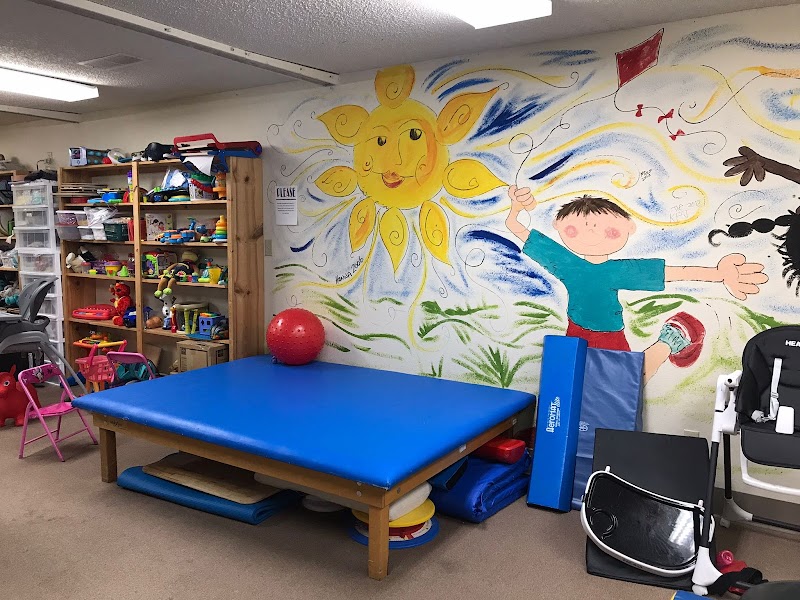
How is Truman W Smith Children'S Staffed?

CMS rates TRUMAN W SMITH CHILDREN'S CARE CENTER's staffing level at 2 out of 5 stars, which is below average compared to other nursing homes. Staff turnover is 36%, compared to the Texas average of 46%. This relatively stable workforce can support continuity of care.

What Have Inspectors Found at Truman W Smith Children'S?

State health inspectors documented 12 deficiencies at TRUMAN W SMITH CHILDREN'S CARE CENTER during 2022 to 2025. These included: 1 that caused actual resident harm and 11 with potential for harm. Deficiencies causing actual harm indicate documented cases where residents experienced negative health consequences.
Who Owns and Operates Truman W Smith Children'S?

TRUMAN W SMITH CHILDREN'S CARE CENTER is owned by a for-profit company. For-profit facilities operate as businesses with obligations to shareholders or private owners. The facility operates independently rather than as part of a larger chain. With 120 certified beds and approximately 101 residents (about 84% occupancy), it is a mid-sized facility located in GLADEWATER, Texas.
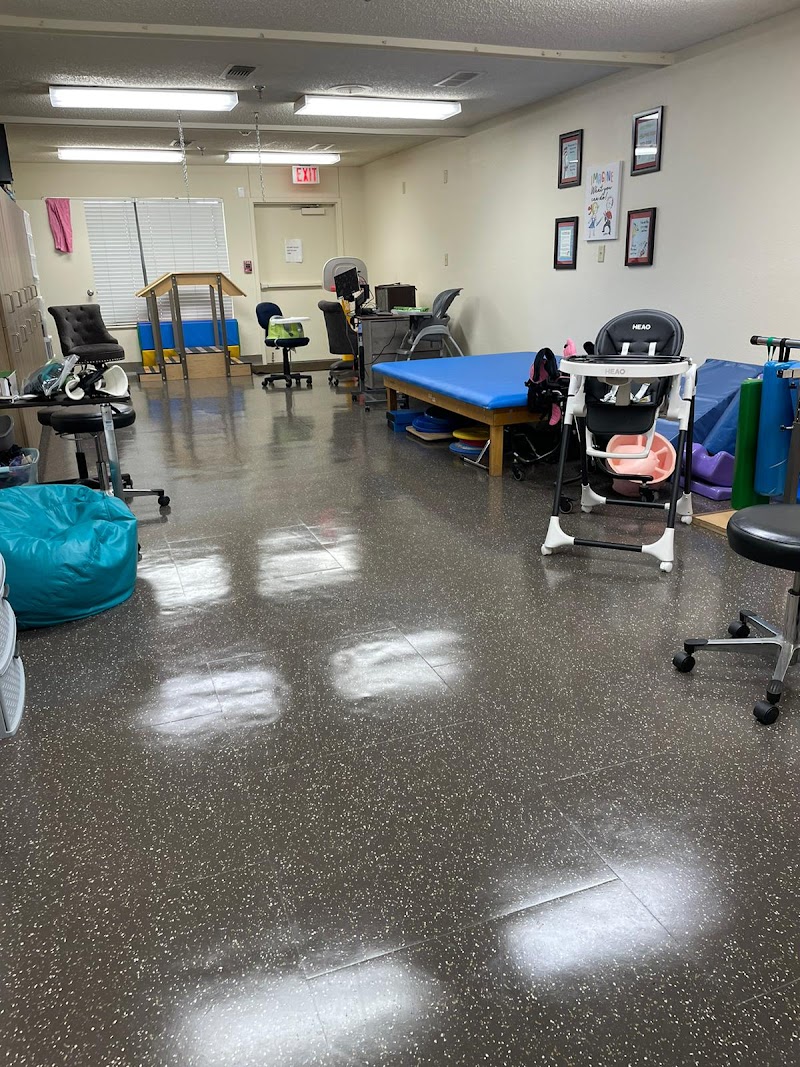
How Does Truman W Smith Children'S Compare to Other Texas Nursing Homes?

Compared to the 100 nursing homes in Texas, TRUMAN W SMITH CHILDREN'S CARE CENTER's overall rating (5 stars) is above the state average of 2.8, staff turnover (36%) is significantly lower than the state average of 46%, and health inspection rating (4 stars) is above the national benchmark.

What Should Families Ask When Visiting Truman W Smith Children'S?

Based on this facility's data, families visiting should ask: "Can you walk me through typical staffing levels on day, evening, and night shifts?" "Can I visit during a mealtime to observe dining assistance and food quality?" "How do you handle medical emergencies, and what is your hospital transfer rate?" "Can I speak with family members of current residents about their experience?" These questions are particularly relevant given the below-average staffing rating.

Is Truman W Smith Children'S Safe?

Based on CMS inspection data, TRUMAN W SMITH CHILDREN'S CARE CENTER has a clean safety record: no substantiated abuse findings (meaning no confirmed cases of resident harm), no Immediate Jeopardy citations (the most serious violation level indicating risk of serious injury or death), and is not on the Special Focus Facility watch list (a federal program monitoring the lowest-performing 1% of nursing homes). The facility has a 5-star overall rating and ranks #1 of 100 nursing homes in Texas. While no facility is perfect, families should still ask about staff-to-resident ratios and recent inspection results during their visit.

Do Nurses at Truman W Smith Children'S Stick Around?

TRUMAN W SMITH CHILDREN'S CARE CENTER has a staff turnover rate of 36%, which is about average for Texas nursing homes (state average: 46%). Moderate turnover is common in nursing homes, but families should still ask about staff tenure and how the facility maintains care continuity when employees leave.

Was Truman W Smith Children'S Ever Fined?

TRUMAN W SMITH CHILDREN'S CARE CENTER has no federal fines on record. CMS issues fines when nursing homes fail to meet care standards or don't correct problems found during inspections. The absence of fines suggests the facility has either maintained compliance or corrected any issues before penalties were assessed. This is a positive indicator, though families should still review recent inspection reports for the full picture.

Is Truman W Smith Children'S on Any Federal Watch List?

TRUMAN W SMITH CHILDREN'S CARE CENTER is not on any federal watch list. The most significant is the Special Focus Facility (SFF) program, which identifies the bottom 1% of nursing homes nationally based on persistent, serious quality problems. Not being on this list means the facility has avoided the pattern of deficiencies that triggers enhanced federal oversight. This is a positive indicator, though families should still review the facility's inspection history directly.