CHEROKEE ROSE NURSING AND REHABILITATION
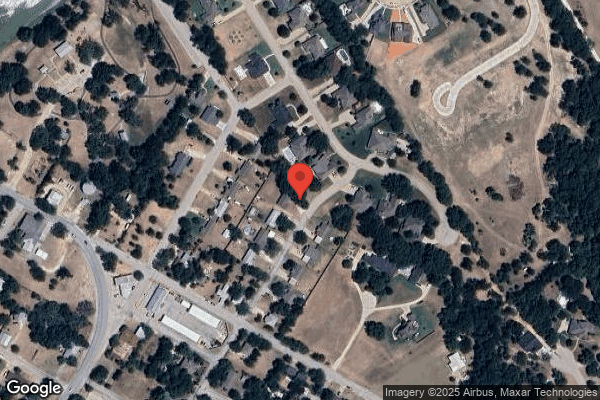
203 GIBBS BLVD, GLEN ROSE, TX 76043 (254) 897-7361
For profit - Corporation 102 Beds CREATIVE SOLUTIONS IN HEALTHCARE Data: November 2025
Trust Grade
70/100
#210 of 1168 in TX
Last Inspection: December 2024

Within standard 12-15 month inspection cycle. Federal law requires annual inspections.

Overview

Cherokee Rose Nursing and Rehabilitation has a Trust Grade of B, which means it is considered a good option for families seeking care. It ranks #210 out of 1,168 facilities in Texas, placing it in the top half, and is the best option among the two nursing homes in Somervell County. The facility is improving, with a drop in reported issues from 8 in 2024 to just 1 in 2025, although the staffing rating is below average at 2 out of 5 stars, with a concerning turnover rate of 64 percent. While there have been no fines, which is a positive sign, specific incidents of concern include improper food storage practices that could risk residents' health and a failure to ensure that call lights were accessible for residents with significant needs, potentially affecting their quality of life. Overall, while there are strengths in its ranking and recent trends, families should be aware of the staffing issues and specific areas needing improvement.

Trust Score
B
70/100
In Texas
#210/1168
Top 17%
Safety Record
Low Risk
No red flags
Inspections
Getting Better
8 → 1 violations
Staff Stability
⚠ Watch
64% turnover. Above average. Higher turnover means staff may not know residents' routines.
Penalties
✓ Good
No fines on record. Clean compliance history, better than most Texas facilities.
Skilled Nurses
⚠ Watch
Each resident gets only 20 minutes of Registered Nurse (RN) attention daily — below average for Texas. Fewer RN minutes means fewer trained eyes watching for problems.
Violations
⚠ Watch
18 deficiencies on record. Higher than average. Multiple issues found across inspections.
★★★★☆
4.0
Overall Rating
★★☆☆☆
2.0
Staff Levels
★★★★☆
4.0
Care Quality
★★★★☆
4.0
Inspection Score
Stable
2024: 8 issues
2025: 1 issues

The Good

  • 4-Star Quality Measures · Strong clinical quality outcomes
  • Full Sprinkler Coverage · Fire safety systems throughout facility
  • No fines on record

Facility shows strength in quality measures, fire safety.

The Bad

Staff Turnover: 64%

18pts above Texas avg (46%)

Frequent staff changes - ask about care continuity

Chain: CREATIVE SOLUTIONS IN HEALTHCARE

Part of a multi-facility chain

Ask about local staffing decisions and management

Staff turnover is elevated (64%)

16 points above Texas average of 48%

The Ugly 18 deficiencies on record

Aug 2025 1 deficiency
CONCERN (D) 📢 Someone Reported This

A family member, employee, or ombudsman was alarmed enough to file a formal complaint

Potential for Harm - no one hurt, but risky conditions existed

Deficiency F0700 (Tag F0700)

Could have caused harm · This affected 1 resident

**NOTE- TERMS IN BRACKETS HAVE BEEN EDITED TO PROTECT CONFIDENTIALITY** Based on observation, interview, and record review, the facility failed to assess residents for risk of entrapment from bed rail...

Read full inspector narrative →
**NOTE- TERMS IN BRACKETS HAVE BEEN EDITED TO PROTECT CONFIDENTIALITY** Based on observation, interview, and record review, the facility failed to assess residents for risk of entrapment from bed rails prior to installation and/or review the risks and benefits of bed rails with the resident or resident representative and obtain informed consent prior to installation of 1 of 4 (Resident # 3) reviewed for the use of bed rails. The facility failed to ensure that a bed rail assessment and bed rail consent was completed for Resident # 3 or Resident # 3's family representative. This failure could have placed residents at increased risks for entrapment in bed rails and for lack of informed consent regarding the risks associated with use of bed rails. The findings included:Record review of Resident #3's face sheet dated 8/6/2025 revealed Resident #3 was an [AGE] year-old female admitted on [DATE] with a readmission on [DATE] with the following diagnoses fracture of right femur, high blood pressure, heart disease and weakness.Record review of Resident #3's admission MDS dated [DATE] revealed: Section C- Cognitive Patterns revealed Resident # 3 had a BIMS score of 13 (cognitively intact).Record review of physician orders dated 08/06/2025 revealed: start date 07/14/2025 1/4 side rails up x2 while in bed for mobility every shift.Record review of Resident #3's care plan dated 07/08/2025 revealed interventions of side rails: quarter rails up as per doctor order for safety during care provision, to assist with bed mobility. Observe for injury or entrapment related to side rail use. Reposition PRN to avoid injury. Date Initiated: 07/14/2025Record review of Resident #3's electronic medical chart on 08/05/2025 revealed no evidence of a completed bed rail assessment or bed rails consent. Observation and interview on 08/05/2025 at 1:35 PM Resident #3 was sitting in his wheel chair in the doorway of his room. Resident #3's bed had 1/4 bed rails on both of sides. Resident #3 stated he used the bed rails to move around in his bed. Observation on 08/06/2025 at 11:20 AM Resident #3 was lying in his bed in his room sleeping, bed rails were on both sides of his bed. During an interview on 08/06/2025 at 11:35 AM Resident #3's Representative stated she did not remember signing a consent for Resident #3 to have bed rails on his bed. Resident #3's Representative stated there was no problem with Resident #3 having bed rails on his bed. During an interview on 08/06/2025 at 3:30 PM the ADON stated she had only been at the facility as the ADON for a week. The ADON stated consents for bed rails and bed rail assessments should have been completed before bed rails were placed on bed. The ADON stated the consents and assessments should have been completed and in the resident's electronic medical chart. During an interview on at 08/06/2025 at 4:00 PM the ADMN stated her expectation was for there to have been a bed rail consent and a bed rail assessment prior to bed rails being placed on a bed. The ADMN stated the charge nurse would have been responsible to complete the assessment and the consent, but the ultimately the DON would be responsible to ensure they were done. The DON was responsible to monitor the completion of bed rail consent and bed rail assessments were completed. The ADMN stated the effect on residents could have been unnecessary injury or a restraint. The ADMN stated what led to the failure of consents and assessment not being completed was there had been turnover in the DON position. Record review of facility policy titled, Bed Rails dated November 8, 2016, revealed: Assess the resident for risk or entrapment from bed rails prior to installation. Review the risks and benefits of bed rails with the resident or resident representative and obtained informed consent prior to installation.
Dec 2024 8 deficiencies
CONCERN (D) 📢 Someone Reported This

A family member, employee, or ombudsman was alarmed enough to file a formal complaint

Potential for Harm - no one hurt, but risky conditions existed

Deficiency F0637 (Tag F0637)

Could have caused harm · This affected 1 resident

**NOTE- TERMS IN BRACKETS HAVE BEEN EDITED TO PROTECT CONFIDENTIALITY** Based on interview and record review the facility failed to ensure that a residents significant change in physical or mental con...

Read full inspector narrative →
**NOTE- TERMS IN BRACKETS HAVE BEEN EDITED TO PROTECT CONFIDENTIALITY** Based on interview and record review the facility failed to ensure that a residents significant change in physical or mental condition was determined for 1 of 19 residents (Residents #47) reviewed for significant change. The facility failed to ensure Resident # 47 had a Significant Change Assessment completed after his admission to hospice. This failure could contribute to providing an inaccurate assessment of resident's most current medical condition and could lead to failure to not provide necessary care. Findings include: Record review of Resident #47's electronic face sheet revealed an [AGE] year-old male admitted to the facility 9/13/2024 with a most recent admission on [DATE] with the following diagnosis: Traumatic subdural hemorrhage with loss of consciousness (head injury from trauma with brain bleed), sepsis (infection that has spread to the blood), respiratory failure, and Type 2 diabetes. Record review of Resident #47's admission assessment dated [DATE] revealed: Section C-Cognitive Patterns revealed Resident #47 had a BIMS score of 0 meaning severe cognitive impairment; Section O- Special Treatments and Programs revealed no evidence of hospice. Record review of Resident #47's hospice records revealed a physician order with a start date of 11/15/2024 after admit Resident #47 to hospice. Record review of Resident #47's electronic record on 12/12/2024 revealed no evidence of a Significant Change Assessment completed for Resident #47 when he was admitted to hospice; and no order to admit to hospice. During an interview on 12/12/24 at 2:10 PM the DON stated her expectation was a Significant Change Assessment should have been completed within after 14 days of Resident #47 being admitted to hospice. The DON stated the MDS nurse was responsible to complete the Significant Change and nursing was responsible to notify MDS with the change. The DON stated the affect on residents could have received incorrect services. The DON stated she did not know why the Significant Change was not completed stated possible miscommunication. The DON stated they did not have a policy for Significant Change Assessment that they followed the CMS's RAI Manual. During an interview on 12/12/2024 at 2:45 PM the RRN stated the MDS nurse was out of office on sick leave for the last 2 days, and she was responsible to complete the Significant Change Assessment. The RRN stated hospice should have triggered for a Significant Change Assessment to be completed and should have been completed when the order for hospice was completed. The RRN stated the MDS nurse was responsible to complete the MDS and the DON and the RRN monitors the completion. The RRN stated the effect on residents could have been plan of care not being updated and loss of revenue. The RRN stated what led to the failure was miscommunication, the nurse that received the order should have entered the order which would have triggered the Significant Change to be completed. Review of CMS'S RAI Version 3.0 Manual version 1.17.1 dated October 2019 revealed: The RAI process has multiple regulatory requirements. Federal regulations at 42 CFR 483.20 (b)(1)(xviii), (g), and (h) require that (1) the assessment accurately reflects the resident's status (2) a registered nurse conducts or coordinates each assessment with the appropriate participation of health professionals (3) the assessment process includes direct observation, as well as communication with the resident and direct care staff on all shifts. Nursing homes are left to determine (1) who should participate in the assessment process (2) how the assessment process is completed (3) how the assessment information is documented while remaining in compliance with the requirements of the Federal regulations and the instructions contained within this manual.
CONCERN (D) 📢 Someone Reported This

A family member, employee, or ombudsman was alarmed enough to file a formal complaint

Potential for Harm - no one hurt, but risky conditions existed

Comprehensive Care Plan (Tag F0656)

Could have caused harm · This affected 1 resident

**NOTE- TERMS IN BRACKETS HAVE BEEN EDITED TO PROTECT CONFIDENTIALITY** Based on interviews and record reviews, the facility failed to develop a comprehensive person-centered care plan based on assess...

Read full inspector narrative →
**NOTE- TERMS IN BRACKETS HAVE BEEN EDITED TO PROTECT CONFIDENTIALITY** Based on interviews and record reviews, the facility failed to develop a comprehensive person-centered care plan based on assessed needs with the ability to be evaluated or quantified to attain or maintain the resident's highest practicable physical, mental, and psychosocial well-being for 1 (Resident #47) of 19 residents reviewed for comprehensive person-centered care plans. The facility failed to ensure Resident #47's comprehensive care plan addressed Resident #47 being on hospice. This failure could affect the residents by placing them at risk for not receiving care and services to attain or maintain the residents highest practicable physical, mental, and psychosocial well-being. Findings included: Record review of Resident #47's electronic face sheet revealed an [AGE] year-old male admitted to the facility 9/13/2024 with a most recent admission on [DATE] with the following diagnosis: Traumatic subdural hemorrhage with loss of consciousness (head injury from trauma with brain bleed), sepsis (infection that has spread to the blood), respiratory failure, and Type 2 diabetes. Record review of Resident #47's admission assessment dated [DATE] revealed: Section C-Cognitive Patterns revealed Resident #47 had a BIMS score of 0 meaning severe cognitive impairment; Section O- Special Treatments and Programs revealed no evidence of hospice. Record review of Resident #47's hospice records revealed a physician order with a start date of 11/15/2024 after admit Resident #47 to hospice. Record review of Resident #47's Comprehensive Care Plan last updated on 11/07/2024 revealed no evidence of hospice. Record review of Resident #47's electronic records revealed no evidence of a physician order to admit to hospice. During an interview on 12/12/24 at 2:10 PM the DON stated her expectation was care plans should have been updated when there was a Significant Change Assessment completed. The DON stated admission to hospice should have been updated in the care plan. The DON stated the MDS nurse was responsible to update the comprehensive care plan when the significant change assessment was completed. The DON stated the effect on residents was they could have received incorrect services. The DON stated she did not know why the comprehensive care plan was not updated with hospice. The DON stated what led to failure was the Significant Change assessment was not completed. The DON stated they did not have a policy for Significant Change Assessment that they followed the CMS's RAI Manual. During an interview on 12/12/2024 at 2:45 PM the RRN stated the MDS nurse was out of office on sick leave, and she was responsible to complete the Comprehensive Care Plan. The RRN stated hospice services should have been updated in care plan after the Significant Change Assessment was completed. The RRN stated the MDS nurse was responsible to complete the comprehensive care plan and the DON and the RRN were responsible to monitor the completion. The RRN stated the effect on residents could have been the plan of care not being updated and loss of revenue. The RRN stated what led to failure was miscommunication, the nurse that received the order should have entered the order which would have triggered the Significant Change to be completed which would have triggered the comprehensive care plan to be updated. Record review of facility policy titled, Comprehensive Care Planning without a date revealed, The comprehensive care plan will describe the following- The services that are to be furnished to attain or maintain the resident's highest practicable physical, mental and psychosocial well-being . Any specialized services .
CONCERN (D) 📢 Someone Reported This

A family member, employee, or ombudsman was alarmed enough to file a formal complaint

Potential for Harm - no one hurt, but risky conditions existed

Medical Records (Tag F0842)

Could have caused harm · This affected 1 resident

**NOTE- TERMS IN BRACKETS HAVE BEEN EDITED TO PROTECT CONFIDENTIALITY** Based on interview, and record review the facility failed to maintain medical records on each resident, in accordance with accep...

Read full inspector narrative →
**NOTE- TERMS IN BRACKETS HAVE BEEN EDITED TO PROTECT CONFIDENTIALITY** Based on interview, and record review the facility failed to maintain medical records on each resident, in accordance with accepted professional standards and practices, that were complete and accurate for 1 (Resident #47) of 19 residents reviewed for resident records. The facility failed to ensure Resident #47's clinical record included an order to admit to hospice. The order was only located in the hospice records. This failure could place residents at risk of having errors in care and treatment. The Findings included: Findings included: Record review of Resident #47's electronic face sheet revealed an [AGE] year-old male admitted to the facility 9/13/2024 with a most recent admission on [DATE] with the following diagnosis: Traumatic subdural hemorrhage with loss of consciousness (head injury from trauma with brain bleed), sepsis (infection that has spread to the blood), respiratory failure, and Type 2 diabetes. Record review of Resident #47's admission assessment dated [DATE] revealed: Section C-Cognitive Patterns revealed Resident #47 had a BIMS score of 0 meaning severe cognitive impairment; Section O- Special Treatments and Programs revealed no evidence of hospice. Record review of Resident #47's hospice records revealed a physician order with a start date of 11/15/2024 after admit Resident #47 to hospice. Record review of Resident #47's Comprehensive Care Plan last updated on 11/07/2024 revealed no evidence of hospice. Record review of Resident #47's electronic records revealed no evidence of a physician order to admit to hospice. During an interview on 12/12/24 at 2:10 PM the DON stated her expectation was that the nurse that received a physician order was to enter the order into the electronic medical records when it was received. The DON stated the effect on residents could have been residents received incorrect services or had services missed. The DON stated she did not know why the comprehensive care plan was not updated with hospice. The DON stated what led to the failure was the charge nurse forgot to transcribe the record. Record review of facility policy titled, Physician Orders dated 2015 revealed Written orders by the Physician or Nurse Practitioner 1. Nurse will review the order and if needed contact the prescriber for any clarifications. 2. The nurse will enter the order into {electronic charting system} for the resident.
CONCERN (E) 📢 Someone Reported This

A family member, employee, or ombudsman was alarmed enough to file a formal complaint

Potential for Harm - no one hurt, but risky conditions existed

Deficiency F0558 (Tag F0558)

Could have caused harm · This affected multiple residents

**NOTE- TERMS IN BRACKETS HAVE BEEN EDITED TO PROTECT CONFIDENTIALITY** Based on observation, interview and record review, the facility failed to accommodate residents' needs and preferences for 3 of ...

Read full inspector narrative →
**NOTE- TERMS IN BRACKETS HAVE BEEN EDITED TO PROTECT CONFIDENTIALITY** Based on observation, interview and record review, the facility failed to accommodate residents' needs and preferences for 3 of 19 (Resident #8, Resident # 21, and Resident #37) residents reviewed for accommodation of needs. The facility failed to ensure Resident #8, Resident #21, and Resident #37 call lights were within reach. This failure could place residents at risk of a diminished quality of life and lead to a loss of self-esteem and isolation. Findings included: Resident #8 Review of Resident #8's electronic face sheet dated 12/13/2024 revealed a [AGE] year-old female admitted on [DATE] and most recently admitted on [DATE] with following diagnosis: dementia, senile degeneration of brain (mental deterioration that is associated with old age), difficulty walking, unsteadiness on feet, lack of coordination, history of falling, and muscle weakness. Review of Resident #8's significant change MDS dated [DATE] revealed: BIMS score of 01 which indicated severe cognitive impairment. Section GG: Functional Abilities revealed Resident #8 needed partial to moderate assistance of staff for bed mobility, sitting to standing, and bed to chair transfer. Review of Resident #8's most recent comprehensive care plan reviewed on 12/13/2024 revealed: Resident #8 had a risk for falls with interventions that included Be sure the resident's call light is within reach and encourage the resident to use it for assistance as needed. Date Initiated: 07/02/2021. During an observation and attempted interview on 12/10/2024 at 8:30 a.m., Resident #8 was lying in bed. She did not answer questions, and no discomfort or distress observed. The call light was not in reach of the resident's bed and was on the other side of the room's privacy curtain. Resident #21 Review of Resident #21's electronic face sheet revealed an [AGE] year-old female admitted on [DATE] and most recently admitted on [DATE] with the following diagnosis: muscle weakness, abnormalities of gait and mobility, and unsteadiness on feet. Review of Resident #21's quarterly MDS dated [DATE] revealed: BIMS score of 09 which indicated moderate cognitive impairment. Section GG: Functional Abilities revealed Resident #21 was dependent on staff for chair to bed transfers and for sitting to standing. Review of Resident #21's most recent comprehensive care plan reviewed on 12/13/2024 revealed: Resident #21 was at continued risk for falls with interventions that included Be sure the resident's call light is within reach and encourage the resident to use it for assistance as needed. Date Initiated: 05/25/2022. During an observation and interview on 12/10/2024 at 7:55 a.m., Resident #21 was lying in bed with the head of bed elevated and breakfast sitting on over the bed table. Resident #21 stated she would like more coke. She stated she did not think she had call light. The call light was hanging from the over the bed light down between headboard and mattress of bed and not within arm's length of resident. Resident #37 Review of Resident #37's electronic face sheet revealed a [AGE] year-old female admitted on [DATE] with the following diagnosis: dementia, weakness, unsteadiness on feet, and abnormalities of gait and mobility. Review of Resident #37's significant change MDS dated [DATE] revealed: BIMS score of 00 which indicated severe cognitive impairment. Section GG: Functional Abilities revealed Resident #37 was dependent on staff for chair to bed transfers and for sitting to standing. Review of Resident #37's most recent comprehensive care plan reviewed on 12/13/2024 revealed: Resident #37 was at risk for falls with interventions that included Be sure the resident's call light is within reach and encourage the resident to use it for assistance as needed. Date Initiated: 06/26/2022. During an observation and attempted interview on 12/11/2024 at 10:24 a.m., Resident #37 was lying in bed. She did not speak, and no distress observed. Resident breathing easily. The call light was not in reach of the resident's bed and was on the other side of the room's privacy curtain. During an interview on 12/13/2024 at 9:18 a.m., CNA F stated all residents should have a call light in reach. She stated Resident #8, Resident #21, and Resident #37 could not exit the bed safely without assistance of staff. She stated CNAs were responsible for making sure call lights were within reach and the charge nurses monitor that call lights were in reach. She stated not having call light in reach could cause residents to not be able to call for help. During an interview on 12/13/2024 at 9:22 a.m., RN G stated all residents should have a call light in reach. She stated Resident #8, Resident #21, and Resident #37 could not exit bed safely without assistance of staff. She stated CNAs were responsible for making sure call lights were within reach. She stated nurses monitored that CNAs were keeping call lights in residents' reach. She stated not having call light in reach could cause residents to not be able to call for help. During an interview on 12/13/2024 at 9:35 a.m., the DON stated her expectation would be for all residents to have call lights in reach. She stated in reach meant within residents' arm length, so residents were able to reach call light. She stated Resident #8 and Resident #37 would not be able to reach a call light that was across the room when they were lying in bed. She stated Resident #21 would not be able to reach a call light that was in between her mattress and headboard. She stated she felt residents being moved from another hall for unplanned construction may have led to call lights not being in reach. She stated everyone in the building were responsible for ensuring residents had access to call lights. She stated the CNAs, nurses, and department heads monitored call lights were within reach of residents. She stated not having a call light in reach could lead to resident not being able to call for assistance. During an interview on 12/12/2024 at 11:05 a.m., the ADMN stated her expectation would be for all residents to have call lights in reach. She stated in reach meant within arms distance. She stated that Resident #21 would not be able to reach a call light that was handing in between her mattress. She stated Resident #8 and Resident #37 would not be able to reach a call light on the other side of their room when they were in bed. She stated she did not know why call lights were not in reach but may have been due to unexpected construction and relocation of some residents. She stated that CNAs were responsible for making sure call lights were in reach and nurses were responsible for monitoring that call lights were in reach. She stated not having call light in reach could lead to residents not being able to call for help. She stated the facility did not have call light policy. Record review of the facility policy titled Resident [NAME] of Rights no date revealed: Dignity/Self Determination and Participation. You have the right to receive care from the facility in a manner and in an environment that promotes, maintains, or enhances your dignity and response in full recognition of your individually. You have the right to: a. Choose activities, schedules, and health care consistent with your interests, assessments and plans of care. b. Interact with members of the community both inside and outside the nursing facility. C. Make choices about aspects of your life in the nursing facility that is significant to you.
CONCERN (E) 📢 Someone Reported This

A family member, employee, or ombudsman was alarmed enough to file a formal complaint

Potential for Harm - no one hurt, but risky conditions existed

Deficiency F0761 (Tag F0761)

Could have caused harm · This affected multiple residents

Based on observation, interview, and record review the facility failed to ensure drugs and biologicals used in the facility were stored and labeled in accordance with currently accepted professional p...

Read full inspector narrative →
Based on observation, interview, and record review the facility failed to ensure drugs and biologicals used in the facility were stored and labeled in accordance with currently accepted professional principles, for 1 of 6 (C Hall) Medication Carts and 1 of 1 medication room. 1. The facility failed to ensure C Hall medication cart keys were not kept on unattended cart in binder labeled Narcotic Book C Hall. 2. The facility failed to ensure that all medications stored in C Hall medication cart were properly stored/labeled. These failures placed all residents at risk of harm or decline in health due to lack of potency of medications/biologicals or misappropriation of medications. The findings included: During an observation and interview on 12/10/2024 beginning at 10:33 a.m., the C Hall medication cart revealed MA D was administering medications. The top left drawer of C Hall medication cart stored 15 loose pills under one lock in a 3 clear medication cups with no label. MA D stated she had attempted to administer the medications earlier and those residents would not take them. She stated she stored them in the top of medication cart to attempt to give again. She stated she knew what medications were for Resident #1, Resident #17, and Resident # 28. She stated she was not supposed to store medications that had been popped out of the original containers on her cart. She stated there was no negative outcome from storing medications this way to the residents. She stated she was responsible for making sure the medications were stored properly on the medication cart she was responsible for. During an observation and interview on 12/10/2024 at 11:33 a.m., the C Hall medication cart was unattended outside of the nurses' station behind barrier half wall. Keys for C Hall medication cart were stored in three ring binder labeled Narcotic Book C Hall laying on top of C Hall medication cart. No loose medication found in top drawer. LVN E was sitting behind the nurses' station with a resident and was working on the computer. He stated keys should not be kept on the medication cart and should be kept on the person that was responsible for the medication cart. He stated he was not responsible for C Hall medication cart but would give keys to the appropriate nurse. He stated MA D had left the building on a break. He stated MA D should have given the keys to the nurse responsible for the hall when she left for her break. He took the keys and put them in his pocket. He stated he was not responsible for C Hall but would get the keys to an appropriate nurse. He stated MA D worked a split shift and that she would come back at 3 p.m. C Hall medication cart had heart medications including losartan, furosemide, metoprolol, amlodipine, and atorvastatin. Observed C Hall medication cart had psychotropic medications including risperidone, Zoloft, duloxetine, buspirone, Seroquel, Ativan, Ambien, and Clobazam. C Hall medication cart had nasal spray Flonase and narcotics including tramadol and methadone. During an interview on 12/11/2024 at 1:32 p.m., the DON stated her expectation would be for medications to be given when medication aide or nurse at door of resident. She stated if residents refuse medication, then medication should be discarded. The DON stated medication aides and nurses were responsible for ensuring medications were stored appropriately. She stated the charge nurse on that hall should be monitoring that medication aides stored medication appropriately. She stated the ADON, DON and consultant pharmacists were responsible for monitoring nurses store medications appropriately. The DON stated her expectation would be that keys to medication carts would remain on the person responsible for the medication cart. She stated her expectation during breaks would be for the medication aid to give keys to a nurse before leaving the building. She stated storing medications unlabeled in cart could lead to a medication error and put residents in danger by given wrong medications. She stated storing keys on top of medication cart in binder could give someone access to medication cart without them being a medication aide or nurse. She stated she did not know why loose medications were stored in medication cart, keys were left in binder on top of cart, and items were stored in refrigerator without open date or past use by date. She stated MA D did not come into work on the afternoon of 12/10/2024. She stated MA D had clocked out at 11:20 PM on 12/10/2024. During an interview on 12/11/2024 at 1:40 p.m., the ADMN stated her expectation would be for medications to have identification on them when stored. She stated she expected keys for medication carts to be kept on the person or given to the nurse and not stored on top of medication cart in binder. She stated storing medications incorrectly could cause negative effects by residents having access to medication carts or possibly receiving wrong medications. She stated the nurses and medication aides were responsible for storage of medications. She stated the ADON and DON were who monitored that medications were stored correctly. She stated she did not know why medications were stored inappropriately. The ADMN who is a LVN stated the medications that were stored in medication cups on C Hall medication cart could have been: Vitamin D3 a supplement Keppra a medication for seizure prevention Metformin a medication to reduce blood sugar Multivitamin a supplement Biotene a supplement Wellbutrin a medication for depression Eliquis a medication that interferes with blood clotting Pepcid medication for indigestion Finasteride a medication to help enlargement of prostate Lisinopril a medication for blood pressure reduction Modafinil a medication to treat narcolepsy (a disorder that effects sleep) Montelukast a medication used to treat asthma Protonix a medication to reduce acid in stomach Tamsulosin a medication to help enlargement of prostate Zyrtec a medication to reduce seasonal allergies Aspirin a medication that interferes with blood clotting Cetirizine a medication to reduce seasonal allergies Cyanocobalamin a supplement Fluoxetine a medication for depression Metoprolol a medication to reduce blood pressure Myrbetriq a medication for overactive bladder Strattera a medication used for attention deficit disorder Topiramate a medication used to reduce headaches Vitamin C a supplement Cilostazol a medication used to dilate blood vessels Divalproex sodium a medication used for preventing seizures Levetiracetam a medication used for preventing seizures During a telephone interview on 12/13/2024 at 10:41 a.m., the CP stated her expectation would be for medication carts to be locked and keys stored on medication aides and nurses that were responsible for those carts. She stated it was best practice to not store medications in unlabeled medication cups in top drawer of medication carts. She stated her expectation would be that medications be discarded if resident would not take medication. She did not know why keys were stored on top of medication cart in binder or why medications were stored in unlabeled medication cups. She stated medication aides and nurses were responsible for medications being stored appropriately on their medication cart. She stated she does spot checks when she was in the building and the DON and ADON should be monitoring that medications are stored appropriately as well. She stated storing medications in unlabeled cups was discouraged because there could be confusion later who medication should be administered to. She stated storing keys in binder on top of cart could lead to more than just the nurse or medication aide having access to medication cart. She stated in a hypothetical situation these failures could lead to misappropriation of medication but could not state if this instance led to misappropriation of medications. Record review of the facility policy titled Storage of Medications dated 2003 revealed: The provider pharmacy dispenses medication in containers that meet legal requirements, including requirements of good manufacturing practices where applicable. Medications are kept and stored in these containers. Only a pharmacist completes transfer of medications from one container to another. Only licensed nurses, the consultant pharmacist, and those lawfully authorized to administer medication (e.g., medication aides) are allowed access to medications. Medication rooms, carts, and medication supplies are locked and attended by persons with authorized access. Record review of the facility policy titled Medication Labeling dated 2003 revealed: Medications dispensed by a pharmacy: All legend patient medications regardless of source shall be properly labeled as required in State regulations for Long Term Care Facilities. Medications provided other than by a Pharmacy: Non-prescription drugs obtained from health food stores, or sources other than the provider pharmacy must be in the original manufacturer's container.
CONCERN (E) 📢 Someone Reported This

A family member, employee, or ombudsman was alarmed enough to file a formal complaint

Potential for Harm - no one hurt, but risky conditions existed

Menu Adequacy (Tag F0803)

Could have caused harm · This affected multiple residents

Based on observation, interviews, and record review, the facility failed to ensure the menus met the nutritional needs of residents in accordance with established guidelines and were followed for 1 of...

Read full inspector narrative →
Based on observation, interviews, and record review, the facility failed to ensure the menus met the nutritional needs of residents in accordance with established guidelines and were followed for 1 of 1 meal (lunch meal on 12/10/2024) reviewed for menus being followed. The facility did not prepare or serve the posted items included on the menu as recommended by the licensed dietician. This failure could affect all residents who ate the food prepared for the lunch meal on 12/10/2024, by placing them at risk of not receiving adequate nutritive value and calorie intake needed to promote and maintain good health. Findings include: During an observation on 12/10/2024 at 8:10 a.m., the menu on the bulletin board posted in the dining room outside the kitchen door was set up in cycles which set the meals in five-week rotation of meals. The menu for the lunch meal dated 12/10/2024 was: Grilled steak with onions, baked potatoes, sautéed broccoli, honey kissed rolled, margarine, sour cream, cheese, cheesecake with fruit topping and tea. During an interview on 12/10/2024 at 10:25 a.m., [NAME] I said she said she did not follow or use recipes because the facility did not have the item that was on the menu. She said she was substituting Grilled steak with onions with Salisbury steak, and she was not sure if she was serving baked potatoes. [NAME] I said the facility did not have broccoli so she was substituting mixed vegetables and thought she would serve garlic, parmesan mashed potatoes. She said the kitchen would serve green Jell-O with fruit instead of cheesecake. [NAME] I said when the kitchen did not have an item, she would substitute a dish as close as possible to the item she was substituting. During an interview on 12/10/2024 at 10:29 a.m., the Regional Certified Dietary Manager said the staff should follow the menu because substitutions would change the overall calorie intake of the meal and have a negative effective on the resident's diet. The Regional Certified Dietary Manager said [NAME] I did not follow the facility's policy and the change could have affected the resident's negatively by changing the overall daily nutritional value and intake. During a follow-up interview on 12/10/2024 at 1:18 p.m., the Regional Certified Dietary Manager said the reason the facility did not serve steak was because the facility had an abundant supply of beef patties. The Regional Certified Dietary Manager said prior to the new facility Dietary Manager, who started her position three (3) weeks prior, no one completed inventory. The Regional Certified Dietary Manager said [NAME] I, who had prepared the lunch meal, was defiant and the fact that she did not follow the menu did not meet her expectations. During an interview on 12/12/2024 at 1:20 p.m., [NAME] H said knew she was required to follow the menu and if she needed to substitute any item, she would ask the manager. During an interview on 12/12/2024 at 1:35 p.m., the Dietary Manager said her expectations were for the cooks to follow the menu. The Dietary Manager said the substitution log was blank and the previous logs were missing. The Dietary Manager said she was responsible to ensure the menu items were ordered and available and to provide oversight and supervision of the dietary staff. The Dietary Manager said she was responsible to ensure dietary staff followed the menu. Record review of the substitution logs for December 2024 revealed the logs were blank. Record review of the facility's policy, Resident Menus, dated 2012, revealed the facility will strive to assure the resident's nutritional needs are provided based on the RDA. The standard menu will ensure nutritional adequacy of all diets, offer a variety of food in adequate amount at each meal, and standardize food production. Alternates for noon and evening meal will be planned and recorded. Alternates shall be of comparable nutritive value and the alternate food shall come from the same food group. If any meal served varies from the planned menu, the change and reason for the change shall be noted on the substitution log.
CONCERN (E) 📢 Someone Reported This

A family member, employee, or ombudsman was alarmed enough to file a formal complaint

Potential for Harm - no one hurt, but risky conditions existed

Food Safety (Tag F0812)

Could have caused harm · This affected multiple residents

Based on observation, interview, and record review the facility failed to store, prepare, distribute, and serve food in accordance with professional standards for food service safety in 1 of 1 kitchen...

Read full inspector narrative →
Based on observation, interview, and record review the facility failed to store, prepare, distribute, and serve food in accordance with professional standards for food service safety in 1 of 1 kitchen reviewed for service safety, in that: 1. The facility failed to ensure staff practiced appropriate hand hygiene during meal prep. 2. The facility failed to label open food items with date opened food in the refrigerator and freezer. 3. The facility failed to ensure staff appropriately cleaned and sanitized the thermometer prior to testing food temperatures. These failures could place residents at risk of food borne illness and cross contamination. Findings include: During an observation on 12/10/2024 at 8:31 a.m., revealed four (4) sealed bags and one (1) open bag of cabbage were with no label identifyng items and dates opened. A medium size container of brown pudding and a medium size of orange pudding had lids that sat on top of the containers but were not sealed. During an observation on 12/10/2024 at 8:44 a.m., revealed five (5) bags of small pita bread were located in the up-right refrigerator with no date of when the items were open or expiration date on the packages. Each package contained six (6) pieces of bread. During an interview on 12/10/2024 at 8:45 a.m., the Dietary Manager said the bags of pita bread came out of a large box that was dated at the time the food order came in and the bags did not come with a pre-printed use by date. The Dietary Manager said she did not know how long the bread had been in the refrigerator. During an observation on 12/10/2024 at 10:20 a.m., [NAME] H approached the kitchen door and entered. [NAME] H approached the stove and engaged in conversation with [NAME] I and proceeded to the prep table. [NAME] H picked up Styrofoam containers of Jell-O and stacked on food trays. [NAME] H was not observed to wash her hands. During an observation on 12/10/2024 at 11:05 a.m., [NAME] I placed a thermometer into the vegetables on the holding station and did not sanitize the thermometer prior. During an interview on 12/10/2024 at 11:12 a.m., [NAME] I said she obtained the thermometer used to take temperature of the vegetables from a red plastic basket on the counter by the holding station. [NAME] I said she did not know if the thermometers were sanitized or not. [NAME] I said she did not use alcohol wipes to sanitize the thermometers because she did not agree that she should put alcohol in the food she cooked. During an observation on 12/10/2024 at 11:20 a.m., [NAME] I put on gloves and picked up two (2) pieces of cook hamburger patties and placed the patties in the food processor. [NAME] I removed the gloves and turned the food processor on. [NAME] I picked up the second container of the food processor and scooped the mechanical meat into a metal pan. [NAME] I picked up a used paper towel and lifted the lid of a 30-gallon trash can and threw the used paper towel into the container. [NAME] I put on oven mitts and put the mechanical meat on the holding station. [NAME] I did not wash her hands. [NAME] I put on gloves and moved the puree meat that she scooped out the container of the food processor and place on the holding station. [NAME] I removed the gloves and placed two (2) bags of potatoes mix on the counter and took a plastic pitcher and fill with water and seasoning. [NAME] I put gloves on and opened a zip lock bag of an open bag of potato mix and then removed the gloves and began mixing the potato mix with water without washing her hands. During an observation on 12/10/2024 at 11:46 a.m., [NAME] I removed a pan of rolls from the oven and placed on the counter and removed the oven mitts. [NAME] I scratched her head on the left side, picked up a spoon and stirred the mash potatoes. During an observation on 12/10/2024 at 11:47 a.m., [NAME] H put on gloves, removed a serving tray, and placed the tray on the cart. [NAME] H rolled a fork, spoon and knife into a napkin and placed on the serving tray. [NAME] H removed her gloves and picked up a used napkin and lifted the lid of a 30-gallon trash can and threw the used paper towel into the container. [NAME] H picked up a tea glass an put on the serving tray with no gloves or washing her hands. During an observation on 12/10/2024 at 11:55 a.m., [NAME] I placed a thermometer into the Salisbury steak and took the temperature. [NAME] I removed the thermometer and immediately placed the thermometer into the mash potatoes to take the temperature without cleaning or sanitizing. During an interview on 12/10/2024 at 1:18 p.m., the Regional Certified Dietary Manager said the fact that [NAME] I did not wash her hands during meal prep did not meet her expectations. The Certified Dietary Manager said [NAME] I was very defiant during meal prep. The Regional Certified Dietary Manager said the fact that she did not wash her hands could negatively affect the residents and anyone who ate out the kitchen by spreading germs and causing food borne illness. During an interview on 12/12/2024 at 1:20 p.m., [NAME] H said she knew she was required to wash her hands when she first entered the kitchen, before and after using gloves, after using the restroom, and if she touched her face or picked something of the floor. [NAME] H said not washing her hands could spread germs. During an interview on 12/12/2024 at 1:35 p.m., the Dietary Manager said her expectations were for all food to be labeled with the date cooked or opened and the date of expiration. The Dietary Manager said if the food was not labeled it could be old and spoiled which could cause the residents who are susceptible to illness more vulnerable. The Dietary Manager said she expected the cooks to clean and sanitize the thermometers before and after taking the temperature of each food item to prevent the spread of germs and cross contamination. The Dietary Manager said not washing hands was the main way of spreading germs and causing infections, especially with COVID currently in the building. On 12/12/2024 at 2:01 p.m., an attempt was made to contact [NAME] I by phone. There was no answer. A message was left to return call prior to survey exit. Record review of the facility's policy, Infection Control, Dietary Services Policy & Procedure Manual 2012, revealed the facility will ensure all employees practiced infection control in the Dietary Service Department, and maintain sanitary food preparation. All dietary service employees will follow Infection control Policies as established and approved by the Infection Control Committee. Careful handwashing by personnel will be done in the following situations: - Prior to entering the work area and reporting to the workstation. - Between handling of dirty dishes, boxes, or equipment and handling clean food or utensils. - After going to the restroom, after breaks or after smoking. - Between handing cooked and uncooked food. - After each instance of coughing, sneezing, touching face and/or hair. - Prior to returning to the food production area. Record review of the facility's policy, Hand Washing, dated 2012, revealed the facility would ensure proper hand washing procedures would be utilized. Employees are to frequently perform hand washing. Record review of the Food Code U.S. Food and Drug Administration 2022 Food Code, dated 01/18/2023, revealed - Food employees shall clean their hands and exposed portions of their arms for at least 20 seconds, using a cleaning compound in a handwashing sink. Record review of the facility's policy, Daily Food Temperature Control, dated 2012, revealed there is a thermometer available for use in the department to test the temperature of food which is sanitized between food testing.
CONCERN (E) 📢 Someone Reported This

A family member, employee, or ombudsman was alarmed enough to file a formal complaint

Potential for Harm - no one hurt, but risky conditions existed

Infection Control (Tag F0880)

Could have caused harm · This affected multiple residents

**NOTE- TERMS IN BRACKETS HAVE BEEN EDITED TO PROTECT CONFIDENTIALITY** Based on observation, interview and record review, the facility failed to establish and maintain an infection prevention and con...

Read full inspector narrative →
**NOTE- TERMS IN BRACKETS HAVE BEEN EDITED TO PROTECT CONFIDENTIALITY** Based on observation, interview and record review, the facility failed to establish and maintain an infection prevention and control program designed to provide a safe, sanitary, and comfortable environment and to help prevent the development and transmission of communicable diseases and infections reviewed for 2 of 4 halls (B Hall & C Hall) reviewed for infection control. 1. The facility failed to ensure staff (CNA B) wore appropriate PPE providing direct care services for Resident #46 (on B Hall) who was placed on Transmission Based Precautions due to having contracted COVID-19. 2. The facility failed to ensure Resident #46 wore appropriate PPE when being transported to shower room on B Hall. 3. The facility failed to ensure LVN C performed hand hygiene when obtaining blood sample for glucose reading (on C Hall). These deficient practices could affect residents that reside in the facility and place them at risk of infection. Findings included: Resident #46 Record review of Resident #46's electronic face sheet dated 12/13/2024 revealed she was a [AGE] year-old female admitted to facility on 6/14/2023 with diagnoses to include cerebral palsy (disorder of abnormal movement and paralysis caused by abnormal function of the brain). Record review of Resident #46's electronic physician orders dated 12/9/2024 revealed Resident requires transmission-based precautions (contact & droplet), because of active infection of COVID-19. Record review of Resident #46's annual MDS dated [DATE] revealed: Resident #46 had absence of words and rarely or never understood others. Further review of MDS revealed she needed substantial assistance with hygiene and was dependent on staff for showers. Record review of Resident #46's care plan dated 12/13/2024 revealed she required isolation precautions specifically related to active COVID-19 infection date initiated: 12/09/2024 with interventions: please encourage me to cover my mouth and nose when coughing or sneezing. Ensure that good infection control measures and personal potective equipment is used when working with me. Date initiated 12/9/2024. Please ensure I stay in my room, away from other people as much as possible. (Contact and Droplet Precautions) Date Initiated: 12/09/2024. Further review of care plan revealed Resident #46 requited staff assistance to complete ADL care in place. Date Initiated: 06/16/2023 Revision on: 06/23/2023. With interventions: Bathing: requires staff x 1 assistance Date Initiated: 06/16/2023 .The resident requires a lift for all transfers Date Initiated: 06/16/2023 .Transferring: requires staff x2 for assistance Date Initiated: 06/23/2024. During an observation on 12/10/2024 at 9:32 a.m. revealed, Resident #46's door to room had signage stating droplet and contact precautions. Observed CNA B exiting Resident #46's room wearing surgical mask and gown but no gloves or face shield. CNA B was pushing Resident #46 in a wheelchair and entered the hall with Resident #46 taking her to the shower room. Resident #46 did not have mask on during transportation. CNA B came out of the shower room wearing no gown but had the same surgical mask on. During an interview on 12/10/2024 at 10:04 a.m., CNA B stated it was her first day to work at the facility. She stated she was supposed to be shadowing another staff member but could not remember that staff member's name. She stated she did not know if Resident #46 had active COVID infection but stated Resident #46 should have had a mask on. CNA B stated no one had told her which residents had an active COVID infection. She stated she had training on infection control. During an observation on 12/11/2024 at 5:12 p.m., LVN C observed performing hand hygiene and putting on gloves prior to entering Resident #28 to obtain FSBS with glucometer. She had supplies lying on wax paper and placed them on cleaned bedside table. LVN C cleansed resident's finger with alcohol swab and then used lancet to stick resident's finger. LVN C was unable to get sufficient blood on test strip for glucometer and went back to medication cart to get more supplies without removing gloves or performing hand hygiene. She got another glucometer test strip out of bottle, another lancet, and another alcohol swab before closing and locked medication cart. She then went back to resident, sanitized his finger with alcohol and used lancet to stick finger and obtain blood sample for glucometer. After getting FSBS reading, she went back to the medication cart and prepared insulin aspart flex pen by sanitizing rubber tip with alcohol swab prior to placing needle onto it, primed needle and twisted end to how many units would be administered. She brought insulin flex pen over to the resident with another alcohol swab and administered insulin to cleansed abdominal skin. She took supplies over to the medication cart and disposed of needles into sharps container. She placed insulin flex pen cap back onto pen then put into bag and placed in top drawer of cart. She documented medication administration onto laptop then removed her gloves and performed hand hygiene using ABHG. During an interview on 12/11/2024 at 5:22 p.m., LVN C stated she never removed gloves or performed hand hygiene in between obtaining FSBS using glucometer and administering insulin. She did not see any issue with reusing the same gloves if both occurred on the same patient. During an interview on 12/12/2024 at 9:48 a.m., the DON stated she expected nurses to perform hand hygiene after the nurse handled blood sample using glucometer. She stated she expected hand hygiene to be done prior to the nurse going back into the medication cart for more supplies. She stated not performing hand hygiene and replacing gloves could lead to cross contamination infections. She stated she did not know why the nurse did not perform hand hygiene appropriately and stated staff had been in-serviced on infection control. She stated nurses were responsible for performing hand hygiene when providing care and nurse management monitored that the nurses and CNAs performed hand hygiene. During an interview on 12/12/2024 at 10:35 a.m., the DON who was also the IP stated negative COVID residents should not share room with positive COVID residents unless they chose to after being notified of the risks for not changing rooms. She stated her expectation would be for COVID exposed residents to not leave their room without wearing a N95 mask or a droplet precautions appropriate mask if he was at open room door. She stated the surgical masks that the facility provides were droplet precautions appropriate masks as they say so on the mask box. She stated her expectation would be that COVID positive residents wear mask when being transported in hallway from their room into shower room. She stated CNAs were notified of which residents had active COVID infection when they started their shift by the nurse or herself if she was present in the building. She stated signage on door alerted staff members of what precautions to follow when taking care of residents. She stated she expected staff to wear PPE including droplet precautions appropriate mask, gloves, gown, and face shield when providing care to COVID positive residents including transporting them into shower room. She stated she expected for mask to be changed after caring for COVID positive resident upon leaving the room. The DON stated she expected for staff performing shower to a COVID positive resident to wear PPE including mask, face shield, gown, and gloves. She stated not wearing appropriate PPE could lead to spread of infection. She stated nurses and upper management monitored that staff and residents follow appropriate precautions, but everyone should be able to correct anyone not wearing appropriate PPE. She stated she did not know why staff did not have full PPE on when caring for COVID positive residents. She did not know why COVID positive resident was transported out in hall with no mask on, or why resident exposed to COVID was out in dining room with no gown on or if his wheelchair had been sanitized. During a telephone interview on 12/12/2024 at 11:20 a.m., the MD stated staff wearing a mask caring for residents with active COVID infection would be sufficient as long as the staff were washing their hand after care. He stated he would expect staff to wear gown, gloves, and mask if they were toileting residents with active COVID infection. He stated best practice would be for staff to wear gown, gloves, and mask when showering a resident with active COVID infection. The MD stated he did not feel staff not wearing face shields would cause COVID infection to spread. He stated he would expect for residents with active COVID infection to wear mask when outside of their room in public area but if they were not allowed to stop and converse with anyone or touch anyone then infection would not be spread from them not wearing mask. He stated he was notified of COVID infection in building and residents being sent to hospital. He stated he had not gotten report from hospital on how those residents were doing. He stated normally the hospital would fax over information to his office and information was relayed to him. Record review of the facility policy titled Fundamentals of Infection Control Precautions dated 3/2024 revealed: Hand hygiene continues to be the primary means of preventing the transmission of infection. The following is a list of some situations that require hand hygiene: Before and after performing any invasive procedure (e.g., fingerstick blood sampling) .Upon and after coming in contact with a resident's intact skin, (e.g., when taking a pulse or blood pressure, and lifting a resident) .After completing duty. Record review of the facility policy titled Subcutaneous Injection Administration dated 2003 revealed: 2. Wash your hands and put on clean disposable gloves . 12. Dispose of the needle and syringe in a sharps container. 13. Remove and dispose of gloves and wash hands. Record review of the facility policy titled Covid Response Plan no date revealed: Source control options for HCP include: . A well-fitting face mask .If they are used during the care of patient for which a NIOSH Approved respirator or facemask is indicated for personal protective equipment (PPE) (e.g., NIOSH Approved particulate respirators with N95 filters or higher during the care of a patient with SARS-CoV-2 infection, facemask during a surgical procedure or during care of a patient on droplet precautions), they should be removed and discarded after the patient care encounter and a new one should be donned .Source control is recommended for individuals in healthcare settings who: Have suspected or confirmed SARS-CoV-2 infection or other respiratory infection (e.g., those with runny nose, cough, sneeze); or Had close contact (patients and visitors) or a higher-risk exposure (HCP) with someone with SARS-CoV-2 infection, for 10 days after their exposure .Duration of Empiric Transmission-Based Precautions for Asymptomatic Patients following Close Contact with Someone with SARS-CoV-2 Infection In general, asymptomatic patients do not require empiric use of Transmission-Based Precautions while being evaluated for SARS-CoV-2 following close contact with someone with SARS-CoV-2 infection. These patients should still wear source control and those who have not recovered from SARS-CoV-2 infection in the prior 30 days should be tested as described in the testing section .Patients placed in empiric Transmission-Based Precautions based on close contact with someone with SARS-CoV-2 infection should be maintained in Transmission-Based Precautions for the following time periods. Patients can be removed from Transmission-Based Precautions after day 7 following the exposure (count the day of exposure as day 0) if they do not develop symptoms and all viral testing as described for asymptomatic individuals following close contact is negative. If viral testing is not performed, patients can be removed from Transmission-Based Precautions after day 10 following the exposure (count the day of exposure as day 0) if they do not develop symptoms .Personal Protective Equipment: HCP who enter the room of a patient with suspected or confirmed SARS-CoV-2 infection should adhere to Standard Precautions and use a NIOSH Approved particulate respirator with N95 filters or higher, gown, gloves, and eye protection (i.e., goggles or a face shield that covers the front and sides of the face) .Environmental Infection Control: Dedicated medical equipment should be used when caring for a patient with suspected or confirmed SARS-CoV-2 infection. All non-dedicated, non-disposable medical equipment used for that patient should be cleaned and disinfected according to manufacturer's instructions and facility policies before used on another patient.
Oct 2023 3 deficiencies
CONCERN (D)

Potential for Harm - no one hurt, but risky conditions existed

Accident Prevention (Tag F0689)

Could have caused harm · This affected 1 resident

**NOTE- TERMS IN BRACKETS HAVE BEEN EDITED TO PROTECT CONFIDENTIALITY** Based on observation, interview and record review, the facility failed to ensure the resident environment remained as free of ac...

Read full inspector narrative →
**NOTE- TERMS IN BRACKETS HAVE BEEN EDITED TO PROTECT CONFIDENTIALITY** Based on observation, interview and record review, the facility failed to ensure the resident environment remained as free of accident hazards as possible and each resident received adequate supervision and assistance devices to prevent accidents for 1 of 1 resident (Resident #31) reviewed for accidents and supervision. The CNA and NA failed to lock the Hoyer lift (a patient lift used by caregivers to safely transfer patients) during a transfer of Resident #31. This failure could place residents at risk of injuries. Findings included: Record Review of Resident #31's electronic face sheet revealed the resident was an [AGE] year-old male who was admitted to the facility on [DATE] with diagnoses to include: Abnormalities of the gait and mobility, Disorders of the bone in the upper arm, and Stiffness of the right and left arm. Review of Resident #31's Quarterly MDS assessment dated [DATE], revealed: Section C: Cognitive Patterns: BIMS score (08) indicating moderate cognitive impairment. Section G: Transfer: Extensive assistance with two-person physical assist. Review of Resident's #31's electronic comprehensive care plan initiated 08/27/2023, revealed: Problem: Self-care deficit: requires assistance. Focus: The resident has had an actual fall related to weakness. [Resident #31] is a Hoyer Lift for transfers and requires staff assistance for ADL care. Goals: The resident will resume usual activities without further incident through the review date. During an observation on 10/24/2023 at 9:24 AM revealed the CNA and the NA did not lock the Hoyer Lift prior to lifting resident and did not lock the wheelchair prior to transferring Resident #31 from his wheelchair to his bed. During an interview on 10/24/2023 at 9:40 AM the CNA stated the wheelchair and Hoyer Lift should have been locked before lifting Resident #31. She stated once at the bed and before lowering the resident, the Hoyer Lift should also have been locked. The CNA stated she had not locked the resident's wheelchair or Hoyer Lift at any time during the transfer and in not doing so, the Hoyer could have rolled resulting in the resident falling . During an interview on 10/24/2023 at 10:42 AM the DON stated she and therapy staff had performed staff in-services for transfering residnets with a a Hoyer Lift every quarter but had no documentation to show it had been completed. She stated the procedures for the mechanical Hoyer lift was a two person transfer with one staff to operate and the other staff to monitor the resident and transfer. The staff were to always lock the wheelchair as well as the Hoyer lift before transferring a resident. The DON stated once the Hoyer lift was at the resident's bed, the Hoyer was to again be locked before the resident was lowered. The DON stated she and the ADON were to monitor in-services with staff for transgering with a Hoyer lift, but had not documented them in the in-service logs. The DON stated the negative affect could have been a possible injury to the resident. The DON stated the lack of sufficient monitoring and training of staff led to the failure. The DON stated her expectation was staff were to lock the wheel chair and the hoyer lift when transferring residents. She stated her expectations were to monitor staff thoroughly with proper in-services, making sure they understood the policies and procedures. Record Review of personnel files for CNA and NA revealed no evidence of training for the Hydraulic Hoyer Lift. Record Review of the facility policy titled Hydraulic Lift not dated, revealed: Goals 1. The resident will achieve safe transfer to bed or chair via a mechanical lift device. 2. The caregiver will demonstrate safe and correct transfer of the resident to the bed or chair Procedure 6. Lock the wheel chair or Geri chair 8. Lock or unlock the base wheels according to the lift manufacturer's recommendation .
CONCERN (D)

Potential for Harm - no one hurt, but risky conditions existed

Deficiency F0726 (Tag F0726)

Could have caused harm · This affected 1 resident

**NOTE- TERMS IN BRACKETS HAVE BEEN EDITED TO PROTECT CONFIDENTIALITY** Based on interview and record review, the facility failed to ensure CNA's and NA's were able to demonstrate appropriate competen...

Read full inspector narrative →
**NOTE- TERMS IN BRACKETS HAVE BEEN EDITED TO PROTECT CONFIDENTIALITY** Based on interview and record review, the facility failed to ensure CNA's and NA's were able to demonstrate appropriate competencies and skills sets to provide nursing and related services to assure resident safety and attain or maintain the highest practicable physical, mental, and psychosocial well-being of each resident for 2 of 2 (CNA, NA) staff reviewed for Hoyer Lift transfers. The facility failed to ensure the CNA and NA had competency in skills and techniques necessary to care for residents' needs. This failure could place residents requiring incontinent care at risk for the spread of infections, skin breakdown, and decreased quality of life. Findings include: Record Review of Resident #31's electronic face sheet revealed resident was an [AGE] year-old male who was admitted to the facility on [DATE] with diagnoses to include: Abnormalities of the gait and mobility, Disorders of the bone in the upper arm, and Stiffness of the right and left arm. Review of Resident #31's Quarterly MDS assessment dated [DATE], revealed: Section C: Cognitive Patterns: BIMS score (08) indicating moderate cognitive impairment. Section G: Transfer: Extensive assistance with two-person physical assist. Review of Resident's #31's electronic comprehensive care plan initiated 08/27/2023, revealed: Problem: Self-care deficit: requires assistance. Focus: The resident has had an actual fall related to weakness. Resident #31 is a Hoyer Lift for transfers and requires staff assistance for ADL care. Goals: The resident will resume usual activities without further incident through the review date. During an observation on 10/24/2023 at 9:24 AM the CNA and the NA did not lock the Hoyer Lift while transferring Resident #31 from his wheelchair to his bed. During an interview on 10/24/2023 at 9:40 AM the CNA stated the wheelchair and Hoyer Lift should have been locked before lifting Resident #31. She stated once at the bed and before lowering the resident, the Hoyer Lift should also have been locked. The CNA stated she had not locked the resident wheelchair or Hoyer Lift at any time during the transfer and in not doing so, the Hoyer could have rolled resulting in the resident falling. The CNA stated she had been trained she should have locked the wheels to Hoyer Lift and wheelchair prior to transferring the resident. During an interview on 10/24/2023 at 10:42 AM the DON stated her expectation was that staff are trained and know how to correctly use a Hoyer Lift. The DON stated herslef and therapy staff had performed staff in-services every quarter for resident transfers with Hoyer Lift, but had no documentation of in-services being completed. She stated the procedures for the mechanical Hoyer lift was a two person transfer with one staff to operate and the other staff to monitor the resident and transfer. The Staff were to always lock the wheelchair as well as the Hoyer lift before transferring all resident. The DON stated once the Hoyer lift were at the resident bed, the Hoyer was to again be locked before the resident was lowered. The DON stated herself and ADON were to monitor staff and provide in-services for transferring residents with [NAME] lift. The DON stated she was not able to provide documentation of completion of in-services for Hoyer Lifts. The DON stated the negative affect could have been a possible injury to residents. The DON stated the lack of sufficient monitoring and training of staff led to the failure. The DON stated her expectation was staff were to lock the wheel chair and the hoyer lift when transferring residents. She stated her expectations were to monitor staff thoroughly with proper in-services, making sure they understood the policies and procedures. Record Review of personnel files CNA and NA revealed no evidence of training for the Hydraulic Hoyer Lift. Record Review of facility policy titled Hydraulic Lift not dated, revealed: Goals 1. The resident will achieve safe transfer to bed or chair via a mechanical lift device. 2. The caregiver will demonstrate safe and correct transfer of the resident to the bed or chair Procedure 6. Lock the wheel chair or gerichair 8. Lock or unlock the base wheels according to the lift manufacturer's recommendation.
CONCERN (D)

Potential for Harm - no one hurt, but risky conditions existed

Food Safety (Tag F0812)

Could have caused harm · This affected 1 resident

Based on observations, interviews, and record reviews the facility failed to store, prepare, distribute, and serve food in accordance with professional standards for food service safety for 1 of 1 kit...

Read full inspector narrative →
Based on observations, interviews, and record reviews the facility failed to store, prepare, distribute, and serve food in accordance with professional standards for food service safety for 1 of 1 kitchen reviewed. The facility failed to ensure safe and sanitary storage of food and food dispensers that were accessible to residents. These failures could place residents that eat out of the kitchen at risk for food borne illnesses. Findings included: During an observation in the dining area on 10/23/2023 at 10:45 AM revealed Resident #35 was at the resident nutrition station. Resident #35 opened the unlocked sugar and cream dispenser. Resident #35 was observed placing his fingers up and in the valves that dispensed the products and licking his fingers. During an interview on 10/23/2023 at 12:23 PM the DM stated the CNAs were responsible for setting up the drink bar. The DM stated she was not aware of who was responsible for monitoring the drink station. During an interview on 10/23/2023 at 12:27 PM the Dietician stated the dispenser used to remain locked all the times because there was a resident who used to open it up and get the contents out. The Dietician stated that resident had passed, so the staff did not have to keep it locked. The Dietician stated she did not know of any residents that would open the dispenser up. The Dietician stated the dispenser was hard to open even when it was unlocked. The Dietician sated there were no residents that were getting into the dispenser. The Dietician stated there was no one to monitor the nutrition bar, but staff monitored it when in the dining room. The Dietician stated she did not believe there was any potential for harm to residents if they were to get into the dispenser. During an interview on 10/23/2023 at 12:35 PM the ADMN stated her expectation was that the sugar/creamer dispenser should have been locked. The ADMN stated she had never seen a resident open the dispenser. The ADMN stated all facility staff were to monitor when walking thru the dining area. The ADMN stated the negative impact to residents could have been the spread infection. The ADMN stated staff not properly securing the lock to the dispenser led to the failure. During an interview on 10/25/2023 at 2:30 PM the DON stated they did not have any other kitchen policies to provide.
Sept 2023 1 deficiency
CONCERN (E) 📢 Someone Reported This

A family member, employee, or ombudsman was alarmed enough to file a formal complaint

Potential for Harm - no one hurt, but risky conditions existed

Infection Control (Tag F0880)

Could have caused harm · This affected multiple residents

**NOTE- TERMS IN BRACKETS HAVE BEEN EDITED TO PROTECT CONFIDENTIALITY** Based on observation, interview and record review, the facility failed to establish and maintain an infection prevention and con...

Read full inspector narrative →
**NOTE- TERMS IN BRACKETS HAVE BEEN EDITED TO PROTECT CONFIDENTIALITY** Based on observation, interview and record review, the facility failed to establish and maintain an infection prevention and control program designed to provide a safe, sanitary, and comfortable environment and to help prevent the development and transmission of communicable diseases and infections reviewed for 4 of 6 staff (CNA A, HA B, HA C and RN D) reviewed for infection control. The facility failed to ensure staff (CNA A, HA B, HA C and RN D) wore appropriate PPE to include N-95 mask, gown, gloves, and eye protection while providing direct care services to residents on Aerosol Contact Precautions (set of measures to protect against the transmission of respiratory infections that can spread through the air) These deficient practices could affect residents that reside in the facility and placed them at risk of infection. Findings included: 1. Record review of Resident # 4's electronic face sheet dated 9/22/2023 revealed [AGE] year-old female with the following diagnoses high blood pressure, malnutrition, and Diabetes. Review of Resident # 4's MDS dated [DATE] reflected a BIMS score of 4, indicating severe cognitive impairment. Record review of Resident # 4's physician order with a start date of 09/17/2023 and end date of 09/26/2023 stated Resident to Aerosol Precautions 2. Record review of Resident # 3's electronic face sheet dated 09/22/2023 revealed [AGE] year-old female with the following diagnoses Dementia, Malnutrition and Hepatitis. Record review of Resident #3's MDS dated [DATE] reflected a BIMS score of 0, indicating severe cognitive impairment. Record review of Resident # 3's physician order with a start date of 09/17/2023 and end date of 09/26/2023 stated Resident to Aerosol Precautions 3. Record review of Resident # 2's electronic face sheet dated 09/22/2023 revealed [AGE] year-old female with the following diagnoses COVID-19 and Chronic Obstructive Pulmonary Disease. Record review of Resident #2's MDS dated [DATE] reflected a BIMS score of 12, indicating cognitively intact. Record review of Resident # 2's physician order with a start date of 09/02/2023 and end date of 09/24/2023 stated Resident to Aerosol Precautions 4. Record review of Resident # 5's electronic face sheet dated 09/22/2023 revealed [AGE] year-old female admitted on [DATE] with the following diagnoses COVID -19 and breast cancer. Record review of Resident #5's MDS dated [DATE] reflected a BIMS score of 0, indicating severe cognitive impairment. Record review of Resident # 5's physician order with a start date of 09/17/2023 and end date of 09/26/2023 stated Resident to Aerosol Precautions 5. Record review of Resident # 6's electronic face sheet dated 09/22/2023 revealed [AGE] year-old female admitted on [DATE] with the following diagnoses COVID-19. Record review of Resident #6's MDS dated [DATE] reflected a BIMS score of 10, indicating moderate cognitive impairment. Record review of Resident # 6's physician order with a start date of 09/17/2023 and end date of 09/26/2023 stated Resident to Aerosol Precautions During an observation on 09/20/ 2023 between 11:00 AM and 11:20 AM of Hall B revealed: 1. Resident #4's door had signs on door that stated Resident #4 was on aerosol precautions. CNA A exited the shower room, wearing a surgical mask, and was ushing Resident #4 in her wheel chair. CNA A gave Resident #4 a surgical mask and pushed Resident #4, in her wheelchair, to her room, passing rooms that were not on aerosol droplet precautions. CNA A proceeded to put on a gown, gloves, N95 mask and face shield before entering Resident #4's room. 2. HA B and HA C entered Resident # 3's room, the door had signs that stated Resident # 3 was on aerosol precautions, wearing a surgical mask and gloves. HA B and HA C did not put on a gown or change from surgical mask to N95 mask. HA C exited Resident # 3's room wearing a surgical mask and went across the hall to speak to another resident who was not on aerosol precautions. HA B exited Resident #3's room, wearing surgical mask, and walked to room on the other end of hall passed rooms that were not on aerosol precautions. During an interview on 09/20/2023 at 11:25 AM HA C stated she was not aware that she needed to wear specific PPE when entering Resident # 3's room. HA C stated she and HA B had entered Resident #3's room wearing only a surgical mask and provided personal care to Resident #3. During an interview on 09/20/2023 at 11:30 AM HA B stated she did not put on PPE when she entered Resident # 3's room, she only wore the surgical mask. HA B stated no one had told her that Resident #3 was on aerosol precautions. She stated usually looks at sign on door, but did not, Important to change PPE before going to next resident, stop prevent of COVID spread. During an interview on 09/20/2023 at 11:35 AM CNA A stated she was only wearing a surgical mask while she showered Resident # 4. CNA A stated she was not informed that she should have worn a gown, N95, shield and gloves while showering Resident #4. CNA A stated she knew she was supposed to wear PPE in Resident # 4's room. CNA A stated she had received training on PPE and infection control. CNA A stated it was important to wear PPE to stop cross contamination and spread of COVID. CNA A stated the charge nurse notifies staff at beginning of shift of residents who are on isolation precautions or Covid positive During an observation on 09/20/2023 at 12:20 PM during meal service on Hall A revealed RN D exited room [ROOM NUMBER] (Resident on Aerosol Precautions) RN D doffed (put on) rest of PPE but did not change surgical mask. RN D then walked down Hall A passing rooms that were not on isolation, touched meal cart, donned(took off) gown, gloves, shield and did not change from surgical to N95 mask. During an interview on 09/20/2023 at 12:30 PM RN D stated she was not sure if she needed to wear a N95 mask. RN D stated she had worn the same surgical mask in Resident #2' room while setting up her lunch tray, and exited her room, walked down the hall and entered room [ROOM NUMBER] and set up Resident # 5 and Resident #6's lunch trays, without changing her surgical mask. RN D stated she had not put on a N95 mask. RN D stated Resident #2, Resident #5 and Resident #6 were on isolation due to being COVID positive. RN D stated she had received training on PPE. RN D stated she wasn't sure, the appropriate PPE to wear when going in rooms. RN D stated reason to wear a N95 was to help with preventing the spread of COVID. During an interview on 09/20/2023 at 3:10 PM the DON stated staff should have worn a N 95 mask on when entering either a hot (resident COVID positive) or a warm (resident on isolation due to exposure) room. The DON stated staff should not have worn a surgical mask. The DON stated at beginning of each shift staff were informed which residents were on Aerosol Contact Precautions. The DON stated resident rooms that were on isolation also had signs on doors stating resident was on Aerosol Contact Precautions. The DON stated staff not following Aerosol Precautions could have led to spread of COVID. The DON stated new staff and not paying attention led to failure of not wearing appropriate PPE. The DON stated staff have been trained on Aerosol Contact Precautions. During an interview on 09/22/2023 at 12:10 PM the ADMN stated her expectation was staff were to wear N95 mask when entering a resident room that was considered hot (resident COVID positive) or a warm (resident on isolation due to exposure) room and providing personal care for those residents. The ADMN stated the DON, ADON, Nurse Manager and ADMN were all responsible for monitoring staff. The ADMN stated administration monitored staff by being out on the halls and especially during meal service. The ADMN stated not wearing appropriate PPE could have led to infections to spread. The ADMN stated what led to failure of staff not wearing appropriate mask was staff did not pay attention. Record review of facility policy titled, Interim Infection Prevention and Control Recommendations for Healthcare Personnel During the Coronavirus Disease 2019 (COVI-19)Pandemic, dated May 8, 2023 revealed,: HCP (Health Care Provider) who enter the room of a patient with suspected or confirmed SARS-CoV-2 infection should adhere to Standard Precautions and use a NIOSH Approved particulate respirator with N 95 filters or higher, gown, gloves and eye protection. Record review of door sign titled, Aerosol Contact Precautions with out a date revealed: STOP Aerosol Contact Precautions . Everyone must . Respirator Use a NIOSH-Approved N95 or equivalent or higher-level respirator especially during aerosolizing procedures . Wear eye protection (face shield or goggles) Gown and glove at door Record review of in-service titled COVID-19 Response Plan dated 09/12/2023 revealed CNA A, HA B and HA C had signed in-service roster. Record review of in-service titled Aerosol Contact Precautions dated 09/12/2023 revealed CNA A, HA B and HA C had signed in-service roster.
Dec 2022 1 deficiency
CONCERN (D) 📢 Someone Reported This

A family member, employee, or ombudsman was alarmed enough to file a formal complaint

Potential for Harm - no one hurt, but risky conditions existed

Transfer Notice (Tag F0623)

Could have caused harm · This affected 1 resident

**NOTE- TERMS IN BRACKETS HAVE BEEN EDITED TO PROTECT CONFIDENTIALITY** Based on interview and record review the facility failed to notify the resident or resident's representative of transfer or disc...

Read full inspector narrative →
**NOTE- TERMS IN BRACKETS HAVE BEEN EDITED TO PROTECT CONFIDENTIALITY** Based on interview and record review the facility failed to notify the resident or resident's representative of transfer or discharge at least 30 days before the resident is transferred or discharged , include a statement of the resident's right to appeal in the notice, and send a copy of the notice to the Ombudsman for one (Resident #1) of four Residents reviewed for resident rights. Resident #1 was discharged from the facility on 7/22/22 and the resident or resident's family and the ombudsman were not notified at least 30 days before discharge. The discharge notice did not contain a statement about Resident #1's right to appeal. This deficient practice could place residents at risk for discharge or transfer without proper notice. FINDINGS INCLUDED: Review of Resident #1's Face sheet dated 12/14/2022 reflected he was a [AGE] year-old male admitted on [DATE] and discharged on 7/22/2022 with diagnoses including, major depressive disorder, psychotic disorder with delusions due to known physiological condition, and signs involving cognitive functions/awareness. Review of the facility Notice of Discharge Letter dated 7/26/2022 revealed: The condition on discharge stated, Let this letter serve as notification, Resident #1 will be discharged from [facility] effective immediately upon our finding alternate placement. Record review of physician letter dated 7/26/2022 revealed: Resident #1 is a patient of our practice most recently examined by me. Over the past six months, Resident #1 has displayed increased behaviors that have affected his ability to care for himself and has affected the care of others. I have addressed medically all that I can to optimize his health and treat his pain. In an interview on 12/13/2022 at 1:15 PM with the Ombudsman she stated she had not received anything from the facility regarding Resident #1 being discharged from the facility. She stated that the facility did let her know that on 7/22/2022 Resident #1 was transferred from the facility to the local hospital for treatment. She stated she has not received anything else from the facility regarding his discharge or any documentation that he never even returned to the facility after his 7/22/2022 visit to the hospital. She stated Family Member A reached out to her on 8/8/2022 because she had just learned that Resident #1 had been discharged back on 7/22/2022. She stated this was shocking to her because last she heard he was just going to the hospital on 7/22/2022 not being discharged . She stated that Family Member A and herself had to work together to help find placement for Resident #1. In an interview on 12/14/2022 at 10:15 AM the ADMIN stated Resident #1 was discharged on 7/22/22 to the hospital. She stated that because the resident did not show improvement at the hospital for behaviors, on 7/26/22 an immediate discharge letter with appeal process was sent to the family and ombudsman. She stated a physician letter was also written on the same day, 4 days after Resident #1's discharge. She stated she could not prove that the family received this letter because certified mail was not used. She stated she could not prove the Ombudsman was informed because she had no proof of email sent. She stated that normally family and ombudsman is informed the day of or within a reasonable amount of time when a 30-day removal letter is given to a resident. She stated normally the resident is still in the building and the letter being presented to the resident is signed. She stated this did not happen because Resident #1 was not in the building. She stated she did try to call 3 local facilities to help find Resident #1 placement, which would not accept Resident #1 but could not provide evidence that this was done. In a phone interview on 12/14/2022 at 11:15 AM, Family Member A stated she never received the 30-day notice from the facility to remove Resident #1 from the facility. She stated she did not know that Resident #1 had even been discharged from the facility until she received a phone call on 8/8/2022 to come pick up Resident #1's belongings. She stated if she had received the 30-day letter of discharge, she would have had at least called the facility to discuss the process and what is best for Resident #1. She stated because she never received the letter, she never had the right to appeal. She stated that on 8/8/2022 when she had first heard Resident #1 had been discharged , she reached out to the ombudsman for help because she did not know the process. She stated that she and the ombudsman worked together to find placement for Resident #1. She stated the facility did not help her find placement for Resident #1. She stated the only thing that Resident #1 was just confused as to what was going on. Review of Resident #1's medical chart did not reveal right to appeal was given to Resident #1 after discharge letter was given. Record review of facility Policy regarding Discharging or transfer to another facility undated revealed: Notification of Discharges-For facility-initiated transfer or discharge of a resident, the facility will notify the resident and the residents' representatives of the transfer or discharge and the reasons for the move in writing and in a language and manner they understand. Additionally, the facility will send a copy of the notice of transfer and discharge to the representative of the office of the state Long-Term Care ombudsman.
Aug 2022 4 deficiencies
CONCERN (E)

Potential for Harm - no one hurt, but risky conditions existed

Deficiency F0655 (Tag F0655)

Could have caused harm · This affected multiple residents

**NOTE- TERMS IN BRACKETS HAVE BEEN EDITED TO PROTECT CONFIDENTIALITY** Based on interviews and record review, the facility failed to develop a baseline care plan within 48 hours of admission and fail...

Read full inspector narrative →
**NOTE- TERMS IN BRACKETS HAVE BEEN EDITED TO PROTECT CONFIDENTIALITY** Based on interviews and record review, the facility failed to develop a baseline care plan within 48 hours of admission and failed to provide a summary of a baseline care plan to the resident or representative for three (Resident #23, Resident #34, Resident #94) of five residents reviewed for baseline care plans. 1.The facility failed to ensure that Resident #23 had baseline care plan developed 48 hours after being admitted to the facility on [DATE] and failed to provide a copy of a baseline care plan to the resident or representative. 2.The facility failed to ensure that Resident #34 had a baseline care plan developed 48 hours after being admitted to the facility on [DATE] and failed to provide a copy of a baseline care plan to the resident or representative. 3.The facility failed to ensure that Resident #94 had a baseline care plan developed 48 hours after being admitted to the facility on [DATE] and failed to provide a copy of a baseline care plan to the resident or representative. These failures place the residents at risk of not having continuity of care to safeguard against adverse events that are most likely to occur right after admission. Findings included: Record review of Resident #23's electronic face sheet dated 08/30/2022 revealed resident was a [AGE] year-old female who was admitted to the facility on [DATE] with diagnoses of Dementia, COVID-19, muscle weakness, and breast cancer. Record review of Resident #23's admission MDS dated [DATE] revealed a BIMS score of 06 which indicated severe cognitive impairment. Record review of Resident's #23's electronic medical record revealed no evidence of a baseline care plan. Further review revealed no evidence of the summary given to the resident. Record review of Resident #23's Baseline Care Plan Acknowledgment assessment dated [DATE] revealed: A copy of the baseline care plan was provided to the resident and a copy of the baseline care plan was provided to the resident representative on 07/05/2022 at 15:00. Further review revealed assessment was signed by the DON. Record review of Resident #23's electronic Comprehensive Care Plan dated 07/19/2022 revealed no evidence of any Focus initiated prior to 07/11/2022. During an interview on 08/30/2022 at 2:20 PM Resident #23 stated she never received a copy of her baseline care plan, and she was unaware of what a care plan was. Record review of Resident #34's face sheet dated 08/30/2022 revealed resident was a [AGE] year-old female who was admitted to the facility on [DATE] with diagnosis of Alzheimer's, COVID-19, urinary tract infection, and diabetes. Record review of Resident #34's Quarterly MDS dated [DATE] revealed a BIMS score of 06 which indicated severe cognitive impairment. Record review of Resident's #34's electronic medical record revealed no evidence of a baseline care plan. Further review revealed no evidence of the summary given to the resident. Record review of Resident #34's Baseline Care Plan Acknowledgment assessment dated [DATE] revealed: A copy of the baseline care plan was provided to the resident and a copy of the baseline care plan was provided to the resident representative on 07/07/2022 at 13:00 (1:00 PM). Further review revealed assessment was signed by the DON. During an interview on 08/30/2022 at 2:30 PM Resident #34 stated she never received a copy of her baseline care plan, and she was unaware of what a care plan was. Record review of Resident #94's electronic face sheet dated 08/29/2022 revealed resident was a [AGE] year-old female who was admitted to the facility on [DATE] with diagnoses of stroke, malnutrition, high blood pressure, irregular heart rate, and arthritis. Record review of Resident #94's MDS revealed no evidence of MDS submitted or accepted. Record review of Resident #94's BIMS assessment dated [DATE] revealed a BIMS score of 14 which indicated no cognitive impairment. Record review of Resident's #94's electronic medical record revealed no evidence of a baseline care plan. Further review revealed no evidence of the summary given to the resident. Record review of Resident #94's Baseline Care Plan Acknowledgment assessment dated [DATE] revealed: A copy of the baseline care plan was provided to the resident representative on 08/25/2022 at 10:00. Further review revealed assessment was signed by the DON. Record review of Resident #94's electronic Comprehensive Care Plan dated 08/24/2022 revealed: Focus: Contact Precautions. Resident is a new admit to facility unvaccinated from covid. Date Initiated: 08/24/2022. Further review or comprehensive care plan revealed no evidence of any other Focus and no interventions initiated prior to 08/28/2022. During an interview on 08/30/2022 at 11:21 AM, the MDS nurse stated the admission nursing assessment triggered care plan areas in the comprehensive care and then the facility began to initiate the care plans. She stated the nurse who did the admission printed out the nursing assessment as the baseline care plan and the comprehensive care plan with the triggered focus areas, reviewed the assessment and the care areas with the residents and representative, and provided the resident and representative with the printed copy. She stated all baseline care areas were addressed with the focus, goal, and interventions within 48 hours. She stated the facility was not aware of there being a failure and she felt the baseline care plans were being done correctly. She stated not having a baseline care plan within 48 hours could put the residents at risk of not receiving adequate care. During an interview on 08/30/2022 at 11:45 AM, the DON stated comprehensive care plans are triggered when the admission nursing assessment is completed and used as the baseline care plan, which was done immediately upon admission. She stated she printed a copy of the admission assessment and the triggered care areas, reviewed it with the resident and representative, and provided a copy. She stated the facility did not keep of copy of what documentation was provided. She stated she was responsible for ensuring that the baseline care plan information was entered and reviewed within 48 hours. She stated she was unaware that there was a failure. Record review of facility policy titled Base Line Care Plans, not dated revealed: Completion and implementation of the bassline care plan within 48 hours of a resident's admission is intended to promote continuity of care and communication among nursing staff, increase resident safety, and safeguard against adverse events that are most likely to occur right after admission; and to ensure the resident and representative are informed of the initial plan for delivery of care and services by receiving a written summary of the baseline care plan .The baseline care plan will include the minimum healthcare information necessary to properly care for a resident including, but not limited to: Initial goals based on admission orders, Physician orders, Dietary orders, Therapy services, Social services, and PASARR recommendations, if applicable .This facility will provide the resident and their representative with a summary of the baseline care plan that includes but not limited: The initial goals of the resident, A summary of the resident's medications and dietary instructions, Any services and treatments to be administered by the facility and personnel acting on behalf of the facility, and Any updated information based on the details of the comprehensive care plan, as necessary. The medical record will contain evidence that the summary was given to the resident.
CONCERN (E)

Potential for Harm - no one hurt, but risky conditions existed

Deficiency F0761 (Tag F0761)

Could have caused harm · This affected multiple residents

**NOTE- TERMS IN BRACKETS HAVE BEEN EDITED TO PROTECT CONFIDENTIALITY** Based on observation, interview and record review, the facility failed to store all drugs and biologicals in locked compartments...

Read full inspector narrative →
**NOTE- TERMS IN BRACKETS HAVE BEEN EDITED TO PROTECT CONFIDENTIALITY** Based on observation, interview and record review, the facility failed to store all drugs and biologicals in locked compartments and to permit only authorized personnel to have access to 2 (Hall C Med Cart and Hall D Med Cart) of 4 medication carts reviewed for security. The facility failed to ensure Hall C and Hall D Medication Cart with prescription medications and biologicals were not left unlocked, unsecured, and unattended. These failures could place residents at risk of harm or decline in health due to lack of potency of supplies, medications/biologicals or misappropriation of medications, or drug diversions. The findings included: Observation on 08/28/22 at 9:55 AM revealed Hall D Med Cart was left unattended and unlocked. Hall D Med Cart was sitting against the wall beside the door to room [ROOM NUMBER]. RN A was in room [ROOM NUMBER] talking with residents, her back was to the hallway. Hall D Med Cart was not in line of site of RN A. Residents were observed walking past the open Hall D Med Cart. Observation on 08/28/22 at 10:10 AM of Hall D Med Cart contained the following: eye drops, Nitro, Sertraline, Buspirone, Carbidopa-Levodopa, Hydralazine, Amlodipine, Lisinopril, Lithium, Metoprolol, Lamotrigine, Trazadone, Keppra, Wellbutrin, Duloxetine, Paroxetine, Carvedilol, Isosorbide, Clopidogrel, Losartan, Diltiazem, Milk of Magnesium, Robitussin, Pepto-Bismol, Mylanta, Nystatin, Lactulose, and Nose sprays. The following controlled medications were not under double lock: Morphine, Lorazepam, Nitrofurantoin, Norco, Lyrica, Clonazepam, Oxycodone, and Tramadol. Observation on 08/30/22 at 2:05 PM revealed Hall C Med Cart was left unattended and unlocked. Hall C Med Cart was parked on the outside wall of the nurse's station. LVN B walked away from Hall C Med Cart without locking cart and entered medication room, no other nursing staff was observed at nurse's station. Residents were observed walking down hall passing the unlocked Hall C Medication Cart. Observation on 08/28/22 at 2:10 PM of Hall C Med Cart contained the following: eye drops, Lasik, Levetiracetam, Losartan, Sertraline, Risperidone, Lisinopril, Tamsulosin, Baclofen, Trazadone, Mirtazapine, Fluoxetine, Fluphenazine, Divalproex, Metoprolol, Sucralfate, Gabapentin, Olanzapine, Bicalutamide, Eliquis, Rosuvastatin, Ranolazine, Buspar, Desmopressin, Albuterol, Mucinex, and Nasal Spray. The following controlled medications were not under double lock: Alprazolam, Modafinil, Clobazam, Hydrocodone, and Tramadol. During an interview on 08/28/22 at 10:10 AM with RN A, she stated medication carts should be locked whenever unattended. RN A stated she had entered resident's room and must have forgotten to lock the cart. RN A stated if a resident were to get into and unlocked med cart it would not be good. RN A stated resident could have adverse reactions, which could lead to minimal or server harm. RN A stated she was trained on securing medication in nursing school. During an interview on 08/30/22 at 11:19 AM with the ADMN, she stated her expectation was that medication carts were to be locked at all times and never be left unattended while unlocked. The ADMN stated the nurse assigned to cart for the shift was responsible to ensure medication cart was not left unattended when unlocked. The ADMN stated the DON, ADON and the ADMN were ultimately responsible to ensure carts were locked. The ADMN stated she monitored carts frequently when she was on the floor, by looking at carts and pulling drawers. The ADMN stated unlocked med carts could affect residents by a resident could take medications that were not theirs, which could have interfered with their medications causing side effects with a potential for minimal to severe harm. The ADMN stated what led to failure of medication carts left unattended and unlocked was the weekend RN A supervisor had to work the floor (because a nurse called in) and got distracted. During an interview on 08/30/22 at 12:58 PM with the DON, she stated medication carts were to be always locked, medication carts should not be left unattended while unlocked. The DON stated nurses should have eye contact with cart when it is unlocked. The DON stated the nurse or medication that had keys to medication cart was responsible to ensure cart not left unlocked and unattended. The DON stated she monitored medication cart when she was out on the floor, she would look to see if carts were unlocked by pulling on drawers and reeducate staff if she found an unlocked cart. The DON stated the affect to residents was a resident could take a medication that was not theirs, which could have caused a negative impact to resident, or another resident's medication could be lost. The DON stated what led to failure of carts left unlocked and unattended was staff not realizing unlocked cart needed to be in line of sight, needed reeducation for securing medication carts. During an interview on 08/30/22 at 2:18 PM with LVN B, she stated she thought she had pushed the button to lock cart, that she was always good about locking cart. LVN B stated the effect on residents could have been resident get sick or worse. LVN B stated securing medications was common nurse training. Record review of facility's policy titled, Storage of Medication, dated 2003 revealed: Only licensed nurses, the consultant pharmacist, and those lawfully authorized to administer medication (e.g., medication aides) are allowed access to medications. Medication rooms, carts, and medication supplies are locked and attended by persons with authorized access. Record review of facility's policy titled, Storage and Documentation of Schedule II Controlled Medications, dated 2003 revealed: All Schedule II controlled medications will be stored under double lock
CONCERN (E)

Potential for Harm - no one hurt, but risky conditions existed

Infection Control (Tag F0880)

Could have caused harm · This affected multiple residents

**NOTE- TERMS IN BRACKETS HAVE BEEN EDITED TO PROTECT CONFIDENTIALITY** Based on observations, interviews, and record reviews, the facility failed to maintain an infection control program to prevent t...

Read full inspector narrative →
**NOTE- TERMS IN BRACKETS HAVE BEEN EDITED TO PROTECT CONFIDENTIALITY** Based on observations, interviews, and record reviews, the facility failed to maintain an infection control program to prevent the development and transmission of communicable diseases and infections for 3 of 3 (Resident #94,6, #14) residents on the warm unit with unknown Covid status/hot unit Covid positive, reviewed for infection control. CNA-A was passing lunch meal trays on the warm/hot resident hall and did not wear eye protection upon entering resident room for 2 of 2 persons with unknown Covid status and 1 of 1 Covid positive residents. This failure placed all residents at risk for exposure by staff to Covid 19. Findings included: Record review of Resident #94 Facesheet dated 8/30/22 revealed: A [AGE] year-old female with an admission date of 8/24/22. Her diagnosis list included: Cerebral infarction (Primary), Celiac disease, Malnutrition, Atrial fibrillation, Contact with and suspected exposure to other viral communicable diseases, Hemiplegia. Record review of Resident #94 Vaccination Status revealed: Refusal for Covid-19, Flu, Pneumonia vaccinations. During an observation on 08/28/22 at 12:20 PM, CNA-A failed to don eye protection when CNA-A went into Resident #94 room to deliver a meal tray that was unknown covid status due to hospital stay. Record review of Resident #6 Facesheet dated 08/30/22 revealed: A [AGE] year-old male admitted to the facility 7/30/04 with a diagnosis list that included: Dementia, Malnutrition, Covid-19 (11/12/20), Schizophrenia, Glaucoma, Communicating hydrocephalous, Exposure to other viral communicable diseases. Record review of Resident #6 Vaccination status revealed: 1 dose of Covid-19 10/01/21. During an observation on 08/28/22 at 12:23 PM, CNA-A failed to don eye protection when CNA-A went into Resident #6 room to deliver a meal tray that was unknown covid status due to exposure to Covid. Record review of Resident #14 Facesheet dated 8/30/22 revealed: A [AGE] year-old male admitted to the facility on [DATE] with a diagnosis list that included: Alzheimer's disease, Gastrointestinal hemorrhage, Covid-19 (08/18/22), Pneumonia, Malnutrition. Record review of Resident #14 Vaccination status revealed: Historical 2nd dose Covid-19 04/02/21. During an observation on 08/28/22 at 12:25 PM CNA-A failed to don eye protection when CNA-A went into Resident #14 room to deliver a meal tray that was Covid positive. During an interview on 08/26/22 at 12:27 PM, DON said any of the residents that are on the warm unit for PUI for Covid or hot unit because of Confirmed Covid, the staff should have on either a face shield or goggles to protect their eyes. Prescription glasses does not constitute eye protection. She said there were boxes of supplies in the room midway down that hall that were full of face shields, the staff can use those and store them in that room on the table with their name on them. Staff is supposed to clean the shield each time they leave a resident room on the warm/hot unit with the bleach sani wipes. During an interview on 08/28/22 at 12:29 PM, CNA-A said the staff was supposed to change all PPE each time on the warm/hot unit. PPE included a N95 mask, gown, gloves and with the hot Covid positive resident rooms a face shield was included. CNA-A said he was not aware that a face shield was required with a resident on the warm unit. He said the reason for a face shield was to protect the person from small particles that could include spit. He said that even when a resident talked, they could emit small particles of spit. CNA-A said he was an agency aide that worked every weekend for the past 6 months and he was usually the only person that worked on the warm/hot unit on the weekends. He said that residents on the warm unit were either exposed in the facility through a roommate to Covid or they were a new admission from the hospital, where there was a very real chance, they could have contracted Covid and just not showing positive yet. CNA-A said he did not wear the face shield for the 2 residents that were on the warm unit as PUI because he thought he did not have to. CNA-A said he did not wear a face shield for the resident that was Covid positive because that resident was due to leave the quarantine area the next day as this was day 10 of quarantine for that resident. He said he had been trained by the facility with ICP that included donning and doffing of PPE. During an interview on 08/28/22 at 12:42 PM, DON said all agency had to do an orientation for the facility before they started working with the residents. She said donning and doffing PPE was a part of the orientation training. DON said the reason CNA-A did not wear the face shield could have been because it had been a while since he did the training and maybe he just forgot. During an interview on 08/28/22 at 03:00 PM, DON said that any resident that tested positive for Covid 19 were quarantined for 10 full days. Any resident that was exposed through a roommate testing positive for Covid was quarantined for 10 days. She said any resident that was a new admission was quarantined for 5 days if they were fully vaccinated or 10 days if they were unvaccinated. In the case of the residents on the warm unit, Resident # 94 was a new admission on [DATE] and she was unvaccinated. Resident # 6 was exposed through a roommate on 8/10/22, then had a roommate on the warm unit that tested positive on 8/18/22 and Resident # 14 tested positive for Covid on 8/18/22. DON and ADON provided CNA-A orientation training and check off training for donning/doffing PPE. Record review of CNA-A orientation training was signed by CNA-A and DON was dated 07/01/22 by CNA-A and 07/12/22 by DON. It included orientation training on donning/doffing PPE. Record review of CNA-A donning/doffing competency training was signed by ADON but was undated It included determining and assembling appropriate PPE, donning goggles or face shield and doffing goggles/face shield. ADON checked that yes, CNA-A showed competency with these tasks. Record review of ICPP Manual dated 2018 revealed: SARS precautions to use as follows airborne precautions preferred droplet if AIIR precautions unavailable; N95 or higher respiratory protection; surgical mask if N95 unavailable; eye protection (goggles, face shield); aerosol generating procedures and Supershedders highest risk for transmission via small droplet nuclei and large droplets 93, 94, 96. Vigilant environmental disinfection. Record review of Facility Policy labeled Positive Resident in Facility Protocol undated revealed: Hot zone-residents with active Covid-19. Warm zone- new admissions/readmissions who are not fully vaccinated, residents with exposure to Covid-19, ie their roommate was positive . Place any resident who is positive in the Hot Zone. Place any negative roommates of the positive resident or other residents exposed in the Warm Zone . Place PPE (gloves, gowns, N95, eye protection) carts at the entrance of each resident who is on the Warm or Hot Zone . Staff caring for a Warm or Hot Zone resident should don all appropriate PPE when entering room and doff PPE when exiting the room . Re-inservice on contact/droplet precautions. Record review of CDC Precautions Guidelines accessed at https://www.cdc.gov/sars/guidance/i-infection/healthcare.html on 9/1/22 revealed: Gloves, gown, respiratory protection, and eye protection . should be donned before entering a SARS patient's room or designated SARS patient-care area . Healthcare workers should wear gown, gloves, respiratory protection, and eye protection . Droplet Precautions: Make sure eyes, nose, mouth are fully covered before room entry.
CONCERN (F)

Potential for Harm - no one hurt, but risky conditions existed

Food Safety (Tag F0812)

Could have caused harm · This affected most or all residents

Based on observations, interviews, and record reviews the facility failed to properly store, prepare, distribute, and serve food in accordance with professional standards for food service safety for 1...

Read full inspector narrative →
Based on observations, interviews, and record reviews the facility failed to properly store, prepare, distribute, and serve food in accordance with professional standards for food service safety for 1 of 1 kitchen reviewed. The Facility failed to ensure foods were sealed and/or labeled properly in dry food storage area, the kitchen refrigerators, and the freezers. These failures could place residents that eat out of the kitchen at risk for food borne illnesses. Findings included: During an observation on 08/28/2022 from 10:15AM to 10:40AM of the kitchen revealed: Dry Storage Area: 1. One large bag of elbow macaroni in bag not sealed and no date on bag. 2. Four jars of pickled Okra with no date 3. One box of butterscotch pudding on the floor with six other boxes containing canned goods stacked on top. Chest freezer: 1. One large bag of frozen squash round in orginal labeled or dated 2. One bag frozen of chicken wing not labeled or dated. 3. One bag frozen of chicken leg not labeled or dated 4. Three bags frozen of chicken breasts not labeled or dated Refrigerator #1 with top freezer: 1. One opened bag celery stalk not sealed or dated 2. Three opened bags celery stalks not labeled or dated 3. One bag cucumber not sealed or dated 4. One silver container with lid, double compartment with gel-like food product with no label or date. Refrigerator # 2: 1. Two bags of yellow liquid with no date and not labeled 2. One gallon container of ice cream with no date and not labeled Freezer #2 revealed: 1. One bag of tortellini with no date or label 2. One bag of pot pie filling with no date or label 3. One bag of Brussel sprouts with no date or label 4. One bag of mini taco with no date or label During an interview on 08/28/2022 at 10:35 AM, [NAME] A stated the boxes had been on the floor since 08/25/2022. She stated they should be stored on the racks. She stated she did not know why this happened, she stated she had been off. During an Interview on 08/28/22 at 11:30 AM, DM stated all dietary staff were responsible for labeling products the date received. She stated if the product was leftovers the date to be removed was three days after product was made. She stated in dry storage the canned goods were in boxes on the floor due to a leak in the wall area that had to be fixed and sheetrock replaced. She stated there were no other place to store the canned goods during this process. She stated all products should be stored at least 6 inches off the floor. During an interview on 08/30/2022 at 08:30 AM, DM stated she was responsible for monitoring that all products are labeled and stored properly. She stated staff was also responsible for labeling and storing products when they are delivered. She stated she did not know why the failure occurred. She stated the dietary staff was trained on storage and labeling upon hire and as needed. She stated the effect on the residents could be if the food product was out of date and not good it could cause the resident to get a food born illness. During an interview on 08/30/2022 at 10:29 AM, ADMIN stated her expectations was that all items were dated and labeled as they come into the kitchen. She stated she did not know why the failure occurred. She stated she made rounds in kitchen for monitoring of storage of products and labeling. She stated the canned goods stored on the floor had only been there for two days due to a pipe bursting and needing to replace sheetrock in dry storage area. She stated the failure to properly label could place residents at risk for food borne illness. She stated that all dietary staff were trained on how to label and store all products for the kitchen. Review of DM employee file revealed training on storage and labeling on 05/01/2022 Review of facility policy titled: Dry Storage and Supplies dated 2012 All facility storage areas will be maintained in an orderly manner that preserves the condition of food and supplies. We will ensure storage areas are clean, organized, dry and protected from vermin, and insects. Procedure: 1. Storerooms are to be well lighted, ventilated and temperature controlled. b. All food and supplies and supplies are to be stored six (6) inches above the floor on surfaces which facilitate thorough cleaning. 4. Open packages of food are stored in closed containers with tight l covers and dated as to when opened. Review of facility policy titled: Storage Refrigerators dated 2012 All storage refrigerators shall be maintained clean and have proper temperature for food storage and to ensure a proper environment and temperature for food storage. 5. Food must be covered when stored with a date label identifying what is in the container.
Understanding Severity Codes (click to expand)
Life-Threatening (Immediate Jeopardy)
J - Isolated K - Pattern L - Widespread
Actual Harm
G - Isolated H - Pattern I - Widespread
Potential for Harm
D - Isolated E - Pattern F - Widespread
No Harm (Minor)
A - Isolated B - Pattern C - Widespread

Questions to Ask on Your Visit

  • "Why is there high staff turnover? How do you retain staff?"
  • "Can I speak with families of current residents?"
  • "What's your RN coverage like on weekends and overnight?"

Our Honest Assessment

Strengths
  • • No major safety red flags. No abuse findings, life-threatening violations, or SFF status.
  • • No fines on record. Clean compliance history, better than most Texas facilities.
Concerns
  • • 18 deficiencies on record. Higher than average. Multiple issues found across inspections.
  • • 64% turnover. Above average. Higher turnover means staff may not know residents' routines.
Bottom line: Mixed indicators with Trust Score of 70/100. Visit in person and ask pointed questions.

About This Facility

What is Cherokee Rose Nursing And Rehabilitation's CMS Rating?

CMS assigns CHEROKEE ROSE NURSING AND REHABILITATION an overall rating of 4 out of 5 stars, which is considered above average nationally. Within Texas, this rating places the facility higher than 99% of the state's 100 nursing homes. This rating reflects solid performance across the metrics CMS uses to evaluate nursing home quality.

How is Cherokee Rose Nursing And Rehabilitation Staffed?

CMS rates CHEROKEE ROSE NURSING AND REHABILITATION's staffing level at 2 out of 5 stars, which is below average compared to other nursing homes. Staff turnover is 64%, which is 18 percentage points above the Texas average of 46%. High turnover can affect care consistency as new staff learn residents' individual needs. RN turnover specifically is 57%, which is notably high. RNs provide skilled clinical oversight, so turnover in this role can affect medical care quality.

What Have Inspectors Found at Cherokee Rose Nursing And Rehabilitation?

State health inspectors documented 18 deficiencies at CHEROKEE ROSE NURSING AND REHABILITATION during 2022 to 2025. These included: 18 with potential for harm.

Who Owns and Operates Cherokee Rose Nursing And Rehabilitation?

CHEROKEE ROSE NURSING AND REHABILITATION is owned by a for-profit company. For-profit facilities operate as businesses with obligations to shareholders or private owners. The facility is operated by CREATIVE SOLUTIONS IN HEALTHCARE, a chain that manages multiple nursing homes. With 102 certified beds and approximately 48 residents (about 47% occupancy), it is a mid-sized facility located in GLEN ROSE, Texas.

How Does Cherokee Rose Nursing And Rehabilitation Compare to Other Texas Nursing Homes?

Compared to the 100 nursing homes in Texas, CHEROKEE ROSE NURSING AND REHABILITATION's overall rating (4 stars) is above the state average of 2.8, staff turnover (64%) is significantly higher than the state average of 46%, and health inspection rating (4 stars) is above the national benchmark.

What Should Families Ask When Visiting Cherokee Rose Nursing And Rehabilitation?

Based on this facility's data, families visiting should ask: "How do you ensure continuity of care given staff turnover, and what is your staff retention strategy?" "Can you walk me through typical staffing levels on day, evening, and night shifts?" "Can I visit during a mealtime to observe dining assistance and food quality?" "How do you handle medical emergencies, and what is your hospital transfer rate?" These questions are particularly relevant given the facility's high staff turnover rate and the below-average staffing rating.

Is Cherokee Rose Nursing And Rehabilitation Safe?

Based on CMS inspection data, CHEROKEE ROSE NURSING AND REHABILITATION has a clean safety record: no substantiated abuse findings (meaning no confirmed cases of resident harm), no Immediate Jeopardy citations (the most serious violation level indicating risk of serious injury or death), and is not on the Special Focus Facility watch list (a federal program monitoring the lowest-performing 1% of nursing homes). The facility has a 4-star overall rating and ranks #1 of 100 nursing homes in Texas. While no facility is perfect, families should still ask about staff-to-resident ratios and recent inspection results during their visit.

Do Nurses at Cherokee Rose Nursing And Rehabilitation Stick Around?

Staff turnover at CHEROKEE ROSE NURSING AND REHABILITATION is high. At 64%, the facility is 18 percentage points above the Texas average of 46%. Registered Nurse turnover is particularly concerning at 57%. RNs handle complex medical decisions and coordinate care — frequent RN changes can directly impact care quality. High turnover means new staff may not know residents' individual needs, medications, or preferences. It can also be disorienting for residents, especially those with dementia who rely on familiar faces. Families should ask: What is causing the turnover? What retention programs are in place? How do you ensure care continuity during staff transitions?

Was Cherokee Rose Nursing And Rehabilitation Ever Fined?

CHEROKEE ROSE NURSING AND REHABILITATION has no federal fines on record. CMS issues fines when nursing homes fail to meet care standards or don't correct problems found during inspections. The absence of fines suggests the facility has either maintained compliance or corrected any issues before penalties were assessed. This is a positive indicator, though families should still review recent inspection reports for the full picture.

Is Cherokee Rose Nursing And Rehabilitation on Any Federal Watch List?

CHEROKEE ROSE NURSING AND REHABILITATION is not on any federal watch list. The most significant is the Special Focus Facility (SFF) program, which identifies the bottom 1% of nursing homes nationally based on persistent, serious quality problems. Not being on this list means the facility has avoided the pattern of deficiencies that triggers enhanced federal oversight. This is a positive indicator, though families should still review the facility's inspection history directly.