LA BAHIA NURSING AND REHABILITATION
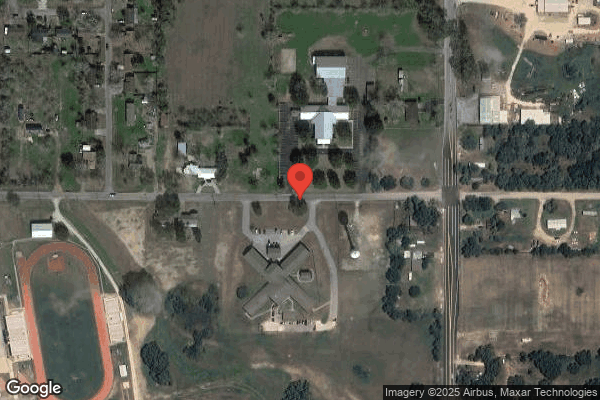

225 E WARD ST, GOLIAD, TX 77963 (361) 645-8902
For profit - Corporation 90 Beds CREATIVE SOLUTIONS IN HEALTHCARE Data: November 2025
Trust Grade
85/100
#78 of 1168 in TX
Last Inspection: November 2024

Within standard 12-15 month inspection cycle. Federal law requires annual inspections.

Overview

La Bahia Nursing and Rehabilitation in Goliad, Texas has earned a Trust Grade of B+, which means it is recommended and above average compared to other facilities. It ranks #78 out of 1,168 nursing homes in Texas, placing it in the top half, and is the only nursing home in Goliad County. The facility is improving, with issues decreasing from 11 in 2023 to 5 in 2024. Staffing is rated average with a turnover rate of 39%, which is below the Texas average of 50%, indicating that staff tend to stay longer. There have been no fines reported, which is a positive sign. However, there are some concerning findings, such as the failure to conduct criminal background checks for some staff members, which poses risks for resident safety. Additionally, the facility did not perform annual performance reviews for several CNAs, which may affect the quality of care. Lastly, medications were not stored securely in locked compartments, presenting a potential risk for misappropriation. Overall, while there are strengths in staffing stability and a lack of fines, families should be aware of these significant concerns.

Trust Score
B+
85/100
In Texas
#78/1168
Top 6%
Safety Record
Low Risk
No red flags
Inspections
Getting Better
11 → 5 violations
Staff Stability
○ Average
39% turnover. Near Texas's 48% average. Typical for the industry.
Penalties
✓ Good
No fines on record. Clean compliance history, better than most Texas facilities.
Skilled Nurses
⚠ Watch
Each resident gets only 23 minutes of Registered Nurse (RN) attention daily — below average for Texas. Fewer RN minutes means fewer trained eyes watching for problems.
Violations
⚠ Watch
19 deficiencies on record. Higher than average. Multiple issues found across inspections.
★★★★★
5.0
Overall Rating
★★★☆☆
3.0
Staff Levels
★★★★★
5.0
Care Quality
★★★★★
5.0
Inspection Score
Stable
2023: 11 issues
2024: 5 issues

The Good

  • 5-Star Quality Measures · Strong clinical quality outcomes
  • Full Sprinkler Coverage · Fire safety systems throughout facility
  • No fines on record
  • Staff turnover below average (39%)

    9 points below Texas average of 48%

Facility shows strength in quality measures, fire safety.

The Bad

Staff Turnover: 39%

Near Texas avg (46%)

Typical for the industry

Chain: CREATIVE SOLUTIONS IN HEALTHCARE

Part of a multi-facility chain

Ask about local staffing decisions and management

The Ugly 19 deficiencies on record

Nov 2024 2 deficiencies
CONCERN (D)

Potential for Harm - no one hurt, but risky conditions existed

Deficiency F0558 (Tag F0558)

Could have caused harm · This affected 1 resident

**NOTE- TERMS IN BRACKETS HAVE BEEN EDITED TO PROTECT CONFIDENTIALITY** Based on Observations, Interviews, and Record review, the facility failed to ensure that residents had the right to reside and r...

Read full inspector narrative →
**NOTE- TERMS IN BRACKETS HAVE BEEN EDITED TO PROTECT CONFIDENTIALITY** Based on Observations, Interviews, and Record review, the facility failed to ensure that residents had the right to reside and receive services in the facility with reasonable accommodation of resident needs and preferences except when to do so would endanger the health or safety of the resident or other residents for 1 of 3 residents (Resident #22) reviewed for reasonable accommodation of resident needs and preferences, in that: The facility failed to ensure Resident #22's call light was within reach. This failure could place residents at risk of achieving independent functioning, dignity, and well-being. Findings include: Record review of Resident #22's face sheet dated 11/7/24 revealed a [AGE] year old female admitted to the facility on [DATE]. Resident #22 had diagnosis that included Amputation of Bilateral lower extremity (surgical removal of more than one limb), Major Depressive Disorder (a severe mood disorder that can affect a person's thoughts, feelings, and ability to perform daily activities), and Heart failure (occurs when the heart muscle doesn't pump blood as well as it should). Record review of Resident #22's admission MDS assessment, dated 9/21/24, reflected a BIMS score of 04 which suggested severe cognitive impairment. Record review of Resident 22's care plan, dated 6/20/24, reflected, the resident is at risk for falls, with intervention's, be sure to keep the call light within reach. Observation and interview on 11/07/24 in Resident #22s room at 10:15 AM revealed that the call light was on the floor. Resident #22 stated, she did not know how the call light got on the floor and prefers to scream Help . Interview on 11/07/24 at 9:50 AM, CNA A stated that she was the assigned nursing assistant for Resident #22. CNA A stated she did not know how Resident #22's call light ended up on the floor. CNA A also noted that if Resident #22 did not have access to the call light, Resident #22 might fall. During an interview with the DON on 11/08/24, at 11:15 AM, the DON stated the facility did not have a policy to address the use of call light but stated the importance of ensuring a call light is accessible to all residents, stating the lack of accessibility to a call light for any resident could lead to a potential fall if assistance was needed. The DON also mentioned charge nurses currently monitored this task during their morning rounds daily, and her ADON was responsible for overseeing this process.
MINOR (C)

Minor Issue - procedural, no safety impact

Garbage Disposal (Tag F0814)

Minor procedural issue · This affected most or all residents

Based on observation, interview and record review, the facility failed a to dispose of garbage and refuse properly for 1 of 2 garbage dumpsters (dumpsters #1 and #2) reviewed for disposal of garbage. ...

Read full inspector narrative →
Based on observation, interview and record review, the facility failed a to dispose of garbage and refuse properly for 1 of 2 garbage dumpsters (dumpsters #1 and #2) reviewed for disposal of garbage. 1. The facility failed to ensure garbage dumpster #1's lid was completely shut. This deficient practice could place residents at risk for exposure to germs and diseases carried by vermin and rodents. The findings inclulded: 1. Observation on 11/7/24 at 11:05am with the Dietary Director revealed that one of two garbage dumpsters (dumpster #1) had a 3 x 5 foot lid that was completely open exposing the garbage inside of the dumpster. During an interview on 11/7/24 at 11:10 a.m., with the Dietary Director she stated that having an open lid to the garbage dumpster would allow pests access to the garbage and possibly the facility. The Dietary Director stated that she does train her staff on the necessity of keeping the garbage dumpster lid closed at all times. During an interview on 11/7/24 at 11:45 a.m., with the Administrator she stated that having a garbage dumpster lid open would create a pest control problem. She stated that the facility's department heads would be further in-serviced on the issue. Record review of the Dietary Services Policies and Procedures Manual dated 10/23/24 Section IC 00-11.00, Waste Control and Disposal, stated that Trash cans must be covered at all times except during use. Record review of the Texas Food Establishment Rules, 2015, §228.152(n)(2), revealed: Covering Receptacles. Receptacles and waste handling units for refuse, recyclables, and returnables shall be kept covered: (2) with tight-fitting lids or doors if kept outside the food establishment. (o) Using Drain Plugs. Drains in receptacles and waste handling units for refuse, recyclables, and returnables shall have drain plugs in place. Record review of the Food Code, U.S. Public Health Service, U.S. FDA, 2022, U.S. Department of H&HS, revealed, 5-501.113 Covering Receptacles. Receptacles and waste handling units for refuse, recyclables, and returnables shall be kept covered: (B) With tight-fitting lids or doors if kept outside the food establishment. 5-501.114 Using Drain Plugs. Drains in receptacles and waste handling units for refuse, recyclables, and returnables shall have drain plugs in place.
Oct 2024 2 deficiencies
CONCERN (D) 📢 Someone Reported This

A family member, employee, or ombudsman was alarmed enough to file a formal complaint

Potential for Harm - no one hurt, but risky conditions existed

Comprehensive Care Plan (Tag F0656)

Could have caused harm · This affected 1 resident

**NOTE- TERMS IN BRACKETS HAVE BEEN EDITED TO PROTECT CONFIDENTIALITY** Based on interview and record review, the facility failed to develop a comprehensive care plan for each resident that includes m...

Read full inspector narrative →
**NOTE- TERMS IN BRACKETS HAVE BEEN EDITED TO PROTECT CONFIDENTIALITY** Based on interview and record review, the facility failed to develop a comprehensive care plan for each resident that includes measurable objectives and timeframes to meet a resident's medical, nursing, mental, and psychosocial needs and describes the services that are to be furnished to attain or maintain the resident's highest practicable physical, mental, and psychosocial well-for 1 of 11 residents (Resident #2) reviewed for care plans, in that: The facility failed to ensure Resident #2's care plan was revised with updated interventions to address 4 of 6 actual falls (01/10/2024, 01/20/2024, 01/29/2024 and 02/08/2024) documented on incident reports and nursing notes. This deficient practice could place residents in the facility at risk of not being provided with the necessary care or services and not having personalized plans developed to address their specific needs. The Findings included: 1. Record review of Resident #2's face sheet dated 10/22/2024 reflected Resident #2 was admitted on 10 /31/2023 with re-admission on [DATE] and was [AGE] years old. Resident #2 had diagnoses which included: Heart failure (condition where heart muscle can't pump blood as well as it should), fracture of left femur (10/21/2023) (breakage of left thigh bone); Obstructive and reflux uropathy (condition where urine cannot flow correctly through ureter, bladder or urethra), Diabetes Mellitus Type 2 (condition where body cannot regulate blood sugar); and Hemiplegia and hemiparesis (weakness and/or paralysis ono one side of body) following cerebral infarction (stroke) affecting left non-dominant side. Record review of Resident #2's Quarterly MDS assessment dated [DATE] reflected the resident had a BIMS score of 99 indicating interview was unable to be completed. The MDS further assessed Resident #2 as being dependent for toileting hygiene, and requiring Maximal assist for shower/bathing, toilet transfers and sit to stand. Further review revealed Resident #2 was assessed as needing partial/moderate assist for chair/bed-to chair transfers and needing wheelchair for mobility. Record review of Facility Incident Reports and Nursing notes from 11/01/2023 through 10/24/2024 revealed Resident #2 had unwitnessed falls with no injury on the following dates: 11/01/2023; 1/10/2024; 1/20/2024; 1/29/2024, 2/8/2024, and 02/23/2024. Record review of Resident #2's most recent comprehensive care plan reflected: Resident #2 had risk for falls- date initiated: 11/01/2023. Revision on: 12/06/2023. Interventions for this focus area of risk for falls were initiated on the following dates: - 11/01/2023 and included: Anticipate and meet the resident's needs; Be sure the resident's call light is within reach and encourage the resident to use it for assistance as needed; Educate the resident/family/caregivers about safety reminders and what to do if a fall occurs; ensure that the resident is wearing appropriate footwear when ambulating or mobilizing the w/c ; keep furniture in locked position; keep needed items, water, etc. in reach; may have floor mat to left side of bed; may have low bed ; PT evaluate and treat as ordered or PRN; review information on past falls and attempt to determine cause of falls. Record possible root cause. Alter remove any potential causes if possible. - 12/06//2023 - intervention to ensure appropriate footwear being worn revised - 02/19/2024 - Added focus area for using a bolster or concave mattress to prevent unintentional slipping/rolling out of bed. - 02/25/2024 -mechanical lift with staff x2 to assist with transfers. - 02/28/2024 -have bed positioned against wall per RP request. - 07/28/2024 - may have pressure call bell and may have low bed (revision) Further review of Resident #2's Care plan revealed that her Care Plan was not revised with updated interventions to address 4 of 6 actual falls (01/10/2024, 01/20/2024, 01/29/2024 and 02/08/2024) which occurred between 11/01/2023 and 02/23/2024 and were documented on incident reports and nursing notes. Interview on 10/23/2024 at 09:39 a.m. with the DON and MDS CM revealed that they are both responsible for updating Care Plans. The MDS CM stated she is responsible for annual and quarterly updates per OBRA care standards, noting when she revises the MDS, she updates the Care Plans at the same time and that the DON is responsible for updating Care Plans for any acute changes. The DON stated that the team does meet after resident falls to discuss possible causes and interventions such as in-servicing, but also stated any interventions implemented after Resident #2's falls (on 01/10/2024, 01/20/2024, 01/29/2024 and 02/08/2024) were not included in her Care Plan. The MDS CM confirmed there were no interventions documented on Resident #2's Care Plan following these falls. The MDS Case Manager stated they should have met after each fall and revised the Care Plan for Resident #2. Interview on 10/23/2024 @ 10:43 a.m. with the RCN revealed that the DON is responsible for updating Care Plans for acute events such as resident falls. She stated that their policy following falls is for the team to meet, look at potential causes and implement interventions as soon as possible. She noted that there was no set time frame for the team to meet after each fall, but that the team should address falls as soon as possible, giving an example if a fall occurred on a Friday, the latest that team should meet is that following Monday. The RCN stated that the team should have met prior to 02/25/2024 to address the falls that occurred in January and early February 2024, and that not revising the Care Plan after each fall could result in not having interventions in place to prevent further falls. Record review of facility Comprehensive Care Planning Policy (undated) revealed The resident's care plan will be reviewed after each Admission, Quarterly, Annual and/or significant change MDS assessment, and revised based on changing goals, preferences and needs of the resident and in response to current interventions.
CONCERN (D) 📢 Someone Reported This

A family member, employee, or ombudsman was alarmed enough to file a formal complaint

Potential for Harm - no one hurt, but risky conditions existed

Accident Prevention (Tag F0689)

Could have caused harm · This affected 1 resident

**NOTE- TERMS IN BRACKETS HAVE BEEN EDITED TO PROTECT CONFIDENTIALITY** Based on observation, interview, and record review, the facility failed to ensure the resident environment remains as free of ac...

Read full inspector narrative →
**NOTE- TERMS IN BRACKETS HAVE BEEN EDITED TO PROTECT CONFIDENTIALITY** Based on observation, interview, and record review, the facility failed to ensure the resident environment remains as free of accident hazards as is possible and each resident receives adequate supervision and assistance devices to prevent accidents for 1 of 16 residents (Resident #1) reviewed for accident hazards and supervision, in that: On [DATE] CNA A inappropriately transferred Resident #1 with a mechanical lift by herself, which caused a fall resulting in back pain from the mechanical lift support bar hitting her head and landing on the floor. The non-compliance was identified as PNC which began on [DATE] and ended on [DATE]. The facility had corrected the non-compliance before the survey began. This failure could result in residents requiring transfer by a mechanical lift suffering injury, a diminished quality of life, and/or death. The findings were: Record review of Resident #1's face sheet, dated [DATE], reflected a female age [AGE] re-admitted to facility on [DATE] and discharged [DATE] due to death (heart failure) in the facility with diagnoses that included: dementia, CKD 2 (stage 2 chronic kidney disease), heart failure, fracture of third thoracic vertebra (12 bones in the middle section of the spine), unsteadiness of feet, specified disorders of muscle, abnormalities of gait and mobility, lack of coordination and lower back pain. RP was listed as: family member. Record review of Resident #1's Discharge summary, dated [DATE], reflected resident noted with decline, placed on Hospice services. Hospice was called to pronounce. Expired in the facility. Discharge summary was signed by physician on [DATE]. Record review of Resident#1's MDS significant change assessment, dated [DATE], reflected the resident's BIMS Score was 1 indicating severe cognitive impairment. ADLs reflected that resident required max assist with transfers. Record review of Resident #1's Care Plan, revision date [DATE], reflected that the goals and interventions included: the resident has had falls r/t dementia, required assistance from staff for transfers. Resident had an actual fall [DATE]. Goal: free of falls, free of minor/serious injuries. Interventions included: may use [mechanical] lift for all transfers . staff x 2 to assist with transfers. Record review of Resident#1's MAR/Orders for 11/2023, dated [DATE], reflected: DNR, floor mat to right side of bed, may use [mechanical] lift for all transfers every shift. Record review of Resident #1's Fall Risk assessment dated [DATE] reflected a score of 12 indicating a high risk for falls. Record review of incident report dated [DATE] reflected that Resident #1 had a witnessed fall from walker to floor witnessed by CNA A. Resident was assessed and sent to ER for evaluation, negative results from X-ray and CT scan of head and spine. Intervention put in placed ordered by physician was for resident to be transferred by 2 staff members. Facility in-service the nursing staff on fall prevention and transfer safety for the mechanical lift. CNA A attended the training. Record review of Resident #1's Event Nurses-Note and SBAR authored by LVN B dated [DATE] reflected that: Resident#1 got her foot stuck in the front leg of walker and fell witnessed by CNA A. Resident was evaluated and sent to the ER for a full assessment. Record review of Resident #1's physician order dated [DATE] read, may use [mechanical] lift for all transfers. Record review of Nursing note dated [DATE]: authored by LVN B read, called to resident [# 1's] room, resident noted laying in supine [laying face upward] position on top of [mechanical lift] sling, resident assessed, c/o[complaining of] lower back pain, MD notified, and emergency services notified to transfer to [local] hospital, RP made aware, staff by resident's side until picked up by EMS. Record review of Resident #1's Event Nurses Note authored by LVN B dated [DATE] reflected: the mechanical lift tilted during a one-person transfer by CNA A. Resident#1 had lower back pain from the fall. Resident was evaluated and sent to ER for further assessment. Record review of CNA A's written statement dated [DATE] reflected: CNA A attempted a 1-person mechanical lift of Resident #1 from bed to Geri-chair. During the attempted transfer the [mechanical lift] was flipping over towards me and the pt. Due to the pt being in the sling while it was falling over. She was between the wall and [Geri] chair. Record review of CNA C's [employee no longer employed in the facility] written statement undated reflected: CNA C went into Resident #1's room at the time of the incident [[DATE] at 4:30 PM] and saw Resident #1 on the floor with the [mechanical lift] pad under her . [CNA A] kept saying 'the [mechanical lift] flipped over'. CNA C stated that Resident #1 complained of back pain. Further, CNA C stated that when EMS arrived Resident #1 complained of back pain and Being Cold. Record review of Resident #1's ER report dated [DATE] read: CT Lumbar Spine [Without] contrast. Record review of Resident #1's hospital record dated [DATE] read: No definitive evidence seen for acute fracture or dislocation. During a telephone interview on [DATE] at 9:00 AM, CNA A stated: prior to Resident #1 having a fall from the 1-person attempted mechanical lift on [DATE] she had received an in-service on mechanical lift safety and not attempting a mechanical lift by one staff member on [DATE]. CNA A stated she was in a hurry to prepare the resident (Resident #1) for breakfast and did not wait for staff assistance. CNA A stated she prepared Resident # 1 for mechanical lift from bed to Geri-chair. CNA A stated that the resident lost her balance and the [support] bar hit the resident's head during the controlled fall. CNA A stated, I thought I could do it by myself .I should have waited for help .I blame myself. CNA A stated she was terminated for having attempted a 1-person mechanical lift. CNA A stated that she was aware that Resident #1 required a 2-person assistance during a mechanical lift. During an interview on [DATE] at 9:43 AM, the DON stated: CNA A attempted a one-person mechanical lift of Resident #1 on [DATE] and the resident fell to the ground and had pain based on the written statement by LVN B. The DON stated that CNA A was trained on [DATE] after she witnessed a fall by Resident #1, on mechanical lift safety and the requirement was that it be 2-person assistance. The DON stated that Resident #1 required a 2-person mechanical lift. The DON stated she could not give an explanation why CNA A attempted a 1-person transfer when the resident required a 2-person assisted mechanical lift and CNA A was trained and competent. The DON stated, after the incident the nursing staff was in-serviced on mechanical lift safety; and CNA A was suspended and eventually terminated. The DON stated there was adequate staff available to assist CNA A during the time of the incident. The DON stated that CNA A was in-serviced on safety transfer by the Rehab Director after Resident #1's fall on [DATE]. The DON stated that CNA A attended the in-service on safe transfers given to all nursing staff after the fall on [DATE]. During a telephone interview on [DATE] at 9:55 AM, LVN B stated: Resident #1 was on the floor on [DATE] and was assessed. LVN A stated Resident #1 had no pain but was sent to the ER for evaluation due to the fall. LVN B stated that nursing staff never should attempt a 1-person mechanical lift for a 2-person assistance, because it could result in an accident. LVN B stated she had no explanation why CNA A attempted a 1-person assistance for a resident that required 2-person assistance. LVN B stated there was adequate staff available to assist CNA A during the time of the incident on [DATE]. During interview on [DATE] at 2:30 PM, DON stated concerning the fall on [DATE], Resident #1 had a witnessed fall while being assisted by CNA A in her room by use of a gait belt. The DON stated, Resident #1 was assessed and sent to ER for evaluation, with no negative findings. The DON stated interventions put in place included: referring the resident to therapy for an assessment. The DON stated that after the fall on [DATE] the resident's transfer assistance was changed to 2- persons and CNA A was aware of the change. The DON stated that the manufacture recommendation for the mechanical lifts used by the facility was a 2-person assistance. During an interview on [DATE] at 4:00 PM, the Rehab Director stated that she gave CNA A one on one in-service on safe transfers and never to transfer a 2-person mechanical lift alone. The Rehab Director stated CNA A did an improper transfer of Resident #1 on [DATE] because CNA A held the gait belt in front of the resident rather than behind the resident. The Rehab Director stated that CNA understood the training given to her on safety involving the mechanical lift and the importance of a 2-staff transfer. The Rehab Director could not give an explanation as to why a week later after being trained on mechanical lift safety, CNA A attempted a 2-person transfer by herself resulting in Resident #1 falling from the mechanical lift on [DATE]. Fall: [DATE]: Record review of facility's in-service training on [DATE] on Safe Patient Handling, Moving A Resident, Bed to Chair/Chair to Bed, and Phase 2 Competencies for Aides, reflected 16 signatures to include CNA A. Record review of CNA A's statement dated [DATE] read: Pt was walking with her walker towards her wheelchair. She had somehow got the wheel of her walker between the wheelchair and her recliner. I was holding on to her arm and stated to her to take a few steps back. She complied and took a few steps backward and then she somehow lost her balance. I had my hand on her at all times. Record review of facility's investigation file dated [DATE] reflected. Resident #1 had a witnessed fall on [DATE] at 2:13 PM in her room witnessed by CNA A. Resident was sent to ER for an evaluation. In-service training on safe transfers for nursing staff was started on [DATE] with CNA A signing the in-service training sheet. Record review of Resident #1's skin assessment dated [DATE] reflected the resident had a bruise dark in color to the right hand and thumb from the fall. Record review of Resident #1's Radiology Report dated [DATE] read: .Exam: CT Cervical Spine. No Acute Fractures OR Traumatic Malalignment of the Cervical Spine. Also, the CT scan dated [DATE] reflected no bleeding in the brain. Verification of PNC Fall: [DATE]: Observation on [DATE] at 11:00 AM and [DATE] at 3:00 PM of two mechanical lifts reflected they were properly done. Record review of Resident #1's neuro-check form [DATE] reflected neuro checks started at time of fall and continued after the resident returned on [DATE] from hospital at 7:45 AM; continued to [DATE] and stopped at 4:45 PM. Record review of Resident #1's Event Nurses Note authored by LVN B dated [DATE] reflected, an assessment of Resident #1 was completed, and the resident was sent to ER for an evaluation. Resident had lower back pain. Record review of sign-in sheets on the in-service training to all staff related to Abuse and Neglect and for nursing staff Safety Transfer for a Two Person mechanical lift reflected the training was completed from [DATE] to [DATE]. Completion rate was 100%. Total staff on payroll on [DATE] was 52 of which there were 30 nursing staff. Record review of CNA A's employee file reflected that on [DATE] she was rated as competent in transfers to include 1 person assist, 2- person assist, and mechanical Lift-2 person assist. Also, file reflected that CNA A was terminated [DATE] for not following the facility's policies and procedures on mechanical lift transfers. Record review of facility's investigation dated [DATE] reflected: incident occurred on [DATE] at 4:30 PM when CNA A attempted a 1-person two-person mechanical lift of Resident #1. The facility report stated that CNA A did not follow proper procedure in a 2-person transfer and was trained multiple times and was aware of the requirement. Facility substantiated [CNA A] neglected to follow [policy and procedure] as set forth and trained by the facility which resulted in Resident injury. The facility's investigation finding was confirmed. Record review of Resident #1's hospital x-ray report dated [DATE] reflected no fractures or dislocation. [CT scan was not performed on [DATE] but was done on [DATE] for the fall on [DATE]]. During telephone interview on [DATE] at 3:30 PM, Hospice MD stated that death of Resident #1 on 11/2023 was not related to fall on [DATE]. The MD stated the cause of death was heart failure. During interviews on [DATE] from 4:00 PM to [DATE] at 11:00 AM of 8 Shift 1 (6 AM-6 PM) staff (1 RN, 3 LVN, 4 CNA) and 8 Shift 2 staff (10 PM-6AM) (4 LVN, 3 CNA, and 1 NA) staff reflected return demonstration on mechanical lift safety measures and the importance of a 2-person assist with a mechanical lift. Record review of facility's policy entitled Safe Patient Handling, dated revised [DATE], read, .Nurses will assess the risks associated with lifting, transferring, repositioning or movement assistance . Record review of facility's policy entitled: Hydraulic Lift undated read, .The resident will achieve safe transfer to bed or chair via a mechanical lift [device] . Record review of facility's policy entitled Abuse/Neglect, dated [DATE], read, .Neglect is the failure of the facility, its employees or service providers to provide goods and services to a resident that are necessary to avoid physical harm, pain, mental anguish, or emotional distress .
May 2024 1 deficiency
CONCERN (D) 📢 Someone Reported This

A family member, employee, or ombudsman was alarmed enough to file a formal complaint

Potential for Harm - no one hurt, but risky conditions existed

Report Alleged Abuse (Tag F0609)

Could have caused harm · This affected 1 resident

**NOTE- TERMS IN BRACKETS HAVE BEEN EDITED TO PROTECT CONFIDENTIALITY** Based on observation, interview and record review the facility failed to ensure that all alleged violations involving abuse, neg...

Read full inspector narrative →
**NOTE- TERMS IN BRACKETS HAVE BEEN EDITED TO PROTECT CONFIDENTIALITY** Based on observation, interview and record review the facility failed to ensure that all alleged violations involving abuse, neglect, including injuries of unknown source were reported immediately, but not later than 2 hours after the allegation was made, if the events that caused result in serious bodily injury for 1 of 4 Residents (Resident #1) whose records were reviewed for abuse and neglect., in that; The facility failed to report to the state reporting agency (HHSC) an injury of unknown origin when Resident #1 suffered a change of condition and the hospital reported bleeding in the brain and a back fracture. This deficient practice could affect any resident and could contribute to further abuse and neglect. The findings were: Record review of Resident #1's face sheet, dated 5/10/2024 revealed an admission date of 8/03/2023 with diagnoses which included: type 2 diabetes mellitus with diabetic nephropathy (diabetes that causes damage to the kidneys), dementia, and end stage renal disease (severe kidney disease that results in the need for dialysis). Record review of Resident #1's Care Plan initiated on 8/03/2023 revealed her plan of care included dialysis three times a week and interventions for fall risk due to dependance on staff. Record review of Resident #1's quarterly MDS assessment dated [DATE] revealed a BIMS score of 11 which indicated a moderate cognitive impairment. The assessment also revealed the resident was non-ambulatory (could not walk), required substantiated assistance from staff for standing, transferring and repositioning, and was dependent on staff for ADL care. Record review of Resident #1's progress notes dated 5/08/2024 at 12:30 p.m. documented by LVN A revealed the facility (van) driver called and advised that dialysis staff were sending Resident #1 to a local ER due to nausea and vomiting. MD aware. Record review of Resident #1's hospital records dated 5/08/2024 revealed the resident presented to the ER with complaints of vomiting. Testing revealed a wedge compression fracture at L1 and L4 vertebra (fracture of one part of vertebrae causing collapse located on the lower part of the spine) which could be acute (less than 1 month old) or subacute (1 to 3 months old) and non-traumatic cerebrovascular accident/hemorrhagic infarct and cerebellar hemorrhage (stroke that happens when a blood vessel ruptures and bleeds and is not the result of an injury). During an interview on 5/09/2024 at 8:35 p.m., the Administrator stated Resident #1 went to dialysis yesterday (5/08/2024). He stated after being transported to dialysis she had issues with throwing up. The Administrator stated Resident #1 went to the hospital where it was discovered she had a brain bleed or aneurism and a lumbar fracture. He stated they (facility) did not know anything else. He stated they did not have any medical records from the hospital to confirm the diagnoses. The Administrator stated the facility had requested the medical records today (5/09/2024), but to his knowledge had not received them yet. The Administrator stated he found out about Resident #1's condition when dialysis called them and said she went to the hospital on 5/08/2024. He stated the DON called the hospital late on 5/08/2024 and that was how he knew of her injuries. The Administrator stated he did not report the injuries to HHSC (the state reporting agency) because they did not know anything definitive and because they do not have any incidents or accidents that would have caused these injuries. He stated they don't know what they have because this was an injury of unknown origin. The Administrator stated the facility process was to report injuries of unknow origin within two hours, but they have to get the documentation (from the hospital) to substantiate first. He stated we do not know where these injuries occurred, they could have happened at dialysis, but they had started their investigation. During an interview on 5/10/2024 at 11:00 a.m., with the DON, ADON, and the Regional Compliance Nurse, the DON stated Resident #1 was transported to the hospital from dialysis by ambulance. The DON stated she was not at the facility that day (5/08/2024). The DON stated when she called the ER, Resident #1 was still in the ER at the local hospital. She stated she was told by someone in the ER, who was not a clinical person, something about hemorrhaging and a fracture. The DON stated she told them she needed to speak with the nurse, and she needed clinical records. The DON stated the nurse did not call her back. The DON stated she followed up again with the hospital and found out Resident #1 had been transported to another hospital in a larger city and was stable. The DON stated the larger hospital verbally reported a fracture, but nothing was finalized and there was not final determination of fractures. She stated those were just preliminary findings. The DON stated they started their investigation on Wednesday (5/08/2024) when they were notified. During an observation and interview on 5/11/2024 at 11:05 a.m. at a local hospital, Resident #1 was in the ICU receiving dialysis. She was asleep and did not respond to verbal stimuli and was unable to answer questions. During an interview on 5/11/2024 at approximately 11:12 a.m., Resident #1's RP stated Resident #1 was not able to say what happened at the nursing home because she had confusion. The RP stated no incidents were reported to her. The RP stated the hospital told her Resident #1 had a stroke and a fracture. She stated the hospital told her the fractures had been there for a while. During an interview on 5/13/2024 at 10:21 a.m., the DON stated she did consider a fracture a serious injury. She stated she had reached out to the Administrator and the Corporate Compliance team about Resident #1's injuries. She stated she first learned of the fracture and brain bleed on 5/08/2024 from the receptionist and had requested a nurse to call her back which did not happen. She stated the next day on 5/09/2024 she requested the medical records. She stated serious injuries need to be reported (to HHSC) within two hours. She stated she reached out to her Administrator and corporate team about reporting, but it was the Administrator who made the self-reports. She stated she had access to TULIP, but not access to the self-reporting function . During an interview on 5/13/2024 at 2:45 p.m., the Administrator stated they had an abuse policy in place that required reporting (to HHSC) within a two-hour window. He stated but because of the way the incident occurred, he stated they needed some documentation (from the hospital) to confirm what the receptionist (non-clinical person) said. He said without confirmation, it held him back from reporting. The Administrator stated when someone who was not a medical professional says someone has fractures .well if it had been a family member who called and said she had fractures that might have been different. He stated, it did not mean anything unless they had to documentation to provide it, until then it was a questionable situation, a gray area which was why he made the deci [NAME] not to report . Record review of a facility policy, titled Abuse/Neglect last revised 3/29/2018 revealed: Definition: Injury of Unknown Origin: The source of the injury was not observed by any person or the source of the injury could not be explained by the resident and the injury is suspicious because of the extent of the injury or the location of the injury or the number of injuries observed at one particular point in time or the incidence of injuries over time. D. Identification: The facility will identify and investigate events that may constitute abuse/neglect. E. Reporting: 3. Facility employees must report all allegations of abuse, neglect, exploitation, mistreatment of residents, misappropriation of resident property or injury of unknown source to the facility administrator. The facility administrator or designee will report to HHSC all incidents that meet the criteria of Provider Letter 19-17 dated 7/10/19. A. If the allegations involve abuse or result in serious bodily injury, the report is to be made within 2 hours of the allegation.
Oct 2023 11 deficiencies
CONCERN (D) 📢 Someone Reported This

A family member, employee, or ombudsman was alarmed enough to file a formal complaint

Potential for Harm - no one hurt, but risky conditions existed

Deficiency F0583 (Tag F0583)

Could have caused harm · This affected 1 resident

**NOTE- TERMS IN BRACKETS HAVE BEEN EDITED TO PROTECT CONFIDENTIALITY** Based on observation, interview, and record review, the facility failed to ensure residents have a right to personal privacy for...

Read full inspector narrative →
**NOTE- TERMS IN BRACKETS HAVE BEEN EDITED TO PROTECT CONFIDENTIALITY** Based on observation, interview, and record review, the facility failed to ensure residents have a right to personal privacy for 1 of 5 resident (Resident #17) reviewed for privacy, in that: CNA A and CNA B did not completely close Resident #17's privacy curtain while providing incontinent care for the resident. This deficient practice could place residents at-risk of loss of dignity due to lack of privacy. The findings include: Record review of Resident #17's face sheet, dated 10/06/2023, revealed an admission date of 08/03/2023, with diagnoses which included: Type 2 diabetes mellitus(high level of sugar in the blood), Dementia(decline in cognitive abilities), Major depressive disorder(mental disorder characterized by at least two weeks of pervasive low mood, low self-esteem, and loss of interest or pleasure) and, End stage renal disease (kidneys no longer work as they should to meet the body's needs). Record review of Resident #17's Quarterly MDS, dated [DATE], revealed the resident had a BIMS score of 0, indicating she was severely impaired. Resident #17 required extensive assistance to total care and was always incontinent of bowel and bladder. Observation on 10/05/2023 at 8:52 a.m. revealed CNA A and CNA B provided incontinent care for Resident #17, exposing the end of the resident's bed which could be seen from the door if someone had entered the room during care. Further observation revealed CNA A and CNA B did not pull the curtains completely around Resident #17's bed to offer privacy to the resident during care because the privacy curtain was not long enough. During an interview with CNA A and CNA B on 10/05/2023 at 8:52 a.m., CNA A and CNA B confirmed the privacy curtain was not closed while they provided care for Resident #17 but it should have been. They confirmed the privacy curtain was too short. During an interview with the DON on 10/06/2023 at 11:32 a.m., the DON confirmed privacy must be provided during nursing care and Resident #17's privacy curtains should have been closed completely. She revealed the facility was in the process of ordering new curtains but it would take time. Review of the facility's policy titled Resident rights, undated, revealed, Personal privacy includes accommodations, medical treatment [ .] personal care, visits and meetings of family and resident groups, but this does not require the facility to provide a private room for each resident .
CONCERN (D) 📢 Someone Reported This

A family member, employee, or ombudsman was alarmed enough to file a formal complaint

Potential for Harm - no one hurt, but risky conditions existed

Incontinence Care (Tag F0690)

Could have caused harm · This affected 1 resident

**NOTE- TERMS IN BRACKETS HAVE BEEN EDITED TO PROTECT CONFIDENTIALITY** Based on observation, interview, and record review, the facility failed to ensure a resident who is incontinent of bladder recei...

Read full inspector narrative →
**NOTE- TERMS IN BRACKETS HAVE BEEN EDITED TO PROTECT CONFIDENTIALITY** Based on observation, interview, and record review, the facility failed to ensure a resident who is incontinent of bladder receives appropriate treatment and services to prevent urinary tract infections for 1 of 2 resident (Resident #15) reviewed for incontinent care, in that: While providing incontinent care for Resident #15, CNA C did not clean between Resident #16's buttocks'' cheeks. This deficient practice could place residents at-risk for infection and skin break down due to improper care practices. The findings were: Record review of Resident #15's face sheet, dated 10/06/2023, revealed an admission date of 05/14/2016 and, a readmission date of 12/06/2019, with diagnoses which included: Cerebrovascular disease (conditions that affect the blood vessels of the brain and the cerebral circulation), Cardiomegaly(enlarged heart), Chronic obstructive pulmonary disease(progressive lung disease characterized by airflow limitation), Major depressive disorder(mental disorder characterized by at least two weeks of pervasive low mood, low self-esteem, and loss of interest or pleasure), Alzheimer's disease (Gradual decline in memory, thinking, behavior and social skills). Record review of Resident #15's Annual MDS, dated [DATE], revealed Resident #15 has a BIMS score of 15, which indicated no cognitive impairment. Resident #15 was indicated to frequently be incontinent of bladder and bowel and needed limited to extensive assistance with his activities of daily living. Review of Resident #15's care plan, dated 09/18/2023, revealed a problem of The resident has occasional bladder incontinence requires limited assistance with toileting r/t Impaired Mobility, Medication Side Effects, Physical limitations, with a goal of The resident will remain free from skin breakdown due to incontinence and brief use Observation on 10/06/23 at 9:34 a.m. revealed, while providing incontinent care for Resident #15, CNA C cleaned the surface of the buttocks but did not clean the anal area or between the buttock's cheeks. During an interview on 10/06/2023 at 9:52 a.m. CNA C revealed she thought she had cleaned between Resident #15's buttocks' cheeks but confirmed she did not. She confirmed she should have cleaned the anal area. She confirmed receiving training for infection control and incontinent care within the last year. During an interview with the DON on 10/06/2023 at 10:28 a.m., the DON confirmed that during incontinent care the anal area of the buttocks needed to be cleaned. The facility was doing annual infection control and incontinent care training and annual skills checks but did not do spot checks during the year. Review of annual skills check for CNA C revealed CNA A passed competency for Perineal care/incontinent care on 04/04/2022. Review of facility policy, titled Perineal care, dated 04/27/2022, revealed Gently perform care to the buttocks and anal area, working from front to back without contaminating the perineal area
CONCERN (D) 📢 Someone Reported This

A family member, employee, or ombudsman was alarmed enough to file a formal complaint

Potential for Harm - no one hurt, but risky conditions existed

Infection Control (Tag F0880)

Could have caused harm · This affected 1 resident

**NOTE- TERMS IN BRACKETS HAVE BEEN EDITED TO PROTECT CONFIDENTIALITY** Based on observation, interview, and record review, the facility failed to establish and maintain an Infection prevention and co...

Read full inspector narrative →
**NOTE- TERMS IN BRACKETS HAVE BEEN EDITED TO PROTECT CONFIDENTIALITY** Based on observation, interview, and record review, the facility failed to establish and maintain an Infection prevention and control program designed to provide a safe, sanitary and comfortable environment and to help prevent the development and transmission of communicable diseases and infection for 1 of 5 residents (Resident #15) reviewed for infection control, in that: CNA D failed to perform hand hygiene or change her gloves after touching the soiled briefs and before touching the clean briefs. This deficient practice could place residents at-risk for infection due to improper care practices. The findings included: Record review of Resident #15's face sheet, dated 10/06/2023, revealed an admission date of 05/14/2016 and, a readmission date of 12/06/2019, with diagnoses which included: Cerebrovascular disease (conditions that affect the blood vessels of the brain and the cerebral circulation), Cardiomegaly(enlarged heart), Chronic obstructive pulmonary disease(progressive lung disease characterized by airflow limitation), Major depressive disorder(mental disorder characterized by at least two weeks of pervasive low mood, low self-esteem, and loss of interest or pleasure), Alzheimer's disease (Gradual decline in memory, thinking, behavior and social skills). Record review of Resident #15's Annual MDS, dated [DATE], revealed Resident #15 has a BIMS score of 15, which indicated no cognitive impairment. Resident #15 was indicated to frequently be incontinent of bladder and bowel and needed limited to extensive assistance with his activities of daily living. Review of Resident #15's care plan, dated 09/18/2023, revealed a problem of The resident has occasional bladder incontinence requires limited assistance with toileting r/t Impaired Mobility, Medication Side Effects, Physical limitations, with a goal of The resident will remain free from skin breakdown due to incontinence and brief use. Observation on 10/06/23 at 9:34 a.m. revealed, while providing incontinent care for Resident #15, CNA D touched the soiled brief to remove it from under Resident #15. She did not change her gloves and sanitize her hands and touched the clean brief and fasten it to the resident. During an interview on 10/06/2023 at 9:52 a.m. CNA D confirmed not changing her gloves or sanitizing her hands. She realized she had forgotten after finishing the care for the resident. She had received infection control training within the year and understood it could be a risk of infection for the resident. During an interview with the DON on 10/06/2023 at 10:28 a.m., the DON confirmed the staff should change gloves and sanitize or wash their hands to avoid cross contamination while handling soiled and clean briefs. The facility provided annual infection control and incontinent care training to the staff, and annual skills checks were done. They did not do spot check during the year. Review of the annual skills check for CNA D revealed CNA D passed competency for Perineal care/incontinent care on 03/22/2022. Record review of the facility policy, titled Fundamental of infection control precaution, dated 03/2023, revealed [ .] list of some situations that require hand hygiene: [ .] after handling soiled or used linens, dressings, bedpans, catheter and urinals
CONCERN (D) 📢 Someone Reported This

A family member, employee, or ombudsman was alarmed enough to file a formal complaint

Potential for Harm - no one hurt, but risky conditions existed

Deficiency F0941 (Tag F0941)

Could have caused harm · This affected 1 resident

Based on interview and record review, the facility failed to provide effective communications mandatory training for 1 of 20 employees (OT Q) reviewed for training, in that: The facility failed to ens...

Read full inspector narrative →
Based on interview and record review, the facility failed to provide effective communications mandatory training for 1 of 20 employees (OT Q) reviewed for training, in that: The facility failed to ensure OT Q completed effective communication training. This failure could place residents at risk of miscommunication and social isolation due to lack of staff training. The findings were: Record review of the Staff Roster, dated 10/03/2023, revealed OT Q was hired on 02/20/2020. Record review of OT Q's training history, undated, revealed OT Q had not completed effective communication training since his hire date. During an interview and record review, of training still needed by several staff, on 10/06/2023 at 1:19 p.m., HR stated it was a team effort, from all administration, that was responsible for ensuring staff completed all their required training. She stated their company started using [Website Name] online as of 06/01/2023, which helped keep track of what training certain staff members needed to complete. HR further stated she emailed the supervisor, of the staff member in question, who tried to enforce that specific staff member to complete their required training. HR stated the potential harm to residents was, them (a resident) getting hurt, because of a staff member not knowing how to do their job correctly being the training was not completed. During an interview and record review, of training still needed by several staff, on 10/06/2023 at 2:25 p.m., the DON reviewed the record and stated she was not aware of any staff still needing to complete any training. The DON stated yes there was a potential harm to residents which was resident safety. She further stated it was a team effort between the DON and HR to ensure staff completed all required training. During an interview and record review, of training still needed by several staff, on 10/06/2023 at 2:27 p.m., the ADMN reviewed the record and stated he was not aware of any training not completed by staff. The ADMN stated it was a team effort among all administration to ensure staff completed all required documentation or training. He stated yes there was potential harm to residents but that none was identified at this time. Record review of facility policy titled HR - Personnel Handbook, revised 09/20/2019, revealed EMPLOYEE EDUCATION PROGRAM that All employees, regardless of status or classification, are required to complete mandatory training as defined by Federal, State and company policies. This facility provides multiple avenues of training that include an online learning management system, external CEU training, reimbursement for program or licensure training and more [ .].
CONCERN (D) 📢 Someone Reported This

A family member, employee, or ombudsman was alarmed enough to file a formal complaint

Potential for Harm - no one hurt, but risky conditions existed

Deficiency F0944 (Tag F0944)

Could have caused harm · This affected 1 resident

Based on interviews and record reviews, the facility failed to ensure Quality Assurance and Performance Improvement (QAPI) training that outlines and informs staff of the elements and goals of the fac...

Read full inspector narrative →
Based on interviews and record reviews, the facility failed to ensure Quality Assurance and Performance Improvement (QAPI) training that outlines and informs staff of the elements and goals of the facility's QAPI program for 2 of 20 employees (CNA D and CNA J) reviewed for training, in that: The facility failed to ensure CNA D and CNA J completed QAPI training since their hired date. This failure could affect residents and place them at risk of poor care or victimization due to lack of staff training. The Findings were: 1. Record review of the Staff Roster, dated 10/03/2023, revealed CNA D was hired on 03/01/2021. Record review of CNA D 's training history, undated, revealed CNA D had not completed QAPI training since their hired date. 2. Record review of the Staff Roster, dated 10/03/2023, revealed CNA J was hired on 05/06/2021. Record review of CNA J's training history, undated, revealed CNA J had not completed QAPI training since their hired date. During an interview and record review, of training still needed by several staff, on 10/06/2023 at 1:19 p.m., HR stated it was a team effort, from all administration, that was responsible for ensuring staff completed all their required training. She stated their company started using [Website Name] online as of 06/01/2023, which helped keep track of what training certain staff members needed to complete. HR further stated she emailed the supervisor, of the staff member in question, who tried to enforce that specific staff member to complete their required training. HR stated the potential harm to residents was, them (a resident) getting hurt, because of a staff member not knowing how to do their job correctly being the training was not completed. During an interview and record review, of training still needed by several staff, on 10/06/2023 at 2:25 p.m., the DON reviewed the record and stated she was not aware of any staff still needing to complete any training. The DON stated yes there was a potential harm to residents which was resident safety. She further stated it was a team effort between the DON and HR to ensure staff completed all required training. During an interview and record review, of training still needed by several staff, on 10/06/2023 at 2:27 p.m., the ADMN reviewed the record and stated he was not aware of any training not completed by staff. The ADMN stated it was a team effort among all administration to ensure staff completed all required documentation or training. He stated yes there was potential harm to residents but that none was identified at this time. Record review of facility policy titled HR - Personnel Handbook, revised 09/20/2019, revealed EMPLOYEE EDUCATION PROGRAM that All employees, regardless of status or classification, are required to complete mandatory training as defined by Federal, State and company policies. This facility provides multiple avenues of training that include an online learning management system, external CEU training, reimbursement for program or licensure training and more [ .].
CONCERN (D)

Potential for Harm - no one hurt, but risky conditions existed

Deficiency F0949 (Tag F0949)

Could have caused harm · This affected 1 resident

Based on interview and record review, the facility failed to provide mandatory effective behavioral health training for 2 of 20 employees (CNA I and LVN O) reviewed for training, in that: The facilit...

Read full inspector narrative →
Based on interview and record review, the facility failed to provide mandatory effective behavioral health training for 2 of 20 employees (CNA I and LVN O) reviewed for training, in that: The facility failed to ensure CNA I and LVN O completed behavioral health training since their hired date. This failure could place residents at risk of not attaining or maintaining their highest practicable physical, mental, and psychosocial well-being due to lack of staff training. The findings were: 1. Record review of the Staff Roster, dated 10/03/2023, revealed CNA I was hired on 01/26/2022. Record review of CNA I 's training history, undated, revealed CNA I had not completed behavioral health training since their hired date. 2. Record review of the Staff Roster, dated 10/03/2023, revealed LVN O was hired on 007/01/2022. Record review of LVN O 's training history, undated, revealed LVN O had not completed behavioral health training since their hired date. During an interview and record review, of training still needed by several staff, on 10/06/2023 at 1:19 p.m., HR stated it was a team effort, from all administration, that was responsible for ensuring staff completed all their required training. She stated their company started using [Website Name] online as of 06/01/2023, which helped keep track of what training certain staff members needed to complete. HR further stated she emailed the supervisor, of the staff member in question, who tried to enforce that specific staff member to complete their required training. HR stated the potential harm to residents was, them (a resident) getting hurt, because of a staff member not knowing how to do their job correctly being the training was not completed. During an interview and record review, of training still needed by several staff, on 10/06/2023 at 2:25 p.m., the DON reviewed the record and stated she was not aware of any staff still needing to complete any training. The DON stated yes there was a potential harm to residents which was resident safety. She further stated it was a team effort between the DON and HR to ensure staff completed all required training. During an interview and record review, of training still needed by several staff, on 10/06/2023 at 2:27 p.m., the ADMN reviewed the record and stated he was not aware of any training not completed by staff. The ADMN stated it was a team effort among all administration to ensure staff completed all required documentation or training. He stated yes there was potential harm to residents but that none was identified at this time. Record review of facility policy titled HR - Personnel Handbook, revised 09/20/2019, revealed EMPLOYEE EDUCATION PROGRAM that All employees, regardless of status or classification, are required to complete mandatory training as defined by Federal, State and company policies. This facility provides multiple avenues of training that include an online learning management system, external CEU training, reimbursement for program or licensure training and more [ .].
CONCERN (E) 📢 Someone Reported This

A family member, employee, or ombudsman was alarmed enough to file a formal complaint

Potential for Harm - no one hurt, but risky conditions existed

Abuse Prevention Policies (Tag F0607)

Could have caused harm · This affected multiple residents

Based on interview and record review, the facility failed to implement their written policies and procedures that prohibited and prevented abuse, neglect, and exploitation of residents for 3 of 26 sta...

Read full inspector narrative →
Based on interview and record review, the facility failed to implement their written policies and procedures that prohibited and prevented abuse, neglect, and exploitation of residents for 3 of 26 staff (CNA E, Hskg F, LVN G) reviewed for abuse and neglect, in that: The facility failed to implement their abuse policy when a criminal background check and the EMR was not completed prior to their hire dates for CNA E, Hskg F and LVN G. These deficient practices could place residents at risk for abuse and neglect. The findings were: Record review of facility policy titled Abuse/Neglect, revised 03/29/2018 which read A. Screening: Criminal History and Background Checks. The facility will conduct criminal background checks of all personnel in accordance with Texas Health and Safety Code, Chapter 250. 1. The facility administrator will be responsible for ensuring compliance with the policy and Texas state law regarding criminal background checks. 2. All potential employees will be screened for history of abuse, neglect, or mistreating of elderly/individuals as defined by the applicable requirements of 483.13(c)(l)(ii)(A)and(B) [ .]. 1. Record review of the Staff Roster, dated 10/03/2023, revealed CNA E was hired on 09/18/2023. Record review of CNA E's staff records revealed CNA E's background check was searched on 09/19/2023 and her EMR was searched on 09/21/2023. 2. Record review of the Staff Roster, dated 10/03/2023, revealed Hskg F was hired on 07/14/2023. Record review of Hskg F's staff records revealed Hskg F's background check and her EMR were searched on 07/18/2023. 3. Record review of the Staff Roster, dated 10/03/2023, revealed LVN G was hired on 07/13/2023. Record review of LVN G's staff records revealed LVN G's background check and her EMR were searched on 07/18/2023. During an interview and record review, of training still needed by several staff, on 10/06/2023 at 1:19 p.m., HR stated she was responsible for the getting the EMR's and background checks completed for the new hired staff. She stated it was an oversight on her part in not getting them completed in a timely manner. HR stated the potential harm to residents was, them (a resident) getting hurt, if staff were not supposed to work with residents due to something showing up on their backgrounds or EMR checks. During an interview and record review, of training still needed by several staff, on 10/06/2023 at 2:23 p.m., the DON reviewed the record and stated she was not aware staff needed an annual EMR completed or that some of the new hired staff's documentation was not completed in a timely manner. The DON stated yes there was a potential harm to residents which was potentially the residents' safety. She further stated it was a team effort between the DON and HR to ensure staff completed all required documentation. During an interview and record review, of training still needed by several staff, on 10/06/2023 at 2:35 p.m., the ADMN reviewed the record and stated he was not aware staff needed an annual EMR completed, however, he was aware that some of the new hired staff's documentation was not completed in a timely manner. The ADMN stated it was a team effort among all administration to ensure staff completed all required documentation. He stated yes there was potential harm to residents but that none was identified at this time.
CONCERN (E) 📢 Someone Reported This

A family member, employee, or ombudsman was alarmed enough to file a formal complaint

Potential for Harm - no one hurt, but risky conditions existed

Deficiency F0730 (Tag F0730)

Could have caused harm · This affected multiple residents

Based on interview and record review, the facility failed to conduct a performance review at least once every 12 months and provide regular in-service education based on the outcome of these reviews f...

Read full inspector narrative →
Based on interview and record review, the facility failed to conduct a performance review at least once every 12 months and provide regular in-service education based on the outcome of these reviews for 5 of 7 CNA's (CNA B, CNA C, CNA D, CNA H and CNA J) reviewed for performance reviews, in that: The facility failed to conduct performance reviews at least every 12 months for CNA B, CNA C, CNA D, CNA H and CNA J This failure could result in residents not receiving the necessary care and services due to nurse aides not receiving training based on their performance review outcome. The findings were: 1. Record review of the Staff Roster, dated 10/03/2023, revealed CNA B was hired on 03/01/2021. Record review of CNA B's staff records revealed his last annual performance review was completed on 10/28/2022. 2. Record review of the Staff Roster, dated 10/03/2023, revealed CNA C was hired on 04/01/2021. Record review of CNA C's staff records revealed her last annual performance review was completed on 04/04/2022. 3. Record review of the Staff Roster, dated 10/03/2023, revealed CNA D was hired on 03/01/2021. Record review of CNA D's staff records revealed her last annual performance review was completed on 03//22/2022. 4. Record review of the Staff Roster, dated 10/03/2023, revealed CNA H was hired on 03/01/2021. Record review of CNA H's staff records revealed her last annual performance review was completed on 07/04/2021. 5. Record review of the Staff Roster, dated 10/03/2023, revealed CNA J was hired on 05/06/2021. Record review of CNA J's staff records revealed her last annual performance review was completed on 04/22/2022. During an interview and record review, of training still needed by several staff, on 10/06/2023 at 1:19 p.m., HR stated it was a team effort, from all administration, that was responsible for ensuring staff completed all their required training. She stated their company started using [Website Name] online as of 06/01/2023, which helped keep track of what training certain staff members needed to complete. HR further stated she emailed the supervisor, of the staff member in question, who tried to enforce that specific staff member to complete their required training. HR stated the potential harm to residents was, them (a resident) getting hurt, because of a staff member not knowing how to do their job correctly being the training was not completed. During an interview and record review, of training still needed by several staff, on 10/06/2023 at 2:23 p.m., the DON reviewed the record and stated she was not aware that the annual competency was not done for the selected staff. She stated she just started as the DON a couple of weeks ago. The DON stated yes there was a potential harm to residents which was the residents safety. She further stated, it was between, the DON and the ADON would double team to ensure staff completed all required documentation. During an interview and record review, of training still needed by several staff, on 10/06/2023 at 2:35 p.m., the ADMN reviewed the record and stated he was not aware staff had not completed an annual performance review. The ADMN stated it was a team effort among all administration to ensure staff completed all required documentation. He stated yes there was potential harm to residents but that none was identified at this time. Record review of facility policy titled HR - Personnel Handbook, revised 09/20/2019, revelaed EMPLOYEE EDUCATION PROGRAM that All employees, regardless of status or classification, are required to complete mandatory training as defined by Federal, State and company policies. This facility provides multiple avenues of training that include an online learning management system, external CEU training, reimbursement for program or licensure training and more [ .].
CONCERN (E) 📢 Someone Reported This

A family member, employee, or ombudsman was alarmed enough to file a formal complaint

Potential for Harm - no one hurt, but risky conditions existed

Deficiency F0761 (Tag F0761)

Could have caused harm · This affected multiple residents

Based on observation, interview, and record review, the facility failed to ensure all drugs and biological were stored in locked compartments for 1 of 1 medication room reviewed for storage, in that: ...

Read full inspector narrative →
Based on observation, interview, and record review, the facility failed to ensure all drugs and biological were stored in locked compartments for 1 of 1 medication room reviewed for storage, in that: Controlled medications were not kept in a separate, permanently affixed compartment in the medication room. This deficient practice could place residents at risk of misappropriation of medications. The findings were: Observation in the medication room on 10/05/23 at 10:40 AM revealed a miniature fridge with a locked padlock. The front of the fridge was made of tinted glass. Inside the fridge were different insulin pens, too numerous to count, and two 30 ml bottles of lorazepam 2 mg/ml. The controlled medications were not in their own compartment and the miniature fridge was not permanently affixed to the counter it was sitting on. During an interview with the DON on 10/06/2023 at 11:30 a.m., she confirmed there was controlled and not controlled medications mixed in the fridge and not separated. She confirmed the fridge was locked with a padlock but not permanently affixed to the counter. She revealed she was new in the position as the DON and did not know the controlled medications had to be in their own compartment and the compartment needed to be permanently affixed Record review of the facility's policy titled, Storage of controlled substance,, dated 2003, revealed, The controlled drugs [ .] will be kept locked in a separate, permanently affixed compartment for the storage of controlled drugs
CONCERN (E) 📢 Someone Reported This

A family member, employee, or ombudsman was alarmed enough to file a formal complaint

Potential for Harm - no one hurt, but risky conditions existed

Deficiency F0806 (Tag F0806)

Could have caused harm · This affected multiple residents

**NOTE- TERMS IN BRACKETS HAVE BEEN EDITED TO PROTECT CONFIDENTIALITY** Based on observations, interviews and record reviews failed to accommodate residents' food preferences for 1 of 17 (Resident #28...

Read full inspector narrative →
**NOTE- TERMS IN BRACKETS HAVE BEEN EDITED TO PROTECT CONFIDENTIALITY** Based on observations, interviews and record reviews failed to accommodate residents' food preferences for 1 of 17 (Resident #28) residents reviewed in that: The facility failed to ensure Resident #28 received her preference of a lettuce and tomato salad during the lunch meal on 10/03/2023 and her preference of an over easy egg. This failure could affect all residents with food preferences and could result in a decrease in resident choices and diminished interest in meals. The findings were: Record review of Resident #1's face sheet, dated 10/06/2023, reveled the resident was admitted on [DATE] with diagnoses that included: dementia, major depressive disorder, pain in spine, and history of breast cancer. Record review of Resident #1's Quarterly MDS assessment, dated 08/30/2023, revealed a BIMS score of 15, which indicated intact cognitive impairment. Record review of Resident #28's tray card revealed Dislikes: Strawberry; Greens, Turnip; Greens, Mustard. Record review of Resident #28's Dietary Profile, dated 02/07/2023, revealed A. Diet Order. 1. Current Diet Order; regular [ .] K. Likes/Dislikes [ .] 2. Dislikes: greens [ .]. Record review of the current weekly menu, dated 10/03/2023, revealed Tuesday's scheduled lunch meal was Fried Chicken, w/Southern Chicken gravy, Mashed Potatoes, Collard Greens, Cornbread [ .]. During an observation, of all kitchen reach-in refrigerators, on 10/03/2023 between 10:49 a.m. and 11:00 a.m., fresh produce was not seen in either of the two reach-in refrigerators. During a resident group meeting on 10/03/2023 at 2:05 p.m., an unknown resident stated Resident #28 was given collard greens, for lunch today, and she did not like greens. The unknown resident further stated Resident #28 then asked; an unknown staff member; for tomatoes and was told that the facility did not have any tomatoes. During an interview on 10/04/2023 at 10:30 a.m., Resident #28 stated she asked for a lettuce and tomato salad, during the lunch meal on 10/03/2023; because she did not like greens, and she was told they did not have it. She further stated the (unknown) staff member gave her tomato juice but it was room temp and so she did not drink it because it was not cold. Resident #28 also stated she preferred eating over easy eggs but that she tolerated the scrambled eggs, since she was admitted ; because she was told the facility could not make over easy eggs because of regulation. She was unable to recall who the staff member was for either occurrence. Resident #28 repeated how much she did not like greens and how they gave her tomato juice at room temperature throughout her interview. During an observation on 10/05/2023 at 7:35 a.m., revealed pasteurized eggs located in reach-in refrigerator #2 on the bottom shelf. Further observation revealed, on the serving steam table, only pre-cooked over hard eggs in one pan and pre-cooked scrambled eggs in a separate pan. During an interview 10/05/2023 at 7:58 a.m., the DM stated, after not recalling any fresh produce during thethe walk through of reach-in refrigerators on 10/03/2023, she completed her grocery cart every 5-7 days based what's on the menus and it (grocery cart) was supposed to come in today. During an observation on 10/05/2023 at 8:00 a.m., revealed no over easy eggs were cooked on the flat grill during the breakfast meal. Further observation revealed the flat top grill was in the off position during serving meal trays and all current dietary staff were located by the steam table while preparing and serving meal trays. During an interview on 10/05/2023 at 11:30 a.m., [NAME] S stated, no she did not cook any over easy eggs for this morning's breakfast and only had the over hard eggs on the steam table. [NAME] S stated over easy eggs were never served because of regulation. [NAME] R also mentioned, during this interview, the same information. [NAME] R also mentioned she was not cooking over easy eggs either. Both cooks stated that was because of regulation and they were not supposed to because it could harm the residents. [NAME] S, further stated, the alternate vegetable for the lunch meal on 10/03/2023 was tomato juice. [NAME] S stated she was the cook for that lunch meal and she cooked collard greens for the vegetable. During an interview on 10/05/2023 at 11:45 a.m., the DM stated the dietary staff was in a routine which was why they did not cook any over easy eggs. She stated she made the decision to serve tomato juice as the alternate for the collard greens the lunch meal on 10/03/2023 and she believed that it was an accurate alternative to the cooked collard greens. The DM stated she was not aware that a resident had asked for a lettuce and tomato salad. She, further, stated the kitchen was not able to provide the resident's preference because there was no lettuce and or tomoto in the kitchen, at that time. The DM stated the potential harm to residents by not honoring a resident's preference was the resident being upset. During an interview on 10/06/2023 at 2:29 p.m., the DON stated when a resident did not like the meal then staff should be offering an alternate. The DON further stated a resident's likes/dislikes were updated in their preferences. She then stated a resident's preference was supposed to be honored as long the facility was able to meet the need; reasonably. She stated that also depended on the menu and the nutritional value of what the resident wanted; to include fresh produce like a salad. The DON believed it was not necessarily a potential harm to a resident but instead the resident would be upset by not having honored their food preference. During an interview on 10/06/2023 at 2:31 p.m., the ADMN stated yes, the facility should honor a resident's preference to the extent that they could provide it reasonably. He also stated it depended on the menu and the nutritional value of what the resident wanted; which included fresh produce for salads. The ADMN stated yes there was a potential harm to resident but that none have been identified at this time. The facility policy titled Resident Menu, dated 2012, revealed 3. [ .] If a resident does not want the food prepared on the menu, not the alternate, then soup, salad, and/or sandwich will be offered [ .].
CONCERN (E) 📢 Someone Reported This

A family member, employee, or ombudsman was alarmed enough to file a formal complaint

Potential for Harm - no one hurt, but risky conditions existed

Food Safety (Tag F0812)

Could have caused harm · This affected multiple residents

Based on observation, interview, and record review, the facility failed to store, prepare, distribute, and serve food in accordance with professional standards for food service safety for 1 of 1 kitch...

Read full inspector narrative →
Based on observation, interview, and record review, the facility failed to store, prepare, distribute, and serve food in accordance with professional standards for food service safety for 1 of 1 kitchen (Main Kitchen), in that: 1. The facility failed to ensure items in the walk-in refrigerator and dry storage areas were dated and or discarded correctly. These deficient practices could place residents who ate food from the kitchen at risk for foodborne illness. The findings included: 1. During an observation and interview on 10/03/2023 at 11:49 a.m., revealed in reach-in refrigerator #1 a jar of pickles dated with 09/14/2023 but not clearly marked if opened or received; a container of chicken base with a received date of 09/14/2023 and no opened date; a container of minced garlic with no received or opened date; a gallon of teriyaki sauce with two dates 04/08/23 and 10/06/2023 and unable to determine which was the received date and which was the opened date. The DM stated she just put the minced garlic in the refrigerator this morning. During an observation and interview on 10/03/2023 at 11:00 a.m., revealed in the dry storage area an opened container of several different colored sprinkles with no received date or opened date. The DM stated she was not sure where it came from and threw it away. During an interview on 10/05/2023 at 11:45 a.m., the DM stated the procedure for receiving food from vendors was to check everything in and date the items with a received date, then dietary staff were supposed to date the items when it was opened and make sure to indicate opened clearly. The DM stated the potential harm to resident's was foodborne illnesses. During an interview on 10/06/2023 at 2:29 p.m., the ADMN stated, yes, items in the kitchen were supposed to be dated accordingly and done upon receiving that item or when opened. He stated the DM and the ADMN were ultimately responsible for the kitchen area. The ADMN stated yes there was a potential harm to residents but none had been identified at this time. Record review of facility policy titled Storage Refrigerators, dated 2018, revealed 5. Food must be covered when stored, with a date label identifying what is in the container. Record review of facility policy titled Dry Storage and Supplies, dated 2018, revealed 4. Open packages of food are stored in closed containers with tight covers, and dated as to when opened. Record review of the Food Code, U.S. Public Health Service, U.S. FDA, 2022, U.S. Department of H&HS, revealed 3-501.17 Ready -to-Eat, Time/Temperature Control for Safety Food, Date Marking. (B) Except as specified in (E) - (G) of this section, refrigerated, READY-TO-EAT TIME/TEMPERATURE CONTROL FOR SAFETY FOOD prepared and PACKAGED by a FOOD PROCESSING PLANT shall be clearly marked, at the time the original container is opened in a FOOD ESTABLISHMENT and if the FOOD is held for more than 24 hours, to indicate the date or day by which the FOOD shall be consumed on the PREMISES, sold, or discarded, based on the temperature and time combinations specified in (A) of this section and: (1) The day the original container is opened in the FOOD ESTABLISHMENT shall be counted as Day 1; and (2) The day or date marked by the FOOD ESTABLISHMENT may not exceed a manufacturer's use-by date if the manufacturer determined the use-by date based on FOOD safety.
Aug 2022 3 deficiencies
CONCERN (D)

Potential for Harm - no one hurt, but risky conditions existed

Deficiency F0657 (Tag F0657)

Could have caused harm · This affected 1 resident

**NOTE- TERMS IN BRACKETS HAVE BEEN EDITED TO PROTECT CONFIDENTIALITY** Based on record review and interview, the facility failed to review and revise the person-centered care plan after a change in c...

Read full inspector narrative →
**NOTE- TERMS IN BRACKETS HAVE BEEN EDITED TO PROTECT CONFIDENTIALITY** Based on record review and interview, the facility failed to review and revise the person-centered care plan after a change in condition and or falls for 1 of 12 residents (Resident #142) reviewed for care plan revisions, in that: Resident # 142's care plan was not revised to indicate the resident's falls with interventions necessary for the resident's care. This deficient practice could place residents with a fall history at risk of not receiving the proper care to meet their needs. The findings were: Record review of Resident #142's face sheet, dated 8/16/22, revealed the resident was admitted to the facility on [DATE] with diagnoses that included: Type II diabetes mellitus (a disease characterized by high levels of sugar in the blood); acute kidney failure (a disease when the kidneys suddenly become unable to filter waste products from your blood and hypothyroidism (a condition in which the thyroid gland doesn't produce enough of certain crucial hormones). Record review of Resident #142's most recent quarterly MDS assessment, dated 7/07/22, revealed the resident had a BIMS score of 12, indicating the resident was moderately cognitively impaired. Record review of Resident # 142's most recent quarterly MDS , dated 07/07/2022 , revealed the resident had fallen recently under section J1700-C. Record review of Resident #142's medical record revealed nursing notes associated with a fall on 07/14/2022 with an injury that required transfer to the hospital (Left side of head hematoma and laceration to top of the mid-forehead). A record review of Resident #142's medical record, reviewed on 08/17/22, revealed fall assessments were completed on the following dates: - On 1/11/2022, a fall risk assessment was completed with a fall score of 13, which indicated the resident was at high risk for falls. - On 07/14/2022, a fall risk assessment was completed with a fall score of 10, which indicated the resident was at high risk for falls. - On 08/08/2022, a fall risk assessment was completed indicating a fall score of 12, which indicated the resident was at high risk for falls. Record review of Resident #142's care plan, revised 03/21/2022, revealed: Problem: the resident is at risk for falls r/t unsteady gait, incontinence, and dependent on staff (initiated on 01/14/2022). Further review of this care plan revealed there were no additions or revisions to interventions for falls that occurred on 07/14/2022 until surveyor intervention on 08/16/2022. During an interview with the MDS nurse on 08/17/2022 at 150 PM , she confirmed that she only does inital MDS assessemnt and then nursing takes over . During an interview with the DON on 08/17/2022 at 1:55 p.m., the DON confirmed Resident #142 was a fall risk. The DON stated, I know that we are supposed to update the care plan. However, I don't know why it was not done. Usually, the MDS nurse starts the care plan upon admission, and then nursing takes over. The DON was asked what was the possible harm to the resident was if the care plan was not updated. The DON stated the risk was not having all the staff on the same page. Record review of the facility's policy titled Comprehensive Care Planning GP MC 03-18.0, undated, revealed: The resident's care plan will be reviewed after each admission, quarterly, annual, and/or significant changes, MDS assessment, and or revised based on changing goals, preferences, and needs of the resident and in response to current interventions.
CONCERN (D)

Potential for Harm - no one hurt, but risky conditions existed

Food Safety (Tag F0812)

Could have caused harm · This affected 1 resident

Based on observation, interview, and record review, the facility failed to store, prepare, distribute, and serve food in accordance with professional standards for food service safety for 1 of 1 kitch...

Read full inspector narrative →
Based on observation, interview, and record review, the facility failed to store, prepare, distribute, and serve food in accordance with professional standards for food service safety for 1 of 1 kitchen, in that: There were multiple pieces of unpanned raw chicken sitting at the bottom of a sink in the kitchen. This deficient practice could place residents who received meals and/or snacks from the kitchens at risk for food borne illness. The findings were: Observation on 08/18/22 at 10:32 a.m. revealed there were 22 pieces of raw, thawed chicken inside the right sink of the kitchen's 2-compartment preparation sink. The chicken was unpanned and making contact with the sink's surface. There was no water present in the sink. One piece of chicken was halfway down the sink's drain. Further observation revealed [NAME] A was standing by the deep-fat fryer, coating pieces of chicken in flour and frying them in the fryer. During an interview 08/18/22 at 10:30 a.m. with [NAME] A, when asked where the Dietary Manager (DM) was, [NAME] A stated, She's on vacation. [NAME] A confirmed the presence of the raw chicken in the sink, and stated, I usually put the chicken in a tray on a counter to thaw, but I was running out of time. When asked how long the chicken had been in the sink, [NAME] A stated that the chicken has been in the sink since breakfast, around 8:30 a.m. When asked if it had been submerged in water, [NAME] A said that the chicken was initially submerged in water; however, the water was not running. [NAME] A stated, I drained the water at 10:00 a.m. When asked when was the last time she received training on food service subjects such as food safety and sanitation, [NAME] A stated, I've been here a year. I only got training one time. During an interview on 08/18/2022 at 11:35 a.m. with the Regional Dietary Manager (RDM), the RDM confirmed that neither placing chicken on a tray on the counter nor placing frozen chicken in a sink, with or without standing water, were appropriate methods for thawing chicken. Record review of the daily and weekly menus provided by the facility revealed that fried chicken was the entrée for the lunch meal on 08/18/2022. Record review of the staff roster provided by the facility revealed that [NAME] A's date of hire was 11/02/2021. This date of hire was confirmed during an interview on 08/19/2022 at 9:52 a.m. with the HR Director. Record review of the dietary staff's food handler certificates revealed that [NAME] A completed the Food Handler's course on 12/29/2021. Record review of facility policy FP 00.2.0, from Dietary Policy & Procedure Manual 2012 revealed, Thawing Foods: Foods may be thawed: 1. In a refrigerator at a temperature not to exceed 41 degrees F; 2. Under potable running water of a temperature of 70 °F or below, with sufficient velocity to agitate and float of loose particles into the overflow, in a sealed package; 3. In a microwave only when the food will be immediately transferred to conventional cooking facilities as part of a continuous cooking process, or when the entire uninterrupted cooking process takes place in the microwave oven. Record review of the ServSafe Manager Book, 6th Edition, 2014, Chapter 6, The Flow of Food: Preparation, revealed, Thawing: When frozen food is thawed and exposed to the temperature danger zone, pathogens in the food will begin to grow. To reduce this growth, NEVER thaw food at room temperature. Thaw Time/Temperature Control for Safety (TCS) food in the following ways: Refrigeration - Thaw food in a cooler, keeping its temperature at 41°F or lower; Running water - Submerge food under running, drinkable water at 70 °F or lower. The flow of the water must be strong enough to wash loose food bits into the drain. Always use a clean and sanitized food-prep sink when thawing food this way. NEVER let the temperature of the food go above 41 degrees Fahrenheit for longer than four hours. This includes the time it takes to thaw the food plus the time it takes to prep or cool it. Record review of the Food Code, U.S. Public Health Service, U.S. FDA, 2017, U.S. Department of H&HS, revealed 3-501.13 Thawing. Time/Temperature Control for Safety Food Shall be thawed: (A) Under refrigeration that maintains the FOOD temperature at 5 °C (41°F ) or less; or, (B) Completely submerged under running water: (1) At a water temperature of 21 °C (70 °F) or below, (2) With sufficient water velocity to agitate and float off loose particles in an overflow, and (3) For a period of time that does not allow thawed portions of READY-TO-EAT FOOD to rise above 5 °C (41°F ) or (4) For a period of time that does not allow thawed portions of a raw animal FOOD requiring cooking as specified under ¶ 3-401.11(A) or (B) to be above 5 °C (41°F ), for more than 4 hours including: (a) The time the FOOD is exposed to the running water and the time needed for preparation for cooking, or (b) The time it takes under refrigeration to lower the FOOD temperature 5 °C (41 degrees F); (C) As part of a cooking process if the FOOD that is frozen is: (1) Cooked as specified under ¶¶3-401.11 (A) or (B) or § 3-401.12, or (2) Thawed in a microwave oven and immediately transferred to conventional cooking EQUIPMENT, with no interruption in the process; or (D) Using any procedure if a portion of frozen READY-TO-EAT FOOD is thawed and prepared for immediate service in response to an individual CONSUMER'S order.
CONCERN (E)

Potential for Harm - no one hurt, but risky conditions existed

Deficiency F0802 (Tag F0802)

Could have caused harm · This affected multiple residents

Based on interview and record review, the facility failed to employ sufficient staff with the appropriate competencies and skills sets to carry out the functions of the food and nutrition service, tak...

Read full inspector narrative →
Based on interview and record review, the facility failed to employ sufficient staff with the appropriate competencies and skills sets to carry out the functions of the food and nutrition service, taking into consideration resident assessments, individual plans of care and the number, acuity and diagnoses of the facility's resident population in accordance with the facility assessment for 1 of 1 main kitchen reviewed for sufficient staff and competencies, in that: 1. [NAME] A improperly thawed chicken for the lunch meal. 2. [NAME] A did not know the minimal internal cooking temperature for poultry and did not know the proper method of calibrating a thermometer. These deficient practices could place residents who consumed food prepared from the kitchen at-risk of foodborne illness. The findings were: 1. Record review of the CMS-672 provided by the facility on 08/16/2022 revealed a census of 43 residents. Three residents were receiving tube feedings; nineteen residents were on a modified-consistency diet (chopped or pureed food), and four residents required assistive devices while eating. Observation on 08/18/22 at 10:30 a.m. revealed [NAME] A was standing by the deep-fat fryer, coating pieces of chicken in flour and frying them in the fryer. No other dietary staff was visible. During an interview 08/18/22 at 10:30 a.m. with [NAME] A, when asked where the Dietary Manager (DM) was, [NAME] A stated, She's on vacation. When asked who was in charge, [NAME] A said, I guess I am. When asked who else was present for duty, [NAME] A said, It's just me and the aide in the dish room. Observation on 08/18/22 at 10:32 a.m. revealed there were 22 pieces of raw, thawed chicken inside the right sink of the kitchen's 2-compartment preparation sink. The chicken was unpanned and making contact with the sink's surface. There was no water present in the sink. One piece of chicken was halfway down the sink's drain. During an interview 08/18/22 at 10:32 a.m., [NAME] A confirmed the presence of the raw chicken in the sink, and stated, I usually put the chicken in a tray on a counter to thaw, but I was running out of time. When asked how long the chicken had been in the sink, [NAME] A stated that the chicken has been in the sink since breakfast, around 8:30 a.m. When asked if it had been submerged in water, [NAME] A said that the chicken was initially submerged in water; however, the water was not running. [NAME] A stated, I drained the water at 10:00 a.m. During an interview on 08/18/2022 at 11:35 a.m. with the Regional Dietary Manager (RDM), the RDM confirmed that neither placing chicken on a tray on the counter nor placing frozen chicken in a sink, with or without standing water, were appropriate methods for thawing chicken. 2. Observation on 08/18/2022 at 10:40 a.m. revealed [NAME] A inserted the probe of an analogue food thermometer into a piece of chicken [NAME] A had just removed from the fryer. When asked what temperature the chicken should be, [NAME] A responded, One hundred and sixty degrees? One fifty? One forty? No, it should be higher than that . When asked when was the last time she received training on food service subjects such as food safety and sanitation, [NAME] A stated, I've been here a year. I only got training one time. During an interview on 08/18/2022 at 11:47 a.m. with [NAME] A, when asked how to calibrate a food thermometer, [NAME] A said, You put it in ice water. When asked what the temperature of the thermometer should be after placing it in ice water, [NAME] A responded, 0 degrees? 10? 20? I have no idea. Record review of the staff roster (undated) provided by the facility revealed that [NAME] A's date of hire was 11/02/2021. This date of hire was confirmed during an interview on 08/19/2022 at 9:52 a.m. with the HR Director. Record review of the dietary staff's food handler certificates revealed that [NAME] A completed the Food Handler's course on 12/29/2021. Record review of facility policy HR 00-1.0, Employee Orientation, from Dietary Services Policy & Procedure Manual 2012, revealed, 2. Inservice training sessions are scheduled monthly and conducted by either the dietitian or the dietary service manager. All dietary employees on duty are required to attend, with the goal of at least 2 hours of inservice training per quarter. Possible topics include: - General and Therapeutic diets; Food receiving and storage procedures; quantity food production and service; sanitation and personal hygiene; safety, disaster and fire precautions; equipment use and care; work planning and simplification; tray set up; communications and human relations and portion and waste control. 3. All employees are given a copy of the Dietary Services Personnel Policies and Procedures. This should be reviewed annually with all employees. Record review of facility policy FP 00.2.0, from Dietary Policy & Procedure Manual 2012 revealed, Thawing Foods: Foods may be thawed: 1. In a refrigerator at a temperature not to exceed 41 °F; 2. Under potable running water of a temperature of 70 °F or below, with sufficient velocity to agitate and float of loose particles into the overflow, in a sealed package; 3. In a microwave only when the food will be immediately transferred to conventional cooking facilities as part of a continuous cooking process, or when the entire uninterrupted cooking process takes place in the microwave oven. Record review of the ServSafe Manager Book, 6th Edition, 2014, Chapter 6, The Flow of Food: Preparation, revealed, Thawing: When frozen food is thawed and exposed to the temperature danger zone, pathogens in the food will begin to grow. To reduce this growth, NEVER thaw food at room temperature. Thaw Time/Temperature Control for Safety (TCS) food in the following ways: Refrigeration - Thaw food in a cooler, keeping its temperature at 41°F or lower; Running water - Submerge food under running, drinkable water at 70 °F or lower. The flow of the water must be strong enough to wash loose food bits into the drain. Always use a clean and sanitized food-prep sink when thawing food this way. NEVER let the temperature of the food go above 41°F for longer than four hours. This includes the time it takes to thaw the food plus the time it takes to prep or cool it. Record review of the Food Code, U.S. Public Health Service, U.S. FDA, 2017, U.S. Department of H&HS, revealed 3-401.11 Cooking Raw Animal Foods: (A) Except as specified under (B) and in (C) and (D) of this section, raw animal FOODS such as EGGS, FISH, MEAT, POULTRY, and FOODS containing these raw animal FOODS, shall be cooked to heat all parts of the FOOD to a temperature and for a time that complies with one of the following methods based on the FOOD that is being cooked: (3) 4 (165 °F) or above for < 1 second (instantaneous) for POULTRY, BALUTS, wild GAME ANIMALS as specified under Subparagraphs 3-201.17(A)(3) and (4). Record review of the Food Code, U.S. Public Health Service, U.S. FDA, 2017, U.S. Department of H&HS, Annex 5, revealed: 4. Assessing Cooking Temperatures: Food establishments should routinely monitor cooking temperatures. Inspections should verify that monitoring is occurring by involving the person in charge in these activities during the regulatory inspection. The presence of required thermometers and their proper use should be assessed. Conducting Risk-Based Inspections: (v) Calibrated temperature measuring devices must be used for determining internal product temperatures. Review of the USDA Food Safety and Inspection Service guidelines for calibrating a thermometer updated October 06, 2015, revealed, Fill a large glass with finely crushed ice. Add clean tap water to the top of the ice and stir well. Immerse the food thermometer stem a minimum of 2 inches into the mixture, touching neither the sides nor the bottom of the glass. Wait a minimum of 30 seconds before adjusting. (For ease in handling, the stem of the food thermometer can be placed through the clip section of the stem sheath and, holding the sheath horizontally, lowered into the water.) Without removing the stem from the ice, hold the adjusting nut under the head of the thermometer with a suitable tool and turn the head so the pointer reads 32 °Fahrenheit. To use the boiling water method, bring a pot of clean tap water to a full rolling boil. Immerse the stem of a food thermometer in boiling water a minimum of 2 inches and wait at least 30 seconds. (For ease in handling, the stem of the food thermometer can be placed through the clip section of the stem sheath and, holding the sheath horizontally, lowered into the boiling water.) Without removing the stem from the pan, hold the adjusting nut under the head of the food thermometer with a suitable tool and turn the head so the thermometer reads 212 °F. Even if the food thermometer cannot be calibrated, it should still be checked for accuracy using either method. Any inaccuracies can be taken into consideration when using the food thermometer, or the food thermometer can be replaced. For example, water boils at 212 °F. If the food thermometer reads 214 °F in boiling water, it is reading 2 degrees too high. Therefore 2 degrees must be subtracted from the temperature displayed when taking a reading in food to find out the true temperature.
Understanding Severity Codes (click to expand)
Life-Threatening (Immediate Jeopardy)
J - Isolated K - Pattern L - Widespread
Actual Harm
G - Isolated H - Pattern I - Widespread
Potential for Harm
D - Isolated E - Pattern F - Widespread
No Harm (Minor)
A - Isolated B - Pattern C - Widespread

Questions to Ask on Your Visit

  • "Can I speak with families of current residents?"
  • "What's your RN coverage like on weekends and overnight?"

Our Honest Assessment

Strengths
  • • Grade B+ (85/100). Above average facility, better than most options in Texas.
  • • No major safety red flags. No abuse findings, life-threatening violations, or SFF status.
  • • No fines on record. Clean compliance history, better than most Texas facilities.
  • • 39% turnover. Below Texas's 48% average. Good staff retention means consistent care.
Concerns
  • • 19 deficiencies on record. Higher than average. Multiple issues found across inspections.
Bottom line: Generally positive indicators. Standard due diligence and a personal visit recommended.

About This Facility

What is La Bahia Nursing And Rehabilitation's CMS Rating?

CMS assigns LA BAHIA NURSING AND REHABILITATION an overall rating of 5 out of 5 stars, which is considered much above average nationally. Within Texas, this rating places the facility higher than 99% of the state's 100 nursing homes. This rating reflects solid performance across the metrics CMS uses to evaluate nursing home quality.
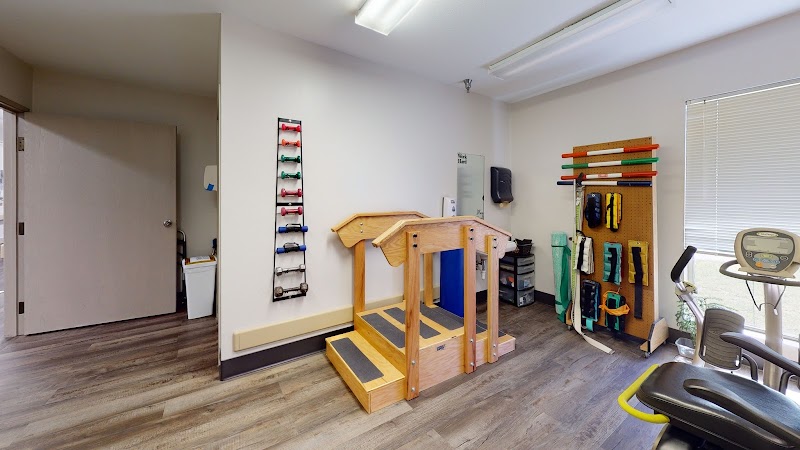
How is La Bahia Nursing And Rehabilitation Staffed?

CMS rates LA BAHIA NURSING AND REHABILITATION's staffing level at 3 out of 5 stars, which is average compared to other nursing homes. Staff turnover is 39%, compared to the Texas average of 46%. This relatively stable workforce can support continuity of care.

What Have Inspectors Found at La Bahia Nursing And Rehabilitation?

State health inspectors documented 19 deficiencies at LA BAHIA NURSING AND REHABILITATION during 2022 to 2024. These included: 18 with potential for harm and 1 minor or isolated issues.
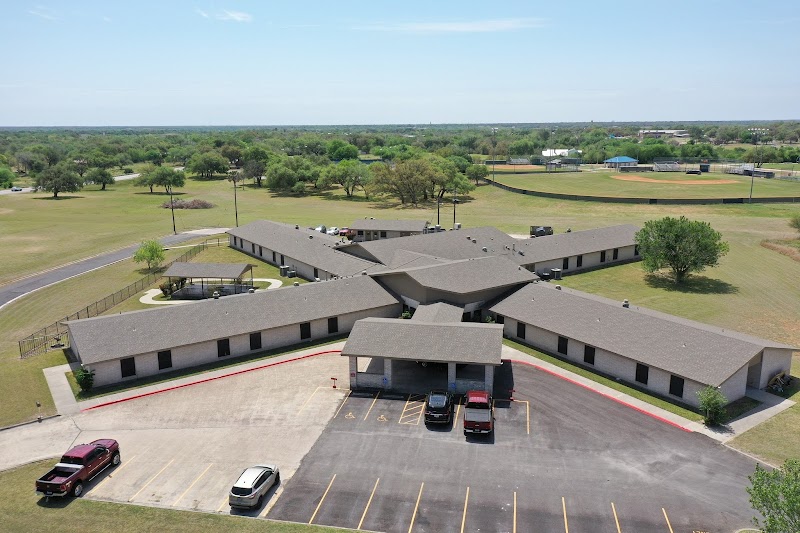
Who Owns and Operates La Bahia Nursing And Rehabilitation?

LA BAHIA NURSING AND REHABILITATION is owned by a for-profit company. For-profit facilities operate as businesses with obligations to shareholders or private owners. The facility is operated by CREATIVE SOLUTIONS IN HEALTHCARE, a chain that manages multiple nursing homes. With 90 certified beds and approximately 34 residents (about 38% occupancy), it is a smaller facility located in GOLIAD, Texas.

How Does La Bahia Nursing And Rehabilitation Compare to Other Texas Nursing Homes?

Compared to the 100 nursing homes in Texas, LA BAHIA NURSING AND REHABILITATION's overall rating (5 stars) is above the state average of 2.8, staff turnover (39%) is near the state average of 46%, and health inspection rating (5 stars) is much above the national benchmark.

What Should Families Ask When Visiting La Bahia Nursing And Rehabilitation?

Based on this facility's data, families visiting should ask: "Can I visit during a mealtime to observe dining assistance and food quality?" "How do you handle medical emergencies, and what is your hospital transfer rate?" "Can I speak with family members of current residents about their experience?"

Is La Bahia Nursing And Rehabilitation Safe?

Based on CMS inspection data, LA BAHIA NURSING AND REHABILITATION has a clean safety record: no substantiated abuse findings (meaning no confirmed cases of resident harm), no Immediate Jeopardy citations (the most serious violation level indicating risk of serious injury or death), and is not on the Special Focus Facility watch list (a federal program monitoring the lowest-performing 1% of nursing homes). The facility has a 5-star overall rating and ranks #1 of 100 nursing homes in Texas. While no facility is perfect, families should still ask about staff-to-resident ratios and recent inspection results during their visit.

Do Nurses at La Bahia Nursing And Rehabilitation Stick Around?

LA BAHIA NURSING AND REHABILITATION has a staff turnover rate of 39%, which is about average for Texas nursing homes (state average: 46%). Moderate turnover is common in nursing homes, but families should still ask about staff tenure and how the facility maintains care continuity when employees leave.

Was La Bahia Nursing And Rehabilitation Ever Fined?

LA BAHIA NURSING AND REHABILITATION has no federal fines on record. CMS issues fines when nursing homes fail to meet care standards or don't correct problems found during inspections. The absence of fines suggests the facility has either maintained compliance or corrected any issues before penalties were assessed. This is a positive indicator, though families should still review recent inspection reports for the full picture.

Is La Bahia Nursing And Rehabilitation on Any Federal Watch List?

LA BAHIA NURSING AND REHABILITATION is not on any federal watch list. The most significant is the Special Focus Facility (SFF) program, which identifies the bottom 1% of nursing homes nationally based on persistent, serious quality problems. Not being on this list means the facility has avoided the pattern of deficiencies that triggers enhanced federal oversight. This is a positive indicator, though families should still review the facility's inspection history directly.