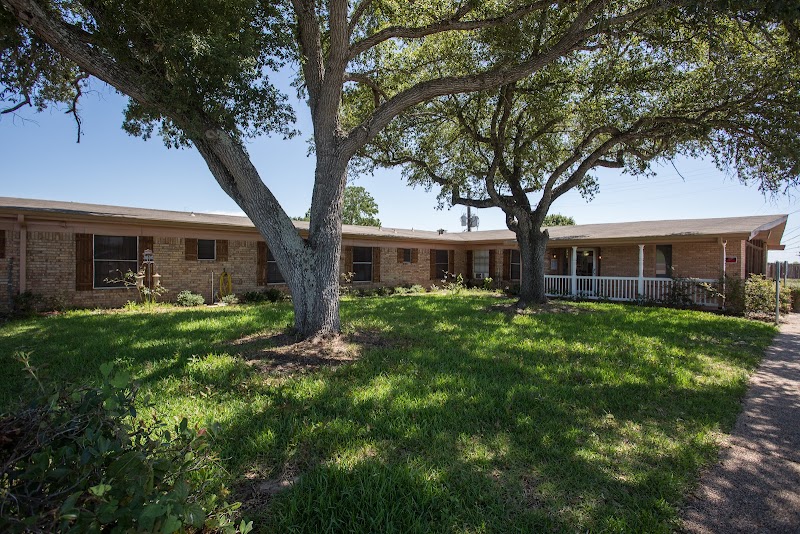
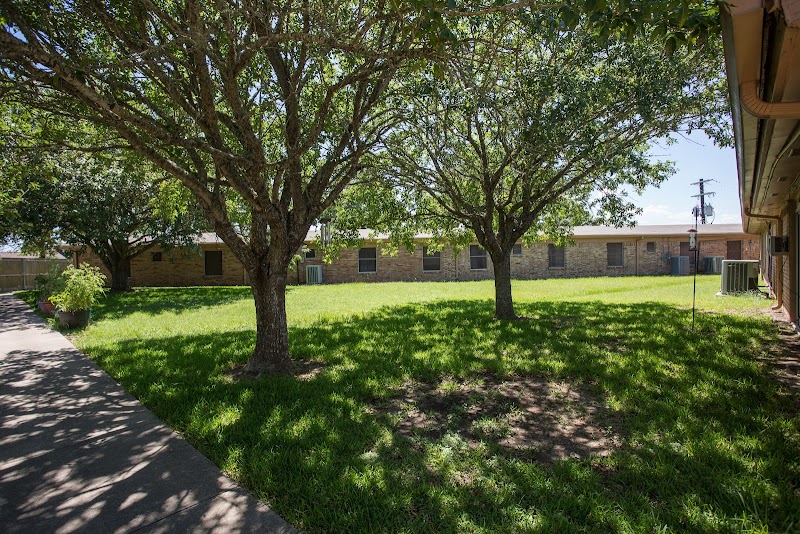
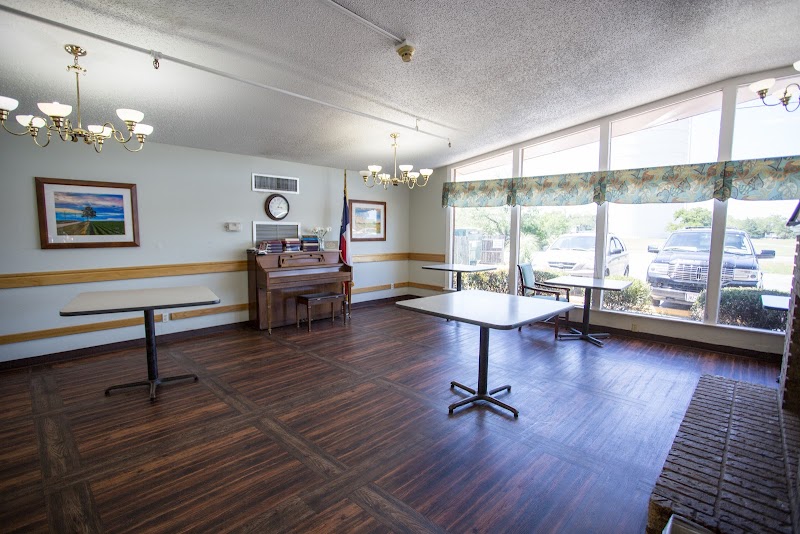
AVIR AT GONZALES

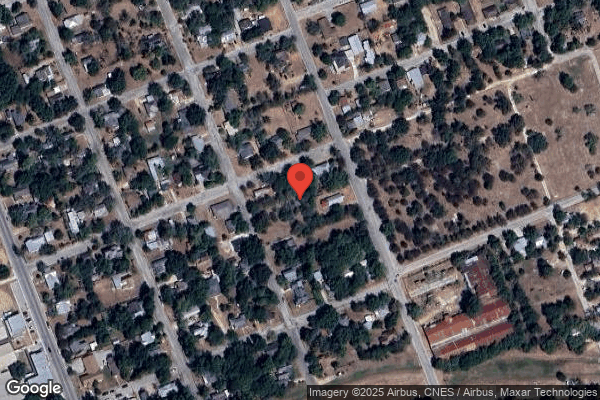
3428 MOULTON RD, GONZALES, TX 78629 (830) 672-2867
For profit - Corporation 80 Beds AVIR HEALTH GROUP Data: November 2025
Trust Grade
60/100
#400 of 1168 in TX
Last Inspection: July 2025

Inspected within the last 6 months. Data reflects current conditions.

Overview

Avir at Gonzales has a Trust Grade of C+, indicating it is slightly above average but not exceptional. It ranks #400 out of 1168 nursing homes in Texas, placing it in the top half of facilities in the state, but it is the second-best option out of two in Gonzales County. The facility's trend is worsening, with the number of issues increasing from 12 in 2024 to 13 in 2025. Staffing is a major concern, rated only 1 out of 5 stars with a turnover rate of 44%, which is better than the state average but still indicates instability. Notably, while the facility has no fines, recent inspections revealed significant issues, such as failing to distribute residents' mail on time, not developing comprehensive care plans for residents with specific needs, and lacking registered nurse coverage for several days, which could impact the quality of care. Families should weigh these strengths and weaknesses carefully when considering this facility.

Trust Score
C+
60/100
In Texas
#400/1168
Top 34%
Safety Record
Low Risk
No red flags
Inspections
Getting Worse
12 → 13 violations
Staff Stability
○ Average
44% turnover. Near Texas's 48% average. Typical for the industry.
Penalties
✓ Good
No fines on record. Clean compliance history, better than most Texas facilities.
Skilled Nurses
⚠ Watch
Each resident gets only 14 minutes of Registered Nurse (RN) attention daily — below average for Texas. Fewer RN minutes means fewer trained eyes watching for problems.
Violations
⚠ Watch
36 deficiencies on record. Higher than average. Multiple issues found across inspections.
★★★☆☆
3.0
Overall Rating
★☆☆☆☆
1.0
Staff Levels
★★★★★
5.0
Care Quality
★★★☆☆
3.0
Inspection Score
Stable
2024: 12 issues
2025: 13 issues

The Good

  • 5-Star Quality Measures · Strong clinical quality outcomes
  • Full Sprinkler Coverage · Fire safety systems throughout facility
  • No fines on record
  • Staff turnover below average (44%)

    4 points below Texas average of 48%

Facility shows strength in quality measures, fire safety.

The Bad

3-Star Overall Rating

Near Texas average (2.8)

Meets federal standards, typical of most facilities

Staff Turnover: 44%

Near Texas avg (46%)

Typical for the industry

Chain: AVIR HEALTH GROUP

Part of a multi-facility chain

Ask about local staffing decisions and management

The Ugly 36 deficiencies on record

Jul 2025 9 deficiencies
CONCERN (D)

Potential for Harm - no one hurt, but risky conditions existed

Deficiency F0552 (Tag F0552)

Could have caused harm · This affected 1 resident

**NOTE- TERMS IN BRACKETS HAVE BEEN EDITED TO PROTECT CONFIDENTIALITY** Based on interview and record review the facility failed to ensure the resident had the right to be informed in advance of the r...

Read full inspector narrative →
**NOTE- TERMS IN BRACKETS HAVE BEEN EDITED TO PROTECT CONFIDENTIALITY** Based on interview and record review the facility failed to ensure the resident had the right to be informed in advance of the risks and benefits of proposed care, of treatment and treatment alternatives or treatment options, and to choose the alternative or option preferred for 1 of 8 Residents (Resident #6) whose records were reviewed for informed consent. The facility failed to ensure psychoactive medication consents for Resident #6 were signed and dated by her POA (Power of Attorney) for the use of: Seroquel (antipsychotic medication); Buspar (anti-anxiety); Zoloft (anti-depressant); Trazodone (anti-depressant); and Depakote (anti-convulsant also used to treat mood disorder) This failure could place residents at risk for receiving psychoactive medications without consent and knowledge of side effects.The findings were: Record review of Resident #6's admission Record dated 07/23/2025 revealed an [AGE] year-old woman admitted on [DATE] with diagnoses which included: Psychotic Disorder with delusions due to known physiological condition (mental disorder which consists of a belief or altered reality that is persistently held despite evidence to the contrary); Major Depressive Disorder (mental health disorder characterized by persistently depressed mood or loss of interest in activities); and Anxiety Disorder (condition with intense, excessive, and persistent worry and fear about everyday situations). Further review revealed Resident #6 had a family member who had Power of Attorney for medical and financial. Record review of Resident #6's 5-day MDS assessment dated [DATE] revealed she had a BIMS score of 12, indicating moderate cognitive impairment. She was assessed with having active diagnoses of Anxiety Disorder, Depression and Psychotic Disorder and was taking antipsychotic, antianxiety and antidepressant medications. Record review of Resident #6's Order Summary dated 07/25/2025 revealed physician orders which included:- Buspirone HCL oral tablet 7.5 mg - Give one tablet by mouth two times a day related to anxiety disorder.- Depakote oral tablet delayed release 125 mg (Divalproex Sodium) -Give 1 table by mouth two times a day related to psychotic disorder with delusions due to known physiological condition.- Quetiapine Fumarate [Seroquel] oral tablet 25 mg - Give 1 tablet by mouth at bedtime related to Psychotic Disorder with Delusions due to known physiological condition.- Sertraline HCL [Zoloft] oral tablet 100mg - Give 1 tablet by mouth one time a day for depression.- Trazodone HCL oral tablet 50 mg - Give 1 tablet by mouth at bedtime related Major Depressive Disorder, Single Episode. Record review of Resident #6's Care Plan initiated 6/17/2025 revealed a Focus area for Resident is on antipsychotic R/T delusional thinking, initiated 6/19/2025. There were no Care Plan focus areas for other medications. During an interview on 07/22/2025 at 11:22 a.m., Resident #6 stated she was experiencing a lot of back pain and the pain medication the Nurses gave her really helped. However, Resident #6 was not aware of any other medications that she takes. Record review of the Resident #6's EHR did not reveal any consents for psychoactive medications. During an interview on 07/25/2025 at 1:23 p.m., the DON stated there were no consents for psychoactive medications for Resident #6 in the EHR, so she completed a hard copy record search and was able to find a consent for Seroquel for Resident #6, but the consent for Seroquel was not dated or signed by the POA. She stated she was not able to find any other consents for psychoactive medications for Resident #6. She stated she had only been here at the facility for 2 weeks, so she checked with other staff who have been here longer, and their search resulted in no consents for Resident #6 being found. Further interview with DON revealed the DON or his/her designee were ultimately responsible for ensuring medication consents were obtained prior to giving the medications and did not know why the consents were not obtained and documented in the EHR. The DON stated that not obtaining a consent prior to the start of a medication may result in the medication being given without the resident or their representative party being aware of the risks, side effects and benefits of the medication being given. Record review of facility policy titled Antipsychotic Medication use revised July 2022 provided by DON when policy regarding need for obtaining consent for psychoactive medications was requested, revealed there was no information included in the policy regarding need to obtain consent for psychoactive medications.
CONCERN (D)

Potential for Harm - no one hurt, but risky conditions existed

PASARR Coordination (Tag F0644)

Could have caused harm · This affected 1 resident

**NOTE- TERMS IN BRACKETS HAVE BEEN EDITED TO PROTECT CONFIDENTIALITY** Based on interview and record review, the facility failed to coordinate assessments with the PASRR program for 1 of 1 resident (...

Read full inspector narrative →
**NOTE- TERMS IN BRACKETS HAVE BEEN EDITED TO PROTECT CONFIDENTIALITY** Based on interview and record review, the facility failed to coordinate assessments with the PASRR program for 1 of 1 resident (Resident #6) reviewed for PASRR assessments. The facility did not refer Resident #6 to the appropriate state-designated mental health authority for review when she was admitted with diagnoses including: Psychotic Disorder with delusions due to known physiological condition (mental disorder which consists of a belief or altered reality that is persistently held despite evidence to the contrary); Major Depressive Disorder (mental health disorder characterized by persistently depressed mood or loss of interest in activities); and Anxiety Disorder (condition with intense, excessive, and persistent worry and fear about everyday situations). This failure could place residents at risk of not being evaluated and receiving needed PASRR services. Findings included: Record review of Resident #6's admission Record dated 07/23/2025 revealed an [AGE] year-old woman admitted on [DATE] with diagnoses which included: Psychotic Disorder with delusions due to known physiological condition (mental disorder which consists of a belief or altered reality that is persistently held despite evidence to the contrary); Major Depressive Disorder (mental health disorder characterized by persistently depressed mood or loss of interest in activities); and Anxiety Disorder (condition with intense, excessive, and persistent worry and fear about everyday situations). Record review of Resident #6's 5-day MDS assessment dated [DATE] revealed she had a BIMS score of 12, indicating moderate cognitive impairment. She was assessed with having active diagnoses of Anxiety Disorder, Depression and Psychotic Disorder and was taking antipsychotic, antianxiety and antidepressant medications. Record review of Resident #6's Care Plan initiated 6/17/2025 revealed a Focus area for Resident is on antipsychotic R/T delusional thinking, initiated 6/19/2025. Record review of Resident #6's PASRR Level 1 screening dated 6/16/2025 reflected she did not have a primary diagnosis of dementia and did not have a mental illness. During an interview on 07/25/2025 at 10:09 a.m., the MDS Nurse stated she was responsible for the PASRR reviews and stated Resident #6 was admitted from the hospital on a weekend, and she completed Resident #6's PASSR that following Monday, 6/16/2025. She stated she relied primarily on the hospital records when she completed the PASSR review for Resident #6, and the PASRR review from the hospital did not indicate any dementia or mental illness. After reviewing Resident #6's admission record and diagnoses, the MDS Nurse confirmed Resident #6 was admitted with diagnoses of Psychotic Disorder with Delusions, Major Depressive Disorder and Generalized Anxiety Disorder, and stated she used poor judgement when she did not revise the PASSR to reflect that Resident #6 had mental illness without a diagnosis of dementia as that would have prompted the Local Mental Health Authority to come to facility for a Level 2 PASSR screening to determine her eligibility for PASSR services. The MDS Nurse stated that Resident #6 was currently receiving mental health counseling and psychiatric services. Record review of Resident #6's EHR revealed she was seen by the mental health counselor on 6/18/2025, and by the psychiatric provider on 6/24/2025 for initial consult, and continued to be seen regularly by both. Interview with the DON on 07/25/2025 at 10:13 a.m. revealed she stated that Resident #6 did have diagnoses of mental illness and her PASRR should have reflected this upon her admission from the hospital. The DON stated that Resident #6 was seen by the mental health counselor within days after her admission and continues to receive regular mental health counseling and psychiatric services, but the result of not referring her for Level 2 PASRR screening was that these services were not coordinated through the local authority. The DON further stated they did not have a policy regarding PASRR services as they use the state guidelines.
CONCERN (D)

Potential for Harm - no one hurt, but risky conditions existed

Deficiency F0761 (Tag F0761)

Could have caused harm · This affected 1 resident

**NOTE- TERMS IN BRACKETS HAVE BEEN EDITED TO PROTECT CONFIDENTIALITY** Based on observations, interviews, and record review the facility failed to ensure that all drugs and biologicals used in the fa...

Read full inspector narrative →
**NOTE- TERMS IN BRACKETS HAVE BEEN EDITED TO PROTECT CONFIDENTIALITY** Based on observations, interviews, and record review the facility failed to ensure that all drugs and biologicals used in the facility, were labeled and stored in accordance with professional standards for 1 (Hall 300 Nurse's medication cart) of 3 medication carts reviewed for medication storage. The facility failed to ensure one controlled medication Morphine Sulfate 20mg/5ml oral suspension for Resident #8 was removed from the medication cart when it had expired on 12/28/2024. This failure could place residents at risk of not receiving the therapeutic benefit of medications.Findings included: Record review of Resident #8's admission Record dated 07/22/2025 revealed she was an [AGE] year-old woman admitted [DATE] with re-admission on [DATE] and with diagnoses which included: Chronic Obstructive Pulmonary Disease (lung disease that blocks air flow and makes it difficult to breathe). Record review of Resident #8's Quarterly MDS assessment dated [DATE] revealed she had a BIMS score of 2, indicating severe cognitive impairment. Record review of Resident #8's Order Summary dated 07/22/2025 revealed a physician order for Morphine Sulfate Oral Solution 20 MG/5ML (Morphine Sulfate) Give 1 ml by mouth every 4 hours as needed for pain or shortness of breath. During an observation of the Hall 300 Nurse's medication cart with LVN-A present on 7/24/2025 at 8:00 a.m., a box of Morphine Sulphate 20mg/5ml oral suspension prescribed for Resident #8 with an expiration date of 12/28/2024 was found in the back of the locked controlled medication storage inside the Hall 300 Nurse's medication cart. Interview on 07/24/2025 at 8:04 a.m. with LVN-A revealed she had only been working at the facility for 3 weeks. LVN-A stated that the date on the pharmacy label for the Morphine Sulfate showed that the medication was expired. LVN-A stated she did not know whose responsibility it was to check the medication carts and remove expired medications, but she would ask her supervisor. During an interview on 07/24/2025 at 08:10 a.m., the DON reviewed the pharmacy label on the Morphine Sulfate for Resident #8 and confirmed that it was expired and should not be stored in the medication cart. The DON stated that it was the responsibility of the Nurse using the medication cart to remove any expired medications. She stated expired medications may lose some of their therapeutic effect, and not removing expired medications from the medication cart may result in expired medications being administered to residents. Record review of Competency Checklist for LVN-A dated 7/10/2025, revealed LVN-A had been checked as showing competency in pharmacy to include: expiration of medications, ordering medications, House stock and Documentation. Record review of the facility policy titled Medication Labeling and Storage revised February 2023 revealed If the facility has discontinued, outdated or deteriorated medications or biologicals, the dispensing pharmacy is contacted for instructions regarding returning or destroying these items.
CONCERN (D)

Potential for Harm - no one hurt, but risky conditions existed

Deficiency F0813 (Tag F0813)

Could have caused harm · This affected 1 resident

**NOTE- TERMS IN BRACKETS HAVE BEEN EDITED TO PROTECT CONFIDENTIALITY** Based on observation, interview, and record review, the facility failed to have a policy regarding use and storage of foods brou...

Read full inspector narrative →
**NOTE- TERMS IN BRACKETS HAVE BEEN EDITED TO PROTECT CONFIDENTIALITY** Based on observation, interview, and record review, the facility failed to have a policy regarding use and storage of foods brought to residents by family and other visitors to ensure safe and sanitary storage, handling, and consumption, for 2 of 3 residents (Residents #4 and #15) reviewed for personal food policy, in that: 1.Resident # 4's personal refrigerator located in her room revealed food item of a glass jar of Picante Sauce which had been opened with a Best Use By Date of February 9,2025. There was no label or date of when the jar had been opened. 2.Resident # 15's personal refrigerator located in his room revealed food item of a Styrofoam cup covered with clear plastic wrap with white liquid inside it. There was no label or date identifying the name or date. These failures could place residents at risk of foodborne illness due to consuming foods which might be spoiled. The findings included:Record review of Resident #4's face sheet, dated 07/24/2025, reflected the resident was an [AGE] year old female and was initially admitted to the facility on [DATE] with diagnoses that included: Fracture of the Left Femur (Broken leg), Hemiplegia and Hemiparesis affecting Left non-dominant side (Unable to move left side of body) Unspecified Dementia (group of symptoms that affect memory, thinking, and other cognitive functions, significantly impacting daily life) Record review of Resident #4's quarterly MDS assessment, dated 07/07/2025, reflected the resident's BIMS score was 4 out of 15 which indicated the resident had severe cognitive impairment. Record review of Resident # 15's face sheet, dated 07/24/2025, reflected the resident was an [AGE] year-old male and was initially admitted to the facility on [DATE] with diagnoses that included: Muscle Wasting and Atrophy (loss of muscle tissue and strength), Chronic Kidney Disease Stage 3 (kidneys are not filtering correctly), Type 2 Diabetes (body does not produce enough insulin). Record review of Resident #15's quarterly MDS assessment, dated 05/01/2025, reflected the resident's BIMS score was 13 out of 15 which indicated the resident had mild cognitive impairment. Observation on 07/22/2025 at 11:00 a.m. revealed Resident #4 was not in her room. There was a personal refrigerator in the room, and inside the refrigerator was a glass jar of Picante Sauce which had been opened with a Best Use by Date of February 9,2025. There was no label or date of when the jar had been opened. Observation on 07/22/2025 at 11:30 a.m. revealed Resident #15 was not in his room. There was a personal refrigerator in the room, and inside the refrigerator was a Styrofoam cup covered with clear plastic wrap with white liquid inside it. There was no label or date identifying the name or date. Interview and observation on 07/24/2025 beginning at 11:00 a.m. the DON and the Administrator went to both residents' room and showed them the food items. I asked what the white liquid was in the Styrofoam cup. They thought it might be milk. I asked them how long it had been in the refrigerator. The DON and Administrator were unable to answer since there was no date on the cup I talked to them about the expired picante sauce jar. I asked the DON and Administrator what could happen if food or drink that is consumed that is outdated, and both replied that the residents could become ill. The DON and Administrator confirmed that outdated food should be thrown away. I asked who is responsible for checking items in refrigerator. The Administrator told me it is the nursing staff, and the housekeeping keeps track of the temperature logs. Record review of the facility policy titled Foods Brought by Family/Visitors, revised March 2022, revealed .5. Food brought by family/visitors that is left with the resident to consume later will labeled and stored in a manner that is clearly distinguishable from facility-prepped food. 6. The nursing staff will discard perishable foods on or before the use by or expiration date.
CONCERN (D)

Potential for Harm - no one hurt, but risky conditions existed

Medical Records (Tag F0842)

Could have caused harm · This affected 1 resident

**NOTE- TERMS IN BRACKETS HAVE BEEN EDITED TO PROTECT CONFIDENTIALITY** Based on interviews and record review the facility failed in accordance with accepted professional standards and practices, to m...

Read full inspector narrative →
**NOTE- TERMS IN BRACKETS HAVE BEEN EDITED TO PROTECT CONFIDENTIALITY** Based on interviews and record review the facility failed in accordance with accepted professional standards and practices, to maintain medical records on each resident that are complete and accurately documented, for 1 of 8 residents (Resident #1) reviewed for clinical records. The facility failed to ensure Resident #1's application of TED hose was accurately documented on his Medication Administration Record (MAR) for 23 of 23 daily entries in July 2025. This failure could place the residents at risk of not receiving the care and services needed due to inaccessible and inaccurate clinical records. Findings included: Record review of Resident #1's admission Record revealed he was a [AGE] year-old man admitted [DATE], and re-admitted on [DATE], with diagnoses which included: Legal Blindness (visual acuity of 20/200 meaning a person an see at 20 feet what a person with normal vision can see at 200 feet), Borderline Intellectual Functioning (cognitive abilities that are below average, but not enough to be classified as intellectual disability), Major Depressive Disorder (mental health disorder characterized by persistent depressed mood or loss of interest causing impairment in life), and Anxiety Disorder (intense, excessive and persistent worry and fear about everyday situations). Record review of Resident #1's annual MDS assessment dated [DATE] revealed he had a BIMS score of 11, indicating moderate cognitive impairment and had an active diagnosis of legal blindness. Record review of Resident #1's Order Summary dated 07/24/2025 revealed an order for TED Hose -On in AM, off at HS at bedtime for edema (swelling). Record review of Resident #1's July 2025 MAR revealed every daily entry at 0700 from 07/01/2025 through 07/23/2025 was checked and initialed for TED Hose - On in AM. indicating that TED hose were placed on Resident #1 every morning. Further review revealed 20 of 22 daily entries at 1900 (7:00p.m.) were documented with a 9 indicating see progress note. The two remaining daily entries at 1900 were documented as off and N/A (non-applicable). Observation and Interview with Resident #1 and family member #1 on 07/23/2025 at 2:53 p.m. revealed Resident #1 was sitting on the edge of his bed, wearing black compression knee-hi socks on his feet. Resident #1 stated staff have never put TED hose on him, and he always wears the type of socks he was currently wearing, and he puts them on himself every day. Resident #1's family member stated she has never seen staff put TED hose on Resident #1, and he always puts on the black knee-high compression socks he was wearing currently. Interview on 07/23/2025 at 6:36 p.m. with LVN C revealed she has never seen Resident #9 wear TED hose, so she documents 9 on his MAR, which she stated meant to check the progress record, and stated she usually writes in note that Resident #1 was not wearing TED hose at 7:00p.m. LVN-C stated she thought his primary doctor was going to discontinue the TED hose order, because he does not experience leg swelling anymore and does not need them. During an observation of Resident #1, and interview with the Unit Manager on 07/24/2025 at 8:03 a.m. the Unit Manager stated that Resident #1 wears his black compression socks every day, and stated that the day Nurse's were documenting the use of the compression socks in place of the TED hose on his MAR. The Unit Manager noted Resident #1's ankle/feet/legs were not swollen at this time. Observation of Resident #1 during this interview revealed Resident #1's ankle/feet/legs were not swollen. During an interview on 07/24/2025 at 4:50 p.m., the DON stated that compression socks and TED Hose were not the same thing and should not be substituted one for the other. TED hose are used to treat edema and are used primarily for bed bound residents, and compression stockings are used for residents who are more ambulatory. The DON stated she will contact Resident #1's primary physician for clarification of the TED hose order, and also stated the discrepancy on Resident #1's (day shift documenting TED hose were placed on in mornings and night shift documenting the TED hose were not on at 7:00p.m.) was inaccurate documentation and she would address. Record review of facility policy titled Charting and Documentation undated revealed The following information is to be documented in the resident medical record:.treatments or services performed. and Documentation in the medical record will be objective (not opinionated or speculative), complete and accurate.
CONCERN (D)

Potential for Harm - no one hurt, but risky conditions existed

Infection Control (Tag F0880)

Could have caused harm · This affected 1 resident

**NOTE- TERMS IN BRACKETS HAVE BEEN EDITED TO PROTECT CONFIDENTIALITY** Based on observation, interview, and record review, the facility failed to maintain an infection prevention and control program ...

Read full inspector narrative →
**NOTE- TERMS IN BRACKETS HAVE BEEN EDITED TO PROTECT CONFIDENTIALITY** Based on observation, interview, and record review, the facility failed to maintain an infection prevention and control program designed to provide a safe, sanitary, and comfortable environment and to help prevent the development and transmission of communicable disease and infection for 2 of 6 residents (Residents #4 and #24) reviewed for infection control: 1.The facility failed to maintain proper infection control procedures when LVN-A place Resident #4's open left heel wound directly onto the Resident's bedspread to during wound care treatment. 2.The facility failed to ensure MA-B sanitized the blood pressure cuff per facility protocol before and after checking Resident #24's blood pressure. These failures could place residents at-risk for infection due to improper care practices. The findings included: 1.Record review of Resident #4's admission Record dated 07/25/2025 revealed she was an [AGE] year-old woman admitted to the facility on [DATE] and re-admitted on [DATE], with diagnoses which included: Venous insufficiency-peripheral (condition where veins in leg become damaged and struggle to send blood back up to the heart), and hemiplegia and hemiparesis following cerebral infarction (partial paralysis on one side of body resulting from a stroke) affecting left non-dominant side. Record review of Resident #4's Quarterly MDS dated [DATE] revealed a BIMS score of 4, indicating severe cognitive impairment and was assessed as having a pressure ulcer/injury over bony prominence requiring application of dressings to feet. Record review of Resident #4's Order Summary dated 07/25/2025 revealed an order for Left heel wound: Cleanse with wound cleanser, apply betadine, wrap with kerlix every day shift for wound care related to VENOUS INSUFFICIENCY (CHRONIC) (PERIPHERAL). Record review of Resident #4's Care Plan revealed a focus area for Pressure ulcer to left heel-stage 3 initiated 06/19/2025, with interventions which included treatments as ordered. Observation on 07/24/2025 at 2:09 p.m. of wound care for Resident #4 by LVN-A revealed that after removing the old dressing from Resident #4's left heel, LVN-A placed Resident #4's heel/foot on top of the bedspread on her bed to rest while LVN-A sanitized her hands and changed her gloves. After sanitizing her hands and changing her gloves, LVN-A picked up Resident #4's left foot and proceeded to clean and change the dressing per physician orders. During an interview on 07/24/2025 at 2:28 p.m. - LVN-A stated she was having trouble holding up Resident #4's foot and trying to clean/dress the wound at the same time. LVN-A stated she should not have placed Resident #4's heel down on the bedspread as it was not a sanitized surface, which could result in transfer of germs into the heel wound, and the transfer of germs onto the bedspread. LVN-A stated she had only been working at the facility a few weeks but had received training in infection control and wound care. Interview on 07/25/2025 at 9:50 a.m. with the DON revealed the DON stated that LVN-A should not have placed Resident #4's heel wound directly onto a surface that was not clean, as this could result in spread of infection. The DON stated LVN-A had received training in wound care and infection control, but they will educate and re-do her competency checklist for infection control. 2.Record review of Resident #24's admission Record dated 07/25/2025 revealed he was a [AGE] year-old man admitted [DATE] with diagnoses which included Essential Hypertension (high-blood pressure). Record review of Resident #24's Quarterly MDS assessment dated [DATE] revealed a BIMS score of 5 indicating severe cognitive impairment and had an active diagnosis of hypertension. Record review of Resident #24's Medication Administration Record (MAR) for July 2025 revealed an order for AMLODIPINE BESYLATE 10MG TAB Give 1 tablet orally one time a day related to ESSENTIAL (PRIMARY) HYPERTENSION with space on the MAR to document Resident #24's blood pressure. During an observation of medication administration for Resident #24 on 07/24/2025 at 8:16 a.m., MA-B was observed to clean the blood pressure cuff before and after checking Resident #24's blood pressure by taking a tissue, pumping 1-2 pumps of gel from the hand sanitizer dispenser onto the tissue, and cleaning the blood pressure cuff with the tissue. During an interview with MA-B on 07/24/2025 at 12:30 p.m., MA-B stated that cleaning the blood pressure cuff with a tissue that had hand sanitizer gel on it was not the proper way to sanitize the cuff. She opened one of the drawers on the medication cart to reveal a blue top disinfecting wipes container labeled Micro-Kill Bleach and stated that is what they are supposed to use to sanitize the blood pressure cuffs in between uses, however she is allergic to bleach so she cannot use it. She further stated she had seen other staff clean the blood pressure cuffs using tissue and hand-sanitizing gel, so thought it would be okay, noting if it could sanitize hands it should be enough to sanitize the blood pressure cuffs. During an interview with the ADM and DON on 07/24/2025 at 12:45 p.m., the DON stated that using a tissue with hand sanitizer gel on it was not an acceptable method to sanitize a blood pressure cuff and could result in the spread of infection. The DON stated that Medication Aides and Nurses are taught to sanitize blood pressure cuffs using the purple top disinfecting wipes (Super Sani-Cloth) which do not contain bleach, and to wear gloves when they were disinfecting the blood pressure cuffs, and that they will be in-servicing MA-B regarding infection control and device sanitation. Interview on 07/25/2025 at 9:50 a.m. with the DON revealed the DON stated that they do not have a policy which specifically addresses how to sanitize blood pressure cuffs. Record review of facility policy titled Standard Precautions revised September 2022, revealed under policy statement Standard precautions presume that all blood, body fluids, secretions, and excretions (except sweat), non-intact skin and mucous membranes may contain transmissible infectious agents. and Reusable equipment is not used for the care of more than one resident until it has been appropriately cleaned and reprocessed.
CONCERN (E)

Potential for Harm - no one hurt, but risky conditions existed

Comprehensive Care Plan (Tag F0656)

Could have caused harm · This affected multiple residents

**NOTE- TERMS IN BRACKETS HAVE BEEN EDITED TO PROTECT CONFIDENTIALITY** Based on observation, interview, and record review, the facility failed to develop and implement a comprehensive person-centered...

Read full inspector narrative →
**NOTE- TERMS IN BRACKETS HAVE BEEN EDITED TO PROTECT CONFIDENTIALITY** Based on observation, interview, and record review, the facility failed to develop and implement a comprehensive person-centered care plan for each resident, consistent with resident rights, that included measurable objectives and time frames to meet residents' medical, nursing and mental and psychosocial needs that were identified in the comprehensive assessment, for 3of 8 residents (Residents #1, #6, and #3) reviewed for comprehensive care plans. 1. The facility failed to ensure Resident #1 had a care plan accessible in his current active record. 2. The facility failed to ensure that Resident #6's diagnoses of anxiety and depression, including a past history of self-harm, were focus areas on the resident's comprehensive care plan. 3. The facility failed to develop and implement a care plan to reflect Resident #3's surgical removal of his kidneys. These deficient practices could place residents at risk for having their medical, nursing and psychosocial needs not being met and staff who provide direct care to the residents not having information needed The findings were: 1.Record review of Resident #1's admission Record revealed he was a [AGE] year-old man admitted [DATE], and re-admitted on [DATE], with diagnoses which included: Legal Blindness (visual acuity of 20/200 meaning a person can see at 20 feet what a person with normal vision can see at 200 feet), Borderline Intellectual Functioning (cognitive abilities that are below average, but not enough to be classified as intellectual disability), Major Depressive Disorder (mental health disorder characterized by persistent depressed mood or loss of interest causing impairment in life), and Anxiety Disorder (intense, excessive and persistent worry and fear about everyday situations). Record review of Resident #1's annual MDS assessment dated [DATE] revealed he had a BIMS score of 11, indicating moderate cognitive impairment and had an active diagnosis of legal blindness. Record review of Resident #1's EHR revealed there was no care plan available in Resident #1's Electronic Health Record (EHR). During an interview on [DATE] at 3:35 p.m., the DON checked Resident #1's EHR and confirmed that there was no care plan available in his record. The DON stated the care plan screen showed his care plan was last revised on [DATE] by the Regional Nurse Consultant (RNC) and stated it might have been deleted and she would check with the RNC. The DON stated it was important for staff to have access to the Resident's Care Plans so they could have all the information needed to provide individualized care to the Residents. During an interview with the MDS Nurse on [DATE] at 3:51 p.m., she stated that she also was unable to access Resident #1's Care Plan in the EHR, but knows he had one, and stated the facility switched EHR programs in late April, and Resident #1's Care Plan may not have transferred over yet. The MDS Nurse stated she still had access to the previous EHR system and accessed Resident #1's Care Plan from it, which showed an initiation date of [DATE]. The MDS Nurse stated that only she and a few other staff still had access to the old EHR system. Interview on [DATE] at 08:30 am. with the Regional Nurse Consultant (RNC) revealed she stated the former electronic medical record was not able to transfer everything over to the current EHR system, so they had to manually enter the Care Plans. She stated there were so many Care Plans to enter that she instructed her staff to manually enter the Care Plans at their quarterly reviews and stated that was most likely why Resident #1's Care Plan was not in the new EHR system yet. The Regional Training Nurse checked Resident #1's Care Plan schedule and stated his quarterly should have been done [DATE]. The RNC stated that staff could contact any of the Nursing or Administrative staff 24/7 if they had questions regarding Resident #1's care, but also stated that his Care Plan should have been available and accessible to staff who work with him in the current EHR system, so they had access to all needed care information for Resident #1. 2. Record review of Resident #6's admission Record dated [DATE] revealed an [AGE] year-old woman admitted on [DATE] with diagnoses which included: Psychotic Disorder with delusions due to known physiological condition (mental disorder which consists of a belief or altered reality that is persistently held despite evidence to the contrary); Major Depressive Disorder (mental health disorder characterized by persistently depressed mood or loss of interest in activities); and Anxiety Disorder (condition with intense, excessive, and persistent worry and fear about everyday situations). Record review of Resident #6's 5-day MDS assessment dated [DATE] revealed she had a BIMS score of 12, indicating moderate cognitive impairment. She was assessed with having active diagnoses of Anxiety Disorder, Depression and Psychotic Disorder and was taking antipsychotic, antianxiety and antidepressant medications. Under section D0150 - Resident Mood Interview (PHQ-2 to 9), Resident #6 was assessed as having no symptoms for feeling bad about yourself and having thoughts that you would be better off dead or of hurting yourself in some way. Record review of Resident #6's Order Summary dated [DATE] revealed physician's orders which included:- Buspirone HCL oral tablet 7.5 mg - Give one tablet by mouth two times a day related to anxiety disorder.- Depakote oral tablet delayed release 125 mg (Divalproex Sodium) -Give 1 table by mouth two times a day related to psychotic disorder with delusions due to known physiological condition.- Quetiapine Fumarate [Seroquel] oral tablet 25 mg - Give 1 tablet by mouth at bedtime related to Psychotic Disorder with Delusions due to known physiological condition.- Sertraline HCL [Zoloft] oral tablet 100mg - Give 1 tablet by mouth one time a day for depression.- Trazodone HCL oral tablet 50 mg - Give 1 tablet by mouth at bedtime related Major Depressive Disorder, Single Episode. During an interview on [DATE] at 11:22 a.m., Resident #6 stated she shot herself several months ago, because her husband had died and she did not want to live after that. Resident #6 appeared calm and did not make any statements regarding wanting to harm herself or expressing feelings of depression or hopelessness. She stated the staff had been helping her and she felt safe. Record review of Resident #6's Progress Notes by the Nurse Practitioner (NP) on [DATE] revealed Resident #6's mental and emotional status was assessed and the NP found No indication she would harm herself at this time in the facility. Record review of Resident #6's EHR revealed her husband was alive and was a resident in the same facility but resided in a different room. Further review revealed Resident #6 had initial consult with the mental health counselor on [DATE] and had been receiving both psychiatric and psychotherapy counseling services since her admission. Record review of Resident #6's Care Plan initiated [DATE] revealed focus areas which included Resident is on antipsychotic R/T delusional thinking initiated [DATE]. The interventions for this focus area included: Mental Health to follow resident with counseling: Psychiatric NP to follow resident.; Pharmacy Consultant to follow and make recommendations for GDR/Changes; and Notify MD/RP of any concerns with resident being on antipsychotic. There were no care plan focus areas addressing her past history of or risk of self-harm, or her health diagnoses of anxiety disorder, major depressive disorder, and the medications she took as treatment for her mental health conditions. During a joint interview with the DON and MDS Nurse on [DATE] at 1:34 p.m., the MDS Nurse stated that Resident #6's family member #1, requested that the facility not mention Resident #6's attempted suicide in her documentation, as the family wished to keep it private, and therefore she did not put it explicitly in the care plan. The DON stated that the psychiatrist and mental health counselor and nursing staff assessed and monitored Resident #6's mental health status closely, and noted she has shown improvement since treatment has started. The DON stated that although the family requested her past attempt at self-harm not be included in her record, Resident #6's care plan should have included focus areas addressing her psychiatric diagnoses of Anxiety and Depression, monitoring for side effects of the psychoactive medications she takes to treat her Anxiety and Depression, including the past history of self-harm, so that staff could be aware of what signs/symptoms of ineffective coping, that needed to be monitored for and reported, as well as any other interventions the team has put into place to meet her psychiatric needs into her care plan. 3. Record review of Resident #3's admission Record dated [DATE] revealed he was admitted on [DATE] with re-admit on [DATE] and had diagnoses which included: Dementia (general term for loss of memory, language, problem-solving and other thinking abilities severe enough to interfere with daily life) , acquired absence of kidney (surgical removal of kidney) and nicotine dependence. Record review of Resident #3's 5-day MDS assessment dated [DATE] revealed he had a BIMS score of 3, indicating severe cognitive impairment and was assessed as having an active diagnosis of acquired absence of kidney. Review of Resident #3's Nursing Progress Note dated [DATE] revealed Resident arrived to facility via EMS.s/p RT radical nephrectomy [removal of kidney] for right adrenal mass [growth found on adrenal gland located on top of right kidney]. Mass diagnosed as adenocarcinoma [type of cancer that grows in glandular cells]. Record review of Resident #3's Comprehensive Care Plan initiated [DATE] revealed the resident's surgical removal of a kidney on [DATE] was not included in his care plan. During an interview with Resident #3 and his friend on [DATE] at 1:37 p.m., his friend stated that Resident #3 had a bad kidney and had it surgically removed recently. She stated that the doctors told him that if he did not stop smoking, he could severely damage his one remaining kidney, so he made the choice to stop smoking. She stated it was important to him to protect his remaining kidney. During a joint interview with the DON and MDS Nurse on [DATE] at 1:34 p.m. the DON stated that the surgical removal of Resident #3's right kidney should have been included in his care plan, as it would have been important to include interventions such as educational needs, and health monitoring into his plan. The DON stated the care plan provided information to the staff on the personalized care needs of each resident, and not having information regarding his acquired absence of a kidney in his care plan could result in Resident #3 not receiving the individualized care he needs. The DON stated she only recently started working at the facility, after he had already had the surgery, so she did not know why it was not included in his plan. The MDS Nurse noted that revision and updating of care plans was a group effort between herself and the DON and noted Resident #3's surgical removal of his kidney occurred when the previous DON was leaving and before the new DON started work, and believes that was the reason they missed updating his care plan to reflect the surgical removal of his kidney. Record review of the facility policy titled Care Plans, Comprehensive Person-Centered revised [DATE] revealed in part, .A comprehensive, person-centered care plan that includes measurable objectives and timetables to meet the resident's physical, psychosocial and functional needs is developed and implemented for each resident .The care plan interventions are derived from a thorough analysis of the information gathered as part of the comprehensive assessment . and describes the services that are to be furnished to attain or maintain the resident's highest practicable physical, mental and psychosocial well-being.
CONCERN (E)

Potential for Harm - no one hurt, but risky conditions existed

Deficiency F0727 (Tag F0727)

Could have caused harm · This affected multiple residents

Based on interview and record review, the facility failed to use the services of a registered nurse for at least 8 consecutive hours a day, 7 days a week for 1 of 1 facility reviewed for nursing servi...

Read full inspector narrative →
Based on interview and record review, the facility failed to use the services of a registered nurse for at least 8 consecutive hours a day, 7 days a week for 1 of 1 facility reviewed for nursing services. The facility failed to use the services of an RN as required for 13 days during the period between 3/1/2025 through 7/20/2025. This could result in residents not receiving the needed care and services to meet their needs and could result in illness, a decline in health, and in quality of care.The findings were: Review of the facility's RN hours revealed there were no RN coverage hours on the following dates: 4/13/2025; 4/26/2025; 5/10/2025; 5/11/2025; 5/24/2025; 5/25/2025; 6/15/2025; 6/21/2025; 6/28/2025; 6/29/2025; 7/4/2025; 7/5/2025; 7/6/2025. During an interview on 07/24/2025 at 3:17 p.m., the Administrator reviewed the time sheets for RN hours and confirmed there was no RN coverage on the listed dates. The Administrator stated they didn't have enough RNs to cover all the weekend slots, and stated it was very tough hiring enough RNs in rural settings. During an interview with the DON on 07/25/2025 at 3:30 p.m., the DON stated they did not have a nursing policy which addressed RN coverage for 8 hours per day as that was a CMS standard.
CONCERN (E)

Potential for Harm - no one hurt, but risky conditions existed

Unnecessary Medications (Tag F0759)

Could have caused harm · This affected multiple residents

**NOTE- TERMS IN BRACKETS HAVE BEEN EDITED TO PROTECT CONFIDENTIALITY** Based on observations, interviews, and record review, the facility failed to ensure that the medication error rate was not five ...

Read full inspector narrative →
**NOTE- TERMS IN BRACKETS HAVE BEEN EDITED TO PROTECT CONFIDENTIALITY** Based on observations, interviews, and record review, the facility failed to ensure that the medication error rate was not five percent or greater. The facility had a medication error rate of 12% based on 3 errors out of 25 opportunities, which involved 2 (Residents #1 and #11) of 4 residents reviewed for medication errors, in that: 1. Medication aide-B (MA-B) administered Resident #11 his medication Omeprazole (a medication used to reduce the amount of acid produced by the stomach and recommended to be taken on a empty stomach before a meal) late by 1 hour and 48 minutes. 2. MA-B administered Resident #1's Refresh Optive Mega-3 eyedrops (a medication to relieve eye dryness), late by 4.5 hours. 3. MA-B administered Resident #1's Refresh Optive Mega-3 eyedrops, one drop to each eye on 07/24/2025 at 12:28 p.m., but the physician order indicated REFRESH OPTIVE ADVANCED DROPS Instill 1 drop in both eyes one time a day related to LEGAL BLINDNESS. These failures could place residents at risk of not receiving the intended therapeutic benefits of their medications or not receiving them as prescribed, per physician orders. Findings include: 1.Record review of Resident #11's admission Record, dated 07/25/2025 revealed he was a [AGE] year-old man admitted on [DATE] with readmission on [DATE], and with diagnoses which included: Gastro-esophageal Reflux Disease (a digestive disease in which stomach acid irritates the esophagus lining, causing heartburn). Record review of Resident #11's Quarterly MDS, dated [DATE], revealed the resident's BIMS score was 15, which indicated the resident's cognition was intact. Record review of Resident #11's Order Summary, dated 07/25/2025, revealed the resident had a Physician Order for OMEPRAZOLE DR 20MG TABLET Give 1 tablet orally one time a day related to GASTRO-ESOPHAGEAL REFLUX DISEASE WITHOUT ESOPHAGITIS. Record review of Resident #11's MAR for July 2025 reflected an administration time of 7:00 a.m. for the Omeprazole. Record review of website for Drugs.com at https://www.drugs.com revealed it is usually best to take Omeprazole 1 hour before meals and When omeprazole is taken with food, it reduces the amount of omeprazole that reaches the bloodstream. Observation and interview with MA-B on 07/24/2025 at 8:48 a.m., revealed MA-B preparing medications to administer to Resident #11. MA-B's computer electronic medical record display showed a display of Resident's #11 medications, all of which were highlighted in yellow, except for one, which was highlighted in red. The medication highlighted in red was his Omeprazole. MA-B stated the red highlighted medication meant the medication was late in being administered. MA-B administered 10 medications to Resident #11, all of which were on time, except for the Omeprazole which was administered 1 hour and 48 minutes late. During further interview with MA-B on 07/24/2025 at 12:30 p.m., she stated she was late giving Resident #11 his medications that morning, because she arrived late to work, and arrived too late to administer Resident #11's Omeprazole on time. She stated she was supposed to start work at 7:00a.m., but that does not give her enough time to give everyone scheduled for 7:00 a.m. their medications within the hour window (a one-hour medication administration window, created by giving healthcare professionals 30 minutes before and after a medication is scheduled to be given to administer the medication). Medication Aide-B stated she thought medications likes Omeprazole should be given at 6:00 a.m. by the night shift. 2. Record review of Resident #1's admission Record dated 07/22/2025 revealed he was a [AGE] year-old man initially admitted on [DATE] with re-admission on [DATE] and with diagnoses which included: Legal Blindness (visual acuity of 20/200 meaning a person can see at 20 feet what a person with normal vision can see at 200 feet) and Dry Eye Syndrome (condition where tears produced aren't able to provide adequate lubrication for the eyes). Record review of Resident #1's annual MDS assessment dated [DATE] revealed he had a BIMS score of 11, indicating moderate cognitive impairment and had an active diagnosis of legal blindness. Record review of Resident #1's Order Summary dated 07/24/2024 revealed a physician order for REFRESH OPTIVE ADVANCED DROPS Instill 1 drop in both eyes one time a day related to LEGAL BLINDNESS. Record review of Resident #1's July Medication Administration Record (MAR) revealed an administration time of 0700 for Resident #1's Refresh Optive Advanced Drops. During an observation on 07/24/2025 at 12:28 p.m. of medication administration of an antibiotic oral pill for Resident #1 by MA-B, Resident #1 told MA-B that she did not give him his eye drops that morning. MA-B told him she had not given him his eyedrops this morning because she had been running late, but she would give him his eyedrops now. Further observation revealed MA-B then prepared and administered Resident #1's Refresh Optive eye drops, one drop in each eye. During an interview on 07/24/2025 at 12:30 p.m., MA-B stated that because she was running late that morning, she was trying to hurry and was going to give Resident #1's eye drops later in the day. MA-B stated that when medications are not given at the time listed on the MAR, it could result in medications being given too close together. 3. Observation of medication administration on 07/24/2024 at 12:28 p.m., for Resident #1 by MA-B, revealed MA-B administered one drop of Refresh Optive Mega-3 eye drops, one drop into each eye, but the physician order indicated REFRESH OPTIVE ADVANCED DROPS Instill 1 drop in both eyes one time a day related to LEGAL BLINDNESS. During an interview on 07/24/2025 at 12:30 p.m., MA-B stated she was aware the eyedrops she administered to Resident #1 did not exactly match the name of the medication on the MAR, but stated this is what the pharmacy delivered so she assumed it was just a substitute for the ordered medication and okay to give. During a joint interview on 07/24/2025 at 12:45 p.m. with the Administrator and DON, the DON stated medications administered to the Residents needed to be administered within the one-hour window for medication administration, and that if it was not given at the correct time, it could affect how medications are absorbed, noting some medications such as Omeprazole should be taken on an empty stomach. The DON further stated that the right medication needed to be given and that meant it matched what was listed on the MAR. The DON stated that if the wrong type of eyedrop was given it could result in possible adverse reaction or decreased therapeutic effect. Record review of facility policy titled Administering Medications revised April 2019 revealed Medications are administered in accordance with prescriber orders, including any required time frame. Further review revealed Medications are administered within one (1) hour of their prescribed time, unless otherwise specified (for example, before and after meal orders).
Apr 2025 1 deficiency
CONCERN (D) 📢 Someone Reported This

A family member, employee, or ombudsman was alarmed enough to file a formal complaint

Potential for Harm - no one hurt, but risky conditions existed

Assessment Accuracy (Tag F0641)

Could have caused harm · This affected 1 resident

**NOTE- TERMS IN BRACKETS HAVE BEEN EDITED TO PROTECT CONFIDENTIALITY** Based on observation, interview, and record review the facility failed to ensure the comprehensive assessment accurately reflect...

Read full inspector narrative →
**NOTE- TERMS IN BRACKETS HAVE BEEN EDITED TO PROTECT CONFIDENTIALITY** Based on observation, interview, and record review the facility failed to ensure the comprehensive assessment accurately reflected the resident's status for 1 of 5 Residents (Resident #1) whose assessment records were reviewed. The facility failed when nursing staff did not code on Section GG of MDS Comprehensive assessment dated [DATE] that Resident #1 had functional limitation in range of motion to her upper extremity. This deficient practice could affect residents and contribute to residents not receiving care and services as needed. The findings included: Review of Resident #1's face sheet, printed 04/29/25, revealed the resident was admitted to the facility on [DATE]/24 with a primary diagnoses of myopathy (a disease of the muscle in which muscle fibers do not function properly), Rheumatoid Arthritis (an autoimmune disorder where the immune system attacks to joints, causing inflammation, pain and potential joint damage), Osteoarthritis (a degenerative joint disease characterized by the breakdown of joint tissues over time), Osteoporosis a condition that causes bone loss and increases the risk of fractures), Osteopenia (a condition characterized by lower than normal bone density which makes bones weaker and more susceptible to fractures), contractures of multiple sites (structural changes to soft and connective tissues that cause them to stiffen, tighten and contract that causes tissues to lose their former elasticity and range of motion), chronic pain, hypermetropia (far sightedness), Hypertension, anxiety, insomnia, and muscle atrophy (wasting or thinning of muscle mass). Record review of Resident #1's MDS, dated [DATE], revealed it was noted that the resident had no impairment to upper extremity (should, elbow, wrist, hand). Interview and observation on 04/29/2025 at 11:20 AM with Resident #1 revealed she had suffered with hand contractures from Rheumatoid Arthritis for many years. Resident #1 presented with left hand contractures and no assistive device was in place. Interview on 04/29/2025 at 1:08 PM with MDS Coordinator LVN A revealed Resident #1's MDS Comprehensive assessment, dated 02/13/2025, did not capture that Resident #1 has limited range of motion secondary to contractures. LVN A stated it was important to accurately reflect Resident #1's status so staff would provide the necessary care and services needed. Record review of Resident #1's Care Plan problem, dated 2/14/24, revealed Resident #1 required assistance of staff to transfer and that resident has contractures. Record review of Resident #1's physician's progress note, dated 09/18/2024, revealed the resident had definite decreased range of motion and contractures to distal extremities. Interview on 04/30/25 11:30 AM with the DON revealed DON stated accuracy of MDS records was important to ensure correct information was submitted to Centers for Medicare & Medicaid Services. Interview on 04/30/25 at 11:30 AM with the Administrator revealed the Administrator stated expectations were for accurate information to be reflected on the MDS. Record review of the facility policy, Comprehensive Assessments, revised February 2025, read Comprehensive assessments are conducted in accordance with criteria and timeframes established in the Resident Assessment Instrument (RAI) User manual.
Mar 2025 3 deficiencies
CONCERN (D) 📢 Someone Reported This

A family member, employee, or ombudsman was alarmed enough to file a formal complaint

Potential for Harm - no one hurt, but risky conditions existed

Deficiency F0558 (Tag F0558)

Could have caused harm · This affected 1 resident

**NOTE- TERMS IN BRACKETS HAVE BEEN EDITED TO PROTECT CONFIDENTIALITY** Based on observation, interview, and record review the facility failed to ensure residents had the right to reside and receive s...

Read full inspector narrative →
**NOTE- TERMS IN BRACKETS HAVE BEEN EDITED TO PROTECT CONFIDENTIALITY** Based on observation, interview, and record review the facility failed to ensure residents had the right to reside and receive services in the facility with reasonable accommodation of resident needs and preferences except when to do so would endanger the health or safety of the resident or other residents for 2 of 8 residents (Resident #2 and Resident #6) reviewed for reasonable accommodation of resident needs. 1. The facility failed to ensure Resident #2 had access to his call light which was draped over his nightstand outside of the resident's reach. 2. The facility failed to ensure Resident #6 had access to her call light which was wrapped around the call light plug on the wall, behind Resident #6 and outside of her reach. These deficient practices could place residents at risk of not maintaining and/or achieving independent functioning, dignity, and well-being. Findings include: 1) Record review of Resident #2's, undated, face sheet revealed an [AGE] year-old male who was admitted to the facility on [DATE]. Resident #2 had diagnoses which included Hypertensive Heart Disease (heart problems caused by high blood pressure) and Dementia (a general term for impaired ability to remember, think, or make decisions). Record review of Resident #2's admission MDS assessment, dated 02/06/2025, revealed Resident #2 had a BIMS score of 7, which indicated severe cognitive impairment. Section GG - Functional Abilities revealed Resident #2 used a wheelchair for mobility and required moderate assistance with mobility in the wheelchair. Resident #2 required supervision with chair to bed transfers and bed mobility. Record review of Resident #2's comprehensive care plan revealed a care plan, dated 02/12/2025, which stated Resident #2 was at risk for falls related to Resident #2 requiring assistance, unsteady gait, confusion, medications, and behavioral symptoms. The care plan included an intervention which stated, call bell in reach, educate and encourage use, answer all requests for assistance. Resident #2 had a care plan, dated 02/21/2025, which stated Resident #2 was a fall risk related to self-transfers, unsteady gait and confusion and included an intervention, call bell in reach, explain/encourage use and answer promptly. Resident #2 had a care plan dated, 02/12/2025, which stated Resident #2 had a self-care deficit and required assistance with ADLs. The care plan intervention stated, keep call light within reach and encourage to use it for assistance. Respond to all requests for assistance. Record review of Resident #2 Fall Risk Assessment, dated 01/27/2025, completed by the DON revealed Resident #2 scored a 14. The risk assessment stated a score of 10 or higher represented a high risk for falls. During an observation on 03/25/2025 at 9:30 a.m., revealed Resident #2 was observed asleep in his recliner with leg rest halfway up. The resident was leaning to his far-right side and had a single serving size of chips in his lap that had spilled on his recliner and on his legs. Resident #2 had a push button call light and a soft touch call light that were both draped across a nightstand which was not within Resident #2's reach. During an observation on 03/25/2025 at 1:47 p.m., Resident #2 was observed sleeping upright in his recliner with his legs fully extended and the call light was draped across a nightstand which was not within Resident #2's reach. During an observation on 03/25/2025 at 2:00 p.m., Resident #2 was observed sitting in his recliner with his call light on the nightstand which was not within his reach. Resident #2 woke up when the state surveyor entered the room and immediately began trying to scoot out of the recliner and said, get me up. Resident #2 was not able to answer questions about his call light related to his cognition. During an interview with LVN A on 03/25/2025 at 1:48 p.m., LVN A stated all resident call lights should be within reach of the resident when the resident was in their room. LVN A stated she received education on keeping call lights in reach and the placement of call lights was the responsibility of the nurses and CNA's. LVN A observed Resident #2's call light placement and stated Resident #2's call light was out of reach of Resident #2. LVN A stated it was important call lights were in reach on residents in case the resident needs assistance and to prevent falls. 2) Record review of Resident #6's, undated, face sheet revealed a [AGE] year-old female who was admitted to the facility on [DATE]. Resident #6 had diagnoses which included Alzheimer's Disease (a progressive disease that affects memory and other important mental functions) and Depression (a mood disorder that causes a persistent feeling of sadness and loss of interest). Record review of Resident #6's quarterly MDS assessment, dated 01/30/2025, revealed Resident #6 had a BIMS score of 3, which indicated severe cognitive impairment. Section GG -Functional Abilities revealed Resident #6 required supervision with chair to bed transfers and was ambulatory with supervision. Record review of Resident #6's comprehensive care plan revealed a care plan, dated 07/21/204, which stated Resident #6 was at risk for falls due to requiring assistance, unsteady gait/balance, and cognitive impairment. An intervention for falls stated, call bell in reach, educate and encourage use and answer. A care plan, dated 07/31/2024, revealed Resident #6 required assistance for ADL's and the intervention stated, keep call light within reach and instruct resident on use as needed. During an observation on 03/25/2025 at 1:40 p.m. revealed Resident #6 was observed asleep in her bed with her call light cord wrapped around the call light plug on the wall behind Resident #6's bed, placing the call light outside of Resident #6's reach. During an interview with CNA B on 03/25/2025 at 2:08 p.m., CNA B stated resident call lights should be clipped to a resident sitting in a wheelchair in their room or laid across their chest when in bed so the resident could reach the call light. CNA B stated everyone was responsible for making sure call lights were within reach for residents in their rooms which included herself, housekeeping and the Administrator. CNA B stated Resident #6 used her call light faithfully to call for assistance when Resident #6 needed anything. CNA B observed Resident #6's call light placement wrapped around the call light plug on the wall behind Resident #6 and stated, maybe the resident placed it there and removed the call light cord from the wall and placed the call light next to Resident #6. During an interview with Resident #6 on 02/25/2025 at 3:30 p.m., Resident #6 stated she did not wrap her call cord after the call cord plug in on the wall and stated, why would I do that, I would have had to crawl up my bed and wrap it up, no I did not do that. Resident #6 stated staff usually kept her call light within reach and stated she used the call light to call for staff assistance with things she needed in her room. During an interview with the Administrator on 03/26/2025 at 12:56 p.m., the Administrator stated call lights should be located within reach of residents and she could not recall if an in-service had been conducted on call light placement within the last 12 months. The Administrator stated the CNA's and all staff were responsible for ensuring call lights were within reach of residents and a resident could get up on their own and hurt themselves if they did not have a way to reach anyone for help. During an interview with the DON on 03/26/2025 at 1:46 p.m., the DON stated call lights should be within reach of the residents in their rooms. The DON stated she trained staff to place the call lights across the laps or chest of residents but stated a lot of our clips are not working that are used to attached call light cords to clothing or sheets. The DON stated she would change out the call cords if a broken clip was identified. The DON stated she was not sure when the last training or call light placement education was conducted but she would be adding it to training in the near future for staff. The DON stated everyone was responsible for ensuring call lights were within reach for residents and a resident who did not have a call light in reach could fall and be injured. Record review of the facility policy titled Answering the Call Light, Nursing Services Policy and Procedure Manual, Copyrighted 2001 MED-PASS, Inc and revised October 2010, stated the purpose was to respond to the resident's requests and needs. Under the general guidelines .5. When a resident is in bed or confined to a chair be sure the call light is within easy reach of the resident.
CONCERN (D) 📢 Someone Reported This

A family member, employee, or ombudsman was alarmed enough to file a formal complaint

Potential for Harm - no one hurt, but risky conditions existed

Comprehensive Care Plan (Tag F0656)

Could have caused harm · This affected 1 resident

**NOTE- TERMS IN BRACKETS HAVE BEEN EDITED TO PROTECT CONFIDENTIALITY** Based on observation, interview and record review the facility failed to develop and implement a comprehensive person-centered c...

Read full inspector narrative →
**NOTE- TERMS IN BRACKETS HAVE BEEN EDITED TO PROTECT CONFIDENTIALITY** Based on observation, interview and record review the facility failed to develop and implement a comprehensive person-centered care plan for each resident, consistent with the resident rights, that included measurable objectives and timeframes to meet a resident's medical, nursing, and mental and psychosocial needs that were identified in the comprehensive assessment for 2 of 8 residents (Residents #1 and #4) reviewed for care plans. 1. The facility failed to ensure a care plan was developed to address Resident #1's enhanced barrier precautions which required staff to utilize gowns and gloves when direct care was provided. 2. The facility failed to ensure a care plan was developed to address Resident #4's enhanced barrier precautions which required staff to utilize gowns and gloves when providing direct care. These deficient practices could place residents at risk of an infection. The findings include: 1) Record review of Resident #1's, undated, face sheet revealed Resident #1 was an [AGE] year-old female who was admitted to the facility on [DATE]. Resident #1 had diagnoses which included Chronic Obstructive Pulmonary Disease (a group of lung diseases causing constriction of the airways and difficulty breathing) and Restlessness and Agitation. Record review of Resident #1's quarterly MDS assessment, dated 01/22/2025, revealed Resident #1 had a BIMS score of 3, which indicated a severe cognitive impairment. Section E -Behavioral Symptoms revealed Resident #1 had verbal behavioral symptoms directed toward others 1-3 days during the look back period. Resident also displayed other behavioral symptoms that were not directed toward others on 1-3 days during the look back period. Section GG- Functional Abilities revealed Resident #1 was ambulatory with a walker and was able to walk up to 150 feet with staff supervision. Resident #1 was independent with bed mobility and required supervision with sit to stand. Record review of Resident #1's comprehensive care plan revealed Resident #1 had a care plan, dated 03/21/2025, which revealed Resident #1 had a wound of a laceration to her eyebrow related to a fall. Resident #1 did not have a care plan for enhanced barrier precautions. Record review of Resident #1's emergency room physician note, dated 03/21/2025, revealed Resident #1 received 5 sutures to her left eyebrow and a dressing was placed over the wound. During an observation on 03/25/2025 at 9:45 a.m., revealed Resident #1 had an orange sign outside the resident's room door which had a stop sign on it and said, Enhanced Barrier Precautions and indicated providers and staff should wear gloves and a gown when providing high contact direct care activities like dressing, bathing, transferring, changing linens, providing hygiene or toileting/brief changes. The sign also included a gown and glove must be worn for device care or use for central lines, urinary catheters, feeding tubes, tracheostomy and any wound care with a skin opening that required a dressing. 2) Record review of Resident #4's, undated, face sheet revealed an [AGE] year-old female who was admitted to the facility on [DATE]. Resident #4 had diagnoses which included Chronic Venous Hypertension (a condition characterized by high blood pressure in the veins of the legs), Colostomy (surgical procedure that creates an opening in the large intestine) and Dementia (a general term for impaired ability to remember, think, or make decisions). Record review of Resident #4's quarterly MDS assessment, dated 01/20/2025, revealed a BIMS score of 14, which indicated no cognitive impairment. Section GG - Functional Abilities revealed Resident #1 was dependent on staff for transfers, dressing, showers, and wheelchair mobility. Record review of Resident #4 care plan on 03/25/2025 at 1:26 p.m., revealed no care plan for enhanced barrier precautions. Record review of Resident #4's care plan on 03/26/2025 at 3:20 p.m., revealed a care plan, dated 03/26/2025, which stated Resident #4 was at risk for infection and listed the approach to prevent infection as utilize enhanced barrier precautions as ordered every shift. This care plan was added after survey intervention. Record review of Resident #4's March 2025 administration orders revealed an order, start date 03/03/2025 and end date 03/24/2025, which stated, top right foot: cleanse with wound cleaner, pat dry, apply calcium alginate to wound bed, cover with dry dressing. Resident #4 had an order, start date 03/24/2025 and no end date, which stated, right shin cleanse with wound cleaner, pat dry, apply Xeroform to wound bed, cover with dry dressing. Resident #4 had an order, dated 06/13/2023, which stated, change colostomy bag and wafer every three days. Monitor stoma for irritation, signs, and symptoms of infection. During an observation on 03/25/2025 at 10:55 a.m., revealed Resident #4 had an orange sign outside of the resident's room door had a stop sign on it and said, Enhanced Barrier Precautions and indicated providers and staff should wear gloves and a gown when providing high contact direct care activities like dressing, bathing, transferring, changing linens, providing hygiene or toileting/brief changes. The sign also included that a gown and gloves must be worn for device care or use for central lines, urinary catheters, feeding tubes, tracheostomy and any wound care with a skin opening which required a dressing. During an interview with LVN D on 03/26/2025 at 10:57 a.m., LVN D stated residents on enhanced barrier precautions should have a sign on their door and a care plan which stated the resident was on enhanced barrier precautions. LVN D stated she was aware of the level of care each resident needed when she arrived for her shift because she had access to the resident care plan and the staff completed a shift change report with the staff leaving their shift. During an interview with Agency CNA E on 03/26/2025 at 11:11 a.m., Agency CNA E stated she knew what level of care each resident needed when she arrived for her shift by looking at the resident profile and care plan in the electronic medical record. During an interview with the Administrator on 03/26/2025 at 12:56 p.m., the Administrator stated residents on enhanced barrier precautions should have a care plan so staff know what the plan of care is and staff can provide the proper protection. The Administrator stated the DON was responsible for updating the resident care plans. During an interview with the DON on 03/26/2025 at 1:46 p.m., the DON stated she was responsible for updating resident care plans and residents on enhanced barrier precautions should have a care plan that addressed enhanced barrier precautions, so the staff had access to the information and interventions in place. The DON stated staff received training on enhanced barrier precautions and Resident #1 was on enhanced barrier precautions related to a wound from her fall and Resident #4 was on enhanced barrier precautions related to a wound on her foot and a colostomy. Record review of the facility's policy titled Care Plans, Comprehensive Person-Centered, Copyrighted 2001 MED-PASS, Inc., and revised March 2022, revealed A comprehensive, person-centered care plan that includes measurable objectives and timetables to meet the resident's physical, psychosocial and functional needs is developed and implemented for each resident .7. The comprehensive, person-centered care plan: B. describes the services that are to be furnished to attain or maintain the resident's highest practicable physical, mental, and psychosocial well-being . 11. Assessments of residents are ongoing and care plans are revised as information about the residents and the residents' conditions change.
CONCERN (E) 📢 Someone Reported This

A family member, employee, or ombudsman was alarmed enough to file a formal complaint

Potential for Harm - no one hurt, but risky conditions existed

Respiratory Care (Tag F0695)

Could have caused harm · This affected multiple residents

**NOTE- TERMS IN BRACKETS HAVE BEEN EDITED TO PROTECT CONFIDENTIALITY** Based on observation, interview, and record review the facility failed to ensure a resident who needed respiratory care, was pro...

Read full inspector narrative →
**NOTE- TERMS IN BRACKETS HAVE BEEN EDITED TO PROTECT CONFIDENTIALITY** Based on observation, interview, and record review the facility failed to ensure a resident who needed respiratory care, was provided such care, consistent with professional standards of practice, the comprehensive person-centered care plan and the residents' goals and preferences for 3 of 8 residents (Residents # 2, #3 and #7) reviewed for respiratory therapy. 1. The facility failed to ensure Resident #2 had a physician order, was care planned or had an oxygen safety sign on the resident's room door. 2. The facility failed to ensure Resident #3 had a physician order, was care plan or had an oxygen safety sign on the resident's room door. 3. The facility failed to ensure Resident #7 had a care plan or oxygen safety sign on the door. These deficient practices could place residents at risk of receiving incorrect or inadequate oxygen support which could result in a decline in health. Findings include: 1) Record review of Resident #2's, undated, face sheet revealed an [AGE] year-old male who was admitted to the facility on [DATE]. Resident #2 had diagnoses which included Hypertensive Heart Disease (heart problems caused by high blood pressure) and Dementia (a general term for impaired ability to remember, think, or make decisions). Record review of Resident #2's admission MDS assessment, dated 02/06/2025, revealed Resident #2 had a BIMS score of 7, which indicated severe cognitive impairment. Section GG - Functional Abilities revealed Resident #2 used a wheelchair for mobility and required moderate assistance with mobility in the wheelchair. Resident #2 required supervision with chair to bed transfers and bed mobility. Section O - Special Treatments, Procedures, and Programs revealed Resident #2 was not receiving oxygen therapy. Record review of Resident #2's March 2025 consolidated physician orders revealed Resident #2 did not have an order for oxygen administration. Record review of Resident #2's comprehensive care plan revealed a care plan, dated 02/12/2025, which stated Resident #2 was on hospice services related to a terminal condition. Resident #2 did not have a care plan for oxygen administration. During an observation on 03/25/2025 at 9:30 a.m., an oxygen concentrator and oxygen cylinder were observed in Resident #2's room and there was not a no smoking/oxygen in use sign on the door. The concentrator and cylinder were not in use. During an interview with LVN A on 03/25/2025 at 1:48 p.m., LVN A stated Resident #2 was on hospice and had oxygen in his room as needed. LVN A said she thought Resident #2 had an order for oxygen and residents on oxygen were identified by having a sign on the resident's door which indicated oxygen was in use. 2) Record review of Resident #3's, undated, face sheet revealed an [AGE] year-old female who was admitted to the facility on [DATE]. Resident #3 had diagnoses which included Alzheimer's Disease (a progressive disease that affects memory and other important mental functions) and Congestive Heart Failure (a condition in which the heart doesn't pump blood as well as it should). Record review of Resident #3's quarterly MDS assessment, dated 01/08/2025, revealed Resident #3 had a BIMS score of 06, which indicated severe cognitive impairment. Section GG- Functional Abilities revealed Resident #3 used a wheelchair for mobility and was dependent on staff for transfers and bed mobility. Section O - Special Treatments, Procedures, and Programs revealed Resident #3 was not receiving oxygen therapy. Record review of Resident #2's March 2025 consolidated physician orders revealed Resident #2 did not have an order for oxygen administration. Record review of Resident #3's comprehensive care plan revealed a care plan, dated 10/11/2024, which stated Resident #3 was on hospice services related to a terminal condition. Resident #3 did not have a care plan for oxygen administration. During an observation on 03/25/2025 at 9:40 a.m., an oxygen cylinder was observed in Resident #3's room and there was not a no smoking/oxygen in use sign on the door. The oxygen cylinder was not in use. 3) Record review of Resident #7's, undated, face sheet revealed a [AGE] year-old female who was admitted to the facility on [DATE]. Resident #3 had diagnoses which included End Stage Renal Disease (progressive loss of kidney function), Hemiplegia (paralysis of one side of the body), Type II Diabetes (a condition that results in too much sugar circulating in the body) and Depression (a mood disorder that causes persistent feelings of sadness and loss of interest). Record review of Resident #7's admission MDS assessment, dated 03/19/2025, revealed Resident #7 had a BIMS score of 1, which indicated severe cognitive impairment. Section GG- Functional Abilities required partial to moderate assistance with ADL's, transfers, and bed mobility. Section O - Special Treatments, Procedures, and Programs revealed Resident #7 was not coded as receiving oxygen therapy. Record review of Resident #7's March 2025 consolidated physician orders revealed Resident #7 had an order, dated 03/07/2025, for oxygen at 2-5 liters per minute for shortness of breath as needed. The MAR revealed oxygen had not been administered since admission. Record review of Resident #7's comprehensive care plan, dated 03/20/2025, revealed a care plan, which stated Resident #7 was on hospice services related to a terminal condition. Resident #7 had a care plan that revealed Resident #7 was at risk for edema (swelling), shortness of breath and fluid volume overload related to renal failure. Resident #7 had a care plan that revealed Resident #7 was had the potential for a safety hazard or injury related to Resident #7 being a smoker. Resident #7 did not have a care plan for oxygen administration. During an observation on 03/25/2025 at 2:03 p.m., an oxygen cylinder was observed in Resident #7's room and there was not a no smoking/oxygen in use sign on the door. The oxygen cylinder was not in use. During an interview with CNA B on 03/25/2025 at 2:08 p.m., CNA B stated Resident #7 did not use the oxygen in her room and hospice brought the tank just in case it was needed. CNA B stated there should have been an oxygen in use sign on Resident #7's door and the Charge Nurse or DON were responsible for placing the signs on the door. During an interview with LVN D on 03/26/2024 at 10:57 a.m., LVN D stated residents on oxygen were identified by having a sign on their door and most of the hospice patients had oxygen in their rooms and should have oxygen orders. LVN D stated the nursing staff was responsible for managing the oxygen and getting oxygen orders. During an interview with the Administrator on 03/26/2025 at 12:56 p.m., the Administrator stated residents on oxygen or residents with oxygen equipment in their room were supposed to have signs for oxygen on their room door. The Administrator stated it was important to have the oxygen in use signs so we can make sure we are changing out the tubing and have the oxygen on the resident but also to remind people to not smoke, or if there is an issue with fire, to get them to safety. The Administrator stated it was important to have oxygen orders so we know if and what amount of oxygen we should be giving to the resident. The Administrator stated oxygen administration should be part of a resident's comprehensive care plan so we know what level of care we are supposed to be providing to the resident and stated it was the responsibility of nursing to place the place the oxygen signs, obtain the orders and update the resident care plan. The Administrator stated staff received education on the oxygen administration system on 3/25/2025 but was unsure when educated was offered prior to that date. During an interview with the DON on 02/26/2025 at 1:46 p.m., the DON stated residents on oxygen should have a sign on their door and an order for oxygen administration. The DON stated she was unsure if these measures should be in place for a resident not actively using the oxygen but had oxygen equipment in their room. The DON stated it was important for a resident with oxygen equipment to have an order so the nurses know what to administer with the order if the resident needs it. The DON stated residents on oxygen should have a care plan so the nurses know how much oxygen to give them and what interventions to use. The DON stated Residents #2, #3 and #7 had not used their oxygen equipment and hospice placed oxygen equipment in rooms of hospice patients so it was available if needed. The DON stated oxygen should not have been placed in resident rooms without an order. Record review of the facility's policy titled Oxygen Administration, Copyrighted 2001 MED-PASS, Inc. (Revised October 2010), revealed the purpose of the policy was to provide guidelines for safe oxygen administration. Under Preparation it stated, 1. Verify that there is a physician's order for this procedure . 2. Review the resident's care plan to assess any special needs of this resident. 3. Assemble the equipment and supplies needed .The following equipment will be necessary when performing this procedure .4. 'No Smoking/Oxygen in Use' signs.
Jun 2024 12 deficiencies
CONCERN (D) 📢 Someone Reported This

A family member, employee, or ombudsman was alarmed enough to file a formal complaint

Potential for Harm - no one hurt, but risky conditions existed

Deficiency F0578 (Tag F0578)

Could have caused harm · This affected 1 resident

**NOTE- TERMS IN BRACKETS HAVE BEEN EDITED TO PROTECT CONFIDENTIALITY** Based on interview and record review, the facility failed to ensure the residents' right to request, refuse, and/or discontinue ...

Read full inspector narrative →
**NOTE- TERMS IN BRACKETS HAVE BEEN EDITED TO PROTECT CONFIDENTIALITY** Based on interview and record review, the facility failed to ensure the residents' right to request, refuse, and/or discontinue treatment and to formulate an advance directive for 1 (Resident #9) of 14 residents reviewed for advance directives, in that: Resident #9 was unable to make her wishes of being full code known and, her OOH-DNR was executed by her family member without her consent or knowledge. This deficient practice put residents at risk of not having their rights honored when they stop breathing and there is no pulse. The findings were: Record review of Resident #9's face sheet, dated 06/06/2024, revealed an admission date of 07/06/2019 and readmission on [DATE] with diagnoses including: Senile degeneration of brain (loss of intellectual ability associated with old age), chronic venous hypertension (abnormalities in the capillaries within the leg tissues allowing fluid, proteins and blood cells to leak into the tissues) and muscle wasting and atrophy (a decrease in muscle size and loss of muscle tissue). Record review of Resident #9's quarterly MDS assessment, dated 04/24/24, revealed a BIMS of 14 which indicated intact cognition. Record review of Resident #9's care plan, updated 01/24/2024, revealed, Resident and/or RP/family have advance directive of choice to be DNR status. Out of hospital DNR. Record review of Resident #9's physician orders as of 10/27/2023, revealed an order dated 02/06/2023, DNR. Record review of Resident #9's OOH-DNR form, dated 04/21/2023, revealed it was executed by the resident's family member. The OOH-DNR form was not signed by Resident #9. During an interview on 06/07/2024 at 12:15 PM with the DON she stated Resident #9's family member informed her the DNR was signed after the resident was hospitalized for surgery and was near death in April 2023. The family member was advised by Resident #9's physician to complete an OOH-DNR on her behalf. Resident #9's BIMS was assessed at that time to be 12, which indicated moderate cognitive impairment. The facility did not re-assess the resident's upon her return to the facility with regard to desired code status. Resident #9 should have been given the opportunity to execute the document for herself. During an interview on 06/07/2024 at 12:05 PM in the resident's room with the administrator and DON present, Resident #9 stated no one explained to her what DNR meant and this was not what she wanted. Resident #9 emphatically stated no one should be signing anything on her behalf except for her. During an interview on 06/07/2024 at 4:15 PM with Resident #9's family member in the resident's room with the resident present, she stated the resident was admitted to the hospital for surgery for a pressure ulcer on her coccyx. Resident #9 became septic and the family member signed an in-hospital and OOH-DNR on her behalf based on the physician's recommendation. The family member wished to respect Resident #9's wishes and have the OOH-DNR removed, effectively restoring the resident's advance directive status to full-code (The Resident wants resuscitation and all life saving measures during a medical emergency). Record review of the Texas Health and Human Services webpage titled, Out of Hospital Do Not Resuscitate Program, updated 03/25/2019, revealed, Frequently Asked Questions for DNR: --What happens if the form is not filled out correctly or EMS has doubts about any of the information? Health professionals can refuse to honor a DNR if they think: The form is not signed twice by all who need to sign it or is filled out incorrectly. Further review of the Texas Health and Human Services webpage titled, Out of Hospital Do Not Resuscitate Program, updated 03/25/2019, revealed, Filling out the Out-of-Hospital Do-Not-Resuscitate Form: Declaration A. This box is for patients who are competent . B. This box is used when the order is being completed by a legal guardian, the person with medical power of attorney for the patient or a proxy in a directive to physician for a person who is incompetent or otherwise mentally or physically incapable of communication. Record review of the facility policy Do Not Resuscitate Order revised April 2013 revealed, 5. The Interdisciplinary Care Planning Team will review advance directives with the resident during quarterly care planning sessions to determine if the resident wishes to make changes in such directives. 6. The resident's attending physician will clarify and present any relevant medical issues to the resident or legal representative as the resident's condition changes in an effort to clarify and adhere to the resident's wishes.
CONCERN (D) 📢 Someone Reported This

A family member, employee, or ombudsman was alarmed enough to file a formal complaint

Potential for Harm - no one hurt, but risky conditions existed

Deficiency F0583 (Tag F0583)

Could have caused harm · This affected 1 resident

Based on observation, interview, and record review, the facility failed to ensure residents have a right to personal privacy for 2 of 6 resident (Residents #10 and #25) reviewed for privacy, in that: ...

Read full inspector narrative →
Based on observation, interview, and record review, the facility failed to ensure residents have a right to personal privacy for 2 of 6 resident (Residents #10 and #25) reviewed for privacy, in that: 1. CNA A and CNA B did not close completely Resident #10's privacy curtain while providing incontinent care. 2. LVN C left her computer screen open showing Resident #25's protected information while administering medications. This deficient practice could place residents at-risk of loss of dignity due to lack of privacy. The findings include: 1. Record review of Resident #10's face sheet, dated 06/06/2024, revealed an admission date of 03/02/2015 and, a readmission date of 02/07/2019, with diagnoses which included: Alzheimer's disease (brain disorder that slowly destroys memory and thinking skills), Hypothyroidism (under active thyroid), Type 2 diabetes mellitus (high level of sugar in the blood), Hemiplegia (Paralysis of one side of the body), Hyperlipidemia(Elevated level of any or all lipids(fat) in the blood), Hypertension (High blood pressure). Record review of Resident #10's Quarterly MDS assessment, dated 05/27/2024, revealed the resident had a BIMS score of 00, indicating she was severely cognitively impaired. Resident #10 was always incontinent of bladder and frequently incontinent of bowel and, required extensive assistance to total care with her ADLs. Record review of Resident #10's care plan, dated 12/08/2023, revealed a problem of Self-care deficit: Requires extensive assist X1 (1 person assist) with bathing. extensive X1 with bed mobility, transfers, ambulation, locomotion, dressing, eating, toilet use, and personal hygiene, with an intervention of Explain plan of care. Promote dignity by ensuring privacy, conversing with resident while providing care. Observation on 06/06/24 at 01:30 p.m. revealed CNA A and CNA B did not completely close the privacy curtains while they provided incontinent care for Resident #10, exposing the resident who could be seen from the room's door. Further observation revealed the two curtains could not be completely closed because the ceiling curtain rods were too far apart. During an interview with CNA A and CNA B on 06/06/2024 at 2:30 p.m., CNA A and CNA B confirmed the privacy curtains was not completely closed while they provided care for Resident #10 but it should have been. They confirmed they received resident rights training within the year. They revealed they had not report the malfunctioning curtain rods. During an interview with the DON on 06/07/2024 at 10:30 a.m., the DON confirmed privacy must be provided during nursing care and Resident #10's privacy curtains should have been closed completely. She confirmed the staff had received training on resident rights within the year and the training was provided by the ADON. They also check the staff skills annually and as needed. Review of the facility's policy titled Resident Rights Guidelines for All Nursing Procedures, undated, revealed, For any procedure that involves direct resident care, follow these steps [ .] Close the room entrance door and provide for the resident's privacy. 2. Record review of Resident #25's face sheet, dated 06/06/2024, revealed an admission date of 11/16/2017 and, a readmission date of 02/06/2020, with diagnoses which included: Osteoarthritis (Type of degenerative joint disease), Hemiplegia (Paralysis of one side of the body), Dysphagia (Difficulty in swallowing), Dysphasia (Impairment in the production of speech), Major depressive disorder (mental disorder characterized by at least two weeks of pervasive low mood, low self-esteem, and loss of interest or pleasure), Hypertension (High Blood pressure). Record review of Resident #25's Quarterly MDS assessment, dated 05/01/2024, revealed the resident had a BIMS score of 10, indicating he was moderately cognitively impaired. Resident #25 required limited assistance with his ADLs. Record review of Resident #25's care plan, dated 02/02/2024, revealed a problem of has potential for complications related to diabetes mellitus., with a goal of will have absence of signs of hypoglycemia (low blood sugar) or hyperglycemia daily (High blood sugar) and over next review. Observation on 06/06/24 at 11:16 a.m., revealed while providing an accu check (blood sugar level check) for Resident # 25, LVN C left the screen of her electronic medical record tablet open. The table was showing the medication administration record with the name of Resident #25 and his insulin order. The tablet was on the medication cart, which was in the hall in view of residents and other staff members. During an interview with LVN C, on 06/06/2024 at 11:18 a.m., LVN C confirmed the screen was left open to be seen by other staff and resident and she should have locked it to hide the information. She confirmed receiving training for resident rights within the year. During an interview with the DON on 06/07/2024 at 10:30 a.m., The DON confirmed the medication administration record was a protected information and the nurse should have locked her tablet to hide the information from other staff and residents. She confirmed the staff was receiving resident rights training at least annually and the training was provided by her or the ADON. Review of the facility's policy titled Resident Rights Guidelines for All Nursing Procedures, undated, revealed, Prior to having direct-care responsibilities for residents, staff must have appropriate in-service training on resident rights, including:[ .] Confidentiality of protected health information.
CONCERN (D) 📢 Someone Reported This

A family member, employee, or ombudsman was alarmed enough to file a formal complaint

Potential for Harm - no one hurt, but risky conditions existed

Comprehensive Care Plan (Tag F0656)

Could have caused harm · This affected 1 resident

**NOTE- TERMS IN BRACKETS HAVE BEEN EDITED TO PROTECT CONFIDENTIALITY** Based on observation, interview, and record review the facility failed to develop and implement a comprehensive person-centered ...

Read full inspector narrative →
**NOTE- TERMS IN BRACKETS HAVE BEEN EDITED TO PROTECT CONFIDENTIALITY** Based on observation, interview, and record review the facility failed to develop and implement a comprehensive person-centered care plan for each resident for 1 of 14 residents (Resident #39) whose assessments were reviewed, in that: The facility failed to ensure that Resident #39's care plan correctly noted the resident's exit seeking behavior in his care plan. This deficient practice could lead to improper identification of residents with elopement tendencies resulting in potential harm. The findings were: Record review of Resident #39's face sheet, dated 04/21/2023, revealed the resident was admitted to the facility on [DATE] and again on 05/20/2023 with diagnoses including diabetes mellitus (a group of diseases that affect how the body uses blood sugar), cognitive communication deficit (a problem with one or more cognitive skills involved in communication, such as attention, memory, or reasoning), dementia with psychotic disturbance (a decline in cognitive functioning, which includes thinking, remembering, and problem-solving, when the individual is not sure what is real) and heart failure (a serious condition in which the heart can't pump enough blood to meet the body's needs). Record review of Resident #39's quarterly MDS assessment, dated 04/22/2023, revealed a BIMS score of 5 which indicated severe cognitive impairment. Further review of this MDS revealed the resident used a wheelchair and was not ambulatory. Record review of Resident #39's physician orders revealed an order dated 03/29/2024 to, Check wander guard placement: RT side W/C. Special Instructions: Licensed staff to check for proper functioning and placement q shift, twice a day. 06:00 AM - 06:00 PM, 06:00 PM - 06:00 AM. Review of Resident #39's care plan, dated 04/24/2024, revealed there was no care plan addressing Resident #39's exit seeking behavior, wandering or his wander guard. Observation on 06/04/2024 at 11:15 AM in Resident #39's room revealed there was a wander guard taped securely to the resident's wheelchair. During an interview on 06/05/2024 at 1:30 PM with the DON she stated Resident #39's care plan was inaccurate. She said the resident had a tendency to wander, and this should have been reflected in his comprehensive care plan. The MDS coordinator was responsible for updating resident care plans. During an interview on 06/06/2024 at 1:50 PM with the MDS coordinator, she stated she was responsible for updating care plans. She further stated Resident #39's wandering should have been a focus area in his care plan and was overlooked. During an interview with LVN E on 06/06/2024 at 11:30 AM she stated she was usually the charge nurse on Resident #39's hall. He was not ambulatory and must be transferred to his wheelchair. The resident occasionally verbalized a desire to leave the facility and was easily redirected. Record review of the facility policy, Comprehensive Person-Centered Care Planning, revised 08/2017, revealed, It is the policy of this facility that the interdisciplinary team (IDT) shall develop a comprehensive person-centered care plan for each resident that includes measurable objectives and timeframes to meet a resident's medical, nursing, mental, and psychosocial needs that are identified in the comprehensive assessment.
CONCERN (D) 📢 Someone Reported This

A family member, employee, or ombudsman was alarmed enough to file a formal complaint

Potential for Harm - no one hurt, but risky conditions existed

Deficiency F0687 (Tag F0687)

Could have caused harm · This affected 1 resident

**NOTE- TERMS IN BRACKETS HAVE BEEN EDITED TO PROTECT CONFIDENTIALITY** Based on observation, interview, and record review, the facility failed to ensure residents received proper treatment and care t...

Read full inspector narrative →
**NOTE- TERMS IN BRACKETS HAVE BEEN EDITED TO PROTECT CONFIDENTIALITY** Based on observation, interview, and record review, the facility failed to ensure residents received proper treatment and care to maintain mobility and good foot health for 1 of 1 resident (Resident #9) reviewed for foot care. The facility failed to provide Resident #9 with access to podiatry care. This deficient practice placed residents at risk of discomfort, poor foot hygiene, and a decline in residents' physical condition. The findings were: Record review of Resident #9's face sheet, dated 06/06/2024, revealed an admission date of 07/06/2019 and readmission on [DATE] with diagnoses including: Senile degeneration of brain (loss of intellectual ability associated with old age), chronic venous hypertension (abnormalities in the capillaries within the leg tissues allowing fluid, proteins and blood cells to leak into the tissues), coagulation deficit (problems with the ability to form clots) and muscle wasting and atrophy (a decrease in muscle size and loss of muscle tissue). Record review of Resident #9's quarterly MDS assessment, dated 04/24/24, revealed a BIMS of 14 which indicated intact cognition. Further review of this MDS revealed the resident was not ambulatory and was completely dependent on facility staff for all transfers. Record review of Resident #9's comprehensive care plan, dated 05/01/2024, revealed Resident #9 had ADL function deficits and should receive weekly skin assessments per facility schedule and preventive skin care per physician's orders. Further review of this care plan revealed there was no documentation of any refusal of care. Record review of Resident #9's physician orders revealed an order dated 02/06/2023, May see podiatrist as indicated/needed. Record review of Resident #9's EHR revealed there was no documentation that Resident #9 had ever received care from a podiatrist since her initial admission. Observation on 06/04/2024 at 1:05 PM revealed Resident #9 was in bed. She was not wearing any socks. The toenail plates (the visible part of the nail) on both her feet were longer than the nail bed (the skin beneath the nail plate). The toenail plates on both feet were overgrown, thick, curved, ragged, chipped, uneven, cracked, and had a yellowish color. The big toenail plate on the left foot was cracked in the middle of the toenail bed, and there was a thick growth present underneath the big toenail and third toenail plates. During an interview on 06/04/2024 at 1:06 PM with Resident #9 she stated she had never received care from a podiatrist at the facility or outside the facility. During an interview on 06/04/2024 at 1:08 PM with CNA F, who was in Resident #9's room during the observation of Resident #9's feet, she stated CNAs are responsible for clipping residents' toenails unless they were diagnosed with diabetes, then it was the responsibility of the podiatrist. CNA F stated, The foot doctor did Resident #9's feet. During an interview on 06/04/2024 at 3:00 PM with the Ombudsman, she stated Resident #9's toenails had been excessively long since February 2024 and she had brought the matter to the attention of the administrator at that time. During an interview on 06/07/2024 at 11:36 AM with the DON, she stated the facility had a contract with a podiatrist service; however, when she contacted them she was told they did not have a provider who would visit that area. She was aware that Resident #9 required podiatry care and was working with the regional consultant for the podiatry service to accommodate the resident and other residents. The facility did not have a podiatrist who visited the facility on a regular basis. During an interview on 06/07/2024 at 3:45 PM with the regional nurse consultant, she stated Resident #9 required podiatry care and it would be difficult to transport the resident to a provider outside the facility. Record review of facility policy Care of Fingernails/Toenails revised October 2010 revealed, The purposes of this procedure are to clean the nail bed, to keep nails trimmed, and to prevent infections. 1. Nail care includes daily cleaning and regular trimming. 3. Unless otherwise permitted, do not trim the nails of diabetic residents or residents with circulatory impairments.5. Watch for and report any changes in the color of the skin around the nail bed, blueness of the nails, any signs of poor circulation, cracking of the skin between the toes, any swelling, bleeding, etc. 6. Stop and report to the nurse supervisor if there is evidence of ingrown nails, infections, pain, or if nails are too hard or too thick to cut with ease.
CONCERN (D) 📢 Someone Reported This

A family member, employee, or ombudsman was alarmed enough to file a formal complaint

Potential for Harm - no one hurt, but risky conditions existed

Accident Prevention (Tag F0689)

Could have caused harm · This affected 1 resident

Based on observation, interview, and record review, the facility failed to ensure the resident environment remains as free of accident hazards as is possible for 1 of 3 halls (Hall 300) observed for a...

Read full inspector narrative →
Based on observation, interview, and record review, the facility failed to ensure the resident environment remains as free of accident hazards as is possible for 1 of 3 halls (Hall 300) observed for accidents and hazards, in that: The facility failed to ensure potential hazards were locked up in Hall 300 This deficient practice could place residents at risk of a diminished quality of life due to an unsafe environment. The findings were: Observation on 06/06/2024 at 12:25 p.m. on Hall 300 revealed a container of Sani-Cloth, purple top (a germicidal wipe) on the 300 hall medication cart, on the left side of the cart. The container had physical and chemical hazard and precautionary statements., such as causes substantial but temporary eye damage. Call poison center or doctor for treatment advice. Further observation revealed several unnamed residents were seen in the hall. During an interview on 06/06/2024 at 12:30 p.m. with LVN E, she confirmed the container of Sani-Cloth was in the open and it contained wipes. She also confirmed there were multiple residents with dementia able to transfer, ambulate or propel themselves on hall 300. She confirmed the wipes could be a hazard if handled improperly. LVN E confirmed the wipes should have been kept inside the locked medication cart. During an interview on 06/07/2024 at 10:30 a.m. with the DON, she revealed the Sani-Cloth constrainers are supposed to be kept out of reach of the residents. She confirmed that for a resident with dementia they could constitute a hazard and place them at risk for injury. She confirmed the staff was trained in the handling of hazardous products. Review of facility policy, titled Safety and Supervision of Residents, undated, revealed Our facility strives to make the environment as free from accident hazards as possible. Resident safety and supervision and assistance to prevent accidents are facility-wide priorities.[ .] 2. Safety risks and environmental hazards are identified on an ongoing basis through a combination of employee training, employee monitoring, and reporting processes; QA&A reviews of safety and incident/accident reports; and a facility-wide commitment to safety at all levels of the organization .
CONCERN (D) 📢 Someone Reported This

A family member, employee, or ombudsman was alarmed enough to file a formal complaint

Potential for Harm - no one hurt, but risky conditions existed

Deficiency F0761 (Tag F0761)

Could have caused harm · This affected 1 resident

Based on observation, interview, and record review, the facility failed to ensure all drugs and biological were stored in locked compartments for 1 of 3 medication carts (Hall 300 Medication Cart) rev...

Read full inspector narrative →
Based on observation, interview, and record review, the facility failed to ensure all drugs and biological were stored in locked compartments for 1 of 3 medication carts (Hall 300 Medication Cart) reviewed for storage, in that: During medications administration, LVN C left Hall 300 Medication cart unlocked on 1 occasion. This deficient practice could place residents at risk of misappropriation of medications or harm due to accidental ingestion of unprescribed mediations. The findings were: Observation on 06/06/2024 at 11:16 a.m revealed LVN C was administering medications to residents. LVN C was checking Resident #5's blood sugar and going in his rooms. On one occasion the medication cart was left unlocked and out of sight of LVN C. Inside the unlocked cart were blister packs, bottles, and vials of medications for the residents. During an interview with LVN C on 06/06/2024 at 11:18 a.m., LVN C confirmed the medication cart was left unlocked while she was doing a blood sugar check in the resident's room. LVN C confirmed she knew she had to keep the cart locked and had forgotten. During an interview with the DON on 06/07/2024 at 10:30 a.m., the DON confirmed the medication cart should have been kept locked. The DON confirmed the nursing staff received training about drug diversion including keeping their cart locked at all times when not in use to prevent drug diversion. The DON revealed one possible outcome of drug diversion was the residents missing doses of medications. Review of Nurse proficiency checklist for LVN C, dated 05/01/2024 revealed LVN C passed proficiency for Medication Administration. Record review of the facility's policy titled, Security of Medication Cart,, undated, revealed, Medication carts must be securely locked at all times when out of the nurse's view.
CONCERN (D) 📢 Someone Reported This

A family member, employee, or ombudsman was alarmed enough to file a formal complaint

Potential for Harm - no one hurt, but risky conditions existed

Deficiency F0849 (Tag F0849)

Could have caused harm · This affected 1 resident

**NOTE- TERMS IN BRACKETS HAVE BEEN EDITED TO PROTECT CONFIDENTIALITY** Based on interview, and record review, the facility failed to collaborate with hospice representatives and coordinate the hospic...

Read full inspector narrative →
**NOTE- TERMS IN BRACKETS HAVE BEEN EDITED TO PROTECT CONFIDENTIALITY** Based on interview, and record review, the facility failed to collaborate with hospice representatives and coordinate the hospice care planning process for each resident receiving hospice services, to ensure quality of care for the resident, ensuring communication with the hospice medical director, the resident's attending physician, and others participating in the provision of care for 1 of 2 residents (Resident #42) reviewed for hospice services, in that: The facility did not have Resident #42's most recent Physician Certification of Terminal Illness. This deficient practice could place residents who receive hospice services at-risk of receiving inadequate end-of-life care due to a lack of documentation, coordination of care and communication of resident needs. The findings were: Record review of Resident #42's face sheet, undated, revealed the resident was admitted to the facility on [DATE] and again on 10/11/2023 with diagnoses including: unspecified injury of right vertebral artery (can lead to the formation of a blood clot resulting in stroke), restless agitation (a feeling of severe restlessness, crankiness, or uneasiness), cognitive communication deficit (trouble participating in conversations) and chronic obstructive pulmonary disease (a chronic inflammatory lung disease that causes obstructed airflow from the lungs). Record review of Resident #42's quarterly MDS assessment, dated 04/29/2024, revealed a BIMS of 6, indicating severe cognitive impairment. Further review of this MDS revealed in Section J, Health Conditions, under Prognosis the box next to condition or chronic disease that may result in a life expectancy of less than 6 months (Requires physician documentation) Yes was checked. In Section O, Special Treatments, Procedures, and Programs, the box was checked indicating the resident was on hospice care while at the facility. Record review of Resident #42's care plan, revised 05/02/2024, revealed a focus, Resident is on Hospice due to COPD. Record review of Resident #42's physician's orders revealed an order dated 11/30/2023 admitting the resident to hospice services. Record review of Resident #42's facility clinical record and hospice binder from the time of admission to 06/07/2024 revealed the record did not include the resident's Physician Certification of Terminal Illness. During an interview with the Administrator and nurse consultant on 06/07/24 at 02:07 PM, the nurse consultant stated the facility did not have the physician's certification of terminal illness, Form 3074, for Resident #42 in the hospice binder or the electronic health record. She further stated this document should have been found in the resident's hospice binder along with the other hospice documents and it was necessary to facilitate communication and coordination of care between the facility care team and the hospice care team. Record review of the facility policy, Hospice Program, revised July 2017, revealed, .to coordinate care provided to the resident by our facility staff and the hospice staff .d. Obtaining the following information from the hospice: (1) The most recent hospice plan of care specific to each resident; (2) Hospice election forms; (3) Physician certification and recertification of the terminal illness specific to each resident .
CONCERN (E) 📢 Someone Reported This

A family member, employee, or ombudsman was alarmed enough to file a formal complaint

Potential for Harm - no one hurt, but risky conditions existed

Deficiency F0727 (Tag F0727)

Could have caused harm · This affected multiple residents

Based on interview and record review, the facility failed to use the services of a registered nurse for at least 8 consecutive hours a day, 7 days a week for 1 of 1 facility reviewed for nursing servi...

Read full inspector narrative →
Based on interview and record review, the facility failed to use the services of a registered nurse for at least 8 consecutive hours a day, 7 days a week for 1 of 1 facility reviewed for nursing services. The facility failed to use the services of an RN as required, for 10 days, during the period between 3/1/2024 through 5/31/2024. This could result in resident's not receiving the needed care and services to meet their needs and could result in illness, a decline in health, and in quality of care. The findings were: Review of the facility's RN hours record revealed there were no RN coverage hours on 3/9/2024, 3/10/2024, 3/31/2024, 4/6/2024, 4/7/2024, 4/20/2024, 5/4/2024, 5/5/2024, 5/18/2024 and, 5/19/2024. All of these dates are on weekends. During an interview with the DON, on 6/6/2024 at 3:27 p.m., the DON stated the facility had two RN's, one full-time and one part-time, who worked different shifts, and confirmed there was no RN coverage on 3/9/2024, 3/10/2024, 3/31/2024, 4/6/2024, 4/7/2024, 4/20/2024, 5/4/2024, 5/5/2024, 5/18/2024 and, 5/19/2024. During an interview with the Regional Nursing Consultant, on 6/6/2024 at 4:50 p.m., the Regional Nursing Consultant confirmed they did not have any agency RN's working on 3/9/2024, 3/10/2024, 3/31/2024, 4/6/2024, 4/7/2024, 4/20/2024, 5/4/2024, 5/5/2024, 5/18/2024 and, 5/19/2024. During an Interview with the Regional Nursing Consultant on 6/7/2024 at 10:55 a.m., The Regional Nursing Consultant revealed they did not have a Nursing policy which addressed RN coverage for 8 hours per day as that was a CMS standard.
CONCERN (E) 📢 Someone Reported This

A family member, employee, or ombudsman was alarmed enough to file a formal complaint

Potential for Harm - no one hurt, but risky conditions existed

Unnecessary Medications (Tag F0759)

Could have caused harm · This affected multiple residents

**NOTE- TERMS IN BRACKETS HAVE BEEN EDITED TO PROTECT CONFIDENTIALITY** Based on observation, interview and record review the facility failed to ensure the medication error rate was not five percent o...

Read full inspector narrative →
**NOTE- TERMS IN BRACKETS HAVE BEEN EDITED TO PROTECT CONFIDENTIALITY** Based on observation, interview and record review the facility failed to ensure the medication error rate was not five percent or greater. The facility had a medication error rate of 10% based on 3 errors out of 30 opportunities, which involved 3 of 4 residents (Resident #3, Resident #22 and Resident #9) reviewed for medication errors. 1. Medication Aide D failed to administer medications as ordered to Resident #3 by administering hydrocodone (a treatment for Pain) )1 hour and 20 minutes after the scheduled time. 2. Medication Aide D failed to administer medications as ordered to Resident #22 by administering Duloxetine (a treatment for Depression and Nerve Pain) 1 hour and 42 minutes after the scheduled time. 3. Medication Aide D failed to administer medications as ordered to Resident #9 by administering Metoprolol (a treatment for High blood pressure and Heart failure) 1 hour and 55 minutes after the scheduled time. These failures could place residents at risk of not receiving the desired therapeutic effect of their medications. Findings include: 1. Record review of Resident #3's face sheet, dated 06/05/2024, revealed the resident admitted to the facility on [DATE]. Resident #3 had diagnoses which included: Myopathy (Muscle disease), Atrial Fibrillation (Abnormal heart rhythm), Depression (Mental state of low mood and aversion to activity), Rheumatoid arthritis (long term autoimmune disorder affecting the joint and causing pain) and Hypertension (high blood pressure). Record review of Resident #3's physician orders and medication administration record for the month of June 2024, revealed: hydrocodone-acetaminophen - Schedule tablet; 10-325 mg; Amount to Administer: 1; oral to be administered 4 times a day at 2 a.m., 8 a.m., 2 p.m. and, 8 p.m. Observation on 06/06/24 at 9:20 a.m. revealed, Medication Aide D administered 1 tab of hydrocodone 10-325 mg to Resident #3. Further observation reveled the medication order was showing red in the electronic medication administration record. 2. Record review of Resident #22's face sheet, dated 06/06/2024, revealed the resident admitted to the facility on [DATE]. Resident #22 had diagnoses which included: Chronic obstructive pulmonary disease (progressive lung disease characterized by airflow limitation), Hypertension (High blood pressure), Anxiety disorder (A group of mental illnesses that cause constant fear and worry), Type 2 diabetes mellitus (high level of sugar in the blood), Major depressive disorder(mental disorder characterized by at least two weeks of pervasive low mood, low self-esteem, and loss of interest or pleasure) , Hyperlipidemia (Elevated level of any or all lipids(fat) in the blood). Record review of Resident #22's physician orders and medication administration record for the month of June 2024, revealed: Duloxetine capsule,delayed release; 60 mg; Amount to Administer: 1; oral with administration times of 8 a.m. and 8 p.m Observation on 06/06/24 at 9:42 a.m. revealed, Medication Aide D administered 1 tab of Duloxetine 60 mg to Resident #22. Further observation revealed the medication order was showing red in the electronic medication administration record. 3. Record review of Resident #9's face sheet, dated 06/06/2024, revealed the resident admitted to the facility on [DATE] and, readmitted [DATE]. Resident #9 had diagnoses which included: Hypertension (High blood pressure), Hypokalemia (Low level of potassium in the blood), Dementia (decline in cognitive abilities), Osteoarthritis (Type of degenerative joint disease), Chronic venous hypertension (The blood pressure in the veins of the legs is too high). Record review of Resident #9's physician orders and medication administration record for the month of June 2024, revealed: Metoprolol tartrate tablet; 25 mg; Amount to Administer: 1; oral with administration time of 8 a.m. and 8 p.m Observation on 06/06/24 at 9:55 a.m. revealed, Medication Aide D administered 1 tab of Metoprolol tartrate 25 mg to Resident #9. Further observation reveled the medication order was showing red in the electronic medication administration record. During interview with Medication Aide D on 06/06/2024 at 10:00 a.m., Medication aide D confirmed the administration time for the 3 medications was 8 a.m. and should have been administered within one hour of the administration time. She confirmed all 3 medications were administered late. She confirmed the medications were showing in red in the electronic record because it was past the latest possible administration time. She revealed the 3 medications should have been administered at 9 a.m. at the latest. During an interview with the DON on 06/07/2024 at 10:30 a.m., The DON said medications should be administered within one hour of the scheduled time, one hour before or one hour after. Medications ordered to be administered at 8 a.m. should be administered at the latest at 9 a.m. and not earlier than 7 a.m. Record review of the facility's policy titled, Administering Medications, undated, revealed Medications must be administered within one (1) hour of their prescribed time, unless otherwise specified (for example, before and after meal orders).
CONCERN (E) 📢 Someone Reported This

A family member, employee, or ombudsman was alarmed enough to file a formal complaint

Potential for Harm - no one hurt, but risky conditions existed

Food Safety (Tag F0812)

Could have caused harm · This affected multiple residents

Based on observation, interview, and record review, the facility failed to store, prepare, distribute, and serve food in accordance with professional standards for food service safety for 1 of 1 kitch...

Read full inspector narrative →
Based on observation, interview, and record review, the facility failed to store, prepare, distribute, and serve food in accordance with professional standards for food service safety for 1 of 1 kitchen, in that: 1. There was a bag of shredded cheese past its use-by date in the reach-in cooler. 2. There were cleaning supplies in the dry storage room. 3. There was a bag of breadcrumbs that was opened, unsealed, without a label and use-by date in the dry storage room. These failures could place residents who received meals and/or snacks from the kitchen at risk for food borne illness. The findings included: 1. Observation on 06/04/2024 at 10:10 AM revealed there was a 5-lb. bag of shredded Cheddar cheese on a shelf in the reach-in cooler. The cheese was in its original package and placed in a clear, gallon-sized, zipper-sealed bag. There was approximately ¾ lb. of cheese remaining in the bag. A small white sticker on the bag read, 5-7. During an interview on on 06/04/2024 at 10:12 AM with the DM she stated the numbers on the sticker meant the bag of cheese had been opened on 05/07/2024, and based on the facility's food storage policy, the cheese was well past its use-by date and should have been discarded. The DM further stated any staff member who stored food in the cooler was responsible for properly labeling and dating food and discarding food that was past its use-by date to prevent the food from potentially causing foodborne illness. 2. Observation on 06/04/2024 at 10:14 AM in the dry storage area revealed several cleaning and maintenance tools were stored in close proximity to racks holding food staples. They included a broom, plunger, and dust pan with a long handle. There was a bag containing mop heads tied onto a food rack. During an interview on 06/04/2024 at 10:14 AM with the DM she stated the cleaning tools should not have been stored in the same area as dry food; however, the facility had very little space designated for storage. The DM further stated, the mop heads stored next to the food were the clean ones. 3. Observation on 06/04/2024 at 10:15 AM in the dry storage room revealed a 25-lb. sack of Japanese-style breadcrumbs that was open and partially folded down. There was a piece of tape on the sack that read, Opened 4-16. The sack was not secured in a sealed bag or carton to prevent contamination from rodents, pests or other potential contaminants. During an interview on 06/04/2024 at 10:16 AM with the DM she stated the sack of breadcrumbs should have been properly sealed to prevent contamination from pests and to preserve freshness. Any dietary employee storing food in the dry storage area was responsible for properly sealing, labeling and dating food products. She trained all dietary employees upon hire and periodically throughout the year. When asked on 06/04/2024 at 10:30 AM for the facility dietary policies, the DM stated the facility used the Texas Food Establishment Rules (TFER), 2015 edition, as their policy manual. Record review of the Food Code, U.S. Public Health Service, U.S. FDA, 2022, U.S. Department of H&HS, revealed 3-501.17 Ready-to-Eat/Time Temperature Control for Safety Food, Date Marking. (B) Except as specified in (E) -(G) of this section, refrigerated, ready-to-eat, time/temperature control for safety food prepared and packaged by a food processing plant shall be clearly marked, at the time the original container is opened in a food establishment and if the food is held for more than 24 hours, to indicate the date or day by which the food shall be consumed on the premises, sold, or discarded, based on the temperature and time combinations specified in (A) of this section and: (1) The day the original container is opened in the food establishment shall be counted as Day 1; and (2) The day or date marked by the food establishment may not exceed a manufacturer's use-by date if the manufacturer determined the use-by date based on food safety. Record review of the Food Code, U.S. Public Health Service, U.S. FDA, 2022, U.S. Department of H&HS, revealed: 6-501.113 Storing Maintenance Tools. Maintenance tools such as brooms, mops, vacuum cleaners, and similar items shall be: (A) Stored so they do not contaminate food, equipment, utensils, linens and single-service and single-use articles, and (B) Stored in an orderly manner that facilitates cleaning the area used for storing the maintenance tools. Record review of the Food Code, U.S. Public Health Service, U.S. FDA, 2022, U.S. Department of H&HS, revealed: 3-305.11, Food Storage, (A) Food shall be protected from contamination by storing the food: (1) in a clean, dry location; (2) Where it is not exposed to splash, dust, or other contamination.
CONCERN (E) 📢 Someone Reported This

A family member, employee, or ombudsman was alarmed enough to file a formal complaint

Potential for Harm - no one hurt, but risky conditions existed

Infection Control (Tag F0880)

Could have caused harm · This affected multiple residents

**NOTE- TERMS IN BRACKETS HAVE BEEN EDITED TO PROTECT CONFIDENTIALITY** Based on observations, interviews, and record reviews, the facility failed to maintain an Infection prevention and control progr...

Read full inspector narrative →
**NOTE- TERMS IN BRACKETS HAVE BEEN EDITED TO PROTECT CONFIDENTIALITY** Based on observations, interviews, and record reviews, the facility failed to maintain an Infection prevention and control program designed to provide a safe, sanitary and comfortable environment and to help prevent the development and transmission of communicable disease and infection for 4 of 6 residents (Residents #5, #9, #10 and, #32) reviewed for infection control, in that: 1. Medication Aide D did not sanitize the Blood pressure cuff between Residents. 2. CNA B did not use the proper technique to sanitize her hands while providing incontinent care for Resident #10. 3. LVN E touched Resident #32's bed table and did not sanitize her hands prior to providing care. These deficient practices could place residents at-risk for infection due to improper care practices. The findings included: 1. Record review of Resident #5's face sheet, dated 06/06/2024, revealed an admission date of 06/18/2019 and, a readmission date of 02/07/2024 with diagnoses which included: Type 2 diabetes mellitus (high level of sugar in the blood), History of urinary tract infection(an infection in any part of the urinary system) , Dysuria (Painful or uncomfortable urination), Bipolar disorder (Mental disorder characterized by periods of depression and periods of abnormally elevated mood), Hypertension (High blood pressure) Record review of Resident #5's Annual MDS assessment, dated 05/29/2024, revealed Resident #5 had a BIMS score of 10, which indicated moderate cognitive impairment. Resident #5 was indicated to always be incontinent of bowel and bladder. She required limited to extensive assistance with her ADLs. Review of Resident #5's Physician orders and Medication administration record for June 2024 revealed Lisinopril tablet; 20 mg; Amount to Administer: 1; oral with a requirement of taking the resident's blood pressure prior to administration. Record review of Resident #9's face sheet, dated 06/06/2024, revealed the resident admitted to the facility on [DATE] and, readmitted [DATE]. Resident #9 had diagnoses which included: Hypertension (High blood pressure), Hypokalemia (Low level of potassium in the blood), Dementia (decline in cognitive abilities), Osteoarthritis (Type of degenerative joint disease), Chronic venous hypertension (The blood pressure in the veins of the legs is too high). Record review of Resident #9's Quarterly MDS assessment, dated 04/24/2024, revealed Resident #9 had a BIMS score of 14, which indicated mild cognitive impairment. Resident #9 was indicated to always be incontinent of bladder and a colostomy. She required extensive assistance to total care with her ADLs. Record review of Resident #9's physician orders and medication administration record for the month of June 2024, revealed: Metoprolol tartrate tablet; 25 mg; Amount to Administer: 1; oral Observation on 06/06/24 at 9:55 a.m. revealed while administering medications, Medication aide D, used the same Blood Pressure cuff on Resident #5 and Resident # 9 without using a sanitizing wipe to clean the Blood Pressure cuff between the residents. During an interview on 06/06/2024 at 9:57 a.m., Medication aide D confirmed not cleaning the Blood Pressure cuff in between residents but she should have sanitized the cuff to prevent cross contamination. She revealed she had no wipe container in her cart but would ask for one. She confirmed receiving infection control training within the year. During an interview on 06/07/2024 at 10:30 a.m. with the DON, she confirmed medical equipment should be sanitized in between resident to prevent cross contamination. She confirmed the staff was trained at least yearly by either herself or the ADON. The facility did not have a policy in reference to cleaning the blood pressure cuff in between resident. 2. Record review of Resident #10's face sheet, dated 06/06/2024, revealed an admission date of 03/02/2015 and, a readmission date of 02/07/2019, with diagnoses which included: Alzheimer's disease (brain disorder that slowly destroys memory and thinking skills), Hypothyroidism (under active thyroid), Type 2 diabetes mellitus (high level of sugar in the blood), Hemiplegia (Paralysis of one side of the body), Hyperlipidemia(Elevated level of any or all lipids(fat) in the blood), Hypertension (High blood pressure). Record review of Resident #10's Quarterly MDS assessment, dated 05/27/2024, revealed the resident had a BIMS score of 00, indicating she was severely cognitively impaired. Resident #10 was always incontinent of bladder and frequently incontinent of bowel and, required extensive assistance to total care with her ADLs. Record review of Resident #10's care plan, dated 12/08/2023, revealed a problem of Self-care deficit: Requires extensive assist X1 (assistance of one person) with bathing. extensive X1 with bed mobility, transfers, ambulation, locomotion, dressing, eating, toilet use, and personal hygiene, with an intervention of Explain plan of care. Promote dignity by ensuring privacy, conversing with resident while providing care. Observation on 06/06/2024 at 01:30 p.m. revealed while providing incontinent care for Resident #10 CNA B changed her gloves and used sanitizer but did not rub the sanitizer between her fingers. During an interview on 06/06/2024 at 2:30 p.m. CNA B confirmed she should have rub the sanitizer between her fingers to sanitize the entire surface of her hands. She forgot. She confirmed receiving infection control and hand washing training within the year During an interview with the DON on 06/07/2024 at 10:20 a.m., the DON confirmed that the correct technique to use sanitizer was to sanitize the whole hand, including between the fingers. The facility was doing annual infection control and incontinent care training and annual skills checks. Review of facility policy, titled Handwashing/Hand Hygiene, undated, revealed Using Alcohol-Based Hand Rubs [ .] Cover all surfaces of hands and fingers until hands are dry. 3. Record review of Resident #32's face sheet, dated 06/06/2024, revealed an admission date of 08/14/2020 and, a readmission date of 02/25/2023, with diagnoses which included: Malignant neoplasm of brain (Brain Cancer), Hodgkin lymphoma (Type of blood cancer), Gastrostomy status (artificial opening in the stomach), Dysphagia (Difficulty swallowing) and Anxiety (A group of mental illnesses that cause constant fear and worry). Record review of Resident #32's Quarterly MDS assessment, dated 05/08/2024, revealed the resident had a BIMS score of 10, indicating she was moderately cognitively impaired. Resident #32 was always incontinent of bladder and bowel and, required total care with her ADL. She was coded as having a feeding tube while being a resident. Record review of Resident #32's care plan, dated 11/28/2023, revealed a problem of Dependent on tube feeding for nutrition and hydration, with potential for complications, side effects., with an intervention of Provide local care to G-tube site as ordered and monitor for sign and symptoms of infection. Observation on 06/06/24 at 12:14 p.m., revealed while providing enteral feeding for Resident # 32, LVN E, after washing her hands, touched the side table to move it closer to the bed with her bare hand. She did not sanitize the table prior to the care. LVN E, then, put her gloves on and started providing the bolus feeding without sanitizing or washing her hands. During an interview on 06/06/2024 at 12:33 p.m., LVN E confirmed touching the bed table and confirmed not sanitizing the table prior to using it. LVN E confirmed the table was considered dirty as part of the resident's environment and that she should have washed her hands prior to putting her gloves on. She confirmed receiving infection control training within the year During an interview with the DON on 06/07/2024 at 10:30 a.m., The DON confirmed the objects and environment around a resident were considered contaminated and the LVN should have sanitized or washed her hands prior to putting her gloves on and starting the care. Review of facility policy, titled Handwashing/Hand Hygiene, undated, revealed 7. Use an alcohol-based hand rub containing at least 62% alcohol [ .] After contact with objects (e.g., medical equipment) in the immediate vicinity of the resident.
CONCERN (F) 📢 Someone Reported This

A family member, employee, or ombudsman was alarmed enough to file a formal complaint

Potential for Harm - no one hurt, but risky conditions existed

Deficiency F0576 (Tag F0576)

Could have caused harm · This affected most or all residents

Based on interview and record review, the facility failed to promote the residents' right to receive mail, for 1 of 1 facility review for residents' right to receive mail, in that: Facility staff did...

Read full inspector narrative →
Based on interview and record review, the facility failed to promote the residents' right to receive mail, for 1 of 1 facility review for residents' right to receive mail, in that: Facility staff did not distribute mail received on Saturdays to the residents. This deficient practice could result in residents not receiving mail in a timely manner and a diminished quality of life. The findings were: During a confidential group meeting on 06/05/2024 at 11:00 AM, members of the resident group stated they did not receive mail on Saturdays, they did not understand why it was not distributed on Saturdays, and stated they felt this practice was disrespectful. During an interview on 06/07/2024 at 11:22 AM with the BOM she stated she was the only one who distributed mail to the residents and did so Monday through Friday. Mail that came in on Saturdays remained in the mailbox until Monday. This had been the practice at the facility since she was hired in 2018. Department heads rotated serving as the manager on duty every weekend, but did not distribute the mail even though they had access to the mailbox as it was unlocked. Even when she worked as the manager on duty, approximately every two months, she did not distribute mail to the residents on Saturdays. During an interview on 06/07/2024 at 11:30 AM the Administrator stated residents did not receive mail on Saturdays, and this practice should change. Record review of facility policy Resident Rights, 2001, revealed, Employees shall treat all residents with kindness, respect and dignity. 1. Federal and state laws guarantee certain basic rights to all residents of this facility. These rights include the resident's right to: h. Privacy in sending and receiving mail. 2. Residents are entitled to exercise their rights and privileges to the fullest extent possible. 3. Our facility will make every effort to assist each resident in exercising his/her rights to assure that the resident is always treated with respect, kindness and dignity.
Apr 2023 11 deficiencies
CONCERN (D) 📢 Someone Reported This

A family member, employee, or ombudsman was alarmed enough to file a formal complaint

Potential for Harm - no one hurt, but risky conditions existed

Resident Rights (Tag F0550)

Could have caused harm · This affected 1 resident

**NOTE- TERMS IN BRACKETS HAVE BEEN EDITED TO PROTECT CONFIDENTIALITY** Based on observation, interview, and record review, the facility failed to protect and promote the residents' right to a dignifi...

Read full inspector narrative →
**NOTE- TERMS IN BRACKETS HAVE BEEN EDITED TO PROTECT CONFIDENTIALITY** Based on observation, interview, and record review, the facility failed to protect and promote the residents' right to a dignified existence for 1 of 16 residents (Resident #15) reviewed for dignity, in that: Resident #15's wheelchair was soiled and in disrepair. This deficient practice could lead to diminished self-esteem and quality of life. The findings were: Record review of Resident #15's face sheet, dated 04/21/2023, revealed the resident was admitted to the facility on [DATE] with diagnoses including: age-related cognitive decline, rhabdomyolysis, and muscle wasting and atrophy. Record review of Resident #15's comprehensive MDS assessment, dated 04/04/2023, revealed a BIMS score of 04 which indicated severe cognitive impairment. Record review of Resident #15's care plan, revised 04/20/2023, revealed a problem, Category: Pain. Resident is at risk for alteration in comfort and or pain R/T [related to]: chronic pain and an approach, Encourage mobility, physical activity as tolerated. Invite to activities involving gentle exercise, walking, wheelchair mobility, groups. Observation on 04/18/2023 at 1:34 p.m. revealed the resident ambulating in the hallway while pushing his wheelchair. Further observation revealed the wheelchair was soiled and the left armpiece of the chair was loose. Further observation revealed the upholstery on and padding on both wheelchair arms was worn with metal showing in several places; black tape had been placed on the upholstery and was also worn with ragged padding and threadbare upholstery showing in several places. During an interview with Resident #15 on 04/18/2023 at 1:34 p.m., Resident #15 stated, It's been like that for a long time when asked about the state of his wheelchair. During an interview with CNA B on 04/18/2023 at 1:35 p.m., CNA B confirmed the wheelchair was soiled and the left armpiece was loose. CNA B further confirmed the upholstery on and padding on both wheelchair arms was worn with metal showing in several places; black tape had been placed on the upholstery and was also worn with ragged padding and threadbare upholstery showing in several places. Observation on 04/18/2023 at 5:30 p.m. revealed the resident had been issued a new wheelchair that was clean with intact padding on both arms. During an interview with the Administrator on 04/18/2023 at 5:30 p.m., the Administrator confirmed that Resident #15 should have been issued a new wheelchair to replace the one which was soiled and in a state of disrepair. Record review of the facility policy, Quality of Life - Dignity, revised October 2009, revealed, Each resident shall be cared for in a manner that promotes and enhances quality of life, dignity, respect, and individuality.
CONCERN (D) 📢 Someone Reported This

A family member, employee, or ombudsman was alarmed enough to file a formal complaint

Potential for Harm - no one hurt, but risky conditions existed

Comprehensive Assessments (Tag F0636)

Could have caused harm · This affected 1 resident

**NOTE- TERMS IN BRACKETS HAVE BEEN EDITED TO PROTECT CONFIDENTIALITY** Based on observation, interview, and record review the facility failed to complete an accurate assessment of each resident's fun...

Read full inspector narrative →
**NOTE- TERMS IN BRACKETS HAVE BEEN EDITED TO PROTECT CONFIDENTIALITY** Based on observation, interview, and record review the facility failed to complete an accurate assessment of each resident's functional capacity for 1 of 16 residents (Resident #35) whose assessments were reviewed, in that: The facility failed to ensure that Resident #35's MDS assessment correctly noted the resident's lack of natural teeth, tooth fragments, and/or dentures. This deficient practice could lead to diminished quality of life or an inability to eat regular texture foods. The findings were: Record review of Resident #35's face sheet, dated 04/21/2023, revealed the resident was admitted to the facility on [DATE] with diagnoses including vascular dementia, muscle wasting and atrophy, and hemiplegia and hemiparesis following cerebral infarction affecting left non-dominant side. Record review of Resident #35's comprehensive MDS assessment, dated 02/13/2023, revealed a BIMS score of 14 which indicated intact cognition. Further review revealed Section L: Oral Dental, Box B: No natural teeth or tooth fragments was not checked and Box Z: None of the above were present was checked indicating that the resident had no oral or dental concerns. Record review of Resident #35's care plan, dated 02/20/2023, revealed that it did not address her dental status. Observation on 04/18/2023 at 11:30 a.m. revealed Resident #35 appeared to have few or no natural teeth. During an interview with Resident #35 on 04/18/2023 at 11:30 a.m., Resident #35 confirmed she had no natural teeth and no dentures. During an interview with the ADON/MDS Coordinator on 04/21/2023 at 3:06 p.m., the ADON/MDS Coordinator confirmed Resident #35's MDS was inaccurate and should have indicated that the resident had no natural teeth or tooth fragments. The ADON/MDS Coordinator confirmed that the residents' plans of care were based on the MDS assessment and inaccurate assessments could lead to inadequate resident care. The ADON/MDS Coordinator stated that she was responsible for completing MDS assessments. Record review of the facility policy, Resident Assessment Instrument, revised October 2010, revealed The purpose of the assessment is to describe the resident's capability to perform daily life functions and to identify significant impairments in functional capacity. Information derived from the comprehensive assessment helps the staff to plan care that allows the resident to reach his/her highest practicable level of functioning.
CONCERN (D) 📢 Someone Reported This

A family member, employee, or ombudsman was alarmed enough to file a formal complaint

Potential for Harm - no one hurt, but risky conditions existed

Assessment Accuracy (Tag F0641)

Could have caused harm · This affected 1 resident

**NOTE- TERMS IN BRACKETS HAVE BEEN EDITED TO PROTECT CONFIDENTIALITY** Based on observation, interview, and record review the facility failed to complete an accurate assessment of each resident's fun...

Read full inspector narrative →
**NOTE- TERMS IN BRACKETS HAVE BEEN EDITED TO PROTECT CONFIDENTIALITY** Based on observation, interview, and record review the facility failed to complete an accurate assessment of each resident's functional capacity for 1 of 16 residents (Resident #35) whose assessments were reviewed, in that: The facility failed to ensure that Resident #35's MDS assessment correctly noted the resident's lack of natural teeth, tooth fragments, and/or dentures. This deficient practice could lead to diminished quality of life due to an inability to eat regular texture foods. The findings were: Record review of Resident #35's face sheet, dated 04/21/2023, revealed the resident was admitted to the facility on [DATE] with diagnoses including vascular dementia, muscle wasting and atrophy, and hemiplegia and hemiparesis following cerebral infarction affecting left non-dominant side. Record review of Resident #35's comprehensive MDS assessment, dated 02/13/2023, revealed a BIMS score of 14 which indicated intact cognition. Further review revealed Section L: Oral Dental, Box B: No natural teeth or tooth fragments was not checked and Box Z: None of the above were present was checked indicating that the resident had no oral or dental concerns. Record review of Resident #35's care plan, dated 02/20/2023, revealed that it did not address her dental status. Observation on 04/18/2023 at 11:30 a.m. revealed Resident #35 appeared to have few or no natural teeth. During an interview with LVN C on 04/19/2023 at 11:25 a.m., LVN C stated resident had been offered a soft foods diet and had refused. During an interview with Resident #35 on 04/18/2023 at 11:30 a.m., Resident #35 confirmed she had no natural teeth and no dentures, was served a regular texture diet, and at times could not eat her food due to an inability to chew. Resident #35 stated she had not been offered a soft food diet, but added that she did request and receive alternate meals on the occasions that she was unable to chew her food. Record review of Resident #35's facility clinical record from time to admission until 04/21/2023 revealed the resident had gained weight while a resident of facility. During an interview with the ADON/MDS Coordinator on 04/21/2023 at 3:06 p.m., the ADON/MDS Coordinator confirmed Resident #35's care plan was inaccurate and should have indicated that the resident had no natural teeth or tooth fragments and that the resident at times could not eat her food due to an inability to chew. The ADON/MDS Coordinator confirmed that staff needed to know that Resident #35 had the need for an altered diet at times. The ADON/MDS Coordinator stated that she was responsible for completing MDS assessments. Record review of the facility policy, Resident Assessment Instrument, revised October 2010, revealed The purpose of the assessment is to describe the resident's capability to perform daily life functions and to identify significant impairments in functional capacity. Information derived from the comprehensive assessment helps the staff to plan care that allows the resident to reach his/her highest practicable level of functioning.
CONCERN (D) 📢 Someone Reported This

A family member, employee, or ombudsman was alarmed enough to file a formal complaint

Potential for Harm - no one hurt, but risky conditions existed

Comprehensive Care Plan (Tag F0656)

Could have caused harm · This affected 1 resident

**NOTE- TERMS IN BRACKETS HAVE BEEN EDITED TO PROTECT CONFIDENTIALITY** Based on observation, interview, and record review the facility failed to complete an accurate assessment of each resident's fun...

Read full inspector narrative →
**NOTE- TERMS IN BRACKETS HAVE BEEN EDITED TO PROTECT CONFIDENTIALITY** Based on observation, interview, and record review the facility failed to complete an accurate assessment of each resident's functional capacity for 1 of 16 residents (Resident #35) whose assessments were reviewed, in that: The facility failed to ensure that Resident #35's care plan correctly noted the resident's lack of natural teeth, tooth fragments, and/or dentures. This deficient practice could lead to diminished quality of life due to an inability to eat regular texture foods. The findings were: Record review of Resident #35's face sheet, dated 04/21/2023, revealed the resident was admitted to the facility on [DATE] with diagnoses including vascular dementia, muscle wasting and atrophy, and hemiplegia and hemiparesis following cerebral infarction affecting left non-dominant side. Record review of Resident #35's comprehensive MDS assessment, dated 02/13/2023, revealed a BIMS score of 14 which indicated intact cognition. Further review revealed Section L: Oral Dental, Box B: No natural teeth or tooth fragments was not checked and Box Z: None of the above were present was checked indicating that the resident had no oral or dental concerns. Record review of Resident #35's care plan, dated 02/20/2023, revealed that it did not address her dental status. Observation on 04/18/2023 at 11:30 a.m. revealed Resident #35 appeared to have few or no natural teeth. During an interview with Resident #35 on 04/18/2023 at 11:30 a.m., Resident #35 confirmed she had no natural teeth and no dentures, was served a regular texture diet, and at times could not eat her food due to an inability to chew. During an interview with the ADON/MDS Coordinator on 04/21/2023 at 3:06 p.m., the ADON/MDS Coordinator confirmed Resident #35's care plan was inaccurate and should have indicated that the resident had no natural teeth or tooth fragments and that the resident at times could not eat her food due to an inability to chew. The ADON/MDS Coordinator confirmed that staff needed to know that Resident #35 had the need for an altered diet at times. The ADON/MDS Coordinator stated that she was responsible for completing resident care plans. Record review of the facility policy, Resident Assessment Instrument, revised October 2010, revealed The purpose of the assessment is to describe the resident's capability to perform daily life functions and to identify significant impairments in functional capacity. Information derived from the comprehensive assessment helps the staff to plan care that allows the resident to reach his/her highest practicable level of functioning. Record review of the facility policy, Comprehensive Person-Centered Care Planning, revised 08/2017, revealed, It is the policy of this facility that the interdisciplinary team (IDT) shall develop a comprehensive person-centered care plan for each resident that includes measurable objectives and timeframes to meet a resident's medical, nursing, mental, and psychosocial needs that are identified in the comprehensive assessment.
CONCERN (D) 📢 Someone Reported This

A family member, employee, or ombudsman was alarmed enough to file a formal complaint

Potential for Harm - no one hurt, but risky conditions existed

Deficiency F0761 (Tag F0761)

Could have caused harm · This affected 1 resident

**NOTE- TERMS IN BRACKETS HAVE BEEN EDITED TO PROTECT CONFIDENTIALITY** Based on observation and interview, the facility failed to assure drugs and biologicals were secured properly in 1 of 2 nurses' ...

Read full inspector narrative →
**NOTE- TERMS IN BRACKETS HAVE BEEN EDITED TO PROTECT CONFIDENTIALITY** Based on observation and interview, the facility failed to assure drugs and biologicals were secured properly in 1 of 2 nurses' stations (Station 1) observed, in that: Three unsecured medications were found inside Resident #35's clinical record binder at nursing station #1. This deficient practice could place residents at-risk for harm due to ingesting medications not prescribed to them, and possible drug diversion. The findings were: Record review of Resident #35's face sheet, dated 04/21/2023, revealed the resident was admitted to the facility on [DATE] with diagnoses including vascular dementia, muscle wasting and atrophy, and hemiplegia and hemiparesis following cerebral infarction affecting left non-dominant side. Record review of Resident #35's comprehensive MDS, dated [DATE], revealed a BIMS score of 14 which indicated intact cognition. Further review revealed the resident was dependent upon staff for assistance with activities of daily living. Record review of Resident #35's physician orders as of 04/21/2023 revealed the resident's physician had prescribed furosemide 40 mg, KCL (potassium) 20 meq and gabapentin 300 mg on 04/21/2023. Record review of Resident #35's care plan, dated 02/20/2023, revealed a problem, Category: ADLs Functional Status/Rehabilitation Potential. Alteration in adl function: requires assist with adls. Observation on 04/21/2023 at 9:15 a.m. revealed three individually wrapped tablets were found inside Resident #35's clinical record. Further observation revealed the clinical record consisted of a three-ring binder with the resident's name written in the outside and that the binder was found lying in front of the computer located at the facility nursing station. Further observation revealed the tablets were: furosemide 40mg, KCL (potassium) 20 meq and gabapentin 300mg. During an interview with LVN C on 04/19/2023 at 9:16 a.m., LVN C confirmed the presence of three individually wrapped tablets of prescription medication inside Resident #35's clinical record binder. LVN C further confirmed the medications should have been secured in case they fell in the wrong hands and were accidently ingested by a resident who may be harmed by ingesting medications not prescribed to them. During an interview with the ADON/MDS Coordinator on 04/21/2023 at 3:06 p.m., the ADON/MDS Coordinator confirmed that medications should have been secured. Record review of the Facility's policy titled Storage of Medications, dated 11/2022, stated Policy Heading: The facility stores all drugs and biologics in a safe, secure, and orderly manner.
CONCERN (D) 📢 Someone Reported This

A family member, employee, or ombudsman was alarmed enough to file a formal complaint

Potential for Harm - no one hurt, but risky conditions existed

Food Safety (Tag F0812)

Could have caused harm · This affected 1 resident

Based on observation, interview, and record review, the facility failed to store, prepare, distribute, and serve food in accordance with professional standards for food service safety for 1 of 1 facil...

Read full inspector narrative →
Based on observation, interview, and record review, the facility failed to store, prepare, distribute, and serve food in accordance with professional standards for food service safety for 1 of 1 facility kitchen, in that: 1. Individual packets of whipped spread were not refrigerated and not placed in an ice bath during preparation for the breakfast meal. 2. The top and sides of the dish sanitizing unit were soiled with a substance resembling sand. These deficient practices could lead to diminished quality of life due to foodborne illness. The findings were: Observation on 04/20/2023 at 7:24 a.m. revealed individual packets of whipped spread had been removed from the refrigerator and placed on a serving cart in preparation for the morning meal service. Further observation revealed the packets of whipped spread had not been placed in an ice bath. During an interview with Dietary Aide A on 04/20/2023 at 7:25 a.m., Dietary Aide A confirmed that this was the usual procedure, and that packets of whipped spread or butter were not placed in an ice bath routinely. During an interview with the DM on 04/20/2023 at 7:26 a.m., the DM confirmed that this was the usual procedure, and that packets of whipped spread or butter were not placed in an ice bath routinely. When asked by the Surveyor if residents could potentially become ill from consuming unrefrigerated dairy products, the DM confirmed this was a possibility. 2. Observation on 04/20/2023 at 12:35 p.m. revealed the top and sides of the dish sanitizing unit were soiled with dust and a substance resembling sand. Further observation revealed the sanitizing unit's doors opened upward and closed downward and when this motion occurred, the dust and sand-like substance clung to the door and was smeared down to the area holding clean dishware. During an interview with the DM on 04/20/2023 at 12:35 p.m., the DM confirmed the presence of dust and a sand-like substance on the dish sanitizer machine and stated it was soap residue. The DM confirmed that the dust and residue could reach clean dishware and soil it. Review of the Food Code, U.S. Public Health Service, U.S. FDA, 2017, U.S. Department of H&HS, 3-501.16, revealed, Time/Temperature Control for Safety Food, Hot and Cold Holding. (A) Except during preparation, cooking, or cooling, or when time is used as the public health control as specified under §3-501.19, and except as specified under (B) and in (C ) of this section, TIME/TEMPERATURE CONTROL FOR SAFETY FOOD shall be maintained: (1) At 57oC (135oF) or above, except that roasts cooked to a temperature and for a time specified in 3-401.11(B) or reheated as specified in 3-403.11(E) may be held at a temperature of 54oC (130oF) or above; P or (2) At 5ºC (41ºF) or less. Review of the Food Code, U.S. Public Health Service, U.S. FDA, 2017, U.S. Department of H&HS, 3-305.1, revealed, Food Storage, (A) Food shall be protected from contamination by storing the food: (1) in a clean, dry location; (2) Where it is not exposited to splash, dust, or other contamination. Record review of facility policy Food Receiving and Storage revised December 2008 revealed, 2. When food is delivered to the facility it will be inspected for safe transport and quality before being accepted. 7. All foods stored in the refrigerator or freezer will covered, labeled, and dated.
CONCERN (D) 📢 Someone Reported This

A family member, employee, or ombudsman was alarmed enough to file a formal complaint

Potential for Harm - no one hurt, but risky conditions existed

Deficiency F0849 (Tag F0849)

Could have caused harm · This affected 1 resident

**NOTE- TERMS IN BRACKETS HAVE BEEN EDITED TO PROTECT CONFIDENTIALITY** Based on observation, interview, and record review, the facility failed to collaborate with hospice representatives and coordina...

Read full inspector narrative →
**NOTE- TERMS IN BRACKETS HAVE BEEN EDITED TO PROTECT CONFIDENTIALITY** Based on observation, interview, and record review, the facility failed to collaborate with hospice representatives and coordinate the hospice care planning process for each resident receiving hospice services, to ensure quality of care for the resident, ensuring communication with the hospice medical director, the resident's attending physician, and others participating in the provision of care for 1 of 3 resident (Resident #33) reviewed for hospice services, in that: The facility did not have Resident #33's most recent hospice Plan of Care, Hospice Consent and Election Form, and Physician Certification of Terminal Illness. This deficient practice could place residents who receive hospice services at-risk of receiving inadequate end-of-life care due to a lack of documentation, coordination of care and communication of resident needs. The findings were: Record review of Resident #33's facesheet, dated 04/21/2023, revealed the resident was admitted to the facility on [DATE] with diagnoses including: unspecified dementia without behavioral disturbance, major depressive disorder, and chronic kidney disease stage 3 unspecified. Record review of Resident #49's quarterly MDS assessment, dated 03/10/2023, revealed the resident was rarely or never understood and a staff assessment for mental status was performed which indicated the resident had short-term and long-term memory problems. Record review of Resident #33's care plan, revised 04/14/2023, revealed a focus, Psychosocial Wellbeing: I am at risk for psychosocial decline r/t [related to] long term admission to skilled nursing facility, COVID-19 protocols, and admission to Hospice for terminal care, a goal, I will experience no loss of self, autonomy, or dignity through my end-of-life process, and interventions, Provide support and allow resident to express feeling, fears and concerns. Record review of Resident #33's physician orders revealed an order dated 11/16/2021 admitting the resident to hospice services. Record review of Resident #33's facility clinical record from the time of admission to 04/21/2023 revealed the record did not include the resident's most recent hospice Plan of Care, Hospice Consent and Election Form, or Physician Certification of Terminal Illness. During an interview with the Administrator on 04/21/2023 at 3:42 p.m., the Administrator stated no one staff member had been designated as hospice liaison and confirmed Resident #33's facility clinical record did not include the resident's most recent hospice Plan of Care, Hospice Consent and Election Form, or Physician Certification of Terminal Illness, and confirmed these documents were necessary to facilitate communication and coordination of care between the facility care team and the hospice care team. Record review of the facility policy, Hospice Program, revised July 2017, revealed, .to coordinate care provided to the resident by our facility staff and the hospice staff .d. Obtaining the following information from the hospice: (1) The most recent hospice plan of care specific to each resident; (2) Hospice election forms; (3) Physician certification and recertification of the terminal illness specific to each resident .
CONCERN (D) 📢 Someone Reported This

A family member, employee, or ombudsman was alarmed enough to file a formal complaint

Potential for Harm - no one hurt, but risky conditions existed

Safe Environment (Tag F0921)

Could have caused harm · This affected 1 resident

Based on observation, interview, and record review the facility failed to provide a safe, functional, sanitary, and comfortable environment for residents, staff, and the public for 1 of 1 public restr...

Read full inspector narrative →
Based on observation, interview, and record review the facility failed to provide a safe, functional, sanitary, and comfortable environment for residents, staff, and the public for 1 of 1 public restroom on the 300 Hall, in that: The public restroom utilized by residents, staff, and visitors on the facility's 300 Hall had a sink which was loosely affixed to the wall, a toilet with stained and missing caulking and loosely affixed to the floor, dark gray and black stains in the toilet, and a stained washcloth on the floor. This deficient practice could lead to residents living in, staff working in, and residents visiting in an environment that is not safe, functional, sanitary, and comfortable. The findings were: Observation on 04/18/2023 at 12:19 p.m., revealed the public restroom utilized by residents, staff, and visitors on the facility's 300 Hall had a sink which was loosely affixed to the wall, a toilet with stained and missing caulking and loosely affixed to the floor, dark gray and black stains in the toilet, and a stained washcloth on the floor. During an interview with the Administrator on 04/18/2023 at 12:21 p.m., the Administrator confirmed the public restroom utilized by residents, staff, and visitors on the facility's 300 Hall had a sink which was loosely affixed to the wall, a toilet with stained and missing caulking and loosely affixed to the floor, dark gray and black stains in the toilet, and a stained washcloth on the floor. The Administrator stated is was the responsibility of the Housekeeping and Maintenance Departments to ensure the facility was clean and operational. The Administrator further confirmed that the loose sink and loose toilet were potentially hazardous to residents if the sink fell from the wall, or the toilet moved while a resident utilized it. Record review of the facility's policy, Quality of Life - Homelike Environment, revised February 2014, revealed, Residents are provided with a safe, clean, comfortable, and homelike environment and encouraged to use their personal belongings to the extent possible.
CONCERN (E) 📢 Someone Reported This

A family member, employee, or ombudsman was alarmed enough to file a formal complaint

Potential for Harm - no one hurt, but risky conditions existed

ADL Care (Tag F0677)

Could have caused harm · This affected multiple residents

**NOTE- TERMS IN BRACKETS HAVE BEEN EDITED TO PROTECT CONFIDENTIALITY** Based on observation, interview, and record review the facility failed to ensure a resident who is unable to carry out activitie...

Read full inspector narrative →
**NOTE- TERMS IN BRACKETS HAVE BEEN EDITED TO PROTECT CONFIDENTIALITY** Based on observation, interview, and record review the facility failed to ensure a resident who is unable to carry out activities of daily living receives the necessary services to maintain good nutrition, grooming, and personal and oral hygiene for 3 of 16 residents (Residents #15, #35, and #43) reviewed for ADL's. 1. Resident #15 did not receive his scheduled showers. 2. Resident #35 did not receive her scheduled showers. 3. Resident #43 did not receive his scheduled showers. This failure could place residents at risk of not receiving the care they require to maintain their highest practical well-being, and could result in low self-esteem, anxiety, embarrassment, and a decline in their quality of life. The findings were: 1. Record review of Resident #15's face sheet, dated 04/21/2023, revealed the resident was admitted to the facility on [DATE] with diagnoses including: age-related cognitive decline, rhabdomyolysis, and muscle wasting and atrophy. Record review of Resident #15's comprehensive MDS, dated [DATE], revealed a BIMS score of 04 which indicated severe cognitive impairment. Further review revealed the resident required extensive assistance from facility staff to maintain personal hygiene. Record review of Resident #15's care plan, revised 04/20/2023, revealed a problem, Category: ADLs Functional Status/Rehabilitation Potential. Resident has impaired physical mobility r/t [related to] muscle wasting and an approach, staff will assist resident with adls. Record review of Resident #15's ADL shower documentation indicated from 04/1/2023 to 04/20/2023 the resident was scheduled for a shower every Wednesday and Saturday, totaling six opportunities. Further review revealed the resident only received a shower on 04/07/2023 and at no other time between 04/01/2023 and 04/20/2023. Observation on 04/18/2023 at 1:34 p.m. revealed Resident #15 ambulating in the hallway while pushing his wheelchair. Further observation revealed the resident's hair appeared greasy and the resident had body odor. During an interview with Resident #15 on 04/18/2023 at 1:34 p.m., Resident #15 stated he did not recall the last time he received a shower. When asked how he felt about not having received a shower, the resident declined to answer. 2. Record review of Resident #35's face sheet, dated 04/21/2023, revealed the resident was admitted to the facility on [DATE] with diagnoses including vascular dementia, muscle wasting and atrophy, and hemiplegia and hemiparesis following cerebral infarction affecting left non-dominant side. Record review of Resident #35's comprehensive MDS, dated [DATE], revealed a BIMS score of 14 which indicated intact cognition. Further review revealed the resident was totally dependent upon staff for assistance with bathing. Record review of Resident #35's care plan, dated 02/20/2023, revealed a problem, Category: ADLs Functional Status/Rehabilitation Potential. Alteration in adl function: requires assist with adls and an approach, Provide/ assist with bath or shower as per schedule and as needed. Record review of Resident #35's ADL shower documentation indicated from 04/1/2023 to 04/20/2023 the resident was scheduled for a shower every Wednesday and Saturday, totaling six opportunities. Further review revealed the resident only received a shower on 04/17/2023 and at no other time between 04/01/2023 and 04/20/2023. During an interview with Resident #35 on 04/18/2023 at 11:30 a.m., Resident #35 stated she rarely receives a shower and feels anxious about being unclean. 3. Record review of Resident #43's face sheet dated 4/21/23 revealed the resident was a [AGE] year-old male that was admitted to the facility on [DATE]. The diagnoses included unspecified dementia with unspecified severity with other behavioral disturbance (when confusion or mild cognitive impairment can't be clearly diagnosed as a specific type of dementia), Huntington's disease (an inherited disorder that causes nerve cells in parts of the brain to gradually break down and die. The disease attacks areas of the brain that help to control voluntary (intentional) movement, as well as other areas), other abnormalities of gait and mobility (when a person is unable to walk in the usual way. This may be due to injuries, underlying conditions, or problems with the legs and feet), and other lack of coordination (Uncoordinated movement, coordination impairment, or loss of coordination). Record review of Resident #43's admission MDS assessment dated [DATE] indicated the resident had a BIMS score of 12 indicating the resident had a moderate cognitive impairment, no behaviors, and the resident required limited one person physical assistance in dressing, physical set up help in bathing, and also indicated the resident required partial/moderate assistance in showers/bathing, had impairment of functional limitation in range of motion to both upper extremities and both lower extremities. Record review of Resident #43's care plan dated 4/18/23 indicated the resident was a fall risk, required assistance with ADL's and interventions included were to provide assistance with baths or showers as scheduled and as needed. Record review of Resident #43's ADL shower documentation indicated from 3/1/23 to 4/20/23 the resident was scheduled for a shower every Wednesday and Saturday and had a shower on 3/1/23, 3/11/23, 3/15/23, 3/18/23, 3/22/23, 3/25/23, and 3/29/23. Further review revealed the resident refused a shower on 3/13/23. On 3/4/23, and 3/8/23 was 8-Activity did not occur. All showers for April 2023 (4/1/23, 4/5/23, 4/8/23, 4/12/23, and 4/15/23) were documented as 8-Activity did not occur. In an interview on 4/18/23 at 1:15 pm, Resident #43 stated showers were an on-going problem, and he did not get his showers as scheduled had not had a shower since last Monday. In an interview on 4/21/23 at 3:45 pm CNA B stated, I do my showers. In an interview on 04/21/2023 at 4:00 p.m., LVN D confirmed that residents did not always receive showers on scheduled days or in a timely manner. LVN D stated she did not know why residents did not always receive showers on scheduled days or in a timely manner, and confirmed nursing staff were responsible for ensuring residents received assistance with activities of daily living. Review of facility policy titled Shower/Tub Bath revised October 2010 indicated The purposes of this procedure are to promote cleanliness, provide comfort to the resident, and to observe the condition of the resident's skin.The following information should be recorded on the resident's ADL record and/or in the resident's medical record: 1. The date and time the shower/tub bath was performed . 5. If the resident refused the shower/tub bath, the reason(s) why and the intervention taken .
CONCERN (E)

Potential for Harm - no one hurt, but risky conditions existed

Deficiency F0726 (Tag F0726)

Could have caused harm · This affected multiple residents

**NOTE- TERMS IN BRACKETS HAVE BEEN EDITED TO PROTECT CONFIDENTIALITY** Based on observation, interview, and record review, the facility failed to ensure licensed nurses have the specific competencies...

Read full inspector narrative →
**NOTE- TERMS IN BRACKETS HAVE BEEN EDITED TO PROTECT CONFIDENTIALITY** Based on observation, interview, and record review, the facility failed to ensure licensed nurses have the specific competencies and skill sets necessary to care for residents' needs, as identified through resident assessments, and described in the plan of care to include but not limited to assessing, evaluating, planning, and implementing resident care plans and responding to resident's needs for 1 of 5 facility nurses (GVN) evaluated for licensed nurses. The facility failed to ensure the GVN (Graduate Vocational Nurse) did not continue to work as a GVN after her permit to practice was expired from [DATE] to [DATE]. This failure could place residents at risk of not receiving appropriate care and services to meet their needs by qualified, competent nurses. The findings were: Review of staff qualifications and training revealed the GVN was hired on [DATE]. Review of an email report from the Texas BON on [DATE] at 9:58 pm indicated the GVN was issued a graduate permit (pre-exam) for a LVN permit to practice on [DATE] with an expiration date of [DATE] and listed the permit as inactive. Under messages in the report was This Permit is issued until the applicant meets all of the licensure requirements for a permanent license. (The 75th day after issuance was [DATE] and would have expired on that date if not already tested). Review of the facility's time sheets for the GVN indicated she worked past her permit expiration as a GVN on [DATE], [DATE], [DATE], [DATE], [DATE], [DATE], [DATE], [DATE], [DATE], [DATE], [DATE], [DATE], [DATE], [DATE], [DATE], [DATE], [DATE], [DATE], [DATE], [DATE], [DATE], [DATE], [DATE], [DATE], [DATE], [DATE], and [DATE], for a total of 27 shifts. Observation on [DATE] at 12:20 pm revealed the GVN was seated at the nurses station and was documenting notes in a resident's record in the computer. In an interview on [DATE] at 12:20 pm the GVN stated she had not taken her test yet but had her permit to practice and could show her permit once she was done charting. (The permit to practice as the GVN was not viewed due to the GVN leaving shortly after the request due to a personal medical emergency). Observation on [DATE] at 9:24 am revealed the ABOM came to the conference room with the Texas BON on speaker phone and gave the Texas BON the GVN's date of birth and the representative from the Texas BON stated regarding the GVN should have stopped practicing in February when license expired, no waiver, failed test in February, cannot practice nursing. In an interview on [DATE] at 9:24 am, the ABOM stated she did not know the GVN had failed her NCLEX-PN test and did not ask the GVN if she had taken the test. The ABOM stated she had checked the GVN's license when she was hired in January and had not followed up since. In an interview on [DATE] at 10:11 am with the Administrator and the ADON. The Administrator stated it was HR's responsibility to verify licensure status of staff and HR verified licensure status upon hire. The Administrator and ADON denied knowledge of the GVN already testing or failing the NCLEX-PN. The Administrator and the ADON both stated they had asked the GVN when she was scheduled to test, and both reported the GVN stated to both of them she was scheduled to test on [DATE]. The Administrator and ADON both stated they were not aware of a timeframe for testing or expiration of the GVN permit to practice. The ADON stated she had contacted the GVN and had not heard back from her regarding her permit to practice being expired according to the Texas BON. In an interview on [DATE] at 11:33 am, with the GVN on speaker phone, the GVN stated she had not tested previously but was scheduled to test in February but did not test and she did have to pay for another test and was scheduled to test on [DATE]. The GVN further stated she did not know that her permit was expired, and she had not been checking her emails. The GVN stated she was not aware that her permit was only good for 75 days from the date of issuance and would have expired regardless on [DATE]. In an interview on [DATE] at 2:46 pm, the ADON stated there was no harm to residents from the GVN continuing to work past expiration as a licensed nurse supervised her. Review of Texas Administrative Code, Texas Board of Nursing Rule 217.3 indicated . A new graduate who completes an accredited basic nursing education program within the United States, its Territories, or Possessions and who applies for initial licensure by examination in Texas may be temporarily authorized to practice nursing as a graduate nurse (GN) or graduate vocational nurse (GVN) pending the results of the licensing examination. This temporary authorization is not renewable and will expire the earliest date of any of the following: (1) when the candidate passes the NCLEX-PN® or NCLEX-RN® test; (2) when the candidate fails the NCLEX-PN® or NCLEX-RN® test; (3) or on the 75th day following the effective date of the temporary authorization [217.3(2)] . (2) The temporary authorization to practice as a GN or GVN, which is not renewable, is valid for 75 days from the date of eligibility, receipt of permanent license, or upon receipt of a notice of failing the examination from the Board, whichever date is the earliest. The GN or GVN must immediately inform employers of receipt of notification of failing the examination and cease nursing practice (4) The nurse administrator of facilities that employ Graduate Nurses or Graduate Vocational Nurses must ensure that the GN or GVN has a valid temporary authorization to practice as a GN or GVN pending the results of the licensing examination, has scheduled a date to take the NCLEX-PN or NCLEX-RN, and does not continue to practice after expiration of the 75 days of eligibility or receipt of a notice of failing the examination from the Board, whichever date is earlier. Review on [DATE] at https://www.bon.texas.gov/practice_guidelines.asp.html#RG_GoverningGraduate_Vocational indicated . Verification of Temporary Permission to Practice - Effective [DATE], a licensure candidate (GVN or GN) who meets Board requirements will be issued a temporary permission to practice via the Board's web site at www.bon.state.tx.us. Potential employers must verify that a licensure candidate has current temporary permission to practice via the web page or by phoning the Board at (512) [PHONE NUMBER]. Hard-copy (paper) temporary permits are no longer issued. Under Expired or Invalid Permission to Practice New graduates may not continue to practice as GVNs or GNs after failing the NCLEX-RN® or NCLEX-PN®, even if the expiration date of the temporary permission to practice has not expired. Employers must follow-up on the results of the new graduate's test results, either by asking to see the new graduate's test results, monitoring the issuance of a license using the automated phone line (512/305-7400), or utilizing the on-line licensure verification process on the Board's web page. If the new graduate is allowed to continue to practice after receiving notice of failing the NCLEX-RN® or NCLEX-PN®, both the nurse manager and the new graduate may be subject to disciplinary action by the Board .If the new graduate does not test in time to receive a nursing license before the date that the permission to practice expires, the GVN or GN must cease practicing as a graduate nurse. There are no extensions for the temporary permission to practice as a GVN or GN based on failure to schedule the licensing examination. Review of Texas BON (board of nursing) website at //txbn.boardsofnursing.org/licenselookup on [DATE] at 9:00 am revealed the GVN was issued a graduate permit (pre-exam) for LVN permit to practice on [DATE] with an expiration date of [DATE] and lists the permit as inactive. The facility policy on GVN's working in the facility, sufficient and competent staff, staff qualifications, and qualified persons was requested in an email sent to the Administrator on [DATE] at 4:30pm. In an interview on [DATE] at 6:05 pm, the ADON stated the facility did not have policies for the above requested policies.
CONCERN (E) 📢 Someone Reported This

A family member, employee, or ombudsman was alarmed enough to file a formal complaint

Potential for Harm - no one hurt, but risky conditions existed

Deficiency F0727 (Tag F0727)

Could have caused harm · This affected multiple residents

Based on interview and record review, the facility failed to use the services of a registered nurse for at least 8 consecutive hours a day, 7 days a week and failed to designate a registered nurse to ...

Read full inspector narrative →
Based on interview and record review, the facility failed to use the services of a registered nurse for at least 8 consecutive hours a day, 7 days a week and failed to designate a registered nurse to serve as the director of nursing on a full-time basis for 1 of 1 facility reviewed for nursing services. 1. The facility failed to designate a full time DON from 4/4/23 to 4/21/23. 2. The facility failed to use the services of an RN as required for 9 days. This could result in resident's not receiving the needed care and services to meet their needs and could result in illness, a decline in health, and in quality of care. The findings were: 1. Review of the facility's staff list revealed no DON was listed for the facility. Review of staffing records revealed the DON's last day at the facility was 4/4/23. In an interview on 4/18/23 at 2:30pm, the ADON stated the facility had two RN's that worked different shifts and the facility was utilizing them when an RN was needed. In an interview on 4/21/23 at 1:27pm the Administrator stated the DON's last day was 4/4/23 and a new DON had been hired and would start on 5/1/23. 2. Review of the facility's RN hours revealed there were no RN coverage hours on 4/5/23, 4/6/23, 4/7/23, 4/10/23, 4/11/23, and 4/14/23. Further review revealed on 4/17/23 there were 4 hours of RN coverage, on 4/18/23 there were 3.75 hours of RN coverage, and on 4/19/23 there were 3.75 hours of RN coverage. In an interview on 4/21/23 at 1:27 pm, the Administrator stated the DON quit on 4/4/23, and the facility had not had an RN every day since that time, and the facility did not have one that day. Review of the facility policy titled Director of Nursing Services revised August 2006 indicated The Nursing Services department is under the direct supervision of a Registered Nurse. 1. The Nursing Services department is managed by the Director of Nursing Services. The Director is a Registered Nurse (RN), licensed by the state . 2. The Director is employed full time (40-hours per week) . Review of Nursing policies provided did not address RN coverage for 8 hours per day.
Understanding Severity Codes (click to expand)
Life-Threatening (Immediate Jeopardy)
J - Isolated K - Pattern L - Widespread
Actual Harm
G - Isolated H - Pattern I - Widespread
Potential for Harm
D - Isolated E - Pattern F - Widespread
No Harm (Minor)
A - Isolated B - Pattern C - Widespread

Questions to Ask on Your Visit

  • "Can I speak with families of current residents?"
  • "What's your RN coverage like on weekends and overnight?"

Our Honest Assessment

Strengths
  • • No major safety red flags. No abuse findings, life-threatening violations, or SFF status.
  • • No fines on record. Clean compliance history, better than most Texas facilities.
  • • 44% turnover. Below Texas's 48% average. Good staff retention means consistent care.
Concerns
  • • 36 deficiencies on record. Higher than average. Multiple issues found across inspections.
Bottom line: Mixed indicators with Trust Score of 60/100. Visit in person and ask pointed questions.

About This Facility

What is Avir At Gonzales's CMS Rating?

CMS assigns AVIR AT GONZALES an overall rating of 3 out of 5 stars, which is considered average nationally. Within Texas, this rating places the facility higher than 99% of the state's 100 nursing homes. This mid-range rating indicates the facility meets federal standards but may have areas for improvement.

How is Avir At Gonzales Staffed?

CMS rates AVIR AT GONZALES's staffing level at 1 out of 5 stars, which is much below average compared to other nursing homes. Staff turnover is 44%, compared to the Texas average of 46%. This relatively stable workforce can support continuity of care.

What Have Inspectors Found at Avir At Gonzales?

State health inspectors documented 36 deficiencies at AVIR AT GONZALES during 2023 to 2025. These included: 36 with potential for harm.

Who Owns and Operates Avir At Gonzales?

AVIR AT GONZALES is owned by a for-profit company. For-profit facilities operate as businesses with obligations to shareholders or private owners. The facility is operated by AVIR HEALTH GROUP, a chain that manages multiple nursing homes. With 80 certified beds and approximately 39 residents (about 49% occupancy), it is a smaller facility located in GONZALES, Texas.

How Does Avir At Gonzales Compare to Other Texas Nursing Homes?

Compared to the 100 nursing homes in Texas, AVIR AT GONZALES's overall rating (3 stars) is above the state average of 2.8, staff turnover (44%) is near the state average of 46%, and health inspection rating (3 stars) is at the national benchmark.

What Should Families Ask When Visiting Avir At Gonzales?

Based on this facility's data, families visiting should ask: "Can you walk me through typical staffing levels on day, evening, and night shifts?" "Can I visit during a mealtime to observe dining assistance and food quality?" "How do you handle medical emergencies, and what is your hospital transfer rate?" "Can I speak with family members of current residents about their experience?" These questions are particularly relevant given the below-average staffing rating.

Is Avir At Gonzales Safe?

Based on CMS inspection data, AVIR AT GONZALES has a clean safety record: no substantiated abuse findings (meaning no confirmed cases of resident harm), no Immediate Jeopardy citations (the most serious violation level indicating risk of serious injury or death), and is not on the Special Focus Facility watch list (a federal program monitoring the lowest-performing 1% of nursing homes). The facility has a 3-star overall rating and ranks #1 of 100 nursing homes in Texas. While no facility is perfect, families should still ask about staff-to-resident ratios and recent inspection results during their visit.

Do Nurses at Avir At Gonzales Stick Around?

AVIR AT GONZALES has a staff turnover rate of 44%, which is about average for Texas nursing homes (state average: 46%). Moderate turnover is common in nursing homes, but families should still ask about staff tenure and how the facility maintains care continuity when employees leave.

Was Avir At Gonzales Ever Fined?

AVIR AT GONZALES has no federal fines on record. CMS issues fines when nursing homes fail to meet care standards or don't correct problems found during inspections. The absence of fines suggests the facility has either maintained compliance or corrected any issues before penalties were assessed. This is a positive indicator, though families should still review recent inspection reports for the full picture.

Is Avir At Gonzales on Any Federal Watch List?

AVIR AT GONZALES is not on any federal watch list. The most significant is the Special Focus Facility (SFF) program, which identifies the bottom 1% of nursing homes nationally based on persistent, serious quality problems. Not being on this list means the facility has avoided the pattern of deficiencies that triggers enhanced federal oversight. This is a positive indicator, though families should still review the facility's inspection history directly.