GARDEN TERRACE HEALTHCARE CENTER
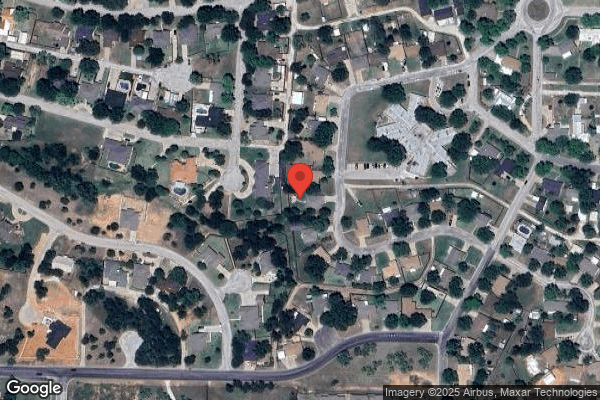

1224 CORVADURA ST, GRAHAM, TX 76450 (940) 549-4646
Government - Hospital district 116 Beds SLP OPERATIONS Data: November 2025
Trust Grade
70/100
#238 of 1168 in TX
Last Inspection: July 2024

Within standard 12-15 month inspection cycle. Federal law requires annual inspections.

Overview

Garden Terrace Healthcare Center in Graham, Texas has a Trust Grade of B, indicating it is a good choice for families, with solid performance. It ranks #238 out of 1,168 facilities in Texas, placing it in the top half, and is the best option among three homes in Young County. The facility is improving, having reduced its issues from 9 in 2023 to 6 in 2024. While staffing is a concern with a rating of 2 out of 5 stars and a turnover rate of 42%, which is below the state average, the center benefits from better RN coverage compared to 80% of Texas facilities. However, recent inspection findings highlighted serious concerns, such as improper food storage temperatures that could risk foodborne illnesses and cleanliness issues in the kitchen, showing that while there are strengths, there are critical areas needing attention.

Trust Score
B
70/100
In Texas
#238/1168
Top 20%
Safety Record
Low Risk
No red flags
Inspections
Getting Better
9 → 6 violations
Staff Stability
○ Average
42% turnover. Near Texas's 48% average. Typical for the industry.
Penalties
✓ Good
No fines on record. Clean compliance history, better than most Texas facilities.
Skilled Nurses
○ Average
Each resident gets 31 minutes of Registered Nurse (RN) attention daily — about average for Texas. RNs are the most trained staff who monitor for health changes.
Violations
⚠ Watch
21 deficiencies on record. Higher than average. Multiple issues found across inspections.
★★★★☆
4.0
Overall Rating
★★☆☆☆
2.0
Staff Levels
★★★☆☆
3.0
Care Quality
★★★★☆
4.0
Inspection Score
Stable
2023: 9 issues
2024: 6 issues

The Good

  • Full Sprinkler Coverage · Fire safety systems throughout facility
  • No fines on record
  • Staff turnover below average (42%)

    6 points below Texas average of 48%

Facility shows strength in fire safety.

The Bad

Staff Turnover: 42%

Near Texas avg (46%)

Typical for the industry

Chain: SLP OPERATIONS

Part of a multi-facility chain

Ask about local staffing decisions and management

The Ugly 21 deficiencies on record

Jul 2024 5 deficiencies
CONCERN (D)

Potential for Harm - no one hurt, but risky conditions existed

Assessment Accuracy (Tag F0641)

Could have caused harm · This affected 1 resident

**NOTE- TERMS IN BRACKETS HAVE BEEN EDITED TO PROTECT CONFIDENTIALITY** Based on interview and record review the facility failed to ensure assessments accurately reflected the resident's status for 1 ...

Read full inspector narrative →
**NOTE- TERMS IN BRACKETS HAVE BEEN EDITED TO PROTECT CONFIDENTIALITY** Based on interview and record review the facility failed to ensure assessments accurately reflected the resident's status for 1 of 6 residents (Resident #40) reviewed for accuracy of assessments. 1. The facility failed to ensure Resident# 40's MDS accurately reflected that he was not on an anticoagulant. This failure could place residents at risk for not receiving care and services to meet their physical needs. The findings included: Record review of Resident #40's admission profile, dated 7/20/24, reflected a [AGE] year-old male whose most recent admission date was 04/26/24. Resident #40 had diagnoses which included: cerebral infarct (a dead A condition caused by disrupted blood flow to the brain causing brain cells to die), hypertension (high blood pressure) arteriosclerotic heart disease (a vascular disease where the blood vessels carrying oxygen away from the heart become damaged, hardened and blocked), dysphasia (a condition that affects your ability to produce and understand spoken language). Record review of Resident #40's Significant change MDS, dated [DATE], Section K0415 reflected Resident #40 did take a high-risk drug, which was an anticoagulant. Section C revealed he had a BIMS score of 4 (severe cognitive impairment). Record review of Resident # 40's physician order summary report dated 7/20/24 reflected he was on clopidogrel (an anti-platelet medication, which prevents platelets from sticking together and causing a stroke) which had a start date of 4/27/24. He was not on an anticoagulant (a medication that prevents or reduces the time it takes for the blood to clot). In an interview with the Resident's family member, and an observation of the resident on 07/16/24 at 6:58 PM, the family member stated she did not think he was on an anticoagulant. In an Interview on 07/19/24 at 3:38 PM the CCM stated that the Clopidogrel on Resident #40's orders was not an anticoagulant, it was an antiplatelet. She stated Clopidogrel should not be counted as an anticoagulant. She stated the anticoagulant marked on the significant change MDS, was marked in error and she should not have classified it as such. She stated Resident # 40 did not receive an anticoagulant during the 7 days prior to 6/13/24. She stated it was a documentation error which she made because she was not paying attention. She stated failure to document the MDS properly could result in the resident not receiving needed care She stated she was responsible for the accuracy of the MDS, and no one other than herself monitored her for accuracy. She stated the facility followed the RAI Manual as their policy for completing Resident Assessments. In an interview on 6/06/24 at 12:00 PM, the ADON said she expected the MDS to accurately reflect the resident's condition at the time of assessment. She stated the Clinical Care Manager was responsible for monitoring the accuracy of the assessment. Review of CMS'S RAI Version 3.0 Manual version 1.18.11 dated October 2023 revealed: The RAI process has multiple regulatory requirements. Federal regulations at 42 CFR 483.20 (b)(1)(xviii), (g) and (h) require that. (1) the assessment accurately reflects the resident's status (2) a registered nurse conducts or coordinates each assessment with the appropriate participation of health professionals (3) the assessment process includes direct observation, as well as communication with the resident and direct care staff on all shifts. Nursing homes are left to determine. (1) who should participate in the assessment process (2) how the assessment process is completed (3) how the assessment information is documented while remaining in compliance with the requirements of the Federal regulations and the instructions contained within this manual. N0415 High Risk Drug Classes Use and Indication: Coding tips and special populations: Do not code antiplatelet medications such as aspirin/extended release, dipyridamole, or clopidogrel as anticoagulants, N0415E.
CONCERN (D)

Potential for Harm - no one hurt, but risky conditions existed

Respiratory Care (Tag F0695)

Could have caused harm · This affected 1 resident

**NOTE- TERMS IN BRACKETS HAVE BEEN EDITED TO PROTECT CONFIDENTIALITY** Based on observation, interview, and record review the facility failed to ensure that a resident who needs respiratory care, is ...

Read full inspector narrative →
**NOTE- TERMS IN BRACKETS HAVE BEEN EDITED TO PROTECT CONFIDENTIALITY** Based on observation, interview, and record review the facility failed to ensure that a resident who needs respiratory care, is provided such care, consistent with professional standards of practice, the comprehensive person-centered care plan, the residents' goals, and preferences for 1 of 1 residents (#41) reviewed for respiratory care. A. The facility failed to ensure oxygen tubing for Residents #41 were changed weekly. These failures could place residents at risk for infections and transmission of communicable diseases. Findings included: Resident #41 Record review of Resident #41's Face Sheet, dated 07/20/2024, revealed she was a [AGE] year-old female, admitted to the facility on [DATE]. Diagnoses included respiratory failure (difficulty breathing on her own), pain, shortness of breath, myocardial infarction (heart attack), Hypertension (high blood pressure), and depression. Record review of Resident #41's MDS Annual Assessment, dated 06/17/2024 revealed a BIMS score of 15 (cognitively intact). Care plan dated 6/17/2024 revealed in part Focus: oxygen therapy related respiratory failure, ineffective gas exchange. Intervention/tasks: Weekly tubing and nasal cannula change and check oxygen concentrator. Date and tag tubing, change date. Record review of Resident #41's Physicians' orders dated 07/20/24 revealed albuterol sulfate. Solution for nebulization; 2.5 mg /3 mL (0.083 %); inhalation Solution administer 3ml via handheld nebulizer every four hours prn. Change oxygen tubing, Cannula/Mask once a week. On Sunday In an observation and interview on 07/16/2024 at 09:15 AM during initial rounds, Resident #41 was sitting in her recliner receiving humidified oxygen via nasal cannula at 2 liters per minute. Her oxygen tubing and humidifier bottle was not dated. The resident stated she did not remember when her oxygen tubing was changed. In an observation on 07/16/2024 at 11:00 AM Resident #41's nasal cannula and humidifier bottle was not dated, and the nasal cannula was lying on the resident's floor. In an Interview on 07/17/2024 at 11:45 AM with the ADON stated oxygen tubing was changed weekly based on the resident's orders, or as needed if they become contaminated or occluded. The ADON stated oxygen tubing and the humidifier bottle should be changed per doctor's orders. If they were not labeled, she stated she would discard them and replace it with a new nasal cannula. She stated nebulizer masks should be stored in a plastic bag when not in use to prevent cross contamination and infection. Record review of the facility policy Respiratory Therapy-Prevention of Infection dated as revised on 11/2011, revealed the following [in part]: Purpose: To guide prevention of infection associated with respiratory therapy tasks and equipment, including ventilators, among residents and staff. Procedure: 7. Change the oxygen cannula and tubing every seven (7) days, or as needed. 8. keep the oxygen cannula and tubing used PRN in a plastic bag when not in use.
CONCERN (D)

Potential for Harm - no one hurt, but risky conditions existed

Infection Control (Tag F0880)

Could have caused harm · This affected 1 resident

**NOTE- TERMS IN BRACKETS HAVE BEEN EDITED TO PROTECT CONFIDENTIALITY** Based on observations, interviews and record reviews, the facility failed to establish and maintain an infection control program...

Read full inspector narrative →
**NOTE- TERMS IN BRACKETS HAVE BEEN EDITED TO PROTECT CONFIDENTIALITY** Based on observations, interviews and record reviews, the facility failed to establish and maintain an infection control program designed to provide a safe, sanitary, and comfortable environment and to help prevent the development of communicable diseases and infections for 1 (Resident #9) of 2 residents reviewed for infection control , in that: RN A failed to follow EBP (enhanced barrier precautions) signage instructions for Resident #9 by not donning a gown when caring for and administering medications via his gastrostomy (an opening into the stomach through the abdominal wall to provide medication and nourishment) tube, and while performing care for his Tracheostomy (a surgically created hole with a tube inserted into the windpipe to provide an alternative airway for breathing). This failure could affect residents and place them at risk for cross contamination and infections. The findings included: Record review of Resident #9's electronic face sheet dated 7/20/2024 reflected he was a [AGE] year-old male admitted to the facility on [DATE]. His diagnoses included: Diarrhea, Acute Upper Respiratory Infection, Tracheostomy (a surgically created hole with a tube inserted into the windpipe to provide an alternative airway for breathing), protein calorie malnutrition(condition in which a reduced availability of nutrients causes adverse effect on the body function and clinical outcome) and aphasia (a disorder that affects speech as well as the away a person writes and understands both spoken and written language). Record review of Resident #9's comprehensive person-centered care plan reflected a last care conference date of 6/18/2024 reflected Problem: Feeding tube and Problem: tracheostomy. There was no Problem or intervention for enhanced barrier precautions. During an observation on 7/16/2024 at 1:43 PM of Resident #9's room revealed he had a sign which indicated he was on EBP. Review of the EBP sign on Resident #9's door reflected STOP, EVERYONE MUST: Clean their hands, including before entering and when leaving the room. Wear gloves and a gown for the following High-Contact Resident Care Activities .Changing briefs and assisting with toileting .Wound Care: Any skin opening requiring a dressing .indwelling medical devices. During an observation on 07/16/24 at 7:30PM, RN A enter Resident #9's room to administer bedtime medications which he received via gastrostomy tube. The Enhanced Barrier Precautions sign was posted on Resident #9's door. She did not put a gown on to administer the medication through the indwelling gastrostomy tube. During an observation on 7/18/2024 at 3:00 PM of RN A providing Tracheostomy care to Resident #9, she performed hand hygiene and applied gloves after entering the room. She cleaned her work area, removed her gloves, and performed hand hygiene again. She did not put on a gown. She Cleaned around Resident 39's trach tube and applied new ties and collar to the tube to secure it in place. She disposed of the soiled supplies removed her gloves and performed hand hygiene. During an interview on 7/18/2024 at 03:25 PM with RN A, she stated she did not think about wearing a gown when she administered medication or did tracheostomy care for Resident #9, she stated it could cause cross contamination not to use PPE properly. She stated she was trained on the new EBP guidelines which included to wear a gown when working with a resident who had a wound or indwelling medical device. During an Interview on 7/18/2024 at 3:30PM with the ADON/Infection Preventionist, she stated EBP was now in effect for Resident #9 because he had a gastrostomy tube and a tracheostomy and RN A entered Resident #9's room to provide care. She stated by not following the guidance or infection control practices, cross contamination could occur, and the residents could acquire infections. She stated RN A was trained on EBP and knew she needed to wear a gown. Record review of facility policy and procedure titled Enhanced Barrier Precautions, dated March 20, 2024, reflected It is the policy of this facility to implement enhanced barrier precautions for the prevention of transmission of multidrug-resistant organisms .all staff receive training .an order for enhanced barrier precautions will be obtained for residents with any of the following: wounds .High-contact resident care activities include: . changing briefs or assisting with toileting .wound care; any skin opening requiring a dressing indwelling medical devices. Review of website https://www.cdc.gov/preventmdro on 7/20/24, revealed the following: Multi drug resistant organism transmission is common in skilled nursing facilities, contributing to substantial resident, morbidity and mortality and increased healthcare costs. Enhanced Barrier Precautions are an infection control intervention designed to reduce transmission of resistant organisms that employs targeted gown and glove use during high contact resident activities. EBP may be indicated when contact precautions do not apply for residents with any of the following: wounds or indwelling medical devices regardless of multidrug resistant organism colonization status
CONCERN (F)

Potential for Harm - no one hurt, but risky conditions existed

Food Safety (Tag F0812)

Could have caused harm · This affected most or all residents

Based on observation, interview, and record review, the facility failed to store, prepare, distribute and serve food in accordance with professional standards for food service safety in one of one kit...

Read full inspector narrative →
Based on observation, interview, and record review, the facility failed to store, prepare, distribute and serve food in accordance with professional standards for food service safety in one of one kitchen., in that: The reach-in freezer was not maintained at an interior temperature of zero degrees or below and food stored in the freezer was not frozen solid. The reach-in-freezer temperature was documented on a Refrigerator and Freezer Temperature Log and 10 degrees F was recorded two times daily during May 2024, June 2024, and July 1 - 15, 2025. This failure placed the residents at risk for foodborne illness from being served food that had not been stored at the proper temperature. The findings included: Observation on 7/16/24 at 9:52 AM revealed a commercial stainless steel freezer unit in the dietary department. The reach-in freezer had 2 doors. The interior thermometer measured a temperature of 22 degrees F and food items were not frozen solid. A box contained French toast which was soft; a raw boneless turkey breast was soft and thawed; a pre-cooked boneless ham was soft and thawed; a box contained corndogs that were soft; and a box contained individual containers of lime sherbet that were soft and melted. Observation on 7/16/24 at 9:56 AM revealed a Refrigerator and Freezer Temperature Log, dated July 2024, was taped to the door to the refrigerator located to the right of the freezer unit. Daily temperatures were documented two times daily for each unit. The freezer temperature was documented at 10 degrees F daily from 7/01/24 through 7/15/24. Temperature #1 on 7/16/24 was documented at 20, and a line was drawn through it and 10 written by it. During an interview and observation on 7/16/24 at 9:58 AM, the Dietary Manager stated the Maintenance Supervisor had replaced the freezer unit interior door seals (gaskets) yesterday (on 7/15/24). She opened the freezer doors and indicated the new black rubber gaskets on the insides of the doors. The Dietary Manager stated the freezer unit had to work harder to stay cold this time of year when it was hot outside. She stated she would remove the food from the freezer unit and place it in the chest freezer in her office. She stated she had just defrosted the chest freezer overnight and it was empty. During an observation and interview on 7/16/24 at 10:02 AM, accompanied by the Dietary Manager, it was observed her office was located on Hall B. There were 3 chest freezers positioned against the wall. The first chest freezer filled to capacity with packages of vegetables which frozen solid. The second chest freezer was empty. The Dietary Manager stated it was defrosted overnight and was turned on this morning. The chest freezer did not have an internal thermometer and the Dietary Manager proceeded to place a thermometer inside the freezer. The third chest freezer contained food items that were frozen solid, including two cardboard boxes with peperoni slices. The Dietary Manager stated she had placed the food from the second freezer in the first and third freezers last night before defrosting the second chest freezer. In an interview on 7/16/24 at 10:51 AM, the Maintenance Supervisor stated he had inspected the reach-in freezer unit in the kitchen per the request of the Dietary Manager and saw the gasket seals were cracked and deteriorating. He stated he had ordered new gaskets and had replaced the gaskets yesterday (on 7/15/24). He stated he spoke with the Dietary Manager regarding the freezer unit and the food stored in it not being frozen solid this morning. He stated he went into the kitchen this morning and found the center gasket strip had slid down where the two doors meet when closed. He stated the doors had not been sealed. He stated he moved up the gasket strip, put it in place, and trimmed off the excess length at the bottom of the gasket strip. The Maintenance Supervisor stated the doors were now sealed and the temperature of the freezer unit was already cooling down. He stated he would provide the invoice for the ordering and purchase of the new gasket seals. During an interview and record review on 7/16/24 at 11:29 AM, the Maintenance Supervisor provided copies of the invoice for the freezer unit gasket seals for review. Review of the invoice revealed 2 gaskets were ordered on 7/09/24. The Maintenance Supervisor stated they were delivered yesterday, 7/15/24, and he had installed them. During an observation and interview on 7/18/24 at 9:46 AM, the reach-in freezer unit interior thermometer measured 10 degrees F. The food was frozen solid. The Dietary Manager stated the food order had been delivered yesterday (on 7/17/24) and was placed in the freezer. She stated the food was frozen and the freezer temperature was still going down. She did not know if anything else was going to be done about the freezer and stated to ask the Maintenance Supervisor about that. In an interview on 7/18/24 at 10:10 AM, the Maintenance Supervisor stated the freezer unit temperature had gone down but it should be at 0 degrees F or less. He stated if there continued to be problems with the freezer unit not keeping the food frozen, he would notify the Corporate Maintenance Director about the problem. During an interview and record review on 7/19/24 at 2:06 PM, the Dietary Manager provided the Refrigerator and Freezer Temperature Logs, dated May 2024 and June 2024, that documented freezer temperatures #1 and #2 daily. The Dietary Manager stated #1 was for the morning, usually by 6:00 AM and #2 was for the evening, usually at 2:00 PM. She stated the freezer temperatures were measured by the thermometer placed inside the freezer. The freezer temperatures documented 10 degrees F two times daily every day during May and June. The Dietary Manager stated that was what the freezer temperature always was, and the temperature just recently started going up. In an interview on 7/20/24 at 4:35 PM, the Administrator stated the Corporate Maintenance Supervisor came to the facility Thursday evening and looked at the freezer unit in the kitchen. She stated he said it could not be repaired and was old. She stated the freezer unit would be replaced with a new one and she was researching on-line for freezers and prices. Review of the facility policy and procedure for Food Storage, dated 2018, revealed it directed [in part]: Policy: To ensure that all food served by the facility is of good quality and safe for consumption, all food will be stored according to the state, federal and US Food Codes and HACCP guidelines. Procedure: 3. Freezers a. Store all frozen meats, poultry, seafood, fruits and vegetables, and some dairy products, such as ice cream, in the freezer at a temperature that maintains the frozen state of the foods . g. Open freezer doors only when necessary to prevent the freezer temperature from increasing. h. Place a thermometer inside freezers near the door where the temperature is warmest. Check the temperature of all freezers using the internal thermometer to make sure the temperature stays at 0 degrees F or below. Temperatures should be checked each morning when the kitchen is opened, once during the day and in the evening when the kitchen is closed. Record temperatures on a log that is kept near the freezer .
CONCERN (F)

Potential for Harm - no one hurt, but risky conditions existed

Room Equipment (Tag F0908)

Could have caused harm · This affected most or all residents

Based on observation, interview, and record review, the facility failed to ensure the maintenance of mechanical and electrical equipment in safe operating condition in 1 of 1 kitchen, in that: The rea...

Read full inspector narrative →
Based on observation, interview, and record review, the facility failed to ensure the maintenance of mechanical and electrical equipment in safe operating condition in 1 of 1 kitchen, in that: The reach-in freezer was not maintained at an interior temperature of zero degrees or below and food stored in the freezer was not frozen solid. This failure placed the residents at risk for foodborne illness from being served food that had not been stored at the proper temperature. The findings included: Observation on 7/16/24 at 9:52 AM revealed a commercial stainless steel freezer unit in the dietary department. The reach-in freezer had 2 doors. The interior thermometer measured a temperature of 22 degrees F and food items were not frozen solid. A box contained French toast which was soft; a raw boneless turkey breast was soft and thawed; a pre-cooked boneless ham was soft and thawed; a box contained corndogs that were soft; and a box contained individual containers of lime sherbet that were soft and melted. Observation on 7/16/24 at 9:56 AM revealed a Refrigerator and Freezer Temperature Log, dated July 2024, was taped to the door to the refrigerator located to the right of the freezer unit. Daily temperatures were documented two times daily for each unit. The freezer temperature was documented at 10 degrees F daily from 7/01/24 through 7/15/24. Temperature #1 on 7/16/24 was documented at 20, and a line was drawn through it and 10 written by it. During an interview and observation on 7/16/24 at 9:58 AM, the Dietary Manager stated the Maintenance Supervisor had replaced the freezer unit interior door seals (gaskets) yesterday (on 7/15/24). She opened the freezer doors and indicated the new black rubber gaskets on the insides of the doors. The Dietary Manager stated the freezer unit had to work harder to stay cold this time of year when it was hot outside. She stated she would remove the food from the freezer unit and place it in the chest freezer in her office. She stated she had just defrosted the chest freezer overnight and it was empty. During and observation and interview on 7/16/24 at 10:02 AM, accompanied by the Dietary Manager, it was observed her office was located on Hall B. There were 3 chest freezers positioned against the wall. The first chest freezer filled to capacity with packages of vegetables which frozen solid. The second chest freezer was empty. The Dietary Manager stated it was defrosted overnight and was turned on this morning. The chest freezer did not have an internal thermometer and the Dietary Manager proceeded to place a thermometer inside the freezer. The third chest freezer contained food items that were frozen solid, including two cardboard boxes with peperoni slices. The Dietary Manager stated she had placed the food from the second freezer in the first and third freezers last night before defrosting the second chest freezer. In an interview on 7/16/24 at 10:51 AM, the Maintenance Supervisor stated he had inspected the reach-in freezer unit in the kitchen per the request of the Dietary Manager and saw the gasket seals were cracked and deteriorating. He stated he had ordered new gaskets and had replaced the gaskets yesterday (on 7/15/24). He stated he spoke with the Dietary Manager regarding the freezer unit and the food stored in it not being frozen solid this morning. He stated he went into the kitchen this morning and found the center gasket strip had slid down where the two doors meet when closed. He stated the doors had not been sealed. He stated he moved up the gasket strip, put it in place, and trimmed off the excess length at the bottom of the gasket strip. The Maintenance Supervisor stated the doors were now sealed and the temperature of the freezer unit was already cooling down. He stated he would provide the invoice for the ordering and purchase of the new gasket seals. During an interview and record review on 7/16/24 at 11:29 AM, the Maintenance Supervisor provided copies of the invoice for the freezer unit gasket seals for review. Review of the invoice revealed 2 gaskets were ordered on 7/09/24. The Maintenance Supervisor stated they were delivered yesterday, 7/15/24, and he had installed them. During an observation and interview on 7/18/24 at 9:46 AM, the reach-in freezer unit interior thermometer measured 10 degrees F. The food was frozen solid. The Dietary Manager stated the food order had been delivered yesterday (on 7/17/24) and was placed in the freezer. She stated the food was frozen and the freezer temperature was still going down. She did not know if anything else was going to be done about the freezer and stated to ask the Maintenance Supervisor about that. In an interview on 7/18/24 at 10:10 AM, the Maintenance Supervisor stated the freezer unit temperature had gone down but it should be at 0 degrees F or less. He stated if there continued to be problems with the freezer unit not keeping the food frozen, he would notify the Corporate Maintenance Director about the problem. During an interview and record review on 7/19/24 at 2:06 PM, the Dietary Manager provided the Refrigerator and Freezer Temperature Logs, dated May 2024 and June 2024, that documented freezer temperatures #1 and #2 daily. The Dietary Manager stated #1 was for the morning, usually by 6:00 AM and #2 was for the evening, usually at 2:00 PM. She stated the freezer temperatures were measured by the thermometer placed inside the freezer. The freezer temperatures documented 10 degrees F two times daily every day during May and June. The Dietary Manager stated that was what the freezer temperature always was, and the temperature just recently started going up. In an interview on 7/20/24 at 4:35 PM, the Administrator stated the Corporate Maintenance Supervisor came to the facility Thursday evening and looked at the freezer unit in the kitchen. She stated he said it could not be repaired and was old. She stated the freezer unit would be replaced with a new one and she was researching on-line for freezers and prices. Review of the facility policy and procedure for Food Storage, dated 2018, revealed it directed [in part]: Policy: To ensure that all food served by the facility is of good quality and safe for consumption, all food will be stored according to the state, federal and US Food Codes and HACCP guidelines. Procedure: 3. Freezers a. Store all frozen meats, poultry, seafood, fruits and vegetables, and some dairy products, such as ice cream, in the freezer at a temperature that maintains the frozen state of the foods . g. Open freezer doors only when necessary to prevent the freezer temperature from increasing. h. Place a thermometer inside freezers near the door where the temperature is warmest. Check the temperature of all freezers using the internal thermometer to make sure the temperature stays at 0 degrees F or below. Temperatures should be checked each morning when the kitchen is opened, once during the day and in the evening when the kitchen is closed. Record temperatures on a log that is kept near the freezer .
Mar 2024 1 deficiency
CONCERN (D) 📢 Someone Reported This

A family member, employee, or ombudsman was alarmed enough to file a formal complaint

Potential for Harm - no one hurt, but risky conditions existed

Accident Prevention (Tag F0689)

Could have caused harm · This affected 1 resident

**NOTE- TERMS IN BRACKETS HAVE BEEN EDITED TO PROTECT CONFIDENTIALITY** Based on observation, interview, and record review, the facility failed to ensure the resident environment remained as free from...

Read full inspector narrative →
**NOTE- TERMS IN BRACKETS HAVE BEEN EDITED TO PROTECT CONFIDENTIALITY** Based on observation, interview, and record review, the facility failed to ensure the resident environment remained as free from accident hazards as was possible and each resident received adequate supervision and assistive devices to prevent accidents for 1 of 9 residents (Resident #1) reviewed for accidents and supervision. CNA A failed to ensure Resident #1 was properly transferred by two persons using a Hoyer Lift to prevent accidents. CNA B failed to ensure Resident #1 remained free from accidents while operating the Hoyer Lift. This failure could place the residents at risk of injury. Findings included: Record review of Resident #1's electronic health record revealed a [AGE] year-old female, admission date 01/21/2019, Diagnoses: Alzheimer's disease (progressive memory impairment), Encounter for prophylactic measures (measures designed to prevent an adverse event, disease or its dissemination), Muscle wasting and atrophy (decrease in size and wasting of muscle), multiple sites, 2019-nCoV acute respiratory disease(History of), Rash and other nonspecific skin eruption, Other specified local infections of the skin and subcutaneous tissue (deepest layer of skin), Rash and other nonspecific skin eruption, Unspecified lack of coordination, Pseudobulbar affect (sudden and uncontrolled laughing or crying), Other lack of coordination, Other abnormalities of gait and mobility, Pain, Muscle weakness (generalized), Full incontinence of feces, Edema (swelling caused by too much fluid), Anorexia (eating disorder by restriction of food intake), Abnormal weight loss, Personal history of colonic polyps (small clump of cells in lining of colon), Other specified depressive episodes (extreme prolonged sadness), Other seborrheic keratosis (noncancerous skin growth). Record review of Resident #1's electronic health record revealed the most recent Care Plan dated 12/19/23, revised on 2/13/24, on page 2 of 26 stated Ambulation/Transfers amount of assist: Total dependent x 2 assist. Record review of Resident #1's progress notes by LVN A dated 12/25/23 at 11:10 am revealed Resident was being transferred in Hoyer mechanical lift to Geriatric chair (large padded chair with wheeled base), while transferring resident the lift came off the ground on 2 wheels and caused a bruise to her right cheek area. Resident doesn't answer questions appropriately, medicated with PRN pain med and ice pack applied immediately. Record Review of CNA A Oral Written Warning dated 12/25/23 revealed Staff will always assist (total assist x2) when using a Hoyer lift. Interview on 3/10/24 at 3:32pm with CNA A revealed she had been trained on transfers and Hoyer Lifts at hire and a few times since. CNA A stated she knew it was a two person to transfer with a Hoyer lift and it is not safe for residents or staff [to transfer a resident by Hoyer with one staff member]. The other staff and CNA A transferred Resident #1's roommate together with Hoyer and the other staff member left the room and CNA A transferred Resident #1 with the Hoyer alone. CNA A further revealed she does not know what happened with the lift , but she knows to use two people but was waiting thinking the other staff would come back and he did not. The other staff did not come back until after the accident happened. CNA A revealed someone came because the resident screamed. Interview on 3/10/24 at 11:18am with CNA D revealed she has never seen staff use a Hoyer by themselves because it is a two-person assist. Interview on 3/10/24 at 11:43 am with RN A revealed that staff have done Hoyer lift and transfer training and competency checks. It is required two-person assist. RN A stated she always told staff to come get her if needed. Interview on 3/10/24 at 12:00 pm with ADON revealed CNA A had been trained on Hoyer Lifts and she stated to ADON during interview that she got in a hurry and did not wait. ADON revealed CNA A knew to come get staff and has gotten ADON before. ADON stated CNA A was written up and retrained and is getting random audits of her care all the time to make sure she is following the procedures and has no more chances [final warning]. Interview on 3/10/24 at 5:55 pm with ADM revealed she found out about the aide (CNA A) that used the Hoyer lift on her own and she (CNA A) kept apologizing that she got into a hurry and was trying to get a lot done at once. ADM revealed CNA A had help and she could have waited and made a bad decision. ADM stated CNA A had been trained prior to the incident and after again and written up. Observation on 3/9/24 at 12:58 pm of Resident #1's transfer from the Geriatric chair to the bed with CNA B and CNA D revealed CNA B moved the lift towards Resident #1 as CNA D readied the sling under Resident #1 (CNA D was looking at the sling under resident with back to CNA B and Hoyer). The front arm of the Hoyer in front of Resident #1 moved towards resident, and the cradle that holds the sling tapped the residents' forehead. Resident #1 squinted her eyes and CNA D told CNA B to slow down and grabbed the cradle to prevent it from swinging into resident again. CNA D instructed CNA B where to place the Hoyer for a better angle. CNA B said, I know as she continued along her current positioning and movement of the Hoyer Lift with Resident in it. CNA D moved the Geriatric Chair out of way as she hurriedly gained her momentum to give support under Resident #1 during transfer from chair to bed. Interview on 3/9/24 at 12:58 pm with CNA B revealed she had been trained on Hoyer lifts and signed off on for competency. Interview on 3/9/24 at 12:58 pm with CNA D revealed she had been trained on Hoyer lifts and signed off on for competency. Interview on 3/09/24 at 3:30pm with CNA D revealed she is sorry about the incident with her coworker, CNA B, as she is usually good and knows what she is doing but gets talkative and was nervous with state surveyor here. CNA D stated she reported the incident. Record review of Resident #1's progress note dated 3/9/24 revealed while cnas [CNA B] and [CNA D] were transferring resident using the hoyer lift, one of the metal hooks on the lift came into contact with the RIGHT temple on resident. This LVN [ADON] and RN B performed assessment on said resident. No non verbal SXS of pain or discomfort. slight pink color to RIGHT TEMPLE, No other physical changes noted to resident temple. Record review of Inservice for Transfers and Number of Assistance Required dated 12/25/23 revealed Minimum assistance needed with each type of transfer: gait belt-1; mechanical lift (hoyer) -2; sliding board-1; stand by assist -1. Record review of Inservice for Following Care Plan and Hoyer Safety dated 12/25/23 revealed To [CNA A]: You must follow the care plan exactly to ensure the safety of residents. Hoyer lifts always require at least 2 people. Record review of Safe Lifting and Movement of Residents policy dated 3/31/23 revealed 1. Resident safety, dignity, comfort and medical condition will be incorporated into goals and decisions regarding the safe lifting and moving of residents. 12. Safe lifting and movement of residents is a part of an overall facility employee health and safety program, which: a. Involves employees in identifying problem areas and implementing workplace safety and injury prevention strategies;.
Aug 2023 1 deficiency
CONCERN (D) 📢 Someone Reported This

A family member, employee, or ombudsman was alarmed enough to file a formal complaint

Potential for Harm - no one hurt, but risky conditions existed

Medical Records (Tag F0842)

Could have caused harm · This affected 1 resident

**NOTE- TERMS IN BRACKETS HAVE BEEN EDITED TO PROTECT CONFIDENTIALITY** Based on observation, interview, and record review the facility failed to ensure, in accordance with accepted professional stand...

Read full inspector narrative →
**NOTE- TERMS IN BRACKETS HAVE BEEN EDITED TO PROTECT CONFIDENTIALITY** Based on observation, interview, and record review the facility failed to ensure, in accordance with accepted professional standards and practices, medical records were maintained on each resident that were complete and/or accurate for 1 of 1 resident (Resident #1) reviewed for clinical records. The facility did not maintain or complete progress notes or round sheets or Resident #1. This failure could place residents at risk for inaccurate documentation by staff. The findings were: Record review of clinical records for Resident #1 revealed a [AGE] year-old resident who was admitted to the facility on [DATE] with diagnoses which included Alzheimer's (progressive disease that destroys memory and other important mental functions), generalized anxiety disorder (state of anxiousness), and insomnia (difficulty falling asleep). Record review of Resident #1's progress notes from an elopement observation made by the LVN A, dated 08/12/2023, at 8:30 PM, revealed the following: CNA's will do hourly checks on resident through the night to ensure safety. Record review of Resident #1's nursing notes, progress notes and observations, dated 08/12/2023 and 08/13/2023, revealed hourly rounds were not documented. Record review of Resident #1's Care plan, dated 08/01/2023, revealed the following: Elopement: I wander due to my diagnosis of age-related cognitive decline. I wear a roam alert bracelet. Goal: I will not elope from the center in the next 90 days. Record review of a Quarterly MDS, dated [DATE], revealed the following: Section C entitled BIMS revealed a score of 03, which indicated the resident was severely impaired. Section E entitled Behavior Assessment revealed: Wandering behavior not exhibited with the last 7 days. Section P entitled Restrains and Alarms revealed: Wander and Elopement alarm was used daily. Observation and Interview on 08/16/2023 at 8:30 AM revealed Resident #1 was lying in her bed asleep. The Regional RN revealed she had been aiding the facility, since the DON was out for a conference. She reported Resident #1 had been up the previous night and was now sleeping. She revealed an order for 1 on 1 with the resident due to an earlier attempted elopement and for the resident's safety, until they transferred her to another facility. She revealed they had identified an issue with the alarm system, and the front door and immediately they called the alarm company out to make sure it was functioning properly. She revealed they followed all the steps to ensure the resident was safe. Interview on 08/16/2023 at 1:15 PM with LVA A revealed she completed the progress note in the elopement observation which stated to check the resident every hour. She said she checked every hour, but she did not document that the resident was checked. She stated she should have scheduled the hourly checks. She failed to document due to becoming busy and forgetting after her shift was over. Interview with the Administrator on 08/16/2023 at 2:30 PM revealed her expectations were for documentation to be completed. She was completing an in-service with staff to correct the issue. Record review of the facility policy, provided on 08/16/2023, titled: Charting and Documentation, dated 07/2017, reflected the following: All services provided to the resident, progress toward the care plan goals, or any changes in the resident's medical, physical, functional or psychosocial condition, shall be documented in the resident's medical record . 1. Documentation in the medical record may be electronic, manual or a combination. 2. The following information is to be documented in the resident medical record: a. Objective observations . e. Events, incidents or accidents involving the resident 4. Entries may only be recorded in the resident's clinical record by licensed personnel (e.g., RN, LPN/LVN, physicians, therapists, etc.) in accordance with state law and facility policy. Certified Nursing Assistants may only make entries in the resident's medical chart as permitted by facility policy . 7. Documentation of procedures and treatments will include care-specific details
Jun 2023 7 deficiencies
CONCERN (D)

Potential for Harm - no one hurt, but risky conditions existed

Assessment Accuracy (Tag F0641)

Could have caused harm · This affected 1 resident

**NOTE- TERMS IN BRACKETS HAVE BEEN EDITED TO PROTECT CONFIDENTIALITY** Based on observation, interview, and record review the facility failed to accurately assess each resident's status for 1 of 4 Re...

Read full inspector narrative →
**NOTE- TERMS IN BRACKETS HAVE BEEN EDITED TO PROTECT CONFIDENTIALITY** Based on observation, interview, and record review the facility failed to accurately assess each resident's status for 1 of 4 Residents (Resident #27) reviewed for assessment accuracy in that: Resident #27's Quarterly MDS dated [DATE], did not have Section I (diagnoses) and Section N (medications) coded correctly. This failure could place residents at risk of not receiving the proper care and services due to inaccurate records. Finding included: Record review of Resident #27's Face Sheet, dated 06/07/2023, revealed a [AGE] year-old male, re-admitted to the facility on [DATE] with admitting diagnoses of generalized anxiety disorder (excessive and persistent worry and fear about everyday situations) and major depressive disorder/ recurrent (mental disorder characterized by at least 2 weeks of pervasive low mood and loss of interest or pleasure in life). Record review of Resident #27's Physician's Orders Summary Report, dated 06/07/2023, revealed orders for buspirone tablet; 5 mg; amt: 1; oral at 8:00 AM ordered and started on 01/13/2023 for anxiety disorder, paroxetine HCl tablet; 10 mg; amt: 1; oral at 8:00 AM ordered and started on 01/13/2023 and trazodone tablet; 150 mg; amt: 1; oral at 8:00 PM ordered and started on 01/13/2023 for major depressive disorder. The orders were signed and approved by the physician on 06/07/2023. Record review of a Quarterly MDS, dated [DATE], revealed Resident #27 had a BIMS score of 15 out of 15, which indicated the resident was cognitively intact. Resident #27 had no active diagnoses for anxiety disorder or depression. Resident #27 received antianxiety medications that was not coded in section N. Record review of Resident #27's Care Plan, last revised on 03/21/2023, revealed care plans for: A) Resident #27 has socially inappropriate/disruptive behavioral symptoms as evidenced by: aggression. Resident is also non-compliant with physician orders, particularly fluid restriction, and diet orders. Current socially inappropriate/disruptive behavior pattern includes cursing at others and rejection of care. B) Resident #27 ordered an antidepressant and an antianxiety medication daily. C) Resident #27 would express/exhibit satisfaction for psychosocial well-being. During an observation and interview on 06/06/2023 at 2:00 PM, revealed Resident #27 was leaving the resident council meeting. He revealed that he had been on antidepressant and antianxiety medications for months. He stated that he sometimes had behavioral problems with aggressive outburst that he was trying to control. In an interview on 06/07/2023 at 3:30 PM, the MDS coordinator said she had just recently been put in this position. She said that she is responsible for ensuring that the residents MDS evaluations are completed accurately. She said that for the 04/20/2023 Quarterly MDS assessments, Resident #27 was on antidepressant medications and antianxiety medications for major depressive disorder and for generalized anxiety disorder. She stated that she incorrectly coded the MDS assessment, by not putting the anxiety and depression diagnosis along with the anti-anxiety medication. She said the error was due to her being in a new in the position, and it was one of the first MDS assessments she had completed. She revealed she had received training and taken an online course prior to completing the assessment. She stated that she was opening and completing a modification of the assessment to accurately code section I and section N. She stated that the failure could place the residents at risk for receiving inaccurate assessment of the care areas. Record review of the facility's policy titled, Accuracy of Resident Assessments dated 2001 revealed: Any person completing a portion of the Minimum Data Set/MDS (Resident Assessment Instrument) must sign and certify the accuracy of that portion of the assessment.
CONCERN (D)

Potential for Harm - no one hurt, but risky conditions existed

PASARR Coordination (Tag F0644)

Could have caused harm · This affected 1 resident

**NOTE- TERMS IN BRACKETS HAVE BEEN EDITED TO PROTECT CONFIDENTIALITY** Based on observation, interviews, and record review the facility failed to refer to the local authority, 1 of 4 residents whose ...

Read full inspector narrative →
**NOTE- TERMS IN BRACKETS HAVE BEEN EDITED TO PROTECT CONFIDENTIALITY** Based on observation, interviews, and record review the facility failed to refer to the local authority, 1 of 4 residents whose PASARR evaluations were reviewed (Resident #27) who had newly evident mental disorders in that: The facility failed to refer Resident #27 for PASARR review following new mental illness diagnoses of Major Depressive Disorder. This deficient practice could affect residents who had qualifying diagnoses with a negative PASARR Level 1 evaluation by not receiving the care they are entitled to. The findings included: Record review of Resident #27's Face Sheet, dated 06/07/2023, revealed a [AGE] year-old male, re-admitted to the facility on [DATE] with admitting diagnoses of generalized anxiety disorder (excessive and persistent worry and fear about everyday situations) and major depressive disorder/ recurrent (mental disorder characterized by at least 2 weeks of pervasive low mood and loss of interest or pleasure in life), which was added on 09/22/2022. Record review of a modified Quarterly MDS, dated [DATE], revealed Resident #27 had a BIMS score of 15 out of 15, which indicated the resident was cognitively intact. Resident #27 had active diagnoses which included anxiety disorder and depression. Resident #27 received antianxiety and antidepressant medications. Record review of Resident #27's Physician's Orders Summary Report, dated 06/07/2023, revealed orders for buspirone tablet; 5 mg; amt: 1; oral at 8:00 AM ordered and started on 01/13/2023 for anxiety disorder, paroxetine HCl tablet; 10 mg; amt: 1; oral at 8:00 AM ordered and started on 01/13/2023 and trazodone tablet; 150 mg; amt: 1; oral at 8:00 PM ordered and started on 01/13/2023 for major depressive disorder. Record review of Resident #27's Care Plan, last revised on 03/21/2023, revealed care plans for: A) Resident #27 has socially inappropriate/disruptive behavioral symptoms as evidenced by: aggression. Resident is also non-compliant with physician orders, particularly fluid restriction, and diet orders. Current socially inappropriate/disruptive behavior pattern includes cursing at others and rejection of care. B) Resident #27 ordered an antidepressant and an antianxiety medication daily. C) Resident #27 would express/exhibit satisfaction for psychosocial well-being. Record review of Resident #27's PL1, dated 12/23/2022, revealed Resident #27 was negative for mental illness. Observation and interview revealed on 06/06/2023 at 2:00 PM, Resident #27 was leaving the resident council meeting. He revealed that he has been on antidepressant and antianxiety medications for months. He stated that he sometimes has behavioral problems with aggressive outburst that he is trying to control. In an interview on 06/07/2023 at 3:30 PM, the MDS coordinator said she has just recently been put in this position. She said that she is responsible for ensuring that the residents PASRR evaluations were updated. She said an updated PL1 should have been completed for Resident #27 since he had a diagnosis of mental illness upon his re-admission from the hospital, but it was not completed. She said the failure could prevent or delay services the resident was entitled too. In in interview on 06/07/2023 at 4:00 PM, the Administrator revealed that the MDS coordinator was responsible for identifying residents that would need an updated PL1. Record review of the facility's PASRR Policy dated 02/01/2023 revealed: A resident with MI or ID/DD must have a Resident Review conducted when there is a significant change in the resident's condition. The nursing facility is required to notify the Local Intellectual and Development Disability Authority (LIDDA) or the Local Mental Health Authority (LMHA).
CONCERN (D)

Potential for Harm - no one hurt, but risky conditions existed

Deficiency F0657 (Tag F0657)

Could have caused harm · This affected 1 resident

**NOTE- TERMS IN BRACKETS HAVE BEEN EDITED TO PROTECT CONFIDENTIALITY** Based on interview and record review, the facility failed to develop a comprehensive care plan within 7 days after completion of...

Read full inspector narrative →
**NOTE- TERMS IN BRACKETS HAVE BEEN EDITED TO PROTECT CONFIDENTIALITY** Based on interview and record review, the facility failed to develop a comprehensive care plan within 7 days after completion of the comprehensive assessment for 2 of 6 residents (Resident #4 and Resident #11) whose records were reviewed for assessments and care plans. The facility failed to ensure that Resident #4, Resident #11 had a comprehensive care plan developed and updated within 7 days following the completion of the admission comprehensive assessment. This failure could place residents at risk of not have having their care plans completed accurately and timely. Findings included: Resident #4- Record review of Resident #4's face sheet dated 06/07/2023, revealed the resident was an [AGE] year-old female who was admitted to the facility 01/10/2023. Resident #4 had diagnoses which included Chronic cholecystitis (inflammation of the gallbladder), anxiety disorder (feelings of worry and anxiousness), hypertension (high blood pressure, and pneumonia (fluid in the lungs). Record review of Resident #4's admission MDS assessment, dated 01/17/2023, revealed the following: Section C revealed the resident had a BIMS score of 10, which indicated moderate impaired cognition. Section K revealed a weight of 149 pounds. Section G revealed: Bed mobility- extensive, Transfers- extensive, walk-in room- limited, walk-in corridor- supervision, locomotion on unit- supervision, locomotion off unit- supervision, dressing- extensive, toilet use- extensive and personal hygiene- supervision. Section Z revealed that the RN signature date was for 01/20/2023. Record review of Resident #4's Care Conference notes, dated 06/07/2023, revealed the resident did not have a comprehensive care plan completed until 05/02/2023. Interview withe the MDS Coordinator on 06/06/2023 at 11:00 AM, revealed that she did nto complete Resident #4's comprehensive care plan until 05/02/2023. She stated she was just starting the position and was learning how to complete the assessments independently. Resident #11- Record review of Resident #11's face sheet dated 06/07/2023, revealed the resident was a [AGE] year-old female who was admitted to the facility 09/08/2022. Resident #11 had diagnoses which included Alzheimer's disease (neurodegenerative disease), respiratory infection (infection in the respiratory system, and anxiety (state of anxiousness). Record review of Resident #11's Significant Change MDS assessment, dated 05/16/2023, revealed the following: Section C revealed the resident had a BIMS score of 03, which indicated severe cognitive impairment. Section K revealed a weight of 82 pounds. Section G revealed: Bed mobility- supervision, Transfers- supervision. walk-in room- supervision, walk in corridor- supervision, locomotion on unit- supervision, locomotion off unit- supervision, dressing- limited, toilet use- extensive and personal hygiene- extensive. Section Z revealed that the RN signature date was for 05/23/2023. Record review of Resident #11's Care Conference notes, dated 06/07/2023, revealed the resident did not have a care plan meeting until 06/06/2023. Record review of Resident #11's Care plan reflected the resident did not have her Comprehensive Care Plan updated until 06/05/2023. In an interview on 06/05/2023 at 2:55 PM, the MDS coordinator revealed they got behind with care plans and the meetings but corrected the care plans with regional leadership and interventions. She stated she was new in the position and there had not been a DON in the building to help with care plans and care plan meetings. She revealed that she was responsible for updating and completed the care plans and care conferences. Record review of the facility's care planning policy, dated revised October 2022, titled Care Plans, Comprehensive Person- Centered revealed: The facilities policy and procedures titled: A comprehensive person-centered care plans dated 2021 revealed: Resident assessments are begun on the first day of admission and completed no later than the fourteenth (14th) day after admission. A comprehensive care plan is developed within seven (7) days of completing the resident assessment.
CONCERN (E)

Potential for Harm - no one hurt, but risky conditions existed

Pharmacy Services (Tag F0755)

Could have caused harm · This affected multiple residents

Based on observation, interview and record review, the facility failed to ensure expired medications, including prescription and over-the-counter medications were removed from use from one of two medi...

Read full inspector narrative →
Based on observation, interview and record review, the facility failed to ensure expired medications, including prescription and over-the-counter medications were removed from use from one of two medication carts ,and one of one medication room. One (1) prescription medication inside the refrigerator located in the medication room was expired and three (3) over-the-counter overstock medications on shelves inside the medication room were expired. There were two (2) over-the-counter medications that were expired in one (1) of two (2) medication carts reviewed. This failure places residents at risk of receiving expired medications which may have reduced efficacy. The findings included: Observation on 06/06/2023 at 02:38 PM of the medication cart for hall F and ½ of Hall E revealed a bottle of docusate sodium 100mg (a product to soften stool in the digestive tract) with an expiration date of 04/2023. There were approximately 30 softgels in the bottle. A bottle of simethicone 80mg (product used to reduce gas in the stomach) containing between 35 to 40 tablets was found to have an expiration date of 05/2023. In an interview on 06/06/2023 at 02:47 PM, LVN-C said medication carts were checked monthly for expired products. Observation on 06/06/2023 at 02:55 PM of the facility's only medication room revealed the following expired over-the-counter products: Thiamin (Vitamin B1) 100 x 2 bottles (100 tablets each) with an expiration date 05/2023, niacin 100mg x 1 (100 tablets) with an expiration date of 04/2023 and naproxen 220mg (pain medication) x 2 bottles (100 tablets each) with expirations dates of 05/2023. A pharmacy prepared Anaphylaxis Kit (used to treat allergic reactions) prepared exclusively for Resident #96 had an expiration date of 06/03/2023. In an interview with ADON-D on 06/06/2023 at 03:20 PM, ADON-D said medications carts were checked weekly for expired products and the medication room was checked monthly by the night shift. ADON-D indicated that resident outcomes for taking outdated products ranged from the product not working as effectively or other types of harm. Record review of a facility policy titled Storage of Medications, 2001 MED-PASS, Inc. (Revised November 2020) revealed in part the following: Policy heading 4. Drug containers that have missing, incomplete, improper, or incorrect labels are returned to the pharmacy for proper labeling before storing. Discontinued, outdated, or deteriorated drugs or biologicals are returned to the dispensing pharmacy or destroyed.
CONCERN (E)

Potential for Harm - no one hurt, but risky conditions existed

Deficiency F0761 (Tag F0761)

Could have caused harm · This affected multiple residents

Based on observation, interview and record review, the facility failed to ensure resident's medications were properly stored in locked compartments for one of two medication carts (cart for Hall D). ...

Read full inspector narrative →
Based on observation, interview and record review, the facility failed to ensure resident's medications were properly stored in locked compartments for one of two medication carts (cart for Hall D). One (1) medication cart (for Hall D) was left unlocked and unattended. The failure could cause harm to residents who may access medications not intended for them, or result in drug diversion (illegal transfer of a legally prescribed medication from a resident to someone else). Findings included, Observation on 06/05/2023 at 10:54 AM revealed the medication cart for Hall D was unlocked (the keyed bolt was sticking out ¾ of an inch from flush with the cabinet) and unattended, with an employee sitting behind the counter out of direct site of medication cart, due to a high countertop. In an interview with RN-A on 06/05/2023 at 10:54 AM, RN-A said his expectations should have been for the medication carts to be locked when not attended. In an interview with MA-B on 06/05/2023 at 10:54 AM, MA-B said she was covering for another nurse and forgot to lock the cart after she removed a medication for a resident. Record review of a facility policy titled Storage of Medications, 2001 MED-PASS, Inc. (Revised November 2020) revealed in part the following: Policy heading 6. Compartments (including but not limited to, drawers, cabinets, rooms, refrigerators, carts, and boxes) containing drugs and biologicals are locked when not in use. Unlocked medication carts are not left unattended.
CONCERN (F)

Potential for Harm - no one hurt, but risky conditions existed

Food Safety (Tag F0812)

Could have caused harm · This affected most or all residents

Based on observation, interview, and record review, the facility failed to store, prepare, distribute and serve food in accordance with professional standards for food service safety in 1 of 1 kitchen...

Read full inspector narrative →
Based on observation, interview, and record review, the facility failed to store, prepare, distribute and serve food in accordance with professional standards for food service safety in 1 of 1 kitchen, in that: 1. The manual can opener food contact surface was soiled with a dark-colored substance. 2. The electric mixer stand was soiled with a dried, splattered white colored substance. 3. The wooden shelf units in the kitchen and dry food storage area had gouged and scraped paint surfaces, which were not sealed surfaces. 4. The wooden shelf units in the kitchen were covered with vinyl shelf liner in various patterns, sizes, and layers, which were soiled with grease and dust. 5. Food items in the non-perishable food storage area were not stored in sealed containers or resealable storage bags after the manufacturer's package seal was opened, including a 50-pound bag containing dry pinto beans. 6. The storage containers in use in the dry food storage area had soiled lids and one container was damaged and the lid did not fit securely on the container. 7. The commercial refrigerator unit contained 2 opened bags of shredded cheese which had been rolled closed with a binder clip used to keep the bags closed. 8. The residential style refrigerator-freezer unit had an opened bag of sweet red cherries which was open to the freezer compartment air and had not been placed in an airtight bag or container. The facility's failure placed residents at risk for foodborne illness, compromised nutritional health status, and being served food items that may not be fresh, taste stale, or be contaminated. The findings included: Observations during the initial tour of the facility kitchen on 6/05/23, starting at 10:25 AM, revealed the following: - the electric mixer stand was soiled with a dried, splattered white colored substance; - the manual can opener was soiled with a build-up of a dark colored substance around the sharp metal piece used to puncture and cut the canned food lids; - two wooden shelf units with 5 wooden shelves each (10 shelves total), used to store stainless steel pots and pans that were inverted, were covered with vinyl shelf lining that was frayed on the edges; some of the vinyl was loose from the painted wood shelf surfaces; some pieces of vinyl had not been accurately cut and placed to cover the wooden shelves; and the vinyl was greasy and soiled; - the wooden shelf above the food preparation counter had spilled spices, spilled ground black pepper, and a scraped painted surface (no shelf liner on it); - the commercial stainless steel refrigerator unit contained 2 large bags with shredded cheese that had been opened; the open end of the bags were rolled closed and had binder clips to hold the rolled ends of the bags in place; the date written on the bags was not easily observed. Observation on 6/05/23 at 10:38 AM, of the dry food storage area revealed the following: - 5 wooden shelf units had scraped, gouged paint surfaces (not a sealed wooden surface -and no shelf liner used); - a 50-pound paper bag of pinto beans was opened and rolled closed; the bag was not in a sealed, airtight container and was not dated when opened; the bag had been placed on top of a storage container on a bottom shelf; - plastic storage containers, used for storing bulk flour, bulk granulated sugar, bags with elbow macaroni, bags of pasta, condiment packets, bags with dry cereal, and individual packages of crackers, had lids soiled with food particles; - the lid for the container used to store bags of pasta noodles did not fit the container and there was a gap of space between the lid and the sides of the container (not sealed); one bag of pasta had been opened and was not resealed in an airtight bag or container; - the top shelf held an opened bag of tortilla chips; the open end of the bag had been rolled to close and a binder clip was used to hold the rolled end in place; the chips were not in an airtight bag or sealed container. Observation on 6/05/23 at 10:55 AM revealed a residential style refrigerator-freezer unit was positioned near the door to the kitchen. The top freezer compartment contained bags of frozen sweet cherries, 2 loaves of specialty bread, and a container of deli sliced luncheon meat stored in plastic shopping bags. One of the bags of sweet red cherries had been opened and was not in a sealed container or airtight bag. The cherries were open to the freezer unit air and were in an open plastic shopping bag with the date 4/13/23 written with a marker pen on the outside of the shopping bag. In an interview on 6/05/23 at 10:58 AM, the Dietary Manager stated the foods in the top freezer compartment of the refrigerator-freezer were bought for a specific resident and the staff provided the food when requested by the resident. She stated the open frozen cherries were not stored the way an opened frozen food package was supposed to be stored. During an interview and observation on 6/06/23 at 3:10 PM, the Dietary Manager requested the wooden shelf units in the kitchen be observed. She stated she had washed all the shelf liner and it would be removed and the wooden shelves painted. She stated the painting would need to be done at night. The Dietary Manager stated the shelf liner would be left on the shelves until the painting was going to be done. Observed one of the shelves had 2 layers of shelf liner of different patterns. The Dietary Manager stated, You don't want to look under the shelf liner. It's nasty. She stated the dry food storage room shelves and container lids had been cleaned and organized. She stated the Administrator was going to get new storage containers for storing dry foods. In an interview on 6/07/23 at 2:15 PM, the Dietary Manager stated the staff used daily cleaning schedules. She provided copies of the facility's dietary policies and procedures and the daily/weekly cleaning schedule forms used for May 2023 and the first week of June 2023. Review of the daily/weekly cleaning schedules dated for May 2023 and June 1-7, 2023 (6/01/23-6/06/23 to date) revealed all items were initialed daily as being completed. The items initialed as cleaned included: the mixer - thoroughly clean; food storage bins - clean/label/date; can opener - after each use, thoroughly clean; undershelves - clean. The task for food items in airtight containers was not initialed or dated. Review of the facility's dietary department policy and procedure for General Kitchen Sanitation, dated 10/01/2018, revealed [in part]: Policy: The facility recognizes that foodborne illness has the potential to harm elderly and frail residents. All Nutrition & Foodservice employees will maintain clean, sanitary kitchen facilities in accordance with the state and US Food Codes in order to minimize the risk of infection and foodborne illness. Procedure: 3. Keep food-contact surfaces of all cooking equipment free of encrusted grease deposits and other accumulated soil. 4. Clean and sanitize all multi-use utensils and food-contact surfaces of equipment used in the preparation or storage or potentially hazardous food prior to each use . 6. Clean non-food-contact surfaces of equipment at intervals as necessary to keep them free of dust, dirt, and food particles and otherwise in a clean and sanitary condition Review of the facility's dietary department policy and procedure for Food Storage, dated 6/01/2019, revealed [in part]: Policy: To ensure that all food served by the facility is of good quality and safe for consumption, all food will be stored according to the state, federal and US Food Codes and HACCP guidelines. Procedure: 1. Dry storage rooms: d. To ensure freshness, store opened and bulk items in tightly covered containers. All containers must be labeled and dated Review of the facility's dietary department policy and procedure for Cleaning Schedules, dated 10/01/2018, revealed [in part]: Policy: The facility will maintain a cleaning schedule prepared by the Nutrition & Foodservice Manager and followed by employees as assigned in order to ensure that the kitchen is clean and free of hazards. Procedure: 1. The Nutrition & Foodservice Manager will develop a cleaning schedule for daily, weekly and monthly cleaning . 3. The cleaning list will be posted weekly and initialed off and dated by each employee upon completion of the task. The Nutrition & Foodservice Manager or designee will verify that the tasks were completed as assigned. Review of The Food and Drug Administration Food Code 2022 specified [in part]: Chapter 3 Food 3-202.15 Package Integrity. FOOD packages shall be in good condition and protect the integrity of the contents so that the FOOD is not exposed to ADULTERATION or potential contaminants. Chapter 4 Equipment, Utensils, and Linens 4-602.13 Nonfood-Contact Surfaces. The presence of food debris or dirt on nonfood contact surfaces may provide a suitable environment for the growth of microorganisms which employees may inadvertently transfer to food. If these areas are not kept clean, they may also provide harborage for insects, rodents, and other pests. Cleanability 4-202.11 Food-Contact Surfaces. (A) Multiuse FOOD-CONTACT SURFACES shall be: (1) SMOOTH; Pf (2) Free of breaks, open seams, cracks, chips, inclusions, pits, and similar imperfections; Pf (3) Free of sharp internal angles, corners, and crevices; Pf (4) Finished to have SMOOTH welds and joints
MINOR (C)

Minor Issue - procedural, no safety impact

Deficiency F0727 (Tag F0727)

Minor procedural issue · This affected most or all residents

**NOTE- TERMS IN BRACKETS HAVE BEEN EDITED TO PROTECT CONFIDENTIALITY** Based on interviews the facility failed to designate a registered nurse to serve as the director of nursing on a full-time basis...

Read full inspector narrative →
**NOTE- TERMS IN BRACKETS HAVE BEEN EDITED TO PROTECT CONFIDENTIALITY** Based on interviews the facility failed to designate a registered nurse to serve as the director of nursing on a full-time basis for 1 of 1 facility reviewed for nursing services, in that: The facility had not designated an RN to serve as the DON on a full-time basis since April 14, 2023. This failure could place residents at risk of receiving poor and unsupervised nursing services/care. Findings included, In an interview with the ADM on 06/07/2023 at 03:35 PM, the ADM said the previous DON left the faciity on [DATE]. The ADM said her first day was 04/17/2023 and she started working on getting a replacement for the DON then. The ADM did not designate an interim DON. The ADM said the facility posted the DON job on two websites, Indeed.com and Hireology.com and did not receive any applications until the company authorized a sign-on bonus two weeks after the job was posted. The ADM said she interviewed at least four candidates, none who were qualified for the position. The ADM said on 06/06/2023 she offered the DON position to a former employee who met the requirements for the position of the DON. The ADM said the new DON would start work on 06/19/2023. The ADM said that the facility had full-time RN coverage, so she was not worried about the quality of care the residents received. In an interview with the CRN on 06/07/2023 at 4:01 PM, the CRN said the facility had been without a DON since 04/14/2023. The CRN said that the previous DON had given a 30 days notice in March of this year. The CRN said that she was aware of six applicants who applied for the DON position, some who were not even registered nurses which was a requirement for the DON. The CRN said she had interviewed one applicant on 04/05/203 who was not qualified for the position and another on 04/17/2023 who also was not qualified for the DON role. The CRN said that yet another person was interviewed on 05/16/2023 but did not meet minimum qualifications to become the new DON. The CRN said the owners of the facility had what she referred to as Mobile DONs (RNs who work for the company and are qualified to act as a DON) but none were available to fill in. The CRN said outside temporary agencies did not have the RNs that would provide the level of service expected and therefore they did not look in that area. The CRN said the facility did not have a policy on DON coverage.
May 2023 1 deficiency
CONCERN (D) 📢 Someone Reported This

A family member, employee, or ombudsman was alarmed enough to file a formal complaint

Potential for Harm - no one hurt, but risky conditions existed

Incontinence Care (Tag F0690)

Could have caused harm · This affected 1 resident

**NOTE- TERMS IN BRACKETS HAVE BEEN EDITED TO PROTECT CONFIDENTIALITY** Based on observations, interviews, and record reviews, the facility failed to ensure a resident who was incontinent of bladder r...

Read full inspector narrative →
**NOTE- TERMS IN BRACKETS HAVE BEEN EDITED TO PROTECT CONFIDENTIALITY** Based on observations, interviews, and record reviews, the facility failed to ensure a resident who was incontinent of bladder received appropriate treatment and services to prevent urinary tract infections for 2 (Residents #1 and Resident #2) of 5 reviewed for indwelling catheters. The facility failed to ensure Resident #1 and Resident #2's indwelling catheters were treated using proper hand hygiene techniques to prevent urinary tract infections. The failure could place residents with indwelling catheters at risk for urinary tract infections. Findings included: Review of Resident #1's admission Record on 05/11/2023, revealed she was a [AGE] year-old-female admitted to the facility on [DATE] with diagnosis of: hemiplegia (paralysis of one side of the body), lack of coordination, muscle weakness, and Dysuria (the sensation of pain and/or burning, stinging, or itching of the urethra or urethral meatus associated with urination) Review of Resident #1's quarterly MDS assessment dated [DATE] indicated she had a Brief Interview Mental Status of 00 indicated resident had severe impairment. Required total assistance of two staff members to provide total care. Section H (Bowel and Bladder) indicated Resident #1 had a indwelling catheter. Review of Resident #1's care plan dated 11/04/2014 indicated in part: Focus: the resident has a urinary catheter and is at risk for increased urinary tract infections. Goal: the resident will show no signs/symptoms of urinary infection through review date. Interventions: Provide incontinence care every 2 hours and monitor for redness. Review of Resident #1's physician order dated 06/28/2022 on 05/17/2023 revealed the following: Catheter care - wash with soap and water every shift. Observation and interview on 05/15/2023 at 03:40 PM revealed during catheter care with Resident #1, CNA A washed and gloved, removed brief, cleaned labia, bilateral folds and changed gloves. CNA A failed to sanitize hands during each task, only changed and applied gloves one time after cleaning the vagina and moving to the buttock. Removed gloves after completion of task then touched sheets and quilt bringing them up to the resident's chest without sanitizing hands. After observation CNA A said, she did not sanitize her hands because she left her hand sanitizer in another room and did not think about needing it for the care. CNA A said she was taught to sanitize her hands after removing gloves and unsure why she did not sanitize her hands. She said she normally has a bottle of sanitizer in her pocket. CNA A said the training at the facility for catheter care is covered by in-servicing During an interview on 05/15/2023 at 4:00 PM, LVN C said, she would expect the aides to provide proper hand sanitization during catheter care. She said, she checks the drain bag for volume and for signs and symptoms of urinary tract infections. LVN C said some of the signs and symptoms include fever, pain, sediment and odors. During an interview with ADON on 05/15/2023 at 4:00 PM, she said, the aides are taught how to provide catheter care during check offs and should have known that they should sanitize hands each time they remove their gloves. She said in-service with all staff will begin now (right after notifying failure to provide proper hand sanitation 05/15/2023 a6 4:00 PM). She said, she would expect the aides or anyone to provide proper catheter care and use proper hand sanitize techniques. Resident #2 Review of Resident #1's admission Record on 05/11/2023, revealed she was an [AGE] year-old-female admitted to the facility on [DATE] with diagnosis of: neuromuscular dysfunction of bladder (unable to control bladder), hemiplegia, lack of coordination, and muscle weakness. Review of Resident #2's significant change MDS dated [DATE] revealed she had a BIMS of 00 indicating she was severely cognitively impaired. Section H (Bowel and Bladder) indicated Resident #2 had a indwelling catheter Review of Resident #2's Care Plan dated 05/05/2023 revealed the following: Focus: the resident has a urinary catheter related to neurogenic bladder. Goal: the resident will not show signs/symptoms of urinary infection. Interventions: Provide incontinence care every shift. Review of Resident #2's physician order report dated 05/05/2023 revealed - Catheter care - wash with soap and water every shift. During observation and interview on 05/16/2023 at 4:40 AM, CNA B provided catheter care for Resident#2. At the beginning of observation she did not wash hands or sanitize immediately prior to catheter care. She put on gloves removed residents brief begin cleaning both sides of the groin, disposed wipes, then wiped across the pubic ( three principal bones composing either half of the pelvis) and labia area of the vagina. Then CNA B removed her gloves and failed to sanitize after cleaning the groin, pubic area and labia. Then CNA B put on gloves and used alcohol wipe to clean the indwelling catheter tube and sanitized after cleaning the indwelling catheter tube. She rolled the resident to her left side, cleaned her buttock with wipes from front to back change gloves and did not sanitize her hands. She then put her gloves back on, and put on a new brief. She did not sanitize her hands after removing her gloves or putting Resident#2's brief back on. After removing the brief, provide catheter care, cleaning her buttock and then pull covers up she sanitize her hands one time when she cleaned the catheter tube. Right after catheter care observation CNA B said, she was nervous and did not know she was supposed to sanitize her hands between glove changes. CNA B was asked if she attended the in-service provided by the facility, she said, she has not at this time because she works night shift and will when her shift ends. She said she was trained in CNA school how to provide urinary catheter care. CNA B said the training at the facility for catheter care was covered by in-servicing and she has not had the most recent in-servicing due to her working nights shift. During an interview on 05/16/2023 at 4:40 PM LVN D said she expected the aides to provide proper hand sanitization during catheter care. She said she checks the drain bag for volume and for signs and symptoms of urinary tract infections. LVN D said some of the signs and symptoms include fever, pain, sediment and odors. LVN D said the training at the facility for catheter care is covered by in-servicing and she has not received in-servicing for catheter yet. During an interview on 05/17/2023 at 02:24 PM with the Administrator and ADON, they said their expectations for residents with urinary catheters was for them to be checked by the nurse and the aides for placement, drainage and signs and symptoms of urinary tract infection. Review of facility policy undated titled, Hand Washing hygiene on 05/17/2023 at 1:00 PM revealed: 1. All personnel and shall follow the handwashing /hand hygiene to help prevent the spread of infection to other staff and residents. .5. Hand hygiene must be performed prior to donning and after doffing gloves. 6. Hand hygiene is the final step after removing and disposing of personnel protective equipment.
May 2022 6 deficiencies
CONCERN (D)

Potential for Harm - no one hurt, but risky conditions existed

PASARR Coordination (Tag F0644)

Could have caused harm · This affected 1 resident

**NOTE- TERMS IN BRACKETS HAVE BEEN EDITED TO PROTECT CONFIDENTIALITY** Based on observation, interview and record review, the facility failed to coordinate the assessment of with the pre-admission sc...

Read full inspector narrative →
**NOTE- TERMS IN BRACKETS HAVE BEEN EDITED TO PROTECT CONFIDENTIALITY** Based on observation, interview and record review, the facility failed to coordinate the assessment of with the pre-admission screening and resident review (PASRR) program, for 2 of 6 residents (Residents #1 and #38) reviewed for PASRR evaluations. The facility failed to accurately complete the PASRR 1012 form for Resident #1 and Resident #38. This failure could affect residents with psychiatric diagnoses who may not be evaluated and receive needed PASRR services. The findings were: Review of Resident# 1's Face Sheet revealed she was admitted to the facility on [DATE]. Resident #1's diagnoses included: Dementia, Hallucinations, Other specified Depressive Disorders, Post Traumatic Stress Disorder and Anxiety Disorder. Review of Resident #1's Physician Orders dated 05/10/2022 revealed an order for Clonazepam; (1mg, amt: 1; oral, twice a day; 8:00 AM and 8:00 PM for Anxiety Disorder), trazadone; (50mg, amt: 1; oral, at bedtime for depressive episodes), and Seroquel; (50mg, amt: 1; oral, at bedtime for hallucinations) Review of a Quarterly MDS dated [DATE] revealed Resident #1 could usually understand others and was usually understood by others; had no cognitive impairment with a BIMS score of 15, no mood or behavior concerns were indicated. Review of Resident #1's Care Plan dated 05/30/2022 revealed complications associated with psychotropic medications and to monitor for target behaviors, complications associated with Psychological well-being and to express/exhibit satisfaction, complications with mood state and to monitor and document mood, complications associated with behavioral symptoms and that the resident will have fewer episodes of behavior. There was no mental health or PASRR areas care planned. Review of Resident #1's PASRR Level One Screening Forms dated 11/04/2021 revealed Resident #1 had a diagnosis of Post-Traumatic Stress Disorder and Anxiety, and was not positive for mental illness and was negative for intellectual disability or developmental disability. A 1012 form was not completed or submitted at this time. Review of Resident #1's 1012 form dated 05/09/2022 showed it had been completed but not yet signed by the physician. Review of Resident #38's Face Sheet revealed he was admitted to the facility on [DATE]. Resident #38's diagnoses included: Vascular Dementia, Other recurrent Depressive Episodes, Unspecified Psychosis not due to a substance or known physiological condition and Anxiety Disorder. Review of Resident #38's Physician Orders dated 05/10/2022 revealed order for Clonazepam; (0.5mg, amt: 1; oral, once a day; at 12:00 PM for Anxiety Disorder), and Seroquel; (50mg, amt: 1; oral, at bedtime for Unspecified Psychosis) Review of a Quarterly MDS dated [DATE] revealed Resident #38 could usually understand others and was usually understood by others; had moderate cognitive impairment with a BIMS score of 09, no mood or behavior concerns were indicated. Review of Resident #38's Care Plan dated 04/19/2022 revealed complications associated with psychotropic medications and to monitor for side effects, complications associated with Psychological well-being and to express/exhibit satisfaction, complications with mood state and to monitor and document mood, complications associated with behavioral symptoms and that the resident will have fewer episodes of behavior. There was no mental health or PASRR areas care planned. Review of Resident #38's PASRR Level One Screening Form dated 10/12/2021 revealed Resident #1 had a diagnosis of Post Traumatic Stress Disorder and Anxiety, and was not positive for mental illness and was negative for intellectual disability or developmental disability. A 1012 form was not completed or submitted at this time. Review of Resident #38's 1012 form dated 05/09/2022 showed it had been completed but not yet signed by the physician. Interview with the DON on 05/10/2022 at 10:39 AM, revealed that PASRR and 1012 forms are completed by the MDS Coordinator . The expectations were for forms, including 1012 forms, to be updated immediately after being identified or an acute clinical change. This would ensure that the resident would receive the services he/she needs. The risk of not doing it would be a delay in mental health services that could produce a negative outcome for the resident's mental health. Interview with the MDS Coordinator on 05/10/2022 at 11:30 AM, revealed that she should have completed a Form -1012 with the mental illness diagnosis since both residents had a diagnosis of dementia. She said that forms have been completed on both residents and that they were awaiting the Physicians signature. She said she was responsible for completing the forms and that she had been trained on PASRR and Form-1012. The physician had been notified to sign the 1012 forms. Record review of the facility's policy entitled, Pre-admission Screening and Resident Review (PASRR) revised on 05/21/2022 stated that 3. A resident with MI or ID/DD must have a resident review conducted when there is a significant change in the resident's condition. The nursing facility is required to notify the LIDS or the LMHA. a. The CCM must ensure the 1012 form is completed. b. Please note the 1012 may only be signed by the physician if the person has a diagnosis of dementia or does not have an MI.
CONCERN (D)

Potential for Harm - no one hurt, but risky conditions existed

Deficiency F0661 (Tag F0661)

Could have caused harm · This affected 1 resident

**NOTE- TERMS IN BRACKETS HAVE BEEN EDITED TO PROTECT CONFIDENTIALITY** Based on interview and record review, the facility failed to complete a discharge summary that included a recapitulation of the ...

Read full inspector narrative →
**NOTE- TERMS IN BRACKETS HAVE BEEN EDITED TO PROTECT CONFIDENTIALITY** Based on interview and record review, the facility failed to complete a discharge summary that included a recapitulation of the resident's stay and develop a post-discharge plan of care that was developed with the participation of the resident and, with the resident's consent, the resident representative(s), to assist the resident to adjust to his or her new living environment for 1 of 1 resident (#43) whose record was reviewed for discharge to the community. The post-discharge plan of care must indicate where the individual plans to reside, any arrangements that have been made for the resident's follow up care and any post-discharge medical and non-medical services. Resident #43 was discharged with medications from the facility to the care of her responsible family member to return to living at home. A discharge summary with a recapitulation of her stay, including services received, achievement of goals, and discharge location had not been completed. A post-discharge plan of care was not developed, reviewed with the resident and her family, or provided for guidance at the time of discharge from the facility. The facility's failure placed the residents at risk for not receiving necessary care and services following discharge from the facility and return to living in the community. The findings included: Review of the Resident #43's Face Sheet, printed 5/10/22, revealed an [AGE] year-old female who was admitted to the facility from home on 1/31/2022. The form documented the resident's last qualifying hospital stay had been 1/17/2022-1/20/2022. The resident's admission diagnoses were listed and included post-viral fatigue syndrome, allergic dermatitis of unspecified eyelid, constipation, muscle weakness, lack of coordination, unspecified pain, unspecified heart failure, essential hypertension, hyperlipidemia, hypocalcemia, generalized anxiety disorder, post COVID-19 condition, and personal history of COVID-19. The form documented the resident was discharged on 2/14/2022 at 11:09 AM. Review of the admission 5 Day MDS Assessment, dated 2/07/22, revealed Section Q selections of resident expects to be discharged to the community; goal setting: no active discharge plan. Review of the Nursing Note, dated 2/14/22 at 8:30 AM, revealed LVN A documented Facility received a call from daughter that she will be here to take resident home today. This nurse contacted [physician name] and received an order to discharge home with medications. Review of the Nursing Note, dated 2/14/22 at 10:30 AM, revealed LVN A documented Resident left facility at this time with family in personal vehicle. All meds and personal belongings sent with resident. Resident ambulated self out to vehicle. Review of the Social Service Note, dated 2/14/22 at 11:32 AM, revealed the Social Worker documented Resident's daughter, [name], called this morning and indicated she was on her way to pick up her mom. SW did request more notice in order to properly prepare for discharge, but she wants to proceed with discharge. The unit nurse was made aware of the discharge. Resident will return home to [city, state] with her daughter being her primary caregiver. Review of the Physician Order, dated 2/14/22 at 9:12 AM, revealed LVN A documented Resident to discharge home with meds. In an interview on 5/09/22 at 3:16 PM, the DON and ADON stated an interdisciplinary discharge summary with a recapitulation of Resident #43's stay was not completed. They stated a post-discharge care plan was not provided to Resident #43 and her daughter at the time of the resident's discharge on [DATE]. The stated Resident #43's discharge was unexpected, and the daughter gave short notice that she was coming to pick up the resident and take her home. She stated the doctor gave an order for Resident #43 to be discharged home with medications. Review of the copy of the Medications Released on Leave of Absence form provided by the ADON revealed the form was signed by LVN A and Resident #43's daughter on 2/14/22. The form listed 6 medications and dosage for each, the directions for administration, and the number issued for each medication. Review of the Transition of Care/Discharge Summary for Resident #43, printed and provided by the DON, revealed no date or name of person who completed the form, other than the DON on 5/09/22 at 3:20 PM when the form was printed. The form included admission and discharge date s, diagnoses, vital signs, height and weight, pain measurement (0), immunizations, and comprehensive care plan goals. The DON stated the care plan goals were goals for while the resident was in the facility and were not a post-discharge plan of care. The DON stated, We don't do that. In an interview on 5/10/22 at 11:05 AM, the ADON stated they used to have a paper form for an interdisciplinary discharge summary. She stated she and the DON had looked in the computer program used for the residents' electronic health records and they did not find an interdisciplinary discharge summary form. The ADON voiced understanding of the purpose of a Discharge Summary with a recapitulation of the resident's stay with the purpose of admission and if goals were met; and a post-discharge plan of care for educating the resident and family on care following return home, including scheduled follow-up appointments, medication administration, and referrals for home health or hospice evaluations and services. In an interview on 5/10/22 at 11:20 AM, the DON stated there was a Discharge Summary form in the Observations tab in the electronic health record. She stated one had not been completed for Resident #43. The DON printed an example of a Discharge Summary form completed for another resident for review. Review of the example of the Discharge Summary form revealed it included sections for resident identification information; code status; diagnoses; admission date; admission status; discharge date and time; recapitulation of stay including rehab services provided, significant change in status, outstanding events, hospitalizations, and final diagnoses/condition upon discharge; vitals; notes; signatures; and name, date, and time of the person who created/initiated the form. Review of the facility's Policy/Procedure for Discharge Summary and Plan, dated as Revised February 2022, specified [in part]: Policy Statement: When a resident's discharge is anticipated, a discharge summary and post-discharge plan will be developed to assist the resident to adjust to his/her new living environment. Policy Interpretation and Implementation: 1. When the center anticipates a resident's discharge to a private residence, another care center, a discharge summary, and post-discharge plan will be developed which will assist the resident to adjust to his or her new living environment. 2. The discharge summary will include a recapitulation of the resident's stay at this center and a final summary of the resident's status at the time of the discharge in accordance with established regulations governing release of resident information and as permitted by the resident . 4. Every resident will be evaluated for his or her discharge needs and will have an individualized post-discharge plan. 5. The post-discharge plan will be developed by the Care Planning/Interdisciplinary Team with the assistance of the resident and his or her family and will include: a. Where the individual plans to reside. b. Arrangements that have been made for follow-up care and services. c. A description of the resident's stated discharge goals. d. The degree of caregiver/support person availability, capacity, and capability to perform required care. e. How the IDT will support the resident or representative in the transition to post-discharge care. f. What factors may make the resident vulnerable to preventable readmission; and g. How those factors will be addressed . 10. Residents transferring to another skilled nursing center or who are discharged to a home health agency, long-term care hospital or inpatient rehabilitation center will be assisted in selecting a post-acute care provider that is relevant and applicable to the resident's goals of care and treatment preferences . 11. A member of the IDT will review the final post-discharge plan with the resident and family at least twenty-four (24) hours before the discharge is to take place, if applicable. 12. A copy of the following will be provided to the resident, receiving center and a copy will be filed in the resident's medical records: a. An evaluation of the resident's discharge needs. b. The post-discharge plan; and c. The discharge summary.
CONCERN (D)

Potential for Harm - no one hurt, but risky conditions existed

Pharmacy Services (Tag F0755)

Could have caused harm · This affected 1 resident

Based on observation, interview, and record review facility failed to maintain an accurate record of all controlled drugs and failed to destroy medications for destruction for * of * reviewed for medi...

Read full inspector narrative →
Based on observation, interview, and record review facility failed to maintain an accurate record of all controlled drugs and failed to destroy medications for destruction for * of * reviewed for medication storage in that: - ADON failed to destroy 1 vial of Morphine that was to be destroyed with routine and scheduled medication destruction. -The facility failed to destroy one vial of Morphine that was set for destruction. The facility was not able to account for where the medication came from. These failures the residents at risk of receiving expired medications and/or losing their medications in a drug diversion which could result in delayed healing. Findings Include: During an observation and interview on 05/09/2022 at 10:39 AM with the ADON, revealed 1 vial of Morphine that was locked in the Controlled Substance cabinet located in the ADON's office. The vial of Morphine did not contain a date, resident number, resident name, or medication sheet. It was loose and the only medication that was in the cabinet. The ADON reported that she found the medication while sweeping her office that morning and she did not realize where it had come from. She said that she always keeps medication sheets attached to meds that are Controlled Substances and that this one did not have one because it was not destroyed when drug destruction was done. She said that drug destruction is done in her office with the Pharmacy Consultant and that she is the one that is responsible for reconciliation. She had not notified the DON and was unsure how to fix the situation. The ADON's office door was routinely left open . During an interview on 05/09/2022 at 11:00 AM with the DON, revealed that she was unaware of the situation. She said that she delegated the Controlled Substances to the ADON, but she was ultimately responsible for them. She said that she was going to look back on the destruction record and try to find out where the morphine came from . Her expectation is that all medications should be destroyed and there should never be medications that could accidently be dropped or left behind. During a record review on 05/09/2022 at 4:00 PM with the DON, provided the following records. An email that she had contacted the Pharmacy Consultant and that they would destroy and account for the medication on their next visit to the facility. The Pharmacy Consultant agreed via email to the Performance Improvement Plan. An Inservice record summary report of meeting on medication destruction outlined 1) Clear a space, clutter free, to destroy meds. 20 Carefully account for each med during destruction. 3) Clean area where medication destruction occurred immediately after to ensure nothing was misplaced. 4) Any issues that occur during or post destruction will be reported to the pharmacist, DON, and Administrator. During an interview and record review on 05/10/2022 at 10:39 AM, the DON stated that the medication was unable to be accounted for. They traced medications back to February, which was the last time Morphine that fit that description was destroyed. She said there was 3 residents that had Morphine that was discontinued and no way of knowing which one it came from. She said that the Morphine had to have been dropped during destruction in February. She provided a Performance Improvement Plan that she implemented to correct this issue. It reflected the Medication Destruction Issue and that the problem that was identified was the need to ensure that all meds are in the destruction box during destruction. Part of plan approaches included in serviced, notified the Pharmacist and followed their recommendations and ensure cleanup of all destruction are post destruction. Record review of the facility's policy entitled, Discarding and Destroying Medications revised October 2014 revealed Mediations will be disposed of in accordance with federal, state and local regulations governing management of non-hazardous waste and controlled substances. 1. All unused controlled substances shall be retained in a securely locked area with restricted access until disposed of.
CONCERN (D)

Potential for Harm - no one hurt, but risky conditions existed

Infection Control (Tag F0880)

Could have caused harm · This affected 1 resident

**NOTE- TERMS IN BRACKETS HAVE BEEN EDITED TO PROTECT CONFIDENTIALITY** Based on observation, interview and record review, the facility failed to maintain an infection and prevention control program t...

Read full inspector narrative →
**NOTE- TERMS IN BRACKETS HAVE BEEN EDITED TO PROTECT CONFIDENTIALITY** Based on observation, interview and record review, the facility failed to maintain an infection and prevention control program that included, at a minimum, a system for preventing and controlling infections for 1 of 1 resident (Resident #12) reviewed for infection control - CNA A failed to wash her or sanitize her hands before and during incontinent care for Resident #12. -Volunteer A did not properly complete health screen for those entering the facility for surveyors. - CNA B, LVN A, Dietary A and Dietary B were not properly wearing their mask. This deficient practice placed residents at risk for cross contamination and/or acquiring an infectious disease including COVID 19 illness and possible hospitalization. Findings include: A. Review of the Physician Orders dated 05/10/22 revealed Resident #12 was a [AGE] year-old female admitted to the facility on [DATE] with diagnoses including Dementia without Behavioral Disturbance, Urinary Tract Infections, Neuromuscular Dysfunction of the Bladder and Rash and Other non-specified Skin Eruptions, Review of the most recent MDS dated [DATE] revealed Resident #12's cognitive skills for daily decision making were severely impaired. Resident #12 required extensive assistance with the support of staff for toileting. Resident #12 was always incontinent of bowel and bladder. Review of the Care Plan dated 03/29/22 revealed Resident #12 had a history of a urinary tract infection (UTI). Resident #12 was at risk for pressure ulcers. Resident #12 required extensive assistance for toileting. During an observation on 05/09/22 at 2:45 PM, CNA A provided incontinent care to Resident #12. CNA A entered Resident #12's room and donned gloves without washing or sanitizing her hands. CNA A removed Resident #12's brief, which was soiled with urine. CNA A did not change gloves or wash or sanitize her hands. CNA A then cleaned Resident #12's peri area with wipes. CNA A assisted Resident #12 turn onto her left side to clean her buttocks. CNA A did not change gloves or wash or sanitize her hands before placing a clean brief on the resident and pad underneath the resident. CNA A then adjusted Resident #12's clothing and adjusted her bed linens while wearing the same soiled gloves. During an interview on 05/09/22 at 3:00 PM, CNA A stated she normally washes her hands after completing incontinent care and changes her gloves when moving from a dirty area to the clean area. She stated that she was just nervous and was having a hard time concentrating. She stated that she had been trained and checked off on incontinent care by the DON. During an interview on 05/10/22 at 10:39 AM, the DON stated she expected staff to remove their gloves and either wash or sanitize their hands after touching a dirty area prior to moving to a clean area when performing incontinent care and that all staff had been trained on this procedure. She stated CNA A had been employed this time for 6-8 months and was nervous being watched. She revealed that she would be doing additional in-service training on staff concerning Infection Control and Incontinent Care . This places the resident at risk for infection. B. Observation on 5-8-22 at 8:50 AM, reflected the COVID-19 infection control signage was posted at the facility entrance which read that all staff and visitors must wear masks when in the facility. Observation on 5-8-22 at 8:50 AM, upon entry into the facility, Volunteer A did not properly screen surveyors by asking health questions on signs and symptoms of Covid-19. Observation on 5-8-22 at 9:03 AM, reflected CNA B on the right side of the entry towards the halls. She was not wearing a mask and was exposing her nose and mouth area. She walked off before we could talk to her. Observation on 5-8-22 at 9:10 AM, reflected LVN A was not wearing a mask and exposing her nose and mouth area in front of E hall. Observation on 5-8-22 at 9:15 AM, reflected Dietary A and Dietary B staff members were exiting the kitchen to the dining room with their mask down and exposing their nose and mouth, Observation on 5-8-22 at 10:03 AM, reflected LVN A was without her mask again. She pulled it up after I asked her what their policy and procedures was concerning wearing mask. During an interview on 5-8-22 at 9:45 AM, Volunteer A stated that she was a volunteer and had not been completely trained in what to do. She was transitioning to become a staff member. She revealed that the DON instructed her to take temperatures and ask the questions that were posted on the desk that she was sitting at. She said that she did not realize she was supposed to do that for surveyors and that she had been doing it for others that have entered the building. During an interview on 5-8-22 at 9:15 AM with Dietary A and Dietary B staff members, both stated that the AD stated that they were trained in PPE and mask wearing and had just temporarily pulled it down. During an interview on 5-8-22 at 10:03 AM with LVN A, revealed that she had been trained on how to properly wear a mask. She said that she had to pull it down in order for residents to understand what she is saying but that she tries to keep it on properly. During an interview on 5-10-22 at 10:39 AM, the DON stated that masks must always be worn by all staff and visitors when inside the facility. The DON stated that masks are provided for all staff and visitors at the front desk. The DON stated that all staff and visitors are screened for COVID-19 related symptoms when they enter the facility and that the screener at the door is properly trained on how to do it. The DON stated that all staff was trained in PPE and the correct way to wear a mask is to make sure that it covers the nose, mouth and chin. She revealed that she would be providing additional in-service to staff members on their policy and procedures concerning PPE. Review of a policy titled Perineal Care dated August 2019 revealed the following elements: The purposes of this procedure are to provide cleanliness and comfort to the resident, to prevent infection and skin irritation, and to observe the resident's skin condition .Steps in the procedure . 2. Wash and dry your hands thoroughly. 6. Put on gloves. 9. Remove gloves and discard into designated container. 10. Wash and dry hands thoroughly. 14. Wash and dry hands thoroughly . Review of the Texas Curriculum for Nurse Aides in Long Term Care Facilities (Third Edition 2000), Procedural Guideline #24-Perineal Care/Incontinent Care Female (with or without catheter), revealed the following elements: B 1. a. Wash hands 6. Wash hands and put on clean gloves for perineal care. 11. Closing steps b. If gloved, remove and discard gloves following facility policy at the appropriate time to avoid environmental contamination. Wash Hands. A request was made for the Covid mask policy was made and not provided Review of a policy titled Infection Prevention and Control Program revised and dated March 2022, revealed the following elements: The infection prevention and control program is developed to address the facility-specific infection control needs and requirements identified in the facility assessment and the infection control risk assessment.
CONCERN (E)

Potential for Harm - no one hurt, but risky conditions existed

Comprehensive Care Plan (Tag F0656)

Could have caused harm · This affected multiple residents

**NOTE- TERMS IN BRACKETS HAVE BEEN EDITED TO PROTECT CONFIDENTIALITY** Based on observation, interview, and record review the facility failed to develop and implement a comprehensive person-centered ...

Read full inspector narrative →
**NOTE- TERMS IN BRACKETS HAVE BEEN EDITED TO PROTECT CONFIDENTIALITY** Based on observation, interview, and record review the facility failed to develop and implement a comprehensive person-centered care plan for each resident, that includes measurable objectives and timeframes to meet a resident's medical, nursing, and mental and psychosocial needs identified in the comprehensive assessment for two of six residents (Residents #26 and #28) reviewed for Comprehensive Care Plans. The facility failed to develop a comprehensive person-centered care plan to include: -Resident #26's nebulizer treatments, wanderguard and hospice. -Resident #28's continuous use of oxygen at 2 liters per minute via nasal cannula This failure placed residents at risk for not receiving care and services necessary to meet their individually assessed needs. The findings included: Review of Resident #26's Face Sheet revealed an [AGE] year-old male who was admitted to the facility on [DATE]. The form documented the resident was hospitalized [DATE]-[DATE]. The face she indicated Resident #26's diagnoses included Dementia, Upper respiratory infection, Shortness of Breath, Heart Disease and Hypertension, Review of Resident #26's Physician Order Report dated 5/10/2022-5/10/2022, revealed an order with a start date of 3/8/22 for admission to hospice service for routine care. An order with a start date of 4/25/22 for a wanderguard, related to safety and elopement seeking. An order with a start date of 3/29/22 for albuterol sulfate solution for nebulizer treatments; 2.5mg/3L; amt 1 vial, twice a day at 8:00 AM and 8:00 PM. Review of Resident #26's comprehensive care plan, dated 2/15/22 and reviewed/revised 5/02/22 revealed the care plan addressed the resident's advanced directives but did not cover his hospice care. It addressed the resident's falls/safety/elopement risk but did not cover the wanderguard. It did not address his respiratory status and need for nebulizer treatments. During and observation and interview on 5/08/22 at 10:17 AM, Resident #26 was in bed resting. His nebulizer was on his nightstand. When asked, the resident said that he had been receiving treatments for a while and he receives them daily to help him breathe. During and observation on 5/09/22 at 8:00 AM, Resident #26 was in bed receiving a nebulizer treatment that was being administered by LVN C. Review of Resident #28's Face Sheet revealed an [AGE] year-old female who was initially admitted to the facility on [DATE]. The form documented the resident was hospitalized [DATE]-[DATE]. The form documented the resident's diagnoses included urinary tract infection, anemia, pneumonia, shortness of breath, chest pain, gastrointestinal hemorrhage (bleeding in the gastrointestinal tract), hyperlipidemia (fat particles in the blood), essential hypertension, gastro-esophageal reflux disease (stomach or bile irritates the food pipe lining) , edema, and chronic atrial fibrillation (irregular, rapid heart rate). Review of Resident #28's Physician Order Report dated 4/10/2022-5/10/2022, revealed an order with a start date of 2/24/22 for Nasal Cannula for oxygen at 2 liters per minute continuously every shift. Review of Resident #28's comprehensive care plan dated 3/10/22 and reviewed/revised 4/11/22 revealed the care plan addressed the resident's cardiac diagnosis with the approaches to monitor edema, oxygen therapy and oxygen saturation levels as ordered. The care plan did not address the resident's altered respiratory status and continuous oxygen use as a concern/problem area. During and observation and interview on 5/08/22 at 11:44 AM, Resident #28 was in bed resting on her back with her feet elevated on a pillow. She was using supplemental oxygen at 3 liters per minute via nasal cannula. When asked if that was the level of oxygen administration she usually used, Resident #28 replied, Is that what they have it set at today? I thought it was supposed to be set at 2. Resident #28 stated she had not used oxygen while living at home prior to hospitalization. She stated she started using oxygen in the hospital before she came to the facility. During an interview on 5/10/22 at 10:39 AM, the DON stated that a Comprehensive Care Plan should have been completed by the charge nurses when clinical things arise, such as acute issues. The DON said that she oversees the care plans, and the Clinical Team looks over it during their daily morning meetings. She said that this care plan just fell through the cracks. She said that it has since been corrected and updated and they will do a more thorough intradisciplinary review in the morning clinical meeting. Possible risk or outcomes for not accurately completing or updating a care plan could result in treatments or care not being provided or monitored accurately for the resident. During an interview and record review on 5/10/22 at 11:41 AM, the Clinical Case Manager (CCM - MDS nurse) stated she developed comprehensive care plans based on the comprehensive MDS assessment CAA (Care Area Assessment) Summary and care planned whatever triggered on the CAA page. She reviewed Resident #28's admission MDS Assessment, dated 3/15/22 and stated oxygen therapy was checked as a Section O special treatment on the MDS, but it did not trigger on the CAA page. She stated she was only responsible for care plans for what triggered on the CAA page. She stated the nurses, the DON and floor/charge nurses, were responsible for care planning other concerns/areas not triggered on the MDS. The CCM reviewed Resident #28's diagnoses and saw shortness of breath was added on 3/11/22 and pneumonia was added on 3/21/22. She reviewed the resident's physician orders and stated on 3/21/22 the resident started the antibiotic Levaquin 500 mg by mouth for 7 days for pneumonia, and on 4/04/22 had a follow-up chest x-ray and received a new order for Levaquin 750 mg by mouth daily for 7 days . If a care plan is not completed, it could result in not getting a good picture of the residents needs, goals and issues. Review of the facility's Policy/Procedure for Care Plans, Comprehensive Person-Centered, dated as Revised December 2020, specified [in part]: Policy Statement. A comprehensive, person-centered care plan that includes measurable objectives and timetables to meet the resident's physical, psychosocial and functional needs is developed and implemented for each resident. The services provided or arranged by the facility, as outlined by the comprehensive care plan, are provided by qualified persons, are culturally competent and trauma informed. Policy Interpretation and Implementation: 1. The Interdisciplinary Team (IDT), in conjunction with the resident and his/her family or legal representative, develops and implements a comprehensive, person-centered care plan for each resident. 2. The care plan interventions are derived from a thorough analysis of the information gathered as part of the comprehensive assessment . 8. The comprehensive person-centered care plan will: a. Include measurable objectives and time frames. b. Describe the services that are to be furnished to attain or maintain the resident's highest practicable physical, mental, and psychosocial well-being . g. Incorporate identified problem areas. h. Incorporate risk factors associated with identified problems .
CONCERN (F)

Potential for Harm - no one hurt, but risky conditions existed

Food Safety (Tag F0812)

Could have caused harm · This affected most or all residents

Based on observation, interview, and record review the facility failed to store food in accordance with professional standards for food service safety for 1 of 1 kitchen reviewed for sanitation The fa...

Read full inspector narrative →
Based on observation, interview, and record review the facility failed to store food in accordance with professional standards for food service safety for 1 of 1 kitchen reviewed for sanitation The facility failed to ensure raw meats were stored properly below other foods. This failure placed residents at risk of food-borne illnesses. Findings include: Observations on 5/8/2022 at 09:30 AM, during initial kitchen tour two freezers located in the kitchen had two boxes of raw hamburger and two boxes of raw chicken stored above frozen rolls, cookie dough and frozen pre-cooked pancakes, frozen mixed vegetables in a zip-lock type bag and frozen biscuit dough. In an interview with the Dietary Manager on 5/8/2022 at 11:50 AM, the Dietary Manager said she was aware of safe storage procedures for frozen foods and she did not know of any. When asked if she was familiar with the Texas Food Establishment Rules (TFER) she again replied she was not aware the contents of the TFER. When asked if she was aware of how to store frozen foods based on type of food in freezer, she replied she dd not know. When asked if she learned about food storage from here Food Safety Manager's course, she said she did not remember. Record review of a facility policy titled: Food Storage: Cold revealed the following. It is the center policy to insure all Time/Temperature Control for Safety (TCS), frozen and refrigerated food items, will be appropriately stored in accordance with guidelines of the FDA Food Code. Action Steps 5. The Dining Services Director/Cook(s) ensures that all food items are stored properly in covered containers, labeled and dated and arranged in a manner to prevent cross-contamination.
Understanding Severity Codes (click to expand)
Life-Threatening (Immediate Jeopardy)
J - Isolated K - Pattern L - Widespread
Actual Harm
G - Isolated H - Pattern I - Widespread
Potential for Harm
D - Isolated E - Pattern F - Widespread
No Harm (Minor)
A - Isolated B - Pattern C - Widespread

Questions to Ask on Your Visit

  • "Can I speak with families of current residents?"
  • "What's your RN coverage like on weekends and overnight?"

Our Honest Assessment

Strengths
  • • No major safety red flags. No abuse findings, life-threatening violations, or SFF status.
  • • No fines on record. Clean compliance history, better than most Texas facilities.
  • • 42% turnover. Below Texas's 48% average. Good staff retention means consistent care.
Concerns
  • • 21 deficiencies on record. Higher than average. Multiple issues found across inspections.
Bottom line: Mixed indicators with Trust Score of 70/100. Visit in person and ask pointed questions.

About This Facility

What is Garden Terrace Healthcare Center's CMS Rating?

CMS assigns GARDEN TERRACE HEALTHCARE CENTER an overall rating of 4 out of 5 stars, which is considered above average nationally. Within Texas, this rating places the facility higher than 99% of the state's 100 nursing homes. This rating reflects solid performance across the metrics CMS uses to evaluate nursing home quality.
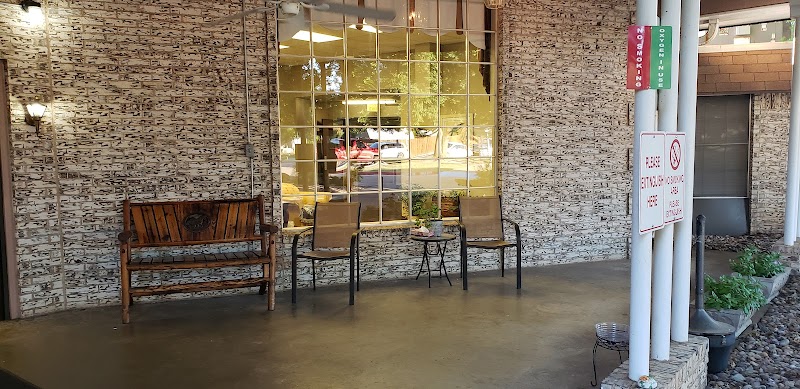
How is Garden Terrace Healthcare Center Staffed?

CMS rates GARDEN TERRACE HEALTHCARE CENTER's staffing level at 2 out of 5 stars, which is below average compared to other nursing homes. Staff turnover is 42%, compared to the Texas average of 46%. This relatively stable workforce can support continuity of care.

What Have Inspectors Found at Garden Terrace Healthcare Center?

State health inspectors documented 21 deficiencies at GARDEN TERRACE HEALTHCARE CENTER during 2022 to 2024. These included: 20 with potential for harm and 1 minor or isolated issues.

Who Owns and Operates Garden Terrace Healthcare Center?

GARDEN TERRACE HEALTHCARE CENTER is owned by a government entity. Government-operated facilities are typically run by state, county, or municipal agencies. The facility is operated by SLP OPERATIONS, a chain that manages multiple nursing homes. With 116 certified beds and approximately 39 residents (about 34% occupancy), it is a mid-sized facility located in GRAHAM, Texas.

How Does Garden Terrace Healthcare Center Compare to Other Texas Nursing Homes?

Compared to the 100 nursing homes in Texas, GARDEN TERRACE HEALTHCARE CENTER's overall rating (4 stars) is above the state average of 2.8, staff turnover (42%) is near the state average of 46%, and health inspection rating (4 stars) is above the national benchmark.

What Should Families Ask When Visiting Garden Terrace Healthcare Center?

Based on this facility's data, families visiting should ask: "Can you walk me through typical staffing levels on day, evening, and night shifts?" "Can I visit during a mealtime to observe dining assistance and food quality?" "How do you handle medical emergencies, and what is your hospital transfer rate?" "Can I speak with family members of current residents about their experience?" These questions are particularly relevant given the below-average staffing rating.

Is Garden Terrace Healthcare Center Safe?

Based on CMS inspection data, GARDEN TERRACE HEALTHCARE CENTER has a clean safety record: no substantiated abuse findings (meaning no confirmed cases of resident harm), no Immediate Jeopardy citations (the most serious violation level indicating risk of serious injury or death), and is not on the Special Focus Facility watch list (a federal program monitoring the lowest-performing 1% of nursing homes). The facility has a 4-star overall rating and ranks #1 of 100 nursing homes in Texas. While no facility is perfect, families should still ask about staff-to-resident ratios and recent inspection results during their visit.

Do Nurses at Garden Terrace Healthcare Center Stick Around?

GARDEN TERRACE HEALTHCARE CENTER has a staff turnover rate of 42%, which is about average for Texas nursing homes (state average: 46%). Moderate turnover is common in nursing homes, but families should still ask about staff tenure and how the facility maintains care continuity when employees leave.

Was Garden Terrace Healthcare Center Ever Fined?

GARDEN TERRACE HEALTHCARE CENTER has no federal fines on record. CMS issues fines when nursing homes fail to meet care standards or don't correct problems found during inspections. The absence of fines suggests the facility has either maintained compliance or corrected any issues before penalties were assessed. This is a positive indicator, though families should still review recent inspection reports for the full picture.

Is Garden Terrace Healthcare Center on Any Federal Watch List?

GARDEN TERRACE HEALTHCARE CENTER is not on any federal watch list. The most significant is the Special Focus Facility (SFF) program, which identifies the bottom 1% of nursing homes nationally based on persistent, serious quality problems. Not being on this list means the facility has avoided the pattern of deficiencies that triggers enhanced federal oversight. This is a positive indicator, though families should still review the facility's inspection history directly.