HARBOR LAKES NURSING AND REHABILITATION CENTER
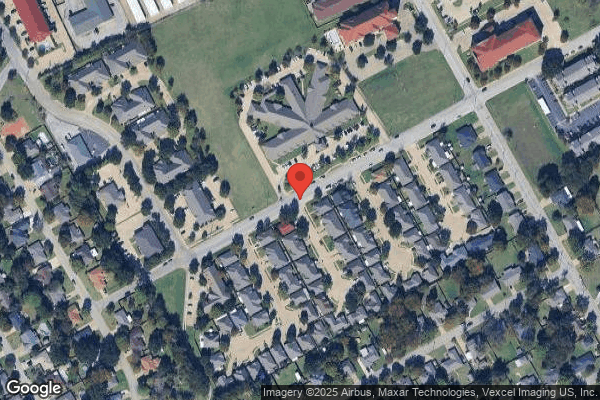
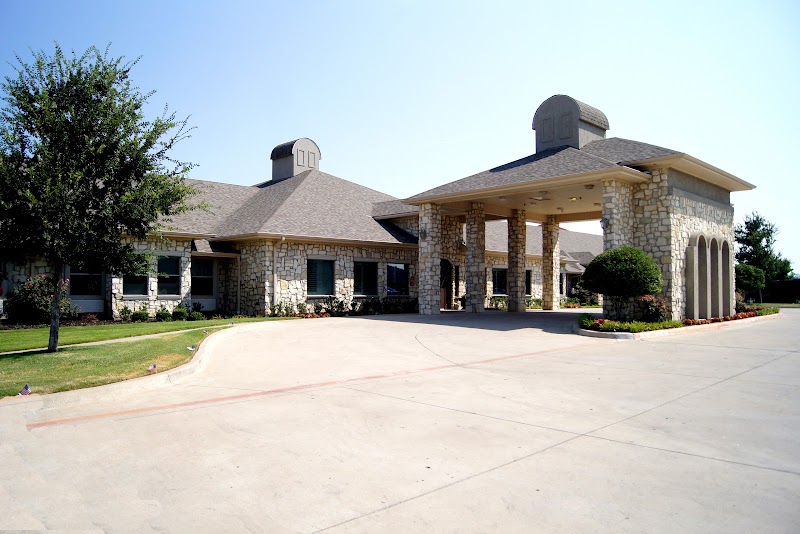
1300 2ND ST, GRANBURY, TX 76048 (817) 408-3800
For profit - Limited Liability company 142 Beds HMG HEALTHCARE Data: November 2025
Trust Grade
85/100
#62 of 1168 in TX
Last Inspection: August 2024

Within standard 12-15 month inspection cycle. Federal law requires annual inspections.

Overview

Harbor Lakes Nursing and Rehabilitation Center has a Trust Grade of B+, indicating it is above average and recommended for families seeking care. It ranks #62 out of 1168 facilities in Texas, placing it in the top half, and #2 out of 4 in Hood County, meaning there is only one other local option rated higher. Unfortunately, the facility is experiencing a worsening trend, with issues increasing from 5 in 2023 to 10 in 2024. While staffing is a relative strength with a turnover rate of 44%, which is below the Texas average, the nursing home has some areas of concern. For instance, there were incidents where kitchen staff failed to practice proper hand hygiene while preparing food, which could risk foodborne illnesses for residents, as well as failures in updating care plans for residents after significant changes in their health status. Overall, while Harbor Lakes has good ratings and a solid reputation, families should be aware of these weaknesses as they make their decision.

Trust Score
B+
85/100
In Texas
#62/1168
Top 5%
Safety Record
Low Risk
No red flags
Inspections
Getting Worse
5 → 10 violations
Staff Stability
○ Average
44% turnover. Near Texas's 48% average. Typical for the industry.
Penalties
✓ Good
No fines on record. Clean compliance history, better than most Texas facilities.
Skilled Nurses
⚠ Watch
Each resident gets only 22 minutes of Registered Nurse (RN) attention daily — below average for Texas. Fewer RN minutes means fewer trained eyes watching for problems.
Violations
⚠ Watch
19 deficiencies on record. Higher than average. Multiple issues found across inspections.
★★★★★
5.0
Overall Rating
★★★☆☆
3.0
Staff Levels
★★★★★
5.0
Care Quality
★★★★☆
4.0
Inspection Score
Stable
2023: 5 issues
2024: 10 issues

The Good

  • 5-Star Quality Measures · Strong clinical quality outcomes
  • Full Sprinkler Coverage · Fire safety systems throughout facility
  • No fines on record
  • Staff turnover below average (44%)

    4 points below Texas average of 48%

Facility shows strength in quality measures, fire safety.

The Bad

Staff Turnover: 44%

Near Texas avg (46%)

Typical for the industry

Chain: HMG HEALTHCARE

Part of a multi-facility chain

Ask about local staffing decisions and management

The Ugly 19 deficiencies on record

Aug 2024 9 deficiencies
CONCERN (D) 📢 Someone Reported This

A family member, employee, or ombudsman was alarmed enough to file a formal complaint

Potential for Harm - no one hurt, but risky conditions existed

Deficiency F0602 (Tag F0602)

Could have caused harm · This affected 1 resident

**NOTE- TERMS IN BRACKETS HAVE BEEN EDITED TO PROTECT CONFIDENTIALITY** Based on observation, interview, and record review, the facility failed to ensure the resident's right to be free from misapprop...

Read full inspector narrative →
**NOTE- TERMS IN BRACKETS HAVE BEEN EDITED TO PROTECT CONFIDENTIALITY** Based on observation, interview, and record review, the facility failed to ensure the resident's right to be free from misappropriation of resident property for 1 of 16 residents (Resident #11), reviewed for drug diversion. The facility failed to prevent the misappropriation of an unknown number of Resident #11's Oxycodone tablets (Controlled Substance requiring double lock and count every shift on 08/03/2024 from the medication cart that was never found. This failure could place residents at risk of misappropriation, and could result in increased pain, and poor quality of life. Findings include: Resident #11 Review of Resident #11's face sheet revealed an [AGE] year-old female admitted to the facility on [DATE] with the diagnoses of right foot fracture, chronic pain, arthritis, depression, and anxiety. Review of Resident 11's Quarterly MDS assessment dated [DATE] revealed a BIMS score of 14 which indicated no cognitive impairment. Review of Section J: Pain management revealed received scheduled pain medication. Review of Resident #11's Comprehensive Care Plan last revised 01/03/24, revealed: Focus: Resident has chronic pain related to arthritis, chronic pain syndrome and neuropathy, she also has acute pain related to recent diagnosis of left lower extremity DVT. Goal: Will verbalize adequate relief of pain. Interventions: Administer analgesia as ordered. Anticipated residents need for pain relief and respond immediately to any complaint of pain and evaluate the effectiveness of pain intervention. Review of Resident #11's electronic physician orders revealed: Oxycodone-Acetaminophen Tablet 10-325 mg give 1 tablet by mouth every 6 hours for chronic pain, order date 02/21/24. Further review of physician orders revealed: Acetaminophen with Codeine Oral Tablet 300-30 mg give 2 tablets by mouth as needed for pain, ordered date 08/04/24. Review of Resident #11's EMAR dated August 2024, revealed Resident #11 did not receive 11 scheduled doses of Oxycodone-Acetaminophen from 08/03/24-08/06/24. Further review of EMAR revealed Resident #11 received 9 doses of Acetaminophen with Codeine from 08/03/24-08/06/24 as a replacement. Review of the provider investigation report revealed facility investigation findings confirmed misappropriation of property and drug diversion. On 08/03/24 at 10:30 am, CMA C noticed Resident #11's Oxycodone and med count sheet was missing. Resident #11' was placed on a 4-hour pain check and assessed for pain. Facility called MD to notify and for pain medication adjustment until replacement medications arrived. It was determined CMA B miss placed and/or mishandled Resident #11's Oxycodone. Police were called and interviewed CMA B. Following the interview CMA B was terminated. Review of CMA B's employee file revealed CMA B's hire date was 04/03/24 and termination date of 08/04/24. Record review of CMA B's Record of Disciplinary Measure dated 05/23/24, revealed; Multiple med errors, did not follow proper policy for drug disposal. Any further med errors or failure to follow medication policy and procedure will result in termination. Further review of CMA B's Record of Disciplinary Measure dated 08/04/24, revealed CMA B did not count the medication cart when completing a shift. Previous write up stated any further med errors or failure to follow policy would result in termination. During an observation and interview on 08/13/24 at 11:34 AM, Resident #11 stated that her pain medication had been stolen. She stated it took the facility at least two and half days to replace her Oxycodone. She stated she was given an alternative pain medication, but it did not completely relieve her pain. She stated she was very upset and could not believe someone would steal her medication. During an interview on 08/15/24 at 01:50 PM, the DON stated CMA B had previously been written up for not having a witness when wasting narcotic medications which were a controlled substance requiring double lock and counted every shift. She stated CMA B and CMA C had admitted that they did not count the narcotics on the medication cart at shift change on 08/03/24. She stated CMA C was written up for failure to follow policies. The DON stated it was determined that CMA B had taken the medication after the facility and the police did a thorough search of the facility and the staff for the missing medication and none was found. She stated CMA B was the only staff member who had left the facility and returned. The DON stated both CMAs had been drug tested with negative results. She stated all staff had been in-serviced regarding drug diversion after the incident on 08/04/24. During an interview on 08/15/24 at 03:20 PM, the Administrator stated his expectation was to not have any medication errors and for staff to follow protocol and policies when administering medications. The Administrator stated his DON and ADON were in charge of overseeing medication errors and properly signing and counting narcotics. He stated he felt everything had been done properly by the facility to prevent drug diversion and you can't keep a thief from thieving. Record review of the facility's Controlled Substances policy revised December 2012 read in part, Policy Statements; The facility shall comply with all laws, regulations, and other requirements related to handling, storage, disposal, and documentation of Schedule II and other controlled substances. Policy Interpretation and Implementation: .5. Controlled substances must be stored in the medication room in a locked container separate from containers for any non-controlled medication. This container must remain locked at all times except when it's accessed to obtain medications for residents . 8. Unless otherwise instructed by the director of nursing services when a resident refuses a non-unit dose of medication, or it is not given, a resident received partial tablets or single dose and lose or it is not given, the medication shall be destroyed, witnessed by two licensed nurses, and may not be returned to the container. 9. Nursing staff must count controlled medications at the end of each shift the nurse coming on duty and the nurse doing off duty must make the count together they must document and report any discrepancies to the director of nursing services. Record review of the facility's Reporting Abuse to Facility Management policy revised December 2009 read in part, .Policy Interpretation and Implementation .2. To help with recognition of incidents of abuse, the following definitions of abuse are provided .h. Misappropriation of resident property is defined as the deliberate misplacement, exploitation, or wrongful, temporary, or permanent use of a resident's belongings or money without the resident's consent.
CONCERN (D) 📢 Someone Reported This

A family member, employee, or ombudsman was alarmed enough to file a formal complaint

Potential for Harm - no one hurt, but risky conditions existed

Deficiency F0655 (Tag F0655)

Could have caused harm · This affected 1 resident

**NOTE- TERMS IN BRACKETS HAVE BEEN EDITED TO PROTECT CONFIDENTIALITY** Based on interview and record review, the facility failed to develop a baseline care plan within 48 hours of a resident's admiss...

Read full inspector narrative →
**NOTE- TERMS IN BRACKETS HAVE BEEN EDITED TO PROTECT CONFIDENTIALITY** Based on interview and record review, the facility failed to develop a baseline care plan within 48 hours of a resident's admission that included the instructions needed to provide effective and person-centered care plan and provide a summary of their baseline care plan to residents for 2 (Resident #81 and Resident #291) of 20 residents reviewed for care plan completion. 1. The facility failed to complete Resident #81's baseline care plan within the required 48-hour timeframe. 2. The facility failed to provide Resident #81 & Resident #291 a summary of their baseline care plan after completion. This failure could place residents who were newly admitted at risk for not receiving necessary care and services or having important care needs identified. Findings included: Resident #81 Record review of Resident #81's electronic face sheet dated 08/15/2024 revealed resident was a [AGE] year-old female admitted on [DATE]. Record review of Resident #81's baseline care plan revealed RN signed date of 07/16/2024 (more than 48 hours after admission). No evidence that summary of baseline care plan was given to Resident #81 or her representative. Record review of Resident #81's comprehensive care plan revealed comprehensive care plan was completed on 07/19/2024. Resident #291 Record review of Resident #291's electronic face sheet dated 08/14/2024 revealed resident was a [AGE] year-old female admitted on [DATE]. Record review of Resident #291's baseline care plan revealed LVN L signed date of 07/24/2024. No evidence that the summary of the baseline care plan was given to Resident #291 or her representative. During an interview on 08/15/2024 at 11:10 a.m., the MDS Coordinator stated the baseline care plan was documented in the medical record under assessments tab labeled Interim Plan of Care. She stated the facility would have a meeting with resident and their representative to go over the information on the baseline care plan. She stated the meeting would be documented under assessments tab labeled care conference. She stated information from the baseline care plan was not provided to resident or their representative. During a follow up interview on 08/15/2024 at 2:57 p.m., the MDS Coordinator stated baseline care plans should be completed within 48 hours of admission. She stated Resident #81's baseline care plan was not completed within that time frame. She did not know why the baseline care plan was not completed within 48 hours for Resident #81. During an interview on 08/15/2024 at 3:14 p.m., the Social Worker stated she performed care conferences with residents and their representatives after the baseline care plan had been completed by nurse. She stated she was not opposed to provide residents' documentation about baseline care plans, but she had never been asked to provide it. During a follow up interview on 08/15/2024 at 3:43 p.m., the DON stated she expected baseline care plans to be done within 48 hours of a resident's admission. She stated she was not aware that information from care plan was to be given to resident or their representative. She stated she did not know why Resident #81's care plan was not completed within 48 hours. She stated charge nurses are responsible for completing baseline care plans. She stated she monitored that baseline care plans were done and would complete them if she found the baseline care plan was incomplete. She stated she felt the facility's process led to the failure of not providing the baseline care plan summary to the residents or their representatives. The DON stated the effect of not completing baseline within 48 hours could lead to resident's care needs not being followed and goals not being met. Record review of facility policy titled Care Plans - Baseline revised date December 2016 revealed: A baseline plan of care to meet the resident's immediate needs shall be developed for each resident within forty-eight (48) hours of admission .The resident and their representative will be provided a summary of the baseline care plan that includes but is not limited to: a. The initial goals of the resident; b. A summary of the resident's medications and dietary instructions; c. Any services and treatments to be administered by the facility and personnel actine on behalf of the facility; and d. Any updated information based on the details of the comprehensive care plan, as necessary.
CONCERN (D) 📢 Someone Reported This

A family member, employee, or ombudsman was alarmed enough to file a formal complaint

Potential for Harm - no one hurt, but risky conditions existed

Unnecessary Medications (Tag F0759)

Could have caused harm · This affected 1 resident

**NOTE- TERMS IN BRACKETS HAVE BEEN EDITED TO PROTECT CONFIDENTIALITY** Based on observation, interview, and record review, the facility failed to ensure that the medication error rate was not five pe...

Read full inspector narrative →
**NOTE- TERMS IN BRACKETS HAVE BEEN EDITED TO PROTECT CONFIDENTIALITY** Based on observation, interview, and record review, the facility failed to ensure that the medication error rate was not five percent (%) or greater. The facility had a medication error rate of 16% based on 4 errors out of 25 opportunities, which involved 1 of 5 residents (Resident #67) reviewed for medication errors. 1. The facility failed to ensure LVN A administered the correct dose of Tylenol (given for pain) to Resident #67 according to physician orders. 2. LVN A failed to administer famotidine (given for GERD), multivitamin, and magnesium oxide to Resident #67 according to physician orders. These failures could place residents at risk of inadequate therapeutic outcomes. Findings include: Review of Resident #67's electronic face sheet revealed a [AGE] year-old female admitted on [DATE] with diagnoses to include: diabetes, Gastro-esophageal Reflux (GERD- acid indigestion), and pain to left and right shoulder. Review of Resident #67's Quarterly MDS assessment dated [DATE] revealed a BIMS score 14 which indicated no cognitive impairment. Review of Resident #67's comprehensive care plan last revised 06/20/24 revealed; Focus: Resident has potential for pain related to general discomfort and disease process. Goal: Will verbalize adequate relief of pain, Will not have discomfort related to side effects of analgesia, and will voice a level of comfort. Interventions: Administer analgesia as per orders, evaluate effectiveness of pain interventions, and report to nurse if resident complains of pain or request pain treatment. Focus: Resident has the potential for discomfort, complications or s/sx related to diagnosis of GERD. Goal: Will remain free from discomfort, complications or s/sx related to diagnosis of GERD. Interventions: Give medications as ordered. Review of Resident #67's electronic Physician Orders revealed the following orders: Tylenol extra strength oral tablet 500 mg give 2 tablets by mouth two times a day for pain, order date 06/21/24, Famotidine tablet 20 mg give 1 tablet by mouth 2 times a day for acid indigestion, order date 03/29/23, Magnesium oxide oral tablet 400 mg give 1 tablet by mouth on time a day for supplement, order date 02/28/23, and Multivitamin tablet give 1 tablet by mouth one time a day for supplement, order date 01/02/23. During observation and interview on 08/13/24 at 10:45 AM, LVN A had 3 pills in medication cup pulled for Resident #67. LVN A stated they were Tylenol 500 mg and she accidently pulled 3 pills instead of 2 pills. LVN A stated the Tylenol bottle she had pulled the medication from was in the trash because she had used the last 500 mg pill. LVN A then pulled the Tylenol 325 mg bottle and stated she had pulled the 325 mg pills instead. LVN A then discarded one tablet and administered the two 325mg tablets along with resident's other medications. LVN A did not administer Famotidine, multivitamin, and magnesium oxide. During an interview on 08/13/24 at 03:48 PM, LVN A stated she must have just missed the 3 medications for Resident #67. She stated she didn't know why she signed them off without giving them, but she knew she should not sign medications without giving them. She stated the error could lead to ineffective pain management. LVN A said she had given Resident #67 the two 325 mg Tylenol instead of 500 mg. She stated she had gotten behind while training a new medication aide and that she had gotten nervous while being monitored by surveyor. During an interview on 08/13/24 at 04:00 PM, Resident #67 stated she was always in pain. She stated she had not noticed being in any more pain than her usual. She stated she was not even aware that she was receiving Tylenol two times a day. During an interview on 08/13/24 at 04:14 PM, the DON stated her expectation was no medication errors. She stated no medications should have been signed out for if they were not given. The DON stated if the appropriate dosage of Tylenol was not on the medication cart, then the nurse should have gotten the appropriate dosage from the medication storage room or notified the DON. The DON stated it was unacceptable to knowingly give the wrong dose of medication. She stated the medication error could have led to uncontrolled pain or ineffective medication management. She stated nurses should not have to be trained on medication pass because they were licensed and should know what they were doing. She stated when nurses were hired, they were orientated for 2-3 shifts on medication pass. During an interview on 08/15/24 at 03:20 PM, the Administrator stated his expectation was to not have any medication errors and for staff to follow protocol and policies when administering medications. The Administrator stated his DON and ADON were in charge of overseeing and preventing medication errors. Record review of the facility's Administering Oral Medications policy revised October 2010 read in part, Purpose: The purpose of this procedure is to provide guidelines for the safe administration of oral medications .Steps in the Procedure .2. Move the medication cart outside the resident's room and make sure your resident is somewhere you can give the meds.3. Place the MAR within easy viewing distance .6. Check the label on the medication and confirm the medication name and dose with the MAR .8. Check the medication dose. Re-check to confirm the proper dose.
CONCERN (D) 📢 Someone Reported This

A family member, employee, or ombudsman was alarmed enough to file a formal complaint

Potential for Harm - no one hurt, but risky conditions existed

Deficiency F0761 (Tag F0761)

Could have caused harm · This affected 1 resident

**NOTE- TERMS IN BRACKETS HAVE BEEN EDITED TO PROTECT CONFIDENTIALITY** Based on observations, interviews, and record review, the facility failed to ensure that drugs and biologicals were properly sec...

Read full inspector narrative →
**NOTE- TERMS IN BRACKETS HAVE BEEN EDITED TO PROTECT CONFIDENTIALITY** Based on observations, interviews, and record review, the facility failed to ensure that drugs and biologicals were properly secured for 1 of 9 (CMA Medication cart Hall 400) medication carts reviewed for proper medication storage. The facility failed to store Resident #16's Tramadol (Controlled Substance requiring double lock and count every shift) properly, when 2 pills were left in a medication cup in the top drawer of a medication cart, not labeled and not double locked on 08/13/2024. These failures could place residents at risk of having access to unauthorized medications and/or lead to possible harm, drug overdose, or drug diversions. Findings include: Review of Resident #16's face sheet revealed an [AGE] year-old male admitted to the facility on [DATE] with the diagnoses of back disk degeneration, spinal stenosis, lung disease, and diabetes. Review of Resident 16's Quarterly MDS dated [DATE] revealed a BIMS score of 15 which indicated no cognitive impairment. Review of Section J: Pain management revealed received scheduled pain medication. Review of Resident #16's Comprehensive Care Plan last revised 07/18/24, revealed: Focus: Resident has chronic pain related to arthritis. Goal: Will verbalize adequate relief of pain or ability to cope incompletely relieved pain. Interventions: Monitor/record pain characteristics and observe/record/report to nurse any signs and symptoms of non-verbal pain. Review of Resident #16's electronic physician orders revealed: Tramadol Oral Tablet 50 mg give 2 tablets by mouth every 8 hours for pain. Review of Resident #16's EMAR dated August 2024, revealed Resident #16 was given Tramadol 50 mg 2 tablets on 08/13/24 at 2:10 pm by LVN A. During an observation and interview on 08/13/24 at 03:48 PM, 2 oval shaped white pills were observed in a medication cup in the top drawer of the CMA medication cart for hall 400. LVN A stated the 2 pills where tramadol (which are a controlled substance requiring double lock and counted every shift) for Resident #16. She stated she pulled the pills and then the resident was not in his room. LVN A stated she should have gone and found the resident to administer the medications, or she should have wasted and discarded the medications. LVN A then went and found Resident #16 and administered the medications. LVN A stated she had been trained and in-serviced on medication administration policies, drug diversion, and misappropriation of property. During an interview on 08/13/24 at 04:00 PM, Resident #16 stated he was always in some sort of pain, but it was manageable. He stated he sometimes received his medication late, but he always received it. During an interview on 08/13/24 at 04:14 PM, the DON stated nurses should not have to be trained on medication pass because they were licensed and should know what they were doing. She stated when nurses were hired, they were orientated for 2-3 shifts on medication pass. The DON stated there should never have been a medication left in a medication cup unlabeled. She stated a medication should never have been pulled unless the resident was present. She stated the Tramadol was a controlled substance requiring double lock and counted every shift and should have been wasted or discarded immediately if the resident was not present. She stated no medications should have been signed out for if they were not given. She stated this error could lead to drug diversion. The DON verified that Tramadol was signed on the EMAR as given at 2:10 PM on 08/13/24 by LVN A. During an interview on 08/15/24 at 03:20 PM, the Administrator stated his expectation was to not have any medication errors and for staff to follow protocol and policies when administering medications. He stated that having narcotics, such as Tramadol, unlabeled should not have happened and the medication should have either been given or discarded. The Administrator stated his DON and ADON were in charge of overseeing medication errors and properly signing and counting narcotics. The Administrator stated he did not feel that there was a risk for drug diversion or any harm to the resident. He stated he felt everything had been done properly by the facility to prevent drug diversion and you can't keep a thief from thieving. Review of LVN A's employee file and in-services verified LVN A had been trained on administering pain medications, controlled substances, and misappropriation of property on 05/23/24. Record review of the facility's Administering Oral Medications policy revised October 2010 read in part, Purpose: The purpose of this procedure is to provide guidelines for the safe administration of oral medications .Steps in the Procedure .2. Move the medication cart outside the resident's room and make sure your resident is somewhere you can give the meds.3. Place the MAR within easy viewing distance .6. Check the label on the medication and confirm the medication name and dose with the MAR .8. Check the medication dose. Re-check to confirm the proper dose. Record review of the facility's Controlled Substances policy revised December 2012 read in part, Policy Statements; The facility shall comply with all laws, regulations, and other requirements related to handling, storage, disposal, and documentation of Schedule II and other controlled substances. Policy Interpretation and Implementation: .5. Controlled substances must be stored in the medication room in a locked container separate from containers for any non-controlled medication. This container must remain locked at all times except when it's accessed to obtain medications for residents . 8. Unless otherwise instructed by the director of nursing services when a resident refuses a non-unit dose of medication, or it is not given, a resident received partial tablets or single dose and lose or it is not given, the medication shall be destroyed, witnessed by two licensed nurses, and may not be returned to the container. 9. Nursing staff must count controlled medications at the end of each shift the nurse coming on duty and the nurse doing off duty must make the count together they must document and report any discrepancies to the director of nursing services.
CONCERN (E) 📢 Someone Reported This

A family member, employee, or ombudsman was alarmed enough to file a formal complaint

Potential for Harm - no one hurt, but risky conditions existed

Deficiency F0657 (Tag F0657)

Could have caused harm · This affected multiple residents

**NOTE- TERMS IN BRACKETS HAVE BEEN EDITED TO PROTECT CONFIDENTIALITY** Based on observation, interview, and record review, the facility failed to review and revise resident's comprehensive care plans...

Read full inspector narrative →
**NOTE- TERMS IN BRACKETS HAVE BEEN EDITED TO PROTECT CONFIDENTIALITY** Based on observation, interview, and record review, the facility failed to review and revise resident's comprehensive care plans by the interdisciplinary team after each assessment for 3 (Resident #9, Resident #15, and Resident #75) of 20 residents reviewed for comprehensive care plans. 1. The facility failed to ensure the interdisciplinary team reviewed and revised the plan of care quarterly for Residents #9 between 11/22/2023 & 06/19/2024. 2.The facility failed to ensure the interdisciplinary team updated the care plan after Resident #9's foley catheter was ordered on 07/16/2024. 3. The facility failed to ensure the interdisciplinary team reviewed and revised the plan of care quarterly for Resident #15 between 11/08/2023 & 07/17/2024. 4. The facility failed to ensure the interdisciplinary team updated care plan after Resident #15 hit another resident on 07/23/2024. 5. The facility failed to ensure the interdisciplinary team reviewed and revised the plan of care quarterly for Resident #75 between 12/05/2023 & 05/31/2024. These failures could affect residents by placing them at risk for not having their current individual needs met. Findings included: Resident #9 Record review of Resident #9's electronic face sheet dated 08/15/2024 revealed a [AGE] year-old female with an initial admission on [DATE] and most recent admission on [DATE] with diagnoses that included: anemia (low iron in blood), muscle weakness, lack of coordination, difficulty in walking, dysarthria (weakness of speech muscles), dysphagia (difficulty swallowing), cognitive communication deficit, neuromuscular dysfunction of bladder (a disease that interferes with nervous system and bladder function that can lead to voiding difficulties), and weakness. Record review of Resident #9's MDS assessment dated [DATE] revealed a BIMS score of 15 which indicated her cognition was intact. Further review of the MDS Section H - Bladder and Bowel revealed resident was not on a toileting program or trial. Record review of Resident #9's Care Plan with the last review dated 07/25/2024 revealed, no evidence of foley catheter. Record review of Resident #9's Physician orders dated 07/16/2024 revealed: Foley catheter to bedside drainage, diagnosis: Urinary retention. Record review of Resident #9's electronic medical record revealed no care plans were completed between 11/22/2023 - 06/19/2024. During an observation on 08/14/2024 at 8:31 a.m., Resident #9 had an indwelling catheter in place. Resident #15 Record review of Resident #15's electronic face sheet dated 08/15/2024 revealed a [AGE] year-old female with an initial admission date on 04/05/2017 with diagnoses that included: seizures, weakness, lack of coordination, insomnia, generalized anxiety disorder, dementia, and mild cognitive impairment. Record review of Resident #15's MDS dated [DATE] revealed: a BIMS score of 13 which indicated cognition was intact. Further review of the MDS Section E - Behavior revealed resident had not exhibited physical behavioral symptoms directed toward others. Record review of Resident #15's Care Plan with the last review date 08/15/2024 revealed no evidence that care plan was updated with aggressive behavior after encounter. Record review of Resident #15's progress note dated 07/23/2024 revealed: Resident had an encounter with another resident. Hit resident on her arm. Reported to DON. Record review of Resident #15's electronic medical record revealed no care plans were completed between 1/30/2023 - 11/08/2023 and 11/08/2023 - 07/17/2024. Resident #75 Record review of Resident #75's electronic face sheet dated 08/15/2024 revealed an [AGE] year-old female with an initial admission date on 11/15/2023 with diagnoses that included: hypothyroidism (decreased production of thyroid hormones), muscle weakness, unsteadiness on feet, depressive disorders, tachycardia (fast heartbeat), cognitive communication deficit, and history of falling. Record review of Resident #75's MDS dated [DATE] revealed a BIMS score of 14 which indicated cognition was intact. Record review of Resident #75's electronic medical record revealed no care plans were completed between 12/05/2023 - 05/31/2024. During an interview on 08/15/2024 at 2:57 p.m., the MDS Coordinator stated comprehensive care plans should be performed quarterly. She stated aggressive behaviors should be care planned. The MDS Coordinator stated a foley catheter should be care planned. She stated that care plan meetings were performed quarterly, and she hit the edit button instead of new review button on the care plan screen which let her update the care plan but did not show that quarterly review had occurred. She stated there was no way of proving that comprehensive care plans had been performed. She did not know why behaviors and foley catheter were not included on care plan and stated that she reviewed care plans frequently. During an interview on 08/15/2024 at 3:43 p.m., the DON stated her expectation was for comprehensive care plans to be reviewed quarterly. She stated behaviors and a foley catheter should be included in the care plan. She did not know why care plan reviews were not documented in electronic medical records. She stated she and the ADONs monitored care plans. She stated the effect of not performing care plan reviews could lead to resident's care needs not being followed and goals not being met. Review of facility's policy titled Care Plans - Comprehensive dated December 2009 revealed: Our facility's Care Planning/Interdisciplinary Team, in coordination with the resident, his/her family or representative (sponsor), develops and maintains a comprehensive care plan for each resident that identifies the highest level of functioning the resident may be expected to attain .The resident's comprehensive care plan is developed within seven (7) days of the completion of the resident's comprehensive assessment (MDS). The Care Planning/Interdisciplinary Team is responsible for the periodic review and updating of care plans: a. When there has been a significant change in the resident's condition; b. When the desired outcome is not met; c. When the resident has been readmitted to the facility from a hospital stay; and d. At least quarterly.
CONCERN (E) 📢 Someone Reported This

A family member, employee, or ombudsman was alarmed enough to file a formal complaint

Potential for Harm - no one hurt, but risky conditions existed

Deficiency F0804 (Tag F0804)

Could have caused harm · This affected multiple residents

**NOTE- TERMS IN BRACKETS HAVE BEEN EDITED TO PROTECT CONFIDENTIALITY** Based on observation, interview, and record review, the facility failed to ensure that each resident received food that is palat...

Read full inspector narrative →
**NOTE- TERMS IN BRACKETS HAVE BEEN EDITED TO PROTECT CONFIDENTIALITY** Based on observation, interview, and record review, the facility failed to ensure that each resident received food that is palatable, attractive, and at a safe and appetizing temperature for 1 of 1 lunch meal tested for nutritive value, flavor, and appearance: The facility failed to provide palatable food served at an appetizing temperature as evidenced by a sample tray tested on [DATE]. This failure could affect the residents who ate food from the facility's kitchen by placing them at risk of poor food intake and/or dissatisfaction of the meals served. The findings included: During an observation and interview on 08/13/2024 at 12:46 PM, the test tray was placed on the hall cart for transport. The [NAME] told DA-D to take the test tray directly to the conference room or the food would be cold. The test tray continued with hall cart until all food trays were observed being delivered to the residents. When finished the test tray was observed being placed in the conference room for temping at 12:52 PM with the DM. During an observation on 08/13/2024 at 12:52 PM, the test tray temperatures revealed: Spaghetti with meat sauce tested at 106.8 degrees F. Breadsticks tested at 94 degrees F and were unable to be cut with a knife or pull apart easily. During an interview on 08/13/2024 at 12:56 AM, the DM stated the spaghetti and meat sauce was supposed to have temped at 135 degrees F with that being the proper temperature when the residents received their meal tray. The DM stated the spaghetti and meat sauce should have been warmer and agreed that the bread was tough. He stated there could have been a negative impact for residents who wore dentures if the bread was too tough which could have resulted with them not being able to eat them. The DM stated if the food were not palatable the residents would not have wanted to eat it with the possibility of losing weight. During an interview on 08/15/2024 at 3:41 PM, the ADMN stated the facility had plenty of staff to deliver trays. He stated the charge nurses monitored the trays as they passed them to residents within the allotted time given. The ADMN stated the negative impact to residents would have been that it was not the resident's preference to have cold food, and in getting that, could have caused them to lose weight. He stated he could not comment on what led to the failure. He stated his expectations for the residents were for them to let staff know if their food was cold and they would warm it up. The ADMN stated he did not feel the trays being cold when delivered to the residents was not due to staff taking too long. Record review of facility policy Food Preparation, HCSG Policy 016 undated, revealed; Policy Statement All foods are prepared in accordance with the FDA food Code. Procedures 4. The Dining Services Director/Cook(s) will be responsible for food preparation techniques which minimize the amount of time that food items are exposed to temperatures greater than 41 degrees F and/or less than 135 degrees F, or per stated regulation. 13. All foods will be held at appropriate temperatures, greater than 135 degrees F (or as state regulation requires) for hot holding
CONCERN (E) 📢 Someone Reported This

A family member, employee, or ombudsman was alarmed enough to file a formal complaint

Potential for Harm - no one hurt, but risky conditions existed

Infection Control (Tag F0880)

Could have caused harm · This affected multiple residents

Based on observations, interviews, and record reviews, the facility failed to maintain an infection prevention and control program designed to provide a safe, sanitary, and comfortable environment and...

Read full inspector narrative →
Based on observations, interviews, and record reviews, the facility failed to maintain an infection prevention and control program designed to provide a safe, sanitary, and comfortable environment and to help prevent the development and transmission of communicable diseases and infections for staff members (CMA H, LVN A, CNA J, & CNA K) observed for infection control. 1. The facility failed to ensure CMA H performed hand hygiene prior to putting on gloves and after taking off gloves during incontinent care. 2. The facility failed to ensure LVN A sanitized the blood pressure cuff in between using it on different residents. 3. The facility failed to ensure CNA J performed hand hygiene after taking off gloves. 4. The facility failed to ensure CNA J did not reuse disposable incontinent wipes during incontinent care. 4. The facility failed to ensure CNA K performed hand hygiene in between assisting two residents while feeding. 5. The facility failed to ensure CNA F and LVN-G touched ice in resident's cup without gloves. These failures place residents at risk for unnecessary infections while in the facility. Findings include: During an observation of medication administration on 08/13/2024 at 10:50 a.m., LVN A took pulse oxygen level of one resident and returned to medication cart without sanitizing her hands. LVN A took blood pressure on a resident with an un-sanitized blood pressure cuff and returned it to medication cart without sanitizing blood pressure cuff or hands. During an observation of medication administration on 08/13/2024 at 11:00 a.m., CMA H put on gloves after preparing medication and did not sanitize hands prior to placing gloves. CMA H administered eye drops to a resident then removed gloves without performing hand hygiene and administered oral medications. During an observation and interview on 08/13/2024 at 11:30 AM, CNA-F was observed placing cups upright on a tray and filling with ice, touching the ice as she filled the cups, with no gloves on. The CDM was then observed taking the tray of ice filled cups then discarding them in the sink due to CNA-F being ungloved and touching the ice. CNA-F stated she should not be touching the ice and/or the top of resident cups with her bare hands which could have possibly contaminated the resident's ice. During an observation and interview on 08/13/2024 at 11:44 AM, LVN-G was observed with a resident's cup and filled it with ice, ungloved. She stated she was in a hurry and rushed due to a resident that needed his cup filled with ice immediately. LVN-G stated she knew she was supposed to have gloves on while getting ice, and she should have used proper hand hygiene while handling any resident food and it included the ice. + During an interview on 08/13/2024 at 11:10 AM, the CDM stated the staff was supposed to have gloves on when handling ice. During an interview on 08/14/24 at 3:17 PM, the CDM stated the in-services were rotated, with the DM taking the video trainings prior to the Dietary Aides. She stated that touching ice, and the tops of cups with their bare hands, while preparing food, was unacceptable. She stated it was the DM's responsibility to monitor infection control in the kitchen. She stated with nurses touching the ice, while preparing resident drinks, was not a dietary problem, but a nursing problem. During an interview on 08/13/2024 at 3:48 p.m., LVN A stated blood pressure cuffs and other equipment should have been cleaned between each resident. She stated not cleaning the equipment could spread germs and cause infection. LVN A stated she had been trained on infection control and she did not know why she forgot to clean the equipment. During an observation of dining room on 08/13/2024 at 12:35 p.m., CNA K sat between two residents and assisted them with feeding. She did not perform hand hygiene in between touching soiled utensils and glasses from one resident to the other. During an interview on 08/13/2024 at 1:30 p.m., CNA K stated it was inappropriate to feed 2 different residents at the same time without sanitizing hands in between. She stated she needed to ask a nurse before answering any more questions. During a follow up interview on 08/13/2024 at 1:40 p.m., CNA K stated she was not expecting to have to assist two different residents at lunch. She sat down to assist one and then the other resident needed assistance. She stated she should have sanitized her hands in between the two residents and that could cause infection. During an observation on 08/14/2024 at 9:25 a.m., CNA J performed incontinent care to a female resident. She sanitized hands and placed gloves. She took 3 disposable incontinent wipes out of container and wiped residents right crease then folded the wipes. She wiped left crease then folded the wipes. She wiped down the middle with folded wipes over labia then disposed of the wipes. After resident rolled onto right side, CNA J took 3 more disposable incontinent wipes out of container and wiped around rectum, folded wipes, then wiped again 2 more times with same folded wipe then disposed of wipe. She placed clean brief under the resident and helped her roll onto her back and secured the brief. CNA J removed her gloves and disposed of them into trash without performing hand hygiene. She pulled up sheets and cover and positioned bed using bed control. She then went into restroom and washed her hands. During an interview on 08/14/2024 at 9:36 a.m., CNA J stated she should have changed gloves after cleaning stool with disposable wipe before placing new brief under resident. She stated she should have performed hand hygiene after removing her gloves. CNA J stated she should not have folded incontinent wipes and reused. She stated being nervous from being observed caused her to not perform incontinent care correctly. During an interview on 08/15/2024 at 3:11 p.m., the IP stated her expectation was for blood pressure equipment to be sanitized between residents. She stated hands should be sanitized each time gloves were placed or removed. She stated it was not appropriate to fold and reuse incontinent wipes during incontinent care. The IP stated hands should be sanitized in between residents when assisting with feeding. She stated the effect of not following infection control could lead to potential cross contamination causing infection. She stated all management and nurses should be watching CMAs and CNAs to ensure they are sanitizing hands, equipment and not reusing disposable wipes. She did not know why staff did not follow infection control and stated that they had been trained in infection control. During an interview on 08/15/2024 at 3:43 p.m., the DON stated her expectation would be for equipment and hands to be sanitized in between residents. She stated that hands should be sanitized prior to putting on and taking off gloves. She stated it was appropriate to fold and reuse incontinent wipe as long as not using to wipe labia or urethra. She stated failure of folding and reusing wipes may be due to education the CNAs have been given and will review incontinent care checkoff sheets. She stated that all nurses and management monitor staff were following infection control. She stated she felt being observed caused staff to be nervous which led to staff forgetting to not sanitize equipment and hands. The DON stated not following infection control procedures could cause to residents getting infections. During an interview on 08/15/24 at 3:48 PM the ADMN stated it was never acceptable for staff to have touched ice with their bare hands. The ADMN stated his expectations would have been for staff to follow the regulations for all infection control purposes to aid in the prevention of cross contamination. Record Review of §228.65 page 49, Preventing Contamination by Employees (provided by facility) revealed; a. Preventing contamination from hands. (1) Food employees shall wash their hands as specified under §228.38 of this title (relating to Management and Personnel). (2) Except when washing fruits and vegetables as specified under §228.66 (f) of this title or as specified in paragraphs (4) and (5) of this subsection, food employees may not contact exposed, ready-to-eat food with their bare hands and shall use suitable utensils such as deli tissue, spatulas, tongs, single-use gloves, or dispensing equipment. According to the FDA (Food and Drug Administration) Food Code (https://www.fda.gov/food/retail-food-protection/fda-food-code accessed 08/15/2024), FOOD EMPLOYEES shall clean their hands and exposed portions of their arms . immediately before engaging in FOOD preparation including working with exposed FOOD, clean EQUIPMENT and UTENSILS, and unwrapped SINGLESERVICE and SINGLE-USE ARTICLES and: (A) After touching bare human body parts other than clean hands and clean, exposed portions of arms; . (D) . after coughing, sneezing, using a handkerchief or disposable tissue, using tobacco, eating, or drinking; . (E) After handling soiled EQUIPMENT or UTENSILS; . (F) During FOOD preparation, as often as necessary to remove soil and contamination and to prevent cross contamination when changing tasks; . (G) When switching between working with raw FOOD and working with READY-TO-EAT FOOD. (H) Before donning gloves to initiate a task that involves working with FOOD; and (I) After engaging in other activities that contaminate the hands. Record Review of the facility's policy titled Handwashing/Hand Hygiene dated August 2015 revealed All personnel shall be trained and regularly in-serviced on the importance of hand hygiene in preventing the transmission of healthcare-associated infections .Use an alcohol-based hand rub containing at least 62% alcohol; or, alternatively, soap (antimicrobial or non-antimicrobial) and water for the following situations: a. Before and after coming on duty; b. Before and after direct contact with residents; c. Before preparing or handling medications; h. Before moving from a contaminated body site to a clean body site during resident care; i. After contact with a resident's intact skin; k. After handling used dressings, contaminated equipment, etc.; l. After contact with objects (e.g., medical equipment) in the immediate vicinity of the resident; m. After removing gloves; o. Before and after eating or handling food; p. Before and after assisting a resident with meals . The use of gloves does not replace hand washing/hand hygiene. Integration of glove use along with routine hand hygiene is recognized as the best practice for preventing healthcare-associated infections. Record Review of the facility's policy titled Perineal Care dated December 2011 revealed: For a female resident: Using a pre-moisten disposable wipe or wet washcloth and apply soap or skin cleansing agent. Wash perineal area, wiping from front to back. Separate labia and wash area downward from front to back. (Note: If the resident has an indwelling catheter, gently wash the juncture of the tubing from the urethra down the catheter about 3 inches. Gently rinse and dry the area.) Continue to wash the perineum moving from inside outward to and including thighs, alternating from side to side, and using downward strokes. Do not reuse the same disposable wipe/washcloth or water to clean the urethra or labia.
CONCERN (F) 📢 Someone Reported This

A family member, employee, or ombudsman was alarmed enough to file a formal complaint

Potential for Harm - no one hurt, but risky conditions existed

Food Safety (Tag F0812)

Could have caused harm · This affected most or all residents

Based on observation, interview, and record review, the facility failed to store, prepare, distribute and serve food in accordance with professional standards for food service safety for 1 of 1 kitche...

Read full inspector narrative →
Based on observation, interview, and record review, the facility failed to store, prepare, distribute and serve food in accordance with professional standards for food service safety for 1 of 1 kitchen reviewed, in that: The facility failed to ensure kitchen staff followed proper hand hygiene during meal preparations. This failure could place residents that eat out of the kitchen at risk for food borne illness and cross-contamination. Findings include: During an observation and interview on 08/13/2024 at 11:02 AM, DA-D was observed chopping lettuce and placing it into the plastic bag with her bare hands. DA-D stated she was supposed to have had gloves on when handling food. She stated in not doing so, could have possibly contaminated residents' food and made them sick. During an interview on 08/13/2024 at 11:10 AM, the CDM stated the staff was supposed to have gloves on when handling food as well as when handling ice. During an interview on 08/14/24 at 3:17 PM, the CDM stated the in-services were rotated, with the DM taking the video trainings prior to the Dietary Aides. She stated that touching the food, ice, and the tops of cups with their bare hands, while preparing food, was unacceptable. She stated it was the DM's responsibility to monitor infection control in the kitchen. She stated with nurses touching the ice, while preparing resident drinks, was not a dietary problem, but a nursing problem. During an interview on 08/15/24 at 3:48 PM the ADMN stated it was never acceptable for dietary staff to have touched food with their bare hands, but it depended on the situation and regulations. He stated if it were raw food it was going to be washed anyway. The ADMN stated the DM monitored the food preparation. He stated he did not feel there was a failure to having been caught prior to it happening. The ADMN stated the negative impact was that the residents' food could possibly have caused contamination. The ADMN stated the failures were not given proper and timely education to staff. He also stated the dietary manager should have monitored his staff and their trainings. The ADMN stated his expectations would have been for staff to follow the regulations for all infection control purposes to aid in the prevention of cross contamination. Record Review of facility Matrix 807 dated 08/13/2024 revealed all residents (80 of 80) ate out of the kitchen. Record review of facility policy Food Preparation, HCSG Policy 016 undated, revealed; Policy Statement All foods are prepared in accordance with the FDA food Code. Procedures 1. All staff will practice proper hand washing techniques and glove use. 2. Dining Services staff will be responsible for food preparation procedures that avoid contamination by potentially harmful physical, biological, and chemical contamination. Record Review of §228.65 page 49, Preventing Contamination by Employees (provided by facility) revealed; a. Preventing contamination from hands. (1) Food employees shall wash their hands as specified under §228.38 of this title (relating to Management and Personnel). (2) Except when washing fruits and vegetables as specified under §228.66 (f) of this title or as specified in paragraphs (4) and (5) of this subsection, food employees may not contact exposed, ready-to-eat food with their bare hands and shall use suitable utensils such as deli tissue, spatulas, tongs, single-use gloves, or dispensing equipment. According to the FDA (Food and Drug Administration) Food Code (https://www.fda.gov/food/retail-food-protection/fda-food-code accessed 08/15/2024), FOOD EMPLOYEES shall clean their hands and exposed portions of their arms . immediately before engaging in FOOD preparation including working with exposed FOOD, clean EQUIPMENT and UTENSILS, and unwrapped SINGLESERVICE and SINGLE-USE ARTICLES and: (A) After touching bare human body parts other than clean hands and clean, exposed portions of arms; . (D) . after coughing, sneezing, using a handkerchief or disposable tissue, using tobacco, eating, or drinking; . (E) After handling soiled EQUIPMENT or UTENSILS; . (F) During FOOD preparation, as often as necessary to remove soil and contamination and to prevent cross contamination when changing tasks; . (G) When switching between working with raw FOOD and working with READY-TO-EAT FOOD. (H) Before donning gloves to initiate a task that involves working with FOOD; and (I) After engaging in other activities that contaminate the hands.
MINOR (B) 📢 Someone Reported This

A family member, employee, or ombudsman was alarmed enough to file a formal complaint

Minor Issue - procedural, no safety impact

Deficiency F0802 (Tag F0802)

Minor procedural issue · This affected multiple residents

Based on observation, interview, and record review, the facility failed to employ sufficient staff with the appropriate competencies, skills set and accreditations to carry out the functions of the fo...

Read full inspector narrative →
Based on observation, interview, and record review, the facility failed to employ sufficient staff with the appropriate competencies, skills set and accreditations to carry out the functions of the food and nutrition service department for 1 of 4 dietary staff (DA-D) reviewed for dietary support personnel. The facility failed to ensure that dietary staff (DA-D) serving in kitchen were working with a current Food Handler Certificate. This failure could place residents at risk of not having their nutritional needs met and food borne illnesses due to lack of dietary staff training. Findings include: During an observation on 08/13/2024 at 9:51 AM of the kitchen, DA-D was in the kitchen preparing the lunch meal. Record review on 08/13/2024 at 11:30 AM of DA-D's employee file revealed a Food Handler certificate that expired 06/2024. During an interview on 08/13/2024 at 11:30 AM, the CDM stated DA-D had previously updated her certificate and did not know why it was not provided in the food handlers binder. The CDM stated on 08/14/2024 at 3:29 PM she was unable to locate DA-D's food handlers' certificate and had her retake it. During an interview 08/15/2024 at 3:21 PM, the DM stated he was to monitor the trainings and certifications for his dietary staff. He stated he looked at DA-D's certification and saw the year 2024 and had assumed it was up to date. The DM stated the CDM spoke to DA-D and asked her to come into the facility and take the food handlers certification. He stated the negative impact to residents was the possibility of unsafe food not being delivered to them during mealtime. The DM stated the reasoning behind having their certification up to date was to learn new techniques or any updated information such as handling food, how hot or cold, cross contamination and infection control. The DM stated if staff missed their certification and did not follow regulations of how to prepare food, it could have made the residents sick. He stated the failure occurred, with him needing glasses and assumed the date was good. The DM's expectations were for staff to have their food handler's certification prior to coming to work or have it updated prior to the expired date. During an interview on 08/15/2024 at 3:36 PM, the ADMN stated it was the CDM's responsibility to have monitored the DM and dietary staff. He stated he looked at the Food Handlers certificates earlier in the year, but not recently. He stated the failure occurred with the DM since he had not monitored correctly. The ADMN stated they did not feel there was a negative impact for the residents since it had only been expired a month. His expectations were for the Dietary staff Food Handlers certificates to be renewed on time without being lapsed. Record Review of DA-D's Food Handlers Certificate revealed it was completed and dated on 08/14/2024. Record Review of facility's policy Education and Training with a revised date of 10/2022 revealed; Policy Statement All employees will be provided education and training upon hire and ongoing to ensure that they have the appropriate competencies and skill sets to carry out the functions of the food and nutrition services, taking into consideration the needs of the resident population. Procedures 1. All employees will be provided with education, training, and tools to perform their roles. Training shall include, but not be limited to, the following: HCSG policies and procedures Facility policies and procedures, where applicable Job responsibilities and duties 2. All employees will receive education and training on federally mandated topics and ZHCSG required Human Resources topics upon hire and annually. 3. The Dining Services Director will ensure that all employees complete the required monthly education modules as outlined in the corporate training program
Jul 2024 1 deficiency
CONCERN (D) 📢 Someone Reported This

A family member, employee, or ombudsman was alarmed enough to file a formal complaint

Potential for Harm - no one hurt, but risky conditions existed

Medical Records (Tag F0842)

Could have caused harm · This affected 1 resident

**NOTE- TERMS IN BRACKETS HAVE BEEN EDITED TO PROTECT CONFIDENTIALITY** Based on interview and record review, the facility failed to maintain medical records on each resident, in accordance with accep...

Read full inspector narrative →
**NOTE- TERMS IN BRACKETS HAVE BEEN EDITED TO PROTECT CONFIDENTIALITY** Based on interview and record review, the facility failed to maintain medical records on each resident, in accordance with accepted professional standards and practice, that were complete and accurate for 1 of 8(Resident #5) residents reviewed for resident records. The facility failed to ensure physician orders were followed and documented for Resident #5. This failure could place residents at risk of having errors with their care and treatment. Findings included: Record review of Resident #5's face sheet dated 06/26/2024 revealed a [AGE] year-old female admitted on [DATE] and discharged on 02/22/2024 with the following diagnosis hydronephrosis (kidney swells and cannot get rid of pee), difficulty walking, obstructive and reflux uropathy (urine cannot flow normally through urinary tract due to a blockage) and hypertension (high blood pressure). Record review of Resident #5's admission MDS dated [DATE] revealed Section-C Cognitive Patterns Resident #5 had a BIMS score of 14, meaning cognitively intact; Section H- Bladder and Bowel revealed Resident #5 had intermittent catheterization. Record review of Resident #5's physician orders revealed start date 02/17/2024 Nurse to straight cath patient if patient unable to void every 3 hours as needed for urinary retention. Record review of Resident #5's MAR for February 2024 revealed no evidence of urine output or monitoring every 3 hours. Record review of Resident #5's progress notes revealed no evidence of urine output or monitoring every 3 hours per physician order on 02/18/2024, 02/19/2024, and 02/20/2024. During an interview on 06/26/2024 at 3:15 PM the ADON stated she was educated on how to document when she was received her education for her license. The ADON stated she expected that nurses had been trained in school and they were also trained during orientation and provided in-service per facility need. The ADON stated her expectation would have been that staff document every 3 hours that Resident #5 had voided or needed to have been cathed, and the urine output should have been recorded. The affect on resident could have been resident not receiving the assistance/care needed. During an interview on 07/03/2024 at 10:25 AM the DON stated her expectation was that nurses follow physician orders and document their actions in residents electronic chart in the MAR and/or the progress notes. The DON stated if an order stated, Nurse to straight cath patient, if patient unable to void every 3 hours as needed for Urinary Retention, the nurse should have been monitoring the resident every 3 hours and documenting in the resident's electronic chart. The DON stated resident's output should have been documented in the MAR and/or the progress notes. The DON stated the failure to could have caused resident to have a negative outcome. The DON stated what led to failure was learning the system on what reports the facility were able to run to review daily. The DON stated herself and the ADONs were responsible to monitor. Record review of facility policy titled, Charting and Documentation dated July 2017 revealed, The following information is to be documented in the resident medical record: Objective observations .treatments or services performed; changed in the resident's condition .Documentation in the medical record will be objective(not opinionated or speculative), complete, and accurate . documentation of procedures and treatments will include care-specific details, including: The date and time the procedure/treatment was provided; the name and title of the individual who provided the care; The assessment data and/or any unusual findings obtained during the procedure/treatment; how resident tolerated the procedure/treatment; whether the resident refused the procedure/treatment
Jun 2023 5 deficiencies
CONCERN (D)

Potential for Harm - no one hurt, but risky conditions existed

MDS Data Transmission (Tag F0640)

Could have caused harm · This affected 1 resident

**NOTE- TERMS IN BRACKETS HAVE BEEN EDITED TO PROTECT CONFIDENTIALITY** Based on interview and record review the facility failed to transmit MDS data within 14 days after the facility completed a resi...

Read full inspector narrative →
**NOTE- TERMS IN BRACKETS HAVE BEEN EDITED TO PROTECT CONFIDENTIALITY** Based on interview and record review the facility failed to transmit MDS data within 14 days after the facility completed a resident's MDS assessment for 1 (Resident #58) of 19 residents reviewed for timely electronic transmission of MDS data to the CMS System. The facility failed to ensure that Resident #58's completed quarterly MDS for 04/25/2023 was transmitted within the timeframe required by CMS. This failure could put residents at risk of state and federal monitors having inadequate information about the care residents require and receive. Findings included: Record review of Resident #58's quarterly MDS assessment dated [DATE] documented that she was [AGE] years old and was admitted to the facility on [DATE]. Her diagnoses included dementia, kidney disease, anxiety and depression. Record review of Resident #58's electronic MDS log page accessed on 06/28/2023 documented that her quarterly MDS assessment dated [DATE] was completed on 04/25/2023 and inactivated on 04/30/2023. The inactivated assessment was coded as Accepted on 04/30/2023. No further activity related to the quarterly MDS dated [DATE] was documented on the resident's MDS log page. In an interview on 06/28/2023 at 2:15 PM MDS Nurse B said she had confirmed through record review that Resident #58's MDS had not been transmitted on a timely basis, however she was not able to say why this happened or which MDS was not transmitted on a timely basis. She said she would call her corporate office to find out what had happened because the corporate office monitored the transmission of MDS data. In an interview on 06/28/2023 at 2:30 PM MDS Nurse B said she had spoken with the Corporate MDS Consultant who said that the MDS for Resident #58 was not transmitted to CMS due to human error. MDS Nurse B said she was the person responsible for transmitting completed MDS assessments. She said she did have a system for tracking the due dates of MDS assessments and that this was an oversight on her part. She was not able to identify a risk to residents as a result of not transmitting this information. In an interview on 06/28/23 at 02:38 PM the Corporate MDS Consultant said Resident #58's MDS assessment had not been transmitted. She was not able to identify which MDS assessment was not transmitted or when it should have been transmitted. The Corporate MDS Consultant stated Resident #58's MDS assessment was overdue to transmit but had been transmitted on 06/28/2023. She was not able to identify any risks to residents due to the late submission of MDS data. In an interview on 06/29/23 at 02:40 PM the Administrator, he said that people at the corporate level monitored the timeliness of MDS submission and would follow up with facility staff regarding the submission of MDS data according to required timelines. He was not able to identify any risks to residents because of the late submission of MDS data. Record review of the facility policy MDS Completion and Submission Timeframes dated 09/2020 documented that the facility would conduct and submit resident assessments in accordance with current federal and state submission time frames.
CONCERN (D)

Potential for Harm - no one hurt, but risky conditions existed

Assessment Accuracy (Tag F0641)

Could have caused harm · This affected 1 resident

**NOTE- TERMS IN BRACKETS HAVE BEEN EDITED TO PROTECT CONFIDENTIALITY** Based on observation, interview, and record review the facility failed to ensure that each resident received an accurate assessm...

Read full inspector narrative →
**NOTE- TERMS IN BRACKETS HAVE BEEN EDITED TO PROTECT CONFIDENTIALITY** Based on observation, interview, and record review the facility failed to ensure that each resident received an accurate assessment, that reflects the resident's status at the time of the assessment for 1 (Resident #41) out of 1 resident reviewed in accordance with professional standards. The facility failed to document MDS assessment that accurately reflected the resident's current status for Resident #41. This failure could affect the resident by placing them at risk of not receiving adequate care due to the assessment not reflecting the resident's status at the time of the assessment. Findings included: Record review of Resident # 41's face sheet dated 06/28/23 revealed a [AGE] year-old female with an initial admission date of 11/17/19, and an readmission date of 05/09/23 to the facility. Record review of Resident #41's History and Physical dated 05/05/23 revealed a diagnosis of Alzheimer's (disease that affects memory slowly leading to people not being able carry out simple task). Record review of Resident #41's Quarterly MDS dated [DATE], in section B documented resident speech was unclear, had difficulty making herself understood and had difficulty understanding others. Section C documented Resident #41 was able to maintain focus during conversation however, Resident #41 had difficulty understanding and would lose focus easily. Section C indicated Resident #41 had a BIMS score of 8 indicating Resident #41 was cognitively mildly impaired. Resident #41 was coded as nonverbal, however Section C indicated she responded to questions. Resident #41 was coded as non-ambulatory, had left side weakness and a Hoyer lift was utilized for transfers and requires total assistance. However, section G indicated Resident #41 needed extensive assistance and 2 people assistance even for transfers. MDS assessment documented Resident #41 had no impairment to lower extremities . Finally, Section I documented active diagnosis of respiratory failure with hypoxia. Resident #41 is on a Puree consistent carbohydrate diet that is not documented in section K indicating no swallowing difficulties or altered texture. Record Review of Resident #41's care plan did not reflect the current status of Resident #41. Observation and interview on 6/27/23 at 01:45 PM with Resident #41 revealed resident was non-verbal, resident appeared unengaged with conversation. Interview on 6/27/23 at 01:47 PM with LVN G revealed that Resident #41 was nonverbal, other than facial expressions there wereis no other form of communication with Resident. LVN G stated if the MDS assessment does not accurately reflect the status of the resident it can affect the care provided. Interview with MDS Nurse B on 6/29/23 at 4:30PM revealed MDS assessments should reflect residents' status. MDS Nurse B stated, Resident #41 was verbal and able to communicate. MDS Nurse B stated MDS assessments were done incorrectly, it can affect the care provided to the residents. Interview on 06/29/23 at 03:45pm with CNA C, revealed Resident #41 had been non-ambulatory for a while unable to give exact dated confirmation over 6months. CNA C stated he always used a Hoyer lift when transferring Resident #41. CNA C stated Resident #41 was nonverbal, and she makes sound but never words. CNA C revealed Resident #41 required total care and feeding assistance as she was unable to feed herself. Policy for MDS Accuracy requested on 06/29/23 at 12:30pm, second request on 6/29/23 at 4:50pm, 3rd request prior to exit Administrator verbalized he would email policy, no policy for MDS Accuracy provided .
CONCERN (E)

Potential for Harm - no one hurt, but risky conditions existed

Comprehensive Care Plan (Tag F0656)

Could have caused harm · This affected multiple residents

**NOTE- TERMS IN BRACKETS HAVE BEEN EDITED TO PROTECT CONFIDENTIALITY** Based on observation, interview, and record review the facility failed to develop a comprehensive person-centered care plan for ...

Read full inspector narrative →
**NOTE- TERMS IN BRACKETS HAVE BEEN EDITED TO PROTECT CONFIDENTIALITY** Based on observation, interview, and record review the facility failed to develop a comprehensive person-centered care plan for 2 (Resident #41 and Resident #50) of 19 residents reviewed for comprehensive person-centered care plans. The facility failed to ensure the person-centered comprehensive care plan for Resident #41 accurately reflect the resident's current status. The facility failed to have a care plan for pain for Resident #50. These failures could place residents at risk of decreased quality of life due to pain control needs not being met and increased risk of skin-related issues due to not having their positioning needs met. Findings included: Record review of Resident # 41's face sheet dated 06/28/23 revealed a [AGE] year-old female with an initial admission date of 11/17/19, and an readmission date of 05/09/23 to the facility. Record review of Resident #41's History and Physical dated 05/05/23 revealed a diagnosis of Alzheimer's (disease that affects memory slowly leading to people not being able carry out simple task). Record review of Resident #41's quarterly MDS dated [DATE], in section B documented resident speech was unclear, had difficulty making herself understood and had difficulty understanding others. Section C documented Resident #41 was able to maintain focus during conversation. Section C also indicated Resident #41 had a BIMS score of 8 indicating Resident #41 was cognitively mildly impaired. Section G documented Resident # 41 needing maximum assistance with two people assistance with bed mobility, transfers, dressing, eating, toileting, and personal hygiene. Record review of Resident #41's comprehensive care plan dated 5/23/23 did not accurately reflect Resident #41's current status. Resident # 41 was nonverbal and did not have a care plan to address her impaired communication. Resident #41 also had a care plan documenting ADL deficit related to cognitive impairment dated 05/23/23 with the goal to improve level of function, and with interventions such as transfers with 1 person assistance. This care plan did not reflect the current care provided to Resident #41 since she was Hoyer lift transfer. Observation and interview on 6/27/23 at 01:45 PM with Resident #41 revealed resident was non-verbal, resident appeared unengaged with conversation unable to complete interview. Resident #41 was about to be placed in bed for nap as stated LVN G, as staff brought in the Hoyer lift to transfer Resident #41. Interview on 6/27/23 at 01:47 PM with LVN G revealed that Resident #41 was nonverbal, she communicates with facial expressions, groans, grading or pulling away for pain and discomfort. LVN G stated when Resident #41 was admitted she was able to speak and ambulated with assistance but has progressively deteriorated. LVN G stated Resident #41 cannot no longer ambulate and will only make sounds not words. Interview with MDS Nurse B on 6/29/23 at 4:30PM revealed MDS assessments were required to reflect residents 'status and then were utilized to create a comprehensive care plan. MDS Nurse B stated, the nurses working with Resident #41 should know what care is required for the resident, the nurses don't go read care plans they read doctor orders. MDS Nurse B stated MDS assessments and comprehensive care plans were done to determine the care needed for the residents and if it was not done correctly, it can affect the care provided to the residents. Resident #50 Record review of Resident #50's face sheet dated 06/29/2023 documented he was [AGE] years old and admitted to the facility on [DATE]. Record review of Resident #50's History and Physical dated 03/07/2023 documented he had diagnoses including type 2 diabetes and borderline intellectual disability. He had decreased leg strength in both legs, swelling and varicose veins. His cognitive impairment was evident. Record review of Resident #50's annual MDS dated [DATE] documented he had a BIMS of 7 (Severe cognitive impairment).? He required supervision from one person for all ADLs except eating (Limited assistance from one person) and personal hygiene (limited supervision with help to set up). He stated he rarely had pain, and in the last five days had pain at a level of 6 out of 10, with 10 being the worst. He had received PRN pain medication over the past five days. Record review of Resident #50's quarterly MDS dated [DATE] documented he had received PRN pain medication over the five days. In the last five days the resident had pain at a level 5 out of 10, with 10 being the worst. Record review of Resident #50's Care Plan dated 03/22/2022 documented no care plan specific to pain control. Pain was mentioned three times in his care plan: as a potential symptom of coronary artery disease, as a potential result of diabetes mellitus, and as a potential symptom of urinary tract infection. Record review of Resident #50's pain assessment dated [DATE] documented he rarely had pain which he rated at a 2 out of 10. Record review of Resident #50's physician orders documented the following orders: Order dated 03/04/2022, monitor pain every shift; order dated 04/01/2022, Acetaminophen-Codeine #3 (pain medication) Tablet 300-30 MG 1 tablet every 4 hours PRN for moderate pain; order dated 04/01/2022, Acetaminophen-Codeine #3 300-30 MG 2 tablets every 4 hours PRN for moderate pain; order dated 03/14/2022, tramadol HCl (medication for moderate to severe pain) 50 MG 1 tablet every 6 hours PRN for pain; order dated 03/14/2022 tramadol HCl 50 MG 2 tablets every 6 hours PRN for pain; order dated 03/04/2022, Tylenol Tablet 325 MG (Acetaminophen) 2 tablets every 4 hours PRN for pain or fever. Record review of Resident #50's MAR for June 2023 dated 06/28/2023 documented he reported pain on 06/02/2023 (pain level not documented).? The MAR did not document the administration of any pain medication at that time. On 06/24/2023 the resident received two Acetaminophen-Codeine #3 300-30 MG tablets for pain he rated at a level 4 out of 10. In an interview on 06/27/23 at 04:07 PM, Resident #50 said he had pain in his feet from diabetes and it hurt him whenever he tried to stand or walk. He did not remember if he received medication for pain. In an interview on 06/29/23 at 09:17 AM, RN A said Resident #50 had told her he had foot pain when he walked. She said the facility had become aware of this issue the morning of 06/29/2023. She said she assessed the resident for pain every shift and the resident rarely asked for pain medication. She said this the morning of 06/29/2023 was the first time Resident #50 had asked her for pain medications. RN A said that based on doctor's orders she was supposed assess for pain and that the resident would ask for pain medication of needed. The nurse said she did not know if physician's orders for monitoring for pain or orders for pain medication appearing on the resident's MAR should trigger inclusion of pain monitoring on the resident's care plan. She said if a resident said he has pain, it should be on the resident's care plan. In an interview on 06/29/23 10:30 AM the DON said that pain management should be on Resident #50's care plan. She said that since monitoring for pain and pain medications appeared in his doctor's orders and on the MAR, he should have pain management on his care plan. She did not know why pain management did not appear on his care plan. She said that if a resident had pain and did not have a care plan for pain management it could pose a risk if the resident complained and there was nothing in place to address the pain. She said that there was a risk of the resident's pain not being controlled. Record review of the facility policy Care Plans, Comprehensive Person-Centered dated 12/2016 documented that a comprehensive person-centered care plan included measurable objectives and timetables to meet resident's physical needs. The care plan would describe services to be furnished to attain or maintain the resident's highest practicable physical wellbeing, would incorporate identified problem areas, and aid in preventing or reducing decline in the resident's functional status and/or functional levels.
CONCERN (E)

Potential for Harm - no one hurt, but risky conditions existed

Pharmacy Services (Tag F0755)

Could have caused harm · This affected multiple residents

**NOTE- TERMS IN BRACKETS HAVE BEEN EDITED TO PROTECT CONFIDENTIALITY** Based on observation, interview, and record review the facility failed to have an established system in place for accurate recon...

Read full inspector narrative →
**NOTE- TERMS IN BRACKETS HAVE BEEN EDITED TO PROTECT CONFIDENTIALITY** Based on observation, interview, and record review the facility failed to have an established system in place for accurate reconciliation for 4 (Hall 100, 200, 300 and 400) of 4 halls that had residents with orders for controlled substances. Licensed Staff were not signing Controlled Drugs Count Record when Controlled Drugs were reconciled at change of shift according to facility policy The facility failed to monitor expiration dates on the over-the-counter medication. These failures could affect residents by placing them at risk of drug diversion and receiving medication that will not provide the same result. Findings included: Controlled Drugs - Count Records: Record Review [DATE] of Controlled Drugs Shift Count Record for 8 out of 8 Medication Carts Revealed the following: Hall 100: Medication Aide Carts: Controlled Drugs - Count Record dated [DATE] (7:00PM- 7:00AM) no signatures for nurse on-coming, and off-going nurse at change of shift on [DATE] Controlled Drugs - Count Record dated [DATE] (7:00AM- 7:00PM) no signatures for nurse on-coming shift on [DATE] Controlled Drugs - Count Record dated [DATE] (7:00AM- 7:00PM) no signatures for off-going nurse at change of shift on [DATE] Controlled Drugs - Count Record dated [DATE] (7:00PM- 7:00AM) no signatures for nurse on-coming, and off-going nurse at change of shift on [DATE] Controlled Drugs - Count Record dated [DATE] (7:00AM- 7:00PM) no signatures for off-going nurse at change of shift on [DATE] Controlled Drugs - Count Record dated [DATE] (7:00PM- 7:00AM) no signatures for nurse on-coming, and off-going nurse at change of shift on [DATE] Controlled Drugs - Count Record dated February 2023 (7:00PM- 7:00AM) no signatures for nurse on-coming, and off-going nurse at change of shift on [DATE] Controlled Drugs - Count Record dated [DATE] (7:00PM- 7:00AM) no signatures for nurse on-coming, and off-going nurse at change of shift on [DATE],[DATE],[DATE],[DATE],[DATE],[DATE],[DATE] and [DATE] Nurse Medication Cart : Controlled Drugs - Count Record dated [DATE] (7:00AM- 7:00PM) no signatures for nurse on-coming, and off-going nurse at change of shift on [DATE] Controlled Drugs - Count Record dated [DATE] (7:00PM- 7:00AM) no signatures for nurse on-coming, and off-going nurse at change of shift on [DATE] Controlled Drugs - Count Record dated [DATE] (7:00AM- 7:00PM) no signatures for nurse on-coming, and off-going nurse at change of shift on [DATE] Controlled Drugs - Count Record dated [DATE] (7:00AM- 7:00PM) no signatures for nurse on-coming, and off-going nurse at change of shift on [DATE] 200 Hall: Medication Aide Cart: Controlled Drugs - Count Record dated [DATE] (7:00AM- 7:00PM) no signatures for nurse on-coming, and off-going nurse at change of shift on [DATE] Controlled Drugs - Count Record dated [DATE] (7:00PM- 7:00AM) no signatures for nurse on-coming, and off-going nurse at change of shift on [DATE] Controlled Drugs - Count Record dated [DATE] (7:00AM- 7:00PM) no signatures for off-going nurse at change of shift on [DATE] Controlled Drugs - Count Record dated [DATE] (7:00PM- 7:00AM) no signatures for nurse on-coming, and off-going nurse at change of shift on [DATE], [DATE], [DATE], [DATE], [DATE], [DATE] and [DATE] Controlled Drugs - Count Record dated [DATE] (7:00AM- 7:00PM) no signatures for nurse on-coming, and off-going nurse at change of shift on [DATE], [DATE] Controlled Drugs - Count Record dated [DATE] (7:00AM- 7:00PM) no signatures for off-going nurse at change of shift on [DATE] Controlled Drugs - Count Record dated [DATE] (7:00PM- 7:00AM) no signatures for nurse off-going nurse at change of shift on [DATE] Controlled Drugs - Count Record dated February 2023 (7:00PM- 7:00AM) no signatures for nurse on-coming, and off-going nurse at change of shift on [DATE], [DATE] Controlled Drugs - Count Record dated February 2023 (7:00AM- 7:00PM) & (7AM -7PM) no signatures for nurse on-coming, and off-going nurse at change of shift on [DATE], Controlled Drugs - Count Record dated February 2023 (7:00AM- 7:00PM) no signatures for nurse on-coming, and off-going nurse at change of shift on [DATE] Controlled Drugs - Count Record dated February 2023 (7:00AM- 7:00PM) no signatures for off-going nurse at change of shift on [DATE], [DATE], [DATE] Controlled Drugs - Count Record dated [DATE] (7:00AM- 7:00PM) no signatures for nurse on-coming, and off-going nurse at change of shift on [DATE] Controlled Drugs - Count Record dated [DATE] (7:00AM- 7:00PM) & (7AM -7PM) no signatures for nurse on-coming, and off-going nurse at change of shift on [DATE], [DATE] Controlled Drugs - Count Record dated [DATE] (7:00PM- 7:00AM) no signatures for nurse on-coming, and off-going nurse at change of shift on [DATE], [DATE] Controlled Drugs - Count Record dated [DATE] (7:00AM- 7:00PM) no signatures for nurse on-coming, and off-going nurse at change of shift on [DATE] Nurse Medication Cart: Controlled Drugs - Count Record dated [DATE] (7:00AM- 7:00PM) no signatures for nurse on-coming, and off-going nurse at change of shift on [DATE] Controlled Drugs - Count Record dated [DATE] (7:00AM- 7:00PM) no signatures for off-going nurse at change of shift on [DATE], [DATE], [DATE] Controlled Drugs - Count Record dated [DATE] (7:00PM- 7:00AM) no signatures for nurse on-coming, and off-going nurse at change of shift on [DATE],[DATE], [DATE] Controlled Drugs - Count Record dated [DATE] (7:00AM- 7:00PM) no signatures for off-going nurse at change of shift on [DATE], [DATE], [DATE], [DATE] Controlled Drugs - Count Record dated [DATE] (7:00PM- 7:00AM) no signatures for nurse on-coming, and off-going nurse at change of shift on [DATE] Controlled Drugs - Count Record dated February 2023 (7:00AM- 7:00PM) no signatures for off-going nurse at change of shift on [DATE], [DATE] Controlled Drugs - Count Record dated February 2023 (7:00PM- 7:00AM) no signatures for nurse on-coming, and off-going nurse at change of shift on [DATE] Controlled Drugs - Count Record dated February 2023 (7:00AM- 7:00PM) no signatures for nurse on-coming at change of shift on [DATE] Controlled Drugs - Count Record dated [DATE] (7:00AM- 7:00PM) no signatures for nurse on-coming, and off-going nurse at change of shift on [DATE], [DATE], [DATE], [DATE] Controlled Drugs - Count Record dated [DATE] (7:00AM- 7:00PM) no signatures for off-going nurse at change of shift on [DATE] 300 Hall: Medication Aide Cart: Controlled Drugs - Count Record dated [DATE] (7:00AM- 7:00PM) no signatures for off-going nurse at change of shift on [DATE], [DATE] Controlled Drugs - Count Record dated [DATE] (7:00AM- 7:00PM) no signatures for nurse on-coming, and off-going nurse at change of shift on [DATE] Controlled Drugs - Count Record dated [DATE] (7:00AM- 7:00PM) (7:00AM- 7:00AM) no signatures for nurse on-coming, and off-going nurse at change of shift from [DATE] to [DATE] No Controlled Drugs Count Record Sheets provided for March & April Controlled Drugs - Count Record dated February 2023 (7:00AM- 7:00PM) no signatures for off-going nurse at change of shift on [DATE], [DATE] Controlled Drugs - Count Record dated February 2023 (7:00PM- 7:00AM) no signatures for nurse on-coming, and off-going nurse at change of shift on [DATE] Controlled Drugs - Count Record dated February 2023 (7:00AM- 7:00PM) no signatures for nurse on-coming, and off-going nurse at change of shift on [DATE] Controlled Drugs - Count Record dated [DATE] (7:00AM- 7:00PM) no signatures for nurse on-coming, and off-going nurse at change of shift on [DATE] Controlled Drugs - Count Record dated [DATE] (7:00PM- 7:00AM) no signatures for nurse on-coming, and off-going nurse at change of shift on [DATE] Nurse Medication Cart: Controlled Drugs - Count Record dated [DATE] (7:00AM- 7:00PM) no signatures for nurse on-coming, and off-going nurse at change of shift on [DATE] Controlled Drugs - Count Record dated [DATE] (7:00AM- 7:00PM) (7:00AM- 7:00AM) no signatures for nurse on-coming, and off-going nurse at change of shift from [DATE] to [DATE] Controlled Drugs - Count Record dated February 2023 (7:00AM- 7:00PM) no signatures for off-going nurse at change of shift on [DATE], [DATE] Controlled Drugs - Count Record dated February 2023 (7:00AM- 7:00PM) no signatures for nurse on-coming at change of shift on [DATE], [DATE] Controlled Drugs - Count Record dated [DATE] (7:00AM- 7:00PM) no signatures for nurse on-coming, and off-going nurse at change of shift on [DATE] Controlled Drugs - Count Record dated [DATE] (7:00PM- 7:00AM) no signatures for nurse on-coming, and off-going nurse at change of shift on [DATE] Interview and record review with LVN L on [DATE] at 09:51 AM, confirmed Controlled Drug Shift Count Record sheet for the month of [DATE] on the 300 hall had 15 blanks to include [DATE] nurse signature and the medication cart keys were inside the binder on top of medication cart. LVN L, stated they had been trained when hired to count at the beginning of the shift before signing to ensure narcotic counts were correct and to sign the Controlled Drug Shift Count Record sheet. LVN L, stated staff need to hand over the keys to the other nurse after narcotic count is complete and the person with the keys assumes responsibility to avoid drug diversion. 400 Hall: Medication Aide Cart: Controlled Drugs - Count Record dated [DATE] (7:00AM- 7:00PM) no signatures for off-going nurse at change of shift on [DATE], [DATE] Controlled Drugs - Count Record dated [DATE] (7:00AM- 7:00PM) no signatures for nurse on-coming at change of shift on [DATE], [DATE] Controlled Drugs - Count Record dated [DATE] (7:00AM- 7:00PM) no signatures for off-going nurse at change of shift on [DATE] Controlled Drugs - Count Record dated [DATE] (7:00AM- 7:00PM) no signatures for nurse on-coming, and off-going nurse at change of shift on [DATE] Controlled Drugs - Count Record dated [DATE] (7:00AM- 7:00PM) no signatures for nurse on-coming at change of shift on [DATE], [DATE] Controlled Drugs - Count Record dated February 2023 (7:00AM- 7:00PM) no signatures for nurse on-coming, and off-going nurse at change of shift on [DATE], [DATE], [DATE] Controlled Drugs - Count Record dated [DATE] (7:00AM- 7:00PM) no signatures for nurse on-coming at change of shift on [DATE] Controlled Drugs - Count Record dated [DATE] (7:00AM- 7:00PM) no signatures for nurse on-coming, and off-going nurse at change of shift on [DATE], [DATE] Nurse Medication Cart: Controlled Drugs - Count Record dated [DATE] (7:00AM- 7:00PM) no signatures for off-going nurse at change of shift on [DATE], [DATE] Controlled Drugs - Count Record dated [DATE] (7:00AM- 7:00PM) no signatures for nurse on-coming, and off-going nurse at change of shift on [DATE], [DATE] Controlled Drugs - Count Record dated [DATE] (7:00PM- 7:00AM) no signatures for nurse on-coming, and off-going nurse at change of shift on [DATE], [DATE], [DATE], [DATE] Controlled Drugs - Count Record dated [DATE] (7:00AM- 7:00PM) no signatures for off-going nurse at change of shift on [DATE], [DATE], [DATE], [DATE] Controlled Drugs - Count Record dated [DATE] (7:00PM- 7:00AM) no signatures for off-going nurse at change of shift on [DATE], [DATE] Controlled Drugs - Count Record dated [DATE] (7:00AM- 7:00PM) (7:00AM- 7:00AM) no signatures for nurse on-coming, and off-going nurse at change of shift from [DATE] Controlled Drugs - Count Record dated February 2023 (7:00AM- 7:00PM) no signatures for nurse on-coming, and off-going nurse at change of shift on [DATE], [DATE] Controlled Drugs - Count Record dated February 2023 (7:00PM- 7:00AM) no signatures for nurse on-coming, and off-going nurse at change of shift on [DATE], [DATE], [DATE] Controlled Drugs - Count Record dated February 2023 (7:00PM- 7:00AM) no signatures for off-going nurse at change of shift on [DATE], [DATE], [DATE] Controlled Drugs - Count Record dated [DATE] (7:00AM- 7:00PM) no signatures for nurse on-coming, and off-going nurse at change of shift on [DATE] Interview and record review on [DATE] at 09:04 AM with Medication Aide M, revealed Controlled Drug Shift Count Record sheet for the month of [DATE] on 400 hall was missing a on-coming nurse signature for 7am-7pm shift on [DATE]. Medication Aide M stated, she was unsure what license staff member did not sign on that day. Medication Aide M stated, she was trained when hired to sign Controlled Drug Shift Count Record sheet after counting narcotics and ensuring the count was correct at the beginning or end of every shift. Medication Aide M also verbalize anytime you hand over the keys to your medication cart or take keys from any staff member to their medication cart, a medication count needs to occur since you are assuming responsibility for the controlled substances in that cart. Interview with the ADON on [DATE] at 02:05 PM revealed staff should be signing after they have counted narcotics and at the change of every shift. ADON stated the key to medication carts should never be left in the narcotic count binder and should be handed over after counting to the on-coming nurse and/or Med Aide. ADON stated nurses and med aides were trained upon hire, counting narcotic at change of shift. ADON stated accurate record of the Controlled Drug Shift Count Records was to ensure there were no discrepancies and diversion of narcotics. Observation and interview on [DATE] at 03:45 PM with the DON revealed 5 bottles of chlorhexidine gluconate solution 4.0% with expiration date of 09/2020 inside the cabinet in the medication room. The DON stated staff usually dispose of any over-the-counter medication or supply they find in the medication storage room and notify her or any ADON if it needs to be replaced. The DON stated all nursing staff is responsible for medication storage room. The DON stated expired over the counter medication should not be utilized since it does not have the same effect. Record review of the facility Controlled Substances policy dated [DATE] revealed nursing staff must count controlled medication at the end of every shift. The nurse coming on duty and the nurse going off duty must make the count together. They must document and report any discrepancies to the director of nursing. Record review of the facility Storage of medication policy dated [DATE] revealed facility shall not use discontinued, outdated, or deteriorated drugs or biologicals. All such drugs shall be returned to the dispensing pharmacy or destroyed. The nursing staff shall be responsible for maintaining medication storage area clean, safe and sanitary.
CONCERN (E)

Potential for Harm - no one hurt, but risky conditions existed

Food Safety (Tag F0812)

Could have caused harm · This affected multiple residents

Based on observation, interview, and record review the facility failed to store, prepare, distribute, and serve food in accordance with professional standards for food service safety in 1 of 1 kitchen...

Read full inspector narrative →
Based on observation, interview, and record review the facility failed to store, prepare, distribute, and serve food in accordance with professional standards for food service safety in 1 of 1 kitchen reviewed for professional standards for food service safety in that: The following were observed: -1 dented 105 oz. can of peaches found in same rack as other cans. -1 unlabeled container of green beans was found in refrigerator. -1 partly covered container of tuna salad was found in the refrigerator. -1 partly covered tray of watermelon was found in the walk-in refrigerator. -Missing refrigerator temperature entry for 6/26/23. These failures could place residents at risk of food-borne illness. Findings included: Observation of kitchen area on 06/27/23 at 8:20 AM revealed one 105 oz. dented can of sliced peaches was located on rack with other cans. The dented can was not separated and placed with the other dented cans. Observation of the refrigerator in the kitchen on 06/27/23 at 8:25 AM revealed a partly covered container of tuna salad dated 6/24 stored on one of the racks. Part of the plastic wrap was sunken into the container and did not cover it completely. There was also a container of green beans that was not labeled or dated stored on the top rack of the refrigerator. The temperature log for the refrigerator was posted on the refrigerator doors. The log was missing an entry for 06/26/2023 for morning and evening shift. Observation of walk-in refrigerator on 06/27/23 at 8:30 AM revealed a tray of watermelon slices that were partly covered. The plastic wrap did not cover the watermelon entirely. In an interview on 06/27/23 at 8:39 AM with Dietary Manager , she revealed food had to be labeled with date and time as soon as it was prepared to ensure it was?fresh and because it was part of the state regulations. She said the food also had to be completely covered to keep it from developing bacteria. She stated dented cans could not be used because she did not know?what could be under the dent and did not want to risk it being bacteria. She revealed?the temperature log had to be completed daily by checking the temperatures twice daily to ensure the refrigerator was?maintaining its' correct temperature in order for food to stay fresh. She stated if the temperature was not maintained then they would be able to call the maintenance worker. Review of the facility policy titled Food Receiving and Storage dated December 2008 read in part .All foods stored in the refrigerator or freezer will be covered, labeled and dated .Functioning of the refrigeration and food temperatures will be monitored at designated intervals throughout the day .and documented according to state-specific requirements . Review of the facility policy titled Refrigerators and Freezers dated December 2014 read in part .Monthly tracking sheets for all refrigerators and freezers will be posted to record temperatures .Food service supervisors or designated employees will check and record refrigerator and freezer temperatures daily .all food shall be appropriately dated .
May 2022 4 deficiencies
CONCERN (D)

Potential for Harm - no one hurt, but risky conditions existed

Comprehensive Care Plan (Tag F0656)

Could have caused harm · This affected 1 resident

**NOTE- TERMS IN BRACKETS HAVE BEEN EDITED TO PROTECT CONFIDENTIALITY** Based on observations, interviews, and record reviews, the facility failed to develop and implement a comprehensive person-cente...

Read full inspector narrative →
**NOTE- TERMS IN BRACKETS HAVE BEEN EDITED TO PROTECT CONFIDENTIALITY** Based on observations, interviews, and record reviews, the facility failed to develop and implement a comprehensive person-centered care plan that included measurable objectives and timeframes to meet a resident's medical, nursing, and mental and psychosocial needs that were identified in the comprehensive assessment for 1 of 6 (Resident # 46) reviewed for comprehensive care plans. The facility failed to include measurable goals and interventions to address enteral nutrition needs and/or nonverbal communication needs for Resident #46. These failures could place all residents at risk for maintaining their highest practicable physical, mental, and psychosocial well-being. Findings included: Record review of Resident #46 Face sheet dated 05/18/22 revealed: An [AGE] year-old female with an admission date of 04/06/22. A diagnosis list included: Cerebral infarction due to unspecified occlusion or stenosis of left middle cerebral artery (Primary), Gastrostomy status, Aphagia. Record review of Resident #46 MDS dated [DATE] revealed: No speech clarity, meaning absence of speech. Resident rarely/never understood, had ability to usually understand others meaning, misses some part/intent of message but comprehends most conversation. Resident had a BIMS score of 99 meaning the resident was unable to complete the assessment. Resident eating abilities was total dependance on 1-person physical assistance. Neurological diagnosis that included Aphasia, Cerebrovascular Accident (CVA), Transient Ischemic Attack (TIA), or Stroke and Hemiplegia or Hemiparesis. Additional diagnosis of Gastrostomy status. Swallowing/Nutritional status of complaints of difficulty or pain with swallowing, and a nutritional approach of feeding tube- nasogastric or abdominal (PEG) both while not and while a resident of the facility. Resident received 51 percent or more calories and 501ml or more fluid via the tube feeding means. Resident received no speech, physical, occupational and/or restorative therapy. Record review of Resident #46 Care plan last revised 05/17/22 revealed: Focus: has Cerebral Vascular Accident (Stroke). Goal: . Will be able to communicate needs daily by through the review date. Interventions: . Resident/family/caregiver education to include: . use of adaptive equipment . Focus: has nutritional problem or potential nutritional problem r/t dysphagia following CVA. Goal: Will comply with recommended diet for weight reduction daily through review date. Interventions: Observe/document/report to MD PRN for s/sx of dysphagia: Pocketing, Choking, Coughing, Drooling, Holding food in mouth, Several attempts at swallowing, Refusing to eat, Appears concerned during meals. Focus: has a communication problem r/t CVA. Goals: Will develop communication abilities by the review date. Will be able to make basic needs known on a daily basis through the review date. Interventions: Anticipate and meet needs. Observe/document for physical/ nonverbal indicators of discomfort or distress, and follow-up as needed . Focus: has oral/dental health problems r/t NPO status. Goal: Will comply with mouth care at least daily through review date. Interventions: Administer medications as ordered. Observe/document for side effects and effectiveness. Coordinate arrangements for dental care, transportation as needed/as ordered. Observe/document/report to MD PRN s/sx of oral/dental problems needing attention: Pain (gums, toothache, palate), Abscess, Debris in mouth, Lips cracked or bleeding, Teeth missing, loose, broken, eroded, decayed, Tongue (black, coated, inflamed, white, smooth), Ulcers in mouth, Lesions . Focus: has a swallowing problem AEB CVA. Goal: Will not have complications related to aspiration through the review date. Interventions: Diet to be followed as prescribed. Instruct resident to eat in an upright position, to eat slowly, and to chew each bite thoroughly. Observe for shortness of breath, choking, labored respirations, lung congestion. Observe/document/report to nurse/dietitian and MD PRN for difficulty swallowing, holding food in mouth, prolonged swallowing time, repeated swallows per bite, coughing, throat clearing, drooling, pocketing food in mouth. ST to evaluate and treat as indicated . Focus: has an ADL Self Care Performance Deficit r/t residual effect CVA. Non-verbal and requires to be g-tube fed. Goal: Will maintain current level of function through the review date. Interventions: . EATING: The resident requires extensive assist x 1 staff to eat. Focus: Exhibits ADL Self Care Performance Deficit, requires assistance: impaired decision making, limited mobility. Goal: Will be cleaned, well-groomed, appropriately dressed and weight maintained through next review date. Interventions: . Eating: requires assist x_set up_ staff participation assist . Provide assistance with eating. During an observation of Resident #46 on 05/17/22 at 12:35PM, resident was lying in bed, staff was applying nail polish to the resident's fingernails. Resident did not have a meal tray served and was not being assisted with a meal as other residents were being served and eating a meal at that time. During an observation of Resident #46 on 05/17/22 at 2:25 PM, resident was lying in bed with HOB elevated approximately 35 degrees. Resident's eyes were opened, but resident did not respond to questions with eyes darting and no eye contact made. During an observation of Resident #46 on 05/18/22 at 9:35 AM, resident was lying in bed with HOB elevated approximately 35 degrees. Resident's eyes were opened, but resident did not make eye contact and did not speak upon questioning. During an observation and interview with DON on 5/18/22 at 10:17AM, she knocked on Resident #46 door, entered room, and asked resident how she was doing that morning. DON then stood over resident and said to resident, Face looks better today, that ointment must be working, then DON left resident room. Upon interview outside Resident #46's room, DON said resident had 3 different strokes which left resident paralyzed and non-verbal. She said resident was fed via bolus enteral nutrition 3 times daily. She said resident was fed via bolus feedings 1 time during the day and 2 times during the evening and night. DON said Resident #46 was not fed via continuous feed pump only bolus using a piston syringe. During an interview with DON on 5/19/22 at 1:44PM, she said that Resident #46 was non-verbal and obtained nutrition through enteral tube. She said Resident #46 nonverbal interventions would include watching her face for grimace, possible listening for moaning, body drawing up. She said Resident#46 should have had her enteral nutrition addressed in her comprehensive care plan to include that she received bolus enteral nutrition with the frequency and type used. She should also have had interventions that included keeping the HOB elevated at least 35 degrees at all times, monitoring for s/s of malnutrition, monitoring resident weight frequently. DON said that possible interventions could include Speech therapy to improve resident communication skills and the possibility of eventual oral nutrition. DON reviewed Resident #46 Care plan and said the Care plan did not include specific focus, measurable goals, and/or interventions that addressed the resident enteral nutrition or non-verbal communication needs. She said that any resident that admitted to the facility began an interim plan of care with the RN charge nurse at time of admission, then that was followed up with a comprehensive care plan by the MDS coordinator based on the admitting MDS, finally the DON reviewing the comprehensive care plan and updating it to include specific problems, goals, and interventions. Record review of facility policy labeled Comprehensive Care Plans revised December 2016 revealed: A comprehensive, person centered care plan that includes measurable objectives and timetables to meet the resident's physical, psychosocial and functional needs is developed and implemented for each resident . The care plan interventions are derived from a thorough analysis of the information gathered as part of the comprehensive assessment . The comprehensive, person centered care plan will include measurable objectives and timeframes; describe the services that are to be furnished to attain or maintain the resident's highest practicable physical, mental, and psychosocial well-being; . Incorporate identified problem areas; incorporate risk factors associated with identified problems; . reflect treatment goals, timetables and objectives in measurable outcomes; aid in preventing or reducing decline in the residential residence functional status and/or functional levels; reflect currently recognized standards of practice for problem areas and conditions. Areas of concern that are identified during the resident assessment will be evaluated before interventions are added to the care plan. Identifying problem areas and their causes, and developing interventions that are targeted and meaningful to the residents, are the endpoints of an interdisciplinary process . Care plan interventions are chosen only after careful data gathering, proper sequencing of events, careful consideration of the relationship between the resident's problem area and their causes, and relevant clinical decision making. When possible, interventions addressed the underlying source of the problem area, not just addressing only symptoms or triggers.
CONCERN (D)

Potential for Harm - no one hurt, but risky conditions existed

Deficiency F0661 (Tag F0661)

Could have caused harm · This affected 1 resident

**NOTE- TERMS IN BRACKETS HAVE BEEN EDITED TO PROTECT CONFIDENTIALITY** Based on interview and record review, the facility failed to ensure residents had a discharge summary that included a recapitul...

Read full inspector narrative →
**NOTE- TERMS IN BRACKETS HAVE BEEN EDITED TO PROTECT CONFIDENTIALITY** Based on interview and record review, the facility failed to ensure residents had a discharge summary that included a recapitulation of the resident's stay that included of Resident #62'S stay, medication reconciliation, and a discharge plan of care for 1 of 1 resident (Resident #62) reviewed for discharge summaries. The facility failed to complete a discharge summary with necessary medical information that the facility must furnish prior to discharge for Resident #62. The facility failed to complete a post-discharge plan of care with the participation of the Interdisciplinary team, the resident and with the resident's consent, and the resident's representative for Resident #62. This failure could place residents discharged from the facility at risk for incorrect, incomplete, or misleading information regarding discharge. Findings included: Record review of Resident #62's electronic face sheet dated 05/19/2022 accessed on 05/19/2022 revealed: resident was a [AGE] year-old male who was admitted to the facility on [DATE] with diagnosis of Lumbar Disk Degeneration and Paralysis of right-side following stroke. Record review of Resident #62's MDS dated [DATE] accessed on 05/19/2022 revealed that resident discharged on 03/11/2022. Record review of Resident #62's electronic closed record accessed on 05/19/2022 revealed no evidence of discharge summary and no evidence of a post-discharge plan of care. Record review of Resident #62's electronic progress notes accessed on 05/19/2022 revealed no evidence of a discharge progress note, no recapitulation of the resident's stay, no final summary of the resident's status, and no reconciliation of all pre- and post-discharge medications. On 05/19/2022 at 11:00 am, an attempt was made to contact the family of Resident #62. A voicemail message was left, and no return call was received. During interview on 05/19/2022 at 03:00 PM with social worker, she stated the facility does not do a discharge care plan. She stated the social worker speaks with the resident and family member to see what needs to be done for discharge. During interview on 05/19/2022 at 03:30 PM with DON, she stated the facility does not do a discharge summary. The DON stated the facility documents a discharge progress note stating what was done for the discharged resident. She stated the facility provides the discharged resident with a copy of their factsheet, copy of their medications, and a copy of their care plan. She stated there was no copies or records proving what was provided to the resident. The DON stated the facility does not have a policy regarding the discharge process.
CONCERN (D)

Potential for Harm - no one hurt, but risky conditions existed

Infection Control (Tag F0880)

Could have caused harm · This affected 1 resident

**NOTE- TERMS IN BRACKETS HAVE BEEN EDITED TO PROTECT CONFIDENTIALITY** Based on observations, interviews, and record reviews the facility failed to maintain an infection prevention and control progra...

Read full inspector narrative →
**NOTE- TERMS IN BRACKETS HAVE BEEN EDITED TO PROTECT CONFIDENTIALITY** Based on observations, interviews, and record reviews the facility failed to maintain an infection prevention and control program designed to help prevent the development and transmission of communicable diseases and infections for 1 of 2 (Resident #22) for incontinent care. The facility failed to ensure no cross-contamination occurred when facility staff utilized the same soiled wipe was reused several times to clean the peri area and buttocks for Resident #22. The facility failed to ensure no cross-contamination occurred when facility staff failed to follow peri-care standards of practice when going from dirty to clean for Resident #22. The facility failed to follow peri-care standards of practice when facility staff failed to clean Resident #22's penis or scrotum. These failures could place residents at risk of development and transmission of communicable diseases and infections. Findings included: Record review of Resident #22's electronic Face sheet dated 05/19/2022 accessed on 05/19/2022 revealed a [AGE] year-old male admitted to the facility on [DATE] with a diagnosis of Lung disease, Irregular heartbeat, and Dementia. Record review of Resident #22's MDS dated [DATE] accessed on 05/19/2022 revealed: BIMS of 14 which indicated no impaired cognition. Further review of the MDS Section G ADL revealed toileting care needs of Extensive assistance meaning one caregiver must assist. Further review of the MDS Section H revealed frequently incontinent of bowel and bladder. Record review of Resident #22's Care plan revised on 11/10/21 accessed on 05/19/2022 revealed: Focus: is always incontinent of bladder and bowel. Goal: Will remain free from skin breakdown due to incontinence and brief use. Interventions: Check every 2 hours and as needed for incontinence. Wash, rinse, and dry perineum. During on observation on 05/18/22 at 9:00 AM of Resident #22's incontinent care, TNA A donned gloves and unfastened the brief. TNA A wiped the right groin in a downward motion folded the wipe and wiped left groin in a downward motion and placed wipe in trash bag. TNA A removed brief and placed in trash bag. TNA A wiped buttocks of resident in an upward motion then folded and wiped again then discarded wipe. TNA A wiped buttocks again then folded and wiped then discarded wipe. TNA A wiped buttocks again then folded and wiped then discarded wipe. TNA A applied cream to residents' buttocks then grabbed new brief and rubbed cream on the brief with soiled gloves. TNA A then applied the clean brief. TNA A disposed of gloves in trash bag, donned new gloves, and tied up trash bag and left the room with gloves on. TNA A did not sanitize hands between glove changes while providing incontinent care. Gloves were soiled. TNA A did not sanitize hands after incontinent care and prior to leaving the resident's room. During an interview on 5/18/22 at 10:00 AM with TNA A, she stated she would put gloves on, lay all supplies out, and take off the brief. She stated she would then wipe down front, roll over wipe down back, and apply cream. She stated she would change gloves and put clean brief on. She said she would then tie up trash bag and wash her hands. SNA A stated she would not use the same surface to wipe but would discard and get a new wipe each time. She stated she would lift penis and wipe the scrotum. She stated she should change gloves and perform hand hygiene from clean to dirty. She said she would change gloves before and after applying cream. TNA A stated she has been a TNA for 4 months. She stated that her charge nurses checked her off on her skills. TNA A stated she thought she had done incontinent care appropriately. Record review of personnel files on 05/18/2022 showed no evidence of skill competency checkoffs for TNA A hired on 02/19/2022. During an interview on 05/18/22 at 4:00 PM with DON, she said the staff should always use 1 disposable peri care wipe per swipe of resident perineal area, discard the used peri care wipe in the trash and get a new disposable peri care wipe for the next swipe over the resident perineal area during incontinent care. DON stated a glove change should always be done after removing the soiled brief and applying a clean brief. She stated hand hygiene should always be performed before and after incontinent care. DON stated that proper incontinent care is important because it can lead to infections. DON stated TNA's were trained by watching an 8-hour video online then their skills were checked-off by the charge nurses. She stated it was ultimately her responsibility to ensure that proper training is done. Review of facility's policy titled Perineal Care revised October 2010 revealed: Steps in Procedure: 2. Wash and dry hands thouroughly. 7. Put on gloves 10. For a male resident: A. Wet washcloth and apply soap. B. wash perineal area starting with urethra and working outwards (1) retract foreskin of the uncircumcised male. (2) wash and rinse the urethral area using a circular motion. (3) continue to wash perineal area including the penis, scrotum, and inner thigh. C. Thoroughly rinse perineal area in same order, using fresh water and clean washcloth. D. Gently dry perineum G. Rinse washcloth and apply soap. H. Wash and rinse the rectal area thoroughly, including the area under the scrotum, the anus, and the buttocks. 11. Dispose items into designated containers. 12. Remove gloves and discard into designated container. Wash and dry hands thoroughly.
CONCERN (E)

Potential for Harm - no one hurt, but risky conditions existed

Deficiency F0726 (Tag F0726)

Could have caused harm · This affected multiple residents

Based on observation, interview, and record review the facility must ensure that nurse aides are able to demonstrate competency in skills and techniques necessary to care for residents' needs for 5 (T...

Read full inspector narrative →
Based on observation, interview, and record review the facility must ensure that nurse aides are able to demonstrate competency in skills and techniques necessary to care for residents' needs for 5 (TNA A, TNA B, TNA C, TNA D, TNA E) of 6 nurse aides reviewed for skills competency. The facility failed to provide a skills competency check-off for TNA A. The facility failed to provide a skills competency check-off for TNA B. The facility failed to provide a skills competency check-off for TNA C. The facility failed to provide a skills competency check-off for TNA D. The facility failed to provide a skills competency check-off for TNA E. This deficient practice could place residents at risk for not receiving the appropriate care and services to maintain their health and safety. Findings Included: During on observation on 05/18/22 at 09:00 AM of TNA A performing incontinent care. TNA A failed to follow peri-care standards of practice. TNA A donned gloves and unfastened the brief. TNA A wiped the right groin in a downward motion folded the wipe and wiped left groin in a downward motion and placed wipe in trash bag. TNA A removed brief and placed in trash bag. TNA A wiped buttocks of resident in an upward motion then folded and wiped again then discarded wipe. TNA A wiped buttocks again then folded and wiped then discarded wipe. TNA A wiped buttocks again then folded and wiped then discarded wipe. TNA A applied cream to residents' buttocks then grabbed new brief and rubbed cream on the brief with soiled gloves. TNA A then applied the clean brief. TNA A disposed of gloves in trash bag, donned new gloves, and tied up trash bag and left the room with gloves on. Record review of personnel files on 05/18/2022 showed no evidence of skill competency checkoffs for TNA A hired on 02/19/2022. Record review of personnel files on 05/18/2022 showed no evidence of skill competency checkoffs for TNA B hired on 03/21/2022. Record review of personnel files on 05/18/2022 showed no evidence of skill competency checkoffs for TNA C hired on 03/09/2022. Record review of personnel files on 05/18/2022 showed no evidence of skill competency checkoffs for TNA D hired on 03/17/2022 Record review of personnel files on 05/18/2022 showed no evidence of skill competency checkoffs for TNA E hired on 01/19/2022. During an interview on 5/18/22 at 10:00 AM with TNA A, she stated she has been an TNA for 4 months. She stated she watched an 8-hour video online. She stated that her charge nurses checked her off on her skills. During an interview on 05/18/22 at 4:00 PM with DON, she stated TNA's are trained by watching an 8-hour video online then their skills are checked-off by the charge nurses. DON stated TNA's are paired with a CNA until all their skills have been checked off. She stated it is ultimately her responsibility to ensure that proper training in done. DON stated that after competency checkoffs are completed the form goes to human resources. She stated she was not aware that the checkoffs were not being turned in. DON stated the facility did not have a policy related to nurse aide training. During an interview on 05/18/22 at 4:37 PM with Human Resources personnel who stated TNA's are to turn completed skill checklists to her; however, she did not have the completed skill checklists for TNA A, TNA B, TNA C, TNA D, and TNA E.
Understanding Severity Codes (click to expand)
Life-Threatening (Immediate Jeopardy)
J - Isolated K - Pattern L - Widespread
Actual Harm
G - Isolated H - Pattern I - Widespread
Potential for Harm
D - Isolated E - Pattern F - Widespread
No Harm (Minor)
A - Isolated B - Pattern C - Widespread

Questions to Ask on Your Visit

  • "Can I speak with families of current residents?"
  • "What's your RN coverage like on weekends and overnight?"

Our Honest Assessment

Strengths
  • • Grade B+ (85/100). Above average facility, better than most options in Texas.
  • • No major safety red flags. No abuse findings, life-threatening violations, or SFF status.
  • • No fines on record. Clean compliance history, better than most Texas facilities.
  • • 44% turnover. Below Texas's 48% average. Good staff retention means consistent care.
Concerns
  • • 19 deficiencies on record. Higher than average. Multiple issues found across inspections.
Bottom line: Generally positive indicators. Standard due diligence and a personal visit recommended.

About This Facility

What is Harbor Lakes's CMS Rating?

CMS assigns HARBOR LAKES NURSING AND REHABILITATION CENTER an overall rating of 5 out of 5 stars, which is considered much above average nationally. Within Texas, this rating places the facility higher than 99% of the state's 100 nursing homes. This rating reflects solid performance across the metrics CMS uses to evaluate nursing home quality.
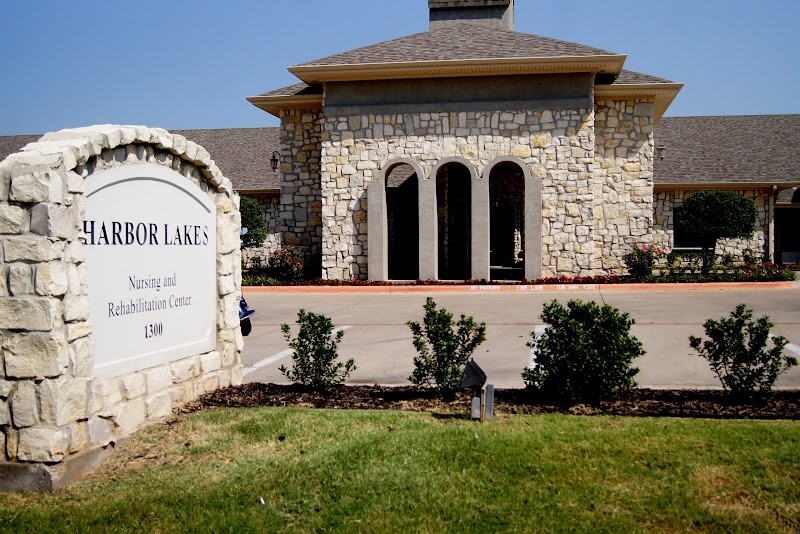
How is Harbor Lakes Staffed?

CMS rates HARBOR LAKES NURSING AND REHABILITATION CENTER's staffing level at 3 out of 5 stars, which is average compared to other nursing homes. Staff turnover is 44%, compared to the Texas average of 46%. This relatively stable workforce can support continuity of care.

What Have Inspectors Found at Harbor Lakes?

State health inspectors documented 19 deficiencies at HARBOR LAKES NURSING AND REHABILITATION CENTER during 2022 to 2024. These included: 18 with potential for harm and 1 minor or isolated issues.

Who Owns and Operates Harbor Lakes?

HARBOR LAKES NURSING AND REHABILITATION CENTER is owned by a for-profit company. For-profit facilities operate as businesses with obligations to shareholders or private owners. The facility is operated by HMG HEALTHCARE, a chain that manages multiple nursing homes. With 142 certified beds and approximately 90 residents (about 63% occupancy), it is a mid-sized facility located in GRANBURY, Texas.
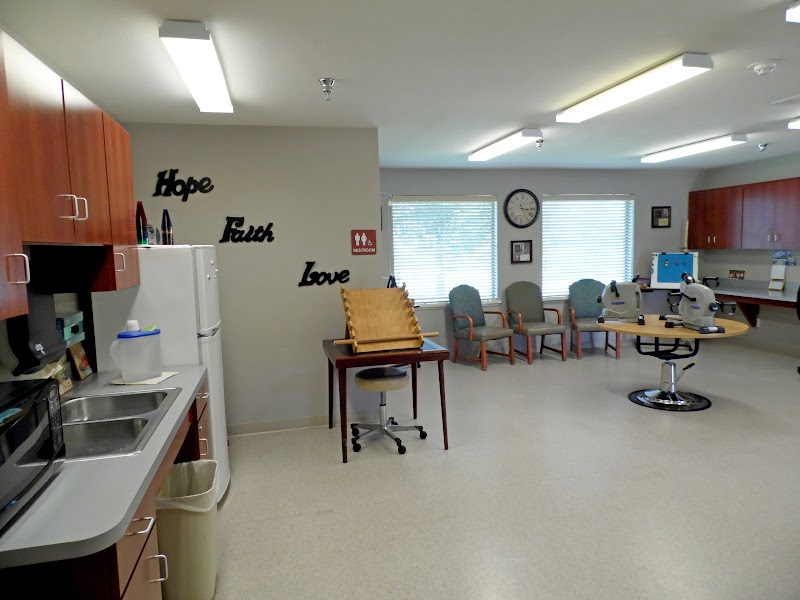
How Does Harbor Lakes Compare to Other Texas Nursing Homes?

Compared to the 100 nursing homes in Texas, HARBOR LAKES NURSING AND REHABILITATION CENTER's overall rating (5 stars) is above the state average of 2.8, staff turnover (44%) is near the state average of 46%, and health inspection rating (4 stars) is above the national benchmark.

What Should Families Ask When Visiting Harbor Lakes?

Based on this facility's data, families visiting should ask: "Can I visit during a mealtime to observe dining assistance and food quality?" "How do you handle medical emergencies, and what is your hospital transfer rate?" "Can I speak with family members of current residents about their experience?"

Is Harbor Lakes Safe?

Based on CMS inspection data, HARBOR LAKES NURSING AND REHABILITATION CENTER has a clean safety record: no substantiated abuse findings (meaning no confirmed cases of resident harm), no Immediate Jeopardy citations (the most serious violation level indicating risk of serious injury or death), and is not on the Special Focus Facility watch list (a federal program monitoring the lowest-performing 1% of nursing homes). The facility has a 5-star overall rating and ranks #1 of 100 nursing homes in Texas. While no facility is perfect, families should still ask about staff-to-resident ratios and recent inspection results during their visit.

Do Nurses at Harbor Lakes Stick Around?

HARBOR LAKES NURSING AND REHABILITATION CENTER has a staff turnover rate of 44%, which is about average for Texas nursing homes (state average: 46%). Moderate turnover is common in nursing homes, but families should still ask about staff tenure and how the facility maintains care continuity when employees leave.

Was Harbor Lakes Ever Fined?

HARBOR LAKES NURSING AND REHABILITATION CENTER has no federal fines on record. CMS issues fines when nursing homes fail to meet care standards or don't correct problems found during inspections. The absence of fines suggests the facility has either maintained compliance or corrected any issues before penalties were assessed. This is a positive indicator, though families should still review recent inspection reports for the full picture.

Is Harbor Lakes on Any Federal Watch List?

HARBOR LAKES NURSING AND REHABILITATION CENTER is not on any federal watch list. The most significant is the Special Focus Facility (SFF) program, which identifies the bottom 1% of nursing homes nationally based on persistent, serious quality problems. Not being on this list means the facility has avoided the pattern of deficiencies that triggers enhanced federal oversight. This is a positive indicator, though families should still review the facility's inspection history directly.